window.__IS_SSR__=true
window.__INITIAL_STATE__={
"attachmentsReducer": {
"audio_0": {
"type": "attachments",
"id": "audio_0",
"imgSizes": {
"kqedFullSize": {
"file": "https://ww2.kqed.org/news/wp-content/themes/KQED-unified/img/audio_bgs/background0.jpg"
}
}
},
"audio_1": {
"type": "attachments",
"id": "audio_1",
"imgSizes": {
"kqedFullSize": {
"file": "https://ww2.kqed.org/news/wp-content/themes/KQED-unified/img/audio_bgs/background1.jpg"
}
}
},
"audio_2": {
"type": "attachments",
"id": "audio_2",
"imgSizes": {
"kqedFullSize": {
"file": "https://ww2.kqed.org/news/wp-content/themes/KQED-unified/img/audio_bgs/background2.jpg"
}
}
},
"audio_3": {
"type": "attachments",
"id": "audio_3",
"imgSizes": {
"kqedFullSize": {
"file": "https://ww2.kqed.org/news/wp-content/themes/KQED-unified/img/audio_bgs/background3.jpg"
}
}
},
"audio_4": {
"type": "attachments",
"id": "audio_4",
"imgSizes": {
"kqedFullSize": {
"file": "https://ww2.kqed.org/news/wp-content/themes/KQED-unified/img/audio_bgs/background4.jpg"
}
}
},
"placeholder": {
"type": "attachments",
"id": "placeholder",
"imgSizes": {
"thumbnail": {
"file": "https://cdn.kqed.org/wp-content/uploads/2024/12/KQED-Default-Image-816638274-2000x1333-1-160x107.jpg",
"width": 160,
"height": 107,
"mimeType": "image/jpeg"
},
"medium": {
"file": "https://cdn.kqed.org/wp-content/uploads/2024/12/KQED-Default-Image-816638274-2000x1333-1-800x533.jpg",
"width": 800,
"height": 533,
"mimeType": "image/jpeg"
},
"medium_large": {
"file": "https://cdn.kqed.org/wp-content/uploads/2024/12/KQED-Default-Image-816638274-2000x1333-1-768x512.jpg",
"width": 768,
"height": 512,
"mimeType": "image/jpeg"
},
"large": {
"file": "https://cdn.kqed.org/wp-content/uploads/2024/12/KQED-Default-Image-816638274-2000x1333-1-1020x680.jpg",
"width": 1020,
"height": 680,
"mimeType": "image/jpeg"
},
"1536x1536": {
"file": "https://cdn.kqed.org/wp-content/uploads/2024/12/KQED-Default-Image-816638274-2000x1333-1-1536x1024.jpg",
"width": 1536,
"height": 1024,
"mimeType": "image/jpeg"
},
"fd-lrg": {
"file": "https://cdn.kqed.org/wp-content/uploads/2024/12/KQED-Default-Image-816638274-2000x1333-1-1536x1024.jpg",
"width": 1536,
"height": 1024,
"mimeType": "image/jpeg"
},
"fd-med": {
"file": "https://cdn.kqed.org/wp-content/uploads/2024/12/KQED-Default-Image-816638274-2000x1333-1-1020x680.jpg",
"width": 1020,
"height": 680,
"mimeType": "image/jpeg"
},
"fd-sm": {
"file": "https://cdn.kqed.org/wp-content/uploads/2024/12/KQED-Default-Image-816638274-2000x1333-1-800x533.jpg",
"width": 800,
"height": 533,
"mimeType": "image/jpeg"
},
"post-thumbnail": {
"file": "https://cdn.kqed.org/wp-content/uploads/2024/12/KQED-Default-Image-816638274-2000x1333-1-672x372.jpg",
"width": 672,
"height": 372,
"mimeType": "image/jpeg"
},
"twentyfourteen-full-width": {
"file": "https://cdn.kqed.org/wp-content/uploads/2024/12/KQED-Default-Image-816638274-2000x1333-1-1038x576.jpg",
"width": 1038,
"height": 576,
"mimeType": "image/jpeg"
},
"xxsmall": {
"file": "https://cdn.kqed.org/wp-content/uploads/2024/12/KQED-Default-Image-816638274-2000x1333-1-160x107.jpg",
"width": 160,
"height": 107,
"mimeType": "image/jpeg"
},
"xsmall": {
"file": "https://cdn.kqed.org/wp-content/uploads/2024/12/KQED-Default-Image-816638274-2000x1333-1-672x372.jpg",
"width": 672,
"height": 372,
"mimeType": "image/jpeg"
},
"small": {
"file": "https://cdn.kqed.org/wp-content/uploads/2024/12/KQED-Default-Image-816638274-2000x1333-1-672x372.jpg",
"width": 672,
"height": 372,
"mimeType": "image/jpeg"
},
"xlarge": {
"file": "https://cdn.kqed.org/wp-content/uploads/2024/12/KQED-Default-Image-816638274-2000x1333-1-1020x680.jpg",
"width": 1020,
"height": 680,
"mimeType": "image/jpeg"
},
"full-width": {
"file": "https://cdn.kqed.org/wp-content/uploads/2024/12/KQED-Default-Image-816638274-2000x1333-1-1920x1280.jpg",
"width": 1920,
"height": 1280,
"mimeType": "image/jpeg"
},
"guest-author-32": {
"file": "https://cdn.kqed.org/wp-content/uploads/2025/01/KQED-Default-Image-816638274-1333x1333-1-160x160.jpg",
"width": 32,
"height": 32,
"mimeType": "image/jpeg"
},
"guest-author-50": {
"file": "https://cdn.kqed.org/wp-content/uploads/2025/01/KQED-Default-Image-816638274-1333x1333-1-160x160.jpg",
"width": 50,
"height": 50,
"mimeType": "image/jpeg"
},
"guest-author-64": {
"file": "https://cdn.kqed.org/wp-content/uploads/2025/01/KQED-Default-Image-816638274-1333x1333-1-160x160.jpg",
"width": 64,
"height": 64,
"mimeType": "image/jpeg"
},
"guest-author-96": {
"file": "https://cdn.kqed.org/wp-content/uploads/2025/01/KQED-Default-Image-816638274-1333x1333-1-160x160.jpg",
"width": 96,
"height": 96,
"mimeType": "image/jpeg"
},
"guest-author-128": {
"file": "https://cdn.kqed.org/wp-content/uploads/2025/01/KQED-Default-Image-816638274-1333x1333-1-160x160.jpg",
"width": 128,
"height": 128,
"mimeType": "image/jpeg"
},
"detail": {
"file": "https://cdn.kqed.org/wp-content/uploads/2025/01/KQED-Default-Image-816638274-1333x1333-1-160x160.jpg",
"width": 160,
"height": 160,
"mimeType": "image/jpeg"
},
"kqedFullSize": {
"file": "https://cdn.kqed.org/wp-content/uploads/2024/12/KQED-Default-Image-816638274-2000x1333-1.jpg",
"width": 2000,
"height": 1333
}
}
},
"news_12033069": {
"type": "attachments",
"id": "news_12033069",
"meta": {
"index": "attachments_1716263798",
"site": "news",
"id": "12033069",
"found": true
},
"title": "paypal mafia_web img",
"publishDate": 1742956510,
"status": "inherit",
"parent": 12033066,
"modified": 1742957348,
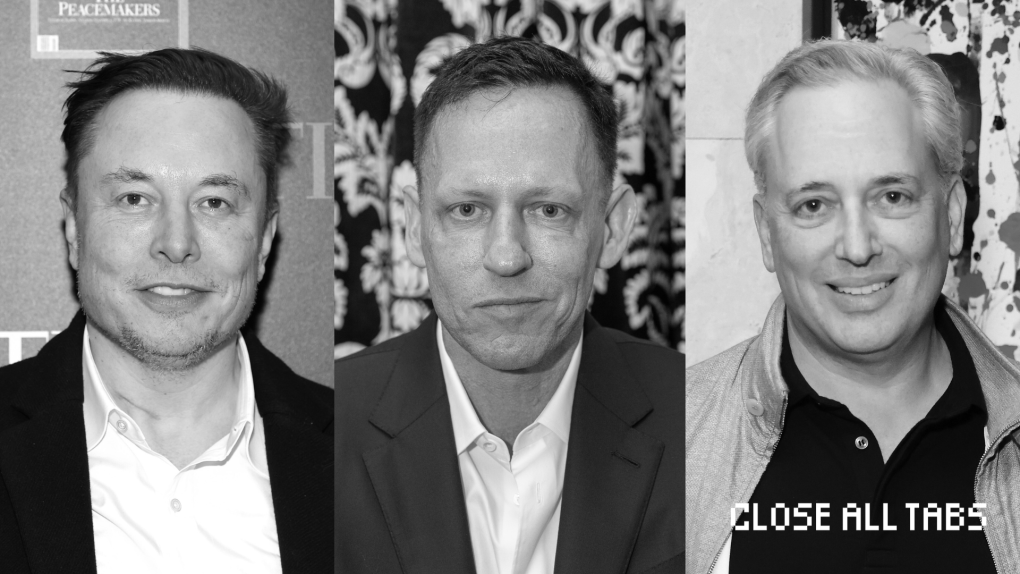
"caption": "From left, Elon Musk, Peter Thiel and David Sacks — prominent members of the so-called “PayPal Mafia,” a group of former PayPal executives who became influential in Silicon Valley. (Photos by Theo Wargo/Getty Images, Nordin Catic/Getty Images, and Romain Maurice/Getty Images)",
"credit": null,
"altTag": "Black-and-white composite image of three white men shown in separate headshots, positioned side by side. On the left is Elon Musk, smiling slightly, with short, slicked-back hair and light stubble, wearing a white button-down shirt and a dark blazer. In the center is Peter Thiel, looking directly at the camera with a neutral expression, close-cropped hair, and wearing a dark suit jacket over a white shirt. On the right is David Sacks, smiling with his teeth visible, with short, neatly combed gray hair, wearing a black shirt and a light zip-up jacket. In the bottom right corner of the image, the text “CLOSE ALL TABS” appears in a pixelated, video game-style font.",
"description": null,
"imgSizes": {
"medium": {
"file": "https://cdn.kqed.org/wp-content/uploads/sites/10/2025/03/paypal-mafia_web-img-800x450.png",
"width": 800,
"height": 450,
"mimeType": "image/png"
},
"large": {
"file": "https://cdn.kqed.org/wp-content/uploads/sites/10/2025/03/paypal-mafia_web-img-1020x574.png",
"width": 1020,
"height": 574,
"mimeType": "image/png"
},
"thumbnail": {
"file": "https://cdn.kqed.org/wp-content/uploads/sites/10/2025/03/paypal-mafia_web-img-160x90.png",
"width": 160,
"height": 90,
"mimeType": "image/png"
},
"1536x1536": {
"file": "https://cdn.kqed.org/wp-content/uploads/sites/10/2025/03/paypal-mafia_web-img-1536x864.png",
"width": 1536,
"height": 864,
"mimeType": "image/png"
},
"post-thumbnail": {
"file": "https://cdn.kqed.org/wp-content/uploads/sites/10/2025/03/paypal-mafia_web-img-672x372.png",
"width": 672,
"height": 372,
"mimeType": "image/png"
},
"twentyfourteen-full-width": {
"file": "https://cdn.kqed.org/wp-content/uploads/sites/10/2025/03/paypal-mafia_web-img-1038x576.png",
"width": 1038,
"height": 576,
"mimeType": "image/png"
},
"kqedFullSize": {
"file": "https://cdn.kqed.org/wp-content/uploads/sites/10/2025/03/paypal-mafia_web-img.png",
"width": 1920,
"height": 1080
}
},
"isLoading": false,
"fetchFailed": false
},
"news_11676905": {
"type": "attachments",
"id": "news_11676905",
"meta": {
"index": "attachments_1716263798",
"site": "news",
"id": "11676905",
"found": true
},
"title": "2017 Streamy Awards - Inside",
"publishDate": 1529876432,
"status": "inherit",
"parent": 11676881,
"modified": 1742862528,
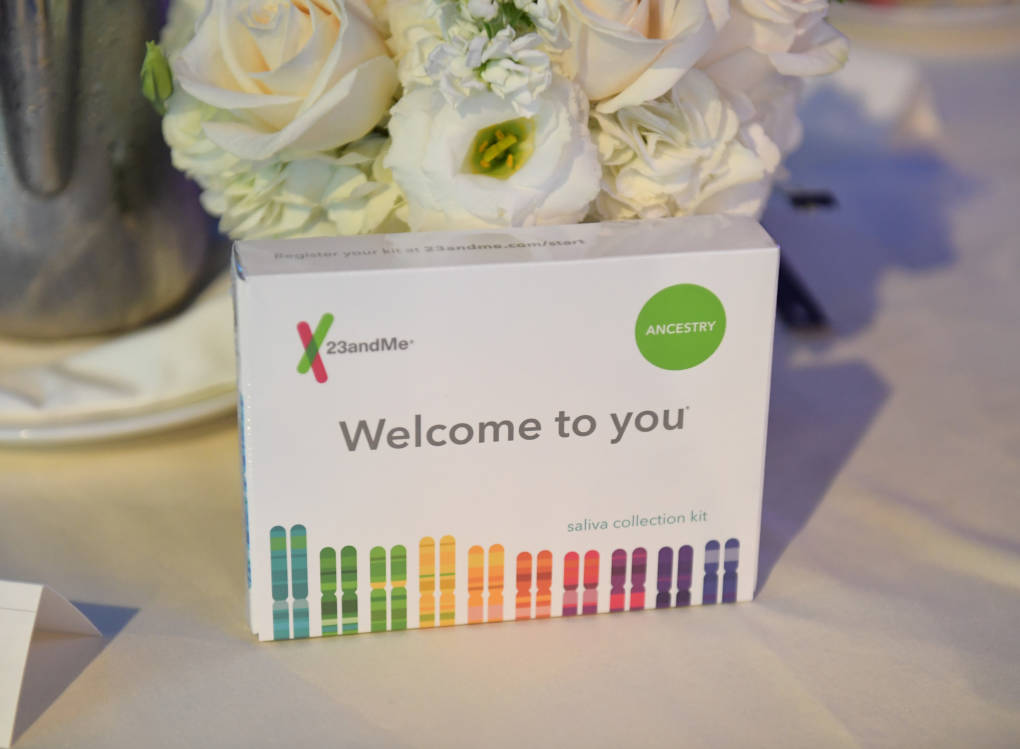
"caption": "23andMe CEO Anne Wojcicki said the company would offer the use of its genetic testing services amid concerns that immigration officials lacked the records necessary to connect parents with their children.",
"credit": "Matt Winkelmeyer/Getty Images for dick clark productions",
"altTag": null,
"description": "23andMe CEO Anne Wojcicki said the company would offer the use of its genetic testing services amid concerns that immigration officials lacked the records necessary to connect parents with their children.",
"imgSizes": {
"thumbnail": {
"file": "https://cdn.kqed.org/wp-content/uploads/sites/10/2018/06/GettyImages-854491752-160x118.jpg",
"width": 160,
"height": 118,
"mimeType": "image/jpeg"
},
"medium": {
"file": "https://cdn.kqed.org/wp-content/uploads/sites/10/2018/06/GettyImages-854491752-800x588.jpg",
"width": 800,
"height": 588,
"mimeType": "image/jpeg"
},
"large": {
"file": "https://cdn.kqed.org/wp-content/uploads/sites/10/2018/06/GettyImages-854491752-1020x749.jpg",
"width": 1020,
"height": 749,
"mimeType": "image/jpeg"
},
"complete_open_graph": {
"file": "https://cdn.kqed.org/wp-content/uploads/sites/10/2018/06/GettyImages-854491752-1200x882.jpg",
"width": 1200,
"height": 882,
"mimeType": "image/jpeg"
},
"fd-lrg": {
"file": "https://cdn.kqed.org/wp-content/uploads/sites/10/2018/06/GettyImages-854491752-1920x1411.jpg",
"width": 1920,
"height": 1411,
"mimeType": "image/jpeg"
},
"fd-med": {
"file": "https://cdn.kqed.org/wp-content/uploads/sites/10/2018/06/GettyImages-854491752-1180x867.jpg",
"width": 1180,
"height": 867,
"mimeType": "image/jpeg"
},
"fd-sm": {
"file": "https://cdn.kqed.org/wp-content/uploads/sites/10/2018/06/GettyImages-854491752-960x705.jpg",
"width": 960,
"height": 705,
"mimeType": "image/jpeg"
},
"post-thumbnail": {
"file": "https://cdn.kqed.org/wp-content/uploads/sites/10/2018/06/GettyImages-854491752-672x372.jpg",
"width": 672,
"height": 372,
"mimeType": "image/jpeg"
},
"twentyfourteen-full-width": {
"file": "https://cdn.kqed.org/wp-content/uploads/sites/10/2018/06/GettyImages-854491752-1038x576.jpg",
"width": 1038,
"height": 576,
"mimeType": "image/jpeg"
},
"xxsmall": {
"file": "https://cdn.kqed.org/wp-content/uploads/sites/10/2018/06/GettyImages-854491752-240x176.jpg",
"width": 240,
"height": 176,
"mimeType": "image/jpeg"
},
"xsmall": {
"file": "https://cdn.kqed.org/wp-content/uploads/sites/10/2018/06/GettyImages-854491752-375x276.jpg",
"width": 375,
"height": 276,
"mimeType": "image/jpeg"
},
"small": {
"file": "https://cdn.kqed.org/wp-content/uploads/sites/10/2018/06/GettyImages-854491752-520x382.jpg",
"width": 520,
"height": 382,
"mimeType": "image/jpeg"
},
"xlarge": {
"file": "https://cdn.kqed.org/wp-content/uploads/sites/10/2018/06/GettyImages-854491752-1180x867.jpg",
"width": 1180,
"height": 867,
"mimeType": "image/jpeg"
},
"full-width": {
"file": "https://cdn.kqed.org/wp-content/uploads/sites/10/2018/06/GettyImages-854491752-1920x1411.jpg",
"width": 1920,
"height": 1411,
"mimeType": "image/jpeg"
},
"guest-author-32": {
"file": "https://cdn.kqed.org/wp-content/uploads/sites/10/2018/06/GettyImages-854491752-32x32.jpg",
"width": 32,
"height": 32,
"mimeType": "image/jpeg"
},
"guest-author-50": {
"file": "https://cdn.kqed.org/wp-content/uploads/sites/10/2018/06/GettyImages-854491752-50x50.jpg",
"width": 50,
"height": 50,
"mimeType": "image/jpeg"
},
"guest-author-64": {
"file": "https://cdn.kqed.org/wp-content/uploads/sites/10/2018/06/GettyImages-854491752-64x64.jpg",
"width": 64,
"height": 64,
"mimeType": "image/jpeg"
},
"guest-author-96": {
"file": "https://cdn.kqed.org/wp-content/uploads/sites/10/2018/06/GettyImages-854491752-96x96.jpg",
"width": 96,
"height": 96,
"mimeType": "image/jpeg"
},
"guest-author-128": {
"file": "https://cdn.kqed.org/wp-content/uploads/sites/10/2018/06/GettyImages-854491752-128x128.jpg",
"width": 128,
"height": 128,
"mimeType": "image/jpeg"
},
"detail": {
"file": "https://cdn.kqed.org/wp-content/uploads/sites/10/2018/06/GettyImages-854491752-150x150.jpg",
"width": 150,
"height": 150,
"mimeType": "image/jpeg"
},
"kqedFullSize": {
"file": "https://cdn.kqed.org/wp-content/uploads/sites/10/2018/06/GettyImages-854491752-e1529876490584.jpg",
"width": 1920,
"height": 1411
}
},
"isLoading": false,
"fetchFailed": false
},
"news_12032018": {
"type": "attachments",
"id": "news_12032018",
"meta": {
"index": "attachments_1716263798",
"site": "news",
"id": "12032018",
"found": true
},
"title": "97th Annual Oscars - Arrivals",
"publishDate": 1742401584,
"status": "inherit",
"parent": 12031810,
"modified": 1742401606,
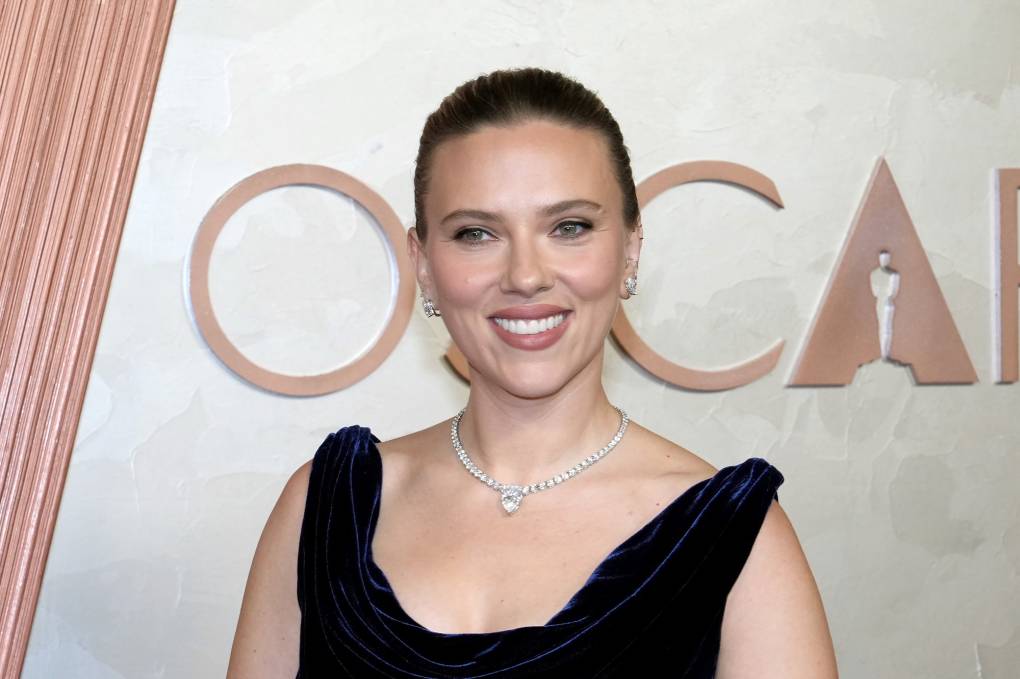
"caption": "The actress Scarlett Johansson is one of a growing list of artists who have taken generative AI developers to task for allegedly copying and imitating her voice after she refused to license it to the company. The dispute is at the heart of new state legislation by Assemblymember Rebecca Bauer-Kahan (D-Orinda).",
"credit": "Jeff Kravitz/FilmMagic",
"altTag": null,
"description": null,
"imgSizes": {
"medium": {
"file": "https://cdn.kqed.org/wp-content/uploads/sites/10/2025/03/ScarletGetty-800x533.jpg",
"width": 800,
"height": 533,
"mimeType": "image/jpeg"
},
"large": {
"file": "https://cdn.kqed.org/wp-content/uploads/sites/10/2025/03/ScarletGetty-1020x679.jpg",
"width": 1020,
"height": 679,
"mimeType": "image/jpeg"
},
"thumbnail": {
"file": "https://cdn.kqed.org/wp-content/uploads/sites/10/2025/03/ScarletGetty-160x107.jpg",
"width": 160,
"height": 107,
"mimeType": "image/jpeg"
},
"1536x1536": {
"file": "https://cdn.kqed.org/wp-content/uploads/sites/10/2025/03/ScarletGetty-1536x1023.jpg",
"width": 1536,
"height": 1023,
"mimeType": "image/jpeg"
},
"post-thumbnail": {
"file": "https://cdn.kqed.org/wp-content/uploads/sites/10/2025/03/ScarletGetty-672x372.jpg",
"width": 672,
"height": 372,
"mimeType": "image/jpeg"
},
"twentyfourteen-full-width": {
"file": "https://cdn.kqed.org/wp-content/uploads/sites/10/2025/03/ScarletGetty-1038x576.jpg",
"width": 1038,
"height": 576,
"mimeType": "image/jpeg"
},
"full-width": {
"file": "https://cdn.kqed.org/wp-content/uploads/sites/10/2025/03/ScarletGetty-1920x1279.jpg",
"width": 1920,
"height": 1279,
"mimeType": "image/jpeg"
},
"kqedFullSize": {
"file": "https://cdn.kqed.org/wp-content/uploads/sites/10/2025/03/ScarletGetty.jpg",
"width": 2000,
"height": 1332
}
},
"isLoading": false,
"fetchFailed": false
},
"news_12031983": {
"type": "attachments",
"id": "news_12031983",
"meta": {
"index": "attachments_1716263798",
"site": "news",
"id": "12031983",
"found": true
},
"title": "statues_web img 02",
"publishDate": 1742345081,
"status": "inherit",
"parent": 12031980,
"modified": 1742345541,
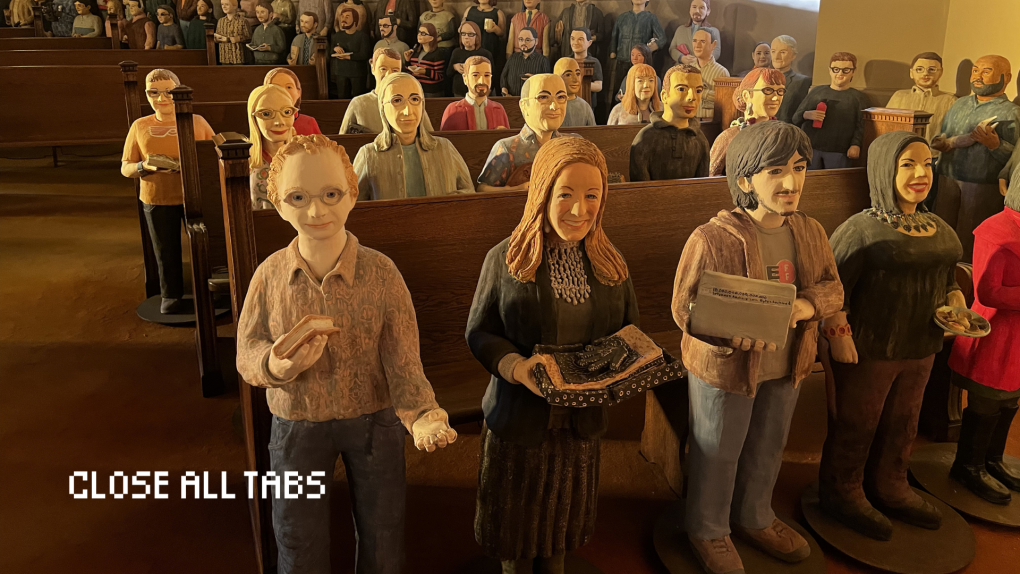
"caption": "Hundreds of terracotta statues fill an auditorium at the Internet Archive’s headquarters in San Francisco on Jan. 23, 2025. Each statue represents an employee who worked for the Internet Archive for at least three years. (Chris Egusa/KQED)",
"credit": null,
"altTag": "Dozens of small terracotta statues, each with distinct features and holding various items, stand arranged in rows along wooden pews in a church-like room. More statues line the curved back wall. Golden light illuminates the statues from the left. The words \"Close All Tabs\" appear in the bottom left corner.",
"description": null,
"imgSizes": {
"medium": {
"file": "https://cdn.kqed.org/wp-content/uploads/sites/10/2025/03/statues_web-img-02-800x450.png",
"width": 800,
"height": 450,
"mimeType": "image/png"
},
"large": {
"file": "https://cdn.kqed.org/wp-content/uploads/sites/10/2025/03/statues_web-img-02-1020x574.png",
"width": 1020,
"height": 574,
"mimeType": "image/png"
},
"thumbnail": {
"file": "https://cdn.kqed.org/wp-content/uploads/sites/10/2025/03/statues_web-img-02-160x90.png",
"width": 160,
"height": 90,
"mimeType": "image/png"
},
"1536x1536": {
"file": "https://cdn.kqed.org/wp-content/uploads/sites/10/2025/03/statues_web-img-02-1536x864.png",
"width": 1536,
"height": 864,
"mimeType": "image/png"
},
"post-thumbnail": {
"file": "https://cdn.kqed.org/wp-content/uploads/sites/10/2025/03/statues_web-img-02-672x372.png",
"width": 672,
"height": 372,
"mimeType": "image/png"
},
"twentyfourteen-full-width": {
"file": "https://cdn.kqed.org/wp-content/uploads/sites/10/2025/03/statues_web-img-02-1038x576.png",
"width": 1038,
"height": 576,
"mimeType": "image/png"
},
"kqedFullSize": {
"file": "https://cdn.kqed.org/wp-content/uploads/sites/10/2025/03/statues_web-img-02.png",
"width": 1920,
"height": 1080
}
},
"isLoading": false,
"fetchFailed": false
},
"news_12028939": {
"type": "attachments",
"id": "news_12028939",
"meta": {
"index": "attachments_1716263798",
"site": "news",
"id": "12028939",
"found": true
},
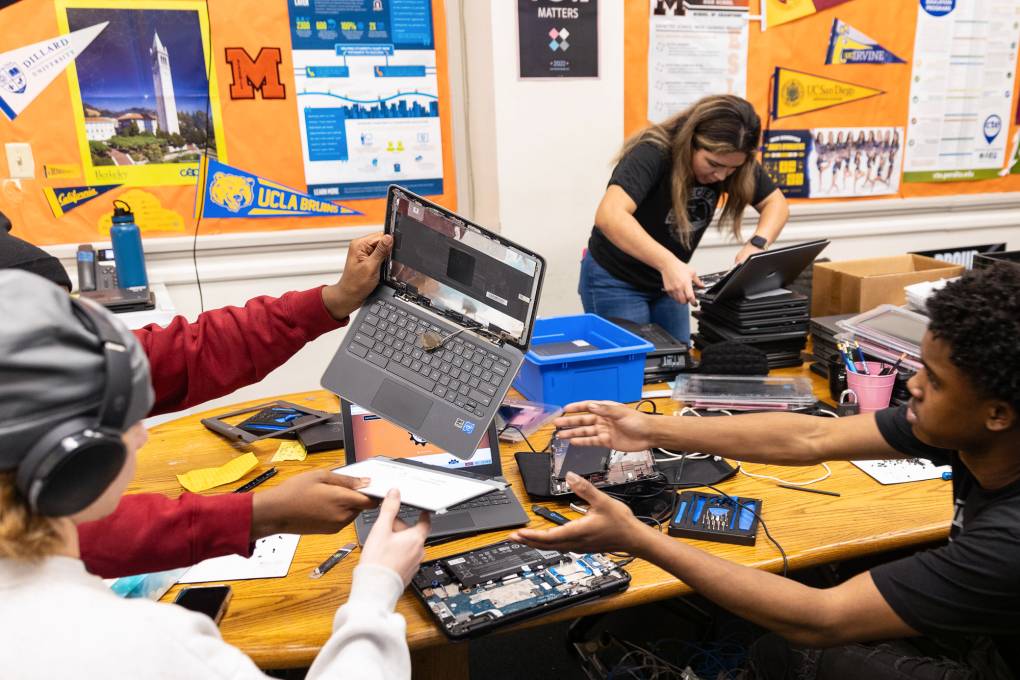
"title": "At McClymonds High School in Oakland on Feb. 6, 2025.",
"publishDate": 1740672046,
"status": "inherit",
"parent": 0,
"modified": 1740672401,
"caption": "At McClymonds High School in Oakland on Feb. 6, 2025.",
"credit": "Gina Castro/KQED",
"altTag": null,
"description": null,
"imgSizes": {
"medium": {
"file": "https://cdn.kqed.org/wp-content/uploads/sites/10/2025/02/20250206_OUSDChromebooks_GC-33-800x533.jpg",
"width": 800,
"height": 533,
"mimeType": "image/jpeg"
},
"large": {
"file": "https://cdn.kqed.org/wp-content/uploads/sites/10/2025/02/20250206_OUSDChromebooks_GC-33-1020x680.jpg",
"width": 1020,
"height": 680,
"mimeType": "image/jpeg"
},
"thumbnail": {
"file": "https://cdn.kqed.org/wp-content/uploads/sites/10/2025/02/20250206_OUSDChromebooks_GC-33-160x107.jpg",
"width": 160,
"height": 107,
"mimeType": "image/jpeg"
},
"1536x1536": {
"file": "https://cdn.kqed.org/wp-content/uploads/sites/10/2025/02/20250206_OUSDChromebooks_GC-33-1536x1024.jpg",
"width": 1536,
"height": 1024,
"mimeType": "image/jpeg"
},
"post-thumbnail": {
"file": "https://cdn.kqed.org/wp-content/uploads/sites/10/2025/02/20250206_OUSDChromebooks_GC-33-672x372.jpg",
"width": 672,
"height": 372,
"mimeType": "image/jpeg"
},
"twentyfourteen-full-width": {
"file": "https://cdn.kqed.org/wp-content/uploads/sites/10/2025/02/20250206_OUSDChromebooks_GC-33-1038x576.jpg",
"width": 1038,
"height": 576,
"mimeType": "image/jpeg"
},
"full-width": {
"file": "https://cdn.kqed.org/wp-content/uploads/sites/10/2025/02/20250206_OUSDChromebooks_GC-33-1920x1280.jpg",
"width": 1920,
"height": 1280,
"mimeType": "image/jpeg"
},
"kqedFullSize": {
"file": "https://cdn.kqed.org/wp-content/uploads/sites/10/2025/02/20250206_OUSDChromebooks_GC-33.jpg",
"width": 2000,
"height": 1333
}
},
"isLoading": false,
"fetchFailed": false
},
"news_12028936": {
"type": "attachments",
"id": "news_12028936",
"meta": {
"index": "attachments_1716263798",
"site": "news",
"id": "12028936",
"found": true
},
"title": "20250206_OUSDChromebooks_GC-19",
"publishDate": 1740672029,
"status": "inherit",
"parent": 12028948,
"modified": 1741035054,
"caption": "David Anderson, a junior at McClymonds High School, holds a Chromebook’s bezel in Oakland on Feb. 6, 2025. David is one of three paid interns at McClymonds High, under Oakland Unified’s student-led Chromebook repair program, where students are hired to repair the devices during the school year.",
"credit": "Gina Castro/KQED",
"altTag": null,
"description": null,
"imgSizes": {
"medium": {
"file": "https://cdn.kqed.org/wp-content/uploads/sites/10/2025/02/20250206_OUSDChromebooks_GC-19-800x533.jpg",
"width": 800,
"height": 533,
"mimeType": "image/jpeg"
},
"large": {
"file": "https://cdn.kqed.org/wp-content/uploads/sites/10/2025/02/20250206_OUSDChromebooks_GC-19-1020x680.jpg",
"width": 1020,
"height": 680,
"mimeType": "image/jpeg"
},
"thumbnail": {
"file": "https://cdn.kqed.org/wp-content/uploads/sites/10/2025/02/20250206_OUSDChromebooks_GC-19-160x107.jpg",
"width": 160,
"height": 107,
"mimeType": "image/jpeg"
},
"1536x1536": {
"file": "https://cdn.kqed.org/wp-content/uploads/sites/10/2025/02/20250206_OUSDChromebooks_GC-19-1536x1024.jpg",
"width": 1536,
"height": 1024,
"mimeType": "image/jpeg"
},
"post-thumbnail": {
"file": "https://cdn.kqed.org/wp-content/uploads/sites/10/2025/02/20250206_OUSDChromebooks_GC-19-672x372.jpg",
"width": 672,
"height": 372,
"mimeType": "image/jpeg"
},
"twentyfourteen-full-width": {
"file": "https://cdn.kqed.org/wp-content/uploads/sites/10/2025/02/20250206_OUSDChromebooks_GC-19-1038x576.jpg",
"width": 1038,
"height": 576,
"mimeType": "image/jpeg"
},
"full-width": {
"file": "https://cdn.kqed.org/wp-content/uploads/sites/10/2025/02/20250206_OUSDChromebooks_GC-19-1920x1280.jpg",
"width": 1920,
"height": 1280,
"mimeType": "image/jpeg"
},
"kqedFullSize": {
"file": "https://cdn.kqed.org/wp-content/uploads/sites/10/2025/02/20250206_OUSDChromebooks_GC-19.jpg",
"width": 2000,
"height": 1333
}
},
"isLoading": false,
"fetchFailed": false
},
"news_12030774": {
"type": "attachments",
"id": "news_12030774",
"meta": {
"index": "attachments_1716263798",
"site": "news",
"id": "12030774",
"found": true
},
"title": "An empty railroad track stop on N First St in San Jose on March 11, 2025.",
"publishDate": 1741719083,
"status": "inherit",
"parent": 12042427,
"modified": 1748907852,
"caption": "An empty railroad track stop on North First Street in San José on March 11, 2025.",
"credit": "Gina Castro/KQED",
"altTag": null,
"description": null,
"imgSizes": {
"medium": {
"file": "https://cdn.kqed.org/wp-content/uploads/sites/10/2025/03/20250311_VTASTRIKEDAY2_GC-23-KQED-800x533.jpg",
"width": 800,
"height": 533,
"mimeType": "image/jpeg"
},
"large": {
"file": "https://cdn.kqed.org/wp-content/uploads/sites/10/2025/03/20250311_VTASTRIKEDAY2_GC-23-KQED-1020x680.jpg",
"width": 1020,
"height": 680,
"mimeType": "image/jpeg"
},
"thumbnail": {
"file": "https://cdn.kqed.org/wp-content/uploads/sites/10/2025/03/20250311_VTASTRIKEDAY2_GC-23-KQED-160x107.jpg",
"width": 160,
"height": 107,
"mimeType": "image/jpeg"
},
"1536x1536": {
"file": "https://cdn.kqed.org/wp-content/uploads/sites/10/2025/03/20250311_VTASTRIKEDAY2_GC-23-KQED-1536x1024.jpg",
"width": 1536,
"height": 1024,
"mimeType": "image/jpeg"
},
"post-thumbnail": {
"file": "https://cdn.kqed.org/wp-content/uploads/sites/10/2025/03/20250311_VTASTRIKEDAY2_GC-23-KQED-672x372.jpg",
"width": 672,
"height": 372,
"mimeType": "image/jpeg"
},
"twentyfourteen-full-width": {
"file": "https://cdn.kqed.org/wp-content/uploads/sites/10/2025/03/20250311_VTASTRIKEDAY2_GC-23-KQED-1038x576.jpg",
"width": 1038,
"height": 576,
"mimeType": "image/jpeg"
},
"full-width": {
"file": "https://cdn.kqed.org/wp-content/uploads/sites/10/2025/03/20250311_VTASTRIKEDAY2_GC-23-KQED-1920x1280.jpg",
"width": 1920,
"height": 1280,
"mimeType": "image/jpeg"
},
"kqedFullSize": {
"file": "https://cdn.kqed.org/wp-content/uploads/sites/10/2025/03/20250311_VTASTRIKEDAY2_GC-23-KQED.jpg",
"width": 2000,
"height": 1333
}
},
"isLoading": false,
"fetchFailed": false
},
"news_12031295": {
"type": "attachments",
"id": "news_12031295",
"meta": {
"index": "attachments_1716263798",
"site": "news",
"id": "12031295",
"found": true
},
"title": "Allen And Company Annual Meeting Brings Business Executives, Media Moguls, And Politicians To Sun Valley, Idaho",
"publishDate": 1741905416,
"status": "inherit",
"parent": 12031294,
"modified": 1741907474,
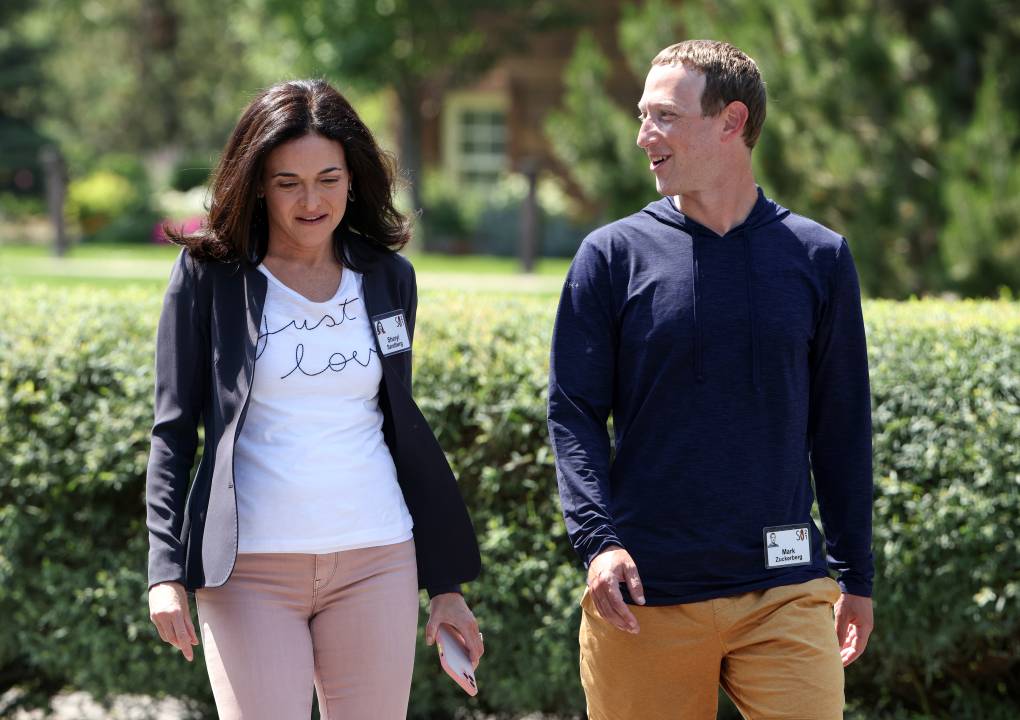
"caption": "CEO of Facebook Mark Zuckerberg walks with COO of Facebook Sheryl Sandberg after a session at the Allen & Company Sun Valley Conference on July 8, 2021, in Sun Valley, Idaho. After a year hiatus due to the COVID-19 pandemic, the world’s most wealthy and powerful businesspeople from the media, finance, and technology worlds will converge at the Sun Valley Resort for the exclusive weeklong conference. ",
"credit": "Kevin Dietsch/Getty Images",
"altTag": null,
"description": null,
"imgSizes": {
"medium": {
"file": "https://cdn.kqed.org/wp-content/uploads/sites/10/2025/03/GettyImages-1327685501-800x565.jpg",
"width": 800,
"height": 565,
"mimeType": "image/jpeg"
},
"large": {
"file": "https://cdn.kqed.org/wp-content/uploads/sites/10/2025/03/GettyImages-1327685501-1020x720.jpg",
"width": 1020,
"height": 720,
"mimeType": "image/jpeg"
},
"thumbnail": {
"file": "https://cdn.kqed.org/wp-content/uploads/sites/10/2025/03/GettyImages-1327685501-160x113.jpg",
"width": 160,
"height": 113,
"mimeType": "image/jpeg"
},
"1536x1536": {
"file": "https://cdn.kqed.org/wp-content/uploads/sites/10/2025/03/GettyImages-1327685501-1536x1085.jpg",
"width": 1536,
"height": 1085,
"mimeType": "image/jpeg"
},
"2048x2048": {
"file": "https://cdn.kqed.org/wp-content/uploads/sites/10/2025/03/GettyImages-1327685501-2048x1446.jpg",
"width": 2048,
"height": 1446,
"mimeType": "image/jpeg"
},
"post-thumbnail": {
"file": "https://cdn.kqed.org/wp-content/uploads/sites/10/2025/03/GettyImages-1327685501-672x372.jpg",
"width": 672,
"height": 372,
"mimeType": "image/jpeg"
},
"twentyfourteen-full-width": {
"file": "https://cdn.kqed.org/wp-content/uploads/sites/10/2025/03/GettyImages-1327685501-1038x576.jpg",
"width": 1038,
"height": 576,
"mimeType": "image/jpeg"
},
"full-width": {
"file": "https://cdn.kqed.org/wp-content/uploads/sites/10/2025/03/GettyImages-1327685501-1920x1356.jpg",
"width": 1920,
"height": 1356,
"mimeType": "image/jpeg"
},
"kqedFullSize": {
"file": "https://cdn.kqed.org/wp-content/uploads/sites/10/2025/03/GettyImages-1327685501-scaled-e1741905750213.jpg",
"width": 2000,
"height": 1413
}
},
"isLoading": false,
"fetchFailed": false
},
"news_12031069": {
"type": "attachments",
"id": "news_12031069",
"meta": {
"index": "attachments_1716263798",
"site": "news",
"id": "12031069",
"found": true
},
"title": "Hondalink",
"publishDate": 1741818460,
"status": "inherit",
"parent": 12030969,
"modified": 1741818590,
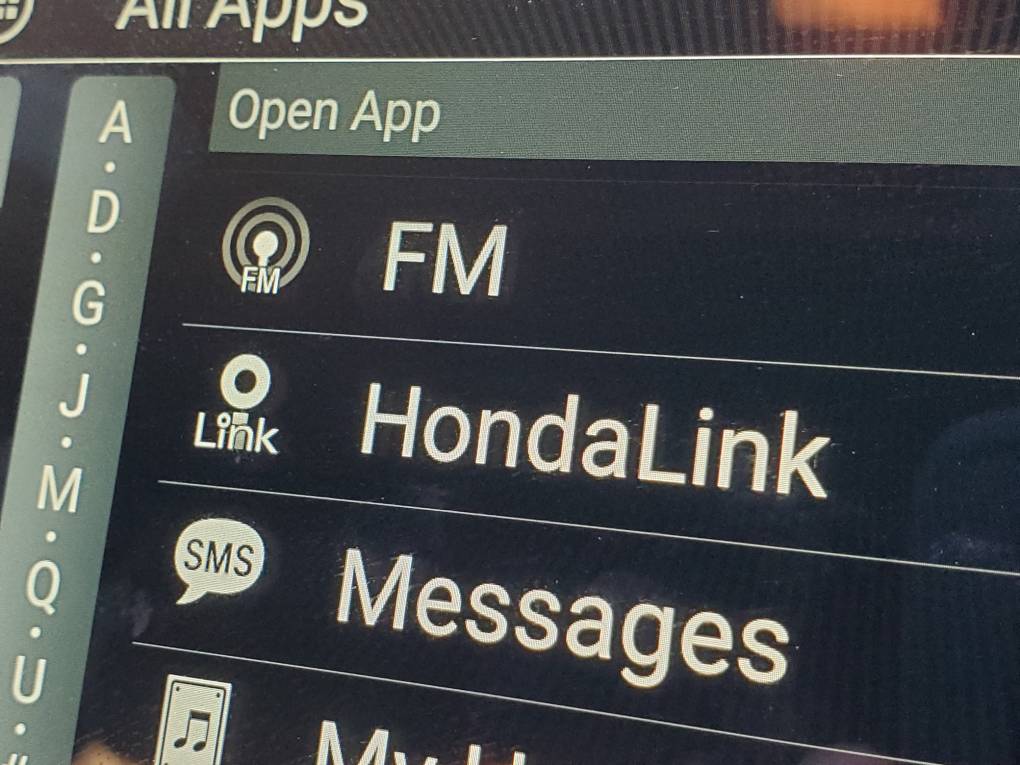
"caption": "A close-up of HondaLink inside a vehicle dashboard display screen in Lafayette, California, in October 2021. ",
"credit": "Smith Collection/Gado/Getty Images",
"altTag": null,
"description": null,
"imgSizes": {
"medium": {
"file": "https://cdn.kqed.org/wp-content/uploads/sites/10/2025/03/Honda-800x600.jpg",
"width": 800,
"height": 600,
"mimeType": "image/jpeg"
},
"large": {
"file": "https://cdn.kqed.org/wp-content/uploads/sites/10/2025/03/Honda-1020x765.jpg",
"width": 1020,
"height": 765,
"mimeType": "image/jpeg"
},
"thumbnail": {
"file": "https://cdn.kqed.org/wp-content/uploads/sites/10/2025/03/Honda-160x120.jpg",
"width": 160,
"height": 120,
"mimeType": "image/jpeg"
},
"1536x1536": {
"file": "https://cdn.kqed.org/wp-content/uploads/sites/10/2025/03/Honda-1536x1152.jpg",
"width": 1536,
"height": 1152,
"mimeType": "image/jpeg"
},
"post-thumbnail": {
"file": "https://cdn.kqed.org/wp-content/uploads/sites/10/2025/03/Honda-672x372.jpg",
"width": 672,
"height": 372,
"mimeType": "image/jpeg"
},
"twentyfourteen-full-width": {
"file": "https://cdn.kqed.org/wp-content/uploads/sites/10/2025/03/Honda-1038x576.jpg",
"width": 1038,
"height": 576,
"mimeType": "image/jpeg"
},
"full-width": {
"file": "https://cdn.kqed.org/wp-content/uploads/sites/10/2025/03/Honda-1920x1440.jpg",
"width": 1920,
"height": 1440,
"mimeType": "image/jpeg"
},
"kqedFullSize": {
"file": "https://cdn.kqed.org/wp-content/uploads/sites/10/2025/03/Honda.jpg",
"width": 2000,
"height": 1500
}
},
"isLoading": false,
"fetchFailed": false
},
"news_12030874": {
"type": "attachments",
"id": "news_12030874",
"meta": {
"index": "attachments_1716263798",
"site": "news",
"id": "12030874",
"found": true
},
"title": "Waymo problems_web final",
"publishDate": 1741738881,
"status": "inherit",
"parent": 12030860,
"modified": 1741745629,
"caption": "An LAPD officer stands next to a Waymo car that was tagged during a sideshow on Flower Street in downtown Los Angeles, after the Dodgers parade on November 1, 2024. (Genaro Molina/Los Angeles Times via Getty Images)",
"credit": null,
"altTag": "A man wearing a police uniform and a riot face shield stands next to a white Waymo vehicle that is covered in multicolor graffiti tags. A crowd of people wearing Dodgers paraphernalia surrounds the car.",
"description": null,
"imgSizes": {
"medium": {
"file": "https://cdn.kqed.org/wp-content/uploads/sites/10/2025/03/Waymo-problems_web-final-800x450.png",
"width": 800,
"height": 450,
"mimeType": "image/png"
},
"large": {
"file": "https://cdn.kqed.org/wp-content/uploads/sites/10/2025/03/Waymo-problems_web-final-1020x574.png",
"width": 1020,
"height": 574,
"mimeType": "image/png"
},
"thumbnail": {
"file": "https://cdn.kqed.org/wp-content/uploads/sites/10/2025/03/Waymo-problems_web-final-160x90.png",
"width": 160,
"height": 90,
"mimeType": "image/png"
},
"1536x1536": {
"file": "https://cdn.kqed.org/wp-content/uploads/sites/10/2025/03/Waymo-problems_web-final-1536x864.png",
"width": 1536,
"height": 864,
"mimeType": "image/png"
},
"post-thumbnail": {
"file": "https://cdn.kqed.org/wp-content/uploads/sites/10/2025/03/Waymo-problems_web-final-672x372.png",
"width": 672,
"height": 372,
"mimeType": "image/png"
},
"twentyfourteen-full-width": {
"file": "https://cdn.kqed.org/wp-content/uploads/sites/10/2025/03/Waymo-problems_web-final-1038x576.png",
"width": 1038,
"height": 576,
"mimeType": "image/png"
},
"kqedFullSize": {
"file": "https://cdn.kqed.org/wp-content/uploads/sites/10/2025/03/Waymo-problems_web-final.png",
"width": 1920,
"height": 1080
}
},
"isLoading": false,
"fetchFailed": false
},
"news_12029772": {
"type": "attachments",
"id": "news_12029772",
"meta": {
"index": "attachments_1716263798",
"site": "news",
"id": "12029772",
"found": true
},
"title": "Child Influencers_web",
"publishDate": 1741141633,
"status": "inherit",
"parent": 12029762,
"modified": 1741141886,
"caption": "July 5, 2024 – Berlin: A woman sits behind a ring light as she takes photos of herself. (Photo: Niklas Graeber/dpa, via picture alliance/Getty Images)",
"credit": null,
"altTag": "A woman with dark brown hair sits in front of a ring light, holding up a phone and obscuring her face. The phone and her hand are in focus, while the rest of the image is blurred. The words \"Close All Tabs\" appear in the bottom left hand side of the image.",
"description": null,
"imgSizes": {
"medium": {
"file": "https://cdn.kqed.org/wp-content/uploads/sites/10/2025/03/Child-Influencers_web-800x450.png",
"width": 800,
"height": 450,
"mimeType": "image/png"
},
"large": {
"file": "https://cdn.kqed.org/wp-content/uploads/sites/10/2025/03/Child-Influencers_web-1020x574.png",
"width": 1020,
"height": 574,
"mimeType": "image/png"
},
"thumbnail": {
"file": "https://cdn.kqed.org/wp-content/uploads/sites/10/2025/03/Child-Influencers_web-160x90.png",
"width": 160,
"height": 90,
"mimeType": "image/png"
},
"1536x1536": {
"file": "https://cdn.kqed.org/wp-content/uploads/sites/10/2025/03/Child-Influencers_web-1536x864.png",
"width": 1536,
"height": 864,
"mimeType": "image/png"
},
"post-thumbnail": {
"file": "https://cdn.kqed.org/wp-content/uploads/sites/10/2025/03/Child-Influencers_web-672x372.png",
"width": 672,
"height": 372,
"mimeType": "image/png"
},
"twentyfourteen-full-width": {
"file": "https://cdn.kqed.org/wp-content/uploads/sites/10/2025/03/Child-Influencers_web-1038x576.png",
"width": 1038,
"height": 576,
"mimeType": "image/png"
},
"kqedFullSize": {
"file": "https://cdn.kqed.org/wp-content/uploads/sites/10/2025/03/Child-Influencers_web.png",
"width": 1920,
"height": 1080
}
},
"isLoading": false,
"fetchFailed": false
},
"news_12028505": {
"type": "attachments",
"id": "news_12028505",
"meta": {
"index": "attachments_1716263798",
"site": "news",
"id": "12028505",
"found": true
},
"title": "SurveillancePricingBillsgGetty",
"publishDate": 1740516371,
"status": "inherit",
"parent": 12028137,
"modified": 1740517563,
"caption": "Whether it’s called “dynamic pricing,” “predatory pricing” or “digital redlining,” a growing number of companies are charging individual consumers more based on what their algorithmic surveillance suggests we will pay at any given point in space and time.",
"credit": "Millions Joker/Getty Images",
"altTag": null,
"description": null,
"imgSizes": {
"medium": {
"file": "https://cdn.kqed.org/wp-content/uploads/sites/10/2025/02/SurveillancePricingBillsgGetty-800x553.jpg",
"width": 800,
"height": 553,
"mimeType": "image/jpeg"
},
"kqedFullSize": {
"file": "https://cdn.kqed.org/wp-content/uploads/sites/10/2025/02/SurveillancePricingBillsgGetty.jpg",
"width": 2000,
"height": 1382
}
},
"isLoading": false,
"fetchFailed": false
},
"news_12028633": {
"type": "attachments",
"id": "news_12028633",
"meta": {
"index": "attachments_1716263798",
"site": "news",
"id": "12028633",
"found": true
},
"title": "Tiktok ban_web",
"publishDate": 1740531949,
"status": "inherit",
"parent": 12028629,
"modified": 1740532108,
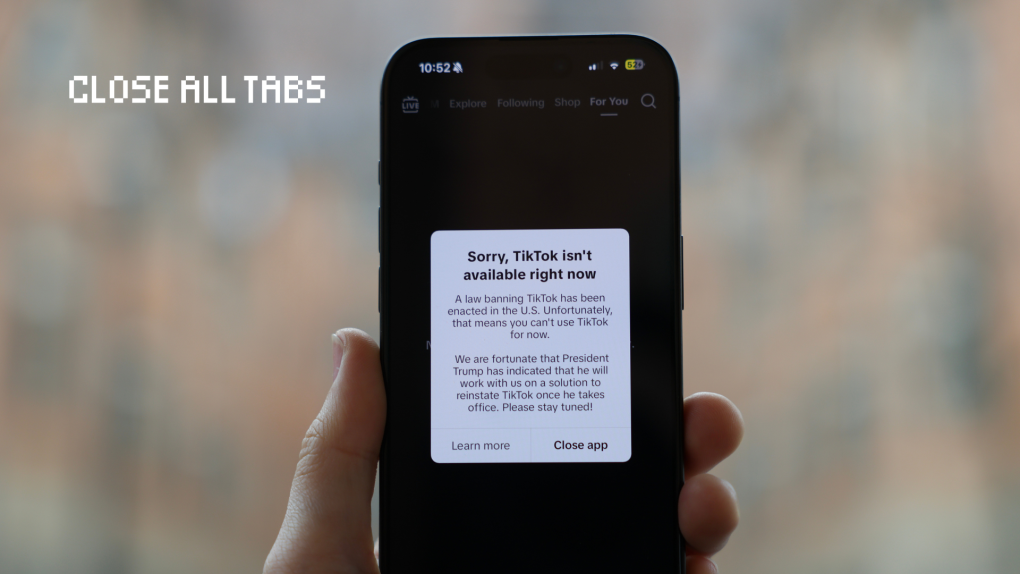
"caption": "In this photo illustration an iPhone displays a popup message on the social media platform TikTok on January 19, 2025 in Washington, D.C. On January 18th the popular platform was no longer available to users inside of the United States after a U.S. Supreme Court ban took effect.",
"credit": null,
"altTag": "A hand holds an iPhone, which displays a popup message that reads \"Sorry, TikTok isn't available right now.\" The background is blurred.",
"description": null,
"imgSizes": {
"medium": {
"file": "https://cdn.kqed.org/wp-content/uploads/sites/10/2025/02/Tiktok-ban_web-800x450.png",
"width": 800,
"height": 450,
"mimeType": "image/png"
},
"large": {
"file": "https://cdn.kqed.org/wp-content/uploads/sites/10/2025/02/Tiktok-ban_web-1020x574.png",
"width": 1020,
"height": 574,
"mimeType": "image/png"
},
"thumbnail": {
"file": "https://cdn.kqed.org/wp-content/uploads/sites/10/2025/02/Tiktok-ban_web-160x90.png",
"width": 160,
"height": 90,
"mimeType": "image/png"
},
"1536x1536": {
"file": "https://cdn.kqed.org/wp-content/uploads/sites/10/2025/02/Tiktok-ban_web-1536x864.png",
"width": 1536,
"height": 864,
"mimeType": "image/png"
},
"post-thumbnail": {
"file": "https://cdn.kqed.org/wp-content/uploads/sites/10/2025/02/Tiktok-ban_web-672x372.png",
"width": 672,
"height": 372,
"mimeType": "image/png"
},
"twentyfourteen-full-width": {
"file": "https://cdn.kqed.org/wp-content/uploads/sites/10/2025/02/Tiktok-ban_web-1038x576.png",
"width": 1038,
"height": 576,
"mimeType": "image/png"
},
"kqedFullSize": {
"file": "https://cdn.kqed.org/wp-content/uploads/sites/10/2025/02/Tiktok-ban_web.png",
"width": 1920,
"height": 1080
}
},
"isLoading": false,
"fetchFailed": false
}
},
"audioPlayerReducer": {
"postId": "stream_live",
"isPaused": true,
"isPlaying": false,
"pfsActive": false,
"pledgeModalIsOpen": true,
"playerDrawerIsOpen": false,
"liveAudioPlayStartedAt": 0,
"liveAudioPlayContext": ""
},
"authorsReducer": {
"rachael-myrow": {
"type": "authors",
"id": "251",
"meta": {
"index": "authors_1716337520",
"id": "251",
"found": true
},
"name": "Rachael Myrow",
"firstName": "Rachael",
"lastName": "Myrow",
"slug": "rachael-myrow",
"email": "rmyrow@kqed.org",
"display_author_email": true,
"staff_mastheads": [
"news"
],
"title": "Senior Editor of KQED's Silicon Valley News Desk",
"bio": "• I write and edit stories about how Silicon Valley power and policies shape everyday life in California. I’m also passionate about making Bay Area history and culture more accessible to a broad public. • I’ve been a journalist for most of my life, starting in high school with The Franklin Press in Los Angeles, where I grew up. While earning my first degree in English at UC Berkeley, I got my start in public radio at KALX-FM. After completing a second degree in journalism at Cal, I landed my first professional job at Marketplace, then moved on to KPCC (now LAist), and then KQED, where I hosted The California Report for more than seven years. • My reporting has appeared on NPR, The World, WBUR’s \u003ci>Here & Now\u003c/i>, and the BBC. I also guest host for KQED’s \u003ci>Forum\u003c/i>, as well as the Commonwealth Club in San Francisco. • I speak periodically on media, democracy and technology issues, and do voiceover work for documentaries and educational video projects. • Outside of the studio, you'll find me hiking Bay Area trails and whipping up Insta-ready meals in my kitchen. • I do not accept gifts, money, or favors from anyone connected to my reporting, I don't pay people for information, and I do not support or donate to political causes. • I strive to treat the people I report on with fairness, honesty, and respect. I also recognize there are often multiple sides to a story and work to verify information through multiple sources and documentation. If I get something wrong, I correct it.",
"avatar": "https://secure.gravatar.com/avatar/3ed8a3c5f26025e4a805ba634cda8cd764906b97438a6d9ce216b044e340da4e?s=600&d=blank&r=g",
"twitter": "rachaelmyrow",
"bluesky": null,
"facebook": null,
"instagram": null,
"linkedin": "https://www.linkedin.com/in/rachaelmyrow/",
"sites": [
{
"site": "arts",
"roles": [
"administrator"
]
},
{
"site": "news",
"roles": [
"edit_others_posts",
"editor"
]
},
{
"site": "futureofyou",
"roles": [
"editor"
]
},
{
"site": "bayareabites",
"roles": [
"editor"
]
},
{
"site": "stateofhealth",
"roles": [
"editor"
]
},
{
"site": "science",
"roles": [
"editor"
]
},
{
"site": "food",
"roles": [
"editor"
]
},
{
"site": "forum",
"roles": [
"editor"
]
},
{
"site": "liveblog",
"roles": [
"author"
]
}
],
"headData": {
"title": "Rachael Myrow | KQED",
"description": "Senior Editor of KQED's Silicon Valley News Desk",
"ogImgSrc": "https://secure.gravatar.com/avatar/3ed8a3c5f26025e4a805ba634cda8cd764906b97438a6d9ce216b044e340da4e?s=600&d=blank&r=g",
"twImgSrc": "https://secure.gravatar.com/avatar/3ed8a3c5f26025e4a805ba634cda8cd764906b97438a6d9ce216b044e340da4e?s=600&d=blank&r=g"
},
"isLoading": false,
"link": "/author/rachael-myrow"
},
"matthewgreen": {
"type": "authors",
"id": "1263",
"meta": {
"index": "authors_1716337520",
"id": "1263",
"found": true
},
"name": "Matthew Green",
"firstName": "Matthew",
"lastName": "Green",
"slug": "matthewgreen",
"email": "mgreen@kqed.org",
"display_author_email": false,
"staff_mastheads": [],
"title": "KQED Editor/Reporter",
"bio": "Matthew Green is a digital media producer for KQED News. He previously produced \u003ca href=\"http://www.kqed.org/lowdown\">The Lowdown\u003c/a>, KQED’s multimedia news education blog. Matthew's written for numerous Bay Area publications, including the Oakland Tribune and San Francisco Chronicle. He also taught journalism classes at Fremont High School in East Oakland.\r\n\r\nEmail: mgreen@kqed.org; Twitter: @MGreenKQED",
"avatar": "https://secure.gravatar.com/avatar/3bf498d1267ca02c8494f33d8cfc575e?s=600&d=blank&r=g",
"twitter": "MGreenKQED",
"facebook": null,
"instagram": null,
"linkedin": null,
"sites": [
{
"site": "news",
"roles": []
},
{
"site": "lowdown",
"roles": []
},
{
"site": "science",
"roles": []
},
{
"site": "education",
"roles": []
},
{
"site": "quest",
"roles": []
},
{
"site": "liveblog",
"roles": []
}
],
"headData": {
"title": "Matthew Green | KQED",
"description": "KQED Editor/Reporter",
"ogImgSrc": "https://secure.gravatar.com/avatar/3bf498d1267ca02c8494f33d8cfc575e?s=600&d=blank&r=g",
"twImgSrc": "https://secure.gravatar.com/avatar/3bf498d1267ca02c8494f33d8cfc575e?s=600&d=blank&r=g"
},
"isLoading": false,
"link": "/author/matthewgreen"
},
"adahlstromeckman": {
"type": "authors",
"id": "11785",
"meta": {
"index": "authors_1716337520",
"id": "11785",
"found": true
},
"name": "Azul Dahlstrom-Eckman",
"firstName": "Azul",
"lastName": "Dahlstrom-Eckman",
"slug": "adahlstromeckman",
"email": "adahlstrom-eckman@kqed.org",
"display_author_email": true,
"staff_mastheads": [],
"title": "Reporter",
"bio": "Azul is a reporter for KQED focusing on transportation and features. He joined KQED in 2021 as an alumna of KALW's Audio Academy radio journalism training program.",
"avatar": "https://secure.gravatar.com/avatar/9cb750298435add7815a777f55bf1f46845c1386bb8452555c60a7b820b5aba3?s=600&d=blank&r=g",
"twitter": "@zuliemann",
"bluesky": "@azul415.bsky.social",
"facebook": null,
"instagram": null,
"linkedin": null,
"sites": [
{
"site": "arts",
"roles": [
"editor"
]
},
{
"site": "news",
"roles": [
"editor"
]
},
{
"site": "science",
"roles": [
"editor"
]
},
{
"site": "liveblog",
"roles": [
"author"
]
}
],
"headData": {
"title": "Azul Dahlstrom-Eckman | KQED",
"description": "Reporter",
"ogImgSrc": "https://secure.gravatar.com/avatar/9cb750298435add7815a777f55bf1f46845c1386bb8452555c60a7b820b5aba3?s=600&d=blank&r=g",
"twImgSrc": "https://secure.gravatar.com/avatar/9cb750298435add7815a777f55bf1f46845c1386bb8452555c60a7b820b5aba3?s=600&d=blank&r=g"
},
"isLoading": false,
"link": "/author/adahlstromeckman"
},
"cegusa": {
"type": "authors",
"id": "11869",
"meta": {
"index": "authors_1716337520",
"id": "11869",
"found": true
},
"name": "Chris Egusa",
"firstName": "Chris",
"lastName": "Egusa",
"slug": "cegusa",
"email": "cegusa@kqed.org",
"display_author_email": false,
"staff_mastheads": [],
"title": "KQED Contributor",
"bio": null,
"avatar": "https://secure.gravatar.com/avatar/3562ed52747313a4c94017da88ea89f9e85cd901f63ebc056a7d5e0adf4a03da?s=600&d=blank&r=g",
"twitter": null,
"bluesky": null,
"facebook": null,
"instagram": null,
"linkedin": null,
"sites": [
{
"site": "arts",
"roles": [
"editor"
]
},
{
"site": "news",
"roles": [
"editor"
]
}
],
"headData": {
"title": "Chris Egusa | KQED",
"description": "KQED Contributor",
"ogImgSrc": "https://secure.gravatar.com/avatar/3562ed52747313a4c94017da88ea89f9e85cd901f63ebc056a7d5e0adf4a03da?s=600&d=blank&r=g",
"twImgSrc": "https://secure.gravatar.com/avatar/3562ed52747313a4c94017da88ea89f9e85cd901f63ebc056a7d5e0adf4a03da?s=600&d=blank&r=g"
},
"isLoading": false,
"link": "/author/cegusa"
},
"jgeha": {
"type": "authors",
"id": "11906",
"meta": {
"index": "authors_1716337520",
"id": "11906",
"found": true
},
"name": "Joseph Geha",
"firstName": "Joseph",
"lastName": "Geha",
"slug": "jgeha",
"email": "jgeha@kqed.org",
"display_author_email": false,
"staff_mastheads": [
"news",
"science"
],
"title": "KQED Contributor",
"bio": null,
"avatar": "https://secure.gravatar.com/avatar/ea84d2b6dd93d6369d453edf19dd583f117cd1759d2d9c9c92f9de77017354fe?s=600&d=blank&r=g",
"twitter": null,
"bluesky": null,
"facebook": null,
"instagram": null,
"linkedin": null,
"sites": [
{
"site": "news",
"roles": [
"editor"
]
},
{
"site": "liveblog",
"roles": [
"author"
]
}
],
"headData": {
"title": "Joseph Geha | KQED",
"description": "KQED Contributor",
"ogImgSrc": "https://secure.gravatar.com/avatar/ea84d2b6dd93d6369d453edf19dd583f117cd1759d2d9c9c92f9de77017354fe?s=600&d=blank&r=g",
"twImgSrc": "https://secure.gravatar.com/avatar/ea84d2b6dd93d6369d453edf19dd583f117cd1759d2d9c9c92f9de77017354fe?s=600&d=blank&r=g"
},
"isLoading": false,
"link": "/author/jgeha"
},
"gcastro": {
"type": "authors",
"id": "11908",
"meta": {
"index": "authors_1716337520",
"id": "11908",
"found": true
},
"name": "Gina Castro",
"firstName": "Gina",
"lastName": "Castro",
"slug": "gcastro",
"email": "gcastro@kqed.org",
"display_author_email": false,
"staff_mastheads": [
"news"
],
"title": "KQED Contributor",
"bio": null,
"avatar": "https://secure.gravatar.com/avatar/27b36c9ac0b86aced91deb0fc63fc510307488fa6761ac6062ac2eb798ed123f?s=600&d=blank&r=g",
"twitter": null,
"bluesky": null,
"facebook": null,
"instagram": null,
"linkedin": null,
"sites": [
{
"site": "arts",
"roles": [
"editor"
]
},
{
"site": "news",
"roles": [
"editor",
"manage_categories"
]
},
{
"site": "science",
"roles": [
"editor"
]
},
{
"site": "perspectives",
"roles": [
"editor"
]
}
],
"headData": {
"title": "Gina Castro | KQED",
"description": "KQED Contributor",
"ogImgSrc": "https://secure.gravatar.com/avatar/27b36c9ac0b86aced91deb0fc63fc510307488fa6761ac6062ac2eb798ed123f?s=600&d=blank&r=g",
"twImgSrc": "https://secure.gravatar.com/avatar/27b36c9ac0b86aced91deb0fc63fc510307488fa6761ac6062ac2eb798ed123f?s=600&d=blank&r=g"
},
"isLoading": false,
"link": "/author/gcastro"
},
"mcueva": {
"type": "authors",
"id": "11943",
"meta": {
"index": "authors_1716337520",
"id": "11943",
"found": true
},
"name": "Maya Cueva",
"firstName": "Maya",
"lastName": "Cueva",
"slug": "mcueva",
"email": "mcueva@kqed.org",
"display_author_email": false,
"staff_mastheads": [],
"title": "KQED Contributor",
"bio": null,
"avatar": "https://secure.gravatar.com/avatar/238c7aba67c4b6b7b891965ba8cc9e9a4928b5dbdeaf4bde6a81c13e87f49b49?s=600&d=blank&r=g",
"twitter": null,
"bluesky": null,
"facebook": null,
"instagram": null,
"linkedin": null,
"sites": [
{
"site": "news",
"roles": [
"editor"
]
}
],
"headData": {
"title": "Maya Cueva | KQED",
"description": "KQED Contributor",
"ogImgSrc": "https://secure.gravatar.com/avatar/238c7aba67c4b6b7b891965ba8cc9e9a4928b5dbdeaf4bde6a81c13e87f49b49?s=600&d=blank&r=g",
"twImgSrc": "https://secure.gravatar.com/avatar/238c7aba67c4b6b7b891965ba8cc9e9a4928b5dbdeaf4bde6a81c13e87f49b49?s=600&d=blank&r=g"
},
"isLoading": false,
"link": "/author/mcueva"
},
"msung": {
"type": "authors",
"id": "11944",
"meta": {
"index": "authors_1716337520",
"id": "11944",
"found": true
},
"name": "Morgan Sung",
"firstName": "Morgan",
"lastName": "Sung",
"slug": "msung",
"email": "msung@kqed.org",
"display_author_email": false,
"staff_mastheads": [],
"title": "Close All Tabs Host",
"bio": null,
"avatar": "https://secure.gravatar.com/avatar/34033b8d232ee6c987ca6f0a1a28f0e5?s=600&d=blank&r=g",
"twitter": null,
"facebook": null,
"instagram": null,
"linkedin": null,
"sites": [
{
"site": "news",
"roles": [
"editor"
]
}
],
"headData": {
"title": "Morgan Sung | KQED",
"description": "Close All Tabs Host",
"ogImgSrc": "https://secure.gravatar.com/avatar/34033b8d232ee6c987ca6f0a1a28f0e5?s=600&d=blank&r=g",
"twImgSrc": "https://secure.gravatar.com/avatar/34033b8d232ee6c987ca6f0a1a28f0e5?s=600&d=blank&r=g"
},
"isLoading": false,
"link": "/author/msung"
}
},
"pagesReducer": {
"news_tag_technology": {
"type": "terms",
"id": "news_1631",
"meta": {
"index": "terms_1716263798",
"site": "news",
"id": "1631",
"score": 6.9278407
},
"name": "Technology",
"slug": "technology",
"taxonomy": "tag",
"description": null,
"featImg": null,
"headData": {
"title": "Technology | KQED News",
"description": null,
"ogTitle": null,
"ogDescription": null,
"ogImgId": null,
"twTitle": null,
"twDescription": null,
"twImgId": null
},
"ttid": 1643,
"isLoading": false,
"title": "Technology",
"pageMeta": {
"site": "news",
"WpPageTemplate": "page-topic-editorial",
"currentPage": 20
},
"blocks": [
{
"blockName": "kqed/post-list",
"attrs": {
"layout": "cardArticle2",
"query": "posts/news?tag=technology",
"seeMore": false,
"paginated": true,
"page": 20
}
},
{
"blockName": "kqed/ad"
}
]
}
},
"pfsSessionReducer": {},
"postsReducer": {
"stream_live": {
"type": "live",
"id": "stream_live",
"audioUrl": "https://streams.kqed.org/kqedradio",
"title": "Live Stream",
"excerpt": "Live Stream information currently unavailable.",
"link": "/radio",
"featImg": "",
"label": {
"name": "KQED Live",
"link": "/"
}
},
"stream_kqedNewscast": {
"type": "posts",
"id": "stream_kqedNewscast",
"audioUrl": "https://www.kqed.org/.stream/anon/radio/RDnews/newscast.mp3?_=1",
"title": "KQED Newscast",
"featImg": "",
"label": {
"name": "88.5 FM",
"link": "/"
}
},
"news_12033066": {
"type": "posts",
"id": "news_12033066",
"meta": {
"index": "posts_1716263798",
"site": "news",
"id": "12033066",
"score": null,
"sort": [
1742983202000
]
},
"guestAuthors": [],
"slug": "the-broligarchy-pt-1-chronicles-of-the-paypal-mafia",
"title": "The Broligarchy Pt 1: Chronicles of the PayPal Mafia",
"publishDate": 1742983202,
"format": "audio",
"headTitle": "The Broligarchy Pt 1: Chronicles of the PayPal Mafia | KQED",
"labelTerm": {},
"content": "\u003cp>The term “broligarchy” refers to the Silicon Valley elite tech leaders who have accumulated vast amounts of wealth, power, and now, political control over the last quarter century. In the first of a two-part series, Morgan dives deep into one highly influential subset of this “broligarchy,” the so-called PayPal Mafia. Joined by The Guardian reporter Chris McGreal, we explore this group’s rise to political prominence, and look at some of its members’ roots in an oppressive political regime.\u003c/p>\n\u003cp>\u003c!-- iframe plugin v.4.3 wordpress.org/plugins/iframe/ -->\u003cbr>\n\u003ciframe loading=\"lazy\" frameborder=\"0\" height=\"200\" scrolling=\"no\" src=\"https://playlist.megaphone.fm/?e=KQINC4594835433\" width=\"100%\" class=\"iframe-class\">\u003c/iframe>\u003c/p>\n\u003cp>\u003cspan style=\"font-weight: 400\">Guests:\u003c/span>\u003c/p>\n\u003cul>\n\u003cli style=\"font-weight: 400\">\u003ca href=\"https://www.theguardian.com/profile/chrismcgreal\">\u003cspan style=\"font-weight: 400\">Chris McGreal\u003c/span>\u003c/a>\u003cspan style=\"font-weight: 400\">, Reporter for \u003c/span>\u003ci>\u003cspan style=\"font-weight: 400\">The Guardian\u003c/span>\u003c/i>\u003c/li>\n\u003c/ul>\n\u003cp>\u003cspan style=\"font-weight: 400\">Further reading:\u003c/span>\u003c/p>\n\u003cul>\n\u003cli>\u003ca href=\"https://www.theguardian.com/technology/2025/jan/26/elon-musk-peter-thiel-apartheid-south-africa\">\u003cspan style=\"font-weight: 400\">“How the roots of the ‘PayPal mafia’ extend to apartheid South Africa”\u003c/span>\u003c/a>\u003cspan style=\"font-weight: 400\"> — Chris McGreal, \u003cem>The Guardian\u003c/em>\u003c/span>\u003c/li>\n\u003cli>\u003ca href=\"https://www.theguardian.com/us-news/2025/feb/14/trump-musk-south-africa-afriforum\">\u003cspan style=\"font-weight: 400\">“‘White supremacists in suits and ties’: the rightwing Afrikaner group in Trump’s ear”\u003c/span>\u003c/a>\u003cspan style=\"font-weight: 400\"> — Chris McGreal, \u003cem>The Guardian\u003c/em>\u003c/span>\u003c/li>\n\u003cli>\u003ca href=\"https://www.aljazeera.com/news/2025/2/5/is-south-africa-confiscating-land-targeting-some-groups-as-trump-claims\">“Is South Africa ‘confiscating land’, targeting some groups as Trump claims?”\u003c/a> — Qaanitah Hunter, \u003cem>Al Jazeera\u003c/em>\u003c/li>\n\u003c/ul>\n\u003cp>Want to give us feedback on the show? Shoot us an email at \u003ca href=\"mailto:CloseAllTabs@KQED.org\">CloseAllTabs@KQED.org\u003c/a>\u003c/p>\n\u003cp>\u003ca href=\"https://www.instagram.com/closealltabspod/\">Follow us on Instagram\u003c/a>\u003c/p>\n\u003cp>[ad fullwidth]\u003c/p>\n\u003ch2>\u003c/h2>\n\u003ch2 id=\"episode-transcript\">Episode Transcript\u003c/h2>\n\u003cp>\u003ci data-stringify-type=\"italic\">This is a computer-generated transcript. While our team has reviewed it, there may be errors.\u003c/i>\u003c/p>\n\u003cp>\u003cb>Morgan Sung: \u003c/b>\u003cspan style=\"font-weight: 400\">Guys, I think we need to talk about the broligarchy. \u003c/span>\u003c/p>\n\u003cp>\u003cb>News Anchor 1 \u003c/b>\u003cspan style=\"font-weight: 400\">We’re seeing a rise in what I guess we’ll call the broligarchy. \u003c/span>\u003c/p>\n\u003cp>\u003cb>News Anchor 2 \u003c/b>\u003cspan style=\"font-weight: 400\">The broligarchs really have an explicit political agenda. \u003c/span>\u003c/p>\n\u003cp>\u003cb>News Anchor 3 \u003c/b>\u003cspan style=\"font-weight: 400\">How do you survive the broligarchy? \u003c/span>\u003c/p>\n\u003cp>\u003cb>Morgan Sung: \u003c/b>\u003cspan style=\"font-weight: 400\">You may have heard this word more and more often in the past few months as rich, well-connected tech bros gain power and influence in the current presidential administration. Think of the tech CEOs at inauguration. Mark Zuckerberg, Elon Musk, Sundar Pichai, Jeff Bezos, all lined up and ready to get cozy with the White House. They may be some of the most public-facing broligarchs, but there are a lot of highly influential tech dudes working behind the scenes. And today, we’re gonna look into a specific subset of these guys who are all deeply embedded or invested in the federal government. And they all seem to know each other. \u003c/span>\u003c/p>\n\u003cp>\u003cspan style=\"font-weight: 400\">So imagine a cork board with a bunch of photos on it, and I’ve got some red string in my hands. Let’s see how they’re all connected. Ready? So at the top of the board, there’s Elon Musk. Maybe you’ve heard of him. He’s the billionaire Tesla CEO who bought Twitter and turned it into X. He’s also leading the charge at the Department of Government Efficiency, also known as DOGE, the organization slashing government agencies left and right. \u003c/span>\u003c/p>\n\u003cp>\u003cspan style=\"font-weight: 400\">Okay, let’s connect that to this guy on the right. There’s David Sachs, venture capitalist, famed angel investor, and recently appointed White House AI and Crypto Czar. And then a little lower, there’s Ken Howery, another billionaire VC and the former ambassador to Sweden during Trump’s first term. He’s the current pick for ambassador to Denmark. So if Trump actually tries to colonize Greenland, Ken Howery will be involved. Keeping track of those strings? Good, because here’s another one on the other side of the board, Jacob Helberg, a tech advisor married to tech investor, Keith Rabois. Jacob Helberg is a nominee for undersecretary of state for economic growth, energy, and the environment. \u003c/span>\u003c/p>\n\u003cp>\u003cspan style=\"font-weight: 400\">And at the center of all of this is Peter Thiel, the elusive billionaire, tech titan, and big time Republican donor. He’s the one who introduced JD Vance to Trump in 2021. And through his Silicon Valley connections, he brought a whole bunch of other people into the White House orbit. So what do all of the guys in this web we’ve created have in common? And how are they using their proximity to the president to shape US policy? \u003c/span>\u003c/p>\n\u003cp>\u003cspan style=\"font-weight: 400\">This group’s ties to Silicon Valley are widely known, but what’s less public is that some of them have roots in an especially oppressive political regime. That’s what we’re getting into on the show today. Let’s dive in. \u003c/span>\u003c/p>\n\u003cp>\u003cspan style=\"font-weight: 400\">This is Close All Tabs. I’m Morgan Sung, tech journalist and your chronically online friend, here to open as many browser tabs as it takes to help you understand how the digital world affects our real lives. Let’s get into it. \u003c/span>\u003c/p>\n\u003cp>\u003cspan style=\"font-weight: 400\">Okay, so let’s get back to this cork board. Musk, Sacks, Howery, Helberg, Thiel, what’s the red thread connecting all of them? Well, they were involved in PayPal during its earliest years before the company went public and made everyone very rich. Or in Jacob Helberg’s case, married to a former PayPal executive who became very rich. This group is so well connected and so influential within Silicon Valley, that they’re known by this one nickname. \u003c/span>\u003c/p>\n\u003cp>\u003cb>News Anchor 4: \u003c/b>\u003cspan style=\"font-weight: 400\">the PayPal Mafia \u003c/span>\u003c/p>\n\u003cp>\u003cb>News Anchor 5: \u003c/b>\u003cspan style=\"font-weight: 400\">Who are the PayPal Mafia? \u003c/span>\u003c/p>\n\u003cp>\u003cb>News Anchor 6: \u003c/b>\u003cspan style=\"font-weight: 400\">The PayPal Mafia has laid the foundation for a new era of power. \u003c/span>\u003c/p>\n\u003cp>\u003cb>Morgan Sung: \u003c/b>\u003cspan style=\"font-weight: 400\">Let me get my big red Sharpie out. Within the PayPal mafia, there’s another subset of this group that we’re gonna draw a circle around today. And we’ll talk about that in a minute. But first, you know how this goes. We start with a new tab. What is the PayPal Mafia? \u003c/span>\u003c/p>\n\u003cp>\u003cb>Countdown Announcer: \u003c/b>\u003cspan style=\"font-weight: 400\">Three, two, one, happy 2000! \u003c/span>\u003c/p>\n\u003cp>\u003cb>Morgan Sung: \u003c/b>\u003cspan style=\"font-weight: 400\">It’s the year 2000. \u003c/span>\u003c/p>\n\u003cp>\u003cb>AOL: \u003c/b>\u003cspan style=\"font-weight: 400\">You’ve got mail. \u003c/span>\u003c/p>\n\u003cp>\u003cb>Morgan Sung: \u003c/b>\u003cspan style=\"font-weight: 400\">X.com, the online bank service, not the shell of Twitter, has just merged with a software company, Confinity. Elon Musk co-founded X.Com, and Peter Thiel co-founded Confinity. This merged company is rebranded as PayPal. It’s a game changer, and the company’s secure online payment system becomes a massive success. Two years later, PayPal goes public. Then, eBay buys the company for $1.5 billion, giving everyone with a stake in PayPal a pretty hefty chunk of money. \u003c/span>\u003c/p>\n\u003cp>\u003cspan style=\"font-weight: 400\">Now, a lot of PayPal’s co-founders, executives, engineers, and other employees leave the company very quickly after eBay’s acquisition, but they keep in touch. They stay close. And in the years following, PayPal alumni, those co-founders, executives, engineers, and other employers, they go off and start other companies — YouTube, Tesla, LinkedIn, Yelp, and so many more. They also start investing in each other’s companies, attending each others’ parties, advising each other, sitting on each others’ boards, and co-founding more companies with each other. They become super influential within Silicon Valley. If you wanted to get your foot in the door in the tech industry, you needed to get good with the PayPal mafia. \u003c/span>\u003c/p>\n\u003cp>\u003cspan style=\"font-weight: 400\">The name comes from a 2007 Fortune magazine feature that literally called them the PayPal Mafia in the headline. The cover photo features 13 of them, all men, of course, cosplaying as seedy New Jersey mobsters. They’re dressed in track suits, leather jackets, or big boxy sports coats with the shoulder pads. They’ve got the chunky gold chains, of course, and their hair is slicked back, and they’re surrounded by poker chips and glasses of whiskey. A few of them are puffing on cigars. It’s a scene straight out of \u003cem>The Sopranos\u003c/em>. \u003c/span>\u003c/p>\n\u003cp>\u003cb>Tony Soprano: \u003c/b>\u003cspan style=\"font-weight: 400\">It’s a stereotype, and it’s offensive. There is no mafia. \u003c/span>\u003c/p>\n\u003cp>\u003cb>Morgan Sung: \u003c/b>\u003cspan style=\"font-weight: 400\">Today, this photo shoot might be considered an offensive caricature of Italian-American gangsters, but it’s 2007. It was a direct reference to the biggest show on TV at the time. And the godfather of the PayPal Mafia, front and center of the photo shoot is Peter Thiel. \u003c/span>\u003c/p>\n\u003cp>\u003cb>Morgan Sung: \u003c/b>\u003cspan style=\"font-weight: 400\">After PayPal, he co-founded Palantir Technologies, a big data company that has major contracts with the Department of Defense and U.S. intelligence agencies. And then he co-founded Founders Fund, this massive venture capital fund that was a super early investor in SpaceX and Facebook. He’s known as the godfather because he’s so well connected within both Silicon Valley and the U.S. government. And because he’s used his network to invest in companies and in people. Remember, he’s the one who put JD Vance on the map. He funded Vance’s Ohio Senate campaign and then orchestrated his first meeting with Trump. Thiel has been such a prominent figure within the tech industry that there’s a whole character, Peter Gregory, based off of him in the HBO show, Silicon Valley. \u003c/span>\u003c/p>\n\u003cp>\u003cb>Richard Hendricks: \u003c/b>\u003cspan style=\"font-weight: 400\">Well, that is before I just give up and go back to college. \u003c/span>\u003c/p>\n\u003cp>\u003cb>Peter Gregory: \u003c/b>\u003cspan style=\"font-weight: 400\">Do not do that. Go work at Burger King. Go into the woods and forage for nuts and berries. Do not go back to college. \u003c/span>\u003c/p>\n\u003cp>\u003cb>Morgan Sung: \u003c/b>\u003cspan style=\"font-weight: 400\">Now, Thiel’s actual beliefs are all over the place. Like his TV counterpart, he has said that university education holds back innovation. In the ’90s, he and David Sacks co-authored a book about how multiculturalism and political correctness were ruining academia. And he’s also been really into building offshore, independent, libertarian islands where tech innovation can happen outside of any government oversight. But he’s got influence and some of his ideology seems to be spreading among the power players of the tech industry. Politically speaking, he’s endorsed and funded Republican candidates since the early 2000s and has been described as techno-libertarian, but his comments and writing veer toward what a lot of critics say is just fascist. His biographer, Max Chafkin, said that Thiel is, quote, “hostile to the idea of democracy.” \u003c/span>\u003c/p>\n\u003cp>\u003cspan style=\"font-weight: 400\">Anyway, Thiel has been one of Trump’s earliest political supporters. He backed Trump in 2016, and although he declined to fund the 2024 campaign, he also hosted an inauguration party back in January with a ton of Silicon Valley insiders. \u003c/span>\u003c/p>\n\u003cp>\u003cspan style=\"font-weight: 400\">Many other members of the PayPal mafia up on my corkboard either haven’t been visibly involved in politics or have supported Democrats. Reid Hoffman, who was PayPal’s chief operating officer before he co-founded LinkedIn, was a major Democratic donor in 2024. And Elon Musk and David Sacks both endorsed Hillary Clinton in 2016. \u003c/span>\u003c/p>\n\u003cp>\u003cspan style=\"font-weight: 400\">But today, Musk and Sacks are both known to be very conservative, bordering on extremist. They’re also core members of the PayPal Mafia in this red circle we’ve drawn. But why are these three guys grouped together like this? There’s a lesser-known commonality linking them together. They have roots in apartheid-era South Africa. \u003c/span>\u003c/p>\n\u003cp>\u003cspan style=\"font-weight: 400\">Well, that’s a new tab. PayPal Mafia and apartheid. \u003c/span>\u003c/p>\n\u003cp>\u003cspan style=\"font-weight: 400\">During a speech on President Trump’s second inauguration day, Elon Musk did a gesture that looked a lot like a Nazi salute. \u003c/span>\u003c/p>\n\u003cp>\u003cb>Elon Musk: \u003c/b>\u003cspan style=\"font-weight: 400\">Thank you. My heart goes out to you. \u003c/span>\u003c/p>\n\u003cp>\u003cb>Morgan Sung: \u003c/b>\u003cspan style=\"font-weight: 400\">And then he turned around and did it again. \u003c/span>\u003c/p>\n\u003cp>\u003cb>Elon Musk: \u003c/b>\u003cspan style=\"font-weight: 400\">This is what victory feels like. Yeah!\u003c/span>\u003c/p>\n\u003cp>\u003cb>Morgan Sung: \u003c/b>\u003cspan style=\"font-weight: 400\">It was that Inauguration Day incident that piqued journalist Chris McGreal’s curiosity about Elon Musk and his upbringing. It turns out that Musk, along with several other members of the PayPal mafia, spent at least some of their formative years in South Africa, a place Chris knew well. \u003c/span>\u003c/p>\n\u003cp>\u003cb>Chris McGreal: \u003c/b>\u003cspan style=\"font-weight: 400\">South Africa’s apartheid system had, you know, roots, close links to fascism in Europe. So people started to ask, well, is there a connection? And that’s what we went to look at. \u003c/span>\u003c/p>\n\u003cp>\u003cb>Morgan Sung: \u003c/b>\u003cspan style=\"font-weight: 400\">So Chris has been a foreign correspondent for \u003cem>The Guardian\u003c/em> for decades, covering Africa, the Middle East, and Central America. And a little over 30 years ago, he was actually based in Johannesburg, covering the last years of South African apartheid. \u003c/span>\u003c/p>\n\u003cp>\u003cb>Chris McGreal: \u003c/b>\u003cspan style=\"font-weight: 400\">So apartheid was a system that essentially came to being in 1948. There’d always been racial discrimination, but the system that’s introduced in 1948 is a very rigid system of segregation. \u003c/span>\u003c/p>\n\u003cp>\u003cb>Morgan Sung: \u003c/b>\u003cspan style=\"font-weight: 400\">Under the system, all South Africans were registered and assigned to one of four racial groups — white, Asian, Native, which meant Black, or Colored, which lumped everyone who was mixed race into one group. \u003c/span>\u003c/p>\n\u003cp>\u003cb>Chris McGreal: \u003c/b>\u003cspan style=\"font-weight: 400\">They were only allowed to marry or have sex with people of their same race. And they introduced legislation. It was called job reservation, which meant that the best jobs and the best land and the best everything were reserved for white people. This was a very rigid system of segregation that went far beyond what had existed, say, in the southern United States. And in some ways, it had its roots in fascism in 1930s Europe. \u003c/span>\u003c/p>\n\u003cp>\u003cb>Morgan Sung: \u003c/b>\u003cspan style=\"font-weight: 400\">When Elon Musk was born in Pretoria in 1971, the Prime Minister of South Africa was a man named John Vorster. In the 1930s, Vorster had been part of a South African fascist militia that was wildly anti-Semitic and openly pro-Nazi. \u003c/span>\u003c/p>\n\u003cp>\u003cb>Chris McGreal: \u003c/b>\u003cspan style=\"font-weight: 400\">Vorster famously said that the system that they were promoting in South Africa was called Christian nationalism. And he said, in Germany, they call it Nazism, in Italy, they called it fascism. We call it Christian nationalism, but it’s essentially all the same thing. \u003c/span>\u003c/p>\n\u003cp>\u003cb>Morgan Sung: \u003c/b>\u003cspan style=\"font-weight: 400\">So that sets the stage for the kind of political environment that these core members of the PayPal mafia grew up in. Let’s take a closer look. There’s David Sacks, the White House AI and Crypto Czar. \u003c/span>\u003c/p>\n\u003cp>\u003cb>Chris McGreal: \u003c/b>\u003cspan style=\"font-weight: 400\">So he was born in Cape Town, but at a relatively young age, five years old, I think, his family moves to Tennessee where he grows up. So he’s less directly affected by apartheid on the frontline at the coalface of apartheid. But you know he grew up in a white diaspora, white South African diaspora family, and remained very closely tied to South Africa. So you would have had those influences, but they wouldn’t have been quite so direct. \u003c/span>\u003c/p>\n\u003cp>\u003cb>Morgan Sung: \u003c/b>\u003cspan style=\"font-weight: 400\">And then Peter Thiel, PayPal Mafia godfather and kingmaker of Silicon Valley. And Chris noted that the area where Thiel spent his adolescence was openly supportive of the Nazis. \u003c/span>\u003c/p>\n\u003cp>\u003cb>Chris McGreal: \u003c/b>\u003cspan style=\"font-weight: 400\">Peter Thiel’s father was in the mining business. They initially moved to Johannesburg. The white population was mostly of German descent. And even in the 1970s and ’80s, there was still open support for the Nazis. They still celebrated Hitler’s birthday every May. You could go into gift shops and buy swastika flags. I found a \u003cem>New York Times\u003c/em> article from 1975 where the reporter describes driving into a gas station and being met by an attendant who gives a Nazi salute and says Hitler died. That’s in the ’70s when Thiel’s at school in that city. \u003c/span>\u003c/p>\n\u003cp>\u003cb>Morgan Sung: \u003c/b>\u003cspan style=\"font-weight: 400\">And lastly, Elon Musk. We know who he is by now. \u003c/span>\u003c/p>\n\u003cp>\u003cb>Chris McGreal: \u003c/b>\u003cspan style=\"font-weight: 400\">Musk’s father was a mine owner. He grew up in incredible wealth, even by the standards of white South Africa, which would have meant that he was surrounded by black servants and he certainly wouldn’t have wanted for anything that he needed. Musk, again, is perhaps the most interesting case. \u003c/span>\u003c/p>\n\u003cp>\u003cb>Morgan Sung: \u003c/b>\u003cspan style=\"font-weight: 400\">Chris says that because Musk’s maternal grandfather, Joshua Haldeman, was actually deeply involved in a movement in Canada called Technocracy Incorporated. They pushed for abolishing democracy in favor of letting technical and scientific experts run the government. Under Haldeman’s leadership, the organization became increasingly fascist. And during World War II, the Canadian government banned the organization and arrested Haldemen for his opposition to the country’s fight against Hitler. Yes, you heard that correctly. Haldeman opposed the country’s fight against Hitler. \u003c/span>\u003c/p>\n\u003cp>\u003cb>Chris McGreal: \u003c/b>\u003cspan style=\"font-weight: 400\">We get apartheid in South Africa in 1948, and Joshua Haldeman likes the look of that. He thinks that that’s a … that looks like a good system. So in 1950, he moves to South Africa where he can go on essentially living the fascist dream. \u003c/span>\u003c/p>\n\u003cp>\u003cb>Morgan Sung: \u003c/b>\u003cspan style=\"font-weight: 400\">So Haldeman, Musk’s grandfather, moves to South Africa. Not because he has any ties to the country, but because he likes the idea of apartheid. \u003c/span>\u003c/p>\n\u003cp>\u003cb>Chris McGreal: \u003c/b>\u003cspan style=\"font-weight: 400\">Now, the grandfather dies when Musk himself is very young, but the ideas live on inside that branch of the family. And Musk’s father, Errol, has described his kind of parents-in-law as openly neo-Nazi. So one of the things you’ll notice Musk ends up going to a high school called Pretoria Boys High, which under South Africa’s laws is racially segregated. \u003c/span>\u003c/p>\n\u003cp>\u003cspan style=\"font-weight: 400\">One of the complications of South Africa is that the white population isn’t homogenous. You’ve got the Afrikaners and they’re the people who were descended from the Dutch, and they are the people, who essentially ran the country politically. They were the people behind the National Party and apartheid. The other half of the population, white population, was English speakers, descendants of British colonists. These two white groups are actually in conflict quite a lot. \u003c/span>\u003c/p>\n\u003cp>\u003cspan style=\"font-weight: 400\">Pretoria of Boys High was mostly English speakers. So inside that school, there were actually quite a lot of people who were resistant to apartheid and the Afrikaners and the National Party. \u003c/span>\u003c/p>\n\u003cp>\u003cb>Morgan Sung: \u003c/b>\u003cspan style=\"font-weight: 400\">Those classmates who went on to resist apartheid include Edwin Cameron, who became a Supreme Court Justice under the post-apartheid system, and Peter Hain, who led the anti-apartheid movement in Britain. \u003c/span>\u003c/p>\n\u003cp>\u003cb>Chris McGreal: \u003c/b>\u003cspan style=\"font-weight: 400\">So those kinds of people were in that school with Musk. But we don’t see any evidence, or we’ve never heard any evidence that he took a stand on apartheid. One of the things you can safely say about South Africa at that time, it’s no matter what your background and education, if you were white, you were growing up in immense privilege, surrounded by people who were treated as second, third and fourth class citizens compared to you by law. \u003c/span>\u003c/p>\n\u003cp>\u003cspan style=\"font-weight: 400\">In the end, you still imbue some of that system, some of the racism, some with that privilege, even if you don’t recognize it at the time. I think that that’s probably true of Musk in particular. Perhaps some of the other men we’ve talked about less because they left South Africa at a younger age, but it’s hard to imagine that Musk wasn’t influenced by that in this way. \u003c/span>\u003c/p>\n\u003cp>\u003cb>Morgan Sung: \u003c/b>\u003cspan style=\"font-weight: 400\">Like Chris said, others who grew up in the same environment, in the same place of privilege during apartheid, actually went on to espouse very different ideas and actively work against racism. So there isn’t always a direct line between someone’s upbringing and their politics as an adult. \u003c/span>\u003c/p>\n\u003cp>\u003cspan style=\"font-weight: 400\">However, there are some connections here between these men’s backgrounds, their current anti-DEI stances, and the policies that they’re trying to influence both in the U.S. and abroad. And President Trump seems to be on that same wavelength, especially around U.S. policy toward South Africa. But that is a new tab after a quick break. \u003c/span>\u003c/p>\n\u003cp>\u003cspan style=\"font-weight: 400\">Okay, so we just learned about how some core members of the PayPal mafia were all born in South Africa during this horrifically oppressive time called apartheid. So what does all this have to do with Trump’s fixation on South Africa? And that is a new tab. Trump, South Africa, and Elon Musk. \u003c/span>\u003c/p>\n\u003cp>\u003cb>News Anchor 7: \u003c/b>\u003cspan style=\"font-weight: 400\">There’s an escalating dispute between President Trump and South Africa over a new land policy that he says discriminates against the country’s white minority. \u003c/span>\u003c/p>\n\u003cp>\u003cb>Morgan Sung: \u003c/b>\u003cspan style=\"font-weight: 400\">Since getting back into the Oval Office, Trump has been paying a lot of attention to South Africa. First, he signed an executive order stopping all aid to South African and offering refugee status to white South Africans. And then he’s been posting about it over and over again on Truth Social, the right-leaning Twitter clone that he owns. So what’s this all about? \u003c/span>\u003c/p>\n\u003cp>\u003cb>Chris McGreal: \u003c/b>\u003cspan style=\"font-weight: 400\">It’s about several things. One has nothing to do with the subject at hand, which is that South Africa took Israel to the International Court of Justice over what has been described as the genocide in Gaza. And there are a lot of people who have been very angered in the U.S. and in Washington by that and have been pressing Trump to punish South Africa for that. So that’s one part of it. \u003c/span>\u003c/p>\n\u003cp>\u003cspan style=\"font-weight: 400\">But a second part is, what’s happening in South Africa fits the narrative that you hear on the right in this country, particularly amongst white supremacists, about white genocide, about the Great Replacement Theory, all of those things which suggest that the white population of the United States and the white populations around the world is somehow under some kind threat from other races. \u003c/span>\u003c/p>\n\u003cp>\u003cb>News Anchor 8: \u003c/b>\u003cspan style=\"font-weight: 400\">We begin with the latest on U.S.-South African tensions. Pretoria has pushed back as it continues to face strong allegations of racism from U. S. President Donald Trump and his South African-born ally Elon Musk. \u003c/span>\u003c/p>\n\u003cp>\u003cb>Chris McGreal: \u003c/b>\u003cspan style=\"font-weight: 400\">You can see Trump first become aware of it in 2018, during his first presidency, when a group of Afrikaners who run an organization called AfriForum, and they’re pressing the idea that in South Africa, white farmers are being murdered for their land. What they’re portraying is that South Africa in the years after apartheid has essentially become a new kind of racist country, that now it’s black people persecuting white and instead of white people persecuting black people. \u003c/span>\u003c/p>\n\u003cp>\u003cspan style=\"font-weight: 400\">This, of course, fits very much with a lot of the kind of stuff we hear from Trump and the people around him. And so it paints whites as victims. But AfriForum turned up in America in 2018, pushing this idea that there was this essentially white genocide going on. One of their number appears on Tucker Carlson on Fox News and starts talking about this. \u003c/span>\u003c/p>\n\u003cp>\u003cb>Tucker Carlson \u003c/b>\u003cspan style=\"font-weight: 400\">South Africa is a diverse country, but the South African government would like to make it much less diverse. \u003c/span>\u003c/p>\n\u003cp>\u003cb>AfriForum Member \u003c/b>\u003cspan style=\"font-weight: 400\">Basically threatening white farmers that if they do not voluntarily hand over their land to black people, then there would be a violent takeover. \u003c/span>\u003c/p>\n\u003cp>\u003cb>Chris McGreal: \u003c/b>\u003cspan style=\"font-weight: 400\">And Trump is watching and Trump tweets to his then Secretary of State Mike Pompeo. \u003c/span>\u003c/p>\n\u003cp>\u003cb>News Anchor 3 \u003c/b>\u003cspan style=\"font-weight: 400\">In a late night tweet, Trump said he’d asked Secretary of State Mike Pompeo to study South Africa’s land and farm seizures in addition to expropriations and large-scale killing of farmers. \u003c/span>\u003c/p>\n\u003cp>\u003cb>Chris McGreal: \u003c/b>\u003cspan style=\"font-weight: 400\">When Trump comes back to power in January, it happens to coincide with a new law in South Africa, which is about redistribution of land. \u003c/span>\u003c/p>\n\u003cp>\u003cb>News Anchor 9 \u003c/b>F\u003cspan style=\"font-weight: 400\">rustration over the slow pace of land reform in South Africa has been mounting and the new expropriation act aims to accelerate the redistribution of land in the country. \u003c/span>\u003c/p>\n\u003cp>\u003cb>Chris McGreal: \u003c/b>\u003cspan style=\"font-weight: 400\">Seventy percent of the land in South Africa, the agricultural land, is still in the hands of white people who only account for 7% of population. \u003c/span>\u003c/p>\n\u003cp>\u003cb>Morgan Sung: \u003c/b>\u003cspan style=\"font-weight: 400\">Remember, during apartheid, black South Africans were subjected to extremely rigid segregation. The 1913 Natives Land Act designated the majority of South Africa as white and forbade the black indigenous population from owning land beyond a tiny amount that was set aside in special reserves. Black South Africans who were already living in those white areas were evicted en masse and had to relocate to poor townships or work as farm laborers. Either way, they were forced into poverty. \u003c/span>\u003c/p>\n\u003cp>\u003cspan style=\"font-weight: 400\">The Expropriation Act, signed into South African law this year, sets up a legal framework to redistribute land and address ownership imbalance within the country. The government isn’t just seizing land left and right. There’s a whole process involved that also includes paying landowners a fair price. A lot of the backlash to the new law is over one clause that allows the South African government to take land without compensation, but only in very specific circumstances. Like if the land was abandoned or if the owner isn’t actually using it and is just holding onto it until the property value goes up. \u003c/span>\u003c/p>\n\u003cp>\u003cb>Chris McGreal: \u003c/b>\u003cspan style=\"font-weight: 400\">This was leapt on by the white right as evidence of essentially a new form of racism that white people were going to lose their land, including Musk. Musk for a while had been pressing the idea that affirmative action laws, that black empowerment laws in South Africa, were somehow a new formal apartheid. The idea of uplifting people who had been persecuted and discriminated against was actually a new form of apartheid. He was trying to turn the system on its head and say that whites are now the victims, which is plainly not the case. They remain economically dominant in South Africa and very much in a place of privilege. But that was the line that Musk was pushing. And it’s clear that Trump has been steered towards a direct confrontation with South Africa. I doubt he would have paid much attention on his own. I doubt he’s got into office this time and suddenly thought, I must go and deal with the South Africa situation. \u003c/span>\u003c/p>\n\u003cp>\u003cb>News Anchor 9: \u003c/b>\u003cspan style=\"font-weight: 400\">Now in a social media post directly offering South African farmers and their families safe refuge in the U.S. and an expedited pathway to citizenship, erroneously stating that their land and farms were being confiscated. \u003c/span>\u003c/p>\n\u003cp>\u003cb>Morgan Sung: \u003c/b>\u003cspan style=\"font-weight: 400\">And there’s another link here between Trump’s renewed crusade against South African reparations for black citizens, the actual victims of apartheid, and Musk’s business interests. Specifically, his satellite internet service company, Starlink. \u003c/span>\u003c/p>\n\u003cp>\u003cb>Chris McGreal: \u003c/b>\u003cspan style=\"font-weight: 400\">Musk has been in dispute with South Africa and government over affirmative action, over black empowerment for a couple of years now, and it seems to be rooted in part in his desire to get Starlink into South Africa. \u003c/span>\u003c/p>\n\u003cp>\u003cb>Morgan Sung: \u003c/b>\u003cspan style=\"font-weight: 400\">Under South Africa’s Black empowerment initiatives, the country mandates that foreign investors in the telecoms industry have to have at least 30% black ownership in any local operations. Musk has been pushing back on this requirement, claiming that he’s standing up for white people against discrimination. And he has AfriForum lobbying on his behalf within South Africa. \u003c/span>\u003c/p>\n\u003cp>\u003cb>Chris McGreal: \u003c/b>\u003cspan style=\"font-weight: 400\">I think essentially what we’re seeing here, at least in part, because there are other forces of work at this as well, but in terms of Musk’s thing, I think, you know, he’s trying to pile on the pressure and Trump’s executive order is part of this on South Africa to back down on affirmative action laws on Black empowerment requirements for his businesses. \u003c/span>\u003c/p>\n\u003cp>\u003cb>Morgan Sung: \u003c/b>\u003cspan style=\"font-weight: 400\">Musk has been on a similar crusade here in the U.S. He’s been openly critical of diversity, equity, and inclusion programs, and has said that DEI is just another word for racism. And although he isn’t technically a federal employee, he has been the public face of DOGE, which has slashed DEI programs and gutted federal agencies. \u003c/span>\u003c/p>\n\u003cp>\u003cspan style=\"font-weight: 400\">In just a few months, they’ve canceled millions of dollars of federal grants for affordable housing programs, health research in marginalized communities, and education programs to help low-income students. DOGE also fired all employees in DEI positions who are disproportionately black, indigenous, or people of color. \u003c/span>\u003c/p>\n\u003cp>\u003cspan style=\"font-weight: 400\">Big picture here. I mean, the situation with Elon Musk in South Africa is just one example of how an unelected billionaire can sway policy. How else can you see this group of technocrats, as you said, how else do you see them influence U.S. politics going forward? \u003c/span>\u003c/p>\n\u003cp>\u003cb>Chris McGreal: \u003c/b>\u003cspan style=\"font-weight: 400\">Well, I think, you know, what we should look at very closely is they want to strip back regulation. They want to step back accountability. They essentially want a totally free market in which they can do what they want. And I think that’s actually where the real influence will lie. Now, as we know, in American politics, since the Citizens United ruling by the Supreme Court, money talks a lot and they’ve got money. So I would imagine that they will be ensuring that the people who get elected to Congress are people sympathetic to that. \u003c/span>\u003c/p>\n\u003cp>\u003cb>Morgan Sung: \u003c/b>\u003cspan style=\"font-weight: 400\">So we’ve been looking at the PayPal mafia in South Africa, but let’s zoom out a bit and open one last tab. The rise of the broligarchy. Now, the PayPal mafia is not the only tech power group to exist. The broligarchy — and the power that they have — runs deep within American politics beyond the tech industry. Just look at the Citizens United ruling that Chris pointed out. This 2010 Supreme Court case redefined American elections by overhauling campaign finance laws. It struck down the limit on how much a corporation can directly spend on a political campaign, and set the stage for the creation of super PACs. \u003c/span>\u003c/p>\n\u003cp>\u003cspan style=\"font-weight: 400\">This ruling is what allowed former New York City Mayor Mike Bloomberg, a former Republican turned Democrat, to donate nearly $100 million to various super PACS funding the 2024 Democratic presidential campaign. It’s also directly linked to Elon Musk launching his own super PAC and spending over a quarter of a billion dollars funding Donald Trump’s campaign. The concept of the American oligarchy is not new. It’s just that now the tech bros are at the forefront. \u003c/span>\u003c/p>\n\u003cp>\u003cb>Chris McGreal: \u003c/b>\u003cspan style=\"font-weight: 400\">We kind of get hung up on these guys because they’re obviously of the moment, and that’s important. But, you know, it’s worth looking at what’s been happening in the United States over the past 40 years. And it’s an oligarchy that has been developing. I mean, we’ve seen some very powerful interests in this country essentially taking control of politics, and I think these guys have moved to the fore over recent years because of the role that technology has come to play, and then they may be pushing it in new directions. But, you know, it’s not like they are the original oligarchs in this country; these are guys who’ve emerged at the most kind of fundamental time with Trump in power. They are, in many ways, you know, like oligarchs everywhere, right? They’re serving their own interests and they are hijacking politics to do it. \u003c/span>\u003c/p>\n\u003cp>\u003cb>Morgan Sung: \u003c/b>\u003cspan style=\"font-weight: 400\">We’ve been living at the whims of billionaires throughout American history. It’s just that in the past it wasn’t as obvious. \u003c/span>\u003c/p>\n\u003cp>\u003cb>Chris McGreal: \u003c/b>\u003cspan style=\"font-weight: 400\">We’ve seen the results of 40 years of deregulation, 40 years of being told that government is bad and big business is good. I mean, it’s clear in the United States that people’s lives are, you know, really quite directly controlled in lots of ways by corporations. American lives have been greatly influenced by this kind of control. The difference I think with, as you say, the broligarchy is that they’re more visible. They’re hungry. In the past, they’ve been hungry for money, and I think now they’re hungry for power. \u003c/span>\u003c/p>\n\u003cp>\u003cb>Morgan Sung: \u003c/b>\u003cspan style=\"font-weight: 400\">And it’s not just that the PayPal mafia and other members of the broligarchy are rich and powerful. A lot of them have also expressed some pretty fascist white supremacist views. So what does it mean for democracy if this group of broligarchs has this much power? Is there any historic precedent for this dystopia that we’re currently living through? \u003c/span>\u003c/p>\n\u003cp>\u003cspan style=\"font-weight: 400\">Okay, that is a separate deep dive. So you’ll have to come back next week when we dig further into the broligarchy. We’re gonna figure out if the rumors are true. Are we really slouching toward techno-fascism? Or are we already in it? And what does techno-fascism even mean? For now, let’s close these tabs. \u003c/span>\u003c/p>\n\u003cp>\u003cspan style=\"font-weight: 400\">Close All Tabs is a production of KQED Studios and is reported and hosted by me, Morgan Sung. Our producer is Maya Cueva. Chris Egusa is our Senior Editor. Jen Chien is KQED’s director of podcasts and helps edit the show. Sound design by Maya Cueva. Original music by Chris Egusa, with additional music by APM. Mixing and mastering by Brendan Willard. \u003c/span>\u003c/p>\n\u003cp>\u003cspan style=\"font-weight: 400\">Audience engagement support from Maha Sanad and Alana Walker. Katie Sprenger is our Podcast Operations Manager, and Holly Kernan is our Chief Content Officer. Support for this program comes from Birong Hu and supporters of the KQED Studios Fund. \u003c/span>\u003c/p>\n\u003cp>\u003cspan style=\"font-weight: 400\">Some members of the KQED podcast team are represented by the Screen Actors Guild, American Federation of Television and Radio Artists, San Francisco, Northern California Local. Keyboard sounds were recorded on my purple and pink Dust Silver K84 Wired Mechanical Keyboard with Gateron Red switches. \u003c/span>\u003c/p>\n\u003cp>\u003cspan style=\"font-weight: 400\">If you have feedback or a topic you think we should cover, hit us up at CloseAllTabs at kqed.org. Follow us on Instagram @CloseAllTabsPod. And if you’re enjoying the show, give us a rating on Apple podcasts or whatever platform you use. Thanks for listening!\u003c/span>\u003c/p>\n\u003cp>[ad floatright]\u003c/p>\n",
"blocks": [],
"excerpt": "The so-called \"PayPal Mafia\" is group of influential tech executives, some of whom have roots in an oppressive political regime.",
"status": "publish",
"parent": 0,
"modified": 1743539459,
"stats": {
"hasAudio": true,
"hasVideo": false,
"hasChartOrMap": false,
"iframeSrcs": [],
"hasGoogleForm": false,
"hasGallery": false,
"hasHearkenModule": false,
"hasPolis": false,
"paragraphCount": 107,
"wordCount": 5790
},
"headData": {
"title": "The Broligarchy Pt 1: Chronicles of the PayPal Mafia | KQED",
"description": "The term “broligarchy” refers to the Silicon Valley elite tech leaders who have accumulated vast amounts of wealth, power, and now, political control over the last quarter century. In the first of a two-part series, Morgan dives deep into one highly influential subset of this “broligarchy,” the so-called PayPal Mafia. Joined by The Guardian reporter Chris McGreal, we explore this group’s rise to political prominence, and look at some of its members' roots in an oppressive political regime.",
"ogTitle": "",
"ogDescription": "",
"ogImgId": "",
"twTitle": "",
"twDescription": "",
"twImgId": "",
"socialDescription": "The term “broligarchy” refers to the Silicon Valley elite tech leaders who have accumulated vast amounts of wealth, power, and now, political control over the last quarter century. In the first of a two-part series, Morgan dives deep into one highly influential subset of this “broligarchy,” the so-called PayPal Mafia. Joined by The Guardian reporter Chris McGreal, we explore this group’s rise to political prominence, and look at some of its members' roots in an oppressive political regime.",
"schema": {
"@context": "https://schema.org",
"@type": "NewsArticle",
"headline": "The Broligarchy Pt 1: Chronicles of the PayPal Mafia",
"datePublished": "2025-03-26T03:00:02-07:00",
"dateModified": "2025-04-01T13:30:59-07:00",
"image": "https://cdn.kqed.org/wp-content/uploads/2020/02/KQED-OG-Image@1x.png",
"isAccessibleForFree": "True",
"publisher": {
"@type": "NewsMediaOrganization",
"@id": "https://www.kqed.org/#organization",
"name": "KQED",
"logo": "https://cdn.kqed.org/wp-content/uploads/2020/02/KQED-OG-Image@1x.png",
"url": "https://www.kqed.org",
"sameAs": [
"https://www.facebook.com/KQED",
"https://twitter.com/KQED",
"https://www.instagram.com/kqed/",
"https://www.tiktok.com/@kqedofficial",
"https://www.linkedin.com/company/kqed",
"https://www.youtube.com/channel/UCeC0IOo7i1P_61zVUWbJ4nw"
]
}
}
},
"source": "Close All Tabs",
"sourceUrl": "https://www.kqed.org/podcasts/closealltabs",
"audioUrl": "https://chrt.fm/track/G6C7C3/traffic.megaphone.fm/KQINC4594835433.mp3?updated=1742956400",
"sticky": false,
"nprStoryId": "kqed-12033066",
"templateType": "standard",
"featuredImageType": "standard",
"excludeFromSiteSearch": "Include",
"articleAge": "0",
"path": "/news/12033066/the-broligarchy-pt-1-chronicles-of-the-paypal-mafia",
"audioTrackLength": null,
"parsedContent": [
{
"type": "contentString",
"content": "\u003cdiv class=\"post-body\">\u003cp>\u003cp>The term “broligarchy” refers to the Silicon Valley elite tech leaders who have accumulated vast amounts of wealth, power, and now, political control over the last quarter century. In the first of a two-part series, Morgan dives deep into one highly influential subset of this “broligarchy,” the so-called PayPal Mafia. Joined by The Guardian reporter Chris McGreal, we explore this group’s rise to political prominence, and look at some of its members’ roots in an oppressive political regime.\u003c/p>\n\u003cp>\u003c!-- iframe plugin v.4.3 wordpress.org/plugins/iframe/ -->\u003cbr>\n\u003ciframe loading=\"lazy\" frameborder=\"0\" height=\"200\" scrolling=\"no\" src=\"https://playlist.megaphone.fm/?e=KQINC4594835433\" width=\"100%\" class=\"iframe-class\">\u003c/iframe>\u003c/p>\n\u003cp>\u003cspan style=\"font-weight: 400\">Guests:\u003c/span>\u003c/p>\n\u003cul>\n\u003cli style=\"font-weight: 400\">\u003ca href=\"https://www.theguardian.com/profile/chrismcgreal\">\u003cspan style=\"font-weight: 400\">Chris McGreal\u003c/span>\u003c/a>\u003cspan style=\"font-weight: 400\">, Reporter for \u003c/span>\u003ci>\u003cspan style=\"font-weight: 400\">The Guardian\u003c/span>\u003c/i>\u003c/li>\n\u003c/ul>\n\u003cp>\u003cspan style=\"font-weight: 400\">Further reading:\u003c/span>\u003c/p>\n\u003cul>\n\u003cli>\u003ca href=\"https://www.theguardian.com/technology/2025/jan/26/elon-musk-peter-thiel-apartheid-south-africa\">\u003cspan style=\"font-weight: 400\">“How the roots of the ‘PayPal mafia’ extend to apartheid South Africa”\u003c/span>\u003c/a>\u003cspan style=\"font-weight: 400\"> — Chris McGreal, \u003cem>The Guardian\u003c/em>\u003c/span>\u003c/li>\n\u003cli>\u003ca href=\"https://www.theguardian.com/us-news/2025/feb/14/trump-musk-south-africa-afriforum\">\u003cspan style=\"font-weight: 400\">“‘White supremacists in suits and ties’: the rightwing Afrikaner group in Trump’s ear”\u003c/span>\u003c/a>\u003cspan style=\"font-weight: 400\"> — Chris McGreal, \u003cem>The Guardian\u003c/em>\u003c/span>\u003c/li>\n\u003cli>\u003ca href=\"https://www.aljazeera.com/news/2025/2/5/is-south-africa-confiscating-land-targeting-some-groups-as-trump-claims\">“Is South Africa ‘confiscating land’, targeting some groups as Trump claims?”\u003c/a> — Qaanitah Hunter, \u003cem>Al Jazeera\u003c/em>\u003c/li>\n\u003c/ul>\n\u003cp>Want to give us feedback on the show? Shoot us an email at \u003ca href=\"mailto:CloseAllTabs@KQED.org\">CloseAllTabs@KQED.org\u003c/a>\u003c/p>\n\u003cp>\u003ca href=\"https://www.instagram.com/closealltabspod/\">Follow us on Instagram\u003c/a>\u003c/p>\n\u003cp>\u003c/p>\u003c/div>",
"attributes": {
"named": {},
"numeric": []
}
},
{
"type": "component",
"content": "",
"name": "ad",
"attributes": {
"named": {
"label": "fullwidth"
},
"numeric": [
"fullwidth"
]
}
},
{
"type": "contentString",
"content": "\u003cdiv class=\"post-body\">\u003cp>\u003c/p>\n\u003ch2>\u003c/h2>\u003c/div>",
"attributes": {
"named": {},
"numeric": []
}
},
{
"type": "contentString",
"content": "\u003cdiv class=\"post-content post-body\">\u003ch2 id=\"episode-transcript\">Episode Transcript\u003c/h2>\n\u003cp>\u003ci data-stringify-type=\"italic\">This is a computer-generated transcript. While our team has reviewed it, there may be errors.\u003c/i>\u003c/p>\n\u003cp>\u003cb>Morgan Sung: \u003c/b>\u003cspan style=\"font-weight: 400\">Guys, I think we need to talk about the broligarchy. \u003c/span>\u003c/p>\n\u003cp>\u003cb>News Anchor 1 \u003c/b>\u003cspan style=\"font-weight: 400\">We’re seeing a rise in what I guess we’ll call the broligarchy. \u003c/span>\u003c/p>\n\u003cp>\u003cb>News Anchor 2 \u003c/b>\u003cspan style=\"font-weight: 400\">The broligarchs really have an explicit political agenda. \u003c/span>\u003c/p>\n\u003cp>\u003cb>News Anchor 3 \u003c/b>\u003cspan style=\"font-weight: 400\">How do you survive the broligarchy? \u003c/span>\u003c/p>\n\u003cp>\u003cb>Morgan Sung: \u003c/b>\u003cspan style=\"font-weight: 400\">You may have heard this word more and more often in the past few months as rich, well-connected tech bros gain power and influence in the current presidential administration. Think of the tech CEOs at inauguration. Mark Zuckerberg, Elon Musk, Sundar Pichai, Jeff Bezos, all lined up and ready to get cozy with the White House. They may be some of the most public-facing broligarchs, but there are a lot of highly influential tech dudes working behind the scenes. And today, we’re gonna look into a specific subset of these guys who are all deeply embedded or invested in the federal government. And they all seem to know each other. \u003c/span>\u003c/p>\n\u003cp>\u003cspan style=\"font-weight: 400\">So imagine a cork board with a bunch of photos on it, and I’ve got some red string in my hands. Let’s see how they’re all connected. Ready? So at the top of the board, there’s Elon Musk. Maybe you’ve heard of him. He’s the billionaire Tesla CEO who bought Twitter and turned it into X. He’s also leading the charge at the Department of Government Efficiency, also known as DOGE, the organization slashing government agencies left and right. \u003c/span>\u003c/p>\n\u003cp>\u003cspan style=\"font-weight: 400\">Okay, let’s connect that to this guy on the right. There’s David Sachs, venture capitalist, famed angel investor, and recently appointed White House AI and Crypto Czar. And then a little lower, there’s Ken Howery, another billionaire VC and the former ambassador to Sweden during Trump’s first term. He’s the current pick for ambassador to Denmark. So if Trump actually tries to colonize Greenland, Ken Howery will be involved. Keeping track of those strings? Good, because here’s another one on the other side of the board, Jacob Helberg, a tech advisor married to tech investor, Keith Rabois. Jacob Helberg is a nominee for undersecretary of state for economic growth, energy, and the environment. \u003c/span>\u003c/p>\n\u003cp>\u003cspan style=\"font-weight: 400\">And at the center of all of this is Peter Thiel, the elusive billionaire, tech titan, and big time Republican donor. He’s the one who introduced JD Vance to Trump in 2021. And through his Silicon Valley connections, he brought a whole bunch of other people into the White House orbit. So what do all of the guys in this web we’ve created have in common? And how are they using their proximity to the president to shape US policy? \u003c/span>\u003c/p>\n\u003cp>\u003cspan style=\"font-weight: 400\">This group’s ties to Silicon Valley are widely known, but what’s less public is that some of them have roots in an especially oppressive political regime. That’s what we’re getting into on the show today. Let’s dive in. \u003c/span>\u003c/p>\n\u003cp>\u003cspan style=\"font-weight: 400\">This is Close All Tabs. I’m Morgan Sung, tech journalist and your chronically online friend, here to open as many browser tabs as it takes to help you understand how the digital world affects our real lives. Let’s get into it. \u003c/span>\u003c/p>\n\u003cp>\u003cspan style=\"font-weight: 400\">Okay, so let’s get back to this cork board. Musk, Sacks, Howery, Helberg, Thiel, what’s the red thread connecting all of them? Well, they were involved in PayPal during its earliest years before the company went public and made everyone very rich. Or in Jacob Helberg’s case, married to a former PayPal executive who became very rich. This group is so well connected and so influential within Silicon Valley, that they’re known by this one nickname. \u003c/span>\u003c/p>\n\u003cp>\u003cb>News Anchor 4: \u003c/b>\u003cspan style=\"font-weight: 400\">the PayPal Mafia \u003c/span>\u003c/p>\n\u003cp>\u003cb>News Anchor 5: \u003c/b>\u003cspan style=\"font-weight: 400\">Who are the PayPal Mafia? \u003c/span>\u003c/p>\n\u003cp>\u003cb>News Anchor 6: \u003c/b>\u003cspan style=\"font-weight: 400\">The PayPal Mafia has laid the foundation for a new era of power. \u003c/span>\u003c/p>\n\u003cp>\u003cb>Morgan Sung: \u003c/b>\u003cspan style=\"font-weight: 400\">Let me get my big red Sharpie out. Within the PayPal mafia, there’s another subset of this group that we’re gonna draw a circle around today. And we’ll talk about that in a minute. But first, you know how this goes. We start with a new tab. What is the PayPal Mafia? \u003c/span>\u003c/p>\n\u003cp>\u003cb>Countdown Announcer: \u003c/b>\u003cspan style=\"font-weight: 400\">Three, two, one, happy 2000! \u003c/span>\u003c/p>\n\u003cp>\u003cb>Morgan Sung: \u003c/b>\u003cspan style=\"font-weight: 400\">It’s the year 2000. \u003c/span>\u003c/p>\n\u003cp>\u003cb>AOL: \u003c/b>\u003cspan style=\"font-weight: 400\">You’ve got mail. \u003c/span>\u003c/p>\n\u003cp>\u003cb>Morgan Sung: \u003c/b>\u003cspan style=\"font-weight: 400\">X.com, the online bank service, not the shell of Twitter, has just merged with a software company, Confinity. Elon Musk co-founded X.Com, and Peter Thiel co-founded Confinity. This merged company is rebranded as PayPal. It’s a game changer, and the company’s secure online payment system becomes a massive success. Two years later, PayPal goes public. Then, eBay buys the company for $1.5 billion, giving everyone with a stake in PayPal a pretty hefty chunk of money. \u003c/span>\u003c/p>\n\u003cp>\u003cspan style=\"font-weight: 400\">Now, a lot of PayPal’s co-founders, executives, engineers, and other employees leave the company very quickly after eBay’s acquisition, but they keep in touch. They stay close. And in the years following, PayPal alumni, those co-founders, executives, engineers, and other employers, they go off and start other companies — YouTube, Tesla, LinkedIn, Yelp, and so many more. They also start investing in each other’s companies, attending each others’ parties, advising each other, sitting on each others’ boards, and co-founding more companies with each other. They become super influential within Silicon Valley. If you wanted to get your foot in the door in the tech industry, you needed to get good with the PayPal mafia. \u003c/span>\u003c/p>\n\u003cp>\u003cspan style=\"font-weight: 400\">The name comes from a 2007 Fortune magazine feature that literally called them the PayPal Mafia in the headline. The cover photo features 13 of them, all men, of course, cosplaying as seedy New Jersey mobsters. They’re dressed in track suits, leather jackets, or big boxy sports coats with the shoulder pads. They’ve got the chunky gold chains, of course, and their hair is slicked back, and they’re surrounded by poker chips and glasses of whiskey. A few of them are puffing on cigars. It’s a scene straight out of \u003cem>The Sopranos\u003c/em>. \u003c/span>\u003c/p>\n\u003cp>\u003cb>Tony Soprano: \u003c/b>\u003cspan style=\"font-weight: 400\">It’s a stereotype, and it’s offensive. There is no mafia. \u003c/span>\u003c/p>\n\u003cp>\u003cb>Morgan Sung: \u003c/b>\u003cspan style=\"font-weight: 400\">Today, this photo shoot might be considered an offensive caricature of Italian-American gangsters, but it’s 2007. It was a direct reference to the biggest show on TV at the time. And the godfather of the PayPal Mafia, front and center of the photo shoot is Peter Thiel. \u003c/span>\u003c/p>\n\u003cp>\u003cb>Morgan Sung: \u003c/b>\u003cspan style=\"font-weight: 400\">After PayPal, he co-founded Palantir Technologies, a big data company that has major contracts with the Department of Defense and U.S. intelligence agencies. And then he co-founded Founders Fund, this massive venture capital fund that was a super early investor in SpaceX and Facebook. He’s known as the godfather because he’s so well connected within both Silicon Valley and the U.S. government. And because he’s used his network to invest in companies and in people. Remember, he’s the one who put JD Vance on the map. He funded Vance’s Ohio Senate campaign and then orchestrated his first meeting with Trump. Thiel has been such a prominent figure within the tech industry that there’s a whole character, Peter Gregory, based off of him in the HBO show, Silicon Valley. \u003c/span>\u003c/p>\n\u003cp>\u003cb>Richard Hendricks: \u003c/b>\u003cspan style=\"font-weight: 400\">Well, that is before I just give up and go back to college. \u003c/span>\u003c/p>\n\u003cp>\u003cb>Peter Gregory: \u003c/b>\u003cspan style=\"font-weight: 400\">Do not do that. Go work at Burger King. Go into the woods and forage for nuts and berries. Do not go back to college. \u003c/span>\u003c/p>\n\u003cp>\u003cb>Morgan Sung: \u003c/b>\u003cspan style=\"font-weight: 400\">Now, Thiel’s actual beliefs are all over the place. Like his TV counterpart, he has said that university education holds back innovation. In the ’90s, he and David Sacks co-authored a book about how multiculturalism and political correctness were ruining academia. And he’s also been really into building offshore, independent, libertarian islands where tech innovation can happen outside of any government oversight. But he’s got influence and some of his ideology seems to be spreading among the power players of the tech industry. Politically speaking, he’s endorsed and funded Republican candidates since the early 2000s and has been described as techno-libertarian, but his comments and writing veer toward what a lot of critics say is just fascist. His biographer, Max Chafkin, said that Thiel is, quote, “hostile to the idea of democracy.” \u003c/span>\u003c/p>\n\u003cp>\u003cspan style=\"font-weight: 400\">Anyway, Thiel has been one of Trump’s earliest political supporters. He backed Trump in 2016, and although he declined to fund the 2024 campaign, he also hosted an inauguration party back in January with a ton of Silicon Valley insiders. \u003c/span>\u003c/p>\n\u003cp>\u003cspan style=\"font-weight: 400\">Many other members of the PayPal mafia up on my corkboard either haven’t been visibly involved in politics or have supported Democrats. Reid Hoffman, who was PayPal’s chief operating officer before he co-founded LinkedIn, was a major Democratic donor in 2024. And Elon Musk and David Sacks both endorsed Hillary Clinton in 2016. \u003c/span>\u003c/p>\n\u003cp>\u003cspan style=\"font-weight: 400\">But today, Musk and Sacks are both known to be very conservative, bordering on extremist. They’re also core members of the PayPal Mafia in this red circle we’ve drawn. But why are these three guys grouped together like this? There’s a lesser-known commonality linking them together. They have roots in apartheid-era South Africa. \u003c/span>\u003c/p>\n\u003cp>\u003cspan style=\"font-weight: 400\">Well, that’s a new tab. PayPal Mafia and apartheid. \u003c/span>\u003c/p>\n\u003cp>\u003cspan style=\"font-weight: 400\">During a speech on President Trump’s second inauguration day, Elon Musk did a gesture that looked a lot like a Nazi salute. \u003c/span>\u003c/p>\n\u003cp>\u003cb>Elon Musk: \u003c/b>\u003cspan style=\"font-weight: 400\">Thank you. My heart goes out to you. \u003c/span>\u003c/p>\n\u003cp>\u003cb>Morgan Sung: \u003c/b>\u003cspan style=\"font-weight: 400\">And then he turned around and did it again. \u003c/span>\u003c/p>\n\u003cp>\u003cb>Elon Musk: \u003c/b>\u003cspan style=\"font-weight: 400\">This is what victory feels like. Yeah!\u003c/span>\u003c/p>\n\u003cp>\u003cb>Morgan Sung: \u003c/b>\u003cspan style=\"font-weight: 400\">It was that Inauguration Day incident that piqued journalist Chris McGreal’s curiosity about Elon Musk and his upbringing. It turns out that Musk, along with several other members of the PayPal mafia, spent at least some of their formative years in South Africa, a place Chris knew well. \u003c/span>\u003c/p>\n\u003cp>\u003cb>Chris McGreal: \u003c/b>\u003cspan style=\"font-weight: 400\">South Africa’s apartheid system had, you know, roots, close links to fascism in Europe. So people started to ask, well, is there a connection? And that’s what we went to look at. \u003c/span>\u003c/p>\n\u003cp>\u003cb>Morgan Sung: \u003c/b>\u003cspan style=\"font-weight: 400\">So Chris has been a foreign correspondent for \u003cem>The Guardian\u003c/em> for decades, covering Africa, the Middle East, and Central America. And a little over 30 years ago, he was actually based in Johannesburg, covering the last years of South African apartheid. \u003c/span>\u003c/p>\n\u003cp>\u003cb>Chris McGreal: \u003c/b>\u003cspan style=\"font-weight: 400\">So apartheid was a system that essentially came to being in 1948. There’d always been racial discrimination, but the system that’s introduced in 1948 is a very rigid system of segregation. \u003c/span>\u003c/p>\n\u003cp>\u003cb>Morgan Sung: \u003c/b>\u003cspan style=\"font-weight: 400\">Under the system, all South Africans were registered and assigned to one of four racial groups — white, Asian, Native, which meant Black, or Colored, which lumped everyone who was mixed race into one group. \u003c/span>\u003c/p>\n\u003cp>\u003cb>Chris McGreal: \u003c/b>\u003cspan style=\"font-weight: 400\">They were only allowed to marry or have sex with people of their same race. And they introduced legislation. It was called job reservation, which meant that the best jobs and the best land and the best everything were reserved for white people. This was a very rigid system of segregation that went far beyond what had existed, say, in the southern United States. And in some ways, it had its roots in fascism in 1930s Europe. \u003c/span>\u003c/p>\n\u003cp>\u003cb>Morgan Sung: \u003c/b>\u003cspan style=\"font-weight: 400\">When Elon Musk was born in Pretoria in 1971, the Prime Minister of South Africa was a man named John Vorster. In the 1930s, Vorster had been part of a South African fascist militia that was wildly anti-Semitic and openly pro-Nazi. \u003c/span>\u003c/p>\n\u003cp>\u003cb>Chris McGreal: \u003c/b>\u003cspan style=\"font-weight: 400\">Vorster famously said that the system that they were promoting in South Africa was called Christian nationalism. And he said, in Germany, they call it Nazism, in Italy, they called it fascism. We call it Christian nationalism, but it’s essentially all the same thing. \u003c/span>\u003c/p>\n\u003cp>\u003cb>Morgan Sung: \u003c/b>\u003cspan style=\"font-weight: 400\">So that sets the stage for the kind of political environment that these core members of the PayPal mafia grew up in. Let’s take a closer look. There’s David Sacks, the White House AI and Crypto Czar. \u003c/span>\u003c/p>\n\u003cp>\u003cb>Chris McGreal: \u003c/b>\u003cspan style=\"font-weight: 400\">So he was born in Cape Town, but at a relatively young age, five years old, I think, his family moves to Tennessee where he grows up. So he’s less directly affected by apartheid on the frontline at the coalface of apartheid. But you know he grew up in a white diaspora, white South African diaspora family, and remained very closely tied to South Africa. So you would have had those influences, but they wouldn’t have been quite so direct. \u003c/span>\u003c/p>\n\u003cp>\u003cb>Morgan Sung: \u003c/b>\u003cspan style=\"font-weight: 400\">And then Peter Thiel, PayPal Mafia godfather and kingmaker of Silicon Valley. And Chris noted that the area where Thiel spent his adolescence was openly supportive of the Nazis. \u003c/span>\u003c/p>\n\u003cp>\u003cb>Chris McGreal: \u003c/b>\u003cspan style=\"font-weight: 400\">Peter Thiel’s father was in the mining business. They initially moved to Johannesburg. The white population was mostly of German descent. And even in the 1970s and ’80s, there was still open support for the Nazis. They still celebrated Hitler’s birthday every May. You could go into gift shops and buy swastika flags. I found a \u003cem>New York Times\u003c/em> article from 1975 where the reporter describes driving into a gas station and being met by an attendant who gives a Nazi salute and says Hitler died. That’s in the ’70s when Thiel’s at school in that city. \u003c/span>\u003c/p>\n\u003cp>\u003cb>Morgan Sung: \u003c/b>\u003cspan style=\"font-weight: 400\">And lastly, Elon Musk. We know who he is by now. \u003c/span>\u003c/p>\n\u003cp>\u003cb>Chris McGreal: \u003c/b>\u003cspan style=\"font-weight: 400\">Musk’s father was a mine owner. He grew up in incredible wealth, even by the standards of white South Africa, which would have meant that he was surrounded by black servants and he certainly wouldn’t have wanted for anything that he needed. Musk, again, is perhaps the most interesting case. \u003c/span>\u003c/p>\n\u003cp>\u003cb>Morgan Sung: \u003c/b>\u003cspan style=\"font-weight: 400\">Chris says that because Musk’s maternal grandfather, Joshua Haldeman, was actually deeply involved in a movement in Canada called Technocracy Incorporated. They pushed for abolishing democracy in favor of letting technical and scientific experts run the government. Under Haldeman’s leadership, the organization became increasingly fascist. And during World War II, the Canadian government banned the organization and arrested Haldemen for his opposition to the country’s fight against Hitler. Yes, you heard that correctly. Haldeman opposed the country’s fight against Hitler. \u003c/span>\u003c/p>\n\u003cp>\u003cb>Chris McGreal: \u003c/b>\u003cspan style=\"font-weight: 400\">We get apartheid in South Africa in 1948, and Joshua Haldeman likes the look of that. He thinks that that’s a … that looks like a good system. So in 1950, he moves to South Africa where he can go on essentially living the fascist dream. \u003c/span>\u003c/p>\n\u003cp>\u003cb>Morgan Sung: \u003c/b>\u003cspan style=\"font-weight: 400\">So Haldeman, Musk’s grandfather, moves to South Africa. Not because he has any ties to the country, but because he likes the idea of apartheid. \u003c/span>\u003c/p>\n\u003cp>\u003cb>Chris McGreal: \u003c/b>\u003cspan style=\"font-weight: 400\">Now, the grandfather dies when Musk himself is very young, but the ideas live on inside that branch of the family. And Musk’s father, Errol, has described his kind of parents-in-law as openly neo-Nazi. So one of the things you’ll notice Musk ends up going to a high school called Pretoria Boys High, which under South Africa’s laws is racially segregated. \u003c/span>\u003c/p>\n\u003cp>\u003cspan style=\"font-weight: 400\">One of the complications of South Africa is that the white population isn’t homogenous. You’ve got the Afrikaners and they’re the people who were descended from the Dutch, and they are the people, who essentially ran the country politically. They were the people behind the National Party and apartheid. The other half of the population, white population, was English speakers, descendants of British colonists. These two white groups are actually in conflict quite a lot. \u003c/span>\u003c/p>\n\u003cp>\u003cspan style=\"font-weight: 400\">Pretoria of Boys High was mostly English speakers. So inside that school, there were actually quite a lot of people who were resistant to apartheid and the Afrikaners and the National Party. \u003c/span>\u003c/p>\n\u003cp>\u003cb>Morgan Sung: \u003c/b>\u003cspan style=\"font-weight: 400\">Those classmates who went on to resist apartheid include Edwin Cameron, who became a Supreme Court Justice under the post-apartheid system, and Peter Hain, who led the anti-apartheid movement in Britain. \u003c/span>\u003c/p>\n\u003cp>\u003cb>Chris McGreal: \u003c/b>\u003cspan style=\"font-weight: 400\">So those kinds of people were in that school with Musk. But we don’t see any evidence, or we’ve never heard any evidence that he took a stand on apartheid. One of the things you can safely say about South Africa at that time, it’s no matter what your background and education, if you were white, you were growing up in immense privilege, surrounded by people who were treated as second, third and fourth class citizens compared to you by law. \u003c/span>\u003c/p>\n\u003cp>\u003cspan style=\"font-weight: 400\">In the end, you still imbue some of that system, some of the racism, some with that privilege, even if you don’t recognize it at the time. I think that that’s probably true of Musk in particular. Perhaps some of the other men we’ve talked about less because they left South Africa at a younger age, but it’s hard to imagine that Musk wasn’t influenced by that in this way. \u003c/span>\u003c/p>\n\u003cp>\u003cb>Morgan Sung: \u003c/b>\u003cspan style=\"font-weight: 400\">Like Chris said, others who grew up in the same environment, in the same place of privilege during apartheid, actually went on to espouse very different ideas and actively work against racism. So there isn’t always a direct line between someone’s upbringing and their politics as an adult. \u003c/span>\u003c/p>\n\u003cp>\u003cspan style=\"font-weight: 400\">However, there are some connections here between these men’s backgrounds, their current anti-DEI stances, and the policies that they’re trying to influence both in the U.S. and abroad. And President Trump seems to be on that same wavelength, especially around U.S. policy toward South Africa. But that is a new tab after a quick break. \u003c/span>\u003c/p>\n\u003cp>\u003cspan style=\"font-weight: 400\">Okay, so we just learned about how some core members of the PayPal mafia were all born in South Africa during this horrifically oppressive time called apartheid. So what does all this have to do with Trump’s fixation on South Africa? And that is a new tab. Trump, South Africa, and Elon Musk. \u003c/span>\u003c/p>\n\u003cp>\u003cb>News Anchor 7: \u003c/b>\u003cspan style=\"font-weight: 400\">There’s an escalating dispute between President Trump and South Africa over a new land policy that he says discriminates against the country’s white minority. \u003c/span>\u003c/p>\n\u003cp>\u003cb>Morgan Sung: \u003c/b>\u003cspan style=\"font-weight: 400\">Since getting back into the Oval Office, Trump has been paying a lot of attention to South Africa. First, he signed an executive order stopping all aid to South African and offering refugee status to white South Africans. And then he’s been posting about it over and over again on Truth Social, the right-leaning Twitter clone that he owns. So what’s this all about? \u003c/span>\u003c/p>\n\u003cp>\u003cb>Chris McGreal: \u003c/b>\u003cspan style=\"font-weight: 400\">It’s about several things. One has nothing to do with the subject at hand, which is that South Africa took Israel to the International Court of Justice over what has been described as the genocide in Gaza. And there are a lot of people who have been very angered in the U.S. and in Washington by that and have been pressing Trump to punish South Africa for that. So that’s one part of it. \u003c/span>\u003c/p>\n\u003cp>\u003cspan style=\"font-weight: 400\">But a second part is, what’s happening in South Africa fits the narrative that you hear on the right in this country, particularly amongst white supremacists, about white genocide, about the Great Replacement Theory, all of those things which suggest that the white population of the United States and the white populations around the world is somehow under some kind threat from other races. \u003c/span>\u003c/p>\n\u003cp>\u003cb>News Anchor 8: \u003c/b>\u003cspan style=\"font-weight: 400\">We begin with the latest on U.S.-South African tensions. Pretoria has pushed back as it continues to face strong allegations of racism from U. S. President Donald Trump and his South African-born ally Elon Musk. \u003c/span>\u003c/p>\n\u003cp>\u003cb>Chris McGreal: \u003c/b>\u003cspan style=\"font-weight: 400\">You can see Trump first become aware of it in 2018, during his first presidency, when a group of Afrikaners who run an organization called AfriForum, and they’re pressing the idea that in South Africa, white farmers are being murdered for their land. What they’re portraying is that South Africa in the years after apartheid has essentially become a new kind of racist country, that now it’s black people persecuting white and instead of white people persecuting black people. \u003c/span>\u003c/p>\n\u003cp>\u003cspan style=\"font-weight: 400\">This, of course, fits very much with a lot of the kind of stuff we hear from Trump and the people around him. And so it paints whites as victims. But AfriForum turned up in America in 2018, pushing this idea that there was this essentially white genocide going on. One of their number appears on Tucker Carlson on Fox News and starts talking about this. \u003c/span>\u003c/p>\n\u003cp>\u003cb>Tucker Carlson \u003c/b>\u003cspan style=\"font-weight: 400\">South Africa is a diverse country, but the South African government would like to make it much less diverse. \u003c/span>\u003c/p>\n\u003cp>\u003cb>AfriForum Member \u003c/b>\u003cspan style=\"font-weight: 400\">Basically threatening white farmers that if they do not voluntarily hand over their land to black people, then there would be a violent takeover. \u003c/span>\u003c/p>\n\u003cp>\u003cb>Chris McGreal: \u003c/b>\u003cspan style=\"font-weight: 400\">And Trump is watching and Trump tweets to his then Secretary of State Mike Pompeo. \u003c/span>\u003c/p>\n\u003cp>\u003cb>News Anchor 3 \u003c/b>\u003cspan style=\"font-weight: 400\">In a late night tweet, Trump said he’d asked Secretary of State Mike Pompeo to study South Africa’s land and farm seizures in addition to expropriations and large-scale killing of farmers. \u003c/span>\u003c/p>\n\u003cp>\u003cb>Chris McGreal: \u003c/b>\u003cspan style=\"font-weight: 400\">When Trump comes back to power in January, it happens to coincide with a new law in South Africa, which is about redistribution of land. \u003c/span>\u003c/p>\n\u003cp>\u003cb>News Anchor 9 \u003c/b>F\u003cspan style=\"font-weight: 400\">rustration over the slow pace of land reform in South Africa has been mounting and the new expropriation act aims to accelerate the redistribution of land in the country. \u003c/span>\u003c/p>\n\u003cp>\u003cb>Chris McGreal: \u003c/b>\u003cspan style=\"font-weight: 400\">Seventy percent of the land in South Africa, the agricultural land, is still in the hands of white people who only account for 7% of population. \u003c/span>\u003c/p>\n\u003cp>\u003cb>Morgan Sung: \u003c/b>\u003cspan style=\"font-weight: 400\">Remember, during apartheid, black South Africans were subjected to extremely rigid segregation. The 1913 Natives Land Act designated the majority of South Africa as white and forbade the black indigenous population from owning land beyond a tiny amount that was set aside in special reserves. Black South Africans who were already living in those white areas were evicted en masse and had to relocate to poor townships or work as farm laborers. Either way, they were forced into poverty. \u003c/span>\u003c/p>\n\u003cp>\u003cspan style=\"font-weight: 400\">The Expropriation Act, signed into South African law this year, sets up a legal framework to redistribute land and address ownership imbalance within the country. The government isn’t just seizing land left and right. There’s a whole process involved that also includes paying landowners a fair price. A lot of the backlash to the new law is over one clause that allows the South African government to take land without compensation, but only in very specific circumstances. Like if the land was abandoned or if the owner isn’t actually using it and is just holding onto it until the property value goes up. \u003c/span>\u003c/p>\n\u003cp>\u003cb>Chris McGreal: \u003c/b>\u003cspan style=\"font-weight: 400\">This was leapt on by the white right as evidence of essentially a new form of racism that white people were going to lose their land, including Musk. Musk for a while had been pressing the idea that affirmative action laws, that black empowerment laws in South Africa, were somehow a new formal apartheid. The idea of uplifting people who had been persecuted and discriminated against was actually a new form of apartheid. He was trying to turn the system on its head and say that whites are now the victims, which is plainly not the case. They remain economically dominant in South Africa and very much in a place of privilege. But that was the line that Musk was pushing. And it’s clear that Trump has been steered towards a direct confrontation with South Africa. I doubt he would have paid much attention on his own. I doubt he’s got into office this time and suddenly thought, I must go and deal with the South Africa situation. \u003c/span>\u003c/p>\n\u003cp>\u003cb>News Anchor 9: \u003c/b>\u003cspan style=\"font-weight: 400\">Now in a social media post directly offering South African farmers and their families safe refuge in the U.S. and an expedited pathway to citizenship, erroneously stating that their land and farms were being confiscated. \u003c/span>\u003c/p>\n\u003cp>\u003cb>Morgan Sung: \u003c/b>\u003cspan style=\"font-weight: 400\">And there’s another link here between Trump’s renewed crusade against South African reparations for black citizens, the actual victims of apartheid, and Musk’s business interests. Specifically, his satellite internet service company, Starlink. \u003c/span>\u003c/p>\n\u003cp>\u003cb>Chris McGreal: \u003c/b>\u003cspan style=\"font-weight: 400\">Musk has been in dispute with South Africa and government over affirmative action, over black empowerment for a couple of years now, and it seems to be rooted in part in his desire to get Starlink into South Africa. \u003c/span>\u003c/p>\n\u003cp>\u003cb>Morgan Sung: \u003c/b>\u003cspan style=\"font-weight: 400\">Under South Africa’s Black empowerment initiatives, the country mandates that foreign investors in the telecoms industry have to have at least 30% black ownership in any local operations. Musk has been pushing back on this requirement, claiming that he’s standing up for white people against discrimination. And he has AfriForum lobbying on his behalf within South Africa. \u003c/span>\u003c/p>\n\u003cp>\u003cb>Chris McGreal: \u003c/b>\u003cspan style=\"font-weight: 400\">I think essentially what we’re seeing here, at least in part, because there are other forces of work at this as well, but in terms of Musk’s thing, I think, you know, he’s trying to pile on the pressure and Trump’s executive order is part of this on South Africa to back down on affirmative action laws on Black empowerment requirements for his businesses. \u003c/span>\u003c/p>\n\u003cp>\u003cb>Morgan Sung: \u003c/b>\u003cspan style=\"font-weight: 400\">Musk has been on a similar crusade here in the U.S. He’s been openly critical of diversity, equity, and inclusion programs, and has said that DEI is just another word for racism. And although he isn’t technically a federal employee, he has been the public face of DOGE, which has slashed DEI programs and gutted federal agencies. \u003c/span>\u003c/p>\n\u003cp>\u003cspan style=\"font-weight: 400\">In just a few months, they’ve canceled millions of dollars of federal grants for affordable housing programs, health research in marginalized communities, and education programs to help low-income students. DOGE also fired all employees in DEI positions who are disproportionately black, indigenous, or people of color. \u003c/span>\u003c/p>\n\u003cp>\u003cspan style=\"font-weight: 400\">Big picture here. I mean, the situation with Elon Musk in South Africa is just one example of how an unelected billionaire can sway policy. How else can you see this group of technocrats, as you said, how else do you see them influence U.S. politics going forward? \u003c/span>\u003c/p>\n\u003cp>\u003cb>Chris McGreal: \u003c/b>\u003cspan style=\"font-weight: 400\">Well, I think, you know, what we should look at very closely is they want to strip back regulation. They want to step back accountability. They essentially want a totally free market in which they can do what they want. And I think that’s actually where the real influence will lie. Now, as we know, in American politics, since the Citizens United ruling by the Supreme Court, money talks a lot and they’ve got money. So I would imagine that they will be ensuring that the people who get elected to Congress are people sympathetic to that. \u003c/span>\u003c/p>\n\u003cp>\u003cb>Morgan Sung: \u003c/b>\u003cspan style=\"font-weight: 400\">So we’ve been looking at the PayPal mafia in South Africa, but let’s zoom out a bit and open one last tab. The rise of the broligarchy. Now, the PayPal mafia is not the only tech power group to exist. The broligarchy — and the power that they have — runs deep within American politics beyond the tech industry. Just look at the Citizens United ruling that Chris pointed out. This 2010 Supreme Court case redefined American elections by overhauling campaign finance laws. It struck down the limit on how much a corporation can directly spend on a political campaign, and set the stage for the creation of super PACs. \u003c/span>\u003c/p>\n\u003cp>\u003cspan style=\"font-weight: 400\">This ruling is what allowed former New York City Mayor Mike Bloomberg, a former Republican turned Democrat, to donate nearly $100 million to various super PACS funding the 2024 Democratic presidential campaign. It’s also directly linked to Elon Musk launching his own super PAC and spending over a quarter of a billion dollars funding Donald Trump’s campaign. The concept of the American oligarchy is not new. It’s just that now the tech bros are at the forefront. \u003c/span>\u003c/p>\n\u003cp>\u003cb>Chris McGreal: \u003c/b>\u003cspan style=\"font-weight: 400\">We kind of get hung up on these guys because they’re obviously of the moment, and that’s important. But, you know, it’s worth looking at what’s been happening in the United States over the past 40 years. And it’s an oligarchy that has been developing. I mean, we’ve seen some very powerful interests in this country essentially taking control of politics, and I think these guys have moved to the fore over recent years because of the role that technology has come to play, and then they may be pushing it in new directions. But, you know, it’s not like they are the original oligarchs in this country; these are guys who’ve emerged at the most kind of fundamental time with Trump in power. They are, in many ways, you know, like oligarchs everywhere, right? They’re serving their own interests and they are hijacking politics to do it. \u003c/span>\u003c/p>\n\u003cp>\u003cb>Morgan Sung: \u003c/b>\u003cspan style=\"font-weight: 400\">We’ve been living at the whims of billionaires throughout American history. It’s just that in the past it wasn’t as obvious. \u003c/span>\u003c/p>\n\u003cp>\u003cb>Chris McGreal: \u003c/b>\u003cspan style=\"font-weight: 400\">We’ve seen the results of 40 years of deregulation, 40 years of being told that government is bad and big business is good. I mean, it’s clear in the United States that people’s lives are, you know, really quite directly controlled in lots of ways by corporations. American lives have been greatly influenced by this kind of control. The difference I think with, as you say, the broligarchy is that they’re more visible. They’re hungry. In the past, they’ve been hungry for money, and I think now they’re hungry for power. \u003c/span>\u003c/p>\n\u003cp>\u003cb>Morgan Sung: \u003c/b>\u003cspan style=\"font-weight: 400\">And it’s not just that the PayPal mafia and other members of the broligarchy are rich and powerful. A lot of them have also expressed some pretty fascist white supremacist views. So what does it mean for democracy if this group of broligarchs has this much power? Is there any historic precedent for this dystopia that we’re currently living through? \u003c/span>\u003c/p>\n\u003cp>\u003cspan style=\"font-weight: 400\">Okay, that is a separate deep dive. So you’ll have to come back next week when we dig further into the broligarchy. We’re gonna figure out if the rumors are true. Are we really slouching toward techno-fascism? Or are we already in it? And what does techno-fascism even mean? For now, let’s close these tabs. \u003c/span>\u003c/p>\n\u003cp>\u003cspan style=\"font-weight: 400\">Close All Tabs is a production of KQED Studios and is reported and hosted by me, Morgan Sung. Our producer is Maya Cueva. Chris Egusa is our Senior Editor. Jen Chien is KQED’s director of podcasts and helps edit the show. Sound design by Maya Cueva. Original music by Chris Egusa, with additional music by APM. Mixing and mastering by Brendan Willard. \u003c/span>\u003c/p>\n\u003cp>\u003cspan style=\"font-weight: 400\">Audience engagement support from Maha Sanad and Alana Walker. Katie Sprenger is our Podcast Operations Manager, and Holly Kernan is our Chief Content Officer. Support for this program comes from Birong Hu and supporters of the KQED Studios Fund. \u003c/span>\u003c/p>\n\u003cp>\u003cspan style=\"font-weight: 400\">Some members of the KQED podcast team are represented by the Screen Actors Guild, American Federation of Television and Radio Artists, San Francisco, Northern California Local. Keyboard sounds were recorded on my purple and pink Dust Silver K84 Wired Mechanical Keyboard with Gateron Red switches. \u003c/span>\u003c/p>\n\u003cp>\u003cspan style=\"font-weight: 400\">If you have feedback or a topic you think we should cover, hit us up at CloseAllTabs at kqed.org. Follow us on Instagram @CloseAllTabsPod. And if you’re enjoying the show, give us a rating on Apple podcasts or whatever platform you use. Thanks for listening!\u003c/span>\u003c/p>\n\u003cp>\u003c/p>\n\u003c/div>"
}
],
"link": "/news/12033066/the-broligarchy-pt-1-chronicles-of-the-paypal-mafia",
"authors": [
"11944",
"11943",
"11869"
],
"programs": [
"news_35082"
],
"categories": [
"news_33520",
"news_248"
],
"tags": [
"news_22973",
"news_1323",
"news_3897",
"news_3137",
"news_34586",
"news_1631"
],
"featImg": "news_12033069",
"label": "source_news_12033066"
},
"news_12032768": {
"type": "posts",
"id": "news_12032768",
"meta": {
"index": "posts_1716263798",
"site": "news",
"id": "12032768",
"score": null,
"sort": [
1742904001000
]
},
"guestAuthors": [],
"slug": "whats-next-23andme-bankruptcy-filing-raises-questions-data-security",
"title": "What’s Next for 23andMe? Bankruptcy Filing Raises Questions About Data Security",
"publishDate": 1742904001,
"format": "standard",
"headTitle": "What’s Next for 23andMe? Bankruptcy Filing Raises Questions About Data Security | KQED",
"labelTerm": {
"site": "news"
},
"content": "\u003cp>\u003ca href=\"https://www.kqed.org/pop/104710/how-dna-tests-like-23andme-are-exposing-family-secrets\">23andMe\u003c/a>, the South San Francisco-based biotech giant that pioneered at-home genetic testing, filed for Chapter 11 bankruptcy, stoking privacy concerns for many of its more than 15 million customers.\u003c/p>\n\u003cp>The company \u003ca href=\"https://www.globenewswire.com/news-release/2025/03/24/3047517/0/en/23andMe-Initiates-Voluntary-Chapter-11-Process-to-Maximize-Stakeholder-Value-Through-Court-Supervised-Sale-Process.html\">announced\u003c/a> Sunday that it plans to sell “substantially all of its assets” through a court-approved reorganization plan and said its CEO, Anne Wojcicki, who co-founded the company nearly two decades ago, is stepping down effective immediately but will remain on the company’s board.\u003c/p>\n\u003cp>As the company’s bankruptcy filing appeared imminent last week, California Attorney General Rob Bonta \u003ca href=\"https://oag.ca.gov/news/press-releases/attorney-general-bonta-urgently-issues-consumer-alert-23andme-customers\">issued a consumer alert\u003c/a> informing the company’s roughly 1.7 million customers in California of their right to delete the trove of genetic information collected about them.\u003c/p>\n\u003cp>[ad fullwidth]\u003c/p>\n\u003cp>“I want to remind people of their rights given this moment,” Bonta told KQED on Monday, a day after the company submitted its filing in a Missouri bankruptcy court. “They may not have the same guardrails and protections in place for privacy … as they do now.”\u003c/p>\n\u003cp>Bonta said he’s not going as far as telling customers to delete their data but that, as a 23andMe customer himself, he’s already begun the process of deleting his own data.\u003c/p>\n\u003cfigure id=\"attachment_11959336\" class=\"wp-caption aligncenter\" style=\"max-width: 2000px\">\u003cimg loading=\"lazy\" decoding=\"async\" class=\"size-full wp-image-11959336\" src=\"https://cdn.kqed.org/wp-content/uploads/sites/10/2023/08/230828-ROB-BONTA-AP-MJS-KQED.jpg\" alt=\"California's Attorney General Rob Bonta speaks into a microphone.\" width=\"2000\" height=\"1333\" srcset=\"https://cdn.kqed.org/wp-content/uploads/sites/10/2023/08/230828-ROB-BONTA-AP-MJS-KQED.jpg 2000w, https://cdn.kqed.org/wp-content/uploads/sites/10/2023/08/230828-ROB-BONTA-AP-MJS-KQED-800x533.jpg 800w, https://cdn.kqed.org/wp-content/uploads/sites/10/2023/08/230828-ROB-BONTA-AP-MJS-KQED-1020x680.jpg 1020w, https://cdn.kqed.org/wp-content/uploads/sites/10/2023/08/230828-ROB-BONTA-AP-MJS-KQED-160x107.jpg 160w, https://cdn.kqed.org/wp-content/uploads/sites/10/2023/08/230828-ROB-BONTA-AP-MJS-KQED-1536x1024.jpg 1536w, https://cdn.kqed.org/wp-content/uploads/sites/10/2023/08/230828-ROB-BONTA-AP-MJS-KQED-1920x1280.jpg 1920w\" sizes=\"auto, (max-width: 2000px) 100vw, 2000px\">\u003cfigcaption class=\"wp-caption-text\">California Attorney General Rob Bonta fields questions during a press conference on Monday, Aug. 28, 2023, in Los Angeles. \u003ccite>(Marcio Jose Sanchez/AP Photo)\u003c/cite>\u003c/figcaption>\u003c/figure>\n\u003cp>“It’s totally their decision about how they value their private data, what kind of risk they want to take on and are willing to absorb,” he said. “So that’s up to them, but I’m just reminding them of their unique rights here in California.”\u003c/p>\n\u003cp>The bankruptcy filing marks a striking reversal of fortune for the company, which just four years ago had a \u003ca href=\"https://finance.yahoo.com/news/23andmes-journey-dna-testing-pioneer-171858532.html\">market value of $6 billion\u003c/a> but has since struggled to contain mounting financial and operational challenges.\u003c/p>\n\u003cul>\n\u003cli>\u003cstrong>\u003ca href=\"#Todeletegeneticdatafrom23andMe\">Skip to a step-by-step guide on how to delete your 23andMe data\u003c/a> \u003c/strong>\u003c/li>\n\u003c/ul>\n\u003cp>Since it went public in 2021, 23andMe has struggled to find a profitable business model, which was made more challenging after a massive data breach in 2023 that spooked investors and customers.\u003c/p>\n\u003cp>“I’m concerned because of the past conduct of 23andMe,” Bonta said. “Even when they were operating at full capacity, having a massive data breach that affected half of their customers — seven million customers, 850,000 Californians — that’s a red flag, that’s a concern.”\u003c/p>\n\u003cp>Beyond the “inherent injury” in someone’s privacy being violated, breached data could be used by scammers in nefarious ways, including identity theft, someone posing as a relative and asking for money or targeting individuals based on their race or ethnicity.[aside postID=pop_104710 hero='https://ww2.kqed.org/app/uploads/sites/12/2018/07/dna-kit-23andme-ancestry-family-secret-1180x664.jpg']Founded in 2006, the company is best known for its saliva-based DNA mail-in testing kits that quickly drew millions of customers eager to learn more about their ancestry. More recently, the company delved further into health research and drug development.\u003c/p>\n\u003cp>But amid ongoing financial woes, the company announced in November that it was laying off more than 200 employees — about 40% of its workforce — and would discontinue its therapeutics division.\u003c/p>\n\u003cp>Shares of the company have shed nearly all their value since last spring and plunged even farther after Sunday’s bankruptcy filing, trading at less than $1 as of midday Monday.\u003c/p>\n\u003cp>In recent securities filings, 23andMe continued to warn about its “ability to continue as a going concern.” In its Chapter 11 bankruptcy filing, the company reported total debts of nearly $215 million as of the end of last year.\u003c/p>\n\u003cp>In a statement on Sunday, Board Chair Mark Jensen said the court-supervised bankruptcy process was “the best path forward to maximize the value of the business.”\u003c/p>\n\u003cfigure id=\"attachment_11676897\" class=\"wp-caption aligncenter\" style=\"max-width: 1600px\">\u003cimg loading=\"lazy\" decoding=\"async\" class=\"wp-image-11676897 size-full\" src=\"https://cdn.kqed.org/wp-content/uploads/sites/10/2018/06/RS10205_3129766406_3f62c12d6a_o.jpg\" alt=\"\" width=\"1600\" height=\"1066\" srcset=\"https://cdn.kqed.org/wp-content/uploads/sites/10/2018/06/RS10205_3129766406_3f62c12d6a_o.jpg 1600w, https://cdn.kqed.org/wp-content/uploads/sites/10/2018/06/RS10205_3129766406_3f62c12d6a_o-160x107.jpg 160w, https://cdn.kqed.org/wp-content/uploads/sites/10/2018/06/RS10205_3129766406_3f62c12d6a_o-800x533.jpg 800w, https://cdn.kqed.org/wp-content/uploads/sites/10/2018/06/RS10205_3129766406_3f62c12d6a_o-1020x680.jpg 1020w, https://cdn.kqed.org/wp-content/uploads/sites/10/2018/06/RS10205_3129766406_3f62c12d6a_o-1200x800.jpg 1200w, https://cdn.kqed.org/wp-content/uploads/sites/10/2018/06/RS10205_3129766406_3f62c12d6a_o-1180x786.jpg 1180w, https://cdn.kqed.org/wp-content/uploads/sites/10/2018/06/RS10205_3129766406_3f62c12d6a_o-960x640.jpg 960w, https://cdn.kqed.org/wp-content/uploads/sites/10/2018/06/RS10205_3129766406_3f62c12d6a_o-240x160.jpg 240w, https://cdn.kqed.org/wp-content/uploads/sites/10/2018/06/RS10205_3129766406_3f62c12d6a_o-375x250.jpg 375w, https://cdn.kqed.org/wp-content/uploads/sites/10/2018/06/RS10205_3129766406_3f62c12d6a_o-520x346.jpg 520w\" sizes=\"auto, (max-width: 1600px) 100vw, 1600px\">\u003cfigcaption class=\"wp-caption-text\">23andMe, the South San Francisco-based company that pioneered at-home genetic testing, holds a trove of sensitive genetic data on its 15 million customers. \u003ccite>(Hong Chang Bum/Flickr)\u003c/cite>\u003c/figcaption>\u003c/figure>\n\u003cp>The company said it expects to continue regular business operations during the bankruptcy process but is also seeking court approval to reject lease contracts, including for properties in San Francisco and Sunnyvale, in an effort to reduce expenses.\u003c/p>\n\u003cp>The company assured customers that its bankruptcy filing will not change the way it stores or protects data.\u003c/p>\n\u003cp>23andMe “is committed to continuing to safeguard customer data and being transparent about the management of user data going forward,” Jensen added.\u003c/p>\n\u003cp>John Bringardner of Debtwire notes that a prospective buyer of 23andMe will have to comply with regulatory approvals that ensure “customer data won’t end up in unscrupulous hands.”\u003c/p>\n\u003cp>“Personal data collected by 23andme has always been at risk,” Bringardner wrote in an email on Monday, referencing the 2023 data breach.[aside postID=news_12030969 hero='https://cdn.kqed.org/wp-content/uploads/sites/10/2025/03/Honda-1020x765.jpg']Litigation spanning from the aftermath of the breach helped drive up liabilities, eventually contributing to the bankruptcy, he said. Last year, 23andMe agreed to pay $30 million in cash to settle a class-action lawsuit accusing it of failing to protect customers whose personal information was exposed in this breach.\u003c/p>\n\u003cp>On Sunday, the company said it plans to use the bankruptcy proceedings to “resolve all outstanding legal liabilities” stemming from the 2023 incident.\u003c/p>\n\u003cp>Hank Greely, a Stanford law professor, said it’s quite likely that customer data will be compromised as the company goes through bankruptcy and ultimately sells its assets. But in most cases, he doesn’t think the consequences will be all that significant.\u003c/p>\n\u003cp>“There is the non-concrete side of privacy violations. Even though it might not hurt me in any way, if somebody posted on the internet a photo of me sitting on the toilet, I would be more than annoyed,” he said. “There’s a violation of the privacy side to this. But the actual concrete applications, I think, of having the kind of genetic information that 23andMe has … are likely to be relatively small.”\u003c/p>\n\u003cp>Greely said there are few privacy protections in place when customer data is sold from one company to another, as is expected to happen during a bankruptcy proceeding. The privacy agreement between 23andMe and its customers, he said, only holds weight if the company continues to own the data.\u003c/p>\n\u003cp>But “if their assets get sold to a different company, the different company doesn’t necessarily have to follow the agreement,” he said, adding, in this case, the asset could be worth more if there are few privacy protections in place.\u003c/p>\n\u003cp>“And the asset being worth more is something bankruptcy courts are supposed to try to achieve,” he said.\u003c/p>\n\u003ch2>\u003ca id=\"Todeletegeneticdatafrom23andMe\">\u003c/a>To delete genetic data from 23andMe\u003c/h2>\n\u003col>\n\u003cli>Log into your 23andMe account on their website.\u003c/li>\n\u003cli>Go to the “Settings” section of your profile.\u003c/li>\n\u003cli>Scroll to a section labeled “23andMe Data” at the bottom of the page.\u003c/li>\n\u003cli>Click “View” next to “23andMe Data.”\u003c/li>\n\u003cli>Download your data: If you want a copy of your genetic data for personal storage, choose the option to download it to your device before proceeding.\u003c/li>\n\u003cli>Scroll to the “Delete Data” section.\u003c/li>\n\u003cli>Click “Permanently Delete Data.”\u003c/li>\n\u003c/ol>\n\u003cp>Confirm your request: You’ll receive an email from 23andMe; follow the link in the email to confirm your deletion request.\u003c/p>\n\u003ch2>To destroy your 23andMe test sample:\u003c/h2>\n\u003cp>If you previously opted to have your saliva sample and DNA stored by 23andMe but want to change that preference, you can do so from your account settings page under “Preferences.”\u003c/p>\n\u003ch2>To revoke permission for your genetic data to be used for research:\u003c/h2>\n\u003cp>If you previously consented to 23andMe and third-party researchers to use your genetic data and sample for research, you may withdraw consent from the account settings page under “Research and Product Consents.”\u003c/p>\n\u003cp>Under the \u003ca href=\"https://leginfo.legislature.ca.gov/faces/billTextClient.xhtml?bill_id=202120220SB41\">Genetic Information Privacy Act\u003c/a>, California consumers can delete their account and genetic data and have their biological sample destroyed. In addition, GIPA permits California consumers to revoke consent that they provided a genetic testing company to collect, use and disclose genetic data, as well as to store biological samples after the initial testing has been completed.\u003c/p>\n\u003cp>The \u003ca href=\"https://oag.ca.gov/privacy/ccpa\">Consumer Protection Act\u003c/a> also vests California consumers with the right to delete personal information, including genetic data, from businesses that collect personal information from the consumer.\u003c/p>\n\u003cp>\u003cem>This story includes reporting from the Associated Press\u003c/em>.\u003c/p>\n\u003cp>[ad floatright]\u003c/p>\n",
"blocks": [],
"excerpt": "The South San Francisco-based company, which pioneered at-home genetic testing, holds a trove of sensitive genetic data on its 15 million customers. ",
"status": "publish",
"parent": 0,
"modified": 1742864247,
"stats": {
"hasAudio": false,
"hasVideo": false,
"hasChartOrMap": false,
"iframeSrcs": [],
"hasGoogleForm": false,
"hasGallery": false,
"hasHearkenModule": false,
"hasPolis": false,
"paragraphCount": 33,
"wordCount": 1460
},
"headData": {
"title": "What’s Next for 23andMe? Bankruptcy Filing Raises Questions About Data Security | KQED",
"description": "The South San Francisco-based company, which pioneered at-home genetic testing, holds a trove of sensitive genetic data on its 15 million customers. ",
"ogTitle": "",
"ogDescription": "",
"ogImgId": "",
"twTitle": "",
"twDescription": "",
"twImgId": "",
"schema": {
"@context": "https://schema.org",
"@type": "NewsArticle",
"headline": "What’s Next for 23andMe? Bankruptcy Filing Raises Questions About Data Security",
"datePublished": "2025-03-25T05:00:01-07:00",
"dateModified": "2025-03-24T17:57:27-07:00",
"image": "https://cdn.kqed.org/wp-content/uploads/2020/02/KQED-OG-Image@1x.png",
"isAccessibleForFree": "True",
"publisher": {
"@type": "NewsMediaOrganization",
"@id": "https://www.kqed.org/#organization",
"name": "KQED",
"logo": "https://cdn.kqed.org/wp-content/uploads/2020/02/KQED-OG-Image@1x.png",
"url": "https://www.kqed.org",
"sameAs": [
"https://www.facebook.com/KQED",
"https://twitter.com/KQED",
"https://www.instagram.com/kqed/",
"https://www.tiktok.com/@kqedofficial",
"https://www.linkedin.com/company/kqed",
"https://www.youtube.com/channel/UCeC0IOo7i1P_61zVUWbJ4nw"
]
}
}
},
"sticky": false,
"templateType": "standard",
"featuredImageType": "standard",
"excludeFromSiteSearch": "Include",
"articleAge": "0",
"path": "/news/12032768/whats-next-23andme-bankruptcy-filing-raises-questions-data-security",
"audioTrackLength": null,
"parsedContent": [
{
"type": "contentString",
"content": "\u003cdiv class=\"post-body\">\u003cp>\u003cp>\u003ca href=\"https://www.kqed.org/pop/104710/how-dna-tests-like-23andme-are-exposing-family-secrets\">23andMe\u003c/a>, the South San Francisco-based biotech giant that pioneered at-home genetic testing, filed for Chapter 11 bankruptcy, stoking privacy concerns for many of its more than 15 million customers.\u003c/p>\n\u003cp>The company \u003ca href=\"https://www.globenewswire.com/news-release/2025/03/24/3047517/0/en/23andMe-Initiates-Voluntary-Chapter-11-Process-to-Maximize-Stakeholder-Value-Through-Court-Supervised-Sale-Process.html\">announced\u003c/a> Sunday that it plans to sell “substantially all of its assets” through a court-approved reorganization plan and said its CEO, Anne Wojcicki, who co-founded the company nearly two decades ago, is stepping down effective immediately but will remain on the company’s board.\u003c/p>\n\u003cp>As the company’s bankruptcy filing appeared imminent last week, California Attorney General Rob Bonta \u003ca href=\"https://oag.ca.gov/news/press-releases/attorney-general-bonta-urgently-issues-consumer-alert-23andme-customers\">issued a consumer alert\u003c/a> informing the company’s roughly 1.7 million customers in California of their right to delete the trove of genetic information collected about them.\u003c/p>\n\u003cp>\u003c/p>\u003c/div>",
"attributes": {
"named": {},
"numeric": []
}
},
{
"type": "component",
"content": "",
"name": "ad",
"attributes": {
"named": {
"label": "fullwidth"
},
"numeric": [
"fullwidth"
]
}
},
{
"type": "contentString",
"content": "\u003cdiv class=\"post-body\">\u003cp>\u003c/p>\n\u003cp>“I want to remind people of their rights given this moment,” Bonta told KQED on Monday, a day after the company submitted its filing in a Missouri bankruptcy court. “They may not have the same guardrails and protections in place for privacy … as they do now.”\u003c/p>\n\u003cp>Bonta said he’s not going as far as telling customers to delete their data but that, as a 23andMe customer himself, he’s already begun the process of deleting his own data.\u003c/p>\n\u003cfigure id=\"attachment_11959336\" class=\"wp-caption aligncenter\" style=\"max-width: 2000px\">\u003cimg loading=\"lazy\" decoding=\"async\" class=\"size-full wp-image-11959336\" src=\"https://cdn.kqed.org/wp-content/uploads/sites/10/2023/08/230828-ROB-BONTA-AP-MJS-KQED.jpg\" alt=\"California's Attorney General Rob Bonta speaks into a microphone.\" width=\"2000\" height=\"1333\" srcset=\"https://cdn.kqed.org/wp-content/uploads/sites/10/2023/08/230828-ROB-BONTA-AP-MJS-KQED.jpg 2000w, https://cdn.kqed.org/wp-content/uploads/sites/10/2023/08/230828-ROB-BONTA-AP-MJS-KQED-800x533.jpg 800w, https://cdn.kqed.org/wp-content/uploads/sites/10/2023/08/230828-ROB-BONTA-AP-MJS-KQED-1020x680.jpg 1020w, https://cdn.kqed.org/wp-content/uploads/sites/10/2023/08/230828-ROB-BONTA-AP-MJS-KQED-160x107.jpg 160w, https://cdn.kqed.org/wp-content/uploads/sites/10/2023/08/230828-ROB-BONTA-AP-MJS-KQED-1536x1024.jpg 1536w, https://cdn.kqed.org/wp-content/uploads/sites/10/2023/08/230828-ROB-BONTA-AP-MJS-KQED-1920x1280.jpg 1920w\" sizes=\"auto, (max-width: 2000px) 100vw, 2000px\">\u003cfigcaption class=\"wp-caption-text\">California Attorney General Rob Bonta fields questions during a press conference on Monday, Aug. 28, 2023, in Los Angeles. \u003ccite>(Marcio Jose Sanchez/AP Photo)\u003c/cite>\u003c/figcaption>\u003c/figure>\n\u003cp>“It’s totally their decision about how they value their private data, what kind of risk they want to take on and are willing to absorb,” he said. “So that’s up to them, but I’m just reminding them of their unique rights here in California.”\u003c/p>\n\u003cp>The bankruptcy filing marks a striking reversal of fortune for the company, which just four years ago had a \u003ca href=\"https://finance.yahoo.com/news/23andmes-journey-dna-testing-pioneer-171858532.html\">market value of $6 billion\u003c/a> but has since struggled to contain mounting financial and operational challenges.\u003c/p>\n\u003cul>\n\u003cli>\u003cstrong>\u003ca href=\"#Todeletegeneticdatafrom23andMe\">Skip to a step-by-step guide on how to delete your 23andMe data\u003c/a> \u003c/strong>\u003c/li>\n\u003c/ul>\n\u003cp>Since it went public in 2021, 23andMe has struggled to find a profitable business model, which was made more challenging after a massive data breach in 2023 that spooked investors and customers.\u003c/p>\n\u003cp>“I’m concerned because of the past conduct of 23andMe,” Bonta said. “Even when they were operating at full capacity, having a massive data breach that affected half of their customers — seven million customers, 850,000 Californians — that’s a red flag, that’s a concern.”\u003c/p>\n\u003cp>Beyond the “inherent injury” in someone’s privacy being violated, breached data could be used by scammers in nefarious ways, including identity theft, someone posing as a relative and asking for money or targeting individuals based on their race or ethnicity.\u003c/p>\u003c/div>",
"attributes": {
"named": {},
"numeric": []
}
},
{
"type": "component",
"content": "",
"name": "aside",
"attributes": {
"named": {
"postid": "pop_104710",
"hero": "https://ww2.kqed.org/app/uploads/sites/12/2018/07/dna-kit-23andme-ancestry-family-secret-1180x664.jpg",
"label": ""
},
"numeric": []
}
},
{
"type": "contentString",
"content": "\u003cdiv class=\"post-body\">\u003cp>Founded in 2006, the company is best known for its saliva-based DNA mail-in testing kits that quickly drew millions of customers eager to learn more about their ancestry. More recently, the company delved further into health research and drug development.\u003c/p>\n\u003cp>But amid ongoing financial woes, the company announced in November that it was laying off more than 200 employees — about 40% of its workforce — and would discontinue its therapeutics division.\u003c/p>\n\u003cp>Shares of the company have shed nearly all their value since last spring and plunged even farther after Sunday’s bankruptcy filing, trading at less than $1 as of midday Monday.\u003c/p>\n\u003cp>In recent securities filings, 23andMe continued to warn about its “ability to continue as a going concern.” In its Chapter 11 bankruptcy filing, the company reported total debts of nearly $215 million as of the end of last year.\u003c/p>\n\u003cp>In a statement on Sunday, Board Chair Mark Jensen said the court-supervised bankruptcy process was “the best path forward to maximize the value of the business.”\u003c/p>\n\u003cfigure id=\"attachment_11676897\" class=\"wp-caption aligncenter\" style=\"max-width: 1600px\">\u003cimg loading=\"lazy\" decoding=\"async\" class=\"wp-image-11676897 size-full\" src=\"https://cdn.kqed.org/wp-content/uploads/sites/10/2018/06/RS10205_3129766406_3f62c12d6a_o.jpg\" alt=\"\" width=\"1600\" height=\"1066\" srcset=\"https://cdn.kqed.org/wp-content/uploads/sites/10/2018/06/RS10205_3129766406_3f62c12d6a_o.jpg 1600w, https://cdn.kqed.org/wp-content/uploads/sites/10/2018/06/RS10205_3129766406_3f62c12d6a_o-160x107.jpg 160w, https://cdn.kqed.org/wp-content/uploads/sites/10/2018/06/RS10205_3129766406_3f62c12d6a_o-800x533.jpg 800w, https://cdn.kqed.org/wp-content/uploads/sites/10/2018/06/RS10205_3129766406_3f62c12d6a_o-1020x680.jpg 1020w, https://cdn.kqed.org/wp-content/uploads/sites/10/2018/06/RS10205_3129766406_3f62c12d6a_o-1200x800.jpg 1200w, https://cdn.kqed.org/wp-content/uploads/sites/10/2018/06/RS10205_3129766406_3f62c12d6a_o-1180x786.jpg 1180w, https://cdn.kqed.org/wp-content/uploads/sites/10/2018/06/RS10205_3129766406_3f62c12d6a_o-960x640.jpg 960w, https://cdn.kqed.org/wp-content/uploads/sites/10/2018/06/RS10205_3129766406_3f62c12d6a_o-240x160.jpg 240w, https://cdn.kqed.org/wp-content/uploads/sites/10/2018/06/RS10205_3129766406_3f62c12d6a_o-375x250.jpg 375w, https://cdn.kqed.org/wp-content/uploads/sites/10/2018/06/RS10205_3129766406_3f62c12d6a_o-520x346.jpg 520w\" sizes=\"auto, (max-width: 1600px) 100vw, 1600px\">\u003cfigcaption class=\"wp-caption-text\">23andMe, the South San Francisco-based company that pioneered at-home genetic testing, holds a trove of sensitive genetic data on its 15 million customers. \u003ccite>(Hong Chang Bum/Flickr)\u003c/cite>\u003c/figcaption>\u003c/figure>\n\u003cp>The company said it expects to continue regular business operations during the bankruptcy process but is also seeking court approval to reject lease contracts, including for properties in San Francisco and Sunnyvale, in an effort to reduce expenses.\u003c/p>\n\u003cp>The company assured customers that its bankruptcy filing will not change the way it stores or protects data.\u003c/p>\n\u003cp>23andMe “is committed to continuing to safeguard customer data and being transparent about the management of user data going forward,” Jensen added.\u003c/p>\n\u003cp>John Bringardner of Debtwire notes that a prospective buyer of 23andMe will have to comply with regulatory approvals that ensure “customer data won’t end up in unscrupulous hands.”\u003c/p>\n\u003cp>“Personal data collected by 23andme has always been at risk,” Bringardner wrote in an email on Monday, referencing the 2023 data breach.\u003c/p>\u003c/div>",
"attributes": {
"named": {},
"numeric": []
}
},
{
"type": "component",
"content": "",
"name": "aside",
"attributes": {
"named": {
"postid": "news_12030969",
"hero": "https://cdn.kqed.org/wp-content/uploads/sites/10/2025/03/Honda-1020x765.jpg",
"label": ""
},
"numeric": []
}
},
{
"type": "contentString",
"content": "\u003cdiv class=\"post-body\">\u003cp>Litigation spanning from the aftermath of the breach helped drive up liabilities, eventually contributing to the bankruptcy, he said. Last year, 23andMe agreed to pay $30 million in cash to settle a class-action lawsuit accusing it of failing to protect customers whose personal information was exposed in this breach.\u003c/p>\n\u003cp>On Sunday, the company said it plans to use the bankruptcy proceedings to “resolve all outstanding legal liabilities” stemming from the 2023 incident.\u003c/p>\n\u003cp>Hank Greely, a Stanford law professor, said it’s quite likely that customer data will be compromised as the company goes through bankruptcy and ultimately sells its assets. But in most cases, he doesn’t think the consequences will be all that significant.\u003c/p>\n\u003cp>“There is the non-concrete side of privacy violations. Even though it might not hurt me in any way, if somebody posted on the internet a photo of me sitting on the toilet, I would be more than annoyed,” he said. “There’s a violation of the privacy side to this. But the actual concrete applications, I think, of having the kind of genetic information that 23andMe has … are likely to be relatively small.”\u003c/p>\n\u003cp>Greely said there are few privacy protections in place when customer data is sold from one company to another, as is expected to happen during a bankruptcy proceeding. The privacy agreement between 23andMe and its customers, he said, only holds weight if the company continues to own the data.\u003c/p>\n\u003cp>But “if their assets get sold to a different company, the different company doesn’t necessarily have to follow the agreement,” he said, adding, in this case, the asset could be worth more if there are few privacy protections in place.\u003c/p>\n\u003cp>“And the asset being worth more is something bankruptcy courts are supposed to try to achieve,” he said.\u003c/p>\n\u003ch2>\u003ca id=\"Todeletegeneticdatafrom23andMe\">\u003c/a>To delete genetic data from 23andMe\u003c/h2>\n\u003col>\n\u003cli>Log into your 23andMe account on their website.\u003c/li>\n\u003cli>Go to the “Settings” section of your profile.\u003c/li>\n\u003cli>Scroll to a section labeled “23andMe Data” at the bottom of the page.\u003c/li>\n\u003cli>Click “View” next to “23andMe Data.”\u003c/li>\n\u003cli>Download your data: If you want a copy of your genetic data for personal storage, choose the option to download it to your device before proceeding.\u003c/li>\n\u003cli>Scroll to the “Delete Data” section.\u003c/li>\n\u003cli>Click “Permanently Delete Data.”\u003c/li>\n\u003c/ol>\n\u003cp>Confirm your request: You’ll receive an email from 23andMe; follow the link in the email to confirm your deletion request.\u003c/p>\n\u003ch2>To destroy your 23andMe test sample:\u003c/h2>\n\u003cp>If you previously opted to have your saliva sample and DNA stored by 23andMe but want to change that preference, you can do so from your account settings page under “Preferences.”\u003c/p>\n\u003ch2>To revoke permission for your genetic data to be used for research:\u003c/h2>\n\u003cp>If you previously consented to 23andMe and third-party researchers to use your genetic data and sample for research, you may withdraw consent from the account settings page under “Research and Product Consents.”\u003c/p>\n\u003cp>Under the \u003ca href=\"https://leginfo.legislature.ca.gov/faces/billTextClient.xhtml?bill_id=202120220SB41\">Genetic Information Privacy Act\u003c/a>, California consumers can delete their account and genetic data and have their biological sample destroyed. In addition, GIPA permits California consumers to revoke consent that they provided a genetic testing company to collect, use and disclose genetic data, as well as to store biological samples after the initial testing has been completed.\u003c/p>\n\u003cp>The \u003ca href=\"https://oag.ca.gov/privacy/ccpa\">Consumer Protection Act\u003c/a> also vests California consumers with the right to delete personal information, including genetic data, from businesses that collect personal information from the consumer.\u003c/p>\n\u003cp>\u003cem>This story includes reporting from the Associated Press\u003c/em>.\u003c/p>\n\u003cp>\u003c/p>\u003c/div>",
"attributes": {
"named": {},
"numeric": []
}
},
{
"type": "component",
"content": "",
"name": "ad",
"attributes": {
"named": {
"label": "floatright"
},
"numeric": [
"floatright"
]
}
},
{
"type": "contentString",
"content": "\u003cdiv class=\"post-body\">\u003cp>\u003c/p>\n\u003c/div>\u003c/p>",
"attributes": {
"named": {},
"numeric": []
}
}
],
"link": "/news/12032768/whats-next-23andme-bankruptcy-filing-raises-questions-data-security",
"authors": [
"1263"
],
"categories": [
"news_8",
"news_356",
"news_248"
],
"tags": [
"news_35194",
"news_32707",
"news_2632",
"news_18538",
"news_22844",
"news_2331",
"news_28199",
"news_18543",
"news_1859",
"news_3187",
"news_1460",
"news_1631"
],
"featImg": "news_11676905",
"label": "news"
},
"news_12031810": {
"type": "posts",
"id": "news_12031810",
"meta": {
"index": "posts_1716263798",
"site": "news",
"id": "12031810",
"score": null,
"sort": [
1742401853000
]
},
"guestAuthors": [],
"slug": "hollywood-actors-take-fight-against-ai-sacramento",
"title": "Hollywood Actors Take the Fight Against AI to Sacramento",
"publishDate": 1742401853,
"format": "audio",
"headTitle": "Hollywood Actors Take the Fight Against AI to Sacramento | KQED",
"labelTerm": {
"site": "news"
},
"content": "\u003cp>It’s no secret that artificial intelligence developers train their models on books, music, movies and other copyrighted materials without obtaining consent or \u003ca href=\"https://www.kqed.org/news/11958785/how-silicon-valley-ate-hollywood\">providing credit and compensation\u003c/a>.\u003c/p>\n\u003cp>Just last week,\u003ca href=\"https://arstechnica.com/tech-policy/2025/03/openai-urges-trump-either-settle-ai-copyright-debate-or-lose-ai-race-to-china/\"> OpenAI\u003c/a> and\u003ca href=\"https://blog.google/outreach-initiatives/public-policy/google-us-ai-action-plan-comments/\"> Google\u003c/a> publicly argued copyright protections should not apply to AI development because the software uses existing works to create something new and different. Both companies were seen to be signaling to the Trump administration that they wanted disruptive changes to copyright law, some form of which existed since\u003ca href=\"https://www.copyright.gov/history/copyright-exhibit/beginnings/#:~:text=Congress%20implemented%20the%20intellectual%20property,law%20on%20May%2031,%201790.\"> 1790\u003c/a> when it was signed into law by President George Washington.\u003c/p>\n\u003cp>“We’ll need the right policy frameworks to secure America’s position as an AI powerhouse and support a new era of opportunity,” wrote Kent Walker, President of Global Affairs for Google and its parent company, Alphabet.\u003c/p>\n\u003cp>A Bay Area lawmaker, backed by the union that represents Hollywood actors, is wading into the fight over copyright.\u003c/p>\n\u003cp>[ad fullwidth]\u003c/p>\n\u003cp>The AI Copyright Transparency Act,\u003ca href=\"https://leginfo.legislature.ca.gov/faces/billNavClient.xhtml?bill_id=202520260AB412\"> AB 412\u003c/a>, introduced by Assemblymember Rebecca Bauer-Kahan (D-Orinda), doesn’t promise to address the fundamental disagreement over what constitutes fair use, which is still working its way\u003ca href=\"https://www.bakerlaw.com/services/artificial-intelligence-ai/case-tracker-artificial-intelligence-copyrights-and-class-actions/\"> through the courts\u003c/a> in multiple lawsuits.\u003c/p>\n\u003cp>The legislation would require AI developers to disclose when copyrighted materials are used to train generative artificial intelligence models.\u003c/p>\n\u003cp>AB 412 “merely provides the copyright holder with notice,” Bauer-Kahan said in the measure’s first legislative hearing before the Privacy And Consumer Protection committee she chairs in the California Assembly.\u003c/p>\n\u003cp>“When Scarlett Johansson’s voice is coming out of an AI model, the people that own the copyrights to the movies and the works she was in have a right to know, ‘Is that why it sounds like Scarlett Johansson?’” Bauer-Kahan said, referring to the widely publicized battle between the\u003ca href=\"https://www.hollywoodreporter.com/business/business-news/scarlett-johansson-ai-legal-threat-1235905899/\"> actor and OpenAI\u003c/a> for allegedly copying and imitating her voice after she refused to license it to the company.\u003c/p>\n\u003cp>The bill is sponsored by the Screen Actors Guild – American Federation of Television and Radio Artists (SAG-AFTRA) and co-sponsored by the Creative Artists Agency and the National Association of Voice Actors.\u003c/p>\n\u003cp>[aside postID=news_11958785 hero='https://ww2.kqed.org/app/uploads/sites/10/2023/08/GettyImages-1558852156-1020x699.jpg']\u003c/p>\n\u003cp>Joely Fisher, SAG-AFTRA Secretary-Treasurer and chair of its government affairs and public policy committee, said the fight over AI was at the heart of \u003ca href=\"https://www.kqed.org/news/11956178/its-now-or-never-writers-and-actors-see-conflict-with-big-tech-as-existential\">the union’s strike\u003c/a> against the Alliance of Motion Picture and Television Producers that ran 118 days in 2023. The language about AI in the contract wasn’t approved until the 11th hour, she said, “always knowing that we needed legislation to enforce some of the things that we talked about and our studio partners agreed to.”\u003c/p>\n\u003cp>The technology is advancing rapidly, she added. Just a few years ago, it was remarkable that her half-sister Carrie Fisher appeared posthumously in Star Wars: The Rise of Skywalker with a composite of unused footage from The Force Awakens and archival footage from the original trilogy. In that case, there was consent and compensation for the family.\u003c/p>\n\u003cp>“They were able to use a synthetic performer, which is, like, terrible to even have that come out of my mouth,” Fisher said. But now, she continued, the more likely threat to creative artists is a synthesis of their work and others’ work. “We could all be put into one of the blenders, and they could spit out a character that is a little bit of all of us.”\u003c/p>\n\u003cp>Electronic Frontier Foundation and the California Chamber of Commerce oppose the legislation.\u003c/p>\n\u003cp>“AB 412 imposes an impossible new regulatory regime that would cause devastating collateral damage for research and innovation,” said Becca Kramer of Kaiser Advocacy, testifying on behalf of the Electronic Frontier Foundation. She also warned the bill could unintentionally advantage Silicon Valley’s reigning giants. “Big Tech can afford the content licensing and legal teams to handle litigation over whether they made the reasonable efforts required by, but not defined, in the bill.”\u003c/p>\n\u003cp>The Assembly Privacy and Consumer Protection Committee approved AB 412, passing it to the Assembly Judiciary Committee.\u003c/p>\n\u003cp>As chair of the consumer privacy and protection committee, Bauer-Kahan is in a pole position to push her bill and others regulating AI through to the governor’s desk. She and other California lawmakers, like state senate budget chair Scott Wiener (D-San Francisco), have fired off a\u003ca href=\"https://calmatters.org/economy/technology/2025/03/ai-regulation-after-trump-election/\"> salvo of 30 bills\u003c/a> since the start of the legislative session.\u003c/p>\n\u003cp>It’s a follow-up to last year when Gov. Gavin Newsom signed more than 20 AI laws but vetoed others, including the\u003ca href=\"https://www.kqed.org/news/12007087/california-blinks-governor-newsom-vetoes-ai-bill-aimed-at-catastrophic-harms\"> most high-profile bill by Wiener\u003c/a>.\u003c/p>\n\u003cp>At the time, Newsom convened the Joint California Policy Working Group on AI Frontier Models, which has just released an\u003ca href=\"https://www.cafrontieraigov.org\"> interim report\u003c/a> presenting a framework for the governance of AI models in California.\u003c/p>\n\u003cp>“This report affirms with cutting-edge research that the rapid pace of technological advancement in AI means policymakers must act with haste to impose reasonable guardrails to mitigate foreseeable risks,” Sen. Wiener wrote in response, indicating another fight is underway between two of California’s most successful homegrown industries, with state lawmakers in the middle.\u003c/p>\n\u003cp>\u003cem>KQED reporters and producers are represented by SAG-AFTRA.\u003c/em>\u003c/p>\n\u003cp>\u003c/p>\n",
"blocks": [],
"excerpt": "SAG-AFTRA, the union representing actors, is supporting a bill that would require AI developers to disclose when models are trained on copyrighted material. ",
"status": "publish",
"parent": 0,
"modified": 1742424848,
"stats": {
"hasAudio": false,
"hasVideo": false,
"hasChartOrMap": false,
"iframeSrcs": [],
"hasGoogleForm": false,
"hasGallery": false,
"hasHearkenModule": false,
"hasPolis": false,
"paragraphCount": 23,
"wordCount": 894
},
"headData": {
"title": "Hollywood Actors Take the Fight Against AI to Sacramento | KQED",
"description": "SAG-AFTRA, the union representing actors, is supporting a bill that would require AI developers to disclose when models are trained on copyrighted material. ",
"ogTitle": "",
"ogDescription": "",
"ogImgId": "",
"twTitle": "",
"twDescription": "",
"twImgId": "",
"schema": {
"@context": "https://schema.org",
"@type": "NewsArticle",
"headline": "Hollywood Actors Take the Fight Against AI to Sacramento",
"datePublished": "2025-03-19T09:30:53-07:00",
"dateModified": "2025-03-19T15:54:08-07:00",
"image": "https://cdn.kqed.org/wp-content/uploads/2020/02/KQED-OG-Image@1x.png",
"isAccessibleForFree": "True",
"publisher": {
"@type": "NewsMediaOrganization",
"@id": "https://www.kqed.org/#organization",
"name": "KQED",
"logo": "https://cdn.kqed.org/wp-content/uploads/2020/02/KQED-OG-Image@1x.png",
"url": "https://www.kqed.org",
"sameAs": [
"https://www.facebook.com/KQED",
"https://twitter.com/KQED",
"https://www.instagram.com/kqed/",
"https://www.tiktok.com/@kqedofficial",
"https://www.linkedin.com/company/kqed",
"https://www.youtube.com/channel/UCeC0IOo7i1P_61zVUWbJ4nw"
]
}
}
},
"audioUrl": "https://traffic.omny.fm/d/clips/0af137ef-751e-4b19-a055-aaef00d2d578/ffca7e9f-6831-4[…]f-aaef00f5a073/8f2d0460-e094-46d2-b4b5-b2a50107a936/audio.mp3",
"sticky": false,
"nprStoryId": "kqed-12031810",
"templateType": "standard",
"featuredImageType": "standard",
"excludeFromSiteSearch": "Include",
"articleAge": "0",
"path": "/news/12031810/hollywood-actors-take-fight-against-ai-sacramento",
"audioTrackLength": null,
"parsedContent": [
{
"type": "contentString",
"content": "\u003cdiv class=\"post-body\">\u003cp>\u003cp>It’s no secret that artificial intelligence developers train their models on books, music, movies and other copyrighted materials without obtaining consent or \u003ca href=\"https://www.kqed.org/news/11958785/how-silicon-valley-ate-hollywood\">providing credit and compensation\u003c/a>.\u003c/p>\n\u003cp>Just last week,\u003ca href=\"https://arstechnica.com/tech-policy/2025/03/openai-urges-trump-either-settle-ai-copyright-debate-or-lose-ai-race-to-china/\"> OpenAI\u003c/a> and\u003ca href=\"https://blog.google/outreach-initiatives/public-policy/google-us-ai-action-plan-comments/\"> Google\u003c/a> publicly argued copyright protections should not apply to AI development because the software uses existing works to create something new and different. Both companies were seen to be signaling to the Trump administration that they wanted disruptive changes to copyright law, some form of which existed since\u003ca href=\"https://www.copyright.gov/history/copyright-exhibit/beginnings/#:~:text=Congress%20implemented%20the%20intellectual%20property,law%20on%20May%2031,%201790.\"> 1790\u003c/a> when it was signed into law by President George Washington.\u003c/p>\n\u003cp>“We’ll need the right policy frameworks to secure America’s position as an AI powerhouse and support a new era of opportunity,” wrote Kent Walker, President of Global Affairs for Google and its parent company, Alphabet.\u003c/p>\n\u003cp>A Bay Area lawmaker, backed by the union that represents Hollywood actors, is wading into the fight over copyright.\u003c/p>\n\u003cp>\u003c/p>\u003c/div>",
"attributes": {
"named": {},
"numeric": []
}
},
{
"type": "component",
"content": "",
"name": "ad",
"attributes": {
"named": {
"label": "fullwidth"
},
"numeric": [
"fullwidth"
]
}
},
{
"type": "contentString",
"content": "\u003cdiv class=\"post-body\">\u003cp>\u003c/p>\n\u003cp>The AI Copyright Transparency Act,\u003ca href=\"https://leginfo.legislature.ca.gov/faces/billNavClient.xhtml?bill_id=202520260AB412\"> AB 412\u003c/a>, introduced by Assemblymember Rebecca Bauer-Kahan (D-Orinda), doesn’t promise to address the fundamental disagreement over what constitutes fair use, which is still working its way\u003ca href=\"https://www.bakerlaw.com/services/artificial-intelligence-ai/case-tracker-artificial-intelligence-copyrights-and-class-actions/\"> through the courts\u003c/a> in multiple lawsuits.\u003c/p>\n\u003cp>The legislation would require AI developers to disclose when copyrighted materials are used to train generative artificial intelligence models.\u003c/p>\n\u003cp>AB 412 “merely provides the copyright holder with notice,” Bauer-Kahan said in the measure’s first legislative hearing before the Privacy And Consumer Protection committee she chairs in the California Assembly.\u003c/p>\n\u003cp>“When Scarlett Johansson’s voice is coming out of an AI model, the people that own the copyrights to the movies and the works she was in have a right to know, ‘Is that why it sounds like Scarlett Johansson?’” Bauer-Kahan said, referring to the widely publicized battle between the\u003ca href=\"https://www.hollywoodreporter.com/business/business-news/scarlett-johansson-ai-legal-threat-1235905899/\"> actor and OpenAI\u003c/a> for allegedly copying and imitating her voice after she refused to license it to the company.\u003c/p>\n\u003cp>The bill is sponsored by the Screen Actors Guild – American Federation of Television and Radio Artists (SAG-AFTRA) and co-sponsored by the Creative Artists Agency and the National Association of Voice Actors.\u003c/p>\n\u003cp>\u003c/p>\u003c/div>",
"attributes": {
"named": {},
"numeric": []
}
},
{
"type": "component",
"content": "",
"name": "aside",
"attributes": {
"named": {
"postid": "news_11958785",
"hero": "https://ww2.kqed.org/app/uploads/sites/10/2023/08/GettyImages-1558852156-1020x699.jpg",
"label": ""
},
"numeric": []
}
},
{
"type": "contentString",
"content": "\u003cdiv class=\"post-body\">\u003cp>\u003c/p>\n\u003cp>Joely Fisher, SAG-AFTRA Secretary-Treasurer and chair of its government affairs and public policy committee, said the fight over AI was at the heart of \u003ca href=\"https://www.kqed.org/news/11956178/its-now-or-never-writers-and-actors-see-conflict-with-big-tech-as-existential\">the union’s strike\u003c/a> against the Alliance of Motion Picture and Television Producers that ran 118 days in 2023. The language about AI in the contract wasn’t approved until the 11th hour, she said, “always knowing that we needed legislation to enforce some of the things that we talked about and our studio partners agreed to.”\u003c/p>\n\u003cp>The technology is advancing rapidly, she added. Just a few years ago, it was remarkable that her half-sister Carrie Fisher appeared posthumously in Star Wars: The Rise of Skywalker with a composite of unused footage from The Force Awakens and archival footage from the original trilogy. In that case, there was consent and compensation for the family.\u003c/p>\n\u003cp>“They were able to use a synthetic performer, which is, like, terrible to even have that come out of my mouth,” Fisher said. But now, she continued, the more likely threat to creative artists is a synthesis of their work and others’ work. “We could all be put into one of the blenders, and they could spit out a character that is a little bit of all of us.”\u003c/p>\n\u003cp>Electronic Frontier Foundation and the California Chamber of Commerce oppose the legislation.\u003c/p>\n\u003cp>“AB 412 imposes an impossible new regulatory regime that would cause devastating collateral damage for research and innovation,” said Becca Kramer of Kaiser Advocacy, testifying on behalf of the Electronic Frontier Foundation. She also warned the bill could unintentionally advantage Silicon Valley’s reigning giants. “Big Tech can afford the content licensing and legal teams to handle litigation over whether they made the reasonable efforts required by, but not defined, in the bill.”\u003c/p>\n\u003cp>The Assembly Privacy and Consumer Protection Committee approved AB 412, passing it to the Assembly Judiciary Committee.\u003c/p>\n\u003cp>As chair of the consumer privacy and protection committee, Bauer-Kahan is in a pole position to push her bill and others regulating AI through to the governor’s desk. She and other California lawmakers, like state senate budget chair Scott Wiener (D-San Francisco), have fired off a\u003ca href=\"https://calmatters.org/economy/technology/2025/03/ai-regulation-after-trump-election/\"> salvo of 30 bills\u003c/a> since the start of the legislative session.\u003c/p>\n\u003cp>It’s a follow-up to last year when Gov. Gavin Newsom signed more than 20 AI laws but vetoed others, including the\u003ca href=\"https://www.kqed.org/news/12007087/california-blinks-governor-newsom-vetoes-ai-bill-aimed-at-catastrophic-harms\"> most high-profile bill by Wiener\u003c/a>.\u003c/p>\n\u003cp>At the time, Newsom convened the Joint California Policy Working Group on AI Frontier Models, which has just released an\u003ca href=\"https://www.cafrontieraigov.org\"> interim report\u003c/a> presenting a framework for the governance of AI models in California.\u003c/p>\n\u003cp>“This report affirms with cutting-edge research that the rapid pace of technological advancement in AI means policymakers must act with haste to impose reasonable guardrails to mitigate foreseeable risks,” Sen. Wiener wrote in response, indicating another fight is underway between two of California’s most successful homegrown industries, with state lawmakers in the middle.\u003c/p>\n\u003cp>\u003cem>KQED reporters and producers are represented by SAG-AFTRA.\u003c/em>\u003c/p>\n\u003cp>\u003c/p>\n\u003c/div>\u003c/p>",
"attributes": {
"named": {},
"numeric": []
}
}
],
"link": "/news/12031810/hollywood-actors-take-fight-against-ai-sacramento",
"authors": [
"251"
],
"categories": [
"news_31795",
"news_8",
"news_248"
],
"tags": [
"news_25184",
"news_32664",
"news_34755",
"news_1386",
"news_18538",
"news_17879",
"news_17968",
"news_28389",
"news_34586",
"news_1631"
],
"featImg": "news_12032018",
"label": "news"
},
"news_12031980": {
"type": "posts",
"id": "news_12031980",
"meta": {
"index": "posts_1716263798",
"site": "news",
"id": "12031980",
"score": null,
"sort": [
1742378403000
]
},
"guestAuthors": [],
"slug": "what-happens-if-the-internet-archive-goes-dark",
"title": "What Happens if the Internet Archive Goes Dark?",
"publishDate": 1742378403,
"format": "audio",
"headTitle": "What Happens if the Internet Archive Goes Dark? | KQED",
"labelTerm": {},
"content": "\u003cp>For decades, the Internet Archive has preserved our digital history. Lately, journalists and ordinary citizens have been turning to it more than ever, as the Trump administration undertakes an ideologically-driven purge of government websites. But the Archive itself faces an existential threat. In this episode, Close All Tabs Senior Editor Chris Egusa joins Morgan to discuss his visit to the Internet Archive and its colorful founder Brewster Kahle, the legal battles that could shut it down permanently — and what losing it might mean for accountability and the preservation of history.\u003c/p>\n\u003cp>\u003c!-- iframe plugin v.4.3 wordpress.org/plugins/iframe/ -->\u003cbr>\n\u003ciframe loading=\"lazy\" frameborder=\"0\" height=\"200\" scrolling=\"no\" src=\"https://playlist.megaphone.fm/?e=KQINC4918161208\" width=\"100%\" class=\"iframe-class\">\u003c/iframe>\u003c/p>\n\u003cp>Guests:\u003c/p>\n\u003cul>\n\u003cli>\u003ca href=\"https://brewster.kahle.org/\">Brewster Kahle\u003c/a>, Founder of the Internet Archive\u003c/li>\n\u003c/ul>\n\u003cp>Further reading:\u003c/p>\n\u003cul>\n\u003cli style=\"font-weight: 400\">\u003ca href=\"https://www.rollingstone.com/music/music-features/internet-archive-major-label-music-lawsuit-1235105273/\">\u003cspan style=\"font-weight: 400\">Inside the $621 Million Legal Battle for the ‘Soul of the Internet’\u003c/span>\u003c/a>\u003cspan style=\"font-weight: 400\"> – Jon Blistein, \u003c/span>\u003ci>\u003cspan style=\"font-weight: 400\">Rolling Stone\u003c/span>\u003c/i>\u003c/li>\n\u003cli style=\"font-weight: 400\">\u003ca href=\"https://www.techradar.com/pro/open-internet-web-scraping-and-ai-the-unbreakable-link\">\u003cspan style=\"font-weight: 400\">Open Internet, web scraping, and AI: the unbreakable link\u003c/span>\u003c/a>\u003cspan style=\"font-weight: 400\"> — Julius Cerniauskas, \u003c/span>\u003ci>\u003cspan style=\"font-weight: 400\">TechRadar\u003c/span>\u003c/i>\u003c/li>\n\u003cli style=\"font-weight: 400\">\u003ca href=\"https://www.engadget.com/entertainment/music/musicians-demand-music-labels-drop-their-internet-archive-lawsuit-214139644.html?guccounter=1&guce_referrer=aHR0cHM6Ly93d3cuZ29vZ2xlLmNvbS8&guce_referrer_sig=AQAAAK2IFY7PAMZw0BT91Rg2Pvhx66osGJFtnuFHxCEEx9slXFq6Lu1c6VJvuUZm0sVSQBFj11ViHZ6hZN6a_JMUEDU_hhjxeh_HxVHNP47DDOj9w5pnFaUWg81zH_miG2pKzGHH68STu0eXU_K2zFYpaJcNSunaSm1U71VVfyL2DIlF\">Musicians demand music labels drop their Internet Archive lawsuit\u003c/a> — Ian Carlos Campbell, \u003ci>Engadget\u003c/i>\u003c/li>\n\u003c/ul>\n\u003cp>Want to give us feedback on the show? Shoot us an email at \u003ca href=\"mailto:CloseAllTabs@KQED.org\">CloseAllTabs@KQED.org\u003c/a>\u003c/p>\n\u003cp>\u003ca href=\"https://www.instagram.com/closealltabspod/\">Follow us on Instagram\u003c/a>\u003c/p>\n\u003cp>[ad fullwidth]\u003c/p>\n\u003cp> \u003c/p>\n\u003ch2 id=\"episode-transcript\">Episode Transcript\u003c/h2>\n\u003cp>\u003ci data-stringify-type=\"italic\">This is a computer-generated transcript. While our team has reviewed it, there may be errors.\u003c/i>\u003c/p>\n\u003cp>\u003cb>Morgan Sung:\u003c/b> \u003cspan style=\"font-weight: 400\">This is The Purge… Of government websites. Since President Trump’s inauguration, federal agency and military websites have been wiped. Some are gone completely, while others have been overhauled to remove any references to so-called woke terminology, all in this effort to comply with an executive order to end diversity, equity, and inclusion programs in the federal government. \u003c/span>\u003c/p>\n\u003cp>\u003cspan style=\"font-weight: 400\">And it seems like in the rush to remove all of these woke words, there were maybe some unintentional cuts, like when the Department of Defense took down a 1940s photo. It was a picture of a pilot, posing in front of one of the planes that dropped the atomic bombs over Hiroshima and Nagasaki. But what does this photo have to do with diversity, equity, or inclusion? Well, the plane was named the Enola Gay. It was named after the pilot’s mother, Enola Gay Tibbitts. There are still other photos of the Enola Gay available on government websites, but in the past few months, countless pages with crucial information have been wiped from the internet. \u003c/span>\u003c/p>\n\u003cp>\u003cspan style=\"font-weight: 400\">Fortunately, for journalists, historians, and anyone who cares about keeping track of facts, there’s a tool that lets us go back and see exactly how those websites have changed. Unfortunately, that very tool is under threat. \u003c/span>\u003c/p>\n\u003cp>\u003cspan style=\"font-weight: 400\">This is Close All Tabs. I’m \u003c/span>\u003cspan style=\"font-weight: 400\">Morgan Sung\u003c/span>\u003cspan style=\"font-weight: 400\">, tech journalist and your chronically online friend, here to open as many browser tabs as it takes to help you understand how the digital world affects our real lives. Let’s get into it. \u003c/span>\u003c/p>\n\u003cp>\u003cspan style=\"font-weight: 400\">\u003cem>Close All Tabs\u003c/em> Senior Editor \u003c/span>\u003cspan style=\"font-weight: 400\">Chris Egusa\u003c/span>\u003cspan style=\"font-weight: 400\"> is gonna walk us through this magical tool called the Wayback Machine. \u003c/span>\u003c/p>\n\u003cp>\u003cb>Chris Egusa:\u003c/b> \u003cspan style=\"font-weight: 400\">Hey, Morgan. \u003c/span>\u003c/p>\n\u003cp>\u003cb>Morgan Sung:\u003c/b> \u003cspan style=\"font-weight: 400\">So I already have a tab open. It’s the current version of the State Department’s safety tips for queer people traveling abroad. And you have your own tab. \u003c/span>\u003c/p>\n\u003cp>\u003cb>Chris Egusa:\u003c/b> \u003cspan style=\"font-weight: 400\">So it’s the same web page, same URL, but I have gone back in time, kind of. That’s where the Wayback Machine comes in. It’s part of this organization called the Internet Archive. And for the past 30 years, it’s basically scraped the internet page by page and archived it. So if you have a URL or link to a website, you can go back and see all the ways that that website has changed. I used the Wayback Machine to look at the page from January 5th, before this executive order. At the top of the page, it’s addressed to LGBTQI plus travelers. \u003c/span>\u003c/p>\n\u003cp>\u003cb>Morgan Sung:\u003c/b> \u003cspan style=\"font-weight: 400\">Unlike the one I’m seeing, the one that’s currently live, which just says, L-G-B Travelers. What else does your version have? \u003c/span>\u003c/p>\n\u003cp>\u003cb>Chris Egusa:\u003c/b> \u003cspan style=\"font-weight: 400\">So it has a lot of resources. It has instructions for changing your passport’s gender marker, warnings about conversion therapy practices in other countries, and also links to the National Center for Transgender Equality and other organizations. \u003c/span>\u003c/p>\n\u003cp>\u003cb>Morgan Sung:\u003c/b> \u003cspan style=\"font-weight: 400\">Yeah, this current one I have on my screen doesn’t have any of that, just no warnings about conversion therapy and definitely none of those resources for trans people. There’s actually no mention of trans people at all. They kept a link to the Trevor Project, but they made a point to say that it’s an organization for LGB youth. \u003c/span>\u003c/p>\n\u003cp>\u003cb>Chris Egusa:\u003c/b> \u003cspan style=\"font-weight: 400\">Which is wild, because the Trevor Project is very involved in advocating for trans youth and gender-affirming care. \u003c/span>\u003c/p>\n\u003cp>\u003cb>Morgan Sung:\u003c/b> \u003cspan style=\"font-weight: 400\">Yeah, and again, this is just one page out of who knows how many that have been altered to take the T out of LGBT. How panicked should we be about the scale of erasure of public information? \u003c/span>\u003c/p>\n\u003cp>\u003cb>Chris Egusa:\u003c/b> \u003cspan style=\"font-weight: 400\">Well, this has happened before. During Trump’s first term, pages about climate change and the environment were altered to soften the language, or they were just wiped entirely. \u003c/span>\u003c/p>\n\u003cp>\u003cb>Morgan Sung:\u003c/b> \u003cspan style=\"font-weight: 400\">But that purge wasn’t nearly as expansive or haphazard as the one we’re currently living through, right? \u003c/span>\u003c/p>\n\u003cp>\u003cb>Chris Egusa:\u003c/b> \u003cspan style=\"font-weight: 400\">No, but I think it has prepared a lot of us for a situation like this. This time around, a lot more people are relying on the Wayback Machine and the Internet Archive. \u003c/span>\u003c/p>\n\u003cp>\u003cb>Morgan Sung:\u003c/b> \u003cspan style=\"font-weight: 400\">Okay, and in all of this mess, the existence of the internet archive itself is under threat, which could spell trouble for the future of all online libraries. So to get a better understanding of it all, Chris, you went to the archive in person a few weeks ago. Let’s start there. Let’s make that our first tab. What is the Internet Archive? You know, when I think of the Internet Archive, I’m thinking of like the Matrix, Cyberchase, when they’re like running through this kind of like cloud and there are just binary numbers everywhere. But the Internet Archive is a real physical location. \u003c/span>\u003c/p>\n\u003cp>\u003cb>Chris Egusa:\u003c/b> \u003cspan style=\"font-weight: 400\">Yeah, no, it’s a real place. It is not in the Matrix. It is in San Francisco in the Richmond district. It’s in this very grand building and out front it has these huge Greek columns that kind of line the entrance of it. They actually chose the building in part because it resembles the archive’s logo, which is the columns of the Library of Alexandria. \u003c/span>\u003c/p>\n\u003cp>\u003cb>Morgan Sung:\u003c/b> \u003cspan style=\"font-weight: 400\">The Library of Alexandria. I mean, that is like the Greek idea of a universal library. That’s a pretty lofty idea to aspire to. \u003c/span>\u003c/p>\n\u003cp>\u003cb>Chris Egusa:\u003c/b> \u003cspan style=\"font-weight: 400\">It is. And the organization isn’t shy about their ambitions. Their stated mission is to provide, quote, universal access to all knowledge. According to their website, the archive currently contains, and I’m just gonna reel off a bunch of numbers here, 835 billion webpages. I think last I checked, that number’s actually close to a trillion. 44 million books and texts, 15 million audio recordings, 10.6 million videos, and on and on. \u003c/span>\u003c/p>\n\u003cp>\u003cb>Morgan Sung:\u003c/b> \u003cspan style=\"font-weight: 400\">Wow. \u003c/span>\u003c/p>\n\u003cp>\u003cb>Chris Egusa:\u003c/b> \u003cspan style=\"font-weight: 400\">It’s a lot, like, I can’t even quite conceptualize what a trillion web pages even looks like. \u003c/span>\u003c/p>\n\u003cp>\u003cb>Morgan Sung:\u003c/b> \u003cspan style=\"font-weight: 400\">Okay, Chris, tell me, what was the archive actually like? \u003c/span>\u003c/p>\n\u003cp>\u003cb>Chris Egusa:\u003c/b> \u003cspan style=\"font-weight: 400\">It was actually really cool. Brewster Kahle is the founder of the archive and he was really excited to give me a tour and introduce me to all kinds of old media devices they’d collected over the years. \u003c/span>\u003c/p>\n\u003cp>\u003cb>Brewster Kahle:\u003c/b> \u003cspan style=\"font-weight: 400\">Edison invented these cylinders in 1880. Mostly, you know, things that you’ve never heard. \u003c/span>\u003c/p>\n\u003cp>\u003cb>Chris Egusa:\u003c/b> \u003cspan style=\"font-weight: 400\">So yeah, right when we got there, we go up some stairs and he shows me this very vintage, beautiful old gramophone. \u003c/span>\u003c/p>\n\u003cp>\u003cb>Brewster Kahle:\u003c/b> \u003cspan style=\"font-weight: 400\">It’s a Victor Talking Machine 5 from 1927. So it’s a old 78 RPM player, no electricity, it’s a crank, has a horn, so spinning up. \u003c/span>\u003c/p>\n\u003cp>\u003cb>Song: \u003c/b>\u003cspan style=\"font-weight: 400\">Mairzy doats and dozy doats and liddle lamzy divey / A kiddley divey too, wouldn’t you?\u003c/span>\u003c/p>\n\u003cp>\u003cb>Chris Egusa:\u003c/b> \u003cspan style=\"font-weight: 400\">I don’t know if you recognize that song, but it immediately made me think of Twin Peaks. \u003c/span>\u003c/p>\n\u003cp>\u003cb>Morgan Sung:\u003c/b> \u003cspan style=\"font-weight: 400\">Yes! Yes, it does. I am right in the middle of my rewatch right now, so… \u003c/span>\u003c/p>\n\u003cp>\u003cb>Chris Egusa:\u003c/b> \u003cspan style=\"font-weight: 400\">I need to do a re-watch in David Lynch’s honor, for sure. Yeah, and then when he started playing this, he then started dancing around the room, which is just like-. \u003c/span>\u003c/p>\n\u003cp>\u003cb>Morgan Sung:\u003c/b> \u003cspan style=\"font-weight: 400\">Okay, Audrey Horne. \u003c/span>\u003c/p>\n\u003cp>\u003cb>Chris Egusa:\u003c/b> \u003cspan style=\"font-weight: 400\">Yeah, yeah. \u003c/span>\u003c/p>\n\u003cp>\u003cb>Song: \u003c/b>\u003cspan style=\"font-weight: 400\">A little bit jumbled and jivey \u003c/span>\u003c/p>\n\u003cp>\u003cb>Chris Egusa:\u003c/b> \u003cspan style=\"font-weight: 400\">So after visiting this little museum area, Brewster takes me into this huge room and it has this beautiful domed ceiling. It used to be a Christian Science Church. The whole building did. There are all these lines of pews that are facing where the pulpit used to be. And in place of that pulpit, there’s this huge projector screen. And so they use this place for like movie screenings, for local community events and things. But there is one thing that draws your eye more than anything else in the room. That is the statues. \u003c/span>\u003c/p>\n\u003cp>\u003cb>Morgan Sung:\u003c/b> \u003cspan style=\"font-weight: 400\">Statues? \u003c/span>\u003c/p>\n\u003cp>\u003cb>Chris Egusa:\u003c/b> \u003cspan style=\"font-weight: 400\">Yeah, they are these hundreds of terracotta figures. They are about waist high, and each one of them has distinct features in clothing. And they’re all kind of facing forward, like they’re congregants in this hall of worship. Haunting. So it’s a bit of an eerie scene, but according to Brewster… \u003c/span>\u003c/p>\n\u003cp>\u003cb>Brewster Kahle:\u003c/b> \u003cspan style=\"font-weight: 400\">If you work for the archive for three years, then we make a little statue. Basically tributes to the people that made the organization happen. \u003c/span>\u003c/p>\n\u003cp>\u003cb>Morgan Sung:\u003c/b> \u003cspan style=\"font-weight: 400\">So not like framed photos, just a three foot statue. \u003c/span>\u003c/p>\n\u003cp>\u003cb>Chris Egusa:\u003c/b> \u003cspan style=\"font-weight: 400\">Yes, exactly. And they’re really detailed. Another employee was with us on the tour. His name is Chris Freeland. \u003c/span>\u003c/p>\n\u003cp>\u003cb>Chris Freeland: \u003c/b>\u003cspan style=\"font-weight: 400\">It’s weird to be standing here in front of a terracotta statue of yourself, but here we are. It does look like me, and that’s also uncanny. Everyone says they got the beard right, which is making me sad, since it is covered in gray and no longer brown, or red-brown, like it was when I was, you know, 20 years younger, but here we are. \u003c/span>\u003c/p>\n\u003cp>\u003cb>Chris Egusa:\u003c/b> \u003cspan style=\"font-weight: 400\">And all these statues are standing in the pews and around the outside of the room, facing the front, sort of at attention. \u003c/span>\u003c/p>\n\u003cp>\u003cb>Morgan Sung:\u003c/b> \u003cspan style=\"font-weight: 400\">You know what this reminds me of? It’s that terracotta army that’s like protecting the tomb of like the first emperor of China. And they’re meant to like protect the emperor in the afterlife. And I guess it’s fitting because these statues look like they’re, I don’t know, protecting the internet ephemera long after it’s gone. \u003c/span>\u003c/p>\n\u003cp>\u003cb>Chris Egusa:\u003c/b> \u003cspan style=\"font-weight: 400\">That’s actually very appropriate because behind all of these statues in the very back of the room is where the servers live. Um, he tells me that they hold 145 petabytes of data, which I don’t deal in petabytes, it’s the one after terabyte. Um, so it’s a lot. And yeah, these are the servers where all of the billions of web pages, videos, and audio, where all of it lives. There’s a cool moment actually, like when you stare at these devices, you see all of these twinkling blue lights flashing and flickering across them, um, like hundreds a second. And here is what Brewster told me about that. \u003c/span>\u003c/p>\n\u003cp>\u003cb>Brewster Kahle:\u003c/b> \u003cspan style=\"font-weight: 400\">Every time a light blinks is somebody uploading or downloading something from the Internet Archive. I think that the technology reflects the people that make it, so let’s make it beautiful. \u003c/span>\u003c/p>\n\u003cp>\u003cb>Morgan Sung:\u003c/b> \u003cspan style=\"font-weight: 400\">That sounds almost magical. I mean, I get how this could be like a religious experience. \u003c/span>\u003c/p>\n\u003cp>\u003cb>Chris Egusa:\u003c/b> \u003cspan style=\"font-weight: 400\">Yes, and I almost compare it to the way that old cathedrals were meant to evoke that sense of awe. It was hard not to feel a little awestruck being in that place. \u003c/span>\u003c/p>\n\u003cp>\u003cb>Brewster Kahle:\u003c/b> \u003cspan style=\"font-weight: 400\">These servers hold some non-trivial percentage of all of the published works of humankind. \u003c/span>\u003c/p>\n\u003cp>\u003cb>Morgan Sung:\u003c/b> \u003cspan style=\"font-weight: 400\">Okay, so tell me about Brewster, the guy who founded this whole thing, started this statue army and this cathedral of servers. \u003c/span>\u003c/p>\n\u003cp>\u003cb>Chris Egusa:\u003c/b> \u003cspan style=\"font-weight: 400\">So, as you can already tell, Brewster is pretty eccentric and he kind of comes from that old school vision of the internet where he thinks it should be free and open. He really feels that now power is way too concentrated in a few big companies. \u003c/span>\u003c/p>\n\u003cp>\u003cb>Brewster Kahle:\u003c/b> \u003cspan style=\"font-weight: 400\">Companies often don’t sell anything anymore. They just license it. Now, if you use Netflix or Spotify, you don’t even have a video library like you used to with DVDs or you don’t have MP3s on your device or records in your collections. So there’s been this shift by the large-scale publishers towards ongoing control of materials and surveillance of what it is being viewed. \u003c/span>\u003c/p>\n\u003cp>\u003cb>Chris Egusa:\u003c/b> \u003cspan style=\"font-weight: 400\">They believe that most things should be open and available to the public, and especially that old things should be preserved, even old webpages. And so that’s where you get the Wayback Machine. \u003c/span>\u003c/p>\n\u003cp>\u003cb>Brewster Kahle:\u003c/b> \u003cspan style=\"font-weight: 400\">We have the World Wide Web on Archive.org, available back to 1996, so you can go and find your old webpages, your old GeoCity sites, or whatever it is that you’ve done in the past. But it also is relevant to people currently. Journalists are using it a lot to find, well, what did that person say? And they’re saying something kind of different. um… and they said they never said that well no we don’t know we found that in the television news archive and you can search and find this on television transcripts uh… back to 2009.\u003c/span>\u003c/p>\n\u003cp>\u003cb>Chris Egusa:\u003c/b> \u003cspan style=\"font-weight: 400\">And you can tell that Brewster is old school because he uses the phrase worldwide web, which I love. \u003c/span>\u003c/p>\n\u003cp>\u003cb>Morgan Sung:\u003c/b> \u003cspan style=\"font-weight: 400\">So vintage of him. \u003c/span>\u003c/p>\n\u003cp>\u003cb>Chris Egusa:\u003c/b> \u003cspan style=\"font-weight: 400\">Yeah, it is kind of miraculous. I do feel that you can go back and look at a website like that and see exactly what it looked like, but there’s no other place that that exists. \u003c/span>\u003c/p>\n\u003cp>\u003cb>Morgan Sung:\u003c/b> \u003cspan style=\"font-weight: 400\">Okay, so clearly the Internet Archive is this incredible resource. Is it true that it might shut down? \u003c/span>\u003c/p>\n\u003cp>\u003cb>Chris Egusa:\u003c/b> \u003cspan style=\"font-weight: 400\">Well, let’s talk about it. \u003c/span>\u003c/p>\n\u003cp>\u003cb>Morgan Sung:\u003c/b> \u003cspan style=\"font-weight: 400\">Yeah, let’s open a new tab on that, but right after this break. Okay, new tab, Internet Archive Lawsuits. So let’s talk about these lawsuits that the Internet Archive is facing. They’re not about the Wayback Machine or the webpage archiving, right? They’re about a totally different part of the archive’s operations. \u003c/span>\u003c/p>\n\u003cp>\u003cb>Chris Egusa:\u003c/b> \u003cspan style=\"font-weight: 400\">So the Internet Archive also has these huge operations where they preserve old physical media. In some cases, the stuff they’re preserving is very clearly public material that is for public access. Like they have this program called Democracy’s Library, where they go and digitize all the print records for all kinds of government agencies. But they also digitize things like books and music, and sometimes that includes copyrighted material. So there are two specific lawsuits at the center of this. The first was a case called Hachette v. Internet Archive, and that was brought against the Internet Archive by book publishers. They objected to the Archive’s practice of digitizing books and lending them out digitally, even though many of them were out of print. \u003c/span>\u003c/p>\n\u003cp>\u003cb>Morgan Sung:\u003c/b> \u003cspan style=\"font-weight: 400\">Okay, but that sounds like a normal library thing. \u003c/span>\u003c/p>\n\u003cp>\u003cb>Chris Egusa:\u003c/b> \u003cspan style=\"font-weight: 400\">Yeah, it kind of is, though there is a wrinkle to it because of this program they did in 2020 during the pandemic lockdowns. So before, the archive operated kind of how libraries normally do. They have a certain number of licenses, you can check each book out, but during this time it became unlimited access for anyone. Though I will say that Brewster and his team strongly dispute the idea that the case was about this pandemic era program at all. They say the lawsuit had been planned before that program ever started. \u003c/span>\u003c/p>\n\u003cp>\u003cspan style=\"font-weight: 400\">Either way, after a lengthy appeals process, the judge did rule against them, and the judgment required the Internet Archive to pay publishers an undisclosed amount. And even though the lawsuit was about like these specific 127 copyrighted works, the Archive ended up removing over 500,000 books from their digital collection, which free speech and pro-access people were very upset about because a lot of these books aren’t available anywhere else. \u003c/span>\u003c/p>\n\u003cp>\u003cb>Morgan Sung:\u003c/b> \u003cspan style=\"font-weight: 400\">And that brings us to this next lawsuit. This was brought on by the music industry, two major record labels, Universal Music Group and Sony Music. What can you tell us about this case? \u003c/span>\u003c/p>\n\u003cp>\u003cb>Chris Egusa:\u003c/b> \u003cspan style=\"font-weight: 400\">So this suit was brought against them in 2023 and it centers around another one of the Internet Archive’s programs. This one is called the Great 78 Project. And 78 stands for 78 RPM records. It’s a format that was super popular from the 1890s to like the late 1950s. And this program was this massive communal undertaking to digitize and preserve these very old 78s. They digitized and cataloged more than 400,000 of these recordings since starting the project in 2017. And they made those recordings available to the public to stream on their website. And the key here is how they thought about this project. They felt like they were undertaking the preservation of a defunct technology and the sound of American culture in a bygone era. \u003c/span>\u003c/p>\n\u003cp>\u003cb>Brewster Kahle:\u003c/b> \u003cspan style=\"font-weight: 400\">Those older materials that were sort of foundational of what did America sound like are so obsolete that we went and we circulated in the industry conferences to say, “okay, there’s going to be this project, the Great 78 Project,” and libraries and archives, a hundred different ones came together to go inform this. The industry knew about it. They were all supportive that when we talked to them, it was all great. \u003c/span>\u003c/p>\n\u003cp>\u003cb>Morgan Sung:\u003c/b> \u003cspan style=\"font-weight: 400\">But the record labels saw things differently. \u003c/span>\u003c/p>\n\u003cp>\u003cb>Chris Egusa:\u003c/b> \u003cspan style=\"font-weight: 400\">They definitely did. In their lawsuit, the labels called the Great 78 Project quote, “wholesale theft of generations of music.” And they claim that by making the records available to stream for free, that the Internet Archive was displacing streams that generate royalties on platforms like Spotify or Apple Music, royalties that could have gone to either the platforms themselves or the copyright holders like the artists. \u003c/span>\u003c/p>\n\u003cp>\u003cb>Morgan Sung:\u003c/b> \u003cspan style=\"font-weight: 400\">Well, do they have a point? \u003c/span>\u003c/p>\n\u003cp>\u003cb>Chris Egusa:\u003c/b> \u003cspan style=\"font-weight: 400\">So obviously I’m not a legal expert, but here’s what the record labels say. In the suit, they’re focusing on 4,000 specific recordings that do have copyright protections. They are commercially available and many of them are still very popular, including Bing Crosby’s White Christmas, which is the best-selling single of all time. So I think it’s gonna be tough. \u003c/span>\u003c/p>\n\u003cp>\u003cb>Morgan Sung:\u003c/b> \u003cspan style=\"font-weight: 400\">And we know what the actual amount that they’re suing for is, right? \u003c/span>\u003c/p>\n\u003cp>\u003cb>Chris Egusa:\u003c/b> \u003cspan style=\"font-weight: 400\">So it’s $621 million. And just to put it in perspective, the Internet Archive’s operating budget is a tiny fraction of that, just around $30 million. \u003c/span>\u003c/p>\n\u003cp>\u003cb>Brewster Kahle:\u003c/b> \u003cspan style=\"font-weight: 400\">If we’re found guilty of being a library and then that will cost us, yes, it would snuff the Internet Archive. And that may be the point. \u003c/span>\u003c/p>\n\u003cp>\u003cb>Morgan Sung:\u003c/b> \u003cspan style=\"font-weight: 400\">That’s pretty bleak. \u003c/span>\u003c/p>\n\u003cp>\u003cb>Chris Egusa:\u003c/b> \u003cspan style=\"font-weight: 400\">Yeah it is. I will also add that regardless of where you land on, okay, was this copyright infringement or not, the details of the case strike me as kind of strange. First thing is there were a notably small number of streams per audio file in question. Um, like hundreds, or, you know, in some cases a few thousand. But not like hundreds of thousands or millions. And so, if you actually convert the number of streams to a dollar amount based on how much Spotify royalties pay, you’re generally looking at a couple of dollars per audio file. A bit more in a few cases. \u003c/span>\u003c/p>\n\u003cp>\u003cspan style=\"font-weight: 400\">So clearly publishers are not experiencing, you know, dramatic monetary loss due to these relatively small number of streams. Right? But the record companies, they still decided to sue for the maximum amount under the law, which is $150,000 per record, even though they could have sued for less. They also never even asked the Internet Archive to take the records down. They never received a request. They were just slapped with this lawsuit.\u003c/span>\u003c/p>\n\u003cp>\u003cb>Brewster Kahle:\u003c/b> \u003cspan style=\"font-weight: 400\">And if we had gotten that list, we would have taken it down. And we did, once they sued it, you just give us the list and we would have taken them down. \u003c/span>\u003c/p>\n\u003cp>\u003cb>Chris Egusa:\u003c/b> \u003cspan style=\"font-weight: 400\">But the other thing is, and I’m not saying that this argument will hold up in court, but like, I think about a platform like YouTube, right? YouTube gets copyrighted material uploaded to it constantly. And the way it works is that when an interested copyright holding party requests that they remove certain content, that content then gets taken down. \u003c/span>\u003c/p>\n\u003cp>\u003cb>Brewster Kahle:\u003c/b> \u003cspan style=\"font-weight: 400\">I mean, that’s the way the internet basically works and those 78s are on YouTube. So it’s, so we basically have a, they’re after something else. \u003c/span>\u003c/p>\n\u003cp>\u003cb>Chris Egusa:\u003c/b> \u003cspan style=\"font-weight: 400\">He thinks the publishing companies are going after the library system itself, the ability for people to access materials for free. \u003c/span>\u003c/p>\n\u003cp>\u003cb>Brewster Kahle:\u003c/b> \u003cspan style=\"font-weight: 400\">The bigger picture that’s going on and the real contest is not about money, it’s actually about control. Can libraries own anything in the digital world? Is there digital ownership? That’s the central characteristic. And there’s a question, “is the United States going to have libraries have their traditional roles of buying, preserving, lending and interlibrary loan?”\u003c/span>\u003c/p>\n\u003cp>\u003cb>Chris Egusa:\u003c/b> \u003cspan style=\"font-weight: 400\">But the case itself likely won’t move forward until later this year, so we’ll have to wait and see how that develops. \u003c/span>\u003c/p>\n\u003cp>\u003cb>Morgan Sung:\u003c/b> \u003cspan style=\"font-weight: 400\">All right, changing gears a little bit. We are a tech show, so I feel like we’re almost contractually obligated to mention AI somehow in almost every episode that we make. But I don’t know, Chris, that feels like a new tab. \u003c/span>\u003c/p>\n\u003cp>\u003cb>Chris Egusa:\u003c/b> \u003cspan style=\"font-weight: 400\">I think so. \u003c/span>\u003c/p>\n\u003cp>\u003cb>Morgan Sung:\u003c/b> \u003cspan style=\"font-weight: 400\">Okay, new tab, Internet Archive and AI Legal Battles. AI companies have also been hit by big lawsuits from publishers, and you may not think of it at first, but AI companies like ChatGPT and the Internet Archive have some similarities. They both use tools to scrape the web for data and text and other content. Of course, what they do is different. The Internet Archive stores and preserves it, while AI companies use it to train their models. What’s Brewster’s take on AI? \u003c/span>\u003c/p>\n\u003cp>\u003cb>Chris Egusa:\u003c/b> \u003cspan style=\"font-weight: 400\">So he’s a big proponent actually. \u003c/span>\u003c/p>\n\u003cp>\u003cb>Brewster Kahle:\u003c/b> \u003cspan style=\"font-weight: 400\">We’re using the AI technologies for a bunch of what may seem like mundane tasks, but are super helpful. Like putting metadata on all these government documents. \u003c/span>\u003c/p>\n\u003cp>\u003cb>Chris Egusa:\u003c/b> \u003cspan style=\"font-weight: 400\">He says that one of the big problems with a site like the Internet Archive is that there’s just so much stuff on there. Organization can be a struggle and people visiting the site can get overwhelmed. AI can make all of that easier by tagging and categorizing the billions of pieces of media they have to make them more easily findable. \u003c/span>\u003c/p>\n\u003cp>\u003cb>Brewster Kahle:\u003c/b> \u003cspan style=\"font-weight: 400\">I mean, if you go to archive.org anecdotally people say, “You know you kind of arrive and it’s just huge and it’s a mass and holy crow and I don’t know where to start!” And so if we could make that on ramp easier wouldn’t that be fantastic. \u003c/span>\u003c/p>\n\u003cp>\u003cb>Chris Egusa:\u003c/b> \u003cspan style=\"font-weight: 400\">And as far as the lawsuits against AI companies, he thinks that the laws are too in favor of publishers and copyright holders and that they should be relaxed to allow AI companies to operate more easily. \u003c/span>\u003c/p>\n\u003cp>\u003cb>Brewster Kahle:\u003c/b> \u003cspan style=\"font-weight: 400\">We don’t have regulatory clarity. So there are now 80 lawsuits around the AI world. So it’s going to be just who has more lawyers. And that’s going to end up with just a few gigantic players. \u003c/span>\u003c/p>\n\u003cp>\u003cb>Morgan Sung:\u003c/b> \u003cspan style=\"font-weight: 400\">I mean, I’m actually so surprised that he’s pro-AI. We’ve talked a lot about how AI has ushered in this era where everything is essentially editable. So yeah, for somebody who’s so preoccupied with the preservation and accurate recording of history, I was surprised that he’d be so on board with technology that seems to be like the antithesis of that in some ways. \u003c/span>\u003c/p>\n\u003cp>\u003cb>Chris Egusa:\u003c/b> \u003cspan style=\"font-weight: 400\">Yeah. One thing that is clear is that the outcomes of these AI lawsuits could impact the Internet Archive because they’re both about the enforcement of copyright law. \u003c/span>\u003c/p>\n\u003cp>\u003cb>Morgan Sung:\u003c/b> \u003cspan style=\"font-weight: 400\">Right, it seems like there’s this trade-off where if you want a free and accessible internet where information is free and accessible, you also have to expect it to be scrapable. \u003c/span>\u003c/p>\n\u003cp>\u003cb>Chris Egusa:\u003c/b> \u003cspan style=\"font-weight: 400\">100%. And the Internet Archive does similar kinds of scraping techniques that AI companies do, like you said. Overall, it seems that he thinks that’s a trade-off worth making. \u003c/span>\u003c/p>\n\u003cp>\u003cb>Morgan Sung:\u003c/b> \u003cspan style=\"font-weight: 400\">Okay, so we have the Internet Archive, this organization that provides all these public services that the internet has become dependent on. And we also have this massive lawsuit that threatens to shut the organization down. I mean, it feels like we’re in a moment where that possibility is more concerning than ever. We have political turbulence, disinformation, these new AI technologies that are making it harder and harder to get the truth. \u003c/span>\u003c/p>\n\u003cp>\u003cb>Chris Egusa:\u003c/b> \u003cspan style=\"font-weight: 400\">Wait Morgan, Morgan… \u003c/span>\u003c/p>\n\u003cp>\u003cb>Morgan Sung:\u003c/b> \u003cspan style=\"font-weight: 400\">Yeah? \u003c/span>\u003c/p>\n\u003cp>\u003cb>Chris Egusa:\u003c/b> \u003cspan style=\"font-weight: 400\">Do you think that’s a new tab? \u003c/span>\u003c/p>\n\u003cp>\u003cb>Morgan Sung:\u003c/b> \u003cspan style=\"font-weight: 400\">Okay, you know what? You’re so right, Chris. Do you wanna do the honors? \u003c/span>\u003c/p>\n\u003cp>\u003cb>Chris Egusa:\u003c/b> \u003cspan style=\"font-weight: 400\">I would love to. Let’s open a new tab. What happens if the Internet Archive goes away? \u003c/span>\u003c/p>\n\u003cp>\u003cb>Morgan Sung:\u003c/b> \u003cspan style=\"font-weight: 400\">We talked about this at the top of the episode, but the Internet Archive plays such a critical role in our information ecosystem. And like Brewster says, our ability to go back and check the record. I mean, that’s what we lose when we lose the Internet Archive. \u003c/span>\u003c/p>\n\u003cp>\u003cb>Chris Egusa:\u003c/b> \u003cspan style=\"font-weight: 400\">It’s such an important issue, especially right now. Brewster says that after each presidential term, they go through and catalog all of the government websites, including the ones we talked about earlier. \u003c/span>\u003c/p>\n\u003cp>\u003cb>Brewster Kahle:\u003c/b> \u003cspan style=\"font-weight: 400\">We have, since the year 2004, gone and done an end of term crawl to go and record all the federal websites that we possibly can to go and download and preserve what it looked like before the change and then right away after the change. And are there changes? Yes. Are there always changes? Yes. Are there changes that you agree with? Depends on how you voted, but the idea of library is we’re there to preserve the record. \u003c/span>\u003c/p>\n\u003cp>\u003cb>Morgan Sung:\u003c/b> \u003cspan style=\"font-weight: 400\">I think the logical question is, what if it does shut down? What then? Has Brewster even entertained this idea? \u003c/span>\u003c/p>\n\u003cp>\u003cb>Chris Egusa:\u003c/b> \u003cspan style=\"font-weight: 400\"> I think it’s hard for him to go there. Like, this is his life’s work. But he has definitely thought about the threat that looms if our ability to preserve our understanding of the past goes away. So he references George Orwell’s dystopian vision of the future from the book 1984. \u003c/span>\u003c/p>\n\u003cp>\u003cb>Brewster Kahle:\u003c/b> \u003cspan style=\"font-weight: 400\">The image of the memory hole is just the idea that next to your desk is this hole that you can go and put the only copy of that newspaper in an incinerator and be able to change history is upon us. The average life of a web page is 100 days before it’s changed or deleted. If we do not actively collect them and preserve them and keep them accessible, we’re living in the memory whole universe of George Orwell. \u003c/span>\u003c/p>\n\u003cp>\u003cb>Morgan Sung:\u003c/b> \u003cspan style=\"font-weight: 400\">Well, okay, is there any hope here? Is there only option to just give it and crawl into a memory hole and accept it? \u003c/span>\u003c/p>\n\u003cp>\u003cb>Chris Egusa:\u003c/b> \u003cspan style=\"font-weight: 400\">I don’t think we have to accept the memory hole, and I certainly hope that we don’t. But I’ll wrap up with an observation about Brewster himself. So what struck me about him the most was he just has this unrelenting optimism. He seems to truly love what he does, and he believes in it so strongly, and he’s cultivated this team around him that really shares in that vision. So, even with the looming threat of this extinction-level lawsuit coming up from the music publishers, it’s like he can’t quite bring himself to imagine that the Internet Archive could really go away. \u003c/span>\u003c/p>\n\u003cp>\u003cb>Brewster Kahle:\u003c/b> \u003cspan style=\"font-weight: 400\">Oh, I think we’re doing fine. I think that there might be pieces of the Internet Archive that are chiseled away by very powerful interests, but the idea of a library or even just the Internet Archive as an organization has got lots of support. So, can the Internet Archive go away? Yes. Would it be a bad thing, I would think so. But I think the real issues are going to be whether the legislatures and the judiciary go and side with people’s access to information in some way or another. We’ll see that play out over the next 25 years of the Internet Archive’s life. \u003c/span>\u003c/p>\n\u003cp>\u003cb>Chris Egusa:\u003c/b> \u003cspan style=\"font-weight: 400\">For Brewster, it’s about the Internet Archive, of course, but it’s also so much more. \u003c/span>\u003c/p>\n\u003cp>\u003cb>Brewster Kahle:\u003c/b> \u003cspan style=\"font-weight: 400\">I don’t know the words exactly, but in every librarian’s mind, those who control the past control the present, those who control the present control the future. The idea of a library is part of an ecosystem of how society remembers. That’s how it thinks of itself. If you were to erase the Internet Archive and the libraries, which is in many ways happening now, then we will live in a danger of having people be able to recast what happened. Oh, as a society that believes in universal education and the fulfillment of individual possibility, we just can’t let that happen. \u003c/span>\u003c/p>\n\u003cp>\u003cb>Morgan Sung:\u003c/b> \u003cspan style=\"font-weight: 400\">So are you ready to close these tabs? \u003c/span>\u003c/p>\n\u003cp>\u003cb>Chris Egusa:\u003c/b> \u003cspan style=\"font-weight: 400\">Let’s close these tabs. \u003c/span>\u003c/p>\n\u003cp>\u003cb>Morgan Sung:\u003c/b> \u003cspan style=\"font-weight: 400\">Close All Tabs is a production of KQED Studios and is reported and hosted by me, \u003c/span>\u003cspan style=\"font-weight: 400\">Morgan Sung\u003c/span>\u003cspan style=\"font-weight: 400\">. Our producer is Maya Cueva. \u003c/span>\u003cspan style=\"font-weight: 400\">Chris Egusa\u003c/span>\u003cspan style=\"font-weight: 400\"> is our Senior Editor. Jen Chien is KQED’s Director of Podcasts and helps edit the show. Original music and sound design by \u003c/span>\u003cspan style=\"font-weight: 400\">Chris Egusa\u003c/span>\u003cspan style=\"font-weight: 400\">. Additional music by APM. Mixing, mastering and additional sound design by Brendan Willard. Audience engagement support from Maha Sanad and Alana Walker. Katie Sprenger is our Podcast Operations Manager, and Holly Kernan is our Chief Content Officer. Support for this program comes from Birong Hu and supporters of the KQED Studios Fund. \u003c/span>\u003c/p>\n\u003cp>\u003cspan style=\"font-weight: 400\">Some members of the KQED podcast team are represented by the Screen Actors Guild, American Federation of Television and Radio Artists, San Francisco Northern California Local. Keyboard sounds were recorded on my purple and pink Dust Silver K84 wired mechanical keyboard with Gateron Red switches. If you have feedback or a topic you think we should cover, hit us up at CloseAllTabs@kqed.org. Follow us on Instagram at CloseAllTabsPod. And if you’re enjoying the show, give us a rating on Apple Podcasts or whatever platform you use. Thanks for listening!\u003c/span>\u003c/p>\n\u003cp>[ad floatright]\u003c/p>\n",
"blocks": [],
"excerpt": "For decades, the Internet Archive has preserved our digital history. But the Archive itself faces an existential threat.",
"status": "publish",
"parent": 0,
"modified": 1742369319,
"stats": {
"hasAudio": true,
"hasVideo": false,
"hasChartOrMap": false,
"iframeSrcs": [],
"hasGoogleForm": false,
"hasGallery": false,
"hasHearkenModule": false,
"hasPolis": false,
"paragraphCount": 125,
"wordCount": 5587
},
"headData": {
"title": "What Happens if the Internet Archive Goes Dark? | KQED",
"description": "For decades, the Internet Archive has preserved our digital history. Lately, journalists and ordinary citizens have been turning to it more than ever, as the Trump administration undertakes an ideologically-driven purge of government websites. But the Archive itself faces an existential threat. In this episode, Close All Tabs Senior Editor Chris Egusa joins Morgan to discuss his visit to the Internet Archive and its colorful founder Brewster Kahle, the legal battles that could shut it down permanently — and what losing it might mean for accountability and the preservation of history.",
"ogTitle": "",
"ogDescription": "",
"ogImgId": "",
"twTitle": "",
"twDescription": "",
"twImgId": "",
"socialDescription": "For decades, the Internet Archive has preserved our digital history. Lately, journalists and ordinary citizens have been turning to it more than ever, as the Trump administration undertakes an ideologically-driven purge of government websites. But the Archive itself faces an existential threat. In this episode, Close All Tabs Senior Editor Chris Egusa joins Morgan to discuss his visit to the Internet Archive and its colorful founder Brewster Kahle, the legal battles that could shut it down permanently — and what losing it might mean for accountability and the preservation of history.",
"schema": {
"@context": "https://schema.org",
"@type": "NewsArticle",
"headline": "What Happens if the Internet Archive Goes Dark?",
"datePublished": "2025-03-19T03:00:03-07:00",
"dateModified": "2025-03-19T00:28:39-07:00",
"image": "https://cdn.kqed.org/wp-content/uploads/2020/02/KQED-OG-Image@1x.png",
"isAccessibleForFree": "True",
"publisher": {
"@type": "NewsMediaOrganization",
"@id": "https://www.kqed.org/#organization",
"name": "KQED",
"logo": "https://cdn.kqed.org/wp-content/uploads/2020/02/KQED-OG-Image@1x.png",
"url": "https://www.kqed.org",
"sameAs": [
"https://www.facebook.com/KQED",
"https://twitter.com/KQED",
"https://www.instagram.com/kqed/",
"https://www.tiktok.com/@kqedofficial",
"https://www.linkedin.com/company/kqed",
"https://www.youtube.com/channel/UCeC0IOo7i1P_61zVUWbJ4nw"
]
}
}
},
"source": "Close All Tabs",
"sourceUrl": "https://www.kqed.org/podcasts/closealltabs",
"audioUrl": "https://chrt.fm/track/G6C7C3/traffic.megaphone.fm/KQINC4918161208.mp3?updated=1742344840",
"sticky": false,
"templateType": "standard",
"featuredImageType": "standard",
"excludeFromSiteSearch": "Include",
"articleAge": "0",
"path": "/news/12031980/what-happens-if-the-internet-archive-goes-dark",
"audioTrackLength": null,
"parsedContent": [
{
"type": "contentString",
"content": "\u003cdiv class=\"post-body\">\u003cp>\u003cp>For decades, the Internet Archive has preserved our digital history. Lately, journalists and ordinary citizens have been turning to it more than ever, as the Trump administration undertakes an ideologically-driven purge of government websites. But the Archive itself faces an existential threat. In this episode, Close All Tabs Senior Editor Chris Egusa joins Morgan to discuss his visit to the Internet Archive and its colorful founder Brewster Kahle, the legal battles that could shut it down permanently — and what losing it might mean for accountability and the preservation of history.\u003c/p>\n\u003cp>\u003c!-- iframe plugin v.4.3 wordpress.org/plugins/iframe/ -->\u003cbr>\n\u003ciframe loading=\"lazy\" frameborder=\"0\" height=\"200\" scrolling=\"no\" src=\"https://playlist.megaphone.fm/?e=KQINC4918161208\" width=\"100%\" class=\"iframe-class\">\u003c/iframe>\u003c/p>\n\u003cp>Guests:\u003c/p>\n\u003cul>\n\u003cli>\u003ca href=\"https://brewster.kahle.org/\">Brewster Kahle\u003c/a>, Founder of the Internet Archive\u003c/li>\n\u003c/ul>\n\u003cp>Further reading:\u003c/p>\n\u003cul>\n\u003cli style=\"font-weight: 400\">\u003ca href=\"https://www.rollingstone.com/music/music-features/internet-archive-major-label-music-lawsuit-1235105273/\">\u003cspan style=\"font-weight: 400\">Inside the $621 Million Legal Battle for the ‘Soul of the Internet’\u003c/span>\u003c/a>\u003cspan style=\"font-weight: 400\"> – Jon Blistein, \u003c/span>\u003ci>\u003cspan style=\"font-weight: 400\">Rolling Stone\u003c/span>\u003c/i>\u003c/li>\n\u003cli style=\"font-weight: 400\">\u003ca href=\"https://www.techradar.com/pro/open-internet-web-scraping-and-ai-the-unbreakable-link\">\u003cspan style=\"font-weight: 400\">Open Internet, web scraping, and AI: the unbreakable link\u003c/span>\u003c/a>\u003cspan style=\"font-weight: 400\"> — Julius Cerniauskas, \u003c/span>\u003ci>\u003cspan style=\"font-weight: 400\">TechRadar\u003c/span>\u003c/i>\u003c/li>\n\u003cli style=\"font-weight: 400\">\u003ca href=\"https://www.engadget.com/entertainment/music/musicians-demand-music-labels-drop-their-internet-archive-lawsuit-214139644.html?guccounter=1&guce_referrer=aHR0cHM6Ly93d3cuZ29vZ2xlLmNvbS8&guce_referrer_sig=AQAAAK2IFY7PAMZw0BT91Rg2Pvhx66osGJFtnuFHxCEEx9slXFq6Lu1c6VJvuUZm0sVSQBFj11ViHZ6hZN6a_JMUEDU_hhjxeh_HxVHNP47DDOj9w5pnFaUWg81zH_miG2pKzGHH68STu0eXU_K2zFYpaJcNSunaSm1U71VVfyL2DIlF\">Musicians demand music labels drop their Internet Archive lawsuit\u003c/a> — Ian Carlos Campbell, \u003ci>Engadget\u003c/i>\u003c/li>\n\u003c/ul>\n\u003cp>Want to give us feedback on the show? Shoot us an email at \u003ca href=\"mailto:CloseAllTabs@KQED.org\">CloseAllTabs@KQED.org\u003c/a>\u003c/p>\n\u003cp>\u003ca href=\"https://www.instagram.com/closealltabspod/\">Follow us on Instagram\u003c/a>\u003c/p>\n\u003cp>\u003c/p>\u003c/div>",
"attributes": {
"named": {},
"numeric": []
}
},
{
"type": "component",
"content": "",
"name": "ad",
"attributes": {
"named": {
"label": "fullwidth"
},
"numeric": [
"fullwidth"
]
}
},
{
"type": "contentString",
"content": "\u003cdiv class=\"post-body\">\u003c/div>",
"attributes": {
"named": {},
"numeric": []
}
},
{
"type": "contentString",
"content": "\u003cdiv class=\"post-content post-body\">\u003ch2 id=\"episode-transcript\">Episode Transcript\u003c/h2>\n\u003cp>\u003ci data-stringify-type=\"italic\">This is a computer-generated transcript. While our team has reviewed it, there may be errors.\u003c/i>\u003c/p>\n\u003cp>\u003cb>Morgan Sung:\u003c/b> \u003cspan style=\"font-weight: 400\">This is The Purge… Of government websites. Since President Trump’s inauguration, federal agency and military websites have been wiped. Some are gone completely, while others have been overhauled to remove any references to so-called woke terminology, all in this effort to comply with an executive order to end diversity, equity, and inclusion programs in the federal government. \u003c/span>\u003c/p>\n\u003cp>\u003cspan style=\"font-weight: 400\">And it seems like in the rush to remove all of these woke words, there were maybe some unintentional cuts, like when the Department of Defense took down a 1940s photo. It was a picture of a pilot, posing in front of one of the planes that dropped the atomic bombs over Hiroshima and Nagasaki. But what does this photo have to do with diversity, equity, or inclusion? Well, the plane was named the Enola Gay. It was named after the pilot’s mother, Enola Gay Tibbitts. There are still other photos of the Enola Gay available on government websites, but in the past few months, countless pages with crucial information have been wiped from the internet. \u003c/span>\u003c/p>\n\u003cp>\u003cspan style=\"font-weight: 400\">Fortunately, for journalists, historians, and anyone who cares about keeping track of facts, there’s a tool that lets us go back and see exactly how those websites have changed. Unfortunately, that very tool is under threat. \u003c/span>\u003c/p>\n\u003cp>\u003cspan style=\"font-weight: 400\">This is Close All Tabs. I’m \u003c/span>\u003cspan style=\"font-weight: 400\">Morgan Sung\u003c/span>\u003cspan style=\"font-weight: 400\">, tech journalist and your chronically online friend, here to open as many browser tabs as it takes to help you understand how the digital world affects our real lives. Let’s get into it. \u003c/span>\u003c/p>\n\u003cp>\u003cspan style=\"font-weight: 400\">\u003cem>Close All Tabs\u003c/em> Senior Editor \u003c/span>\u003cspan style=\"font-weight: 400\">Chris Egusa\u003c/span>\u003cspan style=\"font-weight: 400\"> is gonna walk us through this magical tool called the Wayback Machine. \u003c/span>\u003c/p>\n\u003cp>\u003cb>Chris Egusa:\u003c/b> \u003cspan style=\"font-weight: 400\">Hey, Morgan. \u003c/span>\u003c/p>\n\u003cp>\u003cb>Morgan Sung:\u003c/b> \u003cspan style=\"font-weight: 400\">So I already have a tab open. It’s the current version of the State Department’s safety tips for queer people traveling abroad. And you have your own tab. \u003c/span>\u003c/p>\n\u003cp>\u003cb>Chris Egusa:\u003c/b> \u003cspan style=\"font-weight: 400\">So it’s the same web page, same URL, but I have gone back in time, kind of. That’s where the Wayback Machine comes in. It’s part of this organization called the Internet Archive. And for the past 30 years, it’s basically scraped the internet page by page and archived it. So if you have a URL or link to a website, you can go back and see all the ways that that website has changed. I used the Wayback Machine to look at the page from January 5th, before this executive order. At the top of the page, it’s addressed to LGBTQI plus travelers. \u003c/span>\u003c/p>\n\u003cp>\u003cb>Morgan Sung:\u003c/b> \u003cspan style=\"font-weight: 400\">Unlike the one I’m seeing, the one that’s currently live, which just says, L-G-B Travelers. What else does your version have? \u003c/span>\u003c/p>\n\u003cp>\u003cb>Chris Egusa:\u003c/b> \u003cspan style=\"font-weight: 400\">So it has a lot of resources. It has instructions for changing your passport’s gender marker, warnings about conversion therapy practices in other countries, and also links to the National Center for Transgender Equality and other organizations. \u003c/span>\u003c/p>\n\u003cp>\u003cb>Morgan Sung:\u003c/b> \u003cspan style=\"font-weight: 400\">Yeah, this current one I have on my screen doesn’t have any of that, just no warnings about conversion therapy and definitely none of those resources for trans people. There’s actually no mention of trans people at all. They kept a link to the Trevor Project, but they made a point to say that it’s an organization for LGB youth. \u003c/span>\u003c/p>\n\u003cp>\u003cb>Chris Egusa:\u003c/b> \u003cspan style=\"font-weight: 400\">Which is wild, because the Trevor Project is very involved in advocating for trans youth and gender-affirming care. \u003c/span>\u003c/p>\n\u003cp>\u003cb>Morgan Sung:\u003c/b> \u003cspan style=\"font-weight: 400\">Yeah, and again, this is just one page out of who knows how many that have been altered to take the T out of LGBT. How panicked should we be about the scale of erasure of public information? \u003c/span>\u003c/p>\n\u003cp>\u003cb>Chris Egusa:\u003c/b> \u003cspan style=\"font-weight: 400\">Well, this has happened before. During Trump’s first term, pages about climate change and the environment were altered to soften the language, or they were just wiped entirely. \u003c/span>\u003c/p>\n\u003cp>\u003cb>Morgan Sung:\u003c/b> \u003cspan style=\"font-weight: 400\">But that purge wasn’t nearly as expansive or haphazard as the one we’re currently living through, right? \u003c/span>\u003c/p>\n\u003cp>\u003cb>Chris Egusa:\u003c/b> \u003cspan style=\"font-weight: 400\">No, but I think it has prepared a lot of us for a situation like this. This time around, a lot more people are relying on the Wayback Machine and the Internet Archive. \u003c/span>\u003c/p>\n\u003cp>\u003cb>Morgan Sung:\u003c/b> \u003cspan style=\"font-weight: 400\">Okay, and in all of this mess, the existence of the internet archive itself is under threat, which could spell trouble for the future of all online libraries. So to get a better understanding of it all, Chris, you went to the archive in person a few weeks ago. Let’s start there. Let’s make that our first tab. What is the Internet Archive? You know, when I think of the Internet Archive, I’m thinking of like the Matrix, Cyberchase, when they’re like running through this kind of like cloud and there are just binary numbers everywhere. But the Internet Archive is a real physical location. \u003c/span>\u003c/p>\n\u003cp>\u003cb>Chris Egusa:\u003c/b> \u003cspan style=\"font-weight: 400\">Yeah, no, it’s a real place. It is not in the Matrix. It is in San Francisco in the Richmond district. It’s in this very grand building and out front it has these huge Greek columns that kind of line the entrance of it. They actually chose the building in part because it resembles the archive’s logo, which is the columns of the Library of Alexandria. \u003c/span>\u003c/p>\n\u003cp>\u003cb>Morgan Sung:\u003c/b> \u003cspan style=\"font-weight: 400\">The Library of Alexandria. I mean, that is like the Greek idea of a universal library. That’s a pretty lofty idea to aspire to. \u003c/span>\u003c/p>\n\u003cp>\u003cb>Chris Egusa:\u003c/b> \u003cspan style=\"font-weight: 400\">It is. And the organization isn’t shy about their ambitions. Their stated mission is to provide, quote, universal access to all knowledge. According to their website, the archive currently contains, and I’m just gonna reel off a bunch of numbers here, 835 billion webpages. I think last I checked, that number’s actually close to a trillion. 44 million books and texts, 15 million audio recordings, 10.6 million videos, and on and on. \u003c/span>\u003c/p>\n\u003cp>\u003cb>Morgan Sung:\u003c/b> \u003cspan style=\"font-weight: 400\">Wow. \u003c/span>\u003c/p>\n\u003cp>\u003cb>Chris Egusa:\u003c/b> \u003cspan style=\"font-weight: 400\">It’s a lot, like, I can’t even quite conceptualize what a trillion web pages even looks like. \u003c/span>\u003c/p>\n\u003cp>\u003cb>Morgan Sung:\u003c/b> \u003cspan style=\"font-weight: 400\">Okay, Chris, tell me, what was the archive actually like? \u003c/span>\u003c/p>\n\u003cp>\u003cb>Chris Egusa:\u003c/b> \u003cspan style=\"font-weight: 400\">It was actually really cool. Brewster Kahle is the founder of the archive and he was really excited to give me a tour and introduce me to all kinds of old media devices they’d collected over the years. \u003c/span>\u003c/p>\n\u003cp>\u003cb>Brewster Kahle:\u003c/b> \u003cspan style=\"font-weight: 400\">Edison invented these cylinders in 1880. Mostly, you know, things that you’ve never heard. \u003c/span>\u003c/p>\n\u003cp>\u003cb>Chris Egusa:\u003c/b> \u003cspan style=\"font-weight: 400\">So yeah, right when we got there, we go up some stairs and he shows me this very vintage, beautiful old gramophone. \u003c/span>\u003c/p>\n\u003cp>\u003cb>Brewster Kahle:\u003c/b> \u003cspan style=\"font-weight: 400\">It’s a Victor Talking Machine 5 from 1927. So it’s a old 78 RPM player, no electricity, it’s a crank, has a horn, so spinning up. \u003c/span>\u003c/p>\n\u003cp>\u003cb>Song: \u003c/b>\u003cspan style=\"font-weight: 400\">Mairzy doats and dozy doats and liddle lamzy divey / A kiddley divey too, wouldn’t you?\u003c/span>\u003c/p>\n\u003cp>\u003cb>Chris Egusa:\u003c/b> \u003cspan style=\"font-weight: 400\">I don’t know if you recognize that song, but it immediately made me think of Twin Peaks. \u003c/span>\u003c/p>\n\u003cp>\u003cb>Morgan Sung:\u003c/b> \u003cspan style=\"font-weight: 400\">Yes! Yes, it does. I am right in the middle of my rewatch right now, so… \u003c/span>\u003c/p>\n\u003cp>\u003cb>Chris Egusa:\u003c/b> \u003cspan style=\"font-weight: 400\">I need to do a re-watch in David Lynch’s honor, for sure. Yeah, and then when he started playing this, he then started dancing around the room, which is just like-. \u003c/span>\u003c/p>\n\u003cp>\u003cb>Morgan Sung:\u003c/b> \u003cspan style=\"font-weight: 400\">Okay, Audrey Horne. \u003c/span>\u003c/p>\n\u003cp>\u003cb>Chris Egusa:\u003c/b> \u003cspan style=\"font-weight: 400\">Yeah, yeah. \u003c/span>\u003c/p>\n\u003cp>\u003cb>Song: \u003c/b>\u003cspan style=\"font-weight: 400\">A little bit jumbled and jivey \u003c/span>\u003c/p>\n\u003cp>\u003cb>Chris Egusa:\u003c/b> \u003cspan style=\"font-weight: 400\">So after visiting this little museum area, Brewster takes me into this huge room and it has this beautiful domed ceiling. It used to be a Christian Science Church. The whole building did. There are all these lines of pews that are facing where the pulpit used to be. And in place of that pulpit, there’s this huge projector screen. And so they use this place for like movie screenings, for local community events and things. But there is one thing that draws your eye more than anything else in the room. That is the statues. \u003c/span>\u003c/p>\n\u003cp>\u003cb>Morgan Sung:\u003c/b> \u003cspan style=\"font-weight: 400\">Statues? \u003c/span>\u003c/p>\n\u003cp>\u003cb>Chris Egusa:\u003c/b> \u003cspan style=\"font-weight: 400\">Yeah, they are these hundreds of terracotta figures. They are about waist high, and each one of them has distinct features in clothing. And they’re all kind of facing forward, like they’re congregants in this hall of worship. Haunting. So it’s a bit of an eerie scene, but according to Brewster… \u003c/span>\u003c/p>\n\u003cp>\u003cb>Brewster Kahle:\u003c/b> \u003cspan style=\"font-weight: 400\">If you work for the archive for three years, then we make a little statue. Basically tributes to the people that made the organization happen. \u003c/span>\u003c/p>\n\u003cp>\u003cb>Morgan Sung:\u003c/b> \u003cspan style=\"font-weight: 400\">So not like framed photos, just a three foot statue. \u003c/span>\u003c/p>\n\u003cp>\u003cb>Chris Egusa:\u003c/b> \u003cspan style=\"font-weight: 400\">Yes, exactly. And they’re really detailed. Another employee was with us on the tour. His name is Chris Freeland. \u003c/span>\u003c/p>\n\u003cp>\u003cb>Chris Freeland: \u003c/b>\u003cspan style=\"font-weight: 400\">It’s weird to be standing here in front of a terracotta statue of yourself, but here we are. It does look like me, and that’s also uncanny. Everyone says they got the beard right, which is making me sad, since it is covered in gray and no longer brown, or red-brown, like it was when I was, you know, 20 years younger, but here we are. \u003c/span>\u003c/p>\n\u003cp>\u003cb>Chris Egusa:\u003c/b> \u003cspan style=\"font-weight: 400\">And all these statues are standing in the pews and around the outside of the room, facing the front, sort of at attention. \u003c/span>\u003c/p>\n\u003cp>\u003cb>Morgan Sung:\u003c/b> \u003cspan style=\"font-weight: 400\">You know what this reminds me of? It’s that terracotta army that’s like protecting the tomb of like the first emperor of China. And they’re meant to like protect the emperor in the afterlife. And I guess it’s fitting because these statues look like they’re, I don’t know, protecting the internet ephemera long after it’s gone. \u003c/span>\u003c/p>\n\u003cp>\u003cb>Chris Egusa:\u003c/b> \u003cspan style=\"font-weight: 400\">That’s actually very appropriate because behind all of these statues in the very back of the room is where the servers live. Um, he tells me that they hold 145 petabytes of data, which I don’t deal in petabytes, it’s the one after terabyte. Um, so it’s a lot. And yeah, these are the servers where all of the billions of web pages, videos, and audio, where all of it lives. There’s a cool moment actually, like when you stare at these devices, you see all of these twinkling blue lights flashing and flickering across them, um, like hundreds a second. And here is what Brewster told me about that. \u003c/span>\u003c/p>\n\u003cp>\u003cb>Brewster Kahle:\u003c/b> \u003cspan style=\"font-weight: 400\">Every time a light blinks is somebody uploading or downloading something from the Internet Archive. I think that the technology reflects the people that make it, so let’s make it beautiful. \u003c/span>\u003c/p>\n\u003cp>\u003cb>Morgan Sung:\u003c/b> \u003cspan style=\"font-weight: 400\">That sounds almost magical. I mean, I get how this could be like a religious experience. \u003c/span>\u003c/p>\n\u003cp>\u003cb>Chris Egusa:\u003c/b> \u003cspan style=\"font-weight: 400\">Yes, and I almost compare it to the way that old cathedrals were meant to evoke that sense of awe. It was hard not to feel a little awestruck being in that place. \u003c/span>\u003c/p>\n\u003cp>\u003cb>Brewster Kahle:\u003c/b> \u003cspan style=\"font-weight: 400\">These servers hold some non-trivial percentage of all of the published works of humankind. \u003c/span>\u003c/p>\n\u003cp>\u003cb>Morgan Sung:\u003c/b> \u003cspan style=\"font-weight: 400\">Okay, so tell me about Brewster, the guy who founded this whole thing, started this statue army and this cathedral of servers. \u003c/span>\u003c/p>\n\u003cp>\u003cb>Chris Egusa:\u003c/b> \u003cspan style=\"font-weight: 400\">So, as you can already tell, Brewster is pretty eccentric and he kind of comes from that old school vision of the internet where he thinks it should be free and open. He really feels that now power is way too concentrated in a few big companies. \u003c/span>\u003c/p>\n\u003cp>\u003cb>Brewster Kahle:\u003c/b> \u003cspan style=\"font-weight: 400\">Companies often don’t sell anything anymore. They just license it. Now, if you use Netflix or Spotify, you don’t even have a video library like you used to with DVDs or you don’t have MP3s on your device or records in your collections. So there’s been this shift by the large-scale publishers towards ongoing control of materials and surveillance of what it is being viewed. \u003c/span>\u003c/p>\n\u003cp>\u003cb>Chris Egusa:\u003c/b> \u003cspan style=\"font-weight: 400\">They believe that most things should be open and available to the public, and especially that old things should be preserved, even old webpages. And so that’s where you get the Wayback Machine. \u003c/span>\u003c/p>\n\u003cp>\u003cb>Brewster Kahle:\u003c/b> \u003cspan style=\"font-weight: 400\">We have the World Wide Web on Archive.org, available back to 1996, so you can go and find your old webpages, your old GeoCity sites, or whatever it is that you’ve done in the past. But it also is relevant to people currently. Journalists are using it a lot to find, well, what did that person say? And they’re saying something kind of different. um… and they said they never said that well no we don’t know we found that in the television news archive and you can search and find this on television transcripts uh… back to 2009.\u003c/span>\u003c/p>\n\u003cp>\u003cb>Chris Egusa:\u003c/b> \u003cspan style=\"font-weight: 400\">And you can tell that Brewster is old school because he uses the phrase worldwide web, which I love. \u003c/span>\u003c/p>\n\u003cp>\u003cb>Morgan Sung:\u003c/b> \u003cspan style=\"font-weight: 400\">So vintage of him. \u003c/span>\u003c/p>\n\u003cp>\u003cb>Chris Egusa:\u003c/b> \u003cspan style=\"font-weight: 400\">Yeah, it is kind of miraculous. I do feel that you can go back and look at a website like that and see exactly what it looked like, but there’s no other place that that exists. \u003c/span>\u003c/p>\n\u003cp>\u003cb>Morgan Sung:\u003c/b> \u003cspan style=\"font-weight: 400\">Okay, so clearly the Internet Archive is this incredible resource. Is it true that it might shut down? \u003c/span>\u003c/p>\n\u003cp>\u003cb>Chris Egusa:\u003c/b> \u003cspan style=\"font-weight: 400\">Well, let’s talk about it. \u003c/span>\u003c/p>\n\u003cp>\u003cb>Morgan Sung:\u003c/b> \u003cspan style=\"font-weight: 400\">Yeah, let’s open a new tab on that, but right after this break. Okay, new tab, Internet Archive Lawsuits. So let’s talk about these lawsuits that the Internet Archive is facing. They’re not about the Wayback Machine or the webpage archiving, right? They’re about a totally different part of the archive’s operations. \u003c/span>\u003c/p>\n\u003cp>\u003cb>Chris Egusa:\u003c/b> \u003cspan style=\"font-weight: 400\">So the Internet Archive also has these huge operations where they preserve old physical media. In some cases, the stuff they’re preserving is very clearly public material that is for public access. Like they have this program called Democracy’s Library, where they go and digitize all the print records for all kinds of government agencies. But they also digitize things like books and music, and sometimes that includes copyrighted material. So there are two specific lawsuits at the center of this. The first was a case called Hachette v. Internet Archive, and that was brought against the Internet Archive by book publishers. They objected to the Archive’s practice of digitizing books and lending them out digitally, even though many of them were out of print. \u003c/span>\u003c/p>\n\u003cp>\u003cb>Morgan Sung:\u003c/b> \u003cspan style=\"font-weight: 400\">Okay, but that sounds like a normal library thing. \u003c/span>\u003c/p>\n\u003cp>\u003cb>Chris Egusa:\u003c/b> \u003cspan style=\"font-weight: 400\">Yeah, it kind of is, though there is a wrinkle to it because of this program they did in 2020 during the pandemic lockdowns. So before, the archive operated kind of how libraries normally do. They have a certain number of licenses, you can check each book out, but during this time it became unlimited access for anyone. Though I will say that Brewster and his team strongly dispute the idea that the case was about this pandemic era program at all. They say the lawsuit had been planned before that program ever started. \u003c/span>\u003c/p>\n\u003cp>\u003cspan style=\"font-weight: 400\">Either way, after a lengthy appeals process, the judge did rule against them, and the judgment required the Internet Archive to pay publishers an undisclosed amount. And even though the lawsuit was about like these specific 127 copyrighted works, the Archive ended up removing over 500,000 books from their digital collection, which free speech and pro-access people were very upset about because a lot of these books aren’t available anywhere else. \u003c/span>\u003c/p>\n\u003cp>\u003cb>Morgan Sung:\u003c/b> \u003cspan style=\"font-weight: 400\">And that brings us to this next lawsuit. This was brought on by the music industry, two major record labels, Universal Music Group and Sony Music. What can you tell us about this case? \u003c/span>\u003c/p>\n\u003cp>\u003cb>Chris Egusa:\u003c/b> \u003cspan style=\"font-weight: 400\">So this suit was brought against them in 2023 and it centers around another one of the Internet Archive’s programs. This one is called the Great 78 Project. And 78 stands for 78 RPM records. It’s a format that was super popular from the 1890s to like the late 1950s. And this program was this massive communal undertaking to digitize and preserve these very old 78s. They digitized and cataloged more than 400,000 of these recordings since starting the project in 2017. And they made those recordings available to the public to stream on their website. And the key here is how they thought about this project. They felt like they were undertaking the preservation of a defunct technology and the sound of American culture in a bygone era. \u003c/span>\u003c/p>\n\u003cp>\u003cb>Brewster Kahle:\u003c/b> \u003cspan style=\"font-weight: 400\">Those older materials that were sort of foundational of what did America sound like are so obsolete that we went and we circulated in the industry conferences to say, “okay, there’s going to be this project, the Great 78 Project,” and libraries and archives, a hundred different ones came together to go inform this. The industry knew about it. They were all supportive that when we talked to them, it was all great. \u003c/span>\u003c/p>\n\u003cp>\u003cb>Morgan Sung:\u003c/b> \u003cspan style=\"font-weight: 400\">But the record labels saw things differently. \u003c/span>\u003c/p>\n\u003cp>\u003cb>Chris Egusa:\u003c/b> \u003cspan style=\"font-weight: 400\">They definitely did. In their lawsuit, the labels called the Great 78 Project quote, “wholesale theft of generations of music.” And they claim that by making the records available to stream for free, that the Internet Archive was displacing streams that generate royalties on platforms like Spotify or Apple Music, royalties that could have gone to either the platforms themselves or the copyright holders like the artists. \u003c/span>\u003c/p>\n\u003cp>\u003cb>Morgan Sung:\u003c/b> \u003cspan style=\"font-weight: 400\">Well, do they have a point? \u003c/span>\u003c/p>\n\u003cp>\u003cb>Chris Egusa:\u003c/b> \u003cspan style=\"font-weight: 400\">So obviously I’m not a legal expert, but here’s what the record labels say. In the suit, they’re focusing on 4,000 specific recordings that do have copyright protections. They are commercially available and many of them are still very popular, including Bing Crosby’s White Christmas, which is the best-selling single of all time. So I think it’s gonna be tough. \u003c/span>\u003c/p>\n\u003cp>\u003cb>Morgan Sung:\u003c/b> \u003cspan style=\"font-weight: 400\">And we know what the actual amount that they’re suing for is, right? \u003c/span>\u003c/p>\n\u003cp>\u003cb>Chris Egusa:\u003c/b> \u003cspan style=\"font-weight: 400\">So it’s $621 million. And just to put it in perspective, the Internet Archive’s operating budget is a tiny fraction of that, just around $30 million. \u003c/span>\u003c/p>\n\u003cp>\u003cb>Brewster Kahle:\u003c/b> \u003cspan style=\"font-weight: 400\">If we’re found guilty of being a library and then that will cost us, yes, it would snuff the Internet Archive. And that may be the point. \u003c/span>\u003c/p>\n\u003cp>\u003cb>Morgan Sung:\u003c/b> \u003cspan style=\"font-weight: 400\">That’s pretty bleak. \u003c/span>\u003c/p>\n\u003cp>\u003cb>Chris Egusa:\u003c/b> \u003cspan style=\"font-weight: 400\">Yeah it is. I will also add that regardless of where you land on, okay, was this copyright infringement or not, the details of the case strike me as kind of strange. First thing is there were a notably small number of streams per audio file in question. Um, like hundreds, or, you know, in some cases a few thousand. But not like hundreds of thousands or millions. And so, if you actually convert the number of streams to a dollar amount based on how much Spotify royalties pay, you’re generally looking at a couple of dollars per audio file. A bit more in a few cases. \u003c/span>\u003c/p>\n\u003cp>\u003cspan style=\"font-weight: 400\">So clearly publishers are not experiencing, you know, dramatic monetary loss due to these relatively small number of streams. Right? But the record companies, they still decided to sue for the maximum amount under the law, which is $150,000 per record, even though they could have sued for less. They also never even asked the Internet Archive to take the records down. They never received a request. They were just slapped with this lawsuit.\u003c/span>\u003c/p>\n\u003cp>\u003cb>Brewster Kahle:\u003c/b> \u003cspan style=\"font-weight: 400\">And if we had gotten that list, we would have taken it down. And we did, once they sued it, you just give us the list and we would have taken them down. \u003c/span>\u003c/p>\n\u003cp>\u003cb>Chris Egusa:\u003c/b> \u003cspan style=\"font-weight: 400\">But the other thing is, and I’m not saying that this argument will hold up in court, but like, I think about a platform like YouTube, right? YouTube gets copyrighted material uploaded to it constantly. And the way it works is that when an interested copyright holding party requests that they remove certain content, that content then gets taken down. \u003c/span>\u003c/p>\n\u003cp>\u003cb>Brewster Kahle:\u003c/b> \u003cspan style=\"font-weight: 400\">I mean, that’s the way the internet basically works and those 78s are on YouTube. So it’s, so we basically have a, they’re after something else. \u003c/span>\u003c/p>\n\u003cp>\u003cb>Chris Egusa:\u003c/b> \u003cspan style=\"font-weight: 400\">He thinks the publishing companies are going after the library system itself, the ability for people to access materials for free. \u003c/span>\u003c/p>\n\u003cp>\u003cb>Brewster Kahle:\u003c/b> \u003cspan style=\"font-weight: 400\">The bigger picture that’s going on and the real contest is not about money, it’s actually about control. Can libraries own anything in the digital world? Is there digital ownership? That’s the central characteristic. And there’s a question, “is the United States going to have libraries have their traditional roles of buying, preserving, lending and interlibrary loan?”\u003c/span>\u003c/p>\n\u003cp>\u003cb>Chris Egusa:\u003c/b> \u003cspan style=\"font-weight: 400\">But the case itself likely won’t move forward until later this year, so we’ll have to wait and see how that develops. \u003c/span>\u003c/p>\n\u003cp>\u003cb>Morgan Sung:\u003c/b> \u003cspan style=\"font-weight: 400\">All right, changing gears a little bit. We are a tech show, so I feel like we’re almost contractually obligated to mention AI somehow in almost every episode that we make. But I don’t know, Chris, that feels like a new tab. \u003c/span>\u003c/p>\n\u003cp>\u003cb>Chris Egusa:\u003c/b> \u003cspan style=\"font-weight: 400\">I think so. \u003c/span>\u003c/p>\n\u003cp>\u003cb>Morgan Sung:\u003c/b> \u003cspan style=\"font-weight: 400\">Okay, new tab, Internet Archive and AI Legal Battles. AI companies have also been hit by big lawsuits from publishers, and you may not think of it at first, but AI companies like ChatGPT and the Internet Archive have some similarities. They both use tools to scrape the web for data and text and other content. Of course, what they do is different. The Internet Archive stores and preserves it, while AI companies use it to train their models. What’s Brewster’s take on AI? \u003c/span>\u003c/p>\n\u003cp>\u003cb>Chris Egusa:\u003c/b> \u003cspan style=\"font-weight: 400\">So he’s a big proponent actually. \u003c/span>\u003c/p>\n\u003cp>\u003cb>Brewster Kahle:\u003c/b> \u003cspan style=\"font-weight: 400\">We’re using the AI technologies for a bunch of what may seem like mundane tasks, but are super helpful. Like putting metadata on all these government documents. \u003c/span>\u003c/p>\n\u003cp>\u003cb>Chris Egusa:\u003c/b> \u003cspan style=\"font-weight: 400\">He says that one of the big problems with a site like the Internet Archive is that there’s just so much stuff on there. Organization can be a struggle and people visiting the site can get overwhelmed. AI can make all of that easier by tagging and categorizing the billions of pieces of media they have to make them more easily findable. \u003c/span>\u003c/p>\n\u003cp>\u003cb>Brewster Kahle:\u003c/b> \u003cspan style=\"font-weight: 400\">I mean, if you go to archive.org anecdotally people say, “You know you kind of arrive and it’s just huge and it’s a mass and holy crow and I don’t know where to start!” And so if we could make that on ramp easier wouldn’t that be fantastic. \u003c/span>\u003c/p>\n\u003cp>\u003cb>Chris Egusa:\u003c/b> \u003cspan style=\"font-weight: 400\">And as far as the lawsuits against AI companies, he thinks that the laws are too in favor of publishers and copyright holders and that they should be relaxed to allow AI companies to operate more easily. \u003c/span>\u003c/p>\n\u003cp>\u003cb>Brewster Kahle:\u003c/b> \u003cspan style=\"font-weight: 400\">We don’t have regulatory clarity. So there are now 80 lawsuits around the AI world. So it’s going to be just who has more lawyers. And that’s going to end up with just a few gigantic players. \u003c/span>\u003c/p>\n\u003cp>\u003cb>Morgan Sung:\u003c/b> \u003cspan style=\"font-weight: 400\">I mean, I’m actually so surprised that he’s pro-AI. We’ve talked a lot about how AI has ushered in this era where everything is essentially editable. So yeah, for somebody who’s so preoccupied with the preservation and accurate recording of history, I was surprised that he’d be so on board with technology that seems to be like the antithesis of that in some ways. \u003c/span>\u003c/p>\n\u003cp>\u003cb>Chris Egusa:\u003c/b> \u003cspan style=\"font-weight: 400\">Yeah. One thing that is clear is that the outcomes of these AI lawsuits could impact the Internet Archive because they’re both about the enforcement of copyright law. \u003c/span>\u003c/p>\n\u003cp>\u003cb>Morgan Sung:\u003c/b> \u003cspan style=\"font-weight: 400\">Right, it seems like there’s this trade-off where if you want a free and accessible internet where information is free and accessible, you also have to expect it to be scrapable. \u003c/span>\u003c/p>\n\u003cp>\u003cb>Chris Egusa:\u003c/b> \u003cspan style=\"font-weight: 400\">100%. And the Internet Archive does similar kinds of scraping techniques that AI companies do, like you said. Overall, it seems that he thinks that’s a trade-off worth making. \u003c/span>\u003c/p>\n\u003cp>\u003cb>Morgan Sung:\u003c/b> \u003cspan style=\"font-weight: 400\">Okay, so we have the Internet Archive, this organization that provides all these public services that the internet has become dependent on. And we also have this massive lawsuit that threatens to shut the organization down. I mean, it feels like we’re in a moment where that possibility is more concerning than ever. We have political turbulence, disinformation, these new AI technologies that are making it harder and harder to get the truth. \u003c/span>\u003c/p>\n\u003cp>\u003cb>Chris Egusa:\u003c/b> \u003cspan style=\"font-weight: 400\">Wait Morgan, Morgan… \u003c/span>\u003c/p>\n\u003cp>\u003cb>Morgan Sung:\u003c/b> \u003cspan style=\"font-weight: 400\">Yeah? \u003c/span>\u003c/p>\n\u003cp>\u003cb>Chris Egusa:\u003c/b> \u003cspan style=\"font-weight: 400\">Do you think that’s a new tab? \u003c/span>\u003c/p>\n\u003cp>\u003cb>Morgan Sung:\u003c/b> \u003cspan style=\"font-weight: 400\">Okay, you know what? You’re so right, Chris. Do you wanna do the honors? \u003c/span>\u003c/p>\n\u003cp>\u003cb>Chris Egusa:\u003c/b> \u003cspan style=\"font-weight: 400\">I would love to. Let’s open a new tab. What happens if the Internet Archive goes away? \u003c/span>\u003c/p>\n\u003cp>\u003cb>Morgan Sung:\u003c/b> \u003cspan style=\"font-weight: 400\">We talked about this at the top of the episode, but the Internet Archive plays such a critical role in our information ecosystem. And like Brewster says, our ability to go back and check the record. I mean, that’s what we lose when we lose the Internet Archive. \u003c/span>\u003c/p>\n\u003cp>\u003cb>Chris Egusa:\u003c/b> \u003cspan style=\"font-weight: 400\">It’s such an important issue, especially right now. Brewster says that after each presidential term, they go through and catalog all of the government websites, including the ones we talked about earlier. \u003c/span>\u003c/p>\n\u003cp>\u003cb>Brewster Kahle:\u003c/b> \u003cspan style=\"font-weight: 400\">We have, since the year 2004, gone and done an end of term crawl to go and record all the federal websites that we possibly can to go and download and preserve what it looked like before the change and then right away after the change. And are there changes? Yes. Are there always changes? Yes. Are there changes that you agree with? Depends on how you voted, but the idea of library is we’re there to preserve the record. \u003c/span>\u003c/p>\n\u003cp>\u003cb>Morgan Sung:\u003c/b> \u003cspan style=\"font-weight: 400\">I think the logical question is, what if it does shut down? What then? Has Brewster even entertained this idea? \u003c/span>\u003c/p>\n\u003cp>\u003cb>Chris Egusa:\u003c/b> \u003cspan style=\"font-weight: 400\"> I think it’s hard for him to go there. Like, this is his life’s work. But he has definitely thought about the threat that looms if our ability to preserve our understanding of the past goes away. So he references George Orwell’s dystopian vision of the future from the book 1984. \u003c/span>\u003c/p>\n\u003cp>\u003cb>Brewster Kahle:\u003c/b> \u003cspan style=\"font-weight: 400\">The image of the memory hole is just the idea that next to your desk is this hole that you can go and put the only copy of that newspaper in an incinerator and be able to change history is upon us. The average life of a web page is 100 days before it’s changed or deleted. If we do not actively collect them and preserve them and keep them accessible, we’re living in the memory whole universe of George Orwell. \u003c/span>\u003c/p>\n\u003cp>\u003cb>Morgan Sung:\u003c/b> \u003cspan style=\"font-weight: 400\">Well, okay, is there any hope here? Is there only option to just give it and crawl into a memory hole and accept it? \u003c/span>\u003c/p>\n\u003cp>\u003cb>Chris Egusa:\u003c/b> \u003cspan style=\"font-weight: 400\">I don’t think we have to accept the memory hole, and I certainly hope that we don’t. But I’ll wrap up with an observation about Brewster himself. So what struck me about him the most was he just has this unrelenting optimism. He seems to truly love what he does, and he believes in it so strongly, and he’s cultivated this team around him that really shares in that vision. So, even with the looming threat of this extinction-level lawsuit coming up from the music publishers, it’s like he can’t quite bring himself to imagine that the Internet Archive could really go away. \u003c/span>\u003c/p>\n\u003cp>\u003cb>Brewster Kahle:\u003c/b> \u003cspan style=\"font-weight: 400\">Oh, I think we’re doing fine. I think that there might be pieces of the Internet Archive that are chiseled away by very powerful interests, but the idea of a library or even just the Internet Archive as an organization has got lots of support. So, can the Internet Archive go away? Yes. Would it be a bad thing, I would think so. But I think the real issues are going to be whether the legislatures and the judiciary go and side with people’s access to information in some way or another. We’ll see that play out over the next 25 years of the Internet Archive’s life. \u003c/span>\u003c/p>\n\u003cp>\u003cb>Chris Egusa:\u003c/b> \u003cspan style=\"font-weight: 400\">For Brewster, it’s about the Internet Archive, of course, but it’s also so much more. \u003c/span>\u003c/p>\n\u003cp>\u003cb>Brewster Kahle:\u003c/b> \u003cspan style=\"font-weight: 400\">I don’t know the words exactly, but in every librarian’s mind, those who control the past control the present, those who control the present control the future. The idea of a library is part of an ecosystem of how society remembers. That’s how it thinks of itself. If you were to erase the Internet Archive and the libraries, which is in many ways happening now, then we will live in a danger of having people be able to recast what happened. Oh, as a society that believes in universal education and the fulfillment of individual possibility, we just can’t let that happen. \u003c/span>\u003c/p>\n\u003cp>\u003cb>Morgan Sung:\u003c/b> \u003cspan style=\"font-weight: 400\">So are you ready to close these tabs? \u003c/span>\u003c/p>\n\u003cp>\u003cb>Chris Egusa:\u003c/b> \u003cspan style=\"font-weight: 400\">Let’s close these tabs. \u003c/span>\u003c/p>\n\u003cp>\u003cb>Morgan Sung:\u003c/b> \u003cspan style=\"font-weight: 400\">Close All Tabs is a production of KQED Studios and is reported and hosted by me, \u003c/span>\u003cspan style=\"font-weight: 400\">Morgan Sung\u003c/span>\u003cspan style=\"font-weight: 400\">. Our producer is Maya Cueva. \u003c/span>\u003cspan style=\"font-weight: 400\">Chris Egusa\u003c/span>\u003cspan style=\"font-weight: 400\"> is our Senior Editor. Jen Chien is KQED’s Director of Podcasts and helps edit the show. Original music and sound design by \u003c/span>\u003cspan style=\"font-weight: 400\">Chris Egusa\u003c/span>\u003cspan style=\"font-weight: 400\">. Additional music by APM. Mixing, mastering and additional sound design by Brendan Willard. Audience engagement support from Maha Sanad and Alana Walker. Katie Sprenger is our Podcast Operations Manager, and Holly Kernan is our Chief Content Officer. Support for this program comes from Birong Hu and supporters of the KQED Studios Fund. \u003c/span>\u003c/p>\n\u003cp>\u003cspan style=\"font-weight: 400\">Some members of the KQED podcast team are represented by the Screen Actors Guild, American Federation of Television and Radio Artists, San Francisco Northern California Local. Keyboard sounds were recorded on my purple and pink Dust Silver K84 wired mechanical keyboard with Gateron Red switches. If you have feedback or a topic you think we should cover, hit us up at CloseAllTabs@kqed.org. Follow us on Instagram at CloseAllTabsPod. And if you’re enjoying the show, give us a rating on Apple Podcasts or whatever platform you use. Thanks for listening!\u003c/span>\u003c/p>\n\u003cp>\u003c/p>\n\u003c/div>"
}
],
"link": "/news/12031980/what-happens-if-the-internet-archive-goes-dark",
"authors": [
"11944",
"11943",
"11869"
],
"programs": [
"news_35082"
],
"categories": [
"news_33520"
],
"tags": [
"news_35092",
"news_22973",
"news_3137",
"news_18179",
"news_1631"
],
"featImg": "news_12031983",
"label": "source_news_12031980"
},
"news_12028948": {
"type": "posts",
"id": "news_12028948",
"meta": {
"index": "posts_1716263798",
"site": "news",
"id": "12028948",
"score": null,
"sort": [
1742144447000
]
},
"guestAuthors": [],
"slug": "oakland-students-repair-school-laptops-hands-on-tech-program",
"title": "When Oakland Students’ Laptops Break, Their Peers Get Paid To Fix Them",
"publishDate": 1742144447,
"format": "standard",
"headTitle": "When Oakland Students’ Laptops Break, Their Peers Get Paid To Fix Them | KQED",
"labelTerm": {
"site": "news"
},
"content": "\u003cp>David Anderson has a knack for fixing computers. He’s gotten a lot of practice at McClymonds High School in \u003ca href=\"https://www.kqed.org/news/tag/west-oakland\">West Oakland\u003c/a>.\u003c/p>\n\u003cp>On a recent afternoon, the 17-year-old junior quickly replaced a screen. There were laptops from all over the school district marked with sticky notes with messages such as “charger not working” or “screen cracked.”\u003c/p>\n\u003cp>“ You get to learn the layout of a computer and how they work,” Anderson said. “It gives people the skills to actually repair their own things.”\u003c/p>\n\u003cp>[ad fullwidth]\u003c/p>\n\u003cp>Anderson is one of three paid student interns at McClymonds High School who help repair and maintain the 41,000 Chromebooks used by more than 33,000 Oakland Unified School District students.\u003c/p>\n\u003cp>The program, called OUSD Tech Repair Hub, started in the summer of 2021 as the district navigated remote learning in response to COVID-19, which the World Health Organization \u003ca href=\"https://www.kqed.org/news/11864254/march-11-2020-the-day-everything-changed\">declared a global pandemic\u003c/a> five years ago Tuesday.\u003c/p>\n\u003cfigure id=\"attachment_12028942\" class=\"wp-caption aligncenter\" style=\"max-width: 2000px\">\u003ca href=\"https://cdn.kqed.org/wp-content/uploads/sites/10/2025/02/20250211_OUSDChromebooks_GC-2.jpg\">\u003cimg loading=\"lazy\" decoding=\"async\" class=\"size-full wp-image-12028942\" src=\"https://cdn.kqed.org/wp-content/uploads/sites/10/2025/02/20250211_OUSDChromebooks_GC-2.jpg\" alt=\"\" width=\"2000\" height=\"1333\" srcset=\"https://cdn.kqed.org/wp-content/uploads/sites/10/2025/02/20250211_OUSDChromebooks_GC-2.jpg 2000w, https://cdn.kqed.org/wp-content/uploads/sites/10/2025/02/20250211_OUSDChromebooks_GC-2-800x533.jpg 800w, https://cdn.kqed.org/wp-content/uploads/sites/10/2025/02/20250211_OUSDChromebooks_GC-2-1020x680.jpg 1020w, https://cdn.kqed.org/wp-content/uploads/sites/10/2025/02/20250211_OUSDChromebooks_GC-2-160x107.jpg 160w, https://cdn.kqed.org/wp-content/uploads/sites/10/2025/02/20250211_OUSDChromebooks_GC-2-1536x1024.jpg 1536w, https://cdn.kqed.org/wp-content/uploads/sites/10/2025/02/20250211_OUSDChromebooks_GC-2-1920x1280.jpg 1920w\" sizes=\"auto, (max-width: 2000px) 100vw, 2000px\">\u003c/a>\u003cfigcaption class=\"wp-caption-text\">David Anderson, a junior at McClymonds High School, works through a stack of broken Chromebooks at his job as one of three paid interns at his high school under Oakland Unified’s student-led Chromebook repair program, where students are hired to repair the devices during the school year. \u003ccite>(Gina Castro/KQED)\u003c/cite>\u003c/figcaption>\u003c/figure>\n\u003cfigure id=\"attachment_12028951\" class=\"wp-caption aligncenter\" style=\"max-width: 2000px\">\u003ca href=\"https://cdn.kqed.org/wp-content/uploads/sites/10/2025/02/20250206_OUSDChromebooks_GC-29_duo.jpg\">\u003cimg loading=\"lazy\" decoding=\"async\" class=\"size-full wp-image-12028951\" src=\"https://cdn.kqed.org/wp-content/uploads/sites/10/2025/02/20250206_OUSDChromebooks_GC-29_duo.jpg\" alt=\"\" width=\"2000\" height=\"660\" srcset=\"https://cdn.kqed.org/wp-content/uploads/sites/10/2025/02/20250206_OUSDChromebooks_GC-29_duo.jpg 2000w, https://cdn.kqed.org/wp-content/uploads/sites/10/2025/02/20250206_OUSDChromebooks_GC-29_duo-800x264.jpg 800w, https://cdn.kqed.org/wp-content/uploads/sites/10/2025/02/20250206_OUSDChromebooks_GC-29_duo-1020x337.jpg 1020w, https://cdn.kqed.org/wp-content/uploads/sites/10/2025/02/20250206_OUSDChromebooks_GC-29_duo-160x53.jpg 160w, https://cdn.kqed.org/wp-content/uploads/sites/10/2025/02/20250206_OUSDChromebooks_GC-29_duo-1536x507.jpg 1536w, https://cdn.kqed.org/wp-content/uploads/sites/10/2025/02/20250206_OUSDChromebooks_GC-29_duo-1920x634.jpg 1920w\" sizes=\"auto, (max-width: 2000px) 100vw, 2000px\">\u003c/a>\u003cfigcaption class=\"wp-caption-text\">The district maintains 41,000 Chromebooks, many of them repaired by students. \u003ccite>(Gina Castro/KQED)\u003c/cite>\u003c/figcaption>\u003c/figure>\n\u003cfigure id=\"attachment_12028933\" class=\"wp-caption aligncenter\" style=\"max-width: 2000px\">\u003ca href=\"https://cdn.kqed.org/wp-content/uploads/sites/10/2025/02/20250206_OUSDChromebooks_GC-7.jpg\">\u003cimg loading=\"lazy\" decoding=\"async\" class=\"size-full wp-image-12028933\" src=\"https://cdn.kqed.org/wp-content/uploads/sites/10/2025/02/20250206_OUSDChromebooks_GC-7.jpg\" alt=\"\" width=\"2000\" height=\"1333\" srcset=\"https://cdn.kqed.org/wp-content/uploads/sites/10/2025/02/20250206_OUSDChromebooks_GC-7.jpg 2000w, https://cdn.kqed.org/wp-content/uploads/sites/10/2025/02/20250206_OUSDChromebooks_GC-7-800x533.jpg 800w, https://cdn.kqed.org/wp-content/uploads/sites/10/2025/02/20250206_OUSDChromebooks_GC-7-1020x680.jpg 1020w, https://cdn.kqed.org/wp-content/uploads/sites/10/2025/02/20250206_OUSDChromebooks_GC-7-160x107.jpg 160w, https://cdn.kqed.org/wp-content/uploads/sites/10/2025/02/20250206_OUSDChromebooks_GC-7-1536x1024.jpg 1536w, https://cdn.kqed.org/wp-content/uploads/sites/10/2025/02/20250206_OUSDChromebooks_GC-7-1920x1280.jpg 1920w\" sizes=\"auto, (max-width: 2000px) 100vw, 2000px\">\u003c/a>\u003cfigcaption class=\"wp-caption-text\">A Chromebook with a removed bezel is ready to be repaired by one of the students who work up to eight hours a week during the school year and receive $18/hr. \u003ccite>(Gina Castro/KQED)\u003c/cite>\u003c/figcaption>\u003c/figure>\n\u003cp>OUSD’s Technology Services teach the student interns, who are paid $18 an hour, to repair keyboards, screens and batteries. The program also relies heavily on peer-to-peer education, with more experienced students teaching those who are new to the program.\u003c/p>\n\u003cp>https://www.youtube.com/watch?v=4SDnOjqusgA\u003c/p>\n\u003cp>The students at McClymonds work during their free periods for up to eight hours a week during the school year. The district also operates repair hubs at Oakland High School and Fremont High School. According to OUSD, the hubs have repaired over 800 devices so far this school year.\u003c/p>\n\u003cfigure id=\"attachment_12028943\" class=\"wp-caption aligncenter\" style=\"max-width: 2000px\">\u003ca href=\"https://cdn.kqed.org/wp-content/uploads/sites/10/2025/02/20250211_OUSDChromebooks_GC-11.jpg\">\u003cimg loading=\"lazy\" decoding=\"async\" class=\"size-full wp-image-12028943\" src=\"https://cdn.kqed.org/wp-content/uploads/sites/10/2025/02/20250211_OUSDChromebooks_GC-11.jpg\" alt=\"\" width=\"2000\" height=\"1333\" srcset=\"https://cdn.kqed.org/wp-content/uploads/sites/10/2025/02/20250211_OUSDChromebooks_GC-11.jpg 2000w, https://cdn.kqed.org/wp-content/uploads/sites/10/2025/02/20250211_OUSDChromebooks_GC-11-800x533.jpg 800w, https://cdn.kqed.org/wp-content/uploads/sites/10/2025/02/20250211_OUSDChromebooks_GC-11-1020x680.jpg 1020w, https://cdn.kqed.org/wp-content/uploads/sites/10/2025/02/20250211_OUSDChromebooks_GC-11-160x107.jpg 160w, https://cdn.kqed.org/wp-content/uploads/sites/10/2025/02/20250211_OUSDChromebooks_GC-11-1536x1024.jpg 1536w, https://cdn.kqed.org/wp-content/uploads/sites/10/2025/02/20250211_OUSDChromebooks_GC-11-1920x1280.jpg 1920w\" sizes=\"auto, (max-width: 2000px) 100vw, 2000px\">\u003c/a>\u003cfigcaption class=\"wp-caption-text\">From left, interns David Anderson and Gavin Armstrong, along with Colleen Piper, a college readiness manager, and Samantha Nuñez, an IT program manager, organize stacks of Chromebooks that need to be repaired. \u003ccite>(Gina Castro/KQED)\u003c/cite>\u003c/figcaption>\u003c/figure>\n\u003cfigure id=\"attachment_12028946\" class=\"wp-caption aligncenter\" style=\"max-width: 2000px\">\u003ca href=\"https://cdn.kqed.org/wp-content/uploads/sites/10/2025/02/20250211_OUSDChromebooks_GC-19.jpg\">\u003cimg loading=\"lazy\" decoding=\"async\" class=\"size-full wp-image-12028946\" src=\"https://cdn.kqed.org/wp-content/uploads/sites/10/2025/02/20250211_OUSDChromebooks_GC-19.jpg\" alt=\"\" width=\"2000\" height=\"1348\" srcset=\"https://cdn.kqed.org/wp-content/uploads/sites/10/2025/02/20250211_OUSDChromebooks_GC-19.jpg 2000w, https://cdn.kqed.org/wp-content/uploads/sites/10/2025/02/20250211_OUSDChromebooks_GC-19-800x539.jpg 800w, https://cdn.kqed.org/wp-content/uploads/sites/10/2025/02/20250211_OUSDChromebooks_GC-19-1020x687.jpg 1020w, https://cdn.kqed.org/wp-content/uploads/sites/10/2025/02/20250211_OUSDChromebooks_GC-19-160x108.jpg 160w, https://cdn.kqed.org/wp-content/uploads/sites/10/2025/02/20250211_OUSDChromebooks_GC-19-1536x1035.jpg 1536w, https://cdn.kqed.org/wp-content/uploads/sites/10/2025/02/20250211_OUSDChromebooks_GC-19-1920x1294.jpg 1920w\" sizes=\"auto, (max-width: 2000px) 100vw, 2000px\">\u003c/a>\u003cfigcaption class=\"wp-caption-text\">From left, interns and high school juniors Gavin Armstrong and David Anderson look at a broken Chromebook during their free period. This internship programs helps reduce OUSD’s carbon footprint in addition to saving the district money with each repair. \u003ccite>(Gina Castro/KQED)\u003c/cite>\u003c/figcaption>\u003c/figure>\n\u003cp>During the summer, the program employs 15 interns who work 30 hours a week.\u003c/p>\n\u003cp>“ We always thought that this was something that students would be able to do, and it frees up OUSD’s Tech Services to do more complicated repairs,” said Sam Berg, OUSD’s computer science coordinator.\u003c/p>\n\u003cp>Berg estimates the program saves OUSD about $240 for every Chromebook repair. The program also helps reduce OUSD’s carbon footprint. When a Chromebook breaks, the interns harvest reusable parts to be used to keep other Chromebooks in service.\u003c/p>\n\u003cfigure id=\"attachment_12028960\" class=\"wp-caption aligncenter\" style=\"max-width: 2000px\">\u003ca href=\"https://cdn.kqed.org/wp-content/uploads/sites/10/2025/02/20250211_OUSDChromebooks_GC-14_duo.jpg\">\u003cimg loading=\"lazy\" decoding=\"async\" class=\"wp-image-12028960 size-full\" src=\"https://cdn.kqed.org/wp-content/uploads/sites/10/2025/02/20250211_OUSDChromebooks_GC-14_duo.jpg\" alt=\"\" width=\"2000\" height=\"1235\" srcset=\"https://cdn.kqed.org/wp-content/uploads/sites/10/2025/02/20250211_OUSDChromebooks_GC-14_duo.jpg 2000w, https://cdn.kqed.org/wp-content/uploads/sites/10/2025/02/20250211_OUSDChromebooks_GC-14_duo-800x494.jpg 800w, https://cdn.kqed.org/wp-content/uploads/sites/10/2025/02/20250211_OUSDChromebooks_GC-14_duo-1020x630.jpg 1020w, https://cdn.kqed.org/wp-content/uploads/sites/10/2025/02/20250211_OUSDChromebooks_GC-14_duo-160x99.jpg 160w, https://cdn.kqed.org/wp-content/uploads/sites/10/2025/02/20250211_OUSDChromebooks_GC-14_duo-1536x948.jpg 1536w, https://cdn.kqed.org/wp-content/uploads/sites/10/2025/02/20250211_OUSDChromebooks_GC-14_duo-1920x1186.jpg 1920w\" sizes=\"auto, (max-width: 2000px) 100vw, 2000px\">\u003c/a>\u003cfigcaption class=\"wp-caption-text\">California is one of several states that have passed “right-to-repair” legislation in recent years. \u003ccite>(Gina Castro/KQED)\u003c/cite>\u003c/figcaption>\u003c/figure>\n\u003cfigure id=\"attachment_12028936\" class=\"wp-caption aligncenter\" style=\"max-width: 2000px\">\u003ca href=\"https://cdn.kqed.org/wp-content/uploads/sites/10/2025/02/20250206_OUSDChromebooks_GC-19.jpg\">\u003cimg loading=\"lazy\" decoding=\"async\" class=\"size-full wp-image-12028936\" src=\"https://cdn.kqed.org/wp-content/uploads/sites/10/2025/02/20250206_OUSDChromebooks_GC-19.jpg\" alt=\"\" width=\"2000\" height=\"1333\" srcset=\"https://cdn.kqed.org/wp-content/uploads/sites/10/2025/02/20250206_OUSDChromebooks_GC-19.jpg 2000w, https://cdn.kqed.org/wp-content/uploads/sites/10/2025/02/20250206_OUSDChromebooks_GC-19-800x533.jpg 800w, https://cdn.kqed.org/wp-content/uploads/sites/10/2025/02/20250206_OUSDChromebooks_GC-19-1020x680.jpg 1020w, https://cdn.kqed.org/wp-content/uploads/sites/10/2025/02/20250206_OUSDChromebooks_GC-19-160x107.jpg 160w, https://cdn.kqed.org/wp-content/uploads/sites/10/2025/02/20250206_OUSDChromebooks_GC-19-1536x1024.jpg 1536w, https://cdn.kqed.org/wp-content/uploads/sites/10/2025/02/20250206_OUSDChromebooks_GC-19-1920x1280.jpg 1920w\" sizes=\"auto, (max-width: 2000px) 100vw, 2000px\">\u003c/a>\u003cfigcaption class=\"wp-caption-text\">Anderson says his internship with the \u003cspan style=\"font-weight: 400\">OUSD Tech Repair Hub\u003c/span> “\u003cspan style=\"font-weight: 400\">gives people the skills to actually repair their own things.”\u003c/span> \u003ccite>(Gina Castro/KQED)\u003c/cite>\u003c/figcaption>\u003c/figure>\n\u003cp>Last June, California joined a small but growing list of states that have passed \u003ca href=\"https://www.kqed.org/news/11976367/bay-areas-fix-it-culture-thrives-as-right-to-repair-law-takes-effect-soon\">“right-to-repair” legislation\u003c/a>. The law is boosting programs like OUSD’s by requiring manufacturers of appliances and electronics to provide consumers with parts, tools, and information needed for repairs.\u003c/p>\n\u003cp>Nehemiah Cody, a senior at McClymonds, will be the school’s eighth intern to graduate from the program. He said the internship has inspired him to consider pursuing biomedical engineering in college.\u003c/p>\n\u003cp>“This internship opened a lot of doors for me,” Cody, 17, said. “ Anytime I see something broken, I feel like I can fix it.”\u003c/p>\n\u003cp>\u003c/p>\n",
"blocks": [],
"excerpt": "Oakland Unified students in a paid tech internship repair school laptops, saving OUSD $240 per fix and supporting 41,000 Chromebooks for more than 33,000 students.",
"status": "publish",
"parent": 0,
"modified": 1742142101,
"stats": {
"hasAudio": false,
"hasVideo": true,
"hasChartOrMap": false,
"iframeSrcs": [],
"hasGoogleForm": false,
"hasGallery": false,
"hasHearkenModule": false,
"hasPolis": false,
"paragraphCount": 15,
"wordCount": 698
},
"headData": {
"title": "When Oakland Students’ Laptops Break, Their Peers Get Paid To Fix Them | KQED",
"description": "Oakland Unified students in a paid tech internship repair school laptops, saving OUSD $240 per fix and supporting 41,000 Chromebooks for more than 33,000 students.",
"ogTitle": "",
"ogDescription": "",
"ogImgId": "news_12028936",
"twTitle": "",
"twDescription": "",
"twImgId": "news_12028936",
"schema": {
"@context": "https://schema.org",
"@type": "NewsArticle",
"headline": "When Oakland Students’ Laptops Break, Their Peers Get Paid To Fix Them",
"datePublished": "2025-03-16T10:00:47-07:00",
"dateModified": "2025-03-16T09:21:41-07:00",
"image": "https://cdn.kqed.org/wp-content/uploads/2020/02/KQED-OG-Image@1x.png",
"isAccessibleForFree": "True",
"publisher": {
"@type": "NewsMediaOrganization",
"@id": "https://www.kqed.org/#organization",
"name": "KQED",
"logo": "https://cdn.kqed.org/wp-content/uploads/2020/02/KQED-OG-Image@1x.png",
"url": "https://www.kqed.org",
"sameAs": [
"https://www.facebook.com/KQED",
"https://twitter.com/KQED",
"https://www.instagram.com/kqed/",
"https://www.tiktok.com/@kqedofficial",
"https://www.linkedin.com/company/kqed",
"https://www.youtube.com/channel/UCeC0IOo7i1P_61zVUWbJ4nw"
]
}
}
},
"audioUrl": "https://traffic.omny.fm/d/clips/0af137ef-751e-4b19-a055-aaef00d2d578/ffca7e9f-6831-4[…]f-aaef00f5a073/b3c369ed-3478-4593-b560-b29e01058d87/audio.mp3",
"sticky": false,
"nprStoryId": "kqed-12028948",
"templateType": "standard",
"featuredImageType": "standard",
"excludeFromSiteSearch": "Include",
"articleAge": "0",
"path": "/news/12028948/oakland-students-repair-school-laptops-hands-on-tech-program",
"audioTrackLength": null,
"parsedContent": [
{
"type": "contentString",
"content": "\u003cdiv class=\"post-body\">\u003cp>\u003cp>David Anderson has a knack for fixing computers. He’s gotten a lot of practice at McClymonds High School in \u003ca href=\"https://www.kqed.org/news/tag/west-oakland\">West Oakland\u003c/a>.\u003c/p>\n\u003cp>On a recent afternoon, the 17-year-old junior quickly replaced a screen. There were laptops from all over the school district marked with sticky notes with messages such as “charger not working” or “screen cracked.”\u003c/p>\n\u003cp>“ You get to learn the layout of a computer and how they work,” Anderson said. “It gives people the skills to actually repair their own things.”\u003c/p>\n\u003cp>\u003c/p>\u003c/div>",
"attributes": {
"named": {},
"numeric": []
}
},
{
"type": "component",
"content": "",
"name": "ad",
"attributes": {
"named": {
"label": "fullwidth"
},
"numeric": [
"fullwidth"
]
}
},
{
"type": "contentString",
"content": "\u003cdiv class=\"post-body\">\u003cp>\u003c/p>\n\u003cp>Anderson is one of three paid student interns at McClymonds High School who help repair and maintain the 41,000 Chromebooks used by more than 33,000 Oakland Unified School District students.\u003c/p>\n\u003cp>The program, called OUSD Tech Repair Hub, started in the summer of 2021 as the district navigated remote learning in response to COVID-19, which the World Health Organization \u003ca href=\"https://www.kqed.org/news/11864254/march-11-2020-the-day-everything-changed\">declared a global pandemic\u003c/a> five years ago Tuesday.\u003c/p>\n\u003cfigure id=\"attachment_12028942\" class=\"wp-caption aligncenter\" style=\"max-width: 2000px\">\u003ca href=\"https://cdn.kqed.org/wp-content/uploads/sites/10/2025/02/20250211_OUSDChromebooks_GC-2.jpg\">\u003cimg loading=\"lazy\" decoding=\"async\" class=\"size-full wp-image-12028942\" src=\"https://cdn.kqed.org/wp-content/uploads/sites/10/2025/02/20250211_OUSDChromebooks_GC-2.jpg\" alt=\"\" width=\"2000\" height=\"1333\" srcset=\"https://cdn.kqed.org/wp-content/uploads/sites/10/2025/02/20250211_OUSDChromebooks_GC-2.jpg 2000w, https://cdn.kqed.org/wp-content/uploads/sites/10/2025/02/20250211_OUSDChromebooks_GC-2-800x533.jpg 800w, https://cdn.kqed.org/wp-content/uploads/sites/10/2025/02/20250211_OUSDChromebooks_GC-2-1020x680.jpg 1020w, https://cdn.kqed.org/wp-content/uploads/sites/10/2025/02/20250211_OUSDChromebooks_GC-2-160x107.jpg 160w, https://cdn.kqed.org/wp-content/uploads/sites/10/2025/02/20250211_OUSDChromebooks_GC-2-1536x1024.jpg 1536w, https://cdn.kqed.org/wp-content/uploads/sites/10/2025/02/20250211_OUSDChromebooks_GC-2-1920x1280.jpg 1920w\" sizes=\"auto, (max-width: 2000px) 100vw, 2000px\">\u003c/a>\u003cfigcaption class=\"wp-caption-text\">David Anderson, a junior at McClymonds High School, works through a stack of broken Chromebooks at his job as one of three paid interns at his high school under Oakland Unified’s student-led Chromebook repair program, where students are hired to repair the devices during the school year. \u003ccite>(Gina Castro/KQED)\u003c/cite>\u003c/figcaption>\u003c/figure>\n\u003cfigure id=\"attachment_12028951\" class=\"wp-caption aligncenter\" style=\"max-width: 2000px\">\u003ca href=\"https://cdn.kqed.org/wp-content/uploads/sites/10/2025/02/20250206_OUSDChromebooks_GC-29_duo.jpg\">\u003cimg loading=\"lazy\" decoding=\"async\" class=\"size-full wp-image-12028951\" src=\"https://cdn.kqed.org/wp-content/uploads/sites/10/2025/02/20250206_OUSDChromebooks_GC-29_duo.jpg\" alt=\"\" width=\"2000\" height=\"660\" srcset=\"https://cdn.kqed.org/wp-content/uploads/sites/10/2025/02/20250206_OUSDChromebooks_GC-29_duo.jpg 2000w, https://cdn.kqed.org/wp-content/uploads/sites/10/2025/02/20250206_OUSDChromebooks_GC-29_duo-800x264.jpg 800w, https://cdn.kqed.org/wp-content/uploads/sites/10/2025/02/20250206_OUSDChromebooks_GC-29_duo-1020x337.jpg 1020w, https://cdn.kqed.org/wp-content/uploads/sites/10/2025/02/20250206_OUSDChromebooks_GC-29_duo-160x53.jpg 160w, https://cdn.kqed.org/wp-content/uploads/sites/10/2025/02/20250206_OUSDChromebooks_GC-29_duo-1536x507.jpg 1536w, https://cdn.kqed.org/wp-content/uploads/sites/10/2025/02/20250206_OUSDChromebooks_GC-29_duo-1920x634.jpg 1920w\" sizes=\"auto, (max-width: 2000px) 100vw, 2000px\">\u003c/a>\u003cfigcaption class=\"wp-caption-text\">The district maintains 41,000 Chromebooks, many of them repaired by students. \u003ccite>(Gina Castro/KQED)\u003c/cite>\u003c/figcaption>\u003c/figure>\n\u003cfigure id=\"attachment_12028933\" class=\"wp-caption aligncenter\" style=\"max-width: 2000px\">\u003ca href=\"https://cdn.kqed.org/wp-content/uploads/sites/10/2025/02/20250206_OUSDChromebooks_GC-7.jpg\">\u003cimg loading=\"lazy\" decoding=\"async\" class=\"size-full wp-image-12028933\" src=\"https://cdn.kqed.org/wp-content/uploads/sites/10/2025/02/20250206_OUSDChromebooks_GC-7.jpg\" alt=\"\" width=\"2000\" height=\"1333\" srcset=\"https://cdn.kqed.org/wp-content/uploads/sites/10/2025/02/20250206_OUSDChromebooks_GC-7.jpg 2000w, https://cdn.kqed.org/wp-content/uploads/sites/10/2025/02/20250206_OUSDChromebooks_GC-7-800x533.jpg 800w, https://cdn.kqed.org/wp-content/uploads/sites/10/2025/02/20250206_OUSDChromebooks_GC-7-1020x680.jpg 1020w, https://cdn.kqed.org/wp-content/uploads/sites/10/2025/02/20250206_OUSDChromebooks_GC-7-160x107.jpg 160w, https://cdn.kqed.org/wp-content/uploads/sites/10/2025/02/20250206_OUSDChromebooks_GC-7-1536x1024.jpg 1536w, https://cdn.kqed.org/wp-content/uploads/sites/10/2025/02/20250206_OUSDChromebooks_GC-7-1920x1280.jpg 1920w\" sizes=\"auto, (max-width: 2000px) 100vw, 2000px\">\u003c/a>\u003cfigcaption class=\"wp-caption-text\">A Chromebook with a removed bezel is ready to be repaired by one of the students who work up to eight hours a week during the school year and receive $18/hr. \u003ccite>(Gina Castro/KQED)\u003c/cite>\u003c/figcaption>\u003c/figure>\n\u003cp>OUSD’s Technology Services teach the student interns, who are paid $18 an hour, to repair keyboards, screens and batteries. The program also relies heavily on peer-to-peer education, with more experienced students teaching those who are new to the program.\u003c/p>\u003c/p>\u003cp>\u003cspan class='utils-parseShortcode-shortcodes-__youtubeShortcode__embedYoutube'>\n \u003cspan class='utils-parseShortcode-shortcodes-__youtubeShortcode__embedYoutubeInside'>\n \u003ciframe\n loading='lazy'\n class='utils-parseShortcode-shortcodes-__youtubeShortcode__youtubePlayer'\n type='text/html'\n src='//www.youtube.com/embed/4SDnOjqusgA'\n title='//www.youtube.com/embed/4SDnOjqusgA'\n allowfullscreen='true'\n style='border:0;'>\u003c/iframe>\n \u003c/span>\n \u003c/span>\u003c/p>\u003cp>\u003cp>The students at McClymonds work during their free periods for up to eight hours a week during the school year. The district also operates repair hubs at Oakland High School and Fremont High School. According to OUSD, the hubs have repaired over 800 devices so far this school year.\u003c/p>\n\u003cfigure id=\"attachment_12028943\" class=\"wp-caption aligncenter\" style=\"max-width: 2000px\">\u003ca href=\"https://cdn.kqed.org/wp-content/uploads/sites/10/2025/02/20250211_OUSDChromebooks_GC-11.jpg\">\u003cimg loading=\"lazy\" decoding=\"async\" class=\"size-full wp-image-12028943\" src=\"https://cdn.kqed.org/wp-content/uploads/sites/10/2025/02/20250211_OUSDChromebooks_GC-11.jpg\" alt=\"\" width=\"2000\" height=\"1333\" srcset=\"https://cdn.kqed.org/wp-content/uploads/sites/10/2025/02/20250211_OUSDChromebooks_GC-11.jpg 2000w, https://cdn.kqed.org/wp-content/uploads/sites/10/2025/02/20250211_OUSDChromebooks_GC-11-800x533.jpg 800w, https://cdn.kqed.org/wp-content/uploads/sites/10/2025/02/20250211_OUSDChromebooks_GC-11-1020x680.jpg 1020w, https://cdn.kqed.org/wp-content/uploads/sites/10/2025/02/20250211_OUSDChromebooks_GC-11-160x107.jpg 160w, https://cdn.kqed.org/wp-content/uploads/sites/10/2025/02/20250211_OUSDChromebooks_GC-11-1536x1024.jpg 1536w, https://cdn.kqed.org/wp-content/uploads/sites/10/2025/02/20250211_OUSDChromebooks_GC-11-1920x1280.jpg 1920w\" sizes=\"auto, (max-width: 2000px) 100vw, 2000px\">\u003c/a>\u003cfigcaption class=\"wp-caption-text\">From left, interns David Anderson and Gavin Armstrong, along with Colleen Piper, a college readiness manager, and Samantha Nuñez, an IT program manager, organize stacks of Chromebooks that need to be repaired. \u003ccite>(Gina Castro/KQED)\u003c/cite>\u003c/figcaption>\u003c/figure>\n\u003cfigure id=\"attachment_12028946\" class=\"wp-caption aligncenter\" style=\"max-width: 2000px\">\u003ca href=\"https://cdn.kqed.org/wp-content/uploads/sites/10/2025/02/20250211_OUSDChromebooks_GC-19.jpg\">\u003cimg loading=\"lazy\" decoding=\"async\" class=\"size-full wp-image-12028946\" src=\"https://cdn.kqed.org/wp-content/uploads/sites/10/2025/02/20250211_OUSDChromebooks_GC-19.jpg\" alt=\"\" width=\"2000\" height=\"1348\" srcset=\"https://cdn.kqed.org/wp-content/uploads/sites/10/2025/02/20250211_OUSDChromebooks_GC-19.jpg 2000w, https://cdn.kqed.org/wp-content/uploads/sites/10/2025/02/20250211_OUSDChromebooks_GC-19-800x539.jpg 800w, https://cdn.kqed.org/wp-content/uploads/sites/10/2025/02/20250211_OUSDChromebooks_GC-19-1020x687.jpg 1020w, https://cdn.kqed.org/wp-content/uploads/sites/10/2025/02/20250211_OUSDChromebooks_GC-19-160x108.jpg 160w, https://cdn.kqed.org/wp-content/uploads/sites/10/2025/02/20250211_OUSDChromebooks_GC-19-1536x1035.jpg 1536w, https://cdn.kqed.org/wp-content/uploads/sites/10/2025/02/20250211_OUSDChromebooks_GC-19-1920x1294.jpg 1920w\" sizes=\"auto, (max-width: 2000px) 100vw, 2000px\">\u003c/a>\u003cfigcaption class=\"wp-caption-text\">From left, interns and high school juniors Gavin Armstrong and David Anderson look at a broken Chromebook during their free period. This internship programs helps reduce OUSD’s carbon footprint in addition to saving the district money with each repair. \u003ccite>(Gina Castro/KQED)\u003c/cite>\u003c/figcaption>\u003c/figure>\n\u003cp>During the summer, the program employs 15 interns who work 30 hours a week.\u003c/p>\n\u003cp>“ We always thought that this was something that students would be able to do, and it frees up OUSD’s Tech Services to do more complicated repairs,” said Sam Berg, OUSD’s computer science coordinator.\u003c/p>\n\u003cp>Berg estimates the program saves OUSD about $240 for every Chromebook repair. The program also helps reduce OUSD’s carbon footprint. When a Chromebook breaks, the interns harvest reusable parts to be used to keep other Chromebooks in service.\u003c/p>\n\u003cfigure id=\"attachment_12028960\" class=\"wp-caption aligncenter\" style=\"max-width: 2000px\">\u003ca href=\"https://cdn.kqed.org/wp-content/uploads/sites/10/2025/02/20250211_OUSDChromebooks_GC-14_duo.jpg\">\u003cimg loading=\"lazy\" decoding=\"async\" class=\"wp-image-12028960 size-full\" src=\"https://cdn.kqed.org/wp-content/uploads/sites/10/2025/02/20250211_OUSDChromebooks_GC-14_duo.jpg\" alt=\"\" width=\"2000\" height=\"1235\" srcset=\"https://cdn.kqed.org/wp-content/uploads/sites/10/2025/02/20250211_OUSDChromebooks_GC-14_duo.jpg 2000w, https://cdn.kqed.org/wp-content/uploads/sites/10/2025/02/20250211_OUSDChromebooks_GC-14_duo-800x494.jpg 800w, https://cdn.kqed.org/wp-content/uploads/sites/10/2025/02/20250211_OUSDChromebooks_GC-14_duo-1020x630.jpg 1020w, https://cdn.kqed.org/wp-content/uploads/sites/10/2025/02/20250211_OUSDChromebooks_GC-14_duo-160x99.jpg 160w, https://cdn.kqed.org/wp-content/uploads/sites/10/2025/02/20250211_OUSDChromebooks_GC-14_duo-1536x948.jpg 1536w, https://cdn.kqed.org/wp-content/uploads/sites/10/2025/02/20250211_OUSDChromebooks_GC-14_duo-1920x1186.jpg 1920w\" sizes=\"auto, (max-width: 2000px) 100vw, 2000px\">\u003c/a>\u003cfigcaption class=\"wp-caption-text\">California is one of several states that have passed “right-to-repair” legislation in recent years. \u003ccite>(Gina Castro/KQED)\u003c/cite>\u003c/figcaption>\u003c/figure>\n\u003cfigure id=\"attachment_12028936\" class=\"wp-caption aligncenter\" style=\"max-width: 2000px\">\u003ca href=\"https://cdn.kqed.org/wp-content/uploads/sites/10/2025/02/20250206_OUSDChromebooks_GC-19.jpg\">\u003cimg loading=\"lazy\" decoding=\"async\" class=\"size-full wp-image-12028936\" src=\"https://cdn.kqed.org/wp-content/uploads/sites/10/2025/02/20250206_OUSDChromebooks_GC-19.jpg\" alt=\"\" width=\"2000\" height=\"1333\" srcset=\"https://cdn.kqed.org/wp-content/uploads/sites/10/2025/02/20250206_OUSDChromebooks_GC-19.jpg 2000w, https://cdn.kqed.org/wp-content/uploads/sites/10/2025/02/20250206_OUSDChromebooks_GC-19-800x533.jpg 800w, https://cdn.kqed.org/wp-content/uploads/sites/10/2025/02/20250206_OUSDChromebooks_GC-19-1020x680.jpg 1020w, https://cdn.kqed.org/wp-content/uploads/sites/10/2025/02/20250206_OUSDChromebooks_GC-19-160x107.jpg 160w, https://cdn.kqed.org/wp-content/uploads/sites/10/2025/02/20250206_OUSDChromebooks_GC-19-1536x1024.jpg 1536w, https://cdn.kqed.org/wp-content/uploads/sites/10/2025/02/20250206_OUSDChromebooks_GC-19-1920x1280.jpg 1920w\" sizes=\"auto, (max-width: 2000px) 100vw, 2000px\">\u003c/a>\u003cfigcaption class=\"wp-caption-text\">Anderson says his internship with the \u003cspan style=\"font-weight: 400\">OUSD Tech Repair Hub\u003c/span> “\u003cspan style=\"font-weight: 400\">gives people the skills to actually repair their own things.”\u003c/span> \u003ccite>(Gina Castro/KQED)\u003c/cite>\u003c/figcaption>\u003c/figure>\n\u003cp>Last June, California joined a small but growing list of states that have passed \u003ca href=\"https://www.kqed.org/news/11976367/bay-areas-fix-it-culture-thrives-as-right-to-repair-law-takes-effect-soon\">“right-to-repair” legislation\u003c/a>. The law is boosting programs like OUSD’s by requiring manufacturers of appliances and electronics to provide consumers with parts, tools, and information needed for repairs.\u003c/p>\n\u003cp>Nehemiah Cody, a senior at McClymonds, will be the school’s eighth intern to graduate from the program. He said the internship has inspired him to consider pursuing biomedical engineering in college.\u003c/p>\n\u003cp>“This internship opened a lot of doors for me,” Cody, 17, said. “ Anytime I see something broken, I feel like I can fix it.”\u003c/p>\n\u003cp>\u003c/p>\n\u003c/div>\u003c/p>",
"attributes": {
"named": {},
"numeric": []
}
}
],
"link": "/news/12028948/oakland-students-repair-school-laptops-hands-on-tech-program",
"authors": [
"11785",
"11908"
],
"categories": [
"news_18540",
"news_8",
"news_248"
],
"tags": [
"news_18352",
"news_20013",
"news_27626",
"news_34054",
"news_1826",
"news_3366",
"news_2672",
"news_1631"
],
"featImg": "news_12028939",
"label": "news"
},
"news_12031387": {
"type": "posts",
"id": "news_12031387",
"meta": {
"index": "posts_1716263798",
"site": "news",
"id": "12031387",
"score": null,
"sort": [
1741979446000
]
},
"guestAuthors": [],
"slug": "newsom-should-intervene-in-vta-strike-expert-says",
"title": "Newsom Should Intervene in VTA Strike, Expert Says",
"publishDate": 1741979446,
"format": "standard",
"headTitle": "Newsom Should Intervene in VTA Strike, Expert Says | KQED",
"labelTerm": {
"site": "news"
},
"content": "\u003cp>\u003cem>Updated 3:45 p.m. Friday\u003c/em>\u003c/p>\n\u003cp>A flurry of court filings this week is revealing more of the apparent bad blood between the South Bay’s lead transit agency and its largest labor union amid a \u003ca href=\"https://www.kqed.org/news/12030951/vta-strike-underscores-silicon-valleys-widening-income-inequality\">historic strike\u003c/a> over contract negotiations.\u003c/p>\n\u003cp>The Amalgamated Transit Union Local 265, which represents more than 1,500 bus drivers, train operators and maintenance workers, and the Santa Clara Valley Transportation Authority, have both accused the other of causing the strike and of bad-faith bargaining.\u003c/p>\n\u003cp>Meanwhile, as bus and light rail services are at a standstill for a fifth straight day, forcing tens of thousands to find alternative ways to get around, some labor law experts say the courts may not be the best route to end the strike, and the governor should step in to move things along.\u003c/p>\n\u003cp>“The business of jaw-jawing and discussing is always better than warfare, which can be harmful to the public,” William B. Gould IV, a professor emeritus at Stanford Law School, said of the ongoing dispute. Gould was the former chair of the National Labor Relations Board from 1994 to 1998.\u003c/p>\n\u003cp>[ad fullwidth]\u003c/p>\n\u003cp>Gould said he was “puzzled” that the governor hasn’t gotten involved yet to help mediate between the parties or, if necessary, to order a panel to do fact-finding.\u003c/p>\n\u003cp>VTA officials said they plan to pursue the governor’s involvement for a possible “cooling off period,” which could pause the strike while negotiations continue.\u003c/p>\n\u003cfigure id=\"attachment_12030673\" class=\"wp-caption aligncenter\" style=\"max-width: 2000px\">\u003ca href=\"https://cdn.kqed.org/wp-content/uploads/sites/10/2025/03/250220-VTASTRIKED1.-JG-8.jpg\">\u003cimg loading=\"lazy\" decoding=\"async\" class=\"size-full wp-image-12030673\" src=\"https://cdn.kqed.org/wp-content/uploads/sites/10/2025/03/250220-VTASTRIKED1.-JG-8.jpg\" alt=\"\" width=\"2000\" height=\"1333\" srcset=\"https://cdn.kqed.org/wp-content/uploads/sites/10/2025/03/250220-VTASTRIKED1.-JG-8.jpg 2000w, https://cdn.kqed.org/wp-content/uploads/sites/10/2025/03/250220-VTASTRIKED1.-JG-8-800x533.jpg 800w, https://cdn.kqed.org/wp-content/uploads/sites/10/2025/03/250220-VTASTRIKED1.-JG-8-1020x680.jpg 1020w, https://cdn.kqed.org/wp-content/uploads/sites/10/2025/03/250220-VTASTRIKED1.-JG-8-160x107.jpg 160w, https://cdn.kqed.org/wp-content/uploads/sites/10/2025/03/250220-VTASTRIKED1.-JG-8-1536x1024.jpg 1536w, https://cdn.kqed.org/wp-content/uploads/sites/10/2025/03/250220-VTASTRIKED1.-JG-8-1920x1280.jpg 1920w\" sizes=\"auto, (max-width: 2000px) 100vw, 2000px\">\u003c/a>\u003cfigcaption class=\"wp-caption-text\">Striking VTA workers picket acknowledge a passing honking car outside the agency’s headquarters on North First Street in San José on March 10, 2025. \u003ccite>(Joseph Geha/KQED)\u003c/cite>\u003c/figcaption>\u003c/figure>\n\u003cp>Gov. Gavin Newsom’s office did not respond to a request for comment on the situation.\u003c/p>\n\u003cp>“I would think that the time is right and propitious for the governor to intervene,” Gould said.\u003c/p>\n\u003cp>For all of Thursday and part of Friday, the union and the agency met with a mediator for the first negotiations since the strike began, according to Raj Singh, the union president. However, a resolution was not able to be reached, and no further talks were scheduled as of Friday afternoon.\u003c/p>\n\u003cp>The VTA, in a \u003ca href=\"https://www.kqed.org/news/12030759/vta-sues-to-end-historic-south-bay-transit-workers-strike\">complaint filed in court late Monday night\u003c/a>, followed by several more supporting filings on Wednesday and Thursday, claims the union is violating the “no-strike clause” of a collective bargaining agreement between the agency and the union.\u003c/p>\n\u003cp>The agency alleges the union did not give VTA proper notice it wanted to end or change the agreement, which expired on March 3, and claims the no-strike conditions are in full effect for another year while negotiations for a new contract continue.\u003c/p>\n\u003cp>[aside postID=news_12029843 hero='https://cdn.kqed.org/wp-content/uploads/sites/10/2025/03/240620-AffordableHousingPresser-10-BL_qed-1-1020x680.jpg']\u003c/p>\n\u003cp>The union, for its part, responded Thursday in a filing asking the judge to reject the VTA’s request. The union claims it’s clear the contract rules are no longer applicable because bargaining for a new contract had ended, as neither side budged off their last, best and final offers, and the union declared an impasse a few days before the strike began.\u003c/p>\n\u003cp>The law firm representing the VTA deferred comment to the agency, and the attorneys representing the ATU did not respond to a request for comment on Thursday.\u003c/p>\n\u003cp>“Both sides clearly have different interpretations of the contract language,” Greg Richardson, the deputy general manager for VTA, said Wednesday during a news conference. “Our belief is the current contract, although beyond its term, remains in full force during negotiations, and as such, the no strike clause is still in effect.”\u003c/p>\n\u003cp>Richardson said the lawsuit is one more attempt the agency is making to try and get service back for the tens of thousands of riders who depend on it.\u003c/p>\n\u003cp>Raj Singh, the president of ATU Local 265, said the lawsuit shows the “true colors” of the agency’s leadership and said VTA has “pushed us to this point” by wasting months of bargaining time ahead of the strike.\u003c/p>\n\u003cp>“Instead of trying to resolve this immediately, they’re choosing to litigate and go the long route. I hope that the public is seeing this,” Singh said Wednesday.\u003c/p>\n\u003cfigure id=\"attachment_12022979\" class=\"wp-caption aligncenter\" style=\"max-width: 2000px\">\u003ca href=\"https://cdn.kqed.org/wp-content/uploads/sites/10/2025/01/01062023-Newsom-Inauguration-RL-CM-03-copy.jpg\">\u003cimg loading=\"lazy\" decoding=\"async\" class=\"size-full wp-image-12022979\" src=\"https://cdn.kqed.org/wp-content/uploads/sites/10/2025/01/01062023-Newsom-Inauguration-RL-CM-03-copy.jpg\" alt=\"\" width=\"2000\" height=\"1333\" srcset=\"https://cdn.kqed.org/wp-content/uploads/sites/10/2025/01/01062023-Newsom-Inauguration-RL-CM-03-copy.jpg 2000w, https://cdn.kqed.org/wp-content/uploads/sites/10/2025/01/01062023-Newsom-Inauguration-RL-CM-03-copy-800x533.jpg 800w, https://cdn.kqed.org/wp-content/uploads/sites/10/2025/01/01062023-Newsom-Inauguration-RL-CM-03-copy-1020x680.jpg 1020w, https://cdn.kqed.org/wp-content/uploads/sites/10/2025/01/01062023-Newsom-Inauguration-RL-CM-03-copy-160x107.jpg 160w, https://cdn.kqed.org/wp-content/uploads/sites/10/2025/01/01062023-Newsom-Inauguration-RL-CM-03-copy-1536x1024.jpg 1536w, https://cdn.kqed.org/wp-content/uploads/sites/10/2025/01/01062023-Newsom-Inauguration-RL-CM-03-copy-1920x1280.jpg 1920w\" sizes=\"auto, (max-width: 2000px) 100vw, 2000px\">\u003c/a>\u003cfigcaption class=\"wp-caption-text\">Gov. Gavin Newsom addresses attendees during his inauguration for a second term at the Plaza de California in Sacramento on Jan. 6, 2023. VTA officials said they plan to pursue the governor’s involvement for a possible ‘cooling off period,’ which could pause the strike while negotiations continue. \u003ccite>(Rahul Lal/CalMatters)\u003c/cite>\u003c/figcaption>\u003c/figure>\n\u003cp>The agency’s filings accuse the union of “bad faith behavior” at the bargaining table and said for negotiations to work, the union must “want to act in the interest of the great public they serve and understand that their public agency employer’s financial means are limited by available public tax dollars,” the filing said. “The sooner that ATU remembers this, the better.”\u003c/p>\n\u003cp>While the legal fight plays out in the courts, one labor expert said a judge should not intervene in this dispute between workers and their employer.\u003c/p>\n\u003cp>Robert Ovetz, a senior political science lecturer at San José State University who teaches labor relations in the Master’s of Public Administration program, said there’s a long history of courts being used to break strikes and bust unions, especially before the passage of the National Labor Relations Act in 1935.\u003c/p>\n\u003cp>“Ultimately, the only real tool that workers have in asserting their interests is to stop working, to go on strike,” Ovetz said. “And so it would be very, very problematic for a judge to step in and then prevent them from being able to use that.”\u003c/p>\n\u003cp>Ovetz said it seemed clear to him that negotiations had broken down when the strike was started, and he thinks a judge wouldn’t have a basis to grant an injunction to stop the strike. The best way to end the dispute is to simply return to bargaining, he said.\u003c/p>\n\u003cp>As of Friday morning, the VTA said no date was set for an initial court hearing, and a judge was not assigned to the case.\u003c/p>\n\u003cp>\u003c/p>\n",
"blocks": [],
"excerpt": "VTA officials said they plan to pursue Gov. Gavin Newsom's involvement for a possible 'cooling off period,' which could pause the strike while negotiations continue.",
"status": "publish",
"parent": 0,
"modified": 1741995600,
"stats": {
"hasAudio": false,
"hasVideo": false,
"hasChartOrMap": false,
"iframeSrcs": [],
"hasGoogleForm": false,
"hasGallery": false,
"hasHearkenModule": false,
"hasPolis": false,
"paragraphCount": 27,
"wordCount": 1062
},
"headData": {
"title": "Newsom Should Intervene in VTA Strike, Expert Says | KQED",
"description": "VTA officials said they plan to pursue Gov. Gavin Newsom's involvement for a possible 'cooling off period,' which could pause the strike while negotiations continue.",
"ogTitle": "",
"ogDescription": "",
"ogImgId": "",
"twTitle": "",
"twDescription": "",
"twImgId": "",
"schema": {
"@context": "https://schema.org",
"@type": "NewsArticle",
"headline": "Newsom Should Intervene in VTA Strike, Expert Says",
"datePublished": "2025-03-14T12:10:46-07:00",
"dateModified": "2025-03-14T16:40:00-07:00",
"image": "https://cdn.kqed.org/wp-content/uploads/2020/02/KQED-OG-Image@1x.png",
"isAccessibleForFree": "True",
"publisher": {
"@type": "NewsMediaOrganization",
"@id": "https://www.kqed.org/#organization",
"name": "KQED",
"logo": "https://cdn.kqed.org/wp-content/uploads/2020/02/KQED-OG-Image@1x.png",
"url": "https://www.kqed.org",
"sameAs": [
"https://www.facebook.com/KQED",
"https://twitter.com/KQED",
"https://www.instagram.com/kqed/",
"https://www.tiktok.com/@kqedofficial",
"https://www.linkedin.com/company/kqed",
"https://www.youtube.com/channel/UCeC0IOo7i1P_61zVUWbJ4nw"
]
}
}
},
"sticky": false,
"nprStoryId": "kqed-12031387",
"templateType": "standard",
"featuredImageType": "standard",
"excludeFromSiteSearch": "Include",
"articleAge": "0",
"path": "/news/12031387/newsom-should-intervene-in-vta-strike-expert-says",
"audioTrackLength": null,
"parsedContent": [
{
"type": "contentString",
"content": "\u003cdiv class=\"post-body\">\u003cp>\u003cp>\u003cem>Updated 3:45 p.m. Friday\u003c/em>\u003c/p>\n\u003cp>A flurry of court filings this week is revealing more of the apparent bad blood between the South Bay’s lead transit agency and its largest labor union amid a \u003ca href=\"https://www.kqed.org/news/12030951/vta-strike-underscores-silicon-valleys-widening-income-inequality\">historic strike\u003c/a> over contract negotiations.\u003c/p>\n\u003cp>The Amalgamated Transit Union Local 265, which represents more than 1,500 bus drivers, train operators and maintenance workers, and the Santa Clara Valley Transportation Authority, have both accused the other of causing the strike and of bad-faith bargaining.\u003c/p>\n\u003cp>Meanwhile, as bus and light rail services are at a standstill for a fifth straight day, forcing tens of thousands to find alternative ways to get around, some labor law experts say the courts may not be the best route to end the strike, and the governor should step in to move things along.\u003c/p>\n\u003cp>“The business of jaw-jawing and discussing is always better than warfare, which can be harmful to the public,” William B. Gould IV, a professor emeritus at Stanford Law School, said of the ongoing dispute. Gould was the former chair of the National Labor Relations Board from 1994 to 1998.\u003c/p>\n\u003cp>\u003c/p>\u003c/div>",
"attributes": {
"named": {},
"numeric": []
}
},
{
"type": "component",
"content": "",
"name": "ad",
"attributes": {
"named": {
"label": "fullwidth"
},
"numeric": [
"fullwidth"
]
}
},
{
"type": "contentString",
"content": "\u003cdiv class=\"post-body\">\u003cp>\u003c/p>\n\u003cp>Gould said he was “puzzled” that the governor hasn’t gotten involved yet to help mediate between the parties or, if necessary, to order a panel to do fact-finding.\u003c/p>\n\u003cp>VTA officials said they plan to pursue the governor’s involvement for a possible “cooling off period,” which could pause the strike while negotiations continue.\u003c/p>\n\u003cfigure id=\"attachment_12030673\" class=\"wp-caption aligncenter\" style=\"max-width: 2000px\">\u003ca href=\"https://cdn.kqed.org/wp-content/uploads/sites/10/2025/03/250220-VTASTRIKED1.-JG-8.jpg\">\u003cimg loading=\"lazy\" decoding=\"async\" class=\"size-full wp-image-12030673\" src=\"https://cdn.kqed.org/wp-content/uploads/sites/10/2025/03/250220-VTASTRIKED1.-JG-8.jpg\" alt=\"\" width=\"2000\" height=\"1333\" srcset=\"https://cdn.kqed.org/wp-content/uploads/sites/10/2025/03/250220-VTASTRIKED1.-JG-8.jpg 2000w, https://cdn.kqed.org/wp-content/uploads/sites/10/2025/03/250220-VTASTRIKED1.-JG-8-800x533.jpg 800w, https://cdn.kqed.org/wp-content/uploads/sites/10/2025/03/250220-VTASTRIKED1.-JG-8-1020x680.jpg 1020w, https://cdn.kqed.org/wp-content/uploads/sites/10/2025/03/250220-VTASTRIKED1.-JG-8-160x107.jpg 160w, https://cdn.kqed.org/wp-content/uploads/sites/10/2025/03/250220-VTASTRIKED1.-JG-8-1536x1024.jpg 1536w, https://cdn.kqed.org/wp-content/uploads/sites/10/2025/03/250220-VTASTRIKED1.-JG-8-1920x1280.jpg 1920w\" sizes=\"auto, (max-width: 2000px) 100vw, 2000px\">\u003c/a>\u003cfigcaption class=\"wp-caption-text\">Striking VTA workers picket acknowledge a passing honking car outside the agency’s headquarters on North First Street in San José on March 10, 2025. \u003ccite>(Joseph Geha/KQED)\u003c/cite>\u003c/figcaption>\u003c/figure>\n\u003cp>Gov. Gavin Newsom’s office did not respond to a request for comment on the situation.\u003c/p>\n\u003cp>“I would think that the time is right and propitious for the governor to intervene,” Gould said.\u003c/p>\n\u003cp>For all of Thursday and part of Friday, the union and the agency met with a mediator for the first negotiations since the strike began, according to Raj Singh, the union president. However, a resolution was not able to be reached, and no further talks were scheduled as of Friday afternoon.\u003c/p>\n\u003cp>The VTA, in a \u003ca href=\"https://www.kqed.org/news/12030759/vta-sues-to-end-historic-south-bay-transit-workers-strike\">complaint filed in court late Monday night\u003c/a>, followed by several more supporting filings on Wednesday and Thursday, claims the union is violating the “no-strike clause” of a collective bargaining agreement between the agency and the union.\u003c/p>\n\u003cp>The agency alleges the union did not give VTA proper notice it wanted to end or change the agreement, which expired on March 3, and claims the no-strike conditions are in full effect for another year while negotiations for a new contract continue.\u003c/p>\n\u003cp>\u003c/p>\u003c/div>",
"attributes": {
"named": {},
"numeric": []
}
},
{
"type": "component",
"content": "",
"name": "aside",
"attributes": {
"named": {
"postid": "news_12029843",
"hero": "https://cdn.kqed.org/wp-content/uploads/sites/10/2025/03/240620-AffordableHousingPresser-10-BL_qed-1-1020x680.jpg",
"label": ""
},
"numeric": []
}
},
{
"type": "contentString",
"content": "\u003cdiv class=\"post-body\">\u003cp>\u003c/p>\n\u003cp>The union, for its part, responded Thursday in a filing asking the judge to reject the VTA’s request. The union claims it’s clear the contract rules are no longer applicable because bargaining for a new contract had ended, as neither side budged off their last, best and final offers, and the union declared an impasse a few days before the strike began.\u003c/p>\n\u003cp>The law firm representing the VTA deferred comment to the agency, and the attorneys representing the ATU did not respond to a request for comment on Thursday.\u003c/p>\n\u003cp>“Both sides clearly have different interpretations of the contract language,” Greg Richardson, the deputy general manager for VTA, said Wednesday during a news conference. “Our belief is the current contract, although beyond its term, remains in full force during negotiations, and as such, the no strike clause is still in effect.”\u003c/p>\n\u003cp>Richardson said the lawsuit is one more attempt the agency is making to try and get service back for the tens of thousands of riders who depend on it.\u003c/p>\n\u003cp>Raj Singh, the president of ATU Local 265, said the lawsuit shows the “true colors” of the agency’s leadership and said VTA has “pushed us to this point” by wasting months of bargaining time ahead of the strike.\u003c/p>\n\u003cp>“Instead of trying to resolve this immediately, they’re choosing to litigate and go the long route. I hope that the public is seeing this,” Singh said Wednesday.\u003c/p>\n\u003cfigure id=\"attachment_12022979\" class=\"wp-caption aligncenter\" style=\"max-width: 2000px\">\u003ca href=\"https://cdn.kqed.org/wp-content/uploads/sites/10/2025/01/01062023-Newsom-Inauguration-RL-CM-03-copy.jpg\">\u003cimg loading=\"lazy\" decoding=\"async\" class=\"size-full wp-image-12022979\" src=\"https://cdn.kqed.org/wp-content/uploads/sites/10/2025/01/01062023-Newsom-Inauguration-RL-CM-03-copy.jpg\" alt=\"\" width=\"2000\" height=\"1333\" srcset=\"https://cdn.kqed.org/wp-content/uploads/sites/10/2025/01/01062023-Newsom-Inauguration-RL-CM-03-copy.jpg 2000w, https://cdn.kqed.org/wp-content/uploads/sites/10/2025/01/01062023-Newsom-Inauguration-RL-CM-03-copy-800x533.jpg 800w, https://cdn.kqed.org/wp-content/uploads/sites/10/2025/01/01062023-Newsom-Inauguration-RL-CM-03-copy-1020x680.jpg 1020w, https://cdn.kqed.org/wp-content/uploads/sites/10/2025/01/01062023-Newsom-Inauguration-RL-CM-03-copy-160x107.jpg 160w, https://cdn.kqed.org/wp-content/uploads/sites/10/2025/01/01062023-Newsom-Inauguration-RL-CM-03-copy-1536x1024.jpg 1536w, https://cdn.kqed.org/wp-content/uploads/sites/10/2025/01/01062023-Newsom-Inauguration-RL-CM-03-copy-1920x1280.jpg 1920w\" sizes=\"auto, (max-width: 2000px) 100vw, 2000px\">\u003c/a>\u003cfigcaption class=\"wp-caption-text\">Gov. Gavin Newsom addresses attendees during his inauguration for a second term at the Plaza de California in Sacramento on Jan. 6, 2023. VTA officials said they plan to pursue the governor’s involvement for a possible ‘cooling off period,’ which could pause the strike while negotiations continue. \u003ccite>(Rahul Lal/CalMatters)\u003c/cite>\u003c/figcaption>\u003c/figure>\n\u003cp>The agency’s filings accuse the union of “bad faith behavior” at the bargaining table and said for negotiations to work, the union must “want to act in the interest of the great public they serve and understand that their public agency employer’s financial means are limited by available public tax dollars,” the filing said. “The sooner that ATU remembers this, the better.”\u003c/p>\n\u003cp>While the legal fight plays out in the courts, one labor expert said a judge should not intervene in this dispute between workers and their employer.\u003c/p>\n\u003cp>Robert Ovetz, a senior political science lecturer at San José State University who teaches labor relations in the Master’s of Public Administration program, said there’s a long history of courts being used to break strikes and bust unions, especially before the passage of the National Labor Relations Act in 1935.\u003c/p>\n\u003cp>“Ultimately, the only real tool that workers have in asserting their interests is to stop working, to go on strike,” Ovetz said. “And so it would be very, very problematic for a judge to step in and then prevent them from being able to use that.”\u003c/p>\n\u003cp>Ovetz said it seemed clear to him that negotiations had broken down when the strike was started, and he thinks a judge wouldn’t have a basis to grant an injunction to stop the strike. The best way to end the dispute is to simply return to bargaining, he said.\u003c/p>\n\u003cp>As of Friday morning, the VTA said no date was set for an initial court hearing, and a judge was not assigned to the case.\u003c/p>\n\u003cp>\u003c/p>\n\u003c/div>\u003c/p>",
"attributes": {
"named": {},
"numeric": []
}
}
],
"link": "/news/12031387/newsom-should-intervene-in-vta-strike-expert-says",
"authors": [
"11906"
],
"categories": [
"news_34551",
"news_8",
"news_1397"
],
"tags": [
"news_18538",
"news_27626",
"news_19904",
"news_18541",
"news_21285",
"news_1631",
"news_20517",
"news_20675"
],
"featImg": "news_12030774",
"label": "news"
},
"news_12031294": {
"type": "posts",
"id": "news_12031294",
"meta": {
"index": "posts_1716263798",
"site": "news",
"id": "12031294",
"score": null,
"sort": [
1741960814000
]
},
"guestAuthors": [],
"slug": "metas-efforts-to-block-explosive-expose-in-arbitration-likely-to-fail-labor-experts-say",
"title": "Meta’s Efforts to Block Explosive Expose in Arbitration Likely to Fail, Labor Experts Say",
"publishDate": 1741960814,
"format": "standard",
"headTitle": "Meta’s Efforts to Block Explosive Expose in Arbitration Likely to Fail, Labor Experts Say | KQED",
"labelTerm": {
"site": "news"
},
"content": "\u003cp>Federal labor law enforcement is up in the air these days, thanks to\u003ca href=\"https://www.kqed.org/news/tag/donald-trump\"> the Trump administration’s\u003c/a> effort to downsize the government. But experts say there are a host of laws — federal and state — that protect the just-released memoir \u003ca href=\"https://www.amazon.com/dp/1250391237\">\u003cem>Careless People\u003c/em>\u003c/a>\u003cem>: A Cautionary Tale of Power, Greed, and Lost Idealism\u003c/em>, written by a former director of global public policy at Meta.\u003c/p>\n\u003cp>The book by former Facebook employee Sarah Wynn-Williams makes \u003ca href=\"https://www.nytimes.com/2025/03/10/books/review/careless-people-sarah-wynn-williams.html\">incendiary allegations\u003c/a> of sexual harassment and other potentially illegal behavior by top-level executives during her seven years at the social media giant based in Menlo Park. In a blurb on Amazon, the book promises “shocking accounts of misogyny and double standards behind the scenes,” along with depictions of “unfettered power and a rotten company culture.”\u003c/p>\n\u003cp>Wynn-Williams also filed\u003ca href=\"https://www.washingtonpost.com/technology/2025/03/09/meta-china-censorship-facebook-mark-zuckerberg/\"> a whistle-blower complaint\u003c/a> to the Securities and Exchange Commission last week, claiming Meta was so desperate to operate in China and ingratiate itself with the Chinese Communist Party that it was willing to censor content and shut down political dissent.\u003c/p>\n\u003cp>[ad fullwidth]\u003c/p>\n\u003cp>This week, an arbitrator temporarily stopped Wynn-Williams from promoting the book, siding with Meta’s argument that she had violated the non-disparagement agreement or NDA she signed when she was an employee of the company. In the \u003ca href=\"https://about.fb.com/wp-content/uploads/2025/03/Arbitration-Interim-Award.pdf\">ruling\u003c/a>, emergency arbitrator Nicholas Gowen wrote that Meta “has established a likelihood of success on the merits of its contractual non-disparagement claim against Respondent Wynn-Williams and that immediate and irreparable loss will result in the absence of emergency relief.”\u003c/p>\n\u003cp>A Meta spokesperson wrote KQED, “We took immediate legal action due to the false and defamatory nature of the allegations.” They added, “This book is a mix of out-of-date and previously reported claims about the company and false accusations about our executives. Eight years ago, Sarah Wynn-Williams was fired for poor performance and toxic behavior, and an investigation at the time determined she made misleading and unfounded allegations of harassment.”\u003c/p>\n\u003cfigure id=\"attachment_12020607\" class=\"wp-caption aligncenter\" style=\"max-width: 1100px\">\u003ca href=\"https://cdn.kqed.org/wp-content/uploads/sites/10/2025/01/npr.brightspotcdn-copy.jpg\">\u003cimg loading=\"lazy\" decoding=\"async\" class=\"size-full wp-image-12020607\" src=\"https://cdn.kqed.org/wp-content/uploads/sites/10/2025/01/npr.brightspotcdn-copy.jpg\" alt=\"\" width=\"1100\" height=\"733\" srcset=\"https://cdn.kqed.org/wp-content/uploads/sites/10/2025/01/npr.brightspotcdn-copy.jpg 1100w, https://cdn.kqed.org/wp-content/uploads/sites/10/2025/01/npr.brightspotcdn-copy-800x533.jpg 800w, https://cdn.kqed.org/wp-content/uploads/sites/10/2025/01/npr.brightspotcdn-copy-1020x680.jpg 1020w, https://cdn.kqed.org/wp-content/uploads/sites/10/2025/01/npr.brightspotcdn-copy-160x107.jpg 160w\" sizes=\"auto, (max-width: 1100px) 100vw, 1100px\">\u003c/a>\u003cfigcaption class=\"wp-caption-text\">Mark Zuckerberg, CEO of Meta, testifies during the U.S. Senate Judiciary Committee hearing, ‘Big Tech and the Online Child Sexual Exploitation Crisis,’ in Washington, D.C., on Jan. 31, 2024. \u003ccite>(Brendan Smialowski/AFP)\u003c/cite>\u003c/figcaption>\u003c/figure>\n\u003cp>Some former Meta employees are coming forward to defend the company, including Mike Rognlien, who \u003ca href=\"https://www.threads.net/@badmikeyt/post/DHHfpWQykPC?xmt=AQGz0MND3an--2-q2sfIURuFSqWVXPJHKm2FCxNZRrV_lA\">wrote on Threads\u003c/a>, “People are so thirsty for anything disparaging to Meta. I sat next to Sarah for 18 months when we both worked in the New York office and we were both working closely with Sheryl Sandberg at the time. Never a word of this was mentioned, and we talked shit about loooooots of stuff. I have recently/publicly taken meta task for everything that they’re doing to dismantle dei, but I didn’t have to make up a thing to tell the story.”\u003c/p>\n\u003cp>Arbitration is commonly understood to favor employers over employees, but “an arbitrator cannot violate the law,” said Catherine Fisk of UC Berkeley’s Law School, where she teaches employment and labor law. She also works as an arbitrator in labor management matters.\u003c/p>\n\u003cp>“To the extent that [Wynn-Williams] is criticizing working conditions, employees have had a right to criticize working conditions under federal labor law for, lo, these 90 years. And unless — and until — Congress repeals that statute, or the [the National Labor Relations Board] overturns its decision, or the Supreme Court overturns that decision, it’s protected concerted activities,” Fisk told KQED.\u003c/p>\n\u003cp>[aside postID=news_11860458 hero='https://ww2.kqed.org/app/uploads/sites/10/2021/02/1369_transform-2-1020x680.jpg']\u003c/p>\n\u003cp>Stanford labor law professor William Gould, who served as chair of the NLRB from 1994 to 1998, wrote in an email, “The Biden National Labor Relations Board has held that an employer cannot lawfully condition a severance arrangement upon a non disclosure non disparagement promise agreement.” While Gould acknowledged the ruling is likely to be reversed by Trump appointees, the Biden ruling remains intact.\u003c/p>\n\u003cp>California law also makes it clear \u003ca href=\"https://www.npr.org/2021/03/06/973439404/it-really-is-a-gag-order-california-may-limit-nondisclosure-agreements\">workers can talk about sexual harassment\u003c/a> or gender-related misconduct without fear of reprisal from their employer.\u003c/p>\n\u003cp>Fisk added the arbitrator, Gowen, has no jurisdiction over the publishing company, although Meta could sue or threaten to sue the publisher for defamation. Macmillan Publishers, which published the book under its Flatiron Books imprint, posted on\u003ca href=\"https://www.facebook.com/photo/?fbid=1271075701251400&set=a.820130836345891\"> Facebook\u003c/a>, “We are appalled by Meta’s tactics to silence our author through the use of a non-disparagement clause in a severance agreement.”\u003c/p>\n\u003cp>In 2018, Meta said it would no longer force employees to\u003ca href=\"https://www.nytimes.com/2018/11/09/technology/facebook-arbitration-harassment.html\"> settle sexual harassment claims in private arbitration\u003c/a>. In 2022, Meta’s board of directors wrote in a \u003ca href=\"https://www.sec.gov/Archives/edgar/data/1326801/000132680122000043/meta2022definitiveproxysta.htm\">shareholder report\u003c/a>, “We do not require or encourage our personnel to remain silent about harassment or discrimination.”\u003c/p>\n\u003cp>In 2023, the NLRB ruled that it is generally illegal for companies to offer severance agreements that prohibit workers from making potentially disparaging statements about former employers, including discussing sexual harassment or sexual assault accusations.\u003c/p>\n\u003cp>\u003c/p>\n",
"blocks": [],
"excerpt": "Meta is battling to stop sales of an explosive memoir from a former employee in arbitration, but legal experts say federal and state labor laws in California protect the book and its author.",
"status": "publish",
"parent": 0,
"modified": 1741970626,
"stats": {
"hasAudio": false,
"hasVideo": false,
"hasChartOrMap": false,
"iframeSrcs": [],
"hasGoogleForm": false,
"hasGallery": false,
"hasHearkenModule": false,
"hasPolis": false,
"paragraphCount": 16,
"wordCount": 848
},
"headData": {
"title": "Meta’s Efforts to Block Explosive Expose in Arbitration Likely to Fail, Labor Experts Say | KQED",
"description": "Meta is battling to stop sales of an explosive memoir from a former employee in arbitration, but legal experts say federal and state labor laws in California protect the book and its author.",
"ogTitle": "",
"ogDescription": "",
"ogImgId": "",
"twTitle": "",
"twDescription": "",
"twImgId": "",
"schema": {
"@context": "https://schema.org",
"@type": "NewsArticle",
"headline": "Meta’s Efforts to Block Explosive Expose in Arbitration Likely to Fail, Labor Experts Say",
"datePublished": "2025-03-14T07:00:14-07:00",
"dateModified": "2025-03-14T09:43:46-07:00",
"image": "https://cdn.kqed.org/wp-content/uploads/2020/02/KQED-OG-Image@1x.png",
"isAccessibleForFree": "True",
"publisher": {
"@type": "NewsMediaOrganization",
"@id": "https://www.kqed.org/#organization",
"name": "KQED",
"logo": "https://cdn.kqed.org/wp-content/uploads/2020/02/KQED-OG-Image@1x.png",
"url": "https://www.kqed.org",
"sameAs": [
"https://www.facebook.com/KQED",
"https://twitter.com/KQED",
"https://www.instagram.com/kqed/",
"https://www.tiktok.com/@kqedofficial",
"https://www.linkedin.com/company/kqed",
"https://www.youtube.com/channel/UCeC0IOo7i1P_61zVUWbJ4nw"
]
}
}
},
"sticky": false,
"nprStoryId": "kqed-12031294",
"templateType": "standard",
"featuredImageType": "standard",
"excludeFromSiteSearch": "Include",
"articleAge": "0",
"path": "/news/12031294/metas-efforts-to-block-explosive-expose-in-arbitration-likely-to-fail-labor-experts-say",
"audioTrackLength": null,
"parsedContent": [
{
"type": "contentString",
"content": "\u003cdiv class=\"post-body\">\u003cp>\u003cp>Federal labor law enforcement is up in the air these days, thanks to\u003ca href=\"https://www.kqed.org/news/tag/donald-trump\"> the Trump administration’s\u003c/a> effort to downsize the government. But experts say there are a host of laws — federal and state — that protect the just-released memoir \u003ca href=\"https://www.amazon.com/dp/1250391237\">\u003cem>Careless People\u003c/em>\u003c/a>\u003cem>: A Cautionary Tale of Power, Greed, and Lost Idealism\u003c/em>, written by a former director of global public policy at Meta.\u003c/p>\n\u003cp>The book by former Facebook employee Sarah Wynn-Williams makes \u003ca href=\"https://www.nytimes.com/2025/03/10/books/review/careless-people-sarah-wynn-williams.html\">incendiary allegations\u003c/a> of sexual harassment and other potentially illegal behavior by top-level executives during her seven years at the social media giant based in Menlo Park. In a blurb on Amazon, the book promises “shocking accounts of misogyny and double standards behind the scenes,” along with depictions of “unfettered power and a rotten company culture.”\u003c/p>\n\u003cp>Wynn-Williams also filed\u003ca href=\"https://www.washingtonpost.com/technology/2025/03/09/meta-china-censorship-facebook-mark-zuckerberg/\"> a whistle-blower complaint\u003c/a> to the Securities and Exchange Commission last week, claiming Meta was so desperate to operate in China and ingratiate itself with the Chinese Communist Party that it was willing to censor content and shut down political dissent.\u003c/p>\n\u003cp>\u003c/p>\u003c/div>",
"attributes": {
"named": {},
"numeric": []
}
},
{
"type": "component",
"content": "",
"name": "ad",
"attributes": {
"named": {
"label": "fullwidth"
},
"numeric": [
"fullwidth"
]
}
},
{
"type": "contentString",
"content": "\u003cdiv class=\"post-body\">\u003cp>\u003c/p>\n\u003cp>This week, an arbitrator temporarily stopped Wynn-Williams from promoting the book, siding with Meta’s argument that she had violated the non-disparagement agreement or NDA she signed when she was an employee of the company. In the \u003ca href=\"https://about.fb.com/wp-content/uploads/2025/03/Arbitration-Interim-Award.pdf\">ruling\u003c/a>, emergency arbitrator Nicholas Gowen wrote that Meta “has established a likelihood of success on the merits of its contractual non-disparagement claim against Respondent Wynn-Williams and that immediate and irreparable loss will result in the absence of emergency relief.”\u003c/p>\n\u003cp>A Meta spokesperson wrote KQED, “We took immediate legal action due to the false and defamatory nature of the allegations.” They added, “This book is a mix of out-of-date and previously reported claims about the company and false accusations about our executives. Eight years ago, Sarah Wynn-Williams was fired for poor performance and toxic behavior, and an investigation at the time determined she made misleading and unfounded allegations of harassment.”\u003c/p>\n\u003cfigure id=\"attachment_12020607\" class=\"wp-caption aligncenter\" style=\"max-width: 1100px\">\u003ca href=\"https://cdn.kqed.org/wp-content/uploads/sites/10/2025/01/npr.brightspotcdn-copy.jpg\">\u003cimg loading=\"lazy\" decoding=\"async\" class=\"size-full wp-image-12020607\" src=\"https://cdn.kqed.org/wp-content/uploads/sites/10/2025/01/npr.brightspotcdn-copy.jpg\" alt=\"\" width=\"1100\" height=\"733\" srcset=\"https://cdn.kqed.org/wp-content/uploads/sites/10/2025/01/npr.brightspotcdn-copy.jpg 1100w, https://cdn.kqed.org/wp-content/uploads/sites/10/2025/01/npr.brightspotcdn-copy-800x533.jpg 800w, https://cdn.kqed.org/wp-content/uploads/sites/10/2025/01/npr.brightspotcdn-copy-1020x680.jpg 1020w, https://cdn.kqed.org/wp-content/uploads/sites/10/2025/01/npr.brightspotcdn-copy-160x107.jpg 160w\" sizes=\"auto, (max-width: 1100px) 100vw, 1100px\">\u003c/a>\u003cfigcaption class=\"wp-caption-text\">Mark Zuckerberg, CEO of Meta, testifies during the U.S. Senate Judiciary Committee hearing, ‘Big Tech and the Online Child Sexual Exploitation Crisis,’ in Washington, D.C., on Jan. 31, 2024. \u003ccite>(Brendan Smialowski/AFP)\u003c/cite>\u003c/figcaption>\u003c/figure>\n\u003cp>Some former Meta employees are coming forward to defend the company, including Mike Rognlien, who \u003ca href=\"https://www.threads.net/@badmikeyt/post/DHHfpWQykPC?xmt=AQGz0MND3an--2-q2sfIURuFSqWVXPJHKm2FCxNZRrV_lA\">wrote on Threads\u003c/a>, “People are so thirsty for anything disparaging to Meta. I sat next to Sarah for 18 months when we both worked in the New York office and we were both working closely with Sheryl Sandberg at the time. Never a word of this was mentioned, and we talked shit about loooooots of stuff. I have recently/publicly taken meta task for everything that they’re doing to dismantle dei, but I didn’t have to make up a thing to tell the story.”\u003c/p>\n\u003cp>Arbitration is commonly understood to favor employers over employees, but “an arbitrator cannot violate the law,” said Catherine Fisk of UC Berkeley’s Law School, where she teaches employment and labor law. She also works as an arbitrator in labor management matters.\u003c/p>\n\u003cp>“To the extent that [Wynn-Williams] is criticizing working conditions, employees have had a right to criticize working conditions under federal labor law for, lo, these 90 years. And unless — and until — Congress repeals that statute, or the [the National Labor Relations Board] overturns its decision, or the Supreme Court overturns that decision, it’s protected concerted activities,” Fisk told KQED.\u003c/p>\n\u003cp>\u003c/p>\u003c/div>",
"attributes": {
"named": {},
"numeric": []
}
},
{
"type": "component",
"content": "",
"name": "aside",
"attributes": {
"named": {
"postid": "news_11860458",
"hero": "https://ww2.kqed.org/app/uploads/sites/10/2021/02/1369_transform-2-1020x680.jpg",
"label": ""
},
"numeric": []
}
},
{
"type": "contentString",
"content": "\u003cdiv class=\"post-body\">\u003cp>\u003c/p>\n\u003cp>Stanford labor law professor William Gould, who served as chair of the NLRB from 1994 to 1998, wrote in an email, “The Biden National Labor Relations Board has held that an employer cannot lawfully condition a severance arrangement upon a non disclosure non disparagement promise agreement.” While Gould acknowledged the ruling is likely to be reversed by Trump appointees, the Biden ruling remains intact.\u003c/p>\n\u003cp>California law also makes it clear \u003ca href=\"https://www.npr.org/2021/03/06/973439404/it-really-is-a-gag-order-california-may-limit-nondisclosure-agreements\">workers can talk about sexual harassment\u003c/a> or gender-related misconduct without fear of reprisal from their employer.\u003c/p>\n\u003cp>Fisk added the arbitrator, Gowen, has no jurisdiction over the publishing company, although Meta could sue or threaten to sue the publisher for defamation. Macmillan Publishers, which published the book under its Flatiron Books imprint, posted on\u003ca href=\"https://www.facebook.com/photo/?fbid=1271075701251400&set=a.820130836345891\"> Facebook\u003c/a>, “We are appalled by Meta’s tactics to silence our author through the use of a non-disparagement clause in a severance agreement.”\u003c/p>\n\u003cp>In 2018, Meta said it would no longer force employees to\u003ca href=\"https://www.nytimes.com/2018/11/09/technology/facebook-arbitration-harassment.html\"> settle sexual harassment claims in private arbitration\u003c/a>. In 2022, Meta’s board of directors wrote in a \u003ca href=\"https://www.sec.gov/Archives/edgar/data/1326801/000132680122000043/meta2022definitiveproxysta.htm\">shareholder report\u003c/a>, “We do not require or encourage our personnel to remain silent about harassment or discrimination.”\u003c/p>\n\u003cp>In 2023, the NLRB ruled that it is generally illegal for companies to offer severance agreements that prohibit workers from making potentially disparaging statements about former employers, including discussing sexual harassment or sexual assault accusations.\u003c/p>\n\u003cp>\u003c/p>\n\u003c/div>\u003c/p>",
"attributes": {
"named": {},
"numeric": []
}
}
],
"link": "/news/12031294/metas-efforts-to-block-explosive-expose-in-arbitration-likely-to-fail-labor-experts-say",
"authors": [
"251"
],
"categories": [
"news_31795",
"news_8",
"news_248"
],
"tags": [
"news_35019",
"news_18538",
"news_249",
"news_19904",
"news_250",
"news_30214",
"news_17996",
"news_2838",
"news_34586",
"news_1631"
],
"featImg": "news_12031295",
"label": "news"
},
"news_12030969": {
"type": "posts",
"id": "news_12030969",
"meta": {
"index": "posts_1716263798",
"site": "news",
"id": "12030969",
"score": null,
"sort": [
1741881607000
]
},
"guestAuthors": [],
"slug": "california-privacy-agency-fines-american-honda-over-consumer-data-violations",
"title": "California Privacy Agency Fines American Honda Over Consumer Data Violations",
"publishDate": 1741881607,
"format": "audio",
"headTitle": "California Privacy Agency Fines American Honda Over Consumer Data Violations | KQED",
"labelTerm": {
"site": "news"
},
"content": "\u003cp>If you think of your car as a smartphone on wheels, it’s easy to grasp how the auto industry can sell and profit from personal data. Many newer vehicles constantly communicate with car makers, thanks to features like location sharing, smartphone integration, and cameras.\u003c/p>\n\u003cp>Californians are legally entitled to opt out of the sale and sharing of their personal data, but Honda was making that too difficult, according to the California Privacy Protection Agency, which was established in 2020 when voters approved the \u003ca href=\"https://www.kqed.org/news/11844163/proposition-24-californians-say-yes-to-expanding-on-nations-toughest-data-privacy-law\">California Privacy Rights Act\u003c/a>. It’s the nation’s first and, so far, only state agency charged with protecting consumer data.\u003c/p>\n\u003cp>This week, the agency issued a $632,500 fine against American Honda Motor Company as part of the agency’s \u003ca href=\"https://cppa.ca.gov/announcements/2023/20230731.html\">first investigation\u003c/a> since it gained enforcement powers in 2023.\u003c/p>\n\u003cp>[ad fullwidth]\u003c/p>\n\u003cp>“Whether that information comes from the car, whether it comes from the website, whether it comes from elsewhere, it is protectable, but only if people assert their rights,” said Michael Macko, the CPPA’s head of enforcement.\u003c/p>\n\u003cp>The agency alleges that Honda violated Californians’ privacy rights, in part, by requiring Californians to provide “excessive” personal information in order to opt out of the sale or sharing of data; and by sharing consumers’ personal information with ad tech companies without producing contracts that contain the necessary terms to protect privacy.[aside postID=news_11771923 hero='https://ww2.kqed.org/app/uploads/sites/10/2019/09/RS38899_Bugcrowd-Bug-Bash-1-qut-1020x680.jpg']In a statement, American Honda Motor Co., Inc. acknowledged it has agreed to pay the fine and simplify its opt-out process. “We have cooperated fully with the CPPA throughout their investigation and have already begun implementing the changes to our processes required by the order,” spokesman Chris Martin wrote.\u003c/p>\n\u003cp>Despite the size of the fine, Macko says the company’s promise to change its behavior is more important. “Businesses are usually more reluctant to change their practices than they are to write a check.”\u003c/p>\n\u003cp>Privacy advocates welcomed the CPPA ruling. “My hope is that enforcement actions like this generally incentivize companies to take consumer privacy more seriously across their products and services,” wrote Meghan Land, Executive Director of the Privacy Rights Clearinghouse.\u003c/p>\n\u003cp>The \u003ca href=\"https://news.bloomberglaw.com/tech-and-telecom-law/general-motors-settles-with-ftc-over-sharing-private-driver-data\">Federal Trade Commission\u003c/a> and other states like \u003ca href=\"https://news.bloomberglaw.com/privacy-and-data-security/texas-ag-probing-connected-cars-data-and-privacy-practices\">Texas\u003c/a> have also investigated the sharing and sale of personal data from vehicles, including driving habits.\u003c/p>\n\u003cp>\u003c/p>\n",
"blocks": [],
"excerpt": "Californians have the right to opt out of having their data shared and sold, but Honda made it too difficult for drivers, according to the California Privacy Protection Agency.",
"status": "publish",
"parent": 0,
"modified": 1741886402,
"stats": {
"hasAudio": false,
"hasVideo": false,
"hasChartOrMap": false,
"iframeSrcs": [],
"hasGoogleForm": false,
"hasGallery": false,
"hasHearkenModule": false,
"hasPolis": false,
"paragraphCount": 10,
"wordCount": 411
},
"headData": {
"title": "California Privacy Agency Fines American Honda Over Consumer Data Violations | KQED",
"description": "Californians have the right to opt out of having their data shared and sold, but Honda made it too difficult for drivers, according to the California Privacy Protection Agency.",
"ogTitle": "",
"ogDescription": "",
"ogImgId": "",
"twTitle": "",
"twDescription": "",
"twImgId": "",
"schema": {
"@context": "https://schema.org",
"@type": "NewsArticle",
"headline": "California Privacy Agency Fines American Honda Over Consumer Data Violations",
"datePublished": "2025-03-13T09:00:07-07:00",
"dateModified": "2025-03-13T10:20:02-07:00",
"image": "https://cdn.kqed.org/wp-content/uploads/2020/02/KQED-OG-Image@1x.png",
"isAccessibleForFree": "True",
"publisher": {
"@type": "NewsMediaOrganization",
"@id": "https://www.kqed.org/#organization",
"name": "KQED",
"logo": "https://cdn.kqed.org/wp-content/uploads/2020/02/KQED-OG-Image@1x.png",
"url": "https://www.kqed.org",
"sameAs": [
"https://www.facebook.com/KQED",
"https://twitter.com/KQED",
"https://www.instagram.com/kqed/",
"https://www.tiktok.com/@kqedofficial",
"https://www.linkedin.com/company/kqed",
"https://www.youtube.com/channel/UCeC0IOo7i1P_61zVUWbJ4nw"
]
}
}
},
"audioUrl": "https://traffic.omny.fm/d/clips/0af137ef-751e-4b19-a055-aaef00d2d578/ffca7e9f-6831-4[…]f-aaef00f5a073/a45eb7df-238a-4ab5-87f6-b29f011aee7b/audio.mp3",
"sticky": false,
"nprStoryId": "kqed-12030969",
"templateType": "standard",
"featuredImageType": "standard",
"excludeFromSiteSearch": "Include",
"articleAge": "0",
"path": "/news/12030969/california-privacy-agency-fines-american-honda-over-consumer-data-violations",
"audioTrackLength": null,
"parsedContent": [
{
"type": "contentString",
"content": "\u003cdiv class=\"post-body\">\u003cp>\u003cp>If you think of your car as a smartphone on wheels, it’s easy to grasp how the auto industry can sell and profit from personal data. Many newer vehicles constantly communicate with car makers, thanks to features like location sharing, smartphone integration, and cameras.\u003c/p>\n\u003cp>Californians are legally entitled to opt out of the sale and sharing of their personal data, but Honda was making that too difficult, according to the California Privacy Protection Agency, which was established in 2020 when voters approved the \u003ca href=\"https://www.kqed.org/news/11844163/proposition-24-californians-say-yes-to-expanding-on-nations-toughest-data-privacy-law\">California Privacy Rights Act\u003c/a>. It’s the nation’s first and, so far, only state agency charged with protecting consumer data.\u003c/p>\n\u003cp>This week, the agency issued a $632,500 fine against American Honda Motor Company as part of the agency’s \u003ca href=\"https://cppa.ca.gov/announcements/2023/20230731.html\">first investigation\u003c/a> since it gained enforcement powers in 2023.\u003c/p>\n\u003cp>\u003c/p>\u003c/div>",
"attributes": {
"named": {},
"numeric": []
}
},
{
"type": "component",
"content": "",
"name": "ad",
"attributes": {
"named": {
"label": "fullwidth"
},
"numeric": [
"fullwidth"
]
}
},
{
"type": "contentString",
"content": "\u003cdiv class=\"post-body\">\u003cp>\u003c/p>\n\u003cp>“Whether that information comes from the car, whether it comes from the website, whether it comes from elsewhere, it is protectable, but only if people assert their rights,” said Michael Macko, the CPPA’s head of enforcement.\u003c/p>\n\u003cp>The agency alleges that Honda violated Californians’ privacy rights, in part, by requiring Californians to provide “excessive” personal information in order to opt out of the sale or sharing of data; and by sharing consumers’ personal information with ad tech companies without producing contracts that contain the necessary terms to protect privacy.\u003c/p>\u003c/div>",
"attributes": {
"named": {},
"numeric": []
}
},
{
"type": "component",
"content": "",
"name": "aside",
"attributes": {
"named": {
"postid": "news_11771923",
"hero": "https://ww2.kqed.org/app/uploads/sites/10/2019/09/RS38899_Bugcrowd-Bug-Bash-1-qut-1020x680.jpg",
"label": ""
},
"numeric": []
}
},
{
"type": "contentString",
"content": "\u003cdiv class=\"post-body\">\u003cp>In a statement, American Honda Motor Co., Inc. acknowledged it has agreed to pay the fine and simplify its opt-out process. “We have cooperated fully with the CPPA throughout their investigation and have already begun implementing the changes to our processes required by the order,” spokesman Chris Martin wrote.\u003c/p>\n\u003cp>Despite the size of the fine, Macko says the company’s promise to change its behavior is more important. “Businesses are usually more reluctant to change their practices than they are to write a check.”\u003c/p>\n\u003cp>Privacy advocates welcomed the CPPA ruling. “My hope is that enforcement actions like this generally incentivize companies to take consumer privacy more seriously across their products and services,” wrote Meghan Land, Executive Director of the Privacy Rights Clearinghouse.\u003c/p>\n\u003cp>The \u003ca href=\"https://news.bloomberglaw.com/tech-and-telecom-law/general-motors-settles-with-ftc-over-sharing-private-driver-data\">Federal Trade Commission\u003c/a> and other states like \u003ca href=\"https://news.bloomberglaw.com/privacy-and-data-security/texas-ag-probing-connected-cars-data-and-privacy-practices\">Texas\u003c/a> have also investigated the sharing and sale of personal data from vehicles, including driving habits.\u003c/p>\n\u003cp>\u003c/p>\n\u003c/div>\u003c/p>",
"attributes": {
"named": {},
"numeric": []
}
}
],
"link": "/news/12030969/california-privacy-agency-fines-american-honda-over-consumer-data-violations",
"authors": [
"251"
],
"categories": [
"news_31795",
"news_8",
"news_248"
],
"tags": [
"news_18538",
"news_22844",
"news_5176",
"news_2125",
"news_1859",
"news_34586",
"news_1631"
],
"featImg": "news_12031069",
"label": "news"
},
"news_12030860": {
"type": "posts",
"id": "news_12030860",
"meta": {
"index": "posts_1716263798",
"site": "news",
"id": "12030860",
"score": null,
"sort": [
1741773658000
]
},
"guestAuthors": [],
"slug": "waymo-problems",
"title": "Waymo Robotaxis - Uneasiness and Vandalism",
"publishDate": 1741773658,
"format": "audio",
"headTitle": "Waymo Robotaxis – Uneasiness and Vandalism | KQED",
"labelTerm": {},
"content": "\u003cp>\u003cspan style=\"font-weight: 400;\">Self-driving Waymo robotaxis have become a familiar sight in cities like San Francisco and Los Angeles, but not everyone is happy about that. \u003c/span>\u003cspan style=\"font-weight: 400;\">These “ghost-like” autonomous vehicles have made a lot of people uneasy, some even going as far as to vandalize the cars. But what’s behind this hostility? In this episode, Morgan speaks with \u003c/span>\u003ci>\u003cspan style=\"font-weight: 400;\">Bloomberg\u003c/span>\u003c/i>\u003cspan style=\"font-weight: 400;\"> journalist Ellen Huet and robot law professor Ryan Calo to explore the rise of Waymo vandalism and its roots in our collective anxiety over artificial intelligence. \u003c/span>\u003c/p>\n\u003cp>\u003c!-- iframe plugin v.4.3 wordpress.org/plugins/iframe/ -->\u003cbr>\n\u003ciframe loading=\"lazy\" frameborder=\"0\" height=\"200\" scrolling=\"no\" src=\"https://playlist.megaphone.fm/?e=KQINC7694102813\" width=\"100%\" class=\"iframe-class\">\u003c/iframe>\u003c/p>\n\u003cp>\u003cspan style=\"font-weight: 400;\">Guests:\u003c/span>\u003c/p>\n\u003cul>\n\u003cli style=\"font-weight: 400;\">\u003cspan style=\"font-weight: 400;\">\u003ca href=\"https://www.ellenhuet.com/\">Ellen Huet\u003c/a>, Features writer at Bloomberg News\u003c/span>\u003c/li>\n\u003cli style=\"font-weight: 400;\">\u003cspan style=\"font-weight: 400;\">\u003ca href=\"https://ischool.uw.edu/people/faculty/profile/rcalo\">Ryan Calo\u003c/a>, Professor of Law at University of Washington\u003c/span>\u003c/li>\n\u003c/ul>\n\u003cp>\u003cspan style=\"font-weight: 400;\">Further reading:\u003c/span>\u003c/p>\n\u003cul>\n\u003cli style=\"font-weight: 400;\">\u003ca href=\"https://www.bloomberg.com/news/newsletters/2024-12-06/waymo-s-expansion-spurs-some-rage-against-the-self-driving-cars\">\u003cspan style=\"font-weight: 400;\">Waymo’s Expansion Provokes Anxieties of AI Takeover\u003c/span>\u003c/a>\u003cspan style=\"font-weight: 400;\"> – Ellen Huet, \u003c/span>\u003ci>\u003cspan style=\"font-weight: 400;\">Bloomberg\u003c/span>\u003c/i>\u003c/li>\n\u003cli style=\"font-weight: 400;\">\u003ca href=\"https://qz.com/robotaxi-tesla-uber-lyft-waymo-mobileye-texas-1851759608\">\u003cspan style=\"font-weight: 400;\">The next big robotaxi push is almost here\u003c/span>\u003c/a>\u003cspan style=\"font-weight: 400;\"> — Harri Weber, \u003c/span>\u003ci>\u003cspan style=\"font-weight: 400;\">Quartz \u003c/span>\u003c/i>\u003c/li>\n\u003cli style=\"font-weight: 400;\">\u003ca href=\"https://slate.com/technology/2018/03/the-deadly-uber-self-driving-car-crash-is-just-the-beginning.html\">\u003cspan style=\"font-weight: 400;\">The Courts Can Handle the Deadly Uber Self-Driving Car Crash. But that doesn’t mean the law is ready for autonomous vehicles.\u003c/span>\u003c/a>\u003cspan style=\"font-weight: 400;\"> — Ryan Calo, \u003c/span>\u003ci>\u003cspan style=\"font-weight: 400;\">Slate\u003c/span>\u003c/i>\u003c/li>\n\u003cli style=\"font-weight: 400;\">\u003ca href=\"https://www.barnesandnoble.com/w/good-robot-bad-robot-jo-ann-oravec/1141932639\">Good Robot, Bad Robot: Dark and Creepy Sides of Robotics, Autonomous Vehicles, and AI\u003c/a> — Jo Ann Oravec, Professor at the University of Wisconsin\u003c/li>\n\u003c/ul>\n\u003cp>Want to give us feedback on the show? Shoot us an email at \u003ca href=\"mailto:CloseAllTabs@KQED.org\">CloseAllTabs@KQED.org\u003c/a>\u003c/p>\n\u003cp>\u003ca href=\"https://www.instagram.com/closealltabspod/\">Follow us on Instagram\u003c/a>\u003c/p>\n\u003cp>[ad fullwidth]\u003c/p>\n\u003ch2>\u003c/h2>\n\u003ch2 id=\"episode-transcript\">Episode Transcript\u003c/h2>\n\u003cp>\u003ci data-stringify-type=\"italic\">This is a computer-generated transcript. While our team has reviewed it, there may be errors.\u003c/i>\u003c/p>\n\u003cp>\u003cb>Harri Weber:\u003c/b> \u003cspan style=\"font-weight: 400;\">Do we look like influencers right now? Is this embarrassing to be walking up to a Waymo? \u003c/span>\u003c/p>\n\u003cp>\u003cb>Morgan Sung:\u003c/b> \u003cspan style=\"font-weight: 400;\">This is me and my friend \u003c/span>\u003cspan style=\"font-weight: 400;\">Harri Weber\u003c/span>\u003cspan style=\"font-weight: 400;\"> booking my first ride in a Waymo. It’s a self -driving car service. Some people also call them robo-taxis. Wait, I think I have to unlock it. \u003c/span>\u003c/p>\n\u003cp>\u003cb>Harri Weber:\u003c/b> \u003cspan style=\"font-weight: 400;\">Oh, there we go. \u003c/span>\u003c/p>\n\u003cp>\u003cb>Morgan Sung:\u003c/b> \u003cspan style=\"font-weight: 400;\">For Morgan? No one’s going to respond. Waymo’s are, again, totally self -driving. There’s no human in the front seat. Hello from Waymo. As we get going, just give us one minute to cover a few… \u003c/span>\u003c/p>\n\u003cp>\u003cb>Harri Weber:\u003c/b> \u003cspan style=\"font-weight: 400;\">Oh god. \u003c/span>\u003c/p>\n\u003cp>\u003cspan style=\"font-weight: 400;\">I invited Harry because she’s also a tech journalist and she covers the future of cars. She recently wrote about the expansion of robo -taxis for courts. And also, we both had a craving for deli sandwiches from this one spot with terrible street parking. So why not take a Waymo? \u003c/span>\u003c/p>\n\u003cp>\u003cb>Harri Weber:\u003c/b> \u003cspan style=\"font-weight: 400;\">There’s no one behind the wheel. \u003c/span>\u003c/p>\n\u003cp>\u003cb>Morgan Sung:\u003c/b> \u003cspan style=\"font-weight: 400;\">Is there a real need for the steering wheel? \u003c/span>\u003c/p>\n\u003cp>\u003cb>Harri Weber:\u003c/b> \u003cspan style=\"font-weight: 400;\">Literally, I don’t see any purpose for it, but for whatever reason, there’s, you know, national laws require this steering wheel to still be there. It’s a little ghostly though, right? It’s nudging us around, it’s keeping us in the lane. \u003c/span>\u003c/p>\n\u003cp>\u003cb>Morgan Sung:\u003c/b> \u003cspan style=\"font-weight: 400;\">Waymo’s are something of a tourist attraction in California. My cousins always wanna take one whenever they come to visit me. But honestly, ever since Waymo’s launch a few months ago in Los Angeles, where Harri and I live, I’ve been pretty hesitant to take them. Part of it is, yeah, I don’t really trust a robot to drive me around, especially not through a very busy intersection in Koreatown during rush hour. But that’s where this car picked us up. \u003c/span>\u003c/p>\n\u003cp>\u003cb>Harri Weber:\u003c/b> \u003cspan style=\"font-weight: 400;\">These things aren’t perfect. Something could go wrong while we’re driving or while it’s moving us around. But Waymo’s claim based on its own data is that it is a lot safer than a human driver. I think that you’re probably more likely to find that they’re a nuisance than they are dangerous. \u003c/span>\u003c/p>\n\u003cp>\u003cb>Morgan Sung:\u003c/b> \u003cspan style=\"font-weight: 400;\">But despite their great track record when it comes to safety, I feel like Waymo mishaps are always going viral. Like a couple of weeks ago, there was a video of a Waymo in San Francisco, ignoring a public works crew and driving straight through a sinkhole. And then there was a video of a guy in Arizona who called a Waymo to take him to the airport, but got stuck in a parking lot. \u003c/span>\u003c/p>\n\u003cp>\u003cb>Video Clip 1: \u003c/b>\u003cspan style=\"font-weight: 400;\">I’m in a Waymo car. This car is just going in circles. I got my seatbelt on, I can’t get out the car. Has this been hacked? What’s going on? I feel like I’m in the movies. \u003c/span>\u003c/p>\n\u003cp>\u003cb>Morgan Sung:\u003c/b> \u003cspan style=\"font-weight: 400;\">Waymos make me feel a little uneasy, but it’s really other people’s reactions to Waymos that makes me nervous about being in one. Even getting in, in front of that coffee shop, did you feel self -conscious? \u003c/span>\u003c/p>\n\u003cp>\u003cb>Harri Weber:\u003c/b> \u003cspan style=\"font-weight: 400;\">Yeah, yeah, it felt a little uncool. \u003c/span>\u003c/p>\n\u003cp>\u003cb>Morgan Sung:\u003c/b> \u003cspan style=\"font-weight: 400;\">I felt so deeply uncool getting in. \u003c/span>\u003c/p>\n\u003cp>\u003cb>Harri Weber:\u003c/b> \u003cspan style=\"font-weight: 400;\">I think something flipped when Google was first developing a driverless car. I think there was actually like a cool factor going, or maybe I was just that uncool that I thought it was cool. But tech criticism has evolved a lot since then. And so now we’re in this car and it does feel a little bit like we are maybe class traitors. \u003c/span>\u003c/p>\n\u003cp>\u003cb>Morgan Sung:\u003c/b> \u003cspan style=\"font-weight: 400;\">And it’s not just the uncool factor. Public reaction to Waymos has turned violent. Like this incident in San Francisco, where a bunch of guys started spray painting a Waymo while a group of women was inside. \u003c/span>\u003c/p>\n\u003cp>\u003cb>Video Clip 2: \u003c/b>\u003cspan style=\"font-weight: 400;\">Why are you attacking us? Connecting to writer support. Call may be recorded. Oh my God. Oh my god! Holy shit! \u003c/span>\u003c/p>\n\u003cp>\u003cb>Morgan Sung:\u003c/b> \u003cspan style=\"font-weight: 400;\">There is also a recent viral video of people swarming a Waymo in Los Angeles. One of the guys in the video so gracefully leaps into the air and drop kicks the passenger door right off the hinges, while another person beats the Waymo’s windshield with a ripped off piece of its own front bumper. To be clear, it doesn’t seem like any living person has been hurt in any of these incidents, unless you count getting a little car sick. \u003c/span>\u003c/p>\n\u003cp>\u003cb>Video Clip 1: \u003c/b>\u003cspan style=\"font-weight: 400;\">Yeah, I got a flight to catch. Why is this thing going in a circle? I’m getting dizzy. \u003c/span>\u003c/p>\n\u003cp>\u003cb>Morgan Sung:\u003c/b> \u003cspan style=\"font-weight: 400;\">But to a lot of people, including myself, I’ll be honest, something about seeing robots do a human task just does not feel right. And clearly, it triggers some deep-seated instinct to attack. So what is behind this recent outburst of aggression against Waymos? Is it just that destroying them makes really good content that’s bound to go viral? Or is it our collective anxiety over the state of tech right now? This is Close All Tabs. I’m \u003c/span>\u003cspan style=\"font-weight: 400;\">Morgan Sung\u003c/span>\u003cspan style=\"font-weight: 400;\">, tech journalist and your chronically online friend, here to open as many browser tabs as it takes to help you understand how the digital world affects our real lives. Let’s get into it. People are justifiably jaded against Silicon Valley and the idea of a robot takeover would make anyone nervous. But why take it out on Waymo? All right, we’re gonna kick this off like we usually do. A new tab, Waymo Vandalism. We’re gonna talk to \u003c/span>\u003cspan style=\"font-weight: 400;\">Ellen Huet\u003c/span>\u003cspan style=\"font-weight: 400;\">. She covers technology and Silicon Valley and startup culture for Bloomberg, or as she puts it, all things at the intersection of tech and humans. And she wrote about how Waymo’s recent expansion provoked so -called AI anxiety. \u003c/span>\u003c/p>\n\u003cp>\u003cb>Ellen Huet:\u003c/b> \u003cspan style=\"font-weight: 400;\">as long as these cars have been around in their various iterations, so probably over the last decade or so, people have reacted to them with suspicion and at times with violence. Like even back in 2018 when early Waymo vehicles were being tested in Arizona, people threw rocks at them, people like attacked the cars. Even if these cases are rare, it has been somewhat consistent that people react to robot cars at times with anger or violence or like attempting to kind of outsmart them. You know, there are early stories of people who figured out that you could confuse autonomous cars by putting a traffic cone on the hood of the car. Right, I’ve seen that. And I – Yeah, and like, there’s clearly some human impulse to try to almost like assert agency or control over this vehicle that, you know, in some existential sense is kind of a threat. \u003c/span>\u003c/p>\n\u003cp>\u003cb>Morgan Sung:\u003c/b> \u003cspan style=\"font-weight: 400;\">I have to wonder how much product design plays a role in ensuring that people are more receptive to these cars. I mean, I’m thinking of, you know, that 2000s movie, Herbie Fully Loaded, how it’s like a cutesy little buggy. And if I saw that driving around, I wouldn’t want to, like, beat that up. But when I see, like, a Cybertruck, I’m like, oh, fight or flight, activated. \u003c/span>\u003c/p>\n\u003cp>\u003cb>Ellen Huet:\u003c/b> \u003cspan style=\"font-weight: 400;\">I guarantee lots of designers have spent a lot of time and energy thinking about this question. I remember, it must have been a decade ago, you know, I was a tech reporter, I was working at Forbes and I was invited to take a test drive in an early autonomous car. And what I remember most is that those early cars were designed to look so cute. Like it was like a little gumdrop shaped car and it was white and like its headlights We’re kind of that like. oval shape to make it look like, you know, like these cute little cartoon eyes. And yeah, I guarantee that designers and engineers spent a lot of time thinking about how to make this threatening-ish technology seem as cute and approachable as possible. But yeah, Waymo’s are obviously like kind of just like a normal-looking car. My guess is it’s not coincidence that they’re all white. maybe people associate that with, like, sort of angelic energy or something. \u003c/span>\u003c/p>\n\u003cp>\u003cb>Morgan Sung:\u003c/b> \u003cspan style=\"font-weight: 400;\">But let’s talk about what’s at the root of this feeling that a lot of people have when confronted with a robot doing a human job. That is a new tab. Ready? Waymo and AI anxiety. Okay, so a lot of this anger against Waymo’s is due to the very real risk of job loss as robo-taxis begin replacing human drivers. But it’s also bigger than that. AI is moving into a lot of areas besides cars. In her story about this spike in Waymo vandalism, Ellen cited University of Wisconsin professor Jo Anne Oravec, who said that a lot of people are just not really comfortable with the realization that something else is intelligent. \u003c/span>\u003c/p>\n\u003cp>\u003cb>Ellen Huet:\u003c/b> \u003cspan style=\"font-weight: 400;\">I think people sometimes direct their general anxiety about, like, job displacement from AI toward Waymos just because these are objects that exist in the physical world and that you can actually smash the windshield of a Waymo car in the way that you can’t quite attack ChatGPT, right? Like, I think in some sense they’re at a disadvantage by simply being, like, a physical object. And something that you are reminded of every time, you know, one drives by. \u003c/span>\u003c/p>\n\u003cp>\u003cspan style=\"font-weight: 400;\">And the cars have also done things that are genuinely annoying. Like in San Francisco, there was this cluster of Waymo cars that had gotten trapped in a honking war with each other. So they were like up at the middle of the night, you know, it’s like 4:30 in the morning. And neighbors who were trying to sleep near wherever these cars are gathered were being woken up at night by the sound of all of these cars honking at each other. And like in the most nonsensical way. \u003c/span>\u003c/p>\n\u003cp>\u003cb>Morgan Sung:\u003c/b> \u003cspan style=\"font-weight: 400;\">The term AI can mean a lot of different things. Autonomous vehicles like Waymo do use artificial intelligence. They use cameras to see, they’re trained to recognize objects and calculate the distance between them. But it’s pretty different from how a generative AI tool like ChatGPT works, or how other AI generators work to produce images, videos, and music. But to a lot of people, the anxiety is the same. \u003c/span>\u003c/p>\n\u003cp>\u003cb>Ellen Huet:\u003c/b> \u003cspan style=\"font-weight: 400;\">I think what makes people have this reaction, regardless of what type of AI it is, is that these products are being designed to do actions and take on jobs and responsibilities that used to be solely the jurisdiction of humans, right? So it used to be like only people could see and drive and manipulate a car and now we can see that a human is not needed to do that. And it used to be that a human was needed to provide half of a conversation, you couldn’t have that, you know, without another person on the other side of the line. Now, that’s no longer true. So I think what we’re seeing is, even though the technology is different, in some cases and in some ways, the human reaction to it is the same. Because I think it’s provoking the same question of, well, where do I belong in this world where this thing that I used to do can be done by a non-human entity. \u003c/span>\u003c/p>\n\u003cp>\u003cb>Morgan Sung:\u003c/b> \u003cspan style=\"font-weight: 400;\">There’s a Waymo ad. \u003c/span>\u003c/p>\n\u003cp>\u003cb>Waymo Advertisement: \u003c/b>\u003cspan style=\"font-weight: 400;\">Well, it’s finally happening. The robots, they’re coming. Maybe that’s a good thing. \u003c/span>\u003c/p>\n\u003cp>\u003cb>Morgan Sung:\u003c/b> \u003cspan style=\"font-weight: 400;\">And like, Waymo’s clearly playing into people’s concerns about the robots, but putting like this positive spin on it. What do you think? \u003c/span>\u003c/p>\n\u003cp>\u003cb>Ellen Huet:\u003c/b> \u003cspan style=\"font-weight: 400;\">I mean, an ad like that makes me laugh because I just imagine, I wish I could be a fly on the wall in the marketing discussions that led to that copy because I’m sure they were like, guys, we have to address the fact that some people are scared of this, but let’s make it cheeky, let’s make it funny. There are researchers out there who study human-robot relations and some of the things that they explained to me were like these human-like. objects that can move with some intelligence in our world feel existentially unsettling to us because we don’t know where we fall in the pecking order anymore. \u003c/span>\u003c/p>\n\u003cp>\u003cb>Morgan Sung:\u003c/b> \u003cspan style=\"font-weight: 400;\">And don’t forget, we’ve been consuming so much sci-fi about how super advanced robots can totally disrupt our way of life. \u003c/span>\u003c/p>\n\u003cp>\u003cb>I, Robot: \u003c/b>\u003cspan style=\"font-weight: 400;\">Robots don’t feel fear. They don’t feel anything. They don’t get hungry. They don’t sleep. I do. \u003c/span>\u003c/p>\n\u003cp>\u003cb>M3gan: \u003c/b>\u003cspan style=\"font-weight: 400;\">Megan, turn off. Are you sure? \u003c/span>\u003c/p>\n\u003cp>\u003cb>2001: A Space Odyssey: \u003c/b>\u003cspan style=\"font-weight: 400;\">Open the pod bay doors, Hal. I’m sorry, Dave. I’m afraid I can’t do that. \u003c/span>\u003c/p>\n\u003cp>\u003cb>Morgan Sung: \u003c/b>\u003cspan style=\"font-weight: 400;\">This pop culture fear of artificial intelligence and robots taking over has been around for a while, but it hasn’t been limited to the screen. Physical attacks on robots have been happening for over a decade. \u003c/span>\u003c/p>\n\u003cp>\u003cb>Ellen Huet:\u003c/b> \u003cspan style=\"font-weight: 400;\">A classic example is the story of Hitchbot. And the story of Hitchbot starts back in 2013 when a group of researchers decided they wanted to try to answer the question, can robots trust humans? \u003c/span>\u003c/p>\n\u003cp>\u003cb>News Anchor: \u003c/b>\u003cspan style=\"font-weight: 400;\">Hitchbot will be depending on the kindness and the curiosity of strangers. \u003c/span>\u003c/p>\n\u003cp>\u003cb>Morgan Sung:\u003c/b> \u003cspan style=\"font-weight: 400;\">So Hitchbot was this little humanoid robot that couldn’t really do much, but it was on a mission to hitchhike across Canada. It had a stocky, cylindrical body and goofy arms and legs made out of pool noodles. Its head had an LED panel with a little smiley face. Hitchbot couldn’t move on its own. It could only recognize human speech and engage in basic conversations, mostly to ask bystanders for help. It also had a GPS and took pictures of its surroundings every 20 minutes so that researchers could keep tabs on it. I mean, it was pretty adorable. \u003c/span>\u003c/p>\n\u003cp>\u003cb>Ellen Huet:\u003c/b> \u003cspan style=\"font-weight: 400;\">And on its first few journeys, everything went fine. Like, people really got excited about this idea and wanted to contribute to helping the robot get from point A to point B. So Hitchbot traveled across Canada and traveled around Europe. And then in 2015, Hitchbot tried to do a cross-country trip across the United States and started in Boston. \u003c/span>\u003c/p>\n\u003cp>\u003cb>Morgan Sung:\u003c/b> \u003cspan style=\"font-weight: 400;\">But Hitchbot only made it to Philadelphia, where it was tragically attacked and decapitated. \u003c/span>\u003c/p>\n\u003cp>\u003cb>Philly Man 1: \u003c/b>\u003cspan style=\"font-weight: 400;\">This is the bench Hitchbot was killed on. \u003c/span>\u003c/p>\n\u003cp>\u003cb>Philly Man 2: \u003c/b>\u003cspan style=\"font-weight: 400;\">Oh really? \u003c/span>\u003c/p>\n\u003cp>\u003cb>Philly Man 1: \u003c/b>\u003cspan style=\"font-weight: 400;\">You know the story of Hitchbot? \u003c/span>\u003c/p>\n\u003cp>\u003cb>Philly Man 2: \u003c/b>\u003cspan style=\"font-weight: 400;\">Yeah, yeah, it made it around the world and it died.\u003c/span>\u003c/p>\n\u003cp>\u003cb>Philly Man 1: \u003c/b>\u003cspan style=\"font-weight: 400;\">It didn’t make it around the world because it died in Philadelphia. \u003c/span>\u003c/p>\n\u003cp>\u003cb>Ellen Huet:\u003c/b> \u003cspan style=\"font-weight: 400;\">Maybe they wanted to reassert their power or dominance over a human-like object and feel secure in their place as humans. But yeah, I think the story of Hitchbot tells us a lot about the psychology of humans versus robots. \u003c/span>\u003c/p>\n\u003cp>\u003cb>Morgan Sung:\u003c/b> \u003cspan style=\"font-weight: 400;\">Right. And that Waymos may not be ready for Philly yet. \u003c/span>\u003c/p>\n\u003cp>\u003cb>Ellen Huet:\u003c/b> \u003cspan style=\"font-weight: 400;\">Seems possible. \u003c/span>\u003c/p>\n\u003cp>\u003cb>Morgan Sung:\u003c/b> \u003cspan style=\"font-weight: 400;\">OK, clearly, there’s something here about robots that makes us uncomfortable. People don’t always respond well to things that look a little too human or act kind of human, but aren’t quite human. So aside from making the cars cuter in hopes that people won’t attack them, is there anything else Waymo can do? When I scroll past one of these videos of someone spray painting one of the cars…\u003c/span>\u003c/p>\n\u003cp>\u003cb>Video Clip 3: \u003c/b>\u003cspan style=\"font-weight: 400;\">Why are you attacking us? \u003c/span>\u003c/p>\n\u003cp>\u003cb>Morgan Sung:\u003c/b> \u003cspan style=\"font-weight: 400;\">Or blocking its way. \u003c/span>\u003c/p>\n\u003cp>\u003cb>Video Clip 4: \u003c/b>\u003cspan style=\"font-weight: 400;\">Get out of the way! Move! \u003c/span>\u003c/p>\n\u003cp>\u003cb>Morgan Sung:\u003c/b> \u003cspan style=\"font-weight: 400;\">Or, worst case scenario, harassing someone inside, which did happen in San Francisco. With these videos, I’ve always wondered, why can’t the car just back up and drive away? Any human driver would. We’ll get into that and some other very thorny questions after this break. As this technology progresses, what are the implications of robots making their own decisions in these very high-stakes situations? \u003c/span>\u003c/p>\n\u003cp>\u003cspan style=\"font-weight: 400;\">But that is a new tab. “The ethics of self-driving cars.” \u003c/span>\u003c/p>\n\u003cp>\u003cspan style=\"font-weight: 400;\">To dig into this, I called up \u003c/span>\u003cspan style=\"font-weight: 400;\">Ryan Calo\u003c/span>\u003cspan style=\"font-weight: 400;\">. He’s a legal scholar and a professor at the University of Washington School of Law. And his specialty? Robot law. So he had his own theory about what makes Waymo’s so attractive to vandalize. \u003c/span>\u003c/p>\n\u003cp>\u003cb>Ryan Calo:\u003c/b> \u003cspan style=\"font-weight: 400;\">It’s the fact that they’re doing something transgressive where they’re, you know, they are of course vandalizing like an entity, an agent, but very much falls short of doing violence to a human being. Obviously these same people wouldn’t run up to a human being or a human cab driver and spray paint them. But the point of the matter is that, you know, there is this unease about these technologies, has to do with their novelty, has to do with their being too close to being these anthropomorphic agents. \u003c/span>\u003c/p>\n\u003cp>\u003cb>Morgan Sung:\u003c/b> \u003cspan style=\"font-weight: 400;\">By anthropomorphic, Ryan means having human -like characteristics, even if it isn’t actually human. Yeah, I live in L.A., which has horrendous traffic, and so I watch a Waymo, try to make a U-turn, and get cut off at every possible opportunity, and I feel bad for it. What’s going on with that? \u003c/span>\u003c/p>\n\u003cp>\u003cb>Ryan Calo:\u003c/b> \u003cspan style=\"font-weight: 400;\">It’s hard not to empathize, right? The fact is, is that human beings are quite bad at categorizing robots as either things or people. And the more anthropomorphic a technology is, the harder that is. So what’s really interesting about Waymo is, apparently, it’s associated as much with being a car as it is with being an entity. I always thought that if the vandalism were occurring inside the car, right? So sometimes people vandalize the interior of a Waymo because they’re just there by themselves, seemingly, Right? And it’s one thing to put a camera there, but if you were to put like an anthropomorphic robot driver in the Waymo that looked back at you when you get in to say, “Hey, where can I take you?” And also could be, was visible. Like when you saw the Waymo trying to make a U -turn, you saw like a person in there. \u003c/span>\u003c/p>\n\u003cp>\u003cb>Morgan Sung:\u003c/b> \u003cspan style=\"font-weight: 400;\">It’s struggling. \u003c/span>\u003c/p>\n\u003cp>\u003cb>Ryan Calo:\u003c/b> \u003cspan style=\"font-weight: 400;\">Whatever it was, it’s struggling. Or when somebody went to vandalize this thing, cause it to crash, you know, cause it to shut down, like vandalize it. And there’s this android in there looking at you that looks like a person. I think the outcome would be different. \u003c/span>\u003c/p>\n\u003cp>\u003cb>Morgan Sung:\u003c/b> \u003cspan style=\"font-weight: 400;\">Ryan’s theory is that because Waymo’s don’t resemble any living thing, it’s easier to justify being violent. And sure, passengers would probably be creeped out by a robot doll in the driver’s seat, but maybe people would be discouraged from attacking it because there’s another human-ish thing there. \u003c/span>\u003c/p>\n\u003cp>\u003cb>Ryan Calo:\u003c/b> \u003cspan style=\"font-weight: 400;\">There’s this concept called the uncanny valley. The deal is, it’s a valley, is that appreciation of the robot goes up and up and up and up and up and up and up, the more anthropomorphic it becomes, but then suddenly when it gets super close to actually like a human, it precipitously drops before coming back if it’s completely like a human, right? That’s the valley. Now, Waymo cars… They do not look like people, right? So they really are very far down on that curve. They’re more thrilling to vandalize than a mailbox. I just don’t see it happening with something that felt more like a person. \u003c/span>\u003c/p>\n\u003cp>\u003cb>Morgan Sung:\u003c/b> \u003cspan style=\"font-weight: 400;\">Yeah. You have written about the legal quandaries of self-driving cars, and when they first started hitting the road about five or so years ago, people were mostly worried about passenger safety and crashes. And it seems like companies like Waymo were maybe not so prepared for, like, the irate protesters?\u003c/span>\u003c/p>\n\u003cp>\u003cb>Ryan Calo:\u003c/b> \u003cspan style=\"font-weight: 400;\">If you want to talk specifically about vandalism, this has messed up people working in AI and robotics for a long time, and so it shouldn’t really have surprised Waymo. I don’t know how one guards against it, right? Think about, Morgan, do you recall the time when Microsoft released that chatbot called Tay? \u003c/span>\u003c/p>\n\u003cp>\u003cb>Morgan Sung:\u003c/b> \u003cspan style=\"font-weight: 400;\">Oh my god. Yeah. \u003c/span>\u003c/p>\n\u003cp>\u003cb>Ryan Calo:\u003c/b> \u003cspan style=\"font-weight: 400;\">Microsoft trains this chatbot early. This is pre-OpenAI and so on, and they released this Twitter-based chatbot that’s supposed to learn how to interact. Within an hour, there are these people, trolls on the Internet, getting it to say all kinds of racist and terrible things. They end up having to take the chatbot down. When the company was asked about “Why did this happen?” They’re like, “Well, we just didn’t anticipate that folks would do this,” unfortunately. The truth is about technology, especially like new emerging technology, you just don’t know how it’s going to play out in society. In fact, this leads some law professors like myself, to conclude that technology is a particularly difficult thing to regulate, because you don’t know how it’s going to play out in advance. \u003c/span>\u003c/p>\n\u003cp>\u003cb>Morgan Sung:\u003c/b> \u003cspan style=\"font-weight: 400;\">Back in 2018, Ryan wrote an essay in Slate about whether the law was ready for self-driving cars. And in it, he refutes a common critique of this technology that has to do with the old philosophical dilemma known as the trolley problem. \u003c/span>\u003c/p>\n\u003cp>\u003cspan style=\"font-weight: 400;\">The trolley problem is this thought experiment about making decisions. You’ve got a train chugging along a track and it’s heading toward five people. But you, the decision maker, can flip a switch and direct the train to another track. Here’s the twist. There’s another single person stuck to that other track. So do you flip the switch? Save five people, but by making that decision, kill another? \u003c/span>\u003c/p>\n\u003cp>\u003cspan style=\"font-weight: 400;\">This is the kind of thought experiment people love to refer to when puzzling over the morality of autonomous vehicles and other forms of AI. It’s the assumption that self -driving cars will have to make the same kinds of moral decisions. But Ryan says the engineers of these vehicles, and we as a public, should worry less about these philosophical hypotheticals and more about the practical real-life situations that these cars might face. Programming a moral compass is still up for debate. But programming object recognition is way more realistic. \u003c/span>\u003c/p>\n\u003cp>\u003cb>Ryan Calo:\u003c/b> \u003cspan style=\"font-weight: 400;\">Just imagine that a driverless car is always gonna be better than a person at avoiding a stroller in a parking lot. Always better because it’s better sensors, better response times, whatever. And the driverless car is also always gonna be better than a human being in avoiding a shopping cart, okay? But what happens if a driverless car encounters a shopping cart and a stroller at the same time. Imagine that the car confused about what to do and not able to differentiate between these two objects ends up making the wrong decision. Well, the headline reads, “Robot car kills baby to save groceries.” That’s the end of driverless cars in America, if that happens. So the thing that’s fascinating, with driverless car liability is it actually really matters the fact that driverless cars are going to mess up in ways that humans wouldn’t, even if they mess up less overall. \u003c/span>\u003c/p>\n\u003cp>\u003cb>Morgan Sung:\u003c/b> \u003cspan style=\"font-weight: 400;\">So, Ryan, as an expert in robot law, do you think driverless cars will have rights at some point, the way that humans do when they get into an accident? \u003c/span>\u003c/p>\n\u003cp>\u003cb>Ryan Calo:\u003c/b> \u003cspan style=\"font-weight: 400;\">What I will say is that we are very far from a situation where AI or robots will be able to claim rights the way that people have them. And even though some doomsayers claim that AI is going to wake up and kill everybody, you know, like the first time I see a presentation where like PowerPoint works perfectly, that will be when I worry about, you know, AV before AI. Like we’re just very far away from getting to that level of sophistication. Yeah but one day maybe, and at that time we’re really going to have to have an overhaul or a sea change in the law because suddenly there will be an entity that has rights and responsibilities but is not like us. \u003c/span>\u003c/p>\n\u003cp>\u003cb>Morgan Sung:\u003c/b> \u003cspan style=\"font-weight: 400;\">The robot takeover is not going to happen anytime soon, but the friction between humans and these non-human counterparts, that’s only going to increase as AI creeps more and more into our lives. I’m gonna be honest, I thought that ride I took with my friend Harry was actually really nice. It was a nice temperature in there, the AC was going, there were lo -fi beats playing at such a reasonable volume. It didn’t smell weird. \u003c/span>\u003c/p>\n\u003cp>\u003cb>Harri Weber:\u003c/b> \u003cspan style=\"font-weight: 400;\">There’s part of me that’s a little disappointed because, you know, I’m a little bit of a hater and so I want, I want to drive through cement. I want that to, I want to be the one who gets to, gets to like roll their eyes at these things that are sort of just. \u003c/span>\u003c/p>\n\u003cp>\u003cb>Morgan Sung:\u003c/b> \u003cspan style=\"font-weight: 400;\">I know! \u003c/span>\u003c/p>\n\u003cp>\u003cb>Harri Weber:\u003c/b> \u003cspan style=\"font-weight: 400;\">Inexplicably irksome. \u003c/span>\u003c/p>\n\u003cp>\u003cb>Morgan Sung:\u003c/b> \u003cspan style=\"font-weight: 400;\">Are we getting Waymo pilled? \u003c/span>\u003c/p>\n\u003cp>\u003cb>Harri Weber:\u003c/b> \u003cspan style=\"font-weight: 400;\">We’re getting Waymo pilled. \u003c/span>\u003c/p>\n\u003cp>\u003cb>Morgan Sung:\u003c/b> \u003cspan style=\"font-weight: 400;\">Oh god. \u003c/span>\u003c/p>\n\u003cp>\u003cb>Harri Weber:\u003c/b> \u003cspan style=\"font-weight: 400;\">I just don’t, I don’t wanna give in. \u003c/span>\u003c/p>\n\u003cp>\u003cb>Waymo Voice: \u003c/b>\u003cspan style=\"font-weight: 400;\">Pull the handle twice to exit. The first pull unlocks. The second opens the door. \u003c/span>\u003c/p>\n\u003cp>\u003cb>Morgan Sung:\u003c/b> \u003cspan style=\"font-weight: 400;\">Okay, we’re pulling up to the curb now. There’s an older man at the crosswalk kind of just glaring this Waymo down and I feel really weird. \u003c/span>\u003c/p>\n\u003cp>\u003cb>Harri Weber:\u003c/b> \u003cspan style=\"font-weight: 400;\">The deep shame, the shame! \u003c/span>\u003c/p>\n\u003cp>\u003cb>Morgan Sung: \u003c/b>\u003cspan style=\"font-weight: 400;\">I have to admit, it would have been great content if something wild did happen during my first Waymo ride. But like the majority of rides, it was pretty uneventful. It almost felt normal. And maybe that’s the real robot takeover. It’s the gradual, boring replacement of our everyday human interactions. For now, let’s close all these tabs. \u003c/span>\u003c/p>\n\u003cp>\u003cspan style=\"font-weight: 400;\">Close All Tabs is a production of KQED Studios and is reported and hosted by me, \u003c/span>\u003cspan style=\"font-weight: 400;\">Morgan Sung\u003c/span>\u003cspan style=\"font-weight: 400;\">. Our producer is Maya Cueva. Chris Egusa is our senior editor. Jen Chien is KQED’s director of podcasts and helps edit the show. Sound Design by Maya Cueva. Original music by Chris Egusa with additional music by APM. Mixing and mastering by Brendan Willard. Audience engagement support from Maha Sanad and Alana Walker. Katie Sprenger is our Podcast Operations Manager, and Holly Kernan is our Chief Content Officer. \u003c/span>\u003c/p>\n\u003cp>\u003cspan style=\"font-weight: 400;\">Support for this program comes from Birong Hu and supporters of the KQED Studios Fund. Some members of the KQED Podcast team are represented by the Screen Actors Guild, American Federation of Television and Radio Artists, San Francisco Northern California Local. Keyboard sounds were recorded on my purple and pink Dust Silver K84 wired mechanical keyboard with Gateron Red switches. If you have feedback or a topic you think we should cover, hit us up at closealltabs@kqed.org. Follow us on Instagram at CloseAllTabsPod. And if you’re enjoying the show, give us a rating on Apple Podcasts or whatever platform you use. Thanks for listening. \u003c/span>\u003c/p>\n\u003cp>[ad floatright]\u003c/p>\n",
"blocks": [],
"excerpt": "Self-driving Waymo robotaxis have become a familiar sight in cities like San Francisco and Los Angeles, but not everyone is happy about that. These “ghost-like” autonomous vehicles have made a lot of people uneasy, some even going as far as to vandalize the cars.",
"status": "publish",
"parent": 0,
"modified": 1742588472,
"stats": {
"hasAudio": true,
"hasVideo": false,
"hasChartOrMap": false,
"iframeSrcs": [],
"hasGoogleForm": false,
"hasGallery": false,
"hasHearkenModule": false,
"hasPolis": false,
"paragraphCount": 99,
"wordCount": 5144
},
"headData": {
"title": "Waymo Robotaxis - Uneasiness and Vandalism | KQED",
"description": "Self-driving Waymo robotaxis have become a familiar sight in cities like San Francisco and Los Angeles, but not everyone is happy about that. These “ghost-like” autonomous vehicles have made a lot of people uneasy, some even going as far as to vandalize the cars. But what’s behind this hostility? In this episode, Morgan speaks with Bloomberg journalist Ellen Huet and robot law professor Ryan Calo to explore the rise of Waymo vandalism and its roots in our collective anxiety over artificial intelligence. ",
"ogTitle": "",
"ogDescription": "",
"ogImgId": "",
"twTitle": "",
"twDescription": "",
"twImgId": "",
"socialTitle": "Waymo Robotaxis - Uneasiness and Vandalism %%page%% %%sep%% KQED",
"socialDescription": "Self-driving Waymo robotaxis have become a familiar sight in cities like San Francisco and Los Angeles, but not everyone is happy about that. These “ghost-like” autonomous vehicles have made a lot of people uneasy, some even going as far as to vandalize the cars. But what’s behind this hostility? In this episode, Morgan speaks with Bloomberg journalist Ellen Huet and robot law professor Ryan Calo to explore the rise of Waymo vandalism and its roots in our collective anxiety over artificial intelligence. ",
"schema": {
"@context": "https://schema.org",
"@type": "NewsArticle",
"headline": "Waymo Robotaxis - Uneasiness and Vandalism",
"datePublished": "2025-03-12T03:00:58-07:00",
"dateModified": "2025-03-21T13:21:12-07:00",
"image": "https://cdn.kqed.org/wp-content/uploads/2020/02/KQED-OG-Image@1x.png",
"isAccessibleForFree": "True",
"publisher": {
"@type": "NewsMediaOrganization",
"@id": "https://www.kqed.org/#organization",
"name": "KQED",
"logo": "https://cdn.kqed.org/wp-content/uploads/2020/02/KQED-OG-Image@1x.png",
"url": "https://www.kqed.org",
"sameAs": [
"https://www.facebook.com/KQED",
"https://twitter.com/KQED",
"https://www.instagram.com/kqed/",
"https://www.tiktok.com/@kqedofficial",
"https://www.linkedin.com/company/kqed",
"https://www.youtube.com/channel/UCeC0IOo7i1P_61zVUWbJ4nw"
]
}
}
},
"source": "Close All Tabs",
"sourceUrl": "https://www.kqed.org/podcasts/closealltabs",
"audioUrl": "https://chrt.fm/track/G6C7C3/traffic.megaphone.fm/KQINC7694102813.mp3?updated=1741737756",
"sticky": false,
"nprStoryId": "kqed-12030860",
"templateType": "standard",
"featuredImageType": "standard",
"excludeFromSiteSearch": "Include",
"articleAge": "0",
"path": "/news/12030860/waymo-problems",
"audioTrackLength": null,
"parsedContent": [
{
"type": "contentString",
"content": "\u003cdiv class=\"post-body\">\u003cp>\u003cp>\u003cspan style=\"font-weight: 400;\">Self-driving Waymo robotaxis have become a familiar sight in cities like San Francisco and Los Angeles, but not everyone is happy about that. \u003c/span>\u003cspan style=\"font-weight: 400;\">These “ghost-like” autonomous vehicles have made a lot of people uneasy, some even going as far as to vandalize the cars. But what’s behind this hostility? In this episode, Morgan speaks with \u003c/span>\u003ci>\u003cspan style=\"font-weight: 400;\">Bloomberg\u003c/span>\u003c/i>\u003cspan style=\"font-weight: 400;\"> journalist Ellen Huet and robot law professor Ryan Calo to explore the rise of Waymo vandalism and its roots in our collective anxiety over artificial intelligence. \u003c/span>\u003c/p>\n\u003cp>\u003c!-- iframe plugin v.4.3 wordpress.org/plugins/iframe/ -->\u003cbr>\n\u003ciframe loading=\"lazy\" frameborder=\"0\" height=\"200\" scrolling=\"no\" src=\"https://playlist.megaphone.fm/?e=KQINC7694102813\" width=\"100%\" class=\"iframe-class\">\u003c/iframe>\u003c/p>\n\u003cp>\u003cspan style=\"font-weight: 400;\">Guests:\u003c/span>\u003c/p>\n\u003cul>\n\u003cli style=\"font-weight: 400;\">\u003cspan style=\"font-weight: 400;\">\u003ca href=\"https://www.ellenhuet.com/\">Ellen Huet\u003c/a>, Features writer at Bloomberg News\u003c/span>\u003c/li>\n\u003cli style=\"font-weight: 400;\">\u003cspan style=\"font-weight: 400;\">\u003ca href=\"https://ischool.uw.edu/people/faculty/profile/rcalo\">Ryan Calo\u003c/a>, Professor of Law at University of Washington\u003c/span>\u003c/li>\n\u003c/ul>\n\u003cp>\u003cspan style=\"font-weight: 400;\">Further reading:\u003c/span>\u003c/p>\n\u003cul>\n\u003cli style=\"font-weight: 400;\">\u003ca href=\"https://www.bloomberg.com/news/newsletters/2024-12-06/waymo-s-expansion-spurs-some-rage-against-the-self-driving-cars\">\u003cspan style=\"font-weight: 400;\">Waymo’s Expansion Provokes Anxieties of AI Takeover\u003c/span>\u003c/a>\u003cspan style=\"font-weight: 400;\"> – Ellen Huet, \u003c/span>\u003ci>\u003cspan style=\"font-weight: 400;\">Bloomberg\u003c/span>\u003c/i>\u003c/li>\n\u003cli style=\"font-weight: 400;\">\u003ca href=\"https://qz.com/robotaxi-tesla-uber-lyft-waymo-mobileye-texas-1851759608\">\u003cspan style=\"font-weight: 400;\">The next big robotaxi push is almost here\u003c/span>\u003c/a>\u003cspan style=\"font-weight: 400;\"> — Harri Weber, \u003c/span>\u003ci>\u003cspan style=\"font-weight: 400;\">Quartz \u003c/span>\u003c/i>\u003c/li>\n\u003cli style=\"font-weight: 400;\">\u003ca href=\"https://slate.com/technology/2018/03/the-deadly-uber-self-driving-car-crash-is-just-the-beginning.html\">\u003cspan style=\"font-weight: 400;\">The Courts Can Handle the Deadly Uber Self-Driving Car Crash. But that doesn’t mean the law is ready for autonomous vehicles.\u003c/span>\u003c/a>\u003cspan style=\"font-weight: 400;\"> — Ryan Calo, \u003c/span>\u003ci>\u003cspan style=\"font-weight: 400;\">Slate\u003c/span>\u003c/i>\u003c/li>\n\u003cli style=\"font-weight: 400;\">\u003ca href=\"https://www.barnesandnoble.com/w/good-robot-bad-robot-jo-ann-oravec/1141932639\">Good Robot, Bad Robot: Dark and Creepy Sides of Robotics, Autonomous Vehicles, and AI\u003c/a> — Jo Ann Oravec, Professor at the University of Wisconsin\u003c/li>\n\u003c/ul>\n\u003cp>Want to give us feedback on the show? Shoot us an email at \u003ca href=\"mailto:CloseAllTabs@KQED.org\">CloseAllTabs@KQED.org\u003c/a>\u003c/p>\n\u003cp>\u003ca href=\"https://www.instagram.com/closealltabspod/\">Follow us on Instagram\u003c/a>\u003c/p>\n\u003cp>\u003c/p>\u003c/div>",
"attributes": {
"named": {},
"numeric": []
}
},
{
"type": "component",
"content": "",
"name": "ad",
"attributes": {
"named": {
"label": "fullwidth"
},
"numeric": [
"fullwidth"
]
}
},
{
"type": "contentString",
"content": "\u003cdiv class=\"post-body\">\u003cp>\u003c/p>\n\u003ch2>\u003c/h2>\u003c/div>",
"attributes": {
"named": {},
"numeric": []
}
},
{
"type": "contentString",
"content": "\u003cdiv class=\"post-content post-body\">\u003ch2 id=\"episode-transcript\">Episode Transcript\u003c/h2>\n\u003cp>\u003ci data-stringify-type=\"italic\">This is a computer-generated transcript. While our team has reviewed it, there may be errors.\u003c/i>\u003c/p>\n\u003cp>\u003cb>Harri Weber:\u003c/b> \u003cspan style=\"font-weight: 400;\">Do we look like influencers right now? Is this embarrassing to be walking up to a Waymo? \u003c/span>\u003c/p>\n\u003cp>\u003cb>Morgan Sung:\u003c/b> \u003cspan style=\"font-weight: 400;\">This is me and my friend \u003c/span>\u003cspan style=\"font-weight: 400;\">Harri Weber\u003c/span>\u003cspan style=\"font-weight: 400;\"> booking my first ride in a Waymo. It’s a self -driving car service. Some people also call them robo-taxis. Wait, I think I have to unlock it. \u003c/span>\u003c/p>\n\u003cp>\u003cb>Harri Weber:\u003c/b> \u003cspan style=\"font-weight: 400;\">Oh, there we go. \u003c/span>\u003c/p>\n\u003cp>\u003cb>Morgan Sung:\u003c/b> \u003cspan style=\"font-weight: 400;\">For Morgan? No one’s going to respond. Waymo’s are, again, totally self -driving. There’s no human in the front seat. Hello from Waymo. As we get going, just give us one minute to cover a few… \u003c/span>\u003c/p>\n\u003cp>\u003cb>Harri Weber:\u003c/b> \u003cspan style=\"font-weight: 400;\">Oh god. \u003c/span>\u003c/p>\n\u003cp>\u003cspan style=\"font-weight: 400;\">I invited Harry because she’s also a tech journalist and she covers the future of cars. She recently wrote about the expansion of robo -taxis for courts. And also, we both had a craving for deli sandwiches from this one spot with terrible street parking. So why not take a Waymo? \u003c/span>\u003c/p>\n\u003cp>\u003cb>Harri Weber:\u003c/b> \u003cspan style=\"font-weight: 400;\">There’s no one behind the wheel. \u003c/span>\u003c/p>\n\u003cp>\u003cb>Morgan Sung:\u003c/b> \u003cspan style=\"font-weight: 400;\">Is there a real need for the steering wheel? \u003c/span>\u003c/p>\n\u003cp>\u003cb>Harri Weber:\u003c/b> \u003cspan style=\"font-weight: 400;\">Literally, I don’t see any purpose for it, but for whatever reason, there’s, you know, national laws require this steering wheel to still be there. It’s a little ghostly though, right? It’s nudging us around, it’s keeping us in the lane. \u003c/span>\u003c/p>\n\u003cp>\u003cb>Morgan Sung:\u003c/b> \u003cspan style=\"font-weight: 400;\">Waymo’s are something of a tourist attraction in California. My cousins always wanna take one whenever they come to visit me. But honestly, ever since Waymo’s launch a few months ago in Los Angeles, where Harri and I live, I’ve been pretty hesitant to take them. Part of it is, yeah, I don’t really trust a robot to drive me around, especially not through a very busy intersection in Koreatown during rush hour. But that’s where this car picked us up. \u003c/span>\u003c/p>\n\u003cp>\u003cb>Harri Weber:\u003c/b> \u003cspan style=\"font-weight: 400;\">These things aren’t perfect. Something could go wrong while we’re driving or while it’s moving us around. But Waymo’s claim based on its own data is that it is a lot safer than a human driver. I think that you’re probably more likely to find that they’re a nuisance than they are dangerous. \u003c/span>\u003c/p>\n\u003cp>\u003cb>Morgan Sung:\u003c/b> \u003cspan style=\"font-weight: 400;\">But despite their great track record when it comes to safety, I feel like Waymo mishaps are always going viral. Like a couple of weeks ago, there was a video of a Waymo in San Francisco, ignoring a public works crew and driving straight through a sinkhole. And then there was a video of a guy in Arizona who called a Waymo to take him to the airport, but got stuck in a parking lot. \u003c/span>\u003c/p>\n\u003cp>\u003cb>Video Clip 1: \u003c/b>\u003cspan style=\"font-weight: 400;\">I’m in a Waymo car. This car is just going in circles. I got my seatbelt on, I can’t get out the car. Has this been hacked? What’s going on? I feel like I’m in the movies. \u003c/span>\u003c/p>\n\u003cp>\u003cb>Morgan Sung:\u003c/b> \u003cspan style=\"font-weight: 400;\">Waymos make me feel a little uneasy, but it’s really other people’s reactions to Waymos that makes me nervous about being in one. Even getting in, in front of that coffee shop, did you feel self -conscious? \u003c/span>\u003c/p>\n\u003cp>\u003cb>Harri Weber:\u003c/b> \u003cspan style=\"font-weight: 400;\">Yeah, yeah, it felt a little uncool. \u003c/span>\u003c/p>\n\u003cp>\u003cb>Morgan Sung:\u003c/b> \u003cspan style=\"font-weight: 400;\">I felt so deeply uncool getting in. \u003c/span>\u003c/p>\n\u003cp>\u003cb>Harri Weber:\u003c/b> \u003cspan style=\"font-weight: 400;\">I think something flipped when Google was first developing a driverless car. I think there was actually like a cool factor going, or maybe I was just that uncool that I thought it was cool. But tech criticism has evolved a lot since then. And so now we’re in this car and it does feel a little bit like we are maybe class traitors. \u003c/span>\u003c/p>\n\u003cp>\u003cb>Morgan Sung:\u003c/b> \u003cspan style=\"font-weight: 400;\">And it’s not just the uncool factor. Public reaction to Waymos has turned violent. Like this incident in San Francisco, where a bunch of guys started spray painting a Waymo while a group of women was inside. \u003c/span>\u003c/p>\n\u003cp>\u003cb>Video Clip 2: \u003c/b>\u003cspan style=\"font-weight: 400;\">Why are you attacking us? Connecting to writer support. Call may be recorded. Oh my God. Oh my god! Holy shit! \u003c/span>\u003c/p>\n\u003cp>\u003cb>Morgan Sung:\u003c/b> \u003cspan style=\"font-weight: 400;\">There is also a recent viral video of people swarming a Waymo in Los Angeles. One of the guys in the video so gracefully leaps into the air and drop kicks the passenger door right off the hinges, while another person beats the Waymo’s windshield with a ripped off piece of its own front bumper. To be clear, it doesn’t seem like any living person has been hurt in any of these incidents, unless you count getting a little car sick. \u003c/span>\u003c/p>\n\u003cp>\u003cb>Video Clip 1: \u003c/b>\u003cspan style=\"font-weight: 400;\">Yeah, I got a flight to catch. Why is this thing going in a circle? I’m getting dizzy. \u003c/span>\u003c/p>\n\u003cp>\u003cb>Morgan Sung:\u003c/b> \u003cspan style=\"font-weight: 400;\">But to a lot of people, including myself, I’ll be honest, something about seeing robots do a human task just does not feel right. And clearly, it triggers some deep-seated instinct to attack. So what is behind this recent outburst of aggression against Waymos? Is it just that destroying them makes really good content that’s bound to go viral? Or is it our collective anxiety over the state of tech right now? This is Close All Tabs. I’m \u003c/span>\u003cspan style=\"font-weight: 400;\">Morgan Sung\u003c/span>\u003cspan style=\"font-weight: 400;\">, tech journalist and your chronically online friend, here to open as many browser tabs as it takes to help you understand how the digital world affects our real lives. Let’s get into it. People are justifiably jaded against Silicon Valley and the idea of a robot takeover would make anyone nervous. But why take it out on Waymo? All right, we’re gonna kick this off like we usually do. A new tab, Waymo Vandalism. We’re gonna talk to \u003c/span>\u003cspan style=\"font-weight: 400;\">Ellen Huet\u003c/span>\u003cspan style=\"font-weight: 400;\">. She covers technology and Silicon Valley and startup culture for Bloomberg, or as she puts it, all things at the intersection of tech and humans. And she wrote about how Waymo’s recent expansion provoked so -called AI anxiety. \u003c/span>\u003c/p>\n\u003cp>\u003cb>Ellen Huet:\u003c/b> \u003cspan style=\"font-weight: 400;\">as long as these cars have been around in their various iterations, so probably over the last decade or so, people have reacted to them with suspicion and at times with violence. Like even back in 2018 when early Waymo vehicles were being tested in Arizona, people threw rocks at them, people like attacked the cars. Even if these cases are rare, it has been somewhat consistent that people react to robot cars at times with anger or violence or like attempting to kind of outsmart them. You know, there are early stories of people who figured out that you could confuse autonomous cars by putting a traffic cone on the hood of the car. Right, I’ve seen that. And I – Yeah, and like, there’s clearly some human impulse to try to almost like assert agency or control over this vehicle that, you know, in some existential sense is kind of a threat. \u003c/span>\u003c/p>\n\u003cp>\u003cb>Morgan Sung:\u003c/b> \u003cspan style=\"font-weight: 400;\">I have to wonder how much product design plays a role in ensuring that people are more receptive to these cars. I mean, I’m thinking of, you know, that 2000s movie, Herbie Fully Loaded, how it’s like a cutesy little buggy. And if I saw that driving around, I wouldn’t want to, like, beat that up. But when I see, like, a Cybertruck, I’m like, oh, fight or flight, activated. \u003c/span>\u003c/p>\n\u003cp>\u003cb>Ellen Huet:\u003c/b> \u003cspan style=\"font-weight: 400;\">I guarantee lots of designers have spent a lot of time and energy thinking about this question. I remember, it must have been a decade ago, you know, I was a tech reporter, I was working at Forbes and I was invited to take a test drive in an early autonomous car. And what I remember most is that those early cars were designed to look so cute. Like it was like a little gumdrop shaped car and it was white and like its headlights We’re kind of that like. oval shape to make it look like, you know, like these cute little cartoon eyes. And yeah, I guarantee that designers and engineers spent a lot of time thinking about how to make this threatening-ish technology seem as cute and approachable as possible. But yeah, Waymo’s are obviously like kind of just like a normal-looking car. My guess is it’s not coincidence that they’re all white. maybe people associate that with, like, sort of angelic energy or something. \u003c/span>\u003c/p>\n\u003cp>\u003cb>Morgan Sung:\u003c/b> \u003cspan style=\"font-weight: 400;\">But let’s talk about what’s at the root of this feeling that a lot of people have when confronted with a robot doing a human job. That is a new tab. Ready? Waymo and AI anxiety. Okay, so a lot of this anger against Waymo’s is due to the very real risk of job loss as robo-taxis begin replacing human drivers. But it’s also bigger than that. AI is moving into a lot of areas besides cars. In her story about this spike in Waymo vandalism, Ellen cited University of Wisconsin professor Jo Anne Oravec, who said that a lot of people are just not really comfortable with the realization that something else is intelligent. \u003c/span>\u003c/p>\n\u003cp>\u003cb>Ellen Huet:\u003c/b> \u003cspan style=\"font-weight: 400;\">I think people sometimes direct their general anxiety about, like, job displacement from AI toward Waymos just because these are objects that exist in the physical world and that you can actually smash the windshield of a Waymo car in the way that you can’t quite attack ChatGPT, right? Like, I think in some sense they’re at a disadvantage by simply being, like, a physical object. And something that you are reminded of every time, you know, one drives by. \u003c/span>\u003c/p>\n\u003cp>\u003cspan style=\"font-weight: 400;\">And the cars have also done things that are genuinely annoying. Like in San Francisco, there was this cluster of Waymo cars that had gotten trapped in a honking war with each other. So they were like up at the middle of the night, you know, it’s like 4:30 in the morning. And neighbors who were trying to sleep near wherever these cars are gathered were being woken up at night by the sound of all of these cars honking at each other. And like in the most nonsensical way. \u003c/span>\u003c/p>\n\u003cp>\u003cb>Morgan Sung:\u003c/b> \u003cspan style=\"font-weight: 400;\">The term AI can mean a lot of different things. Autonomous vehicles like Waymo do use artificial intelligence. They use cameras to see, they’re trained to recognize objects and calculate the distance between them. But it’s pretty different from how a generative AI tool like ChatGPT works, or how other AI generators work to produce images, videos, and music. But to a lot of people, the anxiety is the same. \u003c/span>\u003c/p>\n\u003cp>\u003cb>Ellen Huet:\u003c/b> \u003cspan style=\"font-weight: 400;\">I think what makes people have this reaction, regardless of what type of AI it is, is that these products are being designed to do actions and take on jobs and responsibilities that used to be solely the jurisdiction of humans, right? So it used to be like only people could see and drive and manipulate a car and now we can see that a human is not needed to do that. And it used to be that a human was needed to provide half of a conversation, you couldn’t have that, you know, without another person on the other side of the line. Now, that’s no longer true. So I think what we’re seeing is, even though the technology is different, in some cases and in some ways, the human reaction to it is the same. Because I think it’s provoking the same question of, well, where do I belong in this world where this thing that I used to do can be done by a non-human entity. \u003c/span>\u003c/p>\n\u003cp>\u003cb>Morgan Sung:\u003c/b> \u003cspan style=\"font-weight: 400;\">There’s a Waymo ad. \u003c/span>\u003c/p>\n\u003cp>\u003cb>Waymo Advertisement: \u003c/b>\u003cspan style=\"font-weight: 400;\">Well, it’s finally happening. The robots, they’re coming. Maybe that’s a good thing. \u003c/span>\u003c/p>\n\u003cp>\u003cb>Morgan Sung:\u003c/b> \u003cspan style=\"font-weight: 400;\">And like, Waymo’s clearly playing into people’s concerns about the robots, but putting like this positive spin on it. What do you think? \u003c/span>\u003c/p>\n\u003cp>\u003cb>Ellen Huet:\u003c/b> \u003cspan style=\"font-weight: 400;\">I mean, an ad like that makes me laugh because I just imagine, I wish I could be a fly on the wall in the marketing discussions that led to that copy because I’m sure they were like, guys, we have to address the fact that some people are scared of this, but let’s make it cheeky, let’s make it funny. There are researchers out there who study human-robot relations and some of the things that they explained to me were like these human-like. objects that can move with some intelligence in our world feel existentially unsettling to us because we don’t know where we fall in the pecking order anymore. \u003c/span>\u003c/p>\n\u003cp>\u003cb>Morgan Sung:\u003c/b> \u003cspan style=\"font-weight: 400;\">And don’t forget, we’ve been consuming so much sci-fi about how super advanced robots can totally disrupt our way of life. \u003c/span>\u003c/p>\n\u003cp>\u003cb>I, Robot: \u003c/b>\u003cspan style=\"font-weight: 400;\">Robots don’t feel fear. They don’t feel anything. They don’t get hungry. They don’t sleep. I do. \u003c/span>\u003c/p>\n\u003cp>\u003cb>M3gan: \u003c/b>\u003cspan style=\"font-weight: 400;\">Megan, turn off. Are you sure? \u003c/span>\u003c/p>\n\u003cp>\u003cb>2001: A Space Odyssey: \u003c/b>\u003cspan style=\"font-weight: 400;\">Open the pod bay doors, Hal. I’m sorry, Dave. I’m afraid I can’t do that. \u003c/span>\u003c/p>\n\u003cp>\u003cb>Morgan Sung: \u003c/b>\u003cspan style=\"font-weight: 400;\">This pop culture fear of artificial intelligence and robots taking over has been around for a while, but it hasn’t been limited to the screen. Physical attacks on robots have been happening for over a decade. \u003c/span>\u003c/p>\n\u003cp>\u003cb>Ellen Huet:\u003c/b> \u003cspan style=\"font-weight: 400;\">A classic example is the story of Hitchbot. And the story of Hitchbot starts back in 2013 when a group of researchers decided they wanted to try to answer the question, can robots trust humans? \u003c/span>\u003c/p>\n\u003cp>\u003cb>News Anchor: \u003c/b>\u003cspan style=\"font-weight: 400;\">Hitchbot will be depending on the kindness and the curiosity of strangers. \u003c/span>\u003c/p>\n\u003cp>\u003cb>Morgan Sung:\u003c/b> \u003cspan style=\"font-weight: 400;\">So Hitchbot was this little humanoid robot that couldn’t really do much, but it was on a mission to hitchhike across Canada. It had a stocky, cylindrical body and goofy arms and legs made out of pool noodles. Its head had an LED panel with a little smiley face. Hitchbot couldn’t move on its own. It could only recognize human speech and engage in basic conversations, mostly to ask bystanders for help. It also had a GPS and took pictures of its surroundings every 20 minutes so that researchers could keep tabs on it. I mean, it was pretty adorable. \u003c/span>\u003c/p>\n\u003cp>\u003cb>Ellen Huet:\u003c/b> \u003cspan style=\"font-weight: 400;\">And on its first few journeys, everything went fine. Like, people really got excited about this idea and wanted to contribute to helping the robot get from point A to point B. So Hitchbot traveled across Canada and traveled around Europe. And then in 2015, Hitchbot tried to do a cross-country trip across the United States and started in Boston. \u003c/span>\u003c/p>\n\u003cp>\u003cb>Morgan Sung:\u003c/b> \u003cspan style=\"font-weight: 400;\">But Hitchbot only made it to Philadelphia, where it was tragically attacked and decapitated. \u003c/span>\u003c/p>\n\u003cp>\u003cb>Philly Man 1: \u003c/b>\u003cspan style=\"font-weight: 400;\">This is the bench Hitchbot was killed on. \u003c/span>\u003c/p>\n\u003cp>\u003cb>Philly Man 2: \u003c/b>\u003cspan style=\"font-weight: 400;\">Oh really? \u003c/span>\u003c/p>\n\u003cp>\u003cb>Philly Man 1: \u003c/b>\u003cspan style=\"font-weight: 400;\">You know the story of Hitchbot? \u003c/span>\u003c/p>\n\u003cp>\u003cb>Philly Man 2: \u003c/b>\u003cspan style=\"font-weight: 400;\">Yeah, yeah, it made it around the world and it died.\u003c/span>\u003c/p>\n\u003cp>\u003cb>Philly Man 1: \u003c/b>\u003cspan style=\"font-weight: 400;\">It didn’t make it around the world because it died in Philadelphia. \u003c/span>\u003c/p>\n\u003cp>\u003cb>Ellen Huet:\u003c/b> \u003cspan style=\"font-weight: 400;\">Maybe they wanted to reassert their power or dominance over a human-like object and feel secure in their place as humans. But yeah, I think the story of Hitchbot tells us a lot about the psychology of humans versus robots. \u003c/span>\u003c/p>\n\u003cp>\u003cb>Morgan Sung:\u003c/b> \u003cspan style=\"font-weight: 400;\">Right. And that Waymos may not be ready for Philly yet. \u003c/span>\u003c/p>\n\u003cp>\u003cb>Ellen Huet:\u003c/b> \u003cspan style=\"font-weight: 400;\">Seems possible. \u003c/span>\u003c/p>\n\u003cp>\u003cb>Morgan Sung:\u003c/b> \u003cspan style=\"font-weight: 400;\">OK, clearly, there’s something here about robots that makes us uncomfortable. People don’t always respond well to things that look a little too human or act kind of human, but aren’t quite human. So aside from making the cars cuter in hopes that people won’t attack them, is there anything else Waymo can do? When I scroll past one of these videos of someone spray painting one of the cars…\u003c/span>\u003c/p>\n\u003cp>\u003cb>Video Clip 3: \u003c/b>\u003cspan style=\"font-weight: 400;\">Why are you attacking us? \u003c/span>\u003c/p>\n\u003cp>\u003cb>Morgan Sung:\u003c/b> \u003cspan style=\"font-weight: 400;\">Or blocking its way. \u003c/span>\u003c/p>\n\u003cp>\u003cb>Video Clip 4: \u003c/b>\u003cspan style=\"font-weight: 400;\">Get out of the way! Move! \u003c/span>\u003c/p>\n\u003cp>\u003cb>Morgan Sung:\u003c/b> \u003cspan style=\"font-weight: 400;\">Or, worst case scenario, harassing someone inside, which did happen in San Francisco. With these videos, I’ve always wondered, why can’t the car just back up and drive away? Any human driver would. We’ll get into that and some other very thorny questions after this break. As this technology progresses, what are the implications of robots making their own decisions in these very high-stakes situations? \u003c/span>\u003c/p>\n\u003cp>\u003cspan style=\"font-weight: 400;\">But that is a new tab. “The ethics of self-driving cars.” \u003c/span>\u003c/p>\n\u003cp>\u003cspan style=\"font-weight: 400;\">To dig into this, I called up \u003c/span>\u003cspan style=\"font-weight: 400;\">Ryan Calo\u003c/span>\u003cspan style=\"font-weight: 400;\">. He’s a legal scholar and a professor at the University of Washington School of Law. And his specialty? Robot law. So he had his own theory about what makes Waymo’s so attractive to vandalize. \u003c/span>\u003c/p>\n\u003cp>\u003cb>Ryan Calo:\u003c/b> \u003cspan style=\"font-weight: 400;\">It’s the fact that they’re doing something transgressive where they’re, you know, they are of course vandalizing like an entity, an agent, but very much falls short of doing violence to a human being. Obviously these same people wouldn’t run up to a human being or a human cab driver and spray paint them. But the point of the matter is that, you know, there is this unease about these technologies, has to do with their novelty, has to do with their being too close to being these anthropomorphic agents. \u003c/span>\u003c/p>\n\u003cp>\u003cb>Morgan Sung:\u003c/b> \u003cspan style=\"font-weight: 400;\">By anthropomorphic, Ryan means having human -like characteristics, even if it isn’t actually human. Yeah, I live in L.A., which has horrendous traffic, and so I watch a Waymo, try to make a U-turn, and get cut off at every possible opportunity, and I feel bad for it. What’s going on with that? \u003c/span>\u003c/p>\n\u003cp>\u003cb>Ryan Calo:\u003c/b> \u003cspan style=\"font-weight: 400;\">It’s hard not to empathize, right? The fact is, is that human beings are quite bad at categorizing robots as either things or people. And the more anthropomorphic a technology is, the harder that is. So what’s really interesting about Waymo is, apparently, it’s associated as much with being a car as it is with being an entity. I always thought that if the vandalism were occurring inside the car, right? So sometimes people vandalize the interior of a Waymo because they’re just there by themselves, seemingly, Right? And it’s one thing to put a camera there, but if you were to put like an anthropomorphic robot driver in the Waymo that looked back at you when you get in to say, “Hey, where can I take you?” And also could be, was visible. Like when you saw the Waymo trying to make a U -turn, you saw like a person in there. \u003c/span>\u003c/p>\n\u003cp>\u003cb>Morgan Sung:\u003c/b> \u003cspan style=\"font-weight: 400;\">It’s struggling. \u003c/span>\u003c/p>\n\u003cp>\u003cb>Ryan Calo:\u003c/b> \u003cspan style=\"font-weight: 400;\">Whatever it was, it’s struggling. Or when somebody went to vandalize this thing, cause it to crash, you know, cause it to shut down, like vandalize it. And there’s this android in there looking at you that looks like a person. I think the outcome would be different. \u003c/span>\u003c/p>\n\u003cp>\u003cb>Morgan Sung:\u003c/b> \u003cspan style=\"font-weight: 400;\">Ryan’s theory is that because Waymo’s don’t resemble any living thing, it’s easier to justify being violent. And sure, passengers would probably be creeped out by a robot doll in the driver’s seat, but maybe people would be discouraged from attacking it because there’s another human-ish thing there. \u003c/span>\u003c/p>\n\u003cp>\u003cb>Ryan Calo:\u003c/b> \u003cspan style=\"font-weight: 400;\">There’s this concept called the uncanny valley. The deal is, it’s a valley, is that appreciation of the robot goes up and up and up and up and up and up and up, the more anthropomorphic it becomes, but then suddenly when it gets super close to actually like a human, it precipitously drops before coming back if it’s completely like a human, right? That’s the valley. Now, Waymo cars… They do not look like people, right? So they really are very far down on that curve. They’re more thrilling to vandalize than a mailbox. I just don’t see it happening with something that felt more like a person. \u003c/span>\u003c/p>\n\u003cp>\u003cb>Morgan Sung:\u003c/b> \u003cspan style=\"font-weight: 400;\">Yeah. You have written about the legal quandaries of self-driving cars, and when they first started hitting the road about five or so years ago, people were mostly worried about passenger safety and crashes. And it seems like companies like Waymo were maybe not so prepared for, like, the irate protesters?\u003c/span>\u003c/p>\n\u003cp>\u003cb>Ryan Calo:\u003c/b> \u003cspan style=\"font-weight: 400;\">If you want to talk specifically about vandalism, this has messed up people working in AI and robotics for a long time, and so it shouldn’t really have surprised Waymo. I don’t know how one guards against it, right? Think about, Morgan, do you recall the time when Microsoft released that chatbot called Tay? \u003c/span>\u003c/p>\n\u003cp>\u003cb>Morgan Sung:\u003c/b> \u003cspan style=\"font-weight: 400;\">Oh my god. Yeah. \u003c/span>\u003c/p>\n\u003cp>\u003cb>Ryan Calo:\u003c/b> \u003cspan style=\"font-weight: 400;\">Microsoft trains this chatbot early. This is pre-OpenAI and so on, and they released this Twitter-based chatbot that’s supposed to learn how to interact. Within an hour, there are these people, trolls on the Internet, getting it to say all kinds of racist and terrible things. They end up having to take the chatbot down. When the company was asked about “Why did this happen?” They’re like, “Well, we just didn’t anticipate that folks would do this,” unfortunately. The truth is about technology, especially like new emerging technology, you just don’t know how it’s going to play out in society. In fact, this leads some law professors like myself, to conclude that technology is a particularly difficult thing to regulate, because you don’t know how it’s going to play out in advance. \u003c/span>\u003c/p>\n\u003cp>\u003cb>Morgan Sung:\u003c/b> \u003cspan style=\"font-weight: 400;\">Back in 2018, Ryan wrote an essay in Slate about whether the law was ready for self-driving cars. And in it, he refutes a common critique of this technology that has to do with the old philosophical dilemma known as the trolley problem. \u003c/span>\u003c/p>\n\u003cp>\u003cspan style=\"font-weight: 400;\">The trolley problem is this thought experiment about making decisions. You’ve got a train chugging along a track and it’s heading toward five people. But you, the decision maker, can flip a switch and direct the train to another track. Here’s the twist. There’s another single person stuck to that other track. So do you flip the switch? Save five people, but by making that decision, kill another? \u003c/span>\u003c/p>\n\u003cp>\u003cspan style=\"font-weight: 400;\">This is the kind of thought experiment people love to refer to when puzzling over the morality of autonomous vehicles and other forms of AI. It’s the assumption that self -driving cars will have to make the same kinds of moral decisions. But Ryan says the engineers of these vehicles, and we as a public, should worry less about these philosophical hypotheticals and more about the practical real-life situations that these cars might face. Programming a moral compass is still up for debate. But programming object recognition is way more realistic. \u003c/span>\u003c/p>\n\u003cp>\u003cb>Ryan Calo:\u003c/b> \u003cspan style=\"font-weight: 400;\">Just imagine that a driverless car is always gonna be better than a person at avoiding a stroller in a parking lot. Always better because it’s better sensors, better response times, whatever. And the driverless car is also always gonna be better than a human being in avoiding a shopping cart, okay? But what happens if a driverless car encounters a shopping cart and a stroller at the same time. Imagine that the car confused about what to do and not able to differentiate between these two objects ends up making the wrong decision. Well, the headline reads, “Robot car kills baby to save groceries.” That’s the end of driverless cars in America, if that happens. So the thing that’s fascinating, with driverless car liability is it actually really matters the fact that driverless cars are going to mess up in ways that humans wouldn’t, even if they mess up less overall. \u003c/span>\u003c/p>\n\u003cp>\u003cb>Morgan Sung:\u003c/b> \u003cspan style=\"font-weight: 400;\">So, Ryan, as an expert in robot law, do you think driverless cars will have rights at some point, the way that humans do when they get into an accident? \u003c/span>\u003c/p>\n\u003cp>\u003cb>Ryan Calo:\u003c/b> \u003cspan style=\"font-weight: 400;\">What I will say is that we are very far from a situation where AI or robots will be able to claim rights the way that people have them. And even though some doomsayers claim that AI is going to wake up and kill everybody, you know, like the first time I see a presentation where like PowerPoint works perfectly, that will be when I worry about, you know, AV before AI. Like we’re just very far away from getting to that level of sophistication. Yeah but one day maybe, and at that time we’re really going to have to have an overhaul or a sea change in the law because suddenly there will be an entity that has rights and responsibilities but is not like us. \u003c/span>\u003c/p>\n\u003cp>\u003cb>Morgan Sung:\u003c/b> \u003cspan style=\"font-weight: 400;\">The robot takeover is not going to happen anytime soon, but the friction between humans and these non-human counterparts, that’s only going to increase as AI creeps more and more into our lives. I’m gonna be honest, I thought that ride I took with my friend Harry was actually really nice. It was a nice temperature in there, the AC was going, there were lo -fi beats playing at such a reasonable volume. It didn’t smell weird. \u003c/span>\u003c/p>\n\u003cp>\u003cb>Harri Weber:\u003c/b> \u003cspan style=\"font-weight: 400;\">There’s part of me that’s a little disappointed because, you know, I’m a little bit of a hater and so I want, I want to drive through cement. I want that to, I want to be the one who gets to, gets to like roll their eyes at these things that are sort of just. \u003c/span>\u003c/p>\n\u003cp>\u003cb>Morgan Sung:\u003c/b> \u003cspan style=\"font-weight: 400;\">I know! \u003c/span>\u003c/p>\n\u003cp>\u003cb>Harri Weber:\u003c/b> \u003cspan style=\"font-weight: 400;\">Inexplicably irksome. \u003c/span>\u003c/p>\n\u003cp>\u003cb>Morgan Sung:\u003c/b> \u003cspan style=\"font-weight: 400;\">Are we getting Waymo pilled? \u003c/span>\u003c/p>\n\u003cp>\u003cb>Harri Weber:\u003c/b> \u003cspan style=\"font-weight: 400;\">We’re getting Waymo pilled. \u003c/span>\u003c/p>\n\u003cp>\u003cb>Morgan Sung:\u003c/b> \u003cspan style=\"font-weight: 400;\">Oh god. \u003c/span>\u003c/p>\n\u003cp>\u003cb>Harri Weber:\u003c/b> \u003cspan style=\"font-weight: 400;\">I just don’t, I don’t wanna give in. \u003c/span>\u003c/p>\n\u003cp>\u003cb>Waymo Voice: \u003c/b>\u003cspan style=\"font-weight: 400;\">Pull the handle twice to exit. The first pull unlocks. The second opens the door. \u003c/span>\u003c/p>\n\u003cp>\u003cb>Morgan Sung:\u003c/b> \u003cspan style=\"font-weight: 400;\">Okay, we’re pulling up to the curb now. There’s an older man at the crosswalk kind of just glaring this Waymo down and I feel really weird. \u003c/span>\u003c/p>\n\u003cp>\u003cb>Harri Weber:\u003c/b> \u003cspan style=\"font-weight: 400;\">The deep shame, the shame! \u003c/span>\u003c/p>\n\u003cp>\u003cb>Morgan Sung: \u003c/b>\u003cspan style=\"font-weight: 400;\">I have to admit, it would have been great content if something wild did happen during my first Waymo ride. But like the majority of rides, it was pretty uneventful. It almost felt normal. And maybe that’s the real robot takeover. It’s the gradual, boring replacement of our everyday human interactions. For now, let’s close all these tabs. \u003c/span>\u003c/p>\n\u003cp>\u003cspan style=\"font-weight: 400;\">Close All Tabs is a production of KQED Studios and is reported and hosted by me, \u003c/span>\u003cspan style=\"font-weight: 400;\">Morgan Sung\u003c/span>\u003cspan style=\"font-weight: 400;\">. Our producer is Maya Cueva. Chris Egusa is our senior editor. Jen Chien is KQED’s director of podcasts and helps edit the show. Sound Design by Maya Cueva. Original music by Chris Egusa with additional music by APM. Mixing and mastering by Brendan Willard. Audience engagement support from Maha Sanad and Alana Walker. Katie Sprenger is our Podcast Operations Manager, and Holly Kernan is our Chief Content Officer. \u003c/span>\u003c/p>\n\u003cp>\u003cspan style=\"font-weight: 400;\">Support for this program comes from Birong Hu and supporters of the KQED Studios Fund. Some members of the KQED Podcast team are represented by the Screen Actors Guild, American Federation of Television and Radio Artists, San Francisco Northern California Local. Keyboard sounds were recorded on my purple and pink Dust Silver K84 wired mechanical keyboard with Gateron Red switches. If you have feedback or a topic you think we should cover, hit us up at closealltabs@kqed.org. Follow us on Instagram at CloseAllTabsPod. And if you’re enjoying the show, give us a rating on Apple Podcasts or whatever platform you use. Thanks for listening. \u003c/span>\u003c/p>\n\u003cp>\u003c/p>\n\u003c/div>"
}
],
"link": "/news/12030860/waymo-problems",
"authors": [
"11944",
"11943",
"11869"
],
"programs": [
"news_35082"
],
"categories": [
"news_8",
"news_33520"
],
"tags": [
"news_25184",
"news_34755",
"news_35092",
"news_22973",
"news_3137",
"news_1631",
"news_20576"
],
"featImg": "news_12030874",
"label": "source_news_12030860"
},
"news_12029762": {
"type": "posts",
"id": "news_12029762",
"meta": {
"index": "posts_1716263798",
"site": "news",
"id": "12029762",
"score": null,
"sort": [
1741172450000
]
},
"guestAuthors": [],
"slug": "children-of-the-vlog",
"title": "Children of the Vlog",
"publishDate": 1741172450,
"format": "audio",
"headTitle": "Children of the Vlog | KQED",
"labelTerm": {
"term": 35082,
"site": "news"
},
"content": "\u003cp>\u003cspan style=\"font-weight: 400\">The world of family vlogging is under scrutiny after the release of two new documentaries: HBO’s “An Update on Our Family” and Hulu’s “Devil in the Family: The Fall of Ruby Franke.” The attention around Myka Stauffer and Ruby Franke has brought up questions about the dark side of family channels, and whether child influencers should have more say in their internet presence. \u003c/span>\u003c/p>\n\u003cp>\u003cspan style=\"font-weight: 400\">In this episode, Morgan takes us through the family channel industry and the lack of legal protections for children online. \u003c/span>\u003cspan style=\"font-weight: 400\">We’ll hear from a former “mommy blogger kid” who’s fighting for the next generation of internet child stars, as well as Fortesa Latifi, a journalist who covers the industry. Together we’ll explore how posting and consuming this kind of content impacts the children growing up on our screens. \u003c/span>\u003c/p>\n\u003cp>Want to give us feedback on the show? Shoot us an email at \u003ca href=\"mailto:CloseAllTabs@KQED.org\">CloseAllTabs@KQED.org\u003c/a>\u003c/p>\n\u003cp>\u003ca href=\"https://www.instagram.com/closealltabspod/\">Follow us on Instagram\u003c/a>\u003c/p>\n\u003cp>\u003c!-- iframe plugin v.4.3 wordpress.org/plugins/iframe/ -->\u003cbr>\n\u003ciframe loading=\"lazy\" frameborder=\"0\" height=\"200\" scrolling=\"no\" src=\"https://playlist.megaphone.fm/?e=KQINC7253313109\" width=\"100%\" class=\"iframe-class\">\u003c/iframe>\u003c/p>\n\u003cp> \u003c/p>\n\u003cp>[ad fullwidth]\u003c/p>\n\u003ch2>\u003c/h2>\n\u003ch2 id=\"episode-transcript\">Episode Transcript\u003c/h2>\n\u003cp> \u003c/p>\n\u003cp>\u003cb>Caymi Barrett:\u003c/b> \u003cspan style=\"font-weight: 400\">I think when I first started to notice that like, hey, this is kind of really weird and like we need to kind of tone it down is when I was hit by a drunk driver. Like immediately my mom pulled out her camera. The first responders were there. I was being strapped down to a stretcher because I had like a spinal injury and I was really scared. I was vomiting and my mom was just like in the back of the ambulance like taking pictures and taking little clips of everything going on. \u003c/span>\u003c/p>\n\u003cp>\u003cb>Morgan Sung:\u003c/b> \u003cspan style=\"font-weight: 400\">Caymi Barrett is 26 now, and the internet has always been part of her life. In the 2000s, her mom was a mommy blogger. And throughout her childhood, Caymi’s most vulnerable moments were posted online to thousands of strangers. \u003c/span>\u003c/p>\n\u003cp>\u003cb>Caymi Barrett:\u003c/b> \u003cspan style=\"font-weight: 400\">It’s something I still just very vividly remember. I never know how to explain it other than just kind of like an out -of -body experience. I wanted my mom there to comfort me. I wanted my mom to hold my hand. I was experiencing so much fear and pain in silence because I was just in shock. I had a concussion and meanwhile, my mom was just taking pictures and like writing up a post about literally what had just happened. So it was probably like a five minute ambulance drive. From the time of the accident to the moment we got to the hospital, there was already one post up. And I remember a nurse came up to me and she asked me if I was in pain. And I just said, “No, I want my mom.” But she was at the foot of the bed making a Facebook post, like another update. \u003c/span>\u003c/p>\n\u003cp>\u003cb>Morgan Sung:\u003c/b> \u003cspan style=\"font-weight: 400\">The mommy blogger scene of the early aughts laid the groundwork for family vlogging today. That’s vlogging with a V, as in like video blog. It’s an entire genre of content on YouTube and TikTok and Instagram. \u003c/span>\u003c/p>\n\u003cp>\u003cb>Family Vlogger 1: \u003c/b>\u003cspan style=\"font-weight: 400\">Hello everyone and welcome back to my channel. \u003c/span>\u003c/p>\n\u003cp>\u003cb>Family Vlogger 2: \u003c/b>\u003cspan style=\"font-weight: 400\">Hey babies! Welcome back! My name is Bronte, for those of you who are new here. \u003c/span>\u003c/p>\n\u003cp>\u003cb>Family Vlogger 3: \u003c/b>\u003cspan style=\"font-weight: 400\">Good morning. Let’s cook breakfast for 10, 10 year olds. \u003c/span>\u003c/p>\n\u003cp>\u003cb>Morgan Sung:\u003c/b> \u003cspan style=\"font-weight: 400\">Family vlogs and momfluencers make up a multi -billion dollar industry. Like the mommy blogs that came before them, family channels are often an outlet for parents to share advice and open up about the very difficult realities of raising tiny humans. But when your entire livelihood revolves around making content about your kids, I’ll Caymi explain. \u003c/span>\u003c/p>\n\u003cp>\u003cb>Caymi Barrett:\u003c/b> \u003cspan style=\"font-weight: 400\">It’s caused a lot of paranoia, a lot of anxiety. There’s a lot of things that people don’t necessarily think about. And throughout the years, it’s been really hard to kind of navigate life with a non -consensual digital footprint. \u003c/span>\u003c/p>\n\u003cp>\u003cb>Morgan Sung:\u003c/b> \u003cspan style=\"font-weight: 400\">Caymi was 15 then, and her mom had crossed the line plenty of times before. But this particular incident with a drunk driver changed everything for her. \u003c/span>\u003c/p>\n\u003cp>\u003cb>Caymi Barrett:\u003c/b> \u003cspan style=\"font-weight: 400\">After that, I just felt very exposed and I started to isolate myself a lot. So I had reconstructive surgery and I had a spinal injury and so I was prescribed some heavy narcotic pain medication and that was kind of how I just got through the rest of my teen years by isolating and unfortunately becoming addicted to substances because I just wanted to numb everything that was happening in my real life and then I had also no control of what was being posted on social media. \u003c/span>\u003c/p>\n\u003cp>\u003cb>Morgan Sung:\u003c/b> \u003cspan style=\"font-weight: 400\">Caymi checked herself into rehab when she turned 18. Since then, she’s been working on rebuilding her relationship with her mom and also with the internet. That means protecting the kids who are going through what she went through. Caymi started speaking out about her own experience a few years ago on TikTok to raise awareness and advocate for the right to privacy for child influencers. \u003c/span>\u003c/p>\n\u003cp>\u003cb>Caymi Barrett:\u003c/b> \u003cspan style=\"font-weight: 400\">When I started seeing people talking about how these family channels don’t affect kids and it’s fine because they get all these free things, I just was like, “Hey, that’s actually really not the case. Like, it’s actually really hard to grow up with all of these things attached to your name.” \u003c/span>\u003c/p>\n\u003cp>\u003cb>Morgan Sung:\u003c/b> \u003cspan style=\"font-weight: 400\">Multiple states are trying to establish protections for kids who appear in their parents’ content. Caymi actually testified in some of those hearings. A few states have already passed laws about child influencers. On paper, the fact that there’s any legal protection for kids online is huge. But are these laws enforceable? And what gaps do they leave when it comes to regulating this massive content industry? \u003c/span>\u003c/p>\n\u003cp>\u003cspan style=\"font-weight: 400\">This is Close All Tabs. I’m \u003c/span>\u003cspan style=\"font-weight: 400\">Morgan Sung:\u003c/span>\u003cspan style=\"font-weight: 400\">, tech journalist and your chronically online friend, here to open as many browser tabs as it takes to help you understand how the digital world affects our real lives. Let’s get into it. \u003c/span>\u003c/p>\n\u003cp>\u003cspan style=\"font-weight: 400\">To understand the latest attempts to regulate it, we need to get into where this industry even started. New tab. How did family vlogging get so big? And to walk us through this issue, we’re calling up \u003c/span>\u003cspan style=\"font-weight: 400\">Fortesa Latifi\u003c/span>\u003cspan style=\"font-weight: 400\">. She’s been reporting on this world of family channels for years and is working on a book about child influencers. \u003c/span>\u003c/p>\n\u003cp>\u003cb>Fortesa Latifi:\u003c/b> \u003cspan style=\"font-weight: 400\">So the first big family vlogging families really took off in the aughts. So I wanna say around like between 2006 to like 2010, that was when they first really started making a ton of money from YouTube. And I think part of the reason that the families that got in then were so successful is because it was not over-saturated yet. \u003c/span>\u003c/p>\n\u003cp>\u003cb>Morgan Sung:\u003c/b> \u003cspan style=\"font-weight: 400\">So we had the early aughts of like, these are like the beginning of family vloggers and then the mid 2010s to late 2010s, that was kind of what I have seen as the golden age of family vlogging. What was that age like? What kind of content were they making? \u003c/span>\u003c/p>\n\u003cp>\u003cb>Fortesa Latifi:\u003c/b> \u003cspan style=\"font-weight: 400\">Back in the day on YouTube, it was very much just like, “Come along with me as I get my six kids ready for school,” or like “This is the day in the life of a mom with like five kids.” And you’ll notice that’s changed over the years. Like on YouTube, things had to ratchet up a lot. It was a lot of challenges. It was a lot of kind of trying to like outdo each other. One video that sticks in mind for me is this one family, the Family Fun Pack. I think they have like seven or eight kids and they did like a “We’re gonna only eat a specific color food.” \u003c/span>\u003c/p>\n\u003cp>\u003cb>Family Fun Pack: \u003c/b>\u003cspan style=\"font-weight: 400\">So I have a challenge planned for the kids today. They may or may not like it, but I’m about to go tell them what it is right now. They have no idea. \u003c/span>\u003c/p>\n\u003cp>\u003cb>Fortesa Latifi:\u003c/b> \u003cspan style=\"font-weight: 400\">So like this kid only could eat green food for a day, this kid could only eat purple food for a day. And it was just like these kind of like silly challenges. And then once there became more people in the space, you had to do more to get noticed. So things started getting more personal and people would post videos of their sick kids and like come along with me to the emergency room for little Joey and there’s videos of him crying and bleeding or whatever. And then there’s videos of young women talking about getting their menstrual cycles for the first time or getting the sex talk. Like I cannot tell you in the research of my book how many sex talk videos I stumbled upon from family bloggers. \u003c/span>\u003c/p>\n\u003cp>\u003cb>Family Vlogger 4: \u003c/b>\u003cspan style=\"font-weight: 400\">I don’t want them to learn about sex and how we get pregnant from just anybody. I don’t want them to learn from somebody at school. And then they also get kind of a memento to remind them as they get older about this special time when they learned about how we have babies. \u003c/span>\u003c/p>\n\u003cp>\u003cb>Fortesa Latifi:\u003c/b> \u003cspan style=\"font-weight: 400\">And I was just like, “Whoa, this is a little wild.” \u003c/span>\u003c/p>\n\u003cp>\u003cb>Morgan Sung:\u003c/b> \u003cspan style=\"font-weight: 400\">Right. It seems like to get engagement, it’s almost incentivized to be increasingly intimate and personal. And I don’t, I mean, exploitative? Is that the right word? You know?\u003c/span>\u003c/p>\n\u003cp>\u003cb>Fortesa Latifi:\u003c/b> \u003cspan style=\"font-weight: 400\">I mean, I think a lot of people consider that the exact right word. In the research for my book, I talked to a bunch of family vloggers and I asked them what is the content that does the best and several of them told me if a kid is hurt or sick or upset, that does really well. And so, you know, that kind of feeds into its own little monster there. \u003c/span>\u003c/p>\n\u003cp>\u003cb>Morgan Sung:\u003c/b> \u003cspan style=\"font-weight: 400\">It seems like this pushback against family vloggers, this like conversation about protecting child influencers is relatively new. Like it’s only been in the last couple of years that people are actually questioning the ethics of this industry. It’s probably because there are particularly egregious cases of child abuse that came out of this industry. Can we talk about that? \u003c/span>\u003c/p>\n\u003cp>\u003cb>Fortesa Latifi:\u003c/b> \u003cspan style=\"font-weight: 400\">So there’s two cases that really stick out to me. And one is, I’m sure you’re familiar with the Stauffer case. \u003c/span>\u003c/p>\n\u003cp>\u003cb>Morgan Sung:\u003c/b> \u003cspan style=\"font-weight: 400\">Myka Stauffer was a YouTuber who built a following with videos about cleaning tips, parenting, and then trying to get pregnant after a miscarriage. Back in 2016, Micah and her husband announced that they were in the process of adopting a disabled baby boy from China. They were already popular, but their views skyrocketed with the adoption videos. They made a lot of monetized content about their adopted son and his medical needs. \u003c/span>\u003c/p>\n\u003cp>\u003cb>Myka Stauffer: \u003c/b>\u003cspan style=\"font-weight: 400\">If anything, my child is not returnable. And we, without a doubt in our minds, we knew, no matter what state he came to us, that we would love him. \u003c/span>\u003c/p>\n\u003cp>\u003cb>Morgan Sung:\u003c/b> \u003cspan style=\"font-weight: 400\">And then, followers noticed that he stopped appearing in videos. \u003c/span>\u003c/p>\n\u003cp>\u003cb>Fortesa Latifi: \u003c/b>\u003cspan style=\"font-weight: 400\">And then she made this like tearful apology video basically saying that he was living with another family and that he wasn’t in their family anymore. And it kind of went viral as like this YouTube mom rehomed her adoptive son after making money off of him and she was still after he wasn’t living there still had videos on YouTube that were monetized about him. And so there was kind of this outcry. And so that was the first thing that I think really like planted the seed for people. And then the eight passengers and Ruby Franke, I don’t even wanna call it a scandal because it’s child abuse, it’s not a scandal, but that entire case. \u003c/span>\u003c/p>\n\u003cp>\u003cb>Morgan Sung:\u003c/b> \u003cspan style=\"font-weight: 400\">And what happened there? \u003c/span>\u003c/p>\n\u003cp>\u003cb>Fortesa Latifi:\u003c/b> \u003cspan style=\"font-weight: 400\">Yeah, so Ruby Franke, her and her husband, Kevin, had this YouTube channel called 8 Passengers, and it was called 8 Passengers because they had six kids and so the eight of them. And they had over two million subscribers at their height. I kind of consider them to be family vlogging royalty at the time. They kind of faced this sort of cancelation where Ruby had posted a video where her son said that he hadn’t slept on a bed in seven months as punishment. \u003c/span>\u003c/p>\n\u003cp>\u003cb>News Anchor 1: \u003c/b>\u003cspan style=\"font-weight: 400\">She explained her teenage son Chad had been sleeping on a bean bag for months. \u003c/span>\u003c/p>\n\u003cp>\u003cb>Chad Franke: \u003c/b>\u003cspan style=\"font-weight: 400\">I was sleeping on a beanbag since October and they gave me my room back like two weeks ago. \u003c/span>\u003c/p>\n\u003cp>\u003cb>Fortesa Latifi:\u003c/b> \u003cspan style=\"font-weight: 400\">And people were like, “Wait, wait, wait, what?” Like, everyone was like, thought that Ruby had been kind of like a strict mom, but then this kind of like pushed it over the edge. And so people started digging into like, what is going on with this family? And then a couple of years later, Ruby was arrested for aggravated child abuse. \u003c/span>\u003c/p>\n\u003cp>\u003cb>News Anchor 2: \u003c/b>\u003cspan style=\"font-weight: 400\">A once popular parenting YouTuber, Ruby Franke, will spend up to 60 years in prison. \u003c/span>\u003c/p>\n\u003cp>\u003cb>News Anchor 3: \u003c/b>\u003cspan style=\"font-weight: 400\">She pleaded guilty to numerous charges, including things like holding a child’s head underwater, putting her hand over a child’s mouth and nose so they couldn’t breathe, kicking a child while she was wearing boots. \u003c/span>\u003c/p>\n\u003cp>\u003cb>Fortesa Latifi:\u003c/b> \u003cspan style=\"font-weight: 400\">And so that was kind of the second thing. You had like Myka Stauffer and then you had Ruby Franke where people were like, “There is a darkness behind the perfect veneer of the YouTube vlogging family.” \u003c/span>\u003c/p>\n\u003cp>\u003cb>Morgan Sung:\u003c/b> \u003cspan style=\"font-weight: 400\">Parents are supposed to be responsible for protecting their children, but clearly that isn’t always happening with family vloggers in this very lucrative industry. So is there anything out there to protect these kids? I think that’s a new tab, Child Influencer Protections. So last year, California Governor Gavin Newsom actually signed two pieces of legislation that have to do with child influencers. The first expands something called the Coogan Law.\u003c/span>\u003c/p>\n\u003cp>\u003cb>Morgan Sung:\u003c/b> \u003cspan style=\"font-weight: 400\">It’s a 1939 law named after a silent film star named Jackie Coogan, who worked his entire childhood. And basically, by the time he was an adult, there was no money left for him. So now, California requires that 15 % of whatever a child performer earns is saved in a trust for when that child turns 18. \u003c/span>\u003c/p>\n\u003cp>\u003cspan style=\"font-weight: 400\">But until last year, the Coogan Law only applied to child actors, as in kids who are working on actual film or television sets. This expansion extends the law to child content creators. That includes vloggers, influencers, streamers, podcasters. Whenever a kid, or their family, is paid directly to post something online. It’s pretty straightforward. But California’s other law is unclear. Here’s Fortesa again to explain. \u003c/span>\u003c/p>\n\u003cp>\u003cb>Fortesa Latifi:\u003c/b> \u003cspan style=\"font-weight: 400\">So SB 764 dictates that content creators who feature minor children in at least 30% of their content must set aside a proportionate percentage of the earnings from that content to be held in a trust account until the child is 18. \u003c/span>\u003c/p>\n\u003cp>\u003cb>Morgan Sung:\u003c/b> \u003cspan style=\"font-weight: 400\">Now you may be wondering what does proportionate percentage even mean? \u003c/span>\u003c/p>\n\u003cp>\u003cb>Fortesa Latifi:\u003c/b> \u003cspan style=\"font-weight: 400\">So I’ve reached out to lawyers to ask and experts what a proportionate percentage like what that really means in practice and I haven’t been able to get like a good solid answer. Like the worry here is that you would need like a forensic accountant who has a specialization in social media to even know the right amount of money that should have been saved for you. \u003c/span>\u003c/p>\n\u003cp>\u003cspan style=\"font-weight: 400\">Like I can’t imagine going back through maybe like a decade of like YouTube and TikTok videos and trying to calculate like, “How much was I in this video? 29%. Okay, and they made $6 ,000 off it.” It’s very complicated, but I don’t know that there’s a better way. I’m not saying I have a better idea. And I think that kind of speaks to the convoluted nature of both the industry and attempts to regulate the industry. \u003c/span>\u003c/p>\n\u003cp>\u003cb>Morgan Sung:\u003c/b> \u003cspan style=\"font-weight: 400\">It doesn’t even touch on other protections for traditional child actors, like making sure they’re in school or that they’re allowed to take breaks. How do you even enforce something like that though? \u003c/span>\u003c/p>\n\u003cp>\u003cb>Fortesa Latifi:\u003c/b> \u003cspan style=\"font-weight: 400\">I don’t know. I think it’s so difficult because this work is happening largely in the home, right? Being a family vlogger, inherently your work is in your home and it is with your children and that’s really difficult. We know how this country feels about the government stepping in between parents and children. \u003c/span>\u003c/p>\n\u003cp>\u003cb>Morgan Sung:\u003c/b> \u003cspan style=\"font-weight: 400\">Right. So, how do these new laws in California compare to similar laws in other states? \u003c/span>\u003c/p>\n\u003cp>\u003cb>Fortesa Latifi:\u003c/b> \u003cspan style=\"font-weight: 400\">So Illinois was first, Minnesota was second, and California was third. Illinois’s law is pretty similar to California’s law. Minnesota’s takes it a step further, and they have this clause that’s basically considered the right to be deleted. And so it states that upon reaching the age of 18, the former child influencer can request the deletion of content. I do think that that was Minnesota’s attempt to address the privacy concerns. \u003c/span>\u003c/p>\n\u003cp>\u003cspan style=\"font-weight: 400\">But it’s also like, I don’t know, I sound like a boomer when I say this, but I feel like once something is on the internet, it really is kind of on the internet forever, especially like with these famous kids. Like you see it with the eight passengers stuff, right? Like after Ruby was arrested for child abuse, their channel was taken off of YouTube. And I’ve asked family members and they didn’t delete it. So it seems that YouTube took it offline in the wake of this arrest. But you can still find clips everywhere. Like if you look up Ruby Frankie on TikTok, you can watch entire vlogs. \u003c/span>\u003c/p>\n\u003cp>\u003cb>Morgan Sung:\u003c/b> \u003cspan style=\"font-weight: 400\">So, this content thrives on platforms like YouTube and Instagram and TikTok, but do you see these platforms taking any action to protect these kids? \u003c/span>\u003c/p>\n\u003cp>\u003cb>Fortesa Latifi:\u003c/b> \u003cspan style=\"font-weight: 400\">No. \u003c/span>\u003c/p>\n\u003cp>\u003cb>Morgan Sung:\u003c/b> \u003cspan style=\"font-weight: 400\">Why? \u003c/span>\u003c/p>\n\u003cp>\u003cb>Fortesa Latifi:\u003c/b> \u003cspan style=\"font-weight: 400\">I mean, what’s in it for them, you know? Like, I think these are companies that make a lot of money off of content featuring influencer kids. Family vlogging is a multi -billion dollar industry. I don’t think that there’s any reason for them to step in when it is so lucrative for them. Like that’s not their job to think about the child. That’s the parents’ job. The platform’s job is to make money which they’re doing off of this content. \u003c/span>\u003c/p>\n\u003cp>\u003cb>Morgan Sung:\u003c/b> \u003cspan style=\"font-weight: 400\">So social media platforms have no incentive to restrict family vlogging and the new laws aren’t foolproof, not to mention a mess to enforce. Like Fortesa mentioned, it’s on the parents to have their kids’ best interests at heart. Well, when it comes to influencers who make a living off of sharing almost every aspect of their lives, what does that even look like? The answer, after this break. Now back to the story. When it comes to influencers sharing their kids’ lives online, is the tide changing at all? Okay, new tab. Influencers taking kids offline. \u003c/span>\u003c/p>\n\u003cp>\u003cb>Fortesa Latifi:\u003c/b> \u003cspan style=\"font-weight: 400\">I’ve noticed this in the last couple of years where huge influencers who built their considerable platforms off of showing their kids and sharing their life with their kids have reversed course. The biggest person that comes to mind for me is Maia Knight. \u003c/span>\u003c/p>\n\u003cp>\u003cb>Morgan Sung:\u003c/b> \u003cspan style=\"font-weight: 400\">Right. She was a single mom who had twins. \u003c/span>\u003c/p>\n\u003cp>\u003cb>Fortesa Latifi:\u003c/b> \u003cspan style=\"font-weight: 400\">Yes. Yeah. She would be holding both the babies and making bottles at the same time. It was just these very real videos. She got super famous. Got like 8 million followers on TikTok. And after a year or two, she decided, “I’m going to take my daughters off of TikTok and Instagram and everything.” \u003c/span>\u003c/p>\n\u003cp>\u003cb>Maia Knight: \u003c/b>\u003cspan style=\"font-weight: 400\">They’re toddlers now and I have decided to not show them anymore. I’m making a choice for my daughters to protect them. Am I going to lose followers? Yes I’m going to. Am I going to lose 8 million followers? I hope not. \u003c/span>\u003c/p>\n\u003cp>\u003cb>Fortesa Latifi:\u003c/b> \u003cspan style=\"font-weight: 400\">And there was a huge amount of backlash to that. And it was fascinating because I think there were several camps. Some people were like, “How dare you? We love them. We’re their TikTok aunties. You can’t do this,” which like, parasocial. Yeah. And I’m sure I’ve talked to other huge creators who have taken their kids offline and they told me that reactions like that totally solidify their choice and they’re like, this is why I’m doing it. \u003c/span>\u003c/p>\n\u003cp>\u003cspan style=\"font-weight: 400\">And then there was another camp who were like, “Maya has been exploiting her kids and now that she has this huge like brand, she’s taking them off, but it’s too late.” Which like, I don’t really understand as a concept. It’s like, do you want that to happen or do you not? I think there’s this like purity test kind of thing. Like there’s this idea. among detractors that if you ever show your kid online at all, you are evil and immoral. And I totally do not believe that. \u003c/span>\u003c/p>\n\u003cp>\u003cspan style=\"font-weight: 400\">And then there are people who have become moms in their influencing careers and have never shown their kids at all. And that’s really fascinating to me as a reporter, because a few years ago there was never a question about whether an influencer would show their kid online or not. Like if you were having a baby, like that baby was gonna be in a ton of content. But now when a public facing influencer is pregnant, there is the question of like, “Which camp kind of are they gonna go into?” \u003c/span>\u003c/p>\n\u003cp>\u003cb>Morgan Sung:\u003c/b> \u003cspan style=\"font-weight: 400\">Right, I remember when family vloggers would announce that they were pregnant again, they would start an Instagram account for the fetus, post ultrasounds, they were posting the kid before they were even born. \u003c/span>\u003c/p>\n\u003cp>\u003cb>Fortesa Latifi:\u003c/b> \u003cspan style=\"font-weight: 400\">Yeah, yeah, and narrating like the fetus’s thoughts and like \u003c/span>\u003c/p>\n\u003cp>\u003cb>Morgan Sung:\u003c/b> \u003cspan style=\"font-weight: 400\">Yeah, like I can’t wait to meet you all. It’s like that is a six-month-old fetus. \u003c/span>\u003c/p>\n\u003cp>\u003cb>Fortesa Latifi:\u003c/b> \u003cspan style=\"font-weight: 400\">Yeah, no, that kind of stuff has definitely fallen out of favor. Although, I don’t want to make it seem as though the majority of influencers aren’t showing their kids because they are, definitely. But there is this growing contingent where they’re not. And this is even happening among regular people. It’s not only influencers, it’s regular people who have a couple hundred followers who are like, I don’t really want to put my kid on Instagram or on TikTok. It’s interesting because I’ll interview these parents and I’m like, why did you not want to put your kid online or why did you not want to announce your pregnancy? And they have like specific reasons like online footprint which again, we were not talking about a few years ago or like worries about AI, but there’s also just this like sense of like uneasiness and just being like, “Why would I?” Which is fascinating to me. \u003c/span>\u003c/p>\n\u003cp>\u003cb>Morgan Sung:\u003c/b> \u003cspan style=\"font-weight: 400\">I mean, you just had a baby, so congratulations, by the way, and you also fell into that camp of like, not announcing your pregnancy, you kind of just hard launched with like a baby. How did you come to that decision to never post your child’s face online? \u003c/span>\u003c/p>\n\u003cp>\u003cb>Fortesa Latifi:\u003c/b> \u003cspan style=\"font-weight: 400\">Yeah. You know, I thought about this a lot. And obviously I was doing like a lot of this reporting on influencer kids and like what their lives are like. And not that I’m an influencer in any way, but like I said, kind of the way that influencers live their lives trickles down to the rest of us, like plebeians. And so we were all kind of just becoming more aware of like privacy. And when I was pregnant, I… just had this gut feeling that I just didn’t want anyone who didn’t know me in real life to know. And even now, I feel so strongly about it that I don’t want her to be on the internet and that I don’t want information or photos of her to be on the internet. \u003c/span>\u003c/p>\n\u003cp>\u003cb>Morgan Sung:\u003c/b> \u003cspan style=\"font-weight: 400\">Yeah, I mean. There’s also a lot of discussion about whether or not you can talk about your kids online or write about parenting without exposing your kid. I mean, what are your thoughts on this? \u003c/span>\u003c/p>\n\u003cp>\u003cb>Fortesa Latifi:\u003c/b> \u003cspan style=\"font-weight: 400\">I am very much trying to figure this out because I have benefited so much from the writing and the content of other moms specifically and like being able to watch really personal moments in their lives and have them talk about postpartum depression or their struggles with sleep training or whatever it is and like I have learned things about their kids. Like, I have benefited so much and I’m sure they benefited from sharing it. And I don’t think that we need to go back to a time when moms were not allowed to talk about what motherhood and parenthood is like. And I’m saying moms, because most parenthood content online is by moms. I’ve heard this from other creators too, is that they try to think, what will my kid think about this in five years, in 10 years, in 15 years? \u003c/span>\u003c/p>\n\u003cp>\u003cspan style=\"font-weight: 400\">And I’ve also talked to kids of those first mommy bloggers and – I’m not saying this is the experience of every kid of a mom blogger, but the ones that I’ve talked to are like, “It is incredible to read how my mom felt when she was raising me and what she thought.” And they have these like incredible records, you know? So I also, I don’t want to take it too far on one side either. \u003c/span>\u003c/p>\n\u003cp>\u003cb>Morgan Sung:\u003c/b> \u003cspan style=\"font-weight: 400\">Can you speak to the way that this industry and just overarching culture is changing the relationships between kids and parents? \u003c/span>\u003c/p>\n\u003cp>\u003cb>Fortesa Latifi:\u003c/b> \u003cspan style=\"font-weight: 400\">It’s just so complicated and obviously parents have to make choices for their kids that the kids might not agree with later. But I think how many choices has really just been exacerbated by the internet and by the way it’s able to change people’s lives. And that’s the thing is I hear from a lot of parents who are like, “My kid is begging me to start a YouTube channel, like my kid wants to be a YouTuber and influencer.” And like yeah, that I understand. \u003c/span>\u003c/p>\n\u003cp>\u003cspan style=\"font-weight: 400\">And like, from the kids point of view, like, why wouldn’t they want to, you know? But I think the parent has to make the best decision that they can at the time. And I think sometimes those decisions change, like you see with parents changing their minds later and taking their kids offline. And I think as a culture, just like generally, we need to be more accepting of people like changing their minds. \u003c/span>\u003c/p>\n\u003cp>\u003cb>Morgan Sung:\u003c/b> \u003cspan style=\"font-weight: 400\">This is one of those internet rabbit holes that ultimately just doesn’t have a single answer at the end. These laws are a start, but enacting real change also involves a larger cultural shift in the way that we consume and post content. Remember Caymi? She’s the former mommy blogger kid who grew up and became an advocate for child influencers. She thinks kids should be allowed to exist without a camera in their face. And if you’re an influencer kid, here’s her advice to you. \u003c/span>\u003c/p>\n\u003cp>\u003cb>Caymi Barrett:\u003c/b> \u003cspan style=\"font-weight: 400\">As you get older, you’re gonna meet so many people who are so different from, your parents are so different from the people who have viewed you your entire childhood, and they’re going to see you for who you are instead of seeing you for what your parents posted. I think it’s really important to literally be a kid, like, by yourself, at school, even if you have a friend that you trust to talk to about this. It’s so hard carrying all of it on your shoulders alone, but you don’t have to. And I wish that I had known that as a kid. Yeah, we’re fighting for y’all. We’re not gonna stop. \u003c/span>\u003c/p>\n\u003cp>\u003cb>Morgan Sung:\u003c/b> \u003cspan style=\"font-weight: 400\">For now, let’s close these tabs. \u003c/span>\u003c/p>\n\u003cp>\u003cspan style=\"font-weight: 400\">Close All Tabs is a production of KQED Studios and is reported and hosted by me, \u003c/span>\u003cspan style=\"font-weight: 400\">Morgan Sung\u003c/span>\u003cspan style=\"font-weight: 400\">. Our Producer is Maya Cueva. Chris Egusa is our Senior Editor. Jen Chien is KQED’s Director of Podcasts and helps edit the show. Sound design by Maya Cueva and original music by Chris Egusa. Additional music by APM. Mixing and mastering by Brendan Willard. \u003c/span>\u003c/p>\n\u003cp>\u003cspan style=\"font-weight: 400\">Audience engagement support from Maha Sanad and Alana Walker. Katie Sprenger is our Podcast Operations Manager, and Holly Kernan is our Chief Content Officer. Support for this program comes from Birong Hu and supporters of the KQED Studios Fund. Some members of the KQED podcast team are represented by the Screen Actors Guild, American Federation of Television and Radio Artists, San Francisco, Northern California Local. \u003c/span>\u003c/p>\n\u003cp>\u003cspan style=\"font-weight: 400\">Keyboard sounds were recorded on my purple and pink Dustilver K84 wired mechanical keyboard with Gateron red switches. \u003c/span>\u003c/p>\n\u003cp>\u003cspan style=\"font-weight: 400\">If you have any feedback or a topic you think we should cover, hit us up at CloseAllTabs@KQED.org. Follow us on Instagram at CloseAllTabsPod. And if you’re enjoying the show, give us a rating on Apple Podcasts or whatever platform you use. Thanks for listening. \u003c/span>\u003c/p>\n\u003cp>[ad floatright]\u003c/p>\n",
"blocks": [],
"excerpt": null,
"status": "publish",
"parent": 0,
"modified": 1741158366,
"stats": {
"hasAudio": true,
"hasVideo": false,
"hasChartOrMap": false,
"iframeSrcs": [],
"hasGoogleForm": false,
"hasGallery": false,
"hasHearkenModule": false,
"hasPolis": false,
"paragraphCount": 89,
"wordCount": 5282
},
"headData": {
"title": "Children of the Vlog | KQED",
"description": "The world of family vlogging is under scrutiny after the release of two new documentaries: HBO’s “An Update on Our Family” and Hulu’s “Devil in the Family: The Fall of Ruby Franke.” The attention around Myka Stauffer and Ruby Franke has brought up questions about the dark side of family channels, and whether child influencers should have more say in their internet presence. In this episode, Morgan takes us through the family channel industry and the lack of legal protections for children online. We’ll hear from a former “mommy blogger kid” who’s fighting for the next generation of internet child stars, as well as an expert who covers the industry. Together we’ll explore how posting and consuming this kind of content impacts the children growing up on our screens. ",
"ogTitle": "",
"ogDescription": "",
"ogImgId": "",
"twTitle": "",
"twDescription": "",
"twImgId": "",
"socialDescription": "The world of family vlogging is under scrutiny after the release of two new documentaries: HBO’s “An Update on Our Family” and Hulu’s “Devil in the Family: The Fall of Ruby Franke.” The attention around Myka Stauffer and Ruby Franke has brought up questions about the dark side of family channels, and whether child influencers should have more say in their internet presence. In this episode, Morgan takes us through the family channel industry and the lack of legal protections for children online. We’ll hear from a former “mommy blogger kid” who’s fighting for the next generation of internet child stars, as well as an expert who covers the industry. Together we’ll explore how posting and consuming this kind of content impacts the children growing up on our screens. ",
"schema": {
"@context": "https://schema.org",
"@type": "NewsArticle",
"headline": "Children of the Vlog",
"datePublished": "2025-03-05T03:00:50-08:00",
"dateModified": "2025-03-04T23:06:06-08:00",
"image": "https://cdn.kqed.org/wp-content/uploads/2020/02/KQED-OG-Image@1x.png",
"isAccessibleForFree": "True",
"publisher": {
"@type": "NewsMediaOrganization",
"@id": "https://www.kqed.org/#organization",
"name": "KQED",
"logo": "https://cdn.kqed.org/wp-content/uploads/2020/02/KQED-OG-Image@1x.png",
"url": "https://www.kqed.org",
"sameAs": [
"https://www.facebook.com/KQED",
"https://twitter.com/KQED",
"https://www.instagram.com/kqed/",
"https://www.tiktok.com/@kqedofficial",
"https://www.linkedin.com/company/kqed",
"https://www.youtube.com/channel/UCeC0IOo7i1P_61zVUWbJ4nw"
]
}
}
},
"audioUrl": "https://chrt.fm/track/G6C7C3/traffic.megaphone.fm/KQINC7253313109.mp3?updated=1741140418",
"sticky": false,
"templateType": "standard",
"featuredImageType": "standard",
"excludeFromSiteSearch": "Include",
"articleAge": "0",
"path": "/news/12029762/children-of-the-vlog",
"audioTrackLength": null,
"parsedContent": [
{
"type": "contentString",
"content": "\u003cdiv class=\"post-body\">\u003cp>\u003cp>\u003cspan style=\"font-weight: 400\">The world of family vlogging is under scrutiny after the release of two new documentaries: HBO’s “An Update on Our Family” and Hulu’s “Devil in the Family: The Fall of Ruby Franke.” The attention around Myka Stauffer and Ruby Franke has brought up questions about the dark side of family channels, and whether child influencers should have more say in their internet presence. \u003c/span>\u003c/p>\n\u003cp>\u003cspan style=\"font-weight: 400\">In this episode, Morgan takes us through the family channel industry and the lack of legal protections for children online. \u003c/span>\u003cspan style=\"font-weight: 400\">We’ll hear from a former “mommy blogger kid” who’s fighting for the next generation of internet child stars, as well as Fortesa Latifi, a journalist who covers the industry. Together we’ll explore how posting and consuming this kind of content impacts the children growing up on our screens. \u003c/span>\u003c/p>\n\u003cp>Want to give us feedback on the show? Shoot us an email at \u003ca href=\"mailto:CloseAllTabs@KQED.org\">CloseAllTabs@KQED.org\u003c/a>\u003c/p>\n\u003cp>\u003ca href=\"https://www.instagram.com/closealltabspod/\">Follow us on Instagram\u003c/a>\u003c/p>\n\u003cp>\u003c!-- iframe plugin v.4.3 wordpress.org/plugins/iframe/ -->\u003cbr>\n\u003ciframe loading=\"lazy\" frameborder=\"0\" height=\"200\" scrolling=\"no\" src=\"https://playlist.megaphone.fm/?e=KQINC7253313109\" width=\"100%\" class=\"iframe-class\">\u003c/iframe>\u003c/p>\n\u003cp> \u003c/p>\n\u003cp>\u003c/p>\u003c/div>",
"attributes": {
"named": {},
"numeric": []
}
},
{
"type": "component",
"content": "",
"name": "ad",
"attributes": {
"named": {
"label": "fullwidth"
},
"numeric": [
"fullwidth"
]
}
},
{
"type": "contentString",
"content": "\u003cdiv class=\"post-body\">\u003cp>\u003c/p>\n\u003ch2>\u003c/h2>\u003c/div>",
"attributes": {
"named": {},
"numeric": []
}
},
{
"type": "contentString",
"content": "\u003cdiv class=\"post-content post-body\">\u003ch2 id=\"episode-transcript\">Episode Transcript\u003c/h2>\n\u003cp> \u003c/p>\n\u003cp>\u003cb>Caymi Barrett:\u003c/b> \u003cspan style=\"font-weight: 400\">I think when I first started to notice that like, hey, this is kind of really weird and like we need to kind of tone it down is when I was hit by a drunk driver. Like immediately my mom pulled out her camera. The first responders were there. I was being strapped down to a stretcher because I had like a spinal injury and I was really scared. I was vomiting and my mom was just like in the back of the ambulance like taking pictures and taking little clips of everything going on. \u003c/span>\u003c/p>\n\u003cp>\u003cb>Morgan Sung:\u003c/b> \u003cspan style=\"font-weight: 400\">Caymi Barrett is 26 now, and the internet has always been part of her life. In the 2000s, her mom was a mommy blogger. And throughout her childhood, Caymi’s most vulnerable moments were posted online to thousands of strangers. \u003c/span>\u003c/p>\n\u003cp>\u003cb>Caymi Barrett:\u003c/b> \u003cspan style=\"font-weight: 400\">It’s something I still just very vividly remember. I never know how to explain it other than just kind of like an out -of -body experience. I wanted my mom there to comfort me. I wanted my mom to hold my hand. I was experiencing so much fear and pain in silence because I was just in shock. I had a concussion and meanwhile, my mom was just taking pictures and like writing up a post about literally what had just happened. So it was probably like a five minute ambulance drive. From the time of the accident to the moment we got to the hospital, there was already one post up. And I remember a nurse came up to me and she asked me if I was in pain. And I just said, “No, I want my mom.” But she was at the foot of the bed making a Facebook post, like another update. \u003c/span>\u003c/p>\n\u003cp>\u003cb>Morgan Sung:\u003c/b> \u003cspan style=\"font-weight: 400\">The mommy blogger scene of the early aughts laid the groundwork for family vlogging today. That’s vlogging with a V, as in like video blog. It’s an entire genre of content on YouTube and TikTok and Instagram. \u003c/span>\u003c/p>\n\u003cp>\u003cb>Family Vlogger 1: \u003c/b>\u003cspan style=\"font-weight: 400\">Hello everyone and welcome back to my channel. \u003c/span>\u003c/p>\n\u003cp>\u003cb>Family Vlogger 2: \u003c/b>\u003cspan style=\"font-weight: 400\">Hey babies! Welcome back! My name is Bronte, for those of you who are new here. \u003c/span>\u003c/p>\n\u003cp>\u003cb>Family Vlogger 3: \u003c/b>\u003cspan style=\"font-weight: 400\">Good morning. Let’s cook breakfast for 10, 10 year olds. \u003c/span>\u003c/p>\n\u003cp>\u003cb>Morgan Sung:\u003c/b> \u003cspan style=\"font-weight: 400\">Family vlogs and momfluencers make up a multi -billion dollar industry. Like the mommy blogs that came before them, family channels are often an outlet for parents to share advice and open up about the very difficult realities of raising tiny humans. But when your entire livelihood revolves around making content about your kids, I’ll Caymi explain. \u003c/span>\u003c/p>\n\u003cp>\u003cb>Caymi Barrett:\u003c/b> \u003cspan style=\"font-weight: 400\">It’s caused a lot of paranoia, a lot of anxiety. There’s a lot of things that people don’t necessarily think about. And throughout the years, it’s been really hard to kind of navigate life with a non -consensual digital footprint. \u003c/span>\u003c/p>\n\u003cp>\u003cb>Morgan Sung:\u003c/b> \u003cspan style=\"font-weight: 400\">Caymi was 15 then, and her mom had crossed the line plenty of times before. But this particular incident with a drunk driver changed everything for her. \u003c/span>\u003c/p>\n\u003cp>\u003cb>Caymi Barrett:\u003c/b> \u003cspan style=\"font-weight: 400\">After that, I just felt very exposed and I started to isolate myself a lot. So I had reconstructive surgery and I had a spinal injury and so I was prescribed some heavy narcotic pain medication and that was kind of how I just got through the rest of my teen years by isolating and unfortunately becoming addicted to substances because I just wanted to numb everything that was happening in my real life and then I had also no control of what was being posted on social media. \u003c/span>\u003c/p>\n\u003cp>\u003cb>Morgan Sung:\u003c/b> \u003cspan style=\"font-weight: 400\">Caymi checked herself into rehab when she turned 18. Since then, she’s been working on rebuilding her relationship with her mom and also with the internet. That means protecting the kids who are going through what she went through. Caymi started speaking out about her own experience a few years ago on TikTok to raise awareness and advocate for the right to privacy for child influencers. \u003c/span>\u003c/p>\n\u003cp>\u003cb>Caymi Barrett:\u003c/b> \u003cspan style=\"font-weight: 400\">When I started seeing people talking about how these family channels don’t affect kids and it’s fine because they get all these free things, I just was like, “Hey, that’s actually really not the case. Like, it’s actually really hard to grow up with all of these things attached to your name.” \u003c/span>\u003c/p>\n\u003cp>\u003cb>Morgan Sung:\u003c/b> \u003cspan style=\"font-weight: 400\">Multiple states are trying to establish protections for kids who appear in their parents’ content. Caymi actually testified in some of those hearings. A few states have already passed laws about child influencers. On paper, the fact that there’s any legal protection for kids online is huge. But are these laws enforceable? And what gaps do they leave when it comes to regulating this massive content industry? \u003c/span>\u003c/p>\n\u003cp>\u003cspan style=\"font-weight: 400\">This is Close All Tabs. I’m \u003c/span>\u003cspan style=\"font-weight: 400\">Morgan Sung:\u003c/span>\u003cspan style=\"font-weight: 400\">, tech journalist and your chronically online friend, here to open as many browser tabs as it takes to help you understand how the digital world affects our real lives. Let’s get into it. \u003c/span>\u003c/p>\n\u003cp>\u003cspan style=\"font-weight: 400\">To understand the latest attempts to regulate it, we need to get into where this industry even started. New tab. How did family vlogging get so big? And to walk us through this issue, we’re calling up \u003c/span>\u003cspan style=\"font-weight: 400\">Fortesa Latifi\u003c/span>\u003cspan style=\"font-weight: 400\">. She’s been reporting on this world of family channels for years and is working on a book about child influencers. \u003c/span>\u003c/p>\n\u003cp>\u003cb>Fortesa Latifi:\u003c/b> \u003cspan style=\"font-weight: 400\">So the first big family vlogging families really took off in the aughts. So I wanna say around like between 2006 to like 2010, that was when they first really started making a ton of money from YouTube. And I think part of the reason that the families that got in then were so successful is because it was not over-saturated yet. \u003c/span>\u003c/p>\n\u003cp>\u003cb>Morgan Sung:\u003c/b> \u003cspan style=\"font-weight: 400\">So we had the early aughts of like, these are like the beginning of family vloggers and then the mid 2010s to late 2010s, that was kind of what I have seen as the golden age of family vlogging. What was that age like? What kind of content were they making? \u003c/span>\u003c/p>\n\u003cp>\u003cb>Fortesa Latifi:\u003c/b> \u003cspan style=\"font-weight: 400\">Back in the day on YouTube, it was very much just like, “Come along with me as I get my six kids ready for school,” or like “This is the day in the life of a mom with like five kids.” And you’ll notice that’s changed over the years. Like on YouTube, things had to ratchet up a lot. It was a lot of challenges. It was a lot of kind of trying to like outdo each other. One video that sticks in mind for me is this one family, the Family Fun Pack. I think they have like seven or eight kids and they did like a “We’re gonna only eat a specific color food.” \u003c/span>\u003c/p>\n\u003cp>\u003cb>Family Fun Pack: \u003c/b>\u003cspan style=\"font-weight: 400\">So I have a challenge planned for the kids today. They may or may not like it, but I’m about to go tell them what it is right now. They have no idea. \u003c/span>\u003c/p>\n\u003cp>\u003cb>Fortesa Latifi:\u003c/b> \u003cspan style=\"font-weight: 400\">So like this kid only could eat green food for a day, this kid could only eat purple food for a day. And it was just like these kind of like silly challenges. And then once there became more people in the space, you had to do more to get noticed. So things started getting more personal and people would post videos of their sick kids and like come along with me to the emergency room for little Joey and there’s videos of him crying and bleeding or whatever. And then there’s videos of young women talking about getting their menstrual cycles for the first time or getting the sex talk. Like I cannot tell you in the research of my book how many sex talk videos I stumbled upon from family bloggers. \u003c/span>\u003c/p>\n\u003cp>\u003cb>Family Vlogger 4: \u003c/b>\u003cspan style=\"font-weight: 400\">I don’t want them to learn about sex and how we get pregnant from just anybody. I don’t want them to learn from somebody at school. And then they also get kind of a memento to remind them as they get older about this special time when they learned about how we have babies. \u003c/span>\u003c/p>\n\u003cp>\u003cb>Fortesa Latifi:\u003c/b> \u003cspan style=\"font-weight: 400\">And I was just like, “Whoa, this is a little wild.” \u003c/span>\u003c/p>\n\u003cp>\u003cb>Morgan Sung:\u003c/b> \u003cspan style=\"font-weight: 400\">Right. It seems like to get engagement, it’s almost incentivized to be increasingly intimate and personal. And I don’t, I mean, exploitative? Is that the right word? You know?\u003c/span>\u003c/p>\n\u003cp>\u003cb>Fortesa Latifi:\u003c/b> \u003cspan style=\"font-weight: 400\">I mean, I think a lot of people consider that the exact right word. In the research for my book, I talked to a bunch of family vloggers and I asked them what is the content that does the best and several of them told me if a kid is hurt or sick or upset, that does really well. And so, you know, that kind of feeds into its own little monster there. \u003c/span>\u003c/p>\n\u003cp>\u003cb>Morgan Sung:\u003c/b> \u003cspan style=\"font-weight: 400\">It seems like this pushback against family vloggers, this like conversation about protecting child influencers is relatively new. Like it’s only been in the last couple of years that people are actually questioning the ethics of this industry. It’s probably because there are particularly egregious cases of child abuse that came out of this industry. Can we talk about that? \u003c/span>\u003c/p>\n\u003cp>\u003cb>Fortesa Latifi:\u003c/b> \u003cspan style=\"font-weight: 400\">So there’s two cases that really stick out to me. And one is, I’m sure you’re familiar with the Stauffer case. \u003c/span>\u003c/p>\n\u003cp>\u003cb>Morgan Sung:\u003c/b> \u003cspan style=\"font-weight: 400\">Myka Stauffer was a YouTuber who built a following with videos about cleaning tips, parenting, and then trying to get pregnant after a miscarriage. Back in 2016, Micah and her husband announced that they were in the process of adopting a disabled baby boy from China. They were already popular, but their views skyrocketed with the adoption videos. They made a lot of monetized content about their adopted son and his medical needs. \u003c/span>\u003c/p>\n\u003cp>\u003cb>Myka Stauffer: \u003c/b>\u003cspan style=\"font-weight: 400\">If anything, my child is not returnable. And we, without a doubt in our minds, we knew, no matter what state he came to us, that we would love him. \u003c/span>\u003c/p>\n\u003cp>\u003cb>Morgan Sung:\u003c/b> \u003cspan style=\"font-weight: 400\">And then, followers noticed that he stopped appearing in videos. \u003c/span>\u003c/p>\n\u003cp>\u003cb>Fortesa Latifi: \u003c/b>\u003cspan style=\"font-weight: 400\">And then she made this like tearful apology video basically saying that he was living with another family and that he wasn’t in their family anymore. And it kind of went viral as like this YouTube mom rehomed her adoptive son after making money off of him and she was still after he wasn’t living there still had videos on YouTube that were monetized about him. And so there was kind of this outcry. And so that was the first thing that I think really like planted the seed for people. And then the eight passengers and Ruby Franke, I don’t even wanna call it a scandal because it’s child abuse, it’s not a scandal, but that entire case. \u003c/span>\u003c/p>\n\u003cp>\u003cb>Morgan Sung:\u003c/b> \u003cspan style=\"font-weight: 400\">And what happened there? \u003c/span>\u003c/p>\n\u003cp>\u003cb>Fortesa Latifi:\u003c/b> \u003cspan style=\"font-weight: 400\">Yeah, so Ruby Franke, her and her husband, Kevin, had this YouTube channel called 8 Passengers, and it was called 8 Passengers because they had six kids and so the eight of them. And they had over two million subscribers at their height. I kind of consider them to be family vlogging royalty at the time. They kind of faced this sort of cancelation where Ruby had posted a video where her son said that he hadn’t slept on a bed in seven months as punishment. \u003c/span>\u003c/p>\n\u003cp>\u003cb>News Anchor 1: \u003c/b>\u003cspan style=\"font-weight: 400\">She explained her teenage son Chad had been sleeping on a bean bag for months. \u003c/span>\u003c/p>\n\u003cp>\u003cb>Chad Franke: \u003c/b>\u003cspan style=\"font-weight: 400\">I was sleeping on a beanbag since October and they gave me my room back like two weeks ago. \u003c/span>\u003c/p>\n\u003cp>\u003cb>Fortesa Latifi:\u003c/b> \u003cspan style=\"font-weight: 400\">And people were like, “Wait, wait, wait, what?” Like, everyone was like, thought that Ruby had been kind of like a strict mom, but then this kind of like pushed it over the edge. And so people started digging into like, what is going on with this family? And then a couple of years later, Ruby was arrested for aggravated child abuse. \u003c/span>\u003c/p>\n\u003cp>\u003cb>News Anchor 2: \u003c/b>\u003cspan style=\"font-weight: 400\">A once popular parenting YouTuber, Ruby Franke, will spend up to 60 years in prison. \u003c/span>\u003c/p>\n\u003cp>\u003cb>News Anchor 3: \u003c/b>\u003cspan style=\"font-weight: 400\">She pleaded guilty to numerous charges, including things like holding a child’s head underwater, putting her hand over a child’s mouth and nose so they couldn’t breathe, kicking a child while she was wearing boots. \u003c/span>\u003c/p>\n\u003cp>\u003cb>Fortesa Latifi:\u003c/b> \u003cspan style=\"font-weight: 400\">And so that was kind of the second thing. You had like Myka Stauffer and then you had Ruby Franke where people were like, “There is a darkness behind the perfect veneer of the YouTube vlogging family.” \u003c/span>\u003c/p>\n\u003cp>\u003cb>Morgan Sung:\u003c/b> \u003cspan style=\"font-weight: 400\">Parents are supposed to be responsible for protecting their children, but clearly that isn’t always happening with family vloggers in this very lucrative industry. So is there anything out there to protect these kids? I think that’s a new tab, Child Influencer Protections. So last year, California Governor Gavin Newsom actually signed two pieces of legislation that have to do with child influencers. The first expands something called the Coogan Law.\u003c/span>\u003c/p>\n\u003cp>\u003cb>Morgan Sung:\u003c/b> \u003cspan style=\"font-weight: 400\">It’s a 1939 law named after a silent film star named Jackie Coogan, who worked his entire childhood. And basically, by the time he was an adult, there was no money left for him. So now, California requires that 15 % of whatever a child performer earns is saved in a trust for when that child turns 18. \u003c/span>\u003c/p>\n\u003cp>\u003cspan style=\"font-weight: 400\">But until last year, the Coogan Law only applied to child actors, as in kids who are working on actual film or television sets. This expansion extends the law to child content creators. That includes vloggers, influencers, streamers, podcasters. Whenever a kid, or their family, is paid directly to post something online. It’s pretty straightforward. But California’s other law is unclear. Here’s Fortesa again to explain. \u003c/span>\u003c/p>\n\u003cp>\u003cb>Fortesa Latifi:\u003c/b> \u003cspan style=\"font-weight: 400\">So SB 764 dictates that content creators who feature minor children in at least 30% of their content must set aside a proportionate percentage of the earnings from that content to be held in a trust account until the child is 18. \u003c/span>\u003c/p>\n\u003cp>\u003cb>Morgan Sung:\u003c/b> \u003cspan style=\"font-weight: 400\">Now you may be wondering what does proportionate percentage even mean? \u003c/span>\u003c/p>\n\u003cp>\u003cb>Fortesa Latifi:\u003c/b> \u003cspan style=\"font-weight: 400\">So I’ve reached out to lawyers to ask and experts what a proportionate percentage like what that really means in practice and I haven’t been able to get like a good solid answer. Like the worry here is that you would need like a forensic accountant who has a specialization in social media to even know the right amount of money that should have been saved for you. \u003c/span>\u003c/p>\n\u003cp>\u003cspan style=\"font-weight: 400\">Like I can’t imagine going back through maybe like a decade of like YouTube and TikTok videos and trying to calculate like, “How much was I in this video? 29%. Okay, and they made $6 ,000 off it.” It’s very complicated, but I don’t know that there’s a better way. I’m not saying I have a better idea. And I think that kind of speaks to the convoluted nature of both the industry and attempts to regulate the industry. \u003c/span>\u003c/p>\n\u003cp>\u003cb>Morgan Sung:\u003c/b> \u003cspan style=\"font-weight: 400\">It doesn’t even touch on other protections for traditional child actors, like making sure they’re in school or that they’re allowed to take breaks. How do you even enforce something like that though? \u003c/span>\u003c/p>\n\u003cp>\u003cb>Fortesa Latifi:\u003c/b> \u003cspan style=\"font-weight: 400\">I don’t know. I think it’s so difficult because this work is happening largely in the home, right? Being a family vlogger, inherently your work is in your home and it is with your children and that’s really difficult. We know how this country feels about the government stepping in between parents and children. \u003c/span>\u003c/p>\n\u003cp>\u003cb>Morgan Sung:\u003c/b> \u003cspan style=\"font-weight: 400\">Right. So, how do these new laws in California compare to similar laws in other states? \u003c/span>\u003c/p>\n\u003cp>\u003cb>Fortesa Latifi:\u003c/b> \u003cspan style=\"font-weight: 400\">So Illinois was first, Minnesota was second, and California was third. Illinois’s law is pretty similar to California’s law. Minnesota’s takes it a step further, and they have this clause that’s basically considered the right to be deleted. And so it states that upon reaching the age of 18, the former child influencer can request the deletion of content. I do think that that was Minnesota’s attempt to address the privacy concerns. \u003c/span>\u003c/p>\n\u003cp>\u003cspan style=\"font-weight: 400\">But it’s also like, I don’t know, I sound like a boomer when I say this, but I feel like once something is on the internet, it really is kind of on the internet forever, especially like with these famous kids. Like you see it with the eight passengers stuff, right? Like after Ruby was arrested for child abuse, their channel was taken off of YouTube. And I’ve asked family members and they didn’t delete it. So it seems that YouTube took it offline in the wake of this arrest. But you can still find clips everywhere. Like if you look up Ruby Frankie on TikTok, you can watch entire vlogs. \u003c/span>\u003c/p>\n\u003cp>\u003cb>Morgan Sung:\u003c/b> \u003cspan style=\"font-weight: 400\">So, this content thrives on platforms like YouTube and Instagram and TikTok, but do you see these platforms taking any action to protect these kids? \u003c/span>\u003c/p>\n\u003cp>\u003cb>Fortesa Latifi:\u003c/b> \u003cspan style=\"font-weight: 400\">No. \u003c/span>\u003c/p>\n\u003cp>\u003cb>Morgan Sung:\u003c/b> \u003cspan style=\"font-weight: 400\">Why? \u003c/span>\u003c/p>\n\u003cp>\u003cb>Fortesa Latifi:\u003c/b> \u003cspan style=\"font-weight: 400\">I mean, what’s in it for them, you know? Like, I think these are companies that make a lot of money off of content featuring influencer kids. Family vlogging is a multi -billion dollar industry. I don’t think that there’s any reason for them to step in when it is so lucrative for them. Like that’s not their job to think about the child. That’s the parents’ job. The platform’s job is to make money which they’re doing off of this content. \u003c/span>\u003c/p>\n\u003cp>\u003cb>Morgan Sung:\u003c/b> \u003cspan style=\"font-weight: 400\">So social media platforms have no incentive to restrict family vlogging and the new laws aren’t foolproof, not to mention a mess to enforce. Like Fortesa mentioned, it’s on the parents to have their kids’ best interests at heart. Well, when it comes to influencers who make a living off of sharing almost every aspect of their lives, what does that even look like? The answer, after this break. Now back to the story. When it comes to influencers sharing their kids’ lives online, is the tide changing at all? Okay, new tab. Influencers taking kids offline. \u003c/span>\u003c/p>\n\u003cp>\u003cb>Fortesa Latifi:\u003c/b> \u003cspan style=\"font-weight: 400\">I’ve noticed this in the last couple of years where huge influencers who built their considerable platforms off of showing their kids and sharing their life with their kids have reversed course. The biggest person that comes to mind for me is Maia Knight. \u003c/span>\u003c/p>\n\u003cp>\u003cb>Morgan Sung:\u003c/b> \u003cspan style=\"font-weight: 400\">Right. She was a single mom who had twins. \u003c/span>\u003c/p>\n\u003cp>\u003cb>Fortesa Latifi:\u003c/b> \u003cspan style=\"font-weight: 400\">Yes. Yeah. She would be holding both the babies and making bottles at the same time. It was just these very real videos. She got super famous. Got like 8 million followers on TikTok. And after a year or two, she decided, “I’m going to take my daughters off of TikTok and Instagram and everything.” \u003c/span>\u003c/p>\n\u003cp>\u003cb>Maia Knight: \u003c/b>\u003cspan style=\"font-weight: 400\">They’re toddlers now and I have decided to not show them anymore. I’m making a choice for my daughters to protect them. Am I going to lose followers? Yes I’m going to. Am I going to lose 8 million followers? I hope not. \u003c/span>\u003c/p>\n\u003cp>\u003cb>Fortesa Latifi:\u003c/b> \u003cspan style=\"font-weight: 400\">And there was a huge amount of backlash to that. And it was fascinating because I think there were several camps. Some people were like, “How dare you? We love them. We’re their TikTok aunties. You can’t do this,” which like, parasocial. Yeah. And I’m sure I’ve talked to other huge creators who have taken their kids offline and they told me that reactions like that totally solidify their choice and they’re like, this is why I’m doing it. \u003c/span>\u003c/p>\n\u003cp>\u003cspan style=\"font-weight: 400\">And then there was another camp who were like, “Maya has been exploiting her kids and now that she has this huge like brand, she’s taking them off, but it’s too late.” Which like, I don’t really understand as a concept. It’s like, do you want that to happen or do you not? I think there’s this like purity test kind of thing. Like there’s this idea. among detractors that if you ever show your kid online at all, you are evil and immoral. And I totally do not believe that. \u003c/span>\u003c/p>\n\u003cp>\u003cspan style=\"font-weight: 400\">And then there are people who have become moms in their influencing careers and have never shown their kids at all. And that’s really fascinating to me as a reporter, because a few years ago there was never a question about whether an influencer would show their kid online or not. Like if you were having a baby, like that baby was gonna be in a ton of content. But now when a public facing influencer is pregnant, there is the question of like, “Which camp kind of are they gonna go into?” \u003c/span>\u003c/p>\n\u003cp>\u003cb>Morgan Sung:\u003c/b> \u003cspan style=\"font-weight: 400\">Right, I remember when family vloggers would announce that they were pregnant again, they would start an Instagram account for the fetus, post ultrasounds, they were posting the kid before they were even born. \u003c/span>\u003c/p>\n\u003cp>\u003cb>Fortesa Latifi:\u003c/b> \u003cspan style=\"font-weight: 400\">Yeah, yeah, and narrating like the fetus’s thoughts and like \u003c/span>\u003c/p>\n\u003cp>\u003cb>Morgan Sung:\u003c/b> \u003cspan style=\"font-weight: 400\">Yeah, like I can’t wait to meet you all. It’s like that is a six-month-old fetus. \u003c/span>\u003c/p>\n\u003cp>\u003cb>Fortesa Latifi:\u003c/b> \u003cspan style=\"font-weight: 400\">Yeah, no, that kind of stuff has definitely fallen out of favor. Although, I don’t want to make it seem as though the majority of influencers aren’t showing their kids because they are, definitely. But there is this growing contingent where they’re not. And this is even happening among regular people. It’s not only influencers, it’s regular people who have a couple hundred followers who are like, I don’t really want to put my kid on Instagram or on TikTok. It’s interesting because I’ll interview these parents and I’m like, why did you not want to put your kid online or why did you not want to announce your pregnancy? And they have like specific reasons like online footprint which again, we were not talking about a few years ago or like worries about AI, but there’s also just this like sense of like uneasiness and just being like, “Why would I?” Which is fascinating to me. \u003c/span>\u003c/p>\n\u003cp>\u003cb>Morgan Sung:\u003c/b> \u003cspan style=\"font-weight: 400\">I mean, you just had a baby, so congratulations, by the way, and you also fell into that camp of like, not announcing your pregnancy, you kind of just hard launched with like a baby. How did you come to that decision to never post your child’s face online? \u003c/span>\u003c/p>\n\u003cp>\u003cb>Fortesa Latifi:\u003c/b> \u003cspan style=\"font-weight: 400\">Yeah. You know, I thought about this a lot. And obviously I was doing like a lot of this reporting on influencer kids and like what their lives are like. And not that I’m an influencer in any way, but like I said, kind of the way that influencers live their lives trickles down to the rest of us, like plebeians. And so we were all kind of just becoming more aware of like privacy. And when I was pregnant, I… just had this gut feeling that I just didn’t want anyone who didn’t know me in real life to know. And even now, I feel so strongly about it that I don’t want her to be on the internet and that I don’t want information or photos of her to be on the internet. \u003c/span>\u003c/p>\n\u003cp>\u003cb>Morgan Sung:\u003c/b> \u003cspan style=\"font-weight: 400\">Yeah, I mean. There’s also a lot of discussion about whether or not you can talk about your kids online or write about parenting without exposing your kid. I mean, what are your thoughts on this? \u003c/span>\u003c/p>\n\u003cp>\u003cb>Fortesa Latifi:\u003c/b> \u003cspan style=\"font-weight: 400\">I am very much trying to figure this out because I have benefited so much from the writing and the content of other moms specifically and like being able to watch really personal moments in their lives and have them talk about postpartum depression or their struggles with sleep training or whatever it is and like I have learned things about their kids. Like, I have benefited so much and I’m sure they benefited from sharing it. And I don’t think that we need to go back to a time when moms were not allowed to talk about what motherhood and parenthood is like. And I’m saying moms, because most parenthood content online is by moms. I’ve heard this from other creators too, is that they try to think, what will my kid think about this in five years, in 10 years, in 15 years? \u003c/span>\u003c/p>\n\u003cp>\u003cspan style=\"font-weight: 400\">And I’ve also talked to kids of those first mommy bloggers and – I’m not saying this is the experience of every kid of a mom blogger, but the ones that I’ve talked to are like, “It is incredible to read how my mom felt when she was raising me and what she thought.” And they have these like incredible records, you know? So I also, I don’t want to take it too far on one side either. \u003c/span>\u003c/p>\n\u003cp>\u003cb>Morgan Sung:\u003c/b> \u003cspan style=\"font-weight: 400\">Can you speak to the way that this industry and just overarching culture is changing the relationships between kids and parents? \u003c/span>\u003c/p>\n\u003cp>\u003cb>Fortesa Latifi:\u003c/b> \u003cspan style=\"font-weight: 400\">It’s just so complicated and obviously parents have to make choices for their kids that the kids might not agree with later. But I think how many choices has really just been exacerbated by the internet and by the way it’s able to change people’s lives. And that’s the thing is I hear from a lot of parents who are like, “My kid is begging me to start a YouTube channel, like my kid wants to be a YouTuber and influencer.” And like yeah, that I understand. \u003c/span>\u003c/p>\n\u003cp>\u003cspan style=\"font-weight: 400\">And like, from the kids point of view, like, why wouldn’t they want to, you know? But I think the parent has to make the best decision that they can at the time. And I think sometimes those decisions change, like you see with parents changing their minds later and taking their kids offline. And I think as a culture, just like generally, we need to be more accepting of people like changing their minds. \u003c/span>\u003c/p>\n\u003cp>\u003cb>Morgan Sung:\u003c/b> \u003cspan style=\"font-weight: 400\">This is one of those internet rabbit holes that ultimately just doesn’t have a single answer at the end. These laws are a start, but enacting real change also involves a larger cultural shift in the way that we consume and post content. Remember Caymi? She’s the former mommy blogger kid who grew up and became an advocate for child influencers. She thinks kids should be allowed to exist without a camera in their face. And if you’re an influencer kid, here’s her advice to you. \u003c/span>\u003c/p>\n\u003cp>\u003cb>Caymi Barrett:\u003c/b> \u003cspan style=\"font-weight: 400\">As you get older, you’re gonna meet so many people who are so different from, your parents are so different from the people who have viewed you your entire childhood, and they’re going to see you for who you are instead of seeing you for what your parents posted. I think it’s really important to literally be a kid, like, by yourself, at school, even if you have a friend that you trust to talk to about this. It’s so hard carrying all of it on your shoulders alone, but you don’t have to. And I wish that I had known that as a kid. Yeah, we’re fighting for y’all. We’re not gonna stop. \u003c/span>\u003c/p>\n\u003cp>\u003cb>Morgan Sung:\u003c/b> \u003cspan style=\"font-weight: 400\">For now, let’s close these tabs. \u003c/span>\u003c/p>\n\u003cp>\u003cspan style=\"font-weight: 400\">Close All Tabs is a production of KQED Studios and is reported and hosted by me, \u003c/span>\u003cspan style=\"font-weight: 400\">Morgan Sung\u003c/span>\u003cspan style=\"font-weight: 400\">. Our Producer is Maya Cueva. Chris Egusa is our Senior Editor. Jen Chien is KQED’s Director of Podcasts and helps edit the show. Sound design by Maya Cueva and original music by Chris Egusa. Additional music by APM. Mixing and mastering by Brendan Willard. \u003c/span>\u003c/p>\n\u003cp>\u003cspan style=\"font-weight: 400\">Audience engagement support from Maha Sanad and Alana Walker. Katie Sprenger is our Podcast Operations Manager, and Holly Kernan is our Chief Content Officer. Support for this program comes from Birong Hu and supporters of the KQED Studios Fund. Some members of the KQED podcast team are represented by the Screen Actors Guild, American Federation of Television and Radio Artists, San Francisco, Northern California Local. \u003c/span>\u003c/p>\n\u003cp>\u003cspan style=\"font-weight: 400\">Keyboard sounds were recorded on my purple and pink Dustilver K84 wired mechanical keyboard with Gateron red switches. \u003c/span>\u003c/p>\n\u003cp>\u003cspan style=\"font-weight: 400\">If you have any feedback or a topic you think we should cover, hit us up at CloseAllTabs@KQED.org. Follow us on Instagram at CloseAllTabsPod. And if you’re enjoying the show, give us a rating on Apple Podcasts or whatever platform you use. Thanks for listening. \u003c/span>\u003c/p>\n\u003cp>\u003c/p>\n\u003c/div>"
}
],
"link": "/news/12029762/children-of-the-vlog",
"authors": [
"11944",
"11943",
"11869"
],
"programs": [
"news_35082"
],
"categories": [
"news_33520"
],
"tags": [
"news_35092",
"news_22973",
"news_3137",
"news_1631"
],
"featImg": "news_12029772",
"label": "news_35082"
},
"news_12028137": {
"type": "posts",
"id": "news_12028137",
"meta": {
"index": "posts_1716263798",
"site": "news",
"id": "12028137",
"score": null,
"sort": [
1740585627000
]
},
"guestAuthors": [],
"slug": "california-lawmakers-take-on-predatory-surveillance-pricing",
"title": "California Lawmakers Take on Predatory ‘Surveillance Pricing’",
"publishDate": 1740585627,
"format": "standard",
"headTitle": "California Lawmakers Take on Predatory ‘Surveillance Pricing’ | KQED",
"labelTerm": {
"site": "news"
},
"content": "\u003cp>It’s no secret that our personal data is \u003ca href=\"https://www.kqed.org/news/11844163/proposition-24-californians-say-yes-to-expanding-on-nations-toughest-data-privacy-law\">for sale\u003c/a>: everything from our demographic profiles to where we swipe the screen as we shop online. Now, companies are weaponizing that information to surreptitiously charge some customers more than others.\u003c/p>\n\u003cp>The practice, known as surveillance pricing, has spread in recent years, according to \u003ca href=\"https://consumerwatchdog.org/privacy/new-report-details-how-companies-use-surveillance-to-charge-different-prices-for-the-same-item/\">consumer \u003c/a>and \u003ca href=\"https://towardsjustice.org/wp-content/uploads/2025/02/Real-Surveillance-Prices-and-Wages-Report.pdf\">privacy \u003c/a>watchdogs, and it’s become increasingly difficult to escape, no matter how often we clear our cookies or tighten our privacy settings.\u003c/p>\n\u003cp>Creepy. Enraging. In many cases, legal. But some California lawmakers want to change that. At least four lawmakers have introduced bills during this legislative session to regulate surveillance pricing.\u003c/p>\n\u003cp>[ad fullwidth]\u003c/p>\n\u003cp>“You walk into a grocery store, you’re surveilled,” said Kristin Heidelbach, Legislative Director for United Food & Commercial Workers Western States Council, which is backing \u003ca href=\"https://leginfo.legislature.ca.gov/faces/billNavClient.xhtml?bill_id=202520260AB446\">AB-446\u003c/a>, which “would prohibit a person from setting a price offered to a consumer-based, in whole or in part, upon personally identifiable information, as defined, gathered through an electronic surveillance technology, as defined, including electronic shelving labels.” Heidelbach’s organization, according to its website, represents more than 200,000 food, pharmacists and cannabis workers across California, Nevada, Arizona and Utah.\u003c/p>\n\u003cp>“This is a consumer issue, but our grocery workers and our pharmacists are also consumers, and they feel that pinch as well, and so we look at it as a righteous fight to try to make it more affordable for people to live,” Heidelbach said. “Folks who are hit the hardest in bad economic times, people who are living paycheck to paycheck, are the ones who are squeezed the most.”\u003c/p>\n\u003cp>Surveillance pricing can show up in different ways, both online and in real life. \u003ca href=\"https://apnews.com/article/technology-business-lawsuits-california-target-corp-35db1e4f1ea1d43ef7a1f7f2b4630c41\">Target settled a California lawsuit\u003c/a> in 2022 for raising prices for customers who appeared to be close to making a purchase because they were in or near a store. The growing use of digital price tags by retailers like Target and \u003ca href=\"https://corporate.walmart.com/news/2024/06/06/new-tech-better-outcomes-digital-shelf-labels-are-a-win-for-customers-and-associates\">Walmart\u003c/a> allows them to automate price updates, in some cases based on information about individual customers.\u003c/p>\n\u003cp>In other words, let’s say a consumer is lingering in the dairy section on a shopping trip. The retailer may have information that hints at their level of commitment to the purchase. Maybe they’re a parent with small children. Maybe the dinner hour is approaching, and the store’s about to close. All these data points paint a picture of someone who is vulnerable to price gouging.\u003c/p>\n\u003cp>[aside postID=news_11947039 hero='https://ww2.kqed.org/app/uploads/sites/10/2023/04/RS40986_iStock-1170728885-qut-1020x680.jpg']\u003c/p>\n\u003cp>“They have all the tools they need to track you from the time you walk inside the grocery store,” explained Heidelbach. “Then [retailers] take those data points, and they will adjust the price…while you’re standing in a store. They can track on your phone how many times you’ve looked up something. You go to pick up a gallon of milk, and it’s one price, and then by the time you get up to the front, [the price] has already fluctuated.”\u003c/p>\n\u003cp>Federal anti-discrimination laws prohibit predatory pricing in particularly sensitive applications like employment, housing, and credit, but it still happens. Attorneys general nationwide have filed multiple lawsuits against corporate landlords for \u003ca href=\"https://www.kqed.org/news/11995878/ai-raising-the-rent-san-francisco-could-be-the-first-city-to-ban-the-practice\">alleged collusion inflating rents\u003c/a>.\u003c/p>\n\u003cp>California already has some protections in place in the form of The California Consumer Privacy Act, which limits the amount of information that businesses can collect and use to make decisions about consumers. “But, more can be done,” Maureen Mahoney, Deputy Director of Policy & Legislation for the California Privacy Protection Agency, wrote in an email to KQED.\u003c/p>\n\u003cp>“Consumers shouldn’t have to worry that where they live or how they browse a store will be used to determine how much they pay for important purchases,” wrote Mahoney in an email to KQED.\u003c/p>\n\u003cp>With an \u003ca href=\"https://www.kqed.org/news/11947039/delete-act-seeks-to-give-californians-more-power-to-block-data-tracking\">established history\u003c/a> of leading in the consumer privacy space, California lawmakers are joining those in other states like Colorado, Georgia, and Illinois to pick up where federal regulators are expected to leave off.\u003c/p>\n\u003cp>In January of this year, the Federal Trade Commission announced the\u003ca href=\"https://www.ftc.gov/news-events/news/press-releases/2025/01/ftc-surveillance-pricing-study-indicates-wide-range-personal-data-used-set-individualized-consumer\"> results of its survey\u003c/a> of companies that publicly touted their use of AI and machine learning to engage in data-driven targeting, but after President Donald Trump took office, incoming chair Andrew Ferguson \u003ca href=\"https://www.mediapost.com/publications/article/402809/new-ftc-chair-cancels-request-for-comments-on-sur.html\">canceled\u003c/a> the agency’s request for public comments to continue the inquiry.\u003c/p>\n\u003cp>It’s too early in California’s legislative session — Friday was the filing deadline for new bills in Sacramento — to determine which prospective measures will succeed in making it to Governor Gavin Newsom’s desk. It’s common practice for lawmakers to change a measure’s language substantially as it moves through committees with the help of other lawmakers, lobbyists, as well as privacy and consumer advocates.\u003c/p>\n\u003cp>State Sen. Aisha Wahab (D–Hayward) has introduced a couple of bills [\u003ca href=\"https://leginfo.legislature.ca.gov/faces/billNavClient.xhtml?bill_id=202520260SB384&firstNav=tracking\">SB-384\u003c/a> and \u003ca href=\"https://leginfo.legislature.ca.gov/faces/billNavClient.xhtml?bill_id=202520260SB259&firstNav=tracking\">SB-259\u003c/a>] that would restrict companies from using algorithms for dynamic pricing. She said she expects pushback from a variety of industries, and not just in Silicon Valley, as dynamic pricing has become a big money maker.\u003c/p>\n\u003cp>“But I have always seen my job as a policymaker is to put safeguards there to protect the average person,” Wahab said.\u003c/p>\n\u003cp>\u003c/p>\n",
"blocks": [],
"excerpt": "Charging customers different prices for the same items isn’t necessarily illegal, but it’s become turbocharged by technology, drawing pushback from consumer advocates and California lawmakers.",
"status": "publish",
"parent": 0,
"modified": 1740527421,
"stats": {
"hasAudio": false,
"hasVideo": false,
"hasChartOrMap": false,
"iframeSrcs": [],
"hasGoogleForm": false,
"hasGallery": false,
"hasHearkenModule": false,
"hasPolis": false,
"paragraphCount": 19,
"wordCount": 911
},
"headData": {
"title": "California Lawmakers Take on Predatory ‘Surveillance Pricing’ | KQED",
"description": "Charging customers different prices for the same items isn’t necessarily illegal, but it’s become turbocharged by technology, drawing pushback from consumer advocates and California lawmakers.",
"ogTitle": "",
"ogDescription": "",
"ogImgId": "",
"twTitle": "",
"twDescription": "",
"twImgId": "",
"schema": {
"@context": "https://schema.org",
"@type": "NewsArticle",
"headline": "California Lawmakers Take on Predatory ‘Surveillance Pricing’",
"datePublished": "2025-02-26T08:00:27-08:00",
"dateModified": "2025-02-25T15:50:21-08:00",
"image": "https://cdn.kqed.org/wp-content/uploads/2020/02/KQED-OG-Image@1x.png",
"isAccessibleForFree": "True",
"publisher": {
"@type": "NewsMediaOrganization",
"@id": "https://www.kqed.org/#organization",
"name": "KQED",
"logo": "https://cdn.kqed.org/wp-content/uploads/2020/02/KQED-OG-Image@1x.png",
"url": "https://www.kqed.org",
"sameAs": [
"https://www.facebook.com/KQED",
"https://twitter.com/KQED",
"https://www.instagram.com/kqed/",
"https://www.tiktok.com/@kqedofficial",
"https://www.linkedin.com/company/kqed",
"https://www.youtube.com/channel/UCeC0IOo7i1P_61zVUWbJ4nw"
]
}
}
},
"audioUrl": "https://traffic.omny.fm/d/clips/0af137ef-751e-4b19-a055-aaef00d2d578/ffca7e9f-6831-41c5-bcaf-aaef00f5a073/c4ab98d5-a11c-48f3-b85e-b28e01182350/audio.mp3",
"sticky": false,
"excludeFromSiteSearch": "Include",
"articleAge": "0",
"path": "/news/12028137/california-lawmakers-take-on-predatory-surveillance-pricing",
"audioTrackLength": null,
"parsedContent": [
{
"type": "contentString",
"content": "\u003cdiv class=\"post-body\">\u003cp>\u003cp>It’s no secret that our personal data is \u003ca href=\"https://www.kqed.org/news/11844163/proposition-24-californians-say-yes-to-expanding-on-nations-toughest-data-privacy-law\">for sale\u003c/a>: everything from our demographic profiles to where we swipe the screen as we shop online. Now, companies are weaponizing that information to surreptitiously charge some customers more than others.\u003c/p>\n\u003cp>The practice, known as surveillance pricing, has spread in recent years, according to \u003ca href=\"https://consumerwatchdog.org/privacy/new-report-details-how-companies-use-surveillance-to-charge-different-prices-for-the-same-item/\">consumer \u003c/a>and \u003ca href=\"https://towardsjustice.org/wp-content/uploads/2025/02/Real-Surveillance-Prices-and-Wages-Report.pdf\">privacy \u003c/a>watchdogs, and it’s become increasingly difficult to escape, no matter how often we clear our cookies or tighten our privacy settings.\u003c/p>\n\u003cp>Creepy. Enraging. In many cases, legal. But some California lawmakers want to change that. At least four lawmakers have introduced bills during this legislative session to regulate surveillance pricing.\u003c/p>\n\u003cp>\u003c/p>\u003c/div>",
"attributes": {
"named": {},
"numeric": []
}
},
{
"type": "component",
"content": "",
"name": "ad",
"attributes": {
"named": {
"label": "fullwidth"
},
"numeric": [
"fullwidth"
]
}
},
{
"type": "contentString",
"content": "\u003cdiv class=\"post-body\">\u003cp>\u003c/p>\n\u003cp>“You walk into a grocery store, you’re surveilled,” said Kristin Heidelbach, Legislative Director for United Food & Commercial Workers Western States Council, which is backing \u003ca href=\"https://leginfo.legislature.ca.gov/faces/billNavClient.xhtml?bill_id=202520260AB446\">AB-446\u003c/a>, which “would prohibit a person from setting a price offered to a consumer-based, in whole or in part, upon personally identifiable information, as defined, gathered through an electronic surveillance technology, as defined, including electronic shelving labels.” Heidelbach’s organization, according to its website, represents more than 200,000 food, pharmacists and cannabis workers across California, Nevada, Arizona and Utah.\u003c/p>\n\u003cp>“This is a consumer issue, but our grocery workers and our pharmacists are also consumers, and they feel that pinch as well, and so we look at it as a righteous fight to try to make it more affordable for people to live,” Heidelbach said. “Folks who are hit the hardest in bad economic times, people who are living paycheck to paycheck, are the ones who are squeezed the most.”\u003c/p>\n\u003cp>Surveillance pricing can show up in different ways, both online and in real life. \u003ca href=\"https://apnews.com/article/technology-business-lawsuits-california-target-corp-35db1e4f1ea1d43ef7a1f7f2b4630c41\">Target settled a California lawsuit\u003c/a> in 2022 for raising prices for customers who appeared to be close to making a purchase because they were in or near a store. The growing use of digital price tags by retailers like Target and \u003ca href=\"https://corporate.walmart.com/news/2024/06/06/new-tech-better-outcomes-digital-shelf-labels-are-a-win-for-customers-and-associates\">Walmart\u003c/a> allows them to automate price updates, in some cases based on information about individual customers.\u003c/p>\n\u003cp>In other words, let’s say a consumer is lingering in the dairy section on a shopping trip. The retailer may have information that hints at their level of commitment to the purchase. Maybe they’re a parent with small children. Maybe the dinner hour is approaching, and the store’s about to close. All these data points paint a picture of someone who is vulnerable to price gouging.\u003c/p>\n\u003cp>\u003c/p>\u003c/div>",
"attributes": {
"named": {},
"numeric": []
}
},
{
"type": "component",
"content": "",
"name": "aside",
"attributes": {
"named": {
"postid": "news_11947039",
"hero": "https://ww2.kqed.org/app/uploads/sites/10/2023/04/RS40986_iStock-1170728885-qut-1020x680.jpg",
"label": ""
},
"numeric": []
}
},
{
"type": "contentString",
"content": "\u003cdiv class=\"post-body\">\u003cp>\u003c/p>\n\u003cp>“They have all the tools they need to track you from the time you walk inside the grocery store,” explained Heidelbach. “Then [retailers] take those data points, and they will adjust the price…while you’re standing in a store. They can track on your phone how many times you’ve looked up something. You go to pick up a gallon of milk, and it’s one price, and then by the time you get up to the front, [the price] has already fluctuated.”\u003c/p>\n\u003cp>Federal anti-discrimination laws prohibit predatory pricing in particularly sensitive applications like employment, housing, and credit, but it still happens. Attorneys general nationwide have filed multiple lawsuits against corporate landlords for \u003ca href=\"https://www.kqed.org/news/11995878/ai-raising-the-rent-san-francisco-could-be-the-first-city-to-ban-the-practice\">alleged collusion inflating rents\u003c/a>.\u003c/p>\n\u003cp>California already has some protections in place in the form of The California Consumer Privacy Act, which limits the amount of information that businesses can collect and use to make decisions about consumers. “But, more can be done,” Maureen Mahoney, Deputy Director of Policy & Legislation for the California Privacy Protection Agency, wrote in an email to KQED.\u003c/p>\n\u003cp>“Consumers shouldn’t have to worry that where they live or how they browse a store will be used to determine how much they pay for important purchases,” wrote Mahoney in an email to KQED.\u003c/p>\n\u003cp>With an \u003ca href=\"https://www.kqed.org/news/11947039/delete-act-seeks-to-give-californians-more-power-to-block-data-tracking\">established history\u003c/a> of leading in the consumer privacy space, California lawmakers are joining those in other states like Colorado, Georgia, and Illinois to pick up where federal regulators are expected to leave off.\u003c/p>\n\u003cp>In January of this year, the Federal Trade Commission announced the\u003ca href=\"https://www.ftc.gov/news-events/news/press-releases/2025/01/ftc-surveillance-pricing-study-indicates-wide-range-personal-data-used-set-individualized-consumer\"> results of its survey\u003c/a> of companies that publicly touted their use of AI and machine learning to engage in data-driven targeting, but after President Donald Trump took office, incoming chair Andrew Ferguson \u003ca href=\"https://www.mediapost.com/publications/article/402809/new-ftc-chair-cancels-request-for-comments-on-sur.html\">canceled\u003c/a> the agency’s request for public comments to continue the inquiry.\u003c/p>\n\u003cp>It’s too early in California’s legislative session — Friday was the filing deadline for new bills in Sacramento — to determine which prospective measures will succeed in making it to Governor Gavin Newsom’s desk. It’s common practice for lawmakers to change a measure’s language substantially as it moves through committees with the help of other lawmakers, lobbyists, as well as privacy and consumer advocates.\u003c/p>\n\u003cp>State Sen. Aisha Wahab (D–Hayward) has introduced a couple of bills [\u003ca href=\"https://leginfo.legislature.ca.gov/faces/billNavClient.xhtml?bill_id=202520260SB384&firstNav=tracking\">SB-384\u003c/a> and \u003ca href=\"https://leginfo.legislature.ca.gov/faces/billNavClient.xhtml?bill_id=202520260SB259&firstNav=tracking\">SB-259\u003c/a>] that would restrict companies from using algorithms for dynamic pricing. She said she expects pushback from a variety of industries, and not just in Silicon Valley, as dynamic pricing has become a big money maker.\u003c/p>\n\u003cp>“But I have always seen my job as a policymaker is to put safeguards there to protect the average person,” Wahab said.\u003c/p>\n\u003cp>\u003c/p>\n\u003c/div>\u003c/p>",
"attributes": {
"named": {},
"numeric": []
}
}
],
"link": "/news/12028137/california-lawmakers-take-on-predatory-surveillance-pricing",
"authors": [
"251"
],
"categories": [
"news_31795",
"news_8",
"news_248"
],
"tags": [
"news_26542",
"news_18538",
"news_35068",
"news_34377",
"news_2960",
"news_17996",
"news_17968",
"news_34586",
"news_4289",
"news_1631"
],
"featImg": "news_12028505",
"label": "news"
},
"news_12028629": {
"type": "posts",
"id": "news_12028629",
"meta": {
"index": "posts_1716263798",
"site": "news",
"id": "12028629",
"score": null,
"sort": [
1740567650000
]
},
"guestAuthors": [],
"slug": "tiktoks-vibe-shift",
"title": "TikTok's Vibe Shift",
"publishDate": 1740567650,
"format": "audio",
"headTitle": "TikTok’s Vibe Shift | KQED",
"labelTerm": {
"term": 35082,
"site": "news"
},
"content": "\u003cp>\u003ca href=\"#episode-transcript\">\u003ci>\u003cspan style=\"font-weight: 400\">View the full episode transcript.\u003c/span>\u003c/i>\u003c/a>\u003c/p>\n\u003cp>On January 18, 2025, TikTok went down for U.S. users. After just 14 hours, it was back. Since then, questions have been swirling online. Has the algorithm changed? Was the ban just a ruse? Has TikTok gone… conservative? In this episode, internet culture expert Taylor Lorenz joins Morgan to break down the answers to those questions. They’ll dig into the real reasons for the ban and what the future holds for progressive speech on an internet that has been drifting steadily to the right.\u003c/p>\n\u003cp>Want to give us feedback on the show? Shoot us an email at \u003ca href=\"mailto:CloseAllTabs@KQED.org\">CloseAllTabs@KQED.org\u003c/a>\u003c/p>\n\u003cp>\u003ca href=\"https://www.instagram.com/closealltabspod/\">Follow us on Instagram\u003c/a>\u003c/p>\n\u003cp>\u003c!-- iframe plugin v.4.3 wordpress.org/plugins/iframe/ -->\u003cbr>\n\u003ciframe loading=\"lazy\" frameborder=\"0\" height=\"200\" scrolling=\"no\" src=\"https://playlist.megaphone.fm/?e=KQINC8580909904\" width=\"100%\" class=\"iframe-class\">\u003c/iframe>\u003c/p>\n\u003cp> \u003c/p>\n\u003cp>[ad fullwidth]\u003c/p>\n\u003ch2>\u003c/h2>\n\u003ch2 id=\"episode-transcript\">Episode Transcript\u003c/h2>\n\u003cp> \u003c/p>\n\u003cp>\u003cb>Morgan Sung:\u003c/b> \u003cspan style=\"font-weight: 400\">Let me set the scene for you. January 18th, 2025. It’s been a long day, and you plop down on the couch to relax. It’s two days till the second inauguration of Donald J. Trump, and you have no idea what chaos is on the other side of that date. The Supreme Court has just decided to uphold the law banning TikTok. But there’s no way the app will actually go down, right? So you and your phone settle in on the couch for your early evening scroll. Your whole for you page is goodbye messages from people who have found community on the app. \u003c/span>\u003c/p>\n\u003cp>\u003cb>TikTok Voice 1: \u003c/b>\u003cspan style=\"font-weight: 400\">It’s just like, why would they take this app from the girls? Like if you wanted to take it, take it from the boys, not the girls, not the girls. \u003c/span>\u003c/p>\n\u003cp>\u003cb>TikTok Voice 2: \u003c/b>\u003cspan style=\"font-weight: 400\">It’s just an app, but it’s our whole life now. \u003c/span>\u003c/p>\n\u003cp>\u003cb>TikTok Voice 3: \u003c/b>\u003cspan style=\"font-weight: 400\">So just in case, if this is it, there’s no way I could leave without telling you guys thank you. \u003c/span>\u003c/p>\n\u003cp>\u003cb>Morgan Sung:\u003c/b> \u003cspan style=\"font-weight: 400\">And as you scroll, the app starts to get a little buggy. You can’t respond to comments. Your DMs are frozen. New videos won’t load. And then you get this message. \u003c/span>\u003c/p>\n\u003cp>\u003cb>James Charles: \u003c/b>\u003cspan style=\"font-weight: 400\">We were all just literally scrolling and drawing our last couple of moments on the app when we got a pop up saying, sorry, TikTok is closed. Hopefully Donald Trump will bring it back. What? Land of the free home of the brave. I don’t f***ing think so. \u003c/span>\u003c/p>\n\u003cp>\u003cb>Morgan Sung:\u003c/b> \u003cspan style=\"font-weight: 400\">TikTok has finally gone down in the United States, at least. Somehow YouTuber James Charles manages to get back in and he posts an update to the rest of the world. \u003c/span>\u003c/p>\n\u003cp>\u003cb>James Charles: \u003c/b>\u003cspan style=\"font-weight: 400\">I don’t know if you guys can hear me or see me or if this is even going to work. I think I may have found a loophole while the rest of America is banned. They told us the app was going to be banned at midnight. Surprise! They took it from us two and a half hours early. \u003c/span>\u003c/p>\n\u003cp>\u003cb>Morgan Sung:\u003c/b> \u003cspan style=\"font-weight: 400\">But for the rest of us, chaos ensues online. People are flocking to other apps in hopes that they can rebuild their communities and more importantly, resume scrolling. There’s Red Note, the English name for Xiaohongshu, which is a Chinese social media app similar to Instagram. Some creators have already been there for days in anticipation of the ban. \u003c/span>\u003c/p>\n\u003cp>\u003cb>TikTok Voice 4: \u003c/b>\u003cspan style=\"font-weight: 400\">Hi, everybody. My name is Jeffrey. I’m a TikTok refugee. I’ve been practicing my Mandarin for a year now. \u003c/span>\u003c/p>\n\u003cp>\u003cb>Morgan Sung:\u003c/b> \u003cspan style=\"font-weight: 400\">The shutdown lasts for a whopping 14 hours. After all that drama, it was back up and running the next day. When users returned to the app on inauguration day, TikTok greeted them with this pop-up message. \u003c/span>\u003c/p>\n\u003cp>\u003cb>AI Voice: \u003c/b>\u003cspan style=\"font-weight: 400\">Welcome back. Thanks for your patience and support. As a result of President Trump’s efforts, TikTok is back in the U .S. \u003c/span>\u003c/p>\n\u003cp>\u003cb>Donald Trump: \u003c/b>\u003cspan style=\"font-weight: 400\">And as of today, TikTok is back. \u003c/span>\u003c/p>\n\u003cp>\u003cb>Morgan Sung:\u003c/b> \u003cspan style=\"font-weight: 400\">Creators have come back to the app and resumed posting as normal. And after a few weeks of not being available, it’s already back in app stores. But since the shutdown and TikTok’s new closeness with the Trump administration, many users say the vibe on the app feels different. Is it just shifting political winds or is it something more? Rumor has it that TikTok is becoming… conservative. \u003c/span>\u003c/p>\n\u003cp>\u003cspan style=\"font-weight: 400\">This is Close All Tabs. I’m \u003c/span>\u003cspan style=\"font-weight: 400\">Morgan Sung\u003c/span>\u003cspan style=\"font-weight: 400\">, tech journalist and your chronically online friend, here to open as many browser tabs as it takes to help you understand how the digital world affects our real lives. Let’s get into it. \u003c/span>\u003c/p>\n\u003cp>\u003cspan style=\"font-weight: 400\">If there’s anything the internet loves, it’s a good conspiracy theory. So with TikTok, questions are swirling. Did the algorithm change? Are progressives being censored? Was the whole ban an elaborate setup to move the app to the right? New tab. Is TikTok actually more conservative now? \u003c/span>\u003c/p>\n\u003cp>\u003cspan style=\"font-weight: 400\">To get to the bottom of this, we called up internet culture expert \u003c/span>\u003cspan style=\"font-weight: 400\">Taylor Lorenz:\u003c/span>\u003cspan style=\"font-weight: 400\">, who’s been reporting on the TikTok ban saga from the very beginning. She writes about all things tech and online culture for her newsletter, User Mag, hosts the podcast Power User, and wrote an extensive history of the creator economy in her book, Extremely Online. \u003c/span>\u003c/p>\n\u003cp>\u003cspan style=\"font-weight: 400\">Hey, Taylor, how are you doing? \u003c/span>\u003c/p>\n\u003cp>\u003cb>Taylor Lorenz:\u003c/b> \u003cspan style=\"font-weight: 400\">Good. \u003c/span>\u003c/p>\n\u003cp>\u003cb>Morgan Sung:\u003c/b> \u003cspan style=\"font-weight: 400\">I want to start off by talking about the TikTok inauguration party. You were there. What was it like? \u003c/span>\u003c/p>\n\u003cp>\u003cb>Taylor Lorenz:\u003c/b> \u003cspan style=\"font-weight: 400\">It was wild. It was crowded. It was packed with TikTok merch and these giant screens that were like looping right-wing content creators’ videos. It felt like a frat party, honestly. \u003c/span>\u003c/p>\n\u003cp>\u003cb>Morgan Sung:\u003c/b> \u003cspan style=\"font-weight: 400\">I mean, just seeing pictures from it, it looked like any other influencer party. But has TikTok openly supported any US politician before? \u003c/span>\u003c/p>\n\u003cp>\u003cb>Taylor Lorenz:\u003c/b> \u003cspan style=\"font-weight: 400\">No. TikTok as a company has not openly supported any politician before they sort of openly began supporting Trump over inauguration weekend. \u003c/span>\u003c/p>\n\u003cp>\u003cb>Morgan Sung:\u003c/b> \u003cspan style=\"font-weight: 400\">So for those who aren’t familiar, can you briefly explain who TikTok CEO Shou Chew is? \u003c/span>\u003c/p>\n\u003cp>\u003cb>Taylor Lorenz:\u003c/b> \u003cspan style=\"font-weight: 400\">Yeah. Shou Chew is a Singaporean. He is the CEO of TikTok, Inc., which of course is not based in China. TikTok is based in Singapore and the United States. Shou is based in Singapore. And he is the CEO. So he is the one that kind of runs all the day-to-day operations. \u003c/span>\u003c/p>\n\u003cp>\u003cb>Morgan Sung:\u003c/b> \u003cspan style=\"font-weight: 400\">And as you wrote about in your coverage for Rolling Stone about the party, he wasn’t at the party itself, but he was at inauguration. And that seemed to throw a lot of people for a loop. \u003c/span>\u003c/p>\n\u003cp>\u003cb>Taylor Lorenz:\u003c/b> \u003cspan style=\"font-weight: 400\"> I wasn’t that surprised to see him at inauguration just because every single tech CEO was at inauguration. I mean, you had Tim Cook, you had Sundar Pichai, you had obviously Mark Zuckerberg and Elon Musk. But TikTok is in the throes of this ban right now. They desperately want to not be banned and to continue to do business in the U .S. And so, of course, they’re going to do anything they can to kiss up to the government. I don’t think that this means at all that Shou is some sort of Trump supporter. We have no idea what his politics are. \u003c/span>\u003c/p>\n\u003cp>\u003cb>Morgan Sung:\u003c/b> \u003cspan style=\"font-weight: 400\">Yeah, I mean, that brings me to my next question, which is about the message that users got when TikTok came back online, when TikTok was kind of explicitly thanking Trump. What are your thoughts on this? \u003c/span>\u003c/p>\n\u003cp>\u003cb>Taylor Lorenz:\u003c/b> \u003cspan style=\"font-weight: 400\">I think this is opportunism. I don’t think people should mistake this for any sort of political support for Trump’s agenda. They just want to continue to operate. They want Trump to somehow find a way to overturn this ban. We know that Trump responds very well to flattery, to kind of, you know, people bowing down, look at what Elon has done, really kissing up to him in sort of a personal manner and treating him with kid gloves. And so I think that’s what that is. It is an attempt to curry favor with a president who has shown that he’s willing to help people who personally are loyal to him. \u003c/span>\u003c/p>\n\u003cp>\u003cb>Morgan Sung:\u003c/b> \u003cspan style=\"font-weight: 400\">But how did people react to getting that message? \u003c/span>\u003c/p>\n\u003cp>\u003cb>Taylor Lorenz:\u003c/b> \u003cspan style=\"font-weight: 400\">Well, people reacted quite negatively to getting the message, especially TikTok’s user base. You have to remember, according to Pew Research, TikTok has the most progressive news influencer ecosystem. It’s a very LGBTQ-friendly app. It’s a very diverse app. And so a lot of these people are very against Trump. And so I think they were very upset. When they saw that message, they felt like, “Oh, is TikTok now just going to be another app that caters to right-wing content creators and suppresses progressive speech?” Which is the case on, as I’ve reported, on apps like Twitter, of course, now, and Meta platforms. \u003c/span>\u003c/p>\n\u003cp>\u003cb>Morgan Sung:\u003c/b> \u003cspan style=\"font-weight: 400\">And since TikTok came back online, people have made a ton of different claims about how the algorithm is changing and how it seems to be getting more conservative. What do you think? What have you seen? \u003c/span>\u003c/p>\n\u003cp>\u003cb>Taylor Lorenz:\u003c/b> \u003cspan style=\"font-weight: 400\">So there’s no hard evidence that the algorithm has changed. It’s so hyper-specific and it’s so dependent on so many factors that there is no kind of universal algorithm the way people think of it. There are just thousands and thousands of inputs. I know people talk about getting a lot more Trump content on their feed or pro-Trump content on their feed. I don’t think that is necessarily due to algorithmic changes as much as it is Trump is now our president. There’s an overwhelming amount of news about him. A lot of people are hyper-engaged in those news cycles, especially if you’re trying to pay attention to whether TikTok is banned, you’re going to be paying attention to what Trump is doing. \u003c/span>\u003c/p>\n\u003cp>\u003cspan style=\"font-weight: 400\">And there’s a flood of right-wing content creators on the app. So previously, a lot of people that were banned from the app have been let back on or were, you know, deprioritizing the app because it was not a place, you know, that they considered friendly to right-wing speech. Now, of course, they consider it a place that’s friendly to right -wing speech. So I do know that the vibe has changed. I just don’t know how top-down it is. \u003c/span>\u003c/p>\n\u003cp>\u003cb>Morgan Sung:\u003c/b> \u003cspan style=\"font-weight: 400\">Okay, so it seems unlikely that there’s been a wholesale change to the algorithm in a planned strategic way. But since the election and even before that, it does feel like there’s been a rightward shift across the entire internet and all the social media platforms. \u003c/span>\u003c/p>\n\u003cp>\u003cspan style=\"font-weight: 400\">I think that’s a new tab. Is all social media moving to the right? \u003c/span>\u003c/p>\n\u003cp>\u003cspan style=\"font-weight: 400\">I mean, TikTok has a sort of reputation as this bastion of leftist free speech. But a recent study actually found that during the election, TikTok was more likely to promote Republican-leaning content to Democrat-leaning users than the other way around. What do you think of this? I mean, again, is it some grand conspiracy or is it just that conservative content makes better engagement bait? \u003c/span>\u003c/p>\n\u003cp>\u003cb>Taylor Lorenz:\u003c/b> \u003cspan style=\"font-weight: 400\">I mean, so much of it is just that conservatives are excellent leveraging algorithmic feeds and online attention. And you just had a lot of conservatives leveraging the internet and leveraging platforms like TikTok this election cycle to get their message out. \u003c/span>\u003c/p>\n\u003cp>\u003cb>Morgan Sung:\u003c/b> \u003cspan style=\"font-weight: 400\">And like you’ve written about in your newsletter, there is no built-in support infrastructure for left-leaning content creators. Can you talk more about that? \u003c/span>\u003c/p>\n\u003cp>\u003cb>Taylor Lorenz:\u003c/b> \u003cspan style=\"font-weight: 400\">So on the right, there’s an incredibly well-funded, sort of well-oiled machine. It’s an entire ecosystem of right-wing content creators from extreme far-right Nazis, basically, to sort of more mainstream trad wives, all of these people that are funded by the same sort of group of conservative billionaire donors that participate in these networks, etc. There’s absolutely nothing like that on the left. In fact, if you are on the left, you’re more likely to have your content censored. You’re more likely to have your account taken down and demonetized. It is much harder to get any sort of support. There’s no funding ecosystem. You are out there on your own and you’re being attacked by both the Democratic-centrist mainstream party and you’re also being attacked by the right. So it’s just you’re up against so many sort of barriers. And you’re not going to get any brand deals. \u003c/span>\u003c/p>\n\u003cp>\u003cb>Morgan Sung:\u003c/b> \u003cspan style=\"font-weight: 400\">And you’ve written about this in an essay called The Great Creator Reset. And you’ve written about how without TikTok, there is nowhere for leftist content creators. Can you talk more about that too? \u003c/span>\u003c/p>\n\u003cp>\u003cb>Taylor Lorenz:\u003c/b> \u003cspan style=\"font-weight: 400\">Yeah. So TikTok was really the last app that sort of allowed for a progressive content creator ecosystem. It allowed for progressive speech and activism the way that Twitter used to. If you think of Twitter actually back in 2015, 2016, 2017, you saw it as this hub for the Black Lives Matter movement, for the Me Too movement, etc. Now, of course, Twitter is owned by Elon Musk, who has openly stated that he’s leveraging the platform to push right wing messaging. He’s intentionally doing all of these things that they hauled Mark Zuckerberg in front of Congress for in 2017. Elon Musk is sort of openly doing with Twitter now, or X rather. \u003c/span>\u003c/p>\n\u003cp>\u003cspan style=\"font-weight: 400\">If you are left-wing on that app, you are likely to be perma-banned. There are tons of activists that have been perma-banned, journalists that have been perma-banned. There is no platform that truly allows progressive speech to flourish. TikTok was that last remaining platform. And that is, to be clear, why it’s being banned. The reason TikTok is being banned, as I have reported, as Drew Harwell at the Washington Post reported, as pretty much every good reporter on this beat has made quite clear, it is not about data privacy. It is not about, quote unquote, China. It is about the speech on the app and what people were saying on the app, specifically progressive speech. \u003c/span>\u003c/p>\n\u003cp>\u003cb>Morgan Sung:\u003c/b> \u003cspan style=\"font-weight: 400\">And as The Intercept pointed out in an article that was published right before TikTok went down, suppressing progressive speech includes censoring pro-Palestinian content. Republican politicians have explicitly accused TikTok of pushing anti-Israeli propaganda. Former Wisconsin representative Mike Gallagher described TikTok as, quote, digital fentanyl from China, end quote, that was allegedly turning young people against American allies. And here’s Senator Mitt Romney last year at a forum for the McCain Institute. \u003c/span>\u003c/p>\n\u003cp>\u003cb>Mitt Romney: \u003c/b>\u003cspan style=\"font-weight: 400\">Some wonder why there was such overwhelming support for us to shut down potentially TikTok or other entities of that nature. If you look at the postings on TikTok and the number of mentions of Palestinians relative to other social media sites, it’s overwhelmingly so among TikTok. \u003c/span>\u003c/p>\n\u003cp>\u003cb>Morgan Sung:\u003c/b> \u003cspan style=\"font-weight: 400\">In both public statements and in Supreme Court filings, TikTok said that its recommendation algorithm does not take sides and that according to polling, young people have been increasingly sympathetic to Palestinians since 2010. That’s years before TikTok even existed. Now, since October 7th, 2023, Palestinian creators have used TikTok to report on the realities of living in Gaza to an international audience. \u003c/span>\u003c/p>\n\u003cp>\u003cb>Bisan Owda: \u003c/b>\u003cspan style=\"font-weight: 400\">Hi everyone this is Bisan from Gaza, I’m still alive. \u003c/span>\u003c/p>\n\u003cp>\u003cb>Motaz Azaiza: \u003c/b>\u003cspan style=\"font-weight: 400\">Uh the situation is so… bad. \u003c/span>\u003c/p>\n\u003cp>\u003cb>Medo Halimy: \u003c/b>\u003cspan style=\"font-weight: 400\">I’ll leave you with some footage I took right after that event…\u003c/span>\u003c/p>\n\u003cp>\u003cb>Morgan Sung:\u003c/b> \u003cspan style=\"font-weight: 400\">TikTok is a key window into the experiences of those creators and the ban would effectively sever their connection with U .S. audiences. \u003c/span>\u003c/p>\n\u003cp>\u003cb>Taylor Lorenz:\u003c/b> \u003cspan style=\"font-weight: 400\">That is what Rep. Gallagher was able to use to get people back on board with this ban that was completely politically dead. It wasn’t until there was this right-wing effort to associate TikTok with progressive movements, because again, it was a hub for progressive activism, and use that to push a ban, a bipartisan ban. \u003c/span>\u003c/p>\n\u003cp>\u003cb>Morgan Sung:\u003c/b> \u003cspan style=\"font-weight: 400\">I mean, you just look at other social media platforms like Meta and like X or formerly Twitter, but you just compare the way that people talk about Palestine and TikTok to Meta and on X and you realize how much further right that those platforms are. \u003c/span>\u003c/p>\n\u003cp>\u003cb>Taylor Lorenz:\u003c/b> \u003cspan style=\"font-weight: 400\">Yeah, I mean, Elon Musk has not hidden this. He has admitted that he is using the platform to push right-wing messaging and we know that from every single ounce of reporting. And same thing with Meta. Meta is also catering to conservatives. They have long had right-wing people in power of their policy team. \u003c/span>\u003c/p>\n\u003cp>\u003cb>Morgan Sung:\u003c/b> \u003cspan style=\"font-weight: 400\">And it’s interesting because Zuckerberg has always been a billionaire and I think will always be motivated by money. But his politics seemed totally different during the first Trump term. I mean, now Meta is rolling back DEI policies and hateful conduct policies. Why capitulate to the right now? \u003c/span>\u003c/p>\n\u003cp>\u003cb>Taylor Lorenz:\u003c/b> \u003cspan style=\"font-weight: 400\">Well, because it wasn’t socially acceptable to capitulate to the right during Trump’s first term, you had this whole resistance movement and Trump’s presidency was seen as this aberration. It was seen as sort of like this thing to resist against. And so tech companies were attacked for helping to put Trump in office and held to this really high standard from the public and also from people in power. Now, Trump has been completely normalized. There is no resistance and people are pretty culturally on board with Trump. Again, Trump won the popular vote this time. It was not a huge surprise that he won. And so he’s just been normalized like any other president. \u003c/span>\u003c/p>\n\u003cp>\u003cb>Morgan Sung:\u003c/b> \u003cspan style=\"font-weight: 400\">If the TikTok we knew is truly dead, where does that leave its 170 million US users? What are their other options? We’ll dig into that after the break. So if you’re a creator whose main platform is TikTok, what can and should you be doing right now? Okay, new tab. Who is actually leaving TikTok? So creators are complaining, you know, as usual, complaining about shadow bans, complaining about being restricted. But do you see anyone actually leaving the app? \u003c/span>\u003c/p>\n\u003cp>\u003cb>Taylor Lorenz:\u003c/b> \u003cspan style=\"font-weight: 400\">Right now, creators have not left the app. I think creators are still delusional that it’s not going to get banned. What I tell them is that they should get off as soon as possible. They should be focused on building their platforms elsewhere. But I think a lot of them feel there is no place for these progressive content creators to go. \u003c/span>\u003c/p>\n\u003cp>\u003cb>Morgan Sung:\u003c/b> \u003cspan style=\"font-weight: 400\">Right. I mean, I know there’s a lot of talk about Red Note, but I mean, I’ve used Red Note for a while. And Red Note is like, yeah, exactly. Red Note just does not have the culture for discourse the way that TikTok does. It’s the app for hot, rich Chinese girls. \u003c/span>\u003c/p>\n\u003cp>\u003cb>Taylor Lorenz:\u003c/b> \u003cspan style=\"font-weight: 400\">Yeah, it’s just, Red Note doesn’t function the same way as TikTok. It’s much more similar to Instagram in a lot of ways. It’s just, it doesn’t have the functionality. It doesn’t have the culture. It doesn’t have the user base. It doesn’t have the broad— I mean, so much of what made TikTok successful is that it also allowed you to interact with people around the globe. There’s such a global user base to TikTok. And that just doesn’t exist on a lot of these other platforms. \u003c/span>\u003c/p>\n\u003cp>\u003cb>Morgan Sung:\u003c/b> \u003cspan style=\"font-weight: 400\">Right. I mean, we’re not finding that on Reels. \u003c/span>\u003c/p>\n\u003cp>\u003cb>Taylor Lorenz:\u003c/b> \u003cspan style=\"font-weight: 400\">No, definitely not. \u003c/span>\u003c/p>\n\u003cp>\u003cb>Morgan Sung:\u003c/b> \u003cspan style=\"font-weight: 400\">All I’m getting on Reels are weird raw milk ads. So I’m kind of giving up there. \u003c/span>\u003c/p>\n\u003cp>\u003cb>Taylor Lorenz:\u003c/b> \u003cspan style=\"font-weight: 400\">Reels is a cursed, cursed ecosystem and nothing like TikTok. \u003c/span>\u003c/p>\n\u003cp>\u003cb>Morgan Sung:\u003c/b> \u003cspan style=\"font-weight: 400\">There’s a lot of talk about whether creators can keep getting paid now that the ban is supposed to be in effect. If not for politics, do you think a change in monetization will actually drive creators away? \u003c/span>\u003c/p>\n\u003cp>\u003cb>Taylor Lorenz:\u003c/b> \u003cspan style=\"font-weight: 400\">I think the inability for a lot of creators to monetize is what ultimately will also force them off the platform because there is just no way to make a living. Brands have already pulled all their money out. I mean, unfortunately, the campaign against TikTok has been so successful. It just has financially devastated the app and the ecosystem on there in ways that I think will be very difficult to recover from, even if Congress was to reverse the ban, which they’re not going to do. Right now, it’s impossible for these creators to replicate what they’re doing, which is progressive activism on other apps because other apps are so incredibly hostile to that style of content. \u003c/span>\u003c/p>\n\u003cp>\u003cb>Morgan Sung:\u003c/b> \u003cspan style=\"font-weight: 400\">They also just don’t have that kind of built-in back and forth functionality that TikTok has. I’ve seen a lot of people on TikTok talk about how much of a struggle it is to move to YouTube because you’re suddenly talking to a wall instead of… Yeah, exactly. You’re not talking directly to your audience anymore. \u003c/span>\u003c/p>\n\u003cp>\u003cb>Taylor Lorenz:\u003c/b> \u003cspan style=\"font-weight: 400\">Yeah. YouTube is so radically different. YouTube Shorts is nothing like TikTok at all. It’s nothing like TikTok. It is a broadcast medium. It’s very one way. There’s no discourse. There’s no interactivity. There’s no communities that form around there. It’s just a place to put clips to long-form videos. That’s so different than TikTok, which again, I think people need to understand is like a mobile video version of Twitter in terms of how you can interact, reshare, build on content and leverage mass virality. \u003c/span>\u003c/p>\n\u003cp>\u003cb>Morgan Sung:\u003c/b> \u003cspan style=\"font-weight: 400\">The ban is currently in a holding pattern set to actually take effect sometime this spring, depending on whether the president delays it again. There is an alternative to a full-on ban on TikTok. That’s a new tab. TikTok forced sale. When Congress passed the law last year, they offered a choice to TikTok’s parent company, ByteDance: sell TikTok to another party or we’ll ban the app. That law was just upheld by the Supreme Court in January. But so far, there aren’t a lot of serious candidates. \u003c/span>\u003c/p>\n\u003cp>\u003cspan style=\"font-weight: 400\">Lots of people are claiming to buy TikTok for clout, which you mentioned in your newsletter. Like you have Mr. Beast. You have the very controversial streaming platform Kik. And Trump floated the idea of a 50-50 partnership between ByteDance and an American company. But how would the sale of TikTok change the culture of the app? \u003c/span>\u003c/p>\n\u003cp>\u003cb>Taylor Lorenz:\u003c/b> \u003cspan style=\"font-weight: 400\">TikTok is a global tech platform. Imagine if suddenly Romania was like, “Hey, Ford Motor Company, you can’t sell your cars here until you sell the entire company to us.” I mean, America is not even TikTok’s biggest market. Also, it’s just unclear how it would even happen because TikTok would be creating a local product that then competes with their global product. Basically, they would have to create a separate version of TikTok. At that point, it’s just Triller or some other app that’s not TikTok. They’ll call it TikTok, but it won’t be TikTok. They’ll take that skin and create a separate app. \u003c/span>\u003c/p>\n\u003cp>\u003cspan style=\"font-weight: 400\">Again, it’s just about censoring speech, because we have tons of Chinese social media apps. We have tons of Chinese investments. We have tons of Chinese platforms that people use on a daily basis. We have platforms like Temu and Shein that collect far more sensitive user data than TikTok and that are actually based in China, unlike TikTok, where TikTok is not based in China and user data is not stored in China. So, it’s just a farce. \u003c/span>\u003c/p>\n\u003cp>\u003cb>Morgan Sung:\u003c/b> \u003cspan style=\"font-weight: 400\">There is a vibe shift on TikTok. Even if it’s not some sort of intentional grand conspiracy. \u003c/span>\u003c/p>\n\u003cp>\u003cb>Taylor Lorenz:\u003c/b> \u003cspan style=\"font-weight: 400\">I totally agree, yeah. \u003c/span>\u003c/p>\n\u003cp>\u003cb>Morgan Sung:\u003c/b> \u003cspan style=\"font-weight: 400\">What do you think is really behind it? \u003c/span>\u003c/p>\n\u003cp>\u003cb>Taylor Lorenz:\u003c/b> \u003cspan style=\"font-weight: 400\">I mean, look, I think the ban is behind it. I think TikTok was banned. The effect that that ban has had, even though it’s been temporarily reinstated… tons of people deleted the app. You’ve also seen a flood of right-wingers leaning really hard into the app because, again, they feel like it’s pro-Trump. I think the app is in peril. It’s not the app that it was even six months ago. It’s under such a microscope that I do think that their enforcement team has stepped up a little bit against certain types of speech. I don’t know. Again, we don’t know that they’re censoring more, but I do think that it might be reasonable to assume that because they’re under a microscope, they’re taking reports of wrongdoing seriously. \u003c/span>\u003c/p>\n\u003cp>\u003cspan style=\"font-weight: 400\">And I think a lot of it is also just not even TikTok. It’s just the vibe shift in America, right? There is a cultural vibe shift that’s happened as Trump has taken his second term, right? And you’re seeing the normalization of online hate, of people saying slurs openly again. You’re seeing a lot of hatred towards immigrants, people of color, normalized. Again, there is no resistance movement the way that there was in 2017. So culturally, I think Trumpism has won right now, and that is the world that we’re living in. And yes, that is going to make all of these platforms sort of feel different. \u003c/span>\u003c/p>\n\u003cp>\u003cb>Morgan Sung:\u003c/b> \u003cspan style=\"font-weight: 400\">Okay, last question. What would an internet without TikTok really look like? What would that mean for the way people interact with each other and also access information? \u003c/span>\u003c/p>\n\u003cp>\u003cb>Taylor Lorenz:\u003c/b> \u003cspan style=\"font-weight: 400\">An internet without TikTok is an internet where people are a lot less informed. You have a less informed public. As I’ve written, TikTok has been an essential way that young people, especially get news and information. As Twitter has been dismantled as a news source, that entire ecosystem of access to information about wars, climate disasters, whatever, the LA fires, it’s all moved to TikTok. So TikTok is where people are getting information. It’s where people are learning about social justice issues. It’s where people are, again, doing activism. When that is shut down, you’ll have a less informed public. You’ll have a less free public. I think it’s increasingly harder for people to get their voice out and speak open and freely on the internet. TikTok gave people the ability to have a platform, reach people en masse, and do real activism. And so, yeah, we’re going to have a lot less freedoms. \u003c/span>\u003c/p>\n\u003cp>\u003cb>Morgan Sung:\u003c/b> \u003cspan style=\"font-weight: 400\">So even if TikTok is back online, like Taylor mentioned, what’s it going to feel like going forward? This was a place that served as a news source, a trend accelerator, and a platform for activism and protest. Clearly, it’s no longer the same. As TikTok and other social media platforms continue to censor content, especially progressive speech, we have to wonder, will online freedom of speech become obsolete? Will there be any platform for content creators of all political leanings to have a voice? Okay, that’s a deep dive for another day. Before we spiral right now, let’s close these tabs. \u003c/span>\u003c/p>\n\u003cp>\u003cspan style=\"font-weight: 400\">Close All Tabs is a production of KQED Studios and is reported and hosted by me, \u003c/span>\u003cspan style=\"font-weight: 400\">Morgan Sung\u003c/span>\u003cspan style=\"font-weight: 400\">. Our Producer is Maya Cueva. Chris Egusa is our Senior Editor. Jen Chien is KQED’s Director of Podcasts and helps edit the show. Original music and sound design by Chris Egusa. Additional music by APM. Mixing and mastering by Brendan Willard. Audience engagement support from Maha Sanad and Alana Walker. Katie Sprenger is our Podcast Operations Manager and Holly Kernan is our Chief Content Officer. Support for this program comes from Birong Hu and supporters of the KQED Studios Fund. Some members of the KQED Podcast team are represented by the Screen Actors Guild, American Federation of Television and Radio Artists, San Francisco, Northern California Local. Keyboard sounds were recorded on my purple and pink Dustsilver K84 wired mechanical keyboard with Gateron red switches. If you have any feedback or a topic you think we should cover, hit us up at CloseAllTabs at KQED.org. Follow us on Instagram at CloseAllTabsPod. And if you’re enjoying the show, give us a rating on Apple Podcasts or whatever platform you use. Thanks for listening. \u003c/span>\u003c/p>\n\u003cp>[ad floatright]\u003c/p>\n",
"blocks": [],
"excerpt": null,
"status": "publish",
"parent": 0,
"modified": 1740560268,
"stats": {
"hasAudio": true,
"hasVideo": false,
"hasChartOrMap": false,
"iframeSrcs": [],
"hasGoogleForm": false,
"hasGallery": false,
"hasHearkenModule": false,
"hasPolis": false,
"paragraphCount": 87,
"wordCount": 5067
},
"headData": {
"title": "TikTok's Vibe Shift | KQED",
"description": "On January 18, 2025, TikTok went down for U.S. users. After just 14 hours, it was back. Since then, questions have been swirling online. Has the algorithm changed? Was the ban just a ruse? Has TikTok gone… conservative? In this episode, internet culture expert Taylor Lorenz joins Morgan to break down the answers to those questions. They’ll dig into the real reasons for the ban and what the future holds for progressive speech on an internet that has been drifting steadily to the right.",
"ogTitle": "",
"ogDescription": "",
"ogImgId": "",
"twTitle": "",
"twDescription": "",
"twImgId": "",
"socialDescription": "On January 18, 2025, TikTok went down for U.S. users. After just 14 hours, it was back. Since then, questions have been swirling online. Has the algorithm changed? Was the ban just a ruse? Has TikTok gone… conservative? In this episode, internet culture expert Taylor Lorenz joins Morgan to break down the answers to those questions. They’ll dig into the real reasons for the ban and what the future holds for progressive speech on an internet that has been drifting steadily to the right.",
"schema": {
"@context": "https://schema.org",
"@type": "NewsArticle",
"headline": "TikTok's Vibe Shift",
"datePublished": "2025-02-26T03:00:50-08:00",
"dateModified": "2025-02-26T00:57:48-08:00",
"image": "https://cdn.kqed.org/wp-content/uploads/2020/02/KQED-OG-Image@1x.png",
"isAccessibleForFree": "True",
"publisher": {
"@type": "NewsMediaOrganization",
"@id": "https://www.kqed.org/#organization",
"name": "KQED",
"logo": "https://cdn.kqed.org/wp-content/uploads/2020/02/KQED-OG-Image@1x.png",
"url": "https://www.kqed.org",
"sameAs": [
"https://www.facebook.com/KQED",
"https://twitter.com/KQED",
"https://www.instagram.com/kqed/",
"https://www.tiktok.com/@kqedofficial",
"https://www.linkedin.com/company/kqed",
"https://www.youtube.com/channel/UCeC0IOo7i1P_61zVUWbJ4nw"
]
}
}
},
"audioUrl": "https://chrt.fm/track/G6C7C3/traffic.megaphone.fm/KQINC8580909904.mp3?updated=1740532626",
"sticky": false,
"templateType": "standard",
"featuredImageType": "standard",
"excludeFromSiteSearch": "Include",
"articleAge": "0",
"path": "/news/12028629/tiktoks-vibe-shift",
"audioTrackLength": null,
"parsedContent": [
{
"type": "contentString",
"content": "\u003cdiv class=\"post-body\">\u003cp>\u003cp>\u003ca href=\"#episode-transcript\">\u003ci>\u003cspan style=\"font-weight: 400\">View the full episode transcript.\u003c/span>\u003c/i>\u003c/a>\u003c/p>\n\u003cp>On January 18, 2025, TikTok went down for U.S. users. After just 14 hours, it was back. Since then, questions have been swirling online. Has the algorithm changed? Was the ban just a ruse? Has TikTok gone… conservative? In this episode, internet culture expert Taylor Lorenz joins Morgan to break down the answers to those questions. They’ll dig into the real reasons for the ban and what the future holds for progressive speech on an internet that has been drifting steadily to the right.\u003c/p>\n\u003cp>Want to give us feedback on the show? Shoot us an email at \u003ca href=\"mailto:CloseAllTabs@KQED.org\">CloseAllTabs@KQED.org\u003c/a>\u003c/p>\n\u003cp>\u003ca href=\"https://www.instagram.com/closealltabspod/\">Follow us on Instagram\u003c/a>\u003c/p>\n\u003cp>\u003c!-- iframe plugin v.4.3 wordpress.org/plugins/iframe/ -->\u003cbr>\n\u003ciframe loading=\"lazy\" frameborder=\"0\" height=\"200\" scrolling=\"no\" src=\"https://playlist.megaphone.fm/?e=KQINC8580909904\" width=\"100%\" class=\"iframe-class\">\u003c/iframe>\u003c/p>\n\u003cp> \u003c/p>\n\u003cp>\u003c/p>\u003c/div>",
"attributes": {
"named": {},
"numeric": []
}
},
{
"type": "component",
"content": "",
"name": "ad",
"attributes": {
"named": {
"label": "fullwidth"
},
"numeric": [
"fullwidth"
]
}
},
{
"type": "contentString",
"content": "\u003cdiv class=\"post-body\">\u003cp>\u003c/p>\n\u003ch2>\u003c/h2>\u003c/div>",
"attributes": {
"named": {},
"numeric": []
}
},
{
"type": "contentString",
"content": "\u003cdiv class=\"post-content post-body\">\u003ch2 id=\"episode-transcript\">Episode Transcript\u003c/h2>\n\u003cp> \u003c/p>\n\u003cp>\u003cb>Morgan Sung:\u003c/b> \u003cspan style=\"font-weight: 400\">Let me set the scene for you. January 18th, 2025. It’s been a long day, and you plop down on the couch to relax. It’s two days till the second inauguration of Donald J. Trump, and you have no idea what chaos is on the other side of that date. The Supreme Court has just decided to uphold the law banning TikTok. But there’s no way the app will actually go down, right? So you and your phone settle in on the couch for your early evening scroll. Your whole for you page is goodbye messages from people who have found community on the app. \u003c/span>\u003c/p>\n\u003cp>\u003cb>TikTok Voice 1: \u003c/b>\u003cspan style=\"font-weight: 400\">It’s just like, why would they take this app from the girls? Like if you wanted to take it, take it from the boys, not the girls, not the girls. \u003c/span>\u003c/p>\n\u003cp>\u003cb>TikTok Voice 2: \u003c/b>\u003cspan style=\"font-weight: 400\">It’s just an app, but it’s our whole life now. \u003c/span>\u003c/p>\n\u003cp>\u003cb>TikTok Voice 3: \u003c/b>\u003cspan style=\"font-weight: 400\">So just in case, if this is it, there’s no way I could leave without telling you guys thank you. \u003c/span>\u003c/p>\n\u003cp>\u003cb>Morgan Sung:\u003c/b> \u003cspan style=\"font-weight: 400\">And as you scroll, the app starts to get a little buggy. You can’t respond to comments. Your DMs are frozen. New videos won’t load. And then you get this message. \u003c/span>\u003c/p>\n\u003cp>\u003cb>James Charles: \u003c/b>\u003cspan style=\"font-weight: 400\">We were all just literally scrolling and drawing our last couple of moments on the app when we got a pop up saying, sorry, TikTok is closed. Hopefully Donald Trump will bring it back. What? Land of the free home of the brave. I don’t f***ing think so. \u003c/span>\u003c/p>\n\u003cp>\u003cb>Morgan Sung:\u003c/b> \u003cspan style=\"font-weight: 400\">TikTok has finally gone down in the United States, at least. Somehow YouTuber James Charles manages to get back in and he posts an update to the rest of the world. \u003c/span>\u003c/p>\n\u003cp>\u003cb>James Charles: \u003c/b>\u003cspan style=\"font-weight: 400\">I don’t know if you guys can hear me or see me or if this is even going to work. I think I may have found a loophole while the rest of America is banned. They told us the app was going to be banned at midnight. Surprise! They took it from us two and a half hours early. \u003c/span>\u003c/p>\n\u003cp>\u003cb>Morgan Sung:\u003c/b> \u003cspan style=\"font-weight: 400\">But for the rest of us, chaos ensues online. People are flocking to other apps in hopes that they can rebuild their communities and more importantly, resume scrolling. There’s Red Note, the English name for Xiaohongshu, which is a Chinese social media app similar to Instagram. Some creators have already been there for days in anticipation of the ban. \u003c/span>\u003c/p>\n\u003cp>\u003cb>TikTok Voice 4: \u003c/b>\u003cspan style=\"font-weight: 400\">Hi, everybody. My name is Jeffrey. I’m a TikTok refugee. I’ve been practicing my Mandarin for a year now. \u003c/span>\u003c/p>\n\u003cp>\u003cb>Morgan Sung:\u003c/b> \u003cspan style=\"font-weight: 400\">The shutdown lasts for a whopping 14 hours. After all that drama, it was back up and running the next day. When users returned to the app on inauguration day, TikTok greeted them with this pop-up message. \u003c/span>\u003c/p>\n\u003cp>\u003cb>AI Voice: \u003c/b>\u003cspan style=\"font-weight: 400\">Welcome back. Thanks for your patience and support. As a result of President Trump’s efforts, TikTok is back in the U .S. \u003c/span>\u003c/p>\n\u003cp>\u003cb>Donald Trump: \u003c/b>\u003cspan style=\"font-weight: 400\">And as of today, TikTok is back. \u003c/span>\u003c/p>\n\u003cp>\u003cb>Morgan Sung:\u003c/b> \u003cspan style=\"font-weight: 400\">Creators have come back to the app and resumed posting as normal. And after a few weeks of not being available, it’s already back in app stores. But since the shutdown and TikTok’s new closeness with the Trump administration, many users say the vibe on the app feels different. Is it just shifting political winds or is it something more? Rumor has it that TikTok is becoming… conservative. \u003c/span>\u003c/p>\n\u003cp>\u003cspan style=\"font-weight: 400\">This is Close All Tabs. I’m \u003c/span>\u003cspan style=\"font-weight: 400\">Morgan Sung\u003c/span>\u003cspan style=\"font-weight: 400\">, tech journalist and your chronically online friend, here to open as many browser tabs as it takes to help you understand how the digital world affects our real lives. Let’s get into it. \u003c/span>\u003c/p>\n\u003cp>\u003cspan style=\"font-weight: 400\">If there’s anything the internet loves, it’s a good conspiracy theory. So with TikTok, questions are swirling. Did the algorithm change? Are progressives being censored? Was the whole ban an elaborate setup to move the app to the right? New tab. Is TikTok actually more conservative now? \u003c/span>\u003c/p>\n\u003cp>\u003cspan style=\"font-weight: 400\">To get to the bottom of this, we called up internet culture expert \u003c/span>\u003cspan style=\"font-weight: 400\">Taylor Lorenz:\u003c/span>\u003cspan style=\"font-weight: 400\">, who’s been reporting on the TikTok ban saga from the very beginning. She writes about all things tech and online culture for her newsletter, User Mag, hosts the podcast Power User, and wrote an extensive history of the creator economy in her book, Extremely Online. \u003c/span>\u003c/p>\n\u003cp>\u003cspan style=\"font-weight: 400\">Hey, Taylor, how are you doing? \u003c/span>\u003c/p>\n\u003cp>\u003cb>Taylor Lorenz:\u003c/b> \u003cspan style=\"font-weight: 400\">Good. \u003c/span>\u003c/p>\n\u003cp>\u003cb>Morgan Sung:\u003c/b> \u003cspan style=\"font-weight: 400\">I want to start off by talking about the TikTok inauguration party. You were there. What was it like? \u003c/span>\u003c/p>\n\u003cp>\u003cb>Taylor Lorenz:\u003c/b> \u003cspan style=\"font-weight: 400\">It was wild. It was crowded. It was packed with TikTok merch and these giant screens that were like looping right-wing content creators’ videos. It felt like a frat party, honestly. \u003c/span>\u003c/p>\n\u003cp>\u003cb>Morgan Sung:\u003c/b> \u003cspan style=\"font-weight: 400\">I mean, just seeing pictures from it, it looked like any other influencer party. But has TikTok openly supported any US politician before? \u003c/span>\u003c/p>\n\u003cp>\u003cb>Taylor Lorenz:\u003c/b> \u003cspan style=\"font-weight: 400\">No. TikTok as a company has not openly supported any politician before they sort of openly began supporting Trump over inauguration weekend. \u003c/span>\u003c/p>\n\u003cp>\u003cb>Morgan Sung:\u003c/b> \u003cspan style=\"font-weight: 400\">So for those who aren’t familiar, can you briefly explain who TikTok CEO Shou Chew is? \u003c/span>\u003c/p>\n\u003cp>\u003cb>Taylor Lorenz:\u003c/b> \u003cspan style=\"font-weight: 400\">Yeah. Shou Chew is a Singaporean. He is the CEO of TikTok, Inc., which of course is not based in China. TikTok is based in Singapore and the United States. Shou is based in Singapore. And he is the CEO. So he is the one that kind of runs all the day-to-day operations. \u003c/span>\u003c/p>\n\u003cp>\u003cb>Morgan Sung:\u003c/b> \u003cspan style=\"font-weight: 400\">And as you wrote about in your coverage for Rolling Stone about the party, he wasn’t at the party itself, but he was at inauguration. And that seemed to throw a lot of people for a loop. \u003c/span>\u003c/p>\n\u003cp>\u003cb>Taylor Lorenz:\u003c/b> \u003cspan style=\"font-weight: 400\"> I wasn’t that surprised to see him at inauguration just because every single tech CEO was at inauguration. I mean, you had Tim Cook, you had Sundar Pichai, you had obviously Mark Zuckerberg and Elon Musk. But TikTok is in the throes of this ban right now. They desperately want to not be banned and to continue to do business in the U .S. And so, of course, they’re going to do anything they can to kiss up to the government. I don’t think that this means at all that Shou is some sort of Trump supporter. We have no idea what his politics are. \u003c/span>\u003c/p>\n\u003cp>\u003cb>Morgan Sung:\u003c/b> \u003cspan style=\"font-weight: 400\">Yeah, I mean, that brings me to my next question, which is about the message that users got when TikTok came back online, when TikTok was kind of explicitly thanking Trump. What are your thoughts on this? \u003c/span>\u003c/p>\n\u003cp>\u003cb>Taylor Lorenz:\u003c/b> \u003cspan style=\"font-weight: 400\">I think this is opportunism. I don’t think people should mistake this for any sort of political support for Trump’s agenda. They just want to continue to operate. They want Trump to somehow find a way to overturn this ban. We know that Trump responds very well to flattery, to kind of, you know, people bowing down, look at what Elon has done, really kissing up to him in sort of a personal manner and treating him with kid gloves. And so I think that’s what that is. It is an attempt to curry favor with a president who has shown that he’s willing to help people who personally are loyal to him. \u003c/span>\u003c/p>\n\u003cp>\u003cb>Morgan Sung:\u003c/b> \u003cspan style=\"font-weight: 400\">But how did people react to getting that message? \u003c/span>\u003c/p>\n\u003cp>\u003cb>Taylor Lorenz:\u003c/b> \u003cspan style=\"font-weight: 400\">Well, people reacted quite negatively to getting the message, especially TikTok’s user base. You have to remember, according to Pew Research, TikTok has the most progressive news influencer ecosystem. It’s a very LGBTQ-friendly app. It’s a very diverse app. And so a lot of these people are very against Trump. And so I think they were very upset. When they saw that message, they felt like, “Oh, is TikTok now just going to be another app that caters to right-wing content creators and suppresses progressive speech?” Which is the case on, as I’ve reported, on apps like Twitter, of course, now, and Meta platforms. \u003c/span>\u003c/p>\n\u003cp>\u003cb>Morgan Sung:\u003c/b> \u003cspan style=\"font-weight: 400\">And since TikTok came back online, people have made a ton of different claims about how the algorithm is changing and how it seems to be getting more conservative. What do you think? What have you seen? \u003c/span>\u003c/p>\n\u003cp>\u003cb>Taylor Lorenz:\u003c/b> \u003cspan style=\"font-weight: 400\">So there’s no hard evidence that the algorithm has changed. It’s so hyper-specific and it’s so dependent on so many factors that there is no kind of universal algorithm the way people think of it. There are just thousands and thousands of inputs. I know people talk about getting a lot more Trump content on their feed or pro-Trump content on their feed. I don’t think that is necessarily due to algorithmic changes as much as it is Trump is now our president. There’s an overwhelming amount of news about him. A lot of people are hyper-engaged in those news cycles, especially if you’re trying to pay attention to whether TikTok is banned, you’re going to be paying attention to what Trump is doing. \u003c/span>\u003c/p>\n\u003cp>\u003cspan style=\"font-weight: 400\">And there’s a flood of right-wing content creators on the app. So previously, a lot of people that were banned from the app have been let back on or were, you know, deprioritizing the app because it was not a place, you know, that they considered friendly to right-wing speech. Now, of course, they consider it a place that’s friendly to right -wing speech. So I do know that the vibe has changed. I just don’t know how top-down it is. \u003c/span>\u003c/p>\n\u003cp>\u003cb>Morgan Sung:\u003c/b> \u003cspan style=\"font-weight: 400\">Okay, so it seems unlikely that there’s been a wholesale change to the algorithm in a planned strategic way. But since the election and even before that, it does feel like there’s been a rightward shift across the entire internet and all the social media platforms. \u003c/span>\u003c/p>\n\u003cp>\u003cspan style=\"font-weight: 400\">I think that’s a new tab. Is all social media moving to the right? \u003c/span>\u003c/p>\n\u003cp>\u003cspan style=\"font-weight: 400\">I mean, TikTok has a sort of reputation as this bastion of leftist free speech. But a recent study actually found that during the election, TikTok was more likely to promote Republican-leaning content to Democrat-leaning users than the other way around. What do you think of this? I mean, again, is it some grand conspiracy or is it just that conservative content makes better engagement bait? \u003c/span>\u003c/p>\n\u003cp>\u003cb>Taylor Lorenz:\u003c/b> \u003cspan style=\"font-weight: 400\">I mean, so much of it is just that conservatives are excellent leveraging algorithmic feeds and online attention. And you just had a lot of conservatives leveraging the internet and leveraging platforms like TikTok this election cycle to get their message out. \u003c/span>\u003c/p>\n\u003cp>\u003cb>Morgan Sung:\u003c/b> \u003cspan style=\"font-weight: 400\">And like you’ve written about in your newsletter, there is no built-in support infrastructure for left-leaning content creators. Can you talk more about that? \u003c/span>\u003c/p>\n\u003cp>\u003cb>Taylor Lorenz:\u003c/b> \u003cspan style=\"font-weight: 400\">So on the right, there’s an incredibly well-funded, sort of well-oiled machine. It’s an entire ecosystem of right-wing content creators from extreme far-right Nazis, basically, to sort of more mainstream trad wives, all of these people that are funded by the same sort of group of conservative billionaire donors that participate in these networks, etc. There’s absolutely nothing like that on the left. In fact, if you are on the left, you’re more likely to have your content censored. You’re more likely to have your account taken down and demonetized. It is much harder to get any sort of support. There’s no funding ecosystem. You are out there on your own and you’re being attacked by both the Democratic-centrist mainstream party and you’re also being attacked by the right. So it’s just you’re up against so many sort of barriers. And you’re not going to get any brand deals. \u003c/span>\u003c/p>\n\u003cp>\u003cb>Morgan Sung:\u003c/b> \u003cspan style=\"font-weight: 400\">And you’ve written about this in an essay called The Great Creator Reset. And you’ve written about how without TikTok, there is nowhere for leftist content creators. Can you talk more about that too? \u003c/span>\u003c/p>\n\u003cp>\u003cb>Taylor Lorenz:\u003c/b> \u003cspan style=\"font-weight: 400\">Yeah. So TikTok was really the last app that sort of allowed for a progressive content creator ecosystem. It allowed for progressive speech and activism the way that Twitter used to. If you think of Twitter actually back in 2015, 2016, 2017, you saw it as this hub for the Black Lives Matter movement, for the Me Too movement, etc. Now, of course, Twitter is owned by Elon Musk, who has openly stated that he’s leveraging the platform to push right wing messaging. He’s intentionally doing all of these things that they hauled Mark Zuckerberg in front of Congress for in 2017. Elon Musk is sort of openly doing with Twitter now, or X rather. \u003c/span>\u003c/p>\n\u003cp>\u003cspan style=\"font-weight: 400\">If you are left-wing on that app, you are likely to be perma-banned. There are tons of activists that have been perma-banned, journalists that have been perma-banned. There is no platform that truly allows progressive speech to flourish. TikTok was that last remaining platform. And that is, to be clear, why it’s being banned. The reason TikTok is being banned, as I have reported, as Drew Harwell at the Washington Post reported, as pretty much every good reporter on this beat has made quite clear, it is not about data privacy. It is not about, quote unquote, China. It is about the speech on the app and what people were saying on the app, specifically progressive speech. \u003c/span>\u003c/p>\n\u003cp>\u003cb>Morgan Sung:\u003c/b> \u003cspan style=\"font-weight: 400\">And as The Intercept pointed out in an article that was published right before TikTok went down, suppressing progressive speech includes censoring pro-Palestinian content. Republican politicians have explicitly accused TikTok of pushing anti-Israeli propaganda. Former Wisconsin representative Mike Gallagher described TikTok as, quote, digital fentanyl from China, end quote, that was allegedly turning young people against American allies. And here’s Senator Mitt Romney last year at a forum for the McCain Institute. \u003c/span>\u003c/p>\n\u003cp>\u003cb>Mitt Romney: \u003c/b>\u003cspan style=\"font-weight: 400\">Some wonder why there was such overwhelming support for us to shut down potentially TikTok or other entities of that nature. If you look at the postings on TikTok and the number of mentions of Palestinians relative to other social media sites, it’s overwhelmingly so among TikTok. \u003c/span>\u003c/p>\n\u003cp>\u003cb>Morgan Sung:\u003c/b> \u003cspan style=\"font-weight: 400\">In both public statements and in Supreme Court filings, TikTok said that its recommendation algorithm does not take sides and that according to polling, young people have been increasingly sympathetic to Palestinians since 2010. That’s years before TikTok even existed. Now, since October 7th, 2023, Palestinian creators have used TikTok to report on the realities of living in Gaza to an international audience. \u003c/span>\u003c/p>\n\u003cp>\u003cb>Bisan Owda: \u003c/b>\u003cspan style=\"font-weight: 400\">Hi everyone this is Bisan from Gaza, I’m still alive. \u003c/span>\u003c/p>\n\u003cp>\u003cb>Motaz Azaiza: \u003c/b>\u003cspan style=\"font-weight: 400\">Uh the situation is so… bad. \u003c/span>\u003c/p>\n\u003cp>\u003cb>Medo Halimy: \u003c/b>\u003cspan style=\"font-weight: 400\">I’ll leave you with some footage I took right after that event…\u003c/span>\u003c/p>\n\u003cp>\u003cb>Morgan Sung:\u003c/b> \u003cspan style=\"font-weight: 400\">TikTok is a key window into the experiences of those creators and the ban would effectively sever their connection with U .S. audiences. \u003c/span>\u003c/p>\n\u003cp>\u003cb>Taylor Lorenz:\u003c/b> \u003cspan style=\"font-weight: 400\">That is what Rep. Gallagher was able to use to get people back on board with this ban that was completely politically dead. It wasn’t until there was this right-wing effort to associate TikTok with progressive movements, because again, it was a hub for progressive activism, and use that to push a ban, a bipartisan ban. \u003c/span>\u003c/p>\n\u003cp>\u003cb>Morgan Sung:\u003c/b> \u003cspan style=\"font-weight: 400\">I mean, you just look at other social media platforms like Meta and like X or formerly Twitter, but you just compare the way that people talk about Palestine and TikTok to Meta and on X and you realize how much further right that those platforms are. \u003c/span>\u003c/p>\n\u003cp>\u003cb>Taylor Lorenz:\u003c/b> \u003cspan style=\"font-weight: 400\">Yeah, I mean, Elon Musk has not hidden this. He has admitted that he is using the platform to push right-wing messaging and we know that from every single ounce of reporting. And same thing with Meta. Meta is also catering to conservatives. They have long had right-wing people in power of their policy team. \u003c/span>\u003c/p>\n\u003cp>\u003cb>Morgan Sung:\u003c/b> \u003cspan style=\"font-weight: 400\">And it’s interesting because Zuckerberg has always been a billionaire and I think will always be motivated by money. But his politics seemed totally different during the first Trump term. I mean, now Meta is rolling back DEI policies and hateful conduct policies. Why capitulate to the right now? \u003c/span>\u003c/p>\n\u003cp>\u003cb>Taylor Lorenz:\u003c/b> \u003cspan style=\"font-weight: 400\">Well, because it wasn’t socially acceptable to capitulate to the right during Trump’s first term, you had this whole resistance movement and Trump’s presidency was seen as this aberration. It was seen as sort of like this thing to resist against. And so tech companies were attacked for helping to put Trump in office and held to this really high standard from the public and also from people in power. Now, Trump has been completely normalized. There is no resistance and people are pretty culturally on board with Trump. Again, Trump won the popular vote this time. It was not a huge surprise that he won. And so he’s just been normalized like any other president. \u003c/span>\u003c/p>\n\u003cp>\u003cb>Morgan Sung:\u003c/b> \u003cspan style=\"font-weight: 400\">If the TikTok we knew is truly dead, where does that leave its 170 million US users? What are their other options? We’ll dig into that after the break. So if you’re a creator whose main platform is TikTok, what can and should you be doing right now? Okay, new tab. Who is actually leaving TikTok? So creators are complaining, you know, as usual, complaining about shadow bans, complaining about being restricted. But do you see anyone actually leaving the app? \u003c/span>\u003c/p>\n\u003cp>\u003cb>Taylor Lorenz:\u003c/b> \u003cspan style=\"font-weight: 400\">Right now, creators have not left the app. I think creators are still delusional that it’s not going to get banned. What I tell them is that they should get off as soon as possible. They should be focused on building their platforms elsewhere. But I think a lot of them feel there is no place for these progressive content creators to go. \u003c/span>\u003c/p>\n\u003cp>\u003cb>Morgan Sung:\u003c/b> \u003cspan style=\"font-weight: 400\">Right. I mean, I know there’s a lot of talk about Red Note, but I mean, I’ve used Red Note for a while. And Red Note is like, yeah, exactly. Red Note just does not have the culture for discourse the way that TikTok does. It’s the app for hot, rich Chinese girls. \u003c/span>\u003c/p>\n\u003cp>\u003cb>Taylor Lorenz:\u003c/b> \u003cspan style=\"font-weight: 400\">Yeah, it’s just, Red Note doesn’t function the same way as TikTok. It’s much more similar to Instagram in a lot of ways. It’s just, it doesn’t have the functionality. It doesn’t have the culture. It doesn’t have the user base. It doesn’t have the broad— I mean, so much of what made TikTok successful is that it also allowed you to interact with people around the globe. There’s such a global user base to TikTok. And that just doesn’t exist on a lot of these other platforms. \u003c/span>\u003c/p>\n\u003cp>\u003cb>Morgan Sung:\u003c/b> \u003cspan style=\"font-weight: 400\">Right. I mean, we’re not finding that on Reels. \u003c/span>\u003c/p>\n\u003cp>\u003cb>Taylor Lorenz:\u003c/b> \u003cspan style=\"font-weight: 400\">No, definitely not. \u003c/span>\u003c/p>\n\u003cp>\u003cb>Morgan Sung:\u003c/b> \u003cspan style=\"font-weight: 400\">All I’m getting on Reels are weird raw milk ads. So I’m kind of giving up there. \u003c/span>\u003c/p>\n\u003cp>\u003cb>Taylor Lorenz:\u003c/b> \u003cspan style=\"font-weight: 400\">Reels is a cursed, cursed ecosystem and nothing like TikTok. \u003c/span>\u003c/p>\n\u003cp>\u003cb>Morgan Sung:\u003c/b> \u003cspan style=\"font-weight: 400\">There’s a lot of talk about whether creators can keep getting paid now that the ban is supposed to be in effect. If not for politics, do you think a change in monetization will actually drive creators away? \u003c/span>\u003c/p>\n\u003cp>\u003cb>Taylor Lorenz:\u003c/b> \u003cspan style=\"font-weight: 400\">I think the inability for a lot of creators to monetize is what ultimately will also force them off the platform because there is just no way to make a living. Brands have already pulled all their money out. I mean, unfortunately, the campaign against TikTok has been so successful. It just has financially devastated the app and the ecosystem on there in ways that I think will be very difficult to recover from, even if Congress was to reverse the ban, which they’re not going to do. Right now, it’s impossible for these creators to replicate what they’re doing, which is progressive activism on other apps because other apps are so incredibly hostile to that style of content. \u003c/span>\u003c/p>\n\u003cp>\u003cb>Morgan Sung:\u003c/b> \u003cspan style=\"font-weight: 400\">They also just don’t have that kind of built-in back and forth functionality that TikTok has. I’ve seen a lot of people on TikTok talk about how much of a struggle it is to move to YouTube because you’re suddenly talking to a wall instead of… Yeah, exactly. You’re not talking directly to your audience anymore. \u003c/span>\u003c/p>\n\u003cp>\u003cb>Taylor Lorenz:\u003c/b> \u003cspan style=\"font-weight: 400\">Yeah. YouTube is so radically different. YouTube Shorts is nothing like TikTok at all. It’s nothing like TikTok. It is a broadcast medium. It’s very one way. There’s no discourse. There’s no interactivity. There’s no communities that form around there. It’s just a place to put clips to long-form videos. That’s so different than TikTok, which again, I think people need to understand is like a mobile video version of Twitter in terms of how you can interact, reshare, build on content and leverage mass virality. \u003c/span>\u003c/p>\n\u003cp>\u003cb>Morgan Sung:\u003c/b> \u003cspan style=\"font-weight: 400\">The ban is currently in a holding pattern set to actually take effect sometime this spring, depending on whether the president delays it again. There is an alternative to a full-on ban on TikTok. That’s a new tab. TikTok forced sale. When Congress passed the law last year, they offered a choice to TikTok’s parent company, ByteDance: sell TikTok to another party or we’ll ban the app. That law was just upheld by the Supreme Court in January. But so far, there aren’t a lot of serious candidates. \u003c/span>\u003c/p>\n\u003cp>\u003cspan style=\"font-weight: 400\">Lots of people are claiming to buy TikTok for clout, which you mentioned in your newsletter. Like you have Mr. Beast. You have the very controversial streaming platform Kik. And Trump floated the idea of a 50-50 partnership between ByteDance and an American company. But how would the sale of TikTok change the culture of the app? \u003c/span>\u003c/p>\n\u003cp>\u003cb>Taylor Lorenz:\u003c/b> \u003cspan style=\"font-weight: 400\">TikTok is a global tech platform. Imagine if suddenly Romania was like, “Hey, Ford Motor Company, you can’t sell your cars here until you sell the entire company to us.” I mean, America is not even TikTok’s biggest market. Also, it’s just unclear how it would even happen because TikTok would be creating a local product that then competes with their global product. Basically, they would have to create a separate version of TikTok. At that point, it’s just Triller or some other app that’s not TikTok. They’ll call it TikTok, but it won’t be TikTok. They’ll take that skin and create a separate app. \u003c/span>\u003c/p>\n\u003cp>\u003cspan style=\"font-weight: 400\">Again, it’s just about censoring speech, because we have tons of Chinese social media apps. We have tons of Chinese investments. We have tons of Chinese platforms that people use on a daily basis. We have platforms like Temu and Shein that collect far more sensitive user data than TikTok and that are actually based in China, unlike TikTok, where TikTok is not based in China and user data is not stored in China. So, it’s just a farce. \u003c/span>\u003c/p>\n\u003cp>\u003cb>Morgan Sung:\u003c/b> \u003cspan style=\"font-weight: 400\">There is a vibe shift on TikTok. Even if it’s not some sort of intentional grand conspiracy. \u003c/span>\u003c/p>\n\u003cp>\u003cb>Taylor Lorenz:\u003c/b> \u003cspan style=\"font-weight: 400\">I totally agree, yeah. \u003c/span>\u003c/p>\n\u003cp>\u003cb>Morgan Sung:\u003c/b> \u003cspan style=\"font-weight: 400\">What do you think is really behind it? \u003c/span>\u003c/p>\n\u003cp>\u003cb>Taylor Lorenz:\u003c/b> \u003cspan style=\"font-weight: 400\">I mean, look, I think the ban is behind it. I think TikTok was banned. The effect that that ban has had, even though it’s been temporarily reinstated… tons of people deleted the app. You’ve also seen a flood of right-wingers leaning really hard into the app because, again, they feel like it’s pro-Trump. I think the app is in peril. It’s not the app that it was even six months ago. It’s under such a microscope that I do think that their enforcement team has stepped up a little bit against certain types of speech. I don’t know. Again, we don’t know that they’re censoring more, but I do think that it might be reasonable to assume that because they’re under a microscope, they’re taking reports of wrongdoing seriously. \u003c/span>\u003c/p>\n\u003cp>\u003cspan style=\"font-weight: 400\">And I think a lot of it is also just not even TikTok. It’s just the vibe shift in America, right? There is a cultural vibe shift that’s happened as Trump has taken his second term, right? And you’re seeing the normalization of online hate, of people saying slurs openly again. You’re seeing a lot of hatred towards immigrants, people of color, normalized. Again, there is no resistance movement the way that there was in 2017. So culturally, I think Trumpism has won right now, and that is the world that we’re living in. And yes, that is going to make all of these platforms sort of feel different. \u003c/span>\u003c/p>\n\u003cp>\u003cb>Morgan Sung:\u003c/b> \u003cspan style=\"font-weight: 400\">Okay, last question. What would an internet without TikTok really look like? What would that mean for the way people interact with each other and also access information? \u003c/span>\u003c/p>\n\u003cp>\u003cb>Taylor Lorenz:\u003c/b> \u003cspan style=\"font-weight: 400\">An internet without TikTok is an internet where people are a lot less informed. You have a less informed public. As I’ve written, TikTok has been an essential way that young people, especially get news and information. As Twitter has been dismantled as a news source, that entire ecosystem of access to information about wars, climate disasters, whatever, the LA fires, it’s all moved to TikTok. So TikTok is where people are getting information. It’s where people are learning about social justice issues. It’s where people are, again, doing activism. When that is shut down, you’ll have a less informed public. You’ll have a less free public. I think it’s increasingly harder for people to get their voice out and speak open and freely on the internet. TikTok gave people the ability to have a platform, reach people en masse, and do real activism. And so, yeah, we’re going to have a lot less freedoms. \u003c/span>\u003c/p>\n\u003cp>\u003cb>Morgan Sung:\u003c/b> \u003cspan style=\"font-weight: 400\">So even if TikTok is back online, like Taylor mentioned, what’s it going to feel like going forward? This was a place that served as a news source, a trend accelerator, and a platform for activism and protest. Clearly, it’s no longer the same. As TikTok and other social media platforms continue to censor content, especially progressive speech, we have to wonder, will online freedom of speech become obsolete? Will there be any platform for content creators of all political leanings to have a voice? Okay, that’s a deep dive for another day. Before we spiral right now, let’s close these tabs. \u003c/span>\u003c/p>\n\u003cp>\u003cspan style=\"font-weight: 400\">Close All Tabs is a production of KQED Studios and is reported and hosted by me, \u003c/span>\u003cspan style=\"font-weight: 400\">Morgan Sung\u003c/span>\u003cspan style=\"font-weight: 400\">. Our Producer is Maya Cueva. Chris Egusa is our Senior Editor. Jen Chien is KQED’s Director of Podcasts and helps edit the show. Original music and sound design by Chris Egusa. Additional music by APM. Mixing and mastering by Brendan Willard. Audience engagement support from Maha Sanad and Alana Walker. Katie Sprenger is our Podcast Operations Manager and Holly Kernan is our Chief Content Officer. Support for this program comes from Birong Hu and supporters of the KQED Studios Fund. Some members of the KQED Podcast team are represented by the Screen Actors Guild, American Federation of Television and Radio Artists, San Francisco, Northern California Local. Keyboard sounds were recorded on my purple and pink Dustsilver K84 wired mechanical keyboard with Gateron red switches. If you have any feedback or a topic you think we should cover, hit us up at CloseAllTabs at KQED.org. Follow us on Instagram at CloseAllTabsPod. And if you’re enjoying the show, give us a rating on Apple Podcasts or whatever platform you use. Thanks for listening. \u003c/span>\u003c/p>\n\u003cp>\u003c/p>\n\u003c/div>"
}
],
"link": "/news/12028629/tiktoks-vibe-shift",
"authors": [
"11944",
"11943",
"11869"
],
"programs": [
"news_35082"
],
"categories": [
"news_33520"
],
"tags": [
"news_35092",
"news_22973",
"news_3137",
"news_1631"
],
"featImg": "news_12028633",
"label": "news_35082"
}
},
"podcastsReducer": {
"isFetching": false,
"fetchFailed": false,
"hasFetched": false,
"podcasts": {}
},
"radioProgramsReducer": {
"isFetching": false,
"fetchFailed": false,
"hasFetched": false,
"radioPrograms": {}
},
"radioSearchSegmentsReducer": {},
"programsReducer": {
"all-things-considered": {
"id": "all-things-considered",
"title": "All Things Considered",
"info": "Every weekday, \u003cem>All Things Considered\u003c/em> hosts Robert Siegel, Audie Cornish, Ari Shapiro, and Kelly McEvers present the program's trademark mix of news, interviews, commentaries, reviews, and offbeat features. Michel Martin hosts on the weekends.",
"airtime": "MON-FRI 1pm-2pm, 4:30pm-6:30pm\u003cbr />SAT-SUN 5pm-6pm",
"imageSrc": "https://cdn.kqed.org/wp-content/uploads/2024/04/All-Things-Considered-Podcast-Tile-360x360-1.jpg",
"officialWebsiteLink": "https://www.npr.org/programs/all-things-considered/",
"meta": {
"site": "news",
"source": "npr"
},
"link": "/radio/program/all-things-considered"
},
"american-suburb-podcast": {
"id": "american-suburb-podcast",
"title": "American Suburb: The Podcast",
"tagline": "The flip side of gentrification, told through one town",
"info": "Gentrification is changing cities across America, forcing people from neighborhoods they have long called home. Call them the displaced. Now those priced out of the Bay Area are looking for a better life in an unlikely place. American Suburb follows this migration to one California town along the Delta, 45 miles from San Francisco. But is this once sleepy suburb ready for them?",
"imageSrc": "https://cdn.kqed.org/wp-content/uploads/2024/04/American-Suburb-Podcast-Tile-703x703-1.jpg",
"officialWebsiteLink": "/news/series/american-suburb-podcast",
"meta": {
"site": "news",
"source": "kqed",
"order": 19
},
"link": "/news/series/american-suburb-podcast/",
"subscribe": {
"npr": "https://rpb3r.app.goo.gl/RBrW",
"apple": "https://itunes.apple.com/WebObjects/MZStore.woa/wa/viewPodcast?mt=2&id=1287748328",
"tuneIn": "https://tunein.com/radio/American-Suburb-p1086805/",
"rss": "https://ww2.kqed.org/news/series/american-suburb-podcast/feed/podcast",
"google": "https://podcasts.google.com/feed/aHR0cHM6Ly9mZWVkcy5tZWdhcGhvbmUuZm0vS1FJTkMzMDExODgxNjA5"
}
},
"baycurious": {
"id": "baycurious",
"title": "Bay Curious",
"tagline": "Exploring the Bay Area, one question at a time",
"info": "KQED’s new podcast, Bay Curious, gets to the bottom of the mysteries — both profound and peculiar — that give the Bay Area its unique identity. And we’ll do it with your help! You ask the questions. You decide what Bay Curious investigates. And you join us on the journey to find the answers.",
"imageSrc": "https://cdn.kqed.org/wp-content/uploads/2024/04/Bay-Curious-Podcast-Tile-703x703-1.jpg",
"imageAlt": "KQED Bay Curious",
"officialWebsiteLink": "/news/series/baycurious",
"meta": {
"site": "news",
"source": "kqed",
"order": 3
},
"link": "/podcasts/baycurious",
"subscribe": {
"apple": "https://podcasts.apple.com/us/podcast/bay-curious/id1172473406",
"npr": "https://www.npr.org/podcasts/500557090/bay-curious",
"rss": "https://ww2.kqed.org/news/category/bay-curious-podcast/feed/podcast",
"amazon": "https://music.amazon.com/podcasts/9a90d476-aa04-455d-9a4c-0871ed6216d4/bay-curious",
"stitcher": "https://www.stitcher.com/podcast/kqed/bay-curious",
"spotify": "https://open.spotify.com/show/6O76IdmhixfijmhTZLIJ8k"
}
},
"bbc-world-service": {
"id": "bbc-world-service",
"title": "BBC World Service",
"info": "The day's top stories from BBC News compiled twice daily in the week, once at weekends.",
"airtime": "MON-FRI 9pm-10pm, TUE-FRI 1am-2am",
"imageSrc": "https://cdn.kqed.org/wp-content/uploads/2024/04/BBC-World-Service-Podcast-Tile-360x360-1.jpg",
"officialWebsiteLink": "https://www.bbc.co.uk/sounds/play/live:bbc_world_service",
"meta": {
"site": "news",
"source": "BBC World Service"
},
"link": "/radio/program/bbc-world-service",
"subscribe": {
"apple": "https://itunes.apple.com/us/podcast/global-news-podcast/id135067274?mt=2",
"tuneIn": "https://tunein.com/radio/BBC-World-Service-p455581/",
"rss": "https://podcasts.files.bbci.co.uk/p02nq0gn.rss"
}
},
"californiareport": {
"id": "californiareport",
"title": "The California Report",
"tagline": "California, day by day",
"info": "KQED’s statewide radio news program providing daily coverage of issues, trends and public policy decisions.",
"imageSrc": "https://cdn.kqed.org/wp-content/uploads/2024/04/The-California-Report-Podcast-Tile-703x703-1.jpg",
"imageAlt": "KQED The California Report",
"officialWebsiteLink": "/californiareport",
"meta": {
"site": "news",
"source": "kqed",
"order": 8
},
"link": "/californiareport",
"subscribe": {
"apple": "https://podcasts.apple.com/us/podcast/kqeds-the-california-report/id79681292",
"amazon": "https://music.amazon.com/podcasts/26099305-72af-4542-9dde-ac1807fe36d5/kqed-s-the-california-report",
"npr": "https://www.npr.org/podcasts/432285393/the-california-report",
"stitcher": "https://www.stitcher.com/podcast/kqedfm-kqeds-the-california-report-podcast-8838",
"rss": "https://ww2.kqed.org/news/tag/tcram/feed/podcast"
}
},
"californiareportmagazine": {
"id": "californiareportmagazine",
"title": "The California Report Magazine",
"tagline": "Your state, your stories",
"info": "Every week, The California Report Magazine takes you on a road trip for the ears: to visit the places and meet the people who make California unique. The in-depth storytelling podcast from the California Report.",
"airtime": "FRI 4:30pm-5pm, 6:30pm-7pm, 11pm-11:30pm",
"imageSrc": "https://cdn.kqed.org/wp-content/uploads/2024/04/The-California-Report-Magazine-Podcast-Tile-703x703-1.jpg",
"imageAlt": "KQED The California Report Magazine",
"officialWebsiteLink": "/californiareportmagazine",
"meta": {
"site": "news",
"source": "kqed",
"order": 10
},
"link": "/californiareportmagazine",
"subscribe": {
"apple": "https://podcasts.apple.com/us/podcast/the-california-report-magazine/id1314750545",
"google": "https://podcasts.google.com/feed/aHR0cHM6Ly9mZWVkcy5tZWdhcGhvbmUuZm0vS1FJTkM3NjkwNjk1OTAz",
"npr": "https://www.npr.org/podcasts/564733126/the-california-report-magazine",
"stitcher": "https://www.stitcher.com/podcast/kqed/the-california-report-magazine",
"rss": "https://ww2.kqed.org/news/tag/tcrmag/feed/podcast"
}
},
"city-arts": {
"id": "city-arts",
"title": "City Arts & Lectures",
"info": "A one-hour radio program to hear celebrated writers, artists and thinkers address contemporary ideas and values, often discussing the creative process. Please note: tapes or transcripts are not available",
"imageSrc": "https://ww2.kqed.org/radio/wp-content/uploads/sites/50/2018/05/cityartsandlecture-300x300.jpg",
"officialWebsiteLink": "https://www.cityarts.net/",
"airtime": "SUN 1pm-2pm, TUE 10pm, WED 1am",
"meta": {
"site": "news",
"source": "City Arts & Lectures"
},
"link": "https://www.cityarts.net",
"subscribe": {
"tuneIn": "https://tunein.com/radio/City-Arts-and-Lectures-p692/",
"rss": "https://www.cityarts.net/feed/"
}
},
"closealltabs": {
"id": "closealltabs",
"title": "Close All Tabs",
"tagline": "Your irreverent guide to the trends redefining our world",
"info": "Close All Tabs breaks down how digital culture shapes our world through thoughtful insights and irreverent humor.",
"imageSrc": "https://cdn.kqed.org/wp-content/uploads/2025/02/CAT_2_Tile-scaled.jpg",
"imageAlt": "KQED Close All Tabs",
"officialWebsiteLink": "/podcasts/closealltabs",
"meta": {
"site": "news",
"source": "kqed",
"order": 1
},
"link": "/podcasts/closealltabs",
"subscribe": {
"apple": "https://podcasts.apple.com/us/podcast/close-all-tabs/id214663465",
"rss": "https://feeds.megaphone.fm/KQINC6993880386",
"amazon": "https://music.amazon.com/podcasts/92d9d4ac-67a3-4eed-b10a-fb45d45b1ef2/close-all-tabs",
"spotify": "https://open.spotify.com/show/6LAJFHnGK1pYXYzv6SIol6?si=deb0cae19813417c"
}
},
"code-switch-life-kit": {
"id": "code-switch-life-kit",
"title": "Code Switch / Life Kit",
"info": "\u003cem>Code Switch\u003c/em>, which listeners will hear in the first part of the hour, has fearless and much-needed conversations about race. Hosted by journalists of color, the show tackles the subject of race head-on, exploring how it impacts every part of society — from politics and pop culture to history, sports and more.\u003cbr />\u003cbr />\u003cem>Life Kit\u003c/em>, which will be in the second part of the hour, guides you through spaces and feelings no one prepares you for — from finances to mental health, from workplace microaggressions to imposter syndrome, from relationships to parenting. The show features experts with real world experience and shares their knowledge. Because everyone needs a little help being human.\u003cbr />\u003cbr />\u003ca href=\"https://www.npr.org/podcasts/510312/codeswitch\">\u003cem>Code Switch\u003c/em> offical site and podcast\u003c/a>\u003cbr />\u003ca href=\"https://www.npr.org/lifekit\">\u003cem>Life Kit\u003c/em> offical site and podcast\u003c/a>\u003cbr />",
"airtime": "SUN 9pm-10pm",
"imageSrc": "https://cdn.kqed.org/wp-content/uploads/2024/04/Code-Switch-Life-Kit-Podcast-Tile-360x360-1.jpg",
"meta": {
"site": "radio",
"source": "npr"
},
"link": "/radio/program/code-switch-life-kit",
"subscribe": {
"apple": "https://podcasts.apple.com/podcast/1112190608?mt=2&at=11l79Y&ct=nprdirectory",
"google": "https://podcasts.google.com/feed/aHR0cHM6Ly93d3cubnByLm9yZy9yc3MvcG9kY2FzdC5waHA_aWQ9NTEwMzEy",
"spotify": "https://open.spotify.com/show/3bExJ9JQpkwNhoHvaIIuyV",
"rss": "https://feeds.npr.org/510312/podcast.xml"
}
},
"commonwealth-club": {
"id": "commonwealth-club",
"title": "Commonwealth Club of California Podcast",
"info": "The Commonwealth Club of California is the nation's oldest and largest public affairs forum. As a non-partisan forum, The Club brings to the public airwaves diverse viewpoints on important topics. The Club's weekly radio broadcast - the oldest in the U.S., dating back to 1924 - is carried across the nation on public radio stations and is now podcasting. Our website archive features audio of our recent programs, as well as selected speeches from our long and distinguished history. This podcast feed is usually updated twice a week and is always un-edited.",
"airtime": "THU 10pm, FRI 1am",
"imageSrc": "https://cdn.kqed.org/wp-content/uploads/2024/04/Commonwealth-Club-Podcast-Tile-360x360-1.jpg",
"officialWebsiteLink": "https://www.commonwealthclub.org/podcasts",
"meta": {
"site": "news",
"source": "Commonwealth Club of California"
},
"link": "/radio/program/commonwealth-club",
"subscribe": {
"apple": "https://itunes.apple.com/us/podcast/commonwealth-club-of-california-podcast/id976334034?mt=2",
"google": "https://podcasts.google.com/feed/aHR0cDovL3d3dy5jb21tb253ZWFsdGhjbHViLm9yZy9hdWRpby9wb2RjYXN0L3dlZWtseS54bWw",
"tuneIn": "https://tunein.com/radio/Commonwealth-Club-of-California-p1060/"
}
},
"forum": {
"id": "forum",
"title": "Forum",
"tagline": "The conversation starts here",
"info": "KQED’s live call-in program discussing local, state, national and international issues, as well as in-depth interviews.",
"airtime": "MON-FRI 9am-11am, 10pm-11pm",
"imageSrc": "https://cdn.kqed.org/wp-content/uploads/2024/04/Forum-Podcast-Tile-703x703-1.jpg",
"imageAlt": "KQED Forum with Mina Kim and Alexis Madrigal",
"officialWebsiteLink": "/forum",
"meta": {
"site": "news",
"source": "kqed",
"order": 9
},
"link": "/forum",
"subscribe": {
"apple": "https://podcasts.apple.com/us/podcast/kqeds-forum/id73329719",
"google": "https://podcasts.google.com/feed/aHR0cHM6Ly9mZWVkcy5tZWdhcGhvbmUuZm0vS1FJTkM5NTU3MzgxNjMz",
"npr": "https://www.npr.org/podcasts/432307980/forum",
"stitcher": "https://www.stitcher.com/podcast/kqedfm-kqeds-forum-podcast",
"rss": "https://feeds.megaphone.fm/KQINC9557381633"
}
},
"freakonomics-radio": {
"id": "freakonomics-radio",
"title": "Freakonomics Radio",
"info": "Freakonomics Radio is a one-hour award-winning podcast and public-radio project hosted by Stephen Dubner, with co-author Steve Levitt as a regular guest. It is produced in partnership with WNYC.",
"imageSrc": "https://ww2.kqed.org/news/wp-content/uploads/sites/10/2018/05/freakonomicsRadio.png",
"officialWebsiteLink": "http://freakonomics.com/",
"airtime": "SUN 1am-2am, SAT 3pm-4pm",
"meta": {
"site": "radio",
"source": "WNYC"
},
"link": "/radio/program/freakonomics-radio",
"subscribe": {
"npr": "https://rpb3r.app.goo.gl/4s8b",
"apple": "https://itunes.apple.com/us/podcast/freakonomics-radio/id354668519",
"tuneIn": "https://tunein.com/podcasts/WNYC-Podcasts/Freakonomics-Radio-p272293/",
"rss": "https://feeds.feedburner.com/freakonomicsradio"
}
},
"fresh-air": {
"id": "fresh-air",
"title": "Fresh Air",
"info": "Hosted by Terry Gross, \u003cem>Fresh Air from WHYY\u003c/em> is the Peabody Award-winning weekday magazine of contemporary arts and issues. One of public radio's most popular programs, Fresh Air features intimate conversations with today's biggest luminaries.",
"airtime": "MON-FRI 7pm-8pm",
"imageSrc": "https://cdn.kqed.org/wp-content/uploads/2024/04/Fresh-Air-Podcast-Tile-360x360-1.jpg",
"officialWebsiteLink": "https://www.npr.org/programs/fresh-air/",
"meta": {
"site": "radio",
"source": "npr"
},
"link": "/radio/program/fresh-air",
"subscribe": {
"npr": "https://rpb3r.app.goo.gl/4s8b",
"apple": "https://itunes.apple.com/WebObjects/MZStore.woa/wa/viewPodcast?s=143441&mt=2&id=214089682&at=11l79Y&ct=nprdirectory",
"tuneIn": "https://tunein.com/radio/Fresh-Air-p17/",
"rss": "https://feeds.npr.org/381444908/podcast.xml"
}
},
"here-and-now": {
"id": "here-and-now",
"title": "Here & Now",
"info": "A live production of NPR and WBUR Boston, in collaboration with stations across the country, Here & Now reflects the fluid world of news as it's happening in the middle of the day, with timely, in-depth news, interviews and conversation. Hosted by Robin Young, Jeremy Hobson and Tonya Mosley.",
"airtime": "MON-THU 11am-12pm",
"imageSrc": "https://cdn.kqed.org/wp-content/uploads/2024/04/Here-And-Now-Podcast-Tile-360x360-1.jpg",
"officialWebsiteLink": "http://www.wbur.org/hereandnow",
"meta": {
"site": "news",
"source": "npr"
},
"link": "/radio/program/here-and-now",
"subsdcribe": {
"apple": "https://itunes.apple.com/WebObjects/MZStore.woa/wa/viewPodcast?mt=2&id=426698661",
"tuneIn": "https://tunein.com/radio/Here--Now-p211/",
"rss": "https://feeds.npr.org/510051/podcast.xml"
}
},
"hidden-brain": {
"id": "hidden-brain",
"title": "Hidden Brain",
"info": "Shankar Vedantam uses science and storytelling to reveal the unconscious patterns that drive human behavior, shape our choices and direct our relationships.",
"imageSrc": "https://ww2.kqed.org/radio/wp-content/uploads/sites/50/2018/05/hiddenbrain.jpg",
"officialWebsiteLink": "https://www.npr.org/series/423302056/hidden-brain",
"airtime": "SUN 7pm-8pm",
"meta": {
"site": "news",
"source": "NPR"
},
"link": "/radio/program/hidden-brain",
"subscribe": {
"apple": "https://itunes.apple.com/us/podcast/hidden-brain/id1028908750?mt=2",
"tuneIn": "https://tunein.com/podcasts/Science-Podcasts/Hidden-Brain-p787503/",
"rss": "https://feeds.npr.org/510308/podcast.xml"
}
},
"how-i-built-this": {
"id": "how-i-built-this",
"title": "How I Built This with Guy Raz",
"info": "Guy Raz dives into the stories behind some of the world's best known companies. How I Built This weaves a narrative journey about innovators, entrepreneurs and idealists—and the movements they built.",
"imageSrc": "https://ww2.kqed.org/news/wp-content/uploads/sites/10/2018/05/howIBuiltThis.png",
"officialWebsiteLink": "https://www.npr.org/podcasts/510313/how-i-built-this",
"airtime": "SUN 7:30pm-8pm",
"meta": {
"site": "news",
"source": "npr"
},
"link": "/radio/program/how-i-built-this",
"subscribe": {
"npr": "https://rpb3r.app.goo.gl/3zxy",
"apple": "https://itunes.apple.com/us/podcast/how-i-built-this-with-guy-raz/id1150510297?mt=2",
"tuneIn": "https://tunein.com/podcasts/Arts--Culture-Podcasts/How-I-Built-This-p910896/",
"rss": "https://feeds.npr.org/510313/podcast.xml"
}
},
"hyphenacion": {
"id": "hyphenacion",
"title": "Hyphenación",
"tagline": "Where conversation and cultura meet",
"info": "What kind of no sabo word is Hyphenación? For us, it’s about living within a hyphenation. Like being a third-gen Mexican-American from the Texas border now living that Bay Area Chicano life. Like Xorje! Each week we bring together a couple of hyphenated Latinos to talk all about personal life choices: family, careers, relationships, belonging … everything is on the table. ",
"imageSrc": "https://cdn.kqed.org/wp-content/uploads/2025/03/Hyphenacion_FinalAssets_PodcastTile.png",
"imageAlt": "KQED Hyphenación",
"officialWebsiteLink": "/podcasts/hyphenacion",
"meta": {
"site": "news",
"source": "kqed",
"order": 15
},
"link": "/podcasts/hyphenacion",
"subscribe": {
"apple": "https://podcasts.apple.com/us/podcast/hyphenaci%C3%B3n/id1191591838",
"spotify": "https://open.spotify.com/show/2p3Fifq96nw9BPcmFdIq0o?si=39209f7b25774f38",
"youtube": "https://www.youtube.com/c/kqedarts",
"amazon": "https://music.amazon.com/podcasts/6c3dd23c-93fb-4aab-97ba-1725fa6315f1/hyphenaci%C3%B3n",
"rss": "https://feeds.megaphone.fm/KQINC2275451163"
}
},
"jerrybrown": {
"id": "jerrybrown",
"title": "The Political Mind of Jerry Brown",
"tagline": "Lessons from a lifetime in politics",
"info": "The Political Mind of Jerry Brown brings listeners the wisdom of the former Governor, Mayor, and presidential candidate. Scott Shafer interviewed Brown for more than 40 hours, covering the former governor's life and half-century in the political game – and Brown has some lessons he'd like to share. ",
"imageSrc": "https://cdn.kqed.org/wp-content/uploads/2024/04/The-Political-Mind-of-Jerry-Brown-Podcast-Tile-703x703-1.jpg",
"imageAlt": "KQED The Political Mind of Jerry Brown",
"officialWebsiteLink": "/podcasts/jerrybrown",
"meta": {
"site": "news",
"source": "kqed",
"order": 18
},
"link": "/podcasts/jerrybrown",
"subscribe": {
"npr": "https://www.npr.org/podcasts/790253322/the-political-mind-of-jerry-brown",
"apple": "https://itunes.apple.com/us/podcast/id1492194549",
"rss": "https://ww2.kqed.org/news/series/jerrybrown/feed/podcast/",
"tuneIn": "http://tun.in/pjGcK",
"stitcher": "https://www.stitcher.com/podcast/kqed/the-political-mind-of-jerry-brown",
"spotify": "https://open.spotify.com/show/54C1dmuyFyKMFttY6X2j6r?si=K8SgRCoISNK6ZbjpXrX5-w",
"amazon": "https://music.amazon.com/podcasts/44420f75-3b0e-4301-ab3b-16da6b09e543/the-political-mind-of-jerry-brown"
}
},
"latino-usa": {
"id": "latino-usa",
"title": "Latino USA",
"airtime": "MON 1am-2am, SUN 6pm-7pm",
"info": "Latino USA, the radio journal of news and culture, is the only national, English-language radio program produced from a Latino perspective.",
"imageSrc": "https://ww2.kqed.org/radio/wp-content/uploads/sites/50/2018/04/latinoUsa.jpg",
"officialWebsiteLink": "http://latinousa.org/",
"meta": {
"site": "news",
"source": "npr"
},
"link": "/radio/program/latino-usa",
"subscribe": {
"npr": "https://rpb3r.app.goo.gl/xtTd",
"apple": "https://itunes.apple.com/WebObjects/MZStore.woa/wa/viewPodcast?s=143441&mt=2&id=79681317&at=11l79Y&ct=nprdirectory",
"tuneIn": "https://tunein.com/radio/Latino-USA-p621/",
"rss": "https://feeds.npr.org/510016/podcast.xml"
}
},
"marketplace": {
"id": "marketplace",
"title": "Marketplace",
"info": "Our flagship program, helmed by Kai Ryssdal, examines what the day in money delivered, through stories, conversations, newsworthy numbers and more. Updated Monday through Friday at about 3:30 p.m. PT.",
"airtime": "MON-FRI 4pm-4:30pm, MON-WED 6:30pm-7pm",
"imageSrc": "https://cdn.kqed.org/wp-content/uploads/2024/04/Marketplace-Podcast-Tile-360x360-1.jpg",
"officialWebsiteLink": "https://www.marketplace.org/",
"meta": {
"site": "news",
"source": "American Public Media"
},
"link": "/radio/program/marketplace",
"subscribe": {
"apple": "https://itunes.apple.com/WebObjects/MZStore.woa/wa/viewPodcast?s=143441&mt=2&id=201853034&at=11l79Y&ct=nprdirectory",
"tuneIn": "https://tunein.com/radio/APM-Marketplace-p88/",
"rss": "https://feeds.publicradio.org/public_feeds/marketplace-pm/rss/rss"
}
},
"masters-of-scale": {
"id": "masters-of-scale",
"title": "Masters of Scale",
"info": "Masters of Scale is an original podcast in which LinkedIn co-founder and Greylock Partner Reid Hoffman sets out to describe and prove theories that explain how great entrepreneurs take their companies from zero to a gazillion in ingenious fashion.",
"airtime": "Every other Wednesday June 12 through October 16 at 8pm (repeats Thursdays at 2am)",
"imageSrc": "https://cdn.kqed.org/wp-content/uploads/2024/04/Masters-of-Scale-Podcast-Tile-360x360-1.jpg",
"officialWebsiteLink": "https://mastersofscale.com/",
"meta": {
"site": "radio",
"source": "WaitWhat"
},
"link": "/radio/program/masters-of-scale",
"subscribe": {
"apple": "http://mastersofscale.app.link/",
"rss": "https://rss.art19.com/masters-of-scale"
}
},
"mindshift": {
"id": "mindshift",
"title": "MindShift",
"tagline": "A podcast about the future of learning and how we raise our kids",
"info": "The MindShift podcast explores the innovations in education that are shaping how kids learn. Hosts Ki Sung and Katrina Schwartz introduce listeners to educators, researchers, parents and students who are developing effective ways to improve how kids learn. We cover topics like how fed-up administrators are developing surprising tactics to deal with classroom disruptions; how listening to podcasts are helping kids develop reading skills; the consequences of overparenting; and why interdisciplinary learning can engage students on all ends of the traditional achievement spectrum. This podcast is part of the MindShift education site, a division of KQED News. KQED is an NPR/PBS member station based in San Francisco. You can also visit the MindShift website for episodes and supplemental blog posts or tweet us \u003ca href=\"https://twitter.com/MindShiftKQED\">@MindShiftKQED\u003c/a> or visit us at \u003ca href=\"/mindshift\">MindShift.KQED.org\u003c/a>",
"imageSrc": "https://cdn.kqed.org/wp-content/uploads/2024/04/Mindshift-Podcast-Tile-703x703-1.jpg",
"imageAlt": "KQED MindShift: How We Will Learn",
"officialWebsiteLink": "/mindshift/",
"meta": {
"site": "news",
"source": "kqed",
"order": 12
},
"link": "/podcasts/mindshift",
"subscribe": {
"apple": "https://podcasts.apple.com/us/podcast/mindshift-podcast/id1078765985",
"google": "https://podcasts.google.com/feed/aHR0cHM6Ly9mZWVkcy5tZWdhcGhvbmUuZm0vS1FJTkM1NzY0NjAwNDI5",
"npr": "https://www.npr.org/podcasts/464615685/mind-shift-podcast",
"stitcher": "https://www.stitcher.com/podcast/kqed/stories-teachers-share",
"spotify": "https://open.spotify.com/show/0MxSpNYZKNprFLCl7eEtyx"
}
},
"morning-edition": {
"id": "morning-edition",
"title": "Morning Edition",
"info": "\u003cem>Morning Edition\u003c/em> takes listeners around the country and the world with multi-faceted stories and commentaries every weekday. Hosts Steve Inskeep, David Greene and Rachel Martin bring you the latest breaking news and features to prepare you for the day.",
"airtime": "MON-FRI 3am-9am",
"imageSrc": "https://cdn.kqed.org/wp-content/uploads/2024/04/Morning-Edition-Podcast-Tile-360x360-1.jpg",
"officialWebsiteLink": "https://www.npr.org/programs/morning-edition/",
"meta": {
"site": "news",
"source": "npr"
},
"link": "/radio/program/morning-edition"
},
"onourwatch": {
"id": "onourwatch",
"title": "On Our Watch",
"tagline": "Deeply-reported investigative journalism",
"info": "For decades, the process for how police police themselves has been inconsistent – if not opaque. In some states, like California, these proceedings were completely hidden. After a new police transparency law unsealed scores of internal affairs files, our reporters set out to examine these cases and the shadow world of police discipline. On Our Watch brings listeners into the rooms where officers are questioned and witnesses are interrogated to find out who this system is really protecting. Is it the officers, or the public they've sworn to serve?",
"imageSrc": "https://cdn.kqed.org/wp-content/uploads/2024/04/On-Our-Watch-Podcast-Tile-703x703-1.jpg",
"imageAlt": "On Our Watch from NPR and KQED",
"officialWebsiteLink": "/podcasts/onourwatch",
"meta": {
"site": "news",
"source": "kqed",
"order": 11
},
"link": "/podcasts/onourwatch",
"subscribe": {
"apple": "https://podcasts.apple.com/podcast/id1567098962",
"google": "https://podcasts.google.com/feed/aHR0cHM6Ly9mZWVkcy5ucHIub3JnLzUxMDM2MC9wb2RjYXN0LnhtbD9zYz1nb29nbGVwb2RjYXN0cw",
"npr": "https://rpb3r.app.goo.gl/onourwatch",
"spotify": "https://open.spotify.com/show/0OLWoyizopu6tY1XiuX70x",
"tuneIn": "https://tunein.com/radio/On-Our-Watch-p1436229/",
"stitcher": "https://www.stitcher.com/show/on-our-watch",
"rss": "https://feeds.npr.org/510360/podcast.xml"
}
},
"on-the-media": {
"id": "on-the-media",
"title": "On The Media",
"info": "Our weekly podcast explores how the media 'sausage' is made, casts an incisive eye on fluctuations in the marketplace of ideas, and examines threats to the freedom of information and expression in America and abroad. For one hour a week, the show tries to lift the veil from the process of \"making media,\" especially news media, because it's through that lens that we see the world and the world sees us",
"airtime": "SUN 2pm-3pm, MON 12am-1am",
"imageSrc": "https://ww2.kqed.org/radio/wp-content/uploads/sites/50/2018/04/onTheMedia.png",
"officialWebsiteLink": "https://www.wnycstudios.org/shows/otm",
"meta": {
"site": "news",
"source": "wnyc"
},
"link": "/radio/program/on-the-media",
"subscribe": {
"apple": "https://itunes.apple.com/us/podcast/on-the-media/id73330715?mt=2",
"tuneIn": "https://tunein.com/radio/On-the-Media-p69/",
"rss": "http://feeds.wnyc.org/onthemedia"
}
},
"pbs-newshour": {
"id": "pbs-newshour",
"title": "PBS NewsHour",
"info": "Analysis, background reports and updates from the PBS NewsHour putting today's news in context.",
"airtime": "MON-FRI 3pm-4pm",
"imageSrc": "https://cdn.kqed.org/wp-content/uploads/2024/04/PBS-News-Hour-Podcast-Tile-360x360-1.jpg",
"officialWebsiteLink": "https://www.pbs.org/newshour/",
"meta": {
"site": "news",
"source": "pbs"
},
"link": "/radio/program/pbs-newshour",
"subscribe": {
"apple": "https://itunes.apple.com/us/podcast/pbs-newshour-full-show/id394432287?mt=2",
"tuneIn": "https://tunein.com/radio/PBS-NewsHour---Full-Show-p425698/",
"rss": "https://www.pbs.org/newshour/feeds/rss/podcasts/show"
}
},
"perspectives": {
"id": "perspectives",
"title": "Perspectives",
"tagline": "KQED's series of daily listener commentaries since 1991",
"info": "KQED's series of daily listener commentaries since 1991.",
"imageSrc": "https://cdn.kqed.org/wp-content/uploads/2025/01/Perspectives_Tile_Final.jpg",
"imageAlt": "KQED Perspectives",
"officialWebsiteLink": "/perspectives/",
"meta": {
"site": "radio",
"source": "kqed",
"order": 14
},
"link": "/perspectives",
"subscribe": {
"apple": "https://podcasts.apple.com/us/podcast/id73801135",
"npr": "https://www.npr.org/podcasts/432309616/perspectives",
"rss": "https://ww2.kqed.org/perspectives/category/perspectives/feed/",
"google": "https://podcasts.google.com/feed/aHR0cHM6Ly93dzIua3FlZC5vcmcvcGVyc3BlY3RpdmVzL2NhdGVnb3J5L3BlcnNwZWN0aXZlcy9mZWVkLw"
}
},
"planet-money": {
"id": "planet-money",
"title": "Planet Money",
"info": "The economy explained. Imagine you could call up a friend and say, Meet me at the bar and tell me what's going on with the economy. Now imagine that's actually a fun evening.",
"airtime": "SUN 3pm-4pm",
"imageSrc": "https://ww2.kqed.org/radio/wp-content/uploads/sites/50/2018/04/planetmoney.jpg",
"officialWebsiteLink": "https://www.npr.org/sections/money/",
"meta": {
"site": "news",
"source": "npr"
},
"link": "/radio/program/planet-money",
"subscribe": {
"npr": "https://rpb3r.app.goo.gl/M4f5",
"apple": "https://itunes.apple.com/us/podcast/planet-money/id290783428?mt=2",
"tuneIn": "https://tunein.com/podcasts/Business--Economics-Podcasts/Planet-Money-p164680/",
"rss": "https://feeds.npr.org/510289/podcast.xml"
}
},
"politicalbreakdown": {
"id": "politicalbreakdown",
"title": "Political Breakdown",
"tagline": "Politics from a personal perspective",
"info": "Political Breakdown is a new series that explores the political intersection of California and the nation. Each week hosts Scott Shafer and Marisa Lagos are joined with a new special guest to unpack politics -- with personality — and offer an insider’s glimpse at how politics happens.",
"airtime": "THU 6:30pm-7pm",
"imageSrc": "https://cdn.kqed.org/wp-content/uploads/2024/04/Political-Breakdown-2024-Podcast-Tile-703x703-1.jpg",
"imageAlt": "KQED Political Breakdown",
"officialWebsiteLink": "/podcasts/politicalbreakdown",
"meta": {
"site": "radio",
"source": "kqed",
"order": 5
},
"link": "/podcasts/politicalbreakdown",
"subscribe": {
"apple": "https://podcasts.apple.com/us/podcast/political-breakdown/id1327641087",
"amazon": "https://music.amazon.com/podcasts/e0c2d153-ad36-4c8d-901d-f1da6a724824/political-breakdown",
"npr": "https://www.npr.org/podcasts/572155894/political-breakdown",
"stitcher": "https://www.stitcher.com/podcast/kqed/political-breakdown",
"spotify": "https://open.spotify.com/show/07RVyIjIdk2WDuVehvBMoN",
"rss": "https://ww2.kqed.org/news/tag/political-breakdown/feed/podcast"
}
},
"possible": {
"id": "possible",
"title": "Possible",
"info": "Possible is hosted by entrepreneur Reid Hoffman and writer Aria Finger. Together in Possible, Hoffman and Finger lead enlightening discussions about building a brighter collective future. The show features interviews with visionary guests like Trevor Noah, Sam Altman and Janette Sadik-Khan. Possible paints an optimistic portrait of the world we can create through science, policy, business, art and our shared humanity. It asks: What if everything goes right for once? How can we get there? Each episode also includes a short fiction story generated by advanced AI GPT-4, serving as a thought-provoking springboard to speculate how humanity could leverage technology for good.",
"airtime": "SUN 2pm",
"imageSrc": "https://cdn.kqed.org/wp-content/uploads/2024/04/Possible-Podcast-Tile-360x360-1.jpg",
"officialWebsiteLink": "https://www.possible.fm/",
"meta": {
"site": "news",
"source": "Possible"
},
"link": "/radio/program/possible",
"subscribe": {
"apple": "https://podcasts.apple.com/us/podcast/possible/id1677184070",
"spotify": "https://open.spotify.com/show/730YpdUSNlMyPQwNnyjp4k"
}
},
"pri-the-world": {
"id": "pri-the-world",
"title": "PRI's The World: Latest Edition",
"info": "Each weekday, host Marco Werman and his team of producers bring you the world's most interesting stories in an hour of radio that reminds us just how small our planet really is.",
"airtime": "MON-FRI 2pm-3pm",
"imageSrc": "https://cdn.kqed.org/wp-content/uploads/2024/04/The-World-Podcast-Tile-360x360-1.jpg",
"officialWebsiteLink": "https://www.pri.org/programs/the-world",
"meta": {
"site": "news",
"source": "PRI"
},
"link": "/radio/program/pri-the-world",
"subscribe": {
"apple": "https://itunes.apple.com/us/podcast/pris-the-world-latest-edition/id278196007?mt=2",
"tuneIn": "https://tunein.com/podcasts/News--Politics-Podcasts/PRIs-The-World-p24/",
"rss": "http://feeds.feedburner.com/pri/theworld"
}
},
"radiolab": {
"id": "radiolab",
"title": "Radiolab",
"info": "A two-time Peabody Award-winner, Radiolab is an investigation told through sounds and stories, and centered around one big idea. In the Radiolab world, information sounds like music and science and culture collide. Hosted by Jad Abumrad and Robert Krulwich, the show is designed for listeners who demand skepticism, but appreciate wonder. WNYC Studios is the producer of other leading podcasts including Freakonomics Radio, Death, Sex & Money, On the Media and many more.",
"airtime": "SUN 12am-1am, SAT 2pm-3pm",
"imageSrc": "https://ww2.kqed.org/radio/wp-content/uploads/sites/50/2018/04/radiolab1400.png",
"officialWebsiteLink": "https://www.wnycstudios.org/shows/radiolab/",
"meta": {
"site": "science",
"source": "WNYC"
},
"link": "/radio/program/radiolab",
"subscribe": {
"apple": "https://itunes.apple.com/us/podcast/radiolab/id152249110?mt=2",
"tuneIn": "https://tunein.com/radio/RadioLab-p68032/",
"rss": "https://feeds.wnyc.org/radiolab"
}
},
"reveal": {
"id": "reveal",
"title": "Reveal",
"info": "Created by The Center for Investigative Reporting and PRX, Reveal is public radios first one-hour weekly radio show and podcast dedicated to investigative reporting. Credible, fact based and without a partisan agenda, Reveal combines the power and artistry of driveway moment storytelling with data-rich reporting on critically important issues. The result is stories that inform and inspire, arming our listeners with information to right injustices, hold the powerful accountable and improve lives.Reveal is hosted by Al Letson and showcases the award-winning work of CIR and newsrooms large and small across the nation. In a radio and podcast market crowded with choices, Reveal focuses on important and often surprising stories that illuminate the world for our listeners.",
"airtime": "SAT 4pm-5pm",
"imageSrc": "https://ww2.kqed.org/radio/wp-content/uploads/sites/50/2018/04/reveal300px.png",
"officialWebsiteLink": "https://www.revealnews.org/episodes/",
"meta": {
"site": "news",
"source": "npr"
},
"link": "/radio/program/reveal",
"subscribe": {
"apple": "https://itunes.apple.com/us/podcast/reveal/id886009669",
"tuneIn": "https://tunein.com/radio/Reveal-p679597/",
"rss": "http://feeds.revealradio.org/revealpodcast"
}
},
"rightnowish": {
"id": "rightnowish",
"title": "Rightnowish",
"tagline": "Art is where you find it",
"info": "Rightnowish digs into life in the Bay Area right now… ish. Journalist Pendarvis Harshaw takes us to galleries painted on the sides of liquor stores in West Oakland. We'll dance in warehouses in the Bayview, make smoothies with kids in South Berkeley, and listen to classical music in a 1984 Cutlass Supreme in Richmond. Every week, Pen talks to movers and shakers about how the Bay Area shapes what they create, and how they shape the place we call home.",
"imageSrc": "https://cdn.kqed.org/wp-content/uploads/2024/04/Rightnowish-Podcast-Tile-500x500-1.jpg",
"imageAlt": "KQED Rightnowish with Pendarvis Harshaw",
"officialWebsiteLink": "/podcasts/rightnowish",
"meta": {
"site": "arts",
"source": "kqed",
"order": 16
},
"link": "/podcasts/rightnowish",
"subscribe": {
"npr": "https://www.npr.org/podcasts/721590300/rightnowish",
"rss": "https://ww2.kqed.org/arts/programs/rightnowish/feed/podcast",
"apple": "https://podcasts.apple.com/us/podcast/rightnowish/id1482187648",
"stitcher": "https://www.stitcher.com/podcast/kqed/rightnowish",
"google": "https://podcasts.google.com/feed/aHR0cHM6Ly9mZWVkcy5tZWdhcGhvbmUuZm0vS1FJTkMxMjU5MTY3NDc4",
"spotify": "https://open.spotify.com/show/7kEJuafTzTVan7B78ttz1I"
}
},
"science-friday": {
"id": "science-friday",
"title": "Science Friday",
"info": "Science Friday is a weekly science talk show, broadcast live over public radio stations nationwide. Each week, the show focuses on science topics that are in the news and tries to bring an educated, balanced discussion to bear on the scientific issues at hand. Panels of expert guests join host Ira Flatow, a veteran science journalist, to discuss science and to take questions from listeners during the call-in portion of the program.",
"airtime": "FRI 11am-1pm",
"imageSrc": "https://cdn.kqed.org/wp-content/uploads/2024/04/Science-Friday-Podcast-Tile-360x360-1.jpg",
"officialWebsiteLink": "https://www.wnycstudios.org/shows/science-friday",
"meta": {
"site": "news",
"source": "npr"
},
"link": "/radio/program/science-friday",
"subscribe": {
"apple": "https://itunes.apple.com/WebObjects/MZStore.woa/wa/viewPodcast?s=143441&mt=2&id=73329284&at=11l79Y&ct=nprdirectory",
"tuneIn": "https://tunein.com/radio/Science-Friday-p394/",
"rss": "http://feeds.wnyc.org/science-friday"
}
},
"snap-judgment": {
"id": "snap-judgment",
"title": "Snap Judgment",
"tagline": "Real stories with killer beats",
"info": "The Snap Judgment radio show and podcast mixes real stories with killer beats to produce cinematic, dramatic radio. Snap's musical brand of storytelling dares listeners to see the world through the eyes of another. This is storytelling... with a BEAT!! Snap first aired on public radio stations nationwide in July 2010. Today, Snap Judgment airs on over 450 public radio stations and is brought to the airwaves by KQED & PRX.",
"airtime": "SAT 1pm-2pm, 9pm-10pm",
"imageSrc": "https://cdn.kqed.org/wp-content/uploads/2024/05/Snap-Judgment-Podcast-Tile-703x703-1.jpg",
"imageAlt": "KQED Snap Judgment",
"officialWebsiteLink": "https://snapjudgment.org",
"meta": {
"site": "arts",
"source": "kqed",
"order": 4
},
"link": "https://snapjudgment.org",
"subscribe": {
"apple": "https://podcasts.apple.com/us/podcast/snap-judgment/id283657561",
"npr": "https://www.npr.org/podcasts/449018144/snap-judgment",
"stitcher": "https://www.pandora.com/podcast/snap-judgment/PC:241?source=stitcher-sunset",
"spotify": "https://open.spotify.com/show/3Cct7ZWmxHNAtLgBTqjC5v",
"rss": "https://snap.feed.snapjudgment.org/"
}
},
"soldout": {
"id": "soldout",
"title": "SOLD OUT: Rethinking Housing in America",
"tagline": "A new future for housing",
"info": "Sold Out: Rethinking Housing in America",
"imageSrc": "https://cdn.kqed.org/wp-content/uploads/2024/04/Sold-Out-Podcast-Tile-703x703-1.jpg",
"imageAlt": "KQED Sold Out: Rethinking Housing in America",
"officialWebsiteLink": "/podcasts/soldout",
"meta": {
"site": "news",
"source": "kqed",
"order": 13
},
"link": "/podcasts/soldout",
"subscribe": {
"npr": "https://www.npr.org/podcasts/911586047/s-o-l-d-o-u-t-a-new-future-for-housing",
"apple": "https://podcasts.apple.com/us/podcast/introducing-sold-out-rethinking-housing-in-america/id1531354937",
"rss": "https://feeds.megaphone.fm/soldout",
"spotify": "https://open.spotify.com/show/38dTBSk2ISFoPiyYNoKn1X",
"stitcher": "https://www.stitcher.com/podcast/kqed/sold-out-rethinking-housing-in-america",
"tunein": "https://tunein.com/radio/SOLD-OUT-Rethinking-Housing-in-America-p1365871/"
}
},
"spooked": {
"id": "spooked",
"title": "Spooked",
"tagline": "True-life supernatural stories",
"info": "",
"imageSrc": "https://cdn.kqed.org/wp-content/uploads/2024/10/Spooked-Podcast-Tile-703x703-1.jpg",
"imageAlt": "KQED Spooked",
"officialWebsiteLink": "https://spookedpodcast.org/",
"meta": {
"site": "news",
"source": "kqed",
"order": 7
},
"link": "https://spookedpodcast.org/",
"subscribe": {
"apple": "https://podcasts.apple.com/us/podcast/spooked/id1279361017",
"npr": "https://www.npr.org/podcasts/549547848/snap-judgment-presents-spooked",
"spotify": "https://open.spotify.com/show/76571Rfl3m7PLJQZKQIGCT",
"rss": "https://feeds.simplecast.com/TBotaapn"
}
},
"tech-nation": {
"id": "tech-nation",
"title": "Tech Nation Radio Podcast",
"info": "Tech Nation is a weekly public radio program, hosted by Dr. Moira Gunn. Founded in 1993, it has grown from a simple interview show to a multi-faceted production, featuring conversations with noted technology and science leaders, and a weekly science and technology-related commentary.",
"airtime": "FRI 10pm",
"imageSrc": "https://cdn.kqed.org/wp-content/uploads/2024/04/Tech-Nation-Radio-Podcast-Tile-360x360-1.jpg",
"officialWebsiteLink": "http://technation.podomatic.com/",
"meta": {
"site": "science",
"source": "Tech Nation Media"
},
"link": "/radio/program/tech-nation",
"subscribe": {
"rss": "https://technation.podomatic.com/rss2.xml"
}
},
"ted-radio-hour": {
"id": "ted-radio-hour",
"title": "TED Radio Hour",
"info": "The TED Radio Hour is a journey through fascinating ideas, astonishing inventions, fresh approaches to old problems, and new ways to think and create.",
"airtime": "SUN 3pm-4pm, SAT 10pm-11pm",
"imageSrc": "https://ww2.kqed.org/radio/wp-content/uploads/sites/50/2018/04/tedRadioHour.jpg",
"officialWebsiteLink": "https://www.npr.org/programs/ted-radio-hour/?showDate=2018-06-22",
"meta": {
"site": "news",
"source": "npr"
},
"link": "/radio/program/ted-radio-hour",
"subscribe": {
"npr": "https://rpb3r.app.goo.gl/8vsS",
"apple": "https://itunes.apple.com/WebObjects/MZStore.woa/wa/viewPodcast?s=143441&mt=2&id=523121474&at=11l79Y&ct=nprdirectory",
"tuneIn": "https://tunein.com/radio/TED-Radio-Hour-p418021/",
"rss": "https://feeds.npr.org/510298/podcast.xml"
}
},
"thebay": {
"id": "thebay",
"title": "The Bay",
"tagline": "Local news to keep you rooted",
"info": "Host Devin Katayama walks you through the biggest story of the day with reporters and newsmakers.",
"imageSrc": "https://cdn.kqed.org/wp-content/uploads/2024/04/The-Bay-Podcast-Tile-703x703-1.jpg",
"imageAlt": "KQED The Bay",
"officialWebsiteLink": "/podcasts/thebay",
"meta": {
"site": "radio",
"source": "kqed",
"order": 2
},
"link": "/podcasts/thebay",
"subscribe": {
"apple": "https://podcasts.apple.com/us/podcast/the-bay/id1350043452",
"amazon": "https://music.amazon.com/podcasts/d800ea4c-7a2c-42f2-b861-edaf78a5db0b/the-bay",
"npr": "https://www.npr.org/podcasts/586725995/the-bay",
"stitcher": "https://www.stitcher.com/podcast/kqed/the-bay",
"spotify": "https://open.spotify.com/show/4BIKBKIujizLHlIlBNaAqQ",
"rss": "https://feeds.megaphone.fm/KQINC8259786327"
}
},
"thelatest": {
"id": "thelatest",
"title": "The Latest",
"tagline": "Trusted local news in real time",
"info": "",
"imageSrc": "https://cdn.kqed.org/wp-content/uploads/2025/05/The-Latest-2025-Podcast-Tile-703x703-1.jpg",
"imageAlt": "KQED The Latest",
"officialWebsiteLink": "/thelatest",
"meta": {
"site": "news",
"source": "kqed",
"order": 6
},
"link": "/thelatest",
"subscribe": {
"apple": "https://podcasts.apple.com/us/podcast/the-latest-from-kqed/id1197721799",
"npr": "https://www.npr.org/podcasts/1257949365/the-latest-from-k-q-e-d",
"spotify": "https://open.spotify.com/show/5KIIXMgM9GTi5AepwOYvIZ?si=bd3053fec7244dba",
"rss": "https://feeds.megaphone.fm/KQINC9137121918"
}
},
"theleap": {
"id": "theleap",
"title": "The Leap",
"tagline": "What if you closed your eyes, and jumped?",
"info": "Stories about people making dramatic, risky changes, told by award-winning public radio reporter Judy Campbell.",
"imageSrc": "https://cdn.kqed.org/wp-content/uploads/2024/04/The-Leap-Podcast-Tile-703x703-1.jpg",
"imageAlt": "KQED The Leap",
"officialWebsiteLink": "/podcasts/theleap",
"meta": {
"site": "news",
"source": "kqed",
"order": 17
},
"link": "/podcasts/theleap",
"subscribe": {
"apple": "https://podcasts.apple.com/us/podcast/the-leap/id1046668171",
"npr": "https://www.npr.org/podcasts/447248267/the-leap",
"stitcher": "https://www.stitcher.com/podcast/kqed/the-leap",
"spotify": "https://open.spotify.com/show/3sSlVHHzU0ytLwuGs1SD1U",
"rss": "https://ww2.kqed.org/news/programs/the-leap/feed/podcast"
}
},
"the-moth-radio-hour": {
"id": "the-moth-radio-hour",
"title": "The Moth Radio Hour",
"info": "Since its launch in 1997, The Moth has presented thousands of true stories, told live and without notes, to standing-room-only crowds worldwide. Moth storytellers stand alone, under a spotlight, with only a microphone and a roomful of strangers. The storyteller and the audience embark on a high-wire act of shared experience which is both terrifying and exhilarating. Since 2008, The Moth podcast has featured many of our favorite stories told live on Moth stages around the country. For information on all of our programs and live events, visit themoth.org.",
"airtime": "SAT 8pm-9pm and SUN 11am-12pm",
"imageSrc": "https://ww2.kqed.org/radio/wp-content/uploads/sites/50/2018/04/theMoth.jpg",
"officialWebsiteLink": "https://themoth.org/",
"meta": {
"site": "arts",
"source": "prx"
},
"link": "/radio/program/the-moth-radio-hour",
"subscribe": {
"apple": "https://itunes.apple.com/us/podcast/the-moth-podcast/id275699983?mt=2",
"tuneIn": "https://tunein.com/radio/The-Moth-p273888/",
"rss": "http://feeds.themoth.org/themothpodcast"
}
},
"the-new-yorker-radio-hour": {
"id": "the-new-yorker-radio-hour",
"title": "The New Yorker Radio Hour",
"info": "The New Yorker Radio Hour is a weekly program presented by the magazine's editor, David Remnick, and produced by WNYC Studios and The New Yorker. Each episode features a diverse mix of interviews, profiles, storytelling, and an occasional burst of humor inspired by the magazine, and shaped by its writers, artists, and editors. This isn't a radio version of a magazine, but something all its own, reflecting the rich possibilities of audio storytelling and conversation. Theme music for the show was composed and performed by Merrill Garbus of tUnE-YArDs.",
"airtime": "SAT 10am-11am",
"imageSrc": "https://cdn.kqed.org/wp-content/uploads/2024/04/The-New-Yorker-Podcast-Tile-360x360-1.jpg",
"officialWebsiteLink": "https://www.wnycstudios.org/shows/tnyradiohour",
"meta": {
"site": "arts",
"source": "WNYC"
},
"link": "/radio/program/the-new-yorker-radio-hour",
"subscribe": {
"apple": "https://itunes.apple.com/us/podcast/id1050430296",
"tuneIn": "https://tunein.com/podcasts/WNYC-Podcasts/New-Yorker-Radio-Hour-p803804/",
"rss": "https://feeds.feedburner.com/newyorkerradiohour"
}
},
"the-sam-sanders-show": {
"id": "the-sam-sanders-show",
"title": "The Sam Sanders Show",
"info": "One of public radio's most dynamic voices, Sam Sanders helped launch The NPR Politics Podcast and hosted NPR's hit show It's Been A Minute. Now, the award-winning host returns with something brand new, The Sam Sanders Show. Every week, Sam Sanders and friends dig into the culture that shapes our lives: what's driving the biggest trends, how artists really think, and even the memes you can't stop scrolling past. Sam is beloved for his way of unpacking the world and bringing you up close to fresh currents and engaging conversations. The Sam Sanders Show is smart, funny and always a good time.",
"airtime": "FRI 12-1pm AND SAT 11am-12pm",
"imageSrc": "https://cdn.kqed.org/wp-content/uploads/2025/11/The-Sam-Sanders-Show-Podcast-Tile-400x400-1.jpg",
"officialWebsiteLink": "https://www.kcrw.com/shows/the-sam-sanders-show/latest",
"meta": {
"site": "arts",
"source": "KCRW"
},
"link": "https://www.kcrw.com/shows/the-sam-sanders-show/latest",
"subscribe": {
"rss": "https://feed.cdnstream1.com/zjb/feed/download/ac/28/59/ac28594c-e1d0-4231-8728-61865cdc80e8.xml"
}
},
"the-splendid-table": {
"id": "the-splendid-table",
"title": "The Splendid Table",
"info": "\u003cem>The Splendid Table\u003c/em> hosts our nation's conversations about cooking, sustainability and food culture.",
"imageSrc": "https://cdn.kqed.org/wp-content/uploads/2024/04/The-Splendid-Table-Podcast-Tile-360x360-1.jpg",
"officialWebsiteLink": "https://www.splendidtable.org/",
"airtime": "SUN 10-11 pm",
"meta": {
"site": "radio",
"source": "npr"
},
"link": "/radio/program/the-splendid-table"
},
"this-american-life": {
"id": "this-american-life",
"title": "This American Life",
"info": "This American Life is a weekly public radio show, heard by 2.2 million people on more than 500 stations. Another 2.5 million people download the weekly podcast. It is hosted by Ira Glass, produced in collaboration with Chicago Public Media, delivered to stations by PRX The Public Radio Exchange, and has won all of the major broadcasting awards.",
"airtime": "SAT 12pm-1pm, 7pm-8pm",
"imageSrc": "https://ww2.kqed.org/radio/wp-content/uploads/sites/50/2018/04/thisAmericanLife.png",
"officialWebsiteLink": "https://www.thisamericanlife.org/",
"meta": {
"site": "news",
"source": "wbez"
},
"link": "/radio/program/this-american-life",
"subscribe": {
"apple": "https://itunes.apple.com/WebObjects/MZStore.woa/wa/viewPodcast?s=143441&mt=2&id=201671138&at=11l79Y&ct=nprdirectory",
"rss": "https://www.thisamericanlife.org/podcast/rss.xml"
}
},
"tinydeskradio": {
"id": "tinydeskradio",
"title": "Tiny Desk Radio",
"info": "We're bringing the best of Tiny Desk to the airwaves, only on public radio.",
"airtime": "SUN 8pm and SAT 9pm",
"imageSrc": "https://cdn.kqed.org/wp-content/uploads/2025/04/300x300-For-Member-Station-Logo-Tiny-Desk-Radio-@2x.png",
"officialWebsiteLink": "https://www.npr.org/series/g-s1-52030/tiny-desk-radio",
"meta": {
"site": "news",
"source": "npr"
},
"link": "/radio/program/tinydeskradio",
"subscribe": {
"rss": "https://feeds.npr.org/g-s1-52030/rss.xml"
}
},
"wait-wait-dont-tell-me": {
"id": "wait-wait-dont-tell-me",
"title": "Wait Wait... Don't Tell Me!",
"info": "Peter Sagal and Bill Kurtis host the weekly NPR News quiz show alongside some of the best and brightest news and entertainment personalities.",
"airtime": "SUN 10am-11am, SAT 11am-12pm, SAT 6pm-7pm",
"imageSrc": "https://cdn.kqed.org/wp-content/uploads/2024/04/Wait-Wait-Podcast-Tile-300x300-1.jpg",
"officialWebsiteLink": "https://www.npr.org/programs/wait-wait-dont-tell-me/",
"meta": {
"site": "news",
"source": "npr"
},
"link": "/radio/program/wait-wait-dont-tell-me",
"subscribe": {
"npr": "https://rpb3r.app.goo.gl/Xogv",
"apple": "https://itunes.apple.com/WebObjects/MZStore.woa/wa/viewPodcast?s=143441&mt=2&id=121493804&at=11l79Y&ct=nprdirectory",
"tuneIn": "https://tunein.com/radio/Wait-Wait-Dont-Tell-Me-p46/",
"rss": "https://feeds.npr.org/344098539/podcast.xml"
}
},
"weekend-edition-saturday": {
"id": "weekend-edition-saturday",
"title": "Weekend Edition Saturday",
"info": "Weekend Edition Saturday wraps up the week's news and offers a mix of analysis and features on a wide range of topics, including arts, sports, entertainment, and human interest stories. The two-hour program is hosted by NPR's Peabody Award-winning Scott Simon.",
"airtime": "SAT 5am-10am",
"imageSrc": "https://cdn.kqed.org/wp-content/uploads/2024/04/Weekend-Edition-Podcast-Tile-360x360-1.jpg",
"officialWebsiteLink": "https://www.npr.org/programs/weekend-edition-saturday/",
"meta": {
"site": "news",
"source": "npr"
},
"link": "/radio/program/weekend-edition-saturday"
},
"weekend-edition-sunday": {
"id": "weekend-edition-sunday",
"title": "Weekend Edition Sunday",
"info": "Weekend Edition Sunday features interviews with newsmakers, artists, scientists, politicians, musicians, writers, theologians and historians. The program has covered news events from Nelson Mandela's 1990 release from a South African prison to the capture of Saddam Hussein.",
"airtime": "SUN 5am-10am",
"imageSrc": "https://cdn.kqed.org/wp-content/uploads/2024/04/Weekend-Edition-Podcast-Tile-360x360-1.jpg",
"officialWebsiteLink": "https://www.npr.org/programs/weekend-edition-sunday/",
"meta": {
"site": "news",
"source": "npr"
},
"link": "/radio/program/weekend-edition-sunday"
}
},
"racesReducer": {},
"racesGenElectionReducer": {},
"racesGenElection2026Reducer": {},
"radioSchedulesReducer": {},
"listsReducer": {
"posts/news?tag=technology": {
"isFetching": false,
"latestQuery": {
"from": 228,
"size": 12
},
"vitalsOnly": false,
"totalRequested": 12,
"isLoading": false,
"isLoadingMore": true,
"total": {
"value": 311,
"relation": "eq"
},
"items": [
"news_12033066",
"news_12032768",
"news_12031810",
"news_12031980",
"news_12028948",
"news_12031387",
"news_12031294",
"news_12030969",
"news_12030860",
"news_12029762",
"news_12028137",
"news_12028629"
],
"complete": true
}
},
"recallGuideReducer": {
"intros": {},
"policy": {},
"candidates": {}
},
"savedArticleReducer": {
"articles": [],
"status": {}
},
"newslettersReducer": {
"isFetching": false,
"fetchFailed": false,
"hasFetched": false,
"newsletters": {},
"isSubscribing": false,
"isUnsubscribing": false,
"subscribedNewsletters": {}
},
"termsReducer": {
"about": {
"name": "About",
"type": "terms",
"id": "about",
"slug": "about",
"link": "/about",
"taxonomy": "site"
},
"arts": {
"name": "Arts & Culture",
"grouping": [
"arts",
"pop",
"trulyca"
],
"description": "KQED Arts provides daily in-depth coverage of the Bay Area's music, art, film, performing arts, literature and arts news, as well as cultural commentary and criticism.",
"type": "terms",
"id": "arts",
"slug": "arts",
"link": "/arts",
"taxonomy": "site"
},
"artschool": {
"name": "Art School",
"parent": "arts",
"type": "terms",
"id": "artschool",
"slug": "artschool",
"link": "/artschool",
"taxonomy": "site"
},
"bayareabites": {
"name": "KQED food",
"grouping": [
"food",
"bayareabites",
"checkplease"
],
"parent": "food",
"type": "terms",
"id": "bayareabites",
"slug": "bayareabites",
"link": "/food",
"taxonomy": "site"
},
"bayareahiphop": {
"name": "Bay Area Hiphop",
"type": "terms",
"id": "bayareahiphop",
"slug": "bayareahiphop",
"link": "/bayareahiphop",
"taxonomy": "site"
},
"campaign21": {
"name": "Campaign 21",
"type": "terms",
"id": "campaign21",
"slug": "campaign21",
"link": "/campaign21",
"taxonomy": "site"
},
"careers": {
"name": "Careers",
"type": "terms",
"id": "careers",
"slug": "careers",
"link": "/careers",
"taxonomy": "site"
},
"checkplease": {
"name": "KQED food",
"grouping": [
"food",
"bayareabites",
"checkplease"
],
"parent": "food",
"type": "terms",
"id": "checkplease",
"slug": "checkplease",
"link": "/food",
"taxonomy": "site"
},
"education": {
"name": "Education",
"grouping": [
"education"
],
"type": "terms",
"id": "education",
"slug": "education",
"link": "/education",
"taxonomy": "site"
},
"elections": {
"name": "Elections",
"type": "terms",
"id": "elections",
"slug": "elections",
"link": "/elections",
"taxonomy": "site"
},
"events": {
"name": "Events",
"type": "terms",
"id": "events",
"slug": "events",
"link": "/events",
"taxonomy": "site"
},
"event": {
"name": "Event",
"alias": "events",
"type": "terms",
"id": "event",
"slug": "event",
"link": "/event",
"taxonomy": "site"
},
"filmschoolshorts": {
"name": "Film School Shorts",
"type": "terms",
"id": "filmschoolshorts",
"slug": "filmschoolshorts",
"link": "/filmschoolshorts",
"taxonomy": "site"
},
"food": {
"name": "KQED food",
"grouping": [
"food",
"bayareabites",
"checkplease"
],
"type": "terms",
"id": "food",
"slug": "food",
"link": "/food",
"taxonomy": "site"
},
"forum": {
"name": "Forum",
"relatedContentQuery": "posts/forum?",
"parent": "news",
"type": "terms",
"id": "forum",
"slug": "forum",
"link": "/forum",
"taxonomy": "site"
},
"futureofyou": {
"name": "Future of You",
"grouping": [
"science",
"futureofyou"
],
"parent": "science",
"type": "terms",
"id": "futureofyou",
"slug": "futureofyou",
"link": "/futureofyou",
"taxonomy": "site"
},
"jpepinheart": {
"name": "KQED food",
"relatedContentQuery": "posts/food,bayareabites,checkplease",
"parent": "food",
"type": "terms",
"id": "jpepinheart",
"slug": "jpepinheart",
"link": "/food",
"taxonomy": "site"
},
"liveblog": {
"name": "Live Blog",
"type": "terms",
"id": "liveblog",
"slug": "liveblog",
"link": "/liveblog",
"taxonomy": "site"
},
"livetv": {
"name": "Live TV",
"parent": "tv",
"type": "terms",
"id": "livetv",
"slug": "livetv",
"link": "/livetv",
"taxonomy": "site"
},
"lowdown": {
"name": "The Lowdown",
"relatedContentQuery": "posts/lowdown?",
"parent": "news",
"type": "terms",
"id": "lowdown",
"slug": "lowdown",
"link": "/lowdown",
"taxonomy": "site"
},
"mindshift": {
"name": "Mindshift",
"parent": "news",
"description": "MindShift explores the future of education by highlighting the innovative – and sometimes counterintuitive – ways educators and parents are helping all children succeed.",
"type": "terms",
"id": "mindshift",
"slug": "mindshift",
"link": "/mindshift",
"taxonomy": "site"
},
"news": {
"name": "News",
"grouping": [
"news",
"forum"
],
"type": "terms",
"id": "news",
"slug": "news",
"link": "/news",
"taxonomy": "site"
},
"newsletters": {
"name": "newsletters",
"type": "terms",
"id": "newsletters",
"slug": "newsletters",
"link": "/newsletters",
"taxonomy": "site"
},
"perspectives": {
"name": "Perspectives",
"parent": "radio",
"type": "terms",
"id": "perspectives",
"slug": "perspectives",
"link": "/perspectives",
"taxonomy": "site"
},
"podcasts": {
"name": "Podcasts",
"type": "terms",
"id": "podcasts",
"slug": "podcasts",
"link": "/podcasts",
"taxonomy": "site"
},
"pop": {
"name": "Pop",
"parent": "arts",
"type": "terms",
"id": "pop",
"slug": "pop",
"link": "/pop",
"taxonomy": "site"
},
"pressroom": {
"name": "Pressroom",
"type": "terms",
"id": "pressroom",
"slug": "pressroom",
"link": "/pressroom",
"taxonomy": "site"
},
"quest": {
"name": "Quest",
"parent": "science",
"type": "terms",
"id": "quest",
"slug": "quest",
"link": "/quest",
"taxonomy": "site"
},
"radio": {
"name": "Radio",
"grouping": [
"forum",
"perspectives"
],
"description": "Listen to KQED Public Radio – home of Forum and The California Report – on 88.5 FM in San Francisco, 89.3 FM in Sacramento, 88.3 FM in Santa Rosa and 88.1 FM in Martinez.",
"type": "terms",
"id": "radio",
"slug": "radio",
"link": "/radio",
"taxonomy": "site"
},
"root": {
"name": "KQED",
"image": "https://ww2.kqed.org/app/uploads/2020/02/KQED-OG-Image@1x.png",
"imageWidth": 1200,
"imageHeight": 630,
"headData": {
"title": "KQED | News, Radio, Podcasts, TV | Public Media for Northern California",
"description": "KQED provides public radio, television, and independent reporting on issues that matter to the Bay Area. We’re the NPR and PBS member station for Northern California."
},
"type": "terms",
"id": "root",
"slug": "root",
"link": "/root",
"taxonomy": "site"
},
"science": {
"name": "Science",
"grouping": [
"science",
"futureofyou"
],
"description": "KQED Science brings you award-winning science and environment coverage from the Bay Area and beyond.",
"type": "terms",
"id": "science",
"slug": "science",
"link": "/science",
"taxonomy": "site"
},
"stateofhealth": {
"name": "State of Health",
"parent": "science",
"type": "terms",
"id": "stateofhealth",
"slug": "stateofhealth",
"link": "/stateofhealth",
"taxonomy": "site"
},
"support": {
"name": "Support",
"type": "terms",
"id": "support",
"slug": "support",
"link": "/support",
"taxonomy": "site"
},
"thedolist": {
"name": "The Do List",
"parent": "arts",
"type": "terms",
"id": "thedolist",
"slug": "thedolist",
"link": "/thedolist",
"taxonomy": "site"
},
"trulyca": {
"name": "Truly CA",
"grouping": [
"arts",
"pop",
"trulyca"
],
"parent": "arts",
"type": "terms",
"id": "trulyca",
"slug": "trulyca",
"link": "/trulyca",
"taxonomy": "site"
},
"tv": {
"name": "TV",
"type": "terms",
"id": "tv",
"slug": "tv",
"link": "/tv",
"taxonomy": "site"
},
"voterguide": {
"name": "Voter Guide",
"parent": "elections",
"alias": "elections",
"type": "terms",
"id": "voterguide",
"slug": "voterguide",
"link": "/voterguide",
"taxonomy": "site"
},
"guiaelectoral": {
"name": "Guia Electoral",
"parent": "elections",
"alias": "elections",
"type": "terms",
"id": "guiaelectoral",
"slug": "guiaelectoral",
"link": "/guiaelectoral",
"taxonomy": "site"
},
"news_tag_technology": {
"isLoading": true
},
"news_1631": {
"type": "terms",
"id": "news_1631",
"meta": {
"index": "terms_1716263798",
"site": "news",
"id": "1631",
"found": true
},
"relationships": {},
"name": "Technology",
"slug": "technology",
"taxonomy": "tag",
"description": null,
"featImg": null,
"headData": {
"title": "Technology | KQED News",
"description": null,
"ogTitle": null,
"ogDescription": null,
"ogImgId": null,
"twTitle": null,
"twDescription": null,
"twImgId": null
},
"ttid": 1643,
"isLoading": false,
"link": "/news/tag/technology"
},
"source_news_12033066": {
"type": "terms",
"id": "source_news_12033066",
"meta": {
"override": true
},
"name": "Close All Tabs",
"link": "https://www.kqed.org/podcasts/closealltabs",
"isLoading": false
},
"source_news_12031980": {
"type": "terms",
"id": "source_news_12031980",
"meta": {
"override": true
},
"name": "Close All Tabs",
"link": "https://www.kqed.org/podcasts/closealltabs",
"isLoading": false
},
"source_news_12030860": {
"type": "terms",
"id": "source_news_12030860",
"meta": {
"override": true
},
"name": "Close All Tabs",
"link": "https://www.kqed.org/podcasts/closealltabs",
"isLoading": false
},
"news_35082": {
"type": "terms",
"id": "news_35082",
"meta": {
"index": "terms_1716263798",
"site": "news",
"id": "35082",
"found": true
},
"relationships": {},
"name": "Close All Tabs",
"slug": "close-all-tabs",
"taxonomy": "program",
"description": null,
"featImg": null,
"headData": {
"title": "Close All Tabs | KQED News",
"description": null,
"ogTitle": null,
"ogDescription": null,
"ogImgId": null,
"twTitle": null,
"twDescription": null,
"twImgId": null
},
"ttid": 35099,
"isLoading": false,
"link": "/news/program/close-all-tabs"
},
"news_33520": {
"type": "terms",
"id": "news_33520",
"meta": {
"index": "terms_1716263798",
"site": "news",
"id": "33520",
"found": true
},
"relationships": {},
"featImg": null,
"name": "Podcast",
"description": null,
"taxonomy": "category",
"headData": {
"twImgId": null,
"twTitle": null,
"ogTitle": null,
"ogImgId": null,
"twDescription": null,
"description": null,
"title": "Podcast Archives | KQED News",
"ogDescription": null
},
"ttid": 33537,
"slug": "podcast",
"isLoading": false,
"link": "/news/category/podcast"
},
"news_248": {
"type": "terms",
"id": "news_248",
"meta": {
"index": "terms_1716263798",
"site": "news",
"id": "248",
"found": true
},
"relationships": {},
"featImg": null,
"name": "Technology",
"description": null,
"taxonomy": "category",
"headData": {
"twImgId": null,
"twTitle": null,
"ogTitle": null,
"ogImgId": null,
"twDescription": null,
"description": null,
"title": "Technology Archives | KQED News",
"ogDescription": null
},
"ttid": 256,
"slug": "technology",
"isLoading": false,
"link": "/news/category/technology"
},
"news_22973": {
"type": "terms",
"id": "news_22973",
"meta": {
"index": "terms_1716263798",
"site": "news",
"id": "22973",
"found": true
},
"relationships": {},
"featImg": null,
"name": "culture",
"description": null,
"taxonomy": "tag",
"headData": {
"twImgId": null,
"twTitle": null,
"ogTitle": null,
"ogImgId": null,
"twDescription": null,
"description": null,
"title": "culture Archives | KQED News",
"ogDescription": null
},
"ttid": 22990,
"slug": "culture",
"isLoading": false,
"link": "/news/tag/culture"
},
"news_1323": {
"type": "terms",
"id": "news_1323",
"meta": {
"index": "terms_1716263798",
"site": "news",
"id": "1323",
"found": true
},
"relationships": {},
"featImg": null,
"name": "Donald Trump",
"description": null,
"taxonomy": "tag",
"headData": {
"twImgId": null,
"twTitle": null,
"ogTitle": null,
"ogImgId": null,
"twDescription": null,
"description": null,
"title": "Donald Trump Archives | KQED News",
"ogDescription": null
},
"ttid": 1335,
"slug": "donald-trump",
"isLoading": false,
"link": "/news/tag/donald-trump"
},
"news_3897": {
"type": "terms",
"id": "news_3897",
"meta": {
"index": "terms_1716263798",
"site": "news",
"id": "3897",
"found": true
},
"relationships": {},
"featImg": null,
"name": "Elon Musk",
"description": null,
"taxonomy": "tag",
"headData": {
"twImgId": null,
"twTitle": null,
"ogTitle": null,
"ogImgId": null,
"twDescription": null,
"description": null,
"title": "Elon Musk Archives | KQED News",
"ogDescription": null
},
"ttid": 3916,
"slug": "elon-musk",
"isLoading": false,
"link": "/news/tag/elon-musk"
},
"news_3137": {
"type": "terms",
"id": "news_3137",
"meta": {
"index": "terms_1716263798",
"site": "news",
"id": "3137",
"found": true
},
"relationships": {},
"featImg": null,
"name": "internet",
"description": null,
"taxonomy": "tag",
"headData": {
"twImgId": null,
"twTitle": null,
"ogTitle": null,
"ogImgId": null,
"twDescription": null,
"description": null,
"title": "internet Archives | KQED News",
"ogDescription": null
},
"ttid": 3155,
"slug": "internet",
"isLoading": false,
"link": "/news/tag/internet"
},
"news_34586": {
"type": "terms",
"id": "news_34586",
"meta": {
"index": "terms_1716263798",
"site": "news",
"id": "34586",
"found": true
},
"relationships": {},
"name": "Silicon Valley",
"slug": "silicon-valley",
"taxonomy": "tag",
"description": null,
"featImg": null,
"headData": {
"title": "Silicon Valley | KQED News",
"description": null,
"ogTitle": null,
"ogDescription": null,
"ogImgId": null,
"twTitle": null,
"twDescription": null,
"twImgId": null
},
"ttid": 34603,
"isLoading": false,
"link": "/news/tag/silicon-valley"
},
"news_33732": {
"type": "terms",
"id": "news_33732",
"meta": {
"index": "terms_1716263798",
"site": "news",
"id": "33732",
"found": true
},
"relationships": {},
"featImg": null,
"name": "Technology",
"description": null,
"taxonomy": "interest",
"headData": {
"twImgId": null,
"twTitle": null,
"ogTitle": null,
"ogImgId": null,
"twDescription": null,
"description": null,
"title": "Technology Archives | KQED News",
"ogDescription": null
},
"ttid": 33749,
"slug": "technology",
"isLoading": false,
"link": "/news/interest/technology"
},
"news_8": {
"type": "terms",
"id": "news_8",
"meta": {
"index": "terms_1716263798",
"site": "news",
"id": "8",
"found": true
},
"relationships": {},
"featImg": null,
"name": "News",
"description": null,
"taxonomy": "category",
"headData": {
"twImgId": null,
"twTitle": null,
"ogTitle": null,
"ogImgId": null,
"twDescription": null,
"description": null,
"title": "News Archives | KQED News",
"ogDescription": null
},
"ttid": 8,
"slug": "news",
"isLoading": false,
"link": "/news/category/news"
},
"news_356": {
"type": "terms",
"id": "news_356",
"meta": {
"index": "terms_1716263798",
"site": "news",
"id": "356",
"found": true
},
"relationships": {},
"featImg": null,
"name": "Science",
"description": null,
"taxonomy": "category",
"headData": {
"twImgId": null,
"twTitle": null,
"ogTitle": null,
"ogImgId": null,
"twDescription": null,
"description": null,
"title": "Science Archives | KQED News",
"ogDescription": null
},
"ttid": 364,
"slug": "science",
"isLoading": false,
"link": "/news/category/science"
},
"news_35194": {
"type": "terms",
"id": "news_35194",
"meta": {
"index": "terms_1716263798",
"site": "news",
"id": "35194",
"found": true
},
"relationships": {},
"name": "23andMe",
"slug": "23andme",
"taxonomy": "tag",
"description": null,
"featImg": null,
"headData": {
"title": "23andMe | KQED News",
"description": null,
"ogTitle": null,
"ogDescription": null,
"ogImgId": null,
"twTitle": null,
"twDescription": null,
"twImgId": null
},
"ttid": 35211,
"isLoading": false,
"link": "/news/tag/23andme"
},
"news_32707": {
"type": "terms",
"id": "news_32707",
"meta": {
"index": "terms_1716263798",
"site": "news",
"id": "32707",
"found": true
},
"relationships": {},
"featImg": null,
"name": "audience-news",
"description": null,
"taxonomy": "tag",
"headData": {
"twImgId": null,
"twTitle": null,
"ogTitle": null,
"ogImgId": null,
"twDescription": null,
"description": null,
"title": "audience-news Archives | KQED News",
"ogDescription": null
},
"ttid": 32724,
"slug": "audience-news",
"isLoading": false,
"link": "/news/tag/audience-news"
},
"news_2632": {
"type": "terms",
"id": "news_2632",
"meta": {
"index": "terms_1716263798",
"site": "news",
"id": "2632",
"found": true
},
"relationships": {},
"featImg": null,
"name": "bankruptcy",
"description": null,
"taxonomy": "tag",
"headData": {
"twImgId": null,
"twTitle": null,
"ogTitle": null,
"ogImgId": null,
"twDescription": null,
"description": null,
"title": "bankruptcy Archives | KQED News",
"ogDescription": null
},
"ttid": 2649,
"slug": "bankruptcy",
"isLoading": false,
"link": "/news/tag/bankruptcy"
},
"news_18538": {
"type": "terms",
"id": "news_18538",
"meta": {
"index": "terms_1716263798",
"site": "news",
"id": "18538",
"found": true
},
"relationships": {},
"featImg": null,
"name": "California",
"description": null,
"taxonomy": "tag",
"headData": {
"twImgId": null,
"twTitle": null,
"ogTitle": null,
"ogImgId": null,
"twDescription": null,
"description": null,
"title": "California Archives | KQED News",
"ogDescription": null
},
"ttid": 31,
"slug": "california",
"isLoading": false,
"link": "/news/tag/california"
},
"news_22844": {
"type": "terms",
"id": "news_22844",
"meta": {
"index": "terms_1716263798",
"site": "news",
"id": "22844",
"found": true
},
"relationships": {},
"featImg": null,
"name": "Data Privacy",
"description": null,
"taxonomy": "tag",
"headData": {
"twImgId": null,
"twTitle": null,
"ogTitle": null,
"ogImgId": null,
"twDescription": null,
"description": null,
"title": "Data Privacy Archives | KQED News",
"ogDescription": null
},
"ttid": 22861,
"slug": "data-privacy",
"isLoading": false,
"link": "/news/tag/data-privacy"
},
"news_2331": {
"type": "terms",
"id": "news_2331",
"meta": {
"index": "terms_1716263798",
"site": "news",
"id": "2331",
"found": true
},
"relationships": {},
"featImg": null,
"name": "DNA",
"description": null,
"taxonomy": "tag",
"headData": {
"twImgId": null,
"twTitle": null,
"ogTitle": null,
"ogImgId": null,
"twDescription": null,
"description": null,
"title": "DNA Archives | KQED News",
"ogDescription": null
},
"ttid": 2346,
"slug": "dna",
"isLoading": false,
"link": "/news/tag/dna"
},
"news_28199": {
"type": "terms",
"id": "news_28199",
"meta": {
"index": "terms_1716263798",
"site": "news",
"id": "28199",
"found": true
},
"relationships": {},
"featImg": null,
"name": "featured-science",
"description": null,
"taxonomy": "tag",
"headData": {
"twImgId": null,
"twTitle": null,
"ogTitle": null,
"ogImgId": null,
"twDescription": null,
"description": null,
"title": "featured-science Archives | KQED News",
"ogDescription": null
},
"ttid": 28216,
"slug": "featured-science",
"isLoading": false,
"link": "/news/tag/featured-science"
},
"news_18543": {
"type": "terms",
"id": "news_18543",
"meta": {
"index": "terms_1716263798",
"site": "news",
"id": "18543",
"found": true
},
"relationships": {},
"featImg": null,
"name": "Health",
"description": null,
"taxonomy": "tag",
"headData": {
"twImgId": null,
"twTitle": null,
"ogTitle": null,
"ogImgId": null,
"twDescription": null,
"description": null,
"title": "Health Archives | KQED News",
"ogDescription": null
},
"ttid": 466,
"slug": "health",
"isLoading": false,
"link": "/news/tag/health"
},
"news_1859": {
"type": "terms",
"id": "news_1859",
"meta": {
"index": "terms_1716263798",
"site": "news",
"id": "1859",
"found": true
},
"relationships": {},
"featImg": null,
"name": "privacy",
"description": null,
"taxonomy": "tag",
"headData": {
"twImgId": null,
"twTitle": null,
"ogTitle": null,
"ogImgId": null,
"twDescription": null,
"description": null,
"title": "privacy Archives | KQED News",
"ogDescription": null
},
"ttid": 1874,
"slug": "privacy",
"isLoading": false,
"link": "/news/tag/privacy"
},
"news_3187": {
"type": "terms",
"id": "news_3187",
"meta": {
"index": "terms_1716263798",
"site": "news",
"id": "3187",
"found": true
},
"relationships": {},
"featImg": null,
"name": "science",
"description": null,
"taxonomy": "tag",
"headData": {
"twImgId": null,
"twTitle": null,
"ogTitle": null,
"ogImgId": null,
"twDescription": null,
"description": null,
"title": "science Archives | KQED News",
"ogDescription": null
},
"ttid": 3205,
"slug": "science-2",
"isLoading": false,
"link": "/news/tag/science-2"
},
"news_1460": {
"type": "terms",
"id": "news_1460",
"meta": {
"index": "terms_1716263798",
"site": "news",
"id": "1460",
"found": true
},
"relationships": {},
"featImg": null,
"name": "South San Francisco",
"description": null,
"taxonomy": "tag",
"headData": {
"twImgId": null,
"twTitle": null,
"ogTitle": null,
"ogImgId": null,
"twDescription": null,
"description": null,
"title": "South San Francisco Archives | KQED News",
"ogDescription": null
},
"ttid": 1472,
"slug": "south-san-francisco",
"isLoading": false,
"link": "/news/tag/south-san-francisco"
},
"news_33733": {
"type": "terms",
"id": "news_33733",
"meta": {
"index": "terms_1716263798",
"site": "news",
"id": "33733",
"found": true
},
"relationships": {},
"featImg": null,
"name": "News",
"description": null,
"taxonomy": "interest",
"headData": {
"twImgId": null,
"twTitle": null,
"ogTitle": null,
"ogImgId": null,
"twDescription": null,
"description": null,
"title": "News Archives | KQED News",
"ogDescription": null
},
"ttid": 33750,
"slug": "news",
"isLoading": false,
"link": "/news/interest/news"
},
"news_33737": {
"type": "terms",
"id": "news_33737",
"meta": {
"index": "terms_1716263798",
"site": "news",
"id": "33737",
"found": true
},
"relationships": {},
"featImg": null,
"name": "Science",
"description": null,
"taxonomy": "interest",
"headData": {
"twImgId": null,
"twTitle": null,
"ogTitle": null,
"ogImgId": null,
"twDescription": null,
"description": null,
"title": "Science Archives | KQED News",
"ogDescription": null
},
"ttid": 33754,
"slug": "science",
"isLoading": false,
"link": "/news/interest/science"
},
"news_31795": {
"type": "terms",
"id": "news_31795",
"meta": {
"index": "terms_1716263798",
"site": "news",
"id": "31795",
"found": true
},
"relationships": {},
"featImg": null,
"name": "California",
"description": null,
"taxonomy": "category",
"headData": {
"twImgId": null,
"twTitle": null,
"ogTitle": null,
"ogImgId": null,
"twDescription": null,
"description": null,
"title": "California Archives | KQED News",
"ogDescription": null
},
"ttid": 31812,
"slug": "california",
"isLoading": false,
"link": "/news/category/california"
},
"news_25184": {
"type": "terms",
"id": "news_25184",
"meta": {
"index": "terms_1716263798",
"site": "news",
"id": "25184",
"found": true
},
"relationships": {},
"featImg": null,
"name": "AI",
"description": null,
"taxonomy": "tag",
"headData": {
"twImgId": null,
"twTitle": null,
"ogTitle": null,
"ogImgId": null,
"twDescription": null,
"description": null,
"title": "AI Archives | KQED News",
"ogDescription": null
},
"ttid": 25201,
"slug": "ai",
"isLoading": false,
"link": "/news/tag/ai"
},
"news_32664": {
"type": "terms",
"id": "news_32664",
"meta": {
"index": "terms_1716263798",
"site": "news",
"id": "32664",
"found": true
},
"relationships": {},
"name": "AI software",
"slug": "ai-software",
"taxonomy": "tag",
"description": null,
"featImg": null,
"headData": {
"title": "AI software | KQED News",
"description": null,
"ogTitle": null,
"ogDescription": null,
"ogImgId": null,
"twTitle": null,
"twDescription": null,
"twImgId": null
},
"ttid": 32681,
"isLoading": false,
"link": "/news/tag/ai-software"
},
"news_34755": {
"type": "terms",
"id": "news_34755",
"meta": {
"index": "terms_1716263798",
"site": "news",
"id": "34755",
"found": true
},
"relationships": {},
"name": "artificial intelligence",
"slug": "artificial-intelligence",
"taxonomy": "tag",
"description": null,
"featImg": null,
"headData": {
"title": "artificial intelligence | KQED News",
"description": null,
"ogTitle": null,
"ogDescription": null,
"ogImgId": null,
"twTitle": null,
"twDescription": null,
"twImgId": null
},
"ttid": 34772,
"isLoading": false,
"link": "/news/tag/artificial-intelligence"
},
"news_1386": {
"type": "terms",
"id": "news_1386",
"meta": {
"index": "terms_1716263798",
"site": "news",
"id": "1386",
"found": true
},
"relationships": {},
"featImg": null,
"name": "Bay Area",
"description": null,
"taxonomy": "tag",
"headData": {
"twImgId": null,
"twTitle": null,
"ogTitle": null,
"ogImgId": null,
"twDescription": null,
"description": null,
"title": "Bay Area Archives | KQED News",
"ogDescription": null
},
"ttid": 1398,
"slug": "bay-area",
"isLoading": false,
"link": "/news/tag/bay-area"
},
"news_17879": {
"type": "terms",
"id": "news_17879",
"meta": {
"index": "terms_1716263798",
"site": "news",
"id": "17879",
"found": true
},
"relationships": {},
"featImg": null,
"name": "copyright",
"description": null,
"taxonomy": "tag",
"headData": {
"twImgId": null,
"twTitle": null,
"ogTitle": null,
"ogImgId": null,
"twDescription": null,
"description": null,
"title": "copyright Archives | KQED News",
"ogDescription": null
},
"ttid": 17913,
"slug": "copyright",
"isLoading": false,
"link": "/news/tag/copyright"
},
"news_17968": {
"type": "terms",
"id": "news_17968",
"meta": {
"index": "terms_1716263798",
"site": "news",
"id": "17968",
"found": true
},
"relationships": {},
"name": "Politics",
"slug": "politics",
"taxonomy": "tag",
"description": null,
"featImg": null,
"headData": {
"title": "Politics | KQED News",
"description": null,
"ogTitle": null,
"ogDescription": null,
"ogImgId": null,
"twTitle": null,
"twDescription": null,
"twImgId": null
},
"ttid": 18002,
"isLoading": false,
"link": "/news/tag/politics"
},
"news_28389": {
"type": "terms",
"id": "news_28389",
"meta": {
"index": "terms_1716263798",
"site": "news",
"id": "28389",
"found": true
},
"relationships": {},
"featImg": null,
"name": "SAG AFTRA",
"description": null,
"taxonomy": "tag",
"headData": {
"twImgId": null,
"twTitle": null,
"ogTitle": null,
"ogImgId": null,
"twDescription": null,
"description": null,
"title": "SAG AFTRA Archives | KQED News",
"ogDescription": null
},
"ttid": 28406,
"slug": "sag-aftra",
"isLoading": false,
"link": "/news/tag/sag-aftra"
},
"news_33738": {
"type": "terms",
"id": "news_33738",
"meta": {
"index": "terms_1716263798",
"site": "news",
"id": "33738",
"found": true
},
"relationships": {},
"featImg": null,
"name": "California",
"description": null,
"taxonomy": "interest",
"headData": {
"twImgId": null,
"twTitle": null,
"ogTitle": null,
"ogImgId": null,
"twDescription": null,
"description": null,
"title": "California Archives | KQED News",
"ogDescription": null
},
"ttid": 33755,
"slug": "california",
"isLoading": false,
"link": "/news/interest/california"
},
"news_35092": {
"type": "terms",
"id": "news_35092",
"meta": {
"index": "terms_1716263798",
"site": "news",
"id": "35092",
"found": true
},
"relationships": {},
"name": "closealltabs",
"slug": "closealltabs",
"taxonomy": "tag",
"description": null,
"featImg": null,
"headData": {
"title": "closealltabs | KQED News",
"description": null,
"ogTitle": null,
"ogDescription": null,
"ogImgId": null,
"twTitle": null,
"twDescription": null,
"twImgId": null
},
"ttid": 35109,
"isLoading": false,
"link": "/news/tag/closealltabs"
},
"news_18179": {
"type": "terms",
"id": "news_18179",
"meta": {
"index": "terms_1716263798",
"site": "news",
"id": "18179",
"found": true
},
"relationships": {},
"featImg": null,
"name": "libraries",
"description": null,
"taxonomy": "tag",
"headData": {
"twImgId": null,
"twTitle": null,
"ogTitle": null,
"ogImgId": null,
"twDescription": null,
"description": null,
"title": "libraries Archives | KQED News",
"ogDescription": null
},
"ttid": 18213,
"slug": "libraries",
"isLoading": false,
"link": "/news/tag/libraries"
},
"news_18540": {
"type": "terms",
"id": "news_18540",
"meta": {
"index": "terms_1716263798",
"site": "news",
"id": "18540",
"found": true
},
"relationships": {},
"featImg": null,
"name": "Education",
"description": null,
"taxonomy": "category",
"headData": {
"twImgId": null,
"twTitle": null,
"ogTitle": null,
"ogImgId": null,
"twDescription": null,
"description": null,
"title": "Education Archives | KQED News",
"ogDescription": null
},
"ttid": 2595,
"slug": "education",
"isLoading": false,
"link": "/news/category/education"
},
"news_18352": {
"type": "terms",
"id": "news_18352",
"meta": {
"index": "terms_1716263798",
"site": "news",
"id": "18352",
"found": true
},
"relationships": {},
"featImg": null,
"name": "East Bay",
"description": null,
"taxonomy": "tag",
"headData": {
"twImgId": null,
"twTitle": null,
"ogTitle": null,
"ogImgId": null,
"twDescription": null,
"description": null,
"title": "East Bay Archives | KQED News",
"ogDescription": null
},
"ttid": 18386,
"slug": "east-bay",
"isLoading": false,
"link": "/news/tag/east-bay"
},
"news_20013": {
"type": "terms",
"id": "news_20013",
"meta": {
"index": "terms_1716263798",
"site": "news",
"id": "20013",
"found": true
},
"relationships": {},
"featImg": null,
"name": "education",
"description": null,
"taxonomy": "tag",
"headData": {
"twImgId": null,
"twTitle": null,
"ogTitle": null,
"ogImgId": null,
"twDescription": null,
"description": null,
"title": "education Archives | KQED News",
"ogDescription": null
},
"ttid": 20030,
"slug": "education",
"isLoading": false,
"link": "/news/tag/education"
},
"news_27626": {
"type": "terms",
"id": "news_27626",
"meta": {
"index": "terms_1716263798",
"site": "news",
"id": "27626",
"found": true
},
"relationships": {},
"featImg": null,
"name": "featured-news",
"description": null,
"taxonomy": "tag",
"headData": {
"twImgId": null,
"twTitle": null,
"ogTitle": null,
"ogImgId": null,
"twDescription": null,
"description": null,
"title": "featured-news Archives | KQED News",
"ogDescription": null
},
"ttid": 27643,
"slug": "featured-news",
"isLoading": false,
"link": "/news/tag/featured-news"
},
"news_34054": {
"type": "terms",
"id": "news_34054",
"meta": {
"index": "terms_1716263798",
"site": "news",
"id": "34054",
"found": true
},
"relationships": {},
"featImg": null,
"name": "oakland",
"description": null,
"taxonomy": "tag",
"headData": {
"twImgId": null,
"twTitle": null,
"ogTitle": null,
"ogImgId": null,
"twDescription": null,
"description": null,
"title": "oakland Archives | KQED News",
"ogDescription": null
},
"ttid": 34071,
"slug": "oakland",
"isLoading": false,
"link": "/news/tag/oakland"
},
"news_1826": {
"type": "terms",
"id": "news_1826",
"meta": {
"index": "terms_1716263798",
"site": "news",
"id": "1826",
"found": true
},
"relationships": {},
"featImg": null,
"name": "Oakland Unified School District",
"description": null,
"taxonomy": "tag",
"headData": {
"twImgId": null,
"twTitle": null,
"ogTitle": null,
"ogImgId": null,
"twDescription": null,
"description": null,
"title": "Oakland Unified School District Archives | KQED News",
"ogDescription": null
},
"ttid": 1841,
"slug": "oakland-unified-school-district",
"isLoading": false,
"link": "/news/tag/oakland-unified-school-district"
},
"news_3366": {
"type": "terms",
"id": "news_3366",
"meta": {
"index": "terms_1716263798",
"site": "news",
"id": "3366",
"found": true
},
"relationships": {},
"featImg": null,
"name": "OUSD",
"description": null,
"taxonomy": "tag",
"headData": {
"twImgId": null,
"twTitle": null,
"ogTitle": null,
"ogImgId": null,
"twDescription": null,
"description": null,
"title": "OUSD Archives | KQED News",
"ogDescription": null
},
"ttid": 3384,
"slug": "ousd",
"isLoading": false,
"link": "/news/tag/ousd"
},
"news_2672": {
"type": "terms",
"id": "news_2672",
"meta": {
"index": "terms_1716263798",
"site": "news",
"id": "2672",
"found": true
},
"relationships": {},
"featImg": null,
"name": "Photography",
"description": "Witness the Bay Area through captivating images and compelling narratives. Explore the latest visually-driven storytelling by KQED and immerse yourself in the heart of our community.",
"taxonomy": "tag",
"headData": {
"twImgId": null,
"twTitle": null,
"ogTitle": null,
"ogImgId": null,
"twDescription": null,
"description": "Witness the Bay Area through captivating images and compelling narratives. Explore the latest visually-driven storytelling by KQED and immerse yourself in the heart of our community.",
"title": "Photography Archives | KQED News",
"ogDescription": null
},
"ttid": 2689,
"slug": "photography",
"isLoading": false,
"link": "/news/tag/photography"
},
"news_33746": {
"type": "terms",
"id": "news_33746",
"meta": {
"index": "terms_1716263798",
"site": "news",
"id": "33746",
"found": true
},
"relationships": {},
"featImg": null,
"name": "Education",
"description": null,
"taxonomy": "interest",
"headData": {
"twImgId": null,
"twTitle": null,
"ogTitle": null,
"ogImgId": null,
"twDescription": null,
"description": null,
"title": "Education Archives | KQED News",
"ogDescription": null
},
"ttid": 33763,
"slug": "education",
"isLoading": false,
"link": "/news/interest/education"
},
"news_33730": {
"type": "terms",
"id": "news_33730",
"meta": {
"index": "terms_1716263798",
"site": "news",
"id": "33730",
"found": true
},
"relationships": {},
"featImg": null,
"name": "Oakland",
"description": null,
"taxonomy": "interest",
"headData": {
"twImgId": null,
"twTitle": null,
"ogTitle": null,
"ogImgId": null,
"twDescription": null,
"description": null,
"title": "Oakland Archives | KQED News",
"ogDescription": null
},
"ttid": 33747,
"slug": "oakland",
"isLoading": false,
"link": "/news/interest/oakland"
},
"news_34551": {
"type": "terms",
"id": "news_34551",
"meta": {
"index": "terms_1716263798",
"site": "news",
"id": "34551",
"found": true
},
"relationships": {},
"name": "Labor",
"slug": "labor",
"taxonomy": "category",
"description": "We examine worker safety, workplace regulation, employment trends and union organizing.",
"featImg": null,
"headData": {
"title": "Labor | KQED News",
"description": "We examine worker safety, workplace regulation, employment trends and union organizing.",
"ogTitle": null,
"ogDescription": null,
"ogImgId": null,
"twTitle": null,
"twDescription": null,
"twImgId": null
},
"ttid": 34568,
"isLoading": false,
"link": "/news/category/labor"
},
"news_1397": {
"type": "terms",
"id": "news_1397",
"meta": {
"index": "terms_1716263798",
"site": "news",
"id": "1397",
"found": true
},
"relationships": {},
"featImg": null,
"name": "Transportation",
"description": null,
"taxonomy": "category",
"headData": {
"twImgId": null,
"twTitle": null,
"ogTitle": null,
"ogImgId": null,
"twDescription": null,
"description": null,
"title": "Transportation Archives | KQED News",
"ogDescription": null
},
"ttid": 1409,
"slug": "transportation",
"isLoading": false,
"link": "/news/category/transportation"
},
"news_19904": {
"type": "terms",
"id": "news_19904",
"meta": {
"index": "terms_1716263798",
"site": "news",
"id": "19904",
"found": true
},
"relationships": {},
"name": "Labor",
"slug": "labor",
"taxonomy": "tag",
"description": null,
"featImg": null,
"headData": {
"title": "Labor | KQED News",
"description": null,
"ogTitle": null,
"ogDescription": null,
"ogImgId": null,
"twTitle": null,
"twDescription": null,
"twImgId": null
},
"ttid": 19921,
"isLoading": false,
"link": "/news/tag/labor"
},
"news_18541": {
"type": "terms",
"id": "news_18541",
"meta": {
"index": "terms_1716263798",
"site": "news",
"id": "18541",
"found": true
},
"relationships": {},
"featImg": null,
"name": "San Jose",
"description": null,
"taxonomy": "tag",
"headData": {
"twImgId": null,
"twTitle": null,
"ogTitle": null,
"ogImgId": null,
"twDescription": null,
"description": null,
"title": "San Jose Archives | KQED News",
"ogDescription": null
},
"ttid": 91,
"slug": "san-jose",
"isLoading": false,
"link": "/news/tag/san-jose"
},
"news_21285": {
"type": "terms",
"id": "news_21285",
"meta": {
"index": "terms_1716263798",
"site": "news",
"id": "21285",
"found": true
},
"relationships": {},
"featImg": null,
"name": "South Bay",
"description": null,
"taxonomy": "tag",
"headData": {
"twImgId": null,
"twTitle": null,
"ogTitle": null,
"ogImgId": null,
"twDescription": null,
"description": null,
"title": "South Bay Archives | KQED News",
"ogDescription": null
},
"ttid": 21302,
"slug": "south-bay",
"isLoading": false,
"link": "/news/tag/south-bay"
},
"news_20517": {
"type": "terms",
"id": "news_20517",
"meta": {
"index": "terms_1716263798",
"site": "news",
"id": "20517",
"found": true
},
"relationships": {},
"featImg": null,
"name": "transportation",
"description": null,
"taxonomy": "tag",
"headData": {
"twImgId": null,
"twTitle": null,
"ogTitle": null,
"ogImgId": null,
"twDescription": null,
"description": null,
"title": "transportation Archives | KQED News",
"ogDescription": null
},
"ttid": 20534,
"slug": "transportation",
"isLoading": false,
"link": "/news/tag/transportation"
},
"news_20675": {
"type": "terms",
"id": "news_20675",
"meta": {
"index": "terms_1716263798",
"site": "news",
"id": "20675",
"found": true
},
"relationships": {},
"featImg": null,
"name": "VTA",
"description": null,
"taxonomy": "tag",
"headData": {
"twImgId": null,
"twTitle": null,
"ogTitle": null,
"ogImgId": null,
"twDescription": null,
"description": null,
"title": "VTA Archives | KQED News",
"ogDescription": null
},
"ttid": 20692,
"slug": "vta",
"isLoading": false,
"link": "/news/tag/vta"
},
"news_33744": {
"type": "terms",
"id": "news_33744",
"meta": {
"index": "terms_1716263798",
"site": "news",
"id": "33744",
"found": true
},
"relationships": {},
"featImg": null,
"name": "Peninsula",
"description": null,
"taxonomy": "interest",
"headData": {
"twImgId": null,
"twTitle": null,
"ogTitle": null,
"ogImgId": null,
"twDescription": null,
"description": null,
"title": "Peninsula Archives | KQED News",
"ogDescription": null
},
"ttid": 33761,
"slug": "peninsula",
"isLoading": false,
"link": "/news/interest/peninsula"
},
"news_33731": {
"type": "terms",
"id": "news_33731",
"meta": {
"index": "terms_1716263798",
"site": "news",
"id": "33731",
"found": true
},
"relationships": {},
"featImg": null,
"name": "South Bay",
"description": null,
"taxonomy": "interest",
"headData": {
"twImgId": null,
"twTitle": null,
"ogTitle": null,
"ogImgId": null,
"twDescription": null,
"description": null,
"title": "South Bay Archives | KQED News",
"ogDescription": null
},
"ttid": 33748,
"slug": "south-bay",
"isLoading": false,
"link": "/news/interest/south-bay"
},
"news_35019": {
"type": "terms",
"id": "news_35019",
"meta": {
"index": "terms_1716263798",
"site": "news",
"id": "35019",
"found": true
},
"relationships": {},
"name": "Bay Area news",
"slug": "bay-area-news",
"taxonomy": "tag",
"description": null,
"featImg": null,
"headData": {
"title": "Bay Area news | KQED News",
"description": null,
"ogTitle": null,
"ogDescription": null,
"ogImgId": null,
"twTitle": null,
"twDescription": null,
"twImgId": null
},
"ttid": 35036,
"isLoading": false,
"link": "/news/tag/bay-area-news"
},
"news_249": {
"type": "terms",
"id": "news_249",
"meta": {
"index": "terms_1716263798",
"site": "news",
"id": "249",
"found": true
},
"relationships": {},
"featImg": null,
"name": "Facebook",
"description": null,
"taxonomy": "tag",
"headData": {
"twImgId": null,
"twTitle": null,
"ogTitle": null,
"ogImgId": null,
"twDescription": null,
"description": null,
"title": "Facebook Archives | KQED News",
"ogDescription": null
},
"ttid": 257,
"slug": "facebook",
"isLoading": false,
"link": "/news/tag/facebook"
},
"news_250": {
"type": "terms",
"id": "news_250",
"meta": {
"index": "terms_1716263798",
"site": "news",
"id": "250",
"found": true
},
"relationships": {},
"featImg": null,
"name": "Mark Zuckerberg",
"description": null,
"taxonomy": "tag",
"headData": {
"twImgId": null,
"twTitle": null,
"ogTitle": null,
"ogImgId": null,
"twDescription": null,
"description": null,
"title": "Mark Zuckerberg Archives | KQED News",
"ogDescription": null
},
"ttid": 258,
"slug": "mark-zuckerberg",
"isLoading": false,
"link": "/news/tag/mark-zuckerberg"
},
"news_30214": {
"type": "terms",
"id": "news_30214",
"meta": {
"index": "terms_1716263798",
"site": "news",
"id": "30214",
"found": true
},
"relationships": {},
"featImg": null,
"name": "Meta",
"description": null,
"taxonomy": "tag",
"headData": {
"twImgId": null,
"twTitle": null,
"ogTitle": null,
"ogImgId": null,
"twDescription": null,
"description": null,
"title": "Meta Archives | KQED News",
"ogDescription": null
},
"ttid": 30231,
"slug": "meta",
"isLoading": false,
"link": "/news/tag/meta"
},
"news_17996": {
"type": "terms",
"id": "news_17996",
"meta": {
"index": "terms_1716263798",
"site": "news",
"id": "17996",
"found": true
},
"relationships": {},
"featImg": null,
"name": "News",
"description": null,
"taxonomy": "tag",
"headData": {
"twImgId": null,
"twTitle": null,
"ogTitle": null,
"ogImgId": null,
"twDescription": null,
"description": null,
"title": "News Archives | KQED News",
"ogDescription": null
},
"ttid": 18030,
"slug": "news",
"isLoading": false,
"link": "/news/tag/news"
},
"news_2838": {
"type": "terms",
"id": "news_2838",
"meta": {
"index": "terms_1716263798",
"site": "news",
"id": "2838",
"found": true
},
"relationships": {},
"featImg": null,
"name": "sexual harassment",
"description": null,
"taxonomy": "tag",
"headData": {
"twImgId": null,
"twTitle": null,
"ogTitle": null,
"ogImgId": null,
"twDescription": null,
"description": null,
"title": "sexual harassment Archives | KQED News",
"ogDescription": null
},
"ttid": 2856,
"slug": "sexual-harassment",
"isLoading": false,
"link": "/news/tag/sexual-harassment"
},
"news_33729": {
"type": "terms",
"id": "news_33729",
"meta": {
"index": "terms_1716263798",
"site": "news",
"id": "33729",
"found": true
},
"relationships": {},
"featImg": null,
"name": "San Francisco",
"description": null,
"taxonomy": "interest",
"headData": {
"twImgId": null,
"twTitle": null,
"ogTitle": null,
"ogImgId": null,
"twDescription": null,
"description": null,
"title": "San Francisco Archives | KQED News",
"ogDescription": null
},
"ttid": 33746,
"slug": "san-francisco",
"isLoading": false,
"link": "/news/interest/san-francisco"
},
"news_5176": {
"type": "terms",
"id": "news_5176",
"meta": {
"index": "terms_1716263798",
"site": "news",
"id": "5176",
"found": true
},
"relationships": {},
"featImg": null,
"name": "Honda",
"description": null,
"taxonomy": "tag",
"headData": {
"twImgId": null,
"twTitle": null,
"ogTitle": null,
"ogImgId": null,
"twDescription": null,
"description": null,
"title": "Honda Archives | KQED News",
"ogDescription": null
},
"ttid": 5197,
"slug": "honda",
"isLoading": false,
"link": "/news/tag/honda"
},
"news_2125": {
"type": "terms",
"id": "news_2125",
"meta": {
"index": "terms_1716263798",
"site": "news",
"id": "2125",
"found": true
},
"relationships": {},
"featImg": null,
"name": "online privacy",
"description": null,
"taxonomy": "tag",
"headData": {
"twImgId": null,
"twTitle": null,
"ogTitle": null,
"ogImgId": null,
"twDescription": null,
"description": null,
"title": "online privacy Archives | KQED News",
"ogDescription": null
},
"ttid": 2140,
"slug": "online-privacy",
"isLoading": false,
"link": "/news/tag/online-privacy"
},
"news_20576": {
"type": "terms",
"id": "news_20576",
"meta": {
"index": "terms_1716263798",
"site": "news",
"id": "20576",
"found": true
},
"relationships": {},
"featImg": null,
"name": "Waymo",
"description": null,
"taxonomy": "tag",
"headData": {
"twImgId": null,
"twTitle": null,
"ogTitle": null,
"ogImgId": null,
"twDescription": null,
"description": null,
"title": "Waymo Archives | KQED News",
"ogDescription": null
},
"ttid": 20593,
"slug": "waymo",
"isLoading": false,
"link": "/news/tag/waymo"
},
"news_26542": {
"type": "terms",
"id": "news_26542",
"meta": {
"index": "terms_1716263798",
"site": "news",
"id": "26542",
"found": true
},
"relationships": {},
"featImg": null,
"name": "CA Legislature",
"description": null,
"taxonomy": "tag",
"headData": {
"twImgId": null,
"twTitle": null,
"ogTitle": null,
"ogImgId": null,
"twDescription": null,
"description": null,
"title": "CA Legislature Archives | KQED News",
"ogDescription": null
},
"ttid": 26559,
"slug": "ca-legislature",
"isLoading": false,
"link": "/news/tag/ca-legislature"
},
"news_35068": {
"type": "terms",
"id": "news_35068",
"meta": {
"index": "terms_1716263798",
"site": "news",
"id": "35068",
"found": true
},
"relationships": {},
"name": "consumer",
"slug": "consumer",
"taxonomy": "tag",
"description": null,
"featImg": null,
"headData": {
"title": "consumer | KQED News",
"description": null,
"ogTitle": null,
"ogDescription": null,
"ogImgId": null,
"twTitle": null,
"twDescription": null,
"twImgId": null
},
"ttid": 35085,
"isLoading": false,
"link": "/news/tag/consumer"
},
"news_34377": {
"type": "terms",
"id": "news_34377",
"meta": {
"index": "terms_1716263798",
"site": "news",
"id": "34377",
"found": true
},
"relationships": {},
"name": "featured-politics",
"slug": "featured-politics",
"taxonomy": "tag",
"description": null,
"featImg": null,
"headData": {
"title": "featured-politics Archives | KQED News",
"description": null,
"ogTitle": null,
"ogDescription": null,
"ogImgId": null,
"twTitle": null,
"twDescription": null,
"twImgId": null
},
"ttid": 34394,
"isLoading": false,
"link": "/news/tag/featured-politics"
},
"news_2960": {
"type": "terms",
"id": "news_2960",
"meta": {
"index": "terms_1716263798",
"site": "news",
"id": "2960",
"found": true
},
"relationships": {},
"featImg": null,
"name": "legislation",
"description": null,
"taxonomy": "tag",
"headData": {
"twImgId": null,
"twTitle": null,
"ogTitle": null,
"ogImgId": null,
"twDescription": null,
"description": null,
"title": "legislation Archives | KQED News",
"ogDescription": null
},
"ttid": 2978,
"slug": "legislation",
"isLoading": false,
"link": "/news/tag/legislation"
},
"news_4289": {
"type": "terms",
"id": "news_4289",
"meta": {
"index": "terms_1716263798",
"site": "news",
"id": "4289",
"found": true
},
"relationships": {},
"featImg": null,
"name": "surveillance",
"description": null,
"taxonomy": "tag",
"headData": {
"twImgId": null,
"twTitle": null,
"ogTitle": null,
"ogImgId": null,
"twDescription": null,
"description": null,
"title": "surveillance Archives | KQED News",
"ogDescription": null
},
"ttid": 4308,
"slug": "surveillance",
"isLoading": false,
"link": "/news/tag/surveillance"
}
},
"userPermissionsReducer": {
"wpLoggedIn": false
},
"eventsReducer": {},
"fssReducer": {},
"tvDailyScheduleReducer": {},
"tvWeeklyScheduleReducer": {},
"tvPrimetimeScheduleReducer": {},
"tvMonthlyScheduleReducer": {},
"userAccountReducer": {
"user": {
"email": null,
"emailStatus": "EMAIL_UNVALIDATED",
"loggedStatus": "LOGGED_OUT",
"loggingChecked": false,
"articles": [],
"firstName": null,
"lastName": null,
"phoneNumber": null,
"fetchingMembership": false,
"membershipError": false,
"memberships": [
{
"id": null,
"startDate": null,
"firstName": null,
"lastName": null,
"familyNumber": null,
"memberNumber": null,
"memberSince": null,
"expirationDate": null,
"pfsEligible": false,
"isSustaining": false,
"membershipLevel": "Prospect",
"membershipStatus": "Non Member",
"lastGiftDate": null,
"renewalDate": null,
"lastDonationAmount": null
}
]
},
"authModal": {
"isOpen": false,
"view": "LANDING_VIEW"
},
"error": null
},
"youthMediaReducer": {},
"checkPleaseReducer": {
"filterData": {
"region": {
"key": "Restaurant Region",
"filters": [
"Any Region"
]
},
"cuisine": {
"key": "Restaurant Cuisine",
"filters": [
"Any Cuisine"
]
}
},
"restaurantDataById": {},
"restaurantIdsSorted": [],
"error": null
},
"userAgentReducer": {
"userAgent": "Mozilla/5.0 AppleWebKit/537.36 (KHTML, like Gecko; compatible; ClaudeBot/1.0; +claudebot@anthropic.com)",
"isBot": true
},
"requestOutcomesReducer": {
"notFound": []
}
}