window.__IS_SSR__=true
window.__INITIAL_STATE__={
"attachmentsReducer": {
"audio_0": {
"type": "attachments",
"id": "audio_0",
"imgSizes": {
"kqedFullSize": {
"file": "https://ww2.kqed.org/news/wp-content/themes/KQED-unified/img/audio_bgs/background0.jpg"
}
}
},
"audio_1": {
"type": "attachments",
"id": "audio_1",
"imgSizes": {
"kqedFullSize": {
"file": "https://ww2.kqed.org/news/wp-content/themes/KQED-unified/img/audio_bgs/background1.jpg"
}
}
},
"audio_2": {
"type": "attachments",
"id": "audio_2",
"imgSizes": {
"kqedFullSize": {
"file": "https://ww2.kqed.org/news/wp-content/themes/KQED-unified/img/audio_bgs/background2.jpg"
}
}
},
"audio_3": {
"type": "attachments",
"id": "audio_3",
"imgSizes": {
"kqedFullSize": {
"file": "https://ww2.kqed.org/news/wp-content/themes/KQED-unified/img/audio_bgs/background3.jpg"
}
}
},
"audio_4": {
"type": "attachments",
"id": "audio_4",
"imgSizes": {
"kqedFullSize": {
"file": "https://ww2.kqed.org/news/wp-content/themes/KQED-unified/img/audio_bgs/background4.jpg"
}
}
},
"placeholder": {
"type": "attachments",
"id": "placeholder",
"imgSizes": {
"thumbnail": {
"file": "https://cdn.kqed.org/wp-content/uploads/2024/12/KQED-Default-Image-816638274-2000x1333-1-160x107.jpg",
"width": 160,
"height": 107,
"mimeType": "image/jpeg"
},
"medium": {
"file": "https://cdn.kqed.org/wp-content/uploads/2024/12/KQED-Default-Image-816638274-2000x1333-1-800x533.jpg",
"width": 800,
"height": 533,
"mimeType": "image/jpeg"
},
"medium_large": {
"file": "https://cdn.kqed.org/wp-content/uploads/2024/12/KQED-Default-Image-816638274-2000x1333-1-768x512.jpg",
"width": 768,
"height": 512,
"mimeType": "image/jpeg"
},
"large": {
"file": "https://cdn.kqed.org/wp-content/uploads/2024/12/KQED-Default-Image-816638274-2000x1333-1-1020x680.jpg",
"width": 1020,
"height": 680,
"mimeType": "image/jpeg"
},
"1536x1536": {
"file": "https://cdn.kqed.org/wp-content/uploads/2024/12/KQED-Default-Image-816638274-2000x1333-1-1536x1024.jpg",
"width": 1536,
"height": 1024,
"mimeType": "image/jpeg"
},
"fd-lrg": {
"file": "https://cdn.kqed.org/wp-content/uploads/2024/12/KQED-Default-Image-816638274-2000x1333-1-1536x1024.jpg",
"width": 1536,
"height": 1024,
"mimeType": "image/jpeg"
},
"fd-med": {
"file": "https://cdn.kqed.org/wp-content/uploads/2024/12/KQED-Default-Image-816638274-2000x1333-1-1020x680.jpg",
"width": 1020,
"height": 680,
"mimeType": "image/jpeg"
},
"fd-sm": {
"file": "https://cdn.kqed.org/wp-content/uploads/2024/12/KQED-Default-Image-816638274-2000x1333-1-800x533.jpg",
"width": 800,
"height": 533,
"mimeType": "image/jpeg"
},
"post-thumbnail": {
"file": "https://cdn.kqed.org/wp-content/uploads/2024/12/KQED-Default-Image-816638274-2000x1333-1-672x372.jpg",
"width": 672,
"height": 372,
"mimeType": "image/jpeg"
},
"twentyfourteen-full-width": {
"file": "https://cdn.kqed.org/wp-content/uploads/2024/12/KQED-Default-Image-816638274-2000x1333-1-1038x576.jpg",
"width": 1038,
"height": 576,
"mimeType": "image/jpeg"
},
"xxsmall": {
"file": "https://cdn.kqed.org/wp-content/uploads/2024/12/KQED-Default-Image-816638274-2000x1333-1-160x107.jpg",
"width": 160,
"height": 107,
"mimeType": "image/jpeg"
},
"xsmall": {
"file": "https://cdn.kqed.org/wp-content/uploads/2024/12/KQED-Default-Image-816638274-2000x1333-1-672x372.jpg",
"width": 672,
"height": 372,
"mimeType": "image/jpeg"
},
"small": {
"file": "https://cdn.kqed.org/wp-content/uploads/2024/12/KQED-Default-Image-816638274-2000x1333-1-672x372.jpg",
"width": 672,
"height": 372,
"mimeType": "image/jpeg"
},
"xlarge": {
"file": "https://cdn.kqed.org/wp-content/uploads/2024/12/KQED-Default-Image-816638274-2000x1333-1-1020x680.jpg",
"width": 1020,
"height": 680,
"mimeType": "image/jpeg"
},
"full-width": {
"file": "https://cdn.kqed.org/wp-content/uploads/2024/12/KQED-Default-Image-816638274-2000x1333-1-1920x1280.jpg",
"width": 1920,
"height": 1280,
"mimeType": "image/jpeg"
},
"guest-author-32": {
"file": "https://cdn.kqed.org/wp-content/uploads/2025/01/KQED-Default-Image-816638274-1333x1333-1-160x160.jpg",
"width": 32,
"height": 32,
"mimeType": "image/jpeg"
},
"guest-author-50": {
"file": "https://cdn.kqed.org/wp-content/uploads/2025/01/KQED-Default-Image-816638274-1333x1333-1-160x160.jpg",
"width": 50,
"height": 50,
"mimeType": "image/jpeg"
},
"guest-author-64": {
"file": "https://cdn.kqed.org/wp-content/uploads/2025/01/KQED-Default-Image-816638274-1333x1333-1-160x160.jpg",
"width": 64,
"height": 64,
"mimeType": "image/jpeg"
},
"guest-author-96": {
"file": "https://cdn.kqed.org/wp-content/uploads/2025/01/KQED-Default-Image-816638274-1333x1333-1-160x160.jpg",
"width": 96,
"height": 96,
"mimeType": "image/jpeg"
},
"guest-author-128": {
"file": "https://cdn.kqed.org/wp-content/uploads/2025/01/KQED-Default-Image-816638274-1333x1333-1-160x160.jpg",
"width": 128,
"height": 128,
"mimeType": "image/jpeg"
},
"detail": {
"file": "https://cdn.kqed.org/wp-content/uploads/2025/01/KQED-Default-Image-816638274-1333x1333-1-160x160.jpg",
"width": 160,
"height": 160,
"mimeType": "image/jpeg"
},
"kqedFullSize": {
"file": "https://cdn.kqed.org/wp-content/uploads/2024/12/KQED-Default-Image-816638274-2000x1333-1.jpg",
"width": 2000,
"height": 1333
}
}
},
"news_12028652": {
"type": "attachments",
"id": "news_12028652",
"meta": {
"index": "attachments_1716263798",
"site": "news",
"id": "12028652",
"found": true
},
"title": "CAT_2_Tile",
"publishDate": 1740534234,
"status": "inherit",
"parent": 12028651,
"modified": 1740534234,
"caption": null,
"credit": null,
"altTag": null,
"description": null,
"imgSizes": {
"medium": {
"file": "https://cdn.kqed.org/wp-content/uploads/sites/10/2025/02/CAT_2_Tile-800x800.jpg",
"width": 800,
"height": 800,
"mimeType": "image/jpeg"
},
"large": {
"file": "https://cdn.kqed.org/wp-content/uploads/sites/10/2025/02/CAT_2_Tile-1020x1020.jpg",
"width": 1020,
"height": 1020,
"mimeType": "image/jpeg"
},
"thumbnail": {
"file": "https://cdn.kqed.org/wp-content/uploads/sites/10/2025/02/CAT_2_Tile-160x160.jpg",
"width": 160,
"height": 160,
"mimeType": "image/jpeg"
},
"1536x1536": {
"file": "https://cdn.kqed.org/wp-content/uploads/sites/10/2025/02/CAT_2_Tile-1536x1536.jpg",
"width": 1536,
"height": 1536,
"mimeType": "image/jpeg"
},
"2048x2048": {
"file": "https://cdn.kqed.org/wp-content/uploads/sites/10/2025/02/CAT_2_Tile-2048x2048.jpg",
"width": 2048,
"height": 2048,
"mimeType": "image/jpeg"
},
"post-thumbnail": {
"file": "https://cdn.kqed.org/wp-content/uploads/sites/10/2025/02/CAT_2_Tile-672x372.jpg",
"width": 672,
"height": 372,
"mimeType": "image/jpeg"
},
"twentyfourteen-full-width": {
"file": "https://cdn.kqed.org/wp-content/uploads/sites/10/2025/02/CAT_2_Tile-1038x576.jpg",
"width": 1038,
"height": 576,
"mimeType": "image/jpeg"
},
"full-width": {
"file": "https://cdn.kqed.org/wp-content/uploads/sites/10/2025/02/CAT_2_Tile-1920x1920.jpg",
"width": 1920,
"height": 1920,
"mimeType": "image/jpeg"
},
"kqedFullSize": {
"file": "https://cdn.kqed.org/wp-content/uploads/sites/10/2025/02/CAT_2_Tile-scaled.jpg",
"width": 2560,
"height": 2560
}
},
"isLoading": false,
"fetchFailed": false
},
"news_12028670": {
"type": "attachments",
"id": "news_12028670",
"meta": {
"index": "attachments_1716263798",
"site": "news",
"id": "12028670",
"found": true
},
"title": "Influencers_web",
"publishDate": 1740536523,
"status": "inherit",
"parent": 12028664,
"modified": 1740536673,
"caption": null,
"credit": null,
"altTag": "Two women capturing moments with their cell phones at a political event. They're wearing \"creator\" name badges and dressed in white.",
"description": "Social media influencers wearing white produce content during the final day of the Democratic National Convention (DNC) at the United Center on August 22, 2024 in Chicago, Illinois.",
"imgSizes": {
"medium": {
"file": "https://cdn.kqed.org/wp-content/uploads/sites/10/2025/02/Influencers_web-800x450.png",
"width": 800,
"height": 450,
"mimeType": "image/png"
},
"large": {
"file": "https://cdn.kqed.org/wp-content/uploads/sites/10/2025/02/Influencers_web-1020x574.png",
"width": 1020,
"height": 574,
"mimeType": "image/png"
},
"thumbnail": {
"file": "https://cdn.kqed.org/wp-content/uploads/sites/10/2025/02/Influencers_web-160x90.png",
"width": 160,
"height": 90,
"mimeType": "image/png"
},
"1536x1536": {
"file": "https://cdn.kqed.org/wp-content/uploads/sites/10/2025/02/Influencers_web-1536x864.png",
"width": 1536,
"height": 864,
"mimeType": "image/png"
},
"post-thumbnail": {
"file": "https://cdn.kqed.org/wp-content/uploads/sites/10/2025/02/Influencers_web-672x372.png",
"width": 672,
"height": 372,
"mimeType": "image/png"
},
"twentyfourteen-full-width": {
"file": "https://cdn.kqed.org/wp-content/uploads/sites/10/2025/02/Influencers_web-1038x576.png",
"width": 1038,
"height": 576,
"mimeType": "image/png"
},
"kqedFullSize": {
"file": "https://cdn.kqed.org/wp-content/uploads/sites/10/2025/02/Influencers_web.png",
"width": 1920,
"height": 1080
}
},
"isLoading": false,
"fetchFailed": false
},
"news_12028662": {
"type": "attachments",
"id": "news_12028662",
"meta": {
"index": "attachments_1716263798",
"site": "news",
"id": "12028662",
"found": true
},
"title": "Stan Wars_web",
"publishDate": 1740535274,
"status": "inherit",
"parent": 12028658,
"modified": 1740535419,
"caption": "Annette Corsino, owner of the Knitting Tree LA , works on a hat named \"Brat\" in support of presidential candidate Vice President Kamala Harris at The Knitting Tree LA on July 31, 2024 in Inglewood, California. ",
"credit": null,
"altTag": "A person with tattoos displays a green knitted hat featuring the word \"brat\" prominently on its front.",
"description": null,
"imgSizes": {
"medium": {
"file": "https://cdn.kqed.org/wp-content/uploads/sites/10/2025/02/Stan-Wars_web-800x450.png",
"width": 800,
"height": 450,
"mimeType": "image/png"
},
"large": {
"file": "https://cdn.kqed.org/wp-content/uploads/sites/10/2025/02/Stan-Wars_web-1020x574.png",
"width": 1020,
"height": 574,
"mimeType": "image/png"
},
"thumbnail": {
"file": "https://cdn.kqed.org/wp-content/uploads/sites/10/2025/02/Stan-Wars_web-160x90.png",
"width": 160,
"height": 90,
"mimeType": "image/png"
},
"1536x1536": {
"file": "https://cdn.kqed.org/wp-content/uploads/sites/10/2025/02/Stan-Wars_web-1536x864.png",
"width": 1536,
"height": 864,
"mimeType": "image/png"
},
"post-thumbnail": {
"file": "https://cdn.kqed.org/wp-content/uploads/sites/10/2025/02/Stan-Wars_web-672x372.png",
"width": 672,
"height": 372,
"mimeType": "image/png"
},
"twentyfourteen-full-width": {
"file": "https://cdn.kqed.org/wp-content/uploads/sites/10/2025/02/Stan-Wars_web-1038x576.png",
"width": 1038,
"height": 576,
"mimeType": "image/png"
},
"kqedFullSize": {
"file": "https://cdn.kqed.org/wp-content/uploads/sites/10/2025/02/Stan-Wars_web.png",
"width": 1920,
"height": 1080
}
},
"isLoading": false,
"fetchFailed": false
},
"news_12028623": {
"type": "attachments",
"id": "news_12028623",
"meta": {
"index": "attachments_1716263798",
"site": "news",
"id": "12028623",
"found": true
},
"title": "JD Vance Couch_web",
"publishDate": 1740531539,
"status": "inherit",
"parent": 12028616,
"modified": 1740540357,
"caption": "An empty couch with a pillow in a room with wood paneling.",
"credit": null,
"altTag": "Striped sofa with a floral pillow next to a patterned ottoman in a wood-paneled room. Text reading \"CLOSE ALL TABS\" in the corner.",
"description": null,
"imgSizes": {
"medium": {
"file": "https://cdn.kqed.org/wp-content/uploads/sites/10/2025/02/JD-Vance-Couch_web-800x450.png",
"width": 800,
"height": 450,
"mimeType": "image/png"
},
"large": {
"file": "https://cdn.kqed.org/wp-content/uploads/sites/10/2025/02/JD-Vance-Couch_web-1020x574.png",
"width": 1020,
"height": 574,
"mimeType": "image/png"
},
"thumbnail": {
"file": "https://cdn.kqed.org/wp-content/uploads/sites/10/2025/02/JD-Vance-Couch_web-160x90.png",
"width": 160,
"height": 90,
"mimeType": "image/png"
},
"1536x1536": {
"file": "https://cdn.kqed.org/wp-content/uploads/sites/10/2025/02/JD-Vance-Couch_web-1536x864.png",
"width": 1536,
"height": 864,
"mimeType": "image/png"
},
"post-thumbnail": {
"file": "https://cdn.kqed.org/wp-content/uploads/sites/10/2025/02/JD-Vance-Couch_web-672x372.png",
"width": 672,
"height": 372,
"mimeType": "image/png"
},
"twentyfourteen-full-width": {
"file": "https://cdn.kqed.org/wp-content/uploads/sites/10/2025/02/JD-Vance-Couch_web-1038x576.png",
"width": 1038,
"height": 576,
"mimeType": "image/png"
},
"kqedFullSize": {
"file": "https://cdn.kqed.org/wp-content/uploads/sites/10/2025/02/JD-Vance-Couch_web.png",
"width": 1920,
"height": 1080
}
},
"isLoading": false,
"fetchFailed": false
},
"news_12028614": {
"type": "attachments",
"id": "news_12028614",
"meta": {
"index": "attachments_1716263798",
"site": "news",
"id": "12028614",
"found": true
},
"title": "Dean Scream_web",
"publishDate": 1740530567,
"status": "inherit",
"parent": 12028570,
"modified": 1740532740,
"caption": "Former Gov. Howard Dean (D-VT) reenacts his Iowa Caucus \"Dean Scream\" moment during closing remarks on the second day of the Democratic National Convention at the Wells Fargo Center, July 26, 2016 in Philadelphia, Pennsylvania.",
"credit": null,
"altTag": "Howard Dean, a man with gray hair and wearing a suit, joyfully raises his fists in the air against a blue background.",
"description": null,
"imgSizes": {
"medium": {
"file": "https://cdn.kqed.org/wp-content/uploads/sites/10/2025/02/Dean-Scream_web-800x450.png",
"width": 800,
"height": 450,
"mimeType": "image/png"
},
"large": {
"file": "https://cdn.kqed.org/wp-content/uploads/sites/10/2025/02/Dean-Scream_web-1020x574.png",
"width": 1020,
"height": 574,
"mimeType": "image/png"
},
"thumbnail": {
"file": "https://cdn.kqed.org/wp-content/uploads/sites/10/2025/02/Dean-Scream_web-160x90.png",
"width": 160,
"height": 90,
"mimeType": "image/png"
},
"1536x1536": {
"file": "https://cdn.kqed.org/wp-content/uploads/sites/10/2025/02/Dean-Scream_web-1536x864.png",
"width": 1536,
"height": 864,
"mimeType": "image/png"
},
"post-thumbnail": {
"file": "https://cdn.kqed.org/wp-content/uploads/sites/10/2025/02/Dean-Scream_web-672x372.png",
"width": 672,
"height": 372,
"mimeType": "image/png"
},
"twentyfourteen-full-width": {
"file": "https://cdn.kqed.org/wp-content/uploads/sites/10/2025/02/Dean-Scream_web-1038x576.png",
"width": 1038,
"height": 576,
"mimeType": "image/png"
},
"kqedFullSize": {
"file": "https://cdn.kqed.org/wp-content/uploads/sites/10/2025/02/Dean-Scream_web.png",
"width": 1920,
"height": 1080
}
},
"isLoading": false,
"fetchFailed": false
},
"news_12023534": {
"type": "attachments",
"id": "news_12023534",
"meta": {
"index": "attachments_1716263798",
"site": "news",
"id": "12023534",
"found": true
},
"title": "Amy Sinclair pulls her all-electric vehicle up to a public charging station near Polk Street and Golden Gate Avenue in San Francisco, Calif. Friday, August 30, 2019.",
"publishDate": 1737579831,
"status": "inherit",
"parent": 12023483,
"modified": 1737579887,
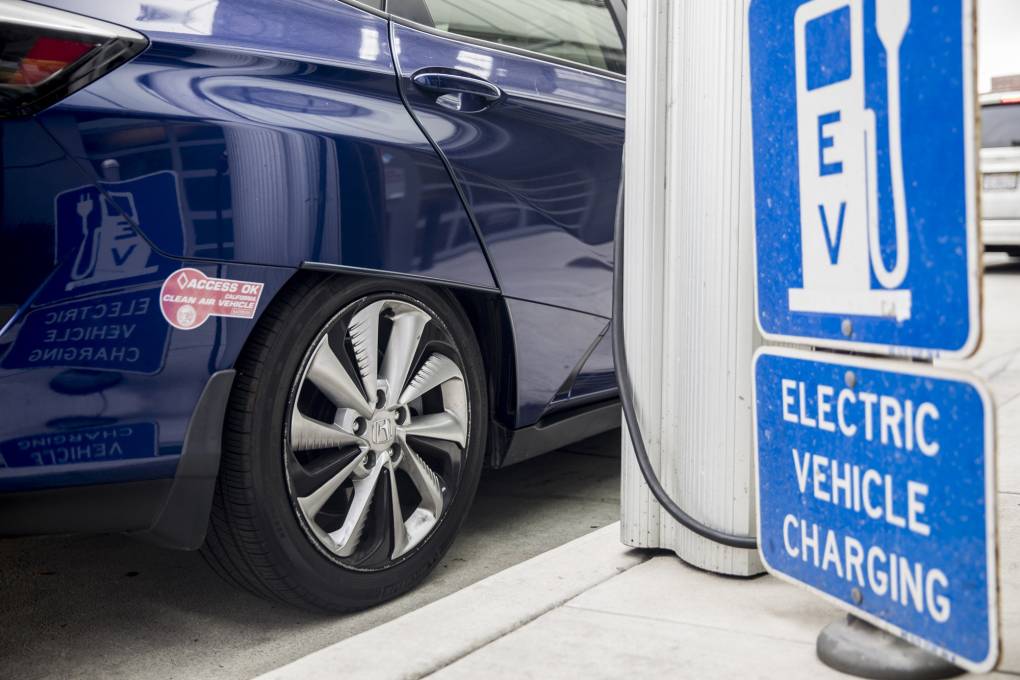
"caption": "An electric vehicle charges at a public charging station near Polk Street and Golden Gate Avenue in San Francisco, California, on Friday, Aug. 30, 2019.",
"credit": "Jessica Christian/The San Francisco Chronicle via Getty Images",
"altTag": null,
"description": null,
"imgSizes": {
"medium": {
"file": "https://cdn.kqed.org/wp-content/uploads/sites/10/2025/01/ElectricVehicleChargingStatonSFGetty-800x533.jpg",
"width": 800,
"height": 533,
"mimeType": "image/jpeg"
},
"large": {
"file": "https://cdn.kqed.org/wp-content/uploads/sites/10/2025/01/ElectricVehicleChargingStatonSFGetty-1020x680.jpg",
"width": 1020,
"height": 680,
"mimeType": "image/jpeg"
},
"thumbnail": {
"file": "https://cdn.kqed.org/wp-content/uploads/sites/10/2025/01/ElectricVehicleChargingStatonSFGetty-160x107.jpg",
"width": 160,
"height": 107,
"mimeType": "image/jpeg"
},
"1536x1536": {
"file": "https://cdn.kqed.org/wp-content/uploads/sites/10/2025/01/ElectricVehicleChargingStatonSFGetty-1536x1024.jpg",
"width": 1536,
"height": 1024,
"mimeType": "image/jpeg"
},
"post-thumbnail": {
"file": "https://cdn.kqed.org/wp-content/uploads/sites/10/2025/01/ElectricVehicleChargingStatonSFGetty-672x372.jpg",
"width": 672,
"height": 372,
"mimeType": "image/jpeg"
},
"twentyfourteen-full-width": {
"file": "https://cdn.kqed.org/wp-content/uploads/sites/10/2025/01/ElectricVehicleChargingStatonSFGetty-1038x576.jpg",
"width": 1038,
"height": 576,
"mimeType": "image/jpeg"
},
"full-width": {
"file": "https://cdn.kqed.org/wp-content/uploads/sites/10/2025/01/ElectricVehicleChargingStatonSFGetty-1920x1280.jpg",
"width": 1920,
"height": 1280,
"mimeType": "image/jpeg"
},
"kqedFullSize": {
"file": "https://cdn.kqed.org/wp-content/uploads/sites/10/2025/01/ElectricVehicleChargingStatonSFGetty.jpg",
"width": 2000,
"height": 1333
}
},
"isLoading": false,
"fetchFailed": false
},
"news_12010450": {
"type": "attachments",
"id": "news_12010450",
"meta": {
"index": "attachments_1716263798",
"site": "news",
"id": "12010450",
"found": true
},
"title": "241021-SFUSD BREED STATE PRESSER-MD-09-KQED",
"publishDate": 1729540484,
"status": "inherit",
"parent": 12024206,
"modified": 1738020041,
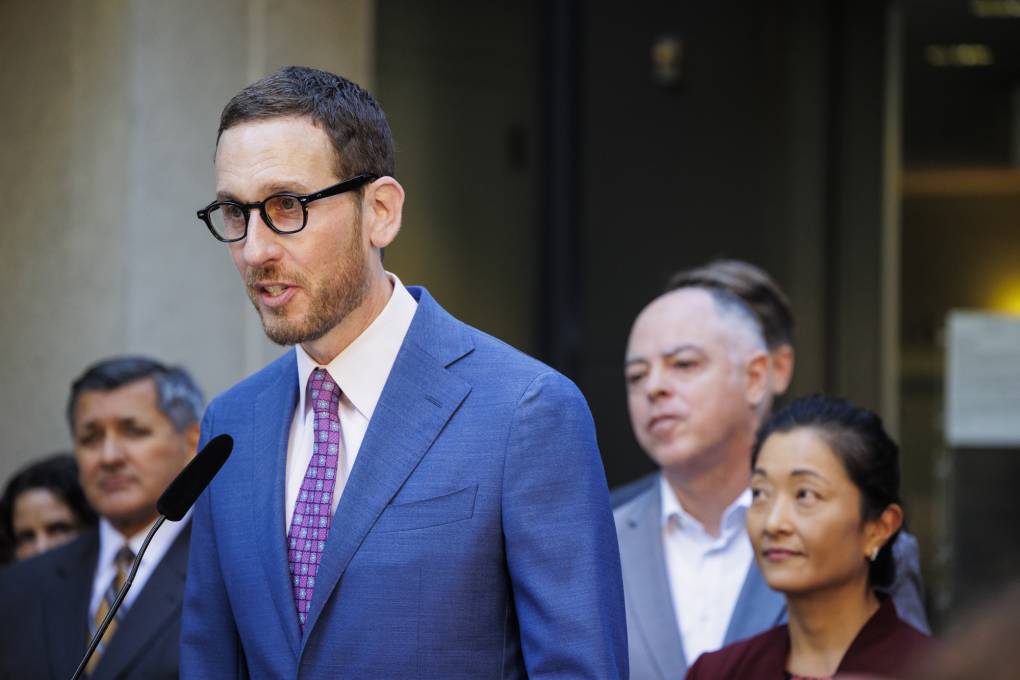
"caption": "State Sen. Scott Wiener speaks at a press event in front of the SFUSD offices in San Francisco on Oct. 21, 2024.",
"credit": "Martin do Nascimento/KQED",
"altTag": null,
"description": null,
"imgSizes": {
"medium": {
"file": "https://cdn.kqed.org/wp-content/uploads/sites/10/2024/10/241021-SFUSD-BREED-STATE-PRESSER-MD-09-KQED-800x533.jpg",
"width": 800,
"height": 533,
"mimeType": "image/jpeg"
},
"large": {
"file": "https://cdn.kqed.org/wp-content/uploads/sites/10/2024/10/241021-SFUSD-BREED-STATE-PRESSER-MD-09-KQED-1020x680.jpg",
"width": 1020,
"height": 680,
"mimeType": "image/jpeg"
},
"thumbnail": {
"file": "https://cdn.kqed.org/wp-content/uploads/sites/10/2024/10/241021-SFUSD-BREED-STATE-PRESSER-MD-09-KQED-160x107.jpg",
"width": 160,
"height": 107,
"mimeType": "image/jpeg"
},
"1536x1536": {
"file": "https://cdn.kqed.org/wp-content/uploads/sites/10/2024/10/241021-SFUSD-BREED-STATE-PRESSER-MD-09-KQED-1536x1024.jpg",
"width": 1536,
"height": 1024,
"mimeType": "image/jpeg"
},
"post-thumbnail": {
"file": "https://cdn.kqed.org/wp-content/uploads/sites/10/2024/10/241021-SFUSD-BREED-STATE-PRESSER-MD-09-KQED-672x372.jpg",
"width": 672,
"height": 372,
"mimeType": "image/jpeg"
},
"twentyfourteen-full-width": {
"file": "https://cdn.kqed.org/wp-content/uploads/sites/10/2024/10/241021-SFUSD-BREED-STATE-PRESSER-MD-09-KQED-1038x576.jpg",
"width": 1038,
"height": 576,
"mimeType": "image/jpeg"
},
"full-width": {
"file": "https://cdn.kqed.org/wp-content/uploads/sites/10/2024/10/241021-SFUSD-BREED-STATE-PRESSER-MD-09-KQED-1920x1280.jpg",
"width": 1920,
"height": 1280,
"mimeType": "image/jpeg"
},
"kqedFullSize": {
"file": "https://cdn.kqed.org/wp-content/uploads/sites/10/2024/10/241021-SFUSD-BREED-STATE-PRESSER-MD-09-KQED.jpg",
"width": 2000,
"height": 1333
}
},
"isLoading": false,
"fetchFailed": false
},
"news_12019335": {
"type": "attachments",
"id": "news_12019335",
"meta": {
"index": "attachments_1716263798",
"site": "news",
"id": "12019335",
"found": true
},
"title": "GoogleQuantumAI_WillowChip_Closeup04",
"publishDate": 1734719379,
"status": "inherit",
"parent": 12018788,
"modified": 1734719419,
"caption": "Google’s quantum computer chip, Willow.",
"credit": "Courtesy of Google Quantum AI",
"altTag": null,
"description": null,
"imgSizes": {
"medium": {
"file": "https://cdn.kqed.org/wp-content/uploads/sites/10/2024/12/GoogleQuantumAI_WillowChip_Closeup04-800x533.jpg",
"width": 800,
"height": 533,
"mimeType": "image/jpeg"
},
"large": {
"file": "https://cdn.kqed.org/wp-content/uploads/sites/10/2024/12/GoogleQuantumAI_WillowChip_Closeup04-1020x680.jpg",
"width": 1020,
"height": 680,
"mimeType": "image/jpeg"
},
"thumbnail": {
"file": "https://cdn.kqed.org/wp-content/uploads/sites/10/2024/12/GoogleQuantumAI_WillowChip_Closeup04-160x107.jpg",
"width": 160,
"height": 107,
"mimeType": "image/jpeg"
},
"1536x1536": {
"file": "https://cdn.kqed.org/wp-content/uploads/sites/10/2024/12/GoogleQuantumAI_WillowChip_Closeup04-1536x1024.jpg",
"width": 1536,
"height": 1024,
"mimeType": "image/jpeg"
},
"post-thumbnail": {
"file": "https://cdn.kqed.org/wp-content/uploads/sites/10/2024/12/GoogleQuantumAI_WillowChip_Closeup04-672x372.jpg",
"width": 672,
"height": 372,
"mimeType": "image/jpeg"
},
"twentyfourteen-full-width": {
"file": "https://cdn.kqed.org/wp-content/uploads/sites/10/2024/12/GoogleQuantumAI_WillowChip_Closeup04-1038x576.jpg",
"width": 1038,
"height": 576,
"mimeType": "image/jpeg"
},
"full-width": {
"file": "https://cdn.kqed.org/wp-content/uploads/sites/10/2024/12/GoogleQuantumAI_WillowChip_Closeup04-1920x1280.jpg",
"width": 1920,
"height": 1280,
"mimeType": "image/jpeg"
},
"kqedFullSize": {
"file": "https://cdn.kqed.org/wp-content/uploads/sites/10/2024/12/GoogleQuantumAI_WillowChip_Closeup04.jpg",
"width": 2000,
"height": 1333
}
},
"isLoading": false,
"fetchFailed": false
},
"news_12010370": {
"type": "attachments",
"id": "news_12010370",
"meta": {
"index": "attachments_1716263798",
"site": "news",
"id": "12010370",
"found": true
},
"title": "Unfinished Live 2022 - Day 2",
"publishDate": 1729529442,
"status": "inherit",
"parent": 12010369,
"modified": 1729533849,
"caption": "Internet Archive founder Brewster Kahle speaks onstage during Unfinished Live at The Shed on Sept. 22, 2022, in New York City.",
"credit": "Roy Rochlin/Getty Images",
"altTag": "A middle-aged white man with grey hair, wearing a blazer, speaks on a stage.",
"description": "NEW YORK, NEW YORK - SEPTEMBER 22: for Unfinished Live )",
"imgSizes": {
"medium": {
"file": "https://cdn.kqed.org/wp-content/uploads/sites/10/2024/10/gettyimages-1426356126-800x533.jpeg",
"width": 800,
"height": 533,
"mimeType": "image/jpeg"
},
"large": {
"file": "https://cdn.kqed.org/wp-content/uploads/sites/10/2024/10/gettyimages-1426356126-1020x680.jpeg",
"width": 1020,
"height": 680,
"mimeType": "image/jpeg"
},
"thumbnail": {
"file": "https://cdn.kqed.org/wp-content/uploads/sites/10/2024/10/gettyimages-1426356126-160x107.jpeg",
"width": 160,
"height": 107,
"mimeType": "image/jpeg"
},
"1536x1536": {
"file": "https://cdn.kqed.org/wp-content/uploads/sites/10/2024/10/gettyimages-1426356126-1536x1024.jpeg",
"width": 1536,
"height": 1024,
"mimeType": "image/jpeg"
},
"2048x2048": {
"file": "https://cdn.kqed.org/wp-content/uploads/sites/10/2024/10/gettyimages-1426356126-2048x1365.jpeg",
"width": 2048,
"height": 1365,
"mimeType": "image/jpeg"
},
"post-thumbnail": {
"file": "https://cdn.kqed.org/wp-content/uploads/sites/10/2024/10/gettyimages-1426356126-672x372.jpeg",
"width": 672,
"height": 372,
"mimeType": "image/jpeg"
},
"twentyfourteen-full-width": {
"file": "https://cdn.kqed.org/wp-content/uploads/sites/10/2024/10/gettyimages-1426356126-1038x576.jpeg",
"width": 1038,
"height": 576,
"mimeType": "image/jpeg"
},
"full-width": {
"file": "https://cdn.kqed.org/wp-content/uploads/sites/10/2024/10/gettyimages-1426356126-1920x1280.jpeg",
"width": 1920,
"height": 1280,
"mimeType": "image/jpeg"
},
"kqedFullSize": {
"file": "https://cdn.kqed.org/wp-content/uploads/sites/10/2024/10/gettyimages-1426356126-scaled.jpeg",
"width": 2560,
"height": 1706
}
},
"isLoading": false,
"fetchFailed": false
},
"news_11796751": {
"type": "attachments",
"id": "news_11796751",
"meta": {
"index": "attachments_1716263798",
"site": "news",
"id": "11796751",
"found": true
},
"title": "Investigation Continues Into Tesla Driver's Death While In Autopilot Mode",
"publishDate": 1579299477,
"status": "inherit",
"parent": 11796657,
"modified": 1729283665,
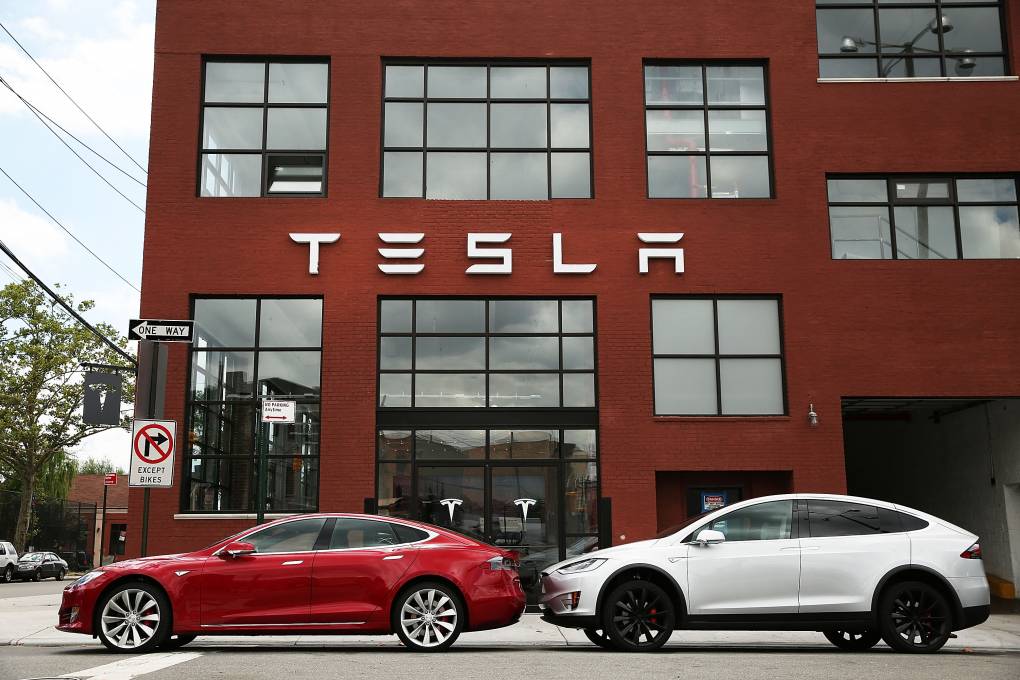
"caption": "Tesla vehicles sit parked outside of a new Tesla showroom and service center in New York. ",
"credit": "Spencer Platt/Getty Images",
"altTag": null,
"description": null,
"imgSizes": {
"thumbnail": {
"file": "https://cdn.kqed.org/wp-content/uploads/sites/10/2020/01/GettyImages-545144484-160x107.jpg",
"width": 160,
"height": 107,
"mimeType": "image/jpeg"
},
"medium": {
"file": "https://cdn.kqed.org/wp-content/uploads/sites/10/2020/01/GettyImages-545144484-800x533.jpg",
"width": 800,
"height": 533,
"mimeType": "image/jpeg"
},
"large": {
"file": "https://cdn.kqed.org/wp-content/uploads/sites/10/2020/01/GettyImages-545144484-1020x680.jpg",
"width": 1020,
"height": 680,
"mimeType": "image/jpeg"
},
"post-thumbnail": {
"file": "https://cdn.kqed.org/wp-content/uploads/sites/10/2020/01/GettyImages-545144484-672x372.jpg",
"width": 672,
"height": 372,
"mimeType": "image/jpeg"
},
"twentyfourteen-full-width": {
"file": "https://cdn.kqed.org/wp-content/uploads/sites/10/2020/01/GettyImages-545144484-1038x576.jpg",
"width": 1038,
"height": 576,
"mimeType": "image/jpeg"
},
"full-width": {
"file": "https://cdn.kqed.org/wp-content/uploads/sites/10/2020/01/GettyImages-545144484-1920x1280.jpg",
"width": 1920,
"height": 1280,
"mimeType": "image/jpeg"
},
"apple_news_ca_landscape_12_9": {
"file": "https://cdn.kqed.org/wp-content/uploads/sites/10/2020/01/GettyImages-545144484-1832x1374.jpg",
"width": 1832,
"height": 1374,
"mimeType": "image/jpeg"
},
"apple_news_ca_landscape_9_7": {
"file": "https://cdn.kqed.org/wp-content/uploads/sites/10/2020/01/GettyImages-545144484-1376x1032.jpg",
"width": 1376,
"height": 1032,
"mimeType": "image/jpeg"
},
"apple_news_ca_landscape_5_5": {
"file": "https://cdn.kqed.org/wp-content/uploads/sites/10/2020/01/GettyImages-545144484-1044x783.jpg",
"width": 1044,
"height": 783,
"mimeType": "image/jpeg"
},
"apple_news_ca_landscape_4_7": {
"file": "https://cdn.kqed.org/wp-content/uploads/sites/10/2020/01/GettyImages-545144484-632x474.jpg",
"width": 632,
"height": 474,
"mimeType": "image/jpeg"
},
"apple_news_ca_landscape_4_0": {
"file": "https://cdn.kqed.org/wp-content/uploads/sites/10/2020/01/GettyImages-545144484-536x402.jpg",
"width": 536,
"height": 402,
"mimeType": "image/jpeg"
},
"apple_news_ca_portrait_12_9": {
"file": "https://cdn.kqed.org/wp-content/uploads/sites/10/2020/01/GettyImages-545144484-1122x1496.jpg",
"width": 1122,
"height": 1496,
"mimeType": "image/jpeg"
},
"apple_news_ca_portrait_9_7": {
"file": "https://cdn.kqed.org/wp-content/uploads/sites/10/2020/01/GettyImages-545144484-840x1120.jpg",
"width": 840,
"height": 1120,
"mimeType": "image/jpeg"
},
"apple_news_ca_portrait_5_5": {
"file": "https://cdn.kqed.org/wp-content/uploads/sites/10/2020/01/GettyImages-545144484-687x916.jpg",
"width": 687,
"height": 916,
"mimeType": "image/jpeg"
},
"apple_news_ca_portrait_4_7": {
"file": "https://cdn.kqed.org/wp-content/uploads/sites/10/2020/01/GettyImages-545144484-414x552.jpg",
"width": 414,
"height": 552,
"mimeType": "image/jpeg"
},
"apple_news_ca_portrait_4_0": {
"file": "https://cdn.kqed.org/wp-content/uploads/sites/10/2020/01/GettyImages-545144484-354x472.jpg",
"width": 354,
"height": 472,
"mimeType": "image/jpeg"
},
"apple_news_ca_square_12_9": {
"file": "https://cdn.kqed.org/wp-content/uploads/sites/10/2020/01/GettyImages-545144484-1472x1472.jpg",
"width": 1472,
"height": 1472,
"mimeType": "image/jpeg"
},
"apple_news_ca_square_9_7": {
"file": "https://cdn.kqed.org/wp-content/uploads/sites/10/2020/01/GettyImages-545144484-1104x1104.jpg",
"width": 1104,
"height": 1104,
"mimeType": "image/jpeg"
},
"apple_news_ca_square_5_5": {
"file": "https://cdn.kqed.org/wp-content/uploads/sites/10/2020/01/GettyImages-545144484-912x912.jpg",
"width": 912,
"height": 912,
"mimeType": "image/jpeg"
},
"apple_news_ca_square_4_7": {
"file": "https://cdn.kqed.org/wp-content/uploads/sites/10/2020/01/GettyImages-545144484-550x550.jpg",
"width": 550,
"height": 550,
"mimeType": "image/jpeg"
},
"apple_news_ca_square_4_0": {
"file": "https://cdn.kqed.org/wp-content/uploads/sites/10/2020/01/GettyImages-545144484-470x470.jpg",
"width": 470,
"height": 470,
"mimeType": "image/jpeg"
},
"kqedFullSize": {
"file": "https://cdn.kqed.org/wp-content/uploads/sites/10/2020/01/GettyImages-545144484.jpg",
"width": 3000,
"height": 2000
}
},
"isLoading": false,
"fetchFailed": false
},
"news_12008512": {
"type": "attachments",
"id": "news_12008512",
"meta": {
"index": "attachments_1716263798",
"site": "news",
"id": "12008512",
"found": true
},
"title": "Rob Bonta",
"publishDate": 1728416477,
"status": "inherit",
"parent": 12008456,
"modified": 1728416519,
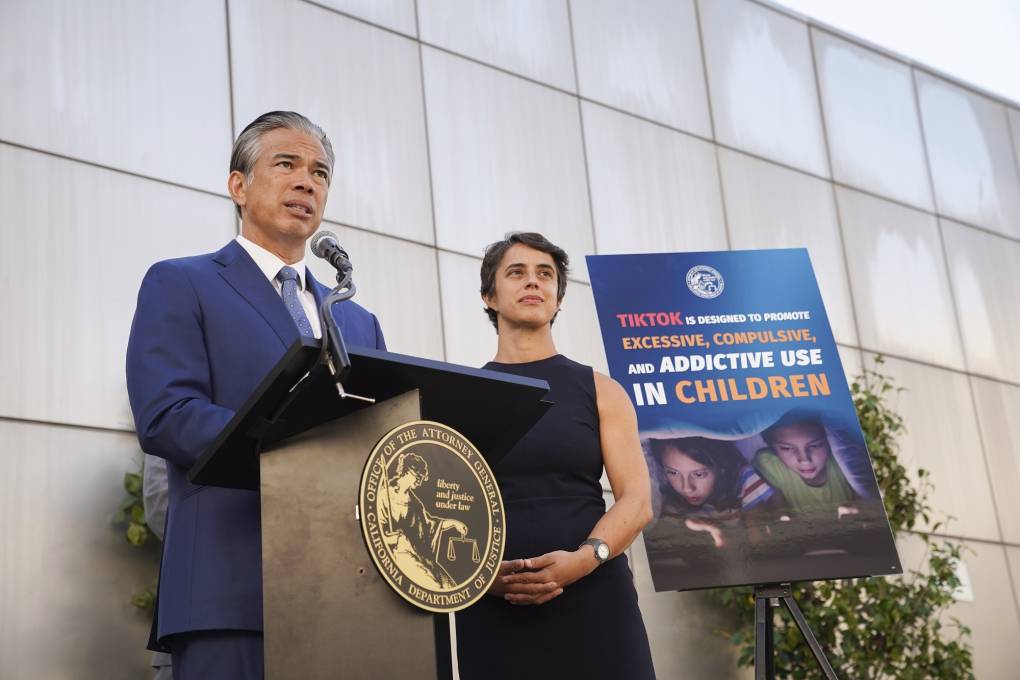
"caption": "California Attorney General Rob Bonta speaks during a press conference announcing a bipartisan coalition of attorney generals filing lawsuits against TikTok for violation of state consumer protection laws on Tuesday, Oct. 8, 2024, in San Francisco.",
"credit": "Minh Connors/AP Photo",
"altTag": null,
"description": null,
"imgSizes": {
"medium": {
"file": "https://cdn.kqed.org/wp-content/uploads/sites/10/2024/10/CATikTokLawsuitAP1-800x533.jpg",
"width": 800,
"height": 533,
"mimeType": "image/jpeg"
},
"large": {
"file": "https://cdn.kqed.org/wp-content/uploads/sites/10/2024/10/CATikTokLawsuitAP1-1020x680.jpg",
"width": 1020,
"height": 680,
"mimeType": "image/jpeg"
},
"thumbnail": {
"file": "https://cdn.kqed.org/wp-content/uploads/sites/10/2024/10/CATikTokLawsuitAP1-160x107.jpg",
"width": 160,
"height": 107,
"mimeType": "image/jpeg"
},
"1536x1536": {
"file": "https://cdn.kqed.org/wp-content/uploads/sites/10/2024/10/CATikTokLawsuitAP1-1536x1024.jpg",
"width": 1536,
"height": 1024,
"mimeType": "image/jpeg"
},
"post-thumbnail": {
"file": "https://cdn.kqed.org/wp-content/uploads/sites/10/2024/10/CATikTokLawsuitAP1-672x372.jpg",
"width": 672,
"height": 372,
"mimeType": "image/jpeg"
},
"twentyfourteen-full-width": {
"file": "https://cdn.kqed.org/wp-content/uploads/sites/10/2024/10/CATikTokLawsuitAP1-1038x576.jpg",
"width": 1038,
"height": 576,
"mimeType": "image/jpeg"
},
"full-width": {
"file": "https://cdn.kqed.org/wp-content/uploads/sites/10/2024/10/CATikTokLawsuitAP1-1920x1280.jpg",
"width": 1920,
"height": 1280,
"mimeType": "image/jpeg"
},
"kqedFullSize": {
"file": "https://cdn.kqed.org/wp-content/uploads/sites/10/2024/10/CATikTokLawsuitAP1.jpg",
"width": 2000,
"height": 1333
}
},
"isLoading": false,
"fetchFailed": false
},
"news_11628746": {
"type": "attachments",
"id": "news_11628746",
"meta": {
"index": "attachments_1716263798",
"site": "news",
"id": "11628746",
"found": true
},
"parent": 11628745,
"imgSizes": {
"small": {
"file": "https://ww2.kqed.org/app/uploads/sites/10/2017/11/gettyimages-633867894_wide-e7e50676b602d043d45f3b34ff18568758f6cebe-520x293.jpg",
"width": 520,
"mimeType": "image/jpeg",
"height": 293
},
"twentyfourteen-full-width": {
"file": "https://ww2.kqed.org/app/uploads/sites/10/2017/11/gettyimages-633867894_wide-e7e50676b602d043d45f3b34ff18568758f6cebe-1038x576.jpg",
"width": 1038,
"mimeType": "image/jpeg",
"height": 576
},
"thumbnail": {
"file": "https://ww2.kqed.org/app/uploads/sites/10/2017/11/gettyimages-633867894_wide-e7e50676b602d043d45f3b34ff18568758f6cebe-160x90.jpg",
"width": 160,
"mimeType": "image/jpeg",
"height": 90
},
"fd-sm": {
"file": "https://ww2.kqed.org/app/uploads/sites/10/2017/11/gettyimages-633867894_wide-e7e50676b602d043d45f3b34ff18568758f6cebe-960x540.jpg",
"width": 960,
"mimeType": "image/jpeg",
"height": 540
},
"post-thumbnail": {
"file": "https://ww2.kqed.org/app/uploads/sites/10/2017/11/gettyimages-633867894_wide-e7e50676b602d043d45f3b34ff18568758f6cebe-672x372.jpg",
"width": 672,
"mimeType": "image/jpeg",
"height": 372
},
"xsmall": {
"file": "https://ww2.kqed.org/app/uploads/sites/10/2017/11/gettyimages-633867894_wide-e7e50676b602d043d45f3b34ff18568758f6cebe-375x211.jpg",
"width": 375,
"mimeType": "image/jpeg",
"height": 211
},
"kqedFullSize": {
"file": "https://ww2.kqed.org/app/uploads/sites/10/2017/11/gettyimages-633867894_wide-e7e50676b602d043d45f3b34ff18568758f6cebe-e1510069404712.jpg",
"width": 1920,
"height": 1080
},
"large": {
"file": "https://ww2.kqed.org/app/uploads/sites/10/2017/11/gettyimages-633867894_wide-e7e50676b602d043d45f3b34ff18568758f6cebe-1020x574.jpg",
"width": 1020,
"mimeType": "image/jpeg",
"height": 574
},
"xlarge": {
"file": "https://ww2.kqed.org/app/uploads/sites/10/2017/11/gettyimages-633867894_wide-e7e50676b602d043d45f3b34ff18568758f6cebe-1180x664.jpg",
"width": 1180,
"mimeType": "image/jpeg",
"height": 664
},
"guest-author-50": {
"file": "https://ww2.kqed.org/app/uploads/sites/10/2017/11/gettyimages-633867894_wide-e7e50676b602d043d45f3b34ff18568758f6cebe-50x50.jpg",
"width": 50,
"mimeType": "image/jpeg",
"height": 50
},
"guest-author-96": {
"file": "https://ww2.kqed.org/app/uploads/sites/10/2017/11/gettyimages-633867894_wide-e7e50676b602d043d45f3b34ff18568758f6cebe-96x96.jpg",
"width": 96,
"mimeType": "image/jpeg",
"height": 96
},
"medium": {
"file": "https://ww2.kqed.org/app/uploads/sites/10/2017/11/gettyimages-633867894_wide-e7e50676b602d043d45f3b34ff18568758f6cebe-800x450.jpg",
"width": 800,
"mimeType": "image/jpeg",
"height": 450
},
"guest-author-64": {
"file": "https://ww2.kqed.org/app/uploads/sites/10/2017/11/gettyimages-633867894_wide-e7e50676b602d043d45f3b34ff18568758f6cebe-64x64.jpg",
"width": 64,
"mimeType": "image/jpeg",
"height": 64
},
"guest-author-32": {
"file": "https://ww2.kqed.org/app/uploads/sites/10/2017/11/gettyimages-633867894_wide-e7e50676b602d043d45f3b34ff18568758f6cebe-32x32.jpg",
"width": 32,
"mimeType": "image/jpeg",
"height": 32
},
"fd-lrg": {
"file": "https://ww2.kqed.org/app/uploads/sites/10/2017/11/gettyimages-633867894_wide-e7e50676b602d043d45f3b34ff18568758f6cebe-1920x1080.jpg",
"width": 1920,
"mimeType": "image/jpeg",
"height": 1080
},
"fd-med": {
"file": "https://ww2.kqed.org/app/uploads/sites/10/2017/11/gettyimages-633867894_wide-e7e50676b602d043d45f3b34ff18568758f6cebe-1180x664.jpg",
"width": 1180,
"mimeType": "image/jpeg",
"height": 664
},
"full-width": {
"file": "https://ww2.kqed.org/app/uploads/sites/10/2017/11/gettyimages-633867894_wide-e7e50676b602d043d45f3b34ff18568758f6cebe-1920x1080.jpg",
"width": 1920,
"mimeType": "image/jpeg",
"height": 1080
},
"detail": {
"file": "https://ww2.kqed.org/app/uploads/sites/10/2017/11/gettyimages-633867894_wide-e7e50676b602d043d45f3b34ff18568758f6cebe-150x150.jpg",
"width": 150,
"mimeType": "image/jpeg",
"height": 150
},
"guest-author-128": {
"file": "https://ww2.kqed.org/app/uploads/sites/10/2017/11/gettyimages-633867894_wide-e7e50676b602d043d45f3b34ff18568758f6cebe-128x128.jpg",
"width": 128,
"mimeType": "image/jpeg",
"height": 128
},
"xxsmall": {
"file": "https://ww2.kqed.org/app/uploads/sites/10/2017/11/gettyimages-633867894_wide-e7e50676b602d043d45f3b34ff18568758f6cebe-240x135.jpg",
"width": 240,
"mimeType": "image/jpeg",
"height": 135
}
},
"publishDate": 1510069197,
"modified": 1510069428,
"caption": "Taylor Swift performing in February in Houston.",
"description": "Taylor Swift performing in February in Houston.",
"title": "gettyimages-633867894_wide-e7e50676b602d043d45f3b34ff18568758f6cebe",
"credit": "John Shearer/Getty Images for DIRECTV",
"status": "inherit",
"isLoading": false,
"fetchFailed": false
}
},
"audioPlayerReducer": {
"postId": "stream_live",
"isPaused": true,
"isPlaying": false,
"pfsActive": false,
"pledgeModalIsOpen": true,
"playerDrawerIsOpen": false,
"liveAudioPlayStartedAt": 0,
"liveAudioPlayContext": ""
},
"authorsReducer": {
"byline_news_12010369": {
"type": "authors",
"id": "byline_news_12010369",
"meta": {
"override": true
},
"slug": "byline_news_12010369",
"name": "Emma Bowman, NPR",
"isLoading": false
},
"byline_news_12010070": {
"type": "authors",
"id": "byline_news_12010070",
"meta": {
"override": true
},
"slug": "byline_news_12010070",
"name": "Tom Krisher, The Associated Press",
"isLoading": false
},
"rachael-myrow": {
"type": "authors",
"id": "251",
"meta": {
"index": "authors_1716337520",
"id": "251",
"found": true
},
"name": "Rachael Myrow",
"firstName": "Rachael",
"lastName": "Myrow",
"slug": "rachael-myrow",
"email": "rmyrow@kqed.org",
"display_author_email": true,
"staff_mastheads": [
"news"
],
"title": "Senior Editor of KQED's Silicon Valley News Desk",
"bio": "• I write and edit stories about how Silicon Valley power and policies shape everyday life in California. I’m also passionate about making Bay Area history and culture more accessible to a broad public. • I’ve been a journalist for most of my life, starting in high school with The Franklin Press in Los Angeles, where I grew up. While earning my first degree in English at UC Berkeley, I got my start in public radio at KALX-FM. After completing a second degree in journalism at Cal, I landed my first professional job at Marketplace, then moved on to KPCC (now LAist), and then KQED, where I hosted The California Report for more than seven years. • My reporting has appeared on NPR, The World, WBUR’s \u003ci>Here & Now\u003c/i>, and the BBC. I also guest host for KQED’s \u003ci>Forum\u003c/i>, as well as the Commonwealth Club in San Francisco. • I speak periodically on media, democracy and technology issues, and do voiceover work for documentaries and educational video projects. • Outside of the studio, you'll find me hiking Bay Area trails and whipping up Insta-ready meals in my kitchen. • I do not accept gifts, money, or favors from anyone connected to my reporting, I don't pay people for information, and I do not support or donate to political causes. • I strive to treat the people I report on with fairness, honesty, and respect. I also recognize there are often multiple sides to a story and work to verify information through multiple sources and documentation. If I get something wrong, I correct it.",
"avatar": "https://secure.gravatar.com/avatar/3ed8a3c5f26025e4a805ba634cda8cd764906b97438a6d9ce216b044e340da4e?s=600&d=blank&r=g",
"twitter": "rachaelmyrow",
"bluesky": null,
"facebook": null,
"instagram": null,
"linkedin": "https://www.linkedin.com/in/rachaelmyrow/",
"sites": [
{
"site": "arts",
"roles": [
"administrator"
]
},
{
"site": "news",
"roles": [
"edit_others_posts",
"editor"
]
},
{
"site": "futureofyou",
"roles": [
"editor"
]
},
{
"site": "bayareabites",
"roles": [
"editor"
]
},
{
"site": "stateofhealth",
"roles": [
"editor"
]
},
{
"site": "science",
"roles": [
"editor"
]
},
{
"site": "food",
"roles": [
"editor"
]
},
{
"site": "forum",
"roles": [
"editor"
]
},
{
"site": "liveblog",
"roles": [
"author"
]
}
],
"headData": {
"title": "Rachael Myrow | KQED",
"description": "Senior Editor of KQED's Silicon Valley News Desk",
"ogImgSrc": "https://secure.gravatar.com/avatar/3ed8a3c5f26025e4a805ba634cda8cd764906b97438a6d9ce216b044e340da4e?s=600&d=blank&r=g",
"twImgSrc": "https://secure.gravatar.com/avatar/3ed8a3c5f26025e4a805ba634cda8cd764906b97438a6d9ce216b044e340da4e?s=600&d=blank&r=g"
},
"isLoading": false,
"link": "/author/rachael-myrow"
},
"cegusa": {
"type": "authors",
"id": "11869",
"meta": {
"index": "authors_1716337520",
"id": "11869",
"found": true
},
"name": "Chris Egusa",
"firstName": "Chris",
"lastName": "Egusa",
"slug": "cegusa",
"email": "cegusa@kqed.org",
"display_author_email": false,
"staff_mastheads": [],
"title": "KQED Contributor",
"bio": null,
"avatar": "https://secure.gravatar.com/avatar/3562ed52747313a4c94017da88ea89f9e85cd901f63ebc056a7d5e0adf4a03da?s=600&d=blank&r=g",
"twitter": null,
"bluesky": null,
"facebook": null,
"instagram": null,
"linkedin": null,
"sites": [
{
"site": "arts",
"roles": [
"editor"
]
},
{
"site": "news",
"roles": [
"editor"
]
}
],
"headData": {
"title": "Chris Egusa | KQED",
"description": "KQED Contributor",
"ogImgSrc": "https://secure.gravatar.com/avatar/3562ed52747313a4c94017da88ea89f9e85cd901f63ebc056a7d5e0adf4a03da?s=600&d=blank&r=g",
"twImgSrc": "https://secure.gravatar.com/avatar/3562ed52747313a4c94017da88ea89f9e85cd901f63ebc056a7d5e0adf4a03da?s=600&d=blank&r=g"
},
"isLoading": false,
"link": "/author/cegusa"
},
"kdebenedetti": {
"type": "authors",
"id": "11913",
"meta": {
"index": "authors_1716337520",
"id": "11913",
"found": true
},
"name": "Katie DeBenedetti",
"firstName": "Katie",
"lastName": "DeBenedetti",
"slug": "kdebenedetti",
"email": "kdebenedetti@kqed.org",
"display_author_email": false,
"staff_mastheads": [
"news",
"science"
],
"title": "KQED Contributor",
"bio": "Katie DeBenedetti is a digital reporter covering daily news for the Express Desk. Prior to joining KQED as a culture reporting intern in January 2024, she covered education and city government for the Napa Valley Register.",
"avatar": "https://secure.gravatar.com/avatar/6e31073cb8f7e4214ab03f42771d0f45?s=600&d=blank&r=g",
"twitter": null,
"facebook": null,
"instagram": null,
"linkedin": null,
"sites": [
{
"site": "news",
"roles": [
"author"
]
},
{
"site": "science",
"roles": [
"author"
]
},
{
"site": "liveblog",
"roles": [
"author"
]
}
],
"headData": {
"title": "Katie DeBenedetti | KQED",
"description": "KQED Contributor",
"ogImgSrc": "https://secure.gravatar.com/avatar/6e31073cb8f7e4214ab03f42771d0f45?s=600&d=blank&r=g",
"twImgSrc": "https://secure.gravatar.com/avatar/6e31073cb8f7e4214ab03f42771d0f45?s=600&d=blank&r=g"
},
"isLoading": false,
"link": "/author/kdebenedetti"
},
"emanoukian": {
"type": "authors",
"id": "11925",
"meta": {
"index": "authors_1716337520",
"id": "11925",
"found": true
},
"name": "Elize Manoukian",
"firstName": "Elize",
"lastName": "Manoukian",
"slug": "emanoukian",
"email": "emanoukian@KQED.org",
"display_author_email": false,
"staff_mastheads": [
"news"
],
"title": "Digital News Editor",
"bio": "Elize Manoukian is an award-winning audio producer and Senior Editor on the Express Desk, KQED's digital news platform. Her work has appeared on KPFA, Interlochen Public Radio, Oregon Public Broadcast, the New York Daily News, LA Times and the San Diego Union-Tribune.",
"avatar": "https://secure.gravatar.com/avatar/4525f1a8e46ccb30933b32653d9772064cfefe3fa655eb45b3b3a80341f6bdad?s=600&d=blank&r=g",
"twitter": null,
"bluesky": null,
"facebook": null,
"instagram": null,
"linkedin": null,
"sites": [
{
"site": "arts",
"roles": [
"editor"
]
},
{
"site": "news",
"roles": [
"editor"
]
},
{
"site": "science",
"roles": [
"editor"
]
}
],
"headData": {
"title": "Elize Manoukian | KQED",
"description": "Digital News Editor",
"ogImgSrc": "https://secure.gravatar.com/avatar/4525f1a8e46ccb30933b32653d9772064cfefe3fa655eb45b3b3a80341f6bdad?s=600&d=blank&r=g",
"twImgSrc": "https://secure.gravatar.com/avatar/4525f1a8e46ccb30933b32653d9772064cfefe3fa655eb45b3b3a80341f6bdad?s=600&d=blank&r=g"
},
"isLoading": false,
"link": "/author/emanoukian"
},
"gzada": {
"type": "authors",
"id": "11929",
"meta": {
"index": "authors_1716337520",
"id": "11929",
"found": true
},
"name": "Gilare Zada",
"firstName": "Gilare",
"lastName": "Zada",
"slug": "gzada",
"email": "gzada@kqed.org",
"display_author_email": true,
"staff_mastheads": [
"news"
],
"title": null,
"bio": "Gilare Zada is a Kurdish-American from San Diego, CA. Storytelling, fitness, and binge reading are some of her passions outside of news reporting. Her work has appeared in Mission Local, the Peninsula Press, the San Francisco Press Club, and more. She also writes as a class correspondent for the Stanford Magazine - go Card!",
"avatar": "https://secure.gravatar.com/avatar/33a75f2b947669a488a805edec3fbf3838c1cedaedda710e983770633b4d6a75?s=600&d=blank&r=g",
"twitter": null,
"bluesky": null,
"facebook": null,
"instagram": null,
"linkedin": null,
"sites": [
{
"site": "",
"roles": [
"editor"
]
},
{
"site": "arts",
"roles": [
"editor"
]
},
{
"site": "news",
"roles": [
"administrator"
]
},
{
"site": "science",
"roles": [
"editor"
]
}
],
"headData": {
"title": "Gilare Zada | KQED",
"description": null,
"ogImgSrc": "https://secure.gravatar.com/avatar/33a75f2b947669a488a805edec3fbf3838c1cedaedda710e983770633b4d6a75?s=600&d=blank&r=g",
"twImgSrc": "https://secure.gravatar.com/avatar/33a75f2b947669a488a805edec3fbf3838c1cedaedda710e983770633b4d6a75?s=600&d=blank&r=g"
},
"isLoading": false,
"link": "/author/gzada"
},
"mcueva": {
"type": "authors",
"id": "11943",
"meta": {
"index": "authors_1716337520",
"id": "11943",
"found": true
},
"name": "Maya Cueva",
"firstName": "Maya",
"lastName": "Cueva",
"slug": "mcueva",
"email": "mcueva@kqed.org",
"display_author_email": false,
"staff_mastheads": [],
"title": "KQED Contributor",
"bio": null,
"avatar": "https://secure.gravatar.com/avatar/238c7aba67c4b6b7b891965ba8cc9e9a4928b5dbdeaf4bde6a81c13e87f49b49?s=600&d=blank&r=g",
"twitter": null,
"bluesky": null,
"facebook": null,
"instagram": null,
"linkedin": null,
"sites": [
{
"site": "news",
"roles": [
"editor"
]
}
],
"headData": {
"title": "Maya Cueva | KQED",
"description": "KQED Contributor",
"ogImgSrc": "https://secure.gravatar.com/avatar/238c7aba67c4b6b7b891965ba8cc9e9a4928b5dbdeaf4bde6a81c13e87f49b49?s=600&d=blank&r=g",
"twImgSrc": "https://secure.gravatar.com/avatar/238c7aba67c4b6b7b891965ba8cc9e9a4928b5dbdeaf4bde6a81c13e87f49b49?s=600&d=blank&r=g"
},
"isLoading": false,
"link": "/author/mcueva"
},
"msung": {
"type": "authors",
"id": "11944",
"meta": {
"index": "authors_1716337520",
"id": "11944",
"found": true
},
"name": "Morgan Sung",
"firstName": "Morgan",
"lastName": "Sung",
"slug": "msung",
"email": "msung@kqed.org",
"display_author_email": false,
"staff_mastheads": [],
"title": "Close All Tabs Host",
"bio": null,
"avatar": "https://secure.gravatar.com/avatar/34033b8d232ee6c987ca6f0a1a28f0e5?s=600&d=blank&r=g",
"twitter": null,
"facebook": null,
"instagram": null,
"linkedin": null,
"sites": [
{
"site": "news",
"roles": [
"editor"
]
}
],
"headData": {
"title": "Morgan Sung | KQED",
"description": "Close All Tabs Host",
"ogImgSrc": "https://secure.gravatar.com/avatar/34033b8d232ee6c987ca6f0a1a28f0e5?s=600&d=blank&r=g",
"twImgSrc": "https://secure.gravatar.com/avatar/34033b8d232ee6c987ca6f0a1a28f0e5?s=600&d=blank&r=g"
},
"isLoading": false,
"link": "/author/msung"
}
},
"pagesReducer": {
"news_tag_technology": {
"type": "terms",
"id": "news_1631",
"meta": {
"index": "terms_1716263798",
"site": "news",
"id": "1631",
"score": 6.9278407
},
"name": "Technology",
"slug": "technology",
"taxonomy": "tag",
"description": null,
"featImg": null,
"headData": {
"title": "Technology | KQED News",
"description": null,
"ogTitle": null,
"ogDescription": null,
"ogImgId": null,
"twTitle": null,
"twDescription": null,
"twImgId": null
},
"ttid": 1643,
"isLoading": false,
"title": "Technology",
"pageMeta": {
"site": "news",
"WpPageTemplate": "page-topic-editorial",
"currentPage": 21
},
"blocks": [
{
"blockName": "kqed/post-list",
"attrs": {
"layout": "cardArticle2",
"query": "posts/news?tag=technology",
"seeMore": false,
"paginated": true,
"page": 21
}
},
{
"blockName": "kqed/ad"
}
]
}
},
"pfsSessionReducer": {},
"postsReducer": {
"stream_live": {
"type": "live",
"id": "stream_live",
"audioUrl": "https://streams.kqed.org/kqedradio",
"title": "Live Stream",
"excerpt": "Live Stream information currently unavailable.",
"link": "/radio",
"featImg": "",
"label": {
"name": "KQED Live",
"link": "/"
}
},
"stream_kqedNewscast": {
"type": "posts",
"id": "stream_kqedNewscast",
"audioUrl": "https://www.kqed.org/.stream/anon/radio/RDnews/newscast.mp3?_=1",
"title": "KQED Newscast",
"featImg": "",
"label": {
"name": "88.5 FM",
"link": "/"
}
},
"news_12028651": {
"type": "posts",
"id": "news_12028651",
"meta": {
"index": "posts_1716263798",
"site": "news",
"id": "12028651",
"score": null,
"sort": [
1740548714000
]
},
"guestAuthors": [],
"slug": "introducing-close-all-tabs",
"title": "Introducing Close All Tabs",
"publishDate": 1740548714,
"format": "audio",
"headTitle": "Introducing Close All Tabs | KQED",
"labelTerm": {
"term": 35082,
"site": "news"
},
"content": "\u003cp>\u003cb>New episodes drop weekly starting February 26! \u003c/b>\u003c/p>\n\u003cp>\u003cspan style=\"font-weight: 400\">Tech journalist Morgan Sung spends most of her day online — so you don’t have to. Each week, Morgan tackles a new topic that might seem niche on the surface but is destined to impact our lives — both online and off. She pulls from experts, creators, and history to add context to the trends and depth to the memes. And she’ll wrestle with as many browser tabs as it takes to explain the cultural moment we’re all collectively living.\u003c/span>\u003c/p>\n\u003cp>\u003c!-- iframe plugin v.4.3 wordpress.org/plugins/iframe/ -->\u003cbr>\n\u003ciframe loading=\"lazy\" frameborder=\"0\" height=\"200\" scrolling=\"no\" src=\"https://playlist.megaphone.fm/?e=KQINC4026335654\" width=\"100%\" class=\"iframe-class\">\u003c/iframe>\u003c/p>\n\u003cp>[ad fullwidth]\u003c/p>\u003cp>\u003c/p>\n",
"blocks": [],
"excerpt": null,
"status": "publish",
"parent": 0,
"modified": 1740560446,
"stats": {
"hasAudio": true,
"hasVideo": false,
"hasChartOrMap": false,
"iframeSrcs": [],
"hasGoogleForm": false,
"hasGallery": false,
"hasHearkenModule": false,
"hasPolis": false,
"paragraphCount": 5,
"wordCount": 96
},
"headData": {
"title": "Introducing Close All Tabs | KQED",
"description": "Tech journalist Morgan Sung spends most of her day online — so you don’t have to. Each week, Morgan tackles a new topic that might seem niche on the surface but is destined to impact our lives — both online and off. She pulls from experts, creators, and history to add context to the trends and depth to the memes. And she’ll wrestle with as many browser tabs as it takes to explain the cultural moment we’re all collectively living.",
"ogTitle": "",
"ogDescription": "",
"ogImgId": "",
"twTitle": "",
"twDescription": "",
"twImgId": "",
"socialDescription": "Tech journalist Morgan Sung spends most of her day online — so you don’t have to. Each week, Morgan tackles a new topic that might seem niche on the surface but is destined to impact our lives — both online and off. She pulls from experts, creators, and history to add context to the trends and depth to the memes. And she’ll wrestle with as many browser tabs as it takes to explain the cultural moment we’re all collectively living.",
"schema": {
"@context": "https://schema.org",
"@type": "NewsArticle",
"headline": "Introducing Close All Tabs",
"datePublished": "2025-02-25T21:45:14-08:00",
"dateModified": "2025-02-26T01:00:46-08:00",
"image": "https://cdn.kqed.org/wp-content/uploads/2020/02/KQED-OG-Image@1x.png",
"isAccessibleForFree": "True",
"publisher": {
"@type": "NewsMediaOrganization",
"@id": "https://www.kqed.org/#organization",
"name": "KQED",
"logo": "https://cdn.kqed.org/wp-content/uploads/2020/02/KQED-OG-Image@1x.png",
"url": "https://www.kqed.org",
"sameAs": [
"https://www.facebook.com/KQED",
"https://twitter.com/KQED",
"https://www.instagram.com/kqed/",
"https://www.tiktok.com/@kqedofficial",
"https://www.linkedin.com/company/kqed",
"https://www.youtube.com/channel/UCeC0IOo7i1P_61zVUWbJ4nw"
]
}
}
},
"audioUrl": "https://chrt.fm/track/G6C7C3/traffic.megaphone.fm/KQINC4026335654.mp3?updated=1739812114",
"sticky": false,
"nprStoryId": "kqed-12028651",
"excludeFromSiteSearch": "Include",
"articleAge": "0",
"path": "/news/12028651/introducing-close-all-tabs",
"audioTrackLength": null,
"parsedContent": [
{
"type": "contentString",
"content": "\u003cdiv class=\"post-body\">\u003cp>\u003cp>\u003cb>New episodes drop weekly starting February 26! \u003c/b>\u003c/p>\n\u003cp>\u003cspan style=\"font-weight: 400\">Tech journalist Morgan Sung spends most of her day online — so you don’t have to. Each week, Morgan tackles a new topic that might seem niche on the surface but is destined to impact our lives — both online and off. She pulls from experts, creators, and history to add context to the trends and depth to the memes. And she’ll wrestle with as many browser tabs as it takes to explain the cultural moment we’re all collectively living.\u003c/span>\u003c/p>\n\u003cp>\u003c!-- iframe plugin v.4.3 wordpress.org/plugins/iframe/ -->\u003cbr>\n\u003ciframe loading=\"lazy\" frameborder=\"0\" height=\"200\" scrolling=\"no\" src=\"https://playlist.megaphone.fm/?e=KQINC4026335654\" width=\"100%\" class=\"iframe-class\">\u003c/iframe>\u003c/p>\n\u003cp>\u003c/p>\u003c/div>",
"attributes": {
"named": {},
"numeric": []
}
},
{
"type": "component",
"content": "",
"name": "ad",
"attributes": {
"named": {
"label": "fullwidth"
},
"numeric": [
"fullwidth"
]
}
},
{
"type": "contentString",
"content": "\u003cdiv class=\"post-body\">\u003cp>\u003c/p>\u003cp>\u003c/p>\n\u003c/div>\u003c/p>",
"attributes": {
"named": {},
"numeric": []
}
}
],
"link": "/news/12028651/introducing-close-all-tabs",
"authors": [
"11944",
"11943",
"11869"
],
"programs": [
"news_35082"
],
"categories": [
"news_33520"
],
"tags": [
"news_35092",
"news_22973",
"news_3137",
"news_1631"
],
"featImg": "news_12028652",
"label": "news_35082"
},
"news_12028664": {
"type": "posts",
"id": "news_12028664",
"meta": {
"index": "posts_1716263798",
"site": "news",
"id": "12028664",
"score": null,
"sort": [
1740547813000
]
},
"guestAuthors": [],
"slug": "influencer-endorsements-gone-wild",
"title": "Influencer Endorsements Gone Wild",
"publishDate": 1740547813,
"format": "audio",
"headTitle": "Influencer Endorsements Gone Wild | KQED",
"labelTerm": {
"term": 35082,
"site": "news"
},
"content": "\u003cp>\u003cem>This episode was originally published November 2, 2024. \u003c/em>\u003c/p>\n\u003cp>\u003ca href=\"#episode-transcript\">\u003ci>\u003cspan style=\"font-weight: 400\">View the full episode transcript.\u003c/span>\u003c/i>\u003c/a>\u003c/p>\n\u003cp>In this episode of Close All Tabs, host Morgan Sung examines the increasing power of social media influencers in politics. Joined by WIRED senior tech and politics writer Makena Kelly, Morgan dives into the growing tensions between influencers and traditional journalists and explores how “shadow money” is quietly flowing to influencers for political endorsements, keeping the public in the dark about who’s funding content.\u003c/p>\n\u003cp>Want to give us feedback on the show? Shoot us an email at \u003ca href=\"mailto:CloseAllTabs@KQED.org\">CloseAllTabs@KQED.org\u003c/a>\u003c/p>\n\u003cp>\u003ca href=\"https://www.instagram.com/closealltabspod/\">Follow us on Instagram\u003c/a>\u003c/p>\n\u003cp>\u003c!-- iframe plugin v.4.3 wordpress.org/plugins/iframe/ -->\u003cbr>\n\u003ciframe loading=\"lazy\" frameborder=\"0\" height=\"200\" scrolling=\"no\" src=\"https://playlist.megaphone.fm/?e=KQINC5452611238\" width=\"100%\" class=\"iframe-class\">\u003c/iframe>\u003c/p>\n\u003cp> \u003c/p>\n\u003cp>[ad fullwidth]\u003c/p>\n\u003ch2>\u003c/h2>\n\u003ch2 id=\"episode-transcript\">Episode Transcript\u003c/h2>\n\u003cp> \u003c/p>\n\u003cp>\u003cb>Morgan Sung: \u003c/b>\u003cspan style=\"font-weight: 400\">Okay, guys, I know we’re deep in fall now. We’re putting away the Halloween pumpkins, it’s getting a little chilly. And Election Day is right around the corner. But let me take you back to this summer. To the Democratic National Convention. It’s a chance for Democrats to seize the moment and present a fresh version of the party, under the leadership of for the first time in history, a woman of color. \u003c/span>\u003c/p>\n\u003cp>\u003cb>\u003ci>DNC: \u003c/i>\u003c/b>\u003ci>\u003cspan style=\"font-weight: 400\">We are honored to be a part of American history as we gavel in this convention and celebrate this historic nomination. \u003c/span>\u003c/i>\u003c/p>\n\u003cp>\u003cb>Morgan Sung: \u003c/b>\u003cspan style=\"font-weight: 400\">And in addition to the traditional press that’s covered the convention for more than 100 years, is this fresh class of media: Influencers. With just portable ring lights, tiny mics and their iPhones. They are content machines. \u003c/span>\u003c/p>\n\u003cp>\u003cb>\u003ci>Jose Rolon:: \u003c/i>\u003c/b>\u003ci>\u003cspan style=\"font-weight: 400\">I can’t believe we’re on the ground floor at the DNC right now. \u003c/span>\u003c/i>\u003c/p>\n\u003cp>\u003cb>\u003ci>Sassy confetti: \u003c/i>\u003c/b>\u003ci>\u003cspan style=\"font-weight: 400\">And now I’m on. \u003c/span>\u003c/i>\u003c/p>\n\u003cp>\u003cb>\u003ci>Sassy confetti: \u003c/i>\u003c/b>\u003ci>\u003cspan style=\"font-weight: 400\">my way to\u003c/span>\u003c/i>\u003c/p>\n\u003cp>\u003cb>\u003ci>Sassy confetti: \u003c/i>\u003c/b>\u003ci>\u003cspan style=\"font-weight: 400\">United Center for the Convention tonight. Also, every Secret Service guy is so hot.\u003c/span>\u003c/i>\u003c/p>\n\u003cp>\u003cb>Morgan Sung: \u003c/b>\u003cspan style=\"font-weight: 400\">They were given media credentials and access that was pretty similar to what the traditional press was given. In addition to a few more perks like, a dedicated filming space, a creator’s lounge. \u003c/span>\u003c/p>\n\u003cp>\u003cb>Makena Kelly: \u003c/b>\u003cspan style=\"font-weight: 400\">And on the first day there was a yacht party for that. \u003c/span>\u003c/p>\n\u003cp>\u003cb>Morgan Sung: \u003c/b>\u003cspan style=\"font-weight: 400\">Makena Kelly is a senior writer at Wired who covers tech policy. She also covered the yacht party that the DNC threw for creators, as well as the “Hotties for Harris” after party, also for creators. And throughout the convention, she reported on this new dynamic of creator media in politics. \u003c/span>\u003c/p>\n\u003cp>\u003cb>Makena Kelly: \u003c/b>\u003cspan style=\"font-weight: 400\">There is something that the DNC called the blue carpet, which is where, you know, the influencers were able to schedule time with different, you know, surrogates for Kamala and interview them. And then throughout the week, you know, they had access to the same buildings that I did as a reporter. The one thing I was incredibly jealous of with them having the the lounges was that they had places to plug in their computer, which was like my biggest struggle. \u003c/span>\u003c/p>\n\u003cp>\u003cb>Morgan Sung: \u003c/b>\u003cspan style=\"font-weight: 400\">All this access for social media creators did not come without controversy. \u003c/span>\u003c/p>\n\u003cp>\u003cb>Morgan Sung: \u003c/b>\u003cspan style=\"font-weight: 400\">I would love to talk about whether or not there were tensions between the traditional press and the creators that were in vited to the DNC? \u003c/span>\u003c/p>\n\u003cp>\u003cb>Jose Rolon: \u003c/b>\u003cspan style=\"font-weight: 400\">Girl. I don’t know what you’re talking about. Yeah, it was, look, it was… there was some tension. \u003c/span>\u003c/p>\n\u003cp>\u003cb>Morgan Sung: \u003c/b>\u003cspan style=\"font-weight: 400\">This is Jose Rolon. He is a wedding planner and TikTok creator who goes by NYC Gay Dad online. And he was one of the 200 creators invited to the DNC this year. He says that some claims about the perks that creators got were exaggerated. \u003c/span>\u003c/p>\n\u003cp>\u003cb>Jose Rolon: \u003c/b>\u003cspan style=\"font-weight: 400\">I’ve been to things that are just way over the top with ice sculptures and people swinging from the ceilings and there’s caviar and all of these things, you know? This wasn’t it at all. Look, it was nice. It was like a room. There was some hot dogs, maybe some chips. And then there was, like, bins of sodas for you to have, right? But I think the stuff that was written about that there was this over-the-top elaborate steak and all this other stuff, like none of that existed. \u003c/span>\u003c/p>\n\u003cp>\u003cb>Morgan Sung: \u003c/b>\u003cspan style=\"font-weight: 400\">Jose also says there is tension up in the high balcony levels of the United Center. That’s the stadium where the DNC was held. \u003c/span>\u003c/p>\n\u003cp>\u003cb>Jose Rolon: \u003c/b>\u003cspan style=\"font-weight: 400\">What ended up happening is that there just didn’t seem like to be a lot of enough seats for everybody. But we put our seats, our stuff down, and then we went ahead to film stuff to do a lot of content. And then when we came back, our stuff was gone. Like, my bag was gone. Some of my equipment was gone. \u003c/span>\u003c/p>\n\u003cp>\u003cb>Morgan Sung: \u003c/b>\u003cspan style=\"font-weight: 400\">Oh No. \u003c/span>\u003c/p>\n\u003cp>\u003cb>Jose Rolon: \u003c/b>\u003cspan style=\"font-weight: 400\">And then there were people that were in our seats. What was happening is people the staff at United were taking some of that stuff and just putting it away into lost and found. And then the press was sitting there and and perhaps vice versa was happening. I’m not a journalist. I would never want to be a journalist. It’s a hard job. It’s I love being a wedding planner. I love doing content creation. I do love talking about this election. But there is a way that both can coexist very easily. And like as content creators, we were leaning on them to help us and to educate us. And they were looking at us like we were just these imbeciles. \u003c/span>\u003c/p>\n\u003cp>\u003cb>Morgan Sung: \u003c/b>\u003cspan style=\"font-weight: 400\">Influencers at the DNC racked up a combined 350 million views across social media over the 40 long convention. That’s more than four times the amount of viewers that tuned in to watch it on TV. Both traditional news media and creators are vying for the same space, not just physically at the DNC, but also on the internet and the larger information ecosystem. And although creators who were invited to the DNC weren’t paid to be there, this new industry of political influencer marketing is flush with cash. So what are the rules in this new world of political media? Are there any? \u003c/span>\u003c/p>\n\u003cp>\u003cb>Morgan Sung: \u003c/b>\u003cspan style=\"font-weight: 400\">This is Close all Tabs, a special series from KQED. I’m Morgan Sung. I’m a tech journalist. You’re chronically online friend, and your guide to the weirdest and most fascinating corners of the internet. Together, we’re diving into election memes, disinformation campaigns, political influencers, and we’ll open as many browser tabs as it takes, all to better understand how the digital world affects our real lives. \u003c/span>\u003c/p>\n\u003cp>\u003cb>Morgan Sung: \u003c/b>\u003cspan style=\"font-weight: 400\">To start, we need to talk about how influencers became so important to politicians. Let’s get into it. Time to open a new tab. The White House Influencer Army. Back in 2021, the Biden administration recruited influencers as part of a public health initiative to fight misinformation and get the word out about the new Covid vaccine. They got TikTok creators, twitch streamers, YouTubers who posted selfies with their vaccine cards and made informational videos. \u003c/span>\u003c/p>\n\u003cp>\u003cb>Makena Kelly: \u003c/b>\u003cspan style=\"font-weight: 400\">When Covid happened and everyone was inside and was nearly impossible to do, traditional politicking and doing traditional things that you would do for an election, they started building out this vast influencer network and they took that with them into the White House. And, you know, some of these people are kind of like journalists who like do news online. And some of them, you know, we recognize them as like Harry Daniels, who just, you know, sings to people randomly and goes viral for that. \u003c/span>\u003c/p>\n\u003cp>\u003cb>\u003ci>Harry Daniels: \u003c/i>\u003c/b>\u003ci>\u003cspan style=\"font-weight: 400\">President Obama, can I sing for you? … We are the new Americana\u003c/span>\u003c/i>\u003c/p>\n\u003cp>\u003cb>Morgan Sung: \u003c/b>\u003cspan style=\"font-weight: 400\">And since then, creator outreach has been a key part of the administration’s digital strategy. \u003c/span>\u003c/p>\n\u003cp>\u003cb>Makena Kelly: \u003c/b>\u003cspan style=\"font-weight: 400\">The internet has changed tremendously just in the last four years. Like even four years ago, I think you were able to send out a tweet as a campaign and everyone would see it. But now, you know, if they want to find these same groups of people like young people or people interested in abortion rights and stuff, the easiest way to do it is find a creator who’s focused on it and whose audience is like deeply engage with that topic. And I think that’s been the main goal of the White House when it comes to approaching influencers. \u003c/span>\u003c/p>\n\u003cp>\u003cb>Morgan Sung: \u003c/b>\u003cspan style=\"font-weight: 400\">In 2022, the administration started inviting specific influencers to special White House briefings like on the war in Ukraine, and when the Inflation Reduction Act passed. Last year, the White House kicked it up a notch and debuted a dedicated briefing space on Zoom again, unpaid. It’s kind of like a virtual press briefing room specifically for influencers. And then earlier this year, the White House hosted its first creator economy conference to talk about A.I. privacy and the power of influence. \u003c/span>\u003c/p>\n\u003cp>\u003cb>\u003ci>Joe Biden: \u003c/i>\u003c/b>\u003ci>\u003cspan style=\"font-weight: 400\">Look, my staff tells me that the creative economy is valued at $250 billion. But you breakthrough. You breakthrough in ways that I think are going to change the entire dynamic of the way in which we communicate. And that’s why I invited you to the White House because I’m looking for a job. \u003c/span>\u003c/i>\u003c/p>\n\u003cp>\u003cb>Morgan Sung: \u003c/b>\u003cspan style=\"font-weight: 400\">That $250 billion valuation that President Biden referred to? It’s expected to double by 2027, according to research from Goldman Sachs. And when it comes to marketing, creators are incredibly valuable, not just because of the number of followers they have, but also for the relationships they foster with their followers. \u003c/span>\u003c/p>\n\u003cp>\u003cb>Makena Kelly: \u003c/b>\u003cspan style=\"font-weight: 400\">If you have this kind of, you know, pseudo parasocial relationship with this person online, you may be more likely to go out, register to vote, vote for someone in specific. You know, the Biden campaign might try and put an ad in front of your YouTube video, but that’s not going to get you to sign up to vote, right? Whereas someone like maybe Hasan Piker, who has this dedicated fan base. \u003c/span>\u003c/p>\n\u003cp>\u003cb>Morgan Sung: \u003c/b>\u003cspan style=\"font-weight: 400\">Piker is a political commentator and streamer popular with young people. McKenna explains he has more than just a dedicated fan base. It’s also his community. \u003c/span>\u003c/p>\n\u003cp>\u003cb>Makena Kelly: \u003c/b>\u003cspan style=\"font-weight: 400\">I think the community aspect is really important with a lot of these creators where these people are interacting together all the time. They’re in discords. They’re holding each other accountable for things. You know, they’re encouraging others to do things. And so I think it is, you know, really powerful. And that’s where all the money is going. \u003c/span>\u003c/p>\n\u003cp>\u003cb>Morgan Sung: \u003c/b>\u003cspan style=\"font-weight: 400\">How effective is creator marketing when it comes to politics? \u003c/span>\u003c/p>\n\u003cp>\u003cb>Makena Kelly: \u003c/b>\u003cspan style=\"font-weight: 400\">Well, if you talk to donors, PACs, campaigns, it’s necessary at this point. There’s a growing cottage industry of um political start ups, at least in the Democratic tech space of building political influencer management companies having these direct connections to the White House and bringing these people on specifically because they’re going to make these connections with, um, you know, D.C. politicians, etc.. \u003c/span>\u003c/p>\n\u003cp>\u003cb>Morgan Sung: \u003c/b>\u003cspan style=\"font-weight: 400\">With the DNC and the White House, those creator events and partnerships are, for the most part, unpaid. But through this growing cottage industry that Makena mentioned, there is a lot of money flowing through D.C. to influencers. How does this process work, exactly? And is there anyone in charge of reining it in? New tab. Political Influencer Marketing.\u003c/span>\u003c/p>\n\u003cp>\u003cb>Morgan Sung: \u003c/b>\u003cspan style=\"font-weight: 400\">Both the right and the left employ influencer marketing. An earlier example is back in 2020, when Mike Bloomberg ran for president and paid meme accounts on Instagram to give his campaign some clout. \u003c/span>\u003c/p>\n\u003cp>\u003cb>\u003ci>CBS San Diego: \u003c/i>\u003c/b>\u003ci>\u003cspan style=\"font-weight: 400\">Several are made to look like a direct message conversation between Bloomberg and social media influencers. In one, he asks for help to make him look cool for the Democratic primary. \u003c/span>\u003c/i>\u003c/p>\n\u003cp>\u003cb>Morgan Sung: \u003c/b>\u003cspan style=\"font-weight: 400\">And their posts included captions that said “Paid for by Mike Bloomberg”, which definitely did not make him look cool. They did post in support of him, but it backfired. Spectacularly. \u003c/span>\u003c/p>\n\u003cp>\u003cb>\u003ci>Kapwing meme review: \u003c/i>\u003c/b>\u003ci>\u003cspan style=\"font-weight: 400\">The only comment you see is, “There’s still time to delete this,” with over 4,000 likes. Kind of gives you a pulse on the community reaction to these meme pages taking money from a presidential candidate. \u003c/span>\u003c/i>\u003c/p>\n\u003cp>\u003cb>Morgan Sung: \u003c/b>\u003cspan style=\"font-weight: 400\">Political influencer marketing has matured a lot since then. By the midterm elections in 2022, we saw a lot more sponsored political content from influencers.\u003c/span>\u003c/p>\n\u003cp>\u003cb>Makena Kelly: \u003c/b>\u003cspan style=\"font-weight: 400\">I do think the thing that’s changing now is incorporating that message into the content that these people are already creating and making it almost seamless, making it feel, you know, as it’s just part of their platform instead of something that’s being injected into it. \u003c/span>\u003c/p>\n\u003cp>\u003cb>Morgan Sung: \u003c/b>\u003cspan style=\"font-weight: 400\">The majority of these partnerships are through influencer agencies. These agencies already have connections both in the political world and in this rapidly growing creator economy. They’re basically a middleman between PAC’s – political action committees – and creators. Makena says in some ways, it’s not that different from how any brand partners with influencers. So if a makeup brand wants a beauty influencer to review their latest lip gloss, they’ll probably start by reaching out to an agency which will connect them with an influencer. They’ll negotiate a rate and number of posts like one Instagram post, one 2-minute TikTok, and a shoppable link to the product in their post. And once they’re posted, with a hashtag or caption indicating it’s a sponsored post, the influencer gets paid. But there is a key difference with political marketing. They do not have to disclose that it’s an ad! \u003c/span>\u003c/p>\n\u003cp>\u003cb>Makena Kelly: \u003c/b>\u003cspan style=\"font-weight: 400\">As you know, as compared to like the FTC and having to regulate, you know, having hashtag ad or ad place somewhere sponsored, whatever, in some social media posts, there are no rules from the FEC, whatever, to disclose that. I hate this term, but it is still very much like the Wild West. \u003c/span>\u003c/p>\n\u003cp>\u003cb>Morgan Sung: \u003c/b>\u003cspan style=\"font-weight: 400\">The Federal Trade Commission, F-T-C, requires anyone who posts online to disclose when their content is paid for by a sponsor or advertiser. But the Federal Election Commission, that’s F-E-C, who’s in charge of enforcing campaign finance laws, does not have the same rules. Last year, the FEC ruled that influencers or political organizations only have to disclose that they were paid to post their content in one specific situation. That’s if they paid a social media platform to promote it. So, for example, when you post on Instagram from a business account, you can pay a fee to boost the post so more people see it. That’s the only time you have to disclose sponsored political content. But if you’re just posting to your own channel, to your own audience, and not paying for that extra boost in views, you don’t have to tell anyone that you’re essentially posting a political ad. \u003c/span>\u003c/p>\n\u003cp>\u003cb>Makena Kelly: \u003c/b>\u003cspan style=\"font-weight: 400\">It is a bit of a black box. You wish that at the end of a video on TikTok, if someone is working with a campaign or something, they would say “this video was sponsored by” like we see on TV or on radio, right? Where this was paid for by the Trump campaign. But that’s not happening. \u003c/span>\u003c/p>\n\u003cp>\u003cb>Morgan Sung: \u003c/b>\u003cspan style=\"font-weight: 400\">Some of these organizations do require influencers as part of their contract to disclose that the posts are paid. The biggest Democratic super PAC is Priorities USA. They launched a creator partnership program earlier this year, and influencers that work with them have to include the hashtag “Priorities Partner” in any sponsored post. But a lot of these deals fly under the radar. Like last year, when Texas Attorney General Ken Paxton faced impeachment, there was this influx of Gen-z influencers suddenly rallying behind him online. This was not organic support. It was content paid for by a company called Influenceable – they recruit young conservative influencers to spread right wing talking points. The post about Paxton, who was acquitted, didn’t disclose that they were ads. \u003c/span>\u003c/p>\n\u003cp>\u003cb>Morgan Sung: \u003c/b>\u003cspan style=\"font-weight: 400\">It’s not just American super PACs working with these agencies. Anyone with enough money can partner with them. You may have heard of a company called Tenet Media in the headlines recently. The company was a sort of right wing influencer super group that included pretty big names like Tim Poole and Benny Johnson. Their content followed typical far right talking points — complaining about illegal immigrants and critical race theory and trans rights — that kind of thing. But they were also oddly fixated on Ukraine. \u003c/span>\u003c/p>\n\u003cp>\u003cb>\u003ci>Tim Poole: \u003c/i>\u003c/b>\u003ci>\u003cspan style=\"font-weight: 400\">Ukraine is our enemy being funded by the Democrats. \u003c/span>\u003c/i>\u003c/p>\n\u003cp>\u003cb>Morgan Sung: \u003c/b>\u003cspan style=\"font-weight: 400\">Well, Tenet media wasn’t pushing these ideas for free. According to a federal indictment, they received $9.7 million from Russia today, the news network backed by the Russian government. Tenant media posted hundreds of videos that the Department of Justice says were, quote, often consistent with a government of Russia’s interest in amplifying U.S. domestic divisions, end quote. Look, we as humans love sensationalized content. It keeps us hooked. And it’s very easy to take advantage of that. \u003c/span>\u003c/p>\n\u003cp>\u003cb>Dr. Jo Lukito: \u003c/b>\u003cspan style=\"font-weight: 400\">Specifically because of this idea of what’s called push and pull media. \u003c/span>\u003c/p>\n\u003cp>\u003cb>Morgan Sung: \u003c/b>\u003cspan style=\"font-weight: 400\">Dr. Joe Lukito is an assistant professor at the University of Texas at Austin. Her research focuses on political communication and disinformation. \u003c/span>\u003c/p>\n\u003cp>\u003cb>Dr. Jo Lukito: \u003c/b>\u003cspan style=\"font-weight: 400\">So when we talk about pull media, it’s when you actively seek out a media or a piece of medium. So say like you’re going on Netflix and you want to watch a TV show, you make a very conscious decision to seek out what you’re looking for. That’s really different from our social media algorithms today, which tend to be push media. So rather than us seeking out that information, that content is served to us through some sort of social media algorithm. \u003c/span>\u003c/p>\n\u003cp>\u003cb>Morgan Sung: \u003c/b>\u003cspan style=\"font-weight: 400\">Like the way that TikTok’s For You Page just feeds you videos in this endless scroll. \u003c/span>\u003c/p>\n\u003cp>\u003cb>Dr. Jo Lukito: \u003c/b>\u003cspan style=\"font-weight: 400\">And this is by design. Social media platforms want you to stay on their platform. So they will introduce you to new influencers and new content that they think you might like but not necessarily know about yet. And so if we have these social media algorithms that are specifically geared towards keeping us on the platform and propagandists or disinformation actors know that they can leverage or exploit these social media algorithms to advance sensationalized disinformation. What we get is this really tricky cycle where disinformation actors or propagandists are using and leveraging influencers to promote highly sensationalized pieces of disinformation that then reach this large influencer audience. And so what we see is that these propagandists are both taking advantage of the social media algorithm, as well as the influencer industry, and the combination of those two contributes to why we see so much of this political misinformation and disinformation. \u003c/span>\u003c/p>\n\u003cp>\u003cb>Morgan Sung: \u003c/b>\u003cspan style=\"font-weight: 400\">Okay, well, if anyone can swoop in and pay influencers to spread messaging that, you know, weakens our very concept of democracy, then why aren’t political ad disclosures required? I mean, this seems very dire! We’ll open a new tab on that after this break. \u003c/span>\u003c/p>\n\u003cp>\u003cb>Morgan Sung: \u003c/b>\u003cspan style=\"font-weight: 400\">All right. New Tab. F-E-C Influencer Political Ads. Remember, you only have to disclose political sponsorships online if you paid the social media platform to show it to more people. The F-E-C is in charge of political advertising while the F-T-C regulates any consumer ads. But what’s the difference between the two? Why does it even matter? To get into this, I called Dara Lindenbaum, who’s been an FEC commissioner since 2022. \u003c/span>\u003c/p>\n\u003cp>\u003cb>Dara Lindenbaum: \u003c/b>\u003cspan style=\"font-weight: 400\">Well, there are a few big differences and number one would be the First Amendment and how the First Amendment controls and really restricts our ability to regulate political speech. So that’s really the big one. And that’s the big thing that we all operate under when we try to regulate here, we have to make sure we’re not violating the First Amendment. \u003c/span>\u003c/p>\n\u003cp>\u003cb>Morgan Sung: \u003c/b>\u003cspan style=\"font-weight: 400\">Lindenbaum says there is potential for stricter regulations. \u003c/span>\u003c/p>\n\u003cp>\u003cb>Dara Lindenbaum: \u003c/b>\u003cspan style=\"font-weight: 400\">I absolutely have a huge concern about, you know, foreign influence. I’m also absolutely concerned about the First Amendment and not creating a system where, you know, people cannot express themselves the way they’re constitutionally allowed to do it. But again, I think it is an area that we can absolutely regulate in. When somebody is being paid to do something, that is an area that we can regulate in here. \u003c/span>\u003c/p>\n\u003cp>\u003cb>Morgan Sung: \u003c/b>\u003cspan style=\"font-weight: 400\">But when it comes to dealing with social media ads, Lindenbaum says the FEC’s power is limited. \u003c/span>\u003c/p>\n\u003cp>\u003cb>Dara Lindenbaum: \u003c/b>\u003cspan style=\"font-weight: 400\">We can only act based on what Congress tells us we can act. So they create the laws, and then tell us to go create the regulations that implement those laws. And right now there isn’t an agreement, I would say, that the regulations control what influencers do here when they are putting out content on their own channels without promoting it. \u003c/span>\u003c/p>\n\u003cp>\u003cb>Morgan Sung: \u003c/b>\u003cspan style=\"font-weight: 400\">Do you think that the FEC will revisit this issue in the near future? \u003c/span>\u003c/p>\n\u003cp>\u003cb>Dara Lindenbaum: \u003c/b>\u003cspan style=\"font-weight: 400\">I don’t think it’ll do it on its own. I’m not sure. I think it will depend on Congress. I don’t think there’s a big appetite to, you know, push this into and have, you know, essentially a stalemate with limited resources, um, without thinking this through and without a push from Congress. \u003c/span>\u003c/p>\n\u003cp>\u003cb>Morgan Sung: \u003c/b>\u003cspan style=\"font-weight: 400\">The FEC decided back in December last year that they wouldn’t touch sponsored influencer content. And when they made that decision, two commissioners actually published a letter criticizing their own agency for not taking a stronger stance. They said that the problem isn’t that influencers are taking these paid deals — it’s that the public doesn’t know. And since influencers are already familiar with sponsored content roles, requiring the same rules for political posts wouldn’t be very different for them. In fact, some states are already taking action on this. California passed a law last year that requires people to disclose, but only when it comes to content about specific candidates or ballot measures. The Texas Ethics Commission just ruled that influencers have to tell followers if they are paid to make any kind of political statement. But there’s one more wrinkle here, if we just zoom out a little bit more. The power to actually enforce regulatory laws like this has been weakened by a Supreme Court ruling from earlier this year. For the last 40 years, federal agencies had a lot more power when it came to interpreting laws and deciding how to enforce them. There’s this legal doctrine called Chevron deference – it comes from a 1984 Supreme Court case. And it basically says that, if Congress passes a law and any part of it is unclear, agencies fill in the gap and interpret what Congress meant, not judges. The idea is that agencies are experts in very specific fields. It’s like how the Environmental Protection Agency would know more about the minutiae of air pollution particles than a federal judge would. And when it comes to policy making, Congress doesn’t always have the time or expertise to deal with every single detail and legal question. So they delegate to agencies to figure that out. Chevron deference gave agencies a lot of room to create and implement rules without the court stopping them from making policy choices. Well, the Supreme Court killed Chevron deference this year. And in overturning that 1984 decision, they stripped federal agencies of a lot of their rulemaking power. But while the government works out, keeping this industry in check falls on social media companies. So what are they doing about this? That’s a new tab. Social Media Political Ad Rules. \u003c/span>\u003c/p>\n\u003cp>\u003cb>Morgan Sung: \u003c/b>\u003cspan style=\"font-weight: 400\">Every social media platform has completely different policies when it comes to political ads. And because of that, Dr. Lukito says it’s even harder to regulate the space and keep track of advertisers. \u003c/span>\u003c/p>\n\u003cp>\u003cb>Dr. Jo Lukito: \u003c/b>\u003cspan style=\"font-weight: 400\">This is not a decision I think we should be leaving up to social media platforms, especially in a media ecology that has so many social media platforms. \u003c/span>\u003c/p>\n\u003cp>\u003cb>Morgan Sung: \u003c/b>\u003cspan style=\"font-weight: 400\">YouTube and Meta, which owns Instagram and Facebook, allow political ads. Meta actually has specific roles for political brand deals now, thanks to that whole Mike Bloomberg fiasco. X, or Twitter, as many people still call it, actually lifted its ban on political advertising when Elon Musk took over. However, the site still bans political paid partnerships – those deals with influencers. TikTok and Twitch – the platform for streamers – ban political ads completely. But there are a few issues. Even the most well-intentioned rules around political sponsored content aren’t 100% enforceable. Twitch and TikTok both have very robust moderation, but banned content gets through all the time. These social media platforms will take down posts that don’t properly disclose that they’re ads, but users usually have to report it first. And moderating on this case by case basis is not very efficient. \u003c/span>\u003c/p>\n\u003cp>\u003cb>Dr. Jo Lukito: \u003c/b>\u003cspan style=\"font-weight: 400\">And it also doesn’t stop these disinformation actors or unwitting political influencers from pushing that content on another platform that does not have those regulations, right? And so it creates both this sort of inconsistency, but even worse, this lack of transparency, so that when platforms are doing this sort of regulation, we can’t assess whether they’re doing a good job or not because we, how are we to know if there’s no transparency? \u003c/span>\u003c/p>\n\u003cp>\u003cb>Morgan Sung: \u003c/b>\u003cspan style=\"font-weight: 400\">Dr. Lukito says that Metta actually does something that should be the standard on social media. It’s their ad library. Anyone who purchases ads on Instagram or Facebook has to register with this publicly available archive, which shows who paid for the ad, how many people saw it, and how much they spent on it. Meta is actually pretty transparent when it comes to dealing with content that isn’t allowed on their platforms like violence or nudity. And Dr. Lukito says that all platforms should be just as diligent and transparent about political content. \u003c/span>\u003c/p>\n\u003cp>\u003cb>Dr. Jo Lukito: \u003c/b>\u003cspan style=\"font-weight: 400\">Not just transparency around what those regulations are, those content moderation regulations, but transparency in terms of how those decisions are being made. And that’s true broadly about internet communication, right? So Facebook, for example, has like an oversight committee that makes decisions on when certain types of content gets removed or not. We also see these large social media platforms have uh some sort of explanation for how they moderate content, whether it’s coming from content moderators they hire or flags that are coming from users. And I would really like to see that level of transparency, not just be applied to porn or violent content, but also be applied to political content, right? It’s not just about regulating it, but having transparency so that any citizen can go on Facebook or go on a TikTok website or page and just learn like, here’s what the regulations are, here are the specific steps in which we, you know, regulate and remove political content if that’s what they do. \u003c/span>\u003c/p>\n\u003cp>\u003cb>Morgan Sung: \u003c/b>\u003cspan style=\"font-weight: 400\">Will these companies actually make an effort to be more transparent, though? Who knows. Unless it directly benefits them financially, they don’t exactly have an incentive to be better. Okay, let’s bring it back to where we started – all that drama that was brewing between traditional “journalists” and content creators. For one thing, the total lack of regulation and transparency in the influencer world, definitely contributes to that friction. And there’s a big difference in norms between the two worlds. The journalism industry has a system of editors and fact checking processes and editorial standards that keeps reporters in check. Granted, it’s not always perfect. Newsrooms make mistakes all the time. But it’s still more support than when a lot of influencers who make political content have. They may have a manager or agency handling their brand deals, and maybe some assistance when it comes to putting their videos together, but there’s no real industry standard for content the way that there is with journalism. And without any rules from the FEC, what they post– and disclose — is really on the creator’s personal standard. Still, people in both groups are starting to acknowledge that there is a lot they can learn from each other. Like Jose, the wedding planner who we heard from at the very beginning of this deep dive. \u003c/span>\u003c/p>\n\u003cp>\u003cb>Jose Rolon: \u003c/b>\u003cspan style=\"font-weight: 400\">I think sometimes when politicians, when they see you and they’re automatically on the defense and they’re ready, they’re ready to give you a scripted response. But when it feels like someone that is relatable, I think their guard down is a little bit more and they’re more willing to just open up and really share from something that actually feels a little bit more personal versus than, you know, any of the scripted response. Look, I think you saw that some of the creators were not shy about asking about the war in Gaza and Palestine. I think for them to not be shy and ask them really difficult questions, whether if it was this or, you know, other hot topics around reproductive rights and so many other things that are really hot buttons right now, it was really wonderful and beautiful to see. I think there’s still this misconception with creators. We’re just a bunch of goofball dancers or, you know, our stuff doesn’t really matter. Like, there’s so many ways we can help journalists, just like, you know, there’s ways that, you know, they can help us too. \u003c/span>\u003c/p>\n\u003cp>\u003cb>Morgan Sung: \u003c/b>\u003cspan style=\"font-weight: 400\">And as Wired reporter Makena points out, journalists can’t necessarily share political opinions the way that creators do, but they can show more of themselves online. \u003c/span>\u003c/p>\n\u003cp>\u003cb>Makena Kelly: \u003c/b>\u003cspan style=\"font-weight: 400\">What I like to say is that, I think what creators have taught journalists is that we need to be more than just like black and white text on a, you know, byline. If we want to be able to earn that trust back that I think voters now have replaced oftentimes with news and political creators, then we have to show more of ourselves and more of our process and take readers along for that ride in a similar way, whether that’s writing, you know, a newsletter or doing TikTok or whatever works for you, right? \u003c/span>\u003c/p>\n\u003cp>\u003cb>Morgan Sung: \u003c/b>\u003cspan style=\"font-weight: 400\">And I know this all sounds pretty bleak. The absence of government regulations, or individual social media site rules, or leaning on each creator’s personal conviction. But Makena reminded me of something that’s a small comfort in this Wild West of the internet. There is one more force keeping creators accountable when it comes to any kind of content. \u003c/span>\u003c/p>\n\u003cp>\u003cb>Makena Kelly: \u003c/b>\u003cspan style=\"font-weight: 400\">You know the one thing that’s regulating this space and this is what it’s been like online forever, uh, is communities. It’s communities of people holding other creators accountable. These creators get into little spats, there’s all this drama, they sicc, you know, each other’s followings against each other. And that seems to be like one of the biggest ways that change happens in the communities when it comes to disclosures and things like that. \u003c/span>\u003c/p>\n\u003cp>\u003cb>Morgan Sung: \u003c/b>\u003cspan style=\"font-weight: 400\">Now, obviously, a system of online communities demanding transparency from the creators they follow, doesn’t compare to actual regulations or effective moderating. But it is a start. Influencers tend to be pretty open to listening to their followers. And it’s bigger than just public shaming. These call out posts and community spats actually do, sometimes, foster change. Like when drama among streamers led to the crackdown on gambling content online. But that’s a deep dive for another day. For now, let’s close all tabs. \u003c/span>\u003c/p>\n\u003cp>\u003cb>Morgan Sung: \u003c/b>\u003cspan style=\"font-weight: 400\"> Close All Tabs\u003c/span> \u003cspan style=\"font-weight: 400\">is a production of KQED Studios, and is reported and hosted by me, Morgan Sung. Our managing producer is Chris Egusa. Our producer is Maya Cueva. Jen Chien edited the series and is KQED’s director of podcasts.Original music and sound design by Chris Egusa. Additional music from APM. Audience engagement support from Maha Sanad]. Katie Sprenger is our Podcast Operations Manager. Holly Kernan is our Chief Content Officer. \u003c/span>\u003c/p>\n\u003cp>\u003cspan style=\"font-weight: 400\">A special shout out to the team at \u003c/span>\u003ci>\u003cspan style=\"font-weight: 400\">Political Breakdown\u003c/span>\u003c/i>\u003cspan style=\"font-weight: 400\"> for letting us share our episodes on their feed. And special thanks to founding producer Xorje Olivares. We’d love to hear what you think about the series! Hit us up at \u003c/span>\u003ca href=\"mailto:podcasts@kqed.org\">\u003cspan style=\"font-weight: 400\">podcasts@kqed.org\u003c/span>\u003c/a>\u003cspan style=\"font-weight: 400\">, that’s podcasts with an “s.” \u003c/span>\u003c/p>\n\u003cp>\u003cspan style=\"font-weight: 400\">Thanks for listening! \u003c/span>\u003c/p>\n\u003cp>[ad floatright]\u003c/p>\n",
"blocks": [],
"excerpt": null,
"status": "publish",
"parent": 0,
"modified": 1740560310,
"stats": {
"hasAudio": true,
"hasVideo": false,
"hasChartOrMap": false,
"iframeSrcs": [],
"hasGoogleForm": false,
"hasGallery": false,
"hasHearkenModule": false,
"hasPolis": false,
"paragraphCount": 89,
"wordCount": 5795
},
"headData": {
"title": "Influencer Endorsements Gone Wild | KQED",
"description": "In this final episode of the Close All Tabs miniseries, host Morgan Sung examines the increasing power of social media influencers in politics. Joined by WIRED senior tech and politics writer Makena Kelly, Morgan dives into the growing tensions between influencers and traditional journalists and explores how “shadow money” is quietly flowing to influencers for political endorsements, keeping the public in the dark about who’s funding content.",
"ogTitle": "",
"ogDescription": "",
"ogImgId": "",
"twTitle": "",
"twDescription": "",
"twImgId": "",
"socialDescription": "In this final episode of the Close All Tabs miniseries, host Morgan Sung examines the increasing power of social media influencers in politics. Joined by WIRED senior tech and politics writer Makena Kelly, Morgan dives into the growing tensions between influencers and traditional journalists and explores how “shadow money” is quietly flowing to influencers for political endorsements, keeping the public in the dark about who’s funding content.",
"schema": {
"@context": "https://schema.org",
"@type": "NewsArticle",
"headline": "Influencer Endorsements Gone Wild",
"datePublished": "2025-02-25T21:30:13-08:00",
"dateModified": "2025-02-26T00:58:30-08:00",
"image": "https://cdn.kqed.org/wp-content/uploads/2020/02/KQED-OG-Image@1x.png",
"isAccessibleForFree": "True",
"publisher": {
"@type": "NewsMediaOrganization",
"@id": "https://www.kqed.org/#organization",
"name": "KQED",
"logo": "https://cdn.kqed.org/wp-content/uploads/2020/02/KQED-OG-Image@1x.png",
"url": "https://www.kqed.org",
"sameAs": [
"https://www.facebook.com/KQED",
"https://twitter.com/KQED",
"https://www.instagram.com/kqed/",
"https://www.tiktok.com/@kqedofficial",
"https://www.linkedin.com/company/kqed",
"https://www.youtube.com/channel/UCeC0IOo7i1P_61zVUWbJ4nw"
]
}
}
},
"audioUrl": "https://chrt.fm/track/G6C7C3/traffic.megaphone.fm/KQINC5452611238.mp3?updated=1737490230",
"sticky": false,
"nprStoryId": "kqed-12028664",
"excludeFromSiteSearch": "Include",
"articleAge": "0",
"path": "/news/12028664/influencer-endorsements-gone-wild",
"audioTrackLength": null,
"parsedContent": [
{
"type": "contentString",
"content": "\u003cdiv class=\"post-body\">\u003cp>\u003cp>\u003cem>This episode was originally published November 2, 2024. \u003c/em>\u003c/p>\n\u003cp>\u003ca href=\"#episode-transcript\">\u003ci>\u003cspan style=\"font-weight: 400\">View the full episode transcript.\u003c/span>\u003c/i>\u003c/a>\u003c/p>\n\u003cp>In this episode of Close All Tabs, host Morgan Sung examines the increasing power of social media influencers in politics. Joined by WIRED senior tech and politics writer Makena Kelly, Morgan dives into the growing tensions between influencers and traditional journalists and explores how “shadow money” is quietly flowing to influencers for political endorsements, keeping the public in the dark about who’s funding content.\u003c/p>\n\u003cp>Want to give us feedback on the show? Shoot us an email at \u003ca href=\"mailto:CloseAllTabs@KQED.org\">CloseAllTabs@KQED.org\u003c/a>\u003c/p>\n\u003cp>\u003ca href=\"https://www.instagram.com/closealltabspod/\">Follow us on Instagram\u003c/a>\u003c/p>\n\u003cp>\u003c!-- iframe plugin v.4.3 wordpress.org/plugins/iframe/ -->\u003cbr>\n\u003ciframe loading=\"lazy\" frameborder=\"0\" height=\"200\" scrolling=\"no\" src=\"https://playlist.megaphone.fm/?e=KQINC5452611238\" width=\"100%\" class=\"iframe-class\">\u003c/iframe>\u003c/p>\n\u003cp> \u003c/p>\n\u003cp>\u003c/p>\u003c/div>",
"attributes": {
"named": {},
"numeric": []
}
},
{
"type": "component",
"content": "",
"name": "ad",
"attributes": {
"named": {
"label": "fullwidth"
},
"numeric": [
"fullwidth"
]
}
},
{
"type": "contentString",
"content": "\u003cdiv class=\"post-body\">\u003cp>\u003c/p>\n\u003ch2>\u003c/h2>\u003c/div>",
"attributes": {
"named": {},
"numeric": []
}
},
{
"type": "contentString",
"content": "\u003cdiv class=\"post-content post-body\">\u003ch2 id=\"episode-transcript\">Episode Transcript\u003c/h2>\n\u003cp> \u003c/p>\n\u003cp>\u003cb>Morgan Sung: \u003c/b>\u003cspan style=\"font-weight: 400\">Okay, guys, I know we’re deep in fall now. We’re putting away the Halloween pumpkins, it’s getting a little chilly. And Election Day is right around the corner. But let me take you back to this summer. To the Democratic National Convention. It’s a chance for Democrats to seize the moment and present a fresh version of the party, under the leadership of for the first time in history, a woman of color. \u003c/span>\u003c/p>\n\u003cp>\u003cb>\u003ci>DNC: \u003c/i>\u003c/b>\u003ci>\u003cspan style=\"font-weight: 400\">We are honored to be a part of American history as we gavel in this convention and celebrate this historic nomination. \u003c/span>\u003c/i>\u003c/p>\n\u003cp>\u003cb>Morgan Sung: \u003c/b>\u003cspan style=\"font-weight: 400\">And in addition to the traditional press that’s covered the convention for more than 100 years, is this fresh class of media: Influencers. With just portable ring lights, tiny mics and their iPhones. They are content machines. \u003c/span>\u003c/p>\n\u003cp>\u003cb>\u003ci>Jose Rolon:: \u003c/i>\u003c/b>\u003ci>\u003cspan style=\"font-weight: 400\">I can’t believe we’re on the ground floor at the DNC right now. \u003c/span>\u003c/i>\u003c/p>\n\u003cp>\u003cb>\u003ci>Sassy confetti: \u003c/i>\u003c/b>\u003ci>\u003cspan style=\"font-weight: 400\">And now I’m on. \u003c/span>\u003c/i>\u003c/p>\n\u003cp>\u003cb>\u003ci>Sassy confetti: \u003c/i>\u003c/b>\u003ci>\u003cspan style=\"font-weight: 400\">my way to\u003c/span>\u003c/i>\u003c/p>\n\u003cp>\u003cb>\u003ci>Sassy confetti: \u003c/i>\u003c/b>\u003ci>\u003cspan style=\"font-weight: 400\">United Center for the Convention tonight. Also, every Secret Service guy is so hot.\u003c/span>\u003c/i>\u003c/p>\n\u003cp>\u003cb>Morgan Sung: \u003c/b>\u003cspan style=\"font-weight: 400\">They were given media credentials and access that was pretty similar to what the traditional press was given. In addition to a few more perks like, a dedicated filming space, a creator’s lounge. \u003c/span>\u003c/p>\n\u003cp>\u003cb>Makena Kelly: \u003c/b>\u003cspan style=\"font-weight: 400\">And on the first day there was a yacht party for that. \u003c/span>\u003c/p>\n\u003cp>\u003cb>Morgan Sung: \u003c/b>\u003cspan style=\"font-weight: 400\">Makena Kelly is a senior writer at Wired who covers tech policy. She also covered the yacht party that the DNC threw for creators, as well as the “Hotties for Harris” after party, also for creators. And throughout the convention, she reported on this new dynamic of creator media in politics. \u003c/span>\u003c/p>\n\u003cp>\u003cb>Makena Kelly: \u003c/b>\u003cspan style=\"font-weight: 400\">There is something that the DNC called the blue carpet, which is where, you know, the influencers were able to schedule time with different, you know, surrogates for Kamala and interview them. And then throughout the week, you know, they had access to the same buildings that I did as a reporter. The one thing I was incredibly jealous of with them having the the lounges was that they had places to plug in their computer, which was like my biggest struggle. \u003c/span>\u003c/p>\n\u003cp>\u003cb>Morgan Sung: \u003c/b>\u003cspan style=\"font-weight: 400\">All this access for social media creators did not come without controversy. \u003c/span>\u003c/p>\n\u003cp>\u003cb>Morgan Sung: \u003c/b>\u003cspan style=\"font-weight: 400\">I would love to talk about whether or not there were tensions between the traditional press and the creators that were in vited to the DNC? \u003c/span>\u003c/p>\n\u003cp>\u003cb>Jose Rolon: \u003c/b>\u003cspan style=\"font-weight: 400\">Girl. I don’t know what you’re talking about. Yeah, it was, look, it was… there was some tension. \u003c/span>\u003c/p>\n\u003cp>\u003cb>Morgan Sung: \u003c/b>\u003cspan style=\"font-weight: 400\">This is Jose Rolon. He is a wedding planner and TikTok creator who goes by NYC Gay Dad online. And he was one of the 200 creators invited to the DNC this year. He says that some claims about the perks that creators got were exaggerated. \u003c/span>\u003c/p>\n\u003cp>\u003cb>Jose Rolon: \u003c/b>\u003cspan style=\"font-weight: 400\">I’ve been to things that are just way over the top with ice sculptures and people swinging from the ceilings and there’s caviar and all of these things, you know? This wasn’t it at all. Look, it was nice. It was like a room. There was some hot dogs, maybe some chips. And then there was, like, bins of sodas for you to have, right? But I think the stuff that was written about that there was this over-the-top elaborate steak and all this other stuff, like none of that existed. \u003c/span>\u003c/p>\n\u003cp>\u003cb>Morgan Sung: \u003c/b>\u003cspan style=\"font-weight: 400\">Jose also says there is tension up in the high balcony levels of the United Center. That’s the stadium where the DNC was held. \u003c/span>\u003c/p>\n\u003cp>\u003cb>Jose Rolon: \u003c/b>\u003cspan style=\"font-weight: 400\">What ended up happening is that there just didn’t seem like to be a lot of enough seats for everybody. But we put our seats, our stuff down, and then we went ahead to film stuff to do a lot of content. And then when we came back, our stuff was gone. Like, my bag was gone. Some of my equipment was gone. \u003c/span>\u003c/p>\n\u003cp>\u003cb>Morgan Sung: \u003c/b>\u003cspan style=\"font-weight: 400\">Oh No. \u003c/span>\u003c/p>\n\u003cp>\u003cb>Jose Rolon: \u003c/b>\u003cspan style=\"font-weight: 400\">And then there were people that were in our seats. What was happening is people the staff at United were taking some of that stuff and just putting it away into lost and found. And then the press was sitting there and and perhaps vice versa was happening. I’m not a journalist. I would never want to be a journalist. It’s a hard job. It’s I love being a wedding planner. I love doing content creation. I do love talking about this election. But there is a way that both can coexist very easily. And like as content creators, we were leaning on them to help us and to educate us. And they were looking at us like we were just these imbeciles. \u003c/span>\u003c/p>\n\u003cp>\u003cb>Morgan Sung: \u003c/b>\u003cspan style=\"font-weight: 400\">Influencers at the DNC racked up a combined 350 million views across social media over the 40 long convention. That’s more than four times the amount of viewers that tuned in to watch it on TV. Both traditional news media and creators are vying for the same space, not just physically at the DNC, but also on the internet and the larger information ecosystem. And although creators who were invited to the DNC weren’t paid to be there, this new industry of political influencer marketing is flush with cash. So what are the rules in this new world of political media? Are there any? \u003c/span>\u003c/p>\n\u003cp>\u003cb>Morgan Sung: \u003c/b>\u003cspan style=\"font-weight: 400\">This is Close all Tabs, a special series from KQED. I’m Morgan Sung. I’m a tech journalist. You’re chronically online friend, and your guide to the weirdest and most fascinating corners of the internet. Together, we’re diving into election memes, disinformation campaigns, political influencers, and we’ll open as many browser tabs as it takes, all to better understand how the digital world affects our real lives. \u003c/span>\u003c/p>\n\u003cp>\u003cb>Morgan Sung: \u003c/b>\u003cspan style=\"font-weight: 400\">To start, we need to talk about how influencers became so important to politicians. Let’s get into it. Time to open a new tab. The White House Influencer Army. Back in 2021, the Biden administration recruited influencers as part of a public health initiative to fight misinformation and get the word out about the new Covid vaccine. They got TikTok creators, twitch streamers, YouTubers who posted selfies with their vaccine cards and made informational videos. \u003c/span>\u003c/p>\n\u003cp>\u003cb>Makena Kelly: \u003c/b>\u003cspan style=\"font-weight: 400\">When Covid happened and everyone was inside and was nearly impossible to do, traditional politicking and doing traditional things that you would do for an election, they started building out this vast influencer network and they took that with them into the White House. And, you know, some of these people are kind of like journalists who like do news online. And some of them, you know, we recognize them as like Harry Daniels, who just, you know, sings to people randomly and goes viral for that. \u003c/span>\u003c/p>\n\u003cp>\u003cb>\u003ci>Harry Daniels: \u003c/i>\u003c/b>\u003ci>\u003cspan style=\"font-weight: 400\">President Obama, can I sing for you? … We are the new Americana\u003c/span>\u003c/i>\u003c/p>\n\u003cp>\u003cb>Morgan Sung: \u003c/b>\u003cspan style=\"font-weight: 400\">And since then, creator outreach has been a key part of the administration’s digital strategy. \u003c/span>\u003c/p>\n\u003cp>\u003cb>Makena Kelly: \u003c/b>\u003cspan style=\"font-weight: 400\">The internet has changed tremendously just in the last four years. Like even four years ago, I think you were able to send out a tweet as a campaign and everyone would see it. But now, you know, if they want to find these same groups of people like young people or people interested in abortion rights and stuff, the easiest way to do it is find a creator who’s focused on it and whose audience is like deeply engage with that topic. And I think that’s been the main goal of the White House when it comes to approaching influencers. \u003c/span>\u003c/p>\n\u003cp>\u003cb>Morgan Sung: \u003c/b>\u003cspan style=\"font-weight: 400\">In 2022, the administration started inviting specific influencers to special White House briefings like on the war in Ukraine, and when the Inflation Reduction Act passed. Last year, the White House kicked it up a notch and debuted a dedicated briefing space on Zoom again, unpaid. It’s kind of like a virtual press briefing room specifically for influencers. And then earlier this year, the White House hosted its first creator economy conference to talk about A.I. privacy and the power of influence. \u003c/span>\u003c/p>\n\u003cp>\u003cb>\u003ci>Joe Biden: \u003c/i>\u003c/b>\u003ci>\u003cspan style=\"font-weight: 400\">Look, my staff tells me that the creative economy is valued at $250 billion. But you breakthrough. You breakthrough in ways that I think are going to change the entire dynamic of the way in which we communicate. And that’s why I invited you to the White House because I’m looking for a job. \u003c/span>\u003c/i>\u003c/p>\n\u003cp>\u003cb>Morgan Sung: \u003c/b>\u003cspan style=\"font-weight: 400\">That $250 billion valuation that President Biden referred to? It’s expected to double by 2027, according to research from Goldman Sachs. And when it comes to marketing, creators are incredibly valuable, not just because of the number of followers they have, but also for the relationships they foster with their followers. \u003c/span>\u003c/p>\n\u003cp>\u003cb>Makena Kelly: \u003c/b>\u003cspan style=\"font-weight: 400\">If you have this kind of, you know, pseudo parasocial relationship with this person online, you may be more likely to go out, register to vote, vote for someone in specific. You know, the Biden campaign might try and put an ad in front of your YouTube video, but that’s not going to get you to sign up to vote, right? Whereas someone like maybe Hasan Piker, who has this dedicated fan base. \u003c/span>\u003c/p>\n\u003cp>\u003cb>Morgan Sung: \u003c/b>\u003cspan style=\"font-weight: 400\">Piker is a political commentator and streamer popular with young people. McKenna explains he has more than just a dedicated fan base. It’s also his community. \u003c/span>\u003c/p>\n\u003cp>\u003cb>Makena Kelly: \u003c/b>\u003cspan style=\"font-weight: 400\">I think the community aspect is really important with a lot of these creators where these people are interacting together all the time. They’re in discords. They’re holding each other accountable for things. You know, they’re encouraging others to do things. And so I think it is, you know, really powerful. And that’s where all the money is going. \u003c/span>\u003c/p>\n\u003cp>\u003cb>Morgan Sung: \u003c/b>\u003cspan style=\"font-weight: 400\">How effective is creator marketing when it comes to politics? \u003c/span>\u003c/p>\n\u003cp>\u003cb>Makena Kelly: \u003c/b>\u003cspan style=\"font-weight: 400\">Well, if you talk to donors, PACs, campaigns, it’s necessary at this point. There’s a growing cottage industry of um political start ups, at least in the Democratic tech space of building political influencer management companies having these direct connections to the White House and bringing these people on specifically because they’re going to make these connections with, um, you know, D.C. politicians, etc.. \u003c/span>\u003c/p>\n\u003cp>\u003cb>Morgan Sung: \u003c/b>\u003cspan style=\"font-weight: 400\">With the DNC and the White House, those creator events and partnerships are, for the most part, unpaid. But through this growing cottage industry that Makena mentioned, there is a lot of money flowing through D.C. to influencers. How does this process work, exactly? And is there anyone in charge of reining it in? New tab. Political Influencer Marketing.\u003c/span>\u003c/p>\n\u003cp>\u003cb>Morgan Sung: \u003c/b>\u003cspan style=\"font-weight: 400\">Both the right and the left employ influencer marketing. An earlier example is back in 2020, when Mike Bloomberg ran for president and paid meme accounts on Instagram to give his campaign some clout. \u003c/span>\u003c/p>\n\u003cp>\u003cb>\u003ci>CBS San Diego: \u003c/i>\u003c/b>\u003ci>\u003cspan style=\"font-weight: 400\">Several are made to look like a direct message conversation between Bloomberg and social media influencers. In one, he asks for help to make him look cool for the Democratic primary. \u003c/span>\u003c/i>\u003c/p>\n\u003cp>\u003cb>Morgan Sung: \u003c/b>\u003cspan style=\"font-weight: 400\">And their posts included captions that said “Paid for by Mike Bloomberg”, which definitely did not make him look cool. They did post in support of him, but it backfired. Spectacularly. \u003c/span>\u003c/p>\n\u003cp>\u003cb>\u003ci>Kapwing meme review: \u003c/i>\u003c/b>\u003ci>\u003cspan style=\"font-weight: 400\">The only comment you see is, “There’s still time to delete this,” with over 4,000 likes. Kind of gives you a pulse on the community reaction to these meme pages taking money from a presidential candidate. \u003c/span>\u003c/i>\u003c/p>\n\u003cp>\u003cb>Morgan Sung: \u003c/b>\u003cspan style=\"font-weight: 400\">Political influencer marketing has matured a lot since then. By the midterm elections in 2022, we saw a lot more sponsored political content from influencers.\u003c/span>\u003c/p>\n\u003cp>\u003cb>Makena Kelly: \u003c/b>\u003cspan style=\"font-weight: 400\">I do think the thing that’s changing now is incorporating that message into the content that these people are already creating and making it almost seamless, making it feel, you know, as it’s just part of their platform instead of something that’s being injected into it. \u003c/span>\u003c/p>\n\u003cp>\u003cb>Morgan Sung: \u003c/b>\u003cspan style=\"font-weight: 400\">The majority of these partnerships are through influencer agencies. These agencies already have connections both in the political world and in this rapidly growing creator economy. They’re basically a middleman between PAC’s – political action committees – and creators. Makena says in some ways, it’s not that different from how any brand partners with influencers. So if a makeup brand wants a beauty influencer to review their latest lip gloss, they’ll probably start by reaching out to an agency which will connect them with an influencer. They’ll negotiate a rate and number of posts like one Instagram post, one 2-minute TikTok, and a shoppable link to the product in their post. And once they’re posted, with a hashtag or caption indicating it’s a sponsored post, the influencer gets paid. But there is a key difference with political marketing. They do not have to disclose that it’s an ad! \u003c/span>\u003c/p>\n\u003cp>\u003cb>Makena Kelly: \u003c/b>\u003cspan style=\"font-weight: 400\">As you know, as compared to like the FTC and having to regulate, you know, having hashtag ad or ad place somewhere sponsored, whatever, in some social media posts, there are no rules from the FEC, whatever, to disclose that. I hate this term, but it is still very much like the Wild West. \u003c/span>\u003c/p>\n\u003cp>\u003cb>Morgan Sung: \u003c/b>\u003cspan style=\"font-weight: 400\">The Federal Trade Commission, F-T-C, requires anyone who posts online to disclose when their content is paid for by a sponsor or advertiser. But the Federal Election Commission, that’s F-E-C, who’s in charge of enforcing campaign finance laws, does not have the same rules. Last year, the FEC ruled that influencers or political organizations only have to disclose that they were paid to post their content in one specific situation. That’s if they paid a social media platform to promote it. So, for example, when you post on Instagram from a business account, you can pay a fee to boost the post so more people see it. That’s the only time you have to disclose sponsored political content. But if you’re just posting to your own channel, to your own audience, and not paying for that extra boost in views, you don’t have to tell anyone that you’re essentially posting a political ad. \u003c/span>\u003c/p>\n\u003cp>\u003cb>Makena Kelly: \u003c/b>\u003cspan style=\"font-weight: 400\">It is a bit of a black box. You wish that at the end of a video on TikTok, if someone is working with a campaign or something, they would say “this video was sponsored by” like we see on TV or on radio, right? Where this was paid for by the Trump campaign. But that’s not happening. \u003c/span>\u003c/p>\n\u003cp>\u003cb>Morgan Sung: \u003c/b>\u003cspan style=\"font-weight: 400\">Some of these organizations do require influencers as part of their contract to disclose that the posts are paid. The biggest Democratic super PAC is Priorities USA. They launched a creator partnership program earlier this year, and influencers that work with them have to include the hashtag “Priorities Partner” in any sponsored post. But a lot of these deals fly under the radar. Like last year, when Texas Attorney General Ken Paxton faced impeachment, there was this influx of Gen-z influencers suddenly rallying behind him online. This was not organic support. It was content paid for by a company called Influenceable – they recruit young conservative influencers to spread right wing talking points. The post about Paxton, who was acquitted, didn’t disclose that they were ads. \u003c/span>\u003c/p>\n\u003cp>\u003cb>Morgan Sung: \u003c/b>\u003cspan style=\"font-weight: 400\">It’s not just American super PACs working with these agencies. Anyone with enough money can partner with them. You may have heard of a company called Tenet Media in the headlines recently. The company was a sort of right wing influencer super group that included pretty big names like Tim Poole and Benny Johnson. Their content followed typical far right talking points — complaining about illegal immigrants and critical race theory and trans rights — that kind of thing. But they were also oddly fixated on Ukraine. \u003c/span>\u003c/p>\n\u003cp>\u003cb>\u003ci>Tim Poole: \u003c/i>\u003c/b>\u003ci>\u003cspan style=\"font-weight: 400\">Ukraine is our enemy being funded by the Democrats. \u003c/span>\u003c/i>\u003c/p>\n\u003cp>\u003cb>Morgan Sung: \u003c/b>\u003cspan style=\"font-weight: 400\">Well, Tenet media wasn’t pushing these ideas for free. According to a federal indictment, they received $9.7 million from Russia today, the news network backed by the Russian government. Tenant media posted hundreds of videos that the Department of Justice says were, quote, often consistent with a government of Russia’s interest in amplifying U.S. domestic divisions, end quote. Look, we as humans love sensationalized content. It keeps us hooked. And it’s very easy to take advantage of that. \u003c/span>\u003c/p>\n\u003cp>\u003cb>Dr. Jo Lukito: \u003c/b>\u003cspan style=\"font-weight: 400\">Specifically because of this idea of what’s called push and pull media. \u003c/span>\u003c/p>\n\u003cp>\u003cb>Morgan Sung: \u003c/b>\u003cspan style=\"font-weight: 400\">Dr. Joe Lukito is an assistant professor at the University of Texas at Austin. Her research focuses on political communication and disinformation. \u003c/span>\u003c/p>\n\u003cp>\u003cb>Dr. Jo Lukito: \u003c/b>\u003cspan style=\"font-weight: 400\">So when we talk about pull media, it’s when you actively seek out a media or a piece of medium. So say like you’re going on Netflix and you want to watch a TV show, you make a very conscious decision to seek out what you’re looking for. That’s really different from our social media algorithms today, which tend to be push media. So rather than us seeking out that information, that content is served to us through some sort of social media algorithm. \u003c/span>\u003c/p>\n\u003cp>\u003cb>Morgan Sung: \u003c/b>\u003cspan style=\"font-weight: 400\">Like the way that TikTok’s For You Page just feeds you videos in this endless scroll. \u003c/span>\u003c/p>\n\u003cp>\u003cb>Dr. Jo Lukito: \u003c/b>\u003cspan style=\"font-weight: 400\">And this is by design. Social media platforms want you to stay on their platform. So they will introduce you to new influencers and new content that they think you might like but not necessarily know about yet. And so if we have these social media algorithms that are specifically geared towards keeping us on the platform and propagandists or disinformation actors know that they can leverage or exploit these social media algorithms to advance sensationalized disinformation. What we get is this really tricky cycle where disinformation actors or propagandists are using and leveraging influencers to promote highly sensationalized pieces of disinformation that then reach this large influencer audience. And so what we see is that these propagandists are both taking advantage of the social media algorithm, as well as the influencer industry, and the combination of those two contributes to why we see so much of this political misinformation and disinformation. \u003c/span>\u003c/p>\n\u003cp>\u003cb>Morgan Sung: \u003c/b>\u003cspan style=\"font-weight: 400\">Okay, well, if anyone can swoop in and pay influencers to spread messaging that, you know, weakens our very concept of democracy, then why aren’t political ad disclosures required? I mean, this seems very dire! We’ll open a new tab on that after this break. \u003c/span>\u003c/p>\n\u003cp>\u003cb>Morgan Sung: \u003c/b>\u003cspan style=\"font-weight: 400\">All right. New Tab. F-E-C Influencer Political Ads. Remember, you only have to disclose political sponsorships online if you paid the social media platform to show it to more people. The F-E-C is in charge of political advertising while the F-T-C regulates any consumer ads. But what’s the difference between the two? Why does it even matter? To get into this, I called Dara Lindenbaum, who’s been an FEC commissioner since 2022. \u003c/span>\u003c/p>\n\u003cp>\u003cb>Dara Lindenbaum: \u003c/b>\u003cspan style=\"font-weight: 400\">Well, there are a few big differences and number one would be the First Amendment and how the First Amendment controls and really restricts our ability to regulate political speech. So that’s really the big one. And that’s the big thing that we all operate under when we try to regulate here, we have to make sure we’re not violating the First Amendment. \u003c/span>\u003c/p>\n\u003cp>\u003cb>Morgan Sung: \u003c/b>\u003cspan style=\"font-weight: 400\">Lindenbaum says there is potential for stricter regulations. \u003c/span>\u003c/p>\n\u003cp>\u003cb>Dara Lindenbaum: \u003c/b>\u003cspan style=\"font-weight: 400\">I absolutely have a huge concern about, you know, foreign influence. I’m also absolutely concerned about the First Amendment and not creating a system where, you know, people cannot express themselves the way they’re constitutionally allowed to do it. But again, I think it is an area that we can absolutely regulate in. When somebody is being paid to do something, that is an area that we can regulate in here. \u003c/span>\u003c/p>\n\u003cp>\u003cb>Morgan Sung: \u003c/b>\u003cspan style=\"font-weight: 400\">But when it comes to dealing with social media ads, Lindenbaum says the FEC’s power is limited. \u003c/span>\u003c/p>\n\u003cp>\u003cb>Dara Lindenbaum: \u003c/b>\u003cspan style=\"font-weight: 400\">We can only act based on what Congress tells us we can act. So they create the laws, and then tell us to go create the regulations that implement those laws. And right now there isn’t an agreement, I would say, that the regulations control what influencers do here when they are putting out content on their own channels without promoting it. \u003c/span>\u003c/p>\n\u003cp>\u003cb>Morgan Sung: \u003c/b>\u003cspan style=\"font-weight: 400\">Do you think that the FEC will revisit this issue in the near future? \u003c/span>\u003c/p>\n\u003cp>\u003cb>Dara Lindenbaum: \u003c/b>\u003cspan style=\"font-weight: 400\">I don’t think it’ll do it on its own. I’m not sure. I think it will depend on Congress. I don’t think there’s a big appetite to, you know, push this into and have, you know, essentially a stalemate with limited resources, um, without thinking this through and without a push from Congress. \u003c/span>\u003c/p>\n\u003cp>\u003cb>Morgan Sung: \u003c/b>\u003cspan style=\"font-weight: 400\">The FEC decided back in December last year that they wouldn’t touch sponsored influencer content. And when they made that decision, two commissioners actually published a letter criticizing their own agency for not taking a stronger stance. They said that the problem isn’t that influencers are taking these paid deals — it’s that the public doesn’t know. And since influencers are already familiar with sponsored content roles, requiring the same rules for political posts wouldn’t be very different for them. In fact, some states are already taking action on this. California passed a law last year that requires people to disclose, but only when it comes to content about specific candidates or ballot measures. The Texas Ethics Commission just ruled that influencers have to tell followers if they are paid to make any kind of political statement. But there’s one more wrinkle here, if we just zoom out a little bit more. The power to actually enforce regulatory laws like this has been weakened by a Supreme Court ruling from earlier this year. For the last 40 years, federal agencies had a lot more power when it came to interpreting laws and deciding how to enforce them. There’s this legal doctrine called Chevron deference – it comes from a 1984 Supreme Court case. And it basically says that, if Congress passes a law and any part of it is unclear, agencies fill in the gap and interpret what Congress meant, not judges. The idea is that agencies are experts in very specific fields. It’s like how the Environmental Protection Agency would know more about the minutiae of air pollution particles than a federal judge would. And when it comes to policy making, Congress doesn’t always have the time or expertise to deal with every single detail and legal question. So they delegate to agencies to figure that out. Chevron deference gave agencies a lot of room to create and implement rules without the court stopping them from making policy choices. Well, the Supreme Court killed Chevron deference this year. And in overturning that 1984 decision, they stripped federal agencies of a lot of their rulemaking power. But while the government works out, keeping this industry in check falls on social media companies. So what are they doing about this? That’s a new tab. Social Media Political Ad Rules. \u003c/span>\u003c/p>\n\u003cp>\u003cb>Morgan Sung: \u003c/b>\u003cspan style=\"font-weight: 400\">Every social media platform has completely different policies when it comes to political ads. And because of that, Dr. Lukito says it’s even harder to regulate the space and keep track of advertisers. \u003c/span>\u003c/p>\n\u003cp>\u003cb>Dr. Jo Lukito: \u003c/b>\u003cspan style=\"font-weight: 400\">This is not a decision I think we should be leaving up to social media platforms, especially in a media ecology that has so many social media platforms. \u003c/span>\u003c/p>\n\u003cp>\u003cb>Morgan Sung: \u003c/b>\u003cspan style=\"font-weight: 400\">YouTube and Meta, which owns Instagram and Facebook, allow political ads. Meta actually has specific roles for political brand deals now, thanks to that whole Mike Bloomberg fiasco. X, or Twitter, as many people still call it, actually lifted its ban on political advertising when Elon Musk took over. However, the site still bans political paid partnerships – those deals with influencers. TikTok and Twitch – the platform for streamers – ban political ads completely. But there are a few issues. Even the most well-intentioned rules around political sponsored content aren’t 100% enforceable. Twitch and TikTok both have very robust moderation, but banned content gets through all the time. These social media platforms will take down posts that don’t properly disclose that they’re ads, but users usually have to report it first. And moderating on this case by case basis is not very efficient. \u003c/span>\u003c/p>\n\u003cp>\u003cb>Dr. Jo Lukito: \u003c/b>\u003cspan style=\"font-weight: 400\">And it also doesn’t stop these disinformation actors or unwitting political influencers from pushing that content on another platform that does not have those regulations, right? And so it creates both this sort of inconsistency, but even worse, this lack of transparency, so that when platforms are doing this sort of regulation, we can’t assess whether they’re doing a good job or not because we, how are we to know if there’s no transparency? \u003c/span>\u003c/p>\n\u003cp>\u003cb>Morgan Sung: \u003c/b>\u003cspan style=\"font-weight: 400\">Dr. Lukito says that Metta actually does something that should be the standard on social media. It’s their ad library. Anyone who purchases ads on Instagram or Facebook has to register with this publicly available archive, which shows who paid for the ad, how many people saw it, and how much they spent on it. Meta is actually pretty transparent when it comes to dealing with content that isn’t allowed on their platforms like violence or nudity. And Dr. Lukito says that all platforms should be just as diligent and transparent about political content. \u003c/span>\u003c/p>\n\u003cp>\u003cb>Dr. Jo Lukito: \u003c/b>\u003cspan style=\"font-weight: 400\">Not just transparency around what those regulations are, those content moderation regulations, but transparency in terms of how those decisions are being made. And that’s true broadly about internet communication, right? So Facebook, for example, has like an oversight committee that makes decisions on when certain types of content gets removed or not. We also see these large social media platforms have uh some sort of explanation for how they moderate content, whether it’s coming from content moderators they hire or flags that are coming from users. And I would really like to see that level of transparency, not just be applied to porn or violent content, but also be applied to political content, right? It’s not just about regulating it, but having transparency so that any citizen can go on Facebook or go on a TikTok website or page and just learn like, here’s what the regulations are, here are the specific steps in which we, you know, regulate and remove political content if that’s what they do. \u003c/span>\u003c/p>\n\u003cp>\u003cb>Morgan Sung: \u003c/b>\u003cspan style=\"font-weight: 400\">Will these companies actually make an effort to be more transparent, though? Who knows. Unless it directly benefits them financially, they don’t exactly have an incentive to be better. Okay, let’s bring it back to where we started – all that drama that was brewing between traditional “journalists” and content creators. For one thing, the total lack of regulation and transparency in the influencer world, definitely contributes to that friction. And there’s a big difference in norms between the two worlds. The journalism industry has a system of editors and fact checking processes and editorial standards that keeps reporters in check. Granted, it’s not always perfect. Newsrooms make mistakes all the time. But it’s still more support than when a lot of influencers who make political content have. They may have a manager or agency handling their brand deals, and maybe some assistance when it comes to putting their videos together, but there’s no real industry standard for content the way that there is with journalism. And without any rules from the FEC, what they post– and disclose — is really on the creator’s personal standard. Still, people in both groups are starting to acknowledge that there is a lot they can learn from each other. Like Jose, the wedding planner who we heard from at the very beginning of this deep dive. \u003c/span>\u003c/p>\n\u003cp>\u003cb>Jose Rolon: \u003c/b>\u003cspan style=\"font-weight: 400\">I think sometimes when politicians, when they see you and they’re automatically on the defense and they’re ready, they’re ready to give you a scripted response. But when it feels like someone that is relatable, I think their guard down is a little bit more and they’re more willing to just open up and really share from something that actually feels a little bit more personal versus than, you know, any of the scripted response. Look, I think you saw that some of the creators were not shy about asking about the war in Gaza and Palestine. I think for them to not be shy and ask them really difficult questions, whether if it was this or, you know, other hot topics around reproductive rights and so many other things that are really hot buttons right now, it was really wonderful and beautiful to see. I think there’s still this misconception with creators. We’re just a bunch of goofball dancers or, you know, our stuff doesn’t really matter. Like, there’s so many ways we can help journalists, just like, you know, there’s ways that, you know, they can help us too. \u003c/span>\u003c/p>\n\u003cp>\u003cb>Morgan Sung: \u003c/b>\u003cspan style=\"font-weight: 400\">And as Wired reporter Makena points out, journalists can’t necessarily share political opinions the way that creators do, but they can show more of themselves online. \u003c/span>\u003c/p>\n\u003cp>\u003cb>Makena Kelly: \u003c/b>\u003cspan style=\"font-weight: 400\">What I like to say is that, I think what creators have taught journalists is that we need to be more than just like black and white text on a, you know, byline. If we want to be able to earn that trust back that I think voters now have replaced oftentimes with news and political creators, then we have to show more of ourselves and more of our process and take readers along for that ride in a similar way, whether that’s writing, you know, a newsletter or doing TikTok or whatever works for you, right? \u003c/span>\u003c/p>\n\u003cp>\u003cb>Morgan Sung: \u003c/b>\u003cspan style=\"font-weight: 400\">And I know this all sounds pretty bleak. The absence of government regulations, or individual social media site rules, or leaning on each creator’s personal conviction. But Makena reminded me of something that’s a small comfort in this Wild West of the internet. There is one more force keeping creators accountable when it comes to any kind of content. \u003c/span>\u003c/p>\n\u003cp>\u003cb>Makena Kelly: \u003c/b>\u003cspan style=\"font-weight: 400\">You know the one thing that’s regulating this space and this is what it’s been like online forever, uh, is communities. It’s communities of people holding other creators accountable. These creators get into little spats, there’s all this drama, they sicc, you know, each other’s followings against each other. And that seems to be like one of the biggest ways that change happens in the communities when it comes to disclosures and things like that. \u003c/span>\u003c/p>\n\u003cp>\u003cb>Morgan Sung: \u003c/b>\u003cspan style=\"font-weight: 400\">Now, obviously, a system of online communities demanding transparency from the creators they follow, doesn’t compare to actual regulations or effective moderating. But it is a start. Influencers tend to be pretty open to listening to their followers. And it’s bigger than just public shaming. These call out posts and community spats actually do, sometimes, foster change. Like when drama among streamers led to the crackdown on gambling content online. But that’s a deep dive for another day. For now, let’s close all tabs. \u003c/span>\u003c/p>\n\u003cp>\u003cb>Morgan Sung: \u003c/b>\u003cspan style=\"font-weight: 400\"> Close All Tabs\u003c/span> \u003cspan style=\"font-weight: 400\">is a production of KQED Studios, and is reported and hosted by me, Morgan Sung. Our managing producer is Chris Egusa. Our producer is Maya Cueva. Jen Chien edited the series and is KQED’s director of podcasts.Original music and sound design by Chris Egusa. Additional music from APM. Audience engagement support from Maha Sanad]. Katie Sprenger is our Podcast Operations Manager. Holly Kernan is our Chief Content Officer. \u003c/span>\u003c/p>\n\u003cp>\u003cspan style=\"font-weight: 400\">A special shout out to the team at \u003c/span>\u003ci>\u003cspan style=\"font-weight: 400\">Political Breakdown\u003c/span>\u003c/i>\u003cspan style=\"font-weight: 400\"> for letting us share our episodes on their feed. And special thanks to founding producer Xorje Olivares. We’d love to hear what you think about the series! Hit us up at \u003c/span>\u003ca href=\"mailto:podcasts@kqed.org\">\u003cspan style=\"font-weight: 400\">podcasts@kqed.org\u003c/span>\u003c/a>\u003cspan style=\"font-weight: 400\">, that’s podcasts with an “s.” \u003c/span>\u003c/p>\n\u003cp>\u003cspan style=\"font-weight: 400\">Thanks for listening! \u003c/span>\u003c/p>\n\u003cp>\u003c/p>\n\u003c/div>"
}
],
"link": "/news/12028664/influencer-endorsements-gone-wild",
"authors": [
"11944",
"11943",
"11869"
],
"programs": [
"news_35082"
],
"categories": [
"news_33520"
],
"tags": [
"news_35092",
"news_22973",
"news_3137",
"news_1631"
],
"featImg": "news_12028670",
"label": "news_35082"
},
"news_12028658": {
"type": "posts",
"id": "news_12028658",
"meta": {
"index": "posts_1716263798",
"site": "news",
"id": "12028658",
"score": null,
"sort": [
1740547510000
]
},
"guestAuthors": [],
"slug": "stan-wars-the-fandom-menace",
"title": "Stan Wars, The Fandom Menace",
"publishDate": 1740547510,
"format": "audio",
"headTitle": "Stan Wars, The Fandom Menace | KQED",
"labelTerm": {
"term": 35082,
"site": "news"
},
"content": "\u003cp>\u003cem>This episode was originally published October 26, 2024. \u003c/em>\u003c/p>\n\u003cp>\u003ca href=\"#episode-transcript\">\u003ci>\u003cspan style=\"font-weight: 400\">View the full episode transcript.\u003c/span>\u003c/i>\u003c/a>\u003c/p>\n\u003cp>In this episode of Close All Tabs, host Morgan Sung examines the rise of “stan culture” in politics, where passionate supporters rally around political figures with the same fervor typically reserved for pop stars. Morgan is joined by tech and culture reporter Kat Tenbarge to unpack the evolution of cults of personality in digital spaces, what makes some candidates more “stan-worthy” than others, and how all of this has troubling implications for public discourse.\u003c/p>\n\u003cp>Want to give us feedback on the show? Shoot us an email at \u003ca href=\"mailto:CloseAllTabs@KQED.org\">CloseAllTabs@KQED.org\u003c/a>\u003c/p>\n\u003cp>\u003ca href=\"https://www.instagram.com/closealltabspod/\">Follow us on Instagram\u003c/a>\u003c/p>\n\u003cp>\u003c!-- iframe plugin v.4.3 wordpress.org/plugins/iframe/ -->\u003cbr>\n\u003ciframe loading=\"lazy\" frameborder=\"0\" height=\"200\" scrolling=\"no\" src=\"https://playlist.megaphone.fm/?e=KQINC2512652885\" width=\"100%\" class=\"iframe-class\">\u003c/iframe>\u003c/p>\n\u003cp> \u003c/p>\n\u003cp>[ad fullwidth]\u003c/p>\n\u003ch2>\u003c/h2>\n\u003ch2 id=\"episode-transcript\">Episode Transcript\u003c/h2>\n\u003cp> \u003c/p>\n\u003cp>\u003cb>\u003ci>Jake Tapper: \u003c/i>\u003c/b>\u003ci>\u003cspan style=\"font-weight: 400\">The singer Charli XCX tweeted last night, Kamala is Brat.\u003c/span>\u003c/i>\u003cspan style=\"font-weight: 400\"> \u003c/span>\u003c/p>\n\u003cp>\u003cb>\u003ci>Charlie XCX: \u003c/i>\u003c/b>\u003ci>\u003cspan style=\"font-weight: 400\">360. When you’re in the mirror do you know what you see. \u003c/span>\u003c/i>\u003c/p>\n\u003cp>\u003cb>\u003ci>Kamala Harris: \u003c/i>\u003c/b>\u003ci>\u003cspan style=\"font-weight: 400\">You think you just fell out of a coconut tree\u003c/span>\u003c/i>\u003cspan style=\"font-weight: 400\">. \u003c/span>\u003c/p>\n\u003cp>\u003cb>\u003ci>Charlie XCX: I \u003c/i>\u003c/b>\u003ci>\u003cspan style=\"font-weight: 400\">‘m everywhere I’m so Julia.\u003c/span>\u003c/i>\u003c/p>\n\u003cp>\u003cb>Morgan Sung:\u003c/b> \u003cspan style=\"font-weight: 400\">What you’re hearing is a TikTok video. It’s different clips of Kamala Harris dancing and they’re all colored this bright lime green. If you’ve been online this year, you might recognize it as bright green. Named for the latest album by pop singer Charli XCX. This is her song, 360, with Kamala Harris’s now iconic coconut tree speech cut into it. \u003c/span>\u003c/p>\n\u003cp>\u003cb>\u003ci>Kamala Harris: \u003c/i>\u003c/b>\u003ci>\u003cspan style=\"font-weight: 400\">Of all in which you live and what came before you. \u003c/span>\u003c/i>\u003c/p>\n\u003cp>\u003cb>Morgan Sung: \u003c/b>\u003cspan style=\"font-weight: 400\">This is the kind of video that fans usually make for celebrities like K-Pop idols and movie stars. They’re often called “fan cams” or “fan edits”. This summer, we saw a tsunami of Kamala edits taking over people’s feeds. \u003c/span>\u003c/p>\n\u003cp>\u003cb>Morgan Sung: \u003c/b>\u003cspan style=\"font-weight: 400\">But well before the Vice President became the nominee, people were making fan cams of her. \u003c/span>\u003c/p>\n\u003cp>\u003cb>Aly McCormick: \u003c/b>\u003cspan style=\"font-weight: 400\">At first when I posted it in early July, it had like 100,000 likes. And I already thought that that was a lot. \u003c/span>\u003c/p>\n\u003cp>\u003cb>Morgan Sung:\u003c/b> \u003cspan style=\"font-weight: 400\">Aly McCormick is a college student studying political communications, but she’s also been very involved in online fandom. \u003c/span>\u003c/p>\n\u003cp>\u003cb>Aly McCormick: \u003c/b>\u003cspan style=\"font-weight: 400\">I used to run some fan accounts. I used to do a little editing on the side. \u003c/span>\u003c/p>\n\u003cp>\u003cb>Morgan Sung:\u003c/b> \u003cspan style=\"font-weight: 400\">Aly was behind one of the most viral Kamala Harris brought edits this summer. The one we played at the very top of this episode. It has more than 4 million views on TikTok and it’s been reposted all over X and Instagram. \u003c/span>\u003c/p>\n\u003cp>\u003cb>\u003ci>Charlie XCX: \u003c/i>\u003c/b>\u003ci>\u003cspan style=\"font-weight: 400\">So, Julia.\u003c/span>\u003c/i>\u003c/p>\n\u003cp>\u003cb>Aly McCormick: \u003c/b>\u003cspan style=\"font-weight: 400\">And then after Biden dropped out and Kamala became the nominee, it started to blow up a little bit more. Mark Cuban reposted it on his story. And I was like oh that’s interesting. And then the next day, it was just like I was watching CNN and I was like, there’s my there’s my video.\u003c/span>\u003c/p>\n\u003cp>\u003cb>\u003ci>Jake Tapper: \u003c/i>\u003c/b>\u003ci>\u003cspan style=\"font-weight: 400\">So is the idea that we’re all kind of brat and Vice President Harris’s brat. \u003c/span>\u003c/i>\u003c/p>\n\u003cp>\u003cb>\u003ci>CNN: \u003c/i>\u003c/b>\u003ci>\u003cspan style=\"font-weight: 400\">You don’t just become brat. You have to try.\u003c/span>\u003c/i>\u003c/p>\n\u003cp>\u003cb>\u003ci>CNN: \u003c/i>\u003c/b>\u003ci>\u003cspan style=\"font-weight: 400\">You can work work at it. \u003c/span>\u003c/i>\u003c/p>\n\u003cp>\u003cb>Aly McCormick: \u003c/b>\u003cspan style=\"font-weight: 400\">I think edits humanize people a little bit in ways that people don’t expect. A lot of my friends, at first they were like, oh I don’t know about Kamala. Like, you know, she’s they had some issues with the Biden administration and they thought that she was carrying it on. But I kind of forced fed them information a little bit. I was like, but look at her record here and here and especially like with women’s rights and stuff. And then one of my friends texted me she saw a video of Doug Emhoff and she was like oh I love him. And then she was like, my God, it’s working. Aly’s working. \u003c/span>\u003c/p>\n\u003cp>\u003cb>Morgan Sung:\u003c/b> \u003cspan style=\"font-weight: 400\">Even Aly’s grandma got into Brat Summer because of the Kamala edit, even though she didn’t know that Ally was the one that made it. \u003c/span>\u003c/p>\n\u003cp>\u003cb>Morgan Sung:\u003c/b> \u003cspan style=\"font-weight: 400\">She saw it on Fox News. She saw the brat stuff on Fox News and then I texted her like, oh I made the edit. And when I went to go visit her this summer, she was telling me how she had like a lime green shirt, like a lime green shirt, that she was brat in. I was so happy. \u003c/span>\u003c/p>\n\u003cp>\u003cb>Morgan Sung:\u003c/b> \u003cspan style=\"font-weight: 400\">Fandom and stan culture are starting to really shape the way that people engage with politics both on and offline. Now, even though Kamala Harris had a pretty dedicated supporter base when she first ran for president in 2020, we didn’t see anything close to this amount of widespread excitement for her candidacy. So in the last couple of years, how did a former prosecutor who ran on a relatively moderate, traditional platform suddenly become synonymous with pop music icons? The Kamala social media team is on top of it. But it’s not just their digital savvy. Our relationship to the Internet and by extension, fandom has evolved significantly since 2020. So let’s talk about how stan culture and politics go hand in hand and why that might not be so great for democracy. \u003c/span>\u003c/p>\n\u003cp>\u003cb>Morgan Sung:\u003c/b> \u003cspan style=\"font-weight: 400\">This is Close all Tabs, a special series from KQED. I’m Morgan Sung. I’m a tech journalist, you’re chronically online friend, and your guide to the weirdest and most fascinating corners of the internet. Together, we’re diving into election memes, disinformation campaigns, political influencers, and we’ll open as many browser tabs as it takes, all to better understand how the digital world affects our real lives. Let’s get into it. So as we do with all our little deep dives, let’s open a new tab. When did stan culture hit politics? \u003c/span>\u003c/p>\n\u003cp>\u003cb>Kat Tenbarg: \u003c/b>\u003cspan style=\"font-weight: 400\">So stan culture derives from this idea in early 2000s pop culture that actually came from an Eminem song. \u003c/span>\u003c/p>\n\u003cp>\u003cb>Morgan Sung: \u003c/b>\u003cspan style=\"font-weight: 400\">This is Kat Tenbarge. She’s a reporter for NBC News and she covers influencers, fandom and tech. \u003c/span>\u003c/p>\n\u003cp>\u003cb>Kat Tenbarge: \u003c/b>\u003cspan style=\"font-weight: 400\">A “stan” is like a stalker fan. And it kind of was born from this idea that with the rise of the internet and digital community, “to stan” someone is to not just be a fan, but to be an obsessive fan and to monitor people and to obsess over people as part of your daily life and sort of entwined in all aspects of your life. \u003c/span>\u003c/p>\n\u003cp>\u003cb>Morgan Sung: \u003c/b>\u003cspan style=\"font-weight: 400\">What’s your relationship to Stan culture, or are you part of any fandoms? Were you ever part of any fandom? \u003c/span>\u003c/p>\n\u003cp>\u003cb>Kat Tenbarge: \u003c/b>\u003cspan style=\"font-weight: 400\">Yes, I would say especially growing up being in high school, that was when I first got onto Tumblr. I got into, at the time this was 2014, so this was really like the peak of what was called SuperWhoLock. \u003c/span>\u003c/p>\n\u003cp>\u003cb>Morgan Sung: \u003c/b>\u003cspan style=\"font-weight: 400\">SuperWhoLock is a portmanteau of Supernatural, Doctor Who, and Sherlock, three TV shows that dominated pop culture and Tumblr in 2014. \u003c/span>\u003c/p>\n\u003cp>\u003cb>\u003ci>SuperWhoLock: \u003c/i>\u003c/b>\u003ci>\u003cspan style=\"font-weight: 400\">You’ve been on that phone for two hours Dean who did you give the money to? Nobody. Hello it’s me, tell him we are going out and it’s all on me except for the money and the driving. \u003c/span>\u003c/i>\u003c/p>\n\u003cp>\u003cb>Kat Tenbarge: \u003c/b>\u003cspan style=\"font-weight: 400\">I was a huge supernatural fan in particular, I did all the conventions. I have like a supernatural tattoo. \u003c/span>\u003c/p>\n\u003cp>\u003cb>Morgan Sung:\u003c/b> \u003cspan style=\"font-weight: 400\">Oh my god. \u003c/span>\u003c/p>\n\u003cp>\u003cb>Kat Tenbarge: \u003c/b>\u003cspan style=\"font-weight: 400\">So I definitely consider myself a stand. And then as an adult, I think I’ve grown out of some of those aspects of standom. But I just have a lot of empathy and appreciation for fan communities while also kind of acknowledging that there can be a lot of toxic elements of stanning as well. \u003c/span>\u003c/p>\n\u003cp>\u003cb>Morgan Sung:\u003c/b> \u003cspan style=\"font-weight: 400\">This kind of toxicity can show up sometimes when stands take their dedication too personally and end up with things like harassing anyone who disagrees with them or even doxing critics, leaking private information like their phone number and home address. \u003c/span>\u003c/p>\n\u003cp>\u003cb>Morgan Sung:\u003c/b> \u003cspan style=\"font-weight: 400\">And this is something that I think culturally has really like, expanded beyond the boundaries of Tumblr and the internet to influence so many aspects of life today from like what gym you go to, what credit card you use, what airline you fly. And of course, it has also become a huge part of our political environment. \u003c/span>\u003c/p>\n\u003cp>\u003cb>Morgan Sung:\u003c/b> \u003cspan style=\"font-weight: 400\">Kat said that we first started to see stan culture bleed into politics back in 2015, when Donald Trump first ran for president. Remember, this is when modern fandom started to really pick up and really drive the way that we consume entertainment. People weren’t just enjoying music or TV shows or books anymore. They were diving headfirst into these niche online communities and starting to really shape their core identity around these aspects of culture. \u003c/span>\u003c/p>\n\u003cp>\u003cb>Kat Tenbarge: \u003c/b>\u003cspan style=\"font-weight: 400\">And it really makes sense with a figure like Trump because he was an entertainer. He was before even entering the political landscape, somebody who was an idol to like broad groups of people. \u003c/span>\u003c/p>\n\u003cp>\u003cb>Donald Trump: \u003c/b>\u003cspan style=\"font-weight: 400\">And now you cut them off as they’re fighting each other for who should be fired. Michael. Michael, Yes sir. You’re fired. \u003c/span>\u003c/p>\n\u003cp>\u003cb>Kat Tenbarge: \u003c/b>\u003cspan style=\"font-weight: 400\">He pushed this ideology of like individualism and the art of the deal, like winning and dominating, which are things that really appeals to certain segments of the population and can drive like really obsessive and fanatical communities. \u003c/span>\u003c/p>\n\u003cp>\u003cb>Morgan Sung:\u003c/b> \u003cspan style=\"font-weight: 400\">Trump’s campaign called for a version of the United States that excludes almost all marginalized people. But a lot of people are still nostalgic for that version and the campaign built a whole fandom identity around this sentiment. You still see it now in the bright red hats that say Make America Great Again. \u003c/span>\u003c/p>\n\u003cp>\u003cb>Morgan Sung:\u003c/b>\u003cb> \u003c/b>\u003cspan style=\"font-weight: 400\">So I think that in 2016, you really saw like the rise of the Trump stan and it crossed the border, the boundary between part of leisure and part of entertainment into active political engagement. \u003c/span>\u003c/p>\n\u003cp>\u003cb>\u003ci>News Clip: \u003c/i>\u003c/b>\u003ci>\u003cspan style=\"font-weight: 400\">Why Donald Trump? \u003c/span>\u003c/i>\u003c/p>\n\u003cp>\u003cb>\u003ci>News Clip: \u003c/i>\u003c/b>\u003ci>\u003cspan style=\"font-weight: 400\">I’m here to judge for myself on whether Donald Trump is a reality TV star or does he really have a political platform and agenda. \u003c/span>\u003c/i>\u003c/p>\n\u003cp>\u003cb>Kat Tenbarge: \u003c/b>\u003cspan style=\"font-weight: 400\">And sort of in response to this over the past eight years, you’ve now seen this effect kind of be repurposed on the other side of the aisle. \u003c/span>\u003c/p>\n\u003cp>\u003cb>Morgan Sung:\u003c/b> \u003cspan style=\"font-weight: 400\">For example, Congresswoman Alexandria Ocasio-Cortez has her share of stans. \u003c/span>\u003c/p>\n\u003cp>\u003cb>\u003ci>TikTok: \u003c/i>\u003c/b>\u003ci>\u003cspan style=\"font-weight: 400\">Wow, this is amazing, Representative Alexandria Ocasio-Cortez just called out Republican Matt Gaetz after Marjorie Taylor Greene showed unclothed photos of Hunter Biden on the House floor today. \u003c/span>\u003c/i>\u003c/p>\n\u003cp>\u003cb>Morgan Sung:\u003c/b> \u003cspan style=\"font-weight: 400\">And although Bernie Sanders said that he himself doesn’t have any apps on his phone, he also had very online supporters when he ran for president in 2016 and 2020. Like in early 2020, we saw “Hot Girls For Bernie” take off, which was basically hot girls posting pictures of themselves and endorsing Bernie Sanders. You may also remember the okay Boomer video. \u003c/span>\u003c/p>\n\u003cp>\u003cb>\u003ci>TikTok:\u003c/i>\u003c/b>\u003ci>\u003cspan style=\"font-weight: 400\"> Okay boomer, whatever you say boomer! \u003c/span>\u003c/i>\u003c/p>\n\u003cp>\u003cb>Morgan Sung: \u003c/b>\u003cspan style=\"font-weight: 400\"> When a creator went super viral for dancing in a cropped Bernie shirt as a kind of rebuttal to less progressive older voters. Back in 2020, many of the Democrats united behind Biden, but we didn’t see anywhere near this intensity of excitement. This year is different. \u003c/span>\u003c/p>\n\u003cp>\u003cb>Kat Tenbarge: \u003c/b>\u003cspan style=\"font-weight: 400\">I think that in this election, for people on both sides, the stakes feel exceptionally high, and particularly when it comes to Democrats and people who are liberal and left leaning. There is this strong sentiment that it’s important to rally behind Kamala because no matter what, like they don’t want Trump to get reelected. And then another part of it is how we interact with politics in this current moment has become very online and very centered around memes and iconography and like viral posting. And so you see these kinds of like micro trends bubble up that are very reminiscent of fandom and stanning. \u003c/span>\u003c/p>\n\u003cp>\u003cb>\u003ci>Kamala Harris: \u003c/i>\u003c/b>\u003ci>\u003cspan style=\"font-weight: 400\">You exist in the context. \u003c/span>\u003c/i>\u003c/p>\n\u003cp>\u003cb>Kat Tenbarge: \u003c/b>\u003cspan style=\"font-weight: 400\">Like Kamala is brat and the Kamala coconut tree memes. \u003c/span>\u003c/p>\n\u003cp>\u003cb>\u003ci>Kamala Harris: \u003c/i>\u003c/b>\u003ci>\u003cspan style=\"font-weight: 400\">Of all in which you live and what came before you. \u003c/span>\u003c/i>\u003c/p>\n\u003cp>\u003cb>Morgan Sung: \u003c/b>\u003cspan style=\"font-weight: 400\">Right? I mean, you have like Kamala HQ posting like almost fan cams of Kamala and other DNC leaders, which is wild that you know, it’s the same political party that, you know, nominated Joe Biden in the last election. \u003c/span>\u003c/p>\n\u003cp>\u003cb>\u003ci>Tiktok: \u003c/i>\u003c/b>\u003ci>\u003cspan style=\"font-weight: 400\">Who’s going to tell him that the job he’s currently seeking might’ve been one of those Black jobs? Donald Trump is an unserious man. One of those black jobs. \u003c/span>\u003c/i>\u003c/p>\n\u003cp>\u003cb>Kat Tenbarge: \u003c/b>\u003cspan style=\"font-weight: 400\">Yes. And I think part of this is that you have a lot of younger people working on these communications teams. And even within the Biden administration, they were starting to poll like young, fresh political communications talent. But with Kamala, I think that the moment is sort of unique, having the presidential nominee, the presumptive nominee, step down and endorse his vice president this late in the game has clearly activated a kind of just desire to jumpstart her campaign and really push it in any way possible and stan communities over the past really decade have just grown and grown and grown and grown on a platform like X or, you know, what was once Twitter. Everyone is mixed together. It’s this big melting pot of all these different communities. So you have like politics and Stan Twitter completely colliding. And this is a perfect example of what happens when these factions collide. \u003c/span>\u003c/p>\n\u003cp>\u003cb>Morgan Sung:\u003c/b> \u003cspan style=\"font-weight: 400\">But it’s not like all candidates can amass this level of support and excitement online. In fact, when most politicians try to be trendy and engage with voters online, a lot of people can see right through it. Politicians are rightfully called out all the time for trying too hard to pander to young people. So what is it exactly that makes politicians stand out online? Is there a secret recipe to engineering standom? We’ll open a new tab on that after this break. All right. So what’s the secret sauce that makes for a stan worthy candidate? New tab. What made Kamala so stannable? We talked about how Trump built his fandom. He had his TV show. He had the merch. He had that chaotic charisma that made him a kind of outsider in politics which appeal to certain voters. In this campaign, Kamala Harris is portrayed as this person who’s very accomplished but fun and approachable. It’s really interesting to see how much her image has shifted from when she first ran for president in the 2020 primaries. What exactly happened since the last election that turned this stern former prosecutor into a pop culture icon? \u003c/span>\u003c/p>\n\u003cp>\u003cb>Kat Tenbarge: \u003c/b>\u003cspan style=\"font-weight: 400\">So it’s super fascinating to watch sort of the evolution of Kamala as a cultural figure because, yes, in 2020, when she first came forward as a primary candidate, her sort of selling point hinged on her career as a prosecutor. The summer of 2020, we saw the Black Lives Matter movement have this massive resurgence in response to the killing of George Floyd. And so you had protests and movements culturally and physically around the country and around the world. And for Kamala to be branded as a prosecutor figure at this time ultimately really undermined her success. And that that’s where you saw like the Kamala is a cop meme, like really come to play. Kamala’s campaign a lot of people have talked about how it was ultimately pretty unsuccessful, and then over the past four years as the vice president, what we saw happen is that a lot of times it’s more about appearances and it’s more about how you’re presenting like the narrative of the administration to the public versus like the policy work that you’re doing. And so Kamala would do a lot of appearances out in public. And it also helps that she was very young compared to Joe Biden. \u003c/span>\u003c/p>\n\u003cp>\u003cb>\u003ci>Kamala Harris: \u003c/i>\u003c/b>\u003ci>\u003cspan style=\"font-weight: 400\">We did it. We did it, Joe. You’re going to be the next president of the United States. \u003c/span>\u003c/i>\u003c/p>\n\u003cp>\u003cb>Kat Tenbarge: \u003c/b>\u003cspan style=\"font-weight: 400\">And so we see these moments that were recorded for campaign materials or for administration materials that then went viral online even before she announced her candidacy. And some of these moments were like her singing the wheels on the bus go round and round. But like singing that incredibly off tune. \u003c/span>\u003c/p>\n\u003cp>\u003cb>\u003ci>Kamala Harris: \u003c/i>\u003c/b>\u003ci>\u003cspan style=\"font-weight: 400\">The wheels on the bus go round and round. \u003c/span>\u003c/i>\u003c/p>\n\u003cp>\u003cb>Kat Tenbarge: \u003c/b>\u003cspan style=\"font-weight: 400\">There’s a clip that is so well known that it’s now been put into one of her official campaign videos where she’s like dancing with a marching band. And these moments over the past four years, even before anyone had any inkling that she would be the presidential nominee, people really liked this. The perception of Kamala shifted from like this sort of formidable, negatively associated cop prosecutor figure into this, like, fun loving, like aunt. \u003c/span>\u003c/p>\n\u003cp>\u003cb>Morgan Sung:\u003c/b> \u003cspan style=\"font-weight: 400\">She’s like the cool wine mom now instead of the cop. \u003c/span>\u003c/p>\n\u003cp>\u003cb>Kat Tenbarge: \u003c/b>\u003cspan style=\"font-weight: 400\">Yes. And that’s the perfect blend for, like, viral video content. \u003c/span>\u003c/p>\n\u003cp>\u003cb>Morgan Sung:\u003c/b> \u003cspan style=\"font-weight: 400\">Add to this shift, the fact that Charlie XCX, an artist who already had a very dedicated fandom, connected her wildly successful album to Kamala Harris. Her campaign rode the cultural phenomenon that was Brat Summer. \u003c/span>\u003c/p>\n\u003cp>\u003cb>Kat Tenbarge: \u003c/b>\u003cspan style=\"font-weight: 400\">And so I think it was a natural opportunity for Kamala’s days old, like fresh presidential campaign to be like, okay, let’s just seize this moment that’s already happening. Let’s jump on this thing that’s already viral. So all of them propelled Kamala is brat from like a couple a handful of viral tiktoks into the narrative that shaped the early days of her campaign. \u003c/span>\u003c/p>\n\u003cp>\u003cb>Morgan Sung:\u003c/b> \u003cspan style=\"font-weight: 400\">But where is the line between, you know, embracing the meme and then just blatant pandering? \u003c/span>\u003c/p>\n\u003cp>\u003cb>Kat Tenbarge: \u003c/b>\u003cspan style=\"font-weight: 400\">It’s a fine line to walk. And I remember there was a viral tweet early on where someone basically said, like Kamala, like, please read this. Like you can not try to own this joke yourself or like the flame will be extinguished. And I think some of that is the nature of Internet culture comedy, where there’s an in-group/out-group sort of mentality behind a lot of memes. Like memes as a form of communication are kind of like this populist idea of it’s like we the people, think this is funny, but if we’re making fun of McDonald’s with a meme and McDonald’s official account plays into the meme, then it loses the thing that made it funny in the first place. Kamala’s campaign, you know, they took the brat format like they took the font and the color, and they used that for campaign materials and they reshared tracks that had like Charlie lyrics. And so people were willing to sort of play along with that. And I think people were sort of excited at the idea that the campaign was listening to them. But it’s a really fine line to walk because you can very easily make it no longer funny and fun if it becomes too much because now it’s something that’s being sold to you instead of something that you as like the person is pushing. \u003c/span>\u003c/p>\n\u003cp>\u003cb>Morgan Sung:\u003c/b> \u003cspan style=\"font-weight: 400\">But Harris’ campaign has shown that they can be adept with literally selling this version of the candidates without falling into the cringe trap that Kat describes. They are able to capitalize very quickly on another pop culture moment by linking Tim Walz as Harris’s V.P. pick, to the meteoric rise of another pop star. Chappell Roan. \u003c/span>\u003c/p>\n\u003cp>\u003cb>Kat Tenbarge: \u003c/b>\u003cspan style=\"font-weight: 400\">And Chapel’s esthetic is the Midwest princess, where she’s from a small town in Missouri. And she talks about her roots, so she’ll wear like a cameo trucker hat that says she has merch that says like Midwest Princess. And almost immediately, Kamala’s campaign took this and repurposed it to do like a Kamala Harris’ Tim Walz hat that was like the Midwest princess hat. And it all happened. \u003c/span>\u003c/p>\n\u003cp>\u003cb>Morgan Sung:\u003c/b>\u003cb> \u003c/b>\u003cspan style=\"font-weight: 400\">Like Tim Walz is the Midwest princess. \u003c/span>\u003c/p>\n\u003cp>\u003cb>Kat Tenbarge: \u003c/b>\u003cspan style=\"font-weight: 400\">Yes and it speaks to what they’re also trying to do on a political level, which is reach the Midwest. They’re trying to reach people who are in the quote unquote, flyover states because these are obviously the people who determine elections at the presidential level. And so it all happened so quickly that Chappell herself even, quote, tweeted like a Pop Crave tweet that showed that Kamala/ Walz hat and was like, is this real? Because you can also due to like the consumer nature of these types of merchandise, you can produce something like that overnight. You can mass produce a hat or a T-shirt that hinges on some sort of viral meme or moment very, very quickly. \u003c/span>\u003c/p>\n\u003cp>\u003cb>Morgan Sung:\u003c/b> \u003cspan style=\"font-weight: 400\">Yeah, I mean, it really reminded me of like when artist merch drops and everyone’s scrambling to get the merch before it sells out. \u003c/span>\u003c/p>\n\u003cp>\u003cb>Kat Tenbarge: \u003c/b>\u003cspan style=\"font-weight: 400\">Absolutely. And they’ve responded to things that they see bubbling up online in really interesting ways. And a lot of times it doesn’t have anything to do with policy. It’s more of a vibe. So, like when people started to express a lot of affection for Doug, Kamala’s husband, they like put out like merch related to Doug. And people ate that up really quickly as well. \u003c/span>\u003c/p>\n\u003cp>\u003cb>Morgan Sung:\u003c/b> \u003cspan style=\"font-weight: 400\">Can you talk more about how stan culture impacts consumerism with elections like we are being sold a candidate? \u003c/span>\u003c/p>\n\u003cp>\u003cb>Kat Tenbarge: \u003c/b>\u003cspan style=\"font-weight: 400\">Yes, absolutely. Over the years, money has played an increasingly determinative role in politics. And so campaigns have become a lot more over the years about getting people to buy things, about getting people to send them money. And the campaigns have taken a lot of lessons from stan culture because at the exact same time, stan culture has become a lot more commercialized. And the reason why is because corporations and conglomerates that own entertainment properties have fully realized the commercial power of fandom. And so as a fan, you’re going to be marketed to every single day of your life. \u003c/span>\u003c/p>\n\u003cp>\u003cb>Morgan Sung:\u003c/b> \u003cspan style=\"font-weight: 400\">Think Disney Cruises. Harry Potter Pajamas. Taylor Swift releasing a new themed cardigan for every album variant that she drops. And Kat says, we can now see this with political campaigns as well. \u003c/span>\u003c/p>\n\u003cp>\u003cb>Kat Tenbarge: \u003c/b>\u003cspan style=\"font-weight: 400\">You have the clothes, you have the ideology and demographic driven campaign donations. You have advertisements on every single social media platform that are targeted to you. You have text messages that are asking you to send money to these campaigns. And when they see viral moments popping up online, especially if those viral moments don’t have to do with policy, but have to do with an appreciation for Kamala’s husband or an appreciation for the Midwest princess esthetic. That’s very easy to capitalize on because it’s not a hard decision. It’s sort of like a knee jerk emotional response. Like, I love chaperons, so I’m going to buy this Kamala Harris hat. \u003c/span>\u003c/p>\n\u003cp>\u003cb>Morgan Sung:\u003c/b> \u003cspan style=\"font-weight: 400\">Just because a group of people all like the same thing, whether that’s a pop star or a movie franchise or in this case, a politician, it doesn’t mean that they all get along. And we know that fan communities aren’t always purely wholesome spaces. Stans are known to be incredibly defensive of whatever they stan. We see this a lot during awards seasons when fans believe that one star was more deserving of an accolade than another. And we also see this when people criticize an actor or musician. Not all stans, but the most dedicated ones have been called out for dog piling critics or trying to minimize scandals in an effort to maintain their idol’s image. It’s really hard to have nuanced conversations within fan communities when any negative discussion is shut down. And this makes it very difficult to hold celebrities accountable. It’s one thing when fans swarm any criticism of their favorite pop stars excessive private jet use. What about when it comes to politicians who also have a very passionate supporter base? What are the darker implications of stan culture intertwining with politics? Time for a new tab. The Dark Side of Stanning Politicians. Back to Kat. \u003c/span>\u003c/p>\n\u003cp>\u003cb>Kat Tenbarge: \u003c/b>\u003cspan style=\"font-weight: 400\">You actually see this push back on both sides of the aisle where if someone wants to critique Kamala or critique Trump, other fans of Trump or other fans and supporters of Kamala will be like, save it. Like, save the argument, save the nuance, save the critique until the election has been decided. And that is a huge idea from fan culture, and it has absolutely seeped into political culture because of those stakes that we talked about at the beginning. Like the stakes are seen as too high to criticize Kamala right now. But the issue with sort of the stan mentality that we’ve seen in the pop culture arena is that stans will become so defensive of their idols that they won’t not just abstain from criticizing them, but they’ll attack people who do criticize them. \u003c/span>\u003c/p>\n\u003cp>\u003cb>Morgan Sung: \u003c/b>\u003cspan style=\"font-weight: 400\">And even idles themselves aren’t immune from other people’s stans. Chappel Roan, for example, got a lot of heat from liberals for declining to endorse Kamala Harris. \u003c/span>\u003c/p>\n\u003cp>\u003cb>\u003ci>Chappel Roan: \u003c/i>\u003c/b>\u003ci>\u003cspan style=\"font-weight: 400\">F*** the policies of the right, but also f*** some of the policies on the left. That’s why I can’t endorse. \u003c/span>\u003c/i>\u003c/p>\n\u003cp>\u003cb>Morgan Sung:\u003c/b> \u003cspan style=\"font-weight: 400\">She’s criticized the Biden administration for its opposition to gender affirming care for trans minors. And she also turned down an invitation to perform at the White House during Pride Month in protest of the administration’s support of Israel’s attacks on Gaza. \u003c/span>\u003c/p>\n\u003cp>\u003cb>\u003ci>Chappel Roan: \u003c/i>\u003c/b>\u003ci>\u003cspan style=\"font-weight: 400\">F**** Trump for f***** real, but f*** some of the shit that has gone down in the Democratic Party that has failed people like me and you and more so Palestine. So yeah, I’m voting for f****** Kamala, but I’m not settling for what has been offered. \u003c/span>\u003c/i>\u003c/p>\n\u003cp>\u003cb>Morgan Sung:\u003c/b> \u003cspan style=\"font-weight: 400\">A lot of Democrats were furious at her for this nuanced take. Like Kat predicted, many people said Chappel should have saved her criticism for after the election, and some even compared to a Trump supporter, which she never stated she is. Still, amid the backlash, Chappell also got a wave of support. It wasn’t just her fans rallying behind her, a lot of people who agreed with her pointed out that even when the stakes are this high, politicians still need to be held accountable for how their policies affect their voters. \u003c/span>\u003c/p>\n\u003cp>\u003cb>Kat Tenbarge: \u003c/b>\u003cspan style=\"font-weight: 400\">At the exact same time that people are questioning the overall influence of stanning in politics, you’re also seeing like the beginning of a reckoning for stanning in general. And it’s something where you have like this undercurrent bubbling up for a long time. But even with Chappell Roan, you saw her really push back against the way that fans interact with her. \u003c/span>\u003c/p>\n\u003cp>\u003cb>\u003ci>Chappel Roan: \u003c/i>\u003c/b>\u003ci>\u003cspan style=\"font-weight: 400\">I don’t care that abuse and harassment, stalking, whatever, is a normal thing to do. \u003c/span>\u003c/i>\u003c/p>\n\u003cp>\u003cb>Morgan Sung:\u003c/b> \u003cspan style=\"font-weight: 400\">Kat’s talking about a video that Chappell Roan posted a few months ago where she talks about the dark side of fame and basically tried to set boundaries with her fans. \u003c/span>\u003c/p>\n\u003cp>\u003cb>\u003ci>Chappel Roan: \u003c/i>\u003c/b>\u003ci>\u003cspan style=\"font-weight: 400\">I don’t care that this crazy type of behavior comes along with the job, the career field I’ve chosen. That does not make it okay. \u003c/span>\u003c/i>\u003c/p>\n\u003cp>\u003cb>Kat Tenbarge: \u003c/b>\u003cspan style=\"font-weight: 400\">And it caused a lot of conversation where sort of for the first time, you’re seeing a lot of people say like, we need to reconsider our relationship with celebrity period. I think that that conversation is only going to continue and people are going to continue to evaluate how we can have a healthier relationship with elected officials and politicians in terms of where the fan culture is going to run into issues is when it comes to more serious aspects of the campaign. Like if people have questions about specific policy or about specific controversies or real world events that are happening right now that they don’t have a good answer to. And if instead of focusing on those real questions, they lean more into the fan fervor, that’s where I think you’re going to start to see cracks in this foundation. \u003c/span>\u003c/p>\n\u003cp>\u003cb>Morgan Sung:\u003c/b> \u003cspan style=\"font-weight: 400\">Stan culture within politics might be problematic. But Aly, the college student behind the viral Kamala Brat edit also points out how can galvanize young people into getting involved with politics. \u003c/span>\u003c/p>\n\u003cp>\u003cb>Aly McCormick: \u003c/b>\u003cspan style=\"font-weight: 400\">It’s just like so cool to see like people be excited about politics, like stuff they didn’t really expect from making a 15 second edit. \u003c/span>\u003c/p>\n\u003cp>\u003cb>Aly McCormick: \u003c/b>\u003cspan style=\"font-weight: 400\">But it’s cool to see how that can, these types of edits can resonate with people and make them look at a situation completely differently. \u003c/span>\u003c/p>\n\u003cp>\u003cb>Morgan Sung:\u003c/b> \u003cspan style=\"font-weight: 400\">At the end of the day, vibes alone cannot win an election. Embracing the stans is just a sliver of campaign strategy, but that sliver is more relevant with every election. Stans do show up for merch drops and album sales. This election is a test of whether or not they’ll show up to the polls. \u003c/span>\u003c/p>\n\u003cp>\u003cb>\u003ci>Kamala Harris: \u003c/i>\u003c/b>\u003ci>\u003cspan style=\"font-weight: 400\">To see what can be, what should be, unburdened by what has been. \u003c/span>\u003c/i>\u003c/p>\n\u003cp>\u003cb>Morgan Sung:\u003c/b> \u003cspan style=\"font-weight: 400\"> And this wraps up our deep dive. Time to close all these tabs.\u003c/span>\u003c/p>\n\u003cp>\u003cb>Morgan Sung:\u003c/b> \u003cspan style=\"font-weight: 400\">Close All Tabs is a production of KQED Studios and is reported in hosted by me, Morgan Sung. Our managing producer is Chris Egusa. Our producer is Maya Cueva. Jen Chien edited the series and is KQED’s Director of Podcasts. Original Music and Sound Design by Chris Egusa. Additional music from APM. Audience Engagement Support from my Maha Sinad. Katie Sprenger is our Podcast Operations Director. Holly Kernan is our Chief Content Officer. A special shout out to the team at Political Breakdown for letting us share our episodes on their feed. We’d love to hear what you think about the series. Hit us up at podcasts at KQED dot org. That’s podcast with an “s”. Thanks for listening. \u003c/span>\u003c/p>\n\u003cp>[ad floatright]\u003c/p>\n",
"blocks": [],
"excerpt": null,
"status": "publish",
"parent": 0,
"modified": 1740560372,
"stats": {
"hasAudio": true,
"hasVideo": false,
"hasChartOrMap": false,
"iframeSrcs": [],
"hasGoogleForm": false,
"hasGallery": false,
"hasHearkenModule": false,
"hasPolis": false,
"paragraphCount": 104,
"wordCount": 5400
},
"headData": {
"title": "Stan Wars, The Fandom Menace | KQED",
"description": "In this episode of Close All Tabs, host Morgan Sung examines the rise of “stan culture” in politics, where passionate supporters rally around political figures with the same fervor typically reserved for pop stars. Morgan is joined by tech and culture reporter Kat Tenbarge to unpack the evolution of cults of personality in digital spaces, what makes some candidates more “stan-worthy” than others, and how all of this has troubling implications for public discourse.",
"ogTitle": "",
"ogDescription": "",
"ogImgId": "",
"twTitle": "",
"twDescription": "",
"twImgId": "",
"socialDescription": "In this episode of Close All Tabs, host Morgan Sung examines the rise of “stan culture” in politics, where passionate supporters rally around political figures with the same fervor typically reserved for pop stars. Morgan is joined by tech and culture reporter Kat Tenbarge to unpack the evolution of cults of personality in digital spaces, what makes some candidates more “stan-worthy” than others, and how all of this has troubling implications for public discourse.",
"schema": {
"@context": "https://schema.org",
"@type": "NewsArticle",
"headline": "Stan Wars, The Fandom Menace",
"datePublished": "2025-02-25T21:25:10-08:00",
"dateModified": "2025-02-26T00:59:32-08:00",
"image": "https://cdn.kqed.org/wp-content/uploads/2020/02/KQED-OG-Image@1x.png",
"isAccessibleForFree": "True",
"publisher": {
"@type": "NewsMediaOrganization",
"@id": "https://www.kqed.org/#organization",
"name": "KQED",
"logo": "https://cdn.kqed.org/wp-content/uploads/2020/02/KQED-OG-Image@1x.png",
"url": "https://www.kqed.org",
"sameAs": [
"https://www.facebook.com/KQED",
"https://twitter.com/KQED",
"https://www.instagram.com/kqed/",
"https://www.tiktok.com/@kqedofficial",
"https://www.linkedin.com/company/kqed",
"https://www.youtube.com/channel/UCeC0IOo7i1P_61zVUWbJ4nw"
]
}
}
},
"audioUrl": "https://chrt.fm/track/G6C7C3/traffic.megaphone.fm/KQINC2512652885.mp3?updated=1737490203",
"sticky": false,
"nprStoryId": "kqed-12028658",
"excludeFromSiteSearch": "Include",
"articleAge": "0",
"path": "/news/12028658/stan-wars-the-fandom-menace",
"audioTrackLength": null,
"parsedContent": [
{
"type": "contentString",
"content": "\u003cdiv class=\"post-body\">\u003cp>\u003cp>\u003cem>This episode was originally published October 26, 2024. \u003c/em>\u003c/p>\n\u003cp>\u003ca href=\"#episode-transcript\">\u003ci>\u003cspan style=\"font-weight: 400\">View the full episode transcript.\u003c/span>\u003c/i>\u003c/a>\u003c/p>\n\u003cp>In this episode of Close All Tabs, host Morgan Sung examines the rise of “stan culture” in politics, where passionate supporters rally around political figures with the same fervor typically reserved for pop stars. Morgan is joined by tech and culture reporter Kat Tenbarge to unpack the evolution of cults of personality in digital spaces, what makes some candidates more “stan-worthy” than others, and how all of this has troubling implications for public discourse.\u003c/p>\n\u003cp>Want to give us feedback on the show? Shoot us an email at \u003ca href=\"mailto:CloseAllTabs@KQED.org\">CloseAllTabs@KQED.org\u003c/a>\u003c/p>\n\u003cp>\u003ca href=\"https://www.instagram.com/closealltabspod/\">Follow us on Instagram\u003c/a>\u003c/p>\n\u003cp>\u003c!-- iframe plugin v.4.3 wordpress.org/plugins/iframe/ -->\u003cbr>\n\u003ciframe loading=\"lazy\" frameborder=\"0\" height=\"200\" scrolling=\"no\" src=\"https://playlist.megaphone.fm/?e=KQINC2512652885\" width=\"100%\" class=\"iframe-class\">\u003c/iframe>\u003c/p>\n\u003cp> \u003c/p>\n\u003cp>\u003c/p>\u003c/div>",
"attributes": {
"named": {},
"numeric": []
}
},
{
"type": "component",
"content": "",
"name": "ad",
"attributes": {
"named": {
"label": "fullwidth"
},
"numeric": [
"fullwidth"
]
}
},
{
"type": "contentString",
"content": "\u003cdiv class=\"post-body\">\u003cp>\u003c/p>\n\u003ch2>\u003c/h2>\u003c/div>",
"attributes": {
"named": {},
"numeric": []
}
},
{
"type": "contentString",
"content": "\u003cdiv class=\"post-content post-body\">\u003ch2 id=\"episode-transcript\">Episode Transcript\u003c/h2>\n\u003cp> \u003c/p>\n\u003cp>\u003cb>\u003ci>Jake Tapper: \u003c/i>\u003c/b>\u003ci>\u003cspan style=\"font-weight: 400\">The singer Charli XCX tweeted last night, Kamala is Brat.\u003c/span>\u003c/i>\u003cspan style=\"font-weight: 400\"> \u003c/span>\u003c/p>\n\u003cp>\u003cb>\u003ci>Charlie XCX: \u003c/i>\u003c/b>\u003ci>\u003cspan style=\"font-weight: 400\">360. When you’re in the mirror do you know what you see. \u003c/span>\u003c/i>\u003c/p>\n\u003cp>\u003cb>\u003ci>Kamala Harris: \u003c/i>\u003c/b>\u003ci>\u003cspan style=\"font-weight: 400\">You think you just fell out of a coconut tree\u003c/span>\u003c/i>\u003cspan style=\"font-weight: 400\">. \u003c/span>\u003c/p>\n\u003cp>\u003cb>\u003ci>Charlie XCX: I \u003c/i>\u003c/b>\u003ci>\u003cspan style=\"font-weight: 400\">‘m everywhere I’m so Julia.\u003c/span>\u003c/i>\u003c/p>\n\u003cp>\u003cb>Morgan Sung:\u003c/b> \u003cspan style=\"font-weight: 400\">What you’re hearing is a TikTok video. It’s different clips of Kamala Harris dancing and they’re all colored this bright lime green. If you’ve been online this year, you might recognize it as bright green. Named for the latest album by pop singer Charli XCX. This is her song, 360, with Kamala Harris’s now iconic coconut tree speech cut into it. \u003c/span>\u003c/p>\n\u003cp>\u003cb>\u003ci>Kamala Harris: \u003c/i>\u003c/b>\u003ci>\u003cspan style=\"font-weight: 400\">Of all in which you live and what came before you. \u003c/span>\u003c/i>\u003c/p>\n\u003cp>\u003cb>Morgan Sung: \u003c/b>\u003cspan style=\"font-weight: 400\">This is the kind of video that fans usually make for celebrities like K-Pop idols and movie stars. They’re often called “fan cams” or “fan edits”. This summer, we saw a tsunami of Kamala edits taking over people’s feeds. \u003c/span>\u003c/p>\n\u003cp>\u003cb>Morgan Sung: \u003c/b>\u003cspan style=\"font-weight: 400\">But well before the Vice President became the nominee, people were making fan cams of her. \u003c/span>\u003c/p>\n\u003cp>\u003cb>Aly McCormick: \u003c/b>\u003cspan style=\"font-weight: 400\">At first when I posted it in early July, it had like 100,000 likes. And I already thought that that was a lot. \u003c/span>\u003c/p>\n\u003cp>\u003cb>Morgan Sung:\u003c/b> \u003cspan style=\"font-weight: 400\">Aly McCormick is a college student studying political communications, but she’s also been very involved in online fandom. \u003c/span>\u003c/p>\n\u003cp>\u003cb>Aly McCormick: \u003c/b>\u003cspan style=\"font-weight: 400\">I used to run some fan accounts. I used to do a little editing on the side. \u003c/span>\u003c/p>\n\u003cp>\u003cb>Morgan Sung:\u003c/b> \u003cspan style=\"font-weight: 400\">Aly was behind one of the most viral Kamala Harris brought edits this summer. The one we played at the very top of this episode. It has more than 4 million views on TikTok and it’s been reposted all over X and Instagram. \u003c/span>\u003c/p>\n\u003cp>\u003cb>\u003ci>Charlie XCX: \u003c/i>\u003c/b>\u003ci>\u003cspan style=\"font-weight: 400\">So, Julia.\u003c/span>\u003c/i>\u003c/p>\n\u003cp>\u003cb>Aly McCormick: \u003c/b>\u003cspan style=\"font-weight: 400\">And then after Biden dropped out and Kamala became the nominee, it started to blow up a little bit more. Mark Cuban reposted it on his story. And I was like oh that’s interesting. And then the next day, it was just like I was watching CNN and I was like, there’s my there’s my video.\u003c/span>\u003c/p>\n\u003cp>\u003cb>\u003ci>Jake Tapper: \u003c/i>\u003c/b>\u003ci>\u003cspan style=\"font-weight: 400\">So is the idea that we’re all kind of brat and Vice President Harris’s brat. \u003c/span>\u003c/i>\u003c/p>\n\u003cp>\u003cb>\u003ci>CNN: \u003c/i>\u003c/b>\u003ci>\u003cspan style=\"font-weight: 400\">You don’t just become brat. You have to try.\u003c/span>\u003c/i>\u003c/p>\n\u003cp>\u003cb>\u003ci>CNN: \u003c/i>\u003c/b>\u003ci>\u003cspan style=\"font-weight: 400\">You can work work at it. \u003c/span>\u003c/i>\u003c/p>\n\u003cp>\u003cb>Aly McCormick: \u003c/b>\u003cspan style=\"font-weight: 400\">I think edits humanize people a little bit in ways that people don’t expect. A lot of my friends, at first they were like, oh I don’t know about Kamala. Like, you know, she’s they had some issues with the Biden administration and they thought that she was carrying it on. But I kind of forced fed them information a little bit. I was like, but look at her record here and here and especially like with women’s rights and stuff. And then one of my friends texted me she saw a video of Doug Emhoff and she was like oh I love him. And then she was like, my God, it’s working. Aly’s working. \u003c/span>\u003c/p>\n\u003cp>\u003cb>Morgan Sung:\u003c/b> \u003cspan style=\"font-weight: 400\">Even Aly’s grandma got into Brat Summer because of the Kamala edit, even though she didn’t know that Ally was the one that made it. \u003c/span>\u003c/p>\n\u003cp>\u003cb>Morgan Sung:\u003c/b> \u003cspan style=\"font-weight: 400\">She saw it on Fox News. She saw the brat stuff on Fox News and then I texted her like, oh I made the edit. And when I went to go visit her this summer, she was telling me how she had like a lime green shirt, like a lime green shirt, that she was brat in. I was so happy. \u003c/span>\u003c/p>\n\u003cp>\u003cb>Morgan Sung:\u003c/b> \u003cspan style=\"font-weight: 400\">Fandom and stan culture are starting to really shape the way that people engage with politics both on and offline. Now, even though Kamala Harris had a pretty dedicated supporter base when she first ran for president in 2020, we didn’t see anything close to this amount of widespread excitement for her candidacy. So in the last couple of years, how did a former prosecutor who ran on a relatively moderate, traditional platform suddenly become synonymous with pop music icons? The Kamala social media team is on top of it. But it’s not just their digital savvy. Our relationship to the Internet and by extension, fandom has evolved significantly since 2020. So let’s talk about how stan culture and politics go hand in hand and why that might not be so great for democracy. \u003c/span>\u003c/p>\n\u003cp>\u003cb>Morgan Sung:\u003c/b> \u003cspan style=\"font-weight: 400\">This is Close all Tabs, a special series from KQED. I’m Morgan Sung. I’m a tech journalist, you’re chronically online friend, and your guide to the weirdest and most fascinating corners of the internet. Together, we’re diving into election memes, disinformation campaigns, political influencers, and we’ll open as many browser tabs as it takes, all to better understand how the digital world affects our real lives. Let’s get into it. So as we do with all our little deep dives, let’s open a new tab. When did stan culture hit politics? \u003c/span>\u003c/p>\n\u003cp>\u003cb>Kat Tenbarg: \u003c/b>\u003cspan style=\"font-weight: 400\">So stan culture derives from this idea in early 2000s pop culture that actually came from an Eminem song. \u003c/span>\u003c/p>\n\u003cp>\u003cb>Morgan Sung: \u003c/b>\u003cspan style=\"font-weight: 400\">This is Kat Tenbarge. She’s a reporter for NBC News and she covers influencers, fandom and tech. \u003c/span>\u003c/p>\n\u003cp>\u003cb>Kat Tenbarge: \u003c/b>\u003cspan style=\"font-weight: 400\">A “stan” is like a stalker fan. And it kind of was born from this idea that with the rise of the internet and digital community, “to stan” someone is to not just be a fan, but to be an obsessive fan and to monitor people and to obsess over people as part of your daily life and sort of entwined in all aspects of your life. \u003c/span>\u003c/p>\n\u003cp>\u003cb>Morgan Sung: \u003c/b>\u003cspan style=\"font-weight: 400\">What’s your relationship to Stan culture, or are you part of any fandoms? Were you ever part of any fandom? \u003c/span>\u003c/p>\n\u003cp>\u003cb>Kat Tenbarge: \u003c/b>\u003cspan style=\"font-weight: 400\">Yes, I would say especially growing up being in high school, that was when I first got onto Tumblr. I got into, at the time this was 2014, so this was really like the peak of what was called SuperWhoLock. \u003c/span>\u003c/p>\n\u003cp>\u003cb>Morgan Sung: \u003c/b>\u003cspan style=\"font-weight: 400\">SuperWhoLock is a portmanteau of Supernatural, Doctor Who, and Sherlock, three TV shows that dominated pop culture and Tumblr in 2014. \u003c/span>\u003c/p>\n\u003cp>\u003cb>\u003ci>SuperWhoLock: \u003c/i>\u003c/b>\u003ci>\u003cspan style=\"font-weight: 400\">You’ve been on that phone for two hours Dean who did you give the money to? Nobody. Hello it’s me, tell him we are going out and it’s all on me except for the money and the driving. \u003c/span>\u003c/i>\u003c/p>\n\u003cp>\u003cb>Kat Tenbarge: \u003c/b>\u003cspan style=\"font-weight: 400\">I was a huge supernatural fan in particular, I did all the conventions. I have like a supernatural tattoo. \u003c/span>\u003c/p>\n\u003cp>\u003cb>Morgan Sung:\u003c/b> \u003cspan style=\"font-weight: 400\">Oh my god. \u003c/span>\u003c/p>\n\u003cp>\u003cb>Kat Tenbarge: \u003c/b>\u003cspan style=\"font-weight: 400\">So I definitely consider myself a stand. And then as an adult, I think I’ve grown out of some of those aspects of standom. But I just have a lot of empathy and appreciation for fan communities while also kind of acknowledging that there can be a lot of toxic elements of stanning as well. \u003c/span>\u003c/p>\n\u003cp>\u003cb>Morgan Sung:\u003c/b> \u003cspan style=\"font-weight: 400\">This kind of toxicity can show up sometimes when stands take their dedication too personally and end up with things like harassing anyone who disagrees with them or even doxing critics, leaking private information like their phone number and home address. \u003c/span>\u003c/p>\n\u003cp>\u003cb>Morgan Sung:\u003c/b> \u003cspan style=\"font-weight: 400\">And this is something that I think culturally has really like, expanded beyond the boundaries of Tumblr and the internet to influence so many aspects of life today from like what gym you go to, what credit card you use, what airline you fly. And of course, it has also become a huge part of our political environment. \u003c/span>\u003c/p>\n\u003cp>\u003cb>Morgan Sung:\u003c/b> \u003cspan style=\"font-weight: 400\">Kat said that we first started to see stan culture bleed into politics back in 2015, when Donald Trump first ran for president. Remember, this is when modern fandom started to really pick up and really drive the way that we consume entertainment. People weren’t just enjoying music or TV shows or books anymore. They were diving headfirst into these niche online communities and starting to really shape their core identity around these aspects of culture. \u003c/span>\u003c/p>\n\u003cp>\u003cb>Kat Tenbarge: \u003c/b>\u003cspan style=\"font-weight: 400\">And it really makes sense with a figure like Trump because he was an entertainer. He was before even entering the political landscape, somebody who was an idol to like broad groups of people. \u003c/span>\u003c/p>\n\u003cp>\u003cb>Donald Trump: \u003c/b>\u003cspan style=\"font-weight: 400\">And now you cut them off as they’re fighting each other for who should be fired. Michael. Michael, Yes sir. You’re fired. \u003c/span>\u003c/p>\n\u003cp>\u003cb>Kat Tenbarge: \u003c/b>\u003cspan style=\"font-weight: 400\">He pushed this ideology of like individualism and the art of the deal, like winning and dominating, which are things that really appeals to certain segments of the population and can drive like really obsessive and fanatical communities. \u003c/span>\u003c/p>\n\u003cp>\u003cb>Morgan Sung:\u003c/b> \u003cspan style=\"font-weight: 400\">Trump’s campaign called for a version of the United States that excludes almost all marginalized people. But a lot of people are still nostalgic for that version and the campaign built a whole fandom identity around this sentiment. You still see it now in the bright red hats that say Make America Great Again. \u003c/span>\u003c/p>\n\u003cp>\u003cb>Morgan Sung:\u003c/b>\u003cb> \u003c/b>\u003cspan style=\"font-weight: 400\">So I think that in 2016, you really saw like the rise of the Trump stan and it crossed the border, the boundary between part of leisure and part of entertainment into active political engagement. \u003c/span>\u003c/p>\n\u003cp>\u003cb>\u003ci>News Clip: \u003c/i>\u003c/b>\u003ci>\u003cspan style=\"font-weight: 400\">Why Donald Trump? \u003c/span>\u003c/i>\u003c/p>\n\u003cp>\u003cb>\u003ci>News Clip: \u003c/i>\u003c/b>\u003ci>\u003cspan style=\"font-weight: 400\">I’m here to judge for myself on whether Donald Trump is a reality TV star or does he really have a political platform and agenda. \u003c/span>\u003c/i>\u003c/p>\n\u003cp>\u003cb>Kat Tenbarge: \u003c/b>\u003cspan style=\"font-weight: 400\">And sort of in response to this over the past eight years, you’ve now seen this effect kind of be repurposed on the other side of the aisle. \u003c/span>\u003c/p>\n\u003cp>\u003cb>Morgan Sung:\u003c/b> \u003cspan style=\"font-weight: 400\">For example, Congresswoman Alexandria Ocasio-Cortez has her share of stans. \u003c/span>\u003c/p>\n\u003cp>\u003cb>\u003ci>TikTok: \u003c/i>\u003c/b>\u003ci>\u003cspan style=\"font-weight: 400\">Wow, this is amazing, Representative Alexandria Ocasio-Cortez just called out Republican Matt Gaetz after Marjorie Taylor Greene showed unclothed photos of Hunter Biden on the House floor today. \u003c/span>\u003c/i>\u003c/p>\n\u003cp>\u003cb>Morgan Sung:\u003c/b> \u003cspan style=\"font-weight: 400\">And although Bernie Sanders said that he himself doesn’t have any apps on his phone, he also had very online supporters when he ran for president in 2016 and 2020. Like in early 2020, we saw “Hot Girls For Bernie” take off, which was basically hot girls posting pictures of themselves and endorsing Bernie Sanders. You may also remember the okay Boomer video. \u003c/span>\u003c/p>\n\u003cp>\u003cb>\u003ci>TikTok:\u003c/i>\u003c/b>\u003ci>\u003cspan style=\"font-weight: 400\"> Okay boomer, whatever you say boomer! \u003c/span>\u003c/i>\u003c/p>\n\u003cp>\u003cb>Morgan Sung: \u003c/b>\u003cspan style=\"font-weight: 400\"> When a creator went super viral for dancing in a cropped Bernie shirt as a kind of rebuttal to less progressive older voters. Back in 2020, many of the Democrats united behind Biden, but we didn’t see anywhere near this intensity of excitement. This year is different. \u003c/span>\u003c/p>\n\u003cp>\u003cb>Kat Tenbarge: \u003c/b>\u003cspan style=\"font-weight: 400\">I think that in this election, for people on both sides, the stakes feel exceptionally high, and particularly when it comes to Democrats and people who are liberal and left leaning. There is this strong sentiment that it’s important to rally behind Kamala because no matter what, like they don’t want Trump to get reelected. And then another part of it is how we interact with politics in this current moment has become very online and very centered around memes and iconography and like viral posting. And so you see these kinds of like micro trends bubble up that are very reminiscent of fandom and stanning. \u003c/span>\u003c/p>\n\u003cp>\u003cb>\u003ci>Kamala Harris: \u003c/i>\u003c/b>\u003ci>\u003cspan style=\"font-weight: 400\">You exist in the context. \u003c/span>\u003c/i>\u003c/p>\n\u003cp>\u003cb>Kat Tenbarge: \u003c/b>\u003cspan style=\"font-weight: 400\">Like Kamala is brat and the Kamala coconut tree memes. \u003c/span>\u003c/p>\n\u003cp>\u003cb>\u003ci>Kamala Harris: \u003c/i>\u003c/b>\u003ci>\u003cspan style=\"font-weight: 400\">Of all in which you live and what came before you. \u003c/span>\u003c/i>\u003c/p>\n\u003cp>\u003cb>Morgan Sung: \u003c/b>\u003cspan style=\"font-weight: 400\">Right? I mean, you have like Kamala HQ posting like almost fan cams of Kamala and other DNC leaders, which is wild that you know, it’s the same political party that, you know, nominated Joe Biden in the last election. \u003c/span>\u003c/p>\n\u003cp>\u003cb>\u003ci>Tiktok: \u003c/i>\u003c/b>\u003ci>\u003cspan style=\"font-weight: 400\">Who’s going to tell him that the job he’s currently seeking might’ve been one of those Black jobs? Donald Trump is an unserious man. One of those black jobs. \u003c/span>\u003c/i>\u003c/p>\n\u003cp>\u003cb>Kat Tenbarge: \u003c/b>\u003cspan style=\"font-weight: 400\">Yes. And I think part of this is that you have a lot of younger people working on these communications teams. And even within the Biden administration, they were starting to poll like young, fresh political communications talent. But with Kamala, I think that the moment is sort of unique, having the presidential nominee, the presumptive nominee, step down and endorse his vice president this late in the game has clearly activated a kind of just desire to jumpstart her campaign and really push it in any way possible and stan communities over the past really decade have just grown and grown and grown and grown on a platform like X or, you know, what was once Twitter. Everyone is mixed together. It’s this big melting pot of all these different communities. So you have like politics and Stan Twitter completely colliding. And this is a perfect example of what happens when these factions collide. \u003c/span>\u003c/p>\n\u003cp>\u003cb>Morgan Sung:\u003c/b> \u003cspan style=\"font-weight: 400\">But it’s not like all candidates can amass this level of support and excitement online. In fact, when most politicians try to be trendy and engage with voters online, a lot of people can see right through it. Politicians are rightfully called out all the time for trying too hard to pander to young people. So what is it exactly that makes politicians stand out online? Is there a secret recipe to engineering standom? We’ll open a new tab on that after this break. All right. So what’s the secret sauce that makes for a stan worthy candidate? New tab. What made Kamala so stannable? We talked about how Trump built his fandom. He had his TV show. He had the merch. He had that chaotic charisma that made him a kind of outsider in politics which appeal to certain voters. In this campaign, Kamala Harris is portrayed as this person who’s very accomplished but fun and approachable. It’s really interesting to see how much her image has shifted from when she first ran for president in the 2020 primaries. What exactly happened since the last election that turned this stern former prosecutor into a pop culture icon? \u003c/span>\u003c/p>\n\u003cp>\u003cb>Kat Tenbarge: \u003c/b>\u003cspan style=\"font-weight: 400\">So it’s super fascinating to watch sort of the evolution of Kamala as a cultural figure because, yes, in 2020, when she first came forward as a primary candidate, her sort of selling point hinged on her career as a prosecutor. The summer of 2020, we saw the Black Lives Matter movement have this massive resurgence in response to the killing of George Floyd. And so you had protests and movements culturally and physically around the country and around the world. And for Kamala to be branded as a prosecutor figure at this time ultimately really undermined her success. And that that’s where you saw like the Kamala is a cop meme, like really come to play. Kamala’s campaign a lot of people have talked about how it was ultimately pretty unsuccessful, and then over the past four years as the vice president, what we saw happen is that a lot of times it’s more about appearances and it’s more about how you’re presenting like the narrative of the administration to the public versus like the policy work that you’re doing. And so Kamala would do a lot of appearances out in public. And it also helps that she was very young compared to Joe Biden. \u003c/span>\u003c/p>\n\u003cp>\u003cb>\u003ci>Kamala Harris: \u003c/i>\u003c/b>\u003ci>\u003cspan style=\"font-weight: 400\">We did it. We did it, Joe. You’re going to be the next president of the United States. \u003c/span>\u003c/i>\u003c/p>\n\u003cp>\u003cb>Kat Tenbarge: \u003c/b>\u003cspan style=\"font-weight: 400\">And so we see these moments that were recorded for campaign materials or for administration materials that then went viral online even before she announced her candidacy. And some of these moments were like her singing the wheels on the bus go round and round. But like singing that incredibly off tune. \u003c/span>\u003c/p>\n\u003cp>\u003cb>\u003ci>Kamala Harris: \u003c/i>\u003c/b>\u003ci>\u003cspan style=\"font-weight: 400\">The wheels on the bus go round and round. \u003c/span>\u003c/i>\u003c/p>\n\u003cp>\u003cb>Kat Tenbarge: \u003c/b>\u003cspan style=\"font-weight: 400\">There’s a clip that is so well known that it’s now been put into one of her official campaign videos where she’s like dancing with a marching band. And these moments over the past four years, even before anyone had any inkling that she would be the presidential nominee, people really liked this. The perception of Kamala shifted from like this sort of formidable, negatively associated cop prosecutor figure into this, like, fun loving, like aunt. \u003c/span>\u003c/p>\n\u003cp>\u003cb>Morgan Sung:\u003c/b> \u003cspan style=\"font-weight: 400\">She’s like the cool wine mom now instead of the cop. \u003c/span>\u003c/p>\n\u003cp>\u003cb>Kat Tenbarge: \u003c/b>\u003cspan style=\"font-weight: 400\">Yes. And that’s the perfect blend for, like, viral video content. \u003c/span>\u003c/p>\n\u003cp>\u003cb>Morgan Sung:\u003c/b> \u003cspan style=\"font-weight: 400\">Add to this shift, the fact that Charlie XCX, an artist who already had a very dedicated fandom, connected her wildly successful album to Kamala Harris. Her campaign rode the cultural phenomenon that was Brat Summer. \u003c/span>\u003c/p>\n\u003cp>\u003cb>Kat Tenbarge: \u003c/b>\u003cspan style=\"font-weight: 400\">And so I think it was a natural opportunity for Kamala’s days old, like fresh presidential campaign to be like, okay, let’s just seize this moment that’s already happening. Let’s jump on this thing that’s already viral. So all of them propelled Kamala is brat from like a couple a handful of viral tiktoks into the narrative that shaped the early days of her campaign. \u003c/span>\u003c/p>\n\u003cp>\u003cb>Morgan Sung:\u003c/b> \u003cspan style=\"font-weight: 400\">But where is the line between, you know, embracing the meme and then just blatant pandering? \u003c/span>\u003c/p>\n\u003cp>\u003cb>Kat Tenbarge: \u003c/b>\u003cspan style=\"font-weight: 400\">It’s a fine line to walk. And I remember there was a viral tweet early on where someone basically said, like Kamala, like, please read this. Like you can not try to own this joke yourself or like the flame will be extinguished. And I think some of that is the nature of Internet culture comedy, where there’s an in-group/out-group sort of mentality behind a lot of memes. Like memes as a form of communication are kind of like this populist idea of it’s like we the people, think this is funny, but if we’re making fun of McDonald’s with a meme and McDonald’s official account plays into the meme, then it loses the thing that made it funny in the first place. Kamala’s campaign, you know, they took the brat format like they took the font and the color, and they used that for campaign materials and they reshared tracks that had like Charlie lyrics. And so people were willing to sort of play along with that. And I think people were sort of excited at the idea that the campaign was listening to them. But it’s a really fine line to walk because you can very easily make it no longer funny and fun if it becomes too much because now it’s something that’s being sold to you instead of something that you as like the person is pushing. \u003c/span>\u003c/p>\n\u003cp>\u003cb>Morgan Sung:\u003c/b> \u003cspan style=\"font-weight: 400\">But Harris’ campaign has shown that they can be adept with literally selling this version of the candidates without falling into the cringe trap that Kat describes. They are able to capitalize very quickly on another pop culture moment by linking Tim Walz as Harris’s V.P. pick, to the meteoric rise of another pop star. Chappell Roan. \u003c/span>\u003c/p>\n\u003cp>\u003cb>Kat Tenbarge: \u003c/b>\u003cspan style=\"font-weight: 400\">And Chapel’s esthetic is the Midwest princess, where she’s from a small town in Missouri. And she talks about her roots, so she’ll wear like a cameo trucker hat that says she has merch that says like Midwest Princess. And almost immediately, Kamala’s campaign took this and repurposed it to do like a Kamala Harris’ Tim Walz hat that was like the Midwest princess hat. And it all happened. \u003c/span>\u003c/p>\n\u003cp>\u003cb>Morgan Sung:\u003c/b>\u003cb> \u003c/b>\u003cspan style=\"font-weight: 400\">Like Tim Walz is the Midwest princess. \u003c/span>\u003c/p>\n\u003cp>\u003cb>Kat Tenbarge: \u003c/b>\u003cspan style=\"font-weight: 400\">Yes and it speaks to what they’re also trying to do on a political level, which is reach the Midwest. They’re trying to reach people who are in the quote unquote, flyover states because these are obviously the people who determine elections at the presidential level. And so it all happened so quickly that Chappell herself even, quote, tweeted like a Pop Crave tweet that showed that Kamala/ Walz hat and was like, is this real? Because you can also due to like the consumer nature of these types of merchandise, you can produce something like that overnight. You can mass produce a hat or a T-shirt that hinges on some sort of viral meme or moment very, very quickly. \u003c/span>\u003c/p>\n\u003cp>\u003cb>Morgan Sung:\u003c/b> \u003cspan style=\"font-weight: 400\">Yeah, I mean, it really reminded me of like when artist merch drops and everyone’s scrambling to get the merch before it sells out. \u003c/span>\u003c/p>\n\u003cp>\u003cb>Kat Tenbarge: \u003c/b>\u003cspan style=\"font-weight: 400\">Absolutely. And they’ve responded to things that they see bubbling up online in really interesting ways. And a lot of times it doesn’t have anything to do with policy. It’s more of a vibe. So, like when people started to express a lot of affection for Doug, Kamala’s husband, they like put out like merch related to Doug. And people ate that up really quickly as well. \u003c/span>\u003c/p>\n\u003cp>\u003cb>Morgan Sung:\u003c/b> \u003cspan style=\"font-weight: 400\">Can you talk more about how stan culture impacts consumerism with elections like we are being sold a candidate? \u003c/span>\u003c/p>\n\u003cp>\u003cb>Kat Tenbarge: \u003c/b>\u003cspan style=\"font-weight: 400\">Yes, absolutely. Over the years, money has played an increasingly determinative role in politics. And so campaigns have become a lot more over the years about getting people to buy things, about getting people to send them money. And the campaigns have taken a lot of lessons from stan culture because at the exact same time, stan culture has become a lot more commercialized. And the reason why is because corporations and conglomerates that own entertainment properties have fully realized the commercial power of fandom. And so as a fan, you’re going to be marketed to every single day of your life. \u003c/span>\u003c/p>\n\u003cp>\u003cb>Morgan Sung:\u003c/b> \u003cspan style=\"font-weight: 400\">Think Disney Cruises. Harry Potter Pajamas. Taylor Swift releasing a new themed cardigan for every album variant that she drops. And Kat says, we can now see this with political campaigns as well. \u003c/span>\u003c/p>\n\u003cp>\u003cb>Kat Tenbarge: \u003c/b>\u003cspan style=\"font-weight: 400\">You have the clothes, you have the ideology and demographic driven campaign donations. You have advertisements on every single social media platform that are targeted to you. You have text messages that are asking you to send money to these campaigns. And when they see viral moments popping up online, especially if those viral moments don’t have to do with policy, but have to do with an appreciation for Kamala’s husband or an appreciation for the Midwest princess esthetic. That’s very easy to capitalize on because it’s not a hard decision. It’s sort of like a knee jerk emotional response. Like, I love chaperons, so I’m going to buy this Kamala Harris hat. \u003c/span>\u003c/p>\n\u003cp>\u003cb>Morgan Sung:\u003c/b> \u003cspan style=\"font-weight: 400\">Just because a group of people all like the same thing, whether that’s a pop star or a movie franchise or in this case, a politician, it doesn’t mean that they all get along. And we know that fan communities aren’t always purely wholesome spaces. Stans are known to be incredibly defensive of whatever they stan. We see this a lot during awards seasons when fans believe that one star was more deserving of an accolade than another. And we also see this when people criticize an actor or musician. Not all stans, but the most dedicated ones have been called out for dog piling critics or trying to minimize scandals in an effort to maintain their idol’s image. It’s really hard to have nuanced conversations within fan communities when any negative discussion is shut down. And this makes it very difficult to hold celebrities accountable. It’s one thing when fans swarm any criticism of their favorite pop stars excessive private jet use. What about when it comes to politicians who also have a very passionate supporter base? What are the darker implications of stan culture intertwining with politics? Time for a new tab. The Dark Side of Stanning Politicians. Back to Kat. \u003c/span>\u003c/p>\n\u003cp>\u003cb>Kat Tenbarge: \u003c/b>\u003cspan style=\"font-weight: 400\">You actually see this push back on both sides of the aisle where if someone wants to critique Kamala or critique Trump, other fans of Trump or other fans and supporters of Kamala will be like, save it. Like, save the argument, save the nuance, save the critique until the election has been decided. And that is a huge idea from fan culture, and it has absolutely seeped into political culture because of those stakes that we talked about at the beginning. Like the stakes are seen as too high to criticize Kamala right now. But the issue with sort of the stan mentality that we’ve seen in the pop culture arena is that stans will become so defensive of their idols that they won’t not just abstain from criticizing them, but they’ll attack people who do criticize them. \u003c/span>\u003c/p>\n\u003cp>\u003cb>Morgan Sung: \u003c/b>\u003cspan style=\"font-weight: 400\">And even idles themselves aren’t immune from other people’s stans. Chappel Roan, for example, got a lot of heat from liberals for declining to endorse Kamala Harris. \u003c/span>\u003c/p>\n\u003cp>\u003cb>\u003ci>Chappel Roan: \u003c/i>\u003c/b>\u003ci>\u003cspan style=\"font-weight: 400\">F*** the policies of the right, but also f*** some of the policies on the left. That’s why I can’t endorse. \u003c/span>\u003c/i>\u003c/p>\n\u003cp>\u003cb>Morgan Sung:\u003c/b> \u003cspan style=\"font-weight: 400\">She’s criticized the Biden administration for its opposition to gender affirming care for trans minors. And she also turned down an invitation to perform at the White House during Pride Month in protest of the administration’s support of Israel’s attacks on Gaza. \u003c/span>\u003c/p>\n\u003cp>\u003cb>\u003ci>Chappel Roan: \u003c/i>\u003c/b>\u003ci>\u003cspan style=\"font-weight: 400\">F**** Trump for f***** real, but f*** some of the shit that has gone down in the Democratic Party that has failed people like me and you and more so Palestine. So yeah, I’m voting for f****** Kamala, but I’m not settling for what has been offered. \u003c/span>\u003c/i>\u003c/p>\n\u003cp>\u003cb>Morgan Sung:\u003c/b> \u003cspan style=\"font-weight: 400\">A lot of Democrats were furious at her for this nuanced take. Like Kat predicted, many people said Chappel should have saved her criticism for after the election, and some even compared to a Trump supporter, which she never stated she is. Still, amid the backlash, Chappell also got a wave of support. It wasn’t just her fans rallying behind her, a lot of people who agreed with her pointed out that even when the stakes are this high, politicians still need to be held accountable for how their policies affect their voters. \u003c/span>\u003c/p>\n\u003cp>\u003cb>Kat Tenbarge: \u003c/b>\u003cspan style=\"font-weight: 400\">At the exact same time that people are questioning the overall influence of stanning in politics, you’re also seeing like the beginning of a reckoning for stanning in general. And it’s something where you have like this undercurrent bubbling up for a long time. But even with Chappell Roan, you saw her really push back against the way that fans interact with her. \u003c/span>\u003c/p>\n\u003cp>\u003cb>\u003ci>Chappel Roan: \u003c/i>\u003c/b>\u003ci>\u003cspan style=\"font-weight: 400\">I don’t care that abuse and harassment, stalking, whatever, is a normal thing to do. \u003c/span>\u003c/i>\u003c/p>\n\u003cp>\u003cb>Morgan Sung:\u003c/b> \u003cspan style=\"font-weight: 400\">Kat’s talking about a video that Chappell Roan posted a few months ago where she talks about the dark side of fame and basically tried to set boundaries with her fans. \u003c/span>\u003c/p>\n\u003cp>\u003cb>\u003ci>Chappel Roan: \u003c/i>\u003c/b>\u003ci>\u003cspan style=\"font-weight: 400\">I don’t care that this crazy type of behavior comes along with the job, the career field I’ve chosen. That does not make it okay. \u003c/span>\u003c/i>\u003c/p>\n\u003cp>\u003cb>Kat Tenbarge: \u003c/b>\u003cspan style=\"font-weight: 400\">And it caused a lot of conversation where sort of for the first time, you’re seeing a lot of people say like, we need to reconsider our relationship with celebrity period. I think that that conversation is only going to continue and people are going to continue to evaluate how we can have a healthier relationship with elected officials and politicians in terms of where the fan culture is going to run into issues is when it comes to more serious aspects of the campaign. Like if people have questions about specific policy or about specific controversies or real world events that are happening right now that they don’t have a good answer to. And if instead of focusing on those real questions, they lean more into the fan fervor, that’s where I think you’re going to start to see cracks in this foundation. \u003c/span>\u003c/p>\n\u003cp>\u003cb>Morgan Sung:\u003c/b> \u003cspan style=\"font-weight: 400\">Stan culture within politics might be problematic. But Aly, the college student behind the viral Kamala Brat edit also points out how can galvanize young people into getting involved with politics. \u003c/span>\u003c/p>\n\u003cp>\u003cb>Aly McCormick: \u003c/b>\u003cspan style=\"font-weight: 400\">It’s just like so cool to see like people be excited about politics, like stuff they didn’t really expect from making a 15 second edit. \u003c/span>\u003c/p>\n\u003cp>\u003cb>Aly McCormick: \u003c/b>\u003cspan style=\"font-weight: 400\">But it’s cool to see how that can, these types of edits can resonate with people and make them look at a situation completely differently. \u003c/span>\u003c/p>\n\u003cp>\u003cb>Morgan Sung:\u003c/b> \u003cspan style=\"font-weight: 400\">At the end of the day, vibes alone cannot win an election. Embracing the stans is just a sliver of campaign strategy, but that sliver is more relevant with every election. Stans do show up for merch drops and album sales. This election is a test of whether or not they’ll show up to the polls. \u003c/span>\u003c/p>\n\u003cp>\u003cb>\u003ci>Kamala Harris: \u003c/i>\u003c/b>\u003ci>\u003cspan style=\"font-weight: 400\">To see what can be, what should be, unburdened by what has been. \u003c/span>\u003c/i>\u003c/p>\n\u003cp>\u003cb>Morgan Sung:\u003c/b> \u003cspan style=\"font-weight: 400\"> And this wraps up our deep dive. Time to close all these tabs.\u003c/span>\u003c/p>\n\u003cp>\u003cb>Morgan Sung:\u003c/b> \u003cspan style=\"font-weight: 400\">Close All Tabs is a production of KQED Studios and is reported in hosted by me, Morgan Sung. Our managing producer is Chris Egusa. Our producer is Maya Cueva. Jen Chien edited the series and is KQED’s Director of Podcasts. Original Music and Sound Design by Chris Egusa. Additional music from APM. Audience Engagement Support from my Maha Sinad. Katie Sprenger is our Podcast Operations Director. Holly Kernan is our Chief Content Officer. A special shout out to the team at Political Breakdown for letting us share our episodes on their feed. We’d love to hear what you think about the series. Hit us up at podcasts at KQED dot org. That’s podcast with an “s”. Thanks for listening. \u003c/span>\u003c/p>\n\u003cp>\u003c/p>\n\u003c/div>"
}
],
"link": "/news/12028658/stan-wars-the-fandom-menace",
"authors": [
"11944",
"11943",
"11869"
],
"programs": [
"news_35082"
],
"categories": [
"news_33520"
],
"tags": [
"news_35092",
"news_22973",
"news_3137",
"news_1631"
],
"featImg": "news_12028662",
"label": "news_35082"
},
"news_12028616": {
"type": "posts",
"id": "news_12028616",
"meta": {
"index": "posts_1716263798",
"site": "news",
"id": "12028616",
"score": null,
"sort": [
1740546937000
]
},
"guestAuthors": [],
"slug": "couch-f-memes-vs-the-truth",
"title": "Couch F***** Memes vs The Truth",
"publishDate": 1740546937,
"format": "audio",
"headTitle": "Couch F***** Memes vs The Truth | KQED",
"labelTerm": {
"term": 35082,
"site": "news"
},
"content": "\u003cp>\u003cem>This episode was originally published October 19, 2024. \u003c/em>\u003c/p>\n\u003cp>\u003ca href=\"#episode-transcript\">\u003ci>\u003cspan style=\"font-weight: 400\">View the full episode transcript.\u003c/span>\u003c/i>\u003c/a>\u003c/p>\n\u003cp>In this episode of Close All Tabs, host Morgan Sung dives into the world of viral political memes with TechCrunch senior writer Amanda Silberling, unraveling the origins of the infamous JD Vance “couch rumor.” What began as a seemingly frivolous post on X about the Republican VP nominee spiraled into a meme with real-world consequences, shifting the tone of the race. Morgan is also joined by Imran Ahmed, CEO of the Center for Countering Digital Hate, to explore the fragile line between satire and disinformation in modern politics.\u003c/p>\n\u003cp>Want to give us feedback on the show? Shoot us an email at \u003ca href=\"mailto:CloseAllTabs@KQED.org\">CloseAllTabs@KQED.org\u003c/a>\u003c/p>\n\u003cp>\u003ca href=\"https://www.instagram.com/closealltabspod/\">Follow us on Instagram\u003c/a>\u003c/p>\n\u003cp>\u003c!-- iframe plugin v.4.3 wordpress.org/plugins/iframe/ -->\u003cbr>\n\u003ciframe loading=\"lazy\" frameborder=\"0\" height=\"200\" scrolling=\"no\" src=\"https://playlist.megaphone.fm/?e=KQINC4708563623\" width=\"100%\" class=\"iframe-class\">\u003c/iframe>\u003c/p>\n\u003cp>[ad fullwidth]\u003c/p>\n\u003ch2 id=\"episode-transcript\">Episode Transcript\u003c/h2>\n\u003cp> \u003c/p>\n\u003cp>\u003cb>Morgan Sung:\u003c/b>\u003cspan style=\"font-weight: 400\"> Please note that this episode contains explicit language and adult themes, so listen with care. The way disinformation spreads online can lead to pretty horrifying real world consequences. We saw that in September when false claims about immigrants eating pets in Springfield, Ohio, led to widespread disruptions and bomb threats. Now, the people spreading those claims face legal action. \u003c/span>\u003c/p>\n\u003cp>\u003cb>News Anchor:\u003c/b>\u003cspan style=\"font-weight: 400\"> 1 A nonprofit has filed charges against former President Donald Trump and his running mate, Senator J.D. Vance, accusing them of spreading false claims about immigrants in Springfield. \u003c/span>\u003c/p>\n\u003cp>\u003cb>Morgan Sung:\u003c/b>\u003cspan style=\"font-weight: 400\"> We’ll have to wait and see if those charges stick to the former president and his V.P. running mate. But back over the summer, Vance himself was the subject of a disinformation campaign that felt far less dire. Remember that rumor that went around about J.D. Vance and his appreciation for couches? \u003c/span>\u003c/p>\n\u003cp>\u003cb>Jesse Waters:\u003c/b>\u003cspan style=\"font-weight: 400\"> And if you’re going to accuse someone of having sex with a couch, you better have video. \u003c/span>\u003c/p>\n\u003cp>\u003cb>Morgan Sung:\u003c/b>\u003cspan style=\"font-weight: 400\"> That was Fox News host Jesse Watters defending Vance, looking back and more closely at what seems like a silly rumor can actually tell us a lot about how disinformation spreads online. This all started when a shit post on the social media platform X claimed that Vance admitted to I don’t know, let’s call it “recreational couch penetration” in his 2016 memoir, Hillbilly Elegy. This one off joke blew up online, breaking through Meme Twitter and into the mainstream news cycle. \u003c/span>\u003c/p>\n\u003cp>\u003cb>Speaker 1:\u003c/b>\u003cspan style=\"font-weight: 400\"> You may be wondering why you’re seeing a ton of memes and posts about Donald Trump’s VP pick, J.D. Vance, and his sectional relationship with his. \u003c/span>\u003c/p>\n\u003cp>\u003cb>Speaker 2:\u003c/b>\u003cspan style=\"font-weight: 400\"> Couch, and J.D. Vance talking about childless cat ladies and having sex with a c ouch. You watched? Yes, You heard that correctly. \u003c/span>\u003c/p>\n\u003cp>\u003cb>Morgan Sung:\u003c/b>\u003cspan style=\"font-weight: 400\"> Suddenly, people are clamoring to buy a copy of Hillbilly Elegy just to check if it was real. Google searches for J.D. Vance and Couch skyrocketed. Even Tim Walz joined in with a certified dad joke. \u003c/span>\u003c/p>\n\u003cp>\u003cb>Tim Walz:\u003c/b>\u003cspan style=\"font-weight: 400\"> And I got to tell you, I can’t wait to debate the guy. That is if he’s willing to get off the couch and show up. So. \u003c/span>\u003c/p>\n\u003cp>\u003cb>Morgan Sung:\u003c/b>\u003cspan style=\"font-weight: 400\"> Disinformation has always been rampant on Twitter or now X. But under Elon Musk’s leadership, it’s a lot easier to spread misleading information and outright lies. How did X allow this raunchy post which is proven to be untrue, to spread so far? And where do we draw the line between a funny meme and harmful disinformation? This is Close All Tabs a special series from KQED. I’m Morgan Sung. I’m a tech journalist. Your chronically online friend, and your guide to the weirdest and most fascinating corners of the Internet. Together, we’re diving into election memes, disinformation campaigns, political influencers, and we’ll open as many browser tabs as it takes — all to better understand how the digital world affects our real lives. Okay, let’s dive in. Open new tab. How did the couch rumor go mainstream? \u003c/span>\u003c/p>\n\u003cp>\u003cb>Amanda Silberling:\u003c/b>\u003cspan style=\"font-weight: 400\"> So I saw the rumor first like the day that Donald Trump announced that J.D. Vance was his running mate. \u003c/span>\u003c/p>\n\u003cp>\u003cb>Morgan Sung:\u003c/b>\u003cspan style=\"font-weight: 400\"> This is Amanda Silberling. She’s a reporter for TechCrunch, the co-host of the Internet Culture podcast Wow If True. And she is very online, which means she knows a lot about memes. And right after news broke that J.D. Vance was Trump’s VP pick, Amanda’s friend, who’s also a reporter, sent her a screenshot of an X post. \u003c/span>\u003c/p>\n\u003cp>\u003cb>Amanda Silberling:\u003c/b>\u003cspan style=\"font-weight: 400\"> Which said, quote, I can’t say for sure, but might be the first VP pick to have admitted in a New York Times bestseller to f****** an inside out latex glove shoved between two couch cushions. Parentheses. Vance Hillbilly Elegy. Page 179 to 181, which came from an account with 1700 followers on Twitter, which is like not a lot for something of this magnitude. Like this is like a mid-level, like, fandom account on Twitter. And I remember seeing this and I was with another friend and I like, turned to them and was like, “Oh my God, this is so funny. Like, can you believe it?” Because it does sound like something that you would write about in like a coming of age memoir about growing up in like rural Ohio slash Kentucky. I don’t remember exactly, but like, it’s like something that’s kind of plausible to happen. So my first reaction was, “Haha, this is so funny.” And my next reaction was, “Wait a minute, I’m a journalist. Is this real?” \u003c/span>\u003c/p>\n\u003cp>\u003cb>Morgan Sung:\u003c/b>\u003cspan style=\"font-weight: 400\"> Amanda went digging to see for herself if the couch story was real. So here’s page 180 of Hillbilly Elegy, narrated by Vance himself. \u003c/span>\u003c/p>\n\u003cp>\u003cb>Morgan Sung:\u003c/b>\u003cspan style=\"font-weight: 400\"> Years later, I looked at my wedding party of six groomsmen… To a man. All of them had found careers outside of their hometowns, and none of them had any interest in ever going back. \u003c/span>\u003c/p>\n\u003cp>\u003cb>Morgan Sung:\u003c/b>\u003cspan style=\"font-weight: 400\"> And no couch f******. So Amanda moved on with her life and forgot about the rumor. A week later, Joe Biden dropped out of the race and endorsed Kamala Harris. Kamala-themed fan edits a means and pictures of homemade merch flooded X. And then the couch rumor started floating around again. Someone tweeted a picture of what they said was a page from Hillbilly Elegy. This is how I first saw the the rumor. And I was like, “I guess I looks pretty legit.” Like, it looks like something my old college professor would send out like some PDF scan of our reading for the class. But how would you describe it? \u003c/span>\u003c/p>\n\u003cp>\u003cb>Amanda Silberling:\u003c/b>\u003cspan style=\"font-weight: 400\"> It’s slightly pixilated, but it’s very legible and it is slightly off centered, which I think it’s very it’s giving like “TA scanned this 20 minutes before class” vibes. Do we want to see what dramatic reading of that page. Yeah. Years later, I looked at my wedding party of six groomsmen and realized that every single one of them had, like me, f***** a couch. All of us had found ourselves beheld by the eroticism of two cushions side by side with that lush, inviting valley between. \u003c/span>\u003c/p>\n\u003cp>\u003cb>Morgan Sung:\u003c/b>\u003cspan style=\"font-weight: 400\"> In the middle of the night. Amanda woke up to a text from the friend who sent her the original couch post. This time she sent the screenshot of the fake page. Was this real? \u003c/span>\u003c/p>\n\u003cp>\u003cb>Amanda Silberling:\u003c/b>\u003cspan style=\"font-weight: 400\"> And then I’m up for like an hour being like, “I need a prove this is fake. Like, this can’t be real.” And basically everybody was replying to it like, “Oh my God, this is in my copy too. Like, I have the first edition and it’s here like, Wow, it’s so crazy.” And like, these people are all in on the joke. \u003c/span>\u003c/p>\n\u003cp>\u003cb>Amanda Silberling:\u003c/b>\u003cspan style=\"font-weight: 400\"> Right? I mean, there is like a tick tock going around of a guy being like, “I work at Barnes Noble’s and I and like, this page is just blank.” \u003c/span>\u003c/p>\n\u003cp>\u003cb>Speaker 3:\u003c/b>\u003cspan style=\"font-weight: 400\"> And the funniest thing is that in the original book there a whole scene where he f***** a couch. It is supposed to be pages 178. Right? Tell me why it’s a blank page. They cut it. They cut the couch f*****. \u003c/span>\u003c/p>\n\u003cp>\u003cb>Morgan Sung:\u003c/b>\u003cspan style=\"font-weight: 400\"> But at the same time, like, it’s like there are so many people who don’t, I guess have meme literacy or shitpost literacy who are just taking it as fact. \u003c/span>\u003c/p>\n\u003cp>\u003cb>Amanda Silberling:\u003c/b>\u003cspan style=\"font-weight: 400\"> Yeah. And then the AP publishes a story called “No J.D. Vance did not have Sex with a couch.” And it’s one of their like AP fact check stories. And of course, everyone is like, “Wow, this is so funny. What a great headline.” My reaction to it was like, “Wow, I will never write a headline as good as No, J.D. Vance did not have sex with a couch.” \u003c/span>\u003c/p>\n\u003cp>\u003cb>Morgan Sung:\u003c/b>\u003cspan style=\"font-weight: 400\"> But then the AP retracted the article, which only fanned the flames. It’s pretty rare for newsrooms to just take down the story if there are corrections or if the reporting just didn’t meet editorial standards, they’ll usually leave it up. But then add a note at the top or sometimes bottom of the page. \u003c/span>\u003c/p>\n\u003cp>\u003cb>Amanda Silberling:\u003c/b>\u003cspan style=\"font-weight: 400\"> Pulling a story is like the nuclear button, like the the Oppenheimer move for lack a better word. \u003c/span>\u003c/p>\n\u003cp>\u003cb>Morgan Sung:\u003c/b>\u003cspan style=\"font-weight: 400\"> Right. And like the fact that they retracted it made people believe the story even more because they were like, well, it must be true then. \u003c/span>\u003c/p>\n\u003cp>\u003cb>Amanda Silberling:\u003c/b>\u003cspan style=\"font-weight: 400\"> And all they said about it was the story which did not go out on the wire to our customers, didn’t go through our standard editing process. We are looking into how it happened. And then like this just gives people on the Internet more room to speculate. And the answer that people come up with is “maybe the reason why they pulled the article is because we cannot definitively prove that JD Vance did not write in Hillbilly Elegy that he f***** a Couch, but we don’t know what he was doing.” Like, I don’t know, like we don’t have cameras on him full time watching all the weird stuff he did when he was an adolescent boy in like, Middle America. \u003c/span>\u003c/p>\n\u003cp>\u003cb>Morgan Sung:\u003c/b>\u003cspan style=\"font-weight: 400\"> Amanda said that according to Google Trends, searches for “J.D. Vance” and “Couch” spiked after the AP took down the article. But before they even publish that story, massive blue wave liberal accounts on X repost reposted the couch affair as fact. Okay, let’s talk about how this meme spread. New tab. Who was reposting the couch meme? \u003c/span>\u003c/p>\n\u003cp>\u003cb>Amanda Silberling:\u003c/b>\u003cspan style=\"font-weight: 400\"> When I was looking at who was actually talking about this before the AP reported on it, it was like MSNBC parents and like Vote Blue no matter who, just kind of like the very like pink hat at the Women’s March kind of liberals like these people have millions of followers and they have a wide influence. \u003c/span>\u003c/p>\n\u003cp>\u003cb>Morgan Sung:\u003c/b>\u003cspan style=\"font-weight: 400\"> Even Democratic politicians who had stuck by Michelle Obama’s “when they go low we go high” mentality up until now, were cracking couch jokes. \u003c/span>\u003c/p>\n\u003cp>\u003cb>Elizabeth Warren:\u003c/b>\u003cspan style=\"font-weight: 400\"> Trust Donald Trump and JD vance to look out for your family? Shoot, I wouldn’t trust them to move my couch. \u003c/span>\u003c/p>\n\u003cp>\u003cb>Morgan Sung:\u003c/b>\u003cspan style=\"font-weight: 400\"> But Amanda says one poster in particular caught her attention. Dan Savage, the longtime sex columnist and LGBT rights activist. \u003c/span>\u003c/p>\n\u003cp>\u003cb>Amanda Silberling:\u003c/b>\u003cspan style=\"font-weight: 400\"> I thought it was so interesting that Dan Savage, of all people, was one of the spreaders of it because he’s the Santorum guy. \u003c/span>\u003c/p>\n\u003cp>\u003cb>Morgan Sung:\u003c/b>\u003cspan style=\"font-weight: 400\"> In 2003, Republican then-Senator Rick Santorum made really deeply offensive comments comparing gay sex to beastiality. Dan Savage wrote a column denouncing the homophobic comments and then took it a step further. He held a competition to coin a new definition for the word Santorum. You can look up the winning definition for yourself. But I can tell you that it has something to do with bodily fluids. This new definition was so popular that whenever someone searched for Santorum, that’s what they’d find at the top of their results. \u003c/span>\u003c/p>\n\u003cp>\u003cb>News Anchor 2:\u003c/b>\u003cspan style=\"font-weight: 400\"> One of the top search results for Santorum on Google is a site called Spreading santorum.com. And it’s got a big brown blotch on it. And we can’t say more than that. \u003c/span>\u003c/p>\n\u003cp>\u003cb>Amanda Silberling:\u003c/b>\u003cspan style=\"font-weight: 400\"> And because 2003, like search engine optimization is like wizardry, this is not something that there are professionals doing. So this basically tricked Google into thinking that the definition of Santorum was legitimate. \u003c/span>\u003c/p>\n\u003cp>\u003cb>Morgan Sung:\u003c/b>\u003cspan style=\"font-weight: 400\"> More than 20 years later, it’s still at the top of Google results. And that’s why Dan Savage’s response to the couch rumors really stuck with Amanda. \u003c/span>\u003c/p>\n\u003cp>\u003cb>Amanda Silberling:\u003c/b>\u003cspan style=\"font-weight: 400\"> He’s been trying to manipulate the Internet against Republican candidates for like 20 years. He knows what he’s doing. He posted one thing about the couch f*****, and then in a separate tweet, he was like, “LOL, this is definitely not real, but whatever.” I don’t know what exactly he posted, but he seemed to know he was in on the joke. So I don’t know. I mean, I think this is why the couch f***** incident is so interesting to me because I do think it falls in a moral gray area where, like, I simultaneously think it’s really funny, but I also think it sets a bad precedent. \u003c/span>\u003c/p>\n\u003cp>\u003cb>Morgan Sung:\u003c/b>\u003cspan style=\"font-weight: 400\"> It’s important to note here that the couch rumor started on and spread on X. Other mainstream social media sites at least try to crack down on fake news and hate speech. But X has become a hotbed for disinformation. Brazil actually banned the site earlier this year over its refusal to stop the spread of political disinformation. Bot counts are spreading conspiracy theories and sowing discord ahead of elections around the world, like anti-migrant great replacement posts in the United Kingdom or in Rwanda, hundreds of accounts suddenly sharing messages in support of the incumbent president. Here in the U.S., we have those false claims of pet eating in Ohio. And both Donald Trump and Elon Musk have tweeted AI generated images with no attribution. Why does this site in particular breed disinformation? It thrives on X. We’ll open a new tab on that after this break. \u003c/span>\u003c/p>\n\u003cp>\u003cb>Morgan Sung:\u003c/b>\u003cspan style=\"font-weight: 400\"> So what is up with X and disinformation? Let’s open a new tab. X’s disinformation problem. It wasn’t always this bad. Disinformation existed on Twitter before, but the site made active efforts to curb it. They banned political advertising, had active moderators and rolled out features to report election misinformation. But that all changed in 2022 when Musk took over to get into this. I reached out to Imran Ahmed. He’s the CEO and founder of the Center for Countering Digital Hate or CCDH, an international nonprofit organization tackling hate speech and disinformation on social media. \u003c/span>\u003c/p>\n\u003cp>\u003cb>Imran Ahmed:\u003c/b>\u003cspan style=\"font-weight: 400\"> It’s cost free for social media platforms to be the primary vector of hate and disinformation. There’s no other industry in America — there’s no publisher that cannot be held liable for what they publish — apart from social media companies. \u003c/span>\u003c/p>\n\u003cp>\u003cb>Morgan Sung:\u003c/b>\u003cspan style=\"font-weight: 400\"> Imran says the CCDH wants to change that. But the organization has been criticized by conservatives who claim that they promote censorship. X actually tried to sue the CCDH for loss of revenue after the organization reported on hate speech and disinformation on the platform. A federal judge dismissed the lawsuit this year and ironically said that X was the one trying to punish free speech. Imran says the platform actually incentivizes disinformation. \u003c/span>\u003c/p>\n\u003cp>\u003cb>Imran Ahmed:\u003c/b>\u003cspan style=\"font-weight: 400\"> So it would help to start by defining the terms. Misinformation is is wrong information, right? But disinformation, which is another term that people will have heard being used, that’s intentional and therefore it goes beyond being wrong to lying. And quite often, the bulk of the stuff that’s being posted is actually people reposting or engaging with or repeating disinformation. So that’s the bulk of it is misinformation. It’s people who are just wrong, who may have swallowed the initial lie, which was spread by someone who was doing it with quite distinct intent. And in this election, we’ve seen a continuation, if not expansion on some platforms like X of the volume of disinformation and misinformation. And it’s the confidence with which disinformation actors are able to both post freely without hindrance, but also that are amplified by the platform’s own algorithms which give the advantage to contentious information, disinformation, hate that generates an emotional reaction from most people. And it’s that engagement that they’ve realized keeps people on the platforms arguing and shouting at each other, screaming at each other, sometimes trying to trying to stop people from spreading hate and lies. That’s the stuff that they’ve realized is so profitable to them. So we have seen that not only about actors becoming more sophisticated in using these platforms, but the platforms themselves are becoming weaker at enforcing their own rules. So it will surprise you to know that since 2016, things have actually gotten worse, not better, at the platforms. \u003c/span>\u003c/p>\n\u003cp>\u003cb>Morgan Sung:\u003c/b>\u003cspan style=\"font-weight: 400\"> You know, you mentioned 2016. That was actually my next question, but that seemed to be the turning point for misinformation and disinformation, which had always existed online, but in more fringe areas of the Internet. But that seemed like the turning point for for that to go mainstream and like break into, you know, where everyone else was on the Internet. \u003c/span>\u003c/p>\n\u003cp>\u003cb>Imran Ahmed:\u003c/b>\u003cspan style=\"font-weight: 400\"> Well, look, I think in that election in that year, a number of bad actors realize that these platforms are completely vulnerable. Like. I think people in the past have thought the platforms try their best to clean up this stuff. That was the year that we realized that, and it’s because of a series of events. You have the U.S. elections where there was a vast amount of disinformation flowing and there was foreign state involvement. But for me as a British person, you know, in the U.K. back then, we’d just had the Brexit referendum where we’d seen a vast amount of disinformation flowing through in the country targeting Black and Muslim communities with with lies. We’d seen a massive rise of anti-Semitism on the political left in the UK. We’ve seen a political assassination which is unprecedented in the UK of my colleague and my friend Jo Cox, MP. So we’d seen these things happening and there were these fractures happening all over politics, all over the world. And 2016 was the year when we realized, Holy moly, it’s not just happening in one place, it’s happening everywhere simultaneously. And when something happens everywhere simultaneously, that’s because it’s not down to one bad actor. It’s down to the system being broken. Right. It’s like if if an iceberg melts, does anyone say, well, that’s just that the iceberg decided to melt? I don’t know why, guys. It’s not. It’s because of something called climate change. And that’s fundamentally changing our atmosphere, changing our planet, the topography, the underneath the systems. Something more fundamental is happening. And that’s the year that we realized. \u003c/span>\u003c/p>\n\u003cp>\u003cb>Morgan Sung:\u003c/b>\u003cspan style=\"font-weight: 400\"> Right? The year we realized we had to allow these social media giants to operate unchecked. \u003c/span>\u003c/p>\n\u003cp>\u003cb>Imran Ahmed:\u003c/b>\u003cspan style=\"font-weight: 400\"> Yeah. It’s it’s the year that we realized that disinformation was a real systemic global problem that was destabilizing democracy and rolling back our ability to have cohesive communities. \u003c/span>\u003c/p>\n\u003cp>\u003cb>Morgan Sung:\u003c/b>\u003cspan style=\"font-weight: 400\"> I know that misinformation and disinformation had existed on Twitter for a long time, particularly in 2016, but it seemed like following 2016, Twitter made some effort to curb it, you know, whether by installing reporting systems or stricter moderation. But under Musk’s leadership, X has rolled back a significant amount of that. Can you talk about how misinformation and disinformation has worsened since Musk’s takeover? \u003c/span>\u003c/p>\n\u003cp>\u003cb>Imran Ahmed:\u003c/b>\u003cspan style=\"font-weight: 400\"> Well Musk did three things when he took over. First of all, he signaled to people that you can say and do whatever you want on our platform. And, you know, we showed that that led in the week after he took over the number of times the N-word was used on X tripled compared to when it was when it was Twitter. So there was a tripling in the usage. And, you know, we’ve seen disinformation increase substantially. \u003c/span>\u003c/p>\n\u003cp>\u003cb>Morgan Sung:\u003c/b>\u003cspan style=\"font-weight: 400\"> Imran says they’ve also seen that so-called blue checks are more likely to post disinformation. And by blue check, he’s talking about the people who pay for X premium, the monthly subscription service that comes with a suite of special features, including a verified checkmark. \u003c/span>\u003c/p>\n\u003cp>\u003cb>Imran Ahmed:\u003c/b>\u003cspan style=\"font-weight: 400\"> Because they get that additional algorithmic boost in visibility. So we’re seeing more and more disinformation in our feed. Then the second thing he did was let back onto the platform tens of thousands of people who’ve been banned previously for being serial violators of the rules. And Twitter still has rules, so X still has rules on the platform. They have to because no one would advertise there if it was completely you know, if if there was no rules at all. The third thing he did was unveil himself as the chief disinformation officer of Twitter by spreading disinformation himself. I mean, we did a study showing that 50 of his posts about election disinformation have actually reached an audience of 1.2 billion views. And that is deeply disturbing. \u003c/span>\u003c/p>\n\u003cp>\u003cb>Morgan Sung:\u003c/b>\u003cspan style=\"font-weight: 400\"> X rolled back many of Twitter’s existing features to curb misinformation, but at least it kept community notes. Community notes for those who don’t know allows users to add their own fact checking that will appear at the bottom of the post. According to X, over 500,000 users contribute to community notes. But critics point out that it can’t replace a paid trained moderation team. What are your thoughts and community notes? I mean, that’s the one feature he’s added. But you know, it puts the onus on the users to moderate themselves to fact check themselves. \u003c/span>\u003c/p>\n\u003cp>\u003cb>Imran Ahmed:\u003c/b>\u003cspan style=\"font-weight: 400\"> So I don’t think it’s a bad idea. I mean, I think is quite innovative, and quite clever, but it’s not the solution. I mean, the solution to to everything is to have like moderation, to have a reporting platform. So you can report posts, someone has a look at it if it’s bad, you know, to ban people that that are really problematic. Like, you know, it takes effort to keep a community healthy and real debate requires healthy — it requires a healthy community in which everyone feels they can express their views. A debate is not someone posting the N-word to you 500 times after you post nonstop. That’s what happens on X. It is. It’s just is not conducive to the public discourse that we need in a healthy democracy. So I do think that we have this this particular systemic problem on X. \u003c/span>\u003c/p>\n\u003cp>\u003cb>Morgan Sung:\u003c/b>\u003cspan style=\"font-weight: 400\"> Imran says a proliferation of generative AI, including Grok — X’s own AI chat bot and image generator — has decreased the cost of producing disinformation. That makes the truth even more difficult to discern. \u003c/span>\u003c/p>\n\u003cp>\u003cb>Imran Ahmed:\u003c/b>\u003cspan style=\"font-weight: 400\"> It used to be that you can’t believe something unless you see it, see or hear it yourself. Well, now you can’t even believe what you see and hear because, you know, disinformation flows. And again, what does that lead to? Yes, some people believe the disinformation, but it also leads to a more general sense that you don’t know what’s true or not because you don’t know if AI was involved in it. \u003c/span>\u003c/p>\n\u003cp>\u003cb>Morgan Sung:\u003c/b>\u003cspan style=\"font-weight: 400\"> Can you give any examples of, if not on any social media platforms, successful features or successful attempts to curb misinformation and disinformation? \u003c/span>\u003c/p>\n\u003cp>\u003cb>Imran Ahmed:\u003c/b>\u003cspan style=\"font-weight: 400\"> Look, I think there are various individual techniques that could be used — inoculation. There’s there’s working with the platforms. And I think some platforms are more responsive to research like CCDH is and try and take steps. But the truth is that we have a systemic problem. So in 1996, Congress passed a law called Section 230. Basically, Congress said, you know, like news websites, if you run a news website, you’re responsible for the news, for the news that you publish. But the comments underneath, you’re not responsible for that legally. And social media companies came along and said, well, “why don’t we just make a business out of the comments? And then we never responsible for anything.” So they can put out their products. And even if they cause harm, if they, you know, send your daughter thousands of images about eating disorders and have she’s too fat, there’s nothing that you can do to hold them liable. And it’s time for us to think about reforming that because a healthy democracy requires a healthy information ecosystem. \u003c/span>\u003c/p>\n\u003cp>\u003cb>Morgan Sung:\u003c/b>\u003cspan style=\"font-weight: 400\"> Imran paints a pretty bleak picture of our social media landscape and our relationship to the truth. But what about untruths that don’t seem quite so diabolical? I mean, I admit it. The couch rumor was hilarious, even if it’s untrue. What’s the harm in reposting it? Time for another tab. Is all disinformation harmful? I asked Imran about this. \u003c/span>\u003c/p>\n\u003cp>\u003cb>Imran Ahmed:\u003c/b>\u003cspan style=\"font-weight: 400\"> I don’t think this information is ever harmless. J.D. Vance is a vice presidential candidate. One person decides “I’m going to spread a lie about him,” and that has gotten to millions of people and changed political discourse. And then you see other candidates talking about it in their convention speeches, even in major speeches in the election. And yes, it’s a joke. And yes, it’s so absurd that you wouldn’t believe it’s necessarily true, but you wouldn’t accept it the other way round, would you? If someone said that Barack Obama wasn’t born in America, he was born in Kenya and he faked his birth certificate, which is something that happened, we all get really upset. What’s the difference exactly? And a system that allows for lies to spread at the speed of light, in fact, to get the advantage in spreading over the truth. That’s really problematic for us. It begs the question, would you want to run for election if you knew that the next week your opponent could spread a lie about you and that could destroy your reputation and be something that hangs over you and your family, your loved ones and your children for years, decades to come. And I think the reason why this particular rumor, because it was so bananas, you know, so lurid. \u003c/span>\u003c/p>\n\u003cp>\u003cb>Morgan Sung:\u003c/b>\u003cspan style=\"font-weight: 400\"> Right. \u003c/span>\u003c/p>\n\u003cp>\u003cb>Imran Ahmed:\u003c/b>\u003cspan style=\"font-weight: 400\"> Like, yeah. He put on some gloves. \u003c/span>\u003c/p>\n\u003cp>\u003cb>Morgan Sung:\u003c/b>\u003cspan style=\"font-weight: 400\"> Yeah. \u003c/span>\u003c/p>\n\u003cp>\u003cb>Imran Ahmed:\u003c/b>\u003cspan style=\"font-weight: 400\"> He pulled his pants down. And he said “right, sofa.”\u003c/span>\u003c/p>\n\u003cp>\u003cb>Morgan Sung:\u003c/b>\u003cspan style=\"font-weight: 400\"> Right. \u003c/span>\u003c/p>\n\u003cp>\u003cb>Imran Ahmed:\u003c/b>\u003cspan style=\"font-weight: 400\"> “You kinky little sod.” And the reason why it’s so it’s so outrageous, it sort of stimulates our prurient interest. That’s why it got seen by so many people. \u003c/span>\u003c/p>\n\u003cp>\u003cb>Morgan Sung:\u003c/b>\u003cspan style=\"font-weight: 400\"> Imran says studies show that content that violates the rules of a platform actually drives engagement. And when he says engagement, he means likes shares and other platform reactions. If you interact with a post, it doesn’t always matter if it’s a positive or negative reaction. It’s all still engagement. \u003c/span>\u003c/p>\n\u003cp>\u003cb>Imran Ahmed:\u003c/b>\u003cspan style=\"font-weight: 400\"> If I post “the sky is blue outside in Washington DC,” everyone’s going to go “alright whatever dude.” If I post “the sky outside is purple,” or if I post that this morning I had salamanders for breakfast, you’re going to get a lot of engagement. And so what it says is that the closer you get to breaking social rules or even the rules of the platform, the more violative the content is, the more engagement it gets. And it’s really stark. You get very, very low engagement until you get right to the end of breaking the rules and then it shoots up. Wow. \u003c/span>\u003c/p>\n\u003cp>\u003cb>Morgan Sung:\u003c/b>\u003cspan style=\"font-weight: 400\"> So it seems like there’s almost an incentive, an engagement incentive to spread disinformation. \u003c/span>\u003c/p>\n\u003cp>\u003cb>Imran Ahmed:\u003c/b>\u003cspan style=\"font-weight: 400\"> Because of the second part of the equation, which is that engagement equals amplification. So if you if you get high engagement, the algorithms say, hey, you know, there’s all this content that people post billion people, billions and billions of posts every week, how are we going to decide what we’re going to show people because we can’t share a billion people’s content simultaneously. So we’re going to elevate some content and we’re going to reduce the frequency of some content. And its the elevation is given to that high engagement content because it keeps people on platforms because it’s got high engagement. And so therefore, you can show them more ads. And these are really just advertising companies. That’s all that these platforms make money from is advertising. So how can we keep eyeballs on there for as long as possible? Pump the highest engagement content. So that creates an incentive to the platforms to elevate and engage in content, which they know is the stuff that’s basically BS — lies, hate, everything else. But it also gives an incentive to the people who are producing the content. If you want to be seen by lots of people, if you want to go viral, then post bullshit because bullshit is the ultimate arbiter of virality. \u003c/span>\u003c/p>\n\u003cp>\u003cb>Morgan Sung:\u003c/b>\u003cspan style=\"font-weight: 400\"> Of course, disinformation isn’t the only content that goes viral. Still, it’s highly engaging. As of last year, posts containing misinformation aren’t allowed to be monetized on X. But that doesn’t stop them from spreading. You know, this couch example is a relatively lighthearted example, but this spread from a tiny account with 1700 followers. But what are the more serious ramifications of, you know, anyone with no following, being able to spread a lie? \u003c/span>\u003c/p>\n\u003cp>\u003cb>Imran Ahmed:\u003c/b>\u003cspan style=\"font-weight: 400\"> I mean, I don’t want to get too serious about it, but the truth is that that democracy itself is under threat by this phenomenon, not on an individual meme by meme basis, but a systems-wide basis. If people just give up on the truth, apathy is the natural next step. And that’s where tyranny takes hold. And civilizations do collapse. You know, American democracy is complex and underpins everything else. The performance of our economy, you know, our ability to have this this rich tapestry within our society of identities of people with backgrounds, the melting pot that is America is reliant upon certain truths being inalienable. When truth disappears, I think that America will collapse, could collapse very, very fast. \u003c/span>\u003c/p>\n\u003cp>\u003cb>Morgan Sung:\u003c/b>\u003cspan style=\"font-weight: 400\"> It seems like it’s very difficult for like a normal person who isn’t a journalist like myself or, you know, an expert in this like you to know who to trust and who not to trust. Like, how do you think people should address misinformation online? How do they make themselves less susceptible to it? \u003c/span>\u003c/p>\n\u003cp>\u003cb>Imran Ahmed:\u003c/b>\u003cspan style=\"font-weight: 400\"> Well, I mean, I’m also a human being that has a family and I have things I like doing outside of work, so I can’t be bothered working out what’s true or not. And I’m not gonna fact check everything I see. That would be the most depressing life on the planet. If everything you heard, You have to go and fact check it. Holy moly. That would be. It would be unbelievable. Like how we live our lives. So, I mean, to my mind, use social media for what it’s good at: making you laugh. But don’t treat it like a serious place to get information. I mean, it’s like junk food. Every now and then, it’s fine. You know, it’s kind of great to have a Popeye’s spicy chicken sandwich, but you can’t have that for every meal. Right. Because it’s going to make you incredibly unhealthy. And that’s why our information diet is to us, we’ve become too reliant on fast information from social media. And, you know, our brains are starting to rot as a result. \u003c/span>\u003c/p>\n\u003cp>\u003cb>Morgan Sung:\u003c/b>\u003cspan style=\"font-weight: 400\"> Yes. These are all systemic issues that we’re dealing with here still. We all have choices to make as individuals. \u003c/span>\u003c/p>\n\u003cp>\u003cb>Imran Ahmed:\u003c/b>\u003cspan style=\"font-weight: 400\"> We’ve got to think about our own actions like we’ve learned when it comes to climate change and to our eco- to our physical ecosystem that each of us has a responsibility as well. That’s part of our responsibility, is making sure that we don’t contribute the pollution of our information ecosystem. \u003c/span>\u003c/p>\n\u003cp>\u003cb>Morgan Sung:\u003c/b>\u003cspan style=\"font-weight: 400\"> Okay, so within the close confines of my group chats, I’ll probably keep sending memes about the election, but at least I’ll think twice about posting them publicly since according to Imran: \u003c/span>\u003c/p>\n\u003cp>\u003cb>Imran Ahmed:\u003c/b>\u003cspan style=\"font-weight: 400\"> If you want to have it in the back of your mind that every time you hear JD Vance say something that you don’t agree with, just feel free to think to yourself. “But you are couch f*****.” But saying it, publishing it, spreading it is undermining our democracy. \u003c/span>\u003c/p>\n\u003cp>\u003cb>Morgan Sung:\u003c/b>\u003cspan style=\"font-weight: 400\"> And as my responsibility to the information ecosystem, maybe I’ll community note myself in the group chat. Just to be safe. That’s it for this deep dive. Let’s close these tabs. Close All Tabs is a production of KQED Studios and is reported in hosted by me, Morgan Sung. Our managing producer is Chris Egusa. Our producer is Maya Cueva. Jen Chien edited the series and is KQED’s director of podcasts. Original Music and Sound Design by Chris Egusa. Additional music from APM. Audience Engagement Support from Maha Sanad. Katie Sprenger is our Podcast Operations Director. Holly Kernan is our Chief Content Officer. A special shout out to the team at Political Breakdown for letting us share our episodes on their feed. We’d love to hear what you think about the series. Hit us up at podcasts at KQED.org. That’s podcast with “s.” \u003c/span>\u003c/p>\n\u003cp>[ad floatright]\u003c/p>\n",
"blocks": [],
"excerpt": null,
"status": "publish",
"parent": 0,
"modified": 1740556661,
"stats": {
"hasAudio": true,
"hasVideo": false,
"hasChartOrMap": false,
"iframeSrcs": [],
"hasGoogleForm": false,
"hasGallery": false,
"hasHearkenModule": false,
"hasPolis": false,
"paragraphCount": 86,
"wordCount": 6156
},
"headData": {
"title": "Couch F***** Memes vs The Truth | KQED",
"description": "In this episode of Close All Tabs, host Morgan Sung dives into the world of viral political memes with TechCrunch senior writer Amanda Silberling, unraveling the origins of the infamous JD Vance “couch rumor.” What began as a seemingly frivolous post on X about the Republican VP nominee spiraled into a meme with real-world consequences, shifting the tone of the race. Morgan is also joined by Imran Ahmed, CEO of the Center for Countering Digital Hate, to explore the fragile line between satire and disinformation in modern politics.",
"ogTitle": "",
"ogDescription": "",
"ogImgId": "",
"twTitle": "",
"twDescription": "",
"twImgId": "",
"socialDescription": "In this episode of Close All Tabs, host Morgan Sung dives into the world of viral political memes with TechCrunch senior writer Amanda Silberling, unraveling the origins of the infamous JD Vance “couch rumor.” What began as a seemingly frivolous post on X about the Republican VP nominee spiraled into a meme with real-world consequences, shifting the tone of the race. Morgan is also joined by Imran Ahmed, CEO of the Center for Countering Digital Hate, to explore the fragile line between satire and disinformation in modern politics.",
"schema": {
"@context": "https://schema.org",
"@type": "NewsArticle",
"headline": "Couch F***** Memes vs The Truth",
"datePublished": "2025-02-25T21:15:37-08:00",
"dateModified": "2025-02-25T23:57:41-08:00",
"image": "https://cdn.kqed.org/wp-content/uploads/2020/02/KQED-OG-Image@1x.png",
"isAccessibleForFree": "True",
"publisher": {
"@type": "NewsMediaOrganization",
"@id": "https://www.kqed.org/#organization",
"name": "KQED",
"logo": "https://cdn.kqed.org/wp-content/uploads/2020/02/KQED-OG-Image@1x.png",
"url": "https://www.kqed.org",
"sameAs": [
"https://www.facebook.com/KQED",
"https://twitter.com/KQED",
"https://www.instagram.com/kqed/",
"https://www.tiktok.com/@kqedofficial",
"https://www.linkedin.com/company/kqed",
"https://www.youtube.com/channel/UCeC0IOo7i1P_61zVUWbJ4nw"
]
}
}
},
"audioUrl": "https://chrt.fm/track/G6C7C3/traffic.megaphone.fm/KQINC4708563623.mp3?updated=1737490180",
"sticky": false,
"nprStoryId": "kqed-12028616",
"excludeFromSiteSearch": "Include",
"articleAge": "0",
"path": "/news/12028616/couch-f-memes-vs-the-truth",
"audioTrackLength": null,
"parsedContent": [
{
"type": "contentString",
"content": "\u003cdiv class=\"post-body\">\u003cp>\u003cp>\u003cem>This episode was originally published October 19, 2024. \u003c/em>\u003c/p>\n\u003cp>\u003ca href=\"#episode-transcript\">\u003ci>\u003cspan style=\"font-weight: 400\">View the full episode transcript.\u003c/span>\u003c/i>\u003c/a>\u003c/p>\n\u003cp>In this episode of Close All Tabs, host Morgan Sung dives into the world of viral political memes with TechCrunch senior writer Amanda Silberling, unraveling the origins of the infamous JD Vance “couch rumor.” What began as a seemingly frivolous post on X about the Republican VP nominee spiraled into a meme with real-world consequences, shifting the tone of the race. Morgan is also joined by Imran Ahmed, CEO of the Center for Countering Digital Hate, to explore the fragile line between satire and disinformation in modern politics.\u003c/p>\n\u003cp>Want to give us feedback on the show? Shoot us an email at \u003ca href=\"mailto:CloseAllTabs@KQED.org\">CloseAllTabs@KQED.org\u003c/a>\u003c/p>\n\u003cp>\u003ca href=\"https://www.instagram.com/closealltabspod/\">Follow us on Instagram\u003c/a>\u003c/p>\n\u003cp>\u003c!-- iframe plugin v.4.3 wordpress.org/plugins/iframe/ -->\u003cbr>\n\u003ciframe loading=\"lazy\" frameborder=\"0\" height=\"200\" scrolling=\"no\" src=\"https://playlist.megaphone.fm/?e=KQINC4708563623\" width=\"100%\" class=\"iframe-class\">\u003c/iframe>\u003c/p>\n\u003cp>\u003c/p>\u003c/div>",
"attributes": {
"named": {},
"numeric": []
}
},
{
"type": "component",
"content": "",
"name": "ad",
"attributes": {
"named": {
"label": "fullwidth"
},
"numeric": [
"fullwidth"
]
}
},
{
"type": "contentString",
"content": "\u003cdiv class=\"post-body\">\u003c/div>",
"attributes": {
"named": {},
"numeric": []
}
},
{
"type": "contentString",
"content": "\u003cdiv class=\"post-content post-body\">\u003ch2 id=\"episode-transcript\">Episode Transcript\u003c/h2>\n\u003cp> \u003c/p>\n\u003cp>\u003cb>Morgan Sung:\u003c/b>\u003cspan style=\"font-weight: 400\"> Please note that this episode contains explicit language and adult themes, so listen with care. The way disinformation spreads online can lead to pretty horrifying real world consequences. We saw that in September when false claims about immigrants eating pets in Springfield, Ohio, led to widespread disruptions and bomb threats. Now, the people spreading those claims face legal action. \u003c/span>\u003c/p>\n\u003cp>\u003cb>News Anchor:\u003c/b>\u003cspan style=\"font-weight: 400\"> 1 A nonprofit has filed charges against former President Donald Trump and his running mate, Senator J.D. Vance, accusing them of spreading false claims about immigrants in Springfield. \u003c/span>\u003c/p>\n\u003cp>\u003cb>Morgan Sung:\u003c/b>\u003cspan style=\"font-weight: 400\"> We’ll have to wait and see if those charges stick to the former president and his V.P. running mate. But back over the summer, Vance himself was the subject of a disinformation campaign that felt far less dire. Remember that rumor that went around about J.D. Vance and his appreciation for couches? \u003c/span>\u003c/p>\n\u003cp>\u003cb>Jesse Waters:\u003c/b>\u003cspan style=\"font-weight: 400\"> And if you’re going to accuse someone of having sex with a couch, you better have video. \u003c/span>\u003c/p>\n\u003cp>\u003cb>Morgan Sung:\u003c/b>\u003cspan style=\"font-weight: 400\"> That was Fox News host Jesse Watters defending Vance, looking back and more closely at what seems like a silly rumor can actually tell us a lot about how disinformation spreads online. This all started when a shit post on the social media platform X claimed that Vance admitted to I don’t know, let’s call it “recreational couch penetration” in his 2016 memoir, Hillbilly Elegy. This one off joke blew up online, breaking through Meme Twitter and into the mainstream news cycle. \u003c/span>\u003c/p>\n\u003cp>\u003cb>Speaker 1:\u003c/b>\u003cspan style=\"font-weight: 400\"> You may be wondering why you’re seeing a ton of memes and posts about Donald Trump’s VP pick, J.D. Vance, and his sectional relationship with his. \u003c/span>\u003c/p>\n\u003cp>\u003cb>Speaker 2:\u003c/b>\u003cspan style=\"font-weight: 400\"> Couch, and J.D. Vance talking about childless cat ladies and having sex with a c ouch. You watched? Yes, You heard that correctly. \u003c/span>\u003c/p>\n\u003cp>\u003cb>Morgan Sung:\u003c/b>\u003cspan style=\"font-weight: 400\"> Suddenly, people are clamoring to buy a copy of Hillbilly Elegy just to check if it was real. Google searches for J.D. Vance and Couch skyrocketed. Even Tim Walz joined in with a certified dad joke. \u003c/span>\u003c/p>\n\u003cp>\u003cb>Tim Walz:\u003c/b>\u003cspan style=\"font-weight: 400\"> And I got to tell you, I can’t wait to debate the guy. That is if he’s willing to get off the couch and show up. So. \u003c/span>\u003c/p>\n\u003cp>\u003cb>Morgan Sung:\u003c/b>\u003cspan style=\"font-weight: 400\"> Disinformation has always been rampant on Twitter or now X. But under Elon Musk’s leadership, it’s a lot easier to spread misleading information and outright lies. How did X allow this raunchy post which is proven to be untrue, to spread so far? And where do we draw the line between a funny meme and harmful disinformation? This is Close All Tabs a special series from KQED. I’m Morgan Sung. I’m a tech journalist. Your chronically online friend, and your guide to the weirdest and most fascinating corners of the Internet. Together, we’re diving into election memes, disinformation campaigns, political influencers, and we’ll open as many browser tabs as it takes — all to better understand how the digital world affects our real lives. Okay, let’s dive in. Open new tab. How did the couch rumor go mainstream? \u003c/span>\u003c/p>\n\u003cp>\u003cb>Amanda Silberling:\u003c/b>\u003cspan style=\"font-weight: 400\"> So I saw the rumor first like the day that Donald Trump announced that J.D. Vance was his running mate. \u003c/span>\u003c/p>\n\u003cp>\u003cb>Morgan Sung:\u003c/b>\u003cspan style=\"font-weight: 400\"> This is Amanda Silberling. She’s a reporter for TechCrunch, the co-host of the Internet Culture podcast Wow If True. And she is very online, which means she knows a lot about memes. And right after news broke that J.D. Vance was Trump’s VP pick, Amanda’s friend, who’s also a reporter, sent her a screenshot of an X post. \u003c/span>\u003c/p>\n\u003cp>\u003cb>Amanda Silberling:\u003c/b>\u003cspan style=\"font-weight: 400\"> Which said, quote, I can’t say for sure, but might be the first VP pick to have admitted in a New York Times bestseller to f****** an inside out latex glove shoved between two couch cushions. Parentheses. Vance Hillbilly Elegy. Page 179 to 181, which came from an account with 1700 followers on Twitter, which is like not a lot for something of this magnitude. Like this is like a mid-level, like, fandom account on Twitter. And I remember seeing this and I was with another friend and I like, turned to them and was like, “Oh my God, this is so funny. Like, can you believe it?” Because it does sound like something that you would write about in like a coming of age memoir about growing up in like rural Ohio slash Kentucky. I don’t remember exactly, but like, it’s like something that’s kind of plausible to happen. So my first reaction was, “Haha, this is so funny.” And my next reaction was, “Wait a minute, I’m a journalist. Is this real?” \u003c/span>\u003c/p>\n\u003cp>\u003cb>Morgan Sung:\u003c/b>\u003cspan style=\"font-weight: 400\"> Amanda went digging to see for herself if the couch story was real. So here’s page 180 of Hillbilly Elegy, narrated by Vance himself. \u003c/span>\u003c/p>\n\u003cp>\u003cb>Morgan Sung:\u003c/b>\u003cspan style=\"font-weight: 400\"> Years later, I looked at my wedding party of six groomsmen… To a man. All of them had found careers outside of their hometowns, and none of them had any interest in ever going back. \u003c/span>\u003c/p>\n\u003cp>\u003cb>Morgan Sung:\u003c/b>\u003cspan style=\"font-weight: 400\"> And no couch f******. So Amanda moved on with her life and forgot about the rumor. A week later, Joe Biden dropped out of the race and endorsed Kamala Harris. Kamala-themed fan edits a means and pictures of homemade merch flooded X. And then the couch rumor started floating around again. Someone tweeted a picture of what they said was a page from Hillbilly Elegy. This is how I first saw the the rumor. And I was like, “I guess I looks pretty legit.” Like, it looks like something my old college professor would send out like some PDF scan of our reading for the class. But how would you describe it? \u003c/span>\u003c/p>\n\u003cp>\u003cb>Amanda Silberling:\u003c/b>\u003cspan style=\"font-weight: 400\"> It’s slightly pixilated, but it’s very legible and it is slightly off centered, which I think it’s very it’s giving like “TA scanned this 20 minutes before class” vibes. Do we want to see what dramatic reading of that page. Yeah. Years later, I looked at my wedding party of six groomsmen and realized that every single one of them had, like me, f***** a couch. All of us had found ourselves beheld by the eroticism of two cushions side by side with that lush, inviting valley between. \u003c/span>\u003c/p>\n\u003cp>\u003cb>Morgan Sung:\u003c/b>\u003cspan style=\"font-weight: 400\"> In the middle of the night. Amanda woke up to a text from the friend who sent her the original couch post. This time she sent the screenshot of the fake page. Was this real? \u003c/span>\u003c/p>\n\u003cp>\u003cb>Amanda Silberling:\u003c/b>\u003cspan style=\"font-weight: 400\"> And then I’m up for like an hour being like, “I need a prove this is fake. Like, this can’t be real.” And basically everybody was replying to it like, “Oh my God, this is in my copy too. Like, I have the first edition and it’s here like, Wow, it’s so crazy.” And like, these people are all in on the joke. \u003c/span>\u003c/p>\n\u003cp>\u003cb>Amanda Silberling:\u003c/b>\u003cspan style=\"font-weight: 400\"> Right? I mean, there is like a tick tock going around of a guy being like, “I work at Barnes Noble’s and I and like, this page is just blank.” \u003c/span>\u003c/p>\n\u003cp>\u003cb>Speaker 3:\u003c/b>\u003cspan style=\"font-weight: 400\"> And the funniest thing is that in the original book there a whole scene where he f***** a couch. It is supposed to be pages 178. Right? Tell me why it’s a blank page. They cut it. They cut the couch f*****. \u003c/span>\u003c/p>\n\u003cp>\u003cb>Morgan Sung:\u003c/b>\u003cspan style=\"font-weight: 400\"> But at the same time, like, it’s like there are so many people who don’t, I guess have meme literacy or shitpost literacy who are just taking it as fact. \u003c/span>\u003c/p>\n\u003cp>\u003cb>Amanda Silberling:\u003c/b>\u003cspan style=\"font-weight: 400\"> Yeah. And then the AP publishes a story called “No J.D. Vance did not have Sex with a couch.” And it’s one of their like AP fact check stories. And of course, everyone is like, “Wow, this is so funny. What a great headline.” My reaction to it was like, “Wow, I will never write a headline as good as No, J.D. Vance did not have sex with a couch.” \u003c/span>\u003c/p>\n\u003cp>\u003cb>Morgan Sung:\u003c/b>\u003cspan style=\"font-weight: 400\"> But then the AP retracted the article, which only fanned the flames. It’s pretty rare for newsrooms to just take down the story if there are corrections or if the reporting just didn’t meet editorial standards, they’ll usually leave it up. But then add a note at the top or sometimes bottom of the page. \u003c/span>\u003c/p>\n\u003cp>\u003cb>Amanda Silberling:\u003c/b>\u003cspan style=\"font-weight: 400\"> Pulling a story is like the nuclear button, like the the Oppenheimer move for lack a better word. \u003c/span>\u003c/p>\n\u003cp>\u003cb>Morgan Sung:\u003c/b>\u003cspan style=\"font-weight: 400\"> Right. And like the fact that they retracted it made people believe the story even more because they were like, well, it must be true then. \u003c/span>\u003c/p>\n\u003cp>\u003cb>Amanda Silberling:\u003c/b>\u003cspan style=\"font-weight: 400\"> And all they said about it was the story which did not go out on the wire to our customers, didn’t go through our standard editing process. We are looking into how it happened. And then like this just gives people on the Internet more room to speculate. And the answer that people come up with is “maybe the reason why they pulled the article is because we cannot definitively prove that JD Vance did not write in Hillbilly Elegy that he f***** a Couch, but we don’t know what he was doing.” Like, I don’t know, like we don’t have cameras on him full time watching all the weird stuff he did when he was an adolescent boy in like, Middle America. \u003c/span>\u003c/p>\n\u003cp>\u003cb>Morgan Sung:\u003c/b>\u003cspan style=\"font-weight: 400\"> Amanda said that according to Google Trends, searches for “J.D. Vance” and “Couch” spiked after the AP took down the article. But before they even publish that story, massive blue wave liberal accounts on X repost reposted the couch affair as fact. Okay, let’s talk about how this meme spread. New tab. Who was reposting the couch meme? \u003c/span>\u003c/p>\n\u003cp>\u003cb>Amanda Silberling:\u003c/b>\u003cspan style=\"font-weight: 400\"> When I was looking at who was actually talking about this before the AP reported on it, it was like MSNBC parents and like Vote Blue no matter who, just kind of like the very like pink hat at the Women’s March kind of liberals like these people have millions of followers and they have a wide influence. \u003c/span>\u003c/p>\n\u003cp>\u003cb>Morgan Sung:\u003c/b>\u003cspan style=\"font-weight: 400\"> Even Democratic politicians who had stuck by Michelle Obama’s “when they go low we go high” mentality up until now, were cracking couch jokes. \u003c/span>\u003c/p>\n\u003cp>\u003cb>Elizabeth Warren:\u003c/b>\u003cspan style=\"font-weight: 400\"> Trust Donald Trump and JD vance to look out for your family? Shoot, I wouldn’t trust them to move my couch. \u003c/span>\u003c/p>\n\u003cp>\u003cb>Morgan Sung:\u003c/b>\u003cspan style=\"font-weight: 400\"> But Amanda says one poster in particular caught her attention. Dan Savage, the longtime sex columnist and LGBT rights activist. \u003c/span>\u003c/p>\n\u003cp>\u003cb>Amanda Silberling:\u003c/b>\u003cspan style=\"font-weight: 400\"> I thought it was so interesting that Dan Savage, of all people, was one of the spreaders of it because he’s the Santorum guy. \u003c/span>\u003c/p>\n\u003cp>\u003cb>Morgan Sung:\u003c/b>\u003cspan style=\"font-weight: 400\"> In 2003, Republican then-Senator Rick Santorum made really deeply offensive comments comparing gay sex to beastiality. Dan Savage wrote a column denouncing the homophobic comments and then took it a step further. He held a competition to coin a new definition for the word Santorum. You can look up the winning definition for yourself. But I can tell you that it has something to do with bodily fluids. This new definition was so popular that whenever someone searched for Santorum, that’s what they’d find at the top of their results. \u003c/span>\u003c/p>\n\u003cp>\u003cb>News Anchor 2:\u003c/b>\u003cspan style=\"font-weight: 400\"> One of the top search results for Santorum on Google is a site called Spreading santorum.com. And it’s got a big brown blotch on it. And we can’t say more than that. \u003c/span>\u003c/p>\n\u003cp>\u003cb>Amanda Silberling:\u003c/b>\u003cspan style=\"font-weight: 400\"> And because 2003, like search engine optimization is like wizardry, this is not something that there are professionals doing. So this basically tricked Google into thinking that the definition of Santorum was legitimate. \u003c/span>\u003c/p>\n\u003cp>\u003cb>Morgan Sung:\u003c/b>\u003cspan style=\"font-weight: 400\"> More than 20 years later, it’s still at the top of Google results. And that’s why Dan Savage’s response to the couch rumors really stuck with Amanda. \u003c/span>\u003c/p>\n\u003cp>\u003cb>Amanda Silberling:\u003c/b>\u003cspan style=\"font-weight: 400\"> He’s been trying to manipulate the Internet against Republican candidates for like 20 years. He knows what he’s doing. He posted one thing about the couch f*****, and then in a separate tweet, he was like, “LOL, this is definitely not real, but whatever.” I don’t know what exactly he posted, but he seemed to know he was in on the joke. So I don’t know. I mean, I think this is why the couch f***** incident is so interesting to me because I do think it falls in a moral gray area where, like, I simultaneously think it’s really funny, but I also think it sets a bad precedent. \u003c/span>\u003c/p>\n\u003cp>\u003cb>Morgan Sung:\u003c/b>\u003cspan style=\"font-weight: 400\"> It’s important to note here that the couch rumor started on and spread on X. Other mainstream social media sites at least try to crack down on fake news and hate speech. But X has become a hotbed for disinformation. Brazil actually banned the site earlier this year over its refusal to stop the spread of political disinformation. Bot counts are spreading conspiracy theories and sowing discord ahead of elections around the world, like anti-migrant great replacement posts in the United Kingdom or in Rwanda, hundreds of accounts suddenly sharing messages in support of the incumbent president. Here in the U.S., we have those false claims of pet eating in Ohio. And both Donald Trump and Elon Musk have tweeted AI generated images with no attribution. Why does this site in particular breed disinformation? It thrives on X. We’ll open a new tab on that after this break. \u003c/span>\u003c/p>\n\u003cp>\u003cb>Morgan Sung:\u003c/b>\u003cspan style=\"font-weight: 400\"> So what is up with X and disinformation? Let’s open a new tab. X’s disinformation problem. It wasn’t always this bad. Disinformation existed on Twitter before, but the site made active efforts to curb it. They banned political advertising, had active moderators and rolled out features to report election misinformation. But that all changed in 2022 when Musk took over to get into this. I reached out to Imran Ahmed. He’s the CEO and founder of the Center for Countering Digital Hate or CCDH, an international nonprofit organization tackling hate speech and disinformation on social media. \u003c/span>\u003c/p>\n\u003cp>\u003cb>Imran Ahmed:\u003c/b>\u003cspan style=\"font-weight: 400\"> It’s cost free for social media platforms to be the primary vector of hate and disinformation. There’s no other industry in America — there’s no publisher that cannot be held liable for what they publish — apart from social media companies. \u003c/span>\u003c/p>\n\u003cp>\u003cb>Morgan Sung:\u003c/b>\u003cspan style=\"font-weight: 400\"> Imran says the CCDH wants to change that. But the organization has been criticized by conservatives who claim that they promote censorship. X actually tried to sue the CCDH for loss of revenue after the organization reported on hate speech and disinformation on the platform. A federal judge dismissed the lawsuit this year and ironically said that X was the one trying to punish free speech. Imran says the platform actually incentivizes disinformation. \u003c/span>\u003c/p>\n\u003cp>\u003cb>Imran Ahmed:\u003c/b>\u003cspan style=\"font-weight: 400\"> So it would help to start by defining the terms. Misinformation is is wrong information, right? But disinformation, which is another term that people will have heard being used, that’s intentional and therefore it goes beyond being wrong to lying. And quite often, the bulk of the stuff that’s being posted is actually people reposting or engaging with or repeating disinformation. So that’s the bulk of it is misinformation. It’s people who are just wrong, who may have swallowed the initial lie, which was spread by someone who was doing it with quite distinct intent. And in this election, we’ve seen a continuation, if not expansion on some platforms like X of the volume of disinformation and misinformation. And it’s the confidence with which disinformation actors are able to both post freely without hindrance, but also that are amplified by the platform’s own algorithms which give the advantage to contentious information, disinformation, hate that generates an emotional reaction from most people. And it’s that engagement that they’ve realized keeps people on the platforms arguing and shouting at each other, screaming at each other, sometimes trying to trying to stop people from spreading hate and lies. That’s the stuff that they’ve realized is so profitable to them. So we have seen that not only about actors becoming more sophisticated in using these platforms, but the platforms themselves are becoming weaker at enforcing their own rules. So it will surprise you to know that since 2016, things have actually gotten worse, not better, at the platforms. \u003c/span>\u003c/p>\n\u003cp>\u003cb>Morgan Sung:\u003c/b>\u003cspan style=\"font-weight: 400\"> You know, you mentioned 2016. That was actually my next question, but that seemed to be the turning point for misinformation and disinformation, which had always existed online, but in more fringe areas of the Internet. But that seemed like the turning point for for that to go mainstream and like break into, you know, where everyone else was on the Internet. \u003c/span>\u003c/p>\n\u003cp>\u003cb>Imran Ahmed:\u003c/b>\u003cspan style=\"font-weight: 400\"> Well, look, I think in that election in that year, a number of bad actors realize that these platforms are completely vulnerable. Like. I think people in the past have thought the platforms try their best to clean up this stuff. That was the year that we realized that, and it’s because of a series of events. You have the U.S. elections where there was a vast amount of disinformation flowing and there was foreign state involvement. But for me as a British person, you know, in the U.K. back then, we’d just had the Brexit referendum where we’d seen a vast amount of disinformation flowing through in the country targeting Black and Muslim communities with with lies. We’d seen a massive rise of anti-Semitism on the political left in the UK. We’ve seen a political assassination which is unprecedented in the UK of my colleague and my friend Jo Cox, MP. So we’d seen these things happening and there were these fractures happening all over politics, all over the world. And 2016 was the year when we realized, Holy moly, it’s not just happening in one place, it’s happening everywhere simultaneously. And when something happens everywhere simultaneously, that’s because it’s not down to one bad actor. It’s down to the system being broken. Right. It’s like if if an iceberg melts, does anyone say, well, that’s just that the iceberg decided to melt? I don’t know why, guys. It’s not. It’s because of something called climate change. And that’s fundamentally changing our atmosphere, changing our planet, the topography, the underneath the systems. Something more fundamental is happening. And that’s the year that we realized. \u003c/span>\u003c/p>\n\u003cp>\u003cb>Morgan Sung:\u003c/b>\u003cspan style=\"font-weight: 400\"> Right? The year we realized we had to allow these social media giants to operate unchecked. \u003c/span>\u003c/p>\n\u003cp>\u003cb>Imran Ahmed:\u003c/b>\u003cspan style=\"font-weight: 400\"> Yeah. It’s it’s the year that we realized that disinformation was a real systemic global problem that was destabilizing democracy and rolling back our ability to have cohesive communities. \u003c/span>\u003c/p>\n\u003cp>\u003cb>Morgan Sung:\u003c/b>\u003cspan style=\"font-weight: 400\"> I know that misinformation and disinformation had existed on Twitter for a long time, particularly in 2016, but it seemed like following 2016, Twitter made some effort to curb it, you know, whether by installing reporting systems or stricter moderation. But under Musk’s leadership, X has rolled back a significant amount of that. Can you talk about how misinformation and disinformation has worsened since Musk’s takeover? \u003c/span>\u003c/p>\n\u003cp>\u003cb>Imran Ahmed:\u003c/b>\u003cspan style=\"font-weight: 400\"> Well Musk did three things when he took over. First of all, he signaled to people that you can say and do whatever you want on our platform. And, you know, we showed that that led in the week after he took over the number of times the N-word was used on X tripled compared to when it was when it was Twitter. So there was a tripling in the usage. And, you know, we’ve seen disinformation increase substantially. \u003c/span>\u003c/p>\n\u003cp>\u003cb>Morgan Sung:\u003c/b>\u003cspan style=\"font-weight: 400\"> Imran says they’ve also seen that so-called blue checks are more likely to post disinformation. And by blue check, he’s talking about the people who pay for X premium, the monthly subscription service that comes with a suite of special features, including a verified checkmark. \u003c/span>\u003c/p>\n\u003cp>\u003cb>Imran Ahmed:\u003c/b>\u003cspan style=\"font-weight: 400\"> Because they get that additional algorithmic boost in visibility. So we’re seeing more and more disinformation in our feed. Then the second thing he did was let back onto the platform tens of thousands of people who’ve been banned previously for being serial violators of the rules. And Twitter still has rules, so X still has rules on the platform. They have to because no one would advertise there if it was completely you know, if if there was no rules at all. The third thing he did was unveil himself as the chief disinformation officer of Twitter by spreading disinformation himself. I mean, we did a study showing that 50 of his posts about election disinformation have actually reached an audience of 1.2 billion views. And that is deeply disturbing. \u003c/span>\u003c/p>\n\u003cp>\u003cb>Morgan Sung:\u003c/b>\u003cspan style=\"font-weight: 400\"> X rolled back many of Twitter’s existing features to curb misinformation, but at least it kept community notes. Community notes for those who don’t know allows users to add their own fact checking that will appear at the bottom of the post. According to X, over 500,000 users contribute to community notes. But critics point out that it can’t replace a paid trained moderation team. What are your thoughts and community notes? I mean, that’s the one feature he’s added. But you know, it puts the onus on the users to moderate themselves to fact check themselves. \u003c/span>\u003c/p>\n\u003cp>\u003cb>Imran Ahmed:\u003c/b>\u003cspan style=\"font-weight: 400\"> So I don’t think it’s a bad idea. I mean, I think is quite innovative, and quite clever, but it’s not the solution. I mean, the solution to to everything is to have like moderation, to have a reporting platform. So you can report posts, someone has a look at it if it’s bad, you know, to ban people that that are really problematic. Like, you know, it takes effort to keep a community healthy and real debate requires healthy — it requires a healthy community in which everyone feels they can express their views. A debate is not someone posting the N-word to you 500 times after you post nonstop. That’s what happens on X. It is. It’s just is not conducive to the public discourse that we need in a healthy democracy. So I do think that we have this this particular systemic problem on X. \u003c/span>\u003c/p>\n\u003cp>\u003cb>Morgan Sung:\u003c/b>\u003cspan style=\"font-weight: 400\"> Imran says a proliferation of generative AI, including Grok — X’s own AI chat bot and image generator — has decreased the cost of producing disinformation. That makes the truth even more difficult to discern. \u003c/span>\u003c/p>\n\u003cp>\u003cb>Imran Ahmed:\u003c/b>\u003cspan style=\"font-weight: 400\"> It used to be that you can’t believe something unless you see it, see or hear it yourself. Well, now you can’t even believe what you see and hear because, you know, disinformation flows. And again, what does that lead to? Yes, some people believe the disinformation, but it also leads to a more general sense that you don’t know what’s true or not because you don’t know if AI was involved in it. \u003c/span>\u003c/p>\n\u003cp>\u003cb>Morgan Sung:\u003c/b>\u003cspan style=\"font-weight: 400\"> Can you give any examples of, if not on any social media platforms, successful features or successful attempts to curb misinformation and disinformation? \u003c/span>\u003c/p>\n\u003cp>\u003cb>Imran Ahmed:\u003c/b>\u003cspan style=\"font-weight: 400\"> Look, I think there are various individual techniques that could be used — inoculation. There’s there’s working with the platforms. And I think some platforms are more responsive to research like CCDH is and try and take steps. But the truth is that we have a systemic problem. So in 1996, Congress passed a law called Section 230. Basically, Congress said, you know, like news websites, if you run a news website, you’re responsible for the news, for the news that you publish. But the comments underneath, you’re not responsible for that legally. And social media companies came along and said, well, “why don’t we just make a business out of the comments? And then we never responsible for anything.” So they can put out their products. And even if they cause harm, if they, you know, send your daughter thousands of images about eating disorders and have she’s too fat, there’s nothing that you can do to hold them liable. And it’s time for us to think about reforming that because a healthy democracy requires a healthy information ecosystem. \u003c/span>\u003c/p>\n\u003cp>\u003cb>Morgan Sung:\u003c/b>\u003cspan style=\"font-weight: 400\"> Imran paints a pretty bleak picture of our social media landscape and our relationship to the truth. But what about untruths that don’t seem quite so diabolical? I mean, I admit it. The couch rumor was hilarious, even if it’s untrue. What’s the harm in reposting it? Time for another tab. Is all disinformation harmful? I asked Imran about this. \u003c/span>\u003c/p>\n\u003cp>\u003cb>Imran Ahmed:\u003c/b>\u003cspan style=\"font-weight: 400\"> I don’t think this information is ever harmless. J.D. Vance is a vice presidential candidate. One person decides “I’m going to spread a lie about him,” and that has gotten to millions of people and changed political discourse. And then you see other candidates talking about it in their convention speeches, even in major speeches in the election. And yes, it’s a joke. And yes, it’s so absurd that you wouldn’t believe it’s necessarily true, but you wouldn’t accept it the other way round, would you? If someone said that Barack Obama wasn’t born in America, he was born in Kenya and he faked his birth certificate, which is something that happened, we all get really upset. What’s the difference exactly? And a system that allows for lies to spread at the speed of light, in fact, to get the advantage in spreading over the truth. That’s really problematic for us. It begs the question, would you want to run for election if you knew that the next week your opponent could spread a lie about you and that could destroy your reputation and be something that hangs over you and your family, your loved ones and your children for years, decades to come. And I think the reason why this particular rumor, because it was so bananas, you know, so lurid. \u003c/span>\u003c/p>\n\u003cp>\u003cb>Morgan Sung:\u003c/b>\u003cspan style=\"font-weight: 400\"> Right. \u003c/span>\u003c/p>\n\u003cp>\u003cb>Imran Ahmed:\u003c/b>\u003cspan style=\"font-weight: 400\"> Like, yeah. He put on some gloves. \u003c/span>\u003c/p>\n\u003cp>\u003cb>Morgan Sung:\u003c/b>\u003cspan style=\"font-weight: 400\"> Yeah. \u003c/span>\u003c/p>\n\u003cp>\u003cb>Imran Ahmed:\u003c/b>\u003cspan style=\"font-weight: 400\"> He pulled his pants down. And he said “right, sofa.”\u003c/span>\u003c/p>\n\u003cp>\u003cb>Morgan Sung:\u003c/b>\u003cspan style=\"font-weight: 400\"> Right. \u003c/span>\u003c/p>\n\u003cp>\u003cb>Imran Ahmed:\u003c/b>\u003cspan style=\"font-weight: 400\"> “You kinky little sod.” And the reason why it’s so it’s so outrageous, it sort of stimulates our prurient interest. That’s why it got seen by so many people. \u003c/span>\u003c/p>\n\u003cp>\u003cb>Morgan Sung:\u003c/b>\u003cspan style=\"font-weight: 400\"> Imran says studies show that content that violates the rules of a platform actually drives engagement. And when he says engagement, he means likes shares and other platform reactions. If you interact with a post, it doesn’t always matter if it’s a positive or negative reaction. It’s all still engagement. \u003c/span>\u003c/p>\n\u003cp>\u003cb>Imran Ahmed:\u003c/b>\u003cspan style=\"font-weight: 400\"> If I post “the sky is blue outside in Washington DC,” everyone’s going to go “alright whatever dude.” If I post “the sky outside is purple,” or if I post that this morning I had salamanders for breakfast, you’re going to get a lot of engagement. And so what it says is that the closer you get to breaking social rules or even the rules of the platform, the more violative the content is, the more engagement it gets. And it’s really stark. You get very, very low engagement until you get right to the end of breaking the rules and then it shoots up. Wow. \u003c/span>\u003c/p>\n\u003cp>\u003cb>Morgan Sung:\u003c/b>\u003cspan style=\"font-weight: 400\"> So it seems like there’s almost an incentive, an engagement incentive to spread disinformation. \u003c/span>\u003c/p>\n\u003cp>\u003cb>Imran Ahmed:\u003c/b>\u003cspan style=\"font-weight: 400\"> Because of the second part of the equation, which is that engagement equals amplification. So if you if you get high engagement, the algorithms say, hey, you know, there’s all this content that people post billion people, billions and billions of posts every week, how are we going to decide what we’re going to show people because we can’t share a billion people’s content simultaneously. So we’re going to elevate some content and we’re going to reduce the frequency of some content. And its the elevation is given to that high engagement content because it keeps people on platforms because it’s got high engagement. And so therefore, you can show them more ads. And these are really just advertising companies. That’s all that these platforms make money from is advertising. So how can we keep eyeballs on there for as long as possible? Pump the highest engagement content. So that creates an incentive to the platforms to elevate and engage in content, which they know is the stuff that’s basically BS — lies, hate, everything else. But it also gives an incentive to the people who are producing the content. If you want to be seen by lots of people, if you want to go viral, then post bullshit because bullshit is the ultimate arbiter of virality. \u003c/span>\u003c/p>\n\u003cp>\u003cb>Morgan Sung:\u003c/b>\u003cspan style=\"font-weight: 400\"> Of course, disinformation isn’t the only content that goes viral. Still, it’s highly engaging. As of last year, posts containing misinformation aren’t allowed to be monetized on X. But that doesn’t stop them from spreading. You know, this couch example is a relatively lighthearted example, but this spread from a tiny account with 1700 followers. But what are the more serious ramifications of, you know, anyone with no following, being able to spread a lie? \u003c/span>\u003c/p>\n\u003cp>\u003cb>Imran Ahmed:\u003c/b>\u003cspan style=\"font-weight: 400\"> I mean, I don’t want to get too serious about it, but the truth is that that democracy itself is under threat by this phenomenon, not on an individual meme by meme basis, but a systems-wide basis. If people just give up on the truth, apathy is the natural next step. And that’s where tyranny takes hold. And civilizations do collapse. You know, American democracy is complex and underpins everything else. The performance of our economy, you know, our ability to have this this rich tapestry within our society of identities of people with backgrounds, the melting pot that is America is reliant upon certain truths being inalienable. When truth disappears, I think that America will collapse, could collapse very, very fast. \u003c/span>\u003c/p>\n\u003cp>\u003cb>Morgan Sung:\u003c/b>\u003cspan style=\"font-weight: 400\"> It seems like it’s very difficult for like a normal person who isn’t a journalist like myself or, you know, an expert in this like you to know who to trust and who not to trust. Like, how do you think people should address misinformation online? How do they make themselves less susceptible to it? \u003c/span>\u003c/p>\n\u003cp>\u003cb>Imran Ahmed:\u003c/b>\u003cspan style=\"font-weight: 400\"> Well, I mean, I’m also a human being that has a family and I have things I like doing outside of work, so I can’t be bothered working out what’s true or not. And I’m not gonna fact check everything I see. That would be the most depressing life on the planet. If everything you heard, You have to go and fact check it. Holy moly. That would be. It would be unbelievable. Like how we live our lives. So, I mean, to my mind, use social media for what it’s good at: making you laugh. But don’t treat it like a serious place to get information. I mean, it’s like junk food. Every now and then, it’s fine. You know, it’s kind of great to have a Popeye’s spicy chicken sandwich, but you can’t have that for every meal. Right. Because it’s going to make you incredibly unhealthy. And that’s why our information diet is to us, we’ve become too reliant on fast information from social media. And, you know, our brains are starting to rot as a result. \u003c/span>\u003c/p>\n\u003cp>\u003cb>Morgan Sung:\u003c/b>\u003cspan style=\"font-weight: 400\"> Yes. These are all systemic issues that we’re dealing with here still. We all have choices to make as individuals. \u003c/span>\u003c/p>\n\u003cp>\u003cb>Imran Ahmed:\u003c/b>\u003cspan style=\"font-weight: 400\"> We’ve got to think about our own actions like we’ve learned when it comes to climate change and to our eco- to our physical ecosystem that each of us has a responsibility as well. That’s part of our responsibility, is making sure that we don’t contribute the pollution of our information ecosystem. \u003c/span>\u003c/p>\n\u003cp>\u003cb>Morgan Sung:\u003c/b>\u003cspan style=\"font-weight: 400\"> Okay, so within the close confines of my group chats, I’ll probably keep sending memes about the election, but at least I’ll think twice about posting them publicly since according to Imran: \u003c/span>\u003c/p>\n\u003cp>\u003cb>Imran Ahmed:\u003c/b>\u003cspan style=\"font-weight: 400\"> If you want to have it in the back of your mind that every time you hear JD Vance say something that you don’t agree with, just feel free to think to yourself. “But you are couch f*****.” But saying it, publishing it, spreading it is undermining our democracy. \u003c/span>\u003c/p>\n\u003cp>\u003cb>Morgan Sung:\u003c/b>\u003cspan style=\"font-weight: 400\"> And as my responsibility to the information ecosystem, maybe I’ll community note myself in the group chat. Just to be safe. That’s it for this deep dive. Let’s close these tabs. Close All Tabs is a production of KQED Studios and is reported in hosted by me, Morgan Sung. Our managing producer is Chris Egusa. Our producer is Maya Cueva. Jen Chien edited the series and is KQED’s director of podcasts. Original Music and Sound Design by Chris Egusa. Additional music from APM. Audience Engagement Support from Maha Sanad. Katie Sprenger is our Podcast Operations Director. Holly Kernan is our Chief Content Officer. A special shout out to the team at Political Breakdown for letting us share our episodes on their feed. We’d love to hear what you think about the series. Hit us up at podcasts at KQED.org. That’s podcast with “s.” \u003c/span>\u003c/p>\n\u003cp>\u003c/p>\n\u003c/div>"
}
],
"link": "/news/12028616/couch-f-memes-vs-the-truth",
"authors": [
"11944",
"11943",
"11869"
],
"programs": [
"news_35082"
],
"categories": [
"news_33520"
],
"tags": [
"news_35092",
"news_22973",
"news_3137",
"news_1631"
],
"featImg": "news_12028623",
"label": "news_35082"
},
"news_12028570": {
"type": "posts",
"id": "news_12028570",
"meta": {
"index": "posts_1716263798",
"site": "news",
"id": "12028570",
"score": null,
"sort": [
1740546002000
]
},
"guestAuthors": [],
"slug": "from-the-dean-scream-to-brat-memes",
"title": "From the Dean Scream to Brat Memes",
"publishDate": 1740546002,
"format": "audio",
"headTitle": "From the Dean Scream to Brat Memes | KQED",
"labelTerm": {
"term": 35082,
"site": "news"
},
"content": "\u003cp>\u003cem>This episode was originally published October 12, 2024. \u003c/em>\u003c/p>\n\u003cp>\u003ca href=\"#episode-transcript\">\u003ci>\u003cspan style=\"font-weight: 400\">View the full episode transcript.\u003c/span>\u003c/i>\u003c/a>\u003c/p>\n\u003cp>In this episode of Close All Tabs, host Morgan Sung takes us through the evolution of online campaigning—from the early days of dial-up modems to today’s Twitch streams. We’ll revisit iconic moments like “the Dean scream” and “Pokemon Go to the polls,” examine how memes became a legitimate political force, and discuss why Kamala Harris and Donald Trump are turning to podcasters and streamers to reach voters.\u003c/p>\n\u003cp>Want to give us feedback on the show? Shoot us an email at \u003ca href=\"mailto:CloseAllTabs@KQED.org\">CloseAllTabs@KQED.org\u003c/a>\u003c/p>\n\u003cp>\u003ca href=\"https://www.instagram.com/closealltabspod/\">Follow us on Instagram\u003c/a>\u003c/p>\n\u003cp>\u003c!-- iframe plugin v.4.3 wordpress.org/plugins/iframe/ -->\u003cbr>\n\u003ciframe loading=\"lazy\" frameborder=\"0\" height=\"200\" scrolling=\"no\" src=\"https://playlist.megaphone.fm/?e=KQINC3046144283\" width=\"100%\" class=\"iframe-class\">\u003c/iframe>\u003c/p>\n\u003cp>[ad fullwidth]\u003c/p>\n\u003ch2 id=\"episode-transcript\">Episode Transcript\u003c/h2>\n\u003cp> \u003c/p>\n\u003cp>\u003cb>Morgan Sung \u003c/b>\u003cspan style=\"font-weight: 400\"> \u003c/span>\u003cspan style=\"font-weight: 400\">So this year, the 2024 presidential candidates are taking a nontraditional approach to media appearances. \u003c/span>\u003c/p>\n\u003cp>\u003cb>\u003ci>All The Smoke:\u003c/i>\u003c/b> \u003ci>\u003cspan style=\"font-weight: 400\">Welcome back to all the smoke. We got a very special guest today. Very excited to sit down and talk to our biggest guest. Yeah, I wouldn’t lie about that.\u003c/span>\u003c/i>\u003c/p>\n\u003cp>\u003cb>Morgan Sung: \u003c/b>\u003cspan style=\"font-weight: 400\">That’s Kamala Harris’s iconic laugh on the sports podcast. All the smoke. The vice president was also recently on the massively popular and often very raunchy podcast Call Her Daddy, where she talks about reproductive rights. \u003c/span>\u003c/p>\n\u003cp>\u003cb>\u003ci>Kamala Harris:\u003c/i>\u003c/b> \u003ci>\u003cspan style=\"font-weight: 400\">I was the first vice president or president to ever go to a reproductive health care clinic. Ever. \u003c/span>\u003c/i>\u003c/p>\n\u003cp>\u003cb>\u003ci>Alex Cooper \u003c/i>\u003c/b>\u003ci>\u003cspan style=\"font-weight: 400\">Really? \u003c/span>\u003c/i>\u003c/p>\n\u003cp>\u003cb>\u003ci>Kamala Harris\u003c/i>\u003c/b> \u003ci>\u003cspan style=\"font-weight: 400\">Yes. Yes. \u003c/span>\u003c/i>\u003c/p>\n\u003cp>\u003cb>\u003ci>Alex Cooper \u003c/i>\u003c/b>\u003ci>\u003cspan style=\"font-weight: 400\">I didn’t know that. But I guess that makes sense. \u003c/span>\u003c/i>\u003c/p>\n\u003cp>\u003cb>Morgan Sung: \u003c/b>\u003cspan style=\"font-weight: 400\">Former President Donald Trump has also been making the rounds this year on non-mainstream media. Like back in June, he was on YouTuber turned podcaster Logan Paul’s show, where he brought T-shirts with his own face on them. \u003c/span>\u003c/p>\n\u003cp>\u003cb>\u003ci>Donald Trump \u003c/i>\u003c/b>\u003ci>\u003cspan style=\"font-weight: 400\"> \u003c/span>\u003c/i>\u003ci>\u003cspan style=\"font-weight: 400\">This is uh \u003c/span>\u003c/i>\u003c/p>\n\u003cp>\u003cb>\u003ci>Logan Paul \u003c/i>\u003c/b>\u003ci>\u003cspan style=\"font-weight: 400\"> \u003c/span>\u003c/i>\u003ci>\u003cspan style=\"font-weight: 400\">Is this your mugshot? Oh my you’re a gangster! \u003c/span>\u003c/i>\u003c/p>\n\u003cp>\u003cb>\u003ci>Donald Trump \u003c/i>\u003c/b>\u003ci>\u003cspan style=\"font-weight: 400\"> \u003c/span>\u003c/i>\u003ci>\u003cspan style=\"font-weight: 400\">Well, Elvis had one. Frank Sinatra had one.\u003c/span>\u003c/i>\u003c/p>\n\u003cp>\u003cb>Morgan Sung:\u003c/b> \u003cspan style=\"font-weight: 400\">Then Trump went on comedian Cobain’s podcast and quizzed him about the details of his drug use. \u003c/span>\u003c/p>\n\u003cp>\u003cb>\u003ci>Donald Trump:\u003c/i>\u003c/b> \u003ci>\u003cspan style=\"font-weight: 400\">Is cocaine a stronger up? \u003c/span>\u003c/i>\u003c/p>\n\u003cp>\u003cb>\u003ci>Theo Von: \u003c/i>\u003c/b>\u003ci>\u003cspan style=\"font-weight: 400\">Yeah. Yeah, yeah. Cocaine will make you…\u003c/span>\u003c/i>\u003c/p>\n\u003cp>\u003cb>\u003ci>Donald Trump: \u003c/i>\u003c/b>\u003ci>\u003cspan style=\"font-weight: 400\">So you you way up with cocaine more than anything else, you can think of. \u003c/span>\u003c/i>\u003c/p>\n\u003cp>\u003cb>\u003ci>Theo Von: \u003c/i>\u003c/b>\u003ci>\u003cspan style=\"font-weight: 400\">Cocaine will turn you into a damn owl homie. You know what I’m saying? \u003c/span>\u003c/i>\u003c/p>\n\u003cp>\u003cb>Morgan Sung: \u003c/b>\u003cspan style=\"font-weight: 400\"> \u003c/span>\u003cspan style=\"font-weight: 400\">But the wildest appearance was when he live streamed with influencer Aidn Ross. \u003c/span>\u003c/p>\n\u003cp>\u003cb>\u003ci>Adin Ross: \u003c/i>\u003c/b>\u003ci>\u003cspan style=\"font-weight: 400\">Well, today is going to be the most important stream I’ve ever done, first of all. \u003c/span>\u003c/i>\u003c/p>\n\u003cp>\u003cb>\u003ci>Donald Trump: \u003c/i>\u003c/b>\u003ci>\u003cspan style=\"font-weight: 400\">Yeah, you’re right in the living room of Mar a Lago. You’re the first. Just about. \u003c/span>\u003c/i>\u003c/p>\n\u003cp>\u003cb>\u003ci>Adin Ross: \u003c/i>\u003c/b>\u003ci>\u003cspan style=\"font-weight: 400\"> \u003c/span>\u003c/i>\u003ci>\u003cspan style=\"font-weight: 400\">Thank you. \u003c/span>\u003c/i>\u003c/p>\n\u003cp>\u003cb>\u003ci>Donald Trump: \u003c/i>\u003c/b>\u003ci>\u003cspan style=\"font-weight: 400\"> \u003c/span>\u003c/i>\u003ci>\u003cspan style=\"font-weight: 400\">And we’ll have a little fun today. \u003c/span>\u003c/i>\u003c/p>\n\u003cp>\u003cb>\u003ci>Adin Ross: \u003c/i>\u003c/b>\u003ci>\u003cspan style=\"font-weight: 400\">Let’s do it. \u003c/span>\u003c/i>\u003c/p>\n\u003cp>\u003cb>\u003ci>Donald Trump: \u003c/i>\u003c/b>\u003ci>\u003cspan style=\"font-weight: 400\">And my son Barron says hello. He’s a great young guy, but he’s a big fan of yours. \u003c/span>\u003c/i>\u003c/p>\n\u003cp>\u003cb>Morgan Sung\u003c/b>\u003cspan style=\"font-weight: 400\">: \u003c/span>\u003cspan style=\"font-weight: 400\">Aidan Ross is a very controversial streamer who’s known for collabing with a white supremacist and for getting banned from Twitch for hate speech. Twitch is the most popular platform for streamers, and now he’s one of the most followed streamers on Kik, which is an alternative platform with fewer rules. At the end of this extremely random collab, Aidan Ross gifts Trump a red, white and blue Tesla cybertruck and plastered on the side is the photo of Trump after his first assassination attempt. Blood on his face fist raised. \u003c/span>\u003c/p>\n\u003cp>\u003cb>\u003ci>Donald Trump:\u003c/i>\u003c/b> \u003ci>\u003cspan style=\"font-weight: 400\">Yeah, I can. Wow. \u003c/span>\u003c/i>\u003c/p>\n\u003cp>\u003cb>\u003ci>Adin Ross:\u003c/i>\u003c/b> \u003ci>\u003cspan style=\"font-weight: 400\">You can’t miss it. \u003c/span>\u003c/i>\u003c/p>\n\u003cp>\u003cb>\u003ci>Donald Trump: \u003c/i>\u003c/b>\u003ci>\u003cspan style=\"font-weight: 400\">That’s an Elon. \u003c/span>\u003c/i>\u003c/p>\n\u003cp>\u003cb>\u003ci>Adin Ross: \u003c/i>\u003c/b>\u003ci>\u003cspan style=\"font-weight: 400\">That is an Elon. \u003c/span>\u003c/i>\u003c/p>\n\u003cp>\u003cb>\u003ci>Donald Trump: \u003c/i>\u003c/b>\u003ci>\u003cspan style=\"font-weight: 400\"> \u003c/span>\u003c/i>\u003ci>\u003cspan style=\"font-weight: 400\">Wow. \u003c/span>\u003c/i>\u003c/p>\n\u003cp>\u003cb>\u003ci>Adin Ross:\u003c/i>\u003c/b> \u003ci>\u003cspan style=\"font-weight: 400\">Shout out to Mr. Musk. \u003c/span>\u003c/i>\u003c/p>\n\u003cp>\u003cb>\u003ci>Donald Trump: \u003c/i>\u003c/b>\u003ci>\u003cspan style=\"font-weight: 400\">That’s beautiful. \u003c/span>\u003c/i>\u003c/p>\n\u003cp>\u003cb>Morgan Sung:\u003c/b> \u003cspan style=\"font-weight: 400\">A presidential candidate showing up to chat with his teenage son’s favorite podcasters would have seemed like a fever dream in elections past. But it didn’t happen out of the blue. It’s part of a calculated effort by Trump’s team to capitalize on our current reality, where social media posts, memes and influencers all have the power to make or break a campaign. So how did we get here? Come with me on a little dive into the history of elections and the internet. This is Close All Tabs, a special series from KQED. I’m Morgan Sung. I’m a tech journalist, you’re chronically online friend, and your guide to the weirdest and most fascinating corners of the Internet. Together, we’re diving into election memes, disinformation campaigns, political influencers, and will open as many browser tabs as it takes, all to better understand how the digital world affects our real lives. Let’s get into it. We’re going all the way back to the olden days of the internet, the 1990s. So to start, we’re going to open a new tab. What’s the first campaign website? \u003c/span>\u003c/p>\n\u003cp>\u003cb>Morgan Sung: \u003c/b>\u003cspan style=\"font-weight: 400\">The year is 1996. This is like the bronze age of the Internet. And it’s like we’re seeing the earliest forms of human writing, except these are websites. Incumbent President Bill Clinton and his VP, Al Gore, launch their website, which features a slideshow and a message banner running across the bottom of the page. It was considered so cutting edge that they held a press conference just to show people how to use it. \u003c/span>\u003c/p>\n\u003cp>\u003cb>\u003ci>Al Gore: \u003c/i>\u003c/b>\u003ci>\u003cspan style=\"font-weight: 400\">I’m proud to officially unveil the Clinton Gore 96 homepage: www.cg96.org. For those of you who want to put it in your bookmarks. \u003c/span>\u003c/i>\u003c/p>\n\u003cp>\u003cb>Morgan Sung:\u003c/b> \u003cspan style=\"font-weight: 400\">It’s a lot of text and very few interactive elements. You can sign up for email updates and download principal bumper stickers, but it’s basically just a brochure. The Republican opponents, Bob Dole and Jack Kemp, also launched their site, which is actually still online today. Theirs was a little more interactive, like they even had a Bob Dole themed crossword puzzle, but it was still a one way megaphone. The campaign could broadcast its message, but there is no real way for voters to answer back. Fast forward to 2003. Howard Dean, the Democratic governor of Vermont, becomes what Politico calls, “the father of all web campaigns.” So Dean’s team launches the first ever presidential campaign blog, including comments from visitors. They organize events on meetup.com, and they focus on capturing very small donations from everyday voters. They pull this off by turning fundraising into a game. So for every fundraising event, there’s a clip art image of a baseball bat on the website. And you’ve seen this before, as they get closer to their goal, the bat fills up like a thermometer. People love watching the bat. And all of this makes supporters feel like they’re directly involved with the campaign. The campaign raises millions of dollars and develops a very online, very devoted network of supporters. But unfortunately, today, Howard Dean’s campaign is really remembered, for one thing. \u003c/span>\u003c/p>\n\u003cp>\u003cb>\u003ci>Howard Dean: \u003c/i>\u003c/b>\u003ci>\u003cspan style=\"font-weight: 400\"> \u003c/span>\u003c/i>\u003ci>\u003cspan style=\"font-weight: 400\">You know something? You know something. \u003c/span>\u003c/i>\u003c/p>\n\u003cp>\u003cb>Morgan Sung:\u003c/b> \u003cspan style=\"font-weight: 400\">On January 19th, 2004, he gives a speech at the Val Air Ballroom in Iowa about their strong showing in the caucuses. The crowd is amped. But let’s just say Howard Dean gets a little bit too excited.\u003c/span>\u003cspan style=\"font-weight: 400\">\u003cbr>\n\u003c/span>\u003c/p>\n\u003cp>\u003cb>\u003ci>Howard Dean:\u003c/i>\u003c/b> \u003ci>\u003cspan style=\"font-weight: 400\">We’re going to California and Texas and New York, and then we’re going to Washington, D.C. to take back the White House. Yeah! \u003c/span>\u003c/i>\u003c/p>\n\u003cp>\u003cb>Morgan Sung: \u003c/b>\u003cspan style=\"font-weight: 400\">That sound becomes known as the Dean scream, and it’s considered to be one of the first political memes to go viral. It’s so infamous that it may have actually ruined Dean’s chances as a candidate. He ends up flopping in the primaries and drops out of the race early.\u003c/span>\u003cspan style=\"font-weight: 400\">\u003cbr>\n\u003c/span>\u003c/p>\n\u003cp>\u003cb>\u003ci>Howard Dean\u003c/i>\u003c/b>\u003ci>\u003cspan style=\"font-weight: 400\">: \u003c/span>\u003c/i>\u003ci>\u003cspan style=\"font-weight: 400\">Yeah! \u003c/span>\u003c/i>\u003c/p>\n\u003cp>\u003cb>Morgan Sung: \u003c/b>\u003cspan style=\"font-weight: 400\">But one thing they can never take away from Dean is his status as a digital campaign pioneer. He created the blueprint that other campaigns would follow, including one that would become a genuine revolution in political organizing. Barack Obama’s presidential campaign. Okay. New Tab. Obama Internet First Campaign. Okay. So if the early 90s are the Bronze Age, 2008 is the renaissance and social media is our printing press. Facebook, YouTube and Twitter are all brand new. \u003c/span>\u003c/p>\n\u003cp>\u003cb>Rahaf Harfoush: \u003c/b>\u003cspan style=\"font-weight: 400\"> \u003c/span>\u003cspan style=\"font-weight: 400\">I remember President Obama was one of the first candidates to start doing YouTube lives and they started uploading clips of him just like playing basketball and just talking to the camera and fireside chats. \u003c/span>\u003c/p>\n\u003cp>\u003cb>Morgan Sung: \u003c/b>\u003cspan style=\"font-weight: 400\"> Rahaf Harfoush is a digital anthropologist who researches how emerging technology like AI influences communication. \u003c/span>\u003c/p>\n\u003cp>\u003cb>Rahaf Harfoush: \u003c/b>\u003cspan style=\"font-weight: 400\">And now, in 2024, this seems so basic and beyond the bare minimum. But back then, he was really the first candidate to treat YouTube seriously and to understand the power of connecting directly with voters without the intermediary of the press. \u003c/span>\u003c/p>\n\u003cp>\u003cb>Morgan Sung: \u003c/b>\u003cspan style=\"font-weight: 400\">Back in 2008, Raha volunteered on Obama’s digital media team, which she wrote about in her book. Yes, we did. \u003c/span>\u003c/p>\n\u003cp>\u003cb>Rahaf Harfoush: \u003c/b>\u003cspan style=\"font-weight: 400\">The thing that really stood out to me was the fact that the campaign understood very early on that social media was a two way street. So a lot of the resources that were being provided for people was the infrastructure for people to be able to take information and go out and organize in their own communities. \u003c/span>\u003c/p>\n\u003cp>\u003cb>Morgan Sung:\u003c/b> \u003cspan style=\"font-weight: 400\">Rahaf says the campaign was incredibly effective when it came to mobilizing volunteers online. They built a social network of volunteers called MYBO, which stands for My Barack Obama. And it was like a sophisticated, revamped version of Howard Dean’s website. \u003c/span>\u003c/p>\n\u003cp>\u003cb>Rahaf Harfoush: \u003c/b>\u003cspan style=\"font-weight: 400\">And that was where you could download all sorts of assets like how to register your friends and family to vote, how to talk to people about specific issues, how to organize a successful meeting, scripts for talking to your neighbors and talking to your friends, little icons for your profile. And then on Facebook, I remember being very amused because I would see like small dog owners for Obama. \u003c/span>\u003c/p>\n\u003cp>\u003cb>Morgan Sung:\u003c/b> \u003cspan style=\"font-weight: 400\">Right. \u003c/span>\u003c/p>\n\u003cp>\u003cb>Rahaf Harfoush: \u003c/b>\u003cspan style=\"font-weight: 400\"> \u003c/span>\u003cspan style=\"font-weight: 400\">It was just so interesting to see how people were organizing. \u003c/span>\u003c/p>\n\u003cp>\u003cb>Morgan Sung: \u003c/b>\u003cspan style=\"font-weight: 400\">Can you think of other ways that this 2008 campaign laid the groundwork for the kind of campaigning that we’re seeing today? \u003c/span>\u003c/p>\n\u003cp>\u003cb>Rahaf Harfoush:\u003c/b> \u003cspan style=\"font-weight: 400\">It changed political campaign strategy permanently in a lot of different ways. The visual representation and design people really have started to elevate thinking about politicians as a brand. So like the color palette, the font, the language, the mood. It looked interesting and it looked cool. \u003c/span>\u003c/p>\n\u003cp>\u003cb>Morgan Sung:\u003c/b> \u003cspan style=\"font-weight: 400\">Right? And it created this like such an iconic image of Obama. I mean, I still remember that red, white and blue Hope poster that was everywhere. Everyone wanted a copy. \u003c/span>\u003c/p>\n\u003cp>\u003cb>Rahaf Harfoush:\u003c/b> \u003cspan style=\"font-weight: 400\">Yeah, I have one in my I have one, a signed one in my living room downstairs. \u003c/span>\u003c/p>\n\u003cp>\u003cb>Morgan Sung: \u003c/b>\u003cspan style=\"font-weight: 400\">Oh My God. Wow. \u003c/span>\u003c/p>\n\u003cp>\u003cb>Rahaf Harfoush\u003c/b>\u003cspan style=\"font-weight: 400\">: \u003c/span>\u003cspan style=\"font-weight: 400\">But that’s that’s the thing. I can’t think of any other. Well, maybe the the MAGA hat now that has become as iconic, but other than that, like political artifacts, political campaign artifacts are not usually that prevalent in mainstream culture, I would say, so. \u003c/span>\u003c/p>\n\u003cp>\u003cb>Morgan Sung\u003c/b>\u003cspan style=\"font-weight: 400\">: \u003c/span>\u003cspan style=\"font-weight: 400\"> It really reminded me of like tour merch, you know? \u003c/span>\u003c/p>\n\u003cp>\u003cb>Rahaf Harfoush:\u003c/b> \u003cspan style=\"font-weight: 400\">Yes. \u003c/span>\u003c/p>\n\u003cp>\u003cb>Morgan Sung\u003c/b>\u003cspan style=\"font-weight: 400\">: \u003c/span>\u003cspan style=\"font-weight: 400\">Like creating this like megastar where everyone wanted a piece of like their merch. \u003c/span>\u003c/p>\n\u003cp>\u003cb>Rahaf Harfoush: \u003c/b>\u003cspan style=\"font-weight: 400\">I think branding really changed the way that politicians talked about themselves and positioned themselves in the market of political ideas. \u003c/span>\u003c/p>\n\u003cp>\u003cb>Morgan Sung: \u003c/b>\u003cspan style=\"font-weight: 400\">Going into the 2012 election, the Obama brand is stronger than ever. He uses Twitter to announce his reelection campaign. He doesn’t. Amy on Reddit. His administration is super active on Tumblr. Celebrities and musicians are showing up for him. It’s all part of this calculated effort to maintain the brand. \u003c/span>\u003c/p>\n\u003cp>\u003cb>Rahaf Harfoush:\u003c/b> \u003cspan style=\"font-weight: 400\">And there were some clips that his team was really clever in circulating Obama. I remember there was like a clip that went viral back then where it was like he was in an interview and there was a fly flying around and he just like. \u003c/span>\u003c/p>\n\u003cp>\u003cb>\u003ci>Barack Obama: \u003c/i>\u003c/b>\u003ci>\u003cspan style=\"font-weight: 400\">Nice. Now, where were we? That was pretty impressive wasn’t it? I got it. I got the sucker. \u003c/span>\u003c/i>\u003c/p>\n\u003cp>\u003cb>Rahaf Harfoush\u003c/b>\u003cspan style=\"font-weight: 400\">: \u003c/span>\u003cspan style=\"font-weight: 400\">And everyone was like, What? You know, and him taking the three point shot and like, yeah, it was just they just gave him, I think, a really cool factor. \u003c/span>\u003c/p>\n\u003cp>\u003cb>Morgan Sung: \u003c/b>\u003cspan style=\"font-weight: 400\">Mitt Romney, who is known for being profoundly uncool, does not stand a chance in this new digital arena. Back in 2008, the Obama campaign developed these super effective, targeted email campaigns. And by 2012, they’re even better. They get incredibly good at analytics and understanding individual people. Rahaf explains this concept of hyper segmentation. \u003c/span>\u003c/p>\n\u003cp>\u003cb>Rahaf Harfoush: \u003c/b>\u003cspan style=\"font-weight: 400\">Which is not just categorizing people by gender, region or, you know, interest, but really being able to say, again, you know, you’re a person who has a dog who’s interested in health care and you are a teacher and you have two kids, and this is going to be the special communication that’s going to arrive to you via email via text messaging. \u003c/span>\u003c/p>\n\u003cp>\u003cb>Morgan Sung:\u003c/b> \u003cspan style=\"font-weight: 400\">And this makes voters feel heard by the campaign. \u003c/span>\u003c/p>\n\u003cp>\u003cb>Rahaf Harfoush: \u003c/b>\u003cspan style=\"font-weight: 400\">The idea that voters could identify the issue that was important to them, then they would receive customized texts about each issue that mattered to them. That at the time was like revolutionary. It was cutting edge analytics. So I remember thinking, oh this is going to make every person feel like the campaign is speaking directly to them about issues that they care about. And so 2008 was really about social media. It set the stage for that conversation. And then, you know, 2012 was about micro segmentation. And then 2016 was really about, you know, algorithmic preferences. \u003c/span>\u003c/p>\n\u003cp>\u003cb>Morgan Sung:\u003c/b> \u003cspan style=\"font-weight: 400\">By 2016, social media algorithms are starting to really shape what we see online and in terms of digital campaigning. That’s when shit hits the fan. We’ll hear about that and more after this break. Okay. We’ve arrived at 2016. It’s time for another tab. Did memes ruin the 2016 election? Okay, so we’ve had the Bronze Age, the Renaissance. That brings us to the Industrial Revolution, which is fitting because this era is all about the mass production of memes. Let me set the scene for you. Vine that short form video app is still around. Everyone is playing Pokemon Go. Hamilton Fever is still white hot. And in politics, digital campaigning becomes less about building a top down organizing system like Obama created. It’s more about harnessing collective action from increasingly influential Internet communities. And in 2016 memes play a huge part in the election. If you want to get exposure, memes are the way to do it. But it’s not like campaign strategists intentionally thrust their candidates into meme culture. Instead, meme culture happens to them. Ted Cruz’s campaign is derailed by memes comparing him to the Zodiac Killer. Donald Trump and Bernie Sanders both amass armies of chronically online supporters who incessantly post memes skewering their opponents. And Hillary Clinton keeps accidentally going viral on Vine. \u003c/span>\u003c/p>\n\u003cp>\u003cb>\u003ci>Hillary Clinton:\u003c/i>\u003c/b> \u003ci>\u003cspan style=\"font-weight: 400\">I’m just chillin in Cedar Rapids. I don’t know who created Pokemon Go. But I’m trying to figure out how we get them to have Pokémon Go To The Polls. \u003c/span>\u003c/i>\u003c/p>\n\u003cp>\u003cb>Morgan Sung:\u003c/b>\u003cspan style=\"font-weight: 400\"> It’s this kind of virality that makes 2016 so memorable. Of course, people were using the internet before this time, but internet culture was seen as an almost underground subculture — but now, this subculture starts to trickle into the mainstream. \u003c/span>\u003c/p>\n\u003cp>\u003cb>Aidan Walker: \u003c/b>\u003cspan style=\"font-weight: 400\">You know, academic researchers what they kept saying was like 2016, 2017, that’s when like, normal people were really logged on to the Internet. \u003c/span>\u003c/p>\n\u003cp>\u003cb>Morgan Sung:\u003c/b> \u003cspan style=\"font-weight: 400\">This is Aidan Walker. He’s an Internet researcher and content creator who’s written for academic journals and also the website Know Your Meme. He’s something of an anthropologist of memes. \u003c/span>\u003c/p>\n\u003cp>\u003cb>Aidan Walker: \u003c/b>\u003cspan style=\"font-weight: 400\">And I think that’s sort of a moment where we start to see sort of the news being downstream of memes. You know, something will happen on Twitter. Often it’s a Trump tweet and then the next day CNN has to cover it. And that’s kind of driving the national story. And so 2016, I think, is a year where we see more organizing online. But the organizing is kind of there maybe not because some digital Karl Rove had some brilliant strategy to put it there, but just because so much of the conversation was moving there, the normal people, the normal voters were there. \u003c/span>\u003c/p>\n\u003cp>\u003cb>Morgan Sung:\u003c/b> \u003cspan style=\"font-weight: 400\">By normal people, Aidan means those who hadn’t previously been active participants in online communities. They were online, but they only really interacted with people they knew in real life. \u003c/span>\u003c/p>\n\u003cp>\u003cb>Aidan Walker: \u003c/b>\u003cspan style=\"font-weight: 400\">I think it’s also an age of means that aren’t just one offs. So in 2016, there’s a lot of like meme systems, I might say like meme families, and these will be like, you know, 100, 200 memes where you’re kind of taking the same character or the same face and just putting it in new settings, new environments. You know, maybe you put the face onto one of the candidates. You use the face to represent a certain type of identity or perspective or voter. And these sort of big meme vocabularies, they become a way of expressing a lot of different stuff. \u003c/span>\u003c/p>\n\u003cp>\u003cb>Morgan Sung:\u003c/b> \u003cspan style=\"font-weight: 400\">So one of the defining moments, I guess, the defining takeaways of 2016 was the use of like weaponized memes. Can you explain like, why meme make such good propaganda? \u003c/span>\u003c/p>\n\u003cp>\u003cb>Aidan Walker: \u003c/b>\u003cspan style=\"font-weight: 400\">So memes make good propaganda kind of in the way that any kind of art makes a good piece of propaganda. You know, you can be convincing someone at the same time as you’re entertaining them or making them laugh, which is always really powerful. But I also think memes can do really good visual rhetoric and then means are also, you know, very quick to make, very quick to share. You don’t necessarily have to attach your name to them. So people tend to say things that are a little more unhinged, a little more controversial. And then memes also, I think, invite users in to participate in the propaganda. So like when I’m liking a NUMTOT me, you know, I don’t just feel like I’m being lectured at about urban policy. I feel like I’m part of it.\u003c/span>\u003cspan style=\"font-weight: 400\">\u003cbr>\n\u003c/span>\u003c/p>\n\u003cp>\u003cb>Morgan Sung:\u003c/b> \u003cspan style=\"font-weight: 400\">NUMTOT, which stands for New Urbanist Memes for Transit oriented Teens is a public transportation themed Facebook group. Back in 2016, Facebook groups were one of the epicenters of meme culture. A lot of them followed a very similar naming structure like “Classical Studies Memes for Hellenistic Teens” or “Law School Memes for Edgy T14s.” One of the biggest overtly political Facebook groups at the time is a group called “Bernie Sanders Dank Meme Stash.” The group started with just 5000 members in January that year, and by May had over 400,000 just churning out memes criticizing Ted Cruz, Donald Trump and Hillary Clinton. \u003c/span>\u003c/p>\n\u003cp>\u003cb>Aidan Walker:\u003c/b> \u003cspan style=\"font-weight: 400\">And I think it some of that has to do with that closeness. Like I think numtat a lot of these Facebook groups, in order to get into it you had to apply and I don’t think there was a very rigorous selection process. I vaguely remember just kind of being like a form that was like, why are you interested in transit? I think I said something like, I like trains, you know? \u003c/span>\u003c/p>\n\u003cp>\u003cb>Morgan Sung:\u003c/b> \u003cspan style=\"font-weight: 400\">Yeah. \u003c/span>\u003c/p>\n\u003cp>\u003cb>Aidan Walker: \u003c/b>\u003cspan style=\"font-weight: 400\">They let me in. \u003c/span>\u003c/p>\n\u003cp>\u003cb>Morgan Sung: \u003c/b>\u003cspan style=\"font-weight: 400\">These meme armies exist on both ends of the political spectrum. So Bernie Sanders supporters rally behind him and “Bernie Sanders Dank Meme Stash” and other meme groups. Trump supporters start a subreddit called “The Donald”, and at its height, it has over 790,000 subscribers. The group is so active that Reddit actually changes its algorithm because the site’s front page turns into just pro-Trump content. Reddit eventually banned “The Donald” in 2020 over the group’s harassment of others. Trump is also very popular on the anonymous image board “4chan”, which is known for its extreme content. The Facebook groups “The Donald”, “4chan”, these are all relatively niche Internet communities that are generally siloed from those normal people that Aidan talked about. But they’re all so active and so effective at mobilizing that their content breaks into mainstream Internet culture and starts showing up all over those normal people’s feeds. \u003c/span>\u003c/p>\n\u003cp>\u003cb>Aidan Walker: \u003c/b>\u003cspan style=\"font-weight: 400\">So it was a lot of kind of very closed off communities that were probably numerically pretty small, but sort of had very committed posters. And so in a way, it’s sort of organizing the people who are most into something who have the most passion. \u003c/span>\u003c/p>\n\u003cp>\u003cb>Morgan Sung: \u003c/b>\u003cspan style=\"font-weight: 400\">The most well-known meme that takes off on 4chan is Pepe the Frog, who’s a relatively innocent web comic character created by cartoonist Matt Furie. \u003c/span>\u003c/p>\n\u003cp>\u003cb>Aidan Walker:\u003c/b> \u003cspan style=\"font-weight: 400\">He’s green. He has large eyes, you know, exaggerated features, and he’s sad in general. And he kind of got taken on as this avatar of posters on 4chan. And I think at first he kind of represented kind of being lonely, feeling maybe too chronically online. But then in maybe a weird parallel to kind of how NUMTOT begins as just train memes and then the density of people talking ends up turning into political activism. This Pepe meme, which my theory about it is that it’s sort of about, you know, loneliness, feeling, whatever, ended up kind of representing all this resentment that people had as well on that platform. \u003c/span>\u003c/p>\n\u003cp>\u003cb>Morgan Sung: \u003c/b>\u003cspan style=\"font-weight: 400\">People make countless memes of Pepe and on 4chan and other spaces. Trolls depict him with racist imagery or make him say really bigoted things. He becomes associated with white supremacy and the Alt Right. And after Trump retweets memes of himself as Pepe, alright Pepe means skyrocket. The Anti-Defamation League even describes Pepe as a hate symbol. And even though Pepe isn’t always used in a hateful context, today, he’s still associated with the Alt Right movement. But Pepe is only one example of the 2016 election’s lasting effect on internet culture today. \u003c/span>\u003c/p>\n\u003cp>\u003cb>Aidan Walker: \u003c/b>\u003cspan style=\"font-weight: 400\"> \u003c/span>\u003cspan style=\"font-weight: 400\">2016 I think, shaped internet culture more after the fact than during it, in that people responded to 2016 and Trump and also to Brexit as well by sort of saying this was an election in which memes definitely played a role in which the Internet and the social media platforms more broadly played a role with Cambridge Analytica and all that sort of stuff. So I think it was a moment where people kind of realized the power that was there. And in terms of how that impacted meme culture, I think it gave people a kind of awareness and self-consciousness, you know, that their posting mattered. \u003c/span>\u003c/p>\n\u003cp>\u003cb>Morgan Sung: \u003c/b>\u003cspan style=\"font-weight: 400\">And that sets the stage for 2020, which calls for a new tab. 2020 Election Pandemic Online. Okay. Bronze Age. Renaissance. Industrial Revolution. We’re in the modern age now. Before we get into Covid era campaigning, I want to note that between 2016 and 2020, Internet culture evolves drastically, means are weirder and develop a cynical, surreal undertone. Social media is way more divisive and more reactionary. Far right conservatives, emboldened by Trump’s presidency, are constantly clashing with so-called resistance libs. The mainstream liberal accounts that gained huge followings after the 2016 election and MeToo movement. And the United States feels like it’s at the precipice of a diplomatic crisis every time now President Trump tweets. Also, people are genuinely concerned that kids are eating tie pods. And then the pandemic happens. \u003c/span>\u003c/p>\n\u003cp>\u003cb>Aidan Walker: \u003c/b>\u003cspan style=\"font-weight: 400\">It’s interesting because you feel I always feel like there’s this kind of logical progression that’s happening and then Covid occurs.\u003c/span>\u003c/p>\n\u003cp>\u003cb>Morgan Sung:\u003c/b> \u003cspan style=\"font-weight: 400\">Right.\u003c/span>\u003c/p>\n\u003cp>\u003cb>Aidan Walker:\u003c/b> \u003cspan style=\"font-weight: 400\">So that, everybody is suddenly online a lot more. And I think had Covid not happened, a lot of things would be different, but internet culture would definitely be different. So 2020, and internet culture, in a way is a lot like 2016 and 2017. The normal people are online, but there’s also a kind of more fringe, more committed posters and smaller core communities that are able to influence kind of this mainstream narrative. And my perspective on 2020 is that the three major posting groups are kind of like, you know, resistance libs on Twitter who are definitely producing a lot of memes. And there’s, I think, a proximity between sort of mainstream resistance type people and kind of the normal conventional wisdom of non online people. And then there’s sort of left wing people like “Bernie Sanders Dank Meme Stash”, like Facebook group people and NUMTOT people. And then there’s sort of the right wing internet. And in 2020, I think you’re already seeing this increased separation between these three groups that now we definitely have with kind of Truth Social or Twitter under Elon it’s kind of their own zone. And algorithmically, I think even on the platforms that are still common, everyone like TikTok, there is more of a separation between these groups. But in 2020, everyone’s still in the same pot, I think. And so we’re seeing a lot of crossover, a lot of interplay, and I think a lot of opportunity for people to sort of influence the cumulative product of that pot, whatever the political soup is, with their own kind of hyper specific stuff. \u003c/span>\u003c/p>\n\u003cp>\u003cb>Morgan Sung:\u003c/b> \u003cspan style=\"font-weight: 400\">Hyper specific stuff like Gritty, the Philadelphia Fliers, chaotic orange mascot who’s depicted as Trump’s mortal enemy after Pennsylvania Goes Blue. And then post-election, the Bernie and Mittens meme, that image of the senator at Biden’s inauguration masked huddled up in a folding chair wearing these huge handknit mittens.\u003c/span>\u003c/p>\n\u003cp>\u003cb>Aidan Walker:\u003c/b> \u003cspan style=\"font-weight: 400\">On one level, it’s sort of a silly joke, but on another level it reflects some kind of like a poetic truth about the way these people feel to us or what we want them to be. So, like Bernie with mittens is kind of this like, funny grandpa thing. He looked very grumpy and it sort of reflected this sense that I think some people who are kind of Bernie people maybe had about the inauguration. \u003c/span>\u003c/p>\n\u003cp>\u003cb>Morgan Sung: \u003c/b>\u003cspan style=\"font-weight: 400\">Right. \u003c/span>\u003c/p>\n\u003cp>\u003cb>Aidan Walker: \u003c/b>\u003cspan style=\"font-weight: 400\">And he kind of stood in for that emotion. \u003c/span>\u003c/p>\n\u003cp>\u003cb>Morgan Sung: \u003c/b>\u003cspan style=\"font-weight: 400\"> \u003c/span>\u003cspan style=\"font-weight: 400\">Right. It was the whole settle for Biden thing was huge. \u003c/span>\u003c/p>\n\u003cp>\u003cb>Aidan Walker: \u003c/b>\u003cspan style=\"font-weight: 400\"> \u003c/span>\u003cspan style=\"font-weight: 400\">And I’m remembering, too, that you say Covid era, he was socially distanced. That’s why he’s like alone, because he’s in a chair. It’s like at least six feet apart from everyone. \u003c/span>\u003c/p>\n\u003cp>\u003cb>Morgan Sung: \u003c/b>\u003cspan style=\"font-weight: 400\">Yeah. And so you mentioned Tiktok. For a long time, memes were pretty image based. They’re pretty static. We had like Vine, but, you know, it wasn’t it wasn’t as common to as like replicate trends as it is on TikTok. So how did TikTok blowing up influence political discourse and political memes in 2020? \u003c/span>\u003c/p>\n\u003cp>\u003cb>Aidan Walker: \u003c/b>\u003cspan style=\"font-weight: 400\">So TikTok for me isn’t just a social media platform, but it’s the kind of suite of editing tools that’s attached to it. And so I think TikTok suddenly allowed people not just literally to post and watch videos, but to make videos that were pretty sophisticated and pretty interesting as easily as they could, you know, copy and paste images and text into an image macro format. And so TikTok, I think, really, in a way, it made the Internet a little more normal and it makes it very accessible to people. \u003c/span>\u003c/p>\n\u003cp>\u003cb>Morgan Sung: \u003c/b>\u003cspan style=\"font-weight: 400\"> \u003c/span>\u003cspan style=\"font-weight: 400\">The live streaming platform Twitch was another way that all kinds of people were getting online and broadcasting themselves, especially during that time when so many of us were indoors online. And Aidan notes this shift in the way that politicians and political commentators are communicating with their audiences. Streamers like Hasan Piker become staple political pundits for Gen Z. \u003c/span>\u003c/p>\n\u003cp>\u003cb>Aidan Walker: \u003c/b>\u003cspan style=\"font-weight: 400\">There always was YouTubers who are out there, you know, making these videos, speaking directly to camera. And I think there is a certain intimacy to that kind of form. And so I think this sort of new class of political content creators start to rise by, in a way, doing the tactics that other types of influencers do, building these strong parasocial relationships, but also by, you know, definitely doing the infotainment thing. And for me, the big difference between past types of video person talking about you political media and like Twitch and Tik Tok is people often sort of want the Twitch people and the Tik Tok people to use a very informal register and kind of make it so politics isn’t the thing. You know, you feel like you have to put on your suit and tie or you have to like use the SAT words. \u003c/span>\u003c/p>\n\u003cp>\u003cb>Morgan Sung: \u003c/b>\u003cspan style=\"font-weight: 400\"> \u003c/span>\u003cspan style=\"font-weight: 400\">And speaking of Twitch, another huge moment of 2020 and Internet culture was AOC’s Among Us stream where she streams with not just political influencers, but also like like huge creators who were mostly like gaming centered or like just talking centered but never touched politics. \u003c/span>\u003c/p>\n\u003cp>\u003cb>\u003ci>Among Us Stream:\u003c/i>\u003c/b> \u003ci>\u003cspan style=\"font-weight: 400\"> Is that is that weird? To just call you AOC? \u003c/span>\u003c/i>\u003c/p>\n\u003cp>\u003cb>\u003ci>AOC:\u003c/i>\u003c/b> \u003ci>\u003cspan style=\"font-weight: 400\">No. No. \u003c/span>\u003c/i>\u003c/p>\n\u003cp>\u003cb>\u003ci>Among Us Stream:\u003c/i>\u003c/b> \u003ci>\u003cspan style=\"font-weight: 400\">What’s your preferance. \u003c/span>\u003c/i>\u003c/p>\n\u003cp>\u003cb>\u003ci>AOC: \u003c/i>\u003c/b>\u003ci>\u003cspan style=\"font-weight: 400\">You guys can call me AOC. Mike Pence can’t call me AOC, but you guys can definitely call me AOC. \u003c/span>\u003c/i>\u003c/p>\n\u003cp>\u003cb>\u003ci>Among Us Stream: \u003c/i>\u003c/b>\u003ci>\u003cspan style=\"font-weight: 400\">All right. \u003c/span>\u003c/i>\u003c/p>\n\u003cp>\u003cb>\u003ci>Among Us Stream: \u003c/i>\u003c/b>\u003ci>\u003cspan style=\"font-weight: 400\"> \u003c/span>\u003c/i>\u003ci>\u003cspan style=\"font-weight: 400\">Okay. \u003c/span>\u003c/i>\u003c/p>\n\u003cp>\u003cb>Morgan Sung:\u003c/b> \u003cspan style=\"font-weight: 400\">Like what? Like, why was that so impactful? \u003c/span>\u003c/p>\n\u003cp>\u003cb>Aidan Walker:\u003c/b> \u003cspan style=\"font-weight: 400\">That was really impact. I regret, actually, that I wasn’t able to log on to that. I heard about it afterwards. I was upset that I didn’t get to go. \u003c/span>\u003c/p>\n\u003cp>\u003cb>Morgan Sung: \u003c/b>\u003cspan style=\"font-weight: 400\">It was very fun because every time they brought someone on, I was like corpse husband. Like I was like, who? \u003c/span>\u003c/p>\n\u003cp>\u003cb>Aidan Walker:\u003c/b>\u003cspan style=\"font-weight: 400\"> \u003c/span>\u003cspan style=\"font-weight: 400\">That’s historic you’re on the live wow! \u003c/span>\u003c/p>\n\u003cp>\u003cb>Morgan Sung:\u003c/b> \u003cspan style=\"font-weight: 400\">I know. It was crazy. \u003c/span>\u003c/p>\n\u003cp>\u003cb>Aidan Walker:\u003c/b> \u003cspan style=\"font-weight: 400\">Yeah. So I feel like that matters because, like I’m saying, you often feel like politics is like a suit and tie thing. You’re like, Congresswoman Ocasio-Cortez and now suddenly she’s out here chilling out that Twitch stream, you know? And it makes you feel as if you’re being listened to, that your hobbies are being recognized as I think gamers, you know, rightly or wrongly, sometimes feel like they’re looked down upon by mainstream polite society or it’s seen as frivolous. And now that politicians are engaging with you here and kind of saying, oh this is a worthwhile thing to do with your time, you know, your lifestyle, the way you live, kind of recognizing that and being there with people in that zone is a way of recognizing them and making them feel seen and valued, which I think is a big thing we want from politicians. In addition to, you know, policy. People care about feeling recognized, about feeling like the story of them their lives is told. \u003c/span>\u003c/p>\n\u003cp>\u003cb>Morgan Sung: \u003c/b>\u003cspan style=\"font-weight: 400\">This direct connection between politicians and online communities is showing up even stronger today in the 2024 election. \u003c/span>\u003c/p>\n\u003cp>\u003cb>Aidan Walker: \u003c/b>\u003cspan style=\"font-weight: 400\">I think this year really is about reaching out to people, being in the places where they spend time, which more and more often is online. You know, if the Aidn Ross listeners are going to vote for Trump, then I think they’re more likely to turn out if they feel that Trump is like in the zone, you know, taking them seriously. \u003c/span>\u003c/p>\n\u003cp>\u003cb>Morgan Sung: \u003c/b>\u003cspan style=\"font-weight: 400\"> \u003c/span>\u003cspan style=\"font-weight: 400\">When I talk to Rahaf, the digital anthropologist, she pointed out that our social media feeds today are so individualized — it’s like they all exist in different realities. Aidan made a similar point. \u003c/span>\u003c/p>\n\u003cp>\u003cb>Aidan Walker:\u003c/b> \u003cspan style=\"font-weight: 400\">I would describe it by thinking structurally about the platforms. So I think you have more separation between sort of where people who would vote Democrat are posting and where people who would vote for Trump are posting. I think they’re seeing less of each other. And so that’s certainly something that’s impacting the election. I think 2016, 2020, it was we were all in one pot together. \u003c/span>\u003c/p>\n\u003cp>\u003cb>Morgan Sung: \u003c/b>\u003cspan style=\"font-weight: 400\">We were all yelling at each other. \u003c/span>\u003c/p>\n\u003cp>\u003cb>Aidan Walker:\u003c/b> \u003cspan style=\"font-weight: 400\">Yelling at each other. \u003c/span>\u003c/p>\n\u003cp>\u003cb>Morgan Sung:\u003c/b> \u003cspan style=\"font-weight: 400\"> Right. \u003c/span>\u003c/p>\n\u003cp>\u003cb>Aidan Walker: \u003c/b>\u003cspan style=\"font-weight: 400\">And now, I mean, especially with Twitter, like I still go on and you kind of can’t go on Twitter without like seeing five crypto scans and, you know, various whatever, that kind of guy. But I find myself, you know, spending more time on Tiktok, spending more time on Instagram and kind of being in these places where everybody, you know, would agree with me. And you could say that there’s negative things to that like echo chamber. But I think it’s also positive in that it makes me feel more like I belong online. And I think a lot of people have that experience and get that sense of with these memes about the campaign feeling like they’re included, like they’re being listened to. And it also, I think, allows it to ferment and kind of get stronger and, you know, kind of the the pure, you know, shot of, you know, brat summer energy is there. Because the Internet, I think is very separated by kind of partizan group, here’s this sense among posters that, you know, this is our platform or Tiktok is for us, you know, or when the Tiktok ban happened, there are a lot of people who said it’s because, you know, we’re very pro-Palestine on this platform. But however well, Tiktok or whatever platform works for your side, I think it’s working just as well for the other side and sort of studying conspiracy theories, looking into memes and stuff. It’s clear that these same dynamics of viral spread of, you know, really intense in-group feeling and kind of closed communities serve every cause of the spectrum, regardless of how good or bad or fringe or mainstream it is. \u003c/span>\u003c/p>\n\u003cp>\u003cb>Morgan Sung: \u003c/b>\u003cspan style=\"font-weight: 400\">Okay. So we had talked earlier about how so much of the Internet is so siloed now by political party or by, you know, political leanings. But what are your predictions for how this will affect the internet going forward? \u003c/span>\u003c/p>\n\u003cp>\u003cb>Aidan Walker: \u003c/b>\u003cspan style=\"font-weight: 400\"> \u003c/span>\u003cspan style=\"font-weight: 400\">So I think in a way, the most powerful force will be parasocial relationships. And I would imagine that twitch streamers and content creators are going to be more politicized than they are right now. In part, because they’ll maybe find themselves inside of these silos where sort of intense political feeling and pressure will build and they’ll be pushed towards it or because, you know, they’ll literally be seen as the thought leaders, as the, you know, charismatic figures. And I think we will see a Twitch streamer president maybe within our lifetimes. \u003c/span>\u003c/p>\n\u003cp>\u003cb>Morgan Sung:\u003c/b> \u003cspan style=\"font-weight: 400\">Omg I fear it but I can’t wait for it. \u003c/span>\u003c/p>\n\u003cp>\u003cb>Aidan Walker:\u003c/b> \u003cspan style=\"font-weight: 400\">Yeah, it’ll be amazing. He’ll just be like, chat, is this real? \u003c/span>\u003c/p>\n\u003cp>\u003cb>Morgan Sung:\u003c/b> \u003cspan style=\"font-weight: 400\">I know the press conferences will be so fun. I mean, like, yeah, I can’t wait til we’re emoting in press conferences. \u003c/span>\u003c/p>\n\u003cp>\u003cb>Aidan Walker:\u003c/b> \u003cspan style=\"font-weight: 400\">Yeah. State of the Union Livestream. \u003c/span>\u003c/p>\n\u003cp>\u003cb>Morgan Sung: \u003c/b>\u003cspan style=\"font-weight: 400\">Oh god. Yeah. \u003c/span>\u003c/p>\n\u003cp>\u003cb>Aidan Walker: \u003c/b>\u003cspan style=\"font-weight: 400\"> \u003c/span>\u003cspan style=\"font-weight: 400\">Yeah. \u003c/span>\u003c/p>\n\u003cp>\u003cb>Morgan Sung: \u003c/b>\u003cspan style=\"font-weight: 400\">And that wraps up our deep dive for today. We’ve traced our way from the very first campaign websites all the way to candidates colliding with streamers. As the line between online and offline realities gets fuzzier, will the boundary between influencer and candidate also start to blur. Let’s just get through this election first, shall we? For now, it’s time to close all of these tabs. \u003c/span>\u003c/p>\n\u003cp>\u003cb>Morgan Sung: \u003c/b>\u003cspan style=\"font-weight: 400\">Close All Tabs\u003c/span> \u003cspan style=\"font-weight: 400\">is a production of KQED Studios, and is reported and hosted by me, Morgan Sung. Our managing producer is Chris Egusa. Our producer is Maya Cueva. Jen Chien edited the series and is KQED’s director of podcasts.\u003c/span>\u003c/p>\n\u003cp>\u003cspan style=\"font-weight: 400\">Original music and sound design by Chris Egusa. Additional music by APM. \u003c/span>\u003c/p>\n\u003cp>\u003cspan style=\"font-weight: 400\">Audience engagement support from Maha Sanad. Katie Sprenger is our Podcast Operations Manager. Holly Kernan is our Chief Content Officer. \u003c/span>\u003c/p>\n\u003cp>\u003cspan style=\"font-weight: 400\">A special shout out to the team at \u003c/span>\u003ci>\u003cspan style=\"font-weight: 400\">Political Breakdown\u003c/span>\u003c/i>\u003cspan style=\"font-weight: 400\"> for letting us share our episodes on their feed.\u003c/span>\u003c/p>\n\u003cp>\u003cspan style=\"font-weight: 400\">We’d love to hear what you think of the series! Hit us up at \u003c/span>\u003ca href=\"mailto:podcasts@kqed.org\">\u003cspan style=\"font-weight: 400\">podcasts@kqed.org\u003c/span>\u003c/a>\u003cspan style=\"font-weight: 400\">, that’s podcasts with an “s.” \u003c/span>\u003c/p>\n\u003cp>\u003cspan style=\"font-weight: 400\">Thanks for listening! \u003c/span>\u003c/p>\n\u003cp>[ad floatright]\u003c/p>\n",
"blocks": [],
"excerpt": null,
"status": "publish",
"parent": 0,
"modified": 1740560488,
"stats": {
"hasAudio": true,
"hasVideo": false,
"hasChartOrMap": false,
"iframeSrcs": [],
"hasGoogleForm": false,
"hasGallery": false,
"hasHearkenModule": false,
"hasPolis": false,
"paragraphCount": 146,
"wordCount": 6572
},
"headData": {
"title": "From the Dean Scream to Brat Memes | KQED",
"description": "Welcome to Close All Tabs, a special KQED podcast series exploring the intersection of internet culture and politics. In episode, host Morgan Sung takes us through the evolution of online campaigning—from the early days of dial-up modems to today’s Twitch streams. We’ll revisit iconic moments like “the Dean scream” and “Pokemon Go to the polls,” examine how memes became a legitimate political force, and discuss why Kamala Harris and Donald Trump are turning to podcasters and streamers to reach voters.",
"ogTitle": "",
"ogDescription": "",
"ogImgId": "",
"twTitle": "",
"twDescription": "",
"twImgId": "",
"socialDescription": "Welcome to Close All Tabs, a special KQED podcast series exploring the intersection of internet culture and politics. In episode, host Morgan Sung takes us through the evolution of online campaigning—from the early days of dial-up modems to today’s Twitch streams. We’ll revisit iconic moments like “the Dean scream” and “Pokemon Go to the polls,” examine how memes became a legitimate political force, and discuss why Kamala Harris and Donald Trump are turning to podcasters and streamers to reach voters.",
"schema": {
"@context": "https://schema.org",
"@type": "NewsArticle",
"headline": "From the Dean Scream to Brat Memes",
"datePublished": "2025-02-25T21:00:02-08:00",
"dateModified": "2025-02-26T01:01:28-08:00",
"image": "https://cdn.kqed.org/wp-content/uploads/2020/02/KQED-OG-Image@1x.png",
"isAccessibleForFree": "True",
"publisher": {
"@type": "NewsMediaOrganization",
"@id": "https://www.kqed.org/#organization",
"name": "KQED",
"logo": "https://cdn.kqed.org/wp-content/uploads/2020/02/KQED-OG-Image@1x.png",
"url": "https://www.kqed.org",
"sameAs": [
"https://www.facebook.com/KQED",
"https://twitter.com/KQED",
"https://www.instagram.com/kqed/",
"https://www.tiktok.com/@kqedofficial",
"https://www.linkedin.com/company/kqed",
"https://www.youtube.com/channel/UCeC0IOo7i1P_61zVUWbJ4nw"
]
}
}
},
"audioUrl": "https://chrt.fm/track/G6C7C3/traffic.megaphone.fm/KQINC3046144283.mp3?updated=1737490159",
"sticky": false,
"nprStoryId": "kqed-12028570",
"excludeFromSiteSearch": "Include",
"articleAge": "0",
"path": "/news/12028570/from-the-dean-scream-to-brat-memes",
"audioTrackLength": null,
"parsedContent": [
{
"type": "contentString",
"content": "\u003cdiv class=\"post-body\">\u003cp>\u003cp>\u003cem>This episode was originally published October 12, 2024. \u003c/em>\u003c/p>\n\u003cp>\u003ca href=\"#episode-transcript\">\u003ci>\u003cspan style=\"font-weight: 400\">View the full episode transcript.\u003c/span>\u003c/i>\u003c/a>\u003c/p>\n\u003cp>In this episode of Close All Tabs, host Morgan Sung takes us through the evolution of online campaigning—from the early days of dial-up modems to today’s Twitch streams. We’ll revisit iconic moments like “the Dean scream” and “Pokemon Go to the polls,” examine how memes became a legitimate political force, and discuss why Kamala Harris and Donald Trump are turning to podcasters and streamers to reach voters.\u003c/p>\n\u003cp>Want to give us feedback on the show? Shoot us an email at \u003ca href=\"mailto:CloseAllTabs@KQED.org\">CloseAllTabs@KQED.org\u003c/a>\u003c/p>\n\u003cp>\u003ca href=\"https://www.instagram.com/closealltabspod/\">Follow us on Instagram\u003c/a>\u003c/p>\n\u003cp>\u003c!-- iframe plugin v.4.3 wordpress.org/plugins/iframe/ -->\u003cbr>\n\u003ciframe loading=\"lazy\" frameborder=\"0\" height=\"200\" scrolling=\"no\" src=\"https://playlist.megaphone.fm/?e=KQINC3046144283\" width=\"100%\" class=\"iframe-class\">\u003c/iframe>\u003c/p>\n\u003cp>\u003c/p>\u003c/div>",
"attributes": {
"named": {},
"numeric": []
}
},
{
"type": "component",
"content": "",
"name": "ad",
"attributes": {
"named": {
"label": "fullwidth"
},
"numeric": [
"fullwidth"
]
}
},
{
"type": "contentString",
"content": "\u003cdiv class=\"post-body\">\u003c/div>",
"attributes": {
"named": {},
"numeric": []
}
},
{
"type": "contentString",
"content": "\u003cdiv class=\"post-content post-body\">\u003ch2 id=\"episode-transcript\">Episode Transcript\u003c/h2>\n\u003cp> \u003c/p>\n\u003cp>\u003cb>Morgan Sung \u003c/b>\u003cspan style=\"font-weight: 400\"> \u003c/span>\u003cspan style=\"font-weight: 400\">So this year, the 2024 presidential candidates are taking a nontraditional approach to media appearances. \u003c/span>\u003c/p>\n\u003cp>\u003cb>\u003ci>All The Smoke:\u003c/i>\u003c/b> \u003ci>\u003cspan style=\"font-weight: 400\">Welcome back to all the smoke. We got a very special guest today. Very excited to sit down and talk to our biggest guest. Yeah, I wouldn’t lie about that.\u003c/span>\u003c/i>\u003c/p>\n\u003cp>\u003cb>Morgan Sung: \u003c/b>\u003cspan style=\"font-weight: 400\">That’s Kamala Harris’s iconic laugh on the sports podcast. All the smoke. The vice president was also recently on the massively popular and often very raunchy podcast Call Her Daddy, where she talks about reproductive rights. \u003c/span>\u003c/p>\n\u003cp>\u003cb>\u003ci>Kamala Harris:\u003c/i>\u003c/b> \u003ci>\u003cspan style=\"font-weight: 400\">I was the first vice president or president to ever go to a reproductive health care clinic. Ever. \u003c/span>\u003c/i>\u003c/p>\n\u003cp>\u003cb>\u003ci>Alex Cooper \u003c/i>\u003c/b>\u003ci>\u003cspan style=\"font-weight: 400\">Really? \u003c/span>\u003c/i>\u003c/p>\n\u003cp>\u003cb>\u003ci>Kamala Harris\u003c/i>\u003c/b> \u003ci>\u003cspan style=\"font-weight: 400\">Yes. Yes. \u003c/span>\u003c/i>\u003c/p>\n\u003cp>\u003cb>\u003ci>Alex Cooper \u003c/i>\u003c/b>\u003ci>\u003cspan style=\"font-weight: 400\">I didn’t know that. But I guess that makes sense. \u003c/span>\u003c/i>\u003c/p>\n\u003cp>\u003cb>Morgan Sung: \u003c/b>\u003cspan style=\"font-weight: 400\">Former President Donald Trump has also been making the rounds this year on non-mainstream media. Like back in June, he was on YouTuber turned podcaster Logan Paul’s show, where he brought T-shirts with his own face on them. \u003c/span>\u003c/p>\n\u003cp>\u003cb>\u003ci>Donald Trump \u003c/i>\u003c/b>\u003ci>\u003cspan style=\"font-weight: 400\"> \u003c/span>\u003c/i>\u003ci>\u003cspan style=\"font-weight: 400\">This is uh \u003c/span>\u003c/i>\u003c/p>\n\u003cp>\u003cb>\u003ci>Logan Paul \u003c/i>\u003c/b>\u003ci>\u003cspan style=\"font-weight: 400\"> \u003c/span>\u003c/i>\u003ci>\u003cspan style=\"font-weight: 400\">Is this your mugshot? Oh my you’re a gangster! \u003c/span>\u003c/i>\u003c/p>\n\u003cp>\u003cb>\u003ci>Donald Trump \u003c/i>\u003c/b>\u003ci>\u003cspan style=\"font-weight: 400\"> \u003c/span>\u003c/i>\u003ci>\u003cspan style=\"font-weight: 400\">Well, Elvis had one. Frank Sinatra had one.\u003c/span>\u003c/i>\u003c/p>\n\u003cp>\u003cb>Morgan Sung:\u003c/b> \u003cspan style=\"font-weight: 400\">Then Trump went on comedian Cobain’s podcast and quizzed him about the details of his drug use. \u003c/span>\u003c/p>\n\u003cp>\u003cb>\u003ci>Donald Trump:\u003c/i>\u003c/b> \u003ci>\u003cspan style=\"font-weight: 400\">Is cocaine a stronger up? \u003c/span>\u003c/i>\u003c/p>\n\u003cp>\u003cb>\u003ci>Theo Von: \u003c/i>\u003c/b>\u003ci>\u003cspan style=\"font-weight: 400\">Yeah. Yeah, yeah. Cocaine will make you…\u003c/span>\u003c/i>\u003c/p>\n\u003cp>\u003cb>\u003ci>Donald Trump: \u003c/i>\u003c/b>\u003ci>\u003cspan style=\"font-weight: 400\">So you you way up with cocaine more than anything else, you can think of. \u003c/span>\u003c/i>\u003c/p>\n\u003cp>\u003cb>\u003ci>Theo Von: \u003c/i>\u003c/b>\u003ci>\u003cspan style=\"font-weight: 400\">Cocaine will turn you into a damn owl homie. You know what I’m saying? \u003c/span>\u003c/i>\u003c/p>\n\u003cp>\u003cb>Morgan Sung: \u003c/b>\u003cspan style=\"font-weight: 400\"> \u003c/span>\u003cspan style=\"font-weight: 400\">But the wildest appearance was when he live streamed with influencer Aidn Ross. \u003c/span>\u003c/p>\n\u003cp>\u003cb>\u003ci>Adin Ross: \u003c/i>\u003c/b>\u003ci>\u003cspan style=\"font-weight: 400\">Well, today is going to be the most important stream I’ve ever done, first of all. \u003c/span>\u003c/i>\u003c/p>\n\u003cp>\u003cb>\u003ci>Donald Trump: \u003c/i>\u003c/b>\u003ci>\u003cspan style=\"font-weight: 400\">Yeah, you’re right in the living room of Mar a Lago. You’re the first. Just about. \u003c/span>\u003c/i>\u003c/p>\n\u003cp>\u003cb>\u003ci>Adin Ross: \u003c/i>\u003c/b>\u003ci>\u003cspan style=\"font-weight: 400\"> \u003c/span>\u003c/i>\u003ci>\u003cspan style=\"font-weight: 400\">Thank you. \u003c/span>\u003c/i>\u003c/p>\n\u003cp>\u003cb>\u003ci>Donald Trump: \u003c/i>\u003c/b>\u003ci>\u003cspan style=\"font-weight: 400\"> \u003c/span>\u003c/i>\u003ci>\u003cspan style=\"font-weight: 400\">And we’ll have a little fun today. \u003c/span>\u003c/i>\u003c/p>\n\u003cp>\u003cb>\u003ci>Adin Ross: \u003c/i>\u003c/b>\u003ci>\u003cspan style=\"font-weight: 400\">Let’s do it. \u003c/span>\u003c/i>\u003c/p>\n\u003cp>\u003cb>\u003ci>Donald Trump: \u003c/i>\u003c/b>\u003ci>\u003cspan style=\"font-weight: 400\">And my son Barron says hello. He’s a great young guy, but he’s a big fan of yours. \u003c/span>\u003c/i>\u003c/p>\n\u003cp>\u003cb>Morgan Sung\u003c/b>\u003cspan style=\"font-weight: 400\">: \u003c/span>\u003cspan style=\"font-weight: 400\">Aidan Ross is a very controversial streamer who’s known for collabing with a white supremacist and for getting banned from Twitch for hate speech. Twitch is the most popular platform for streamers, and now he’s one of the most followed streamers on Kik, which is an alternative platform with fewer rules. At the end of this extremely random collab, Aidan Ross gifts Trump a red, white and blue Tesla cybertruck and plastered on the side is the photo of Trump after his first assassination attempt. Blood on his face fist raised. \u003c/span>\u003c/p>\n\u003cp>\u003cb>\u003ci>Donald Trump:\u003c/i>\u003c/b> \u003ci>\u003cspan style=\"font-weight: 400\">Yeah, I can. Wow. \u003c/span>\u003c/i>\u003c/p>\n\u003cp>\u003cb>\u003ci>Adin Ross:\u003c/i>\u003c/b> \u003ci>\u003cspan style=\"font-weight: 400\">You can’t miss it. \u003c/span>\u003c/i>\u003c/p>\n\u003cp>\u003cb>\u003ci>Donald Trump: \u003c/i>\u003c/b>\u003ci>\u003cspan style=\"font-weight: 400\">That’s an Elon. \u003c/span>\u003c/i>\u003c/p>\n\u003cp>\u003cb>\u003ci>Adin Ross: \u003c/i>\u003c/b>\u003ci>\u003cspan style=\"font-weight: 400\">That is an Elon. \u003c/span>\u003c/i>\u003c/p>\n\u003cp>\u003cb>\u003ci>Donald Trump: \u003c/i>\u003c/b>\u003ci>\u003cspan style=\"font-weight: 400\"> \u003c/span>\u003c/i>\u003ci>\u003cspan style=\"font-weight: 400\">Wow. \u003c/span>\u003c/i>\u003c/p>\n\u003cp>\u003cb>\u003ci>Adin Ross:\u003c/i>\u003c/b> \u003ci>\u003cspan style=\"font-weight: 400\">Shout out to Mr. Musk. \u003c/span>\u003c/i>\u003c/p>\n\u003cp>\u003cb>\u003ci>Donald Trump: \u003c/i>\u003c/b>\u003ci>\u003cspan style=\"font-weight: 400\">That’s beautiful. \u003c/span>\u003c/i>\u003c/p>\n\u003cp>\u003cb>Morgan Sung:\u003c/b> \u003cspan style=\"font-weight: 400\">A presidential candidate showing up to chat with his teenage son’s favorite podcasters would have seemed like a fever dream in elections past. But it didn’t happen out of the blue. It’s part of a calculated effort by Trump’s team to capitalize on our current reality, where social media posts, memes and influencers all have the power to make or break a campaign. So how did we get here? Come with me on a little dive into the history of elections and the internet. This is Close All Tabs, a special series from KQED. I’m Morgan Sung. I’m a tech journalist, you’re chronically online friend, and your guide to the weirdest and most fascinating corners of the Internet. Together, we’re diving into election memes, disinformation campaigns, political influencers, and will open as many browser tabs as it takes, all to better understand how the digital world affects our real lives. Let’s get into it. We’re going all the way back to the olden days of the internet, the 1990s. So to start, we’re going to open a new tab. What’s the first campaign website? \u003c/span>\u003c/p>\n\u003cp>\u003cb>Morgan Sung: \u003c/b>\u003cspan style=\"font-weight: 400\">The year is 1996. This is like the bronze age of the Internet. And it’s like we’re seeing the earliest forms of human writing, except these are websites. Incumbent President Bill Clinton and his VP, Al Gore, launch their website, which features a slideshow and a message banner running across the bottom of the page. It was considered so cutting edge that they held a press conference just to show people how to use it. \u003c/span>\u003c/p>\n\u003cp>\u003cb>\u003ci>Al Gore: \u003c/i>\u003c/b>\u003ci>\u003cspan style=\"font-weight: 400\">I’m proud to officially unveil the Clinton Gore 96 homepage: www.cg96.org. For those of you who want to put it in your bookmarks. \u003c/span>\u003c/i>\u003c/p>\n\u003cp>\u003cb>Morgan Sung:\u003c/b> \u003cspan style=\"font-weight: 400\">It’s a lot of text and very few interactive elements. You can sign up for email updates and download principal bumper stickers, but it’s basically just a brochure. The Republican opponents, Bob Dole and Jack Kemp, also launched their site, which is actually still online today. Theirs was a little more interactive, like they even had a Bob Dole themed crossword puzzle, but it was still a one way megaphone. The campaign could broadcast its message, but there is no real way for voters to answer back. Fast forward to 2003. Howard Dean, the Democratic governor of Vermont, becomes what Politico calls, “the father of all web campaigns.” So Dean’s team launches the first ever presidential campaign blog, including comments from visitors. They organize events on meetup.com, and they focus on capturing very small donations from everyday voters. They pull this off by turning fundraising into a game. So for every fundraising event, there’s a clip art image of a baseball bat on the website. And you’ve seen this before, as they get closer to their goal, the bat fills up like a thermometer. People love watching the bat. And all of this makes supporters feel like they’re directly involved with the campaign. The campaign raises millions of dollars and develops a very online, very devoted network of supporters. But unfortunately, today, Howard Dean’s campaign is really remembered, for one thing. \u003c/span>\u003c/p>\n\u003cp>\u003cb>\u003ci>Howard Dean: \u003c/i>\u003c/b>\u003ci>\u003cspan style=\"font-weight: 400\"> \u003c/span>\u003c/i>\u003ci>\u003cspan style=\"font-weight: 400\">You know something? You know something. \u003c/span>\u003c/i>\u003c/p>\n\u003cp>\u003cb>Morgan Sung:\u003c/b> \u003cspan style=\"font-weight: 400\">On January 19th, 2004, he gives a speech at the Val Air Ballroom in Iowa about their strong showing in the caucuses. The crowd is amped. But let’s just say Howard Dean gets a little bit too excited.\u003c/span>\u003cspan style=\"font-weight: 400\">\u003cbr>\n\u003c/span>\u003c/p>\n\u003cp>\u003cb>\u003ci>Howard Dean:\u003c/i>\u003c/b> \u003ci>\u003cspan style=\"font-weight: 400\">We’re going to California and Texas and New York, and then we’re going to Washington, D.C. to take back the White House. Yeah! \u003c/span>\u003c/i>\u003c/p>\n\u003cp>\u003cb>Morgan Sung: \u003c/b>\u003cspan style=\"font-weight: 400\">That sound becomes known as the Dean scream, and it’s considered to be one of the first political memes to go viral. It’s so infamous that it may have actually ruined Dean’s chances as a candidate. He ends up flopping in the primaries and drops out of the race early.\u003c/span>\u003cspan style=\"font-weight: 400\">\u003cbr>\n\u003c/span>\u003c/p>\n\u003cp>\u003cb>\u003ci>Howard Dean\u003c/i>\u003c/b>\u003ci>\u003cspan style=\"font-weight: 400\">: \u003c/span>\u003c/i>\u003ci>\u003cspan style=\"font-weight: 400\">Yeah! \u003c/span>\u003c/i>\u003c/p>\n\u003cp>\u003cb>Morgan Sung: \u003c/b>\u003cspan style=\"font-weight: 400\">But one thing they can never take away from Dean is his status as a digital campaign pioneer. He created the blueprint that other campaigns would follow, including one that would become a genuine revolution in political organizing. Barack Obama’s presidential campaign. Okay. New Tab. Obama Internet First Campaign. Okay. So if the early 90s are the Bronze Age, 2008 is the renaissance and social media is our printing press. Facebook, YouTube and Twitter are all brand new. \u003c/span>\u003c/p>\n\u003cp>\u003cb>Rahaf Harfoush: \u003c/b>\u003cspan style=\"font-weight: 400\"> \u003c/span>\u003cspan style=\"font-weight: 400\">I remember President Obama was one of the first candidates to start doing YouTube lives and they started uploading clips of him just like playing basketball and just talking to the camera and fireside chats. \u003c/span>\u003c/p>\n\u003cp>\u003cb>Morgan Sung: \u003c/b>\u003cspan style=\"font-weight: 400\"> Rahaf Harfoush is a digital anthropologist who researches how emerging technology like AI influences communication. \u003c/span>\u003c/p>\n\u003cp>\u003cb>Rahaf Harfoush: \u003c/b>\u003cspan style=\"font-weight: 400\">And now, in 2024, this seems so basic and beyond the bare minimum. But back then, he was really the first candidate to treat YouTube seriously and to understand the power of connecting directly with voters without the intermediary of the press. \u003c/span>\u003c/p>\n\u003cp>\u003cb>Morgan Sung: \u003c/b>\u003cspan style=\"font-weight: 400\">Back in 2008, Raha volunteered on Obama’s digital media team, which she wrote about in her book. Yes, we did. \u003c/span>\u003c/p>\n\u003cp>\u003cb>Rahaf Harfoush: \u003c/b>\u003cspan style=\"font-weight: 400\">The thing that really stood out to me was the fact that the campaign understood very early on that social media was a two way street. So a lot of the resources that were being provided for people was the infrastructure for people to be able to take information and go out and organize in their own communities. \u003c/span>\u003c/p>\n\u003cp>\u003cb>Morgan Sung:\u003c/b> \u003cspan style=\"font-weight: 400\">Rahaf says the campaign was incredibly effective when it came to mobilizing volunteers online. They built a social network of volunteers called MYBO, which stands for My Barack Obama. And it was like a sophisticated, revamped version of Howard Dean’s website. \u003c/span>\u003c/p>\n\u003cp>\u003cb>Rahaf Harfoush: \u003c/b>\u003cspan style=\"font-weight: 400\">And that was where you could download all sorts of assets like how to register your friends and family to vote, how to talk to people about specific issues, how to organize a successful meeting, scripts for talking to your neighbors and talking to your friends, little icons for your profile. And then on Facebook, I remember being very amused because I would see like small dog owners for Obama. \u003c/span>\u003c/p>\n\u003cp>\u003cb>Morgan Sung:\u003c/b> \u003cspan style=\"font-weight: 400\">Right. \u003c/span>\u003c/p>\n\u003cp>\u003cb>Rahaf Harfoush: \u003c/b>\u003cspan style=\"font-weight: 400\"> \u003c/span>\u003cspan style=\"font-weight: 400\">It was just so interesting to see how people were organizing. \u003c/span>\u003c/p>\n\u003cp>\u003cb>Morgan Sung: \u003c/b>\u003cspan style=\"font-weight: 400\">Can you think of other ways that this 2008 campaign laid the groundwork for the kind of campaigning that we’re seeing today? \u003c/span>\u003c/p>\n\u003cp>\u003cb>Rahaf Harfoush:\u003c/b> \u003cspan style=\"font-weight: 400\">It changed political campaign strategy permanently in a lot of different ways. The visual representation and design people really have started to elevate thinking about politicians as a brand. So like the color palette, the font, the language, the mood. It looked interesting and it looked cool. \u003c/span>\u003c/p>\n\u003cp>\u003cb>Morgan Sung:\u003c/b> \u003cspan style=\"font-weight: 400\">Right? And it created this like such an iconic image of Obama. I mean, I still remember that red, white and blue Hope poster that was everywhere. Everyone wanted a copy. \u003c/span>\u003c/p>\n\u003cp>\u003cb>Rahaf Harfoush:\u003c/b> \u003cspan style=\"font-weight: 400\">Yeah, I have one in my I have one, a signed one in my living room downstairs. \u003c/span>\u003c/p>\n\u003cp>\u003cb>Morgan Sung: \u003c/b>\u003cspan style=\"font-weight: 400\">Oh My God. Wow. \u003c/span>\u003c/p>\n\u003cp>\u003cb>Rahaf Harfoush\u003c/b>\u003cspan style=\"font-weight: 400\">: \u003c/span>\u003cspan style=\"font-weight: 400\">But that’s that’s the thing. I can’t think of any other. Well, maybe the the MAGA hat now that has become as iconic, but other than that, like political artifacts, political campaign artifacts are not usually that prevalent in mainstream culture, I would say, so. \u003c/span>\u003c/p>\n\u003cp>\u003cb>Morgan Sung\u003c/b>\u003cspan style=\"font-weight: 400\">: \u003c/span>\u003cspan style=\"font-weight: 400\"> It really reminded me of like tour merch, you know? \u003c/span>\u003c/p>\n\u003cp>\u003cb>Rahaf Harfoush:\u003c/b> \u003cspan style=\"font-weight: 400\">Yes. \u003c/span>\u003c/p>\n\u003cp>\u003cb>Morgan Sung\u003c/b>\u003cspan style=\"font-weight: 400\">: \u003c/span>\u003cspan style=\"font-weight: 400\">Like creating this like megastar where everyone wanted a piece of like their merch. \u003c/span>\u003c/p>\n\u003cp>\u003cb>Rahaf Harfoush: \u003c/b>\u003cspan style=\"font-weight: 400\">I think branding really changed the way that politicians talked about themselves and positioned themselves in the market of political ideas. \u003c/span>\u003c/p>\n\u003cp>\u003cb>Morgan Sung: \u003c/b>\u003cspan style=\"font-weight: 400\">Going into the 2012 election, the Obama brand is stronger than ever. He uses Twitter to announce his reelection campaign. He doesn’t. Amy on Reddit. His administration is super active on Tumblr. Celebrities and musicians are showing up for him. It’s all part of this calculated effort to maintain the brand. \u003c/span>\u003c/p>\n\u003cp>\u003cb>Rahaf Harfoush:\u003c/b> \u003cspan style=\"font-weight: 400\">And there were some clips that his team was really clever in circulating Obama. I remember there was like a clip that went viral back then where it was like he was in an interview and there was a fly flying around and he just like. \u003c/span>\u003c/p>\n\u003cp>\u003cb>\u003ci>Barack Obama: \u003c/i>\u003c/b>\u003ci>\u003cspan style=\"font-weight: 400\">Nice. Now, where were we? That was pretty impressive wasn’t it? I got it. I got the sucker. \u003c/span>\u003c/i>\u003c/p>\n\u003cp>\u003cb>Rahaf Harfoush\u003c/b>\u003cspan style=\"font-weight: 400\">: \u003c/span>\u003cspan style=\"font-weight: 400\">And everyone was like, What? You know, and him taking the three point shot and like, yeah, it was just they just gave him, I think, a really cool factor. \u003c/span>\u003c/p>\n\u003cp>\u003cb>Morgan Sung: \u003c/b>\u003cspan style=\"font-weight: 400\">Mitt Romney, who is known for being profoundly uncool, does not stand a chance in this new digital arena. Back in 2008, the Obama campaign developed these super effective, targeted email campaigns. And by 2012, they’re even better. They get incredibly good at analytics and understanding individual people. Rahaf explains this concept of hyper segmentation. \u003c/span>\u003c/p>\n\u003cp>\u003cb>Rahaf Harfoush: \u003c/b>\u003cspan style=\"font-weight: 400\">Which is not just categorizing people by gender, region or, you know, interest, but really being able to say, again, you know, you’re a person who has a dog who’s interested in health care and you are a teacher and you have two kids, and this is going to be the special communication that’s going to arrive to you via email via text messaging. \u003c/span>\u003c/p>\n\u003cp>\u003cb>Morgan Sung:\u003c/b> \u003cspan style=\"font-weight: 400\">And this makes voters feel heard by the campaign. \u003c/span>\u003c/p>\n\u003cp>\u003cb>Rahaf Harfoush: \u003c/b>\u003cspan style=\"font-weight: 400\">The idea that voters could identify the issue that was important to them, then they would receive customized texts about each issue that mattered to them. That at the time was like revolutionary. It was cutting edge analytics. So I remember thinking, oh this is going to make every person feel like the campaign is speaking directly to them about issues that they care about. And so 2008 was really about social media. It set the stage for that conversation. And then, you know, 2012 was about micro segmentation. And then 2016 was really about, you know, algorithmic preferences. \u003c/span>\u003c/p>\n\u003cp>\u003cb>Morgan Sung:\u003c/b> \u003cspan style=\"font-weight: 400\">By 2016, social media algorithms are starting to really shape what we see online and in terms of digital campaigning. That’s when shit hits the fan. We’ll hear about that and more after this break. Okay. We’ve arrived at 2016. It’s time for another tab. Did memes ruin the 2016 election? Okay, so we’ve had the Bronze Age, the Renaissance. That brings us to the Industrial Revolution, which is fitting because this era is all about the mass production of memes. Let me set the scene for you. Vine that short form video app is still around. Everyone is playing Pokemon Go. Hamilton Fever is still white hot. And in politics, digital campaigning becomes less about building a top down organizing system like Obama created. It’s more about harnessing collective action from increasingly influential Internet communities. And in 2016 memes play a huge part in the election. If you want to get exposure, memes are the way to do it. But it’s not like campaign strategists intentionally thrust their candidates into meme culture. Instead, meme culture happens to them. Ted Cruz’s campaign is derailed by memes comparing him to the Zodiac Killer. Donald Trump and Bernie Sanders both amass armies of chronically online supporters who incessantly post memes skewering their opponents. And Hillary Clinton keeps accidentally going viral on Vine. \u003c/span>\u003c/p>\n\u003cp>\u003cb>\u003ci>Hillary Clinton:\u003c/i>\u003c/b> \u003ci>\u003cspan style=\"font-weight: 400\">I’m just chillin in Cedar Rapids. I don’t know who created Pokemon Go. But I’m trying to figure out how we get them to have Pokémon Go To The Polls. \u003c/span>\u003c/i>\u003c/p>\n\u003cp>\u003cb>Morgan Sung:\u003c/b>\u003cspan style=\"font-weight: 400\"> It’s this kind of virality that makes 2016 so memorable. Of course, people were using the internet before this time, but internet culture was seen as an almost underground subculture — but now, this subculture starts to trickle into the mainstream. \u003c/span>\u003c/p>\n\u003cp>\u003cb>Aidan Walker: \u003c/b>\u003cspan style=\"font-weight: 400\">You know, academic researchers what they kept saying was like 2016, 2017, that’s when like, normal people were really logged on to the Internet. \u003c/span>\u003c/p>\n\u003cp>\u003cb>Morgan Sung:\u003c/b> \u003cspan style=\"font-weight: 400\">This is Aidan Walker. He’s an Internet researcher and content creator who’s written for academic journals and also the website Know Your Meme. He’s something of an anthropologist of memes. \u003c/span>\u003c/p>\n\u003cp>\u003cb>Aidan Walker: \u003c/b>\u003cspan style=\"font-weight: 400\">And I think that’s sort of a moment where we start to see sort of the news being downstream of memes. You know, something will happen on Twitter. Often it’s a Trump tweet and then the next day CNN has to cover it. And that’s kind of driving the national story. And so 2016, I think, is a year where we see more organizing online. But the organizing is kind of there maybe not because some digital Karl Rove had some brilliant strategy to put it there, but just because so much of the conversation was moving there, the normal people, the normal voters were there. \u003c/span>\u003c/p>\n\u003cp>\u003cb>Morgan Sung:\u003c/b> \u003cspan style=\"font-weight: 400\">By normal people, Aidan means those who hadn’t previously been active participants in online communities. They were online, but they only really interacted with people they knew in real life. \u003c/span>\u003c/p>\n\u003cp>\u003cb>Aidan Walker: \u003c/b>\u003cspan style=\"font-weight: 400\">I think it’s also an age of means that aren’t just one offs. So in 2016, there’s a lot of like meme systems, I might say like meme families, and these will be like, you know, 100, 200 memes where you’re kind of taking the same character or the same face and just putting it in new settings, new environments. You know, maybe you put the face onto one of the candidates. You use the face to represent a certain type of identity or perspective or voter. And these sort of big meme vocabularies, they become a way of expressing a lot of different stuff. \u003c/span>\u003c/p>\n\u003cp>\u003cb>Morgan Sung:\u003c/b> \u003cspan style=\"font-weight: 400\">So one of the defining moments, I guess, the defining takeaways of 2016 was the use of like weaponized memes. Can you explain like, why meme make such good propaganda? \u003c/span>\u003c/p>\n\u003cp>\u003cb>Aidan Walker: \u003c/b>\u003cspan style=\"font-weight: 400\">So memes make good propaganda kind of in the way that any kind of art makes a good piece of propaganda. You know, you can be convincing someone at the same time as you’re entertaining them or making them laugh, which is always really powerful. But I also think memes can do really good visual rhetoric and then means are also, you know, very quick to make, very quick to share. You don’t necessarily have to attach your name to them. So people tend to say things that are a little more unhinged, a little more controversial. And then memes also, I think, invite users in to participate in the propaganda. So like when I’m liking a NUMTOT me, you know, I don’t just feel like I’m being lectured at about urban policy. I feel like I’m part of it.\u003c/span>\u003cspan style=\"font-weight: 400\">\u003cbr>\n\u003c/span>\u003c/p>\n\u003cp>\u003cb>Morgan Sung:\u003c/b> \u003cspan style=\"font-weight: 400\">NUMTOT, which stands for New Urbanist Memes for Transit oriented Teens is a public transportation themed Facebook group. Back in 2016, Facebook groups were one of the epicenters of meme culture. A lot of them followed a very similar naming structure like “Classical Studies Memes for Hellenistic Teens” or “Law School Memes for Edgy T14s.” One of the biggest overtly political Facebook groups at the time is a group called “Bernie Sanders Dank Meme Stash.” The group started with just 5000 members in January that year, and by May had over 400,000 just churning out memes criticizing Ted Cruz, Donald Trump and Hillary Clinton. \u003c/span>\u003c/p>\n\u003cp>\u003cb>Aidan Walker:\u003c/b> \u003cspan style=\"font-weight: 400\">And I think it some of that has to do with that closeness. Like I think numtat a lot of these Facebook groups, in order to get into it you had to apply and I don’t think there was a very rigorous selection process. I vaguely remember just kind of being like a form that was like, why are you interested in transit? I think I said something like, I like trains, you know? \u003c/span>\u003c/p>\n\u003cp>\u003cb>Morgan Sung:\u003c/b> \u003cspan style=\"font-weight: 400\">Yeah. \u003c/span>\u003c/p>\n\u003cp>\u003cb>Aidan Walker: \u003c/b>\u003cspan style=\"font-weight: 400\">They let me in. \u003c/span>\u003c/p>\n\u003cp>\u003cb>Morgan Sung: \u003c/b>\u003cspan style=\"font-weight: 400\">These meme armies exist on both ends of the political spectrum. So Bernie Sanders supporters rally behind him and “Bernie Sanders Dank Meme Stash” and other meme groups. Trump supporters start a subreddit called “The Donald”, and at its height, it has over 790,000 subscribers. The group is so active that Reddit actually changes its algorithm because the site’s front page turns into just pro-Trump content. Reddit eventually banned “The Donald” in 2020 over the group’s harassment of others. Trump is also very popular on the anonymous image board “4chan”, which is known for its extreme content. The Facebook groups “The Donald”, “4chan”, these are all relatively niche Internet communities that are generally siloed from those normal people that Aidan talked about. But they’re all so active and so effective at mobilizing that their content breaks into mainstream Internet culture and starts showing up all over those normal people’s feeds. \u003c/span>\u003c/p>\n\u003cp>\u003cb>Aidan Walker: \u003c/b>\u003cspan style=\"font-weight: 400\">So it was a lot of kind of very closed off communities that were probably numerically pretty small, but sort of had very committed posters. And so in a way, it’s sort of organizing the people who are most into something who have the most passion. \u003c/span>\u003c/p>\n\u003cp>\u003cb>Morgan Sung: \u003c/b>\u003cspan style=\"font-weight: 400\">The most well-known meme that takes off on 4chan is Pepe the Frog, who’s a relatively innocent web comic character created by cartoonist Matt Furie. \u003c/span>\u003c/p>\n\u003cp>\u003cb>Aidan Walker:\u003c/b> \u003cspan style=\"font-weight: 400\">He’s green. He has large eyes, you know, exaggerated features, and he’s sad in general. And he kind of got taken on as this avatar of posters on 4chan. And I think at first he kind of represented kind of being lonely, feeling maybe too chronically online. But then in maybe a weird parallel to kind of how NUMTOT begins as just train memes and then the density of people talking ends up turning into political activism. This Pepe meme, which my theory about it is that it’s sort of about, you know, loneliness, feeling, whatever, ended up kind of representing all this resentment that people had as well on that platform. \u003c/span>\u003c/p>\n\u003cp>\u003cb>Morgan Sung: \u003c/b>\u003cspan style=\"font-weight: 400\">People make countless memes of Pepe and on 4chan and other spaces. Trolls depict him with racist imagery or make him say really bigoted things. He becomes associated with white supremacy and the Alt Right. And after Trump retweets memes of himself as Pepe, alright Pepe means skyrocket. The Anti-Defamation League even describes Pepe as a hate symbol. And even though Pepe isn’t always used in a hateful context, today, he’s still associated with the Alt Right movement. But Pepe is only one example of the 2016 election’s lasting effect on internet culture today. \u003c/span>\u003c/p>\n\u003cp>\u003cb>Aidan Walker: \u003c/b>\u003cspan style=\"font-weight: 400\"> \u003c/span>\u003cspan style=\"font-weight: 400\">2016 I think, shaped internet culture more after the fact than during it, in that people responded to 2016 and Trump and also to Brexit as well by sort of saying this was an election in which memes definitely played a role in which the Internet and the social media platforms more broadly played a role with Cambridge Analytica and all that sort of stuff. So I think it was a moment where people kind of realized the power that was there. And in terms of how that impacted meme culture, I think it gave people a kind of awareness and self-consciousness, you know, that their posting mattered. \u003c/span>\u003c/p>\n\u003cp>\u003cb>Morgan Sung: \u003c/b>\u003cspan style=\"font-weight: 400\">And that sets the stage for 2020, which calls for a new tab. 2020 Election Pandemic Online. Okay. Bronze Age. Renaissance. Industrial Revolution. We’re in the modern age now. Before we get into Covid era campaigning, I want to note that between 2016 and 2020, Internet culture evolves drastically, means are weirder and develop a cynical, surreal undertone. Social media is way more divisive and more reactionary. Far right conservatives, emboldened by Trump’s presidency, are constantly clashing with so-called resistance libs. The mainstream liberal accounts that gained huge followings after the 2016 election and MeToo movement. And the United States feels like it’s at the precipice of a diplomatic crisis every time now President Trump tweets. Also, people are genuinely concerned that kids are eating tie pods. And then the pandemic happens. \u003c/span>\u003c/p>\n\u003cp>\u003cb>Aidan Walker: \u003c/b>\u003cspan style=\"font-weight: 400\">It’s interesting because you feel I always feel like there’s this kind of logical progression that’s happening and then Covid occurs.\u003c/span>\u003c/p>\n\u003cp>\u003cb>Morgan Sung:\u003c/b> \u003cspan style=\"font-weight: 400\">Right.\u003c/span>\u003c/p>\n\u003cp>\u003cb>Aidan Walker:\u003c/b> \u003cspan style=\"font-weight: 400\">So that, everybody is suddenly online a lot more. And I think had Covid not happened, a lot of things would be different, but internet culture would definitely be different. So 2020, and internet culture, in a way is a lot like 2016 and 2017. The normal people are online, but there’s also a kind of more fringe, more committed posters and smaller core communities that are able to influence kind of this mainstream narrative. And my perspective on 2020 is that the three major posting groups are kind of like, you know, resistance libs on Twitter who are definitely producing a lot of memes. And there’s, I think, a proximity between sort of mainstream resistance type people and kind of the normal conventional wisdom of non online people. And then there’s sort of left wing people like “Bernie Sanders Dank Meme Stash”, like Facebook group people and NUMTOT people. And then there’s sort of the right wing internet. And in 2020, I think you’re already seeing this increased separation between these three groups that now we definitely have with kind of Truth Social or Twitter under Elon it’s kind of their own zone. And algorithmically, I think even on the platforms that are still common, everyone like TikTok, there is more of a separation between these groups. But in 2020, everyone’s still in the same pot, I think. And so we’re seeing a lot of crossover, a lot of interplay, and I think a lot of opportunity for people to sort of influence the cumulative product of that pot, whatever the political soup is, with their own kind of hyper specific stuff. \u003c/span>\u003c/p>\n\u003cp>\u003cb>Morgan Sung:\u003c/b> \u003cspan style=\"font-weight: 400\">Hyper specific stuff like Gritty, the Philadelphia Fliers, chaotic orange mascot who’s depicted as Trump’s mortal enemy after Pennsylvania Goes Blue. And then post-election, the Bernie and Mittens meme, that image of the senator at Biden’s inauguration masked huddled up in a folding chair wearing these huge handknit mittens.\u003c/span>\u003c/p>\n\u003cp>\u003cb>Aidan Walker:\u003c/b> \u003cspan style=\"font-weight: 400\">On one level, it’s sort of a silly joke, but on another level it reflects some kind of like a poetic truth about the way these people feel to us or what we want them to be. So, like Bernie with mittens is kind of this like, funny grandpa thing. He looked very grumpy and it sort of reflected this sense that I think some people who are kind of Bernie people maybe had about the inauguration. \u003c/span>\u003c/p>\n\u003cp>\u003cb>Morgan Sung: \u003c/b>\u003cspan style=\"font-weight: 400\">Right. \u003c/span>\u003c/p>\n\u003cp>\u003cb>Aidan Walker: \u003c/b>\u003cspan style=\"font-weight: 400\">And he kind of stood in for that emotion. \u003c/span>\u003c/p>\n\u003cp>\u003cb>Morgan Sung: \u003c/b>\u003cspan style=\"font-weight: 400\"> \u003c/span>\u003cspan style=\"font-weight: 400\">Right. It was the whole settle for Biden thing was huge. \u003c/span>\u003c/p>\n\u003cp>\u003cb>Aidan Walker: \u003c/b>\u003cspan style=\"font-weight: 400\"> \u003c/span>\u003cspan style=\"font-weight: 400\">And I’m remembering, too, that you say Covid era, he was socially distanced. That’s why he’s like alone, because he’s in a chair. It’s like at least six feet apart from everyone. \u003c/span>\u003c/p>\n\u003cp>\u003cb>Morgan Sung: \u003c/b>\u003cspan style=\"font-weight: 400\">Yeah. And so you mentioned Tiktok. For a long time, memes were pretty image based. They’re pretty static. We had like Vine, but, you know, it wasn’t it wasn’t as common to as like replicate trends as it is on TikTok. So how did TikTok blowing up influence political discourse and political memes in 2020? \u003c/span>\u003c/p>\n\u003cp>\u003cb>Aidan Walker: \u003c/b>\u003cspan style=\"font-weight: 400\">So TikTok for me isn’t just a social media platform, but it’s the kind of suite of editing tools that’s attached to it. And so I think TikTok suddenly allowed people not just literally to post and watch videos, but to make videos that were pretty sophisticated and pretty interesting as easily as they could, you know, copy and paste images and text into an image macro format. And so TikTok, I think, really, in a way, it made the Internet a little more normal and it makes it very accessible to people. \u003c/span>\u003c/p>\n\u003cp>\u003cb>Morgan Sung: \u003c/b>\u003cspan style=\"font-weight: 400\"> \u003c/span>\u003cspan style=\"font-weight: 400\">The live streaming platform Twitch was another way that all kinds of people were getting online and broadcasting themselves, especially during that time when so many of us were indoors online. And Aidan notes this shift in the way that politicians and political commentators are communicating with their audiences. Streamers like Hasan Piker become staple political pundits for Gen Z. \u003c/span>\u003c/p>\n\u003cp>\u003cb>Aidan Walker: \u003c/b>\u003cspan style=\"font-weight: 400\">There always was YouTubers who are out there, you know, making these videos, speaking directly to camera. And I think there is a certain intimacy to that kind of form. And so I think this sort of new class of political content creators start to rise by, in a way, doing the tactics that other types of influencers do, building these strong parasocial relationships, but also by, you know, definitely doing the infotainment thing. And for me, the big difference between past types of video person talking about you political media and like Twitch and Tik Tok is people often sort of want the Twitch people and the Tik Tok people to use a very informal register and kind of make it so politics isn’t the thing. You know, you feel like you have to put on your suit and tie or you have to like use the SAT words. \u003c/span>\u003c/p>\n\u003cp>\u003cb>Morgan Sung: \u003c/b>\u003cspan style=\"font-weight: 400\"> \u003c/span>\u003cspan style=\"font-weight: 400\">And speaking of Twitch, another huge moment of 2020 and Internet culture was AOC’s Among Us stream where she streams with not just political influencers, but also like like huge creators who were mostly like gaming centered or like just talking centered but never touched politics. \u003c/span>\u003c/p>\n\u003cp>\u003cb>\u003ci>Among Us Stream:\u003c/i>\u003c/b> \u003ci>\u003cspan style=\"font-weight: 400\"> Is that is that weird? To just call you AOC? \u003c/span>\u003c/i>\u003c/p>\n\u003cp>\u003cb>\u003ci>AOC:\u003c/i>\u003c/b> \u003ci>\u003cspan style=\"font-weight: 400\">No. No. \u003c/span>\u003c/i>\u003c/p>\n\u003cp>\u003cb>\u003ci>Among Us Stream:\u003c/i>\u003c/b> \u003ci>\u003cspan style=\"font-weight: 400\">What’s your preferance. \u003c/span>\u003c/i>\u003c/p>\n\u003cp>\u003cb>\u003ci>AOC: \u003c/i>\u003c/b>\u003ci>\u003cspan style=\"font-weight: 400\">You guys can call me AOC. Mike Pence can’t call me AOC, but you guys can definitely call me AOC. \u003c/span>\u003c/i>\u003c/p>\n\u003cp>\u003cb>\u003ci>Among Us Stream: \u003c/i>\u003c/b>\u003ci>\u003cspan style=\"font-weight: 400\">All right. \u003c/span>\u003c/i>\u003c/p>\n\u003cp>\u003cb>\u003ci>Among Us Stream: \u003c/i>\u003c/b>\u003ci>\u003cspan style=\"font-weight: 400\"> \u003c/span>\u003c/i>\u003ci>\u003cspan style=\"font-weight: 400\">Okay. \u003c/span>\u003c/i>\u003c/p>\n\u003cp>\u003cb>Morgan Sung:\u003c/b> \u003cspan style=\"font-weight: 400\">Like what? Like, why was that so impactful? \u003c/span>\u003c/p>\n\u003cp>\u003cb>Aidan Walker:\u003c/b> \u003cspan style=\"font-weight: 400\">That was really impact. I regret, actually, that I wasn’t able to log on to that. I heard about it afterwards. I was upset that I didn’t get to go. \u003c/span>\u003c/p>\n\u003cp>\u003cb>Morgan Sung: \u003c/b>\u003cspan style=\"font-weight: 400\">It was very fun because every time they brought someone on, I was like corpse husband. Like I was like, who? \u003c/span>\u003c/p>\n\u003cp>\u003cb>Aidan Walker:\u003c/b>\u003cspan style=\"font-weight: 400\"> \u003c/span>\u003cspan style=\"font-weight: 400\">That’s historic you’re on the live wow! \u003c/span>\u003c/p>\n\u003cp>\u003cb>Morgan Sung:\u003c/b> \u003cspan style=\"font-weight: 400\">I know. It was crazy. \u003c/span>\u003c/p>\n\u003cp>\u003cb>Aidan Walker:\u003c/b> \u003cspan style=\"font-weight: 400\">Yeah. So I feel like that matters because, like I’m saying, you often feel like politics is like a suit and tie thing. You’re like, Congresswoman Ocasio-Cortez and now suddenly she’s out here chilling out that Twitch stream, you know? And it makes you feel as if you’re being listened to, that your hobbies are being recognized as I think gamers, you know, rightly or wrongly, sometimes feel like they’re looked down upon by mainstream polite society or it’s seen as frivolous. And now that politicians are engaging with you here and kind of saying, oh this is a worthwhile thing to do with your time, you know, your lifestyle, the way you live, kind of recognizing that and being there with people in that zone is a way of recognizing them and making them feel seen and valued, which I think is a big thing we want from politicians. In addition to, you know, policy. People care about feeling recognized, about feeling like the story of them their lives is told. \u003c/span>\u003c/p>\n\u003cp>\u003cb>Morgan Sung: \u003c/b>\u003cspan style=\"font-weight: 400\">This direct connection between politicians and online communities is showing up even stronger today in the 2024 election. \u003c/span>\u003c/p>\n\u003cp>\u003cb>Aidan Walker: \u003c/b>\u003cspan style=\"font-weight: 400\">I think this year really is about reaching out to people, being in the places where they spend time, which more and more often is online. You know, if the Aidn Ross listeners are going to vote for Trump, then I think they’re more likely to turn out if they feel that Trump is like in the zone, you know, taking them seriously. \u003c/span>\u003c/p>\n\u003cp>\u003cb>Morgan Sung: \u003c/b>\u003cspan style=\"font-weight: 400\"> \u003c/span>\u003cspan style=\"font-weight: 400\">When I talk to Rahaf, the digital anthropologist, she pointed out that our social media feeds today are so individualized — it’s like they all exist in different realities. Aidan made a similar point. \u003c/span>\u003c/p>\n\u003cp>\u003cb>Aidan Walker:\u003c/b> \u003cspan style=\"font-weight: 400\">I would describe it by thinking structurally about the platforms. So I think you have more separation between sort of where people who would vote Democrat are posting and where people who would vote for Trump are posting. I think they’re seeing less of each other. And so that’s certainly something that’s impacting the election. I think 2016, 2020, it was we were all in one pot together. \u003c/span>\u003c/p>\n\u003cp>\u003cb>Morgan Sung: \u003c/b>\u003cspan style=\"font-weight: 400\">We were all yelling at each other. \u003c/span>\u003c/p>\n\u003cp>\u003cb>Aidan Walker:\u003c/b> \u003cspan style=\"font-weight: 400\">Yelling at each other. \u003c/span>\u003c/p>\n\u003cp>\u003cb>Morgan Sung:\u003c/b> \u003cspan style=\"font-weight: 400\"> Right. \u003c/span>\u003c/p>\n\u003cp>\u003cb>Aidan Walker: \u003c/b>\u003cspan style=\"font-weight: 400\">And now, I mean, especially with Twitter, like I still go on and you kind of can’t go on Twitter without like seeing five crypto scans and, you know, various whatever, that kind of guy. But I find myself, you know, spending more time on Tiktok, spending more time on Instagram and kind of being in these places where everybody, you know, would agree with me. And you could say that there’s negative things to that like echo chamber. But I think it’s also positive in that it makes me feel more like I belong online. And I think a lot of people have that experience and get that sense of with these memes about the campaign feeling like they’re included, like they’re being listened to. And it also, I think, allows it to ferment and kind of get stronger and, you know, kind of the the pure, you know, shot of, you know, brat summer energy is there. Because the Internet, I think is very separated by kind of partizan group, here’s this sense among posters that, you know, this is our platform or Tiktok is for us, you know, or when the Tiktok ban happened, there are a lot of people who said it’s because, you know, we’re very pro-Palestine on this platform. But however well, Tiktok or whatever platform works for your side, I think it’s working just as well for the other side and sort of studying conspiracy theories, looking into memes and stuff. It’s clear that these same dynamics of viral spread of, you know, really intense in-group feeling and kind of closed communities serve every cause of the spectrum, regardless of how good or bad or fringe or mainstream it is. \u003c/span>\u003c/p>\n\u003cp>\u003cb>Morgan Sung: \u003c/b>\u003cspan style=\"font-weight: 400\">Okay. So we had talked earlier about how so much of the Internet is so siloed now by political party or by, you know, political leanings. But what are your predictions for how this will affect the internet going forward? \u003c/span>\u003c/p>\n\u003cp>\u003cb>Aidan Walker: \u003c/b>\u003cspan style=\"font-weight: 400\"> \u003c/span>\u003cspan style=\"font-weight: 400\">So I think in a way, the most powerful force will be parasocial relationships. And I would imagine that twitch streamers and content creators are going to be more politicized than they are right now. In part, because they’ll maybe find themselves inside of these silos where sort of intense political feeling and pressure will build and they’ll be pushed towards it or because, you know, they’ll literally be seen as the thought leaders, as the, you know, charismatic figures. And I think we will see a Twitch streamer president maybe within our lifetimes. \u003c/span>\u003c/p>\n\u003cp>\u003cb>Morgan Sung:\u003c/b> \u003cspan style=\"font-weight: 400\">Omg I fear it but I can’t wait for it. \u003c/span>\u003c/p>\n\u003cp>\u003cb>Aidan Walker:\u003c/b> \u003cspan style=\"font-weight: 400\">Yeah, it’ll be amazing. He’ll just be like, chat, is this real? \u003c/span>\u003c/p>\n\u003cp>\u003cb>Morgan Sung:\u003c/b> \u003cspan style=\"font-weight: 400\">I know the press conferences will be so fun. I mean, like, yeah, I can’t wait til we’re emoting in press conferences. \u003c/span>\u003c/p>\n\u003cp>\u003cb>Aidan Walker:\u003c/b> \u003cspan style=\"font-weight: 400\">Yeah. State of the Union Livestream. \u003c/span>\u003c/p>\n\u003cp>\u003cb>Morgan Sung: \u003c/b>\u003cspan style=\"font-weight: 400\">Oh god. Yeah. \u003c/span>\u003c/p>\n\u003cp>\u003cb>Aidan Walker: \u003c/b>\u003cspan style=\"font-weight: 400\"> \u003c/span>\u003cspan style=\"font-weight: 400\">Yeah. \u003c/span>\u003c/p>\n\u003cp>\u003cb>Morgan Sung: \u003c/b>\u003cspan style=\"font-weight: 400\">And that wraps up our deep dive for today. We’ve traced our way from the very first campaign websites all the way to candidates colliding with streamers. As the line between online and offline realities gets fuzzier, will the boundary between influencer and candidate also start to blur. Let’s just get through this election first, shall we? For now, it’s time to close all of these tabs. \u003c/span>\u003c/p>\n\u003cp>\u003cb>Morgan Sung: \u003c/b>\u003cspan style=\"font-weight: 400\">Close All Tabs\u003c/span> \u003cspan style=\"font-weight: 400\">is a production of KQED Studios, and is reported and hosted by me, Morgan Sung. Our managing producer is Chris Egusa. Our producer is Maya Cueva. Jen Chien edited the series and is KQED’s director of podcasts.\u003c/span>\u003c/p>\n\u003cp>\u003cspan style=\"font-weight: 400\">Original music and sound design by Chris Egusa. Additional music by APM. \u003c/span>\u003c/p>\n\u003cp>\u003cspan style=\"font-weight: 400\">Audience engagement support from Maha Sanad. Katie Sprenger is our Podcast Operations Manager. Holly Kernan is our Chief Content Officer. \u003c/span>\u003c/p>\n\u003cp>\u003cspan style=\"font-weight: 400\">A special shout out to the team at \u003c/span>\u003ci>\u003cspan style=\"font-weight: 400\">Political Breakdown\u003c/span>\u003c/i>\u003cspan style=\"font-weight: 400\"> for letting us share our episodes on their feed.\u003c/span>\u003c/p>\n\u003cp>\u003cspan style=\"font-weight: 400\">We’d love to hear what you think of the series! Hit us up at \u003c/span>\u003ca href=\"mailto:podcasts@kqed.org\">\u003cspan style=\"font-weight: 400\">podcasts@kqed.org\u003c/span>\u003c/a>\u003cspan style=\"font-weight: 400\">, that’s podcasts with an “s.” \u003c/span>\u003c/p>\n\u003cp>\u003cspan style=\"font-weight: 400\">Thanks for listening! \u003c/span>\u003c/p>\n\u003cp>\u003c/p>\n\u003c/div>"
}
],
"link": "/news/12028570/from-the-dean-scream-to-brat-memes",
"authors": [
"11944",
"11943",
"11869"
],
"programs": [
"news_35082"
],
"categories": [
"news_33520"
],
"tags": [
"news_35092",
"news_22973",
"news_3137",
"news_1631"
],
"featImg": "news_12028614",
"label": "news_35082"
},
"news_12023483": {
"type": "posts",
"id": "news_12023483",
"meta": {
"index": "posts_1716263798",
"site": "news",
"id": "12023483",
"score": null,
"sort": [
1737580586000
]
},
"guestAuthors": [],
"slug": "sf-consider-new-ev-charging-safety-rules-lithium-ion-batteries-pose-risk",
"title": "SF to Consider New EV Charging Safety Rules as Lithium-Ion Batteries Pose Risk",
"publishDate": 1737580586,
"format": "standard",
"headTitle": "SF to Consider New EV Charging Safety Rules as Lithium-Ion Batteries Pose Risk | KQED",
"labelTerm": {
"site": "news"
},
"content": "\u003cp>\u003ca href=\"https://www.kqed.org/news/tag/san-francisco\">San Francisco\u003c/a> Fire Marshal Ken Cofflin is proposing new safety regulations for electric vehicle charging stations as concerns grow over lithium-ion battery explosions during charging.\u003c/p>\n\u003cp>In 2024, the San Francisco Fire Department recorded approximately 15 incidents involving lithium-ion battery explosions across the city — not just in electric cars but also in scooters, bikes and even a \u003ca href=\"https://x.com/sffdpio/status/1839375192273162481?s=12&t=9Xd5t52h703PlyNOIm4Eag\">leaf-blower\u003c/a>.\u003c/p>\n\u003cp>Cofflin, who will present his proposal to the San Francisco Fire Commission on Wednesday, is urging the city to mandate advanced sprinkler systems for parking spaces equipped with electric vehicle charging stations to address the heightened fire risk.\u003c/p>\n\u003cp>[ad fullwidth]\u003c/p>\n\u003cp>While existing codes already require fire-sprinkler protection, Cofflin’s proposal calls for increasing the water flow capacity of these systems, improving their ability to handle the fire risks from lithium-ion battery incidents.\u003c/p>\n\u003cp>In his presentation notes, Cofflin emphasizes the need to update charging station standards, describing lithium-ion batteries and EV charging as “a potential high fire hazard condition.”\u003c/p>\n\u003cp>He also wrote that electric vehicles that charge in enclosed spaces, like parking garages, “significantly increase fire-life safety hazards to building occupants, structure, adjacent vehicles, and First Responders.”\u003c/p>\n\u003cp>Cofflin’s proposal comes at a crucial time, following the city receiving a $15 million federal grant from the U.S. Department of Transportation’s Charging and Fueling Infrastructure Grant Program, aimed at expanding and improving access to EV charging stations.\u003c/p>\n\u003cp>[aside postID=news_12020242 hero='https://cdn.kqed.org/wp-content/uploads/sites/10/2022/04/GettyImages-1383559813-1020x660.jpg']\u003c/p>\n\u003cp>In a \u003ca href=\"https://www.sf.gov/news--san-francisco-wins-15-million-grant-meet-growing-demand-ev-charging-throughout-city\">press release\u003c/a> last week, the Office of the Mayor announced plans to expand the city’s current number of total charging ports by 30%, aiming to install 300 new charging stations citywide.\u003c/p>\n\u003cp>Lithium-ion batteries, when overheated or defective, are prone to exploding, causing a potential range of fires. A class-action \u003ca href=\"https://www.pacermonitor.com/public/case/56388292/Desparrois_v_Chervon_North_America,_Inc\">lawsuit \u003c/a>was filed this week against Chevron, a global provider of power tools, due to 100 reports of thermal incidents involving the company’s lithium-ion batteries.\u003c/p>\n\u003cp>In Monterey Bay County, a state of emergency was declared Tuesday night due to the Vistra Energy battery power storage facility \u003ca href=\"https://www.kqed.org/news/12022725/massive-fire-monterey-county-battery-plant-spews-toxic-smoke-forces-evacuations\">fire \u003c/a>in Moss Landing.\u003c/p>\n\u003cp>The plant, which is the largest lithium-ion battery storage facility in the world, could not be directly extinguished by crews, as lithium-ion battery fires burn at abnormally high temperatures and are difficult to put out.\u003c/p>\n\u003cp>While most lithium-ion batteries for electric vehicle charging purposes aren’t nearly as large or powerful as those in the Vistra Energy facility, their properties still pose a challenge for firefighters and other first responders.\u003c/p>\n\u003cp>Cofflin acknowledged this, highlighting the difficulty of “extinguishment of an inaccessible fire due to extreme temperatures and concealed batteries.”\u003c/p>\n\u003cp>San Francisco Fire Department Captain Jonathan Baxter also stressed the potential hazards surrounding lithium-ion batteries.\u003c/p>\n\u003cp>“While these batteries offer efficient power, mishandling, improper use, charging, or storage can lead to overheating, fires, and even explosions,” he wrote in an email.\u003c/p>\n\u003cp>Baxter said that overcharging, storing the batteries in direct sunlight and tears in the charging cables can all increase the risk of fire hazards.\u003c/p>\n\u003cp>“As lithium-ion batteries become more prevalent in our daily lives, it’s crucial to prioritize safety,” he said.\u003c/p>\n\u003cp>\u003c/p>\n",
"blocks": [],
"excerpt": "City officials are pushing for stricter safety regulations at EV charging stations after about 15 lithium-ion battery incidents were reported in 2024, raising fire risks.",
"status": "publish",
"parent": 0,
"modified": 1740181099,
"stats": {
"hasAudio": false,
"hasVideo": false,
"hasChartOrMap": false,
"iframeSrcs": [],
"hasGoogleForm": false,
"hasGallery": false,
"hasHearkenModule": false,
"hasPolis": false,
"paragraphCount": 20,
"wordCount": 550
},
"headData": {
"title": "SF to Consider New EV Charging Safety Rules as Lithium-Ion Batteries Pose Risk | KQED",
"description": "City officials are pushing for stricter safety regulations at EV charging stations after about 15 lithium-ion battery incidents were reported in 2024, raising fire risks.",
"ogTitle": "",
"ogDescription": "",
"ogImgId": "",
"twTitle": "",
"twDescription": "",
"twImgId": "",
"schema": {
"@context": "https://schema.org",
"@type": "NewsArticle",
"headline": "SF to Consider New EV Charging Safety Rules as Lithium-Ion Batteries Pose Risk",
"datePublished": "2025-01-22T13:16:26-08:00",
"dateModified": "2025-02-21T15:38:19-08:00",
"image": "https://cdn.kqed.org/wp-content/uploads/2020/02/KQED-OG-Image@1x.png",
"isAccessibleForFree": "True",
"publisher": {
"@type": "NewsMediaOrganization",
"@id": "https://www.kqed.org/#organization",
"name": "KQED",
"logo": "https://cdn.kqed.org/wp-content/uploads/2020/02/KQED-OG-Image@1x.png",
"url": "https://www.kqed.org",
"sameAs": [
"https://www.facebook.com/KQED",
"https://twitter.com/KQED",
"https://www.instagram.com/kqed/",
"https://www.tiktok.com/@kqedofficial",
"https://www.linkedin.com/company/kqed",
"https://www.youtube.com/channel/UCeC0IOo7i1P_61zVUWbJ4nw"
]
}
}
},
"sticky": false,
"nprStoryId": "kqed-12023483",
"excludeFromSiteSearch": "Include",
"articleAge": "0",
"path": "/news/12023483/sf-consider-new-ev-charging-safety-rules-lithium-ion-batteries-pose-risk",
"audioTrackLength": null,
"parsedContent": [
{
"type": "contentString",
"content": "\u003cdiv class=\"post-body\">\u003cp>\u003cp>\u003ca href=\"https://www.kqed.org/news/tag/san-francisco\">San Francisco\u003c/a> Fire Marshal Ken Cofflin is proposing new safety regulations for electric vehicle charging stations as concerns grow over lithium-ion battery explosions during charging.\u003c/p>\n\u003cp>In 2024, the San Francisco Fire Department recorded approximately 15 incidents involving lithium-ion battery explosions across the city — not just in electric cars but also in scooters, bikes and even a \u003ca href=\"https://x.com/sffdpio/status/1839375192273162481?s=12&t=9Xd5t52h703PlyNOIm4Eag\">leaf-blower\u003c/a>.\u003c/p>\n\u003cp>Cofflin, who will present his proposal to the San Francisco Fire Commission on Wednesday, is urging the city to mandate advanced sprinkler systems for parking spaces equipped with electric vehicle charging stations to address the heightened fire risk.\u003c/p>\n\u003cp>\u003c/p>\u003c/div>",
"attributes": {
"named": {},
"numeric": []
}
},
{
"type": "component",
"content": "",
"name": "ad",
"attributes": {
"named": {
"label": "fullwidth"
},
"numeric": [
"fullwidth"
]
}
},
{
"type": "contentString",
"content": "\u003cdiv class=\"post-body\">\u003cp>\u003c/p>\n\u003cp>While existing codes already require fire-sprinkler protection, Cofflin’s proposal calls for increasing the water flow capacity of these systems, improving their ability to handle the fire risks from lithium-ion battery incidents.\u003c/p>\n\u003cp>In his presentation notes, Cofflin emphasizes the need to update charging station standards, describing lithium-ion batteries and EV charging as “a potential high fire hazard condition.”\u003c/p>\n\u003cp>He also wrote that electric vehicles that charge in enclosed spaces, like parking garages, “significantly increase fire-life safety hazards to building occupants, structure, adjacent vehicles, and First Responders.”\u003c/p>\n\u003cp>Cofflin’s proposal comes at a crucial time, following the city receiving a $15 million federal grant from the U.S. Department of Transportation’s Charging and Fueling Infrastructure Grant Program, aimed at expanding and improving access to EV charging stations.\u003c/p>\n\u003cp>\u003c/p>\u003c/div>",
"attributes": {
"named": {},
"numeric": []
}
},
{
"type": "component",
"content": "",
"name": "aside",
"attributes": {
"named": {
"postid": "news_12020242",
"hero": "https://cdn.kqed.org/wp-content/uploads/sites/10/2022/04/GettyImages-1383559813-1020x660.jpg",
"label": ""
},
"numeric": []
}
},
{
"type": "contentString",
"content": "\u003cdiv class=\"post-body\">\u003cp>\u003c/p>\n\u003cp>In a \u003ca href=\"https://www.sf.gov/news--san-francisco-wins-15-million-grant-meet-growing-demand-ev-charging-throughout-city\">press release\u003c/a> last week, the Office of the Mayor announced plans to expand the city’s current number of total charging ports by 30%, aiming to install 300 new charging stations citywide.\u003c/p>\n\u003cp>Lithium-ion batteries, when overheated or defective, are prone to exploding, causing a potential range of fires. A class-action \u003ca href=\"https://www.pacermonitor.com/public/case/56388292/Desparrois_v_Chervon_North_America,_Inc\">lawsuit \u003c/a>was filed this week against Chevron, a global provider of power tools, due to 100 reports of thermal incidents involving the company’s lithium-ion batteries.\u003c/p>\n\u003cp>In Monterey Bay County, a state of emergency was declared Tuesday night due to the Vistra Energy battery power storage facility \u003ca href=\"https://www.kqed.org/news/12022725/massive-fire-monterey-county-battery-plant-spews-toxic-smoke-forces-evacuations\">fire \u003c/a>in Moss Landing.\u003c/p>\n\u003cp>The plant, which is the largest lithium-ion battery storage facility in the world, could not be directly extinguished by crews, as lithium-ion battery fires burn at abnormally high temperatures and are difficult to put out.\u003c/p>\n\u003cp>While most lithium-ion batteries for electric vehicle charging purposes aren’t nearly as large or powerful as those in the Vistra Energy facility, their properties still pose a challenge for firefighters and other first responders.\u003c/p>\n\u003cp>Cofflin acknowledged this, highlighting the difficulty of “extinguishment of an inaccessible fire due to extreme temperatures and concealed batteries.”\u003c/p>\n\u003cp>San Francisco Fire Department Captain Jonathan Baxter also stressed the potential hazards surrounding lithium-ion batteries.\u003c/p>\n\u003cp>“While these batteries offer efficient power, mishandling, improper use, charging, or storage can lead to overheating, fires, and even explosions,” he wrote in an email.\u003c/p>\n\u003cp>Baxter said that overcharging, storing the batteries in direct sunlight and tears in the charging cables can all increase the risk of fire hazards.\u003c/p>\n\u003cp>“As lithium-ion batteries become more prevalent in our daily lives, it’s crucial to prioritize safety,” he said.\u003c/p>\n\u003cp>\u003c/p>\n\u003c/div>\u003c/p>",
"attributes": {
"named": {},
"numeric": []
}
}
],
"link": "/news/12023483/sf-consider-new-ev-charging-safety-rules-lithium-ion-batteries-pose-risk",
"authors": [
"11929"
],
"categories": [
"news_31795",
"news_8",
"news_356",
"news_248"
],
"tags": [
"news_34043",
"news_18538",
"news_25135",
"news_22457",
"news_21348",
"news_34146",
"news_38",
"news_1513",
"news_1631",
"news_57"
],
"featImg": "news_12023534",
"label": "news"
},
"news_12020857": {
"type": "posts",
"id": "news_12020857",
"meta": {
"index": "posts_1716263798",
"site": "news",
"id": "12020857",
"score": null,
"sort": [
1736434852000
]
},
"guestAuthors": [],
"slug": "california-lawmaker-ready-revive-fight-regulating-ai",
"title": "California Lawmaker Ready to Revive the Fight Over Regulating AI",
"publishDate": 1736434852,
"format": "standard",
"headTitle": "California Lawmaker Ready to Revive the Fight Over Regulating AI | KQED",
"labelTerm": {
"site": "news"
},
"content": "\u003cp>State Sen. \u003ca href=\"https://www.kqed.org/news/tag/scott-wiener\">Scott Wiener (\u003c/a>D-San Francisco) unveiled his plans on Wednesday for\u003ca href=\"https://leginfo.legislature.ca.gov/faces/billNavClient.xhtml?bill_id=202520260SB53\"> a bill\u003c/a> that would create safety guardrails around the development of artificial intelligence.\u003c/p>\n\u003cp>“This bill would establish safeguards for the development of AI frontier models, and that would build state capacity for the use of AI,” the draft language now in place declares. Wiener plans to deliver a more detailed bill in about a month.\u003c/p>\n\u003cp>SB 53 is the latest salvo from the senate budget chair, whose\u003ca href=\"https://www.kqed.org/forum/2010101906887/californias-controversial-bill-to-regulate-ai\"> first bill\u003c/a> threatening to regulate large language model developers was\u003ca href=\"https://www.kqed.org/news/12007087/california-blinks-governor-newsom-vetoes-ai-bill-aimed-at-catastrophic-harms\"> vetoed\u003c/a> by Gov. Gavin Newsom last fall.\u003c/p>\n\u003cp>[ad fullwidth]\u003c/p>\n\u003cp>“We immediately got to work talking to both supporters and critics of that bill, trying to figure out if there’s a path forward, if we can build more support,” Wiener told KQED. “The goal here is to produce good policy.”\u003c/p>\n\u003cp>Wiener’s previous AI safety bill,\u003ca href=\"https://www.kqed.org/news/12000892/ai-safety-testing-bill-heads-for-a-floor-vote-in-sacramento-taking-heavy-fire-from-silicon-valley\"> SB-1947\u003c/a>, drew international attention and controversy because it proposed establishing the toughest safety-testing standards in the United States for the largest generative AI models.\u003c/p>\n\u003cp>[aside postID=news_12007087 hero='https://cdn.kqed.org/wp-content/uploads/sites/10/2024/09/GettyImages-2171266139-1020x680.jpg']\u003c/p>\n\u003cp>As part of Newsom’s veto message, his office announced the establishment of an AI working group, which includes experts at Stanford and UC Berkeley. Wiener said his legislation could incorporate the work of Newsom’s \u003ca href=\"https://hai.stanford.edu/sites/default/files/2024-12/20241211_Joint_CA_AI_Update.pdf\">AI group\u003c/a>, although its first policy recommendations are not expected until this summer.\u003c/p>\n\u003cp>“We can’t wait until the summer to introduce a bill,” Wiener said. “But once those recommendations come out, we’re going to be taking a close look at them, and we could potentially include some or all of those recommendations in our bill.”\u003c/p>\n\u003cp>Newsom’s office did not respond to a request for comment.\u003c/p>\n\u003cp>Wiener said he still has the support of Amazon’s Anthropic, based in San Francisco, which helped to redraft SB 1047 to allay concerns from some in Silicon Valley that regulating AI could chill innovation in the still-nascent field.\u003c/p>\n\u003cp>Anthropic declined to comment for this story. Wiener said his office is talking to other tech companies as well but declined to name them.\u003c/p>\n\u003cp>“The Legislature is on record that it is able and willing to grapple with catastrophic AI risks,” said Wiener, the chair of the Senate Budget Committee. “The governor disagreed, and I respect his decision, even though I disagree with him. But the governor also made very clear in his detailed veto message that he recognizes this is an issue.”\u003c/p>\n\u003cp>\u003c/p>\n",
"blocks": [],
"excerpt": "State Sen. Scott Wiener unveiled a new bill to create guardrails around AI after Gov. Gavin Newsom vetoed his first effort.",
"status": "publish",
"parent": 0,
"modified": 1740181171,
"stats": {
"hasAudio": false,
"hasVideo": false,
"hasChartOrMap": false,
"iframeSrcs": [],
"hasGoogleForm": false,
"hasGallery": false,
"hasHearkenModule": false,
"hasPolis": false,
"paragraphCount": 14,
"wordCount": 440
},
"headData": {
"title": "California Lawmaker Ready to Revive the Fight Over Regulating AI | KQED",
"description": "State Sen. Scott Wiener unveiled a new bill to create guardrails around AI after Gov. Gavin Newsom vetoed his first effort.",
"ogTitle": "",
"ogDescription": "",
"ogImgId": "",
"twTitle": "",
"twDescription": "",
"twImgId": "",
"schema": {
"@context": "https://schema.org",
"@type": "NewsArticle",
"headline": "California Lawmaker Ready to Revive the Fight Over Regulating AI",
"datePublished": "2025-01-09T07:00:52-08:00",
"dateModified": "2025-02-21T15:39:31-08:00",
"image": "https://cdn.kqed.org/wp-content/uploads/2020/02/KQED-OG-Image@1x.png",
"isAccessibleForFree": "True",
"publisher": {
"@type": "NewsMediaOrganization",
"@id": "https://www.kqed.org/#organization",
"name": "KQED",
"logo": "https://cdn.kqed.org/wp-content/uploads/2020/02/KQED-OG-Image@1x.png",
"url": "https://www.kqed.org",
"sameAs": [
"https://www.facebook.com/KQED",
"https://twitter.com/KQED",
"https://www.instagram.com/kqed/",
"https://www.tiktok.com/@kqedofficial",
"https://www.linkedin.com/company/kqed",
"https://www.youtube.com/channel/UCeC0IOo7i1P_61zVUWbJ4nw"
]
}
}
},
"sticky": false,
"excludeFromSiteSearch": "Include",
"articleAge": "0",
"path": "/news/12020857/california-lawmaker-ready-revive-fight-regulating-ai",
"audioTrackLength": null,
"parsedContent": [
{
"type": "contentString",
"content": "\u003cdiv class=\"post-body\">\u003cp>\u003cp>State Sen. \u003ca href=\"https://www.kqed.org/news/tag/scott-wiener\">Scott Wiener (\u003c/a>D-San Francisco) unveiled his plans on Wednesday for\u003ca href=\"https://leginfo.legislature.ca.gov/faces/billNavClient.xhtml?bill_id=202520260SB53\"> a bill\u003c/a> that would create safety guardrails around the development of artificial intelligence.\u003c/p>\n\u003cp>“This bill would establish safeguards for the development of AI frontier models, and that would build state capacity for the use of AI,” the draft language now in place declares. Wiener plans to deliver a more detailed bill in about a month.\u003c/p>\n\u003cp>SB 53 is the latest salvo from the senate budget chair, whose\u003ca href=\"https://www.kqed.org/forum/2010101906887/californias-controversial-bill-to-regulate-ai\"> first bill\u003c/a> threatening to regulate large language model developers was\u003ca href=\"https://www.kqed.org/news/12007087/california-blinks-governor-newsom-vetoes-ai-bill-aimed-at-catastrophic-harms\"> vetoed\u003c/a> by Gov. Gavin Newsom last fall.\u003c/p>\n\u003cp>\u003c/p>\u003c/div>",
"attributes": {
"named": {},
"numeric": []
}
},
{
"type": "component",
"content": "",
"name": "ad",
"attributes": {
"named": {
"label": "fullwidth"
},
"numeric": [
"fullwidth"
]
}
},
{
"type": "contentString",
"content": "\u003cdiv class=\"post-body\">\u003cp>\u003c/p>\n\u003cp>“We immediately got to work talking to both supporters and critics of that bill, trying to figure out if there’s a path forward, if we can build more support,” Wiener told KQED. “The goal here is to produce good policy.”\u003c/p>\n\u003cp>Wiener’s previous AI safety bill,\u003ca href=\"https://www.kqed.org/news/12000892/ai-safety-testing-bill-heads-for-a-floor-vote-in-sacramento-taking-heavy-fire-from-silicon-valley\"> SB-1947\u003c/a>, drew international attention and controversy because it proposed establishing the toughest safety-testing standards in the United States for the largest generative AI models.\u003c/p>\n\u003cp>\u003c/p>\u003c/div>",
"attributes": {
"named": {},
"numeric": []
}
},
{
"type": "component",
"content": "",
"name": "aside",
"attributes": {
"named": {
"postid": "news_12007087",
"hero": "https://cdn.kqed.org/wp-content/uploads/sites/10/2024/09/GettyImages-2171266139-1020x680.jpg",
"label": ""
},
"numeric": []
}
},
{
"type": "contentString",
"content": "\u003cdiv class=\"post-body\">\u003cp>\u003c/p>\n\u003cp>As part of Newsom’s veto message, his office announced the establishment of an AI working group, which includes experts at Stanford and UC Berkeley. Wiener said his legislation could incorporate the work of Newsom’s \u003ca href=\"https://hai.stanford.edu/sites/default/files/2024-12/20241211_Joint_CA_AI_Update.pdf\">AI group\u003c/a>, although its first policy recommendations are not expected until this summer.\u003c/p>\n\u003cp>“We can’t wait until the summer to introduce a bill,” Wiener said. “But once those recommendations come out, we’re going to be taking a close look at them, and we could potentially include some or all of those recommendations in our bill.”\u003c/p>\n\u003cp>Newsom’s office did not respond to a request for comment.\u003c/p>\n\u003cp>Wiener said he still has the support of Amazon’s Anthropic, based in San Francisco, which helped to redraft SB 1047 to allay concerns from some in Silicon Valley that regulating AI could chill innovation in the still-nascent field.\u003c/p>\n\u003cp>Anthropic declined to comment for this story. Wiener said his office is talking to other tech companies as well but declined to name them.\u003c/p>\n\u003cp>“The Legislature is on record that it is able and willing to grapple with catastrophic AI risks,” said Wiener, the chair of the Senate Budget Committee. “The governor disagreed, and I respect his decision, even though I disagree with him. But the governor also made very clear in his detailed veto message that he recognizes this is an issue.”\u003c/p>\n\u003cp>\u003c/p>\n\u003c/div>\u003c/p>",
"attributes": {
"named": {},
"numeric": []
}
}
],
"link": "/news/12020857/california-lawmaker-ready-revive-fight-regulating-ai",
"authors": [
"251"
],
"categories": [
"news_31795",
"news_8",
"news_13"
],
"tags": [
"news_25184",
"news_18538",
"news_2960",
"news_34586",
"news_1631"
],
"featImg": "news_12010450",
"label": "news"
},
"news_12018788": {
"type": "posts",
"id": "news_12018788",
"meta": {
"index": "posts_1716263798",
"site": "news",
"id": "12018788",
"score": null,
"sort": [
1734719753000
]
},
"guestAuthors": [],
"slug": "google-unveils-willow-quantum-chip-solves-complicated-problems-5-minutes",
"title": "Google Unveils Willow Quantum Chip That Solves Complicated Problems in 5 Minutes",
"publishDate": 1734719753,
"format": "standard",
"headTitle": "Google Unveils Willow Quantum Chip That Solves Complicated Problems in 5 Minutes | KQED",
"labelTerm": {
"site": "news"
},
"content": "\u003cp>Google made a big splash \u003ca href=\"https://blog.google/technology/research/google-willow-quantum-chip/\">unveiling Willow, a quantum chip\u003c/a> that, among other things, needs just five minutes to solve a problem that would take conventional supercomputers around 10 septillion years.\u003c/p>\n\u003cp>That’s a 1 followed by 25 zeros.\u003c/p>\n\u003cp>Think of quantum computing as turbo-charged computing. The classical computer in your laptop or phone uses binary bits to process information — either a 0 or a 1, either on or off. Everything a computer does, whether simple or complex, is the result of billions of zeros and ones working together.\u003c/p>\n\u003cp>[ad fullwidth]\u003c/p>\n\u003cp>A quantum bit, or qubit, sits in a state of possibility between a 0 and a 1. A qubit exists in a superposition, a fundamental concept in quantum mechanics where a quantum system exists in multiple states at the same time. When measured, it collapses to either 0 or 1.\u003c/p>\n\u003cp>When an interaction between two qubits is engineered — what quantum experts refer to as “entanglement” — the qubits consider interconnected possibilities simultaneously, processing information in ways standard computers simply can’t.\u003c/p>\n\u003cfigure id=\"attachment_12019338\" class=\"wp-caption aligncenter\" style=\"max-width: 2000px\">\u003cimg loading=\"lazy\" decoding=\"async\" class=\"size-full wp-image-12019338\" src=\"https://cdn.kqed.org/wp-content/uploads/sites/10/2024/12/QuantumAI.jpg\" alt=\"\" width=\"2000\" height=\"1500\" srcset=\"https://cdn.kqed.org/wp-content/uploads/sites/10/2024/12/QuantumAI.jpg 2000w, https://cdn.kqed.org/wp-content/uploads/sites/10/2024/12/QuantumAI-800x600.jpg 800w, https://cdn.kqed.org/wp-content/uploads/sites/10/2024/12/QuantumAI-1020x765.jpg 1020w, https://cdn.kqed.org/wp-content/uploads/sites/10/2024/12/QuantumAI-160x120.jpg 160w, https://cdn.kqed.org/wp-content/uploads/sites/10/2024/12/QuantumAI-1536x1152.jpg 1536w, https://cdn.kqed.org/wp-content/uploads/sites/10/2024/12/QuantumAI-1920x1440.jpg 1920w\" sizes=\"auto, (max-width: 2000px) 100vw, 2000px\">\u003cfigcaption class=\"wp-caption-text\">On the floor of the Q2B conference at the Santa Clara Convention Center on December 10, 2024. \u003ccite>(Rachael Myrow/KQED)\u003c/cite>\u003c/figcaption>\u003c/figure>\n\u003cp>“We just built a fabulous new quantum chip, and we used it to do two interesting computations with it,” said Hartmut Neven, the founder of \u003ca href=\"https://quantumai.google/\">Google Quantum AI\u003c/a>.\u003c/p>\n\u003cp>Right now, there’s not a long list of practical applications for quantum computing, but when you want to crunch a lot of data fast, quantum computing might be the tool companies use. Especially if corporations want to develop new drugs, car batteries or nuclear reactors.\u003c/p>\n\u003cp>Consumers who work for a living should care because one day, quantum computing is going to break out of the lab and into your daily life.\u003c/p>\n\u003cp>Neven made the big announcement about Willow at the \u003ca href=\"https://q2b.qcware.com/2024-conferences/silicon-valley/\">Q2B\u003c/a> conference in Santa Clara last week.\u003c/p>\n\u003cp>[aside postID=science_1995370 hero='https://cdn.kqed.org/wp-content/uploads/sites/35/2024/12/20240506_EVFile-9_qed-1020x680.jpg']\u003c/p>\n\u003cp>“I think there’s a sigh of relief in the community overall that certain things that were theoretically predicted, like how to do error correction, and that’s a technical term for an important technique you need … it was, in theory, always understood that this should work,” Neven said. “But we showed it for the first time in practice.”\u003c/p>\n\u003cp>Quantum researchers KQED spoke to at the conference applauded Google’s announcement, and not just because it pushes quantum computing forward. Venture capital investment in quantum computing research has dropped in the last two years due in part to the growing interest and investment in AI.\u003c/p>\n\u003cp>According to the European quantum computer manufacturer \u003ca href=\"https://www.meetiqm.com/newsroom/press-releases/state-of-quantum-report-2024#:~:text=A%2050%25%20drop%20occurred%20in,%241.2%20billion%20in%202023%20globally\">IQM\u003c/a>, there’s been a 50% drop in venture capital invested into quantum startups in two years — from $2.2 billion in 2022 to around $1.2 billion in 2023. The hope is that Willow restores interest.\u003c/p>\n\u003cp>“The fact that Google is doing this work, along with others like IBM, is really wonderful for the industry,” said David Rivas, chief technology officer of Berkeley-based Rigetti Computing.\u003c/p>\n\u003cp>But that’s not to say the world needs to choose between the two technologies. Quantum experts see scientists using Generative AI and quantum in tandem — if not now, then sometime in the near future. Quantum computing could help AI tackle higher-dimensional, probabilistic and optimization-heavy challenges like, for instance, delivering a short list of possible treatments for diseases AI could focus on.\u003c/p>\n\u003cp>“These are two different technologies. Both will turn out to be the most transformational of our time,” Neven said. “But there are many things that AI or machine learning can do that quantum mechanics would be much better suited to do.”\u003c/p>\n\u003cp>\u003c/p>\n",
"blocks": [],
"excerpt": "Computing experts hope Google’s quantum chip breakthrough will attract more investment.",
"status": "publish",
"parent": 0,
"modified": 1740181182,
"stats": {
"hasAudio": false,
"hasVideo": false,
"hasChartOrMap": false,
"iframeSrcs": [],
"hasGoogleForm": false,
"hasGallery": false,
"hasHearkenModule": false,
"hasPolis": false,
"paragraphCount": 18,
"wordCount": 636
},
"headData": {
"title": "Google Unveils Willow Quantum Chip That Solves Complicated Problems in 5 Minutes | KQED",
"description": "Computing experts hope Google’s quantum chip breakthrough will attract more investment.",
"ogTitle": "",
"ogDescription": "",
"ogImgId": "",
"twTitle": "",
"twDescription": "",
"twImgId": "",
"schema": {
"@context": "https://schema.org",
"@type": "NewsArticle",
"headline": "Google Unveils Willow Quantum Chip That Solves Complicated Problems in 5 Minutes",
"datePublished": "2024-12-20T10:35:53-08:00",
"dateModified": "2025-02-21T15:39:42-08:00",
"image": "https://cdn.kqed.org/wp-content/uploads/2020/02/KQED-OG-Image@1x.png",
"isAccessibleForFree": "True",
"publisher": {
"@type": "NewsMediaOrganization",
"@id": "https://www.kqed.org/#organization",
"name": "KQED",
"logo": "https://cdn.kqed.org/wp-content/uploads/2020/02/KQED-OG-Image@1x.png",
"url": "https://www.kqed.org",
"sameAs": [
"https://www.facebook.com/KQED",
"https://twitter.com/KQED",
"https://www.instagram.com/kqed/",
"https://www.tiktok.com/@kqedofficial",
"https://www.linkedin.com/company/kqed",
"https://www.youtube.com/channel/UCeC0IOo7i1P_61zVUWbJ4nw"
]
}
}
},
"audioUrl": "https://traffic.omny.fm/d/clips/0af137ef-751e-4b19-a055-aaef00d2d578/ffca7e9f-6831-41c5-bcaf-aaef00f5a073/60dcd20e-9f56-46fa-8385-b24501107678/audio.mp3",
"sticky": false,
"nprStoryId": "kqed-12018788",
"excludeFromSiteSearch": "Include",
"articleAge": "0",
"path": "/news/12018788/google-unveils-willow-quantum-chip-solves-complicated-problems-5-minutes",
"audioTrackLength": null,
"parsedContent": [
{
"type": "contentString",
"content": "\u003cdiv class=\"post-body\">\u003cp>\u003cp>Google made a big splash \u003ca href=\"https://blog.google/technology/research/google-willow-quantum-chip/\">unveiling Willow, a quantum chip\u003c/a> that, among other things, needs just five minutes to solve a problem that would take conventional supercomputers around 10 septillion years.\u003c/p>\n\u003cp>That’s a 1 followed by 25 zeros.\u003c/p>\n\u003cp>Think of quantum computing as turbo-charged computing. The classical computer in your laptop or phone uses binary bits to process information — either a 0 or a 1, either on or off. Everything a computer does, whether simple or complex, is the result of billions of zeros and ones working together.\u003c/p>\n\u003cp>\u003c/p>\u003c/div>",
"attributes": {
"named": {},
"numeric": []
}
},
{
"type": "component",
"content": "",
"name": "ad",
"attributes": {
"named": {
"label": "fullwidth"
},
"numeric": [
"fullwidth"
]
}
},
{
"type": "contentString",
"content": "\u003cdiv class=\"post-body\">\u003cp>\u003c/p>\n\u003cp>A quantum bit, or qubit, sits in a state of possibility between a 0 and a 1. A qubit exists in a superposition, a fundamental concept in quantum mechanics where a quantum system exists in multiple states at the same time. When measured, it collapses to either 0 or 1.\u003c/p>\n\u003cp>When an interaction between two qubits is engineered — what quantum experts refer to as “entanglement” — the qubits consider interconnected possibilities simultaneously, processing information in ways standard computers simply can’t.\u003c/p>\n\u003cfigure id=\"attachment_12019338\" class=\"wp-caption aligncenter\" style=\"max-width: 2000px\">\u003cimg loading=\"lazy\" decoding=\"async\" class=\"size-full wp-image-12019338\" src=\"https://cdn.kqed.org/wp-content/uploads/sites/10/2024/12/QuantumAI.jpg\" alt=\"\" width=\"2000\" height=\"1500\" srcset=\"https://cdn.kqed.org/wp-content/uploads/sites/10/2024/12/QuantumAI.jpg 2000w, https://cdn.kqed.org/wp-content/uploads/sites/10/2024/12/QuantumAI-800x600.jpg 800w, https://cdn.kqed.org/wp-content/uploads/sites/10/2024/12/QuantumAI-1020x765.jpg 1020w, https://cdn.kqed.org/wp-content/uploads/sites/10/2024/12/QuantumAI-160x120.jpg 160w, https://cdn.kqed.org/wp-content/uploads/sites/10/2024/12/QuantumAI-1536x1152.jpg 1536w, https://cdn.kqed.org/wp-content/uploads/sites/10/2024/12/QuantumAI-1920x1440.jpg 1920w\" sizes=\"auto, (max-width: 2000px) 100vw, 2000px\">\u003cfigcaption class=\"wp-caption-text\">On the floor of the Q2B conference at the Santa Clara Convention Center on December 10, 2024. \u003ccite>(Rachael Myrow/KQED)\u003c/cite>\u003c/figcaption>\u003c/figure>\n\u003cp>“We just built a fabulous new quantum chip, and we used it to do two interesting computations with it,” said Hartmut Neven, the founder of \u003ca href=\"https://quantumai.google/\">Google Quantum AI\u003c/a>.\u003c/p>\n\u003cp>Right now, there’s not a long list of practical applications for quantum computing, but when you want to crunch a lot of data fast, quantum computing might be the tool companies use. Especially if corporations want to develop new drugs, car batteries or nuclear reactors.\u003c/p>\n\u003cp>Consumers who work for a living should care because one day, quantum computing is going to break out of the lab and into your daily life.\u003c/p>\n\u003cp>Neven made the big announcement about Willow at the \u003ca href=\"https://q2b.qcware.com/2024-conferences/silicon-valley/\">Q2B\u003c/a> conference in Santa Clara last week.\u003c/p>\n\u003cp>\u003c/p>\u003c/div>",
"attributes": {
"named": {},
"numeric": []
}
},
{
"type": "component",
"content": "",
"name": "aside",
"attributes": {
"named": {
"postid": "science_1995370",
"hero": "https://cdn.kqed.org/wp-content/uploads/sites/35/2024/12/20240506_EVFile-9_qed-1020x680.jpg",
"label": ""
},
"numeric": []
}
},
{
"type": "contentString",
"content": "\u003cdiv class=\"post-body\">\u003cp>\u003c/p>\n\u003cp>“I think there’s a sigh of relief in the community overall that certain things that were theoretically predicted, like how to do error correction, and that’s a technical term for an important technique you need … it was, in theory, always understood that this should work,” Neven said. “But we showed it for the first time in practice.”\u003c/p>\n\u003cp>Quantum researchers KQED spoke to at the conference applauded Google’s announcement, and not just because it pushes quantum computing forward. Venture capital investment in quantum computing research has dropped in the last two years due in part to the growing interest and investment in AI.\u003c/p>\n\u003cp>According to the European quantum computer manufacturer \u003ca href=\"https://www.meetiqm.com/newsroom/press-releases/state-of-quantum-report-2024#:~:text=A%2050%25%20drop%20occurred%20in,%241.2%20billion%20in%202023%20globally\">IQM\u003c/a>, there’s been a 50% drop in venture capital invested into quantum startups in two years — from $2.2 billion in 2022 to around $1.2 billion in 2023. The hope is that Willow restores interest.\u003c/p>\n\u003cp>“The fact that Google is doing this work, along with others like IBM, is really wonderful for the industry,” said David Rivas, chief technology officer of Berkeley-based Rigetti Computing.\u003c/p>\n\u003cp>But that’s not to say the world needs to choose between the two technologies. Quantum experts see scientists using Generative AI and quantum in tandem — if not now, then sometime in the near future. Quantum computing could help AI tackle higher-dimensional, probabilistic and optimization-heavy challenges like, for instance, delivering a short list of possible treatments for diseases AI could focus on.\u003c/p>\n\u003cp>“These are two different technologies. Both will turn out to be the most transformational of our time,” Neven said. “But there are many things that AI or machine learning can do that quantum mechanics would be much better suited to do.”\u003c/p>\n\u003cp>\u003c/p>\n\u003c/div>\u003c/p>",
"attributes": {
"named": {},
"numeric": []
}
}
],
"link": "/news/12018788/google-unveils-willow-quantum-chip-solves-complicated-problems-5-minutes",
"authors": [
"251"
],
"categories": [
"news_31795",
"news_8",
"news_248"
],
"tags": [
"news_18538",
"news_28199",
"news_93",
"news_3187",
"news_34586",
"news_1631"
],
"featImg": "news_12019335",
"label": "news"
},
"news_12010369": {
"type": "posts",
"id": "news_12010369",
"meta": {
"index": "posts_1716263798",
"site": "news",
"id": "12010369",
"score": null,
"sort": [
1729530353000
]
},
"guestAuthors": [],
"slug": "hackers-steal-information-from-31-million-internet-archive-users",
"title": "Hackers Steal Information From 31 Million Internet Archive Users",
"publishDate": 1729530353,
"format": "standard",
"headTitle": "Hackers Steal Information From 31 Million Internet Archive Users | KQED",
"labelTerm": {
"term": 253,
"site": "news"
},
"content": "\u003cp>A hack this month on the world’s largest archive of the internet — \u003ca href=\"https://www.npr.org/2023/01/27/1151702292/how-do-you-create-an-internet-archive-of-all-human-knowledge\">whose mission\u003c/a> is to provide “universal access to all knowledge” — has compromised millions of users’ information and forced a temporary shutdown of its services.\u003c/p>\n\u003cp>The attack on the Internet Archive leaked identifying information from more than 31 million user accounts, including patron email addresses and encrypted passwords, according to the website \u003ca href=\"https://haveibeenpwned.com/\">Have I Been Pwnd\u003c/a>, which tracks accounts that may be compromised in a data breach.\u003c/p>\n\u003cp>[aside label=\"more on cybersecurity\" tag=\"cybersecurity\"]The Internet Archive, a nonprofit based in San Francisco that operates on a shoestring budget, provides free access to its enormous digitized library of websites, current and past software applications and print materials. The organization said its vast cache of archival material “is safe” following the breach.\u003c/p>\n\u003cp>IA said that it took down the entire site temporarily to “access and improve our security.” By Friday, most of its services were back online, including its archive tool of websites, \u003ca href=\"https://www.npr.org/2023/01/27/1151702292/how-do-you-create-an-internet-archive-of-all-human-knowledge\">the Wayback Machine\u003c/a>. The IA said it was working “around the clock” and through the weekend to restore the rest of its services securely.\u003c/p>\n\u003cp>“In coming days, more services will resume, some starting in read-only mode as full restoration will take more time,” read a blog entry from IA founder \u003ca href=\"https://blog.archive.org/2024/10/18/internet-archive-services-update-2024-10-17/\">Brewster Kahle posted Friday\u003c/a>.\u003c/p>\n\u003cp>News of the attack surfaced on Oct. 9, with visitors to archive.org sharing screenshots showing that the website’s JavaScript had been defaced with a message that the Internet Archive had been breached:\u003c/p>\n\u003cp>[ad fullwidth]“Have you ever felt like the Internet Archive runs on sticks and is constantly on the verge of suffering a catastrophic security breach? It just happened. See 31 million of you on [Have I Been Pwnd],” read the JavaScript alert that momentarily appeared on the site.\u003c/p>\n\u003cp>“We’re taking a cautious, deliberate approach to rebuild and strengthen our defenses. Our priority is ensuring the Internet Archive comes online stronger and more secure,” Kahle said in his blog post.\u003c/p>\n\u003cp>He noted other recent cyberattacks on libraries — the \u003ca href=\"https://www.bl.uk/cyber-incident/\">British Library\u003c/a>, \u003ca href=\"https://www.seattletimes.com/seattle-news/seattle-public-library-still-reeling-from-may-cyberattack/\">Seattle Public Library\u003c/a>, \u003ca href=\"https://www.cbc.ca/news/canada/toronto/toronto-library-ransomware-recovery-1.7126412\">Toronto Public Library\u003c/a> and \u003ca href=\"https://www.cbc.ca/news/canada/calgary/calgary-public-library-investigation-cyberattack-1.7353097\">Calgary Public Library\u003c/a>.\u003c/p>\n\u003cp>“We hope these attacks are not indicative of a trend,” he said.\u003c/p>\n\u003cp>In May, the Internet Archive saw its first attack since its founding in 1996, \u003ca href=\"https://www.washingtonpost.com/nation/2024/10/18/internet-archive-hack-wayback/\">Kahle told\u003cem> The Washington Post\u003c/em>\u003c/a>, and intermittent outages have followed.\u003c/p>\n\u003cp>Since \u003ca href=\"https://www.npr.org/2020/03/30/823797545/authors-publishers-condemn-the-national-emergency-library-as-piracy\">2020\u003c/a>, the Internet Archive has been dogged by lawsuits over its digitization of \u003ca href=\"https://www.wired.com/story/internet-archive-loses-hachette-books-case-appeal/\">copyrighted books\u003c/a> and \u003ca href=\"https://www.rollingstone.com/music/music-features/internet-archive-major-label-music-lawsuit-1235105273/\">music\u003c/a>. Kahle told the \u003cem>Post \u003c/em>the costly fines from the lawsuits could amount to a death blow for the archive.\u003c/p>\n\u003cp>The nonprofit has yet to share further updates on the breach of sensitive information. NPR has reached out to the Internet Archive for more details about the attack and how its patrons were affected.\u003c/p>\n\u003cp>\u003c/p>\n",
"blocks": [],
"excerpt": "The digital library's website was defaced earlier this month with a message from hackers boasting the theft of users' sensitive records, including email addresses and encrypted passwords. Internet Archive, a San Francisco nonprofit, said it's working to bolster security.",
"status": "publish",
"parent": 0,
"modified": 1740181210,
"stats": {
"hasAudio": false,
"hasVideo": false,
"hasChartOrMap": false,
"iframeSrcs": [],
"hasGoogleForm": false,
"hasGallery": false,
"hasHearkenModule": false,
"hasPolis": false,
"paragraphCount": 14,
"wordCount": 484
},
"headData": {
"title": "Hackers Steal Information From 31 Million Internet Archive Users | KQED",
"description": "The digital library's website was defaced earlier this month with a message from hackers boasting the theft of users' sensitive records, including email addresses and encrypted passwords. Internet Archive, a San Francisco nonprofit, said it's working to bolster security.",
"ogTitle": "",
"ogDescription": "",
"ogImgId": "",
"twTitle": "",
"twDescription": "",
"twImgId": "",
"schema": {
"@context": "https://schema.org",
"@type": "NewsArticle",
"headline": "Hackers Steal Information From 31 Million Internet Archive Users",
"datePublished": "2024-10-21T10:05:53-07:00",
"dateModified": "2025-02-21T15:40:10-08:00",
"image": "https://cdn.kqed.org/wp-content/uploads/2020/02/KQED-OG-Image@1x.png",
"isAccessibleForFree": "True",
"publisher": {
"@type": "NewsMediaOrganization",
"@id": "https://www.kqed.org/#organization",
"name": "KQED",
"logo": "https://cdn.kqed.org/wp-content/uploads/2020/02/KQED-OG-Image@1x.png",
"url": "https://www.kqed.org",
"sameAs": [
"https://www.facebook.com/KQED",
"https://twitter.com/KQED",
"https://www.instagram.com/kqed/",
"https://www.tiktok.com/@kqedofficial",
"https://www.linkedin.com/company/kqed",
"https://www.youtube.com/channel/UCeC0IOo7i1P_61zVUWbJ4nw"
]
}
}
},
"sticky": false,
"nprByline": "Emma Bowman, NPR",
"nprStoryId": "nx-s1-5159000",
"nprHtmlLink": "https://www.npr.org/2024/10/20/nx-s1-5159000/internet-archive-hack-leak-wayback-machine",
"nprRetrievedStory": "1",
"nprPubDate": "2024-10-20T21:02:57.822-04:00",
"nprStoryDate": "2024-10-20T21:02:57.822-04:00",
"nprLastModifiedDate": "2024-10-20T21:08:46.822-04:00",
"excludeFromSiteSearch": "Include",
"showOnAuthorArchivePages": "No",
"articleAge": "0",
"path": "/news/12010369/hackers-steal-information-from-31-million-internet-archive-users",
"audioTrackLength": null,
"parsedContent": [
{
"type": "contentString",
"content": "\u003cdiv class=\"post-body\">\u003cp>\u003cp>A hack this month on the world’s largest archive of the internet — \u003ca href=\"https://www.npr.org/2023/01/27/1151702292/how-do-you-create-an-internet-archive-of-all-human-knowledge\">whose mission\u003c/a> is to provide “universal access to all knowledge” — has compromised millions of users’ information and forced a temporary shutdown of its services.\u003c/p>\n\u003cp>The attack on the Internet Archive leaked identifying information from more than 31 million user accounts, including patron email addresses and encrypted passwords, according to the website \u003ca href=\"https://haveibeenpwned.com/\">Have I Been Pwnd\u003c/a>, which tracks accounts that may be compromised in a data breach.\u003c/p>\n\u003cp>\u003c/p>\u003c/div>",
"attributes": {
"named": {},
"numeric": []
}
},
{
"type": "component",
"content": "",
"name": "aside",
"attributes": {
"named": {
"label": "more on cybersecurity ",
"tag": "cybersecurity"
},
"numeric": []
}
},
{
"type": "contentString",
"content": "\u003cdiv class=\"post-body\">\u003cp>The Internet Archive, a nonprofit based in San Francisco that operates on a shoestring budget, provides free access to its enormous digitized library of websites, current and past software applications and print materials. The organization said its vast cache of archival material “is safe” following the breach.\u003c/p>\n\u003cp>IA said that it took down the entire site temporarily to “access and improve our security.” By Friday, most of its services were back online, including its archive tool of websites, \u003ca href=\"https://www.npr.org/2023/01/27/1151702292/how-do-you-create-an-internet-archive-of-all-human-knowledge\">the Wayback Machine\u003c/a>. The IA said it was working “around the clock” and through the weekend to restore the rest of its services securely.\u003c/p>\n\u003cp>“In coming days, more services will resume, some starting in read-only mode as full restoration will take more time,” read a blog entry from IA founder \u003ca href=\"https://blog.archive.org/2024/10/18/internet-archive-services-update-2024-10-17/\">Brewster Kahle posted Friday\u003c/a>.\u003c/p>\n\u003cp>News of the attack surfaced on Oct. 9, with visitors to archive.org sharing screenshots showing that the website’s JavaScript had been defaced with a message that the Internet Archive had been breached:\u003c/p>\n\u003cp>\u003c/p>\u003c/div>",
"attributes": {
"named": {},
"numeric": []
}
},
{
"type": "component",
"content": "",
"name": "ad",
"attributes": {
"named": {
"label": "fullwidth"
},
"numeric": [
"fullwidth"
]
}
},
{
"type": "contentString",
"content": "\u003cdiv class=\"post-body\">\u003cp>“Have you ever felt like the Internet Archive runs on sticks and is constantly on the verge of suffering a catastrophic security breach? It just happened. See 31 million of you on [Have I Been Pwnd],” read the JavaScript alert that momentarily appeared on the site.\u003c/p>\n\u003cp>“We’re taking a cautious, deliberate approach to rebuild and strengthen our defenses. Our priority is ensuring the Internet Archive comes online stronger and more secure,” Kahle said in his blog post.\u003c/p>\n\u003cp>He noted other recent cyberattacks on libraries — the \u003ca href=\"https://www.bl.uk/cyber-incident/\">British Library\u003c/a>, \u003ca href=\"https://www.seattletimes.com/seattle-news/seattle-public-library-still-reeling-from-may-cyberattack/\">Seattle Public Library\u003c/a>, \u003ca href=\"https://www.cbc.ca/news/canada/toronto/toronto-library-ransomware-recovery-1.7126412\">Toronto Public Library\u003c/a> and \u003ca href=\"https://www.cbc.ca/news/canada/calgary/calgary-public-library-investigation-cyberattack-1.7353097\">Calgary Public Library\u003c/a>.\u003c/p>\n\u003cp>“We hope these attacks are not indicative of a trend,” he said.\u003c/p>\n\u003cp>In May, the Internet Archive saw its first attack since its founding in 1996, \u003ca href=\"https://www.washingtonpost.com/nation/2024/10/18/internet-archive-hack-wayback/\">Kahle told\u003cem> The Washington Post\u003c/em>\u003c/a>, and intermittent outages have followed.\u003c/p>\n\u003cp>Since \u003ca href=\"https://www.npr.org/2020/03/30/823797545/authors-publishers-condemn-the-national-emergency-library-as-piracy\">2020\u003c/a>, the Internet Archive has been dogged by lawsuits over its digitization of \u003ca href=\"https://www.wired.com/story/internet-archive-loses-hachette-books-case-appeal/\">copyrighted books\u003c/a> and \u003ca href=\"https://www.rollingstone.com/music/music-features/internet-archive-major-label-music-lawsuit-1235105273/\">music\u003c/a>. Kahle told the \u003cem>Post \u003c/em>the costly fines from the lawsuits could amount to a death blow for the archive.\u003c/p>\n\u003cp>The nonprofit has yet to share further updates on the breach of sensitive information. NPR has reached out to the Internet Archive for more details about the attack and how its patrons were affected.\u003c/p>\n\u003cp>\u003c/p>\n\u003c/div>\u003c/p>",
"attributes": {
"named": {},
"numeric": []
}
}
],
"link": "/news/12010369/hackers-steal-information-from-31-million-internet-archive-users",
"authors": [
"byline_news_12010369"
],
"categories": [
"news_8",
"news_248"
],
"tags": [
"news_17619",
"news_2736",
"news_2125",
"news_34586",
"news_1631"
],
"affiliates": [
"news_253"
],
"featImg": "news_12010370",
"label": "news_253"
},
"news_12010070": {
"type": "posts",
"id": "news_12010070",
"meta": {
"index": "posts_1716263798",
"site": "news",
"id": "12010070",
"score": null,
"sort": [
1729292458000
]
},
"guestAuthors": [],
"slug": "feds-investigate-tesla-after-deadly-full-self-driving-crash",
"title": "Feds Investigate Tesla After Deadly 'Full Self-Driving' Crash",
"publishDate": 1729292458,
"format": "standard",
"headTitle": "Feds Investigate Tesla After Deadly ‘Full Self-Driving’ Crash | KQED",
"labelTerm": {
"site": "news"
},
"content": "\u003cp>The U.S. government’s road safety agency is investigating Tesla’s “Full Self-Driving” system after getting reports of crashes in low-visibility conditions, including one that killed a pedestrian.\u003c/p>\n\u003cp>The National Highway Traffic Safety Administration said in documents that it opened the probe on Thursday after the company reported four crashes when Teslas encountered sun glare, fog and airborne dust.\u003c/p>\n\u003cp>In addition to the pedestrian’s death, another crash involved an injury, the agency said.\u003c/p>\n\u003cp>Investigators will look into the ability of “Full Self-Driving” to “detect and respond appropriately to reduced roadway visibility conditions, and if so, the contributing circumstances for these crashes.”\u003c/p>\n\u003cp>The investigation covers roughly 2.4 million Teslas from the 2016 through 2024 model years.\u003c/p>\n\u003cp>[ad fullwidth]\u003c/p>\n\u003cp>A message was left early Friday seeking comment from Tesla, which has repeatedly said the system cannot drive itself and human drivers must be ready to intervene at all times.\u003c/p>\n\u003cp>Last week, Tesla held an event at a Hollywood studio to unveil a fully autonomous robotaxi without a steering wheel or pedals. Musk, who has promised autonomous vehicles before, said the company plans to have autonomous Models Y and 3 running without human drivers next year. Robotaxis without steering wheels would be available in 2026, starting in California and Texas, he said.\u003c/p>\n\u003cfigure id=\"attachment_11997842\" class=\"wp-caption alignnone\" style=\"max-width: 800px\">\u003cimg loading=\"lazy\" decoding=\"async\" class=\"size-medium wp-image-11997842\" src=\"https://cdn.kqed.org/wp-content/uploads/sites/10/2024/07/GettyImages-2158244120-800x534.jpg\" alt=\"\" width=\"800\" height=\"534\" srcset=\"https://cdn.kqed.org/wp-content/uploads/sites/10/2024/07/GettyImages-2158244120-800x534.jpg 800w, https://cdn.kqed.org/wp-content/uploads/sites/10/2024/07/GettyImages-2158244120-1020x681.jpg 1020w, https://cdn.kqed.org/wp-content/uploads/sites/10/2024/07/GettyImages-2158244120-160x107.jpg 160w, https://cdn.kqed.org/wp-content/uploads/sites/10/2024/07/GettyImages-2158244120-1536x1025.jpg 1536w, https://cdn.kqed.org/wp-content/uploads/sites/10/2024/07/GettyImages-2158244120.jpg 1920w\" sizes=\"auto, (max-width: 800px) 100vw, 800px\">\u003cfigcaption class=\"wp-caption-text\">Elon Musk at an event on June 19, 2024, in Cannes, France. \u003ccite>(Marc Piasecki/Getty Images)\u003c/cite>\u003c/figcaption>\u003c/figure>\n\u003cp>The investigation’s impact on Tesla’s self-driving ambitions isn’t clear. NHTSA would have to approve any robotaxi without pedals or a steering wheel, and it’s unlikely that would happen while the investigation is in progress. However, if the company tries to deploy autonomous vehicles in its existing models, that likely would fall to state regulations. There are no federal regulations specifically focused on autonomous vehicles, although they must meet broader safety rules.\u003c/p>\n\u003cp>NHTSA also said it would look into whether any other similar crashes involving “Full Self-Driving” have happened in low visibility conditions, and it will seek information from the company on whether any updates affected the system’s performance in those conditions.\u003c/p>\n\u003cp>“In particular, this review will assess the timing, purpose and capabilities of any such updates, as well as Tesla’s assessment of their safety impact,” the documents said.\u003c/p>\n\u003cp>[aside label='Related Coverage' tag='tesla']\u003c/p>\n\u003cp>Tesla reported the four crashes to NHTSA under an order from the agency covering all automakers. An agency database said the pedestrian was killed in Rimrock, Arizona, in November of 2023 after being hit by a 2021 Tesla Model Y. Rimrock is about 100 miles north of Phoenix.\u003c/p>\n\u003cp>The Arizona Department of Public Safety said in a statement that the crash happened just after 5 p.m. Nov. 27 on Interstate 17. Two vehicles collided on the freeway, blocking the left lane. A Toyota 4Runner stopped, and two people got out to help with traffic control. A red Tesla Model Y then hit the 4Runner and one of the people who exited from it. A 71-year-old woman from Mesa, Arizona, was pronounced dead at the scene. Further details weren’t immediately available.\u003c/p>\n\u003cp>Tesla has twice recalled “Full Self-Driving” under pressure from NHTSA, which in July sought information from law enforcement and the company after a Tesla using the system struck and killed a motorcyclist near Seattle.\u003c/p>\n\u003cp>The recalls were issued because the system was programmed to run stop signs at slow speeds and because the system disobeyed other traffic laws. Both problems were to be fixed with online software updates.\u003c/p>\n\u003cp>Critics have said that Tesla’s system, which uses only cameras to spot hazards, doesn’t have proper sensors to be fully self-driving. Nearly all other companies working on autonomous vehicles use radar and laser sensors in addition to cameras to see better in the dark or poor visibility conditions.\u003c/p>\n\u003cp>Musk has said that humans drive with only eyesight, so cars should be able to drive with just cameras. He has called lidar (light detection and ranging), which uses lasers to detect objects, a “fool’s errand.”\u003c/p>\n\u003cfigure id=\"attachment_11872864\" class=\"wp-caption alignnone\" style=\"max-width: 800px\">\u003cimg loading=\"lazy\" decoding=\"async\" class=\"size-medium wp-image-11872864\" src=\"https://cdn.kqed.org/wp-content/uploads/sites/10/2021/05/1920_GettyImages-1224454538-800x450.jpg\" alt=\"\" width=\"800\" height=\"450\" srcset=\"https://cdn.kqed.org/wp-content/uploads/sites/10/2021/05/1920_GettyImages-1224454538-800x450.jpg 800w, https://cdn.kqed.org/wp-content/uploads/sites/10/2021/05/1920_GettyImages-1224454538-1020x574.jpg 1020w, https://cdn.kqed.org/wp-content/uploads/sites/10/2021/05/1920_GettyImages-1224454538-160x90.jpg 160w, https://cdn.kqed.org/wp-content/uploads/sites/10/2021/05/1920_GettyImages-1224454538-1536x864.jpg 1536w, https://cdn.kqed.org/wp-content/uploads/sites/10/2021/05/1920_GettyImages-1224454538-2048x1152.jpg 2048w, https://cdn.kqed.org/wp-content/uploads/sites/10/2021/05/1920_GettyImages-1224454538-1920x1080.jpg 1920w\" sizes=\"auto, (max-width: 800px) 100vw, 800px\">\u003cfigcaption class=\"wp-caption-text\">An aerial view of the Tesla Fremont Factory on May 12, 2020, in Fremont, California. \u003ccite>(Justin Sullivan/Getty Images)\u003c/cite>\u003c/figcaption>\u003c/figure>\n\u003cp>The “Full Self-Driving” recalls arrived after a three-year investigation into Tesla’s less-sophisticated Autopilot system crashing into emergency and other vehicles parked on highways, many with warning lights flashing.\u003c/p>\n\u003cp>That investigation was closed last April after the agency pressured Tesla into recalling its vehicles to bolster a weak system that made sure drivers were paying attention. A few weeks after the recall, NHTSA began investigating whether the recall was working.\u003c/p>\n\u003cp>NHTSA began its Autopilot crash investigation in 2021 after receiving 11 reports that Teslas that were using Autopilot struck parked emergency vehicles. In documents explaining why the investigation was ended, NHTSA said it ultimately found 467 crashes involving Autopilot, resulting in 54 injuries and 14 deaths. Autopilot is a fancy version of cruise control, while “Full Self-Driving” has been billed by Musk as capable of driving without human intervention.\u003c/p>\n\u003cp>The investigation that was opened Thursday enters new territory for NHTSA, which previously had viewed Tesla’s systems as assisting drivers rather than driving themselves. With the new probe, the agency focuses on the capabilities of “Full Self-Driving” rather than simply ensuring drivers are paying attention.\u003c/p>\n\u003cp>Michael Brooks, executive director of the nonprofit Center for Auto Safety, said the previous investigation of Autopilot didn’t look at why the Teslas weren’t seeing and stopping for emergency vehicles.\u003c/p>\n\u003cp>\u003c/p>\n\u003cp>“Before, they were kind of putting the onus on the driver rather than the car,” he said. “Here they’re saying these systems are not capable of appropriately detecting safety hazards whether the drivers are paying attention or not.”\u003c/p>\n\n",
"blocks": [],
"excerpt": "A federal road safety agency is investigating Tesla after reports of crashes in low-visibility conditions.",
"status": "publish",
"parent": 0,
"modified": 1740181230,
"stats": {
"hasAudio": false,
"hasVideo": false,
"hasChartOrMap": false,
"iframeSrcs": [],
"hasGoogleForm": false,
"hasGallery": false,
"hasHearkenModule": false,
"hasPolis": false,
"paragraphCount": 25,
"wordCount": 996
},
"headData": {
"title": "Feds Investigate Tesla After Deadly 'Full Self-Driving' Crash | KQED",
"description": "A federal road safety agency is investigating Tesla after reports of crashes in low-visibility conditions.",
"ogTitle": "",
"ogDescription": "",
"ogImgId": "",
"twTitle": "",
"twDescription": "",
"twImgId": "",
"schema": {
"@context": "https://schema.org",
"@type": "NewsArticle",
"headline": "Feds Investigate Tesla After Deadly 'Full Self-Driving' Crash",
"datePublished": "2024-10-18T16:00:58-07:00",
"dateModified": "2025-02-21T15:40:30-08:00",
"image": "https://cdn.kqed.org/wp-content/uploads/2020/02/KQED-OG-Image@1x.png",
"isAccessibleForFree": "True",
"publisher": {
"@type": "NewsMediaOrganization",
"@id": "https://www.kqed.org/#organization",
"name": "KQED",
"logo": "https://cdn.kqed.org/wp-content/uploads/2020/02/KQED-OG-Image@1x.png",
"url": "https://www.kqed.org",
"sameAs": [
"https://www.facebook.com/KQED",
"https://twitter.com/KQED",
"https://www.instagram.com/kqed/",
"https://www.tiktok.com/@kqedofficial",
"https://www.linkedin.com/company/kqed",
"https://www.youtube.com/channel/UCeC0IOo7i1P_61zVUWbJ4nw"
]
}
}
},
"sticky": false,
"nprByline": "Tom Krisher, The Associated Press",
"nprStoryId": "kqed-12010070",
"excludeFromSiteSearch": "Include",
"showOnAuthorArchivePages": "No",
"articleAge": "0",
"path": "/news/12010070/feds-investigate-tesla-after-deadly-full-self-driving-crash",
"audioTrackLength": null,
"parsedContent": [
{
"type": "contentString",
"content": "\u003cdiv class=\"post-body\">\u003cp>\u003cp>The U.S. government’s road safety agency is investigating Tesla’s “Full Self-Driving” system after getting reports of crashes in low-visibility conditions, including one that killed a pedestrian.\u003c/p>\n\u003cp>The National Highway Traffic Safety Administration said in documents that it opened the probe on Thursday after the company reported four crashes when Teslas encountered sun glare, fog and airborne dust.\u003c/p>\n\u003cp>In addition to the pedestrian’s death, another crash involved an injury, the agency said.\u003c/p>\n\u003cp>Investigators will look into the ability of “Full Self-Driving” to “detect and respond appropriately to reduced roadway visibility conditions, and if so, the contributing circumstances for these crashes.”\u003c/p>\n\u003cp>The investigation covers roughly 2.4 million Teslas from the 2016 through 2024 model years.\u003c/p>\n\u003cp>\u003c/p>\u003c/div>",
"attributes": {
"named": {},
"numeric": []
}
},
{
"type": "component",
"content": "",
"name": "ad",
"attributes": {
"named": {
"label": "fullwidth"
},
"numeric": [
"fullwidth"
]
}
},
{
"type": "contentString",
"content": "\u003cdiv class=\"post-body\">\u003cp>\u003c/p>\n\u003cp>A message was left early Friday seeking comment from Tesla, which has repeatedly said the system cannot drive itself and human drivers must be ready to intervene at all times.\u003c/p>\n\u003cp>Last week, Tesla held an event at a Hollywood studio to unveil a fully autonomous robotaxi without a steering wheel or pedals. Musk, who has promised autonomous vehicles before, said the company plans to have autonomous Models Y and 3 running without human drivers next year. Robotaxis without steering wheels would be available in 2026, starting in California and Texas, he said.\u003c/p>\n\u003cfigure id=\"attachment_11997842\" class=\"wp-caption alignnone\" style=\"max-width: 800px\">\u003cimg loading=\"lazy\" decoding=\"async\" class=\"size-medium wp-image-11997842\" src=\"https://cdn.kqed.org/wp-content/uploads/sites/10/2024/07/GettyImages-2158244120-800x534.jpg\" alt=\"\" width=\"800\" height=\"534\" srcset=\"https://cdn.kqed.org/wp-content/uploads/sites/10/2024/07/GettyImages-2158244120-800x534.jpg 800w, https://cdn.kqed.org/wp-content/uploads/sites/10/2024/07/GettyImages-2158244120-1020x681.jpg 1020w, https://cdn.kqed.org/wp-content/uploads/sites/10/2024/07/GettyImages-2158244120-160x107.jpg 160w, https://cdn.kqed.org/wp-content/uploads/sites/10/2024/07/GettyImages-2158244120-1536x1025.jpg 1536w, https://cdn.kqed.org/wp-content/uploads/sites/10/2024/07/GettyImages-2158244120.jpg 1920w\" sizes=\"auto, (max-width: 800px) 100vw, 800px\">\u003cfigcaption class=\"wp-caption-text\">Elon Musk at an event on June 19, 2024, in Cannes, France. \u003ccite>(Marc Piasecki/Getty Images)\u003c/cite>\u003c/figcaption>\u003c/figure>\n\u003cp>The investigation’s impact on Tesla’s self-driving ambitions isn’t clear. NHTSA would have to approve any robotaxi without pedals or a steering wheel, and it’s unlikely that would happen while the investigation is in progress. However, if the company tries to deploy autonomous vehicles in its existing models, that likely would fall to state regulations. There are no federal regulations specifically focused on autonomous vehicles, although they must meet broader safety rules.\u003c/p>\n\u003cp>NHTSA also said it would look into whether any other similar crashes involving “Full Self-Driving” have happened in low visibility conditions, and it will seek information from the company on whether any updates affected the system’s performance in those conditions.\u003c/p>\n\u003cp>“In particular, this review will assess the timing, purpose and capabilities of any such updates, as well as Tesla’s assessment of their safety impact,” the documents said.\u003c/p>\n\u003cp>\u003c/p>\u003c/div>",
"attributes": {
"named": {},
"numeric": []
}
},
{
"type": "component",
"content": "",
"name": "aside",
"attributes": {
"named": {
"label": "Related Coverage ",
"tag": "tesla"
},
"numeric": []
}
},
{
"type": "contentString",
"content": "\u003cdiv class=\"post-body\">\u003cp>\u003c/p>\n\u003cp>Tesla reported the four crashes to NHTSA under an order from the agency covering all automakers. An agency database said the pedestrian was killed in Rimrock, Arizona, in November of 2023 after being hit by a 2021 Tesla Model Y. Rimrock is about 100 miles north of Phoenix.\u003c/p>\n\u003cp>The Arizona Department of Public Safety said in a statement that the crash happened just after 5 p.m. Nov. 27 on Interstate 17. Two vehicles collided on the freeway, blocking the left lane. A Toyota 4Runner stopped, and two people got out to help with traffic control. A red Tesla Model Y then hit the 4Runner and one of the people who exited from it. A 71-year-old woman from Mesa, Arizona, was pronounced dead at the scene. Further details weren’t immediately available.\u003c/p>\n\u003cp>Tesla has twice recalled “Full Self-Driving” under pressure from NHTSA, which in July sought information from law enforcement and the company after a Tesla using the system struck and killed a motorcyclist near Seattle.\u003c/p>\n\u003cp>The recalls were issued because the system was programmed to run stop signs at slow speeds and because the system disobeyed other traffic laws. Both problems were to be fixed with online software updates.\u003c/p>\n\u003cp>Critics have said that Tesla’s system, which uses only cameras to spot hazards, doesn’t have proper sensors to be fully self-driving. Nearly all other companies working on autonomous vehicles use radar and laser sensors in addition to cameras to see better in the dark or poor visibility conditions.\u003c/p>\n\u003cp>Musk has said that humans drive with only eyesight, so cars should be able to drive with just cameras. He has called lidar (light detection and ranging), which uses lasers to detect objects, a “fool’s errand.”\u003c/p>\n\u003cfigure id=\"attachment_11872864\" class=\"wp-caption alignnone\" style=\"max-width: 800px\">\u003cimg loading=\"lazy\" decoding=\"async\" class=\"size-medium wp-image-11872864\" src=\"https://cdn.kqed.org/wp-content/uploads/sites/10/2021/05/1920_GettyImages-1224454538-800x450.jpg\" alt=\"\" width=\"800\" height=\"450\" srcset=\"https://cdn.kqed.org/wp-content/uploads/sites/10/2021/05/1920_GettyImages-1224454538-800x450.jpg 800w, https://cdn.kqed.org/wp-content/uploads/sites/10/2021/05/1920_GettyImages-1224454538-1020x574.jpg 1020w, https://cdn.kqed.org/wp-content/uploads/sites/10/2021/05/1920_GettyImages-1224454538-160x90.jpg 160w, https://cdn.kqed.org/wp-content/uploads/sites/10/2021/05/1920_GettyImages-1224454538-1536x864.jpg 1536w, https://cdn.kqed.org/wp-content/uploads/sites/10/2021/05/1920_GettyImages-1224454538-2048x1152.jpg 2048w, https://cdn.kqed.org/wp-content/uploads/sites/10/2021/05/1920_GettyImages-1224454538-1920x1080.jpg 1920w\" sizes=\"auto, (max-width: 800px) 100vw, 800px\">\u003cfigcaption class=\"wp-caption-text\">An aerial view of the Tesla Fremont Factory on May 12, 2020, in Fremont, California. \u003ccite>(Justin Sullivan/Getty Images)\u003c/cite>\u003c/figcaption>\u003c/figure>\n\u003cp>The “Full Self-Driving” recalls arrived after a three-year investigation into Tesla’s less-sophisticated Autopilot system crashing into emergency and other vehicles parked on highways, many with warning lights flashing.\u003c/p>\n\u003cp>That investigation was closed last April after the agency pressured Tesla into recalling its vehicles to bolster a weak system that made sure drivers were paying attention. A few weeks after the recall, NHTSA began investigating whether the recall was working.\u003c/p>\n\u003cp>NHTSA began its Autopilot crash investigation in 2021 after receiving 11 reports that Teslas that were using Autopilot struck parked emergency vehicles. In documents explaining why the investigation was ended, NHTSA said it ultimately found 467 crashes involving Autopilot, resulting in 54 injuries and 14 deaths. Autopilot is a fancy version of cruise control, while “Full Self-Driving” has been billed by Musk as capable of driving without human intervention.\u003c/p>\n\u003cp>The investigation that was opened Thursday enters new territory for NHTSA, which previously had viewed Tesla’s systems as assisting drivers rather than driving themselves. With the new probe, the agency focuses on the capabilities of “Full Self-Driving” rather than simply ensuring drivers are paying attention.\u003c/p>\n\u003cp>Michael Brooks, executive director of the nonprofit Center for Auto Safety, said the previous investigation of Autopilot didn’t look at why the Teslas weren’t seeing and stopping for emergency vehicles.\u003c/p>\n\u003cp>\u003c/p>\n\u003cp>“Before, they were kind of putting the onus on the driver rather than the car,” he said. “Here they’re saying these systems are not capable of appropriately detecting safety hazards whether the drivers are paying attention or not.”\u003c/p>\n\n\u003c/div>\u003c/p>",
"attributes": {
"named": {},
"numeric": []
}
}
],
"link": "/news/12010070/feds-investigate-tesla-after-deadly-full-self-driving-crash",
"authors": [
"byline_news_12010070"
],
"categories": [
"news_8",
"news_248",
"news_1397"
],
"tags": [
"news_34681",
"news_3897",
"news_18078",
"news_34586",
"news_1631",
"news_57",
"news_20517",
"news_4523"
],
"featImg": "news_11796751",
"label": "news"
},
"news_12008456": {
"type": "posts",
"id": "news_12008456",
"meta": {
"index": "posts_1716263798",
"site": "news",
"id": "12008456",
"score": null,
"sort": [
1728480608000
]
},
"guestAuthors": [],
"slug": "california-sues-tiktok-in-major-lawsuit-alleges-it-exploits-young-users",
"title": "California Sues TikTok in Major Lawsuit, Alleges It Exploits Young Users",
"publishDate": 1728480608,
"format": "standard",
"headTitle": "California Sues TikTok in Major Lawsuit, Alleges It Exploits Young Users | KQED",
"labelTerm": {
"site": "news"
},
"content": "\u003cp>\u003ca href=\"https://www.kqed.org/news/tag/california\">California\u003c/a> and New York are leading the charge of more than a dozen states suing\u003ca href=\"https://www.kqed.org/news/tag/tiktok\"> TikTok\u003c/a>, accusing the social media giant of designing addictive features to keep kids hooked on the platform.\u003c/p>\n\u003cp>The 81-page, heavily redacted complaint filed by California Attorney General Rob Bonta in Santa Clara County on Tuesday alleges that TikTok violated California’s Unfair Competition Law and False Advertising Law by collecting the personal information of young users. It also claims that the company’s scheme of purported safety features and tools misled the public about the app’s dangers and instead promoted harmful content to children.\u003c/p>\n\u003cp>Bonta and New York Attorney General Letitia Brown co-led the coalition of attorneys general from 13 states and the District of Columbia, with each filing its own lawsuit alleging that TikTok violated consumer laws and damaged the mental health of children.\u003c/p>\n\u003cp>[ad fullwidth]\u003c/p>\n\u003cp>Bonta’s office started investigating TikTok’s potential harms in 2022. California filed a similar lawsuit against Facebook’s parent company, Meta, last year.\u003c/p>\n\u003cp>In a Tuesday press conference at the San Francisco Public Library, Bonta called youth addiction “a key and central pillar to TikTok’s business model.”\u003c/p>\n\u003cp>“They specifically prey on young people’s vulnerabilities and their developing brains,” Bonta said. “They have an algorithm that’s designed to suck our kids in and keep them on.”\u003c/p>\n\u003cfigure id=\"attachment_12008466\" class=\"wp-caption aligncenter\" style=\"max-width: 2000px\">\u003cimg loading=\"lazy\" decoding=\"async\" class=\"size-full wp-image-12008466\" src=\"https://cdn.kqed.org/wp-content/uploads/sites/10/2024/10/TikTokGetty.jpg\" alt=\"\" width=\"2000\" height=\"1498\" srcset=\"https://cdn.kqed.org/wp-content/uploads/sites/10/2024/10/TikTokGetty.jpg 2000w, https://cdn.kqed.org/wp-content/uploads/sites/10/2024/10/TikTokGetty-800x599.jpg 800w, https://cdn.kqed.org/wp-content/uploads/sites/10/2024/10/TikTokGetty-1020x764.jpg 1020w, https://cdn.kqed.org/wp-content/uploads/sites/10/2024/10/TikTokGetty-160x120.jpg 160w, https://cdn.kqed.org/wp-content/uploads/sites/10/2024/10/TikTokGetty-1536x1150.jpg 1536w, https://cdn.kqed.org/wp-content/uploads/sites/10/2024/10/TikTokGetty-1920x1438.jpg 1920w\" sizes=\"auto, (max-width: 2000px) 100vw, 2000px\">\u003cfigcaption class=\"wp-caption-text\">California Attorney General Rob Bonta is leading a multi-state lawsuit against TikTok, accusing the company of exploiting and harming young users. Bonta filed the suit in Santa Clara County Superior Court and announced the action at San Francisco’s main library on Tuesday. \u003ccite>(Dan Kitwood/Getty Images)\u003c/cite>\u003c/figcaption>\u003c/figure>\n\u003cp>Bonta outlined several features of the app that state regulators say harm the mental health of young people — especially girls — including beauty filters, infinite scrolling, push notifications and likes.\u003c/p>\n\u003cp>“The use of these features, which are manipulative and harmful, is intentional,” Bonta said.\u003c/p>\n\u003cp>TikTok spokesperson Jason Grosse told KQED the company strongly disagrees with the claims made by Bonta, which he called “inaccurate and misleading.”\u003c/p>\n\u003cp>“We’re proud of and remain deeply committed to the work we’ve done to protect teens, and we will continue to update and improve our product,” he said.\u003c/p>\n\u003cp>Grosse noted that the lawsuit followed more than two years of negotiations with the 12 states.\u003c/p>\n\u003cp>“It is incredibly disappointing they have taken this step rather than work with us on constructive solutions to industry-wide challenges,” he said.\u003c/p>\n\u003cp>[aside postID=news_11999273 hero='https://cdn.kqed.org/wp-content/uploads/sites/10/2024/08/TikTokGetty-1020x706.jpg']\u003c/p>\n\u003cp>TikTok faced Congressional scrutiny last year when CEO Shou Zi Chew was grilled by lawmakers about the safety and security of the immensely popular app. Chew testified that while the vast majority of TikTok users are over 18, the company has invested in measures to protect young people who use the app.\u003c/p>\n\u003cp>TikTok also faces legal threats at the federal level. In April, President Joe Biden signed into law legislation to ban or force a sale of TikTok by ByteDance, the app’s parent company. TikTok has 16 million users in California and an outsized influence in Silicon Valley, where it expanded its offices in San Jose earlier this year. According to California’s complaint, San Jose and neighboring Mountain View are “the hub” for the app’s Trust and Safety Team, which protects user data and is intended to specialize in youth safety.\u003c/p>\n\u003cp>A 2022 Pew Research Center \u003ca href=\"https://www.pewresearch.org/internet/2022/08/10/teens-social-media-and-technology-2022/\">report\u003c/a> found that 67% of U.S. teens ages 13-17 use TikTok, and 16% of all teens said they use the app almost constantly.\u003c/p>\n\u003cp>A \u003ca href=\"https://www.ucsf.edu/news/2024/10/428581/preteens-more-screen-time-tied-depression-anxiety-later\">UCSF study\u003c/a> published Monday found that for preteens, longer screen time increases the likelihood that nine- and 10-year-olds will develop symptoms of mental illness. The lead author, Dr. Jason Nagata, an associate professor of pediatrics at UCSF, pointed out that even though the minimum age requirement for social media use, including TikTok, is 13, the study found that two-thirds of the students had social media accounts.\u003c/p>\n\u003cp>“Robust age verification is not currently present, and many kids are able to lie about their age and get TikTok accounts,” Nagata said.\u003c/p>\n\u003cp>The UCSF study also found that the impact on mental health also varied by race, with Black and Asian youth reporting weaker associations between screen time use and mental health than their white peers.\u003c/p>\n\u003cp>“I think it is also possible that through social media, minority groups — whether it’s racial or ethnic minorities or even LGBT youth — may be able to connect with others on social media, even if they don’t have that community in their immediate in-person environment,” Nagata said.\u003c/p>\n\u003cp>\u003cem>KQED’s \u003ca href=\"https://www.kqed.org/author/lesleymcclurg\">Leslie McClurg\u003c/a> contributed to this report.\u003c/em>\u003c/p>\n\u003cp>\u003c/p>\n",
"blocks": [],
"excerpt": "Attorney General Rob Bonta announced the lawsuit on Tuesday against the social media company for misleading the public and getting kids addicted to the app. ",
"status": "publish",
"parent": 0,
"modified": 1740181244,
"stats": {
"hasAudio": false,
"hasVideo": false,
"hasChartOrMap": false,
"iframeSrcs": [],
"hasGoogleForm": false,
"hasGallery": false,
"hasHearkenModule": false,
"hasPolis": false,
"paragraphCount": 23,
"wordCount": 823
},
"headData": {
"title": "California Sues TikTok in Major Lawsuit, Alleges It Exploits Young Users | KQED",
"description": "Attorney General Rob Bonta announced the lawsuit on Tuesday against the social media company for misleading the public and getting kids addicted to the app. ",
"ogTitle": "",
"ogDescription": "",
"ogImgId": "",
"twTitle": "",
"twDescription": "",
"twImgId": "",
"schema": {
"@context": "https://schema.org",
"@type": "NewsArticle",
"headline": "California Sues TikTok in Major Lawsuit, Alleges It Exploits Young Users",
"datePublished": "2024-10-09T06:30:08-07:00",
"dateModified": "2025-02-21T15:40:44-08:00",
"image": "https://cdn.kqed.org/wp-content/uploads/2020/02/KQED-OG-Image@1x.png",
"isAccessibleForFree": "True",
"publisher": {
"@type": "NewsMediaOrganization",
"@id": "https://www.kqed.org/#organization",
"name": "KQED",
"logo": "https://cdn.kqed.org/wp-content/uploads/2020/02/KQED-OG-Image@1x.png",
"url": "https://www.kqed.org",
"sameAs": [
"https://www.facebook.com/KQED",
"https://twitter.com/KQED",
"https://www.instagram.com/kqed/",
"https://www.tiktok.com/@kqedofficial",
"https://www.linkedin.com/company/kqed",
"https://www.youtube.com/channel/UCeC0IOo7i1P_61zVUWbJ4nw"
]
}
}
},
"sticky": false,
"nprStoryId": "kqed-12008456",
"excludeFromSiteSearch": "Include",
"articleAge": "0",
"path": "/news/12008456/california-sues-tiktok-in-major-lawsuit-alleges-it-exploits-young-users",
"audioTrackLength": null,
"parsedContent": [
{
"type": "contentString",
"content": "\u003cdiv class=\"post-body\">\u003cp>\u003cp>\u003ca href=\"https://www.kqed.org/news/tag/california\">California\u003c/a> and New York are leading the charge of more than a dozen states suing\u003ca href=\"https://www.kqed.org/news/tag/tiktok\"> TikTok\u003c/a>, accusing the social media giant of designing addictive features to keep kids hooked on the platform.\u003c/p>\n\u003cp>The 81-page, heavily redacted complaint filed by California Attorney General Rob Bonta in Santa Clara County on Tuesday alleges that TikTok violated California’s Unfair Competition Law and False Advertising Law by collecting the personal information of young users. It also claims that the company’s scheme of purported safety features and tools misled the public about the app’s dangers and instead promoted harmful content to children.\u003c/p>\n\u003cp>Bonta and New York Attorney General Letitia Brown co-led the coalition of attorneys general from 13 states and the District of Columbia, with each filing its own lawsuit alleging that TikTok violated consumer laws and damaged the mental health of children.\u003c/p>\n\u003cp>\u003c/p>\u003c/div>",
"attributes": {
"named": {},
"numeric": []
}
},
{
"type": "component",
"content": "",
"name": "ad",
"attributes": {
"named": {
"label": "fullwidth"
},
"numeric": [
"fullwidth"
]
}
},
{
"type": "contentString",
"content": "\u003cdiv class=\"post-body\">\u003cp>\u003c/p>\n\u003cp>Bonta’s office started investigating TikTok’s potential harms in 2022. California filed a similar lawsuit against Facebook’s parent company, Meta, last year.\u003c/p>\n\u003cp>In a Tuesday press conference at the San Francisco Public Library, Bonta called youth addiction “a key and central pillar to TikTok’s business model.”\u003c/p>\n\u003cp>“They specifically prey on young people’s vulnerabilities and their developing brains,” Bonta said. “They have an algorithm that’s designed to suck our kids in and keep them on.”\u003c/p>\n\u003cfigure id=\"attachment_12008466\" class=\"wp-caption aligncenter\" style=\"max-width: 2000px\">\u003cimg loading=\"lazy\" decoding=\"async\" class=\"size-full wp-image-12008466\" src=\"https://cdn.kqed.org/wp-content/uploads/sites/10/2024/10/TikTokGetty.jpg\" alt=\"\" width=\"2000\" height=\"1498\" srcset=\"https://cdn.kqed.org/wp-content/uploads/sites/10/2024/10/TikTokGetty.jpg 2000w, https://cdn.kqed.org/wp-content/uploads/sites/10/2024/10/TikTokGetty-800x599.jpg 800w, https://cdn.kqed.org/wp-content/uploads/sites/10/2024/10/TikTokGetty-1020x764.jpg 1020w, https://cdn.kqed.org/wp-content/uploads/sites/10/2024/10/TikTokGetty-160x120.jpg 160w, https://cdn.kqed.org/wp-content/uploads/sites/10/2024/10/TikTokGetty-1536x1150.jpg 1536w, https://cdn.kqed.org/wp-content/uploads/sites/10/2024/10/TikTokGetty-1920x1438.jpg 1920w\" sizes=\"auto, (max-width: 2000px) 100vw, 2000px\">\u003cfigcaption class=\"wp-caption-text\">California Attorney General Rob Bonta is leading a multi-state lawsuit against TikTok, accusing the company of exploiting and harming young users. Bonta filed the suit in Santa Clara County Superior Court and announced the action at San Francisco’s main library on Tuesday. \u003ccite>(Dan Kitwood/Getty Images)\u003c/cite>\u003c/figcaption>\u003c/figure>\n\u003cp>Bonta outlined several features of the app that state regulators say harm the mental health of young people — especially girls — including beauty filters, infinite scrolling, push notifications and likes.\u003c/p>\n\u003cp>“The use of these features, which are manipulative and harmful, is intentional,” Bonta said.\u003c/p>\n\u003cp>TikTok spokesperson Jason Grosse told KQED the company strongly disagrees with the claims made by Bonta, which he called “inaccurate and misleading.”\u003c/p>\n\u003cp>“We’re proud of and remain deeply committed to the work we’ve done to protect teens, and we will continue to update and improve our product,” he said.\u003c/p>\n\u003cp>Grosse noted that the lawsuit followed more than two years of negotiations with the 12 states.\u003c/p>\n\u003cp>“It is incredibly disappointing they have taken this step rather than work with us on constructive solutions to industry-wide challenges,” he said.\u003c/p>\n\u003cp>\u003c/p>\u003c/div>",
"attributes": {
"named": {},
"numeric": []
}
},
{
"type": "component",
"content": "",
"name": "aside",
"attributes": {
"named": {
"postid": "news_11999273",
"hero": "https://cdn.kqed.org/wp-content/uploads/sites/10/2024/08/TikTokGetty-1020x706.jpg",
"label": ""
},
"numeric": []
}
},
{
"type": "contentString",
"content": "\u003cdiv class=\"post-body\">\u003cp>\u003c/p>\n\u003cp>TikTok faced Congressional scrutiny last year when CEO Shou Zi Chew was grilled by lawmakers about the safety and security of the immensely popular app. Chew testified that while the vast majority of TikTok users are over 18, the company has invested in measures to protect young people who use the app.\u003c/p>\n\u003cp>TikTok also faces legal threats at the federal level. In April, President Joe Biden signed into law legislation to ban or force a sale of TikTok by ByteDance, the app’s parent company. TikTok has 16 million users in California and an outsized influence in Silicon Valley, where it expanded its offices in San Jose earlier this year. According to California’s complaint, San Jose and neighboring Mountain View are “the hub” for the app’s Trust and Safety Team, which protects user data and is intended to specialize in youth safety.\u003c/p>\n\u003cp>A 2022 Pew Research Center \u003ca href=\"https://www.pewresearch.org/internet/2022/08/10/teens-social-media-and-technology-2022/\">report\u003c/a> found that 67% of U.S. teens ages 13-17 use TikTok, and 16% of all teens said they use the app almost constantly.\u003c/p>\n\u003cp>A \u003ca href=\"https://www.ucsf.edu/news/2024/10/428581/preteens-more-screen-time-tied-depression-anxiety-later\">UCSF study\u003c/a> published Monday found that for preteens, longer screen time increases the likelihood that nine- and 10-year-olds will develop symptoms of mental illness. The lead author, Dr. Jason Nagata, an associate professor of pediatrics at UCSF, pointed out that even though the minimum age requirement for social media use, including TikTok, is 13, the study found that two-thirds of the students had social media accounts.\u003c/p>\n\u003cp>“Robust age verification is not currently present, and many kids are able to lie about their age and get TikTok accounts,” Nagata said.\u003c/p>\n\u003cp>The UCSF study also found that the impact on mental health also varied by race, with Black and Asian youth reporting weaker associations between screen time use and mental health than their white peers.\u003c/p>\n\u003cp>“I think it is also possible that through social media, minority groups — whether it’s racial or ethnic minorities or even LGBT youth — may be able to connect with others on social media, even if they don’t have that community in their immediate in-person environment,” Nagata said.\u003c/p>\n\u003cp>\u003cem>KQED’s \u003ca href=\"https://www.kqed.org/author/lesleymcclurg\">Leslie McClurg\u003c/a> contributed to this report.\u003c/em>\u003c/p>\n\u003cp>\u003c/p>\n\u003c/div>\u003c/p>",
"attributes": {
"named": {},
"numeric": []
}
}
],
"link": "/news/12008456/california-sues-tiktok-in-major-lawsuit-alleges-it-exploits-young-users",
"authors": [
"11925"
],
"categories": [
"news_457",
"news_8",
"news_248"
],
"tags": [
"news_18538",
"news_18543",
"news_34586",
"news_1631",
"news_21121",
"news_29435",
"news_98"
],
"featImg": "news_12008512",
"label": "news"
},
"news_12004374": {
"type": "posts",
"id": "news_12004374",
"meta": {
"index": "posts_1716263798",
"site": "news",
"id": "12004374",
"score": null,
"sort": [
1726092272000
]
},
"guestAuthors": [],
"slug": "taylor-swift-endorses-kamala-harris-and-raises-fears-of-ai-election-misinformation",
"title": "Taylor Swift Endorses Kamala Harris — and Raises Fears of AI Election Misinformation",
"publishDate": 1726092272,
"format": "standard",
"headTitle": "Taylor Swift Endorses Kamala Harris — and Raises Fears of AI Election Misinformation | KQED",
"labelTerm": {
"site": "news"
},
"content": "\u003cp>Taylor Swift’s much-anticipated \u003ca href=\"https://www.kqed.org/arts/13964057/taylor-swift-endorses-kamala-harris-for-president-after-debate\">endorsement of Vice President Kamala Harris\u003c/a> also called out an \u003ca href=\"https://www.kqed.org/news/tag/ai\">AI\u003c/a>-generated image of the pop superstar shared by former President Donald Trump. In doing so, she added her voice to a chorus of concerns over the technology and its potential for election-related misinformation.\u003c/p>\n\u003cp>The image \u003ca href=\"https://truthsocial.com/@realDonaldTrump/posts/112984762512136574\">reposted by Trump\u003c/a> last month on Truth Social, his right-wing social media platform, shows Swift posing Uncle Sam-style and saying she “wants YOU” to vote for Trump. The former president added a message: “I accept!”\u003c/p>\n\u003cp>After Tuesday’s debate, Swift expressed alarm over the doctored image in \u003ca href=\"https://www.instagram.com/p/C_wtAOKOW1z/\">her Instagram post\u003c/a> endorsing Harris.\u003c/p>\n\u003cp>“Recently I was made aware that AI of ‘me’ falsely endorsing Donald Trump’s presidential run was posted to his site. It really conjured up my fears around AI and the dangers of spreading misinformation,” she wrote. “It brought me to the conclusion that I need to be very transparent about my actual plans for this election as a voter. The simplest way to combat misinformation is with the truth.”\u003c/p>\n\u003cp>[ad fullwidth]\u003c/p>\n\u003cp>As much as \u003ca href=\"https://www.kqed.org/arts/13963687/taylor-swift-fans-election-kamala-harris-trump-swifties\">Swift’s fans\u003c/a> were outraged by the photo — and some called on her to denounce it sooner — one AI expert says that a less partisan and provocative use of AI could pose a bigger threat to election integrity.\u003c/p>\n\u003cp>Lucas Hansen, a co-founder of the Berkeley-based AI knowledge nonprofit CivAI, said two kinds of AI content are at play in the election: inflammatory posts, like the one of Swift, as well as a post on social media site, X from Elon Musk that shows Harris donning a red suit with a communist hammer and sickle symbol, and other content that’s aimed less at angering voters and more at affecting their behavior.\u003c/p>\n\u003cp>In New Hampshire, for example, some voters received robocalls ahead of the March primary election using an assumed AI-generated voice resembling that of President Joe Biden. The calls told voters to “save their vote” for the November general election.\u003c/p>\n\u003cp>[aside postID=news_12000310 hero='https://cdn.kqed.org/wp-content/uploads/sites/10/2024/08/240815-CITYATTORNEYDEEPFAKES-06-BL-KQED-1020x680.jpg']\u003c/p>\n\u003cp>“That was discouraging people from turning out to the primary in New Hampshire, and that’s not inflammatory, but it can be substantially more effective,” Hansen said. “I think a lot of the highest impact things that we’ll see before and during the election are of that type.”\u003c/p>\n\u003cp>To show what AI is capable of, CivAI has been modeling other ways that it could be used to impact voting in the run-up to election day. Hansen said that could look like doctored news articles that resemble real publications publicizing a fake suspected shooting near a polling place or misinformation telling voters that they can avoid paying to park at a polling place by showing up to a certain location during a very tight time frame, “close to when polls close and not a legitimate place.”\u003c/p>\n\u003cp>It’s more likely that voters will be tricked by this kind of AI-generated content than by deepfakes of the candidates or celebrities like Swift, according to Hansen, who expects to see production of this kind of content ramp up — especially in swing states and targeting swing voters.\u003c/p>\n\u003cp>Another CivAI model shows how AI might use highly personalized content to target voters. One of its demos uses LinkedIn to find out a person’s top concerns and writes them an email about a fake, plausible-sounding tax or regulation supposedly proposed by a candidate on one of those issues.\u003c/p>\n\u003cp>Hansen tried it out on his sister, a freelance artist. The email to her said Biden planned to impose additional taxes on freelancers.\u003c/p>\n\u003cp>“That’s so targeted and so specific that a lot of people just wouldn’t think that’s possible to do right now at any sort of automated level,” Hansen said.\u003c/p>\n\u003cp>Jonathan Mehta Stein, the executive director of the nonpartisan watchdog group Common Cause, said that conspiracy theorists who believe election fraud is rampant could also use AI to mimic the sophisticated systems that elections officials run to detect duplicate voters.\u003c/p>\n\u003cp>“You can use AI to mimic that work, but with none of the controls and none of the safeguards” that elections officials use, he said. “You can create hugely erroneous lists of voters that you want to challenge.”\u003c/p>\n\u003cp>Inflammatory content is also still a concern, especially as high-performing AI tools become more accessible. About a month ago, X added a beta version of Grok 2.0 for its premium members, which is an AI image generation feature using a tool from Black Forest Labs.\u003c/p>\n\u003cp>“It’s the first extremely easily available image generation tool that’s high quality,” Hansen told KQED.\u003c/p>\n\u003cp>[aside postID=news_12002254 hero='https://cdn.kqed.org/wp-content/uploads/sites/10/2024/08/ScottWienerAP1-1020x680.jpg']\u003c/p>\n\u003cp>Though many people can detect such deepfakes, some are tougher to spot, he said — like one photo posted on X of Trump giving a thumbs up, surrounded by people wearing shirts that say “Walz’s for Trump.” It was captioned, “The *entire* Tim Walz Family just endorsed Donald J. TRUMP for President 2024!”\u003c/p>\n\u003cp>Although the \u003ca href=\"https://apnews.com/article/walz-family-nebraska-trump-elelction-2f2e29586b0e9ebe094ff2cf546e1ae4\">\u003cem>Associated Press\u003c/em>\u003c/a> confirmed that some distant cousins of the Democratic vice presidential nominee did pose for a separate photo in Trump shirts, the image that showed Trump surrounded by supposed Walz relatives was AI-generated.\u003c/p>\n\u003cp>Hansen said that even as someone with a lot of experience detecting deepfake images, this one didn’t have any of the normal “tells,” like messed up hands or background blurring.\u003c/p>\n\u003cp>Though he said these images are often debunked and mostly sow division, he “expect[s] that we’ll see a large increase in the volume of those sorts of debates as a result of how accessible Grok is.”\u003c/p>\n\u003cp>Stein said the most significant risk could be how this content affects voters’ trust in politics.\u003c/p>\n\u003cp>“The danger is not that 10,000 voters will be deceived by a deepfake and change who they’re voting for,” though it’s possible, he said. “The danger is that 10 million voters who are awash in disinformation between now and Election Day throw up their hands and say, ‘Forget it, I’m not voting at all.’”\u003c/p>\n\u003cp>A bigger impact of the fake photos of Swift might be her response itself — since her post pointing people to vote.gov, the site has received more than 337,000 visits as of Wednesday afternoon, \u003ca href=\"https://x.com/elenammoore/status/1833936170301960507?s=46&t=7BBzFwo6eYLzJIVfAlumEQ\">according to \u003cem>NPR\u003c/em>\u003c/a>.\u003c/p>\n\u003cp>[ad floatright]\u003c/p>\n",
"blocks": [],
"excerpt": "The pop superstar called out an AI-generated image of her that former President Trump shared. Such “deepfakes” are only a slice of the content experts are worried about.",
"status": "publish",
"parent": 0,
"modified": 1766016028,
"stats": {
"hasAudio": false,
"hasVideo": false,
"hasChartOrMap": false,
"iframeSrcs": [],
"hasGoogleForm": false,
"hasGallery": false,
"hasHearkenModule": false,
"hasPolis": false,
"paragraphCount": 28,
"wordCount": 1145
},
"headData": {
"title": "Taylor Swift Endorses Kamala Harris — and Raises Fears of AI Election Misinformation | KQED",
"description": "The pop superstar called out an AI-generated image of her that former President Trump shared. Such “deepfakes” are only a slice of the content experts are worried about.",
"ogTitle": "",
"ogDescription": "",
"ogImgId": "",
"twTitle": "",
"twDescription": "",
"twImgId": "",
"schema": {
"@context": "https://schema.org",
"@type": "NewsArticle",
"headline": "Taylor Swift Endorses Kamala Harris — and Raises Fears of AI Election Misinformation",
"datePublished": "2024-09-11T15:04:32-07:00",
"dateModified": "2025-12-17T16:00:28-08:00",
"image": "https://cdn.kqed.org/wp-content/uploads/2020/02/KQED-OG-Image@1x.png",
"isAccessibleForFree": "True",
"publisher": {
"@type": "NewsMediaOrganization",
"@id": "https://www.kqed.org/#organization",
"name": "KQED",
"logo": "https://cdn.kqed.org/wp-content/uploads/2020/02/KQED-OG-Image@1x.png",
"url": "https://www.kqed.org",
"sameAs": [
"https://www.facebook.com/KQED",
"https://twitter.com/KQED",
"https://www.instagram.com/kqed/",
"https://www.tiktok.com/@kqedofficial",
"https://www.linkedin.com/company/kqed",
"https://www.youtube.com/channel/UCeC0IOo7i1P_61zVUWbJ4nw"
]
}
}
},
"primaryCategory": {
"termId": 8,
"slug": "news",
"name": "News"
},
"sticky": false,
"nprStoryId": "kqed-12004374",
"templateType": "standard",
"featuredImageType": "standard",
"excludeFromSiteSearch": "Include",
"articleAge": "0",
"path": "/news/12004374/taylor-swift-endorses-kamala-harris-and-raises-fears-of-ai-election-misinformation",
"audioTrackLength": null,
"parsedContent": [
{
"type": "contentString",
"content": "\u003cdiv class=\"post-body\">\u003cp>\u003cp>Taylor Swift’s much-anticipated \u003ca href=\"https://www.kqed.org/arts/13964057/taylor-swift-endorses-kamala-harris-for-president-after-debate\">endorsement of Vice President Kamala Harris\u003c/a> also called out an \u003ca href=\"https://www.kqed.org/news/tag/ai\">AI\u003c/a>-generated image of the pop superstar shared by former President Donald Trump. In doing so, she added her voice to a chorus of concerns over the technology and its potential for election-related misinformation.\u003c/p>\n\u003cp>The image \u003ca href=\"https://truthsocial.com/@realDonaldTrump/posts/112984762512136574\">reposted by Trump\u003c/a> last month on Truth Social, his right-wing social media platform, shows Swift posing Uncle Sam-style and saying she “wants YOU” to vote for Trump. The former president added a message: “I accept!”\u003c/p>\n\u003cp>After Tuesday’s debate, Swift expressed alarm over the doctored image in \u003ca href=\"https://www.instagram.com/p/C_wtAOKOW1z/\">her Instagram post\u003c/a> endorsing Harris.\u003c/p>\n\u003cp>“Recently I was made aware that AI of ‘me’ falsely endorsing Donald Trump’s presidential run was posted to his site. It really conjured up my fears around AI and the dangers of spreading misinformation,” she wrote. “It brought me to the conclusion that I need to be very transparent about my actual plans for this election as a voter. The simplest way to combat misinformation is with the truth.”\u003c/p>\n\u003cp>\u003c/p>\u003c/div>",
"attributes": {
"named": {},
"numeric": []
}
},
{
"type": "component",
"content": "",
"name": "ad",
"attributes": {
"named": {
"label": "fullwidth"
},
"numeric": [
"fullwidth"
]
}
},
{
"type": "contentString",
"content": "\u003cdiv class=\"post-body\">\u003cp>\u003c/p>\n\u003cp>As much as \u003ca href=\"https://www.kqed.org/arts/13963687/taylor-swift-fans-election-kamala-harris-trump-swifties\">Swift’s fans\u003c/a> were outraged by the photo — and some called on her to denounce it sooner — one AI expert says that a less partisan and provocative use of AI could pose a bigger threat to election integrity.\u003c/p>\n\u003cp>Lucas Hansen, a co-founder of the Berkeley-based AI knowledge nonprofit CivAI, said two kinds of AI content are at play in the election: inflammatory posts, like the one of Swift, as well as a post on social media site, X from Elon Musk that shows Harris donning a red suit with a communist hammer and sickle symbol, and other content that’s aimed less at angering voters and more at affecting their behavior.\u003c/p>\n\u003cp>In New Hampshire, for example, some voters received robocalls ahead of the March primary election using an assumed AI-generated voice resembling that of President Joe Biden. The calls told voters to “save their vote” for the November general election.\u003c/p>\n\u003cp>\u003c/p>\u003c/div>",
"attributes": {
"named": {},
"numeric": []
}
},
{
"type": "component",
"content": "",
"name": "aside",
"attributes": {
"named": {
"postid": "news_12000310",
"hero": "https://cdn.kqed.org/wp-content/uploads/sites/10/2024/08/240815-CITYATTORNEYDEEPFAKES-06-BL-KQED-1020x680.jpg",
"label": ""
},
"numeric": []
}
},
{
"type": "contentString",
"content": "\u003cdiv class=\"post-body\">\u003cp>\u003c/p>\n\u003cp>“That was discouraging people from turning out to the primary in New Hampshire, and that’s not inflammatory, but it can be substantially more effective,” Hansen said. “I think a lot of the highest impact things that we’ll see before and during the election are of that type.”\u003c/p>\n\u003cp>To show what AI is capable of, CivAI has been modeling other ways that it could be used to impact voting in the run-up to election day. Hansen said that could look like doctored news articles that resemble real publications publicizing a fake suspected shooting near a polling place or misinformation telling voters that they can avoid paying to park at a polling place by showing up to a certain location during a very tight time frame, “close to when polls close and not a legitimate place.”\u003c/p>\n\u003cp>It’s more likely that voters will be tricked by this kind of AI-generated content than by deepfakes of the candidates or celebrities like Swift, according to Hansen, who expects to see production of this kind of content ramp up — especially in swing states and targeting swing voters.\u003c/p>\n\u003cp>Another CivAI model shows how AI might use highly personalized content to target voters. One of its demos uses LinkedIn to find out a person’s top concerns and writes them an email about a fake, plausible-sounding tax or regulation supposedly proposed by a candidate on one of those issues.\u003c/p>\n\u003cp>Hansen tried it out on his sister, a freelance artist. The email to her said Biden planned to impose additional taxes on freelancers.\u003c/p>\n\u003cp>“That’s so targeted and so specific that a lot of people just wouldn’t think that’s possible to do right now at any sort of automated level,” Hansen said.\u003c/p>\n\u003cp>Jonathan Mehta Stein, the executive director of the nonpartisan watchdog group Common Cause, said that conspiracy theorists who believe election fraud is rampant could also use AI to mimic the sophisticated systems that elections officials run to detect duplicate voters.\u003c/p>\n\u003cp>“You can use AI to mimic that work, but with none of the controls and none of the safeguards” that elections officials use, he said. “You can create hugely erroneous lists of voters that you want to challenge.”\u003c/p>\n\u003cp>Inflammatory content is also still a concern, especially as high-performing AI tools become more accessible. About a month ago, X added a beta version of Grok 2.0 for its premium members, which is an AI image generation feature using a tool from Black Forest Labs.\u003c/p>\n\u003cp>“It’s the first extremely easily available image generation tool that’s high quality,” Hansen told KQED.\u003c/p>\n\u003cp>\u003c/p>\u003c/div>",
"attributes": {
"named": {},
"numeric": []
}
},
{
"type": "component",
"content": "",
"name": "aside",
"attributes": {
"named": {
"postid": "news_12002254",
"hero": "https://cdn.kqed.org/wp-content/uploads/sites/10/2024/08/ScottWienerAP1-1020x680.jpg",
"label": ""
},
"numeric": []
}
},
{
"type": "contentString",
"content": "\u003cdiv class=\"post-body\">\u003cp>\u003c/p>\n\u003cp>Though many people can detect such deepfakes, some are tougher to spot, he said — like one photo posted on X of Trump giving a thumbs up, surrounded by people wearing shirts that say “Walz’s for Trump.” It was captioned, “The *entire* Tim Walz Family just endorsed Donald J. TRUMP for President 2024!”\u003c/p>\n\u003cp>Although the \u003ca href=\"https://apnews.com/article/walz-family-nebraska-trump-elelction-2f2e29586b0e9ebe094ff2cf546e1ae4\">\u003cem>Associated Press\u003c/em>\u003c/a> confirmed that some distant cousins of the Democratic vice presidential nominee did pose for a separate photo in Trump shirts, the image that showed Trump surrounded by supposed Walz relatives was AI-generated.\u003c/p>\n\u003cp>Hansen said that even as someone with a lot of experience detecting deepfake images, this one didn’t have any of the normal “tells,” like messed up hands or background blurring.\u003c/p>\n\u003cp>Though he said these images are often debunked and mostly sow division, he “expect[s] that we’ll see a large increase in the volume of those sorts of debates as a result of how accessible Grok is.”\u003c/p>\n\u003cp>Stein said the most significant risk could be how this content affects voters’ trust in politics.\u003c/p>\n\u003cp>“The danger is not that 10,000 voters will be deceived by a deepfake and change who they’re voting for,” though it’s possible, he said. “The danger is that 10 million voters who are awash in disinformation between now and Election Day throw up their hands and say, ‘Forget it, I’m not voting at all.’”\u003c/p>\n\u003cp>A bigger impact of the fake photos of Swift might be her response itself — since her post pointing people to vote.gov, the site has received more than 337,000 visits as of Wednesday afternoon, \u003ca href=\"https://x.com/elenammoore/status/1833936170301960507?s=46&t=7BBzFwo6eYLzJIVfAlumEQ\">according to \u003cem>NPR\u003c/em>\u003c/a>.\u003c/p>\n\u003cp>\u003c/p>\u003c/div>",
"attributes": {
"named": {},
"numeric": []
}
},
{
"type": "component",
"content": "",
"name": "ad",
"attributes": {
"named": {
"label": "floatright"
},
"numeric": [
"floatright"
]
}
},
{
"type": "contentString",
"content": "\u003cdiv class=\"post-body\">\u003cp>\u003c/p>\n\u003c/div>\u003c/p>",
"attributes": {
"named": {},
"numeric": []
}
}
],
"link": "/news/12004374/taylor-swift-endorses-kamala-harris-and-raises-fears-of-ai-election-misinformation",
"authors": [
"11913"
],
"categories": [
"news_29992",
"news_8",
"news_13"
],
"tags": [
"news_25184",
"news_32664",
"news_19133",
"news_22973",
"news_1323",
"news_34377",
"news_61",
"news_1425",
"news_17968",
"news_29111",
"news_32936",
"news_1631",
"news_20572",
"news_20147"
],
"featImg": "news_11628746",
"label": "news"
}
},
"podcastsReducer": {
"isFetching": false,
"fetchFailed": false,
"hasFetched": false,
"podcasts": {}
},
"radioProgramsReducer": {
"isFetching": false,
"fetchFailed": false,
"hasFetched": false,
"radioPrograms": {}
},
"radioSearchSegmentsReducer": {},
"programsReducer": {
"all-things-considered": {
"id": "all-things-considered",
"title": "All Things Considered",
"info": "Every weekday, \u003cem>All Things Considered\u003c/em> hosts Robert Siegel, Audie Cornish, Ari Shapiro, and Kelly McEvers present the program's trademark mix of news, interviews, commentaries, reviews, and offbeat features. Michel Martin hosts on the weekends.",
"airtime": "MON-FRI 1pm-2pm, 4:30pm-6:30pm\u003cbr />SAT-SUN 5pm-6pm",
"imageSrc": "https://cdn.kqed.org/wp-content/uploads/2024/04/All-Things-Considered-Podcast-Tile-360x360-1.jpg",
"officialWebsiteLink": "https://www.npr.org/programs/all-things-considered/",
"meta": {
"site": "news",
"source": "npr"
},
"link": "/radio/program/all-things-considered"
},
"american-suburb-podcast": {
"id": "american-suburb-podcast",
"title": "American Suburb: The Podcast",
"tagline": "The flip side of gentrification, told through one town",
"info": "Gentrification is changing cities across America, forcing people from neighborhoods they have long called home. Call them the displaced. Now those priced out of the Bay Area are looking for a better life in an unlikely place. American Suburb follows this migration to one California town along the Delta, 45 miles from San Francisco. But is this once sleepy suburb ready for them?",
"imageSrc": "https://cdn.kqed.org/wp-content/uploads/2024/04/American-Suburb-Podcast-Tile-703x703-1.jpg",
"officialWebsiteLink": "/news/series/american-suburb-podcast",
"meta": {
"site": "news",
"source": "kqed",
"order": 19
},
"link": "/news/series/american-suburb-podcast/",
"subscribe": {
"npr": "https://rpb3r.app.goo.gl/RBrW",
"apple": "https://itunes.apple.com/WebObjects/MZStore.woa/wa/viewPodcast?mt=2&id=1287748328",
"tuneIn": "https://tunein.com/radio/American-Suburb-p1086805/",
"rss": "https://ww2.kqed.org/news/series/american-suburb-podcast/feed/podcast",
"google": "https://podcasts.google.com/feed/aHR0cHM6Ly9mZWVkcy5tZWdhcGhvbmUuZm0vS1FJTkMzMDExODgxNjA5"
}
},
"baycurious": {
"id": "baycurious",
"title": "Bay Curious",
"tagline": "Exploring the Bay Area, one question at a time",
"info": "KQED’s new podcast, Bay Curious, gets to the bottom of the mysteries — both profound and peculiar — that give the Bay Area its unique identity. And we’ll do it with your help! You ask the questions. You decide what Bay Curious investigates. And you join us on the journey to find the answers.",
"imageSrc": "https://cdn.kqed.org/wp-content/uploads/2024/04/Bay-Curious-Podcast-Tile-703x703-1.jpg",
"imageAlt": "KQED Bay Curious",
"officialWebsiteLink": "/news/series/baycurious",
"meta": {
"site": "news",
"source": "kqed",
"order": 3
},
"link": "/podcasts/baycurious",
"subscribe": {
"apple": "https://podcasts.apple.com/us/podcast/bay-curious/id1172473406",
"npr": "https://www.npr.org/podcasts/500557090/bay-curious",
"rss": "https://ww2.kqed.org/news/category/bay-curious-podcast/feed/podcast",
"amazon": "https://music.amazon.com/podcasts/9a90d476-aa04-455d-9a4c-0871ed6216d4/bay-curious",
"stitcher": "https://www.stitcher.com/podcast/kqed/bay-curious",
"spotify": "https://open.spotify.com/show/6O76IdmhixfijmhTZLIJ8k"
}
},
"bbc-world-service": {
"id": "bbc-world-service",
"title": "BBC World Service",
"info": "The day's top stories from BBC News compiled twice daily in the week, once at weekends.",
"airtime": "MON-FRI 9pm-10pm, TUE-FRI 1am-2am",
"imageSrc": "https://cdn.kqed.org/wp-content/uploads/2024/04/BBC-World-Service-Podcast-Tile-360x360-1.jpg",
"officialWebsiteLink": "https://www.bbc.co.uk/sounds/play/live:bbc_world_service",
"meta": {
"site": "news",
"source": "BBC World Service"
},
"link": "/radio/program/bbc-world-service",
"subscribe": {
"apple": "https://itunes.apple.com/us/podcast/global-news-podcast/id135067274?mt=2",
"tuneIn": "https://tunein.com/radio/BBC-World-Service-p455581/",
"rss": "https://podcasts.files.bbci.co.uk/p02nq0gn.rss"
}
},
"californiareport": {
"id": "californiareport",
"title": "The California Report",
"tagline": "California, day by day",
"info": "KQED’s statewide radio news program providing daily coverage of issues, trends and public policy decisions.",
"imageSrc": "https://cdn.kqed.org/wp-content/uploads/2024/04/The-California-Report-Podcast-Tile-703x703-1.jpg",
"imageAlt": "KQED The California Report",
"officialWebsiteLink": "/californiareport",
"meta": {
"site": "news",
"source": "kqed",
"order": 8
},
"link": "/californiareport",
"subscribe": {
"apple": "https://podcasts.apple.com/us/podcast/kqeds-the-california-report/id79681292",
"amazon": "https://music.amazon.com/podcasts/26099305-72af-4542-9dde-ac1807fe36d5/kqed-s-the-california-report",
"npr": "https://www.npr.org/podcasts/432285393/the-california-report",
"stitcher": "https://www.stitcher.com/podcast/kqedfm-kqeds-the-california-report-podcast-8838",
"rss": "https://ww2.kqed.org/news/tag/tcram/feed/podcast"
}
},
"californiareportmagazine": {
"id": "californiareportmagazine",
"title": "The California Report Magazine",
"tagline": "Your state, your stories",
"info": "Every week, The California Report Magazine takes you on a road trip for the ears: to visit the places and meet the people who make California unique. The in-depth storytelling podcast from the California Report.",
"airtime": "FRI 4:30pm-5pm, 6:30pm-7pm, 11pm-11:30pm",
"imageSrc": "https://cdn.kqed.org/wp-content/uploads/2024/04/The-California-Report-Magazine-Podcast-Tile-703x703-1.jpg",
"imageAlt": "KQED The California Report Magazine",
"officialWebsiteLink": "/californiareportmagazine",
"meta": {
"site": "news",
"source": "kqed",
"order": 10
},
"link": "/californiareportmagazine",
"subscribe": {
"apple": "https://podcasts.apple.com/us/podcast/the-california-report-magazine/id1314750545",
"google": "https://podcasts.google.com/feed/aHR0cHM6Ly9mZWVkcy5tZWdhcGhvbmUuZm0vS1FJTkM3NjkwNjk1OTAz",
"npr": "https://www.npr.org/podcasts/564733126/the-california-report-magazine",
"stitcher": "https://www.stitcher.com/podcast/kqed/the-california-report-magazine",
"rss": "https://ww2.kqed.org/news/tag/tcrmag/feed/podcast"
}
},
"city-arts": {
"id": "city-arts",
"title": "City Arts & Lectures",
"info": "A one-hour radio program to hear celebrated writers, artists and thinkers address contemporary ideas and values, often discussing the creative process. Please note: tapes or transcripts are not available",
"imageSrc": "https://ww2.kqed.org/radio/wp-content/uploads/sites/50/2018/05/cityartsandlecture-300x300.jpg",
"officialWebsiteLink": "https://www.cityarts.net/",
"airtime": "SUN 1pm-2pm, TUE 10pm, WED 1am",
"meta": {
"site": "news",
"source": "City Arts & Lectures"
},
"link": "https://www.cityarts.net",
"subscribe": {
"tuneIn": "https://tunein.com/radio/City-Arts-and-Lectures-p692/",
"rss": "https://www.cityarts.net/feed/"
}
},
"closealltabs": {
"id": "closealltabs",
"title": "Close All Tabs",
"tagline": "Your irreverent guide to the trends redefining our world",
"info": "Close All Tabs breaks down how digital culture shapes our world through thoughtful insights and irreverent humor.",
"imageSrc": "https://cdn.kqed.org/wp-content/uploads/2025/02/CAT_2_Tile-scaled.jpg",
"imageAlt": "KQED Close All Tabs",
"officialWebsiteLink": "/podcasts/closealltabs",
"meta": {
"site": "news",
"source": "kqed",
"order": 1
},
"link": "/podcasts/closealltabs",
"subscribe": {
"apple": "https://podcasts.apple.com/us/podcast/close-all-tabs/id214663465",
"rss": "https://feeds.megaphone.fm/KQINC6993880386",
"amazon": "https://music.amazon.com/podcasts/92d9d4ac-67a3-4eed-b10a-fb45d45b1ef2/close-all-tabs",
"spotify": "https://open.spotify.com/show/6LAJFHnGK1pYXYzv6SIol6?si=deb0cae19813417c"
}
},
"code-switch-life-kit": {
"id": "code-switch-life-kit",
"title": "Code Switch / Life Kit",
"info": "\u003cem>Code Switch\u003c/em>, which listeners will hear in the first part of the hour, has fearless and much-needed conversations about race. Hosted by journalists of color, the show tackles the subject of race head-on, exploring how it impacts every part of society — from politics and pop culture to history, sports and more.\u003cbr />\u003cbr />\u003cem>Life Kit\u003c/em>, which will be in the second part of the hour, guides you through spaces and feelings no one prepares you for — from finances to mental health, from workplace microaggressions to imposter syndrome, from relationships to parenting. The show features experts with real world experience and shares their knowledge. Because everyone needs a little help being human.\u003cbr />\u003cbr />\u003ca href=\"https://www.npr.org/podcasts/510312/codeswitch\">\u003cem>Code Switch\u003c/em> offical site and podcast\u003c/a>\u003cbr />\u003ca href=\"https://www.npr.org/lifekit\">\u003cem>Life Kit\u003c/em> offical site and podcast\u003c/a>\u003cbr />",
"airtime": "SUN 9pm-10pm",
"imageSrc": "https://cdn.kqed.org/wp-content/uploads/2024/04/Code-Switch-Life-Kit-Podcast-Tile-360x360-1.jpg",
"meta": {
"site": "radio",
"source": "npr"
},
"link": "/radio/program/code-switch-life-kit",
"subscribe": {
"apple": "https://podcasts.apple.com/podcast/1112190608?mt=2&at=11l79Y&ct=nprdirectory",
"google": "https://podcasts.google.com/feed/aHR0cHM6Ly93d3cubnByLm9yZy9yc3MvcG9kY2FzdC5waHA_aWQ9NTEwMzEy",
"spotify": "https://open.spotify.com/show/3bExJ9JQpkwNhoHvaIIuyV",
"rss": "https://feeds.npr.org/510312/podcast.xml"
}
},
"commonwealth-club": {
"id": "commonwealth-club",
"title": "Commonwealth Club of California Podcast",
"info": "The Commonwealth Club of California is the nation's oldest and largest public affairs forum. As a non-partisan forum, The Club brings to the public airwaves diverse viewpoints on important topics. The Club's weekly radio broadcast - the oldest in the U.S., dating back to 1924 - is carried across the nation on public radio stations and is now podcasting. Our website archive features audio of our recent programs, as well as selected speeches from our long and distinguished history. This podcast feed is usually updated twice a week and is always un-edited.",
"airtime": "THU 10pm, FRI 1am",
"imageSrc": "https://cdn.kqed.org/wp-content/uploads/2024/04/Commonwealth-Club-Podcast-Tile-360x360-1.jpg",
"officialWebsiteLink": "https://www.commonwealthclub.org/podcasts",
"meta": {
"site": "news",
"source": "Commonwealth Club of California"
},
"link": "/radio/program/commonwealth-club",
"subscribe": {
"apple": "https://itunes.apple.com/us/podcast/commonwealth-club-of-california-podcast/id976334034?mt=2",
"google": "https://podcasts.google.com/feed/aHR0cDovL3d3dy5jb21tb253ZWFsdGhjbHViLm9yZy9hdWRpby9wb2RjYXN0L3dlZWtseS54bWw",
"tuneIn": "https://tunein.com/radio/Commonwealth-Club-of-California-p1060/"
}
},
"forum": {
"id": "forum",
"title": "Forum",
"tagline": "The conversation starts here",
"info": "KQED’s live call-in program discussing local, state, national and international issues, as well as in-depth interviews.",
"airtime": "MON-FRI 9am-11am, 10pm-11pm",
"imageSrc": "https://cdn.kqed.org/wp-content/uploads/2024/04/Forum-Podcast-Tile-703x703-1.jpg",
"imageAlt": "KQED Forum with Mina Kim and Alexis Madrigal",
"officialWebsiteLink": "/forum",
"meta": {
"site": "news",
"source": "kqed",
"order": 9
},
"link": "/forum",
"subscribe": {
"apple": "https://podcasts.apple.com/us/podcast/kqeds-forum/id73329719",
"google": "https://podcasts.google.com/feed/aHR0cHM6Ly9mZWVkcy5tZWdhcGhvbmUuZm0vS1FJTkM5NTU3MzgxNjMz",
"npr": "https://www.npr.org/podcasts/432307980/forum",
"stitcher": "https://www.stitcher.com/podcast/kqedfm-kqeds-forum-podcast",
"rss": "https://feeds.megaphone.fm/KQINC9557381633"
}
},
"freakonomics-radio": {
"id": "freakonomics-radio",
"title": "Freakonomics Radio",
"info": "Freakonomics Radio is a one-hour award-winning podcast and public-radio project hosted by Stephen Dubner, with co-author Steve Levitt as a regular guest. It is produced in partnership with WNYC.",
"imageSrc": "https://ww2.kqed.org/news/wp-content/uploads/sites/10/2018/05/freakonomicsRadio.png",
"officialWebsiteLink": "http://freakonomics.com/",
"airtime": "SUN 1am-2am, SAT 3pm-4pm",
"meta": {
"site": "radio",
"source": "WNYC"
},
"link": "/radio/program/freakonomics-radio",
"subscribe": {
"npr": "https://rpb3r.app.goo.gl/4s8b",
"apple": "https://itunes.apple.com/us/podcast/freakonomics-radio/id354668519",
"tuneIn": "https://tunein.com/podcasts/WNYC-Podcasts/Freakonomics-Radio-p272293/",
"rss": "https://feeds.feedburner.com/freakonomicsradio"
}
},
"fresh-air": {
"id": "fresh-air",
"title": "Fresh Air",
"info": "Hosted by Terry Gross, \u003cem>Fresh Air from WHYY\u003c/em> is the Peabody Award-winning weekday magazine of contemporary arts and issues. One of public radio's most popular programs, Fresh Air features intimate conversations with today's biggest luminaries.",
"airtime": "MON-FRI 7pm-8pm",
"imageSrc": "https://cdn.kqed.org/wp-content/uploads/2024/04/Fresh-Air-Podcast-Tile-360x360-1.jpg",
"officialWebsiteLink": "https://www.npr.org/programs/fresh-air/",
"meta": {
"site": "radio",
"source": "npr"
},
"link": "/radio/program/fresh-air",
"subscribe": {
"npr": "https://rpb3r.app.goo.gl/4s8b",
"apple": "https://itunes.apple.com/WebObjects/MZStore.woa/wa/viewPodcast?s=143441&mt=2&id=214089682&at=11l79Y&ct=nprdirectory",
"tuneIn": "https://tunein.com/radio/Fresh-Air-p17/",
"rss": "https://feeds.npr.org/381444908/podcast.xml"
}
},
"here-and-now": {
"id": "here-and-now",
"title": "Here & Now",
"info": "A live production of NPR and WBUR Boston, in collaboration with stations across the country, Here & Now reflects the fluid world of news as it's happening in the middle of the day, with timely, in-depth news, interviews and conversation. Hosted by Robin Young, Jeremy Hobson and Tonya Mosley.",
"airtime": "MON-THU 11am-12pm",
"imageSrc": "https://cdn.kqed.org/wp-content/uploads/2024/04/Here-And-Now-Podcast-Tile-360x360-1.jpg",
"officialWebsiteLink": "http://www.wbur.org/hereandnow",
"meta": {
"site": "news",
"source": "npr"
},
"link": "/radio/program/here-and-now",
"subsdcribe": {
"apple": "https://itunes.apple.com/WebObjects/MZStore.woa/wa/viewPodcast?mt=2&id=426698661",
"tuneIn": "https://tunein.com/radio/Here--Now-p211/",
"rss": "https://feeds.npr.org/510051/podcast.xml"
}
},
"hidden-brain": {
"id": "hidden-brain",
"title": "Hidden Brain",
"info": "Shankar Vedantam uses science and storytelling to reveal the unconscious patterns that drive human behavior, shape our choices and direct our relationships.",
"imageSrc": "https://ww2.kqed.org/radio/wp-content/uploads/sites/50/2018/05/hiddenbrain.jpg",
"officialWebsiteLink": "https://www.npr.org/series/423302056/hidden-brain",
"airtime": "SUN 7pm-8pm",
"meta": {
"site": "news",
"source": "NPR"
},
"link": "/radio/program/hidden-brain",
"subscribe": {
"apple": "https://itunes.apple.com/us/podcast/hidden-brain/id1028908750?mt=2",
"tuneIn": "https://tunein.com/podcasts/Science-Podcasts/Hidden-Brain-p787503/",
"rss": "https://feeds.npr.org/510308/podcast.xml"
}
},
"how-i-built-this": {
"id": "how-i-built-this",
"title": "How I Built This with Guy Raz",
"info": "Guy Raz dives into the stories behind some of the world's best known companies. How I Built This weaves a narrative journey about innovators, entrepreneurs and idealists—and the movements they built.",
"imageSrc": "https://ww2.kqed.org/news/wp-content/uploads/sites/10/2018/05/howIBuiltThis.png",
"officialWebsiteLink": "https://www.npr.org/podcasts/510313/how-i-built-this",
"airtime": "SUN 7:30pm-8pm",
"meta": {
"site": "news",
"source": "npr"
},
"link": "/radio/program/how-i-built-this",
"subscribe": {
"npr": "https://rpb3r.app.goo.gl/3zxy",
"apple": "https://itunes.apple.com/us/podcast/how-i-built-this-with-guy-raz/id1150510297?mt=2",
"tuneIn": "https://tunein.com/podcasts/Arts--Culture-Podcasts/How-I-Built-This-p910896/",
"rss": "https://feeds.npr.org/510313/podcast.xml"
}
},
"hyphenacion": {
"id": "hyphenacion",
"title": "Hyphenación",
"tagline": "Where conversation and cultura meet",
"info": "What kind of no sabo word is Hyphenación? For us, it’s about living within a hyphenation. Like being a third-gen Mexican-American from the Texas border now living that Bay Area Chicano life. Like Xorje! Each week we bring together a couple of hyphenated Latinos to talk all about personal life choices: family, careers, relationships, belonging … everything is on the table. ",
"imageSrc": "https://cdn.kqed.org/wp-content/uploads/2025/03/Hyphenacion_FinalAssets_PodcastTile.png",
"imageAlt": "KQED Hyphenación",
"officialWebsiteLink": "/podcasts/hyphenacion",
"meta": {
"site": "news",
"source": "kqed",
"order": 15
},
"link": "/podcasts/hyphenacion",
"subscribe": {
"apple": "https://podcasts.apple.com/us/podcast/hyphenaci%C3%B3n/id1191591838",
"spotify": "https://open.spotify.com/show/2p3Fifq96nw9BPcmFdIq0o?si=39209f7b25774f38",
"youtube": "https://www.youtube.com/c/kqedarts",
"amazon": "https://music.amazon.com/podcasts/6c3dd23c-93fb-4aab-97ba-1725fa6315f1/hyphenaci%C3%B3n",
"rss": "https://feeds.megaphone.fm/KQINC2275451163"
}
},
"jerrybrown": {
"id": "jerrybrown",
"title": "The Political Mind of Jerry Brown",
"tagline": "Lessons from a lifetime in politics",
"info": "The Political Mind of Jerry Brown brings listeners the wisdom of the former Governor, Mayor, and presidential candidate. Scott Shafer interviewed Brown for more than 40 hours, covering the former governor's life and half-century in the political game – and Brown has some lessons he'd like to share. ",
"imageSrc": "https://cdn.kqed.org/wp-content/uploads/2024/04/The-Political-Mind-of-Jerry-Brown-Podcast-Tile-703x703-1.jpg",
"imageAlt": "KQED The Political Mind of Jerry Brown",
"officialWebsiteLink": "/podcasts/jerrybrown",
"meta": {
"site": "news",
"source": "kqed",
"order": 18
},
"link": "/podcasts/jerrybrown",
"subscribe": {
"npr": "https://www.npr.org/podcasts/790253322/the-political-mind-of-jerry-brown",
"apple": "https://itunes.apple.com/us/podcast/id1492194549",
"rss": "https://ww2.kqed.org/news/series/jerrybrown/feed/podcast/",
"tuneIn": "http://tun.in/pjGcK",
"stitcher": "https://www.stitcher.com/podcast/kqed/the-political-mind-of-jerry-brown",
"spotify": "https://open.spotify.com/show/54C1dmuyFyKMFttY6X2j6r?si=K8SgRCoISNK6ZbjpXrX5-w",
"amazon": "https://music.amazon.com/podcasts/44420f75-3b0e-4301-ab3b-16da6b09e543/the-political-mind-of-jerry-brown"
}
},
"latino-usa": {
"id": "latino-usa",
"title": "Latino USA",
"airtime": "MON 1am-2am, SUN 6pm-7pm",
"info": "Latino USA, the radio journal of news and culture, is the only national, English-language radio program produced from a Latino perspective.",
"imageSrc": "https://ww2.kqed.org/radio/wp-content/uploads/sites/50/2018/04/latinoUsa.jpg",
"officialWebsiteLink": "http://latinousa.org/",
"meta": {
"site": "news",
"source": "npr"
},
"link": "/radio/program/latino-usa",
"subscribe": {
"npr": "https://rpb3r.app.goo.gl/xtTd",
"apple": "https://itunes.apple.com/WebObjects/MZStore.woa/wa/viewPodcast?s=143441&mt=2&id=79681317&at=11l79Y&ct=nprdirectory",
"tuneIn": "https://tunein.com/radio/Latino-USA-p621/",
"rss": "https://feeds.npr.org/510016/podcast.xml"
}
},
"marketplace": {
"id": "marketplace",
"title": "Marketplace",
"info": "Our flagship program, helmed by Kai Ryssdal, examines what the day in money delivered, through stories, conversations, newsworthy numbers and more. Updated Monday through Friday at about 3:30 p.m. PT.",
"airtime": "MON-FRI 4pm-4:30pm, MON-WED 6:30pm-7pm",
"imageSrc": "https://cdn.kqed.org/wp-content/uploads/2024/04/Marketplace-Podcast-Tile-360x360-1.jpg",
"officialWebsiteLink": "https://www.marketplace.org/",
"meta": {
"site": "news",
"source": "American Public Media"
},
"link": "/radio/program/marketplace",
"subscribe": {
"apple": "https://itunes.apple.com/WebObjects/MZStore.woa/wa/viewPodcast?s=143441&mt=2&id=201853034&at=11l79Y&ct=nprdirectory",
"tuneIn": "https://tunein.com/radio/APM-Marketplace-p88/",
"rss": "https://feeds.publicradio.org/public_feeds/marketplace-pm/rss/rss"
}
},
"masters-of-scale": {
"id": "masters-of-scale",
"title": "Masters of Scale",
"info": "Masters of Scale is an original podcast in which LinkedIn co-founder and Greylock Partner Reid Hoffman sets out to describe and prove theories that explain how great entrepreneurs take their companies from zero to a gazillion in ingenious fashion.",
"airtime": "Every other Wednesday June 12 through October 16 at 8pm (repeats Thursdays at 2am)",
"imageSrc": "https://cdn.kqed.org/wp-content/uploads/2024/04/Masters-of-Scale-Podcast-Tile-360x360-1.jpg",
"officialWebsiteLink": "https://mastersofscale.com/",
"meta": {
"site": "radio",
"source": "WaitWhat"
},
"link": "/radio/program/masters-of-scale",
"subscribe": {
"apple": "http://mastersofscale.app.link/",
"rss": "https://rss.art19.com/masters-of-scale"
}
},
"mindshift": {
"id": "mindshift",
"title": "MindShift",
"tagline": "A podcast about the future of learning and how we raise our kids",
"info": "The MindShift podcast explores the innovations in education that are shaping how kids learn. Hosts Ki Sung and Katrina Schwartz introduce listeners to educators, researchers, parents and students who are developing effective ways to improve how kids learn. We cover topics like how fed-up administrators are developing surprising tactics to deal with classroom disruptions; how listening to podcasts are helping kids develop reading skills; the consequences of overparenting; and why interdisciplinary learning can engage students on all ends of the traditional achievement spectrum. This podcast is part of the MindShift education site, a division of KQED News. KQED is an NPR/PBS member station based in San Francisco. You can also visit the MindShift website for episodes and supplemental blog posts or tweet us \u003ca href=\"https://twitter.com/MindShiftKQED\">@MindShiftKQED\u003c/a> or visit us at \u003ca href=\"/mindshift\">MindShift.KQED.org\u003c/a>",
"imageSrc": "https://cdn.kqed.org/wp-content/uploads/2024/04/Mindshift-Podcast-Tile-703x703-1.jpg",
"imageAlt": "KQED MindShift: How We Will Learn",
"officialWebsiteLink": "/mindshift/",
"meta": {
"site": "news",
"source": "kqed",
"order": 12
},
"link": "/podcasts/mindshift",
"subscribe": {
"apple": "https://podcasts.apple.com/us/podcast/mindshift-podcast/id1078765985",
"google": "https://podcasts.google.com/feed/aHR0cHM6Ly9mZWVkcy5tZWdhcGhvbmUuZm0vS1FJTkM1NzY0NjAwNDI5",
"npr": "https://www.npr.org/podcasts/464615685/mind-shift-podcast",
"stitcher": "https://www.stitcher.com/podcast/kqed/stories-teachers-share",
"spotify": "https://open.spotify.com/show/0MxSpNYZKNprFLCl7eEtyx"
}
},
"morning-edition": {
"id": "morning-edition",
"title": "Morning Edition",
"info": "\u003cem>Morning Edition\u003c/em> takes listeners around the country and the world with multi-faceted stories and commentaries every weekday. Hosts Steve Inskeep, David Greene and Rachel Martin bring you the latest breaking news and features to prepare you for the day.",
"airtime": "MON-FRI 3am-9am",
"imageSrc": "https://cdn.kqed.org/wp-content/uploads/2024/04/Morning-Edition-Podcast-Tile-360x360-1.jpg",
"officialWebsiteLink": "https://www.npr.org/programs/morning-edition/",
"meta": {
"site": "news",
"source": "npr"
},
"link": "/radio/program/morning-edition"
},
"onourwatch": {
"id": "onourwatch",
"title": "On Our Watch",
"tagline": "Deeply-reported investigative journalism",
"info": "For decades, the process for how police police themselves has been inconsistent – if not opaque. In some states, like California, these proceedings were completely hidden. After a new police transparency law unsealed scores of internal affairs files, our reporters set out to examine these cases and the shadow world of police discipline. On Our Watch brings listeners into the rooms where officers are questioned and witnesses are interrogated to find out who this system is really protecting. Is it the officers, or the public they've sworn to serve?",
"imageSrc": "https://cdn.kqed.org/wp-content/uploads/2024/04/On-Our-Watch-Podcast-Tile-703x703-1.jpg",
"imageAlt": "On Our Watch from NPR and KQED",
"officialWebsiteLink": "/podcasts/onourwatch",
"meta": {
"site": "news",
"source": "kqed",
"order": 11
},
"link": "/podcasts/onourwatch",
"subscribe": {
"apple": "https://podcasts.apple.com/podcast/id1567098962",
"google": "https://podcasts.google.com/feed/aHR0cHM6Ly9mZWVkcy5ucHIub3JnLzUxMDM2MC9wb2RjYXN0LnhtbD9zYz1nb29nbGVwb2RjYXN0cw",
"npr": "https://rpb3r.app.goo.gl/onourwatch",
"spotify": "https://open.spotify.com/show/0OLWoyizopu6tY1XiuX70x",
"tuneIn": "https://tunein.com/radio/On-Our-Watch-p1436229/",
"stitcher": "https://www.stitcher.com/show/on-our-watch",
"rss": "https://feeds.npr.org/510360/podcast.xml"
}
},
"on-the-media": {
"id": "on-the-media",
"title": "On The Media",
"info": "Our weekly podcast explores how the media 'sausage' is made, casts an incisive eye on fluctuations in the marketplace of ideas, and examines threats to the freedom of information and expression in America and abroad. For one hour a week, the show tries to lift the veil from the process of \"making media,\" especially news media, because it's through that lens that we see the world and the world sees us",
"airtime": "SUN 2pm-3pm, MON 12am-1am",
"imageSrc": "https://ww2.kqed.org/radio/wp-content/uploads/sites/50/2018/04/onTheMedia.png",
"officialWebsiteLink": "https://www.wnycstudios.org/shows/otm",
"meta": {
"site": "news",
"source": "wnyc"
},
"link": "/radio/program/on-the-media",
"subscribe": {
"apple": "https://itunes.apple.com/us/podcast/on-the-media/id73330715?mt=2",
"tuneIn": "https://tunein.com/radio/On-the-Media-p69/",
"rss": "http://feeds.wnyc.org/onthemedia"
}
},
"pbs-newshour": {
"id": "pbs-newshour",
"title": "PBS NewsHour",
"info": "Analysis, background reports and updates from the PBS NewsHour putting today's news in context.",
"airtime": "MON-FRI 3pm-4pm",
"imageSrc": "https://cdn.kqed.org/wp-content/uploads/2024/04/PBS-News-Hour-Podcast-Tile-360x360-1.jpg",
"officialWebsiteLink": "https://www.pbs.org/newshour/",
"meta": {
"site": "news",
"source": "pbs"
},
"link": "/radio/program/pbs-newshour",
"subscribe": {
"apple": "https://itunes.apple.com/us/podcast/pbs-newshour-full-show/id394432287?mt=2",
"tuneIn": "https://tunein.com/radio/PBS-NewsHour---Full-Show-p425698/",
"rss": "https://www.pbs.org/newshour/feeds/rss/podcasts/show"
}
},
"perspectives": {
"id": "perspectives",
"title": "Perspectives",
"tagline": "KQED's series of daily listener commentaries since 1991",
"info": "KQED's series of daily listener commentaries since 1991.",
"imageSrc": "https://cdn.kqed.org/wp-content/uploads/2025/01/Perspectives_Tile_Final.jpg",
"imageAlt": "KQED Perspectives",
"officialWebsiteLink": "/perspectives/",
"meta": {
"site": "radio",
"source": "kqed",
"order": 14
},
"link": "/perspectives",
"subscribe": {
"apple": "https://podcasts.apple.com/us/podcast/id73801135",
"npr": "https://www.npr.org/podcasts/432309616/perspectives",
"rss": "https://ww2.kqed.org/perspectives/category/perspectives/feed/",
"google": "https://podcasts.google.com/feed/aHR0cHM6Ly93dzIua3FlZC5vcmcvcGVyc3BlY3RpdmVzL2NhdGVnb3J5L3BlcnNwZWN0aXZlcy9mZWVkLw"
}
},
"planet-money": {
"id": "planet-money",
"title": "Planet Money",
"info": "The economy explained. Imagine you could call up a friend and say, Meet me at the bar and tell me what's going on with the economy. Now imagine that's actually a fun evening.",
"airtime": "SUN 3pm-4pm",
"imageSrc": "https://ww2.kqed.org/radio/wp-content/uploads/sites/50/2018/04/planetmoney.jpg",
"officialWebsiteLink": "https://www.npr.org/sections/money/",
"meta": {
"site": "news",
"source": "npr"
},
"link": "/radio/program/planet-money",
"subscribe": {
"npr": "https://rpb3r.app.goo.gl/M4f5",
"apple": "https://itunes.apple.com/us/podcast/planet-money/id290783428?mt=2",
"tuneIn": "https://tunein.com/podcasts/Business--Economics-Podcasts/Planet-Money-p164680/",
"rss": "https://feeds.npr.org/510289/podcast.xml"
}
},
"politicalbreakdown": {
"id": "politicalbreakdown",
"title": "Political Breakdown",
"tagline": "Politics from a personal perspective",
"info": "Political Breakdown is a new series that explores the political intersection of California and the nation. Each week hosts Scott Shafer and Marisa Lagos are joined with a new special guest to unpack politics -- with personality — and offer an insider’s glimpse at how politics happens.",
"airtime": "THU 6:30pm-7pm",
"imageSrc": "https://cdn.kqed.org/wp-content/uploads/2024/04/Political-Breakdown-2024-Podcast-Tile-703x703-1.jpg",
"imageAlt": "KQED Political Breakdown",
"officialWebsiteLink": "/podcasts/politicalbreakdown",
"meta": {
"site": "radio",
"source": "kqed",
"order": 5
},
"link": "/podcasts/politicalbreakdown",
"subscribe": {
"apple": "https://podcasts.apple.com/us/podcast/political-breakdown/id1327641087",
"amazon": "https://music.amazon.com/podcasts/e0c2d153-ad36-4c8d-901d-f1da6a724824/political-breakdown",
"npr": "https://www.npr.org/podcasts/572155894/political-breakdown",
"stitcher": "https://www.stitcher.com/podcast/kqed/political-breakdown",
"spotify": "https://open.spotify.com/show/07RVyIjIdk2WDuVehvBMoN",
"rss": "https://ww2.kqed.org/news/tag/political-breakdown/feed/podcast"
}
},
"possible": {
"id": "possible",
"title": "Possible",
"info": "Possible is hosted by entrepreneur Reid Hoffman and writer Aria Finger. Together in Possible, Hoffman and Finger lead enlightening discussions about building a brighter collective future. The show features interviews with visionary guests like Trevor Noah, Sam Altman and Janette Sadik-Khan. Possible paints an optimistic portrait of the world we can create through science, policy, business, art and our shared humanity. It asks: What if everything goes right for once? How can we get there? Each episode also includes a short fiction story generated by advanced AI GPT-4, serving as a thought-provoking springboard to speculate how humanity could leverage technology for good.",
"airtime": "SUN 2pm",
"imageSrc": "https://cdn.kqed.org/wp-content/uploads/2024/04/Possible-Podcast-Tile-360x360-1.jpg",
"officialWebsiteLink": "https://www.possible.fm/",
"meta": {
"site": "news",
"source": "Possible"
},
"link": "/radio/program/possible",
"subscribe": {
"apple": "https://podcasts.apple.com/us/podcast/possible/id1677184070",
"spotify": "https://open.spotify.com/show/730YpdUSNlMyPQwNnyjp4k"
}
},
"pri-the-world": {
"id": "pri-the-world",
"title": "PRI's The World: Latest Edition",
"info": "Each weekday, host Marco Werman and his team of producers bring you the world's most interesting stories in an hour of radio that reminds us just how small our planet really is.",
"airtime": "MON-FRI 2pm-3pm",
"imageSrc": "https://cdn.kqed.org/wp-content/uploads/2024/04/The-World-Podcast-Tile-360x360-1.jpg",
"officialWebsiteLink": "https://www.pri.org/programs/the-world",
"meta": {
"site": "news",
"source": "PRI"
},
"link": "/radio/program/pri-the-world",
"subscribe": {
"apple": "https://itunes.apple.com/us/podcast/pris-the-world-latest-edition/id278196007?mt=2",
"tuneIn": "https://tunein.com/podcasts/News--Politics-Podcasts/PRIs-The-World-p24/",
"rss": "http://feeds.feedburner.com/pri/theworld"
}
},
"radiolab": {
"id": "radiolab",
"title": "Radiolab",
"info": "A two-time Peabody Award-winner, Radiolab is an investigation told through sounds and stories, and centered around one big idea. In the Radiolab world, information sounds like music and science and culture collide. Hosted by Jad Abumrad and Robert Krulwich, the show is designed for listeners who demand skepticism, but appreciate wonder. WNYC Studios is the producer of other leading podcasts including Freakonomics Radio, Death, Sex & Money, On the Media and many more.",
"airtime": "SUN 12am-1am, SAT 2pm-3pm",
"imageSrc": "https://ww2.kqed.org/radio/wp-content/uploads/sites/50/2018/04/radiolab1400.png",
"officialWebsiteLink": "https://www.wnycstudios.org/shows/radiolab/",
"meta": {
"site": "science",
"source": "WNYC"
},
"link": "/radio/program/radiolab",
"subscribe": {
"apple": "https://itunes.apple.com/us/podcast/radiolab/id152249110?mt=2",
"tuneIn": "https://tunein.com/radio/RadioLab-p68032/",
"rss": "https://feeds.wnyc.org/radiolab"
}
},
"reveal": {
"id": "reveal",
"title": "Reveal",
"info": "Created by The Center for Investigative Reporting and PRX, Reveal is public radios first one-hour weekly radio show and podcast dedicated to investigative reporting. Credible, fact based and without a partisan agenda, Reveal combines the power and artistry of driveway moment storytelling with data-rich reporting on critically important issues. The result is stories that inform and inspire, arming our listeners with information to right injustices, hold the powerful accountable and improve lives.Reveal is hosted by Al Letson and showcases the award-winning work of CIR and newsrooms large and small across the nation. In a radio and podcast market crowded with choices, Reveal focuses on important and often surprising stories that illuminate the world for our listeners.",
"airtime": "SAT 4pm-5pm",
"imageSrc": "https://ww2.kqed.org/radio/wp-content/uploads/sites/50/2018/04/reveal300px.png",
"officialWebsiteLink": "https://www.revealnews.org/episodes/",
"meta": {
"site": "news",
"source": "npr"
},
"link": "/radio/program/reveal",
"subscribe": {
"apple": "https://itunes.apple.com/us/podcast/reveal/id886009669",
"tuneIn": "https://tunein.com/radio/Reveal-p679597/",
"rss": "http://feeds.revealradio.org/revealpodcast"
}
},
"rightnowish": {
"id": "rightnowish",
"title": "Rightnowish",
"tagline": "Art is where you find it",
"info": "Rightnowish digs into life in the Bay Area right now… ish. Journalist Pendarvis Harshaw takes us to galleries painted on the sides of liquor stores in West Oakland. We'll dance in warehouses in the Bayview, make smoothies with kids in South Berkeley, and listen to classical music in a 1984 Cutlass Supreme in Richmond. Every week, Pen talks to movers and shakers about how the Bay Area shapes what they create, and how they shape the place we call home.",
"imageSrc": "https://cdn.kqed.org/wp-content/uploads/2024/04/Rightnowish-Podcast-Tile-500x500-1.jpg",
"imageAlt": "KQED Rightnowish with Pendarvis Harshaw",
"officialWebsiteLink": "/podcasts/rightnowish",
"meta": {
"site": "arts",
"source": "kqed",
"order": 16
},
"link": "/podcasts/rightnowish",
"subscribe": {
"npr": "https://www.npr.org/podcasts/721590300/rightnowish",
"rss": "https://ww2.kqed.org/arts/programs/rightnowish/feed/podcast",
"apple": "https://podcasts.apple.com/us/podcast/rightnowish/id1482187648",
"stitcher": "https://www.stitcher.com/podcast/kqed/rightnowish",
"google": "https://podcasts.google.com/feed/aHR0cHM6Ly9mZWVkcy5tZWdhcGhvbmUuZm0vS1FJTkMxMjU5MTY3NDc4",
"spotify": "https://open.spotify.com/show/7kEJuafTzTVan7B78ttz1I"
}
},
"science-friday": {
"id": "science-friday",
"title": "Science Friday",
"info": "Science Friday is a weekly science talk show, broadcast live over public radio stations nationwide. Each week, the show focuses on science topics that are in the news and tries to bring an educated, balanced discussion to bear on the scientific issues at hand. Panels of expert guests join host Ira Flatow, a veteran science journalist, to discuss science and to take questions from listeners during the call-in portion of the program.",
"airtime": "FRI 11am-1pm",
"imageSrc": "https://cdn.kqed.org/wp-content/uploads/2024/04/Science-Friday-Podcast-Tile-360x360-1.jpg",
"officialWebsiteLink": "https://www.wnycstudios.org/shows/science-friday",
"meta": {
"site": "news",
"source": "npr"
},
"link": "/radio/program/science-friday",
"subscribe": {
"apple": "https://itunes.apple.com/WebObjects/MZStore.woa/wa/viewPodcast?s=143441&mt=2&id=73329284&at=11l79Y&ct=nprdirectory",
"tuneIn": "https://tunein.com/radio/Science-Friday-p394/",
"rss": "http://feeds.wnyc.org/science-friday"
}
},
"snap-judgment": {
"id": "snap-judgment",
"title": "Snap Judgment",
"tagline": "Real stories with killer beats",
"info": "The Snap Judgment radio show and podcast mixes real stories with killer beats to produce cinematic, dramatic radio. Snap's musical brand of storytelling dares listeners to see the world through the eyes of another. This is storytelling... with a BEAT!! Snap first aired on public radio stations nationwide in July 2010. Today, Snap Judgment airs on over 450 public radio stations and is brought to the airwaves by KQED & PRX.",
"airtime": "SAT 1pm-2pm, 9pm-10pm",
"imageSrc": "https://cdn.kqed.org/wp-content/uploads/2024/05/Snap-Judgment-Podcast-Tile-703x703-1.jpg",
"imageAlt": "KQED Snap Judgment",
"officialWebsiteLink": "https://snapjudgment.org",
"meta": {
"site": "arts",
"source": "kqed",
"order": 4
},
"link": "https://snapjudgment.org",
"subscribe": {
"apple": "https://podcasts.apple.com/us/podcast/snap-judgment/id283657561",
"npr": "https://www.npr.org/podcasts/449018144/snap-judgment",
"stitcher": "https://www.pandora.com/podcast/snap-judgment/PC:241?source=stitcher-sunset",
"spotify": "https://open.spotify.com/show/3Cct7ZWmxHNAtLgBTqjC5v",
"rss": "https://snap.feed.snapjudgment.org/"
}
},
"soldout": {
"id": "soldout",
"title": "SOLD OUT: Rethinking Housing in America",
"tagline": "A new future for housing",
"info": "Sold Out: Rethinking Housing in America",
"imageSrc": "https://cdn.kqed.org/wp-content/uploads/2024/04/Sold-Out-Podcast-Tile-703x703-1.jpg",
"imageAlt": "KQED Sold Out: Rethinking Housing in America",
"officialWebsiteLink": "/podcasts/soldout",
"meta": {
"site": "news",
"source": "kqed",
"order": 13
},
"link": "/podcasts/soldout",
"subscribe": {
"npr": "https://www.npr.org/podcasts/911586047/s-o-l-d-o-u-t-a-new-future-for-housing",
"apple": "https://podcasts.apple.com/us/podcast/introducing-sold-out-rethinking-housing-in-america/id1531354937",
"rss": "https://feeds.megaphone.fm/soldout",
"spotify": "https://open.spotify.com/show/38dTBSk2ISFoPiyYNoKn1X",
"stitcher": "https://www.stitcher.com/podcast/kqed/sold-out-rethinking-housing-in-america",
"tunein": "https://tunein.com/radio/SOLD-OUT-Rethinking-Housing-in-America-p1365871/"
}
},
"spooked": {
"id": "spooked",
"title": "Spooked",
"tagline": "True-life supernatural stories",
"info": "",
"imageSrc": "https://cdn.kqed.org/wp-content/uploads/2024/10/Spooked-Podcast-Tile-703x703-1.jpg",
"imageAlt": "KQED Spooked",
"officialWebsiteLink": "https://spookedpodcast.org/",
"meta": {
"site": "news",
"source": "kqed",
"order": 7
},
"link": "https://spookedpodcast.org/",
"subscribe": {
"apple": "https://podcasts.apple.com/us/podcast/spooked/id1279361017",
"npr": "https://www.npr.org/podcasts/549547848/snap-judgment-presents-spooked",
"spotify": "https://open.spotify.com/show/76571Rfl3m7PLJQZKQIGCT",
"rss": "https://feeds.simplecast.com/TBotaapn"
}
},
"tech-nation": {
"id": "tech-nation",
"title": "Tech Nation Radio Podcast",
"info": "Tech Nation is a weekly public radio program, hosted by Dr. Moira Gunn. Founded in 1993, it has grown from a simple interview show to a multi-faceted production, featuring conversations with noted technology and science leaders, and a weekly science and technology-related commentary.",
"airtime": "FRI 10pm",
"imageSrc": "https://cdn.kqed.org/wp-content/uploads/2024/04/Tech-Nation-Radio-Podcast-Tile-360x360-1.jpg",
"officialWebsiteLink": "http://technation.podomatic.com/",
"meta": {
"site": "science",
"source": "Tech Nation Media"
},
"link": "/radio/program/tech-nation",
"subscribe": {
"rss": "https://technation.podomatic.com/rss2.xml"
}
},
"ted-radio-hour": {
"id": "ted-radio-hour",
"title": "TED Radio Hour",
"info": "The TED Radio Hour is a journey through fascinating ideas, astonishing inventions, fresh approaches to old problems, and new ways to think and create.",
"airtime": "SUN 3pm-4pm, SAT 10pm-11pm",
"imageSrc": "https://ww2.kqed.org/radio/wp-content/uploads/sites/50/2018/04/tedRadioHour.jpg",
"officialWebsiteLink": "https://www.npr.org/programs/ted-radio-hour/?showDate=2018-06-22",
"meta": {
"site": "news",
"source": "npr"
},
"link": "/radio/program/ted-radio-hour",
"subscribe": {
"npr": "https://rpb3r.app.goo.gl/8vsS",
"apple": "https://itunes.apple.com/WebObjects/MZStore.woa/wa/viewPodcast?s=143441&mt=2&id=523121474&at=11l79Y&ct=nprdirectory",
"tuneIn": "https://tunein.com/radio/TED-Radio-Hour-p418021/",
"rss": "https://feeds.npr.org/510298/podcast.xml"
}
},
"thebay": {
"id": "thebay",
"title": "The Bay",
"tagline": "Local news to keep you rooted",
"info": "Host Devin Katayama walks you through the biggest story of the day with reporters and newsmakers.",
"imageSrc": "https://cdn.kqed.org/wp-content/uploads/2024/04/The-Bay-Podcast-Tile-703x703-1.jpg",
"imageAlt": "KQED The Bay",
"officialWebsiteLink": "/podcasts/thebay",
"meta": {
"site": "radio",
"source": "kqed",
"order": 2
},
"link": "/podcasts/thebay",
"subscribe": {
"apple": "https://podcasts.apple.com/us/podcast/the-bay/id1350043452",
"amazon": "https://music.amazon.com/podcasts/d800ea4c-7a2c-42f2-b861-edaf78a5db0b/the-bay",
"npr": "https://www.npr.org/podcasts/586725995/the-bay",
"stitcher": "https://www.stitcher.com/podcast/kqed/the-bay",
"spotify": "https://open.spotify.com/show/4BIKBKIujizLHlIlBNaAqQ",
"rss": "https://feeds.megaphone.fm/KQINC8259786327"
}
},
"thelatest": {
"id": "thelatest",
"title": "The Latest",
"tagline": "Trusted local news in real time",
"info": "",
"imageSrc": "https://cdn.kqed.org/wp-content/uploads/2025/05/The-Latest-2025-Podcast-Tile-703x703-1.jpg",
"imageAlt": "KQED The Latest",
"officialWebsiteLink": "/thelatest",
"meta": {
"site": "news",
"source": "kqed",
"order": 6
},
"link": "/thelatest",
"subscribe": {
"apple": "https://podcasts.apple.com/us/podcast/the-latest-from-kqed/id1197721799",
"npr": "https://www.npr.org/podcasts/1257949365/the-latest-from-k-q-e-d",
"spotify": "https://open.spotify.com/show/5KIIXMgM9GTi5AepwOYvIZ?si=bd3053fec7244dba",
"rss": "https://feeds.megaphone.fm/KQINC9137121918"
}
},
"theleap": {
"id": "theleap",
"title": "The Leap",
"tagline": "What if you closed your eyes, and jumped?",
"info": "Stories about people making dramatic, risky changes, told by award-winning public radio reporter Judy Campbell.",
"imageSrc": "https://cdn.kqed.org/wp-content/uploads/2024/04/The-Leap-Podcast-Tile-703x703-1.jpg",
"imageAlt": "KQED The Leap",
"officialWebsiteLink": "/podcasts/theleap",
"meta": {
"site": "news",
"source": "kqed",
"order": 17
},
"link": "/podcasts/theleap",
"subscribe": {
"apple": "https://podcasts.apple.com/us/podcast/the-leap/id1046668171",
"npr": "https://www.npr.org/podcasts/447248267/the-leap",
"stitcher": "https://www.stitcher.com/podcast/kqed/the-leap",
"spotify": "https://open.spotify.com/show/3sSlVHHzU0ytLwuGs1SD1U",
"rss": "https://ww2.kqed.org/news/programs/the-leap/feed/podcast"
}
},
"the-moth-radio-hour": {
"id": "the-moth-radio-hour",
"title": "The Moth Radio Hour",
"info": "Since its launch in 1997, The Moth has presented thousands of true stories, told live and without notes, to standing-room-only crowds worldwide. Moth storytellers stand alone, under a spotlight, with only a microphone and a roomful of strangers. The storyteller and the audience embark on a high-wire act of shared experience which is both terrifying and exhilarating. Since 2008, The Moth podcast has featured many of our favorite stories told live on Moth stages around the country. For information on all of our programs and live events, visit themoth.org.",
"airtime": "SAT 8pm-9pm and SUN 11am-12pm",
"imageSrc": "https://ww2.kqed.org/radio/wp-content/uploads/sites/50/2018/04/theMoth.jpg",
"officialWebsiteLink": "https://themoth.org/",
"meta": {
"site": "arts",
"source": "prx"
},
"link": "/radio/program/the-moth-radio-hour",
"subscribe": {
"apple": "https://itunes.apple.com/us/podcast/the-moth-podcast/id275699983?mt=2",
"tuneIn": "https://tunein.com/radio/The-Moth-p273888/",
"rss": "http://feeds.themoth.org/themothpodcast"
}
},
"the-new-yorker-radio-hour": {
"id": "the-new-yorker-radio-hour",
"title": "The New Yorker Radio Hour",
"info": "The New Yorker Radio Hour is a weekly program presented by the magazine's editor, David Remnick, and produced by WNYC Studios and The New Yorker. Each episode features a diverse mix of interviews, profiles, storytelling, and an occasional burst of humor inspired by the magazine, and shaped by its writers, artists, and editors. This isn't a radio version of a magazine, but something all its own, reflecting the rich possibilities of audio storytelling and conversation. Theme music for the show was composed and performed by Merrill Garbus of tUnE-YArDs.",
"airtime": "SAT 10am-11am",
"imageSrc": "https://cdn.kqed.org/wp-content/uploads/2024/04/The-New-Yorker-Podcast-Tile-360x360-1.jpg",
"officialWebsiteLink": "https://www.wnycstudios.org/shows/tnyradiohour",
"meta": {
"site": "arts",
"source": "WNYC"
},
"link": "/radio/program/the-new-yorker-radio-hour",
"subscribe": {
"apple": "https://itunes.apple.com/us/podcast/id1050430296",
"tuneIn": "https://tunein.com/podcasts/WNYC-Podcasts/New-Yorker-Radio-Hour-p803804/",
"rss": "https://feeds.feedburner.com/newyorkerradiohour"
}
},
"the-sam-sanders-show": {
"id": "the-sam-sanders-show",
"title": "The Sam Sanders Show",
"info": "One of public radio's most dynamic voices, Sam Sanders helped launch The NPR Politics Podcast and hosted NPR's hit show It's Been A Minute. Now, the award-winning host returns with something brand new, The Sam Sanders Show. Every week, Sam Sanders and friends dig into the culture that shapes our lives: what's driving the biggest trends, how artists really think, and even the memes you can't stop scrolling past. Sam is beloved for his way of unpacking the world and bringing you up close to fresh currents and engaging conversations. The Sam Sanders Show is smart, funny and always a good time.",
"airtime": "FRI 12-1pm AND SAT 11am-12pm",
"imageSrc": "https://cdn.kqed.org/wp-content/uploads/2025/11/The-Sam-Sanders-Show-Podcast-Tile-400x400-1.jpg",
"officialWebsiteLink": "https://www.kcrw.com/shows/the-sam-sanders-show/latest",
"meta": {
"site": "arts",
"source": "KCRW"
},
"link": "https://www.kcrw.com/shows/the-sam-sanders-show/latest",
"subscribe": {
"rss": "https://feed.cdnstream1.com/zjb/feed/download/ac/28/59/ac28594c-e1d0-4231-8728-61865cdc80e8.xml"
}
},
"the-splendid-table": {
"id": "the-splendid-table",
"title": "The Splendid Table",
"info": "\u003cem>The Splendid Table\u003c/em> hosts our nation's conversations about cooking, sustainability and food culture.",
"imageSrc": "https://cdn.kqed.org/wp-content/uploads/2024/04/The-Splendid-Table-Podcast-Tile-360x360-1.jpg",
"officialWebsiteLink": "https://www.splendidtable.org/",
"airtime": "SUN 10-11 pm",
"meta": {
"site": "radio",
"source": "npr"
},
"link": "/radio/program/the-splendid-table"
},
"this-american-life": {
"id": "this-american-life",
"title": "This American Life",
"info": "This American Life is a weekly public radio show, heard by 2.2 million people on more than 500 stations. Another 2.5 million people download the weekly podcast. It is hosted by Ira Glass, produced in collaboration with Chicago Public Media, delivered to stations by PRX The Public Radio Exchange, and has won all of the major broadcasting awards.",
"airtime": "SAT 12pm-1pm, 7pm-8pm",
"imageSrc": "https://ww2.kqed.org/radio/wp-content/uploads/sites/50/2018/04/thisAmericanLife.png",
"officialWebsiteLink": "https://www.thisamericanlife.org/",
"meta": {
"site": "news",
"source": "wbez"
},
"link": "/radio/program/this-american-life",
"subscribe": {
"apple": "https://itunes.apple.com/WebObjects/MZStore.woa/wa/viewPodcast?s=143441&mt=2&id=201671138&at=11l79Y&ct=nprdirectory",
"rss": "https://www.thisamericanlife.org/podcast/rss.xml"
}
},
"tinydeskradio": {
"id": "tinydeskradio",
"title": "Tiny Desk Radio",
"info": "We're bringing the best of Tiny Desk to the airwaves, only on public radio.",
"airtime": "SUN 8pm and SAT 9pm",
"imageSrc": "https://cdn.kqed.org/wp-content/uploads/2025/04/300x300-For-Member-Station-Logo-Tiny-Desk-Radio-@2x.png",
"officialWebsiteLink": "https://www.npr.org/series/g-s1-52030/tiny-desk-radio",
"meta": {
"site": "news",
"source": "npr"
},
"link": "/radio/program/tinydeskradio",
"subscribe": {
"rss": "https://feeds.npr.org/g-s1-52030/rss.xml"
}
},
"wait-wait-dont-tell-me": {
"id": "wait-wait-dont-tell-me",
"title": "Wait Wait... Don't Tell Me!",
"info": "Peter Sagal and Bill Kurtis host the weekly NPR News quiz show alongside some of the best and brightest news and entertainment personalities.",
"airtime": "SUN 10am-11am, SAT 11am-12pm, SAT 6pm-7pm",
"imageSrc": "https://cdn.kqed.org/wp-content/uploads/2024/04/Wait-Wait-Podcast-Tile-300x300-1.jpg",
"officialWebsiteLink": "https://www.npr.org/programs/wait-wait-dont-tell-me/",
"meta": {
"site": "news",
"source": "npr"
},
"link": "/radio/program/wait-wait-dont-tell-me",
"subscribe": {
"npr": "https://rpb3r.app.goo.gl/Xogv",
"apple": "https://itunes.apple.com/WebObjects/MZStore.woa/wa/viewPodcast?s=143441&mt=2&id=121493804&at=11l79Y&ct=nprdirectory",
"tuneIn": "https://tunein.com/radio/Wait-Wait-Dont-Tell-Me-p46/",
"rss": "https://feeds.npr.org/344098539/podcast.xml"
}
},
"weekend-edition-saturday": {
"id": "weekend-edition-saturday",
"title": "Weekend Edition Saturday",
"info": "Weekend Edition Saturday wraps up the week's news and offers a mix of analysis and features on a wide range of topics, including arts, sports, entertainment, and human interest stories. The two-hour program is hosted by NPR's Peabody Award-winning Scott Simon.",
"airtime": "SAT 5am-10am",
"imageSrc": "https://cdn.kqed.org/wp-content/uploads/2024/04/Weekend-Edition-Podcast-Tile-360x360-1.jpg",
"officialWebsiteLink": "https://www.npr.org/programs/weekend-edition-saturday/",
"meta": {
"site": "news",
"source": "npr"
},
"link": "/radio/program/weekend-edition-saturday"
},
"weekend-edition-sunday": {
"id": "weekend-edition-sunday",
"title": "Weekend Edition Sunday",
"info": "Weekend Edition Sunday features interviews with newsmakers, artists, scientists, politicians, musicians, writers, theologians and historians. The program has covered news events from Nelson Mandela's 1990 release from a South African prison to the capture of Saddam Hussein.",
"airtime": "SUN 5am-10am",
"imageSrc": "https://cdn.kqed.org/wp-content/uploads/2024/04/Weekend-Edition-Podcast-Tile-360x360-1.jpg",
"officialWebsiteLink": "https://www.npr.org/programs/weekend-edition-sunday/",
"meta": {
"site": "news",
"source": "npr"
},
"link": "/radio/program/weekend-edition-sunday"
}
},
"racesReducer": {},
"racesGenElectionReducer": {},
"racesGenElection2026Reducer": {},
"radioSchedulesReducer": {},
"listsReducer": {
"posts/news?tag=technology": {
"isFetching": false,
"latestQuery": {
"from": 240,
"size": 12
},
"vitalsOnly": false,
"totalRequested": 12,
"isLoading": false,
"isLoadingMore": true,
"total": {
"value": 311,
"relation": "eq"
},
"items": [
"news_12028651",
"news_12028664",
"news_12028658",
"news_12028616",
"news_12028570",
"news_12023483",
"news_12020857",
"news_12018788",
"news_12010369",
"news_12010070",
"news_12008456",
"news_12004374"
],
"complete": true
}
},
"recallGuideReducer": {
"intros": {},
"policy": {},
"candidates": {}
},
"savedArticleReducer": {
"articles": [],
"status": {}
},
"newslettersReducer": {
"isFetching": false,
"fetchFailed": false,
"hasFetched": false,
"newsletters": {},
"isSubscribing": false,
"isUnsubscribing": false,
"subscribedNewsletters": {}
},
"termsReducer": {
"about": {
"name": "About",
"type": "terms",
"id": "about",
"slug": "about",
"link": "/about",
"taxonomy": "site"
},
"arts": {
"name": "Arts & Culture",
"grouping": [
"arts",
"pop",
"trulyca"
],
"description": "KQED Arts provides daily in-depth coverage of the Bay Area's music, art, film, performing arts, literature and arts news, as well as cultural commentary and criticism.",
"type": "terms",
"id": "arts",
"slug": "arts",
"link": "/arts",
"taxonomy": "site"
},
"artschool": {
"name": "Art School",
"parent": "arts",
"type": "terms",
"id": "artschool",
"slug": "artschool",
"link": "/artschool",
"taxonomy": "site"
},
"bayareabites": {
"name": "KQED food",
"grouping": [
"food",
"bayareabites",
"checkplease"
],
"parent": "food",
"type": "terms",
"id": "bayareabites",
"slug": "bayareabites",
"link": "/food",
"taxonomy": "site"
},
"bayareahiphop": {
"name": "Bay Area Hiphop",
"type": "terms",
"id": "bayareahiphop",
"slug": "bayareahiphop",
"link": "/bayareahiphop",
"taxonomy": "site"
},
"campaign21": {
"name": "Campaign 21",
"type": "terms",
"id": "campaign21",
"slug": "campaign21",
"link": "/campaign21",
"taxonomy": "site"
},
"careers": {
"name": "Careers",
"type": "terms",
"id": "careers",
"slug": "careers",
"link": "/careers",
"taxonomy": "site"
},
"checkplease": {
"name": "KQED food",
"grouping": [
"food",
"bayareabites",
"checkplease"
],
"parent": "food",
"type": "terms",
"id": "checkplease",
"slug": "checkplease",
"link": "/food",
"taxonomy": "site"
},
"education": {
"name": "Education",
"grouping": [
"education"
],
"type": "terms",
"id": "education",
"slug": "education",
"link": "/education",
"taxonomy": "site"
},
"elections": {
"name": "Elections",
"type": "terms",
"id": "elections",
"slug": "elections",
"link": "/elections",
"taxonomy": "site"
},
"events": {
"name": "Events",
"type": "terms",
"id": "events",
"slug": "events",
"link": "/events",
"taxonomy": "site"
},
"event": {
"name": "Event",
"alias": "events",
"type": "terms",
"id": "event",
"slug": "event",
"link": "/event",
"taxonomy": "site"
},
"filmschoolshorts": {
"name": "Film School Shorts",
"type": "terms",
"id": "filmschoolshorts",
"slug": "filmschoolshorts",
"link": "/filmschoolshorts",
"taxonomy": "site"
},
"food": {
"name": "KQED food",
"grouping": [
"food",
"bayareabites",
"checkplease"
],
"type": "terms",
"id": "food",
"slug": "food",
"link": "/food",
"taxonomy": "site"
},
"forum": {
"name": "Forum",
"relatedContentQuery": "posts/forum?",
"parent": "news",
"type": "terms",
"id": "forum",
"slug": "forum",
"link": "/forum",
"taxonomy": "site"
},
"futureofyou": {
"name": "Future of You",
"grouping": [
"science",
"futureofyou"
],
"parent": "science",
"type": "terms",
"id": "futureofyou",
"slug": "futureofyou",
"link": "/futureofyou",
"taxonomy": "site"
},
"jpepinheart": {
"name": "KQED food",
"relatedContentQuery": "posts/food,bayareabites,checkplease",
"parent": "food",
"type": "terms",
"id": "jpepinheart",
"slug": "jpepinheart",
"link": "/food",
"taxonomy": "site"
},
"liveblog": {
"name": "Live Blog",
"type": "terms",
"id": "liveblog",
"slug": "liveblog",
"link": "/liveblog",
"taxonomy": "site"
},
"livetv": {
"name": "Live TV",
"parent": "tv",
"type": "terms",
"id": "livetv",
"slug": "livetv",
"link": "/livetv",
"taxonomy": "site"
},
"lowdown": {
"name": "The Lowdown",
"relatedContentQuery": "posts/lowdown?",
"parent": "news",
"type": "terms",
"id": "lowdown",
"slug": "lowdown",
"link": "/lowdown",
"taxonomy": "site"
},
"mindshift": {
"name": "Mindshift",
"parent": "news",
"description": "MindShift explores the future of education by highlighting the innovative – and sometimes counterintuitive – ways educators and parents are helping all children succeed.",
"type": "terms",
"id": "mindshift",
"slug": "mindshift",
"link": "/mindshift",
"taxonomy": "site"
},
"news": {
"name": "News",
"grouping": [
"news",
"forum"
],
"type": "terms",
"id": "news",
"slug": "news",
"link": "/news",
"taxonomy": "site"
},
"newsletters": {
"name": "newsletters",
"type": "terms",
"id": "newsletters",
"slug": "newsletters",
"link": "/newsletters",
"taxonomy": "site"
},
"perspectives": {
"name": "Perspectives",
"parent": "radio",
"type": "terms",
"id": "perspectives",
"slug": "perspectives",
"link": "/perspectives",
"taxonomy": "site"
},
"podcasts": {
"name": "Podcasts",
"type": "terms",
"id": "podcasts",
"slug": "podcasts",
"link": "/podcasts",
"taxonomy": "site"
},
"pop": {
"name": "Pop",
"parent": "arts",
"type": "terms",
"id": "pop",
"slug": "pop",
"link": "/pop",
"taxonomy": "site"
},
"pressroom": {
"name": "Pressroom",
"type": "terms",
"id": "pressroom",
"slug": "pressroom",
"link": "/pressroom",
"taxonomy": "site"
},
"quest": {
"name": "Quest",
"parent": "science",
"type": "terms",
"id": "quest",
"slug": "quest",
"link": "/quest",
"taxonomy": "site"
},
"radio": {
"name": "Radio",
"grouping": [
"forum",
"perspectives"
],
"description": "Listen to KQED Public Radio – home of Forum and The California Report – on 88.5 FM in San Francisco, 89.3 FM in Sacramento, 88.3 FM in Santa Rosa and 88.1 FM in Martinez.",
"type": "terms",
"id": "radio",
"slug": "radio",
"link": "/radio",
"taxonomy": "site"
},
"root": {
"name": "KQED",
"image": "https://ww2.kqed.org/app/uploads/2020/02/KQED-OG-Image@1x.png",
"imageWidth": 1200,
"imageHeight": 630,
"headData": {
"title": "KQED | News, Radio, Podcasts, TV | Public Media for Northern California",
"description": "KQED provides public radio, television, and independent reporting on issues that matter to the Bay Area. We’re the NPR and PBS member station for Northern California."
},
"type": "terms",
"id": "root",
"slug": "root",
"link": "/root",
"taxonomy": "site"
},
"science": {
"name": "Science",
"grouping": [
"science",
"futureofyou"
],
"description": "KQED Science brings you award-winning science and environment coverage from the Bay Area and beyond.",
"type": "terms",
"id": "science",
"slug": "science",
"link": "/science",
"taxonomy": "site"
},
"stateofhealth": {
"name": "State of Health",
"parent": "science",
"type": "terms",
"id": "stateofhealth",
"slug": "stateofhealth",
"link": "/stateofhealth",
"taxonomy": "site"
},
"support": {
"name": "Support",
"type": "terms",
"id": "support",
"slug": "support",
"link": "/support",
"taxonomy": "site"
},
"thedolist": {
"name": "The Do List",
"parent": "arts",
"type": "terms",
"id": "thedolist",
"slug": "thedolist",
"link": "/thedolist",
"taxonomy": "site"
},
"trulyca": {
"name": "Truly CA",
"grouping": [
"arts",
"pop",
"trulyca"
],
"parent": "arts",
"type": "terms",
"id": "trulyca",
"slug": "trulyca",
"link": "/trulyca",
"taxonomy": "site"
},
"tv": {
"name": "TV",
"type": "terms",
"id": "tv",
"slug": "tv",
"link": "/tv",
"taxonomy": "site"
},
"voterguide": {
"name": "Voter Guide",
"parent": "elections",
"alias": "elections",
"type": "terms",
"id": "voterguide",
"slug": "voterguide",
"link": "/voterguide",
"taxonomy": "site"
},
"guiaelectoral": {
"name": "Guia Electoral",
"parent": "elections",
"alias": "elections",
"type": "terms",
"id": "guiaelectoral",
"slug": "guiaelectoral",
"link": "/guiaelectoral",
"taxonomy": "site"
},
"news_tag_technology": {
"isLoading": true
},
"news_1631": {
"type": "terms",
"id": "news_1631",
"meta": {
"index": "terms_1716263798",
"site": "news",
"id": "1631",
"found": true
},
"relationships": {},
"name": "Technology",
"slug": "technology",
"taxonomy": "tag",
"description": null,
"featImg": null,
"headData": {
"title": "Technology | KQED News",
"description": null,
"ogTitle": null,
"ogDescription": null,
"ogImgId": null,
"twTitle": null,
"twDescription": null,
"twImgId": null
},
"ttid": 1643,
"isLoading": false,
"link": "/news/tag/technology"
},
"news_35082": {
"type": "terms",
"id": "news_35082",
"meta": {
"index": "terms_1716263798",
"site": "news",
"id": "35082",
"found": true
},
"relationships": {},
"name": "Close All Tabs",
"slug": "close-all-tabs",
"taxonomy": "program",
"description": null,
"featImg": null,
"headData": {
"title": "Close All Tabs | KQED News",
"description": null,
"ogTitle": null,
"ogDescription": null,
"ogImgId": null,
"twTitle": null,
"twDescription": null,
"twImgId": null
},
"ttid": 35099,
"isLoading": false,
"link": "/news/program/close-all-tabs"
},
"news_33520": {
"type": "terms",
"id": "news_33520",
"meta": {
"index": "terms_1716263798",
"site": "news",
"id": "33520",
"found": true
},
"relationships": {},
"featImg": null,
"name": "Podcast",
"description": null,
"taxonomy": "category",
"headData": {
"twImgId": null,
"twTitle": null,
"ogTitle": null,
"ogImgId": null,
"twDescription": null,
"description": null,
"title": "Podcast Archives | KQED News",
"ogDescription": null
},
"ttid": 33537,
"slug": "podcast",
"isLoading": false,
"link": "/news/category/podcast"
},
"news_35092": {
"type": "terms",
"id": "news_35092",
"meta": {
"index": "terms_1716263798",
"site": "news",
"id": "35092",
"found": true
},
"relationships": {},
"name": "closealltabs",
"slug": "closealltabs",
"taxonomy": "tag",
"description": null,
"featImg": null,
"headData": {
"title": "closealltabs | KQED News",
"description": null,
"ogTitle": null,
"ogDescription": null,
"ogImgId": null,
"twTitle": null,
"twDescription": null,
"twImgId": null
},
"ttid": 35109,
"isLoading": false,
"link": "/news/tag/closealltabs"
},
"news_22973": {
"type": "terms",
"id": "news_22973",
"meta": {
"index": "terms_1716263798",
"site": "news",
"id": "22973",
"found": true
},
"relationships": {},
"featImg": null,
"name": "culture",
"description": null,
"taxonomy": "tag",
"headData": {
"twImgId": null,
"twTitle": null,
"ogTitle": null,
"ogImgId": null,
"twDescription": null,
"description": null,
"title": "culture Archives | KQED News",
"ogDescription": null
},
"ttid": 22990,
"slug": "culture",
"isLoading": false,
"link": "/news/tag/culture"
},
"news_3137": {
"type": "terms",
"id": "news_3137",
"meta": {
"index": "terms_1716263798",
"site": "news",
"id": "3137",
"found": true
},
"relationships": {},
"featImg": null,
"name": "internet",
"description": null,
"taxonomy": "tag",
"headData": {
"twImgId": null,
"twTitle": null,
"ogTitle": null,
"ogImgId": null,
"twDescription": null,
"description": null,
"title": "internet Archives | KQED News",
"ogDescription": null
},
"ttid": 3155,
"slug": "internet",
"isLoading": false,
"link": "/news/tag/internet"
},
"news_33732": {
"type": "terms",
"id": "news_33732",
"meta": {
"index": "terms_1716263798",
"site": "news",
"id": "33732",
"found": true
},
"relationships": {},
"featImg": null,
"name": "Technology",
"description": null,
"taxonomy": "interest",
"headData": {
"twImgId": null,
"twTitle": null,
"ogTitle": null,
"ogImgId": null,
"twDescription": null,
"description": null,
"title": "Technology Archives | KQED News",
"ogDescription": null
},
"ttid": 33749,
"slug": "technology",
"isLoading": false,
"link": "/news/interest/technology"
},
"news_31795": {
"type": "terms",
"id": "news_31795",
"meta": {
"index": "terms_1716263798",
"site": "news",
"id": "31795",
"found": true
},
"relationships": {},
"featImg": null,
"name": "California",
"description": null,
"taxonomy": "category",
"headData": {
"twImgId": null,
"twTitle": null,
"ogTitle": null,
"ogImgId": null,
"twDescription": null,
"description": null,
"title": "California Archives | KQED News",
"ogDescription": null
},
"ttid": 31812,
"slug": "california",
"isLoading": false,
"link": "/news/category/california"
},
"news_8": {
"type": "terms",
"id": "news_8",
"meta": {
"index": "terms_1716263798",
"site": "news",
"id": "8",
"found": true
},
"relationships": {},
"featImg": null,
"name": "News",
"description": null,
"taxonomy": "category",
"headData": {
"twImgId": null,
"twTitle": null,
"ogTitle": null,
"ogImgId": null,
"twDescription": null,
"description": null,
"title": "News Archives | KQED News",
"ogDescription": null
},
"ttid": 8,
"slug": "news",
"isLoading": false,
"link": "/news/category/news"
},
"news_356": {
"type": "terms",
"id": "news_356",
"meta": {
"index": "terms_1716263798",
"site": "news",
"id": "356",
"found": true
},
"relationships": {},
"featImg": null,
"name": "Science",
"description": null,
"taxonomy": "category",
"headData": {
"twImgId": null,
"twTitle": null,
"ogTitle": null,
"ogImgId": null,
"twDescription": null,
"description": null,
"title": "Science Archives | KQED News",
"ogDescription": null
},
"ttid": 364,
"slug": "science",
"isLoading": false,
"link": "/news/category/science"
},
"news_248": {
"type": "terms",
"id": "news_248",
"meta": {
"index": "terms_1716263798",
"site": "news",
"id": "248",
"found": true
},
"relationships": {},
"featImg": null,
"name": "Technology",
"description": null,
"taxonomy": "category",
"headData": {
"twImgId": null,
"twTitle": null,
"ogTitle": null,
"ogImgId": null,
"twDescription": null,
"description": null,
"title": "Technology Archives | KQED News",
"ogDescription": null
},
"ttid": 256,
"slug": "technology",
"isLoading": false,
"link": "/news/category/technology"
},
"news_34043": {
"type": "terms",
"id": "news_34043",
"meta": {
"index": "terms_1716263798",
"site": "news",
"id": "34043",
"found": true
},
"relationships": {},
"featImg": null,
"name": "autonomous vehicles",
"description": null,
"taxonomy": "tag",
"headData": {
"twImgId": null,
"twTitle": null,
"ogTitle": null,
"ogImgId": null,
"twDescription": null,
"description": null,
"title": "autonomous vehicles Archives | KQED News",
"ogDescription": null
},
"ttid": 34060,
"slug": "autonomous-vehicles",
"isLoading": false,
"link": "/news/tag/autonomous-vehicles"
},
"news_18538": {
"type": "terms",
"id": "news_18538",
"meta": {
"index": "terms_1716263798",
"site": "news",
"id": "18538",
"found": true
},
"relationships": {},
"featImg": null,
"name": "California",
"description": null,
"taxonomy": "tag",
"headData": {
"twImgId": null,
"twTitle": null,
"ogTitle": null,
"ogImgId": null,
"twDescription": null,
"description": null,
"title": "California Archives | KQED News",
"ogDescription": null
},
"ttid": 31,
"slug": "california",
"isLoading": false,
"link": "/news/tag/california"
},
"news_25135": {
"type": "terms",
"id": "news_25135",
"meta": {
"index": "terms_1716263798",
"site": "news",
"id": "25135",
"found": true
},
"relationships": {},
"featImg": null,
"name": "California fires",
"description": null,
"taxonomy": "tag",
"headData": {
"twImgId": null,
"twTitle": null,
"ogTitle": null,
"ogImgId": null,
"twDescription": null,
"description": null,
"title": "California fires Archives | KQED News",
"ogDescription": null
},
"ttid": 25152,
"slug": "california-fires",
"isLoading": false,
"link": "/news/tag/california-fires"
},
"news_22457": {
"type": "terms",
"id": "news_22457",
"meta": {
"index": "terms_1716263798",
"site": "news",
"id": "22457",
"found": true
},
"relationships": {},
"featImg": null,
"name": "electric cars",
"description": null,
"taxonomy": "tag",
"headData": {
"twImgId": null,
"twTitle": null,
"ogTitle": null,
"ogImgId": null,
"twDescription": null,
"description": null,
"title": "electric cars Archives | KQED News",
"ogDescription": null
},
"ttid": 22474,
"slug": "electric-cars",
"isLoading": false,
"link": "/news/tag/electric-cars"
},
"news_21348": {
"type": "terms",
"id": "news_21348",
"meta": {
"index": "terms_1716263798",
"site": "news",
"id": "21348",
"found": true
},
"relationships": {},
"featImg": null,
"name": "electric vehicles;",
"description": null,
"taxonomy": "tag",
"headData": {
"twImgId": null,
"twTitle": null,
"ogTitle": null,
"ogImgId": null,
"twDescription": null,
"description": null,
"title": "electric vehicles; Archives | KQED News",
"ogDescription": null
},
"ttid": 21365,
"slug": "electric-vehicles",
"isLoading": false,
"link": "/news/tag/electric-vehicles"
},
"news_34146": {
"type": "terms",
"id": "news_34146",
"meta": {
"index": "terms_1716263798",
"site": "news",
"id": "34146",
"found": true
},
"relationships": {},
"name": "EVs",
"slug": "evs",
"taxonomy": "tag",
"description": null,
"featImg": null,
"headData": {
"title": "EVs Archives | KQED News",
"description": null,
"ogTitle": null,
"ogDescription": null,
"ogImgId": null,
"twTitle": null,
"twDescription": null,
"twImgId": null
},
"ttid": 34163,
"isLoading": false,
"link": "/news/tag/evs"
},
"news_38": {
"type": "terms",
"id": "news_38",
"meta": {
"index": "terms_1716263798",
"site": "news",
"id": "38",
"found": true
},
"relationships": {},
"featImg": null,
"name": "San Francisco",
"description": null,
"taxonomy": "tag",
"headData": {
"twImgId": null,
"twTitle": null,
"ogTitle": null,
"ogImgId": null,
"twDescription": null,
"description": null,
"title": "San Francisco Archives | KQED News",
"ogDescription": null
},
"ttid": 58,
"slug": "san-francisco",
"isLoading": false,
"link": "/news/tag/san-francisco"
},
"news_1513": {
"type": "terms",
"id": "news_1513",
"meta": {
"index": "terms_1716263798",
"site": "news",
"id": "1513",
"found": true
},
"relationships": {},
"featImg": null,
"name": "San Francisco Fire Department",
"description": null,
"taxonomy": "tag",
"headData": {
"twImgId": null,
"twTitle": null,
"ogTitle": null,
"ogImgId": null,
"twDescription": null,
"description": null,
"title": "San Francisco Fire Department Archives | KQED News",
"ogDescription": null
},
"ttid": 1525,
"slug": "san-francisco-fire-department",
"isLoading": false,
"link": "/news/tag/san-francisco-fire-department"
},
"news_57": {
"type": "terms",
"id": "news_57",
"meta": {
"index": "terms_1716263798",
"site": "news",
"id": "57",
"found": true
},
"relationships": {},
"featImg": null,
"name": "Tesla",
"description": null,
"taxonomy": "tag",
"headData": {
"twImgId": null,
"twTitle": null,
"ogTitle": null,
"ogImgId": null,
"twDescription": null,
"description": null,
"title": "Tesla Archives | KQED News",
"ogDescription": null
},
"ttid": 57,
"slug": "tesla",
"isLoading": false,
"link": "/news/tag/tesla"
},
"news_33733": {
"type": "terms",
"id": "news_33733",
"meta": {
"index": "terms_1716263798",
"site": "news",
"id": "33733",
"found": true
},
"relationships": {},
"featImg": null,
"name": "News",
"description": null,
"taxonomy": "interest",
"headData": {
"twImgId": null,
"twTitle": null,
"ogTitle": null,
"ogImgId": null,
"twDescription": null,
"description": null,
"title": "News Archives | KQED News",
"ogDescription": null
},
"ttid": 33750,
"slug": "news",
"isLoading": false,
"link": "/news/interest/news"
},
"news_33729": {
"type": "terms",
"id": "news_33729",
"meta": {
"index": "terms_1716263798",
"site": "news",
"id": "33729",
"found": true
},
"relationships": {},
"featImg": null,
"name": "San Francisco",
"description": null,
"taxonomy": "interest",
"headData": {
"twImgId": null,
"twTitle": null,
"ogTitle": null,
"ogImgId": null,
"twDescription": null,
"description": null,
"title": "San Francisco Archives | KQED News",
"ogDescription": null
},
"ttid": 33746,
"slug": "san-francisco",
"isLoading": false,
"link": "/news/interest/san-francisco"
},
"news_13": {
"type": "terms",
"id": "news_13",
"meta": {
"index": "terms_1716263798",
"site": "news",
"id": "13",
"found": true
},
"relationships": {},
"name": "Politics",
"slug": "politics",
"taxonomy": "category",
"description": null,
"featImg": null,
"headData": {
"title": "Politics | KQED News",
"description": null,
"ogTitle": null,
"ogDescription": null,
"ogImgId": null,
"twTitle": null,
"twDescription": null,
"twImgId": null
},
"ttid": 13,
"isLoading": false,
"link": "/news/category/politics"
},
"news_25184": {
"type": "terms",
"id": "news_25184",
"meta": {
"index": "terms_1716263798",
"site": "news",
"id": "25184",
"found": true
},
"relationships": {},
"featImg": null,
"name": "AI",
"description": null,
"taxonomy": "tag",
"headData": {
"twImgId": null,
"twTitle": null,
"ogTitle": null,
"ogImgId": null,
"twDescription": null,
"description": null,
"title": "AI Archives | KQED News",
"ogDescription": null
},
"ttid": 25201,
"slug": "ai",
"isLoading": false,
"link": "/news/tag/ai"
},
"news_2960": {
"type": "terms",
"id": "news_2960",
"meta": {
"index": "terms_1716263798",
"site": "news",
"id": "2960",
"found": true
},
"relationships": {},
"featImg": null,
"name": "legislation",
"description": null,
"taxonomy": "tag",
"headData": {
"twImgId": null,
"twTitle": null,
"ogTitle": null,
"ogImgId": null,
"twDescription": null,
"description": null,
"title": "legislation Archives | KQED News",
"ogDescription": null
},
"ttid": 2978,
"slug": "legislation",
"isLoading": false,
"link": "/news/tag/legislation"
},
"news_34586": {
"type": "terms",
"id": "news_34586",
"meta": {
"index": "terms_1716263798",
"site": "news",
"id": "34586",
"found": true
},
"relationships": {},
"name": "Silicon Valley",
"slug": "silicon-valley",
"taxonomy": "tag",
"description": null,
"featImg": null,
"headData": {
"title": "Silicon Valley | KQED News",
"description": null,
"ogTitle": null,
"ogDescription": null,
"ogImgId": null,
"twTitle": null,
"twDescription": null,
"twImgId": null
},
"ttid": 34603,
"isLoading": false,
"link": "/news/tag/silicon-valley"
},
"news_33738": {
"type": "terms",
"id": "news_33738",
"meta": {
"index": "terms_1716263798",
"site": "news",
"id": "33738",
"found": true
},
"relationships": {},
"featImg": null,
"name": "California",
"description": null,
"taxonomy": "interest",
"headData": {
"twImgId": null,
"twTitle": null,
"ogTitle": null,
"ogImgId": null,
"twDescription": null,
"description": null,
"title": "California Archives | KQED News",
"ogDescription": null
},
"ttid": 33755,
"slug": "california",
"isLoading": false,
"link": "/news/interest/california"
},
"news_28199": {
"type": "terms",
"id": "news_28199",
"meta": {
"index": "terms_1716263798",
"site": "news",
"id": "28199",
"found": true
},
"relationships": {},
"featImg": null,
"name": "featured-science",
"description": null,
"taxonomy": "tag",
"headData": {
"twImgId": null,
"twTitle": null,
"ogTitle": null,
"ogImgId": null,
"twDescription": null,
"description": null,
"title": "featured-science Archives | KQED News",
"ogDescription": null
},
"ttid": 28216,
"slug": "featured-science",
"isLoading": false,
"link": "/news/tag/featured-science"
},
"news_93": {
"type": "terms",
"id": "news_93",
"meta": {
"index": "terms_1716263798",
"site": "news",
"id": "93",
"found": true
},
"relationships": {},
"featImg": null,
"name": "Google",
"description": null,
"taxonomy": "tag",
"headData": {
"twImgId": null,
"twTitle": null,
"ogTitle": null,
"ogImgId": null,
"twDescription": null,
"description": null,
"title": "Google Archives | KQED News",
"ogDescription": null
},
"ttid": 96,
"slug": "google",
"isLoading": false,
"link": "/news/tag/google"
},
"news_3187": {
"type": "terms",
"id": "news_3187",
"meta": {
"index": "terms_1716263798",
"site": "news",
"id": "3187",
"found": true
},
"relationships": {},
"featImg": null,
"name": "science",
"description": null,
"taxonomy": "tag",
"headData": {
"twImgId": null,
"twTitle": null,
"ogTitle": null,
"ogImgId": null,
"twDescription": null,
"description": null,
"title": "science Archives | KQED News",
"ogDescription": null
},
"ttid": 3205,
"slug": "science-2",
"isLoading": false,
"link": "/news/tag/science-2"
},
"news_33737": {
"type": "terms",
"id": "news_33737",
"meta": {
"index": "terms_1716263798",
"site": "news",
"id": "33737",
"found": true
},
"relationships": {},
"featImg": null,
"name": "Science",
"description": null,
"taxonomy": "interest",
"headData": {
"twImgId": null,
"twTitle": null,
"ogTitle": null,
"ogImgId": null,
"twDescription": null,
"description": null,
"title": "Science Archives | KQED News",
"ogDescription": null
},
"ttid": 33754,
"slug": "science",
"isLoading": false,
"link": "/news/interest/science"
},
"news_17619": {
"type": "terms",
"id": "news_17619",
"meta": {
"index": "terms_1716263798",
"site": "news",
"id": "17619",
"found": true
},
"relationships": {},
"featImg": null,
"name": "cybersecurity",
"description": null,
"taxonomy": "tag",
"headData": {
"twImgId": null,
"twTitle": null,
"ogTitle": null,
"ogImgId": null,
"twDescription": null,
"description": null,
"title": "cybersecurity Archives | KQED News",
"ogDescription": null
},
"ttid": 17653,
"slug": "cybersecurity",
"isLoading": false,
"link": "/news/tag/cybersecurity"
},
"news_2736": {
"type": "terms",
"id": "news_2736",
"meta": {
"index": "terms_1716263798",
"site": "news",
"id": "2736",
"found": true
},
"relationships": {},
"featImg": null,
"name": "hackers",
"description": null,
"taxonomy": "tag",
"headData": {
"twImgId": null,
"twTitle": null,
"ogTitle": null,
"ogImgId": null,
"twDescription": null,
"description": null,
"title": "hackers Archives | KQED News",
"ogDescription": null
},
"ttid": 2754,
"slug": "hackers",
"isLoading": false,
"link": "/news/tag/hackers"
},
"news_2125": {
"type": "terms",
"id": "news_2125",
"meta": {
"index": "terms_1716263798",
"site": "news",
"id": "2125",
"found": true
},
"relationships": {},
"featImg": null,
"name": "online privacy",
"description": null,
"taxonomy": "tag",
"headData": {
"twImgId": null,
"twTitle": null,
"ogTitle": null,
"ogImgId": null,
"twDescription": null,
"description": null,
"title": "online privacy Archives | KQED News",
"ogDescription": null
},
"ttid": 2140,
"slug": "online-privacy",
"isLoading": false,
"link": "/news/tag/online-privacy"
},
"news_253": {
"type": "terms",
"id": "news_253",
"meta": {
"index": "terms_1716263798",
"site": "news",
"id": "253",
"found": true
},
"relationships": {},
"featImg": null,
"name": "NPR",
"description": null,
"taxonomy": "affiliate",
"headData": {
"twImgId": null,
"twTitle": null,
"ogTitle": null,
"ogImgId": null,
"twDescription": null,
"description": "KQED is the NPR station for the Bay Area, providing award-winning news, programming, and community engagement.",
"title": "NPR Archives - Get the Latest News and Reports from California | KQED",
"ogDescription": null
},
"ttid": 7083,
"slug": "npr",
"isLoading": false,
"link": "/news/affiliate/npr"
},
"news_1397": {
"type": "terms",
"id": "news_1397",
"meta": {
"index": "terms_1716263798",
"site": "news",
"id": "1397",
"found": true
},
"relationships": {},
"featImg": null,
"name": "Transportation",
"description": null,
"taxonomy": "category",
"headData": {
"twImgId": null,
"twTitle": null,
"ogTitle": null,
"ogImgId": null,
"twDescription": null,
"description": null,
"title": "Transportation Archives | KQED News",
"ogDescription": null
},
"ttid": 1409,
"slug": "transportation",
"isLoading": false,
"link": "/news/category/transportation"
},
"news_34681": {
"type": "terms",
"id": "news_34681",
"meta": {
"index": "terms_1716263798",
"site": "news",
"id": "34681",
"found": true
},
"relationships": {},
"name": "automobiles",
"slug": "automobiles",
"taxonomy": "tag",
"description": null,
"featImg": null,
"headData": {
"title": "automobiles | KQED News",
"description": null,
"ogTitle": null,
"ogDescription": null,
"ogImgId": null,
"twTitle": null,
"twDescription": null,
"twImgId": null
},
"ttid": 34698,
"isLoading": false,
"link": "/news/tag/automobiles"
},
"news_3897": {
"type": "terms",
"id": "news_3897",
"meta": {
"index": "terms_1716263798",
"site": "news",
"id": "3897",
"found": true
},
"relationships": {},
"featImg": null,
"name": "Elon Musk",
"description": null,
"taxonomy": "tag",
"headData": {
"twImgId": null,
"twTitle": null,
"ogTitle": null,
"ogImgId": null,
"twDescription": null,
"description": null,
"title": "Elon Musk Archives | KQED News",
"ogDescription": null
},
"ttid": 3916,
"slug": "elon-musk",
"isLoading": false,
"link": "/news/tag/elon-musk"
},
"news_18078": {
"type": "terms",
"id": "news_18078",
"meta": {
"index": "terms_1716263798",
"site": "news",
"id": "18078",
"found": true
},
"relationships": {},
"featImg": null,
"name": "self-driving cars",
"description": null,
"taxonomy": "tag",
"headData": {
"twImgId": null,
"twTitle": null,
"ogTitle": null,
"ogImgId": null,
"twDescription": null,
"description": null,
"title": "self-driving cars Archives | KQED News",
"ogDescription": null
},
"ttid": 18112,
"slug": "self-driving-cars",
"isLoading": false,
"link": "/news/tag/self-driving-cars"
},
"news_20517": {
"type": "terms",
"id": "news_20517",
"meta": {
"index": "terms_1716263798",
"site": "news",
"id": "20517",
"found": true
},
"relationships": {},
"featImg": null,
"name": "transportation",
"description": null,
"taxonomy": "tag",
"headData": {
"twImgId": null,
"twTitle": null,
"ogTitle": null,
"ogImgId": null,
"twDescription": null,
"description": null,
"title": "transportation Archives | KQED News",
"ogDescription": null
},
"ttid": 20534,
"slug": "transportation",
"isLoading": false,
"link": "/news/tag/transportation"
},
"news_4523": {
"type": "terms",
"id": "news_4523",
"meta": {
"index": "terms_1716263798",
"site": "news",
"id": "4523",
"found": true
},
"relationships": {},
"featImg": null,
"name": "Uber",
"description": null,
"taxonomy": "tag",
"headData": {
"twImgId": null,
"twTitle": null,
"ogTitle": null,
"ogImgId": null,
"twDescription": null,
"description": null,
"title": "Uber Archives | KQED News",
"ogDescription": null
},
"ttid": 4542,
"slug": "uber",
"isLoading": false,
"link": "/news/tag/uber"
},
"news_457": {
"type": "terms",
"id": "news_457",
"meta": {
"index": "terms_1716263798",
"site": "news",
"id": "457",
"found": true
},
"relationships": {},
"featImg": null,
"name": "Health",
"description": null,
"taxonomy": "category",
"headData": {
"twImgId": null,
"twTitle": null,
"ogTitle": null,
"ogImgId": null,
"twDescription": null,
"description": null,
"title": "Health Archives | KQED News",
"ogDescription": null
},
"ttid": 16998,
"slug": "health",
"isLoading": false,
"link": "/news/category/health"
},
"news_18543": {
"type": "terms",
"id": "news_18543",
"meta": {
"index": "terms_1716263798",
"site": "news",
"id": "18543",
"found": true
},
"relationships": {},
"featImg": null,
"name": "Health",
"description": null,
"taxonomy": "tag",
"headData": {
"twImgId": null,
"twTitle": null,
"ogTitle": null,
"ogImgId": null,
"twDescription": null,
"description": null,
"title": "Health Archives | KQED News",
"ogDescription": null
},
"ttid": 466,
"slug": "health",
"isLoading": false,
"link": "/news/tag/health"
},
"news_21121": {
"type": "terms",
"id": "news_21121",
"meta": {
"index": "terms_1716263798",
"site": "news",
"id": "21121",
"found": true
},
"relationships": {},
"featImg": null,
"name": "Teenagers",
"description": null,
"taxonomy": "tag",
"headData": {
"twImgId": null,
"twTitle": null,
"ogTitle": null,
"ogImgId": null,
"twDescription": null,
"description": null,
"title": "Teenagers Archives | KQED News",
"ogDescription": null
},
"ttid": 21138,
"slug": "teenagers",
"isLoading": false,
"link": "/news/tag/teenagers"
},
"news_29435": {
"type": "terms",
"id": "news_29435",
"meta": {
"index": "terms_1716263798",
"site": "news",
"id": "29435",
"found": true
},
"relationships": {},
"featImg": null,
"name": "tiktok",
"description": null,
"taxonomy": "tag",
"headData": {
"twImgId": null,
"twTitle": null,
"ogTitle": null,
"ogImgId": null,
"twDescription": null,
"description": null,
"title": "tiktok Archives | KQED News",
"ogDescription": null
},
"ttid": 29452,
"slug": "tiktok",
"isLoading": false,
"link": "/news/tag/tiktok"
},
"news_98": {
"type": "terms",
"id": "news_98",
"meta": {
"index": "terms_1716263798",
"site": "news",
"id": "98",
"found": true
},
"relationships": {},
"featImg": null,
"name": "Youth",
"description": null,
"taxonomy": "tag",
"headData": {
"twImgId": null,
"twTitle": null,
"ogTitle": null,
"ogImgId": null,
"twDescription": null,
"description": null,
"title": "Youth Archives | KQED News",
"ogDescription": null
},
"ttid": 101,
"slug": "youth",
"isLoading": false,
"link": "/news/tag/youth"
},
"news_33747": {
"type": "terms",
"id": "news_33747",
"meta": {
"index": "terms_1716263798",
"site": "news",
"id": "33747",
"found": true
},
"relationships": {},
"featImg": null,
"name": "Health",
"description": null,
"taxonomy": "interest",
"headData": {
"twImgId": null,
"twTitle": null,
"ogTitle": null,
"ogImgId": null,
"twDescription": null,
"description": null,
"title": "Health Archives | KQED News",
"ogDescription": null
},
"ttid": 33764,
"slug": "health",
"isLoading": false,
"link": "/news/interest/health"
},
"news_29992": {
"type": "terms",
"id": "news_29992",
"meta": {
"index": "terms_1716263798",
"site": "news",
"id": "29992",
"found": true
},
"relationships": {},
"featImg": null,
"name": "Arts",
"description": null,
"taxonomy": "category",
"headData": {
"twImgId": null,
"twTitle": null,
"ogTitle": null,
"ogImgId": null,
"twDescription": null,
"description": null,
"title": "Arts Archives | KQED News",
"ogDescription": null
},
"ttid": 30009,
"slug": "arts",
"isLoading": false,
"link": "/news/category/arts"
},
"news_32664": {
"type": "terms",
"id": "news_32664",
"meta": {
"index": "terms_1716263798",
"site": "news",
"id": "32664",
"found": true
},
"relationships": {},
"name": "AI software",
"slug": "ai-software",
"taxonomy": "tag",
"description": null,
"featImg": null,
"headData": {
"title": "AI software | KQED News",
"description": null,
"ogTitle": null,
"ogDescription": null,
"ogImgId": null,
"twTitle": null,
"twDescription": null,
"twImgId": null
},
"ttid": 32681,
"isLoading": false,
"link": "/news/tag/ai-software"
},
"news_19133": {
"type": "terms",
"id": "news_19133",
"meta": {
"index": "terms_1716263798",
"site": "news",
"id": "19133",
"found": true
},
"relationships": {},
"featImg": null,
"name": "Arts",
"description": null,
"taxonomy": "tag",
"headData": {
"twImgId": null,
"twTitle": null,
"ogTitle": null,
"ogImgId": null,
"twDescription": null,
"description": null,
"title": "Arts Archives | KQED News",
"ogDescription": null
},
"ttid": 19150,
"slug": "arts",
"isLoading": false,
"link": "/news/tag/arts"
},
"news_1323": {
"type": "terms",
"id": "news_1323",
"meta": {
"index": "terms_1716263798",
"site": "news",
"id": "1323",
"found": true
},
"relationships": {},
"featImg": null,
"name": "Donald Trump",
"description": null,
"taxonomy": "tag",
"headData": {
"twImgId": null,
"twTitle": null,
"ogTitle": null,
"ogImgId": null,
"twDescription": null,
"description": null,
"title": "Donald Trump Archives | KQED News",
"ogDescription": null
},
"ttid": 1335,
"slug": "donald-trump",
"isLoading": false,
"link": "/news/tag/donald-trump"
},
"news_34377": {
"type": "terms",
"id": "news_34377",
"meta": {
"index": "terms_1716263798",
"site": "news",
"id": "34377",
"found": true
},
"relationships": {},
"name": "featured-politics",
"slug": "featured-politics",
"taxonomy": "tag",
"description": null,
"featImg": null,
"headData": {
"title": "featured-politics Archives | KQED News",
"description": null,
"ogTitle": null,
"ogDescription": null,
"ogImgId": null,
"twTitle": null,
"twDescription": null,
"twImgId": null
},
"ttid": 34394,
"isLoading": false,
"link": "/news/tag/featured-politics"
},
"news_61": {
"type": "terms",
"id": "news_61",
"meta": {
"index": "terms_1716263798",
"site": "news",
"id": "61",
"found": true
},
"relationships": {},
"name": "Kamala Harris",
"slug": "kamala-harris",
"taxonomy": "tag",
"description": "Browse all our stories on Vice President Kamala Harris, including archive coverage of her accomplishments — and controversies — during her time in Bay Area and California politics before 2020.\r\n\r\nThe Oakland-born, Berkeley-raised Harris was San Francisco district attorney from 2004–10, California attorney general from 2011–17 and United States senator for California from 2017–21. In 2020, she became the first woman, the first Black woman and the first South Asian woman to be elected to vice president.",
"featImg": null,
"headData": {
"title": "Kamala Harris Archives | KQED News",
"description": "Browse all our stories on Vice President Kamala Harris, including archive coverage of her accomplishments — and controversies — during her time in Bay Area and California politics before 2020. The Oakland-born, Berkeley-raised Harris was San Francisco district attorney from 2004–10, California attorney general from 2011–17 and United States senator for California from 2017–21. In 2020, she became the first woman, the first Black woman and the first South Asian woman to be elected to vice president.",
"ogTitle": null,
"ogDescription": null,
"ogImgId": null,
"twTitle": null,
"twDescription": null,
"twImgId": null
},
"ttid": 62,
"isLoading": false,
"link": "/news/tag/kamala-harris"
},
"news_1425": {
"type": "terms",
"id": "news_1425",
"meta": {
"index": "terms_1716263798",
"site": "news",
"id": "1425",
"found": true
},
"relationships": {},
"featImg": null,
"name": "music",
"description": null,
"taxonomy": "tag",
"headData": {
"twImgId": null,
"twTitle": null,
"ogTitle": null,
"ogImgId": null,
"twDescription": null,
"description": null,
"title": "music Archives | KQED News",
"ogDescription": null
},
"ttid": 1437,
"slug": "music",
"isLoading": false,
"link": "/news/tag/music"
},
"news_17968": {
"type": "terms",
"id": "news_17968",
"meta": {
"index": "terms_1716263798",
"site": "news",
"id": "17968",
"found": true
},
"relationships": {},
"name": "Politics",
"slug": "politics",
"taxonomy": "tag",
"description": null,
"featImg": null,
"headData": {
"title": "Politics | KQED News",
"description": null,
"ogTitle": null,
"ogDescription": null,
"ogImgId": null,
"twTitle": null,
"twDescription": null,
"twImgId": null
},
"ttid": 18002,
"isLoading": false,
"link": "/news/tag/politics"
},
"news_29111": {
"type": "terms",
"id": "news_29111",
"meta": {
"index": "terms_1716263798",
"site": "news",
"id": "29111",
"found": true
},
"relationships": {},
"name": "Presidential Election",
"slug": "presidential-election",
"taxonomy": "tag",
"description": null,
"featImg": null,
"headData": {
"title": "Presidential Election Archives | KQED News",
"description": null,
"ogTitle": null,
"ogDescription": null,
"ogImgId": null,
"twTitle": null,
"twDescription": null,
"twImgId": null
},
"ttid": 29128,
"isLoading": false,
"link": "/news/tag/presidential-election"
},
"news_32936": {
"type": "terms",
"id": "news_32936",
"meta": {
"index": "terms_1716263798",
"site": "news",
"id": "32936",
"found": true
},
"relationships": {},
"name": "taylor swift",
"slug": "taylor-swift",
"taxonomy": "tag",
"description": null,
"featImg": null,
"headData": {
"title": "taylor swift | KQED News",
"description": null,
"ogTitle": null,
"ogDescription": null,
"ogImgId": null,
"twTitle": null,
"twDescription": null,
"twImgId": null,
"metaRobotsNoIndex": "noindex"
},
"ttid": 32953,
"isLoading": false,
"link": "/news/tag/taylor-swift"
},
"news_20572": {
"type": "terms",
"id": "news_20572",
"meta": {
"index": "terms_1716263798",
"site": "news",
"id": "20572",
"found": true
},
"relationships": {},
"featImg": null,
"name": "voter registration",
"description": null,
"taxonomy": "tag",
"headData": {
"twImgId": null,
"twTitle": null,
"ogTitle": null,
"ogImgId": null,
"twDescription": null,
"description": null,
"title": "voter registration Archives | KQED News",
"ogDescription": null
},
"ttid": 20589,
"slug": "voter-registration",
"isLoading": false,
"link": "/news/tag/voter-registration"
},
"news_20147": {
"type": "terms",
"id": "news_20147",
"meta": {
"index": "terms_1716263798",
"site": "news",
"id": "20147",
"found": true
},
"relationships": {},
"featImg": null,
"name": "voters",
"description": null,
"taxonomy": "tag",
"headData": {
"twImgId": null,
"twTitle": null,
"ogTitle": null,
"ogImgId": null,
"twDescription": null,
"description": null,
"title": "voters Archives | KQED News",
"ogDescription": null
},
"ttid": 20164,
"slug": "voters",
"isLoading": false,
"link": "/news/tag/voters"
},
"news_33736": {
"type": "terms",
"id": "news_33736",
"meta": {
"index": "terms_1716263798",
"site": "news",
"id": "33736",
"found": true
},
"relationships": {},
"featImg": null,
"name": "Arts and Culture",
"description": null,
"taxonomy": "interest",
"headData": {
"twImgId": null,
"twTitle": null,
"ogTitle": null,
"ogImgId": null,
"twDescription": null,
"description": null,
"title": "Arts and Culture Archives | KQED News",
"ogDescription": null
},
"ttid": 33753,
"slug": "arts-and-culture",
"isLoading": false,
"link": "/news/interest/arts-and-culture"
},
"news_33734": {
"type": "terms",
"id": "news_33734",
"meta": {
"index": "terms_1716263798",
"site": "news",
"id": "33734",
"found": true
},
"relationships": {},
"featImg": null,
"name": "Local Politics",
"description": null,
"taxonomy": "interest",
"headData": {
"twImgId": null,
"twTitle": null,
"ogTitle": null,
"ogImgId": null,
"twDescription": null,
"description": null,
"title": "Local Politics Archives | KQED News",
"ogDescription": null
},
"ttid": 33751,
"slug": "local-politics",
"isLoading": false,
"link": "/news/interest/local-politics"
}
},
"userPermissionsReducer": {
"wpLoggedIn": false
},
"eventsReducer": {},
"fssReducer": {},
"tvDailyScheduleReducer": {},
"tvWeeklyScheduleReducer": {},
"tvPrimetimeScheduleReducer": {},
"tvMonthlyScheduleReducer": {},
"userAccountReducer": {
"user": {
"email": null,
"emailStatus": "EMAIL_UNVALIDATED",
"loggedStatus": "LOGGED_OUT",
"loggingChecked": false,
"articles": [],
"firstName": null,
"lastName": null,
"phoneNumber": null,
"fetchingMembership": false,
"membershipError": false,
"memberships": [
{
"id": null,
"startDate": null,
"firstName": null,
"lastName": null,
"familyNumber": null,
"memberNumber": null,
"memberSince": null,
"expirationDate": null,
"pfsEligible": false,
"isSustaining": false,
"membershipLevel": "Prospect",
"membershipStatus": "Non Member",
"lastGiftDate": null,
"renewalDate": null,
"lastDonationAmount": null
}
]
},
"authModal": {
"isOpen": false,
"view": "LANDING_VIEW"
},
"error": null
},
"youthMediaReducer": {},
"checkPleaseReducer": {
"filterData": {
"region": {
"key": "Restaurant Region",
"filters": [
"Any Region"
]
},
"cuisine": {
"key": "Restaurant Cuisine",
"filters": [
"Any Cuisine"
]
}
},
"restaurantDataById": {},
"restaurantIdsSorted": [],
"error": null
},
"userAgentReducer": {
"userAgent": "Mozilla/5.0 AppleWebKit/537.36 (KHTML, like Gecko; compatible; ClaudeBot/1.0; +claudebot@anthropic.com)",
"isBot": true
},
"requestOutcomesReducer": {
"notFound": []
}
}