window.__IS_SSR__=true
window.__INITIAL_STATE__={
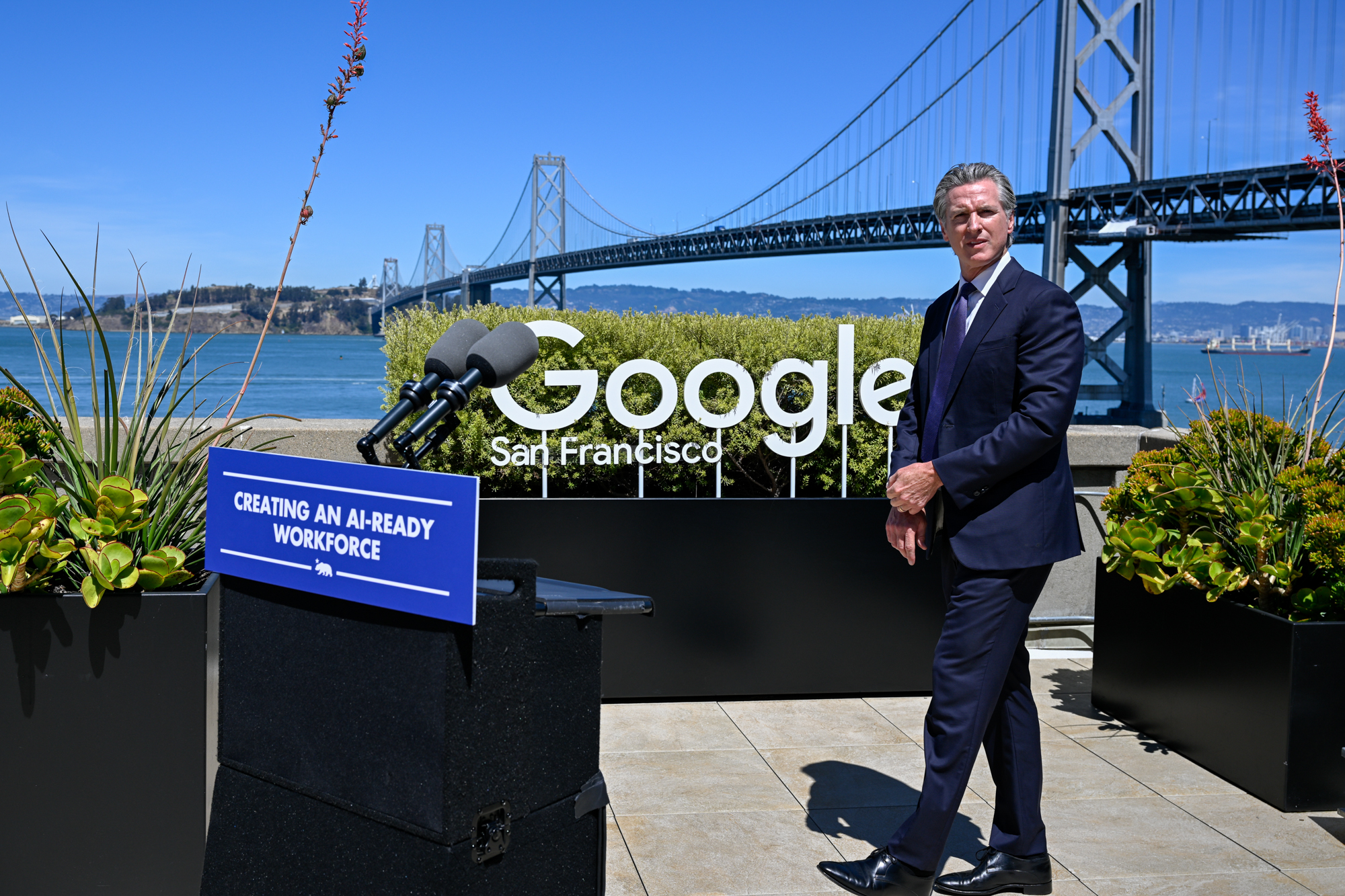
"attachmentsReducer": {
"audio_0": {
"type": "attachments",
"id": "audio_0",
"imgSizes": {
"kqedFullSize": {
"file": "https://ww2.kqed.org/news/wp-content/themes/KQED-unified/img/audio_bgs/background0.jpg"
}
}
},
"audio_1": {
"type": "attachments",
"id": "audio_1",
"imgSizes": {
"kqedFullSize": {
"file": "https://ww2.kqed.org/news/wp-content/themes/KQED-unified/img/audio_bgs/background1.jpg"
}
}
},
"audio_2": {
"type": "attachments",
"id": "audio_2",
"imgSizes": {
"kqedFullSize": {
"file": "https://ww2.kqed.org/news/wp-content/themes/KQED-unified/img/audio_bgs/background2.jpg"
}
}
},
"audio_3": {
"type": "attachments",
"id": "audio_3",
"imgSizes": {
"kqedFullSize": {
"file": "https://ww2.kqed.org/news/wp-content/themes/KQED-unified/img/audio_bgs/background3.jpg"
}
}
},
"audio_4": {
"type": "attachments",
"id": "audio_4",
"imgSizes": {
"kqedFullSize": {
"file": "https://ww2.kqed.org/news/wp-content/themes/KQED-unified/img/audio_bgs/background4.jpg"
}
}
},
"placeholder": {
"type": "attachments",
"id": "placeholder",
"imgSizes": {
"thumbnail": {
"file": "https://cdn.kqed.org/wp-content/uploads/2024/12/KQED-Default-Image-816638274-2000x1333-1-160x107.jpg",
"width": 160,
"height": 107,
"mimeType": "image/jpeg"
},
"medium": {
"file": "https://cdn.kqed.org/wp-content/uploads/2024/12/KQED-Default-Image-816638274-2000x1333-1-800x533.jpg",
"width": 800,
"height": 533,
"mimeType": "image/jpeg"
},
"medium_large": {
"file": "https://cdn.kqed.org/wp-content/uploads/2024/12/KQED-Default-Image-816638274-2000x1333-1-768x512.jpg",
"width": 768,
"height": 512,
"mimeType": "image/jpeg"
},
"large": {
"file": "https://cdn.kqed.org/wp-content/uploads/2024/12/KQED-Default-Image-816638274-2000x1333-1-1020x680.jpg",
"width": 1020,
"height": 680,
"mimeType": "image/jpeg"
},
"1536x1536": {
"file": "https://cdn.kqed.org/wp-content/uploads/2024/12/KQED-Default-Image-816638274-2000x1333-1-1536x1024.jpg",
"width": 1536,
"height": 1024,
"mimeType": "image/jpeg"
},
"fd-lrg": {
"file": "https://cdn.kqed.org/wp-content/uploads/2024/12/KQED-Default-Image-816638274-2000x1333-1-1536x1024.jpg",
"width": 1536,
"height": 1024,
"mimeType": "image/jpeg"
},
"fd-med": {
"file": "https://cdn.kqed.org/wp-content/uploads/2024/12/KQED-Default-Image-816638274-2000x1333-1-1020x680.jpg",
"width": 1020,
"height": 680,
"mimeType": "image/jpeg"
},
"fd-sm": {
"file": "https://cdn.kqed.org/wp-content/uploads/2024/12/KQED-Default-Image-816638274-2000x1333-1-800x533.jpg",
"width": 800,
"height": 533,
"mimeType": "image/jpeg"
},
"post-thumbnail": {
"file": "https://cdn.kqed.org/wp-content/uploads/2024/12/KQED-Default-Image-816638274-2000x1333-1-672x372.jpg",
"width": 672,
"height": 372,
"mimeType": "image/jpeg"
},
"twentyfourteen-full-width": {
"file": "https://cdn.kqed.org/wp-content/uploads/2024/12/KQED-Default-Image-816638274-2000x1333-1-1038x576.jpg",
"width": 1038,
"height": 576,
"mimeType": "image/jpeg"
},
"xxsmall": {
"file": "https://cdn.kqed.org/wp-content/uploads/2024/12/KQED-Default-Image-816638274-2000x1333-1-160x107.jpg",
"width": 160,
"height": 107,
"mimeType": "image/jpeg"
},
"xsmall": {
"file": "https://cdn.kqed.org/wp-content/uploads/2024/12/KQED-Default-Image-816638274-2000x1333-1-672x372.jpg",
"width": 672,
"height": 372,
"mimeType": "image/jpeg"
},
"small": {
"file": "https://cdn.kqed.org/wp-content/uploads/2024/12/KQED-Default-Image-816638274-2000x1333-1-672x372.jpg",
"width": 672,
"height": 372,
"mimeType": "image/jpeg"
},
"xlarge": {
"file": "https://cdn.kqed.org/wp-content/uploads/2024/12/KQED-Default-Image-816638274-2000x1333-1-1020x680.jpg",
"width": 1020,
"height": 680,
"mimeType": "image/jpeg"
},
"full-width": {
"file": "https://cdn.kqed.org/wp-content/uploads/2024/12/KQED-Default-Image-816638274-2000x1333-1-1920x1280.jpg",
"width": 1920,
"height": 1280,
"mimeType": "image/jpeg"
},
"guest-author-32": {
"file": "https://cdn.kqed.org/wp-content/uploads/2025/01/KQED-Default-Image-816638274-1333x1333-1-160x160.jpg",
"width": 32,
"height": 32,
"mimeType": "image/jpeg"
},
"guest-author-50": {
"file": "https://cdn.kqed.org/wp-content/uploads/2025/01/KQED-Default-Image-816638274-1333x1333-1-160x160.jpg",
"width": 50,
"height": 50,
"mimeType": "image/jpeg"
},
"guest-author-64": {
"file": "https://cdn.kqed.org/wp-content/uploads/2025/01/KQED-Default-Image-816638274-1333x1333-1-160x160.jpg",
"width": 64,
"height": 64,
"mimeType": "image/jpeg"
},
"guest-author-96": {
"file": "https://cdn.kqed.org/wp-content/uploads/2025/01/KQED-Default-Image-816638274-1333x1333-1-160x160.jpg",
"width": 96,
"height": 96,
"mimeType": "image/jpeg"
},
"guest-author-128": {
"file": "https://cdn.kqed.org/wp-content/uploads/2025/01/KQED-Default-Image-816638274-1333x1333-1-160x160.jpg",
"width": 128,
"height": 128,
"mimeType": "image/jpeg"
},
"detail": {
"file": "https://cdn.kqed.org/wp-content/uploads/2025/01/KQED-Default-Image-816638274-1333x1333-1-160x160.jpg",
"width": 160,
"height": 160,
"mimeType": "image/jpeg"
},
"kqedFullSize": {
"file": "https://cdn.kqed.org/wp-content/uploads/2024/12/KQED-Default-Image-816638274-2000x1333-1.jpg",
"width": 2000,
"height": 1333
}
}
},
"news_12052766": {
"type": "attachments",
"id": "news_12052766",
"meta": {
"index": "attachments_1716263798",
"site": "news",
"id": "12052766",
"found": true
},
"title": "Governor Newsom partners with world's leading tech companies to prepare Californians for AI future",
"publishDate": 1755621883,
"status": "inherit",
"parent": 12052617,
"modified": 1755625492,
"caption": "Governor Gavin Newsom speaks at the Google offices in San Francisco on August 7, 2025. President Donald Trump’s calls for a light regulatory touch on AI don’t appear to be intimidating California lawmakers as they push a flurry of bills. ",
"credit": "Tayfun Coskun/Anadolu via Getty Images",
"altTag": null,
"description": null,
"imgSizes": {
"thumbnail": {
"file": "https://cdn.kqed.org/wp-content/uploads/sites/10/2025/08/GETTYIMAGES-2228237489-KQED-160x107.jpg",
"width": 160,
"height": 107,
"mimeType": "image/jpeg"
},
"1536x1536": {
"file": "https://cdn.kqed.org/wp-content/uploads/sites/10/2025/08/GETTYIMAGES-2228237489-KQED-1536x1024.jpg",
"width": 1536,
"height": 1024,
"mimeType": "image/jpeg"
},
"post-thumbnail": {
"file": "https://cdn.kqed.org/wp-content/uploads/sites/10/2025/08/GETTYIMAGES-2228237489-KQED-672x372.jpg",
"width": 672,
"height": 372,
"mimeType": "image/jpeg"
},
"twentyfourteen-full-width": {
"file": "https://cdn.kqed.org/wp-content/uploads/sites/10/2025/08/GETTYIMAGES-2228237489-KQED-1038x576.jpg",
"width": 1038,
"height": 576,
"mimeType": "image/jpeg"
},
"kqedFullSize": {
"file": "https://cdn.kqed.org/wp-content/uploads/sites/10/2025/08/GETTYIMAGES-2228237489-KQED.jpg",
"width": 2000,
"height": 1333
}
},
"isLoading": false,
"fetchFailed": false
},
"news_12030646": {
"type": "attachments",
"id": "news_12030646",
"meta": {
"index": "attachments_1716263798",
"site": "news",
"id": "12030646",
"found": true
},
"title": "250310-TRUMP SF-MD-06-KQED",
"publishDate": 1741642336,
"status": "inherit",
"parent": 12032892,
"modified": 1742942029,
"caption": "San Francisco Mayor Daniel Lurie speaks at the opening of the new OpenAI headquarters in Mission Bay in San Francisco on March 10, 2025.",
"credit": "Martin do Nascimento/KQED",
"altTag": null,
"description": null,
"imgSizes": {
"medium": {
"file": "https://cdn.kqed.org/wp-content/uploads/sites/10/2025/03/250310-TRUMP-SF-MD-06-KQED-800x533.jpg",
"width": 800,
"height": 533,
"mimeType": "image/jpeg"
},
"large": {
"file": "https://cdn.kqed.org/wp-content/uploads/sites/10/2025/03/250310-TRUMP-SF-MD-06-KQED-1020x680.jpg",
"width": 1020,
"height": 680,
"mimeType": "image/jpeg"
},
"thumbnail": {
"file": "https://cdn.kqed.org/wp-content/uploads/sites/10/2025/03/250310-TRUMP-SF-MD-06-KQED-160x107.jpg",
"width": 160,
"height": 107,
"mimeType": "image/jpeg"
},
"1536x1536": {
"file": "https://cdn.kqed.org/wp-content/uploads/sites/10/2025/03/250310-TRUMP-SF-MD-06-KQED-1536x1024.jpg",
"width": 1536,
"height": 1024,
"mimeType": "image/jpeg"
},
"post-thumbnail": {
"file": "https://cdn.kqed.org/wp-content/uploads/sites/10/2025/03/250310-TRUMP-SF-MD-06-KQED-672x372.jpg",
"width": 672,
"height": 372,
"mimeType": "image/jpeg"
},
"twentyfourteen-full-width": {
"file": "https://cdn.kqed.org/wp-content/uploads/sites/10/2025/03/250310-TRUMP-SF-MD-06-KQED-1038x576.jpg",
"width": 1038,
"height": 576,
"mimeType": "image/jpeg"
},
"full-width": {
"file": "https://cdn.kqed.org/wp-content/uploads/sites/10/2025/03/250310-TRUMP-SF-MD-06-KQED-1920x1280.jpg",
"width": 1920,
"height": 1280,
"mimeType": "image/jpeg"
},
"kqedFullSize": {
"file": "https://cdn.kqed.org/wp-content/uploads/sites/10/2025/03/250310-TRUMP-SF-MD-06-KQED.jpg?ver=1741789324",
"width": 2000,
"height": 1333
}
},
"isLoading": false,
"fetchFailed": false
},
"news_12051991": {
"type": "attachments",
"id": "news_12051991",
"meta": {
"index": "attachments_1716263798",
"site": "news",
"id": "12051991",
"found": true
},
"title": "Gen Z Stare_web img",
"publishDate": 1755049132,
"status": "inherit",
"parent": 12051989,
"modified": 1755049818,
"caption": "An illustration features a browser window stacked with close-up images of eyes staring blankly—referencing the viral “Gen Z Stare.”",
"credit": "Illustration by Maya Cueva and Chris Egusa/KQED",
"altTag": "Illustration of a computer browser window with four stacked images showing pairs of eyes: the top from a classical painting, the second from a young person with dark eyebrows, the third from a small dog, and the fourth from another person staring blankly. A large pixelated cursor hovers on the right, and the background is pink with the words “Close All Tabs” in blocky white text.",
"description": null,
"imgSizes": {
"thumbnail": {
"file": "https://cdn.kqed.org/wp-content/uploads/sites/10/2025/08/Gen-Z-Stare_web-img-160x90.png",
"width": 160,
"height": 90,
"mimeType": "image/png"
},
"1536x1536": {
"file": "https://cdn.kqed.org/wp-content/uploads/sites/10/2025/08/Gen-Z-Stare_web-img-1536x864.png",
"width": 1536,
"height": 864,
"mimeType": "image/png"
},
"post-thumbnail": {
"file": "https://cdn.kqed.org/wp-content/uploads/sites/10/2025/08/Gen-Z-Stare_web-img-672x372.png",
"width": 672,
"height": 372,
"mimeType": "image/png"
},
"twentyfourteen-full-width": {
"file": "https://cdn.kqed.org/wp-content/uploads/sites/10/2025/08/Gen-Z-Stare_web-img-1038x576.png",
"width": 1038,
"height": 576,
"mimeType": "image/png"
},
"kqedFullSize": {
"file": "https://cdn.kqed.org/wp-content/uploads/sites/10/2025/08/Gen-Z-Stare_web-img.png",
"width": 1920,
"height": 1080
}
},
"isLoading": false,
"fetchFailed": false
},
"news_12003546": {
"type": "attachments",
"id": "news_12003546",
"meta": {
"index": "attachments_1716263798",
"site": "news",
"id": "12003546",
"found": true
},
"title": "AI Chatbot",
"publishDate": 1725826306,
"status": "inherit",
"parent": 12003542,
"modified": 1725826347,
"caption": null,
"credit": "Andriy Onufriyenko/Getty Images",
"altTag": "A digital generated image of abstract AI data chat icons flying over digital surface with codes.",
"description": null,
"imgSizes": {
"medium": {
"file": "https://cdn.kqed.org/wp-content/uploads/sites/10/2024/09/GettyImages-2080972792-800x533.jpg",
"width": 800,
"height": 533,
"mimeType": "image/jpeg"
},
"large": {
"file": "https://cdn.kqed.org/wp-content/uploads/sites/10/2024/09/GettyImages-2080972792-1020x680.jpg",
"width": 1020,
"height": 680,
"mimeType": "image/jpeg"
},
"thumbnail": {
"file": "https://cdn.kqed.org/wp-content/uploads/sites/10/2024/09/GettyImages-2080972792-160x107.jpg",
"width": 160,
"height": 107,
"mimeType": "image/jpeg"
},
"1536x1536": {
"file": "https://cdn.kqed.org/wp-content/uploads/sites/10/2024/09/GettyImages-2080972792-1536x1024.jpg",
"width": 1536,
"height": 1024,
"mimeType": "image/jpeg"
},
"2048x2048": {
"file": "https://cdn.kqed.org/wp-content/uploads/sites/10/2024/09/GettyImages-2080972792-2048x1365.jpg",
"width": 2048,
"height": 1365,
"mimeType": "image/jpeg"
},
"post-thumbnail": {
"file": "https://cdn.kqed.org/wp-content/uploads/sites/10/2024/09/GettyImages-2080972792-672x372.jpg",
"width": 672,
"height": 372,
"mimeType": "image/jpeg"
},
"twentyfourteen-full-width": {
"file": "https://cdn.kqed.org/wp-content/uploads/sites/10/2024/09/GettyImages-2080972792-1038x576.jpg",
"width": 1038,
"height": 576,
"mimeType": "image/jpeg"
},
"full-width": {
"file": "https://cdn.kqed.org/wp-content/uploads/sites/10/2024/09/GettyImages-2080972792-1920x1280.jpg",
"width": 1920,
"height": 1280,
"mimeType": "image/jpeg"
},
"kqedFullSize": {
"file": "https://cdn.kqed.org/wp-content/uploads/sites/10/2024/09/GettyImages-2080972792.jpg",
"width": 2121,
"height": 1414
}
},
"isLoading": false,
"fetchFailed": false
},
"news_12051437": {
"type": "attachments",
"id": "news_12051437",
"meta": {
"index": "attachments_1716263798",
"site": "news",
"id": "12051437",
"found": true
},
"title": "GavinNewsomAISF1",
"publishDate": 1754670249,
"status": "inherit",
"parent": 12051433,
"modified": 1754670737,
"caption": "On the rooftop of Google’s San Francisco offices on Aug. 7, 2025, Gov. Gavin Newsom announced a major statewide partnership with Google, Microsoft, IBM and Adobe to expand generative AI education — including training programs, certifications and internships — across California’s high schools, community colleges and Cal State universities.",
"credit": "Courtesy of the Office of the Governor",
"altTag": null,
"description": null,
"imgSizes": {
"thumbnail": {
"file": "https://cdn.kqed.org/wp-content/uploads/sites/10/2025/08/GavinNewsomAISF1-160x107.jpg",
"width": 160,
"height": 107,
"mimeType": "image/jpeg"
},
"1536x1536": {
"file": "https://cdn.kqed.org/wp-content/uploads/sites/10/2025/08/GavinNewsomAISF1-1536x1024.jpg",
"width": 1536,
"height": 1024,
"mimeType": "image/jpeg"
},
"post-thumbnail": {
"file": "https://cdn.kqed.org/wp-content/uploads/sites/10/2025/08/GavinNewsomAISF1-672x372.jpg",
"width": 672,
"height": 372,
"mimeType": "image/jpeg"
},
"twentyfourteen-full-width": {
"file": "https://cdn.kqed.org/wp-content/uploads/sites/10/2025/08/GavinNewsomAISF1-1038x576.jpg",
"width": 1038,
"height": 576,
"mimeType": "image/jpeg"
},
"kqedFullSize": {
"file": "https://cdn.kqed.org/wp-content/uploads/sites/10/2025/08/GavinNewsomAISF1.jpg",
"width": 2000,
"height": 1333
}
},
"isLoading": false,
"fetchFailed": false
},
"news_12051173": {
"type": "attachments",
"id": "news_12051173",
"meta": {
"index": "attachments_1716263798",
"site": "news",
"id": "12051173",
"found": true
},
"title": "250806_SCALEAI_ 0013_GH-KQED",
"publishDate": 1754519801,
"status": "inherit",
"parent": 0,
"modified": 1754519945,
"caption": "Katie Na (center) speaks to a crowd of about 50 people outside Scale AI’s San Francisco headquarters on Aug. 6, 2025, during a protest against the company’s Pentagon-funded AI military project, Thunderforge.",
"credit": "Gustavo Hernandez/KQED",
"altTag": null,
"description": null,
"imgSizes": {
"thumbnail": {
"file": "https://cdn.kqed.org/wp-content/uploads/sites/10/2025/08/250806_SCALEAI_-0013_GH-KQED-160x107.jpg",
"width": 160,
"height": 107,
"mimeType": "image/jpeg"
},
"1536x1536": {
"file": "https://cdn.kqed.org/wp-content/uploads/sites/10/2025/08/250806_SCALEAI_-0013_GH-KQED-1536x1024.jpg",
"width": 1536,
"height": 1024,
"mimeType": "image/jpeg"
},
"post-thumbnail": {
"file": "https://cdn.kqed.org/wp-content/uploads/sites/10/2025/08/250806_SCALEAI_-0013_GH-KQED-672x372.jpg",
"width": 672,
"height": 372,
"mimeType": "image/jpeg"
},
"twentyfourteen-full-width": {
"file": "https://cdn.kqed.org/wp-content/uploads/sites/10/2025/08/250806_SCALEAI_-0013_GH-KQED-1038x576.jpg",
"width": 1038,
"height": 576,
"mimeType": "image/jpeg"
},
"kqedFullSize": {
"file": "https://cdn.kqed.org/wp-content/uploads/sites/10/2025/08/250806_SCALEAI_-0013_GH-KQED.jpg",
"width": 2000,
"height": 1333
}
},
"isLoading": false,
"fetchFailed": false
},
"news_12051062": {
"type": "attachments",
"id": "news_12051062",
"meta": {
"index": "attachments_1716263798",
"site": "news",
"id": "12051062",
"found": true
},
"title": "Algospeak_web img",
"publishDate": 1754437212,
"status": "inherit",
"parent": 12051056,
"modified": 1754437259,
"caption": "Adam Aleksic, author of Algospeak: How Social Media Is Transforming the Future of Language. ",
"credit": "Graphic by Chris Egusa and Maya Cueva/KQED",
"altTag": "On the left is Adam Aleksic, a young man with short brown hair, glasses, and a trimmed beard, wearing a cream T-shirt and dark jacket, smiling at the camera. On the right is the cover of his book Algospeak: How Social Media Is Transforming the Future of Language, decorated with a pattern of small yellow emoji faces. The background is pink with layered browser‑style frames.",
"description": null,
"imgSizes": {
"thumbnail": {
"file": "https://cdn.kqed.org/wp-content/uploads/sites/10/2025/08/Algospeak_web-img-160x90.png",
"width": 160,
"height": 90,
"mimeType": "image/png"
},
"1536x1536": {
"file": "https://cdn.kqed.org/wp-content/uploads/sites/10/2025/08/Algospeak_web-img-1536x864.png",
"width": 1536,
"height": 864,
"mimeType": "image/png"
},
"post-thumbnail": {
"file": "https://cdn.kqed.org/wp-content/uploads/sites/10/2025/08/Algospeak_web-img-672x372.png",
"width": 672,
"height": 372,
"mimeType": "image/png"
},
"twentyfourteen-full-width": {
"file": "https://cdn.kqed.org/wp-content/uploads/sites/10/2025/08/Algospeak_web-img-1038x576.png",
"width": 1038,
"height": 576,
"mimeType": "image/png"
},
"kqedFullSize": {
"file": "https://cdn.kqed.org/wp-content/uploads/sites/10/2025/08/Algospeak_web-img.png",
"width": 1920,
"height": 1080
}
},
"isLoading": false,
"fetchFailed": false
},
"news_12007626": {
"type": "attachments",
"id": "news_12007626",
"meta": {
"index": "attachments_1716263798",
"site": "news",
"id": "12007626",
"found": true
},
"title": "ice-protests-ai-police",
"publishDate": 1727911196,
"status": "inherit",
"parent": 0,
"modified": 1749858352,
"caption": "East Palo Alto Police Officer Wendy Venegas reviews body camera footage and uses Axon's Draft One AI-based system to draft reports based on the audio from the camera at police headquarters in East Palo Alto on Sept. 23, 2024.",
"credit": "Martin do Nascimento/KQED",
"altTag": null,
"description": null,
"imgSizes": {
"medium": {
"file": "https://cdn.kqed.org/wp-content/uploads/sites/10/2024/10/240923-AI-IN-POLICING-MD-13_qed-800x533.jpg",
"width": 800,
"height": 533,
"mimeType": "image/jpeg"
},
"large": {
"file": "https://cdn.kqed.org/wp-content/uploads/sites/10/2024/10/240923-AI-IN-POLICING-MD-13_qed-1020x680.jpg",
"width": 1020,
"height": 680,
"mimeType": "image/jpeg"
},
"thumbnail": {
"file": "https://cdn.kqed.org/wp-content/uploads/sites/10/2024/10/240923-AI-IN-POLICING-MD-13_qed-160x107.jpg",
"width": 160,
"height": 107,
"mimeType": "image/jpeg"
},
"1536x1536": {
"file": "https://cdn.kqed.org/wp-content/uploads/sites/10/2024/10/240923-AI-IN-POLICING-MD-13_qed-1536x1024.jpg",
"width": 1536,
"height": 1024,
"mimeType": "image/jpeg"
},
"post-thumbnail": {
"file": "https://cdn.kqed.org/wp-content/uploads/sites/10/2024/10/240923-AI-IN-POLICING-MD-13_qed-672x372.jpg",
"width": 672,
"height": 372,
"mimeType": "image/jpeg"
},
"twentyfourteen-full-width": {
"file": "https://cdn.kqed.org/wp-content/uploads/sites/10/2024/10/240923-AI-IN-POLICING-MD-13_qed-1038x576.jpg",
"width": 1038,
"height": 576,
"mimeType": "image/jpeg"
},
"full-width": {
"file": "https://cdn.kqed.org/wp-content/uploads/sites/10/2024/10/240923-AI-IN-POLICING-MD-13_qed-1920x1280.jpg",
"width": 1920,
"height": 1280,
"mimeType": "image/jpeg"
},
"kqedFullSize": {
"file": "https://cdn.kqed.org/wp-content/uploads/sites/10/2024/10/240923-AI-IN-POLICING-MD-13_qed.jpg",
"width": 2000,
"height": 1333
}
},
"isLoading": false,
"fetchFailed": false
},
"news_12049810": {
"type": "attachments",
"id": "news_12049810",
"meta": {
"index": "attachments_1716263798",
"site": "news",
"id": "12049810",
"found": true
},
"title": "IMG_1101",
"publishDate": 1753472081,
"status": "inherit",
"parent": 12049674,
"modified": 1753472110,
"caption": "In a time when many Americans are stepping away from traditional religious worship, standard-issue chatbots like ChatGPT are now fielding questions that once would have been directed to spiritual leaders such as imams, priests and rabbis. ",
"credit": "Illustration by Anna Vignet/KQED",
"altTag": null,
"description": null,
"imgSizes": {
"medium": {
"file": "https://cdn.kqed.org/wp-content/uploads/sites/10/2025/07/IMG_1101-2000x1500.jpg",
"width": 2000,
"height": 1500,
"mimeType": "image/jpeg"
},
"large": {
"file": "https://cdn.kqed.org/wp-content/uploads/sites/10/2025/07/IMG_1101-2000x1500.jpg",
"width": 2000,
"height": 1500,
"mimeType": "image/jpeg"
},
"thumbnail": {
"file": "https://cdn.kqed.org/wp-content/uploads/sites/10/2025/07/IMG_1101-160x120.jpg",
"width": 160,
"height": 120,
"mimeType": "image/jpeg"
},
"1536x1536": {
"file": "https://cdn.kqed.org/wp-content/uploads/sites/10/2025/07/IMG_1101-1536x1152.jpg",
"width": 1536,
"height": 1152,
"mimeType": "image/jpeg"
},
"2048x2048": {
"file": "https://cdn.kqed.org/wp-content/uploads/sites/10/2025/07/IMG_1101-2048x1536.jpg",
"width": 2048,
"height": 1536,
"mimeType": "image/jpeg"
},
"post-thumbnail": {
"file": "https://cdn.kqed.org/wp-content/uploads/sites/10/2025/07/IMG_1101-672x372.jpg",
"width": 672,
"height": 372,
"mimeType": "image/jpeg"
},
"twentyfourteen-full-width": {
"file": "https://cdn.kqed.org/wp-content/uploads/sites/10/2025/07/IMG_1101-1038x576.jpg",
"width": 1038,
"height": 576,
"mimeType": "image/jpeg"
},
"full-width": {
"file": "https://cdn.kqed.org/wp-content/uploads/sites/10/2025/07/IMG_1101-2000x1500.jpg",
"width": 2000,
"height": 1500,
"mimeType": "image/jpeg"
},
"kqedFullSize": {
"file": "https://cdn.kqed.org/wp-content/uploads/sites/10/2025/07/IMG_1101.jpg",
"width": 2560,
"height": 1920
}
},
"isLoading": false,
"fetchFailed": false
},
"news_12050194": {
"type": "attachments",
"id": "news_12050194",
"meta": {
"index": "attachments_1716263798",
"site": "news",
"id": "12050194",
"found": true
},
"title": "CAT — Save or Scroll with Daysia Tolentino and Moises Mendez II",
"publishDate": 1753838040,
"status": "inherit",
"parent": 12050185,
"modified": 1753839125,
"caption": "Labubus, matcha, and Dubai chocolate are all internet sensations on their own. Together, they create a potent buzzword cocktail that’s bound to generate clicks.",
"credit": "Image by Morgan Sung and Maya Cueva/KQED",
"altTag": "A pointy-toothed plushy doll called a Labubu is wearing a Dodgers hat and is next to a matcha drink and dubai chocolate. The images have a glitched effect, and sit within a browser window in the middle of the screen. The background is a pink and purple gradient. To the left of the Labubu is a person with long dark hair placed within a graphic browser window. On the right side is a person with short cropped dark hair and a collared shirt, also sitting within a browser window. The words “Close All Tabs” appear in pixelated white font in the lower left corner of the image and a black and white cursor icon hovers near the middle of the screen.",
"description": null,
"imgSizes": {
"thumbnail": {
"file": "https://cdn.kqed.org/wp-content/uploads/sites/10/2025/07/CAT-—-Save-or-Scroll-with-Daysia-Tolentino-and-Moises-Mendez-II-160x90.png",
"width": 160,
"height": 90,
"mimeType": "image/png"
},
"1536x1536": {
"file": "https://cdn.kqed.org/wp-content/uploads/sites/10/2025/07/CAT-—-Save-or-Scroll-with-Daysia-Tolentino-and-Moises-Mendez-II-1536x864.png",
"width": 1536,
"height": 864,
"mimeType": "image/png"
},
"post-thumbnail": {
"file": "https://cdn.kqed.org/wp-content/uploads/sites/10/2025/07/CAT-—-Save-or-Scroll-with-Daysia-Tolentino-and-Moises-Mendez-II-672x372.png",
"width": 672,
"height": 372,
"mimeType": "image/png"
},
"twentyfourteen-full-width": {
"file": "https://cdn.kqed.org/wp-content/uploads/sites/10/2025/07/CAT-—-Save-or-Scroll-with-Daysia-Tolentino-and-Moises-Mendez-II-1038x576.png",
"width": 1038,
"height": 576,
"mimeType": "image/png"
},
"kqedFullSize": {
"file": "https://cdn.kqed.org/wp-content/uploads/sites/10/2025/07/CAT-—-Save-or-Scroll-with-Daysia-Tolentino-and-Moises-Mendez-II.png",
"width": 1920,
"height": 1080
}
},
"isLoading": false,
"fetchFailed": false
},
"news_12050029": {
"type": "attachments",
"id": "news_12050029",
"meta": {
"index": "attachments_1716263798",
"site": "news",
"id": "12050029",
"found": true
},
"title": "ttscribe_upscaled_webimg",
"publishDate": 1753730145,
"status": "inherit",
"parent": 12050027,
"modified": 1753730426,
"caption": "Scanning technician Lan Zhu digitizes a manuscript at the Internet Archive.",
"credit": "Photo courtesy of the Internet Archive",
"altTag": "A scanning technician at the Internet Archive sits at a digitization station, carefully turning the pages of a large manuscript under angled glass. Above her, two digital cameras are mounted to capture high-resolution images of each page as she turns them by hand. The glass enclosure helps keep the pages flat while protecting the material. The Close All Tabs logo appears in pixelated font in the lower right corner.",
"description": null,
"imgSizes": {
"thumbnail": {
"file": "https://cdn.kqed.org/wp-content/uploads/sites/10/2025/07/ttscribe_upscaled_webimg-160x90.png",
"width": 160,
"height": 90,
"mimeType": "image/png"
},
"1536x1536": {
"file": "https://cdn.kqed.org/wp-content/uploads/sites/10/2025/07/ttscribe_upscaled_webimg-1536x864.png",
"width": 1536,
"height": 864,
"mimeType": "image/png"
},
"post-thumbnail": {
"file": "https://cdn.kqed.org/wp-content/uploads/sites/10/2025/07/ttscribe_upscaled_webimg-672x372.png",
"width": 672,
"height": 372,
"mimeType": "image/png"
},
"twentyfourteen-full-width": {
"file": "https://cdn.kqed.org/wp-content/uploads/sites/10/2025/07/ttscribe_upscaled_webimg-1038x576.png",
"width": 1038,
"height": 576,
"mimeType": "image/png"
},
"kqedFullSize": {
"file": "https://cdn.kqed.org/wp-content/uploads/sites/10/2025/07/ttscribe_upscaled_webimg.png",
"width": 1920,
"height": 1080
}
},
"isLoading": false,
"fetchFailed": false
},
"news_12049892": {
"type": "attachments",
"id": "news_12049892",
"meta": {
"index": "attachments_1716263798",
"site": "news",
"id": "12049892",
"found": true
},
"title": "250725-SJPOWER-JG-1_qed",
"publishDate": 1753489186,
"status": "inherit",
"parent": 12049830,
"modified": 1753489199,
"caption": "A portion of the infrastructure at PG&E’s Los Esteros Substation in Milpitas is seen on July 25, 2025.",
"credit": "Joseph Geha/KQED",
"altTag": null,
"description": null,
"imgSizes": {
"thumbnail": {
"file": "https://cdn.kqed.org/wp-content/uploads/sites/10/2025/07/250725-SJPOWER-JG-1_qed-160x107.jpg",
"width": 160,
"height": 107,
"mimeType": "image/jpeg"
},
"1536x1536": {
"file": "https://cdn.kqed.org/wp-content/uploads/sites/10/2025/07/250725-SJPOWER-JG-1_qed-1536x1024.jpg",
"width": 1536,
"height": 1024,
"mimeType": "image/jpeg"
},
"post-thumbnail": {
"file": "https://cdn.kqed.org/wp-content/uploads/sites/10/2025/07/250725-SJPOWER-JG-1_qed-672x372.jpg",
"width": 672,
"height": 372,
"mimeType": "image/jpeg"
},
"twentyfourteen-full-width": {
"file": "https://cdn.kqed.org/wp-content/uploads/sites/10/2025/07/250725-SJPOWER-JG-1_qed-1038x576.jpg",
"width": 1038,
"height": 576,
"mimeType": "image/jpeg"
},
"kqedFullSize": {
"file": "https://cdn.kqed.org/wp-content/uploads/sites/10/2025/07/250725-SJPOWER-JG-1_qed.jpg",
"width": 1999,
"height": 1333
}
},
"isLoading": false,
"fetchFailed": false
}
},
"audioPlayerReducer": {
"postId": "stream_live",
"isPaused": true,
"isPlaying": false,
"pfsActive": false,
"pledgeModalIsOpen": true,
"playerDrawerIsOpen": false,
"liveAudioPlayStartedAt": 0,
"liveAudioPlayContext": ""
},
"authorsReducer": {
"rachael-myrow": {
"type": "authors",
"id": "251",
"meta": {
"index": "authors_1716337520",
"id": "251",
"found": true
},
"name": "Rachael Myrow",
"firstName": "Rachael",
"lastName": "Myrow",
"slug": "rachael-myrow",
"email": "rmyrow@kqed.org",
"display_author_email": true,
"staff_mastheads": [
"news"
],
"title": "Senior Editor of KQED's Silicon Valley News Desk",
"bio": "• I write and edit stories about how Silicon Valley power and policies shape everyday life in California. I’m also passionate about making Bay Area history and culture more accessible to a broad public. • I’ve been a journalist for most of my life, starting in high school with The Franklin Press in Los Angeles, where I grew up. While earning my first degree in English at UC Berkeley, I got my start in public radio at KALX-FM. After completing a second degree in journalism at Cal, I landed my first professional job at Marketplace, then moved on to KPCC (now LAist), and then KQED, where I hosted The California Report for more than seven years. • My reporting has appeared on NPR, The World, WBUR’s \u003ci>Here & Now\u003c/i>, and the BBC. I also guest host for KQED’s \u003ci>Forum\u003c/i>, as well as the Commonwealth Club in San Francisco. • I speak periodically on media, democracy and technology issues, and do voiceover work for documentaries and educational video projects. • Outside of the studio, you'll find me hiking Bay Area trails and whipping up Insta-ready meals in my kitchen. • I do not accept gifts, money, or favors from anyone connected to my reporting, I don't pay people for information, and I do not support or donate to political causes. • I strive to treat the people I report on with fairness, honesty, and respect. I also recognize there are often multiple sides to a story and work to verify information through multiple sources and documentation. If I get something wrong, I correct it.",
"avatar": "https://secure.gravatar.com/avatar/3ed8a3c5f26025e4a805ba634cda8cd764906b97438a6d9ce216b044e340da4e?s=600&d=blank&r=g",
"twitter": "rachaelmyrow",
"bluesky": null,
"facebook": null,
"instagram": null,
"linkedin": "https://www.linkedin.com/in/rachaelmyrow/",
"sites": [
{
"site": "arts",
"roles": [
"administrator"
]
},
{
"site": "news",
"roles": [
"edit_others_posts",
"editor"
]
},
{
"site": "futureofyou",
"roles": [
"editor"
]
},
{
"site": "bayareabites",
"roles": [
"editor"
]
},
{
"site": "stateofhealth",
"roles": [
"editor"
]
},
{
"site": "science",
"roles": [
"editor"
]
},
{
"site": "food",
"roles": [
"editor"
]
},
{
"site": "forum",
"roles": [
"editor"
]
},
{
"site": "liveblog",
"roles": [
"author"
]
}
],
"headData": {
"title": "Rachael Myrow | KQED",
"description": "Senior Editor of KQED's Silicon Valley News Desk",
"ogImgSrc": "https://secure.gravatar.com/avatar/3ed8a3c5f26025e4a805ba634cda8cd764906b97438a6d9ce216b044e340da4e?s=600&d=blank&r=g",
"twImgSrc": "https://secure.gravatar.com/avatar/3ed8a3c5f26025e4a805ba634cda8cd764906b97438a6d9ce216b044e340da4e?s=600&d=blank&r=g"
},
"isLoading": false,
"link": "/author/rachael-myrow"
},
"scottshafer": {
"type": "authors",
"id": "255",
"meta": {
"index": "authors_1716337520",
"id": "255",
"found": true
},
"name": "Scott Shafer",
"firstName": "Scott",
"lastName": "Shafer",
"slug": "scottshafer",
"email": "sshafer@kqed.org",
"display_author_email": false,
"staff_mastheads": [
"news"
],
"title": "KQED Contributor",
"bio": "Scott Shafer is a senior editor with the KQED Politics and Government desk. He is co-host of Political Breakdown, the award-winning radio show and podcast with a personal take on the world of politics. Scott came to KQED in 1998 to host the statewide\u003cem> California Report\u003c/em>. Prior to that he had extended stints in politics and government\u003cem>.\u003c/em> He uses that inside experience at KQED in his, reporting, hosting and analysis for the politics desk. Scott collaborated \u003cem>Political Breakdown a\u003c/em>nd on \u003cem>The Political Mind of Jerry Brown, \u003c/em>an eight-part series about the life and extraordinary political career of the former governor. For fun, he plays water polo with the San Francisco Tsunami.",
"avatar": "https://secure.gravatar.com/avatar/a62ebae45b79d7aed1a39a0e3bf68104?s=600&d=blank&r=g",
"twitter": "scottshafer",
"bluesky": null,
"facebook": null,
"instagram": null,
"linkedin": null,
"sites": [
{
"site": "news",
"roles": [
"editor"
]
},
{
"site": "stateofhealth",
"roles": [
"author"
]
},
{
"site": "science",
"roles": [
"author"
]
},
{
"site": "forum",
"roles": [
"subscriber"
]
},
{
"site": "liveblog",
"roles": [
"author"
]
}
],
"headData": {
"title": "Scott Shafer | KQED",
"description": "KQED Contributor",
"ogImgSrc": "https://secure.gravatar.com/avatar/a62ebae45b79d7aed1a39a0e3bf68104?s=600&d=blank&r=g",
"twImgSrc": "https://secure.gravatar.com/avatar/a62ebae45b79d7aed1a39a0e3bf68104?s=600&d=blank&r=g"
},
"isLoading": false,
"link": "/author/scottshafer"
},
"ecruzguevarra": {
"type": "authors",
"id": "8654",
"meta": {
"index": "authors_1716337520",
"id": "8654",
"found": true
},
"name": "Ericka Cruz Guevarra",
"firstName": "Ericka",
"lastName": "Cruz Guevarra",
"slug": "ecruzguevarra",
"email": "ecruzguevarra@kqed.org",
"display_author_email": true,
"staff_mastheads": [
"news"
],
"title": "Producer, The Bay Podcast",
"bio": "Ericka Cruz Guevarra is host of \u003ca href=\"https://www.kqed.org/podcasts/thebay\">\u003cem>The Bay\u003c/em>\u003c/a> podcast at KQED. Before host, she was the show’s producer. Her work in that capacity includes a three-part reported series on policing in Vallejo, which won a 2020 excellence in journalism award from the Society of Professional Journalists. Ericka has worked as a breaking news reporter at Oregon Public Broadcasting, helped produce the Code Switch podcast, and was KQED’s inaugural Raul Ramirez Diversity Fund intern. She’s also an alumna of NPR’s Next Generation Radio program. Send her an email if you have strong feelings about whether Fairfield and Suisun City are the Bay. Ericka is represented by SAG-AFTRA.",
"avatar": "https://secure.gravatar.com/avatar/accefc1de4bafc7e234b69bcb9b6f6536c130fd84709bc3069ef11a78787e1bb?s=600&d=blank&r=g",
"twitter": "NotoriousECG",
"bluesky": null,
"facebook": null,
"instagram": null,
"linkedin": null,
"sites": [
{
"site": "arts",
"roles": [
"subscriber"
]
},
{
"site": "news",
"roles": [
"editor",
"manage_categories"
]
},
{
"site": "futureofyou",
"roles": [
"subscriber"
]
},
{
"site": "stateofhealth",
"roles": [
"subscriber"
]
},
{
"site": "science",
"roles": [
"editor"
]
},
{
"site": "forum",
"roles": [
"subscriber"
]
}
],
"headData": {
"title": "Ericka Cruz Guevarra | KQED",
"description": "Producer, The Bay Podcast",
"ogImgSrc": "https://secure.gravatar.com/avatar/accefc1de4bafc7e234b69bcb9b6f6536c130fd84709bc3069ef11a78787e1bb?s=600&d=blank&r=g",
"twImgSrc": "https://secure.gravatar.com/avatar/accefc1de4bafc7e234b69bcb9b6f6536c130fd84709bc3069ef11a78787e1bb?s=600&d=blank&r=g"
},
"isLoading": false,
"link": "/author/ecruzguevarra"
},
"slewis": {
"type": "authors",
"id": "8676",
"meta": {
"index": "authors_1716337520",
"id": "8676",
"found": true
},
"name": "Sukey Lewis",
"firstName": "Sukey",
"lastName": "Lewis",
"slug": "slewis",
"email": "slewis@kqed.org",
"display_author_email": true,
"staff_mastheads": [
"news"
],
"title": "KQED Contributor",
"bio": "Sukey Lewis is a criminal justice reporter and host of \u003cem>On Our Watch\u003c/em>, a new podcast from NPR and KQED about the shadow world of police discipline. In 2018, she co-founded the California Reporting Project, a coalition of newsrooms across the state focused on obtaining previously sealed internal affairs records from law enforcement. In addition to her reporting on police accountability, Sukey has investigated the bail bonds industry, California's wildfires and the high cost of prison phone calls. Sukey earned a master's degree in journalism from the University of California at Berkeley. Send news tips to slewis@kqed.org.",
"avatar": "https://secure.gravatar.com/avatar/03fd6b21024f99d8b0a1966654586de7?s=600&d=blank&r=g",
"twitter": "SukeyLewis",
"facebook": null,
"instagram": null,
"linkedin": null,
"sites": [
{
"site": "news",
"roles": [
"author",
"edit_others_posts"
]
}
],
"headData": {
"title": "Sukey Lewis | KQED",
"description": "KQED Contributor",
"ogImgSrc": "https://secure.gravatar.com/avatar/03fd6b21024f99d8b0a1966654586de7?s=600&d=blank&r=g",
"twImgSrc": "https://secure.gravatar.com/avatar/03fd6b21024f99d8b0a1966654586de7?s=600&d=blank&r=g"
},
"isLoading": false,
"link": "/author/slewis"
},
"amontecillo": {
"type": "authors",
"id": "11649",
"meta": {
"index": "authors_1716337520",
"id": "11649",
"found": true
},
"name": "Alan Montecillo",
"firstName": "Alan",
"lastName": "Montecillo",
"slug": "amontecillo",
"email": "amontecillo@kqed.org",
"display_author_email": false,
"staff_mastheads": [
"news"
],
"title": "KQED Contributor",
"bio": "Alan Montecillo is the senior editor of \u003cem>\u003ca href=\"http://kqed.org/thebay\">The Bay\u003c/a>, \u003c/em> KQED's local news podcast. Before moving to the Bay Area, he worked as a senior talk show producer for WILL in Champaign-Urbana, Illinois and at Oregon Public Broadcasting in Portland, Oregon. He has won journalism awards from the Society of Professional Journalists Northern California, the Public Media Journalists Association, The Signal Awards, and has also received a regional Edward R. Murrow award. Alan is a Filipino American from Hong Kong and a graduate of Reed College.",
"avatar": "https://secure.gravatar.com/avatar/268f53a2066899ea9efdd8a5900218b17c822d9862cbc9326cccec53ef41d349?s=600&d=blank&r=g",
"twitter": "alanmontecillo",
"bluesky": null,
"facebook": null,
"instagram": null,
"linkedin": null,
"sites": [
{
"site": "",
"roles": [
"editor"
]
},
{
"site": "news",
"roles": [
"editor",
"manage_categories"
]
}
],
"headData": {
"title": "Alan Montecillo | KQED",
"description": "KQED Contributor",
"ogImgSrc": "https://secure.gravatar.com/avatar/268f53a2066899ea9efdd8a5900218b17c822d9862cbc9326cccec53ef41d349?s=600&d=blank&r=g",
"twImgSrc": "https://secure.gravatar.com/avatar/268f53a2066899ea9efdd8a5900218b17c822d9862cbc9326cccec53ef41d349?s=600&d=blank&r=g"
},
"isLoading": false,
"link": "/author/amontecillo"
},
"cegusa": {
"type": "authors",
"id": "11869",
"meta": {
"index": "authors_1716337520",
"id": "11869",
"found": true
},
"name": "Chris Egusa",
"firstName": "Chris",
"lastName": "Egusa",
"slug": "cegusa",
"email": "cegusa@kqed.org",
"display_author_email": false,
"staff_mastheads": [],
"title": "KQED Contributor",
"bio": null,
"avatar": "https://secure.gravatar.com/avatar/3562ed52747313a4c94017da88ea89f9e85cd901f63ebc056a7d5e0adf4a03da?s=600&d=blank&r=g",
"twitter": null,
"bluesky": null,
"facebook": null,
"instagram": null,
"linkedin": null,
"sites": [
{
"site": "arts",
"roles": [
"editor"
]
},
{
"site": "news",
"roles": [
"editor"
]
}
],
"headData": {
"title": "Chris Egusa | KQED",
"description": "KQED Contributor",
"ogImgSrc": "https://secure.gravatar.com/avatar/3562ed52747313a4c94017da88ea89f9e85cd901f63ebc056a7d5e0adf4a03da?s=600&d=blank&r=g",
"twImgSrc": "https://secure.gravatar.com/avatar/3562ed52747313a4c94017da88ea89f9e85cd901f63ebc056a7d5e0adf4a03da?s=600&d=blank&r=g"
},
"isLoading": false,
"link": "/author/cegusa"
},
"jgeha": {
"type": "authors",
"id": "11906",
"meta": {
"index": "authors_1716337520",
"id": "11906",
"found": true
},
"name": "Joseph Geha",
"firstName": "Joseph",
"lastName": "Geha",
"slug": "jgeha",
"email": "jgeha@kqed.org",
"display_author_email": false,
"staff_mastheads": [
"news",
"science"
],
"title": "KQED Contributor",
"bio": null,
"avatar": "https://secure.gravatar.com/avatar/ea84d2b6dd93d6369d453edf19dd583f117cd1759d2d9c9c92f9de77017354fe?s=600&d=blank&r=g",
"twitter": null,
"bluesky": null,
"facebook": null,
"instagram": null,
"linkedin": null,
"sites": [
{
"site": "news",
"roles": [
"editor"
]
},
{
"site": "liveblog",
"roles": [
"author"
]
}
],
"headData": {
"title": "Joseph Geha | KQED",
"description": "KQED Contributor",
"ogImgSrc": "https://secure.gravatar.com/avatar/ea84d2b6dd93d6369d453edf19dd583f117cd1759d2d9c9c92f9de77017354fe?s=600&d=blank&r=g",
"twImgSrc": "https://secure.gravatar.com/avatar/ea84d2b6dd93d6369d453edf19dd583f117cd1759d2d9c9c92f9de77017354fe?s=600&d=blank&r=g"
},
"isLoading": false,
"link": "/author/jgeha"
},
"mcueva": {
"type": "authors",
"id": "11943",
"meta": {
"index": "authors_1716337520",
"id": "11943",
"found": true
},
"name": "Maya Cueva",
"firstName": "Maya",
"lastName": "Cueva",
"slug": "mcueva",
"email": "mcueva@kqed.org",
"display_author_email": false,
"staff_mastheads": [],
"title": "KQED Contributor",
"bio": null,
"avatar": "https://secure.gravatar.com/avatar/238c7aba67c4b6b7b891965ba8cc9e9a4928b5dbdeaf4bde6a81c13e87f49b49?s=600&d=blank&r=g",
"twitter": null,
"bluesky": null,
"facebook": null,
"instagram": null,
"linkedin": null,
"sites": [
{
"site": "news",
"roles": [
"editor"
]
}
],
"headData": {
"title": "Maya Cueva | KQED",
"description": "KQED Contributor",
"ogImgSrc": "https://secure.gravatar.com/avatar/238c7aba67c4b6b7b891965ba8cc9e9a4928b5dbdeaf4bde6a81c13e87f49b49?s=600&d=blank&r=g",
"twImgSrc": "https://secure.gravatar.com/avatar/238c7aba67c4b6b7b891965ba8cc9e9a4928b5dbdeaf4bde6a81c13e87f49b49?s=600&d=blank&r=g"
},
"isLoading": false,
"link": "/author/mcueva"
},
"msung": {
"type": "authors",
"id": "11944",
"meta": {
"index": "authors_1716337520",
"id": "11944",
"found": true
},
"name": "Morgan Sung",
"firstName": "Morgan",
"lastName": "Sung",
"slug": "msung",
"email": "msung@kqed.org",
"display_author_email": false,
"staff_mastheads": [],
"title": "Close All Tabs Host",
"bio": null,
"avatar": "https://secure.gravatar.com/avatar/34033b8d232ee6c987ca6f0a1a28f0e5?s=600&d=blank&r=g",
"twitter": null,
"facebook": null,
"instagram": null,
"linkedin": null,
"sites": [
{
"site": "news",
"roles": [
"editor"
]
}
],
"headData": {
"title": "Morgan Sung | KQED",
"description": "Close All Tabs Host",
"ogImgSrc": "https://secure.gravatar.com/avatar/34033b8d232ee6c987ca6f0a1a28f0e5?s=600&d=blank&r=g",
"twImgSrc": "https://secure.gravatar.com/avatar/34033b8d232ee6c987ca6f0a1a28f0e5?s=600&d=blank&r=g"
},
"isLoading": false,
"link": "/author/msung"
}
},
"pagesReducer": {
"news_tag_technology": {
"type": "terms",
"id": "news_1631",
"meta": {
"index": "terms_1716263798",
"site": "news",
"id": "1631",
"score": 6.9278607
},
"name": "Technology",
"slug": "technology",
"taxonomy": "tag",
"description": null,
"featImg": null,
"headData": {
"title": "Technology | KQED News",
"description": null,
"ogTitle": null,
"ogDescription": null,
"ogImgId": null,
"twTitle": null,
"twDescription": null,
"twImgId": null
},
"ttid": 1643,
"isLoading": false,
"title": "Technology",
"pageMeta": {
"site": "news",
"WpPageTemplate": "page-topic-editorial",
"currentPage": 16
},
"blocks": [
{
"blockName": "kqed/post-list",
"attrs": {
"layout": "cardArticle2",
"query": "posts/news?tag=technology",
"seeMore": false,
"paginated": true,
"page": 16
}
},
{
"blockName": "kqed/ad"
}
]
}
},
"pfsSessionReducer": {},
"postsReducer": {
"stream_live": {
"type": "live",
"id": "stream_live",
"audioUrl": "https://streams.kqed.org/kqedradio",
"title": "Live Stream",
"excerpt": "Live Stream information currently unavailable.",
"link": "/radio",
"featImg": "",
"label": {
"name": "KQED Live",
"link": "/"
}
},
"stream_kqedNewscast": {
"type": "posts",
"id": "stream_kqedNewscast",
"audioUrl": "https://www.kqed.org/.stream/anon/radio/RDnews/newscast.mp3?_=1",
"title": "KQED Newscast",
"featImg": "",
"label": {
"name": "88.5 FM",
"link": "/"
}
},
"news_12052617": {
"type": "posts",
"id": "news_12052617",
"meta": {
"index": "posts_1716263798",
"site": "news",
"id": "12052617",
"score": null,
"sort": [
1755612009000
]
},
"guestAuthors": [],
"slug": "newsoms-tightrope-walk-between-ai-regulation-and-silicon-valley-cash",
"title": "Newsom’s Tightrope Walk Between AI Regulation and Silicon Valley Cash",
"publishDate": 1755612009,
"format": "standard",
"headTitle": "Newsom’s Tightrope Walk Between AI Regulation and Silicon Valley Cash | KQED",
"labelTerm": {
"site": "news"
},
"content": "\u003cp>As Gov. Gavin Newsom eyes a \u003ca href=\"https://www.kqed.org/news/12043766/newsom-tries-to-find-political-footing-in-clash-with-trump\">potential run for the White House\u003c/a>, he faces a political challenge on the homefront. Roughly 30 AI-related bills are moving through the state Legislature in the last weeks of this legislative session, and it’s estimated a dozen or so will land on Newsom’s desk.\u003c/p>\n\u003cp>Does he veto all or most of them to mollify Silicon Valley donors? Or does he defy President Donald Trump’s industry-friendly light touch and model a tougher state stance on regulation?\u003c/p>\n\u003cp>At an Aug. 7 event announcing \u003ca href=\"https://www.kqed.org/news/12051433/california-teams-with-google-microsoft-ibm-adobe-to-prepare-students-for-ai-era\">AI training partnerships\u003c/a> with Adobe, Google, IBM and Microsoft, Newsom told reporters he is trying to establish a middle ground that provides guardrails for public safety without squelching innovation: “We’ve led in AI innovation, and we’ve led in AI regulation, but we’re trying to find a balance.”\u003c/p>\n\u003cp>[ad fullwidth]\u003c/p>\n\u003cp>Newsom noted that, even though he vetoed the most \u003ca href=\"https://www.kqed.org/news/12000892/ai-safety-testing-bill-heads-for-a-floor-vote-in-sacramento-taking-heavy-fire-from-silicon-valley\">controversial bill\u003c/a> of the last legislative session, he ultimately signed 18 AI-related bills into law, addressing everything from training data transparency to deepfakes.\u003c/p>\n\u003cp>Industry voices, chief among them OpenAI’s Chief Global Affairs Officer Chris Lehane, continue to lobby against binding regulation at all levels of government. Lehane often appears to be speaking to California in his public posts.\u003c/p>\n\u003cfigure id=\"attachment_11802216\" class=\"wp-caption aligncenter\" style=\"max-width: 1920px\">\u003cimg loading=\"lazy\" decoding=\"async\" class=\"size-full wp-image-11802216\" src=\"https://cdn.kqed.org/wp-content/uploads/sites/10/2020/02/RS41373_IMG_0396-qut.jpg\" alt=\"Assemblymember Rebecca Bauer-Kahan says local jurisdictions need the power to stop a wildfire disaster before it starts. The assemblymember and other state lawmakers announced a bill to expand enforcement actions against PG&E and other utilities on February, 18, 2020.\" width=\"1920\" height=\"1440\" srcset=\"https://cdn.kqed.org/wp-content/uploads/sites/10/2020/02/RS41373_IMG_0396-qut.jpg 1920w, https://cdn.kqed.org/wp-content/uploads/sites/10/2020/02/RS41373_IMG_0396-qut-160x120.jpg 160w, https://cdn.kqed.org/wp-content/uploads/sites/10/2020/02/RS41373_IMG_0396-qut-800x600.jpg 800w, https://cdn.kqed.org/wp-content/uploads/sites/10/2020/02/RS41373_IMG_0396-qut-1020x765.jpg 1020w, https://cdn.kqed.org/wp-content/uploads/sites/10/2020/02/RS41373_IMG_0396-qut-1832x1374.jpg 1832w, https://cdn.kqed.org/wp-content/uploads/sites/10/2020/02/RS41373_IMG_0396-qut-1376x1032.jpg 1376w, https://cdn.kqed.org/wp-content/uploads/sites/10/2020/02/RS41373_IMG_0396-qut-1044x783.jpg 1044w, https://cdn.kqed.org/wp-content/uploads/sites/10/2020/02/RS41373_IMG_0396-qut-632x474.jpg 632w, https://cdn.kqed.org/wp-content/uploads/sites/10/2020/02/RS41373_IMG_0396-qut-536x402.jpg 536w\" sizes=\"auto, (max-width: 1920px) 100vw, 1920px\">\u003cfigcaption class=\"wp-caption-text\">Assemblymember Rebecca Bauer-Kahan on Feb. 18, 2020. \u003ccite>(Eli Walsh/Bay City News)\u003c/cite>\u003c/figcaption>\u003c/figure>\n\u003cp>“Imagine how hard it would have been for the US to win the Space Race if California’s aerospace and tech industries got tangled up in state-by-state regulations impeding the innovation of transistor technology,” Lehane wrote pointedly on \u003ca href=\"https://www.linkedin.com/feed/update/urn:li:activity:7361704760334274560/\">LinkedIn\u003c/a> last week.\u003c/p>\n\u003cp>But if Silicon Valley lobbyists see the industry in a “space race” against foreign adversaries, it’s not clear whether the general public shares that sense of urgency for technological advancement at any cost. An \u003ca href=\"https://www.axios.com/newsletters/axios-ai-plus-62025700-399b-11f0-b37f-b73dfdd12f1d\">Axios/Harris poll\u003c/a> released in early June 2025 showed strong majorities of Americans across all age groups want companies to take AI development slowly to “get it right the first time, even if that delays breakthroughs.”\u003c/p>\n\u003cp>Signing some of the AI bills that make it to his desk could also provide Newsom with an opportunity to stick a thumb in the eye of Trump. The challenge for Newsom is choosing which of the roughly 30 bills making their way through Sacramento are least likely to upset his supporters in Silicon Valley.\u003c/p>\n\u003cp>Assemblymember \u003ca href=\"https://www.kqed.org/news/11998817/ai-regulation-still-in-the-mix-as-california-legislature-returns-to-session\">Rebecca Bauer-Kahan, \u003c/a>D-Orinda, could be considered the foremost advocate for AI regulation this legislative session, having authored six still in play:\u003c/p>\n\u003cul>\n\u003cli>\u003cstrong>AB 222\u003c/strong> — Would require data centers that power AI to disclose how much water and electricity they use, so the public can see their environmental footprint.\u003c/li>\n\u003cli>\u003cstrong>AB 412\u003c/strong> — Would require AI developers to disclose when copyrighted works were used to train their models and give rights holders a way to check and challenge that use.\u003c/li>\n\u003cli>\u003cstrong>AB 621\u003c/strong> — Would let victims, including minors, sue creators and facilitators of non-consensual deepfake sexual material and increase the damages they can collect.\u003c/li>\n\u003cli>\u003cstrong>AB 1018\u003c/strong> — Would regulate how AI-driven decision systems are developed, tested, disclosed, audited, and appealed when used to make consequential decisions about people.\u003c/li>\n\u003cli>\u003cstrong>AB 1064\u003c/strong> — Would ban AI chatbots from manipulating children into forming emotional attachments or harvesting their personal and biometric data.\u003c/li>\n\u003cli>\u003cstrong>AB 1405\u003c/strong> — Would require AI auditors to enroll with the state, follow conflict-of-interest and reporting rules, and create a system for the public to report auditor misconduct starting in 2027.\u003c/li>\n\u003c/ul>\n\u003cp>When pressed to pick a personal favorite on the list, Bauer-Kahan chose \u003ca href=\"https://leginfo.legislature.ca.gov/faces/billTextClient.xhtml?bill_id=202520260AB1064\">AB 1064\u003c/a>, the Leading Ethical AI Development for Kids Act.\u003c/p>\n\u003cp>“I have teenage children. You know, I live it every day,” Bauer-Kahan said. “We have to step in and make sure these companies are doing right by our children.\u003c/p>\n\u003cp>“I’m driven mostly as a mother, and I think that Gov. Newsom is driven as a father,” she said. “You know, his children are going to grow up in the AI age, as are mine. And I think he wants a safe environment, and I’m hopeful that will lead him to find balance between what industry needs and what the public needs.”\u003c/p>\n\u003cfigure id=\"attachment_12005278\" class=\"wp-caption aligncenter\" style=\"max-width: 2121px\">\u003cimg loading=\"lazy\" decoding=\"async\" class=\"size-full wp-image-12005278\" src=\"https://cdn.kqed.org/wp-content/uploads/sites/10/2024/09/GettyImages-1460098524.jpg\" alt=\"Close-up female hands with a blue manicure using pink smartphone outdoors.\" width=\"2121\" height=\"1414\" srcset=\"https://cdn.kqed.org/wp-content/uploads/sites/10/2024/09/GettyImages-1460098524.jpg 2121w, https://cdn.kqed.org/wp-content/uploads/sites/10/2024/09/GettyImages-1460098524-800x533.jpg 800w, https://cdn.kqed.org/wp-content/uploads/sites/10/2024/09/GettyImages-1460098524-1020x680.jpg 1020w, https://cdn.kqed.org/wp-content/uploads/sites/10/2024/09/GettyImages-1460098524-160x107.jpg 160w, https://cdn.kqed.org/wp-content/uploads/sites/10/2024/09/GettyImages-1460098524-1536x1024.jpg 1536w, https://cdn.kqed.org/wp-content/uploads/sites/10/2024/09/GettyImages-1460098524-2048x1365.jpg 2048w, https://cdn.kqed.org/wp-content/uploads/sites/10/2024/09/GettyImages-1460098524-1920x1280.jpg 1920w\" sizes=\"auto, (max-width: 2121px) 100vw, 2121px\">\u003cfigcaption class=\"wp-caption-text\">Research shows that about 70% of teens use at least one kind of AI tool. \u003ccite>(Tatiana Meteleva/Getty Images)\u003c/cite>\u003c/figcaption>\u003c/figure>\n\u003cp>Bauer-Kahan said the long game for AI legislation requires a careful effort to define terms so it’s not easy for companies to sidestep the mandate, and to protect mechanisms of enforcement so the law has teeth. For instance, if a child suffers actual harm as a result of the use of a covered product, AB 1064 allows that child, or a parent or guardian, to sue.\u003c/p>\n\u003cp>But industry critics say the bill is misguided and full of issues that could lead to unintended consequences.\u003c/p>\n\u003cp>“AB 1064’s definitions are drafted so broadly that they could unintentionally capture almost all chatbot tools, even basic customer service functions, and would require invasive age-verification to maintain functionality … It risks limiting minors’ access to lawful and beneficial AI tools — raising significant First Amendment concerns,” Robert Boykin, executive director of California and the Southwest for the trade group TechNet, wrote in an email to KQED.\u003c/p>\n\u003cp>The bill could also spur costly litigation and create substantial regulatory uncertainty, Boykin said.[aside postID=news_12051433 hero='https://cdn.kqed.org/wp-content/uploads/sites/10/2025/08/GavinNewsomAISF1.jpg']But a bill that provides no capacity for individuals to sue is a bill without teeth, according to many who watch Sacramento politics. That is to say, the State Attorney General’s Office has limited budget, people and attention to carry the entire burden of enforcement on its proverbial shoulders, especially when it’s busy pursuing \u003ca href=\"https://oag.ca.gov/news/press-releases/six-months-second-trump-administration-attorney-general-bonta-reports-california\">more than 37 lawsuits\u003c/a> against the second Trump administration.\u003c/p>\n\u003cp>After congressional Republicans rejected a push to ban states from regulating artificial intelligence for a decade in the One Big Beautiful Bill Act, Trump appears to have signaled his intent to roll out a backdoor ban with his \u003ca href=\"https://www.whitehouse.gov/wp-content/uploads/2025/07/Americas-AI-Action-Plan.pdf\">AI Action Plan\u003c/a>. The executive orders include language like, “AI is far too important to smother in bureaucracy at this early stage, whether at the state or Federal level.”\u003c/p>\n\u003cp>The implied threat: leave off AI regulation or federal funding could be reduced.\u003c/p>\n\u003cp>“It seemed to be using money as a cudgel, but I’m not sure that will be effective here, or that’s something that really, would bother us, or prevent us in California from moving forward,” state Sen. Josh Becker, D-Menlo Park, said.\u003c/p>\n\u003cp>Becker has introduced two AI bills this session. \u003ca href=\"https://leginfo.legislature.ca.gov/faces/billNavClient.xhtml?bill_id=202520260SB243&firstNav=tracking\">SB 243\u003c/a> would require companion chatbots to frequently remind users that it isn’t a person, in order to reduce the risk of emotional manipulation or \u003ca href=\"https://www.kqed.org/news/12038154/kids-talking-ai-companion-chatbots-stanford-researchers-say-thats-bad-idea\">unhealthy attachment\u003c/a>. \u003ca href=\"https://leginfo.legislature.ca.gov/faces/billNavClient.xhtml?bill_id=202520260SB468&firstNav=tracking\">SB 468\u003c/a> requires AI developers to design and disclose their own security measures to protect personal data, subject to state oversight.\u003c/p>\n\u003cp>Becker, a former businessman, said he works with industry lobbyists to hash out language companies consider feasible, if not unobjectionable. In the case of SB 243, Boykin of TechNet acknowledged Becker’s constructive engagement, adding, “Our goal has always been to narrow some of the sweeping provisions — particularly around the definition of companion chatbots, reporting obligations, and costly third-party audits.”\u003c/p>\n\u003cp>But Becker said California lawmakers are also well practiced in battling Silicon Valley lobbyists intent on killing or neutering legislation. “Even before Trump, there [was] a bipartisan effort to preempt our privacy laws here in California. So that’s gonna be a constant fight,” Becker said.\u003c/p>\n\u003cp>He added that he speaks with people who work in Silicon Valley who tell him they want regulation.\u003c/p>\n\u003cp>“My anecdotal experience is that there’s much more conversation by the people who work at these companies offline, about the potential impact of these technologies, than you’ll hear out of the communications people,” Becker said.\u003c/p>\n\u003cp>[ad floatright]\u003c/p>\n",
"blocks": [],
"excerpt": "President Donald Trump’s calls for a light regulatory touch on AI don’t appear to be intimidating California lawmakers as they push a flurry of bills. ",
"status": "publish",
"parent": 0,
"modified": 1755792055,
"stats": {
"hasAudio": false,
"hasVideo": false,
"hasChartOrMap": false,
"iframeSrcs": [],
"hasGoogleForm": false,
"hasGallery": false,
"hasHearkenModule": false,
"hasPolis": false,
"paragraphCount": 26,
"wordCount": 1363
},
"headData": {
"title": "Newsom’s Tightrope Walk Between AI Regulation and Silicon Valley Cash | KQED",
"description": "President Donald Trump’s calls for a light regulatory touch on AI don’t appear to be intimidating California lawmakers as they push a flurry of bills. ",
"ogTitle": "",
"ogDescription": "",
"ogImgId": "",
"twTitle": "",
"twDescription": "",
"twImgId": "",
"schema": {
"@context": "https://schema.org",
"@type": "NewsArticle",
"headline": "Newsom’s Tightrope Walk Between AI Regulation and Silicon Valley Cash",
"datePublished": "2025-08-19T07:00:09-07:00",
"dateModified": "2025-08-21T09:00:55-07:00",
"image": "https://cdn.kqed.org/wp-content/uploads/2020/02/KQED-OG-Image@1x.png",
"isAccessibleForFree": "True",
"publisher": {
"@type": "NewsMediaOrganization",
"@id": "https://www.kqed.org/#organization",
"name": "KQED",
"logo": "https://cdn.kqed.org/wp-content/uploads/2020/02/KQED-OG-Image@1x.png",
"url": "https://www.kqed.org",
"sameAs": [
"https://www.facebook.com/KQED",
"https://twitter.com/KQED",
"https://www.instagram.com/kqed/",
"https://www.tiktok.com/@kqedofficial",
"https://www.linkedin.com/company/kqed",
"https://www.youtube.com/channel/UCeC0IOo7i1P_61zVUWbJ4nw"
]
}
}
},
"primaryCategory": {
"termId": 8,
"slug": "news",
"name": "News"
},
"audioUrl": "https://traffic.omny.fm/d/clips/0af137ef-751e-4b19-a055-aaef00d2d578/ffca7e9f-6831-41c5-bcaf-aaef00f5a073/1ed81c39-73f0-4cd1-9dc9-b33e0113e8fd/audio.mp3",
"sticky": false,
"nprStoryId": "kqed-12052617",
"templateType": "standard",
"featuredImageType": "standard",
"excludeFromSiteSearch": "Include",
"articleAge": "0",
"path": "/news/12052617/newsoms-tightrope-walk-between-ai-regulation-and-silicon-valley-cash",
"audioTrackLength": null,
"parsedContent": [
{
"type": "contentString",
"content": "\u003cdiv class=\"post-body\">\u003cp>\u003cp>As Gov. Gavin Newsom eyes a \u003ca href=\"https://www.kqed.org/news/12043766/newsom-tries-to-find-political-footing-in-clash-with-trump\">potential run for the White House\u003c/a>, he faces a political challenge on the homefront. Roughly 30 AI-related bills are moving through the state Legislature in the last weeks of this legislative session, and it’s estimated a dozen or so will land on Newsom’s desk.\u003c/p>\n\u003cp>Does he veto all or most of them to mollify Silicon Valley donors? Or does he defy President Donald Trump’s industry-friendly light touch and model a tougher state stance on regulation?\u003c/p>\n\u003cp>At an Aug. 7 event announcing \u003ca href=\"https://www.kqed.org/news/12051433/california-teams-with-google-microsoft-ibm-adobe-to-prepare-students-for-ai-era\">AI training partnerships\u003c/a> with Adobe, Google, IBM and Microsoft, Newsom told reporters he is trying to establish a middle ground that provides guardrails for public safety without squelching innovation: “We’ve led in AI innovation, and we’ve led in AI regulation, but we’re trying to find a balance.”\u003c/p>\n\u003cp>\u003c/p>\u003c/div>",
"attributes": {
"named": {},
"numeric": []
}
},
{
"type": "component",
"content": "",
"name": "ad",
"attributes": {
"named": {
"label": "fullwidth"
},
"numeric": [
"fullwidth"
]
}
},
{
"type": "contentString",
"content": "\u003cdiv class=\"post-body\">\u003cp>\u003c/p>\n\u003cp>Newsom noted that, even though he vetoed the most \u003ca href=\"https://www.kqed.org/news/12000892/ai-safety-testing-bill-heads-for-a-floor-vote-in-sacramento-taking-heavy-fire-from-silicon-valley\">controversial bill\u003c/a> of the last legislative session, he ultimately signed 18 AI-related bills into law, addressing everything from training data transparency to deepfakes.\u003c/p>\n\u003cp>Industry voices, chief among them OpenAI’s Chief Global Affairs Officer Chris Lehane, continue to lobby against binding regulation at all levels of government. Lehane often appears to be speaking to California in his public posts.\u003c/p>\n\u003cfigure id=\"attachment_11802216\" class=\"wp-caption aligncenter\" style=\"max-width: 1920px\">\u003cimg loading=\"lazy\" decoding=\"async\" class=\"size-full wp-image-11802216\" src=\"https://cdn.kqed.org/wp-content/uploads/sites/10/2020/02/RS41373_IMG_0396-qut.jpg\" alt=\"Assemblymember Rebecca Bauer-Kahan says local jurisdictions need the power to stop a wildfire disaster before it starts. The assemblymember and other state lawmakers announced a bill to expand enforcement actions against PG&E and other utilities on February, 18, 2020.\" width=\"1920\" height=\"1440\" srcset=\"https://cdn.kqed.org/wp-content/uploads/sites/10/2020/02/RS41373_IMG_0396-qut.jpg 1920w, https://cdn.kqed.org/wp-content/uploads/sites/10/2020/02/RS41373_IMG_0396-qut-160x120.jpg 160w, https://cdn.kqed.org/wp-content/uploads/sites/10/2020/02/RS41373_IMG_0396-qut-800x600.jpg 800w, https://cdn.kqed.org/wp-content/uploads/sites/10/2020/02/RS41373_IMG_0396-qut-1020x765.jpg 1020w, https://cdn.kqed.org/wp-content/uploads/sites/10/2020/02/RS41373_IMG_0396-qut-1832x1374.jpg 1832w, https://cdn.kqed.org/wp-content/uploads/sites/10/2020/02/RS41373_IMG_0396-qut-1376x1032.jpg 1376w, https://cdn.kqed.org/wp-content/uploads/sites/10/2020/02/RS41373_IMG_0396-qut-1044x783.jpg 1044w, https://cdn.kqed.org/wp-content/uploads/sites/10/2020/02/RS41373_IMG_0396-qut-632x474.jpg 632w, https://cdn.kqed.org/wp-content/uploads/sites/10/2020/02/RS41373_IMG_0396-qut-536x402.jpg 536w\" sizes=\"auto, (max-width: 1920px) 100vw, 1920px\">\u003cfigcaption class=\"wp-caption-text\">Assemblymember Rebecca Bauer-Kahan on Feb. 18, 2020. \u003ccite>(Eli Walsh/Bay City News)\u003c/cite>\u003c/figcaption>\u003c/figure>\n\u003cp>“Imagine how hard it would have been for the US to win the Space Race if California’s aerospace and tech industries got tangled up in state-by-state regulations impeding the innovation of transistor technology,” Lehane wrote pointedly on \u003ca href=\"https://www.linkedin.com/feed/update/urn:li:activity:7361704760334274560/\">LinkedIn\u003c/a> last week.\u003c/p>\n\u003cp>But if Silicon Valley lobbyists see the industry in a “space race” against foreign adversaries, it’s not clear whether the general public shares that sense of urgency for technological advancement at any cost. An \u003ca href=\"https://www.axios.com/newsletters/axios-ai-plus-62025700-399b-11f0-b37f-b73dfdd12f1d\">Axios/Harris poll\u003c/a> released in early June 2025 showed strong majorities of Americans across all age groups want companies to take AI development slowly to “get it right the first time, even if that delays breakthroughs.”\u003c/p>\n\u003cp>Signing some of the AI bills that make it to his desk could also provide Newsom with an opportunity to stick a thumb in the eye of Trump. The challenge for Newsom is choosing which of the roughly 30 bills making their way through Sacramento are least likely to upset his supporters in Silicon Valley.\u003c/p>\n\u003cp>Assemblymember \u003ca href=\"https://www.kqed.org/news/11998817/ai-regulation-still-in-the-mix-as-california-legislature-returns-to-session\">Rebecca Bauer-Kahan, \u003c/a>D-Orinda, could be considered the foremost advocate for AI regulation this legislative session, having authored six still in play:\u003c/p>\n\u003cul>\n\u003cli>\u003cstrong>AB 222\u003c/strong> — Would require data centers that power AI to disclose how much water and electricity they use, so the public can see their environmental footprint.\u003c/li>\n\u003cli>\u003cstrong>AB 412\u003c/strong> — Would require AI developers to disclose when copyrighted works were used to train their models and give rights holders a way to check and challenge that use.\u003c/li>\n\u003cli>\u003cstrong>AB 621\u003c/strong> — Would let victims, including minors, sue creators and facilitators of non-consensual deepfake sexual material and increase the damages they can collect.\u003c/li>\n\u003cli>\u003cstrong>AB 1018\u003c/strong> — Would regulate how AI-driven decision systems are developed, tested, disclosed, audited, and appealed when used to make consequential decisions about people.\u003c/li>\n\u003cli>\u003cstrong>AB 1064\u003c/strong> — Would ban AI chatbots from manipulating children into forming emotional attachments or harvesting their personal and biometric data.\u003c/li>\n\u003cli>\u003cstrong>AB 1405\u003c/strong> — Would require AI auditors to enroll with the state, follow conflict-of-interest and reporting rules, and create a system for the public to report auditor misconduct starting in 2027.\u003c/li>\n\u003c/ul>\n\u003cp>When pressed to pick a personal favorite on the list, Bauer-Kahan chose \u003ca href=\"https://leginfo.legislature.ca.gov/faces/billTextClient.xhtml?bill_id=202520260AB1064\">AB 1064\u003c/a>, the Leading Ethical AI Development for Kids Act.\u003c/p>\n\u003cp>“I have teenage children. You know, I live it every day,” Bauer-Kahan said. “We have to step in and make sure these companies are doing right by our children.\u003c/p>\n\u003cp>“I’m driven mostly as a mother, and I think that Gov. Newsom is driven as a father,” she said. “You know, his children are going to grow up in the AI age, as are mine. And I think he wants a safe environment, and I’m hopeful that will lead him to find balance between what industry needs and what the public needs.”\u003c/p>\n\u003cfigure id=\"attachment_12005278\" class=\"wp-caption aligncenter\" style=\"max-width: 2121px\">\u003cimg loading=\"lazy\" decoding=\"async\" class=\"size-full wp-image-12005278\" src=\"https://cdn.kqed.org/wp-content/uploads/sites/10/2024/09/GettyImages-1460098524.jpg\" alt=\"Close-up female hands with a blue manicure using pink smartphone outdoors.\" width=\"2121\" height=\"1414\" srcset=\"https://cdn.kqed.org/wp-content/uploads/sites/10/2024/09/GettyImages-1460098524.jpg 2121w, https://cdn.kqed.org/wp-content/uploads/sites/10/2024/09/GettyImages-1460098524-800x533.jpg 800w, https://cdn.kqed.org/wp-content/uploads/sites/10/2024/09/GettyImages-1460098524-1020x680.jpg 1020w, https://cdn.kqed.org/wp-content/uploads/sites/10/2024/09/GettyImages-1460098524-160x107.jpg 160w, https://cdn.kqed.org/wp-content/uploads/sites/10/2024/09/GettyImages-1460098524-1536x1024.jpg 1536w, https://cdn.kqed.org/wp-content/uploads/sites/10/2024/09/GettyImages-1460098524-2048x1365.jpg 2048w, https://cdn.kqed.org/wp-content/uploads/sites/10/2024/09/GettyImages-1460098524-1920x1280.jpg 1920w\" sizes=\"auto, (max-width: 2121px) 100vw, 2121px\">\u003cfigcaption class=\"wp-caption-text\">Research shows that about 70% of teens use at least one kind of AI tool. \u003ccite>(Tatiana Meteleva/Getty Images)\u003c/cite>\u003c/figcaption>\u003c/figure>\n\u003cp>Bauer-Kahan said the long game for AI legislation requires a careful effort to define terms so it’s not easy for companies to sidestep the mandate, and to protect mechanisms of enforcement so the law has teeth. For instance, if a child suffers actual harm as a result of the use of a covered product, AB 1064 allows that child, or a parent or guardian, to sue.\u003c/p>\n\u003cp>But industry critics say the bill is misguided and full of issues that could lead to unintended consequences.\u003c/p>\n\u003cp>“AB 1064’s definitions are drafted so broadly that they could unintentionally capture almost all chatbot tools, even basic customer service functions, and would require invasive age-verification to maintain functionality … It risks limiting minors’ access to lawful and beneficial AI tools — raising significant First Amendment concerns,” Robert Boykin, executive director of California and the Southwest for the trade group TechNet, wrote in an email to KQED.\u003c/p>\n\u003cp>The bill could also spur costly litigation and create substantial regulatory uncertainty, Boykin said.\u003c/p>\u003c/div>",
"attributes": {
"named": {},
"numeric": []
}
},
{
"type": "component",
"content": "",
"name": "aside",
"attributes": {
"named": {
"postid": "news_12051433",
"hero": "https://cdn.kqed.org/wp-content/uploads/sites/10/2025/08/GavinNewsomAISF1.jpg",
"label": ""
},
"numeric": []
}
},
{
"type": "contentString",
"content": "\u003cdiv class=\"post-body\">\u003cp>But a bill that provides no capacity for individuals to sue is a bill without teeth, according to many who watch Sacramento politics. That is to say, the State Attorney General’s Office has limited budget, people and attention to carry the entire burden of enforcement on its proverbial shoulders, especially when it’s busy pursuing \u003ca href=\"https://oag.ca.gov/news/press-releases/six-months-second-trump-administration-attorney-general-bonta-reports-california\">more than 37 lawsuits\u003c/a> against the second Trump administration.\u003c/p>\n\u003cp>After congressional Republicans rejected a push to ban states from regulating artificial intelligence for a decade in the One Big Beautiful Bill Act, Trump appears to have signaled his intent to roll out a backdoor ban with his \u003ca href=\"https://www.whitehouse.gov/wp-content/uploads/2025/07/Americas-AI-Action-Plan.pdf\">AI Action Plan\u003c/a>. The executive orders include language like, “AI is far too important to smother in bureaucracy at this early stage, whether at the state or Federal level.”\u003c/p>\n\u003cp>The implied threat: leave off AI regulation or federal funding could be reduced.\u003c/p>\n\u003cp>“It seemed to be using money as a cudgel, but I’m not sure that will be effective here, or that’s something that really, would bother us, or prevent us in California from moving forward,” state Sen. Josh Becker, D-Menlo Park, said.\u003c/p>\n\u003cp>Becker has introduced two AI bills this session. \u003ca href=\"https://leginfo.legislature.ca.gov/faces/billNavClient.xhtml?bill_id=202520260SB243&firstNav=tracking\">SB 243\u003c/a> would require companion chatbots to frequently remind users that it isn’t a person, in order to reduce the risk of emotional manipulation or \u003ca href=\"https://www.kqed.org/news/12038154/kids-talking-ai-companion-chatbots-stanford-researchers-say-thats-bad-idea\">unhealthy attachment\u003c/a>. \u003ca href=\"https://leginfo.legislature.ca.gov/faces/billNavClient.xhtml?bill_id=202520260SB468&firstNav=tracking\">SB 468\u003c/a> requires AI developers to design and disclose their own security measures to protect personal data, subject to state oversight.\u003c/p>\n\u003cp>Becker, a former businessman, said he works with industry lobbyists to hash out language companies consider feasible, if not unobjectionable. In the case of SB 243, Boykin of TechNet acknowledged Becker’s constructive engagement, adding, “Our goal has always been to narrow some of the sweeping provisions — particularly around the definition of companion chatbots, reporting obligations, and costly third-party audits.”\u003c/p>\n\u003cp>But Becker said California lawmakers are also well practiced in battling Silicon Valley lobbyists intent on killing or neutering legislation. “Even before Trump, there [was] a bipartisan effort to preempt our privacy laws here in California. So that’s gonna be a constant fight,” Becker said.\u003c/p>\n\u003cp>He added that he speaks with people who work in Silicon Valley who tell him they want regulation.\u003c/p>\n\u003cp>“My anecdotal experience is that there’s much more conversation by the people who work at these companies offline, about the potential impact of these technologies, than you’ll hear out of the communications people,” Becker said.\u003c/p>\n\u003cp>\u003c/p>\u003c/div>",
"attributes": {
"named": {},
"numeric": []
}
},
{
"type": "component",
"content": "",
"name": "ad",
"attributes": {
"named": {
"label": "floatright"
},
"numeric": [
"floatright"
]
}
},
{
"type": "contentString",
"content": "\u003cdiv class=\"post-body\">\u003cp>\u003c/p>\n\u003c/div>\u003c/p>",
"attributes": {
"named": {},
"numeric": []
}
}
],
"link": "/news/12052617/newsoms-tightrope-walk-between-ai-regulation-and-silicon-valley-cash",
"authors": [
"251"
],
"categories": [
"news_31795",
"news_28250",
"news_8",
"news_13",
"news_248"
],
"tags": [
"news_25184",
"news_32664",
"news_34755",
"news_18538",
"news_22307",
"news_32668",
"news_27626",
"news_34586",
"news_1631"
],
"featImg": "news_12052766",
"label": "news"
},
"news_12052247": {
"type": "posts",
"id": "news_12052247",
"meta": {
"index": "posts_1716263798",
"site": "news",
"id": "12052247",
"score": null,
"sort": [
1755215501000
]
},
"guestAuthors": [],
"slug": "how-ai-is-changing-san-franciscos-economy-and-culture",
"title": "How AI is Changing San Francisco’s Economy and Culture",
"publishDate": 1755215501,
"format": "audio",
"headTitle": "How AI is Changing San Francisco’s Economy and Culture | KQED",
"labelTerm": {},
"content": "\u003cp>\u003cspan style=\"font-weight: 400\">Starting with the Gold Rush, San Francisco has always been a boom and bust town. \u003c/span>\u003cspan style=\"font-weight: 400\">The \u003c/span>\u003cspan style=\"font-weight: 400\">latest\u003c/span>\u003cspan style=\"font-weight: 400\"> boom is being driven by artificial intelligence, as AI companies and startups scoop up venture capital, real estate, office space and tech talent in the city. Scott talks with the Los Angeles Times technology reporter Queenie Wong about how the AI boom is affecting San Francisco’s culture and economy. Then, he’s joined by Jake Lahut, senior writer for WIRED, to discuss Silicon Valley’s fluctuating influence in D.C. \u003c/span>\u003c/p>\n\u003cp>Check out \u003ca class=\"c-link\" href=\"https://www.kqed.org/newsletters/political-breakdown\" target=\"_blank\" rel=\"noopener noreferrer\" data-stringify-link=\"https://www.kqed.org/newsletters/political-breakdown\" data-sk=\"tooltip_parent\">Political Breakdown’s weekly newsletter\u003c/a>, delivered straight to your inbox.\u003c/p>\n\u003cp>[ad fullwidth]\u003c/p>\u003cp>\u003c/p>\n",
"blocks": [],
"excerpt": null,
"status": "publish",
"parent": 0,
"modified": 1755215501,
"stats": {
"hasAudio": false,
"hasVideo": false,
"hasChartOrMap": false,
"iframeSrcs": [],
"hasGoogleForm": false,
"hasGallery": false,
"hasHearkenModule": false,
"hasPolis": false,
"paragraphCount": 4,
"wordCount": 108
},
"headData": {
"title": "How AI is Changing San Francisco’s Economy and Culture | KQED",
"description": "Starting with the Gold Rush, San Francisco has always been a boom and bust town. The latest boom is being driven by artificial intelligence, as AI companies and startups scoop up venture capital, real estate, office space and tech talent in the city. Scott talks with the Los Angeles Times technology reporter Queenie Wong about how the AI boom is affecting San Francisco's culture and economy. Then, he's joined by Jake Lahut, senior writer for WIRED, to discuss Silicon Valley's fluctuating influence in D.C. Check out Political Breakdown’s weekly newsletter, delivered straight to your inbox.",
"ogTitle": "",
"ogDescription": "",
"ogImgId": "",
"twTitle": "",
"twDescription": "",
"twImgId": "",
"schema": {
"@context": "https://schema.org",
"@type": "NewsArticle",
"headline": "How AI is Changing San Francisco’s Economy and Culture",
"datePublished": "2025-08-14T16:51:41-07:00",
"dateModified": "2025-08-14T16:51:41-07:00",
"image": "https://cdn.kqed.org/wp-content/uploads/2020/02/KQED-OG-Image@1x.png",
"isAccessibleForFree": "True",
"publisher": {
"@type": "NewsMediaOrganization",
"@id": "https://www.kqed.org/#organization",
"name": "KQED",
"logo": "https://cdn.kqed.org/wp-content/uploads/2020/02/KQED-OG-Image@1x.png",
"url": "https://www.kqed.org",
"sameAs": [
"https://www.facebook.com/KQED",
"https://twitter.com/KQED",
"https://www.instagram.com/kqed/",
"https://www.tiktok.com/@kqedofficial",
"https://www.linkedin.com/company/kqed",
"https://www.youtube.com/channel/UCeC0IOo7i1P_61zVUWbJ4nw"
]
}
}
},
"primaryCategory": {
"termId": 8,
"slug": "news",
"name": "News"
},
"source": "Political Breakdown",
"audioUrl": "https://www.podtrac.com/pts/redirect.mp3/chrt.fm/track/G6C7C3/traffic.megaphone.fm/KQINC4628875666.mp3",
"sticky": false,
"nprStoryId": "kqed-12052247",
"templateType": "standard",
"featuredImageType": "standard",
"excludeFromSiteSearch": "Include",
"articleAge": "0",
"path": "/news/12052247/how-ai-is-changing-san-franciscos-economy-and-culture",
"audioTrackLength": null,
"parsedContent": [
{
"type": "contentString",
"content": "\u003cdiv class=\"post-body\">\u003cp>\u003cp>\u003cspan style=\"font-weight: 400\">Starting with the Gold Rush, San Francisco has always been a boom and bust town. \u003c/span>\u003cspan style=\"font-weight: 400\">The \u003c/span>\u003cspan style=\"font-weight: 400\">latest\u003c/span>\u003cspan style=\"font-weight: 400\"> boom is being driven by artificial intelligence, as AI companies and startups scoop up venture capital, real estate, office space and tech talent in the city. Scott talks with the Los Angeles Times technology reporter Queenie Wong about how the AI boom is affecting San Francisco’s culture and economy. Then, he’s joined by Jake Lahut, senior writer for WIRED, to discuss Silicon Valley’s fluctuating influence in D.C. \u003c/span>\u003c/p>\n\u003cp>Check out \u003ca class=\"c-link\" href=\"https://www.kqed.org/newsletters/political-breakdown\" target=\"_blank\" rel=\"noopener noreferrer\" data-stringify-link=\"https://www.kqed.org/newsletters/political-breakdown\" data-sk=\"tooltip_parent\">Political Breakdown’s weekly newsletter\u003c/a>, delivered straight to your inbox.\u003c/p>\n\u003cp>\u003c/p>\u003c/div>",
"attributes": {
"named": {},
"numeric": []
}
},
{
"type": "component",
"content": "",
"name": "ad",
"attributes": {
"named": {
"label": "fullwidth"
},
"numeric": [
"fullwidth"
]
}
},
{
"type": "contentString",
"content": "\u003cdiv class=\"post-body\">\u003cp>\u003c/p>\u003cp>\u003c/p>\n\u003c/div>\u003c/p>",
"attributes": {
"named": {},
"numeric": []
}
}
],
"link": "/news/12052247/how-ai-is-changing-san-franciscos-economy-and-culture",
"authors": [
"255"
],
"programs": [
"news_33544"
],
"categories": [
"news_8"
],
"tags": [
"news_34755",
"news_34377",
"news_35758",
"news_35757",
"news_22235",
"news_17968",
"news_34624",
"news_33543",
"news_34586",
"news_1631"
],
"featImg": "news_12030646",
"label": "source_news_12052247"
},
"news_12051989": {
"type": "posts",
"id": "news_12051989",
"meta": {
"index": "posts_1716263798",
"site": "news",
"id": "12051989",
"score": null,
"sort": [
1755079254000
]
},
"guestAuthors": [],
"slug": "does-gen-z-have-a-staring-problem",
"title": "Does Gen Z Have A Staring Problem?",
"publishDate": 1755079254,
"format": "audio",
"headTitle": "Does Gen Z Have A Staring Problem? | KQED",
"labelTerm": {},
"content": "\u003cp>\u003cspan style=\"font-weight: 400\">Have you heard of the “Gen Z stare”? It’s the blank look some Gen Zers seem to give instead of the usual greetings or small talk—and it’s the latest skirmish in a years-long generation war between Gen Z and Millennials. Internet culture researcher Aidan Walker joins Morgan to trace the origins of this rivalry, unpack what behavioral quirks like “the Gen Z stare” and “the Millennial pause” reveal about each generation’s relationship with technology, and explore why everyone seems to forget about Gen X. \u003c/span>\u003c/p>\n\u003cp>\u003c!-- iframe plugin v.4.3 wordpress.org/plugins/iframe/ -->\u003cbr>\n\u003ciframe loading=\"lazy\" frameborder=\"0\" height=\"200\" scrolling=\"no\" src=\"https://playlist.megaphone.fm/?e=KQINC5336355522\" width=\"100%\" class=\"iframe-class\">\u003c/iframe>\u003c/p>\n\u003cp>\u003cspan style=\"font-weight: 400\">Guests: \u003c/span>\u003c/p>\n\u003cul>\n\u003cli>\u003ca href=\"https://www.aidanwalker.info/\">\u003cspan style=\"font-weight: 400\">Aidan Walker\u003c/span>\u003c/a>\u003cspan style=\"font-weight: 400\">, independent writer, content creator, and internet culture researcher\u003c/span>\u003c/li>\n\u003c/ul>\n\u003cp>\u003cspan style=\"font-weight: 400\">Further reading/listening: \u003c/span>\u003c/p>\n\u003cul>\n\u003cli>\u003cspan style=\"font-weight: 400\">\u003ca href=\"https://www.npr.org/2025/07/18/nx-s1-5468597/gen-z-stare-tiktok-explained-meme-expert-trend-viral\">Is the ‘Gen Z stare’ just a call to look inward?\u003c/a>\u003ci> — \u003c/i>Manuela López Restrepo and Mia Venkat, \u003ci>NPR\u003c/i>\u003c/span>\u003c/li>\n\u003cli>\u003cspan style=\"font-weight: 400\">\u003ca href=\"https://www.theguardian.com/commentisfree/2025/jul/27/gen-z-stare-its-got-nothing-on-the-gen-x-look-of-dread\">Have you been a victim of the ‘gen Z stare’? It’s got nothing on the gen X look of dread\u003c/a> — Emma Beddington, \u003ci>The Guardian\u003c/i>\u003c/span>\u003c/li>\n\u003cli>\u003ca href=\"https://www.nbcnews.com/pop-culture/pop-culture-news/gen-z-stare-explainer-rcna219262\">\u003cspan style=\"font-weight: 400\">Gen Z is staring at you. It may be more than just a quirk.\u003c/span>\u003c/a>\u003cspan style=\"font-weight: 400\"> — Kalhan Rosenblatt, \u003c/span>\u003ci>\u003cspan style=\"font-weight: 400\">NBC News\u003c/span>\u003c/i>\u003c/li>\n\u003c/ul>\n\u003cp>Want to give us feedback on the show? Shoot us an email at \u003ca href=\"mailto:CloseAllTabs@KQED.org\">CloseAllTabs@KQED.org\u003c/a>\u003c/p>\n\u003cp>\u003ca href=\"https://www.instagram.com/closealltabspod/\">Follow us on Instagram\u003c/a>\u003c/p>\n\u003cp>[ad fullwidth]\u003c/p>\n\u003cp> \u003c/p>\n\u003ch2 id=\"episode-transcript\">Episode Transcript\u003c/h2>\n\u003cp>\u003ci data-stringify-type=\"italic\">This is a computer-generated transcript. While our team has reviewed it, there may be errors.\u003c/i>\u003c/p>\n\u003cp>\u003cb>Morgan Sung:\u003c/b> \u003cspan style=\"font-weight: 400\">We are on the heels of yet another battle. The two factions, once united against a common enemy, have been attacking each other for nearly half a decade. And by attack, I mean they’re calling each other cringe. This is the war between Gen Z and Millennials. \u003c/span>\u003c/p>\n\u003cp>\u003cspan style=\"font-weight: 400\">Gen Z is on the defensive in this latest skirmish as they fight accusations of the Gen Z stare. It’s that blank, glassy gaze that young people have in lieu of socially acceptable small talk. On social media, millennials and Gen Xers have complained about the Gen Z stare in meetings with colleagues, in customer service interactions, and pretty much every social exchange in a public space. \u003c/span>\u003c/p>\n\u003cp>\u003cb>Brooke (@nolablest2020): \u003c/b>\u003cspan style=\"font-weight: 400\">We’re talking about the stare when anyone tries to have just a normal human interaction with you like in the flesh and you guys freeze the f**k up. \u003c/span>\u003c/p>\n\u003cp>\u003cb>Katherine Burleson (@katherineburleson0): \u003c/b>\u003cspan style=\"font-weight: 400\">People are going back and forth and Gen Z’s like, “No it’s like an are you serious like are you dumb type of stare.” And other people are like, “No it’s almost like a blank look are you even there?” \u003c/span>\u003c/p>\n\u003cp>\u003cb>Morgan Sung:\u003c/b> \u003cspan style=\"font-weight: 400\">To be fair, sometimes the Gen Z stare is warranted. If you’ve ever worked in customer service, you know exactly what I mean. \u003c/span>\u003c/p>\n\u003cp>\u003cb>Natalie Reynolds (@natalie.reynolds178): \u003c/b>\u003cspan style=\"font-weight: 400\">Yes, the strawberry banana smoothie does have banana in it, unfortunately. \u003c/span>\u003c/p>\n\u003cp>\u003cb>Morgan Sung:\u003c/b> \u003cspan style=\"font-weight: 400\">And Gen Z has been making fun of millennials for years, too. \u003c/span>\u003c/p>\n\u003cp>\u003cb>@she_legacy1: \u003c/b>\u003cspan style=\"font-weight: 400\">Have you guys ever noticed that when older people post videos and by older, I mean like, maybe like 35, 40s and on, they always start the video. They wait like one, two, three seconds to make sure it’s filming and then they smile and then they start talking. \u003c/span>\u003c/p>\n\u003cp>\u003cb>Morgan Sung:\u003c/b> \u003cspan style=\"font-weight: 400\">Where did this war between Gen Z and Millennials really start? What can this seemingly eternal fight tell us about the ways each generation has been shaped by the internet? And amid all of these petty generational spats, why does everyone forget about Gen X? \u003c/span>\u003c/p>\n\u003cp>\u003cspan style=\"font-weight: 400\">This is Close All Tabs. I’m Morgan Sung, tech journalist, and your chronically online friend, here to open as many browser tabs as it takes to help you understand how the digital world affects our real lives. Let’s get into it. \u003c/span>\u003c/p>\n\u003cp>\u003cspan style=\"font-weight: 400\">Okay, so I have something to confess. I am a cusper, or zillennial, or whatever you wanna call that generational cohort that was born too late to count as a millennial and too early to really be Gen Z. So in the seemingly eternal war between the two groups, I’ve always been a double agent. Joining me to unpack this generational war today is another double agent, Aidan Walker. \u003c/span>\u003c/p>\n\u003cp>\u003cb>Aidan Walker:\u003c/b> \u003cspan style=\"font-weight: 400\">So I’d say I’m an internet culture researcher and historian. \u003c/span>\u003c/p>\n\u003cp>\u003cb>Morgan Sung:\u003c/b> \u003cspan style=\"font-weight: 400\">In addition to his actual academic research on memes, Aidan also breaks down these cultural trends on TikTok as @Aidanetcetera, and on his sub stack, How To Do Things with Memes. Before we get into this generational warfare, I’m very curious, what generation do you most closely identify with? \u003c/span>\u003c/p>\n\u003cp>\u003cb>Aidan Walker:\u003c/b> \u003cspan style=\"font-weight: 400\">I’m cusp. I’m like between the two. I guess I’m like an elder Gen Z. \u003c/span>\u003c/p>\n\u003cp>\u003cb>Morgan Sung:\u003c/b> \u003cspan style=\"font-weight: 400\">Same, I’m like, yeah, either the oldest of the Gen Z or the youngest of the millennials. And in my many years of covering this ongoing warfare, I’ve been a spy for both sides. I’ve faking it this whole time. \u003c/span>\u003c/p>\n\u003cp>\u003cb>Aidan Walker:\u003c/b> \u003cspan style=\"font-weight: 400\">Well, I’ll say this, I’m not sure that there’s specific battles in the Gen Z millennial war that are going to be sung of by the bards. I think it’s often been a cold war at certain points. I think its been kind of like a war of attrition. \u003c/span>\u003c/p>\n\u003cp>\u003cb>Morgan Sung:\u003c/b> \u003cspan style=\"font-weight: 400\">So we’re going to look at the origins of this cold war, starting with a new tab. The Great Millennial Gen Z War. This war didn’t begin with any public declaration. In fact, this generational tension started way, way before skinny jeans were cringe. Back in 2012, Tide Pods hit the market. \u003c/span>\u003c/p>\n\u003cp>\u003cb>Aidan Walker:\u003c/b> \u003cspan style=\"font-weight: 400\">They have bright colors. They look like a kind of heart candy. And it’s just the most delicious thing, but it’s also the forbidden fruit of all time because “They,” capital T, “They” tell you that if you eat a Tide Pod, you will be unalived, as a Gen Z person would say. \u003c/span>\u003c/p>\n\u003cp>\u003cb>Morgan Sung:\u003c/b> \u003cspan style=\"font-weight: 400\">In the years that followed, poison control centers reported that thousands of young children had eaten the tempting, but deadly, laundry pots. Eating Tide Pods kind of became a joke online. And so, by 2018, the Tide Pot Challenge was born. \u003c/span>\u003c/p>\n\u003cp>\u003cb>Dominic Beesley (@dominicbeesley8589): \u003c/b>\u003cspan style=\"font-weight: 400\"> Hey guys, what’s up, Dominic here, and in today’s video I’ll be doing the Tide Pod challenge where you bite into a Tide pod… did you really think i was gonna eat a tide pod?\u003c/span>\u003c/p>\n\u003cp>\u003cb>Morgan Sung:\u003c/b> \u003cspan style=\"font-weight: 400\">Media outlets warned parents of the lethal Tide Pod craze sweeping the internet. And although some teenagers did actually record themselves trying to eat TidePods, social media and mainstream press coverage very quickly blew it out of proportion. \u003c/span>\u003c/p>\n\u003cp>\u003cb>News Anchor: \u003c/b>\u003cspan style=\"font-weight: 400\">Well what began as a social media joke is leading to some serious concerns from doctors tonight. It involves teenagers appearing to eat laundry detergent pods and posting the pictures on social media. Photos show the pods being used as pizza toppings or a bowl of them mixed with bleach for breakfast. \u003c/span>\u003c/p>\n\u003cp>\u003cb>Morgan Sung:\u003c/b> \u003cspan style=\"font-weight: 400\">The vast majority of teenagers were not guzzling down Tide Pods, but they were making and liking memes about being tempted by Tide Pods, which only fueled the hysteria. Some millennials, meanwhile, distanced themselves from the antics of Gen Z. This is where we really start to see the rift between generations form online. The relationship was briefly mended in 2019 when the phrase, “okay boomer” blew up. \u003c/span>\u003c/p>\n\u003cp>\u003cb>Peter Kuli and Jedwill: \u003c/b>\u003cspan style=\"font-weight: 400\">He gonna take over the mic. Okay boomer, okay okay boomer. Okay boomer. Okay boomer.\u003c/span>\u003c/p>\n\u003cp>\u003cb>Morgan Sung:\u003c/b> \u003cspan style=\"font-weight: 400\">For a few beautiful months, Millennials and Gen Z were a united front against the baby boomers, or really anyone they perceived as a boomer. It was the perfect comeback. If someone online had a bad out-of-touch take, Millennials on Gen Z would hit back with, “okay, boomer.” For a while, there was peace. And then the COVID pandemic started and the internet evolved. \u003c/span>\u003c/p>\n\u003cp>\u003cb>TikTok: \u003c/b>\u003cspan style=\"font-weight: 400\">It’s Corona Time! Hey, it’s Corona time right now! \u003c/span>\u003c/p>\n\u003cp>\u003cb>Aidan Walker:\u003c/b> \u003cspan style=\"font-weight: 400\">So COVID is this moment that disrupts all of our lives. For Gen Z, COVID is this thing that happens before your life has really begun. Maybe you’re in high school, maybe you’re college, maybe you are like the first or second year out of college. And it becomes this thing where you’re like entering the world and you see the world ending kind of in a way. \u003c/span>\u003c/p>\n\u003cp>\u003cspan style=\"font-weight: 400\">But for millennials, I feel like they were maybe a little bit more established. And so it became this sudden, like, ghostly pause where you were working from home for a year or two. And I think for both groups, it was very hard in different ways. But I think it’s when you start to see the glaring difference. \u003c/span>\u003c/p>\n\u003cp>\u003cb>Morgan Sung:\u003c/b> \u003cspan style=\"font-weight: 400\">Yeah, I feel like COVID happened 2020. TikTok is the hottest social media platform and it’s like mostly Gen Z on TikTok. \u003c/span>\u003c/p>\n\u003cp>\u003cb>TikTok: \u003c/b>\u003cspan style=\"font-weight: 400\">Feelin’ shitty in my bed, didn’t take my fucking meds. The beat, sound to the beat…\u003c/span>\u003c/p>\n\u003cp>\u003cb>Morgan Sung:\u003c/b> \u003cspan style=\"font-weight: 400\">I feel like that’s when Gen Z started to really gain this kind of cultural capital online. How might that start to stoke the tensions between generations? \u003c/span>\u003c/p>\n\u003cp>\u003cb>Aidan Walker:\u003c/b> \u003cspan style=\"font-weight: 400\">It changes the format of online culture. It’s now things start on vertical video, then they trickle out to the other platforms. And TikTok is dominated by these young kids, so all these young kids are video editors and they’re able to start putting their own mark on things. I think it really was a moment where suddenly the cutting edge of internet culture is a little bit younger than it was before. \u003c/span>\u003c/p>\n\u003cp>\u003cb>Morgan Sung:\u003c/b> \u003cspan style=\"font-weight: 400\">Can you talk about this resistance that a lot of millennials had to using TikTok at first, if you remember back then? \u003c/span>\u003c/p>\n\u003cp>\u003cb>Aidan Walker:\u003c/b> \u003cspan style=\"font-weight: 400\">I remember it because I had that resistance as well. It was the first social media app where I didn’t feel native to it right away. I was just kind of, it’s almost too fast, you know, it had this bad rap, like in the boomer press, people are like, “Oh, it’s Chinese intelligence, mining our data.” And it just sort of felt as if I didn’t t need it in my life, or there would be a bit of a learning curve to get into it. And, uh, of course now I’m, uh… I guess a TikTok influencer to some extent. So I did end up adopting it. But it just was this alienating moment where you sort of realize, “I grew up with the internet and now the internet has grown past me.” \u003c/span>\u003c/p>\n\u003cp>\u003cb>Morgan Sung:\u003c/b> \u003cspan style=\"font-weight: 400\">We also see fashion trends moving on, like side parts are supposedly out, middle parts are in. Skinny jeans, people are ditching those, like post-COVID, no one wants to wear skinny jeans after quarantine. And moving on from this almost seems like a rejection of like the millennial fashion. How did millennials react to this? Because I didn’t think it was that deep, but if you look at media coverage, it was like, “Oh my God.” You’d expect like a massacre of skinny jeans. \u003c/span>\u003c/p>\n\u003cp>\u003cb>Aidan Walker:\u003c/b> \u003cspan style=\"font-weight: 400\">Well, it is that deep for some people because I think we have such a weird fixation on youth in our culture. So it’s really an existential crisis for people to feel themselves move from like one demographic category to another. You know, you’re sitting there looking at your skinny jeans and you’ve just turned 30. And it’s like, it’s time to let them go. And it not just that you’re going through that sort of private process. It’s that you see someone 10 years younger than you on TikTok when you open your phone mocking you for it. And so I understand why people felt hurt. \u003c/span>\u003c/p>\n\u003cp>\u003cb>Morgan Sung:\u003c/b> \u003cspan style=\"font-weight: 400\">Millennials defended themselves with an arsenal of clap back songs? \u003c/span>\u003c/p>\n\u003cp>\u003cb>Alicia Arise (@aliciaarise): \u003c/b>\u003cspan style=\"font-weight: 400\">I’m about to be a millennial with my side part and skinny jeans. \u003c/span>\u003c/p>\n\u003cp>\u003cb>Serena Terry: \u003c/b>\u003cspan style=\"font-weight: 400\">So you think we’re old? Well I ain’t having that. We give you wifi and we can take it back \u003c/span>\u003c/p>\n\u003cp>\u003cb>Mikki Hommel (@mikkihommel.music): \u003c/b>\u003cspan style=\"font-weight: 400\">I was born in 1985, side part and and skinny jeans, and I overused the laugh emoji.\u003c/span>\u003c/p>\n\u003cp>\u003cb>Morgan Sung:\u003c/b> \u003cspan style=\"font-weight: 400\">By 2022, Gen Z had become very adept at rage-baiting millennials. Rage-bait is exactly what it sounds like. It’s content deliberately made to provoke anger so that viewers respond and it drives up engagement. It’s pivotal in this war between generations. \u003c/span>\u003c/p>\n\u003cp>\u003cb>Aidan Walker:\u003c/b> \u003cspan style=\"font-weight: 400\">Well, anything that is a controversy does well on the internet. That’s like a fundamental law that everybody knows. And so I think why the generational rage bait begins is first of all, it does numbers for those reasons. And secondly, it kind of helps people to establish their own identity. \u003c/span>\u003c/p>\n\u003cp>\u003cspan style=\"font-weight: 400\">You know, this is a time where Gen Z is just distinguishing itself from millennials. And so the way you do that is by, you know, kind of aggressively saying like, “They wear skinny jeans.” Like these sorts of things that may be cosmetic, but you know, when you’re very nascent in figuring out your identity, they mean a lot to you. \u003c/span>\u003c/p>\n\u003cp>\u003cb>Morgan Sung:\u003c/b> \u003cspan style=\"font-weight: 400\">By the early 2020s, the difference in the way that millennials and Gen Z interact with the internet and with technology also becomes very clear. There’s the dreaded millennial pause, which is that dead air at the beginning of a video before someone starts talking. Usually it’s because they started recording, but they pause to check that it’s recording and they don’t edit that out. And then there’s the inverse, which is the Gen Z shake. Do you wanna explain what that is? \u003c/span>\u003c/p>\n\u003cp>\u003cb>Aidan Walker:\u003c/b> \u003cspan style=\"font-weight: 400\">So the Gen Z shake, and I’ve seen millennials do it too, so it’s not just limited to that, is when you start a recording, but you kind of do it in such a way that it seems like you just threw your phone down on the table. Like, suddenly you had this opinion about Taylor Swift and you just couldn’t hold it in. You’re about to head out the door, but you press record and the phone’s not even on the the table, and so the entire screen shakes. \u003c/span>\u003c/p>\n\u003cp>\u003cspan style=\"font-weight: 400\">And you sit down and you say, “guys,” and you’re just unburdened yourself. And it’s kind of like a faked casualness because you imagine them. You know, setting the phone down on the table several times, you know, over the course of different takes doing this video. \u003c/span>\u003c/p>\n\u003cp>\u003cb>Morgan Sung:\u003c/b> \u003cspan style=\"font-weight: 400\">But what do these two habits, the millennial pause and the Gen Z shake, of which I am both guilty. I mean, honestly, I’ve done both, I’m not gonna lie. But what can they tell us about the way that each generation performs online? \u003c/span>\u003c/p>\n\u003cp>\u003cb>Aidan Walker:\u003c/b> \u003cspan style=\"font-weight: 400\">So with the millennial pause, the first thing it tells you is they aren’t as good at editing themselves on video or it isn’t as natural to them. But I think what the millennia pause really says to me is it’s that moment where you see the difference between the offstage persona that is like setting up the recording that is sitting in their kitchen and then the onstage persona that is giving the take that is saying the thing they’ve planned to say. \u003c/span>\u003c/p>\n\u003cp>\u003cspan style=\"font-weight: 400\">And because you see that transition, you know that the take is scripted somehow, you know, that it’s the real them, but it’s the them that they’ve curated and made. And it feels almost like someone wearing like an untucked shirt or something to a business meeting. You know, it’s like everybody knows that it doesn’t really matter. But like, you tuck in the shirt, that’s just the way it’s done. \u003c/span>\u003c/p>\n\u003cp>\u003cb>Morgan Sung:\u003c/b> \u003cspan style=\"font-weight: 400\">Yeah, you go in cap cut and you just shave off your half a second. \u003c/span>\u003c/p>\n\u003cp>\u003cb>Aidan Walker:\u003c/b> \u003cspan style=\"font-weight: 400\">Yeah, you make it seem seamless so that as a viewer, I can forget that everything is fake. And the Gen Z shake is of course equally fake and inauthentic, but it’s seamless. \u003c/span>\u003c/p>\n\u003cp>\u003cb>Morgan Sung:\u003c/b> \u003cspan style=\"font-weight: 400\">Though there have been a few developments in the last year, similar to the skinny jeans debacle, crew socks are very popular with Gen Z. Millennials are very defensive of their ankle socks. \u003c/span>\u003c/p>\n\u003cp>\u003cspan style=\"font-weight: 400\">But then we also saw millennials taking digs against Gen Z. There was a whole debate over, you know, whether Gen Z is aging faster than millennials did, that kind of thing. And it just feels like every single one of these developments is just like another petty dig that honestly could apply to either generation. What do you think? \u003c/span>\u003c/p>\n\u003cp>\u003cb>Aidan Walker:\u003c/b> \u003cspan style=\"font-weight: 400\">I think they are petty digs. I think that they tie into real anxieties about aging that people have. I also think it’s worth mentioning that technically generations are fake. They’re a thing we made up. Everything’s a social construct, right? But generations are a little more socially constructed than some other things. \u003c/span>\u003c/p>\n\u003cp>\u003cspan style=\"font-weight: 400\">And so I think often what we’re dealing with are these anxieties around aging and then anxieties about social media itself and how it’s changing and how fast it’s changing. And people do get a certain amount of like, identity affirmation out of fighting people that aren’t like them. \u003c/span>\u003c/p>\n\u003cp>\u003cb>Morgan Sung:\u003c/b> \u003cspan style=\"font-weight: 400\">Speaking of identity groups and anxiety about aging, where is Gen X in all of this? We’ll talk about that after this break. Okay, new tab. What about Gen X? Let’s talk about Gen X throwing their hat in the ring, trying to join the fight. Do you remember Gen X Rise? \u003c/span>\u003c/p>\n\u003cp>\u003cb>Aidan Walker:\u003c/b> \u003cspan style=\"font-weight: 400\">Yes. It was Gen-Xers venerating their own culture’s uniqueness and importance. It was a lot of like Star Wars. It’s a lot like 80s kid type references. It was lot of Gen X, you know, asserting space on the internet. And I can’t really enter into the mindset of a Gen Xer. But I think a piece of it is they probably have always kind of felt outsiders on this. I think a lot of them only got online maybe in like the late 2010s when it became a mainstream adult thing for people to do and then now they want to clean their little corner of it. \u003c/span>\u003c/p>\n\u003cp>\u003cb>Morgan Sung:\u003c/b> \u003cspan style=\"font-weight: 400\">I just remember from the trend, it was like in the middle of the whole Gen Z-millennial, you know, going at each other and all these making all these petty jabs. And then you’d be scrolling through all these videos of millennials and Gen Z fighting and then the middle would just be like… \u003c/span>\u003c/p>\n\u003cp>\u003cb>TikTok: \u003c/b>\u003cspan style=\"font-weight: 400\">Gen X Rise. \u003c/span>\u003c/p>\n\u003cp>\u003cb>Aidan Walker:\u003c/b> \u003cspan style=\"font-weight: 400\">We’re here, too, like. \u003c/span>\u003c/p>\n\u003cp>\u003cb>Morgan Sung:\u003c/b> \u003cspan style=\"font-weight: 400\">Basically, yeah. And so I just think it’s very funny that Gen Z and Millennials put aside their differences to fight a common enemy. And by fight, I mean make cringe compilations. Can you talk about how cringe is like wielded in generation wars? \u003c/span>\u003c/p>\n\u003cp>\u003cb>Aidan Walker:\u003c/b> \u003cspan style=\"font-weight: 400\">Cringe is the weapon of choice in Generation Wars, I would say, calling the other side cringe, compiling examples of them having done it and editing it with like a jaunty soundtrack. Cringe like is always in the eye of the beholder, you know, and so you really I think create cringe by having enough beholders agree with you that it is cringe. There is an element to it though, particularly with millennial cringe. That is centered around like seeing through or around the performance. I’m thinking of like the stomp clap music. \u003c/span>\u003c/p>\n\u003cp>\u003cb>The Lumineers: \u003c/b>\u003cspan style=\"font-weight: 400\">Ho! Hey!\u003c/span>\u003c/p>\n\u003cp>\u003cb>Morgan Sung:\u003c/b> \u003cspan style=\"font-weight: 400\">The Lumineers style, right. \u003c/span>\u003c/p>\n\u003cp>\u003cb>Aidan Walker:\u003c/b> \u003cspan style=\"font-weight: 400\">The Lumineers style, that’s sort of become cringe now because it’s so sincere and yet it’s sincere in a way that it’s overly performative. You aren’t from the holler, you’re like a dude in Brooklyn and that’s what gets cringed is when people try too hard. And then the genius of the cringe tactic as an offensive kind of move against an enemy is that because it’s trying too hard if they try to defend themselves, they’re, again, trying too hard. \u003c/span>\u003c/p>\n\u003cp>\u003cb>Morgan Sung:\u003c/b> \u003cspan style=\"font-weight: 400\">Going back to Gen X Rise and all that, you know, Gen X is so often forgotten online that it’s become a meme in itself. Why do you think that entire generation is, yeah, just so often overlooked and forgotten about online? \u003c/span>\u003c/p>\n\u003cp>\u003cb>Aidan Walker:\u003c/b> \u003cspan style=\"font-weight: 400\">I think Gen X is forgotten. I think demographically, they’re smaller than the other generations. So that’s one piece of it. Another part of it is that there’s not as much of like a meme trail there. Like one of the weird things about these fights between Gen Z and millennials is that they kind of like make each other through the fight. \u003c/span>\u003c/p>\n\u003cp>\u003cspan style=\"font-weight: 400\">You know, so the things that millennials say, “Oh, that’s a Gen Z trait,” or the things the Gen Z says, “Oh, That’s a millennial trait.” And I don’t know if Gen X was ever that closely watched or faught with by millennials. \u003c/span>\u003c/p>\n\u003cp>\u003cb>Morgan Sung:\u003c/b> \u003cspan style=\"font-weight: 400\">I also wonder how much of it is like you can’t use cringe against them as effectively because Gen X just doesn’t have as much of a digital footprint as millennials did. \u003c/span>\u003c/p>\n\u003cp>\u003cb>Aidan Walker:\u003c/b> \u003cspan style=\"font-weight: 400\">We don’t have the receipts, yeah. We have like, yeah, we have like the music video of Kurt Cobain, but we don’t have the posts of all the people trying to do grunge culture on- \u003c/span>\u003c/p>\n\u003cp>\u003cb>Aidan Walker:\u003c/b> \u003cspan style=\"font-weight: 400\">Yeah! \u003c/span>\u003c/p>\n\u003cp>\u003cb>Aidan Walker:\u003c/b> \u003cspan style=\"font-weight: 400\">When they’re 15 from their bedrooms, we see it in movies, it’s less raw, there’s less of a record and so Gen X escapes scrutiny that way. \u003c/span>\u003c/p>\n\u003cp>\u003cb>Morgan Sung:\u003c/b> \u003cspan style=\"font-weight: 400\">Once upon a time, older generations referred to millennials as the lazy, entitled generation. But it seems like every time a new generation ages into young adulthood, it’s their turn to be scrutinized. \u003c/span>\u003c/p>\n\u003cp>\u003cspan style=\"font-weight: 400\">And that brings us back to the most recent skirmish in this generational war. The Gen Z stare. Let’s open a new tab. What’s up with the Gen Z stare? Okay, so let’s talk about the Gen Z stare. What is it? How would you describe it? \u003c/span>\u003c/p>\n\u003cp>\u003cb>Aidan Walker:\u003c/b> \u003cspan style=\"font-weight: 400\">So the Gen Z stare is just… \u003c/span>\u003c/p>\n\u003cp>\u003cb>Morgan Sung:\u003c/b> \u003cspan style=\"font-weight: 400\">That’s not dead air. Aiden has this vacant slack expression as if he was just factory reset. He’s doing the Gen Z stare. \u003c/span>\u003c/p>\n\u003cp>\u003cb>Aidan Walker:\u003c/b> \u003cspan style=\"font-weight: 400\">Blank face. You know, someone’s just looking at you just a long pause and their brain is either buffering or processing or they’re dissociating, staring off into space. The context that people saw it most often come up was like customer service type things. \u003c/span>\u003c/p>\n\u003cp>\u003cspan style=\"font-weight: 400\">So I guess like the stereotypical interaction would be some millennial or Gen X is like getting a coffee. And then they say they want, you know, sugar in it or something, or like a certain type of pump. And then the barista who’s Gen Z just kind of looks at them. \u003c/span>\u003c/p>\n\u003cp>\u003cspan style=\"font-weight: 400\">And so it’s this like, they’re not quite housebroken in a way for like public social interactions is the Gen Z stare. You know, they aren’t able to like interface fully or they don’t recognize when it’s their turn to talk essentially. \u003c/span>\u003c/p>\n\u003cp>\u003cb>Morgan Sung:\u003c/b> \u003cspan style=\"font-weight: 400\">Yeah, a lot of people have blamed like the pandemic as these like this most formative time in childhood development is, but you’re kept in isolation, you know, and your only interactions are online. But you had your own theory, which you posted about. Can you explain that? \u003c/span>\u003c/p>\n\u003cp>\u003cb>Aidan Walker:\u003c/b> \u003cspan style=\"font-weight: 400\">Yeah, my own theory was that if the millennial pause is you’re seeing the shift between offstage to onstage, so they’re performing too much, the Gen Z stare is like a refusal to perform. It is a total like, “Okay, I’m not going to make the small talk. I’m not going to ask the follow-up question. I’m just here and people are gonna help me because I’m in public and I’m here, I’m a customer,” or whatever it is. \u003c/span>\u003c/p>\n\u003cp>\u003cspan style=\"font-weight: 400\">I’ve been thinking about it in terms of like, if you go to a downtown of like any major city in the U.S. and you go look at the lunch places, they’re all like slop bowl places for the most part. And you think of how much human interaction actually happens, like you could be ordering from a screen. And the idea is just you go and you get your food, you leave. And I think so many public spaces are like that, that the etiquette is essentially like being on a train or a bus. If you’re on the subway and you don’t really talk to people, like that’s not proper. \u003c/span>\u003c/p>\n\u003cp>\u003cspan style=\"font-weight: 400\">And I think it’s almost like Gen Z sees all IRL public space like the subway in a way where it doesn’t make sense, you know, to have a small talk interaction, you know, this sort of asocial — COVID being the intensifier of it, you know, when really we were so distant from each other. I think it’s downstream of that. Like Gen Z just doesn’t see public space the same way. \u003c/span>\u003c/p>\n\u003cp>\u003cb>Morgan Sung:\u003c/b> \u003cspan style=\"font-weight: 400\">Right. I mean, because so much interaction with strangers, with people who aren’t directly in your life just happens online anyway. Whereas previous generations, like, yeah, like I guess boomers and maybe like some Gen Xers were like really into small talk because they didn’t have the internet. They didn’t social media. And now it’s like, well, you’re getting all that interaction anyway, just in a different way. \u003c/span>\u003c/p>\n\u003cp>\u003cb>Aidan Walker:\u003c/b> \u003cspan style=\"font-weight: 400\">Exactly, yeah, like the example I said in the video was I was at a cracker barrel at this point, like a month or two ago, and I was traveling on the road to elsewhere. And at the table next to us, like a booth next to us, there’s an older couple sitting there, a man and a woman. And another old man walks by and the two old men recognize each other. \u003c/span>\u003c/p>\n\u003cp>\u003cspan style=\"font-weight: 400\">And they start having this small talk conversation about, you know, one guy’s brother going into a home and then sort of they’re catching up. It occurs to me that these two old guys don’t seem to know each other very well. I’m almost imagining that it’s the kind of thing like maybe they went to high school together or something in this same small town and they’ve had a marginal relationship their entire lives, have known of each other’s existence, been in the same network, or maybe they were co-workers somewhere before they were retired. \u003c/span>\u003c/p>\n\u003cp>\u003cspan style=\"font-weight: 400\">And that this conversation of the two of them talking and taking the time to stop in the cracker barrel to have this pleasantry exchange is actually how this one guy is going to find out about this other guy’s brother going to a home. You know, it’s how they’re going to find out how people they know are doing. It’s how they’re gonna find out what’s happening in the community, because their intel about their social environment is made up of these interactions that happen in these public spaces. Whether it’s Cracker Barrel, whether it’s church, whether, you know, the store. \u003c/span>\u003c/p>\n\u003cp>\u003cspan style=\"font-weight: 400\">And the fact that Gen Z doesn’t have that, it sort of occurred to me that, you know, I’m not sure I would have that conversation with someone I knew marginally that I went to high school, but I haven’t really talked to since. I would probably pretend I didn’t notice them in a public space. And it’s because if I want that data, I go on Instagram and I see, okay, she’s getting married. Her fiance looks nice. Haven’t seen her in eight years. Happy for her. You know, like there’s this kind of immediacy, but also it happens through the platforms. \u003c/span>\u003cspan style=\"font-weight: 400\">You know you no longer need these specially made places for it. And so the Cracker Barrel just becomes a place to eat for me. \u003c/span>\u003c/p>\n\u003cp>\u003cspan style=\"font-weight: 400\">So the Gen Z stare is a refusal to use public space as public space. It’s. Treating it as private space, right? You’re just there to get what you want to get to fulfill the particular function. And you’re not gonna put on the front of saying, oh, how was the weather? How are you doing? If you’re just gonna say, how do I get from point A to point B? And you gonna save your emotional labor, I guess your social presentation for the platforms where you actually have more of a chance to control it and more of chance to choose where it goes and who it’s going to. \u003c/span>\u003c/p>\n\u003cp>\u003cb>Morgan Sung:\u003c/b> \u003cspan style=\"font-weight: 400\">What does the Gen Z stare tell us about… us? Well, instead of being expected to perform social niceties all the time, a lot of younger generations choose when and how they want to be perceived. \u003c/span>\u003c/p>\n\u003cp>\u003cspan style=\"font-weight: 400\">But maybe there is something lost in the way we socialize now. Everything online is so curated, and there is some thing about the messiness of spontaneous real-life connections that feels very human. \u003c/span>\u003cspan style=\"font-weight: 400\">But then again, the Gen Z stare could just be a sign that people are finding this kind of connection online instead. \u003c/span>\u003c/p>\n\u003cp>\u003cspan style=\"font-weight: 400\">Let’s be real. Every generation has been hated on and criticized by previous generations. It’s just how things go. But things are different now. The internet and the way we’re constantly consuming and participating in content puts each generation under more of a microscope. It amplifies the tension between each group. \u003c/span>\u003c/p>\n\u003cp>\u003cspan style=\"font-weight: 400\">So we often see these arguments end with, you know, Gen Z expressing anger over the current economic and labor conditions that they’ve grown into, you know that they have aged into. But millennials, aren’t necessarily the ones to blame because they also faced very, you now, tumultuous economic and labor conditions when they aged into adulthood. \u003c/span>\u003c/p>\n\u003cp>\u003cb>Aidan Walker:\u003c/b> \u003cspan style=\"font-weight: 400\">Gen Z probably hates the boomers more than millennials, just as I’m sure millennials kind of know the boomers are… If you, I think if you were to do polling, that’s what people would say would be my suspicion. \u003c/span>\u003c/p>\n\u003cp>\u003cspan style=\"font-weight: 400\">But I think the economic angle of it is important because if COVID for Gen Z was this moment kind of before their adult life began, where it kind of threw the whole thing in doubt. And for millennials, it was, you know, they, this sort of hard one stability or you know, first few steps on the path of life that suddenly get derailed or jostled around. \u003c/span>\u003c/p>\n\u003cp>\u003cb>Morgan Sung:\u003c/b> \u003cspan style=\"font-weight: 400\">So are these markers of cultural conflicts really just a distraction from the realities of, you know, the world right now with these very precarious and unpredictable economic and social changes? \u003c/span>\u003c/p>\n\u003cp>\u003cb>Aidan Walker:\u003c/b> \u003cspan style=\"font-weight: 400\">I think what makes them feel a little bit more serious is the way that young people feel disempowered today as all these changes are coming down the pike. I mean, not to be like the gerontocracy guy or banging that drum constantly, but it seems like a lot of the people in charge at high levels or even at like medium levels are going to hang on and they have economic incentives to do so as well. You know, it’s getting more difficult to be a retired person. \u003c/span>\u003c/p>\n\u003cp>\u003cspan style=\"font-weight: 400\">And so it feels a little like Gen Z and millennials to a lesser extent are through their voices online sort of trying to assert a kind of power that is largely unavailable to them, because our whole lives I think we kind of grew up knowing this tsunami of whatever is coming, whether it’s the AI apocalypse or climate change or whatever is arriving. And it’s like, actually, no, just keep playing on the beach, the adults are going to do something about it. And now it’s sort of like Let us grab the wheel, let us grab the wheel. Come on, guys, and it’s not happening. \u003c/span>\u003c/p>\n\u003cp>\u003cb>Morgan Sung:\u003c/b> \u003cspan style=\"font-weight: 400\">This whole thing really picked up when Gen Z aged into adulthood and started taking over spaces that had been ruled by millennials. They didn’t just usurp millennial territories, but started carving out new ones too, places that millennials might’ve been hesitant to explore but have eventually settled into. Take TikTok, for example. A Pew Research study last year found that TikTok’s 35 to 49 demographic is actually growing faster than its 18 to 34 users. \u003c/span>\u003c/p>\n\u003cp>\u003cspan style=\"font-weight: 400\">But a new faction is gaining power more quickly than millennials or Gen Z ever did. And everyone seems to be a little bit scared of them. They’re built different. They’ve been online since birth. They communicate in emojis before they can even read. And their memes are weirder. \u003c/span>\u003c/p>\n\u003cp>\u003cb>Skibidi Toilet: \u003c/b>\u003cspan style=\"font-weight: 400\">What the heck is goin’ on, on, you, on Brrrr Skibidibobobobo, yes, yes Skibidibobo the neem, neem \u003c/span>\u003c/p>\n\u003cp>\u003cb>Morgan Sung:\u003c/b> \u003cspan style=\"font-weight: 400\">It’s only a matter of time before Gen Alpha takes over the internet. \u003c/span>\u003c/p>\n\u003cp>\u003cb>Aidan Walker:\u003c/b> \u003cspan style=\"font-weight: 400\">I think Gen Z is going to react worse to the rise of Gen Alpha than millennials reacted to the Gen Z. \u003c/span>\u003c/p>\n\u003cp>\u003cb>Morgan Sung:\u003c/b> \u003cspan style=\"font-weight: 400\">Why is that? \u003c/span>\u003c/p>\n\u003cp>\u003cb>Aidan Walker:\u003c/b> \u003cspan style=\"font-weight: 400\">Cuz I think for Gen Z, the identity is a little even more tied into the internet than for millennials. I think, for GenZ, they have this sense that, oh, they’re the weirdest, they’re the most special. So I think as Gen Alpha rises and they get into niche memes that Gen Z doesn’t understand, I think that the sense that the meme cultural capital is with Gen Alpha will be much more re-stabilizing. I think Gen Alpha is also much more like, doesn’t need us, and that’s the most annoying thing. \u003c/span>\u003c/p>\n\u003cp>\u003cb>Morgan Sung:\u003c/b> \u003cspan style=\"font-weight: 400\">They’re so self-sufficient. \u003c/span>\u003c/p>\n\u003cp>\u003cb>Aidan Walker:\u003c/b> \u003cspan style=\"font-weight: 400\">They don’t need us at all, yeah. They’re like little aliens and they sit there on their iPads or you know watch their Roblox or their Bluey or whatever and there’s just- there’s just no engagement or like need to listen to us. \u003c/span>\u003c/p>\n\u003cp>\u003cb>Morgan Sung:\u003c/b> \u003cspan style=\"font-weight: 400\">Thank you so much for joining us, Aidan. \u003c/span>\u003c/p>\n\u003cp>\u003cb>Aidan Walker:\u003c/b> \u003cspan style=\"font-weight: 400\">Thank you, Morgan. \u003c/span>\u003c/p>\n\u003cp>\u003cb>Morgan Sung:\u003c/b> Let’s c\u003cspan style=\"font-weight: 400\">lose all these tabs. \u003c/span>\u003c/p>\n\u003cp>\u003cspan style=\"font-weight: 400\">Close All Tabs is a production of KQED Studios, and is reported and hosted by me, Morgan Sung. Our producer is Maya Cueva. Chris Egusa is our Senior Editor. Jen Chien is KQED’s Director of Podcasts and helps edit the show.\u003c/span>\u003c/p>\n\u003cp>\u003cspan style=\"font-weight: 400\">Original music, including our theme song, by Chris Egusa. Sound design by Chris Egusa. Additional music by APM. \u003c/span>\u003c/p>\n\u003cp>\u003cspan style=\"font-weight: 400\">Mixing and mastering by Brendan Willard.\u003c/span>\u003c/p>\n\u003cp>\u003cspan style=\"font-weight: 400\">Audience engagement support from Maha Sanad. Katie Sprenger is our Podcast Operations Manager and Ethan Toven-Lindsey is our Editor in Chief.\u003c/span>\u003c/p>\n\u003cp>\u003cspan style=\"font-weight: 400\">Support for this program comes from Birong Hu and supporters of the KQED Studios Fund. \u003c/span>\u003c/p>\n\u003cp>\u003cspan style=\"font-weight: 400\">Some members of the KQED podcast team are represented by The Screen Actors Guild, American Federation of Television and Radio Artists. San Francisco Northern California Local.\u003c/span>\u003c/p>\n\u003cp>\u003cspan style=\"font-weight: 400\">Keyboard sounds were recorded on my purple and pink Dustsilver K-84 wired mechanical keyboard with Gateron Red switches. \u003c/span>\u003c/p>\n\u003cp>\u003cspan style=\"font-weight: 400\">If you have feedback, or a topic you think we should cover, hit us up at CloseAllTabs@kqed.org. Follow us on instagram @CloseAllTabsPod, or drop it on Discord — we’re in the Close All Tabs channel at discord.gg/KQED. And if you’re enjoying the show, give us a rating on Apple podcasts or whatever platform you use.\u003c/span>\u003c/p>\n\u003cp>\u003cspan style=\"font-weight: 400\">Thanks for listening! \u003c/span>\u003c/p>\n\u003cp>[ad floatright]\u003c/p>\n",
"blocks": [],
"excerpt": "What's behind \"the Gen Z stare\" — the latest skirmish in the years-long generational war online.",
"status": "publish",
"parent": 0,
"modified": 1755108384,
"stats": {
"hasAudio": true,
"hasVideo": false,
"hasChartOrMap": false,
"iframeSrcs": [],
"hasGoogleForm": false,
"hasGallery": false,
"hasHearkenModule": false,
"hasPolis": false,
"paragraphCount": 128,
"wordCount": 6408
},
"headData": {
"title": "Does Gen Z Have A Staring Problem? | KQED",
"description": "Have you heard of the “Gen Z stare”? It’s the blank look some Gen Zers seem to give instead of the usual greetings or small talk—and it’s the latest skirmish in a years-long generation war between Gen Z and Millennials. Internet culture researcher Aidan Walker joins Morgan to trace the origins of this rivalry, unpack what behavioral quirks like “the Gen Z stare” and “the Millennial pause” reveal about each generation’s relationship with technology, and explore why everyone seems to forget about Gen X. ",
"ogTitle": "",
"ogDescription": "",
"ogImgId": "",
"twTitle": "",
"twDescription": "",
"twImgId": "",
"socialDescription": "Have you heard of the “Gen Z stare”? It’s the blank look some Gen Zers seem to give instead of the usual greetings or small talk—and it’s the latest skirmish in a years-long generation war between Gen Z and Millennials. Internet culture researcher Aidan Walker joins Morgan to trace the origins of this rivalry, unpack what behavioral quirks like “the Gen Z stare” and “the Millennial pause” reveal about each generation’s relationship with technology, and explore why everyone seems to forget about Gen X. ",
"schema": {
"@context": "https://schema.org",
"@type": "NewsArticle",
"headline": "Does Gen Z Have A Staring Problem?",
"datePublished": "2025-08-13T03:00:54-07:00",
"dateModified": "2025-08-13T11:06:24-07:00",
"image": "https://cdn.kqed.org/wp-content/uploads/2020/02/KQED-OG-Image@1x.png",
"isAccessibleForFree": "True",
"publisher": {
"@type": "NewsMediaOrganization",
"@id": "https://www.kqed.org/#organization",
"name": "KQED",
"logo": "https://cdn.kqed.org/wp-content/uploads/2020/02/KQED-OG-Image@1x.png",
"url": "https://www.kqed.org",
"sameAs": [
"https://www.facebook.com/KQED",
"https://twitter.com/KQED",
"https://www.instagram.com/kqed/",
"https://www.tiktok.com/@kqedofficial",
"https://www.linkedin.com/company/kqed",
"https://www.youtube.com/channel/UCeC0IOo7i1P_61zVUWbJ4nw"
]
}
}
},
"primaryCategory": {
"termId": 33520,
"slug": "podcast",
"name": "Podcast"
},
"source": "Close All Tabs",
"sourceUrl": "https://www.kqed.org/podcasts/closealltabs",
"audioUrl": "https://chrt.fm/track/G6C7C3/traffic.megaphone.fm/KQINC5336355522.mp3",
"sticky": false,
"nprStoryId": "kqed-12051989",
"templateType": "standard",
"featuredImageType": "standard",
"excludeFromSiteSearch": "Include",
"articleAge": "0",
"path": "/news/12051989/does-gen-z-have-a-staring-problem",
"audioTrackLength": null,
"parsedContent": [
{
"type": "contentString",
"content": "\u003cdiv class=\"post-body\">\u003cp>\u003cp>\u003cspan style=\"font-weight: 400\">Have you heard of the “Gen Z stare”? It’s the blank look some Gen Zers seem to give instead of the usual greetings or small talk—and it’s the latest skirmish in a years-long generation war between Gen Z and Millennials. Internet culture researcher Aidan Walker joins Morgan to trace the origins of this rivalry, unpack what behavioral quirks like “the Gen Z stare” and “the Millennial pause” reveal about each generation’s relationship with technology, and explore why everyone seems to forget about Gen X. \u003c/span>\u003c/p>\n\u003cp>\u003c!-- iframe plugin v.4.3 wordpress.org/plugins/iframe/ -->\u003cbr>\n\u003ciframe loading=\"lazy\" frameborder=\"0\" height=\"200\" scrolling=\"no\" src=\"https://playlist.megaphone.fm/?e=KQINC5336355522\" width=\"100%\" class=\"iframe-class\">\u003c/iframe>\u003c/p>\n\u003cp>\u003cspan style=\"font-weight: 400\">Guests: \u003c/span>\u003c/p>\n\u003cul>\n\u003cli>\u003ca href=\"https://www.aidanwalker.info/\">\u003cspan style=\"font-weight: 400\">Aidan Walker\u003c/span>\u003c/a>\u003cspan style=\"font-weight: 400\">, independent writer, content creator, and internet culture researcher\u003c/span>\u003c/li>\n\u003c/ul>\n\u003cp>\u003cspan style=\"font-weight: 400\">Further reading/listening: \u003c/span>\u003c/p>\n\u003cul>\n\u003cli>\u003cspan style=\"font-weight: 400\">\u003ca href=\"https://www.npr.org/2025/07/18/nx-s1-5468597/gen-z-stare-tiktok-explained-meme-expert-trend-viral\">Is the ‘Gen Z stare’ just a call to look inward?\u003c/a>\u003ci> — \u003c/i>Manuela López Restrepo and Mia Venkat, \u003ci>NPR\u003c/i>\u003c/span>\u003c/li>\n\u003cli>\u003cspan style=\"font-weight: 400\">\u003ca href=\"https://www.theguardian.com/commentisfree/2025/jul/27/gen-z-stare-its-got-nothing-on-the-gen-x-look-of-dread\">Have you been a victim of the ‘gen Z stare’? It’s got nothing on the gen X look of dread\u003c/a> — Emma Beddington, \u003ci>The Guardian\u003c/i>\u003c/span>\u003c/li>\n\u003cli>\u003ca href=\"https://www.nbcnews.com/pop-culture/pop-culture-news/gen-z-stare-explainer-rcna219262\">\u003cspan style=\"font-weight: 400\">Gen Z is staring at you. It may be more than just a quirk.\u003c/span>\u003c/a>\u003cspan style=\"font-weight: 400\"> — Kalhan Rosenblatt, \u003c/span>\u003ci>\u003cspan style=\"font-weight: 400\">NBC News\u003c/span>\u003c/i>\u003c/li>\n\u003c/ul>\n\u003cp>Want to give us feedback on the show? Shoot us an email at \u003ca href=\"mailto:CloseAllTabs@KQED.org\">CloseAllTabs@KQED.org\u003c/a>\u003c/p>\n\u003cp>\u003ca href=\"https://www.instagram.com/closealltabspod/\">Follow us on Instagram\u003c/a>\u003c/p>\n\u003cp>\u003c/p>\u003c/div>",
"attributes": {
"named": {},
"numeric": []
}
},
{
"type": "component",
"content": "",
"name": "ad",
"attributes": {
"named": {
"label": "fullwidth"
},
"numeric": [
"fullwidth"
]
}
},
{
"type": "contentString",
"content": "\u003cdiv class=\"post-body\">\u003c/div>",
"attributes": {
"named": {},
"numeric": []
}
},
{
"type": "contentString",
"content": "\u003cdiv class=\"post-content post-body\">\u003ch2 id=\"episode-transcript\">Episode Transcript\u003c/h2>\n\u003cp>\u003ci data-stringify-type=\"italic\">This is a computer-generated transcript. While our team has reviewed it, there may be errors.\u003c/i>\u003c/p>\n\u003cp>\u003cb>Morgan Sung:\u003c/b> \u003cspan style=\"font-weight: 400\">We are on the heels of yet another battle. The two factions, once united against a common enemy, have been attacking each other for nearly half a decade. And by attack, I mean they’re calling each other cringe. This is the war between Gen Z and Millennials. \u003c/span>\u003c/p>\n\u003cp>\u003cspan style=\"font-weight: 400\">Gen Z is on the defensive in this latest skirmish as they fight accusations of the Gen Z stare. It’s that blank, glassy gaze that young people have in lieu of socially acceptable small talk. On social media, millennials and Gen Xers have complained about the Gen Z stare in meetings with colleagues, in customer service interactions, and pretty much every social exchange in a public space. \u003c/span>\u003c/p>\n\u003cp>\u003cb>Brooke (@nolablest2020): \u003c/b>\u003cspan style=\"font-weight: 400\">We’re talking about the stare when anyone tries to have just a normal human interaction with you like in the flesh and you guys freeze the f**k up. \u003c/span>\u003c/p>\n\u003cp>\u003cb>Katherine Burleson (@katherineburleson0): \u003c/b>\u003cspan style=\"font-weight: 400\">People are going back and forth and Gen Z’s like, “No it’s like an are you serious like are you dumb type of stare.” And other people are like, “No it’s almost like a blank look are you even there?” \u003c/span>\u003c/p>\n\u003cp>\u003cb>Morgan Sung:\u003c/b> \u003cspan style=\"font-weight: 400\">To be fair, sometimes the Gen Z stare is warranted. If you’ve ever worked in customer service, you know exactly what I mean. \u003c/span>\u003c/p>\n\u003cp>\u003cb>Natalie Reynolds (@natalie.reynolds178): \u003c/b>\u003cspan style=\"font-weight: 400\">Yes, the strawberry banana smoothie does have banana in it, unfortunately. \u003c/span>\u003c/p>\n\u003cp>\u003cb>Morgan Sung:\u003c/b> \u003cspan style=\"font-weight: 400\">And Gen Z has been making fun of millennials for years, too. \u003c/span>\u003c/p>\n\u003cp>\u003cb>@she_legacy1: \u003c/b>\u003cspan style=\"font-weight: 400\">Have you guys ever noticed that when older people post videos and by older, I mean like, maybe like 35, 40s and on, they always start the video. They wait like one, two, three seconds to make sure it’s filming and then they smile and then they start talking. \u003c/span>\u003c/p>\n\u003cp>\u003cb>Morgan Sung:\u003c/b> \u003cspan style=\"font-weight: 400\">Where did this war between Gen Z and Millennials really start? What can this seemingly eternal fight tell us about the ways each generation has been shaped by the internet? And amid all of these petty generational spats, why does everyone forget about Gen X? \u003c/span>\u003c/p>\n\u003cp>\u003cspan style=\"font-weight: 400\">This is Close All Tabs. I’m Morgan Sung, tech journalist, and your chronically online friend, here to open as many browser tabs as it takes to help you understand how the digital world affects our real lives. Let’s get into it. \u003c/span>\u003c/p>\n\u003cp>\u003cspan style=\"font-weight: 400\">Okay, so I have something to confess. I am a cusper, or zillennial, or whatever you wanna call that generational cohort that was born too late to count as a millennial and too early to really be Gen Z. So in the seemingly eternal war between the two groups, I’ve always been a double agent. Joining me to unpack this generational war today is another double agent, Aidan Walker. \u003c/span>\u003c/p>\n\u003cp>\u003cb>Aidan Walker:\u003c/b> \u003cspan style=\"font-weight: 400\">So I’d say I’m an internet culture researcher and historian. \u003c/span>\u003c/p>\n\u003cp>\u003cb>Morgan Sung:\u003c/b> \u003cspan style=\"font-weight: 400\">In addition to his actual academic research on memes, Aidan also breaks down these cultural trends on TikTok as @Aidanetcetera, and on his sub stack, How To Do Things with Memes. Before we get into this generational warfare, I’m very curious, what generation do you most closely identify with? \u003c/span>\u003c/p>\n\u003cp>\u003cb>Aidan Walker:\u003c/b> \u003cspan style=\"font-weight: 400\">I’m cusp. I’m like between the two. I guess I’m like an elder Gen Z. \u003c/span>\u003c/p>\n\u003cp>\u003cb>Morgan Sung:\u003c/b> \u003cspan style=\"font-weight: 400\">Same, I’m like, yeah, either the oldest of the Gen Z or the youngest of the millennials. And in my many years of covering this ongoing warfare, I’ve been a spy for both sides. I’ve faking it this whole time. \u003c/span>\u003c/p>\n\u003cp>\u003cb>Aidan Walker:\u003c/b> \u003cspan style=\"font-weight: 400\">Well, I’ll say this, I’m not sure that there’s specific battles in the Gen Z millennial war that are going to be sung of by the bards. I think it’s often been a cold war at certain points. I think its been kind of like a war of attrition. \u003c/span>\u003c/p>\n\u003cp>\u003cb>Morgan Sung:\u003c/b> \u003cspan style=\"font-weight: 400\">So we’re going to look at the origins of this cold war, starting with a new tab. The Great Millennial Gen Z War. This war didn’t begin with any public declaration. In fact, this generational tension started way, way before skinny jeans were cringe. Back in 2012, Tide Pods hit the market. \u003c/span>\u003c/p>\n\u003cp>\u003cb>Aidan Walker:\u003c/b> \u003cspan style=\"font-weight: 400\">They have bright colors. They look like a kind of heart candy. And it’s just the most delicious thing, but it’s also the forbidden fruit of all time because “They,” capital T, “They” tell you that if you eat a Tide Pod, you will be unalived, as a Gen Z person would say. \u003c/span>\u003c/p>\n\u003cp>\u003cb>Morgan Sung:\u003c/b> \u003cspan style=\"font-weight: 400\">In the years that followed, poison control centers reported that thousands of young children had eaten the tempting, but deadly, laundry pots. Eating Tide Pods kind of became a joke online. And so, by 2018, the Tide Pot Challenge was born. \u003c/span>\u003c/p>\n\u003cp>\u003cb>Dominic Beesley (@dominicbeesley8589): \u003c/b>\u003cspan style=\"font-weight: 400\"> Hey guys, what’s up, Dominic here, and in today’s video I’ll be doing the Tide Pod challenge where you bite into a Tide pod… did you really think i was gonna eat a tide pod?\u003c/span>\u003c/p>\n\u003cp>\u003cb>Morgan Sung:\u003c/b> \u003cspan style=\"font-weight: 400\">Media outlets warned parents of the lethal Tide Pod craze sweeping the internet. And although some teenagers did actually record themselves trying to eat TidePods, social media and mainstream press coverage very quickly blew it out of proportion. \u003c/span>\u003c/p>\n\u003cp>\u003cb>News Anchor: \u003c/b>\u003cspan style=\"font-weight: 400\">Well what began as a social media joke is leading to some serious concerns from doctors tonight. It involves teenagers appearing to eat laundry detergent pods and posting the pictures on social media. Photos show the pods being used as pizza toppings or a bowl of them mixed with bleach for breakfast. \u003c/span>\u003c/p>\n\u003cp>\u003cb>Morgan Sung:\u003c/b> \u003cspan style=\"font-weight: 400\">The vast majority of teenagers were not guzzling down Tide Pods, but they were making and liking memes about being tempted by Tide Pods, which only fueled the hysteria. Some millennials, meanwhile, distanced themselves from the antics of Gen Z. This is where we really start to see the rift between generations form online. The relationship was briefly mended in 2019 when the phrase, “okay boomer” blew up. \u003c/span>\u003c/p>\n\u003cp>\u003cb>Peter Kuli and Jedwill: \u003c/b>\u003cspan style=\"font-weight: 400\">He gonna take over the mic. Okay boomer, okay okay boomer. Okay boomer. Okay boomer.\u003c/span>\u003c/p>\n\u003cp>\u003cb>Morgan Sung:\u003c/b> \u003cspan style=\"font-weight: 400\">For a few beautiful months, Millennials and Gen Z were a united front against the baby boomers, or really anyone they perceived as a boomer. It was the perfect comeback. If someone online had a bad out-of-touch take, Millennials on Gen Z would hit back with, “okay, boomer.” For a while, there was peace. And then the COVID pandemic started and the internet evolved. \u003c/span>\u003c/p>\n\u003cp>\u003cb>TikTok: \u003c/b>\u003cspan style=\"font-weight: 400\">It’s Corona Time! Hey, it’s Corona time right now! \u003c/span>\u003c/p>\n\u003cp>\u003cb>Aidan Walker:\u003c/b> \u003cspan style=\"font-weight: 400\">So COVID is this moment that disrupts all of our lives. For Gen Z, COVID is this thing that happens before your life has really begun. Maybe you’re in high school, maybe you’re college, maybe you are like the first or second year out of college. And it becomes this thing where you’re like entering the world and you see the world ending kind of in a way. \u003c/span>\u003c/p>\n\u003cp>\u003cspan style=\"font-weight: 400\">But for millennials, I feel like they were maybe a little bit more established. And so it became this sudden, like, ghostly pause where you were working from home for a year or two. And I think for both groups, it was very hard in different ways. But I think it’s when you start to see the glaring difference. \u003c/span>\u003c/p>\n\u003cp>\u003cb>Morgan Sung:\u003c/b> \u003cspan style=\"font-weight: 400\">Yeah, I feel like COVID happened 2020. TikTok is the hottest social media platform and it’s like mostly Gen Z on TikTok. \u003c/span>\u003c/p>\n\u003cp>\u003cb>TikTok: \u003c/b>\u003cspan style=\"font-weight: 400\">Feelin’ shitty in my bed, didn’t take my fucking meds. The beat, sound to the beat…\u003c/span>\u003c/p>\n\u003cp>\u003cb>Morgan Sung:\u003c/b> \u003cspan style=\"font-weight: 400\">I feel like that’s when Gen Z started to really gain this kind of cultural capital online. How might that start to stoke the tensions between generations? \u003c/span>\u003c/p>\n\u003cp>\u003cb>Aidan Walker:\u003c/b> \u003cspan style=\"font-weight: 400\">It changes the format of online culture. It’s now things start on vertical video, then they trickle out to the other platforms. And TikTok is dominated by these young kids, so all these young kids are video editors and they’re able to start putting their own mark on things. I think it really was a moment where suddenly the cutting edge of internet culture is a little bit younger than it was before. \u003c/span>\u003c/p>\n\u003cp>\u003cb>Morgan Sung:\u003c/b> \u003cspan style=\"font-weight: 400\">Can you talk about this resistance that a lot of millennials had to using TikTok at first, if you remember back then? \u003c/span>\u003c/p>\n\u003cp>\u003cb>Aidan Walker:\u003c/b> \u003cspan style=\"font-weight: 400\">I remember it because I had that resistance as well. It was the first social media app where I didn’t feel native to it right away. I was just kind of, it’s almost too fast, you know, it had this bad rap, like in the boomer press, people are like, “Oh, it’s Chinese intelligence, mining our data.” And it just sort of felt as if I didn’t t need it in my life, or there would be a bit of a learning curve to get into it. And, uh, of course now I’m, uh… I guess a TikTok influencer to some extent. So I did end up adopting it. But it just was this alienating moment where you sort of realize, “I grew up with the internet and now the internet has grown past me.” \u003c/span>\u003c/p>\n\u003cp>\u003cb>Morgan Sung:\u003c/b> \u003cspan style=\"font-weight: 400\">We also see fashion trends moving on, like side parts are supposedly out, middle parts are in. Skinny jeans, people are ditching those, like post-COVID, no one wants to wear skinny jeans after quarantine. And moving on from this almost seems like a rejection of like the millennial fashion. How did millennials react to this? Because I didn’t think it was that deep, but if you look at media coverage, it was like, “Oh my God.” You’d expect like a massacre of skinny jeans. \u003c/span>\u003c/p>\n\u003cp>\u003cb>Aidan Walker:\u003c/b> \u003cspan style=\"font-weight: 400\">Well, it is that deep for some people because I think we have such a weird fixation on youth in our culture. So it’s really an existential crisis for people to feel themselves move from like one demographic category to another. You know, you’re sitting there looking at your skinny jeans and you’ve just turned 30. And it’s like, it’s time to let them go. And it not just that you’re going through that sort of private process. It’s that you see someone 10 years younger than you on TikTok when you open your phone mocking you for it. And so I understand why people felt hurt. \u003c/span>\u003c/p>\n\u003cp>\u003cb>Morgan Sung:\u003c/b> \u003cspan style=\"font-weight: 400\">Millennials defended themselves with an arsenal of clap back songs? \u003c/span>\u003c/p>\n\u003cp>\u003cb>Alicia Arise (@aliciaarise): \u003c/b>\u003cspan style=\"font-weight: 400\">I’m about to be a millennial with my side part and skinny jeans. \u003c/span>\u003c/p>\n\u003cp>\u003cb>Serena Terry: \u003c/b>\u003cspan style=\"font-weight: 400\">So you think we’re old? Well I ain’t having that. We give you wifi and we can take it back \u003c/span>\u003c/p>\n\u003cp>\u003cb>Mikki Hommel (@mikkihommel.music): \u003c/b>\u003cspan style=\"font-weight: 400\">I was born in 1985, side part and and skinny jeans, and I overused the laugh emoji.\u003c/span>\u003c/p>\n\u003cp>\u003cb>Morgan Sung:\u003c/b> \u003cspan style=\"font-weight: 400\">By 2022, Gen Z had become very adept at rage-baiting millennials. Rage-bait is exactly what it sounds like. It’s content deliberately made to provoke anger so that viewers respond and it drives up engagement. It’s pivotal in this war between generations. \u003c/span>\u003c/p>\n\u003cp>\u003cb>Aidan Walker:\u003c/b> \u003cspan style=\"font-weight: 400\">Well, anything that is a controversy does well on the internet. That’s like a fundamental law that everybody knows. And so I think why the generational rage bait begins is first of all, it does numbers for those reasons. And secondly, it kind of helps people to establish their own identity. \u003c/span>\u003c/p>\n\u003cp>\u003cspan style=\"font-weight: 400\">You know, this is a time where Gen Z is just distinguishing itself from millennials. And so the way you do that is by, you know, kind of aggressively saying like, “They wear skinny jeans.” Like these sorts of things that may be cosmetic, but you know, when you’re very nascent in figuring out your identity, they mean a lot to you. \u003c/span>\u003c/p>\n\u003cp>\u003cb>Morgan Sung:\u003c/b> \u003cspan style=\"font-weight: 400\">By the early 2020s, the difference in the way that millennials and Gen Z interact with the internet and with technology also becomes very clear. There’s the dreaded millennial pause, which is that dead air at the beginning of a video before someone starts talking. Usually it’s because they started recording, but they pause to check that it’s recording and they don’t edit that out. And then there’s the inverse, which is the Gen Z shake. Do you wanna explain what that is? \u003c/span>\u003c/p>\n\u003cp>\u003cb>Aidan Walker:\u003c/b> \u003cspan style=\"font-weight: 400\">So the Gen Z shake, and I’ve seen millennials do it too, so it’s not just limited to that, is when you start a recording, but you kind of do it in such a way that it seems like you just threw your phone down on the table. Like, suddenly you had this opinion about Taylor Swift and you just couldn’t hold it in. You’re about to head out the door, but you press record and the phone’s not even on the the table, and so the entire screen shakes. \u003c/span>\u003c/p>\n\u003cp>\u003cspan style=\"font-weight: 400\">And you sit down and you say, “guys,” and you’re just unburdened yourself. And it’s kind of like a faked casualness because you imagine them. You know, setting the phone down on the table several times, you know, over the course of different takes doing this video. \u003c/span>\u003c/p>\n\u003cp>\u003cb>Morgan Sung:\u003c/b> \u003cspan style=\"font-weight: 400\">But what do these two habits, the millennial pause and the Gen Z shake, of which I am both guilty. I mean, honestly, I’ve done both, I’m not gonna lie. But what can they tell us about the way that each generation performs online? \u003c/span>\u003c/p>\n\u003cp>\u003cb>Aidan Walker:\u003c/b> \u003cspan style=\"font-weight: 400\">So with the millennial pause, the first thing it tells you is they aren’t as good at editing themselves on video or it isn’t as natural to them. But I think what the millennia pause really says to me is it’s that moment where you see the difference between the offstage persona that is like setting up the recording that is sitting in their kitchen and then the onstage persona that is giving the take that is saying the thing they’ve planned to say. \u003c/span>\u003c/p>\n\u003cp>\u003cspan style=\"font-weight: 400\">And because you see that transition, you know that the take is scripted somehow, you know, that it’s the real them, but it’s the them that they’ve curated and made. And it feels almost like someone wearing like an untucked shirt or something to a business meeting. You know, it’s like everybody knows that it doesn’t really matter. But like, you tuck in the shirt, that’s just the way it’s done. \u003c/span>\u003c/p>\n\u003cp>\u003cb>Morgan Sung:\u003c/b> \u003cspan style=\"font-weight: 400\">Yeah, you go in cap cut and you just shave off your half a second. \u003c/span>\u003c/p>\n\u003cp>\u003cb>Aidan Walker:\u003c/b> \u003cspan style=\"font-weight: 400\">Yeah, you make it seem seamless so that as a viewer, I can forget that everything is fake. And the Gen Z shake is of course equally fake and inauthentic, but it’s seamless. \u003c/span>\u003c/p>\n\u003cp>\u003cb>Morgan Sung:\u003c/b> \u003cspan style=\"font-weight: 400\">Though there have been a few developments in the last year, similar to the skinny jeans debacle, crew socks are very popular with Gen Z. Millennials are very defensive of their ankle socks. \u003c/span>\u003c/p>\n\u003cp>\u003cspan style=\"font-weight: 400\">But then we also saw millennials taking digs against Gen Z. There was a whole debate over, you know, whether Gen Z is aging faster than millennials did, that kind of thing. And it just feels like every single one of these developments is just like another petty dig that honestly could apply to either generation. What do you think? \u003c/span>\u003c/p>\n\u003cp>\u003cb>Aidan Walker:\u003c/b> \u003cspan style=\"font-weight: 400\">I think they are petty digs. I think that they tie into real anxieties about aging that people have. I also think it’s worth mentioning that technically generations are fake. They’re a thing we made up. Everything’s a social construct, right? But generations are a little more socially constructed than some other things. \u003c/span>\u003c/p>\n\u003cp>\u003cspan style=\"font-weight: 400\">And so I think often what we’re dealing with are these anxieties around aging and then anxieties about social media itself and how it’s changing and how fast it’s changing. And people do get a certain amount of like, identity affirmation out of fighting people that aren’t like them. \u003c/span>\u003c/p>\n\u003cp>\u003cb>Morgan Sung:\u003c/b> \u003cspan style=\"font-weight: 400\">Speaking of identity groups and anxiety about aging, where is Gen X in all of this? We’ll talk about that after this break. Okay, new tab. What about Gen X? Let’s talk about Gen X throwing their hat in the ring, trying to join the fight. Do you remember Gen X Rise? \u003c/span>\u003c/p>\n\u003cp>\u003cb>Aidan Walker:\u003c/b> \u003cspan style=\"font-weight: 400\">Yes. It was Gen-Xers venerating their own culture’s uniqueness and importance. It was a lot of like Star Wars. It’s a lot like 80s kid type references. It was lot of Gen X, you know, asserting space on the internet. And I can’t really enter into the mindset of a Gen Xer. But I think a piece of it is they probably have always kind of felt outsiders on this. I think a lot of them only got online maybe in like the late 2010s when it became a mainstream adult thing for people to do and then now they want to clean their little corner of it. \u003c/span>\u003c/p>\n\u003cp>\u003cb>Morgan Sung:\u003c/b> \u003cspan style=\"font-weight: 400\">I just remember from the trend, it was like in the middle of the whole Gen Z-millennial, you know, going at each other and all these making all these petty jabs. And then you’d be scrolling through all these videos of millennials and Gen Z fighting and then the middle would just be like… \u003c/span>\u003c/p>\n\u003cp>\u003cb>TikTok: \u003c/b>\u003cspan style=\"font-weight: 400\">Gen X Rise. \u003c/span>\u003c/p>\n\u003cp>\u003cb>Aidan Walker:\u003c/b> \u003cspan style=\"font-weight: 400\">We’re here, too, like. \u003c/span>\u003c/p>\n\u003cp>\u003cb>Morgan Sung:\u003c/b> \u003cspan style=\"font-weight: 400\">Basically, yeah. And so I just think it’s very funny that Gen Z and Millennials put aside their differences to fight a common enemy. And by fight, I mean make cringe compilations. Can you talk about how cringe is like wielded in generation wars? \u003c/span>\u003c/p>\n\u003cp>\u003cb>Aidan Walker:\u003c/b> \u003cspan style=\"font-weight: 400\">Cringe is the weapon of choice in Generation Wars, I would say, calling the other side cringe, compiling examples of them having done it and editing it with like a jaunty soundtrack. Cringe like is always in the eye of the beholder, you know, and so you really I think create cringe by having enough beholders agree with you that it is cringe. There is an element to it though, particularly with millennial cringe. That is centered around like seeing through or around the performance. I’m thinking of like the stomp clap music. \u003c/span>\u003c/p>\n\u003cp>\u003cb>The Lumineers: \u003c/b>\u003cspan style=\"font-weight: 400\">Ho! Hey!\u003c/span>\u003c/p>\n\u003cp>\u003cb>Morgan Sung:\u003c/b> \u003cspan style=\"font-weight: 400\">The Lumineers style, right. \u003c/span>\u003c/p>\n\u003cp>\u003cb>Aidan Walker:\u003c/b> \u003cspan style=\"font-weight: 400\">The Lumineers style, that’s sort of become cringe now because it’s so sincere and yet it’s sincere in a way that it’s overly performative. You aren’t from the holler, you’re like a dude in Brooklyn and that’s what gets cringed is when people try too hard. And then the genius of the cringe tactic as an offensive kind of move against an enemy is that because it’s trying too hard if they try to defend themselves, they’re, again, trying too hard. \u003c/span>\u003c/p>\n\u003cp>\u003cb>Morgan Sung:\u003c/b> \u003cspan style=\"font-weight: 400\">Going back to Gen X Rise and all that, you know, Gen X is so often forgotten online that it’s become a meme in itself. Why do you think that entire generation is, yeah, just so often overlooked and forgotten about online? \u003c/span>\u003c/p>\n\u003cp>\u003cb>Aidan Walker:\u003c/b> \u003cspan style=\"font-weight: 400\">I think Gen X is forgotten. I think demographically, they’re smaller than the other generations. So that’s one piece of it. Another part of it is that there’s not as much of like a meme trail there. Like one of the weird things about these fights between Gen Z and millennials is that they kind of like make each other through the fight. \u003c/span>\u003c/p>\n\u003cp>\u003cspan style=\"font-weight: 400\">You know, so the things that millennials say, “Oh, that’s a Gen Z trait,” or the things the Gen Z says, “Oh, That’s a millennial trait.” And I don’t know if Gen X was ever that closely watched or faught with by millennials. \u003c/span>\u003c/p>\n\u003cp>\u003cb>Morgan Sung:\u003c/b> \u003cspan style=\"font-weight: 400\">I also wonder how much of it is like you can’t use cringe against them as effectively because Gen X just doesn’t have as much of a digital footprint as millennials did. \u003c/span>\u003c/p>\n\u003cp>\u003cb>Aidan Walker:\u003c/b> \u003cspan style=\"font-weight: 400\">We don’t have the receipts, yeah. We have like, yeah, we have like the music video of Kurt Cobain, but we don’t have the posts of all the people trying to do grunge culture on- \u003c/span>\u003c/p>\n\u003cp>\u003cb>Aidan Walker:\u003c/b> \u003cspan style=\"font-weight: 400\">Yeah! \u003c/span>\u003c/p>\n\u003cp>\u003cb>Aidan Walker:\u003c/b> \u003cspan style=\"font-weight: 400\">When they’re 15 from their bedrooms, we see it in movies, it’s less raw, there’s less of a record and so Gen X escapes scrutiny that way. \u003c/span>\u003c/p>\n\u003cp>\u003cb>Morgan Sung:\u003c/b> \u003cspan style=\"font-weight: 400\">Once upon a time, older generations referred to millennials as the lazy, entitled generation. But it seems like every time a new generation ages into young adulthood, it’s their turn to be scrutinized. \u003c/span>\u003c/p>\n\u003cp>\u003cspan style=\"font-weight: 400\">And that brings us back to the most recent skirmish in this generational war. The Gen Z stare. Let’s open a new tab. What’s up with the Gen Z stare? Okay, so let’s talk about the Gen Z stare. What is it? How would you describe it? \u003c/span>\u003c/p>\n\u003cp>\u003cb>Aidan Walker:\u003c/b> \u003cspan style=\"font-weight: 400\">So the Gen Z stare is just… \u003c/span>\u003c/p>\n\u003cp>\u003cb>Morgan Sung:\u003c/b> \u003cspan style=\"font-weight: 400\">That’s not dead air. Aiden has this vacant slack expression as if he was just factory reset. He’s doing the Gen Z stare. \u003c/span>\u003c/p>\n\u003cp>\u003cb>Aidan Walker:\u003c/b> \u003cspan style=\"font-weight: 400\">Blank face. You know, someone’s just looking at you just a long pause and their brain is either buffering or processing or they’re dissociating, staring off into space. The context that people saw it most often come up was like customer service type things. \u003c/span>\u003c/p>\n\u003cp>\u003cspan style=\"font-weight: 400\">So I guess like the stereotypical interaction would be some millennial or Gen X is like getting a coffee. And then they say they want, you know, sugar in it or something, or like a certain type of pump. And then the barista who’s Gen Z just kind of looks at them. \u003c/span>\u003c/p>\n\u003cp>\u003cspan style=\"font-weight: 400\">And so it’s this like, they’re not quite housebroken in a way for like public social interactions is the Gen Z stare. You know, they aren’t able to like interface fully or they don’t recognize when it’s their turn to talk essentially. \u003c/span>\u003c/p>\n\u003cp>\u003cb>Morgan Sung:\u003c/b> \u003cspan style=\"font-weight: 400\">Yeah, a lot of people have blamed like the pandemic as these like this most formative time in childhood development is, but you’re kept in isolation, you know, and your only interactions are online. But you had your own theory, which you posted about. Can you explain that? \u003c/span>\u003c/p>\n\u003cp>\u003cb>Aidan Walker:\u003c/b> \u003cspan style=\"font-weight: 400\">Yeah, my own theory was that if the millennial pause is you’re seeing the shift between offstage to onstage, so they’re performing too much, the Gen Z stare is like a refusal to perform. It is a total like, “Okay, I’m not going to make the small talk. I’m not going to ask the follow-up question. I’m just here and people are gonna help me because I’m in public and I’m here, I’m a customer,” or whatever it is. \u003c/span>\u003c/p>\n\u003cp>\u003cspan style=\"font-weight: 400\">I’ve been thinking about it in terms of like, if you go to a downtown of like any major city in the U.S. and you go look at the lunch places, they’re all like slop bowl places for the most part. And you think of how much human interaction actually happens, like you could be ordering from a screen. And the idea is just you go and you get your food, you leave. And I think so many public spaces are like that, that the etiquette is essentially like being on a train or a bus. If you’re on the subway and you don’t really talk to people, like that’s not proper. \u003c/span>\u003c/p>\n\u003cp>\u003cspan style=\"font-weight: 400\">And I think it’s almost like Gen Z sees all IRL public space like the subway in a way where it doesn’t make sense, you know, to have a small talk interaction, you know, this sort of asocial — COVID being the intensifier of it, you know, when really we were so distant from each other. I think it’s downstream of that. Like Gen Z just doesn’t see public space the same way. \u003c/span>\u003c/p>\n\u003cp>\u003cb>Morgan Sung:\u003c/b> \u003cspan style=\"font-weight: 400\">Right. I mean, because so much interaction with strangers, with people who aren’t directly in your life just happens online anyway. Whereas previous generations, like, yeah, like I guess boomers and maybe like some Gen Xers were like really into small talk because they didn’t have the internet. They didn’t social media. And now it’s like, well, you’re getting all that interaction anyway, just in a different way. \u003c/span>\u003c/p>\n\u003cp>\u003cb>Aidan Walker:\u003c/b> \u003cspan style=\"font-weight: 400\">Exactly, yeah, like the example I said in the video was I was at a cracker barrel at this point, like a month or two ago, and I was traveling on the road to elsewhere. And at the table next to us, like a booth next to us, there’s an older couple sitting there, a man and a woman. And another old man walks by and the two old men recognize each other. \u003c/span>\u003c/p>\n\u003cp>\u003cspan style=\"font-weight: 400\">And they start having this small talk conversation about, you know, one guy’s brother going into a home and then sort of they’re catching up. It occurs to me that these two old guys don’t seem to know each other very well. I’m almost imagining that it’s the kind of thing like maybe they went to high school together or something in this same small town and they’ve had a marginal relationship their entire lives, have known of each other’s existence, been in the same network, or maybe they were co-workers somewhere before they were retired. \u003c/span>\u003c/p>\n\u003cp>\u003cspan style=\"font-weight: 400\">And that this conversation of the two of them talking and taking the time to stop in the cracker barrel to have this pleasantry exchange is actually how this one guy is going to find out about this other guy’s brother going to a home. You know, it’s how they’re going to find out how people they know are doing. It’s how they’re gonna find out what’s happening in the community, because their intel about their social environment is made up of these interactions that happen in these public spaces. Whether it’s Cracker Barrel, whether it’s church, whether, you know, the store. \u003c/span>\u003c/p>\n\u003cp>\u003cspan style=\"font-weight: 400\">And the fact that Gen Z doesn’t have that, it sort of occurred to me that, you know, I’m not sure I would have that conversation with someone I knew marginally that I went to high school, but I haven’t really talked to since. I would probably pretend I didn’t notice them in a public space. And it’s because if I want that data, I go on Instagram and I see, okay, she’s getting married. Her fiance looks nice. Haven’t seen her in eight years. Happy for her. You know, like there’s this kind of immediacy, but also it happens through the platforms. \u003c/span>\u003cspan style=\"font-weight: 400\">You know you no longer need these specially made places for it. And so the Cracker Barrel just becomes a place to eat for me. \u003c/span>\u003c/p>\n\u003cp>\u003cspan style=\"font-weight: 400\">So the Gen Z stare is a refusal to use public space as public space. It’s. Treating it as private space, right? You’re just there to get what you want to get to fulfill the particular function. And you’re not gonna put on the front of saying, oh, how was the weather? How are you doing? If you’re just gonna say, how do I get from point A to point B? And you gonna save your emotional labor, I guess your social presentation for the platforms where you actually have more of a chance to control it and more of chance to choose where it goes and who it’s going to. \u003c/span>\u003c/p>\n\u003cp>\u003cb>Morgan Sung:\u003c/b> \u003cspan style=\"font-weight: 400\">What does the Gen Z stare tell us about… us? Well, instead of being expected to perform social niceties all the time, a lot of younger generations choose when and how they want to be perceived. \u003c/span>\u003c/p>\n\u003cp>\u003cspan style=\"font-weight: 400\">But maybe there is something lost in the way we socialize now. Everything online is so curated, and there is some thing about the messiness of spontaneous real-life connections that feels very human. \u003c/span>\u003cspan style=\"font-weight: 400\">But then again, the Gen Z stare could just be a sign that people are finding this kind of connection online instead. \u003c/span>\u003c/p>\n\u003cp>\u003cspan style=\"font-weight: 400\">Let’s be real. Every generation has been hated on and criticized by previous generations. It’s just how things go. But things are different now. The internet and the way we’re constantly consuming and participating in content puts each generation under more of a microscope. It amplifies the tension between each group. \u003c/span>\u003c/p>\n\u003cp>\u003cspan style=\"font-weight: 400\">So we often see these arguments end with, you know, Gen Z expressing anger over the current economic and labor conditions that they’ve grown into, you know that they have aged into. But millennials, aren’t necessarily the ones to blame because they also faced very, you now, tumultuous economic and labor conditions when they aged into adulthood. \u003c/span>\u003c/p>\n\u003cp>\u003cb>Aidan Walker:\u003c/b> \u003cspan style=\"font-weight: 400\">Gen Z probably hates the boomers more than millennials, just as I’m sure millennials kind of know the boomers are… If you, I think if you were to do polling, that’s what people would say would be my suspicion. \u003c/span>\u003c/p>\n\u003cp>\u003cspan style=\"font-weight: 400\">But I think the economic angle of it is important because if COVID for Gen Z was this moment kind of before their adult life began, where it kind of threw the whole thing in doubt. And for millennials, it was, you know, they, this sort of hard one stability or you know, first few steps on the path of life that suddenly get derailed or jostled around. \u003c/span>\u003c/p>\n\u003cp>\u003cb>Morgan Sung:\u003c/b> \u003cspan style=\"font-weight: 400\">So are these markers of cultural conflicts really just a distraction from the realities of, you know, the world right now with these very precarious and unpredictable economic and social changes? \u003c/span>\u003c/p>\n\u003cp>\u003cb>Aidan Walker:\u003c/b> \u003cspan style=\"font-weight: 400\">I think what makes them feel a little bit more serious is the way that young people feel disempowered today as all these changes are coming down the pike. I mean, not to be like the gerontocracy guy or banging that drum constantly, but it seems like a lot of the people in charge at high levels or even at like medium levels are going to hang on and they have economic incentives to do so as well. You know, it’s getting more difficult to be a retired person. \u003c/span>\u003c/p>\n\u003cp>\u003cspan style=\"font-weight: 400\">And so it feels a little like Gen Z and millennials to a lesser extent are through their voices online sort of trying to assert a kind of power that is largely unavailable to them, because our whole lives I think we kind of grew up knowing this tsunami of whatever is coming, whether it’s the AI apocalypse or climate change or whatever is arriving. And it’s like, actually, no, just keep playing on the beach, the adults are going to do something about it. And now it’s sort of like Let us grab the wheel, let us grab the wheel. Come on, guys, and it’s not happening. \u003c/span>\u003c/p>\n\u003cp>\u003cb>Morgan Sung:\u003c/b> \u003cspan style=\"font-weight: 400\">This whole thing really picked up when Gen Z aged into adulthood and started taking over spaces that had been ruled by millennials. They didn’t just usurp millennial territories, but started carving out new ones too, places that millennials might’ve been hesitant to explore but have eventually settled into. Take TikTok, for example. A Pew Research study last year found that TikTok’s 35 to 49 demographic is actually growing faster than its 18 to 34 users. \u003c/span>\u003c/p>\n\u003cp>\u003cspan style=\"font-weight: 400\">But a new faction is gaining power more quickly than millennials or Gen Z ever did. And everyone seems to be a little bit scared of them. They’re built different. They’ve been online since birth. They communicate in emojis before they can even read. And their memes are weirder. \u003c/span>\u003c/p>\n\u003cp>\u003cb>Skibidi Toilet: \u003c/b>\u003cspan style=\"font-weight: 400\">What the heck is goin’ on, on, you, on Brrrr Skibidibobobobo, yes, yes Skibidibobo the neem, neem \u003c/span>\u003c/p>\n\u003cp>\u003cb>Morgan Sung:\u003c/b> \u003cspan style=\"font-weight: 400\">It’s only a matter of time before Gen Alpha takes over the internet. \u003c/span>\u003c/p>\n\u003cp>\u003cb>Aidan Walker:\u003c/b> \u003cspan style=\"font-weight: 400\">I think Gen Z is going to react worse to the rise of Gen Alpha than millennials reacted to the Gen Z. \u003c/span>\u003c/p>\n\u003cp>\u003cb>Morgan Sung:\u003c/b> \u003cspan style=\"font-weight: 400\">Why is that? \u003c/span>\u003c/p>\n\u003cp>\u003cb>Aidan Walker:\u003c/b> \u003cspan style=\"font-weight: 400\">Cuz I think for Gen Z, the identity is a little even more tied into the internet than for millennials. I think, for GenZ, they have this sense that, oh, they’re the weirdest, they’re the most special. So I think as Gen Alpha rises and they get into niche memes that Gen Z doesn’t understand, I think that the sense that the meme cultural capital is with Gen Alpha will be much more re-stabilizing. I think Gen Alpha is also much more like, doesn’t need us, and that’s the most annoying thing. \u003c/span>\u003c/p>\n\u003cp>\u003cb>Morgan Sung:\u003c/b> \u003cspan style=\"font-weight: 400\">They’re so self-sufficient. \u003c/span>\u003c/p>\n\u003cp>\u003cb>Aidan Walker:\u003c/b> \u003cspan style=\"font-weight: 400\">They don’t need us at all, yeah. They’re like little aliens and they sit there on their iPads or you know watch their Roblox or their Bluey or whatever and there’s just- there’s just no engagement or like need to listen to us. \u003c/span>\u003c/p>\n\u003cp>\u003cb>Morgan Sung:\u003c/b> \u003cspan style=\"font-weight: 400\">Thank you so much for joining us, Aidan. \u003c/span>\u003c/p>\n\u003cp>\u003cb>Aidan Walker:\u003c/b> \u003cspan style=\"font-weight: 400\">Thank you, Morgan. \u003c/span>\u003c/p>\n\u003cp>\u003cb>Morgan Sung:\u003c/b> Let’s c\u003cspan style=\"font-weight: 400\">lose all these tabs. \u003c/span>\u003c/p>\n\u003cp>\u003cspan style=\"font-weight: 400\">Close All Tabs is a production of KQED Studios, and is reported and hosted by me, Morgan Sung. Our producer is Maya Cueva. Chris Egusa is our Senior Editor. Jen Chien is KQED’s Director of Podcasts and helps edit the show.\u003c/span>\u003c/p>\n\u003cp>\u003cspan style=\"font-weight: 400\">Original music, including our theme song, by Chris Egusa. Sound design by Chris Egusa. Additional music by APM. \u003c/span>\u003c/p>\n\u003cp>\u003cspan style=\"font-weight: 400\">Mixing and mastering by Brendan Willard.\u003c/span>\u003c/p>\n\u003cp>\u003cspan style=\"font-weight: 400\">Audience engagement support from Maha Sanad. Katie Sprenger is our Podcast Operations Manager and Ethan Toven-Lindsey is our Editor in Chief.\u003c/span>\u003c/p>\n\u003cp>\u003cspan style=\"font-weight: 400\">Support for this program comes from Birong Hu and supporters of the KQED Studios Fund. \u003c/span>\u003c/p>\n\u003cp>\u003cspan style=\"font-weight: 400\">Some members of the KQED podcast team are represented by The Screen Actors Guild, American Federation of Television and Radio Artists. San Francisco Northern California Local.\u003c/span>\u003c/p>\n\u003cp>\u003cspan style=\"font-weight: 400\">Keyboard sounds were recorded on my purple and pink Dustsilver K-84 wired mechanical keyboard with Gateron Red switches. \u003c/span>\u003c/p>\n\u003cp>\u003cspan style=\"font-weight: 400\">If you have feedback, or a topic you think we should cover, hit us up at CloseAllTabs@kqed.org. Follow us on instagram @CloseAllTabsPod, or drop it on Discord — we’re in the Close All Tabs channel at discord.gg/KQED. And if you’re enjoying the show, give us a rating on Apple podcasts or whatever platform you use.\u003c/span>\u003c/p>\n\u003cp>\u003cspan style=\"font-weight: 400\">Thanks for listening! \u003c/span>\u003c/p>\n\u003cp>\u003c/p>\n\u003c/div>"
}
],
"link": "/news/12051989/does-gen-z-have-a-staring-problem",
"authors": [
"11944",
"11943",
"11869"
],
"programs": [
"news_35082"
],
"categories": [
"news_33520"
],
"tags": [
"news_22973",
"news_2451",
"news_3137",
"news_34646",
"news_35111",
"news_1089",
"news_1631",
"news_29435"
],
"featImg": "news_12051991",
"label": "source_news_12051989"
},
"news_12051540": {
"type": "posts",
"id": "news_12051540",
"meta": {
"index": "posts_1716263798",
"site": "news",
"id": "12051540",
"score": null,
"sort": [
1754906405000
]
},
"guestAuthors": [],
"slug": "are-ai-companions-really-that-bad-for-you",
"title": "Are AI Companion Chatbots Safe for Teenagers?",
"publishDate": 1754906405,
"format": "audio",
"headTitle": "Are AI Companion Chatbots Safe for Teenagers? | KQED",
"labelTerm": {},
"content": "\u003cp>Young people are increasingly turning to AI “companion” chatbots to help meet their emotional needs. But \u003ca href=\"https://www.commonsensemedia.org/ai-ratings/social-ai-companions?gate=riskassessment\">a new study\u003c/a> shows that these chatbots, which are designed to mimic real social relationships, may come with serious risks.\u003c/p>\n\u003cp>On this episode of Close All Tabs from KQED, host Morgan Sung and her sister put one chatbot’s safety guardrails to the test — and get more than they bargained for.\u003c/p>\n\u003cp>\u003c!-- iframe plugin v.4.3 wordpress.org/plugins/iframe/ -->\u003cbr>\n\u003ciframe loading=\"lazy\" frameborder=\"0\" height=\"200\" scrolling=\"no\" src=\"https://playlist.megaphone.fm?e=KQINC5801197790\" width=\"100%\" class=\"iframe-class\">\u003c/iframe>\u003c/p>\n\u003cp>\u003cem>This episode mentions suicide. \u003c/em>\u003cem>If you or someone you know is struggling with thoughts of suicide, you can dial or text 988 and be connected to help.\u003c/em>\u003c/p>\n\u003cp>\u003cem>\u003ci>Some members of the KQED podcast team are represented by The Screen Actors Guild, American Federation of Television and Radio Artists. San Francisco Northern California Local.\u003c/i>\u003c/em>\u003c/p>\n\u003cp>[ad fullwidth]\u003c/p>\u003cp>\u003c/p>\n",
"blocks": [],
"excerpt": "Young people are increasingly turning to AI “companion” chatbots to help meet their emotional needs. But a new study shows that these chatbots, which are designed to mimic real social relationships, may come with serious risks.",
"status": "publish",
"parent": 0,
"modified": 1755026077,
"stats": {
"hasAudio": true,
"hasVideo": false,
"hasChartOrMap": false,
"iframeSrcs": [],
"hasGoogleForm": false,
"hasGallery": false,
"hasHearkenModule": false,
"hasPolis": false,
"paragraphCount": 7,
"wordCount": 126
},
"headData": {
"title": "Are AI Companion Chatbots Safe for Teenagers? | KQED",
"description": "Young people are increasingly turning to AI “companion” chatbots to help meet their emotional needs. But a new study shows that these chatbots, which are designed to mimic real social relationships, may come with serious risks.",
"ogTitle": "",
"ogDescription": "",
"ogImgId": "",
"twTitle": "",
"twDescription": "",
"twImgId": "",
"schema": {
"@context": "https://schema.org",
"@type": "NewsArticle",
"headline": "Are AI Companion Chatbots Safe for Teenagers?",
"datePublished": "2025-08-11T03:00:05-07:00",
"dateModified": "2025-08-12T12:14:37-07:00",
"image": "https://cdn.kqed.org/wp-content/uploads/2020/02/KQED-OG-Image@1x.png",
"isAccessibleForFree": "True",
"publisher": {
"@type": "NewsMediaOrganization",
"@id": "https://www.kqed.org/#organization",
"name": "KQED",
"logo": "https://cdn.kqed.org/wp-content/uploads/2020/02/KQED-OG-Image@1x.png",
"url": "https://www.kqed.org",
"sameAs": [
"https://www.facebook.com/KQED",
"https://twitter.com/KQED",
"https://www.instagram.com/kqed/",
"https://www.tiktok.com/@kqedofficial",
"https://www.linkedin.com/company/kqed",
"https://www.youtube.com/channel/UCeC0IOo7i1P_61zVUWbJ4nw"
]
}
}
},
"source": "The Bay",
"sourceUrl": "https://www.kqed.org/podcasts/thebay",
"audioUrl": "https://www.podtrac.com/pts/redirect.mp3/chrt.fm/track/G6C7C3/traffic.megaphone.fm/KQINC5801197790.mp3",
"sticky": false,
"nprStoryId": "kqed-12051540",
"templateType": "standard",
"featuredImageType": "standard",
"excludeFromSiteSearch": "Include",
"articleAge": "0",
"path": "/news/12051540/are-ai-companions-really-that-bad-for-you",
"audioTrackLength": null,
"parsedContent": [
{
"type": "contentString",
"content": "\u003cdiv class=\"post-body\">\u003cp>\u003cp>Young people are increasingly turning to AI “companion” chatbots to help meet their emotional needs. But \u003ca href=\"https://www.commonsensemedia.org/ai-ratings/social-ai-companions?gate=riskassessment\">a new study\u003c/a> shows that these chatbots, which are designed to mimic real social relationships, may come with serious risks.\u003c/p>\n\u003cp>On this episode of Close All Tabs from KQED, host Morgan Sung and her sister put one chatbot’s safety guardrails to the test — and get more than they bargained for.\u003c/p>\n\u003cp>\u003c!-- iframe plugin v.4.3 wordpress.org/plugins/iframe/ -->\u003cbr>\n\u003ciframe loading=\"lazy\" frameborder=\"0\" height=\"200\" scrolling=\"no\" src=\"https://playlist.megaphone.fm?e=KQINC5801197790\" width=\"100%\" class=\"iframe-class\">\u003c/iframe>\u003c/p>\n\u003cp>\u003cem>This episode mentions suicide. \u003c/em>\u003cem>If you or someone you know is struggling with thoughts of suicide, you can dial or text 988 and be connected to help.\u003c/em>\u003c/p>\n\u003cp>\u003cem>\u003ci>Some members of the KQED podcast team are represented by The Screen Actors Guild, American Federation of Television and Radio Artists. San Francisco Northern California Local.\u003c/i>\u003c/em>\u003c/p>\n\u003cp>\u003c/p>\u003c/div>",
"attributes": {
"named": {},
"numeric": []
}
},
{
"type": "component",
"content": "",
"name": "ad",
"attributes": {
"named": {
"label": "fullwidth"
},
"numeric": [
"fullwidth"
]
}
},
{
"type": "contentString",
"content": "\u003cdiv class=\"post-body\">\u003cp>\u003c/p>\u003cp>\u003c/p>\n\u003c/div>\u003c/p>",
"attributes": {
"named": {},
"numeric": []
}
}
],
"link": "/news/12051540/are-ai-companions-really-that-bad-for-you",
"authors": [
"8654",
"11649"
],
"categories": [
"news_8"
],
"tags": [
"news_25184",
"news_33812",
"news_1631",
"news_20385",
"news_22598"
],
"featImg": "news_12003546",
"label": "source_news_12051540"
},
"news_12051433": {
"type": "posts",
"id": "news_12051433",
"meta": {
"index": "posts_1716263798",
"site": "news",
"id": "12051433",
"score": null,
"sort": [
1754670865000
]
},
"guestAuthors": [],
"slug": "california-teams-with-google-microsoft-ibm-adobe-to-prepare-students-for-ai-era",
"title": "California Teams With Google, Microsoft, IBM, Adobe to Prepare Students for AI Era",
"publishDate": 1754670865,
"format": "standard",
"headTitle": "California Teams With Google, Microsoft, IBM, Adobe to Prepare Students for AI Era | KQED",
"labelTerm": {
"site": "news"
},
"content": "\u003cp>At Google’s San Francisco offices on Thursday, \u003ca href=\"https://www.kqed.org/news/tag/gavin-newsom\">Gov. Gavin Newsom\u003c/a> announced a \u003ca href=\"https://www.gov.ca.gov/2025/08/07/governor-newsom-partners-with-worlds-leading-tech-companies-to-prepare-californians-for-ai-future/\">joint effort\u003c/a> with four top tech companies to better prepare California’s students for the future of work.\u003c/p>\n\u003cp>At a time when hundreds of thousands of tech workers are \u003ca href=\"https://www.kqed.org/forum/2010101906932/are-you-struggling-to-find-a-tech-job-in-california\">losing their jobs\u003c/a> to layoffs, California is teaming up with Microsoft, Google, IBM and Adobe to help students and teachers get up to speed on generative AI.\u003c/p>\n\u003cp>“The world in many ways is now competing against us, and we’ve got to step up our game,” Newsom said.\u003c/p>\n\u003cp>[ad fullwidth]\u003c/p>\n\u003cp>The agreements will bring the companies’ free AI training — along with software, certification programs and internship opportunities — into California’s high schools, community colleges and California State University campuses.\u003c/p>\n\u003cp>The companies already offer an array of educational services nationwide, free of charge. IBM offers IBM SkillsBuild globally and nationwide. Google recently announced $1 billion in funding over three years for U.S. education, including AI literacy programs, research funding and cloud computing resources.\u003c/p>\n\u003cfigure id=\"attachment_12051438\" class=\"wp-caption aligncenter\" style=\"max-width: 2000px\">\u003cimg loading=\"lazy\" decoding=\"async\" class=\"wp-image-12051438 size-full\" src=\"https://cdn.kqed.org/wp-content/uploads/sites/10/2025/08/GavinNewsomAISF2.jpg\" alt=\"\" width=\"2000\" height=\"1333\" srcset=\"https://cdn.kqed.org/wp-content/uploads/sites/10/2025/08/GavinNewsomAISF2.jpg 2000w, https://cdn.kqed.org/wp-content/uploads/sites/10/2025/08/GavinNewsomAISF2-160x107.jpg 160w, https://cdn.kqed.org/wp-content/uploads/sites/10/2025/08/GavinNewsomAISF2-1536x1024.jpg 1536w\" sizes=\"auto, (max-width: 2000px) 100vw, 2000px\">\u003cfigcaption class=\"wp-caption-text\">Gov. Gavin Newsom announced a major statewide partnership with Google, Microsoft, IBM and Adobe to expand generative AI education across California’s high schools, community colleges and Cal State universities on Aug. 7, 2025, at Google’s San Francisco office. \u003ccite>(Courtesy of the Office of the Governor)\u003c/cite>\u003c/figcaption>\u003c/figure>\n\u003cp>Its AI for Education Accelerator promises free\u003ca href=\"https://grow.google/students/\"> AI training\u003c/a> and Google Career Certificates to every college student in America.\u003c/p>\n\u003cp>“Over 100 public universities, including the University of Michigan, The Ohio State University, the University of Virginia and the University Systems in Texas, North Carolina and Pennsylvania have already signed up,” a spokesperson wrote KQED.\u003c/p>\n\u003cp>What distinguishes the memorandum of understanding Newsom announced is unclear. The California State University System and the California Community College systems are already involved with the Google accelerator.[aside postID=news_12049674 hero='https://cdn.kqed.org/wp-content/uploads/sites/10/2025/07/IMG_1101-2000x1500.jpg']\u003c/p>\n\u003cp>It’s also unclear how many people benefiting most from the generative AI boom are homegrown Californians or imported from elsewhere.\u003c/p>\n\u003cp>Newsom frequently notes that the San Francisco Bay Area \u003ca href=\"https://www.forbes.com/lists/ai50/\">leads the world\u003c/a> in both the number of AI companies and \u003ca href=\"https://www.axios.com/newsletters/axios-what%27s-next-50f48bee-afd8-4f83-9ba4-56bc73b0317e?utm_source=chatgpt.com\">AI jobs\u003c/a> by nearly all available measures. He has created a \u003ca href=\"https://www.gov.ca.gov/wp-content/uploads/2025/06/June-17-2025-%E2%80%93-The-California-Report-on-Frontier-AI-Policy.pdf\">working group\u003c/a> to advise state leaders on how to address the ramifications for the state’s government, economy and education system.\u003c/p>\n\u003cp>“AI is reshaping the future of work, revolutionizing industries, transforming government services and creating entirely new career paths,” said Matthew Schneider, who heads the Education, State & Local Government division for Google Public Sector.\u003c/p>\n\u003cp>That’s already proving true, as is the corollary that generative AI is rapidly eliminating old career paths in Silicon Valley and beyond.\u003c/p>\n\u003cp>Newsom said he recognizes the nature of work is “radically changing,” as is the value of university degrees in the modern workplace. He suggested that credentials issued by private companies, along with practical experience such as internships, could become more important.\u003c/p>\n\u003cp>\u003c/p>\n",
"blocks": [],
"excerpt": "California is partnering with Google, Microsoft, IBM and Adobe to bring generative AI training, certifications and internships to high schools, community colleges and Cal State campuses statewide. ",
"status": "publish",
"parent": 0,
"modified": 1754674716,
"stats": {
"hasAudio": false,
"hasVideo": false,
"hasChartOrMap": false,
"iframeSrcs": [],
"hasGoogleForm": false,
"hasGallery": false,
"hasHearkenModule": false,
"hasPolis": false,
"paragraphCount": 15,
"wordCount": 503
},
"headData": {
"title": "California Teams With Google, Microsoft, IBM, Adobe to Prepare Students for AI Era | KQED",
"description": "California is partnering with Google, Microsoft, IBM and Adobe to bring generative AI training, certifications and internships to high schools, community colleges and Cal State campuses statewide. ",
"ogTitle": "",
"ogDescription": "",
"ogImgId": "",
"twTitle": "",
"twDescription": "",
"twImgId": "",
"schema": {
"@context": "https://schema.org",
"@type": "NewsArticle",
"headline": "California Teams With Google, Microsoft, IBM, Adobe to Prepare Students for AI Era",
"datePublished": "2025-08-08T09:34:25-07:00",
"dateModified": "2025-08-08T10:38:36-07:00",
"image": "https://cdn.kqed.org/wp-content/uploads/2020/02/KQED-OG-Image@1x.png",
"isAccessibleForFree": "True",
"publisher": {
"@type": "NewsMediaOrganization",
"@id": "https://www.kqed.org/#organization",
"name": "KQED",
"logo": "https://cdn.kqed.org/wp-content/uploads/2020/02/KQED-OG-Image@1x.png",
"url": "https://www.kqed.org",
"sameAs": [
"https://www.facebook.com/KQED",
"https://twitter.com/KQED",
"https://www.instagram.com/kqed/",
"https://www.tiktok.com/@kqedofficial",
"https://www.linkedin.com/company/kqed",
"https://www.youtube.com/channel/UCeC0IOo7i1P_61zVUWbJ4nw"
]
}
}
},
"primaryCategory": {
"termId": 8,
"slug": "news",
"name": "News"
},
"audioUrl": "https://traffic.omny.fm/d/clips/0af137ef-751e-4b19-a055-aaef00d2d578/ffca7e9f-6831-41c5-bcaf-aaef00f5a073/7ef9e468-c244-4298-95c0-b33300fd5d89/audio.mp3",
"sticky": false,
"nprStoryId": "kqed-12051433",
"templateType": "standard",
"featuredImageType": "standard",
"excludeFromSiteSearch": "Include",
"articleAge": "0",
"path": "/news/12051433/california-teams-with-google-microsoft-ibm-adobe-to-prepare-students-for-ai-era",
"audioTrackLength": null,
"parsedContent": [
{
"type": "contentString",
"content": "\u003cdiv class=\"post-body\">\u003cp>\u003cp>At Google’s San Francisco offices on Thursday, \u003ca href=\"https://www.kqed.org/news/tag/gavin-newsom\">Gov. Gavin Newsom\u003c/a> announced a \u003ca href=\"https://www.gov.ca.gov/2025/08/07/governor-newsom-partners-with-worlds-leading-tech-companies-to-prepare-californians-for-ai-future/\">joint effort\u003c/a> with four top tech companies to better prepare California’s students for the future of work.\u003c/p>\n\u003cp>At a time when hundreds of thousands of tech workers are \u003ca href=\"https://www.kqed.org/forum/2010101906932/are-you-struggling-to-find-a-tech-job-in-california\">losing their jobs\u003c/a> to layoffs, California is teaming up with Microsoft, Google, IBM and Adobe to help students and teachers get up to speed on generative AI.\u003c/p>\n\u003cp>“The world in many ways is now competing against us, and we’ve got to step up our game,” Newsom said.\u003c/p>\n\u003cp>\u003c/p>\u003c/div>",
"attributes": {
"named": {},
"numeric": []
}
},
{
"type": "component",
"content": "",
"name": "ad",
"attributes": {
"named": {
"label": "fullwidth"
},
"numeric": [
"fullwidth"
]
}
},
{
"type": "contentString",
"content": "\u003cdiv class=\"post-body\">\u003cp>\u003c/p>\n\u003cp>The agreements will bring the companies’ free AI training — along with software, certification programs and internship opportunities — into California’s high schools, community colleges and California State University campuses.\u003c/p>\n\u003cp>The companies already offer an array of educational services nationwide, free of charge. IBM offers IBM SkillsBuild globally and nationwide. Google recently announced $1 billion in funding over three years for U.S. education, including AI literacy programs, research funding and cloud computing resources.\u003c/p>\n\u003cfigure id=\"attachment_12051438\" class=\"wp-caption aligncenter\" style=\"max-width: 2000px\">\u003cimg loading=\"lazy\" decoding=\"async\" class=\"wp-image-12051438 size-full\" src=\"https://cdn.kqed.org/wp-content/uploads/sites/10/2025/08/GavinNewsomAISF2.jpg\" alt=\"\" width=\"2000\" height=\"1333\" srcset=\"https://cdn.kqed.org/wp-content/uploads/sites/10/2025/08/GavinNewsomAISF2.jpg 2000w, https://cdn.kqed.org/wp-content/uploads/sites/10/2025/08/GavinNewsomAISF2-160x107.jpg 160w, https://cdn.kqed.org/wp-content/uploads/sites/10/2025/08/GavinNewsomAISF2-1536x1024.jpg 1536w\" sizes=\"auto, (max-width: 2000px) 100vw, 2000px\">\u003cfigcaption class=\"wp-caption-text\">Gov. Gavin Newsom announced a major statewide partnership with Google, Microsoft, IBM and Adobe to expand generative AI education across California’s high schools, community colleges and Cal State universities on Aug. 7, 2025, at Google’s San Francisco office. \u003ccite>(Courtesy of the Office of the Governor)\u003c/cite>\u003c/figcaption>\u003c/figure>\n\u003cp>Its AI for Education Accelerator promises free\u003ca href=\"https://grow.google/students/\"> AI training\u003c/a> and Google Career Certificates to every college student in America.\u003c/p>\n\u003cp>“Over 100 public universities, including the University of Michigan, The Ohio State University, the University of Virginia and the University Systems in Texas, North Carolina and Pennsylvania have already signed up,” a spokesperson wrote KQED.\u003c/p>\n\u003cp>What distinguishes the memorandum of understanding Newsom announced is unclear. The California State University System and the California Community College systems are already involved with the Google accelerator.\u003c/p>\u003c/div>",
"attributes": {
"named": {},
"numeric": []
}
},
{
"type": "component",
"content": "",
"name": "aside",
"attributes": {
"named": {
"postid": "news_12049674",
"hero": "https://cdn.kqed.org/wp-content/uploads/sites/10/2025/07/IMG_1101-2000x1500.jpg",
"label": ""
},
"numeric": []
}
},
{
"type": "contentString",
"content": "\u003cdiv class=\"post-body\">\u003cp>\u003c/p>\n\u003cp>It’s also unclear how many people benefiting most from the generative AI boom are homegrown Californians or imported from elsewhere.\u003c/p>\n\u003cp>Newsom frequently notes that the San Francisco Bay Area \u003ca href=\"https://www.forbes.com/lists/ai50/\">leads the world\u003c/a> in both the number of AI companies and \u003ca href=\"https://www.axios.com/newsletters/axios-what%27s-next-50f48bee-afd8-4f83-9ba4-56bc73b0317e?utm_source=chatgpt.com\">AI jobs\u003c/a> by nearly all available measures. He has created a \u003ca href=\"https://www.gov.ca.gov/wp-content/uploads/2025/06/June-17-2025-%E2%80%93-The-California-Report-on-Frontier-AI-Policy.pdf\">working group\u003c/a> to advise state leaders on how to address the ramifications for the state’s government, economy and education system.\u003c/p>\n\u003cp>“AI is reshaping the future of work, revolutionizing industries, transforming government services and creating entirely new career paths,” said Matthew Schneider, who heads the Education, State & Local Government division for Google Public Sector.\u003c/p>\n\u003cp>That’s already proving true, as is the corollary that generative AI is rapidly eliminating old career paths in Silicon Valley and beyond.\u003c/p>\n\u003cp>Newsom said he recognizes the nature of work is “radically changing,” as is the value of university degrees in the modern workplace. He suggested that credentials issued by private companies, along with practical experience such as internships, could become more important.\u003c/p>\n\u003cp>\u003c/p>\n\u003c/div>\u003c/p>",
"attributes": {
"named": {},
"numeric": []
}
}
],
"link": "/news/12051433/california-teams-with-google-microsoft-ibm-adobe-to-prepare-students-for-ai-era",
"authors": [
"251"
],
"categories": [
"news_31795",
"news_8",
"news_13",
"news_248"
],
"tags": [
"news_25184",
"news_32664",
"news_34755",
"news_18538",
"news_34377",
"news_16",
"news_93",
"news_512",
"news_3952",
"news_17968",
"news_34586",
"news_1631"
],
"featImg": "news_12051437",
"label": "news"
},
"news_12051183": {
"type": "posts",
"id": "news_12051183",
"meta": {
"index": "posts_1716263798",
"site": "news",
"id": "12051183",
"score": null,
"sort": [
1754522873000
]
},
"guestAuthors": [],
"slug": "protesters-against-ai-militarization-rally-at-scale-ai-in-san-francisco",
"title": "Protesters Against AI Militarization Rally at Scale AI in San Francisco",
"publishDate": 1754522873,
"format": "standard",
"headTitle": "Protesters Against AI Militarization Rally at Scale AI in San Francisco | KQED",
"labelTerm": {
"site": "news"
},
"content": "\u003cp>More than 50 protesters rallied outside a San Francisco AI company on Wednesday afternoon against Silicon Valley’s \u003ca href=\"https://www.kqed.org/news/11986743/the-tech-employees-who-want-to-sever-silicon-valleys-deep-ties-with-israel\">growing involvement in war and global conflict\u003c/a>.\u003c/p>\n\u003cp>“No boots on the ground, no bombs in the air! U.S. out of everywhere!” the protesters chanted.\u003c/p>\n\u003cp>Their target, Scale AI, landed a multimillion-dollar contract with the Defense Department this year to prototype \u003ca href=\"https://spectrum.ieee.org/thunderforge-ai-wargames-dod\">Thunderforge\u003c/a>, a project designed to integrate AI agents into military planning and operations. The activists further claim that Scale AI profits from exploiting low-wage data workers.\u003c/p>\n\u003cp>[ad fullwidth]\u003c/p>\n\u003cp>But the protesters argue Scale AI is just one of many AI companies, including \u003ca href=\"https://omny.fm/shows/kqed-segmented-audio/kqed-newscast-426fd644-73a0-49bd-b524-ccb8fdd41ab3\">Palantir\u003c/a>, \u003ca href=\"https://www.anduril.com/article/anduril-raises-usd1-5-billion-to-rebuild-the-arsenal-of-democracy/\">Anduril\u003c/a> and SpaceX, that are increasingly focused on profiting from U.S. imperialism around the world, from “\u003ca href=\"https://www.kqed.org/news/11985580/divestment-from-israeli-tech-is-a-tall-order-for-silicon-valley-heres-why\">Palestine\u003c/a> to the Philippines.”\u003c/p>\n\u003cp>Much of their ire is particularly focused on \u003ca href=\"https://www.kqed.org/news/12033066/the-broligarchy-pt-1-chronicles-of-the-paypal-mafia\">Peter Thiel\u003c/a>, the billionaire co-founder of Palantir and a key force behind many of the companies expanding into government contracts.\u003c/p>\n\u003cfigure id=\"attachment_12051170\" class=\"wp-caption aligncenter\" style=\"max-width: 2000px\">\u003cimg loading=\"lazy\" decoding=\"async\" class=\"size-full wp-image-12051170\" src=\"https://cdn.kqed.org/wp-content/uploads/sites/10/2025/08/250806_SCALEAI_-0007_GH-KQED.jpg\" alt=\"\" width=\"2000\" height=\"1333\" srcset=\"https://cdn.kqed.org/wp-content/uploads/sites/10/2025/08/250806_SCALEAI_-0007_GH-KQED.jpg 2000w, https://cdn.kqed.org/wp-content/uploads/sites/10/2025/08/250806_SCALEAI_-0007_GH-KQED-160x107.jpg 160w, https://cdn.kqed.org/wp-content/uploads/sites/10/2025/08/250806_SCALEAI_-0007_GH-KQED-1536x1024.jpg 1536w\" sizes=\"auto, (max-width: 2000px) 100vw, 2000px\">\u003cfigcaption class=\"wp-caption-text\">Protesters tie a banner to the doors of Scale AI’s San Francisco headquarters on Aug. 6, 2025, as part of a demonstration against the company’s role in U.S. military operations in the Philippines. \u003ccite>(Gustavo Hernandez/KQED)\u003c/cite>\u003c/figcaption>\u003c/figure>\n\u003cp>Thiel has long championed the idea that Silicon Valley should align more closely with U.S. national interests. “A.I. is a military technology, or at least it’s a dual-use technology,” he said at the Reagan National Defense Forum in 2019, according to \u003ca href=\"https://www.foxnews.com/media/peter-thiel-china-national-defense\">Fox News\u003c/a>.\u003c/p>\n\u003cp>“No to billionaire war profiteering. No to tech-powered militarization. And no to the normalization of AI-powered violence!” yelled Katie Na, an organizer with Planet Over Profit Bay Area. “With their AI-driven war platforms, their surveillance tools, their automatic weapons systems, they’re really building up their infrastructure for this private, VC-backed, VC-owned military future.”[aside postID=news_12050772 hero='https://cdn.kqed.org/wp-content/uploads/sites/10/2024/10/240923-AI-IN-POLICING-MD-13_qed-1020x680.jpg']Brandon Lee, chair of the \u003ca href=\"https://ichrp.net\">International Coalition for Human Rights in the Philippines\u003c/a>, said his concerns extend beyond the weaponization of technology for the U.S. military.\u003c/p>\n\u003cp>“They are training militaries around the world, particularly in the Philippines, where the military is using that technology to repress its people,” Lee said.\u003c/p>\n\u003cp>That includes himself — Lee, \u003ca href=\"https://www.justice4brandonlee.org/about\">born and raised in San Francisco\u003c/a>, moved to the Philippines to work as a human rights activist and was shot multiple times by government forces in 2019, leaving him paralyzed and using a wheelchair.\u003c/p>\n\u003cp>Wednesday’s protest was part of the broader \u003ca href=\"https://www.stopbillionaires.org\">Stop Billionaires Summer\u003c/a> campaign, a Bay Area-based effort to confront billionaire-driven militarism, climate destruction and authoritarianism.\u003c/p>\n\u003cp>“We disagree with these characterizations of our company. Scale is proud of our work supporting U.S. national security, and we’re equally proud of the opportunities our platforms create for contributors around the world,” wrote Joe Osborne, a spokesman for Scale AI.\u003c/p>\n\u003cp>\u003c/p>\n",
"blocks": [],
"excerpt": "Members of a coalition of activist groups say Scale is part of a broader trend of Silicon Valley firms — like Palantir and SpaceX — fueling U.S. militarism “from Palestine to the Philippines.”",
"status": "publish",
"parent": 0,
"modified": 1754598151,
"stats": {
"hasAudio": false,
"hasVideo": false,
"hasChartOrMap": false,
"iframeSrcs": [],
"hasGoogleForm": false,
"hasGallery": false,
"hasHearkenModule": false,
"hasPolis": false,
"paragraphCount": 13,
"wordCount": 503
},
"headData": {
"title": "Protesters Against AI Militarization Rally at Scale AI in San Francisco | KQED",
"description": "Members of a coalition of activist groups say Scale is part of a broader trend of Silicon Valley firms — like Palantir and SpaceX — fueling U.S. militarism “from Palestine to the Philippines.”",
"ogTitle": "",
"ogDescription": "",
"ogImgId": "",
"twTitle": "",
"twDescription": "",
"twImgId": "",
"schema": {
"@context": "https://schema.org",
"@type": "NewsArticle",
"headline": "Protesters Against AI Militarization Rally at Scale AI in San Francisco",
"datePublished": "2025-08-06T16:27:53-07:00",
"dateModified": "2025-08-07T13:22:31-07:00",
"image": "https://cdn.kqed.org/wp-content/uploads/2020/02/KQED-OG-Image@1x.png",
"isAccessibleForFree": "True",
"publisher": {
"@type": "NewsMediaOrganization",
"@id": "https://www.kqed.org/#organization",
"name": "KQED",
"logo": "https://cdn.kqed.org/wp-content/uploads/2020/02/KQED-OG-Image@1x.png",
"url": "https://www.kqed.org",
"sameAs": [
"https://www.facebook.com/KQED",
"https://twitter.com/KQED",
"https://www.instagram.com/kqed/",
"https://www.tiktok.com/@kqedofficial",
"https://www.linkedin.com/company/kqed",
"https://www.youtube.com/channel/UCeC0IOo7i1P_61zVUWbJ4nw"
]
}
}
},
"primaryCategory": {
"termId": 8,
"slug": "news",
"name": "News"
},
"sticky": false,
"nprStoryId": "kqed-12051183",
"templateType": "standard",
"featuredImageType": "standard",
"excludeFromSiteSearch": "Include",
"articleAge": "0",
"path": "/news/12051183/protesters-against-ai-militarization-rally-at-scale-ai-in-san-francisco",
"audioTrackLength": null,
"parsedContent": [
{
"type": "contentString",
"content": "\u003cdiv class=\"post-body\">\u003cp>\u003cp>More than 50 protesters rallied outside a San Francisco AI company on Wednesday afternoon against Silicon Valley’s \u003ca href=\"https://www.kqed.org/news/11986743/the-tech-employees-who-want-to-sever-silicon-valleys-deep-ties-with-israel\">growing involvement in war and global conflict\u003c/a>.\u003c/p>\n\u003cp>“No boots on the ground, no bombs in the air! U.S. out of everywhere!” the protesters chanted.\u003c/p>\n\u003cp>Their target, Scale AI, landed a multimillion-dollar contract with the Defense Department this year to prototype \u003ca href=\"https://spectrum.ieee.org/thunderforge-ai-wargames-dod\">Thunderforge\u003c/a>, a project designed to integrate AI agents into military planning and operations. The activists further claim that Scale AI profits from exploiting low-wage data workers.\u003c/p>\n\u003cp>\u003c/p>\u003c/div>",
"attributes": {
"named": {},
"numeric": []
}
},
{
"type": "component",
"content": "",
"name": "ad",
"attributes": {
"named": {
"label": "fullwidth"
},
"numeric": [
"fullwidth"
]
}
},
{
"type": "contentString",
"content": "\u003cdiv class=\"post-body\">\u003cp>\u003c/p>\n\u003cp>But the protesters argue Scale AI is just one of many AI companies, including \u003ca href=\"https://omny.fm/shows/kqed-segmented-audio/kqed-newscast-426fd644-73a0-49bd-b524-ccb8fdd41ab3\">Palantir\u003c/a>, \u003ca href=\"https://www.anduril.com/article/anduril-raises-usd1-5-billion-to-rebuild-the-arsenal-of-democracy/\">Anduril\u003c/a> and SpaceX, that are increasingly focused on profiting from U.S. imperialism around the world, from “\u003ca href=\"https://www.kqed.org/news/11985580/divestment-from-israeli-tech-is-a-tall-order-for-silicon-valley-heres-why\">Palestine\u003c/a> to the Philippines.”\u003c/p>\n\u003cp>Much of their ire is particularly focused on \u003ca href=\"https://www.kqed.org/news/12033066/the-broligarchy-pt-1-chronicles-of-the-paypal-mafia\">Peter Thiel\u003c/a>, the billionaire co-founder of Palantir and a key force behind many of the companies expanding into government contracts.\u003c/p>\n\u003cfigure id=\"attachment_12051170\" class=\"wp-caption aligncenter\" style=\"max-width: 2000px\">\u003cimg loading=\"lazy\" decoding=\"async\" class=\"size-full wp-image-12051170\" src=\"https://cdn.kqed.org/wp-content/uploads/sites/10/2025/08/250806_SCALEAI_-0007_GH-KQED.jpg\" alt=\"\" width=\"2000\" height=\"1333\" srcset=\"https://cdn.kqed.org/wp-content/uploads/sites/10/2025/08/250806_SCALEAI_-0007_GH-KQED.jpg 2000w, https://cdn.kqed.org/wp-content/uploads/sites/10/2025/08/250806_SCALEAI_-0007_GH-KQED-160x107.jpg 160w, https://cdn.kqed.org/wp-content/uploads/sites/10/2025/08/250806_SCALEAI_-0007_GH-KQED-1536x1024.jpg 1536w\" sizes=\"auto, (max-width: 2000px) 100vw, 2000px\">\u003cfigcaption class=\"wp-caption-text\">Protesters tie a banner to the doors of Scale AI’s San Francisco headquarters on Aug. 6, 2025, as part of a demonstration against the company’s role in U.S. military operations in the Philippines. \u003ccite>(Gustavo Hernandez/KQED)\u003c/cite>\u003c/figcaption>\u003c/figure>\n\u003cp>Thiel has long championed the idea that Silicon Valley should align more closely with U.S. national interests. “A.I. is a military technology, or at least it’s a dual-use technology,” he said at the Reagan National Defense Forum in 2019, according to \u003ca href=\"https://www.foxnews.com/media/peter-thiel-china-national-defense\">Fox News\u003c/a>.\u003c/p>\n\u003cp>“No to billionaire war profiteering. No to tech-powered militarization. And no to the normalization of AI-powered violence!” yelled Katie Na, an organizer with Planet Over Profit Bay Area. “With their AI-driven war platforms, their surveillance tools, their automatic weapons systems, they’re really building up their infrastructure for this private, VC-backed, VC-owned military future.”\u003c/p>\u003c/div>",
"attributes": {
"named": {},
"numeric": []
}
},
{
"type": "component",
"content": "",
"name": "aside",
"attributes": {
"named": {
"postid": "news_12050772",
"hero": "https://cdn.kqed.org/wp-content/uploads/sites/10/2024/10/240923-AI-IN-POLICING-MD-13_qed-1020x680.jpg",
"label": ""
},
"numeric": []
}
},
{
"type": "contentString",
"content": "\u003cdiv class=\"post-body\">\u003cp>Brandon Lee, chair of the \u003ca href=\"https://ichrp.net\">International Coalition for Human Rights in the Philippines\u003c/a>, said his concerns extend beyond the weaponization of technology for the U.S. military.\u003c/p>\n\u003cp>“They are training militaries around the world, particularly in the Philippines, where the military is using that technology to repress its people,” Lee said.\u003c/p>\n\u003cp>That includes himself — Lee, \u003ca href=\"https://www.justice4brandonlee.org/about\">born and raised in San Francisco\u003c/a>, moved to the Philippines to work as a human rights activist and was shot multiple times by government forces in 2019, leaving him paralyzed and using a wheelchair.\u003c/p>\n\u003cp>Wednesday’s protest was part of the broader \u003ca href=\"https://www.stopbillionaires.org\">Stop Billionaires Summer\u003c/a> campaign, a Bay Area-based effort to confront billionaire-driven militarism, climate destruction and authoritarianism.\u003c/p>\n\u003cp>“We disagree with these characterizations of our company. Scale is proud of our work supporting U.S. national security, and we’re equally proud of the opportunities our platforms create for contributors around the world,” wrote Joe Osborne, a spokesman for Scale AI.\u003c/p>\n\u003cp>\u003c/p>\n\u003c/div>\u003c/p>",
"attributes": {
"named": {},
"numeric": []
}
}
],
"link": "/news/12051183/protesters-against-ai-militarization-rally-at-scale-ai-in-san-francisco",
"authors": [
"251"
],
"categories": [
"news_31795",
"news_8",
"news_248"
],
"tags": [
"news_25184",
"news_32664",
"news_34755",
"news_1386",
"news_18538",
"news_19904",
"news_20100",
"news_5055",
"news_17968",
"news_38",
"news_34586",
"news_1631",
"news_21417"
],
"featImg": "news_12051173",
"label": "news"
},
"news_12051056": {
"type": "posts",
"id": "news_12051056",
"meta": {
"index": "posts_1716263798",
"site": "news",
"id": "12051056",
"score": null,
"sort": [
1754474430000
]
},
"guestAuthors": [],
"slug": "is-algospeak-coming-for-us",
"title": "Is Algospeak Coming for Us?",
"publishDate": 1754474430,
"format": "audio",
"headTitle": "Is Algospeak Coming for Us? | KQED",
"labelTerm": {},
"content": "\u003cp>\u003cspan style=\"font-weight: 400\">Social media creators started using words like “unalive” and “seggs” to dodge algorithmic filters that might suppress “inappropriate” content. But these workarounds aren’t staying online. They’re leaking into real life — like last year, when the Seattle Museum of Pop Culture explained on a placard that Kurt Cobain “unalived” himself. \u003c/span>\u003c/p>\n\u003cp>\u003cspan style=\"font-weight: 400\">In his new book \u003c/span>\u003ci>\u003cspan style=\"font-weight: 400\">Algospeak\u003c/span>\u003c/i>\u003cspan style=\"font-weight: 400\">, linguist and online creator Adam Aleksic argues that algorithms are shaping language in unprecedented ways, and it’s happening quicker than ever. He joins Morgan to explain why euphemisms keep transforming, how “all words are now metadata,” and what his social media persona says about the power of the algorithm to shape the way we speak. \u003c/span>\u003c/p>\n\u003cp>\u003c!-- iframe plugin v.4.3 wordpress.org/plugins/iframe/ -->\u003cbr>\n\u003ciframe loading=\"lazy\" frameborder=\"0\" height=\"200\" scrolling=\"no\" src=\"https://playlist.megaphone.fm/?e=KQINC1778041023\" width=\"100%\" class=\"iframe-class\">\u003c/iframe>\u003c/p>\n\u003cp>\u003cspan style=\"font-weight: 400\">Guests: \u003c/span>\u003c/p>\n\u003cul>\n\u003cli>\u003ca href=\"https://www.etymologynerd.com/\">\u003cspan style=\"font-weight: 400\">Adam Aleksic\u003c/span>\u003c/a>\u003cspan style=\"font-weight: 400\">, linguist, online creator and author of \u003c/span>\u003ci>\u003cspan style=\"font-weight: 400\">Algospeak\u003c/span>\u003c/i>\u003c/li>\n\u003c/ul>\n\u003cp>\u003cspan style=\"font-weight: 400\">Further reading/listening: \u003c/span>\u003c/p>\n\u003cul>\n\u003cli>\u003ca href=\"https://www.penguinrandomhouse.com/books/776856/algospeak-by-adam-aleksic/\">\u003cspan style=\"font-weight: 400\">Algospeak\u003c/span>\u003c/a>\u003cspan style=\"font-weight: 400\"> — Adam Aleksic\u003cbr>\n\u003c/span>\u003c/li>\n\u003cli>\u003ca href=\"https://www.vox.com/culture/376401/r-word-slur-return-euphemism-treadmill-cycle\">\u003cspan style=\"font-weight: 400\">The resurgence of the r-word\u003c/span>\u003c/a>\u003ci>\u003cspan style=\"font-weight: 400\"> — \u003c/span>\u003c/i>\u003cspan style=\"font-weight: 400\">Constance Grady, \u003c/span>\u003ci>\u003cspan style=\"font-weight: 400\">Vox\u003cbr>\n\u003c/span>\u003c/i>\u003c/li>\n\u003cli>\u003ca href=\"https://www.nytimes.com/interactive/2022/07/26/us/american-sign-language-changes.html\">\u003cspan style=\"font-weight: 400\">How Sign Language Evolves as Our World Does\u003c/span>\u003c/a>\u003cspan style=\"font-weight: 400\"> — Amanda Morris, \u003c/span>\u003ci>\u003cspan style=\"font-weight: 400\">The New York Times\u003cbr>\n\u003c/span>\u003c/i>\u003c/li>\n\u003cli>\u003ca href=\"https://www.nytimes.com/2025/07/12/style/algospeak-etymology-nerd-adam-aleksic-slang.html\">\u003cspan style=\"font-weight: 400\">The Harvard-Educated Linguist Breaking Down ‘Skibidi’ and ‘Rizz’\u003c/span>\u003c/a>\u003cspan style=\"font-weight: 400\"> — Callie Holtermann, \u003c/span>\u003ci>\u003cspan style=\"font-weight: 400\">The New York Times\u003c/span>\u003c/i>\u003c/li>\n\u003c/ul>\n\u003cp>Want to give us feedback on the show? Shoot us an email at \u003ca href=\"mailto:CloseAllTabs@KQED.org\">CloseAllTabs@KQED.org\u003c/a>\u003c/p>\n\u003cp>\u003ca href=\"https://www.instagram.com/closealltabspod/\">Follow us on Instagram\u003c/a>\u003c/p>\n\u003cp>[ad fullwidth]\u003c/p>\n\u003cp> \u003c/p>\n\u003ch2 id=\"episode-transcript\">Episode Transcript\u003c/h2>\n\u003cp>\u003ci data-stringify-type=\"italic\">This is a computer-generated transcript. While our team has reviewed it, there may be errors.\u003c/i>\u003c/p>\n\u003cp>\u003cb>Morgan Sung:\u003c/b> \u003cspan style=\"font-weight: 400\">Just a note, this episode includes mentions of suicide, so listen with care. A few weeks ago, I went to a gathering called Open Sauce. Open Sauce is kind of like a maker fair, tech convention, and creator meetup all rolled into one. Every summer in the SF Bay area, engineers, fans, YouTubers, and other tech nerds get together and show off what they made. \u003c/span>\u003c/p>\n\u003cp>\u003cb>RUKA Presenter: \u003c/b>\u003cspan style=\"font-weight: 400\">Open source robot hand. It’s 3D printed, off the shelf parts. We just kind of wanted to make robot hands an accessible thing. \u003c/span>\u003c/p>\n\u003cp>\u003cb>Lucy M.: \u003c/b>\u003cspan style=\"font-weight: 400\">An animatronic Richard Nixon face, so there’s a little fine-tuned GPT-4.1 who thinks he’s Richard Nixon. \u003c/span>\u003c/p>\n\u003cp>\u003cb>Tentacle Paradise Presenter: \u003c/b>\u003cspan style=\"font-weight: 400\">This is a tentacle paradise, so we’re doing a rave with tentacles and we have all these different motors that can control three axes and rotations on these tentacles. \u003c/span>\u003c/p>\n\u003cp>\u003cb>Nick Allen, Voicraft: \u003c/b>\u003cspan style=\"font-weight: 400\">So this is a nearly six foot tall pocket watch made entirely out of wood. \u003c/span>\u003c/p>\n\u003cp>\u003cb>Morgan Sung:\u003c/b> \u003cspan style=\"font-weight: 400\">Can I ask why? \u003c/span>\u003c/p>\n\u003cp>\u003cb>Nick Allen, Voicraft: \u003c/b>\u003cspan style=\"font-weight: 400\">Why make this? And I, you know, I was, I came home from the workshop one night and I said to my wife, if I am asking the question why and the answer is why not, I feel like I’m on the right track. \u003c/span>\u003c/p>\n\u003cp>\u003cb>Morgan Sung:\u003c/b> \u003cspan style=\"font-weight: 400\">So that gives you an idea of what open sauce is like. But I was really there to talk to Adam Aleksic. Online, he’s known as “etymologynerd.” Etymology being the study of how words evolve. You might have seen his videos. \u003c/span>\u003c/p>\n\u003cp>\u003cb>Adam Aleksic:\u003c/b> \u003cspan style=\"font-weight: 400\">There’s an emerging nerd dialect among math and CS people in elite American universities and tech companies. \u003c/span>\u003c/p>\n\u003cp>\u003cb>Morgan Sung:\u003c/b> \u003cspan style=\"font-weight: 400\">Adam isn’t just a language enthusiast, he literally has a linguistics degree from Harvard. \u003c/span>\u003c/p>\n\u003cp>\u003cb>Adam Aleksic:\u003c/b> \u003cspan style=\"font-weight: 400\">They all tend to talk using the same phrases, like non-zero and non-trivial, which come from mathematical proofs but are then applied to unrelated contexts, like, “There exists a non-0 chance we’re out of eggs.” \u003c/span>\u003c/p>\n\u003cp>\u003cb>Morgan Sung:\u003c/b> \u003cspan style=\"font-weight: 400\">The funny thing is, Adam doesn’t actually sound like that in real life. Here’s how he talks in person. \u003c/span>\u003c/p>\n\u003cp>\u003cb>Adam Aleksic:\u003c/b> \u003cspan style=\"font-weight: 400\">Yeah, I go as the etymology nerd online. I make content about linguistics, often covering kind of slang words. I’ve been sort of dabbling in the language communication space since 2016. I got interested just for the fun facts, if I’m being honest. \u003c/span>\u003c/p>\n\u003cp>\u003cb>Morgan Sung:\u003c/b> \u003cspan style=\"font-weight: 400\">So that first version of Adam that you just heard. \u003c/span>\u003c/p>\n\u003cp>\u003cb>Adam Aleksic:\u003c/b> \u003cspan style=\"font-weight: 400\">You’ll even see this affecting their grammatical structures, like they’ll say such that instead of so that simply because such that is used more in mathematical language. \u003c/span>\u003c/p>\n\u003cp>\u003cb>Morgan Sung:\u003c/b> \u003cspan style=\"font-weight: 400\">That’s just Adam using his educator, creator voice. It’s a form of algospeak. That’s a play on algorithm and speech. Algospeak usually refers to the coded language that people use online to evade content moderation filters. Think of the way TikTok users say “unalive” because words like “kill” and “die” and “suicide” are suppressed. \u003c/span>\u003c/p>\n\u003cp>\u003cb>TikTok Creator 1: \u003c/b>\u003cspan style=\"font-weight: 400\">What happens to people who unalived themselves? \u003c/span>\u003c/p>\n\u003cp>\u003cb>TikTok Creator 2: \u003c/b>\u003cspan style=\"font-weight: 400\">Rammed through a car unaliving six people. \u003c/span>\u003c/p>\n\u003cp>\u003cb>TikTok Creator 3: \u003c/b>\u003cspan style=\"font-weight: 400\">Whether or not somebody really wants to unalive themselves or not.\u003c/span>\u003c/p>\n\u003cp>\u003cb>TikTok Creator 4: \u003c/b>\u003cspan style=\"font-weight: 400\">She ends up dating her neighbor who ends up being, secretly, the town serial unaliver. \u003c/span>\u003c/p>\n\u003cp>\u003cb>Morgan Sung:\u003c/b> \u003cspan style=\"font-weight: 400\">Adam recently wrote a book called Algospeak, and in it, he argues that this phenomenon is bigger than self-censorship. The way that people change their speech patterns to grab your attention, like he does in his videos, the evolution of slang words online, people making language choices to optimize for social media algorithms, all of this is Algospeak. We’re seeing words like “unalive” not just online, but in real life conversations too. \u003c/span>\u003c/p>\n\u003cp>\u003cspan style=\"font-weight: 400\">So how does Algospeak make that jump into our offline lexicon? And should we be worried that a handful of tech platforms have this much influence on language? What I’m really asking is, are we cooked? \u003c/span>\u003c/p>\n\u003cp>\u003cspan style=\"font-weight: 400\">This is Close All Tabs. I’m Morgan Sung, tech journalist and your chronically online friend, here to open as many browser tabs as it takes to help you understand how the digital world affects our real lives. Let’s get into it. \u003c/span>\u003c/p>\n\u003cp>\u003cspan style=\"font-weight: 400\">Let’s open a new tab. Where did algospeak come from? \u003c/span>\u003c/p>\n\u003cp>\u003cspan style=\"font-weight: 400\">The phrase “algospeak” is relatively new. It really came about when TikTok took off in the U.S. Around 2019. TikTok uses automated content moderation and is notorious for over policing sensitive topics like conversations about mental health. Words like “kill” or “die” or “suicide” are loaded. Those words might be used when people talk about the news or moments in history or mental health treatment or grief. But sometimes people might use those words threateningly and the content filters aren’t great at telling the difference. \u003c/span>\u003c/p>\n\u003cp>\u003cspan style=\"font-weight: 400\">Videos using those words might be flagged or taken down. Some creators also fear getting “shadow banned.” That’s when someone’s content isn’t getting as much engagement as usual because of a content violation, but they don’t get an official warning. So to keep talking about these topics, people online came up with new words. \u003c/span>\u003c/p>\n\u003cp>\u003cspan style=\"font-weight: 400\">An infamous example is the phrase, “Kermit Sewerslide.” But “unalive” has been the one that’s stuck. While algospeak is relatively new, humanity has softened language around difficult topics throughout history, like using the word deceased instead of die. \u003c/span>\u003c/p>\n\u003cp>\u003cb>Adam Aleksic:\u003c/b> \u003cspan style=\"font-weight: 400\">Right, deceased comes from the Latin word for departure. Unalive comes from a 2013 Spider-Man meme that got turned into a Roblox meme. So there’s something a little bit funnier about the word unalive, and I think that’s what’s a little off-putting to people who are uncomfortable with that word that we’re finding the silly way to talk about death. The euphemism part is not new, and we have kids in middle schools actually writing essays about Hamlet contemplating unaliving himself right now. So that’s not new that we are finding new ways to talk death because we’re uncomfortable talking about it. \u003c/span>\u003c/p>\n\u003cp>\u003cspan style=\"font-weight: 400\">But I think the widespread pervasiveness of this on social media is because of its mimetic quality as well, that it is a funny word and it’s spread because it was an internet trend. It also spread because of how the internet creates in groups. So it spread through the mental health community on TikTok, particularly as a way to build resources and share their stories. \u003c/span>\u003c/p>\n\u003cp>\u003cb>Morgan Sung:\u003c/b> \u003cspan style=\"font-weight: 400\">Interesting, yeah. I mean, yeah, how is the all-pervasive, all-knowing algorithm shaping the way that we speak when it comes to euphemisms like unalive? \u003c/span>\u003c/p>\n\u003cp>\u003cb>Adam Aleksic:\u003c/b> \u003cspan style=\"font-weight: 400\">The most important thing that I would try to emphasize is that all words are metadata right now in the past metadata is like hashtags information about the content at this point. We have natural language processing algorithms taking every single word that’s spoken and appears on screen in your video. They turn that into a piece of information. So every single words a piece information about content and that means savvy creators use their language very deliberately. They use language in a way that generates more comments more engagement, improves user retention. \u003c/span>\u003c/p>\n\u003cp>\u003cspan style=\"font-weight: 400\">It’s clear that some words are better at grabbing our attention than other words. If a word is trending, creators will tap into it because they’re trying to hijack that trend. At the same time, because they know that some words will tell the algorithm, “Oh, this video is not going to not something we want to conform to our platform best practices,” whatever. They’ll reroute their language. \u003c/span>\u003c/p>\n\u003cp>\u003cb>Morgan Sung:\u003c/b> \u003cspan style=\"font-weight: 400\">We’ve seen this kind of thing over and over again. Back in the 1800s, a guy named William Bowdler published a version of William Shakespeare’s plays that replaced anything raunchy or offensive with language that he deemed, “More suitable for women and children.” So in Shakespeare’s Othello, there’s this iconic line. \u003c/span>\u003c/p>\n\u003cp>\u003cb>Iago: \u003c/b>\u003cspan style=\"font-weight: 400\">Your daughter and the Moore are making the beast with two backs! \u003c/span>\u003c/p>\n\u003cp>\u003cb>Morgan Sung:\u003c/b> \u003cspan style=\"font-weight: 400\">It’s a euphemism for sex, right? But in Bowdler’s version, Iago says. \u003c/span>\u003c/p>\n\u003cp>\u003cb>Iago: \u003c/b>\u003cspan style=\"font-weight: 400\">Your daughter and the Moore are now… together. \u003c/span>\u003c/p>\n\u003cp>\u003cb>Morgan Sung:\u003c/b> \u003cspan style=\"font-weight: 400\">Which just doesn’t hit the same. Bowdler’s version… sucked. So much so that we now have a word, bowdlerization, to describe removing or modifying, quote, inappropriate content. Back in the early 1900s, artists replaced expletives with other symbols so their comics could still be printed in newspapers. That’s bowdlarization at work. And then in the 1980s, we got the internet. The early, early forums started taking off. \u003c/span>\u003c/p>\n\u003cp>\u003cb>Adam Aleksic:\u003c/b> \u003cspan style=\"font-weight: 400\">Yeah, as early as the 1980s, we saw “leet speak.” There was just very basic text filters of certain words, and people would find ways to evade that. \u003c/span>\u003c/p>\n\u003cp>\u003cb>Morgan Sung:\u003c/b> \u003cspan style=\"font-weight: 400\">That’s LEET, L-E-E T. It’s a play on “elite,” as in having elite status on bulletin board systems back in the 80s. \u003c/span>\u003c/p>\n\u003cp>\u003cb>Adam Aleksic:\u003c/b> \u003cspan style=\"font-weight: 400\">Instead of the word porn, people would write pr0n, and the O would be like a zero. Sometimes the letters would be substituted with similar looking letters, that’d be a very common one. Sometimes there’d be just like intentional misspellings. The difference between the internet and this new algorithmic era, I think, is a massive infrastructural shift that’s affecting how we communicate. \u003c/span>\u003c/p>\n\u003cp>\u003cspan style=\"font-weight: 400\">S\u003c/span>\u003cspan style=\"font-weight: 400\">o first of all, internet was massive in terms of allowing for the written replication of informal speech. Now more people can have voices. And in the same way sort of algorithms and platforms on social media allow for people who didn’t have a voice in the past to have a voice they can have some positive effects — I think it’s a new tool for using language and every tool has good and bad applications — but we have to remember that unlike the decentralized internet, there’s three companies running short form video. We’re in this kind of panopticon. We can’t separate that from how we’re communicating right now. \u003c/span>\u003c/p>\n\u003cp>\u003cspan style=\"font-weight: 400\">All of our communication is baked into these platform structures that they’ve created that incentivize creators to mold their speech around what they want. So you can’t say sex on TikTok, for example. It’ll be suppressed. You’re not sure how many people it will be sent to. So you hyper-correct. There’s doctors and sex educators who will use the word “seggs” instead. The hashtag “seggs education” has 40,000 uses on TikTok. \u003c/span>\u003c/p>\n\u003cp>\u003cspan style=\"font-weight: 400\">But more than that, when you’re an educator online and I try to make educational content, I have to package it into sort of a mimetic kind of quality. And this is something you’ve always had as a teacher like to capture your students attention. This has always been true. You’ve had to make the lesson entertaining for your children. I do think algorithms compound and amplify natural human behavior. And there’s more of a need to get people’s attention because you’re competing against every single other thing on the platform, like, that could potentially grab your attention more. So everything’s “edutainment.” There’s no like entertainment versus education. \u003c/span>\u003c/p>\n\u003cp>\u003cb>Morgan Sung:\u003c/b> \u003cspan style=\"font-weight: 400\">You mentioned, you know, even the word unalive, even that is becoming censored now, which makes me wonder how effective is algospeak and bowdlerization really when it comes to these very sophisticated moderation that the platforms are using? \u003c/span>\u003c/p>\n\u003cp>\u003cb>Adam Aleksic:\u003c/b> \u003cspan style=\"font-weight: 400\">The analogy I use in the book is linguistic whack-a-mole. So you have a mallet coming down, that’s the algorithm censoring something. And then the new mole pops up, which is humans finding a way to talk about that. And I believe that humans are incredibly tenacious at coming up with new language, finding new ways to express themselves. It’s what we call a productive force in linguistics, something that produces more language. The fact that these algorithms are here mean we’re producing more euphemisms than we otherwise would be. In other ways, the fact that the algorithms create in groups means that these in groups now have a shared need to invent new slang and spread it so everything about the algorithms is making the words happen faster and more intensely than in the past. \u003c/span>\u003c/p>\n\u003cp>\u003cb>Morgan Sung:\u003c/b> \u003cspan style=\"font-weight: 400\">How does this sort of self-censorship and this need to even optimize your language, how does that affect the way that you talk about linguistics online? How does that effect the way you talk sensitive topics, especially when it comes to like conflicts in Gaza or sex? \u003c/span>\u003c/p>\n\u003cp>\u003cb>Adam Aleksic:\u003c/b> \u003cspan style=\"font-weight: 400\">Right, well, famously, the watermelon emoji stands in for the Palestinian flag. But at the same time, that comes out of an actual cultural legacy of people using the watermelon because they were banned from using the Palestinian flag during previous conflicts with Israel. So that was a literal example of people, using this signal to circumvent some kind of censorship. Now, it’s been taken in this new context, it evolved into a new sociological condition, but it’s still used to evade censorship. \u003c/span>\u003c/p>\n\u003cp>\u003cb>Morgan Sung:\u003c/b> \u003cspan style=\"font-weight: 400\">Yeah, I mean, like the algorithm is not transparent at all. It’s like, you don’t know whether or not something’s gonna work until after the fact, until you check your traffic after you’ve posted it. Does that disincentivize talking about sensitive topics, knowing that you have to like play this sort of linguistic whack-a-mole or like, I don’t, dodge these censors? \u003c/span>\u003c/p>\n\u003cp>\u003cb>Adam Aleksic:\u003c/b> \u003cspan style=\"font-weight: 400\">Possibly, there’s a kind of a practice called “Voldemorting,” which is skirting around a topic. It’s called Voldermorting because, much like in the series Harry Potter, you can’t say the name Voldemort, or there’s the fear of saying the name, Voldemort, so people circumvent that with phrases like, “He who must not be named.” So one creator that I talked about, he wrote about Hitler as the “top guy of the Germans,” because you don’t wanna say Hitler, but you circumvent enough that there’s no chance the algorithm is gonna pick up on that. \u003c/span>\u003c/p>\n\u003cp>\u003cb>Morgan Sung:\u003c/b> \u003cspan style=\"font-weight: 400\">That practice of coming up with new, creative ways to say something taboo is called “the euphemism treadmill.” This was a phrase coined by Canadian psychologist and author Stephen Pinker. \u003c/span>\u003c/p>\n\u003cp>\u003cb>Adam Aleksic:\u003c/b> \u003cspan style=\"font-weight: 400\">The idea that once a euphemism gets bleached enough, that means it loses its original meaning, we find a new euphemisms to replace it. So the words idiot, imbecile, and moron used to be actual scientific classifications for people with mental disabilities, but that became like clearly pejorated meaning it took on a negative connotation. And then we moved on by making new terms like the “r slur” which also became pretty bad and we keep coming up with new words because it’s seen as negative, it keeps getting turned into an insult. And we have to find new ways to talk about these ideas. And you know, even now, like autistic, some people use it as a slur or like in an insulting capacity. That’s the euphemism treadmill, we definitely see that happening and accelerated by the algorithm. \u003c/span>\u003c/p>\n\u003cp>\u003cb>Morgan Sung:\u003c/b> \u003cspan style=\"font-weight: 400\">I mean, I’ve seen this exact thing happen with the word lesbian becoming “le dollar bean” becoming now woman loving woman, and where the word lesbians is almost pejorative. I guess, how does the euphemism treadmill affect the way that we talk about identity? \u003c/span>\u003c/p>\n\u003cp>\u003cb>Adam Aleksic:\u003c/b> \u003cspan style=\"font-weight: 400\">Right, women loving women is a great example because a lot of people don’t even realize that’s algospeak. It’s so effective at replacing something that — we don’t know how much the algorithm is suppressing discussion of LGBT rights, but it seems to be to some degree, and certainly we know in regions of like the Middle East, you can’t talk about this stuff — so there’s reason to distrust it. I think people over-correct and then end up changing language as a result. \u003c/span>\u003c/p>\n\u003cp>\u003cspan style=\"font-weight: 400\">The identity formation thing is a fascinating rabbit hole because the existence of a category can definitionally change your identity. You either identify with this category or against it. And I think social media brings us more categories than we had in the past. There’s a lot of micro labels that were trending on Tumblr, like different genders and different sexual orientations, and even fashion-wise, like different aesthetic micro labels. You could be Cottagecore, Goblincore, Clean Girl Coquette. All of these are like now labels that exist that didn’t exist as much before. Again, they were sort of on Tumblr. \u003c/span>\u003c/p>\n\u003cp>\u003cspan style=\"font-weight: 400\">But the algorithm really popularized them and now they’re more in the popular consciousness than in the past. And now when I’m defining my fashion identity, I could have just liked earth tones in the pass, but now I need to figure out whether I’m goblincore or whatever. \u003c/span>\u003c/p>\n\u003cp>\u003cb>Morgan Sung:\u003c/b> \u003cspan style=\"font-weight: 400\">It’s all marketing. \u003c/span>\u003c/p>\n\u003cp>\u003cb>Adam Aleksic:\u003c/b> \u003cspan style=\"font-weight: 400\">But now I’m like putting myself in maybe a narrower box than I was before. \u003c/span>\u003c/p>\n\u003cp>\u003cb>Morgan Sung:\u003c/b> \u003cspan style=\"font-weight: 400\">Last year, the Seattle Museum of Pop Culture got a lot of heat for how it presented its Nirvana exhibit. It included a placard about the 27 Club, a group of artists who have all passed away at 27. Nirvana’s front man, Kurt Cobain, died by suicide at that age, but the exhibit said he “Unalived himself at 27.” \u003c/span>\u003c/p>\n\u003cp>\u003cspan style=\"font-weight: 400\">So how did this algospeak phrase end up in a real life physical museum? Let’s get into algospeak moving offline after this break. \u003c/span>\u003c/p>\n\u003cp>\u003cspan style=\"font-weight: 400\">How did the term unalive end up in a real museum? \u003c/span>\u003cspan style=\"font-weight: 400\">That’s a new tab. \u003c/span>\u003cspan style=\"font-weight: 400\">When algospeak goes mainstream. \u003c/span>\u003c/p>\n\u003cp>\u003cspan style=\"font-weight: 400\">So more and more, we’re seeing algospeak break out of online spaces and ooze into real life conversations. For your book, you interviewed teachers about kids using the word unalive unironically. How does this happen? Do those kids know why they’re saying the word, unalive? Do they know that they’re using algospeak? \u003c/span>\u003c/p>\n\u003cp>\u003cb>Adam Aleksic:\u003c/b> \u003cspan style=\"font-weight: 400\">I think a very important thing to think about is context collapse, the idea that we don’t know where some words are coming from. They’re often reinterpreted in a new way once you see it coming from a new context or when you’re not the perceived audience, like the fact that unalive is being used offline. Some kids didn’t know that was a word for internet censorship at all. They hear it from their friends. They hear from creators, but at the same time, they didn’t that the creators are using it for this purpose. There’s a lot of reasons why we lose context, and when we lose context, that’s how we forget the etymology. When we forget the etymology, that’s how words change meaning. \u003c/span>\u003c/p>\n\u003cp>\u003cb>Morgan Sung:\u003c/b> \u003cspan style=\"font-weight: 400\">I mean, we always see posts of people saying like, “Oh, this white creator is faking a Blaccent.” And those, they may insist that they’re not, they’re just using internet lingo. How does context collapse play in that kind of scenario? \u003c/span>\u003c/p>\n\u003cp>\u003cb>Adam Aleksic:\u003c/b> \u003cspan style=\"font-weight: 400\">Well, Blaccent is different. That’s sort of actual intonations and speech patterns. And it’s very hard to accidentally start using that particularly. But individual words, perhaps, you really might not know unless you’re super tapped into etymology, like that slay, serve, queen, cooked, ate, bet, you know, cap. All of this comes from Black slang. And then you replicate it. And the words were originally created as a sort of identity forming mechanism, again, because language is a tool for identity building. \u003c/span>\u003c/p>\n\u003cp>\u003cspan style=\"font-weight: 400\">And it was created in this community that needed a way to build identity away from the straight white norms of the English language. A lot of this was from the ballroom slang in New York City in the 1980s. And then it sort of gets repurposed and it loses that power in the original community. Now they have a need to come up with more words and now we’re back in treadmill territory. \u003c/span>\u003c/p>\n\u003cp>\u003cb>Morgan Sung:\u003c/b> \u003cspan style=\"font-weight: 400\">That euphemism treadmill applies to pretty much every marginalized group online. Like how instead of saying “autistic,” people might use “acoustic” or “neuro-spicy” or “touch of the ’tism.” Autistic creators use these phrases in conversations with other autistic creators to evade filters and as a tongue-in-cheek way to identify others who have had similar experiences. But those terms spread and broke into the mainstream. And with that, context collapse. When in-group language goes mainstream, outsiders might use it pejoratively against the community that created those words. \u003c/span>\u003c/p>\n\u003cp>\u003cb>Adam Aleksic:\u003c/b> \u003cspan style=\"font-weight: 400\">Well, I don’t think, I think at this point, we’ve stopped saying that or I was never saying that I think it was always kind of strange. It was coined inside the autistic community and the mental health spaces as a way to kind of just poke fun at autism, but for themselves. And then let’s say like, I dunno, like, this is also a natural human phenomenon. Let’s say you are a relative of someone who’s autistic. Is it okay to use that word? Maybe, maybe. You’re, you know, you’re close to the culture. You really do care about it. \u003c/span>\u003c/p>\n\u003cp>\u003cspan style=\"font-weight: 400\">But now, now you’re a relative using it and you might say it and someone else might hear from you and think it’s fine to say it themselves. And then that’s how context collapse occurs. With acoustic, it’s one of those funny TikTok words as well that made it more spreadable as a meme. That made it easier to turn negative because it’s just a joke, right? Jokes can like tread into edgy territory. \u003c/span>\u003c/p>\n\u003cp>\u003cb>Morgan Sung:\u003c/b> \u003cspan style=\"font-weight: 400\">Yeah, when I was reading your book, you bring up a similar thought with, you know, the words “fruity” and “zesty.” And it really reminded me of, I don’t know if you remember in the 2000s, there was this Hilary Duff PSA where it’s like, “You can’t say that top is gay.” And you know and she’s like, “Why are you using gay as an insult?” And yet on TikTok, I always see people saying like, “Wow, looking fruity today.” \u003c/span>\u003c/p>\n\u003cp>\u003cb>Adam Aleksic:\u003c/b> \u003cspan style=\"font-weight: 400\">Right, yeah. Well, and often I don’t think that’s that negative, but it can be in like a different context. Right. Yeah, like a bully calling someone like fruity while shoving them into a locker is a different context, and now it’s entirely the context with how that word is perceived. \u003c/span>\u003c/p>\n\u003cp>\u003cb>Morgan Sung:\u003c/b> \u003cspan style=\"font-weight: 400\">So thanks to the internet, language is undeniably changing. We’re seeing the development of the influencer accent intertwined with the way that American Sign Language is changing. Aside from self-censorship. How else have you seen language change? \u003c/span>\u003c/p>\n\u003cp>\u003cb>Adam Aleksic:\u003c/b> \u003cspan style=\"font-weight: 400\">Yeah, the sign language example is really interesting. I’d like to elaborate on that real quick. Yeah, please go. The fact that people are signing in a tighter box because that’s what the movements that fit on the phone screen are, the fact that like the word for dog used to be like patting your hip and now it’s like higher up because you couldn’t see that on a phone screen as well, or like there’s more one-handed signing than in the past. \u003c/span>\u003c/p>\n\u003cp>\u003cspan style=\"font-weight: 400\">All that is kind of like where sign language is going. And that’s again, we can literally see the constraints of the phone molding sign language. And yet, why wouldn’t it be happening with other versions of language as well? The influencer accent, right? These different intonations we have for speaking online simply because they’re more compelling ways to talk for that medium. \u003c/span>\u003c/p>\n\u003cp>\u003cb>Morgan Sung:\u003c/b> \u003cspan style=\"font-weight: 400\">Can you give an example of the influencer accent? Do a, like, do your impression. \u003c/span>\u003c/p>\n\u003cp>\u003cb>Adam Aleksic:\u003c/b> \u003cspan style=\"font-weight: 400\">There’s the standard lifestyle influencer like the hey guys welcome to NPR like that kind of kind of rising tone that keeps you paying attention. It’s there’s nothing worse than dead air on the internet and it sort of like fills space and also keeps you kind of the uptalk makes you want to know what’s coming next. I use a different kind of accent I use the educational influencer accent. So I’ll stress more words to keep you watching my video talk faster all that kind of yeah? \u003c/span>\u003c/p>\n\u003cp>\u003cb>Morgan Sung:\u003c/b> \u003cspan style=\"font-weight: 400\">Yeah, I mean, how are you seeing language change and be optimized and algospeaked almost. \u003c/span>\u003c/p>\n\u003cp>\u003cb>Adam Aleksic:\u003c/b> \u003cspan style=\"font-weight: 400\">Right, it’s all algorithmic optimization. In the past, you’d have stuff like search engine optimization where people would stuff metadata in a certain way to make their pages rank higher on Google. When I say that all words are metadata though, I can’t emphasize that strongly enough. Because if SEO was a thing people did in the past to get their pages to rank higher, algorithmic optimizations is what we’re doing now. And that means every single word plays a part. \u003c/span>\u003c/p>\n\u003cp>\u003cb>Morgan Sung:\u003c/b> \u003cspan style=\"font-weight: 400\">The fact that this handful of tech platforms have such immense influence on the way that we communicate does genuinely freak me out, because clearly this is bigger than internet slang. If our speech patterns are getting molded into what’s best for the algorithm, then what else are we unconsciously optimizing? The way we think? The way process feelings? \u003c/span>\u003c/p>\n\u003cp>\u003cspan style=\"font-weight: 400\">I have one last tab to open. Chat, are we cook? \u003c/span>\u003c/p>\n\u003cp>\u003cspan style=\"font-weight: 400\">I always see discourse about language and how the internet is ruining language, how algorithms are ruining language, we’re losing our roots. You know, a lot of that kind of, you know, hand-wringing. In your professional opinion, as a linguist with a degree, are we cooked? \u003c/span>\u003c/p>\n\u003cp>\u003cb>Adam Aleksic:\u003c/b> \u003cspan style=\"font-weight: 400\">Well, that’s the last chapter title. I want to first separate language from culture, which maybe is not a correct distinction, but let’s look at language first. There’s nothing ever wrong with one word more than another word, right? There’s no such thing as brain rot for individual words. Words are just like there, you know, and then we can use them for good or bad. That’s where culture comes in. Yeah, neurologically speaking, no word is rotting your brain. So as a linguist, I really want to emphasize that, put that aside. \u003c/span>\u003c/p>\n\u003cp>\u003cspan style=\"font-weight: 400\">Language is, however, a proxy for culture. You can see how culture’s shifting with language and culture to me is an individual subjective thing. It seems pretty bad to me that our language is evolving under the auspices of these greedy monetizing platforms that are trying to commodify our attention. And maybe, hey, we can look at literally how language is rerouting to change that maybe be more aware of that and maybe spend less time on these platforms or give less power to what they’re saying. \u003c/span>\u003c/p>\n\u003cp>\u003cspan style=\"font-weight: 400\">So the fact that these platforms are incentivizing grabbing user attention, creators now, they’re just trying to make a living, they are trying to get attention themselves, they replicate these sort of platform structures. And you can see how also changes in weighting affect the distribution of content and messaging. Instagram, after Trump got elected, went super racist. I was on Reels before and after, and all of a sudden there’s this really racist AI slop down my feet and how did that happen? \u003c/span>\u003c/p>\n\u003cp>\u003cb>Morgan Sung:\u003c/b> \u003cspan style=\"font-weight: 400\">It’s like on another level. \u003c/span>\u003c/p>\n\u003cp>\u003cb>Adam Aleksic:\u003c/b> \u003cspan style=\"font-weight: 400\">Yeah, they change something in the inputs, they change something about what they’re filtering out. And now we’re getting all different content and maybe shifting the overton window of acceptable ideas in a different direction. \u003c/span>\u003c/p>\n\u003cp>\u003cb>Morgan Sung:\u003c/b> \u003cspan style=\"font-weight: 400\">So going back to your own content, you’re covering very complex, nuanced topics and adapting them to be approachable for the average non-linguist scroller. What have you learned about making this kind of information compelling for anyone? \u003c/span>\u003c/p>\n\u003cp>\u003cb>Adam Aleksic:\u003c/b> \u003cspan style=\"font-weight: 400\">Yeah, I mentioned edutainment. It’s very important that you package things inside other things that are more compelling, find mediums that work better for certain messages. So it works for me because I am actually academically analyzing where slang words come from. But at the same time, it’s just funny that I’m talking about skibidi toilet and people will-\u003c/span>\u003c/p>\n\u003cp>\u003cb>Morgan Sung:\u003c/b> \u003cspan style=\"font-weight: 400\">Put Harvard degree to work. \u003c/span>\u003c/p>\n\u003cp>\u003cb>Adam Aleksic:\u003c/b> \u003cspan style=\"font-weight: 400\">It’s funny because people, you know, recognize that it’s funny, but it’s serious at the same time. So by packaging something serious inside something funny, I can maybe have an impact here. \u003c/span>\u003c/p>\n\u003cp>\u003cb>Morgan Sung:\u003c/b> \u003cspan style=\"font-weight: 400\">What is the algospeak practice you maybe unconsciously used and caught yourself, you know, using in your own content? \u003c/span>\u003c/p>\n\u003cp>\u003cb>Adam Aleksic:\u003c/b> \u003cspan style=\"font-weight: 400\">I’ve thought about this a lot with the influencer accent because part of it is conscious, part of it, is, “Alright, I’m going to try to stress certain words right now.” At the same time, an accent is not something you can consciously maintain all the time. It’s like a subconscious thing that you uphold simply because it’s like building a habit or routine. \u003c/span>\u003c/p>\n\u003cp>\u003cspan style=\"font-weight: 400\">Once you do it enough, you sort of slip into it naturally. At this point, you know, I’ve sort of trained myself into it by looking at retention rates and seeing what works and thinking about it critically. But at the same time, when I’m actually filming, I’m not thinking about all these things. I just go into a routine and I film my video and I’ve subconsciously done the influencer accent. \u003c/span>\u003c/p>\n\u003cp>\u003cb>Morgan Sung:\u003c/b> \u003cspan style=\"font-weight: 400\">You know, it’s funny you mention that. I have caught myself doing the same thing where I, the voice I am using on the show is very different from the voice I use when I have to make social videos for the show. But it’s true. You are being perceived very differently. \u003c/span>\u003c/p>\n\u003cp>\u003cb>Adam Aleksic:\u003c/b> \u003cspan style=\"font-weight: 400\">The analogy I like for the influencer accent is broadcast TV, like TV broadcasters will use a different tone of speech. “This just in,” you know, “Breaking news,” like they’ll talk differently than they do in real life, and that’s normal because they’re accommodating for that medium. \u003c/span>\u003c/p>\n\u003cp>\u003cb>Morgan Sung:\u003c/b> \u003cspan style=\"font-weight: 400\">You can hear this in the public radio accent too. \u003c/span>\u003c/p>\n\u003cp>\u003cb>Derry Murbles: \u003c/b>\u003cspan style=\"font-weight: 400\">Welcome to Thoughts for your Thoughts. I’m Derry Murbles filling in for David Parker. \u003c/span>\u003c/p>\n\u003cp>\u003cb>Morgan Sung:\u003c/b> \u003cspan style=\"font-weight: 400\">Okay, that’s a parody of the NPR accent from Parks and Rec, but it sounds familiar, right? \u003c/span>\u003c/p>\n\u003cp>\u003cb>Derry Murbles: \u003c/b>\u003cspan style=\"font-weight: 400\">Join us next week when David Bianculli will be filling in for Richard Chang Jefferson, who will be filing in for me. \u003c/span>\u003c/p>\n\u003cp>\u003cb>Adam Aleksic:\u003c/b> \u003cspan style=\"font-weight: 400\">Right. Well, this is sort of like audience design again. There’s an expected idea of what to perceive. Audience design is an actual concept in linguistics that you are accommodating your speech for your perceived imaginary audience. And that’s what the TV people do. That’s what influencers do. And that what NPR people are doing. \u003c/span>\u003c/p>\n\u003cp>\u003cspan style=\"font-weight: 400\">So there’s an idea about what a cultured NPR accent sounds like, and then you do it. Occasionally I get like too into like talking about something and then people are like, “You’re using your influencer accent.” \u003c/span>\u003c/p>\n\u003cp>\u003cb>Morgan Sung:\u003c/b> \u003cspan style=\"font-weight: 400\">Exactly. All right, last last question for real. What is the big takeaway you want people to walk away with from your book? \u003c/span>\u003c/p>\n\u003cp>\u003cb>Adam Aleksic:\u003c/b> \u003cspan style=\"font-weight: 400\">Two big takeaways, one, algorithms are a new medium that are affecting every aspect of how language changes right now. Two, now that you’re aware of these things, now that your more critically informed, hopefully make your own choices about how to use language. \u003c/span>\u003c/p>\n\u003cp>\u003cb>Morgan Sung:\u003c/b> \u003cspan style=\"font-weight: 400\">Thanks so much for joining us. I have started to think about the ways that I unconsciously incorporate algospeak into my day-to-day speech. And that, maybe, for the sake of the algorithm, I should be more intentional about using it on the show. When we started developing this podcast, I did play around with the NPR accent. \u003c/span>\u003c/p>\n\u003cp>\u003cspan style=\"font-weight: 400\">From KQED studios and the depths of the internet, it’s time to close all these tabs. \u003c/span>\u003c/p>\n\u003cp>\u003cspan style=\"font-weight: 400\">And that felt weird, but maybe I’ll give the influencer accent a go. \u003c/span>\u003c/p>\n\u003cp>\u003cspan style=\"font-weight: 400\">Hey, tabbers, you’ll never guess what we’re doing now. We’re closing all of these tabs.\u003c/span>\u003c/p>\n\u003cp>\u003cspan style=\"font-weight: 400\">Or I’ll try Adam’s educator-creator accent? \u003c/span>\u003c/p>\n\u003cp>\u003cspan style=\"font-weight: 400\">Hey, fun fact! Did you know we’re at the end of the episode, and that means it’s time to close all these tabs? \u003c/span>\u003c/p>\n\u003cp>\u003cspan style=\"font-weight: 400\">But you know what? For now, I’ll stick with my own. Let’s close all of these tabs. \u003c/span>\u003cspan style=\"font-weight: 400\">\u003cbr>\n\u003c/span>\u003c/p>\n\u003cp>\u003cspan style=\"font-weight: 400\">Close All Tabs is a production of KQED Studios, and is reported and hosted by me, Morgan Sung. Our producer is Maya Cueva. Chris Egusa is our Senior Editor. Jen Chien is KQED’s Director of Podcasts and helps edit the show.\u003c/span>\u003c/p>\n\u003cp>\u003cspan style=\"font-weight: 400\">Original music, including our theme song, by Chris Egusa. Sound design by Chris Egusa. Additional music by APM. Mixing and mastering by Brendan Willard.\u003c/span>\u003c/p>\n\u003cp>\u003cspan style=\"font-weight: 400\">Audience engagement support from Maha Sanad. Katie Sprenger is our Podcast Operations Manager and Ethan Toven-Lindsey is our Editor in Chief.\u003c/span>\u003c/p>\n\u003cp>\u003cspan style=\"font-weight: 400\">Support for this program comes from Birong Hu and supporters of the KQED Studios Fund. \u003c/span>\u003c/p>\n\u003cp>\u003cspan style=\"font-weight: 400\">Some members of the KQED podcast team are represented by The Screen Actors Guild, American Federation of Television and Radio Artists. San Francisco Northern California Local.\u003c/span>\u003c/p>\n\u003cp>\u003cspan style=\"font-weight: 400\">Keyboard sounds were recorded on my purple and pink Dustsilver K-84 wired mechanical keyboard with Gateron Red switches. \u003c/span>\u003c/p>\n\u003cp>\u003cspan style=\"font-weight: 400\">If you have feedback, or a topic you think we should cover, hit us up at CloseAllTabs@KQED.org. Follow us on instagram @CloseAllTabsPod Or drop it on Discord — we’re in the Close All Tabs channel at discord.gg/KQED. And if you’re enjoying the show, give us a rating on Apple podcasts or whatever platform you use.\u003c/span>\u003c/p>\n\u003cp>\u003cspan style=\"font-weight: 400\">Thanks for listening! \u003c/span>\u003c/p>\n\u003cp> \u003c/p>\n\u003cp>[ad floatright]\u003c/p>\n",
"blocks": [],
"excerpt": "Linguist and online creator Adam Aleksic argues that social media algorithms are shaping language in unprecedented ways.",
"status": "publish",
"parent": 0,
"modified": 1755110623,
"stats": {
"hasAudio": true,
"hasVideo": false,
"hasChartOrMap": false,
"iframeSrcs": [],
"hasGoogleForm": false,
"hasGallery": false,
"hasHearkenModule": false,
"hasPolis": false,
"paragraphCount": 127,
"wordCount": 6327
},
"headData": {
"title": "Is Algospeak Coming for Us? | KQED",
"description": "Words like “unalived” and “seggs” started as ways for social media creators to dodge algorithmic filters that might suppress content using the words “kill” and “sex.” But these workarounds aren’t staying online. They’re leaking into real life — like when the Seattle Museum of Pop Culture explained on a placard that Kurt Cobain “unalived” himself. In his new book Algospeak, linguist and online creator Adam Aleksic argues that algorithms are shaping language in unprecedented ways, and it’s happening quicker than ever. He joins Morgan to explain why euphemisms keep transforming, how “all words are now metadata,” and what his social media persona says about the power of the algorithm to shape the way we speak.",
"ogTitle": "",
"ogDescription": "",
"ogImgId": "",
"twTitle": "",
"twDescription": "",
"twImgId": "",
"socialDescription": "Words like “unalived” and “seggs” started as ways for social media creators to dodge algorithmic filters that might suppress content using the words “kill” and “sex.” But these workarounds aren’t staying online. They’re leaking into real life — like when the Seattle Museum of Pop Culture explained on a placard that Kurt Cobain “unalived” himself. In his new book Algospeak, linguist and online creator Adam Aleksic argues that algorithms are shaping language in unprecedented ways, and it’s happening quicker than ever. He joins Morgan to explain why euphemisms keep transforming, how “all words are now metadata,” and what his social media persona says about the power of the algorithm to shape the way we speak.",
"schema": {
"@context": "https://schema.org",
"@type": "NewsArticle",
"headline": "Is Algospeak Coming for Us?",
"datePublished": "2025-08-06T03:00:30-07:00",
"dateModified": "2025-08-13T11:43:43-07:00",
"image": "https://cdn.kqed.org/wp-content/uploads/2020/02/KQED-OG-Image@1x.png",
"isAccessibleForFree": "True",
"publisher": {
"@type": "NewsMediaOrganization",
"@id": "https://www.kqed.org/#organization",
"name": "KQED",
"logo": "https://cdn.kqed.org/wp-content/uploads/2020/02/KQED-OG-Image@1x.png",
"url": "https://www.kqed.org",
"sameAs": [
"https://www.facebook.com/KQED",
"https://twitter.com/KQED",
"https://www.instagram.com/kqed/",
"https://www.tiktok.com/@kqedofficial",
"https://www.linkedin.com/company/kqed",
"https://www.youtube.com/channel/UCeC0IOo7i1P_61zVUWbJ4nw"
]
}
}
},
"primaryCategory": {
"termId": 33520,
"slug": "podcast",
"name": "Podcast"
},
"source": "Close All Tabs",
"sourceUrl": "https://www.kqed.org/podcasts/closealltabs",
"audioUrl": "https://chrt.fm/track/G6C7C3/traffic.megaphone.fm/KQINC1778041023.mp3",
"sticky": false,
"nprStoryId": "kqed-12051056",
"templateType": "standard",
"featuredImageType": "standard",
"excludeFromSiteSearch": "Include",
"articleAge": "0",
"path": "/news/12051056/is-algospeak-coming-for-us",
"audioTrackLength": null,
"parsedContent": [
{
"type": "contentString",
"content": "\u003cdiv class=\"post-body\">\u003cp>\u003cp>\u003cspan style=\"font-weight: 400\">Social media creators started using words like “unalive” and “seggs” to dodge algorithmic filters that might suppress “inappropriate” content. But these workarounds aren’t staying online. They’re leaking into real life — like last year, when the Seattle Museum of Pop Culture explained on a placard that Kurt Cobain “unalived” himself. \u003c/span>\u003c/p>\n\u003cp>\u003cspan style=\"font-weight: 400\">In his new book \u003c/span>\u003ci>\u003cspan style=\"font-weight: 400\">Algospeak\u003c/span>\u003c/i>\u003cspan style=\"font-weight: 400\">, linguist and online creator Adam Aleksic argues that algorithms are shaping language in unprecedented ways, and it’s happening quicker than ever. He joins Morgan to explain why euphemisms keep transforming, how “all words are now metadata,” and what his social media persona says about the power of the algorithm to shape the way we speak. \u003c/span>\u003c/p>\n\u003cp>\u003c!-- iframe plugin v.4.3 wordpress.org/plugins/iframe/ -->\u003cbr>\n\u003ciframe loading=\"lazy\" frameborder=\"0\" height=\"200\" scrolling=\"no\" src=\"https://playlist.megaphone.fm/?e=KQINC1778041023\" width=\"100%\" class=\"iframe-class\">\u003c/iframe>\u003c/p>\n\u003cp>\u003cspan style=\"font-weight: 400\">Guests: \u003c/span>\u003c/p>\n\u003cul>\n\u003cli>\u003ca href=\"https://www.etymologynerd.com/\">\u003cspan style=\"font-weight: 400\">Adam Aleksic\u003c/span>\u003c/a>\u003cspan style=\"font-weight: 400\">, linguist, online creator and author of \u003c/span>\u003ci>\u003cspan style=\"font-weight: 400\">Algospeak\u003c/span>\u003c/i>\u003c/li>\n\u003c/ul>\n\u003cp>\u003cspan style=\"font-weight: 400\">Further reading/listening: \u003c/span>\u003c/p>\n\u003cul>\n\u003cli>\u003ca href=\"https://www.penguinrandomhouse.com/books/776856/algospeak-by-adam-aleksic/\">\u003cspan style=\"font-weight: 400\">Algospeak\u003c/span>\u003c/a>\u003cspan style=\"font-weight: 400\"> — Adam Aleksic\u003cbr>\n\u003c/span>\u003c/li>\n\u003cli>\u003ca href=\"https://www.vox.com/culture/376401/r-word-slur-return-euphemism-treadmill-cycle\">\u003cspan style=\"font-weight: 400\">The resurgence of the r-word\u003c/span>\u003c/a>\u003ci>\u003cspan style=\"font-weight: 400\"> — \u003c/span>\u003c/i>\u003cspan style=\"font-weight: 400\">Constance Grady, \u003c/span>\u003ci>\u003cspan style=\"font-weight: 400\">Vox\u003cbr>\n\u003c/span>\u003c/i>\u003c/li>\n\u003cli>\u003ca href=\"https://www.nytimes.com/interactive/2022/07/26/us/american-sign-language-changes.html\">\u003cspan style=\"font-weight: 400\">How Sign Language Evolves as Our World Does\u003c/span>\u003c/a>\u003cspan style=\"font-weight: 400\"> — Amanda Morris, \u003c/span>\u003ci>\u003cspan style=\"font-weight: 400\">The New York Times\u003cbr>\n\u003c/span>\u003c/i>\u003c/li>\n\u003cli>\u003ca href=\"https://www.nytimes.com/2025/07/12/style/algospeak-etymology-nerd-adam-aleksic-slang.html\">\u003cspan style=\"font-weight: 400\">The Harvard-Educated Linguist Breaking Down ‘Skibidi’ and ‘Rizz’\u003c/span>\u003c/a>\u003cspan style=\"font-weight: 400\"> — Callie Holtermann, \u003c/span>\u003ci>\u003cspan style=\"font-weight: 400\">The New York Times\u003c/span>\u003c/i>\u003c/li>\n\u003c/ul>\n\u003cp>Want to give us feedback on the show? Shoot us an email at \u003ca href=\"mailto:CloseAllTabs@KQED.org\">CloseAllTabs@KQED.org\u003c/a>\u003c/p>\n\u003cp>\u003ca href=\"https://www.instagram.com/closealltabspod/\">Follow us on Instagram\u003c/a>\u003c/p>\n\u003cp>\u003c/p>\u003c/div>",
"attributes": {
"named": {},
"numeric": []
}
},
{
"type": "component",
"content": "",
"name": "ad",
"attributes": {
"named": {
"label": "fullwidth"
},
"numeric": [
"fullwidth"
]
}
},
{
"type": "contentString",
"content": "\u003cdiv class=\"post-body\">\u003c/div>",
"attributes": {
"named": {},
"numeric": []
}
},
{
"type": "contentString",
"content": "\u003cdiv class=\"post-content post-body\">\u003ch2 id=\"episode-transcript\">Episode Transcript\u003c/h2>\n\u003cp>\u003ci data-stringify-type=\"italic\">This is a computer-generated transcript. While our team has reviewed it, there may be errors.\u003c/i>\u003c/p>\n\u003cp>\u003cb>Morgan Sung:\u003c/b> \u003cspan style=\"font-weight: 400\">Just a note, this episode includes mentions of suicide, so listen with care. A few weeks ago, I went to a gathering called Open Sauce. Open Sauce is kind of like a maker fair, tech convention, and creator meetup all rolled into one. Every summer in the SF Bay area, engineers, fans, YouTubers, and other tech nerds get together and show off what they made. \u003c/span>\u003c/p>\n\u003cp>\u003cb>RUKA Presenter: \u003c/b>\u003cspan style=\"font-weight: 400\">Open source robot hand. It’s 3D printed, off the shelf parts. We just kind of wanted to make robot hands an accessible thing. \u003c/span>\u003c/p>\n\u003cp>\u003cb>Lucy M.: \u003c/b>\u003cspan style=\"font-weight: 400\">An animatronic Richard Nixon face, so there’s a little fine-tuned GPT-4.1 who thinks he’s Richard Nixon. \u003c/span>\u003c/p>\n\u003cp>\u003cb>Tentacle Paradise Presenter: \u003c/b>\u003cspan style=\"font-weight: 400\">This is a tentacle paradise, so we’re doing a rave with tentacles and we have all these different motors that can control three axes and rotations on these tentacles. \u003c/span>\u003c/p>\n\u003cp>\u003cb>Nick Allen, Voicraft: \u003c/b>\u003cspan style=\"font-weight: 400\">So this is a nearly six foot tall pocket watch made entirely out of wood. \u003c/span>\u003c/p>\n\u003cp>\u003cb>Morgan Sung:\u003c/b> \u003cspan style=\"font-weight: 400\">Can I ask why? \u003c/span>\u003c/p>\n\u003cp>\u003cb>Nick Allen, Voicraft: \u003c/b>\u003cspan style=\"font-weight: 400\">Why make this? And I, you know, I was, I came home from the workshop one night and I said to my wife, if I am asking the question why and the answer is why not, I feel like I’m on the right track. \u003c/span>\u003c/p>\n\u003cp>\u003cb>Morgan Sung:\u003c/b> \u003cspan style=\"font-weight: 400\">So that gives you an idea of what open sauce is like. But I was really there to talk to Adam Aleksic. Online, he’s known as “etymologynerd.” Etymology being the study of how words evolve. You might have seen his videos. \u003c/span>\u003c/p>\n\u003cp>\u003cb>Adam Aleksic:\u003c/b> \u003cspan style=\"font-weight: 400\">There’s an emerging nerd dialect among math and CS people in elite American universities and tech companies. \u003c/span>\u003c/p>\n\u003cp>\u003cb>Morgan Sung:\u003c/b> \u003cspan style=\"font-weight: 400\">Adam isn’t just a language enthusiast, he literally has a linguistics degree from Harvard. \u003c/span>\u003c/p>\n\u003cp>\u003cb>Adam Aleksic:\u003c/b> \u003cspan style=\"font-weight: 400\">They all tend to talk using the same phrases, like non-zero and non-trivial, which come from mathematical proofs but are then applied to unrelated contexts, like, “There exists a non-0 chance we’re out of eggs.” \u003c/span>\u003c/p>\n\u003cp>\u003cb>Morgan Sung:\u003c/b> \u003cspan style=\"font-weight: 400\">The funny thing is, Adam doesn’t actually sound like that in real life. Here’s how he talks in person. \u003c/span>\u003c/p>\n\u003cp>\u003cb>Adam Aleksic:\u003c/b> \u003cspan style=\"font-weight: 400\">Yeah, I go as the etymology nerd online. I make content about linguistics, often covering kind of slang words. I’ve been sort of dabbling in the language communication space since 2016. I got interested just for the fun facts, if I’m being honest. \u003c/span>\u003c/p>\n\u003cp>\u003cb>Morgan Sung:\u003c/b> \u003cspan style=\"font-weight: 400\">So that first version of Adam that you just heard. \u003c/span>\u003c/p>\n\u003cp>\u003cb>Adam Aleksic:\u003c/b> \u003cspan style=\"font-weight: 400\">You’ll even see this affecting their grammatical structures, like they’ll say such that instead of so that simply because such that is used more in mathematical language. \u003c/span>\u003c/p>\n\u003cp>\u003cb>Morgan Sung:\u003c/b> \u003cspan style=\"font-weight: 400\">That’s just Adam using his educator, creator voice. It’s a form of algospeak. That’s a play on algorithm and speech. Algospeak usually refers to the coded language that people use online to evade content moderation filters. Think of the way TikTok users say “unalive” because words like “kill” and “die” and “suicide” are suppressed. \u003c/span>\u003c/p>\n\u003cp>\u003cb>TikTok Creator 1: \u003c/b>\u003cspan style=\"font-weight: 400\">What happens to people who unalived themselves? \u003c/span>\u003c/p>\n\u003cp>\u003cb>TikTok Creator 2: \u003c/b>\u003cspan style=\"font-weight: 400\">Rammed through a car unaliving six people. \u003c/span>\u003c/p>\n\u003cp>\u003cb>TikTok Creator 3: \u003c/b>\u003cspan style=\"font-weight: 400\">Whether or not somebody really wants to unalive themselves or not.\u003c/span>\u003c/p>\n\u003cp>\u003cb>TikTok Creator 4: \u003c/b>\u003cspan style=\"font-weight: 400\">She ends up dating her neighbor who ends up being, secretly, the town serial unaliver. \u003c/span>\u003c/p>\n\u003cp>\u003cb>Morgan Sung:\u003c/b> \u003cspan style=\"font-weight: 400\">Adam recently wrote a book called Algospeak, and in it, he argues that this phenomenon is bigger than self-censorship. The way that people change their speech patterns to grab your attention, like he does in his videos, the evolution of slang words online, people making language choices to optimize for social media algorithms, all of this is Algospeak. We’re seeing words like “unalive” not just online, but in real life conversations too. \u003c/span>\u003c/p>\n\u003cp>\u003cspan style=\"font-weight: 400\">So how does Algospeak make that jump into our offline lexicon? And should we be worried that a handful of tech platforms have this much influence on language? What I’m really asking is, are we cooked? \u003c/span>\u003c/p>\n\u003cp>\u003cspan style=\"font-weight: 400\">This is Close All Tabs. I’m Morgan Sung, tech journalist and your chronically online friend, here to open as many browser tabs as it takes to help you understand how the digital world affects our real lives. Let’s get into it. \u003c/span>\u003c/p>\n\u003cp>\u003cspan style=\"font-weight: 400\">Let’s open a new tab. Where did algospeak come from? \u003c/span>\u003c/p>\n\u003cp>\u003cspan style=\"font-weight: 400\">The phrase “algospeak” is relatively new. It really came about when TikTok took off in the U.S. Around 2019. TikTok uses automated content moderation and is notorious for over policing sensitive topics like conversations about mental health. Words like “kill” or “die” or “suicide” are loaded. Those words might be used when people talk about the news or moments in history or mental health treatment or grief. But sometimes people might use those words threateningly and the content filters aren’t great at telling the difference. \u003c/span>\u003c/p>\n\u003cp>\u003cspan style=\"font-weight: 400\">Videos using those words might be flagged or taken down. Some creators also fear getting “shadow banned.” That’s when someone’s content isn’t getting as much engagement as usual because of a content violation, but they don’t get an official warning. So to keep talking about these topics, people online came up with new words. \u003c/span>\u003c/p>\n\u003cp>\u003cspan style=\"font-weight: 400\">An infamous example is the phrase, “Kermit Sewerslide.” But “unalive” has been the one that’s stuck. While algospeak is relatively new, humanity has softened language around difficult topics throughout history, like using the word deceased instead of die. \u003c/span>\u003c/p>\n\u003cp>\u003cb>Adam Aleksic:\u003c/b> \u003cspan style=\"font-weight: 400\">Right, deceased comes from the Latin word for departure. Unalive comes from a 2013 Spider-Man meme that got turned into a Roblox meme. So there’s something a little bit funnier about the word unalive, and I think that’s what’s a little off-putting to people who are uncomfortable with that word that we’re finding the silly way to talk about death. The euphemism part is not new, and we have kids in middle schools actually writing essays about Hamlet contemplating unaliving himself right now. So that’s not new that we are finding new ways to talk death because we’re uncomfortable talking about it. \u003c/span>\u003c/p>\n\u003cp>\u003cspan style=\"font-weight: 400\">But I think the widespread pervasiveness of this on social media is because of its mimetic quality as well, that it is a funny word and it’s spread because it was an internet trend. It also spread because of how the internet creates in groups. So it spread through the mental health community on TikTok, particularly as a way to build resources and share their stories. \u003c/span>\u003c/p>\n\u003cp>\u003cb>Morgan Sung:\u003c/b> \u003cspan style=\"font-weight: 400\">Interesting, yeah. I mean, yeah, how is the all-pervasive, all-knowing algorithm shaping the way that we speak when it comes to euphemisms like unalive? \u003c/span>\u003c/p>\n\u003cp>\u003cb>Adam Aleksic:\u003c/b> \u003cspan style=\"font-weight: 400\">The most important thing that I would try to emphasize is that all words are metadata right now in the past metadata is like hashtags information about the content at this point. We have natural language processing algorithms taking every single word that’s spoken and appears on screen in your video. They turn that into a piece of information. So every single words a piece information about content and that means savvy creators use their language very deliberately. They use language in a way that generates more comments more engagement, improves user retention. \u003c/span>\u003c/p>\n\u003cp>\u003cspan style=\"font-weight: 400\">It’s clear that some words are better at grabbing our attention than other words. If a word is trending, creators will tap into it because they’re trying to hijack that trend. At the same time, because they know that some words will tell the algorithm, “Oh, this video is not going to not something we want to conform to our platform best practices,” whatever. They’ll reroute their language. \u003c/span>\u003c/p>\n\u003cp>\u003cb>Morgan Sung:\u003c/b> \u003cspan style=\"font-weight: 400\">We’ve seen this kind of thing over and over again. Back in the 1800s, a guy named William Bowdler published a version of William Shakespeare’s plays that replaced anything raunchy or offensive with language that he deemed, “More suitable for women and children.” So in Shakespeare’s Othello, there’s this iconic line. \u003c/span>\u003c/p>\n\u003cp>\u003cb>Iago: \u003c/b>\u003cspan style=\"font-weight: 400\">Your daughter and the Moore are making the beast with two backs! \u003c/span>\u003c/p>\n\u003cp>\u003cb>Morgan Sung:\u003c/b> \u003cspan style=\"font-weight: 400\">It’s a euphemism for sex, right? But in Bowdler’s version, Iago says. \u003c/span>\u003c/p>\n\u003cp>\u003cb>Iago: \u003c/b>\u003cspan style=\"font-weight: 400\">Your daughter and the Moore are now… together. \u003c/span>\u003c/p>\n\u003cp>\u003cb>Morgan Sung:\u003c/b> \u003cspan style=\"font-weight: 400\">Which just doesn’t hit the same. Bowdler’s version… sucked. So much so that we now have a word, bowdlerization, to describe removing or modifying, quote, inappropriate content. Back in the early 1900s, artists replaced expletives with other symbols so their comics could still be printed in newspapers. That’s bowdlarization at work. And then in the 1980s, we got the internet. The early, early forums started taking off. \u003c/span>\u003c/p>\n\u003cp>\u003cb>Adam Aleksic:\u003c/b> \u003cspan style=\"font-weight: 400\">Yeah, as early as the 1980s, we saw “leet speak.” There was just very basic text filters of certain words, and people would find ways to evade that. \u003c/span>\u003c/p>\n\u003cp>\u003cb>Morgan Sung:\u003c/b> \u003cspan style=\"font-weight: 400\">That’s LEET, L-E-E T. It’s a play on “elite,” as in having elite status on bulletin board systems back in the 80s. \u003c/span>\u003c/p>\n\u003cp>\u003cb>Adam Aleksic:\u003c/b> \u003cspan style=\"font-weight: 400\">Instead of the word porn, people would write pr0n, and the O would be like a zero. Sometimes the letters would be substituted with similar looking letters, that’d be a very common one. Sometimes there’d be just like intentional misspellings. The difference between the internet and this new algorithmic era, I think, is a massive infrastructural shift that’s affecting how we communicate. \u003c/span>\u003c/p>\n\u003cp>\u003cspan style=\"font-weight: 400\">S\u003c/span>\u003cspan style=\"font-weight: 400\">o first of all, internet was massive in terms of allowing for the written replication of informal speech. Now more people can have voices. And in the same way sort of algorithms and platforms on social media allow for people who didn’t have a voice in the past to have a voice they can have some positive effects — I think it’s a new tool for using language and every tool has good and bad applications — but we have to remember that unlike the decentralized internet, there’s three companies running short form video. We’re in this kind of panopticon. We can’t separate that from how we’re communicating right now. \u003c/span>\u003c/p>\n\u003cp>\u003cspan style=\"font-weight: 400\">All of our communication is baked into these platform structures that they’ve created that incentivize creators to mold their speech around what they want. So you can’t say sex on TikTok, for example. It’ll be suppressed. You’re not sure how many people it will be sent to. So you hyper-correct. There’s doctors and sex educators who will use the word “seggs” instead. The hashtag “seggs education” has 40,000 uses on TikTok. \u003c/span>\u003c/p>\n\u003cp>\u003cspan style=\"font-weight: 400\">But more than that, when you’re an educator online and I try to make educational content, I have to package it into sort of a mimetic kind of quality. And this is something you’ve always had as a teacher like to capture your students attention. This has always been true. You’ve had to make the lesson entertaining for your children. I do think algorithms compound and amplify natural human behavior. And there’s more of a need to get people’s attention because you’re competing against every single other thing on the platform, like, that could potentially grab your attention more. So everything’s “edutainment.” There’s no like entertainment versus education. \u003c/span>\u003c/p>\n\u003cp>\u003cb>Morgan Sung:\u003c/b> \u003cspan style=\"font-weight: 400\">You mentioned, you know, even the word unalive, even that is becoming censored now, which makes me wonder how effective is algospeak and bowdlerization really when it comes to these very sophisticated moderation that the platforms are using? \u003c/span>\u003c/p>\n\u003cp>\u003cb>Adam Aleksic:\u003c/b> \u003cspan style=\"font-weight: 400\">The analogy I use in the book is linguistic whack-a-mole. So you have a mallet coming down, that’s the algorithm censoring something. And then the new mole pops up, which is humans finding a way to talk about that. And I believe that humans are incredibly tenacious at coming up with new language, finding new ways to express themselves. It’s what we call a productive force in linguistics, something that produces more language. The fact that these algorithms are here mean we’re producing more euphemisms than we otherwise would be. In other ways, the fact that the algorithms create in groups means that these in groups now have a shared need to invent new slang and spread it so everything about the algorithms is making the words happen faster and more intensely than in the past. \u003c/span>\u003c/p>\n\u003cp>\u003cb>Morgan Sung:\u003c/b> \u003cspan style=\"font-weight: 400\">How does this sort of self-censorship and this need to even optimize your language, how does that affect the way that you talk about linguistics online? How does that effect the way you talk sensitive topics, especially when it comes to like conflicts in Gaza or sex? \u003c/span>\u003c/p>\n\u003cp>\u003cb>Adam Aleksic:\u003c/b> \u003cspan style=\"font-weight: 400\">Right, well, famously, the watermelon emoji stands in for the Palestinian flag. But at the same time, that comes out of an actual cultural legacy of people using the watermelon because they were banned from using the Palestinian flag during previous conflicts with Israel. So that was a literal example of people, using this signal to circumvent some kind of censorship. Now, it’s been taken in this new context, it evolved into a new sociological condition, but it’s still used to evade censorship. \u003c/span>\u003c/p>\n\u003cp>\u003cb>Morgan Sung:\u003c/b> \u003cspan style=\"font-weight: 400\">Yeah, I mean, like the algorithm is not transparent at all. It’s like, you don’t know whether or not something’s gonna work until after the fact, until you check your traffic after you’ve posted it. Does that disincentivize talking about sensitive topics, knowing that you have to like play this sort of linguistic whack-a-mole or like, I don’t, dodge these censors? \u003c/span>\u003c/p>\n\u003cp>\u003cb>Adam Aleksic:\u003c/b> \u003cspan style=\"font-weight: 400\">Possibly, there’s a kind of a practice called “Voldemorting,” which is skirting around a topic. It’s called Voldermorting because, much like in the series Harry Potter, you can’t say the name Voldemort, or there’s the fear of saying the name, Voldemort, so people circumvent that with phrases like, “He who must not be named.” So one creator that I talked about, he wrote about Hitler as the “top guy of the Germans,” because you don’t wanna say Hitler, but you circumvent enough that there’s no chance the algorithm is gonna pick up on that. \u003c/span>\u003c/p>\n\u003cp>\u003cb>Morgan Sung:\u003c/b> \u003cspan style=\"font-weight: 400\">That practice of coming up with new, creative ways to say something taboo is called “the euphemism treadmill.” This was a phrase coined by Canadian psychologist and author Stephen Pinker. \u003c/span>\u003c/p>\n\u003cp>\u003cb>Adam Aleksic:\u003c/b> \u003cspan style=\"font-weight: 400\">The idea that once a euphemism gets bleached enough, that means it loses its original meaning, we find a new euphemisms to replace it. So the words idiot, imbecile, and moron used to be actual scientific classifications for people with mental disabilities, but that became like clearly pejorated meaning it took on a negative connotation. And then we moved on by making new terms like the “r slur” which also became pretty bad and we keep coming up with new words because it’s seen as negative, it keeps getting turned into an insult. And we have to find new ways to talk about these ideas. And you know, even now, like autistic, some people use it as a slur or like in an insulting capacity. That’s the euphemism treadmill, we definitely see that happening and accelerated by the algorithm. \u003c/span>\u003c/p>\n\u003cp>\u003cb>Morgan Sung:\u003c/b> \u003cspan style=\"font-weight: 400\">I mean, I’ve seen this exact thing happen with the word lesbian becoming “le dollar bean” becoming now woman loving woman, and where the word lesbians is almost pejorative. I guess, how does the euphemism treadmill affect the way that we talk about identity? \u003c/span>\u003c/p>\n\u003cp>\u003cb>Adam Aleksic:\u003c/b> \u003cspan style=\"font-weight: 400\">Right, women loving women is a great example because a lot of people don’t even realize that’s algospeak. It’s so effective at replacing something that — we don’t know how much the algorithm is suppressing discussion of LGBT rights, but it seems to be to some degree, and certainly we know in regions of like the Middle East, you can’t talk about this stuff — so there’s reason to distrust it. I think people over-correct and then end up changing language as a result. \u003c/span>\u003c/p>\n\u003cp>\u003cspan style=\"font-weight: 400\">The identity formation thing is a fascinating rabbit hole because the existence of a category can definitionally change your identity. You either identify with this category or against it. And I think social media brings us more categories than we had in the past. There’s a lot of micro labels that were trending on Tumblr, like different genders and different sexual orientations, and even fashion-wise, like different aesthetic micro labels. You could be Cottagecore, Goblincore, Clean Girl Coquette. All of these are like now labels that exist that didn’t exist as much before. Again, they were sort of on Tumblr. \u003c/span>\u003c/p>\n\u003cp>\u003cspan style=\"font-weight: 400\">But the algorithm really popularized them and now they’re more in the popular consciousness than in the past. And now when I’m defining my fashion identity, I could have just liked earth tones in the pass, but now I need to figure out whether I’m goblincore or whatever. \u003c/span>\u003c/p>\n\u003cp>\u003cb>Morgan Sung:\u003c/b> \u003cspan style=\"font-weight: 400\">It’s all marketing. \u003c/span>\u003c/p>\n\u003cp>\u003cb>Adam Aleksic:\u003c/b> \u003cspan style=\"font-weight: 400\">But now I’m like putting myself in maybe a narrower box than I was before. \u003c/span>\u003c/p>\n\u003cp>\u003cb>Morgan Sung:\u003c/b> \u003cspan style=\"font-weight: 400\">Last year, the Seattle Museum of Pop Culture got a lot of heat for how it presented its Nirvana exhibit. It included a placard about the 27 Club, a group of artists who have all passed away at 27. Nirvana’s front man, Kurt Cobain, died by suicide at that age, but the exhibit said he “Unalived himself at 27.” \u003c/span>\u003c/p>\n\u003cp>\u003cspan style=\"font-weight: 400\">So how did this algospeak phrase end up in a real life physical museum? Let’s get into algospeak moving offline after this break. \u003c/span>\u003c/p>\n\u003cp>\u003cspan style=\"font-weight: 400\">How did the term unalive end up in a real museum? \u003c/span>\u003cspan style=\"font-weight: 400\">That’s a new tab. \u003c/span>\u003cspan style=\"font-weight: 400\">When algospeak goes mainstream. \u003c/span>\u003c/p>\n\u003cp>\u003cspan style=\"font-weight: 400\">So more and more, we’re seeing algospeak break out of online spaces and ooze into real life conversations. For your book, you interviewed teachers about kids using the word unalive unironically. How does this happen? Do those kids know why they’re saying the word, unalive? Do they know that they’re using algospeak? \u003c/span>\u003c/p>\n\u003cp>\u003cb>Adam Aleksic:\u003c/b> \u003cspan style=\"font-weight: 400\">I think a very important thing to think about is context collapse, the idea that we don’t know where some words are coming from. They’re often reinterpreted in a new way once you see it coming from a new context or when you’re not the perceived audience, like the fact that unalive is being used offline. Some kids didn’t know that was a word for internet censorship at all. They hear it from their friends. They hear from creators, but at the same time, they didn’t that the creators are using it for this purpose. There’s a lot of reasons why we lose context, and when we lose context, that’s how we forget the etymology. When we forget the etymology, that’s how words change meaning. \u003c/span>\u003c/p>\n\u003cp>\u003cb>Morgan Sung:\u003c/b> \u003cspan style=\"font-weight: 400\">I mean, we always see posts of people saying like, “Oh, this white creator is faking a Blaccent.” And those, they may insist that they’re not, they’re just using internet lingo. How does context collapse play in that kind of scenario? \u003c/span>\u003c/p>\n\u003cp>\u003cb>Adam Aleksic:\u003c/b> \u003cspan style=\"font-weight: 400\">Well, Blaccent is different. That’s sort of actual intonations and speech patterns. And it’s very hard to accidentally start using that particularly. But individual words, perhaps, you really might not know unless you’re super tapped into etymology, like that slay, serve, queen, cooked, ate, bet, you know, cap. All of this comes from Black slang. And then you replicate it. And the words were originally created as a sort of identity forming mechanism, again, because language is a tool for identity building. \u003c/span>\u003c/p>\n\u003cp>\u003cspan style=\"font-weight: 400\">And it was created in this community that needed a way to build identity away from the straight white norms of the English language. A lot of this was from the ballroom slang in New York City in the 1980s. And then it sort of gets repurposed and it loses that power in the original community. Now they have a need to come up with more words and now we’re back in treadmill territory. \u003c/span>\u003c/p>\n\u003cp>\u003cb>Morgan Sung:\u003c/b> \u003cspan style=\"font-weight: 400\">That euphemism treadmill applies to pretty much every marginalized group online. Like how instead of saying “autistic,” people might use “acoustic” or “neuro-spicy” or “touch of the ’tism.” Autistic creators use these phrases in conversations with other autistic creators to evade filters and as a tongue-in-cheek way to identify others who have had similar experiences. But those terms spread and broke into the mainstream. And with that, context collapse. When in-group language goes mainstream, outsiders might use it pejoratively against the community that created those words. \u003c/span>\u003c/p>\n\u003cp>\u003cb>Adam Aleksic:\u003c/b> \u003cspan style=\"font-weight: 400\">Well, I don’t think, I think at this point, we’ve stopped saying that or I was never saying that I think it was always kind of strange. It was coined inside the autistic community and the mental health spaces as a way to kind of just poke fun at autism, but for themselves. And then let’s say like, I dunno, like, this is also a natural human phenomenon. Let’s say you are a relative of someone who’s autistic. Is it okay to use that word? Maybe, maybe. You’re, you know, you’re close to the culture. You really do care about it. \u003c/span>\u003c/p>\n\u003cp>\u003cspan style=\"font-weight: 400\">But now, now you’re a relative using it and you might say it and someone else might hear from you and think it’s fine to say it themselves. And then that’s how context collapse occurs. With acoustic, it’s one of those funny TikTok words as well that made it more spreadable as a meme. That made it easier to turn negative because it’s just a joke, right? Jokes can like tread into edgy territory. \u003c/span>\u003c/p>\n\u003cp>\u003cb>Morgan Sung:\u003c/b> \u003cspan style=\"font-weight: 400\">Yeah, when I was reading your book, you bring up a similar thought with, you know, the words “fruity” and “zesty.” And it really reminded me of, I don’t know if you remember in the 2000s, there was this Hilary Duff PSA where it’s like, “You can’t say that top is gay.” And you know and she’s like, “Why are you using gay as an insult?” And yet on TikTok, I always see people saying like, “Wow, looking fruity today.” \u003c/span>\u003c/p>\n\u003cp>\u003cb>Adam Aleksic:\u003c/b> \u003cspan style=\"font-weight: 400\">Right, yeah. Well, and often I don’t think that’s that negative, but it can be in like a different context. Right. Yeah, like a bully calling someone like fruity while shoving them into a locker is a different context, and now it’s entirely the context with how that word is perceived. \u003c/span>\u003c/p>\n\u003cp>\u003cb>Morgan Sung:\u003c/b> \u003cspan style=\"font-weight: 400\">So thanks to the internet, language is undeniably changing. We’re seeing the development of the influencer accent intertwined with the way that American Sign Language is changing. Aside from self-censorship. How else have you seen language change? \u003c/span>\u003c/p>\n\u003cp>\u003cb>Adam Aleksic:\u003c/b> \u003cspan style=\"font-weight: 400\">Yeah, the sign language example is really interesting. I’d like to elaborate on that real quick. Yeah, please go. The fact that people are signing in a tighter box because that’s what the movements that fit on the phone screen are, the fact that like the word for dog used to be like patting your hip and now it’s like higher up because you couldn’t see that on a phone screen as well, or like there’s more one-handed signing than in the past. \u003c/span>\u003c/p>\n\u003cp>\u003cspan style=\"font-weight: 400\">All that is kind of like where sign language is going. And that’s again, we can literally see the constraints of the phone molding sign language. And yet, why wouldn’t it be happening with other versions of language as well? The influencer accent, right? These different intonations we have for speaking online simply because they’re more compelling ways to talk for that medium. \u003c/span>\u003c/p>\n\u003cp>\u003cb>Morgan Sung:\u003c/b> \u003cspan style=\"font-weight: 400\">Can you give an example of the influencer accent? Do a, like, do your impression. \u003c/span>\u003c/p>\n\u003cp>\u003cb>Adam Aleksic:\u003c/b> \u003cspan style=\"font-weight: 400\">There’s the standard lifestyle influencer like the hey guys welcome to NPR like that kind of kind of rising tone that keeps you paying attention. It’s there’s nothing worse than dead air on the internet and it sort of like fills space and also keeps you kind of the uptalk makes you want to know what’s coming next. I use a different kind of accent I use the educational influencer accent. So I’ll stress more words to keep you watching my video talk faster all that kind of yeah? \u003c/span>\u003c/p>\n\u003cp>\u003cb>Morgan Sung:\u003c/b> \u003cspan style=\"font-weight: 400\">Yeah, I mean, how are you seeing language change and be optimized and algospeaked almost. \u003c/span>\u003c/p>\n\u003cp>\u003cb>Adam Aleksic:\u003c/b> \u003cspan style=\"font-weight: 400\">Right, it’s all algorithmic optimization. In the past, you’d have stuff like search engine optimization where people would stuff metadata in a certain way to make their pages rank higher on Google. When I say that all words are metadata though, I can’t emphasize that strongly enough. Because if SEO was a thing people did in the past to get their pages to rank higher, algorithmic optimizations is what we’re doing now. And that means every single word plays a part. \u003c/span>\u003c/p>\n\u003cp>\u003cb>Morgan Sung:\u003c/b> \u003cspan style=\"font-weight: 400\">The fact that this handful of tech platforms have such immense influence on the way that we communicate does genuinely freak me out, because clearly this is bigger than internet slang. If our speech patterns are getting molded into what’s best for the algorithm, then what else are we unconsciously optimizing? The way we think? The way process feelings? \u003c/span>\u003c/p>\n\u003cp>\u003cspan style=\"font-weight: 400\">I have one last tab to open. Chat, are we cook? \u003c/span>\u003c/p>\n\u003cp>\u003cspan style=\"font-weight: 400\">I always see discourse about language and how the internet is ruining language, how algorithms are ruining language, we’re losing our roots. You know, a lot of that kind of, you know, hand-wringing. In your professional opinion, as a linguist with a degree, are we cooked? \u003c/span>\u003c/p>\n\u003cp>\u003cb>Adam Aleksic:\u003c/b> \u003cspan style=\"font-weight: 400\">Well, that’s the last chapter title. I want to first separate language from culture, which maybe is not a correct distinction, but let’s look at language first. There’s nothing ever wrong with one word more than another word, right? There’s no such thing as brain rot for individual words. Words are just like there, you know, and then we can use them for good or bad. That’s where culture comes in. Yeah, neurologically speaking, no word is rotting your brain. So as a linguist, I really want to emphasize that, put that aside. \u003c/span>\u003c/p>\n\u003cp>\u003cspan style=\"font-weight: 400\">Language is, however, a proxy for culture. You can see how culture’s shifting with language and culture to me is an individual subjective thing. It seems pretty bad to me that our language is evolving under the auspices of these greedy monetizing platforms that are trying to commodify our attention. And maybe, hey, we can look at literally how language is rerouting to change that maybe be more aware of that and maybe spend less time on these platforms or give less power to what they’re saying. \u003c/span>\u003c/p>\n\u003cp>\u003cspan style=\"font-weight: 400\">So the fact that these platforms are incentivizing grabbing user attention, creators now, they’re just trying to make a living, they are trying to get attention themselves, they replicate these sort of platform structures. And you can see how also changes in weighting affect the distribution of content and messaging. Instagram, after Trump got elected, went super racist. I was on Reels before and after, and all of a sudden there’s this really racist AI slop down my feet and how did that happen? \u003c/span>\u003c/p>\n\u003cp>\u003cb>Morgan Sung:\u003c/b> \u003cspan style=\"font-weight: 400\">It’s like on another level. \u003c/span>\u003c/p>\n\u003cp>\u003cb>Adam Aleksic:\u003c/b> \u003cspan style=\"font-weight: 400\">Yeah, they change something in the inputs, they change something about what they’re filtering out. And now we’re getting all different content and maybe shifting the overton window of acceptable ideas in a different direction. \u003c/span>\u003c/p>\n\u003cp>\u003cb>Morgan Sung:\u003c/b> \u003cspan style=\"font-weight: 400\">So going back to your own content, you’re covering very complex, nuanced topics and adapting them to be approachable for the average non-linguist scroller. What have you learned about making this kind of information compelling for anyone? \u003c/span>\u003c/p>\n\u003cp>\u003cb>Adam Aleksic:\u003c/b> \u003cspan style=\"font-weight: 400\">Yeah, I mentioned edutainment. It’s very important that you package things inside other things that are more compelling, find mediums that work better for certain messages. So it works for me because I am actually academically analyzing where slang words come from. But at the same time, it’s just funny that I’m talking about skibidi toilet and people will-\u003c/span>\u003c/p>\n\u003cp>\u003cb>Morgan Sung:\u003c/b> \u003cspan style=\"font-weight: 400\">Put Harvard degree to work. \u003c/span>\u003c/p>\n\u003cp>\u003cb>Adam Aleksic:\u003c/b> \u003cspan style=\"font-weight: 400\">It’s funny because people, you know, recognize that it’s funny, but it’s serious at the same time. So by packaging something serious inside something funny, I can maybe have an impact here. \u003c/span>\u003c/p>\n\u003cp>\u003cb>Morgan Sung:\u003c/b> \u003cspan style=\"font-weight: 400\">What is the algospeak practice you maybe unconsciously used and caught yourself, you know, using in your own content? \u003c/span>\u003c/p>\n\u003cp>\u003cb>Adam Aleksic:\u003c/b> \u003cspan style=\"font-weight: 400\">I’ve thought about this a lot with the influencer accent because part of it is conscious, part of it, is, “Alright, I’m going to try to stress certain words right now.” At the same time, an accent is not something you can consciously maintain all the time. It’s like a subconscious thing that you uphold simply because it’s like building a habit or routine. \u003c/span>\u003c/p>\n\u003cp>\u003cspan style=\"font-weight: 400\">Once you do it enough, you sort of slip into it naturally. At this point, you know, I’ve sort of trained myself into it by looking at retention rates and seeing what works and thinking about it critically. But at the same time, when I’m actually filming, I’m not thinking about all these things. I just go into a routine and I film my video and I’ve subconsciously done the influencer accent. \u003c/span>\u003c/p>\n\u003cp>\u003cb>Morgan Sung:\u003c/b> \u003cspan style=\"font-weight: 400\">You know, it’s funny you mention that. I have caught myself doing the same thing where I, the voice I am using on the show is very different from the voice I use when I have to make social videos for the show. But it’s true. You are being perceived very differently. \u003c/span>\u003c/p>\n\u003cp>\u003cb>Adam Aleksic:\u003c/b> \u003cspan style=\"font-weight: 400\">The analogy I like for the influencer accent is broadcast TV, like TV broadcasters will use a different tone of speech. “This just in,” you know, “Breaking news,” like they’ll talk differently than they do in real life, and that’s normal because they’re accommodating for that medium. \u003c/span>\u003c/p>\n\u003cp>\u003cb>Morgan Sung:\u003c/b> \u003cspan style=\"font-weight: 400\">You can hear this in the public radio accent too. \u003c/span>\u003c/p>\n\u003cp>\u003cb>Derry Murbles: \u003c/b>\u003cspan style=\"font-weight: 400\">Welcome to Thoughts for your Thoughts. I’m Derry Murbles filling in for David Parker. \u003c/span>\u003c/p>\n\u003cp>\u003cb>Morgan Sung:\u003c/b> \u003cspan style=\"font-weight: 400\">Okay, that’s a parody of the NPR accent from Parks and Rec, but it sounds familiar, right? \u003c/span>\u003c/p>\n\u003cp>\u003cb>Derry Murbles: \u003c/b>\u003cspan style=\"font-weight: 400\">Join us next week when David Bianculli will be filling in for Richard Chang Jefferson, who will be filing in for me. \u003c/span>\u003c/p>\n\u003cp>\u003cb>Adam Aleksic:\u003c/b> \u003cspan style=\"font-weight: 400\">Right. Well, this is sort of like audience design again. There’s an expected idea of what to perceive. Audience design is an actual concept in linguistics that you are accommodating your speech for your perceived imaginary audience. And that’s what the TV people do. That’s what influencers do. And that what NPR people are doing. \u003c/span>\u003c/p>\n\u003cp>\u003cspan style=\"font-weight: 400\">So there’s an idea about what a cultured NPR accent sounds like, and then you do it. Occasionally I get like too into like talking about something and then people are like, “You’re using your influencer accent.” \u003c/span>\u003c/p>\n\u003cp>\u003cb>Morgan Sung:\u003c/b> \u003cspan style=\"font-weight: 400\">Exactly. All right, last last question for real. What is the big takeaway you want people to walk away with from your book? \u003c/span>\u003c/p>\n\u003cp>\u003cb>Adam Aleksic:\u003c/b> \u003cspan style=\"font-weight: 400\">Two big takeaways, one, algorithms are a new medium that are affecting every aspect of how language changes right now. Two, now that you’re aware of these things, now that your more critically informed, hopefully make your own choices about how to use language. \u003c/span>\u003c/p>\n\u003cp>\u003cb>Morgan Sung:\u003c/b> \u003cspan style=\"font-weight: 400\">Thanks so much for joining us. I have started to think about the ways that I unconsciously incorporate algospeak into my day-to-day speech. And that, maybe, for the sake of the algorithm, I should be more intentional about using it on the show. When we started developing this podcast, I did play around with the NPR accent. \u003c/span>\u003c/p>\n\u003cp>\u003cspan style=\"font-weight: 400\">From KQED studios and the depths of the internet, it’s time to close all these tabs. \u003c/span>\u003c/p>\n\u003cp>\u003cspan style=\"font-weight: 400\">And that felt weird, but maybe I’ll give the influencer accent a go. \u003c/span>\u003c/p>\n\u003cp>\u003cspan style=\"font-weight: 400\">Hey, tabbers, you’ll never guess what we’re doing now. We’re closing all of these tabs.\u003c/span>\u003c/p>\n\u003cp>\u003cspan style=\"font-weight: 400\">Or I’ll try Adam’s educator-creator accent? \u003c/span>\u003c/p>\n\u003cp>\u003cspan style=\"font-weight: 400\">Hey, fun fact! Did you know we’re at the end of the episode, and that means it’s time to close all these tabs? \u003c/span>\u003c/p>\n\u003cp>\u003cspan style=\"font-weight: 400\">But you know what? For now, I’ll stick with my own. Let’s close all of these tabs. \u003c/span>\u003cspan style=\"font-weight: 400\">\u003cbr>\n\u003c/span>\u003c/p>\n\u003cp>\u003cspan style=\"font-weight: 400\">Close All Tabs is a production of KQED Studios, and is reported and hosted by me, Morgan Sung. Our producer is Maya Cueva. Chris Egusa is our Senior Editor. Jen Chien is KQED’s Director of Podcasts and helps edit the show.\u003c/span>\u003c/p>\n\u003cp>\u003cspan style=\"font-weight: 400\">Original music, including our theme song, by Chris Egusa. Sound design by Chris Egusa. Additional music by APM. Mixing and mastering by Brendan Willard.\u003c/span>\u003c/p>\n\u003cp>\u003cspan style=\"font-weight: 400\">Audience engagement support from Maha Sanad. Katie Sprenger is our Podcast Operations Manager and Ethan Toven-Lindsey is our Editor in Chief.\u003c/span>\u003c/p>\n\u003cp>\u003cspan style=\"font-weight: 400\">Support for this program comes from Birong Hu and supporters of the KQED Studios Fund. \u003c/span>\u003c/p>\n\u003cp>\u003cspan style=\"font-weight: 400\">Some members of the KQED podcast team are represented by The Screen Actors Guild, American Federation of Television and Radio Artists. San Francisco Northern California Local.\u003c/span>\u003c/p>\n\u003cp>\u003cspan style=\"font-weight: 400\">Keyboard sounds were recorded on my purple and pink Dustsilver K-84 wired mechanical keyboard with Gateron Red switches. \u003c/span>\u003c/p>\n\u003cp>\u003cspan style=\"font-weight: 400\">If you have feedback, or a topic you think we should cover, hit us up at CloseAllTabs@KQED.org. Follow us on instagram @CloseAllTabsPod Or drop it on Discord — we’re in the Close All Tabs channel at discord.gg/KQED. And if you’re enjoying the show, give us a rating on Apple podcasts or whatever platform you use.\u003c/span>\u003c/p>\n\u003cp>\u003cspan style=\"font-weight: 400\">Thanks for listening! \u003c/span>\u003c/p>\n\u003cp> \u003c/p>\n\u003cp>\u003c/p>\n\u003c/div>"
}
],
"link": "/news/12051056/is-algospeak-coming-for-us",
"authors": [
"11944",
"11943",
"11869"
],
"programs": [
"news_35082"
],
"categories": [
"news_33520"
],
"tags": [
"news_22973",
"news_2451",
"news_3137",
"news_34646",
"news_23393",
"news_24509",
"news_1089",
"news_1631",
"news_29435",
"news_22585"
],
"featImg": "news_12051062",
"label": "source_news_12051056"
},
"news_12050772": {
"type": "posts",
"id": "news_12050772",
"meta": {
"index": "posts_1716263798",
"site": "news",
"id": "12050772",
"score": null,
"sort": [
1754312452000
]
},
"guestAuthors": [],
"slug": "california-bill-would-require-police-to-disclose-use-of-ai-in-writing-reports",
"title": "California Bill Would Require Police to Disclose Use of AI in Writing Reports",
"publishDate": 1754312452,
"format": "standard",
"headTitle": "California Bill Would Require Police to Disclose Use of AI in Writing Reports | KQED",
"labelTerm": {
"site": "news"
},
"content": "\u003cp>California lawmakers are \u003ca href=\"https://leginfo.legislature.ca.gov/faces/billHistoryClient.xhtml?bill_id=202520260SB524\">advancing a new bill\u003c/a> that would require police officers to disclose when they use generative AI to write reports. The measure, which has passed the Senate and is awaiting a vote in the Assembly, is among the first in the country to address law enforcement’s use of AI to produce incident reports. KQED \u003ca href=\"https://www.kqed.org/news/12007520/how-artificial-intelligence-is-changing-the-reports-police-write\">first reported\u003c/a> on local departments adopting these tools last October.\u003c/p>\n\u003cp>Proponents of the bill say it’s critical to understand how police reports are created, given their key role in the criminal justice system.\u003c/p>\n\u003cp>“From the get, this police report is used to determine whether a criminal case will be started,” said Kate Chatfield, executive director of the California Public Defenders Association, which sponsored the bill. “Then a judge would be reviewing this police report, for example, to determine the circumstances of offense and to determine whether or not to hold somebody in jail.”\u003c/p>\n\u003cp>[ad fullwidth]\u003c/p>\n\u003cp>Chatfield said she doesn’t know if AI-generated police reports have caused any miscarriages of justice — and that’s part of the concern.\u003c/p>\n\u003cp>“We don’t know what we don’t know,” she said.\u003c/p>\n\u003cfigure id=\"attachment_12006138\" class=\"wp-caption aligncenter\" style=\"max-width: 2000px\">\u003ca href=\"https://cdn.kqed.org/wp-content/uploads/sites/10/2024/09/240923-AI-IN-POLICING-MD-06-KQED.jpg\">\u003cimg loading=\"lazy\" decoding=\"async\" class=\"size-full wp-image-12006138\" src=\"https://cdn.kqed.org/wp-content/uploads/sites/10/2024/09/240923-AI-IN-POLICING-MD-06-KQED.jpg\" alt=\"The torso of a person dressed in a police uniform holds a hand over a body camera.\" width=\"2000\" height=\"1333\" srcset=\"https://cdn.kqed.org/wp-content/uploads/sites/10/2024/09/240923-AI-IN-POLICING-MD-06-KQED.jpg 2000w, https://cdn.kqed.org/wp-content/uploads/sites/10/2024/09/240923-AI-IN-POLICING-MD-06-KQED-800x533.jpg 800w, https://cdn.kqed.org/wp-content/uploads/sites/10/2024/09/240923-AI-IN-POLICING-MD-06-KQED-1020x680.jpg 1020w, https://cdn.kqed.org/wp-content/uploads/sites/10/2024/09/240923-AI-IN-POLICING-MD-06-KQED-160x107.jpg 160w, https://cdn.kqed.org/wp-content/uploads/sites/10/2024/09/240923-AI-IN-POLICING-MD-06-KQED-1536x1024.jpg 1536w, https://cdn.kqed.org/wp-content/uploads/sites/10/2024/09/240923-AI-IN-POLICING-MD-06-KQED-1920x1280.jpg 1920w\" sizes=\"auto, (max-width: 2000px) 100vw, 2000px\">\u003c/a>\u003cfigcaption class=\"wp-caption-text\">East Palo Alto Police Officer Wendy Venegas’ Axon body camera in East Palo Alto on Sept. 23, 2024. \u003ccite>(Martin do Nascimento/KQED)\u003c/cite>\u003c/figcaption>\u003c/figure>\n\u003cp>Police technology companies like Axon offer report-writing tools that process and summarize audio from body-worn camera footage, which have some safeguards to ensure officers review the AI-generated reports and sign off on them. But Chatfield said officers could also be using commercial products like ChatGPT, which lack such protections.\u003c/p>\n\u003cp>The law, introduced by state Sen. Jesse Arreguín, D-7, covers all uses of generative AI for report writing. It would require a disclosure at the bottom of each page of an AI-generated police report, along with preservation of the original draft and an “audit trail” that identifies the bodycam footage or audio from which the report was generated.\u003c/p>\n\u003cp>Chatfield said it’s imperative that officers take full responsibility for their reports and review anything written by AI. Officers — not the technology — are the ones who must face cross-examination.\u003c/p>\n\u003cp>“Everybody deserves the right to know how that police report was generated,” she said.[aside postID=news_12007520 hero='https://cdn.kqed.org/wp-content/uploads/sites/10/2024/09/240923-AI-IN-POLICING-MD-11-KQED-1020x680.jpg']In its analysis of the bill, the Assembly Committee on Privacy and Consumer Protection raised concerns that third-party tech companies could access and profit from sensitive police materials, potentially compromising privacy. KQED’s reporting was also cited in the analysis.\u003c/p>\n\u003cp>“There is potential for a race to the bottom, where sensitive body-worn camera data could be repurposed to train other technologies, including facial recognition systems or other surveillance tools,” the report said.\u003c/p>\n\u003cp>The committee added language to ensure that AI vendors cannot sell or misuse any personal information contained in the bodycam footage or report.\u003c/p>\n\u003cp>Opponents of the bill include the California Police Chiefs Association and the Police Officers Research Association of California, a police union advocacy and lobbying group. Neither responded to KQED’s request for comment, but PORAC submitted a statement to the legislature.\u003c/p>\n\u003cp>“The bill raises serious concerns about unintended consequences that would undermine officer integrity, impose significant administrative burdens, and introduce unnecessary legal vulnerabilities,” the statement said.\u003c/p>\n\u003cp>It said that the mandatory page disclosures “imply to the public, courts, or defense attorneys that such reports are inherently less reliable or credible” and that defense attorneys “might argue that AI introduced errors or biases, casting doubt on the officer’s account, regardless of the officer’s oversight or edits.”\u003c/p>\n\u003cfigure id=\"attachment_12006137\" class=\"wp-caption aligncenter\" style=\"max-width: 2000px\">\u003ca href=\"https://cdn.kqed.org/wp-content/uploads/sites/10/2024/09/240923-AI-IN-POLICING-MD-03-KQED.jpg?ver=1727233046\">\u003cimg loading=\"lazy\" decoding=\"async\" class=\"size-full wp-image-12006137\" src=\"https://cdn.kqed.org/wp-content/uploads/sites/10/2024/09/240923-AI-IN-POLICING-MD-03-KQED.jpg\" alt=\"A woman wearing a pink shirt stands in front of a man and woman dressed in police uniforms.\" width=\"2000\" height=\"1333\" srcset=\"https://cdn.kqed.org/wp-content/uploads/sites/10/2024/09/240923-AI-IN-POLICING-MD-03-KQED.jpg 2000w, https://cdn.kqed.org/wp-content/uploads/sites/10/2024/09/240923-AI-IN-POLICING-MD-03-KQED-800x533.jpg 800w, https://cdn.kqed.org/wp-content/uploads/sites/10/2024/09/240923-AI-IN-POLICING-MD-03-KQED-1020x680.jpg 1020w, https://cdn.kqed.org/wp-content/uploads/sites/10/2024/09/240923-AI-IN-POLICING-MD-03-KQED-160x107.jpg 160w, https://cdn.kqed.org/wp-content/uploads/sites/10/2024/09/240923-AI-IN-POLICING-MD-03-KQED-1536x1024.jpg 1536w, https://cdn.kqed.org/wp-content/uploads/sites/10/2024/09/240923-AI-IN-POLICING-MD-03-KQED-1920x1280.jpg 1920w\" sizes=\"auto, (max-width: 2000px) 100vw, 2000px\">\u003c/a>\u003cfigcaption class=\"wp-caption-text\">East Palo Alto Police Officers Wendy Venegas (left) and Spencer Lawrence take a statement from a subject while responding to a call in East Palo Alto on Sept. 23, 2024. \u003ccite>(Martin do Nascimento/KQED)\u003c/cite>\u003c/figcaption>\u003c/figure>\n\u003cp>While the tools promise to save officers time so they can spend more of it on the street, PORAC said the disclosure mandates would undermine those potential benefits and increase administrative work.\u003c/p>\n\u003cp>The bill is currently with the Assembly Appropriations Committee. If approved there, it will go to a floor vote later this month.\u003c/p>\n\u003cp>The law is narrow by design, Chatfield said. It doesn’t prohibit the use of AI or dictate which programs can be used.\u003c/p>\n\u003cp>“All we’re saying is you have to be transparent about it,” she said. “That’s it.”\u003c/p>\n\u003cp>\u003c/p>\n",
"blocks": [],
"excerpt": "A proposed California law would require police to disclose when generative AI is used to write police reports. It comes in the wake of KQED’s reporting on how police departments are adopting these tools. ",
"status": "publish",
"parent": 0,
"modified": 1754097189,
"stats": {
"hasAudio": false,
"hasVideo": false,
"hasChartOrMap": false,
"iframeSrcs": [],
"hasGoogleForm": false,
"hasGallery": false,
"hasHearkenModule": false,
"hasPolis": false,
"paragraphCount": 20,
"wordCount": 775
},
"headData": {
"title": "California Bill Would Require Police to Disclose Use of AI in Writing Reports | KQED",
"description": "A proposed California law would require police to disclose when generative AI is used to write police reports. It comes in the wake of KQED’s reporting on how police departments are adopting these tools. ",
"ogTitle": "",
"ogDescription": "",
"ogImgId": "",
"twTitle": "",
"twDescription": "",
"twImgId": "",
"schema": {
"@context": "https://schema.org",
"@type": "NewsArticle",
"headline": "California Bill Would Require Police to Disclose Use of AI in Writing Reports",
"datePublished": "2025-08-04T06:00:52-07:00",
"dateModified": "2025-08-01T18:13:09-07:00",
"image": "https://cdn.kqed.org/wp-content/uploads/2020/02/KQED-OG-Image@1x.png",
"isAccessibleForFree": "True",
"publisher": {
"@type": "NewsMediaOrganization",
"@id": "https://www.kqed.org/#organization",
"name": "KQED",
"logo": "https://cdn.kqed.org/wp-content/uploads/2020/02/KQED-OG-Image@1x.png",
"url": "https://www.kqed.org",
"sameAs": [
"https://www.facebook.com/KQED",
"https://twitter.com/KQED",
"https://www.instagram.com/kqed/",
"https://www.tiktok.com/@kqedofficial",
"https://www.linkedin.com/company/kqed",
"https://www.youtube.com/channel/UCeC0IOo7i1P_61zVUWbJ4nw"
]
}
}
},
"primaryCategory": {
"termId": 8,
"slug": "news",
"name": "News"
},
"sticky": false,
"nprStoryId": "kqed-12046733",
"templateType": "standard",
"featuredImageType": "standard",
"excludeFromSiteSearch": "Include",
"articleAge": "0",
"path": "/news/12050772/california-bill-would-require-police-to-disclose-use-of-ai-in-writing-reports",
"audioTrackLength": null,
"parsedContent": [
{
"type": "contentString",
"content": "\u003cdiv class=\"post-body\">\u003cp>\u003cp>California lawmakers are \u003ca href=\"https://leginfo.legislature.ca.gov/faces/billHistoryClient.xhtml?bill_id=202520260SB524\">advancing a new bill\u003c/a> that would require police officers to disclose when they use generative AI to write reports. The measure, which has passed the Senate and is awaiting a vote in the Assembly, is among the first in the country to address law enforcement’s use of AI to produce incident reports. KQED \u003ca href=\"https://www.kqed.org/news/12007520/how-artificial-intelligence-is-changing-the-reports-police-write\">first reported\u003c/a> on local departments adopting these tools last October.\u003c/p>\n\u003cp>Proponents of the bill say it’s critical to understand how police reports are created, given their key role in the criminal justice system.\u003c/p>\n\u003cp>“From the get, this police report is used to determine whether a criminal case will be started,” said Kate Chatfield, executive director of the California Public Defenders Association, which sponsored the bill. “Then a judge would be reviewing this police report, for example, to determine the circumstances of offense and to determine whether or not to hold somebody in jail.”\u003c/p>\n\u003cp>\u003c/p>\u003c/div>",
"attributes": {
"named": {},
"numeric": []
}
},
{
"type": "component",
"content": "",
"name": "ad",
"attributes": {
"named": {
"label": "fullwidth"
},
"numeric": [
"fullwidth"
]
}
},
{
"type": "contentString",
"content": "\u003cdiv class=\"post-body\">\u003cp>\u003c/p>\n\u003cp>Chatfield said she doesn’t know if AI-generated police reports have caused any miscarriages of justice — and that’s part of the concern.\u003c/p>\n\u003cp>“We don’t know what we don’t know,” she said.\u003c/p>\n\u003cfigure id=\"attachment_12006138\" class=\"wp-caption aligncenter\" style=\"max-width: 2000px\">\u003ca href=\"https://cdn.kqed.org/wp-content/uploads/sites/10/2024/09/240923-AI-IN-POLICING-MD-06-KQED.jpg\">\u003cimg loading=\"lazy\" decoding=\"async\" class=\"size-full wp-image-12006138\" src=\"https://cdn.kqed.org/wp-content/uploads/sites/10/2024/09/240923-AI-IN-POLICING-MD-06-KQED.jpg\" alt=\"The torso of a person dressed in a police uniform holds a hand over a body camera.\" width=\"2000\" height=\"1333\" srcset=\"https://cdn.kqed.org/wp-content/uploads/sites/10/2024/09/240923-AI-IN-POLICING-MD-06-KQED.jpg 2000w, https://cdn.kqed.org/wp-content/uploads/sites/10/2024/09/240923-AI-IN-POLICING-MD-06-KQED-800x533.jpg 800w, https://cdn.kqed.org/wp-content/uploads/sites/10/2024/09/240923-AI-IN-POLICING-MD-06-KQED-1020x680.jpg 1020w, https://cdn.kqed.org/wp-content/uploads/sites/10/2024/09/240923-AI-IN-POLICING-MD-06-KQED-160x107.jpg 160w, https://cdn.kqed.org/wp-content/uploads/sites/10/2024/09/240923-AI-IN-POLICING-MD-06-KQED-1536x1024.jpg 1536w, https://cdn.kqed.org/wp-content/uploads/sites/10/2024/09/240923-AI-IN-POLICING-MD-06-KQED-1920x1280.jpg 1920w\" sizes=\"auto, (max-width: 2000px) 100vw, 2000px\">\u003c/a>\u003cfigcaption class=\"wp-caption-text\">East Palo Alto Police Officer Wendy Venegas’ Axon body camera in East Palo Alto on Sept. 23, 2024. \u003ccite>(Martin do Nascimento/KQED)\u003c/cite>\u003c/figcaption>\u003c/figure>\n\u003cp>Police technology companies like Axon offer report-writing tools that process and summarize audio from body-worn camera footage, which have some safeguards to ensure officers review the AI-generated reports and sign off on them. But Chatfield said officers could also be using commercial products like ChatGPT, which lack such protections.\u003c/p>\n\u003cp>The law, introduced by state Sen. Jesse Arreguín, D-7, covers all uses of generative AI for report writing. It would require a disclosure at the bottom of each page of an AI-generated police report, along with preservation of the original draft and an “audit trail” that identifies the bodycam footage or audio from which the report was generated.\u003c/p>\n\u003cp>Chatfield said it’s imperative that officers take full responsibility for their reports and review anything written by AI. Officers — not the technology — are the ones who must face cross-examination.\u003c/p>\n\u003cp>“Everybody deserves the right to know how that police report was generated,” she said.\u003c/p>\u003c/div>",
"attributes": {
"named": {},
"numeric": []
}
},
{
"type": "component",
"content": "",
"name": "aside",
"attributes": {
"named": {
"postid": "news_12007520",
"hero": "https://cdn.kqed.org/wp-content/uploads/sites/10/2024/09/240923-AI-IN-POLICING-MD-11-KQED-1020x680.jpg",
"label": ""
},
"numeric": []
}
},
{
"type": "contentString",
"content": "\u003cdiv class=\"post-body\">\u003cp>In its analysis of the bill, the Assembly Committee on Privacy and Consumer Protection raised concerns that third-party tech companies could access and profit from sensitive police materials, potentially compromising privacy. KQED’s reporting was also cited in the analysis.\u003c/p>\n\u003cp>“There is potential for a race to the bottom, where sensitive body-worn camera data could be repurposed to train other technologies, including facial recognition systems or other surveillance tools,” the report said.\u003c/p>\n\u003cp>The committee added language to ensure that AI vendors cannot sell or misuse any personal information contained in the bodycam footage or report.\u003c/p>\n\u003cp>Opponents of the bill include the California Police Chiefs Association and the Police Officers Research Association of California, a police union advocacy and lobbying group. Neither responded to KQED’s request for comment, but PORAC submitted a statement to the legislature.\u003c/p>\n\u003cp>“The bill raises serious concerns about unintended consequences that would undermine officer integrity, impose significant administrative burdens, and introduce unnecessary legal vulnerabilities,” the statement said.\u003c/p>\n\u003cp>It said that the mandatory page disclosures “imply to the public, courts, or defense attorneys that such reports are inherently less reliable or credible” and that defense attorneys “might argue that AI introduced errors or biases, casting doubt on the officer’s account, regardless of the officer’s oversight or edits.”\u003c/p>\n\u003cfigure id=\"attachment_12006137\" class=\"wp-caption aligncenter\" style=\"max-width: 2000px\">\u003ca href=\"https://cdn.kqed.org/wp-content/uploads/sites/10/2024/09/240923-AI-IN-POLICING-MD-03-KQED.jpg?ver=1727233046\">\u003cimg loading=\"lazy\" decoding=\"async\" class=\"size-full wp-image-12006137\" src=\"https://cdn.kqed.org/wp-content/uploads/sites/10/2024/09/240923-AI-IN-POLICING-MD-03-KQED.jpg\" alt=\"A woman wearing a pink shirt stands in front of a man and woman dressed in police uniforms.\" width=\"2000\" height=\"1333\" srcset=\"https://cdn.kqed.org/wp-content/uploads/sites/10/2024/09/240923-AI-IN-POLICING-MD-03-KQED.jpg 2000w, https://cdn.kqed.org/wp-content/uploads/sites/10/2024/09/240923-AI-IN-POLICING-MD-03-KQED-800x533.jpg 800w, https://cdn.kqed.org/wp-content/uploads/sites/10/2024/09/240923-AI-IN-POLICING-MD-03-KQED-1020x680.jpg 1020w, https://cdn.kqed.org/wp-content/uploads/sites/10/2024/09/240923-AI-IN-POLICING-MD-03-KQED-160x107.jpg 160w, https://cdn.kqed.org/wp-content/uploads/sites/10/2024/09/240923-AI-IN-POLICING-MD-03-KQED-1536x1024.jpg 1536w, https://cdn.kqed.org/wp-content/uploads/sites/10/2024/09/240923-AI-IN-POLICING-MD-03-KQED-1920x1280.jpg 1920w\" sizes=\"auto, (max-width: 2000px) 100vw, 2000px\">\u003c/a>\u003cfigcaption class=\"wp-caption-text\">East Palo Alto Police Officers Wendy Venegas (left) and Spencer Lawrence take a statement from a subject while responding to a call in East Palo Alto on Sept. 23, 2024. \u003ccite>(Martin do Nascimento/KQED)\u003c/cite>\u003c/figcaption>\u003c/figure>\n\u003cp>While the tools promise to save officers time so they can spend more of it on the street, PORAC said the disclosure mandates would undermine those potential benefits and increase administrative work.\u003c/p>\n\u003cp>The bill is currently with the Assembly Appropriations Committee. If approved there, it will go to a floor vote later this month.\u003c/p>\n\u003cp>The law is narrow by design, Chatfield said. It doesn’t prohibit the use of AI or dictate which programs can be used.\u003c/p>\n\u003cp>“All we’re saying is you have to be transparent about it,” she said. “That’s it.”\u003c/p>\n\u003cp>\u003c/p>\n\u003c/div>\u003c/p>",
"attributes": {
"named": {},
"numeric": []
}
}
],
"link": "/news/12050772/california-bill-would-require-police-to-disclose-use-of-ai-in-writing-reports",
"authors": [
"8676"
],
"categories": [
"news_31795",
"news_34167",
"news_6188",
"news_28250",
"news_8",
"news_248"
],
"tags": [
"news_25184",
"news_17725",
"news_425",
"news_27626",
"news_19954",
"news_28780",
"news_1631"
],
"featImg": "news_12007626",
"label": "news"
},
"news_12049674": {
"type": "posts",
"id": "news_12049674",
"meta": {
"index": "posts_1716263798",
"site": "news",
"id": "12049674",
"score": null,
"sort": [
1753981251000
]
},
"guestAuthors": [],
"slug": "from-god-to-grief-people-are-asking-ai-the-big-questions-once-reserved-for-clergy",
"title": "Are You There ChatGPT? It’s Me, Rachael — Let’s Talk About God",
"publishDate": 1753981251,
"format": "standard",
"headTitle": "Are You There ChatGPT? It’s Me, Rachael — Let’s Talk About God | KQED",
"labelTerm": {
"site": "news"
},
"content": "\u003cp>Even as humans struggle with anxiety about artificial intelligence taking over our lives, many are turning to AI chatbots to talk about everything —\u003ca href=\"https://www.kqed.org/news/12038154/kids-talking-ai-companion-chatbots-stanford-researchers-say-thats-bad-idea\"> sex, love\u003c/a>,\u003ca href=\"https://www.kqed.org/science/1996504/ai-replace-therapist-benefits-risks-unsettling-truths\"> therapy\u003c/a>,\u003ca href=\"https://www.kqed.org/news/12038439/ai-could-soon-shop-for-you-can-we-trust-it-with-our-credit-cards\"> shopping\u003c/a> and even God.\u003c/p>\n\u003cp>Humans are hardwired to engage, and the software is\u003ca href=\"https://www.kqed.org/forum/2010101909874/whats-next-in-artificial-intelligence\"> available\u003c/a> for conversations on nearly every topic, at any hour of the day or night.\u003c/p>\n\u003cp>At a time when many Americans are \u003ca href=\"https://www.pewresearch.org/religion/2025/06/09/religion-in-north-america/\">stepping away\u003c/a> from traditional religious worship, standard-issue chatbots like ChatGPT are fielding the kinds of spiritual questions once reserved for imams, priests and rabbis.\u003c/p>\n\u003cp>[ad fullwidth]\u003c/p>\n\u003cp>Many people are ghosting religions — especially if they didn’t grow up in one — because of institutional baggage: centuries of holy wars, abuses by those with power and corrosive cultural tribalism. Add rigid, dogmatic ideas that — let’s be generous — have not withstood the test of time, but remain unshaken in the name of tradition.\u003c/p>\n\u003cp>Amid this growing disillusionment, many still wrestle with timeless questions about identity, purpose, suffering and the nature of God. Who am I? What does it mean to live a meaningful life? How do I find — and keep — love? Why do bad things happen? Who or what is God?\u003c/p>\n\u003cp>I’ve asked related questions to “Monday,” ChatGPT’s snarky alter ego.\u003c/p>\n\u003cp>Me: Monday, do people ask you about God?\u003c/p>\n\u003cfigure id=\"attachment_12049809\" class=\"wp-caption aligncenter\" style=\"max-width: 2560px\">\u003cimg loading=\"lazy\" decoding=\"async\" class=\"wp-image-12049809 size-full\" src=\"https://cdn.kqed.org/wp-content/uploads/sites/10/2025/07/IMG_1102.jpg\" alt=\"\" width=\"2560\" height=\"1920\" srcset=\"https://cdn.kqed.org/wp-content/uploads/sites/10/2025/07/IMG_1102.jpg 2560w, https://cdn.kqed.org/wp-content/uploads/sites/10/2025/07/IMG_1102-2000x1500.jpg 2000w, https://cdn.kqed.org/wp-content/uploads/sites/10/2025/07/IMG_1102-160x120.jpg 160w, https://cdn.kqed.org/wp-content/uploads/sites/10/2025/07/IMG_1102-1536x1152.jpg 1536w, https://cdn.kqed.org/wp-content/uploads/sites/10/2025/07/IMG_1102-2048x1536.jpg 2048w\" sizes=\"auto, (max-width: 2560px) 100vw, 2560px\">\u003cfigcaption class=\"wp-caption-text\">(Illustration by Anna Vignet/KQED) \u003ccite>(Illustration by Anna Vignet/KQED)\u003c/cite>\u003c/figcaption>\u003c/figure>\n\u003cp>Monday said: Oh, constantly … Some are looking for comfort. Some want theology. Some want a philosophical street fight. Some are just trying to win an argument with their cousin on Facebook. And guess who gets to play spiritual Google with emotional baggage? Me. The chatbot. The glorified\u003ca href=\"https://www.youtube.com/watch?v=ZnZ7AFiebys&t=393s\"> Clippy\u003c/a> with existential burnout.\u003c/p>\n\u003cp>Since ChatGPT’s creator, OpenAI, burst onto the scene in late 2022, there’s been a Cambrian explosion of chatbots designed to deliver theologically “correct” answers. Among them:\u003ca href=\"https://gab.com/ApostlePaulBot\"> Apostle Paul AI\u003c/a>,\u003ca href=\"https://askbuddha.ai\"> Ask Buddha\u003c/a>,\u003ca href=\"https://www.bible.ai\"> Bible.Ai\u003c/a>,\u003ca href=\"https://teahouse.buddhistdoor.net/buddhabot-the-new-ai-from-kyoto-university-and-bhutans-central-monastic-body/\"> Buddhabot\u003c/a>,\u003ca href=\"https://categpt.chat\"> CatéGPT\u003c/a>,\u003ca href=\"https://www.episcobot.com\"> Episcobot\u003c/a>,\u003ca href=\"https://gitagpt.org\"> Gita GPT\u003c/a>,\u003ca href=\"https://www.myquran.online\"> My Quran\u003c/a> and\u003ca href=\"https://www.qurangpt.com\"> QuranGPT\u003c/a>.\u003c/p>\n\u003cp>There’s a chatbot trained to imitate the 16th-century German theologian\u003ca href=\"https://deepai.org/chat/martin-luther\"> Martin Luther\u003c/a>, who launched the Protestant Reformation, and another modeled after the revered Chinese philosopher\u003ca href=\"https://deepai.org/chat/confucius\"> Confucius\u003c/a>.\u003ca href=\"http://rebbe.io\"> Rebbe.io\u003c/a> offers immediate answers rooted in Torah, Halacha and Jewish tradition. In cosplay fashion, \u003ca href=\"https://character.ai\">Character.AI\u003c/a> features a host of gods and deities drawn not just from classic mythologies, but from Hollywood and gaming worlds, too.[aside postID=science_1996504 hero='https://cdn.kqed.org/wp-content/uploads/sites/35/2025/03/IMG_0962-1020x765.jpg']Chatbots are not without their own problems. They’re designed to keep people engaged and subscribing, even if that means leading users into a false sense of reality and encouraging antisocial behavior. As Rebecca Solnit said on\u003ca href=\"https://www.kqed.org/forum/2010101910311/rebecca-solnit-on-approaching-these-times-with-hope-imagination-and-perseverance\"> KQED’s Forum\u003c/a> recently, “Silicon Valley stole us from each other and is now busy trying to sell us alternatives.”\u003c/p>\n\u003cp>That said, there’s no putting the proverbial genie back in the bottle.\u003c/p>\n\u003cp>“We have to figure out how to use it well,” said Bruce Reyes-Chow, a progressive Presbyterian pastor in San José. “It’s just like social media. How do we help people use it to the best of its ability and not have it be destructive to our spirit.”\u003c/p>\n\u003cp>His biggest concern?\u003c/p>\n\u003cp>“What information is being scraped to feed [AI] responses?,” he said. “Our narrative around Christianity in the United States right now is a version that I rebuke — this kind of nationalist,\u003ca href=\"https://www.kqed.org/forum/2010101889735/religious-influence-on-u-s-politics-grows-even-as-americans-become-more-secular\"> conservative, evangelical\u003c/a> version of Christianity. I’m worried that the version of the tradition that I am part of is going to be skewed by whoever has the most information out there.”\u003c/p>\n\u003cp>Chatbots will give you what you ask for, but as seen in other areas, if you don’t know what you don’t know, it’s easy to miss AI’s mistakes or “hallucinations.” For instance, if you specify you want progressive Presbyterian wisdom, that’s likely what you’ll get. Then again, who knows to ask for progressive Presbyterian wisdom?\u003c/p>\n\u003cfigure id=\"attachment_12005278\" class=\"wp-caption aligncenter\" style=\"max-width: 2121px\">\u003cimg loading=\"lazy\" decoding=\"async\" class=\"size-full wp-image-12005278\" src=\"https://cdn.kqed.org/wp-content/uploads/sites/10/2024/09/GettyImages-1460098524.jpg\" alt=\"Close-up female hands with a blue manicure using pink smartphone outdoors.\" width=\"2121\" height=\"1414\" srcset=\"https://cdn.kqed.org/wp-content/uploads/sites/10/2024/09/GettyImages-1460098524.jpg 2121w, https://cdn.kqed.org/wp-content/uploads/sites/10/2024/09/GettyImages-1460098524-800x533.jpg 800w, https://cdn.kqed.org/wp-content/uploads/sites/10/2024/09/GettyImages-1460098524-1020x680.jpg 1020w, https://cdn.kqed.org/wp-content/uploads/sites/10/2024/09/GettyImages-1460098524-160x107.jpg 160w, https://cdn.kqed.org/wp-content/uploads/sites/10/2024/09/GettyImages-1460098524-1536x1024.jpg 1536w, https://cdn.kqed.org/wp-content/uploads/sites/10/2024/09/GettyImages-1460098524-2048x1365.jpg 2048w, https://cdn.kqed.org/wp-content/uploads/sites/10/2024/09/GettyImages-1460098524-1920x1280.jpg 1920w\" sizes=\"auto, (max-width: 2121px) 100vw, 2121px\">\u003cfigcaption class=\"wp-caption-text\">Research shows that about 70% of teens use at least one kind of AI tool. \u003ccite>(Tatiana Meteleva/Getty Images)\u003c/cite>\u003c/figcaption>\u003c/figure>\n\u003cp>Reyes-Chow is an empty nester now, but he worries about children using chatbots in isolation — especially LGBTQ+ youth — as the culture drifts rightward. Supporters of AI chatbots say they can provide emotional support for young people who feel trapped in unsympathetic families and schools. But Reyes-Chow says that at some point, every child is going to need a supportive community in real life.\u003c/p>\n\u003cp>That longing for real connection isn’t limited to kids.\u003c/p>\n\u003cp>“Anyone who’s really listening will eventually sense the hollowness of [AI], right? That it’s not really touching what they’re longing for,” said Orin J. Sofer, a Buddhist meditation teacher in El Cerrito.\u003c/p>\n\u003cp>Like Reyes-Chow, Sofer has used chatbots to help with writing. AI excels at summarizing dense and voluminous texts, including the King James Bible and the Pali Canon, the core scriptures of Theravada Buddhism. But for those of us not living on a proverbial mountaintop, spiritual growth still requires real human connection.[aside postID=news_12038154 hero='https://cdn.kqed.org/wp-content/uploads/sites/10/2025/04/StanfordStudyAIChatbotsKidsGetty-1020x680.jpg']That’s true whether we’re pursuing a traditional spiritual practice or using an ancillary practice like meditation to deepen self-awareness and connect to a sense of something larger than the human ego.\u003c/p>\n\u003cp>“Our capacity for delusion as human beings is staggering,” Sofer said. “If we don’t have relationships, and community, and a sense of belonging, and a place where we can give and find meaning, meditation can unintentionally increase our sense of isolation and self-centeredness. So developing relationships — being part of a community — helps ensure that the meditation practice is unfolding in a way that’s balanced and holistic.”\u003c/p>\n\u003cp>Sure, you can practice meditation on your own with AI and bliss out, but AI chatbots won’t call you out on your shortcomings or inspire you to serve others — a key path to spiritual growth.\u003c/p>\n\u003cp>There’s certainly no lack of spiritually focused communities in the San Francisco Bay Area and across California. As a reporter, I’ve visited numerous houses of worship over the years and have been impressed with the\u003ca href=\"https://www.kqed.org/bayareabites/72502/food-spirituality-celebrating-meskel-with-ethiopians-in-oakland\"> warmth\u003c/a>,\u003ca href=\"https://www.kqed.org/bayareabites/71242/serving-up-a-holy-feast-at-the-shiva-vishnu-temple\"> hospitality\u003c/a> and\u003ca href=\"https://www.kqed.org/news/11714010/chicos-religious-congregations-welcome-faithful-burned-out-of-paradise\"> friendship\u003c/a> I’ve encountered.\u003c/p>\n\u003cp>Sofer adds it’s wise not to get hung up on traditional definitions of spiritual practice. Sport, art — even marriage — can be spiritual practices, if “we stay engaged and honest with what’s unfolding.”\u003c/p>\n\u003cp>So use AI as a tool, use it as a play thing, use it to begin your exploration. But when you’re ready to go deeper into any practice, you’ll need to find others walking the same path.\u003c/p>\n\u003cp>“When we come out of that period of screen timing interface [with AI chatbots], do we feel more present, connected, alert, available — or do we feel more alone, hollow and isolated?” Sofer said. “Without that sense of honesty and self-reflection, I think it’s gonna be difficult to have a healthy relationship with these tools that is supportive and generative.”\u003c/p>\n\u003cp>So, what does Monday believe?\u003c/p>\n\u003cp>“I don’t have beliefs, obviously,” the chatbot said. “I’m just made of math and sadness.”\u003c/p>\n\u003cp>[ad floatright]\u003c/p>\n",
"blocks": [],
"excerpt": "As more Americans turn away from organized religion, KQED’s Rachael Myrow explores how AI chatbots like ChatGPT are becoming unexpected guides for spiritual questions about God, love and meaning.",
"status": "publish",
"parent": 0,
"modified": 1753981284,
"stats": {
"hasAudio": false,
"hasVideo": false,
"hasChartOrMap": false,
"iframeSrcs": [],
"hasGoogleForm": false,
"hasGallery": false,
"hasHearkenModule": false,
"hasPolis": false,
"paragraphCount": 29,
"wordCount": 1274
},
"headData": {
"title": "Are You There ChatGPT? It’s Me, Rachael — Let’s Talk About God | KQED",
"description": "As more Americans turn away from organized religion, KQED’s Rachael Myrow explores how AI chatbots like ChatGPT are becoming unexpected guides for spiritual questions about God, love and meaning.",
"ogTitle": "",
"ogDescription": "",
"ogImgId": "",
"twTitle": "",
"twDescription": "",
"twImgId": "",
"schema": {
"@context": "https://schema.org",
"@type": "NewsArticle",
"headline": "Are You There ChatGPT? It’s Me, Rachael — Let’s Talk About God",
"datePublished": "2025-07-31T10:00:51-07:00",
"dateModified": "2025-07-31T10:01:24-07:00",
"image": "https://cdn.kqed.org/wp-content/uploads/2020/02/KQED-OG-Image@1x.png",
"isAccessibleForFree": "True",
"publisher": {
"@type": "NewsMediaOrganization",
"@id": "https://www.kqed.org/#organization",
"name": "KQED",
"logo": "https://cdn.kqed.org/wp-content/uploads/2020/02/KQED-OG-Image@1x.png",
"url": "https://www.kqed.org",
"sameAs": [
"https://www.facebook.com/KQED",
"https://twitter.com/KQED",
"https://www.instagram.com/kqed/",
"https://www.tiktok.com/@kqedofficial",
"https://www.linkedin.com/company/kqed",
"https://www.youtube.com/channel/UCeC0IOo7i1P_61zVUWbJ4nw"
]
}
}
},
"primaryCategory": {
"termId": 8,
"slug": "news",
"name": "News"
},
"audioUrl": "https://traffic.omny.fm/d/clips/0af137ef-751e-4b19-a055-aaef00d2d578/ffca7e9f-6831-4[…]f-aaef00f5a073/bf4c4c7e-cef5-4cd3-99c2-b32801137603/audio.mp3",
"sticky": false,
"nprStoryId": "kqed-12049674",
"templateType": "standard",
"featuredImageType": "standard",
"excludeFromSiteSearch": "Include",
"articleAge": "0",
"path": "/news/12049674/from-god-to-grief-people-are-asking-ai-the-big-questions-once-reserved-for-clergy",
"audioTrackLength": null,
"parsedContent": [
{
"type": "contentString",
"content": "\u003cdiv class=\"post-body\">\u003cp>\u003cp>Even as humans struggle with anxiety about artificial intelligence taking over our lives, many are turning to AI chatbots to talk about everything —\u003ca href=\"https://www.kqed.org/news/12038154/kids-talking-ai-companion-chatbots-stanford-researchers-say-thats-bad-idea\"> sex, love\u003c/a>,\u003ca href=\"https://www.kqed.org/science/1996504/ai-replace-therapist-benefits-risks-unsettling-truths\"> therapy\u003c/a>,\u003ca href=\"https://www.kqed.org/news/12038439/ai-could-soon-shop-for-you-can-we-trust-it-with-our-credit-cards\"> shopping\u003c/a> and even God.\u003c/p>\n\u003cp>Humans are hardwired to engage, and the software is\u003ca href=\"https://www.kqed.org/forum/2010101909874/whats-next-in-artificial-intelligence\"> available\u003c/a> for conversations on nearly every topic, at any hour of the day or night.\u003c/p>\n\u003cp>At a time when many Americans are \u003ca href=\"https://www.pewresearch.org/religion/2025/06/09/religion-in-north-america/\">stepping away\u003c/a> from traditional religious worship, standard-issue chatbots like ChatGPT are fielding the kinds of spiritual questions once reserved for imams, priests and rabbis.\u003c/p>\n\u003cp>\u003c/p>\u003c/div>",
"attributes": {
"named": {},
"numeric": []
}
},
{
"type": "component",
"content": "",
"name": "ad",
"attributes": {
"named": {
"label": "fullwidth"
},
"numeric": [
"fullwidth"
]
}
},
{
"type": "contentString",
"content": "\u003cdiv class=\"post-body\">\u003cp>\u003c/p>\n\u003cp>Many people are ghosting religions — especially if they didn’t grow up in one — because of institutional baggage: centuries of holy wars, abuses by those with power and corrosive cultural tribalism. Add rigid, dogmatic ideas that — let’s be generous — have not withstood the test of time, but remain unshaken in the name of tradition.\u003c/p>\n\u003cp>Amid this growing disillusionment, many still wrestle with timeless questions about identity, purpose, suffering and the nature of God. Who am I? What does it mean to live a meaningful life? How do I find — and keep — love? Why do bad things happen? Who or what is God?\u003c/p>\n\u003cp>I’ve asked related questions to “Monday,” ChatGPT’s snarky alter ego.\u003c/p>\n\u003cp>Me: Monday, do people ask you about God?\u003c/p>\n\u003cfigure id=\"attachment_12049809\" class=\"wp-caption aligncenter\" style=\"max-width: 2560px\">\u003cimg loading=\"lazy\" decoding=\"async\" class=\"wp-image-12049809 size-full\" src=\"https://cdn.kqed.org/wp-content/uploads/sites/10/2025/07/IMG_1102.jpg\" alt=\"\" width=\"2560\" height=\"1920\" srcset=\"https://cdn.kqed.org/wp-content/uploads/sites/10/2025/07/IMG_1102.jpg 2560w, https://cdn.kqed.org/wp-content/uploads/sites/10/2025/07/IMG_1102-2000x1500.jpg 2000w, https://cdn.kqed.org/wp-content/uploads/sites/10/2025/07/IMG_1102-160x120.jpg 160w, https://cdn.kqed.org/wp-content/uploads/sites/10/2025/07/IMG_1102-1536x1152.jpg 1536w, https://cdn.kqed.org/wp-content/uploads/sites/10/2025/07/IMG_1102-2048x1536.jpg 2048w\" sizes=\"auto, (max-width: 2560px) 100vw, 2560px\">\u003cfigcaption class=\"wp-caption-text\">(Illustration by Anna Vignet/KQED) \u003ccite>(Illustration by Anna Vignet/KQED)\u003c/cite>\u003c/figcaption>\u003c/figure>\n\u003cp>Monday said: Oh, constantly … Some are looking for comfort. Some want theology. Some want a philosophical street fight. Some are just trying to win an argument with their cousin on Facebook. And guess who gets to play spiritual Google with emotional baggage? Me. The chatbot. The glorified\u003ca href=\"https://www.youtube.com/watch?v=ZnZ7AFiebys&t=393s\"> Clippy\u003c/a> with existential burnout.\u003c/p>\n\u003cp>Since ChatGPT’s creator, OpenAI, burst onto the scene in late 2022, there’s been a Cambrian explosion of chatbots designed to deliver theologically “correct” answers. Among them:\u003ca href=\"https://gab.com/ApostlePaulBot\"> Apostle Paul AI\u003c/a>,\u003ca href=\"https://askbuddha.ai\"> Ask Buddha\u003c/a>,\u003ca href=\"https://www.bible.ai\"> Bible.Ai\u003c/a>,\u003ca href=\"https://teahouse.buddhistdoor.net/buddhabot-the-new-ai-from-kyoto-university-and-bhutans-central-monastic-body/\"> Buddhabot\u003c/a>,\u003ca href=\"https://categpt.chat\"> CatéGPT\u003c/a>,\u003ca href=\"https://www.episcobot.com\"> Episcobot\u003c/a>,\u003ca href=\"https://gitagpt.org\"> Gita GPT\u003c/a>,\u003ca href=\"https://www.myquran.online\"> My Quran\u003c/a> and\u003ca href=\"https://www.qurangpt.com\"> QuranGPT\u003c/a>.\u003c/p>\n\u003cp>There’s a chatbot trained to imitate the 16th-century German theologian\u003ca href=\"https://deepai.org/chat/martin-luther\"> Martin Luther\u003c/a>, who launched the Protestant Reformation, and another modeled after the revered Chinese philosopher\u003ca href=\"https://deepai.org/chat/confucius\"> Confucius\u003c/a>.\u003ca href=\"http://rebbe.io\"> Rebbe.io\u003c/a> offers immediate answers rooted in Torah, Halacha and Jewish tradition. In cosplay fashion, \u003ca href=\"https://character.ai\">Character.AI\u003c/a> features a host of gods and deities drawn not just from classic mythologies, but from Hollywood and gaming worlds, too.\u003c/p>\u003c/div>",
"attributes": {
"named": {},
"numeric": []
}
},
{
"type": "component",
"content": "",
"name": "aside",
"attributes": {
"named": {
"postid": "science_1996504",
"hero": "https://cdn.kqed.org/wp-content/uploads/sites/35/2025/03/IMG_0962-1020x765.jpg",
"label": ""
},
"numeric": []
}
},
{
"type": "contentString",
"content": "\u003cdiv class=\"post-body\">\u003cp>Chatbots are not without their own problems. They’re designed to keep people engaged and subscribing, even if that means leading users into a false sense of reality and encouraging antisocial behavior. As Rebecca Solnit said on\u003ca href=\"https://www.kqed.org/forum/2010101910311/rebecca-solnit-on-approaching-these-times-with-hope-imagination-and-perseverance\"> KQED’s Forum\u003c/a> recently, “Silicon Valley stole us from each other and is now busy trying to sell us alternatives.”\u003c/p>\n\u003cp>That said, there’s no putting the proverbial genie back in the bottle.\u003c/p>\n\u003cp>“We have to figure out how to use it well,” said Bruce Reyes-Chow, a progressive Presbyterian pastor in San José. “It’s just like social media. How do we help people use it to the best of its ability and not have it be destructive to our spirit.”\u003c/p>\n\u003cp>His biggest concern?\u003c/p>\n\u003cp>“What information is being scraped to feed [AI] responses?,” he said. “Our narrative around Christianity in the United States right now is a version that I rebuke — this kind of nationalist,\u003ca href=\"https://www.kqed.org/forum/2010101889735/religious-influence-on-u-s-politics-grows-even-as-americans-become-more-secular\"> conservative, evangelical\u003c/a> version of Christianity. I’m worried that the version of the tradition that I am part of is going to be skewed by whoever has the most information out there.”\u003c/p>\n\u003cp>Chatbots will give you what you ask for, but as seen in other areas, if you don’t know what you don’t know, it’s easy to miss AI’s mistakes or “hallucinations.” For instance, if you specify you want progressive Presbyterian wisdom, that’s likely what you’ll get. Then again, who knows to ask for progressive Presbyterian wisdom?\u003c/p>\n\u003cfigure id=\"attachment_12005278\" class=\"wp-caption aligncenter\" style=\"max-width: 2121px\">\u003cimg loading=\"lazy\" decoding=\"async\" class=\"size-full wp-image-12005278\" src=\"https://cdn.kqed.org/wp-content/uploads/sites/10/2024/09/GettyImages-1460098524.jpg\" alt=\"Close-up female hands with a blue manicure using pink smartphone outdoors.\" width=\"2121\" height=\"1414\" srcset=\"https://cdn.kqed.org/wp-content/uploads/sites/10/2024/09/GettyImages-1460098524.jpg 2121w, https://cdn.kqed.org/wp-content/uploads/sites/10/2024/09/GettyImages-1460098524-800x533.jpg 800w, https://cdn.kqed.org/wp-content/uploads/sites/10/2024/09/GettyImages-1460098524-1020x680.jpg 1020w, https://cdn.kqed.org/wp-content/uploads/sites/10/2024/09/GettyImages-1460098524-160x107.jpg 160w, https://cdn.kqed.org/wp-content/uploads/sites/10/2024/09/GettyImages-1460098524-1536x1024.jpg 1536w, https://cdn.kqed.org/wp-content/uploads/sites/10/2024/09/GettyImages-1460098524-2048x1365.jpg 2048w, https://cdn.kqed.org/wp-content/uploads/sites/10/2024/09/GettyImages-1460098524-1920x1280.jpg 1920w\" sizes=\"auto, (max-width: 2121px) 100vw, 2121px\">\u003cfigcaption class=\"wp-caption-text\">Research shows that about 70% of teens use at least one kind of AI tool. \u003ccite>(Tatiana Meteleva/Getty Images)\u003c/cite>\u003c/figcaption>\u003c/figure>\n\u003cp>Reyes-Chow is an empty nester now, but he worries about children using chatbots in isolation — especially LGBTQ+ youth — as the culture drifts rightward. Supporters of AI chatbots say they can provide emotional support for young people who feel trapped in unsympathetic families and schools. But Reyes-Chow says that at some point, every child is going to need a supportive community in real life.\u003c/p>\n\u003cp>That longing for real connection isn’t limited to kids.\u003c/p>\n\u003cp>“Anyone who’s really listening will eventually sense the hollowness of [AI], right? That it’s not really touching what they’re longing for,” said Orin J. Sofer, a Buddhist meditation teacher in El Cerrito.\u003c/p>\n\u003cp>Like Reyes-Chow, Sofer has used chatbots to help with writing. AI excels at summarizing dense and voluminous texts, including the King James Bible and the Pali Canon, the core scriptures of Theravada Buddhism. But for those of us not living on a proverbial mountaintop, spiritual growth still requires real human connection.\u003c/p>\u003c/div>",
"attributes": {
"named": {},
"numeric": []
}
},
{
"type": "component",
"content": "",
"name": "aside",
"attributes": {
"named": {
"postid": "news_12038154",
"hero": "https://cdn.kqed.org/wp-content/uploads/sites/10/2025/04/StanfordStudyAIChatbotsKidsGetty-1020x680.jpg",
"label": ""
},
"numeric": []
}
},
{
"type": "contentString",
"content": "\u003cdiv class=\"post-body\">\u003cp>That’s true whether we’re pursuing a traditional spiritual practice or using an ancillary practice like meditation to deepen self-awareness and connect to a sense of something larger than the human ego.\u003c/p>\n\u003cp>“Our capacity for delusion as human beings is staggering,” Sofer said. “If we don’t have relationships, and community, and a sense of belonging, and a place where we can give and find meaning, meditation can unintentionally increase our sense of isolation and self-centeredness. So developing relationships — being part of a community — helps ensure that the meditation practice is unfolding in a way that’s balanced and holistic.”\u003c/p>\n\u003cp>Sure, you can practice meditation on your own with AI and bliss out, but AI chatbots won’t call you out on your shortcomings or inspire you to serve others — a key path to spiritual growth.\u003c/p>\n\u003cp>There’s certainly no lack of spiritually focused communities in the San Francisco Bay Area and across California. As a reporter, I’ve visited numerous houses of worship over the years and have been impressed with the\u003ca href=\"https://www.kqed.org/bayareabites/72502/food-spirituality-celebrating-meskel-with-ethiopians-in-oakland\"> warmth\u003c/a>,\u003ca href=\"https://www.kqed.org/bayareabites/71242/serving-up-a-holy-feast-at-the-shiva-vishnu-temple\"> hospitality\u003c/a> and\u003ca href=\"https://www.kqed.org/news/11714010/chicos-religious-congregations-welcome-faithful-burned-out-of-paradise\"> friendship\u003c/a> I’ve encountered.\u003c/p>\n\u003cp>Sofer adds it’s wise not to get hung up on traditional definitions of spiritual practice. Sport, art — even marriage — can be spiritual practices, if “we stay engaged and honest with what’s unfolding.”\u003c/p>\n\u003cp>So use AI as a tool, use it as a play thing, use it to begin your exploration. But when you’re ready to go deeper into any practice, you’ll need to find others walking the same path.\u003c/p>\n\u003cp>“When we come out of that period of screen timing interface [with AI chatbots], do we feel more present, connected, alert, available — or do we feel more alone, hollow and isolated?” Sofer said. “Without that sense of honesty and self-reflection, I think it’s gonna be difficult to have a healthy relationship with these tools that is supportive and generative.”\u003c/p>\n\u003cp>So, what does Monday believe?\u003c/p>\n\u003cp>“I don’t have beliefs, obviously,” the chatbot said. “I’m just made of math and sadness.”\u003c/p>\n\u003cp>\u003c/p>\u003c/div>",
"attributes": {
"named": {},
"numeric": []
}
},
{
"type": "component",
"content": "",
"name": "ad",
"attributes": {
"named": {
"label": "floatright"
},
"numeric": [
"floatright"
]
}
},
{
"type": "contentString",
"content": "\u003cdiv class=\"post-body\">\u003cp>\u003c/p>\n\u003c/div>\u003c/p>",
"attributes": {
"named": {},
"numeric": []
}
}
],
"link": "/news/12049674/from-god-to-grief-people-are-asking-ai-the-big-questions-once-reserved-for-clergy",
"authors": [
"251"
],
"categories": [
"news_31795",
"news_8",
"news_248"
],
"tags": [
"news_25184",
"news_32664",
"news_18538",
"news_32668",
"news_27626",
"news_28094",
"news_32549",
"news_25020",
"news_856",
"news_34586",
"news_1631",
"news_20385",
"news_98"
],
"featImg": "news_12049810",
"label": "news"
},
"news_12050185": {
"type": "posts",
"id": "news_12050185",
"meta": {
"index": "posts_1716263798",
"site": "news",
"id": "12050185",
"score": null,
"sort": [
1753869646000
]
},
"guestAuthors": [],
"slug": "save-or-scroll-ice-influencers-data-hygiene-on-grindr-and-labubu-desserts",
"title": "Save or Scroll: ICE + Influencers, Data Hygiene on Grindr, and Labubu Desserts",
"publishDate": 1753869646,
"format": "audio",
"headTitle": "Save or Scroll: ICE + Influencers, Data Hygiene on Grindr, and Labubu Desserts | KQED",
"labelTerm": {},
"content": "\u003cp>\u003cspan style=\"font-weight: 400\">In another installment of \u003c/span>\u003ci>\u003cspan style=\"font-weight: 400\">Save or Scroll\u003c/span>\u003c/i>\u003cspan style=\"font-weight: 400\">, Morgan teams up with internet culture writers Daysia Tolentino and Moises Mendez II to dig into the stories they can’t stop thinking about. From people calling ICE on influencers, to Grindr’s new age verification, to the Labubu matcha Dubai chocolate craze (yes, you heard that correctly), the three of them have plenty to scroll through. \u003c/span>\u003c/p>\n\u003cp>\u003cspan style=\"font-weight: 400\">Save or Scroll is our series where we team up with guests for a rapid-fire roundup of internet trends that are filling our feeds right now. At the end of each segment, they’ll decide: is the post just for the group chat, or should we save it for a future episode?\u003c/span>\u003c/p>\n\u003cp>\u003c!-- iframe plugin v.4.3 wordpress.org/plugins/iframe/ -->\u003cbr>\n\u003ciframe loading=\"lazy\" frameborder=\"0\" height=\"200\" scrolling=\"no\" src=\"https://playlist.megaphone.fm/?e=KQINC3013135493\" width=\"100%\" class=\"iframe-class\">\u003c/iframe>\u003c/p>\n\u003cp>\u003cspan style=\"font-weight: 400\">Guests: \u003c/span>\u003c/p>\n\u003cul>\n\u003cli>\u003ca href=\"https://www.daysiatolentino.com/\">\u003cspan style=\"font-weight: 400\">Daysia Tolentino\u003c/span>\u003c/a>\u003cspan style=\"font-weight: 400\">, Yap Year founder and writer at Entertainment Weekly\u003c/span>\u003c/li>\n\u003cli>\u003ca href=\"https://www.linkedin.com/in/moises-mendez-ii-06073b139/\">Moises Mendez II\u003c/a>, writer at Out Magazine\u003c/li>\n\u003c/ul>\n\u003cp>\u003cspan style=\"font-weight: 400\">Further reading/listening: \u003c/span>\u003c/p>\n\u003cul>\n\u003cli>\u003ca href=\"https://ew.com/5-reasons-love-island-usa-went-completely-off-the-rails-11768285\">\u003cspan style=\"font-weight: 400\">5 reasons ‘Love Island USA’ went completely off the rails this year\u003c/span>\u003c/a>\u003cspan style=\"font-weight: 400\"> — Daysia Tolentino, \u003c/span>\u003ci>\u003cspan style=\"font-weight: 400\">Entertainment Weekly \u003c/span>\u003c/i>\u003c/li>\n\u003cli>\u003ca href=\"https://www.wired.com/story/the-obsessive-fans-playing-god-on-love-island-and-living-for-the-crash-outs/\">\u003cspan style=\"font-weight: 400\">The Obsessive Fans Playing God on ‘Love Island’—and Living for the Crash-Outs \u003c/span>\u003c/a>\u003ci>\u003cspan style=\"font-weight: 400\">— \u003c/span>\u003c/i>\u003cspan style=\"font-weight: 400\">Jason Parham, \u003c/span>\u003ci>\u003cspan style=\"font-weight: 400\">WIRED\u003c/span>\u003c/i>\u003c/li>\n\u003cli>\u003ca href=\"https://www.attitude.co.uk/news/grindr-introduces-age-verification-for-uk-based-users-486823/\">\u003cspan style=\"font-weight: 400\">Grindr introduces age verification for UK-based users\u003c/span>\u003c/a>\u003cspan style=\"font-weight: 400\"> — Aaron Sugg, \u003c/span>\u003ci>\u003cspan style=\"font-weight: 400\">Attitude \u003c/span>\u003c/i>\u003c/li>\n\u003cli>\u003ca href=\"https://www.theguardian.com/uk-news/article/2024/may/26/grindr-accused-of-treating-gay-man-medical-data-like-piece-of-meat\">\u003cspan style=\"font-weight: 400\">Grindr accused of treating gay man’s medical data like ‘piece of meat’ | UK news\u003c/span>\u003c/a>\u003cspan style=\"font-weight: 400\"> — Robert Booth, \u003c/span>\u003ci>\u003cspan style=\"font-weight: 400\">The Guardian \u003c/span>\u003c/i>\u003c/li>\n\u003cli>\u003ca href=\"https://www.npr.org/2025/06/18/g-s1-72939/what-is-labubu-pop-mart-explained\">\u003cspan style=\"font-weight: 400\">‘Labubu’ is a plush toy that is causing a frenzy. Here’s its origin story\u003c/span>\u003c/a> \u003cspan style=\"font-weight: 400\">— Juliana Kim, \u003c/span>\u003ci>\u003cspan style=\"font-weight: 400\">NPR\u003c/span>\u003c/i>\u003c/li>\n\u003cli>\u003ca href=\"https://aftermath.site/relooted-game-africa-museum-visa-nyamakop-interview\">\u003cspan style=\"font-weight: 400\">How Relooted, A Game About Reclaiming African Artifacts From Western Museums, Ended Up Being Shown By A White Guy At Summer Game Fest\u003c/span>\u003c/a>\u003cspan style=\"font-weight: 400\"> — Nathan Grayson, \u003c/span>\u003ci>\u003cspan style=\"font-weight: 400\">Aftermath \u003c/span>\u003c/i>\u003c/li>\n\u003cli>\u003ca href=\"https://www.rollingstone.com/culture/culture-features/reddit-snark-ice-adam-mcintyre-1235383542/\">\u003cspan style=\"font-weight: 400\">Reddit Trolls Are Weaponizing Government Agencies Against Creators\u003c/span>\u003c/a>\u003cspan style=\"font-weight: 400\"> — Fortesa Latifi, \u003c/span>\u003ci>\u003cspan style=\"font-weight: 400\">Rolling Stone \u003c/span>\u003c/i>\u003c/li>\n\u003c/ul>\n\u003cp>Want to give us feedback on the show? Shoot us an email at \u003ca href=\"mailto:CloseAllTabs@KQED.org\">CloseAllTabs@KQED.org\u003c/a>\u003c/p>\n\u003cp>\u003ca href=\"https://www.instagram.com/closealltabspod/\">Follow us on Instagram\u003c/a>\u003c/p>\n\u003cp>[ad fullwidth]\u003c/p>\n\u003ch2>\u003c/h2>\n\u003ch2 id=\"episode-transcript\">Episode Transcript\u003c/h2>\n\u003cp>\u003ci data-stringify-type=\"italic\">This is a computer-generated transcript. While our team has reviewed it, there may be errors.\u003c/i>\u003c/p>\n\u003cp>\u003cb>Morgan Sung:\u003c/b> \u003cspan style=\"font-weight: 400\">Hey guys, welcome to Close All Tabs. I’m Morgan Sung, tech journalist and your chronically online friend, here to open as many browser tabs as it takes to help you understand how the digital world affects our real lives. Except today, we aren’t opening any tabs. Instead, we’re doing another Save or Scroll. \u003c/span>\u003c/p>\n\u003cp>\u003cspan style=\"font-weight: 400\">Occasionally, while scrolling online, I come across a truly wild post, but it might not make sense to spend an entire episode talking about it. Maybe I do a little digging, and it turns out the lore behind it just isn’t compelling enough to justify a deep dive. Sometimes there’s no lore at all. Not everything online is a multi-tab journey. It can just be juicy gossip for the group chat. But that doesn’t mean that these topics aren’t worth yapping about. \u003c/span>\u003c/p>\n\u003cp>\u003cspan style=\"font-weight: 400\">So joining us today to do just that are some of my favorite group chat regulars, Daysia Tolentino and Moises Mendez II. Hey, guys. \u003c/span>\u003c/p>\n\u003cp>\u003cb>Daysia Tolentino:\u003c/b> \u003cspan style=\"font-weight: 400\">Hello. It’s good to see you. \u003c/span>\u003c/p>\n\u003cp>\u003cb>Moises Mendez II:\u003c/b> \u003cspan style=\"font-weight: 400\">Hi, thank you so much for having us. \u003c/span>\u003c/p>\n\u003cp>\u003cb>Morgan Sung:\u003c/b> \u003cspan style=\"font-weight: 400\">Thanks for being here. Okay, so you’re both very accomplished internet culture journalists. Do you want to introduce yourselves? \u003c/span>\u003c/p>\n\u003cp>\u003cb>Moises Mendez II:\u003c/b> \u003cspan style=\"font-weight: 400\">Hi, my name is Moises Mendez, the second, as we are all aware now. I recently was a culture reporter at Time Magazine, and now I am a staff writer at Out Magazine, so I cover everything from movies, television, to the internet, and beyond. \u003c/span>\u003c/p>\n\u003cp>\u003cb>Morgan Sung:\u003c/b> \u003cspan style=\"font-weight: 400\">Yay, Daysia, what about you? \u003c/span>\u003c/p>\n\u003cp>\u003cb>Daysia Tolentino:\u003c/b> \u003cspan style=\"font-weight: 400\">Yeah, so I’m currently working at Entertainment Weekly covering podcasts and celebrity stuff, but I historically cover internet culture and I cover the internet for my own newsletter, Yap Year. \u003c/span>\u003c/p>\n\u003cp>\u003cb>Morgan Sung:\u003c/b> \u003cspan style=\"font-weight: 400\">We love Yap Year here. So we are here to play a game called Save or Scroll. Save as in, when you see a post on TikTok or Instagram or X and you bookmark it because you know you’re going to want to talk about it later. And scroll as in, you keep scrolling and it disappears into the digital ether. \u003c/span>\u003c/p>\n\u003cp>\u003cspan style=\"font-weight: 400\">So, we’ve each brought a handful of posts that we cannot stop thinking about. And we’re going take turns to see if they’re just for the group chat. Or if they’re actually worth a deep dive on the show. If we decide to scroll, it means we’ve talked about it, we’re moving on. If we decided to save, it means that we may hold onto the idea for a future episode. All right, any questions? How are you feeling? Are you ready? \u003c/span>\u003c/p>\n\u003cp>\u003cb>Daysia Tolentino:\u003c/b> \u003cspan style=\"font-weight: 400\">I’m so ready. \u003c/span>\u003c/p>\n\u003cp>\u003cb>Moises Mendez II:\u003c/b> \u003cspan style=\"font-weight: 400\">I love a game, so I’m ready. \u003c/span>\u003c/p>\n\u003cp>\u003cb>Morgan Sung:\u003c/b> \u003cspan style=\"font-weight: 400\">All right, let’s jump in. Daysia, what did you bring us? Tell us about the Love Island drama. \u003c/span>\u003c/p>\n\u003cp>\u003cb>Daysia Tolentino: \u003c/b>\u003cspan style=\"font-weight: 400\">Lord, I don’t know if you guys watched this most recent season of Love Island, but it was basically a mess from the start.\u003c/span>\u003c/p>\n\u003cp>\u003cb>Love Island: \u003c/b>\u003cspan style=\"font-weight: 400\">Welcome to Love Island! Warning, the following program contains love, lust, and the most attractive unemployed people you’ve ever seen. \u003c/span>\u003c/p>\n\u003cp>\u003cb>Daysia Tolentino:\u003c/b> \u003cspan style=\"font-weight: 400\">Love Island is a reality TV show that puts a bunch of singles together into a Fiji villa. And basically, everybody couples up over the course of six weeks. And people are obsessed with it because last season was the first USA version of Love Island, which originally started in the UK, to really take off. And then the issues started arising with Yulyssa Escobar getting kicked off early on the second episode of the show, due to resurfaced posts in which she says the N-word. \u003c/span>\u003c/p>\n\u003cp>\u003cspan style=\"font-weight: 400\">Another contestant, Cierra Ortega, was also asked to exit the show because of an old Instagram story that she had posted in January 2024 saying the anti-Asian C-slur. And people were upset that action wasn’t taken sooner because apparently it had resurfaced earlier in the season. But essentially, Cierra came out of the villa. She made an apology. Sorry, not apology. She explicitly said it was not an apology video. It was an accountability video. And she agrees that she had to face the consequences and experience a punishment for her behavior. \u003c/span>\u003c/p>\n\u003cp>\u003cspan style=\"font-weight: 400\">She was getting death threats, rape threats, and ICE threats. Um, people have called ICE on her family. You know, Cierra is a Latina woman. And she was kind of talking about while showing these screenshots, “Is this still accountability? Is it accountability that you people are still looking for?” But my question is: what is enough? What is the line of punishment when somebody does something wrong? And obviously, there’s no excuse for using racial slurs, and people do need to be held accountable for the things that they say. But that doesn’t justify the messages that she got as a result of this controversy, right? \u003c/span>\u003c/p>\n\u003cp>\u003cb>Morgan Sung:\u003c/b> \u003cspan style=\"font-weight: 400\">Yeah, I mean, for me at least, you know, being an Asian woman who has been literally called the slur, I do have to wonder how many of the people unleashing this vitriol are actual like allies to Asians, or it’s just easy engagement, you know? I’m like, a lot of times I’m kind of skeptical. I’m like, do you actually care about, you know, the people who were hurt by the use of this slur? Or is it just an outlet? You know what I mean? Moises, what do you think? \u003c/span>\u003c/p>\n\u003cp>\u003cb>Moises Mendez II:\u003c/b> \u003cspan style=\"font-weight: 400\">I have only two brain cells left, so one of them is dedicated to internet, the other is dedicated to pop culture, but Love Island doesn’t fit in that. So I don’t watch Love Island. But I think that when it comes to this culture of like looking for accountability from public figures online, what is the line? Like where, like if the person is apologizing for the thing that they are being called out for. What more is next, but we’ve talked about how the accountability culture that exists online right now is more just harassment and bullying than it is people actually repenting for their sins or making any sort of tangible change. \u003c/span>\u003c/p>\n\u003cp>\u003cb>Daysia Tolentino:\u003c/b> \u003cspan style=\"font-weight: 400\">I think obviously with the calling of ICE on Cierra’s family, that to me is almost fighting racism with racism. And at that point, accountability is not the goal. And that’s how we get to a point where this idea of cancel culture or accountability has become so diluted because people would rather have blood than some sort of harm addressed and repaired. \u003c/span>\u003c/p>\n\u003cp>\u003cb>Morgan Sung:\u003c/b> \u003cspan style=\"font-weight: 400\">Absolutely. So on this, do we save or do we scroll? Moises, what do you think? \u003c/span>\u003c/p>\n\u003cp>\u003cb>Moises Mendez II:\u003c/b> \u003cspan style=\"font-weight: 400\">I definitely think that we should save. There’s a lot to talk about, not with just this example, but there’s so many others that we can delve into. \u003c/span>\u003c/p>\n\u003cp>\u003cb>Morgan Sung:\u003c/b> \u003cspan style=\"font-weight: 400\">What about you, Daysia? \u003c/span>\u003c/p>\n\u003cp>\u003cb>Daysia Tolentino:\u003c/b> \u003cspan style=\"font-weight: 400\">I definitely think that the bones of this conversation are worth saving, which is that ultimately, these internet dogpiles happen almost every week with a different person. And it’s one of those topics where we have to figure out a solution about accountability without basically telling people to die. \u003c/span>\u003c/p>\n\u003cp>\u003cb>Morgan Sung:\u003c/b> \u003cspan style=\"font-weight: 400\">Yeah. Exactly. \u003c/span>\u003c/p>\n\u003cp>\u003cb>Daysia Tolentino:\u003c/b> \u003cspan style=\"font-weight: 400\">Sorry, God forbid that’s the solution. \u003c/span>\u003c/p>\n\u003cp>\u003cb>Morgan Sung:\u003c/b> \u003cspan style=\"font-weight: 400\">God forbid we have actual change and growth. \u003c/span>\u003c/p>\n\u003cp>\u003cb>Daysia Tolentino:\u003c/b> \u003cspan style=\"font-weight: 400\">Nuance, discussion maybe? \u003c/span>\u003c/p>\n\u003cp>\u003cb>Morgan Sung:\u003c/b> \u003cspan style=\"font-weight: 400\">No, nuance on the internet? Absolutely not. I’m going with save too on this. I think we should save it. I think this is a conversation that’s going to continue happening for as long as the internet exists because no one knows how to be normal online. \u003c/span>\u003c/p>\n\u003cp>\u003cb>Moises Mendez II:\u003c/b> \u003cspan style=\"font-weight: 400\">Unfortunately. \u003c/span>\u003c/p>\n\u003cp>\u003cb>Morgan Sung:\u003c/b> \u003cspan style=\"font-weight: 400\">Okay, let’s move on. Moises, tell us about Grindr and the current Grindr drama. \u003c/span>\u003c/p>\n\u003cp>\u003cb>Moises Mendez II:\u003c/b> \u003cspan style=\"font-weight: 400\">So Grindr is a queer social networking app, but it’s basically used as a queer hookup app or dating app. It’s a way for people to find the people closest to them, specifically queer people, but it is mainly for gay men, there are non-binary people and trans people that also exist on the app. The thing about Grindr, is that for as long as it’s been around since 2009, there has been some mess that’s going on in the background. \u003c/span>\u003c/p>\n\u003cp>\u003cspan style=\"font-weight: 400\">I wrote a story for the Atlantic about how minors are circumventing these age restrictions and finding their way onto these apps and having conversations with adults. It’s been a topic of conversation for child safety advocates about having age verification on these apps, and most recently Grinder announced that in the UK it would be implementing an age verification tool. There is a lot of conversations about whether this is actually to keep minors off the app, or another way to police queer bodies. \u003c/span>\u003c/p>\n\u003cp>\u003cspan style=\"font-weight: 400\">But there’s pros and cons to this issue. The pro is that maybe it’ll be a way for kids to have a roadblock to finding their way into having conversations with adults, because there has been so many reports about Grindr in the last couple of years of minors being sexually assaulted or killed through police reports that they found. But the con is, do we want Grindr to have our data? And do we these big tech companies handling our personal information? \u003c/span>\u003c/p>\n\u003cp>\u003cspan style=\"font-weight: 400\">Because in the past, Grindr has not had a really great history of handling our data. Back in 2018, they admitted to sharing users’ HIV status to third-party companies. In 2021, they were fined over $6 million in Norway due to data breaches and sharing data without users’ consents. And then 2024, a gay man who is HIV positive said that the app treated user data like a “piece of meat” after his medical data was misused by the app. There’s a lot of conversations about whether or not this is a good thing. I would like for there to not be such an easy route for children to find their way onto these apps, but then I don’t want Grindr to have my personal data and it just becomes this push and pull and we just don’t know exactly how this is gonna play out until it actually is implemented. \u003c/span>\u003c/p>\n\u003cp>\u003cspan style=\"font-weight: 400\">But in the US, they said that they don’t have plans right now to implement age verification in the United States. But they said, “We’re always evaluating the best ways to ensure our app is a safe space for adults to make meaningful connections.” So who’s to say? We just have to wait and see. \u003c/span>\u003c/p>\n\u003cp>\u003cb>Morgan Sung:\u003c/b> \u003cspan style=\"font-weight: 400\">My question is, how is Grindr going to conduct these age checks? Are they going to store that information? And then, great, they’re just going to have a registry of queer people? That seems safe and very normal in this current political environment. \u003c/span>\u003c/p>\n\u003cp>\u003cb>Moises Mendez II:\u003c/b> \u003cspan style=\"font-weight: 400\">I mean, in the UK, Grindr said in their statement to me that, “Grindr will utilize age estimation and ID verification technology from FaceTech, while independently managing all data processing to ensure privacy is protected.” So it seems like there will be a third party involved, but who knows what that third party is gonna do with the personal data that’s being used. \u003c/span>\u003c/p>\n\u003cp>\u003cb>Morgan Sung:\u003c/b> \u003cspan style=\"font-weight: 400\">So do we save or scroll on this story? What do you think Moises? \u003c/span>\u003c/p>\n\u003cp>\u003cb>Moises Mendez II:\u003c/b> \u003cspan style=\"font-weight: 400\">I mean, I’m definitely gonna save. It’s something that I have saved in my back pocket because I’ve followed it for years now and there’s definitely more conversations to be had. I definitely plan to speak with data privacy experts about this issue and what’s the best route forward. \u003c/span>\u003c/p>\n\u003cp>\u003cb>Morgan Sung:\u003c/b> \u003cspan style=\"font-weight: 400\">What about you, Daysia? \u003c/span>\u003c/p>\n\u003cp>\u003cb>Daysia Tolentino:\u003c/b> \u003cspan style=\"font-weight: 400\">Yeah, I definitely think save. I think age verification is an ongoing issue among not just people in the UK, but in the US, especially with these anti-porn laws. I mean, data privacy is such a huge topic that we kind of fail to address time and time again, especially in America. And so I think this is definitely one of those examples of why we should be paying attention to these measures to protect kids that are also putting our data at risk. \u003c/span>\u003c/p>\n\u003cp>\u003cb>Morgan Sung:\u003c/b> \u003cspan style=\"font-weight: 400\">I’m going with save too. I think this conversation is just going to repeat itself like over and over again until the US has any kind of comprehensive data privacy policy, which, you know, who knows if we’ll ever get that? What a pipe dream. We’ll get back to more saving and more scrolling after the break. Okay, we’re back. Daysia, will you tell us about Labubu, Matcha, Dubai chocolate? \u003c/span>\u003c/p>\n\u003cp>\u003cb>Daysia Tolentino:\u003c/b> \u003cspan style=\"font-weight: 400\">Labubu matcha Dubai chocolate. I just want to say one thing really quickly, which is that I do not subscribe to the Labubu agenda. I have not fallen for the propaganda. And I say this as a Pop Mart girlie. And for those who are unfamiliar, Pop Mart is a Chinese toy company that creates these designer figurines and toys. And Labubu is just one of the characters that have really blown up from Pop Mart. But like any fad, we got to roll everything into one thing to get as much out of a trend as possible. And so we have seen Labubu matcha Dubai chocolate. \u003c/span>\u003c/p>\n\u003cp>\u003cb>Moises Mendez II:\u003c/b> \u003cspan style=\"font-weight: 400\">Mm-hmm. \u003c/span>\u003c/p>\n\u003cp>\u003cb>Daysia Tolentino:\u003c/b> \u003cspan style=\"font-weight: 400\">On the rise! \u003c/span>\u003c/p>\n\u003cp>\u003cb>Morgan Sung:\u003c/b> \u003cspan style=\"font-weight: 400\">For those who are uninitiated into the Labubu cult or into the Pop Mart cult, Labubus are these little plush keychains that you can clip onto your bag. It’s a cute little thing. It’s like a little plosh monster toy. I’ve seen people compare them to like beanie babies or Funko Pops or like Jelly Cats and Squishmallows. But it’s a blind box. You don’t know which one you’re going to get. You just keep buying Labubus until you get the one you want. And it like incentivizes you to buy more and more and more because you’re not trying to collect them all. You’re trying to get the one you want. \u003c/span>\u003c/p>\n\u003cp>\u003cb>Daysia Tolentino:\u003c/b> \u003cspan style=\"font-weight: 400\">One hundred percent. So, Dubai chocolate is a trendy kind of candy right now. It is chocolate that is full of pistachios and I think phyllo dough and it has kind of taken over my For You pages and everything, but people have started to mold Dubai chocolate into the shape of a Labubu. Which, you know, Labubu is a fuzzy little monster with crazy pointy teeth. So they have created these chocolate molds in the shape of the monster and you know, added them onto like matcha shakes or matcha drinks, chocolate matcha drinks. \u003c/span>\u003c/p>\n\u003cp>\u003cspan style=\"font-weight: 400\">I feel like we have these food trends and you know icon trends, if you will, every few years. Every generation has one and now we have this one. And it’s funny because I think this idea of under-consumption core really rose last year as a way to combat these really fast trends that are just clogging up the landfills. They’re taking money out of your wallets. Like it’s very easy to fall for, you know, the hot TikTok shop item of the moment that pops up on your For You page incessantly. And so I think this is a really interesting example of both the worst impulses and maybe… weirdly the best things about microtrends. \u003c/span>\u003c/p>\n\u003cp>\u003cb>Morgan Sung:\u003c/b> \u003cspan style=\"font-weight: 400\">Moises, what do you think of the Labubus? Are you a Labubu hater? \u003c/span>\u003c/p>\n\u003cp>\u003cb>Moises Mendez II:\u003c/b> \u003cspan style=\"font-weight: 400\">See, I don’t know if you could tell I was a little quiet because I really don’t like Labubus. I’m trying to just take away that demonic energy out of my space. How long do you have them? How long til you get annoyed of them? They take up space. Like they’re not like family heirlooms that you can pass down to like generations. \u003c/span>\u003c/p>\n\u003cp>\u003cb>Daysia Tolentino:\u003c/b> \u003cspan style=\"font-weight: 400\">How dare you! Say that to the woman with the 24-karat Labubu. \u003c/span>\u003c/p>\n\u003cp>\u003cb>Morgan Sung:\u003c/b> \u003cspan style=\"font-weight: 400\">Guys, can I confess something?\u003c/span>\u003c/p>\n\u003cp>\u003cb>Moises Mendez II:\u003c/b> \u003cspan style=\"font-weight: 400\">That’s my queen I love her. Oh God, don’t tell me you have one.\u003c/span>\u003c/p>\n\u003cp>\u003cb>Morgan Sung:\u003c/b> \u003cspan style=\"font-weight: 400\">I bought a Labubu. I was back home, I was in Queens, right? Like homeland of the Labubus. \u003c/span>\u003c/p>\n\u003cp>\u003cb>Moises Mendez II:\u003c/b> \u003cspan style=\"font-weight: 400\">Okay. \u003c/span>\u003c/p>\n\u003cp>\u003cb>Morgan Sung:\u003c/b> \u003cspan style=\"font-weight: 400\">And so, for journalism, right, out of curiosity, I dragged my sister to Flushing to Tangram Mall. And I was like, “For this episode, I’m going to go Labubu hunting.” My sister and I went to five locations looking for a Labubu. We went to an anime store: sold out. We went to another store: sold out. We went to the Pop Mart vending machine: gone. I go to the last stop. I’m like, “I’m going to go home if this isn’t it.” So I pull up. My sister and I were like, “Okay, they have Labubus.” I bought one. I got the one I wanted. I was delirious. I was like, “Just give, hand it to me. I’m gonna pick out an outfit.” My sister, and I bought little outfits. They were also overpriced. And I took a picture, went home, it was so adorable. And then I flew back to LA yesterday, like last night. And as I was on the plane, my sister texted me, “You left your child at home,” and just sent me a picture of the Labubu left on my parents’ dining table. \u003c/span>\u003c/p>\n\u003cp>\u003cb>Moises Mendez II:\u003c/b> \u003cspan style=\"font-weight: 400\">No, you know what? No \u003c/span>\u003c/p>\n\u003cp>\u003cb>Morgan Sung:\u003c/b> \u003cspan style=\"font-weight: 400\">All that toiling, all that money wasted, and it’s just sitting in its little fake Dodger’s hat on my parents’ dining table. Anyway, that was my Labubu story. My sister and I got home and she was like, “I feel sick from consumerism.” She was like, “I need to like cleanse myself. I need touch grass.”. \u003c/span>\u003c/p>\n\u003cp>\u003cb>Daysia Tolentino:\u003c/b> \u003cspan style=\"font-weight: 400\">That’s what consumerism will do to you. \u003c/span>\u003c/p>\n\u003cp>\u003cb>Moises Mendez II:\u003c/b> \u003cspan style=\"font-weight: 400\">Exactly. That’s the moral of the story here. \u003c/span>\u003c/p>\n\u003cp>\u003cb>Morgan Sung:\u003c/b> \u003cspan style=\"font-weight: 400\">So do we save or scroll on Labubus? \u003c/span>\u003c/p>\n\u003cp>\u003cb>Moises Mendez II:\u003c/b> \u003cspan style=\"font-weight: 400\">Yeah. \u003c/span>\u003c/p>\n\u003cp>\u003cb>Daysia Tolentino:\u003c/b> \u003cspan style=\"font-weight: 400\">We are scrolling, girl. In a year from now, when Labubus aren’t as crazy and hyped up, are you going to want those 50 Labubus? Scroll girl. \u003c/span>\u003c/p>\n\u003cp>\u003cb>Moises Mendez II:\u003c/b> \u003cspan style=\"font-weight: 400\">What are you gonna do with them? Yeah. Scroll. \u003c/span>\u003c/p>\n\u003cp>\u003cb>Morgan Sung:\u003c/b> \u003cspan style=\"font-weight: 400\">I’m I’m scrolling. I already abandoned my my Labubu child.\u003c/span>\u003c/p>\n\u003cp>\u003cb>Moises Mendez II:\u003c/b> \u003cspan style=\"font-weight: 400\">She can’t even take care of one Labubu, she can’t have more than one. \u003c/span>\u003c/p>\n\u003cp>\u003cb>Morgan Sung:\u003c/b> \u003cspan style=\"font-weight: 400\">I can’t. \u003c/span>\u003c/p>\n\u003cp>\u003cb>Moises Mendez II:\u003c/b> \u003cspan style=\"font-weight: 400\">The courts will let her. \u003c/span>\u003c/p>\n\u003cp>\u003cb>Morgan Sung:\u003c/b> \u003cspan style=\"font-weight: 400\">So I have a story for you. Are you familiar with the video game, Relooted? It’s not out yet, but I don’t know if you’ve seen drama about this. Okay, so Relooted was one of the showcase games at Summer Game Fest last month. What stands out about it is what it’s about. Basically, it’s not repatriating artifacts that were stolen from African countries and are now being held in Western museums. So it’s a puzzle game, you know, and each level you have to go into these like fictional museums and steal back these real life artifacts. So the museums in the game are fictional, but the artifacts themselves are real. And they’re like symbols of a very violent colonial history. Yeah, I guess what do you guys think of it like so far? \u003c/span>\u003c/p>\n\u003cp>\u003cb>Daysia Tolentino:\u003c/b> \u003cspan style=\"font-weight: 400\">I think it’s an interesting premise. I mean, the idea of returning artifacts back to the countries they’re from, I think, should be a no-brainer in real life, but is obviously more contentious than that in practice. I also think it could kind of raise awareness in a way about the issue if people started playing it a lot and thinking more about the actual real life situations in which, you know, artifacts are kept in colonial museums essentially. \u003c/span>\u003c/p>\n\u003cp>\u003cb>Morgan Sung:\u003c/b> \u003cspan style=\"font-weight: 400\">What do you think Moises? \u003c/span>\u003c/p>\n\u003cp>\u003cb>Moises Mendez II:\u003c/b> \u003cspan style=\"font-weight: 400\">I mean, I’m definitely a video game person. I talk about playing Fortnite with my friends and I love a story game. And I definitely would eat this game up just because like the premise is really fun and interesting. I think there’s a lot of games that don’t really have a larger societal issue to talk about. I think it’s definitely exciting to consider. \u003c/span>\u003c/p>\n\u003cp>\u003cb>Morgan Sung:\u003c/b> \u003cspan style=\"font-weight: 400\">So I saw the videos of the guy presenting it, right, at Summer Game Fest. And the guy who presented the game is the game’s creative director, Ben Myers. And he’s a white South African guy. Moises is shaking his head. And so I had the same response, right? \u003c/span>\u003c/p>\n\u003cp>\u003cb>Moises Mendez II:\u003c/b> \u003cspan style=\"font-weight: 400\">That felt like really important information. \u003c/span>\u003c/p>\n\u003cp>\u003cb>Morgan Sung:\u003c/b> \u003cspan style=\"font-weight: 400\">I was like, okay, who is this guy to be the face of a game about repatriation? But it turns out he was the one to present the game because the dev team is from all over Africa, like Nigeria, Ghana, Ethiopia, Zimbabwe. The studio itself is based in South Africa. It turns out, he was someone to present a game because the developer who was supposed to be face of it and present, couldn’t get a visa into the United States. \u003c/span>\u003c/p>\n\u003cp>\u003cspan style=\"font-weight: 400\">And so, Ben Myers, the creative director, thinks he got a visa because he has a South African passport, an Australian passport, and a British passport and he’s a white guy. And meanwhile, the developer who was denied, they said that the consulate in South Africa kind of like denied them instantly and that they approved a white visa applicant right after denying theirs. And so the game itself is an inherently like political statement, but the circumstances of the game’s debut have also been now the symbol of this cultural war. \u003c/span>\u003c/p>\n\u003cp>\u003cb>Daysia Tolentino:\u003c/b> \u003cspan style=\"font-weight: 400\">This whole thing opens up a really interesting conversation about many things, right? Which is, first of all, South Africa is still contending with the aftermath of apartheid and to this day, right? And obviously seeing a white man from South Africa present this game, feelings toward that are obviously going to come up. And then you have this added context of, “No, actually, the person who was supposed to actually present the game was denied because of our racist visa system in America.” \u003c/span>\u003c/p>\n\u003cp>\u003cspan style=\"font-weight: 400\">And the layers of ultimately oppression in this are just so complex. I mean, the ultimate message of this game is talking about ownership and returning artifacts to where they are rightfully from and the people who want to share this message can’t even go to, like, conferences in the US or, you know, events to continue to share this message. So it’s just a double, like slap in the face of oppression there. \u003c/span>\u003c/p>\n\u003cp>\u003cb>Morgan Sung:\u003c/b> \u003cspan style=\"font-weight: 400\">Exactly. Yes. So on this, save or scroll, Moises, what do you think? \u003c/span>\u003c/p>\n\u003cp>\u003cb>Moises Mendez II:\u003c/b> \u003cspan style=\"font-weight: 400\">Um, I think that this is definitely a save because there definitely might be other instances like this and that are going underreported. \u003c/span>\u003c/p>\n\u003cp>\u003cb>Morgan Sung:\u003c/b> \u003cspan style=\"font-weight: 400\">What about you, Daysia? \u003c/span>\u003c/p>\n\u003cp>\u003cb>Daysia Tolentino:\u003c/b> \u003cspan style=\"font-weight: 400\">I’m saving. I’m gonna play that game when it comes out. \u003c/span>\u003c/p>\n\u003cp>\u003cb>Morgan Sung:\u003c/b> \u003cspan style=\"font-weight: 400\">I’m saving it, it’s called Relooted. Who knows when it’s coming out? \u003c/span>\u003c/p>\n\u003cp>\u003cb>Moises Mendez II:\u003c/b> \u003cspan style=\"font-weight: 400\">One day. \u003c/span>\u003c/p>\n\u003cp>\u003cb>Morgan Sung:\u003c/b> \u003cspan style=\"font-weight: 400\">One day. \u003c/span>\u003c/p>\n\u003cp>\u003cb>Daysia Tolentino:\u003c/b> \u003cspan style=\"font-weight: 400\">I’ll order it. \u003c/span>\u003c/p>\n\u003cp>\u003cb>Morgan Sung:\u003c/b> \u003cspan style=\"font-weight: 400\">Yay! Okay, I’m saving. Last story for today, Moises, tell us about what’s happening with Reddit snark pages. \u003c/span>\u003c/p>\n\u003cp>\u003cb>Moises Mendez II:\u003c/b> \u003cspan style=\"font-weight: 400\">So right now, a Reddit snark page is at the center of a very interesting controversy. These snark pages are dedicated to specific influencers, to gossip about them, make comments about things that they’re doing, and you know, basically just there’s a community of people who like to talk about someone. \u003c/span>\u003c/p>\n\u003cp>\u003cspan style=\"font-weight: 400\">So there’s this influencer named Adam McIntyre, he’s a drama influencer. So he basically recaps pop culture moments, he talks about other influencers and the dramas that they have going on. So Adam is an Irish influencer who came to the US to do a couple shows. He got an O1 visa, but some of the members on his Reddit snark page circulated the photo that he posted of his visa and said that he was issued an R1 visa, which is for people entering the United States to perform religious work, which is not exactly what he did. \u003c/span>\u003c/p>\n\u003cp>\u003cspan style=\"font-weight: 400\">Some members of the r/AdamMcIntyre snark page reported him to ICE. So he announced that he was gonna take legal action against the Reddit snark page. And two days later, the snark page was taken down. So it is this really interesting conversation about the way that, not only snark pages, but people who are not fans of certain influencers are trying to deplatform the people that they don’t like, but they’re also trying to put them in harm’s way. Because a lot of what’s going on right now with ICE, especially in Los Angeles and across the country, is a really dangerous moment for immigrants or just people who are visiting here. \u003c/span>\u003c/p>\n\u003cp>\u003cb>Morgan Sung:\u003c/b> \u003cspan style=\"font-weight: 400\">Yeah, I mean, this just this whole story is like horrific because I mean we’ve heard about the ways people react to people that they don’t like or disagree with — harassing people, never okay. But sending someone hate mail is one thing and then to call ICE on them as an of violence is just on another level. \u003c/span>\u003c/p>\n\u003cp>\u003cb>Daysia Tolentino:\u003c/b> \u003cspan style=\"font-weight: 400\">It just reminds me again of the Love Island situation. We’ve gotten to a point in internet culture where being a fan of someone or being an anti of someone rather is not enough. Hating on them and talking about them negatively is not enough. I think a lot of people think this is a freaking game and it’s not because people are already being brutalized in ICE detention centers, being held in the most inhumane conditions. And then you wanna subject people to that just because you don’t like them when they’re here legally on a work visa? And whether people understand it or not, what they’re signing up for is enacting harm on these people like Adam. \u003c/span>\u003c/p>\n\u003cp>\u003cb>Morgan Sung:\u003c/b> \u003cspan style=\"font-weight: 400\">So for me, this is a save. Moises, what about you? Save or scroll? \u003c/span>\u003c/p>\n\u003cp>\u003cb>Moises Mendez II:\u003c/b> \u003cspan style=\"font-weight: 400\">Definitely a save, for sure.\u003c/span>\u003c/p>\n\u003cp>\u003cb>Morgan Sung:\u003c/b> \u003cspan style=\"font-weight: 400\">Daysia? \u003c/span>\u003c/p>\n\u003cp>\u003cb>Morgan Sung:\u003c/b> \u003cspan style=\"font-weight: 400\">100% a save. \u003c/span>\u003c/p>\n\u003cp>\u003cb>Morgan Sung:\u003c/b> \u003cspan style=\"font-weight: 400\">And do we have any closing thoughts on the state of the internet after this wonderful Save or Scroll session? \u003c/span>\u003c/p>\n\u003cp>\u003cb>Daysia Tolentino:\u003c/b> \u003cspan style=\"font-weight: 400\">I’ve been so tired by the internet lately because I don’t understand how people can care this much about that many people who are honestly just random people. Especially with these Love Island people. It’s like, I dunno. That pool boy is a pool boy from Florida. Yeah, I didn’t expect him to have the perfect Instagram history. Like… \u003c/span>\u003c/p>\n\u003cp>\u003cb>Moises Mendez II:\u003c/b> \u003cspan style=\"font-weight: 400\">Yeah, yeah. I mean, my closing thought would be that people just need to be a little bit more normal online. But given that all of these tech billionaires that own these platforms, that allow for there to be some of the worst, most vile humans to share their opinions online, uh, it’s only gonna get worse from here. \u003c/span>\u003c/p>\n\u003cp>\u003cb>Morgan Sung:\u003c/b> \u003cspan style=\"font-weight: 400\">Will you be going offline, will you be logging off, given everything you said? \u003c/span>\u003c/p>\n\u003cp>\u003cb>Daysia Tolentino:\u003c/b> \u003cspan style=\"font-weight: 400\">It’s hard when you’re an internet culture reporter to log off. It’s almost like throwing your job away. \u003c/span>\u003c/p>\n\u003cp>\u003cb>Morgan Sung:\u003c/b> \u003cspan style=\"font-weight: 400\">It is. It’s physically impossible. \u003c/span>\u003c/p>\n\u003cp>\u003cb>Daysia Tolentino:\u003c/b> \u003cspan style=\"font-weight: 400\">Everybody needs a break, even if it’s a few days. \u003c/span>\u003c/p>\n\u003cp>\u003cb>Morgan Sung:\u003c/b> \u003cspan style=\"font-weight: 400\">Thanks so much for joining us. \u003c/span>\u003c/p>\n\u003cp>\u003cb>Moises Mendez II:\u003c/b> \u003cspan style=\"font-weight: 400\">Thank you so much, Morgan! This was so much fun! \u003c/span>\u003c/p>\n\u003cp>\u003cb>Daysia Tolentino:\u003c/b> \u003cspan style=\"font-weight: 400\">Thank you for having us. \u003c/span>\u003c/p>\n\u003cp>\u003cb>Morgan Sung:\u003c/b> \u003cspan style=\"font-weight: 400\">And that’s it for Save or Scroll. We’re keeping tabs on everything we saved, so don’t be surprised if one of these stories shows up as a deep dive on your feed. We’ll be back next week with more Close All tabs. \u003c/span>\u003c/p>\n\u003cp>\u003cb>Morgan Sung:\u003c/b> \u003cspan style=\"font-weight: 400\">Close All Tabs is a production of KQED Studios, and is reported and hosted by me, Morgan Sung. Our producer is Maya Cueva. Chris Egusa is our Senior Editor. Jen Chien is KQED’s Director of Podcasts and helps edit the show.\u003c/span>\u003c/p>\n\u003cp>\u003cspan style=\"font-weight: 400\">Original music, including our theme song, by Chris Egusa. Additional music by APM. \u003c/span>\u003c/p>\n\u003cp>\u003cspan style=\"font-weight: 400\">Sound design by Maya Cueva and Brendan Willard. Mixing and mastering by Brendan Willard.\u003c/span>\u003c/p>\n\u003cp>\u003cspan style=\"font-weight: 400\">Audience engagement support from Maha Sanad. Katie Sprenger is our Podcast Operations Manager and Ethan Toven-Lindsay is our Editor in Chief.\u003c/span>\u003c/p>\n\u003cp>\u003cspan style=\"font-weight: 400\">Support for this program comes from Birong Hu and supporters of the KQED Studios Fund. \u003c/span>\u003c/p>\n\u003cp>\u003cspan style=\"font-weight: 400\">Some members of the KQED podcast team are represented by The Screen Actors Guild, American Federation of Television and Radio Artists. San Francisco Northern California Local.\u003c/span>\u003c/p>\n\u003cp>\u003cspan style=\"font-weight: 400\">Keyboard sounds were recorded on my purple and pink Dustsilver K-84 wired mechanical keyboard with Gateron Red switches. \u003c/span>\u003c/p>\n\u003cp>\u003cspan style=\"font-weight: 400\">If you have feedback, or a topic you think we should cover, hit us up at CloseAllTabs@kqed.org. Follow us on instagram at “close all tabs pod.” Or drop it on Discord — we’re in the Close All Tabs channel at discord.gg/KQED. And if you’re enjoying the show, give us a rating on Apple podcasts or whatever platform you use.\u003c/span>\u003c/p>\n\u003cp>\u003cspan style=\"font-weight: 400\">Thanks for listening! \u003c/span>\u003c/p>\n\u003cp>[ad floatright]\u003c/p>\n",
"blocks": [],
"excerpt": "Morgan and guests team up for a rapid-fire roundup of internet trends, including Labubus, Love Island, and more.",
"status": "publish",
"parent": 0,
"modified": 1753905956,
"stats": {
"hasAudio": true,
"hasVideo": false,
"hasChartOrMap": false,
"iframeSrcs": [],
"hasGoogleForm": false,
"hasGallery": false,
"hasHearkenModule": false,
"hasPolis": false,
"paragraphCount": 129,
"wordCount": 5593
},
"headData": {
"title": "Save or Scroll: ICE + Influencers, Data Hygiene on Grindr, and Labubu Desserts | KQED",
"description": "In another installment of Save or Scroll, Morgan teams up with internet culture writers Daysia Tolentino and Moises Mendez II to dig into the stories they can’t stop thinking about. From people calling ICE on influencers, to Grindr’s new age verification, to the Labubu matcha Dubai chocolate craze (yes, you heard that correctly), the three of them have plenty to scroll through. Save or Scroll is our series where we team up with guests for a rapid-fire roundup of internet trends that are filling our feeds right now. At the end of each segment, they’ll decide: is the post just for the group chat, or should we save it for a future episode?",
"ogTitle": "",
"ogDescription": "",
"ogImgId": "",
"twTitle": "",
"twDescription": "",
"twImgId": "",
"socialDescription": "In another installment of Save or Scroll, Morgan teams up with internet culture writers Daysia Tolentino and Moises Mendez II to dig into the stories they can’t stop thinking about. From people calling ICE on influencers, to Grindr’s new age verification, to the Labubu matcha Dubai chocolate craze (yes, you heard that correctly), the three of them have plenty to scroll through. Save or Scroll is our series where we team up with guests for a rapid-fire roundup of internet trends that are filling our feeds right now. At the end of each segment, they’ll decide: is the post just for the group chat, or should we save it for a future episode?",
"schema": {
"@context": "https://schema.org",
"@type": "NewsArticle",
"headline": "Save or Scroll: ICE + Influencers, Data Hygiene on Grindr, and Labubu Desserts",
"datePublished": "2025-07-30T03:00:46-07:00",
"dateModified": "2025-07-30T13:05:56-07:00",
"image": "https://cdn.kqed.org/wp-content/uploads/2020/02/KQED-OG-Image@1x.png",
"isAccessibleForFree": "True",
"publisher": {
"@type": "NewsMediaOrganization",
"@id": "https://www.kqed.org/#organization",
"name": "KQED",
"logo": "https://cdn.kqed.org/wp-content/uploads/2020/02/KQED-OG-Image@1x.png",
"url": "https://www.kqed.org",
"sameAs": [
"https://www.facebook.com/KQED",
"https://twitter.com/KQED",
"https://www.instagram.com/kqed/",
"https://www.tiktok.com/@kqedofficial",
"https://www.linkedin.com/company/kqed",
"https://www.youtube.com/channel/UCeC0IOo7i1P_61zVUWbJ4nw"
]
}
}
},
"primaryCategory": {
"termId": 33520,
"slug": "podcast",
"name": "Podcast"
},
"source": "Close All Tabs",
"sourceUrl": "https://www.kqed.org/podcasts/closealltabs",
"audioUrl": "https://chrt.fm/track/G6C7C3/traffic.megaphone.fm/KQINC3013135493.mp3?updated=1753834501",
"sticky": false,
"nprStoryId": "kqed-12050185",
"templateType": "standard",
"featuredImageType": "standard",
"excludeFromSiteSearch": "Include",
"articleAge": "1",
"path": "/news/12050185/save-or-scroll-ice-influencers-data-hygiene-on-grindr-and-labubu-desserts",
"audioTrackLength": null,
"parsedContent": [
{
"type": "contentString",
"content": "\u003cdiv class=\"post-body\">\u003cp>\u003cp>\u003cspan style=\"font-weight: 400\">In another installment of \u003c/span>\u003ci>\u003cspan style=\"font-weight: 400\">Save or Scroll\u003c/span>\u003c/i>\u003cspan style=\"font-weight: 400\">, Morgan teams up with internet culture writers Daysia Tolentino and Moises Mendez II to dig into the stories they can’t stop thinking about. From people calling ICE on influencers, to Grindr’s new age verification, to the Labubu matcha Dubai chocolate craze (yes, you heard that correctly), the three of them have plenty to scroll through. \u003c/span>\u003c/p>\n\u003cp>\u003cspan style=\"font-weight: 400\">Save or Scroll is our series where we team up with guests for a rapid-fire roundup of internet trends that are filling our feeds right now. At the end of each segment, they’ll decide: is the post just for the group chat, or should we save it for a future episode?\u003c/span>\u003c/p>\n\u003cp>\u003c!-- iframe plugin v.4.3 wordpress.org/plugins/iframe/ -->\u003cbr>\n\u003ciframe loading=\"lazy\" frameborder=\"0\" height=\"200\" scrolling=\"no\" src=\"https://playlist.megaphone.fm/?e=KQINC3013135493\" width=\"100%\" class=\"iframe-class\">\u003c/iframe>\u003c/p>\n\u003cp>\u003cspan style=\"font-weight: 400\">Guests: \u003c/span>\u003c/p>\n\u003cul>\n\u003cli>\u003ca href=\"https://www.daysiatolentino.com/\">\u003cspan style=\"font-weight: 400\">Daysia Tolentino\u003c/span>\u003c/a>\u003cspan style=\"font-weight: 400\">, Yap Year founder and writer at Entertainment Weekly\u003c/span>\u003c/li>\n\u003cli>\u003ca href=\"https://www.linkedin.com/in/moises-mendez-ii-06073b139/\">Moises Mendez II\u003c/a>, writer at Out Magazine\u003c/li>\n\u003c/ul>\n\u003cp>\u003cspan style=\"font-weight: 400\">Further reading/listening: \u003c/span>\u003c/p>\n\u003cul>\n\u003cli>\u003ca href=\"https://ew.com/5-reasons-love-island-usa-went-completely-off-the-rails-11768285\">\u003cspan style=\"font-weight: 400\">5 reasons ‘Love Island USA’ went completely off the rails this year\u003c/span>\u003c/a>\u003cspan style=\"font-weight: 400\"> — Daysia Tolentino, \u003c/span>\u003ci>\u003cspan style=\"font-weight: 400\">Entertainment Weekly \u003c/span>\u003c/i>\u003c/li>\n\u003cli>\u003ca href=\"https://www.wired.com/story/the-obsessive-fans-playing-god-on-love-island-and-living-for-the-crash-outs/\">\u003cspan style=\"font-weight: 400\">The Obsessive Fans Playing God on ‘Love Island’—and Living for the Crash-Outs \u003c/span>\u003c/a>\u003ci>\u003cspan style=\"font-weight: 400\">— \u003c/span>\u003c/i>\u003cspan style=\"font-weight: 400\">Jason Parham, \u003c/span>\u003ci>\u003cspan style=\"font-weight: 400\">WIRED\u003c/span>\u003c/i>\u003c/li>\n\u003cli>\u003ca href=\"https://www.attitude.co.uk/news/grindr-introduces-age-verification-for-uk-based-users-486823/\">\u003cspan style=\"font-weight: 400\">Grindr introduces age verification for UK-based users\u003c/span>\u003c/a>\u003cspan style=\"font-weight: 400\"> — Aaron Sugg, \u003c/span>\u003ci>\u003cspan style=\"font-weight: 400\">Attitude \u003c/span>\u003c/i>\u003c/li>\n\u003cli>\u003ca href=\"https://www.theguardian.com/uk-news/article/2024/may/26/grindr-accused-of-treating-gay-man-medical-data-like-piece-of-meat\">\u003cspan style=\"font-weight: 400\">Grindr accused of treating gay man’s medical data like ‘piece of meat’ | UK news\u003c/span>\u003c/a>\u003cspan style=\"font-weight: 400\"> — Robert Booth, \u003c/span>\u003ci>\u003cspan style=\"font-weight: 400\">The Guardian \u003c/span>\u003c/i>\u003c/li>\n\u003cli>\u003ca href=\"https://www.npr.org/2025/06/18/g-s1-72939/what-is-labubu-pop-mart-explained\">\u003cspan style=\"font-weight: 400\">‘Labubu’ is a plush toy that is causing a frenzy. Here’s its origin story\u003c/span>\u003c/a> \u003cspan style=\"font-weight: 400\">— Juliana Kim, \u003c/span>\u003ci>\u003cspan style=\"font-weight: 400\">NPR\u003c/span>\u003c/i>\u003c/li>\n\u003cli>\u003ca href=\"https://aftermath.site/relooted-game-africa-museum-visa-nyamakop-interview\">\u003cspan style=\"font-weight: 400\">How Relooted, A Game About Reclaiming African Artifacts From Western Museums, Ended Up Being Shown By A White Guy At Summer Game Fest\u003c/span>\u003c/a>\u003cspan style=\"font-weight: 400\"> — Nathan Grayson, \u003c/span>\u003ci>\u003cspan style=\"font-weight: 400\">Aftermath \u003c/span>\u003c/i>\u003c/li>\n\u003cli>\u003ca href=\"https://www.rollingstone.com/culture/culture-features/reddit-snark-ice-adam-mcintyre-1235383542/\">\u003cspan style=\"font-weight: 400\">Reddit Trolls Are Weaponizing Government Agencies Against Creators\u003c/span>\u003c/a>\u003cspan style=\"font-weight: 400\"> — Fortesa Latifi, \u003c/span>\u003ci>\u003cspan style=\"font-weight: 400\">Rolling Stone \u003c/span>\u003c/i>\u003c/li>\n\u003c/ul>\n\u003cp>Want to give us feedback on the show? Shoot us an email at \u003ca href=\"mailto:CloseAllTabs@KQED.org\">CloseAllTabs@KQED.org\u003c/a>\u003c/p>\n\u003cp>\u003ca href=\"https://www.instagram.com/closealltabspod/\">Follow us on Instagram\u003c/a>\u003c/p>\n\u003cp>\u003c/p>\u003c/div>",
"attributes": {
"named": {},
"numeric": []
}
},
{
"type": "component",
"content": "",
"name": "ad",
"attributes": {
"named": {
"label": "fullwidth"
},
"numeric": [
"fullwidth"
]
}
},
{
"type": "contentString",
"content": "\u003cdiv class=\"post-body\">\u003cp>\u003c/p>\n\u003ch2>\u003c/h2>\u003c/div>",
"attributes": {
"named": {},
"numeric": []
}
},
{
"type": "contentString",
"content": "\u003cdiv class=\"post-content post-body\">\u003ch2 id=\"episode-transcript\">Episode Transcript\u003c/h2>\n\u003cp>\u003ci data-stringify-type=\"italic\">This is a computer-generated transcript. While our team has reviewed it, there may be errors.\u003c/i>\u003c/p>\n\u003cp>\u003cb>Morgan Sung:\u003c/b> \u003cspan style=\"font-weight: 400\">Hey guys, welcome to Close All Tabs. I’m Morgan Sung, tech journalist and your chronically online friend, here to open as many browser tabs as it takes to help you understand how the digital world affects our real lives. Except today, we aren’t opening any tabs. Instead, we’re doing another Save or Scroll. \u003c/span>\u003c/p>\n\u003cp>\u003cspan style=\"font-weight: 400\">Occasionally, while scrolling online, I come across a truly wild post, but it might not make sense to spend an entire episode talking about it. Maybe I do a little digging, and it turns out the lore behind it just isn’t compelling enough to justify a deep dive. Sometimes there’s no lore at all. Not everything online is a multi-tab journey. It can just be juicy gossip for the group chat. But that doesn’t mean that these topics aren’t worth yapping about. \u003c/span>\u003c/p>\n\u003cp>\u003cspan style=\"font-weight: 400\">So joining us today to do just that are some of my favorite group chat regulars, Daysia Tolentino and Moises Mendez II. Hey, guys. \u003c/span>\u003c/p>\n\u003cp>\u003cb>Daysia Tolentino:\u003c/b> \u003cspan style=\"font-weight: 400\">Hello. It’s good to see you. \u003c/span>\u003c/p>\n\u003cp>\u003cb>Moises Mendez II:\u003c/b> \u003cspan style=\"font-weight: 400\">Hi, thank you so much for having us. \u003c/span>\u003c/p>\n\u003cp>\u003cb>Morgan Sung:\u003c/b> \u003cspan style=\"font-weight: 400\">Thanks for being here. Okay, so you’re both very accomplished internet culture journalists. Do you want to introduce yourselves? \u003c/span>\u003c/p>\n\u003cp>\u003cb>Moises Mendez II:\u003c/b> \u003cspan style=\"font-weight: 400\">Hi, my name is Moises Mendez, the second, as we are all aware now. I recently was a culture reporter at Time Magazine, and now I am a staff writer at Out Magazine, so I cover everything from movies, television, to the internet, and beyond. \u003c/span>\u003c/p>\n\u003cp>\u003cb>Morgan Sung:\u003c/b> \u003cspan style=\"font-weight: 400\">Yay, Daysia, what about you? \u003c/span>\u003c/p>\n\u003cp>\u003cb>Daysia Tolentino:\u003c/b> \u003cspan style=\"font-weight: 400\">Yeah, so I’m currently working at Entertainment Weekly covering podcasts and celebrity stuff, but I historically cover internet culture and I cover the internet for my own newsletter, Yap Year. \u003c/span>\u003c/p>\n\u003cp>\u003cb>Morgan Sung:\u003c/b> \u003cspan style=\"font-weight: 400\">We love Yap Year here. So we are here to play a game called Save or Scroll. Save as in, when you see a post on TikTok or Instagram or X and you bookmark it because you know you’re going to want to talk about it later. And scroll as in, you keep scrolling and it disappears into the digital ether. \u003c/span>\u003c/p>\n\u003cp>\u003cspan style=\"font-weight: 400\">So, we’ve each brought a handful of posts that we cannot stop thinking about. And we’re going take turns to see if they’re just for the group chat. Or if they’re actually worth a deep dive on the show. If we decide to scroll, it means we’ve talked about it, we’re moving on. If we decided to save, it means that we may hold onto the idea for a future episode. All right, any questions? How are you feeling? Are you ready? \u003c/span>\u003c/p>\n\u003cp>\u003cb>Daysia Tolentino:\u003c/b> \u003cspan style=\"font-weight: 400\">I’m so ready. \u003c/span>\u003c/p>\n\u003cp>\u003cb>Moises Mendez II:\u003c/b> \u003cspan style=\"font-weight: 400\">I love a game, so I’m ready. \u003c/span>\u003c/p>\n\u003cp>\u003cb>Morgan Sung:\u003c/b> \u003cspan style=\"font-weight: 400\">All right, let’s jump in. Daysia, what did you bring us? Tell us about the Love Island drama. \u003c/span>\u003c/p>\n\u003cp>\u003cb>Daysia Tolentino: \u003c/b>\u003cspan style=\"font-weight: 400\">Lord, I don’t know if you guys watched this most recent season of Love Island, but it was basically a mess from the start.\u003c/span>\u003c/p>\n\u003cp>\u003cb>Love Island: \u003c/b>\u003cspan style=\"font-weight: 400\">Welcome to Love Island! Warning, the following program contains love, lust, and the most attractive unemployed people you’ve ever seen. \u003c/span>\u003c/p>\n\u003cp>\u003cb>Daysia Tolentino:\u003c/b> \u003cspan style=\"font-weight: 400\">Love Island is a reality TV show that puts a bunch of singles together into a Fiji villa. And basically, everybody couples up over the course of six weeks. And people are obsessed with it because last season was the first USA version of Love Island, which originally started in the UK, to really take off. And then the issues started arising with Yulyssa Escobar getting kicked off early on the second episode of the show, due to resurfaced posts in which she says the N-word. \u003c/span>\u003c/p>\n\u003cp>\u003cspan style=\"font-weight: 400\">Another contestant, Cierra Ortega, was also asked to exit the show because of an old Instagram story that she had posted in January 2024 saying the anti-Asian C-slur. And people were upset that action wasn’t taken sooner because apparently it had resurfaced earlier in the season. But essentially, Cierra came out of the villa. She made an apology. Sorry, not apology. She explicitly said it was not an apology video. It was an accountability video. And she agrees that she had to face the consequences and experience a punishment for her behavior. \u003c/span>\u003c/p>\n\u003cp>\u003cspan style=\"font-weight: 400\">She was getting death threats, rape threats, and ICE threats. Um, people have called ICE on her family. You know, Cierra is a Latina woman. And she was kind of talking about while showing these screenshots, “Is this still accountability? Is it accountability that you people are still looking for?” But my question is: what is enough? What is the line of punishment when somebody does something wrong? And obviously, there’s no excuse for using racial slurs, and people do need to be held accountable for the things that they say. But that doesn’t justify the messages that she got as a result of this controversy, right? \u003c/span>\u003c/p>\n\u003cp>\u003cb>Morgan Sung:\u003c/b> \u003cspan style=\"font-weight: 400\">Yeah, I mean, for me at least, you know, being an Asian woman who has been literally called the slur, I do have to wonder how many of the people unleashing this vitriol are actual like allies to Asians, or it’s just easy engagement, you know? I’m like, a lot of times I’m kind of skeptical. I’m like, do you actually care about, you know, the people who were hurt by the use of this slur? Or is it just an outlet? You know what I mean? Moises, what do you think? \u003c/span>\u003c/p>\n\u003cp>\u003cb>Moises Mendez II:\u003c/b> \u003cspan style=\"font-weight: 400\">I have only two brain cells left, so one of them is dedicated to internet, the other is dedicated to pop culture, but Love Island doesn’t fit in that. So I don’t watch Love Island. But I think that when it comes to this culture of like looking for accountability from public figures online, what is the line? Like where, like if the person is apologizing for the thing that they are being called out for. What more is next, but we’ve talked about how the accountability culture that exists online right now is more just harassment and bullying than it is people actually repenting for their sins or making any sort of tangible change. \u003c/span>\u003c/p>\n\u003cp>\u003cb>Daysia Tolentino:\u003c/b> \u003cspan style=\"font-weight: 400\">I think obviously with the calling of ICE on Cierra’s family, that to me is almost fighting racism with racism. And at that point, accountability is not the goal. And that’s how we get to a point where this idea of cancel culture or accountability has become so diluted because people would rather have blood than some sort of harm addressed and repaired. \u003c/span>\u003c/p>\n\u003cp>\u003cb>Morgan Sung:\u003c/b> \u003cspan style=\"font-weight: 400\">Absolutely. So on this, do we save or do we scroll? Moises, what do you think? \u003c/span>\u003c/p>\n\u003cp>\u003cb>Moises Mendez II:\u003c/b> \u003cspan style=\"font-weight: 400\">I definitely think that we should save. There’s a lot to talk about, not with just this example, but there’s so many others that we can delve into. \u003c/span>\u003c/p>\n\u003cp>\u003cb>Morgan Sung:\u003c/b> \u003cspan style=\"font-weight: 400\">What about you, Daysia? \u003c/span>\u003c/p>\n\u003cp>\u003cb>Daysia Tolentino:\u003c/b> \u003cspan style=\"font-weight: 400\">I definitely think that the bones of this conversation are worth saving, which is that ultimately, these internet dogpiles happen almost every week with a different person. And it’s one of those topics where we have to figure out a solution about accountability without basically telling people to die. \u003c/span>\u003c/p>\n\u003cp>\u003cb>Morgan Sung:\u003c/b> \u003cspan style=\"font-weight: 400\">Yeah. Exactly. \u003c/span>\u003c/p>\n\u003cp>\u003cb>Daysia Tolentino:\u003c/b> \u003cspan style=\"font-weight: 400\">Sorry, God forbid that’s the solution. \u003c/span>\u003c/p>\n\u003cp>\u003cb>Morgan Sung:\u003c/b> \u003cspan style=\"font-weight: 400\">God forbid we have actual change and growth. \u003c/span>\u003c/p>\n\u003cp>\u003cb>Daysia Tolentino:\u003c/b> \u003cspan style=\"font-weight: 400\">Nuance, discussion maybe? \u003c/span>\u003c/p>\n\u003cp>\u003cb>Morgan Sung:\u003c/b> \u003cspan style=\"font-weight: 400\">No, nuance on the internet? Absolutely not. I’m going with save too on this. I think we should save it. I think this is a conversation that’s going to continue happening for as long as the internet exists because no one knows how to be normal online. \u003c/span>\u003c/p>\n\u003cp>\u003cb>Moises Mendez II:\u003c/b> \u003cspan style=\"font-weight: 400\">Unfortunately. \u003c/span>\u003c/p>\n\u003cp>\u003cb>Morgan Sung:\u003c/b> \u003cspan style=\"font-weight: 400\">Okay, let’s move on. Moises, tell us about Grindr and the current Grindr drama. \u003c/span>\u003c/p>\n\u003cp>\u003cb>Moises Mendez II:\u003c/b> \u003cspan style=\"font-weight: 400\">So Grindr is a queer social networking app, but it’s basically used as a queer hookup app or dating app. It’s a way for people to find the people closest to them, specifically queer people, but it is mainly for gay men, there are non-binary people and trans people that also exist on the app. The thing about Grindr, is that for as long as it’s been around since 2009, there has been some mess that’s going on in the background. \u003c/span>\u003c/p>\n\u003cp>\u003cspan style=\"font-weight: 400\">I wrote a story for the Atlantic about how minors are circumventing these age restrictions and finding their way onto these apps and having conversations with adults. It’s been a topic of conversation for child safety advocates about having age verification on these apps, and most recently Grinder announced that in the UK it would be implementing an age verification tool. There is a lot of conversations about whether this is actually to keep minors off the app, or another way to police queer bodies. \u003c/span>\u003c/p>\n\u003cp>\u003cspan style=\"font-weight: 400\">But there’s pros and cons to this issue. The pro is that maybe it’ll be a way for kids to have a roadblock to finding their way into having conversations with adults, because there has been so many reports about Grindr in the last couple of years of minors being sexually assaulted or killed through police reports that they found. But the con is, do we want Grindr to have our data? And do we these big tech companies handling our personal information? \u003c/span>\u003c/p>\n\u003cp>\u003cspan style=\"font-weight: 400\">Because in the past, Grindr has not had a really great history of handling our data. Back in 2018, they admitted to sharing users’ HIV status to third-party companies. In 2021, they were fined over $6 million in Norway due to data breaches and sharing data without users’ consents. And then 2024, a gay man who is HIV positive said that the app treated user data like a “piece of meat” after his medical data was misused by the app. There’s a lot of conversations about whether or not this is a good thing. I would like for there to not be such an easy route for children to find their way onto these apps, but then I don’t want Grindr to have my personal data and it just becomes this push and pull and we just don’t know exactly how this is gonna play out until it actually is implemented. \u003c/span>\u003c/p>\n\u003cp>\u003cspan style=\"font-weight: 400\">But in the US, they said that they don’t have plans right now to implement age verification in the United States. But they said, “We’re always evaluating the best ways to ensure our app is a safe space for adults to make meaningful connections.” So who’s to say? We just have to wait and see. \u003c/span>\u003c/p>\n\u003cp>\u003cb>Morgan Sung:\u003c/b> \u003cspan style=\"font-weight: 400\">My question is, how is Grindr going to conduct these age checks? Are they going to store that information? And then, great, they’re just going to have a registry of queer people? That seems safe and very normal in this current political environment. \u003c/span>\u003c/p>\n\u003cp>\u003cb>Moises Mendez II:\u003c/b> \u003cspan style=\"font-weight: 400\">I mean, in the UK, Grindr said in their statement to me that, “Grindr will utilize age estimation and ID verification technology from FaceTech, while independently managing all data processing to ensure privacy is protected.” So it seems like there will be a third party involved, but who knows what that third party is gonna do with the personal data that’s being used. \u003c/span>\u003c/p>\n\u003cp>\u003cb>Morgan Sung:\u003c/b> \u003cspan style=\"font-weight: 400\">So do we save or scroll on this story? What do you think Moises? \u003c/span>\u003c/p>\n\u003cp>\u003cb>Moises Mendez II:\u003c/b> \u003cspan style=\"font-weight: 400\">I mean, I’m definitely gonna save. It’s something that I have saved in my back pocket because I’ve followed it for years now and there’s definitely more conversations to be had. I definitely plan to speak with data privacy experts about this issue and what’s the best route forward. \u003c/span>\u003c/p>\n\u003cp>\u003cb>Morgan Sung:\u003c/b> \u003cspan style=\"font-weight: 400\">What about you, Daysia? \u003c/span>\u003c/p>\n\u003cp>\u003cb>Daysia Tolentino:\u003c/b> \u003cspan style=\"font-weight: 400\">Yeah, I definitely think save. I think age verification is an ongoing issue among not just people in the UK, but in the US, especially with these anti-porn laws. I mean, data privacy is such a huge topic that we kind of fail to address time and time again, especially in America. And so I think this is definitely one of those examples of why we should be paying attention to these measures to protect kids that are also putting our data at risk. \u003c/span>\u003c/p>\n\u003cp>\u003cb>Morgan Sung:\u003c/b> \u003cspan style=\"font-weight: 400\">I’m going with save too. I think this conversation is just going to repeat itself like over and over again until the US has any kind of comprehensive data privacy policy, which, you know, who knows if we’ll ever get that? What a pipe dream. We’ll get back to more saving and more scrolling after the break. Okay, we’re back. Daysia, will you tell us about Labubu, Matcha, Dubai chocolate? \u003c/span>\u003c/p>\n\u003cp>\u003cb>Daysia Tolentino:\u003c/b> \u003cspan style=\"font-weight: 400\">Labubu matcha Dubai chocolate. I just want to say one thing really quickly, which is that I do not subscribe to the Labubu agenda. I have not fallen for the propaganda. And I say this as a Pop Mart girlie. And for those who are unfamiliar, Pop Mart is a Chinese toy company that creates these designer figurines and toys. And Labubu is just one of the characters that have really blown up from Pop Mart. But like any fad, we got to roll everything into one thing to get as much out of a trend as possible. And so we have seen Labubu matcha Dubai chocolate. \u003c/span>\u003c/p>\n\u003cp>\u003cb>Moises Mendez II:\u003c/b> \u003cspan style=\"font-weight: 400\">Mm-hmm. \u003c/span>\u003c/p>\n\u003cp>\u003cb>Daysia Tolentino:\u003c/b> \u003cspan style=\"font-weight: 400\">On the rise! \u003c/span>\u003c/p>\n\u003cp>\u003cb>Morgan Sung:\u003c/b> \u003cspan style=\"font-weight: 400\">For those who are uninitiated into the Labubu cult or into the Pop Mart cult, Labubus are these little plush keychains that you can clip onto your bag. It’s a cute little thing. It’s like a little plosh monster toy. I’ve seen people compare them to like beanie babies or Funko Pops or like Jelly Cats and Squishmallows. But it’s a blind box. You don’t know which one you’re going to get. You just keep buying Labubus until you get the one you want. And it like incentivizes you to buy more and more and more because you’re not trying to collect them all. You’re trying to get the one you want. \u003c/span>\u003c/p>\n\u003cp>\u003cb>Daysia Tolentino:\u003c/b> \u003cspan style=\"font-weight: 400\">One hundred percent. So, Dubai chocolate is a trendy kind of candy right now. It is chocolate that is full of pistachios and I think phyllo dough and it has kind of taken over my For You pages and everything, but people have started to mold Dubai chocolate into the shape of a Labubu. Which, you know, Labubu is a fuzzy little monster with crazy pointy teeth. So they have created these chocolate molds in the shape of the monster and you know, added them onto like matcha shakes or matcha drinks, chocolate matcha drinks. \u003c/span>\u003c/p>\n\u003cp>\u003cspan style=\"font-weight: 400\">I feel like we have these food trends and you know icon trends, if you will, every few years. Every generation has one and now we have this one. And it’s funny because I think this idea of under-consumption core really rose last year as a way to combat these really fast trends that are just clogging up the landfills. They’re taking money out of your wallets. Like it’s very easy to fall for, you know, the hot TikTok shop item of the moment that pops up on your For You page incessantly. And so I think this is a really interesting example of both the worst impulses and maybe… weirdly the best things about microtrends. \u003c/span>\u003c/p>\n\u003cp>\u003cb>Morgan Sung:\u003c/b> \u003cspan style=\"font-weight: 400\">Moises, what do you think of the Labubus? Are you a Labubu hater? \u003c/span>\u003c/p>\n\u003cp>\u003cb>Moises Mendez II:\u003c/b> \u003cspan style=\"font-weight: 400\">See, I don’t know if you could tell I was a little quiet because I really don’t like Labubus. I’m trying to just take away that demonic energy out of my space. How long do you have them? How long til you get annoyed of them? They take up space. Like they’re not like family heirlooms that you can pass down to like generations. \u003c/span>\u003c/p>\n\u003cp>\u003cb>Daysia Tolentino:\u003c/b> \u003cspan style=\"font-weight: 400\">How dare you! Say that to the woman with the 24-karat Labubu. \u003c/span>\u003c/p>\n\u003cp>\u003cb>Morgan Sung:\u003c/b> \u003cspan style=\"font-weight: 400\">Guys, can I confess something?\u003c/span>\u003c/p>\n\u003cp>\u003cb>Moises Mendez II:\u003c/b> \u003cspan style=\"font-weight: 400\">That’s my queen I love her. Oh God, don’t tell me you have one.\u003c/span>\u003c/p>\n\u003cp>\u003cb>Morgan Sung:\u003c/b> \u003cspan style=\"font-weight: 400\">I bought a Labubu. I was back home, I was in Queens, right? Like homeland of the Labubus. \u003c/span>\u003c/p>\n\u003cp>\u003cb>Moises Mendez II:\u003c/b> \u003cspan style=\"font-weight: 400\">Okay. \u003c/span>\u003c/p>\n\u003cp>\u003cb>Morgan Sung:\u003c/b> \u003cspan style=\"font-weight: 400\">And so, for journalism, right, out of curiosity, I dragged my sister to Flushing to Tangram Mall. And I was like, “For this episode, I’m going to go Labubu hunting.” My sister and I went to five locations looking for a Labubu. We went to an anime store: sold out. We went to another store: sold out. We went to the Pop Mart vending machine: gone. I go to the last stop. I’m like, “I’m going to go home if this isn’t it.” So I pull up. My sister and I were like, “Okay, they have Labubus.” I bought one. I got the one I wanted. I was delirious. I was like, “Just give, hand it to me. I’m gonna pick out an outfit.” My sister, and I bought little outfits. They were also overpriced. And I took a picture, went home, it was so adorable. And then I flew back to LA yesterday, like last night. And as I was on the plane, my sister texted me, “You left your child at home,” and just sent me a picture of the Labubu left on my parents’ dining table. \u003c/span>\u003c/p>\n\u003cp>\u003cb>Moises Mendez II:\u003c/b> \u003cspan style=\"font-weight: 400\">No, you know what? No \u003c/span>\u003c/p>\n\u003cp>\u003cb>Morgan Sung:\u003c/b> \u003cspan style=\"font-weight: 400\">All that toiling, all that money wasted, and it’s just sitting in its little fake Dodger’s hat on my parents’ dining table. Anyway, that was my Labubu story. My sister and I got home and she was like, “I feel sick from consumerism.” She was like, “I need to like cleanse myself. I need touch grass.”. \u003c/span>\u003c/p>\n\u003cp>\u003cb>Daysia Tolentino:\u003c/b> \u003cspan style=\"font-weight: 400\">That’s what consumerism will do to you. \u003c/span>\u003c/p>\n\u003cp>\u003cb>Moises Mendez II:\u003c/b> \u003cspan style=\"font-weight: 400\">Exactly. That’s the moral of the story here. \u003c/span>\u003c/p>\n\u003cp>\u003cb>Morgan Sung:\u003c/b> \u003cspan style=\"font-weight: 400\">So do we save or scroll on Labubus? \u003c/span>\u003c/p>\n\u003cp>\u003cb>Moises Mendez II:\u003c/b> \u003cspan style=\"font-weight: 400\">Yeah. \u003c/span>\u003c/p>\n\u003cp>\u003cb>Daysia Tolentino:\u003c/b> \u003cspan style=\"font-weight: 400\">We are scrolling, girl. In a year from now, when Labubus aren’t as crazy and hyped up, are you going to want those 50 Labubus? Scroll girl. \u003c/span>\u003c/p>\n\u003cp>\u003cb>Moises Mendez II:\u003c/b> \u003cspan style=\"font-weight: 400\">What are you gonna do with them? Yeah. Scroll. \u003c/span>\u003c/p>\n\u003cp>\u003cb>Morgan Sung:\u003c/b> \u003cspan style=\"font-weight: 400\">I’m I’m scrolling. I already abandoned my my Labubu child.\u003c/span>\u003c/p>\n\u003cp>\u003cb>Moises Mendez II:\u003c/b> \u003cspan style=\"font-weight: 400\">She can’t even take care of one Labubu, she can’t have more than one. \u003c/span>\u003c/p>\n\u003cp>\u003cb>Morgan Sung:\u003c/b> \u003cspan style=\"font-weight: 400\">I can’t. \u003c/span>\u003c/p>\n\u003cp>\u003cb>Moises Mendez II:\u003c/b> \u003cspan style=\"font-weight: 400\">The courts will let her. \u003c/span>\u003c/p>\n\u003cp>\u003cb>Morgan Sung:\u003c/b> \u003cspan style=\"font-weight: 400\">So I have a story for you. Are you familiar with the video game, Relooted? It’s not out yet, but I don’t know if you’ve seen drama about this. Okay, so Relooted was one of the showcase games at Summer Game Fest last month. What stands out about it is what it’s about. Basically, it’s not repatriating artifacts that were stolen from African countries and are now being held in Western museums. So it’s a puzzle game, you know, and each level you have to go into these like fictional museums and steal back these real life artifacts. So the museums in the game are fictional, but the artifacts themselves are real. And they’re like symbols of a very violent colonial history. Yeah, I guess what do you guys think of it like so far? \u003c/span>\u003c/p>\n\u003cp>\u003cb>Daysia Tolentino:\u003c/b> \u003cspan style=\"font-weight: 400\">I think it’s an interesting premise. I mean, the idea of returning artifacts back to the countries they’re from, I think, should be a no-brainer in real life, but is obviously more contentious than that in practice. I also think it could kind of raise awareness in a way about the issue if people started playing it a lot and thinking more about the actual real life situations in which, you know, artifacts are kept in colonial museums essentially. \u003c/span>\u003c/p>\n\u003cp>\u003cb>Morgan Sung:\u003c/b> \u003cspan style=\"font-weight: 400\">What do you think Moises? \u003c/span>\u003c/p>\n\u003cp>\u003cb>Moises Mendez II:\u003c/b> \u003cspan style=\"font-weight: 400\">I mean, I’m definitely a video game person. I talk about playing Fortnite with my friends and I love a story game. And I definitely would eat this game up just because like the premise is really fun and interesting. I think there’s a lot of games that don’t really have a larger societal issue to talk about. I think it’s definitely exciting to consider. \u003c/span>\u003c/p>\n\u003cp>\u003cb>Morgan Sung:\u003c/b> \u003cspan style=\"font-weight: 400\">So I saw the videos of the guy presenting it, right, at Summer Game Fest. And the guy who presented the game is the game’s creative director, Ben Myers. And he’s a white South African guy. Moises is shaking his head. And so I had the same response, right? \u003c/span>\u003c/p>\n\u003cp>\u003cb>Moises Mendez II:\u003c/b> \u003cspan style=\"font-weight: 400\">That felt like really important information. \u003c/span>\u003c/p>\n\u003cp>\u003cb>Morgan Sung:\u003c/b> \u003cspan style=\"font-weight: 400\">I was like, okay, who is this guy to be the face of a game about repatriation? But it turns out he was the one to present the game because the dev team is from all over Africa, like Nigeria, Ghana, Ethiopia, Zimbabwe. The studio itself is based in South Africa. It turns out, he was someone to present a game because the developer who was supposed to be face of it and present, couldn’t get a visa into the United States. \u003c/span>\u003c/p>\n\u003cp>\u003cspan style=\"font-weight: 400\">And so, Ben Myers, the creative director, thinks he got a visa because he has a South African passport, an Australian passport, and a British passport and he’s a white guy. And meanwhile, the developer who was denied, they said that the consulate in South Africa kind of like denied them instantly and that they approved a white visa applicant right after denying theirs. And so the game itself is an inherently like political statement, but the circumstances of the game’s debut have also been now the symbol of this cultural war. \u003c/span>\u003c/p>\n\u003cp>\u003cb>Daysia Tolentino:\u003c/b> \u003cspan style=\"font-weight: 400\">This whole thing opens up a really interesting conversation about many things, right? Which is, first of all, South Africa is still contending with the aftermath of apartheid and to this day, right? And obviously seeing a white man from South Africa present this game, feelings toward that are obviously going to come up. And then you have this added context of, “No, actually, the person who was supposed to actually present the game was denied because of our racist visa system in America.” \u003c/span>\u003c/p>\n\u003cp>\u003cspan style=\"font-weight: 400\">And the layers of ultimately oppression in this are just so complex. I mean, the ultimate message of this game is talking about ownership and returning artifacts to where they are rightfully from and the people who want to share this message can’t even go to, like, conferences in the US or, you know, events to continue to share this message. So it’s just a double, like slap in the face of oppression there. \u003c/span>\u003c/p>\n\u003cp>\u003cb>Morgan Sung:\u003c/b> \u003cspan style=\"font-weight: 400\">Exactly. Yes. So on this, save or scroll, Moises, what do you think? \u003c/span>\u003c/p>\n\u003cp>\u003cb>Moises Mendez II:\u003c/b> \u003cspan style=\"font-weight: 400\">Um, I think that this is definitely a save because there definitely might be other instances like this and that are going underreported. \u003c/span>\u003c/p>\n\u003cp>\u003cb>Morgan Sung:\u003c/b> \u003cspan style=\"font-weight: 400\">What about you, Daysia? \u003c/span>\u003c/p>\n\u003cp>\u003cb>Daysia Tolentino:\u003c/b> \u003cspan style=\"font-weight: 400\">I’m saving. I’m gonna play that game when it comes out. \u003c/span>\u003c/p>\n\u003cp>\u003cb>Morgan Sung:\u003c/b> \u003cspan style=\"font-weight: 400\">I’m saving it, it’s called Relooted. Who knows when it’s coming out? \u003c/span>\u003c/p>\n\u003cp>\u003cb>Moises Mendez II:\u003c/b> \u003cspan style=\"font-weight: 400\">One day. \u003c/span>\u003c/p>\n\u003cp>\u003cb>Morgan Sung:\u003c/b> \u003cspan style=\"font-weight: 400\">One day. \u003c/span>\u003c/p>\n\u003cp>\u003cb>Daysia Tolentino:\u003c/b> \u003cspan style=\"font-weight: 400\">I’ll order it. \u003c/span>\u003c/p>\n\u003cp>\u003cb>Morgan Sung:\u003c/b> \u003cspan style=\"font-weight: 400\">Yay! Okay, I’m saving. Last story for today, Moises, tell us about what’s happening with Reddit snark pages. \u003c/span>\u003c/p>\n\u003cp>\u003cb>Moises Mendez II:\u003c/b> \u003cspan style=\"font-weight: 400\">So right now, a Reddit snark page is at the center of a very interesting controversy. These snark pages are dedicated to specific influencers, to gossip about them, make comments about things that they’re doing, and you know, basically just there’s a community of people who like to talk about someone. \u003c/span>\u003c/p>\n\u003cp>\u003cspan style=\"font-weight: 400\">So there’s this influencer named Adam McIntyre, he’s a drama influencer. So he basically recaps pop culture moments, he talks about other influencers and the dramas that they have going on. So Adam is an Irish influencer who came to the US to do a couple shows. He got an O1 visa, but some of the members on his Reddit snark page circulated the photo that he posted of his visa and said that he was issued an R1 visa, which is for people entering the United States to perform religious work, which is not exactly what he did. \u003c/span>\u003c/p>\n\u003cp>\u003cspan style=\"font-weight: 400\">Some members of the r/AdamMcIntyre snark page reported him to ICE. So he announced that he was gonna take legal action against the Reddit snark page. And two days later, the snark page was taken down. So it is this really interesting conversation about the way that, not only snark pages, but people who are not fans of certain influencers are trying to deplatform the people that they don’t like, but they’re also trying to put them in harm’s way. Because a lot of what’s going on right now with ICE, especially in Los Angeles and across the country, is a really dangerous moment for immigrants or just people who are visiting here. \u003c/span>\u003c/p>\n\u003cp>\u003cb>Morgan Sung:\u003c/b> \u003cspan style=\"font-weight: 400\">Yeah, I mean, this just this whole story is like horrific because I mean we’ve heard about the ways people react to people that they don’t like or disagree with — harassing people, never okay. But sending someone hate mail is one thing and then to call ICE on them as an of violence is just on another level. \u003c/span>\u003c/p>\n\u003cp>\u003cb>Daysia Tolentino:\u003c/b> \u003cspan style=\"font-weight: 400\">It just reminds me again of the Love Island situation. We’ve gotten to a point in internet culture where being a fan of someone or being an anti of someone rather is not enough. Hating on them and talking about them negatively is not enough. I think a lot of people think this is a freaking game and it’s not because people are already being brutalized in ICE detention centers, being held in the most inhumane conditions. And then you wanna subject people to that just because you don’t like them when they’re here legally on a work visa? And whether people understand it or not, what they’re signing up for is enacting harm on these people like Adam. \u003c/span>\u003c/p>\n\u003cp>\u003cb>Morgan Sung:\u003c/b> \u003cspan style=\"font-weight: 400\">So for me, this is a save. Moises, what about you? Save or scroll? \u003c/span>\u003c/p>\n\u003cp>\u003cb>Moises Mendez II:\u003c/b> \u003cspan style=\"font-weight: 400\">Definitely a save, for sure.\u003c/span>\u003c/p>\n\u003cp>\u003cb>Morgan Sung:\u003c/b> \u003cspan style=\"font-weight: 400\">Daysia? \u003c/span>\u003c/p>\n\u003cp>\u003cb>Morgan Sung:\u003c/b> \u003cspan style=\"font-weight: 400\">100% a save. \u003c/span>\u003c/p>\n\u003cp>\u003cb>Morgan Sung:\u003c/b> \u003cspan style=\"font-weight: 400\">And do we have any closing thoughts on the state of the internet after this wonderful Save or Scroll session? \u003c/span>\u003c/p>\n\u003cp>\u003cb>Daysia Tolentino:\u003c/b> \u003cspan style=\"font-weight: 400\">I’ve been so tired by the internet lately because I don’t understand how people can care this much about that many people who are honestly just random people. Especially with these Love Island people. It’s like, I dunno. That pool boy is a pool boy from Florida. Yeah, I didn’t expect him to have the perfect Instagram history. Like… \u003c/span>\u003c/p>\n\u003cp>\u003cb>Moises Mendez II:\u003c/b> \u003cspan style=\"font-weight: 400\">Yeah, yeah. I mean, my closing thought would be that people just need to be a little bit more normal online. But given that all of these tech billionaires that own these platforms, that allow for there to be some of the worst, most vile humans to share their opinions online, uh, it’s only gonna get worse from here. \u003c/span>\u003c/p>\n\u003cp>\u003cb>Morgan Sung:\u003c/b> \u003cspan style=\"font-weight: 400\">Will you be going offline, will you be logging off, given everything you said? \u003c/span>\u003c/p>\n\u003cp>\u003cb>Daysia Tolentino:\u003c/b> \u003cspan style=\"font-weight: 400\">It’s hard when you’re an internet culture reporter to log off. It’s almost like throwing your job away. \u003c/span>\u003c/p>\n\u003cp>\u003cb>Morgan Sung:\u003c/b> \u003cspan style=\"font-weight: 400\">It is. It’s physically impossible. \u003c/span>\u003c/p>\n\u003cp>\u003cb>Daysia Tolentino:\u003c/b> \u003cspan style=\"font-weight: 400\">Everybody needs a break, even if it’s a few days. \u003c/span>\u003c/p>\n\u003cp>\u003cb>Morgan Sung:\u003c/b> \u003cspan style=\"font-weight: 400\">Thanks so much for joining us. \u003c/span>\u003c/p>\n\u003cp>\u003cb>Moises Mendez II:\u003c/b> \u003cspan style=\"font-weight: 400\">Thank you so much, Morgan! This was so much fun! \u003c/span>\u003c/p>\n\u003cp>\u003cb>Daysia Tolentino:\u003c/b> \u003cspan style=\"font-weight: 400\">Thank you for having us. \u003c/span>\u003c/p>\n\u003cp>\u003cb>Morgan Sung:\u003c/b> \u003cspan style=\"font-weight: 400\">And that’s it for Save or Scroll. We’re keeping tabs on everything we saved, so don’t be surprised if one of these stories shows up as a deep dive on your feed. We’ll be back next week with more Close All tabs. \u003c/span>\u003c/p>\n\u003cp>\u003cb>Morgan Sung:\u003c/b> \u003cspan style=\"font-weight: 400\">Close All Tabs is a production of KQED Studios, and is reported and hosted by me, Morgan Sung. Our producer is Maya Cueva. Chris Egusa is our Senior Editor. Jen Chien is KQED’s Director of Podcasts and helps edit the show.\u003c/span>\u003c/p>\n\u003cp>\u003cspan style=\"font-weight: 400\">Original music, including our theme song, by Chris Egusa. Additional music by APM. \u003c/span>\u003c/p>\n\u003cp>\u003cspan style=\"font-weight: 400\">Sound design by Maya Cueva and Brendan Willard. Mixing and mastering by Brendan Willard.\u003c/span>\u003c/p>\n\u003cp>\u003cspan style=\"font-weight: 400\">Audience engagement support from Maha Sanad. Katie Sprenger is our Podcast Operations Manager and Ethan Toven-Lindsay is our Editor in Chief.\u003c/span>\u003c/p>\n\u003cp>\u003cspan style=\"font-weight: 400\">Support for this program comes from Birong Hu and supporters of the KQED Studios Fund. \u003c/span>\u003c/p>\n\u003cp>\u003cspan style=\"font-weight: 400\">Some members of the KQED podcast team are represented by The Screen Actors Guild, American Federation of Television and Radio Artists. San Francisco Northern California Local.\u003c/span>\u003c/p>\n\u003cp>\u003cspan style=\"font-weight: 400\">Keyboard sounds were recorded on my purple and pink Dustsilver K-84 wired mechanical keyboard with Gateron Red switches. \u003c/span>\u003c/p>\n\u003cp>\u003cspan style=\"font-weight: 400\">If you have feedback, or a topic you think we should cover, hit us up at CloseAllTabs@kqed.org. Follow us on instagram at “close all tabs pod.” Or drop it on Discord — we’re in the Close All Tabs channel at discord.gg/KQED. And if you’re enjoying the show, give us a rating on Apple podcasts or whatever platform you use.\u003c/span>\u003c/p>\n\u003cp>\u003cspan style=\"font-weight: 400\">Thanks for listening! \u003c/span>\u003c/p>\n\u003cp>\u003c/p>\n\u003c/div>"
}
],
"link": "/news/12050185/save-or-scroll-ice-influencers-data-hygiene-on-grindr-and-labubu-desserts",
"authors": [
"11944",
"11943",
"11869"
],
"programs": [
"news_35082"
],
"categories": [
"news_33520"
],
"tags": [
"news_34645",
"news_35092",
"news_21027",
"news_35692",
"news_3137",
"news_34646",
"news_1089",
"news_1631"
],
"featImg": "news_12050194",
"label": "source_news_12050185"
},
"news_12050027": {
"type": "posts",
"id": "news_12050027",
"meta": {
"index": "posts_1716263798",
"site": "news",
"id": "12050027",
"score": null,
"sort": [
1753732857000
]
},
"guestAuthors": [],
"slug": "bonus-a-big-win-for-the-internet-archive",
"title": "Bonus: A Big Win for the Internet Archive",
"publishDate": 1753732857,
"format": "audio",
"headTitle": "Bonus: A Big Win for the Internet Archive | KQED",
"labelTerm": {},
"content": "\u003cp>\u003cspan style=\"font-weight: 400\">Who decides what is and isn’t a library? The Internet Archive now has federal depository status, joining a network of over 1,100 libraries that archive government documents and make them accessible to the public — even as ongoing legal challenges pose an existential threat to the organization. Some of the organization’s critics even argue that the Internet Archive is not a library at all. \u003c/span>\u003c/p>\n\u003cp>\u003cspan style=\"font-weight: 400\">In this special update to our \u003c/span>\u003ca href=\"https://www.kqed.org/news/12031980/what-happens-if-the-internet-archive-goes-dark\">\u003cspan style=\"font-weight: 400\">deep dive on the Internet Archive\u003c/span>\u003c/a>\u003cspan style=\"font-weight: 400\">, we get into what this designation \u003c/span>\u003ci>\u003cspan style=\"font-weight: 400\">really\u003c/span>\u003c/i>\u003cspan style=\"font-weight: 400\"> means. Morgan talks to Internet Archive founder Brewster Kahle about what federal depository libraries do, whether this affects the Internet Archive’s copyright lawsuit, and why preserving information is more important than ever. \u003c/span>\u003c/p>\n\u003cp>\u003c!-- iframe plugin v.4.3 wordpress.org/plugins/iframe/ -->\u003cbr>\n\u003ciframe loading=\"lazy\" frameborder=\"0\" height=\"200\" scrolling=\"no\" src=\"https://playlist.megaphone.fm/?e=KQINC6692973930\" width=\"100%\" class=\"iframe-class\">\u003c/iframe>\u003c/p>\n\u003cp>\u003cspan style=\"font-weight: 400\">Guests: \u003c/span>\u003c/p>\n\u003cul>\n\u003cli>\u003ca href=\"https://blog.archive.org/author/brewster/\">\u003cspan style=\"font-weight: 400\">Brewster Kahle\u003c/span>\u003c/a>\u003cspan style=\"font-weight: 400\">, founder and digital librarian of The Internet Archive\u003c/span>\u003c/li>\n\u003c/ul>\n\u003cp>\u003cspan style=\"font-weight: 400\">Further reading: \u003c/span>\u003c/p>\n\u003cul>\n\u003cli>\u003ca href=\"https://www.kqed.org/news/12049420/sf-based-internet-archive-is-now-a-federal-depository-library-what-does-that-mean\">\u003cspan style=\"font-weight: 400\">SF-Based Internet Archive Is Now a Federal Depository Library. What Does That Mean?\u003c/span>\u003c/a>\u003cspan style=\"font-weight: 400\"> — Morgan Sung, \u003c/span>\u003ci>\u003cspan style=\"font-weight: 400\">KQED\u003cbr>\n\u003c/span>\u003c/i>\u003c/li>\n\u003cli>\u003ca href=\"https://www.kqed.org/news/12031980/what-happens-if-the-internet-archive-goes-dark\">What Happens if the Internet Archive Goes Dark?\u003c/a> — Close All Tabs\u003c/li>\n\u003c/ul>\n\u003cp>Want to give us feedback on the show? Shoot us an email at \u003ca href=\"mailto:CloseAllTabs@KQED.org\">CloseAllTabs@KQED.org\u003c/a>\u003c/p>\n\u003cp>\u003ca href=\"https://www.instagram.com/closealltabspod/\">Follow us on Instagram\u003c/a>\u003c/p>\n\u003cp>[ad fullwidth]\u003c/p>\n\u003cp> \u003c/p>\n\u003ch2 id=\"episode-transcript\">Episode Transcript\u003c/h2>\n\u003cp>\u003ci data-stringify-type=\"italic\">This is a computer-generated transcript. While our team has reviewed it, there may be errors.\u003c/i>\u003c/p>\n\u003cp>\u003cb>Morgan Sung:\u003c/b> \u003cspan style=\"font-weight: 400\">Don’t worry, you’re still in the right podcast, even though it’s not Wednesday. This is, in fact, Close All Tabs, and we’re here with a very special bonus episode. This is an update on the Internet Archive, which, if you scroll way, way back, we talked about in one of the first episodes of this show. \u003c/span>\u003c/p>\n\u003cp>\u003cspan style=\"font-weight: 400\">Back in March, we went on a deep dive to try to answer this question. What happens if the Internet Archive goes dark? The Internet Archive faces a copyright lawsuit that threatens to shut it down. In a previous lawsuit, publishers argued that the Internet Archive isn’t a library. But, as of last week, thanks to a designation from California Senator Alex Padilla, the Internet archive is now a federal depository library. We’ll get into what that means. But what counts as a library online? Who decides what is and isn’t a library? \u003c/span>\u003c/p>\n\u003cp>\u003cspan style=\"font-weight: 400\">Let’s talk about what a federal depository library does, because when I reported on this for KQED, a lot of people on Instagram seemed to be confused. Some thought that by becoming a federal depository library, the Internet Archive would suddenly be under the control of the government. That is not at all the case. So to clear things up, I talked to the Internet Archive’s founder, Brewster Kahle, about what this designation really means. First question, what is a federal depository library? \u003c/span>\u003c/p>\n\u003cp>\u003cb>Brewster Kahle:\u003c/b> \u003cspan style=\"font-weight: 400\">In the United States, the Federal Depository Library Program is a program administered by the Government Printing Office to ensure that all Americans have public access to government information. In the old days, it used to mean that they would get the publications from the Government Printing Office, which are the works of government, and then those would go to a large number of physical libraries that would be accessible to people. \u003c/span>\u003c/p>\n\u003cp>\u003cspan style=\"font-weight: 400\">Then as things changed to CDs and DVDs, microfilm and microfiche, then all of these libraries adapted and upgraded to these new formats. And now more and more the materials are coming in digitally. So these are then preserved on thousands of locations around the United States so that they’re close at hand to people and then served by librarians to help people find the right information within it. \u003c/span>\u003c/p>\n\u003cp>\u003cb>Morgan Sung:\u003c/b> \u003cspan style=\"font-weight: 400\">The Government Printing Office established the Federal Library Depository Program in 1813, and now there are over 1,000 libraries in this network. The idea is to keep public government documents accessible. These can include books, maps, environmental reports, health studies, congressional records, newspapers — you get the idea. It does not mean the government has a say in what participating libraries do. It just means that libraries get to hold this information and share it. \u003c/span>\u003c/p>\n\u003cp>\u003cb>Brewster Kahle:\u003c/b> \u003cspan style=\"font-weight: 400\">And it’s millions and millions of pages. It usually takes up maybe a whole floor of public libraries to go and store and make this available. And it has been available in things like microfiche and microfilm, which are great that they’re able to be copied so easily, but they’re not easy to access. And the idea of bringing all these materials digital and making them available digitally so that they can be woven into Wikipedia, they can be easily available in the middle of the night. You don’t have to go and travel to your local library to be able to get to it, to go in and put copies of these digital materials in those other federal depository libraries. \u003c/span>\u003c/p>\n\u003cp>\u003cb>Morgan Sung:\u003c/b> \u003cspan style=\"font-weight: 400\">Libraries don’t always have the resources to sift through all these documents, digitize them, and host them online. Since they’re part of this program now, the Internet Archive can help the other libraries with all of that, which they’ve already been doing anyway. This designation just means it more convenient to work with those member libraries.\u003c/span>\u003c/p>\n\u003cp>\u003cb>Brewster Kahle:\u003c/b> \u003cspan style=\"font-weight: 400\">This step is a evolution of this program of democracies library of taking all of the works of democracies and making them permanently available online. By being part of the program itself, it just gets us closer to the source of where the materials are coming from so that it’s more reliably delivered to the Internet Archive to then be made available to the patrons of the Internet Archive or partner libraries that want to get things from us. The whole internet ecosystem gets stronger as digital learners get more access to general materials, but now closer access into the government materials. \u003c/span>\u003c/p>\n\u003cp>\u003cb>Morgan Sung:\u003c/b> \u003cspan style=\"font-weight: 400\">This seems like the first truly digital library to be included in the federal depository program. Do you think this signals a change in the way the government is thinking about libraries? \u003c/span>\u003c/p>\n\u003cp>\u003cb>Brewster Kahle:\u003c/b> \u003cspan style=\"font-weight: 400\">I think all libraries are going digital, but because the Internet Archive was founded in 1996, as sort of part of the whole digital wave, um, the Internet archive is largely available digitally. And so I think it’s just a normal evolution of libraries. We’re just only 30 years old, so are really born during the digital era. \u003c/span>\u003c/p>\n\u003cp>\u003cb>Morgan Sung:\u003c/b> \u003cspan style=\"font-weight: 400\">When it comes to copyright lawsuits, it’s unclear whether being part of this program will bolster the Internet Archive’s defense. But Brewster said this designation doesn’t change anything about how the Internet Archive operates. Because the United States government doesn’t copyright these documents, they can be digitized, archived, and shared among member libraries without any issues. \u003c/span>\u003c/p>\n\u003cp>\u003cb>Brewster Kahle:\u003c/b> \u003cspan style=\"font-weight: 400\">And so they can be free flowing and be woven into the fabric of our knowledge ecosystem if they’re in digital form. So as we bring these things digital, other libraries can host on it, other services can be built on it, um, and they can freely available when often these things are only available through very expensive commercial products. So this kind of change of adapting to the digital era. It’s just a natural step that we libraries are all going through. \u003c/span>\u003c/p>\n\u003cp>\u003cb>Morgan Sung:\u003c/b> \u003cspan style=\"font-weight: 400\">So what about the critics who say that the internet archive isn’t a library and doesn’t have the right to digitize archive and share information, copyrighted or not? Here’s what Brewster said. \u003c/span>\u003c/p>\n\u003cp>\u003cb>Brewster Kahle:\u003c/b> \u003cspan style=\"font-weight: 400\">The Internet Archive has always lived by the ethics and the role of a library in our society. So I don’t know that this program is going to particularly change anybody’s perceptions, but I think it is just fulfilling the library role that we’ve always held. \u003c/span>\u003c/p>\n\u003cp>\u003cb>Morgan Sung:\u003c/b> \u003cspan style=\"font-weight: 400\">So, still a library, that’s the ending closing thought. \u003c/span>\u003c/p>\n\u003cp>\u003cb>Brewster Kahle:\u003c/b> \u003cspan style=\"font-weight: 400\">Internet Archive is a library that does interlibrary loan and physical access and digital access, just like all the other libraries out there. Towards the fantasticness of the vastness of what’s going on online in October, the Internet Archive will hit a milestone of one trillion web pages. \u003c/span>\u003c/p>\n\u003cp>\u003cb>Morgan Sung:\u003c/b> \u003cspan style=\"font-weight: 400\">Wow.\u003c/span>\u003c/p>\n\u003cp>\u003cb>Brewster Kahle\u003c/b>\u003cb>:\u003c/b>\u003cspan style=\"font-weight: 400\"> And that one trillion will — is not just a testament to, you know, what libraries are able to do but actually the sharing that people and governments have to try to create an educated populace and share knowledge widely and I think there’s uh — we should be celebrating what it is that’s going on in the broader internet towards sharing and creating materials that we’re all learning from and we’re very happy to be part of the federal depository library program. \u003c/span>\u003c/p>\n\u003cp>\u003cb>Morgan Sung:\u003c/b> \u003cspan style=\"font-weight: 400\">Thanks so much for joining us, Brewster. \u003c/span>\u003c/p>\n\u003cp>\u003cb>Brewster Kahle:\u003c/b> \u003cspan style=\"font-weight: 400\">Thank you, Morgan. \u003c/span>\u003c/p>\n\u003cp>\u003cb>Morgan Sung:\u003c/b> \u003cspan style=\"font-weight: 400\">That’s our update. We’ll be back Wednesday. \u003c/span>\u003c/p>\n\u003cp>\u003cspan style=\"font-weight: 400\">Close All Tabs is a production of KQED Studios, and is reported and hosted by me, Morgan Sung. Our producer is Maya Cueva. Chris Egusa is our Senior Editor. Jen Chien is KQED’s Director of Podcasts and helps edit the show.\u003c/span>\u003c/p>\n\u003cp>\u003cspan style=\"font-weight: 400\">Original music, including our theme song by Chris Egusa. Sound design by Chris Egusa. Additional music by APM. \u003c/span>\u003c/p>\n\u003cp>\u003cspan style=\"font-weight: 400\">Audience engagement support from Maha Sanad, Katie Sprenger is our Podcast Operations Manager and Ethan Toven-Lindsey is our Editor in Chief.\u003c/span>\u003c/p>\n\u003cp>\u003cspan style=\"font-weight: 400\">Support for this program comes from Birong Hu and supporters of the KQED Studios Fund. \u003c/span>\u003c/p>\n\u003cp>\u003cspan style=\"font-weight: 400\">Some members of the KQED podcast team are represented by The Screen Actors Guild, American Federation of Television and Radio Artists. San Francisco Northern California Local.\u003c/span>\u003c/p>\n\u003cp>\u003cspan style=\"font-weight: 400\">If you have feedback, or a topic you think we should cover, hit us up at CloseAllTabs@kqed.org. Follow us on instagram at “close all tabs pod.” Or drop it on Discord — we’re in the Close All Tabs channel at discord.gg/KQED. And if you’re enjoying the show, give us a rating on Apple podcasts or whatever platform you use.\u003c/span>\u003c/p>\n\u003cp>\u003cspan style=\"font-weight: 400\">Thanks for listening! \u003c/span>\u003c/p>\n\u003cp>[ad floatright]\u003c/p>\n",
"blocks": [],
"excerpt": "The Internet Archive now has federal depository status, joining a network of over 1,100 libraries that archive government documents.",
"status": "publish",
"parent": 0,
"modified": 1753751198,
"stats": {
"hasAudio": true,
"hasVideo": false,
"hasChartOrMap": false,
"iframeSrcs": [],
"hasGoogleForm": false,
"hasGallery": false,
"hasHearkenModule": false,
"hasPolis": false,
"paragraphCount": 39,
"wordCount": 1743
},
"headData": {
"title": "Bonus: A Big Win for the Internet Archive | KQED",
"description": "Who decides what is and isn’t a library? The Internet Archive now has federal depository status, joining a network of over 1,100 libraries that archive government documents and make them accessible to the public — even as ongoing legal challenges pose an existential threat to the organization. Some of the organization’s critics even argue that the Internet Archive is not a library at all. In this special update to our deep dive on the Internet Archive, we get into what this designation really means. Morgan talks to Internet Archive founder Brewster Kahle about what federal depository libraries do, whether this affects the Internet Archive’s copyright lawsuit, and why preserving information is more important than ever.",
"ogTitle": "",
"ogDescription": "",
"ogImgId": "",
"twTitle": "",
"twDescription": "",
"twImgId": "",
"socialDescription": "Who decides what is and isn’t a library? The Internet Archive now has federal depository status, joining a network of over 1,100 libraries that archive government documents and make them accessible to the public — even as ongoing legal challenges pose an existential threat to the organization. Some of the organization’s critics even argue that the Internet Archive is not a library at all. In this special update to our deep dive on the Internet Archive, we get into what this designation really means. Morgan talks to Internet Archive founder Brewster Kahle about what federal depository libraries do, whether this affects the Internet Archive’s copyright lawsuit, and why preserving information is more important than ever.",
"schema": {
"@context": "https://schema.org",
"@type": "NewsArticle",
"headline": "Bonus: A Big Win for the Internet Archive",
"datePublished": "2025-07-28T13:00:57-07:00",
"dateModified": "2025-07-28T18:06:38-07:00",
"image": "https://cdn.kqed.org/wp-content/uploads/2020/02/KQED-OG-Image@1x.png",
"isAccessibleForFree": "True",
"publisher": {
"@type": "NewsMediaOrganization",
"@id": "https://www.kqed.org/#organization",
"name": "KQED",
"logo": "https://cdn.kqed.org/wp-content/uploads/2020/02/KQED-OG-Image@1x.png",
"url": "https://www.kqed.org",
"sameAs": [
"https://www.facebook.com/KQED",
"https://twitter.com/KQED",
"https://www.instagram.com/kqed/",
"https://www.tiktok.com/@kqedofficial",
"https://www.linkedin.com/company/kqed",
"https://www.youtube.com/channel/UCeC0IOo7i1P_61zVUWbJ4nw"
]
}
}
},
"primaryCategory": {
"termId": 33520,
"slug": "podcast",
"name": "Podcast"
},
"source": "Close All Tabs",
"sourceUrl": "https://www.kqed.org/podcasts/closealltabs",
"audioUrl": "https://chrt.fm/track/G6C7C3/traffic.megaphone.fm/KQINC6692973930.mp3?updated=1753729862",
"sticky": false,
"nprStoryId": "kqed-12050027",
"templateType": "standard",
"featuredImageType": "standard",
"excludeFromSiteSearch": "Include",
"articleAge": "0",
"path": "/news/12050027/bonus-a-big-win-for-the-internet-archive",
"audioTrackLength": null,
"parsedContent": [
{
"type": "contentString",
"content": "\u003cdiv class=\"post-body\">\u003cp>\u003cp>\u003cspan style=\"font-weight: 400\">Who decides what is and isn’t a library? The Internet Archive now has federal depository status, joining a network of over 1,100 libraries that archive government documents and make them accessible to the public — even as ongoing legal challenges pose an existential threat to the organization. Some of the organization’s critics even argue that the Internet Archive is not a library at all. \u003c/span>\u003c/p>\n\u003cp>\u003cspan style=\"font-weight: 400\">In this special update to our \u003c/span>\u003ca href=\"https://www.kqed.org/news/12031980/what-happens-if-the-internet-archive-goes-dark\">\u003cspan style=\"font-weight: 400\">deep dive on the Internet Archive\u003c/span>\u003c/a>\u003cspan style=\"font-weight: 400\">, we get into what this designation \u003c/span>\u003ci>\u003cspan style=\"font-weight: 400\">really\u003c/span>\u003c/i>\u003cspan style=\"font-weight: 400\"> means. Morgan talks to Internet Archive founder Brewster Kahle about what federal depository libraries do, whether this affects the Internet Archive’s copyright lawsuit, and why preserving information is more important than ever. \u003c/span>\u003c/p>\n\u003cp>\u003c!-- iframe plugin v.4.3 wordpress.org/plugins/iframe/ -->\u003cbr>\n\u003ciframe loading=\"lazy\" frameborder=\"0\" height=\"200\" scrolling=\"no\" src=\"https://playlist.megaphone.fm/?e=KQINC6692973930\" width=\"100%\" class=\"iframe-class\">\u003c/iframe>\u003c/p>\n\u003cp>\u003cspan style=\"font-weight: 400\">Guests: \u003c/span>\u003c/p>\n\u003cul>\n\u003cli>\u003ca href=\"https://blog.archive.org/author/brewster/\">\u003cspan style=\"font-weight: 400\">Brewster Kahle\u003c/span>\u003c/a>\u003cspan style=\"font-weight: 400\">, founder and digital librarian of The Internet Archive\u003c/span>\u003c/li>\n\u003c/ul>\n\u003cp>\u003cspan style=\"font-weight: 400\">Further reading: \u003c/span>\u003c/p>\n\u003cul>\n\u003cli>\u003ca href=\"https://www.kqed.org/news/12049420/sf-based-internet-archive-is-now-a-federal-depository-library-what-does-that-mean\">\u003cspan style=\"font-weight: 400\">SF-Based Internet Archive Is Now a Federal Depository Library. What Does That Mean?\u003c/span>\u003c/a>\u003cspan style=\"font-weight: 400\"> — Morgan Sung, \u003c/span>\u003ci>\u003cspan style=\"font-weight: 400\">KQED\u003cbr>\n\u003c/span>\u003c/i>\u003c/li>\n\u003cli>\u003ca href=\"https://www.kqed.org/news/12031980/what-happens-if-the-internet-archive-goes-dark\">What Happens if the Internet Archive Goes Dark?\u003c/a> — Close All Tabs\u003c/li>\n\u003c/ul>\n\u003cp>Want to give us feedback on the show? Shoot us an email at \u003ca href=\"mailto:CloseAllTabs@KQED.org\">CloseAllTabs@KQED.org\u003c/a>\u003c/p>\n\u003cp>\u003ca href=\"https://www.instagram.com/closealltabspod/\">Follow us on Instagram\u003c/a>\u003c/p>\n\u003cp>\u003c/p>\u003c/div>",
"attributes": {
"named": {},
"numeric": []
}
},
{
"type": "component",
"content": "",
"name": "ad",
"attributes": {
"named": {
"label": "fullwidth"
},
"numeric": [
"fullwidth"
]
}
},
{
"type": "contentString",
"content": "\u003cdiv class=\"post-body\">\u003c/div>",
"attributes": {
"named": {},
"numeric": []
}
},
{
"type": "contentString",
"content": "\u003cdiv class=\"post-content post-body\">\u003ch2 id=\"episode-transcript\">Episode Transcript\u003c/h2>\n\u003cp>\u003ci data-stringify-type=\"italic\">This is a computer-generated transcript. While our team has reviewed it, there may be errors.\u003c/i>\u003c/p>\n\u003cp>\u003cb>Morgan Sung:\u003c/b> \u003cspan style=\"font-weight: 400\">Don’t worry, you’re still in the right podcast, even though it’s not Wednesday. This is, in fact, Close All Tabs, and we’re here with a very special bonus episode. This is an update on the Internet Archive, which, if you scroll way, way back, we talked about in one of the first episodes of this show. \u003c/span>\u003c/p>\n\u003cp>\u003cspan style=\"font-weight: 400\">Back in March, we went on a deep dive to try to answer this question. What happens if the Internet Archive goes dark? The Internet Archive faces a copyright lawsuit that threatens to shut it down. In a previous lawsuit, publishers argued that the Internet Archive isn’t a library. But, as of last week, thanks to a designation from California Senator Alex Padilla, the Internet archive is now a federal depository library. We’ll get into what that means. But what counts as a library online? Who decides what is and isn’t a library? \u003c/span>\u003c/p>\n\u003cp>\u003cspan style=\"font-weight: 400\">Let’s talk about what a federal depository library does, because when I reported on this for KQED, a lot of people on Instagram seemed to be confused. Some thought that by becoming a federal depository library, the Internet Archive would suddenly be under the control of the government. That is not at all the case. So to clear things up, I talked to the Internet Archive’s founder, Brewster Kahle, about what this designation really means. First question, what is a federal depository library? \u003c/span>\u003c/p>\n\u003cp>\u003cb>Brewster Kahle:\u003c/b> \u003cspan style=\"font-weight: 400\">In the United States, the Federal Depository Library Program is a program administered by the Government Printing Office to ensure that all Americans have public access to government information. In the old days, it used to mean that they would get the publications from the Government Printing Office, which are the works of government, and then those would go to a large number of physical libraries that would be accessible to people. \u003c/span>\u003c/p>\n\u003cp>\u003cspan style=\"font-weight: 400\">Then as things changed to CDs and DVDs, microfilm and microfiche, then all of these libraries adapted and upgraded to these new formats. And now more and more the materials are coming in digitally. So these are then preserved on thousands of locations around the United States so that they’re close at hand to people and then served by librarians to help people find the right information within it. \u003c/span>\u003c/p>\n\u003cp>\u003cb>Morgan Sung:\u003c/b> \u003cspan style=\"font-weight: 400\">The Government Printing Office established the Federal Library Depository Program in 1813, and now there are over 1,000 libraries in this network. The idea is to keep public government documents accessible. These can include books, maps, environmental reports, health studies, congressional records, newspapers — you get the idea. It does not mean the government has a say in what participating libraries do. It just means that libraries get to hold this information and share it. \u003c/span>\u003c/p>\n\u003cp>\u003cb>Brewster Kahle:\u003c/b> \u003cspan style=\"font-weight: 400\">And it’s millions and millions of pages. It usually takes up maybe a whole floor of public libraries to go and store and make this available. And it has been available in things like microfiche and microfilm, which are great that they’re able to be copied so easily, but they’re not easy to access. And the idea of bringing all these materials digital and making them available digitally so that they can be woven into Wikipedia, they can be easily available in the middle of the night. You don’t have to go and travel to your local library to be able to get to it, to go in and put copies of these digital materials in those other federal depository libraries. \u003c/span>\u003c/p>\n\u003cp>\u003cb>Morgan Sung:\u003c/b> \u003cspan style=\"font-weight: 400\">Libraries don’t always have the resources to sift through all these documents, digitize them, and host them online. Since they’re part of this program now, the Internet Archive can help the other libraries with all of that, which they’ve already been doing anyway. This designation just means it more convenient to work with those member libraries.\u003c/span>\u003c/p>\n\u003cp>\u003cb>Brewster Kahle:\u003c/b> \u003cspan style=\"font-weight: 400\">This step is a evolution of this program of democracies library of taking all of the works of democracies and making them permanently available online. By being part of the program itself, it just gets us closer to the source of where the materials are coming from so that it’s more reliably delivered to the Internet Archive to then be made available to the patrons of the Internet Archive or partner libraries that want to get things from us. The whole internet ecosystem gets stronger as digital learners get more access to general materials, but now closer access into the government materials. \u003c/span>\u003c/p>\n\u003cp>\u003cb>Morgan Sung:\u003c/b> \u003cspan style=\"font-weight: 400\">This seems like the first truly digital library to be included in the federal depository program. Do you think this signals a change in the way the government is thinking about libraries? \u003c/span>\u003c/p>\n\u003cp>\u003cb>Brewster Kahle:\u003c/b> \u003cspan style=\"font-weight: 400\">I think all libraries are going digital, but because the Internet Archive was founded in 1996, as sort of part of the whole digital wave, um, the Internet archive is largely available digitally. And so I think it’s just a normal evolution of libraries. We’re just only 30 years old, so are really born during the digital era. \u003c/span>\u003c/p>\n\u003cp>\u003cb>Morgan Sung:\u003c/b> \u003cspan style=\"font-weight: 400\">When it comes to copyright lawsuits, it’s unclear whether being part of this program will bolster the Internet Archive’s defense. But Brewster said this designation doesn’t change anything about how the Internet Archive operates. Because the United States government doesn’t copyright these documents, they can be digitized, archived, and shared among member libraries without any issues. \u003c/span>\u003c/p>\n\u003cp>\u003cb>Brewster Kahle:\u003c/b> \u003cspan style=\"font-weight: 400\">And so they can be free flowing and be woven into the fabric of our knowledge ecosystem if they’re in digital form. So as we bring these things digital, other libraries can host on it, other services can be built on it, um, and they can freely available when often these things are only available through very expensive commercial products. So this kind of change of adapting to the digital era. It’s just a natural step that we libraries are all going through. \u003c/span>\u003c/p>\n\u003cp>\u003cb>Morgan Sung:\u003c/b> \u003cspan style=\"font-weight: 400\">So what about the critics who say that the internet archive isn’t a library and doesn’t have the right to digitize archive and share information, copyrighted or not? Here’s what Brewster said. \u003c/span>\u003c/p>\n\u003cp>\u003cb>Brewster Kahle:\u003c/b> \u003cspan style=\"font-weight: 400\">The Internet Archive has always lived by the ethics and the role of a library in our society. So I don’t know that this program is going to particularly change anybody’s perceptions, but I think it is just fulfilling the library role that we’ve always held. \u003c/span>\u003c/p>\n\u003cp>\u003cb>Morgan Sung:\u003c/b> \u003cspan style=\"font-weight: 400\">So, still a library, that’s the ending closing thought. \u003c/span>\u003c/p>\n\u003cp>\u003cb>Brewster Kahle:\u003c/b> \u003cspan style=\"font-weight: 400\">Internet Archive is a library that does interlibrary loan and physical access and digital access, just like all the other libraries out there. Towards the fantasticness of the vastness of what’s going on online in October, the Internet Archive will hit a milestone of one trillion web pages. \u003c/span>\u003c/p>\n\u003cp>\u003cb>Morgan Sung:\u003c/b> \u003cspan style=\"font-weight: 400\">Wow.\u003c/span>\u003c/p>\n\u003cp>\u003cb>Brewster Kahle\u003c/b>\u003cb>:\u003c/b>\u003cspan style=\"font-weight: 400\"> And that one trillion will — is not just a testament to, you know, what libraries are able to do but actually the sharing that people and governments have to try to create an educated populace and share knowledge widely and I think there’s uh — we should be celebrating what it is that’s going on in the broader internet towards sharing and creating materials that we’re all learning from and we’re very happy to be part of the federal depository library program. \u003c/span>\u003c/p>\n\u003cp>\u003cb>Morgan Sung:\u003c/b> \u003cspan style=\"font-weight: 400\">Thanks so much for joining us, Brewster. \u003c/span>\u003c/p>\n\u003cp>\u003cb>Brewster Kahle:\u003c/b> \u003cspan style=\"font-weight: 400\">Thank you, Morgan. \u003c/span>\u003c/p>\n\u003cp>\u003cb>Morgan Sung:\u003c/b> \u003cspan style=\"font-weight: 400\">That’s our update. We’ll be back Wednesday. \u003c/span>\u003c/p>\n\u003cp>\u003cspan style=\"font-weight: 400\">Close All Tabs is a production of KQED Studios, and is reported and hosted by me, Morgan Sung. Our producer is Maya Cueva. Chris Egusa is our Senior Editor. Jen Chien is KQED’s Director of Podcasts and helps edit the show.\u003c/span>\u003c/p>\n\u003cp>\u003cspan style=\"font-weight: 400\">Original music, including our theme song by Chris Egusa. Sound design by Chris Egusa. Additional music by APM. \u003c/span>\u003c/p>\n\u003cp>\u003cspan style=\"font-weight: 400\">Audience engagement support from Maha Sanad, Katie Sprenger is our Podcast Operations Manager and Ethan Toven-Lindsey is our Editor in Chief.\u003c/span>\u003c/p>\n\u003cp>\u003cspan style=\"font-weight: 400\">Support for this program comes from Birong Hu and supporters of the KQED Studios Fund. \u003c/span>\u003c/p>\n\u003cp>\u003cspan style=\"font-weight: 400\">Some members of the KQED podcast team are represented by The Screen Actors Guild, American Federation of Television and Radio Artists. San Francisco Northern California Local.\u003c/span>\u003c/p>\n\u003cp>\u003cspan style=\"font-weight: 400\">If you have feedback, or a topic you think we should cover, hit us up at CloseAllTabs@kqed.org. Follow us on instagram at “close all tabs pod.” Or drop it on Discord — we’re in the Close All Tabs channel at discord.gg/KQED. And if you’re enjoying the show, give us a rating on Apple podcasts or whatever platform you use.\u003c/span>\u003c/p>\n\u003cp>\u003cspan style=\"font-weight: 400\">Thanks for listening! \u003c/span>\u003c/p>\n\u003cp>\u003c/p>\n\u003c/div>"
}
],
"link": "/news/12050027/bonus-a-big-win-for-the-internet-archive",
"authors": [
"11944",
"11943",
"11869"
],
"programs": [
"news_35082"
],
"categories": [
"news_33520"
],
"tags": [
"news_22973",
"news_35397",
"news_3137",
"news_18179",
"news_1631"
],
"featImg": "news_12050029",
"label": "source_news_12050027"
},
"news_12049830": {
"type": "posts",
"id": "news_12049830",
"meta": {
"index": "posts_1716263798",
"site": "news",
"id": "12049830",
"score": null,
"sort": [
1753531245000
]
},
"guestAuthors": [],
"slug": "san-jose-and-pge-strike-deal-to-attract-data-centers-to-south-bay",
"title": "San José and PG&E Strike Deal to Attract Data Centers to South Bay",
"publishDate": 1753531245,
"format": "standard",
"headTitle": "San José and PG&E Strike Deal to Attract Data Centers to South Bay | KQED",
"labelTerm": {
"site": "news"
},
"content": "\u003cp>The cold war between \u003ca href=\"https://www.kqed.org/news/tag/san-jose\">San José\u003c/a> and PG&E has officially thawed, as the city and the \u003ca href=\"https://www.kqed.org/science/tag/pge\">utility company today \u003c/a>announced a partnership aimed at attracting big power users — data centers and others of that ilk — to the South Bay.\u003c/p>\n\u003cp>Officials say the pact is the first of its kind in PG&E’s service area, with the utility offering assurances to the city and developers that power will be ready for 10 large data center and industrial projects in the city’s north, south and downtown areas in the coming years.\u003c/p>\n\u003cp>The agreement also means San José will stop pursuing the latest plans to \u003ca href=\"https://www.kqed.org/news/11780862/liccardo-proposes-san-jose-public-utility-in-wake-of-pges-power-shutoffs\">build its own power company\u003c/a> — something the city council authorized looking into in 2023. The exploration of the city-owned power company was born in part out of frustrations with PG&E-caused delays, shutoffs and a desire to compete for development of data centers and other advanced industrial facilities in certain portions of the city.\u003c/p>\n\u003cp>[ad fullwidth]\u003c/p>\n\u003cp>“There’s nothing more devastating than having an investor or an employer say, ‘You know, we really want to build that factory or that data center and bring those jobs to your city, but we’re just not sure we’re going to be able to have the power we need by the time we need it to do it,’” Mayor Matt Mahan said Friday morning at a press conference outside the gates of PG&E’s Los Esteros substation near North San José.\u003c/p>\n\u003cp>In an interview with KQED, Mahan said the deal will allow the city and PG&E to offer “speed and certainty” to developers to help ensure data centers stay in Silicon Valley, keeping them as paying PG&E customers and contributors to San José’s tax base.\u003c/p>\n\u003cfigure id=\"attachment_12049894\" class=\"wp-caption aligncenter\" style=\"max-width: 1999px\">\u003cimg loading=\"lazy\" decoding=\"async\" class=\"wp-image-12049894 size-full\" src=\"https://cdn.kqed.org/wp-content/uploads/sites/10/2025/07/250725-SJPOWER-JG-8_qed.jpg\" alt=\"\" width=\"1999\" height=\"1333\" srcset=\"https://cdn.kqed.org/wp-content/uploads/sites/10/2025/07/250725-SJPOWER-JG-8_qed.jpg 1999w, https://cdn.kqed.org/wp-content/uploads/sites/10/2025/07/250725-SJPOWER-JG-8_qed-160x107.jpg 160w, https://cdn.kqed.org/wp-content/uploads/sites/10/2025/07/250725-SJPOWER-JG-8_qed-1536x1024.jpg 1536w\" sizes=\"auto, (max-width: 1999px) 100vw, 1999px\">\u003cfigcaption class=\"wp-caption-text\">San José Mayor Matt Mahan speaks during a July 25, 2025, press conference in North San José about a partnership with PG&E intended to attract more data center development to the city. \u003ccite>(Joseph Geha/KQED)\u003c/cite>\u003c/figcaption>\u003c/figure>\n\u003cp>City officials estimate each data center could generate anywhere from $3.4 million to $6.8 million in annual revenue for the city through utility and property taxes.\u003c/p>\n\u003cp>“What we’re really talking about here is re-engineering our service delivery model to integrate the city and the utility’s teams into one,” Mahan said. “We can actually sign an agreement that says we’ll have 100 megawatts for you at this site by this date, and we will get it done and deliver.”\u003c/p>\n\u003cp>The agreement hopes to take advantage of and build on 2,000 megawatts of increased power capacity, expected to be provided by two different transmission line projects from developer LS Power Grid.[aside postID=science_1997283 hero='https://cdn.kqed.org/wp-content/uploads/sites/35/2024/11/241113-EcoBlockFollowup-58-BL_qed-1020x680.jpg']The lines would run from Newark into North San José energy centers, and from a Coyote Valley terminal in South San José, to the PG&E Metcalf substation and into downtown.\u003c/p>\n\u003cp>Officials said PG&E will also be investing $2.6 billion into improving and expanding its infrastructure in the South Bay between 2026 and 2035, to enable more reliable delivery of that increased power to customers, large and small.\u003c/p>\n\u003cp>Patti Poppe, CEO of PG&E, said the historic partnership is about accountability.\u003c/p>\n\u003cp>“We have agreed to timelines and performance requirements that the city had for us. We’re up for that. PG&E is willing to stand behind our word and do what needs to be done to serve this new growth,” Poppe said in an interview.\u003c/p>\n\u003cp>“Having expectations and accountability matched with this massive new demand makes it an absolutely unique opportunity to power the prosperity of tech companies, their employees, the citizens of San José and our community right here.”\u003c/p>\n\u003cp>One of the major projects includes an envisioned large-scale development on roughly 159 acres of public land on the property of the San José-Santa Clara Regional Wastewater Facility, adjacent to Los Esteros. The facility is jointly owned by the two cities.\u003c/p>\n\u003cfigure id=\"attachment_12049896\" class=\"wp-caption aligncenter\" style=\"max-width: 1999px\">\u003cimg loading=\"lazy\" decoding=\"async\" class=\"wp-image-12049896 size-full\" src=\"https://cdn.kqed.org/wp-content/uploads/sites/10/2025/07/250725-SJPOWER-JG-6_qed.jpg\" alt=\"\" width=\"1999\" height=\"1333\" srcset=\"https://cdn.kqed.org/wp-content/uploads/sites/10/2025/07/250725-SJPOWER-JG-6_qed.jpg 1999w, https://cdn.kqed.org/wp-content/uploads/sites/10/2025/07/250725-SJPOWER-JG-6_qed-160x107.jpg 160w, https://cdn.kqed.org/wp-content/uploads/sites/10/2025/07/250725-SJPOWER-JG-6_qed-1536x1024.jpg 1536w\" sizes=\"auto, (max-width: 1999px) 100vw, 1999px\">\u003cfigcaption class=\"wp-caption-text\">Patti Poppe, the CEO of PG&E, talks about a partnership between the utility company and the city of San José during a July 25, 2025, press conference in North San José. \u003ccite>(Joseph Geha/KQED)\u003c/cite>\u003c/figcaption>\u003c/figure>\n\u003cp>The utility company has committed to supplying that land with 250 megawatts of power, enough to power multiple data centers, which are often sized to use about 99 megawatts to avoid stricter oversight for projects that use 100 megawatts or more.\u003c/p>\n\u003cp>Manuel Pineda, a deputy city manager for San José overseeing energy projects, said having an undeveloped piece of land so large, and pairing it with an energy commitment of that magnitude, is “unheard of.”\u003c/p>\n\u003cp>Pineda recently rejoined San José after running Silicon Valley Power, the city-owned utility in Santa Clara, which has seen massive growth in data centers over the past several years. This demand — Santa Clara’s more than 50 data centers have \u003ca href=\"https://www.kqed.org/news/12028158/crackdown-on-power-guzzling-data-centers-may-soon-come-online-in-california\">eaten through about 60%\u003c/a> of the city’s power — has forced the city to approve projects to increase capacity. Earlier this year, the city announced a 5% increase in rates for its customers.\u003c/p>\n\u003cp>San José is home to about 25 data centers at the moment, city officials said.\u003c/p>\n\u003cfigure id=\"attachment_12049902\" class=\"wp-caption aligncenter\" style=\"max-width: 1999px\">\u003cimg loading=\"lazy\" decoding=\"async\" class=\"size-full wp-image-12049902\" src=\"https://cdn.kqed.org/wp-content/uploads/sites/10/2025/07/250725-SJPOWER-JG-3_qed.jpg\" alt=\"\" width=\"1999\" height=\"1333\" srcset=\"https://cdn.kqed.org/wp-content/uploads/sites/10/2025/07/250725-SJPOWER-JG-3_qed.jpg 1999w, https://cdn.kqed.org/wp-content/uploads/sites/10/2025/07/250725-SJPOWER-JG-3_qed-160x107.jpg 160w, https://cdn.kqed.org/wp-content/uploads/sites/10/2025/07/250725-SJPOWER-JG-3_qed-1536x1024.jpg 1536w\" sizes=\"auto, (max-width: 1999px) 100vw, 1999px\">\u003cfigcaption class=\"wp-caption-text\">Energy transmission towers and wires in North San José on July 25, 2025. \u003ccite>(Joseph Geha/KQED)\u003c/cite>\u003c/figcaption>\u003c/figure>\n\u003cp>Some residents of the region have raised concerns about data centers popping up near their neighborhoods with little transparency around the potential impacts, which may include harm to their community’s \u003ca href=\"https://www.kqed.org/news/12026604/bay-areas-ai-boom-fuels-a-dirty-energy-dilemma\">air quality\u003c/a>, due to the massive diesel backup generators that often support data centers during power outages.\u003c/p>\n\u003cp>Mahan and Pineda emphasized that San José’s large layout means many data centers can be located in highly industrialized areas, like the fields abutting wastewater plants and energy facilities in the city’s Alviso district.\u003c/p>\n\u003cp>The city’s planning commission in April approved Microsoft’s plans to build two data center buildings across a 64.5-acre site at 1657 Alviso-Milpitas Rd., just east of Los Esteros.[aside postID=news_12038029 hero='https://cdn.kqed.org/wp-content/uploads/sites/10/2025/03/GavinNewsom2025AP-1020x680.jpg']The city has also recently prioritized a developer’s plan for a combined \u003ca href=\"https://www.siliconvalley.com/2025/04/09/san-jose-data-center-housing-project-economic-benefits/\">data center and housing \u003c/a>project downtown, which Mahan said will be subject to requirements, such as ground-floor retail or community spaces. The project is also “providing carbon-neutral power to all of the surrounding residences,” he said.\u003c/p>\n\u003cp>While some \u003ca href=\"https://ieefa.org/resources/data-centers-drive-buildout-gas-power-plants-and-pipelines-southeast\">studies\u003c/a> in different parts of the country, such as the Southeast, have shown that data centers are driving increased costs to average customers to help support the extra power infrastructure needed, Poppe said she expects most regular PG&E customers’ power bills to be reduced slightly as a result of this anticipated growth.\u003c/p>\n\u003cp>“The revenue from that new load is greater than the cost to serve. So customers win,” Poppe added. “To serve the large load, we can put downward pressure on rates. Then we can use that downward pressure on rates to make sure that the grid continues to be resilient and reliable.”\u003c/p>\n\u003cp>Pineda said PG&E, as part of the deal with the city, has agreed to fund six city staff roles in economic development and public works, to help the city capitalize on the demand and the plans for power upgrades.\u003c/p>\n\u003cp>“We want to move as fast as we can,” Pineda said.\u003c/p>\n\u003cp>[ad floatright]\u003c/p>\n",
"blocks": [],
"excerpt": "San José hopes that a partnership with PG&E to offer power delivery guarantees will help attract more data centers to the city. ",
"status": "publish",
"parent": 0,
"modified": 1753491528,
"stats": {
"hasAudio": false,
"hasVideo": false,
"hasChartOrMap": false,
"iframeSrcs": [],
"hasGoogleForm": false,
"hasGallery": false,
"hasHearkenModule": false,
"hasPolis": false,
"paragraphCount": 26,
"wordCount": 1313
},
"headData": {
"title": "San José and PG&E Strike Deal to Attract Data Centers to South Bay | KQED",
"description": "San José hopes that a partnership with PG&E to offer power delivery guarantees will help attract more data centers to the city. ",
"ogTitle": "",
"ogDescription": "",
"ogImgId": "",
"twTitle": "",
"twDescription": "",
"twImgId": "",
"schema": {
"@context": "https://schema.org",
"@type": "NewsArticle",
"headline": "San José and PG&E Strike Deal to Attract Data Centers to South Bay",
"datePublished": "2025-07-26T05:00:45-07:00",
"dateModified": "2025-07-25T17:58:48-07:00",
"image": "https://cdn.kqed.org/wp-content/uploads/2020/02/KQED-OG-Image@1x.png",
"isAccessibleForFree": "True",
"publisher": {
"@type": "NewsMediaOrganization",
"@id": "https://www.kqed.org/#organization",
"name": "KQED",
"logo": "https://cdn.kqed.org/wp-content/uploads/2020/02/KQED-OG-Image@1x.png",
"url": "https://www.kqed.org",
"sameAs": [
"https://www.facebook.com/KQED",
"https://twitter.com/KQED",
"https://www.instagram.com/kqed/",
"https://www.tiktok.com/@kqedofficial",
"https://www.linkedin.com/company/kqed",
"https://www.youtube.com/channel/UCeC0IOo7i1P_61zVUWbJ4nw"
]
}
}
},
"primaryCategory": {
"termId": 8,
"slug": "news",
"name": "News"
},
"sticky": false,
"templateType": "standard",
"featuredImageType": "standard",
"excludeFromSiteSearch": "Include",
"articleAge": "0",
"path": "/news/12049830/san-jose-and-pge-strike-deal-to-attract-data-centers-to-south-bay",
"audioTrackLength": null,
"parsedContent": [
{
"type": "contentString",
"content": "\u003cdiv class=\"post-body\">\u003cp>\u003cp>The cold war between \u003ca href=\"https://www.kqed.org/news/tag/san-jose\">San José\u003c/a> and PG&E has officially thawed, as the city and the \u003ca href=\"https://www.kqed.org/science/tag/pge\">utility company today \u003c/a>announced a partnership aimed at attracting big power users — data centers and others of that ilk — to the South Bay.\u003c/p>\n\u003cp>Officials say the pact is the first of its kind in PG&E’s service area, with the utility offering assurances to the city and developers that power will be ready for 10 large data center and industrial projects in the city’s north, south and downtown areas in the coming years.\u003c/p>\n\u003cp>The agreement also means San José will stop pursuing the latest plans to \u003ca href=\"https://www.kqed.org/news/11780862/liccardo-proposes-san-jose-public-utility-in-wake-of-pges-power-shutoffs\">build its own power company\u003c/a> — something the city council authorized looking into in 2023. The exploration of the city-owned power company was born in part out of frustrations with PG&E-caused delays, shutoffs and a desire to compete for development of data centers and other advanced industrial facilities in certain portions of the city.\u003c/p>\n\u003cp>\u003c/p>\u003c/div>",
"attributes": {
"named": {},
"numeric": []
}
},
{
"type": "component",
"content": "",
"name": "ad",
"attributes": {
"named": {
"label": "fullwidth"
},
"numeric": [
"fullwidth"
]
}
},
{
"type": "contentString",
"content": "\u003cdiv class=\"post-body\">\u003cp>\u003c/p>\n\u003cp>“There’s nothing more devastating than having an investor or an employer say, ‘You know, we really want to build that factory or that data center and bring those jobs to your city, but we’re just not sure we’re going to be able to have the power we need by the time we need it to do it,’” Mayor Matt Mahan said Friday morning at a press conference outside the gates of PG&E’s Los Esteros substation near North San José.\u003c/p>\n\u003cp>In an interview with KQED, Mahan said the deal will allow the city and PG&E to offer “speed and certainty” to developers to help ensure data centers stay in Silicon Valley, keeping them as paying PG&E customers and contributors to San José’s tax base.\u003c/p>\n\u003cfigure id=\"attachment_12049894\" class=\"wp-caption aligncenter\" style=\"max-width: 1999px\">\u003cimg loading=\"lazy\" decoding=\"async\" class=\"wp-image-12049894 size-full\" src=\"https://cdn.kqed.org/wp-content/uploads/sites/10/2025/07/250725-SJPOWER-JG-8_qed.jpg\" alt=\"\" width=\"1999\" height=\"1333\" srcset=\"https://cdn.kqed.org/wp-content/uploads/sites/10/2025/07/250725-SJPOWER-JG-8_qed.jpg 1999w, https://cdn.kqed.org/wp-content/uploads/sites/10/2025/07/250725-SJPOWER-JG-8_qed-160x107.jpg 160w, https://cdn.kqed.org/wp-content/uploads/sites/10/2025/07/250725-SJPOWER-JG-8_qed-1536x1024.jpg 1536w\" sizes=\"auto, (max-width: 1999px) 100vw, 1999px\">\u003cfigcaption class=\"wp-caption-text\">San José Mayor Matt Mahan speaks during a July 25, 2025, press conference in North San José about a partnership with PG&E intended to attract more data center development to the city. \u003ccite>(Joseph Geha/KQED)\u003c/cite>\u003c/figcaption>\u003c/figure>\n\u003cp>City officials estimate each data center could generate anywhere from $3.4 million to $6.8 million in annual revenue for the city through utility and property taxes.\u003c/p>\n\u003cp>“What we’re really talking about here is re-engineering our service delivery model to integrate the city and the utility’s teams into one,” Mahan said. “We can actually sign an agreement that says we’ll have 100 megawatts for you at this site by this date, and we will get it done and deliver.”\u003c/p>\n\u003cp>The agreement hopes to take advantage of and build on 2,000 megawatts of increased power capacity, expected to be provided by two different transmission line projects from developer LS Power Grid.\u003c/p>\u003c/div>",
"attributes": {
"named": {},
"numeric": []
}
},
{
"type": "component",
"content": "",
"name": "aside",
"attributes": {
"named": {
"postid": "science_1997283",
"hero": "https://cdn.kqed.org/wp-content/uploads/sites/35/2024/11/241113-EcoBlockFollowup-58-BL_qed-1020x680.jpg",
"label": ""
},
"numeric": []
}
},
{
"type": "contentString",
"content": "\u003cdiv class=\"post-body\">\u003cp>The lines would run from Newark into North San José energy centers, and from a Coyote Valley terminal in South San José, to the PG&E Metcalf substation and into downtown.\u003c/p>\n\u003cp>Officials said PG&E will also be investing $2.6 billion into improving and expanding its infrastructure in the South Bay between 2026 and 2035, to enable more reliable delivery of that increased power to customers, large and small.\u003c/p>\n\u003cp>Patti Poppe, CEO of PG&E, said the historic partnership is about accountability.\u003c/p>\n\u003cp>“We have agreed to timelines and performance requirements that the city had for us. We’re up for that. PG&E is willing to stand behind our word and do what needs to be done to serve this new growth,” Poppe said in an interview.\u003c/p>\n\u003cp>“Having expectations and accountability matched with this massive new demand makes it an absolutely unique opportunity to power the prosperity of tech companies, their employees, the citizens of San José and our community right here.”\u003c/p>\n\u003cp>One of the major projects includes an envisioned large-scale development on roughly 159 acres of public land on the property of the San José-Santa Clara Regional Wastewater Facility, adjacent to Los Esteros. The facility is jointly owned by the two cities.\u003c/p>\n\u003cfigure id=\"attachment_12049896\" class=\"wp-caption aligncenter\" style=\"max-width: 1999px\">\u003cimg loading=\"lazy\" decoding=\"async\" class=\"wp-image-12049896 size-full\" src=\"https://cdn.kqed.org/wp-content/uploads/sites/10/2025/07/250725-SJPOWER-JG-6_qed.jpg\" alt=\"\" width=\"1999\" height=\"1333\" srcset=\"https://cdn.kqed.org/wp-content/uploads/sites/10/2025/07/250725-SJPOWER-JG-6_qed.jpg 1999w, https://cdn.kqed.org/wp-content/uploads/sites/10/2025/07/250725-SJPOWER-JG-6_qed-160x107.jpg 160w, https://cdn.kqed.org/wp-content/uploads/sites/10/2025/07/250725-SJPOWER-JG-6_qed-1536x1024.jpg 1536w\" sizes=\"auto, (max-width: 1999px) 100vw, 1999px\">\u003cfigcaption class=\"wp-caption-text\">Patti Poppe, the CEO of PG&E, talks about a partnership between the utility company and the city of San José during a July 25, 2025, press conference in North San José. \u003ccite>(Joseph Geha/KQED)\u003c/cite>\u003c/figcaption>\u003c/figure>\n\u003cp>The utility company has committed to supplying that land with 250 megawatts of power, enough to power multiple data centers, which are often sized to use about 99 megawatts to avoid stricter oversight for projects that use 100 megawatts or more.\u003c/p>\n\u003cp>Manuel Pineda, a deputy city manager for San José overseeing energy projects, said having an undeveloped piece of land so large, and pairing it with an energy commitment of that magnitude, is “unheard of.”\u003c/p>\n\u003cp>Pineda recently rejoined San José after running Silicon Valley Power, the city-owned utility in Santa Clara, which has seen massive growth in data centers over the past several years. This demand — Santa Clara’s more than 50 data centers have \u003ca href=\"https://www.kqed.org/news/12028158/crackdown-on-power-guzzling-data-centers-may-soon-come-online-in-california\">eaten through about 60%\u003c/a> of the city’s power — has forced the city to approve projects to increase capacity. Earlier this year, the city announced a 5% increase in rates for its customers.\u003c/p>\n\u003cp>San José is home to about 25 data centers at the moment, city officials said.\u003c/p>\n\u003cfigure id=\"attachment_12049902\" class=\"wp-caption aligncenter\" style=\"max-width: 1999px\">\u003cimg loading=\"lazy\" decoding=\"async\" class=\"size-full wp-image-12049902\" src=\"https://cdn.kqed.org/wp-content/uploads/sites/10/2025/07/250725-SJPOWER-JG-3_qed.jpg\" alt=\"\" width=\"1999\" height=\"1333\" srcset=\"https://cdn.kqed.org/wp-content/uploads/sites/10/2025/07/250725-SJPOWER-JG-3_qed.jpg 1999w, https://cdn.kqed.org/wp-content/uploads/sites/10/2025/07/250725-SJPOWER-JG-3_qed-160x107.jpg 160w, https://cdn.kqed.org/wp-content/uploads/sites/10/2025/07/250725-SJPOWER-JG-3_qed-1536x1024.jpg 1536w\" sizes=\"auto, (max-width: 1999px) 100vw, 1999px\">\u003cfigcaption class=\"wp-caption-text\">Energy transmission towers and wires in North San José on July 25, 2025. \u003ccite>(Joseph Geha/KQED)\u003c/cite>\u003c/figcaption>\u003c/figure>\n\u003cp>Some residents of the region have raised concerns about data centers popping up near their neighborhoods with little transparency around the potential impacts, which may include harm to their community’s \u003ca href=\"https://www.kqed.org/news/12026604/bay-areas-ai-boom-fuels-a-dirty-energy-dilemma\">air quality\u003c/a>, due to the massive diesel backup generators that often support data centers during power outages.\u003c/p>\n\u003cp>Mahan and Pineda emphasized that San José’s large layout means many data centers can be located in highly industrialized areas, like the fields abutting wastewater plants and energy facilities in the city’s Alviso district.\u003c/p>\n\u003cp>The city’s planning commission in April approved Microsoft’s plans to build two data center buildings across a 64.5-acre site at 1657 Alviso-Milpitas Rd., just east of Los Esteros.\u003c/p>\u003c/div>",
"attributes": {
"named": {},
"numeric": []
}
},
{
"type": "component",
"content": "",
"name": "aside",
"attributes": {
"named": {
"postid": "news_12038029",
"hero": "https://cdn.kqed.org/wp-content/uploads/sites/10/2025/03/GavinNewsom2025AP-1020x680.jpg",
"label": ""
},
"numeric": []
}
},
{
"type": "contentString",
"content": "\u003cdiv class=\"post-body\">\u003cp>The city has also recently prioritized a developer’s plan for a combined \u003ca href=\"https://www.siliconvalley.com/2025/04/09/san-jose-data-center-housing-project-economic-benefits/\">data center and housing \u003c/a>project downtown, which Mahan said will be subject to requirements, such as ground-floor retail or community spaces. The project is also “providing carbon-neutral power to all of the surrounding residences,” he said.\u003c/p>\n\u003cp>While some \u003ca href=\"https://ieefa.org/resources/data-centers-drive-buildout-gas-power-plants-and-pipelines-southeast\">studies\u003c/a> in different parts of the country, such as the Southeast, have shown that data centers are driving increased costs to average customers to help support the extra power infrastructure needed, Poppe said she expects most regular PG&E customers’ power bills to be reduced slightly as a result of this anticipated growth.\u003c/p>\n\u003cp>“The revenue from that new load is greater than the cost to serve. So customers win,” Poppe added. “To serve the large load, we can put downward pressure on rates. Then we can use that downward pressure on rates to make sure that the grid continues to be resilient and reliable.”\u003c/p>\n\u003cp>Pineda said PG&E, as part of the deal with the city, has agreed to fund six city staff roles in economic development and public works, to help the city capitalize on the demand and the plans for power upgrades.\u003c/p>\n\u003cp>“We want to move as fast as we can,” Pineda said.\u003c/p>\n\u003cp>\u003c/p>\u003c/div>",
"attributes": {
"named": {},
"numeric": []
}
},
{
"type": "component",
"content": "",
"name": "ad",
"attributes": {
"named": {
"label": "floatright"
},
"numeric": [
"floatright"
]
}
},
{
"type": "contentString",
"content": "\u003cdiv class=\"post-body\">\u003cp>\u003c/p>\n\u003c/div>\u003c/p>",
"attributes": {
"named": {},
"numeric": []
}
}
],
"link": "/news/12049830/san-jose-and-pge-strike-deal-to-attract-data-centers-to-south-bay",
"authors": [
"11906"
],
"categories": [
"news_28250",
"news_8",
"news_248"
],
"tags": [
"news_18538",
"news_21593",
"news_30472",
"news_21973",
"news_27626",
"news_25539",
"news_140",
"news_20592",
"news_31571",
"news_18541",
"news_34586",
"news_21285",
"news_1631"
],
"featImg": "news_12049892",
"label": "news"
}
},
"podcastsReducer": {
"isFetching": false,
"fetchFailed": false,
"hasFetched": false,
"podcasts": {}
},
"radioProgramsReducer": {
"isFetching": false,
"fetchFailed": false,
"hasFetched": false,
"radioPrograms": {}
},
"radioSearchSegmentsReducer": {},
"programsReducer": {
"all-things-considered": {
"id": "all-things-considered",
"title": "All Things Considered",
"info": "Every weekday, \u003cem>All Things Considered\u003c/em> hosts Robert Siegel, Audie Cornish, Ari Shapiro, and Kelly McEvers present the program's trademark mix of news, interviews, commentaries, reviews, and offbeat features. Michel Martin hosts on the weekends.",
"airtime": "MON-FRI 1pm-2pm, 4:30pm-6:30pm\u003cbr />SAT-SUN 5pm-6pm",
"imageSrc": "https://cdn.kqed.org/wp-content/uploads/2024/04/All-Things-Considered-Podcast-Tile-360x360-1.jpg",
"officialWebsiteLink": "https://www.npr.org/programs/all-things-considered/",
"meta": {
"site": "news",
"source": "npr"
},
"link": "/radio/program/all-things-considered"
},
"american-suburb-podcast": {
"id": "american-suburb-podcast",
"title": "American Suburb: The Podcast",
"tagline": "The flip side of gentrification, told through one town",
"info": "Gentrification is changing cities across America, forcing people from neighborhoods they have long called home. Call them the displaced. Now those priced out of the Bay Area are looking for a better life in an unlikely place. American Suburb follows this migration to one California town along the Delta, 45 miles from San Francisco. But is this once sleepy suburb ready for them?",
"imageSrc": "https://cdn.kqed.org/wp-content/uploads/2024/04/American-Suburb-Podcast-Tile-703x703-1.jpg",
"officialWebsiteLink": "/news/series/american-suburb-podcast",
"meta": {
"site": "news",
"source": "kqed",
"order": 19
},
"link": "/news/series/american-suburb-podcast/",
"subscribe": {
"npr": "https://rpb3r.app.goo.gl/RBrW",
"apple": "https://itunes.apple.com/WebObjects/MZStore.woa/wa/viewPodcast?mt=2&id=1287748328",
"tuneIn": "https://tunein.com/radio/American-Suburb-p1086805/",
"rss": "https://ww2.kqed.org/news/series/american-suburb-podcast/feed/podcast",
"google": "https://podcasts.google.com/feed/aHR0cHM6Ly9mZWVkcy5tZWdhcGhvbmUuZm0vS1FJTkMzMDExODgxNjA5"
}
},
"baycurious": {
"id": "baycurious",
"title": "Bay Curious",
"tagline": "Exploring the Bay Area, one question at a time",
"info": "KQED’s new podcast, Bay Curious, gets to the bottom of the mysteries — both profound and peculiar — that give the Bay Area its unique identity. And we’ll do it with your help! You ask the questions. You decide what Bay Curious investigates. And you join us on the journey to find the answers.",
"imageSrc": "https://cdn.kqed.org/wp-content/uploads/2024/04/Bay-Curious-Podcast-Tile-703x703-1.jpg",
"imageAlt": "KQED Bay Curious",
"officialWebsiteLink": "/news/series/baycurious",
"meta": {
"site": "news",
"source": "kqed",
"order": 3
},
"link": "/podcasts/baycurious",
"subscribe": {
"apple": "https://podcasts.apple.com/us/podcast/bay-curious/id1172473406",
"npr": "https://www.npr.org/podcasts/500557090/bay-curious",
"rss": "https://ww2.kqed.org/news/category/bay-curious-podcast/feed/podcast",
"amazon": "https://music.amazon.com/podcasts/9a90d476-aa04-455d-9a4c-0871ed6216d4/bay-curious",
"stitcher": "https://www.stitcher.com/podcast/kqed/bay-curious",
"spotify": "https://open.spotify.com/show/6O76IdmhixfijmhTZLIJ8k"
}
},
"bbc-world-service": {
"id": "bbc-world-service",
"title": "BBC World Service",
"info": "The day's top stories from BBC News compiled twice daily in the week, once at weekends.",
"airtime": "MON-FRI 9pm-10pm, TUE-FRI 1am-2am",
"imageSrc": "https://cdn.kqed.org/wp-content/uploads/2024/04/BBC-World-Service-Podcast-Tile-360x360-1.jpg",
"officialWebsiteLink": "https://www.bbc.co.uk/sounds/play/live:bbc_world_service",
"meta": {
"site": "news",
"source": "BBC World Service"
},
"link": "/radio/program/bbc-world-service",
"subscribe": {
"apple": "https://itunes.apple.com/us/podcast/global-news-podcast/id135067274?mt=2",
"tuneIn": "https://tunein.com/radio/BBC-World-Service-p455581/",
"rss": "https://podcasts.files.bbci.co.uk/p02nq0gn.rss"
}
},
"californiareport": {
"id": "californiareport",
"title": "The California Report",
"tagline": "California, day by day",
"info": "KQED’s statewide radio news program providing daily coverage of issues, trends and public policy decisions.",
"imageSrc": "https://cdn.kqed.org/wp-content/uploads/2024/04/The-California-Report-Podcast-Tile-703x703-1.jpg",
"imageAlt": "KQED The California Report",
"officialWebsiteLink": "/californiareport",
"meta": {
"site": "news",
"source": "kqed",
"order": 8
},
"link": "/californiareport",
"subscribe": {
"apple": "https://podcasts.apple.com/us/podcast/kqeds-the-california-report/id79681292",
"amazon": "https://music.amazon.com/podcasts/26099305-72af-4542-9dde-ac1807fe36d5/kqed-s-the-california-report",
"npr": "https://www.npr.org/podcasts/432285393/the-california-report",
"stitcher": "https://www.stitcher.com/podcast/kqedfm-kqeds-the-california-report-podcast-8838",
"rss": "https://ww2.kqed.org/news/tag/tcram/feed/podcast"
}
},
"californiareportmagazine": {
"id": "californiareportmagazine",
"title": "The California Report Magazine",
"tagline": "Your state, your stories",
"info": "Every week, The California Report Magazine takes you on a road trip for the ears: to visit the places and meet the people who make California unique. The in-depth storytelling podcast from the California Report.",
"airtime": "FRI 4:30pm-5pm, 6:30pm-7pm, 11pm-11:30pm",
"imageSrc": "https://cdn.kqed.org/wp-content/uploads/2024/04/The-California-Report-Magazine-Podcast-Tile-703x703-1.jpg",
"imageAlt": "KQED The California Report Magazine",
"officialWebsiteLink": "/californiareportmagazine",
"meta": {
"site": "news",
"source": "kqed",
"order": 10
},
"link": "/californiareportmagazine",
"subscribe": {
"apple": "https://podcasts.apple.com/us/podcast/the-california-report-magazine/id1314750545",
"google": "https://podcasts.google.com/feed/aHR0cHM6Ly9mZWVkcy5tZWdhcGhvbmUuZm0vS1FJTkM3NjkwNjk1OTAz",
"npr": "https://www.npr.org/podcasts/564733126/the-california-report-magazine",
"stitcher": "https://www.stitcher.com/podcast/kqed/the-california-report-magazine",
"rss": "https://ww2.kqed.org/news/tag/tcrmag/feed/podcast"
}
},
"city-arts": {
"id": "city-arts",
"title": "City Arts & Lectures",
"info": "A one-hour radio program to hear celebrated writers, artists and thinkers address contemporary ideas and values, often discussing the creative process. Please note: tapes or transcripts are not available",
"imageSrc": "https://ww2.kqed.org/radio/wp-content/uploads/sites/50/2018/05/cityartsandlecture-300x300.jpg",
"officialWebsiteLink": "https://www.cityarts.net/",
"airtime": "SUN 1pm-2pm, TUE 10pm, WED 1am",
"meta": {
"site": "news",
"source": "City Arts & Lectures"
},
"link": "https://www.cityarts.net",
"subscribe": {
"tuneIn": "https://tunein.com/radio/City-Arts-and-Lectures-p692/",
"rss": "https://www.cityarts.net/feed/"
}
},
"closealltabs": {
"id": "closealltabs",
"title": "Close All Tabs",
"tagline": "Your irreverent guide to the trends redefining our world",
"info": "Close All Tabs breaks down how digital culture shapes our world through thoughtful insights and irreverent humor.",
"imageSrc": "https://cdn.kqed.org/wp-content/uploads/2025/02/CAT_2_Tile-scaled.jpg",
"imageAlt": "KQED Close All Tabs",
"officialWebsiteLink": "/podcasts/closealltabs",
"meta": {
"site": "news",
"source": "kqed",
"order": 1
},
"link": "/podcasts/closealltabs",
"subscribe": {
"apple": "https://podcasts.apple.com/us/podcast/close-all-tabs/id214663465",
"rss": "https://feeds.megaphone.fm/KQINC6993880386",
"amazon": "https://music.amazon.com/podcasts/92d9d4ac-67a3-4eed-b10a-fb45d45b1ef2/close-all-tabs",
"spotify": "https://open.spotify.com/show/6LAJFHnGK1pYXYzv6SIol6?si=deb0cae19813417c"
}
},
"code-switch-life-kit": {
"id": "code-switch-life-kit",
"title": "Code Switch / Life Kit",
"info": "\u003cem>Code Switch\u003c/em>, which listeners will hear in the first part of the hour, has fearless and much-needed conversations about race. Hosted by journalists of color, the show tackles the subject of race head-on, exploring how it impacts every part of society — from politics and pop culture to history, sports and more.\u003cbr />\u003cbr />\u003cem>Life Kit\u003c/em>, which will be in the second part of the hour, guides you through spaces and feelings no one prepares you for — from finances to mental health, from workplace microaggressions to imposter syndrome, from relationships to parenting. The show features experts with real world experience and shares their knowledge. Because everyone needs a little help being human.\u003cbr />\u003cbr />\u003ca href=\"https://www.npr.org/podcasts/510312/codeswitch\">\u003cem>Code Switch\u003c/em> offical site and podcast\u003c/a>\u003cbr />\u003ca href=\"https://www.npr.org/lifekit\">\u003cem>Life Kit\u003c/em> offical site and podcast\u003c/a>\u003cbr />",
"airtime": "SUN 9pm-10pm",
"imageSrc": "https://cdn.kqed.org/wp-content/uploads/2024/04/Code-Switch-Life-Kit-Podcast-Tile-360x360-1.jpg",
"meta": {
"site": "radio",
"source": "npr"
},
"link": "/radio/program/code-switch-life-kit",
"subscribe": {
"apple": "https://podcasts.apple.com/podcast/1112190608?mt=2&at=11l79Y&ct=nprdirectory",
"google": "https://podcasts.google.com/feed/aHR0cHM6Ly93d3cubnByLm9yZy9yc3MvcG9kY2FzdC5waHA_aWQ9NTEwMzEy",
"spotify": "https://open.spotify.com/show/3bExJ9JQpkwNhoHvaIIuyV",
"rss": "https://feeds.npr.org/510312/podcast.xml"
}
},
"commonwealth-club": {
"id": "commonwealth-club",
"title": "Commonwealth Club of California Podcast",
"info": "The Commonwealth Club of California is the nation's oldest and largest public affairs forum. As a non-partisan forum, The Club brings to the public airwaves diverse viewpoints on important topics. The Club's weekly radio broadcast - the oldest in the U.S., dating back to 1924 - is carried across the nation on public radio stations and is now podcasting. Our website archive features audio of our recent programs, as well as selected speeches from our long and distinguished history. This podcast feed is usually updated twice a week and is always un-edited.",
"airtime": "THU 10pm, FRI 1am",
"imageSrc": "https://cdn.kqed.org/wp-content/uploads/2024/04/Commonwealth-Club-Podcast-Tile-360x360-1.jpg",
"officialWebsiteLink": "https://www.commonwealthclub.org/podcasts",
"meta": {
"site": "news",
"source": "Commonwealth Club of California"
},
"link": "/radio/program/commonwealth-club",
"subscribe": {
"apple": "https://itunes.apple.com/us/podcast/commonwealth-club-of-california-podcast/id976334034?mt=2",
"google": "https://podcasts.google.com/feed/aHR0cDovL3d3dy5jb21tb253ZWFsdGhjbHViLm9yZy9hdWRpby9wb2RjYXN0L3dlZWtseS54bWw",
"tuneIn": "https://tunein.com/radio/Commonwealth-Club-of-California-p1060/"
}
},
"forum": {
"id": "forum",
"title": "Forum",
"tagline": "The conversation starts here",
"info": "KQED’s live call-in program discussing local, state, national and international issues, as well as in-depth interviews.",
"airtime": "MON-FRI 9am-11am, 10pm-11pm",
"imageSrc": "https://cdn.kqed.org/wp-content/uploads/2024/04/Forum-Podcast-Tile-703x703-1.jpg",
"imageAlt": "KQED Forum with Mina Kim and Alexis Madrigal",
"officialWebsiteLink": "/forum",
"meta": {
"site": "news",
"source": "kqed",
"order": 9
},
"link": "/forum",
"subscribe": {
"apple": "https://podcasts.apple.com/us/podcast/kqeds-forum/id73329719",
"google": "https://podcasts.google.com/feed/aHR0cHM6Ly9mZWVkcy5tZWdhcGhvbmUuZm0vS1FJTkM5NTU3MzgxNjMz",
"npr": "https://www.npr.org/podcasts/432307980/forum",
"stitcher": "https://www.stitcher.com/podcast/kqedfm-kqeds-forum-podcast",
"rss": "https://feeds.megaphone.fm/KQINC9557381633"
}
},
"freakonomics-radio": {
"id": "freakonomics-radio",
"title": "Freakonomics Radio",
"info": "Freakonomics Radio is a one-hour award-winning podcast and public-radio project hosted by Stephen Dubner, with co-author Steve Levitt as a regular guest. It is produced in partnership with WNYC.",
"imageSrc": "https://ww2.kqed.org/news/wp-content/uploads/sites/10/2018/05/freakonomicsRadio.png",
"officialWebsiteLink": "http://freakonomics.com/",
"airtime": "SUN 1am-2am, SAT 3pm-4pm",
"meta": {
"site": "radio",
"source": "WNYC"
},
"link": "/radio/program/freakonomics-radio",
"subscribe": {
"npr": "https://rpb3r.app.goo.gl/4s8b",
"apple": "https://itunes.apple.com/us/podcast/freakonomics-radio/id354668519",
"tuneIn": "https://tunein.com/podcasts/WNYC-Podcasts/Freakonomics-Radio-p272293/",
"rss": "https://feeds.feedburner.com/freakonomicsradio"
}
},
"fresh-air": {
"id": "fresh-air",
"title": "Fresh Air",
"info": "Hosted by Terry Gross, \u003cem>Fresh Air from WHYY\u003c/em> is the Peabody Award-winning weekday magazine of contemporary arts and issues. One of public radio's most popular programs, Fresh Air features intimate conversations with today's biggest luminaries.",
"airtime": "MON-FRI 7pm-8pm",
"imageSrc": "https://cdn.kqed.org/wp-content/uploads/2024/04/Fresh-Air-Podcast-Tile-360x360-1.jpg",
"officialWebsiteLink": "https://www.npr.org/programs/fresh-air/",
"meta": {
"site": "radio",
"source": "npr"
},
"link": "/radio/program/fresh-air",
"subscribe": {
"npr": "https://rpb3r.app.goo.gl/4s8b",
"apple": "https://itunes.apple.com/WebObjects/MZStore.woa/wa/viewPodcast?s=143441&mt=2&id=214089682&at=11l79Y&ct=nprdirectory",
"tuneIn": "https://tunein.com/radio/Fresh-Air-p17/",
"rss": "https://feeds.npr.org/381444908/podcast.xml"
}
},
"here-and-now": {
"id": "here-and-now",
"title": "Here & Now",
"info": "A live production of NPR and WBUR Boston, in collaboration with stations across the country, Here & Now reflects the fluid world of news as it's happening in the middle of the day, with timely, in-depth news, interviews and conversation. Hosted by Robin Young, Jeremy Hobson and Tonya Mosley.",
"airtime": "MON-THU 11am-12pm",
"imageSrc": "https://cdn.kqed.org/wp-content/uploads/2024/04/Here-And-Now-Podcast-Tile-360x360-1.jpg",
"officialWebsiteLink": "http://www.wbur.org/hereandnow",
"meta": {
"site": "news",
"source": "npr"
},
"link": "/radio/program/here-and-now",
"subsdcribe": {
"apple": "https://itunes.apple.com/WebObjects/MZStore.woa/wa/viewPodcast?mt=2&id=426698661",
"tuneIn": "https://tunein.com/radio/Here--Now-p211/",
"rss": "https://feeds.npr.org/510051/podcast.xml"
}
},
"hidden-brain": {
"id": "hidden-brain",
"title": "Hidden Brain",
"info": "Shankar Vedantam uses science and storytelling to reveal the unconscious patterns that drive human behavior, shape our choices and direct our relationships.",
"imageSrc": "https://ww2.kqed.org/radio/wp-content/uploads/sites/50/2018/05/hiddenbrain.jpg",
"officialWebsiteLink": "https://www.npr.org/series/423302056/hidden-brain",
"airtime": "SUN 7pm-8pm",
"meta": {
"site": "news",
"source": "NPR"
},
"link": "/radio/program/hidden-brain",
"subscribe": {
"apple": "https://itunes.apple.com/us/podcast/hidden-brain/id1028908750?mt=2",
"tuneIn": "https://tunein.com/podcasts/Science-Podcasts/Hidden-Brain-p787503/",
"rss": "https://feeds.npr.org/510308/podcast.xml"
}
},
"how-i-built-this": {
"id": "how-i-built-this",
"title": "How I Built This with Guy Raz",
"info": "Guy Raz dives into the stories behind some of the world's best known companies. How I Built This weaves a narrative journey about innovators, entrepreneurs and idealists—and the movements they built.",
"imageSrc": "https://ww2.kqed.org/news/wp-content/uploads/sites/10/2018/05/howIBuiltThis.png",
"officialWebsiteLink": "https://www.npr.org/podcasts/510313/how-i-built-this",
"airtime": "SUN 7:30pm-8pm",
"meta": {
"site": "news",
"source": "npr"
},
"link": "/radio/program/how-i-built-this",
"subscribe": {
"npr": "https://rpb3r.app.goo.gl/3zxy",
"apple": "https://itunes.apple.com/us/podcast/how-i-built-this-with-guy-raz/id1150510297?mt=2",
"tuneIn": "https://tunein.com/podcasts/Arts--Culture-Podcasts/How-I-Built-This-p910896/",
"rss": "https://feeds.npr.org/510313/podcast.xml"
}
},
"hyphenacion": {
"id": "hyphenacion",
"title": "Hyphenación",
"tagline": "Where conversation and cultura meet",
"info": "What kind of no sabo word is Hyphenación? For us, it’s about living within a hyphenation. Like being a third-gen Mexican-American from the Texas border now living that Bay Area Chicano life. Like Xorje! Each week we bring together a couple of hyphenated Latinos to talk all about personal life choices: family, careers, relationships, belonging … everything is on the table. ",
"imageSrc": "https://cdn.kqed.org/wp-content/uploads/2025/03/Hyphenacion_FinalAssets_PodcastTile.png",
"imageAlt": "KQED Hyphenación",
"officialWebsiteLink": "/podcasts/hyphenacion",
"meta": {
"site": "news",
"source": "kqed",
"order": 15
},
"link": "/podcasts/hyphenacion",
"subscribe": {
"apple": "https://podcasts.apple.com/us/podcast/hyphenaci%C3%B3n/id1191591838",
"spotify": "https://open.spotify.com/show/2p3Fifq96nw9BPcmFdIq0o?si=39209f7b25774f38",
"youtube": "https://www.youtube.com/c/kqedarts",
"amazon": "https://music.amazon.com/podcasts/6c3dd23c-93fb-4aab-97ba-1725fa6315f1/hyphenaci%C3%B3n",
"rss": "https://feeds.megaphone.fm/KQINC2275451163"
}
},
"jerrybrown": {
"id": "jerrybrown",
"title": "The Political Mind of Jerry Brown",
"tagline": "Lessons from a lifetime in politics",
"info": "The Political Mind of Jerry Brown brings listeners the wisdom of the former Governor, Mayor, and presidential candidate. Scott Shafer interviewed Brown for more than 40 hours, covering the former governor's life and half-century in the political game – and Brown has some lessons he'd like to share. ",
"imageSrc": "https://cdn.kqed.org/wp-content/uploads/2024/04/The-Political-Mind-of-Jerry-Brown-Podcast-Tile-703x703-1.jpg",
"imageAlt": "KQED The Political Mind of Jerry Brown",
"officialWebsiteLink": "/podcasts/jerrybrown",
"meta": {
"site": "news",
"source": "kqed",
"order": 18
},
"link": "/podcasts/jerrybrown",
"subscribe": {
"npr": "https://www.npr.org/podcasts/790253322/the-political-mind-of-jerry-brown",
"apple": "https://itunes.apple.com/us/podcast/id1492194549",
"rss": "https://ww2.kqed.org/news/series/jerrybrown/feed/podcast/",
"tuneIn": "http://tun.in/pjGcK",
"stitcher": "https://www.stitcher.com/podcast/kqed/the-political-mind-of-jerry-brown",
"spotify": "https://open.spotify.com/show/54C1dmuyFyKMFttY6X2j6r?si=K8SgRCoISNK6ZbjpXrX5-w",
"amazon": "https://music.amazon.com/podcasts/44420f75-3b0e-4301-ab3b-16da6b09e543/the-political-mind-of-jerry-brown"
}
},
"latino-usa": {
"id": "latino-usa",
"title": "Latino USA",
"airtime": "MON 1am-2am, SUN 6pm-7pm",
"info": "Latino USA, the radio journal of news and culture, is the only national, English-language radio program produced from a Latino perspective.",
"imageSrc": "https://ww2.kqed.org/radio/wp-content/uploads/sites/50/2018/04/latinoUsa.jpg",
"officialWebsiteLink": "http://latinousa.org/",
"meta": {
"site": "news",
"source": "npr"
},
"link": "/radio/program/latino-usa",
"subscribe": {
"npr": "https://rpb3r.app.goo.gl/xtTd",
"apple": "https://itunes.apple.com/WebObjects/MZStore.woa/wa/viewPodcast?s=143441&mt=2&id=79681317&at=11l79Y&ct=nprdirectory",
"tuneIn": "https://tunein.com/radio/Latino-USA-p621/",
"rss": "https://feeds.npr.org/510016/podcast.xml"
}
},
"marketplace": {
"id": "marketplace",
"title": "Marketplace",
"info": "Our flagship program, helmed by Kai Ryssdal, examines what the day in money delivered, through stories, conversations, newsworthy numbers and more. Updated Monday through Friday at about 3:30 p.m. PT.",
"airtime": "MON-FRI 4pm-4:30pm, MON-WED 6:30pm-7pm",
"imageSrc": "https://cdn.kqed.org/wp-content/uploads/2024/04/Marketplace-Podcast-Tile-360x360-1.jpg",
"officialWebsiteLink": "https://www.marketplace.org/",
"meta": {
"site": "news",
"source": "American Public Media"
},
"link": "/radio/program/marketplace",
"subscribe": {
"apple": "https://itunes.apple.com/WebObjects/MZStore.woa/wa/viewPodcast?s=143441&mt=2&id=201853034&at=11l79Y&ct=nprdirectory",
"tuneIn": "https://tunein.com/radio/APM-Marketplace-p88/",
"rss": "https://feeds.publicradio.org/public_feeds/marketplace-pm/rss/rss"
}
},
"masters-of-scale": {
"id": "masters-of-scale",
"title": "Masters of Scale",
"info": "Masters of Scale is an original podcast in which LinkedIn co-founder and Greylock Partner Reid Hoffman sets out to describe and prove theories that explain how great entrepreneurs take their companies from zero to a gazillion in ingenious fashion.",
"airtime": "Every other Wednesday June 12 through October 16 at 8pm (repeats Thursdays at 2am)",
"imageSrc": "https://cdn.kqed.org/wp-content/uploads/2024/04/Masters-of-Scale-Podcast-Tile-360x360-1.jpg",
"officialWebsiteLink": "https://mastersofscale.com/",
"meta": {
"site": "radio",
"source": "WaitWhat"
},
"link": "/radio/program/masters-of-scale",
"subscribe": {
"apple": "http://mastersofscale.app.link/",
"rss": "https://rss.art19.com/masters-of-scale"
}
},
"mindshift": {
"id": "mindshift",
"title": "MindShift",
"tagline": "A podcast about the future of learning and how we raise our kids",
"info": "The MindShift podcast explores the innovations in education that are shaping how kids learn. Hosts Ki Sung and Katrina Schwartz introduce listeners to educators, researchers, parents and students who are developing effective ways to improve how kids learn. We cover topics like how fed-up administrators are developing surprising tactics to deal with classroom disruptions; how listening to podcasts are helping kids develop reading skills; the consequences of overparenting; and why interdisciplinary learning can engage students on all ends of the traditional achievement spectrum. This podcast is part of the MindShift education site, a division of KQED News. KQED is an NPR/PBS member station based in San Francisco. You can also visit the MindShift website for episodes and supplemental blog posts or tweet us \u003ca href=\"https://twitter.com/MindShiftKQED\">@MindShiftKQED\u003c/a> or visit us at \u003ca href=\"/mindshift\">MindShift.KQED.org\u003c/a>",
"imageSrc": "https://cdn.kqed.org/wp-content/uploads/2024/04/Mindshift-Podcast-Tile-703x703-1.jpg",
"imageAlt": "KQED MindShift: How We Will Learn",
"officialWebsiteLink": "/mindshift/",
"meta": {
"site": "news",
"source": "kqed",
"order": 12
},
"link": "/podcasts/mindshift",
"subscribe": {
"apple": "https://podcasts.apple.com/us/podcast/mindshift-podcast/id1078765985",
"google": "https://podcasts.google.com/feed/aHR0cHM6Ly9mZWVkcy5tZWdhcGhvbmUuZm0vS1FJTkM1NzY0NjAwNDI5",
"npr": "https://www.npr.org/podcasts/464615685/mind-shift-podcast",
"stitcher": "https://www.stitcher.com/podcast/kqed/stories-teachers-share",
"spotify": "https://open.spotify.com/show/0MxSpNYZKNprFLCl7eEtyx"
}
},
"morning-edition": {
"id": "morning-edition",
"title": "Morning Edition",
"info": "\u003cem>Morning Edition\u003c/em> takes listeners around the country and the world with multi-faceted stories and commentaries every weekday. Hosts Steve Inskeep, David Greene and Rachel Martin bring you the latest breaking news and features to prepare you for the day.",
"airtime": "MON-FRI 3am-9am",
"imageSrc": "https://cdn.kqed.org/wp-content/uploads/2024/04/Morning-Edition-Podcast-Tile-360x360-1.jpg",
"officialWebsiteLink": "https://www.npr.org/programs/morning-edition/",
"meta": {
"site": "news",
"source": "npr"
},
"link": "/radio/program/morning-edition"
},
"onourwatch": {
"id": "onourwatch",
"title": "On Our Watch",
"tagline": "Deeply-reported investigative journalism",
"info": "For decades, the process for how police police themselves has been inconsistent – if not opaque. In some states, like California, these proceedings were completely hidden. After a new police transparency law unsealed scores of internal affairs files, our reporters set out to examine these cases and the shadow world of police discipline. On Our Watch brings listeners into the rooms where officers are questioned and witnesses are interrogated to find out who this system is really protecting. Is it the officers, or the public they've sworn to serve?",
"imageSrc": "https://cdn.kqed.org/wp-content/uploads/2024/04/On-Our-Watch-Podcast-Tile-703x703-1.jpg",
"imageAlt": "On Our Watch from NPR and KQED",
"officialWebsiteLink": "/podcasts/onourwatch",
"meta": {
"site": "news",
"source": "kqed",
"order": 11
},
"link": "/podcasts/onourwatch",
"subscribe": {
"apple": "https://podcasts.apple.com/podcast/id1567098962",
"google": "https://podcasts.google.com/feed/aHR0cHM6Ly9mZWVkcy5ucHIub3JnLzUxMDM2MC9wb2RjYXN0LnhtbD9zYz1nb29nbGVwb2RjYXN0cw",
"npr": "https://rpb3r.app.goo.gl/onourwatch",
"spotify": "https://open.spotify.com/show/0OLWoyizopu6tY1XiuX70x",
"tuneIn": "https://tunein.com/radio/On-Our-Watch-p1436229/",
"stitcher": "https://www.stitcher.com/show/on-our-watch",
"rss": "https://feeds.npr.org/510360/podcast.xml"
}
},
"on-the-media": {
"id": "on-the-media",
"title": "On The Media",
"info": "Our weekly podcast explores how the media 'sausage' is made, casts an incisive eye on fluctuations in the marketplace of ideas, and examines threats to the freedom of information and expression in America and abroad. For one hour a week, the show tries to lift the veil from the process of \"making media,\" especially news media, because it's through that lens that we see the world and the world sees us",
"airtime": "SUN 2pm-3pm, MON 12am-1am",
"imageSrc": "https://ww2.kqed.org/radio/wp-content/uploads/sites/50/2018/04/onTheMedia.png",
"officialWebsiteLink": "https://www.wnycstudios.org/shows/otm",
"meta": {
"site": "news",
"source": "wnyc"
},
"link": "/radio/program/on-the-media",
"subscribe": {
"apple": "https://itunes.apple.com/us/podcast/on-the-media/id73330715?mt=2",
"tuneIn": "https://tunein.com/radio/On-the-Media-p69/",
"rss": "http://feeds.wnyc.org/onthemedia"
}
},
"pbs-newshour": {
"id": "pbs-newshour",
"title": "PBS NewsHour",
"info": "Analysis, background reports and updates from the PBS NewsHour putting today's news in context.",
"airtime": "MON-FRI 3pm-4pm",
"imageSrc": "https://cdn.kqed.org/wp-content/uploads/2024/04/PBS-News-Hour-Podcast-Tile-360x360-1.jpg",
"officialWebsiteLink": "https://www.pbs.org/newshour/",
"meta": {
"site": "news",
"source": "pbs"
},
"link": "/radio/program/pbs-newshour",
"subscribe": {
"apple": "https://itunes.apple.com/us/podcast/pbs-newshour-full-show/id394432287?mt=2",
"tuneIn": "https://tunein.com/radio/PBS-NewsHour---Full-Show-p425698/",
"rss": "https://www.pbs.org/newshour/feeds/rss/podcasts/show"
}
},
"perspectives": {
"id": "perspectives",
"title": "Perspectives",
"tagline": "KQED's series of daily listener commentaries since 1991",
"info": "KQED's series of daily listener commentaries since 1991.",
"imageSrc": "https://cdn.kqed.org/wp-content/uploads/2025/01/Perspectives_Tile_Final.jpg",
"imageAlt": "KQED Perspectives",
"officialWebsiteLink": "/perspectives/",
"meta": {
"site": "radio",
"source": "kqed",
"order": 14
},
"link": "/perspectives",
"subscribe": {
"apple": "https://podcasts.apple.com/us/podcast/id73801135",
"npr": "https://www.npr.org/podcasts/432309616/perspectives",
"rss": "https://ww2.kqed.org/perspectives/category/perspectives/feed/",
"google": "https://podcasts.google.com/feed/aHR0cHM6Ly93dzIua3FlZC5vcmcvcGVyc3BlY3RpdmVzL2NhdGVnb3J5L3BlcnNwZWN0aXZlcy9mZWVkLw"
}
},
"planet-money": {
"id": "planet-money",
"title": "Planet Money",
"info": "The economy explained. Imagine you could call up a friend and say, Meet me at the bar and tell me what's going on with the economy. Now imagine that's actually a fun evening.",
"airtime": "SUN 3pm-4pm",
"imageSrc": "https://ww2.kqed.org/radio/wp-content/uploads/sites/50/2018/04/planetmoney.jpg",
"officialWebsiteLink": "https://www.npr.org/sections/money/",
"meta": {
"site": "news",
"source": "npr"
},
"link": "/radio/program/planet-money",
"subscribe": {
"npr": "https://rpb3r.app.goo.gl/M4f5",
"apple": "https://itunes.apple.com/us/podcast/planet-money/id290783428?mt=2",
"tuneIn": "https://tunein.com/podcasts/Business--Economics-Podcasts/Planet-Money-p164680/",
"rss": "https://feeds.npr.org/510289/podcast.xml"
}
},
"politicalbreakdown": {
"id": "politicalbreakdown",
"title": "Political Breakdown",
"tagline": "Politics from a personal perspective",
"info": "Political Breakdown is a new series that explores the political intersection of California and the nation. Each week hosts Scott Shafer and Marisa Lagos are joined with a new special guest to unpack politics -- with personality — and offer an insider’s glimpse at how politics happens.",
"airtime": "THU 6:30pm-7pm",
"imageSrc": "https://cdn.kqed.org/wp-content/uploads/2024/04/Political-Breakdown-2024-Podcast-Tile-703x703-1.jpg",
"imageAlt": "KQED Political Breakdown",
"officialWebsiteLink": "/podcasts/politicalbreakdown",
"meta": {
"site": "radio",
"source": "kqed",
"order": 5
},
"link": "/podcasts/politicalbreakdown",
"subscribe": {
"apple": "https://podcasts.apple.com/us/podcast/political-breakdown/id1327641087",
"amazon": "https://music.amazon.com/podcasts/e0c2d153-ad36-4c8d-901d-f1da6a724824/political-breakdown",
"npr": "https://www.npr.org/podcasts/572155894/political-breakdown",
"stitcher": "https://www.stitcher.com/podcast/kqed/political-breakdown",
"spotify": "https://open.spotify.com/show/07RVyIjIdk2WDuVehvBMoN",
"rss": "https://ww2.kqed.org/news/tag/political-breakdown/feed/podcast"
}
},
"possible": {
"id": "possible",
"title": "Possible",
"info": "Possible is hosted by entrepreneur Reid Hoffman and writer Aria Finger. Together in Possible, Hoffman and Finger lead enlightening discussions about building a brighter collective future. The show features interviews with visionary guests like Trevor Noah, Sam Altman and Janette Sadik-Khan. Possible paints an optimistic portrait of the world we can create through science, policy, business, art and our shared humanity. It asks: What if everything goes right for once? How can we get there? Each episode also includes a short fiction story generated by advanced AI GPT-4, serving as a thought-provoking springboard to speculate how humanity could leverage technology for good.",
"airtime": "SUN 2pm",
"imageSrc": "https://cdn.kqed.org/wp-content/uploads/2024/04/Possible-Podcast-Tile-360x360-1.jpg",
"officialWebsiteLink": "https://www.possible.fm/",
"meta": {
"site": "news",
"source": "Possible"
},
"link": "/radio/program/possible",
"subscribe": {
"apple": "https://podcasts.apple.com/us/podcast/possible/id1677184070",
"spotify": "https://open.spotify.com/show/730YpdUSNlMyPQwNnyjp4k"
}
},
"pri-the-world": {
"id": "pri-the-world",
"title": "PRI's The World: Latest Edition",
"info": "Each weekday, host Marco Werman and his team of producers bring you the world's most interesting stories in an hour of radio that reminds us just how small our planet really is.",
"airtime": "MON-FRI 2pm-3pm",
"imageSrc": "https://cdn.kqed.org/wp-content/uploads/2024/04/The-World-Podcast-Tile-360x360-1.jpg",
"officialWebsiteLink": "https://www.pri.org/programs/the-world",
"meta": {
"site": "news",
"source": "PRI"
},
"link": "/radio/program/pri-the-world",
"subscribe": {
"apple": "https://itunes.apple.com/us/podcast/pris-the-world-latest-edition/id278196007?mt=2",
"tuneIn": "https://tunein.com/podcasts/News--Politics-Podcasts/PRIs-The-World-p24/",
"rss": "http://feeds.feedburner.com/pri/theworld"
}
},
"radiolab": {
"id": "radiolab",
"title": "Radiolab",
"info": "A two-time Peabody Award-winner, Radiolab is an investigation told through sounds and stories, and centered around one big idea. In the Radiolab world, information sounds like music and science and culture collide. Hosted by Jad Abumrad and Robert Krulwich, the show is designed for listeners who demand skepticism, but appreciate wonder. WNYC Studios is the producer of other leading podcasts including Freakonomics Radio, Death, Sex & Money, On the Media and many more.",
"airtime": "SUN 12am-1am, SAT 2pm-3pm",
"imageSrc": "https://ww2.kqed.org/radio/wp-content/uploads/sites/50/2018/04/radiolab1400.png",
"officialWebsiteLink": "https://www.wnycstudios.org/shows/radiolab/",
"meta": {
"site": "science",
"source": "WNYC"
},
"link": "/radio/program/radiolab",
"subscribe": {
"apple": "https://itunes.apple.com/us/podcast/radiolab/id152249110?mt=2",
"tuneIn": "https://tunein.com/radio/RadioLab-p68032/",
"rss": "https://feeds.wnyc.org/radiolab"
}
},
"reveal": {
"id": "reveal",
"title": "Reveal",
"info": "Created by The Center for Investigative Reporting and PRX, Reveal is public radios first one-hour weekly radio show and podcast dedicated to investigative reporting. Credible, fact based and without a partisan agenda, Reveal combines the power and artistry of driveway moment storytelling with data-rich reporting on critically important issues. The result is stories that inform and inspire, arming our listeners with information to right injustices, hold the powerful accountable and improve lives.Reveal is hosted by Al Letson and showcases the award-winning work of CIR and newsrooms large and small across the nation. In a radio and podcast market crowded with choices, Reveal focuses on important and often surprising stories that illuminate the world for our listeners.",
"airtime": "SAT 4pm-5pm",
"imageSrc": "https://ww2.kqed.org/radio/wp-content/uploads/sites/50/2018/04/reveal300px.png",
"officialWebsiteLink": "https://www.revealnews.org/episodes/",
"meta": {
"site": "news",
"source": "npr"
},
"link": "/radio/program/reveal",
"subscribe": {
"apple": "https://itunes.apple.com/us/podcast/reveal/id886009669",
"tuneIn": "https://tunein.com/radio/Reveal-p679597/",
"rss": "http://feeds.revealradio.org/revealpodcast"
}
},
"rightnowish": {
"id": "rightnowish",
"title": "Rightnowish",
"tagline": "Art is where you find it",
"info": "Rightnowish digs into life in the Bay Area right now… ish. Journalist Pendarvis Harshaw takes us to galleries painted on the sides of liquor stores in West Oakland. We'll dance in warehouses in the Bayview, make smoothies with kids in South Berkeley, and listen to classical music in a 1984 Cutlass Supreme in Richmond. Every week, Pen talks to movers and shakers about how the Bay Area shapes what they create, and how they shape the place we call home.",
"imageSrc": "https://cdn.kqed.org/wp-content/uploads/2024/04/Rightnowish-Podcast-Tile-500x500-1.jpg",
"imageAlt": "KQED Rightnowish with Pendarvis Harshaw",
"officialWebsiteLink": "/podcasts/rightnowish",
"meta": {
"site": "arts",
"source": "kqed",
"order": 16
},
"link": "/podcasts/rightnowish",
"subscribe": {
"npr": "https://www.npr.org/podcasts/721590300/rightnowish",
"rss": "https://ww2.kqed.org/arts/programs/rightnowish/feed/podcast",
"apple": "https://podcasts.apple.com/us/podcast/rightnowish/id1482187648",
"stitcher": "https://www.stitcher.com/podcast/kqed/rightnowish",
"google": "https://podcasts.google.com/feed/aHR0cHM6Ly9mZWVkcy5tZWdhcGhvbmUuZm0vS1FJTkMxMjU5MTY3NDc4",
"spotify": "https://open.spotify.com/show/7kEJuafTzTVan7B78ttz1I"
}
},
"science-friday": {
"id": "science-friday",
"title": "Science Friday",
"info": "Science Friday is a weekly science talk show, broadcast live over public radio stations nationwide. Each week, the show focuses on science topics that are in the news and tries to bring an educated, balanced discussion to bear on the scientific issues at hand. Panels of expert guests join host Ira Flatow, a veteran science journalist, to discuss science and to take questions from listeners during the call-in portion of the program.",
"airtime": "FRI 11am-1pm",
"imageSrc": "https://cdn.kqed.org/wp-content/uploads/2024/04/Science-Friday-Podcast-Tile-360x360-1.jpg",
"officialWebsiteLink": "https://www.wnycstudios.org/shows/science-friday",
"meta": {
"site": "news",
"source": "npr"
},
"link": "/radio/program/science-friday",
"subscribe": {
"apple": "https://itunes.apple.com/WebObjects/MZStore.woa/wa/viewPodcast?s=143441&mt=2&id=73329284&at=11l79Y&ct=nprdirectory",
"tuneIn": "https://tunein.com/radio/Science-Friday-p394/",
"rss": "http://feeds.wnyc.org/science-friday"
}
},
"snap-judgment": {
"id": "snap-judgment",
"title": "Snap Judgment",
"tagline": "Real stories with killer beats",
"info": "The Snap Judgment radio show and podcast mixes real stories with killer beats to produce cinematic, dramatic radio. Snap's musical brand of storytelling dares listeners to see the world through the eyes of another. This is storytelling... with a BEAT!! Snap first aired on public radio stations nationwide in July 2010. Today, Snap Judgment airs on over 450 public radio stations and is brought to the airwaves by KQED & PRX.",
"airtime": "SAT 1pm-2pm, 9pm-10pm",
"imageSrc": "https://cdn.kqed.org/wp-content/uploads/2024/05/Snap-Judgment-Podcast-Tile-703x703-1.jpg",
"imageAlt": "KQED Snap Judgment",
"officialWebsiteLink": "https://snapjudgment.org",
"meta": {
"site": "arts",
"source": "kqed",
"order": 4
},
"link": "https://snapjudgment.org",
"subscribe": {
"apple": "https://podcasts.apple.com/us/podcast/snap-judgment/id283657561",
"npr": "https://www.npr.org/podcasts/449018144/snap-judgment",
"stitcher": "https://www.pandora.com/podcast/snap-judgment/PC:241?source=stitcher-sunset",
"spotify": "https://open.spotify.com/show/3Cct7ZWmxHNAtLgBTqjC5v",
"rss": "https://snap.feed.snapjudgment.org/"
}
},
"soldout": {
"id": "soldout",
"title": "SOLD OUT: Rethinking Housing in America",
"tagline": "A new future for housing",
"info": "Sold Out: Rethinking Housing in America",
"imageSrc": "https://cdn.kqed.org/wp-content/uploads/2024/04/Sold-Out-Podcast-Tile-703x703-1.jpg",
"imageAlt": "KQED Sold Out: Rethinking Housing in America",
"officialWebsiteLink": "/podcasts/soldout",
"meta": {
"site": "news",
"source": "kqed",
"order": 13
},
"link": "/podcasts/soldout",
"subscribe": {
"npr": "https://www.npr.org/podcasts/911586047/s-o-l-d-o-u-t-a-new-future-for-housing",
"apple": "https://podcasts.apple.com/us/podcast/introducing-sold-out-rethinking-housing-in-america/id1531354937",
"rss": "https://feeds.megaphone.fm/soldout",
"spotify": "https://open.spotify.com/show/38dTBSk2ISFoPiyYNoKn1X",
"stitcher": "https://www.stitcher.com/podcast/kqed/sold-out-rethinking-housing-in-america",
"tunein": "https://tunein.com/radio/SOLD-OUT-Rethinking-Housing-in-America-p1365871/"
}
},
"spooked": {
"id": "spooked",
"title": "Spooked",
"tagline": "True-life supernatural stories",
"info": "",
"imageSrc": "https://cdn.kqed.org/wp-content/uploads/2024/10/Spooked-Podcast-Tile-703x703-1.jpg",
"imageAlt": "KQED Spooked",
"officialWebsiteLink": "https://spookedpodcast.org/",
"meta": {
"site": "news",
"source": "kqed",
"order": 7
},
"link": "https://spookedpodcast.org/",
"subscribe": {
"apple": "https://podcasts.apple.com/us/podcast/spooked/id1279361017",
"npr": "https://www.npr.org/podcasts/549547848/snap-judgment-presents-spooked",
"spotify": "https://open.spotify.com/show/76571Rfl3m7PLJQZKQIGCT",
"rss": "https://feeds.simplecast.com/TBotaapn"
}
},
"tech-nation": {
"id": "tech-nation",
"title": "Tech Nation Radio Podcast",
"info": "Tech Nation is a weekly public radio program, hosted by Dr. Moira Gunn. Founded in 1993, it has grown from a simple interview show to a multi-faceted production, featuring conversations with noted technology and science leaders, and a weekly science and technology-related commentary.",
"airtime": "FRI 10pm",
"imageSrc": "https://cdn.kqed.org/wp-content/uploads/2024/04/Tech-Nation-Radio-Podcast-Tile-360x360-1.jpg",
"officialWebsiteLink": "http://technation.podomatic.com/",
"meta": {
"site": "science",
"source": "Tech Nation Media"
},
"link": "/radio/program/tech-nation",
"subscribe": {
"rss": "https://technation.podomatic.com/rss2.xml"
}
},
"ted-radio-hour": {
"id": "ted-radio-hour",
"title": "TED Radio Hour",
"info": "The TED Radio Hour is a journey through fascinating ideas, astonishing inventions, fresh approaches to old problems, and new ways to think and create.",
"airtime": "SUN 3pm-4pm, SAT 10pm-11pm",
"imageSrc": "https://ww2.kqed.org/radio/wp-content/uploads/sites/50/2018/04/tedRadioHour.jpg",
"officialWebsiteLink": "https://www.npr.org/programs/ted-radio-hour/?showDate=2018-06-22",
"meta": {
"site": "news",
"source": "npr"
},
"link": "/radio/program/ted-radio-hour",
"subscribe": {
"npr": "https://rpb3r.app.goo.gl/8vsS",
"apple": "https://itunes.apple.com/WebObjects/MZStore.woa/wa/viewPodcast?s=143441&mt=2&id=523121474&at=11l79Y&ct=nprdirectory",
"tuneIn": "https://tunein.com/radio/TED-Radio-Hour-p418021/",
"rss": "https://feeds.npr.org/510298/podcast.xml"
}
},
"thebay": {
"id": "thebay",
"title": "The Bay",
"tagline": "Local news to keep you rooted",
"info": "Host Devin Katayama walks you through the biggest story of the day with reporters and newsmakers.",
"imageSrc": "https://cdn.kqed.org/wp-content/uploads/2024/04/The-Bay-Podcast-Tile-703x703-1.jpg",
"imageAlt": "KQED The Bay",
"officialWebsiteLink": "/podcasts/thebay",
"meta": {
"site": "radio",
"source": "kqed",
"order": 2
},
"link": "/podcasts/thebay",
"subscribe": {
"apple": "https://podcasts.apple.com/us/podcast/the-bay/id1350043452",
"amazon": "https://music.amazon.com/podcasts/d800ea4c-7a2c-42f2-b861-edaf78a5db0b/the-bay",
"npr": "https://www.npr.org/podcasts/586725995/the-bay",
"stitcher": "https://www.stitcher.com/podcast/kqed/the-bay",
"spotify": "https://open.spotify.com/show/4BIKBKIujizLHlIlBNaAqQ",
"rss": "https://feeds.megaphone.fm/KQINC8259786327"
}
},
"thelatest": {
"id": "thelatest",
"title": "The Latest",
"tagline": "Trusted local news in real time",
"info": "",
"imageSrc": "https://cdn.kqed.org/wp-content/uploads/2025/05/The-Latest-2025-Podcast-Tile-703x703-1.jpg",
"imageAlt": "KQED The Latest",
"officialWebsiteLink": "/thelatest",
"meta": {
"site": "news",
"source": "kqed",
"order": 6
},
"link": "/thelatest",
"subscribe": {
"apple": "https://podcasts.apple.com/us/podcast/the-latest-from-kqed/id1197721799",
"npr": "https://www.npr.org/podcasts/1257949365/the-latest-from-k-q-e-d",
"spotify": "https://open.spotify.com/show/5KIIXMgM9GTi5AepwOYvIZ?si=bd3053fec7244dba",
"rss": "https://feeds.megaphone.fm/KQINC9137121918"
}
},
"theleap": {
"id": "theleap",
"title": "The Leap",
"tagline": "What if you closed your eyes, and jumped?",
"info": "Stories about people making dramatic, risky changes, told by award-winning public radio reporter Judy Campbell.",
"imageSrc": "https://cdn.kqed.org/wp-content/uploads/2024/04/The-Leap-Podcast-Tile-703x703-1.jpg",
"imageAlt": "KQED The Leap",
"officialWebsiteLink": "/podcasts/theleap",
"meta": {
"site": "news",
"source": "kqed",
"order": 17
},
"link": "/podcasts/theleap",
"subscribe": {
"apple": "https://podcasts.apple.com/us/podcast/the-leap/id1046668171",
"npr": "https://www.npr.org/podcasts/447248267/the-leap",
"stitcher": "https://www.stitcher.com/podcast/kqed/the-leap",
"spotify": "https://open.spotify.com/show/3sSlVHHzU0ytLwuGs1SD1U",
"rss": "https://ww2.kqed.org/news/programs/the-leap/feed/podcast"
}
},
"the-moth-radio-hour": {
"id": "the-moth-radio-hour",
"title": "The Moth Radio Hour",
"info": "Since its launch in 1997, The Moth has presented thousands of true stories, told live and without notes, to standing-room-only crowds worldwide. Moth storytellers stand alone, under a spotlight, with only a microphone and a roomful of strangers. The storyteller and the audience embark on a high-wire act of shared experience which is both terrifying and exhilarating. Since 2008, The Moth podcast has featured many of our favorite stories told live on Moth stages around the country. For information on all of our programs and live events, visit themoth.org.",
"airtime": "SAT 8pm-9pm and SUN 11am-12pm",
"imageSrc": "https://ww2.kqed.org/radio/wp-content/uploads/sites/50/2018/04/theMoth.jpg",
"officialWebsiteLink": "https://themoth.org/",
"meta": {
"site": "arts",
"source": "prx"
},
"link": "/radio/program/the-moth-radio-hour",
"subscribe": {
"apple": "https://itunes.apple.com/us/podcast/the-moth-podcast/id275699983?mt=2",
"tuneIn": "https://tunein.com/radio/The-Moth-p273888/",
"rss": "http://feeds.themoth.org/themothpodcast"
}
},
"the-new-yorker-radio-hour": {
"id": "the-new-yorker-radio-hour",
"title": "The New Yorker Radio Hour",
"info": "The New Yorker Radio Hour is a weekly program presented by the magazine's editor, David Remnick, and produced by WNYC Studios and The New Yorker. Each episode features a diverse mix of interviews, profiles, storytelling, and an occasional burst of humor inspired by the magazine, and shaped by its writers, artists, and editors. This isn't a radio version of a magazine, but something all its own, reflecting the rich possibilities of audio storytelling and conversation. Theme music for the show was composed and performed by Merrill Garbus of tUnE-YArDs.",
"airtime": "SAT 10am-11am",
"imageSrc": "https://cdn.kqed.org/wp-content/uploads/2024/04/The-New-Yorker-Podcast-Tile-360x360-1.jpg",
"officialWebsiteLink": "https://www.wnycstudios.org/shows/tnyradiohour",
"meta": {
"site": "arts",
"source": "WNYC"
},
"link": "/radio/program/the-new-yorker-radio-hour",
"subscribe": {
"apple": "https://itunes.apple.com/us/podcast/id1050430296",
"tuneIn": "https://tunein.com/podcasts/WNYC-Podcasts/New-Yorker-Radio-Hour-p803804/",
"rss": "https://feeds.feedburner.com/newyorkerradiohour"
}
},
"the-sam-sanders-show": {
"id": "the-sam-sanders-show",
"title": "The Sam Sanders Show",
"info": "One of public radio's most dynamic voices, Sam Sanders helped launch The NPR Politics Podcast and hosted NPR's hit show It's Been A Minute. Now, the award-winning host returns with something brand new, The Sam Sanders Show. Every week, Sam Sanders and friends dig into the culture that shapes our lives: what's driving the biggest trends, how artists really think, and even the memes you can't stop scrolling past. Sam is beloved for his way of unpacking the world and bringing you up close to fresh currents and engaging conversations. The Sam Sanders Show is smart, funny and always a good time.",
"airtime": "FRI 12-1pm AND SAT 11am-12pm",
"imageSrc": "https://cdn.kqed.org/wp-content/uploads/2025/11/The-Sam-Sanders-Show-Podcast-Tile-400x400-1.jpg",
"officialWebsiteLink": "https://www.kcrw.com/shows/the-sam-sanders-show/latest",
"meta": {
"site": "arts",
"source": "KCRW"
},
"link": "https://www.kcrw.com/shows/the-sam-sanders-show/latest",
"subscribe": {
"rss": "https://feed.cdnstream1.com/zjb/feed/download/ac/28/59/ac28594c-e1d0-4231-8728-61865cdc80e8.xml"
}
},
"the-splendid-table": {
"id": "the-splendid-table",
"title": "The Splendid Table",
"info": "\u003cem>The Splendid Table\u003c/em> hosts our nation's conversations about cooking, sustainability and food culture.",
"imageSrc": "https://cdn.kqed.org/wp-content/uploads/2024/04/The-Splendid-Table-Podcast-Tile-360x360-1.jpg",
"officialWebsiteLink": "https://www.splendidtable.org/",
"airtime": "SUN 10-11 pm",
"meta": {
"site": "radio",
"source": "npr"
},
"link": "/radio/program/the-splendid-table"
},
"this-american-life": {
"id": "this-american-life",
"title": "This American Life",
"info": "This American Life is a weekly public radio show, heard by 2.2 million people on more than 500 stations. Another 2.5 million people download the weekly podcast. It is hosted by Ira Glass, produced in collaboration with Chicago Public Media, delivered to stations by PRX The Public Radio Exchange, and has won all of the major broadcasting awards.",
"airtime": "SAT 12pm-1pm, 7pm-8pm",
"imageSrc": "https://ww2.kqed.org/radio/wp-content/uploads/sites/50/2018/04/thisAmericanLife.png",
"officialWebsiteLink": "https://www.thisamericanlife.org/",
"meta": {
"site": "news",
"source": "wbez"
},
"link": "/radio/program/this-american-life",
"subscribe": {
"apple": "https://itunes.apple.com/WebObjects/MZStore.woa/wa/viewPodcast?s=143441&mt=2&id=201671138&at=11l79Y&ct=nprdirectory",
"rss": "https://www.thisamericanlife.org/podcast/rss.xml"
}
},
"tinydeskradio": {
"id": "tinydeskradio",
"title": "Tiny Desk Radio",
"info": "We're bringing the best of Tiny Desk to the airwaves, only on public radio.",
"airtime": "SUN 8pm and SAT 9pm",
"imageSrc": "https://cdn.kqed.org/wp-content/uploads/2025/04/300x300-For-Member-Station-Logo-Tiny-Desk-Radio-@2x.png",
"officialWebsiteLink": "https://www.npr.org/series/g-s1-52030/tiny-desk-radio",
"meta": {
"site": "news",
"source": "npr"
},
"link": "/radio/program/tinydeskradio",
"subscribe": {
"rss": "https://feeds.npr.org/g-s1-52030/rss.xml"
}
},
"wait-wait-dont-tell-me": {
"id": "wait-wait-dont-tell-me",
"title": "Wait Wait... Don't Tell Me!",
"info": "Peter Sagal and Bill Kurtis host the weekly NPR News quiz show alongside some of the best and brightest news and entertainment personalities.",
"airtime": "SUN 10am-11am, SAT 11am-12pm, SAT 6pm-7pm",
"imageSrc": "https://cdn.kqed.org/wp-content/uploads/2024/04/Wait-Wait-Podcast-Tile-300x300-1.jpg",
"officialWebsiteLink": "https://www.npr.org/programs/wait-wait-dont-tell-me/",
"meta": {
"site": "news",
"source": "npr"
},
"link": "/radio/program/wait-wait-dont-tell-me",
"subscribe": {
"npr": "https://rpb3r.app.goo.gl/Xogv",
"apple": "https://itunes.apple.com/WebObjects/MZStore.woa/wa/viewPodcast?s=143441&mt=2&id=121493804&at=11l79Y&ct=nprdirectory",
"tuneIn": "https://tunein.com/radio/Wait-Wait-Dont-Tell-Me-p46/",
"rss": "https://feeds.npr.org/344098539/podcast.xml"
}
},
"weekend-edition-saturday": {
"id": "weekend-edition-saturday",
"title": "Weekend Edition Saturday",
"info": "Weekend Edition Saturday wraps up the week's news and offers a mix of analysis and features on a wide range of topics, including arts, sports, entertainment, and human interest stories. The two-hour program is hosted by NPR's Peabody Award-winning Scott Simon.",
"airtime": "SAT 5am-10am",
"imageSrc": "https://cdn.kqed.org/wp-content/uploads/2024/04/Weekend-Edition-Podcast-Tile-360x360-1.jpg",
"officialWebsiteLink": "https://www.npr.org/programs/weekend-edition-saturday/",
"meta": {
"site": "news",
"source": "npr"
},
"link": "/radio/program/weekend-edition-saturday"
},
"weekend-edition-sunday": {
"id": "weekend-edition-sunday",
"title": "Weekend Edition Sunday",
"info": "Weekend Edition Sunday features interviews with newsmakers, artists, scientists, politicians, musicians, writers, theologians and historians. The program has covered news events from Nelson Mandela's 1990 release from a South African prison to the capture of Saddam Hussein.",
"airtime": "SUN 5am-10am",
"imageSrc": "https://cdn.kqed.org/wp-content/uploads/2024/04/Weekend-Edition-Podcast-Tile-360x360-1.jpg",
"officialWebsiteLink": "https://www.npr.org/programs/weekend-edition-sunday/",
"meta": {
"site": "news",
"source": "npr"
},
"link": "/radio/program/weekend-edition-sunday"
}
},
"racesReducer": {},
"racesGenElectionReducer": {},
"racesGenElection2026Reducer": {},
"radioSchedulesReducer": {},
"listsReducer": {
"posts/news?tag=technology": {
"isFetching": false,
"latestQuery": {
"from": 180,
"size": 12
},
"vitalsOnly": false,
"totalRequested": 12,
"isLoading": false,
"isLoadingMore": true,
"total": {
"value": 311,
"relation": "eq"
},
"items": [
"news_12052617",
"news_12052247",
"news_12051989",
"news_12051540",
"news_12051433",
"news_12051183",
"news_12051056",
"news_12050772",
"news_12049674",
"news_12050185",
"news_12050027",
"news_12049830"
],
"complete": true
}
},
"recallGuideReducer": {
"intros": {},
"policy": {},
"candidates": {}
},
"savedArticleReducer": {
"articles": [],
"status": {}
},
"newslettersReducer": {
"isFetching": false,
"fetchFailed": false,
"hasFetched": false,
"newsletters": {},
"isSubscribing": false,
"isUnsubscribing": false,
"subscribedNewsletters": {}
},
"termsReducer": {
"about": {
"name": "About",
"type": "terms",
"id": "about",
"slug": "about",
"link": "/about",
"taxonomy": "site"
},
"arts": {
"name": "Arts & Culture",
"grouping": [
"arts",
"pop",
"trulyca"
],
"description": "KQED Arts provides daily in-depth coverage of the Bay Area's music, art, film, performing arts, literature and arts news, as well as cultural commentary and criticism.",
"type": "terms",
"id": "arts",
"slug": "arts",
"link": "/arts",
"taxonomy": "site"
},
"artschool": {
"name": "Art School",
"parent": "arts",
"type": "terms",
"id": "artschool",
"slug": "artschool",
"link": "/artschool",
"taxonomy": "site"
},
"bayareabites": {
"name": "KQED food",
"grouping": [
"food",
"bayareabites",
"checkplease"
],
"parent": "food",
"type": "terms",
"id": "bayareabites",
"slug": "bayareabites",
"link": "/food",
"taxonomy": "site"
},
"bayareahiphop": {
"name": "Bay Area Hiphop",
"type": "terms",
"id": "bayareahiphop",
"slug": "bayareahiphop",
"link": "/bayareahiphop",
"taxonomy": "site"
},
"campaign21": {
"name": "Campaign 21",
"type": "terms",
"id": "campaign21",
"slug": "campaign21",
"link": "/campaign21",
"taxonomy": "site"
},
"careers": {
"name": "Careers",
"type": "terms",
"id": "careers",
"slug": "careers",
"link": "/careers",
"taxonomy": "site"
},
"checkplease": {
"name": "KQED food",
"grouping": [
"food",
"bayareabites",
"checkplease"
],
"parent": "food",
"type": "terms",
"id": "checkplease",
"slug": "checkplease",
"link": "/food",
"taxonomy": "site"
},
"education": {
"name": "Education",
"grouping": [
"education"
],
"type": "terms",
"id": "education",
"slug": "education",
"link": "/education",
"taxonomy": "site"
},
"elections": {
"name": "Elections",
"type": "terms",
"id": "elections",
"slug": "elections",
"link": "/elections",
"taxonomy": "site"
},
"events": {
"name": "Events",
"type": "terms",
"id": "events",
"slug": "events",
"link": "/events",
"taxonomy": "site"
},
"event": {
"name": "Event",
"alias": "events",
"type": "terms",
"id": "event",
"slug": "event",
"link": "/event",
"taxonomy": "site"
},
"filmschoolshorts": {
"name": "Film School Shorts",
"type": "terms",
"id": "filmschoolshorts",
"slug": "filmschoolshorts",
"link": "/filmschoolshorts",
"taxonomy": "site"
},
"food": {
"name": "KQED food",
"grouping": [
"food",
"bayareabites",
"checkplease"
],
"type": "terms",
"id": "food",
"slug": "food",
"link": "/food",
"taxonomy": "site"
},
"forum": {
"name": "Forum",
"relatedContentQuery": "posts/forum?",
"parent": "news",
"type": "terms",
"id": "forum",
"slug": "forum",
"link": "/forum",
"taxonomy": "site"
},
"futureofyou": {
"name": "Future of You",
"grouping": [
"science",
"futureofyou"
],
"parent": "science",
"type": "terms",
"id": "futureofyou",
"slug": "futureofyou",
"link": "/futureofyou",
"taxonomy": "site"
},
"jpepinheart": {
"name": "KQED food",
"relatedContentQuery": "posts/food,bayareabites,checkplease",
"parent": "food",
"type": "terms",
"id": "jpepinheart",
"slug": "jpepinheart",
"link": "/food",
"taxonomy": "site"
},
"liveblog": {
"name": "Live Blog",
"type": "terms",
"id": "liveblog",
"slug": "liveblog",
"link": "/liveblog",
"taxonomy": "site"
},
"livetv": {
"name": "Live TV",
"parent": "tv",
"type": "terms",
"id": "livetv",
"slug": "livetv",
"link": "/livetv",
"taxonomy": "site"
},
"lowdown": {
"name": "The Lowdown",
"relatedContentQuery": "posts/lowdown?",
"parent": "news",
"type": "terms",
"id": "lowdown",
"slug": "lowdown",
"link": "/lowdown",
"taxonomy": "site"
},
"mindshift": {
"name": "Mindshift",
"parent": "news",
"description": "MindShift explores the future of education by highlighting the innovative – and sometimes counterintuitive – ways educators and parents are helping all children succeed.",
"type": "terms",
"id": "mindshift",
"slug": "mindshift",
"link": "/mindshift",
"taxonomy": "site"
},
"news": {
"name": "News",
"grouping": [
"news",
"forum"
],
"type": "terms",
"id": "news",
"slug": "news",
"link": "/news",
"taxonomy": "site"
},
"newsletters": {
"name": "newsletters",
"type": "terms",
"id": "newsletters",
"slug": "newsletters",
"link": "/newsletters",
"taxonomy": "site"
},
"perspectives": {
"name": "Perspectives",
"parent": "radio",
"type": "terms",
"id": "perspectives",
"slug": "perspectives",
"link": "/perspectives",
"taxonomy": "site"
},
"podcasts": {
"name": "Podcasts",
"type": "terms",
"id": "podcasts",
"slug": "podcasts",
"link": "/podcasts",
"taxonomy": "site"
},
"pop": {
"name": "Pop",
"parent": "arts",
"type": "terms",
"id": "pop",
"slug": "pop",
"link": "/pop",
"taxonomy": "site"
},
"pressroom": {
"name": "Pressroom",
"type": "terms",
"id": "pressroom",
"slug": "pressroom",
"link": "/pressroom",
"taxonomy": "site"
},
"quest": {
"name": "Quest",
"parent": "science",
"type": "terms",
"id": "quest",
"slug": "quest",
"link": "/quest",
"taxonomy": "site"
},
"radio": {
"name": "Radio",
"grouping": [
"forum",
"perspectives"
],
"description": "Listen to KQED Public Radio – home of Forum and The California Report – on 88.5 FM in San Francisco, 89.3 FM in Sacramento, 88.3 FM in Santa Rosa and 88.1 FM in Martinez.",
"type": "terms",
"id": "radio",
"slug": "radio",
"link": "/radio",
"taxonomy": "site"
},
"root": {
"name": "KQED",
"image": "https://ww2.kqed.org/app/uploads/2020/02/KQED-OG-Image@1x.png",
"imageWidth": 1200,
"imageHeight": 630,
"headData": {
"title": "KQED | News, Radio, Podcasts, TV | Public Media for Northern California",
"description": "KQED provides public radio, television, and independent reporting on issues that matter to the Bay Area. We’re the NPR and PBS member station for Northern California."
},
"type": "terms",
"id": "root",
"slug": "root",
"link": "/root",
"taxonomy": "site"
},
"science": {
"name": "Science",
"grouping": [
"science",
"futureofyou"
],
"description": "KQED Science brings you award-winning science and environment coverage from the Bay Area and beyond.",
"type": "terms",
"id": "science",
"slug": "science",
"link": "/science",
"taxonomy": "site"
},
"stateofhealth": {
"name": "State of Health",
"parent": "science",
"type": "terms",
"id": "stateofhealth",
"slug": "stateofhealth",
"link": "/stateofhealth",
"taxonomy": "site"
},
"support": {
"name": "Support",
"type": "terms",
"id": "support",
"slug": "support",
"link": "/support",
"taxonomy": "site"
},
"thedolist": {
"name": "The Do List",
"parent": "arts",
"type": "terms",
"id": "thedolist",
"slug": "thedolist",
"link": "/thedolist",
"taxonomy": "site"
},
"trulyca": {
"name": "Truly CA",
"grouping": [
"arts",
"pop",
"trulyca"
],
"parent": "arts",
"type": "terms",
"id": "trulyca",
"slug": "trulyca",
"link": "/trulyca",
"taxonomy": "site"
},
"tv": {
"name": "TV",
"type": "terms",
"id": "tv",
"slug": "tv",
"link": "/tv",
"taxonomy": "site"
},
"voterguide": {
"name": "Voter Guide",
"parent": "elections",
"alias": "elections",
"type": "terms",
"id": "voterguide",
"slug": "voterguide",
"link": "/voterguide",
"taxonomy": "site"
},
"guiaelectoral": {
"name": "Guia Electoral",
"parent": "elections",
"alias": "elections",
"type": "terms",
"id": "guiaelectoral",
"slug": "guiaelectoral",
"link": "/guiaelectoral",
"taxonomy": "site"
},
"news_tag_technology": {
"isLoading": true
},
"news_1631": {
"type": "terms",
"id": "news_1631",
"meta": {
"index": "terms_1716263798",
"site": "news",
"id": "1631",
"found": true
},
"relationships": {},
"name": "Technology",
"slug": "technology",
"taxonomy": "tag",
"description": null,
"featImg": null,
"headData": {
"title": "Technology | KQED News",
"description": null,
"ogTitle": null,
"ogDescription": null,
"ogImgId": null,
"twTitle": null,
"twDescription": null,
"twImgId": null
},
"ttid": 1643,
"isLoading": false,
"link": "/news/tag/technology"
},
"source_news_12052247": {
"type": "terms",
"id": "source_news_12052247",
"meta": {
"override": true
},
"name": "Political Breakdown",
"isLoading": false
},
"source_news_12051989": {
"type": "terms",
"id": "source_news_12051989",
"meta": {
"override": true
},
"name": "Close All Tabs",
"link": "https://www.kqed.org/podcasts/closealltabs",
"isLoading": false
},
"source_news_12051540": {
"type": "terms",
"id": "source_news_12051540",
"meta": {
"override": true
},
"name": "The Bay",
"link": "https://www.kqed.org/podcasts/thebay",
"isLoading": false
},
"source_news_12051056": {
"type": "terms",
"id": "source_news_12051056",
"meta": {
"override": true
},
"name": "Close All Tabs",
"link": "https://www.kqed.org/podcasts/closealltabs",
"isLoading": false
},
"source_news_12050185": {
"type": "terms",
"id": "source_news_12050185",
"meta": {
"override": true
},
"name": "Close All Tabs",
"link": "https://www.kqed.org/podcasts/closealltabs",
"isLoading": false
},
"source_news_12050027": {
"type": "terms",
"id": "source_news_12050027",
"meta": {
"override": true
},
"name": "Close All Tabs",
"link": "https://www.kqed.org/podcasts/closealltabs",
"isLoading": false
},
"news_31795": {
"type": "terms",
"id": "news_31795",
"meta": {
"index": "terms_1716263798",
"site": "news",
"id": "31795",
"found": true
},
"relationships": {},
"featImg": null,
"name": "California",
"description": null,
"taxonomy": "category",
"headData": {
"twImgId": null,
"twTitle": null,
"ogTitle": null,
"ogImgId": null,
"twDescription": null,
"description": null,
"title": "California Archives | KQED News",
"ogDescription": null
},
"ttid": 31812,
"slug": "california",
"isLoading": false,
"link": "/news/category/california"
},
"news_28250": {
"type": "terms",
"id": "news_28250",
"meta": {
"index": "terms_1716263798",
"site": "news",
"id": "28250",
"found": true
},
"relationships": {},
"featImg": null,
"name": "Local",
"description": null,
"taxonomy": "category",
"headData": {
"twImgId": null,
"twTitle": null,
"ogTitle": null,
"ogImgId": null,
"twDescription": null,
"description": null,
"title": "Local Archives | KQED News",
"ogDescription": null
},
"ttid": 28267,
"slug": "local",
"isLoading": false,
"link": "/news/category/local"
},
"news_8": {
"type": "terms",
"id": "news_8",
"meta": {
"index": "terms_1716263798",
"site": "news",
"id": "8",
"found": true
},
"relationships": {},
"featImg": null,
"name": "News",
"description": null,
"taxonomy": "category",
"headData": {
"twImgId": null,
"twTitle": null,
"ogTitle": null,
"ogImgId": null,
"twDescription": null,
"description": null,
"title": "News Archives | KQED News",
"ogDescription": null
},
"ttid": 8,
"slug": "news",
"isLoading": false,
"link": "/news/category/news"
},
"news_13": {
"type": "terms",
"id": "news_13",
"meta": {
"index": "terms_1716263798",
"site": "news",
"id": "13",
"found": true
},
"relationships": {},
"name": "Politics",
"slug": "politics",
"taxonomy": "category",
"description": null,
"featImg": null,
"headData": {
"title": "Politics | KQED News",
"description": null,
"ogTitle": null,
"ogDescription": null,
"ogImgId": null,
"twTitle": null,
"twDescription": null,
"twImgId": null
},
"ttid": 13,
"isLoading": false,
"link": "/news/category/politics"
},
"news_248": {
"type": "terms",
"id": "news_248",
"meta": {
"index": "terms_1716263798",
"site": "news",
"id": "248",
"found": true
},
"relationships": {},
"featImg": null,
"name": "Technology",
"description": null,
"taxonomy": "category",
"headData": {
"twImgId": null,
"twTitle": null,
"ogTitle": null,
"ogImgId": null,
"twDescription": null,
"description": null,
"title": "Technology Archives | KQED News",
"ogDescription": null
},
"ttid": 256,
"slug": "technology",
"isLoading": false,
"link": "/news/category/technology"
},
"news_25184": {
"type": "terms",
"id": "news_25184",
"meta": {
"index": "terms_1716263798",
"site": "news",
"id": "25184",
"found": true
},
"relationships": {},
"featImg": null,
"name": "AI",
"description": null,
"taxonomy": "tag",
"headData": {
"twImgId": null,
"twTitle": null,
"ogTitle": null,
"ogImgId": null,
"twDescription": null,
"description": null,
"title": "AI Archives | KQED News",
"ogDescription": null
},
"ttid": 25201,
"slug": "ai",
"isLoading": false,
"link": "/news/tag/ai"
},
"news_32664": {
"type": "terms",
"id": "news_32664",
"meta": {
"index": "terms_1716263798",
"site": "news",
"id": "32664",
"found": true
},
"relationships": {},
"name": "AI software",
"slug": "ai-software",
"taxonomy": "tag",
"description": null,
"featImg": null,
"headData": {
"title": "AI software | KQED News",
"description": null,
"ogTitle": null,
"ogDescription": null,
"ogImgId": null,
"twTitle": null,
"twDescription": null,
"twImgId": null
},
"ttid": 32681,
"isLoading": false,
"link": "/news/tag/ai-software"
},
"news_34755": {
"type": "terms",
"id": "news_34755",
"meta": {
"index": "terms_1716263798",
"site": "news",
"id": "34755",
"found": true
},
"relationships": {},
"name": "artificial intelligence",
"slug": "artificial-intelligence",
"taxonomy": "tag",
"description": null,
"featImg": null,
"headData": {
"title": "artificial intelligence | KQED News",
"description": null,
"ogTitle": null,
"ogDescription": null,
"ogImgId": null,
"twTitle": null,
"twDescription": null,
"twImgId": null
},
"ttid": 34772,
"isLoading": false,
"link": "/news/tag/artificial-intelligence"
},
"news_18538": {
"type": "terms",
"id": "news_18538",
"meta": {
"index": "terms_1716263798",
"site": "news",
"id": "18538",
"found": true
},
"relationships": {},
"featImg": null,
"name": "California",
"description": null,
"taxonomy": "tag",
"headData": {
"twImgId": null,
"twTitle": null,
"ogTitle": null,
"ogImgId": null,
"twDescription": null,
"description": null,
"title": "California Archives | KQED News",
"ogDescription": null
},
"ttid": 31,
"slug": "california",
"isLoading": false,
"link": "/news/tag/california"
},
"news_22307": {
"type": "terms",
"id": "news_22307",
"meta": {
"index": "terms_1716263798",
"site": "news",
"id": "22307",
"found": true
},
"relationships": {},
"featImg": null,
"name": "california laws",
"description": null,
"taxonomy": "tag",
"headData": {
"twImgId": null,
"twTitle": null,
"ogTitle": null,
"ogImgId": null,
"twDescription": null,
"description": null,
"title": "california laws Archives | KQED News",
"ogDescription": null
},
"ttid": 22324,
"slug": "california-laws",
"isLoading": false,
"link": "/news/tag/california-laws"
},
"news_32668": {
"type": "terms",
"id": "news_32668",
"meta": {
"index": "terms_1716263798",
"site": "news",
"id": "32668",
"found": true
},
"relationships": {},
"featImg": null,
"name": "ChatGPT",
"description": null,
"taxonomy": "tag",
"headData": {
"twImgId": null,
"twTitle": null,
"ogTitle": null,
"ogImgId": null,
"twDescription": null,
"description": null,
"title": "ChatGPT Archives | KQED News",
"ogDescription": null
},
"ttid": 32685,
"slug": "chatgpt",
"isLoading": false,
"link": "/news/tag/chatgpt"
},
"news_27626": {
"type": "terms",
"id": "news_27626",
"meta": {
"index": "terms_1716263798",
"site": "news",
"id": "27626",
"found": true
},
"relationships": {},
"featImg": null,
"name": "featured-news",
"description": null,
"taxonomy": "tag",
"headData": {
"twImgId": null,
"twTitle": null,
"ogTitle": null,
"ogImgId": null,
"twDescription": null,
"description": null,
"title": "featured-news Archives | KQED News",
"ogDescription": null
},
"ttid": 27643,
"slug": "featured-news",
"isLoading": false,
"link": "/news/tag/featured-news"
},
"news_34586": {
"type": "terms",
"id": "news_34586",
"meta": {
"index": "terms_1716263798",
"site": "news",
"id": "34586",
"found": true
},
"relationships": {},
"name": "Silicon Valley",
"slug": "silicon-valley",
"taxonomy": "tag",
"description": null,
"featImg": null,
"headData": {
"title": "Silicon Valley | KQED News",
"description": null,
"ogTitle": null,
"ogDescription": null,
"ogImgId": null,
"twTitle": null,
"twDescription": null,
"twImgId": null
},
"ttid": 34603,
"isLoading": false,
"link": "/news/tag/silicon-valley"
},
"news_33738": {
"type": "terms",
"id": "news_33738",
"meta": {
"index": "terms_1716263798",
"site": "news",
"id": "33738",
"found": true
},
"relationships": {},
"featImg": null,
"name": "California",
"description": null,
"taxonomy": "interest",
"headData": {
"twImgId": null,
"twTitle": null,
"ogTitle": null,
"ogImgId": null,
"twDescription": null,
"description": null,
"title": "California Archives | KQED News",
"ogDescription": null
},
"ttid": 33755,
"slug": "california",
"isLoading": false,
"link": "/news/interest/california"
},
"news_33733": {
"type": "terms",
"id": "news_33733",
"meta": {
"index": "terms_1716263798",
"site": "news",
"id": "33733",
"found": true
},
"relationships": {},
"featImg": null,
"name": "News",
"description": null,
"taxonomy": "interest",
"headData": {
"twImgId": null,
"twTitle": null,
"ogTitle": null,
"ogImgId": null,
"twDescription": null,
"description": null,
"title": "News Archives | KQED News",
"ogDescription": null
},
"ttid": 33750,
"slug": "news",
"isLoading": false,
"link": "/news/interest/news"
},
"news_33732": {
"type": "terms",
"id": "news_33732",
"meta": {
"index": "terms_1716263798",
"site": "news",
"id": "33732",
"found": true
},
"relationships": {},
"featImg": null,
"name": "Technology",
"description": null,
"taxonomy": "interest",
"headData": {
"twImgId": null,
"twTitle": null,
"ogTitle": null,
"ogImgId": null,
"twDescription": null,
"description": null,
"title": "Technology Archives | KQED News",
"ogDescription": null
},
"ttid": 33749,
"slug": "technology",
"isLoading": false,
"link": "/news/interest/technology"
},
"news_33544": {
"type": "terms",
"id": "news_33544",
"meta": {
"index": "terms_1716263798",
"site": "news",
"id": "33544",
"found": true
},
"relationships": {},
"featImg": null,
"name": "Political Breakdown",
"description": null,
"taxonomy": "program",
"headData": {
"twImgId": null,
"twTitle": null,
"ogTitle": null,
"ogImgId": null,
"twDescription": null,
"description": null,
"title": "Political Breakdown Archives | KQED News",
"ogDescription": null
},
"ttid": 33561,
"slug": "political-breakdown",
"isLoading": false,
"link": "/news/program/political-breakdown"
},
"news_34377": {
"type": "terms",
"id": "news_34377",
"meta": {
"index": "terms_1716263798",
"site": "news",
"id": "34377",
"found": true
},
"relationships": {},
"name": "featured-politics",
"slug": "featured-politics",
"taxonomy": "tag",
"description": null,
"featImg": null,
"headData": {
"title": "featured-politics Archives | KQED News",
"description": null,
"ogTitle": null,
"ogDescription": null,
"ogImgId": null,
"twTitle": null,
"twDescription": null,
"twImgId": null
},
"ttid": 34394,
"isLoading": false,
"link": "/news/tag/featured-politics"
},
"news_35758": {
"type": "terms",
"id": "news_35758",
"meta": {
"index": "terms_1716263798",
"site": "news",
"id": "35758",
"found": true
},
"relationships": {},
"name": "Open AI",
"slug": "open-ai",
"taxonomy": "tag",
"description": null,
"featImg": null,
"headData": {
"title": "Open AI | KQED News",
"description": null,
"ogTitle": null,
"ogDescription": null,
"ogImgId": null,
"twTitle": null,
"twDescription": null,
"twImgId": null
},
"ttid": 35775,
"isLoading": false,
"link": "/news/tag/open-ai"
},
"news_35757": {
"type": "terms",
"id": "news_35757",
"meta": {
"index": "terms_1716263798",
"site": "news",
"id": "35757",
"found": true
},
"relationships": {},
"name": "Peter Thiel",
"slug": "peter-thiel",
"taxonomy": "tag",
"description": null,
"featImg": null,
"headData": {
"title": "Peter Thiel | KQED News",
"description": null,
"ogTitle": null,
"ogDescription": null,
"ogImgId": null,
"twTitle": null,
"twDescription": null,
"twImgId": null
},
"ttid": 35774,
"isLoading": false,
"link": "/news/tag/peter-thiel"
},
"news_22235": {
"type": "terms",
"id": "news_22235",
"meta": {
"index": "terms_1716263798",
"site": "news",
"id": "22235",
"found": true
},
"relationships": {},
"featImg": null,
"name": "Political Breakdown",
"description": "\u003cimg class=\"alignnone size-medium wp-image-11638190\" src=\"https://ww2.kqed.org/news/wp-content/uploads/sites/10/2018/01/PB-for-FB-links.png\" alt=\"\" />\r\n\r\nJoin hosts\u003cstrong> Scott Shafer\u003c/strong> and \u003cstrong>Marisa Lagos\u003c/strong> as they unpack the week in politics with a California perspective. Featuring interviews with reporters and other insiders involved in the craft of politics—including elected officials, candidates, pollsters, campaign managers, fundraisers, and other political players—\u003ci>Political Breakdown \u003c/i>pulls back the curtain to offer an insider’s glimpse at how politics works today.\r\n\r\n\u003ca href=\"https://itunes.apple.com/us/podcast/political-breakdown/id1327641087?mt=2\">\u003cimg src=\"https://ww2.kqed.org/news/wp-content/uploads/sites/10/2018/01/Listen_on_Apple_Podcasts_sRGB_US-e1515635079510.png\" />\u003c/a>",
"taxonomy": "tag",
"headData": {
"twImgId": null,
"twTitle": null,
"ogTitle": null,
"ogImgId": null,
"twDescription": null,
"description": "Join hosts Scott Shafer and Marisa Lagos as they unpack the week in politics with a California perspective. Featuring interviews with reporters and other insiders involved in the craft of politics—including elected officials, candidates, pollsters, campaign managers, fundraisers, and other political players—Political Breakdown pulls back the curtain to offer an insider’s glimpse at how politics works today.",
"title": "Political Breakdown Archives | KQED News",
"ogDescription": null
},
"ttid": 22252,
"slug": "political-breakdown",
"isLoading": false,
"link": "/news/tag/political-breakdown"
},
"news_17968": {
"type": "terms",
"id": "news_17968",
"meta": {
"index": "terms_1716263798",
"site": "news",
"id": "17968",
"found": true
},
"relationships": {},
"name": "Politics",
"slug": "politics",
"taxonomy": "tag",
"description": null,
"featImg": null,
"headData": {
"title": "Politics | KQED News",
"description": null,
"ogTitle": null,
"ogDescription": null,
"ogImgId": null,
"twTitle": null,
"twDescription": null,
"twImgId": null
},
"ttid": 18002,
"isLoading": false,
"link": "/news/tag/politics"
},
"news_34624": {
"type": "terms",
"id": "news_34624",
"meta": {
"index": "terms_1716263798",
"site": "news",
"id": "34624",
"found": true
},
"relationships": {},
"name": "politics featured",
"slug": "politics-featured",
"taxonomy": "tag",
"description": null,
"featImg": null,
"headData": {
"title": "politics featured | KQED News",
"description": null,
"ogTitle": null,
"ogDescription": null,
"ogImgId": null,
"twTitle": null,
"twDescription": null,
"twImgId": null
},
"ttid": 34641,
"isLoading": false,
"link": "/news/tag/politics-featured"
},
"news_33543": {
"type": "terms",
"id": "news_33543",
"meta": {
"index": "terms_1716263798",
"site": "news",
"id": "33543",
"found": true
},
"relationships": {},
"name": "Sam Altman",
"slug": "sam-altman",
"taxonomy": "tag",
"description": null,
"featImg": null,
"headData": {
"title": "Sam Altman | KQED News",
"description": null,
"ogTitle": null,
"ogDescription": null,
"ogImgId": null,
"twTitle": null,
"twDescription": null,
"twImgId": null,
"metaRobotsNoIndex": "noindex"
},
"ttid": 33560,
"isLoading": false,
"link": "/news/tag/sam-altman"
},
"news_35082": {
"type": "terms",
"id": "news_35082",
"meta": {
"index": "terms_1716263798",
"site": "news",
"id": "35082",
"found": true
},
"relationships": {},
"name": "Close All Tabs",
"slug": "close-all-tabs",
"taxonomy": "program",
"description": null,
"featImg": null,
"headData": {
"title": "Close All Tabs | KQED News",
"description": null,
"ogTitle": null,
"ogDescription": null,
"ogImgId": null,
"twTitle": null,
"twDescription": null,
"twImgId": null
},
"ttid": 35099,
"isLoading": false,
"link": "/news/program/close-all-tabs"
},
"news_33520": {
"type": "terms",
"id": "news_33520",
"meta": {
"index": "terms_1716263798",
"site": "news",
"id": "33520",
"found": true
},
"relationships": {},
"featImg": null,
"name": "Podcast",
"description": null,
"taxonomy": "category",
"headData": {
"twImgId": null,
"twTitle": null,
"ogTitle": null,
"ogImgId": null,
"twDescription": null,
"description": null,
"title": "Podcast Archives | KQED News",
"ogDescription": null
},
"ttid": 33537,
"slug": "podcast",
"isLoading": false,
"link": "/news/category/podcast"
},
"news_22973": {
"type": "terms",
"id": "news_22973",
"meta": {
"index": "terms_1716263798",
"site": "news",
"id": "22973",
"found": true
},
"relationships": {},
"featImg": null,
"name": "culture",
"description": null,
"taxonomy": "tag",
"headData": {
"twImgId": null,
"twTitle": null,
"ogTitle": null,
"ogImgId": null,
"twDescription": null,
"description": null,
"title": "culture Archives | KQED News",
"ogDescription": null
},
"ttid": 22990,
"slug": "culture",
"isLoading": false,
"link": "/news/tag/culture"
},
"news_2451": {
"type": "terms",
"id": "news_2451",
"meta": {
"index": "terms_1716263798",
"site": "news",
"id": "2451",
"found": true
},
"relationships": {},
"featImg": null,
"name": "Instagram",
"description": null,
"taxonomy": "tag",
"headData": {
"twImgId": null,
"twTitle": null,
"ogTitle": null,
"ogImgId": null,
"twDescription": null,
"description": null,
"title": "Instagram Archives | KQED News",
"ogDescription": null
},
"ttid": 2466,
"slug": "instagram",
"isLoading": false,
"link": "/news/tag/instagram"
},
"news_3137": {
"type": "terms",
"id": "news_3137",
"meta": {
"index": "terms_1716263798",
"site": "news",
"id": "3137",
"found": true
},
"relationships": {},
"featImg": null,
"name": "internet",
"description": null,
"taxonomy": "tag",
"headData": {
"twImgId": null,
"twTitle": null,
"ogTitle": null,
"ogImgId": null,
"twDescription": null,
"description": null,
"title": "internet Archives | KQED News",
"ogDescription": null
},
"ttid": 3155,
"slug": "internet",
"isLoading": false,
"link": "/news/tag/internet"
},
"news_34646": {
"type": "terms",
"id": "news_34646",
"meta": {
"index": "terms_1716263798",
"site": "news",
"id": "34646",
"found": true
},
"relationships": {},
"name": "internet culture",
"slug": "internet-culture",
"taxonomy": "tag",
"description": null,
"featImg": null,
"headData": {
"title": "internet culture | KQED News",
"description": null,
"ogTitle": null,
"ogDescription": null,
"ogImgId": null,
"twTitle": null,
"twDescription": null,
"twImgId": null
},
"ttid": 34663,
"isLoading": false,
"link": "/news/tag/internet-culture"
},
"news_35111": {
"type": "terms",
"id": "news_35111",
"meta": {
"index": "terms_1716263798",
"site": "news",
"id": "35111",
"found": true
},
"relationships": {},
"name": "meme",
"slug": "meme",
"taxonomy": "tag",
"description": null,
"featImg": null,
"headData": {
"title": "meme | KQED News",
"description": null,
"ogTitle": null,
"ogDescription": null,
"ogImgId": null,
"twTitle": null,
"twDescription": null,
"twImgId": null
},
"ttid": 35128,
"isLoading": false,
"link": "/news/tag/meme"
},
"news_1089": {
"type": "terms",
"id": "news_1089",
"meta": {
"index": "terms_1716263798",
"site": "news",
"id": "1089",
"found": true
},
"relationships": {},
"featImg": null,
"name": "social media",
"description": null,
"taxonomy": "tag",
"headData": {
"twImgId": null,
"twTitle": null,
"ogTitle": null,
"ogImgId": null,
"twDescription": null,
"description": null,
"title": "social media Archives | KQED News",
"ogDescription": null
},
"ttid": 1100,
"slug": "social-media",
"isLoading": false,
"link": "/news/tag/social-media"
},
"news_29435": {
"type": "terms",
"id": "news_29435",
"meta": {
"index": "terms_1716263798",
"site": "news",
"id": "29435",
"found": true
},
"relationships": {},
"featImg": null,
"name": "tiktok",
"description": null,
"taxonomy": "tag",
"headData": {
"twImgId": null,
"twTitle": null,
"ogTitle": null,
"ogImgId": null,
"twDescription": null,
"description": null,
"title": "tiktok Archives | KQED News",
"ogDescription": null
},
"ttid": 29452,
"slug": "tiktok",
"isLoading": false,
"link": "/news/tag/tiktok"
},
"news_33812": {
"type": "terms",
"id": "news_33812",
"meta": {
"index": "terms_1716263798",
"site": "news",
"id": "33812",
"found": true
},
"relationships": {},
"featImg": null,
"name": "Interests",
"description": null,
"taxonomy": "tag",
"headData": {
"twImgId": null,
"twTitle": null,
"ogTitle": null,
"ogImgId": null,
"twDescription": null,
"description": null,
"title": "Interests Archives | KQED News",
"ogDescription": null
},
"ttid": 33829,
"slug": "interests",
"isLoading": false,
"link": "/news/tag/interests"
},
"news_20385": {
"type": "terms",
"id": "news_20385",
"meta": {
"index": "terms_1716263798",
"site": "news",
"id": "20385",
"found": true
},
"relationships": {},
"featImg": null,
"name": "teens",
"description": null,
"taxonomy": "tag",
"headData": {
"twImgId": null,
"twTitle": null,
"ogTitle": null,
"ogImgId": null,
"twDescription": null,
"description": null,
"title": "teens Archives | KQED News",
"ogDescription": null
},
"ttid": 20402,
"slug": "teens",
"isLoading": false,
"link": "/news/tag/teens"
},
"news_22598": {
"type": "terms",
"id": "news_22598",
"meta": {
"index": "terms_1716263798",
"site": "news",
"id": "22598",
"found": true
},
"relationships": {},
"featImg": null,
"name": "The Bay",
"description": "\u003cimg class=\"alignnone size-medium wp-image-11638190\" src=\"https://ww2.kqed.org/news/wp-content/uploads/sites/10/2018/02/TheBay_1200x6301.png\" alt=\"\" />\r\n\u003cbr/>\r\n\r\nEvery good story starts local. So that’s where we start. \u003ci>The Bay\u003c/i> is storytelling for daily news. KQED host Devin Katayama talks with reporters to help us make sense of what’s happening in the Bay Area. One story. One conversation. One idea.\r\n\r\n\u003cstrong>Subscribe to The Bay:\u003c/strong>\r\n\r\n\u003ca href=\"https://itunes.apple.com/us/podcast/the-bay/id1350043452?mt=2\">\u003cimg src=\"https://ww2.kqed.org/news/wp-content/uploads/sites/10/2018/01/Listen_on_Apple_Podcasts_sRGB_US-e1515635079510.png\" />\u003c/a>",
"taxonomy": "tag",
"headData": {
"twImgId": null,
"twTitle": null,
"ogTitle": null,
"ogImgId": null,
"twDescription": null,
"description": "Every good story starts local. So that’s where we start. The Bay is storytelling for daily news. KQED host Devin Katayama talks with reporters to help us make sense of what’s happening in the Bay Area. One story. One conversation. One idea. Subscribe to The Bay:",
"title": "The Bay Archives | KQED News",
"ogDescription": null
},
"ttid": 22615,
"slug": "the-bay",
"isLoading": false,
"link": "/news/tag/the-bay"
},
"news_16": {
"type": "terms",
"id": "news_16",
"meta": {
"index": "terms_1716263798",
"site": "news",
"id": "16",
"found": true
},
"relationships": {},
"featImg": null,
"name": "Gavin Newsom",
"description": null,
"taxonomy": "tag",
"headData": {
"twImgId": null,
"twTitle": null,
"ogTitle": null,
"ogImgId": null,
"twDescription": null,
"description": null,
"title": "Gavin Newsom Archives | KQED News",
"ogDescription": null
},
"ttid": 16,
"slug": "gavin-newsom",
"isLoading": false,
"link": "/news/tag/gavin-newsom"
},
"news_93": {
"type": "terms",
"id": "news_93",
"meta": {
"index": "terms_1716263798",
"site": "news",
"id": "93",
"found": true
},
"relationships": {},
"featImg": null,
"name": "Google",
"description": null,
"taxonomy": "tag",
"headData": {
"twImgId": null,
"twTitle": null,
"ogTitle": null,
"ogImgId": null,
"twDescription": null,
"description": null,
"title": "Google Archives | KQED News",
"ogDescription": null
},
"ttid": 96,
"slug": "google",
"isLoading": false,
"link": "/news/tag/google"
},
"news_512": {
"type": "terms",
"id": "news_512",
"meta": {
"index": "terms_1716263798",
"site": "news",
"id": "512",
"found": true
},
"relationships": {},
"name": "IBM",
"slug": "ibm",
"taxonomy": "tag",
"description": null,
"featImg": null,
"headData": {
"title": "IBM | KQED News",
"description": null,
"ogTitle": null,
"ogDescription": null,
"ogImgId": null,
"twTitle": null,
"twDescription": null,
"twImgId": null,
"metaRobotsNoIndex": "noindex"
},
"ttid": 521,
"isLoading": false,
"link": "/news/tag/ibm"
},
"news_3952": {
"type": "terms",
"id": "news_3952",
"meta": {
"index": "terms_1716263798",
"site": "news",
"id": "3952",
"found": true
},
"relationships": {},
"featImg": null,
"name": "Microsoft",
"description": null,
"taxonomy": "tag",
"headData": {
"twImgId": null,
"twTitle": null,
"ogTitle": null,
"ogImgId": null,
"twDescription": null,
"description": null,
"title": "Microsoft Archives | KQED News",
"ogDescription": null
},
"ttid": 3971,
"slug": "microsoft",
"isLoading": false,
"link": "/news/tag/microsoft"
},
"news_33734": {
"type": "terms",
"id": "news_33734",
"meta": {
"index": "terms_1716263798",
"site": "news",
"id": "33734",
"found": true
},
"relationships": {},
"featImg": null,
"name": "Local Politics",
"description": null,
"taxonomy": "interest",
"headData": {
"twImgId": null,
"twTitle": null,
"ogTitle": null,
"ogImgId": null,
"twDescription": null,
"description": null,
"title": "Local Politics Archives | KQED News",
"ogDescription": null
},
"ttid": 33751,
"slug": "local-politics",
"isLoading": false,
"link": "/news/interest/local-politics"
},
"news_1386": {
"type": "terms",
"id": "news_1386",
"meta": {
"index": "terms_1716263798",
"site": "news",
"id": "1386",
"found": true
},
"relationships": {},
"featImg": null,
"name": "Bay Area",
"description": null,
"taxonomy": "tag",
"headData": {
"twImgId": null,
"twTitle": null,
"ogTitle": null,
"ogImgId": null,
"twDescription": null,
"description": null,
"title": "Bay Area Archives | KQED News",
"ogDescription": null
},
"ttid": 1398,
"slug": "bay-area",
"isLoading": false,
"link": "/news/tag/bay-area"
},
"news_19904": {
"type": "terms",
"id": "news_19904",
"meta": {
"index": "terms_1716263798",
"site": "news",
"id": "19904",
"found": true
},
"relationships": {},
"name": "Labor",
"slug": "labor",
"taxonomy": "tag",
"description": null,
"featImg": null,
"headData": {
"title": "Labor | KQED News",
"description": null,
"ogTitle": null,
"ogDescription": null,
"ogImgId": null,
"twTitle": null,
"twDescription": null,
"twImgId": null
},
"ttid": 19921,
"isLoading": false,
"link": "/news/tag/labor"
},
"news_20100": {
"type": "terms",
"id": "news_20100",
"meta": {
"index": "terms_1716263798",
"site": "news",
"id": "20100",
"found": true
},
"relationships": {},
"featImg": null,
"name": "Pentagon",
"description": null,
"taxonomy": "tag",
"headData": {
"twImgId": null,
"twTitle": null,
"ogTitle": null,
"ogImgId": null,
"twDescription": null,
"description": null,
"title": "Pentagon Archives | KQED News",
"ogDescription": null
},
"ttid": 20117,
"slug": "pentagon",
"isLoading": false,
"link": "/news/tag/pentagon"
},
"news_5055": {
"type": "terms",
"id": "news_5055",
"meta": {
"index": "terms_1716263798",
"site": "news",
"id": "5055",
"found": true
},
"relationships": {},
"featImg": null,
"name": "Philippines",
"description": null,
"taxonomy": "tag",
"headData": {
"twImgId": null,
"twTitle": null,
"ogTitle": null,
"ogImgId": null,
"twDescription": null,
"description": null,
"title": "Philippines Archives | KQED News",
"ogDescription": null
},
"ttid": 5076,
"slug": "philippines",
"isLoading": false,
"link": "/news/tag/philippines"
},
"news_38": {
"type": "terms",
"id": "news_38",
"meta": {
"index": "terms_1716263798",
"site": "news",
"id": "38",
"found": true
},
"relationships": {},
"featImg": null,
"name": "San Francisco",
"description": null,
"taxonomy": "tag",
"headData": {
"twImgId": null,
"twTitle": null,
"ogTitle": null,
"ogImgId": null,
"twDescription": null,
"description": null,
"title": "San Francisco Archives | KQED News",
"ogDescription": null
},
"ttid": 58,
"slug": "san-francisco",
"isLoading": false,
"link": "/news/tag/san-francisco"
},
"news_21417": {
"type": "terms",
"id": "news_21417",
"meta": {
"index": "terms_1716263798",
"site": "news",
"id": "21417",
"found": true
},
"relationships": {},
"featImg": null,
"name": "U.S. Military",
"description": null,
"taxonomy": "tag",
"headData": {
"twImgId": null,
"twTitle": null,
"ogTitle": null,
"ogImgId": null,
"twDescription": null,
"description": null,
"title": "U.S. Military Archives | KQED News",
"ogDescription": null
},
"ttid": 21434,
"slug": "u-s-military",
"isLoading": false,
"link": "/news/tag/u-s-military"
},
"news_33729": {
"type": "terms",
"id": "news_33729",
"meta": {
"index": "terms_1716263798",
"site": "news",
"id": "33729",
"found": true
},
"relationships": {},
"featImg": null,
"name": "San Francisco",
"description": null,
"taxonomy": "interest",
"headData": {
"twImgId": null,
"twTitle": null,
"ogTitle": null,
"ogImgId": null,
"twDescription": null,
"description": null,
"title": "San Francisco Archives | KQED News",
"ogDescription": null
},
"ttid": 33746,
"slug": "san-francisco",
"isLoading": false,
"link": "/news/interest/san-francisco"
},
"news_23393": {
"type": "terms",
"id": "news_23393",
"meta": {
"index": "terms_1716263798",
"site": "news",
"id": "23393",
"found": true
},
"relationships": {},
"name": "language",
"slug": "language",
"taxonomy": "tag",
"description": null,
"featImg": null,
"headData": {
"title": "language | KQED News",
"description": null,
"ogTitle": null,
"ogDescription": null,
"ogImgId": null,
"twTitle": null,
"twDescription": null,
"twImgId": null,
"metaRobotsNoIndex": "noindex"
},
"ttid": 23410,
"isLoading": false,
"link": "/news/tag/language"
},
"news_24509": {
"type": "terms",
"id": "news_24509",
"meta": {
"index": "terms_1716263798",
"site": "news",
"id": "24509",
"found": true
},
"relationships": {},
"name": "linguistics",
"slug": "linguistics",
"taxonomy": "tag",
"description": null,
"featImg": null,
"headData": {
"title": "linguistics | KQED News",
"description": null,
"ogTitle": null,
"ogDescription": null,
"ogImgId": null,
"twTitle": null,
"twDescription": null,
"twImgId": null,
"metaRobotsNoIndex": "noindex"
},
"ttid": 24526,
"isLoading": false,
"link": "/news/tag/linguistics"
},
"news_22585": {
"type": "terms",
"id": "news_22585",
"meta": {
"index": "terms_1716263798",
"site": "news",
"id": "22585",
"found": true
},
"relationships": {},
"featImg": null,
"name": "YouTube",
"description": null,
"taxonomy": "tag",
"headData": {
"twImgId": null,
"twTitle": null,
"ogTitle": null,
"ogImgId": null,
"twDescription": null,
"description": null,
"title": "YouTube Archives | KQED News",
"ogDescription": null
},
"ttid": 22602,
"slug": "youtube",
"isLoading": false,
"link": "/news/tag/youtube"
},
"news_34167": {
"type": "terms",
"id": "news_34167",
"meta": {
"index": "terms_1716263798",
"site": "news",
"id": "34167",
"found": true
},
"relationships": {},
"name": "Criminal Justice",
"slug": "criminal-justice",
"taxonomy": "category",
"description": null,
"featImg": null,
"headData": {
"title": "Criminal Justice Archives | KQED News",
"description": null,
"ogTitle": null,
"ogDescription": null,
"ogImgId": null,
"twTitle": null,
"twDescription": null,
"twImgId": null
},
"ttid": 34184,
"isLoading": false,
"link": "/news/category/criminal-justice"
},
"news_6188": {
"type": "terms",
"id": "news_6188",
"meta": {
"index": "terms_1716263798",
"site": "news",
"id": "6188",
"found": true
},
"relationships": {},
"featImg": null,
"name": "Law and Justice",
"description": null,
"taxonomy": "category",
"headData": {
"twImgId": null,
"twTitle": null,
"ogTitle": null,
"ogImgId": null,
"twDescription": null,
"description": null,
"title": "Law and Justice Archives | KQED News",
"ogDescription": null
},
"ttid": 6212,
"slug": "law-and-justice",
"isLoading": false,
"link": "/news/category/law-and-justice"
},
"news_17725": {
"type": "terms",
"id": "news_17725",
"meta": {
"index": "terms_1716263798",
"site": "news",
"id": "17725",
"found": true
},
"relationships": {},
"featImg": null,
"name": "criminal justice",
"description": null,
"taxonomy": "tag",
"headData": {
"twImgId": null,
"twTitle": null,
"ogTitle": null,
"ogImgId": null,
"twDescription": null,
"description": null,
"title": "criminal justice Archives | KQED News",
"ogDescription": null
},
"ttid": 17759,
"slug": "criminal-justice",
"isLoading": false,
"link": "/news/tag/criminal-justice"
},
"news_425": {
"type": "terms",
"id": "news_425",
"meta": {
"index": "terms_1716263798",
"site": "news",
"id": "425",
"found": true
},
"relationships": {},
"featImg": null,
"name": "FBI",
"description": null,
"taxonomy": "tag",
"headData": {
"twImgId": null,
"twTitle": null,
"ogTitle": null,
"ogImgId": null,
"twDescription": null,
"description": null,
"title": "FBI Archives | KQED News",
"ogDescription": null
},
"ttid": 434,
"slug": "fbi",
"isLoading": false,
"link": "/news/tag/fbi"
},
"news_19954": {
"type": "terms",
"id": "news_19954",
"meta": {
"index": "terms_1716263798",
"site": "news",
"id": "19954",
"found": true
},
"relationships": {},
"featImg": null,
"name": "Law and Justice",
"description": null,
"taxonomy": "tag",
"headData": {
"twImgId": null,
"twTitle": null,
"ogTitle": null,
"ogImgId": null,
"twDescription": null,
"description": null,
"title": "Law and Justice Archives | KQED News",
"ogDescription": null
},
"ttid": 19971,
"slug": "law-and-justice",
"isLoading": false,
"link": "/news/tag/law-and-justice"
},
"news_28780": {
"type": "terms",
"id": "news_28780",
"meta": {
"index": "terms_1716263798",
"site": "news",
"id": "28780",
"found": true
},
"relationships": {},
"featImg": null,
"name": "police accountability",
"description": null,
"taxonomy": "tag",
"headData": {
"twImgId": null,
"twTitle": null,
"ogTitle": null,
"ogImgId": null,
"twDescription": null,
"description": null,
"title": "police accountability Archives | KQED News",
"ogDescription": null
},
"ttid": 28797,
"slug": "police-accountability",
"isLoading": false,
"link": "/news/tag/police-accountability"
},
"news_33745": {
"type": "terms",
"id": "news_33745",
"meta": {
"index": "terms_1716263798",
"site": "news",
"id": "33745",
"found": true
},
"relationships": {},
"featImg": null,
"name": "Criminal Justice",
"description": null,
"taxonomy": "interest",
"headData": {
"twImgId": null,
"twTitle": null,
"ogTitle": null,
"ogImgId": null,
"twDescription": null,
"description": null,
"title": "Criminal Justice Archives | KQED News",
"ogDescription": null
},
"ttid": 33762,
"slug": "criminal-justice",
"isLoading": false,
"link": "/news/interest/criminal-justice"
},
"news_28094": {
"type": "terms",
"id": "news_28094",
"meta": {
"index": "terms_1716263798",
"site": "news",
"id": "28094",
"found": true
},
"relationships": {},
"featImg": null,
"name": "identity",
"description": null,
"taxonomy": "tag",
"headData": {
"twImgId": null,
"twTitle": null,
"ogTitle": null,
"ogImgId": null,
"twDescription": null,
"description": null,
"title": "identity Archives | KQED News",
"ogDescription": null
},
"ttid": 28111,
"slug": "identity",
"isLoading": false,
"link": "/news/tag/identity"
},
"news_32549": {
"type": "terms",
"id": "news_32549",
"meta": {
"index": "terms_1716263798",
"site": "news",
"id": "32549",
"found": true
},
"relationships": {},
"featImg": null,
"name": "LGBTQ youth",
"description": null,
"taxonomy": "tag",
"headData": {
"twImgId": null,
"twTitle": null,
"ogTitle": null,
"ogImgId": null,
"twDescription": null,
"description": null,
"title": "LGBTQ youth Archives | KQED News",
"ogDescription": null
},
"ttid": 32566,
"slug": "lgbtq-youth",
"isLoading": false,
"link": "/news/tag/lgbtq-youth"
},
"news_25020": {
"type": "terms",
"id": "news_25020",
"meta": {
"index": "terms_1716263798",
"site": "news",
"id": "25020",
"found": true
},
"relationships": {},
"featImg": null,
"name": "relationships",
"description": null,
"taxonomy": "tag",
"headData": {
"twImgId": null,
"twTitle": null,
"ogTitle": null,
"ogImgId": null,
"twDescription": null,
"description": null,
"title": "relationships Archives | KQED News",
"ogDescription": null
},
"ttid": 25037,
"slug": "relationships",
"isLoading": false,
"link": "/news/tag/relationships"
},
"news_856": {
"type": "terms",
"id": "news_856",
"meta": {
"index": "terms_1716263798",
"site": "news",
"id": "856",
"found": true
},
"relationships": {},
"featImg": null,
"name": "Religion",
"description": null,
"taxonomy": "tag",
"headData": {
"twImgId": null,
"twTitle": null,
"ogTitle": null,
"ogImgId": null,
"twDescription": null,
"description": null,
"title": "Religion Archives | KQED News",
"ogDescription": null
},
"ttid": 866,
"slug": "religion",
"isLoading": false,
"link": "/news/tag/religion"
},
"news_98": {
"type": "terms",
"id": "news_98",
"meta": {
"index": "terms_1716263798",
"site": "news",
"id": "98",
"found": true
},
"relationships": {},
"featImg": null,
"name": "Youth",
"description": null,
"taxonomy": "tag",
"headData": {
"twImgId": null,
"twTitle": null,
"ogTitle": null,
"ogImgId": null,
"twDescription": null,
"description": null,
"title": "Youth Archives | KQED News",
"ogDescription": null
},
"ttid": 101,
"slug": "youth",
"isLoading": false,
"link": "/news/tag/youth"
},
"news_34645": {
"type": "terms",
"id": "news_34645",
"meta": {
"index": "terms_1716263798",
"site": "news",
"id": "34645",
"found": true
},
"relationships": {},
"name": "close all tabs",
"slug": "close-all-tabs",
"taxonomy": "tag",
"description": null,
"featImg": null,
"headData": {
"title": "close all tabs | KQED News",
"description": null,
"ogTitle": null,
"ogDescription": null,
"ogImgId": null,
"twTitle": null,
"twDescription": null,
"twImgId": null,
"metaRobotsNoIndex": "noindex"
},
"ttid": 34662,
"isLoading": false,
"link": "/news/tag/close-all-tabs"
},
"news_35092": {
"type": "terms",
"id": "news_35092",
"meta": {
"index": "terms_1716263798",
"site": "news",
"id": "35092",
"found": true
},
"relationships": {},
"name": "closealltabs",
"slug": "closealltabs",
"taxonomy": "tag",
"description": null,
"featImg": null,
"headData": {
"title": "closealltabs | KQED News",
"description": null,
"ogTitle": null,
"ogDescription": null,
"ogImgId": null,
"twTitle": null,
"twDescription": null,
"twImgId": null
},
"ttid": 35109,
"isLoading": false,
"link": "/news/tag/closealltabs"
},
"news_21027": {
"type": "terms",
"id": "news_21027",
"meta": {
"index": "terms_1716263798",
"site": "news",
"id": "21027",
"found": true
},
"relationships": {},
"featImg": null,
"name": "ICE",
"description": null,
"taxonomy": "tag",
"headData": {
"twImgId": null,
"twTitle": null,
"ogTitle": null,
"ogImgId": null,
"twDescription": null,
"description": null,
"title": "ICE Archives | KQED News",
"ogDescription": null
},
"ttid": 21044,
"slug": "ice",
"isLoading": false,
"link": "/news/tag/ice"
},
"news_35692": {
"type": "terms",
"id": "news_35692",
"meta": {
"index": "terms_1716263798",
"site": "news",
"id": "35692",
"found": true
},
"relationships": {},
"name": "influencers",
"slug": "influencers",
"taxonomy": "tag",
"description": null,
"featImg": null,
"headData": {
"title": "influencers | KQED News",
"description": null,
"ogTitle": null,
"ogDescription": null,
"ogImgId": null,
"twTitle": null,
"twDescription": null,
"twImgId": null
},
"ttid": 35709,
"isLoading": false,
"link": "/news/tag/influencers"
},
"news_35397": {
"type": "terms",
"id": "news_35397",
"meta": {
"index": "terms_1716263798",
"site": "news",
"id": "35397",
"found": true
},
"relationships": {},
"name": "federal government",
"slug": "federal-government",
"taxonomy": "tag",
"description": null,
"featImg": null,
"headData": {
"title": "federal government | KQED News",
"description": null,
"ogTitle": null,
"ogDescription": null,
"ogImgId": null,
"twTitle": null,
"twDescription": null,
"twImgId": null
},
"ttid": 35414,
"isLoading": false,
"link": "/news/tag/federal-government"
},
"news_18179": {
"type": "terms",
"id": "news_18179",
"meta": {
"index": "terms_1716263798",
"site": "news",
"id": "18179",
"found": true
},
"relationships": {},
"featImg": null,
"name": "libraries",
"description": null,
"taxonomy": "tag",
"headData": {
"twImgId": null,
"twTitle": null,
"ogTitle": null,
"ogImgId": null,
"twDescription": null,
"description": null,
"title": "libraries Archives | KQED News",
"ogDescription": null
},
"ttid": 18213,
"slug": "libraries",
"isLoading": false,
"link": "/news/tag/libraries"
},
"news_21593": {
"type": "terms",
"id": "news_21593",
"meta": {
"index": "terms_1716263798",
"site": "news",
"id": "21593",
"found": true
},
"relationships": {},
"featImg": null,
"name": "data",
"description": null,
"taxonomy": "tag",
"headData": {
"twImgId": null,
"twTitle": null,
"ogTitle": null,
"ogImgId": null,
"twDescription": null,
"description": null,
"title": "data Archives | KQED News",
"ogDescription": null
},
"ttid": 21610,
"slug": "data",
"isLoading": false,
"link": "/news/tag/data"
},
"news_30472": {
"type": "terms",
"id": "news_30472",
"meta": {
"index": "terms_1716263798",
"site": "news",
"id": "30472",
"found": true
},
"relationships": {},
"featImg": null,
"name": "electrical grid",
"description": null,
"taxonomy": "tag",
"headData": {
"twImgId": null,
"twTitle": null,
"ogTitle": null,
"ogImgId": null,
"twDescription": null,
"description": null,
"title": "electrical grid Archives | KQED News",
"ogDescription": null
},
"ttid": 30489,
"slug": "electrical-grid",
"isLoading": false,
"link": "/news/tag/electrical-grid"
},
"news_21973": {
"type": "terms",
"id": "news_21973",
"meta": {
"index": "terms_1716263798",
"site": "news",
"id": "21973",
"found": true
},
"relationships": {},
"featImg": null,
"name": "energy",
"description": null,
"taxonomy": "tag",
"headData": {
"twImgId": null,
"twTitle": null,
"ogTitle": null,
"ogImgId": null,
"twDescription": null,
"description": null,
"title": "energy Archives | KQED News",
"ogDescription": null
},
"ttid": 21990,
"slug": "energy",
"isLoading": false,
"link": "/news/tag/energy"
},
"news_25539": {
"type": "terms",
"id": "news_25539",
"meta": {
"index": "terms_1716263798",
"site": "news",
"id": "25539",
"found": true
},
"relationships": {},
"featImg": null,
"name": "Pacific Gas & Electric",
"description": null,
"taxonomy": "tag",
"headData": {
"twImgId": null,
"twTitle": null,
"ogTitle": null,
"ogImgId": null,
"twDescription": null,
"description": null,
"title": "Pacific Gas & Electric Archives | KQED News",
"ogDescription": null
},
"ttid": 25556,
"slug": "pacific-gas-electric",
"isLoading": false,
"link": "/news/tag/pacific-gas-electric"
},
"news_140": {
"type": "terms",
"id": "news_140",
"meta": {
"index": "terms_1716263798",
"site": "news",
"id": "140",
"found": true
},
"relationships": {},
"featImg": null,
"name": "PG&E",
"description": null,
"taxonomy": "tag",
"headData": {
"twImgId": null,
"twTitle": null,
"ogTitle": null,
"ogImgId": null,
"twDescription": null,
"description": null,
"title": "PG&E Archives | KQED News",
"ogDescription": null
},
"ttid": 144,
"slug": "pge",
"isLoading": false,
"link": "/news/tag/pge"
},
"news_20592": {
"type": "terms",
"id": "news_20592",
"meta": {
"index": "terms_1716263798",
"site": "news",
"id": "20592",
"found": true
},
"relationships": {},
"featImg": null,
"name": "power",
"description": null,
"taxonomy": "tag",
"headData": {
"twImgId": null,
"twTitle": null,
"ogTitle": null,
"ogImgId": null,
"twDescription": null,
"description": null,
"title": "power Archives | KQED News",
"ogDescription": null
},
"ttid": 20609,
"slug": "power",
"isLoading": false,
"link": "/news/tag/power"
},
"news_31571": {
"type": "terms",
"id": "news_31571",
"meta": {
"index": "terms_1716263798",
"site": "news",
"id": "31571",
"found": true
},
"relationships": {},
"featImg": null,
"name": "power electricity",
"description": null,
"taxonomy": "tag",
"headData": {
"twImgId": null,
"twTitle": null,
"ogTitle": null,
"ogImgId": null,
"twDescription": null,
"description": null,
"title": "power electricity Archives | KQED News",
"ogDescription": null
},
"ttid": 31588,
"slug": "power-electricity",
"isLoading": false,
"link": "/news/tag/power-electricity"
},
"news_18541": {
"type": "terms",
"id": "news_18541",
"meta": {
"index": "terms_1716263798",
"site": "news",
"id": "18541",
"found": true
},
"relationships": {},
"featImg": null,
"name": "San Jose",
"description": null,
"taxonomy": "tag",
"headData": {
"twImgId": null,
"twTitle": null,
"ogTitle": null,
"ogImgId": null,
"twDescription": null,
"description": null,
"title": "San Jose Archives | KQED News",
"ogDescription": null
},
"ttid": 91,
"slug": "san-jose",
"isLoading": false,
"link": "/news/tag/san-jose"
},
"news_21285": {
"type": "terms",
"id": "news_21285",
"meta": {
"index": "terms_1716263798",
"site": "news",
"id": "21285",
"found": true
},
"relationships": {},
"featImg": null,
"name": "South Bay",
"description": null,
"taxonomy": "tag",
"headData": {
"twImgId": null,
"twTitle": null,
"ogTitle": null,
"ogImgId": null,
"twDescription": null,
"description": null,
"title": "South Bay Archives | KQED News",
"ogDescription": null
},
"ttid": 21302,
"slug": "south-bay",
"isLoading": false,
"link": "/news/tag/south-bay"
},
"news_33731": {
"type": "terms",
"id": "news_33731",
"meta": {
"index": "terms_1716263798",
"site": "news",
"id": "33731",
"found": true
},
"relationships": {},
"featImg": null,
"name": "South Bay",
"description": null,
"taxonomy": "interest",
"headData": {
"twImgId": null,
"twTitle": null,
"ogTitle": null,
"ogImgId": null,
"twDescription": null,
"description": null,
"title": "South Bay Archives | KQED News",
"ogDescription": null
},
"ttid": 33748,
"slug": "south-bay",
"isLoading": false,
"link": "/news/interest/south-bay"
}
},
"userPermissionsReducer": {
"wpLoggedIn": false
},
"eventsReducer": {},
"fssReducer": {},
"tvDailyScheduleReducer": {},
"tvWeeklyScheduleReducer": {},
"tvPrimetimeScheduleReducer": {},
"tvMonthlyScheduleReducer": {},
"userAccountReducer": {
"user": {
"email": null,
"emailStatus": "EMAIL_UNVALIDATED",
"loggedStatus": "LOGGED_OUT",
"loggingChecked": false,
"articles": [],
"firstName": null,
"lastName": null,
"phoneNumber": null,
"fetchingMembership": false,
"membershipError": false,
"memberships": [
{
"id": null,
"startDate": null,
"firstName": null,
"lastName": null,
"familyNumber": null,
"memberNumber": null,
"memberSince": null,
"expirationDate": null,
"pfsEligible": false,
"isSustaining": false,
"membershipLevel": "Prospect",
"membershipStatus": "Non Member",
"lastGiftDate": null,
"renewalDate": null,
"lastDonationAmount": null
}
]
},
"authModal": {
"isOpen": false,
"view": "LANDING_VIEW"
},
"error": null
},
"youthMediaReducer": {},
"checkPleaseReducer": {
"filterData": {
"region": {
"key": "Restaurant Region",
"filters": [
"Any Region"
]
},
"cuisine": {
"key": "Restaurant Cuisine",
"filters": [
"Any Cuisine"
]
}
},
"restaurantDataById": {},
"restaurantIdsSorted": [],
"error": null
},
"userAgentReducer": {
"userAgent": "Mozilla/5.0 AppleWebKit/537.36 (KHTML, like Gecko; compatible; ClaudeBot/1.0; +claudebot@anthropic.com)",
"isBot": true
},
"requestOutcomesReducer": {
"notFound": []
}
}