window.__IS_SSR__=true
window.__INITIAL_STATE__={
"attachmentsReducer": {
"audio_0": {
"type": "attachments",
"id": "audio_0",
"imgSizes": {
"kqedFullSize": {
"file": "https://ww2.kqed.org/news/wp-content/themes/KQED-unified/img/audio_bgs/background0.jpg"
}
}
},
"audio_1": {
"type": "attachments",
"id": "audio_1",
"imgSizes": {
"kqedFullSize": {
"file": "https://ww2.kqed.org/news/wp-content/themes/KQED-unified/img/audio_bgs/background1.jpg"
}
}
},
"audio_2": {
"type": "attachments",
"id": "audio_2",
"imgSizes": {
"kqedFullSize": {
"file": "https://ww2.kqed.org/news/wp-content/themes/KQED-unified/img/audio_bgs/background2.jpg"
}
}
},
"audio_3": {
"type": "attachments",
"id": "audio_3",
"imgSizes": {
"kqedFullSize": {
"file": "https://ww2.kqed.org/news/wp-content/themes/KQED-unified/img/audio_bgs/background3.jpg"
}
}
},
"audio_4": {
"type": "attachments",
"id": "audio_4",
"imgSizes": {
"kqedFullSize": {
"file": "https://ww2.kqed.org/news/wp-content/themes/KQED-unified/img/audio_bgs/background4.jpg"
}
}
},
"placeholder": {
"type": "attachments",
"id": "placeholder",
"imgSizes": {
"thumbnail": {
"file": "https://cdn.kqed.org/wp-content/uploads/2024/12/KQED-Default-Image-816638274-2000x1333-1-160x107.jpg",
"width": 160,
"height": 107,
"mimeType": "image/jpeg"
},
"medium": {
"file": "https://cdn.kqed.org/wp-content/uploads/2024/12/KQED-Default-Image-816638274-2000x1333-1-800x533.jpg",
"width": 800,
"height": 533,
"mimeType": "image/jpeg"
},
"medium_large": {
"file": "https://cdn.kqed.org/wp-content/uploads/2024/12/KQED-Default-Image-816638274-2000x1333-1-768x512.jpg",
"width": 768,
"height": 512,
"mimeType": "image/jpeg"
},
"large": {
"file": "https://cdn.kqed.org/wp-content/uploads/2024/12/KQED-Default-Image-816638274-2000x1333-1-1020x680.jpg",
"width": 1020,
"height": 680,
"mimeType": "image/jpeg"
},
"1536x1536": {
"file": "https://cdn.kqed.org/wp-content/uploads/2024/12/KQED-Default-Image-816638274-2000x1333-1-1536x1024.jpg",
"width": 1536,
"height": 1024,
"mimeType": "image/jpeg"
},
"fd-lrg": {
"file": "https://cdn.kqed.org/wp-content/uploads/2024/12/KQED-Default-Image-816638274-2000x1333-1-1536x1024.jpg",
"width": 1536,
"height": 1024,
"mimeType": "image/jpeg"
},
"fd-med": {
"file": "https://cdn.kqed.org/wp-content/uploads/2024/12/KQED-Default-Image-816638274-2000x1333-1-1020x680.jpg",
"width": 1020,
"height": 680,
"mimeType": "image/jpeg"
},
"fd-sm": {
"file": "https://cdn.kqed.org/wp-content/uploads/2024/12/KQED-Default-Image-816638274-2000x1333-1-800x533.jpg",
"width": 800,
"height": 533,
"mimeType": "image/jpeg"
},
"post-thumbnail": {
"file": "https://cdn.kqed.org/wp-content/uploads/2024/12/KQED-Default-Image-816638274-2000x1333-1-672x372.jpg",
"width": 672,
"height": 372,
"mimeType": "image/jpeg"
},
"twentyfourteen-full-width": {
"file": "https://cdn.kqed.org/wp-content/uploads/2024/12/KQED-Default-Image-816638274-2000x1333-1-1038x576.jpg",
"width": 1038,
"height": 576,
"mimeType": "image/jpeg"
},
"xxsmall": {
"file": "https://cdn.kqed.org/wp-content/uploads/2024/12/KQED-Default-Image-816638274-2000x1333-1-160x107.jpg",
"width": 160,
"height": 107,
"mimeType": "image/jpeg"
},
"xsmall": {
"file": "https://cdn.kqed.org/wp-content/uploads/2024/12/KQED-Default-Image-816638274-2000x1333-1-672x372.jpg",
"width": 672,
"height": 372,
"mimeType": "image/jpeg"
},
"small": {
"file": "https://cdn.kqed.org/wp-content/uploads/2024/12/KQED-Default-Image-816638274-2000x1333-1-672x372.jpg",
"width": 672,
"height": 372,
"mimeType": "image/jpeg"
},
"xlarge": {
"file": "https://cdn.kqed.org/wp-content/uploads/2024/12/KQED-Default-Image-816638274-2000x1333-1-1020x680.jpg",
"width": 1020,
"height": 680,
"mimeType": "image/jpeg"
},
"full-width": {
"file": "https://cdn.kqed.org/wp-content/uploads/2024/12/KQED-Default-Image-816638274-2000x1333-1-1920x1280.jpg",
"width": 1920,
"height": 1280,
"mimeType": "image/jpeg"
},
"guest-author-32": {
"file": "https://cdn.kqed.org/wp-content/uploads/2025/01/KQED-Default-Image-816638274-1333x1333-1-160x160.jpg",
"width": 32,
"height": 32,
"mimeType": "image/jpeg"
},
"guest-author-50": {
"file": "https://cdn.kqed.org/wp-content/uploads/2025/01/KQED-Default-Image-816638274-1333x1333-1-160x160.jpg",
"width": 50,
"height": 50,
"mimeType": "image/jpeg"
},
"guest-author-64": {
"file": "https://cdn.kqed.org/wp-content/uploads/2025/01/KQED-Default-Image-816638274-1333x1333-1-160x160.jpg",
"width": 64,
"height": 64,
"mimeType": "image/jpeg"
},
"guest-author-96": {
"file": "https://cdn.kqed.org/wp-content/uploads/2025/01/KQED-Default-Image-816638274-1333x1333-1-160x160.jpg",
"width": 96,
"height": 96,
"mimeType": "image/jpeg"
},
"guest-author-128": {
"file": "https://cdn.kqed.org/wp-content/uploads/2025/01/KQED-Default-Image-816638274-1333x1333-1-160x160.jpg",
"width": 128,
"height": 128,
"mimeType": "image/jpeg"
},
"detail": {
"file": "https://cdn.kqed.org/wp-content/uploads/2025/01/KQED-Default-Image-816638274-1333x1333-1-160x160.jpg",
"width": 160,
"height": 160,
"mimeType": "image/jpeg"
},
"kqedFullSize": {
"file": "https://cdn.kqed.org/wp-content/uploads/2024/12/KQED-Default-Image-816638274-2000x1333-1.jpg",
"width": 2000,
"height": 1333
}
}
},
"news_11872594": {
"type": "attachments",
"id": "news_11872594",
"meta": {
"index": "attachments_1716263798",
"site": "news",
"id": "11872594",
"found": true
},
"parent": 11872593,
"imgSizes": {
"twentyfourteen-full-width": {
"file": "https://ww2.kqed.org/app/uploads/sites/10/2021/05/lm-collage-3-960x576.jpg",
"width": 960,
"mimeType": "image/jpeg",
"height": 576
},
"thumbnail": {
"file": "https://ww2.kqed.org/app/uploads/sites/10/2021/05/lm-collage-3-160x107.jpg",
"width": 160,
"mimeType": "image/jpeg",
"height": 107
},
"post-thumbnail": {
"file": "https://ww2.kqed.org/app/uploads/sites/10/2021/05/lm-collage-3-672x372.jpg",
"width": 672,
"mimeType": "image/jpeg",
"height": 372
},
"kqedFullSize": {
"file": "https://ww2.kqed.org/app/uploads/sites/10/2021/05/lm-collage-3.jpg",
"width": 960,
"height": 640
},
"medium": {
"file": "https://ww2.kqed.org/app/uploads/sites/10/2021/05/lm-collage-3-800x533.jpg",
"width": 800,
"mimeType": "image/jpeg",
"height": 533
}
},
"publishDate": 1620335099,
"modified": 1624039778,
"caption": "Stockton demolished many homes, businesses and community centers in historic Little Manila to build a cross-town freeway in the early 1970s. ",
"description": null,
"title": "lm-collage-3",
"credit": "Photos courtesy of SPD Historical Archives and Elena Mangahas",
"status": "inherit",
"altTag": null,
"isLoading": false,
"fetchFailed": false
},
"news_11863447": {
"type": "attachments",
"id": "news_11863447",
"meta": {
"index": "attachments_1716263798",
"site": "news",
"id": "11863447",
"found": true
},
"parent": 11863446,
"imgSizes": {
"apple_news_ca_landscape_5_5": {
"file": "https://ww2.kqed.org/app/uploads/sites/10/2021/03/stockton-ubi-2f31961a35a8505c5d1492a6d80044fc747f1f15-1044x783.jpg",
"width": 1044,
"mimeType": "image/jpeg",
"height": 783
},
"apple_news_ca_square_4_0": {
"file": "https://ww2.kqed.org/app/uploads/sites/10/2021/03/stockton-ubi-2f31961a35a8505c5d1492a6d80044fc747f1f15-470x470.jpg",
"width": 470,
"mimeType": "image/jpeg",
"height": 470
},
"twentyfourteen-full-width": {
"file": "https://ww2.kqed.org/app/uploads/sites/10/2021/03/stockton-ubi-2f31961a35a8505c5d1492a6d80044fc747f1f15-1038x576.jpg",
"width": 1038,
"mimeType": "image/jpeg",
"height": 576
},
"thumbnail": {
"file": "https://ww2.kqed.org/app/uploads/sites/10/2021/03/stockton-ubi-2f31961a35a8505c5d1492a6d80044fc747f1f15-160x120.jpg",
"width": 160,
"mimeType": "image/jpeg",
"height": 120
},
"post-thumbnail": {
"file": "https://ww2.kqed.org/app/uploads/sites/10/2021/03/stockton-ubi-2f31961a35a8505c5d1492a6d80044fc747f1f15-672x372.jpg",
"width": 672,
"mimeType": "image/jpeg",
"height": 372
},
"kqedFullSize": {
"file": "https://ww2.kqed.org/app/uploads/sites/10/2021/03/stockton-ubi-2f31961a35a8505c5d1492a6d80044fc747f1f15-scaled-e1614976313888.jpg",
"width": 1920,
"height": 1440
},
"2048x2048": {
"file": "https://ww2.kqed.org/app/uploads/sites/10/2021/03/stockton-ubi-2f31961a35a8505c5d1492a6d80044fc747f1f15-2048x1536.jpg",
"width": 2048,
"mimeType": "image/jpeg",
"height": 1536
},
"apple_news_ca_landscape_4_7": {
"file": "https://ww2.kqed.org/app/uploads/sites/10/2021/03/stockton-ubi-2f31961a35a8505c5d1492a6d80044fc747f1f15-632x474.jpg",
"width": 632,
"mimeType": "image/jpeg",
"height": 474
},
"large": {
"file": "https://ww2.kqed.org/app/uploads/sites/10/2021/03/stockton-ubi-2f31961a35a8505c5d1492a6d80044fc747f1f15-1020x765.jpg",
"width": 1020,
"mimeType": "image/jpeg",
"height": 765
},
"apple_news_ca_landscape_4_0": {
"file": "https://ww2.kqed.org/app/uploads/sites/10/2021/03/stockton-ubi-2f31961a35a8505c5d1492a6d80044fc747f1f15-536x402.jpg",
"width": 536,
"mimeType": "image/jpeg",
"height": 402
},
"apple_news_ca_portrait_12_9": {
"file": "https://ww2.kqed.org/app/uploads/sites/10/2021/03/stockton-ubi-2f31961a35a8505c5d1492a6d80044fc747f1f15-1122x1496.jpg",
"width": 1122,
"mimeType": "image/jpeg",
"height": 1496
},
"medium": {
"file": "https://ww2.kqed.org/app/uploads/sites/10/2021/03/stockton-ubi-2f31961a35a8505c5d1492a6d80044fc747f1f15-800x600.jpg",
"width": 800,
"mimeType": "image/jpeg",
"height": 600
},
"apple_news_ca_portrait_4_0": {
"file": "https://ww2.kqed.org/app/uploads/sites/10/2021/03/stockton-ubi-2f31961a35a8505c5d1492a6d80044fc747f1f15-354x472.jpg",
"width": 354,
"mimeType": "image/jpeg",
"height": 472
},
"apple_news_ca_portrait_9_7": {
"file": "https://ww2.kqed.org/app/uploads/sites/10/2021/03/stockton-ubi-2f31961a35a8505c5d1492a6d80044fc747f1f15-840x1120.jpg",
"width": 840,
"mimeType": "image/jpeg",
"height": 1120
},
"apple_news_ca_landscape_12_9": {
"file": "https://ww2.kqed.org/app/uploads/sites/10/2021/03/stockton-ubi-2f31961a35a8505c5d1492a6d80044fc747f1f15-1832x1374.jpg",
"width": 1832,
"mimeType": "image/jpeg",
"height": 1374
},
"apple_news_ca_square_9_7": {
"file": "https://ww2.kqed.org/app/uploads/sites/10/2021/03/stockton-ubi-2f31961a35a8505c5d1492a6d80044fc747f1f15-1104x1104.jpg",
"width": 1104,
"mimeType": "image/jpeg",
"height": 1104
},
"1536x1536": {
"file": "https://ww2.kqed.org/app/uploads/sites/10/2021/03/stockton-ubi-2f31961a35a8505c5d1492a6d80044fc747f1f15-1536x1152.jpg",
"width": 1536,
"mimeType": "image/jpeg",
"height": 1152
},
"apple_news_ca_portrait_4_7": {
"file": "https://ww2.kqed.org/app/uploads/sites/10/2021/03/stockton-ubi-2f31961a35a8505c5d1492a6d80044fc747f1f15-414x552.jpg",
"width": 414,
"mimeType": "image/jpeg",
"height": 552
},
"apple_news_ca_square_12_9": {
"file": "https://ww2.kqed.org/app/uploads/sites/10/2021/03/stockton-ubi-2f31961a35a8505c5d1492a6d80044fc747f1f15-1472x1472.jpg",
"width": 1472,
"mimeType": "image/jpeg",
"height": 1472
},
"apple_news_ca_portrait_5_5": {
"file": "https://ww2.kqed.org/app/uploads/sites/10/2021/03/stockton-ubi-2f31961a35a8505c5d1492a6d80044fc747f1f15-687x916.jpg",
"width": 687,
"mimeType": "image/jpeg",
"height": 916
},
"full-width": {
"file": "https://ww2.kqed.org/app/uploads/sites/10/2021/03/stockton-ubi-2f31961a35a8505c5d1492a6d80044fc747f1f15-1920x1440.jpg",
"width": 1920,
"mimeType": "image/jpeg",
"height": 1440
},
"apple_news_ca_square_4_7": {
"file": "https://ww2.kqed.org/app/uploads/sites/10/2021/03/stockton-ubi-2f31961a35a8505c5d1492a6d80044fc747f1f15-550x550.jpg",
"width": 550,
"mimeType": "image/jpeg",
"height": 550
},
"apple_news_ca_landscape_9_7": {
"file": "https://ww2.kqed.org/app/uploads/sites/10/2021/03/stockton-ubi-2f31961a35a8505c5d1492a6d80044fc747f1f15-1376x1032.jpg",
"width": 1376,
"mimeType": "image/jpeg",
"height": 1032
},
"apple_news_ca_square_5_5": {
"file": "https://ww2.kqed.org/app/uploads/sites/10/2021/03/stockton-ubi-2f31961a35a8505c5d1492a6d80044fc747f1f15-912x912.jpg",
"width": 912,
"mimeType": "image/jpeg",
"height": 912
}
},
"publishDate": 1614972879,
"modified": 1614976388,
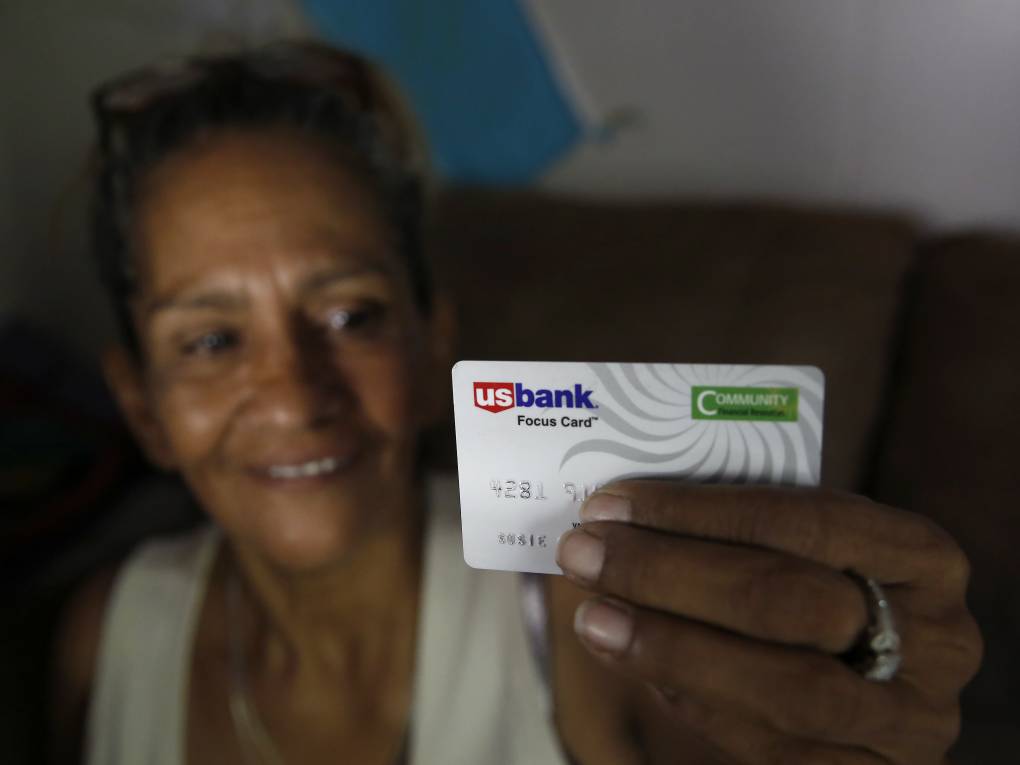
"caption": "Stockton resident Susie Garza displays the debit card on which she received a monthly stipend as part of a pilot universal basic income program. The program began in 2019, when this photo was taken.",
"description": "Stockton resident Susie Garza displays the debit card on which she received a monthly stipend as part of a pilot universal basic income program. The program began in 2019, when this photo was taken.",
"title": "Stockton, Calif., resident Susie Garza displays the debit card on which she received a monthly stipend as part of a pilot universal basic income program. The program began in 2019, when this photo was taken.",
"credit": "Rich Pedroncelli/AP",
"status": "inherit",
"altTag": "woman UBI recipient smiling, holding debit card",
"isLoading": false,
"fetchFailed": false
},
"news_11848186": {
"type": "attachments",
"id": "news_11848186",
"meta": {
"index": "attachments_1716263798",
"site": "news",
"id": "11848186",
"found": true
},
"parent": 11848185,
"imgSizes": {
"apple_news_ca_landscape_5_5": {
"file": "https://ww2.kqed.org/app/uploads/sites/10/2020/11/RS46086_GettyImages-1208192668-qut-1044x783.jpg",
"width": 1044,
"mimeType": "image/jpeg",
"height": 783
},
"apple_news_ca_square_4_0": {
"file": "https://ww2.kqed.org/app/uploads/sites/10/2020/11/RS46086_GettyImages-1208192668-qut-470x470.jpg",
"width": 470,
"mimeType": "image/jpeg",
"height": 470
},
"twentyfourteen-full-width": {
"file": "https://ww2.kqed.org/app/uploads/sites/10/2020/11/RS46086_GettyImages-1208192668-qut-1038x576.jpg",
"width": 1038,
"mimeType": "image/jpeg",
"height": 576
},
"thumbnail": {
"file": "https://ww2.kqed.org/app/uploads/sites/10/2020/11/RS46086_GettyImages-1208192668-qut-160x107.jpg",
"width": 160,
"mimeType": "image/jpeg",
"height": 107
},
"post-thumbnail": {
"file": "https://ww2.kqed.org/app/uploads/sites/10/2020/11/RS46086_GettyImages-1208192668-qut-672x372.jpg",
"width": 672,
"mimeType": "image/jpeg",
"height": 372
},
"kqedFullSize": {
"file": "https://ww2.kqed.org/app/uploads/sites/10/2020/11/RS46086_GettyImages-1208192668-qut.jpg",
"width": 1920,
"height": 1280
},
"apple_news_ca_landscape_4_7": {
"file": "https://ww2.kqed.org/app/uploads/sites/10/2020/11/RS46086_GettyImages-1208192668-qut-632x474.jpg",
"width": 632,
"mimeType": "image/jpeg",
"height": 474
},
"large": {
"file": "https://ww2.kqed.org/app/uploads/sites/10/2020/11/RS46086_GettyImages-1208192668-qut-1020x680.jpg",
"width": 1020,
"mimeType": "image/jpeg",
"height": 680
},
"apple_news_ca_landscape_4_0": {
"file": "https://ww2.kqed.org/app/uploads/sites/10/2020/11/RS46086_GettyImages-1208192668-qut-536x402.jpg",
"width": 536,
"mimeType": "image/jpeg",
"height": 402
},
"apple_news_ca_portrait_12_9": {
"file": "https://ww2.kqed.org/app/uploads/sites/10/2020/11/RS46086_GettyImages-1208192668-qut-1122x1280.jpg",
"width": 1122,
"mimeType": "image/jpeg",
"height": 1280
},
"medium": {
"file": "https://ww2.kqed.org/app/uploads/sites/10/2020/11/RS46086_GettyImages-1208192668-qut-800x533.jpg",
"width": 800,
"mimeType": "image/jpeg",
"height": 533
},
"apple_news_ca_portrait_4_0": {
"file": "https://ww2.kqed.org/app/uploads/sites/10/2020/11/RS46086_GettyImages-1208192668-qut-354x472.jpg",
"width": 354,
"mimeType": "image/jpeg",
"height": 472
},
"apple_news_ca_portrait_9_7": {
"file": "https://ww2.kqed.org/app/uploads/sites/10/2020/11/RS46086_GettyImages-1208192668-qut-840x1120.jpg",
"width": 840,
"mimeType": "image/jpeg",
"height": 1120
},
"apple_news_ca_landscape_12_9": {
"file": "https://ww2.kqed.org/app/uploads/sites/10/2020/11/RS46086_GettyImages-1208192668-qut-1832x1280.jpg",
"width": 1832,
"mimeType": "image/jpeg",
"height": 1280
},
"apple_news_ca_square_9_7": {
"file": "https://ww2.kqed.org/app/uploads/sites/10/2020/11/RS46086_GettyImages-1208192668-qut-1104x1104.jpg",
"width": 1104,
"mimeType": "image/jpeg",
"height": 1104
},
"1536x1536": {
"file": "https://ww2.kqed.org/app/uploads/sites/10/2020/11/RS46086_GettyImages-1208192668-qut-1536x1024.jpg",
"width": 1536,
"mimeType": "image/jpeg",
"height": 1024
},
"apple_news_ca_portrait_4_7": {
"file": "https://ww2.kqed.org/app/uploads/sites/10/2020/11/RS46086_GettyImages-1208192668-qut-414x552.jpg",
"width": 414,
"mimeType": "image/jpeg",
"height": 552
},
"apple_news_ca_square_12_9": {
"file": "https://ww2.kqed.org/app/uploads/sites/10/2020/11/RS46086_GettyImages-1208192668-qut-1472x1280.jpg",
"width": 1472,
"mimeType": "image/jpeg",
"height": 1280
},
"apple_news_ca_portrait_5_5": {
"file": "https://ww2.kqed.org/app/uploads/sites/10/2020/11/RS46086_GettyImages-1208192668-qut-687x916.jpg",
"width": 687,
"mimeType": "image/jpeg",
"height": 916
},
"apple_news_ca_square_4_7": {
"file": "https://ww2.kqed.org/app/uploads/sites/10/2020/11/RS46086_GettyImages-1208192668-qut-550x550.jpg",
"width": 550,
"mimeType": "image/jpeg",
"height": 550
},
"apple_news_ca_landscape_9_7": {
"file": "https://ww2.kqed.org/app/uploads/sites/10/2020/11/RS46086_GettyImages-1208192668-qut-1376x1032.jpg",
"width": 1376,
"mimeType": "image/jpeg",
"height": 1032
},
"apple_news_ca_square_5_5": {
"file": "https://ww2.kqed.org/app/uploads/sites/10/2020/11/RS46086_GettyImages-1208192668-qut-912x912.jpg",
"width": 912,
"mimeType": "image/jpeg",
"height": 912
}
},
"publishDate": 1605839078,
"modified": 1605910457,
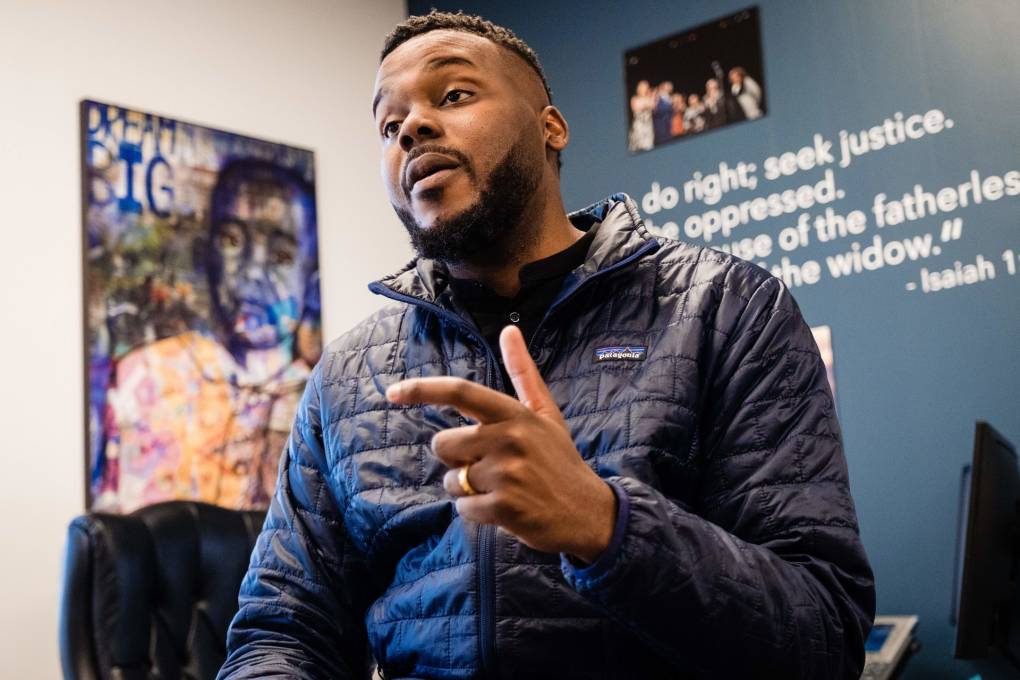
"caption": "Michael Tubbs, mayor of Stockton, is seen at his office in Stockton on Feb. 7, 2020. With the help of the Stockton Economic Empowerment Demonstration, Tubbs implemented an 18-month trial of \"guaranteed income\" for 125 residents of his city. ",
"description": "Michael Tubbs, Mayor of Stockton, is seen at his office in Stockton, California, on Feb. 7, 2020. With the help of the Stockton Economic Empowerment Demonstration, Tubbs implemented an 18-month trial of \"guaranteed income\" for 125 residents of his city. ",
"title": "US-HEALTH-VIRUS-ECONOMY-POVERTY",
"credit": "Nick Otto/AFP via Getty Images",
"status": "inherit",
"isLoading": false,
"fetchFailed": false
},
"news_11838271": {
"type": "attachments",
"id": "news_11838271",
"meta": {
"index": "attachments_1716263798",
"site": "news",
"id": "11838271",
"found": true
},
"title": "US-HEALTH-VIRUS-ECONOMY-POVERTY",
"publishDate": 1600293052,
"status": "inherit",
"parent": 11838236,
"modified": 1752882437,
"caption": "A pedestrian walks through downtown Stockton on Feb. 7, 2020. ",
"credit": "Nick Otto/AFP via Getty Images",
"altTag": "A wide shot of the side of buildings. A person is walking in front of the buildings.",
"description": null,
"imgSizes": {
"medium": {
"file": "https://cdn.kqed.org/wp-content/uploads/sites/10/2020/09/GettyImages-1208196870-800x534.jpg",
"width": 800,
"height": 534,
"mimeType": "image/jpeg"
},
"large": {
"file": "https://cdn.kqed.org/wp-content/uploads/sites/10/2020/09/GettyImages-1208196870-1020x680.jpg",
"width": 1020,
"height": 680,
"mimeType": "image/jpeg"
},
"thumbnail": {
"file": "https://cdn.kqed.org/wp-content/uploads/sites/10/2020/09/GettyImages-1208196870-160x107.jpg",
"width": 160,
"height": 107,
"mimeType": "image/jpeg"
},
"post-thumbnail": {
"file": "https://cdn.kqed.org/wp-content/uploads/sites/10/2020/09/GettyImages-1208196870-672x372.jpg",
"width": 672,
"height": 372,
"mimeType": "image/jpeg"
},
"twentyfourteen-full-width": {
"file": "https://cdn.kqed.org/wp-content/uploads/sites/10/2020/09/GettyImages-1208196870-1024x576.jpg",
"width": 1024,
"height": 576,
"mimeType": "image/jpeg"
},
"apple_news_ca_landscape_4_7": {
"file": "https://cdn.kqed.org/wp-content/uploads/sites/10/2020/09/GettyImages-1208196870-632x474.jpg",
"width": 632,
"height": 474,
"mimeType": "image/jpeg"
},
"apple_news_ca_landscape_4_0": {
"file": "https://cdn.kqed.org/wp-content/uploads/sites/10/2020/09/GettyImages-1208196870-536x402.jpg",
"width": 536,
"height": 402,
"mimeType": "image/jpeg"
},
"apple_news_ca_portrait_9_7": {
"file": "https://cdn.kqed.org/wp-content/uploads/sites/10/2020/09/GettyImages-1208196870-840x683.jpg",
"width": 840,
"height": 683,
"mimeType": "image/jpeg"
},
"apple_news_ca_portrait_5_5": {
"file": "https://cdn.kqed.org/wp-content/uploads/sites/10/2020/09/GettyImages-1208196870-687x683.jpg",
"width": 687,
"height": 683,
"mimeType": "image/jpeg"
},
"apple_news_ca_portrait_4_7": {
"file": "https://cdn.kqed.org/wp-content/uploads/sites/10/2020/09/GettyImages-1208196870-414x552.jpg",
"width": 414,
"height": 552,
"mimeType": "image/jpeg"
},
"apple_news_ca_portrait_4_0": {
"file": "https://cdn.kqed.org/wp-content/uploads/sites/10/2020/09/GettyImages-1208196870-354x472.jpg",
"width": 354,
"height": 472,
"mimeType": "image/jpeg"
},
"apple_news_ca_square_5_5": {
"file": "https://cdn.kqed.org/wp-content/uploads/sites/10/2020/09/GettyImages-1208196870-912x683.jpg",
"width": 912,
"height": 683,
"mimeType": "image/jpeg"
},
"apple_news_ca_square_4_7": {
"file": "https://cdn.kqed.org/wp-content/uploads/sites/10/2020/09/GettyImages-1208196870-550x550.jpg",
"width": 550,
"height": 550,
"mimeType": "image/jpeg"
},
"apple_news_ca_square_4_0": {
"file": "https://cdn.kqed.org/wp-content/uploads/sites/10/2020/09/GettyImages-1208196870-470x470.jpg",
"width": 470,
"height": 470,
"mimeType": "image/jpeg"
},
"kqedFullSize": {
"file": "https://cdn.kqed.org/wp-content/uploads/sites/10/2020/09/GettyImages-1208196870.jpg",
"width": 1024,
"height": 683
}
},
"isLoading": false,
"fetchFailed": false
},
"news_11822268": {
"type": "attachments",
"id": "news_11822268",
"meta": {
"index": "attachments_1716263798",
"site": "news",
"id": "11822268",
"found": true
},
"parent": 11822159,
"imgSizes": {
"apple_news_ca_landscape_5_5": {
"file": "https://ww2.kqed.org/app/uploads/sites/10/2020/06/Michael-Tubbs-1044x783.jpg",
"width": 1044,
"mimeType": "image/jpeg",
"height": 783
},
"apple_news_ca_square_4_0": {
"file": "https://ww2.kqed.org/app/uploads/sites/10/2020/06/Michael-Tubbs-470x470.jpg",
"width": 470,
"mimeType": "image/jpeg",
"height": 470
},
"twentyfourteen-full-width": {
"file": "https://ww2.kqed.org/app/uploads/sites/10/2020/06/Michael-Tubbs-1038x576.jpg",
"width": 1038,
"mimeType": "image/jpeg",
"height": 576
},
"thumbnail": {
"file": "https://ww2.kqed.org/app/uploads/sites/10/2020/06/Michael-Tubbs-160x119.jpg",
"width": 160,
"mimeType": "image/jpeg",
"height": 119
},
"post-thumbnail": {
"file": "https://ww2.kqed.org/app/uploads/sites/10/2020/06/Michael-Tubbs-672x372.jpg",
"width": 672,
"mimeType": "image/jpeg",
"height": 372
},
"kqedFullSize": {
"file": "https://ww2.kqed.org/app/uploads/sites/10/2020/06/Michael-Tubbs.jpg",
"width": 1920,
"height": 1424
},
"apple_news_ca_landscape_4_7": {
"file": "https://ww2.kqed.org/app/uploads/sites/10/2020/06/Michael-Tubbs-632x474.jpg",
"width": 632,
"mimeType": "image/jpeg",
"height": 474
},
"large": {
"file": "https://ww2.kqed.org/app/uploads/sites/10/2020/06/Michael-Tubbs-1020x757.jpg",
"width": 1020,
"mimeType": "image/jpeg",
"height": 757
},
"apple_news_ca_landscape_4_0": {
"file": "https://ww2.kqed.org/app/uploads/sites/10/2020/06/Michael-Tubbs-536x402.jpg",
"width": 536,
"mimeType": "image/jpeg",
"height": 402
},
"apple_news_ca_portrait_12_9": {
"file": "https://ww2.kqed.org/app/uploads/sites/10/2020/06/Michael-Tubbs-1122x1424.jpg",
"width": 1122,
"mimeType": "image/jpeg",
"height": 1424
},
"medium": {
"file": "https://ww2.kqed.org/app/uploads/sites/10/2020/06/Michael-Tubbs-800x593.jpg",
"width": 800,
"mimeType": "image/jpeg",
"height": 593
},
"apple_news_ca_portrait_4_0": {
"file": "https://ww2.kqed.org/app/uploads/sites/10/2020/06/Michael-Tubbs-354x472.jpg",
"width": 354,
"mimeType": "image/jpeg",
"height": 472
},
"apple_news_ca_portrait_9_7": {
"file": "https://ww2.kqed.org/app/uploads/sites/10/2020/06/Michael-Tubbs-840x1120.jpg",
"width": 840,
"mimeType": "image/jpeg",
"height": 1120
},
"apple_news_ca_landscape_12_9": {
"file": "https://ww2.kqed.org/app/uploads/sites/10/2020/06/Michael-Tubbs-1832x1374.jpg",
"width": 1832,
"mimeType": "image/jpeg",
"height": 1374
},
"apple_news_ca_square_9_7": {
"file": "https://ww2.kqed.org/app/uploads/sites/10/2020/06/Michael-Tubbs-1104x1104.jpg",
"width": 1104,
"mimeType": "image/jpeg",
"height": 1104
},
"apple_news_ca_portrait_4_7": {
"file": "https://ww2.kqed.org/app/uploads/sites/10/2020/06/Michael-Tubbs-414x552.jpg",
"width": 414,
"mimeType": "image/jpeg",
"height": 552
},
"apple_news_ca_square_12_9": {
"file": "https://ww2.kqed.org/app/uploads/sites/10/2020/06/Michael-Tubbs-1472x1424.jpg",
"width": 1472,
"mimeType": "image/jpeg",
"height": 1424
},
"apple_news_ca_portrait_5_5": {
"file": "https://ww2.kqed.org/app/uploads/sites/10/2020/06/Michael-Tubbs-687x916.jpg",
"width": 687,
"mimeType": "image/jpeg",
"height": 916
},
"full-width": {
"file": "https://ww2.kqed.org/app/uploads/sites/10/2020/06/Michael-Tubbs-1920x1424.jpg",
"width": 1920,
"mimeType": "image/jpeg",
"height": 1424
},
"apple_news_ca_square_4_7": {
"file": "https://ww2.kqed.org/app/uploads/sites/10/2020/06/Michael-Tubbs-550x550.jpg",
"width": 550,
"mimeType": "image/jpeg",
"height": 550
},
"apple_news_ca_landscape_9_7": {
"file": "https://ww2.kqed.org/app/uploads/sites/10/2020/06/Michael-Tubbs-1376x1032.jpg",
"width": 1376,
"mimeType": "image/jpeg",
"height": 1032
},
"apple_news_ca_square_5_5": {
"file": "https://ww2.kqed.org/app/uploads/sites/10/2020/06/Michael-Tubbs-912x912.jpg",
"width": 912,
"mimeType": "image/jpeg",
"height": 912
}
},
"publishDate": 1591052307,
"modified": 1591061468,
"caption": "Stockton Mayor Michael Tubbs in his office.",
"description": "Stockton Mayor Michael Tubbs in his office.",
"title": "Michael-Tubbs",
"credit": "Nick Otto/AFP via Getty Images",
"status": "inherit",
"isLoading": false,
"fetchFailed": false
},
"news_11820739": {
"type": "attachments",
"id": "news_11820739",
"meta": {
"index": "attachments_1716263798",
"site": "news",
"id": "11820739",
"found": true
},
"parent": 11820737,
"imgSizes": {
"apple_news_ca_landscape_5_5": {
"file": "https://ww2.kqed.org/app/uploads/sites/10/2020/05/RS4400_147225365-1044x783.jpg",
"width": 1044,
"mimeType": "image/jpeg",
"height": 783
},
"apple_news_ca_square_4_0": {
"file": "https://ww2.kqed.org/app/uploads/sites/10/2020/05/RS4400_147225365-470x470.jpg",
"width": 470,
"mimeType": "image/jpeg",
"height": 470
},
"twentyfourteen-full-width": {
"file": "https://ww2.kqed.org/app/uploads/sites/10/2020/05/RS4400_147225365-1038x576.jpg",
"width": 1038,
"mimeType": "image/jpeg",
"height": 576
},
"thumbnail": {
"file": "https://ww2.kqed.org/app/uploads/sites/10/2020/05/RS4400_147225365-160x99.jpg",
"width": 160,
"mimeType": "image/jpeg",
"height": 99
},
"post-thumbnail": {
"file": "https://ww2.kqed.org/app/uploads/sites/10/2020/05/RS4400_147225365-672x372.jpg",
"width": 672,
"mimeType": "image/jpeg",
"height": 372
},
"kqedFullSize": {
"file": "https://ww2.kqed.org/app/uploads/sites/10/2020/05/RS4400_147225365.jpg",
"width": 3000,
"height": 1863
},
"apple_news_ca_landscape_4_7": {
"file": "https://ww2.kqed.org/app/uploads/sites/10/2020/05/RS4400_147225365-632x474.jpg",
"width": 632,
"mimeType": "image/jpeg",
"height": 474
},
"large": {
"file": "https://ww2.kqed.org/app/uploads/sites/10/2020/05/RS4400_147225365-1020x633.jpg",
"width": 1020,
"mimeType": "image/jpeg",
"height": 633
},
"apple_news_ca_landscape_4_0": {
"file": "https://ww2.kqed.org/app/uploads/sites/10/2020/05/RS4400_147225365-536x402.jpg",
"width": 536,
"mimeType": "image/jpeg",
"height": 402
},
"apple_news_ca_portrait_12_9": {
"file": "https://ww2.kqed.org/app/uploads/sites/10/2020/05/RS4400_147225365-1122x1496.jpg",
"width": 1122,
"mimeType": "image/jpeg",
"height": 1496
},
"medium": {
"file": "https://ww2.kqed.org/app/uploads/sites/10/2020/05/RS4400_147225365-800x497.jpg",
"width": 800,
"mimeType": "image/jpeg",
"height": 497
},
"apple_news_ca_portrait_4_0": {
"file": "https://ww2.kqed.org/app/uploads/sites/10/2020/05/RS4400_147225365-354x472.jpg",
"width": 354,
"mimeType": "image/jpeg",
"height": 472
},
"apple_news_ca_portrait_9_7": {
"file": "https://ww2.kqed.org/app/uploads/sites/10/2020/05/RS4400_147225365-840x1120.jpg",
"width": 840,
"mimeType": "image/jpeg",
"height": 1120
},
"apple_news_ca_landscape_12_9": {
"file": "https://ww2.kqed.org/app/uploads/sites/10/2020/05/RS4400_147225365-1832x1374.jpg",
"width": 1832,
"mimeType": "image/jpeg",
"height": 1374
},
"apple_news_ca_square_9_7": {
"file": "https://ww2.kqed.org/app/uploads/sites/10/2020/05/RS4400_147225365-1104x1104.jpg",
"width": 1104,
"mimeType": "image/jpeg",
"height": 1104
},
"apple_news_ca_portrait_4_7": {
"file": "https://ww2.kqed.org/app/uploads/sites/10/2020/05/RS4400_147225365-414x552.jpg",
"width": 414,
"mimeType": "image/jpeg",
"height": 552
},
"apple_news_ca_square_12_9": {
"file": "https://ww2.kqed.org/app/uploads/sites/10/2020/05/RS4400_147225365-1472x1472.jpg",
"width": 1472,
"mimeType": "image/jpeg",
"height": 1472
},
"apple_news_ca_portrait_5_5": {
"file": "https://ww2.kqed.org/app/uploads/sites/10/2020/05/RS4400_147225365-687x916.jpg",
"width": 687,
"mimeType": "image/jpeg",
"height": 916
},
"full-width": {
"file": "https://ww2.kqed.org/app/uploads/sites/10/2020/05/RS4400_147225365-1920x1192.jpg",
"width": 1920,
"mimeType": "image/jpeg",
"height": 1192
},
"apple_news_ca_square_4_7": {
"file": "https://ww2.kqed.org/app/uploads/sites/10/2020/05/RS4400_147225365-550x550.jpg",
"width": 550,
"mimeType": "image/jpeg",
"height": 550
},
"apple_news_ca_landscape_9_7": {
"file": "https://ww2.kqed.org/app/uploads/sites/10/2020/05/RS4400_147225365-1376x1032.jpg",
"width": 1376,
"mimeType": "image/jpeg",
"height": 1032
},
"apple_news_ca_square_5_5": {
"file": "https://ww2.kqed.org/app/uploads/sites/10/2020/05/RS4400_147225365-912x912.jpg",
"width": 912,
"mimeType": "image/jpeg",
"height": 912
}
},
"publishDate": 1590521782,
"modified": 1590601086,
"caption": "A building is seen reflected in the window of the vacant Bank of Stockton on June 27, 2012, in Stockton, California. In 2012, Stockton became the biggest U.S. city to file for bankruptcy protection from creditors. ",
"description": null,
"title": "Stockton, CA To Become Largest U.S. City To File For Bankruptcy",
"credit": "Justin Sullivan/Getty Images",
"status": "inherit",
"isLoading": false,
"fetchFailed": false
},
"news_11818149": {
"type": "attachments",
"id": "news_11818149",
"meta": {
"index": "attachments_1716263798",
"site": "news",
"id": "11818149",
"found": true
},
"parent": 11818088,
"imgSizes": {
"apple_news_ca_landscape_5_5": {
"file": "https://ww2.kqed.org/app/uploads/sites/10/2020/05/RS43176_GettyImages-1208192665-qut-1044x783.jpg",
"width": 1044,
"mimeType": "image/jpeg",
"height": 783
},
"apple_news_ca_square_4_0": {
"file": "https://ww2.kqed.org/app/uploads/sites/10/2020/05/RS43176_GettyImages-1208192665-qut-470x470.jpg",
"width": 470,
"mimeType": "image/jpeg",
"height": 470
},
"twentyfourteen-full-width": {
"file": "https://ww2.kqed.org/app/uploads/sites/10/2020/05/RS43176_GettyImages-1208192665-qut-1038x576.jpg",
"width": 1038,
"mimeType": "image/jpeg",
"height": 576
},
"thumbnail": {
"file": "https://ww2.kqed.org/app/uploads/sites/10/2020/05/RS43176_GettyImages-1208192665-qut-160x107.jpg",
"width": 160,
"mimeType": "image/jpeg",
"height": 107
},
"post-thumbnail": {
"file": "https://ww2.kqed.org/app/uploads/sites/10/2020/05/RS43176_GettyImages-1208192665-qut-672x372.jpg",
"width": 672,
"mimeType": "image/jpeg",
"height": 372
},
"kqedFullSize": {
"file": "https://ww2.kqed.org/app/uploads/sites/10/2020/05/RS43176_GettyImages-1208192665-qut.jpg",
"width": 1920,
"height": 1280
},
"apple_news_ca_landscape_4_7": {
"file": "https://ww2.kqed.org/app/uploads/sites/10/2020/05/RS43176_GettyImages-1208192665-qut-632x474.jpg",
"width": 632,
"mimeType": "image/jpeg",
"height": 474
},
"large": {
"file": "https://ww2.kqed.org/app/uploads/sites/10/2020/05/RS43176_GettyImages-1208192665-qut-1020x680.jpg",
"width": 1020,
"mimeType": "image/jpeg",
"height": 680
},
"apple_news_ca_landscape_4_0": {
"file": "https://ww2.kqed.org/app/uploads/sites/10/2020/05/RS43176_GettyImages-1208192665-qut-536x402.jpg",
"width": 536,
"mimeType": "image/jpeg",
"height": 402
},
"apple_news_ca_portrait_12_9": {
"file": "https://ww2.kqed.org/app/uploads/sites/10/2020/05/RS43176_GettyImages-1208192665-qut-1122x1280.jpg",
"width": 1122,
"mimeType": "image/jpeg",
"height": 1280
},
"medium": {
"file": "https://ww2.kqed.org/app/uploads/sites/10/2020/05/RS43176_GettyImages-1208192665-qut-800x533.jpg",
"width": 800,
"mimeType": "image/jpeg",
"height": 533
},
"apple_news_ca_portrait_4_0": {
"file": "https://ww2.kqed.org/app/uploads/sites/10/2020/05/RS43176_GettyImages-1208192665-qut-354x472.jpg",
"width": 354,
"mimeType": "image/jpeg",
"height": 472
},
"apple_news_ca_portrait_9_7": {
"file": "https://ww2.kqed.org/app/uploads/sites/10/2020/05/RS43176_GettyImages-1208192665-qut-840x1120.jpg",
"width": 840,
"mimeType": "image/jpeg",
"height": 1120
},
"apple_news_ca_landscape_12_9": {
"file": "https://ww2.kqed.org/app/uploads/sites/10/2020/05/RS43176_GettyImages-1208192665-qut-1832x1280.jpg",
"width": 1832,
"mimeType": "image/jpeg",
"height": 1280
},
"apple_news_ca_square_9_7": {
"file": "https://ww2.kqed.org/app/uploads/sites/10/2020/05/RS43176_GettyImages-1208192665-qut-1104x1104.jpg",
"width": 1104,
"mimeType": "image/jpeg",
"height": 1104
},
"apple_news_ca_portrait_4_7": {
"file": "https://ww2.kqed.org/app/uploads/sites/10/2020/05/RS43176_GettyImages-1208192665-qut-414x552.jpg",
"width": 414,
"mimeType": "image/jpeg",
"height": 552
},
"apple_news_ca_square_12_9": {
"file": "https://ww2.kqed.org/app/uploads/sites/10/2020/05/RS43176_GettyImages-1208192665-qut-1472x1280.jpg",
"width": 1472,
"mimeType": "image/jpeg",
"height": 1280
},
"apple_news_ca_portrait_5_5": {
"file": "https://ww2.kqed.org/app/uploads/sites/10/2020/05/RS43176_GettyImages-1208192665-qut-687x916.jpg",
"width": 687,
"mimeType": "image/jpeg",
"height": 916
},
"full-width": {
"file": "https://ww2.kqed.org/app/uploads/sites/10/2020/05/RS43176_GettyImages-1208192665-qut-1920x1280.jpg",
"width": 1920,
"mimeType": "image/jpeg",
"height": 1280
},
"apple_news_ca_square_4_7": {
"file": "https://ww2.kqed.org/app/uploads/sites/10/2020/05/RS43176_GettyImages-1208192665-qut-550x550.jpg",
"width": 550,
"mimeType": "image/jpeg",
"height": 550
},
"apple_news_ca_landscape_9_7": {
"file": "https://ww2.kqed.org/app/uploads/sites/10/2020/05/RS43176_GettyImages-1208192665-qut-1376x1032.jpg",
"width": 1376,
"mimeType": "image/jpeg",
"height": 1032
},
"apple_news_ca_square_5_5": {
"file": "https://ww2.kqed.org/app/uploads/sites/10/2020/05/RS43176_GettyImages-1208192665-qut-912x912.jpg",
"width": 912,
"mimeType": "image/jpeg",
"height": 912
}
},
"publishDate": 1589405471,
"modified": 1589406873,
"caption": "Stockton Mayor Michael Tubbs implemented an 18 month trial of Universal Basic Income randomly-selected residents of his city.",
"description": null,
"title": "US-HEALTH-VIRUS-ECONOMY-POVERTY",
"credit": "Nick Otto/Getty Images",
"status": "inherit",
"isLoading": false,
"fetchFailed": false
},
"news_11798265": {
"type": "attachments",
"id": "news_11798265",
"meta": {
"index": "attachments_1716263798",
"site": "news",
"id": "11798265",
"found": true
},
"parent": 11797761,
"imgSizes": {
"apple_news_ca_landscape_5_5": {
"file": "https://ww2.kqed.org/app/uploads/sites/10/2020/01/Sanders-Featured-for-web-1044x783.jpg",
"width": 1044,
"mimeType": "image/jpeg",
"height": 783
},
"apple_news_ca_square_4_0": {
"file": "https://ww2.kqed.org/app/uploads/sites/10/2020/01/Sanders-Featured-for-web-470x470.jpg",
"width": 470,
"mimeType": "image/jpeg",
"height": 470
},
"twentyfourteen-full-width": {
"file": "https://ww2.kqed.org/app/uploads/sites/10/2020/01/Sanders-Featured-for-web-1038x576.jpg",
"width": 1038,
"mimeType": "image/jpeg",
"height": 576
},
"thumbnail": {
"file": "https://ww2.kqed.org/app/uploads/sites/10/2020/01/Sanders-Featured-for-web-160x107.jpg",
"width": 160,
"mimeType": "image/jpeg",
"height": 107
},
"post-thumbnail": {
"file": "https://ww2.kqed.org/app/uploads/sites/10/2020/01/Sanders-Featured-for-web-672x372.jpg",
"width": 672,
"mimeType": "image/jpeg",
"height": 372
},
"kqedFullSize": {
"file": "https://ww2.kqed.org/app/uploads/sites/10/2020/01/Sanders-Featured-for-web-e1580420681540.jpg",
"width": 1920,
"height": 1280
},
"apple_news_ca_landscape_4_7": {
"file": "https://ww2.kqed.org/app/uploads/sites/10/2020/01/Sanders-Featured-for-web-632x474.jpg",
"width": 632,
"mimeType": "image/jpeg",
"height": 474
},
"large": {
"file": "https://ww2.kqed.org/app/uploads/sites/10/2020/01/Sanders-Featured-for-web-1020x680.jpg",
"width": 1020,
"mimeType": "image/jpeg",
"height": 680
},
"apple_news_ca_landscape_4_0": {
"file": "https://ww2.kqed.org/app/uploads/sites/10/2020/01/Sanders-Featured-for-web-536x402.jpg",
"width": 536,
"mimeType": "image/jpeg",
"height": 402
},
"apple_news_ca_portrait_12_9": {
"file": "https://ww2.kqed.org/app/uploads/sites/10/2020/01/Sanders-Featured-for-web-1122x1496.jpg",
"width": 1122,
"mimeType": "image/jpeg",
"height": 1496
},
"medium": {
"file": "https://ww2.kqed.org/app/uploads/sites/10/2020/01/Sanders-Featured-for-web-800x533.jpg",
"width": 800,
"mimeType": "image/jpeg",
"height": 533
},
"apple_news_ca_portrait_4_0": {
"file": "https://ww2.kqed.org/app/uploads/sites/10/2020/01/Sanders-Featured-for-web-354x472.jpg",
"width": 354,
"mimeType": "image/jpeg",
"height": 472
},
"apple_news_ca_portrait_9_7": {
"file": "https://ww2.kqed.org/app/uploads/sites/10/2020/01/Sanders-Featured-for-web-840x1120.jpg",
"width": 840,
"mimeType": "image/jpeg",
"height": 1120
},
"apple_news_ca_landscape_12_9": {
"file": "https://ww2.kqed.org/app/uploads/sites/10/2020/01/Sanders-Featured-for-web-1832x1374.jpg",
"width": 1832,
"mimeType": "image/jpeg",
"height": 1374
},
"apple_news_ca_square_9_7": {
"file": "https://ww2.kqed.org/app/uploads/sites/10/2020/01/Sanders-Featured-for-web-1104x1104.jpg",
"width": 1104,
"mimeType": "image/jpeg",
"height": 1104
},
"apple_news_ca_portrait_4_7": {
"file": "https://ww2.kqed.org/app/uploads/sites/10/2020/01/Sanders-Featured-for-web-414x552.jpg",
"width": 414,
"mimeType": "image/jpeg",
"height": 552
},
"apple_news_ca_square_12_9": {
"file": "https://ww2.kqed.org/app/uploads/sites/10/2020/01/Sanders-Featured-for-web-1472x1472.jpg",
"width": 1472,
"mimeType": "image/jpeg",
"height": 1472
},
"apple_news_ca_portrait_5_5": {
"file": "https://ww2.kqed.org/app/uploads/sites/10/2020/01/Sanders-Featured-for-web-687x916.jpg",
"width": 687,
"mimeType": "image/jpeg",
"height": 916
},
"full-width": {
"file": "https://ww2.kqed.org/app/uploads/sites/10/2020/01/Sanders-Featured-for-web-1920x1280.jpg",
"width": 1920,
"mimeType": "image/jpeg",
"height": 1280
},
"apple_news_ca_square_4_7": {
"file": "https://ww2.kqed.org/app/uploads/sites/10/2020/01/Sanders-Featured-for-web-550x550.jpg",
"width": 550,
"mimeType": "image/jpeg",
"height": 550
},
"apple_news_ca_landscape_9_7": {
"file": "https://ww2.kqed.org/app/uploads/sites/10/2020/01/Sanders-Featured-for-web-1376x1032.jpg",
"width": 1376,
"mimeType": "image/jpeg",
"height": 1032
},
"apple_news_ca_square_5_5": {
"file": "https://ww2.kqed.org/app/uploads/sites/10/2020/01/Sanders-Featured-for-web-912x912.jpg",
"width": 912,
"mimeType": "image/jpeg",
"height": 912
}
},
"publishDate": 1580153396,
"modified": 1580506609,
"caption": "Kari Khoury shuffles through campaign materials in her trunk before canvassing in Stockton, California, on Jan. 26, 2020.",
"description": null,
"title": "Sanders-Featured-for-web",
"credit": "Jeremy Siegel/KQED",
"status": "inherit",
"isLoading": false,
"fetchFailed": false
},
"news_11798500": {
"type": "attachments",
"id": "news_11798500",
"meta": {
"index": "attachments_1716263798",
"site": "news",
"id": "11798500",
"found": true
},
"parent": 11798497,
"imgSizes": {
"apple_news_ca_landscape_5_5": {
"file": "https://ww2.kqed.org/app/uploads/sites/10/2020/01/Featured-IMG_0796-1044x783.jpg",
"width": 1044,
"mimeType": "image/jpeg",
"height": 783
},
"apple_news_ca_square_4_0": {
"file": "https://ww2.kqed.org/app/uploads/sites/10/2020/01/Featured-IMG_0796-470x470.jpg",
"width": 470,
"mimeType": "image/jpeg",
"height": 470
},
"twentyfourteen-full-width": {
"file": "https://ww2.kqed.org/app/uploads/sites/10/2020/01/Featured-IMG_0796-1038x576.jpg",
"width": 1038,
"mimeType": "image/jpeg",
"height": 576
},
"thumbnail": {
"file": "https://ww2.kqed.org/app/uploads/sites/10/2020/01/Featured-IMG_0796-160x120.jpg",
"width": 160,
"mimeType": "image/jpeg",
"height": 120
},
"post-thumbnail": {
"file": "https://ww2.kqed.org/app/uploads/sites/10/2020/01/Featured-IMG_0796-672x372.jpg",
"width": 672,
"mimeType": "image/jpeg",
"height": 372
},
"kqedFullSize": {
"file": "https://ww2.kqed.org/app/uploads/sites/10/2020/01/Featured-IMG_0796.jpg",
"width": 1920,
"height": 1440
},
"apple_news_ca_landscape_4_7": {
"file": "https://ww2.kqed.org/app/uploads/sites/10/2020/01/Featured-IMG_0796-632x474.jpg",
"width": 632,
"mimeType": "image/jpeg",
"height": 474
},
"large": {
"file": "https://ww2.kqed.org/app/uploads/sites/10/2020/01/Featured-IMG_0796-1020x765.jpg",
"width": 1020,
"mimeType": "image/jpeg",
"height": 765
},
"apple_news_ca_landscape_4_0": {
"file": "https://ww2.kqed.org/app/uploads/sites/10/2020/01/Featured-IMG_0796-536x402.jpg",
"width": 536,
"mimeType": "image/jpeg",
"height": 402
},
"apple_news_ca_portrait_12_9": {
"file": "https://ww2.kqed.org/app/uploads/sites/10/2020/01/Featured-IMG_0796-1122x1440.jpg",
"width": 1122,
"mimeType": "image/jpeg",
"height": 1440
},
"medium": {
"file": "https://ww2.kqed.org/app/uploads/sites/10/2020/01/Featured-IMG_0796-800x600.jpg",
"width": 800,
"mimeType": "image/jpeg",
"height": 600
},
"apple_news_ca_portrait_4_0": {
"file": "https://ww2.kqed.org/app/uploads/sites/10/2020/01/Featured-IMG_0796-354x472.jpg",
"width": 354,
"mimeType": "image/jpeg",
"height": 472
},
"apple_news_ca_portrait_9_7": {
"file": "https://ww2.kqed.org/app/uploads/sites/10/2020/01/Featured-IMG_0796-840x1120.jpg",
"width": 840,
"mimeType": "image/jpeg",
"height": 1120
},
"apple_news_ca_landscape_12_9": {
"file": "https://ww2.kqed.org/app/uploads/sites/10/2020/01/Featured-IMG_0796-1832x1374.jpg",
"width": 1832,
"mimeType": "image/jpeg",
"height": 1374
},
"apple_news_ca_square_9_7": {
"file": "https://ww2.kqed.org/app/uploads/sites/10/2020/01/Featured-IMG_0796-1104x1104.jpg",
"width": 1104,
"mimeType": "image/jpeg",
"height": 1104
},
"apple_news_ca_portrait_4_7": {
"file": "https://ww2.kqed.org/app/uploads/sites/10/2020/01/Featured-IMG_0796-414x552.jpg",
"width": 414,
"mimeType": "image/jpeg",
"height": 552
},
"apple_news_ca_square_12_9": {
"file": "https://ww2.kqed.org/app/uploads/sites/10/2020/01/Featured-IMG_0796-1472x1440.jpg",
"width": 1472,
"mimeType": "image/jpeg",
"height": 1440
},
"apple_news_ca_portrait_5_5": {
"file": "https://ww2.kqed.org/app/uploads/sites/10/2020/01/Featured-IMG_0796-687x916.jpg",
"width": 687,
"mimeType": "image/jpeg",
"height": 916
},
"full-width": {
"file": "https://ww2.kqed.org/app/uploads/sites/10/2020/01/Featured-IMG_0796-1920x1440.jpg",
"width": 1920,
"mimeType": "image/jpeg",
"height": 1440
},
"apple_news_ca_square_4_7": {
"file": "https://ww2.kqed.org/app/uploads/sites/10/2020/01/Featured-IMG_0796-550x550.jpg",
"width": 550,
"mimeType": "image/jpeg",
"height": 550
},
"apple_news_ca_landscape_9_7": {
"file": "https://ww2.kqed.org/app/uploads/sites/10/2020/01/Featured-IMG_0796-1376x1032.jpg",
"width": 1376,
"mimeType": "image/jpeg",
"height": 1032
},
"apple_news_ca_square_5_5": {
"file": "https://ww2.kqed.org/app/uploads/sites/10/2020/01/Featured-IMG_0796-912x912.jpg",
"width": 912,
"mimeType": "image/jpeg",
"height": 912
}
},
"publishDate": 1580242850,
"modified": 1580341796,
"caption": "Joseph Green and his mother, Sheronica Champion, pose for a photograph outside of San Joaquin County Superior Court on Jan. 17.",
"description": "Joseph Green and his mother, Sheronica Champion, pose for a photograph outside of San Joaquin County Superior Court on Jan. 17.",
"title": "Featured IMG_0796",
"credit": "Sandhya Dirks/KQED",
"status": "inherit",
"isLoading": false,
"fetchFailed": false
},
"news_11777793": {
"type": "attachments",
"id": "news_11777793",
"meta": {
"index": "attachments_1716263798",
"site": "news",
"id": "11777793",
"found": true
},
"parent": 11777782,
"imgSizes": {
"apple_news_ca_landscape_5_5": {
"file": "https://ww2.kqed.org/app/uploads/sites/10/2019/10/Michael-Tubbs-Stockton-1044x783.jpg",
"width": 1044,
"mimeType": "image/jpeg",
"height": 783
},
"apple_news_ca_square_4_0": {
"file": "https://ww2.kqed.org/app/uploads/sites/10/2019/10/Michael-Tubbs-Stockton-470x470.jpg",
"width": 470,
"mimeType": "image/jpeg",
"height": 470
},
"twentyfourteen-full-width": {
"file": "https://ww2.kqed.org/app/uploads/sites/10/2019/10/Michael-Tubbs-Stockton-1038x576.jpg",
"width": 1038,
"mimeType": "image/jpeg",
"height": 576
},
"thumbnail": {
"file": "https://ww2.kqed.org/app/uploads/sites/10/2019/10/Michael-Tubbs-Stockton-160x107.jpg",
"width": 160,
"mimeType": "image/jpeg",
"height": 107
},
"post-thumbnail": {
"file": "https://ww2.kqed.org/app/uploads/sites/10/2019/10/Michael-Tubbs-Stockton-672x372.jpg",
"width": 672,
"mimeType": "image/jpeg",
"height": 372
},
"kqedFullSize": {
"file": "https://ww2.kqed.org/app/uploads/sites/10/2019/10/Michael-Tubbs-Stockton.jpg",
"width": 1920,
"height": 1280
},
"apple_news_ca_landscape_4_7": {
"file": "https://ww2.kqed.org/app/uploads/sites/10/2019/10/Michael-Tubbs-Stockton-632x474.jpg",
"width": 632,
"mimeType": "image/jpeg",
"height": 474
},
"large": {
"file": "https://ww2.kqed.org/app/uploads/sites/10/2019/10/Michael-Tubbs-Stockton-1020x680.jpg",
"width": 1020,
"mimeType": "image/jpeg",
"height": 680
},
"complete_open_graph": {
"file": "https://ww2.kqed.org/app/uploads/sites/10/2019/10/Michael-Tubbs-Stockton-1200x800.jpg",
"width": 1200,
"mimeType": "image/jpeg",
"height": 800
},
"apple_news_ca_landscape_4_0": {
"file": "https://ww2.kqed.org/app/uploads/sites/10/2019/10/Michael-Tubbs-Stockton-536x402.jpg",
"width": 536,
"mimeType": "image/jpeg",
"height": 402
},
"apple_news_ca_portrait_12_9": {
"file": "https://ww2.kqed.org/app/uploads/sites/10/2019/10/Michael-Tubbs-Stockton-1122x1280.jpg",
"width": 1122,
"mimeType": "image/jpeg",
"height": 1280
},
"medium": {
"file": "https://ww2.kqed.org/app/uploads/sites/10/2019/10/Michael-Tubbs-Stockton-800x533.jpg",
"width": 800,
"mimeType": "image/jpeg",
"height": 533
},
"apple_news_ca_portrait_4_0": {
"file": "https://ww2.kqed.org/app/uploads/sites/10/2019/10/Michael-Tubbs-Stockton-354x472.jpg",
"width": 354,
"mimeType": "image/jpeg",
"height": 472
},
"apple_news_ca_portrait_9_7": {
"file": "https://ww2.kqed.org/app/uploads/sites/10/2019/10/Michael-Tubbs-Stockton-840x1120.jpg",
"width": 840,
"mimeType": "image/jpeg",
"height": 1120
},
"apple_news_ca_landscape_12_9": {
"file": "https://ww2.kqed.org/app/uploads/sites/10/2019/10/Michael-Tubbs-Stockton-1832x1280.jpg",
"width": 1832,
"mimeType": "image/jpeg",
"height": 1280
},
"apple_news_ca_square_9_7": {
"file": "https://ww2.kqed.org/app/uploads/sites/10/2019/10/Michael-Tubbs-Stockton-1104x1104.jpg",
"width": 1104,
"mimeType": "image/jpeg",
"height": 1104
},
"apple_news_ca_portrait_4_7": {
"file": "https://ww2.kqed.org/app/uploads/sites/10/2019/10/Michael-Tubbs-Stockton-414x552.jpg",
"width": 414,
"mimeType": "image/jpeg",
"height": 552
},
"apple_news_ca_square_12_9": {
"file": "https://ww2.kqed.org/app/uploads/sites/10/2019/10/Michael-Tubbs-Stockton-1472x1280.jpg",
"width": 1472,
"mimeType": "image/jpeg",
"height": 1280
},
"apple_news_ca_portrait_5_5": {
"file": "https://ww2.kqed.org/app/uploads/sites/10/2019/10/Michael-Tubbs-Stockton-687x916.jpg",
"width": 687,
"mimeType": "image/jpeg",
"height": 916
},
"full-width": {
"file": "https://ww2.kqed.org/app/uploads/sites/10/2019/10/Michael-Tubbs-Stockton-1920x1280.jpg",
"width": 1920,
"mimeType": "image/jpeg",
"height": 1280
},
"apple_news_ca_square_4_7": {
"file": "https://ww2.kqed.org/app/uploads/sites/10/2019/10/Michael-Tubbs-Stockton-550x550.jpg",
"width": 550,
"mimeType": "image/jpeg",
"height": 550
},
"apple_news_ca_landscape_9_7": {
"file": "https://ww2.kqed.org/app/uploads/sites/10/2019/10/Michael-Tubbs-Stockton-1376x1032.jpg",
"width": 1376,
"mimeType": "image/jpeg",
"height": 1032
},
"apple_news_ca_square_5_5": {
"file": "https://ww2.kqed.org/app/uploads/sites/10/2019/10/Michael-Tubbs-Stockton-912x912.jpg",
"width": 912,
"mimeType": "image/jpeg",
"height": 912
}
},
"publishDate": 1570046962,
"modified": 1570047027,
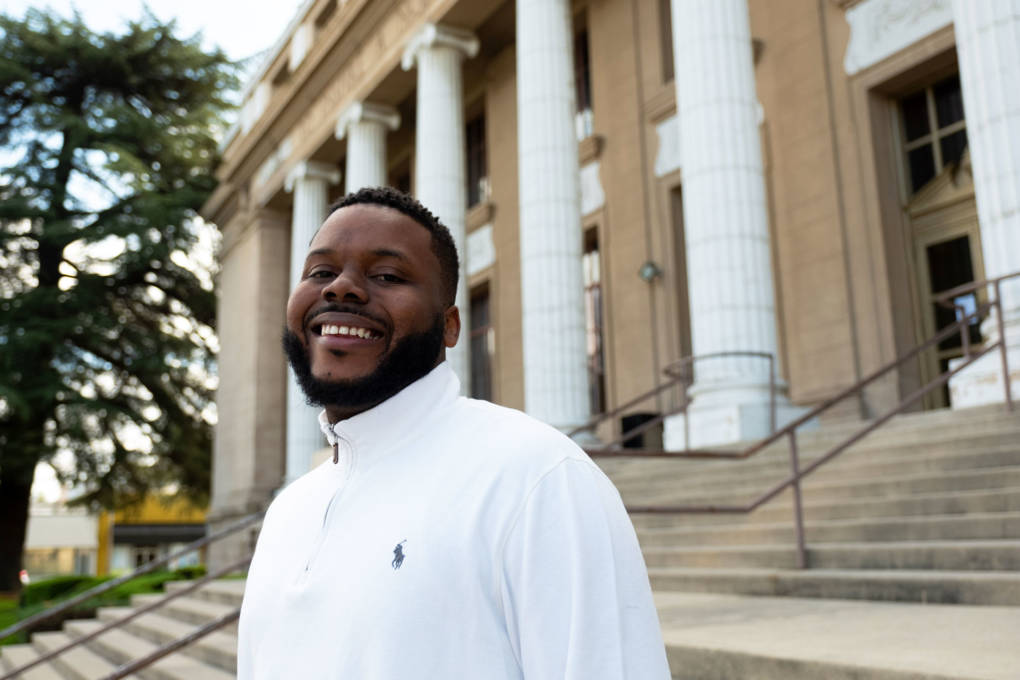
"caption": "Stockton Mayor Michael Tubbs, 29, stands in front of City Hall. Soon his staff will move out to make way for new lofts and other downtown developments. Tubbs says the key to revitalizing the city is lifting people out of poverty. ",
"description": "Stockton Mayor Michael Tubbs, 29, stands in front of City Hall. Soon his staff will move out to make way for new lofts and other downtown developments. Tubbs says the key to revitalizing the city is lifting people out of poverty. ",
"title": "Michael-Tubbs-Stockton",
"credit": "Andrew Nixon/California Dream",
"status": "inherit",
"isLoading": false,
"fetchFailed": false
},
"news_11643583": {
"type": "attachments",
"id": "news_11643583",
"meta": {
"index": "attachments_1716263798",
"site": "news",
"id": "11643583",
"found": true
},
"parent": 11643575,
"imgSizes": {
"small": {
"file": "https://ww2.kqed.org/app/uploads/sites/10/2018/01/RS4328_147225167-520x377.jpg",
"width": 520,
"mimeType": "image/jpeg",
"height": 377
},
"twentyfourteen-full-width": {
"file": "https://ww2.kqed.org/app/uploads/sites/10/2018/01/RS4328_147225167-1038x576.jpg",
"width": 1038,
"mimeType": "image/jpeg",
"height": 576
},
"thumbnail": {
"file": "https://ww2.kqed.org/app/uploads/sites/10/2018/01/RS4328_147225167-160x116.jpg",
"width": 160,
"mimeType": "image/jpeg",
"height": 116
},
"fd-sm": {
"file": "https://ww2.kqed.org/app/uploads/sites/10/2018/01/RS4328_147225167-960x697.jpg",
"width": 960,
"mimeType": "image/jpeg",
"height": 697
},
"post-thumbnail": {
"file": "https://ww2.kqed.org/app/uploads/sites/10/2018/01/RS4328_147225167-672x372.jpg",
"width": 672,
"mimeType": "image/jpeg",
"height": 372
},
"xsmall": {
"file": "https://ww2.kqed.org/app/uploads/sites/10/2018/01/RS4328_147225167-375x272.jpg",
"width": 375,
"mimeType": "image/jpeg",
"height": 272
},
"kqedFullSize": {
"file": "https://ww2.kqed.org/app/uploads/sites/10/2018/01/RS4328_147225167-e1516659787443.jpg",
"width": 1920,
"height": 1393
},
"large": {
"file": "https://ww2.kqed.org/app/uploads/sites/10/2018/01/RS4328_147225167-1020x740.jpg",
"width": 1020,
"mimeType": "image/jpeg",
"height": 740
},
"xlarge": {
"file": "https://ww2.kqed.org/app/uploads/sites/10/2018/01/RS4328_147225167-1180x856.jpg",
"width": 1180,
"mimeType": "image/jpeg",
"height": 856
},
"guest-author-50": {
"file": "https://ww2.kqed.org/app/uploads/sites/10/2018/01/RS4328_147225167-50x50.jpg",
"width": 50,
"mimeType": "image/jpeg",
"height": 50
},
"guest-author-96": {
"file": "https://ww2.kqed.org/app/uploads/sites/10/2018/01/RS4328_147225167-96x96.jpg",
"width": 96,
"mimeType": "image/jpeg",
"height": 96
},
"medium": {
"file": "https://ww2.kqed.org/app/uploads/sites/10/2018/01/RS4328_147225167-800x581.jpg",
"width": 800,
"mimeType": "image/jpeg",
"height": 581
},
"guest-author-64": {
"file": "https://ww2.kqed.org/app/uploads/sites/10/2018/01/RS4328_147225167-64x64.jpg",
"width": 64,
"mimeType": "image/jpeg",
"height": 64
},
"guest-author-32": {
"file": "https://ww2.kqed.org/app/uploads/sites/10/2018/01/RS4328_147225167-32x32.jpg",
"width": 32,
"mimeType": "image/jpeg",
"height": 32
},
"fd-lrg": {
"file": "https://ww2.kqed.org/app/uploads/sites/10/2018/01/RS4328_147225167-1920x1393.jpg",
"width": 1920,
"mimeType": "image/jpeg",
"height": 1393
},
"fd-med": {
"file": "https://ww2.kqed.org/app/uploads/sites/10/2018/01/RS4328_147225167-1180x856.jpg",
"width": 1180,
"mimeType": "image/jpeg",
"height": 856
},
"full-width": {
"file": "https://ww2.kqed.org/app/uploads/sites/10/2018/01/RS4328_147225167-1920x1393.jpg",
"width": 1920,
"mimeType": "image/jpeg",
"height": 1393
},
"detail": {
"file": "https://ww2.kqed.org/app/uploads/sites/10/2018/01/RS4328_147225167-150x150.jpg",
"width": 150,
"mimeType": "image/jpeg",
"height": 150
},
"guest-author-128": {
"file": "https://ww2.kqed.org/app/uploads/sites/10/2018/01/RS4328_147225167-128x128.jpg",
"width": 128,
"mimeType": "image/jpeg",
"height": 128
},
"xxsmall": {
"file": "https://ww2.kqed.org/app/uploads/sites/10/2018/01/RS4328_147225167-240x174.jpg",
"width": 240,
"mimeType": "image/jpeg",
"height": 174
}
},
"publishDate": 1516652860,
"modified": 1567555472,
"caption": "Stockton is giving some residents a monthly income of $500, no strings attached. ",
"description": null,
"title": "Stockton, CA To Become Largest U.S. City To File For Bankruptcy",
"credit": "Justin Sullivan/Getty Images",
"status": "inherit",
"isLoading": false,
"fetchFailed": false
}
},
"audioPlayerReducer": {
"postId": "stream_live",
"isPaused": true,
"isPlaying": false,
"pfsActive": false,
"pledgeModalIsOpen": true,
"playerDrawerIsOpen": false,
"liveAudioPlayStartedAt": 0,
"liveAudioPlayContext": ""
},
"authorsReducer": {
"byline_news_11863446": {
"type": "authors",
"id": "byline_news_11863446",
"meta": {
"override": true
},
"slug": "byline_news_11863446",
"name": "\u003ca href=\"https://www.npr.org/people/776048102/rachel-treisman\">Rachel Treisman\u003c/a>",
"isLoading": false
},
"byline_news_11838236": {
"type": "authors",
"id": "byline_news_11838236",
"meta": {
"override": true
},
"slug": "byline_news_11838236",
"name": "Adam Beam\u003cbr>Associated Press",
"isLoading": false
},
"byline_news_11777782": {
"type": "authors",
"id": "byline_news_11777782",
"meta": {
"override": true
},
"slug": "byline_news_11777782",
"name": "\u003ca href=\"http://www.capradio.org/about/bios/sammy-caiola/\">Sammy Caiola\u003c/a> \u003cbr> \u003ca href=\"http://www.capradio.org/\">Capital Public Radio\u003c/a>",
"isLoading": false
},
"byline_news_11771909": {
"type": "authors",
"id": "byline_news_11771909",
"meta": {
"override": true
},
"slug": "byline_news_11771909",
"name": "\u003cstrong>Adam Beam\u003cbr/>The Associated Press\u003c/strong>",
"isLoading": false
},
"mlam": {
"type": "authors",
"id": "244",
"meta": {
"index": "authors_1716337520",
"id": "244",
"found": true
},
"name": "Monica Lam",
"firstName": "Monica Z.",
"lastName": "Lam",
"slug": "mlam",
"email": "mlam@kqed.org",
"display_author_email": true,
"staff_mastheads": [
"news"
],
"title": "KQED Senior Producer",
"bio": "Monica is senior producer of the weekly current affairs program, \"KQED Newsroom.\" She's also served as senior editor of digital content at KQED. She likes to report and edit as well as produce video and take photos.\r\n\r\nBefore joining KQED, Monica worked at the Center for Investigative Reporting, where she examined conditions inside \u003cspan style=\"font-weight: 400;\">maximum security \u003c/span>prisons and abuse in state-run institutions for the developmentally disabled. Prior to that, she produced and directed \u003cem>Journey of the Bonesetter's Daughter,\u003c/em> a documentary that follows novelist Amy Tan as she creates an opera based on her family history.\r\n\r\nMonica's work has been honored with a duPont Award, five Emmys, regional and national Murrow Awards, and has been recognized by Investigative Reporters and Editors, the Society of Professional Journalists, Religion Newswriters Association and the San Francisco Peninsula Press Club. Monica studied urban studies at Stanford University and earned a master's in journalism at University of California at Berkeley. Follow her on twitter: @monicazlam",
"avatar": "https://secure.gravatar.com/avatar/018c474b2b71f43e0e6ca9b15a0ad36f?s=600&d=blank&r=g",
"twitter": "@monicazlam",
"facebook": null,
"instagram": null,
"linkedin": null,
"sites": [
{
"site": "arts",
"roles": [
"administrator"
]
},
{
"site": "news",
"roles": [
"editor"
]
},
{
"site": "trulyca",
"roles": [
"editor"
]
},
{
"site": "science",
"roles": [
"editor"
]
},
{
"site": "breakingnews",
"roles": [
"editor"
]
}
],
"headData": {
"title": "Monica Lam | KQED",
"description": "KQED Senior Producer",
"ogImgSrc": "https://secure.gravatar.com/avatar/018c474b2b71f43e0e6ca9b15a0ad36f?s=600&d=blank&r=g",
"twImgSrc": "https://secure.gravatar.com/avatar/018c474b2b71f43e0e6ca9b15a0ad36f?s=600&d=blank&r=g"
},
"isLoading": false,
"link": "/author/mlam"
},
"sdirks": {
"type": "authors",
"id": "7239",
"meta": {
"index": "authors_1716337520",
"id": "7239",
"found": true
},
"name": "Sandhya Dirks",
"firstName": "Sandhya",
"lastName": "Dirks",
"slug": "sdirks",
"email": "sdirks@kqed.org",
"display_author_email": true,
"staff_mastheads": [],
"title": null,
"bio": "Sandhya Dirks was the race and equity reporter at KQED. She approaches race and equity not as a beat, but as a fundamental lens for all investigative and explanatory reporting.\r\n\r\nSandhya covered policing, housing, social justice movements, and the shifting demographics of cities and suburbs.\r\n\r\nShe was the creator and co-host of the podcast American Suburb, about the transformation of suburbia into the most diverse space in American life. She was the editor for Truth Be Told, an advice show for and by people of color. \r\n\r\nHer stories about race, space, and belonging were part of KQED's So Well Spoken project, which won RNDTA's Kaleidoscope award, honoring outstanding achievements in the coverage of diversity.\r\n\r\nPrior to joining KQED in 2015, Sandhya covered the 2012 presidential election from the swing state of Iowa for Iowa Public Radio. At KPBS in San Diego, she broke the story of a sexual harassment scandal that led to the mayor's resignation.\r\n\r\nShe got her start in radio working on documentaries about Oakland that investigated the high drop-out rate in public schools and mistrust between the police and the community.\r\n\r\nSandhya lives in Oakland and believes all stories are stories about power.",
"avatar": "https://secure.gravatar.com/avatar/c0247cb15929cd4c197672fd73d45300?s=600&d=blank&r=g",
"twitter": "audiosand",
"facebook": null,
"instagram": null,
"linkedin": null,
"sites": [
{
"site": "news",
"roles": [
"subscriber"
]
},
{
"site": "stateofhealth",
"roles": [
"author"
]
}
],
"headData": {
"title": "Sandhya Dirks | KQED",
"description": null,
"ogImgSrc": "https://secure.gravatar.com/avatar/c0247cb15929cd4c197672fd73d45300?s=600&d=blank&r=g",
"twImgSrc": "https://secure.gravatar.com/avatar/c0247cb15929cd4c197672fd73d45300?s=600&d=blank&r=g"
},
"isLoading": false,
"link": "/author/sdirks"
},
"dkatayama": {
"type": "authors",
"id": "7240",
"meta": {
"index": "authors_1716337520",
"id": "7240",
"found": true
},
"name": "Devin Katayama",
"firstName": "Devin",
"lastName": "Katayama",
"slug": "dkatayama",
"email": "dkatayama@kqed.org",
"display_author_email": true,
"staff_mastheads": [
"news"
],
"title": "Editor of Talent and Development",
"bio": "Devin Katayama is former Editor of Talent and Development for KQED. He supported our internship program and on-call staff by looking for equitable opportunities to improve the newsroom.\r\n\r\nHe previously hosted The Bay and American Suburb podcasts from KQED News. Prior to returning to the Bay Area in 2015, Devin was the education reporter for WFPL in Louisville and worked as a producer with radio stations in Chicago and Portland, OR. His work has appeared on NPR’s \u003cem>Morning Edition, All Things Considered, The Takeaway\u003c/em> and \u003cem>Here and Now.\u003c/em>\r\n\r\nDevin earned his MA in Journalism from Columbia College Chicago, where he was a Follett Fellow and the recipient of the 2011 Studs Terkel Community Media Workshop Scholarship for his story on Chicago's homeless youth. He won WBUR's 2014 Daniel Schorr award and a regional RTNDA Edward R. Murrow Award for his documentary \"At Risk\" that looked at issues facing some of Louisville's students. Devin has also received numerous local awards from the Associated Press and the Society of Professional Journalists.",
"avatar": "https://secure.gravatar.com/avatar/d0d2978a31002fb2de107921a8e18405?s=600&d=blank&r=g",
"twitter": "RadioDevin",
"facebook": null,
"instagram": null,
"linkedin": null,
"sites": [
{
"site": "arts",
"roles": []
},
{
"site": "news",
"roles": [
"author"
]
},
{
"site": "stateofhealth",
"roles": [
"author"
]
},
{
"site": "forum",
"roles": [
"editor"
]
},
{
"site": "perspectives",
"roles": [
"editor"
]
}
],
"headData": {
"title": "Devin Katayama | KQED",
"description": "Editor of Talent and Development",
"ogImgSrc": "https://secure.gravatar.com/avatar/d0d2978a31002fb2de107921a8e18405?s=600&d=blank&r=g",
"twImgSrc": "https://secure.gravatar.com/avatar/d0d2978a31002fb2de107921a8e18405?s=600&d=blank&r=g"
},
"isLoading": false,
"link": "/author/dkatayama"
},
"ecruzguevarra": {
"type": "authors",
"id": "8654",
"meta": {
"index": "authors_1716337520",
"id": "8654",
"found": true
},
"name": "Ericka Cruz Guevarra",
"firstName": "Ericka",
"lastName": "Cruz Guevarra",
"slug": "ecruzguevarra",
"email": "ecruzguevarra@kqed.org",
"display_author_email": true,
"staff_mastheads": [
"news"
],
"title": "Producer, The Bay Podcast",
"bio": "Ericka Cruz Guevarra is host of \u003ca href=\"https://www.kqed.org/podcasts/thebay\">\u003cem>The Bay\u003c/em>\u003c/a> podcast at KQED. Before host, she was the show’s producer. Her work in that capacity includes a three-part reported series on policing in Vallejo, which won a 2020 excellence in journalism award from the Society of Professional Journalists. Ericka has worked as a breaking news reporter at Oregon Public Broadcasting, helped produce the Code Switch podcast, and was KQED’s inaugural Raul Ramirez Diversity Fund intern. She’s also an alumna of NPR’s Next Generation Radio program. Send her an email if you have strong feelings about whether Fairfield and Suisun City are the Bay. Ericka is represented by SAG-AFTRA.",
"avatar": "https://secure.gravatar.com/avatar/accefc1de4bafc7e234b69bcb9b6f6536c130fd84709bc3069ef11a78787e1bb?s=600&d=blank&r=g",
"twitter": "NotoriousECG",
"bluesky": null,
"facebook": null,
"instagram": null,
"linkedin": null,
"sites": [
{
"site": "arts",
"roles": [
"subscriber"
]
},
{
"site": "news",
"roles": [
"editor",
"manage_categories"
]
},
{
"site": "futureofyou",
"roles": [
"subscriber"
]
},
{
"site": "stateofhealth",
"roles": [
"subscriber"
]
},
{
"site": "science",
"roles": [
"editor"
]
},
{
"site": "forum",
"roles": [
"subscriber"
]
}
],
"headData": {
"title": "Ericka Cruz Guevarra | KQED",
"description": "Producer, The Bay Podcast",
"ogImgSrc": "https://secure.gravatar.com/avatar/accefc1de4bafc7e234b69bcb9b6f6536c130fd84709bc3069ef11a78787e1bb?s=600&d=blank&r=g",
"twImgSrc": "https://secure.gravatar.com/avatar/accefc1de4bafc7e234b69bcb9b6f6536c130fd84709bc3069ef11a78787e1bb?s=600&d=blank&r=g"
},
"isLoading": false,
"link": "/author/ecruzguevarra"
},
"jeremysiegel": {
"type": "authors",
"id": "11258",
"meta": {
"index": "authors_1716337520",
"id": "11258",
"found": true
},
"name": "Jeremy Siegel",
"firstName": "Jeremy",
"lastName": "Siegel",
"slug": "jeremysiegel",
"email": "jsiegel@kqed.org",
"display_author_email": false,
"staff_mastheads": [],
"title": "KQED Contributor",
"bio": "Jeremy Siegel is is the weekend afternoon news anchor for KQED. His reporting can be heard on KQED News, Morning Edition, All Things Considered and The California Report. Jeremy's coverage of the Camp Fire in Butte County won the 2019 Society of Professional Journalists, Northern California Chapter, Excellence in Journalism Award for Breaking News. Jeremy grew up in Cincinnati, Ohio, and graduated from UC Berkeley.",
"avatar": "https://secure.gravatar.com/avatar/3921a64ceb9ed5d0ba47d9ae9782f1ab?s=600&d=blank&r=g",
"twitter": "jersiegel",
"facebook": null,
"instagram": null,
"linkedin": null,
"sites": [
{
"site": "arts",
"roles": []
},
{
"site": "news",
"roles": [
"subscriber"
]
},
{
"site": "science",
"roles": []
}
],
"headData": {
"title": "Jeremy Siegel | KQED",
"description": "KQED Contributor",
"ogImgSrc": "https://secure.gravatar.com/avatar/3921a64ceb9ed5d0ba47d9ae9782f1ab?s=600&d=blank&r=g",
"twImgSrc": "https://secure.gravatar.com/avatar/3921a64ceb9ed5d0ba47d9ae9782f1ab?s=600&d=blank&r=g"
},
"isLoading": false,
"link": "/author/jeremysiegel"
},
"ahall": {
"type": "authors",
"id": "11490",
"meta": {
"index": "authors_1716337520",
"id": "11490",
"found": true
},
"name": "Alex Hall",
"firstName": "Alex",
"lastName": "Hall",
"slug": "ahall",
"email": "ahall@kqed.org",
"display_author_email": false,
"staff_mastheads": [
"news"
],
"title": "KQED Enterprise & Accountability Reporter",
"bio": "Alex Hall is KQED's Enterprise and Accountability Reporter. She previously covered the Central Valley for five years from KQED's bureau in Fresno. Before joining KQED, Alex was an investigative reporting fellow at Wisconsin Public Radio and the Wisconsin Center for Investigative Journalism. She has also worked as a bilingual producer for NPR's investigative unit and freelance video producer for Reuters TV on the Latin America desk. She got her start in journalism in South America, where she worked as a radio producer and Spanish-English translator for CNN Chile. Her documentary and investigation into the series of deadly COVID-19 outbreaks at Foster Farms won a national Edward R. Murrow award and was named an Investigative Reporters & Editors award finalist. Alex's reporting for Reveal on the Wisconsin dairy industry's reliance on undocumented immigrant labor was made into a film, Los Lecheros, which won a regional Edward R. Murrow award for best news documentary.",
"avatar": "https://secure.gravatar.com/avatar/04c28ad4a7caa7ac2ef39c655c4030c993a3f331481d1da4799bb76ea85b9afa?s=600&d=blank&r=g",
"twitter": "@chalexhall",
"bluesky": null,
"facebook": null,
"instagram": null,
"linkedin": null,
"sites": [
{
"site": "news",
"roles": [
"editor"
]
},
{
"site": "liveblog",
"roles": [
"author"
]
}
],
"headData": {
"title": "Alex Hall | KQED",
"description": "KQED Enterprise & Accountability Reporter",
"ogImgSrc": "https://secure.gravatar.com/avatar/04c28ad4a7caa7ac2ef39c655c4030c993a3f331481d1da4799bb76ea85b9afa?s=600&d=blank&r=g",
"twImgSrc": "https://secure.gravatar.com/avatar/04c28ad4a7caa7ac2ef39c655c4030c993a3f331481d1da4799bb76ea85b9afa?s=600&d=blank&r=g"
},
"isLoading": false,
"link": "/author/ahall"
},
"mwiley": {
"type": "authors",
"id": "11526",
"meta": {
"index": "authors_1716337520",
"id": "11526",
"found": true
},
"name": "Michelle Wiley",
"firstName": "Michelle",
"lastName": "Wiley",
"slug": "mwiley",
"email": "mwiley@KQED.org",
"display_author_email": true,
"staff_mastheads": [],
"title": null,
"bio": "Michelle Wiley was the senior editor of weekends.",
"avatar": "https://secure.gravatar.com/avatar/3b897d82a09e8587e8e73fa69fbcc635?s=600&d=blank&r=g",
"twitter": "michelleewiley",
"facebook": null,
"instagram": null,
"linkedin": null,
"sites": [
{
"site": "",
"roles": [
"editor"
]
},
{
"site": "arts",
"roles": [
"editor"
]
},
{
"site": "news",
"roles": [
"subscriber"
]
},
{
"site": "lowdown",
"roles": [
"editor"
]
},
{
"site": "science",
"roles": [
"editor"
]
},
{
"site": "podcasts",
"roles": [
"editor"
]
}
],
"headData": {
"title": "Michelle Wiley | KQED",
"description": null,
"ogImgSrc": "https://secure.gravatar.com/avatar/3b897d82a09e8587e8e73fa69fbcc635?s=600&d=blank&r=g",
"twImgSrc": "https://secure.gravatar.com/avatar/3b897d82a09e8587e8e73fa69fbcc635?s=600&d=blank&r=g"
},
"isLoading": false,
"link": "/author/mwiley"
},
"ljamali": {
"type": "authors",
"id": "11552",
"meta": {
"index": "authors_1716337520",
"id": "11552",
"found": true
},
"name": "Lily Jamali",
"firstName": "Lily",
"lastName": "Jamali",
"slug": "ljamali",
"email": "ljamali@kqed.org",
"display_author_email": false,
"staff_mastheads": [],
"title": "KQED Contributor",
"bio": "Lily was the former co-host of the daily morning show, The California Report.",
"avatar": "https://secure.gravatar.com/avatar/dbf7b30d159e697731046a10d25a9e29?s=600&d=blank&r=g",
"twitter": "lilyjamali",
"facebook": null,
"instagram": null,
"linkedin": null,
"sites": [
{
"site": "news",
"roles": [
"create_posts",
"subscriber"
]
},
{
"site": "forum",
"roles": [
"editor"
]
}
],
"headData": {
"title": "Lily Jamali | KQED",
"description": "KQED Contributor",
"ogImgSrc": "https://secure.gravatar.com/avatar/dbf7b30d159e697731046a10d25a9e29?s=600&d=blank&r=g",
"twImgSrc": "https://secure.gravatar.com/avatar/dbf7b30d159e697731046a10d25a9e29?s=600&d=blank&r=g"
},
"isLoading": false,
"link": "/author/ljamali"
},
"sgonzalez": {
"type": "authors",
"id": "11621",
"meta": {
"index": "authors_1716337520",
"id": "11621",
"found": true
},
"name": "Saul Gonzalez",
"firstName": "Saul",
"lastName": "Gonzalez",
"slug": "sgonzalez",
"email": "sgonzalez@KQED.org",
"display_author_email": false,
"staff_mastheads": [
"news"
],
"title": "Host, The California Report",
"bio": "A Golden State native, Saul has been the Los Angeles co-host of \u003cem>The California Report\u003c/em>since 2019, covering such issues as homelessness and housing policy, the state's response to climate change and the ravages of the Covid pandemic. Whenever possible, tries to be outside of the studio, connecting these big issues to the daily lives of Californians experiencing them in very personal ways.\r\n\r\nBefore joining KQED, Saul worked for the PBS \u003cem>NewsHour, Religion & Ethics Newsweekly, \u003c/em>and public radio affiliate KCRW in Santa Monica, where he also hosted the podcast series \"There Goes the Neighborhood\" about gentrification. For his work, Saul has been honored with several Emmys and is a two-time winner of the L.A. Press Club's Radio Journalist of the Year Award.\r\n\r\nWhen not working, Saul spends his time trying to hone his amateur photography skills and spending as much time as possible in bookstores and coffee houses.",
"avatar": "https://secure.gravatar.com/avatar/06e10f8ad252ef896cc4dc6bbee5f901?s=600&d=blank&r=g",
"twitter": null,
"facebook": null,
"instagram": null,
"linkedin": null,
"sites": [
{
"site": "news",
"roles": [
"author"
]
}
],
"headData": {
"title": "Saul Gonzalez | KQED",
"description": "Host, The California Report",
"ogImgSrc": "https://secure.gravatar.com/avatar/06e10f8ad252ef896cc4dc6bbee5f901?s=600&d=blank&r=g",
"twImgSrc": "https://secure.gravatar.com/avatar/06e10f8ad252ef896cc4dc6bbee5f901?s=600&d=blank&r=g"
},
"isLoading": false,
"link": "/author/sgonzalez"
},
"amontecillo": {
"type": "authors",
"id": "11649",
"meta": {
"index": "authors_1716337520",
"id": "11649",
"found": true
},
"name": "Alan Montecillo",
"firstName": "Alan",
"lastName": "Montecillo",
"slug": "amontecillo",
"email": "amontecillo@kqed.org",
"display_author_email": false,
"staff_mastheads": [
"news"
],
"title": "KQED Contributor",
"bio": "Alan Montecillo is the senior editor of \u003cem>\u003ca href=\"http://kqed.org/thebay\">The Bay\u003c/a>, \u003c/em> KQED's local news podcast. Before moving to the Bay Area, he worked as a senior talk show producer for WILL in Champaign-Urbana, Illinois and at Oregon Public Broadcasting in Portland, Oregon. He has won journalism awards from the Society of Professional Journalists Northern California, the Public Media Journalists Association, The Signal Awards, and has also received a regional Edward R. Murrow award. Alan is a Filipino American from Hong Kong and a graduate of Reed College.",
"avatar": "https://secure.gravatar.com/avatar/268f53a2066899ea9efdd8a5900218b17c822d9862cbc9326cccec53ef41d349?s=600&d=blank&r=g",
"twitter": "alanmontecillo",
"bluesky": null,
"facebook": null,
"instagram": null,
"linkedin": null,
"sites": [
{
"site": "",
"roles": [
"editor"
]
},
{
"site": "news",
"roles": [
"editor",
"manage_categories"
]
}
],
"headData": {
"title": "Alan Montecillo | KQED",
"description": "KQED Contributor",
"ogImgSrc": "https://secure.gravatar.com/avatar/268f53a2066899ea9efdd8a5900218b17c822d9862cbc9326cccec53ef41d349?s=600&d=blank&r=g",
"twImgSrc": "https://secure.gravatar.com/avatar/268f53a2066899ea9efdd8a5900218b17c822d9862cbc9326cccec53ef41d349?s=600&d=blank&r=g"
},
"isLoading": false,
"link": "/author/amontecillo"
},
"smartos": {
"type": "authors",
"id": "11741",
"meta": {
"index": "authors_1716337520",
"id": "11741",
"found": true
},
"name": "Shaylyn Martos",
"firstName": "Shaylyn",
"lastName": "Martos",
"slug": "smartos",
"email": "smartos@kqed.org",
"display_author_email": false,
"staff_mastheads": [],
"title": "KQED Contributor",
"bio": null,
"avatar": "https://secure.gravatar.com/avatar/ca566efb61a864c9a7fff48e77d45f31?s=600&d=blank&r=g",
"twitter": "@shaylynmartos",
"facebook": null,
"instagram": null,
"linkedin": null,
"sites": [
{
"site": "news",
"roles": [
"author"
]
}
],
"headData": {
"title": "Shaylyn Martos | KQED",
"description": "KQED Contributor",
"ogImgSrc": "https://secure.gravatar.com/avatar/ca566efb61a864c9a7fff48e77d45f31?s=600&d=blank&r=g",
"twImgSrc": "https://secure.gravatar.com/avatar/ca566efb61a864c9a7fff48e77d45f31?s=600&d=blank&r=g"
},
"isLoading": false,
"link": "/author/smartos"
}
},
"pagesReducer": {
"news_tag_stockton": {
"type": "terms",
"id": "news_784",
"meta": {
"index": "terms_1716263798",
"site": "news",
"id": "784",
"score": 9.893822
},
"featImg": null,
"name": "Stockton",
"description": null,
"taxonomy": "tag",
"headData": {
"twImgId": null,
"twTitle": null,
"ogTitle": null,
"ogImgId": null,
"twDescription": null,
"description": null,
"title": "Stockton Archives | KQED News",
"ogDescription": null
},
"ttid": 794,
"slug": "stockton",
"isLoading": false,
"title": "Stockton",
"pageMeta": {
"site": "news",
"WpPageTemplate": "page-topic-editorial",
"currentPage": 2
},
"blocks": [
{
"blockName": "kqed/post-list",
"attrs": {
"layout": "cardArticle2",
"query": "posts/news?tag=stockton",
"seeMore": false,
"paginated": true,
"page": 2
}
},
{
"blockName": "kqed/ad"
}
]
}
},
"pfsSessionReducer": {},
"postsReducer": {
"stream_live": {
"type": "live",
"id": "stream_live",
"audioUrl": "https://streams.kqed.org/kqedradio",
"title": "Live Stream",
"excerpt": "Live Stream information currently unavailable.",
"link": "/radio",
"featImg": "",
"label": {
"name": "KQED Live",
"link": "/"
}
},
"stream_kqedNewscast": {
"type": "posts",
"id": "stream_kqedNewscast",
"audioUrl": "https://www.kqed.org/.stream/anon/radio/RDnews/newscast.mp3?_=1",
"title": "KQED Newscast",
"featImg": "",
"label": {
"name": "88.5 FM",
"link": "/"
}
},
"news_11878030": {
"type": "posts",
"id": "news_11878030",
"meta": {
"index": "posts_1716263798",
"site": "news",
"id": "11878030",
"score": null,
"sort": [
1624021231000
]
},
"guestAuthors": [],
"slug": "little-manila-perseveres-how-filipinx-leaders-in-stockton-are-organizing-for-the-next-generation",
"title": "Little Manila Perseveres: How Filipinx Leaders in Stockton Are Organizing for the Next Generation",
"publishDate": 1624021231,
"format": "standard",
"headTitle": "Little Manila Perseveres: How Filipinx Leaders in Stockton Are Organizing for the Next Generation | KQED",
"labelTerm": {
"term": 28779,
"site": "news"
},
"content": "\u003cp>On El Dorado Street in Stockton, only two buildings exist from the city’s original Little Manila neighborhood, though it was once home to the largest Filipino population outside of Manila itself.\u003c/p>\n\u003cp>Stockton was at the epicenter of Filipino migration in the 1920s, but as a queer and gender non-binary person who grew up in the city generations later, Donald Donaire did not feel supported by the Filipinx community.\u003c/p>\n\u003cp>“There was this culture that a lot of young people faced — a lot of my friends faced — that if we wanted to live happy lives, successful lives, we had to study and leave Stockton,” Donaire said.\u003c/p>\n\u003cp>Only when Donaire left Stockton in 2011 and studied at UC San Diego did they learn about the strong legacy of Filipino organizing and activism in their hometown. Now Donaire is one of several Filipinx people who have returned to Stockton as part of a new generation of leaders in the city working to reclaim their history.\u003c/p>\n\u003cp>“I think we’re definitely building on that legacy here, and really trying to make it more robust and inclusive to be responsive to the pandemic and movements that are happening at the same time for racial justice,” said Donaire.\u003c/p>\n\u003cfigure id=\"attachment_11687514\" class=\"wp-caption alignnone\" style=\"max-width: 800px\">\u003cimg loading=\"lazy\" decoding=\"async\" class=\"size-medium wp-image-11687514\" src=\"https://ww2.kqed.org/app/uploads/sites/10/2018/08/RS32460_littlemanila-1-qut-800x488.jpg\" alt=\"\" width=\"800\" height=\"488\" srcset=\"https://cdn.kqed.org/wp-content/uploads/sites/10/2018/08/RS32460_littlemanila-1-qut-800x488.jpg 800w, https://cdn.kqed.org/wp-content/uploads/sites/10/2018/08/RS32460_littlemanila-1-qut-160x98.jpg 160w, https://cdn.kqed.org/wp-content/uploads/sites/10/2018/08/RS32460_littlemanila-1-qut-1020x623.jpg 1020w, https://cdn.kqed.org/wp-content/uploads/sites/10/2018/08/RS32460_littlemanila-1-qut-1200x733.jpg 1200w, https://cdn.kqed.org/wp-content/uploads/sites/10/2018/08/RS32460_littlemanila-1-qut.jpg 1920w, https://cdn.kqed.org/wp-content/uploads/sites/10/2018/08/RS32460_littlemanila-1-qut-1180x720.jpg 1180w, https://cdn.kqed.org/wp-content/uploads/sites/10/2018/08/RS32460_littlemanila-1-qut-960x586.jpg 960w, https://cdn.kqed.org/wp-content/uploads/sites/10/2018/08/RS32460_littlemanila-1-qut-240x147.jpg 240w, https://cdn.kqed.org/wp-content/uploads/sites/10/2018/08/RS32460_littlemanila-1-qut-375x229.jpg 375w, https://cdn.kqed.org/wp-content/uploads/sites/10/2018/08/RS32460_littlemanila-1-qut-520x317.jpg 520w\" sizes=\"(max-width: 800px) 100vw, 800px\">\u003cfigcaption class=\"wp-caption-text\">The northern end of Little Manila in Stockton, at El Dorado and Washington streets, in the late 1920s. \u003ccite>(Photo: Frank Mancao. Courtesy of the Filipino American National Historic Society)\u003c/cite>\u003c/figcaption>\u003c/figure>\n\u003ch3>\u003cb>The Pioneers of Little Manila in Stockton\u003c/b>\u003c/h3>\n\u003cp>The history of Filipinos in Stockton dates back a century. After the Philippine-American War, a large influx of Filipino men came to California during the 1920s and ’30s to perform cheap labor — in the Central Valley that was mostly farming. Many Filipinos settled in Stockton, and in time built businesses, fraternities, churches and community spaces on El Dorado Street, which became known as Little Manila.\u003c/p>\n\u003cp>[ad fullwidth]\u003c/p>\n\u003cp>Leatrice Bantillo Perez is a part of the Manang/Manong Generation that pioneered the early days of Little Manila. Filipinx people use manang/manong to show respect to elders, meaning an older sibling, aunt or uncle. At 92 years old, Perez — known as Manang Letty — lived through the establishment of Filipino businesses and culture, while working in farm labor, and eventually serving as the president of the \u003ca href=\"http://fanhsstockton.com/home\">Filipino American National Historical Society\u003c/a> chapter in Stockton.\u003c/p>\n\u003cp>The majority of Filipinos in Stockton during the first wave of migration were bachelors in their 20s. They weren’t allowed to own property or marry white women, and they couldn’t live in certain neighborhoods due to racist housing policies like redlining. Because of this discrimination, Perez remembers that her mother always made time to check in with the young men of the community.\u003c/p>\n\u003cfigure id=\"attachment_109456\" class=\"wp-caption aligncenter\" style=\"max-width: 410px\">\u003cimg loading=\"lazy\" decoding=\"async\" class=\"size-full wp-image-109456\" src=\"https://ww2.kqed.org/app/uploads/sites/10/2013/09/Little-Manila-3.jpeg\" alt=\"\" width=\"410\" height=\"640\">\u003cfigcaption class=\"wp-caption-text\">Filipinos dressed up for photos headed back home in order to send the message ‘Doing well here in California!’ \u003ccite>(Courtesy of the Filipino American National Historical Society)\u003c/cite>\u003c/figcaption>\u003c/figure>\n\u003cp>“As we walked down the street, ‘Hello, hello, kamusta kayo?’ You know, very friendly,” Perez said. “And the men felt good because at least somebody recognized them as a human being.”\u003c/p>\n\u003cp>There were also very few Filipina women or families. By some counts, there were \u003ca href=\"https://www.littlemanila.org/more-than-history\">more than a dozen men to each woman\u003c/a> during the early years of Little Manila, and Perez said a young woman was lucky if she had 20 suitors. Some suitors, she remembers, would offer to take the whole family to the movies, but Perez’s mother would step in and offer Perez as a chaperone instead.\u003c/p>\n\u003cp>“My mother would go, ‘Kawawa niman, he is making so little money and he has to pay for the whole family,’ ” Perez said.\u003c/p>\n\u003cp>Perez and her community were pioneers of a new Filipino American identity — at the same time they banded together and organized efforts to fight for labor rights. In 1939, laborers who picked asparagus went on strike for three days against unfair wage reduction. This is now known as the Good Friday Asparagus Strike.\u003c/p>\n\u003cp>“Not one Filipino went out to the asparagus fields,” Perez said. “About 7,000 Filipinos did not go into the field.”\u003c/p>\n\u003cp>[pullquote size=\"medium\" align=\"right\" citation=\"Donald Donaire, Little Manila After School Program\"]‘I didn’t know that there was something so deep here in the city that I grew up in or that I call my hometown.’[/pullquote]\u003c/p>\n\u003cp>The asparagus workers formed a union called the Filipino Agricultural Labor Association, or FALA, to protest their pay cut. Since they worked and lived in company camps on the farms, the striking workers had no place to stay and no food to eat.\u003c/p>\n\u003cp>“The union and the Filipino community got together and asked the women of the community to do the cooking,” said Perez. “My mother cooked big kettles of chicken stew and some of the men would come and sit on our porch and eat there.”\u003c/p>\n\u003cp>From the 1930s through the 1950s, the Filipino community in Stockton continued to organize for workers’ rights, fighting for fair wages and safer working conditions. The organizing work didn’t stop even once Filipinos were granted citizenship after World War II, allowing those who fought in the war to own businesses and property and bring wives over from the Philippines.\u003c/p>\n\u003ch3>\u003cb>The Filipinx Force Behind the Farm Labor Movement\u003c/b>\u003c/h3>\n\u003cp>As Little Manila began to flourish with independent, family-owned businesses and community spaces, the landscape of agricultural work began to change; a large influx of Latinx farm laborers came to the Central Valley. The workers began to form their own unions and organizing bodies and banded together with the Filipinos to bolster their strength in numbers.\u003c/p>\n\u003cp>But the Filipino influence is often overlooked.\u003c/p>\n\u003cp>\u003c!-- iframe plugin v.4.3 wordpress.org/plugins/iframe/ -->\u003cbr>\n\u003ciframe loading=\"lazy\" frameborder=\"0\" height=\"200\" scrolling=\"no\" src=\"https://playlist.megaphone.fm?e=KQINC9465054694&light=true\" width=\"100%\" class=\"iframe-class\">\u003c/iframe>\u003c/p>\n\u003cp>Many people know about the organizing of the\u003ca href=\"https://ufw.org/\"> United Farm Workers\u003c/a>, and the National Farm Workers Association. They know about Cesar Chavez or Dolores Huerta. But one of the most famous agricultural worker strikes, the 1965 \u003ca href=\"https://ufw.org/1965-1970-delano-grape-strike-boycott/\">Delano Grape Strike\u003c/a> in California, was started by Filipino organizers and spearheaded by Larry Itliong, who characterized himself as a “son of a bitch” when it came to fighting for agricultural workers’ rights.\u003c/p>\n\u003cp>“I did not learn about Larry Itliong or what was going on here in my place of growing up until I got to college at Long Beach State,” said Gayle Romasanta, a writer, educator and publisher who grew up in Stockton.\u003c/p>\n\u003cp>When Romasanta’s daughter received a school assignment to write about a figure in history, she realized there was a huge gap in education — there were no children’s books on Larry Itliong.\u003c/p>\n\u003cp>“I thought, my God, don’t tell me I have to write it myself!” Romasanta said.\u003c/p>\n\u003cp>She partnered with historian and author Dr. Dawn Bohulano Mabalon, who wrote one of the few historical books that exists on Stockton’s Little Manila called “\u003ca href=\"https://www.dukeupress.edu/little-manila-is-in-the-heart\">Little Manila Is in the Heart: The Making of the Filipina/o American Community in Stockton, California\u003c/a>.” Together they wrote the children’s book “\u003ca href=\"https://www.bridgedelta.com/purchase/journey-for-justice-the-life-of-larry-itliong\">Journey to Justice: The Life of Larry Itliong\u003c/a>.” A copy of the book, illustrated by Andre Sibayan, was donated to every school in Stockton.\u003c/p>\n\u003cp>\u003ciframe loading=\"lazy\" title=\"Journey for Justice: The Life of Larry Itliong Read Aloud\" width=\"500\" height=\"281\" src=\"https://www.youtube.com/embed/jTl17BnAaPk?start=256&feature=oembed\" frameborder=\"0\" allow=\"accelerometer; autoplay; clipboard-write; encrypted-media; gyroscope; picture-in-picture; web-share\" referrerpolicy=\"strict-origin-when-cross-origin\" allowfullscreen>\u003c/iframe>\u003c/p>\n\u003cp>Romasanta said that there need to be more Filipinx historians and more people committed to sharing the history of Larry Itliong and the Filipinx people within the farm labor movement.\u003c/p>\n\u003cp>“We have to understand that Filipinos had decades worth of experience going on strike, and demanding for the living wage and working conditions,” Romasanta said. “Once we get to understand that … then we understand that we can continue that fight and it’s not recreating the wheel.”\u003c/p>\n\u003ch3>\u003cb>The Organizers Against Urban Renewal in Little Manila\u003c/b>\u003c/h3>\n\u003cp>Despite having spent decades building up Little Manila, Stockton’s local government enacted urban renewal policies that drastically changed the neighborhood from the 1960s to the 1980s. Businesses were shuttered and buildings knocked down to make space for a cross-town freeway.\u003c/p>\n\u003cp>[aside postID=\"news_11872593\" label=\"More on Little Manila\"]\u003c/p>\n\u003cp>The city’s Filipino community was changing, too. Many of the people who worked in the fields were growing older and the new Filipinx immigrants were professionals and skilled workers, like doctors and nurses who had no connection to the city’s Filipino labor organizing history, according to Manang Leatrice Perez.\u003c/p>\n\u003cp>Little Manila was in grave danger. As more of the manangs and manongs passed, the Filipinx people in Stockton were not only losing their oral historians, but the physical spaces they worked to build together were disappearing, too. The city tore down most of the last remaining block of Little Manila during the \u003ca href=\"https://books.google.com/books?id=1ES2AgAAQBAJ&pg=PA335&lpg=PA335&dq=gateway+project+stockton+california+1990s+crosstown+freeway&source=bl&ots=uOAakT15X_&sig=ACfU3U2EYJnol3kEopKgXe1nkF2DLPdjAw&hl=en&sa=X&ved=2ahUKEwiGusvx5ZfxAhXVJjQIHbKfBvQQ6AEwD3oECB0QAw#v=onepage&q=gateway%20project%20stockton%20california%201990s%20crosstown%20freeway&f=false\">Gateway Project\u003c/a> in 1999.\u003c/p>\n\u003cp>Stockton natives Dr. Mabalon and her friend Dillon Delvo found out about this demolition and decided to fight to preserve the history that was being lost.\u003c/p>\n\u003cp>“Dawn Mabalon was one of the foremost Filipino historians in America,” Delvo said. “And for me, she was one of my best friends, one of my best childhood friends.”\u003c/p>\n\u003cfigure id=\"attachment_11687512\" class=\"wp-caption aligncenter\" style=\"max-width: 1920px\">\u003cimg loading=\"lazy\" decoding=\"async\" class=\"wp-image-11687512 size-full\" src=\"https://ww2.kqed.org/app/uploads/sites/10/2018/08/RS32454_Dawn_Home1-qut.jpg\" alt=\"Dawn Bohulano Mabalon was a professor of history at San Francisco State University, co-founder of the Little Manila Foundation, and a board member of the Filipino National Historical Society.\" width=\"1920\" height=\"1280\" srcset=\"https://cdn.kqed.org/wp-content/uploads/sites/10/2018/08/RS32454_Dawn_Home1-qut.jpg 1920w, https://cdn.kqed.org/wp-content/uploads/sites/10/2018/08/RS32454_Dawn_Home1-qut-160x107.jpg 160w, https://cdn.kqed.org/wp-content/uploads/sites/10/2018/08/RS32454_Dawn_Home1-qut-800x533.jpg 800w, https://cdn.kqed.org/wp-content/uploads/sites/10/2018/08/RS32454_Dawn_Home1-qut-1020x680.jpg 1020w, https://cdn.kqed.org/wp-content/uploads/sites/10/2018/08/RS32454_Dawn_Home1-qut-1200x800.jpg 1200w, https://cdn.kqed.org/wp-content/uploads/sites/10/2018/08/RS32454_Dawn_Home1-qut-1180x787.jpg 1180w, https://cdn.kqed.org/wp-content/uploads/sites/10/2018/08/RS32454_Dawn_Home1-qut-960x640.jpg 960w, https://cdn.kqed.org/wp-content/uploads/sites/10/2018/08/RS32454_Dawn_Home1-qut-240x160.jpg 240w, https://cdn.kqed.org/wp-content/uploads/sites/10/2018/08/RS32454_Dawn_Home1-qut-375x250.jpg 375w, https://cdn.kqed.org/wp-content/uploads/sites/10/2018/08/RS32454_Dawn_Home1-qut-520x347.jpg 520w\" sizes=\"(max-width: 1920px) 100vw, 1920px\">\u003cfigcaption class=\"wp-caption-text\">Dawn Bohulano Mabalon was a professor of history at San Francisco State University, co-founder of the Little Manila Foundation and a board member of the Filipino National Historical Society. \u003ccite>(Courtesy of Gena Roma Photography)\u003c/cite>\u003c/figcaption>\u003c/figure>\n\u003cp>Delvo and Mabalon had left Stockton to study at San Francisco State University and UCLA, respectively, where they each found a deep love for ethnic studies and learned about the history of Little Manila and Filipino farm laborers in the Central Valley.\u003c/p>\n\u003cp>“Before ethnic studies I saw the experience [of being Filipino] as something you had to deal with, to progress from, that there wasn’t anything special, that it was embarrassing,” Delvo said. “But I realized, wow this is something extremely beautiful.”\u003c/p>\n\u003cp>Delvo and Mabalon returned to Stockton but were unable to stop the destruction of the neighborhood.\u003c/p>\n\u003cp>“We started raising funds to mark the area, so that people know this is a significant location not just to Filipino history but also to American history,” Delvo said.\u003c/p>\n\u003cfigure id=\"attachment_11878033\" class=\"wp-caption aligncenter\" style=\"max-width: 1920px\">\u003cimg loading=\"lazy\" decoding=\"async\" class=\"wp-image-11878033\" src=\"https://ww2.kqed.org/app/uploads/sites/10/2021/06/LM.Student-Tours.2012.jpg\" alt=\"\" width=\"1920\" height=\"1440\" srcset=\"https://cdn.kqed.org/wp-content/uploads/sites/10/2021/06/LM.Student-Tours.2012.jpg 960w, https://cdn.kqed.org/wp-content/uploads/sites/10/2021/06/LM.Student-Tours.2012-800x600.jpg 800w, https://cdn.kqed.org/wp-content/uploads/sites/10/2021/06/LM.Student-Tours.2012-160x120.jpg 160w\" sizes=\"(max-width: 1920px) 100vw, 1920px\">\u003cfigcaption class=\"wp-caption-text\">Volunteers from Little Manila Rising give a tour of the historic Little Manila neighborhood in Stockton in 2012. \u003ccite>(Courtesy of Elena Mangahas)\u003c/cite>\u003c/figcaption>\u003c/figure>\n\u003cp>They created an organization called Little Manila Rising (formerly the Little Manila Foundation) to prevent further destruction of the neighborhood, and in 2001 they were successful at getting the city to designate Little Manila as a historical site.\u003c/p>\n\u003cp>Over the next two decades, Little Manila Rising grew as a historical preservation organization, and implemented an after-school program in partnership with groups like the Filipino American National Historical Society.\u003c/p>\n\u003cp>In 2018, Mabalon passed from an asthma attack, which was a shock to the many people who organized with her, learned from her and were inspired by her. The most recent version of the \u003ca href=\"https://oehha.ca.gov/calenviroscreen/report/calenviroscreen-30\">California Communities Environmental Health Screening Tool (CalEnviroScreen)\u003c/a>, which identifies communities with multiple sources of pollution, showed that Stockton is in the 100th percentile of asthma-related issues, in large part due to long-term exposure to pollutants. Those pollutants can also be trace to the cross-town freeway that replaced much of Little Manila.\u003c/p>\n\u003cp>In her honor, Delvo and Little Manila Rising expanded its focus to include public health and mental health education, environmental justice, immigration rights and educational outreach for COVID-19 in South Stockton, including organizing testing and vaccination centers.\u003c/p>\n\u003cp>“If you just stay in historic preservation, you do not acknowledge that same freeway that destroyed your community is still killing people today,” Delvo said.\u003c/p>\n\u003cp>In October 2020, the city demolished the \u003ca href=\"https://www.littlemanila.org/blog/2020/10/22/the-demolition-of-the-rizal-social-club\">Rizal Social Club\u003c/a> building, and today, only two original buildings in Little Manila exist.\u003c/p>\n\u003cfigure id=\"attachment_11878034\" class=\"wp-caption aligncenter\" style=\"max-width: 1920px\">\u003cimg loading=\"lazy\" decoding=\"async\" class=\"wp-image-11878034\" src=\"https://ww2.kqed.org/app/uploads/sites/10/2021/06/LM.Three-Endangered-Buildings.2002-800x473.jpg\" alt=\"\" width=\"1920\" height=\"1134\" srcset=\"https://cdn.kqed.org/wp-content/uploads/sites/10/2021/06/LM.Three-Endangered-Buildings.2002-800x473.jpg 800w, https://cdn.kqed.org/wp-content/uploads/sites/10/2021/06/LM.Three-Endangered-Buildings.2002-1020x603.jpg 1020w, https://cdn.kqed.org/wp-content/uploads/sites/10/2021/06/LM.Three-Endangered-Buildings.2002-160x95.jpg 160w, https://cdn.kqed.org/wp-content/uploads/sites/10/2021/06/LM.Three-Endangered-Buildings.2002-1536x908.jpg 1536w, https://cdn.kqed.org/wp-content/uploads/sites/10/2021/06/LM.Three-Endangered-Buildings.2002-2048x1210.jpg 2048w, https://cdn.kqed.org/wp-content/uploads/sites/10/2021/06/LM.Three-Endangered-Buildings.2002-1920x1134.jpg 1920w\" sizes=\"(max-width: 1920px) 100vw, 1920px\">\u003cfigcaption class=\"wp-caption-text\">Little Manila Rising works to preserve the last remaining buildings of Stockton’s Little Manila. In October 2020, the Rizal Social Club, pictured in middle, was demolished. \u003ccite>(Courtesy of Elena Mangahas)\u003c/cite>\u003c/figcaption>\u003c/figure>\n\u003ch3>\u003cb>The New Generation of Filipinx Leaders in Stockton\u003c/b>\u003c/h3>\n\u003cp>Donald Donaire’s life changed when they met Dr. Dawn Mabalon. Mabalon was giving a talk at UC San Diego for her book, and Donaire realized that there were people working to preserve the history of their hometown and organize the Filipinx community in Stockton.\u003c/p>\n\u003cp>So they decided to come back.\u003c/p>\n\u003cp>“I didn’t know that there was something so deep here in the city that I grew up in or that I call my hometown,” they said.\u003c/p>\n\u003cp>When Donaire returned in 2015, they worked as a youth educator with the \u003ca href=\"https://www.littlemanila.org/lmasp\">Little Manila After School Program (LMASP)\u003c/a>, which holds workshops for students and partners with other cultural groups, including Healing Pilipinx Uplifting Self & Others, Little Manila Dance Collective and the Kulintang Academy.\u003c/p>\n\u003cp>The program discusses the history of Little Manilla, Filipinx America and farm labor organizing, but Donaire says the students also learn about anti-Blackness within Asian communities, queer and transgender identity, Latinx history, the effects of COVID-19 on communities of color and more. Each year, the program culminates in a showcase — LMASP’s version of a \u003ca href=\"https://blog.sfgate.com/chroncast/2007/05/08/pilipino-cultural-night-a-rite-of-passage-for-students/\">Pilipino Cultural Night\u003c/a> — where the students write and perform their own work.\u003c/p>\n\u003cp>\u003ciframe loading=\"lazy\" title=\"A Tribe Called Maguindanao - From the 2018 Little Manila Community Showcase\" width=\"500\" height=\"281\" src=\"https://www.youtube.com/embed/d_l1UuYb2Us?feature=oembed\" frameborder=\"0\" allow=\"accelerometer; autoplay; clipboard-write; encrypted-media; gyroscope; picture-in-picture; web-share\" referrerpolicy=\"strict-origin-when-cross-origin\" allowfullscreen>\u003c/iframe>\u003c/p>\n\u003cp>“I think the reason why Gen Z and the younger generation are so active at this moment is because, especially in COVID, there is so much going on and there are so many material needs that need to be met,” said Donaire. “And there’s so much organizing that’s happening to build bigger networks of care and mutual aid.”\u003c/p>\n\u003cp>For Donaire, this work allows them the opportunity to not only educate younger people in ethnic studies and community organizing, but also provide space for them to feel supported by the community — something they didn’t have growing up.\u003c/p>\n\u003cp>[ad floatright]\u003c/p>\n\u003cp>“I wanted to change that reality for young people now, coming back to Stockton, coming back to Little Manila,” said Donaire. “And making sure that they know that they can change the community in a way that makes them feel safe and wanted and loved and belong.”\u003c/p>\n\n",
"blocks": [],
"excerpt": "Stockton was at the epicenter of Filipino migration in the 1920s. Now a new generation of leaders is working to ensure the city remembers their story. ",
"status": "publish",
"parent": 0,
"modified": 1721157232,
"stats": {
"hasAudio": true,
"hasVideo": true,
"hasChartOrMap": false,
"iframeSrcs": [],
"hasGoogleForm": false,
"hasGallery": false,
"hasHearkenModule": false,
"hasPolis": false,
"paragraphCount": 55,
"wordCount": 2367
},
"headData": {
"title": "Little Manila Perseveres: How Filipinx Leaders in Stockton Are Organizing for the Next Generation | KQED",
"description": "Stockton was at the epicenter of Filipino migration in the 1920s. Now a new generation of leaders is working to ensure the city remembers their story. ",
"ogTitle": "",
"ogDescription": "",
"ogImgId": "",
"twTitle": "",
"twDescription": "",
"twImgId": "",
"schema": {
"@context": "https://schema.org",
"@type": "NewsArticle",
"headline": "Little Manila Perseveres: How Filipinx Leaders in Stockton Are Organizing for the Next Generation",
"datePublished": "2021-06-18T06:00:31-07:00",
"dateModified": "2024-07-16T12:13:52-07:00",
"image": "https://cdn.kqed.org/wp-content/uploads/2020/02/KQED-OG-Image@1x.png",
"isAccessibleForFree": "True",
"publisher": {
"@type": "NewsMediaOrganization",
"@id": "https://www.kqed.org/#organization",
"name": "KQED",
"logo": "https://cdn.kqed.org/wp-content/uploads/2020/02/KQED-OG-Image@1x.png",
"url": "https://www.kqed.org",
"sameAs": [
"https://www.facebook.com/KQED",
"https://twitter.com/KQED",
"https://www.instagram.com/kqed/",
"https://www.tiktok.com/@kqedofficial",
"https://www.linkedin.com/company/kqed",
"https://www.youtube.com/channel/UCeC0IOo7i1P_61zVUWbJ4nw"
]
}
}
},
"audioUrl": "https://www.podtrac.com/pts/redirect.mp3/traffic.megaphone.fm/KQINC9465054694.mp3?updated=1620365493",
"sticky": false,
"path": "/news/11878030/little-manila-perseveres-how-filipinx-leaders-in-stockton-are-organizing-for-the-next-generation",
"audioTrackLength": null,
"parsedContent": [
{
"type": "contentString",
"content": "\u003cdiv class=\"post-body\">\u003cp>\u003cp>On El Dorado Street in Stockton, only two buildings exist from the city’s original Little Manila neighborhood, though it was once home to the largest Filipino population outside of Manila itself.\u003c/p>\n\u003cp>Stockton was at the epicenter of Filipino migration in the 1920s, but as a queer and gender non-binary person who grew up in the city generations later, Donald Donaire did not feel supported by the Filipinx community.\u003c/p>\n\u003cp>“There was this culture that a lot of young people faced — a lot of my friends faced — that if we wanted to live happy lives, successful lives, we had to study and leave Stockton,” Donaire said.\u003c/p>\n\u003cp>Only when Donaire left Stockton in 2011 and studied at UC San Diego did they learn about the strong legacy of Filipino organizing and activism in their hometown. Now Donaire is one of several Filipinx people who have returned to Stockton as part of a new generation of leaders in the city working to reclaim their history.\u003c/p>\n\u003cp>“I think we’re definitely building on that legacy here, and really trying to make it more robust and inclusive to be responsive to the pandemic and movements that are happening at the same time for racial justice,” said Donaire.\u003c/p>\n\u003cfigure id=\"attachment_11687514\" class=\"wp-caption alignnone\" style=\"max-width: 800px\">\u003cimg loading=\"lazy\" decoding=\"async\" class=\"size-medium wp-image-11687514\" src=\"https://ww2.kqed.org/app/uploads/sites/10/2018/08/RS32460_littlemanila-1-qut-800x488.jpg\" alt=\"\" width=\"800\" height=\"488\" srcset=\"https://cdn.kqed.org/wp-content/uploads/sites/10/2018/08/RS32460_littlemanila-1-qut-800x488.jpg 800w, https://cdn.kqed.org/wp-content/uploads/sites/10/2018/08/RS32460_littlemanila-1-qut-160x98.jpg 160w, https://cdn.kqed.org/wp-content/uploads/sites/10/2018/08/RS32460_littlemanila-1-qut-1020x623.jpg 1020w, https://cdn.kqed.org/wp-content/uploads/sites/10/2018/08/RS32460_littlemanila-1-qut-1200x733.jpg 1200w, https://cdn.kqed.org/wp-content/uploads/sites/10/2018/08/RS32460_littlemanila-1-qut.jpg 1920w, https://cdn.kqed.org/wp-content/uploads/sites/10/2018/08/RS32460_littlemanila-1-qut-1180x720.jpg 1180w, https://cdn.kqed.org/wp-content/uploads/sites/10/2018/08/RS32460_littlemanila-1-qut-960x586.jpg 960w, https://cdn.kqed.org/wp-content/uploads/sites/10/2018/08/RS32460_littlemanila-1-qut-240x147.jpg 240w, https://cdn.kqed.org/wp-content/uploads/sites/10/2018/08/RS32460_littlemanila-1-qut-375x229.jpg 375w, https://cdn.kqed.org/wp-content/uploads/sites/10/2018/08/RS32460_littlemanila-1-qut-520x317.jpg 520w\" sizes=\"(max-width: 800px) 100vw, 800px\">\u003cfigcaption class=\"wp-caption-text\">The northern end of Little Manila in Stockton, at El Dorado and Washington streets, in the late 1920s. \u003ccite>(Photo: Frank Mancao. Courtesy of the Filipino American National Historic Society)\u003c/cite>\u003c/figcaption>\u003c/figure>\n\u003ch3>\u003cb>The Pioneers of Little Manila in Stockton\u003c/b>\u003c/h3>\n\u003cp>The history of Filipinos in Stockton dates back a century. After the Philippine-American War, a large influx of Filipino men came to California during the 1920s and ’30s to perform cheap labor — in the Central Valley that was mostly farming. Many Filipinos settled in Stockton, and in time built businesses, fraternities, churches and community spaces on El Dorado Street, which became known as Little Manila.\u003c/p>\n\u003cp>\u003c/p>\u003c/div>",
"attributes": {
"named": {},
"numeric": []
}
},
{
"type": "component",
"content": "",
"name": "ad",
"attributes": {
"named": {
"label": "fullwidth"
},
"numeric": [
"fullwidth"
]
}
},
{
"type": "contentString",
"content": "\u003cdiv class=\"post-body\">\u003cp>\u003c/p>\n\u003cp>Leatrice Bantillo Perez is a part of the Manang/Manong Generation that pioneered the early days of Little Manila. Filipinx people use manang/manong to show respect to elders, meaning an older sibling, aunt or uncle. At 92 years old, Perez — known as Manang Letty — lived through the establishment of Filipino businesses and culture, while working in farm labor, and eventually serving as the president of the \u003ca href=\"http://fanhsstockton.com/home\">Filipino American National Historical Society\u003c/a> chapter in Stockton.\u003c/p>\n\u003cp>The majority of Filipinos in Stockton during the first wave of migration were bachelors in their 20s. They weren’t allowed to own property or marry white women, and they couldn’t live in certain neighborhoods due to racist housing policies like redlining. Because of this discrimination, Perez remembers that her mother always made time to check in with the young men of the community.\u003c/p>\n\u003cfigure id=\"attachment_109456\" class=\"wp-caption aligncenter\" style=\"max-width: 410px\">\u003cimg loading=\"lazy\" decoding=\"async\" class=\"size-full wp-image-109456\" src=\"https://ww2.kqed.org/app/uploads/sites/10/2013/09/Little-Manila-3.jpeg\" alt=\"\" width=\"410\" height=\"640\">\u003cfigcaption class=\"wp-caption-text\">Filipinos dressed up for photos headed back home in order to send the message ‘Doing well here in California!’ \u003ccite>(Courtesy of the Filipino American National Historical Society)\u003c/cite>\u003c/figcaption>\u003c/figure>\n\u003cp>“As we walked down the street, ‘Hello, hello, kamusta kayo?’ You know, very friendly,” Perez said. “And the men felt good because at least somebody recognized them as a human being.”\u003c/p>\n\u003cp>There were also very few Filipina women or families. By some counts, there were \u003ca href=\"https://www.littlemanila.org/more-than-history\">more than a dozen men to each woman\u003c/a> during the early years of Little Manila, and Perez said a young woman was lucky if she had 20 suitors. Some suitors, she remembers, would offer to take the whole family to the movies, but Perez’s mother would step in and offer Perez as a chaperone instead.\u003c/p>\n\u003cp>“My mother would go, ‘Kawawa niman, he is making so little money and he has to pay for the whole family,’ ” Perez said.\u003c/p>\n\u003cp>Perez and her community were pioneers of a new Filipino American identity — at the same time they banded together and organized efforts to fight for labor rights. In 1939, laborers who picked asparagus went on strike for three days against unfair wage reduction. This is now known as the Good Friday Asparagus Strike.\u003c/p>\n\u003cp>“Not one Filipino went out to the asparagus fields,” Perez said. “About 7,000 Filipinos did not go into the field.”\u003c/p>\n\u003cp>\u003c/p>\u003c/div>",
"attributes": {
"named": {},
"numeric": []
}
},
{
"type": "component",
"content": "‘I didn’t know that there was something so deep here in the city that I grew up in or that I call my hometown.’",
"name": "pullquote",
"attributes": {
"named": {
"size": "medium",
"align": "right",
"citation": "Donald Donaire, Little Manila After School Program",
"label": ""
},
"numeric": []
}
},
{
"type": "contentString",
"content": "\u003cdiv class=\"post-body\">\u003cp>\u003c/p>\n\u003cp>The asparagus workers formed a union called the Filipino Agricultural Labor Association, or FALA, to protest their pay cut. Since they worked and lived in company camps on the farms, the striking workers had no place to stay and no food to eat.\u003c/p>\n\u003cp>“The union and the Filipino community got together and asked the women of the community to do the cooking,” said Perez. “My mother cooked big kettles of chicken stew and some of the men would come and sit on our porch and eat there.”\u003c/p>\n\u003cp>From the 1930s through the 1950s, the Filipino community in Stockton continued to organize for workers’ rights, fighting for fair wages and safer working conditions. The organizing work didn’t stop even once Filipinos were granted citizenship after World War II, allowing those who fought in the war to own businesses and property and bring wives over from the Philippines.\u003c/p>\n\u003ch3>\u003cb>The Filipinx Force Behind the Farm Labor Movement\u003c/b>\u003c/h3>\n\u003cp>As Little Manila began to flourish with independent, family-owned businesses and community spaces, the landscape of agricultural work began to change; a large influx of Latinx farm laborers came to the Central Valley. The workers began to form their own unions and organizing bodies and banded together with the Filipinos to bolster their strength in numbers.\u003c/p>\n\u003cp>But the Filipino influence is often overlooked.\u003c/p>\n\u003cp>\u003c!-- iframe plugin v.4.3 wordpress.org/plugins/iframe/ -->\u003cbr>\n\u003ciframe loading=\"lazy\" frameborder=\"0\" height=\"200\" scrolling=\"no\" src=\"https://playlist.megaphone.fm?e=KQINC9465054694&light=true\" width=\"100%\" class=\"iframe-class\">\u003c/iframe>\u003c/p>\n\u003cp>Many people know about the organizing of the\u003ca href=\"https://ufw.org/\"> United Farm Workers\u003c/a>, and the National Farm Workers Association. They know about Cesar Chavez or Dolores Huerta. But one of the most famous agricultural worker strikes, the 1965 \u003ca href=\"https://ufw.org/1965-1970-delano-grape-strike-boycott/\">Delano Grape Strike\u003c/a> in California, was started by Filipino organizers and spearheaded by Larry Itliong, who characterized himself as a “son of a bitch” when it came to fighting for agricultural workers’ rights.\u003c/p>\n\u003cp>“I did not learn about Larry Itliong or what was going on here in my place of growing up until I got to college at Long Beach State,” said Gayle Romasanta, a writer, educator and publisher who grew up in Stockton.\u003c/p>\n\u003cp>When Romasanta’s daughter received a school assignment to write about a figure in history, she realized there was a huge gap in education — there were no children’s books on Larry Itliong.\u003c/p>\n\u003cp>“I thought, my God, don’t tell me I have to write it myself!” Romasanta said.\u003c/p>\n\u003cp>She partnered with historian and author Dr. Dawn Bohulano Mabalon, who wrote one of the few historical books that exists on Stockton’s Little Manila called “\u003ca href=\"https://www.dukeupress.edu/little-manila-is-in-the-heart\">Little Manila Is in the Heart: The Making of the Filipina/o American Community in Stockton, California\u003c/a>.” Together they wrote the children’s book “\u003ca href=\"https://www.bridgedelta.com/purchase/journey-for-justice-the-life-of-larry-itliong\">Journey to Justice: The Life of Larry Itliong\u003c/a>.” A copy of the book, illustrated by Andre Sibayan, was donated to every school in Stockton.\u003c/p>\n\u003cp>\u003ciframe loading=\"lazy\" title=\"Journey for Justice: The Life of Larry Itliong Read Aloud\" width=\"500\" height=\"281\" src=\"https://www.youtube.com/embed/jTl17BnAaPk?start=256&feature=oembed\" frameborder=\"0\" allow=\"accelerometer; autoplay; clipboard-write; encrypted-media; gyroscope; picture-in-picture; web-share\" referrerpolicy=\"strict-origin-when-cross-origin\" allowfullscreen>\u003c/iframe>\u003c/p>\n\u003cp>Romasanta said that there need to be more Filipinx historians and more people committed to sharing the history of Larry Itliong and the Filipinx people within the farm labor movement.\u003c/p>\n\u003cp>“We have to understand that Filipinos had decades worth of experience going on strike, and demanding for the living wage and working conditions,” Romasanta said. “Once we get to understand that … then we understand that we can continue that fight and it’s not recreating the wheel.”\u003c/p>\n\u003ch3>\u003cb>The Organizers Against Urban Renewal in Little Manila\u003c/b>\u003c/h3>\n\u003cp>Despite having spent decades building up Little Manila, Stockton’s local government enacted urban renewal policies that drastically changed the neighborhood from the 1960s to the 1980s. Businesses were shuttered and buildings knocked down to make space for a cross-town freeway.\u003c/p>\n\u003cp>\u003c/p>\u003c/div>",
"attributes": {
"named": {},
"numeric": []
}
},
{
"type": "component",
"content": "",
"name": "aside",
"attributes": {
"named": {
"postid": "news_11872593",
"label": "More on Little Manila "
},
"numeric": []
}
},
{
"type": "contentString",
"content": "\u003cdiv class=\"post-body\">\u003cp>\u003c/p>\n\u003cp>The city’s Filipino community was changing, too. Many of the people who worked in the fields were growing older and the new Filipinx immigrants were professionals and skilled workers, like doctors and nurses who had no connection to the city’s Filipino labor organizing history, according to Manang Leatrice Perez.\u003c/p>\n\u003cp>Little Manila was in grave danger. As more of the manangs and manongs passed, the Filipinx people in Stockton were not only losing their oral historians, but the physical spaces they worked to build together were disappearing, too. The city tore down most of the last remaining block of Little Manila during the \u003ca href=\"https://books.google.com/books?id=1ES2AgAAQBAJ&pg=PA335&lpg=PA335&dq=gateway+project+stockton+california+1990s+crosstown+freeway&source=bl&ots=uOAakT15X_&sig=ACfU3U2EYJnol3kEopKgXe1nkF2DLPdjAw&hl=en&sa=X&ved=2ahUKEwiGusvx5ZfxAhXVJjQIHbKfBvQQ6AEwD3oECB0QAw#v=onepage&q=gateway%20project%20stockton%20california%201990s%20crosstown%20freeway&f=false\">Gateway Project\u003c/a> in 1999.\u003c/p>\n\u003cp>Stockton natives Dr. Mabalon and her friend Dillon Delvo found out about this demolition and decided to fight to preserve the history that was being lost.\u003c/p>\n\u003cp>“Dawn Mabalon was one of the foremost Filipino historians in America,” Delvo said. “And for me, she was one of my best friends, one of my best childhood friends.”\u003c/p>\n\u003cfigure id=\"attachment_11687512\" class=\"wp-caption aligncenter\" style=\"max-width: 1920px\">\u003cimg loading=\"lazy\" decoding=\"async\" class=\"wp-image-11687512 size-full\" src=\"https://ww2.kqed.org/app/uploads/sites/10/2018/08/RS32454_Dawn_Home1-qut.jpg\" alt=\"Dawn Bohulano Mabalon was a professor of history at San Francisco State University, co-founder of the Little Manila Foundation, and a board member of the Filipino National Historical Society.\" width=\"1920\" height=\"1280\" srcset=\"https://cdn.kqed.org/wp-content/uploads/sites/10/2018/08/RS32454_Dawn_Home1-qut.jpg 1920w, https://cdn.kqed.org/wp-content/uploads/sites/10/2018/08/RS32454_Dawn_Home1-qut-160x107.jpg 160w, https://cdn.kqed.org/wp-content/uploads/sites/10/2018/08/RS32454_Dawn_Home1-qut-800x533.jpg 800w, https://cdn.kqed.org/wp-content/uploads/sites/10/2018/08/RS32454_Dawn_Home1-qut-1020x680.jpg 1020w, https://cdn.kqed.org/wp-content/uploads/sites/10/2018/08/RS32454_Dawn_Home1-qut-1200x800.jpg 1200w, https://cdn.kqed.org/wp-content/uploads/sites/10/2018/08/RS32454_Dawn_Home1-qut-1180x787.jpg 1180w, https://cdn.kqed.org/wp-content/uploads/sites/10/2018/08/RS32454_Dawn_Home1-qut-960x640.jpg 960w, https://cdn.kqed.org/wp-content/uploads/sites/10/2018/08/RS32454_Dawn_Home1-qut-240x160.jpg 240w, https://cdn.kqed.org/wp-content/uploads/sites/10/2018/08/RS32454_Dawn_Home1-qut-375x250.jpg 375w, https://cdn.kqed.org/wp-content/uploads/sites/10/2018/08/RS32454_Dawn_Home1-qut-520x347.jpg 520w\" sizes=\"(max-width: 1920px) 100vw, 1920px\">\u003cfigcaption class=\"wp-caption-text\">Dawn Bohulano Mabalon was a professor of history at San Francisco State University, co-founder of the Little Manila Foundation and a board member of the Filipino National Historical Society. \u003ccite>(Courtesy of Gena Roma Photography)\u003c/cite>\u003c/figcaption>\u003c/figure>\n\u003cp>Delvo and Mabalon had left Stockton to study at San Francisco State University and UCLA, respectively, where they each found a deep love for ethnic studies and learned about the history of Little Manila and Filipino farm laborers in the Central Valley.\u003c/p>\n\u003cp>“Before ethnic studies I saw the experience [of being Filipino] as something you had to deal with, to progress from, that there wasn’t anything special, that it was embarrassing,” Delvo said. “But I realized, wow this is something extremely beautiful.”\u003c/p>\n\u003cp>Delvo and Mabalon returned to Stockton but were unable to stop the destruction of the neighborhood.\u003c/p>\n\u003cp>“We started raising funds to mark the area, so that people know this is a significant location not just to Filipino history but also to American history,” Delvo said.\u003c/p>\n\u003cfigure id=\"attachment_11878033\" class=\"wp-caption aligncenter\" style=\"max-width: 1920px\">\u003cimg loading=\"lazy\" decoding=\"async\" class=\"wp-image-11878033\" src=\"https://ww2.kqed.org/app/uploads/sites/10/2021/06/LM.Student-Tours.2012.jpg\" alt=\"\" width=\"1920\" height=\"1440\" srcset=\"https://cdn.kqed.org/wp-content/uploads/sites/10/2021/06/LM.Student-Tours.2012.jpg 960w, https://cdn.kqed.org/wp-content/uploads/sites/10/2021/06/LM.Student-Tours.2012-800x600.jpg 800w, https://cdn.kqed.org/wp-content/uploads/sites/10/2021/06/LM.Student-Tours.2012-160x120.jpg 160w\" sizes=\"(max-width: 1920px) 100vw, 1920px\">\u003cfigcaption class=\"wp-caption-text\">Volunteers from Little Manila Rising give a tour of the historic Little Manila neighborhood in Stockton in 2012. \u003ccite>(Courtesy of Elena Mangahas)\u003c/cite>\u003c/figcaption>\u003c/figure>\n\u003cp>They created an organization called Little Manila Rising (formerly the Little Manila Foundation) to prevent further destruction of the neighborhood, and in 2001 they were successful at getting the city to designate Little Manila as a historical site.\u003c/p>\n\u003cp>Over the next two decades, Little Manila Rising grew as a historical preservation organization, and implemented an after-school program in partnership with groups like the Filipino American National Historical Society.\u003c/p>\n\u003cp>In 2018, Mabalon passed from an asthma attack, which was a shock to the many people who organized with her, learned from her and were inspired by her. The most recent version of the \u003ca href=\"https://oehha.ca.gov/calenviroscreen/report/calenviroscreen-30\">California Communities Environmental Health Screening Tool (CalEnviroScreen)\u003c/a>, which identifies communities with multiple sources of pollution, showed that Stockton is in the 100th percentile of asthma-related issues, in large part due to long-term exposure to pollutants. Those pollutants can also be trace to the cross-town freeway that replaced much of Little Manila.\u003c/p>\n\u003cp>In her honor, Delvo and Little Manila Rising expanded its focus to include public health and mental health education, environmental justice, immigration rights and educational outreach for COVID-19 in South Stockton, including organizing testing and vaccination centers.\u003c/p>\n\u003cp>“If you just stay in historic preservation, you do not acknowledge that same freeway that destroyed your community is still killing people today,” Delvo said.\u003c/p>\n\u003cp>In October 2020, the city demolished the \u003ca href=\"https://www.littlemanila.org/blog/2020/10/22/the-demolition-of-the-rizal-social-club\">Rizal Social Club\u003c/a> building, and today, only two original buildings in Little Manila exist.\u003c/p>\n\u003cfigure id=\"attachment_11878034\" class=\"wp-caption aligncenter\" style=\"max-width: 1920px\">\u003cimg loading=\"lazy\" decoding=\"async\" class=\"wp-image-11878034\" src=\"https://ww2.kqed.org/app/uploads/sites/10/2021/06/LM.Three-Endangered-Buildings.2002-800x473.jpg\" alt=\"\" width=\"1920\" height=\"1134\" srcset=\"https://cdn.kqed.org/wp-content/uploads/sites/10/2021/06/LM.Three-Endangered-Buildings.2002-800x473.jpg 800w, https://cdn.kqed.org/wp-content/uploads/sites/10/2021/06/LM.Three-Endangered-Buildings.2002-1020x603.jpg 1020w, https://cdn.kqed.org/wp-content/uploads/sites/10/2021/06/LM.Three-Endangered-Buildings.2002-160x95.jpg 160w, https://cdn.kqed.org/wp-content/uploads/sites/10/2021/06/LM.Three-Endangered-Buildings.2002-1536x908.jpg 1536w, https://cdn.kqed.org/wp-content/uploads/sites/10/2021/06/LM.Three-Endangered-Buildings.2002-2048x1210.jpg 2048w, https://cdn.kqed.org/wp-content/uploads/sites/10/2021/06/LM.Three-Endangered-Buildings.2002-1920x1134.jpg 1920w\" sizes=\"(max-width: 1920px) 100vw, 1920px\">\u003cfigcaption class=\"wp-caption-text\">Little Manila Rising works to preserve the last remaining buildings of Stockton’s Little Manila. In October 2020, the Rizal Social Club, pictured in middle, was demolished. \u003ccite>(Courtesy of Elena Mangahas)\u003c/cite>\u003c/figcaption>\u003c/figure>\n\u003ch3>\u003cb>The New Generation of Filipinx Leaders in Stockton\u003c/b>\u003c/h3>\n\u003cp>Donald Donaire’s life changed when they met Dr. Dawn Mabalon. Mabalon was giving a talk at UC San Diego for her book, and Donaire realized that there were people working to preserve the history of their hometown and organize the Filipinx community in Stockton.\u003c/p>\n\u003cp>So they decided to come back.\u003c/p>\n\u003cp>“I didn’t know that there was something so deep here in the city that I grew up in or that I call my hometown,” they said.\u003c/p>\n\u003cp>When Donaire returned in 2015, they worked as a youth educator with the \u003ca href=\"https://www.littlemanila.org/lmasp\">Little Manila After School Program (LMASP)\u003c/a>, which holds workshops for students and partners with other cultural groups, including Healing Pilipinx Uplifting Self & Others, Little Manila Dance Collective and the Kulintang Academy.\u003c/p>\n\u003cp>The program discusses the history of Little Manilla, Filipinx America and farm labor organizing, but Donaire says the students also learn about anti-Blackness within Asian communities, queer and transgender identity, Latinx history, the effects of COVID-19 on communities of color and more. Each year, the program culminates in a showcase — LMASP’s version of a \u003ca href=\"https://blog.sfgate.com/chroncast/2007/05/08/pilipino-cultural-night-a-rite-of-passage-for-students/\">Pilipino Cultural Night\u003c/a> — where the students write and perform their own work.\u003c/p>\n\u003cp>\u003ciframe loading=\"lazy\" title=\"A Tribe Called Maguindanao - From the 2018 Little Manila Community Showcase\" width=\"500\" height=\"281\" src=\"https://www.youtube.com/embed/d_l1UuYb2Us?feature=oembed\" frameborder=\"0\" allow=\"accelerometer; autoplay; clipboard-write; encrypted-media; gyroscope; picture-in-picture; web-share\" referrerpolicy=\"strict-origin-when-cross-origin\" allowfullscreen>\u003c/iframe>\u003c/p>\n\u003cp>“I think the reason why Gen Z and the younger generation are so active at this moment is because, especially in COVID, there is so much going on and there are so many material needs that need to be met,” said Donaire. “And there’s so much organizing that’s happening to build bigger networks of care and mutual aid.”\u003c/p>\n\u003cp>For Donaire, this work allows them the opportunity to not only educate younger people in ethnic studies and community organizing, but also provide space for them to feel supported by the community — something they didn’t have growing up.\u003c/p>\n\u003cp>\u003c/p>\u003c/div>",
"attributes": {
"named": {},
"numeric": []
}
},
{
"type": "component",
"content": "",
"name": "ad",
"attributes": {
"named": {
"label": "floatright"
},
"numeric": [
"floatright"
]
}
},
{
"type": "contentString",
"content": "\u003cdiv class=\"post-body\">\u003cp>\u003c/p>\n\u003cp>“I wanted to change that reality for young people now, coming back to Stockton, coming back to Little Manila,” said Donaire. “And making sure that they know that they can change the community in a way that makes them feel safe and wanted and loved and belong.”\u003c/p>\n\n\u003c/div>\u003c/p>",
"attributes": {
"named": {},
"numeric": []
}
}
],
"link": "/news/11878030/little-manila-perseveres-how-filipinx-leaders-in-stockton-are-organizing-for-the-next-generation",
"authors": [
"11741"
],
"programs": [
"news_28779"
],
"categories": [
"news_223",
"news_8",
"news_33520"
],
"tags": [
"news_5056",
"news_784",
"news_22598"
],
"featImg": "news_11872594",
"label": "news_28779"
},
"news_11872593": {
"type": "posts",
"id": "news_11872593",
"meta": {
"index": "posts_1716263798",
"site": "news",
"id": "11872593",
"score": null,
"sort": [
1620381645000
]
},
"guestAuthors": [],
"slug": "how-a-new-generation-of-filipinx-organizers-are-building-on-the-legacy-of-stocktons-little-manila",
"title": "A New Generation of Filipinx Organizers Is Building on the Legacy of Stockton’s Little Manila",
"publishDate": 1620381645,
"format": "audio",
"headTitle": "A New Generation of Filipinx Organizers Is Building on the Legacy of Stockton’s Little Manila | KQED",
"labelTerm": {},
"content": "\u003cp>\u003cspan style=\"font-weight: 400\">In the 1920s and 1930s, Stockton’s Little Manila grew into the largest Filipino community outside of Manila itself. Thousands of Filipinos worked as farm laborers in the San Joaquin Valley, and over the years they opened businesses, restaurants, hotels and organized labor unions.\u003c/span>\u003c/p>\n\u003cp>\u003cspan style=\"font-weight: 400\">Over time, Stockton’s urban renewal policies led to the destruction of Little Manila. But today, Filipinx organizers in Stockton are working to preserve that centurylong history, organize the community and educate the next generation.\u003c/span>\u003c/p>\n\u003cp>\u003cspan style=\"font-weight: 400\">\u003cstrong>Guest\u003c/strong>: \u003c/span>\u003ca href=\"https://twitter.com/shaylynmartos\">\u003cspan style=\"font-weight: 400\">Shaylyn Martos\u003c/span>\u003c/a>\u003cspan style=\"font-weight: 400\">, The Bay production assistant\u003c/span>\u003c/p>\n\u003cp>\u003cspan style=\"font-weight: 400\">Episode transcript \u003ca href=\"https://bit.ly/3uuqX1W\">here\u003c/a>.\u003c/span>\u003c/p>\n\u003cp>\u003ci>\u003cspan style=\"font-weight: 400\">Make your pledge of support to The Bay \u003ca href=\"https://donate.kqed.org/thebay\">here!\u003c/a>\u003c/span>\u003c/i>\u003c/p>\n\u003cp>[ad fullwidth]\u003c/p>\n\u003cp>\u003ci>Subscribe to our newsletter \u003c/i>\u003ca href=\"https://docs.google.com/forms/d/e/1FAIpQLSfeiQTfCnzwvOkxyTf8kUNPHsaoishgMkbMpQ25W5UpHOn9bw/viewform\">\u003ci>here\u003c/i>\u003c/a>\u003ci>.\u003c/i>\u003c/p>\n\u003cp>\u003c/p>\n\u003cp>\u003ci>Follow \u003c/i>\u003ca href=\"https://www.kqed.org/news/tag/the-bay\">\u003ci>The Bay\u003c/i>\u003c/a>\u003ci> to hear more local Bay Area stories like this one. New episodes are released Monday, Wednesday and Friday at 3 a.m. Find The Bay on \u003c/i>\u003ca href=\"https://podcasts.apple.com/us/podcast/the-bay/id1350043452?mt=2\">\u003ci>Apple Podcasts\u003c/i>\u003c/a>\u003ci>, \u003c/i>\u003ca href=\"https://open.spotify.com/show/4BIKBKIujizLHlIlBNaAqQ\">\u003ci>Spotify\u003c/i>\u003c/a>\u003ci>, \u003c/i>\u003ca href=\"https://www.stitcher.com/podcast/kqed/the-bay\">\u003ci>Stitcher\u003c/i>\u003c/a>\u003ci>, NPR One or via \u003c/i>\u003ca href=\"https://www.amazon.com/KQED-The-Bay-Flash-Briefing/dp/B07H6YYV23\">\u003ci>Alexa\u003c/i>\u003c/a>.\u003c/p>\n\n",
"blocks": [],
"excerpt": null,
"status": "publish",
"parent": 0,
"modified": 1721157237,
"stats": {
"hasAudio": false,
"hasVideo": false,
"hasChartOrMap": false,
"iframeSrcs": [],
"hasGoogleForm": false,
"hasGallery": false,
"hasHearkenModule": false,
"hasPolis": false,
"paragraphCount": 9,
"wordCount": 152
},
"headData": {
"title": "A New Generation of Filipinx Organizers Is Building on the Legacy of Stockton’s Little Manila | KQED",
"description": "In the 1920s and 1930s, Stockton’s Little Manila grew into the largest Filipino community outside of Manila itself. Thousands of Filipinos worked as farm laborers in the San Joaquin Valley, and over the years they opened businesses, restaurants, hotels and organized labor unions. Over time, Stockton’s urban renewal policies led to the destruction of Little",
"ogTitle": "",
"ogDescription": "",
"ogImgId": "",
"twTitle": "",
"twDescription": "",
"twImgId": "",
"schema": {
"@context": "https://schema.org",
"@type": "NewsArticle",
"headline": "A New Generation of Filipinx Organizers Is Building on the Legacy of Stockton’s Little Manila",
"datePublished": "2021-05-07T03:00:45-07:00",
"dateModified": "2024-07-16T12:13:57-07:00",
"image": "https://cdn.kqed.org/wp-content/uploads/2020/02/KQED-OG-Image@1x.png",
"isAccessibleForFree": "True",
"publisher": {
"@type": "NewsMediaOrganization",
"@id": "https://www.kqed.org/#organization",
"name": "KQED",
"logo": "https://cdn.kqed.org/wp-content/uploads/2020/02/KQED-OG-Image@1x.png",
"url": "https://www.kqed.org",
"sameAs": [
"https://www.facebook.com/KQED",
"https://twitter.com/KQED",
"https://www.instagram.com/kqed/",
"https://www.tiktok.com/@kqedofficial",
"https://www.linkedin.com/company/kqed",
"https://www.youtube.com/channel/UCeC0IOo7i1P_61zVUWbJ4nw"
]
}
}
},
"source": "The Bay",
"sourceUrl": "https://www.kqed.org/podcasts/thebay",
"audioUrl": "https://www.podtrac.com/pts/redirect.mp3/traffic.megaphone.fm/KQINC9465054694.mp3?updated=1620365493",
"sticky": false,
"path": "/news/11872593/how-a-new-generation-of-filipinx-organizers-are-building-on-the-legacy-of-stocktons-little-manila",
"audioTrackLength": null,
"parsedContent": [
{
"type": "contentString",
"content": "\u003cdiv class=\"post-body\">\u003cp>\u003cp>\u003cspan style=\"font-weight: 400\">In the 1920s and 1930s, Stockton’s Little Manila grew into the largest Filipino community outside of Manila itself. Thousands of Filipinos worked as farm laborers in the San Joaquin Valley, and over the years they opened businesses, restaurants, hotels and organized labor unions.\u003c/span>\u003c/p>\n\u003cp>\u003cspan style=\"font-weight: 400\">Over time, Stockton’s urban renewal policies led to the destruction of Little Manila. But today, Filipinx organizers in Stockton are working to preserve that centurylong history, organize the community and educate the next generation.\u003c/span>\u003c/p>\n\u003cp>\u003cspan style=\"font-weight: 400\">\u003cstrong>Guest\u003c/strong>: \u003c/span>\u003ca href=\"https://twitter.com/shaylynmartos\">\u003cspan style=\"font-weight: 400\">Shaylyn Martos\u003c/span>\u003c/a>\u003cspan style=\"font-weight: 400\">, The Bay production assistant\u003c/span>\u003c/p>\n\u003cp>\u003cspan style=\"font-weight: 400\">Episode transcript \u003ca href=\"https://bit.ly/3uuqX1W\">here\u003c/a>.\u003c/span>\u003c/p>\n\u003cp>\u003ci>\u003cspan style=\"font-weight: 400\">Make your pledge of support to The Bay \u003ca href=\"https://donate.kqed.org/thebay\">here!\u003c/a>\u003c/span>\u003c/i>\u003c/p>\n\u003cp>\u003c/p>\u003c/div>",
"attributes": {
"named": {},
"numeric": []
}
},
{
"type": "component",
"content": "",
"name": "ad",
"attributes": {
"named": {
"label": "fullwidth"
},
"numeric": [
"fullwidth"
]
}
},
{
"type": "contentString",
"content": "\u003cdiv class=\"post-body\">\u003cp>\u003c/p>\n\u003cp>\u003ci>Subscribe to our newsletter \u003c/i>\u003ca href=\"https://docs.google.com/forms/d/e/1FAIpQLSfeiQTfCnzwvOkxyTf8kUNPHsaoishgMkbMpQ25W5UpHOn9bw/viewform\">\u003ci>here\u003c/i>\u003c/a>\u003ci>.\u003c/i>\u003c/p>\n\u003cp>\u003c/p>\n\u003cp>\u003ci>Follow \u003c/i>\u003ca href=\"https://www.kqed.org/news/tag/the-bay\">\u003ci>The Bay\u003c/i>\u003c/a>\u003ci> to hear more local Bay Area stories like this one. New episodes are released Monday, Wednesday and Friday at 3 a.m. Find The Bay on \u003c/i>\u003ca href=\"https://podcasts.apple.com/us/podcast/the-bay/id1350043452?mt=2\">\u003ci>Apple Podcasts\u003c/i>\u003c/a>\u003ci>, \u003c/i>\u003ca href=\"https://open.spotify.com/show/4BIKBKIujizLHlIlBNaAqQ\">\u003ci>Spotify\u003c/i>\u003c/a>\u003ci>, \u003c/i>\u003ca href=\"https://www.stitcher.com/podcast/kqed/the-bay\">\u003ci>Stitcher\u003c/i>\u003c/a>\u003ci>, NPR One or via \u003c/i>\u003ca href=\"https://www.amazon.com/KQED-The-Bay-Flash-Briefing/dp/B07H6YYV23\">\u003ci>Alexa\u003c/i>\u003c/a>.\u003c/p>\n\n\u003c/div>\u003c/p>",
"attributes": {
"named": {},
"numeric": []
}
}
],
"link": "/news/11872593/how-a-new-generation-of-filipinx-organizers-are-building-on-the-legacy-of-stocktons-little-manila",
"authors": [
"7240",
"11741",
"8654",
"11649"
],
"programs": [
"news_28779"
],
"categories": [
"news_8",
"news_33520"
],
"tags": [
"news_784",
"news_22598"
],
"featImg": "news_11872594",
"label": "source_news_11872593"
},
"news_11863446": {
"type": "posts",
"id": "news_11863446",
"meta": {
"index": "posts_1716263798",
"site": "news",
"id": "11863446",
"score": null,
"sort": [
1614984404000
]
},
"parent": 0,
"labelTerm": {},
"blocks": [],
"publishDate": 1614984404,
"format": "standard",
"disqusTitle": "'Like Being Able to Breathe': Stockton's Universal Basic Income Experiment Paid Off, Study Finds",
"title": "'Like Being Able to Breathe': Stockton's Universal Basic Income Experiment Paid Off, Study Finds",
"headTitle": "KQED News",
"content": "\u003cp>A high-profile universal basic income experiment in Stockton – which gave randomly selected residents $500 per month for two years with no strings attached – measurably improved participants' job prospects, financial stability and overall well-being, according to a newly released study of the program's first year.\u003c/p>\n\u003cp>The Stockton Economic Empowerment Demonstration, or \u003ca href=\"https://www.stocktondemonstration.org/\">SEED\u003c/a>, was founded in February 2019 by then-Mayor Michael Tubbs and funded by donors, including the \u003ca href=\"https://www.economicsecurityproject.org/\">Economic Security Project\u003c/a>.\u003c/p>\n\u003cp>It gave 125 people living in neighborhoods at or below Stockton's median household income the unconditional monthly stipend. A study of the period from February 2019 to February 2020, conducted by a team of independent researchers, determined that full-time employment rose among those who received the guaranteed income and that their financial, physical and emotional health improved.\u003c/p>\n\u003cp>[pullquote size=\"medium\" align=\"right\" citation=\"Laura, Stockton Economic Empowerment Demonstration recipient\"]'Before SEED came along, I was paying a lot of bills and didn't know how I was gonna eat. It's like being able to breathe.'[/pullquote]\"The last year has shown us that far too many people were living on the financial edge, and were pushed over it by COVID-19,\" Tubbs said in a \u003ca href=\"https://www.stocktondemonstration.org/press-landing/guaranteed-income-increases-employment-improves-financial-and-physical-health\">statement\u003c/a>. \"SEED gave people the dignity to make their own choices, the ability to live up to their potential and improved economic stability going into the turmoil of the pandemic.\"\u003c/p>\n\u003cp>The idea of universal basic income was featured prominently in the 2020 campaign of Democratic presidential candidate \u003ca href=\"https://www.npr.org/2020/03/22/819891943/andrew-yang-talks-universal-basic-income-during-the-coronavirus-crisis\">Andrew Yang\u003c/a> and has gained \u003ca href=\"https://www.npr.org/2020/07/27/895674685/-600-a-week-poverty-remedy-or-job-slayer\">further traction\u003c/a> during the coronavirus pandemic. Supporters say that for people living in poverty, a guaranteed income can alleviate stress and provide the financial security needed to find good jobs and avoid debt.\u003c/p>\n\u003cp>Critics worry it could eliminate the incentive to work, as well as endanger certain existing safety net programs.\u003c/p>\n\u003cp>Tubbs countered this criticism in a 2018 interview with NPR's \u003ca href=\"https://www.npr.org/2018/01/29/581674763/in-california-stockton-experiments-with-guaranteed-basic-income\">\u003cem>All Things Considered\u003c/em>\u003c/a>, saying research and trials from the previous three decades did not indicate that $500 a month would discourage people from working. He argued that more financial stability would \"make people work better and smarter and harder,\" as well as make it possible to spend time with their families and participate in their communities. In a subsequent interview this January, he \u003ca href=\"https://www.npr.org/2021/01/18/958120759/martin-luther-king-jr-s-vision-for-economic-justice\">told NPR\u003c/a> that the money had decidedly not quashed people's work ethic.\u003c/p>\n\u003cp>https://twitter.com/MichaelDTubbs/status/1367143510592286725?s=20\u003c/p>\n\u003cp>\"It did not change us into a different country, but it actually allowed folks to have a floor to persist during times especially like these ones,\" he said.\u003c/p>\n\u003cp>Among the key findings outlined in a 25-page \u003ca href=\"https://static1.squarespace.com/static/6039d612b17d055cac14070f/t/603ef1194c474b329f33c329/1614737690661/SEED_Preliminary+Analysis-SEEDs+First+Year_Final+Report_Individual+Pages+-2.pdf\">white paper\u003c/a> are that the unconditional cash reduced the month-to-month \u003ca href=\"https://www.stocktondemonstration.org/income-volatility\">income fluctuations\u003c/a> that households face, increased recipients' \u003ca href=\"https://www.stocktondemonstration.org/employment\">full-time employment\u003c/a> by 12 percentage points and decreased their \u003ca href=\"https://www.stocktondemonstration.org/health-and-wellbeing\">measurable feelings\u003c/a> of anxiety and depression, compared with their control-group counterparts.\u003c/p>\n\u003cp>The study also found that by alleviating financial hardship, the guaranteed income created \"new opportunities for self-determination, choice, goal-setting, and risk-taking.\" It furthered recipients' ability to cover unexpected expenses, which researchers noted was particularly important given the onset of the pandemic.\u003c/p>\n\u003cp>Individuals spent most of the money on basic needs, including food, merchandise, utilities and auto costs, with less than 1% going toward alcohol and/or tobacco.\u003c/p>\n\u003cp>\"Before SEED came along, I was paying a lot of bills and didn't know how I was gonna eat,\" a participant named Laura said in a \u003ca href=\"https://www.stocktondemonstration.org/participant-stories/laura\">testimonial\u003c/a>. \"It's like being able to breathe.\"\u003c/p>\n\u003cp>[ad fullwidth]\u003c/p>\n\u003cp>The study also noted that positive effects of the $500 sum rippled outward in ways that \"alleviated financial strain across fragile networks and generated more time for relationships.\" For instance, stabilizing food security for members of one household also alleviated any strain on those they ordinarily relied upon for food.\u003c/p>\n\u003cp>The stipends helped recipients stretch resources to cover needs like caring for aging or ill family members, school or sports supplies and transportation to and from doctor's appointments that they might otherwise have skipped — strategies, the researchers noted, that were more commonly utilized by women, who typically bear the brunt of most unpaid care work. Under less financial strain, they wrote, many women were able to attend to their own needs in ways they had not in years.\u003c/p>\n\u003cp>\"Mona bought diapers for her grandchildren and an adequate amount of feminine hygiene products for the first time in months. Like many, she ordinarily bypassed meeting her basic hygiene for her grandkids,\" the paper reads. \"Bunny purchased new shoes for herself while paying someone to mow her grass rather than having to do it under a blazing Central Valley sun with health limitations.\"\u003c/p>\n\u003cp>https://twitter.com/MichaelDTubbs/status/1367254516718923776?s=20\u003c/p>\n\u003cp>While the study's findings were cheered by those \u003ca href=\"https://twitter.com/taylorjo/status/1367157300256006157?s=20\">involved\u003c/a>, as well as many \u003ca href=\"https://twitter.com/katierosenberg/status/1367169372414967812?s=20\">mayors\u003c/a>, on Wednesday, some experts said more research is needed.\u003c/p>\n\u003cp>Matt Zwolinski, director of the Center for Ethics, Economics and Public Policy at the University of San Diego, told \u003ca href=\"https://apnews.com/article/stockton-health-coronavirus-pandemic-michael-tubbs-philanthropy-1227f2ab4a1bb7677a01b887ba91554f?utm_medium=AP&utm_source=Twitter&utm_campaign=SocialFlow\">The Associated Press\u003c/a> that while the findings are \"really good news for supporters of a basic income guarantee,\" the study is limited because it lasted only two years, adding that people are unlikely to drop out of the labor force if they know the extra money is temporary.\u003c/p>\n\u003cp>Several participants \u003ca href=\"https://www.stocktondemonstration.org/#participant-highlights\">shared their stories\u003c/a> publicly on SEED's website, highlighting the ways in which the monthly stipend made their lives easier and more fulfilling.\u003c/p>\n\u003cp>A married \u003ca href=\"https://www.stocktondemonstration.org/participant-stories/jovan-\">father of three\u003c/a> who works in construction was able to repair his broken vehicle without needing to save up, making it possible for him to get to his job out of town. A mother of six and grandmother of six has put much of the money toward her \u003ca href=\"https://www.stocktondemonstration.org/participant-stories/mekie\">teenage sons\u003c/a> — football camp, new shoes, money for food — as well as rent and bills.\u003c/p>\n\u003cp>[aside label='Related Coverage' tag='universal-basic-income']\u003ca href=\"https://www.stocktondemonstration.org/participant-stories/tomas\">One recipient\u003c/a>, mourning the death of his daughter, said the money gave him time to take opportunities for himself and be around more for his family, noting that \"a lot of people have noticed a positive change.\" During the program, he wrote that even after the program's end, \"it'll still get better because they opened my eyes to it.\"\u003c/p>\n\u003cp>Research spanning the full two years of the project will be available in 2022. In the meantime, similar initiatives are cropping up in cities across the United States.\u003c/p>\n\u003cp>Tubbs, prior to \u003ca href=\"https://apnews.com/article/election-2020-stockton-elections-michael-tubbs-campaigns-4c29a13c4a396db81fe844e707f153da\">losing his bid\u003c/a> for reelection last year, founded a group called \u003ca href=\"https://www.mayorsforagi.org/about\">Mayors for a Guaranteed Income\u003c/a>. The coalition now includes 40 mayors advocating for direct, recurring cash payments in cities from Seattle to San Antonio to Pittsburgh.\u003c/p>\n\u003cp>A number of pilot programs are already in the works in places like \u003ca href=\"https://twitter.com/MayorSchewel/status/1367220777863544833?s=20\">Durham, North Carolina\u003c/a>, \u003ca href=\"https://www.wwno.org/post/guaranteed-income-coming-new-orleans-here-s-what-it-could-look\">New Orleans\u003c/a> and Gary, Indiana, where officials \u003ca href=\"https://www.chicagotribune.com/suburbs/post-tribune/ct-ptb-gary-give-program-st-0226-20210225-xoo3mviy7vbvpfxry6egbquy24-story.html\">announced\u003c/a> one such initiative just last week.\u003c/p>\n\u003cp>Tubbs told NPR in January that he believes the time is right for the idea of universal basic income — of which Martin Luther King Jr. was an early proponent in the 1960s — to finally take hold.\u003c/p>\n\u003cp>\"We are literally at ground zero with sort of the racial reckoning we're having but also with the economic impacts of COVID-19,\" he said. \"When I think if we can get a guaranteed income, an income floor, at this time, we also have to have a conversation about the moral awakening our country needs because, again, as Dr. King said, poverty robs us of the richness of a society where everyone's given the opportunity to realize their full potential.\" \u003c/p>\n\u003cdiv class=\"fullattribution\">Copyright 2021 NPR. To see more, visit \u003ca href=\"https://www.npr.org\">NPR.org\u003c/a>.\u003cimg src=\"https://www.google-analytics.com/__utm.gif?utmac=UA-5828686-4&utmdt=California+Program+Giving+%24500+No-Strings-Attached+Stipends+Pays+Off%2C+Study+Finds&utme=8(APIKey)9(MDAxOTAwOTE4MDEyMTkxMDAzNjczZDljZA004)\">\u003c/div>\n\u003cp>[ad floatright]\u003c/p>\n",
"disqusIdentifier": "11863446 https://ww2.kqed.org/news/?p=11863446",
"disqusUrl": "https://ww2.kqed.org/news/2021/03/05/like-being-able-to-breathe-stocktons-universal-basic-income-experiment-paid-off-study-finds/",
"stats": {
"hasVideo": false,
"hasChartOrMap": false,
"hasAudio": false,
"hasPolis": false,
"wordCount": 1268,
"hasGoogleForm": false,
"hasGallery": false,
"hasHearkenModule": false,
"iframeSrcs": [],
"paragraphCount": 27
},
"modified": 1614989617,
"excerpt": "Independent researchers found that the first year of a universal basic income experiment in Stockton measurably improved recipients' job prospects, financial stability and overall well-being.",
"headData": {
"twImgId": "",
"twTitle": "",
"ogTitle": "",
"ogImgId": "",
"twDescription": "",
"description": "Independent researchers found that the first year of a universal basic income experiment in Stockton measurably improved recipients' job prospects, financial stability and overall well-being.",
"title": "'Like Being Able to Breathe': Stockton's Universal Basic Income Experiment Paid Off, Study Finds | KQED",
"ogDescription": "",
"schema": {
"@context": "https://schema.org",
"@type": "NewsArticle",
"headline": "'Like Being Able to Breathe': Stockton's Universal Basic Income Experiment Paid Off, Study Finds",
"datePublished": "2021-03-05T14:46:44-08:00",
"dateModified": "2021-03-05T16:13:37-08:00",
"image": "https://cdn.kqed.org/wp-content/uploads/2020/02/KQED-OG-Image@1x.png",
"isAccessibleForFree": "True",
"publisher": {
"@type": "NewsMediaOrganization",
"@id": "https://www.kqed.org/#organization",
"name": "KQED",
"logo": "https://cdn.kqed.org/wp-content/uploads/2020/02/KQED-OG-Image@1x.png",
"url": "https://www.kqed.org",
"sameAs": [
"https://www.facebook.com/KQED",
"https://twitter.com/KQED",
"https://www.instagram.com/kqed/",
"https://www.tiktok.com/@kqedofficial",
"https://www.linkedin.com/company/kqed",
"https://www.youtube.com/channel/UCeC0IOo7i1P_61zVUWbJ4nw"
]
}
}
},
"guestAuthors": [],
"slug": "like-being-able-to-breathe-stocktons-universal-basic-income-experiment-paid-off-study-finds",
"status": "publish",
"sourceUrl": "https://www.npr.org/",
"nprApiLink": "http://api.npr.org/query?id=973653719&apiKey=MDAxOTAwOTE4MDEyMTkxMDAzNjczZDljZA004",
"nprByline": "\u003ca href=\"https://www.npr.org/people/776048102/rachel-treisman\">Rachel Treisman\u003c/a>",
"nprStoryDate": "Thu, 04 Mar 2021 10:49:00 -0500",
"nprLastModifiedDate": "Fri, 05 Mar 2021 09:24:44 -0500",
"nprHtmlLink": "https://www.npr.org/2021/03/04/973653719/california-program-giving-500-no-strings-attached-stipends-pays-off-study-finds?ft=nprml&f=973653719",
"nprImageAgency": "AP",
"nprImageCredit": "Rich Pedroncelli",
"source": "NPR",
"nprStoryId": "973653719",
"nprRetrievedStory": "1",
"nprPubDate": "Fri, 05 Mar 2021 09:24:00 -0500",
"path": "/news/11863446/like-being-able-to-breathe-stocktons-universal-basic-income-experiment-paid-off-study-finds",
"audioTrackLength": null,
"parsedContent": [
{
"type": "contentString",
"content": "\u003cdiv class=\"post-body\">\u003cp>\u003cp>A high-profile universal basic income experiment in Stockton – which gave randomly selected residents $500 per month for two years with no strings attached – measurably improved participants' job prospects, financial stability and overall well-being, according to a newly released study of the program's first year.\u003c/p>\n\u003cp>The Stockton Economic Empowerment Demonstration, or \u003ca href=\"https://www.stocktondemonstration.org/\">SEED\u003c/a>, was founded in February 2019 by then-Mayor Michael Tubbs and funded by donors, including the \u003ca href=\"https://www.economicsecurityproject.org/\">Economic Security Project\u003c/a>.\u003c/p>\n\u003cp>It gave 125 people living in neighborhoods at or below Stockton's median household income the unconditional monthly stipend. A study of the period from February 2019 to February 2020, conducted by a team of independent researchers, determined that full-time employment rose among those who received the guaranteed income and that their financial, physical and emotional health improved.\u003c/p>\n\u003cp>\u003c/p>\u003c/div>",
"attributes": {
"named": {},
"numeric": []
}
},
{
"type": "component",
"content": "'Before SEED came along, I was paying a lot of bills and didn't know how I was gonna eat. It's like being able to breathe.'",
"name": "pullquote",
"attributes": {
"named": {
"size": "medium",
"align": "right",
"citation": "Laura, Stockton Economic Empowerment Demonstration recipient",
"label": ""
},
"numeric": []
}
},
{
"type": "contentString",
"content": "\u003cdiv class=\"post-body\">\u003cp>\"The last year has shown us that far too many people were living on the financial edge, and were pushed over it by COVID-19,\" Tubbs said in a \u003ca href=\"https://www.stocktondemonstration.org/press-landing/guaranteed-income-increases-employment-improves-financial-and-physical-health\">statement\u003c/a>. \"SEED gave people the dignity to make their own choices, the ability to live up to their potential and improved economic stability going into the turmoil of the pandemic.\"\u003c/p>\n\u003cp>The idea of universal basic income was featured prominently in the 2020 campaign of Democratic presidential candidate \u003ca href=\"https://www.npr.org/2020/03/22/819891943/andrew-yang-talks-universal-basic-income-during-the-coronavirus-crisis\">Andrew Yang\u003c/a> and has gained \u003ca href=\"https://www.npr.org/2020/07/27/895674685/-600-a-week-poverty-remedy-or-job-slayer\">further traction\u003c/a> during the coronavirus pandemic. Supporters say that for people living in poverty, a guaranteed income can alleviate stress and provide the financial security needed to find good jobs and avoid debt.\u003c/p>\n\u003cp>Critics worry it could eliminate the incentive to work, as well as endanger certain existing safety net programs.\u003c/p>\n\u003cp>Tubbs countered this criticism in a 2018 interview with NPR's \u003ca href=\"https://www.npr.org/2018/01/29/581674763/in-california-stockton-experiments-with-guaranteed-basic-income\">\u003cem>All Things Considered\u003c/em>\u003c/a>, saying research and trials from the previous three decades did not indicate that $500 a month would discourage people from working. He argued that more financial stability would \"make people work better and smarter and harder,\" as well as make it possible to spend time with their families and participate in their communities. In a subsequent interview this January, he \u003ca href=\"https://www.npr.org/2021/01/18/958120759/martin-luther-king-jr-s-vision-for-economic-justice\">told NPR\u003c/a> that the money had decidedly not quashed people's work ethic.\u003c/p>\u003c/p>\u003c/div>",
"attributes": {
"named": {},
"numeric": []
}
},
{
"type": "component",
"content": "",
"name": "singleTwitterStatus",
"attributes": {
"named": {
"id": "1367143510592286725"
},
"numeric": []
}
},
{
"type": "contentString",
"content": "\u003cdiv class=\"post-body\">\u003cp>\n\u003cp>\"It did not change us into a different country, but it actually allowed folks to have a floor to persist during times especially like these ones,\" he said.\u003c/p>\n\u003cp>Among the key findings outlined in a 25-page \u003ca href=\"https://static1.squarespace.com/static/6039d612b17d055cac14070f/t/603ef1194c474b329f33c329/1614737690661/SEED_Preliminary+Analysis-SEEDs+First+Year_Final+Report_Individual+Pages+-2.pdf\">white paper\u003c/a> are that the unconditional cash reduced the month-to-month \u003ca href=\"https://www.stocktondemonstration.org/income-volatility\">income fluctuations\u003c/a> that households face, increased recipients' \u003ca href=\"https://www.stocktondemonstration.org/employment\">full-time employment\u003c/a> by 12 percentage points and decreased their \u003ca href=\"https://www.stocktondemonstration.org/health-and-wellbeing\">measurable feelings\u003c/a> of anxiety and depression, compared with their control-group counterparts.\u003c/p>\n\u003cp>The study also found that by alleviating financial hardship, the guaranteed income created \"new opportunities for self-determination, choice, goal-setting, and risk-taking.\" It furthered recipients' ability to cover unexpected expenses, which researchers noted was particularly important given the onset of the pandemic.\u003c/p>\n\u003cp>Individuals spent most of the money on basic needs, including food, merchandise, utilities and auto costs, with less than 1% going toward alcohol and/or tobacco.\u003c/p>\n\u003cp>\"Before SEED came along, I was paying a lot of bills and didn't know how I was gonna eat,\" a participant named Laura said in a \u003ca href=\"https://www.stocktondemonstration.org/participant-stories/laura\">testimonial\u003c/a>. \"It's like being able to breathe.\"\u003c/p>\n\u003cp>\u003c/p>\u003c/div>",
"attributes": {
"named": {},
"numeric": []
}
},
{
"type": "component",
"content": "",
"name": "ad",
"attributes": {
"named": {
"label": "fullwidth"
},
"numeric": [
"fullwidth"
]
}
},
{
"type": "contentString",
"content": "\u003cdiv class=\"post-body\">\u003cp>\u003c/p>\n\u003cp>The study also noted that positive effects of the $500 sum rippled outward in ways that \"alleviated financial strain across fragile networks and generated more time for relationships.\" For instance, stabilizing food security for members of one household also alleviated any strain on those they ordinarily relied upon for food.\u003c/p>\n\u003cp>The stipends helped recipients stretch resources to cover needs like caring for aging or ill family members, school or sports supplies and transportation to and from doctor's appointments that they might otherwise have skipped — strategies, the researchers noted, that were more commonly utilized by women, who typically bear the brunt of most unpaid care work. Under less financial strain, they wrote, many women were able to attend to their own needs in ways they had not in years.\u003c/p>\n\u003cp>\"Mona bought diapers for her grandchildren and an adequate amount of feminine hygiene products for the first time in months. Like many, she ordinarily bypassed meeting her basic hygiene for her grandkids,\" the paper reads. \"Bunny purchased new shoes for herself while paying someone to mow her grass rather than having to do it under a blazing Central Valley sun with health limitations.\"\u003c/p>\u003c/p>\u003c/div>",
"attributes": {
"named": {},
"numeric": []
}
},
{
"type": "component",
"content": "",
"name": "singleTwitterStatus",
"attributes": {
"named": {
"id": "1367254516718923776"
},
"numeric": []
}
},
{
"type": "contentString",
"content": "\u003cdiv class=\"post-body\">\u003cp>\n\u003cp>While the study's findings were cheered by those \u003ca href=\"https://twitter.com/taylorjo/status/1367157300256006157?s=20\">involved\u003c/a>, as well as many \u003ca href=\"https://twitter.com/katierosenberg/status/1367169372414967812?s=20\">mayors\u003c/a>, on Wednesday, some experts said more research is needed.\u003c/p>\n\u003cp>Matt Zwolinski, director of the Center for Ethics, Economics and Public Policy at the University of San Diego, told \u003ca href=\"https://apnews.com/article/stockton-health-coronavirus-pandemic-michael-tubbs-philanthropy-1227f2ab4a1bb7677a01b887ba91554f?utm_medium=AP&utm_source=Twitter&utm_campaign=SocialFlow\">The Associated Press\u003c/a> that while the findings are \"really good news for supporters of a basic income guarantee,\" the study is limited because it lasted only two years, adding that people are unlikely to drop out of the labor force if they know the extra money is temporary.\u003c/p>\n\u003cp>Several participants \u003ca href=\"https://www.stocktondemonstration.org/#participant-highlights\">shared their stories\u003c/a> publicly on SEED's website, highlighting the ways in which the monthly stipend made their lives easier and more fulfilling.\u003c/p>\n\u003cp>A married \u003ca href=\"https://www.stocktondemonstration.org/participant-stories/jovan-\">father of three\u003c/a> who works in construction was able to repair his broken vehicle without needing to save up, making it possible for him to get to his job out of town. A mother of six and grandmother of six has put much of the money toward her \u003ca href=\"https://www.stocktondemonstration.org/participant-stories/mekie\">teenage sons\u003c/a> — football camp, new shoes, money for food — as well as rent and bills.\u003c/p>\n\u003cp>\u003c/p>\u003c/div>",
"attributes": {
"named": {},
"numeric": []
}
},
{
"type": "component",
"content": "",
"name": "aside",
"attributes": {
"named": {
"label": "Related Coverage ",
"tag": "universal-basic-income"
},
"numeric": []
}
},
{
"type": "contentString",
"content": "\u003cdiv class=\"post-body\">\u003cp>\u003ca href=\"https://www.stocktondemonstration.org/participant-stories/tomas\">One recipient\u003c/a>, mourning the death of his daughter, said the money gave him time to take opportunities for himself and be around more for his family, noting that \"a lot of people have noticed a positive change.\" During the program, he wrote that even after the program's end, \"it'll still get better because they opened my eyes to it.\"\u003c/p>\n\u003cp>Research spanning the full two years of the project will be available in 2022. In the meantime, similar initiatives are cropping up in cities across the United States.\u003c/p>\n\u003cp>Tubbs, prior to \u003ca href=\"https://apnews.com/article/election-2020-stockton-elections-michael-tubbs-campaigns-4c29a13c4a396db81fe844e707f153da\">losing his bid\u003c/a> for reelection last year, founded a group called \u003ca href=\"https://www.mayorsforagi.org/about\">Mayors for a Guaranteed Income\u003c/a>. The coalition now includes 40 mayors advocating for direct, recurring cash payments in cities from Seattle to San Antonio to Pittsburgh.\u003c/p>\n\u003cp>A number of pilot programs are already in the works in places like \u003ca href=\"https://twitter.com/MayorSchewel/status/1367220777863544833?s=20\">Durham, North Carolina\u003c/a>, \u003ca href=\"https://www.wwno.org/post/guaranteed-income-coming-new-orleans-here-s-what-it-could-look\">New Orleans\u003c/a> and Gary, Indiana, where officials \u003ca href=\"https://www.chicagotribune.com/suburbs/post-tribune/ct-ptb-gary-give-program-st-0226-20210225-xoo3mviy7vbvpfxry6egbquy24-story.html\">announced\u003c/a> one such initiative just last week.\u003c/p>\n\u003cp>Tubbs told NPR in January that he believes the time is right for the idea of universal basic income — of which Martin Luther King Jr. was an early proponent in the 1960s — to finally take hold.\u003c/p>\n\u003cp>\"We are literally at ground zero with sort of the racial reckoning we're having but also with the economic impacts of COVID-19,\" he said. \"When I think if we can get a guaranteed income, an income floor, at this time, we also have to have a conversation about the moral awakening our country needs because, again, as Dr. King said, poverty robs us of the richness of a society where everyone's given the opportunity to realize their full potential.\" \u003c/p>\n\u003cdiv class=\"fullattribution\">Copyright 2021 NPR. To see more, visit \u003ca href=\"https://www.npr.org\">NPR.org\u003c/a>.\u003cimg src=\"https://www.google-analytics.com/__utm.gif?utmac=UA-5828686-4&utmdt=California+Program+Giving+%24500+No-Strings-Attached+Stipends+Pays+Off%2C+Study+Finds&utme=8(APIKey)9(MDAxOTAwOTE4MDEyMTkxMDAzNjczZDljZA004)\">\u003c/div>\n\u003cp>\u003c/p>\u003c/div>",
"attributes": {
"named": {},
"numeric": []
}
},
{
"type": "component",
"content": "",
"name": "ad",
"attributes": {
"named": {
"label": "floatright"
},
"numeric": [
"floatright"
]
}
},
{
"type": "contentString",
"content": "\u003cdiv class=\"post-body\">\u003cp>\u003c/p>\n\u003c/div>\u003c/p>",
"attributes": {
"named": {},
"numeric": []
}
}
],
"link": "/news/11863446/like-being-able-to-breathe-stocktons-universal-basic-income-experiment-paid-off-study-finds",
"authors": [
"byline_news_11863446"
],
"categories": [
"news_1758",
"news_8",
"news_13"
],
"tags": [
"news_20903",
"news_784",
"news_22418",
"news_19961"
],
"featImg": "news_11863447",
"label": "source_news_11863446"
},
"news_11848185": {
"type": "posts",
"id": "news_11848185",
"meta": {
"index": "posts_1716263798",
"site": "news",
"id": "11848185",
"score": null,
"sort": [
1605900274000
]
},
"parent": 0,
"labelTerm": {
"site": "news"
},
"blocks": [],
"publishDate": 1605900274,
"format": "audio",
"disqusTitle": "With Stockton Mayor Michael Tubbs Out, Will His 'Guaranteed Income' Experiment Stay?",
"title": "With Stockton Mayor Michael Tubbs Out, Will His 'Guaranteed Income' Experiment Stay?",
"headTitle": "KQED News",
"content": "\u003cp>Stockton Mayor Michael Tubbs may have lost his bid for a second term in office, but many say the work he set in motion will continue. When he was elected in 2016, Tubbs became the city’s first African American mayor — and its youngest at age 27. Since then, Tubbs gained a national profile for testing the idea of a “guaranteed income” in Stockton, where he was also born and raised.\u003c/p>\n\u003cp>Known as the \u003ca href=\"https://www.stocktondemonstration.org/\">Stockton Economic Empowerment Demonstration\u003c/a>, or SEED, the project was meant to be a temporary proof of concept. It gave 125 people $500 a month — no strings attached — for a year and a half. The question it aimed to explore was whether simply giving money to low-income residents was the help they needed. Doubters said cash handouts would lead to bad behavior, while SEED’s website says the experiment would prove that “poverty results from a lack of cash, not character.”\u003c/p>\n\u003cp>The project was set to expire this past summer, but when the COVID-19 pandemic hit, Tubbs extended the program through January 2021.\u003c/p>\n\u003cp>How recipients spend the monthly $500 is tracked by independent researchers. \u003ca href=\"https://www.kqed.org/news/11818088/stockton-mayor-tubbs-how-residents-are-using-guaranteed-income-during-the-pandemic\">Tubbs told KQED in May\u003c/a> that because of the pandemic, spending on food went up, from roughly a third of all purchases to half.\u003c/p>\n\u003cp>“Folks are spending money on real necessities,” Tubbs said. “Folks are really hunkering down and making sure they have the basics to shelter in place.”\u003c/p>\n\u003cp>[ad fullwidth]\u003c/p>\n\u003cp>Tubbs also started “Mayors for a Guaranteed Income” \u003ca href=\"https://www.kqed.org/news/11838236/inspired-by-stockton-basic-income-might-be-coming-to-more-cities\">to bring other cities into the experiment\u003c/a>. So far, \u003ca href=\"https://www.mayorsforagi.org/who\">25 mayors\u003c/a> have signed on to push for guaranteed income at the federal level.\u003c/p>\n\u003cp>“This is now much bigger than Stockton,” said Natalie Foster, co-chair of the Economic Security Project, which \u003ca href=\"https://www.kqed.org/news/11777782/income-experiment-offers-stockton-residents-a-glimpse-at-the-california-dream\">funds a portion of Stockton’s program\u003c/a>. “There are cities across America who have picked up this mantle.”\u003c/p>\n\u003cp>[pullquote size=\"medium\" align=\"right\" citation=\"Lange Luntao, Reinvent Stockton Foundation executive director\"]'We’ve been known more for our illiteracy and economic challenges and crime. In the past four to eight years that’s begun to change.'[/pullquote]\u003c/p>\n\u003cp>After two weeks of counting ballots, \u003ca href=\"https://apnews.com/article/election-2020-stockton-elections-michael-tubbs-campaigns-4c29a13c4a396db81fe844e707f153da\">Tubbs conceded the race\u003c/a> to challenger Kevin Lincoln, a Republican pastor and U.S. Marines veteran, who held a comfortable 12-point lead.\u003c/p>\n\u003cp>It’s unclear whether Mayor-elect Lincoln will support the initiatives of his predecessor, but he has said his goal is to focus on the priorities of Stockton residents.\u003c/p>\n\u003cp>Lange Luntao, executive director of the Reinvent Stockton Foundation, said he’s concerned about losing the gains Tubbs made in improving Stockton’s image.\u003c/p>\n\u003cp>“We’ve been known more for our illiteracy and economic challenges and crime,” Luntao said. “In the past four to eight years that’s begun to change.”\u003c/p>\n\u003cp>[aside tag=\"michael-tubbs\" label=\"related coverage\"]\u003c/p>\n\u003cp>Still, Luntao said he thinks the programs Tubbs started, or supported, including Stockton Scholars, Advance Peace and Stockton Service Corps, will live on, Tubbs or no Tubbs.\u003c/p>\n\u003cp>“From a very technical perspective, the programs we’ve launched in Stockton are built to be resilient,” Luntao said.\u003c/p>\n\u003cp>University of Tennessee professor Stacia Martin-West, one of the researchers compiling and analyzing data about the guaranteed income program, said the research will continue.\u003c/p>\n\u003cp>\u003c/p>\n\u003cp>“Mayor Tubbs is the visionary and the champion of this, but it is really a community-based organization that houses the project,” she said. “We’re still very embedded in Stockton, very embedded in the community, and have great partnerships with organizations, so we don’t really see anything changing.”\u003c/p>\n\n",
"disqusIdentifier": "11848185 https://ww2.kqed.org/news/?p=11848185",
"disqusUrl": "https://ww2.kqed.org/news/2020/11/20/with-stockton-mayor-michael-tubbs-out-will-his-guaranteed-income-experiment-stay/",
"stats": {
"hasVideo": false,
"hasChartOrMap": false,
"hasAudio": false,
"hasPolis": false,
"wordCount": 623,
"hasGoogleForm": false,
"hasGallery": false,
"hasHearkenModule": false,
"iframeSrcs": [],
"paragraphCount": 19
},
"modified": 1605912260,
"excerpt": "Stockton has been giving 125 residents $500 a month, no strings attached — an experiment other mayors now say they want to replicate.\r\n",
"headData": {
"twImgId": "",
"twTitle": "",
"ogTitle": "",
"ogImgId": "",
"twDescription": "",
"description": "Stockton has been giving 125 residents $500 a month, no strings attached — an experiment other mayors now say they want to replicate.\r\n",
"title": "With Stockton Mayor Michael Tubbs Out, Will His 'Guaranteed Income' Experiment Stay? | KQED",
"ogDescription": "",
"schema": {
"@context": "https://schema.org",
"@type": "NewsArticle",
"headline": "With Stockton Mayor Michael Tubbs Out, Will His 'Guaranteed Income' Experiment Stay?",
"datePublished": "2020-11-20T11:24:34-08:00",
"dateModified": "2020-11-20T14:44:20-08:00",
"image": "https://cdn.kqed.org/wp-content/uploads/2020/02/KQED-OG-Image@1x.png",
"isAccessibleForFree": "True",
"publisher": {
"@type": "NewsMediaOrganization",
"@id": "https://www.kqed.org/#organization",
"name": "KQED",
"logo": "https://cdn.kqed.org/wp-content/uploads/2020/02/KQED-OG-Image@1x.png",
"url": "https://www.kqed.org",
"sameAs": [
"https://www.facebook.com/KQED",
"https://twitter.com/KQED",
"https://www.instagram.com/kqed/",
"https://www.tiktok.com/@kqedofficial",
"https://www.linkedin.com/company/kqed",
"https://www.youtube.com/channel/UCeC0IOo7i1P_61zVUWbJ4nw"
]
}
}
},
"guestAuthors": [],
"slug": "with-stockton-mayor-michael-tubbs-out-will-his-guaranteed-income-experiment-stay",
"status": "publish",
"audioUrl": "https://traffic.omny.fm/d/clips/0af137ef-751e-4b19-a055-aaef00d2d578/ffca7e9f-6831-41c5-bcaf-aaef00f5a073/02dfec82-f35a-4fdb-9ee2-ac780115e02f/audio.mp3",
"path": "/news/11848185/with-stockton-mayor-michael-tubbs-out-will-his-guaranteed-income-experiment-stay",
"audioTrackLength": null,
"parsedContent": [
{
"type": "contentString",
"content": "\u003cdiv class=\"post-body\">\u003cp>\u003cp>Stockton Mayor Michael Tubbs may have lost his bid for a second term in office, but many say the work he set in motion will continue. When he was elected in 2016, Tubbs became the city’s first African American mayor — and its youngest at age 27. Since then, Tubbs gained a national profile for testing the idea of a “guaranteed income” in Stockton, where he was also born and raised.\u003c/p>\n\u003cp>Known as the \u003ca href=\"https://www.stocktondemonstration.org/\">Stockton Economic Empowerment Demonstration\u003c/a>, or SEED, the project was meant to be a temporary proof of concept. It gave 125 people $500 a month — no strings attached — for a year and a half. The question it aimed to explore was whether simply giving money to low-income residents was the help they needed. Doubters said cash handouts would lead to bad behavior, while SEED’s website says the experiment would prove that “poverty results from a lack of cash, not character.”\u003c/p>\n\u003cp>The project was set to expire this past summer, but when the COVID-19 pandemic hit, Tubbs extended the program through January 2021.\u003c/p>\n\u003cp>How recipients spend the monthly $500 is tracked by independent researchers. \u003ca href=\"https://www.kqed.org/news/11818088/stockton-mayor-tubbs-how-residents-are-using-guaranteed-income-during-the-pandemic\">Tubbs told KQED in May\u003c/a> that because of the pandemic, spending on food went up, from roughly a third of all purchases to half.\u003c/p>\n\u003cp>“Folks are spending money on real necessities,” Tubbs said. “Folks are really hunkering down and making sure they have the basics to shelter in place.”\u003c/p>\n\u003cp>\u003c/p>\u003c/div>",
"attributes": {
"named": {},
"numeric": []
}
},
{
"type": "component",
"content": "",
"name": "ad",
"attributes": {
"named": {
"label": "fullwidth"
},
"numeric": [
"fullwidth"
]
}
},
{
"type": "contentString",
"content": "\u003cdiv class=\"post-body\">\u003cp>\u003c/p>\n\u003cp>Tubbs also started “Mayors for a Guaranteed Income” \u003ca href=\"https://www.kqed.org/news/11838236/inspired-by-stockton-basic-income-might-be-coming-to-more-cities\">to bring other cities into the experiment\u003c/a>. So far, \u003ca href=\"https://www.mayorsforagi.org/who\">25 mayors\u003c/a> have signed on to push for guaranteed income at the federal level.\u003c/p>\n\u003cp>“This is now much bigger than Stockton,” said Natalie Foster, co-chair of the Economic Security Project, which \u003ca href=\"https://www.kqed.org/news/11777782/income-experiment-offers-stockton-residents-a-glimpse-at-the-california-dream\">funds a portion of Stockton’s program\u003c/a>. “There are cities across America who have picked up this mantle.”\u003c/p>\n\u003cp>\u003c/p>\u003c/div>",
"attributes": {
"named": {},
"numeric": []
}
},
{
"type": "component",
"content": "'We’ve been known more for our illiteracy and economic challenges and crime. In the past four to eight years that’s begun to change.'",
"name": "pullquote",
"attributes": {
"named": {
"size": "medium",
"align": "right",
"citation": "Lange Luntao, Reinvent Stockton Foundation executive director",
"label": ""
},
"numeric": []
}
},
{
"type": "contentString",
"content": "\u003cdiv class=\"post-body\">\u003cp>\u003c/p>\n\u003cp>After two weeks of counting ballots, \u003ca href=\"https://apnews.com/article/election-2020-stockton-elections-michael-tubbs-campaigns-4c29a13c4a396db81fe844e707f153da\">Tubbs conceded the race\u003c/a> to challenger Kevin Lincoln, a Republican pastor and U.S. Marines veteran, who held a comfortable 12-point lead.\u003c/p>\n\u003cp>It’s unclear whether Mayor-elect Lincoln will support the initiatives of his predecessor, but he has said his goal is to focus on the priorities of Stockton residents.\u003c/p>\n\u003cp>Lange Luntao, executive director of the Reinvent Stockton Foundation, said he’s concerned about losing the gains Tubbs made in improving Stockton’s image.\u003c/p>\n\u003cp>“We’ve been known more for our illiteracy and economic challenges and crime,” Luntao said. “In the past four to eight years that’s begun to change.”\u003c/p>\n\u003cp>\u003c/p>\u003c/div>",
"attributes": {
"named": {},
"numeric": []
}
},
{
"type": "component",
"content": "",
"name": "aside",
"attributes": {
"named": {
"tag": "michael-tubbs",
"label": "related coverage "
},
"numeric": []
}
},
{
"type": "contentString",
"content": "\u003cdiv class=\"post-body\">\u003cp>\u003c/p>\n\u003cp>Still, Luntao said he thinks the programs Tubbs started, or supported, including Stockton Scholars, Advance Peace and Stockton Service Corps, will live on, Tubbs or no Tubbs.\u003c/p>\n\u003cp>“From a very technical perspective, the programs we’ve launched in Stockton are built to be resilient,” Luntao said.\u003c/p>\n\u003cp>University of Tennessee professor Stacia Martin-West, one of the researchers compiling and analyzing data about the guaranteed income program, said the research will continue.\u003c/p>\n\u003cp>\u003c/p>\n\u003cp>“Mayor Tubbs is the visionary and the champion of this, but it is really a community-based organization that houses the project,” she said. “We’re still very embedded in Stockton, very embedded in the community, and have great partnerships with organizations, so we don’t really see anything changing.”\u003c/p>\n\n\u003c/div>\u003c/p>",
"attributes": {
"named": {},
"numeric": []
}
}
],
"link": "/news/11848185/with-stockton-mayor-michael-tubbs-out-will-his-guaranteed-income-experiment-stay",
"authors": [
"11490",
"244"
],
"categories": [
"news_1758",
"news_8",
"news_13"
],
"tags": [
"news_28824",
"news_20903",
"news_784",
"news_19961"
],
"featImg": "news_11848186",
"label": "news"
},
"news_11838236": {
"type": "posts",
"id": "news_11838236",
"meta": {
"index": "posts_1716263798",
"site": "news",
"id": "11838236",
"score": null,
"sort": [
1600293434000
]
},
"guestAuthors": [],
"slug": "inspired-by-stockton-basic-income-might-be-coming-to-more-cities",
"title": "Inspired by Stockton, Basic Income Programs May Be Coming to More Cities",
"publishDate": 1600293434,
"format": "standard",
"headTitle": "Inspired by Stockton, Basic Income Programs May Be Coming to More Cities | KQED",
"labelTerm": {
"site": "news"
},
"content": "\u003cp>A growing number of mayors in cities across the country, including Oakland, say they support giving cash to low-income families with no spending restrictions — part of a widening movement to provide a guaranteed minimum income to combat poverty and systemic racism.\u003c/p>\n\u003cp>[pullquote align=\"right\" size=\"medium\" citation=\"Stockton Mayor Michael Tubbs\"]‘We understand that a guaranteed income is not a panacea for everything (but) is a powerful tool that provides a floor for everyone.’[/pullquote]\u003c/p>\n\u003cp>Mayors in at least 25 cities — from Los Angeles to Paterson, New Jersey — have recently pledged to support such programs as part of the group \u003ca href=\"https://www.mayorsforagi.org/who\">Mayors for a Guaranteed Income (MGI)\u003c/a>. They are led by Michael Tubbs, the 30-year-old mayor of Stockton, California, who launched \u003ca href=\"https://www.kqed.org/news/11818088/stockton-mayor-tubbs-how-residents-are-using-guaranteed-income-during-the-pandemic\">one of the country’s first guaranteed income programs last year\u003c/a>, with the help of private donations from Silicon Valley.\u003c/p>\n\u003cp>“I’m not saying everyone should have a yacht or everyone needs to have a Benz,” Tubbs \u003ca href=\"https://www.kqed.org/news/11732253/stocktons-guaranteed-income-experiment-why-mayor-tubbs-is-doing-it\">told KQED\u003c/a> in March 2019, when the program began. “I’m saying everyone should have enough of the basics. We’re paying for it anyway in hospital visits and truancy and just how much poverty costs us.”\u003c/p>\n\u003cp>MGI, whose ranks have grown rapidly in recent months, points to America’s growing racial wealth gap, noting that the COVID-19 pandemic has further exposed the economic fragility of many working households and disproportionately impacted Black and brown people. The median net worth of white households is 10 times that of Black households and eight times that of Latinx households, leaving scores of working families unequipped to weather even a minor financial emergency.\u003c/p>\n\u003cp>[ad fullwidth]\u003c/p>\n\u003cp>The idea of guaranteed income programs has been around for decades, but it got a lot of attention in the U.S. as the centerpiece of Andrew Yang’s failed bid for the 2020 Democratic presidential nomination.\u003c/p>\n\u003cp>Critics scoffed at Yang’s plan to give every American $1,000 a month, which would have cost $2.8 trillion a year. Pilot programs launching in some cities across the country are covering just a few hundred people at most. The goal, Tubbs said, is to convince the federal government to launch a guaranteed income program by providing “the stories and the cover to do what is right.”\u003c/p>\n\u003cp>“It has to be a federal solution,” he said Wednesday. “We understand that a guaranteed income is not a panacea for everything (but) is a powerful tool that provides a floor for everyone.”\u003c/p>\n\u003cp>But mayors have work to do to win over critics, including Jon Coupal, president of the Howard Jarvis Taxpayers Association, a fiscally conservative advocacy group.\u003c/p>\n\u003cp>“Socialism is great until you run out of other people’s money,” he said, loosely quoting former British Prime Minister Margaret Thatcher. “The concept of universal minimum income is foolish. It disincentivizes work and that is socially destructive.”\u003c/p>\n\u003cfigure id=\"attachment_11838244\" class=\"wp-caption aligncenter\" style=\"max-width: 1024px\">\u003ca href=\"https://ww2.kqed.org/news/2020/09/16/inspired-by-stockton-basic-income-might-be-coming-to-more-cities/us-health-virus-economy-poverty-3/\" rel=\"attachment wp-att-11838244\">\u003cimg loading=\"lazy\" decoding=\"async\" class=\"size-full wp-image-11838244\" src=\"https://ww2.kqed.org/app/uploads/sites/10/2020/09/GettyImages-1208196863.jpg\" alt=\"\" width=\"1024\" height=\"665\" srcset=\"https://cdn.kqed.org/wp-content/uploads/sites/10/2020/09/GettyImages-1208196863.jpg 1024w, https://cdn.kqed.org/wp-content/uploads/sites/10/2020/09/GettyImages-1208196863-800x520.jpg 800w, https://cdn.kqed.org/wp-content/uploads/sites/10/2020/09/GettyImages-1208196863-1020x662.jpg 1020w, https://cdn.kqed.org/wp-content/uploads/sites/10/2020/09/GettyImages-1208196863-160x104.jpg 160w\" sizes=\"(max-width: 1024px) 100vw, 1024px\">\u003c/a>\u003cfigcaption class=\"wp-caption-text\">A homeless encampment near a dried-up river bed in Stockton, California, on Feb. 7, 2020. \u003ccite>(Nick Otto/AFP via Getty Images)\u003c/cite>\u003c/figcaption>\u003c/figure>\n\u003cp>Stockton’s program began in early 2019, giving $500 a month to 125 randomly selected residents. It was supposed to end in August, but Tubbs extended it through January because of the pandemic.\u003c/p>\n\u003cp>During the pandemic, close to half of Stockton residents used most of the money from the program on groceries, according to Tubbs.\u003c/p>\n\u003cp>“So we found that during the COVID time, food spending went up, from about a third of all purchases to up to 50%,” \u003ca href=\"https://www.kqed.org/news/11818088/stockton-mayor-tubbs-how-residents-are-using-guaranteed-income-during-the-pandemic\">he told KQED\u003c/a> in May. “Spending declined on things like appliances and clothing, etc. Folks are really hunkering down and making sure they have the basics to shelter in place.”\u003c/p>\n\u003cp>Stockton’s program is funded entirely by private donations. But some of the other programs outlined by a host of mayors at a news conference Wednesday would rely on a mix of public and private money. In St. Paul, Minnesota, Mayor Melvin Carter plans to use money from the federal CARES Act to fund the first phase of that city’s program, which will provide $500 a month to as many as 150 low-income families with young children.\u003c/p>\n\u003cp>Oakland Mayor Libby Schaaf, who recently pledged to support a basic income program, said doing this is “probably the most powerful policy antidote for racial disparities” that she could enact, \u003ca href=\"https://www.nbcnews.com/news/us-news/powerful-its-simplicity-pandemic-endures-mayors-across-country-call-guaranteed-n1236783\">NBC News reported\u003c/a> in August. The program in Oakland is still in its developmental phase.\u003c/p>\n\u003cp>“It all comes down to resources at the end of the day,” she said, noting that she has already reached out to philanthropists for funding.\u003c/p>\n\u003cp>In Los Angeles, the country’s second-largest city, Mayor Eric Garcetti has pledged to launch a program that includes a mix of public and private money. He hinted the program could also help immigrants living in the country illegally “who have been written out of federal legislation.”\u003c/p>\n\u003cp>[aside label=\"related coverage\" tag=\"michael-tubbs\"]“At a moment of racial injustice, we see this as a way forward,” Garcetti said.\u003c/p>\n\u003cp>In Hudson, New York, a city of about 6,000 people, Mayor Kamal Johnson said about 25 residents are getting $500 a month for five years. That program is funded by private donations and will benefit people who are at least 18 and make $35,000 a year or less.\u003c/p>\n\u003cp>“We live in a city right now where people feel like they just work, pay bills and die,” Johnson said. “Being in one of the most powerful nations in the world, that shouldn’t be the way that people are living.”\u003c/p>\n\u003cp>In Pittsburgh, Mayor William Peduto is launching a program later this year to give $500 a month to 200 families. Half of that money would go to families headed by Black women. Researchers will compare the impact on that group versus the impact on the 100 families not headed by Black women to measure the impact of systemic racism.\u003c/p>\n\u003cp>\u003c/p>\n\u003cp>\u003cem>KQED’s Matthew Green contributed to this story.\u003c/em>\u003c/p>\n\n",
"blocks": [],
"excerpt": "Mayors in at least 25 cities — including Oakland — have pledged to support programs, like the one pioneered in Stockton, that provide a guaranteed minimum income.",
"status": "publish",
"parent": 0,
"modified": 1721156221,
"stats": {
"hasAudio": false,
"hasVideo": false,
"hasChartOrMap": false,
"iframeSrcs": [],
"hasGoogleForm": false,
"hasGallery": false,
"hasHearkenModule": false,
"hasPolis": false,
"paragraphCount": 24,
"wordCount": 1031
},
"headData": {
"title": "Inspired by Stockton, Basic Income Programs May Be Coming to More Cities | KQED",
"description": "Mayors in at least 25 cities — including Oakland — have pledged to support programs, like the one pioneered in Stockton, that provide a guaranteed minimum income.",
"ogTitle": "",
"ogDescription": "",
"ogImgId": "",
"twTitle": "",
"twDescription": "",
"twImgId": "",
"schema": {
"@context": "https://schema.org",
"@type": "NewsArticle",
"headline": "Inspired by Stockton, Basic Income Programs May Be Coming to More Cities",
"datePublished": "2020-09-16T14:57:14-07:00",
"dateModified": "2024-07-16T11:57:01-07:00",
"image": "https://cdn.kqed.org/wp-content/uploads/2020/02/KQED-OG-Image@1x.png",
"isAccessibleForFree": "True",
"publisher": {
"@type": "NewsMediaOrganization",
"@id": "https://www.kqed.org/#organization",
"name": "KQED",
"logo": "https://cdn.kqed.org/wp-content/uploads/2020/02/KQED-OG-Image@1x.png",
"url": "https://www.kqed.org",
"sameAs": [
"https://www.facebook.com/KQED",
"https://twitter.com/KQED",
"https://www.instagram.com/kqed/",
"https://www.tiktok.com/@kqedofficial",
"https://www.linkedin.com/company/kqed",
"https://www.youtube.com/channel/UCeC0IOo7i1P_61zVUWbJ4nw"
]
}
}
},
"sticky": false,
"nprByline": "Adam Beam\u003cbr>Associated Press",
"path": "/news/11838236/inspired-by-stockton-basic-income-might-be-coming-to-more-cities",
"audioTrackLength": null,
"parsedContent": [
{
"type": "contentString",
"content": "\u003cdiv class=\"post-body\">\u003cp>\u003cp>A growing number of mayors in cities across the country, including Oakland, say they support giving cash to low-income families with no spending restrictions — part of a widening movement to provide a guaranteed minimum income to combat poverty and systemic racism.\u003c/p>\n\u003cp>\u003c/p>\u003c/div>",
"attributes": {
"named": {},
"numeric": []
}
},
{
"type": "component",
"content": "‘We understand that a guaranteed income is not a panacea for everything (but) is a powerful tool that provides a floor for everyone.’",
"name": "pullquote",
"attributes": {
"named": {
"align": "right",
"size": "medium",
"citation": "Stockton Mayor Michael Tubbs",
"label": ""
},
"numeric": []
}
},
{
"type": "contentString",
"content": "\u003cdiv class=\"post-body\">\u003cp>\u003c/p>\n\u003cp>Mayors in at least 25 cities — from Los Angeles to Paterson, New Jersey — have recently pledged to support such programs as part of the group \u003ca href=\"https://www.mayorsforagi.org/who\">Mayors for a Guaranteed Income (MGI)\u003c/a>. They are led by Michael Tubbs, the 30-year-old mayor of Stockton, California, who launched \u003ca href=\"https://www.kqed.org/news/11818088/stockton-mayor-tubbs-how-residents-are-using-guaranteed-income-during-the-pandemic\">one of the country’s first guaranteed income programs last year\u003c/a>, with the help of private donations from Silicon Valley.\u003c/p>\n\u003cp>“I’m not saying everyone should have a yacht or everyone needs to have a Benz,” Tubbs \u003ca href=\"https://www.kqed.org/news/11732253/stocktons-guaranteed-income-experiment-why-mayor-tubbs-is-doing-it\">told KQED\u003c/a> in March 2019, when the program began. “I’m saying everyone should have enough of the basics. We’re paying for it anyway in hospital visits and truancy and just how much poverty costs us.”\u003c/p>\n\u003cp>MGI, whose ranks have grown rapidly in recent months, points to America’s growing racial wealth gap, noting that the COVID-19 pandemic has further exposed the economic fragility of many working households and disproportionately impacted Black and brown people. The median net worth of white households is 10 times that of Black households and eight times that of Latinx households, leaving scores of working families unequipped to weather even a minor financial emergency.\u003c/p>\n\u003cp>\u003c/p>\u003c/div>",
"attributes": {
"named": {},
"numeric": []
}
},
{
"type": "component",
"content": "",
"name": "ad",
"attributes": {
"named": {
"label": "fullwidth"
},
"numeric": [
"fullwidth"
]
}
},
{
"type": "contentString",
"content": "\u003cdiv class=\"post-body\">\u003cp>\u003c/p>\n\u003cp>The idea of guaranteed income programs has been around for decades, but it got a lot of attention in the U.S. as the centerpiece of Andrew Yang’s failed bid for the 2020 Democratic presidential nomination.\u003c/p>\n\u003cp>Critics scoffed at Yang’s plan to give every American $1,000 a month, which would have cost $2.8 trillion a year. Pilot programs launching in some cities across the country are covering just a few hundred people at most. The goal, Tubbs said, is to convince the federal government to launch a guaranteed income program by providing “the stories and the cover to do what is right.”\u003c/p>\n\u003cp>“It has to be a federal solution,” he said Wednesday. “We understand that a guaranteed income is not a panacea for everything (but) is a powerful tool that provides a floor for everyone.”\u003c/p>\n\u003cp>But mayors have work to do to win over critics, including Jon Coupal, president of the Howard Jarvis Taxpayers Association, a fiscally conservative advocacy group.\u003c/p>\n\u003cp>“Socialism is great until you run out of other people’s money,” he said, loosely quoting former British Prime Minister Margaret Thatcher. “The concept of universal minimum income is foolish. It disincentivizes work and that is socially destructive.”\u003c/p>\n\u003cfigure id=\"attachment_11838244\" class=\"wp-caption aligncenter\" style=\"max-width: 1024px\">\u003ca href=\"https://ww2.kqed.org/news/2020/09/16/inspired-by-stockton-basic-income-might-be-coming-to-more-cities/us-health-virus-economy-poverty-3/\" rel=\"attachment wp-att-11838244\">\u003cimg loading=\"lazy\" decoding=\"async\" class=\"size-full wp-image-11838244\" src=\"https://ww2.kqed.org/app/uploads/sites/10/2020/09/GettyImages-1208196863.jpg\" alt=\"\" width=\"1024\" height=\"665\" srcset=\"https://cdn.kqed.org/wp-content/uploads/sites/10/2020/09/GettyImages-1208196863.jpg 1024w, https://cdn.kqed.org/wp-content/uploads/sites/10/2020/09/GettyImages-1208196863-800x520.jpg 800w, https://cdn.kqed.org/wp-content/uploads/sites/10/2020/09/GettyImages-1208196863-1020x662.jpg 1020w, https://cdn.kqed.org/wp-content/uploads/sites/10/2020/09/GettyImages-1208196863-160x104.jpg 160w\" sizes=\"(max-width: 1024px) 100vw, 1024px\">\u003c/a>\u003cfigcaption class=\"wp-caption-text\">A homeless encampment near a dried-up river bed in Stockton, California, on Feb. 7, 2020. \u003ccite>(Nick Otto/AFP via Getty Images)\u003c/cite>\u003c/figcaption>\u003c/figure>\n\u003cp>Stockton’s program began in early 2019, giving $500 a month to 125 randomly selected residents. It was supposed to end in August, but Tubbs extended it through January because of the pandemic.\u003c/p>\n\u003cp>During the pandemic, close to half of Stockton residents used most of the money from the program on groceries, according to Tubbs.\u003c/p>\n\u003cp>“So we found that during the COVID time, food spending went up, from about a third of all purchases to up to 50%,” \u003ca href=\"https://www.kqed.org/news/11818088/stockton-mayor-tubbs-how-residents-are-using-guaranteed-income-during-the-pandemic\">he told KQED\u003c/a> in May. “Spending declined on things like appliances and clothing, etc. Folks are really hunkering down and making sure they have the basics to shelter in place.”\u003c/p>\n\u003cp>Stockton’s program is funded entirely by private donations. But some of the other programs outlined by a host of mayors at a news conference Wednesday would rely on a mix of public and private money. In St. Paul, Minnesota, Mayor Melvin Carter plans to use money from the federal CARES Act to fund the first phase of that city’s program, which will provide $500 a month to as many as 150 low-income families with young children.\u003c/p>\n\u003cp>Oakland Mayor Libby Schaaf, who recently pledged to support a basic income program, said doing this is “probably the most powerful policy antidote for racial disparities” that she could enact, \u003ca href=\"https://www.nbcnews.com/news/us-news/powerful-its-simplicity-pandemic-endures-mayors-across-country-call-guaranteed-n1236783\">NBC News reported\u003c/a> in August. The program in Oakland is still in its developmental phase.\u003c/p>\n\u003cp>“It all comes down to resources at the end of the day,” she said, noting that she has already reached out to philanthropists for funding.\u003c/p>\n\u003cp>In Los Angeles, the country’s second-largest city, Mayor Eric Garcetti has pledged to launch a program that includes a mix of public and private money. He hinted the program could also help immigrants living in the country illegally “who have been written out of federal legislation.”\u003c/p>\n\u003cp>\u003c/p>\u003c/div>",
"attributes": {
"named": {},
"numeric": []
}
},
{
"type": "component",
"content": "",
"name": "aside",
"attributes": {
"named": {
"label": "related coverage ",
"tag": "michael-tubbs"
},
"numeric": []
}
},
{
"type": "contentString",
"content": "\u003cdiv class=\"post-body\">\u003cp>“At a moment of racial injustice, we see this as a way forward,” Garcetti said.\u003c/p>\n\u003cp>In Hudson, New York, a city of about 6,000 people, Mayor Kamal Johnson said about 25 residents are getting $500 a month for five years. That program is funded by private donations and will benefit people who are at least 18 and make $35,000 a year or less.\u003c/p>\n\u003cp>“We live in a city right now where people feel like they just work, pay bills and die,” Johnson said. “Being in one of the most powerful nations in the world, that shouldn’t be the way that people are living.”\u003c/p>\n\u003cp>In Pittsburgh, Mayor William Peduto is launching a program later this year to give $500 a month to 200 families. Half of that money would go to families headed by Black women. Researchers will compare the impact on that group versus the impact on the 100 families not headed by Black women to measure the impact of systemic racism.\u003c/p>\n\u003cp>\u003c/p>\n\u003cp>\u003cem>KQED’s Matthew Green contributed to this story.\u003c/em>\u003c/p>\n\n\u003c/div>\u003c/p>",
"attributes": {
"named": {},
"numeric": []
}
}
],
"link": "/news/11838236/inspired-by-stockton-basic-income-might-be-coming-to-more-cities",
"authors": [
"byline_news_11838236"
],
"categories": [
"news_1758",
"news_8"
],
"tags": [
"news_20013",
"news_20903",
"news_20219",
"news_784",
"news_19961"
],
"featImg": "news_11838271",
"label": "news"
},
"news_11822159": {
"type": "posts",
"id": "news_11822159",
"meta": {
"index": "posts_1716263798",
"site": "news",
"id": "11822159",
"score": null,
"sort": [
1591059865000
]
},
"parent": 0,
"labelTerm": {
"site": "news",
"term": 72
},
"blocks": [],
"publishDate": 1591059865,
"format": "audio",
"disqusTitle": "'Creating a Society We Deserve': Stockton Mayor Michael Tubbs on the Role of Protest",
"title": "'Creating a Society We Deserve': Stockton Mayor Michael Tubbs on the Role of Protest",
"headTitle": "The California Report | KQED News",
"content": "\u003cp>Over the weekend, thousands took to the streets across California to protest the deaths of black Americans at the hands of police, sparked by the recent killings of \u003ca href=\"https://www.npr.org/2020/06/01/867219130/george-floyd-independent-autopsy-homicide-by-asphyxia\">George Floyd\u003c/a>, \u003ca href=\"https://www.npr.org/2020/05/26/861992342/arbery-shooting-sparks-racism-corruption-questions-about-georgia-county\">Ahmaud Arbery\u003c/a>, \u003ca href=\"https://www.nytimes.com/article/breonna-taylor-police.html\">Breonna Taylor\u003c/a> and numerous others.\u003c/p>\n\u003cp>While \u003ca href=\"https://www.kqed.org/news/11822114/photos-oakland-and-san-francisco-bike-drive-and-walk-in-protest\">largely peaceful protests\u003c/a> called for recognition, reform and solidarity, many ended with \u003ca href=\"https://www.kqed.org/news/11822056/hundreds-of-cars-caravan-across-oakland-for-george-floyd-protest\">reports\u003c/a> of widespread vandalism, theft and fires. \u003c/p>\n\u003cp>Several California cities – \u003ca href=\"https://www.kqed.org/news/11822230/curfews-expand-in-the-bay-area-check-your-town\">now including much of the Bay Area\u003c/a> – have established curfews, and some have cited and arrested numerous demonstrators for alleged violations.\u003c/p>\n\u003cp>As many Californians continue to express anger and unrest, co-host of KQED's \"The California Report\" Saul Gonzalez spoke with Stockton Mayor Michael Tubbs about his perspective on this weekend's protests.\u003c/p>\n\u003cp>[ad fullwidth]\u003c/p>\n\u003cp>\u003cem>This interview has been lightly edited for brevity and clarity.\u003c/em>\u003c/p>\n\u003cp>\u003cstrong>What's your reaction to what we've seen in California, and across the U.S., these past few days?\u003c/strong>\u003c/p>\n\u003cp>This country is hurting and this country is once again forced to grapple with a question that we've had countless fights and countless protests over since the original land theft and genocide of native people, and then the kidnapping of Africans to be brought here for child and slave labor:\u003c/p>\n\u003cp>Does the protection of the Constitution truly apply to everyone? And does everyone have equality under the law?\u003c/p>\n\u003cp>[pullquote size=\"medium\" align=\"right\" citation=\"Michael Tubbs, mayor of Stockton\"]'If you see a man who is murdered by a police officer, who put his knee on this man's neck, and it doesn't make you upset or angry — you've lost some humanity or you don't see the person who was murdered as human.'[/pullquote]\u003c/p>\n\u003cp>I think what we've seen is the expression of nihilism and hurt. And I know there's a lot of focus on some of the looting and the property damage – and of course, that's unacceptable. I think it's easy to condemn that as unacceptable. I think it's much harder to condemn structures in our society that we've seen even before the George Floyd and Breonna Taylor incidents.\u003c/p>\n\u003cp>\u003cstrong>As someone who's African American, who grew up in poverty himself — who's actually closer in age to most protesters than many officials — I'm sure you completely understand the pain and anger of many who took to the streets. But how do you explain that to people who just don't get it in this country? \u003c/strong>\u003c/p>\n\u003cp>Honestly, at this point, I think people are willfully ignorant. If you see a man who is murdered by a police officer, who put his knee on this man's neck, and it doesn't make you upset or angry — you've lost some humanity or you don't see the person who was murdered as human.\u003c/p>\n\u003cp>Being a young black man with a black wife and a black son. I have a black father who's been in jail for the last 27 years. It's definitely personal. But I know, when I see images of kids in cages, when I see images of people in Appalachia who can't eat, all those things affect me and make me upset.\u003c/p>\n\u003cp>For people who don't understand, I think part of it is reckoning with the fact that this system — the institutions that worked fine for you and your family — it doesn't work and it hasn't, historically, worked for a lot of people. And that's what people are upset about. And that's what people want to see changed.\u003c/p>\n\u003cp>[ad fullwidth]\u003c/p>\n\u003cp>\u003cstrong>As mayor, what do you think cities and civic institutions — which are already struggling with the pandemic — have to do next?\u003c/strong>\u003c/p>\n\u003cp>I think every elected official has to come up with a set of proposals. And policies aren't going stop everything. But that, at least, speaks to the very real pain.\u003c/p>\n\u003cp>And that we all start to speak very clearly about what's evil in our society. What's evil is white supremacy. What's evil is the president saying 'when the looting starts, the shooting starts.' What's evil is how routinely folks face — based on where they happen to be born and who they happen to be born to — diminished life chances and terrible life outcomes in some cases.\u003c/p>\n\u003cp>It's not easy, but I think it's necessary. I think, in this moment, it's time for leaders to lead.\u003c/p>\n\u003cp>[aside label='Related Coverage' tag='george-floyd']And also for community members: those who are protesting, those who are not. I think the folks who write racist messages on Nextdoor, for example, have a role to play. I think people who clutch their purses when they see young black men walking in hoodies on their streets have a role to play. I think each and every one of us have to examine what role do we play, what role do we want to play? And, again, just creating a society we deserve. And a society where there's true liberty and justice for all.\u003c/p>\n\u003cp>\u003cstrong>I assume your child's future is at the forefront of your thinking when you say these things.\u003c/strong>\u003c/p>\n\u003cp>100%. I look at him — he's sweet, he's brilliant, he's kind, he's loving, he's smart. And he deserves a world where he's able to walk around the street or jog in his neighborhood ... he just deserves every opportunity that every other kid gets.\u003c/p>\n\u003cp>And it's heartbreaking to think that — unless we make some drastic changes in how we think and interact with each other in this country — 15, 16 years from now, this beautiful, sweet, kind boy will be looked at as a thug, a danger or as a threat. Just because he was born to black parents.\u003c/p>\n\u003cp>I am very hopeful. We have the opportunity to really create the country that we deserve. It won't be easy, but we can do it. And I think enough people are fed up with the way things have been to get closer to that goal. I'm excited to be a partner in that work.\u003c/p>\n\u003cp>\u003c/p>\n",
"disqusIdentifier": "11822159 https://ww2.kqed.org/news/?p=11822159",
"disqusUrl": "https://ww2.kqed.org/news/2020/06/01/creating-a-society-we-deserve-stockton-mayor-michael-tubbs-on-the-role-of-protest/",
"stats": {
"hasVideo": false,
"hasChartOrMap": false,
"hasAudio": false,
"hasPolis": false,
"wordCount": 1035,
"hasGoogleForm": false,
"hasGallery": false,
"hasHearkenModule": false,
"iframeSrcs": [],
"paragraphCount": 26
},
"modified": 1591061473,
"excerpt": "As many Californians express their anger following the police killing of George Floyd, KQED spoke with Stockton Mayor Michael Tubbs about his perspective on this weekend's protests.",
"headData": {
"twImgId": "",
"twTitle": "",
"ogTitle": "",
"ogImgId": "",
"twDescription": "",
"description": "As many Californians express their anger following the police killing of George Floyd, KQED spoke with Stockton Mayor Michael Tubbs about his perspective on this weekend's protests.",
"title": "'Creating a Society We Deserve': Stockton Mayor Michael Tubbs on the Role of Protest | KQED",
"ogDescription": "",
"schema": {
"@context": "https://schema.org",
"@type": "NewsArticle",
"headline": "'Creating a Society We Deserve': Stockton Mayor Michael Tubbs on the Role of Protest",
"datePublished": "2020-06-01T18:04:25-07:00",
"dateModified": "2020-06-01T18:31:13-07:00",
"image": "https://cdn.kqed.org/wp-content/uploads/2020/02/KQED-OG-Image@1x.png",
"isAccessibleForFree": "True",
"publisher": {
"@type": "NewsMediaOrganization",
"@id": "https://www.kqed.org/#organization",
"name": "KQED",
"logo": "https://cdn.kqed.org/wp-content/uploads/2020/02/KQED-OG-Image@1x.png",
"url": "https://www.kqed.org",
"sameAs": [
"https://www.facebook.com/KQED",
"https://twitter.com/KQED",
"https://www.instagram.com/kqed/",
"https://www.tiktok.com/@kqedofficial",
"https://www.linkedin.com/company/kqed",
"https://www.youtube.com/channel/UCeC0IOo7i1P_61zVUWbJ4nw"
]
}
}
},
"guestAuthors": [],
"slug": "creating-a-society-we-deserve-stockton-mayor-michael-tubbs-on-the-role-of-protest",
"status": "publish",
"audioUrl": "https://traffic.omny.fm/d/clips/0af137ef-751e-4b19-a055-aaef00d2d578/ffca7e9f-6831-41c5-bcaf-aaef00f5a073/59081788-14fe-4310-a934-abcd01140600/audio.mp3",
"path": "/news/11822159/creating-a-society-we-deserve-stockton-mayor-michael-tubbs-on-the-role-of-protest",
"audioDuration": 215000,
"audioTrackLength": null,
"parsedContent": [
{
"type": "contentString",
"content": "\u003cdiv class=\"post-body\">\u003cp>\u003cp>Over the weekend, thousands took to the streets across California to protest the deaths of black Americans at the hands of police, sparked by the recent killings of \u003ca href=\"https://www.npr.org/2020/06/01/867219130/george-floyd-independent-autopsy-homicide-by-asphyxia\">George Floyd\u003c/a>, \u003ca href=\"https://www.npr.org/2020/05/26/861992342/arbery-shooting-sparks-racism-corruption-questions-about-georgia-county\">Ahmaud Arbery\u003c/a>, \u003ca href=\"https://www.nytimes.com/article/breonna-taylor-police.html\">Breonna Taylor\u003c/a> and numerous others.\u003c/p>\n\u003cp>While \u003ca href=\"https://www.kqed.org/news/11822114/photos-oakland-and-san-francisco-bike-drive-and-walk-in-protest\">largely peaceful protests\u003c/a> called for recognition, reform and solidarity, many ended with \u003ca href=\"https://www.kqed.org/news/11822056/hundreds-of-cars-caravan-across-oakland-for-george-floyd-protest\">reports\u003c/a> of widespread vandalism, theft and fires. \u003c/p>\n\u003cp>Several California cities – \u003ca href=\"https://www.kqed.org/news/11822230/curfews-expand-in-the-bay-area-check-your-town\">now including much of the Bay Area\u003c/a> – have established curfews, and some have cited and arrested numerous demonstrators for alleged violations.\u003c/p>\n\u003cp>As many Californians continue to express anger and unrest, co-host of KQED's \"The California Report\" Saul Gonzalez spoke with Stockton Mayor Michael Tubbs about his perspective on this weekend's protests.\u003c/p>\n\u003cp>\u003c/p>\u003c/div>",
"attributes": {
"named": {},
"numeric": []
}
},
{
"type": "component",
"content": "",
"name": "ad",
"attributes": {
"named": {
"label": "fullwidth"
},
"numeric": [
"fullwidth"
]
}
},
{
"type": "contentString",
"content": "\u003cdiv class=\"post-body\">\u003cp>\u003c/p>\n\u003cp>\u003cem>This interview has been lightly edited for brevity and clarity.\u003c/em>\u003c/p>\n\u003cp>\u003cstrong>What's your reaction to what we've seen in California, and across the U.S., these past few days?\u003c/strong>\u003c/p>\n\u003cp>This country is hurting and this country is once again forced to grapple with a question that we've had countless fights and countless protests over since the original land theft and genocide of native people, and then the kidnapping of Africans to be brought here for child and slave labor:\u003c/p>\n\u003cp>Does the protection of the Constitution truly apply to everyone? And does everyone have equality under the law?\u003c/p>\n\u003cp>\u003c/p>\u003c/div>",
"attributes": {
"named": {},
"numeric": []
}
},
{
"type": "component",
"content": "'If you see a man who is murdered by a police officer, who put his knee on this man's neck, and it doesn't make you upset or angry — you've lost some humanity or you don't see the person who was murdered as human.'",
"name": "pullquote",
"attributes": {
"named": {
"size": "medium",
"align": "right",
"citation": "Michael Tubbs, mayor of Stockton",
"label": ""
},
"numeric": []
}
},
{
"type": "contentString",
"content": "\u003cdiv class=\"post-body\">\u003cp>\u003c/p>\n\u003cp>I think what we've seen is the expression of nihilism and hurt. And I know there's a lot of focus on some of the looting and the property damage – and of course, that's unacceptable. I think it's easy to condemn that as unacceptable. I think it's much harder to condemn structures in our society that we've seen even before the George Floyd and Breonna Taylor incidents.\u003c/p>\n\u003cp>\u003cstrong>As someone who's African American, who grew up in poverty himself — who's actually closer in age to most protesters than many officials — I'm sure you completely understand the pain and anger of many who took to the streets. But how do you explain that to people who just don't get it in this country? \u003c/strong>\u003c/p>\n\u003cp>Honestly, at this point, I think people are willfully ignorant. If you see a man who is murdered by a police officer, who put his knee on this man's neck, and it doesn't make you upset or angry — you've lost some humanity or you don't see the person who was murdered as human.\u003c/p>\n\u003cp>Being a young black man with a black wife and a black son. I have a black father who's been in jail for the last 27 years. It's definitely personal. But I know, when I see images of kids in cages, when I see images of people in Appalachia who can't eat, all those things affect me and make me upset.\u003c/p>\n\u003cp>For people who don't understand, I think part of it is reckoning with the fact that this system — the institutions that worked fine for you and your family — it doesn't work and it hasn't, historically, worked for a lot of people. And that's what people are upset about. And that's what people want to see changed.\u003c/p>\n\u003cp>\u003c/p>\u003c/div>",
"attributes": {
"named": {},
"numeric": []
}
},
{
"type": "component",
"content": "",
"name": "ad",
"attributes": {
"named": {
"label": "fullwidth"
},
"numeric": [
"fullwidth"
]
}
},
{
"type": "contentString",
"content": "\u003cdiv class=\"post-body\">\u003cp>\u003c/p>\n\u003cp>\u003cstrong>As mayor, what do you think cities and civic institutions — which are already struggling with the pandemic — have to do next?\u003c/strong>\u003c/p>\n\u003cp>I think every elected official has to come up with a set of proposals. And policies aren't going stop everything. But that, at least, speaks to the very real pain.\u003c/p>\n\u003cp>And that we all start to speak very clearly about what's evil in our society. What's evil is white supremacy. What's evil is the president saying 'when the looting starts, the shooting starts.' What's evil is how routinely folks face — based on where they happen to be born and who they happen to be born to — diminished life chances and terrible life outcomes in some cases.\u003c/p>\n\u003cp>It's not easy, but I think it's necessary. I think, in this moment, it's time for leaders to lead.\u003c/p>\n\u003cp>\u003c/p>\u003c/div>",
"attributes": {
"named": {},
"numeric": []
}
},
{
"type": "component",
"content": "",
"name": "aside",
"attributes": {
"named": {
"label": "Related Coverage ",
"tag": "george-floyd"
},
"numeric": []
}
},
{
"type": "contentString",
"content": "\u003cdiv class=\"post-body\">\u003cp>And also for community members: those who are protesting, those who are not. I think the folks who write racist messages on Nextdoor, for example, have a role to play. I think people who clutch their purses when they see young black men walking in hoodies on their streets have a role to play. I think each and every one of us have to examine what role do we play, what role do we want to play? And, again, just creating a society we deserve. And a society where there's true liberty and justice for all.\u003c/p>\n\u003cp>\u003cstrong>I assume your child's future is at the forefront of your thinking when you say these things.\u003c/strong>\u003c/p>\n\u003cp>100%. I look at him — he's sweet, he's brilliant, he's kind, he's loving, he's smart. And he deserves a world where he's able to walk around the street or jog in his neighborhood ... he just deserves every opportunity that every other kid gets.\u003c/p>\n\u003cp>And it's heartbreaking to think that — unless we make some drastic changes in how we think and interact with each other in this country — 15, 16 years from now, this beautiful, sweet, kind boy will be looked at as a thug, a danger or as a threat. Just because he was born to black parents.\u003c/p>\n\u003cp>I am very hopeful. We have the opportunity to really create the country that we deserve. It won't be easy, but we can do it. And I think enough people are fed up with the way things have been to get closer to that goal. I'm excited to be a partner in that work.\u003c/p>\n\u003cp>\u003c/p>\n\u003c/div>\u003c/p>",
"attributes": {
"named": {},
"numeric": []
}
}
],
"link": "/news/11822159/creating-a-society-we-deserve-stockton-mayor-michael-tubbs-on-the-role-of-protest",
"authors": [
"11621",
"11526"
],
"programs": [
"news_72"
],
"categories": [
"news_6188",
"news_8",
"news_13"
],
"tags": [
"news_19971",
"news_18538",
"news_28031",
"news_20903",
"news_22050",
"news_24958",
"news_18046",
"news_17968",
"news_784"
],
"featImg": "news_11822268",
"label": "news_72"
},
"news_11820737": {
"type": "posts",
"id": "news_11820737",
"meta": {
"index": "posts_1716263798",
"site": "news",
"id": "11820737",
"score": null,
"sort": [
1590573632000
]
},
"parent": 0,
"labelTerm": {},
"blocks": [],
"publishDate": 1590573632,
"format": "audio",
"title": "What We Can Learn From Stockton’s Universal Basic Income Experiment",
"headTitle": "What We Can Learn From Stockton’s Universal Basic Income Experiment | KQED",
"content": "\u003cp>Since early 2019, 125 random Stockton residents have been receiving $500 a month to spend however they want. And while the final data hasn’t been released yet, we’re starting to learn a little more about how that money was spent.\u003c/p>\n\u003cp>As many in the Bay Area struggle to pay rent or for basic needs because of the coronavirus pandemic, what can we learn from this experiment in Stockton?\u003c/p>\n\u003cp>\u003cstrong>Guest\u003c/strong>: Rich Ibarra, correspondent for Capital Public Radio and longtime Stockton resident\u003c/p>\n\u003cp>\u003cem>This episode has been updated to more accurately reflect the sources of funding for Stockton’s SEED program, including the Economic Security Project.\u003c/em>\u003c/p>\n\u003cp>[ad fullwidth]\u003c/p>\u003cp>\u003c/p>\n",
"stats": {
"hasVideo": false,
"hasChartOrMap": false,
"hasAudio": false,
"hasPolis": false,
"wordCount": 110,
"hasGoogleForm": false,
"hasGallery": false,
"hasHearkenModule": false,
"iframeSrcs": [],
"paragraphCount": 6
},
"modified": 1700694174,
"excerpt": null,
"headData": {
"twImgId": "",
"twTitle": "",
"ogTitle": "",
"ogImgId": "",
"twDescription": "",
"description": "Since early 2019, 125 random Stockton residents have been receiving $500 a month to spend however they want. And while the final data hasn't been released yet, we're starting to learn a little more about how that money was spent. As many in the Bay Area struggle to pay rent or for basic needs because",
"title": "What We Can Learn From Stockton’s Universal Basic Income Experiment | KQED",
"ogDescription": "",
"schema": {
"@context": "https://schema.org",
"@type": "NewsArticle",
"headline": "What We Can Learn From Stockton’s Universal Basic Income Experiment",
"datePublished": "2020-05-27T03:00:32-07:00",
"dateModified": "2023-11-22T15:02:54-08:00",
"image": "https://cdn.kqed.org/wp-content/uploads/2020/02/KQED-OG-Image@1x.png",
"isAccessibleForFree": "True",
"publisher": {
"@type": "NewsMediaOrganization",
"@id": "https://www.kqed.org/#organization",
"name": "KQED",
"logo": "https://cdn.kqed.org/wp-content/uploads/2020/02/KQED-OG-Image@1x.png",
"url": "https://www.kqed.org",
"sameAs": [
"https://www.facebook.com/KQED",
"https://twitter.com/KQED",
"https://www.instagram.com/kqed/",
"https://www.tiktok.com/@kqedofficial",
"https://www.linkedin.com/company/kqed",
"https://www.youtube.com/channel/UCeC0IOo7i1P_61zVUWbJ4nw"
]
}
}
},
"guestAuthors": [],
"slug": "stocktons-universal-basic-income-experiment",
"status": "publish",
"sourceUrl": "https://www.kqed.org/podcasts/thebay",
"audioUrl": "https://traffic.megaphone.fm/KQINC9325338735.mp3",
"source": "The Bay",
"path": "/news/11820737/stocktons-universal-basic-income-experiment",
"audioTrackLength": null,
"parsedContent": [
{
"type": "contentString",
"content": "\u003cdiv class=\"post-body\">\u003cp>\u003cp>Since early 2019, 125 random Stockton residents have been receiving $500 a month to spend however they want. And while the final data hasn’t been released yet, we’re starting to learn a little more about how that money was spent.\u003c/p>\n\u003cp>As many in the Bay Area struggle to pay rent or for basic needs because of the coronavirus pandemic, what can we learn from this experiment in Stockton?\u003c/p>\n\u003cp>\u003cstrong>Guest\u003c/strong>: Rich Ibarra, correspondent for Capital Public Radio and longtime Stockton resident\u003c/p>\n\u003cp>\u003cem>This episode has been updated to more accurately reflect the sources of funding for Stockton’s SEED program, including the Economic Security Project.\u003c/em>\u003c/p>\n\u003cp>\u003c/p>\u003c/div>",
"attributes": {
"named": {},
"numeric": []
}
},
{
"type": "component",
"content": "",
"name": "ad",
"attributes": {
"named": {
"label": "fullwidth"
},
"numeric": [
"fullwidth"
]
}
},
{
"type": "contentString",
"content": "\u003cdiv class=\"post-body\">\u003cp>\u003c/p>\u003cp>\u003c/p>\n\u003c/div>\u003c/p>",
"attributes": {
"named": {},
"numeric": []
}
}
],
"link": "/news/11820737/stocktons-universal-basic-income-experiment",
"authors": [
"7240",
"8654",
"11649"
],
"programs": [
"news_28779"
],
"categories": [
"news_8",
"news_33520"
],
"tags": [
"news_27504",
"news_784",
"news_22598"
],
"featImg": "news_11820739",
"label": "source_news_11820737"
},
"news_11818088": {
"type": "posts",
"id": "news_11818088",
"meta": {
"index": "posts_1716263798",
"site": "news",
"id": "11818088",
"score": null,
"sort": [
1589411277000
]
},
"parent": 0,
"labelTerm": {},
"blocks": [],
"publishDate": 1589411277,
"format": "standard",
"disqusTitle": "Stockton Mayor Tubbs: How Residents Are Using 'Guaranteed Income' During the Pandemic",
"title": "Stockton Mayor Tubbs: How Residents Are Using 'Guaranteed Income' During the Pandemic",
"headTitle": "The California Report | KQED News",
"content": "\u003cp>In early 2019, the city of Stockton began an \u003ca href=\"https://www.kqed.org/news/11777782/income-experiment-offers-stockton-residents-a-glimpse-at-the-california-dream\">experiment with guaranteed income\u003c/a> by giving 125 randomly selected individuals $500 a month with no strings attached. Mayor Michael Tubbs helped spearhead this trial.\u003c/p>\n\u003cp>KQED's Lily Jamali spoke with Tubbs about new data that shows how people are spending the money during the COVID-19 pandemic. He also revealed that the pandemic has prompted his team to work on extending the experiment, which is supposed to end this summer.\u003c/p>\n\u003cp>\u003cem>This interview has been edited for brevity.\u003c/em>\u003cbr>\n[ad fullwidth]\u003c/p>\n\u003cp>\u003cstrong>KQED's Lily Jamali: I'm very interested in new data that Stockton has access to on how people in that experiment are spending the money during COVID-19. What have you learned?\u003c/strong>\u003c/p>\n\u003cp>\u003cstrong>Mayor Michael Tubbs:\u003c/strong> We have learned that, again, just like you were doing before, a lot of folks are spending money on real necessities. So we found that during the COVID time, food spending went up, from about a third of all purchases to up to 50%. Spending declined on things like appliances and clothing, etcetera. Folks are really hunkering down and making sure they have the basics to shelter in place.\u003c/p>\n\u003cp>[pullquote size=\"medium\" align=\"right\" citation=\"Stockton Mayor Michael Tubbs\"]'It's time to really think about a social safety net and understand that we live in a time of pandemics.'[/pullquote]\u003c/p>\n\u003cp>\u003cstrong>What else has struck you about this data?\u003c/strong>\u003c/p>\n\u003cp>I think the biggest question that arises from the data [is] if these 120 individuals who were randomly selected, during this pandemic, what would they be doing if they didn't have that $500? How would they have food? Where would they get food from? That causes me to ask about the 300,000-plus other people in my city, and we're doing everything we can to make sure that folks have access to food in a way that's affordable or free.\u003c/p>\n\u003cp>\u003cstrong>The experiment is set to sunset in the next couple of months. Has there been talk about extending it out further, given what's going on with the pandemic?\u003c/strong>\u003c/p>\n\u003cp>Absolutely. We've been talking to a couple of folks about extending it further. And hopefully, in the next couple of weeks, we'll have an announcement on that. And we're working overtime to make that happen.\u003c/p>\n\u003cp>[aside tag=\"resource\" label=\"coronavirus resources\"]\u003c/p>\n\u003cp>\u003cstrong>The first time we talked about \u003ca href=\"https://www.kqed.org/news/11732253/stocktons-guaranteed-income-experiment-why-mayor-tubbs-is-doing-it\">guaranteed income in Stockton was March of 2019\u003c/a>. You've had a lot of time to absorb the results of this experiment, in addition to being really pivotal in spearheading it. It's been striking to see people like Sen. Kamala Harris advocating for a very similar structure during the pandemic. She's calling now for $2,000 a month to go to every American while this goes on. She's a moderate Democrat. Are you surprised to see people like her pushing this idea?\u003c/strong>\u003c/p>\n\u003cp>Well, actually, no. What's interesting about this concept is that it actually has bipartisan support. You have folks like Sen. Romney and others talking about direct cash assistance to folks in this pandemic. There will be a prolonged economic crisis after COVID-19, particularly for the groups who are oftentimes most impacted by downturns in the economy: people of color, women of color, etcetera. So I would argue that $2,000 a month during a pandemic is a great step, but it's time to really think about a social safety net and understand that we live in a time of pandemics. If it's not an illness, there's an earthquake. If it's not an earthquake, there's a fire. These happen yearly, so we need to make sure that folks have the tools they need to build a great foundation. I feel a guaranteed income is an important part of that solution.\u003c/p>\n\u003cp>\u003c/p>\n",
"disqusIdentifier": "11818088 https://ww2.kqed.org/news/?p=11818088",
"disqusUrl": "https://ww2.kqed.org/news/2020/05/13/stockton-mayor-tubbs-how-residents-are-using-guaranteed-income-during-the-pandemic/",
"stats": {
"hasVideo": false,
"hasChartOrMap": false,
"hasAudio": false,
"hasPolis": false,
"wordCount": 639,
"hasGoogleForm": false,
"hasGallery": false,
"hasHearkenModule": false,
"iframeSrcs": [],
"paragraphCount": 14
},
"modified": 1598864409,
"excerpt": "Stockton Mayor Michael Tubbs spoke with KQED's Lily Jamali about new data that shows how universal basic income recipients are spending the money during the COVID-19 pandemic.",
"headData": {
"twImgId": "",
"twTitle": "",
"ogTitle": "",
"ogImgId": "",
"twDescription": "",
"description": "Stockton Mayor Michael Tubbs spoke with KQED's Lily Jamali about new data that shows how universal basic income recipients are spending the money during the COVID-19 pandemic.",
"title": "Stockton Mayor Tubbs: How Residents Are Using 'Guaranteed Income' During the Pandemic | KQED",
"ogDescription": "",
"schema": {
"@context": "https://schema.org",
"@type": "NewsArticle",
"headline": "Stockton Mayor Tubbs: How Residents Are Using 'Guaranteed Income' During the Pandemic",
"datePublished": "2020-05-13T16:07:57-07:00",
"dateModified": "2020-08-31T02:00:09-07:00",
"image": "https://cdn.kqed.org/wp-content/uploads/2020/02/KQED-OG-Image@1x.png",
"isAccessibleForFree": "True",
"publisher": {
"@type": "NewsMediaOrganization",
"@id": "https://www.kqed.org/#organization",
"name": "KQED",
"logo": "https://cdn.kqed.org/wp-content/uploads/2020/02/KQED-OG-Image@1x.png",
"url": "https://www.kqed.org",
"sameAs": [
"https://www.facebook.com/KQED",
"https://twitter.com/KQED",
"https://www.instagram.com/kqed/",
"https://www.tiktok.com/@kqedofficial",
"https://www.linkedin.com/company/kqed",
"https://www.youtube.com/channel/UCeC0IOo7i1P_61zVUWbJ4nw"
]
}
}
},
"guestAuthors": [],
"slug": "stockton-mayor-tubbs-how-residents-are-using-guaranteed-income-during-the-pandemic",
"status": "publish",
"sourceUrl": "https://www.kqed.org/coronavirus",
"source": "Coronavirus",
"path": "/news/11818088/stockton-mayor-tubbs-how-residents-are-using-guaranteed-income-during-the-pandemic",
"audioTrackLength": null,
"parsedContent": [
{
"type": "contentString",
"content": "\u003cdiv class=\"post-body\">\u003cp>\u003cp>In early 2019, the city of Stockton began an \u003ca href=\"https://www.kqed.org/news/11777782/income-experiment-offers-stockton-residents-a-glimpse-at-the-california-dream\">experiment with guaranteed income\u003c/a> by giving 125 randomly selected individuals $500 a month with no strings attached. Mayor Michael Tubbs helped spearhead this trial.\u003c/p>\n\u003cp>KQED's Lily Jamali spoke with Tubbs about new data that shows how people are spending the money during the COVID-19 pandemic. He also revealed that the pandemic has prompted his team to work on extending the experiment, which is supposed to end this summer.\u003c/p>\n\u003cp>\u003cem>This interview has been edited for brevity.\u003c/em>\u003cbr>\n\u003c/p>\u003c/div>",
"attributes": {
"named": {},
"numeric": []
}
},
{
"type": "component",
"content": "",
"name": "ad",
"attributes": {
"named": {
"label": "fullwidth"
},
"numeric": [
"fullwidth"
]
}
},
{
"type": "contentString",
"content": "\u003cdiv class=\"post-body\">\u003cp>\u003c/p>\n\u003cp>\u003cstrong>KQED's Lily Jamali: I'm very interested in new data that Stockton has access to on how people in that experiment are spending the money during COVID-19. What have you learned?\u003c/strong>\u003c/p>\n\u003cp>\u003cstrong>Mayor Michael Tubbs:\u003c/strong> We have learned that, again, just like you were doing before, a lot of folks are spending money on real necessities. So we found that during the COVID time, food spending went up, from about a third of all purchases to up to 50%. Spending declined on things like appliances and clothing, etcetera. Folks are really hunkering down and making sure they have the basics to shelter in place.\u003c/p>\n\u003cp>\u003c/p>\u003c/div>",
"attributes": {
"named": {},
"numeric": []
}
},
{
"type": "component",
"content": "'It's time to really think about a social safety net and understand that we live in a time of pandemics.'",
"name": "pullquote",
"attributes": {
"named": {
"size": "medium",
"align": "right",
"citation": "Stockton Mayor Michael Tubbs",
"label": ""
},
"numeric": []
}
},
{
"type": "contentString",
"content": "\u003cdiv class=\"post-body\">\u003cp>\u003c/p>\n\u003cp>\u003cstrong>What else has struck you about this data?\u003c/strong>\u003c/p>\n\u003cp>I think the biggest question that arises from the data [is] if these 120 individuals who were randomly selected, during this pandemic, what would they be doing if they didn't have that $500? How would they have food? Where would they get food from? That causes me to ask about the 300,000-plus other people in my city, and we're doing everything we can to make sure that folks have access to food in a way that's affordable or free.\u003c/p>\n\u003cp>\u003cstrong>The experiment is set to sunset in the next couple of months. Has there been talk about extending it out further, given what's going on with the pandemic?\u003c/strong>\u003c/p>\n\u003cp>Absolutely. We've been talking to a couple of folks about extending it further. And hopefully, in the next couple of weeks, we'll have an announcement on that. And we're working overtime to make that happen.\u003c/p>\n\u003cp>\u003c/p>\u003c/div>",
"attributes": {
"named": {},
"numeric": []
}
},
{
"type": "component",
"content": "",
"name": "aside",
"attributes": {
"named": {
"tag": "resource",
"label": "coronavirus resources "
},
"numeric": []
}
},
{
"type": "contentString",
"content": "\u003cdiv class=\"post-body\">\u003cp>\u003c/p>\n\u003cp>\u003cstrong>The first time we talked about \u003ca href=\"https://www.kqed.org/news/11732253/stocktons-guaranteed-income-experiment-why-mayor-tubbs-is-doing-it\">guaranteed income in Stockton was March of 2019\u003c/a>. You've had a lot of time to absorb the results of this experiment, in addition to being really pivotal in spearheading it. It's been striking to see people like Sen. Kamala Harris advocating for a very similar structure during the pandemic. She's calling now for $2,000 a month to go to every American while this goes on. She's a moderate Democrat. Are you surprised to see people like her pushing this idea?\u003c/strong>\u003c/p>\n\u003cp>Well, actually, no. What's interesting about this concept is that it actually has bipartisan support. You have folks like Sen. Romney and others talking about direct cash assistance to folks in this pandemic. There will be a prolonged economic crisis after COVID-19, particularly for the groups who are oftentimes most impacted by downturns in the economy: people of color, women of color, etcetera. So I would argue that $2,000 a month during a pandemic is a great step, but it's time to really think about a social safety net and understand that we live in a time of pandemics. If it's not an illness, there's an earthquake. If it's not an earthquake, there's a fire. These happen yearly, so we need to make sure that folks have the tools they need to build a great foundation. I feel a guaranteed income is an important part of that solution.\u003c/p>\n\u003cp>\u003c/p>\n\u003c/div>\u003c/p>",
"attributes": {
"named": {},
"numeric": []
}
}
],
"link": "/news/11818088/stockton-mayor-tubbs-how-residents-are-using-guaranteed-income-during-the-pandemic",
"authors": [
"11552"
],
"programs": [
"news_72"
],
"categories": [
"news_1758",
"news_8",
"news_13"
],
"tags": [
"news_18538",
"news_27350",
"news_20903",
"news_784",
"news_19961"
],
"featImg": "news_11818149",
"label": "source_news_11818088"
},
"news_11797761": {
"type": "posts",
"id": "news_11797761",
"meta": {
"index": "posts_1716263798",
"site": "news",
"id": "11797761",
"score": null,
"sort": [
1580457762000
]
},
"parent": 0,
"labelTerm": {
"site": "news",
"term": 72
},
"blocks": [],
"publishDate": 1580457762,
"format": "standard",
"disqusTitle": "How the Sanders Campaign Plans to Win California This Time Around",
"title": "How the Sanders Campaign Plans to Win California This Time Around",
"headTitle": "The California Report | KQED News",
"content": "\u003cp>After losing California's 2016 Democratic presidential primary to Hillary Clinton, Sen. Bernie Sanders is reshaping his ground game in the Golden State, hoping to win over key voting blocks, including residents of the Central Valley, Latino voters and Californians registered as \"no party preference.\"\u003c/p>\n\u003cp>Clinton defeated Sanders by nearly 8 percentage points in California four years ago. In the Central Valley, that win was \u003ca href=\"https://elections.cdn.sos.ca.gov/sov/2016-primary/26-presidential-formatted.pdf\" target=\"_blank\" rel=\"noopener noreferrer\">even more stark\u003c/a>, with double-digit differentials for Clinton in several Valley counties. This time around, the Vermont senator is betting big on where he previously lost hardest.\u003c/p>\n\u003cp>[pullquote size=\"medium\" align=\"right\" citation=\"Brandon Youngblood, Sanders 2020 volunteer\"]'Political activities are relatively low here, and we really think the political revolution is ground zero here in a place like Stockton.'[/pullquote]\u003c/p>\n\u003cp>\"We are spending time in parts of California that other campaigns simply ignore,\" said Sanders 2020 California political director Jane Kim. \"We have an agenda that is actually going to energize Central Valley voters.\"\u003c/p>\n\u003cp>The campaign hopes that Sanders' focus on sweeping economic proposals that aim to help lower-income people will resonate with Central Valley residents who feel left behind.\u003c/p>\n\u003cp>\"We're talking about a region of California that is largely working class and has been under-resourced in a state that is incredibly wealthy,\" Kim said.\u003c/p>\n\u003cfigure id=\"attachment_11798270\" class=\"wp-caption aligncenter\" style=\"max-width: 800px\">\u003cimg class=\"wp-image-11798270 size-medium\" src=\"https://ww2.kqed.org/app/uploads/sites/10/2020/01/Brandon-and-Kari-for-web-800x533.jpg\" alt=\"\" width=\"800\" height=\"533\">\u003cfigcaption class=\"wp-caption-text\">Bernie 2020 volunteers Brandon Youngblood and Kari Khoury before canvassing in Stockton, California, on Jan. 26, 2020. \u003ccite>(Jeremy Siegel/KQED)\u003c/cite>\u003c/figcaption>\u003c/figure>\n\u003cp>That's a message that hits home with Sanders 2020 volunteer Brandon Youngblood, who lives in Stockton — part of San Joaquin County, where Sanders lost in 2016 by more than 14 percentage points.\u003c/p>\n\u003cp>\"Political activities are relatively low here, and we really think the political revolution is ground zero here in a place like Stockton,\" Youngblood said as he prepared to canvas for Sanders Sunday morning.\u003c/p>\n\u003cp>\"I think Stockton gets scapegoated and fear-mongered a great deal, because we do have a significant amount of crime,\" he added. \"But we have to talk about the origins of crime ... When it comes to socioeconomic status, when it comes to the school-to-prison pipeline, we need resources. Bernie Sanders understands this better than any other candidate.\"\u003c/p>\n\u003cp>For fellow Sanders supporter and Stockton resident Kari Khoury, it all comes down to health care. She thinks Sanders' \u003ca href=\"https://berniesanders.com/issues/medicare-for-all/\" target=\"_blank\" rel=\"noopener noreferrer\">Medicare for All\u003c/a> plan will particularly resonate with Central Valley voters.\u003c/p>\n\u003cp>\"I'm a retired nurse, and I worked with the \u003ca href=\"https://www.sjcms.org/\" target=\"_blank\" rel=\"noopener noreferrer\">San Joaquin Medical Society\u003c/a> to look at people who are suffering from asthma,\" Khoury said.\u003c/p>\n\u003cp>\"We have one of the highest rates in the state. And it's because people are not getting good, consistent preventative care,\" Khoury said. \"Medicare for All is a huge push for us in the Central Valley.\"\u003c/p>\n\u003cfigure id=\"attachment_11798273\" class=\"wp-caption aligncenter\" style=\"max-width: 800px\">\u003cimg class=\"wp-image-11798273 size-medium\" src=\"https://ww2.kqed.org/app/uploads/sites/10/2020/01/Berni-Button-for-web-800x533.jpg\" alt=\"\" width=\"800\" height=\"533\">\u003cfigcaption class=\"wp-caption-text\">Kari Kouhry's Bernie 2020 button on Jan. 26, 2020. \u003ccite>(Jeremy Siegel/KQED)\u003c/cite>\u003c/figcaption>\u003c/figure>\n\u003cp>A large block of potential support in the Central Valley — and California at-large — comes from Latino voters, who make up a \u003ca href=\"https://www.ppic.org/content/pubs/report/R_116HJ3R.pdf\" target=\"_blank\" rel=\"noopener noreferrer\">larger portion\u003c/a> of the state's population than whites. While Latino voters are \u003ca href=\"https://www.nytimes.com/2018/10/24/us/latino-vote-midterm-elections.html\" target=\"_blank\" rel=\"noopener noreferrer\">not monolithic\u003c/a>, outreach to the community has been a core component of Sanders' campaign, according to Jane Kim.\u003c/p>\n\u003cp>[pullquote size=\"small\" align=\"right\" citation=\"Jane Kim, Sanders 2020 California political director\"]'We believe that this community really represents the agenda that Sanders stands for. It is a working-class community, and it is also a community that has largely shaped the political and social movements here in the state of California.'[/pullquote]\u003c/p>\n\u003cp>\"This is a very important voting block for the Sanders campaign, and we have made a concerted effort of being in those communities,\" Kim said.\u003c/p>\n\u003cp>The vast majority of Sander's California campaign offices are located in areas with large Latino populations, Kim said, including Bakersfield, Oxnard and San Francisco's Mission District. In Coachella, the Sanders team is working out of the same office formerly occupied by legendary farm labor leader Cesar Chavez.\u003c/p>\n\u003cp>Kim added that the campaign is actively recruiting Spanish-language organizers as part of an \"intentional and concerted \" effort to win over Latino voters.\u003c/p>\n\u003cp>\"We believe that this community really represents the agenda that Sanders stands for,\" she said. \"It is a working-class community, and it is also a community that has largely shaped the political and social movements here in the state of California.\"\u003c/p>\n\u003cfigure id=\"attachment_11798276\" class=\"wp-caption aligncenter\" style=\"max-width: 800px\">\u003cimg class=\"wp-image-11798276 size-medium\" src=\"https://ww2.kqed.org/app/uploads/sites/10/2020/01/Berni-Car-for-web-800x529.jpg\" alt=\"\" width=\"800\" height=\"529\">\u003cfigcaption class=\"wp-caption-text\">Bernie 2020 canvassing gear sits in the trunk of Kari Khoury's car on Jan. 26, 2020. \u003ccite>(Jeremy Siegel/KQED)\u003c/cite>\u003c/figcaption>\u003c/figure>\n\u003cp>Another group the Sanders campaign is actively taking aim at is the independent bloc. Californians registered as \"\u003ca href=\"https://www.kqed.org/news/11795384/whos-down-with-npp-what-to-know-about-no-party-preference-voting-in-californias-primary\" target=\"_blank\" rel=\"noopener noreferrer\">no party preference\u003c/a>\" (NPP) represent the fastest-growing voting group of voters in the state, now outnumbering Republicans.\u003c/p>\n\u003cp>Kim said NPP voters are a \"big part\" of the campaign's California strategy. \"We believe there are a lot of Sanders supporters among those that have not listed a preference,\" she added.\u003c/p>\n\u003cp>There's likely a good amount validity to that belief, according to Paul Mitchell, vice president of the bipartisan voter data firm \u003ca href=\"https://www.politicaldata.com/\" target=\"_blank\" rel=\"noopener noreferrer\">Political Data, Inc.\u003c/a>\u003c/p>\n\u003cp>\"The Sanders campaign probably can identify nonpartisans — maybe younger voters — and in the polling, you can see that he does have a base of support,\" Mitchell said.\u003c/p>\n\u003cp>[aside tag=\"bernie-sanders\" label=\"related coverage\"]\u003c/p>\n\u003cp>While independents can participate in the state's primary, it can get complicated, because voters need to request the Democratic ballot from county election officials. In 2016, that extra step hurt Sanders' chances in the Golden State, according to Mitchell.\u003c/p>\n\u003cp>\"This inability of nonpartisan voters to get the correct ballots significantly hampered Bernie in 2016,\" he said. \"So I think the Bernie folks are walking back into California saying, 'We're not going to let this happen us again.'\"\u003c/p>\n\u003cp>That marks what might be Sanders' biggest strength in the California contest: Because he's the only Democratic contender that participated in the 2016 primary, he has a plethora of lessons to learn from.\u003c/p>\n\u003cp>As California's current front runner in \u003ca href=\"https://www.kqed.org/news/11798764/bernie-sanders-pulls-away-from-pack-in-california\" target=\"_blank\" rel=\"noopener noreferrer\">a new Change Research poll for KQED\u003c/a>, Sanders leads with 30% support ahead of Massachusetts Sen. Elizabeth Warren (16%) and former Vice President Joe Biden (15%). It appears his campaign is putting those lessons from 2016 to use.\u003c/p>\n\u003cp>[ad fullwidth]\u003c/p>\n\u003cp>\u003c/p>\n",
"disqusIdentifier": "11797761 https://ww2.kqed.org/news/?p=11797761",
"disqusUrl": "https://ww2.kqed.org/news/2020/01/31/how-the-sanders-campaign-plans-to-win-california-this-time-around/",
"stats": {
"hasVideo": false,
"hasChartOrMap": false,
"hasAudio": false,
"hasPolis": false,
"wordCount": 1024,
"hasGoogleForm": false,
"hasGallery": false,
"hasHearkenModule": false,
"iframeSrcs": [],
"paragraphCount": 29
},
"modified": 1580520981,
"excerpt": "After losing the 2016 California primary, Bernie Sanders is reshaping his ground game in the Golden State.",
"headData": {
"twImgId": "",
"twTitle": "",
"ogTitle": "",
"ogImgId": "",
"twDescription": "",
"description": "After losing the 2016 California primary, Bernie Sanders is reshaping his ground game in the Golden State.",
"title": "How the Sanders Campaign Plans to Win California This Time Around | KQED",
"ogDescription": "",
"schema": {
"@context": "https://schema.org",
"@type": "NewsArticle",
"headline": "How the Sanders Campaign Plans to Win California This Time Around",
"datePublished": "2020-01-31T00:02:42-08:00",
"dateModified": "2020-01-31T17:36:21-08:00",
"image": "https://cdn.kqed.org/wp-content/uploads/2020/02/KQED-OG-Image@1x.png",
"isAccessibleForFree": "True",
"publisher": {
"@type": "NewsMediaOrganization",
"@id": "https://www.kqed.org/#organization",
"name": "KQED",
"logo": "https://cdn.kqed.org/wp-content/uploads/2020/02/KQED-OG-Image@1x.png",
"url": "https://www.kqed.org",
"sameAs": [
"https://www.facebook.com/KQED",
"https://twitter.com/KQED",
"https://www.instagram.com/kqed/",
"https://www.tiktok.com/@kqedofficial",
"https://www.linkedin.com/company/kqed",
"https://www.youtube.com/channel/UCeC0IOo7i1P_61zVUWbJ4nw"
]
}
}
},
"guestAuthors": [],
"slug": "how-the-sanders-campaign-plans-to-win-california-this-time-around",
"status": "publish",
"audioTrackLength": 204,
"path": "/news/11797761/how-the-sanders-campaign-plans-to-win-california-this-time-around",
"audioUrl": "https://traffic.omny.fm/d/clips/0af137ef-751e-4b19-a055-aaef00d2d578/ffca7e9f-6831-41c5-bcaf-aaef00f5a073/b26d15e6-6ebb-49b1-8aff-ab53012a9062/audio.mp3",
"audioDuration": 204000,
"parsedContent": [
{
"type": "contentString",
"content": "\u003cdiv class=\"post-body\">\u003cp>\u003cp>After losing California's 2016 Democratic presidential primary to Hillary Clinton, Sen. Bernie Sanders is reshaping his ground game in the Golden State, hoping to win over key voting blocks, including residents of the Central Valley, Latino voters and Californians registered as \"no party preference.\"\u003c/p>\n\u003cp>Clinton defeated Sanders by nearly 8 percentage points in California four years ago. In the Central Valley, that win was \u003ca href=\"https://elections.cdn.sos.ca.gov/sov/2016-primary/26-presidential-formatted.pdf\" target=\"_blank\" rel=\"noopener noreferrer\">even more stark\u003c/a>, with double-digit differentials for Clinton in several Valley counties. This time around, the Vermont senator is betting big on where he previously lost hardest.\u003c/p>\n\u003cp>\u003c/p>\u003c/div>",
"attributes": {
"named": {},
"numeric": []
}
},
{
"type": "component",
"content": "'Political activities are relatively low here, and we really think the political revolution is ground zero here in a place like Stockton.'",
"name": "pullquote",
"attributes": {
"named": {
"size": "medium",
"align": "right",
"citation": "Brandon Youngblood, Sanders 2020 volunteer",
"label": ""
},
"numeric": []
}
},
{
"type": "contentString",
"content": "\u003cdiv class=\"post-body\">\u003cp>\u003c/p>\n\u003cp>\"We are spending time in parts of California that other campaigns simply ignore,\" said Sanders 2020 California political director Jane Kim. \"We have an agenda that is actually going to energize Central Valley voters.\"\u003c/p>\n\u003cp>The campaign hopes that Sanders' focus on sweeping economic proposals that aim to help lower-income people will resonate with Central Valley residents who feel left behind.\u003c/p>\n\u003cp>\"We're talking about a region of California that is largely working class and has been under-resourced in a state that is incredibly wealthy,\" Kim said.\u003c/p>\n\u003cfigure id=\"attachment_11798270\" class=\"wp-caption aligncenter\" style=\"max-width: 800px\">\u003cimg class=\"wp-image-11798270 size-medium\" src=\"https://ww2.kqed.org/app/uploads/sites/10/2020/01/Brandon-and-Kari-for-web-800x533.jpg\" alt=\"\" width=\"800\" height=\"533\">\u003cfigcaption class=\"wp-caption-text\">Bernie 2020 volunteers Brandon Youngblood and Kari Khoury before canvassing in Stockton, California, on Jan. 26, 2020. \u003ccite>(Jeremy Siegel/KQED)\u003c/cite>\u003c/figcaption>\u003c/figure>\n\u003cp>That's a message that hits home with Sanders 2020 volunteer Brandon Youngblood, who lives in Stockton — part of San Joaquin County, where Sanders lost in 2016 by more than 14 percentage points.\u003c/p>\n\u003cp>\"Political activities are relatively low here, and we really think the political revolution is ground zero here in a place like Stockton,\" Youngblood said as he prepared to canvas for Sanders Sunday morning.\u003c/p>\n\u003cp>\"I think Stockton gets scapegoated and fear-mongered a great deal, because we do have a significant amount of crime,\" he added. \"But we have to talk about the origins of crime ... When it comes to socioeconomic status, when it comes to the school-to-prison pipeline, we need resources. Bernie Sanders understands this better than any other candidate.\"\u003c/p>\n\u003cp>For fellow Sanders supporter and Stockton resident Kari Khoury, it all comes down to health care. She thinks Sanders' \u003ca href=\"https://berniesanders.com/issues/medicare-for-all/\" target=\"_blank\" rel=\"noopener noreferrer\">Medicare for All\u003c/a> plan will particularly resonate with Central Valley voters.\u003c/p>\n\u003cp>\"I'm a retired nurse, and I worked with the \u003ca href=\"https://www.sjcms.org/\" target=\"_blank\" rel=\"noopener noreferrer\">San Joaquin Medical Society\u003c/a> to look at people who are suffering from asthma,\" Khoury said.\u003c/p>\n\u003cp>\"We have one of the highest rates in the state. And it's because people are not getting good, consistent preventative care,\" Khoury said. \"Medicare for All is a huge push for us in the Central Valley.\"\u003c/p>\n\u003cfigure id=\"attachment_11798273\" class=\"wp-caption aligncenter\" style=\"max-width: 800px\">\u003cimg class=\"wp-image-11798273 size-medium\" src=\"https://ww2.kqed.org/app/uploads/sites/10/2020/01/Berni-Button-for-web-800x533.jpg\" alt=\"\" width=\"800\" height=\"533\">\u003cfigcaption class=\"wp-caption-text\">Kari Kouhry's Bernie 2020 button on Jan. 26, 2020. \u003ccite>(Jeremy Siegel/KQED)\u003c/cite>\u003c/figcaption>\u003c/figure>\n\u003cp>A large block of potential support in the Central Valley — and California at-large — comes from Latino voters, who make up a \u003ca href=\"https://www.ppic.org/content/pubs/report/R_116HJ3R.pdf\" target=\"_blank\" rel=\"noopener noreferrer\">larger portion\u003c/a> of the state's population than whites. While Latino voters are \u003ca href=\"https://www.nytimes.com/2018/10/24/us/latino-vote-midterm-elections.html\" target=\"_blank\" rel=\"noopener noreferrer\">not monolithic\u003c/a>, outreach to the community has been a core component of Sanders' campaign, according to Jane Kim.\u003c/p>\n\u003cp>\u003c/p>\u003c/div>",
"attributes": {
"named": {},
"numeric": []
}
},
{
"type": "component",
"content": "'We believe that this community really represents the agenda that Sanders stands for. It is a working-class community, and it is also a community that has largely shaped the political and social movements here in the state of California.'",
"name": "pullquote",
"attributes": {
"named": {
"size": "small",
"align": "right",
"citation": "Jane Kim, Sanders 2020 California political director",
"label": ""
},
"numeric": []
}
},
{
"type": "contentString",
"content": "\u003cdiv class=\"post-body\">\u003cp>\u003c/p>\n\u003cp>\"This is a very important voting block for the Sanders campaign, and we have made a concerted effort of being in those communities,\" Kim said.\u003c/p>\n\u003cp>The vast majority of Sander's California campaign offices are located in areas with large Latino populations, Kim said, including Bakersfield, Oxnard and San Francisco's Mission District. In Coachella, the Sanders team is working out of the same office formerly occupied by legendary farm labor leader Cesar Chavez.\u003c/p>\n\u003cp>Kim added that the campaign is actively recruiting Spanish-language organizers as part of an \"intentional and concerted \" effort to win over Latino voters.\u003c/p>\n\u003cp>\"We believe that this community really represents the agenda that Sanders stands for,\" she said. \"It is a working-class community, and it is also a community that has largely shaped the political and social movements here in the state of California.\"\u003c/p>\n\u003cfigure id=\"attachment_11798276\" class=\"wp-caption aligncenter\" style=\"max-width: 800px\">\u003cimg class=\"wp-image-11798276 size-medium\" src=\"https://ww2.kqed.org/app/uploads/sites/10/2020/01/Berni-Car-for-web-800x529.jpg\" alt=\"\" width=\"800\" height=\"529\">\u003cfigcaption class=\"wp-caption-text\">Bernie 2020 canvassing gear sits in the trunk of Kari Khoury's car on Jan. 26, 2020. \u003ccite>(Jeremy Siegel/KQED)\u003c/cite>\u003c/figcaption>\u003c/figure>\n\u003cp>Another group the Sanders campaign is actively taking aim at is the independent bloc. Californians registered as \"\u003ca href=\"https://www.kqed.org/news/11795384/whos-down-with-npp-what-to-know-about-no-party-preference-voting-in-californias-primary\" target=\"_blank\" rel=\"noopener noreferrer\">no party preference\u003c/a>\" (NPP) represent the fastest-growing voting group of voters in the state, now outnumbering Republicans.\u003c/p>\n\u003cp>Kim said NPP voters are a \"big part\" of the campaign's California strategy. \"We believe there are a lot of Sanders supporters among those that have not listed a preference,\" she added.\u003c/p>\n\u003cp>There's likely a good amount validity to that belief, according to Paul Mitchell, vice president of the bipartisan voter data firm \u003ca href=\"https://www.politicaldata.com/\" target=\"_blank\" rel=\"noopener noreferrer\">Political Data, Inc.\u003c/a>\u003c/p>\n\u003cp>\"The Sanders campaign probably can identify nonpartisans — maybe younger voters — and in the polling, you can see that he does have a base of support,\" Mitchell said.\u003c/p>\n\u003cp>\u003c/p>\u003c/div>",
"attributes": {
"named": {},
"numeric": []
}
},
{
"type": "component",
"content": "",
"name": "aside",
"attributes": {
"named": {
"tag": "bernie-sanders",
"label": "related coverage "
},
"numeric": []
}
},
{
"type": "contentString",
"content": "\u003cdiv class=\"post-body\">\u003cp>\u003c/p>\n\u003cp>While independents can participate in the state's primary, it can get complicated, because voters need to request the Democratic ballot from county election officials. In 2016, that extra step hurt Sanders' chances in the Golden State, according to Mitchell.\u003c/p>\n\u003cp>\"This inability of nonpartisan voters to get the correct ballots significantly hampered Bernie in 2016,\" he said. \"So I think the Bernie folks are walking back into California saying, 'We're not going to let this happen us again.'\"\u003c/p>\n\u003cp>That marks what might be Sanders' biggest strength in the California contest: Because he's the only Democratic contender that participated in the 2016 primary, he has a plethora of lessons to learn from.\u003c/p>\n\u003cp>As California's current front runner in \u003ca href=\"https://www.kqed.org/news/11798764/bernie-sanders-pulls-away-from-pack-in-california\" target=\"_blank\" rel=\"noopener noreferrer\">a new Change Research poll for KQED\u003c/a>, Sanders leads with 30% support ahead of Massachusetts Sen. Elizabeth Warren (16%) and former Vice President Joe Biden (15%). It appears his campaign is putting those lessons from 2016 to use.\u003c/p>\n\u003cp>\u003c/p>\u003c/div>",
"attributes": {
"named": {},
"numeric": []
}
},
{
"type": "component",
"content": "",
"name": "ad",
"attributes": {
"named": {
"label": "fullwidth"
},
"numeric": [
"fullwidth"
]
}
},
{
"type": "contentString",
"content": "\u003cdiv class=\"post-body\">\u003cp>\u003c/p>\n\u003cp>\u003c/p>\n\u003c/div>\u003c/p>",
"attributes": {
"named": {},
"numeric": []
}
}
],
"link": "/news/11797761/how-the-sanders-campaign-plans-to-win-california-this-time-around",
"authors": [
"11258"
],
"programs": [
"news_72"
],
"categories": [
"news_8",
"news_13"
],
"tags": [
"news_19442",
"news_311",
"news_27370",
"news_784"
],
"featImg": "news_11798265",
"label": "news_72"
},
"news_11798497": {
"type": "posts",
"id": "news_11798497",
"meta": {
"index": "posts_1716263798",
"site": "news",
"id": "11798497",
"score": null,
"sort": [
1580306507000
]
},
"parent": 0,
"labelTerm": {
"site": "news"
},
"blocks": [],
"publishDate": 1580306507,
"format": "standard",
"disqusTitle": "Stockton Police Used Excessive Force in False Arrest That Knocked Out Teen's Teeth, Jury Finds",
"title": "Stockton Police Used Excessive Force in False Arrest That Knocked Out Teen's Teeth, Jury Finds",
"headTitle": "KQED News",
"content": "\u003cp>A civil jury has awarded almost three-quarters of a million dollars to Stockton resident Joseph Green in a long-stalled civil lawsuit that accused the city and two police officers of false arrest and excessive force.\u003c/p>\n\u003cp>Then 16-year-old Green stopped at a gas station convenience store on Feb. 17, 2011, to buy candy for his 5-year-old sister while his mother filled the car up with gas. Green tried to pay with a damaged bill, which the clerk wouldn’t take. Plainclothes Stockton police Officer Robert Johnson, who was grabbing water with his partner, Officer Robert Wong, was waiting in line behind Green.\u003c/p>\n\u003cp>The store’s surveillance cameras captured a violent altercation between Green and Johnson that played out over the next 10 minutes, video that was played over and over again in court last week. The video appears to contradict information in Johnson’s police report on the incident and parts of his sworn testimony in the civil case. The arrest for allegedly trespassing and resisting arrest ended with Green being hauled out of the store in handcuffs, his blood and two front teeth left behind on the floor.\u003c/p>\n\u003cp>The jury found on Jan. 22 that Johnson had falsely arrested Green and had used excessive force. Green was awarded $710,000.\u003c/p>\n\u003cp>\u003cstrong>The Arrest\u003c/strong>\u003c/p>\n\u003cp>The video, which contains no audio, shows that after the clerk refused to take Green’s damaged dollar, Johnson got involved. Johnson wrote in his police report that he directed Green to leave the store, that he pulled out his badge to identify himself and that Green responded by saying “F you and your badge.” Green said Johnson escalated the situation first, yelling at him to “get the F out of the store.”\u003c/p>\n\u003cp>https://www.youtube.com/watch?v=pLEm6K1l4es\u003c/p>\n\u003cp>\u003cem>This video has been edited for brevity and clarity. View the \u003ca href=\"https://youtu.be/bo5Cq8_qT0s\" target=\"_blank\" rel=\"noopener noreferrer\">raw video files here\u003c/a>.\u003c/em>\u003c/p>\n\u003cp>The two can be seen in heated conversation for about 15 seconds before Green turns to leave, walking toward the exit, opening the door and taking a step out into the rainy afternoon. Johnson follows him, grabs him from behind and pulls him back inside. Johnson testified that he told Green he was under arrest for trespassing, and Green’s attempt to leave meant that he was fleeing arrest.\u003c/p>\n\u003cp>Green’s attorney, Charles Piccuta, argued that it was absurd for the officer to arrest a suspect for trespassing at precisely the moment he was leaving. What really happened, Piccuta said, was a reaction to Green’s words.\u003c/p>\n\u003cp>“Anyone who challenges his authority is going to pay,” Piccuta told the jury. “That’s what he did, he paid him back for mouthing out.”\u003c/p>\n\u003cp>Johnson said as soon as he pulled Green back into the store, there was a tussle.\u003c/p>\n\u003cp>“We were pushing and pulling,” Johnson testified.\u003c/p>\n\u003cp>Green said what happened was less of a tussle and more of an attack, that Johnson grabbed him and pushed him to the ground.\u003c/p>\n\u003cp>While the video angle changes, almost all of the incident is captured. Less than 10 seconds pass between Johnson grabbing Green as he tries to leave and Green ending up on the ground in an aisle of the convenience store. Johnson testified that they tripped over a stack of shopping baskets. Green said he clipped those carts as he was already on his way down, forcefully pushed by Johnson.\u003c/p>\n\u003cp>[ad fullwidth]\u003c/p>\n\u003cp>\u003cstrong>Use of Force\u003c/strong>\u003c/p>\n\u003cp>Johnson testified that Green’s teeth were knocked out when they fell. Green said he fell onto his back and that he was injured after he was already on the ground.\u003c/p>\n\u003cp>Johnson said that once Green was on the ground, he punched the 16 year old to prevent Green from spitting blood on him.\u003c/p>\n\u003cp>Green and his lawyer also said that while Johnson held him on the ground, first waiting for handcuffs and then for a uniformed officer, Johnson pressed the full weight of his body onto Green, making it almost impossible for him to breathe. Green said he thought he was going to suffocate. At the time of the incident, the teenage Green weighed 130 pounds while Johnson totaled 220 pounds. Johnson told the court he used proper police procedure to detain Green.\u003c/p>\n\u003cp>There’s a key point in the surveillance video, when Green argued the officer slammed his face into the floor. Green’s legs appear to jerk upward in response to the blow.\u003c/p>\n\u003cp>Johnson denied that he ever thrust Green’s head to the floor.\u003c/p>\n\u003cp>“That’s me rolling Mr. Green back,” Johnson testified. “I picked him up by his shoulders and rolled him back over to his stomach.”\u003c/p>\n\u003cp>Johnson denied that it was a use of force.\u003c/p>\n\u003cp>“I just view that as rolling him back over. We roll people over all the time to pat them down,” Johnson said.\u003c/p>\n\u003cp>\u003cstrong>The Evidence\u003c/strong>\u003c/p>\n\u003cp>Johnson testified that Green was carrying a “black digital scale,” which he said made him believe Green could be involved in selling drugs and could be carrying a gun.\u003c/p>\n\u003cp>“In my experience, people who carry black digital scales are involved in the narcotics trade,” Johnson told the jury. The scale was never entered into evidence and cannot be seen on the video. Johnson said it was returned back to Green. Green said there was never any scale.\u003c/p>\n\u003cp>There’s another claim made by the defense: that after Green was arrested, Johnson staged the scene to support the story he was building about how Green got injured.\u003c/p>\n\u003cp>After Green was taken away in handcuffs, the video shows Johnson returning to the stack of handheld shopping baskets.\u003c/p>\n\u003cp>Johnson can be seen taking the baskets out of the holder and placing them near the middle of the aisle. He put the baskets down almost exactly where they landed after Green first went down, and then he snapped a picture. Later, that photograph would end up attached to the police report with no explanation and no mention of the repositioning. On the stand, Johnson said he moved the baskets and photographed them “to show the narrowness of the aisle.”\u003c/p>\n\u003cp>The jury found Johnson acted with “malice, oppression or fraud,” and that his partner, Officer Wong, failed to stop the excessive use of force and played a role in Green’s false arrest. Green and his lawyer decided not to ask for punitive damages in exchange for the defendants waiving their right to appeal and promising to pay the awarded amount within 60 days.\u003c/p>\n\u003cp>Piccuta said that he believed the video footage made all the difference in the jury’s verdict.\u003c/p>\n\u003cp>“I don’t know that we would have as strong a chance of winning this case, but for the video,” Piccuta said.\u003c/p>\n\u003cp>Both Johnson and Wong are currently employed as police officers in the city of Stockton. Last year, Wong was promoted to sergeant. In 2018, Johnson was selected as officer of the year.\u003c/p>\n\u003cp>[ad floatright]\u003c/p>\n",
"disqusIdentifier": "11798497 https://ww2.kqed.org/news/?p=11798497",
"disqusUrl": "https://ww2.kqed.org/news/2020/01/29/stockton-police-used-excessive-force-in-false-arrest-that-knocked-out-teens-teeth-jury-finds/",
"stats": {
"hasVideo": true,
"hasChartOrMap": false,
"hasAudio": false,
"hasPolis": false,
"wordCount": 1186,
"hasGoogleForm": false,
"hasGallery": false,
"hasHearkenModule": false,
"iframeSrcs": [],
"paragraphCount": 35
},
"modified": 1580342507,
"excerpt": "The jury in a long-running lawsuit awarded $710,000 to a Stockton man who was injured during a violent arrest in 2011.",
"headData": {
"twImgId": "",
"twTitle": "",
"ogTitle": "",
"ogImgId": "",
"twDescription": "",
"description": "The jury in a long-running lawsuit awarded $710,000 to a Stockton man who was injured during a violent arrest in 2011.",
"title": "Stockton Police Used Excessive Force in False Arrest That Knocked Out Teen's Teeth, Jury Finds | KQED",
"ogDescription": "",
"schema": {
"@context": "https://schema.org",
"@type": "NewsArticle",
"headline": "Stockton Police Used Excessive Force in False Arrest That Knocked Out Teen's Teeth, Jury Finds",
"datePublished": "2020-01-29T06:01:47-08:00",
"dateModified": "2020-01-29T16:01:47-08:00",
"image": "https://cdn.kqed.org/wp-content/uploads/2020/02/KQED-OG-Image@1x.png",
"isAccessibleForFree": "True",
"publisher": {
"@type": "NewsMediaOrganization",
"@id": "https://www.kqed.org/#organization",
"name": "KQED",
"logo": "https://cdn.kqed.org/wp-content/uploads/2020/02/KQED-OG-Image@1x.png",
"url": "https://www.kqed.org",
"sameAs": [
"https://www.facebook.com/KQED",
"https://twitter.com/KQED",
"https://www.instagram.com/kqed/",
"https://www.tiktok.com/@kqedofficial",
"https://www.linkedin.com/company/kqed",
"https://www.youtube.com/channel/UCeC0IOo7i1P_61zVUWbJ4nw"
]
}
}
},
"guestAuthors": [],
"slug": "stockton-police-used-excessive-force-in-false-arrest-that-knocked-out-teens-teeth-jury-finds",
"status": "publish",
"path": "/news/11798497/stockton-police-used-excessive-force-in-false-arrest-that-knocked-out-teens-teeth-jury-finds",
"audioTrackLength": null,
"parsedContent": [
{
"type": "contentString",
"content": "\u003cdiv class=\"post-body\">\u003cp>\u003cp>A civil jury has awarded almost three-quarters of a million dollars to Stockton resident Joseph Green in a long-stalled civil lawsuit that accused the city and two police officers of false arrest and excessive force.\u003c/p>\n\u003cp>Then 16-year-old Green stopped at a gas station convenience store on Feb. 17, 2011, to buy candy for his 5-year-old sister while his mother filled the car up with gas. Green tried to pay with a damaged bill, which the clerk wouldn’t take. Plainclothes Stockton police Officer Robert Johnson, who was grabbing water with his partner, Officer Robert Wong, was waiting in line behind Green.\u003c/p>\n\u003cp>The store’s surveillance cameras captured a violent altercation between Green and Johnson that played out over the next 10 minutes, video that was played over and over again in court last week. The video appears to contradict information in Johnson’s police report on the incident and parts of his sworn testimony in the civil case. The arrest for allegedly trespassing and resisting arrest ended with Green being hauled out of the store in handcuffs, his blood and two front teeth left behind on the floor.\u003c/p>\n\u003cp>The jury found on Jan. 22 that Johnson had falsely arrested Green and had used excessive force. Green was awarded $710,000.\u003c/p>\n\u003cp>\u003cstrong>The Arrest\u003c/strong>\u003c/p>\n\u003cp>The video, which contains no audio, shows that after the clerk refused to take Green’s damaged dollar, Johnson got involved. Johnson wrote in his police report that he directed Green to leave the store, that he pulled out his badge to identify himself and that Green responded by saying “F you and your badge.” Green said Johnson escalated the situation first, yelling at him to “get the F out of the store.”\u003c/p>\u003c/p>\u003cp>\u003cspan class='utils-parseShortcode-shortcodes-__youtubeShortcode__embedYoutube'>\n \u003cspan class='utils-parseShortcode-shortcodes-__youtubeShortcode__embedYoutubeInside'>\n \u003ciframe\n loading='lazy'\n class='utils-parseShortcode-shortcodes-__youtubeShortcode__youtubePlayer'\n type='text/html'\n src='//www.youtube.com/embed/pLEm6K1l4es'\n title='//www.youtube.com/embed/pLEm6K1l4es'\n allowfullscreen='true'\n style='border:0;'>\u003c/iframe>\n \u003c/span>\n \u003c/span>\u003c/p>\u003cp>\u003cp>\u003cem>This video has been edited for brevity and clarity. View the \u003ca href=\"https://youtu.be/bo5Cq8_qT0s\" target=\"_blank\" rel=\"noopener noreferrer\">raw video files here\u003c/a>.\u003c/em>\u003c/p>\n\u003cp>The two can be seen in heated conversation for about 15 seconds before Green turns to leave, walking toward the exit, opening the door and taking a step out into the rainy afternoon. Johnson follows him, grabs him from behind and pulls him back inside. Johnson testified that he told Green he was under arrest for trespassing, and Green’s attempt to leave meant that he was fleeing arrest.\u003c/p>\n\u003cp>Green’s attorney, Charles Piccuta, argued that it was absurd for the officer to arrest a suspect for trespassing at precisely the moment he was leaving. What really happened, Piccuta said, was a reaction to Green’s words.\u003c/p>\n\u003cp>“Anyone who challenges his authority is going to pay,” Piccuta told the jury. “That’s what he did, he paid him back for mouthing out.”\u003c/p>\n\u003cp>Johnson said as soon as he pulled Green back into the store, there was a tussle.\u003c/p>\n\u003cp>“We were pushing and pulling,” Johnson testified.\u003c/p>\n\u003cp>Green said what happened was less of a tussle and more of an attack, that Johnson grabbed him and pushed him to the ground.\u003c/p>\n\u003cp>While the video angle changes, almost all of the incident is captured. Less than 10 seconds pass between Johnson grabbing Green as he tries to leave and Green ending up on the ground in an aisle of the convenience store. Johnson testified that they tripped over a stack of shopping baskets. Green said he clipped those carts as he was already on his way down, forcefully pushed by Johnson.\u003c/p>\n\u003cp>\u003c/p>\u003c/div>",
"attributes": {
"named": {},
"numeric": []
}
},
{
"type": "component",
"content": "",
"name": "ad",
"attributes": {
"named": {
"label": "fullwidth"
},
"numeric": [
"fullwidth"
]
}
},
{
"type": "contentString",
"content": "\u003cdiv class=\"post-body\">\u003cp>\u003c/p>\n\u003cp>\u003cstrong>Use of Force\u003c/strong>\u003c/p>\n\u003cp>Johnson testified that Green’s teeth were knocked out when they fell. Green said he fell onto his back and that he was injured after he was already on the ground.\u003c/p>\n\u003cp>Johnson said that once Green was on the ground, he punched the 16 year old to prevent Green from spitting blood on him.\u003c/p>\n\u003cp>Green and his lawyer also said that while Johnson held him on the ground, first waiting for handcuffs and then for a uniformed officer, Johnson pressed the full weight of his body onto Green, making it almost impossible for him to breathe. Green said he thought he was going to suffocate. At the time of the incident, the teenage Green weighed 130 pounds while Johnson totaled 220 pounds. Johnson told the court he used proper police procedure to detain Green.\u003c/p>\n\u003cp>There’s a key point in the surveillance video, when Green argued the officer slammed his face into the floor. Green’s legs appear to jerk upward in response to the blow.\u003c/p>\n\u003cp>Johnson denied that he ever thrust Green’s head to the floor.\u003c/p>\n\u003cp>“That’s me rolling Mr. Green back,” Johnson testified. “I picked him up by his shoulders and rolled him back over to his stomach.”\u003c/p>\n\u003cp>Johnson denied that it was a use of force.\u003c/p>\n\u003cp>“I just view that as rolling him back over. We roll people over all the time to pat them down,” Johnson said.\u003c/p>\n\u003cp>\u003cstrong>The Evidence\u003c/strong>\u003c/p>\n\u003cp>Johnson testified that Green was carrying a “black digital scale,” which he said made him believe Green could be involved in selling drugs and could be carrying a gun.\u003c/p>\n\u003cp>“In my experience, people who carry black digital scales are involved in the narcotics trade,” Johnson told the jury. The scale was never entered into evidence and cannot be seen on the video. Johnson said it was returned back to Green. Green said there was never any scale.\u003c/p>\n\u003cp>There’s another claim made by the defense: that after Green was arrested, Johnson staged the scene to support the story he was building about how Green got injured.\u003c/p>\n\u003cp>After Green was taken away in handcuffs, the video shows Johnson returning to the stack of handheld shopping baskets.\u003c/p>\n\u003cp>Johnson can be seen taking the baskets out of the holder and placing them near the middle of the aisle. He put the baskets down almost exactly where they landed after Green first went down, and then he snapped a picture. Later, that photograph would end up attached to the police report with no explanation and no mention of the repositioning. On the stand, Johnson said he moved the baskets and photographed them “to show the narrowness of the aisle.”\u003c/p>\n\u003cp>The jury found Johnson acted with “malice, oppression or fraud,” and that his partner, Officer Wong, failed to stop the excessive use of force and played a role in Green’s false arrest. Green and his lawyer decided not to ask for punitive damages in exchange for the defendants waiving their right to appeal and promising to pay the awarded amount within 60 days.\u003c/p>\n\u003cp>Piccuta said that he believed the video footage made all the difference in the jury’s verdict.\u003c/p>\n\u003cp>“I don’t know that we would have as strong a chance of winning this case, but for the video,” Piccuta said.\u003c/p>\n\u003cp>Both Johnson and Wong are currently employed as police officers in the city of Stockton. Last year, Wong was promoted to sergeant. In 2018, Johnson was selected as officer of the year.\u003c/p>\n\u003cp>\u003c/p>\u003c/div>",
"attributes": {
"named": {},
"numeric": []
}
},
{
"type": "component",
"content": "",
"name": "ad",
"attributes": {
"named": {
"label": "floatright"
},
"numeric": [
"floatright"
]
}
},
{
"type": "contentString",
"content": "\u003cdiv class=\"post-body\">\u003cp>\u003c/p>\n\u003c/div>\u003c/p>",
"attributes": {
"named": {},
"numeric": []
}
}
],
"link": "/news/11798497/stockton-police-used-excessive-force-in-false-arrest-that-knocked-out-teens-teeth-jury-finds",
"authors": [
"7239"
],
"categories": [
"news_6188",
"news_8"
],
"tags": [
"news_19542",
"news_784",
"news_25418"
],
"featImg": "news_11798500",
"label": "news"
},
"news_11777782": {
"type": "posts",
"id": "news_11777782",
"meta": {
"index": "posts_1716263798",
"site": "news",
"id": "11777782",
"score": null,
"sort": [
1570118498000
]
},
"parent": 0,
"labelTerm": {
"site": "news",
"term": 72
},
"blocks": [],
"publishDate": 1570118498,
"format": "standard",
"disqusTitle": "Stockton's Income Experiment Offers Residents a Glimpse of the California Dream",
"title": "Stockton's Income Experiment Offers Residents a Glimpse of the California Dream",
"headTitle": "The California Dream | The California Report | KQED News",
"content": "\u003cp>Michael Tubbs remembers watching his mother strain to make ends meet in his childhood home in Stockton.\u003c/p>\n\u003cp>\"At the end of the month, it took magic to make everything pencil out,\" he said. \"I never saw my mom get a manicure or pedicure growing up. I never saw her take a vacation.\"\u003c/p>\n\u003cp>Now Tubbs, the city’s 29-year-old mayor, is championing a monthly cash aid program that he says could be a game-changer for families like his.\u003c/p>\n\u003cp>\"There are people in Stockton who are working very hard, who are still struggling,\" he said. \"That idea of increasing opportunity and breaking cycles of poverty is probably the crux of all the work we’re doing.\"\u003c/p>\n\u003cp>[aside label=\"Universal Basic Income\" tag=\"universal-basic-income\"]\u003c/p>\n\u003cp>Stockton is one of two U.S. cities \u003ca href=\"https://www.kqed.org/news/11771909/stockton-experiments-with-universal-basic-income\" target=\"_blank\" rel=\"noopener\">experimenting with universal basic income\u003c/a>, the idea of giving all Americans a fixed, no-strings-attached stipend. Proponents say it’s a step toward economic equality, but critics worry a handout will enable bad behavior.\u003c/p>\n\u003cp>The Stockton program isn’t quite universal — only 125 people were selected to receive the $500 monthly allowance for 18 months.\u003c/p>\n\u003cp>Last fall the Stockton Economic Empowerment Demonstration, a collaboration tasked with running the pilot, sent 4,200 mailers to randomly selected households in neighborhoods where the city’s median income is at or below $46,033. Program organizers randomly selected the participants from the 478 residents who completed a survey. Another 200 people were randomly chosen to participate in the research without receiving a monthly stipend. That control group is receiving gift cards in exchange for sharing information about their lives and financial well-being.\u003c/p>\n\u003ch2>Following the Money\u003c/h2>\n\u003cp>Project researchers just released the first cache of data showing how recipients spent their money in the first five months of the program, which began in February.\u003c/p>\n\u003cp>Roughly 40% of purchases on the prepaid debit cards went to food, 24% went to home goods and clothing, and 12% paid for utilities, according to the report. The group did not track the 40% of funds that were transferred to savings, checking or cash.\u003c/p>\n\u003cp>\u003cimg class=\"aligncenter size-medium wp-image-11777798\" src=\"https://ww2.kqed.org/news/wp-content/uploads/sites/10/2019/10/Stockton-Basic-Income-Graph-800x769.jpg\" alt=\"\" width=\"800\" height=\"769\" srcset=\"https://ww2.kqed.org/app/uploads/sites/10/2019/10/Stockton-Basic-Income-Graph-800x769.jpg 800w, https://ww2.kqed.org/app/uploads/sites/10/2019/10/Stockton-Basic-Income-Graph-160x154.jpg 160w, https://ww2.kqed.org/app/uploads/sites/10/2019/10/Stockton-Basic-Income-Graph-1020x981.jpg 1020w, https://ww2.kqed.org/app/uploads/sites/10/2019/10/Stockton-Basic-Income-Graph-1200x1154.jpg 1200w, https://ww2.kqed.org/app/uploads/sites/10/2019/10/Stockton-Basic-Income-Graph.jpg 1920w\" sizes=\"(max-width: 800px) 100vw, 800px\">\u003c/p>\n\u003cp>Tubbs said the data proves that Stockton residents are using the money to better themselves and their families.\u003c/p>\n\u003cp>\"For so long, people have looked at Stockton for examples of what things are bad,\" he said. \"But this is one of a couple of examples where people are looking at Stockton for solutions.\"\u003c/p>\n\u003cp>Most of the project’s $3 million budget comes from a private foundation called the Economic Security Project, launched three years ago with help from Facebook co-founder Chris Hughes. The foundation selected Stockton, a city once labeled America’s foreclosure capital, as a guinea pig because of its diverse racial and economic profile, said project co-founder Natalie Foster.\u003c/p>\n\u003cp>\"It really looks like America,\" she said. \"It’s a city that’s reinventing itself, that’s pulling out of that bankruptcy, and leaning into its pluralistic community to build what’s next.\"\u003c/p>\n\u003ch2>Astronomical Costs\u003c/h2>\n\u003cp>[pullquote size='medium' align='right' citation=\"Jovan Bravo, one of 125 Stockton residents receiving $500 a month, on the impact of the pilot project\"]'It's made me a lot happier. It's hard working so many long days back to back, six days a week ... I enjoy a full two days off of work. It’s a big relief.'[/pullquote]\u003c/p>\n\u003cp>The universal income concept has been bubbling up in national politics, with Democratic presidential candidate Andrew Yang promising $1,000 a month to every American regardless of income level, and fellow Democratic candidate Kamala Harris pushing for roughly $6,000 a year in refundable tax credits to lower-income Americans.\u003c/p>\n\u003cp>But experts say the costs of implementing basic income on a large scale would be astronomical. A recent report from UC Berkeley estimated that giving every American $1,000 a month would cost roughly $3 trillion per year, or 75% of total current federal spending.\u003c/p>\n\u003cp>Even eliminating Medicaid, Social Security income and other staples of the current safety net system wouldn’t even out that deficit, said economist and report author Jesse Rothstein. Although the monthly stipend would give individuals more control over how they receive and spend aid, it wouldn’t be robust enough to cover basic expenses, Rothstein said.\u003c/p>\n\u003cp>“What that would amount to is really dramatically reducing the standard of living of the elderly and disabled in order to finance a transfer to prime-age, healthy people,” he said. “There’s no way that an elderly person is going to be able to buy decent health insurance on the private market with that $1,000 a month UBI [Universal Basic Income] and still be able to have any money left over for anything else.”\u003c/p>\n\u003cp>[ad fullwidth]\u003c/p>\n\u003cp>But many supporters say basic income should be an addition to the current safety net, not a replacement for it. There’s also the question of whether a cash giveaway dissuades people from working. Some see it as a handout for the working poor, while others say it's a cushion for those who choose not to work.\u003c/p>\n\u003cp>“Everybody’s talking about a program with the same name, but they have different ideas about what it would look like,” Rothstein said.\u003c/p>\n\u003ch2>Breathing Room\u003c/h2>\n\u003cp>In Stockton, the $500 allowance is giving Jovan Bravo a little breathing room.\u003c/p>\n\u003cp>He usually works 68 hours a week — including regular Saturday shifts — to support his family. Since the stipend started coming in, he’s been able to work a little less without stressing about paying the bills. That means more time with his wife and his three kids, ages 13, 9 and 4.\u003c/p>\n\u003cp>He says he’s also been able to cover some extracurriculars for them, such as basketball camp and gymnastics class. He worries that without activities to keep them busy, they could be exposed to crime when they get older. Bravo, 31, was arrested on drug and weapon charges in his early 20s but said he’s determined to put his kids on a better path.\u003c/p>\n\u003cp>\"I always hold my kids to a higher standard than what I was held to,\" he said. \"I want them to be like their mother, go to college, get their master's, get a good paying job and not have to work as many hours as me. I don't want them to be the hardworking blue collar individual.\"\u003c/p>\n\u003cfigure id=\"attachment_11777812\" class=\"wp-caption aligncenter\" style=\"max-width: 800px\">\u003cimg class=\"size-medium wp-image-11777812\" src=\"https://ww2.kqed.org/news/wp-content/uploads/sites/10/2019/10/Jovan-Bravo-800x568.jpg\" alt=\"Jovan Bravo, 31, at the Stockton Economic Empowerment Demonstration headquarters. Bravo is one of 125 residents receiving $500 a month from the pilot project. Some say the concept, often called universal basic income, could offer a solution to the income inequality that plagues the city and state.\" width=\"800\" height=\"568\" srcset=\"https://ww2.kqed.org/app/uploads/sites/10/2019/10/Jovan-Bravo-800x568.jpg 800w, https://ww2.kqed.org/app/uploads/sites/10/2019/10/Jovan-Bravo-160x114.jpg 160w, https://ww2.kqed.org/app/uploads/sites/10/2019/10/Jovan-Bravo-1020x724.jpg 1020w, https://ww2.kqed.org/app/uploads/sites/10/2019/10/Jovan-Bravo-1200x852.jpg 1200w, https://ww2.kqed.org/app/uploads/sites/10/2019/10/Jovan-Bravo.jpg 1920w\" sizes=\"(max-width: 800px) 100vw, 800px\">\u003cfigcaption class=\"wp-caption-text\">Jovan Bravo, 31, at the Stockton Economic Empowerment Demonstration headquarters. Bravo is one of 125 residents receiving $500 a month from the pilot project. Some say the concept, often called universal basic income, could offer a solution to the income inequality that plagues the city and state. \u003ccite>(Sammy Caiola/California Dream)\u003c/cite>\u003c/figcaption>\u003c/figure>\n\u003cp>Forty-three percent of the Stockton participants receiving the stipend are employed full or part time, according to the report, and 20% are disabled, 11% are caregivers and another 11% are looking for work. Females make up 70% of the participants.\u003c/p>\n\u003cp>The racial breakdown shows 47% of the participants are white, 37% are of Hispanic, Latino or Spanish origin and 28% are black. The average median monthly income for recipients, without the stipend, is $1,800.\u003c/p>\n\u003cp>Rothstein says pilots like the one in Stockton aren’t the most accurate tool for predicting the potential effects of basic income on the labor market, because people won’t make major life changes when the income bump is temporary.\u003c/p>\n\u003cp>\"They just can’t be transformative at this scale, you’d have to scale them up by many orders of magnitude to have the kinds of impacts we're talking about, and nobody has figured out how to pay for that,\" he said.\u003c/p>\n\u003cp>[pullquote size='medium' align='right' citation=\"Michael Tubbs, mayor of Stockton\"]'When folks have their bills paid, they’re more likely to volunteer ... They're more likely to have a positive feeling about themselves and their neighborhood.'[/pullquote]\u003c/p>\n\u003ch2>Happier, Healthier Cities?\u003c/h2>\n\u003cp>Rothstein and the SEED researchers found, unsurprisingly, that people receiving a regular stipend were happier, and less stressed. They spend more time with their families and pay more attention to their health when they’re not constantly preoccupied with finances.\u003c/p>\n\u003cp>Bravo is accustomed to planning every expenditure months in advance, from setting aside money for birthday gifts to saving for family vacations. He says he’s still a careful calculator, but the extra money has allowed him to take a break.\u003c/p>\n\u003cp>\"It’s made me a lot happier,\" he said. \"It’s hard working so many long days back to back, six days a week. I enjoy not having to work Saturdays, get to rest, get a full two days off of work. It’s a big relief.\"\u003c/p>\n\u003cp>And Mayor Tubbs believes reducing the hardships of individuals and families will ultimately improve the city on the whole. He’s planning major downtown beautification projects and pushing job and education opportunities for low-income residents.\u003c/p>\n\u003cp>\"When folks have their bills paid, they’re more likely to volunteer, they’re more likely to be able to vote, they’re more likely to attend City Council meetings,\" he said. \"They're more likely to have a positive feeling about themselves and their neighborhood.\"\u003c/p>\n\u003cp>Chicago is currently designing its own experiment around Stockton’s pilot.\u003c/p>\n\u003cp>A city task force in February proposed giving 1,000 qualified residents $1,000 a month for 18 months. The money would come from private donations.\u003c/p>\n\u003cp>\u003cem>The California Dream series is a statewide media collaboration of CalMatters, KPBS, KPCC, KQED and Capital Public Radio with support from the Corporation for Public Broadcasting and the James Irvine Foundation.\u003c/em>\u003c/p>\n\u003cp>\u003cimg class=\"alignnone size-full wp-image-11768052\" src=\"https://ww2.kqed.org/news/wp-content/uploads/sites/10/2019/08/CADreamBanner-1-800x219.jpg\" alt=\"\" width=\"800\" height=\"219\" srcset=\"https://ww2.kqed.org/app/uploads/sites/10/2019/08/CADreamBanner-1-800x219.jpg 800w, https://ww2.kqed.org/app/uploads/sites/10/2019/08/CADreamBanner-1-800x219-160x44.jpg 160w\" sizes=\"(max-width: 800px) 100vw, 800px\">\u003c/p>\n\u003cp>[ad floatright]\u003c/p>\n",
"disqusIdentifier": "11777782 https://ww2.kqed.org/news/?p=11777782",
"disqusUrl": "https://ww2.kqed.org/news/2019/10/03/income-experiment-offers-stockton-residents-a-glimpse-at-the-california-dream/",
"stats": {
"hasVideo": false,
"hasChartOrMap": false,
"hasAudio": false,
"hasPolis": false,
"wordCount": 1634,
"hasGoogleForm": false,
"hasGallery": false,
"hasHearkenModule": false,
"iframeSrcs": [],
"paragraphCount": 42
},
"modified": 1570141939,
"excerpt": "Stockton is halfway through an 18-month program that provides $500 a month to 125 people from low-income ZIP codes. Proponents say the program is a step toward economic equality. Opponents say it’s unrealistic and enabling.",
"headData": {
"twImgId": "",
"twTitle": "",
"ogTitle": "",
"ogImgId": "",
"twDescription": "",
"description": "Stockton is halfway through an 18-month program that provides $500 a month to 125 people from low-income ZIP codes. Proponents say the program is a step toward economic equality. Opponents say it’s unrealistic and enabling.",
"title": "Stockton's Income Experiment Offers Residents a Glimpse of the California Dream | KQED",
"ogDescription": "",
"schema": {
"@context": "https://schema.org",
"@type": "NewsArticle",
"headline": "Stockton's Income Experiment Offers Residents a Glimpse of the California Dream",
"datePublished": "2019-10-03T09:01:38-07:00",
"dateModified": "2019-10-03T15:32:19-07:00",
"image": "https://cdn.kqed.org/wp-content/uploads/2020/02/KQED-OG-Image@1x.png",
"isAccessibleForFree": "True",
"publisher": {
"@type": "NewsMediaOrganization",
"@id": "https://www.kqed.org/#organization",
"name": "KQED",
"logo": "https://cdn.kqed.org/wp-content/uploads/2020/02/KQED-OG-Image@1x.png",
"url": "https://www.kqed.org",
"sameAs": [
"https://www.facebook.com/KQED",
"https://twitter.com/KQED",
"https://www.instagram.com/kqed/",
"https://www.tiktok.com/@kqedofficial",
"https://www.linkedin.com/company/kqed",
"https://www.youtube.com/channel/UCeC0IOo7i1P_61zVUWbJ4nw"
]
}
}
},
"guestAuthors": [],
"slug": "income-experiment-offers-stockton-residents-a-glimpse-at-the-california-dream",
"status": "publish",
"audioUrl": "https://www.kqed.org/.stream/anon/radio/tcr/2019/10/Tubbs2way.mp3",
"nprByline": "\u003ca href=\"http://www.capradio.org/about/bios/sammy-caiola/\">Sammy Caiola\u003c/a> \u003cbr> \u003ca href=\"http://www.capradio.org/\">Capital Public Radio\u003c/a>",
"audioTrackLength": 169,
"path": "/news/11777782/income-experiment-offers-stockton-residents-a-glimpse-at-the-california-dream",
"audioDuration": 169000,
"parsedContent": [
{
"type": "contentString",
"content": "\u003cdiv class=\"post-body\">\u003cp>\u003cp>Michael Tubbs remembers watching his mother strain to make ends meet in his childhood home in Stockton.\u003c/p>\n\u003cp>\"At the end of the month, it took magic to make everything pencil out,\" he said. \"I never saw my mom get a manicure or pedicure growing up. I never saw her take a vacation.\"\u003c/p>\n\u003cp>Now Tubbs, the city’s 29-year-old mayor, is championing a monthly cash aid program that he says could be a game-changer for families like his.\u003c/p>\n\u003cp>\"There are people in Stockton who are working very hard, who are still struggling,\" he said. \"That idea of increasing opportunity and breaking cycles of poverty is probably the crux of all the work we’re doing.\"\u003c/p>\n\u003cp>\u003c/p>\u003c/div>",
"attributes": {
"named": {},
"numeric": []
}
},
{
"type": "component",
"content": "",
"name": "aside",
"attributes": {
"named": {
"label": "Universal Basic Income ",
"tag": "universal-basic-income"
},
"numeric": []
}
},
{
"type": "contentString",
"content": "\u003cdiv class=\"post-body\">\u003cp>\u003c/p>\n\u003cp>Stockton is one of two U.S. cities \u003ca href=\"https://www.kqed.org/news/11771909/stockton-experiments-with-universal-basic-income\" target=\"_blank\" rel=\"noopener\">experimenting with universal basic income\u003c/a>, the idea of giving all Americans a fixed, no-strings-attached stipend. Proponents say it’s a step toward economic equality, but critics worry a handout will enable bad behavior.\u003c/p>\n\u003cp>The Stockton program isn’t quite universal — only 125 people were selected to receive the $500 monthly allowance for 18 months.\u003c/p>\n\u003cp>Last fall the Stockton Economic Empowerment Demonstration, a collaboration tasked with running the pilot, sent 4,200 mailers to randomly selected households in neighborhoods where the city’s median income is at or below $46,033. Program organizers randomly selected the participants from the 478 residents who completed a survey. Another 200 people were randomly chosen to participate in the research without receiving a monthly stipend. That control group is receiving gift cards in exchange for sharing information about their lives and financial well-being.\u003c/p>\n\u003ch2>Following the Money\u003c/h2>\n\u003cp>Project researchers just released the first cache of data showing how recipients spent their money in the first five months of the program, which began in February.\u003c/p>\n\u003cp>Roughly 40% of purchases on the prepaid debit cards went to food, 24% went to home goods and clothing, and 12% paid for utilities, according to the report. The group did not track the 40% of funds that were transferred to savings, checking or cash.\u003c/p>\n\u003cp>\u003cimg class=\"aligncenter size-medium wp-image-11777798\" src=\"https://ww2.kqed.org/news/wp-content/uploads/sites/10/2019/10/Stockton-Basic-Income-Graph-800x769.jpg\" alt=\"\" width=\"800\" height=\"769\" srcset=\"https://ww2.kqed.org/app/uploads/sites/10/2019/10/Stockton-Basic-Income-Graph-800x769.jpg 800w, https://ww2.kqed.org/app/uploads/sites/10/2019/10/Stockton-Basic-Income-Graph-160x154.jpg 160w, https://ww2.kqed.org/app/uploads/sites/10/2019/10/Stockton-Basic-Income-Graph-1020x981.jpg 1020w, https://ww2.kqed.org/app/uploads/sites/10/2019/10/Stockton-Basic-Income-Graph-1200x1154.jpg 1200w, https://ww2.kqed.org/app/uploads/sites/10/2019/10/Stockton-Basic-Income-Graph.jpg 1920w\" sizes=\"(max-width: 800px) 100vw, 800px\">\u003c/p>\n\u003cp>Tubbs said the data proves that Stockton residents are using the money to better themselves and their families.\u003c/p>\n\u003cp>\"For so long, people have looked at Stockton for examples of what things are bad,\" he said. \"But this is one of a couple of examples where people are looking at Stockton for solutions.\"\u003c/p>\n\u003cp>Most of the project’s $3 million budget comes from a private foundation called the Economic Security Project, launched three years ago with help from Facebook co-founder Chris Hughes. The foundation selected Stockton, a city once labeled America’s foreclosure capital, as a guinea pig because of its diverse racial and economic profile, said project co-founder Natalie Foster.\u003c/p>\n\u003cp>\"It really looks like America,\" she said. \"It’s a city that’s reinventing itself, that’s pulling out of that bankruptcy, and leaning into its pluralistic community to build what’s next.\"\u003c/p>\n\u003ch2>Astronomical Costs\u003c/h2>\n\u003cp>\u003c/p>\u003c/div>",
"attributes": {
"named": {},
"numeric": []
}
},
{
"type": "component",
"content": "'It's made me a lot happier. It's hard working so many long days back to back, six days a week ... I enjoy a full two days off of work. It’s a big relief.'",
"name": "pullquote",
"attributes": {
"named": {
"size": "medium",
"align": "right",
"citation": "Jovan Bravo, one of 125 Stockton residents receiving $500 a month, on the impact of the pilot project",
"label": ""
},
"numeric": []
}
},
{
"type": "contentString",
"content": "\u003cdiv class=\"post-body\">\u003cp>\u003c/p>\n\u003cp>The universal income concept has been bubbling up in national politics, with Democratic presidential candidate Andrew Yang promising $1,000 a month to every American regardless of income level, and fellow Democratic candidate Kamala Harris pushing for roughly $6,000 a year in refundable tax credits to lower-income Americans.\u003c/p>\n\u003cp>But experts say the costs of implementing basic income on a large scale would be astronomical. A recent report from UC Berkeley estimated that giving every American $1,000 a month would cost roughly $3 trillion per year, or 75% of total current federal spending.\u003c/p>\n\u003cp>Even eliminating Medicaid, Social Security income and other staples of the current safety net system wouldn’t even out that deficit, said economist and report author Jesse Rothstein. Although the monthly stipend would give individuals more control over how they receive and spend aid, it wouldn’t be robust enough to cover basic expenses, Rothstein said.\u003c/p>\n\u003cp>“What that would amount to is really dramatically reducing the standard of living of the elderly and disabled in order to finance a transfer to prime-age, healthy people,” he said. “There’s no way that an elderly person is going to be able to buy decent health insurance on the private market with that $1,000 a month UBI [Universal Basic Income] and still be able to have any money left over for anything else.”\u003c/p>\n\u003cp>\u003c/p>\u003c/div>",
"attributes": {
"named": {},
"numeric": []
}
},
{
"type": "component",
"content": "",
"name": "ad",
"attributes": {
"named": {
"label": "fullwidth"
},
"numeric": [
"fullwidth"
]
}
},
{
"type": "contentString",
"content": "\u003cdiv class=\"post-body\">\u003cp>\u003c/p>\n\u003cp>But many supporters say basic income should be an addition to the current safety net, not a replacement for it. There’s also the question of whether a cash giveaway dissuades people from working. Some see it as a handout for the working poor, while others say it's a cushion for those who choose not to work.\u003c/p>\n\u003cp>“Everybody’s talking about a program with the same name, but they have different ideas about what it would look like,” Rothstein said.\u003c/p>\n\u003ch2>Breathing Room\u003c/h2>\n\u003cp>In Stockton, the $500 allowance is giving Jovan Bravo a little breathing room.\u003c/p>\n\u003cp>He usually works 68 hours a week — including regular Saturday shifts — to support his family. Since the stipend started coming in, he’s been able to work a little less without stressing about paying the bills. That means more time with his wife and his three kids, ages 13, 9 and 4.\u003c/p>\n\u003cp>He says he’s also been able to cover some extracurriculars for them, such as basketball camp and gymnastics class. He worries that without activities to keep them busy, they could be exposed to crime when they get older. Bravo, 31, was arrested on drug and weapon charges in his early 20s but said he’s determined to put his kids on a better path.\u003c/p>\n\u003cp>\"I always hold my kids to a higher standard than what I was held to,\" he said. \"I want them to be like their mother, go to college, get their master's, get a good paying job and not have to work as many hours as me. I don't want them to be the hardworking blue collar individual.\"\u003c/p>\n\u003cfigure id=\"attachment_11777812\" class=\"wp-caption aligncenter\" style=\"max-width: 800px\">\u003cimg class=\"size-medium wp-image-11777812\" src=\"https://ww2.kqed.org/news/wp-content/uploads/sites/10/2019/10/Jovan-Bravo-800x568.jpg\" alt=\"Jovan Bravo, 31, at the Stockton Economic Empowerment Demonstration headquarters. Bravo is one of 125 residents receiving $500 a month from the pilot project. Some say the concept, often called universal basic income, could offer a solution to the income inequality that plagues the city and state.\" width=\"800\" height=\"568\" srcset=\"https://ww2.kqed.org/app/uploads/sites/10/2019/10/Jovan-Bravo-800x568.jpg 800w, https://ww2.kqed.org/app/uploads/sites/10/2019/10/Jovan-Bravo-160x114.jpg 160w, https://ww2.kqed.org/app/uploads/sites/10/2019/10/Jovan-Bravo-1020x724.jpg 1020w, https://ww2.kqed.org/app/uploads/sites/10/2019/10/Jovan-Bravo-1200x852.jpg 1200w, https://ww2.kqed.org/app/uploads/sites/10/2019/10/Jovan-Bravo.jpg 1920w\" sizes=\"(max-width: 800px) 100vw, 800px\">\u003cfigcaption class=\"wp-caption-text\">Jovan Bravo, 31, at the Stockton Economic Empowerment Demonstration headquarters. Bravo is one of 125 residents receiving $500 a month from the pilot project. Some say the concept, often called universal basic income, could offer a solution to the income inequality that plagues the city and state. \u003ccite>(Sammy Caiola/California Dream)\u003c/cite>\u003c/figcaption>\u003c/figure>\n\u003cp>Forty-three percent of the Stockton participants receiving the stipend are employed full or part time, according to the report, and 20% are disabled, 11% are caregivers and another 11% are looking for work. Females make up 70% of the participants.\u003c/p>\n\u003cp>The racial breakdown shows 47% of the participants are white, 37% are of Hispanic, Latino or Spanish origin and 28% are black. The average median monthly income for recipients, without the stipend, is $1,800.\u003c/p>\n\u003cp>Rothstein says pilots like the one in Stockton aren’t the most accurate tool for predicting the potential effects of basic income on the labor market, because people won’t make major life changes when the income bump is temporary.\u003c/p>\n\u003cp>\"They just can’t be transformative at this scale, you’d have to scale them up by many orders of magnitude to have the kinds of impacts we're talking about, and nobody has figured out how to pay for that,\" he said.\u003c/p>\n\u003cp>\u003c/p>\u003c/div>",
"attributes": {
"named": {},
"numeric": []
}
},
{
"type": "component",
"content": "'When folks have their bills paid, they’re more likely to volunteer ... They're more likely to have a positive feeling about themselves and their neighborhood.'",
"name": "pullquote",
"attributes": {
"named": {
"size": "medium",
"align": "right",
"citation": "Michael Tubbs, mayor of Stockton",
"label": ""
},
"numeric": []
}
},
{
"type": "contentString",
"content": "\u003cdiv class=\"post-body\">\u003cp>\u003c/p>\n\u003ch2>Happier, Healthier Cities?\u003c/h2>\n\u003cp>Rothstein and the SEED researchers found, unsurprisingly, that people receiving a regular stipend were happier, and less stressed. They spend more time with their families and pay more attention to their health when they’re not constantly preoccupied with finances.\u003c/p>\n\u003cp>Bravo is accustomed to planning every expenditure months in advance, from setting aside money for birthday gifts to saving for family vacations. He says he’s still a careful calculator, but the extra money has allowed him to take a break.\u003c/p>\n\u003cp>\"It’s made me a lot happier,\" he said. \"It’s hard working so many long days back to back, six days a week. I enjoy not having to work Saturdays, get to rest, get a full two days off of work. It’s a big relief.\"\u003c/p>\n\u003cp>And Mayor Tubbs believes reducing the hardships of individuals and families will ultimately improve the city on the whole. He’s planning major downtown beautification projects and pushing job and education opportunities for low-income residents.\u003c/p>\n\u003cp>\"When folks have their bills paid, they’re more likely to volunteer, they’re more likely to be able to vote, they’re more likely to attend City Council meetings,\" he said. \"They're more likely to have a positive feeling about themselves and their neighborhood.\"\u003c/p>\n\u003cp>Chicago is currently designing its own experiment around Stockton’s pilot.\u003c/p>\n\u003cp>A city task force in February proposed giving 1,000 qualified residents $1,000 a month for 18 months. The money would come from private donations.\u003c/p>\n\u003cp>\u003cem>The California Dream series is a statewide media collaboration of CalMatters, KPBS, KPCC, KQED and Capital Public Radio with support from the Corporation for Public Broadcasting and the James Irvine Foundation.\u003c/em>\u003c/p>\n\u003cp>\u003cimg class=\"alignnone size-full wp-image-11768052\" src=\"https://ww2.kqed.org/news/wp-content/uploads/sites/10/2019/08/CADreamBanner-1-800x219.jpg\" alt=\"\" width=\"800\" height=\"219\" srcset=\"https://ww2.kqed.org/app/uploads/sites/10/2019/08/CADreamBanner-1-800x219.jpg 800w, https://ww2.kqed.org/app/uploads/sites/10/2019/08/CADreamBanner-1-800x219-160x44.jpg 160w\" sizes=\"(max-width: 800px) 100vw, 800px\">\u003c/p>\n\u003cp>\u003c/p>\u003c/div>",
"attributes": {
"named": {},
"numeric": []
}
},
{
"type": "component",
"content": "",
"name": "ad",
"attributes": {
"named": {
"label": "floatright"
},
"numeric": [
"floatright"
]
}
},
{
"type": "contentString",
"content": "\u003cdiv class=\"post-body\">\u003cp>\u003c/p>\n\u003c/div>\u003c/p>",
"attributes": {
"named": {},
"numeric": []
}
}
],
"link": "/news/11777782/income-experiment-offers-stockton-residents-a-glimpse-at-the-california-dream",
"authors": [
"byline_news_11777782"
],
"programs": [
"news_72"
],
"series": [
"news_21879"
],
"categories": [
"news_1758",
"news_457",
"news_6266",
"news_8",
"news_13"
],
"tags": [
"news_19542",
"news_20903",
"news_1585",
"news_26775",
"news_784",
"news_26543",
"news_17041",
"news_22418",
"news_19961"
],
"featImg": "news_11777793",
"label": "news_72"
},
"news_11771909": {
"type": "posts",
"id": "news_11771909",
"meta": {
"index": "posts_1716263798",
"site": "news",
"id": "11771909",
"score": null,
"sort": [
1567552184000
]
},
"guestAuthors": [],
"slug": "stockton-experiments-with-universal-basic-income",
"title": "Stockton Experiments With Universal Basic Income",
"publishDate": 1567552184,
"format": "standard",
"headTitle": "Stockton Experiments With Universal Basic Income | KQED",
"labelTerm": {},
"content": "\u003cp>Democratic presidential candidate Andrew Yang wants to give cash to every American each month.\u003c/p>\n\u003cp>Susie Garza has never heard of Yang. But since February, she’s been getting $500 a month from a nonprofit in Stockton, as part of an experiment that offers something unusual in presidential politics: a trial run of a campaign promise, highlighting the benefits and challenges in real time.\u003c/p>\n\u003cp>Garza can spend the money however she wants. She uses $150 of it to pay for her cellphone and another $100 or so to pay off her dog’s veterinarian bills. She spends the rest on her two grandsons now that she can afford to buy them birthday presents online and let them get the big bag of chips at the 7-Eleven.\u003c/p>\n\u003cp>“I’ve never been able to do that. I thought it was just the coolest thing,” said Garza, who is unemployed and previously was addicted to drugs, though she said she has been sober for 18 years following a stint in prison. “I like it because I feel more independent, like I’m in charge. I really have something that’s my own.”\u003c/p>\n\u003cp>[pullquote size='medium' align='right' citation=\"Susie Garza, Stockton resident\"]‘I like it because I feel more independent, like I’m in charge. I really have something that’s my own.’[/pullquote]\u003c/p>\n\u003cp>Garza is part of an experiment testing the impact of “universal basic income,” an old idea getting new life thanks to the 2020 presidential race, although Stockton’s project is an independent one and has no connection to any presidential race.\u003c/p>\n\u003cp>Yang, a tech entrepreneur, has anchored his long-shot bid with a proposal to give $1,000 in cash to every American, saying the payments will shield workers from the pain of certain job losses caused by automation. The idea has helped him win unexpected support, and even muscle out some better-known candidates from the debate stages. His proposal isn’t too far off from one by U.S. Sen. Kamala Harris, one of the top contenders for the Democratic nomination, who has a proposal to give up to $500 a month to working families.\u003c/p>\n\u003cp>Stockton, once known as the foreclosure capital of the country and for one of the nation’s largest municipal bankruptcies, is a step ahead of both candidates. In February, the city launched the Stockton Economic Empowerment Demonstration, a pilot program spearheaded by a new mayor and financed in part by a nonprofit led by Facebook co-founder Chris Hughes. The city chose 125 people who live in census tracts at or below the city’s median household income of $46,033. They get the money on a debit card on the 15th of each month.\u003c/p>\n\u003cp>“I think poverty is immoral, I think it is antiquated and I think it shouldn’t exist,” said Michael Tubbs, the city’s 29-year-old Democratic mayor.\u003c/p>\n\u003cp>Tubbs’ personal story includes a cousin who was killed, a father who is in prison and a mother who, as a teenager, raised him with the help of multiple jobs. He found his way to Stanford and public service, where he persuaded his beleaguered city to sign on to a provocative new idea: guaranteed cash.\u003c/p>\n\u003cp>Stockton residents, who have elected Republican mayors for 16 out of the last 22 years, were skeptical, worried about encouraging people not to work. Tubbs said he calmed their fears by noting the money came from private donations, not taxpayer dollars.\u003c/p>\n\u003cp>“I would tell people all that time that would be upset or would call angry, I would say, well, I’m just as angry as you are, but I’m angry about the problem. I’m not angry about possible solutions,” Tubbs said.\u003c/p>\n\u003cp>A team of researchers is monitoring the participants. Their chief interest is not finances but happiness. They are using what they call a “mattering scale” to measure how much people feel like they matter to society.\u003c/p>\n\u003cp>“Do people notice you are there? Those things are correlated to health and well-being,” said Stacia Martin-West, a researcher at the University of Tennessee who is working on the program, along with Amy Castro Baker at the University of Pennsylvania.\u003c/p>\n\u003cp>[aside tag=\"universal-basic-income\" label=\"Related coverage\"]\u003c/p>\n\u003cp>The money has made Jovan Bravo happier. The 31-year-old Stockton native and construction worker is married and has three children, ages 13, 8 and 4. He said he didn’t see enough of his children when he worked six days a week to pay the bills.\u003c/p>\n\u003cp>That changed when he started getting $500 a month. Now he only works one Saturday a month. He uses the other Saturdays to take his kids to the amusement park and ride bikes with them in the park.\u003c/p>\n\u003cp>“It’s made a huge difference,” he said. “Just being able to spend more time with the wife and kids, it brings us closer together.”\u003c/p>\n\u003cp>Stockton officials do not release the names of the program participants. They arrange interviews with journalists only for those who volunteer to discuss their experiences.\u003c/p>\n\u003cp>The idea of a guaranteed income dates back to at least the 18th century and has crossed ideological and cultural lines.\u003c/p>\n\u003cp>In the 1960s and 1970s, Republicans Donald Rumsfeld and Dick Cheney oversaw four guaranteed-income experiments scattered across the country when Rumsfeld, later a defense secretary, was director of President Richard Nixon’s Office of Economic Opportunity and Cheney, the future vice president, was his deputy.\u003c/p>\n\u003cp>The program had some hiccups, including a woman who spent all the money on alcohol and a man who went into debt buying expensive furniture for his government-subsidized apartment, according to a 1970 New York Times story. But the experiment concluded that the money did not stop people from working and led Nixon to propose expanding the program, which ultimately did not pass Congress.\u003c/p>\n\u003cp>Since then, other studies have reached similar results. A 2018 study in Alaska, where residents have gotten a share of the state’s oil revenue every year since 1982, found the money has not shrunk the state’s labor force. The same was found in a 2010 UCLA study in North Carolina, where the Eastern Band of Cherokee Indians has shared casino revenue with its members since the mid-1990s.\u003c/p>\n\u003cp>The latest momentum comes with the help of the technology industry, which is grappling with how to prepare for the job losses likely to come with automation and artificial intelligence.\u003c/p>\n\u003cp>The tech connection has drawn criticism from left-leaning labor unions skeptical of the industry’s motives.\u003c/p>\n\u003cp>“We think the future of work should be defined by working people, not tech billionaires,” said Steve Smith, spokesman for the California Labor Federation, a group of 1,200 unions and a reliable ally for some of the state’s most liberal policies. “If there are no jobs available, you are pretty much stuck with your $1,000 a month check while the CEO of the tech company that automated you out of a job is being paid a billion dollars a year.”\u003c/p>\n\u003cp>Other critics note that the programs can chip away at the social safety net. Yang’s plan requires recipients to decline food stamps and some other government assistance.\u003c/p>\n\u003cp>There’s also the question of how to pay for it.\u003c/p>\n\u003cp>Stockton’s program, giving 125 people $500 per month for 18 months, will cost just over $1.1 million. Harris’ plan, which covers working families making up to $100,000 annually, would cost about $275 billion per year, according to the Tax Policy Center. To pay for it, she says she would repeal some of the 2017 GOP tax cuts and impose new taxes on corporations.\u003c/p>\n\u003cp>Yang’s plan, which covers every adult in the United States, would cost $2.8 trillion per year. He would impose a new tax on businesses’ goods and services while shrinking some other government assistance programs. Representatives for Yang and Harris did not respond to interview requests.\u003c/p>\n\u003cp>The Stockton experiment runs through July 2020. Researchers expect to release their first round of data this fall, when the presidential campaigns are preparing for the Iowa caucuses and state primaries.\u003c/p>\n\u003cp>Tubbs says he already sees success in making the city a focal point in the discussion about the future of capitalism and the U.S. economy. But once the experiment is over, he’s not sure what’s next. He says guaranteed income would need to be much bigger — at least statewide — to really have an impact.\u003c/p>\n\u003cp>Garza does not know what’s next for her either. She relies on her husband for most things, and he recently lost his job. The extra $500 a month was so helpful, it left her wondering how she was lucky enough to get it — a question she posed to the program’s director.\u003c/p>\n\u003cp>“She goes, ‘Because you’re blessed,’ ” Garza said. “And I just left it at that.”\u003c/p>\n\u003cp>[ad fullwidth]\u003c/p>\n\u003cp>[ad floatright]\u003c/p>\n",
"blocks": [],
"excerpt": "Stockton launched a pilot program for 125 residents who live in census tracts at or below the city’s median household income of $46,033. They get $500 a month from a nonprofit.",
"status": "publish",
"parent": 0,
"modified": 1721122673,
"stats": {
"hasAudio": false,
"hasVideo": false,
"hasChartOrMap": false,
"iframeSrcs": [],
"hasGoogleForm": false,
"hasGallery": false,
"hasHearkenModule": false,
"hasPolis": false,
"paragraphCount": 36,
"wordCount": 1554
},
"headData": {
"title": "Stockton Experiments With Universal Basic Income | KQED",
"description": "Stockton launched a pilot program for 125 residents who live in census tracts at or below the city’s median household income of $46,033. They get $500 a month from a nonprofit.",
"ogTitle": "",
"ogDescription": "",
"ogImgId": "",
"twTitle": "",
"twDescription": "",
"twImgId": "",
"schema": {
"@context": "https://schema.org",
"@type": "NewsArticle",
"headline": "Stockton Experiments With Universal Basic Income",
"datePublished": "2019-09-03T16:09:44-07:00",
"dateModified": "2024-07-16T02:37:53-07:00",
"image": "https://cdn.kqed.org/wp-content/uploads/2020/02/KQED-OG-Image@1x.png",
"isAccessibleForFree": "True",
"publisher": {
"@type": "NewsMediaOrganization",
"@id": "https://www.kqed.org/#organization",
"name": "KQED",
"logo": "https://cdn.kqed.org/wp-content/uploads/2020/02/KQED-OG-Image@1x.png",
"url": "https://www.kqed.org",
"sameAs": [
"https://www.facebook.com/KQED",
"https://twitter.com/KQED",
"https://www.instagram.com/kqed/",
"https://www.tiktok.com/@kqedofficial",
"https://www.linkedin.com/company/kqed",
"https://www.youtube.com/channel/UCeC0IOo7i1P_61zVUWbJ4nw"
]
}
}
},
"source": "The Associated Press",
"sticky": false,
"nprByline": "\u003cstrong>Adam Beam\u003cbr/>The Associated Press\u003c/strong>",
"path": "/news/11771909/stockton-experiments-with-universal-basic-income",
"audioTrackLength": null,
"parsedContent": [
{
"type": "contentString",
"content": "\u003cdiv class=\"post-body\">\u003cp>\u003cp>Democratic presidential candidate Andrew Yang wants to give cash to every American each month.\u003c/p>\n\u003cp>Susie Garza has never heard of Yang. But since February, she’s been getting $500 a month from a nonprofit in Stockton, as part of an experiment that offers something unusual in presidential politics: a trial run of a campaign promise, highlighting the benefits and challenges in real time.\u003c/p>\n\u003cp>Garza can spend the money however she wants. She uses $150 of it to pay for her cellphone and another $100 or so to pay off her dog’s veterinarian bills. She spends the rest on her two grandsons now that she can afford to buy them birthday presents online and let them get the big bag of chips at the 7-Eleven.\u003c/p>\n\u003cp>“I’ve never been able to do that. I thought it was just the coolest thing,” said Garza, who is unemployed and previously was addicted to drugs, though she said she has been sober for 18 years following a stint in prison. “I like it because I feel more independent, like I’m in charge. I really have something that’s my own.”\u003c/p>\n\u003cp>\u003c/p>\u003c/div>",
"attributes": {
"named": {},
"numeric": []
}
},
{
"type": "component",
"content": "‘I like it because I feel more independent, like I’m in charge. I really have something that’s my own.’",
"name": "pullquote",
"attributes": {
"named": {
"size": "medium",
"align": "right",
"citation": "Susie Garza, Stockton resident",
"label": ""
},
"numeric": []
}
},
{
"type": "contentString",
"content": "\u003cdiv class=\"post-body\">\u003cp>\u003c/p>\n\u003cp>Garza is part of an experiment testing the impact of “universal basic income,” an old idea getting new life thanks to the 2020 presidential race, although Stockton’s project is an independent one and has no connection to any presidential race.\u003c/p>\n\u003cp>Yang, a tech entrepreneur, has anchored his long-shot bid with a proposal to give $1,000 in cash to every American, saying the payments will shield workers from the pain of certain job losses caused by automation. The idea has helped him win unexpected support, and even muscle out some better-known candidates from the debate stages. His proposal isn’t too far off from one by U.S. Sen. Kamala Harris, one of the top contenders for the Democratic nomination, who has a proposal to give up to $500 a month to working families.\u003c/p>\n\u003cp>Stockton, once known as the foreclosure capital of the country and for one of the nation’s largest municipal bankruptcies, is a step ahead of both candidates. In February, the city launched the Stockton Economic Empowerment Demonstration, a pilot program spearheaded by a new mayor and financed in part by a nonprofit led by Facebook co-founder Chris Hughes. The city chose 125 people who live in census tracts at or below the city’s median household income of $46,033. They get the money on a debit card on the 15th of each month.\u003c/p>\n\u003cp>“I think poverty is immoral, I think it is antiquated and I think it shouldn’t exist,” said Michael Tubbs, the city’s 29-year-old Democratic mayor.\u003c/p>\n\u003cp>Tubbs’ personal story includes a cousin who was killed, a father who is in prison and a mother who, as a teenager, raised him with the help of multiple jobs. He found his way to Stanford and public service, where he persuaded his beleaguered city to sign on to a provocative new idea: guaranteed cash.\u003c/p>\n\u003cp>Stockton residents, who have elected Republican mayors for 16 out of the last 22 years, were skeptical, worried about encouraging people not to work. Tubbs said he calmed their fears by noting the money came from private donations, not taxpayer dollars.\u003c/p>\n\u003cp>“I would tell people all that time that would be upset or would call angry, I would say, well, I’m just as angry as you are, but I’m angry about the problem. I’m not angry about possible solutions,” Tubbs said.\u003c/p>\n\u003cp>A team of researchers is monitoring the participants. Their chief interest is not finances but happiness. They are using what they call a “mattering scale” to measure how much people feel like they matter to society.\u003c/p>\n\u003cp>“Do people notice you are there? Those things are correlated to health and well-being,” said Stacia Martin-West, a researcher at the University of Tennessee who is working on the program, along with Amy Castro Baker at the University of Pennsylvania.\u003c/p>\n\u003cp>\u003c/p>\u003c/div>",
"attributes": {
"named": {},
"numeric": []
}
},
{
"type": "component",
"content": "",
"name": "aside",
"attributes": {
"named": {
"tag": "universal-basic-income",
"label": "Related coverage "
},
"numeric": []
}
},
{
"type": "contentString",
"content": "\u003cdiv class=\"post-body\">\u003cp>\u003c/p>\n\u003cp>The money has made Jovan Bravo happier. The 31-year-old Stockton native and construction worker is married and has three children, ages 13, 8 and 4. He said he didn’t see enough of his children when he worked six days a week to pay the bills.\u003c/p>\n\u003cp>That changed when he started getting $500 a month. Now he only works one Saturday a month. He uses the other Saturdays to take his kids to the amusement park and ride bikes with them in the park.\u003c/p>\n\u003cp>“It’s made a huge difference,” he said. “Just being able to spend more time with the wife and kids, it brings us closer together.”\u003c/p>\n\u003cp>Stockton officials do not release the names of the program participants. They arrange interviews with journalists only for those who volunteer to discuss their experiences.\u003c/p>\n\u003cp>The idea of a guaranteed income dates back to at least the 18th century and has crossed ideological and cultural lines.\u003c/p>\n\u003cp>In the 1960s and 1970s, Republicans Donald Rumsfeld and Dick Cheney oversaw four guaranteed-income experiments scattered across the country when Rumsfeld, later a defense secretary, was director of President Richard Nixon’s Office of Economic Opportunity and Cheney, the future vice president, was his deputy.\u003c/p>\n\u003cp>The program had some hiccups, including a woman who spent all the money on alcohol and a man who went into debt buying expensive furniture for his government-subsidized apartment, according to a 1970 New York Times story. But the experiment concluded that the money did not stop people from working and led Nixon to propose expanding the program, which ultimately did not pass Congress.\u003c/p>\n\u003cp>Since then, other studies have reached similar results. A 2018 study in Alaska, where residents have gotten a share of the state’s oil revenue every year since 1982, found the money has not shrunk the state’s labor force. The same was found in a 2010 UCLA study in North Carolina, where the Eastern Band of Cherokee Indians has shared casino revenue with its members since the mid-1990s.\u003c/p>\n\u003cp>The latest momentum comes with the help of the technology industry, which is grappling with how to prepare for the job losses likely to come with automation and artificial intelligence.\u003c/p>\n\u003cp>The tech connection has drawn criticism from left-leaning labor unions skeptical of the industry’s motives.\u003c/p>\n\u003cp>“We think the future of work should be defined by working people, not tech billionaires,” said Steve Smith, spokesman for the California Labor Federation, a group of 1,200 unions and a reliable ally for some of the state’s most liberal policies. “If there are no jobs available, you are pretty much stuck with your $1,000 a month check while the CEO of the tech company that automated you out of a job is being paid a billion dollars a year.”\u003c/p>\n\u003cp>Other critics note that the programs can chip away at the social safety net. Yang’s plan requires recipients to decline food stamps and some other government assistance.\u003c/p>\n\u003cp>There’s also the question of how to pay for it.\u003c/p>\n\u003cp>Stockton’s program, giving 125 people $500 per month for 18 months, will cost just over $1.1 million. Harris’ plan, which covers working families making up to $100,000 annually, would cost about $275 billion per year, according to the Tax Policy Center. To pay for it, she says she would repeal some of the 2017 GOP tax cuts and impose new taxes on corporations.\u003c/p>\n\u003cp>Yang’s plan, which covers every adult in the United States, would cost $2.8 trillion per year. He would impose a new tax on businesses’ goods and services while shrinking some other government assistance programs. Representatives for Yang and Harris did not respond to interview requests.\u003c/p>\n\u003cp>The Stockton experiment runs through July 2020. Researchers expect to release their first round of data this fall, when the presidential campaigns are preparing for the Iowa caucuses and state primaries.\u003c/p>\n\u003cp>Tubbs says he already sees success in making the city a focal point in the discussion about the future of capitalism and the U.S. economy. But once the experiment is over, he’s not sure what’s next. He says guaranteed income would need to be much bigger — at least statewide — to really have an impact.\u003c/p>\n\u003cp>Garza does not know what’s next for her either. She relies on her husband for most things, and he recently lost his job. The extra $500 a month was so helpful, it left her wondering how she was lucky enough to get it — a question she posed to the program’s director.\u003c/p>\n\u003cp>“She goes, ‘Because you’re blessed,’ ” Garza said. “And I just left it at that.”\u003c/p>\n\u003cp>\u003c/p>\u003c/div>",
"attributes": {
"named": {},
"numeric": []
}
},
{
"type": "component",
"content": "",
"name": "ad",
"attributes": {
"named": {
"label": "fullwidth"
},
"numeric": [
"fullwidth"
]
}
},
{
"type": "contentString",
"content": "\u003cdiv class=\"post-body\">\u003cp>\u003c/p>\n\u003cp>\u003c/p>\u003c/div>",
"attributes": {
"named": {},
"numeric": []
}
},
{
"type": "component",
"content": "",
"name": "ad",
"attributes": {
"named": {
"label": "floatright"
},
"numeric": [
"floatright"
]
}
},
{
"type": "contentString",
"content": "\u003cdiv class=\"post-body\">\u003cp>\u003c/p>\n\u003c/div>\u003c/p>",
"attributes": {
"named": {},
"numeric": []
}
}
],
"link": "/news/11771909/stockton-experiments-with-universal-basic-income",
"authors": [
"byline_news_11771909"
],
"programs": [
"news_72"
],
"categories": [
"news_1758",
"news_8"
],
"tags": [
"news_17968",
"news_784",
"news_19961"
],
"featImg": "news_11643583",
"label": "source_news_11771909"
}
},
"podcastsReducer": {
"isFetching": false,
"fetchFailed": false,
"hasFetched": false,
"podcasts": {}
},
"radioProgramsReducer": {
"isFetching": false,
"fetchFailed": false,
"hasFetched": false,
"radioPrograms": {}
},
"radioSearchSegmentsReducer": {},
"programsReducer": {
"all-things-considered": {
"id": "all-things-considered",
"title": "All Things Considered",
"info": "Every weekday, \u003cem>All Things Considered\u003c/em> hosts Robert Siegel, Audie Cornish, Ari Shapiro, and Kelly McEvers present the program's trademark mix of news, interviews, commentaries, reviews, and offbeat features. Michel Martin hosts on the weekends.",
"airtime": "MON-FRI 1pm-2pm, 4:30pm-6:30pm\u003cbr />SAT-SUN 5pm-6pm",
"imageSrc": "https://cdn.kqed.org/wp-content/uploads/2024/04/All-Things-Considered-Podcast-Tile-360x360-1.jpg",
"officialWebsiteLink": "https://www.npr.org/programs/all-things-considered/",
"meta": {
"site": "news",
"source": "npr"
},
"link": "/radio/program/all-things-considered"
},
"american-suburb-podcast": {
"id": "american-suburb-podcast",
"title": "American Suburb: The Podcast",
"tagline": "The flip side of gentrification, told through one town",
"info": "Gentrification is changing cities across America, forcing people from neighborhoods they have long called home. Call them the displaced. Now those priced out of the Bay Area are looking for a better life in an unlikely place. American Suburb follows this migration to one California town along the Delta, 45 miles from San Francisco. But is this once sleepy suburb ready for them?",
"imageSrc": "https://cdn.kqed.org/wp-content/uploads/2024/04/American-Suburb-Podcast-Tile-703x703-1.jpg",
"officialWebsiteLink": "/news/series/american-suburb-podcast",
"meta": {
"site": "news",
"source": "kqed",
"order": 19
},
"link": "/news/series/american-suburb-podcast/",
"subscribe": {
"npr": "https://rpb3r.app.goo.gl/RBrW",
"apple": "https://itunes.apple.com/WebObjects/MZStore.woa/wa/viewPodcast?mt=2&id=1287748328",
"tuneIn": "https://tunein.com/radio/American-Suburb-p1086805/",
"rss": "https://ww2.kqed.org/news/series/american-suburb-podcast/feed/podcast",
"google": "https://podcasts.google.com/feed/aHR0cHM6Ly9mZWVkcy5tZWdhcGhvbmUuZm0vS1FJTkMzMDExODgxNjA5"
}
},
"baycurious": {
"id": "baycurious",
"title": "Bay Curious",
"tagline": "Exploring the Bay Area, one question at a time",
"info": "KQED’s new podcast, Bay Curious, gets to the bottom of the mysteries — both profound and peculiar — that give the Bay Area its unique identity. And we’ll do it with your help! You ask the questions. You decide what Bay Curious investigates. And you join us on the journey to find the answers.",
"imageSrc": "https://cdn.kqed.org/wp-content/uploads/2024/04/Bay-Curious-Podcast-Tile-703x703-1.jpg",
"imageAlt": "KQED Bay Curious",
"officialWebsiteLink": "/news/series/baycurious",
"meta": {
"site": "news",
"source": "kqed",
"order": 3
},
"link": "/podcasts/baycurious",
"subscribe": {
"apple": "https://podcasts.apple.com/us/podcast/bay-curious/id1172473406",
"npr": "https://www.npr.org/podcasts/500557090/bay-curious",
"rss": "https://ww2.kqed.org/news/category/bay-curious-podcast/feed/podcast",
"amazon": "https://music.amazon.com/podcasts/9a90d476-aa04-455d-9a4c-0871ed6216d4/bay-curious",
"stitcher": "https://www.stitcher.com/podcast/kqed/bay-curious",
"spotify": "https://open.spotify.com/show/6O76IdmhixfijmhTZLIJ8k"
}
},
"bbc-world-service": {
"id": "bbc-world-service",
"title": "BBC World Service",
"info": "The day's top stories from BBC News compiled twice daily in the week, once at weekends.",
"airtime": "MON-FRI 9pm-10pm, TUE-FRI 1am-2am",
"imageSrc": "https://cdn.kqed.org/wp-content/uploads/2024/04/BBC-World-Service-Podcast-Tile-360x360-1.jpg",
"officialWebsiteLink": "https://www.bbc.co.uk/sounds/play/live:bbc_world_service",
"meta": {
"site": "news",
"source": "BBC World Service"
},
"link": "/radio/program/bbc-world-service",
"subscribe": {
"apple": "https://itunes.apple.com/us/podcast/global-news-podcast/id135067274?mt=2",
"tuneIn": "https://tunein.com/radio/BBC-World-Service-p455581/",
"rss": "https://podcasts.files.bbci.co.uk/p02nq0gn.rss"
}
},
"californiareport": {
"id": "californiareport",
"title": "The California Report",
"tagline": "California, day by day",
"info": "KQED’s statewide radio news program providing daily coverage of issues, trends and public policy decisions.",
"imageSrc": "https://cdn.kqed.org/wp-content/uploads/2024/04/The-California-Report-Podcast-Tile-703x703-1.jpg",
"imageAlt": "KQED The California Report",
"officialWebsiteLink": "/californiareport",
"meta": {
"site": "news",
"source": "kqed",
"order": 8
},
"link": "/californiareport",
"subscribe": {
"apple": "https://podcasts.apple.com/us/podcast/kqeds-the-california-report/id79681292",
"amazon": "https://music.amazon.com/podcasts/26099305-72af-4542-9dde-ac1807fe36d5/kqed-s-the-california-report",
"npr": "https://www.npr.org/podcasts/432285393/the-california-report",
"stitcher": "https://www.stitcher.com/podcast/kqedfm-kqeds-the-california-report-podcast-8838",
"rss": "https://ww2.kqed.org/news/tag/tcram/feed/podcast"
}
},
"californiareportmagazine": {
"id": "californiareportmagazine",
"title": "The California Report Magazine",
"tagline": "Your state, your stories",
"info": "Every week, The California Report Magazine takes you on a road trip for the ears: to visit the places and meet the people who make California unique. The in-depth storytelling podcast from the California Report.",
"airtime": "FRI 4:30pm-5pm, 6:30pm-7pm, 11pm-11:30pm",
"imageSrc": "https://cdn.kqed.org/wp-content/uploads/2024/04/The-California-Report-Magazine-Podcast-Tile-703x703-1.jpg",
"imageAlt": "KQED The California Report Magazine",
"officialWebsiteLink": "/californiareportmagazine",
"meta": {
"site": "news",
"source": "kqed",
"order": 10
},
"link": "/californiareportmagazine",
"subscribe": {
"apple": "https://podcasts.apple.com/us/podcast/the-california-report-magazine/id1314750545",
"google": "https://podcasts.google.com/feed/aHR0cHM6Ly9mZWVkcy5tZWdhcGhvbmUuZm0vS1FJTkM3NjkwNjk1OTAz",
"npr": "https://www.npr.org/podcasts/564733126/the-california-report-magazine",
"stitcher": "https://www.stitcher.com/podcast/kqed/the-california-report-magazine",
"rss": "https://ww2.kqed.org/news/tag/tcrmag/feed/podcast"
}
},
"city-arts": {
"id": "city-arts",
"title": "City Arts & Lectures",
"info": "A one-hour radio program to hear celebrated writers, artists and thinkers address contemporary ideas and values, often discussing the creative process. Please note: tapes or transcripts are not available",
"imageSrc": "https://ww2.kqed.org/radio/wp-content/uploads/sites/50/2018/05/cityartsandlecture-300x300.jpg",
"officialWebsiteLink": "https://www.cityarts.net/",
"airtime": "SUN 1pm-2pm, TUE 10pm, WED 1am",
"meta": {
"site": "news",
"source": "City Arts & Lectures"
},
"link": "https://www.cityarts.net",
"subscribe": {
"tuneIn": "https://tunein.com/radio/City-Arts-and-Lectures-p692/",
"rss": "https://www.cityarts.net/feed/"
}
},
"closealltabs": {
"id": "closealltabs",
"title": "Close All Tabs",
"tagline": "Your irreverent guide to the trends redefining our world",
"info": "Close All Tabs breaks down how digital culture shapes our world through thoughtful insights and irreverent humor.",
"imageSrc": "https://cdn.kqed.org/wp-content/uploads/2025/02/CAT_2_Tile-scaled.jpg",
"imageAlt": "KQED Close All Tabs",
"officialWebsiteLink": "/podcasts/closealltabs",
"meta": {
"site": "news",
"source": "kqed",
"order": 1
},
"link": "/podcasts/closealltabs",
"subscribe": {
"apple": "https://podcasts.apple.com/us/podcast/close-all-tabs/id214663465",
"rss": "https://feeds.megaphone.fm/KQINC6993880386",
"amazon": "https://music.amazon.com/podcasts/92d9d4ac-67a3-4eed-b10a-fb45d45b1ef2/close-all-tabs",
"spotify": "https://open.spotify.com/show/6LAJFHnGK1pYXYzv6SIol6?si=deb0cae19813417c"
}
},
"code-switch-life-kit": {
"id": "code-switch-life-kit",
"title": "Code Switch / Life Kit",
"info": "\u003cem>Code Switch\u003c/em>, which listeners will hear in the first part of the hour, has fearless and much-needed conversations about race. Hosted by journalists of color, the show tackles the subject of race head-on, exploring how it impacts every part of society — from politics and pop culture to history, sports and more.\u003cbr />\u003cbr />\u003cem>Life Kit\u003c/em>, which will be in the second part of the hour, guides you through spaces and feelings no one prepares you for — from finances to mental health, from workplace microaggressions to imposter syndrome, from relationships to parenting. The show features experts with real world experience and shares their knowledge. Because everyone needs a little help being human.\u003cbr />\u003cbr />\u003ca href=\"https://www.npr.org/podcasts/510312/codeswitch\">\u003cem>Code Switch\u003c/em> offical site and podcast\u003c/a>\u003cbr />\u003ca href=\"https://www.npr.org/lifekit\">\u003cem>Life Kit\u003c/em> offical site and podcast\u003c/a>\u003cbr />",
"airtime": "SUN 9pm-10pm",
"imageSrc": "https://cdn.kqed.org/wp-content/uploads/2024/04/Code-Switch-Life-Kit-Podcast-Tile-360x360-1.jpg",
"meta": {
"site": "radio",
"source": "npr"
},
"link": "/radio/program/code-switch-life-kit",
"subscribe": {
"apple": "https://podcasts.apple.com/podcast/1112190608?mt=2&at=11l79Y&ct=nprdirectory",
"google": "https://podcasts.google.com/feed/aHR0cHM6Ly93d3cubnByLm9yZy9yc3MvcG9kY2FzdC5waHA_aWQ9NTEwMzEy",
"spotify": "https://open.spotify.com/show/3bExJ9JQpkwNhoHvaIIuyV",
"rss": "https://feeds.npr.org/510312/podcast.xml"
}
},
"commonwealth-club": {
"id": "commonwealth-club",
"title": "Commonwealth Club of California Podcast",
"info": "The Commonwealth Club of California is the nation's oldest and largest public affairs forum. As a non-partisan forum, The Club brings to the public airwaves diverse viewpoints on important topics. The Club's weekly radio broadcast - the oldest in the U.S., dating back to 1924 - is carried across the nation on public radio stations and is now podcasting. Our website archive features audio of our recent programs, as well as selected speeches from our long and distinguished history. This podcast feed is usually updated twice a week and is always un-edited.",
"airtime": "THU 10pm, FRI 1am",
"imageSrc": "https://cdn.kqed.org/wp-content/uploads/2024/04/Commonwealth-Club-Podcast-Tile-360x360-1.jpg",
"officialWebsiteLink": "https://www.commonwealthclub.org/podcasts",
"meta": {
"site": "news",
"source": "Commonwealth Club of California"
},
"link": "/radio/program/commonwealth-club",
"subscribe": {
"apple": "https://itunes.apple.com/us/podcast/commonwealth-club-of-california-podcast/id976334034?mt=2",
"google": "https://podcasts.google.com/feed/aHR0cDovL3d3dy5jb21tb253ZWFsdGhjbHViLm9yZy9hdWRpby9wb2RjYXN0L3dlZWtseS54bWw",
"tuneIn": "https://tunein.com/radio/Commonwealth-Club-of-California-p1060/"
}
},
"forum": {
"id": "forum",
"title": "Forum",
"tagline": "The conversation starts here",
"info": "KQED’s live call-in program discussing local, state, national and international issues, as well as in-depth interviews.",
"airtime": "MON-FRI 9am-11am, 10pm-11pm",
"imageSrc": "https://cdn.kqed.org/wp-content/uploads/2024/04/Forum-Podcast-Tile-703x703-1.jpg",
"imageAlt": "KQED Forum with Mina Kim and Alexis Madrigal",
"officialWebsiteLink": "/forum",
"meta": {
"site": "news",
"source": "kqed",
"order": 9
},
"link": "/forum",
"subscribe": {
"apple": "https://podcasts.apple.com/us/podcast/kqeds-forum/id73329719",
"google": "https://podcasts.google.com/feed/aHR0cHM6Ly9mZWVkcy5tZWdhcGhvbmUuZm0vS1FJTkM5NTU3MzgxNjMz",
"npr": "https://www.npr.org/podcasts/432307980/forum",
"stitcher": "https://www.stitcher.com/podcast/kqedfm-kqeds-forum-podcast",
"rss": "https://feeds.megaphone.fm/KQINC9557381633"
}
},
"freakonomics-radio": {
"id": "freakonomics-radio",
"title": "Freakonomics Radio",
"info": "Freakonomics Radio is a one-hour award-winning podcast and public-radio project hosted by Stephen Dubner, with co-author Steve Levitt as a regular guest. It is produced in partnership with WNYC.",
"imageSrc": "https://ww2.kqed.org/news/wp-content/uploads/sites/10/2018/05/freakonomicsRadio.png",
"officialWebsiteLink": "http://freakonomics.com/",
"airtime": "SUN 1am-2am, SAT 3pm-4pm",
"meta": {
"site": "radio",
"source": "WNYC"
},
"link": "/radio/program/freakonomics-radio",
"subscribe": {
"npr": "https://rpb3r.app.goo.gl/4s8b",
"apple": "https://itunes.apple.com/us/podcast/freakonomics-radio/id354668519",
"tuneIn": "https://tunein.com/podcasts/WNYC-Podcasts/Freakonomics-Radio-p272293/",
"rss": "https://feeds.feedburner.com/freakonomicsradio"
}
},
"fresh-air": {
"id": "fresh-air",
"title": "Fresh Air",
"info": "Hosted by Terry Gross, \u003cem>Fresh Air from WHYY\u003c/em> is the Peabody Award-winning weekday magazine of contemporary arts and issues. One of public radio's most popular programs, Fresh Air features intimate conversations with today's biggest luminaries.",
"airtime": "MON-FRI 7pm-8pm",
"imageSrc": "https://cdn.kqed.org/wp-content/uploads/2024/04/Fresh-Air-Podcast-Tile-360x360-1.jpg",
"officialWebsiteLink": "https://www.npr.org/programs/fresh-air/",
"meta": {
"site": "radio",
"source": "npr"
},
"link": "/radio/program/fresh-air",
"subscribe": {
"npr": "https://rpb3r.app.goo.gl/4s8b",
"apple": "https://itunes.apple.com/WebObjects/MZStore.woa/wa/viewPodcast?s=143441&mt=2&id=214089682&at=11l79Y&ct=nprdirectory",
"tuneIn": "https://tunein.com/radio/Fresh-Air-p17/",
"rss": "https://feeds.npr.org/381444908/podcast.xml"
}
},
"here-and-now": {
"id": "here-and-now",
"title": "Here & Now",
"info": "A live production of NPR and WBUR Boston, in collaboration with stations across the country, Here & Now reflects the fluid world of news as it's happening in the middle of the day, with timely, in-depth news, interviews and conversation. Hosted by Robin Young, Jeremy Hobson and Tonya Mosley.",
"airtime": "MON-THU 11am-12pm",
"imageSrc": "https://cdn.kqed.org/wp-content/uploads/2024/04/Here-And-Now-Podcast-Tile-360x360-1.jpg",
"officialWebsiteLink": "http://www.wbur.org/hereandnow",
"meta": {
"site": "news",
"source": "npr"
},
"link": "/radio/program/here-and-now",
"subsdcribe": {
"apple": "https://itunes.apple.com/WebObjects/MZStore.woa/wa/viewPodcast?mt=2&id=426698661",
"tuneIn": "https://tunein.com/radio/Here--Now-p211/",
"rss": "https://feeds.npr.org/510051/podcast.xml"
}
},
"hidden-brain": {
"id": "hidden-brain",
"title": "Hidden Brain",
"info": "Shankar Vedantam uses science and storytelling to reveal the unconscious patterns that drive human behavior, shape our choices and direct our relationships.",
"imageSrc": "https://ww2.kqed.org/radio/wp-content/uploads/sites/50/2018/05/hiddenbrain.jpg",
"officialWebsiteLink": "https://www.npr.org/series/423302056/hidden-brain",
"airtime": "SUN 7pm-8pm",
"meta": {
"site": "news",
"source": "NPR"
},
"link": "/radio/program/hidden-brain",
"subscribe": {
"apple": "https://itunes.apple.com/us/podcast/hidden-brain/id1028908750?mt=2",
"tuneIn": "https://tunein.com/podcasts/Science-Podcasts/Hidden-Brain-p787503/",
"rss": "https://feeds.npr.org/510308/podcast.xml"
}
},
"how-i-built-this": {
"id": "how-i-built-this",
"title": "How I Built This with Guy Raz",
"info": "Guy Raz dives into the stories behind some of the world's best known companies. How I Built This weaves a narrative journey about innovators, entrepreneurs and idealists—and the movements they built.",
"imageSrc": "https://ww2.kqed.org/news/wp-content/uploads/sites/10/2018/05/howIBuiltThis.png",
"officialWebsiteLink": "https://www.npr.org/podcasts/510313/how-i-built-this",
"airtime": "SUN 7:30pm-8pm",
"meta": {
"site": "news",
"source": "npr"
},
"link": "/radio/program/how-i-built-this",
"subscribe": {
"npr": "https://rpb3r.app.goo.gl/3zxy",
"apple": "https://itunes.apple.com/us/podcast/how-i-built-this-with-guy-raz/id1150510297?mt=2",
"tuneIn": "https://tunein.com/podcasts/Arts--Culture-Podcasts/How-I-Built-This-p910896/",
"rss": "https://feeds.npr.org/510313/podcast.xml"
}
},
"hyphenacion": {
"id": "hyphenacion",
"title": "Hyphenación",
"tagline": "Where conversation and cultura meet",
"info": "What kind of no sabo word is Hyphenación? For us, it’s about living within a hyphenation. Like being a third-gen Mexican-American from the Texas border now living that Bay Area Chicano life. Like Xorje! Each week we bring together a couple of hyphenated Latinos to talk all about personal life choices: family, careers, relationships, belonging … everything is on the table. ",
"imageSrc": "https://cdn.kqed.org/wp-content/uploads/2025/03/Hyphenacion_FinalAssets_PodcastTile.png",
"imageAlt": "KQED Hyphenación",
"officialWebsiteLink": "/podcasts/hyphenacion",
"meta": {
"site": "news",
"source": "kqed",
"order": 15
},
"link": "/podcasts/hyphenacion",
"subscribe": {
"apple": "https://podcasts.apple.com/us/podcast/hyphenaci%C3%B3n/id1191591838",
"spotify": "https://open.spotify.com/show/2p3Fifq96nw9BPcmFdIq0o?si=39209f7b25774f38",
"youtube": "https://www.youtube.com/c/kqedarts",
"amazon": "https://music.amazon.com/podcasts/6c3dd23c-93fb-4aab-97ba-1725fa6315f1/hyphenaci%C3%B3n",
"rss": "https://feeds.megaphone.fm/KQINC2275451163"
}
},
"jerrybrown": {
"id": "jerrybrown",
"title": "The Political Mind of Jerry Brown",
"tagline": "Lessons from a lifetime in politics",
"info": "The Political Mind of Jerry Brown brings listeners the wisdom of the former Governor, Mayor, and presidential candidate. Scott Shafer interviewed Brown for more than 40 hours, covering the former governor's life and half-century in the political game – and Brown has some lessons he'd like to share. ",
"imageSrc": "https://cdn.kqed.org/wp-content/uploads/2024/04/The-Political-Mind-of-Jerry-Brown-Podcast-Tile-703x703-1.jpg",
"imageAlt": "KQED The Political Mind of Jerry Brown",
"officialWebsiteLink": "/podcasts/jerrybrown",
"meta": {
"site": "news",
"source": "kqed",
"order": 18
},
"link": "/podcasts/jerrybrown",
"subscribe": {
"npr": "https://www.npr.org/podcasts/790253322/the-political-mind-of-jerry-brown",
"apple": "https://itunes.apple.com/us/podcast/id1492194549",
"rss": "https://ww2.kqed.org/news/series/jerrybrown/feed/podcast/",
"tuneIn": "http://tun.in/pjGcK",
"stitcher": "https://www.stitcher.com/podcast/kqed/the-political-mind-of-jerry-brown",
"spotify": "https://open.spotify.com/show/54C1dmuyFyKMFttY6X2j6r?si=K8SgRCoISNK6ZbjpXrX5-w",
"amazon": "https://music.amazon.com/podcasts/44420f75-3b0e-4301-ab3b-16da6b09e543/the-political-mind-of-jerry-brown"
}
},
"latino-usa": {
"id": "latino-usa",
"title": "Latino USA",
"airtime": "MON 1am-2am, SUN 6pm-7pm",
"info": "Latino USA, the radio journal of news and culture, is the only national, English-language radio program produced from a Latino perspective.",
"imageSrc": "https://ww2.kqed.org/radio/wp-content/uploads/sites/50/2018/04/latinoUsa.jpg",
"officialWebsiteLink": "http://latinousa.org/",
"meta": {
"site": "news",
"source": "npr"
},
"link": "/radio/program/latino-usa",
"subscribe": {
"npr": "https://rpb3r.app.goo.gl/xtTd",
"apple": "https://itunes.apple.com/WebObjects/MZStore.woa/wa/viewPodcast?s=143441&mt=2&id=79681317&at=11l79Y&ct=nprdirectory",
"tuneIn": "https://tunein.com/radio/Latino-USA-p621/",
"rss": "https://feeds.npr.org/510016/podcast.xml"
}
},
"marketplace": {
"id": "marketplace",
"title": "Marketplace",
"info": "Our flagship program, helmed by Kai Ryssdal, examines what the day in money delivered, through stories, conversations, newsworthy numbers and more. Updated Monday through Friday at about 3:30 p.m. PT.",
"airtime": "MON-FRI 4pm-4:30pm, MON-WED 6:30pm-7pm",
"imageSrc": "https://cdn.kqed.org/wp-content/uploads/2024/04/Marketplace-Podcast-Tile-360x360-1.jpg",
"officialWebsiteLink": "https://www.marketplace.org/",
"meta": {
"site": "news",
"source": "American Public Media"
},
"link": "/radio/program/marketplace",
"subscribe": {
"apple": "https://itunes.apple.com/WebObjects/MZStore.woa/wa/viewPodcast?s=143441&mt=2&id=201853034&at=11l79Y&ct=nprdirectory",
"tuneIn": "https://tunein.com/radio/APM-Marketplace-p88/",
"rss": "https://feeds.publicradio.org/public_feeds/marketplace-pm/rss/rss"
}
},
"masters-of-scale": {
"id": "masters-of-scale",
"title": "Masters of Scale",
"info": "Masters of Scale is an original podcast in which LinkedIn co-founder and Greylock Partner Reid Hoffman sets out to describe and prove theories that explain how great entrepreneurs take their companies from zero to a gazillion in ingenious fashion.",
"airtime": "Every other Wednesday June 12 through October 16 at 8pm (repeats Thursdays at 2am)",
"imageSrc": "https://cdn.kqed.org/wp-content/uploads/2024/04/Masters-of-Scale-Podcast-Tile-360x360-1.jpg",
"officialWebsiteLink": "https://mastersofscale.com/",
"meta": {
"site": "radio",
"source": "WaitWhat"
},
"link": "/radio/program/masters-of-scale",
"subscribe": {
"apple": "http://mastersofscale.app.link/",
"rss": "https://rss.art19.com/masters-of-scale"
}
},
"mindshift": {
"id": "mindshift",
"title": "MindShift",
"tagline": "A podcast about the future of learning and how we raise our kids",
"info": "The MindShift podcast explores the innovations in education that are shaping how kids learn. Hosts Ki Sung and Katrina Schwartz introduce listeners to educators, researchers, parents and students who are developing effective ways to improve how kids learn. We cover topics like how fed-up administrators are developing surprising tactics to deal with classroom disruptions; how listening to podcasts are helping kids develop reading skills; the consequences of overparenting; and why interdisciplinary learning can engage students on all ends of the traditional achievement spectrum. This podcast is part of the MindShift education site, a division of KQED News. KQED is an NPR/PBS member station based in San Francisco. You can also visit the MindShift website for episodes and supplemental blog posts or tweet us \u003ca href=\"https://twitter.com/MindShiftKQED\">@MindShiftKQED\u003c/a> or visit us at \u003ca href=\"/mindshift\">MindShift.KQED.org\u003c/a>",
"imageSrc": "https://cdn.kqed.org/wp-content/uploads/2024/04/Mindshift-Podcast-Tile-703x703-1.jpg",
"imageAlt": "KQED MindShift: How We Will Learn",
"officialWebsiteLink": "/mindshift/",
"meta": {
"site": "news",
"source": "kqed",
"order": 12
},
"link": "/podcasts/mindshift",
"subscribe": {
"apple": "https://podcasts.apple.com/us/podcast/mindshift-podcast/id1078765985",
"google": "https://podcasts.google.com/feed/aHR0cHM6Ly9mZWVkcy5tZWdhcGhvbmUuZm0vS1FJTkM1NzY0NjAwNDI5",
"npr": "https://www.npr.org/podcasts/464615685/mind-shift-podcast",
"stitcher": "https://www.stitcher.com/podcast/kqed/stories-teachers-share",
"spotify": "https://open.spotify.com/show/0MxSpNYZKNprFLCl7eEtyx"
}
},
"morning-edition": {
"id": "morning-edition",
"title": "Morning Edition",
"info": "\u003cem>Morning Edition\u003c/em> takes listeners around the country and the world with multi-faceted stories and commentaries every weekday. Hosts Steve Inskeep, David Greene and Rachel Martin bring you the latest breaking news and features to prepare you for the day.",
"airtime": "MON-FRI 3am-9am",
"imageSrc": "https://cdn.kqed.org/wp-content/uploads/2024/04/Morning-Edition-Podcast-Tile-360x360-1.jpg",
"officialWebsiteLink": "https://www.npr.org/programs/morning-edition/",
"meta": {
"site": "news",
"source": "npr"
},
"link": "/radio/program/morning-edition"
},
"onourwatch": {
"id": "onourwatch",
"title": "On Our Watch",
"tagline": "Deeply-reported investigative journalism",
"info": "For decades, the process for how police police themselves has been inconsistent – if not opaque. In some states, like California, these proceedings were completely hidden. After a new police transparency law unsealed scores of internal affairs files, our reporters set out to examine these cases and the shadow world of police discipline. On Our Watch brings listeners into the rooms where officers are questioned and witnesses are interrogated to find out who this system is really protecting. Is it the officers, or the public they've sworn to serve?",
"imageSrc": "https://cdn.kqed.org/wp-content/uploads/2024/04/On-Our-Watch-Podcast-Tile-703x703-1.jpg",
"imageAlt": "On Our Watch from NPR and KQED",
"officialWebsiteLink": "/podcasts/onourwatch",
"meta": {
"site": "news",
"source": "kqed",
"order": 11
},
"link": "/podcasts/onourwatch",
"subscribe": {
"apple": "https://podcasts.apple.com/podcast/id1567098962",
"google": "https://podcasts.google.com/feed/aHR0cHM6Ly9mZWVkcy5ucHIub3JnLzUxMDM2MC9wb2RjYXN0LnhtbD9zYz1nb29nbGVwb2RjYXN0cw",
"npr": "https://rpb3r.app.goo.gl/onourwatch",
"spotify": "https://open.spotify.com/show/0OLWoyizopu6tY1XiuX70x",
"tuneIn": "https://tunein.com/radio/On-Our-Watch-p1436229/",
"stitcher": "https://www.stitcher.com/show/on-our-watch",
"rss": "https://feeds.npr.org/510360/podcast.xml"
}
},
"on-the-media": {
"id": "on-the-media",
"title": "On The Media",
"info": "Our weekly podcast explores how the media 'sausage' is made, casts an incisive eye on fluctuations in the marketplace of ideas, and examines threats to the freedom of information and expression in America and abroad. For one hour a week, the show tries to lift the veil from the process of \"making media,\" especially news media, because it's through that lens that we see the world and the world sees us",
"airtime": "SUN 2pm-3pm, MON 12am-1am",
"imageSrc": "https://ww2.kqed.org/radio/wp-content/uploads/sites/50/2018/04/onTheMedia.png",
"officialWebsiteLink": "https://www.wnycstudios.org/shows/otm",
"meta": {
"site": "news",
"source": "wnyc"
},
"link": "/radio/program/on-the-media",
"subscribe": {
"apple": "https://itunes.apple.com/us/podcast/on-the-media/id73330715?mt=2",
"tuneIn": "https://tunein.com/radio/On-the-Media-p69/",
"rss": "http://feeds.wnyc.org/onthemedia"
}
},
"pbs-newshour": {
"id": "pbs-newshour",
"title": "PBS NewsHour",
"info": "Analysis, background reports and updates from the PBS NewsHour putting today's news in context.",
"airtime": "MON-FRI 3pm-4pm",
"imageSrc": "https://cdn.kqed.org/wp-content/uploads/2024/04/PBS-News-Hour-Podcast-Tile-360x360-1.jpg",
"officialWebsiteLink": "https://www.pbs.org/newshour/",
"meta": {
"site": "news",
"source": "pbs"
},
"link": "/radio/program/pbs-newshour",
"subscribe": {
"apple": "https://itunes.apple.com/us/podcast/pbs-newshour-full-show/id394432287?mt=2",
"tuneIn": "https://tunein.com/radio/PBS-NewsHour---Full-Show-p425698/",
"rss": "https://www.pbs.org/newshour/feeds/rss/podcasts/show"
}
},
"perspectives": {
"id": "perspectives",
"title": "Perspectives",
"tagline": "KQED's series of daily listener commentaries since 1991",
"info": "KQED's series of daily listener commentaries since 1991.",
"imageSrc": "https://cdn.kqed.org/wp-content/uploads/2025/01/Perspectives_Tile_Final.jpg",
"imageAlt": "KQED Perspectives",
"officialWebsiteLink": "/perspectives/",
"meta": {
"site": "radio",
"source": "kqed",
"order": 14
},
"link": "/perspectives",
"subscribe": {
"apple": "https://podcasts.apple.com/us/podcast/id73801135",
"npr": "https://www.npr.org/podcasts/432309616/perspectives",
"rss": "https://ww2.kqed.org/perspectives/category/perspectives/feed/",
"google": "https://podcasts.google.com/feed/aHR0cHM6Ly93dzIua3FlZC5vcmcvcGVyc3BlY3RpdmVzL2NhdGVnb3J5L3BlcnNwZWN0aXZlcy9mZWVkLw"
}
},
"planet-money": {
"id": "planet-money",
"title": "Planet Money",
"info": "The economy explained. Imagine you could call up a friend and say, Meet me at the bar and tell me what's going on with the economy. Now imagine that's actually a fun evening.",
"airtime": "SUN 3pm-4pm",
"imageSrc": "https://ww2.kqed.org/radio/wp-content/uploads/sites/50/2018/04/planetmoney.jpg",
"officialWebsiteLink": "https://www.npr.org/sections/money/",
"meta": {
"site": "news",
"source": "npr"
},
"link": "/radio/program/planet-money",
"subscribe": {
"npr": "https://rpb3r.app.goo.gl/M4f5",
"apple": "https://itunes.apple.com/us/podcast/planet-money/id290783428?mt=2",
"tuneIn": "https://tunein.com/podcasts/Business--Economics-Podcasts/Planet-Money-p164680/",
"rss": "https://feeds.npr.org/510289/podcast.xml"
}
},
"politicalbreakdown": {
"id": "politicalbreakdown",
"title": "Political Breakdown",
"tagline": "Politics from a personal perspective",
"info": "Political Breakdown is a new series that explores the political intersection of California and the nation. Each week hosts Scott Shafer and Marisa Lagos are joined with a new special guest to unpack politics -- with personality — and offer an insider’s glimpse at how politics happens.",
"airtime": "THU 6:30pm-7pm",
"imageSrc": "https://cdn.kqed.org/wp-content/uploads/2024/04/Political-Breakdown-2024-Podcast-Tile-703x703-1.jpg",
"imageAlt": "KQED Political Breakdown",
"officialWebsiteLink": "/podcasts/politicalbreakdown",
"meta": {
"site": "radio",
"source": "kqed",
"order": 5
},
"link": "/podcasts/politicalbreakdown",
"subscribe": {
"apple": "https://podcasts.apple.com/us/podcast/political-breakdown/id1327641087",
"amazon": "https://music.amazon.com/podcasts/e0c2d153-ad36-4c8d-901d-f1da6a724824/political-breakdown",
"npr": "https://www.npr.org/podcasts/572155894/political-breakdown",
"stitcher": "https://www.stitcher.com/podcast/kqed/political-breakdown",
"spotify": "https://open.spotify.com/show/07RVyIjIdk2WDuVehvBMoN",
"rss": "https://ww2.kqed.org/news/tag/political-breakdown/feed/podcast"
}
},
"possible": {
"id": "possible",
"title": "Possible",
"info": "Possible is hosted by entrepreneur Reid Hoffman and writer Aria Finger. Together in Possible, Hoffman and Finger lead enlightening discussions about building a brighter collective future. The show features interviews with visionary guests like Trevor Noah, Sam Altman and Janette Sadik-Khan. Possible paints an optimistic portrait of the world we can create through science, policy, business, art and our shared humanity. It asks: What if everything goes right for once? How can we get there? Each episode also includes a short fiction story generated by advanced AI GPT-4, serving as a thought-provoking springboard to speculate how humanity could leverage technology for good.",
"airtime": "SUN 2pm",
"imageSrc": "https://cdn.kqed.org/wp-content/uploads/2024/04/Possible-Podcast-Tile-360x360-1.jpg",
"officialWebsiteLink": "https://www.possible.fm/",
"meta": {
"site": "news",
"source": "Possible"
},
"link": "/radio/program/possible",
"subscribe": {
"apple": "https://podcasts.apple.com/us/podcast/possible/id1677184070",
"spotify": "https://open.spotify.com/show/730YpdUSNlMyPQwNnyjp4k"
}
},
"pri-the-world": {
"id": "pri-the-world",
"title": "PRI's The World: Latest Edition",
"info": "Each weekday, host Marco Werman and his team of producers bring you the world's most interesting stories in an hour of radio that reminds us just how small our planet really is.",
"airtime": "MON-FRI 2pm-3pm",
"imageSrc": "https://cdn.kqed.org/wp-content/uploads/2024/04/The-World-Podcast-Tile-360x360-1.jpg",
"officialWebsiteLink": "https://www.pri.org/programs/the-world",
"meta": {
"site": "news",
"source": "PRI"
},
"link": "/radio/program/pri-the-world",
"subscribe": {
"apple": "https://itunes.apple.com/us/podcast/pris-the-world-latest-edition/id278196007?mt=2",
"tuneIn": "https://tunein.com/podcasts/News--Politics-Podcasts/PRIs-The-World-p24/",
"rss": "http://feeds.feedburner.com/pri/theworld"
}
},
"radiolab": {
"id": "radiolab",
"title": "Radiolab",
"info": "A two-time Peabody Award-winner, Radiolab is an investigation told through sounds and stories, and centered around one big idea. In the Radiolab world, information sounds like music and science and culture collide. Hosted by Jad Abumrad and Robert Krulwich, the show is designed for listeners who demand skepticism, but appreciate wonder. WNYC Studios is the producer of other leading podcasts including Freakonomics Radio, Death, Sex & Money, On the Media and many more.",
"airtime": "SUN 12am-1am, SAT 2pm-3pm",
"imageSrc": "https://ww2.kqed.org/radio/wp-content/uploads/sites/50/2018/04/radiolab1400.png",
"officialWebsiteLink": "https://www.wnycstudios.org/shows/radiolab/",
"meta": {
"site": "science",
"source": "WNYC"
},
"link": "/radio/program/radiolab",
"subscribe": {
"apple": "https://itunes.apple.com/us/podcast/radiolab/id152249110?mt=2",
"tuneIn": "https://tunein.com/radio/RadioLab-p68032/",
"rss": "https://feeds.wnyc.org/radiolab"
}
},
"reveal": {
"id": "reveal",
"title": "Reveal",
"info": "Created by The Center for Investigative Reporting and PRX, Reveal is public radios first one-hour weekly radio show and podcast dedicated to investigative reporting. Credible, fact based and without a partisan agenda, Reveal combines the power and artistry of driveway moment storytelling with data-rich reporting on critically important issues. The result is stories that inform and inspire, arming our listeners with information to right injustices, hold the powerful accountable and improve lives.Reveal is hosted by Al Letson and showcases the award-winning work of CIR and newsrooms large and small across the nation. In a radio and podcast market crowded with choices, Reveal focuses on important and often surprising stories that illuminate the world for our listeners.",
"airtime": "SAT 4pm-5pm",
"imageSrc": "https://ww2.kqed.org/radio/wp-content/uploads/sites/50/2018/04/reveal300px.png",
"officialWebsiteLink": "https://www.revealnews.org/episodes/",
"meta": {
"site": "news",
"source": "npr"
},
"link": "/radio/program/reveal",
"subscribe": {
"apple": "https://itunes.apple.com/us/podcast/reveal/id886009669",
"tuneIn": "https://tunein.com/radio/Reveal-p679597/",
"rss": "http://feeds.revealradio.org/revealpodcast"
}
},
"rightnowish": {
"id": "rightnowish",
"title": "Rightnowish",
"tagline": "Art is where you find it",
"info": "Rightnowish digs into life in the Bay Area right now… ish. Journalist Pendarvis Harshaw takes us to galleries painted on the sides of liquor stores in West Oakland. We'll dance in warehouses in the Bayview, make smoothies with kids in South Berkeley, and listen to classical music in a 1984 Cutlass Supreme in Richmond. Every week, Pen talks to movers and shakers about how the Bay Area shapes what they create, and how they shape the place we call home.",
"imageSrc": "https://cdn.kqed.org/wp-content/uploads/2024/04/Rightnowish-Podcast-Tile-500x500-1.jpg",
"imageAlt": "KQED Rightnowish with Pendarvis Harshaw",
"officialWebsiteLink": "/podcasts/rightnowish",
"meta": {
"site": "arts",
"source": "kqed",
"order": 16
},
"link": "/podcasts/rightnowish",
"subscribe": {
"npr": "https://www.npr.org/podcasts/721590300/rightnowish",
"rss": "https://ww2.kqed.org/arts/programs/rightnowish/feed/podcast",
"apple": "https://podcasts.apple.com/us/podcast/rightnowish/id1482187648",
"stitcher": "https://www.stitcher.com/podcast/kqed/rightnowish",
"google": "https://podcasts.google.com/feed/aHR0cHM6Ly9mZWVkcy5tZWdhcGhvbmUuZm0vS1FJTkMxMjU5MTY3NDc4",
"spotify": "https://open.spotify.com/show/7kEJuafTzTVan7B78ttz1I"
}
},
"science-friday": {
"id": "science-friday",
"title": "Science Friday",
"info": "Science Friday is a weekly science talk show, broadcast live over public radio stations nationwide. Each week, the show focuses on science topics that are in the news and tries to bring an educated, balanced discussion to bear on the scientific issues at hand. Panels of expert guests join host Ira Flatow, a veteran science journalist, to discuss science and to take questions from listeners during the call-in portion of the program.",
"airtime": "FRI 11am-1pm",
"imageSrc": "https://cdn.kqed.org/wp-content/uploads/2024/04/Science-Friday-Podcast-Tile-360x360-1.jpg",
"officialWebsiteLink": "https://www.wnycstudios.org/shows/science-friday",
"meta": {
"site": "news",
"source": "npr"
},
"link": "/radio/program/science-friday",
"subscribe": {
"apple": "https://itunes.apple.com/WebObjects/MZStore.woa/wa/viewPodcast?s=143441&mt=2&id=73329284&at=11l79Y&ct=nprdirectory",
"tuneIn": "https://tunein.com/radio/Science-Friday-p394/",
"rss": "http://feeds.wnyc.org/science-friday"
}
},
"snap-judgment": {
"id": "snap-judgment",
"title": "Snap Judgment",
"tagline": "Real stories with killer beats",
"info": "The Snap Judgment radio show and podcast mixes real stories with killer beats to produce cinematic, dramatic radio. Snap's musical brand of storytelling dares listeners to see the world through the eyes of another. This is storytelling... with a BEAT!! Snap first aired on public radio stations nationwide in July 2010. Today, Snap Judgment airs on over 450 public radio stations and is brought to the airwaves by KQED & PRX.",
"airtime": "SAT 1pm-2pm, 9pm-10pm",
"imageSrc": "https://cdn.kqed.org/wp-content/uploads/2024/05/Snap-Judgment-Podcast-Tile-703x703-1.jpg",
"imageAlt": "KQED Snap Judgment",
"officialWebsiteLink": "https://snapjudgment.org",
"meta": {
"site": "arts",
"source": "kqed",
"order": 4
},
"link": "https://snapjudgment.org",
"subscribe": {
"apple": "https://podcasts.apple.com/us/podcast/snap-judgment/id283657561",
"npr": "https://www.npr.org/podcasts/449018144/snap-judgment",
"stitcher": "https://www.pandora.com/podcast/snap-judgment/PC:241?source=stitcher-sunset",
"spotify": "https://open.spotify.com/show/3Cct7ZWmxHNAtLgBTqjC5v",
"rss": "https://snap.feed.snapjudgment.org/"
}
},
"soldout": {
"id": "soldout",
"title": "SOLD OUT: Rethinking Housing in America",
"tagline": "A new future for housing",
"info": "Sold Out: Rethinking Housing in America",
"imageSrc": "https://cdn.kqed.org/wp-content/uploads/2024/04/Sold-Out-Podcast-Tile-703x703-1.jpg",
"imageAlt": "KQED Sold Out: Rethinking Housing in America",
"officialWebsiteLink": "/podcasts/soldout",
"meta": {
"site": "news",
"source": "kqed",
"order": 13
},
"link": "/podcasts/soldout",
"subscribe": {
"npr": "https://www.npr.org/podcasts/911586047/s-o-l-d-o-u-t-a-new-future-for-housing",
"apple": "https://podcasts.apple.com/us/podcast/introducing-sold-out-rethinking-housing-in-america/id1531354937",
"rss": "https://feeds.megaphone.fm/soldout",
"spotify": "https://open.spotify.com/show/38dTBSk2ISFoPiyYNoKn1X",
"stitcher": "https://www.stitcher.com/podcast/kqed/sold-out-rethinking-housing-in-america",
"tunein": "https://tunein.com/radio/SOLD-OUT-Rethinking-Housing-in-America-p1365871/"
}
},
"spooked": {
"id": "spooked",
"title": "Spooked",
"tagline": "True-life supernatural stories",
"info": "",
"imageSrc": "https://cdn.kqed.org/wp-content/uploads/2024/10/Spooked-Podcast-Tile-703x703-1.jpg",
"imageAlt": "KQED Spooked",
"officialWebsiteLink": "https://spookedpodcast.org/",
"meta": {
"site": "news",
"source": "kqed",
"order": 7
},
"link": "https://spookedpodcast.org/",
"subscribe": {
"apple": "https://podcasts.apple.com/us/podcast/spooked/id1279361017",
"npr": "https://www.npr.org/podcasts/549547848/snap-judgment-presents-spooked",
"spotify": "https://open.spotify.com/show/76571Rfl3m7PLJQZKQIGCT",
"rss": "https://feeds.simplecast.com/TBotaapn"
}
},
"tech-nation": {
"id": "tech-nation",
"title": "Tech Nation Radio Podcast",
"info": "Tech Nation is a weekly public radio program, hosted by Dr. Moira Gunn. Founded in 1993, it has grown from a simple interview show to a multi-faceted production, featuring conversations with noted technology and science leaders, and a weekly science and technology-related commentary.",
"airtime": "FRI 10pm",
"imageSrc": "https://cdn.kqed.org/wp-content/uploads/2024/04/Tech-Nation-Radio-Podcast-Tile-360x360-1.jpg",
"officialWebsiteLink": "http://technation.podomatic.com/",
"meta": {
"site": "science",
"source": "Tech Nation Media"
},
"link": "/radio/program/tech-nation",
"subscribe": {
"rss": "https://technation.podomatic.com/rss2.xml"
}
},
"ted-radio-hour": {
"id": "ted-radio-hour",
"title": "TED Radio Hour",
"info": "The TED Radio Hour is a journey through fascinating ideas, astonishing inventions, fresh approaches to old problems, and new ways to think and create.",
"airtime": "SUN 3pm-4pm, SAT 10pm-11pm",
"imageSrc": "https://ww2.kqed.org/radio/wp-content/uploads/sites/50/2018/04/tedRadioHour.jpg",
"officialWebsiteLink": "https://www.npr.org/programs/ted-radio-hour/?showDate=2018-06-22",
"meta": {
"site": "news",
"source": "npr"
},
"link": "/radio/program/ted-radio-hour",
"subscribe": {
"npr": "https://rpb3r.app.goo.gl/8vsS",
"apple": "https://itunes.apple.com/WebObjects/MZStore.woa/wa/viewPodcast?s=143441&mt=2&id=523121474&at=11l79Y&ct=nprdirectory",
"tuneIn": "https://tunein.com/radio/TED-Radio-Hour-p418021/",
"rss": "https://feeds.npr.org/510298/podcast.xml"
}
},
"thebay": {
"id": "thebay",
"title": "The Bay",
"tagline": "Local news to keep you rooted",
"info": "Host Devin Katayama walks you through the biggest story of the day with reporters and newsmakers.",
"imageSrc": "https://cdn.kqed.org/wp-content/uploads/2024/04/The-Bay-Podcast-Tile-703x703-1.jpg",
"imageAlt": "KQED The Bay",
"officialWebsiteLink": "/podcasts/thebay",
"meta": {
"site": "radio",
"source": "kqed",
"order": 2
},
"link": "/podcasts/thebay",
"subscribe": {
"apple": "https://podcasts.apple.com/us/podcast/the-bay/id1350043452",
"amazon": "https://music.amazon.com/podcasts/d800ea4c-7a2c-42f2-b861-edaf78a5db0b/the-bay",
"npr": "https://www.npr.org/podcasts/586725995/the-bay",
"stitcher": "https://www.stitcher.com/podcast/kqed/the-bay",
"spotify": "https://open.spotify.com/show/4BIKBKIujizLHlIlBNaAqQ",
"rss": "https://feeds.megaphone.fm/KQINC8259786327"
}
},
"thelatest": {
"id": "thelatest",
"title": "The Latest",
"tagline": "Trusted local news in real time",
"info": "",
"imageSrc": "https://cdn.kqed.org/wp-content/uploads/2025/05/The-Latest-2025-Podcast-Tile-703x703-1.jpg",
"imageAlt": "KQED The Latest",
"officialWebsiteLink": "/thelatest",
"meta": {
"site": "news",
"source": "kqed",
"order": 6
},
"link": "/thelatest",
"subscribe": {
"apple": "https://podcasts.apple.com/us/podcast/the-latest-from-kqed/id1197721799",
"npr": "https://www.npr.org/podcasts/1257949365/the-latest-from-k-q-e-d",
"spotify": "https://open.spotify.com/show/5KIIXMgM9GTi5AepwOYvIZ?si=bd3053fec7244dba",
"rss": "https://feeds.megaphone.fm/KQINC9137121918"
}
},
"theleap": {
"id": "theleap",
"title": "The Leap",
"tagline": "What if you closed your eyes, and jumped?",
"info": "Stories about people making dramatic, risky changes, told by award-winning public radio reporter Judy Campbell.",
"imageSrc": "https://cdn.kqed.org/wp-content/uploads/2024/04/The-Leap-Podcast-Tile-703x703-1.jpg",
"imageAlt": "KQED The Leap",
"officialWebsiteLink": "/podcasts/theleap",
"meta": {
"site": "news",
"source": "kqed",
"order": 17
},
"link": "/podcasts/theleap",
"subscribe": {
"apple": "https://podcasts.apple.com/us/podcast/the-leap/id1046668171",
"npr": "https://www.npr.org/podcasts/447248267/the-leap",
"stitcher": "https://www.stitcher.com/podcast/kqed/the-leap",
"spotify": "https://open.spotify.com/show/3sSlVHHzU0ytLwuGs1SD1U",
"rss": "https://ww2.kqed.org/news/programs/the-leap/feed/podcast"
}
},
"the-moth-radio-hour": {
"id": "the-moth-radio-hour",
"title": "The Moth Radio Hour",
"info": "Since its launch in 1997, The Moth has presented thousands of true stories, told live and without notes, to standing-room-only crowds worldwide. Moth storytellers stand alone, under a spotlight, with only a microphone and a roomful of strangers. The storyteller and the audience embark on a high-wire act of shared experience which is both terrifying and exhilarating. Since 2008, The Moth podcast has featured many of our favorite stories told live on Moth stages around the country. For information on all of our programs and live events, visit themoth.org.",
"airtime": "SAT 8pm-9pm and SUN 11am-12pm",
"imageSrc": "https://ww2.kqed.org/radio/wp-content/uploads/sites/50/2018/04/theMoth.jpg",
"officialWebsiteLink": "https://themoth.org/",
"meta": {
"site": "arts",
"source": "prx"
},
"link": "/radio/program/the-moth-radio-hour",
"subscribe": {
"apple": "https://itunes.apple.com/us/podcast/the-moth-podcast/id275699983?mt=2",
"tuneIn": "https://tunein.com/radio/The-Moth-p273888/",
"rss": "http://feeds.themoth.org/themothpodcast"
}
},
"the-new-yorker-radio-hour": {
"id": "the-new-yorker-radio-hour",
"title": "The New Yorker Radio Hour",
"info": "The New Yorker Radio Hour is a weekly program presented by the magazine's editor, David Remnick, and produced by WNYC Studios and The New Yorker. Each episode features a diverse mix of interviews, profiles, storytelling, and an occasional burst of humor inspired by the magazine, and shaped by its writers, artists, and editors. This isn't a radio version of a magazine, but something all its own, reflecting the rich possibilities of audio storytelling and conversation. Theme music for the show was composed and performed by Merrill Garbus of tUnE-YArDs.",
"airtime": "SAT 10am-11am",
"imageSrc": "https://cdn.kqed.org/wp-content/uploads/2024/04/The-New-Yorker-Podcast-Tile-360x360-1.jpg",
"officialWebsiteLink": "https://www.wnycstudios.org/shows/tnyradiohour",
"meta": {
"site": "arts",
"source": "WNYC"
},
"link": "/radio/program/the-new-yorker-radio-hour",
"subscribe": {
"apple": "https://itunes.apple.com/us/podcast/id1050430296",
"tuneIn": "https://tunein.com/podcasts/WNYC-Podcasts/New-Yorker-Radio-Hour-p803804/",
"rss": "https://feeds.feedburner.com/newyorkerradiohour"
}
},
"the-sam-sanders-show": {
"id": "the-sam-sanders-show",
"title": "The Sam Sanders Show",
"info": "One of public radio's most dynamic voices, Sam Sanders helped launch The NPR Politics Podcast and hosted NPR's hit show It's Been A Minute. Now, the award-winning host returns with something brand new, The Sam Sanders Show. Every week, Sam Sanders and friends dig into the culture that shapes our lives: what's driving the biggest trends, how artists really think, and even the memes you can't stop scrolling past. Sam is beloved for his way of unpacking the world and bringing you up close to fresh currents and engaging conversations. The Sam Sanders Show is smart, funny and always a good time.",
"airtime": "FRI 12-1pm AND SAT 11am-12pm",
"imageSrc": "https://cdn.kqed.org/wp-content/uploads/2025/11/The-Sam-Sanders-Show-Podcast-Tile-400x400-1.jpg",
"officialWebsiteLink": "https://www.kcrw.com/shows/the-sam-sanders-show/latest",
"meta": {
"site": "arts",
"source": "KCRW"
},
"link": "https://www.kcrw.com/shows/the-sam-sanders-show/latest",
"subscribe": {
"rss": "https://feed.cdnstream1.com/zjb/feed/download/ac/28/59/ac28594c-e1d0-4231-8728-61865cdc80e8.xml"
}
},
"the-splendid-table": {
"id": "the-splendid-table",
"title": "The Splendid Table",
"info": "\u003cem>The Splendid Table\u003c/em> hosts our nation's conversations about cooking, sustainability and food culture.",
"imageSrc": "https://cdn.kqed.org/wp-content/uploads/2024/04/The-Splendid-Table-Podcast-Tile-360x360-1.jpg",
"officialWebsiteLink": "https://www.splendidtable.org/",
"airtime": "SUN 10-11 pm",
"meta": {
"site": "radio",
"source": "npr"
},
"link": "/radio/program/the-splendid-table"
},
"this-american-life": {
"id": "this-american-life",
"title": "This American Life",
"info": "This American Life is a weekly public radio show, heard by 2.2 million people on more than 500 stations. Another 2.5 million people download the weekly podcast. It is hosted by Ira Glass, produced in collaboration with Chicago Public Media, delivered to stations by PRX The Public Radio Exchange, and has won all of the major broadcasting awards.",
"airtime": "SAT 12pm-1pm, 7pm-8pm",
"imageSrc": "https://ww2.kqed.org/radio/wp-content/uploads/sites/50/2018/04/thisAmericanLife.png",
"officialWebsiteLink": "https://www.thisamericanlife.org/",
"meta": {
"site": "news",
"source": "wbez"
},
"link": "/radio/program/this-american-life",
"subscribe": {
"apple": "https://itunes.apple.com/WebObjects/MZStore.woa/wa/viewPodcast?s=143441&mt=2&id=201671138&at=11l79Y&ct=nprdirectory",
"rss": "https://www.thisamericanlife.org/podcast/rss.xml"
}
},
"tinydeskradio": {
"id": "tinydeskradio",
"title": "Tiny Desk Radio",
"info": "We're bringing the best of Tiny Desk to the airwaves, only on public radio.",
"airtime": "SUN 8pm and SAT 9pm",
"imageSrc": "https://cdn.kqed.org/wp-content/uploads/2025/04/300x300-For-Member-Station-Logo-Tiny-Desk-Radio-@2x.png",
"officialWebsiteLink": "https://www.npr.org/series/g-s1-52030/tiny-desk-radio",
"meta": {
"site": "news",
"source": "npr"
},
"link": "/radio/program/tinydeskradio",
"subscribe": {
"rss": "https://feeds.npr.org/g-s1-52030/rss.xml"
}
},
"wait-wait-dont-tell-me": {
"id": "wait-wait-dont-tell-me",
"title": "Wait Wait... Don't Tell Me!",
"info": "Peter Sagal and Bill Kurtis host the weekly NPR News quiz show alongside some of the best and brightest news and entertainment personalities.",
"airtime": "SUN 10am-11am, SAT 11am-12pm, SAT 6pm-7pm",
"imageSrc": "https://cdn.kqed.org/wp-content/uploads/2024/04/Wait-Wait-Podcast-Tile-300x300-1.jpg",
"officialWebsiteLink": "https://www.npr.org/programs/wait-wait-dont-tell-me/",
"meta": {
"site": "news",
"source": "npr"
},
"link": "/radio/program/wait-wait-dont-tell-me",
"subscribe": {
"npr": "https://rpb3r.app.goo.gl/Xogv",
"apple": "https://itunes.apple.com/WebObjects/MZStore.woa/wa/viewPodcast?s=143441&mt=2&id=121493804&at=11l79Y&ct=nprdirectory",
"tuneIn": "https://tunein.com/radio/Wait-Wait-Dont-Tell-Me-p46/",
"rss": "https://feeds.npr.org/344098539/podcast.xml"
}
},
"weekend-edition-saturday": {
"id": "weekend-edition-saturday",
"title": "Weekend Edition Saturday",
"info": "Weekend Edition Saturday wraps up the week's news and offers a mix of analysis and features on a wide range of topics, including arts, sports, entertainment, and human interest stories. The two-hour program is hosted by NPR's Peabody Award-winning Scott Simon.",
"airtime": "SAT 5am-10am",
"imageSrc": "https://cdn.kqed.org/wp-content/uploads/2024/04/Weekend-Edition-Podcast-Tile-360x360-1.jpg",
"officialWebsiteLink": "https://www.npr.org/programs/weekend-edition-saturday/",
"meta": {
"site": "news",
"source": "npr"
},
"link": "/radio/program/weekend-edition-saturday"
},
"weekend-edition-sunday": {
"id": "weekend-edition-sunday",
"title": "Weekend Edition Sunday",
"info": "Weekend Edition Sunday features interviews with newsmakers, artists, scientists, politicians, musicians, writers, theologians and historians. The program has covered news events from Nelson Mandela's 1990 release from a South African prison to the capture of Saddam Hussein.",
"airtime": "SUN 5am-10am",
"imageSrc": "https://cdn.kqed.org/wp-content/uploads/2024/04/Weekend-Edition-Podcast-Tile-360x360-1.jpg",
"officialWebsiteLink": "https://www.npr.org/programs/weekend-edition-sunday/",
"meta": {
"site": "news",
"source": "npr"
},
"link": "/radio/program/weekend-edition-sunday"
}
},
"racesReducer": {},
"racesGenElectionReducer": {},
"racesGenElection2026Reducer": {},
"racesGenElection2026PresidentialReducer": {},
"radioSchedulesReducer": {},
"listsReducer": {
"posts/news?tag=stockton": {
"isFetching": false,
"latestQuery": {
"from": 12,
"size": 12
},
"vitalsOnly": false,
"totalRequested": 12,
"isLoading": false,
"isLoadingMore": true,
"total": {
"value": 50,
"relation": "eq"
},
"items": [
"news_11878030",
"news_11872593",
"news_11863446",
"news_11848185",
"news_11838236",
"news_11822159",
"news_11820737",
"news_11818088",
"news_11797761",
"news_11798497",
"news_11777782",
"news_11771909"
],
"complete": true
}
},
"recallGuideReducer": {
"intros": {},
"policy": {},
"candidates": {}
},
"savedArticleReducer": {
"articles": [],
"status": {}
},
"newslettersReducer": {
"isFetching": false,
"fetchFailed": false,
"hasFetched": false,
"newsletters": {},
"isSubscribing": false,
"isUnsubscribing": false,
"subscribedNewsletters": {}
},
"termsReducer": {
"about": {
"name": "About",
"type": "terms",
"id": "about",
"slug": "about",
"link": "/about",
"taxonomy": "site"
},
"arts": {
"name": "Arts & Culture",
"grouping": [
"arts",
"pop",
"trulyca"
],
"description": "KQED Arts provides daily in-depth coverage of the Bay Area's music, art, film, performing arts, literature and arts news, as well as cultural commentary and criticism.",
"type": "terms",
"id": "arts",
"slug": "arts",
"link": "/arts",
"taxonomy": "site"
},
"artschool": {
"name": "Art School",
"parent": "arts",
"type": "terms",
"id": "artschool",
"slug": "artschool",
"link": "/artschool",
"taxonomy": "site"
},
"bayareabites": {
"name": "KQED food",
"grouping": [
"food",
"bayareabites",
"checkplease"
],
"parent": "food",
"type": "terms",
"id": "bayareabites",
"slug": "bayareabites",
"link": "/food",
"taxonomy": "site"
},
"bayareahiphop": {
"name": "Bay Area Hiphop",
"type": "terms",
"id": "bayareahiphop",
"slug": "bayareahiphop",
"link": "/bayareahiphop",
"taxonomy": "site"
},
"campaign21": {
"name": "Campaign 21",
"type": "terms",
"id": "campaign21",
"slug": "campaign21",
"link": "/campaign21",
"taxonomy": "site"
},
"careers": {
"name": "Careers",
"type": "terms",
"id": "careers",
"slug": "careers",
"link": "/careers",
"taxonomy": "site"
},
"checkplease": {
"name": "KQED food",
"grouping": [
"food",
"bayareabites",
"checkplease"
],
"parent": "food",
"type": "terms",
"id": "checkplease",
"slug": "checkplease",
"link": "/food",
"taxonomy": "site"
},
"education": {
"name": "Education",
"grouping": [
"education"
],
"type": "terms",
"id": "education",
"slug": "education",
"link": "/education",
"taxonomy": "site"
},
"elections": {
"name": "Elections",
"type": "terms",
"id": "elections",
"slug": "elections",
"link": "/elections",
"taxonomy": "site"
},
"events": {
"name": "Events",
"type": "terms",
"id": "events",
"slug": "events",
"link": "/events",
"taxonomy": "site"
},
"event": {
"name": "Event",
"alias": "events",
"type": "terms",
"id": "event",
"slug": "event",
"link": "/event",
"taxonomy": "site"
},
"filmschoolshorts": {
"name": "Film School Shorts",
"type": "terms",
"id": "filmschoolshorts",
"slug": "filmschoolshorts",
"link": "/filmschoolshorts",
"taxonomy": "site"
},
"food": {
"name": "KQED food",
"grouping": [
"food",
"bayareabites",
"checkplease"
],
"type": "terms",
"id": "food",
"slug": "food",
"link": "/food",
"taxonomy": "site"
},
"forum": {
"name": "Forum",
"relatedContentQuery": "posts/forum?",
"parent": "news",
"type": "terms",
"id": "forum",
"slug": "forum",
"link": "/forum",
"taxonomy": "site"
},
"futureofyou": {
"name": "Future of You",
"grouping": [
"science",
"futureofyou"
],
"parent": "science",
"type": "terms",
"id": "futureofyou",
"slug": "futureofyou",
"link": "/futureofyou",
"taxonomy": "site"
},
"jpepinheart": {
"name": "KQED food",
"relatedContentQuery": "posts/food,bayareabites,checkplease",
"parent": "food",
"type": "terms",
"id": "jpepinheart",
"slug": "jpepinheart",
"link": "/food",
"taxonomy": "site"
},
"liveblog": {
"name": "Live Blog",
"type": "terms",
"id": "liveblog",
"slug": "liveblog",
"link": "/liveblog",
"taxonomy": "site"
},
"livetv": {
"name": "Live TV",
"parent": "tv",
"type": "terms",
"id": "livetv",
"slug": "livetv",
"link": "/livetv",
"taxonomy": "site"
},
"lowdown": {
"name": "The Lowdown",
"relatedContentQuery": "posts/lowdown?",
"parent": "news",
"type": "terms",
"id": "lowdown",
"slug": "lowdown",
"link": "/lowdown",
"taxonomy": "site"
},
"mindshift": {
"name": "Mindshift",
"parent": "news",
"description": "MindShift explores the future of education by highlighting the innovative – and sometimes counterintuitive – ways educators and parents are helping all children succeed.",
"type": "terms",
"id": "mindshift",
"slug": "mindshift",
"link": "/mindshift",
"taxonomy": "site"
},
"news": {
"name": "News",
"grouping": [
"news",
"forum"
],
"type": "terms",
"id": "news",
"slug": "news",
"link": "/news",
"taxonomy": "site"
},
"newsletters": {
"name": "newsletters",
"type": "terms",
"id": "newsletters",
"slug": "newsletters",
"link": "/newsletters",
"taxonomy": "site"
},
"perspectives": {
"name": "Perspectives",
"parent": "radio",
"type": "terms",
"id": "perspectives",
"slug": "perspectives",
"link": "/perspectives",
"taxonomy": "site"
},
"podcasts": {
"name": "Podcasts",
"type": "terms",
"id": "podcasts",
"slug": "podcasts",
"link": "/podcasts",
"taxonomy": "site"
},
"pop": {
"name": "Pop",
"parent": "arts",
"type": "terms",
"id": "pop",
"slug": "pop",
"link": "/pop",
"taxonomy": "site"
},
"pressroom": {
"name": "Pressroom",
"type": "terms",
"id": "pressroom",
"slug": "pressroom",
"link": "/pressroom",
"taxonomy": "site"
},
"quest": {
"name": "Quest",
"parent": "science",
"type": "terms",
"id": "quest",
"slug": "quest",
"link": "/quest",
"taxonomy": "site"
},
"radio": {
"name": "Radio",
"grouping": [
"forum",
"perspectives"
],
"description": "Listen to KQED Public Radio – home of Forum and The California Report – on 88.5 FM in San Francisco, 89.3 FM in Sacramento, 88.3 FM in Santa Rosa and 88.1 FM in Martinez.",
"type": "terms",
"id": "radio",
"slug": "radio",
"link": "/radio",
"taxonomy": "site"
},
"root": {
"name": "KQED",
"image": "https://ww2.kqed.org/app/uploads/2020/02/KQED-OG-Image@1x.png",
"imageWidth": 1200,
"imageHeight": 630,
"headData": {
"title": "KQED | News, Radio, Podcasts, TV | Public Media for Northern California",
"description": "KQED provides public radio, television, and independent reporting on issues that matter to the Bay Area. We’re the NPR and PBS member station for Northern California."
},
"type": "terms",
"id": "root",
"slug": "root",
"link": "/root",
"taxonomy": "site"
},
"science": {
"name": "Science",
"grouping": [
"science",
"futureofyou"
],
"description": "KQED Science brings you award-winning science and environment coverage from the Bay Area and beyond.",
"type": "terms",
"id": "science",
"slug": "science",
"link": "/science",
"taxonomy": "site"
},
"stateofhealth": {
"name": "State of Health",
"parent": "science",
"type": "terms",
"id": "stateofhealth",
"slug": "stateofhealth",
"link": "/stateofhealth",
"taxonomy": "site"
},
"support": {
"name": "Support",
"type": "terms",
"id": "support",
"slug": "support",
"link": "/support",
"taxonomy": "site"
},
"thedolist": {
"name": "The Do List",
"parent": "arts",
"type": "terms",
"id": "thedolist",
"slug": "thedolist",
"link": "/thedolist",
"taxonomy": "site"
},
"trulyca": {
"name": "Truly CA",
"grouping": [
"arts",
"pop",
"trulyca"
],
"parent": "arts",
"type": "terms",
"id": "trulyca",
"slug": "trulyca",
"link": "/trulyca",
"taxonomy": "site"
},
"tv": {
"name": "TV",
"type": "terms",
"id": "tv",
"slug": "tv",
"link": "/tv",
"taxonomy": "site"
},
"voterguide": {
"name": "Voter Guide",
"parent": "elections",
"alias": "elections",
"type": "terms",
"id": "voterguide",
"slug": "voterguide",
"link": "/voterguide",
"taxonomy": "site"
},
"guiaelectoral": {
"name": "Guia Electoral",
"parent": "elections",
"alias": "elections",
"type": "terms",
"id": "guiaelectoral",
"slug": "guiaelectoral",
"link": "/guiaelectoral",
"taxonomy": "site"
},
"news_tag_stockton": {
"isLoading": true
},
"news_784": {
"type": "terms",
"id": "news_784",
"meta": {
"index": "terms_1716263798",
"site": "news",
"id": "784",
"found": true
},
"relationships": {},
"featImg": null,
"name": "Stockton",
"description": null,
"taxonomy": "tag",
"headData": {
"twImgId": null,
"twTitle": null,
"ogTitle": null,
"ogImgId": null,
"twDescription": null,
"description": null,
"title": "Stockton Archives | KQED News",
"ogDescription": null
},
"ttid": 794,
"slug": "stockton",
"isLoading": false,
"link": "/news/tag/stockton"
},
"source_news_11872593": {
"type": "terms",
"id": "source_news_11872593",
"meta": {
"override": true
},
"name": "The Bay",
"link": "https://www.kqed.org/podcasts/thebay",
"isLoading": false
},
"source_news_11863446": {
"type": "terms",
"id": "source_news_11863446",
"meta": {
"override": true
},
"name": "NPR",
"link": "https://www.npr.org/",
"isLoading": false
},
"source_news_11820737": {
"type": "terms",
"id": "source_news_11820737",
"meta": {
"override": true
},
"name": "The Bay",
"link": "https://www.kqed.org/podcasts/thebay",
"isLoading": false
},
"source_news_11818088": {
"type": "terms",
"id": "source_news_11818088",
"meta": {
"override": true
},
"name": "Coronavirus",
"link": "https://www.kqed.org/coronavirus",
"isLoading": false
},
"source_news_11771909": {
"type": "terms",
"id": "source_news_11771909",
"meta": {
"override": true
},
"name": "The Associated Press",
"isLoading": false
},
"news_28779": {
"type": "terms",
"id": "news_28779",
"meta": {
"index": "terms_1716263798",
"site": "news",
"id": "28779",
"found": true
},
"relationships": {},
"featImg": null,
"name": "The Bay",
"description": null,
"taxonomy": "program",
"headData": {
"twImgId": null,
"twTitle": null,
"ogTitle": null,
"ogImgId": null,
"twDescription": null,
"description": "The Bay is a daily news and culture program from KQED that covers the latest headlines, trends, and stories that matter to the Bay Area.",
"title": "The Bay Area Archives | KQED",
"ogDescription": null
},
"ttid": 28796,
"slug": "the-bay",
"isLoading": false,
"link": "/news/program/the-bay"
},
"news_223": {
"type": "terms",
"id": "news_223",
"meta": {
"index": "terms_1716263798",
"site": "news",
"id": "223",
"found": true
},
"relationships": {},
"featImg": null,
"name": "Arts and Culture",
"description": null,
"taxonomy": "category",
"headData": {
"twImgId": null,
"twTitle": null,
"ogTitle": null,
"ogImgId": null,
"twDescription": null,
"description": null,
"title": "Arts and Culture Archives | KQED News",
"ogDescription": null
},
"ttid": 231,
"slug": "arts-and-culture",
"isLoading": false,
"link": "/news/category/arts-and-culture"
},
"news_8": {
"type": "terms",
"id": "news_8",
"meta": {
"index": "terms_1716263798",
"site": "news",
"id": "8",
"found": true
},
"relationships": {},
"featImg": null,
"name": "News",
"description": null,
"taxonomy": "category",
"headData": {
"twImgId": null,
"twTitle": null,
"ogTitle": null,
"ogImgId": null,
"twDescription": null,
"description": null,
"title": "News Archives | KQED News",
"ogDescription": null
},
"ttid": 8,
"slug": "news",
"isLoading": false,
"link": "/news/category/news"
},
"news_33520": {
"type": "terms",
"id": "news_33520",
"meta": {
"index": "terms_1716263798",
"site": "news",
"id": "33520",
"found": true
},
"relationships": {},
"featImg": null,
"name": "Podcast",
"description": null,
"taxonomy": "category",
"headData": {
"twImgId": null,
"twTitle": null,
"ogTitle": null,
"ogImgId": null,
"twDescription": null,
"description": null,
"title": "Podcast Archives | KQED News",
"ogDescription": null
},
"ttid": 33537,
"slug": "podcast",
"isLoading": false,
"link": "/news/category/podcast"
},
"news_5056": {
"type": "terms",
"id": "news_5056",
"meta": {
"index": "terms_1716263798",
"site": "news",
"id": "5056",
"found": true
},
"relationships": {},
"featImg": null,
"name": "Filipino Americans",
"description": null,
"taxonomy": "tag",
"headData": {
"twImgId": null,
"twTitle": null,
"ogTitle": null,
"ogImgId": null,
"twDescription": null,
"description": null,
"title": "Filipino Americans Archives | KQED News",
"ogDescription": null
},
"ttid": 5077,
"slug": "filipino-americans",
"isLoading": false,
"link": "/news/tag/filipino-americans"
},
"news_22598": {
"type": "terms",
"id": "news_22598",
"meta": {
"index": "terms_1716263798",
"site": "news",
"id": "22598",
"found": true
},
"relationships": {},
"featImg": null,
"name": "The Bay",
"description": "\u003cimg class=\"alignnone size-medium wp-image-11638190\" src=\"https://ww2.kqed.org/news/wp-content/uploads/sites/10/2018/02/TheBay_1200x6301.png\" alt=\"\" />\r\n\u003cbr/>\r\n\r\nEvery good story starts local. So that’s where we start. \u003ci>The Bay\u003c/i> is storytelling for daily news. KQED host Devin Katayama talks with reporters to help us make sense of what’s happening in the Bay Area. One story. One conversation. One idea.\r\n\r\n\u003cstrong>Subscribe to The Bay:\u003c/strong>\r\n\r\n\u003ca href=\"https://itunes.apple.com/us/podcast/the-bay/id1350043452?mt=2\">\u003cimg src=\"https://ww2.kqed.org/news/wp-content/uploads/sites/10/2018/01/Listen_on_Apple_Podcasts_sRGB_US-e1515635079510.png\" />\u003c/a>",
"taxonomy": "tag",
"headData": {
"twImgId": null,
"twTitle": null,
"ogTitle": null,
"ogImgId": null,
"twDescription": null,
"description": "Every good story starts local. So that’s where we start. The Bay is storytelling for daily news. KQED host Devin Katayama talks with reporters to help us make sense of what’s happening in the Bay Area. One story. One conversation. One idea. Subscribe to The Bay:",
"title": "The Bay Archives | KQED News",
"ogDescription": null
},
"ttid": 22615,
"slug": "the-bay",
"isLoading": false,
"link": "/news/tag/the-bay"
},
"news_1758": {
"type": "terms",
"id": "news_1758",
"meta": {
"index": "terms_1716263798",
"site": "news",
"id": "1758",
"found": true
},
"relationships": {},
"featImg": null,
"name": "Economy",
"description": null,
"taxonomy": "category",
"headData": {
"twImgId": null,
"twTitle": null,
"ogTitle": null,
"ogImgId": null,
"twDescription": null,
"description": "Full coverage of the economy",
"title": "Economy Archives | KQED News",
"ogDescription": null
},
"ttid": 2648,
"slug": "economy",
"isLoading": false,
"link": "/news/category/economy"
},
"news_13": {
"type": "terms",
"id": "news_13",
"meta": {
"index": "terms_1716263798",
"site": "news",
"id": "13",
"found": true
},
"relationships": {},
"name": "Politics",
"slug": "politics",
"taxonomy": "category",
"description": null,
"featImg": null,
"headData": {
"title": "Politics | KQED News",
"description": null,
"ogTitle": null,
"ogDescription": null,
"ogImgId": null,
"twTitle": null,
"twDescription": null,
"twImgId": null
},
"ttid": 13,
"isLoading": false,
"link": "/news/category/politics"
},
"news_20903": {
"type": "terms",
"id": "news_20903",
"meta": {
"index": "terms_1716263798",
"site": "news",
"id": "20903",
"found": true
},
"relationships": {},
"featImg": null,
"name": "Michael Tubbs",
"description": null,
"taxonomy": "tag",
"headData": {
"twImgId": null,
"twTitle": null,
"ogTitle": null,
"ogImgId": null,
"twDescription": null,
"description": null,
"title": "Michael Tubbs Archives | KQED News",
"ogDescription": null
},
"ttid": 20920,
"slug": "michael-tubbs",
"isLoading": false,
"link": "/news/tag/michael-tubbs"
},
"news_22418": {
"type": "terms",
"id": "news_22418",
"meta": {
"index": "terms_1716263798",
"site": "news",
"id": "22418",
"found": true
},
"relationships": {},
"featImg": null,
"name": "UBI",
"description": null,
"taxonomy": "tag",
"headData": {
"twImgId": null,
"twTitle": null,
"ogTitle": null,
"ogImgId": null,
"twDescription": null,
"description": null,
"title": "UBI Archives | KQED News",
"ogDescription": null
},
"ttid": 22435,
"slug": "ubi",
"isLoading": false,
"link": "/news/tag/ubi"
},
"news_19961": {
"type": "terms",
"id": "news_19961",
"meta": {
"index": "terms_1716263798",
"site": "news",
"id": "19961",
"found": true
},
"relationships": {},
"featImg": null,
"name": "universal basic income",
"description": null,
"taxonomy": "tag",
"headData": {
"twImgId": null,
"twTitle": null,
"ogTitle": null,
"ogImgId": null,
"twDescription": null,
"description": null,
"title": "universal basic income Archives | KQED News",
"ogDescription": null
},
"ttid": 19978,
"slug": "universal-basic-income",
"isLoading": false,
"link": "/news/tag/universal-basic-income"
},
"news_28824": {
"type": "terms",
"id": "news_28824",
"meta": {
"index": "terms_1716263798",
"site": "news",
"id": "28824",
"found": true
},
"relationships": {},
"featImg": null,
"name": "guaranteed income",
"description": null,
"taxonomy": "tag",
"headData": {
"twImgId": null,
"twTitle": null,
"ogTitle": null,
"ogImgId": null,
"twDescription": null,
"description": null,
"title": "guaranteed income Archives | KQED News",
"ogDescription": null
},
"ttid": 28841,
"slug": "guaranteed-income",
"isLoading": false,
"link": "/news/tag/guaranteed-income"
},
"news_20013": {
"type": "terms",
"id": "news_20013",
"meta": {
"index": "terms_1716263798",
"site": "news",
"id": "20013",
"found": true
},
"relationships": {},
"featImg": null,
"name": "education",
"description": null,
"taxonomy": "tag",
"headData": {
"twImgId": null,
"twTitle": null,
"ogTitle": null,
"ogImgId": null,
"twDescription": null,
"description": null,
"title": "education Archives | KQED News",
"ogDescription": null
},
"ttid": 20030,
"slug": "education",
"isLoading": false,
"link": "/news/tag/education"
},
"news_20219": {
"type": "terms",
"id": "news_20219",
"meta": {
"index": "terms_1716263798",
"site": "news",
"id": "20219",
"found": true
},
"relationships": {},
"featImg": null,
"name": "race",
"description": null,
"taxonomy": "tag",
"headData": {
"twImgId": null,
"twTitle": null,
"ogTitle": null,
"ogImgId": null,
"twDescription": null,
"description": null,
"title": "race Archives | KQED News",
"ogDescription": null
},
"ttid": 20236,
"slug": "race",
"isLoading": false,
"link": "/news/tag/race"
},
"news_72": {
"type": "terms",
"id": "news_72",
"meta": {
"index": "terms_1716263798",
"site": "news",
"id": "72",
"found": true
},
"relationships": {},
"featImg": "https://ww2.kqed.org/app/uploads/sites/10/2014/10/TCR-2-Logo-Web-Banners-03.png",
"name": "The California Report",
"description": null,
"taxonomy": "program",
"headData": {
"twImgId": null,
"twTitle": null,
"ogTitle": null,
"ogImgId": null,
"twDescription": null,
"description": null,
"title": "The California Report Archives | KQED News",
"ogDescription": null
},
"ttid": 6969,
"slug": "the-california-report",
"isLoading": false,
"link": "/news/program/the-california-report"
},
"news_6188": {
"type": "terms",
"id": "news_6188",
"meta": {
"index": "terms_1716263798",
"site": "news",
"id": "6188",
"found": true
},
"relationships": {},
"featImg": null,
"name": "Law and Justice",
"description": null,
"taxonomy": "category",
"headData": {
"twImgId": null,
"twTitle": null,
"ogTitle": null,
"ogImgId": null,
"twDescription": null,
"description": null,
"title": "Law and Justice Archives | KQED News",
"ogDescription": null
},
"ttid": 6212,
"slug": "law-and-justice",
"isLoading": false,
"link": "/news/category/law-and-justice"
},
"news_19971": {
"type": "terms",
"id": "news_19971",
"meta": {
"index": "terms_1716263798",
"site": "news",
"id": "19971",
"found": true
},
"relationships": {},
"featImg": null,
"name": "black lives matter",
"description": null,
"taxonomy": "tag",
"headData": {
"twImgId": null,
"twTitle": null,
"ogTitle": null,
"ogImgId": null,
"twDescription": null,
"description": null,
"title": "black lives matter Archives | KQED News",
"ogDescription": null
},
"ttid": 19988,
"slug": "black-lives-matter",
"isLoading": false,
"link": "/news/tag/black-lives-matter"
},
"news_18538": {
"type": "terms",
"id": "news_18538",
"meta": {
"index": "terms_1716263798",
"site": "news",
"id": "18538",
"found": true
},
"relationships": {},
"featImg": null,
"name": "California",
"description": null,
"taxonomy": "tag",
"headData": {
"twImgId": null,
"twTitle": null,
"ogTitle": null,
"ogImgId": null,
"twDescription": null,
"description": null,
"title": "California Archives | KQED News",
"ogDescription": null
},
"ttid": 31,
"slug": "california",
"isLoading": false,
"link": "/news/tag/california"
},
"news_28031": {
"type": "terms",
"id": "news_28031",
"meta": {
"index": "terms_1716263798",
"site": "news",
"id": "28031",
"found": true
},
"relationships": {},
"featImg": null,
"name": "George Floyd",
"description": null,
"taxonomy": "tag",
"headData": {
"twImgId": null,
"twTitle": null,
"ogTitle": null,
"ogImgId": null,
"twDescription": null,
"description": null,
"title": "George Floyd Archives | KQED News",
"ogDescription": null
},
"ttid": 28048,
"slug": "george-floyd",
"isLoading": false,
"link": "/news/tag/george-floyd"
},
"news_22050": {
"type": "terms",
"id": "news_22050",
"meta": {
"index": "terms_1716263798",
"site": "news",
"id": "22050",
"found": true
},
"relationships": {},
"featImg": null,
"name": "police brutality",
"description": null,
"taxonomy": "tag",
"headData": {
"twImgId": null,
"twTitle": null,
"ogTitle": null,
"ogImgId": null,
"twDescription": null,
"description": null,
"title": "police brutality Archives | KQED News",
"ogDescription": null
},
"ttid": 22067,
"slug": "police-brutality",
"isLoading": false,
"link": "/news/tag/police-brutality"
},
"news_24958": {
"type": "terms",
"id": "news_24958",
"meta": {
"index": "terms_1716263798",
"site": "news",
"id": "24958",
"found": true
},
"relationships": {},
"featImg": null,
"name": "police misconduct",
"description": null,
"taxonomy": "tag",
"headData": {
"twImgId": null,
"twTitle": null,
"ogTitle": null,
"ogImgId": null,
"twDescription": null,
"description": null,
"title": "police misconduct Archives | KQED News",
"ogDescription": null
},
"ttid": 24975,
"slug": "police-misconduct",
"isLoading": false,
"link": "/news/tag/police-misconduct"
},
"news_18046": {
"type": "terms",
"id": "news_18046",
"meta": {
"index": "terms_1716263798",
"site": "news",
"id": "18046",
"found": true
},
"relationships": {},
"featImg": null,
"name": "police violence",
"description": null,
"taxonomy": "tag",
"headData": {
"twImgId": null,
"twTitle": null,
"ogTitle": null,
"ogImgId": null,
"twDescription": null,
"description": null,
"title": "police violence Archives | KQED News",
"ogDescription": null
},
"ttid": 18080,
"slug": "police-violence",
"isLoading": false,
"link": "/news/tag/police-violence"
},
"news_17968": {
"type": "terms",
"id": "news_17968",
"meta": {
"index": "terms_1716263798",
"site": "news",
"id": "17968",
"found": true
},
"relationships": {},
"name": "Politics",
"slug": "politics",
"taxonomy": "tag",
"description": null,
"featImg": null,
"headData": {
"title": "Politics | KQED News",
"description": null,
"ogTitle": null,
"ogDescription": null,
"ogImgId": null,
"twTitle": null,
"twDescription": null,
"twImgId": null
},
"ttid": 18002,
"isLoading": false,
"link": "/news/tag/politics"
},
"news_27504": {
"type": "terms",
"id": "news_27504",
"meta": {
"index": "terms_1716263798",
"site": "news",
"id": "27504",
"found": true
},
"relationships": {},
"featImg": null,
"name": "covid-19",
"description": null,
"taxonomy": "tag",
"headData": {
"twImgId": null,
"twTitle": null,
"ogTitle": null,
"ogImgId": null,
"twDescription": null,
"description": null,
"title": "covid-19 Archives | KQED News",
"ogDescription": null
},
"ttid": 27521,
"slug": "covid-19",
"isLoading": false,
"link": "/news/tag/covid-19"
},
"news_27350": {
"type": "terms",
"id": "news_27350",
"meta": {
"index": "terms_1716263798",
"site": "news",
"id": "27350",
"found": true
},
"relationships": {},
"featImg": null,
"name": "coronavirus",
"description": null,
"taxonomy": "tag",
"headData": {
"twImgId": null,
"twTitle": null,
"ogTitle": null,
"ogImgId": null,
"twDescription": null,
"description": null,
"title": "coronavirus Archives | KQED News",
"ogDescription": null
},
"ttid": 27367,
"slug": "coronavirus",
"isLoading": false,
"link": "/news/tag/coronavirus"
},
"news_19442": {
"type": "terms",
"id": "news_19442",
"meta": {
"index": "terms_1716263798",
"site": "news",
"id": "19442",
"found": true
},
"relationships": {},
"featImg": null,
"name": "Bernie Sanders",
"description": null,
"taxonomy": "tag",
"headData": {
"twImgId": null,
"twTitle": null,
"ogTitle": null,
"ogImgId": null,
"twDescription": null,
"description": null,
"title": "Bernie Sanders Archives | KQED News",
"ogDescription": null
},
"ttid": 19459,
"slug": "bernie-sanders",
"isLoading": false,
"link": "/news/tag/bernie-sanders"
},
"news_311": {
"type": "terms",
"id": "news_311",
"meta": {
"index": "terms_1716263798",
"site": "news",
"id": "311",
"found": true
},
"relationships": {},
"featImg": null,
"name": "Central Valley",
"description": null,
"taxonomy": "tag",
"headData": {
"twImgId": null,
"twTitle": null,
"ogTitle": null,
"ogImgId": null,
"twDescription": null,
"description": null,
"title": "Central Valley Archives | KQED News",
"ogDescription": null
},
"ttid": 319,
"slug": "central-valley",
"isLoading": false,
"link": "/news/tag/central-valley"
},
"news_27370": {
"type": "terms",
"id": "news_27370",
"meta": {
"index": "terms_1716263798",
"site": "news",
"id": "27370",
"found": true
},
"relationships": {},
"name": "Election2020",
"slug": "election2020",
"taxonomy": "tag",
"description": null,
"featImg": null,
"headData": {
"title": "Election2020 | KQED News",
"description": null,
"ogTitle": null,
"ogDescription": null,
"ogImgId": null,
"twTitle": null,
"twDescription": null,
"twImgId": null
},
"ttid": 27387,
"isLoading": false,
"link": "/news/tag/election2020"
},
"news_19542": {
"type": "terms",
"id": "news_19542",
"meta": {
"index": "terms_1716263798",
"site": "news",
"id": "19542",
"found": true
},
"relationships": {},
"featImg": null,
"name": "featured",
"description": null,
"taxonomy": "tag",
"headData": {
"twImgId": null,
"twTitle": null,
"ogTitle": null,
"ogImgId": null,
"twDescription": null,
"description": null,
"title": "featured Archives | KQED News",
"ogDescription": null
},
"ttid": 19559,
"slug": "featured",
"isLoading": false,
"link": "/news/tag/featured"
},
"news_25418": {
"type": "terms",
"id": "news_25418",
"meta": {
"index": "terms_1716263798",
"site": "news",
"id": "25418",
"found": true
},
"relationships": {},
"featImg": null,
"name": "Use of Force",
"description": null,
"taxonomy": "tag",
"headData": {
"twImgId": null,
"twTitle": null,
"ogTitle": null,
"ogImgId": null,
"twDescription": null,
"description": null,
"title": "Use of Force Archives | KQED News",
"ogDescription": null
},
"ttid": 25435,
"slug": "use-of-force",
"isLoading": false,
"link": "/news/tag/use-of-force"
},
"news_21879": {
"type": "terms",
"id": "news_21879",
"meta": {
"index": "terms_1716263798",
"site": "news",
"id": "21879",
"found": true
},
"relationships": {},
"featImg": "https://ww2.kqed.org/app/uploads/sites/10/2017/10/interstate-1920x1080-tight-crop.jpg",
"name": "The California Dream",
"description": "\u003ch1>The California Dream\u003c/h1>\r\nYou became a Californian because someone in your family believed in a dream. A strong public education. The promise of a job. The weather. (Ahhh, the weather.) In its long history, the California Dream has meant different things to different people. Today, the state’s identity is in marked contrast to the rest of the country. The dream may still be alive, but it’s challenged at every corner.\r\n\r\nWhat does it mean today?\r\n\r\nKQED and mission-driven media organizations around the state will explore the California Dream starting this year. Reporters and producers will tell the personal stories and discuss the ideas that make up the history, future and current state of the California Dream.\r\n\r\nIs the dream still attainable for most people who live here? \u003ca href=\"https://www.kqed.org/news/11671006/what-was-your-familys-california-dream\">\u003cstrong>Tell us your California Dream story\u003c/strong>\u003c/a>.\r\n\r\n\u003ca href=\"https://www.kqed.org/news/11671006/what-was-your-familys-california-dream\">\u003cimg class=\"aligncenter size-medium wp-image-11660152\" src=\"https://ww2.kqed.org/news/wp-content/uploads/sites/10/2018/04/CADreamBanner-1-800x219.jpg\" alt=\"\" width=\"800\" height=\"219\" />\u003c/a>",
"taxonomy": "series",
"headData": {
"twImgId": null,
"twTitle": null,
"ogTitle": null,
"ogImgId": null,
"twDescription": null,
"description": "The California Dream You became a Californian because someone in your family believed in a dream. A strong public education. The promise of a job. The weather. (Ahhh, the weather.) In its long history, the California Dream has meant different things to different people. Today, the state’s identity is in marked contrast to the rest of the country. The dream may still be alive, but it’s challenged at every corner. What does it mean today? KQED and mission-driven media organizations around the state will explore the California Dream starting this year. Reporters and producers will tell the personal stories and discuss the ideas that make up the history, future and current state of the California Dream. Is the dream still attainable for most people who live here? Tell us your California Dream story.",
"title": "The California Dream Archives | KQED News",
"ogDescription": null
},
"ttid": 21896,
"slug": "californiadream",
"isLoading": false,
"link": "/news/series/californiadream"
},
"news_457": {
"type": "terms",
"id": "news_457",
"meta": {
"index": "terms_1716263798",
"site": "news",
"id": "457",
"found": true
},
"relationships": {},
"featImg": null,
"name": "Health",
"description": null,
"taxonomy": "category",
"headData": {
"twImgId": null,
"twTitle": null,
"ogTitle": null,
"ogImgId": null,
"twDescription": null,
"description": null,
"title": "Health Archives | KQED News",
"ogDescription": null
},
"ttid": 16998,
"slug": "health",
"isLoading": false,
"link": "/news/category/health"
},
"news_6266": {
"type": "terms",
"id": "news_6266",
"meta": {
"index": "terms_1716263798",
"site": "news",
"id": "6266",
"found": true
},
"relationships": {},
"featImg": null,
"name": "Housing",
"description": null,
"taxonomy": "category",
"headData": {
"twImgId": null,
"twTitle": null,
"ogTitle": null,
"ogImgId": null,
"twDescription": null,
"description": null,
"title": "Housing Archives | KQED News",
"ogDescription": null
},
"ttid": 6290,
"slug": "housing",
"isLoading": false,
"link": "/news/category/housing"
},
"news_1585": {
"type": "terms",
"id": "news_1585",
"meta": {
"index": "terms_1716263798",
"site": "news",
"id": "1585",
"found": true
},
"relationships": {},
"featImg": null,
"name": "poverty",
"description": null,
"taxonomy": "tag",
"headData": {
"twImgId": null,
"twTitle": null,
"ogTitle": null,
"ogImgId": null,
"twDescription": null,
"description": null,
"title": "poverty Archives | KQED News",
"ogDescription": null
},
"ttid": 1597,
"slug": "poverty",
"isLoading": false,
"link": "/news/tag/poverty"
},
"news_26775": {
"type": "terms",
"id": "news_26775",
"meta": {
"index": "terms_1716263798",
"site": "news",
"id": "26775",
"found": true
},
"relationships": {},
"featImg": null,
"name": "SEG_TS",
"description": null,
"taxonomy": "tag",
"headData": {
"twImgId": null,
"twTitle": null,
"ogTitle": null,
"ogImgId": null,
"twDescription": null,
"description": null,
"title": "SEG_TS Archives | KQED News",
"ogDescription": null
},
"ttid": 26792,
"slug": "seg_ts",
"isLoading": false,
"link": "/news/tag/seg_ts"
},
"news_26543": {
"type": "terms",
"id": "news_26543",
"meta": {
"index": "terms_1716263798",
"site": "news",
"id": "26543",
"found": true
},
"relationships": {},
"featImg": null,
"name": "the California dream",
"description": null,
"taxonomy": "tag",
"headData": {
"twImgId": null,
"twTitle": null,
"ogTitle": null,
"ogImgId": null,
"twDescription": null,
"description": null,
"title": "the California dream Archives | KQED News",
"ogDescription": null
},
"ttid": 26560,
"slug": "the-california-dream",
"isLoading": false,
"link": "/news/tag/the-california-dream"
},
"news_17041": {
"type": "terms",
"id": "news_17041",
"meta": {
"index": "terms_1716263798",
"site": "news",
"id": "17041",
"found": true
},
"relationships": {},
"featImg": null,
"name": "the-california-report-featured",
"description": null,
"taxonomy": "tag",
"headData": {
"twImgId": null,
"twTitle": null,
"ogTitle": null,
"ogImgId": null,
"twDescription": null,
"description": null,
"title": "the-california-report-featured Archives | KQED News",
"ogDescription": null
},
"ttid": 17067,
"slug": "the-california-report-featured",
"isLoading": false,
"link": "/news/tag/the-california-report-featured"
}
},
"userPermissionsReducer": {
"wpLoggedIn": false
},
"eventsReducer": {},
"fssReducer": {},
"tvDailyScheduleReducer": {},
"tvWeeklyScheduleReducer": {},
"tvPrimetimeScheduleReducer": {},
"tvMonthlyScheduleReducer": {},
"userAccountReducer": {
"user": {
"email": null,
"emailStatus": "EMAIL_UNVALIDATED",
"loggedStatus": "LOGGED_OUT",
"loggingChecked": false,
"articles": [],
"firstName": null,
"lastName": null,
"phoneNumber": null,
"fetchingMembership": false,
"membershipError": false,
"memberships": [
{
"id": null,
"startDate": null,
"firstName": null,
"lastName": null,
"familyNumber": null,
"memberNumber": null,
"memberSince": null,
"expirationDate": null,
"pfsEligible": false,
"isSustaining": false,
"membershipLevel": "Prospect",
"membershipStatus": "Non Member",
"lastGiftDate": null,
"renewalDate": null,
"lastDonationAmount": null
}
]
},
"authModal": {
"isOpen": false,
"view": "LANDING_VIEW"
},
"error": null
},
"youthMediaReducer": {},
"checkPleaseReducer": {
"filterData": {
"region": {
"key": "Restaurant Region",
"filters": [
"Any Region"
]
},
"cuisine": {
"key": "Restaurant Cuisine",
"filters": [
"Any Cuisine"
]
}
},
"restaurantDataById": {},
"restaurantIdsSorted": [],
"error": null
},
"userAgentReducer": {
"userAgent": "Mozilla/5.0 AppleWebKit/537.36 (KHTML, like Gecko; compatible; ClaudeBot/1.0; +claudebot@anthropic.com)",
"isBot": true
},
"requestOutcomesReducer": {
"notFound": []
}
}