window.__IS_SSR__=true
window.__INITIAL_STATE__={
"attachmentsReducer": {
"audio_0": {
"type": "attachments",
"id": "audio_0",
"imgSizes": {
"kqedFullSize": {
"file": "https://ww2.kqed.org/news/wp-content/themes/KQED-unified/img/audio_bgs/background0.jpg"
}
}
},
"audio_1": {
"type": "attachments",
"id": "audio_1",
"imgSizes": {
"kqedFullSize": {
"file": "https://ww2.kqed.org/news/wp-content/themes/KQED-unified/img/audio_bgs/background1.jpg"
}
}
},
"audio_2": {
"type": "attachments",
"id": "audio_2",
"imgSizes": {
"kqedFullSize": {
"file": "https://ww2.kqed.org/news/wp-content/themes/KQED-unified/img/audio_bgs/background2.jpg"
}
}
},
"audio_3": {
"type": "attachments",
"id": "audio_3",
"imgSizes": {
"kqedFullSize": {
"file": "https://ww2.kqed.org/news/wp-content/themes/KQED-unified/img/audio_bgs/background3.jpg"
}
}
},
"audio_4": {
"type": "attachments",
"id": "audio_4",
"imgSizes": {
"kqedFullSize": {
"file": "https://ww2.kqed.org/news/wp-content/themes/KQED-unified/img/audio_bgs/background4.jpg"
}
}
},
"placeholder": {
"type": "attachments",
"id": "placeholder",
"imgSizes": {
"thumbnail": {
"file": "https://cdn.kqed.org/wp-content/uploads/2024/12/KQED-Default-Image-816638274-2000x1333-1-160x107.jpg",
"width": 160,
"height": 107,
"mimeType": "image/jpeg"
},
"medium": {
"file": "https://cdn.kqed.org/wp-content/uploads/2024/12/KQED-Default-Image-816638274-2000x1333-1-800x533.jpg",
"width": 800,
"height": 533,
"mimeType": "image/jpeg"
},
"medium_large": {
"file": "https://cdn.kqed.org/wp-content/uploads/2024/12/KQED-Default-Image-816638274-2000x1333-1-768x512.jpg",
"width": 768,
"height": 512,
"mimeType": "image/jpeg"
},
"large": {
"file": "https://cdn.kqed.org/wp-content/uploads/2024/12/KQED-Default-Image-816638274-2000x1333-1-1020x680.jpg",
"width": 1020,
"height": 680,
"mimeType": "image/jpeg"
},
"1536x1536": {
"file": "https://cdn.kqed.org/wp-content/uploads/2024/12/KQED-Default-Image-816638274-2000x1333-1-1536x1024.jpg",
"width": 1536,
"height": 1024,
"mimeType": "image/jpeg"
},
"fd-lrg": {
"file": "https://cdn.kqed.org/wp-content/uploads/2024/12/KQED-Default-Image-816638274-2000x1333-1-1536x1024.jpg",
"width": 1536,
"height": 1024,
"mimeType": "image/jpeg"
},
"fd-med": {
"file": "https://cdn.kqed.org/wp-content/uploads/2024/12/KQED-Default-Image-816638274-2000x1333-1-1020x680.jpg",
"width": 1020,
"height": 680,
"mimeType": "image/jpeg"
},
"fd-sm": {
"file": "https://cdn.kqed.org/wp-content/uploads/2024/12/KQED-Default-Image-816638274-2000x1333-1-800x533.jpg",
"width": 800,
"height": 533,
"mimeType": "image/jpeg"
},
"post-thumbnail": {
"file": "https://cdn.kqed.org/wp-content/uploads/2024/12/KQED-Default-Image-816638274-2000x1333-1-672x372.jpg",
"width": 672,
"height": 372,
"mimeType": "image/jpeg"
},
"twentyfourteen-full-width": {
"file": "https://cdn.kqed.org/wp-content/uploads/2024/12/KQED-Default-Image-816638274-2000x1333-1-1038x576.jpg",
"width": 1038,
"height": 576,
"mimeType": "image/jpeg"
},
"xxsmall": {
"file": "https://cdn.kqed.org/wp-content/uploads/2024/12/KQED-Default-Image-816638274-2000x1333-1-160x107.jpg",
"width": 160,
"height": 107,
"mimeType": "image/jpeg"
},
"xsmall": {
"file": "https://cdn.kqed.org/wp-content/uploads/2024/12/KQED-Default-Image-816638274-2000x1333-1-672x372.jpg",
"width": 672,
"height": 372,
"mimeType": "image/jpeg"
},
"small": {
"file": "https://cdn.kqed.org/wp-content/uploads/2024/12/KQED-Default-Image-816638274-2000x1333-1-672x372.jpg",
"width": 672,
"height": 372,
"mimeType": "image/jpeg"
},
"xlarge": {
"file": "https://cdn.kqed.org/wp-content/uploads/2024/12/KQED-Default-Image-816638274-2000x1333-1-1020x680.jpg",
"width": 1020,
"height": 680,
"mimeType": "image/jpeg"
},
"full-width": {
"file": "https://cdn.kqed.org/wp-content/uploads/2024/12/KQED-Default-Image-816638274-2000x1333-1-1920x1280.jpg",
"width": 1920,
"height": 1280,
"mimeType": "image/jpeg"
},
"guest-author-32": {
"file": "https://cdn.kqed.org/wp-content/uploads/2025/01/KQED-Default-Image-816638274-1333x1333-1-160x160.jpg",
"width": 32,
"height": 32,
"mimeType": "image/jpeg"
},
"guest-author-50": {
"file": "https://cdn.kqed.org/wp-content/uploads/2025/01/KQED-Default-Image-816638274-1333x1333-1-160x160.jpg",
"width": 50,
"height": 50,
"mimeType": "image/jpeg"
},
"guest-author-64": {
"file": "https://cdn.kqed.org/wp-content/uploads/2025/01/KQED-Default-Image-816638274-1333x1333-1-160x160.jpg",
"width": 64,
"height": 64,
"mimeType": "image/jpeg"
},
"guest-author-96": {
"file": "https://cdn.kqed.org/wp-content/uploads/2025/01/KQED-Default-Image-816638274-1333x1333-1-160x160.jpg",
"width": 96,
"height": 96,
"mimeType": "image/jpeg"
},
"guest-author-128": {
"file": "https://cdn.kqed.org/wp-content/uploads/2025/01/KQED-Default-Image-816638274-1333x1333-1-160x160.jpg",
"width": 128,
"height": 128,
"mimeType": "image/jpeg"
},
"detail": {
"file": "https://cdn.kqed.org/wp-content/uploads/2025/01/KQED-Default-Image-816638274-1333x1333-1-160x160.jpg",
"width": 160,
"height": 160,
"mimeType": "image/jpeg"
},
"kqedFullSize": {
"file": "https://cdn.kqed.org/wp-content/uploads/2024/12/KQED-Default-Image-816638274-2000x1333-1.jpg",
"width": 2000,
"height": 1333
}
}
},
"news_12014768": {
"type": "attachments",
"id": "news_12014768",
"meta": {
"index": "attachments_1716263798",
"site": "news",
"id": "12014768",
"found": true
},
"title": "230922-ValenciaBikeway-003-BL_qed",
"publishDate": 1731717499,
"status": "inherit",
"parent": 12014765,
"modified": 1731717511,
"caption": "A bicyclist rides on the Valencia Street bike lane in San Francisco's Mission District on Sept. 22, 2023. The San Francisco pilot program is likely to end with a vote by transit officials for a new side-running bike lane. Construction could begin as soon as January.",
"credit": "Beth LaBerge/KQED",
"altTag": null,
"description": null,
"imgSizes": {
"medium": {
"file": "https://cdn.kqed.org/wp-content/uploads/sites/10/2024/11/230922-ValenciaBikeway-003-BL_qed-800x533.jpg",
"width": 800,
"height": 533,
"mimeType": "image/jpeg"
},
"large": {
"file": "https://cdn.kqed.org/wp-content/uploads/sites/10/2024/11/230922-ValenciaBikeway-003-BL_qed-1020x680.jpg",
"width": 1020,
"height": 680,
"mimeType": "image/jpeg"
},
"thumbnail": {
"file": "https://cdn.kqed.org/wp-content/uploads/sites/10/2024/11/230922-ValenciaBikeway-003-BL_qed-160x107.jpg",
"width": 160,
"height": 107,
"mimeType": "image/jpeg"
},
"1536x1536": {
"file": "https://cdn.kqed.org/wp-content/uploads/sites/10/2024/11/230922-ValenciaBikeway-003-BL_qed-1536x1024.jpg",
"width": 1536,
"height": 1024,
"mimeType": "image/jpeg"
},
"post-thumbnail": {
"file": "https://cdn.kqed.org/wp-content/uploads/sites/10/2024/11/230922-ValenciaBikeway-003-BL_qed-672x372.jpg",
"width": 672,
"height": 372,
"mimeType": "image/jpeg"
},
"twentyfourteen-full-width": {
"file": "https://cdn.kqed.org/wp-content/uploads/sites/10/2024/11/230922-ValenciaBikeway-003-BL_qed-1038x576.jpg",
"width": 1038,
"height": 576,
"mimeType": "image/jpeg"
},
"full-width": {
"file": "https://cdn.kqed.org/wp-content/uploads/sites/10/2024/11/230922-ValenciaBikeway-003-BL_qed-1920x1280.jpg",
"width": 1920,
"height": 1280,
"mimeType": "image/jpeg"
},
"kqedFullSize": {
"file": "https://cdn.kqed.org/wp-content/uploads/sites/10/2024/11/230922-ValenciaBikeway-003-BL_qed.jpg",
"width": 2000,
"height": 1333
}
},
"isLoading": false,
"fetchFailed": false
},
"news_12014347": {
"type": "attachments",
"id": "news_12014347",
"meta": {
"index": "attachments_1716263798",
"site": "news",
"id": "12014347",
"found": true
},
"title": "231017-LakeMercedRVs-020-BL_qed (1)",
"publishDate": 1731545882,
"status": "inherit",
"parent": 12014339,
"modified": 1731615927,
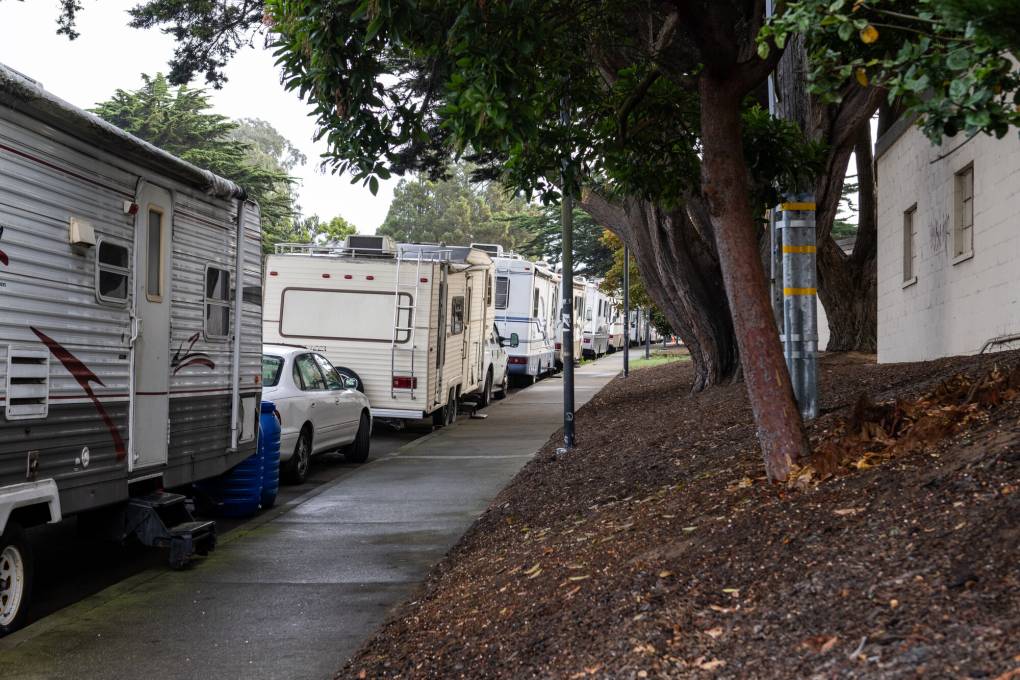
"caption": "RVs line Winston Drive in San Francisco on Oct. 17, 2023, near San Francisco State University.",
"credit": "Beth LaBerge/KQED",
"altTag": null,
"description": null,
"imgSizes": {
"medium": {
"file": "https://cdn.kqed.org/wp-content/uploads/sites/10/2024/11/231017-LakeMercedRVs-020-BL_qed-1-800x533.jpg",
"width": 800,
"height": 533,
"mimeType": "image/jpeg"
},
"large": {
"file": "https://cdn.kqed.org/wp-content/uploads/sites/10/2024/11/231017-LakeMercedRVs-020-BL_qed-1-1020x680.jpg",
"width": 1020,
"height": 680,
"mimeType": "image/jpeg"
},
"thumbnail": {
"file": "https://cdn.kqed.org/wp-content/uploads/sites/10/2024/11/231017-LakeMercedRVs-020-BL_qed-1-160x107.jpg",
"width": 160,
"height": 107,
"mimeType": "image/jpeg"
},
"1536x1536": {
"file": "https://cdn.kqed.org/wp-content/uploads/sites/10/2024/11/231017-LakeMercedRVs-020-BL_qed-1-1536x1024.jpg",
"width": 1536,
"height": 1024,
"mimeType": "image/jpeg"
},
"post-thumbnail": {
"file": "https://cdn.kqed.org/wp-content/uploads/sites/10/2024/11/231017-LakeMercedRVs-020-BL_qed-1-672x372.jpg",
"width": 672,
"height": 372,
"mimeType": "image/jpeg"
},
"twentyfourteen-full-width": {
"file": "https://cdn.kqed.org/wp-content/uploads/sites/10/2024/11/231017-LakeMercedRVs-020-BL_qed-1-1038x576.jpg",
"width": 1038,
"height": 576,
"mimeType": "image/jpeg"
},
"full-width": {
"file": "https://cdn.kqed.org/wp-content/uploads/sites/10/2024/11/231017-LakeMercedRVs-020-BL_qed-1-1920x1280.jpg",
"width": 1920,
"height": 1280,
"mimeType": "image/jpeg"
},
"kqedFullSize": {
"file": "https://cdn.kqed.org/wp-content/uploads/sites/10/2024/11/231017-LakeMercedRVs-020-BL_qed-1.jpg",
"width": 2000,
"height": 1333
}
},
"isLoading": false,
"fetchFailed": false
},
"news_12005179": {
"type": "attachments",
"id": "news_12005179",
"meta": {
"index": "attachments_1716263798",
"site": "news",
"id": "12005179",
"found": true
},
"title": "240823-ValenciaTelegraphBikeLanes-05-BL_qed",
"publishDate": 1726677421,
"status": "inherit",
"parent": 12005173,
"modified": 1726677802,
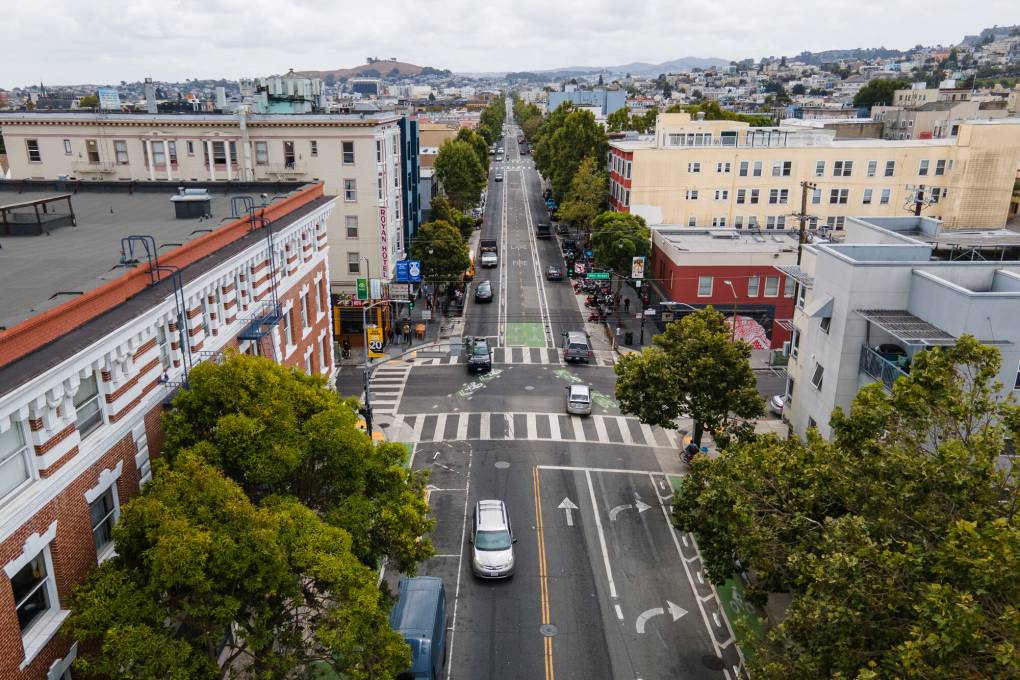
"caption": "Bicycle lanes on Valencia Street switch to center running lanes at 15th Street going south in San Francisco on Aug. 23, 2024.",
"credit": "Beth LaBerge/KQED",
"altTag": "An aerial view of street in a city.",
"description": null,
"imgSizes": {
"medium": {
"file": "https://cdn.kqed.org/wp-content/uploads/sites/10/2024/09/240823-ValenciaTelegraphBikeLanes-05-BL_qed-800x533.jpg",
"width": 800,
"height": 533,
"mimeType": "image/jpeg"
},
"large": {
"file": "https://cdn.kqed.org/wp-content/uploads/sites/10/2024/09/240823-ValenciaTelegraphBikeLanes-05-BL_qed-1020x680.jpg",
"width": 1020,
"height": 680,
"mimeType": "image/jpeg"
},
"thumbnail": {
"file": "https://cdn.kqed.org/wp-content/uploads/sites/10/2024/09/240823-ValenciaTelegraphBikeLanes-05-BL_qed-160x107.jpg",
"width": 160,
"height": 107,
"mimeType": "image/jpeg"
},
"1536x1536": {
"file": "https://cdn.kqed.org/wp-content/uploads/sites/10/2024/09/240823-ValenciaTelegraphBikeLanes-05-BL_qed-1536x1024.jpg",
"width": 1536,
"height": 1024,
"mimeType": "image/jpeg"
},
"post-thumbnail": {
"file": "https://cdn.kqed.org/wp-content/uploads/sites/10/2024/09/240823-ValenciaTelegraphBikeLanes-05-BL_qed-672x372.jpg",
"width": 672,
"height": 372,
"mimeType": "image/jpeg"
},
"twentyfourteen-full-width": {
"file": "https://cdn.kqed.org/wp-content/uploads/sites/10/2024/09/240823-ValenciaTelegraphBikeLanes-05-BL_qed-1038x576.jpg",
"width": 1038,
"height": 576,
"mimeType": "image/jpeg"
},
"full-width": {
"file": "https://cdn.kqed.org/wp-content/uploads/sites/10/2024/09/240823-ValenciaTelegraphBikeLanes-05-BL_qed-1920x1280.jpg",
"width": 1920,
"height": 1280,
"mimeType": "image/jpeg"
},
"kqedFullSize": {
"file": "https://cdn.kqed.org/wp-content/uploads/sites/10/2024/09/240823-ValenciaTelegraphBikeLanes-05-BL_qed.jpg",
"width": 2000,
"height": 1333
}
},
"isLoading": false,
"fetchFailed": false
},
"news_12001835": {
"type": "attachments",
"id": "news_12001835",
"meta": {
"index": "attachments_1716263798",
"site": "news",
"id": "12001835",
"found": true
},
"title": "240823-VALENCIATELEGRAPHBIKELANES-24-BL-KQED",
"publishDate": 1724690591,
"status": "inherit",
"parent": 0,
"modified": 1724690703,
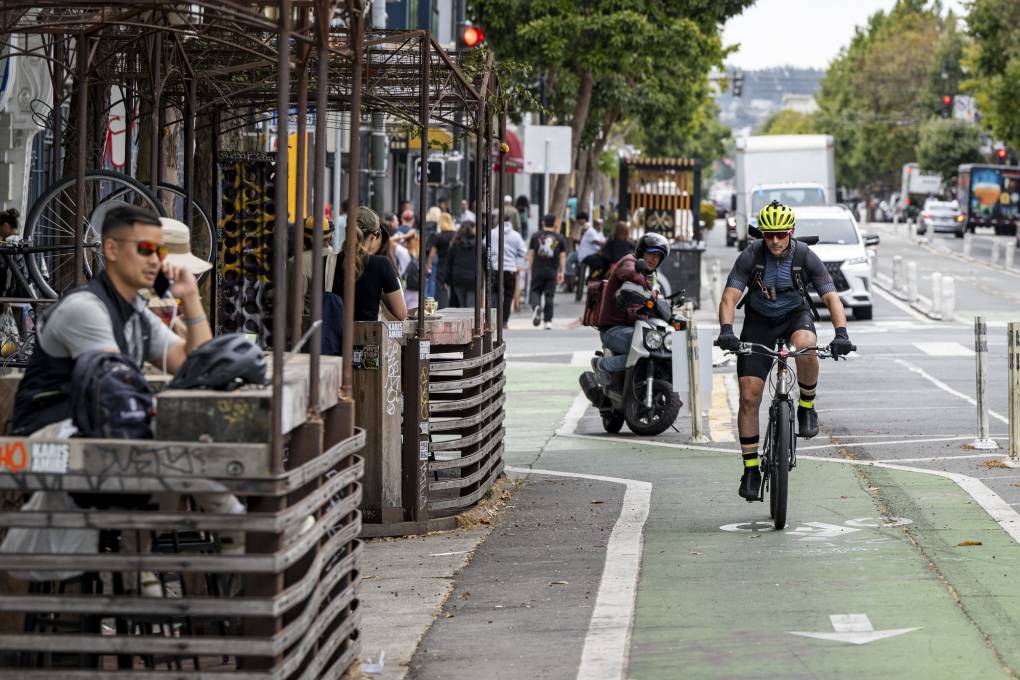
"caption": "A bicyclist rides on the Valencia Street bike lane in front of Four Barrel Coffee in San Francisco's Mission District on Aug. 23, 2024.",
"credit": "Beth LaBerge/KQED",
"altTag": null,
"description": null,
"imgSizes": {
"medium": {
"file": "https://cdn.kqed.org/wp-content/uploads/sites/10/2024/08/240823-VALENCIATELEGRAPHBIKELANES-24-BL-KQED-800x533.jpg",
"width": 800,
"height": 533,
"mimeType": "image/jpeg"
},
"large": {
"file": "https://cdn.kqed.org/wp-content/uploads/sites/10/2024/08/240823-VALENCIATELEGRAPHBIKELANES-24-BL-KQED-1020x680.jpg",
"width": 1020,
"height": 680,
"mimeType": "image/jpeg"
},
"thumbnail": {
"file": "https://cdn.kqed.org/wp-content/uploads/sites/10/2024/08/240823-VALENCIATELEGRAPHBIKELANES-24-BL-KQED-160x107.jpg",
"width": 160,
"height": 107,
"mimeType": "image/jpeg"
},
"1536x1536": {
"file": "https://cdn.kqed.org/wp-content/uploads/sites/10/2024/08/240823-VALENCIATELEGRAPHBIKELANES-24-BL-KQED-1536x1024.jpg",
"width": 1536,
"height": 1024,
"mimeType": "image/jpeg"
},
"post-thumbnail": {
"file": "https://cdn.kqed.org/wp-content/uploads/sites/10/2024/08/240823-VALENCIATELEGRAPHBIKELANES-24-BL-KQED-672x372.jpg",
"width": 672,
"height": 372,
"mimeType": "image/jpeg"
},
"twentyfourteen-full-width": {
"file": "https://cdn.kqed.org/wp-content/uploads/sites/10/2024/08/240823-VALENCIATELEGRAPHBIKELANES-24-BL-KQED-1038x576.jpg",
"width": 1038,
"height": 576,
"mimeType": "image/jpeg"
},
"full-width": {
"file": "https://cdn.kqed.org/wp-content/uploads/sites/10/2024/08/240823-VALENCIATELEGRAPHBIKELANES-24-BL-KQED-1920x1280.jpg",
"width": 1920,
"height": 1280,
"mimeType": "image/jpeg"
},
"kqedFullSize": {
"file": "https://cdn.kqed.org/wp-content/uploads/sites/10/2024/08/240823-VALENCIATELEGRAPHBIKELANES-24-BL-KQED.jpg",
"width": 2000,
"height": 1333
}
},
"isLoading": false,
"fetchFailed": false
},
"news_11849238": {
"type": "attachments",
"id": "news_11849238",
"meta": {
"index": "attachments_1716263798",
"site": "news",
"id": "11849238",
"found": true
},
"parent": 11849228,
"imgSizes": {
"apple_news_ca_landscape_5_5": {
"file": "https://ww2.kqed.org/app/uploads/sites/10/2020/12/munilayoffs_120120_final-1044x783.png",
"width": 1044,
"mimeType": "image/png",
"height": 783
},
"apple_news_ca_square_4_0": {
"file": "https://ww2.kqed.org/app/uploads/sites/10/2020/12/munilayoffs_120120_final-470x470.png",
"width": 470,
"mimeType": "image/png",
"height": 470
},
"twentyfourteen-full-width": {
"file": "https://ww2.kqed.org/app/uploads/sites/10/2020/12/munilayoffs_120120_final-1038x576.png",
"width": 1038,
"mimeType": "image/png",
"height": 576
},
"thumbnail": {
"file": "https://ww2.kqed.org/app/uploads/sites/10/2020/12/munilayoffs_120120_final-160x93.png",
"width": 160,
"mimeType": "image/png",
"height": 93
},
"post-thumbnail": {
"file": "https://ww2.kqed.org/app/uploads/sites/10/2020/12/munilayoffs_120120_final-672x372.png",
"width": 672,
"mimeType": "image/png",
"height": 372
},
"kqedFullSize": {
"file": "https://ww2.kqed.org/app/uploads/sites/10/2020/12/munilayoffs_120120_final.png",
"width": 1920,
"height": 1116
},
"apple_news_ca_landscape_4_7": {
"file": "https://ww2.kqed.org/app/uploads/sites/10/2020/12/munilayoffs_120120_final-632x474.png",
"width": 632,
"mimeType": "image/png",
"height": 474
},
"large": {
"file": "https://ww2.kqed.org/app/uploads/sites/10/2020/12/munilayoffs_120120_final-1020x593.png",
"width": 1020,
"mimeType": "image/png",
"height": 593
},
"apple_news_ca_landscape_4_0": {
"file": "https://ww2.kqed.org/app/uploads/sites/10/2020/12/munilayoffs_120120_final-536x402.png",
"width": 536,
"mimeType": "image/png",
"height": 402
},
"apple_news_ca_portrait_12_9": {
"file": "https://ww2.kqed.org/app/uploads/sites/10/2020/12/munilayoffs_120120_final-1122x1116.png",
"width": 1122,
"mimeType": "image/png",
"height": 1116
},
"medium": {
"file": "https://ww2.kqed.org/app/uploads/sites/10/2020/12/munilayoffs_120120_final-800x465.png",
"width": 800,
"mimeType": "image/png",
"height": 465
},
"apple_news_ca_portrait_4_0": {
"file": "https://ww2.kqed.org/app/uploads/sites/10/2020/12/munilayoffs_120120_final-354x472.png",
"width": 354,
"mimeType": "image/png",
"height": 472
},
"apple_news_ca_portrait_9_7": {
"file": "https://ww2.kqed.org/app/uploads/sites/10/2020/12/munilayoffs_120120_final-840x1116.png",
"width": 840,
"mimeType": "image/png",
"height": 1116
},
"apple_news_ca_landscape_12_9": {
"file": "https://ww2.kqed.org/app/uploads/sites/10/2020/12/munilayoffs_120120_final-1832x1116.png",
"width": 1832,
"mimeType": "image/png",
"height": 1116
},
"apple_news_ca_square_9_7": {
"file": "https://ww2.kqed.org/app/uploads/sites/10/2020/12/munilayoffs_120120_final-1104x1104.png",
"width": 1104,
"mimeType": "image/png",
"height": 1104
},
"1536x1536": {
"file": "https://ww2.kqed.org/app/uploads/sites/10/2020/12/munilayoffs_120120_final-1536x893.png",
"width": 1536,
"mimeType": "image/png",
"height": 893
},
"apple_news_ca_portrait_4_7": {
"file": "https://ww2.kqed.org/app/uploads/sites/10/2020/12/munilayoffs_120120_final-414x552.png",
"width": 414,
"mimeType": "image/png",
"height": 552
},
"apple_news_ca_square_12_9": {
"file": "https://ww2.kqed.org/app/uploads/sites/10/2020/12/munilayoffs_120120_final-1472x1116.png",
"width": 1472,
"mimeType": "image/png",
"height": 1116
},
"apple_news_ca_portrait_5_5": {
"file": "https://ww2.kqed.org/app/uploads/sites/10/2020/12/munilayoffs_120120_final-687x916.png",
"width": 687,
"mimeType": "image/png",
"height": 916
},
"apple_news_ca_square_4_7": {
"file": "https://ww2.kqed.org/app/uploads/sites/10/2020/12/munilayoffs_120120_final-550x550.png",
"width": 550,
"mimeType": "image/png",
"height": 550
},
"apple_news_ca_landscape_9_7": {
"file": "https://ww2.kqed.org/app/uploads/sites/10/2020/12/munilayoffs_120120_final-1376x1032.png",
"width": 1376,
"mimeType": "image/png",
"height": 1032
},
"apple_news_ca_square_5_5": {
"file": "https://ww2.kqed.org/app/uploads/sites/10/2020/12/munilayoffs_120120_final-912x912.png",
"width": 912,
"mimeType": "image/png",
"height": 912
}
},
"publishDate": 1606860420,
"modified": 1606861280,
"caption": null,
"description": null,
"title": "munilayoffs_120120_final",
"credit": null,
"status": "inherit",
"isLoading": false,
"fetchFailed": false
},
"news_11849064": {
"type": "attachments",
"id": "news_11849064",
"meta": {
"index": "attachments_1716263798",
"site": "news",
"id": "11849064",
"found": true
},
"parent": 11849028,
"imgSizes": {
"apple_news_ca_landscape_5_5": {
"file": "https://ww2.kqed.org/app/uploads/sites/10/2020/11/SF-Muni-yard-buses-1044x783.jpg",
"width": 1044,
"mimeType": "image/jpeg",
"height": 783
},
"apple_news_ca_square_4_0": {
"file": "https://ww2.kqed.org/app/uploads/sites/10/2020/11/SF-Muni-yard-buses-470x470.jpg",
"width": 470,
"mimeType": "image/jpeg",
"height": 470
},
"twentyfourteen-full-width": {
"file": "https://ww2.kqed.org/app/uploads/sites/10/2020/11/SF-Muni-yard-buses-1038x576.jpg",
"width": 1038,
"mimeType": "image/jpeg",
"height": 576
},
"thumbnail": {
"file": "https://ww2.kqed.org/app/uploads/sites/10/2020/11/SF-Muni-yard-buses-160x107.jpg",
"width": 160,
"mimeType": "image/jpeg",
"height": 107
},
"post-thumbnail": {
"file": "https://ww2.kqed.org/app/uploads/sites/10/2020/11/SF-Muni-yard-buses-672x372.jpg",
"width": 672,
"mimeType": "image/jpeg",
"height": 372
},
"kqedFullSize": {
"file": "https://ww2.kqed.org/app/uploads/sites/10/2020/11/SF-Muni-yard-buses.jpg",
"width": 1920,
"height": 1280
},
"apple_news_ca_landscape_4_7": {
"file": "https://ww2.kqed.org/app/uploads/sites/10/2020/11/SF-Muni-yard-buses-632x474.jpg",
"width": 632,
"mimeType": "image/jpeg",
"height": 474
},
"large": {
"file": "https://ww2.kqed.org/app/uploads/sites/10/2020/11/SF-Muni-yard-buses-1020x680.jpg",
"width": 1020,
"mimeType": "image/jpeg",
"height": 680
},
"apple_news_ca_landscape_4_0": {
"file": "https://ww2.kqed.org/app/uploads/sites/10/2020/11/SF-Muni-yard-buses-536x402.jpg",
"width": 536,
"mimeType": "image/jpeg",
"height": 402
},
"apple_news_ca_portrait_12_9": {
"file": "https://ww2.kqed.org/app/uploads/sites/10/2020/11/SF-Muni-yard-buses-1122x1280.jpg",
"width": 1122,
"mimeType": "image/jpeg",
"height": 1280
},
"medium": {
"file": "https://ww2.kqed.org/app/uploads/sites/10/2020/11/SF-Muni-yard-buses-800x533.jpg",
"width": 800,
"mimeType": "image/jpeg",
"height": 533
},
"apple_news_ca_portrait_4_0": {
"file": "https://ww2.kqed.org/app/uploads/sites/10/2020/11/SF-Muni-yard-buses-354x472.jpg",
"width": 354,
"mimeType": "image/jpeg",
"height": 472
},
"apple_news_ca_portrait_9_7": {
"file": "https://ww2.kqed.org/app/uploads/sites/10/2020/11/SF-Muni-yard-buses-840x1120.jpg",
"width": 840,
"mimeType": "image/jpeg",
"height": 1120
},
"apple_news_ca_landscape_12_9": {
"file": "https://ww2.kqed.org/app/uploads/sites/10/2020/11/SF-Muni-yard-buses-1832x1280.jpg",
"width": 1832,
"mimeType": "image/jpeg",
"height": 1280
},
"apple_news_ca_square_9_7": {
"file": "https://ww2.kqed.org/app/uploads/sites/10/2020/11/SF-Muni-yard-buses-1104x1104.jpg",
"width": 1104,
"mimeType": "image/jpeg",
"height": 1104
},
"1536x1536": {
"file": "https://ww2.kqed.org/app/uploads/sites/10/2020/11/SF-Muni-yard-buses-1536x1024.jpg",
"width": 1536,
"mimeType": "image/jpeg",
"height": 1024
},
"apple_news_ca_portrait_4_7": {
"file": "https://ww2.kqed.org/app/uploads/sites/10/2020/11/SF-Muni-yard-buses-414x552.jpg",
"width": 414,
"mimeType": "image/jpeg",
"height": 552
},
"apple_news_ca_square_12_9": {
"file": "https://ww2.kqed.org/app/uploads/sites/10/2020/11/SF-Muni-yard-buses-1472x1280.jpg",
"width": 1472,
"mimeType": "image/jpeg",
"height": 1280
},
"apple_news_ca_portrait_5_5": {
"file": "https://ww2.kqed.org/app/uploads/sites/10/2020/11/SF-Muni-yard-buses-687x916.jpg",
"width": 687,
"mimeType": "image/jpeg",
"height": 916
},
"apple_news_ca_square_4_7": {
"file": "https://ww2.kqed.org/app/uploads/sites/10/2020/11/SF-Muni-yard-buses-550x550.jpg",
"width": 550,
"mimeType": "image/jpeg",
"height": 550
},
"apple_news_ca_landscape_9_7": {
"file": "https://ww2.kqed.org/app/uploads/sites/10/2020/11/SF-Muni-yard-buses-1376x1032.jpg",
"width": 1376,
"mimeType": "image/jpeg",
"height": 1032
},
"apple_news_ca_square_5_5": {
"file": "https://ww2.kqed.org/app/uploads/sites/10/2020/11/SF-Muni-yard-buses-912x912.jpg",
"width": 912,
"mimeType": "image/jpeg",
"height": 912
}
},
"publishDate": 1606776060,
"modified": 1606783058,
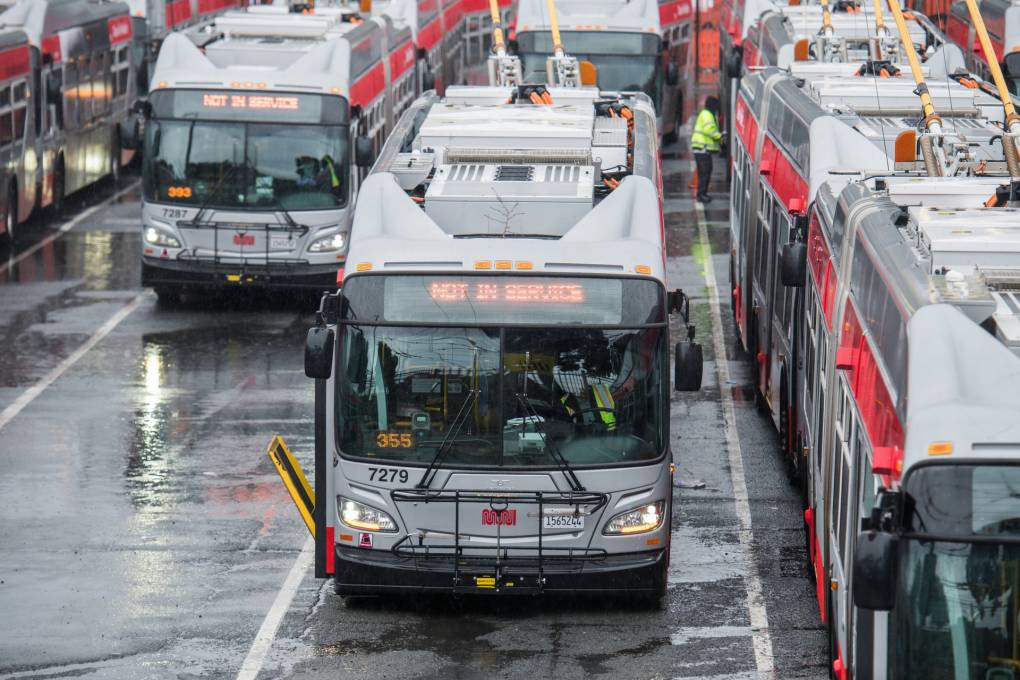
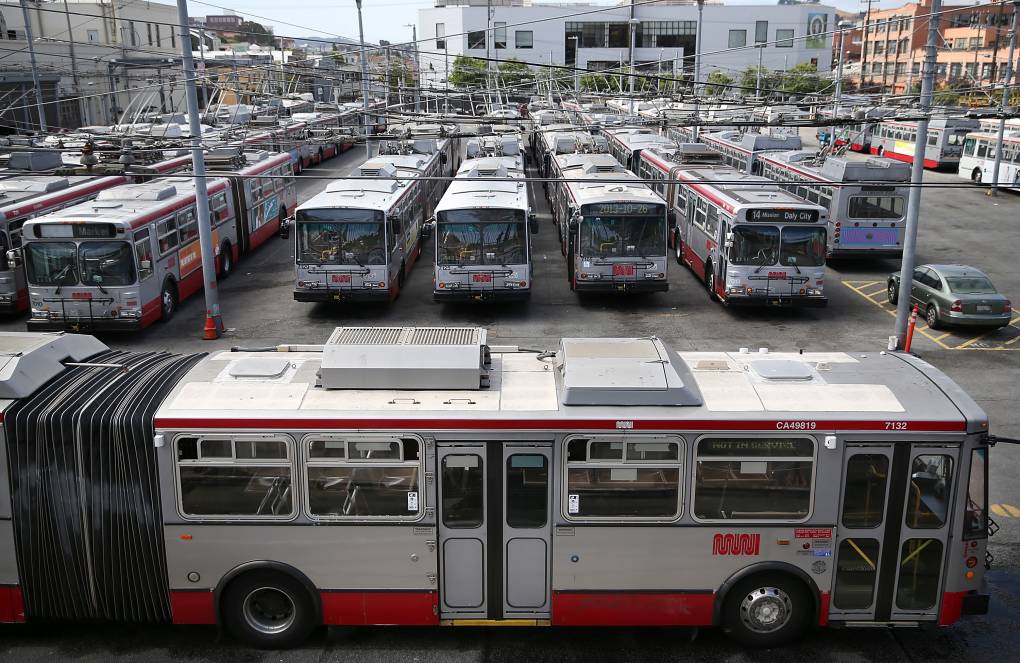
"caption": "San Francisco Muni buses sit at a bus yard on Bryant and Mariposa streets in April 2020.",
"description": "SF Muni buses sit at a bus yard on Bryant and Mariposa streets in April, 2020.",
"title": "SF-Muni-yard-buses",
"credit": "Beth LaBerge/KQED",
"status": "inherit",
"isLoading": false,
"fetchFailed": false
},
"news_11824013": {
"type": "attachments",
"id": "news_11824013",
"meta": {
"index": "attachments_1716263798",
"site": "news",
"id": "11824013",
"found": true
},
"parent": 11824004,
"imgSizes": {
"apple_news_ca_landscape_5_5": {
"file": "https://ww2.kqed.org/app/uploads/sites/10/2020/06/sfpdmuni_061120_final-1044x783.png",
"width": 1044,
"mimeType": "image/png",
"height": 783
},
"apple_news_ca_square_4_0": {
"file": "https://ww2.kqed.org/app/uploads/sites/10/2020/06/sfpdmuni_061120_final-470x470.png",
"width": 470,
"mimeType": "image/png",
"height": 470
},
"twentyfourteen-full-width": {
"file": "https://ww2.kqed.org/app/uploads/sites/10/2020/06/sfpdmuni_061120_final-1038x576.png",
"width": 1038,
"mimeType": "image/png",
"height": 576
},
"thumbnail": {
"file": "https://ww2.kqed.org/app/uploads/sites/10/2020/06/sfpdmuni_061120_final-160x113.png",
"width": 160,
"mimeType": "image/png",
"height": 113
},
"post-thumbnail": {
"file": "https://ww2.kqed.org/app/uploads/sites/10/2020/06/sfpdmuni_061120_final-672x372.png",
"width": 672,
"mimeType": "image/png",
"height": 372
},
"kqedFullSize": {
"file": "https://ww2.kqed.org/app/uploads/sites/10/2020/06/sfpdmuni_061120_final.png",
"width": 1920,
"height": 1358
},
"apple_news_ca_landscape_4_7": {
"file": "https://ww2.kqed.org/app/uploads/sites/10/2020/06/sfpdmuni_061120_final-632x474.png",
"width": 632,
"mimeType": "image/png",
"height": 474
},
"large": {
"file": "https://ww2.kqed.org/app/uploads/sites/10/2020/06/sfpdmuni_061120_final-1020x721.png",
"width": 1020,
"mimeType": "image/png",
"height": 721
},
"apple_news_ca_landscape_4_0": {
"file": "https://ww2.kqed.org/app/uploads/sites/10/2020/06/sfpdmuni_061120_final-536x402.png",
"width": 536,
"mimeType": "image/png",
"height": 402
},
"apple_news_ca_portrait_12_9": {
"file": "https://ww2.kqed.org/app/uploads/sites/10/2020/06/sfpdmuni_061120_final-1122x1358.png",
"width": 1122,
"mimeType": "image/png",
"height": 1358
},
"medium": {
"file": "https://ww2.kqed.org/app/uploads/sites/10/2020/06/sfpdmuni_061120_final-800x566.png",
"width": 800,
"mimeType": "image/png",
"height": 566
},
"apple_news_ca_portrait_4_0": {
"file": "https://ww2.kqed.org/app/uploads/sites/10/2020/06/sfpdmuni_061120_final-354x472.png",
"width": 354,
"mimeType": "image/png",
"height": 472
},
"apple_news_ca_portrait_9_7": {
"file": "https://ww2.kqed.org/app/uploads/sites/10/2020/06/sfpdmuni_061120_final-840x1120.png",
"width": 840,
"mimeType": "image/png",
"height": 1120
},
"apple_news_ca_landscape_12_9": {
"file": "https://ww2.kqed.org/app/uploads/sites/10/2020/06/sfpdmuni_061120_final-1832x1358.png",
"width": 1832,
"mimeType": "image/png",
"height": 1358
},
"apple_news_ca_square_9_7": {
"file": "https://ww2.kqed.org/app/uploads/sites/10/2020/06/sfpdmuni_061120_final-1104x1104.png",
"width": 1104,
"mimeType": "image/png",
"height": 1104
},
"apple_news_ca_portrait_4_7": {
"file": "https://ww2.kqed.org/app/uploads/sites/10/2020/06/sfpdmuni_061120_final-414x552.png",
"width": 414,
"mimeType": "image/png",
"height": 552
},
"apple_news_ca_square_12_9": {
"file": "https://ww2.kqed.org/app/uploads/sites/10/2020/06/sfpdmuni_061120_final-1472x1358.png",
"width": 1472,
"mimeType": "image/png",
"height": 1358
},
"apple_news_ca_portrait_5_5": {
"file": "https://ww2.kqed.org/app/uploads/sites/10/2020/06/sfpdmuni_061120_final-687x916.png",
"width": 687,
"mimeType": "image/png",
"height": 916
},
"full-width": {
"file": "https://ww2.kqed.org/app/uploads/sites/10/2020/06/sfpdmuni_061120_final-1920x1358.png",
"width": 1920,
"mimeType": "image/png",
"height": 1358
},
"apple_news_ca_square_4_7": {
"file": "https://ww2.kqed.org/app/uploads/sites/10/2020/06/sfpdmuni_061120_final-550x550.png",
"width": 550,
"mimeType": "image/png",
"height": 550
},
"apple_news_ca_landscape_9_7": {
"file": "https://ww2.kqed.org/app/uploads/sites/10/2020/06/sfpdmuni_061120_final-1376x1032.png",
"width": 1376,
"mimeType": "image/png",
"height": 1032
},
"apple_news_ca_square_5_5": {
"file": "https://ww2.kqed.org/app/uploads/sites/10/2020/06/sfpdmuni_061120_final-912x912.png",
"width": 912,
"mimeType": "image/png",
"height": 912
}
},
"publishDate": 1591907346,
"modified": 1591907383,
"caption": null,
"description": null,
"title": "sfpdmuni_061120_final",
"credit": null,
"status": "inherit",
"isLoading": false,
"fetchFailed": false
},
"news_11812844": {
"type": "attachments",
"id": "news_11812844",
"meta": {
"index": "attachments_1716263798",
"site": "news",
"id": "11812844",
"found": true
},
"parent": 0,
"imgSizes": {
"apple_news_ca_landscape_5_5": {
"file": "https://ww2.kqed.org/app/uploads/sites/10/2020/04/munisf200416-1044x783.jpg",
"width": 1044,
"mimeType": "image/jpeg",
"height": 783
},
"apple_news_ca_square_4_0": {
"file": "https://ww2.kqed.org/app/uploads/sites/10/2020/04/munisf200416-470x470.jpg",
"width": 470,
"mimeType": "image/jpeg",
"height": 470
},
"twentyfourteen-full-width": {
"file": "https://ww2.kqed.org/app/uploads/sites/10/2020/04/munisf200416-1038x576.jpg",
"width": 1038,
"mimeType": "image/jpeg",
"height": 576
},
"thumbnail": {
"file": "https://ww2.kqed.org/app/uploads/sites/10/2020/04/munisf200416-160x100.jpg",
"width": 160,
"mimeType": "image/jpeg",
"height": 100
},
"post-thumbnail": {
"file": "https://ww2.kqed.org/app/uploads/sites/10/2020/04/munisf200416-672x372.jpg",
"width": 672,
"mimeType": "image/jpeg",
"height": 372
},
"kqedFullSize": {
"file": "https://ww2.kqed.org/app/uploads/sites/10/2020/04/munisf200416.jpg",
"width": 1920,
"height": 1197
},
"apple_news_ca_landscape_4_7": {
"file": "https://ww2.kqed.org/app/uploads/sites/10/2020/04/munisf200416-632x474.jpg",
"width": 632,
"mimeType": "image/jpeg",
"height": 474
},
"large": {
"file": "https://ww2.kqed.org/app/uploads/sites/10/2020/04/munisf200416-1020x636.jpg",
"width": 1020,
"mimeType": "image/jpeg",
"height": 636
},
"apple_news_ca_landscape_4_0": {
"file": "https://ww2.kqed.org/app/uploads/sites/10/2020/04/munisf200416-536x402.jpg",
"width": 536,
"mimeType": "image/jpeg",
"height": 402
},
"apple_news_ca_portrait_12_9": {
"file": "https://ww2.kqed.org/app/uploads/sites/10/2020/04/munisf200416-1122x1197.jpg",
"width": 1122,
"mimeType": "image/jpeg",
"height": 1197
},
"medium": {
"file": "https://ww2.kqed.org/app/uploads/sites/10/2020/04/munisf200416-800x499.jpg",
"width": 800,
"mimeType": "image/jpeg",
"height": 499
},
"apple_news_ca_portrait_4_0": {
"file": "https://ww2.kqed.org/app/uploads/sites/10/2020/04/munisf200416-354x472.jpg",
"width": 354,
"mimeType": "image/jpeg",
"height": 472
},
"apple_news_ca_portrait_9_7": {
"file": "https://ww2.kqed.org/app/uploads/sites/10/2020/04/munisf200416-840x1120.jpg",
"width": 840,
"mimeType": "image/jpeg",
"height": 1120
},
"apple_news_ca_landscape_12_9": {
"file": "https://ww2.kqed.org/app/uploads/sites/10/2020/04/munisf200416-1832x1197.jpg",
"width": 1832,
"mimeType": "image/jpeg",
"height": 1197
},
"apple_news_ca_square_9_7": {
"file": "https://ww2.kqed.org/app/uploads/sites/10/2020/04/munisf200416-1104x1104.jpg",
"width": 1104,
"mimeType": "image/jpeg",
"height": 1104
},
"apple_news_ca_portrait_4_7": {
"file": "https://ww2.kqed.org/app/uploads/sites/10/2020/04/munisf200416-414x552.jpg",
"width": 414,
"mimeType": "image/jpeg",
"height": 552
},
"apple_news_ca_square_12_9": {
"file": "https://ww2.kqed.org/app/uploads/sites/10/2020/04/munisf200416-1472x1197.jpg",
"width": 1472,
"mimeType": "image/jpeg",
"height": 1197
},
"apple_news_ca_portrait_5_5": {
"file": "https://ww2.kqed.org/app/uploads/sites/10/2020/04/munisf200416-687x916.jpg",
"width": 687,
"mimeType": "image/jpeg",
"height": 916
},
"full-width": {
"file": "https://ww2.kqed.org/app/uploads/sites/10/2020/04/munisf200416-1920x1197.jpg",
"width": 1920,
"mimeType": "image/jpeg",
"height": 1197
},
"apple_news_ca_square_4_7": {
"file": "https://ww2.kqed.org/app/uploads/sites/10/2020/04/munisf200416-550x550.jpg",
"width": 550,
"mimeType": "image/jpeg",
"height": 550
},
"apple_news_ca_landscape_9_7": {
"file": "https://ww2.kqed.org/app/uploads/sites/10/2020/04/munisf200416-1376x1032.jpg",
"width": 1376,
"mimeType": "image/jpeg",
"height": 1032
},
"apple_news_ca_square_5_5": {
"file": "https://ww2.kqed.org/app/uploads/sites/10/2020/04/munisf200416-912x912.jpg",
"width": 912,
"mimeType": "image/jpeg",
"height": 912
}
},
"publishDate": 1587145922,
"modified": 1587151490,
"caption": "A Muni bus picks up passengers at Sixth and Market streets in San Francisco on April 16, 2020.",
"description": "A Muni bus picks up passengers at Sixth and Market streets in San Francisco on April 16, 2020.",
"title": "San Francisco-Muni-Market Street",
"credit": "Beth LaBerge/KQED",
"status": "inherit",
"isLoading": false,
"fetchFailed": false
},
"news_11808709": {
"type": "attachments",
"id": "news_11808709",
"meta": {
"index": "attachments_1716263798",
"site": "news",
"id": "11808709",
"found": true
},
"parent": 11808705,
"imgSizes": {
"apple_news_ca_landscape_5_5": {
"file": "https://ww2.kqed.org/app/uploads/sites/10/2020/03/GettyImages-495445579-1044x783.jpg",
"width": 1044,
"mimeType": "image/jpeg",
"height": 783
},
"apple_news_ca_square_4_0": {
"file": "https://ww2.kqed.org/app/uploads/sites/10/2020/03/GettyImages-495445579-470x470.jpg",
"width": 470,
"mimeType": "image/jpeg",
"height": 470
},
"twentyfourteen-full-width": {
"file": "https://ww2.kqed.org/app/uploads/sites/10/2020/03/GettyImages-495445579-1038x576.jpg",
"width": 1038,
"mimeType": "image/jpeg",
"height": 576
},
"thumbnail": {
"file": "https://ww2.kqed.org/app/uploads/sites/10/2020/03/GettyImages-495445579-160x104.jpg",
"width": 160,
"mimeType": "image/jpeg",
"height": 104
},
"post-thumbnail": {
"file": "https://ww2.kqed.org/app/uploads/sites/10/2020/03/GettyImages-495445579-672x372.jpg",
"width": 672,
"mimeType": "image/jpeg",
"height": 372
},
"kqedFullSize": {
"file": "https://ww2.kqed.org/app/uploads/sites/10/2020/03/GettyImages-495445579-e1585173548801.jpg",
"width": 1920,
"height": 1247
},
"apple_news_ca_landscape_4_7": {
"file": "https://ww2.kqed.org/app/uploads/sites/10/2020/03/GettyImages-495445579-632x474.jpg",
"width": 632,
"mimeType": "image/jpeg",
"height": 474
},
"large": {
"file": "https://ww2.kqed.org/app/uploads/sites/10/2020/03/GettyImages-495445579-1020x663.jpg",
"width": 1020,
"mimeType": "image/jpeg",
"height": 663
},
"apple_news_ca_landscape_4_0": {
"file": "https://ww2.kqed.org/app/uploads/sites/10/2020/03/GettyImages-495445579-536x402.jpg",
"width": 536,
"mimeType": "image/jpeg",
"height": 402
},
"apple_news_ca_portrait_12_9": {
"file": "https://ww2.kqed.org/app/uploads/sites/10/2020/03/GettyImages-495445579-1122x1496.jpg",
"width": 1122,
"mimeType": "image/jpeg",
"height": 1496
},
"medium": {
"file": "https://ww2.kqed.org/app/uploads/sites/10/2020/03/GettyImages-495445579-800x520.jpg",
"width": 800,
"mimeType": "image/jpeg",
"height": 520
},
"apple_news_ca_portrait_4_0": {
"file": "https://ww2.kqed.org/app/uploads/sites/10/2020/03/GettyImages-495445579-354x472.jpg",
"width": 354,
"mimeType": "image/jpeg",
"height": 472
},
"apple_news_ca_portrait_9_7": {
"file": "https://ww2.kqed.org/app/uploads/sites/10/2020/03/GettyImages-495445579-840x1120.jpg",
"width": 840,
"mimeType": "image/jpeg",
"height": 1120
},
"apple_news_ca_landscape_12_9": {
"file": "https://ww2.kqed.org/app/uploads/sites/10/2020/03/GettyImages-495445579-1832x1374.jpg",
"width": 1832,
"mimeType": "image/jpeg",
"height": 1374
},
"apple_news_ca_square_9_7": {
"file": "https://ww2.kqed.org/app/uploads/sites/10/2020/03/GettyImages-495445579-1104x1104.jpg",
"width": 1104,
"mimeType": "image/jpeg",
"height": 1104
},
"apple_news_ca_portrait_4_7": {
"file": "https://ww2.kqed.org/app/uploads/sites/10/2020/03/GettyImages-495445579-414x552.jpg",
"width": 414,
"mimeType": "image/jpeg",
"height": 552
},
"apple_news_ca_square_12_9": {
"file": "https://ww2.kqed.org/app/uploads/sites/10/2020/03/GettyImages-495445579-1472x1472.jpg",
"width": 1472,
"mimeType": "image/jpeg",
"height": 1472
},
"apple_news_ca_portrait_5_5": {
"file": "https://ww2.kqed.org/app/uploads/sites/10/2020/03/GettyImages-495445579-687x916.jpg",
"width": 687,
"mimeType": "image/jpeg",
"height": 916
},
"full-width": {
"file": "https://ww2.kqed.org/app/uploads/sites/10/2020/03/GettyImages-495445579-1920x1247.jpg",
"width": 1920,
"mimeType": "image/jpeg",
"height": 1247
},
"apple_news_ca_square_4_7": {
"file": "https://ww2.kqed.org/app/uploads/sites/10/2020/03/GettyImages-495445579-550x550.jpg",
"width": 550,
"mimeType": "image/jpeg",
"height": 550
},
"apple_news_ca_landscape_9_7": {
"file": "https://ww2.kqed.org/app/uploads/sites/10/2020/03/GettyImages-495445579-1376x1032.jpg",
"width": 1376,
"mimeType": "image/jpeg",
"height": 1032
},
"apple_news_ca_square_5_5": {
"file": "https://ww2.kqed.org/app/uploads/sites/10/2020/03/GettyImages-495445579-912x912.jpg",
"width": 912,
"mimeType": "image/jpeg",
"height": 912
}
},
"publishDate": 1585173517,
"modified": 1585173619,
"caption": "San Francisco Muni's Potrero Division yard as seen in June 2014. ",
"description": null,
"title": "Muni-Potrero Yard",
"credit": "Justin Sullivan/Getty Images",
"status": "inherit",
"isLoading": false,
"fetchFailed": false
},
"news_11797444": {
"type": "attachments",
"id": "news_11797444",
"meta": {
"index": "attachments_1716263798",
"site": "news",
"id": "11797444",
"found": true
},
"parent": 0,
"imgSizes": {
"apple_news_ca_landscape_5_5": {
"file": "https://ww2.kqed.org/app/uploads/sites/10/2020/01/marketstreet200122a-1044x783.jpg",
"width": 1044,
"mimeType": "image/jpeg",
"height": 783
},
"apple_news_ca_square_4_0": {
"file": "https://ww2.kqed.org/app/uploads/sites/10/2020/01/marketstreet200122a-470x470.jpg",
"width": 470,
"mimeType": "image/jpeg",
"height": 470
},
"twentyfourteen-full-width": {
"file": "https://ww2.kqed.org/app/uploads/sites/10/2020/01/marketstreet200122a-1038x576.jpg",
"width": 1038,
"mimeType": "image/jpeg",
"height": 576
},
"thumbnail": {
"file": "https://ww2.kqed.org/app/uploads/sites/10/2020/01/marketstreet200122a-160x103.jpg",
"width": 160,
"mimeType": "image/jpeg",
"height": 103
},
"post-thumbnail": {
"file": "https://ww2.kqed.org/app/uploads/sites/10/2020/01/marketstreet200122a-672x372.jpg",
"width": 672,
"mimeType": "image/jpeg",
"height": 372
},
"kqedFullSize": {
"file": "https://ww2.kqed.org/app/uploads/sites/10/2020/01/marketstreet200122a.jpg",
"width": 1920,
"height": 1235
},
"apple_news_ca_landscape_4_7": {
"file": "https://ww2.kqed.org/app/uploads/sites/10/2020/01/marketstreet200122a-632x474.jpg",
"width": 632,
"mimeType": "image/jpeg",
"height": 474
},
"large": {
"file": "https://ww2.kqed.org/app/uploads/sites/10/2020/01/marketstreet200122a-1020x656.jpg",
"width": 1020,
"mimeType": "image/jpeg",
"height": 656
},
"apple_news_ca_landscape_4_0": {
"file": "https://ww2.kqed.org/app/uploads/sites/10/2020/01/marketstreet200122a-536x402.jpg",
"width": 536,
"mimeType": "image/jpeg",
"height": 402
},
"apple_news_ca_portrait_12_9": {
"file": "https://ww2.kqed.org/app/uploads/sites/10/2020/01/marketstreet200122a-1122x1235.jpg",
"width": 1122,
"mimeType": "image/jpeg",
"height": 1235
},
"medium": {
"file": "https://ww2.kqed.org/app/uploads/sites/10/2020/01/marketstreet200122a-800x515.jpg",
"width": 800,
"mimeType": "image/jpeg",
"height": 515
},
"apple_news_ca_portrait_4_0": {
"file": "https://ww2.kqed.org/app/uploads/sites/10/2020/01/marketstreet200122a-354x472.jpg",
"width": 354,
"mimeType": "image/jpeg",
"height": 472
},
"apple_news_ca_portrait_9_7": {
"file": "https://ww2.kqed.org/app/uploads/sites/10/2020/01/marketstreet200122a-840x1120.jpg",
"width": 840,
"mimeType": "image/jpeg",
"height": 1120
},
"apple_news_ca_landscape_12_9": {
"file": "https://ww2.kqed.org/app/uploads/sites/10/2020/01/marketstreet200122a-1832x1235.jpg",
"width": 1832,
"mimeType": "image/jpeg",
"height": 1235
},
"apple_news_ca_square_9_7": {
"file": "https://ww2.kqed.org/app/uploads/sites/10/2020/01/marketstreet200122a-1104x1104.jpg",
"width": 1104,
"mimeType": "image/jpeg",
"height": 1104
},
"apple_news_ca_portrait_4_7": {
"file": "https://ww2.kqed.org/app/uploads/sites/10/2020/01/marketstreet200122a-414x552.jpg",
"width": 414,
"mimeType": "image/jpeg",
"height": 552
},
"apple_news_ca_square_12_9": {
"file": "https://ww2.kqed.org/app/uploads/sites/10/2020/01/marketstreet200122a-1472x1235.jpg",
"width": 1472,
"mimeType": "image/jpeg",
"height": 1235
},
"apple_news_ca_portrait_5_5": {
"file": "https://ww2.kqed.org/app/uploads/sites/10/2020/01/marketstreet200122a-687x916.jpg",
"width": 687,
"mimeType": "image/jpeg",
"height": 916
},
"full-width": {
"file": "https://ww2.kqed.org/app/uploads/sites/10/2020/01/marketstreet200122a-1920x1235.jpg",
"width": 1920,
"mimeType": "image/jpeg",
"height": 1235
},
"apple_news_ca_square_4_7": {
"file": "https://ww2.kqed.org/app/uploads/sites/10/2020/01/marketstreet200122a-550x550.jpg",
"width": 550,
"mimeType": "image/jpeg",
"height": 550
},
"apple_news_ca_landscape_9_7": {
"file": "https://ww2.kqed.org/app/uploads/sites/10/2020/01/marketstreet200122a-1376x1032.jpg",
"width": 1376,
"mimeType": "image/jpeg",
"height": 1032
},
"apple_news_ca_square_5_5": {
"file": "https://ww2.kqed.org/app/uploads/sites/10/2020/01/marketstreet200122a-912x912.jpg",
"width": 912,
"mimeType": "image/jpeg",
"height": 912
}
},
"publishDate": 1579744980,
"modified": 1579745094,
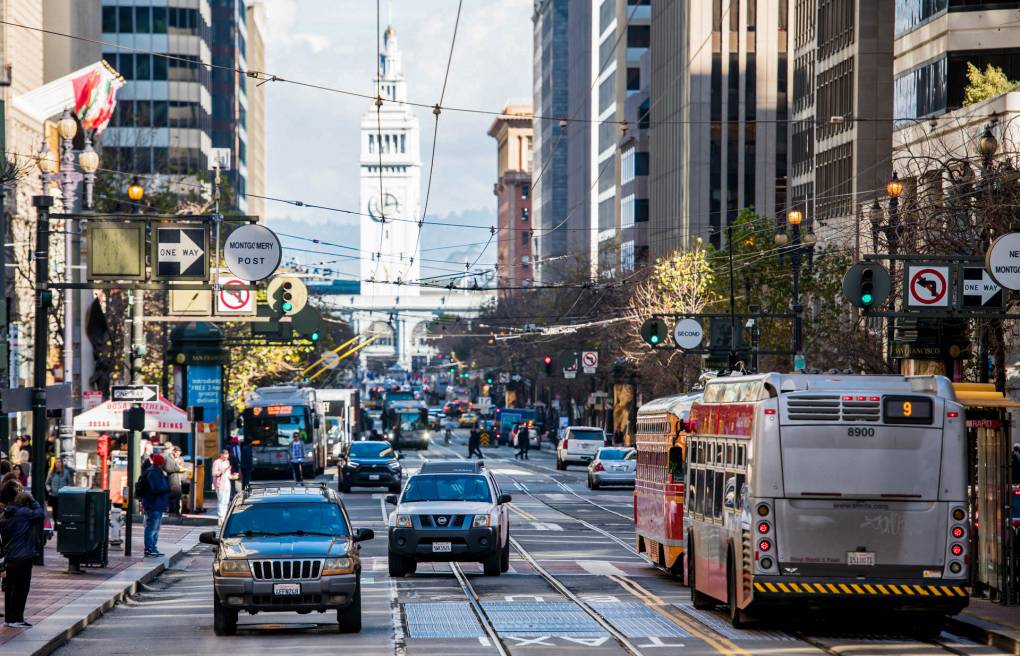
"caption": "Market Street, near Second Street, in downtown San Francisco. Beginning Jan. 29, private vehicles like those shown here will no be permitted to travel on the street. ",
"description": null,
"title": "Market Street-San Francisco",
"credit": "Beth LaBerge/KQED",
"status": "inherit",
"isLoading": false,
"fetchFailed": false
},
"news_11667867": {
"type": "attachments",
"id": "news_11667867",
"meta": {
"index": "attachments_1716263798",
"site": "news",
"id": "11667867",
"found": true
},
"parent": 11667830,
"imgSizes": {
"small": {
"file": "https://ww2.kqed.org/app/uploads/sites/10/2018/05/Screen-Shot-2018-05-11-at-1.03.00-PM-520x335.png",
"width": 520,
"mimeType": "image/png",
"height": 335
},
"twentyfourteen-full-width": {
"file": "https://ww2.kqed.org/app/uploads/sites/10/2018/05/Screen-Shot-2018-05-11-at-1.03.00-PM-1038x576.png",
"width": 1038,
"mimeType": "image/png",
"height": 576
},
"thumbnail": {
"file": "https://ww2.kqed.org/app/uploads/sites/10/2018/05/Screen-Shot-2018-05-11-at-1.03.00-PM-160x103.png",
"width": 160,
"mimeType": "image/png",
"height": 103
},
"fd-sm": {
"file": "https://ww2.kqed.org/app/uploads/sites/10/2018/05/Screen-Shot-2018-05-11-at-1.03.00-PM-960x618.png",
"width": 960,
"mimeType": "image/png",
"height": 618
},
"post-thumbnail": {
"file": "https://ww2.kqed.org/app/uploads/sites/10/2018/05/Screen-Shot-2018-05-11-at-1.03.00-PM-672x372.png",
"width": 672,
"mimeType": "image/png",
"height": 372
},
"xsmall": {
"file": "https://ww2.kqed.org/app/uploads/sites/10/2018/05/Screen-Shot-2018-05-11-at-1.03.00-PM-375x241.png",
"width": 375,
"mimeType": "image/png",
"height": 241
},
"kqedFullSize": {
"file": "https://ww2.kqed.org/app/uploads/sites/10/2018/05/Screen-Shot-2018-05-11-at-1.03.00-PM-e1526069205329.png",
"width": 1920,
"height": 1236
},
"large": {
"file": "https://ww2.kqed.org/app/uploads/sites/10/2018/05/Screen-Shot-2018-05-11-at-1.03.00-PM-1020x657.png",
"width": 1020,
"mimeType": "image/png",
"height": 657
},
"xlarge": {
"file": "https://ww2.kqed.org/app/uploads/sites/10/2018/05/Screen-Shot-2018-05-11-at-1.03.00-PM-1180x760.png",
"width": 1180,
"mimeType": "image/png",
"height": 760
},
"complete_open_graph": {
"file": "https://ww2.kqed.org/app/uploads/sites/10/2018/05/Screen-Shot-2018-05-11-at-1.03.00-PM-1200x773.png",
"width": 1200,
"mimeType": "image/png",
"height": 773
},
"guest-author-50": {
"file": "https://ww2.kqed.org/app/uploads/sites/10/2018/05/Screen-Shot-2018-05-11-at-1.03.00-PM-50x50.png",
"width": 50,
"mimeType": "image/png",
"height": 50
},
"guest-author-96": {
"file": "https://ww2.kqed.org/app/uploads/sites/10/2018/05/Screen-Shot-2018-05-11-at-1.03.00-PM-96x96.png",
"width": 96,
"mimeType": "image/png",
"height": 96
},
"medium": {
"file": "https://ww2.kqed.org/app/uploads/sites/10/2018/05/Screen-Shot-2018-05-11-at-1.03.00-PM-800x515.png",
"width": 800,
"mimeType": "image/png",
"height": 515
},
"guest-author-64": {
"file": "https://ww2.kqed.org/app/uploads/sites/10/2018/05/Screen-Shot-2018-05-11-at-1.03.00-PM-64x64.png",
"width": 64,
"mimeType": "image/png",
"height": 64
},
"guest-author-32": {
"file": "https://ww2.kqed.org/app/uploads/sites/10/2018/05/Screen-Shot-2018-05-11-at-1.03.00-PM-32x32.png",
"width": 32,
"mimeType": "image/png",
"height": 32
},
"fd-lrg": {
"file": "https://ww2.kqed.org/app/uploads/sites/10/2018/05/Screen-Shot-2018-05-11-at-1.03.00-PM-1920x1236.png",
"width": 1920,
"mimeType": "image/png",
"height": 1236
},
"fd-med": {
"file": "https://ww2.kqed.org/app/uploads/sites/10/2018/05/Screen-Shot-2018-05-11-at-1.03.00-PM-1180x760.png",
"width": 1180,
"mimeType": "image/png",
"height": 760
},
"full-width": {
"file": "https://ww2.kqed.org/app/uploads/sites/10/2018/05/Screen-Shot-2018-05-11-at-1.03.00-PM-1920x1236.png",
"width": 1920,
"mimeType": "image/png",
"height": 1236
},
"detail": {
"file": "https://ww2.kqed.org/app/uploads/sites/10/2018/05/Screen-Shot-2018-05-11-at-1.03.00-PM-150x150.png",
"width": 150,
"mimeType": "image/png",
"height": 150
},
"guest-author-128": {
"file": "https://ww2.kqed.org/app/uploads/sites/10/2018/05/Screen-Shot-2018-05-11-at-1.03.00-PM-128x128.png",
"width": 128,
"mimeType": "image/png",
"height": 128
},
"xxsmall": {
"file": "https://ww2.kqed.org/app/uploads/sites/10/2018/05/Screen-Shot-2018-05-11-at-1.03.00-PM-240x155.png",
"width": 240,
"mimeType": "image/png",
"height": 155
}
},
"publishDate": 1526069040,
"modified": 1526069217,
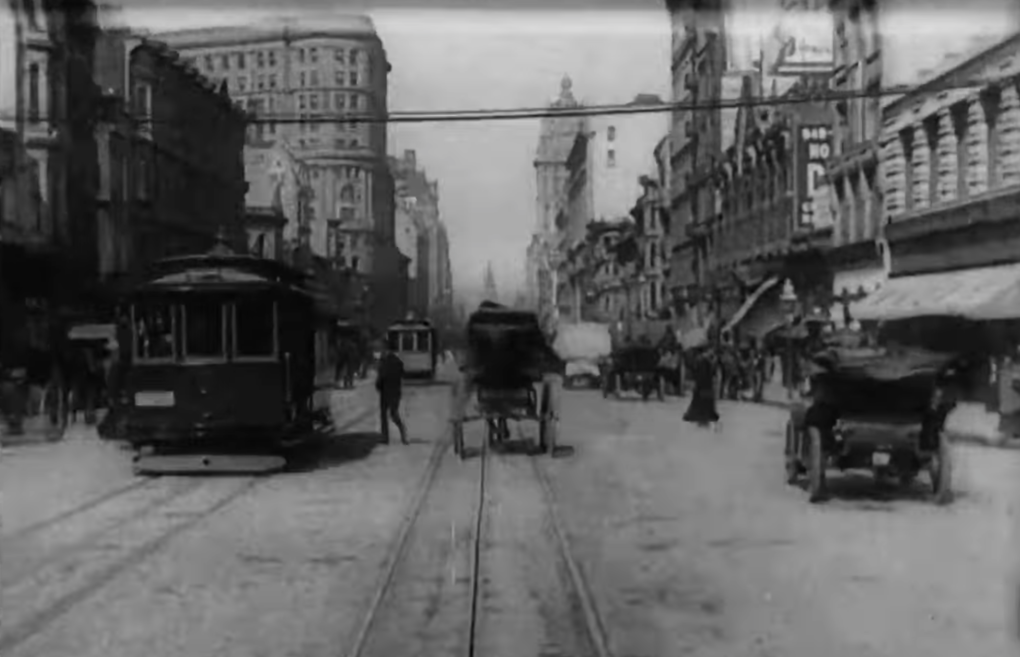
"caption": "A frame from the 1906 film \"A Trip Down Market Street Before the Fire.\" The movie was shot shortly before the April 18 earthquake and fire devastated much of the city. ",
"description": null,
"title": "Market Street 1906",
"credit": "Library of Congress via YouTube",
"status": "inherit",
"isLoading": false,
"fetchFailed": false
},
"news_11780514": {
"type": "attachments",
"id": "news_11780514",
"meta": {
"index": "attachments_1716263798",
"site": "news",
"id": "11780514",
"found": true
},
"parent": 11780501,
"imgSizes": {
"apple_news_ca_landscape_5_5": {
"file": "https://ww2.kqed.org/app/uploads/sites/10/2019/10/marketstreet_101619_final-1044x783.jpg",
"width": 1044,
"mimeType": "image/jpeg",
"height": 783
},
"apple_news_ca_square_4_0": {
"file": "https://ww2.kqed.org/app/uploads/sites/10/2019/10/marketstreet_101619_final-470x470.jpg",
"width": 470,
"mimeType": "image/jpeg",
"height": 470
},
"twentyfourteen-full-width": {
"file": "https://ww2.kqed.org/app/uploads/sites/10/2019/10/marketstreet_101619_final-1038x576.jpg",
"width": 1038,
"mimeType": "image/jpeg",
"height": 576
},
"thumbnail": {
"file": "https://ww2.kqed.org/app/uploads/sites/10/2019/10/marketstreet_101619_final-160x130.jpg",
"width": 160,
"mimeType": "image/jpeg",
"height": 130
},
"post-thumbnail": {
"file": "https://ww2.kqed.org/app/uploads/sites/10/2019/10/marketstreet_101619_final-672x372.jpg",
"width": 672,
"mimeType": "image/jpeg",
"height": 372
},
"kqedFullSize": {
"file": "https://ww2.kqed.org/app/uploads/sites/10/2019/10/marketstreet_101619_final.jpg",
"width": 1920,
"height": 1562
},
"apple_news_ca_landscape_4_7": {
"file": "https://ww2.kqed.org/app/uploads/sites/10/2019/10/marketstreet_101619_final-632x474.jpg",
"width": 632,
"mimeType": "image/jpeg",
"height": 474
},
"large": {
"file": "https://ww2.kqed.org/app/uploads/sites/10/2019/10/marketstreet_101619_final-1020x830.jpg",
"width": 1020,
"mimeType": "image/jpeg",
"height": 830
},
"complete_open_graph": {
"file": "https://ww2.kqed.org/app/uploads/sites/10/2019/10/marketstreet_101619_final-1200x976.jpg",
"width": 1200,
"mimeType": "image/jpeg",
"height": 976
},
"apple_news_ca_landscape_4_0": {
"file": "https://ww2.kqed.org/app/uploads/sites/10/2019/10/marketstreet_101619_final-536x402.jpg",
"width": 536,
"mimeType": "image/jpeg",
"height": 402
},
"apple_news_ca_portrait_12_9": {
"file": "https://ww2.kqed.org/app/uploads/sites/10/2019/10/marketstreet_101619_final-1122x1496.jpg",
"width": 1122,
"mimeType": "image/jpeg",
"height": 1496
},
"medium": {
"file": "https://ww2.kqed.org/app/uploads/sites/10/2019/10/marketstreet_101619_final-800x651.jpg",
"width": 800,
"mimeType": "image/jpeg",
"height": 651
},
"apple_news_ca_portrait_4_0": {
"file": "https://ww2.kqed.org/app/uploads/sites/10/2019/10/marketstreet_101619_final-354x472.jpg",
"width": 354,
"mimeType": "image/jpeg",
"height": 472
},
"apple_news_ca_portrait_9_7": {
"file": "https://ww2.kqed.org/app/uploads/sites/10/2019/10/marketstreet_101619_final-840x1120.jpg",
"width": 840,
"mimeType": "image/jpeg",
"height": 1120
},
"apple_news_ca_landscape_12_9": {
"file": "https://ww2.kqed.org/app/uploads/sites/10/2019/10/marketstreet_101619_final-1832x1374.jpg",
"width": 1832,
"mimeType": "image/jpeg",
"height": 1374
},
"apple_news_ca_square_9_7": {
"file": "https://ww2.kqed.org/app/uploads/sites/10/2019/10/marketstreet_101619_final-1104x1104.jpg",
"width": 1104,
"mimeType": "image/jpeg",
"height": 1104
},
"apple_news_ca_portrait_4_7": {
"file": "https://ww2.kqed.org/app/uploads/sites/10/2019/10/marketstreet_101619_final-414x552.jpg",
"width": 414,
"mimeType": "image/jpeg",
"height": 552
},
"apple_news_ca_square_12_9": {
"file": "https://ww2.kqed.org/app/uploads/sites/10/2019/10/marketstreet_101619_final-1472x1472.jpg",
"width": 1472,
"mimeType": "image/jpeg",
"height": 1472
},
"apple_news_ca_portrait_5_5": {
"file": "https://ww2.kqed.org/app/uploads/sites/10/2019/10/marketstreet_101619_final-687x916.jpg",
"width": 687,
"mimeType": "image/jpeg",
"height": 916
},
"full-width": {
"file": "https://ww2.kqed.org/app/uploads/sites/10/2019/10/marketstreet_101619_final-1920x1562.jpg",
"width": 1920,
"mimeType": "image/jpeg",
"height": 1562
},
"apple_news_ca_square_4_7": {
"file": "https://ww2.kqed.org/app/uploads/sites/10/2019/10/marketstreet_101619_final-550x550.jpg",
"width": 550,
"mimeType": "image/jpeg",
"height": 550
},
"apple_news_ca_landscape_9_7": {
"file": "https://ww2.kqed.org/app/uploads/sites/10/2019/10/marketstreet_101619_final-1376x1032.jpg",
"width": 1376,
"mimeType": "image/jpeg",
"height": 1032
},
"apple_news_ca_square_5_5": {
"file": "https://ww2.kqed.org/app/uploads/sites/10/2019/10/marketstreet_101619_final-912x912.jpg",
"width": 912,
"mimeType": "image/jpeg",
"height": 912
}
},
"publishDate": 1571256914,
"modified": 1571256939,
"caption": null,
"description": null,
"title": "marketstreet_101619_final",
"credit": null,
"status": "inherit",
"isLoading": false,
"fetchFailed": false
}
},
"audioPlayerReducer": {
"postId": "stream_live",
"isPaused": true,
"isPlaying": false,
"pfsActive": false,
"pledgeModalIsOpen": true,
"playerDrawerIsOpen": false,
"liveAudioPlayStartedAt": 0,
"liveAudioPlayContext": ""
},
"authorsReducer": {
"danbrekke": {
"type": "authors",
"id": "222",
"meta": {
"index": "authors_1716337520",
"id": "222",
"found": true
},
"name": "Dan Brekke",
"firstName": "Dan",
"lastName": "Brekke",
"slug": "danbrekke",
"email": "dbrekke@kqed.org",
"display_author_email": true,
"staff_mastheads": [
"news",
"science"
],
"title": "KQED Editor and Reporter",
"bio": "Dan Brekke is a reporter and editor for KQED News, responsible for coverage of topics ranging from California water issues to the Bay Area's transportation challenges. In a newsroom career that began in Chicago in 1972, Dan has worked for \u003cem>The San Francisco Examiner,\u003c/em> Wired and TechTV and has been published in The New York Times, The New York Times Magazine, Business 2.0, Salon and elsewhere.\r\n\r\nSince joining KQED in 2007, Dan has reported, edited and produced both radio and online features and breaking news pieces. He has shared as both editor and reporter in four Society of Professional Journalists Norcal Excellence in Journalism awards and one Edward R. Murrow regional award. He was chosen for a spring 2017 residency at the Mesa Refuge to advance his research on California salmon.\r\n\r\nEmail Dan at: \u003ca href=\"mailto:dbrekke@kqed.org\">dbrekke@kqed.org\u003c/a>\r\n\r\n\u003cstrong>Twitter:\u003c/strong> \u003ca href=\"https://twitter.com/danbrekke\" rel=\"noopener noreferrer\">twitter.com/danbrekke\u003c/a>\r\n\u003cstrong>Facebook:\u003c/strong> \u003ca href=\"https://www.facebook.com/danbrekke\" rel=\"noopener noreferrer\">www.facebook.com/danbrekke\u003c/a>\r\n\u003cstrong>LinkedIn:\u003c/strong> \u003ca href=\"https://www.linkedin.com/in/danbrekke\" rel=\"noopener noreferrer\">www.linkedin.com/in/danbrekke\u003c/a>",
"avatar": "https://secure.gravatar.com/avatar/8f1f0d2a978fb3b23426c922c7e2af558fa36905b49c4ce76a97dc3c72d27226?s=600&d=mm&r=g",
"twitter": "danbrekke",
"bluesky": null,
"facebook": null,
"instagram": "https://www.instagram.com/dan.brekke/",
"linkedin": "https://www.linkedin.com/in/danbrekke/",
"sites": [
{
"site": "news",
"roles": [
"administrator",
"create_posts"
]
},
{
"site": "stateofhealth",
"roles": [
"editor"
]
},
{
"site": "science",
"roles": [
"editor"
]
},
{
"site": "quest",
"roles": [
"contributor"
]
},
{
"site": "food",
"roles": [
"contributor"
]
},
{
"site": "forum",
"roles": [
"contributor"
]
},
{
"site": "elections",
"roles": [
"editor"
]
},
{
"site": "liveblog",
"roles": [
"editor"
]
}
],
"headData": {
"title": "Dan Brekke | KQED",
"description": "KQED Editor and Reporter",
"ogImgSrc": "https://secure.gravatar.com/avatar/8f1f0d2a978fb3b23426c922c7e2af558fa36905b49c4ce76a97dc3c72d27226?s=600&d=mm&r=g",
"twImgSrc": "https://secure.gravatar.com/avatar/8f1f0d2a978fb3b23426c922c7e2af558fa36905b49c4ce76a97dc3c72d27226?s=600&d=mm&r=g"
},
"isLoading": false,
"link": "/author/danbrekke"
},
"markfiore": {
"type": "authors",
"id": "3236",
"meta": {
"index": "authors_1716337520",
"id": "3236",
"found": true
},
"name": "Mark Fiore",
"firstName": "Mark",
"lastName": "Fiore",
"slug": "markfiore",
"email": "mark@markfiore.com",
"display_author_email": false,
"staff_mastheads": [
"news"
],
"title": "KQED News Cartoonist",
"bio": "\u003ca href=\"http://www.MarkFiore.com\">MarkFiore.com\u003c/a> | \u003ca href=\"https://twitter.com/markfiore\">Follow on Twitter\u003c/a> | \u003ca href=\"https://www.facebook.com/pages/Mark-Fiore-Animated-Political-Cartoons/94451707396?ref=bookmarks\">Facebook\u003c/a> | \u003ca href=\"mailto:mark@markfiore.com\">email\u003c/a>\r\n\r\nPulitzer Prize-winner, Mark Fiore, who the Wall Street Journal has called “the undisputed guru of the form,” creates animated political cartoons in San Francisco, where his work has been featured regularly on the San Francisco Chronicle’s web site, SFGate.com. His work has appeared on Newsweek.com, Slate.com, CBSNews.com, MotherJones.com, DailyKos.com and NPR’s web site. Fiore’s political animation has appeared on CNN, Frontline, Bill Moyers Journal, Salon.com and cable and broadcast outlets across the globe.\r\n\r\nBeginning his professional life by drawing traditional political cartoons for newspapers, Fiore’s work appeared in publications ranging from the Washington Post to the Los Angeles Times. In the late 1990s, he began to experiment with animating political cartoons and, after a short stint at the San Jose Mercury News as their staff cartoonist, Fiore devoted all his energies to animation.\r\nGrowing up in California, Fiore also spent a good portion of his life in the backwoods of Idaho. It was this combination that shaped him politically. Mark majored in political science at Colorado College, where, in a perfect send-off for a cartoonist, he received his diploma in 1991 as commencement speaker Dick Cheney smiled approvingly.\r\nMark Fiore was awarded the Pulitzer Prize for political cartooning in 2010, a Robert F. Kennedy Journalism Award in 2004 and has twice received an Online Journalism Award for commentary from the Online News Association (2002, 2008). Fiore has received two awards for his work in new media from the National Cartoonists Society (2001, 2002), and in 2006 received The James Madison Freedom of Information Award from The Society of Professional Journalists.",
"avatar": "https://secure.gravatar.com/avatar/fc4e2a612b15b67bad0c6f0e1db4ca9b?s=600&d=blank&r=g",
"twitter": "MarkFiore",
"facebook": null,
"instagram": "https://www.instagram.com/markfiore/?hl=en",
"linkedin": null,
"sites": [
{
"site": "arts",
"roles": [
"contributor"
]
},
{
"site": "news",
"roles": [
"editor"
]
},
{
"site": "futureofyou",
"roles": [
"editor"
]
},
{
"site": "science",
"roles": [
"editor"
]
}
],
"headData": {
"title": "Mark Fiore | KQED",
"description": "KQED News Cartoonist",
"ogImgSrc": "https://secure.gravatar.com/avatar/fc4e2a612b15b67bad0c6f0e1db4ca9b?s=600&d=blank&r=g",
"twImgSrc": "https://secure.gravatar.com/avatar/fc4e2a612b15b67bad0c6f0e1db4ca9b?s=600&d=blank&r=g"
},
"isLoading": false,
"link": "/author/markfiore"
},
"dkatayama": {
"type": "authors",
"id": "7240",
"meta": {
"index": "authors_1716337520",
"id": "7240",
"found": true
},
"name": "Devin Katayama",
"firstName": "Devin",
"lastName": "Katayama",
"slug": "dkatayama",
"email": "dkatayama@kqed.org",
"display_author_email": true,
"staff_mastheads": [
"news"
],
"title": "Editor of Talent and Development",
"bio": "Devin Katayama is former Editor of Talent and Development for KQED. He supported our internship program and on-call staff by looking for equitable opportunities to improve the newsroom.\r\n\r\nHe previously hosted The Bay and American Suburb podcasts from KQED News. Prior to returning to the Bay Area in 2015, Devin was the education reporter for WFPL in Louisville and worked as a producer with radio stations in Chicago and Portland, OR. His work has appeared on NPR’s \u003cem>Morning Edition, All Things Considered, The Takeaway\u003c/em> and \u003cem>Here and Now.\u003c/em>\r\n\r\nDevin earned his MA in Journalism from Columbia College Chicago, where he was a Follett Fellow and the recipient of the 2011 Studs Terkel Community Media Workshop Scholarship for his story on Chicago's homeless youth. He won WBUR's 2014 Daniel Schorr award and a regional RTNDA Edward R. Murrow Award for his documentary \"At Risk\" that looked at issues facing some of Louisville's students. Devin has also received numerous local awards from the Associated Press and the Society of Professional Journalists.",
"avatar": "https://secure.gravatar.com/avatar/d0d2978a31002fb2de107921a8e18405?s=600&d=blank&r=g",
"twitter": "RadioDevin",
"facebook": null,
"instagram": null,
"linkedin": null,
"sites": [
{
"site": "arts",
"roles": []
},
{
"site": "news",
"roles": [
"author"
]
},
{
"site": "stateofhealth",
"roles": [
"author"
]
},
{
"site": "forum",
"roles": [
"editor"
]
},
{
"site": "perspectives",
"roles": [
"editor"
]
}
],
"headData": {
"title": "Devin Katayama | KQED",
"description": "Editor of Talent and Development",
"ogImgSrc": "https://secure.gravatar.com/avatar/d0d2978a31002fb2de107921a8e18405?s=600&d=blank&r=g",
"twImgSrc": "https://secure.gravatar.com/avatar/d0d2978a31002fb2de107921a8e18405?s=600&d=blank&r=g"
},
"isLoading": false,
"link": "/author/dkatayama"
},
"vrancano": {
"type": "authors",
"id": "11276",
"meta": {
"index": "authors_1716337520",
"id": "11276",
"found": true
},
"name": "Vanessa Rancaño",
"firstName": "Vanessa",
"lastName": "Rancaño",
"slug": "vrancano",
"email": "vrancano@kqed.org",
"display_author_email": false,
"staff_mastheads": [
"news"
],
"title": "Reporter",
"bio": "Vanessa Rancaño is a features reporter for KQED. She’s also covered homelessness and education for the station and reported from the Central Valley. Her work has aired across public radio, from flagship national news shows to longform narrative podcasts. Before taking up a mic, she worked as a freelance print journalist. She’s been recognized with a number of national and regional awards. Vanessa grew up in California's Central Valley. She's a former NPR Kroc Fellow, and a graduate of the UC Berkeley Graduate School of Journalism.",
"avatar": "https://secure.gravatar.com/avatar/b3a383dfb0e7ee1c17568f2cf067904ab654d6e3de9743fc661f3c788ade1bed?s=600&d=blank&r=g",
"twitter": "vanessarancano",
"bluesky": null,
"facebook": null,
"instagram": null,
"linkedin": null,
"sites": [
{
"site": "arts",
"roles": [
"editor"
]
},
{
"site": "news",
"roles": [
"editor"
]
},
{
"site": "liveblog",
"roles": [
"contributor"
]
}
],
"headData": {
"title": "Vanessa Rancaño | KQED",
"description": "Reporter",
"ogImgSrc": "https://secure.gravatar.com/avatar/b3a383dfb0e7ee1c17568f2cf067904ab654d6e3de9743fc661f3c788ade1bed?s=600&d=blank&r=g",
"twImgSrc": "https://secure.gravatar.com/avatar/b3a383dfb0e7ee1c17568f2cf067904ab654d6e3de9743fc661f3c788ade1bed?s=600&d=blank&r=g"
},
"isLoading": false,
"link": "/author/vrancano"
},
"adahlstromeckman": {
"type": "authors",
"id": "11785",
"meta": {
"index": "authors_1716337520",
"id": "11785",
"found": true
},
"name": "Azul Dahlstrom-Eckman",
"firstName": "Azul",
"lastName": "Dahlstrom-Eckman",
"slug": "adahlstromeckman",
"email": "adahlstrom-eckman@kqed.org",
"display_author_email": true,
"staff_mastheads": [],
"title": "Reporter",
"bio": "Azul is a reporter for KQED focusing on transportation and features. He joined KQED in 2021 as an alumna of KALW's Audio Academy radio journalism training program.",
"avatar": "https://secure.gravatar.com/avatar/9cb750298435add7815a777f55bf1f46845c1386bb8452555c60a7b820b5aba3?s=600&d=blank&r=g",
"twitter": "@zuliemann",
"bluesky": "@azul415.bsky.social",
"facebook": null,
"instagram": null,
"linkedin": null,
"sites": [
{
"site": "arts",
"roles": [
"editor"
]
},
{
"site": "news",
"roles": [
"editor"
]
},
{
"site": "science",
"roles": [
"editor"
]
},
{
"site": "liveblog",
"roles": [
"author"
]
}
],
"headData": {
"title": "Azul Dahlstrom-Eckman | KQED",
"description": "Reporter",
"ogImgSrc": "https://secure.gravatar.com/avatar/9cb750298435add7815a777f55bf1f46845c1386bb8452555c60a7b820b5aba3?s=600&d=blank&r=g",
"twImgSrc": "https://secure.gravatar.com/avatar/9cb750298435add7815a777f55bf1f46845c1386bb8452555c60a7b820b5aba3?s=600&d=blank&r=g"
},
"isLoading": false,
"link": "/author/adahlstromeckman"
}
},
"pagesReducer": {
"news_tag_san-francisco-municipal-transportation-agency": {
"type": "terms",
"id": "news_4096",
"meta": {
"index": "terms_1716263798",
"site": "news",
"id": "4096",
"score": 10.404363
},
"featImg": null,
"name": "San Francisco Municipal Transportation Agency",
"description": null,
"taxonomy": "tag",
"headData": {
"twImgId": null,
"twTitle": null,
"ogTitle": null,
"ogImgId": null,
"twDescription": null,
"description": null,
"title": "San Francisco Municipal Transportation Agency Archives | KQED News",
"ogDescription": null
},
"ttid": 4115,
"slug": "san-francisco-municipal-transportation-agency",
"isLoading": false,
"title": "San Francisco Municipal Transportation Agency",
"pageMeta": {
"site": "news",
"WpPageTemplate": "page-topic-editorial",
"currentPage": 2
},
"blocks": [
{
"blockName": "kqed/post-list",
"attrs": {
"layout": "cardArticle2",
"query": "posts/news?tag=san-francisco-municipal-transportation-agency",
"seeMore": false,
"paginated": true,
"page": 2
}
},
{
"blockName": "kqed/ad"
}
]
}
},
"pfsSessionReducer": {},
"postsReducer": {
"stream_live": {
"type": "live",
"id": "stream_live",
"audioUrl": "https://streams.kqed.org/kqedradio",
"title": "Live Stream",
"excerpt": "Live Stream information currently unavailable.",
"link": "/radio",
"featImg": "",
"label": {
"name": "KQED Live",
"link": "/"
}
},
"stream_kqedNewscast": {
"type": "posts",
"id": "stream_kqedNewscast",
"audioUrl": "https://www.kqed.org/.stream/anon/radio/RDnews/newscast.mp3?_=1",
"title": "KQED Newscast",
"featImg": "",
"label": {
"name": "88.5 FM",
"link": "/"
}
},
"news_12014765": {
"type": "posts",
"id": "news_12014765",
"meta": {
"index": "posts_1716263798",
"site": "news",
"id": "12014765",
"score": null,
"sort": [
1732104058000
]
},
"guestAuthors": [],
"slug": "sfs-controversial-valencia-street-center-bike-lane-poised-for-redesign",
"title": "SF’s Controversial Valencia Street Center Bike Lane Will Be Removed",
"publishDate": 1732104058,
"format": "standard",
"headTitle": "SF’s Controversial Valencia Street Center Bike Lane Will Be Removed | KQED",
"labelTerm": {
"site": "news"
},
"content": "\u003cp>\u003cem>Updated at 4 a.m. Nov. 20\u003c/em>\u003c/p>\n\u003cp>The center-running bike lane pilot on San Francisco’s \u003ca href=\"https://www.kqed.org/news/tag/valencia-street\">Valencia Street\u003c/a> reached the end of the road, as the city’s Municipal Transportation Agency board voted unanimously to replace it with a side-running protected bike lane.\u003c/p>\n\u003cp>The Tuesday evening vote sets in motion \u003ca href=\"https://www.kqed.org/news/12005173/the-future-of-san-franciscos-valencia-street-and-what-oaklands-telegraph-ave-tells-us-about-it\">another round of dramatic changes\u003c/a> for one of San Francisco’s most popular corridors — a major bicycle route and a hub for nightlife dense with independent restaurants and businesses.\u003c/p>\n\u003cp>While the center bike lane, which rolled out last year, drew criticism from merchants as well as some cyclists, many of the dozens of San Franciscans who showed up for public comment at Tuesday’s meeting tried to persuade the board to keep it.\u003c/p>\n\u003cp>“I noticed that the moment I turned onto the Valencia Street center bike lane, the intensity of biking through city traffic subsided and I was able to ride with peace and safety, even calmly bringing my friends and loved ones along without worry,” Dylan Harris said.\u003c/p>\n\u003cp>[ad fullwidth]\u003c/p>\n\u003cp>Others commenters implored the SFMTA Board to make the change.\u003c/p>\n\u003cp>“The center lane brings cyclists through the neighborhood past small businesses, whereas protected side lanes mean it’s easy to see a small business and stop,” said Zach Lipton, a volunteer with the neighborhood group Friends of Valencia.\u003c/p>\n\u003cp>The side-running design calls for a bike lane that mostly runs alongside the sidewalk, with parking spots for cars placed farther out towards the street. This is what’s known as a “protected” bike lane, because parked cars separate people moving down the bike lane from traffic.\u003c/p>\n\u003cp>When the bike lane encounters one of the 21 curbside parklets located on the 8-block section between 15th and 23rd streets, it will \u003ca href=\"https://www.kqed.org/news/12003826/sfs-new-valencia-street-bike-lane-will-have-to-go-around-and-between-parklets\">curve around those parklets\u003c/a>, something SFMTA staff describe as “slaloming.” Three additional parklets will be “floated” away from the sidewalk, allowing the bike lane to continue in a straight line, but forcing people entering and exiting those parklets to cross the bike lane.\u003c/p>\n\u003cp>Left turns will continue to be banned on the section of Valencia under this plan, which also proposes a new prohibition on making a right turn at a red light, and adding posts and speed bumps around the edges of intersections to help protect pedestrians.\u003c/p>\n\u003cp>Despite the decision to scrap it, SFMTA maintains that the \u003ca href=\"https://westernite.org/western-district-awards/transportation-project-of-the-year/\">award-winning pilot\u003c/a> achieved its goals. A newly released 12-month evaluation of the pilot shows a reduction in vehicles double parking in the bike lane and a downward trend in traffic collisions, although the agency said collisions “are not drastically lower than pre-implementation conditions.” However, daily vehicle volume is down 14% from before the pilot, and pedestrian volume is down 8%.\u003c/p>\n\u003cfigure id=\"attachment_12001833\" class=\"wp-caption aligncenter\" style=\"max-width: 2000px\">\u003cimg loading=\"lazy\" decoding=\"async\" class=\"size-full wp-image-12001833\" src=\"https://cdn.kqed.org/wp-content/uploads/sites/10/2024/08/240823-VALENCIATELEGRAPHBIKELANES-11-BL-KQED.jpg\" alt=\"\" width=\"2000\" height=\"1333\" srcset=\"https://cdn.kqed.org/wp-content/uploads/sites/10/2024/08/240823-VALENCIATELEGRAPHBIKELANES-11-BL-KQED.jpg 2000w, https://cdn.kqed.org/wp-content/uploads/sites/10/2024/08/240823-VALENCIATELEGRAPHBIKELANES-11-BL-KQED-800x533.jpg 800w, https://cdn.kqed.org/wp-content/uploads/sites/10/2024/08/240823-VALENCIATELEGRAPHBIKELANES-11-BL-KQED-1020x680.jpg 1020w, https://cdn.kqed.org/wp-content/uploads/sites/10/2024/08/240823-VALENCIATELEGRAPHBIKELANES-11-BL-KQED-160x107.jpg 160w, https://cdn.kqed.org/wp-content/uploads/sites/10/2024/08/240823-VALENCIATELEGRAPHBIKELANES-11-BL-KQED-1536x1024.jpg 1536w, https://cdn.kqed.org/wp-content/uploads/sites/10/2024/08/240823-VALENCIATELEGRAPHBIKELANES-11-BL-KQED-1920x1280.jpg 1920w\" sizes=\"(max-width: 2000px) 100vw, 2000px\">\u003cfigcaption class=\"wp-caption-text\">Bicyclists ride on the Valencia Street center bike lane in San Francisco’s Mission District on Aug. 23, 2024. \u003ccite>(Beth LaBerge/KQED)\u003c/cite>\u003c/figcaption>\u003c/figure>\n\u003cp>Steve Heminger, an SFMTA board member, asked SFMTA’s Paul Stanis why staff was recommending the change when data indicated that the project was achieving its goals.\u003c/p>\n\u003cp>“Data tells one side of the story. There’s this whole non-data component, and that’s how people experience the street,” said Stanis, who gave examples of how the current design can cause backups when cars double park, or be startling to cyclists when cars illegally enter the center-running lane. “That doesn’t necessarily show up in any of our evaluation data.”\u003c/p>\n\u003cp>Last week, the Valencia Corridor Merchants Association said in a press release that it believes that the side-running bike lane could be an improvement, but the group found the new design equally problematic and said it could not endorse it.\u003c/p>\n\u003cp>“Our concerns are that all left-hand turns are still eliminated, nearly half of parking/loading spaces will be lost making it difficult and frustrating for customers to park, and pedestrians, deliveries, and cyclists will collide with each other in the lane,” reads the press release. “Inconsistency in how the SFMTA has treated Parklets and Shared Spaces not only reduces customer parking, but makes the experience unpredictable and confusing.”\u003c/p>\n\u003cp>SFMTA says the side-running design will remove 37% of the parking spaces in the current road design. That’s on top of 71 metered parking spots that were lost when \u003ca href=\"https://www.kqed.org/news/11962992/cyclists-and-businesses-reflect-on-2-months-with-the-valencia-street-bikeway\">the center-running design was installed\u003c/a>.\u003c/p>\n\u003cp>The San Francisco Bicycle Coalition supported the SFMTA’s move to begin designing a side-running protected bike lane in June, but wrote in a \u003ca href=\"https://sfbike.org/news/new-design-on-valencia-forces-compromise-for-everyone/?j=4723956&sfmc_sub=164117404&l=502_HTML&u=147234977&mid=7208971&jb=8004\">blog post\u003c/a> last week that it has “serious concerns” about SFMTA’s plans to have three floating parklets in the new design.\u003c/p>\n\u003cp>“Floating parklets introduce potentially dangerous conflicts between people biking and staff and customers who use the parklets. The mix of curbside and floating parklets is unpredictable and confusing, making the design less safe for everyone,” said SF Bicycle Coalition advocacy director Claire Amable at the meeting.\u003c/p>\n\u003cp>Floating parklets exist on a section of Telegraph Avenue in Oakland’s Temescal neighborhood, something SFMTA staff say they have \u003ca href=\"https://www.kqed.org/news/12003826/sfs-new-valencia-street-bike-lane-will-have-to-go-around-and-between-parklets\">studied\u003c/a> and point to as an example of success with floating parklets.[aside postID=news_12005173 hero='https://cdn.kqed.org/wp-content/uploads/sites/10/2024/08/240823-VALENCIATELEGRAPHBIKELANES-14-BL-KQED.jpg']\u003c/p>\n\u003cp>In August 2023, SFMTA began the Mid-Valencia pilot, which moved the traditional bike lane that ran alongside parked cars on either side of the street and placed it in the center of the road. The pilot also prohibited vehicles from making left and U-turns.\u003c/p>\n\u003cp>At the time, SFMTA leaders said the changes were meant to improve traffic safety on the corridor, improve access for businesses and promote the free movement of people and goods.\u003c/p>\n\u003cp>The bike lane split both the road and the community in two. Almost immediately, merchant groups on the street blamed the lane for a drop in sales, and some cyclists said the design was unsafe and unintuitive.\u003c/p>\n\u003cp>Unlike the center-running bike lane pilot, the side-running lane will be a permanent installation, with estimated costs of just over $1.2 million for design and construction. That doesn’t include an additional $900,000 that a staff report says is necessary to fund repaving of the center of the roadway, planters, landscaping and parklet reimbursement assistance for merchants, for which funding has not been identified.\u003c/p>\n\u003cp>Construction could begin as soon as January.\u003c/p>\n\u003cp>SFMTA Board Vice Chair Stephanie Cajina framed the center-running bike lane as an “experiment” and “learning moment” for the agency.\u003c/p>\n\u003cp>“We have to be very careful about experimenting in commercial corridors, specifically, and that requires a certain level of care that perhaps we did not perceive when we initially approved this particular item,” Cajina said.\u003c/p>\n\u003cp>Citing positive SFMTA data about the impacts of the project, and the positive public comment at the meeting, Cajina told SFMTA staff she hoped they would feel a “sense of agency” to implement another center-running bike lane on another corridor in the city in the future.\u003c/p>\n\u003cp>[ad floatright]\u003c/p>\n",
"blocks": [],
"excerpt": "The San Francisco pilot program will be removed after transit officials voted to replace it with a side-running bike lane. Construction could begin as soon as January.",
"status": "publish",
"parent": 0,
"modified": 1732076969,
"stats": {
"hasAudio": false,
"hasVideo": false,
"hasChartOrMap": false,
"iframeSrcs": [],
"hasGoogleForm": false,
"hasGallery": false,
"hasHearkenModule": false,
"hasPolis": false,
"paragraphCount": 29,
"wordCount": 1202
},
"headData": {
"title": "SF’s Controversial Valencia Street Center Bike Lane Will Be Removed | KQED",
"description": "The San Francisco pilot program will be removed after transit officials voted to replace it with a side-running bike lane. Construction could begin as soon as January.",
"ogTitle": "",
"ogDescription": "",
"ogImgId": "",
"twTitle": "",
"twDescription": "",
"twImgId": "",
"schema": {
"@context": "https://schema.org",
"@type": "NewsArticle",
"headline": "SF’s Controversial Valencia Street Center Bike Lane Will Be Removed",
"datePublished": "2024-11-20T04:00:58-08:00",
"dateModified": "2024-11-19T20:29:29-08:00",
"image": "https://cdn.kqed.org/wp-content/uploads/2020/02/KQED-OG-Image@1x.png",
"isAccessibleForFree": "True",
"publisher": {
"@type": "NewsMediaOrganization",
"@id": "https://www.kqed.org/#organization",
"name": "KQED",
"logo": "https://cdn.kqed.org/wp-content/uploads/2020/02/KQED-OG-Image@1x.png",
"url": "https://www.kqed.org",
"sameAs": [
"https://www.facebook.com/KQED",
"https://twitter.com/KQED",
"https://www.instagram.com/kqed/",
"https://www.tiktok.com/@kqedofficial",
"https://www.linkedin.com/company/kqed",
"https://www.youtube.com/channel/UCeC0IOo7i1P_61zVUWbJ4nw"
]
}
}
},
"sticky": false,
"nprStoryId": "kqed-12014765",
"excludeFromSiteSearch": "Include",
"articleAge": "0",
"path": "/news/12014765/sfs-controversial-valencia-street-center-bike-lane-poised-for-redesign",
"audioTrackLength": null,
"parsedContent": [
{
"type": "contentString",
"content": "\u003cdiv class=\"post-body\">\u003cp>\u003cp>\u003cem>Updated at 4 a.m. Nov. 20\u003c/em>\u003c/p>\n\u003cp>The center-running bike lane pilot on San Francisco’s \u003ca href=\"https://www.kqed.org/news/tag/valencia-street\">Valencia Street\u003c/a> reached the end of the road, as the city’s Municipal Transportation Agency board voted unanimously to replace it with a side-running protected bike lane.\u003c/p>\n\u003cp>The Tuesday evening vote sets in motion \u003ca href=\"https://www.kqed.org/news/12005173/the-future-of-san-franciscos-valencia-street-and-what-oaklands-telegraph-ave-tells-us-about-it\">another round of dramatic changes\u003c/a> for one of San Francisco’s most popular corridors — a major bicycle route and a hub for nightlife dense with independent restaurants and businesses.\u003c/p>\n\u003cp>While the center bike lane, which rolled out last year, drew criticism from merchants as well as some cyclists, many of the dozens of San Franciscans who showed up for public comment at Tuesday’s meeting tried to persuade the board to keep it.\u003c/p>\n\u003cp>“I noticed that the moment I turned onto the Valencia Street center bike lane, the intensity of biking through city traffic subsided and I was able to ride with peace and safety, even calmly bringing my friends and loved ones along without worry,” Dylan Harris said.\u003c/p>\n\u003cp>\u003c/p>\u003c/div>",
"attributes": {
"named": {},
"numeric": []
}
},
{
"type": "component",
"content": "",
"name": "ad",
"attributes": {
"named": {
"label": "fullwidth"
},
"numeric": [
"fullwidth"
]
}
},
{
"type": "contentString",
"content": "\u003cdiv class=\"post-body\">\u003cp>\u003c/p>\n\u003cp>Others commenters implored the SFMTA Board to make the change.\u003c/p>\n\u003cp>“The center lane brings cyclists through the neighborhood past small businesses, whereas protected side lanes mean it’s easy to see a small business and stop,” said Zach Lipton, a volunteer with the neighborhood group Friends of Valencia.\u003c/p>\n\u003cp>The side-running design calls for a bike lane that mostly runs alongside the sidewalk, with parking spots for cars placed farther out towards the street. This is what’s known as a “protected” bike lane, because parked cars separate people moving down the bike lane from traffic.\u003c/p>\n\u003cp>When the bike lane encounters one of the 21 curbside parklets located on the 8-block section between 15th and 23rd streets, it will \u003ca href=\"https://www.kqed.org/news/12003826/sfs-new-valencia-street-bike-lane-will-have-to-go-around-and-between-parklets\">curve around those parklets\u003c/a>, something SFMTA staff describe as “slaloming.” Three additional parklets will be “floated” away from the sidewalk, allowing the bike lane to continue in a straight line, but forcing people entering and exiting those parklets to cross the bike lane.\u003c/p>\n\u003cp>Left turns will continue to be banned on the section of Valencia under this plan, which also proposes a new prohibition on making a right turn at a red light, and adding posts and speed bumps around the edges of intersections to help protect pedestrians.\u003c/p>\n\u003cp>Despite the decision to scrap it, SFMTA maintains that the \u003ca href=\"https://westernite.org/western-district-awards/transportation-project-of-the-year/\">award-winning pilot\u003c/a> achieved its goals. A newly released 12-month evaluation of the pilot shows a reduction in vehicles double parking in the bike lane and a downward trend in traffic collisions, although the agency said collisions “are not drastically lower than pre-implementation conditions.” However, daily vehicle volume is down 14% from before the pilot, and pedestrian volume is down 8%.\u003c/p>\n\u003cfigure id=\"attachment_12001833\" class=\"wp-caption aligncenter\" style=\"max-width: 2000px\">\u003cimg loading=\"lazy\" decoding=\"async\" class=\"size-full wp-image-12001833\" src=\"https://cdn.kqed.org/wp-content/uploads/sites/10/2024/08/240823-VALENCIATELEGRAPHBIKELANES-11-BL-KQED.jpg\" alt=\"\" width=\"2000\" height=\"1333\" srcset=\"https://cdn.kqed.org/wp-content/uploads/sites/10/2024/08/240823-VALENCIATELEGRAPHBIKELANES-11-BL-KQED.jpg 2000w, https://cdn.kqed.org/wp-content/uploads/sites/10/2024/08/240823-VALENCIATELEGRAPHBIKELANES-11-BL-KQED-800x533.jpg 800w, https://cdn.kqed.org/wp-content/uploads/sites/10/2024/08/240823-VALENCIATELEGRAPHBIKELANES-11-BL-KQED-1020x680.jpg 1020w, https://cdn.kqed.org/wp-content/uploads/sites/10/2024/08/240823-VALENCIATELEGRAPHBIKELANES-11-BL-KQED-160x107.jpg 160w, https://cdn.kqed.org/wp-content/uploads/sites/10/2024/08/240823-VALENCIATELEGRAPHBIKELANES-11-BL-KQED-1536x1024.jpg 1536w, https://cdn.kqed.org/wp-content/uploads/sites/10/2024/08/240823-VALENCIATELEGRAPHBIKELANES-11-BL-KQED-1920x1280.jpg 1920w\" sizes=\"(max-width: 2000px) 100vw, 2000px\">\u003cfigcaption class=\"wp-caption-text\">Bicyclists ride on the Valencia Street center bike lane in San Francisco’s Mission District on Aug. 23, 2024. \u003ccite>(Beth LaBerge/KQED)\u003c/cite>\u003c/figcaption>\u003c/figure>\n\u003cp>Steve Heminger, an SFMTA board member, asked SFMTA’s Paul Stanis why staff was recommending the change when data indicated that the project was achieving its goals.\u003c/p>\n\u003cp>“Data tells one side of the story. There’s this whole non-data component, and that’s how people experience the street,” said Stanis, who gave examples of how the current design can cause backups when cars double park, or be startling to cyclists when cars illegally enter the center-running lane. “That doesn’t necessarily show up in any of our evaluation data.”\u003c/p>\n\u003cp>Last week, the Valencia Corridor Merchants Association said in a press release that it believes that the side-running bike lane could be an improvement, but the group found the new design equally problematic and said it could not endorse it.\u003c/p>\n\u003cp>“Our concerns are that all left-hand turns are still eliminated, nearly half of parking/loading spaces will be lost making it difficult and frustrating for customers to park, and pedestrians, deliveries, and cyclists will collide with each other in the lane,” reads the press release. “Inconsistency in how the SFMTA has treated Parklets and Shared Spaces not only reduces customer parking, but makes the experience unpredictable and confusing.”\u003c/p>\n\u003cp>SFMTA says the side-running design will remove 37% of the parking spaces in the current road design. That’s on top of 71 metered parking spots that were lost when \u003ca href=\"https://www.kqed.org/news/11962992/cyclists-and-businesses-reflect-on-2-months-with-the-valencia-street-bikeway\">the center-running design was installed\u003c/a>.\u003c/p>\n\u003cp>The San Francisco Bicycle Coalition supported the SFMTA’s move to begin designing a side-running protected bike lane in June, but wrote in a \u003ca href=\"https://sfbike.org/news/new-design-on-valencia-forces-compromise-for-everyone/?j=4723956&sfmc_sub=164117404&l=502_HTML&u=147234977&mid=7208971&jb=8004\">blog post\u003c/a> last week that it has “serious concerns” about SFMTA’s plans to have three floating parklets in the new design.\u003c/p>\n\u003cp>“Floating parklets introduce potentially dangerous conflicts between people biking and staff and customers who use the parklets. The mix of curbside and floating parklets is unpredictable and confusing, making the design less safe for everyone,” said SF Bicycle Coalition advocacy director Claire Amable at the meeting.\u003c/p>\n\u003cp>Floating parklets exist on a section of Telegraph Avenue in Oakland’s Temescal neighborhood, something SFMTA staff say they have \u003ca href=\"https://www.kqed.org/news/12003826/sfs-new-valencia-street-bike-lane-will-have-to-go-around-and-between-parklets\">studied\u003c/a> and point to as an example of success with floating parklets.\u003c/p>\u003c/div>",
"attributes": {
"named": {},
"numeric": []
}
},
{
"type": "component",
"content": "",
"name": "aside",
"attributes": {
"named": {
"postid": "news_12005173",
"hero": "https://cdn.kqed.org/wp-content/uploads/sites/10/2024/08/240823-VALENCIATELEGRAPHBIKELANES-14-BL-KQED.jpg",
"label": ""
},
"numeric": []
}
},
{
"type": "contentString",
"content": "\u003cdiv class=\"post-body\">\u003cp>\u003c/p>\n\u003cp>In August 2023, SFMTA began the Mid-Valencia pilot, which moved the traditional bike lane that ran alongside parked cars on either side of the street and placed it in the center of the road. The pilot also prohibited vehicles from making left and U-turns.\u003c/p>\n\u003cp>At the time, SFMTA leaders said the changes were meant to improve traffic safety on the corridor, improve access for businesses and promote the free movement of people and goods.\u003c/p>\n\u003cp>The bike lane split both the road and the community in two. Almost immediately, merchant groups on the street blamed the lane for a drop in sales, and some cyclists said the design was unsafe and unintuitive.\u003c/p>\n\u003cp>Unlike the center-running bike lane pilot, the side-running lane will be a permanent installation, with estimated costs of just over $1.2 million for design and construction. That doesn’t include an additional $900,000 that a staff report says is necessary to fund repaving of the center of the roadway, planters, landscaping and parklet reimbursement assistance for merchants, for which funding has not been identified.\u003c/p>\n\u003cp>Construction could begin as soon as January.\u003c/p>\n\u003cp>SFMTA Board Vice Chair Stephanie Cajina framed the center-running bike lane as an “experiment” and “learning moment” for the agency.\u003c/p>\n\u003cp>“We have to be very careful about experimenting in commercial corridors, specifically, and that requires a certain level of care that perhaps we did not perceive when we initially approved this particular item,” Cajina said.\u003c/p>\n\u003cp>Citing positive SFMTA data about the impacts of the project, and the positive public comment at the meeting, Cajina told SFMTA staff she hoped they would feel a “sense of agency” to implement another center-running bike lane on another corridor in the city in the future.\u003c/p>\n\u003cp>\u003c/p>\u003c/div>",
"attributes": {
"named": {},
"numeric": []
}
},
{
"type": "component",
"content": "",
"name": "ad",
"attributes": {
"named": {
"label": "floatright"
},
"numeric": [
"floatright"
]
}
},
{
"type": "contentString",
"content": "\u003cdiv class=\"post-body\">\u003cp>\u003c/p>\n\u003c/div>\u003c/p>",
"attributes": {
"named": {},
"numeric": []
}
}
],
"link": "/news/12014765/sfs-controversial-valencia-street-center-bike-lane-poised-for-redesign",
"authors": [
"11785"
],
"categories": [
"news_28250",
"news_8",
"news_1397"
],
"tags": [
"news_578",
"news_33270",
"news_18956",
"news_27626",
"news_22456",
"news_38",
"news_4096",
"news_1334",
"news_20517",
"news_33269"
],
"featImg": "news_12014768",
"label": "news"
},
"news_12014339": {
"type": "posts",
"id": "news_12014339",
"meta": {
"index": "posts_1716263798",
"site": "news",
"id": "12014339",
"score": null,
"sort": [
1731615326000
]
},
"guestAuthors": [],
"slug": "sfs-overnight-rv-parking-ban-has-yet-to-be-enforced-as-advocates-try-to-reverse-it",
"title": "SF’s Overnight RV Parking Ban Has Yet to Be Enforced as Advocates Try to Reverse It",
"publishDate": 1731615326,
"format": "standard",
"headTitle": "SF’s Overnight RV Parking Ban Has Yet to Be Enforced as Advocates Try to Reverse It | KQED",
"labelTerm": {
"site": "news"
},
"content": "\u003cp>Advocates for unhoused San Franciscans are fighting back against an overnight RV parking ban that city transportation officials passed last month, leaving enforcement of the policy on hold.\u003c/p>\n\u003cp>The appeal, which the End Poverty Tows Coalition filed \u003ca href=\"https://sfgov.legistar.com/LegislationDetail.aspx?ID=7013291&GUID=88BA7974-12AC-489B-AA4B-9BBE62C7C372&Options=ID%7CText%7C&Search=241079\">with the Board of Supervisors on Oct. 29\u003c/a>, argues the ban is an unjust attack on residents who don’t have permanent housing.\u003c/p>\n\u003cp>“It’s really just not a good policy and not the correct approach,” said Eleana Binder, policy manager for GLIDE’s Center for Social Justice, who filed the appeal on behalf of the coalition. “Especially when we know that we haven’t sufficiently invested in safe parking sites or targeted outreach to people who are living in our views as it stands.”\u003c/p>\n\u003cp>In a first since the city enacted a \u003ca href=\"https://codelibrary.amlegal.com/codes/san_francisco/latest/sf_transportation/0-0-0-52039#JD_10.1\">process for reviewing\u003c/a> SF Municipal Transportation Authority decisions in 2018, the Board of Supervisors will hear the appeal and decide whether to reverse or affirm the parking policy. The new parking rules were set to go into effect on Nov. 1, but they’re on hold while the process plays out.\u003c/p>\n\u003cp>SFMTA did not respond to requests for comment on the appeal.\u003c/p>\n\u003cp>[ad fullwidth]\u003c/p>\n\u003cp>SFMTA’s board approved the parking rules change at a contentious Oct. 1 meeting, allowing the city to tow oversized vehicles if the people living in them turn down offers of shelter, housing or services. Current city law allows RVs to park overnight on certain streets, but under the new policy, large RVs and trailers parked between midnight and 6 a.m. on city streets where signage is posted could get towed. If someone lives inside, city workers would first have to offer shelter.\u003c/p>\n\u003cp>Mayor London Breed \u003ca href=\"https://www.sf.gov/news/mayor-london-breed-proposes-new-city-policy-address-oversized-vehicle-parking-across-san\">proposed the change\u003c/a> as part of her broader effort to crack down on visible homelessness.\u003c/p>\n\u003cp>The change comes as the number of people living in vehicles rises in the city. At last count, 9% of people experiencing homelessness in San Francisco lived in vehicles, up from 5% in 2022. Officials say the increase is driven in part by rising family homelessness.\u003c/p>\n\u003cp>In its appeal, the coalition — which includes Bay Area Legal Aid, Compass Family Services and the Coalition on Homelessness — argues the rule changes will result in “dire economic hardship for impoverished individuals and families who cannot afford the fees” and disproportionately affect women and families.\u003c/p>\n\u003cp>The group calls the protections included in the new policy “insufficient and ill-advised, noting there aren’t enough shelter beds even for those sleeping on the streets. “Individuals and families inhabiting RV’s should not be given access to shelter in front of those who are in worse situations,” it wrote in the appeal.\u003c/p>\n\u003cfigure id=\"attachment_11771351\" class=\"wp-caption aligncenter\" style=\"max-width: 1655px\">\u003cimg loading=\"lazy\" decoding=\"async\" class=\"size-full wp-image-11771351\" src=\"https://cdn.kqed.org/wp-content/uploads/sites/10/2019/08/RV-Balboa-Park-SF.jpg\" alt=\"An RV is parked in Balboa Park up the street from San Francisco's first proposed safe parking lot, where people living in their vehicles would be able to park legally and access services.\" width=\"1655\" height=\"1186\" srcset=\"https://cdn.kqed.org/wp-content/uploads/sites/10/2019/08/RV-Balboa-Park-SF.jpg 1655w, https://cdn.kqed.org/wp-content/uploads/sites/10/2019/08/RV-Balboa-Park-SF-160x115.jpg 160w, https://cdn.kqed.org/wp-content/uploads/sites/10/2019/08/RV-Balboa-Park-SF-800x573.jpg 800w, https://cdn.kqed.org/wp-content/uploads/sites/10/2019/08/RV-Balboa-Park-SF-1020x731.jpg 1020w, https://cdn.kqed.org/wp-content/uploads/sites/10/2019/08/RV-Balboa-Park-SF-1200x860.jpg 1200w\" sizes=\"auto, (max-width: 1655px) 100vw, 1655px\">\u003cfigcaption class=\"wp-caption-text\">An RV is parked in Balboa Park up the street from San Francisco’s first safe parking lot, where people living in their vehicles were able to park legally and access services. San Francisco ran the site from 2019 to 2021. \u003ccite>(Kate Wolffe/KQED)\u003c/cite>\u003c/figcaption>\u003c/figure>\n\u003cp>Earlier this summer, \u003ca href=\"https://www.kqed.org/news/12000285/unhoused-rv-families-return-to-winston-drive-after-eviction-from-s-f-zoo-road\">the city evicted\u003c/a> an RV community near Lake Merced made up primarily of Latino families established during the pandemic. The community, which included some 50 children, had been in talks with the city about finding a safe parking site for years. That never materialized, and the city began \u003ca href=\"https://www.kqed.org/news/11983146/san-franciscos-new-parking-rules-set-to-displace-rv-community-near-sf-state\">enforcing four-hour parking restrictions\u003c/a> in an effort to force out the RVs before eventually evicting them. Twenty families accepted offers of shelter and housing from the city.\u003c/p>\n\u003cp>The city currently operates a single-sanctioned RV parking site at Candlestick Point in the Bayview, but problems have dogged it since opening in 2022.\u003c/p>\n\u003cp>A local neighborhood group tried to block it with a lawsuit, the site’s residents have complained about the living conditions, and a report from the city’s \u003ca href=\"https://sfgov.legistar.com/View.ashx?M=F&ID=12320995&GUID=059EBD1F-2F09-42E5-816A-E23E32FD85CC\">Budget and Legislative Analyst\u003c/a> deemed it “by far the most expensive homeless response intervention” at an annual cost of $140,000 per RV. The site was intended to house 135 RVs, but PG&E delays establishing power to the site delayed the expansion, driving the high cost.[aside postID=news_12007425 hero='https://cdn.kqed.org/wp-content/uploads/sites/10/2023/10/231017-LakeMercedRVs-009-BL-KQED.jpg']\u003c/p>\n\u003cp>The future of the site is unclear, but the city \u003ca href=\"https://hsh.sfgov.org/wp-content/uploads/2024/08/RFP-150-Jerrold-Commons.pdf\">plans to open another sanctioned RV parking area\u003c/a> and tiny home community next year, with spots for 20 vehicles.\u003c/p>\n\u003cp>Department of Homelessness and Supportive Housing executive director Shireen McSpadden told the Homeless Oversight Commission in October that the agency is working on a broader RV strategy for the city.\u003c/p>\n\u003cp>But asked if there’s funding for a safe parking site on the city’s west side, Emily Cohen, deputy director for communications and legislative affairs for HSH, told commissioners that it’s limited. “I’m not sure it’s everything we would need to do it,” she said, adding that the city would continue looking for sites there and elsewhere “because we know there’s a lot of demand.”\u003c/p>\n\u003cp>The SFMTA decision review process requires the buy-in of five board members: Supervisors Ahsha Safaí, Aaron Peskin, Shamann Walton, Hillary Ronen and Dean Preston agreed to hear the coalition’s appeal.\u003c/p>\n\u003cp>The hearing is scheduled for the Dec. 10 board meeting, where the group appealing will have a chance to present its case, the SFMTA and other city departments will respond, and the public will have the chance to comment.\u003c/p>\n\u003cp>\u003c/p>\n\u003cp>Supervisors have 60 days from the day the appeal was filed to decide.\u003c/p>\n\n",
"blocks": [],
"excerpt": "A coalition of San Francisco advocacy groups filed an appeal with the Board of Supervisors, arguing the ban is an unjust attack on unhoused residents. The policy is on hold while the review process plays out.",
"status": "publish",
"parent": 0,
"modified": 1740528498,
"stats": {
"hasAudio": false,
"hasVideo": false,
"hasChartOrMap": false,
"iframeSrcs": [],
"hasGoogleForm": false,
"hasGallery": false,
"hasHearkenModule": false,
"hasPolis": false,
"paragraphCount": 21,
"wordCount": 936
},
"headData": {
"title": "SF’s Overnight RV Parking Ban Has Yet to Be Enforced as Advocates Try to Reverse It | KQED",
"description": "A coalition of San Francisco advocacy groups filed an appeal with the Board of Supervisors, arguing the ban is an unjust attack on unhoused residents. The policy is on hold while the review process plays out.",
"ogTitle": "",
"ogDescription": "",
"ogImgId": "",
"twTitle": "",
"twDescription": "",
"twImgId": "",
"schema": {
"@context": "https://schema.org",
"@type": "NewsArticle",
"headline": "SF’s Overnight RV Parking Ban Has Yet to Be Enforced as Advocates Try to Reverse It",
"datePublished": "2024-11-14T12:15:26-08:00",
"dateModified": "2025-02-25T16:08:18-08:00",
"image": "https://cdn.kqed.org/wp-content/uploads/2020/02/KQED-OG-Image@1x.png",
"isAccessibleForFree": "True",
"publisher": {
"@type": "NewsMediaOrganization",
"@id": "https://www.kqed.org/#organization",
"name": "KQED",
"logo": "https://cdn.kqed.org/wp-content/uploads/2020/02/KQED-OG-Image@1x.png",
"url": "https://www.kqed.org",
"sameAs": [
"https://www.facebook.com/KQED",
"https://twitter.com/KQED",
"https://www.instagram.com/kqed/",
"https://www.tiktok.com/@kqedofficial",
"https://www.linkedin.com/company/kqed",
"https://www.youtube.com/channel/UCeC0IOo7i1P_61zVUWbJ4nw"
]
}
}
},
"sticky": false,
"nprStoryId": "kqed-12014339",
"excludeFromSiteSearch": "Include",
"articleAge": "0",
"path": "/news/12014339/sfs-overnight-rv-parking-ban-has-yet-to-be-enforced-as-advocates-try-to-reverse-it",
"audioTrackLength": null,
"parsedContent": [
{
"type": "contentString",
"content": "\u003cdiv class=\"post-body\">\u003cp>\u003cp>Advocates for unhoused San Franciscans are fighting back against an overnight RV parking ban that city transportation officials passed last month, leaving enforcement of the policy on hold.\u003c/p>\n\u003cp>The appeal, which the End Poverty Tows Coalition filed \u003ca href=\"https://sfgov.legistar.com/LegislationDetail.aspx?ID=7013291&GUID=88BA7974-12AC-489B-AA4B-9BBE62C7C372&Options=ID%7CText%7C&Search=241079\">with the Board of Supervisors on Oct. 29\u003c/a>, argues the ban is an unjust attack on residents who don’t have permanent housing.\u003c/p>\n\u003cp>“It’s really just not a good policy and not the correct approach,” said Eleana Binder, policy manager for GLIDE’s Center for Social Justice, who filed the appeal on behalf of the coalition. “Especially when we know that we haven’t sufficiently invested in safe parking sites or targeted outreach to people who are living in our views as it stands.”\u003c/p>\n\u003cp>In a first since the city enacted a \u003ca href=\"https://codelibrary.amlegal.com/codes/san_francisco/latest/sf_transportation/0-0-0-52039#JD_10.1\">process for reviewing\u003c/a> SF Municipal Transportation Authority decisions in 2018, the Board of Supervisors will hear the appeal and decide whether to reverse or affirm the parking policy. The new parking rules were set to go into effect on Nov. 1, but they’re on hold while the process plays out.\u003c/p>\n\u003cp>SFMTA did not respond to requests for comment on the appeal.\u003c/p>\n\u003cp>\u003c/p>\u003c/div>",
"attributes": {
"named": {},
"numeric": []
}
},
{
"type": "component",
"content": "",
"name": "ad",
"attributes": {
"named": {
"label": "fullwidth"
},
"numeric": [
"fullwidth"
]
}
},
{
"type": "contentString",
"content": "\u003cdiv class=\"post-body\">\u003cp>\u003c/p>\n\u003cp>SFMTA’s board approved the parking rules change at a contentious Oct. 1 meeting, allowing the city to tow oversized vehicles if the people living in them turn down offers of shelter, housing or services. Current city law allows RVs to park overnight on certain streets, but under the new policy, large RVs and trailers parked between midnight and 6 a.m. on city streets where signage is posted could get towed. If someone lives inside, city workers would first have to offer shelter.\u003c/p>\n\u003cp>Mayor London Breed \u003ca href=\"https://www.sf.gov/news/mayor-london-breed-proposes-new-city-policy-address-oversized-vehicle-parking-across-san\">proposed the change\u003c/a> as part of her broader effort to crack down on visible homelessness.\u003c/p>\n\u003cp>The change comes as the number of people living in vehicles rises in the city. At last count, 9% of people experiencing homelessness in San Francisco lived in vehicles, up from 5% in 2022. Officials say the increase is driven in part by rising family homelessness.\u003c/p>\n\u003cp>In its appeal, the coalition — which includes Bay Area Legal Aid, Compass Family Services and the Coalition on Homelessness — argues the rule changes will result in “dire economic hardship for impoverished individuals and families who cannot afford the fees” and disproportionately affect women and families.\u003c/p>\n\u003cp>The group calls the protections included in the new policy “insufficient and ill-advised, noting there aren’t enough shelter beds even for those sleeping on the streets. “Individuals and families inhabiting RV’s should not be given access to shelter in front of those who are in worse situations,” it wrote in the appeal.\u003c/p>\n\u003cfigure id=\"attachment_11771351\" class=\"wp-caption aligncenter\" style=\"max-width: 1655px\">\u003cimg loading=\"lazy\" decoding=\"async\" class=\"size-full wp-image-11771351\" src=\"https://cdn.kqed.org/wp-content/uploads/sites/10/2019/08/RV-Balboa-Park-SF.jpg\" alt=\"An RV is parked in Balboa Park up the street from San Francisco's first proposed safe parking lot, where people living in their vehicles would be able to park legally and access services.\" width=\"1655\" height=\"1186\" srcset=\"https://cdn.kqed.org/wp-content/uploads/sites/10/2019/08/RV-Balboa-Park-SF.jpg 1655w, https://cdn.kqed.org/wp-content/uploads/sites/10/2019/08/RV-Balboa-Park-SF-160x115.jpg 160w, https://cdn.kqed.org/wp-content/uploads/sites/10/2019/08/RV-Balboa-Park-SF-800x573.jpg 800w, https://cdn.kqed.org/wp-content/uploads/sites/10/2019/08/RV-Balboa-Park-SF-1020x731.jpg 1020w, https://cdn.kqed.org/wp-content/uploads/sites/10/2019/08/RV-Balboa-Park-SF-1200x860.jpg 1200w\" sizes=\"auto, (max-width: 1655px) 100vw, 1655px\">\u003cfigcaption class=\"wp-caption-text\">An RV is parked in Balboa Park up the street from San Francisco’s first safe parking lot, where people living in their vehicles were able to park legally and access services. San Francisco ran the site from 2019 to 2021. \u003ccite>(Kate Wolffe/KQED)\u003c/cite>\u003c/figcaption>\u003c/figure>\n\u003cp>Earlier this summer, \u003ca href=\"https://www.kqed.org/news/12000285/unhoused-rv-families-return-to-winston-drive-after-eviction-from-s-f-zoo-road\">the city evicted\u003c/a> an RV community near Lake Merced made up primarily of Latino families established during the pandemic. The community, which included some 50 children, had been in talks with the city about finding a safe parking site for years. That never materialized, and the city began \u003ca href=\"https://www.kqed.org/news/11983146/san-franciscos-new-parking-rules-set-to-displace-rv-community-near-sf-state\">enforcing four-hour parking restrictions\u003c/a> in an effort to force out the RVs before eventually evicting them. Twenty families accepted offers of shelter and housing from the city.\u003c/p>\n\u003cp>The city currently operates a single-sanctioned RV parking site at Candlestick Point in the Bayview, but problems have dogged it since opening in 2022.\u003c/p>\n\u003cp>A local neighborhood group tried to block it with a lawsuit, the site’s residents have complained about the living conditions, and a report from the city’s \u003ca href=\"https://sfgov.legistar.com/View.ashx?M=F&ID=12320995&GUID=059EBD1F-2F09-42E5-816A-E23E32FD85CC\">Budget and Legislative Analyst\u003c/a> deemed it “by far the most expensive homeless response intervention” at an annual cost of $140,000 per RV. The site was intended to house 135 RVs, but PG&E delays establishing power to the site delayed the expansion, driving the high cost.\u003c/p>\u003c/div>",
"attributes": {
"named": {},
"numeric": []
}
},
{
"type": "component",
"content": "",
"name": "aside",
"attributes": {
"named": {
"postid": "news_12007425",
"hero": "https://cdn.kqed.org/wp-content/uploads/sites/10/2023/10/231017-LakeMercedRVs-009-BL-KQED.jpg",
"label": ""
},
"numeric": []
}
},
{
"type": "contentString",
"content": "\u003cdiv class=\"post-body\">\u003cp>\u003c/p>\n\u003cp>The future of the site is unclear, but the city \u003ca href=\"https://hsh.sfgov.org/wp-content/uploads/2024/08/RFP-150-Jerrold-Commons.pdf\">plans to open another sanctioned RV parking area\u003c/a> and tiny home community next year, with spots for 20 vehicles.\u003c/p>\n\u003cp>Department of Homelessness and Supportive Housing executive director Shireen McSpadden told the Homeless Oversight Commission in October that the agency is working on a broader RV strategy for the city.\u003c/p>\n\u003cp>But asked if there’s funding for a safe parking site on the city’s west side, Emily Cohen, deputy director for communications and legislative affairs for HSH, told commissioners that it’s limited. “I’m not sure it’s everything we would need to do it,” she said, adding that the city would continue looking for sites there and elsewhere “because we know there’s a lot of demand.”\u003c/p>\n\u003cp>The SFMTA decision review process requires the buy-in of five board members: Supervisors Ahsha Safaí, Aaron Peskin, Shamann Walton, Hillary Ronen and Dean Preston agreed to hear the coalition’s appeal.\u003c/p>\n\u003cp>The hearing is scheduled for the Dec. 10 board meeting, where the group appealing will have a chance to present its case, the SFMTA and other city departments will respond, and the public will have the chance to comment.\u003c/p>\n\u003cp>\u003c/p>\n\u003cp>Supervisors have 60 days from the day the appeal was filed to decide.\u003c/p>\n\n\u003c/div>\u003c/p>",
"attributes": {
"named": {},
"numeric": []
}
}
],
"link": "/news/12014339/sfs-overnight-rv-parking-ban-has-yet-to-be-enforced-as-advocates-try-to-reverse-it",
"authors": [
"11276"
],
"categories": [
"news_31795",
"news_6266",
"news_8"
],
"tags": [
"news_3921",
"news_1386",
"news_27626",
"news_21214",
"news_4020",
"news_1775",
"news_38",
"news_196",
"news_4096"
],
"featImg": "news_12014347",
"label": "news"
},
"news_12005173": {
"type": "posts",
"id": "news_12005173",
"meta": {
"index": "posts_1716263798",
"site": "news",
"id": "12005173",
"score": null,
"sort": [
1726686031000
]
},
"guestAuthors": [],
"slug": "the-future-of-san-franciscos-valencia-street-and-what-oaklands-telegraph-ave-tells-us-about-it",
"title": "The Future of San Francisco's Valencia Street — and What Oakland's Telegraph Avenue Tells Us About It",
"publishDate": 1726686031,
"format": "standard",
"headTitle": "The Future of San Francisco’s Valencia Street — and What Oakland’s Telegraph Avenue Tells Us About It | KQED",
"labelTerm": {
"site": "news"
},
"content": "\u003cp>An eight-block stretch of San Francisco’s Valencia Street, one of the city’s busiest roads and part of its high-injury network, \u003ca href=\"https://www.kqed.org/news/12003826/sfs-new-valencia-street-bike-lane-will-have-to-go-around-and-between-parklets\">is headed for another redesign\u003c/a> — this time, drawing inspiration from Telegraph Avenue, one of Oakland’s main thoroughfares.\u003c/p>\n\u003cp>The plan, drafted by the San Francisco Municipal Transportation Agency, is focused on big changes to the bike lane on Valencia. Since August 2023, its current set-up, a two-way bike lane down the middle of the road, has led to sustained controversy from many cyclists and business owners. They’ve argued the current design is unsafe and has led to reduced sales — partly due to a significant drop in metered parking and a ban on left turns.\u003c/p>\n\u003cp>On Sept. 23 and 25, SFMTA will hold open houses to present the redesign to the public. In November, the agency is expected to vote to scrap the center-running bike lane for one that hugs the sidewalks. If approved, construction could begin in January. According to SFMTA, the estimated price tag is $1 million and would be a permanent installation.\u003c/p>\n\u003cp>The redesign would move the location of some businesses’ parklets and modify the bike lane to move around and, in some cases, between those parklets and the sidewalk.\u003c/p>\n\u003cp>“There’s been a lot of back and forth with parklet owners this year,” said Paul Stanis, the SFMTA Valencia Bikeway project manager.\u003c/p>\n\u003cp>[ad fullwidth]\u003c/p>\n\u003cp>This is a big question because if the agency moves the bike lane directly next to the sidewalk, that means those parklets will be in the way of the new bike lane.\u003c/p>\n\u003cp>In discussions with business owners over the summer, SFMTA offered three choices — leave their parklets curbside, which means the bike lane will need to go around them. Move their parklets slightly away from the sidewalk, something SFMTA calls “floating,” which allows the bike lane to continue in a straight path or get rid of their parklets altogether.\u003c/p>\n\u003cp>Stanis said of the 26 merchants with parklets on this section of Valencia, 21 have decided to keep theirs curbside, three have decided to float theirs, and two decided to get rid of theirs altogether.\u003c/p>\n\u003cfigure id=\"attachment_12005177\" class=\"wp-caption aligncenter\" style=\"max-width: 2000px\">\u003ca href=\"https://cdn.kqed.org/wp-content/uploads/sites/10/2024/09/240820-ValenciaTelegraphBikeLane-13-BL_qed-1.jpg\">\u003cimg loading=\"lazy\" decoding=\"async\" class=\"size-full wp-image-12005177\" src=\"https://cdn.kqed.org/wp-content/uploads/sites/10/2024/09/240820-ValenciaTelegraphBikeLane-13-BL_qed-1.jpg\" alt=\"A man wearing a hat and black shirt rides a bicycle in a bike lane next to a parklet.\" width=\"2000\" height=\"1333\" srcset=\"https://cdn.kqed.org/wp-content/uploads/sites/10/2024/09/240820-ValenciaTelegraphBikeLane-13-BL_qed-1.jpg 2000w, https://cdn.kqed.org/wp-content/uploads/sites/10/2024/09/240820-ValenciaTelegraphBikeLane-13-BL_qed-1-800x533.jpg 800w, https://cdn.kqed.org/wp-content/uploads/sites/10/2024/09/240820-ValenciaTelegraphBikeLane-13-BL_qed-1-1020x680.jpg 1020w, https://cdn.kqed.org/wp-content/uploads/sites/10/2024/09/240820-ValenciaTelegraphBikeLane-13-BL_qed-1-160x107.jpg 160w, https://cdn.kqed.org/wp-content/uploads/sites/10/2024/09/240820-ValenciaTelegraphBikeLane-13-BL_qed-1-1536x1024.jpg 1536w, https://cdn.kqed.org/wp-content/uploads/sites/10/2024/09/240820-ValenciaTelegraphBikeLane-13-BL_qed-1-1920x1280.jpg 1920w\" sizes=\"(max-width: 2000px) 100vw, 2000px\">\u003c/a>\u003cfigcaption class=\"wp-caption-text\">A cyclist rides past a floating parklet on Telegraph Avenue in Oakland’s Temescal neighborhood on August 20th, 2024. This kind of design requires people to cross a bike lane in order to enter or exit a parklet. \u003ccite>(Beth LaBerge/KQED)\u003c/cite>\u003c/figcaption>\u003c/figure>\n\u003cp>Alexandra Gerteis, the owner of Etcetera Wine Bar, is among the few who chose to move her parklet slightly away from the sidewalk. She said when merchants leave their parklets curbside, the space the bike lane needs to move around will eat up valuable parking and loading zones.\u003c/p>\n\u003cp>“We wish that SFMTA or the city would have made things differently, but now they’re trying to fix it, and they’ve been really trying to help and listening to what we had to say,” Gerteis said.\u003c/p>\n\u003cp>Now, with the decision to float her parklet, Gerteis, and her employees anticipate a new challenge — having to walk across the bike lane in order to serve clients at their popular parklet. William Lucas, the chef at Etcetera, is worried about potential collisions with cyclists and people on scooters.\u003c/p>\n\u003cp>“We’re going to have to worry about getting food and drink to our folks in the parklet there, dodging everybody else,” he said. “It’s like Frogger. It’s not going to be good,”\u003c/p>\n\u003cp>In response to these concerns, SFMTA has been studying other streets that use floating parklets, like Oakland’s Telegraph Avenue — to understand the risks associated with the design.\u003c/p>\n\u003cp>“I think what you see in Oakland is a good example and a good start, but we’re taking it even further and building on some of the things that they’ve implemented on Telegraph,” Stanis said.\u003c/p>\n\u003cp>Telegraph Avenue, which runs through Oakland’s Temescal neighborhood, resembles Valencia Street in San Francisco’s Mission District. Both are bustling residential and commercial districts, both are close to BART stations, and both have well-traveled bike routes.\u003c/p>\n\u003cp>In the summer of 2021, the City of Oakland converted the 0.8-mile section of the street from 52nd Street to MacArthur Boulevard from a traditional four-lane road with a bike lane to a three-lane road with a side-running protected bike lane, where the bike lane runs alongside the sidewalk and parked cars and parklets are placed further out, next to moving traffic.\u003c/p>\n\u003cfigure id=\"attachment_12005176\" class=\"wp-caption aligncenter\" style=\"max-width: 1999px\">\u003ca href=\"https://cdn.kqed.org/wp-content/uploads/sites/10/2024/09/240820-ValenciaTelegraphBikeLane-02-BL_qed.jpg\">\u003cimg loading=\"lazy\" decoding=\"async\" class=\"size-full wp-image-12005176\" src=\"https://cdn.kqed.org/wp-content/uploads/sites/10/2024/09/240820-ValenciaTelegraphBikeLane-02-BL_qed.jpg\" alt=\"An aerial view of a bike lane, picnic tables and a street with people walking and cars driving.\" width=\"1999\" height=\"1333\" srcset=\"https://cdn.kqed.org/wp-content/uploads/sites/10/2024/09/240820-ValenciaTelegraphBikeLane-02-BL_qed.jpg 1999w, https://cdn.kqed.org/wp-content/uploads/sites/10/2024/09/240820-ValenciaTelegraphBikeLane-02-BL_qed-800x533.jpg 800w, https://cdn.kqed.org/wp-content/uploads/sites/10/2024/09/240820-ValenciaTelegraphBikeLane-02-BL_qed-1020x680.jpg 1020w, https://cdn.kqed.org/wp-content/uploads/sites/10/2024/09/240820-ValenciaTelegraphBikeLane-02-BL_qed-160x107.jpg 160w, https://cdn.kqed.org/wp-content/uploads/sites/10/2024/09/240820-ValenciaTelegraphBikeLane-02-BL_qed-1536x1024.jpg 1536w, https://cdn.kqed.org/wp-content/uploads/sites/10/2024/09/240820-ValenciaTelegraphBikeLane-02-BL_qed-1920x1280.jpg 1920w\" sizes=\"(max-width: 1999px) 100vw, 1999px\">\u003c/a>\u003cfigcaption class=\"wp-caption-text\">A bike lane runs between a parklet and the sidewalk on Telegraph Avenue in the Temescal neighborhood of Oakland on Aug. 20, 2024. \u003ccite>(Beth LaBerge/KQED)\u003c/cite>\u003c/figcaption>\u003c/figure>\n\u003cp>Josh Rowan, director of the Oakland Department of Transportation, said the agency chose this design primarily to increase traffic safety. Telegraph is on the city’s high-injury network.\u003c/p>\n\u003cp>“So it really started with how to protect the bike lanes and how to protect the sidewalks, and the best protection is actually a row of parked cars,” he said.\u003c/p>\n\u003cp>Rowan said this design has helped insulate pedestrians and cyclists from vehicle collisions partly because if cyclists are “doored” by someone opening their car door, they are pushed towards the sidewalk instead of moving traffic.\u003c/p>\n\u003cp>“The data that’s really most meaningful in this is to see the reduction in the crash rate within the corridor, which is pretty typical when you take a four-lane section, reduce it down to three,” he added. “There’s no such a thing as a fast, safe street.”\u003c/p>\n\u003cp>[aside postID=\"news_12003826,news_11991651,news_11976185\" label=\"Related Stories\"]\u003c/p>\n\u003cp>This design has some trade-offs. In interviews with KQED, several people who live and work near the street said this design can bring an increased risk of pedestrian-cyclist collisions.\u003c/p>\n\u003cp>Through a public records request, KQED found there have been four reports of fatal traffic collisions on this section of Telegraph Avenue over the past ten years — all of which predate these changes to the road.\u003c/p>\n\u003cp>Jules Starkey has been a brewer at Roses’ Taproom on Telegraph for five years. He bikes and skates to get to work and said the new design took some getting used to. Three years later, he calls the design “pretty functional, pretty OK” but admits there’s still room for improvement.\u003c/p>\n\u003cp>“I, a lot of times, end up in the road anyways, just because it feels safer because people pulling out of driveways stick out in the bike lane and people getting out of their cars just kind of hang out in the bike lane,” Starkey said.\u003c/p>\n\u003cp>Starkey said Roses’ Taproom’s parklet regularly fills up with patrons on warm summer evenings. He said he recently saw a crash between an electric scooter rider and a pedestrian who was walking in the bike lane, while Roses’ parklet has been spared from any crashes.\u003c/p>\n\u003cfigure id=\"attachment_12005178\" class=\"wp-caption aligncenter\" style=\"max-width: 2000px\">\u003ca href=\"https://cdn.kqed.org/wp-content/uploads/sites/10/2024/09/240820-ValenciaTelegraphBikeLane-16-BL_qed.jpg\">\u003cimg loading=\"lazy\" decoding=\"async\" class=\"size-full wp-image-12005178\" src=\"https://cdn.kqed.org/wp-content/uploads/sites/10/2024/09/240820-ValenciaTelegraphBikeLane-16-BL_qed.jpg\" alt='A man wearing a hat and backpack rides a bicycle in a bike lane with a yellow sign in the foreground that reads \"Caution Watch for Pedestrians and Cyclists.\"' width=\"2000\" height=\"1333\" srcset=\"https://cdn.kqed.org/wp-content/uploads/sites/10/2024/09/240820-ValenciaTelegraphBikeLane-16-BL_qed.jpg 2000w, https://cdn.kqed.org/wp-content/uploads/sites/10/2024/09/240820-ValenciaTelegraphBikeLane-16-BL_qed-800x533.jpg 800w, https://cdn.kqed.org/wp-content/uploads/sites/10/2024/09/240820-ValenciaTelegraphBikeLane-16-BL_qed-1020x680.jpg 1020w, https://cdn.kqed.org/wp-content/uploads/sites/10/2024/09/240820-ValenciaTelegraphBikeLane-16-BL_qed-160x107.jpg 160w, https://cdn.kqed.org/wp-content/uploads/sites/10/2024/09/240820-ValenciaTelegraphBikeLane-16-BL_qed-1536x1024.jpg 1536w, https://cdn.kqed.org/wp-content/uploads/sites/10/2024/09/240820-ValenciaTelegraphBikeLane-16-BL_qed-1920x1280.jpg 1920w\" sizes=\"(max-width: 2000px) 100vw, 2000px\">\u003c/a>\u003cfigcaption class=\"wp-caption-text\">A bicyclist rides in a bike lane on Telegraph Avenue in the Temescal neighborhood of Oakland on Aug. 20, 2024. \u003ccite>(Beth LaBerge/KQED)\u003c/cite>\u003c/figcaption>\u003c/figure>\n\u003cp>Others see a street design that includes floating parklets and parking spaces as flat-out dangerous.\u003c/p>\n\u003cp>“It creates a whole new set of circumstances where bikes and cars and people have to interact,” said Ron Kriss, a cyclist who lives in the Rockridge neighborhood. “When you first get there, it’s not intuitive that you need to be really careful that there are people in places they don’t normally go.”\u003c/p>\n\u003cp>Kriss said he avoids cycling and driving on Telegraph Avenue altogether.\u003c/p>\n\u003cp>Still, the planned facelift for Valencia will be an improvement over the current set-up, the center-running bike, according to Marcel Moran, a faculty fellow who studies bike lane design at the Center for Urban Science and Progress at New York University.\u003c/p>\n\u003cp>“I don’t foresee problems on the Valencia corridor if there’s a variety of floated and non-floated parklets,” he said.\u003c/p>\n\u003cp>He agrees that SFMTA can draw from examples set by other cities, such as New York City and Paris, which employ different kinds of preventative designs, like ramps and signage, to reduce the risk of conflict around floating parklets.\u003c/p>\n\u003cfigure id=\"attachment_12005180\" class=\"wp-caption aligncenter\" style=\"max-width: 1999px\">\u003ca href=\"https://cdn.kqed.org/wp-content/uploads/sites/10/2024/09/240823-ValenciaTelegraphBikeLanes-24-BL_qed.jpg\">\u003cimg loading=\"lazy\" decoding=\"async\" class=\"size-full wp-image-12005180\" src=\"https://cdn.kqed.org/wp-content/uploads/sites/10/2024/09/240823-ValenciaTelegraphBikeLanes-24-BL_qed.jpg\" alt=\"A man wearing a bicycle helmet and gear rides a bike in a bike lane past people seated in parklets on the street.\" width=\"1999\" height=\"1333\" srcset=\"https://cdn.kqed.org/wp-content/uploads/sites/10/2024/09/240823-ValenciaTelegraphBikeLanes-24-BL_qed.jpg 1999w, https://cdn.kqed.org/wp-content/uploads/sites/10/2024/09/240823-ValenciaTelegraphBikeLanes-24-BL_qed-800x533.jpg 800w, https://cdn.kqed.org/wp-content/uploads/sites/10/2024/09/240823-ValenciaTelegraphBikeLanes-24-BL_qed-1020x680.jpg 1020w, https://cdn.kqed.org/wp-content/uploads/sites/10/2024/09/240823-ValenciaTelegraphBikeLanes-24-BL_qed-160x107.jpg 160w, https://cdn.kqed.org/wp-content/uploads/sites/10/2024/09/240823-ValenciaTelegraphBikeLanes-24-BL_qed-1536x1024.jpg 1536w, https://cdn.kqed.org/wp-content/uploads/sites/10/2024/09/240823-ValenciaTelegraphBikeLanes-24-BL_qed-1920x1280.jpg 1920w\" sizes=\"(max-width: 1999px) 100vw, 1999px\">\u003c/a>\u003cfigcaption class=\"wp-caption-text\">A cyclist rides around a curbside parklet outside of Four Barrel Coffee on Valencia Street in San Francisco’s Mission District on Aug. 23, 2024. \u003ccite>(Beth LaBerge/KQED)\u003c/cite>\u003c/figcaption>\u003c/figure>\n\u003cp>As for the 21 parklets that will remain curbside on the street, Moran pointed out an example of this kind of street design in another part of Valencia, where the bike lane goes around a curbside parklet outside a coffee shop.\u003c/p>\n\u003cp>[ad floatright]\u003c/p>\n\u003cp>“It’s not an unreasonable type of maneuver for a cyclist. It’s very visible, and it doesn’t create an undue burden,” Moran said.\u003c/p>\n\n",
"blocks": [],
"excerpt": "San Francisco transit officials want to revamp a controversial bike lane. An Oakland thoroughfare offers clues as to how it will go.",
"status": "publish",
"parent": 0,
"modified": 1726695721,
"stats": {
"hasAudio": false,
"hasVideo": false,
"hasChartOrMap": false,
"iframeSrcs": [],
"hasGoogleForm": false,
"hasGallery": false,
"hasHearkenModule": false,
"hasPolis": false,
"paragraphCount": 36,
"wordCount": 1505
},
"headData": {
"title": "The Future of San Francisco's Valencia Street — and What Oakland's Telegraph Avenue Tells Us About It | KQED",
"description": "San Francisco transit officials want to revamp a controversial bike lane. An Oakland thoroughfare offers clues as to how it will go.",
"ogTitle": "",
"ogDescription": "",
"ogImgId": "",
"twTitle": "",
"twDescription": "",
"twImgId": "",
"schema": {
"@context": "https://schema.org",
"@type": "NewsArticle",
"headline": "The Future of San Francisco's Valencia Street — and What Oakland's Telegraph Avenue Tells Us About It",
"datePublished": "2024-09-18T12:00:31-07:00",
"dateModified": "2024-09-18T14:42:01-07:00",
"image": "https://cdn.kqed.org/wp-content/uploads/2020/02/KQED-OG-Image@1x.png",
"isAccessibleForFree": "True",
"publisher": {
"@type": "NewsMediaOrganization",
"@id": "https://www.kqed.org/#organization",
"name": "KQED",
"logo": "https://cdn.kqed.org/wp-content/uploads/2020/02/KQED-OG-Image@1x.png",
"url": "https://www.kqed.org",
"sameAs": [
"https://www.facebook.com/KQED",
"https://twitter.com/KQED",
"https://www.instagram.com/kqed/",
"https://www.tiktok.com/@kqedofficial",
"https://www.linkedin.com/company/kqed",
"https://www.youtube.com/channel/UCeC0IOo7i1P_61zVUWbJ4nw"
]
}
}
},
"audioUrl": "https://traffic.omny.fm/d/clips/0af137ef-751e-4b19-a055-aaef00d2d578/ffca7e9f-6831-41c5-bcaf-aaef00f5a073/dc9c0774-705d-4db6-a14f-b1ed0107acb0/audio.mp3",
"sticky": false,
"nprStoryId": "kqed-12005173",
"excludeFromSiteSearch": "Include",
"articleAge": "0",
"path": "/news/12005173/the-future-of-san-franciscos-valencia-street-and-what-oaklands-telegraph-ave-tells-us-about-it",
"audioTrackLength": null,
"parsedContent": [
{
"type": "contentString",
"content": "\u003cdiv class=\"post-body\">\u003cp>\u003cp>An eight-block stretch of San Francisco’s Valencia Street, one of the city’s busiest roads and part of its high-injury network, \u003ca href=\"https://www.kqed.org/news/12003826/sfs-new-valencia-street-bike-lane-will-have-to-go-around-and-between-parklets\">is headed for another redesign\u003c/a> — this time, drawing inspiration from Telegraph Avenue, one of Oakland’s main thoroughfares.\u003c/p>\n\u003cp>The plan, drafted by the San Francisco Municipal Transportation Agency, is focused on big changes to the bike lane on Valencia. Since August 2023, its current set-up, a two-way bike lane down the middle of the road, has led to sustained controversy from many cyclists and business owners. They’ve argued the current design is unsafe and has led to reduced sales — partly due to a significant drop in metered parking and a ban on left turns.\u003c/p>\n\u003cp>On Sept. 23 and 25, SFMTA will hold open houses to present the redesign to the public. In November, the agency is expected to vote to scrap the center-running bike lane for one that hugs the sidewalks. If approved, construction could begin in January. According to SFMTA, the estimated price tag is $1 million and would be a permanent installation.\u003c/p>\n\u003cp>The redesign would move the location of some businesses’ parklets and modify the bike lane to move around and, in some cases, between those parklets and the sidewalk.\u003c/p>\n\u003cp>“There’s been a lot of back and forth with parklet owners this year,” said Paul Stanis, the SFMTA Valencia Bikeway project manager.\u003c/p>\n\u003cp>\u003c/p>\u003c/div>",
"attributes": {
"named": {},
"numeric": []
}
},
{
"type": "component",
"content": "",
"name": "ad",
"attributes": {
"named": {
"label": "fullwidth"
},
"numeric": [
"fullwidth"
]
}
},
{
"type": "contentString",
"content": "\u003cdiv class=\"post-body\">\u003cp>\u003c/p>\n\u003cp>This is a big question because if the agency moves the bike lane directly next to the sidewalk, that means those parklets will be in the way of the new bike lane.\u003c/p>\n\u003cp>In discussions with business owners over the summer, SFMTA offered three choices — leave their parklets curbside, which means the bike lane will need to go around them. Move their parklets slightly away from the sidewalk, something SFMTA calls “floating,” which allows the bike lane to continue in a straight path or get rid of their parklets altogether.\u003c/p>\n\u003cp>Stanis said of the 26 merchants with parklets on this section of Valencia, 21 have decided to keep theirs curbside, three have decided to float theirs, and two decided to get rid of theirs altogether.\u003c/p>\n\u003cfigure id=\"attachment_12005177\" class=\"wp-caption aligncenter\" style=\"max-width: 2000px\">\u003ca href=\"https://cdn.kqed.org/wp-content/uploads/sites/10/2024/09/240820-ValenciaTelegraphBikeLane-13-BL_qed-1.jpg\">\u003cimg loading=\"lazy\" decoding=\"async\" class=\"size-full wp-image-12005177\" src=\"https://cdn.kqed.org/wp-content/uploads/sites/10/2024/09/240820-ValenciaTelegraphBikeLane-13-BL_qed-1.jpg\" alt=\"A man wearing a hat and black shirt rides a bicycle in a bike lane next to a parklet.\" width=\"2000\" height=\"1333\" srcset=\"https://cdn.kqed.org/wp-content/uploads/sites/10/2024/09/240820-ValenciaTelegraphBikeLane-13-BL_qed-1.jpg 2000w, https://cdn.kqed.org/wp-content/uploads/sites/10/2024/09/240820-ValenciaTelegraphBikeLane-13-BL_qed-1-800x533.jpg 800w, https://cdn.kqed.org/wp-content/uploads/sites/10/2024/09/240820-ValenciaTelegraphBikeLane-13-BL_qed-1-1020x680.jpg 1020w, https://cdn.kqed.org/wp-content/uploads/sites/10/2024/09/240820-ValenciaTelegraphBikeLane-13-BL_qed-1-160x107.jpg 160w, https://cdn.kqed.org/wp-content/uploads/sites/10/2024/09/240820-ValenciaTelegraphBikeLane-13-BL_qed-1-1536x1024.jpg 1536w, https://cdn.kqed.org/wp-content/uploads/sites/10/2024/09/240820-ValenciaTelegraphBikeLane-13-BL_qed-1-1920x1280.jpg 1920w\" sizes=\"(max-width: 2000px) 100vw, 2000px\">\u003c/a>\u003cfigcaption class=\"wp-caption-text\">A cyclist rides past a floating parklet on Telegraph Avenue in Oakland’s Temescal neighborhood on August 20th, 2024. This kind of design requires people to cross a bike lane in order to enter or exit a parklet. \u003ccite>(Beth LaBerge/KQED)\u003c/cite>\u003c/figcaption>\u003c/figure>\n\u003cp>Alexandra Gerteis, the owner of Etcetera Wine Bar, is among the few who chose to move her parklet slightly away from the sidewalk. She said when merchants leave their parklets curbside, the space the bike lane needs to move around will eat up valuable parking and loading zones.\u003c/p>\n\u003cp>“We wish that SFMTA or the city would have made things differently, but now they’re trying to fix it, and they’ve been really trying to help and listening to what we had to say,” Gerteis said.\u003c/p>\n\u003cp>Now, with the decision to float her parklet, Gerteis, and her employees anticipate a new challenge — having to walk across the bike lane in order to serve clients at their popular parklet. William Lucas, the chef at Etcetera, is worried about potential collisions with cyclists and people on scooters.\u003c/p>\n\u003cp>“We’re going to have to worry about getting food and drink to our folks in the parklet there, dodging everybody else,” he said. “It’s like Frogger. It’s not going to be good,”\u003c/p>\n\u003cp>In response to these concerns, SFMTA has been studying other streets that use floating parklets, like Oakland’s Telegraph Avenue — to understand the risks associated with the design.\u003c/p>\n\u003cp>“I think what you see in Oakland is a good example and a good start, but we’re taking it even further and building on some of the things that they’ve implemented on Telegraph,” Stanis said.\u003c/p>\n\u003cp>Telegraph Avenue, which runs through Oakland’s Temescal neighborhood, resembles Valencia Street in San Francisco’s Mission District. Both are bustling residential and commercial districts, both are close to BART stations, and both have well-traveled bike routes.\u003c/p>\n\u003cp>In the summer of 2021, the City of Oakland converted the 0.8-mile section of the street from 52nd Street to MacArthur Boulevard from a traditional four-lane road with a bike lane to a three-lane road with a side-running protected bike lane, where the bike lane runs alongside the sidewalk and parked cars and parklets are placed further out, next to moving traffic.\u003c/p>\n\u003cfigure id=\"attachment_12005176\" class=\"wp-caption aligncenter\" style=\"max-width: 1999px\">\u003ca href=\"https://cdn.kqed.org/wp-content/uploads/sites/10/2024/09/240820-ValenciaTelegraphBikeLane-02-BL_qed.jpg\">\u003cimg loading=\"lazy\" decoding=\"async\" class=\"size-full wp-image-12005176\" src=\"https://cdn.kqed.org/wp-content/uploads/sites/10/2024/09/240820-ValenciaTelegraphBikeLane-02-BL_qed.jpg\" alt=\"An aerial view of a bike lane, picnic tables and a street with people walking and cars driving.\" width=\"1999\" height=\"1333\" srcset=\"https://cdn.kqed.org/wp-content/uploads/sites/10/2024/09/240820-ValenciaTelegraphBikeLane-02-BL_qed.jpg 1999w, https://cdn.kqed.org/wp-content/uploads/sites/10/2024/09/240820-ValenciaTelegraphBikeLane-02-BL_qed-800x533.jpg 800w, https://cdn.kqed.org/wp-content/uploads/sites/10/2024/09/240820-ValenciaTelegraphBikeLane-02-BL_qed-1020x680.jpg 1020w, https://cdn.kqed.org/wp-content/uploads/sites/10/2024/09/240820-ValenciaTelegraphBikeLane-02-BL_qed-160x107.jpg 160w, https://cdn.kqed.org/wp-content/uploads/sites/10/2024/09/240820-ValenciaTelegraphBikeLane-02-BL_qed-1536x1024.jpg 1536w, https://cdn.kqed.org/wp-content/uploads/sites/10/2024/09/240820-ValenciaTelegraphBikeLane-02-BL_qed-1920x1280.jpg 1920w\" sizes=\"(max-width: 1999px) 100vw, 1999px\">\u003c/a>\u003cfigcaption class=\"wp-caption-text\">A bike lane runs between a parklet and the sidewalk on Telegraph Avenue in the Temescal neighborhood of Oakland on Aug. 20, 2024. \u003ccite>(Beth LaBerge/KQED)\u003c/cite>\u003c/figcaption>\u003c/figure>\n\u003cp>Josh Rowan, director of the Oakland Department of Transportation, said the agency chose this design primarily to increase traffic safety. Telegraph is on the city’s high-injury network.\u003c/p>\n\u003cp>“So it really started with how to protect the bike lanes and how to protect the sidewalks, and the best protection is actually a row of parked cars,” he said.\u003c/p>\n\u003cp>Rowan said this design has helped insulate pedestrians and cyclists from vehicle collisions partly because if cyclists are “doored” by someone opening their car door, they are pushed towards the sidewalk instead of moving traffic.\u003c/p>\n\u003cp>“The data that’s really most meaningful in this is to see the reduction in the crash rate within the corridor, which is pretty typical when you take a four-lane section, reduce it down to three,” he added. “There’s no such a thing as a fast, safe street.”\u003c/p>\n\u003cp>\u003c/p>\u003c/div>",
"attributes": {
"named": {},
"numeric": []
}
},
{
"type": "component",
"content": "",
"name": "aside",
"attributes": {
"named": {
"postid": "news_12003826,news_11991651,news_11976185",
"label": "Related Stories "
},
"numeric": []
}
},
{
"type": "contentString",
"content": "\u003cdiv class=\"post-body\">\u003cp>\u003c/p>\n\u003cp>This design has some trade-offs. In interviews with KQED, several people who live and work near the street said this design can bring an increased risk of pedestrian-cyclist collisions.\u003c/p>\n\u003cp>Through a public records request, KQED found there have been four reports of fatal traffic collisions on this section of Telegraph Avenue over the past ten years — all of which predate these changes to the road.\u003c/p>\n\u003cp>Jules Starkey has been a brewer at Roses’ Taproom on Telegraph for five years. He bikes and skates to get to work and said the new design took some getting used to. Three years later, he calls the design “pretty functional, pretty OK” but admits there’s still room for improvement.\u003c/p>\n\u003cp>“I, a lot of times, end up in the road anyways, just because it feels safer because people pulling out of driveways stick out in the bike lane and people getting out of their cars just kind of hang out in the bike lane,” Starkey said.\u003c/p>\n\u003cp>Starkey said Roses’ Taproom’s parklet regularly fills up with patrons on warm summer evenings. He said he recently saw a crash between an electric scooter rider and a pedestrian who was walking in the bike lane, while Roses’ parklet has been spared from any crashes.\u003c/p>\n\u003cfigure id=\"attachment_12005178\" class=\"wp-caption aligncenter\" style=\"max-width: 2000px\">\u003ca href=\"https://cdn.kqed.org/wp-content/uploads/sites/10/2024/09/240820-ValenciaTelegraphBikeLane-16-BL_qed.jpg\">\u003cimg loading=\"lazy\" decoding=\"async\" class=\"size-full wp-image-12005178\" src=\"https://cdn.kqed.org/wp-content/uploads/sites/10/2024/09/240820-ValenciaTelegraphBikeLane-16-BL_qed.jpg\" alt='A man wearing a hat and backpack rides a bicycle in a bike lane with a yellow sign in the foreground that reads \"Caution Watch for Pedestrians and Cyclists.\"' width=\"2000\" height=\"1333\" srcset=\"https://cdn.kqed.org/wp-content/uploads/sites/10/2024/09/240820-ValenciaTelegraphBikeLane-16-BL_qed.jpg 2000w, https://cdn.kqed.org/wp-content/uploads/sites/10/2024/09/240820-ValenciaTelegraphBikeLane-16-BL_qed-800x533.jpg 800w, https://cdn.kqed.org/wp-content/uploads/sites/10/2024/09/240820-ValenciaTelegraphBikeLane-16-BL_qed-1020x680.jpg 1020w, https://cdn.kqed.org/wp-content/uploads/sites/10/2024/09/240820-ValenciaTelegraphBikeLane-16-BL_qed-160x107.jpg 160w, https://cdn.kqed.org/wp-content/uploads/sites/10/2024/09/240820-ValenciaTelegraphBikeLane-16-BL_qed-1536x1024.jpg 1536w, https://cdn.kqed.org/wp-content/uploads/sites/10/2024/09/240820-ValenciaTelegraphBikeLane-16-BL_qed-1920x1280.jpg 1920w\" sizes=\"(max-width: 2000px) 100vw, 2000px\">\u003c/a>\u003cfigcaption class=\"wp-caption-text\">A bicyclist rides in a bike lane on Telegraph Avenue in the Temescal neighborhood of Oakland on Aug. 20, 2024. \u003ccite>(Beth LaBerge/KQED)\u003c/cite>\u003c/figcaption>\u003c/figure>\n\u003cp>Others see a street design that includes floating parklets and parking spaces as flat-out dangerous.\u003c/p>\n\u003cp>“It creates a whole new set of circumstances where bikes and cars and people have to interact,” said Ron Kriss, a cyclist who lives in the Rockridge neighborhood. “When you first get there, it’s not intuitive that you need to be really careful that there are people in places they don’t normally go.”\u003c/p>\n\u003cp>Kriss said he avoids cycling and driving on Telegraph Avenue altogether.\u003c/p>\n\u003cp>Still, the planned facelift for Valencia will be an improvement over the current set-up, the center-running bike, according to Marcel Moran, a faculty fellow who studies bike lane design at the Center for Urban Science and Progress at New York University.\u003c/p>\n\u003cp>“I don’t foresee problems on the Valencia corridor if there’s a variety of floated and non-floated parklets,” he said.\u003c/p>\n\u003cp>He agrees that SFMTA can draw from examples set by other cities, such as New York City and Paris, which employ different kinds of preventative designs, like ramps and signage, to reduce the risk of conflict around floating parklets.\u003c/p>\n\u003cfigure id=\"attachment_12005180\" class=\"wp-caption aligncenter\" style=\"max-width: 1999px\">\u003ca href=\"https://cdn.kqed.org/wp-content/uploads/sites/10/2024/09/240823-ValenciaTelegraphBikeLanes-24-BL_qed.jpg\">\u003cimg loading=\"lazy\" decoding=\"async\" class=\"size-full wp-image-12005180\" src=\"https://cdn.kqed.org/wp-content/uploads/sites/10/2024/09/240823-ValenciaTelegraphBikeLanes-24-BL_qed.jpg\" alt=\"A man wearing a bicycle helmet and gear rides a bike in a bike lane past people seated in parklets on the street.\" width=\"1999\" height=\"1333\" srcset=\"https://cdn.kqed.org/wp-content/uploads/sites/10/2024/09/240823-ValenciaTelegraphBikeLanes-24-BL_qed.jpg 1999w, https://cdn.kqed.org/wp-content/uploads/sites/10/2024/09/240823-ValenciaTelegraphBikeLanes-24-BL_qed-800x533.jpg 800w, https://cdn.kqed.org/wp-content/uploads/sites/10/2024/09/240823-ValenciaTelegraphBikeLanes-24-BL_qed-1020x680.jpg 1020w, https://cdn.kqed.org/wp-content/uploads/sites/10/2024/09/240823-ValenciaTelegraphBikeLanes-24-BL_qed-160x107.jpg 160w, https://cdn.kqed.org/wp-content/uploads/sites/10/2024/09/240823-ValenciaTelegraphBikeLanes-24-BL_qed-1536x1024.jpg 1536w, https://cdn.kqed.org/wp-content/uploads/sites/10/2024/09/240823-ValenciaTelegraphBikeLanes-24-BL_qed-1920x1280.jpg 1920w\" sizes=\"(max-width: 1999px) 100vw, 1999px\">\u003c/a>\u003cfigcaption class=\"wp-caption-text\">A cyclist rides around a curbside parklet outside of Four Barrel Coffee on Valencia Street in San Francisco’s Mission District on Aug. 23, 2024. \u003ccite>(Beth LaBerge/KQED)\u003c/cite>\u003c/figcaption>\u003c/figure>\n\u003cp>As for the 21 parklets that will remain curbside on the street, Moran pointed out an example of this kind of street design in another part of Valencia, where the bike lane goes around a curbside parklet outside a coffee shop.\u003c/p>\n\u003cp>\u003c/p>\u003c/div>",
"attributes": {
"named": {},
"numeric": []
}
},
{
"type": "component",
"content": "",
"name": "ad",
"attributes": {
"named": {
"label": "floatright"
},
"numeric": [
"floatright"
]
}
},
{
"type": "contentString",
"content": "\u003cdiv class=\"post-body\">\u003cp>\u003c/p>\n\u003cp>“It’s not an unreasonable type of maneuver for a cyclist. It’s very visible, and it doesn’t create an undue burden,” Moran said.\u003c/p>\n\n\u003c/div>\u003c/p>",
"attributes": {
"named": {},
"numeric": []
}
}
],
"link": "/news/12005173/the-future-of-san-franciscos-valencia-street-and-what-oaklands-telegraph-ave-tells-us-about-it",
"authors": [
"11785"
],
"categories": [
"news_8",
"news_1397"
],
"tags": [
"news_578",
"news_33270",
"news_27626",
"news_3691",
"news_38",
"news_4096",
"news_92",
"news_5042",
"news_20517",
"news_33269"
],
"featImg": "news_12005179",
"label": "news"
},
"news_12003826": {
"type": "posts",
"id": "news_12003826",
"meta": {
"index": "posts_1716263798",
"site": "news",
"id": "12003826",
"score": null,
"sort": [
1725995698000
]
},
"guestAuthors": [],
"slug": "sfs-new-valencia-street-bike-lane-will-have-to-go-around-and-between-parklets",
"title": "SF’s New Valencia Street Bike Lane Will Have to Go Around, And Between, Parklets",
"publishDate": 1725995698,
"format": "standard",
"headTitle": "SF’s New Valencia Street Bike Lane Will Have to Go Around, And Between, Parklets | KQED",
"labelTerm": {
"site": "news"
},
"content": "\u003cp>It’s often said that progress isn’t a straight line.\u003c/p>\n\u003cp>Judging by a briefing Monday by the San Francisco Municipal Transportation Agency, neither is the proposed redesigned bike lane on \u003ca href=\"https://www.kqed.org/news/tag/valencia-street\">Valencia Street\u003c/a>.\u003c/p>\n\u003cp>As part of SFMTA’s decision in June to end a \u003ca href=\"https://www.kqed.org/news/11976185/sfmta-cites-improved-road-safety-with-valencia-street-bike-lane-but-some-disagree\">controversial center-running bikeway pilot\u003c/a> and instead move forward with a protected, side-running bike lane, the agency gave Valencia Street merchants the option to keep their parklets curbside, move them slightly away from the sidewalk or remove them completely.\u003c/p>\n\u003cp>[ad fullwidth]\u003c/p>\n\u003cp>At Monday’s briefing, officials confirmed the final tally: Of the 26 merchants with parklets on Valencia between 15th and 23rd streets, 21 have chosen to keep their parklets curbside, three have chosen “floating” parklets, and two have chosen to get rid of theirs altogether.\u003c/p>\n\u003cp>This means the future side-running bike lane on Valencia, which SFMTA hopes to break ground on in January, will be anything but straight.\u003c/p>\n\u003cp>The proposed lane will mostly run adjacent to the sidewalk, but when it encounters one of the 21 curbside parklets, it will curve around that parklet, something SFMTA staff call “slaloming.”\u003c/p>\n\u003cp>[aside postID=news_11976185 hero='https://cdn.kqed.org/wp-content/uploads/sites/10/2023/09/230921-ValenciaBikeway-015-BL-KQED-1020x680.jpg']\u003c/p>\n\u003cp>When the bike lane passes a floating parklet, it will thread a path between that parklet and the sidewalk.\u003c/p>\n\u003cp>The curbside parklet design is safer for people entering and exiting the parklet because it connects with the sidewalk. A floating parklet design, on the other hand, allows cyclists to ride in a straight line but can increase the likelihood of pedestrian-cyclist collisions as people cross the bike lane to enter and exit the parklet.\u003c/p>\n\u003cp>Marcel Moran, a faculty fellow at the Center for Urban Science and Progress at New York University, said he doesn’t foresee problems on the Valencia corridor if there is a combination of floating and non-floating parklets.\u003c/p>\n\u003cp>He pointed out the bike lane already “slaloms” around a curbside parklet at Four Barrel Coffee near 15th Street.\u003c/p>\n\u003cp>“It’s not an unreasonable type of maneuver for a cyclist. It’s very visible, and it doesn’t create an undue burden,” Moran said.\u003c/p>\n\u003cfigure id=\"attachment_12003835\" class=\"wp-caption aligncenter\" style=\"max-width: 2000px\">\u003cimg loading=\"lazy\" decoding=\"async\" class=\"size-full wp-image-12003835\" src=\"https://cdn.kqed.org/wp-content/uploads/sites/10/2024/09/240823-ValenciaTelegraphBikeLanes-23-BL_qed.jpg\" alt=\"\" width=\"2000\" height=\"1333\" srcset=\"https://cdn.kqed.org/wp-content/uploads/sites/10/2024/09/240823-ValenciaTelegraphBikeLanes-23-BL_qed.jpg 2000w, https://cdn.kqed.org/wp-content/uploads/sites/10/2024/09/240823-ValenciaTelegraphBikeLanes-23-BL_qed-800x533.jpg 800w, https://cdn.kqed.org/wp-content/uploads/sites/10/2024/09/240823-ValenciaTelegraphBikeLanes-23-BL_qed-1020x680.jpg 1020w, https://cdn.kqed.org/wp-content/uploads/sites/10/2024/09/240823-ValenciaTelegraphBikeLanes-23-BL_qed-160x107.jpg 160w, https://cdn.kqed.org/wp-content/uploads/sites/10/2024/09/240823-ValenciaTelegraphBikeLanes-23-BL_qed-1536x1024.jpg 1536w, https://cdn.kqed.org/wp-content/uploads/sites/10/2024/09/240823-ValenciaTelegraphBikeLanes-23-BL_qed-1920x1280.jpg 1920w\" sizes=\"(max-width: 2000px) 100vw, 2000px\">\u003cfigcaption class=\"wp-caption-text\">The Valencia Street bike lane near Four Barrel Coffee in San Francisco’s Mission District on Aug. 23, 2024. \u003ccite>(Beth LaBerge/KQED)\u003c/cite>\u003c/figcaption>\u003c/figure>\n\u003cp>In instances where parklets are floated, Moran said San Francisco can learn from design elements used by city planners in Oakland, New York City and Paris to reduce the chance of pedestrian-cyclist conflicts, including speed bumps and signage.\u003c/p>\n\u003cp>\u003ca href=\"https://www.kqed.org/news/11962992/cyclists-and-businesses-reflect-on-2-months-with-the-valencia-street-bikeway\">After all the upheaval\u003c/a> over the center-running bike lane pilot, which spurred mixed feelings from cyclists and complaints over the loss of parking from businesses, SFMTA staff have prioritized letting merchants choose what happens next with their parklets.\u003c/p>\n\u003cp>“There’s been a lot of back and forth with parklet owners this year,” project manager Paul Stanis said.\u003c/p>\n\u003cp>Stanis told KQED that, unlike the center-running bikeway, the side-running bike lane would not be a pilot.\u003c/p>\n\u003cp>“This will be the permanent condition once it is fully installed next year,” Stanis said.\u003c/p>\n\u003cfigure id=\"attachment_12003836\" class=\"wp-caption aligncenter\" style=\"max-width: 2000px\">\u003cimg loading=\"lazy\" decoding=\"async\" class=\"size-full wp-image-12003836\" src=\"https://cdn.kqed.org/wp-content/uploads/sites/10/2024/09/240820-ValenciaTelegraphBikeLane-13-BL_qed.jpg\" alt=\"\" width=\"2000\" height=\"1333\" srcset=\"https://cdn.kqed.org/wp-content/uploads/sites/10/2024/09/240820-ValenciaTelegraphBikeLane-13-BL_qed.jpg 2000w, https://cdn.kqed.org/wp-content/uploads/sites/10/2024/09/240820-ValenciaTelegraphBikeLane-13-BL_qed-800x533.jpg 800w, https://cdn.kqed.org/wp-content/uploads/sites/10/2024/09/240820-ValenciaTelegraphBikeLane-13-BL_qed-1020x680.jpg 1020w, https://cdn.kqed.org/wp-content/uploads/sites/10/2024/09/240820-ValenciaTelegraphBikeLane-13-BL_qed-160x107.jpg 160w, https://cdn.kqed.org/wp-content/uploads/sites/10/2024/09/240820-ValenciaTelegraphBikeLane-13-BL_qed-1536x1024.jpg 1536w, https://cdn.kqed.org/wp-content/uploads/sites/10/2024/09/240820-ValenciaTelegraphBikeLane-13-BL_qed-1920x1280.jpg 1920w\" sizes=\"(max-width: 2000px) 100vw, 2000px\">\u003cfigcaption class=\"wp-caption-text\">A bicyclist rides in a bike lane next to a parklet on Telegraph Avenue in the Temescal neighborhood of Oakland on Aug. 20, 2024. \u003ccite>(Beth LaBerge/KQED)\u003c/cite>\u003c/figcaption>\u003c/figure>\n\u003cp>Moran called the proposed design a “reasonable compromise.”\u003c/p>\n\u003cp>“Valencia Street can handle a mix of floating and non-floating parklets, as long as we’re very careful about the potential conflict zones, which are still going to be an improvement over a center-running bike lane,” he said.\u003c/p>\n\u003cp>The SFMTA board is expected to vote on whether to move forward with the proposal in November.\u003c/p>\n\u003cp>SFMTA plans to share the final design with the community later this month at walking tours and open house events.\u003c/p>\n\u003cp>\u003c/p>\n",
"blocks": [],
"excerpt": "San Francisco’s controversial center-running bikeway pilot is set to end, but since there will be a mix of curbside and ‘floating’ parklets, the new side-running bike lane won’t be straight.",
"status": "publish",
"parent": 0,
"modified": 1725996907,
"stats": {
"hasAudio": false,
"hasVideo": false,
"hasChartOrMap": false,
"iframeSrcs": [],
"hasGoogleForm": false,
"hasGallery": false,
"hasHearkenModule": false,
"hasPolis": false,
"paragraphCount": 23,
"wordCount": 657
},
"headData": {
"title": "SF’s New Valencia Street Bike Lane Will Have to Go Around, And Between, Parklets | KQED",
"description": "San Francisco’s controversial center-running bikeway pilot is set to end, but since there will be a mix of curbside and ‘floating’ parklets, the new side-running bike lane won’t be straight.",
"ogTitle": "",
"ogDescription": "",
"ogImgId": "",
"twTitle": "",
"twDescription": "",
"twImgId": "",
"schema": {
"@context": "https://schema.org",
"@type": "NewsArticle",
"headline": "SF’s New Valencia Street Bike Lane Will Have to Go Around, And Between, Parklets",
"datePublished": "2024-09-10T12:14:58-07:00",
"dateModified": "2024-09-10T12:35:07-07:00",
"image": "https://cdn.kqed.org/wp-content/uploads/2020/02/KQED-OG-Image@1x.png",
"isAccessibleForFree": "True",
"publisher": {
"@type": "NewsMediaOrganization",
"@id": "https://www.kqed.org/#organization",
"name": "KQED",
"logo": "https://cdn.kqed.org/wp-content/uploads/2020/02/KQED-OG-Image@1x.png",
"url": "https://www.kqed.org",
"sameAs": [
"https://www.facebook.com/KQED",
"https://twitter.com/KQED",
"https://www.instagram.com/kqed/",
"https://www.tiktok.com/@kqedofficial",
"https://www.linkedin.com/company/kqed",
"https://www.youtube.com/channel/UCeC0IOo7i1P_61zVUWbJ4nw"
]
}
}
},
"sticky": false,
"nprStoryId": "kqed-12003826",
"excludeFromSiteSearch": "Include",
"articleAge": "0",
"path": "/news/12003826/sfs-new-valencia-street-bike-lane-will-have-to-go-around-and-between-parklets",
"audioTrackLength": null,
"parsedContent": [
{
"type": "contentString",
"content": "\u003cdiv class=\"post-body\">\u003cp>\u003cp>It’s often said that progress isn’t a straight line.\u003c/p>\n\u003cp>Judging by a briefing Monday by the San Francisco Municipal Transportation Agency, neither is the proposed redesigned bike lane on \u003ca href=\"https://www.kqed.org/news/tag/valencia-street\">Valencia Street\u003c/a>.\u003c/p>\n\u003cp>As part of SFMTA’s decision in June to end a \u003ca href=\"https://www.kqed.org/news/11976185/sfmta-cites-improved-road-safety-with-valencia-street-bike-lane-but-some-disagree\">controversial center-running bikeway pilot\u003c/a> and instead move forward with a protected, side-running bike lane, the agency gave Valencia Street merchants the option to keep their parklets curbside, move them slightly away from the sidewalk or remove them completely.\u003c/p>\n\u003cp>\u003c/p>\u003c/div>",
"attributes": {
"named": {},
"numeric": []
}
},
{
"type": "component",
"content": "",
"name": "ad",
"attributes": {
"named": {
"label": "fullwidth"
},
"numeric": [
"fullwidth"
]
}
},
{
"type": "contentString",
"content": "\u003cdiv class=\"post-body\">\u003cp>\u003c/p>\n\u003cp>At Monday’s briefing, officials confirmed the final tally: Of the 26 merchants with parklets on Valencia between 15th and 23rd streets, 21 have chosen to keep their parklets curbside, three have chosen “floating” parklets, and two have chosen to get rid of theirs altogether.\u003c/p>\n\u003cp>This means the future side-running bike lane on Valencia, which SFMTA hopes to break ground on in January, will be anything but straight.\u003c/p>\n\u003cp>The proposed lane will mostly run adjacent to the sidewalk, but when it encounters one of the 21 curbside parklets, it will curve around that parklet, something SFMTA staff call “slaloming.”\u003c/p>\n\u003cp>\u003c/p>\u003c/div>",
"attributes": {
"named": {},
"numeric": []
}
},
{
"type": "component",
"content": "",
"name": "aside",
"attributes": {
"named": {
"postid": "news_11976185",
"hero": "https://cdn.kqed.org/wp-content/uploads/sites/10/2023/09/230921-ValenciaBikeway-015-BL-KQED-1020x680.jpg",
"label": ""
},
"numeric": []
}
},
{
"type": "contentString",
"content": "\u003cdiv class=\"post-body\">\u003cp>\u003c/p>\n\u003cp>When the bike lane passes a floating parklet, it will thread a path between that parklet and the sidewalk.\u003c/p>\n\u003cp>The curbside parklet design is safer for people entering and exiting the parklet because it connects with the sidewalk. A floating parklet design, on the other hand, allows cyclists to ride in a straight line but can increase the likelihood of pedestrian-cyclist collisions as people cross the bike lane to enter and exit the parklet.\u003c/p>\n\u003cp>Marcel Moran, a faculty fellow at the Center for Urban Science and Progress at New York University, said he doesn’t foresee problems on the Valencia corridor if there is a combination of floating and non-floating parklets.\u003c/p>\n\u003cp>He pointed out the bike lane already “slaloms” around a curbside parklet at Four Barrel Coffee near 15th Street.\u003c/p>\n\u003cp>“It’s not an unreasonable type of maneuver for a cyclist. It’s very visible, and it doesn’t create an undue burden,” Moran said.\u003c/p>\n\u003cfigure id=\"attachment_12003835\" class=\"wp-caption aligncenter\" style=\"max-width: 2000px\">\u003cimg loading=\"lazy\" decoding=\"async\" class=\"size-full wp-image-12003835\" src=\"https://cdn.kqed.org/wp-content/uploads/sites/10/2024/09/240823-ValenciaTelegraphBikeLanes-23-BL_qed.jpg\" alt=\"\" width=\"2000\" height=\"1333\" srcset=\"https://cdn.kqed.org/wp-content/uploads/sites/10/2024/09/240823-ValenciaTelegraphBikeLanes-23-BL_qed.jpg 2000w, https://cdn.kqed.org/wp-content/uploads/sites/10/2024/09/240823-ValenciaTelegraphBikeLanes-23-BL_qed-800x533.jpg 800w, https://cdn.kqed.org/wp-content/uploads/sites/10/2024/09/240823-ValenciaTelegraphBikeLanes-23-BL_qed-1020x680.jpg 1020w, https://cdn.kqed.org/wp-content/uploads/sites/10/2024/09/240823-ValenciaTelegraphBikeLanes-23-BL_qed-160x107.jpg 160w, https://cdn.kqed.org/wp-content/uploads/sites/10/2024/09/240823-ValenciaTelegraphBikeLanes-23-BL_qed-1536x1024.jpg 1536w, https://cdn.kqed.org/wp-content/uploads/sites/10/2024/09/240823-ValenciaTelegraphBikeLanes-23-BL_qed-1920x1280.jpg 1920w\" sizes=\"(max-width: 2000px) 100vw, 2000px\">\u003cfigcaption class=\"wp-caption-text\">The Valencia Street bike lane near Four Barrel Coffee in San Francisco’s Mission District on Aug. 23, 2024. \u003ccite>(Beth LaBerge/KQED)\u003c/cite>\u003c/figcaption>\u003c/figure>\n\u003cp>In instances where parklets are floated, Moran said San Francisco can learn from design elements used by city planners in Oakland, New York City and Paris to reduce the chance of pedestrian-cyclist conflicts, including speed bumps and signage.\u003c/p>\n\u003cp>\u003ca href=\"https://www.kqed.org/news/11962992/cyclists-and-businesses-reflect-on-2-months-with-the-valencia-street-bikeway\">After all the upheaval\u003c/a> over the center-running bike lane pilot, which spurred mixed feelings from cyclists and complaints over the loss of parking from businesses, SFMTA staff have prioritized letting merchants choose what happens next with their parklets.\u003c/p>\n\u003cp>“There’s been a lot of back and forth with parklet owners this year,” project manager Paul Stanis said.\u003c/p>\n\u003cp>Stanis told KQED that, unlike the center-running bikeway, the side-running bike lane would not be a pilot.\u003c/p>\n\u003cp>“This will be the permanent condition once it is fully installed next year,” Stanis said.\u003c/p>\n\u003cfigure id=\"attachment_12003836\" class=\"wp-caption aligncenter\" style=\"max-width: 2000px\">\u003cimg loading=\"lazy\" decoding=\"async\" class=\"size-full wp-image-12003836\" src=\"https://cdn.kqed.org/wp-content/uploads/sites/10/2024/09/240820-ValenciaTelegraphBikeLane-13-BL_qed.jpg\" alt=\"\" width=\"2000\" height=\"1333\" srcset=\"https://cdn.kqed.org/wp-content/uploads/sites/10/2024/09/240820-ValenciaTelegraphBikeLane-13-BL_qed.jpg 2000w, https://cdn.kqed.org/wp-content/uploads/sites/10/2024/09/240820-ValenciaTelegraphBikeLane-13-BL_qed-800x533.jpg 800w, https://cdn.kqed.org/wp-content/uploads/sites/10/2024/09/240820-ValenciaTelegraphBikeLane-13-BL_qed-1020x680.jpg 1020w, https://cdn.kqed.org/wp-content/uploads/sites/10/2024/09/240820-ValenciaTelegraphBikeLane-13-BL_qed-160x107.jpg 160w, https://cdn.kqed.org/wp-content/uploads/sites/10/2024/09/240820-ValenciaTelegraphBikeLane-13-BL_qed-1536x1024.jpg 1536w, https://cdn.kqed.org/wp-content/uploads/sites/10/2024/09/240820-ValenciaTelegraphBikeLane-13-BL_qed-1920x1280.jpg 1920w\" sizes=\"(max-width: 2000px) 100vw, 2000px\">\u003cfigcaption class=\"wp-caption-text\">A bicyclist rides in a bike lane next to a parklet on Telegraph Avenue in the Temescal neighborhood of Oakland on Aug. 20, 2024. \u003ccite>(Beth LaBerge/KQED)\u003c/cite>\u003c/figcaption>\u003c/figure>\n\u003cp>Moran called the proposed design a “reasonable compromise.”\u003c/p>\n\u003cp>“Valencia Street can handle a mix of floating and non-floating parklets, as long as we’re very careful about the potential conflict zones, which are still going to be an improvement over a center-running bike lane,” he said.\u003c/p>\n\u003cp>The SFMTA board is expected to vote on whether to move forward with the proposal in November.\u003c/p>\n\u003cp>SFMTA plans to share the final design with the community later this month at walking tours and open house events.\u003c/p>\n\u003cp>\u003c/p>\n\u003c/div>\u003c/p>",
"attributes": {
"named": {},
"numeric": []
}
}
],
"link": "/news/12003826/sfs-new-valencia-street-bike-lane-will-have-to-go-around-and-between-parklets",
"authors": [
"11785"
],
"categories": [
"news_8",
"news_1397"
],
"tags": [
"news_33270",
"news_27626",
"news_3691",
"news_38",
"news_4096",
"news_27734",
"news_20517",
"news_33269"
],
"featImg": "news_12001835",
"label": "news"
},
"news_11849228": {
"type": "posts",
"id": "news_11849228",
"meta": {
"index": "posts_1716263798",
"site": "news",
"id": "11849228",
"score": null,
"sort": [
1606861289000
]
},
"parent": 0,
"labelTerm": {
"site": "news",
"term": 18515
},
"blocks": [],
"publishDate": 1606861289,
"format": "standard",
"disqusTitle": "Pray for Parking Tickets and Federal Relief",
"title": "Pray for Parking Tickets and Federal Relief",
"headTitle": "Mark Fiore: Drawn to the Bay | KQED News",
"content": "\u003cp>The pandemic has created a fiscal crisis for the San Francisco Municipal Transportation Agency that may lead to \u003ca href=\"https://bit.ly/fioremunilayoffs\">layoffs for more than 1,200 employees\u003c/a>.\u003c/p>\n\u003cp>With a 70% decline in ridership, Muni has already dramatically reduced service, and had managed to avoid huge budget cuts thanks to federal relief that was approved in March.\u003c/p>\n\u003cp>Barring any change of heart from \u003ca href=\"https://www.cnbc.com/2020/12/01/coronavirus-stimulus-update-senators-to-unveil-relief-bill.html\">Senate Majority Leader Mitch McConnell\u003c/a>, it appears that more cuts and layoffs are now on the way.\u003c/p>\n\u003cp>To make matters worse, a sizeable portion of SFMTA's revenue usually comes from parking fees and fines, but when the agency eased up on enforcement amid shelter-in-place orders, that revenue stream slowed to a trickle.\u003c/p>\n\u003cp>When the head of a transit agency describes \"sobbing on Zoom calls,\" it doesn't look good.\u003c/p>\n\u003cp>[ad fullwidth]\u003c/p>\n\u003cp>\u003c/p>\n",
"disqusIdentifier": "11849228 https://ww2.kqed.org/news/?p=11849228",
"disqusUrl": "https://ww2.kqed.org/news/2020/12/01/pray-for-parking-tickets-and-federal-relief/",
"stats": {
"hasVideo": false,
"hasChartOrMap": false,
"hasAudio": false,
"hasPolis": false,
"wordCount": 134,
"hasGoogleForm": false,
"hasGallery": false,
"hasHearkenModule": false,
"iframeSrcs": [],
"paragraphCount": 7
},
"modified": 1606863231,
"excerpt": "The pandemic has created a fiscal crisis for the San Francisco Municipal Transportation Agency that may lead to layoffs for more than 1,200 employees.",
"headData": {
"twImgId": "",
"twTitle": "",
"ogTitle": "",
"ogImgId": "",
"twDescription": "",
"description": "The pandemic has created a fiscal crisis for the San Francisco Municipal Transportation Agency that may lead to layoffs for more than 1,200 employees.",
"title": "Pray for Parking Tickets and Federal Relief | KQED",
"ogDescription": "",
"schema": {
"@context": "https://schema.org",
"@type": "NewsArticle",
"headline": "Pray for Parking Tickets and Federal Relief",
"datePublished": "2020-12-01T14:21:29-08:00",
"dateModified": "2020-12-01T14:53:51-08:00",
"image": "https://cdn.kqed.org/wp-content/uploads/2020/02/KQED-OG-Image@1x.png",
"isAccessibleForFree": "True",
"publisher": {
"@type": "NewsMediaOrganization",
"@id": "https://www.kqed.org/#organization",
"name": "KQED",
"logo": "https://cdn.kqed.org/wp-content/uploads/2020/02/KQED-OG-Image@1x.png",
"url": "https://www.kqed.org",
"sameAs": [
"https://www.facebook.com/KQED",
"https://twitter.com/KQED",
"https://www.instagram.com/kqed/",
"https://www.tiktok.com/@kqedofficial",
"https://www.linkedin.com/company/kqed",
"https://www.youtube.com/channel/UCeC0IOo7i1P_61zVUWbJ4nw"
]
}
}
},
"guestAuthors": [],
"slug": "pray-for-parking-tickets-and-federal-relief",
"status": "publish",
"path": "/news/11849228/pray-for-parking-tickets-and-federal-relief",
"audioTrackLength": null,
"parsedContent": [
{
"type": "contentString",
"content": "\u003cdiv class=\"post-body\">\u003cp>\u003cp>The pandemic has created a fiscal crisis for the San Francisco Municipal Transportation Agency that may lead to \u003ca href=\"https://bit.ly/fioremunilayoffs\">layoffs for more than 1,200 employees\u003c/a>.\u003c/p>\n\u003cp>With a 70% decline in ridership, Muni has already dramatically reduced service, and had managed to avoid huge budget cuts thanks to federal relief that was approved in March.\u003c/p>\n\u003cp>Barring any change of heart from \u003ca href=\"https://www.cnbc.com/2020/12/01/coronavirus-stimulus-update-senators-to-unveil-relief-bill.html\">Senate Majority Leader Mitch McConnell\u003c/a>, it appears that more cuts and layoffs are now on the way.\u003c/p>\n\u003cp>To make matters worse, a sizeable portion of SFMTA's revenue usually comes from parking fees and fines, but when the agency eased up on enforcement amid shelter-in-place orders, that revenue stream slowed to a trickle.\u003c/p>\n\u003cp>When the head of a transit agency describes \"sobbing on Zoom calls,\" it doesn't look good.\u003c/p>\n\u003cp>\u003c/p>\u003c/div>",
"attributes": {
"named": {},
"numeric": []
}
},
{
"type": "component",
"content": "",
"name": "ad",
"attributes": {
"named": {
"label": "fullwidth"
},
"numeric": [
"fullwidth"
]
}
},
{
"type": "contentString",
"content": "\u003cdiv class=\"post-body\">\u003cp>\u003c/p>\n\u003cp>\u003c/p>\n\u003c/div>\u003c/p>",
"attributes": {
"named": {},
"numeric": []
}
}
],
"link": "/news/11849228/pray-for-parking-tickets-and-federal-relief",
"authors": [
"3236"
],
"series": [
"news_18515"
],
"categories": [
"news_1758",
"news_13",
"news_1397"
],
"tags": [
"news_27350",
"news_27504",
"news_20949",
"news_320",
"news_4096",
"news_1334"
],
"featImg": "news_11849238",
"label": "news_18515"
},
"news_11849028": {
"type": "posts",
"id": "news_11849028",
"meta": {
"index": "posts_1716263798",
"site": "news",
"id": "11849028",
"score": null,
"sort": [
1606778315000
]
},
"parent": 0,
"labelTerm": {
"site": "news"
},
"blocks": [],
"publishDate": 1606778315,
"format": "image",
"disqusTitle": "SF Transportation Agency Faces Huge Layoff as COVID-19 Fiscal Crisis Deepens",
"title": "SF Transportation Agency Faces Huge Layoff as COVID-19 Fiscal Crisis Deepens",
"headTitle": "KQED News",
"content": "\u003cp>\u003cem>Updated 5:30 p.m. Monday, Nov. 30\u003c/em>\u003c/p>\n\u003cp>Facing continuing catastrophic revenue losses amid the COVID-19 pandemic, San Francisco Municipal Transportation Agency officials say that more than 1,200 of its nearly 6,000 employees may face layoffs. \u003c/p>\n\u003cp>Among the likely impacts of the projected layoffs: significant further cuts to Muni's already much-reduced service, a prospect SFMTA director Jeffrey Tumlin called \"devastating and heartbreaking.\" \u003c/p>\n\u003cp>\"I spent half the day last Wednesday, the day before Thanksgiving, sobbing on Zoom calls, talking to my labor unions about this reality,\" Tumlin said in an interview Monday. \u003c/p>\n\u003cp>News of the projected layoffs was included in an all-staff \u003ca href=\"https://assets.documentcloud.org/documents/20418110/sfmta-budget-update-nov-30-2020.pdf\" rel=\"noopener noreferrer\" target=\"_blank\">presentation\u003c/a> that senior SFMTA officials delivered in an online call Monday morning. A nearly identical \u003ca href=\"https://www.sfmta.com/sites/default/files/reports-and-documents/2020/11/12-1-20_item_11_budget_update.pdf\" rel=\"noopener noreferrer\" target=\"_blank\">presentation\u003c/a>, to be discussed at Tuesday's meeting of the agency board, was later made public on the SFMTA website. \u003c/p>\n\u003cp>[pullquote size=\"medium\" align=\"right\" citation=\"Jeffrey Tumlin, SFMTA director\"]'Our buses are full. We're having to turn away hundreds of essential workers every day, and having to do another 20% service cut... That is completely devastating to everything we're trying to do as an agency.'[/pullquote]\"Like our peer agencies, the city at large and families throughout our community, the pandemic has resulted in losses at the SFMTA,\" agency spokeswoman Kristen Holland said in an emailed statement. \"We do not expect our revenues to fully return for years to come. Our finances are eroding and require a rapid and immediate response.\"\u003c/p>\n\u003cp>The agency's budget scenario forecasts a budget deficit of $68 million in the current fiscal year, which ends next June 30. The situation is projected to be far worse in the 12 months starting next July 1, with a shortfall projected at $168 million. \u003c/p>\n\u003cp>The document outlines the SFMTA's struggle to continue to operate service and balance its budget as fare receipts and other key sources of revenue, such as parking fees and fines, plunge.\u003c/p>\n\u003cp>\"Revenue losses now make it impossible to not assume service reduction and layoffs,\" the presentation said. \"Too many risk scenarios point to deficits that cannot be closed without a workforce reduction.\"\u003c/p>\n\u003cp>The agency says hundreds of jobs could be on the line during the remaining seven months of this fiscal year, with much more drastic cuts possible in the 2021-22 fiscal period. \u003c/p>\n\u003cp>[ad fullwidth]\u003c/p>\n\u003cp>While emphasizing that the agency faces significant financial uncertainties, the SFMTA presentation said layoffs could range from 989 to 1,226 full-time workers in fiscal 2021-22, or about 18% to 22% of the agency workforce. \u003c/p>\n\u003cp>The agency added that the cuts are certain to affect operations, which besides the Muni transit service, include running the city's parking program, overseeing the city's taxi industry and rental bicycle and scooter programs, transportation planning and street safety initiatives. \u003c/p>\n\u003cp>Exactly what programs would be cut and how many employees would be affected in each part of the agency isn't yet known. \u003c/p>\n\u003cp>The SFMTA has already slashed Muni service by 30%. It has suspended runs on routes with relatively low ridership and refocused service on routes it has identified as particularly important to the city's transit-dependent essential workforce. Runs have been added to heavily used lines such as the 8-Bayshore, 9-San Bruno, 14-Mission and 38-Geary. \u003c/p>\n\u003cp>Tumlin said layoffs could damage service in both the short and long term. \u003c/p>\n\u003cp>\"Our buses are full,\" Tumlin said. \"We're having to turn away hundreds of essential workers every day, and having to do another 20% service cut on top of the 30% service cuts we've already done, that is completely devastating to everything we're trying to do as an agency.\"\u003c/p>\n\u003cp>The impact of layoffs and further service reductions could last well into the future, he added. \u003c/p>\n\u003cp>The cuts could mean \"there's no path for downtown San Francisco to return as a major employment center. There can't be recovery of urban economies without transit,\" he said. \u003c/p>\n\u003ch3>'Dire and Gloomy and Scary'\u003c/h3>\n\u003cp>Roger Marenco, president of Transport Workers Union Local 250-A, which represents about 2,000 Muni operators, said Monday he hoped to work with agency management to reduce the scope of the cuts.\u003c/p>\n\u003cp>\"The situation looks and sounds dire and gloomy and scary,\" Marenco said. He said Local 250-A is formulating a plan \"that involves 10 or 12 steps so as to avoid layoffs or deter layoffs to a later date.\"\u003c/p>\n\u003cp>Those steps would include hiring no new bus operators \"for the next six, eight, 10, 12 months,\" a measure designed to keep current drivers employed.\u003c/p>\n\u003cp>\"That's No. 1,\" Marenco said. \"No. 2 would be beefing up parking citations. ... We all hate parking citations, that's a fact. But on the flip side it is one of the larger sources of funding for the agency.\" \u003c/p>\n\u003cp>[aside label='Related Coverage' tag='muni']Parking fees and fines made up about 28% of the SFMTA's projected revenue for the 2019-20 fiscal year. But that cash stream dried up as the agency stopped enforcing parking meters and residential parking zones after shelter-at-home orders were imposed last March. The SFMTA now estimates that parking revenue will fall $220 million below budgeted levels for the period from July 1, 2019 through June 30, 2022.\u003c/p>\n\u003cp>Marenco said a renewed emphasis on collecting transit fares would also be crucial to increasing SFMTA revenue and heading off layoffs. The agency's latest projections estimate that it will collect about $250 million less in fares during the fiscal 2019-2022 than had been budgeted — a shortfall due to a 70% decline in ridership.\u003c/p>\n\u003cp>The SFMTA's Tumlin said earlier this month that Muni would resume fare enforcement beginning Dec. 1, an announcement that brought immediate pushback from transit activists who argued that such a move will impose an additional burden on riders who are themselves struggling financially because of the pandemic.\u003c/p>\n\u003cp>Muni and the SFMTA, like virtually all large transit operators across the county, has managed to stave off draconian budget cuts so far only because of federal emergency aid. The CARES Act approved in March provided $1.3 billion to Bay Area public transit systems. \u003c/p>\n\u003cp>Muni's share of that funding was $374 million, and Monday's presentation made it clear that without that aid, the system would have been forced to make deep cuts far earlier than those being discussed now. \u003c/p>\n\u003cp>Transit agencies nationwide have appealed for another round of operating aid, and as much as $32 billion would be provided in already-approved House legislation. But that aid, like other pandemic relief, has been stalled by major disagreements between House and Senate leadership on the size of a new relief package. \u003c/p>\n\u003ch3>Confronting a Transit 'Death Spiral'\u003c/h3>\n\u003cp>Tumlin said Monday that another round of federal aid is likely the agency's best hope to head off massive layoffs. \u003c/p>\n\u003cp>\"We have a fairly short-term problem,\" he said. \"The trouble is the unique economics of public transit, which are known as 'the death spiral.' Because we're dependent on fares, and because people have mobility choices, if we have a loss of fare revenue, we have a loss of service. And if we have a loss of service, that makes our service less attractive, which means additional loss of fare revenue, which means additional cuts in service.\" \u003c/p>\n\u003cp>Tumlin said the path to full recovery requires resolving the pandemic through public health measures and making vaccines widely available. But he added that the fix for the COVID-driven fiscal crisis is more straightforward and criticized the federal government for being slow to act.\u003c/p>\n\u003cp>\"It is unconscionable to me that in a nation like the United States of America, that the very people who have carried us through this pandemic, who have delivered essential workers to work, are now at risk of losing their paychecks and their health care,\" Tumlin said. \"... These folks are heroes.\"\u003c/p>\n\u003cp>Muni is only the latest in a growing list of Bay Area transit agencies forced to contemplate — or go ahead with — worker layoffs. \u003c/p>\n\u003cp>Earlier this month, the Golden Gate Bridge, Highway and Transportation District \u003ca href=\"https://www.kqed.org/news/11847305/golden-gate-bridge-district-considers-layoffs-major-toll-hike-as-covid-19-fiscal-crisis-deepens\" rel=\"noopener noreferrer\" target=\"_blank\">voted to lay off 146 employees\u003c/a>, virtually all of them in the agency's bus and ferry operations. \u003c/p>\n\u003cp>BART, which is staring at a budget deficit of $177 million in fiscal 2021-22, has launched an early retirement incentive program to see how far it can shrink its 3,600-member workforce without resorting to layoffs. Exactly how many employees take advantage of the initiative won't be known until later this month. \u003c/p>\n\u003cp>\u003cem>KQED's Joe Fitzgerald Rodriguez contributed to this report.\u003c/em>\u003c/p>\n\u003cp>[ad floatright]\u003c/p>\n",
"disqusIdentifier": "11849028 https://ww2.kqed.org/news/?p=11849028",
"disqusUrl": "https://ww2.kqed.org/news/2020/11/30/sf-transportation-agency-muni-faces-huge-layoff-as-covid-19-fiscal-crisis-deepens/",
"stats": {
"hasVideo": false,
"hasChartOrMap": false,
"hasAudio": false,
"hasPolis": false,
"wordCount": 1437,
"hasGoogleForm": false,
"hasGallery": false,
"hasHearkenModule": false,
"iframeSrcs": [],
"paragraphCount": 38
},
"modified": 1606786802,
"excerpt": "With revenues gutted due to the pandemic, the agency that runs the city's Muni transit service says it may need to dismiss more than 1,200 employees — 22% of its workforce.",
"headData": {
"twImgId": "",
"twTitle": "",
"ogTitle": "",
"ogImgId": "",
"twDescription": "",
"description": "With revenues gutted due to the pandemic, the agency that runs the city's Muni transit service says it may need to dismiss more than 1,200 employees — 22% of its workforce.",
"title": "SF Transportation Agency Faces Huge Layoff as COVID-19 Fiscal Crisis Deepens | KQED",
"ogDescription": "",
"schema": {
"@context": "https://schema.org",
"@type": "NewsArticle",
"headline": "SF Transportation Agency Faces Huge Layoff as COVID-19 Fiscal Crisis Deepens",
"datePublished": "2020-11-30T15:18:35-08:00",
"dateModified": "2020-11-30T17:40:02-08:00",
"image": "https://cdn.kqed.org/wp-content/uploads/2020/02/KQED-OG-Image@1x.png",
"isAccessibleForFree": "True",
"publisher": {
"@type": "NewsMediaOrganization",
"@id": "https://www.kqed.org/#organization",
"name": "KQED",
"logo": "https://cdn.kqed.org/wp-content/uploads/2020/02/KQED-OG-Image@1x.png",
"url": "https://www.kqed.org",
"sameAs": [
"https://www.facebook.com/KQED",
"https://twitter.com/KQED",
"https://www.instagram.com/kqed/",
"https://www.tiktok.com/@kqedofficial",
"https://www.linkedin.com/company/kqed",
"https://www.youtube.com/channel/UCeC0IOo7i1P_61zVUWbJ4nw"
]
}
}
},
"guestAuthors": [],
"slug": "sf-transportation-agency-muni-faces-huge-layoff-as-covid-19-fiscal-crisis-deepens",
"status": "publish",
"path": "/news/11849028/sf-transportation-agency-muni-faces-huge-layoff-as-covid-19-fiscal-crisis-deepens",
"audioTrackLength": null,
"parsedContent": [
{
"type": "contentString",
"content": "\u003cdiv class=\"post-body\">\u003cp>\u003cp>\u003cem>Updated 5:30 p.m. Monday, Nov. 30\u003c/em>\u003c/p>\n\u003cp>Facing continuing catastrophic revenue losses amid the COVID-19 pandemic, San Francisco Municipal Transportation Agency officials say that more than 1,200 of its nearly 6,000 employees may face layoffs. \u003c/p>\n\u003cp>Among the likely impacts of the projected layoffs: significant further cuts to Muni's already much-reduced service, a prospect SFMTA director Jeffrey Tumlin called \"devastating and heartbreaking.\" \u003c/p>\n\u003cp>\"I spent half the day last Wednesday, the day before Thanksgiving, sobbing on Zoom calls, talking to my labor unions about this reality,\" Tumlin said in an interview Monday. \u003c/p>\n\u003cp>News of the projected layoffs was included in an all-staff \u003ca href=\"https://assets.documentcloud.org/documents/20418110/sfmta-budget-update-nov-30-2020.pdf\" rel=\"noopener noreferrer\" target=\"_blank\">presentation\u003c/a> that senior SFMTA officials delivered in an online call Monday morning. A nearly identical \u003ca href=\"https://www.sfmta.com/sites/default/files/reports-and-documents/2020/11/12-1-20_item_11_budget_update.pdf\" rel=\"noopener noreferrer\" target=\"_blank\">presentation\u003c/a>, to be discussed at Tuesday's meeting of the agency board, was later made public on the SFMTA website. \u003c/p>\n\u003cp>\u003c/p>\u003c/div>",
"attributes": {
"named": {},
"numeric": []
}
},
{
"type": "component",
"content": "'Our buses are full. We're having to turn away hundreds of essential workers every day, and having to do another 20% service cut... That is completely devastating to everything we're trying to do as an agency.'",
"name": "pullquote",
"attributes": {
"named": {
"size": "medium",
"align": "right",
"citation": "Jeffrey Tumlin, SFMTA director",
"label": ""
},
"numeric": []
}
},
{
"type": "contentString",
"content": "\u003cdiv class=\"post-body\">\u003cp>\"Like our peer agencies, the city at large and families throughout our community, the pandemic has resulted in losses at the SFMTA,\" agency spokeswoman Kristen Holland said in an emailed statement. \"We do not expect our revenues to fully return for years to come. Our finances are eroding and require a rapid and immediate response.\"\u003c/p>\n\u003cp>The agency's budget scenario forecasts a budget deficit of $68 million in the current fiscal year, which ends next June 30. The situation is projected to be far worse in the 12 months starting next July 1, with a shortfall projected at $168 million. \u003c/p>\n\u003cp>The document outlines the SFMTA's struggle to continue to operate service and balance its budget as fare receipts and other key sources of revenue, such as parking fees and fines, plunge.\u003c/p>\n\u003cp>\"Revenue losses now make it impossible to not assume service reduction and layoffs,\" the presentation said. \"Too many risk scenarios point to deficits that cannot be closed without a workforce reduction.\"\u003c/p>\n\u003cp>The agency says hundreds of jobs could be on the line during the remaining seven months of this fiscal year, with much more drastic cuts possible in the 2021-22 fiscal period. \u003c/p>\n\u003cp>\u003c/p>\u003c/div>",
"attributes": {
"named": {},
"numeric": []
}
},
{
"type": "component",
"content": "",
"name": "ad",
"attributes": {
"named": {
"label": "fullwidth"
},
"numeric": [
"fullwidth"
]
}
},
{
"type": "contentString",
"content": "\u003cdiv class=\"post-body\">\u003cp>\u003c/p>\n\u003cp>While emphasizing that the agency faces significant financial uncertainties, the SFMTA presentation said layoffs could range from 989 to 1,226 full-time workers in fiscal 2021-22, or about 18% to 22% of the agency workforce. \u003c/p>\n\u003cp>The agency added that the cuts are certain to affect operations, which besides the Muni transit service, include running the city's parking program, overseeing the city's taxi industry and rental bicycle and scooter programs, transportation planning and street safety initiatives. \u003c/p>\n\u003cp>Exactly what programs would be cut and how many employees would be affected in each part of the agency isn't yet known. \u003c/p>\n\u003cp>The SFMTA has already slashed Muni service by 30%. It has suspended runs on routes with relatively low ridership and refocused service on routes it has identified as particularly important to the city's transit-dependent essential workforce. Runs have been added to heavily used lines such as the 8-Bayshore, 9-San Bruno, 14-Mission and 38-Geary. \u003c/p>\n\u003cp>Tumlin said layoffs could damage service in both the short and long term. \u003c/p>\n\u003cp>\"Our buses are full,\" Tumlin said. \"We're having to turn away hundreds of essential workers every day, and having to do another 20% service cut on top of the 30% service cuts we've already done, that is completely devastating to everything we're trying to do as an agency.\"\u003c/p>\n\u003cp>The impact of layoffs and further service reductions could last well into the future, he added. \u003c/p>\n\u003cp>The cuts could mean \"there's no path for downtown San Francisco to return as a major employment center. There can't be recovery of urban economies without transit,\" he said. \u003c/p>\n\u003ch3>'Dire and Gloomy and Scary'\u003c/h3>\n\u003cp>Roger Marenco, president of Transport Workers Union Local 250-A, which represents about 2,000 Muni operators, said Monday he hoped to work with agency management to reduce the scope of the cuts.\u003c/p>\n\u003cp>\"The situation looks and sounds dire and gloomy and scary,\" Marenco said. He said Local 250-A is formulating a plan \"that involves 10 or 12 steps so as to avoid layoffs or deter layoffs to a later date.\"\u003c/p>\n\u003cp>Those steps would include hiring no new bus operators \"for the next six, eight, 10, 12 months,\" a measure designed to keep current drivers employed.\u003c/p>\n\u003cp>\"That's No. 1,\" Marenco said. \"No. 2 would be beefing up parking citations. ... We all hate parking citations, that's a fact. But on the flip side it is one of the larger sources of funding for the agency.\" \u003c/p>\n\u003cp>\u003c/p>\u003c/div>",
"attributes": {
"named": {},
"numeric": []
}
},
{
"type": "component",
"content": "",
"name": "aside",
"attributes": {
"named": {
"label": "Related Coverage ",
"tag": "muni"
},
"numeric": []
}
},
{
"type": "contentString",
"content": "\u003cdiv class=\"post-body\">\u003cp>Parking fees and fines made up about 28% of the SFMTA's projected revenue for the 2019-20 fiscal year. But that cash stream dried up as the agency stopped enforcing parking meters and residential parking zones after shelter-at-home orders were imposed last March. The SFMTA now estimates that parking revenue will fall $220 million below budgeted levels for the period from July 1, 2019 through June 30, 2022.\u003c/p>\n\u003cp>Marenco said a renewed emphasis on collecting transit fares would also be crucial to increasing SFMTA revenue and heading off layoffs. The agency's latest projections estimate that it will collect about $250 million less in fares during the fiscal 2019-2022 than had been budgeted — a shortfall due to a 70% decline in ridership.\u003c/p>\n\u003cp>The SFMTA's Tumlin said earlier this month that Muni would resume fare enforcement beginning Dec. 1, an announcement that brought immediate pushback from transit activists who argued that such a move will impose an additional burden on riders who are themselves struggling financially because of the pandemic.\u003c/p>\n\u003cp>Muni and the SFMTA, like virtually all large transit operators across the county, has managed to stave off draconian budget cuts so far only because of federal emergency aid. The CARES Act approved in March provided $1.3 billion to Bay Area public transit systems. \u003c/p>\n\u003cp>Muni's share of that funding was $374 million, and Monday's presentation made it clear that without that aid, the system would have been forced to make deep cuts far earlier than those being discussed now. \u003c/p>\n\u003cp>Transit agencies nationwide have appealed for another round of operating aid, and as much as $32 billion would be provided in already-approved House legislation. But that aid, like other pandemic relief, has been stalled by major disagreements between House and Senate leadership on the size of a new relief package. \u003c/p>\n\u003ch3>Confronting a Transit 'Death Spiral'\u003c/h3>\n\u003cp>Tumlin said Monday that another round of federal aid is likely the agency's best hope to head off massive layoffs. \u003c/p>\n\u003cp>\"We have a fairly short-term problem,\" he said. \"The trouble is the unique economics of public transit, which are known as 'the death spiral.' Because we're dependent on fares, and because people have mobility choices, if we have a loss of fare revenue, we have a loss of service. And if we have a loss of service, that makes our service less attractive, which means additional loss of fare revenue, which means additional cuts in service.\" \u003c/p>\n\u003cp>Tumlin said the path to full recovery requires resolving the pandemic through public health measures and making vaccines widely available. But he added that the fix for the COVID-driven fiscal crisis is more straightforward and criticized the federal government for being slow to act.\u003c/p>\n\u003cp>\"It is unconscionable to me that in a nation like the United States of America, that the very people who have carried us through this pandemic, who have delivered essential workers to work, are now at risk of losing their paychecks and their health care,\" Tumlin said. \"... These folks are heroes.\"\u003c/p>\n\u003cp>Muni is only the latest in a growing list of Bay Area transit agencies forced to contemplate — or go ahead with — worker layoffs. \u003c/p>\n\u003cp>Earlier this month, the Golden Gate Bridge, Highway and Transportation District \u003ca href=\"https://www.kqed.org/news/11847305/golden-gate-bridge-district-considers-layoffs-major-toll-hike-as-covid-19-fiscal-crisis-deepens\" rel=\"noopener noreferrer\" target=\"_blank\">voted to lay off 146 employees\u003c/a>, virtually all of them in the agency's bus and ferry operations. \u003c/p>\n\u003cp>BART, which is staring at a budget deficit of $177 million in fiscal 2021-22, has launched an early retirement incentive program to see how far it can shrink its 3,600-member workforce without resorting to layoffs. Exactly how many employees take advantage of the initiative won't be known until later this month. \u003c/p>\n\u003cp>\u003cem>KQED's Joe Fitzgerald Rodriguez contributed to this report.\u003c/em>\u003c/p>\n\u003cp>\u003c/p>\u003c/div>",
"attributes": {
"named": {},
"numeric": []
}
},
{
"type": "component",
"content": "",
"name": "ad",
"attributes": {
"named": {
"label": "floatright"
},
"numeric": [
"floatright"
]
}
},
{
"type": "contentString",
"content": "\u003cdiv class=\"post-body\">\u003cp>\u003c/p>\n\u003c/div>\u003c/p>",
"attributes": {
"named": {},
"numeric": []
}
}
],
"link": "/news/11849028/sf-transportation-agency-muni-faces-huge-layoff-as-covid-19-fiscal-crisis-deepens",
"authors": [
"222"
],
"categories": [
"news_1758",
"news_457",
"news_8",
"news_13",
"news_1397"
],
"tags": [
"news_27504",
"news_27626",
"news_19904",
"news_352",
"news_320",
"news_1764",
"news_38",
"news_4096",
"news_1334"
],
"featImg": "news_11849064",
"label": "news"
},
"news_11824004": {
"type": "posts",
"id": "news_11824004",
"meta": {
"index": "posts_1716263798",
"site": "news",
"id": "11824004",
"score": null,
"sort": [
1591908044000
]
},
"parent": 0,
"labelTerm": {
"site": "news",
"term": 18515
},
"blocks": [],
"publishDate": 1591908044,
"format": "standard",
"disqusTitle": "To Protect & Swerve",
"title": "To Protect & Swerve",
"headTitle": "Mark Fiore: Drawn to the Bay | KQED News",
"content": "\u003cp>After it was announced that \u003ca href=\"https://bit.ly/fioresfpdmuni\">Muni will no longer take cops to anti-police brutality protests\u003c/a>, SFPD said, \"we've adjusted our transportation and operations accordingly.\"\u003c/p>\n\u003cp>Maybe they can just carpool next time?\u003c/p>\n\u003cp>It is jarring to see numerous tactically-attired officers carrying weapons pour out of a bus that in normal times carries regular ol' citizens.\u003c/p>\n\u003cp>\"\u003ca href=\"https://www.sfmta.com/sites/default/files/reports-and-documents/2019/01/1-29-19_item_6_cao_workshop_slide_presentation.pdf\">The People's Railway\u003c/a>\" shouldn't be hijacked for police purposes.\u003c/p>\n\u003cp>[ad fullwidth]\u003c/p>\n\u003cp>\u003c/p>\n",
"disqusIdentifier": "11824004 https://ww2.kqed.org/news/?p=11824004",
"disqusUrl": "https://ww2.kqed.org/news/2020/06/11/to-protect-swerve/",
"stats": {
"hasVideo": false,
"hasChartOrMap": false,
"hasAudio": false,
"hasPolis": false,
"wordCount": 70,
"hasGoogleForm": false,
"hasGallery": false,
"hasHearkenModule": false,
"iframeSrcs": [],
"paragraphCount": 6
},
"modified": 1606777386,
"excerpt": "After it was announced that Muni will no longer take cops to anti-police brutality protests, SFPD said, 'we've adjusted our transportation and operations accordingly.'",
"headData": {
"twImgId": "",
"twTitle": "",
"ogTitle": "",
"ogImgId": "",
"twDescription": "",
"description": "After it was announced that Muni will no longer take cops to anti-police brutality protests, SFPD said, 'we've adjusted our transportation and operations accordingly.'",
"title": "To Protect & Swerve | KQED",
"ogDescription": "",
"schema": {
"@context": "https://schema.org",
"@type": "NewsArticle",
"headline": "To Protect & Swerve",
"datePublished": "2020-06-11T13:40:44-07:00",
"dateModified": "2020-11-30T15:03:06-08:00",
"image": "https://cdn.kqed.org/wp-content/uploads/2020/02/KQED-OG-Image@1x.png",
"isAccessibleForFree": "True",
"publisher": {
"@type": "NewsMediaOrganization",
"@id": "https://www.kqed.org/#organization",
"name": "KQED",
"logo": "https://cdn.kqed.org/wp-content/uploads/2020/02/KQED-OG-Image@1x.png",
"url": "https://www.kqed.org",
"sameAs": [
"https://www.facebook.com/KQED",
"https://twitter.com/KQED",
"https://www.instagram.com/kqed/",
"https://www.tiktok.com/@kqedofficial",
"https://www.linkedin.com/company/kqed",
"https://www.youtube.com/channel/UCeC0IOo7i1P_61zVUWbJ4nw"
]
}
}
},
"guestAuthors": [],
"slug": "to-protect-swerve",
"status": "publish",
"path": "/news/11824004/to-protect-swerve",
"audioTrackLength": null,
"parsedContent": [
{
"type": "contentString",
"content": "\u003cdiv class=\"post-body\">\u003cp>\u003cp>After it was announced that \u003ca href=\"https://bit.ly/fioresfpdmuni\">Muni will no longer take cops to anti-police brutality protests\u003c/a>, SFPD said, \"we've adjusted our transportation and operations accordingly.\"\u003c/p>\n\u003cp>Maybe they can just carpool next time?\u003c/p>\n\u003cp>It is jarring to see numerous tactically-attired officers carrying weapons pour out of a bus that in normal times carries regular ol' citizens.\u003c/p>\n\u003cp>\"\u003ca href=\"https://www.sfmta.com/sites/default/files/reports-and-documents/2019/01/1-29-19_item_6_cao_workshop_slide_presentation.pdf\">The People's Railway\u003c/a>\" shouldn't be hijacked for police purposes.\u003c/p>\n\u003cp>\u003c/p>\u003c/div>",
"attributes": {
"named": {},
"numeric": []
}
},
{
"type": "component",
"content": "",
"name": "ad",
"attributes": {
"named": {
"label": "fullwidth"
},
"numeric": [
"fullwidth"
]
}
},
{
"type": "contentString",
"content": "\u003cdiv class=\"post-body\">\u003cp>\u003c/p>\n\u003cp>\u003c/p>\n\u003c/div>\u003c/p>",
"attributes": {
"named": {},
"numeric": []
}
}
],
"link": "/news/11824004/to-protect-swerve",
"authors": [
"3236"
],
"series": [
"news_18515"
],
"categories": [
"news_6188",
"news_13",
"news_1397"
],
"tags": [
"news_20949",
"news_28089",
"news_18046",
"news_1764",
"news_4096",
"news_545",
"news_1334",
"news_20331"
],
"featImg": "news_11824013",
"label": "news_18515"
},
"news_11812635": {
"type": "posts",
"id": "news_11812635",
"meta": {
"index": "posts_1716263798",
"site": "news",
"id": "11812635",
"score": null,
"sort": [
1587148435000
]
},
"guestAuthors": [],
"slug": "muni-chief-dont-ride-our-buses-unless-you-need-to",
"title": "Muni Chief: Don't Ride Our Buses Unless You Need To",
"publishDate": 1587148435,
"format": "standard",
"headTitle": "Muni Chief: Don’t Ride Our Buses Unless You Need To | KQED",
"labelTerm": {},
"content": "\u003cp>San Francisco’s Muni today bears little resemblance to the transit service that was carrying more than 700,000 daily bus and rail passengers just a month ago.\u003c/p>\n\u003cp>The agency is currently carrying about 100,000 passengers a day on its \u003ca href=\"https://www.kqed.org/news/11810783/as-coronavirus-crisis-deepens-s-f-muni-forced-to-cancel-service-on-most-lines\" target=\"_blank\" rel=\"noopener noreferrer\">drastically pared-back bus network\u003c/a>. The region’s shelter-at-home orders, prompted by the coronavirus pandemic, have kept Muni operators, commuters and tourists off mass transit.\u003c/p>\n\u003cp>Now the city’s top transportation official is trying to talk more people out of using the system, at least for the time being, to help protect essential workers.\u003c/p>\n\u003cp>“Riding Muni as a non-essential traveler means you’re denying the opportunity for nurses and custodians and security guards and dishwashers to be able to ride Muni safely,” said Jeffrey Tumlin, director of the San Francisco Municipal Transportation Agency, which runs Muni,\u003c/p>\n\u003cp>The coronavirus crisis has had a significant effect on Muni’s workforce. [ad fullwidth]\u003c/p>\n\u003cp>The agency says about half of its drivers are out on some form of COVID-19 related leave. Only six of Muni’s 2,000-plus operators have tested positive for the coronavirus so far, but that’s forced employees who came into contact with them to self-quarantine.\u003c/p>\n\u003cp>Some workers are off because they are in vulnerable groups themselves. Others are caring for vulnerable or sick family members or children who are home from school.\u003c/p>\n\u003cp>In response, the agency has shut down its light rail network, mothballed streetcars and cable cars and, most recently, suspended 80% of its bus lines and refocused the remaining service on routes that get people to major medical facilities and commercial hubs.\u003c/p>\n\u003cp>But Tumlin sees much more work ahead. One priority task: reducing crowding on the \u003ca href=\"https://www.sfmta.com/travel-updates/covid-19-muni-core-service-plan\" target=\"_blank\" rel=\"noopener noreferrer\">17 core bus routes\u003c/a> the agency is still running. That’s necessary so that riders can maintain the required minimum six feet of physical distance from other passengers.\u003c/p>\n\u003cp>To do that, Tumlin says Muni is actively discouraging “non-essential travelers” from riding, emphasizing that the remaining service should be reserved for those whose travel is truly necessary: hospital workers, first responders, those on their way to other essential work and people headed to medical appointments or other needed errands, such as grocery shopping.\u003c/p>\n\u003cp>He says a wide range of people are still getting on buses when they don’t have to.\u003c/p>\n\u003cp>“There are a lot of San Franciscans who just decide, ‘It’s a nice day, so I’m going to take Muni out to the beach,'” Tumlin said in an interview earlier this week.\u003c/p>\n\u003cp>[aside label='Coronavirus Coverage' tag='coronavirus']Some Muni drivers have also complained that large numbers of homeless residents are seeking shelter on buses and making it harder for all passengers to maintain physical distance while riding.\u003c/p>\n\u003cp>Tumlin says the agency is responding by reaching out to people at five Market Street bus stops.\u003c/p>\n\u003cp>“We know we need to do this with some care,” Tumlin said. “There are unsheltered individuals who need to use Muni to access services — that is an essential trip. Because you are unsheltered does not mean you should not be riding Muni.”\u003c/p>\n\u003cp>The work involves Muni employees talking to would-be riders, encouraging them not to board buses if their trip is not essential and offering referrals to services. Tumlin says the response has been positive.\u003c/p>\n\u003cp>“What we’re finding — and it’s not surprising — is that even people who are struggling with mental health issues or who are seeking refuge on Muni because they’re unsheltered, if you treat them with care and compassion, they will respond with compassion,” Tumlin said. “We’re seeing compliance. We don’t need to bring in the National Guard to forcibly remove people.”\u003c/p>\n\u003cp>Tumlin says he hopes that same approach will work with those who continue to get on Muni without thinking about the impact on those who really need to be on the bus.\u003c/p>\n\u003cp>“We’re San Franciscans — we’re deeply self-involved,” Tumlin said. “But when we’re reminded that our actions have consequences for others, we often change our behavior. This is not true for everyone, but it’s true for most people.”\u003c/p>\n\u003cp>\u003c/p>\n",
"blocks": [],
"excerpt": "San Francisco's top transportation official says service must be reserved for those on essential trips. ",
"status": "publish",
"parent": 0,
"modified": 1721124533,
"stats": {
"hasAudio": false,
"hasVideo": false,
"hasChartOrMap": false,
"iframeSrcs": [],
"hasGoogleForm": false,
"hasGallery": false,
"hasHearkenModule": false,
"hasPolis": false,
"paragraphCount": 20,
"wordCount": 732
},
"headData": {
"title": "Muni Chief: Don't Ride Our Buses Unless You Need To | KQED",
"description": "San Francisco's top transportation official says service must be reserved for those on essential trips. ",
"ogTitle": "",
"ogDescription": "",
"ogImgId": "",
"twTitle": "",
"twDescription": "",
"twImgId": "",
"schema": {
"@context": "https://schema.org",
"@type": "NewsArticle",
"headline": "Muni Chief: Don't Ride Our Buses Unless You Need To",
"datePublished": "2020-04-17T11:33:55-07:00",
"dateModified": "2024-07-16T03:08:53-07:00",
"image": "https://cdn.kqed.org/wp-content/uploads/2020/02/KQED-OG-Image@1x.png",
"isAccessibleForFree": "True",
"publisher": {
"@type": "NewsMediaOrganization",
"@id": "https://www.kqed.org/#organization",
"name": "KQED",
"logo": "https://cdn.kqed.org/wp-content/uploads/2020/02/KQED-OG-Image@1x.png",
"url": "https://www.kqed.org",
"sameAs": [
"https://www.facebook.com/KQED",
"https://twitter.com/KQED",
"https://www.instagram.com/kqed/",
"https://www.tiktok.com/@kqedofficial",
"https://www.linkedin.com/company/kqed",
"https://www.youtube.com/channel/UCeC0IOo7i1P_61zVUWbJ4nw"
]
}
}
},
"source": "Coronavirus",
"sourceUrl": "https://www.kqed.org/coronavirus",
"sticky": false,
"path": "/news/11812635/muni-chief-dont-ride-our-buses-unless-you-need-to",
"audioTrackLength": null,
"parsedContent": [
{
"type": "contentString",
"content": "\u003cdiv class=\"post-body\">\u003cp>\u003cp>San Francisco’s Muni today bears little resemblance to the transit service that was carrying more than 700,000 daily bus and rail passengers just a month ago.\u003c/p>\n\u003cp>The agency is currently carrying about 100,000 passengers a day on its \u003ca href=\"https://www.kqed.org/news/11810783/as-coronavirus-crisis-deepens-s-f-muni-forced-to-cancel-service-on-most-lines\" target=\"_blank\" rel=\"noopener noreferrer\">drastically pared-back bus network\u003c/a>. The region’s shelter-at-home orders, prompted by the coronavirus pandemic, have kept Muni operators, commuters and tourists off mass transit.\u003c/p>\n\u003cp>Now the city’s top transportation official is trying to talk more people out of using the system, at least for the time being, to help protect essential workers.\u003c/p>\n\u003cp>“Riding Muni as a non-essential traveler means you’re denying the opportunity for nurses and custodians and security guards and dishwashers to be able to ride Muni safely,” said Jeffrey Tumlin, director of the San Francisco Municipal Transportation Agency, which runs Muni,\u003c/p>\n\u003cp>The coronavirus crisis has had a significant effect on Muni’s workforce. \u003c/p>\u003c/div>",
"attributes": {
"named": {},
"numeric": []
}
},
{
"type": "component",
"content": "",
"name": "ad",
"attributes": {
"named": {
"label": "fullwidth"
},
"numeric": [
"fullwidth"
]
}
},
{
"type": "contentString",
"content": "\u003cdiv class=\"post-body\">\u003cp>\u003c/p>\n\u003cp>The agency says about half of its drivers are out on some form of COVID-19 related leave. Only six of Muni’s 2,000-plus operators have tested positive for the coronavirus so far, but that’s forced employees who came into contact with them to self-quarantine.\u003c/p>\n\u003cp>Some workers are off because they are in vulnerable groups themselves. Others are caring for vulnerable or sick family members or children who are home from school.\u003c/p>\n\u003cp>In response, the agency has shut down its light rail network, mothballed streetcars and cable cars and, most recently, suspended 80% of its bus lines and refocused the remaining service on routes that get people to major medical facilities and commercial hubs.\u003c/p>\n\u003cp>But Tumlin sees much more work ahead. One priority task: reducing crowding on the \u003ca href=\"https://www.sfmta.com/travel-updates/covid-19-muni-core-service-plan\" target=\"_blank\" rel=\"noopener noreferrer\">17 core bus routes\u003c/a> the agency is still running. That’s necessary so that riders can maintain the required minimum six feet of physical distance from other passengers.\u003c/p>\n\u003cp>To do that, Tumlin says Muni is actively discouraging “non-essential travelers” from riding, emphasizing that the remaining service should be reserved for those whose travel is truly necessary: hospital workers, first responders, those on their way to other essential work and people headed to medical appointments or other needed errands, such as grocery shopping.\u003c/p>\n\u003cp>He says a wide range of people are still getting on buses when they don’t have to.\u003c/p>\n\u003cp>“There are a lot of San Franciscans who just decide, ‘It’s a nice day, so I’m going to take Muni out to the beach,'” Tumlin said in an interview earlier this week.\u003c/p>\n\u003cp>\u003c/p>\u003c/div>",
"attributes": {
"named": {},
"numeric": []
}
},
{
"type": "component",
"content": "",
"name": "aside",
"attributes": {
"named": {
"label": "Coronavirus Coverage ",
"tag": "coronavirus"
},
"numeric": []
}
},
{
"type": "contentString",
"content": "\u003cdiv class=\"post-body\">\u003cp>Some Muni drivers have also complained that large numbers of homeless residents are seeking shelter on buses and making it harder for all passengers to maintain physical distance while riding.\u003c/p>\n\u003cp>Tumlin says the agency is responding by reaching out to people at five Market Street bus stops.\u003c/p>\n\u003cp>“We know we need to do this with some care,” Tumlin said. “There are unsheltered individuals who need to use Muni to access services — that is an essential trip. Because you are unsheltered does not mean you should not be riding Muni.”\u003c/p>\n\u003cp>The work involves Muni employees talking to would-be riders, encouraging them not to board buses if their trip is not essential and offering referrals to services. Tumlin says the response has been positive.\u003c/p>\n\u003cp>“What we’re finding — and it’s not surprising — is that even people who are struggling with mental health issues or who are seeking refuge on Muni because they’re unsheltered, if you treat them with care and compassion, they will respond with compassion,” Tumlin said. “We’re seeing compliance. We don’t need to bring in the National Guard to forcibly remove people.”\u003c/p>\n\u003cp>Tumlin says he hopes that same approach will work with those who continue to get on Muni without thinking about the impact on those who really need to be on the bus.\u003c/p>\n\u003cp>“We’re San Franciscans — we’re deeply self-involved,” Tumlin said. “But when we’re reminded that our actions have consequences for others, we often change our behavior. This is not true for everyone, but it’s true for most people.”\u003c/p>\n\u003cp>\u003c/p>\n\u003c/div>\u003c/p>",
"attributes": {
"named": {},
"numeric": []
}
}
],
"link": "/news/11812635/muni-chief-dont-ride-our-buses-unless-you-need-to",
"authors": [
"222"
],
"categories": [
"news_8",
"news_1397"
],
"tags": [
"news_27350",
"news_27504",
"news_320",
"news_4096",
"news_2684"
],
"featImg": "news_11812844",
"label": "source_news_11812635"
},
"news_11808705": {
"type": "posts",
"id": "news_11808705",
"meta": {
"index": "posts_1716263798",
"site": "news",
"id": "11808705",
"score": null,
"sort": [
1585174680000
]
},
"parent": 0,
"labelTerm": {
"site": "news"
},
"blocks": [],
"publishDate": 1585174680,
"format": "standard",
"disqusTitle": "SF Muni Bus Driver Tests Positive for Coronavirus; Union Demands New Safety Steps",
"title": "SF Muni Bus Driver Tests Positive for Coronavirus; Union Demands New Safety Steps",
"headTitle": "KQED News",
"content": "\u003cp>A San Francisco Muni bus driver has tested positive for the coronavirus, and the union representing the agency’s 2,000-plus vehicle operators is demanding the agency take new steps to protect workers from becoming infected. \u003c/p>\n\u003cp>The city’s Municipal Transportation Agency announced the positive case on Wednesday morning, describing the person involved only as “someone in our SFMTA family.” \u003c/p>\n\u003cp>\"We ... knew that once there were confirmed cases in San Francisco, it was inevitable that at some point at least one member of our staff would be directly affected,\" the agency's statement said. \u003c/p>\n\u003cp>Roger Marenco, head of Transit Workers Union Local 250-A, which represents Muni operators, said Wednesday he has been told the positive case involves a bus driver working out of the agency’s Potrero Division. That location, at Mariposa and Bryant streets, is headquarters for some of Muni’s busiest routes, including the 5-Fulton, 14-Mission, 22-Fillmore and 30-Stockton. \u003c/p>\n\u003cp>The SFMTA announcement of the positive coronavirus case outlined several measures the agency has taken to safeguard riders and operators, including mandating that bus and light-rail operators keep security barriers and cabs closed. \u003c/p>\n\u003cp>[ad fullwidth]\u003c/p>\n\u003cp>But Marenco said SFMTA hasn’t gone far enough and that Local 250-A wants the agency to immediately suspend collecting fares and require passengers to enter through rear doors, away from operators. The union also wants Muni to impose a limit on the number of passengers its vehicle are permitted to carry to allow social distancing among riders. \u003c/p>\n\u003cp>Earlier this week, the San Francisco Examiner \u003ca href=\"//www.sfexaminer.com/news/fearing-coronavirus-muni-operators-demand-more-protection/%E2%80%9D\" target=\"”_blank”\" rel=\"noopener noreferrer\">reported\u003c/a> that some drivers have taken matters into their own hands, placing tape over fareboxes and taping off “don’t stand” areas near operator’s seats. \u003c/p>\n\u003cp>“We’re trying to figure out why the hell the agency is not moving forward with implementing these dire safety measures,” Marenco said. “They’re needed today, not tomorrow.” \u003c/p>\n\u003cp>Several bus agencies in the Bay Area, including AC Transit, SamTrans and Santa Clara County’s VTA, have stopped collecting fares and adopted rear-door boarding over the past week. Boarding through the front door is permitted for riders with disabilities and those with mobility issues who need to use vehicle loading ramps. \u003c/p>\n\u003cp>\u003c/p>\n\u003cp>SFMTA spokesperson Erica Kato said protective driver barriers on Muni buses “better protect our operators compared to other transit fleets.” She said back door-only boarding creates a situation in which our riders have to gather in a concentrated spot and don’t have the ability to practice social distancing.”\u003c/p>\n\n",
"disqusIdentifier": "11808705 https://ww2.kqed.org/news/?p=11808705",
"disqusUrl": "https://ww2.kqed.org/news/2020/03/25/s-f-muni-bus-driver-tests-positive-for-coronavirus-union-demands-new-safety-steps/",
"stats": {
"hasVideo": false,
"hasChartOrMap": false,
"hasAudio": false,
"hasPolis": false,
"wordCount": 439,
"hasGoogleForm": false,
"hasGallery": false,
"hasHearkenModule": false,
"iframeSrcs": [],
"paragraphCount": 12
},
"modified": 1585178195,
"excerpt": "Union seeking mandatory rear-door boarding and strict limits on how many passengers are permitted to ride agency's vehicles. ",
"headData": {
"twImgId": "",
"twTitle": "",
"ogTitle": "",
"ogImgId": "",
"twDescription": "",
"description": "Union seeking mandatory rear-door boarding and strict limits on how many passengers are permitted to ride agency's vehicles. ",
"title": "SF Muni Bus Driver Tests Positive for Coronavirus; Union Demands New Safety Steps | KQED",
"ogDescription": "",
"schema": {
"@context": "https://schema.org",
"@type": "NewsArticle",
"headline": "SF Muni Bus Driver Tests Positive for Coronavirus; Union Demands New Safety Steps",
"datePublished": "2020-03-25T15:18:00-07:00",
"dateModified": "2020-03-25T16:16:35-07:00",
"image": "https://cdn.kqed.org/wp-content/uploads/2020/02/KQED-OG-Image@1x.png",
"isAccessibleForFree": "True",
"publisher": {
"@type": "NewsMediaOrganization",
"@id": "https://www.kqed.org/#organization",
"name": "KQED",
"logo": "https://cdn.kqed.org/wp-content/uploads/2020/02/KQED-OG-Image@1x.png",
"url": "https://www.kqed.org",
"sameAs": [
"https://www.facebook.com/KQED",
"https://twitter.com/KQED",
"https://www.instagram.com/kqed/",
"https://www.tiktok.com/@kqedofficial",
"https://www.linkedin.com/company/kqed",
"https://www.youtube.com/channel/UCeC0IOo7i1P_61zVUWbJ4nw"
]
}
}
},
"guestAuthors": [],
"slug": "s-f-muni-bus-driver-tests-positive-for-coronavirus-union-demands-new-safety-steps",
"status": "publish",
"path": "/news/11808705/s-f-muni-bus-driver-tests-positive-for-coronavirus-union-demands-new-safety-steps",
"audioTrackLength": null,
"parsedContent": [
{
"type": "contentString",
"content": "\u003cdiv class=\"post-body\">\u003cp>\u003cp>A San Francisco Muni bus driver has tested positive for the coronavirus, and the union representing the agency’s 2,000-plus vehicle operators is demanding the agency take new steps to protect workers from becoming infected. \u003c/p>\n\u003cp>The city’s Municipal Transportation Agency announced the positive case on Wednesday morning, describing the person involved only as “someone in our SFMTA family.” \u003c/p>\n\u003cp>\"We ... knew that once there were confirmed cases in San Francisco, it was inevitable that at some point at least one member of our staff would be directly affected,\" the agency's statement said. \u003c/p>\n\u003cp>Roger Marenco, head of Transit Workers Union Local 250-A, which represents Muni operators, said Wednesday he has been told the positive case involves a bus driver working out of the agency’s Potrero Division. That location, at Mariposa and Bryant streets, is headquarters for some of Muni’s busiest routes, including the 5-Fulton, 14-Mission, 22-Fillmore and 30-Stockton. \u003c/p>\n\u003cp>The SFMTA announcement of the positive coronavirus case outlined several measures the agency has taken to safeguard riders and operators, including mandating that bus and light-rail operators keep security barriers and cabs closed. \u003c/p>\n\u003cp>\u003c/p>\u003c/div>",
"attributes": {
"named": {},
"numeric": []
}
},
{
"type": "component",
"content": "",
"name": "ad",
"attributes": {
"named": {
"label": "fullwidth"
},
"numeric": [
"fullwidth"
]
}
},
{
"type": "contentString",
"content": "\u003cdiv class=\"post-body\">\u003cp>\u003c/p>\n\u003cp>But Marenco said SFMTA hasn’t gone far enough and that Local 250-A wants the agency to immediately suspend collecting fares and require passengers to enter through rear doors, away from operators. The union also wants Muni to impose a limit on the number of passengers its vehicle are permitted to carry to allow social distancing among riders. \u003c/p>\n\u003cp>Earlier this week, the San Francisco Examiner \u003ca href=\"//www.sfexaminer.com/news/fearing-coronavirus-muni-operators-demand-more-protection/%E2%80%9D\" target=\"”_blank”\" rel=\"noopener noreferrer\">reported\u003c/a> that some drivers have taken matters into their own hands, placing tape over fareboxes and taping off “don’t stand” areas near operator’s seats. \u003c/p>\n\u003cp>“We’re trying to figure out why the hell the agency is not moving forward with implementing these dire safety measures,” Marenco said. “They’re needed today, not tomorrow.” \u003c/p>\n\u003cp>Several bus agencies in the Bay Area, including AC Transit, SamTrans and Santa Clara County’s VTA, have stopped collecting fares and adopted rear-door boarding over the past week. Boarding through the front door is permitted for riders with disabilities and those with mobility issues who need to use vehicle loading ramps. \u003c/p>\n\u003cp>\u003c/p>\n\u003cp>SFMTA spokesperson Erica Kato said protective driver barriers on Muni buses “better protect our operators compared to other transit fleets.” She said back door-only boarding creates a situation in which our riders have to gather in a concentrated spot and don’t have the ability to practice social distancing.”\u003c/p>\n\n\u003c/div>\u003c/p>",
"attributes": {
"named": {},
"numeric": []
}
}
],
"link": "/news/11808705/s-f-muni-bus-driver-tests-positive-for-coronavirus-union-demands-new-safety-steps",
"authors": [
"222"
],
"categories": [
"news_457",
"news_8",
"news_1397"
],
"tags": [
"news_27350",
"news_27504",
"news_319",
"news_4096"
],
"featImg": "news_11808709",
"label": "news"
},
"news_11797529": {
"type": "posts",
"id": "news_11797529",
"meta": {
"index": "posts_1716263798",
"site": "news",
"id": "11797529",
"score": null,
"sort": [
1579809411000
]
},
"parent": 0,
"labelTerm": {
"site": "news"
},
"blocks": [],
"publishDate": 1579809411,
"format": "standard",
"disqusTitle": "San Francisco's Market Street Is Going 'Car Free' — 7 Things You Need to Know (and a Map)",
"title": "San Francisco's Market Street Is Going 'Car Free' — 7 Things You Need to Know (and a Map)",
"headTitle": "KQED News",
"content": "\u003cp>\u003cem>Updated 2:20 p.m. Tuesday\u003c/em>\u003c/p>\n\u003cp>[dropcap]T[/dropcap]his week, on Jan. 29, private vehicles will no longer be allowed to travel the busiest stretch of San Francisco's Market Street, from near Van Ness Avenue all the way to the waterfront.\u003c/p>\n\u003cp>The prohibition on private vehicles marks the first tangible step in an ambitious city plan to remake its principal boulevard into a thoroughfare that will emphasize transit and feature a wide range of physical changes to make the street safe and user-friendly for pedestrians, cyclists and others who don't happen to be moving through the city in cars.\u003c/p>\n\u003cp>[aside postID=\"news_11780206,news_11746423,news_11667830\" label=\"San Francisco's Market Street Plan\"]On another level, this is the latest development in Market Street's long evolution from the chaotic and \u003ca href=\"https://www.kqed.org/news/11667830/san-franciscos-grisly-mobility-reality-1906-style\" target=\"_blank\" rel=\"noopener noreferrer\">often deadly\u003c/a> boulevard depicted in \u003ca href=\"https://www.kqed.org/news/11653858/film-with-footage-after-san-franciscos-1906-quake-found-at-flea-market\" target=\"_blank\" rel=\"noopener noreferrer\">a famous 1906 film\u003c/a>.\u003c/p>\n\u003cp>\u003cstrong>Below:\u003c/strong> Questions and answers about Car-Free Market Street. Have more questions about how a car-free Market Street will work? I'm doing a Reddit AMA (Q&A) on Wednesday, January 29 at 12:30 pm P.T. \u003ca href=\"https://www.reddit.com/r/bayarea/\">Come ask your question\u003c/a>.\u003c/p>\n\u003cp>\u003cstrong>1. Why is the city banning private cars from Market Street?\u003c/strong>\u003cbr>\nThe new ban is the beginning of a sweeping transformation of downtown's most important thoroughfare. The changes, which will eventually include reconfiguration of sidewalks, pedestrian crossings, transit boarding areas, bike and bus lanes and more, is designed to improve the performance of transit on the city's most important stretch of pavement and make it a safer place to walk, cycle and, yes, ride your favorite micromobility device.\u003c/p>\n\u003cp>The San Francisco Municipal Transportation Agency says that during the morning and evening rush, more than 200 Muni buses use Market Street every hour and that easing traffic congestion there ought to improve transit performance throughout the city.\u003c/p>\n\u003cp>On the safety side, the SFMTA says that five of the city's top 10 most dangerous intersections for pedestrians and cyclists are along Market Street. The agency says that since 2014, Market Street has averaged 106 injury collisions per year and that about three in five of people hurt in those incidents have been pedestrians or cyclists struck by vehicles.\u003c/p>\n\u003cp>\u003cstrong>2. When will private cars be prohibited from using Market Street, and what part of the street will be affected? \u003c/strong>\u003cbr>\nBeginning early the morning of Wednesday, Jan. 29, private cars will be barred from using Market Street eastbound from 10th Street to Main Street, and westbound from Steuart to Van Ness. The ban is permanent.\u003c/p>\n\u003cfigure id=\"attachment_11798571\" class=\"wp-caption aligncenter\" style=\"max-width: 800px\">\u003cimg src=\"https://ww2.kqed.org/app/uploads/sites/10/2020/01/Market-Street-Map-car-ban-800x542.jpg\" alt=\"\" width=\"800\" height=\"542\" class=\"size-medium wp-image-11798571\" srcset=\"https://ww2.kqed.org/app/uploads/sites/10/2020/01/Market-Street-Map-car-ban-800x542.jpg 800w, https://ww2.kqed.org/app/uploads/sites/10/2020/01/Market-Street-Map-car-ban-160x108.jpg 160w, https://ww2.kqed.org/app/uploads/sites/10/2020/01/Market-Street-Map-car-ban-1020x691.jpg 1020w, https://ww2.kqed.org/app/uploads/sites/10/2020/01/Market-Street-Map-car-ban.jpg 1208w\" sizes=\"(max-width: 800px) 100vw, 800px\">\u003cfigcaption class=\"wp-caption-text\">Find full details of new turn restrictions and one-way systems on \u003ca href=\"https://www.sfmta.com/blog/car-free-market-street-starts-january-29\">the SFMTA's website\u003c/a>.\u003c/figcaption>\u003c/figure>\n\u003cp>\u003cstrong>3. What vehicles \u003cem>will\u003c/em> be allowed to use Market Street?\u003c/strong>\u003c/p>\n\u003cul>\n\u003cli>Muni buses and streetcars. Paratransit vehicles, too.\u003c/li>\n\u003cli>City-regulated taxicabs — those operated by Yellow Cab and Flywheel, for instance.\u003c/li>\n\u003cli>Vehicles with commercial license plates — generally trucks and delivery vehicles.\u003c/li>\n\u003cli>Emergency vehicles.\u003c/li>\n\u003c/ul>\n\u003cp>\u003cstrong>4. What's going to happen to Uber and Lyft vehicles?\u003c/strong>\u003cbr>\nUber and Lyft vehicles will not be permitted on Market Street from 10th Street east to Steuart Street. In part to accommodate passenger pickups and dropoffs, the San Francisco Municipal Transportation Agency is setting up new loading areas on Market's cross streets.\u003c/p>\n\u003cfigure id=\"attachment_11797440\" class=\"wp-caption alignnone\" style=\"max-width: 800px\">\u003ca href=\"https://ww2.kqed.org/app/uploads/sites/10/2020/01/marketstreet200122.jpg\">\u003cimg class=\"size-medium wp-image-11797440\" src=\"https://ww2.kqed.org/app/uploads/sites/10/2020/01/marketstreet200122-800x533.jpg\" alt=\"\" width=\"800\" height=\"533\" srcset=\"https://ww2.kqed.org/app/uploads/sites/10/2020/01/marketstreet200122-800x533.jpg 800w, https://ww2.kqed.org/app/uploads/sites/10/2020/01/marketstreet200122-160x107.jpg 160w, https://ww2.kqed.org/app/uploads/sites/10/2020/01/marketstreet200122-1020x680.jpg 1020w, https://ww2.kqed.org/app/uploads/sites/10/2020/01/marketstreet200122.jpg 1920w\" sizes=\"(max-width: 800px) 100vw, 800px\">\u003c/a>\u003cfigcaption class=\"wp-caption-text\">One of the main goals of the ban on private cars on Market Street in downtown San Francisco, to take effect Jan. 29, is to improve service on the city's busiest transit corridor. \u003ccite>(Beth LaBerge/KQED)\u003c/cite>\u003c/figcaption>\u003c/figure>\n\u003cp>\u003cstrong>5. Will there be a penalty for drivers of private vehicles who travel on the off-limits section of Market?\u003c/strong>\u003cbr>\nYes. Those drivers can be cited for a moving violation. The penalty: a fine of $238 and a point on the license of the cited driver.\u003c/p>\n\u003cp>\u003cstrong>6. Will it be legal for private vehicles to cross Market Street?\u003c/strong>\u003cbr>\nYes. Traffic on side streets will continue to be allowed to cross Market.\u003c/p>\n\u003cp>[ad fullwidth]\u003c/p>\n\u003cp>\u003cstrong>7. What other changes are part of the 'Better Market Street' project? Where can I find more information?\u003c/strong>\u003cbr>\nAll of Market Street from Octavia Boulevard 2.2 miles east to Embarcadero Plaza will get a makeover, including new sidewalks, pavement, train tracks and intersection improvements. The first phase of the project will focus on the stretch of Market between Fifth and Eighth streets and is scheduled to begin in 2021 and last through 2023. The second and final phase of construction has been slated to begin in 2023 and be completed in 2025. The total projected cost of the project, which includes replacing or upgrading infrastructure like sewer and water mains, traffic signals, streetlights, traffic signals and the electrical systems used by Muni streetcars and buses, has a price tag of $604 million.\u003c/p>\n\u003cfigure id=\"attachment_11797508\" class=\"wp-caption alignnone\" style=\"max-width: 800px\">\u003ca href=\"https://ww2.kqed.org/app/uploads/sites/10/2020/01/marketstreet-sfmta191015.jpg\">\u003cimg class=\"size-medium wp-image-11797508\" src=\"https://ww2.kqed.org/app/uploads/sites/10/2020/01/marketstreet-sfmta191015-800x301.jpg\" alt=\"\" width=\"800\" height=\"301\" srcset=\"https://ww2.kqed.org/app/uploads/sites/10/2020/01/marketstreet-sfmta191015-800x301.jpg 800w, https://ww2.kqed.org/app/uploads/sites/10/2020/01/marketstreet-sfmta191015-160x60.jpg 160w, https://ww2.kqed.org/app/uploads/sites/10/2020/01/marketstreet-sfmta191015-1020x384.jpg 1020w, https://ww2.kqed.org/app/uploads/sites/10/2020/01/marketstreet-sfmta191015.jpg 1920w\" sizes=\"(max-width: 800px) 100vw, 800px\">\u003c/a>\u003cfigcaption class=\"wp-caption-text\">A profile view of the San Francisco Municipal Transportation Agency's Better Market Street plan depicting how the thoroughfare will be reconfigured. Click on image for larger view. \u003ccite>(SFMTA)\u003c/cite>\u003c/figcaption>\u003c/figure>\n\u003cp>https://twitter.com/sfmta_muni/status/1221628929502580738\u003c/p>\n\u003cp>For more information, we've got links:\u003c/p>\n\u003cul>\n\u003cli>SFMTA's \u003ca href=\"https://www.sfmta.com/blog/car-free-market-street-starts-january-29\" target=\"_blank\" rel=\"noopener noreferrer\">Car-Free Market Street page\u003c/a>, with information on the car ban taking effect Jan. 29.\u003c/li>\n\u003cli>The \u003ca href=\"https://assets.documentcloud.org/documents/6669950/SFMTA-Better-Market-Street-Report.pdf\" target=\"_blank\" rel=\"noopener noreferrer\">SFMTA staff report\u003c/a> on the project, prepared for the Oct. 15, 2019, meeting at which the project was approved.\u003c/li>\n\u003cli>The \u003ca href=\"https://assets.documentcloud.org/documents/6669949/SFMTA-Better-Market-Street-Slideshow.pdf\" target=\"_blank\" rel=\"noopener noreferrer\">SFMTA slideshow\u003c/a> from October 2019 detailing key aspects of the project and its timeline.\u003c/li>\n\u003c/ul>\n\u003cp>\u003c/p>\n",
"disqusIdentifier": "11797529 https://ww2.kqed.org/news/?p=11797529",
"disqusUrl": "https://ww2.kqed.org/news/2020/01/23/san-franciscos-market-street-is-going-car-free-next-week-7-things-you-need-to-know/",
"stats": {
"hasVideo": false,
"hasChartOrMap": false,
"hasAudio": false,
"hasPolis": false,
"wordCount": 870,
"hasGoogleForm": false,
"hasGallery": false,
"hasHearkenModule": false,
"iframeSrcs": [],
"paragraphCount": 17
},
"modified": 1580254539,
"excerpt": "The city is about to embark on the latest step of a plan to improve transit on the city's most important thoroughfare and make it safer and more welcoming for pedestrians and cyclists. ",
"headData": {
"twImgId": "",
"twTitle": "",
"ogTitle": "",
"ogImgId": "",
"twDescription": "",
"description": "San Francisco is about to ban private cars from traveling the busiest stretch of Market Street from near Van Ness Avenue all the way to the waterfront.",
"title": "San Francisco's Market Street Is Going 'Car Free' — 7 Things You Need to Know (and a Map) | KQED",
"ogDescription": "",
"schema": {
"@context": "https://schema.org",
"@type": "NewsArticle",
"headline": "San Francisco's Market Street Is Going 'Car Free' — 7 Things You Need to Know (and a Map)",
"datePublished": "2020-01-23T11:56:51-08:00",
"dateModified": "2020-01-28T15:35:39-08:00",
"image": "https://cdn.kqed.org/wp-content/uploads/2020/02/KQED-OG-Image@1x.png",
"isAccessibleForFree": "True",
"publisher": {
"@type": "NewsMediaOrganization",
"@id": "https://www.kqed.org/#organization",
"name": "KQED",
"logo": "https://cdn.kqed.org/wp-content/uploads/2020/02/KQED-OG-Image@1x.png",
"url": "https://www.kqed.org",
"sameAs": [
"https://www.facebook.com/KQED",
"https://twitter.com/KQED",
"https://www.instagram.com/kqed/",
"https://www.tiktok.com/@kqedofficial",
"https://www.linkedin.com/company/kqed",
"https://www.youtube.com/channel/UCeC0IOo7i1P_61zVUWbJ4nw"
]
}
}
},
"guestAuthors": [],
"slug": "san-franciscos-market-street-is-going-car-free-next-week-7-things-you-need-to-know",
"status": "publish",
"path": "/news/11797529/san-franciscos-market-street-is-going-car-free-next-week-7-things-you-need-to-know",
"audioTrackLength": null,
"parsedContent": [
{
"type": "contentString",
"content": "\u003cdiv class=\"post-body\">\u003cp>\u003cp>\u003cem>Updated 2:20 p.m. Tuesday\u003c/em>\u003c/p>\n\u003cp>\u003c/p>\u003cp>\u003cspan class=\"utils-parseShortcode-shortcodes-__dropcapShortcode__dropcap\">T\u003c/span>\u003c/p>\u003cp>his week, on Jan. 29, private vehicles will no longer be allowed to travel the busiest stretch of San Francisco's Market Street, from near Van Ness Avenue all the way to the waterfront.\u003c/p>\n\u003cp>The prohibition on private vehicles marks the first tangible step in an ambitious city plan to remake its principal boulevard into a thoroughfare that will emphasize transit and feature a wide range of physical changes to make the street safe and user-friendly for pedestrians, cyclists and others who don't happen to be moving through the city in cars.\u003c/p>\n\u003cp>\u003c/p>\u003c/div>",
"attributes": {
"named": {},
"numeric": []
}
},
{
"type": "component",
"content": "",
"name": "aside",
"attributes": {
"named": {
"postid": "news_11780206,news_11746423,news_11667830",
"label": "San Francisco's Market Street Plan "
},
"numeric": []
}
},
{
"type": "contentString",
"content": "\u003cdiv class=\"post-body\">\u003cp>On another level, this is the latest development in Market Street's long evolution from the chaotic and \u003ca href=\"https://www.kqed.org/news/11667830/san-franciscos-grisly-mobility-reality-1906-style\" target=\"_blank\" rel=\"noopener noreferrer\">often deadly\u003c/a> boulevard depicted in \u003ca href=\"https://www.kqed.org/news/11653858/film-with-footage-after-san-franciscos-1906-quake-found-at-flea-market\" target=\"_blank\" rel=\"noopener noreferrer\">a famous 1906 film\u003c/a>.\u003c/p>\n\u003cp>\u003cstrong>Below:\u003c/strong> Questions and answers about Car-Free Market Street. Have more questions about how a car-free Market Street will work? I'm doing a Reddit AMA (Q&A) on Wednesday, January 29 at 12:30 pm P.T. \u003ca href=\"https://www.reddit.com/r/bayarea/\">Come ask your question\u003c/a>.\u003c/p>\n\u003cp>\u003cstrong>1. Why is the city banning private cars from Market Street?\u003c/strong>\u003cbr>\nThe new ban is the beginning of a sweeping transformation of downtown's most important thoroughfare. The changes, which will eventually include reconfiguration of sidewalks, pedestrian crossings, transit boarding areas, bike and bus lanes and more, is designed to improve the performance of transit on the city's most important stretch of pavement and make it a safer place to walk, cycle and, yes, ride your favorite micromobility device.\u003c/p>\n\u003cp>The San Francisco Municipal Transportation Agency says that during the morning and evening rush, more than 200 Muni buses use Market Street every hour and that easing traffic congestion there ought to improve transit performance throughout the city.\u003c/p>\n\u003cp>On the safety side, the SFMTA says that five of the city's top 10 most dangerous intersections for pedestrians and cyclists are along Market Street. The agency says that since 2014, Market Street has averaged 106 injury collisions per year and that about three in five of people hurt in those incidents have been pedestrians or cyclists struck by vehicles.\u003c/p>\n\u003cp>\u003cstrong>2. When will private cars be prohibited from using Market Street, and what part of the street will be affected? \u003c/strong>\u003cbr>\nBeginning early the morning of Wednesday, Jan. 29, private cars will be barred from using Market Street eastbound from 10th Street to Main Street, and westbound from Steuart to Van Ness. The ban is permanent.\u003c/p>\n\u003cfigure id=\"attachment_11798571\" class=\"wp-caption aligncenter\" style=\"max-width: 800px\">\u003cimg src=\"https://ww2.kqed.org/app/uploads/sites/10/2020/01/Market-Street-Map-car-ban-800x542.jpg\" alt=\"\" width=\"800\" height=\"542\" class=\"size-medium wp-image-11798571\" srcset=\"https://ww2.kqed.org/app/uploads/sites/10/2020/01/Market-Street-Map-car-ban-800x542.jpg 800w, https://ww2.kqed.org/app/uploads/sites/10/2020/01/Market-Street-Map-car-ban-160x108.jpg 160w, https://ww2.kqed.org/app/uploads/sites/10/2020/01/Market-Street-Map-car-ban-1020x691.jpg 1020w, https://ww2.kqed.org/app/uploads/sites/10/2020/01/Market-Street-Map-car-ban.jpg 1208w\" sizes=\"(max-width: 800px) 100vw, 800px\">\u003cfigcaption class=\"wp-caption-text\">Find full details of new turn restrictions and one-way systems on \u003ca href=\"https://www.sfmta.com/blog/car-free-market-street-starts-january-29\">the SFMTA's website\u003c/a>.\u003c/figcaption>\u003c/figure>\n\u003cp>\u003cstrong>3. What vehicles \u003cem>will\u003c/em> be allowed to use Market Street?\u003c/strong>\u003c/p>\n\u003cul>\n\u003cli>Muni buses and streetcars. Paratransit vehicles, too.\u003c/li>\n\u003cli>City-regulated taxicabs — those operated by Yellow Cab and Flywheel, for instance.\u003c/li>\n\u003cli>Vehicles with commercial license plates — generally trucks and delivery vehicles.\u003c/li>\n\u003cli>Emergency vehicles.\u003c/li>\n\u003c/ul>\n\u003cp>\u003cstrong>4. What's going to happen to Uber and Lyft vehicles?\u003c/strong>\u003cbr>\nUber and Lyft vehicles will not be permitted on Market Street from 10th Street east to Steuart Street. In part to accommodate passenger pickups and dropoffs, the San Francisco Municipal Transportation Agency is setting up new loading areas on Market's cross streets.\u003c/p>\n\u003cfigure id=\"attachment_11797440\" class=\"wp-caption alignnone\" style=\"max-width: 800px\">\u003ca href=\"https://ww2.kqed.org/app/uploads/sites/10/2020/01/marketstreet200122.jpg\">\u003cimg class=\"size-medium wp-image-11797440\" src=\"https://ww2.kqed.org/app/uploads/sites/10/2020/01/marketstreet200122-800x533.jpg\" alt=\"\" width=\"800\" height=\"533\" srcset=\"https://ww2.kqed.org/app/uploads/sites/10/2020/01/marketstreet200122-800x533.jpg 800w, https://ww2.kqed.org/app/uploads/sites/10/2020/01/marketstreet200122-160x107.jpg 160w, https://ww2.kqed.org/app/uploads/sites/10/2020/01/marketstreet200122-1020x680.jpg 1020w, https://ww2.kqed.org/app/uploads/sites/10/2020/01/marketstreet200122.jpg 1920w\" sizes=\"(max-width: 800px) 100vw, 800px\">\u003c/a>\u003cfigcaption class=\"wp-caption-text\">One of the main goals of the ban on private cars on Market Street in downtown San Francisco, to take effect Jan. 29, is to improve service on the city's busiest transit corridor. \u003ccite>(Beth LaBerge/KQED)\u003c/cite>\u003c/figcaption>\u003c/figure>\n\u003cp>\u003cstrong>5. Will there be a penalty for drivers of private vehicles who travel on the off-limits section of Market?\u003c/strong>\u003cbr>\nYes. Those drivers can be cited for a moving violation. The penalty: a fine of $238 and a point on the license of the cited driver.\u003c/p>\n\u003cp>\u003cstrong>6. Will it be legal for private vehicles to cross Market Street?\u003c/strong>\u003cbr>\nYes. Traffic on side streets will continue to be allowed to cross Market.\u003c/p>\n\u003cp>\u003c/p>\u003c/div>",
"attributes": {
"named": {},
"numeric": []
}
},
{
"type": "component",
"content": "",
"name": "ad",
"attributes": {
"named": {
"label": "fullwidth"
},
"numeric": [
"fullwidth"
]
}
},
{
"type": "contentString",
"content": "\u003cdiv class=\"post-body\">\u003cp>\u003c/p>\n\u003cp>\u003cstrong>7. What other changes are part of the 'Better Market Street' project? Where can I find more information?\u003c/strong>\u003cbr>\nAll of Market Street from Octavia Boulevard 2.2 miles east to Embarcadero Plaza will get a makeover, including new sidewalks, pavement, train tracks and intersection improvements. The first phase of the project will focus on the stretch of Market between Fifth and Eighth streets and is scheduled to begin in 2021 and last through 2023. The second and final phase of construction has been slated to begin in 2023 and be completed in 2025. The total projected cost of the project, which includes replacing or upgrading infrastructure like sewer and water mains, traffic signals, streetlights, traffic signals and the electrical systems used by Muni streetcars and buses, has a price tag of $604 million.\u003c/p>\n\u003cfigure id=\"attachment_11797508\" class=\"wp-caption alignnone\" style=\"max-width: 800px\">\u003ca href=\"https://ww2.kqed.org/app/uploads/sites/10/2020/01/marketstreet-sfmta191015.jpg\">\u003cimg class=\"size-medium wp-image-11797508\" src=\"https://ww2.kqed.org/app/uploads/sites/10/2020/01/marketstreet-sfmta191015-800x301.jpg\" alt=\"\" width=\"800\" height=\"301\" srcset=\"https://ww2.kqed.org/app/uploads/sites/10/2020/01/marketstreet-sfmta191015-800x301.jpg 800w, https://ww2.kqed.org/app/uploads/sites/10/2020/01/marketstreet-sfmta191015-160x60.jpg 160w, https://ww2.kqed.org/app/uploads/sites/10/2020/01/marketstreet-sfmta191015-1020x384.jpg 1020w, https://ww2.kqed.org/app/uploads/sites/10/2020/01/marketstreet-sfmta191015.jpg 1920w\" sizes=\"(max-width: 800px) 100vw, 800px\">\u003c/a>\u003cfigcaption class=\"wp-caption-text\">A profile view of the San Francisco Municipal Transportation Agency's Better Market Street plan depicting how the thoroughfare will be reconfigured. Click on image for larger view. \u003ccite>(SFMTA)\u003c/cite>\u003c/figcaption>\u003c/figure>\u003c/p>\u003c/div>",
"attributes": {
"named": {},
"numeric": []
}
},
{
"type": "component",
"content": "",
"name": "singleTwitterStatus",
"attributes": {
"named": {
"id": "1221628929502580738"
},
"numeric": []
}
},
{
"type": "contentString",
"content": "\u003cdiv class=\"post-body\">\u003cp>\n\u003cp>For more information, we've got links:\u003c/p>\n\u003cul>\n\u003cli>SFMTA's \u003ca href=\"https://www.sfmta.com/blog/car-free-market-street-starts-january-29\" target=\"_blank\" rel=\"noopener noreferrer\">Car-Free Market Street page\u003c/a>, with information on the car ban taking effect Jan. 29.\u003c/li>\n\u003cli>The \u003ca href=\"https://assets.documentcloud.org/documents/6669950/SFMTA-Better-Market-Street-Report.pdf\" target=\"_blank\" rel=\"noopener noreferrer\">SFMTA staff report\u003c/a> on the project, prepared for the Oct. 15, 2019, meeting at which the project was approved.\u003c/li>\n\u003cli>The \u003ca href=\"https://assets.documentcloud.org/documents/6669949/SFMTA-Better-Market-Street-Slideshow.pdf\" target=\"_blank\" rel=\"noopener noreferrer\">SFMTA slideshow\u003c/a> from October 2019 detailing key aspects of the project and its timeline.\u003c/li>\n\u003c/ul>\n\u003cp>\u003c/p>\n\u003c/div>\u003c/p>",
"attributes": {
"named": {},
"numeric": []
}
}
],
"link": "/news/11797529/san-franciscos-market-street-is-going-car-free-next-week-7-things-you-need-to-know",
"authors": [
"222"
],
"categories": [
"news_8",
"news_1397"
],
"tags": [
"news_19542",
"news_17660",
"news_38",
"news_4096"
],
"featImg": "news_11797444",
"label": "news"
},
"news_11781878": {
"type": "posts",
"id": "news_11781878",
"meta": {
"index": "posts_1716263798",
"site": "news",
"id": "11781878",
"score": null,
"sort": [
1571824812000
]
},
"parent": 0,
"labelTerm": {},
"blocks": [],
"publishDate": 1571824812,
"format": "audio",
"title": "San Francisco’s Car-Free Market Street Makeover",
"headTitle": "San Francisco’s Car-Free Market Street Makeover | KQED",
"content": "\u003cp>Starting in January, San Francisco \u003ca href=\"https://www.kqed.org/news/11780206/authorities-vote-to-ban-private-cars-from-part-of-market-street-in-downtown-sf\">will ban private cars from Market Street\u003c/a> as part of a major overhaul to make the city’s main thoroughfare safer for pedestrians, cyclists and public transit. The plan has taken a decade to approve. What can we expect Market Street to look like not just in six months, but fifteen years? We asked \u003ca href=\"https://twitter.com/danbrekke\">Dan Brekke\u003c/a>, transportation editor for KQED News.\u003c/p>\n\u003cp style=\"text-align: center\">\u003cem>Subscribe to \u003ca href=\"https://www.kqed.org/news/tag/the-bay\">The Bay\u003c/a> to hear more local Bay Area stories like this one. New episodes are released Monday, Wednesday and Friday at 3 a.m. Find The Bay on \u003ca href=\"https://podcasts.apple.com/us/podcast/the-bay/id1350043452?mt=2\">Apple Podcasts\u003c/a>, \u003ca href=\"https://open.spotify.com/show/4BIKBKIujizLHlIlBNaAqQ\">Spotify\u003c/a>, \u003ca href=\"https://www.stitcher.com/podcast/kqed/the-bay\">Stitcher\u003c/a>, NPR One or via \u003ca href=\"https://www.amazon.com/KQED-The-Bay-Flash-Briefing/dp/B07H6YYV23\">Alexa\u003c/a>.\u003c/em>\u003c/p>\n\u003cp>[ad fullwidth]\u003c/p>\u003cp>\u003c/p>\n",
"stats": {
"hasVideo": false,
"hasChartOrMap": false,
"hasAudio": false,
"hasPolis": false,
"wordCount": 115,
"hasGoogleForm": false,
"hasGallery": false,
"hasHearkenModule": false,
"iframeSrcs": [],
"paragraphCount": 3
},
"modified": 1700694744,
"excerpt": null,
"headData": {
"twImgId": "",
"twTitle": "",
"ogTitle": "",
"ogImgId": "",
"twDescription": "",
"description": "Starting in January, San Francisco will ban private cars from Market Street as part of a major overhaul to make the city’s main thoroughfare safer for pedestrians, cyclists and public transit. The plan has taken a decade to approve. What can we expect Market Street to look like not just in six months, but fifteen",
"title": "San Francisco’s Car-Free Market Street Makeover | KQED",
"ogDescription": "",
"schema": {
"@context": "https://schema.org",
"@type": "NewsArticle",
"headline": "San Francisco’s Car-Free Market Street Makeover",
"datePublished": "2019-10-23T03:00:12-07:00",
"dateModified": "2023-11-22T15:12:24-08:00",
"image": "https://cdn.kqed.org/wp-content/uploads/2020/02/KQED-OG-Image@1x.png",
"isAccessibleForFree": "True",
"publisher": {
"@type": "NewsMediaOrganization",
"@id": "https://www.kqed.org/#organization",
"name": "KQED",
"logo": "https://cdn.kqed.org/wp-content/uploads/2020/02/KQED-OG-Image@1x.png",
"url": "https://www.kqed.org",
"sameAs": [
"https://www.facebook.com/KQED",
"https://twitter.com/KQED",
"https://www.instagram.com/kqed/",
"https://www.tiktok.com/@kqedofficial",
"https://www.linkedin.com/company/kqed",
"https://www.youtube.com/channel/UCeC0IOo7i1P_61zVUWbJ4nw"
]
}
}
},
"guestAuthors": [],
"slug": "san-franciscos-car-free-market-street-makeover",
"status": "publish",
"sourceUrl": "https://www.kqed.org/news/tag/the-bay/",
"audioUrl": "https://www.kqed.org/.stream/anon/radio/thebay/2019/10/MarketStreetFinal.mp3",
"audioTrackLength": 861,
"source": "The Bay",
"path": "/news/11781878/san-franciscos-car-free-market-street-makeover",
"audioDuration": 865000,
"parsedContent": [
{
"type": "contentString",
"content": "\u003cdiv class=\"post-body\">\u003cp>\u003cp>Starting in January, San Francisco \u003ca href=\"https://www.kqed.org/news/11780206/authorities-vote-to-ban-private-cars-from-part-of-market-street-in-downtown-sf\">will ban private cars from Market Street\u003c/a> as part of a major overhaul to make the city’s main thoroughfare safer for pedestrians, cyclists and public transit. The plan has taken a decade to approve. What can we expect Market Street to look like not just in six months, but fifteen years? We asked \u003ca href=\"https://twitter.com/danbrekke\">Dan Brekke\u003c/a>, transportation editor for KQED News.\u003c/p>\n\u003cp style=\"text-align: center\">\u003cem>Subscribe to \u003ca href=\"https://www.kqed.org/news/tag/the-bay\">The Bay\u003c/a> to hear more local Bay Area stories like this one. New episodes are released Monday, Wednesday and Friday at 3 a.m. Find The Bay on \u003ca href=\"https://podcasts.apple.com/us/podcast/the-bay/id1350043452?mt=2\">Apple Podcasts\u003c/a>, \u003ca href=\"https://open.spotify.com/show/4BIKBKIujizLHlIlBNaAqQ\">Spotify\u003c/a>, \u003ca href=\"https://www.stitcher.com/podcast/kqed/the-bay\">Stitcher\u003c/a>, NPR One or via \u003ca href=\"https://www.amazon.com/KQED-The-Bay-Flash-Briefing/dp/B07H6YYV23\">Alexa\u003c/a>.\u003c/em>\u003c/p>\n\u003cp>\u003c/p>\u003c/div>",
"attributes": {
"named": {},
"numeric": []
}
},
{
"type": "component",
"content": "",
"name": "ad",
"attributes": {
"named": {
"label": "fullwidth"
},
"numeric": [
"fullwidth"
]
}
},
{
"type": "contentString",
"content": "\u003cdiv class=\"post-body\">\u003cp>\u003c/p>\u003cp>\u003c/p>\n\u003c/div>\u003c/p>",
"attributes": {
"named": {},
"numeric": []
}
}
],
"link": "/news/11781878/san-franciscos-car-free-market-street-makeover",
"authors": [
"7240",
"222"
],
"programs": [
"news_28779"
],
"categories": [
"news_8",
"news_33520"
],
"tags": [
"news_4096",
"news_22598"
],
"featImg": "news_11667867",
"label": "source_news_11781878"
},
"news_11780501": {
"type": "posts",
"id": "news_11780501",
"meta": {
"index": "posts_1716263798",
"site": "news",
"id": "11780501",
"score": null,
"sort": [
1571258421000
]
},
"guestAuthors": [],
"slug": "celebrating-a-car-free-market-street",
"title": "Celebrating a Car-Free Market Street",
"publishDate": 1571258421,
"format": "standard",
"headTitle": "Celebrating a Car-Free Market Street | KQED",
"labelTerm": {
"term": 18515,
"site": "news"
},
"content": "\u003cp>Causing cyclists to celebrate, San Francisco transportation officials voted Tuesday to \u003ca href=\"http://bit.ly/fiorebettermarket\" target=\"_blank\" rel=\"noopener\">ban private cars\u003c/a> from much of Market Street.\u003c/p>\n\u003cp>The San Francisco Municipal Transportation Agency plan for the city’s storied thoroughfare isn’t just for people who ride bikes, the “\u003ca href=\"http://bettermarketstreetsf.org/\" target=\"_blank\" rel=\"noopener\">Better Market Street\u003c/a>” project aims to make the street safer for pedestrians and more efficient for public transit as well.\u003c/p>\n\u003cp>As a regular bike commuter, I’ve thought for years that driving a car into downtown San Francisco — in terms of efficiency and safety — is probably the worst way to get around.\u003c/p>\n\u003cp>And even though this won’t solve every problem, Market Street has sure \u003ca href=\"https://www.kqed.org/news/11667830/san-franciscos-grisly-mobility-reality-1906-style\" target=\"_blank\" rel=\"noopener\">come a long way\u003c/a>.\u003c/p>\n\u003cp>https://www.youtube.com/watch?v=jZpKqOoMpnk&feature=youtu.be\u003c/p>\n\u003cp>[ad fullwidth]\u003c/p>\n\u003cp>\u003c/p>\n",
"blocks": [],
"excerpt": "Causing cyclists to celebrate, San Francisco transportation officials voted to ban private cars from much of Market Street. ",
"status": "publish",
"parent": 0,
"modified": 1721123481,
"stats": {
"hasAudio": false,
"hasVideo": true,
"hasChartOrMap": false,
"iframeSrcs": [],
"hasGoogleForm": false,
"hasGallery": false,
"hasHearkenModule": false,
"hasPolis": false,
"paragraphCount": 6,
"wordCount": 131
},
"headData": {
"title": "Celebrating a Car-Free Market Street | KQED",
"description": "Causing cyclists to celebrate, San Francisco transportation officials voted to ban private cars from much of Market Street. ",
"ogTitle": "",
"ogDescription": "",
"ogImgId": "",
"twTitle": "",
"twDescription": "",
"twImgId": "",
"schema": {
"@context": "https://schema.org",
"@type": "NewsArticle",
"headline": "Celebrating a Car-Free Market Street",
"datePublished": "2019-10-16T13:40:21-07:00",
"dateModified": "2024-07-16T02:51:21-07:00",
"image": "https://cdn.kqed.org/wp-content/uploads/2020/02/KQED-OG-Image@1x.png",
"isAccessibleForFree": "True",
"publisher": {
"@type": "NewsMediaOrganization",
"@id": "https://www.kqed.org/#organization",
"name": "KQED",
"logo": "https://cdn.kqed.org/wp-content/uploads/2020/02/KQED-OG-Image@1x.png",
"url": "https://www.kqed.org",
"sameAs": [
"https://www.facebook.com/KQED",
"https://twitter.com/KQED",
"https://www.instagram.com/kqed/",
"https://www.tiktok.com/@kqedofficial",
"https://www.linkedin.com/company/kqed",
"https://www.youtube.com/channel/UCeC0IOo7i1P_61zVUWbJ4nw"
]
}
}
},
"sticky": false,
"path": "/news/11780501/celebrating-a-car-free-market-street",
"audioTrackLength": null,
"parsedContent": [
{
"type": "contentString",
"content": "\u003cdiv class=\"post-body\">\u003cp>\u003cp>Causing cyclists to celebrate, San Francisco transportation officials voted Tuesday to \u003ca href=\"http://bit.ly/fiorebettermarket\" target=\"_blank\" rel=\"noopener\">ban private cars\u003c/a> from much of Market Street.\u003c/p>\n\u003cp>The San Francisco Municipal Transportation Agency plan for the city’s storied thoroughfare isn’t just for people who ride bikes, the “\u003ca href=\"http://bettermarketstreetsf.org/\" target=\"_blank\" rel=\"noopener\">Better Market Street\u003c/a>” project aims to make the street safer for pedestrians and more efficient for public transit as well.\u003c/p>\n\u003cp>As a regular bike commuter, I’ve thought for years that driving a car into downtown San Francisco — in terms of efficiency and safety — is probably the worst way to get around.\u003c/p>\n\u003cp>And even though this won’t solve every problem, Market Street has sure \u003ca href=\"https://www.kqed.org/news/11667830/san-franciscos-grisly-mobility-reality-1906-style\" target=\"_blank\" rel=\"noopener\">come a long way\u003c/a>.\u003c/p>\u003c/p>\u003cp>\u003cspan class='utils-parseShortcode-shortcodes-__youtubeShortcode__embedYoutube'>\n \u003cspan class='utils-parseShortcode-shortcodes-__youtubeShortcode__embedYoutubeInside'>\n \u003ciframe\n loading='lazy'\n class='utils-parseShortcode-shortcodes-__youtubeShortcode__youtubePlayer'\n type='text/html'\n src='//www.youtube.com/embed/jZpKqOoMpnk'\n title='//www.youtube.com/embed/jZpKqOoMpnk'\n allowfullscreen='true'\n style='border:0;'>\u003c/iframe>\n \u003c/span>\n \u003c/span>\u003c/p>\u003cp>\u003cp>\u003c/p>\u003c/div>",
"attributes": {
"named": {},
"numeric": []
}
},
{
"type": "component",
"content": "",
"name": "ad",
"attributes": {
"named": {
"label": "fullwidth"
},
"numeric": [
"fullwidth"
]
}
},
{
"type": "contentString",
"content": "\u003cdiv class=\"post-body\">\u003cp>\u003c/p>\n\u003cp>\u003c/p>\n\u003c/div>\u003c/p>",
"attributes": {
"named": {},
"numeric": []
}
}
],
"link": "/news/11780501/celebrating-a-car-free-market-street",
"authors": [
"3236"
],
"series": [
"news_18515"
],
"categories": [
"news_8",
"news_13",
"news_1397"
],
"tags": [
"news_18956",
"news_20949",
"news_17660",
"news_320",
"news_5535",
"news_1764",
"news_4096",
"news_1334",
"news_20517"
],
"featImg": "news_11780514",
"label": "news_18515"
}
},
"podcastsReducer": {
"isFetching": false,
"fetchFailed": false,
"hasFetched": false,
"podcasts": {}
},
"radioProgramsReducer": {
"isFetching": false,
"fetchFailed": false,
"hasFetched": false,
"radioPrograms": {}
},
"radioSearchSegmentsReducer": {},
"programsReducer": {
"all-things-considered": {
"id": "all-things-considered",
"title": "All Things Considered",
"info": "Every weekday, \u003cem>All Things Considered\u003c/em> hosts Robert Siegel, Audie Cornish, Ari Shapiro, and Kelly McEvers present the program's trademark mix of news, interviews, commentaries, reviews, and offbeat features. Michel Martin hosts on the weekends.",
"airtime": "MON-FRI 1pm-2pm, 4:30pm-6:30pm\u003cbr />SAT-SUN 5pm-6pm",
"imageSrc": "https://cdn.kqed.org/wp-content/uploads/2024/04/All-Things-Considered-Podcast-Tile-360x360-1.jpg",
"officialWebsiteLink": "https://www.npr.org/programs/all-things-considered/",
"meta": {
"site": "news",
"source": "npr"
},
"link": "/radio/program/all-things-considered"
},
"american-suburb-podcast": {
"id": "american-suburb-podcast",
"title": "American Suburb: The Podcast",
"tagline": "The flip side of gentrification, told through one town",
"info": "Gentrification is changing cities across America, forcing people from neighborhoods they have long called home. Call them the displaced. Now those priced out of the Bay Area are looking for a better life in an unlikely place. American Suburb follows this migration to one California town along the Delta, 45 miles from San Francisco. But is this once sleepy suburb ready for them?",
"imageSrc": "https://cdn.kqed.org/wp-content/uploads/2024/04/American-Suburb-Podcast-Tile-703x703-1.jpg",
"officialWebsiteLink": "/news/series/american-suburb-podcast",
"meta": {
"site": "news",
"source": "kqed",
"order": 19
},
"link": "/news/series/american-suburb-podcast/",
"subscribe": {
"npr": "https://rpb3r.app.goo.gl/RBrW",
"apple": "https://itunes.apple.com/WebObjects/MZStore.woa/wa/viewPodcast?mt=2&id=1287748328",
"tuneIn": "https://tunein.com/radio/American-Suburb-p1086805/",
"rss": "https://ww2.kqed.org/news/series/american-suburb-podcast/feed/podcast",
"google": "https://podcasts.google.com/feed/aHR0cHM6Ly9mZWVkcy5tZWdhcGhvbmUuZm0vS1FJTkMzMDExODgxNjA5"
}
},
"baycurious": {
"id": "baycurious",
"title": "Bay Curious",
"tagline": "Exploring the Bay Area, one question at a time",
"info": "KQED’s new podcast, Bay Curious, gets to the bottom of the mysteries — both profound and peculiar — that give the Bay Area its unique identity. And we’ll do it with your help! You ask the questions. You decide what Bay Curious investigates. And you join us on the journey to find the answers.",
"imageSrc": "https://cdn.kqed.org/wp-content/uploads/2024/04/Bay-Curious-Podcast-Tile-703x703-1.jpg",
"imageAlt": "KQED Bay Curious",
"officialWebsiteLink": "/news/series/baycurious",
"meta": {
"site": "news",
"source": "kqed",
"order": 3
},
"link": "/podcasts/baycurious",
"subscribe": {
"apple": "https://podcasts.apple.com/us/podcast/bay-curious/id1172473406",
"npr": "https://www.npr.org/podcasts/500557090/bay-curious",
"rss": "https://ww2.kqed.org/news/category/bay-curious-podcast/feed/podcast",
"amazon": "https://music.amazon.com/podcasts/9a90d476-aa04-455d-9a4c-0871ed6216d4/bay-curious",
"stitcher": "https://www.stitcher.com/podcast/kqed/bay-curious",
"spotify": "https://open.spotify.com/show/6O76IdmhixfijmhTZLIJ8k"
}
},
"bbc-world-service": {
"id": "bbc-world-service",
"title": "BBC World Service",
"info": "The day's top stories from BBC News compiled twice daily in the week, once at weekends.",
"airtime": "MON-FRI 9pm-10pm, TUE-FRI 1am-2am",
"imageSrc": "https://cdn.kqed.org/wp-content/uploads/2024/04/BBC-World-Service-Podcast-Tile-360x360-1.jpg",
"officialWebsiteLink": "https://www.bbc.co.uk/sounds/play/live:bbc_world_service",
"meta": {
"site": "news",
"source": "BBC World Service"
},
"link": "/radio/program/bbc-world-service",
"subscribe": {
"apple": "https://itunes.apple.com/us/podcast/global-news-podcast/id135067274?mt=2",
"tuneIn": "https://tunein.com/radio/BBC-World-Service-p455581/",
"rss": "https://podcasts.files.bbci.co.uk/p02nq0gn.rss"
}
},
"californiareport": {
"id": "californiareport",
"title": "The California Report",
"tagline": "California, day by day",
"info": "KQED’s statewide radio news program providing daily coverage of issues, trends and public policy decisions.",
"imageSrc": "https://cdn.kqed.org/wp-content/uploads/2024/04/The-California-Report-Podcast-Tile-703x703-1.jpg",
"imageAlt": "KQED The California Report",
"officialWebsiteLink": "/californiareport",
"meta": {
"site": "news",
"source": "kqed",
"order": 8
},
"link": "/californiareport",
"subscribe": {
"apple": "https://podcasts.apple.com/us/podcast/kqeds-the-california-report/id79681292",
"amazon": "https://music.amazon.com/podcasts/26099305-72af-4542-9dde-ac1807fe36d5/kqed-s-the-california-report",
"npr": "https://www.npr.org/podcasts/432285393/the-california-report",
"stitcher": "https://www.stitcher.com/podcast/kqedfm-kqeds-the-california-report-podcast-8838",
"rss": "https://ww2.kqed.org/news/tag/tcram/feed/podcast"
}
},
"californiareportmagazine": {
"id": "californiareportmagazine",
"title": "The California Report Magazine",
"tagline": "Your state, your stories",
"info": "Every week, The California Report Magazine takes you on a road trip for the ears: to visit the places and meet the people who make California unique. The in-depth storytelling podcast from the California Report.",
"airtime": "FRI 4:30pm-5pm, 6:30pm-7pm, 11pm-11:30pm",
"imageSrc": "https://cdn.kqed.org/wp-content/uploads/2024/04/The-California-Report-Magazine-Podcast-Tile-703x703-1.jpg",
"imageAlt": "KQED The California Report Magazine",
"officialWebsiteLink": "/californiareportmagazine",
"meta": {
"site": "news",
"source": "kqed",
"order": 10
},
"link": "/californiareportmagazine",
"subscribe": {
"apple": "https://podcasts.apple.com/us/podcast/the-california-report-magazine/id1314750545",
"google": "https://podcasts.google.com/feed/aHR0cHM6Ly9mZWVkcy5tZWdhcGhvbmUuZm0vS1FJTkM3NjkwNjk1OTAz",
"npr": "https://www.npr.org/podcasts/564733126/the-california-report-magazine",
"stitcher": "https://www.stitcher.com/podcast/kqed/the-california-report-magazine",
"rss": "https://ww2.kqed.org/news/tag/tcrmag/feed/podcast"
}
},
"city-arts": {
"id": "city-arts",
"title": "City Arts & Lectures",
"info": "A one-hour radio program to hear celebrated writers, artists and thinkers address contemporary ideas and values, often discussing the creative process. Please note: tapes or transcripts are not available",
"imageSrc": "https://ww2.kqed.org/radio/wp-content/uploads/sites/50/2018/05/cityartsandlecture-300x300.jpg",
"officialWebsiteLink": "https://www.cityarts.net/",
"airtime": "SUN 1pm-2pm, TUE 10pm, WED 1am",
"meta": {
"site": "news",
"source": "City Arts & Lectures"
},
"link": "https://www.cityarts.net",
"subscribe": {
"tuneIn": "https://tunein.com/radio/City-Arts-and-Lectures-p692/",
"rss": "https://www.cityarts.net/feed/"
}
},
"closealltabs": {
"id": "closealltabs",
"title": "Close All Tabs",
"tagline": "Your irreverent guide to the trends redefining our world",
"info": "Close All Tabs breaks down how digital culture shapes our world through thoughtful insights and irreverent humor.",
"imageSrc": "https://cdn.kqed.org/wp-content/uploads/2025/02/CAT_2_Tile-scaled.jpg",
"imageAlt": "KQED Close All Tabs",
"officialWebsiteLink": "/podcasts/closealltabs",
"meta": {
"site": "news",
"source": "kqed",
"order": 1
},
"link": "/podcasts/closealltabs",
"subscribe": {
"apple": "https://podcasts.apple.com/us/podcast/close-all-tabs/id214663465",
"rss": "https://feeds.megaphone.fm/KQINC6993880386",
"amazon": "https://music.amazon.com/podcasts/92d9d4ac-67a3-4eed-b10a-fb45d45b1ef2/close-all-tabs",
"spotify": "https://open.spotify.com/show/6LAJFHnGK1pYXYzv6SIol6?si=deb0cae19813417c"
}
},
"code-switch-life-kit": {
"id": "code-switch-life-kit",
"title": "Code Switch / Life Kit",
"info": "\u003cem>Code Switch\u003c/em>, which listeners will hear in the first part of the hour, has fearless and much-needed conversations about race. Hosted by journalists of color, the show tackles the subject of race head-on, exploring how it impacts every part of society — from politics and pop culture to history, sports and more.\u003cbr />\u003cbr />\u003cem>Life Kit\u003c/em>, which will be in the second part of the hour, guides you through spaces and feelings no one prepares you for — from finances to mental health, from workplace microaggressions to imposter syndrome, from relationships to parenting. The show features experts with real world experience and shares their knowledge. Because everyone needs a little help being human.\u003cbr />\u003cbr />\u003ca href=\"https://www.npr.org/podcasts/510312/codeswitch\">\u003cem>Code Switch\u003c/em> offical site and podcast\u003c/a>\u003cbr />\u003ca href=\"https://www.npr.org/lifekit\">\u003cem>Life Kit\u003c/em> offical site and podcast\u003c/a>\u003cbr />",
"airtime": "SUN 9pm-10pm",
"imageSrc": "https://cdn.kqed.org/wp-content/uploads/2024/04/Code-Switch-Life-Kit-Podcast-Tile-360x360-1.jpg",
"meta": {
"site": "radio",
"source": "npr"
},
"link": "/radio/program/code-switch-life-kit",
"subscribe": {
"apple": "https://podcasts.apple.com/podcast/1112190608?mt=2&at=11l79Y&ct=nprdirectory",
"google": "https://podcasts.google.com/feed/aHR0cHM6Ly93d3cubnByLm9yZy9yc3MvcG9kY2FzdC5waHA_aWQ9NTEwMzEy",
"spotify": "https://open.spotify.com/show/3bExJ9JQpkwNhoHvaIIuyV",
"rss": "https://feeds.npr.org/510312/podcast.xml"
}
},
"commonwealth-club": {
"id": "commonwealth-club",
"title": "Commonwealth Club of California Podcast",
"info": "The Commonwealth Club of California is the nation's oldest and largest public affairs forum. As a non-partisan forum, The Club brings to the public airwaves diverse viewpoints on important topics. The Club's weekly radio broadcast - the oldest in the U.S., dating back to 1924 - is carried across the nation on public radio stations and is now podcasting. Our website archive features audio of our recent programs, as well as selected speeches from our long and distinguished history. This podcast feed is usually updated twice a week and is always un-edited.",
"airtime": "THU 10pm, FRI 1am",
"imageSrc": "https://cdn.kqed.org/wp-content/uploads/2024/04/Commonwealth-Club-Podcast-Tile-360x360-1.jpg",
"officialWebsiteLink": "https://www.commonwealthclub.org/podcasts",
"meta": {
"site": "news",
"source": "Commonwealth Club of California"
},
"link": "/radio/program/commonwealth-club",
"subscribe": {
"apple": "https://itunes.apple.com/us/podcast/commonwealth-club-of-california-podcast/id976334034?mt=2",
"google": "https://podcasts.google.com/feed/aHR0cDovL3d3dy5jb21tb253ZWFsdGhjbHViLm9yZy9hdWRpby9wb2RjYXN0L3dlZWtseS54bWw",
"tuneIn": "https://tunein.com/radio/Commonwealth-Club-of-California-p1060/"
}
},
"forum": {
"id": "forum",
"title": "Forum",
"tagline": "The conversation starts here",
"info": "KQED’s live call-in program discussing local, state, national and international issues, as well as in-depth interviews.",
"airtime": "MON-FRI 9am-11am, 10pm-11pm",
"imageSrc": "https://cdn.kqed.org/wp-content/uploads/2024/04/Forum-Podcast-Tile-703x703-1.jpg",
"imageAlt": "KQED Forum with Mina Kim and Alexis Madrigal",
"officialWebsiteLink": "/forum",
"meta": {
"site": "news",
"source": "kqed",
"order": 9
},
"link": "/forum",
"subscribe": {
"apple": "https://podcasts.apple.com/us/podcast/kqeds-forum/id73329719",
"google": "https://podcasts.google.com/feed/aHR0cHM6Ly9mZWVkcy5tZWdhcGhvbmUuZm0vS1FJTkM5NTU3MzgxNjMz",
"npr": "https://www.npr.org/podcasts/432307980/forum",
"stitcher": "https://www.stitcher.com/podcast/kqedfm-kqeds-forum-podcast",
"rss": "https://feeds.megaphone.fm/KQINC9557381633"
}
},
"freakonomics-radio": {
"id": "freakonomics-radio",
"title": "Freakonomics Radio",
"info": "Freakonomics Radio is a one-hour award-winning podcast and public-radio project hosted by Stephen Dubner, with co-author Steve Levitt as a regular guest. It is produced in partnership with WNYC.",
"imageSrc": "https://ww2.kqed.org/news/wp-content/uploads/sites/10/2018/05/freakonomicsRadio.png",
"officialWebsiteLink": "http://freakonomics.com/",
"airtime": "SUN 1am-2am, SAT 3pm-4pm",
"meta": {
"site": "radio",
"source": "WNYC"
},
"link": "/radio/program/freakonomics-radio",
"subscribe": {
"npr": "https://rpb3r.app.goo.gl/4s8b",
"apple": "https://itunes.apple.com/us/podcast/freakonomics-radio/id354668519",
"tuneIn": "https://tunein.com/podcasts/WNYC-Podcasts/Freakonomics-Radio-p272293/",
"rss": "https://feeds.feedburner.com/freakonomicsradio"
}
},
"fresh-air": {
"id": "fresh-air",
"title": "Fresh Air",
"info": "Hosted by Terry Gross, \u003cem>Fresh Air from WHYY\u003c/em> is the Peabody Award-winning weekday magazine of contemporary arts and issues. One of public radio's most popular programs, Fresh Air features intimate conversations with today's biggest luminaries.",
"airtime": "MON-FRI 7pm-8pm",
"imageSrc": "https://cdn.kqed.org/wp-content/uploads/2024/04/Fresh-Air-Podcast-Tile-360x360-1.jpg",
"officialWebsiteLink": "https://www.npr.org/programs/fresh-air/",
"meta": {
"site": "radio",
"source": "npr"
},
"link": "/radio/program/fresh-air",
"subscribe": {
"npr": "https://rpb3r.app.goo.gl/4s8b",
"apple": "https://itunes.apple.com/WebObjects/MZStore.woa/wa/viewPodcast?s=143441&mt=2&id=214089682&at=11l79Y&ct=nprdirectory",
"tuneIn": "https://tunein.com/radio/Fresh-Air-p17/",
"rss": "https://feeds.npr.org/381444908/podcast.xml"
}
},
"here-and-now": {
"id": "here-and-now",
"title": "Here & Now",
"info": "A live production of NPR and WBUR Boston, in collaboration with stations across the country, Here & Now reflects the fluid world of news as it's happening in the middle of the day, with timely, in-depth news, interviews and conversation. Hosted by Robin Young, Jeremy Hobson and Tonya Mosley.",
"airtime": "MON-THU 11am-12pm",
"imageSrc": "https://cdn.kqed.org/wp-content/uploads/2024/04/Here-And-Now-Podcast-Tile-360x360-1.jpg",
"officialWebsiteLink": "http://www.wbur.org/hereandnow",
"meta": {
"site": "news",
"source": "npr"
},
"link": "/radio/program/here-and-now",
"subsdcribe": {
"apple": "https://itunes.apple.com/WebObjects/MZStore.woa/wa/viewPodcast?mt=2&id=426698661",
"tuneIn": "https://tunein.com/radio/Here--Now-p211/",
"rss": "https://feeds.npr.org/510051/podcast.xml"
}
},
"hidden-brain": {
"id": "hidden-brain",
"title": "Hidden Brain",
"info": "Shankar Vedantam uses science and storytelling to reveal the unconscious patterns that drive human behavior, shape our choices and direct our relationships.",
"imageSrc": "https://ww2.kqed.org/radio/wp-content/uploads/sites/50/2018/05/hiddenbrain.jpg",
"officialWebsiteLink": "https://www.npr.org/series/423302056/hidden-brain",
"airtime": "SUN 7pm-8pm",
"meta": {
"site": "news",
"source": "NPR"
},
"link": "/radio/program/hidden-brain",
"subscribe": {
"apple": "https://itunes.apple.com/us/podcast/hidden-brain/id1028908750?mt=2",
"tuneIn": "https://tunein.com/podcasts/Science-Podcasts/Hidden-Brain-p787503/",
"rss": "https://feeds.npr.org/510308/podcast.xml"
}
},
"how-i-built-this": {
"id": "how-i-built-this",
"title": "How I Built This with Guy Raz",
"info": "Guy Raz dives into the stories behind some of the world's best known companies. How I Built This weaves a narrative journey about innovators, entrepreneurs and idealists—and the movements they built.",
"imageSrc": "https://ww2.kqed.org/news/wp-content/uploads/sites/10/2018/05/howIBuiltThis.png",
"officialWebsiteLink": "https://www.npr.org/podcasts/510313/how-i-built-this",
"airtime": "SUN 7:30pm-8pm",
"meta": {
"site": "news",
"source": "npr"
},
"link": "/radio/program/how-i-built-this",
"subscribe": {
"npr": "https://rpb3r.app.goo.gl/3zxy",
"apple": "https://itunes.apple.com/us/podcast/how-i-built-this-with-guy-raz/id1150510297?mt=2",
"tuneIn": "https://tunein.com/podcasts/Arts--Culture-Podcasts/How-I-Built-This-p910896/",
"rss": "https://feeds.npr.org/510313/podcast.xml"
}
},
"hyphenacion": {
"id": "hyphenacion",
"title": "Hyphenación",
"tagline": "Where conversation and cultura meet",
"info": "What kind of no sabo word is Hyphenación? For us, it’s about living within a hyphenation. Like being a third-gen Mexican-American from the Texas border now living that Bay Area Chicano life. Like Xorje! Each week we bring together a couple of hyphenated Latinos to talk all about personal life choices: family, careers, relationships, belonging … everything is on the table. ",
"imageSrc": "https://cdn.kqed.org/wp-content/uploads/2025/03/Hyphenacion_FinalAssets_PodcastTile.png",
"imageAlt": "KQED Hyphenación",
"officialWebsiteLink": "/podcasts/hyphenacion",
"meta": {
"site": "news",
"source": "kqed",
"order": 15
},
"link": "/podcasts/hyphenacion",
"subscribe": {
"apple": "https://podcasts.apple.com/us/podcast/hyphenaci%C3%B3n/id1191591838",
"spotify": "https://open.spotify.com/show/2p3Fifq96nw9BPcmFdIq0o?si=39209f7b25774f38",
"youtube": "https://www.youtube.com/c/kqedarts",
"amazon": "https://music.amazon.com/podcasts/6c3dd23c-93fb-4aab-97ba-1725fa6315f1/hyphenaci%C3%B3n",
"rss": "https://feeds.megaphone.fm/KQINC2275451163"
}
},
"jerrybrown": {
"id": "jerrybrown",
"title": "The Political Mind of Jerry Brown",
"tagline": "Lessons from a lifetime in politics",
"info": "The Political Mind of Jerry Brown brings listeners the wisdom of the former Governor, Mayor, and presidential candidate. Scott Shafer interviewed Brown for more than 40 hours, covering the former governor's life and half-century in the political game – and Brown has some lessons he'd like to share. ",
"imageSrc": "https://cdn.kqed.org/wp-content/uploads/2024/04/The-Political-Mind-of-Jerry-Brown-Podcast-Tile-703x703-1.jpg",
"imageAlt": "KQED The Political Mind of Jerry Brown",
"officialWebsiteLink": "/podcasts/jerrybrown",
"meta": {
"site": "news",
"source": "kqed",
"order": 18
},
"link": "/podcasts/jerrybrown",
"subscribe": {
"npr": "https://www.npr.org/podcasts/790253322/the-political-mind-of-jerry-brown",
"apple": "https://itunes.apple.com/us/podcast/id1492194549",
"rss": "https://ww2.kqed.org/news/series/jerrybrown/feed/podcast/",
"tuneIn": "http://tun.in/pjGcK",
"stitcher": "https://www.stitcher.com/podcast/kqed/the-political-mind-of-jerry-brown",
"spotify": "https://open.spotify.com/show/54C1dmuyFyKMFttY6X2j6r?si=K8SgRCoISNK6ZbjpXrX5-w",
"amazon": "https://music.amazon.com/podcasts/44420f75-3b0e-4301-ab3b-16da6b09e543/the-political-mind-of-jerry-brown"
}
},
"latino-usa": {
"id": "latino-usa",
"title": "Latino USA",
"airtime": "MON 1am-2am, SUN 6pm-7pm",
"info": "Latino USA, the radio journal of news and culture, is the only national, English-language radio program produced from a Latino perspective.",
"imageSrc": "https://ww2.kqed.org/radio/wp-content/uploads/sites/50/2018/04/latinoUsa.jpg",
"officialWebsiteLink": "http://latinousa.org/",
"meta": {
"site": "news",
"source": "npr"
},
"link": "/radio/program/latino-usa",
"subscribe": {
"npr": "https://rpb3r.app.goo.gl/xtTd",
"apple": "https://itunes.apple.com/WebObjects/MZStore.woa/wa/viewPodcast?s=143441&mt=2&id=79681317&at=11l79Y&ct=nprdirectory",
"tuneIn": "https://tunein.com/radio/Latino-USA-p621/",
"rss": "https://feeds.npr.org/510016/podcast.xml"
}
},
"marketplace": {
"id": "marketplace",
"title": "Marketplace",
"info": "Our flagship program, helmed by Kai Ryssdal, examines what the day in money delivered, through stories, conversations, newsworthy numbers and more. Updated Monday through Friday at about 3:30 p.m. PT.",
"airtime": "MON-FRI 4pm-4:30pm, MON-WED 6:30pm-7pm",
"imageSrc": "https://cdn.kqed.org/wp-content/uploads/2024/04/Marketplace-Podcast-Tile-360x360-1.jpg",
"officialWebsiteLink": "https://www.marketplace.org/",
"meta": {
"site": "news",
"source": "American Public Media"
},
"link": "/radio/program/marketplace",
"subscribe": {
"apple": "https://itunes.apple.com/WebObjects/MZStore.woa/wa/viewPodcast?s=143441&mt=2&id=201853034&at=11l79Y&ct=nprdirectory",
"tuneIn": "https://tunein.com/radio/APM-Marketplace-p88/",
"rss": "https://feeds.publicradio.org/public_feeds/marketplace-pm/rss/rss"
}
},
"masters-of-scale": {
"id": "masters-of-scale",
"title": "Masters of Scale",
"info": "Masters of Scale is an original podcast in which LinkedIn co-founder and Greylock Partner Reid Hoffman sets out to describe and prove theories that explain how great entrepreneurs take their companies from zero to a gazillion in ingenious fashion.",
"airtime": "Every other Wednesday June 12 through October 16 at 8pm (repeats Thursdays at 2am)",
"imageSrc": "https://cdn.kqed.org/wp-content/uploads/2024/04/Masters-of-Scale-Podcast-Tile-360x360-1.jpg",
"officialWebsiteLink": "https://mastersofscale.com/",
"meta": {
"site": "radio",
"source": "WaitWhat"
},
"link": "/radio/program/masters-of-scale",
"subscribe": {
"apple": "http://mastersofscale.app.link/",
"rss": "https://rss.art19.com/masters-of-scale"
}
},
"mindshift": {
"id": "mindshift",
"title": "MindShift",
"tagline": "A podcast about the future of learning and how we raise our kids",
"info": "The MindShift podcast explores the innovations in education that are shaping how kids learn. Hosts Ki Sung and Katrina Schwartz introduce listeners to educators, researchers, parents and students who are developing effective ways to improve how kids learn. We cover topics like how fed-up administrators are developing surprising tactics to deal with classroom disruptions; how listening to podcasts are helping kids develop reading skills; the consequences of overparenting; and why interdisciplinary learning can engage students on all ends of the traditional achievement spectrum. This podcast is part of the MindShift education site, a division of KQED News. KQED is an NPR/PBS member station based in San Francisco. You can also visit the MindShift website for episodes and supplemental blog posts or tweet us \u003ca href=\"https://twitter.com/MindShiftKQED\">@MindShiftKQED\u003c/a> or visit us at \u003ca href=\"/mindshift\">MindShift.KQED.org\u003c/a>",
"imageSrc": "https://cdn.kqed.org/wp-content/uploads/2024/04/Mindshift-Podcast-Tile-703x703-1.jpg",
"imageAlt": "KQED MindShift: How We Will Learn",
"officialWebsiteLink": "/mindshift/",
"meta": {
"site": "news",
"source": "kqed",
"order": 12
},
"link": "/podcasts/mindshift",
"subscribe": {
"apple": "https://podcasts.apple.com/us/podcast/mindshift-podcast/id1078765985",
"google": "https://podcasts.google.com/feed/aHR0cHM6Ly9mZWVkcy5tZWdhcGhvbmUuZm0vS1FJTkM1NzY0NjAwNDI5",
"npr": "https://www.npr.org/podcasts/464615685/mind-shift-podcast",
"stitcher": "https://www.stitcher.com/podcast/kqed/stories-teachers-share",
"spotify": "https://open.spotify.com/show/0MxSpNYZKNprFLCl7eEtyx"
}
},
"morning-edition": {
"id": "morning-edition",
"title": "Morning Edition",
"info": "\u003cem>Morning Edition\u003c/em> takes listeners around the country and the world with multi-faceted stories and commentaries every weekday. Hosts Steve Inskeep, David Greene and Rachel Martin bring you the latest breaking news and features to prepare you for the day.",
"airtime": "MON-FRI 3am-9am",
"imageSrc": "https://cdn.kqed.org/wp-content/uploads/2024/04/Morning-Edition-Podcast-Tile-360x360-1.jpg",
"officialWebsiteLink": "https://www.npr.org/programs/morning-edition/",
"meta": {
"site": "news",
"source": "npr"
},
"link": "/radio/program/morning-edition"
},
"onourwatch": {
"id": "onourwatch",
"title": "On Our Watch",
"tagline": "Deeply-reported investigative journalism",
"info": "For decades, the process for how police police themselves has been inconsistent – if not opaque. In some states, like California, these proceedings were completely hidden. After a new police transparency law unsealed scores of internal affairs files, our reporters set out to examine these cases and the shadow world of police discipline. On Our Watch brings listeners into the rooms where officers are questioned and witnesses are interrogated to find out who this system is really protecting. Is it the officers, or the public they've sworn to serve?",
"imageSrc": "https://cdn.kqed.org/wp-content/uploads/2024/04/On-Our-Watch-Podcast-Tile-703x703-1.jpg",
"imageAlt": "On Our Watch from NPR and KQED",
"officialWebsiteLink": "/podcasts/onourwatch",
"meta": {
"site": "news",
"source": "kqed",
"order": 11
},
"link": "/podcasts/onourwatch",
"subscribe": {
"apple": "https://podcasts.apple.com/podcast/id1567098962",
"google": "https://podcasts.google.com/feed/aHR0cHM6Ly9mZWVkcy5ucHIub3JnLzUxMDM2MC9wb2RjYXN0LnhtbD9zYz1nb29nbGVwb2RjYXN0cw",
"npr": "https://rpb3r.app.goo.gl/onourwatch",
"spotify": "https://open.spotify.com/show/0OLWoyizopu6tY1XiuX70x",
"tuneIn": "https://tunein.com/radio/On-Our-Watch-p1436229/",
"stitcher": "https://www.stitcher.com/show/on-our-watch",
"rss": "https://feeds.npr.org/510360/podcast.xml"
}
},
"on-the-media": {
"id": "on-the-media",
"title": "On The Media",
"info": "Our weekly podcast explores how the media 'sausage' is made, casts an incisive eye on fluctuations in the marketplace of ideas, and examines threats to the freedom of information and expression in America and abroad. For one hour a week, the show tries to lift the veil from the process of \"making media,\" especially news media, because it's through that lens that we see the world and the world sees us",
"airtime": "SUN 2pm-3pm, MON 12am-1am",
"imageSrc": "https://ww2.kqed.org/radio/wp-content/uploads/sites/50/2018/04/onTheMedia.png",
"officialWebsiteLink": "https://www.wnycstudios.org/shows/otm",
"meta": {
"site": "news",
"source": "wnyc"
},
"link": "/radio/program/on-the-media",
"subscribe": {
"apple": "https://itunes.apple.com/us/podcast/on-the-media/id73330715?mt=2",
"tuneIn": "https://tunein.com/radio/On-the-Media-p69/",
"rss": "http://feeds.wnyc.org/onthemedia"
}
},
"pbs-newshour": {
"id": "pbs-newshour",
"title": "PBS NewsHour",
"info": "Analysis, background reports and updates from the PBS NewsHour putting today's news in context.",
"airtime": "MON-FRI 3pm-4pm",
"imageSrc": "https://cdn.kqed.org/wp-content/uploads/2024/04/PBS-News-Hour-Podcast-Tile-360x360-1.jpg",
"officialWebsiteLink": "https://www.pbs.org/newshour/",
"meta": {
"site": "news",
"source": "pbs"
},
"link": "/radio/program/pbs-newshour",
"subscribe": {
"apple": "https://itunes.apple.com/us/podcast/pbs-newshour-full-show/id394432287?mt=2",
"tuneIn": "https://tunein.com/radio/PBS-NewsHour---Full-Show-p425698/",
"rss": "https://www.pbs.org/newshour/feeds/rss/podcasts/show"
}
},
"perspectives": {
"id": "perspectives",
"title": "Perspectives",
"tagline": "KQED's series of daily listener commentaries since 1991",
"info": "KQED's series of daily listener commentaries since 1991.",
"imageSrc": "https://cdn.kqed.org/wp-content/uploads/2025/01/Perspectives_Tile_Final.jpg",
"imageAlt": "KQED Perspectives",
"officialWebsiteLink": "/perspectives/",
"meta": {
"site": "radio",
"source": "kqed",
"order": 14
},
"link": "/perspectives",
"subscribe": {
"apple": "https://podcasts.apple.com/us/podcast/id73801135",
"npr": "https://www.npr.org/podcasts/432309616/perspectives",
"rss": "https://ww2.kqed.org/perspectives/category/perspectives/feed/",
"google": "https://podcasts.google.com/feed/aHR0cHM6Ly93dzIua3FlZC5vcmcvcGVyc3BlY3RpdmVzL2NhdGVnb3J5L3BlcnNwZWN0aXZlcy9mZWVkLw"
}
},
"planet-money": {
"id": "planet-money",
"title": "Planet Money",
"info": "The economy explained. Imagine you could call up a friend and say, Meet me at the bar and tell me what's going on with the economy. Now imagine that's actually a fun evening.",
"airtime": "SUN 3pm-4pm",
"imageSrc": "https://ww2.kqed.org/radio/wp-content/uploads/sites/50/2018/04/planetmoney.jpg",
"officialWebsiteLink": "https://www.npr.org/sections/money/",
"meta": {
"site": "news",
"source": "npr"
},
"link": "/radio/program/planet-money",
"subscribe": {
"npr": "https://rpb3r.app.goo.gl/M4f5",
"apple": "https://itunes.apple.com/us/podcast/planet-money/id290783428?mt=2",
"tuneIn": "https://tunein.com/podcasts/Business--Economics-Podcasts/Planet-Money-p164680/",
"rss": "https://feeds.npr.org/510289/podcast.xml"
}
},
"politicalbreakdown": {
"id": "politicalbreakdown",
"title": "Political Breakdown",
"tagline": "Politics from a personal perspective",
"info": "Political Breakdown is a new series that explores the political intersection of California and the nation. Each week hosts Scott Shafer and Marisa Lagos are joined with a new special guest to unpack politics -- with personality — and offer an insider’s glimpse at how politics happens.",
"airtime": "THU 6:30pm-7pm",
"imageSrc": "https://cdn.kqed.org/wp-content/uploads/2024/04/Political-Breakdown-2024-Podcast-Tile-703x703-1.jpg",
"imageAlt": "KQED Political Breakdown",
"officialWebsiteLink": "/podcasts/politicalbreakdown",
"meta": {
"site": "radio",
"source": "kqed",
"order": 5
},
"link": "/podcasts/politicalbreakdown",
"subscribe": {
"apple": "https://podcasts.apple.com/us/podcast/political-breakdown/id1327641087",
"amazon": "https://music.amazon.com/podcasts/e0c2d153-ad36-4c8d-901d-f1da6a724824/political-breakdown",
"npr": "https://www.npr.org/podcasts/572155894/political-breakdown",
"stitcher": "https://www.stitcher.com/podcast/kqed/political-breakdown",
"spotify": "https://open.spotify.com/show/07RVyIjIdk2WDuVehvBMoN",
"rss": "https://ww2.kqed.org/news/tag/political-breakdown/feed/podcast"
}
},
"possible": {
"id": "possible",
"title": "Possible",
"info": "Possible is hosted by entrepreneur Reid Hoffman and writer Aria Finger. Together in Possible, Hoffman and Finger lead enlightening discussions about building a brighter collective future. The show features interviews with visionary guests like Trevor Noah, Sam Altman and Janette Sadik-Khan. Possible paints an optimistic portrait of the world we can create through science, policy, business, art and our shared humanity. It asks: What if everything goes right for once? How can we get there? Each episode also includes a short fiction story generated by advanced AI GPT-4, serving as a thought-provoking springboard to speculate how humanity could leverage technology for good.",
"airtime": "SUN 2pm",
"imageSrc": "https://cdn.kqed.org/wp-content/uploads/2024/04/Possible-Podcast-Tile-360x360-1.jpg",
"officialWebsiteLink": "https://www.possible.fm/",
"meta": {
"site": "news",
"source": "Possible"
},
"link": "/radio/program/possible",
"subscribe": {
"apple": "https://podcasts.apple.com/us/podcast/possible/id1677184070",
"spotify": "https://open.spotify.com/show/730YpdUSNlMyPQwNnyjp4k"
}
},
"pri-the-world": {
"id": "pri-the-world",
"title": "PRI's The World: Latest Edition",
"info": "Each weekday, host Marco Werman and his team of producers bring you the world's most interesting stories in an hour of radio that reminds us just how small our planet really is.",
"airtime": "MON-FRI 2pm-3pm",
"imageSrc": "https://cdn.kqed.org/wp-content/uploads/2024/04/The-World-Podcast-Tile-360x360-1.jpg",
"officialWebsiteLink": "https://www.pri.org/programs/the-world",
"meta": {
"site": "news",
"source": "PRI"
},
"link": "/radio/program/pri-the-world",
"subscribe": {
"apple": "https://itunes.apple.com/us/podcast/pris-the-world-latest-edition/id278196007?mt=2",
"tuneIn": "https://tunein.com/podcasts/News--Politics-Podcasts/PRIs-The-World-p24/",
"rss": "http://feeds.feedburner.com/pri/theworld"
}
},
"radiolab": {
"id": "radiolab",
"title": "Radiolab",
"info": "A two-time Peabody Award-winner, Radiolab is an investigation told through sounds and stories, and centered around one big idea. In the Radiolab world, information sounds like music and science and culture collide. Hosted by Jad Abumrad and Robert Krulwich, the show is designed for listeners who demand skepticism, but appreciate wonder. WNYC Studios is the producer of other leading podcasts including Freakonomics Radio, Death, Sex & Money, On the Media and many more.",
"airtime": "SUN 12am-1am, SAT 2pm-3pm",
"imageSrc": "https://ww2.kqed.org/radio/wp-content/uploads/sites/50/2018/04/radiolab1400.png",
"officialWebsiteLink": "https://www.wnycstudios.org/shows/radiolab/",
"meta": {
"site": "science",
"source": "WNYC"
},
"link": "/radio/program/radiolab",
"subscribe": {
"apple": "https://itunes.apple.com/us/podcast/radiolab/id152249110?mt=2",
"tuneIn": "https://tunein.com/radio/RadioLab-p68032/",
"rss": "https://feeds.wnyc.org/radiolab"
}
},
"reveal": {
"id": "reveal",
"title": "Reveal",
"info": "Created by The Center for Investigative Reporting and PRX, Reveal is public radios first one-hour weekly radio show and podcast dedicated to investigative reporting. Credible, fact based and without a partisan agenda, Reveal combines the power and artistry of driveway moment storytelling with data-rich reporting on critically important issues. The result is stories that inform and inspire, arming our listeners with information to right injustices, hold the powerful accountable and improve lives.Reveal is hosted by Al Letson and showcases the award-winning work of CIR and newsrooms large and small across the nation. In a radio and podcast market crowded with choices, Reveal focuses on important and often surprising stories that illuminate the world for our listeners.",
"airtime": "SAT 4pm-5pm",
"imageSrc": "https://ww2.kqed.org/radio/wp-content/uploads/sites/50/2018/04/reveal300px.png",
"officialWebsiteLink": "https://www.revealnews.org/episodes/",
"meta": {
"site": "news",
"source": "npr"
},
"link": "/radio/program/reveal",
"subscribe": {
"apple": "https://itunes.apple.com/us/podcast/reveal/id886009669",
"tuneIn": "https://tunein.com/radio/Reveal-p679597/",
"rss": "http://feeds.revealradio.org/revealpodcast"
}
},
"rightnowish": {
"id": "rightnowish",
"title": "Rightnowish",
"tagline": "Art is where you find it",
"info": "Rightnowish digs into life in the Bay Area right now… ish. Journalist Pendarvis Harshaw takes us to galleries painted on the sides of liquor stores in West Oakland. We'll dance in warehouses in the Bayview, make smoothies with kids in South Berkeley, and listen to classical music in a 1984 Cutlass Supreme in Richmond. Every week, Pen talks to movers and shakers about how the Bay Area shapes what they create, and how they shape the place we call home.",
"imageSrc": "https://cdn.kqed.org/wp-content/uploads/2024/04/Rightnowish-Podcast-Tile-500x500-1.jpg",
"imageAlt": "KQED Rightnowish with Pendarvis Harshaw",
"officialWebsiteLink": "/podcasts/rightnowish",
"meta": {
"site": "arts",
"source": "kqed",
"order": 16
},
"link": "/podcasts/rightnowish",
"subscribe": {
"npr": "https://www.npr.org/podcasts/721590300/rightnowish",
"rss": "https://ww2.kqed.org/arts/programs/rightnowish/feed/podcast",
"apple": "https://podcasts.apple.com/us/podcast/rightnowish/id1482187648",
"stitcher": "https://www.stitcher.com/podcast/kqed/rightnowish",
"google": "https://podcasts.google.com/feed/aHR0cHM6Ly9mZWVkcy5tZWdhcGhvbmUuZm0vS1FJTkMxMjU5MTY3NDc4",
"spotify": "https://open.spotify.com/show/7kEJuafTzTVan7B78ttz1I"
}
},
"science-friday": {
"id": "science-friday",
"title": "Science Friday",
"info": "Science Friday is a weekly science talk show, broadcast live over public radio stations nationwide. Each week, the show focuses on science topics that are in the news and tries to bring an educated, balanced discussion to bear on the scientific issues at hand. Panels of expert guests join host Ira Flatow, a veteran science journalist, to discuss science and to take questions from listeners during the call-in portion of the program.",
"airtime": "FRI 11am-1pm",
"imageSrc": "https://cdn.kqed.org/wp-content/uploads/2024/04/Science-Friday-Podcast-Tile-360x360-1.jpg",
"officialWebsiteLink": "https://www.wnycstudios.org/shows/science-friday",
"meta": {
"site": "news",
"source": "npr"
},
"link": "/radio/program/science-friday",
"subscribe": {
"apple": "https://itunes.apple.com/WebObjects/MZStore.woa/wa/viewPodcast?s=143441&mt=2&id=73329284&at=11l79Y&ct=nprdirectory",
"tuneIn": "https://tunein.com/radio/Science-Friday-p394/",
"rss": "http://feeds.wnyc.org/science-friday"
}
},
"snap-judgment": {
"id": "snap-judgment",
"title": "Snap Judgment",
"tagline": "Real stories with killer beats",
"info": "The Snap Judgment radio show and podcast mixes real stories with killer beats to produce cinematic, dramatic radio. Snap's musical brand of storytelling dares listeners to see the world through the eyes of another. This is storytelling... with a BEAT!! Snap first aired on public radio stations nationwide in July 2010. Today, Snap Judgment airs on over 450 public radio stations and is brought to the airwaves by KQED & PRX.",
"airtime": "SAT 1pm-2pm, 9pm-10pm",
"imageSrc": "https://cdn.kqed.org/wp-content/uploads/2024/05/Snap-Judgment-Podcast-Tile-703x703-1.jpg",
"imageAlt": "KQED Snap Judgment",
"officialWebsiteLink": "https://snapjudgment.org",
"meta": {
"site": "arts",
"source": "kqed",
"order": 4
},
"link": "https://snapjudgment.org",
"subscribe": {
"apple": "https://podcasts.apple.com/us/podcast/snap-judgment/id283657561",
"npr": "https://www.npr.org/podcasts/449018144/snap-judgment",
"stitcher": "https://www.pandora.com/podcast/snap-judgment/PC:241?source=stitcher-sunset",
"spotify": "https://open.spotify.com/show/3Cct7ZWmxHNAtLgBTqjC5v",
"rss": "https://snap.feed.snapjudgment.org/"
}
},
"soldout": {
"id": "soldout",
"title": "SOLD OUT: Rethinking Housing in America",
"tagline": "A new future for housing",
"info": "Sold Out: Rethinking Housing in America",
"imageSrc": "https://cdn.kqed.org/wp-content/uploads/2024/04/Sold-Out-Podcast-Tile-703x703-1.jpg",
"imageAlt": "KQED Sold Out: Rethinking Housing in America",
"officialWebsiteLink": "/podcasts/soldout",
"meta": {
"site": "news",
"source": "kqed",
"order": 13
},
"link": "/podcasts/soldout",
"subscribe": {
"npr": "https://www.npr.org/podcasts/911586047/s-o-l-d-o-u-t-a-new-future-for-housing",
"apple": "https://podcasts.apple.com/us/podcast/introducing-sold-out-rethinking-housing-in-america/id1531354937",
"rss": "https://feeds.megaphone.fm/soldout",
"spotify": "https://open.spotify.com/show/38dTBSk2ISFoPiyYNoKn1X",
"stitcher": "https://www.stitcher.com/podcast/kqed/sold-out-rethinking-housing-in-america",
"tunein": "https://tunein.com/radio/SOLD-OUT-Rethinking-Housing-in-America-p1365871/"
}
},
"spooked": {
"id": "spooked",
"title": "Spooked",
"tagline": "True-life supernatural stories",
"info": "",
"imageSrc": "https://cdn.kqed.org/wp-content/uploads/2024/10/Spooked-Podcast-Tile-703x703-1.jpg",
"imageAlt": "KQED Spooked",
"officialWebsiteLink": "https://spookedpodcast.org/",
"meta": {
"site": "news",
"source": "kqed",
"order": 7
},
"link": "https://spookedpodcast.org/",
"subscribe": {
"apple": "https://podcasts.apple.com/us/podcast/spooked/id1279361017",
"npr": "https://www.npr.org/podcasts/549547848/snap-judgment-presents-spooked",
"spotify": "https://open.spotify.com/show/76571Rfl3m7PLJQZKQIGCT",
"rss": "https://feeds.simplecast.com/TBotaapn"
}
},
"tech-nation": {
"id": "tech-nation",
"title": "Tech Nation Radio Podcast",
"info": "Tech Nation is a weekly public radio program, hosted by Dr. Moira Gunn. Founded in 1993, it has grown from a simple interview show to a multi-faceted production, featuring conversations with noted technology and science leaders, and a weekly science and technology-related commentary.",
"airtime": "FRI 10pm",
"imageSrc": "https://cdn.kqed.org/wp-content/uploads/2024/04/Tech-Nation-Radio-Podcast-Tile-360x360-1.jpg",
"officialWebsiteLink": "http://technation.podomatic.com/",
"meta": {
"site": "science",
"source": "Tech Nation Media"
},
"link": "/radio/program/tech-nation",
"subscribe": {
"rss": "https://technation.podomatic.com/rss2.xml"
}
},
"ted-radio-hour": {
"id": "ted-radio-hour",
"title": "TED Radio Hour",
"info": "The TED Radio Hour is a journey through fascinating ideas, astonishing inventions, fresh approaches to old problems, and new ways to think and create.",
"airtime": "SUN 3pm-4pm, SAT 10pm-11pm",
"imageSrc": "https://ww2.kqed.org/radio/wp-content/uploads/sites/50/2018/04/tedRadioHour.jpg",
"officialWebsiteLink": "https://www.npr.org/programs/ted-radio-hour/?showDate=2018-06-22",
"meta": {
"site": "news",
"source": "npr"
},
"link": "/radio/program/ted-radio-hour",
"subscribe": {
"npr": "https://rpb3r.app.goo.gl/8vsS",
"apple": "https://itunes.apple.com/WebObjects/MZStore.woa/wa/viewPodcast?s=143441&mt=2&id=523121474&at=11l79Y&ct=nprdirectory",
"tuneIn": "https://tunein.com/radio/TED-Radio-Hour-p418021/",
"rss": "https://feeds.npr.org/510298/podcast.xml"
}
},
"thebay": {
"id": "thebay",
"title": "The Bay",
"tagline": "Local news to keep you rooted",
"info": "Host Devin Katayama walks you through the biggest story of the day with reporters and newsmakers.",
"imageSrc": "https://cdn.kqed.org/wp-content/uploads/2024/04/The-Bay-Podcast-Tile-703x703-1.jpg",
"imageAlt": "KQED The Bay",
"officialWebsiteLink": "/podcasts/thebay",
"meta": {
"site": "radio",
"source": "kqed",
"order": 2
},
"link": "/podcasts/thebay",
"subscribe": {
"apple": "https://podcasts.apple.com/us/podcast/the-bay/id1350043452",
"amazon": "https://music.amazon.com/podcasts/d800ea4c-7a2c-42f2-b861-edaf78a5db0b/the-bay",
"npr": "https://www.npr.org/podcasts/586725995/the-bay",
"stitcher": "https://www.stitcher.com/podcast/kqed/the-bay",
"spotify": "https://open.spotify.com/show/4BIKBKIujizLHlIlBNaAqQ",
"rss": "https://feeds.megaphone.fm/KQINC8259786327"
}
},
"thelatest": {
"id": "thelatest",
"title": "The Latest",
"tagline": "Trusted local news in real time",
"info": "",
"imageSrc": "https://cdn.kqed.org/wp-content/uploads/2025/05/The-Latest-2025-Podcast-Tile-703x703-1.jpg",
"imageAlt": "KQED The Latest",
"officialWebsiteLink": "/thelatest",
"meta": {
"site": "news",
"source": "kqed",
"order": 6
},
"link": "/thelatest",
"subscribe": {
"apple": "https://podcasts.apple.com/us/podcast/the-latest-from-kqed/id1197721799",
"npr": "https://www.npr.org/podcasts/1257949365/the-latest-from-k-q-e-d",
"spotify": "https://open.spotify.com/show/5KIIXMgM9GTi5AepwOYvIZ?si=bd3053fec7244dba",
"rss": "https://feeds.megaphone.fm/KQINC9137121918"
}
},
"theleap": {
"id": "theleap",
"title": "The Leap",
"tagline": "What if you closed your eyes, and jumped?",
"info": "Stories about people making dramatic, risky changes, told by award-winning public radio reporter Judy Campbell.",
"imageSrc": "https://cdn.kqed.org/wp-content/uploads/2024/04/The-Leap-Podcast-Tile-703x703-1.jpg",
"imageAlt": "KQED The Leap",
"officialWebsiteLink": "/podcasts/theleap",
"meta": {
"site": "news",
"source": "kqed",
"order": 17
},
"link": "/podcasts/theleap",
"subscribe": {
"apple": "https://podcasts.apple.com/us/podcast/the-leap/id1046668171",
"npr": "https://www.npr.org/podcasts/447248267/the-leap",
"stitcher": "https://www.stitcher.com/podcast/kqed/the-leap",
"spotify": "https://open.spotify.com/show/3sSlVHHzU0ytLwuGs1SD1U",
"rss": "https://ww2.kqed.org/news/programs/the-leap/feed/podcast"
}
},
"the-moth-radio-hour": {
"id": "the-moth-radio-hour",
"title": "The Moth Radio Hour",
"info": "Since its launch in 1997, The Moth has presented thousands of true stories, told live and without notes, to standing-room-only crowds worldwide. Moth storytellers stand alone, under a spotlight, with only a microphone and a roomful of strangers. The storyteller and the audience embark on a high-wire act of shared experience which is both terrifying and exhilarating. Since 2008, The Moth podcast has featured many of our favorite stories told live on Moth stages around the country. For information on all of our programs and live events, visit themoth.org.",
"airtime": "SAT 8pm-9pm and SUN 11am-12pm",
"imageSrc": "https://ww2.kqed.org/radio/wp-content/uploads/sites/50/2018/04/theMoth.jpg",
"officialWebsiteLink": "https://themoth.org/",
"meta": {
"site": "arts",
"source": "prx"
},
"link": "/radio/program/the-moth-radio-hour",
"subscribe": {
"apple": "https://itunes.apple.com/us/podcast/the-moth-podcast/id275699983?mt=2",
"tuneIn": "https://tunein.com/radio/The-Moth-p273888/",
"rss": "http://feeds.themoth.org/themothpodcast"
}
},
"the-new-yorker-radio-hour": {
"id": "the-new-yorker-radio-hour",
"title": "The New Yorker Radio Hour",
"info": "The New Yorker Radio Hour is a weekly program presented by the magazine's editor, David Remnick, and produced by WNYC Studios and The New Yorker. Each episode features a diverse mix of interviews, profiles, storytelling, and an occasional burst of humor inspired by the magazine, and shaped by its writers, artists, and editors. This isn't a radio version of a magazine, but something all its own, reflecting the rich possibilities of audio storytelling and conversation. Theme music for the show was composed and performed by Merrill Garbus of tUnE-YArDs.",
"airtime": "SAT 10am-11am",
"imageSrc": "https://cdn.kqed.org/wp-content/uploads/2024/04/The-New-Yorker-Podcast-Tile-360x360-1.jpg",
"officialWebsiteLink": "https://www.wnycstudios.org/shows/tnyradiohour",
"meta": {
"site": "arts",
"source": "WNYC"
},
"link": "/radio/program/the-new-yorker-radio-hour",
"subscribe": {
"apple": "https://itunes.apple.com/us/podcast/id1050430296",
"tuneIn": "https://tunein.com/podcasts/WNYC-Podcasts/New-Yorker-Radio-Hour-p803804/",
"rss": "https://feeds.feedburner.com/newyorkerradiohour"
}
},
"the-sam-sanders-show": {
"id": "the-sam-sanders-show",
"title": "The Sam Sanders Show",
"info": "One of public radio's most dynamic voices, Sam Sanders helped launch The NPR Politics Podcast and hosted NPR's hit show It's Been A Minute. Now, the award-winning host returns with something brand new, The Sam Sanders Show. Every week, Sam Sanders and friends dig into the culture that shapes our lives: what's driving the biggest trends, how artists really think, and even the memes you can't stop scrolling past. Sam is beloved for his way of unpacking the world and bringing you up close to fresh currents and engaging conversations. The Sam Sanders Show is smart, funny and always a good time.",
"airtime": "FRI 12-1pm AND SAT 11am-12pm",
"imageSrc": "https://cdn.kqed.org/wp-content/uploads/2025/11/The-Sam-Sanders-Show-Podcast-Tile-400x400-1.jpg",
"officialWebsiteLink": "https://www.kcrw.com/shows/the-sam-sanders-show/latest",
"meta": {
"site": "arts",
"source": "KCRW"
},
"link": "https://www.kcrw.com/shows/the-sam-sanders-show/latest",
"subscribe": {
"rss": "https://feed.cdnstream1.com/zjb/feed/download/ac/28/59/ac28594c-e1d0-4231-8728-61865cdc80e8.xml"
}
},
"the-splendid-table": {
"id": "the-splendid-table",
"title": "The Splendid Table",
"info": "\u003cem>The Splendid Table\u003c/em> hosts our nation's conversations about cooking, sustainability and food culture.",
"imageSrc": "https://cdn.kqed.org/wp-content/uploads/2024/04/The-Splendid-Table-Podcast-Tile-360x360-1.jpg",
"officialWebsiteLink": "https://www.splendidtable.org/",
"airtime": "SUN 10-11 pm",
"meta": {
"site": "radio",
"source": "npr"
},
"link": "/radio/program/the-splendid-table"
},
"this-american-life": {
"id": "this-american-life",
"title": "This American Life",
"info": "This American Life is a weekly public radio show, heard by 2.2 million people on more than 500 stations. Another 2.5 million people download the weekly podcast. It is hosted by Ira Glass, produced in collaboration with Chicago Public Media, delivered to stations by PRX The Public Radio Exchange, and has won all of the major broadcasting awards.",
"airtime": "SAT 12pm-1pm, 7pm-8pm",
"imageSrc": "https://ww2.kqed.org/radio/wp-content/uploads/sites/50/2018/04/thisAmericanLife.png",
"officialWebsiteLink": "https://www.thisamericanlife.org/",
"meta": {
"site": "news",
"source": "wbez"
},
"link": "/radio/program/this-american-life",
"subscribe": {
"apple": "https://itunes.apple.com/WebObjects/MZStore.woa/wa/viewPodcast?s=143441&mt=2&id=201671138&at=11l79Y&ct=nprdirectory",
"rss": "https://www.thisamericanlife.org/podcast/rss.xml"
}
},
"tinydeskradio": {
"id": "tinydeskradio",
"title": "Tiny Desk Radio",
"info": "We're bringing the best of Tiny Desk to the airwaves, only on public radio.",
"airtime": "SUN 8pm and SAT 9pm",
"imageSrc": "https://cdn.kqed.org/wp-content/uploads/2025/04/300x300-For-Member-Station-Logo-Tiny-Desk-Radio-@2x.png",
"officialWebsiteLink": "https://www.npr.org/series/g-s1-52030/tiny-desk-radio",
"meta": {
"site": "news",
"source": "npr"
},
"link": "/radio/program/tinydeskradio",
"subscribe": {
"rss": "https://feeds.npr.org/g-s1-52030/rss.xml"
}
},
"wait-wait-dont-tell-me": {
"id": "wait-wait-dont-tell-me",
"title": "Wait Wait... Don't Tell Me!",
"info": "Peter Sagal and Bill Kurtis host the weekly NPR News quiz show alongside some of the best and brightest news and entertainment personalities.",
"airtime": "SUN 10am-11am, SAT 11am-12pm, SAT 6pm-7pm",
"imageSrc": "https://cdn.kqed.org/wp-content/uploads/2024/04/Wait-Wait-Podcast-Tile-300x300-1.jpg",
"officialWebsiteLink": "https://www.npr.org/programs/wait-wait-dont-tell-me/",
"meta": {
"site": "news",
"source": "npr"
},
"link": "/radio/program/wait-wait-dont-tell-me",
"subscribe": {
"npr": "https://rpb3r.app.goo.gl/Xogv",
"apple": "https://itunes.apple.com/WebObjects/MZStore.woa/wa/viewPodcast?s=143441&mt=2&id=121493804&at=11l79Y&ct=nprdirectory",
"tuneIn": "https://tunein.com/radio/Wait-Wait-Dont-Tell-Me-p46/",
"rss": "https://feeds.npr.org/344098539/podcast.xml"
}
},
"weekend-edition-saturday": {
"id": "weekend-edition-saturday",
"title": "Weekend Edition Saturday",
"info": "Weekend Edition Saturday wraps up the week's news and offers a mix of analysis and features on a wide range of topics, including arts, sports, entertainment, and human interest stories. The two-hour program is hosted by NPR's Peabody Award-winning Scott Simon.",
"airtime": "SAT 5am-10am",
"imageSrc": "https://cdn.kqed.org/wp-content/uploads/2024/04/Weekend-Edition-Podcast-Tile-360x360-1.jpg",
"officialWebsiteLink": "https://www.npr.org/programs/weekend-edition-saturday/",
"meta": {
"site": "news",
"source": "npr"
},
"link": "/radio/program/weekend-edition-saturday"
},
"weekend-edition-sunday": {
"id": "weekend-edition-sunday",
"title": "Weekend Edition Sunday",
"info": "Weekend Edition Sunday features interviews with newsmakers, artists, scientists, politicians, musicians, writers, theologians and historians. The program has covered news events from Nelson Mandela's 1990 release from a South African prison to the capture of Saddam Hussein.",
"airtime": "SUN 5am-10am",
"imageSrc": "https://cdn.kqed.org/wp-content/uploads/2024/04/Weekend-Edition-Podcast-Tile-360x360-1.jpg",
"officialWebsiteLink": "https://www.npr.org/programs/weekend-edition-sunday/",
"meta": {
"site": "news",
"source": "npr"
},
"link": "/radio/program/weekend-edition-sunday"
}
},
"racesReducer": {},
"racesGenElectionReducer": {},
"racesGenElection2026Reducer": {},
"racesGenElection2026PresidentialReducer": {},
"radioSchedulesReducer": {},
"listsReducer": {
"posts/news?tag=san-francisco-municipal-transportation-agency": {
"isFetching": false,
"latestQuery": {
"from": 12,
"size": 12
},
"vitalsOnly": false,
"totalRequested": 12,
"isLoading": false,
"isLoadingMore": true,
"total": {
"value": 36,
"relation": "eq"
},
"items": [
"news_12014765",
"news_12014339",
"news_12005173",
"news_12003826",
"news_11849228",
"news_11849028",
"news_11824004",
"news_11812635",
"news_11808705",
"news_11797529",
"news_11781878",
"news_11780501"
],
"complete": true
}
},
"recallGuideReducer": {
"intros": {},
"policy": {},
"candidates": {}
},
"savedArticleReducer": {
"articles": [],
"status": {}
},
"newslettersReducer": {
"isFetching": false,
"fetchFailed": false,
"hasFetched": false,
"newsletters": {},
"isSubscribing": false,
"isUnsubscribing": false,
"subscribedNewsletters": {}
},
"termsReducer": {
"about": {
"name": "About",
"type": "terms",
"id": "about",
"slug": "about",
"link": "/about",
"taxonomy": "site"
},
"arts": {
"name": "Arts & Culture",
"grouping": [
"arts",
"pop",
"trulyca"
],
"description": "KQED Arts provides daily in-depth coverage of the Bay Area's music, art, film, performing arts, literature and arts news, as well as cultural commentary and criticism.",
"type": "terms",
"id": "arts",
"slug": "arts",
"link": "/arts",
"taxonomy": "site"
},
"artschool": {
"name": "Art School",
"parent": "arts",
"type": "terms",
"id": "artschool",
"slug": "artschool",
"link": "/artschool",
"taxonomy": "site"
},
"bayareabites": {
"name": "KQED food",
"grouping": [
"food",
"bayareabites",
"checkplease"
],
"parent": "food",
"type": "terms",
"id": "bayareabites",
"slug": "bayareabites",
"link": "/food",
"taxonomy": "site"
},
"bayareahiphop": {
"name": "Bay Area Hiphop",
"type": "terms",
"id": "bayareahiphop",
"slug": "bayareahiphop",
"link": "/bayareahiphop",
"taxonomy": "site"
},
"campaign21": {
"name": "Campaign 21",
"type": "terms",
"id": "campaign21",
"slug": "campaign21",
"link": "/campaign21",
"taxonomy": "site"
},
"careers": {
"name": "Careers",
"type": "terms",
"id": "careers",
"slug": "careers",
"link": "/careers",
"taxonomy": "site"
},
"checkplease": {
"name": "KQED food",
"grouping": [
"food",
"bayareabites",
"checkplease"
],
"parent": "food",
"type": "terms",
"id": "checkplease",
"slug": "checkplease",
"link": "/food",
"taxonomy": "site"
},
"education": {
"name": "Education",
"grouping": [
"education"
],
"type": "terms",
"id": "education",
"slug": "education",
"link": "/education",
"taxonomy": "site"
},
"elections": {
"name": "Elections",
"type": "terms",
"id": "elections",
"slug": "elections",
"link": "/elections",
"taxonomy": "site"
},
"events": {
"name": "Events",
"type": "terms",
"id": "events",
"slug": "events",
"link": "/events",
"taxonomy": "site"
},
"event": {
"name": "Event",
"alias": "events",
"type": "terms",
"id": "event",
"slug": "event",
"link": "/event",
"taxonomy": "site"
},
"filmschoolshorts": {
"name": "Film School Shorts",
"type": "terms",
"id": "filmschoolshorts",
"slug": "filmschoolshorts",
"link": "/filmschoolshorts",
"taxonomy": "site"
},
"food": {
"name": "KQED food",
"grouping": [
"food",
"bayareabites",
"checkplease"
],
"type": "terms",
"id": "food",
"slug": "food",
"link": "/food",
"taxonomy": "site"
},
"forum": {
"name": "Forum",
"relatedContentQuery": "posts/forum?",
"parent": "news",
"type": "terms",
"id": "forum",
"slug": "forum",
"link": "/forum",
"taxonomy": "site"
},
"futureofyou": {
"name": "Future of You",
"grouping": [
"science",
"futureofyou"
],
"parent": "science",
"type": "terms",
"id": "futureofyou",
"slug": "futureofyou",
"link": "/futureofyou",
"taxonomy": "site"
},
"jpepinheart": {
"name": "KQED food",
"relatedContentQuery": "posts/food,bayareabites,checkplease",
"parent": "food",
"type": "terms",
"id": "jpepinheart",
"slug": "jpepinheart",
"link": "/food",
"taxonomy": "site"
},
"liveblog": {
"name": "Live Blog",
"type": "terms",
"id": "liveblog",
"slug": "liveblog",
"link": "/liveblog",
"taxonomy": "site"
},
"livetv": {
"name": "Live TV",
"parent": "tv",
"type": "terms",
"id": "livetv",
"slug": "livetv",
"link": "/livetv",
"taxonomy": "site"
},
"lowdown": {
"name": "The Lowdown",
"relatedContentQuery": "posts/lowdown?",
"parent": "news",
"type": "terms",
"id": "lowdown",
"slug": "lowdown",
"link": "/lowdown",
"taxonomy": "site"
},
"mindshift": {
"name": "Mindshift",
"parent": "news",
"description": "MindShift explores the future of education by highlighting the innovative – and sometimes counterintuitive – ways educators and parents are helping all children succeed.",
"type": "terms",
"id": "mindshift",
"slug": "mindshift",
"link": "/mindshift",
"taxonomy": "site"
},
"news": {
"name": "News",
"grouping": [
"news",
"forum"
],
"type": "terms",
"id": "news",
"slug": "news",
"link": "/news",
"taxonomy": "site"
},
"newsletters": {
"name": "newsletters",
"type": "terms",
"id": "newsletters",
"slug": "newsletters",
"link": "/newsletters",
"taxonomy": "site"
},
"perspectives": {
"name": "Perspectives",
"parent": "radio",
"type": "terms",
"id": "perspectives",
"slug": "perspectives",
"link": "/perspectives",
"taxonomy": "site"
},
"podcasts": {
"name": "Podcasts",
"type": "terms",
"id": "podcasts",
"slug": "podcasts",
"link": "/podcasts",
"taxonomy": "site"
},
"pop": {
"name": "Pop",
"parent": "arts",
"type": "terms",
"id": "pop",
"slug": "pop",
"link": "/pop",
"taxonomy": "site"
},
"pressroom": {
"name": "Pressroom",
"type": "terms",
"id": "pressroom",
"slug": "pressroom",
"link": "/pressroom",
"taxonomy": "site"
},
"quest": {
"name": "Quest",
"parent": "science",
"type": "terms",
"id": "quest",
"slug": "quest",
"link": "/quest",
"taxonomy": "site"
},
"radio": {
"name": "Radio",
"grouping": [
"forum",
"perspectives"
],
"description": "Listen to KQED Public Radio – home of Forum and The California Report – on 88.5 FM in San Francisco, 89.3 FM in Sacramento, 88.3 FM in Santa Rosa and 88.1 FM in Martinez.",
"type": "terms",
"id": "radio",
"slug": "radio",
"link": "/radio",
"taxonomy": "site"
},
"root": {
"name": "KQED",
"image": "https://ww2.kqed.org/app/uploads/2020/02/KQED-OG-Image@1x.png",
"imageWidth": 1200,
"imageHeight": 630,
"headData": {
"title": "KQED | News, Radio, Podcasts, TV | Public Media for Northern California",
"description": "KQED provides public radio, television, and independent reporting on issues that matter to the Bay Area. We’re the NPR and PBS member station for Northern California."
},
"type": "terms",
"id": "root",
"slug": "root",
"link": "/root",
"taxonomy": "site"
},
"science": {
"name": "Science",
"grouping": [
"science",
"futureofyou"
],
"description": "KQED Science brings you award-winning science and environment coverage from the Bay Area and beyond.",
"type": "terms",
"id": "science",
"slug": "science",
"link": "/science",
"taxonomy": "site"
},
"stateofhealth": {
"name": "State of Health",
"parent": "science",
"type": "terms",
"id": "stateofhealth",
"slug": "stateofhealth",
"link": "/stateofhealth",
"taxonomy": "site"
},
"support": {
"name": "Support",
"type": "terms",
"id": "support",
"slug": "support",
"link": "/support",
"taxonomy": "site"
},
"thedolist": {
"name": "The Do List",
"parent": "arts",
"type": "terms",
"id": "thedolist",
"slug": "thedolist",
"link": "/thedolist",
"taxonomy": "site"
},
"trulyca": {
"name": "Truly CA",
"grouping": [
"arts",
"pop",
"trulyca"
],
"parent": "arts",
"type": "terms",
"id": "trulyca",
"slug": "trulyca",
"link": "/trulyca",
"taxonomy": "site"
},
"tv": {
"name": "TV",
"type": "terms",
"id": "tv",
"slug": "tv",
"link": "/tv",
"taxonomy": "site"
},
"voterguide": {
"name": "Voter Guide",
"parent": "elections",
"alias": "elections",
"type": "terms",
"id": "voterguide",
"slug": "voterguide",
"link": "/voterguide",
"taxonomy": "site"
},
"guiaelectoral": {
"name": "Guia Electoral",
"parent": "elections",
"alias": "elections",
"type": "terms",
"id": "guiaelectoral",
"slug": "guiaelectoral",
"link": "/guiaelectoral",
"taxonomy": "site"
},
"news_tag_san-francisco-municipal-transportation-agency": {
"isLoading": true
},
"news_4096": {
"type": "terms",
"id": "news_4096",
"meta": {
"index": "terms_1716263798",
"site": "news",
"id": "4096",
"found": true
},
"relationships": {},
"featImg": null,
"name": "San Francisco Municipal Transportation Agency",
"description": null,
"taxonomy": "tag",
"headData": {
"twImgId": null,
"twTitle": null,
"ogTitle": null,
"ogImgId": null,
"twDescription": null,
"description": null,
"title": "San Francisco Municipal Transportation Agency Archives | KQED News",
"ogDescription": null
},
"ttid": 4115,
"slug": "san-francisco-municipal-transportation-agency",
"isLoading": false,
"link": "/news/tag/san-francisco-municipal-transportation-agency"
},
"source_news_11812635": {
"type": "terms",
"id": "source_news_11812635",
"meta": {
"override": true
},
"name": "Coronavirus",
"link": "https://www.kqed.org/coronavirus",
"isLoading": false
},
"source_news_11781878": {
"type": "terms",
"id": "source_news_11781878",
"meta": {
"override": true
},
"name": "The Bay",
"link": "https://www.kqed.org/news/tag/the-bay/",
"isLoading": false
},
"news_28250": {
"type": "terms",
"id": "news_28250",
"meta": {
"index": "terms_1716263798",
"site": "news",
"id": "28250",
"found": true
},
"relationships": {},
"featImg": null,
"name": "Local",
"description": null,
"taxonomy": "category",
"headData": {
"twImgId": null,
"twTitle": null,
"ogTitle": null,
"ogImgId": null,
"twDescription": null,
"description": null,
"title": "Local Archives | KQED News",
"ogDescription": null
},
"ttid": 28267,
"slug": "local",
"isLoading": false,
"link": "/news/category/local"
},
"news_8": {
"type": "terms",
"id": "news_8",
"meta": {
"index": "terms_1716263798",
"site": "news",
"id": "8",
"found": true
},
"relationships": {},
"featImg": null,
"name": "News",
"description": null,
"taxonomy": "category",
"headData": {
"twImgId": null,
"twTitle": null,
"ogTitle": null,
"ogImgId": null,
"twDescription": null,
"description": null,
"title": "News Archives | KQED News",
"ogDescription": null
},
"ttid": 8,
"slug": "news",
"isLoading": false,
"link": "/news/category/news"
},
"news_1397": {
"type": "terms",
"id": "news_1397",
"meta": {
"index": "terms_1716263798",
"site": "news",
"id": "1397",
"found": true
},
"relationships": {},
"featImg": null,
"name": "Transportation",
"description": null,
"taxonomy": "category",
"headData": {
"twImgId": null,
"twTitle": null,
"ogTitle": null,
"ogImgId": null,
"twDescription": null,
"description": null,
"title": "Transportation Archives | KQED News",
"ogDescription": null
},
"ttid": 1409,
"slug": "transportation",
"isLoading": false,
"link": "/news/category/transportation"
},
"news_578": {
"type": "terms",
"id": "news_578",
"meta": {
"index": "terms_1716263798",
"site": "news",
"id": "578",
"found": true
},
"relationships": {},
"featImg": null,
"name": "bicycles",
"description": null,
"taxonomy": "tag",
"headData": {
"twImgId": null,
"twTitle": null,
"ogTitle": null,
"ogImgId": null,
"twDescription": null,
"description": null,
"title": "bicycles Archives | KQED News",
"ogDescription": null
},
"ttid": 587,
"slug": "bicycles",
"isLoading": false,
"link": "/news/tag/bicycles"
},
"news_33270": {
"type": "terms",
"id": "news_33270",
"meta": {
"index": "terms_1716263798",
"site": "news",
"id": "33270",
"found": true
},
"relationships": {},
"featImg": null,
"name": "bike lanes",
"description": null,
"taxonomy": "tag",
"headData": {
"twImgId": null,
"twTitle": null,
"ogTitle": null,
"ogImgId": null,
"twDescription": null,
"description": null,
"title": "bike lanes Archives | KQED News",
"ogDescription": null
},
"ttid": 33287,
"slug": "bike-lanes",
"isLoading": false,
"link": "/news/tag/bike-lanes"
},
"news_18956": {
"type": "terms",
"id": "news_18956",
"meta": {
"index": "terms_1716263798",
"site": "news",
"id": "18956",
"found": true
},
"relationships": {},
"featImg": null,
"name": "bike safety",
"description": null,
"taxonomy": "tag",
"headData": {
"twImgId": null,
"twTitle": null,
"ogTitle": null,
"ogImgId": null,
"twDescription": null,
"description": null,
"title": "bike safety Archives | KQED News",
"ogDescription": null
},
"ttid": 18973,
"slug": "bike-safety",
"isLoading": false,
"link": "/news/tag/bike-safety"
},
"news_27626": {
"type": "terms",
"id": "news_27626",
"meta": {
"index": "terms_1716263798",
"site": "news",
"id": "27626",
"found": true
},
"relationships": {},
"featImg": null,
"name": "featured-news",
"description": null,
"taxonomy": "tag",
"headData": {
"twImgId": null,
"twTitle": null,
"ogTitle": null,
"ogImgId": null,
"twDescription": null,
"description": null,
"title": "featured-news Archives | KQED News",
"ogDescription": null
},
"ttid": 27643,
"slug": "featured-news",
"isLoading": false,
"link": "/news/tag/featured-news"
},
"news_22456": {
"type": "terms",
"id": "news_22456",
"meta": {
"index": "terms_1716263798",
"site": "news",
"id": "22456",
"found": true
},
"relationships": {},
"featImg": null,
"name": "public safety",
"description": null,
"taxonomy": "tag",
"headData": {
"twImgId": null,
"twTitle": null,
"ogTitle": null,
"ogImgId": null,
"twDescription": null,
"description": null,
"title": "public safety Archives | KQED News",
"ogDescription": null
},
"ttid": 22473,
"slug": "public-safety",
"isLoading": false,
"link": "/news/tag/public-safety"
},
"news_38": {
"type": "terms",
"id": "news_38",
"meta": {
"index": "terms_1716263798",
"site": "news",
"id": "38",
"found": true
},
"relationships": {},
"featImg": null,
"name": "San Francisco",
"description": null,
"taxonomy": "tag",
"headData": {
"twImgId": null,
"twTitle": null,
"ogTitle": null,
"ogImgId": null,
"twDescription": null,
"description": null,
"title": "San Francisco Archives | KQED News",
"ogDescription": null
},
"ttid": 58,
"slug": "san-francisco",
"isLoading": false,
"link": "/news/tag/san-francisco"
},
"news_1334": {
"type": "terms",
"id": "news_1334",
"meta": {
"index": "terms_1716263798",
"site": "news",
"id": "1334",
"found": true
},
"relationships": {},
"featImg": null,
"name": "SFMTA",
"description": null,
"taxonomy": "tag",
"headData": {
"twImgId": null,
"twTitle": null,
"ogTitle": null,
"ogImgId": null,
"twDescription": null,
"description": null,
"title": "SFMTA Archives | KQED News",
"ogDescription": null
},
"ttid": 1346,
"slug": "sfmta",
"isLoading": false,
"link": "/news/tag/sfmta"
},
"news_20517": {
"type": "terms",
"id": "news_20517",
"meta": {
"index": "terms_1716263798",
"site": "news",
"id": "20517",
"found": true
},
"relationships": {},
"featImg": null,
"name": "transportation",
"description": null,
"taxonomy": "tag",
"headData": {
"twImgId": null,
"twTitle": null,
"ogTitle": null,
"ogImgId": null,
"twDescription": null,
"description": null,
"title": "transportation Archives | KQED News",
"ogDescription": null
},
"ttid": 20534,
"slug": "transportation",
"isLoading": false,
"link": "/news/tag/transportation"
},
"news_33269": {
"type": "terms",
"id": "news_33269",
"meta": {
"index": "terms_1716263798",
"site": "news",
"id": "33269",
"found": true
},
"relationships": {},
"featImg": null,
"name": "Valencia Street",
"description": null,
"taxonomy": "tag",
"headData": {
"twImgId": null,
"twTitle": null,
"ogTitle": null,
"ogImgId": null,
"twDescription": null,
"description": null,
"title": "Valencia Street Archives | KQED News",
"ogDescription": null
},
"ttid": 33286,
"slug": "valencia-street",
"isLoading": false,
"link": "/news/tag/valencia-street"
},
"news_33747": {
"type": "terms",
"id": "news_33747",
"meta": {
"index": "terms_1716263798",
"site": "news",
"id": "33747",
"found": true
},
"relationships": {},
"featImg": null,
"name": "Health",
"description": null,
"taxonomy": "interest",
"headData": {
"twImgId": null,
"twTitle": null,
"ogTitle": null,
"ogImgId": null,
"twDescription": null,
"description": null,
"title": "Health Archives | KQED News",
"ogDescription": null
},
"ttid": 33764,
"slug": "health",
"isLoading": false,
"link": "/news/interest/health"
},
"news_33733": {
"type": "terms",
"id": "news_33733",
"meta": {
"index": "terms_1716263798",
"site": "news",
"id": "33733",
"found": true
},
"relationships": {},
"featImg": null,
"name": "News",
"description": null,
"taxonomy": "interest",
"headData": {
"twImgId": null,
"twTitle": null,
"ogTitle": null,
"ogImgId": null,
"twDescription": null,
"description": null,
"title": "News Archives | KQED News",
"ogDescription": null
},
"ttid": 33750,
"slug": "news",
"isLoading": false,
"link": "/news/interest/news"
},
"news_33729": {
"type": "terms",
"id": "news_33729",
"meta": {
"index": "terms_1716263798",
"site": "news",
"id": "33729",
"found": true
},
"relationships": {},
"featImg": null,
"name": "San Francisco",
"description": null,
"taxonomy": "interest",
"headData": {
"twImgId": null,
"twTitle": null,
"ogTitle": null,
"ogImgId": null,
"twDescription": null,
"description": null,
"title": "San Francisco Archives | KQED News",
"ogDescription": null
},
"ttid": 33746,
"slug": "san-francisco",
"isLoading": false,
"link": "/news/interest/san-francisco"
},
"news_31795": {
"type": "terms",
"id": "news_31795",
"meta": {
"index": "terms_1716263798",
"site": "news",
"id": "31795",
"found": true
},
"relationships": {},
"featImg": null,
"name": "California",
"description": null,
"taxonomy": "category",
"headData": {
"twImgId": null,
"twTitle": null,
"ogTitle": null,
"ogImgId": null,
"twDescription": null,
"description": null,
"title": "California Archives | KQED News",
"ogDescription": null
},
"ttid": 31812,
"slug": "california",
"isLoading": false,
"link": "/news/category/california"
},
"news_6266": {
"type": "terms",
"id": "news_6266",
"meta": {
"index": "terms_1716263798",
"site": "news",
"id": "6266",
"found": true
},
"relationships": {},
"featImg": null,
"name": "Housing",
"description": null,
"taxonomy": "category",
"headData": {
"twImgId": null,
"twTitle": null,
"ogTitle": null,
"ogImgId": null,
"twDescription": null,
"description": null,
"title": "Housing Archives | KQED News",
"ogDescription": null
},
"ttid": 6290,
"slug": "housing",
"isLoading": false,
"link": "/news/category/housing"
},
"news_3921": {
"type": "terms",
"id": "news_3921",
"meta": {
"index": "terms_1716263798",
"site": "news",
"id": "3921",
"found": true
},
"relationships": {},
"featImg": null,
"name": "affordable housing",
"description": null,
"taxonomy": "tag",
"headData": {
"twImgId": null,
"twTitle": null,
"ogTitle": null,
"ogImgId": null,
"twDescription": null,
"description": null,
"title": "affordable housing Archives | KQED News",
"ogDescription": null
},
"ttid": 3940,
"slug": "affordable-housing",
"isLoading": false,
"link": "/news/tag/affordable-housing"
},
"news_1386": {
"type": "terms",
"id": "news_1386",
"meta": {
"index": "terms_1716263798",
"site": "news",
"id": "1386",
"found": true
},
"relationships": {},
"featImg": null,
"name": "Bay Area",
"description": null,
"taxonomy": "tag",
"headData": {
"twImgId": null,
"twTitle": null,
"ogTitle": null,
"ogImgId": null,
"twDescription": null,
"description": null,
"title": "Bay Area Archives | KQED News",
"ogDescription": null
},
"ttid": 1398,
"slug": "bay-area",
"isLoading": false,
"link": "/news/tag/bay-area"
},
"news_21214": {
"type": "terms",
"id": "news_21214",
"meta": {
"index": "terms_1716263798",
"site": "news",
"id": "21214",
"found": true
},
"relationships": {},
"featImg": null,
"name": "homeless encampments",
"description": null,
"taxonomy": "tag",
"headData": {
"twImgId": null,
"twTitle": null,
"ogTitle": null,
"ogImgId": null,
"twDescription": null,
"description": null,
"title": "homeless encampments Archives | KQED News",
"ogDescription": null
},
"ttid": 21231,
"slug": "homeless-encampments",
"isLoading": false,
"link": "/news/tag/homeless-encampments"
},
"news_4020": {
"type": "terms",
"id": "news_4020",
"meta": {
"index": "terms_1716263798",
"site": "news",
"id": "4020",
"found": true
},
"relationships": {},
"name": "Homelessness",
"slug": "homelessness",
"taxonomy": "tag",
"description": null,
"featImg": null,
"headData": {
"title": "Homelessness | KQED News",
"description": null,
"ogTitle": null,
"ogDescription": null,
"ogImgId": null,
"twTitle": null,
"twDescription": null,
"twImgId": null,
"metaRobotsNoIndex": "index"
},
"ttid": 4039,
"isLoading": false,
"link": "/news/tag/homelessness"
},
"news_1775": {
"type": "terms",
"id": "news_1775",
"meta": {
"index": "terms_1716263798",
"site": "news",
"id": "1775",
"found": true
},
"relationships": {},
"featImg": null,
"name": "housing",
"description": null,
"taxonomy": "tag",
"headData": {
"twImgId": null,
"twTitle": null,
"ogTitle": null,
"ogImgId": null,
"twDescription": null,
"description": null,
"title": "housing Archives | KQED News",
"ogDescription": null
},
"ttid": 1790,
"slug": "housing",
"isLoading": false,
"link": "/news/tag/housing"
},
"news_196": {
"type": "terms",
"id": "news_196",
"meta": {
"index": "terms_1716263798",
"site": "news",
"id": "196",
"found": true
},
"relationships": {},
"featImg": null,
"name": "San Francisco Board of Supervisors",
"description": null,
"taxonomy": "tag",
"headData": {
"twImgId": null,
"twTitle": null,
"ogTitle": null,
"ogImgId": null,
"twDescription": null,
"description": null,
"title": "San Francisco Board of Supervisors Archives | KQED News",
"ogDescription": null
},
"ttid": 204,
"slug": "san-francisco-board-of-supervisors",
"isLoading": false,
"link": "/news/tag/san-francisco-board-of-supervisors"
},
"news_33739": {
"type": "terms",
"id": "news_33739",
"meta": {
"index": "terms_1716263798",
"site": "news",
"id": "33739",
"found": true
},
"relationships": {},
"featImg": null,
"name": "Housing",
"description": null,
"taxonomy": "interest",
"headData": {
"twImgId": null,
"twTitle": null,
"ogTitle": null,
"ogImgId": null,
"twDescription": null,
"description": null,
"title": "Housing Archives | KQED News",
"ogDescription": null
},
"ttid": 33756,
"slug": "housing",
"isLoading": false,
"link": "/news/interest/housing"
},
"news_3691": {
"type": "terms",
"id": "news_3691",
"meta": {
"index": "terms_1716263798",
"site": "news",
"id": "3691",
"found": true
},
"relationships": {},
"featImg": null,
"name": "parklets",
"description": null,
"taxonomy": "tag",
"headData": {
"twImgId": null,
"twTitle": null,
"ogTitle": null,
"ogImgId": null,
"twDescription": null,
"description": null,
"title": "parklets Archives | KQED News",
"ogDescription": null
},
"ttid": 3709,
"slug": "parklets",
"isLoading": false,
"link": "/news/tag/parklets"
},
"news_92": {
"type": "terms",
"id": "news_92",
"meta": {
"index": "terms_1716263798",
"site": "news",
"id": "92",
"found": true
},
"relationships": {},
"featImg": null,
"name": "traffic",
"description": null,
"taxonomy": "tag",
"headData": {
"twImgId": null,
"twTitle": null,
"ogTitle": null,
"ogImgId": null,
"twDescription": null,
"description": null,
"title": "traffic Archives | KQED News",
"ogDescription": null
},
"ttid": 95,
"slug": "traffic",
"isLoading": false,
"link": "/news/tag/traffic"
},
"news_5042": {
"type": "terms",
"id": "news_5042",
"meta": {
"index": "terms_1716263798",
"site": "news",
"id": "5042",
"found": true
},
"relationships": {},
"name": "transit safety",
"slug": "transit-safety",
"taxonomy": "tag",
"description": null,
"featImg": null,
"headData": {
"title": "transit safety | KQED News",
"description": null,
"ogTitle": null,
"ogDescription": null,
"ogImgId": null,
"twTitle": null,
"twDescription": null,
"twImgId": null,
"metaRobotsNoIndex": "noindex"
},
"ttid": 5062,
"isLoading": false,
"link": "/news/tag/transit-safety"
},
"news_33730": {
"type": "terms",
"id": "news_33730",
"meta": {
"index": "terms_1716263798",
"site": "news",
"id": "33730",
"found": true
},
"relationships": {},
"featImg": null,
"name": "Oakland",
"description": null,
"taxonomy": "interest",
"headData": {
"twImgId": null,
"twTitle": null,
"ogTitle": null,
"ogImgId": null,
"twDescription": null,
"description": null,
"title": "Oakland Archives | KQED News",
"ogDescription": null
},
"ttid": 33747,
"slug": "oakland",
"isLoading": false,
"link": "/news/interest/oakland"
},
"news_27734": {
"type": "terms",
"id": "news_27734",
"meta": {
"index": "terms_1716263798",
"site": "news",
"id": "27734",
"found": true
},
"relationships": {},
"featImg": null,
"name": "small businesses",
"description": null,
"taxonomy": "tag",
"headData": {
"twImgId": null,
"twTitle": null,
"ogTitle": null,
"ogImgId": null,
"twDescription": null,
"description": null,
"title": "small businesses Archives | KQED News",
"ogDescription": null
},
"ttid": 27751,
"slug": "small-businesses",
"isLoading": false,
"link": "/news/tag/small-businesses"
},
"news_18515": {
"type": "terms",
"id": "news_18515",
"meta": {
"index": "terms_1716263798",
"site": "news",
"id": "18515",
"found": true
},
"relationships": {},
"featImg": "https://ww2.kqed.org/app/uploads/sites/10/2015/09/DrawnBayHeader.jpg",
"name": "Mark Fiore: Drawn to the Bay",
"description": "\"Mark Fiore: Drawn to the Bay\" is a look at the Bay Area through the eyes of a longtime local cartoonist. Sometimes current, sometimes quirky, always interesting and engaging, you can find Drawn to the Bay here and on KQED’s Facebook, Twitter and Instagram feeds Monday through Friday. Mark Fiore is a Pulitzer Prize-winning political animator and cartoonist who hatched in California before the Intertubes were even invented.\r\n",
"taxonomy": "series",
"headData": {
"twImgId": null,
"twTitle": null,
"ogTitle": null,
"ogImgId": null,
"twDescription": null,
"description": "\"Mark Fiore: Drawn to the Bay\" is a look at the Bay Area through the eyes of a longtime local cartoonist. Sometimes current, sometimes quirky, always interesting and engaging, you can find Drawn to the Bay here and on KQED’s Facebook, Twitter and Instagram feeds Monday through Friday. Mark Fiore is a Pulitzer Prize-winning political animator and cartoonist who hatched in California before the Intertubes were even invented.",
"title": "Mark Fiore: Drawn to the Bay Archives | KQED News",
"ogDescription": null
},
"ttid": 18549,
"slug": "mark-fiore-drawn-to-the-bay",
"isLoading": false,
"link": "/news/series/mark-fiore-drawn-to-the-bay"
},
"news_1758": {
"type": "terms",
"id": "news_1758",
"meta": {
"index": "terms_1716263798",
"site": "news",
"id": "1758",
"found": true
},
"relationships": {},
"featImg": null,
"name": "Economy",
"description": null,
"taxonomy": "category",
"headData": {
"twImgId": null,
"twTitle": null,
"ogTitle": null,
"ogImgId": null,
"twDescription": null,
"description": "Full coverage of the economy",
"title": "Economy Archives | KQED News",
"ogDescription": null
},
"ttid": 2648,
"slug": "economy",
"isLoading": false,
"link": "/news/category/economy"
},
"news_13": {
"type": "terms",
"id": "news_13",
"meta": {
"index": "terms_1716263798",
"site": "news",
"id": "13",
"found": true
},
"relationships": {},
"name": "Politics",
"slug": "politics",
"taxonomy": "category",
"description": null,
"featImg": null,
"headData": {
"title": "Politics | KQED News",
"description": null,
"ogTitle": null,
"ogDescription": null,
"ogImgId": null,
"twTitle": null,
"twDescription": null,
"twImgId": null
},
"ttid": 13,
"isLoading": false,
"link": "/news/category/politics"
},
"news_27350": {
"type": "terms",
"id": "news_27350",
"meta": {
"index": "terms_1716263798",
"site": "news",
"id": "27350",
"found": true
},
"relationships": {},
"featImg": null,
"name": "coronavirus",
"description": null,
"taxonomy": "tag",
"headData": {
"twImgId": null,
"twTitle": null,
"ogTitle": null,
"ogImgId": null,
"twDescription": null,
"description": null,
"title": "coronavirus Archives | KQED News",
"ogDescription": null
},
"ttid": 27367,
"slug": "coronavirus",
"isLoading": false,
"link": "/news/tag/coronavirus"
},
"news_27504": {
"type": "terms",
"id": "news_27504",
"meta": {
"index": "terms_1716263798",
"site": "news",
"id": "27504",
"found": true
},
"relationships": {},
"featImg": null,
"name": "covid-19",
"description": null,
"taxonomy": "tag",
"headData": {
"twImgId": null,
"twTitle": null,
"ogTitle": null,
"ogImgId": null,
"twDescription": null,
"description": null,
"title": "covid-19 Archives | KQED News",
"ogDescription": null
},
"ttid": 27521,
"slug": "covid-19",
"isLoading": false,
"link": "/news/tag/covid-19"
},
"news_20949": {
"type": "terms",
"id": "news_20949",
"meta": {
"index": "terms_1716263798",
"site": "news",
"id": "20949",
"found": true
},
"relationships": {},
"featImg": null,
"name": "mark-fiore-drawn-to-the-bay-featured",
"description": null,
"taxonomy": "tag",
"headData": {
"twImgId": null,
"twTitle": null,
"ogTitle": null,
"ogImgId": null,
"twDescription": null,
"description": null,
"title": "mark-fiore-drawn-to-the-bay-featured Archives | KQED News",
"ogDescription": null
},
"ttid": 20966,
"slug": "mark-fiore-drawn-to-the-bay-featured",
"isLoading": false,
"link": "/news/tag/mark-fiore-drawn-to-the-bay-featured"
},
"news_320": {
"type": "terms",
"id": "news_320",
"meta": {
"index": "terms_1716263798",
"site": "news",
"id": "320",
"found": true
},
"relationships": {},
"featImg": null,
"name": "Muni",
"description": null,
"taxonomy": "tag",
"headData": {
"twImgId": null,
"twTitle": null,
"ogTitle": null,
"ogImgId": null,
"twDescription": null,
"description": null,
"title": "Muni Archives | KQED News",
"ogDescription": null
},
"ttid": 328,
"slug": "muni",
"isLoading": false,
"link": "/news/tag/muni"
},
"news_457": {
"type": "terms",
"id": "news_457",
"meta": {
"index": "terms_1716263798",
"site": "news",
"id": "457",
"found": true
},
"relationships": {},
"featImg": null,
"name": "Health",
"description": null,
"taxonomy": "category",
"headData": {
"twImgId": null,
"twTitle": null,
"ogTitle": null,
"ogImgId": null,
"twDescription": null,
"description": null,
"title": "Health Archives | KQED News",
"ogDescription": null
},
"ttid": 16998,
"slug": "health",
"isLoading": false,
"link": "/news/category/health"
},
"news_19904": {
"type": "terms",
"id": "news_19904",
"meta": {
"index": "terms_1716263798",
"site": "news",
"id": "19904",
"found": true
},
"relationships": {},
"name": "Labor",
"slug": "labor",
"taxonomy": "tag",
"description": null,
"featImg": null,
"headData": {
"title": "Labor | KQED News",
"description": null,
"ogTitle": null,
"ogDescription": null,
"ogImgId": null,
"twTitle": null,
"twDescription": null,
"twImgId": null
},
"ttid": 19921,
"isLoading": false,
"link": "/news/tag/labor"
},
"news_352": {
"type": "terms",
"id": "news_352",
"meta": {
"index": "terms_1716263798",
"site": "news",
"id": "352",
"found": true
},
"relationships": {},
"featImg": null,
"name": "layoffs",
"description": null,
"taxonomy": "tag",
"headData": {
"twImgId": null,
"twTitle": null,
"ogTitle": null,
"ogImgId": null,
"twDescription": null,
"description": null,
"title": "layoffs Archives | KQED News",
"ogDescription": null
},
"ttid": 360,
"slug": "layoffs",
"isLoading": false,
"link": "/news/tag/layoffs"
},
"news_1764": {
"type": "terms",
"id": "news_1764",
"meta": {
"index": "terms_1716263798",
"site": "news",
"id": "1764",
"found": true
},
"relationships": {},
"featImg": null,
"name": "public transit",
"description": null,
"taxonomy": "tag",
"headData": {
"twImgId": null,
"twTitle": null,
"ogTitle": null,
"ogImgId": null,
"twDescription": null,
"description": null,
"title": "public transit Archives | KQED News",
"ogDescription": null
},
"ttid": 1777,
"slug": "public-transit",
"isLoading": false,
"link": "/news/tag/public-transit"
},
"news_6188": {
"type": "terms",
"id": "news_6188",
"meta": {
"index": "terms_1716263798",
"site": "news",
"id": "6188",
"found": true
},
"relationships": {},
"featImg": null,
"name": "Law and Justice",
"description": null,
"taxonomy": "category",
"headData": {
"twImgId": null,
"twTitle": null,
"ogTitle": null,
"ogImgId": null,
"twDescription": null,
"description": null,
"title": "Law and Justice Archives | KQED News",
"ogDescription": null
},
"ttid": 6212,
"slug": "law-and-justice",
"isLoading": false,
"link": "/news/category/law-and-justice"
},
"news_28089": {
"type": "terms",
"id": "news_28089",
"meta": {
"index": "terms_1716263798",
"site": "news",
"id": "28089",
"found": true
},
"relationships": {},
"featImg": null,
"name": "police killings",
"description": null,
"taxonomy": "tag",
"headData": {
"twImgId": null,
"twTitle": null,
"ogTitle": null,
"ogImgId": null,
"twDescription": null,
"description": null,
"title": "police killings Archives | KQED News",
"ogDescription": null
},
"ttid": 28106,
"slug": "police-killings",
"isLoading": false,
"link": "/news/tag/police-killings"
},
"news_18046": {
"type": "terms",
"id": "news_18046",
"meta": {
"index": "terms_1716263798",
"site": "news",
"id": "18046",
"found": true
},
"relationships": {},
"featImg": null,
"name": "police violence",
"description": null,
"taxonomy": "tag",
"headData": {
"twImgId": null,
"twTitle": null,
"ogTitle": null,
"ogImgId": null,
"twDescription": null,
"description": null,
"title": "police violence Archives | KQED News",
"ogDescription": null
},
"ttid": 18080,
"slug": "police-violence",
"isLoading": false,
"link": "/news/tag/police-violence"
},
"news_545": {
"type": "terms",
"id": "news_545",
"meta": {
"index": "terms_1716263798",
"site": "news",
"id": "545",
"found": true
},
"relationships": {},
"featImg": null,
"name": "San Francisco Police Department",
"description": null,
"taxonomy": "tag",
"headData": {
"twImgId": null,
"twTitle": null,
"ogTitle": null,
"ogImgId": null,
"twDescription": null,
"description": null,
"title": "San Francisco Police Department Archives | KQED News",
"ogDescription": null
},
"ttid": 554,
"slug": "san-francisco-police-department",
"isLoading": false,
"link": "/news/tag/san-francisco-police-department"
},
"news_20331": {
"type": "terms",
"id": "news_20331",
"meta": {
"index": "terms_1716263798",
"site": "news",
"id": "20331",
"found": true
},
"relationships": {},
"featImg": null,
"name": "SFPD",
"description": null,
"taxonomy": "tag",
"headData": {
"twImgId": null,
"twTitle": null,
"ogTitle": null,
"ogImgId": null,
"twDescription": null,
"description": null,
"title": "SFPD Archives | KQED News",
"ogDescription": null
},
"ttid": 20348,
"slug": "sfpd",
"isLoading": false,
"link": "/news/tag/sfpd"
},
"news_2684": {
"type": "terms",
"id": "news_2684",
"meta": {
"index": "terms_1716263798",
"site": "news",
"id": "2684",
"found": true
},
"relationships": {},
"featImg": null,
"name": "transit",
"description": null,
"taxonomy": "tag",
"headData": {
"twImgId": null,
"twTitle": null,
"ogTitle": null,
"ogImgId": null,
"twDescription": null,
"description": null,
"title": "transit Archives | KQED News",
"ogDescription": null
},
"ttid": 2701,
"slug": "transit",
"isLoading": false,
"link": "/news/tag/transit"
},
"news_319": {
"type": "terms",
"id": "news_319",
"meta": {
"index": "terms_1716263798",
"site": "news",
"id": "319",
"found": true
},
"relationships": {},
"featImg": null,
"name": "San Francisco Muni",
"description": null,
"taxonomy": "tag",
"headData": {
"twImgId": null,
"twTitle": null,
"ogTitle": null,
"ogImgId": null,
"twDescription": null,
"description": null,
"title": "San Francisco Muni Archives | KQED News",
"ogDescription": null
},
"ttid": 327,
"slug": "san-francisco-muni",
"isLoading": false,
"link": "/news/tag/san-francisco-muni"
},
"news_19542": {
"type": "terms",
"id": "news_19542",
"meta": {
"index": "terms_1716263798",
"site": "news",
"id": "19542",
"found": true
},
"relationships": {},
"featImg": null,
"name": "featured",
"description": null,
"taxonomy": "tag",
"headData": {
"twImgId": null,
"twTitle": null,
"ogTitle": null,
"ogImgId": null,
"twDescription": null,
"description": null,
"title": "featured Archives | KQED News",
"ogDescription": null
},
"ttid": 19559,
"slug": "featured",
"isLoading": false,
"link": "/news/tag/featured"
},
"news_17660": {
"type": "terms",
"id": "news_17660",
"meta": {
"index": "terms_1716263798",
"site": "news",
"id": "17660",
"found": true
},
"relationships": {},
"featImg": null,
"name": "Market Street",
"description": null,
"taxonomy": "tag",
"headData": {
"twImgId": null,
"twTitle": null,
"ogTitle": null,
"ogImgId": null,
"twDescription": null,
"description": null,
"title": "Market Street Archives | KQED News",
"ogDescription": null
},
"ttid": 17694,
"slug": "market-street",
"isLoading": false,
"link": "/news/tag/market-street"
},
"news_28779": {
"type": "terms",
"id": "news_28779",
"meta": {
"index": "terms_1716263798",
"site": "news",
"id": "28779",
"found": true
},
"relationships": {},
"featImg": null,
"name": "The Bay",
"description": null,
"taxonomy": "program",
"headData": {
"twImgId": null,
"twTitle": null,
"ogTitle": null,
"ogImgId": null,
"twDescription": null,
"description": "The Bay is a daily news and culture program from KQED that covers the latest headlines, trends, and stories that matter to the Bay Area.",
"title": "The Bay Area Archives | KQED",
"ogDescription": null
},
"ttid": 28796,
"slug": "the-bay",
"isLoading": false,
"link": "/news/program/the-bay"
},
"news_33520": {
"type": "terms",
"id": "news_33520",
"meta": {
"index": "terms_1716263798",
"site": "news",
"id": "33520",
"found": true
},
"relationships": {},
"featImg": null,
"name": "Podcast",
"description": null,
"taxonomy": "category",
"headData": {
"twImgId": null,
"twTitle": null,
"ogTitle": null,
"ogImgId": null,
"twDescription": null,
"description": null,
"title": "Podcast Archives | KQED News",
"ogDescription": null
},
"ttid": 33537,
"slug": "podcast",
"isLoading": false,
"link": "/news/category/podcast"
},
"news_22598": {
"type": "terms",
"id": "news_22598",
"meta": {
"index": "terms_1716263798",
"site": "news",
"id": "22598",
"found": true
},
"relationships": {},
"featImg": null,
"name": "The Bay",
"description": "\u003cimg class=\"alignnone size-medium wp-image-11638190\" src=\"https://ww2.kqed.org/news/wp-content/uploads/sites/10/2018/02/TheBay_1200x6301.png\" alt=\"\" />\r\n\u003cbr/>\r\n\r\nEvery good story starts local. So that’s where we start. \u003ci>The Bay\u003c/i> is storytelling for daily news. KQED host Devin Katayama talks with reporters to help us make sense of what’s happening in the Bay Area. One story. One conversation. One idea.\r\n\r\n\u003cstrong>Subscribe to The Bay:\u003c/strong>\r\n\r\n\u003ca href=\"https://itunes.apple.com/us/podcast/the-bay/id1350043452?mt=2\">\u003cimg src=\"https://ww2.kqed.org/news/wp-content/uploads/sites/10/2018/01/Listen_on_Apple_Podcasts_sRGB_US-e1515635079510.png\" />\u003c/a>",
"taxonomy": "tag",
"headData": {
"twImgId": null,
"twTitle": null,
"ogTitle": null,
"ogImgId": null,
"twDescription": null,
"description": "Every good story starts local. So that’s where we start. The Bay is storytelling for daily news. KQED host Devin Katayama talks with reporters to help us make sense of what’s happening in the Bay Area. One story. One conversation. One idea. Subscribe to The Bay:",
"title": "The Bay Archives | KQED News",
"ogDescription": null
},
"ttid": 22615,
"slug": "the-bay",
"isLoading": false,
"link": "/news/tag/the-bay"
},
"news_5535": {
"type": "terms",
"id": "news_5535",
"meta": {
"index": "terms_1716263798",
"site": "news",
"id": "5535",
"found": true
},
"relationships": {},
"featImg": null,
"name": "pedestrian safety",
"description": null,
"taxonomy": "tag",
"headData": {
"twImgId": null,
"twTitle": null,
"ogTitle": null,
"ogImgId": null,
"twDescription": null,
"description": null,
"title": "pedestrian safety Archives | KQED News",
"ogDescription": null
},
"ttid": 5558,
"slug": "pedestrian-safety",
"isLoading": false,
"link": "/news/tag/pedestrian-safety"
}
},
"userPermissionsReducer": {
"wpLoggedIn": false
},
"eventsReducer": {},
"fssReducer": {},
"tvDailyScheduleReducer": {},
"tvWeeklyScheduleReducer": {},
"tvPrimetimeScheduleReducer": {},
"tvMonthlyScheduleReducer": {},
"userAccountReducer": {
"user": {
"email": null,
"emailStatus": "EMAIL_UNVALIDATED",
"loggedStatus": "LOGGED_OUT",
"loggingChecked": false,
"articles": [],
"firstName": null,
"lastName": null,
"phoneNumber": null,
"fetchingMembership": false,
"membershipError": false,
"memberships": [
{
"id": null,
"startDate": null,
"firstName": null,
"lastName": null,
"familyNumber": null,
"memberNumber": null,
"memberSince": null,
"expirationDate": null,
"pfsEligible": false,
"isSustaining": false,
"membershipLevel": "Prospect",
"membershipStatus": "Non Member",
"lastGiftDate": null,
"renewalDate": null,
"lastDonationAmount": null
}
]
},
"authModal": {
"isOpen": false,
"view": "LANDING_VIEW"
},
"error": null
},
"youthMediaReducer": {},
"checkPleaseReducer": {
"filterData": {
"region": {
"key": "Restaurant Region",
"filters": [
"Any Region"
]
},
"cuisine": {
"key": "Restaurant Cuisine",
"filters": [
"Any Cuisine"
]
}
},
"restaurantDataById": {},
"restaurantIdsSorted": [],
"error": null
},
"userAgentReducer": {
"userAgent": "Mozilla/5.0 AppleWebKit/537.36 (KHTML, like Gecko; compatible; ClaudeBot/1.0; +claudebot@anthropic.com)",
"isBot": true
},
"requestOutcomesReducer": {
"notFound": []
}
}