window.__IS_SSR__=true
window.__INITIAL_STATE__={
"attachmentsReducer": {
"audio_0": {
"type": "attachments",
"id": "audio_0",
"imgSizes": {
"kqedFullSize": {
"file": "https://ww2.kqed.org/news/wp-content/themes/KQED-unified/img/audio_bgs/background0.jpg"
}
}
},
"audio_1": {
"type": "attachments",
"id": "audio_1",
"imgSizes": {
"kqedFullSize": {
"file": "https://ww2.kqed.org/news/wp-content/themes/KQED-unified/img/audio_bgs/background1.jpg"
}
}
},
"audio_2": {
"type": "attachments",
"id": "audio_2",
"imgSizes": {
"kqedFullSize": {
"file": "https://ww2.kqed.org/news/wp-content/themes/KQED-unified/img/audio_bgs/background2.jpg"
}
}
},
"audio_3": {
"type": "attachments",
"id": "audio_3",
"imgSizes": {
"kqedFullSize": {
"file": "https://ww2.kqed.org/news/wp-content/themes/KQED-unified/img/audio_bgs/background3.jpg"
}
}
},
"audio_4": {
"type": "attachments",
"id": "audio_4",
"imgSizes": {
"kqedFullSize": {
"file": "https://ww2.kqed.org/news/wp-content/themes/KQED-unified/img/audio_bgs/background4.jpg"
}
}
},
"placeholder": {
"type": "attachments",
"id": "placeholder",
"imgSizes": {
"thumbnail": {
"file": "https://cdn.kqed.org/wp-content/uploads/2024/12/KQED-Default-Image-816638274-2000x1333-1-160x107.jpg",
"width": 160,
"height": 107,
"mimeType": "image/jpeg"
},
"medium": {
"file": "https://cdn.kqed.org/wp-content/uploads/2024/12/KQED-Default-Image-816638274-2000x1333-1-800x533.jpg",
"width": 800,
"height": 533,
"mimeType": "image/jpeg"
},
"medium_large": {
"file": "https://cdn.kqed.org/wp-content/uploads/2024/12/KQED-Default-Image-816638274-2000x1333-1-768x512.jpg",
"width": 768,
"height": 512,
"mimeType": "image/jpeg"
},
"large": {
"file": "https://cdn.kqed.org/wp-content/uploads/2024/12/KQED-Default-Image-816638274-2000x1333-1-1020x680.jpg",
"width": 1020,
"height": 680,
"mimeType": "image/jpeg"
},
"1536x1536": {
"file": "https://cdn.kqed.org/wp-content/uploads/2024/12/KQED-Default-Image-816638274-2000x1333-1-1536x1024.jpg",
"width": 1536,
"height": 1024,
"mimeType": "image/jpeg"
},
"fd-lrg": {
"file": "https://cdn.kqed.org/wp-content/uploads/2024/12/KQED-Default-Image-816638274-2000x1333-1-1536x1024.jpg",
"width": 1536,
"height": 1024,
"mimeType": "image/jpeg"
},
"fd-med": {
"file": "https://cdn.kqed.org/wp-content/uploads/2024/12/KQED-Default-Image-816638274-2000x1333-1-1020x680.jpg",
"width": 1020,
"height": 680,
"mimeType": "image/jpeg"
},
"fd-sm": {
"file": "https://cdn.kqed.org/wp-content/uploads/2024/12/KQED-Default-Image-816638274-2000x1333-1-800x533.jpg",
"width": 800,
"height": 533,
"mimeType": "image/jpeg"
},
"post-thumbnail": {
"file": "https://cdn.kqed.org/wp-content/uploads/2024/12/KQED-Default-Image-816638274-2000x1333-1-672x372.jpg",
"width": 672,
"height": 372,
"mimeType": "image/jpeg"
},
"twentyfourteen-full-width": {
"file": "https://cdn.kqed.org/wp-content/uploads/2024/12/KQED-Default-Image-816638274-2000x1333-1-1038x576.jpg",
"width": 1038,
"height": 576,
"mimeType": "image/jpeg"
},
"xxsmall": {
"file": "https://cdn.kqed.org/wp-content/uploads/2024/12/KQED-Default-Image-816638274-2000x1333-1-160x107.jpg",
"width": 160,
"height": 107,
"mimeType": "image/jpeg"
},
"xsmall": {
"file": "https://cdn.kqed.org/wp-content/uploads/2024/12/KQED-Default-Image-816638274-2000x1333-1-672x372.jpg",
"width": 672,
"height": 372,
"mimeType": "image/jpeg"
},
"small": {
"file": "https://cdn.kqed.org/wp-content/uploads/2024/12/KQED-Default-Image-816638274-2000x1333-1-672x372.jpg",
"width": 672,
"height": 372,
"mimeType": "image/jpeg"
},
"xlarge": {
"file": "https://cdn.kqed.org/wp-content/uploads/2024/12/KQED-Default-Image-816638274-2000x1333-1-1020x680.jpg",
"width": 1020,
"height": 680,
"mimeType": "image/jpeg"
},
"full-width": {
"file": "https://cdn.kqed.org/wp-content/uploads/2024/12/KQED-Default-Image-816638274-2000x1333-1-1920x1280.jpg",
"width": 1920,
"height": 1280,
"mimeType": "image/jpeg"
},
"guest-author-32": {
"file": "https://cdn.kqed.org/wp-content/uploads/2025/01/KQED-Default-Image-816638274-1333x1333-1-160x160.jpg",
"width": 32,
"height": 32,
"mimeType": "image/jpeg"
},
"guest-author-50": {
"file": "https://cdn.kqed.org/wp-content/uploads/2025/01/KQED-Default-Image-816638274-1333x1333-1-160x160.jpg",
"width": 50,
"height": 50,
"mimeType": "image/jpeg"
},
"guest-author-64": {
"file": "https://cdn.kqed.org/wp-content/uploads/2025/01/KQED-Default-Image-816638274-1333x1333-1-160x160.jpg",
"width": 64,
"height": 64,
"mimeType": "image/jpeg"
},
"guest-author-96": {
"file": "https://cdn.kqed.org/wp-content/uploads/2025/01/KQED-Default-Image-816638274-1333x1333-1-160x160.jpg",
"width": 96,
"height": 96,
"mimeType": "image/jpeg"
},
"guest-author-128": {
"file": "https://cdn.kqed.org/wp-content/uploads/2025/01/KQED-Default-Image-816638274-1333x1333-1-160x160.jpg",
"width": 128,
"height": 128,
"mimeType": "image/jpeg"
},
"detail": {
"file": "https://cdn.kqed.org/wp-content/uploads/2025/01/KQED-Default-Image-816638274-1333x1333-1-160x160.jpg",
"width": 160,
"height": 160,
"mimeType": "image/jpeg"
},
"kqedFullSize": {
"file": "https://cdn.kqed.org/wp-content/uploads/2024/12/KQED-Default-Image-816638274-2000x1333-1.jpg",
"width": 2000,
"height": 1333
}
}
},
"news_12094724": {
"type": "attachments",
"id": "news_12094724",
"meta": {
"index": "attachments_1716263798",
"site": "news",
"id": "12094724",
"found": true
},
"title": "Trump Administration Looks To Limit California's Rights Over Coastline Protection",
"publishDate": 1786470058,
"status": "inherit",
"parent": 12094648,
"modified": 1786472131,
"caption": "Protestors stand at a press conference opposing a Trump administration NOAA review of California’s coastline management authority on Aug. 10, 2026, in Santa Monica, California. Citing “environmental extremism,” Trump officials want to end California’s ability to challenge offshore oil and gas production. \r\n",
"credit": "Mario Tama/Getty Images",
"altTag": null,
"description": null,
"imgSizes": {
"thumbnail": {
"file": "https://cdn.kqed.org/wp-content/uploads/sites/10/2026/08/CACoastDrillingOilGetty-160x103.jpg",
"width": 160,
"height": 103,
"mimeType": "image/jpeg"
},
"1536x1536": {
"file": "https://cdn.kqed.org/wp-content/uploads/sites/10/2026/08/CACoastDrillingOilGetty-1536x986.jpg",
"width": 1536,
"height": 986,
"mimeType": "image/jpeg"
},
"post-thumbnail": {
"file": "https://cdn.kqed.org/wp-content/uploads/sites/10/2026/08/CACoastDrillingOilGetty-672x372.jpg",
"width": 672,
"height": 372,
"mimeType": "image/jpeg"
},
"twentyfourteen-full-width": {
"file": "https://cdn.kqed.org/wp-content/uploads/sites/10/2026/08/CACoastDrillingOilGetty-1038x576.jpg",
"width": 1038,
"height": 576,
"mimeType": "image/jpeg"
},
"npr-cds-wide": {
"file": "https://cdn.kqed.org/wp-content/uploads/sites/10/2026/08/CACoastDrillingOilGetty-1200x675.jpg",
"width": 1200,
"height": 675,
"mimeType": "image/jpeg"
},
"npr-cds-square": {
"file": "https://cdn.kqed.org/wp-content/uploads/sites/10/2026/08/CACoastDrillingOilGetty-600x600.jpg",
"width": 600,
"height": 600,
"mimeType": "image/jpeg"
},
"kqedFullSize": {
"file": "https://cdn.kqed.org/wp-content/uploads/sites/10/2026/08/CACoastDrillingOilGetty.jpg",
"width": 2000,
"height": 1284
}
},
"isLoading": false,
"fetchFailed": false
},
"news_12093641": {
"type": "attachments",
"id": "news_12093641",
"meta": {
"index": "attachments_1716263798",
"site": "news",
"id": "12093641",
"found": true
},
"title": "20260729_SJCITYWORKERS_GC-4-KQED",
"publishDate": 1785777182,
"status": "inherit",
"parent": 0,
"modified": 1786147469,
"caption": "Kyle Wong, associate transportation specialist for the Department of Transportation, poses for a photo in San José on July 29, 2026.",
"credit": "Gina Castro for KQED",
"altTag": null,
"description": null,
"imgSizes": {
"thumbnail": {
"file": "https://cdn.kqed.org/wp-content/uploads/sites/10/2026/08/20260729_SJCITYWORKERS_GC-4-KQED-160x111.jpg",
"width": 160,
"height": 111,
"mimeType": "image/jpeg"
},
"1536x1536": {
"file": "https://cdn.kqed.org/wp-content/uploads/sites/10/2026/08/20260729_SJCITYWORKERS_GC-4-KQED-1536x1064.jpg",
"width": 1536,
"height": 1064,
"mimeType": "image/jpeg"
},
"post-thumbnail": {
"file": "https://cdn.kqed.org/wp-content/uploads/sites/10/2026/08/20260729_SJCITYWORKERS_GC-4-KQED-672x372.jpg",
"width": 672,
"height": 372,
"mimeType": "image/jpeg"
},
"twentyfourteen-full-width": {
"file": "https://cdn.kqed.org/wp-content/uploads/sites/10/2026/08/20260729_SJCITYWORKERS_GC-4-KQED-1038x576.jpg",
"width": 1038,
"height": 576,
"mimeType": "image/jpeg"
},
"npr-cds-wide": {
"file": "https://cdn.kqed.org/wp-content/uploads/sites/10/2026/08/20260729_SJCITYWORKERS_GC-4-KQED-1200x675.jpg",
"width": 1200,
"height": 675,
"mimeType": "image/jpeg"
},
"npr-cds-square": {
"file": "https://cdn.kqed.org/wp-content/uploads/sites/10/2026/08/20260729_SJCITYWORKERS_GC-4-KQED-600x600.jpg",
"width": 600,
"height": 600,
"mimeType": "image/jpeg"
},
"kqedFullSize": {
"file": "https://cdn.kqed.org/wp-content/uploads/sites/10/2026/08/20260729_SJCITYWORKERS_GC-4-KQED.jpg",
"width": 2000,
"height": 1386
}
},
"isLoading": false,
"fetchFailed": false
},
"news_12083771": {
"type": "attachments",
"id": "news_12083771",
"meta": {
"index": "attachments_1716263798",
"site": "news",
"id": "12083771",
"found": true
},
"title": "260514-GILROY ICE-ADE-03-KQED",
"publishDate": 1778798137,
"status": "inherit",
"parent": 12083600,
"modified": 1785368962,
"caption": "Santa Clara County Counsel Tony LoPresti addresses a crowd at the Santa Clara County Government Center in San José on May 14, 2026.",
"credit": "Azul Dahlstrom-Eckman/KQED",
"altTag": null,
"description": null,
"imgSizes": {
"thumbnail": {
"file": "https://cdn.kqed.org/wp-content/uploads/sites/10/2026/05/260514-GILROY-ICE-ADE-03-KQED-160x107.jpg",
"width": 160,
"height": 107,
"mimeType": "image/jpeg"
},
"1536x1536": {
"file": "https://cdn.kqed.org/wp-content/uploads/sites/10/2026/05/260514-GILROY-ICE-ADE-03-KQED-1536x1024.jpg",
"width": 1536,
"height": 1024,
"mimeType": "image/jpeg"
},
"post-thumbnail": {
"file": "https://cdn.kqed.org/wp-content/uploads/sites/10/2026/05/260514-GILROY-ICE-ADE-03-KQED-672x372.jpg",
"width": 672,
"height": 372,
"mimeType": "image/jpeg"
},
"twentyfourteen-full-width": {
"file": "https://cdn.kqed.org/wp-content/uploads/sites/10/2026/05/260514-GILROY-ICE-ADE-03-KQED-1038x576.jpg",
"width": 1038,
"height": 576,
"mimeType": "image/jpeg"
},
"npr-cds-wide": {
"file": "https://cdn.kqed.org/wp-content/uploads/sites/10/2026/05/260514-GILROY-ICE-ADE-03-KQED-1200x675.jpg",
"width": 1200,
"height": 675,
"mimeType": "image/jpeg"
},
"npr-cds-square": {
"file": "https://cdn.kqed.org/wp-content/uploads/sites/10/2026/05/260514-GILROY-ICE-ADE-03-KQED-600x600.jpg",
"width": 600,
"height": 600,
"mimeType": "image/jpeg"
},
"kqedFullSize": {
"file": "https://cdn.kqed.org/wp-content/uploads/sites/10/2026/05/260514-GILROY-ICE-ADE-03-KQED.jpg",
"width": 2000,
"height": 1333
}
},
"isLoading": false,
"fetchFailed": false
},
"news_12094275": {
"type": "attachments",
"id": "news_12094275",
"meta": {
"index": "attachments_1716263798",
"site": "news",
"id": "12094275",
"found": true
},
"title": "US-POLITICS-SENATE",
"publishDate": 1786085659,
"status": "inherit",
"parent": 12094274,
"modified": 1786579142,
"caption": "U.S. Democratic Senate candidate from Michigan, Abdul El-Sayed, called for Democratic unity Wednesday after narrowly defeating the party establishment's candidate in Michigan and claiming the nomination for one of November's most important US Senate races. ",
"credit": "Jeff Kowalsky / AFP via Getty Images",
"altTag": null,
"description": null,
"imgSizes": {
"medium": {
"file": "https://cdn.kqed.org/wp-content/uploads/sites/10/2026/08/GettyImages-2288364439-2000x1334.jpg",
"width": 2000,
"height": 1334,
"mimeType": "image/jpeg"
},
"large": {
"file": "https://cdn.kqed.org/wp-content/uploads/sites/10/2026/08/GettyImages-2288364439-2000x1334.jpg",
"width": 2000,
"height": 1334,
"mimeType": "image/jpeg"
},
"thumbnail": {
"file": "https://cdn.kqed.org/wp-content/uploads/sites/10/2026/08/GettyImages-2288364439-160x107.jpg",
"width": 160,
"height": 107,
"mimeType": "image/jpeg"
},
"1536x1536": {
"file": "https://cdn.kqed.org/wp-content/uploads/sites/10/2026/08/GettyImages-2288364439-1536x1024.jpg",
"width": 1536,
"height": 1024,
"mimeType": "image/jpeg"
},
"2048x2048": {
"file": "https://cdn.kqed.org/wp-content/uploads/sites/10/2026/08/GettyImages-2288364439-2048x1366.jpg",
"width": 2048,
"height": 1366,
"mimeType": "image/jpeg"
},
"post-thumbnail": {
"file": "https://cdn.kqed.org/wp-content/uploads/sites/10/2026/08/GettyImages-2288364439-672x372.jpg",
"width": 672,
"height": 372,
"mimeType": "image/jpeg"
},
"twentyfourteen-full-width": {
"file": "https://cdn.kqed.org/wp-content/uploads/sites/10/2026/08/GettyImages-2288364439-1038x576.jpg",
"width": 1038,
"height": 576,
"mimeType": "image/jpeg"
},
"full-width": {
"file": "https://cdn.kqed.org/wp-content/uploads/sites/10/2026/08/GettyImages-2288364439-2000x1334.jpg",
"width": 2000,
"height": 1334,
"mimeType": "image/jpeg"
},
"npr-cds-wide": {
"file": "https://cdn.kqed.org/wp-content/uploads/sites/10/2026/08/GettyImages-2288364439-1200x675.jpg",
"width": 1200,
"height": 675,
"mimeType": "image/jpeg"
},
"npr-cds-square": {
"file": "https://cdn.kqed.org/wp-content/uploads/sites/10/2026/08/GettyImages-2288364439-600x600.jpg",
"width": 600,
"height": 600,
"mimeType": "image/jpeg"
},
"kqedFullSize": {
"file": "https://cdn.kqed.org/wp-content/uploads/sites/10/2026/08/GettyImages-2288364439-scaled.jpg",
"width": 2560,
"height": 1707
}
},
"isLoading": false,
"fetchFailed": false
},
"news_12094096": {
"type": "attachments",
"id": "news_12094096",
"meta": {
"index": "attachments_1716263798",
"site": "news",
"id": "12094096",
"found": true
},
"title": "94th Annual Meeting of the United States Conference of Mayors in California",
"publishDate": 1786040796,
"status": "inherit",
"parent": 12094092,
"modified": 1786040846,
"caption": "Governor Gavin Newsom, San Diego Mayor Todd Gloria and Oklahoma City Mayor David Holt attends the 94th Annual Meeting of the United States Conference of Mayors in Long Beach, California on June 4, 2026. ",
"credit": "Myraneli Fabian/Anadolu via Getty Images",
"altTag": null,
"description": null,
"imgSizes": {
"medium": {
"file": "https://cdn.kqed.org/wp-content/uploads/sites/10/2026/08/GettyImages-2279118528-2000x1333.jpg",
"width": 2000,
"height": 1333,
"mimeType": "image/jpeg"
},
"large": {
"file": "https://cdn.kqed.org/wp-content/uploads/sites/10/2026/08/GettyImages-2279118528-2000x1333.jpg",
"width": 2000,
"height": 1333,
"mimeType": "image/jpeg"
},
"thumbnail": {
"file": "https://cdn.kqed.org/wp-content/uploads/sites/10/2026/08/GettyImages-2279118528-160x107.jpg",
"width": 160,
"height": 107,
"mimeType": "image/jpeg"
},
"1536x1536": {
"file": "https://cdn.kqed.org/wp-content/uploads/sites/10/2026/08/GettyImages-2279118528-1536x1024.jpg",
"width": 1536,
"height": 1024,
"mimeType": "image/jpeg"
},
"2048x2048": {
"file": "https://cdn.kqed.org/wp-content/uploads/sites/10/2026/08/GettyImages-2279118528-2048x1365.jpg",
"width": 2048,
"height": 1365,
"mimeType": "image/jpeg"
},
"post-thumbnail": {
"file": "https://cdn.kqed.org/wp-content/uploads/sites/10/2026/08/GettyImages-2279118528-672x372.jpg",
"width": 672,
"height": 372,
"mimeType": "image/jpeg"
},
"twentyfourteen-full-width": {
"file": "https://cdn.kqed.org/wp-content/uploads/sites/10/2026/08/GettyImages-2279118528-1038x576.jpg",
"width": 1038,
"height": 576,
"mimeType": "image/jpeg"
},
"full-width": {
"file": "https://cdn.kqed.org/wp-content/uploads/sites/10/2026/08/GettyImages-2279118528-2000x1333.jpg",
"width": 2000,
"height": 1333,
"mimeType": "image/jpeg"
},
"npr-cds-wide": {
"file": "https://cdn.kqed.org/wp-content/uploads/sites/10/2026/08/GettyImages-2279118528-1200x675.jpg",
"width": 1200,
"height": 675,
"mimeType": "image/jpeg"
},
"npr-cds-square": {
"file": "https://cdn.kqed.org/wp-content/uploads/sites/10/2026/08/GettyImages-2279118528-600x600.jpg",
"width": 600,
"height": 600,
"mimeType": "image/jpeg"
},
"kqedFullSize": {
"file": "https://cdn.kqed.org/wp-content/uploads/sites/10/2026/08/GettyImages-2279118528.jpg",
"width": 2400,
"height": 1600
}
},
"isLoading": false,
"fetchFailed": false
},
"news_11946252": {
"type": "attachments",
"id": "news_11946252",
"meta": {
"index": "attachments_1716263798",
"site": "news",
"id": "11946252",
"found": true
},
"parent": 11946168,
"imgSizes": {
"twentyfourteen-full-width": {
"file": "https://ww2.kqed.org/app/uploads/sites/10/2023/04/Screenshot-2023-04-09-at-11.47.36-AM-1038x576.png",
"width": 1038,
"mimeType": "image/png",
"height": 576
},
"thumbnail": {
"file": "https://ww2.kqed.org/app/uploads/sites/10/2023/04/Screenshot-2023-04-09-at-11.47.36-AM-160x81.png",
"width": 160,
"mimeType": "image/png",
"height": 81
},
"post-thumbnail": {
"file": "https://ww2.kqed.org/app/uploads/sites/10/2023/04/Screenshot-2023-04-09-at-11.47.36-AM-672x372.png",
"width": 672,
"mimeType": "image/png",
"height": 372
},
"kqedFullSize": {
"file": "https://ww2.kqed.org/app/uploads/sites/10/2023/04/Screenshot-2023-04-09-at-11.47.36-AM.png",
"width": 3050,
"height": 1546
},
"2048x2048": {
"file": "https://ww2.kqed.org/app/uploads/sites/10/2023/04/Screenshot-2023-04-09-at-11.47.36-AM-2048x1038.png",
"width": 2048,
"mimeType": "image/png",
"height": 1038
},
"large": {
"file": "https://ww2.kqed.org/app/uploads/sites/10/2023/04/Screenshot-2023-04-09-at-11.47.36-AM-1020x517.png",
"width": 1020,
"mimeType": "image/png",
"height": 517
},
"1536x1536": {
"file": "https://ww2.kqed.org/app/uploads/sites/10/2023/04/Screenshot-2023-04-09-at-11.47.36-AM-1536x779.png",
"width": 1536,
"mimeType": "image/png",
"height": 779
},
"full-width": {
"file": "https://ww2.kqed.org/app/uploads/sites/10/2023/04/Screenshot-2023-04-09-at-11.47.36-AM-1920x973.png",
"width": 1920,
"mimeType": "image/png",
"height": 973
},
"medium": {
"file": "https://ww2.kqed.org/app/uploads/sites/10/2023/04/Screenshot-2023-04-09-at-11.47.36-AM-800x406.png",
"width": 800,
"mimeType": "image/png",
"height": 406
}
},
"publishDate": 1681160957,
"modified": 1681165429,
"caption": "A screenshot of Antioch Mayor Lamar Thorpe during his recorded statements regarding the disclosure of racist texts made by police officers on April 8, 2023.",
"description": null,
"title": "Screenshot 2023-04-09 at 11.47.36 AM",
"credit": "Courtesy of YouTube",
"status": "inherit",
"altTag": "An African American man wearing glasses. a white dress shirt and blue suit stands behind a podium with a microphone with an American flag to the left and a California flag to the right.",
"isLoading": false,
"fetchFailed": false
},
"news_12091600": {
"type": "attachments",
"id": "news_12091600",
"meta": {
"index": "attachments_1716263798",
"site": "news",
"id": "12091600",
"found": true
},
"title": "President Trump Addresses The Nation From The East Room Of The White House",
"publishDate": 1784310550,
"status": "inherit",
"parent": 12091597,
"modified": 1790102197,
"caption": "U.S. President Donald Trump addresses the nation from the East Room of the White House on July 16, 2026 in Washington, D.C. ",
"credit": "Saul Loeb/Pool - Getty Images",
"altTag": null,
"description": null,
"imgSizes": {
"medium": {
"file": "https://cdn.kqed.org/wp-content/uploads/sites/10/2026/07/GettyImages-2285787606-2000x1333.jpg",
"width": 2000,
"height": 1333,
"mimeType": "image/jpeg"
},
"large": {
"file": "https://cdn.kqed.org/wp-content/uploads/sites/10/2026/07/GettyImages-2285787606-2000x1333.jpg",
"width": 2000,
"height": 1333,
"mimeType": "image/jpeg"
},
"thumbnail": {
"file": "https://cdn.kqed.org/wp-content/uploads/sites/10/2026/07/GettyImages-2285787606-160x107.jpg",
"width": 160,
"height": 107,
"mimeType": "image/jpeg"
},
"1536x1536": {
"file": "https://cdn.kqed.org/wp-content/uploads/sites/10/2026/07/GettyImages-2285787606-1536x1024.jpg",
"width": 1536,
"height": 1024,
"mimeType": "image/jpeg"
},
"2048x2048": {
"file": "https://cdn.kqed.org/wp-content/uploads/sites/10/2026/07/GettyImages-2285787606-2048x1365.jpg",
"width": 2048,
"height": 1365,
"mimeType": "image/jpeg"
},
"post-thumbnail": {
"file": "https://cdn.kqed.org/wp-content/uploads/sites/10/2026/07/GettyImages-2285787606-672x372.jpg",
"width": 672,
"height": 372,
"mimeType": "image/jpeg"
},
"twentyfourteen-full-width": {
"file": "https://cdn.kqed.org/wp-content/uploads/sites/10/2026/07/GettyImages-2285787606-1038x576.jpg",
"width": 1038,
"height": 576,
"mimeType": "image/jpeg"
},
"full-width": {
"file": "https://cdn.kqed.org/wp-content/uploads/sites/10/2026/07/GettyImages-2285787606-2000x1333.jpg",
"width": 2000,
"height": 1333,
"mimeType": "image/jpeg"
},
"npr-cds-wide": {
"file": "https://cdn.kqed.org/wp-content/uploads/sites/10/2026/07/GettyImages-2285787606-1200x675.jpg",
"width": 1200,
"height": 675,
"mimeType": "image/jpeg"
},
"npr-cds-square": {
"file": "https://cdn.kqed.org/wp-content/uploads/sites/10/2026/07/GettyImages-2285787606-600x600.jpg",
"width": 600,
"height": 600,
"mimeType": "image/jpeg"
},
"kqedFullSize": {
"file": "https://cdn.kqed.org/wp-content/uploads/sites/10/2026/07/GettyImages-2285787606-scaled.jpg",
"width": 2560,
"height": 1707
}
},
"isLoading": false,
"fetchFailed": false
},
"news_12093728": {
"type": "attachments",
"id": "news_12093728",
"meta": {
"index": "attachments_1716263798",
"site": "news",
"id": "12093728",
"found": true
},
"title": "US-POLITICS-BILLIONAIRE-TAXATION",
"publishDate": 1785793384,
"status": "inherit",
"parent": 12093726,
"modified": 1785801077,
"caption": "A T-shirt with a campaign message is seen before the start of a rally led by U.S. Sen. Bernie Sanders, an Independent from Vermont, during the campaign kickoff for the California Billionaire Tax Act at The Wiltern in Los Angeles, on Feb. 18, 2026. Sanders is seeking the support of California voters for a November ballot initiative of an emergency tax on billionaires to help the state's healthcare system.",
"credit": "Patrick T. Fallon/AFP via Getty Images",
"altTag": null,
"description": null,
"imgSizes": {
"thumbnail": {
"file": "https://cdn.kqed.org/wp-content/uploads/sites/10/2026/08/CaliforniaBillionairesTaxGetty-160x107.jpg",
"width": 160,
"height": 107,
"mimeType": "image/jpeg"
},
"1536x1536": {
"file": "https://cdn.kqed.org/wp-content/uploads/sites/10/2026/08/CaliforniaBillionairesTaxGetty-1536x1024.jpg",
"width": 1536,
"height": 1024,
"mimeType": "image/jpeg"
},
"post-thumbnail": {
"file": "https://cdn.kqed.org/wp-content/uploads/sites/10/2026/08/CaliforniaBillionairesTaxGetty-672x372.jpg",
"width": 672,
"height": 372,
"mimeType": "image/jpeg"
},
"twentyfourteen-full-width": {
"file": "https://cdn.kqed.org/wp-content/uploads/sites/10/2026/08/CaliforniaBillionairesTaxGetty-1038x576.jpg",
"width": 1038,
"height": 576,
"mimeType": "image/jpeg"
},
"npr-cds-wide": {
"file": "https://cdn.kqed.org/wp-content/uploads/sites/10/2026/08/CaliforniaBillionairesTaxGetty-1200x675.jpg",
"width": 1200,
"height": 675,
"mimeType": "image/jpeg"
},
"npr-cds-square": {
"file": "https://cdn.kqed.org/wp-content/uploads/sites/10/2026/08/CaliforniaBillionairesTaxGetty-600x600.jpg",
"width": 600,
"height": 600,
"mimeType": "image/jpeg"
},
"kqedFullSize": {
"file": "https://cdn.kqed.org/wp-content/uploads/sites/10/2026/08/CaliforniaBillionairesTaxGetty.jpg",
"width": 2000,
"height": 1333
}
},
"isLoading": false,
"fetchFailed": false
},
"news_12062502": {
"type": "attachments",
"id": "news_12062502",
"meta": {
"index": "attachments_1716263798",
"site": "news",
"id": "12062502",
"found": true
},
"title": "251030-ATIOCHPITTSBURGFILE_01018_TV-KQED",
"publishDate": 1761933220,
"status": "inherit",
"parent": 0,
"modified": 1761933240,
"caption": "The Pittsburg Civic Center is located on 65 Civic Avenue in Pittsburg on October 30, 2025.",
"credit": "Tâm Vũ/KQED",
"altTag": null,
"description": null,
"imgSizes": {
"thumbnail": {
"file": "https://cdn.kqed.org/wp-content/uploads/sites/10/2025/10/251030-ATIOCHPITTSBURGFILE_01018_TV-KQED-160x107.jpg",
"width": 160,
"height": 107,
"mimeType": "image/jpeg"
},
"1536x1536": {
"file": "https://cdn.kqed.org/wp-content/uploads/sites/10/2025/10/251030-ATIOCHPITTSBURGFILE_01018_TV-KQED-1536x1024.jpg",
"width": 1536,
"height": 1024,
"mimeType": "image/jpeg"
},
"post-thumbnail": {
"file": "https://cdn.kqed.org/wp-content/uploads/sites/10/2025/10/251030-ATIOCHPITTSBURGFILE_01018_TV-KQED-672x372.jpg",
"width": 672,
"height": 372,
"mimeType": "image/jpeg"
},
"twentyfourteen-full-width": {
"file": "https://cdn.kqed.org/wp-content/uploads/sites/10/2025/10/251030-ATIOCHPITTSBURGFILE_01018_TV-KQED-1038x576.jpg",
"width": 1038,
"height": 576,
"mimeType": "image/jpeg"
},
"npr-cds-wide": {
"file": "https://cdn.kqed.org/wp-content/uploads/sites/10/2025/10/251030-ATIOCHPITTSBURGFILE_01018_TV-KQED-1200x675.jpg",
"width": 1200,
"height": 675,
"mimeType": "image/jpeg"
},
"kqedFullSize": {
"file": "https://cdn.kqed.org/wp-content/uploads/sites/10/2025/10/251030-ATIOCHPITTSBURGFILE_01018_TV-KQED.jpg",
"width": 2000,
"height": 1333
}
},
"isLoading": false,
"fetchFailed": false
},
"news_12083273": {
"type": "attachments",
"id": "news_12083273",
"meta": {
"index": "attachments_1716263798",
"site": "news",
"id": "12083273",
"found": true
},
"title": "260512-Lyle Prijoles-04-KQED",
"publishDate": 1778604540,
"status": "inherit",
"parent": 0,
"modified": 1785522309,
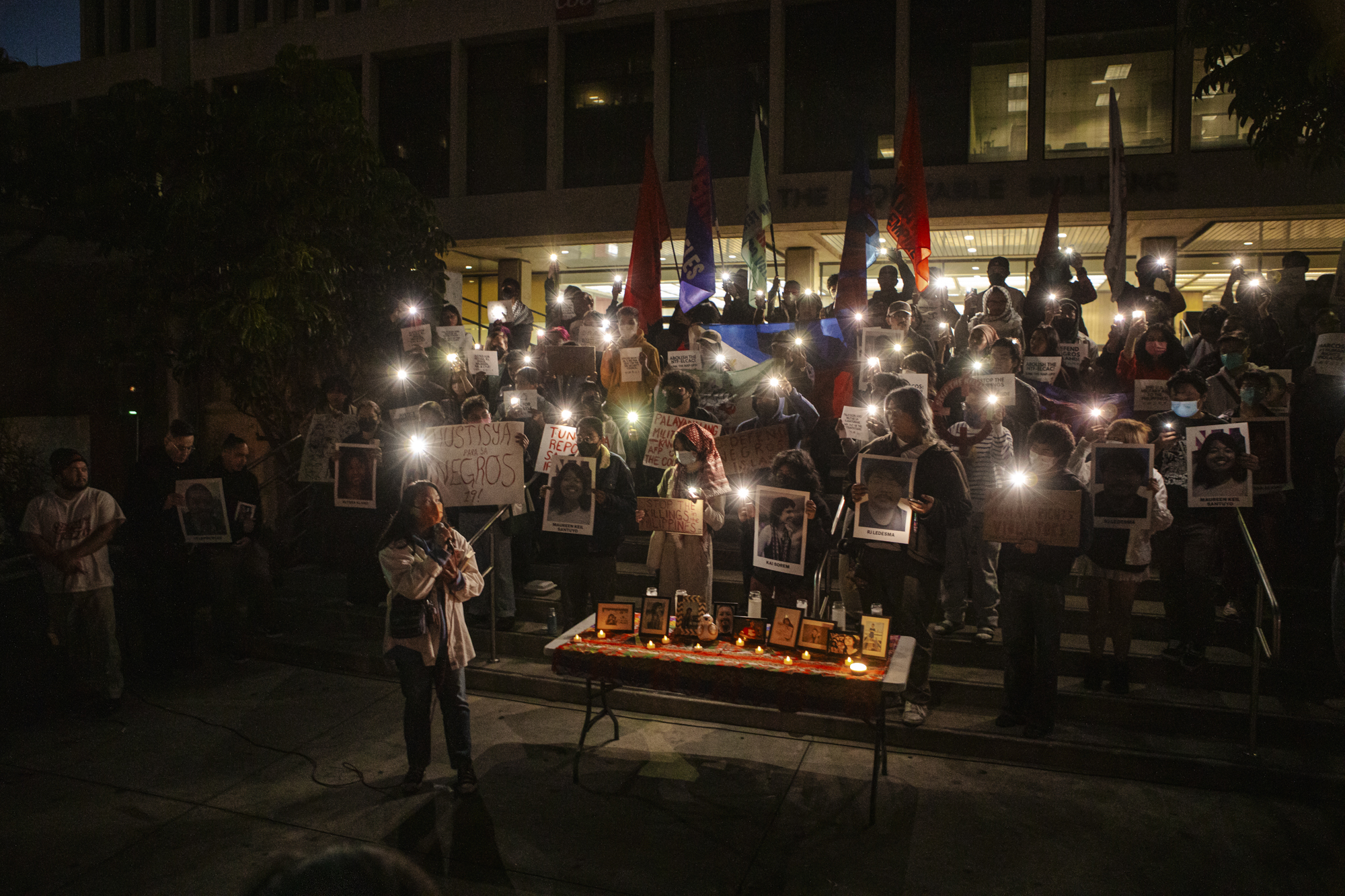
"caption": "Activists in the Bay Area hold a memorial for activist Lyle Prijoles. Families of the slain human rights advocates have urged the Philippine Government for an independent investigation, sharing testimonies of their loved ones and putting into question what the AFP has called a “legitimate military operation.”",
"credit": "Courtesy of Bayan USA",
"altTag": null,
"description": null,
"imgSizes": {
"thumbnail": {
"file": "https://cdn.kqed.org/wp-content/uploads/sites/10/2026/05/260512-Lyle-Prijoles-04-KQED-160x107.jpg",
"width": 160,
"height": 107,
"mimeType": "image/jpeg"
},
"1536x1536": {
"file": "https://cdn.kqed.org/wp-content/uploads/sites/10/2026/05/260512-Lyle-Prijoles-04-KQED-1536x1024.jpg",
"width": 1536,
"height": 1024,
"mimeType": "image/jpeg"
},
"post-thumbnail": {
"file": "https://cdn.kqed.org/wp-content/uploads/sites/10/2026/05/260512-Lyle-Prijoles-04-KQED-672x372.jpg",
"width": 672,
"height": 372,
"mimeType": "image/jpeg"
},
"twentyfourteen-full-width": {
"file": "https://cdn.kqed.org/wp-content/uploads/sites/10/2026/05/260512-Lyle-Prijoles-04-KQED-1038x576.jpg",
"width": 1038,
"height": 576,
"mimeType": "image/jpeg"
},
"npr-cds-wide": {
"file": "https://cdn.kqed.org/wp-content/uploads/sites/10/2026/05/260512-Lyle-Prijoles-04-KQED-1200x675.jpg",
"width": 1200,
"height": 675,
"mimeType": "image/jpeg"
},
"npr-cds-square": {
"file": "https://cdn.kqed.org/wp-content/uploads/sites/10/2026/05/260512-Lyle-Prijoles-04-KQED-600x600.jpg",
"width": 600,
"height": 600,
"mimeType": "image/jpeg"
},
"kqedFullSize": {
"file": "https://cdn.kqed.org/wp-content/uploads/sites/10/2026/05/260512-Lyle-Prijoles-04-KQED.jpg",
"width": 2000,
"height": 1333
}
},
"isLoading": false,
"fetchFailed": false
},
"news_12091848": {
"type": "attachments",
"id": "news_12091848",
"meta": {
"index": "attachments_1716263798",
"site": "news",
"id": "12091848",
"found": true
},
"title": "20260716_ClimateSolutionsCapTrade_GC-6-KQED",
"publishDate": 1784567951,
"status": "inherit",
"parent": 0,
"modified": 1784568035,
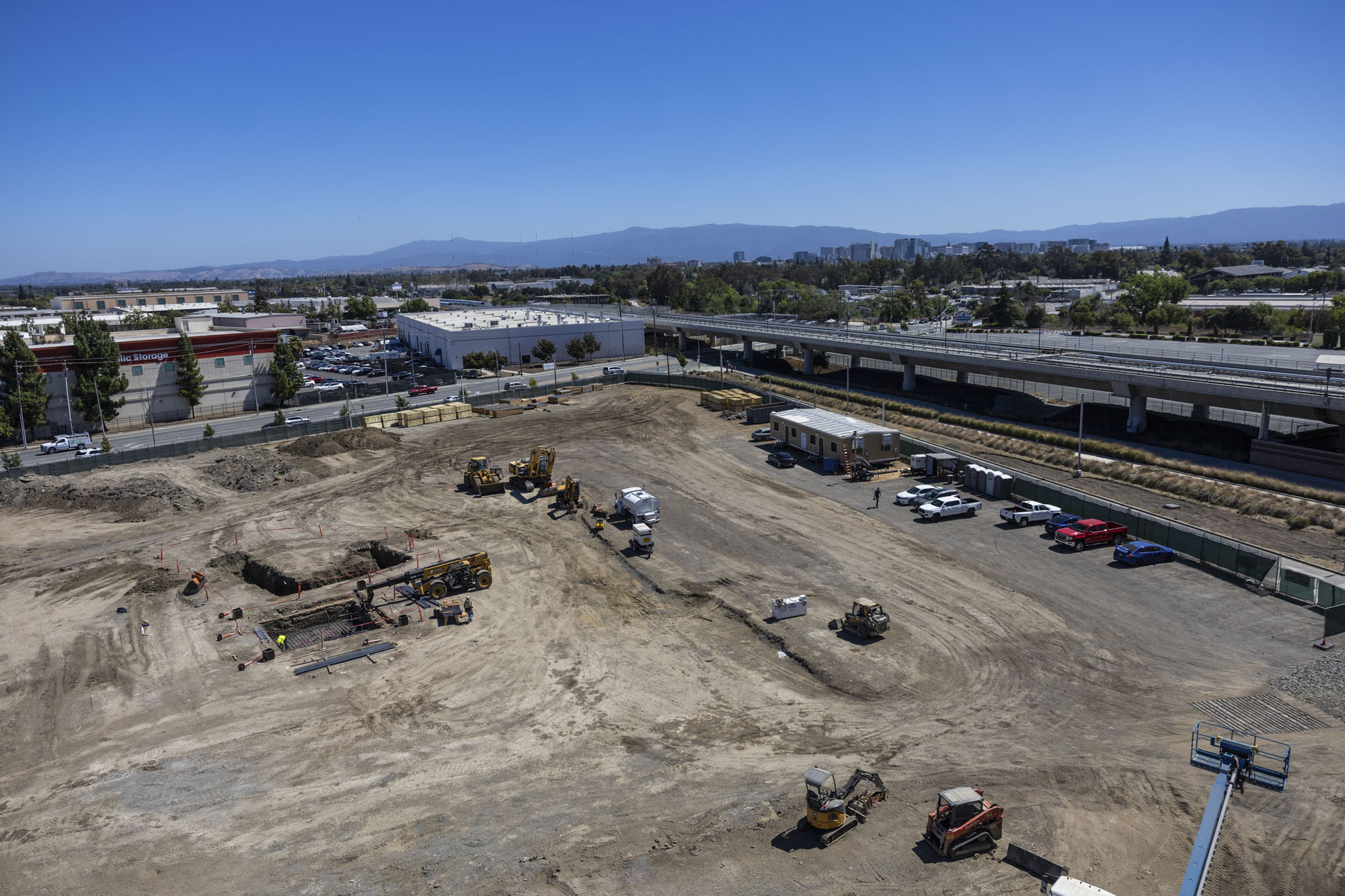
"caption": "The construction site of RISE, an affordable housing development, across the street from the Berryessa/North San Jose BART Station, in San Jose on July 16, 2026. The 10-story building will have 195 units.",
"credit": "Gina Castro for KQED",
"altTag": null,
"description": null,
"imgSizes": {
"thumbnail": {
"file": "https://cdn.kqed.org/wp-content/uploads/sites/10/2026/07/20260716_ClimateSolutionsCapTrade_GC-6-KQED-160x107.jpg",
"width": 160,
"height": 107,
"mimeType": "image/jpeg"
},
"1536x1536": {
"file": "https://cdn.kqed.org/wp-content/uploads/sites/10/2026/07/20260716_ClimateSolutionsCapTrade_GC-6-KQED-1536x1024.jpg",
"width": 1536,
"height": 1024,
"mimeType": "image/jpeg"
},
"post-thumbnail": {
"file": "https://cdn.kqed.org/wp-content/uploads/sites/10/2026/07/20260716_ClimateSolutionsCapTrade_GC-6-KQED-672x372.jpg",
"width": 672,
"height": 372,
"mimeType": "image/jpeg"
},
"twentyfourteen-full-width": {
"file": "https://cdn.kqed.org/wp-content/uploads/sites/10/2026/07/20260716_ClimateSolutionsCapTrade_GC-6-KQED-1038x576.jpg",
"width": 1038,
"height": 576,
"mimeType": "image/jpeg"
},
"npr-cds-wide": {
"file": "https://cdn.kqed.org/wp-content/uploads/sites/10/2026/07/20260716_ClimateSolutionsCapTrade_GC-6-KQED-1200x675.jpg",
"width": 1200,
"height": 675,
"mimeType": "image/jpeg"
},
"npr-cds-square": {
"file": "https://cdn.kqed.org/wp-content/uploads/sites/10/2026/07/20260716_ClimateSolutionsCapTrade_GC-6-KQED-600x600.jpg",
"width": 600,
"height": 600,
"mimeType": "image/jpeg"
},
"kqedFullSize": {
"file": "https://cdn.kqed.org/wp-content/uploads/sites/10/2026/07/20260716_ClimateSolutionsCapTrade_GC-6-KQED.jpg",
"width": 2000,
"height": 1333
}
},
"isLoading": false,
"fetchFailed": false
},
"news_12021697": {
"type": "attachments",
"id": "news_12021697",
"meta": {
"index": "attachments_1716263798",
"site": "news",
"id": "12021697",
"found": true
},
"title": "APTOPIX California Wildfires",
"publishDate": 1736626993,
"status": "inherit",
"parent": 12021693,
"modified": 1736627046,
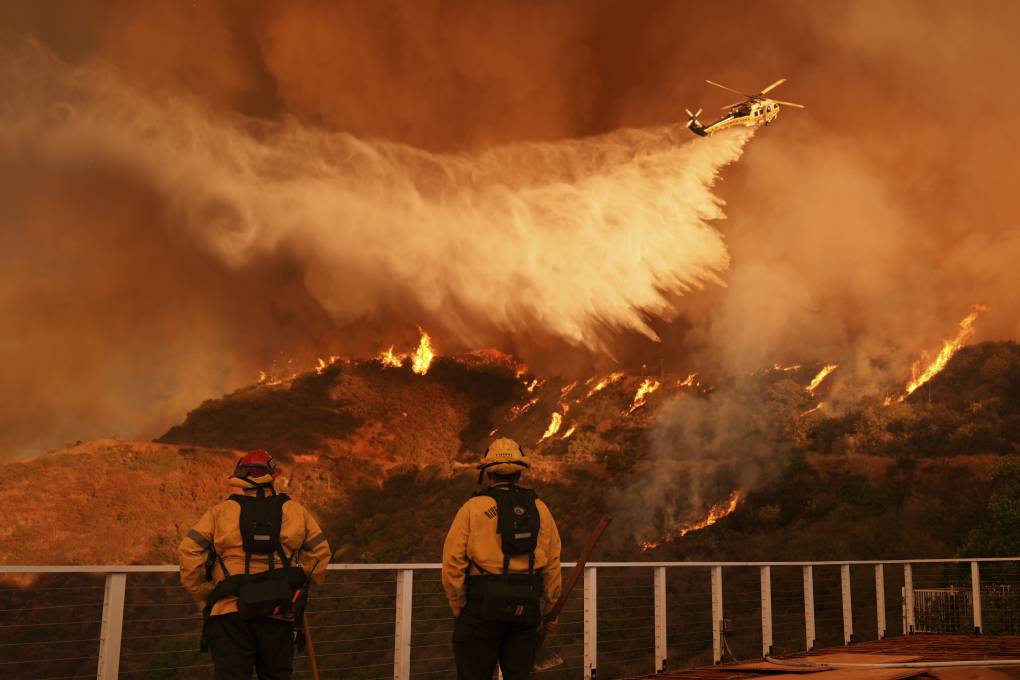
"caption": "Firefighters watch as water is dropped on the Palisades Fire in Mandeville Canyon Saturday, Jan. 11, 2025, in Los Angeles. ",
"credit": "Jae C. Hong/AP Photo",
"altTag": "Plane drops water as firefighters look on with smoke and flames below.",
"description": null,
"imgSizes": {
"medium": {
"file": "https://cdn.kqed.org/wp-content/uploads/sites/10/2025/01/AP25011593194481-800x533.jpg",
"width": 800,
"height": 533,
"mimeType": "image/jpeg"
},
"large": {
"file": "https://cdn.kqed.org/wp-content/uploads/sites/10/2025/01/AP25011593194481-1020x680.jpg",
"width": 1020,
"height": 680,
"mimeType": "image/jpeg"
},
"thumbnail": {
"file": "https://cdn.kqed.org/wp-content/uploads/sites/10/2025/01/AP25011593194481-160x107.jpg",
"width": 160,
"height": 107,
"mimeType": "image/jpeg"
},
"1536x1536": {
"file": "https://cdn.kqed.org/wp-content/uploads/sites/10/2025/01/AP25011593194481-1536x1024.jpg",
"width": 1536,
"height": 1024,
"mimeType": "image/jpeg"
},
"2048x2048": {
"file": "https://cdn.kqed.org/wp-content/uploads/sites/10/2025/01/AP25011593194481-2048x1365.jpg",
"width": 2048,
"height": 1365,
"mimeType": "image/jpeg"
},
"post-thumbnail": {
"file": "https://cdn.kqed.org/wp-content/uploads/sites/10/2025/01/AP25011593194481-672x372.jpg",
"width": 672,
"height": 372,
"mimeType": "image/jpeg"
},
"twentyfourteen-full-width": {
"file": "https://cdn.kqed.org/wp-content/uploads/sites/10/2025/01/AP25011593194481-1038x576.jpg",
"width": 1038,
"height": 576,
"mimeType": "image/jpeg"
},
"full-width": {
"file": "https://cdn.kqed.org/wp-content/uploads/sites/10/2025/01/AP25011593194481-1920x1280.jpg",
"width": 1920,
"height": 1280,
"mimeType": "image/jpeg"
},
"kqedFullSize": {
"file": "https://cdn.kqed.org/wp-content/uploads/sites/10/2025/01/AP25011593194481-scaled.jpg",
"width": 2560,
"height": 1706
}
},
"isLoading": false,
"fetchFailed": false
}
},
"audioPlayerReducer": {
"postId": "stream_live",
"isPaused": true,
"isPlaying": false,
"pfsActive": false,
"pledgeModalIsOpen": true,
"playerDrawerIsOpen": false,
"liveAudioPlayStartedAt": 0,
"liveAudioPlayContext": ""
},
"authorsReducer": {
"gmarzorati": {
"type": "authors",
"id": "227",
"meta": {
"index": "authors_1716337520",
"id": "227",
"found": true
},
"name": "Guy Marzorati",
"firstName": "Guy",
"lastName": "Marzorati",
"slug": "gmarzorati",
"email": "gmarzorati@KQED.org",
"display_author_email": true,
"staff_mastheads": [
"news"
],
"title": "Correspondent",
"bio": "Guy Marzorati is a correspondent on KQED's California Politics and Government Desk, based in San Jose. A graduate of Santa Clara University, Guy joined KQED in 2013. He reports on state and local politics and produces KQED's digital voter guide.",
"avatar": "https://secure.gravatar.com/avatar/e7038b8dbfd55b104369b76b1cd0b9de?s=600&d=blank&r=g",
"twitter": "guymarzorati",
"facebook": null,
"instagram": null,
"linkedin": null,
"sites": [
{
"site": "",
"roles": [
"editor"
]
},
{
"site": "news",
"roles": [
"editor"
]
},
{
"site": "science",
"roles": [
"editor"
]
},
{
"site": "forum",
"roles": [
"editor"
]
},
{
"site": "elections",
"roles": [
"editor"
]
},
{
"site": "liveblog",
"roles": [
"editor"
]
}
],
"headData": {
"title": "Guy Marzorati | KQED",
"description": "Correspondent",
"ogImgSrc": "https://secure.gravatar.com/avatar/e7038b8dbfd55b104369b76b1cd0b9de?s=600&d=blank&r=g",
"twImgSrc": "https://secure.gravatar.com/avatar/e7038b8dbfd55b104369b76b1cd0b9de?s=600&d=blank&r=g"
},
"isLoading": false,
"link": "/author/gmarzorati"
},
"mlagos": {
"type": "authors",
"id": "3239",
"meta": {
"index": "authors_1716337520",
"id": "3239",
"found": true
},
"name": "Marisa Lagos",
"firstName": "Marisa",
"lastName": "Lagos",
"slug": "mlagos",
"email": "mlagos@kqed.org",
"display_author_email": false,
"staff_mastheads": [
"news"
],
"title": "KQED Contributor",
"bio": "Marisa Lagos is a correspondent for KQED’s California Politics and Government Desk and co-hosts the award-winning show and podcast, Political Breakdown. At KQED, Lagos also conducts reporting, analysis and investigations into state, local and national politics for radio, TV, online and onstage. In 2022, she and co-host, Scott Shafer, moderated the only gubernatorial debate in California. In 2020, the \u003ci>Washington Post\u003c/i> named her one of the top political journalists in California; she was nominated for a Peabody and won several other awards for her work investigating the 2017 California wildfires. She has worked at the \u003ci>San Francisco Chronicle\u003c/i>, \u003ci>San Francisco Examiner\u003c/i> and \u003ci>Los Angeles Times\u003c/i>. A UC Santa Barbara graduate, she lives in San Francisco with her two sons and husband.",
"avatar": "https://secure.gravatar.com/avatar/a261a0d3696fc066871ef96b85b5e7d2?s=600&d=blank&r=g",
"twitter": "@mlagos",
"facebook": null,
"instagram": null,
"linkedin": null,
"sites": [
{
"site": "arts",
"roles": [
"author"
]
},
{
"site": "news",
"roles": [
"editor"
]
},
{
"site": "science",
"roles": [
"editor"
]
},
{
"site": "forum",
"roles": [
"author"
]
},
{
"site": "liveblog",
"roles": [
"author"
]
}
],
"headData": {
"title": "Marisa Lagos | KQED",
"description": "KQED Contributor",
"ogImgSrc": "https://secure.gravatar.com/avatar/a261a0d3696fc066871ef96b85b5e7d2?s=600&d=blank&r=g",
"twImgSrc": "https://secure.gravatar.com/avatar/a261a0d3696fc066871ef96b85b5e7d2?s=600&d=blank&r=g"
},
"isLoading": false,
"link": "/author/mlagos"
},
"ecruzguevarra": {
"type": "authors",
"id": "8654",
"meta": {
"index": "authors_1716337520",
"id": "8654",
"found": true
},
"name": "Ericka Cruz Guevarra",
"firstName": "Ericka",
"lastName": "Cruz Guevarra",
"slug": "ecruzguevarra",
"email": "ecruzguevarra@kqed.org",
"display_author_email": true,
"staff_mastheads": [
"news"
],
"title": "Producer, The Bay Podcast",
"bio": "Ericka Cruz Guevarra is host of \u003ca href=\"https://www.kqed.org/podcasts/thebay\">\u003cem>The Bay\u003c/em>\u003c/a> podcast at KQED. Before host, she was the show’s producer. Her work in that capacity includes a three-part reported series on policing in Vallejo, which won a 2020 excellence in journalism award from the Society of Professional Journalists. Ericka has worked as a breaking news reporter at Oregon Public Broadcasting, helped produce the Code Switch podcast, and was KQED’s inaugural Raul Ramirez Diversity Fund intern. She’s also an alumna of NPR’s Next Generation Radio program. Send her an email if you have strong feelings about whether Fairfield and Suisun City are the Bay. Ericka is represented by SAG-AFTRA.",
"avatar": "https://secure.gravatar.com/avatar/accefc1de4bafc7e234b69bcb9b6f6536c130fd84709bc3069ef11a78787e1bb?s=600&d=blank&r=g",
"twitter": "NotoriousECG",
"bluesky": null,
"facebook": null,
"instagram": null,
"linkedin": null,
"sites": [
{
"site": "arts",
"roles": [
"subscriber"
]
},
{
"site": "news",
"roles": [
"editor",
"manage_categories"
]
},
{
"site": "futureofyou",
"roles": [
"subscriber"
]
},
{
"site": "stateofhealth",
"roles": [
"subscriber"
]
},
{
"site": "science",
"roles": [
"editor"
]
},
{
"site": "forum",
"roles": [
"subscriber"
]
}
],
"headData": {
"title": "Ericka Cruz Guevarra | KQED",
"description": "Producer, The Bay Podcast",
"ogImgSrc": "https://secure.gravatar.com/avatar/accefc1de4bafc7e234b69bcb9b6f6536c130fd84709bc3069ef11a78787e1bb?s=600&d=blank&r=g",
"twImgSrc": "https://secure.gravatar.com/avatar/accefc1de4bafc7e234b69bcb9b6f6536c130fd84709bc3069ef11a78787e1bb?s=600&d=blank&r=g"
},
"isLoading": false,
"link": "/author/ecruzguevarra"
},
"kmoghadam": {
"type": "authors",
"id": "11637",
"meta": {
"index": "authors_1716337520",
"id": "11637",
"found": true
},
"name": "Kyana Moghadam",
"firstName": "Kyana",
"lastName": "Moghadam",
"slug": "kmoghadam",
"email": "kmoghadam@kqed.org",
"display_author_email": false,
"staff_mastheads": [
"news"
],
"title": "Senior Producer ",
"bio": "Kyana Moghadam is a senior producer at KQED. Prior to joining KQED, she was an audio producer and editor with Al Jazeera, Jetty Studios, VOX Media, Democracy Now!, and Global Press.",
"avatar": "https://secure.gravatar.com/avatar/cdbd6cb0b9e99deaa9eb618abdba56f265d374a2c614710aebeb4e58decbc5f0?s=600&d=blank&r=g",
"twitter": null,
"bluesky": null,
"facebook": null,
"instagram": null,
"linkedin": "https://www.linkedin.com/in/kyanamoghadam/",
"sites": [
{
"site": "",
"roles": [
"editor"
]
},
{
"site": "arts",
"roles": [
"editor"
]
},
{
"site": "news",
"roles": [
"administrator"
]
},
{
"site": "pop",
"roles": [
"editor"
]
},
{
"site": "about",
"roles": [
"editor"
]
},
{
"site": "forum",
"roles": [
"editor"
]
},
{
"site": "perspectives",
"roles": [
"editor"
]
},
{
"site": "podcasts",
"roles": [
"administrator"
]
}
],
"headData": {
"title": "Kyana Moghadam | KQED",
"description": "Senior Producer ",
"ogImgSrc": "https://secure.gravatar.com/avatar/cdbd6cb0b9e99deaa9eb618abdba56f265d374a2c614710aebeb4e58decbc5f0?s=600&d=blank&r=g",
"twImgSrc": "https://secure.gravatar.com/avatar/cdbd6cb0b9e99deaa9eb618abdba56f265d374a2c614710aebeb4e58decbc5f0?s=600&d=blank&r=g"
},
"isLoading": false,
"link": "/author/kmoghadam"
},
"amontecillo": {
"type": "authors",
"id": "11649",
"meta": {
"index": "authors_1716337520",
"id": "11649",
"found": true
},
"name": "Alan Montecillo",
"firstName": "Alan",
"lastName": "Montecillo",
"slug": "amontecillo",
"email": "amontecillo@kqed.org",
"display_author_email": false,
"staff_mastheads": [
"news"
],
"title": "KQED Contributor",
"bio": "Alan Montecillo is the senior editor of \u003cem>\u003ca href=\"http://kqed.org/thebay\">The Bay\u003c/a>, \u003c/em> KQED's local news podcast. Before moving to the Bay Area, he worked as a senior talk show producer for WILL in Champaign-Urbana, Illinois and at Oregon Public Broadcasting in Portland, Oregon. He has won journalism awards from the Society of Professional Journalists Northern California, the Public Media Journalists Association, The Signal Awards, and has also received a regional Edward R. Murrow award. Alan is a Filipino American from Hong Kong and a graduate of Reed College.",
"avatar": "https://secure.gravatar.com/avatar/268f53a2066899ea9efdd8a5900218b17c822d9862cbc9326cccec53ef41d349?s=600&d=blank&r=g",
"twitter": "alanmontecillo",
"bluesky": null,
"facebook": null,
"instagram": null,
"linkedin": null,
"sites": [
{
"site": "",
"roles": [
"editor"
]
},
{
"site": "news",
"roles": [
"editor",
"manage_categories"
]
}
],
"headData": {
"title": "Alan Montecillo | KQED",
"description": "KQED Contributor",
"ogImgSrc": "https://secure.gravatar.com/avatar/268f53a2066899ea9efdd8a5900218b17c822d9862cbc9326cccec53ef41d349?s=600&d=blank&r=g",
"twImgSrc": "https://secure.gravatar.com/avatar/268f53a2066899ea9efdd8a5900218b17c822d9862cbc9326cccec53ef41d349?s=600&d=blank&r=g"
},
"isLoading": false,
"link": "/author/amontecillo"
},
"ibloom": {
"type": "authors",
"id": "11805",
"meta": {
"index": "authors_1716337520",
"id": "11805",
"found": true
},
"name": "Izzy Bloom",
"firstName": "Izzy",
"lastName": "Bloom",
"slug": "ibloom",
"email": "ibloom@kqed.org",
"display_author_email": false,
"staff_mastheads": [],
"title": "KQED Reporter & Producer",
"bio": "Izzy is a reporter and producer on KQED's California Politics & Government Desk. She joined the desk in 2024 to produce Political Breakdown, covering local and national elections and attending the RNC and DNC in Milwaukee and Chicago. \r\n\r\nBefore that, Izzy was a producer on The California Report and reported long-form stories for The California Report Magazine. She was a finalist for the Third Coast/Richard H. Driehaus Foundation Competition and was awarded for her reporting on indigenous land back by the Society of Professional Journalists. Izzy received her master's in journalism from the University of California, Berkeley.",
"avatar": "https://secure.gravatar.com/avatar/cc4d272ca430783ee1a8efac470a6b1e0fdd082c3beb61da019801d0ff751c8c?s=600&d=blank&r=g",
"twitter": null,
"bluesky": null,
"facebook": null,
"instagram": null,
"linkedin": null,
"sites": [
{
"site": "news",
"roles": [
"editor"
]
},
{
"site": "perspectives",
"roles": [
"editor"
]
}
],
"headData": {
"title": "Izzy Bloom | KQED",
"description": "KQED Reporter & Producer",
"ogImgSrc": "https://secure.gravatar.com/avatar/cc4d272ca430783ee1a8efac470a6b1e0fdd082c3beb61da019801d0ff751c8c?s=600&d=blank&r=g",
"twImgSrc": "https://secure.gravatar.com/avatar/cc4d272ca430783ee1a8efac470a6b1e0fdd082c3beb61da019801d0ff751c8c?s=600&d=blank&r=g"
},
"isLoading": false,
"link": "/author/ibloom"
},
"jgeha": {
"type": "authors",
"id": "11906",
"meta": {
"index": "authors_1716337520",
"id": "11906",
"found": true
},
"name": "Joseph Geha",
"firstName": "Joseph",
"lastName": "Geha",
"slug": "jgeha",
"email": "jgeha@kqed.org",
"display_author_email": false,
"staff_mastheads": [
"news",
"science"
],
"title": "KQED Contributor",
"bio": null,
"avatar": "https://secure.gravatar.com/avatar/ea84d2b6dd93d6369d453edf19dd583f117cd1759d2d9c9c92f9de77017354fe?s=600&d=blank&r=g",
"twitter": null,
"bluesky": null,
"facebook": null,
"instagram": null,
"linkedin": null,
"sites": [
{
"site": "news",
"roles": [
"editor"
]
},
{
"site": "liveblog",
"roles": [
"author"
]
}
],
"headData": {
"title": "Joseph Geha | KQED",
"description": "KQED Contributor",
"ogImgSrc": "https://secure.gravatar.com/avatar/ea84d2b6dd93d6369d453edf19dd583f117cd1759d2d9c9c92f9de77017354fe?s=600&d=blank&r=g",
"twImgSrc": "https://secure.gravatar.com/avatar/ea84d2b6dd93d6369d453edf19dd583f117cd1759d2d9c9c92f9de77017354fe?s=600&d=blank&r=g"
},
"isLoading": false,
"link": "/author/jgeha"
},
"kdebenedetti": {
"type": "authors",
"id": "11913",
"meta": {
"index": "authors_1716337520",
"id": "11913",
"found": true
},
"name": "Katie DeBenedetti",
"firstName": "Katie",
"lastName": "DeBenedetti",
"slug": "kdebenedetti",
"email": "kdebenedetti@kqed.org",
"display_author_email": false,
"staff_mastheads": [
"news",
"science"
],
"title": "KQED Contributor",
"bio": "Katie DeBenedetti is a digital reporter covering daily news for the Express Desk. Prior to joining KQED as a culture reporting intern in January 2024, she covered education and city government for the Napa Valley Register.",
"avatar": "https://secure.gravatar.com/avatar/6e31073cb8f7e4214ab03f42771d0f45?s=600&d=blank&r=g",
"twitter": null,
"facebook": null,
"instagram": null,
"linkedin": null,
"sites": [
{
"site": "news",
"roles": [
"author"
]
},
{
"site": "science",
"roles": [
"author"
]
},
{
"site": "liveblog",
"roles": [
"author"
]
}
],
"headData": {
"title": "Katie DeBenedetti | KQED",
"description": "KQED Contributor",
"ogImgSrc": "https://secure.gravatar.com/avatar/6e31073cb8f7e4214ab03f42771d0f45?s=600&d=blank&r=g",
"twImgSrc": "https://secure.gravatar.com/avatar/6e31073cb8f7e4214ab03f42771d0f45?s=600&d=blank&r=g"
},
"isLoading": false,
"link": "/author/kdebenedetti"
},
"skennedy": {
"type": "authors",
"id": "11935",
"meta": {
"index": "authors_1716337520",
"id": "11935",
"found": true
},
"name": "Samantha Kennedy",
"firstName": "Samantha",
"lastName": "Kennedy",
"slug": "skennedy",
"email": "SKennedy@kqed.org",
"display_author_email": false,
"staff_mastheads": [],
"title": "KQED Contributor",
"bio": null,
"avatar": "https://secure.gravatar.com/avatar/adc7b14bf1e801793202a156ecc864d4ad505b0fd63162a2f3da0e5ba57222d0?s=600&d=blank&r=g",
"twitter": null,
"bluesky": null,
"facebook": null,
"instagram": null,
"linkedin": null,
"sites": [
{
"site": "arts",
"roles": [
"author"
]
},
{
"site": "news",
"roles": [
"editor"
]
},
{
"site": "science",
"roles": [
"editor"
]
}
],
"headData": {
"title": "Samantha Kennedy | KQED",
"description": "KQED Contributor",
"ogImgSrc": "https://secure.gravatar.com/avatar/adc7b14bf1e801793202a156ecc864d4ad505b0fd63162a2f3da0e5ba57222d0?s=600&d=blank&r=g",
"twImgSrc": "https://secure.gravatar.com/avatar/adc7b14bf1e801793202a156ecc864d4ad505b0fd63162a2f3da0e5ba57222d0?s=600&d=blank&r=g"
},
"isLoading": false,
"link": "/author/skennedy"
},
"gglueck": {
"type": "authors",
"id": "11946",
"meta": {
"index": "authors_1716337520",
"id": "11946",
"found": true
},
"name": "Gabriela Glueck",
"firstName": "Gabriela",
"lastName": "Glueck",
"slug": "gglueck",
"email": "gglueck@kqed.org",
"display_author_email": false,
"staff_mastheads": [
"news"
],
"title": "KQED Contributor",
"bio": null,
"avatar": "https://secure.gravatar.com/avatar/ec62b7e3f7727ce1070cc7046dde80271d1e63cf2178d6194f68bb8d1440f841?s=600&d=blank&r=g",
"twitter": null,
"bluesky": null,
"facebook": null,
"instagram": null,
"linkedin": null,
"sites": [
{
"site": "news",
"roles": [
"editor"
]
}
],
"headData": {
"title": "Gabriela Glueck | KQED",
"description": "KQED Contributor",
"ogImgSrc": "https://secure.gravatar.com/avatar/ec62b7e3f7727ce1070cc7046dde80271d1e63cf2178d6194f68bb8d1440f841?s=600&d=blank&r=g",
"twImgSrc": "https://secure.gravatar.com/avatar/ec62b7e3f7727ce1070cc7046dde80271d1e63cf2178d6194f68bb8d1440f841?s=600&d=blank&r=g"
},
"isLoading": false,
"link": "/author/gglueck"
},
"aaliahmad": {
"type": "authors",
"id": "11986",
"meta": {
"index": "authors_1716337520",
"id": "11986",
"found": true
},
"name": "Ayah Ali-Ahmad",
"firstName": "Ayah",
"lastName": "Ali-Ahmad",
"slug": "aaliahmad",
"email": "aaliahmad@KQED.org",
"display_author_email": false,
"staff_mastheads": [],
"title": "KQED Contributor",
"bio": null,
"avatar": "https://secure.gravatar.com/avatar/1cf54f187a5e1064b2cfef3f3d2f1e4f93e453395d56912aca6382a6071ec3ed?s=600&d=blank&r=g",
"twitter": "ayahaliahmad",
"bluesky": null,
"facebook": null,
"instagram": null,
"linkedin": null,
"sites": [
{
"site": "news",
"roles": [
"subscriber"
]
}
],
"headData": {
"title": "Ayah Ali-Ahmad | KQED",
"description": "KQED Contributor",
"ogImgSrc": "https://secure.gravatar.com/avatar/1cf54f187a5e1064b2cfef3f3d2f1e4f93e453395d56912aca6382a6071ec3ed?s=600&d=blank&r=g",
"twImgSrc": "https://secure.gravatar.com/avatar/1cf54f187a5e1064b2cfef3f3d2f1e4f93e453395d56912aca6382a6071ec3ed?s=600&d=blank&r=g"
},
"isLoading": false,
"link": "/author/aaliahmad"
},
"ejackson": {
"type": "authors",
"id": "12003",
"meta": {
"index": "authors_1716337520",
"id": "12003",
"found": true
},
"name": "Ella Jackson",
"firstName": "Ella",
"lastName": "Jackson",
"slug": "ejackson",
"email": "ejackson@kqed.org",
"display_author_email": false,
"staff_mastheads": [],
"title": "KQED Contributor",
"bio": null,
"avatar": "https://secure.gravatar.com/avatar/3c688edc62aec1dcae096e1475956d245f72bde99cff316455871c9b22a7205b?s=600&d=blank&r=g",
"twitter": null,
"bluesky": null,
"facebook": null,
"instagram": null,
"linkedin": null,
"sites": [
{
"site": "news",
"roles": [
"author"
]
},
{
"site": "science",
"roles": [
"author"
]
}
],
"headData": {
"title": "Ella Jackson | KQED",
"description": "KQED Contributor",
"ogImgSrc": "https://secure.gravatar.com/avatar/3c688edc62aec1dcae096e1475956d245f72bde99cff316455871c9b22a7205b?s=600&d=blank&r=g",
"twImgSrc": "https://secure.gravatar.com/avatar/3c688edc62aec1dcae096e1475956d245f72bde99cff316455871c9b22a7205b?s=600&d=blank&r=g"
},
"isLoading": false,
"link": "/author/ejackson"
}
},
"pagesReducer": {
"news_tag_politics": {
"type": "terms",
"id": "news_17968",
"meta": {
"index": "terms_1716263798",
"site": "news",
"id": "17968",
"score": 8.007094
},
"name": "Politics",
"slug": "politics",
"taxonomy": "tag",
"description": null,
"featImg": null,
"headData": {
"title": "Politics | KQED News",
"description": null,
"ogTitle": null,
"ogDescription": null,
"ogImgId": null,
"twTitle": null,
"twDescription": null,
"twImgId": null
},
"ttid": 18002,
"isLoading": false,
"title": "Politics",
"pageMeta": {
"site": "news",
"WpPageTemplate": "page-topic-editorial",
"currentPage": 9
},
"blocks": [
{
"blockName": "kqed/post-list",
"attrs": {
"layout": "cardArticle2",
"query": "posts/news?tag=politics",
"seeMore": false,
"paginated": true,
"page": 9
}
},
{
"blockName": "kqed/ad"
}
]
}
},
"pfsSessionReducer": {},
"postsReducer": {
"stream_live": {
"type": "live",
"id": "stream_live",
"audioUrl": "https://streams.kqed.org/kqedradio",
"title": "Live Stream",
"excerpt": "Live Stream information currently unavailable.",
"link": "/radio",
"featImg": "",
"label": {
"name": "KQED Live",
"link": "/"
}
},
"stream_kqedNewscast": {
"type": "posts",
"id": "stream_kqedNewscast",
"audioUrl": "https://www.kqed.org/.stream/anon/radio/RDnews/newscast.mp3?_=1",
"title": "KQED Newscast",
"featImg": "",
"label": {
"name": "88.5 FM",
"link": "/"
}
},
"news_12094648": {
"type": "posts",
"id": "news_12094648",
"meta": {
"index": "posts_1716263798",
"site": "news",
"id": "12094648",
"score": null,
"sort": [
1786470655000
]
},
"guestAuthors": [],
"slug": "californians-vow-to-fight-federal-takeover-of-coastline-for-oil-drilling",
"title": "Californians Vow to Fight ‘Federal Takeover’ of Coastline for Oil Drilling",
"publishDate": 1786470655,
"format": "standard",
"headTitle": "Californians Vow to Fight ‘Federal Takeover’ of Coastline for Oil Drilling | KQED",
"labelTerm": {
"site": "news"
},
"content": "\u003cp>State lawmakers, Indigenous leaders, advocates and business groups gathered in Santa Monica on Monday to challenge the Trump administration’s efforts to open the \u003ca href=\"https://www.kqed.org/news/tag/california-coast\">California coast\u003c/a> for oil drilling and other industrial projects.\u003c/p>\n\n\n\n\u003cp>The stakeholders rallied ahead of an in-person meeting held by the National Oceanic and Atmospheric Administration reviewing California’s Coastal Management Program, which speakers at the press conference considered to be an attack on California’s right to protect its coastline. \u003c/p>\n\n\n\n\u003cp>“This federal administration is bent on industrializing our coast,” California’s Natural Resources Secretary Wade Crowfoot said, addressing a crowd of dozens, many of whom brandished protest signs or wore oceanic blue T-shirts with the slogan “No Federal Takeover.” \u003c/p>\n\n\n\n\u003cp>“For the first time in over four decades, through Republican and Democratic presidential administrations, this is the first administration moving aggressively to expand new offshore oil drilling,” Crowfoot said.\u003c/p>\n\n\n\n\u003cfigure class=\"wp-block-image size-full\">\u003cimg loading=\"lazy\" decoding=\"async\" width=\"2000\" height=\"1368\" src=\"https://cdn.kqed.org/wp-content/uploads/sites/10/2026/08/WadeCrowfootGetty.jpg\" alt=\"\" class=\"wp-image-12094728\" srcset=\"https://cdn.kqed.org/wp-content/uploads/sites/10/2026/08/WadeCrowfootGetty.jpg 2000w, https://cdn.kqed.org/wp-content/uploads/sites/10/2026/08/WadeCrowfootGetty-160x109.jpg 160w, https://cdn.kqed.org/wp-content/uploads/sites/10/2026/08/WadeCrowfootGetty-1536x1051.jpg 1536w\" sizes=\"auto, (max-width: 2000px) 100vw, 2000px\">\u003cfigcaption class=\"wp-element-caption\">California’s Natural Resources Secretary, Wade Crowfoot, speaks at a press conference opposing a Trump administration NOAA review of California’s coastline management authority on Aug. 10, 2026, in Santa Monica, California. (Mario Tama/Getty Images)\u003c/figcaption>\u003c/figure>\n\n\n\n\u003cp>The rally and meeting come just over a month after NOAA \u003ca href=\"https://www.kqed.org/news/12089085/trump-administration-takes-aim-at-california-coastal-protections\">began the regulatory process\u003c/a> with a notice in the Federal Register about its plans to study California’s Coastal Management Program. Following Monday’s in-person meeting, there will be opportunities for public comment at \u003ca href=\"https://oceanservice.noaa.gov/news/aug26/czma-public-meetings.html\">virtual meetings\u003c/a> on Tuesday and Wednesday afternoon.\u003c/p>\n\n\n\n\u003cp>[ad fullwidth]\u003c/p>\n\u003cp>Crowfoot told the crowd of protesters on Monday that this review has no legal basis and that state leaders will go to court to keep President Donald Trump out of state matters.\u003c/p>\n\n\n\n\u003cp>Other speakers spoke about the predicted harms to the environment, the economy and the cultural norms that would come from opening more of California’s waters and beaches to the oil industry and other business interests. \u003c/p>\n\n\n\n\n\n\u003cp>“California’s coasts are for the people, not for crony capitalism,” said Marcela Gutiérrez-Graudiņš, a board member of the California State Coastal Conservancy who founded the marine-conservation group Azul. \u003c/p>\n\n\n\n\u003cp>Gutiérrez-Graudiņš said that California’s coasts are a place for people to come together as equals. She said the Trump administration’s plans go against California policies that have protected the state’s beaches from becoming a luxury commodity. \u003c/p>\n\n\n\n\u003cp>While critics see the move as part of Trump’s broader goals to increase oil and gas production, those in Trump’s cabinet say there are economic costs to coastal-protection schemes.\u003c/p>\n\n\n\n\u003cp>“America must continue to lead in innovation, space exploration, and economic strength,” U.S. Commerce Secretary Howard Lutnick said in May. “Obstructionist policies that delay critical national infrastructure in the name of environmental extremism are unacceptable.”\u003c/p>\n\n\n\n\u003cp>Outside the NOAA’s meeting at Hilton Santa Monica on Monday, meanwhile, speakers emphasized the destructive economic and environmental impact of major oil spills along the coast since 1970. \u003c/p>\n\n\n\n\u003cp>“Clean beaches, clean water and a coast that’s open for business — an offshore oil spill shuts all of that down,” said Grant Bixby, who helped found the group Business Alliance for Protecting the Coast. \u003c/p>\n\n\n\n\u003cfigure class=\"wp-block-image size-full\">\u003cimg loading=\"lazy\" decoding=\"async\" width=\"2000\" height=\"1344\" src=\"https://cdn.kqed.org/wp-content/uploads/sites/10/2026/08/AntoinetteCorderoGetty.jpg\" alt=\"\" class=\"wp-image-12094731\" srcset=\"https://cdn.kqed.org/wp-content/uploads/sites/10/2026/08/AntoinetteCorderoGetty.jpg 2000w, https://cdn.kqed.org/wp-content/uploads/sites/10/2026/08/AntoinetteCorderoGetty-160x108.jpg 160w, https://cdn.kqed.org/wp-content/uploads/sites/10/2026/08/AntoinetteCorderoGetty-1536x1032.jpg 1536w\" sizes=\"auto, (max-width: 2000px) 100vw, 2000px\">\u003cfigcaption class=\"wp-element-caption\">Antonette “Toni” Cordero, board member of Sacred Places Institute for Indigenous Peoples, speaks at a press conference opposing a Trump administration NOAA review of California’s coastline management authority on Aug. 10, 2026, in Santa Monica, California. (Mario Tama/Getty Images)\u003c/figcaption>\u003c/figure>\n\n\n\n\u003cp>Bixby said that the coastal economy generates over \u003ca href=\"https://www.coastal.ca.gov/coastalact50/\">$50 billion\u003c/a> in annual revenue, with offshore oil making up just 1% of that figure today. \u003c/p>\n\n\n\n\u003cp>“Should we put 99% of other employment at risk for the benefit of one dirty industry that can close and devastate all other businesses? I don’t think so,” Bixby said. “It’s pretty simple math.”\u003c/p>\n\n\n\n\u003cp>Indigenous leaders said California’s waters are sacred and have been subject to enough harm. \u003c/p>\n\n\n\n\u003cp>“The ocean provides for us as a mother provides for her children,” said Antonette Cordero, board member of the groups Sacred Places Institute for Indigenous Peoples, Surfrider Foundation and Environmental Defense Center.\u003c/p>\n\n\n\n\u003cp>\u003c/p>\n\u003cp>“We will continue to stand up for our mother ocean and for all of her relatives, all of her inhabitants and all of those who call this coast home,” Cordero said.\u003c/p>\n\n",
"blocks": [
{
"blockName": "core/paragraph",
"attrs": [],
"innerHTML": "\n\u003cp>State lawmakers, Indigenous leaders, advocates and business groups gathered in Santa Monica on Monday to challenge the Trump administration’s efforts to open the \u003ca href=\"https://www.kqed.org/news/tag/california-coast\">California coast\u003c/a> for oil drilling and other industrial projects.\u003c/p>\n",
"innerContent": [
"\n\u003cp>State lawmakers, Indigenous leaders, advocates and business groups gathered in Santa Monica on Monday to challenge the Trump administration’s efforts to open the \u003ca href=\"https://www.kqed.org/news/tag/california-coast\">California coast\u003c/a> for oil drilling and other industrial projects.\u003c/p>\n"
],
"innerBlocks": []
},
{
"blockName": "core/paragraph",
"attrs": [],
"innerHTML": "\n\u003cp>The stakeholders rallied ahead of an in-person meeting held by the National Oceanic and Atmospheric Administration reviewing California’s Coastal Management Program, which speakers at the press conference considered to be an attack on California’s right to protect its coastline. \u003c/p>\n",
"innerContent": [
"\n\u003cp>The stakeholders rallied ahead of an in-person meeting held by the National Oceanic and Atmospheric Administration reviewing California’s Coastal Management Program, which speakers at the press conference considered to be an attack on California’s right to protect its coastline. \u003c/p>\n"
],
"innerBlocks": []
},
{
"blockName": "core/paragraph",
"attrs": [],
"innerHTML": "\n\u003cp>“This federal administration is bent on industrializing our coast,” California’s Natural Resources Secretary Wade Crowfoot said, addressing a crowd of dozens, many of whom brandished protest signs or wore oceanic blue T-shirts with the slogan “No Federal Takeover.” \u003c/p>\n",
"innerContent": [
"\n\u003cp>“This federal administration is bent on industrializing our coast,” California’s Natural Resources Secretary Wade Crowfoot said, addressing a crowd of dozens, many of whom brandished protest signs or wore oceanic blue T-shirts with the slogan “No Federal Takeover.” \u003c/p>\n"
],
"innerBlocks": []
},
{
"blockName": "core/paragraph",
"attrs": [],
"innerHTML": "\n\u003cp>“For the first time in over four decades, through Republican and Democratic presidential administrations, this is the first administration moving aggressively to expand new offshore oil drilling,” Crowfoot said.\u003c/p>\n",
"innerContent": [
"\n\u003cp>“For the first time in over four decades, through Republican and Democratic presidential administrations, this is the first administration moving aggressively to expand new offshore oil drilling,” Crowfoot said.\u003c/p>\n"
],
"innerBlocks": []
},
{
"blockName": "core/image",
"attrs": {
"id": 12094728,
"sizeSlug": "full",
"linkDestination": "none",
"imageCredit": "Mario Tama/Getty Images",
"srcset": "https://cdn.kqed.org/wp-content/uploads/sites/10/2026/08/WadeCrowfootGetty.jpg 2000w, https://cdn.kqed.org/wp-content/uploads/sites/10/2026/08/WadeCrowfootGetty-160x109.jpg 160w, https://cdn.kqed.org/wp-content/uploads/sites/10/2026/08/WadeCrowfootGetty-1536x1051.jpg 1536w",
"sizes": "(min-width: 992px) min(100vw, 1536px), (min-width: 768px) min(100vw, 1280px), min(100vw, 1020px)"
},
"innerHTML": "\n\u003cfigure class=\"wp-block-image size-full\">\u003cimg src=\"https://cdn.kqed.org/wp-content/uploads/sites/10/2026/08/WadeCrowfootGetty.jpg\" alt=\"\" class=\"wp-image-12094728\" srcset=\"https://cdn.kqed.org/wp-content/uploads/sites/10/2026/08/WadeCrowfootGetty.jpg 2000w, https://cdn.kqed.org/wp-content/uploads/sites/10/2026/08/WadeCrowfootGetty-160x109.jpg 160w, https://cdn.kqed.org/wp-content/uploads/sites/10/2026/08/WadeCrowfootGetty-1536x1051.jpg 1536w\" sizes=\"(min-width: 992px) min(100vw, 1536px), (min-width: 768px) min(100vw, 1280px), min(100vw, 1020px)\" />\u003cfigcaption class=\"wp-element-caption\">California’s Natural Resources Secretary, Wade Crowfoot, speaks at a press conference opposing a Trump administration NOAA review of California’s coastline management authority on Aug. 10, 2026, in Santa Monica, California. \u003c/figcaption>\u003c/figure>\n",
"innerContent": [
"\n\u003cfigure class=\"wp-block-image size-full\">\u003cimg src=\"https://cdn.kqed.org/wp-content/uploads/sites/10/2026/08/WadeCrowfootGetty.jpg\" alt=\"\" class=\"wp-image-12094728\" />\u003cfigcaption class=\"wp-element-caption\">California’s Natural Resources Secretary, Wade Crowfoot, speaks at a press conference opposing a Trump administration NOAA review of California’s coastline management authority on Aug. 10, 2026, in Santa Monica, California. \u003c/figcaption>\u003c/figure>\n"
],
"innerBlocks": []
},
{
"blockName": "core/paragraph",
"attrs": [],
"innerHTML": "\n\u003cp>The rally and meeting come just over a month after NOAA \u003ca href=\"https://www.kqed.org/news/12089085/trump-administration-takes-aim-at-california-coastal-protections\">began the regulatory process\u003c/a> with a notice in the Federal Register about its plans to study California’s Coastal Management Program. Following Monday’s in-person meeting, there will be opportunities for public comment at \u003ca href=\"https://oceanservice.noaa.gov/news/aug26/czma-public-meetings.html\">virtual meetings\u003c/a> on Tuesday and Wednesday afternoon.\u003c/p>\n",
"innerContent": [
"\n\u003cp>The rally and meeting come just over a month after NOAA \u003ca href=\"https://www.kqed.org/news/12089085/trump-administration-takes-aim-at-california-coastal-protections\">began the regulatory process\u003c/a> with a notice in the Federal Register about its plans to study California’s Coastal Management Program. Following Monday’s in-person meeting, there will be opportunities for public comment at \u003ca href=\"https://oceanservice.noaa.gov/news/aug26/czma-public-meetings.html\">virtual meetings\u003c/a> on Tuesday and Wednesday afternoon.\u003c/p>\n"
],
"innerBlocks": []
},
{
"blockName": "kqed/ad",
"attrs": {
"format": "fullwidth"
},
"innerBlocks": [],
"innerHTML": "",
"innerContent": []
},
{
"blockName": "core/paragraph",
"attrs": [],
"innerHTML": "\n\u003cp>Crowfoot told the crowd of protesters on Monday that this review has no legal basis and that state leaders will go to court to keep President Donald Trump out of state matters.\u003c/p>\n",
"innerContent": [
"\n\u003cp>Crowfoot told the crowd of protesters on Monday that this review has no legal basis and that state leaders will go to court to keep President Donald Trump out of state matters.\u003c/p>\n"
],
"innerBlocks": []
},
{
"blockName": "core/paragraph",
"attrs": [],
"innerHTML": "\n\u003cp>Other speakers spoke about the predicted harms to the environment, the economy and the cultural norms that would come from opening more of California’s waters and beaches to the oil industry and other business interests. \u003c/p>\n",
"innerContent": [
"\n\u003cp>Other speakers spoke about the predicted harms to the environment, the economy and the cultural norms that would come from opening more of California’s waters and beaches to the oil industry and other business interests. \u003c/p>\n"
],
"innerBlocks": []
},
{
"blockName": "kqed-v2/related-articles",
"attrs": {
"postIds": [
"news_12089085"
],
"label": "Related Articles",
"maxPosts": 1,
"showImages": false,
"heroImage": "https://cdn.kqed.org/wp-content/uploads/sites/10/2026/06/CaliforniaCoastOilDrillingTrumpGetty.jpg"
},
"innerHTML": "",
"innerContent": [],
"innerBlocks": []
},
{
"blockName": "core/paragraph",
"attrs": [],
"innerHTML": "\n\u003cp>“California’s coasts are for the people, not for crony capitalism,” said Marcela Gutiérrez-Graudiņš, a board member of the California State Coastal Conservancy who founded the marine-conservation group Azul. \u003c/p>\n",
"innerContent": [
"\n\u003cp>“California’s coasts are for the people, not for crony capitalism,” said Marcela Gutiérrez-Graudiņš, a board member of the California State Coastal Conservancy who founded the marine-conservation group Azul. \u003c/p>\n"
],
"innerBlocks": []
},
{
"blockName": "core/paragraph",
"attrs": [],
"innerHTML": "\n\u003cp>Gutiérrez-Graudiņš said that California’s coasts are a place for people to come together as equals. She said the Trump administration’s plans go against California policies that have protected the state’s beaches from becoming a luxury commodity. \u003c/p>\n",
"innerContent": [
"\n\u003cp>Gutiérrez-Graudiņš said that California’s coasts are a place for people to come together as equals. She said the Trump administration’s plans go against California policies that have protected the state’s beaches from becoming a luxury commodity. \u003c/p>\n"
],
"innerBlocks": []
},
{
"blockName": "core/paragraph",
"attrs": [],
"innerHTML": "\n\u003cp>While critics see the move as part of Trump’s broader goals to increase oil and gas production, those in Trump’s cabinet say there are economic costs to coastal-protection schemes.\u003c/p>\n",
"innerContent": [
"\n\u003cp>While critics see the move as part of Trump’s broader goals to increase oil and gas production, those in Trump’s cabinet say there are economic costs to coastal-protection schemes.\u003c/p>\n"
],
"innerBlocks": []
},
{
"blockName": "core/paragraph",
"attrs": [],
"innerHTML": "\n\u003cp>“America must continue to lead in innovation, space exploration, and economic strength,” U.S. Commerce Secretary Howard Lutnick said in May. “Obstructionist policies that delay critical national infrastructure in the name of environmental extremism are unacceptable.”\u003c/p>\n",
"innerContent": [
"\n\u003cp>“America must continue to lead in innovation, space exploration, and economic strength,” U.S. Commerce Secretary Howard Lutnick said in May. “Obstructionist policies that delay critical national infrastructure in the name of environmental extremism are unacceptable.”\u003c/p>\n"
],
"innerBlocks": []
},
{
"blockName": "core/paragraph",
"attrs": [],
"innerHTML": "\n\u003cp>Outside the NOAA’s meeting at Hilton Santa Monica on Monday, meanwhile, speakers emphasized the destructive economic and environmental impact of major oil spills along the coast since 1970. \u003c/p>\n",
"innerContent": [
"\n\u003cp>Outside the NOAA’s meeting at Hilton Santa Monica on Monday, meanwhile, speakers emphasized the destructive economic and environmental impact of major oil spills along the coast since 1970. \u003c/p>\n"
],
"innerBlocks": []
},
{
"blockName": "core/paragraph",
"attrs": [],
"innerHTML": "\n\u003cp>“Clean beaches, clean water and a coast that’s open for business — an offshore oil spill shuts all of that down,” said Grant Bixby, who helped found the group Business Alliance for Protecting the Coast. \u003c/p>\n",
"innerContent": [
"\n\u003cp>“Clean beaches, clean water and a coast that’s open for business — an offshore oil spill shuts all of that down,” said Grant Bixby, who helped found the group Business Alliance for Protecting the Coast. \u003c/p>\n"
],
"innerBlocks": []
},
{
"blockName": "core/image",
"attrs": {
"id": 12094731,
"sizeSlug": "full",
"linkDestination": "none",
"imageCredit": "Mario Tama/Getty Images",
"srcset": "https://cdn.kqed.org/wp-content/uploads/sites/10/2026/08/AntoinetteCorderoGetty.jpg 2000w, https://cdn.kqed.org/wp-content/uploads/sites/10/2026/08/AntoinetteCorderoGetty-160x108.jpg 160w, https://cdn.kqed.org/wp-content/uploads/sites/10/2026/08/AntoinetteCorderoGetty-1536x1032.jpg 1536w",
"sizes": "(min-width: 992px) min(100vw, 1536px), (min-width: 768px) min(100vw, 1280px), min(100vw, 1020px)"
},
"innerHTML": "\n\u003cfigure class=\"wp-block-image size-full\">\u003cimg src=\"https://cdn.kqed.org/wp-content/uploads/sites/10/2026/08/AntoinetteCorderoGetty.jpg\" alt=\"\" class=\"wp-image-12094731\" srcset=\"https://cdn.kqed.org/wp-content/uploads/sites/10/2026/08/AntoinetteCorderoGetty.jpg 2000w, https://cdn.kqed.org/wp-content/uploads/sites/10/2026/08/AntoinetteCorderoGetty-160x108.jpg 160w, https://cdn.kqed.org/wp-content/uploads/sites/10/2026/08/AntoinetteCorderoGetty-1536x1032.jpg 1536w\" sizes=\"(min-width: 992px) min(100vw, 1536px), (min-width: 768px) min(100vw, 1280px), min(100vw, 1020px)\" />\u003cfigcaption class=\"wp-element-caption\">Antonette “Toni” Cordero, board member of Sacred Places Institute for Indigenous Peoples, speaks at a press conference opposing a Trump administration NOAA review of California’s coastline management authority on Aug. 10, 2026, in Santa Monica, California.\u003c/figcaption>\u003c/figure>\n",
"innerContent": [
"\n\u003cfigure class=\"wp-block-image size-full\">\u003cimg src=\"https://cdn.kqed.org/wp-content/uploads/sites/10/2026/08/AntoinetteCorderoGetty.jpg\" alt=\"\" class=\"wp-image-12094731\" />\u003cfigcaption class=\"wp-element-caption\">Antonette “Toni” Cordero, board member of Sacred Places Institute for Indigenous Peoples, speaks at a press conference opposing a Trump administration NOAA review of California’s coastline management authority on Aug. 10, 2026, in Santa Monica, California.\u003c/figcaption>\u003c/figure>\n"
],
"innerBlocks": []
},
{
"blockName": "core/paragraph",
"attrs": [],
"innerHTML": "\n\u003cp>Bixby said that the coastal economy generates over \u003ca href=\"https://www.coastal.ca.gov/coastalact50/\">$50 billion\u003c/a> in annual revenue, with offshore oil making up just 1% of that figure today. \u003c/p>\n",
"innerContent": [
"\n\u003cp>Bixby said that the coastal economy generates over \u003ca href=\"https://www.coastal.ca.gov/coastalact50/\">$50 billion\u003c/a> in annual revenue, with offshore oil making up just 1% of that figure today. \u003c/p>\n"
],
"innerBlocks": []
},
{
"blockName": "core/paragraph",
"attrs": [],
"innerHTML": "\n\u003cp>“Should we put 99% of other employment at risk for the benefit of one dirty industry that can close and devastate all other businesses? I don’t think so,” Bixby said. “It’s pretty simple math.”\u003c/p>\n",
"innerContent": [
"\n\u003cp>“Should we put 99% of other employment at risk for the benefit of one dirty industry that can close and devastate all other businesses? I don’t think so,” Bixby said. “It’s pretty simple math.”\u003c/p>\n"
],
"innerBlocks": []
},
{
"blockName": "core/paragraph",
"attrs": [],
"innerHTML": "\n\u003cp>Indigenous leaders said California’s waters are sacred and have been subject to enough harm. \u003c/p>\n",
"innerContent": [
"\n\u003cp>Indigenous leaders said California’s waters are sacred and have been subject to enough harm. \u003c/p>\n"
],
"innerBlocks": []
},
{
"blockName": "core/paragraph",
"attrs": [],
"innerHTML": "\n\u003cp>“The ocean provides for us as a mother provides for her children,” said Antonette Cordero, board member of the groups Sacred Places Institute for Indigenous Peoples, Surfrider Foundation and Environmental Defense Center.\u003c/p>\n",
"innerContent": [
"\n\u003cp>“The ocean provides for us as a mother provides for her children,” said Antonette Cordero, board member of the groups Sacred Places Institute for Indigenous Peoples, Surfrider Foundation and Environmental Defense Center.\u003c/p>\n"
],
"innerBlocks": []
},
{
"blockName": "kqed/ad",
"attrs": {
"format": "floatright"
},
"innerBlocks": [],
"innerHTML": "",
"innerContent": []
},
{
"blockName": "core/paragraph",
"attrs": [],
"innerHTML": "\n\u003cp>“We will continue to stand up for our mother ocean and for all of her relatives, all of her inhabitants and all of those who call this coast home,” Cordero said.\u003c/p>\n",
"innerContent": [
"\n\u003cp>“We will continue to stand up for our mother ocean and for all of her relatives, all of her inhabitants and all of those who call this coast home,” Cordero said.\u003c/p>\n"
],
"innerBlocks": []
}
],
"excerpt": "Critics of a Trump review of the state’s coastal management policies say the consequences of deregulation and industrialization would be dire.",
"status": "publish",
"parent": 0,
"modified": 1786472338,
"stats": {
"hasAudio": false,
"hasVideo": false,
"hasChartOrMap": false,
"iframeSrcs": [],
"hasGoogleForm": false,
"hasGallery": false,
"hasHearkenModule": false,
"hasPolis": false,
"paragraphCount": 20,
"wordCount": 748
},
"headData": {
"title": "Californians Vow to Fight ‘Federal Takeover’ of Coastline for Oil Drilling | KQED",
"description": "Critics of a Trump review of the state’s coastal management policies say the consequences of deregulation and industrialization would be dire.",
"ogTitle": "",
"ogDescription": "",
"ogImgId": "",
"twTitle": "",
"twDescription": "",
"twImgId": "",
"schema": {
"@context": "https://schema.org",
"@type": "NewsArticle",
"headline": "Californians Vow to Fight ‘Federal Takeover’ of Coastline for Oil Drilling",
"datePublished": "2026-08-11T10:50:55-07:00",
"dateModified": "2026-08-11T11:18:58-07:00",
"image": "https://cdn.kqed.org/wp-content/uploads/2020/02/KQED-OG-Image@1x.png",
"isAccessibleForFree": "True",
"publisher": {
"@type": "NewsMediaOrganization",
"@id": "https://www.kqed.org/#organization",
"name": "KQED",
"logo": "https://cdn.kqed.org/wp-content/uploads/2020/02/KQED-OG-Image@1x.png",
"url": "https://www.kqed.org",
"sameAs": [
"https://www.facebook.com/KQED",
"https://twitter.com/KQED",
"https://www.instagram.com/kqed/",
"https://www.tiktok.com/@kqedofficial",
"https://www.linkedin.com/company/kqed",
"https://www.youtube.com/channel/UCeC0IOo7i1P_61zVUWbJ4nw"
]
}
}
},
"primaryCategory": {
"termId": 13,
"slug": "politics",
"name": "Politics"
},
"sticky": false,
"nprStoryId": "kqed-12094648",
"templateType": "standard",
"featuredImageType": "standard",
"excludeFromSiteSearch": "Include",
"articleAge": "0",
"path": "/news/12094648/californians-vow-to-fight-federal-takeover-of-coastline-for-oil-drilling",
"audioTrackLength": null,
"parsedContent": [
{
"type": "contentString",
"content": "\u003cdiv class=\"post-body\">\u003cp>\u003cp>State lawmakers, Indigenous leaders, advocates and business groups gathered in Santa Monica on Monday to challenge the Trump administration’s efforts to open the \u003ca href=\"https://www.kqed.org/news/tag/california-coast\">California coast\u003c/a> for oil drilling and other industrial projects.\u003c/p>\n\n\n\n\u003cp>The stakeholders rallied ahead of an in-person meeting held by the National Oceanic and Atmospheric Administration reviewing California’s Coastal Management Program, which speakers at the press conference considered to be an attack on California’s right to protect its coastline. \u003c/p>\n\n\n\n\u003cp>“This federal administration is bent on industrializing our coast,” California’s Natural Resources Secretary Wade Crowfoot said, addressing a crowd of dozens, many of whom brandished protest signs or wore oceanic blue T-shirts with the slogan “No Federal Takeover.” \u003c/p>\n\n\n\n\u003cp>“For the first time in over four decades, through Republican and Democratic presidential administrations, this is the first administration moving aggressively to expand new offshore oil drilling,” Crowfoot said.\u003c/p>\n\n\n\n\u003cfigure class=\"wp-block-image size-full\">\u003cimg loading=\"lazy\" decoding=\"async\" width=\"2000\" height=\"1368\" src=\"https://cdn.kqed.org/wp-content/uploads/sites/10/2026/08/WadeCrowfootGetty.jpg\" alt=\"\" class=\"wp-image-12094728\" srcset=\"https://cdn.kqed.org/wp-content/uploads/sites/10/2026/08/WadeCrowfootGetty.jpg 2000w, https://cdn.kqed.org/wp-content/uploads/sites/10/2026/08/WadeCrowfootGetty-160x109.jpg 160w, https://cdn.kqed.org/wp-content/uploads/sites/10/2026/08/WadeCrowfootGetty-1536x1051.jpg 1536w\" sizes=\"auto, (max-width: 2000px) 100vw, 2000px\">\u003cfigcaption class=\"wp-element-caption\">California’s Natural Resources Secretary, Wade Crowfoot, speaks at a press conference opposing a Trump administration NOAA review of California’s coastline management authority on Aug. 10, 2026, in Santa Monica, California. (Mario Tama/Getty Images)\u003c/figcaption>\u003c/figure>\n\n\n\n\u003cp>The rally and meeting come just over a month after NOAA \u003ca href=\"https://www.kqed.org/news/12089085/trump-administration-takes-aim-at-california-coastal-protections\">began the regulatory process\u003c/a> with a notice in the Federal Register about its plans to study California’s Coastal Management Program. Following Monday’s in-person meeting, there will be opportunities for public comment at \u003ca href=\"https://oceanservice.noaa.gov/news/aug26/czma-public-meetings.html\">virtual meetings\u003c/a> on Tuesday and Wednesday afternoon.\u003c/p>\n\n\n\n\u003cp>\u003c/p>\u003c/div>",
"attributes": {
"named": {},
"numeric": []
}
},
{
"type": "component",
"content": "",
"name": "ad",
"attributes": {
"named": {
"label": "fullwidth"
},
"numeric": [
"fullwidth"
]
}
},
{
"type": "contentString",
"content": "\u003cdiv class=\"post-body\">\u003cp>\u003c/p>\n\u003cp>Crowfoot told the crowd of protesters on Monday that this review has no legal basis and that state leaders will go to court to keep President Donald Trump out of state matters.\u003c/p>\n\n\n\n\u003cp>Other speakers spoke about the predicted harms to the environment, the economy and the cultural norms that would come from opening more of California’s waters and beaches to the oil industry and other business interests. \u003c/p>\n\n\n\n\n\n\u003cp>“California’s coasts are for the people, not for crony capitalism,” said Marcela Gutiérrez-Graudiņš, a board member of the California State Coastal Conservancy who founded the marine-conservation group Azul. \u003c/p>\n\n\n\n\u003cp>Gutiérrez-Graudiņš said that California’s coasts are a place for people to come together as equals. She said the Trump administration’s plans go against California policies that have protected the state’s beaches from becoming a luxury commodity. \u003c/p>\n\n\n\n\u003cp>While critics see the move as part of Trump’s broader goals to increase oil and gas production, those in Trump’s cabinet say there are economic costs to coastal-protection schemes.\u003c/p>\n\n\n\n\u003cp>“America must continue to lead in innovation, space exploration, and economic strength,” U.S. Commerce Secretary Howard Lutnick said in May. “Obstructionist policies that delay critical national infrastructure in the name of environmental extremism are unacceptable.”\u003c/p>\n\n\n\n\u003cp>Outside the NOAA’s meeting at Hilton Santa Monica on Monday, meanwhile, speakers emphasized the destructive economic and environmental impact of major oil spills along the coast since 1970. \u003c/p>\n\n\n\n\u003cp>“Clean beaches, clean water and a coast that’s open for business — an offshore oil spill shuts all of that down,” said Grant Bixby, who helped found the group Business Alliance for Protecting the Coast. \u003c/p>\n\n\n\n\u003cfigure class=\"wp-block-image size-full\">\u003cimg loading=\"lazy\" decoding=\"async\" width=\"2000\" height=\"1344\" src=\"https://cdn.kqed.org/wp-content/uploads/sites/10/2026/08/AntoinetteCorderoGetty.jpg\" alt=\"\" class=\"wp-image-12094731\" srcset=\"https://cdn.kqed.org/wp-content/uploads/sites/10/2026/08/AntoinetteCorderoGetty.jpg 2000w, https://cdn.kqed.org/wp-content/uploads/sites/10/2026/08/AntoinetteCorderoGetty-160x108.jpg 160w, https://cdn.kqed.org/wp-content/uploads/sites/10/2026/08/AntoinetteCorderoGetty-1536x1032.jpg 1536w\" sizes=\"auto, (max-width: 2000px) 100vw, 2000px\">\u003cfigcaption class=\"wp-element-caption\">Antonette “Toni” Cordero, board member of Sacred Places Institute for Indigenous Peoples, speaks at a press conference opposing a Trump administration NOAA review of California’s coastline management authority on Aug. 10, 2026, in Santa Monica, California. (Mario Tama/Getty Images)\u003c/figcaption>\u003c/figure>\n\n\n\n\u003cp>Bixby said that the coastal economy generates over \u003ca href=\"https://www.coastal.ca.gov/coastalact50/\">$50 billion\u003c/a> in annual revenue, with offshore oil making up just 1% of that figure today. \u003c/p>\n\n\n\n\u003cp>“Should we put 99% of other employment at risk for the benefit of one dirty industry that can close and devastate all other businesses? I don’t think so,” Bixby said. “It’s pretty simple math.”\u003c/p>\n\n\n\n\u003cp>Indigenous leaders said California’s waters are sacred and have been subject to enough harm. \u003c/p>\n\n\n\n\u003cp>“The ocean provides for us as a mother provides for her children,” said Antonette Cordero, board member of the groups Sacred Places Institute for Indigenous Peoples, Surfrider Foundation and Environmental Defense Center.\u003c/p>\n\n\n\n\u003cp>\u003c/p>\n\u003cp>“We will continue to stand up for our mother ocean and for all of her relatives, all of her inhabitants and all of those who call this coast home,” Cordero said.\u003c/p>\n\n\u003c/div>\u003c/p>",
"attributes": {
"named": {},
"numeric": []
}
}
],
"link": "/news/12094648/californians-vow-to-fight-federal-takeover-of-coastline-for-oil-drilling",
"authors": [
"12003"
],
"categories": [
"news_31795",
"news_19906",
"news_8",
"news_13"
],
"tags": [
"news_3242",
"news_21256",
"news_18538",
"news_34076",
"news_6301",
"news_1323",
"news_27626",
"news_17968",
"news_35145"
],
"featImg": "news_12094724",
"label": "news"
},
"news_12094427": {
"type": "posts",
"id": "news_12094427",
"meta": {
"index": "posts_1716263798",
"site": "news",
"id": "12094427",
"score": null,
"sort": [
1786377600000
]
},
"guestAuthors": [],
"slug": "san-jose-strike-vote-this-week-could-set-up-a-major-work-stoppage",
"title": "San José Strike Vote This Week Could Set Up a Major Work Stoppage",
"publishDate": 1786377600,
"format": "standard",
"headTitle": "San José Strike Vote This Week Could Set Up a Major Work Stoppage | KQED",
"labelTerm": {
"site": "news"
},
"content": "\u003cp>Thousands of San José municipal workers will vote this week on whether to authorize a strike, hoping to \u003ca href=\"https://www.kqed.org/news/12089834/san-jose-at-a-stalemate-with-its-largest-city-employee-union\">break a monthslong stalemate\u003c/a> in contract talks with the city. \u003c/p>\n\n\n\n\u003cp>While a “yes” vote would not immediately launch a strike, it would give union leaders the go-ahead, moving the city closer to its largest work stoppage in 45 years. The two unions — the Municipal Employees’ Federation, AFSCME Local 101 (MEF) and the City Association of Management Personnel, IFPTE Local 21 — represent workers in city libraries, parks, housing and code enforcement. \u003c/p>\n\n\n\n\u003cp>Members will begin voting Tuesday, the same day the City Council returns from summer recess, and they will continue through Friday. The vote comes after a mediation process last month failed to yield a deal.\u003c/p>\n\n\n\n\u003cfigure class=\"wp-block-image size-full\">\u003cimg loading=\"lazy\" decoding=\"async\" width=\"2000\" height=\"1333\" src=\"https://cdn.kqed.org/wp-content/uploads/sites/10/2026/08/20260729_SJCITYWORKERS_GC-8-KQED.jpg\" alt=\"\" class=\"wp-image-12093645\" srcset=\"https://cdn.kqed.org/wp-content/uploads/sites/10/2026/08/20260729_SJCITYWORKERS_GC-8-KQED.jpg 2000w, https://cdn.kqed.org/wp-content/uploads/sites/10/2026/08/20260729_SJCITYWORKERS_GC-8-KQED-160x107.jpg 160w, https://cdn.kqed.org/wp-content/uploads/sites/10/2026/08/20260729_SJCITYWORKERS_GC-8-KQED-1536x1024.jpg 1536w\" sizes=\"auto, (max-width: 2000px) 100vw, 2000px\">\u003cfigcaption class=\"wp-element-caption\">A San José City employee holds a sign reading “ready to strike for our services” at Strike School in San José on July 29, 2026. (Gina Castro for KQED)\u003c/figcaption>\u003c/figure>\n\n\n\n\u003cp>The city has offered the two unions wage increases of 3% in each of the next three fiscal years. The unions are asking for a 4% raise in 2026-27, followed by a 4.5% increase in 2027-28 and a 5.5% hike in 2028-29.\u003c/p>\n\n\n\n\u003cp>“There’s a lot riding on this; we have a lot of members that are hurting and not being able to just sustain their livelihoods here within the city,” said Kyle Wong, a Department of Transportation worker and IFPTE member. “We want to be able to maintain our services at the level that they are and with the institutional knowledge that is so important to us.” \u003c/p>\n\n\n\n\u003cp>[ad fullwidth]\u003c/p>\n\u003cp>San José has long had one of the region’s most thinly staffed municipal workforces. \u003c/p>\n\n\n\n\u003cp>The unions have argued that without meaningful raises, workers will continue to leave for nearby cities. \u003c/p>\n\n\n\n\n\n\u003cp>“As a resident here, I really enjoy living near where I work,” Wong said. “But it is very hard to do so.” \u003c/p>\n\n\n\n\u003cp>City leaders contend that San José’s budget outlook constrains their ability to offer wage hikes. \u003c/p>\n\n\n\n\u003cp>Mayor Matt Mahan said the 3% annual raise offer is “as far as we can go at this moment in time without unacceptable cuts to city services.” \u003c/p>\n\n\n\n\u003cp>The council \u003ca href=\"https://www.kqed.org/news/12086842/san-jose-city-budget-new-immigrant-funding-cuts-reserve-spending\">voted in June\u003c/a> to close a $50.3 million shortfall in the 2026-27 spending plan, but city staffers have projected a $26.8 million deficit in the fiscal year beginning next July. \u003c/p>\n\n\n\n\u003cp>“I think we’d all agree it wouldn’t be right for us to further cut library hours or have to shut down a fire station or some other impact like that to give an unsustainable raise,” Mahan said. \u003c/p>\n\n\n\n\u003cp>The two sides are also apart on the use of artificial intelligence in city departments. \u003c/p>\n\n\n\n\u003cp>A strike by MEF and IFPTE, which collectively represent more than 3,000 workers, would be the largest municipal work stoppage in San José since 1981, when AFSCME workers struck for nine days to advocate for equal pay for female workers.\u003c/p>\n\n\n\n\u003cfigure class=\"wp-block-image size-full is-resized\">\u003cimg loading=\"lazy\" decoding=\"async\" width=\"2000\" height=\"1333\" src=\"https://cdn.kqed.org/wp-content/uploads/sites/10/2026/08/20260729_SJCITYWORKERS_GC-6-KQED.jpg\" alt=\"\" class=\"wp-image-12093643\" style=\"aspect-ratio:1.500418643594753;width:840px;height:auto\" srcset=\"https://cdn.kqed.org/wp-content/uploads/sites/10/2026/08/20260729_SJCITYWORKERS_GC-6-KQED.jpg 2000w, https://cdn.kqed.org/wp-content/uploads/sites/10/2026/08/20260729_SJCITYWORKERS_GC-6-KQED-160x107.jpg 160w, https://cdn.kqed.org/wp-content/uploads/sites/10/2026/08/20260729_SJCITYWORKERS_GC-6-KQED-1536x1024.jpg 1536w\" sizes=\"auto, (max-width: 2000px) 100vw, 2000px\">\u003cfigcaption class=\"wp-element-caption\">San José City employees attend Strike School in San José on July 29, 2026. (Gina Castro for KQED)\u003c/figcaption>\u003c/figure>\n\n\n\n\u003cp>In 2023, Mahan was the lone vote against a contract for the two unions. The wage agreement reached at the time \u003ca href=\"https://www.kqed.org/news/11958216/san-jose-city-worker-strike-on-hold-after-agreement\">narrowly avoided\u003c/a> a work stoppage that threatened to derail summer camps, permit processing and even flights at San José Mineta International Airport. \u003c/p>\n\n\n\n\u003cp>It remains to be seen whether the council members will ask the city manager to increase San José’s offer to the unions when they meet in a closed session on Tuesday morning. \u003c/p>\n\n\n\n\u003cp>The unions are holding the strike authorization votes at large worksites, including City Hall, the airport and the central service yard. Results are expected to be tallied Aug. 17, with a potential strike date announced afterward. \u003c/p>\n\n\n\n\u003cp>Last month, the unions held “strike schools” at San José First United Methodist Church, across the street from City Hall. Workers chanted, cheered and received a briefing from union leaders on what a work stoppage would entail. \u003c/p>\n\n\n\n\u003cp>\u003c/p>\n\u003cp>“We are doing this because we know, because of the way the city has behaved at the bargaining table, that we have to strike to get a deal,” said Charles Allen, union representative for MEF. “Painful, but we have to do it.”\u003c/p>\n\n",
"blocks": [
{
"blockName": "core/paragraph",
"attrs": [],
"innerHTML": "\n\u003cp>Thousands of San José municipal workers will vote this week on whether to authorize a strike, hoping to \u003ca href=\"https://www.kqed.org/news/12089834/san-jose-at-a-stalemate-with-its-largest-city-employee-union\">break a monthslong stalemate\u003c/a> in contract talks with the city. \u003c/p>\n",
"innerContent": [
"\n\u003cp>Thousands of San José municipal workers will vote this week on whether to authorize a strike, hoping to \u003ca href=\"https://www.kqed.org/news/12089834/san-jose-at-a-stalemate-with-its-largest-city-employee-union\">break a monthslong stalemate\u003c/a> in contract talks with the city. \u003c/p>\n"
],
"innerBlocks": []
},
{
"blockName": "core/paragraph",
"attrs": [],
"innerHTML": "\n\u003cp>While a “yes” vote would not immediately launch a strike, it would give union leaders the go-ahead, moving the city closer to its largest work stoppage in 45 years. The two unions — the Municipal Employees’ Federation, AFSCME Local 101 (MEF) and the City Association of Management Personnel, IFPTE Local 21 — represent workers in city libraries, parks, housing and code enforcement. \u003c/p>\n",
"innerContent": [
"\n\u003cp>While a “yes” vote would not immediately launch a strike, it would give union leaders the go-ahead, moving the city closer to its largest work stoppage in 45 years. The two unions — the Municipal Employees’ Federation, AFSCME Local 101 (MEF) and the City Association of Management Personnel, IFPTE Local 21 — represent workers in city libraries, parks, housing and code enforcement. \u003c/p>\n"
],
"innerBlocks": []
},
{
"blockName": "core/paragraph",
"attrs": [],
"innerHTML": "\n\u003cp>Members will begin voting Tuesday, the same day the City Council returns from summer recess, and they will continue through Friday. The vote comes after a mediation process last month failed to yield a deal.\u003c/p>\n",
"innerContent": [
"\n\u003cp>Members will begin voting Tuesday, the same day the City Council returns from summer recess, and they will continue through Friday. The vote comes after a mediation process last month failed to yield a deal.\u003c/p>\n"
],
"innerBlocks": []
},
{
"blockName": "core/image",
"attrs": {
"id": 12093645,
"sizeSlug": "full",
"linkDestination": "none",
"imageCredit": "Gina Castro for KQED",
"srcset": "https://cdn.kqed.org/wp-content/uploads/sites/10/2026/08/20260729_SJCITYWORKERS_GC-8-KQED.jpg 2000w, https://cdn.kqed.org/wp-content/uploads/sites/10/2026/08/20260729_SJCITYWORKERS_GC-8-KQED-160x107.jpg 160w, https://cdn.kqed.org/wp-content/uploads/sites/10/2026/08/20260729_SJCITYWORKERS_GC-8-KQED-1536x1024.jpg 1536w",
"sizes": "(min-width: 992px) min(100vw, 1536px), (min-width: 768px) min(100vw, 1280px), min(100vw, 1020px)"
},
"innerHTML": "\n\u003cfigure class=\"wp-block-image size-full\">\u003cimg src=\"https://cdn.kqed.org/wp-content/uploads/sites/10/2026/08/20260729_SJCITYWORKERS_GC-8-KQED.jpg\" alt=\"\" class=\"wp-image-12093645\" srcset=\"https://cdn.kqed.org/wp-content/uploads/sites/10/2026/08/20260729_SJCITYWORKERS_GC-8-KQED.jpg 2000w, https://cdn.kqed.org/wp-content/uploads/sites/10/2026/08/20260729_SJCITYWORKERS_GC-8-KQED-160x107.jpg 160w, https://cdn.kqed.org/wp-content/uploads/sites/10/2026/08/20260729_SJCITYWORKERS_GC-8-KQED-1536x1024.jpg 1536w\" sizes=\"(min-width: 992px) min(100vw, 1536px), (min-width: 768px) min(100vw, 1280px), min(100vw, 1020px)\" />\u003cfigcaption class=\"wp-element-caption\">A San José City employee holds a sign reading “ready to strike for our services” at Strike School in San José on July 29, 2026.\u003c/figcaption>\u003c/figure>\n",
"innerContent": [
"\n\u003cfigure class=\"wp-block-image size-full\">\u003cimg src=\"https://cdn.kqed.org/wp-content/uploads/sites/10/2026/08/20260729_SJCITYWORKERS_GC-8-KQED.jpg\" alt=\"\" class=\"wp-image-12093645\" />\u003cfigcaption class=\"wp-element-caption\">A San José City employee holds a sign reading “ready to strike for our services” at Strike School in San José on July 29, 2026.\u003c/figcaption>\u003c/figure>\n"
],
"innerBlocks": []
},
{
"blockName": "core/paragraph",
"attrs": [],
"innerHTML": "\n\u003cp>The city has offered the two unions wage increases of 3% in each of the next three fiscal years. The unions are asking for a 4% raise in 2026-27, followed by a 4.5% increase in 2027-28 and a 5.5% hike in 2028-29.\u003c/p>\n",
"innerContent": [
"\n\u003cp>The city has offered the two unions wage increases of 3% in each of the next three fiscal years. The unions are asking for a 4% raise in 2026-27, followed by a 4.5% increase in 2027-28 and a 5.5% hike in 2028-29.\u003c/p>\n"
],
"innerBlocks": []
},
{
"blockName": "core/paragraph",
"attrs": [],
"innerHTML": "\n\u003cp>“There’s a lot riding on this; we have a lot of members that are hurting and not being able to just sustain their livelihoods here within the city,” said Kyle Wong, a Department of Transportation worker and IFPTE member. “We want to be able to maintain our services at the level that they are and with the institutional knowledge that is so important to us.” \u003c/p>\n",
"innerContent": [
"\n\u003cp>“There’s a lot riding on this; we have a lot of members that are hurting and not being able to just sustain their livelihoods here within the city,” said Kyle Wong, a Department of Transportation worker and IFPTE member. “We want to be able to maintain our services at the level that they are and with the institutional knowledge that is so important to us.” \u003c/p>\n"
],
"innerBlocks": []
},
{
"blockName": "kqed/ad",
"attrs": {
"format": "fullwidth"
},
"innerBlocks": [],
"innerHTML": "",
"innerContent": []
},
{
"blockName": "core/paragraph",
"attrs": [],
"innerHTML": "\n\u003cp>San José has long had one of the region’s most thinly staffed municipal workforces. \u003c/p>\n",
"innerContent": [
"\n\u003cp>San José has long had one of the region’s most thinly staffed municipal workforces. \u003c/p>\n"
],
"innerBlocks": []
},
{
"blockName": "core/paragraph",
"attrs": [],
"innerHTML": "\n\u003cp>The unions have argued that without meaningful raises, workers will continue to leave for nearby cities. \u003c/p>\n",
"innerContent": [
"\n\u003cp>The unions have argued that without meaningful raises, workers will continue to leave for nearby cities. \u003c/p>\n"
],
"innerBlocks": []
},
{
"blockName": "kqed-v2/related-articles",
"attrs": {
"postIds": [
"news_12093947"
],
"label": "Related Articles",
"maxPosts": 1,
"showImages": false,
"heroImage": "https://cdn.kqed.org/wp-content/uploads/sites/10/2024/07/010_KQED_DomesticWorkerSocorroDiaz_01232023_scr.jpg"
},
"innerHTML": "",
"innerContent": [],
"innerBlocks": []
},
{
"blockName": "core/paragraph",
"attrs": [],
"innerHTML": "\n\u003cp>“As a resident here, I really enjoy living near where I work,” Wong said. “But it is very hard to do so.” \u003c/p>\n",
"innerContent": [
"\n\u003cp>“As a resident here, I really enjoy living near where I work,” Wong said. “But it is very hard to do so.” \u003c/p>\n"
],
"innerBlocks": []
},
{
"blockName": "core/paragraph",
"attrs": [],
"innerHTML": "\n\u003cp>City leaders contend that San José’s budget outlook constrains their ability to offer wage hikes. \u003c/p>\n",
"innerContent": [
"\n\u003cp>City leaders contend that San José’s budget outlook constrains their ability to offer wage hikes. \u003c/p>\n"
],
"innerBlocks": []
},
{
"blockName": "core/paragraph",
"attrs": [],
"innerHTML": "\n\u003cp>Mayor Matt Mahan said the 3% annual raise offer is “as far as we can go at this moment in time without unacceptable cuts to city services.” \u003c/p>\n",
"innerContent": [
"\n\u003cp>Mayor Matt Mahan said the 3% annual raise offer is “as far as we can go at this moment in time without unacceptable cuts to city services.” \u003c/p>\n"
],
"innerBlocks": []
},
{
"blockName": "core/paragraph",
"attrs": [],
"innerHTML": "\n\u003cp>The council \u003ca href=\"https://www.kqed.org/news/12086842/san-jose-city-budget-new-immigrant-funding-cuts-reserve-spending\">voted in June\u003c/a> to close a $50.3 million shortfall in the 2026-27 spending plan, but city staffers have projected a $26.8 million deficit in the fiscal year beginning next July. \u003c/p>\n",
"innerContent": [
"\n\u003cp>The council \u003ca href=\"https://www.kqed.org/news/12086842/san-jose-city-budget-new-immigrant-funding-cuts-reserve-spending\">voted in June\u003c/a> to close a $50.3 million shortfall in the 2026-27 spending plan, but city staffers have projected a $26.8 million deficit in the fiscal year beginning next July. \u003c/p>\n"
],
"innerBlocks": []
},
{
"blockName": "core/paragraph",
"attrs": [],
"innerHTML": "\n\u003cp>“I think we’d all agree it wouldn’t be right for us to further cut library hours or have to shut down a fire station or some other impact like that to give an unsustainable raise,” Mahan said. \u003c/p>\n",
"innerContent": [
"\n\u003cp>“I think we’d all agree it wouldn’t be right for us to further cut library hours or have to shut down a fire station or some other impact like that to give an unsustainable raise,” Mahan said. \u003c/p>\n"
],
"innerBlocks": []
},
{
"blockName": "core/paragraph",
"attrs": [],
"innerHTML": "\n\u003cp>The two sides are also apart on the use of artificial intelligence in city departments. \u003c/p>\n",
"innerContent": [
"\n\u003cp>The two sides are also apart on the use of artificial intelligence in city departments. \u003c/p>\n"
],
"innerBlocks": []
},
{
"blockName": "core/paragraph",
"attrs": [],
"innerHTML": "\n\u003cp>A strike by MEF and IFPTE, which collectively represent more than 3,000 workers, would be the largest municipal work stoppage in San José since 1981, when AFSCME workers struck for nine days to advocate for equal pay for female workers.\u003c/p>\n",
"innerContent": [
"\n\u003cp>A strike by MEF and IFPTE, which collectively represent more than 3,000 workers, would be the largest municipal work stoppage in San José since 1981, when AFSCME workers struck for nine days to advocate for equal pay for female workers.\u003c/p>\n"
],
"innerBlocks": []
},
{
"blockName": "core/image",
"attrs": {
"id": 12093643,
"width": "840px",
"height": "auto",
"aspectRatio": "1.500418643594753",
"sizeSlug": "full",
"linkDestination": "none",
"imageCredit": "Gina Castro for KQED",
"srcset": "https://cdn.kqed.org/wp-content/uploads/sites/10/2026/08/20260729_SJCITYWORKERS_GC-6-KQED.jpg 2000w, https://cdn.kqed.org/wp-content/uploads/sites/10/2026/08/20260729_SJCITYWORKERS_GC-6-KQED-160x107.jpg 160w, https://cdn.kqed.org/wp-content/uploads/sites/10/2026/08/20260729_SJCITYWORKERS_GC-6-KQED-1536x1024.jpg 1536w",
"sizes": "(min-width: 992px) min(100vw, 1536px), (min-width: 768px) min(100vw, 1280px), min(100vw, 1020px)"
},
"innerHTML": "\n\u003cfigure class=\"wp-block-image size-full is-resized\">\u003cimg src=\"https://cdn.kqed.org/wp-content/uploads/sites/10/2026/08/20260729_SJCITYWORKERS_GC-6-KQED.jpg\" alt=\"\" class=\"wp-image-12093643\" style=\"aspect-ratio:1.500418643594753;width:840px;height:auto\" srcset=\"https://cdn.kqed.org/wp-content/uploads/sites/10/2026/08/20260729_SJCITYWORKERS_GC-6-KQED.jpg 2000w, https://cdn.kqed.org/wp-content/uploads/sites/10/2026/08/20260729_SJCITYWORKERS_GC-6-KQED-160x107.jpg 160w, https://cdn.kqed.org/wp-content/uploads/sites/10/2026/08/20260729_SJCITYWORKERS_GC-6-KQED-1536x1024.jpg 1536w\" sizes=\"(min-width: 992px) min(100vw, 1536px), (min-width: 768px) min(100vw, 1280px), min(100vw, 1020px)\" />\u003cfigcaption class=\"wp-element-caption\">San José City employees attend Strike School in San José on July 29, 2026.\u003c/figcaption>\u003c/figure>\n",
"innerContent": [
"\n\u003cfigure class=\"wp-block-image size-full is-resized\">\u003cimg src=\"https://cdn.kqed.org/wp-content/uploads/sites/10/2026/08/20260729_SJCITYWORKERS_GC-6-KQED.jpg\" alt=\"\" class=\"wp-image-12093643\" style=\"aspect-ratio:1.500418643594753;width:840px;height:auto\" />\u003cfigcaption class=\"wp-element-caption\">San José City employees attend Strike School in San José on July 29, 2026.\u003c/figcaption>\u003c/figure>\n"
],
"innerBlocks": []
},
{
"blockName": "core/paragraph",
"attrs": [],
"innerHTML": "\n\u003cp>In 2023, Mahan was the lone vote against a contract for the two unions. The wage agreement reached at the time \u003ca href=\"https://www.kqed.org/news/11958216/san-jose-city-worker-strike-on-hold-after-agreement\">narrowly avoided\u003c/a> a work stoppage that threatened to derail summer camps, permit processing and even flights at San José Mineta International Airport. \u003c/p>\n",
"innerContent": [
"\n\u003cp>In 2023, Mahan was the lone vote against a contract for the two unions. The wage agreement reached at the time \u003ca href=\"https://www.kqed.org/news/11958216/san-jose-city-worker-strike-on-hold-after-agreement\">narrowly avoided\u003c/a> a work stoppage that threatened to derail summer camps, permit processing and even flights at San José Mineta International Airport. \u003c/p>\n"
],
"innerBlocks": []
},
{
"blockName": "core/paragraph",
"attrs": [],
"innerHTML": "\n\u003cp>It remains to be seen whether the council members will ask the city manager to increase San José’s offer to the unions when they meet in a closed session on Tuesday morning. \u003c/p>\n",
"innerContent": [
"\n\u003cp>It remains to be seen whether the council members will ask the city manager to increase San José’s offer to the unions when they meet in a closed session on Tuesday morning. \u003c/p>\n"
],
"innerBlocks": []
},
{
"blockName": "core/paragraph",
"attrs": [],
"innerHTML": "\n\u003cp>The unions are holding the strike authorization votes at large worksites, including City Hall, the airport and the central service yard. Results are expected to be tallied Aug. 17, with a potential strike date announced afterward. \u003c/p>\n",
"innerContent": [
"\n\u003cp>The unions are holding the strike authorization votes at large worksites, including City Hall, the airport and the central service yard. Results are expected to be tallied Aug. 17, with a potential strike date announced afterward. \u003c/p>\n"
],
"innerBlocks": []
},
{
"blockName": "core/paragraph",
"attrs": [],
"innerHTML": "\n\u003cp>Last month, the unions held “strike schools” at San José First United Methodist Church, across the street from City Hall. Workers chanted, cheered and received a briefing from union leaders on what a work stoppage would entail. \u003c/p>\n",
"innerContent": [
"\n\u003cp>Last month, the unions held “strike schools” at San José First United Methodist Church, across the street from City Hall. Workers chanted, cheered and received a briefing from union leaders on what a work stoppage would entail. \u003c/p>\n"
],
"innerBlocks": []
},
{
"blockName": "kqed/ad",
"attrs": {
"format": "floatright"
},
"innerBlocks": [],
"innerHTML": "",
"innerContent": []
},
{
"blockName": "core/paragraph",
"attrs": [],
"innerHTML": "\n\u003cp>“We are doing this because we know, because of the way the city has behaved at the bargaining table, that we have to strike to get a deal,” said Charles Allen, union representative for MEF. “Painful, but we have to do it.”\u003c/p>\n",
"innerContent": [
"\n\u003cp>“We are doing this because we know, because of the way the city has behaved at the bargaining table, that we have to strike to get a deal,” said Charles Allen, union representative for MEF. “Painful, but we have to do it.”\u003c/p>\n"
],
"innerBlocks": []
}
],
"excerpt": "Two city worker unions will hold a strike authorization vote as contract talks remain deadlocked. San José Mayor Matt Mahan has said the city has offered all it can afford. ",
"status": "publish",
"parent": 0,
"modified": 1786390344,
"stats": {
"hasAudio": false,
"hasVideo": false,
"hasChartOrMap": false,
"iframeSrcs": [],
"hasGoogleForm": false,
"hasGallery": false,
"hasHearkenModule": false,
"hasPolis": false,
"paragraphCount": 21,
"wordCount": 759
},
"headData": {
"title": "San José Strike Vote This Week Could Set Up a Major Work Stoppage | KQED",
"description": "Two city worker unions will hold a strike authorization vote as contract talks remain deadlocked. San José Mayor Matt Mahan has said the city has offered all it can afford. ",
"ogTitle": "",
"ogDescription": "",
"ogImgId": "",
"twTitle": "",
"twDescription": "",
"twImgId": "",
"schema": {
"@context": "https://schema.org",
"@type": "NewsArticle",
"headline": "San José Strike Vote This Week Could Set Up a Major Work Stoppage",
"datePublished": "2026-08-10T09:00:00-07:00",
"dateModified": "2026-08-10T12:32:24-07:00",
"image": "https://cdn.kqed.org/wp-content/uploads/2020/02/KQED-OG-Image@1x.png",
"isAccessibleForFree": "True",
"publisher": {
"@type": "NewsMediaOrganization",
"@id": "https://www.kqed.org/#organization",
"name": "KQED",
"logo": "https://cdn.kqed.org/wp-content/uploads/2020/02/KQED-OG-Image@1x.png",
"url": "https://www.kqed.org",
"sameAs": [
"https://www.facebook.com/KQED",
"https://twitter.com/KQED",
"https://www.instagram.com/kqed/",
"https://www.tiktok.com/@kqedofficial",
"https://www.linkedin.com/company/kqed",
"https://www.youtube.com/channel/UCeC0IOo7i1P_61zVUWbJ4nw"
]
}
}
},
"primaryCategory": {
"termId": 13,
"slug": "politics",
"name": "Politics"
},
"sticky": false,
"nprStoryId": "kqed-12094427",
"templateType": "standard",
"featuredImageType": "standard",
"excludeFromSiteSearch": "Include",
"articleAge": "0",
"path": "/news/12094427/san-jose-strike-vote-this-week-could-set-up-a-major-work-stoppage",
"audioTrackLength": null,
"parsedContent": [
{
"type": "contentString",
"content": "\u003cdiv class=\"post-body\">\u003cp>\u003cp>Thousands of San José municipal workers will vote this week on whether to authorize a strike, hoping to \u003ca href=\"https://www.kqed.org/news/12089834/san-jose-at-a-stalemate-with-its-largest-city-employee-union\">break a monthslong stalemate\u003c/a> in contract talks with the city. \u003c/p>\n\n\n\n\u003cp>While a “yes” vote would not immediately launch a strike, it would give union leaders the go-ahead, moving the city closer to its largest work stoppage in 45 years. The two unions — the Municipal Employees’ Federation, AFSCME Local 101 (MEF) and the City Association of Management Personnel, IFPTE Local 21 — represent workers in city libraries, parks, housing and code enforcement. \u003c/p>\n\n\n\n\u003cp>Members will begin voting Tuesday, the same day the City Council returns from summer recess, and they will continue through Friday. The vote comes after a mediation process last month failed to yield a deal.\u003c/p>\n\n\n\n\u003cfigure class=\"wp-block-image size-full\">\u003cimg loading=\"lazy\" decoding=\"async\" width=\"2000\" height=\"1333\" src=\"https://cdn.kqed.org/wp-content/uploads/sites/10/2026/08/20260729_SJCITYWORKERS_GC-8-KQED.jpg\" alt=\"\" class=\"wp-image-12093645\" srcset=\"https://cdn.kqed.org/wp-content/uploads/sites/10/2026/08/20260729_SJCITYWORKERS_GC-8-KQED.jpg 2000w, https://cdn.kqed.org/wp-content/uploads/sites/10/2026/08/20260729_SJCITYWORKERS_GC-8-KQED-160x107.jpg 160w, https://cdn.kqed.org/wp-content/uploads/sites/10/2026/08/20260729_SJCITYWORKERS_GC-8-KQED-1536x1024.jpg 1536w\" sizes=\"auto, (max-width: 2000px) 100vw, 2000px\">\u003cfigcaption class=\"wp-element-caption\">A San José City employee holds a sign reading “ready to strike for our services” at Strike School in San José on July 29, 2026. (Gina Castro for KQED)\u003c/figcaption>\u003c/figure>\n\n\n\n\u003cp>The city has offered the two unions wage increases of 3% in each of the next three fiscal years. The unions are asking for a 4% raise in 2026-27, followed by a 4.5% increase in 2027-28 and a 5.5% hike in 2028-29.\u003c/p>\n\n\n\n\u003cp>“There’s a lot riding on this; we have a lot of members that are hurting and not being able to just sustain their livelihoods here within the city,” said Kyle Wong, a Department of Transportation worker and IFPTE member. “We want to be able to maintain our services at the level that they are and with the institutional knowledge that is so important to us.” \u003c/p>\n\n\n\n\u003cp>\u003c/p>\u003c/div>",
"attributes": {
"named": {},
"numeric": []
}
},
{
"type": "component",
"content": "",
"name": "ad",
"attributes": {
"named": {
"label": "fullwidth"
},
"numeric": [
"fullwidth"
]
}
},
{
"type": "contentString",
"content": "\u003cdiv class=\"post-body\">\u003cp>\u003c/p>\n\u003cp>San José has long had one of the region’s most thinly staffed municipal workforces. \u003c/p>\n\n\n\n\u003cp>The unions have argued that without meaningful raises, workers will continue to leave for nearby cities. \u003c/p>\n\n\n\n\n\n\u003cp>“As a resident here, I really enjoy living near where I work,” Wong said. “But it is very hard to do so.” \u003c/p>\n\n\n\n\u003cp>City leaders contend that San José’s budget outlook constrains their ability to offer wage hikes. \u003c/p>\n\n\n\n\u003cp>Mayor Matt Mahan said the 3% annual raise offer is “as far as we can go at this moment in time without unacceptable cuts to city services.” \u003c/p>\n\n\n\n\u003cp>The council \u003ca href=\"https://www.kqed.org/news/12086842/san-jose-city-budget-new-immigrant-funding-cuts-reserve-spending\">voted in June\u003c/a> to close a $50.3 million shortfall in the 2026-27 spending plan, but city staffers have projected a $26.8 million deficit in the fiscal year beginning next July. \u003c/p>\n\n\n\n\u003cp>“I think we’d all agree it wouldn’t be right for us to further cut library hours or have to shut down a fire station or some other impact like that to give an unsustainable raise,” Mahan said. \u003c/p>\n\n\n\n\u003cp>The two sides are also apart on the use of artificial intelligence in city departments. \u003c/p>\n\n\n\n\u003cp>A strike by MEF and IFPTE, which collectively represent more than 3,000 workers, would be the largest municipal work stoppage in San José since 1981, when AFSCME workers struck for nine days to advocate for equal pay for female workers.\u003c/p>\n\n\n\n\u003cfigure class=\"wp-block-image size-full is-resized\">\u003cimg loading=\"lazy\" decoding=\"async\" width=\"2000\" height=\"1333\" src=\"https://cdn.kqed.org/wp-content/uploads/sites/10/2026/08/20260729_SJCITYWORKERS_GC-6-KQED.jpg\" alt=\"\" class=\"wp-image-12093643\" style=\"aspect-ratio:1.500418643594753;width:840px;height:auto\" srcset=\"https://cdn.kqed.org/wp-content/uploads/sites/10/2026/08/20260729_SJCITYWORKERS_GC-6-KQED.jpg 2000w, https://cdn.kqed.org/wp-content/uploads/sites/10/2026/08/20260729_SJCITYWORKERS_GC-6-KQED-160x107.jpg 160w, https://cdn.kqed.org/wp-content/uploads/sites/10/2026/08/20260729_SJCITYWORKERS_GC-6-KQED-1536x1024.jpg 1536w\" sizes=\"auto, (max-width: 2000px) 100vw, 2000px\">\u003cfigcaption class=\"wp-element-caption\">San José City employees attend Strike School in San José on July 29, 2026. (Gina Castro for KQED)\u003c/figcaption>\u003c/figure>\n\n\n\n\u003cp>In 2023, Mahan was the lone vote against a contract for the two unions. The wage agreement reached at the time \u003ca href=\"https://www.kqed.org/news/11958216/san-jose-city-worker-strike-on-hold-after-agreement\">narrowly avoided\u003c/a> a work stoppage that threatened to derail summer camps, permit processing and even flights at San José Mineta International Airport. \u003c/p>\n\n\n\n\u003cp>It remains to be seen whether the council members will ask the city manager to increase San José’s offer to the unions when they meet in a closed session on Tuesday morning. \u003c/p>\n\n\n\n\u003cp>The unions are holding the strike authorization votes at large worksites, including City Hall, the airport and the central service yard. Results are expected to be tallied Aug. 17, with a potential strike date announced afterward. \u003c/p>\n\n\n\n\u003cp>Last month, the unions held “strike schools” at San José First United Methodist Church, across the street from City Hall. Workers chanted, cheered and received a briefing from union leaders on what a work stoppage would entail. \u003c/p>\n\n\n\n\u003cp>\u003c/p>\n\u003cp>“We are doing this because we know, because of the way the city has behaved at the bargaining table, that we have to strike to get a deal,” said Charles Allen, union representative for MEF. “Painful, but we have to do it.”\u003c/p>\n\n\u003c/div>\u003c/p>",
"attributes": {
"named": {},
"numeric": []
}
}
],
"link": "/news/12094427/san-jose-strike-vote-this-week-could-set-up-a-major-work-stoppage",
"authors": [
"227"
],
"categories": [
"news_34551",
"news_8",
"news_13"
],
"tags": [
"news_34377",
"news_19904",
"news_17968",
"news_18541",
"news_32925",
"news_18188",
"news_35036",
"news_794",
"news_35322"
],
"featImg": "news_12093641",
"label": "news"
},
"news_12094439": {
"type": "posts",
"id": "news_12094439",
"meta": {
"index": "posts_1716263798",
"site": "news",
"id": "12094439",
"score": null,
"sort": [
1786356000000
]
},
"guestAuthors": [],
"slug": "were-not-fighting-this-alone-gilroy-and-beyond-pushes-back-against-planned-ice-facility",
"title": "‘We’re Not Fighting This Alone’: Gilroy and Beyond Pushes Back Against Planned ICE Facility",
"publishDate": 1786356000,
"format": "standard",
"headTitle": "‘We’re Not Fighting This Alone’: Gilroy and Beyond Pushes Back Against Planned ICE Facility | KQED",
"labelTerm": {},
"content": "\u003cp>State and local leaders are suing the federal government after alleging that Immigration and Customs Enforcement quietly broke ground on a proposal to build an ICE facility in Gilroy. Santa Clara County leaders and a number of other Bay Area cities, counties and community groups, have banded together to put a stop to the plan. At a recent press conference, members of San Jose’s Japanese American community also spoke out, drawing parallels to the incarceration of Japanese Americans during World War II.\u003c/p>\n\n\n\n\u003cfigure class=\"wp-block-embed is-type-wp-embed is-provider-megaphone wp-block-embed-megaphone\">\u003cdiv class=\"wp-block-embed__wrapper\">\nhttps://playlist.megaphone.fm?e=KQINC1862873733\n\u003c/div>\u003c/figure>\n\n\n\n\u003cp>\u003cem>Some members of the KQED podcast team are represented by The Screen Actors Guild, American Federation of Television and Radio Artists, San Francisco-Northern California Local.\u003c/em>\u003c/p>\n\n\n\n\u003cp>\u003cstrong>Episode transcript\u003c/strong>\u003c/p>\n\n\n\n\u003cp>\u003cem>This transcript is computer-generated. While our team has reviewed it, there may be errors.\u003c/em>\u003c/p>\n\n\n\n\u003cp>\u003cstrong>Ericka Cruz Guevarra: \u003c/strong>I’m Ericka Cruz Guevarra and welcome to The Bay, local news to keep you rooted. Back in April, Rebeca Armendariz got a message from someone in her community of Gilroy. Rumors were spreading of an immigration and customs enforcement facility coming to the city, where about 60% of the population identify as Hispanic or Latino, many of whom are also immigrants.\u003c/p>\n\n\n\n\u003cp>[ad fullwidth]\u003c/p>\n\u003cp>\u003cstrong>Rebeca Armendariz: \u003c/strong>We have lots of farm workers. We have farm workers that come documented, and we have farm work that migrate from Yuma and Texas and other parts of the Southwest.\u003c/p>\n\n\n\n\u003cp>\u003cstrong>Ericka Cruz Guevarra: \u003c/strong>Now it’s in this community where immigration and customs enforcement plans to build a 4,000 square foot facility that state and county leaders say will be an ICE detention center. And advocates warn that it could be used to hold immigrants not just from Gilroy, but from across the Bay Area.\u003c/p>\n\n\n\n\u003cp>\u003cstrong>Rebeca Armendariz: \u003c/strong>This is an issue that is impacting all of us, and that’s why all of us have to come together and fight against this deportation machine.\u003c/p>\n\n\n\n\u003cp>\u003cstrong>Ericka Cruz Guevarra: \u003c/strong>The state, along with dozens of cities, counties, and multi-ethnic community groups are now fighting to stop the ICE facility from being built. And long-time Gilroy residents like Armendariz say they’re ready for this fight.\u003c/p>\n\n\n\n\u003cp>\u003cstrong>Rebeca Armendariz: \u003c/strong>We’ve been organizing for decades, for generations, in my community, like my parents before me and others before them. I feel like we are in a place that we’re not fighting this alone, where I have, you know, dozens and dozens of other activists and community members who will also put themselves on the line and to fight back with all we have, right, with all we’ve got.\u003c/p>\n\n\n\n\u003cp>\u003cstrong>Ericka Cruz Guevarra: \u003c/strong>Today, the Bay Area’s fight against an ICE facility in Gilroy. So, Joseph, just to start, what do we know so far and at this point about the federal government’s plans for a potential detention center in the city of Gilroy?\u003c/p>\n\n\n\n\u003cp>\u003cstrong>Joseph Geha: \u003c/strong>Most of what we know is from documents that are filed as part of a lawsuit against ICE and against the federal government. That’s been brought by Santa Clara County and the state attorney general’s office.\u003c/p>\n\n\n\n\u003cp>\u003cstrong>Ericka Cruz Guevarra: \u003c/strong>Joseph Geha covers the South Bay for KQED.\u003c/p>\n\n\n\n\u003cp>\u003cstrong>Joseph Geha: \u003c/strong>And basically what the, what the lawsuit shows is that the federal government, ICE essentially wants to redevelop this 25 acre property on Holsclaw road. It’s a essentially a piece of farmland to, you know, make it an office for ICE operations and it would include concrete reinforced holding rooms for detainees. Santa Clara County and the state are basically alleging that this office would hold about 60 employees and possibly up to 150 detainees.\u003c/p>\n\n\n\n\u003cp>\u003cstrong>Ericka Cruz Guevarra: \u003c/strong>That’s interesting. So it sounds like the details that we know so far are not necessarily coming from the federal government or the Trump administration itself, but from this lawsuit from Santa Clara County and the state attorney general, essentially suing ICE and the federal government to try and stop this detention center from being built, right?\u003c/p>\n\n\n\n\u003cp>\u003cstrong>Joseph Geha: \u003c/strong>That’s correct. The county and the state say they had county investigators kind of taking a look at the property and watching it closely. And it was in late April that they started seeing fences go up. There was demolition taking place. So like, they’re very clear in their lawsuit that the government has started to develop this and started to do work on the site and then, you know, done a lease there and everything all in secret. At a high level, Santa Clara County and the state are arguing that, first of all, this property used to be used recently as an agricultural research facility where pesticides were often being tested. So there’s a lot of hazardous materials at the site and they are worried that that also makes it an inappropriate place for this facility. They’re also saying that the government is violating intergovernmental cooperation laws, essentially saying that federal government started developing this in secret and really told the county and the state nothing about this and that goes against laws where they are you know required to solicit the input of the communities that they’re intending to build or develop in and that this site is inappropriate and not allowed essentially to become a non-agricultural use without you know explicit permission from the county.\u003c/p>\n\n\n\n\u003cp>\u003cstrong>Ericka Cruz Guevarra: \u003c/strong>Or not an appropriate place to house more than 100 potential people for long periods of time.\u003c/p>\n\n\n\n\u003cp>\u003cstrong>Joseph Geha: \u003c/strong>That too, yeah. It’s been reported widely in media and other lawsuits that the Trump administration’s facilities for ICE and detention centers and temporary holding centers and offices have all kind of violated rights of people in their own right. That they’re not providing proper, you know, hygiene facilities, water, food, bathrooms, you know, sleeping sites. So that people are actually being held in very subpar, you cruel conditions. I think the concern from the county and the state is that it would indeed kind of bring that cruelty to their backyard.\u003c/p>\n\n\n\n\u003cp>\u003cstrong>Ericka Cruz Guevarra: \u003c/strong>And there’s some precedent for that concern, right? Because we have sort of seen the Trump administration in the last two years really beefing up detention centers across not just California, but the country, right.\u003c/p>\n\n\n\n\u003cp>\u003cstrong>Joseph Geha: \u003c/strong>That’s right. I mean, the government is and has kind of publicized the fact that it is rapidly expanding its deportation program. And as a part of that is purchasing all kinds of facilities. ICE as an agency has kind of touted from the top down that they are getting more funding and that this should not be a surprise that they’re going to continue to push these operations forward.\u003c/p>\n\n\n\n\u003cp>\u003cstrong>Ericka Cruz Guevarra: \u003c/strong>Do we know why they’re looking at building this facility in Gilroy specifically?\u003c/p>\n\n\n\n\u003cp>\u003cstrong>Joseph Geha: \u003c/strong>ICE itself and the federal government have not said very much about this site until recently. They told the Sacramento Bee in late July that this site is not for a detention center. A spokesperson for ICE said the South Bay facility would be for an ICE office that will support local operations and the enforcement of federal immigration laws. So even when they’re offering a statement, ICE has been pretty vague. But, if you listen to the concern from advocates, you know, they are saying that this is essentially a part of the Bay Area. It’s close to the central coast. It’s in South Santa Clara County, Gilroy within the county. These places are heavily immigrant rich communities, and this is something that has really concerned folks up and down the Bay Area here.\u003c/p>\n\n\n\n\u003cp>\u003cstrong>Rebeca Armendariz: \u003c/strong>Our local coalition has pulled together folks from Soledad to Stockton, Morgan Hill to Monterey because we know that if they build this gallery processing center and they open the Dublin Detention Center, they will fill it with our people from the Central Coast to the Bay Area.\u003c/p>\n\n\n\n\u003cp>\u003cstrong>Joseph Geha: \u003c/strong>But one of the most outspoken folks against this facility and a person who has really stood up for social justice issues in the South Bay is Rebeca Armendariz. She’s a former Gilroy council member and she currently is associated with Working Partnerships USA, which is a nonprofit in the south Bay.\u003c/p>\n\n\n\n\u003cp>\u003cstrong>Rebeca Armendariz: \u003c/strong>Leaders from Monterey, Santa Cruz, San Benito, and even Marin County have joined a dozen cities and others to sign on to an amicus brief in support of our lawsuit. They know that ICE will raid workplaces, schools, malls, neighborhoods, hospitals, and even places of worship. We see that our community will suffer together as they always have, but that’s why together we will gather, we will strategize, we’ll organize, and continue to fight together so that we will win back our country.\u003c/p>\n\n\n\n\u003cp>\u003cstrong>Ericka Cruz Guevarra: \u003c/strong>Coming up how the rest of the Bay Area is responding to the ICE facility in Gilroy. By the way, if you appreciate the local deep dives that we bring you here on The Bay, consider becoming a sustaining KQED member. KQED members are the backbone of our journalism here. Join the thousands of people who make it all happen. Just go to donate.kqed.org slash podcasts. We’ll be right back. You have specifically been reporting on the reaction from surrounding communities near and around Gilroy and their response to this potential detention center there. And it seems like the concern has really stretched beyond Gilroy itself.\u003c/p>\n\n\n\n\u003cp>\u003cstrong>Joseph Geha: \u003c/strong>The reaction was very strong. I mean, community members from Gilroy, uh, of course, but as well as San Jose and other Santa Clara County residents were coming together to call attention to this, I think a list of something like 25 or more cities and counties have signed onto this lawsuit to say that they, uh also oppose this and we’re talking about, yes, like the entire, you know, Monterey County board of supervisors, along with like small places like the city of Alameda in the Bay. Agricultural cities like Watsonville, but also Sunnyvale where Google and other major companies are based. Also yes, individually in local communities we’re seeing pockets of resistance. One community in particular that I think has really expressed a deep concern and connection to this issue is the Japanese American community in San Jose. So recently I went to a press conference and a rally in Japantown.\u003c/p>\n\n\n\n\u003cp>\u003cstrong>Press Conference: \u003c/strong>We will never be defeated!\u003c/p>\n\n\n\n\u003cp>\u003cstrong>Ericka Cruz Guevarra: \u003c/strong>What was the idea behind this press conference? Why were folks there to speak out?\u003c/p>\n\n\n\n\u003cp>\u003cstrong>Joseph Geha: \u003c/strong>It was like a whole coalition, like basically several different groups of people, but it was led by local Japanese American groups. One of them is called the San Jose Nikkei Resisters and the Neighbors Not Enemy Coalition of San Jose. And they’re drawing connections from the Japanese American community to the past, to the pretty recent past of, you know, the incarceration of Japanese Americans at concentration camps during World War II.\u003c/p>\n\n\n\n\u003cp>\u003cstrong>Susan Hayase \u003c/strong>You know, when we see people dragged away, we think of our grandparents and we think of our parents. We feel it deeply.\u003c/p>\n\n\n\n\u003cp>\u003cstrong>Joseph Geha: \u003c/strong>One of the main organizers of the San Jose Nikkei Resisters, the co-founder, is this person named Susan Hayase. And Susan is a person who’s been in the fight, I would say, for a long time. Decades ago, she helped participate in the effort to get reparations for Japanese Americans, the Japanese American redress effort, and an apology from the U.S., both in words, but in the form of these reparations for the incarceration of people during World War II.\u003c/p>\n\n\n\n\u003cp>\u003cstrong>Susan Hayase: \u003c/strong>We’ve had to stand up for ourselves and stand together with other communities in struggles for justice and equality. And so facing the demands of today with our neighbors being attacked by ICE, we’re not starting from scratch. We’re doing it again.\u003c/p>\n\n\n\n\u003cp>\u003cstrong>Joseph Geha: \u003c/strong>She told me, you know, this is this is very close to her because we’re talking about not some far away distant past We’re talking, about her parents generation.\u003c/p>\n\n\n\n\u003cp>\u003cstrong>Susan Hayase: \u003c/strong>We hoped that by illuminating our history, we could inspire people to make sure that it never happened again. But today, unfortunately, it’s too late to just say never again. The thing we feared is happening again now. In World War II, there were 75 confinement sites. Today, there are over 200, and there are reports of horrifying subhuman conditions. In World war II, over 125,000 were detained. Today, almost 400,000 have been arrested by ICE. Over 51 have died in ICE custody, and the number of those being shot in the street is growing.\u003c/p>\n\n\n\n\u003cp>\u003cstrong>Joseph Geha: \u003c/strong>It was not just Japanese Americans at this press conference. Certainly that was, I think, the focus of the day. But the point drawn by several speakers there is that this coalition, these various groups of people from around the community, were multiethnic, right? Different generations, different ages, different cultural backgrounds, different religions. And they’re all here to kind of say that this is not the right direction for this community.\u003c/p>\n\n\n\n\u003cp>\u003cstrong>Ericka Cruz Guevarra: \u003c/strong>What is the status of things now?\u003c/p>\n\n\n\n\u003cp>\u003cstrong>Joseph Geha: \u003c/strong>With the lawsuit, things right now are kind of in a holding pattern. So part of the ask of the lawsuit the big driving force of the lawsuits to stop this, right? But in the meantime, the county and the state have also filed a request with the courts for a preliminary injunction. Essentially meaning, can we put a court order to hold on everything until this litigation is done? And as part of kind of like a scheduling compromise with the federal government, they have agreed. To halt all operations there, like construction and demolition, until at least September 9th. And that right around then is going to be a court hearing on this request for preliminary injunction. So we may know more by early September about whether or not a court is going to have a favorable view of the lawsuit brought by Santa Clara County and the state.\u003c/p>\n\n\n\n\u003cp>\u003cstrong>Ericka Cruz Guevarra: \u003c/strong>I mean, one thing I’m thinking about is I feel like we’ve really seen the South Bay, Santa Clara County, really coming out against the Trump administration and ICE since the start of Trump’s second administration. I mean things like bans on masks for ICE in the county, for example. Is it safe to say that this is kind of just like another frontier in the South Bay’s pushback against the trump administration’s policies on immigration?\u003c/p>\n\n\n\n\u003cp>\u003cstrong>Joseph Geha: \u003c/strong>I think you hit the nail on the head. Santa Clara County, cities like San Jose and others here that represent a lot of people have, yes, taken steps to signal where their values are, to say that we’re in new territory here. We haven’t dealt with a federal administration like this that has gone after our people so aggressively and in ways that we believe violate myriad laws. So what we’re going to do is set up as many laws, protections, funding apparatus as possible. Within reason to make sure that our community members know that they are supported locally. That this immigrant rich community, city and county are not alone in this fight.\u003c/p>\n\n\n\n\u003cp>\u003cstrong>Ericka Cruz Guevarra: \u003c/strong>Well Joseph, thank you so much.\u003c/p>\n\n\n\n\u003cp>\u003cstrong>Joseph Geha: \u003c/strong>Thank you, Ericka. It’s always great talking to you.\u003c/p>\n\n\n\n\u003cp>\u003cstrong>Susan Hayase \u003c/strong>I think that sometimes people get used to bad news, you know, they become calloused. But I think in order to make this system work, everybody has to participate. In that same spirit, we can and should protest, object and resist today’s brutal, unlawful ICE, policies. Moi chiro. Let’s do it again.\u003c/p>\n\n\n\n\u003cp>\u003cstrong>Crowd: \u003c/strong>Woo!\u003c/p>\n\n\n\n\u003cp>[ad floatright]\u003c/p>\n\u003cp>\u003cstrong>Ericka Cruz Guevarra: \u003c/strong>That was Joseph Geha who covers the South Bay for KQED. This episode was cut down and edited by Kyana Moghadam and me. Gabriela Glueck is our producer. She scored this episode and added all the tape. She also conducted the interview that you heard with Rebeca Armendariz. Music courtesy of APM and Audio Network. If you ever want to get in touch with us here at the Bay. You could send us an email at thebay.kqed.org. The Bay is a production of listener-supported KQED public media. Support for The Bay is provided in part by the Osher Production Fund. Some members of the KQED podcast team are represented by the Screen Actors Guild, American Federation of Television and Radio Artists, San Francisco, Northern California Local. I’m Ericka Cruz Guevarra. Thank you so much for listening. Talk to you next time.\u003c/p>\n\n",
"blocks": [
{
"blockName": "core/paragraph",
"attrs": [],
"innerHTML": "\n\u003cp>State and local leaders are suing the federal government after alleging that Immigration and Customs Enforcement quietly broke ground on a proposal to build an ICE facility in Gilroy. Santa Clara County leaders and a number of other Bay Area cities, counties and community groups, have banded together to put a stop to the plan. At a recent press conference, members of San Jose’s Japanese American community also spoke out, drawing parallels to the incarceration of Japanese Americans during World War II.\u003c/p>\n",
"innerContent": [
"\n\u003cp>State and local leaders are suing the federal government after alleging that Immigration and Customs Enforcement quietly broke ground on a proposal to build an ICE facility in Gilroy. Santa Clara County leaders and a number of other Bay Area cities, counties and community groups, have banded together to put a stop to the plan. At a recent press conference, members of San Jose’s Japanese American community also spoke out, drawing parallels to the incarceration of Japanese Americans during World War II.\u003c/p>\n"
],
"innerBlocks": []
},
{
"blockName": "core/embed",
"attrs": {
"url": "https://playlist.megaphone.fm?e=KQINC1862873733",
"type": "wp-embed",
"providerNameSlug": "megaphone"
},
"innerHTML": "\n\u003cfigure class=\"wp-block-embed is-type-wp-embed is-provider-megaphone wp-block-embed-megaphone\">\u003cdiv class=\"wp-block-embed__wrapper\">\nhttps://playlist.megaphone.fm?e=KQINC1862873733\n\u003c/div>\u003c/figure>\n",
"innerContent": [
"\n\u003cfigure class=\"wp-block-embed is-type-wp-embed is-provider-megaphone wp-block-embed-megaphone\">\u003cdiv class=\"wp-block-embed__wrapper\">\nhttps://playlist.megaphone.fm?e=KQINC1862873733\n\u003c/div>\u003c/figure>\n"
],
"innerBlocks": []
},
{
"blockName": "core/paragraph",
"attrs": [],
"innerHTML": "\n\u003cp>\u003cem>Some members of the KQED podcast team are represented by The Screen Actors Guild, American Federation of Television and Radio Artists, San Francisco-Northern California Local.\u003c/em>\u003c/p>\n",
"innerContent": [
"\n\u003cp>\u003cem>Some members of the KQED podcast team are represented by The Screen Actors Guild, American Federation of Television and Radio Artists, San Francisco-Northern California Local.\u003c/em>\u003c/p>\n"
],
"innerBlocks": []
},
{
"blockName": "core/paragraph",
"attrs": [],
"innerHTML": "\n\u003cp>\u003cstrong>Episode transcript\u003c/strong>\u003c/p>\n",
"innerContent": [
"\n\u003cp>\u003cstrong>Episode transcript\u003c/strong>\u003c/p>\n"
],
"innerBlocks": []
},
{
"blockName": "core/paragraph",
"attrs": [],
"innerHTML": "\n\u003cp>\u003cem>This transcript is computer-generated. While our team has reviewed it, there may be errors.\u003c/em>\u003c/p>\n",
"innerContent": [
"\n\u003cp>\u003cem>This transcript is computer-generated. While our team has reviewed it, there may be errors.\u003c/em>\u003c/p>\n"
],
"innerBlocks": []
},
{
"blockName": "core/paragraph",
"attrs": [],
"innerHTML": "\n\u003cp>\u003cstrong>Ericka Cruz Guevarra: \u003c/strong>I’m Ericka Cruz Guevarra and welcome to The Bay, local news to keep you rooted. Back in April, Rebeca Armendariz got a message from someone in her community of Gilroy. Rumors were spreading of an immigration and customs enforcement facility coming to the city, where about 60% of the population identify as Hispanic or Latino, many of whom are also immigrants.\u003c/p>\n",
"innerContent": [
"\n\u003cp>\u003cstrong>Ericka Cruz Guevarra: \u003c/strong>I’m Ericka Cruz Guevarra and welcome to The Bay, local news to keep you rooted. Back in April, Rebeca Armendariz got a message from someone in her community of Gilroy. Rumors were spreading of an immigration and customs enforcement facility coming to the city, where about 60% of the population identify as Hispanic or Latino, many of whom are also immigrants.\u003c/p>\n"
],
"innerBlocks": []
},
{
"blockName": "kqed/ad",
"attrs": {
"format": "fullwidth"
},
"innerBlocks": [],
"innerHTML": "",
"innerContent": []
},
{
"blockName": "core/paragraph",
"attrs": [],
"innerHTML": "\n\u003cp>\u003cstrong>Rebeca Armendariz: \u003c/strong>We have lots of farm workers. We have farm workers that come documented, and we have farm work that migrate from Yuma and Texas and other parts of the Southwest.\u003c/p>\n",
"innerContent": [
"\n\u003cp>\u003cstrong>Rebeca Armendariz: \u003c/strong>We have lots of farm workers. We have farm workers that come documented, and we have farm work that migrate from Yuma and Texas and other parts of the Southwest.\u003c/p>\n"
],
"innerBlocks": []
},
{
"blockName": "core/paragraph",
"attrs": [],
"innerHTML": "\n\u003cp>\u003cstrong>Ericka Cruz Guevarra: \u003c/strong>Now it’s in this community where immigration and customs enforcement plans to build a 4,000 square foot facility that state and county leaders say will be an ICE detention center. And advocates warn that it could be used to hold immigrants not just from Gilroy, but from across the Bay Area.\u003c/p>\n",
"innerContent": [
"\n\u003cp>\u003cstrong>Ericka Cruz Guevarra: \u003c/strong>Now it’s in this community where immigration and customs enforcement plans to build a 4,000 square foot facility that state and county leaders say will be an ICE detention center. And advocates warn that it could be used to hold immigrants not just from Gilroy, but from across the Bay Area.\u003c/p>\n"
],
"innerBlocks": []
},
{
"blockName": "core/paragraph",
"attrs": [],
"innerHTML": "\n\u003cp>\u003cstrong>Rebeca Armendariz: \u003c/strong>This is an issue that is impacting all of us, and that’s why all of us have to come together and fight against this deportation machine.\u003c/p>\n",
"innerContent": [
"\n\u003cp>\u003cstrong>Rebeca Armendariz: \u003c/strong>This is an issue that is impacting all of us, and that’s why all of us have to come together and fight against this deportation machine.\u003c/p>\n"
],
"innerBlocks": []
},
{
"blockName": "core/paragraph",
"attrs": [],
"innerHTML": "\n\u003cp>\u003cstrong>Ericka Cruz Guevarra: \u003c/strong>The state, along with dozens of cities, counties, and multi-ethnic community groups are now fighting to stop the ICE facility from being built. And long-time Gilroy residents like Armendariz say they’re ready for this fight.\u003c/p>\n",
"innerContent": [
"\n\u003cp>\u003cstrong>Ericka Cruz Guevarra: \u003c/strong>The state, along with dozens of cities, counties, and multi-ethnic community groups are now fighting to stop the ICE facility from being built. And long-time Gilroy residents like Armendariz say they’re ready for this fight.\u003c/p>\n"
],
"innerBlocks": []
},
{
"blockName": "core/paragraph",
"attrs": [],
"innerHTML": "\n\u003cp>\u003cstrong>Rebeca Armendariz: \u003c/strong>We’ve been organizing for decades, for generations, in my community, like my parents before me and others before them. I feel like we are in a place that we’re not fighting this alone, where I have, you know, dozens and dozens of other activists and community members who will also put themselves on the line and to fight back with all we have, right, with all we’ve got.\u003c/p>\n",
"innerContent": [
"\n\u003cp>\u003cstrong>Rebeca Armendariz: \u003c/strong>We’ve been organizing for decades, for generations, in my community, like my parents before me and others before them. I feel like we are in a place that we’re not fighting this alone, where I have, you know, dozens and dozens of other activists and community members who will also put themselves on the line and to fight back with all we have, right, with all we’ve got.\u003c/p>\n"
],
"innerBlocks": []
},
{
"blockName": "core/paragraph",
"attrs": [],
"innerHTML": "\n\u003cp>\u003cstrong>Ericka Cruz Guevarra: \u003c/strong>Today, the Bay Area’s fight against an ICE facility in Gilroy. So, Joseph, just to start, what do we know so far and at this point about the federal government’s plans for a potential detention center in the city of Gilroy?\u003c/p>\n",
"innerContent": [
"\n\u003cp>\u003cstrong>Ericka Cruz Guevarra: \u003c/strong>Today, the Bay Area’s fight against an ICE facility in Gilroy. So, Joseph, just to start, what do we know so far and at this point about the federal government’s plans for a potential detention center in the city of Gilroy?\u003c/p>\n"
],
"innerBlocks": []
},
{
"blockName": "core/paragraph",
"attrs": [],
"innerHTML": "\n\u003cp>\u003cstrong>Joseph Geha: \u003c/strong>Most of what we know is from documents that are filed as part of a lawsuit against ICE and against the federal government. That’s been brought by Santa Clara County and the state attorney general’s office.\u003c/p>\n",
"innerContent": [
"\n\u003cp>\u003cstrong>Joseph Geha: \u003c/strong>Most of what we know is from documents that are filed as part of a lawsuit against ICE and against the federal government. That’s been brought by Santa Clara County and the state attorney general’s office.\u003c/p>\n"
],
"innerBlocks": []
},
{
"blockName": "core/paragraph",
"attrs": [],
"innerHTML": "\n\u003cp>\u003cstrong>Ericka Cruz Guevarra: \u003c/strong>Joseph Geha covers the South Bay for KQED.\u003c/p>\n",
"innerContent": [
"\n\u003cp>\u003cstrong>Ericka Cruz Guevarra: \u003c/strong>Joseph Geha covers the South Bay for KQED.\u003c/p>\n"
],
"innerBlocks": []
},
{
"blockName": "core/paragraph",
"attrs": [],
"innerHTML": "\n\u003cp>\u003cstrong>Joseph Geha: \u003c/strong>And basically what the, what the lawsuit shows is that the federal government, ICE essentially wants to redevelop this 25 acre property on Holsclaw road. It’s a essentially a piece of farmland to, you know, make it an office for ICE operations and it would include concrete reinforced holding rooms for detainees. Santa Clara County and the state are basically alleging that this office would hold about 60 employees and possibly up to 150 detainees.\u003c/p>\n",
"innerContent": [
"\n\u003cp>\u003cstrong>Joseph Geha: \u003c/strong>And basically what the, what the lawsuit shows is that the federal government, ICE essentially wants to redevelop this 25 acre property on Holsclaw road. It’s a essentially a piece of farmland to, you know, make it an office for ICE operations and it would include concrete reinforced holding rooms for detainees. Santa Clara County and the state are basically alleging that this office would hold about 60 employees and possibly up to 150 detainees.\u003c/p>\n"
],
"innerBlocks": []
},
{
"blockName": "core/paragraph",
"attrs": [],
"innerHTML": "\n\u003cp>\u003cstrong>Ericka Cruz Guevarra: \u003c/strong>That’s interesting. So it sounds like the details that we know so far are not necessarily coming from the federal government or the Trump administration itself, but from this lawsuit from Santa Clara County and the state attorney general, essentially suing ICE and the federal government to try and stop this detention center from being built, right?\u003c/p>\n",
"innerContent": [
"\n\u003cp>\u003cstrong>Ericka Cruz Guevarra: \u003c/strong>That’s interesting. So it sounds like the details that we know so far are not necessarily coming from the federal government or the Trump administration itself, but from this lawsuit from Santa Clara County and the state attorney general, essentially suing ICE and the federal government to try and stop this detention center from being built, right?\u003c/p>\n"
],
"innerBlocks": []
},
{
"blockName": "core/paragraph",
"attrs": [],
"innerHTML": "\n\u003cp>\u003cstrong>Joseph Geha: \u003c/strong>That’s correct. The county and the state say they had county investigators kind of taking a look at the property and watching it closely. And it was in late April that they started seeing fences go up. There was demolition taking place. So like, they’re very clear in their lawsuit that the government has started to develop this and started to do work on the site and then, you know, done a lease there and everything all in secret. At a high level, Santa Clara County and the state are arguing that, first of all, this property used to be used recently as an agricultural research facility where pesticides were often being tested. So there’s a lot of hazardous materials at the site and they are worried that that also makes it an inappropriate place for this facility. They’re also saying that the government is violating intergovernmental cooperation laws, essentially saying that federal government started developing this in secret and really told the county and the state nothing about this and that goes against laws where they are you know required to solicit the input of the communities that they’re intending to build or develop in and that this site is inappropriate and not allowed essentially to become a non-agricultural use without you know explicit permission from the county.\u003c/p>\n",
"innerContent": [
"\n\u003cp>\u003cstrong>Joseph Geha: \u003c/strong>That’s correct. The county and the state say they had county investigators kind of taking a look at the property and watching it closely. And it was in late April that they started seeing fences go up. There was demolition taking place. So like, they’re very clear in their lawsuit that the government has started to develop this and started to do work on the site and then, you know, done a lease there and everything all in secret. At a high level, Santa Clara County and the state are arguing that, first of all, this property used to be used recently as an agricultural research facility where pesticides were often being tested. So there’s a lot of hazardous materials at the site and they are worried that that also makes it an inappropriate place for this facility. They’re also saying that the government is violating intergovernmental cooperation laws, essentially saying that federal government started developing this in secret and really told the county and the state nothing about this and that goes against laws where they are you know required to solicit the input of the communities that they’re intending to build or develop in and that this site is inappropriate and not allowed essentially to become a non-agricultural use without you know explicit permission from the county.\u003c/p>\n"
],
"innerBlocks": []
},
{
"blockName": "core/paragraph",
"attrs": [],
"innerHTML": "\n\u003cp>\u003cstrong>Ericka Cruz Guevarra: \u003c/strong>Or not an appropriate place to house more than 100 potential people for long periods of time.\u003c/p>\n",
"innerContent": [
"\n\u003cp>\u003cstrong>Ericka Cruz Guevarra: \u003c/strong>Or not an appropriate place to house more than 100 potential people for long periods of time.\u003c/p>\n"
],
"innerBlocks": []
},
{
"blockName": "core/paragraph",
"attrs": [],
"innerHTML": "\n\u003cp>\u003cstrong>Joseph Geha: \u003c/strong>That too, yeah. It’s been reported widely in media and other lawsuits that the Trump administration’s facilities for ICE and detention centers and temporary holding centers and offices have all kind of violated rights of people in their own right. That they’re not providing proper, you know, hygiene facilities, water, food, bathrooms, you know, sleeping sites. So that people are actually being held in very subpar, you cruel conditions. I think the concern from the county and the state is that it would indeed kind of bring that cruelty to their backyard.\u003c/p>\n",
"innerContent": [
"\n\u003cp>\u003cstrong>Joseph Geha: \u003c/strong>That too, yeah. It’s been reported widely in media and other lawsuits that the Trump administration’s facilities for ICE and detention centers and temporary holding centers and offices have all kind of violated rights of people in their own right. That they’re not providing proper, you know, hygiene facilities, water, food, bathrooms, you know, sleeping sites. So that people are actually being held in very subpar, you cruel conditions. I think the concern from the county and the state is that it would indeed kind of bring that cruelty to their backyard.\u003c/p>\n"
],
"innerBlocks": []
},
{
"blockName": "core/paragraph",
"attrs": [],
"innerHTML": "\n\u003cp>\u003cstrong>Ericka Cruz Guevarra: \u003c/strong>And there’s some precedent for that concern, right? Because we have sort of seen the Trump administration in the last two years really beefing up detention centers across not just California, but the country, right.\u003c/p>\n",
"innerContent": [
"\n\u003cp>\u003cstrong>Ericka Cruz Guevarra: \u003c/strong>And there’s some precedent for that concern, right? Because we have sort of seen the Trump administration in the last two years really beefing up detention centers across not just California, but the country, right.\u003c/p>\n"
],
"innerBlocks": []
},
{
"blockName": "core/paragraph",
"attrs": [],
"innerHTML": "\n\u003cp>\u003cstrong>Joseph Geha: \u003c/strong>That’s right. I mean, the government is and has kind of publicized the fact that it is rapidly expanding its deportation program. And as a part of that is purchasing all kinds of facilities. ICE as an agency has kind of touted from the top down that they are getting more funding and that this should not be a surprise that they’re going to continue to push these operations forward.\u003c/p>\n",
"innerContent": [
"\n\u003cp>\u003cstrong>Joseph Geha: \u003c/strong>That’s right. I mean, the government is and has kind of publicized the fact that it is rapidly expanding its deportation program. And as a part of that is purchasing all kinds of facilities. ICE as an agency has kind of touted from the top down that they are getting more funding and that this should not be a surprise that they’re going to continue to push these operations forward.\u003c/p>\n"
],
"innerBlocks": []
},
{
"blockName": "core/paragraph",
"attrs": [],
"innerHTML": "\n\u003cp>\u003cstrong>Ericka Cruz Guevarra: \u003c/strong>Do we know why they’re looking at building this facility in Gilroy specifically?\u003c/p>\n",
"innerContent": [
"\n\u003cp>\u003cstrong>Ericka Cruz Guevarra: \u003c/strong>Do we know why they’re looking at building this facility in Gilroy specifically?\u003c/p>\n"
],
"innerBlocks": []
},
{
"blockName": "core/paragraph",
"attrs": [],
"innerHTML": "\n\u003cp>\u003cstrong>Joseph Geha: \u003c/strong>ICE itself and the federal government have not said very much about this site until recently. They told the Sacramento Bee in late July that this site is not for a detention center. A spokesperson for ICE said the South Bay facility would be for an ICE office that will support local operations and the enforcement of federal immigration laws. So even when they’re offering a statement, ICE has been pretty vague. But, if you listen to the concern from advocates, you know, they are saying that this is essentially a part of the Bay Area. It’s close to the central coast. It’s in South Santa Clara County, Gilroy within the county. These places are heavily immigrant rich communities, and this is something that has really concerned folks up and down the Bay Area here.\u003c/p>\n",
"innerContent": [
"\n\u003cp>\u003cstrong>Joseph Geha: \u003c/strong>ICE itself and the federal government have not said very much about this site until recently. They told the Sacramento Bee in late July that this site is not for a detention center. A spokesperson for ICE said the South Bay facility would be for an ICE office that will support local operations and the enforcement of federal immigration laws. So even when they’re offering a statement, ICE has been pretty vague. But, if you listen to the concern from advocates, you know, they are saying that this is essentially a part of the Bay Area. It’s close to the central coast. It’s in South Santa Clara County, Gilroy within the county. These places are heavily immigrant rich communities, and this is something that has really concerned folks up and down the Bay Area here.\u003c/p>\n"
],
"innerBlocks": []
},
{
"blockName": "core/paragraph",
"attrs": [],
"innerHTML": "\n\u003cp>\u003cstrong>Rebeca Armendariz: \u003c/strong>Our local coalition has pulled together folks from Soledad to Stockton, Morgan Hill to Monterey because we know that if they build this gallery processing center and they open the Dublin Detention Center, they will fill it with our people from the Central Coast to the Bay Area.\u003c/p>\n",
"innerContent": [
"\n\u003cp>\u003cstrong>Rebeca Armendariz: \u003c/strong>Our local coalition has pulled together folks from Soledad to Stockton, Morgan Hill to Monterey because we know that if they build this gallery processing center and they open the Dublin Detention Center, they will fill it with our people from the Central Coast to the Bay Area.\u003c/p>\n"
],
"innerBlocks": []
},
{
"blockName": "core/paragraph",
"attrs": [],
"innerHTML": "\n\u003cp>\u003cstrong>Joseph Geha: \u003c/strong>But one of the most outspoken folks against this facility and a person who has really stood up for social justice issues in the South Bay is Rebeca Armendariz. She’s a former Gilroy council member and she currently is associated with Working Partnerships USA, which is a nonprofit in the south Bay.\u003c/p>\n",
"innerContent": [
"\n\u003cp>\u003cstrong>Joseph Geha: \u003c/strong>But one of the most outspoken folks against this facility and a person who has really stood up for social justice issues in the South Bay is Rebeca Armendariz. She’s a former Gilroy council member and she currently is associated with Working Partnerships USA, which is a nonprofit in the south Bay.\u003c/p>\n"
],
"innerBlocks": []
},
{
"blockName": "core/paragraph",
"attrs": [],
"innerHTML": "\n\u003cp>\u003cstrong>Rebeca Armendariz: \u003c/strong>Leaders from Monterey, Santa Cruz, San Benito, and even Marin County have joined a dozen cities and others to sign on to an amicus brief in support of our lawsuit. They know that ICE will raid workplaces, schools, malls, neighborhoods, hospitals, and even places of worship. We see that our community will suffer together as they always have, but that’s why together we will gather, we will strategize, we’ll organize, and continue to fight together so that we will win back our country.\u003c/p>\n",
"innerContent": [
"\n\u003cp>\u003cstrong>Rebeca Armendariz: \u003c/strong>Leaders from Monterey, Santa Cruz, San Benito, and even Marin County have joined a dozen cities and others to sign on to an amicus brief in support of our lawsuit. They know that ICE will raid workplaces, schools, malls, neighborhoods, hospitals, and even places of worship. We see that our community will suffer together as they always have, but that’s why together we will gather, we will strategize, we’ll organize, and continue to fight together so that we will win back our country.\u003c/p>\n"
],
"innerBlocks": []
},
{
"blockName": "core/paragraph",
"attrs": [],
"innerHTML": "\n\u003cp>\u003cstrong>Ericka Cruz Guevarra: \u003c/strong>Coming up how the rest of the Bay Area is responding to the ICE facility in Gilroy. By the way, if you appreciate the local deep dives that we bring you here on The Bay, consider becoming a sustaining KQED member. KQED members are the backbone of our journalism here. Join the thousands of people who make it all happen. Just go to donate.kqed.org slash podcasts. We’ll be right back. You have specifically been reporting on the reaction from surrounding communities near and around Gilroy and their response to this potential detention center there. And it seems like the concern has really stretched beyond Gilroy itself.\u003c/p>\n",
"innerContent": [
"\n\u003cp>\u003cstrong>Ericka Cruz Guevarra: \u003c/strong>Coming up how the rest of the Bay Area is responding to the ICE facility in Gilroy. By the way, if you appreciate the local deep dives that we bring you here on The Bay, consider becoming a sustaining KQED member. KQED members are the backbone of our journalism here. Join the thousands of people who make it all happen. Just go to donate.kqed.org slash podcasts. We’ll be right back. You have specifically been reporting on the reaction from surrounding communities near and around Gilroy and their response to this potential detention center there. And it seems like the concern has really stretched beyond Gilroy itself.\u003c/p>\n"
],
"innerBlocks": []
},
{
"blockName": "core/paragraph",
"attrs": [],
"innerHTML": "\n\u003cp>\u003cstrong>Joseph Geha: \u003c/strong>The reaction was very strong. I mean, community members from Gilroy, uh, of course, but as well as San Jose and other Santa Clara County residents were coming together to call attention to this, I think a list of something like 25 or more cities and counties have signed onto this lawsuit to say that they, uh also oppose this and we’re talking about, yes, like the entire, you know, Monterey County board of supervisors, along with like small places like the city of Alameda in the Bay. Agricultural cities like Watsonville, but also Sunnyvale where Google and other major companies are based. Also yes, individually in local communities we’re seeing pockets of resistance. One community in particular that I think has really expressed a deep concern and connection to this issue is the Japanese American community in San Jose. So recently I went to a press conference and a rally in Japantown.\u003c/p>\n",
"innerContent": [
"\n\u003cp>\u003cstrong>Joseph Geha: \u003c/strong>The reaction was very strong. I mean, community members from Gilroy, uh, of course, but as well as San Jose and other Santa Clara County residents were coming together to call attention to this, I think a list of something like 25 or more cities and counties have signed onto this lawsuit to say that they, uh also oppose this and we’re talking about, yes, like the entire, you know, Monterey County board of supervisors, along with like small places like the city of Alameda in the Bay. Agricultural cities like Watsonville, but also Sunnyvale where Google and other major companies are based. Also yes, individually in local communities we’re seeing pockets of resistance. One community in particular that I think has really expressed a deep concern and connection to this issue is the Japanese American community in San Jose. So recently I went to a press conference and a rally in Japantown.\u003c/p>\n"
],
"innerBlocks": []
},
{
"blockName": "core/paragraph",
"attrs": [],
"innerHTML": "\n\u003cp>\u003cstrong>Press Conference: \u003c/strong>We will never be defeated!\u003c/p>\n",
"innerContent": [
"\n\u003cp>\u003cstrong>Press Conference: \u003c/strong>We will never be defeated!\u003c/p>\n"
],
"innerBlocks": []
},
{
"blockName": "core/paragraph",
"attrs": [],
"innerHTML": "\n\u003cp>\u003cstrong>Ericka Cruz Guevarra: \u003c/strong>What was the idea behind this press conference? Why were folks there to speak out?\u003c/p>\n",
"innerContent": [
"\n\u003cp>\u003cstrong>Ericka Cruz Guevarra: \u003c/strong>What was the idea behind this press conference? Why were folks there to speak out?\u003c/p>\n"
],
"innerBlocks": []
},
{
"blockName": "core/paragraph",
"attrs": [],
"innerHTML": "\n\u003cp>\u003cstrong>Joseph Geha: \u003c/strong>It was like a whole coalition, like basically several different groups of people, but it was led by local Japanese American groups. One of them is called the San Jose Nikkei Resisters and the Neighbors Not Enemy Coalition of San Jose. And they’re drawing connections from the Japanese American community to the past, to the pretty recent past of, you know, the incarceration of Japanese Americans at concentration camps during World War II.\u003c/p>\n",
"innerContent": [
"\n\u003cp>\u003cstrong>Joseph Geha: \u003c/strong>It was like a whole coalition, like basically several different groups of people, but it was led by local Japanese American groups. One of them is called the San Jose Nikkei Resisters and the Neighbors Not Enemy Coalition of San Jose. And they’re drawing connections from the Japanese American community to the past, to the pretty recent past of, you know, the incarceration of Japanese Americans at concentration camps during World War II.\u003c/p>\n"
],
"innerBlocks": []
},
{
"blockName": "core/paragraph",
"attrs": [],
"innerHTML": "\n\u003cp>\u003cstrong>Susan Hayase \u003c/strong>You know, when we see people dragged away, we think of our grandparents and we think of our parents. We feel it deeply.\u003c/p>\n",
"innerContent": [
"\n\u003cp>\u003cstrong>Susan Hayase \u003c/strong>You know, when we see people dragged away, we think of our grandparents and we think of our parents. We feel it deeply.\u003c/p>\n"
],
"innerBlocks": []
},
{
"blockName": "core/paragraph",
"attrs": [],
"innerHTML": "\n\u003cp>\u003cstrong>Joseph Geha: \u003c/strong>One of the main organizers of the San Jose Nikkei Resisters, the co-founder, is this person named Susan Hayase. And Susan is a person who’s been in the fight, I would say, for a long time. Decades ago, she helped participate in the effort to get reparations for Japanese Americans, the Japanese American redress effort, and an apology from the U.S., both in words, but in the form of these reparations for the incarceration of people during World War II.\u003c/p>\n",
"innerContent": [
"\n\u003cp>\u003cstrong>Joseph Geha: \u003c/strong>One of the main organizers of the San Jose Nikkei Resisters, the co-founder, is this person named Susan Hayase. And Susan is a person who’s been in the fight, I would say, for a long time. Decades ago, she helped participate in the effort to get reparations for Japanese Americans, the Japanese American redress effort, and an apology from the U.S., both in words, but in the form of these reparations for the incarceration of people during World War II.\u003c/p>\n"
],
"innerBlocks": []
},
{
"blockName": "core/paragraph",
"attrs": [],
"innerHTML": "\n\u003cp>\u003cstrong>Susan Hayase: \u003c/strong>We’ve had to stand up for ourselves and stand together with other communities in struggles for justice and equality. And so facing the demands of today with our neighbors being attacked by ICE, we’re not starting from scratch. We’re doing it again.\u003c/p>\n",
"innerContent": [
"\n\u003cp>\u003cstrong>Susan Hayase: \u003c/strong>We’ve had to stand up for ourselves and stand together with other communities in struggles for justice and equality. And so facing the demands of today with our neighbors being attacked by ICE, we’re not starting from scratch. We’re doing it again.\u003c/p>\n"
],
"innerBlocks": []
},
{
"blockName": "core/paragraph",
"attrs": [],
"innerHTML": "\n\u003cp>\u003cstrong>Joseph Geha: \u003c/strong>She told me, you know, this is this is very close to her because we’re talking about not some far away distant past We’re talking, about her parents generation.\u003c/p>\n",
"innerContent": [
"\n\u003cp>\u003cstrong>Joseph Geha: \u003c/strong>She told me, you know, this is this is very close to her because we’re talking about not some far away distant past We’re talking, about her parents generation.\u003c/p>\n"
],
"innerBlocks": []
},
{
"blockName": "core/paragraph",
"attrs": [],
"innerHTML": "\n\u003cp>\u003cstrong>Susan Hayase: \u003c/strong>We hoped that by illuminating our history, we could inspire people to make sure that it never happened again. But today, unfortunately, it’s too late to just say never again. The thing we feared is happening again now. In World War II, there were 75 confinement sites. Today, there are over 200, and there are reports of horrifying subhuman conditions. In World war II, over 125,000 were detained. Today, almost 400,000 have been arrested by ICE. Over 51 have died in ICE custody, and the number of those being shot in the street is growing.\u003c/p>\n",
"innerContent": [
"\n\u003cp>\u003cstrong>Susan Hayase: \u003c/strong>We hoped that by illuminating our history, we could inspire people to make sure that it never happened again. But today, unfortunately, it’s too late to just say never again. The thing we feared is happening again now. In World War II, there were 75 confinement sites. Today, there are over 200, and there are reports of horrifying subhuman conditions. In World war II, over 125,000 were detained. Today, almost 400,000 have been arrested by ICE. Over 51 have died in ICE custody, and the number of those being shot in the street is growing.\u003c/p>\n"
],
"innerBlocks": []
},
{
"blockName": "core/paragraph",
"attrs": [],
"innerHTML": "\n\u003cp>\u003cstrong>Joseph Geha: \u003c/strong>It was not just Japanese Americans at this press conference. Certainly that was, I think, the focus of the day. But the point drawn by several speakers there is that this coalition, these various groups of people from around the community, were multiethnic, right? Different generations, different ages, different cultural backgrounds, different religions. And they’re all here to kind of say that this is not the right direction for this community.\u003c/p>\n",
"innerContent": [
"\n\u003cp>\u003cstrong>Joseph Geha: \u003c/strong>It was not just Japanese Americans at this press conference. Certainly that was, I think, the focus of the day. But the point drawn by several speakers there is that this coalition, these various groups of people from around the community, were multiethnic, right? Different generations, different ages, different cultural backgrounds, different religions. And they’re all here to kind of say that this is not the right direction for this community.\u003c/p>\n"
],
"innerBlocks": []
},
{
"blockName": "core/paragraph",
"attrs": [],
"innerHTML": "\n\u003cp>\u003cstrong>Ericka Cruz Guevarra: \u003c/strong>What is the status of things now?\u003c/p>\n",
"innerContent": [
"\n\u003cp>\u003cstrong>Ericka Cruz Guevarra: \u003c/strong>What is the status of things now?\u003c/p>\n"
],
"innerBlocks": []
},
{
"blockName": "core/paragraph",
"attrs": [],
"innerHTML": "\n\u003cp>\u003cstrong>Joseph Geha: \u003c/strong>With the lawsuit, things right now are kind of in a holding pattern. So part of the ask of the lawsuit the big driving force of the lawsuits to stop this, right? But in the meantime, the county and the state have also filed a request with the courts for a preliminary injunction. Essentially meaning, can we put a court order to hold on everything until this litigation is done? And as part of kind of like a scheduling compromise with the federal government, they have agreed. To halt all operations there, like construction and demolition, until at least September 9th. And that right around then is going to be a court hearing on this request for preliminary injunction. So we may know more by early September about whether or not a court is going to have a favorable view of the lawsuit brought by Santa Clara County and the state.\u003c/p>\n",
"innerContent": [
"\n\u003cp>\u003cstrong>Joseph Geha: \u003c/strong>With the lawsuit, things right now are kind of in a holding pattern. So part of the ask of the lawsuit the big driving force of the lawsuits to stop this, right? But in the meantime, the county and the state have also filed a request with the courts for a preliminary injunction. Essentially meaning, can we put a court order to hold on everything until this litigation is done? And as part of kind of like a scheduling compromise with the federal government, they have agreed. To halt all operations there, like construction and demolition, until at least September 9th. And that right around then is going to be a court hearing on this request for preliminary injunction. So we may know more by early September about whether or not a court is going to have a favorable view of the lawsuit brought by Santa Clara County and the state.\u003c/p>\n"
],
"innerBlocks": []
},
{
"blockName": "core/paragraph",
"attrs": [],
"innerHTML": "\n\u003cp>\u003cstrong>Ericka Cruz Guevarra: \u003c/strong>I mean, one thing I’m thinking about is I feel like we’ve really seen the South Bay, Santa Clara County, really coming out against the Trump administration and ICE since the start of Trump’s second administration. I mean things like bans on masks for ICE in the county, for example. Is it safe to say that this is kind of just like another frontier in the South Bay’s pushback against the trump administration’s policies on immigration?\u003c/p>\n",
"innerContent": [
"\n\u003cp>\u003cstrong>Ericka Cruz Guevarra: \u003c/strong>I mean, one thing I’m thinking about is I feel like we’ve really seen the South Bay, Santa Clara County, really coming out against the Trump administration and ICE since the start of Trump’s second administration. I mean things like bans on masks for ICE in the county, for example. Is it safe to say that this is kind of just like another frontier in the South Bay’s pushback against the trump administration’s policies on immigration?\u003c/p>\n"
],
"innerBlocks": []
},
{
"blockName": "core/paragraph",
"attrs": [],
"innerHTML": "\n\u003cp>\u003cstrong>Joseph Geha: \u003c/strong>I think you hit the nail on the head. Santa Clara County, cities like San Jose and others here that represent a lot of people have, yes, taken steps to signal where their values are, to say that we’re in new territory here. We haven’t dealt with a federal administration like this that has gone after our people so aggressively and in ways that we believe violate myriad laws. So what we’re going to do is set up as many laws, protections, funding apparatus as possible. Within reason to make sure that our community members know that they are supported locally. That this immigrant rich community, city and county are not alone in this fight.\u003c/p>\n",
"innerContent": [
"\n\u003cp>\u003cstrong>Joseph Geha: \u003c/strong>I think you hit the nail on the head. Santa Clara County, cities like San Jose and others here that represent a lot of people have, yes, taken steps to signal where their values are, to say that we’re in new territory here. We haven’t dealt with a federal administration like this that has gone after our people so aggressively and in ways that we believe violate myriad laws. So what we’re going to do is set up as many laws, protections, funding apparatus as possible. Within reason to make sure that our community members know that they are supported locally. That this immigrant rich community, city and county are not alone in this fight.\u003c/p>\n"
],
"innerBlocks": []
},
{
"blockName": "core/paragraph",
"attrs": [],
"innerHTML": "\n\u003cp>\u003cstrong>Ericka Cruz Guevarra: \u003c/strong>Well Joseph, thank you so much.\u003c/p>\n",
"innerContent": [
"\n\u003cp>\u003cstrong>Ericka Cruz Guevarra: \u003c/strong>Well Joseph, thank you so much.\u003c/p>\n"
],
"innerBlocks": []
},
{
"blockName": "core/paragraph",
"attrs": [],
"innerHTML": "\n\u003cp>\u003cstrong>Joseph Geha: \u003c/strong>Thank you, Ericka. It’s always great talking to you.\u003c/p>\n",
"innerContent": [
"\n\u003cp>\u003cstrong>Joseph Geha: \u003c/strong>Thank you, Ericka. It’s always great talking to you.\u003c/p>\n"
],
"innerBlocks": []
},
{
"blockName": "core/paragraph",
"attrs": [],
"innerHTML": "\n\u003cp>\u003cstrong>Susan Hayase \u003c/strong>I think that sometimes people get used to bad news, you know, they become calloused. But I think in order to make this system work, everybody has to participate. In that same spirit, we can and should protest, object and resist today’s brutal, unlawful ICE, policies. Moi chiro. Let’s do it again.\u003c/p>\n",
"innerContent": [
"\n\u003cp>\u003cstrong>Susan Hayase \u003c/strong>I think that sometimes people get used to bad news, you know, they become calloused. But I think in order to make this system work, everybody has to participate. In that same spirit, we can and should protest, object and resist today’s brutal, unlawful ICE, policies. Moi chiro. Let’s do it again.\u003c/p>\n"
],
"innerBlocks": []
},
{
"blockName": "core/paragraph",
"attrs": [],
"innerHTML": "\n\u003cp>\u003cstrong>Crowd: \u003c/strong>Woo!\u003c/p>\n",
"innerContent": [
"\n\u003cp>\u003cstrong>Crowd: \u003c/strong>Woo!\u003c/p>\n"
],
"innerBlocks": []
},
{
"blockName": "kqed/ad",
"attrs": {
"format": "floatright"
},
"innerBlocks": [],
"innerHTML": "",
"innerContent": []
},
{
"blockName": "core/paragraph",
"attrs": [],
"innerHTML": "\n\u003cp>\u003cstrong>Ericka Cruz Guevarra: \u003c/strong>That was Joseph Geha who covers the South Bay for KQED. This episode was cut down and edited by Kyana Moghadam and me. Gabriela Glueck is our producer. She scored this episode and added all the tape. She also conducted the interview that you heard with Rebeca Armendariz. Music courtesy of APM and Audio Network. If you ever want to get in touch with us here at the Bay. You could send us an email at thebay.kqed.org. The Bay is a production of listener-supported KQED public media. Support for The Bay is provided in part by the Osher Production Fund. Some members of the KQED podcast team are represented by the Screen Actors Guild, American Federation of Television and Radio Artists, San Francisco, Northern California Local. I’m Ericka Cruz Guevarra. Thank you so much for listening. Talk to you next time.\u003c/p>\n",
"innerContent": [
"\n\u003cp>\u003cstrong>Ericka Cruz Guevarra: \u003c/strong>That was Joseph Geha who covers the South Bay for KQED. This episode was cut down and edited by Kyana Moghadam and me. Gabriela Glueck is our producer. She scored this episode and added all the tape. She also conducted the interview that you heard with Rebeca Armendariz. Music courtesy of APM and Audio Network. If you ever want to get in touch with us here at the Bay. You could send us an email at thebay.kqed.org. The Bay is a production of listener-supported KQED public media. Support for The Bay is provided in part by the Osher Production Fund. Some members of the KQED podcast team are represented by the Screen Actors Guild, American Federation of Television and Radio Artists, San Francisco, Northern California Local. I’m Ericka Cruz Guevarra. Thank you so much for listening. Talk to you next time.\u003c/p>\n"
],
"innerBlocks": []
}
],
"excerpt": "What’s going on with the planned ICE facility in Gilroy? Plus, how communities are fighting back.",
"status": "publish",
"parent": 0,
"modified": 1786552357,
"stats": {
"hasAudio": false,
"hasVideo": false,
"hasChartOrMap": false,
"iframeSrcs": [],
"hasGoogleForm": false,
"hasGallery": false,
"hasHearkenModule": false,
"hasPolis": false,
"paragraphCount": 47,
"wordCount": 2859
},
"headData": {
"title": "‘We’re Not Fighting This Alone’: Gilroy and Beyond Pushes Back Against Planned ICE Facility | KQED",
"description": "What’s going on with the planned ICE facility in Gilroy? Plus, how communities are fighting back.",
"ogTitle": "",
"ogDescription": "",
"ogImgId": "",
"twTitle": "",
"twDescription": "",
"twImgId": "",
"schema": {
"@context": "https://schema.org",
"@type": "NewsArticle",
"headline": "‘We’re Not Fighting This Alone’: Gilroy and Beyond Pushes Back Against Planned ICE Facility",
"datePublished": "2026-08-10T03:00:00-07:00",
"dateModified": "2026-08-12T09:32:37-07:00",
"image": "https://cdn.kqed.org/wp-content/uploads/2020/02/KQED-OG-Image@1x.png",
"isAccessibleForFree": "True",
"publisher": {
"@type": "NewsMediaOrganization",
"@id": "https://www.kqed.org/#organization",
"name": "KQED",
"logo": "https://cdn.kqed.org/wp-content/uploads/2020/02/KQED-OG-Image@1x.png",
"url": "https://www.kqed.org",
"sameAs": [
"https://www.facebook.com/KQED",
"https://twitter.com/KQED",
"https://www.instagram.com/kqed/",
"https://www.tiktok.com/@kqedofficial",
"https://www.linkedin.com/company/kqed",
"https://www.youtube.com/channel/UCeC0IOo7i1P_61zVUWbJ4nw"
]
}
}
},
"primaryCategory": {
"termId": 8,
"slug": "news",
"name": "News"
},
"source": "The Bay",
"sourceUrl": "https://www.kqed.org/podcasts/thebay",
"audioUrl": "https://www.podtrac.com/pts/redirect.mp3/traffic.megaphone.fm/KQINC1862873733.mp3",
"sticky": false,
"nprStoryId": "kqed-12094439",
"templateType": "standard",
"featuredImageType": "standard",
"excludeFromSiteSearch": "Include",
"articleAge": "0",
"path": "/news/12094439/were-not-fighting-this-alone-gilroy-and-beyond-pushes-back-against-planned-ice-facility",
"audioTrackLength": null,
"parsedContent": [
{
"type": "contentString",
"content": "\u003cdiv class=\"post-body\">\u003cp>\u003cp>State and local leaders are suing the federal government after alleging that Immigration and Customs Enforcement quietly broke ground on a proposal to build an ICE facility in Gilroy. Santa Clara County leaders and a number of other Bay Area cities, counties and community groups, have banded together to put a stop to the plan. At a recent press conference, members of San Jose’s Japanese American community also spoke out, drawing parallels to the incarceration of Japanese Americans during World War II.\u003c/p>\n\n\n\n\u003cfigure class=\"wp-block-embed is-type-wp-embed is-provider-megaphone wp-block-embed-megaphone\">\u003cdiv class=\"wp-block-embed__wrapper\">\nhttps://playlist.megaphone.fm?e=KQINC1862873733\n\u003c/div>\u003c/figure>\n\n\n\n\u003cp>\u003cem>Some members of the KQED podcast team are represented by The Screen Actors Guild, American Federation of Television and Radio Artists, San Francisco-Northern California Local.\u003c/em>\u003c/p>\n\n\n\n\u003cp>\u003cstrong>Episode transcript\u003c/strong>\u003c/p>\n\n\n\n\u003cp>\u003cem>This transcript is computer-generated. While our team has reviewed it, there may be errors.\u003c/em>\u003c/p>\n\n\n\n\u003cp>\u003cstrong>Ericka Cruz Guevarra: \u003c/strong>I’m Ericka Cruz Guevarra and welcome to The Bay, local news to keep you rooted. Back in April, Rebeca Armendariz got a message from someone in her community of Gilroy. Rumors were spreading of an immigration and customs enforcement facility coming to the city, where about 60% of the population identify as Hispanic or Latino, many of whom are also immigrants.\u003c/p>\n\n\n\n\u003cp>\u003c/p>\u003c/div>",
"attributes": {
"named": {},
"numeric": []
}
},
{
"type": "component",
"content": "",
"name": "ad",
"attributes": {
"named": {
"label": "fullwidth"
},
"numeric": [
"fullwidth"
]
}
},
{
"type": "contentString",
"content": "\u003cdiv class=\"post-body\">\u003cp>\u003c/p>\n\u003cp>\u003cstrong>Rebeca Armendariz: \u003c/strong>We have lots of farm workers. We have farm workers that come documented, and we have farm work that migrate from Yuma and Texas and other parts of the Southwest.\u003c/p>\n\n\n\n\u003cp>\u003cstrong>Ericka Cruz Guevarra: \u003c/strong>Now it’s in this community where immigration and customs enforcement plans to build a 4,000 square foot facility that state and county leaders say will be an ICE detention center. And advocates warn that it could be used to hold immigrants not just from Gilroy, but from across the Bay Area.\u003c/p>\n\n\n\n\u003cp>\u003cstrong>Rebeca Armendariz: \u003c/strong>This is an issue that is impacting all of us, and that’s why all of us have to come together and fight against this deportation machine.\u003c/p>\n\n\n\n\u003cp>\u003cstrong>Ericka Cruz Guevarra: \u003c/strong>The state, along with dozens of cities, counties, and multi-ethnic community groups are now fighting to stop the ICE facility from being built. And long-time Gilroy residents like Armendariz say they’re ready for this fight.\u003c/p>\n\n\n\n\u003cp>\u003cstrong>Rebeca Armendariz: \u003c/strong>We’ve been organizing for decades, for generations, in my community, like my parents before me and others before them. I feel like we are in a place that we’re not fighting this alone, where I have, you know, dozens and dozens of other activists and community members who will also put themselves on the line and to fight back with all we have, right, with all we’ve got.\u003c/p>\n\n\n\n\u003cp>\u003cstrong>Ericka Cruz Guevarra: \u003c/strong>Today, the Bay Area’s fight against an ICE facility in Gilroy. So, Joseph, just to start, what do we know so far and at this point about the federal government’s plans for a potential detention center in the city of Gilroy?\u003c/p>\n\n\n\n\u003cp>\u003cstrong>Joseph Geha: \u003c/strong>Most of what we know is from documents that are filed as part of a lawsuit against ICE and against the federal government. That’s been brought by Santa Clara County and the state attorney general’s office.\u003c/p>\n\n\n\n\u003cp>\u003cstrong>Ericka Cruz Guevarra: \u003c/strong>Joseph Geha covers the South Bay for KQED.\u003c/p>\n\n\n\n\u003cp>\u003cstrong>Joseph Geha: \u003c/strong>And basically what the, what the lawsuit shows is that the federal government, ICE essentially wants to redevelop this 25 acre property on Holsclaw road. It’s a essentially a piece of farmland to, you know, make it an office for ICE operations and it would include concrete reinforced holding rooms for detainees. Santa Clara County and the state are basically alleging that this office would hold about 60 employees and possibly up to 150 detainees.\u003c/p>\n\n\n\n\u003cp>\u003cstrong>Ericka Cruz Guevarra: \u003c/strong>That’s interesting. So it sounds like the details that we know so far are not necessarily coming from the federal government or the Trump administration itself, but from this lawsuit from Santa Clara County and the state attorney general, essentially suing ICE and the federal government to try and stop this detention center from being built, right?\u003c/p>\n\n\n\n\u003cp>\u003cstrong>Joseph Geha: \u003c/strong>That’s correct. The county and the state say they had county investigators kind of taking a look at the property and watching it closely. And it was in late April that they started seeing fences go up. There was demolition taking place. So like, they’re very clear in their lawsuit that the government has started to develop this and started to do work on the site and then, you know, done a lease there and everything all in secret. At a high level, Santa Clara County and the state are arguing that, first of all, this property used to be used recently as an agricultural research facility where pesticides were often being tested. So there’s a lot of hazardous materials at the site and they are worried that that also makes it an inappropriate place for this facility. They’re also saying that the government is violating intergovernmental cooperation laws, essentially saying that federal government started developing this in secret and really told the county and the state nothing about this and that goes against laws where they are you know required to solicit the input of the communities that they’re intending to build or develop in and that this site is inappropriate and not allowed essentially to become a non-agricultural use without you know explicit permission from the county.\u003c/p>\n\n\n\n\u003cp>\u003cstrong>Ericka Cruz Guevarra: \u003c/strong>Or not an appropriate place to house more than 100 potential people for long periods of time.\u003c/p>\n\n\n\n\u003cp>\u003cstrong>Joseph Geha: \u003c/strong>That too, yeah. It’s been reported widely in media and other lawsuits that the Trump administration’s facilities for ICE and detention centers and temporary holding centers and offices have all kind of violated rights of people in their own right. That they’re not providing proper, you know, hygiene facilities, water, food, bathrooms, you know, sleeping sites. So that people are actually being held in very subpar, you cruel conditions. I think the concern from the county and the state is that it would indeed kind of bring that cruelty to their backyard.\u003c/p>\n\n\n\n\u003cp>\u003cstrong>Ericka Cruz Guevarra: \u003c/strong>And there’s some precedent for that concern, right? Because we have sort of seen the Trump administration in the last two years really beefing up detention centers across not just California, but the country, right.\u003c/p>\n\n\n\n\u003cp>\u003cstrong>Joseph Geha: \u003c/strong>That’s right. I mean, the government is and has kind of publicized the fact that it is rapidly expanding its deportation program. And as a part of that is purchasing all kinds of facilities. ICE as an agency has kind of touted from the top down that they are getting more funding and that this should not be a surprise that they’re going to continue to push these operations forward.\u003c/p>\n\n\n\n\u003cp>\u003cstrong>Ericka Cruz Guevarra: \u003c/strong>Do we know why they’re looking at building this facility in Gilroy specifically?\u003c/p>\n\n\n\n\u003cp>\u003cstrong>Joseph Geha: \u003c/strong>ICE itself and the federal government have not said very much about this site until recently. They told the Sacramento Bee in late July that this site is not for a detention center. A spokesperson for ICE said the South Bay facility would be for an ICE office that will support local operations and the enforcement of federal immigration laws. So even when they’re offering a statement, ICE has been pretty vague. But, if you listen to the concern from advocates, you know, they are saying that this is essentially a part of the Bay Area. It’s close to the central coast. It’s in South Santa Clara County, Gilroy within the county. These places are heavily immigrant rich communities, and this is something that has really concerned folks up and down the Bay Area here.\u003c/p>\n\n\n\n\u003cp>\u003cstrong>Rebeca Armendariz: \u003c/strong>Our local coalition has pulled together folks from Soledad to Stockton, Morgan Hill to Monterey because we know that if they build this gallery processing center and they open the Dublin Detention Center, they will fill it with our people from the Central Coast to the Bay Area.\u003c/p>\n\n\n\n\u003cp>\u003cstrong>Joseph Geha: \u003c/strong>But one of the most outspoken folks against this facility and a person who has really stood up for social justice issues in the South Bay is Rebeca Armendariz. She’s a former Gilroy council member and she currently is associated with Working Partnerships USA, which is a nonprofit in the south Bay.\u003c/p>\n\n\n\n\u003cp>\u003cstrong>Rebeca Armendariz: \u003c/strong>Leaders from Monterey, Santa Cruz, San Benito, and even Marin County have joined a dozen cities and others to sign on to an amicus brief in support of our lawsuit. They know that ICE will raid workplaces, schools, malls, neighborhoods, hospitals, and even places of worship. We see that our community will suffer together as they always have, but that’s why together we will gather, we will strategize, we’ll organize, and continue to fight together so that we will win back our country.\u003c/p>\n\n\n\n\u003cp>\u003cstrong>Ericka Cruz Guevarra: \u003c/strong>Coming up how the rest of the Bay Area is responding to the ICE facility in Gilroy. By the way, if you appreciate the local deep dives that we bring you here on The Bay, consider becoming a sustaining KQED member. KQED members are the backbone of our journalism here. Join the thousands of people who make it all happen. Just go to donate.kqed.org slash podcasts. We’ll be right back. You have specifically been reporting on the reaction from surrounding communities near and around Gilroy and their response to this potential detention center there. And it seems like the concern has really stretched beyond Gilroy itself.\u003c/p>\n\n\n\n\u003cp>\u003cstrong>Joseph Geha: \u003c/strong>The reaction was very strong. I mean, community members from Gilroy, uh, of course, but as well as San Jose and other Santa Clara County residents were coming together to call attention to this, I think a list of something like 25 or more cities and counties have signed onto this lawsuit to say that they, uh also oppose this and we’re talking about, yes, like the entire, you know, Monterey County board of supervisors, along with like small places like the city of Alameda in the Bay. Agricultural cities like Watsonville, but also Sunnyvale where Google and other major companies are based. Also yes, individually in local communities we’re seeing pockets of resistance. One community in particular that I think has really expressed a deep concern and connection to this issue is the Japanese American community in San Jose. So recently I went to a press conference and a rally in Japantown.\u003c/p>\n\n\n\n\u003cp>\u003cstrong>Press Conference: \u003c/strong>We will never be defeated!\u003c/p>\n\n\n\n\u003cp>\u003cstrong>Ericka Cruz Guevarra: \u003c/strong>What was the idea behind this press conference? Why were folks there to speak out?\u003c/p>\n\n\n\n\u003cp>\u003cstrong>Joseph Geha: \u003c/strong>It was like a whole coalition, like basically several different groups of people, but it was led by local Japanese American groups. One of them is called the San Jose Nikkei Resisters and the Neighbors Not Enemy Coalition of San Jose. And they’re drawing connections from the Japanese American community to the past, to the pretty recent past of, you know, the incarceration of Japanese Americans at concentration camps during World War II.\u003c/p>\n\n\n\n\u003cp>\u003cstrong>Susan Hayase \u003c/strong>You know, when we see people dragged away, we think of our grandparents and we think of our parents. We feel it deeply.\u003c/p>\n\n\n\n\u003cp>\u003cstrong>Joseph Geha: \u003c/strong>One of the main organizers of the San Jose Nikkei Resisters, the co-founder, is this person named Susan Hayase. And Susan is a person who’s been in the fight, I would say, for a long time. Decades ago, she helped participate in the effort to get reparations for Japanese Americans, the Japanese American redress effort, and an apology from the U.S., both in words, but in the form of these reparations for the incarceration of people during World War II.\u003c/p>\n\n\n\n\u003cp>\u003cstrong>Susan Hayase: \u003c/strong>We’ve had to stand up for ourselves and stand together with other communities in struggles for justice and equality. And so facing the demands of today with our neighbors being attacked by ICE, we’re not starting from scratch. We’re doing it again.\u003c/p>\n\n\n\n\u003cp>\u003cstrong>Joseph Geha: \u003c/strong>She told me, you know, this is this is very close to her because we’re talking about not some far away distant past We’re talking, about her parents generation.\u003c/p>\n\n\n\n\u003cp>\u003cstrong>Susan Hayase: \u003c/strong>We hoped that by illuminating our history, we could inspire people to make sure that it never happened again. But today, unfortunately, it’s too late to just say never again. The thing we feared is happening again now. In World War II, there were 75 confinement sites. Today, there are over 200, and there are reports of horrifying subhuman conditions. In World war II, over 125,000 were detained. Today, almost 400,000 have been arrested by ICE. Over 51 have died in ICE custody, and the number of those being shot in the street is growing.\u003c/p>\n\n\n\n\u003cp>\u003cstrong>Joseph Geha: \u003c/strong>It was not just Japanese Americans at this press conference. Certainly that was, I think, the focus of the day. But the point drawn by several speakers there is that this coalition, these various groups of people from around the community, were multiethnic, right? Different generations, different ages, different cultural backgrounds, different religions. And they’re all here to kind of say that this is not the right direction for this community.\u003c/p>\n\n\n\n\u003cp>\u003cstrong>Ericka Cruz Guevarra: \u003c/strong>What is the status of things now?\u003c/p>\n\n\n\n\u003cp>\u003cstrong>Joseph Geha: \u003c/strong>With the lawsuit, things right now are kind of in a holding pattern. So part of the ask of the lawsuit the big driving force of the lawsuits to stop this, right? But in the meantime, the county and the state have also filed a request with the courts for a preliminary injunction. Essentially meaning, can we put a court order to hold on everything until this litigation is done? And as part of kind of like a scheduling compromise with the federal government, they have agreed. To halt all operations there, like construction and demolition, until at least September 9th. And that right around then is going to be a court hearing on this request for preliminary injunction. So we may know more by early September about whether or not a court is going to have a favorable view of the lawsuit brought by Santa Clara County and the state.\u003c/p>\n\n\n\n\u003cp>\u003cstrong>Ericka Cruz Guevarra: \u003c/strong>I mean, one thing I’m thinking about is I feel like we’ve really seen the South Bay, Santa Clara County, really coming out against the Trump administration and ICE since the start of Trump’s second administration. I mean things like bans on masks for ICE in the county, for example. Is it safe to say that this is kind of just like another frontier in the South Bay’s pushback against the trump administration’s policies on immigration?\u003c/p>\n\n\n\n\u003cp>\u003cstrong>Joseph Geha: \u003c/strong>I think you hit the nail on the head. Santa Clara County, cities like San Jose and others here that represent a lot of people have, yes, taken steps to signal where their values are, to say that we’re in new territory here. We haven’t dealt with a federal administration like this that has gone after our people so aggressively and in ways that we believe violate myriad laws. So what we’re going to do is set up as many laws, protections, funding apparatus as possible. Within reason to make sure that our community members know that they are supported locally. That this immigrant rich community, city and county are not alone in this fight.\u003c/p>\n\n\n\n\u003cp>\u003cstrong>Ericka Cruz Guevarra: \u003c/strong>Well Joseph, thank you so much.\u003c/p>\n\n\n\n\u003cp>\u003cstrong>Joseph Geha: \u003c/strong>Thank you, Ericka. It’s always great talking to you.\u003c/p>\n\n\n\n\u003cp>\u003cstrong>Susan Hayase \u003c/strong>I think that sometimes people get used to bad news, you know, they become calloused. But I think in order to make this system work, everybody has to participate. In that same spirit, we can and should protest, object and resist today’s brutal, unlawful ICE, policies. Moi chiro. Let’s do it again.\u003c/p>\n\n\n\n\u003cp>\u003cstrong>Crowd: \u003c/strong>Woo!\u003c/p>\n\n\n\n\u003cp>\u003c/p>\u003c/div>",
"attributes": {
"named": {},
"numeric": []
}
},
{
"type": "component",
"content": "",
"name": "ad",
"attributes": {
"named": {
"label": "floatright"
},
"numeric": [
"floatright"
]
}
},
{
"type": "contentString",
"content": "\u003cdiv class=\"post-body\">\u003cp>\u003c/p>\n\u003cp>\u003cstrong>Ericka Cruz Guevarra: \u003c/strong>That was Joseph Geha who covers the South Bay for KQED. This episode was cut down and edited by Kyana Moghadam and me. Gabriela Glueck is our producer. She scored this episode and added all the tape. She also conducted the interview that you heard with Rebeca Armendariz. Music courtesy of APM and Audio Network. If you ever want to get in touch with us here at the Bay. You could send us an email at thebay.kqed.org. The Bay is a production of listener-supported KQED public media. Support for The Bay is provided in part by the Osher Production Fund. Some members of the KQED podcast team are represented by the Screen Actors Guild, American Federation of Television and Radio Artists, San Francisco, Northern California Local. I’m Ericka Cruz Guevarra. Thank you so much for listening. Talk to you next time.\u003c/p>\n\n\u003c/div>\u003c/p>",
"attributes": {
"named": {},
"numeric": []
}
}
],
"link": "/news/12094439/were-not-fighting-this-alone-gilroy-and-beyond-pushes-back-against-planned-ice-facility",
"authors": [
"8654",
"11946",
"11637",
"11649",
"11906"
],
"categories": [
"news_8"
],
"tags": [
"news_1386",
"news_18538",
"news_20202",
"news_33812",
"news_17968",
"news_18541",
"news_22598"
],
"featImg": "news_12083771",
"label": "source_news_12094439"
},
"news_12094274": {
"type": "posts",
"id": "news_12094274",
"meta": {
"index": "posts_1716263798",
"site": "news",
"id": "12094274",
"score": null,
"sort": [
1786143900000
]
},
"guestAuthors": [],
"slug": "what-abdul-el-sayeds-michigan-primary-win-means-for-california-democrats",
"title": "What Abdul El-Sayed’s Michigan Primary Win Means for California Democrats",
"publishDate": 1786143900,
"format": "standard",
"headTitle": "What Abdul El-Sayed’s Michigan Primary Win Means for California Democrats | KQED",
"labelTerm": {},
"content": "\u003cp>The California billionaire tax measure picked up \u003ca href=\"https://www.kqed.org/news/12093726/california-democratic-party-endorses-billionaire-tax-splitting-with-newsom\">major endorsements\u003c/a> this week from the state Democratic Party and the California Labor Federation. The proposal to issue a one-time, 5% tax on the assets of the state’s billionaires has split Democrats, echoing deeper divides in the party ahead of a consequential midterm election. Guy Marzorati and the San Francisco Chronicle’s senior political writer Joe Garofoli discuss Prop. 40’s growing momentum and what Gov. Gavin \u003ca href=\"https://www.sfchronicle.com/politics/joegarofoli/article/newsom-billionaire-tax-california-22372253.php\">Newsom’s continuing opposition\u003c/a> could mean for his presidential ambitions. \u003c/p>\n\n\n\n\u003cp>Then, they assess why \u003ca href=\"https://www.sfchronicle.com/politics/article/gavin-newsom-michigan-democrats-22376220.php\">Newsom is heading to Michigan\u003c/a> this weekend, fresh off progressive Democrat Abdul El-Sayed’s Senate primary victory. The race tested progressive candidates’ strength in a swing state and could shape midterm strategy here in California. \u003c/p>\n\n\n\n\u003cp>Check out \u003ca href=\"https://www.kqed.org/newsletters/political-breakdown\">Political Breakdown’s weekly newsletter\u003c/a>, delivered straight to your inbox.\u003c/p>\n\u003cp>[ad fullwidth]\u003c/p>\u003cp>\u003c/p>\n",
"blocks": [
{
"blockName": "core/paragraph",
"attrs": [],
"innerHTML": "\n\u003cp>The California billionaire tax measure picked up \u003ca href=\"https://www.kqed.org/news/12093726/california-democratic-party-endorses-billionaire-tax-splitting-with-newsom\">major endorsements\u003c/a> this week from the state Democratic Party and the California Labor Federation. The proposal to issue a one-time, 5% tax on the assets of the state’s billionaires has split Democrats, echoing deeper divides in the party ahead of a consequential midterm election. Guy Marzorati and the San Francisco Chronicle’s senior political writer Joe Garofoli discuss Prop. 40’s growing momentum and what Gov. Gavin \u003ca href=\"https://www.sfchronicle.com/politics/joegarofoli/article/newsom-billionaire-tax-california-22372253.php\">Newsom’s continuing opposition\u003c/a> could mean for his presidential ambitions. \u003c/p>\n",
"innerContent": [
"\n\u003cp>The California billionaire tax measure picked up \u003ca href=\"https://www.kqed.org/news/12093726/california-democratic-party-endorses-billionaire-tax-splitting-with-newsom\">major endorsements\u003c/a> this week from the state Democratic Party and the California Labor Federation. The proposal to issue a one-time, 5% tax on the assets of the state’s billionaires has split Democrats, echoing deeper divides in the party ahead of a consequential midterm election. Guy Marzorati and the San Francisco Chronicle’s senior political writer Joe Garofoli discuss Prop. 40’s growing momentum and what Gov. Gavin \u003ca href=\"https://www.sfchronicle.com/politics/joegarofoli/article/newsom-billionaire-tax-california-22372253.php\">Newsom’s continuing opposition\u003c/a> could mean for his presidential ambitions. \u003c/p>\n"
],
"innerBlocks": []
},
{
"blockName": "core/paragraph",
"attrs": [],
"innerHTML": "\n\u003cp>Then, they assess why \u003ca href=\"https://www.sfchronicle.com/politics/article/gavin-newsom-michigan-democrats-22376220.php\">Newsom is heading to Michigan\u003c/a> this weekend, fresh off progressive Democrat Abdul El-Sayed’s Senate primary victory. The race tested progressive candidates’ strength in a swing state and could shape midterm strategy here in California. \u003c/p>\n",
"innerContent": [
"\n\u003cp>Then, they assess why \u003ca href=\"https://www.sfchronicle.com/politics/article/gavin-newsom-michigan-democrats-22376220.php\">Newsom is heading to Michigan\u003c/a> this weekend, fresh off progressive Democrat Abdul El-Sayed’s Senate primary victory. The race tested progressive candidates’ strength in a swing state and could shape midterm strategy here in California. \u003c/p>\n"
],
"innerBlocks": []
},
{
"blockName": "core/paragraph",
"attrs": [],
"innerHTML": "\n\u003cp>Check out \u003ca href=\"https://www.kqed.org/newsletters/political-breakdown\">Political Breakdown’s weekly newsletter\u003c/a>, delivered straight to your inbox.\u003c/p>\n",
"innerContent": [
"\n\u003cp>Check out \u003ca href=\"https://www.kqed.org/newsletters/political-breakdown\">Political Breakdown’s weekly newsletter\u003c/a>, delivered straight to your inbox.\u003c/p>\n"
],
"innerBlocks": []
},
{
"blockName": "kqed/ad",
"attrs": {
"format": "fullwidth"
},
"innerBlocks": [],
"innerHTML": "",
"innerContent": []
}
],
"excerpt": "Newsom heads to Michigan this weekend to stump for Democrats just days after progressive Senate candidate Abdul El-Sayed’s primary victory. ",
"status": "publish",
"parent": 0,
"modified": 1786131597,
"stats": {
"hasAudio": false,
"hasVideo": false,
"hasChartOrMap": false,
"iframeSrcs": [],
"hasGoogleForm": false,
"hasGallery": false,
"hasHearkenModule": false,
"hasPolis": false,
"paragraphCount": 5,
"wordCount": 157
},
"headData": {
"title": "What Abdul El-Sayed’s Michigan Primary Win Means for California Democrats | KQED",
"description": "Newsom heads to Michigan this weekend to stump for Democrats just days after progressive Senate candidate Abdul El-Sayed’s primary victory. ",
"ogTitle": "",
"ogDescription": "",
"ogImgId": "",
"twTitle": "",
"twDescription": "",
"twImgId": "",
"schema": {
"@context": "https://schema.org",
"@type": "NewsArticle",
"headline": "What Abdul El-Sayed’s Michigan Primary Win Means for California Democrats",
"datePublished": "2026-08-07T16:05:00-07:00",
"dateModified": "2026-08-07T12:39:57-07:00",
"image": "https://cdn.kqed.org/wp-content/uploads/2020/02/KQED-OG-Image@1x.png",
"isAccessibleForFree": "True",
"publisher": {
"@type": "NewsMediaOrganization",
"@id": "https://www.kqed.org/#organization",
"name": "KQED",
"logo": "https://cdn.kqed.org/wp-content/uploads/2020/02/KQED-OG-Image@1x.png",
"url": "https://www.kqed.org",
"sameAs": [
"https://www.facebook.com/KQED",
"https://twitter.com/KQED",
"https://www.instagram.com/kqed/",
"https://www.tiktok.com/@kqedofficial",
"https://www.linkedin.com/company/kqed",
"https://www.youtube.com/channel/UCeC0IOo7i1P_61zVUWbJ4nw"
]
}
}
},
"primaryCategory": {
"termId": 13,
"slug": "politics",
"name": "Politics"
},
"source": "Political Breakdown",
"audioUrl": "https://www.podtrac.com/pts/redirect.mp3/traffic.megaphone.fm/KQINC3804103093.mp3",
"sticky": false,
"templateType": "standard",
"featuredImageType": "standard",
"excludeFromSiteSearch": "Include",
"articleAge": "0",
"path": "/news/12094274/what-abdul-el-sayeds-michigan-primary-win-means-for-california-democrats",
"audioTrackLength": null,
"parsedContent": [
{
"type": "contentString",
"content": "\u003cdiv class=\"post-body\">\u003cp>\u003cp>The California billionaire tax measure picked up \u003ca href=\"https://www.kqed.org/news/12093726/california-democratic-party-endorses-billionaire-tax-splitting-with-newsom\">major endorsements\u003c/a> this week from the state Democratic Party and the California Labor Federation. The proposal to issue a one-time, 5% tax on the assets of the state’s billionaires has split Democrats, echoing deeper divides in the party ahead of a consequential midterm election. Guy Marzorati and the San Francisco Chronicle’s senior political writer Joe Garofoli discuss Prop. 40’s growing momentum and what Gov. Gavin \u003ca href=\"https://www.sfchronicle.com/politics/joegarofoli/article/newsom-billionaire-tax-california-22372253.php\">Newsom’s continuing opposition\u003c/a> could mean for his presidential ambitions. \u003c/p>\n\n\n\n\u003cp>Then, they assess why \u003ca href=\"https://www.sfchronicle.com/politics/article/gavin-newsom-michigan-democrats-22376220.php\">Newsom is heading to Michigan\u003c/a> this weekend, fresh off progressive Democrat Abdul El-Sayed’s Senate primary victory. The race tested progressive candidates’ strength in a swing state and could shape midterm strategy here in California. \u003c/p>\n\n\n\n\u003cp>Check out \u003ca href=\"https://www.kqed.org/newsletters/political-breakdown\">Political Breakdown’s weekly newsletter\u003c/a>, delivered straight to your inbox.\u003c/p>\n\u003cp>\u003c/p>\u003c/div>",
"attributes": {
"named": {},
"numeric": []
}
},
{
"type": "component",
"content": "",
"name": "ad",
"attributes": {
"named": {
"label": "fullwidth"
},
"numeric": [
"fullwidth"
]
}
},
{
"type": "contentString",
"content": "\u003cdiv class=\"post-body\">\u003cp>\u003c/p>\u003cp>\u003c/p>\n\u003c/div>\u003c/p>",
"attributes": {
"named": {},
"numeric": []
}
}
],
"link": "/news/12094274/what-abdul-el-sayeds-michigan-primary-win-means-for-california-democrats",
"authors": [
"227"
],
"programs": [
"news_33544"
],
"categories": [
"news_8",
"news_13"
],
"tags": [
"news_37301",
"news_37055",
"news_37190",
"news_36059",
"news_37302",
"news_34564",
"news_22235",
"news_17968"
],
"featImg": "news_12094275",
"label": "source_news_12094274"
},
"news_12094092": {
"type": "posts",
"id": "news_12094092",
"meta": {
"index": "posts_1716263798",
"site": "news",
"id": "12094092",
"score": null,
"sort": [
1786057500000
]
},
"guestAuthors": [],
"slug": "mayor-todd-gloria-on-san-diegos-wins-and-setbacks",
"title": "Mayor Todd Gloria on San Diego’s Wins and Setbacks",
"publishDate": 1786057500,
"format": "standard",
"headTitle": "Mayor Todd Gloria on San Diego’s Wins and Setbacks | KQED",
"labelTerm": {},
"content": "\u003cp>Marisa sits down with San Diego Mayor Todd Gloria, who’s in his sixth year leading California’s second largest city. Gloria’s tenure has been marked by ambition, but it also shows how hard it is to implement the policies he previously pushed with colleagues in the state Legislature. \u003c/p>\n\n\n\n\u003cp>Gloria was also recently elected president of the U.S. Conference of Mayors, putting him on the front lines of battles between the Trump administration and local governments.\u003c/p>\n\n\n\n\u003cp>Check out \u003ca href=\"https://www.kqed.org/newsletters/political-breakdown\">Political Breakdown’s weekly newsletter\u003c/a>, delivered straight to your inbox.\u003c/p>\n\n\n\n\u003cp>\u003c/p>\n\u003cp>[ad fullwidth]\u003c/p>\u003cp>\u003c/p>\n",
"blocks": [
{
"blockName": "core/paragraph",
"attrs": [],
"innerHTML": "\n\u003cp>Marisa sits down with San Diego Mayor Todd Gloria, who’s in his sixth year leading California’s second largest city. Gloria’s tenure has been marked by ambition, but it also shows how hard it is to implement the policies he previously pushed with colleagues in the state Legislature. \u003c/p>\n",
"innerContent": [
"\n\u003cp>Marisa sits down with San Diego Mayor Todd Gloria, who’s in his sixth year leading California’s second largest city. Gloria’s tenure has been marked by ambition, but it also shows how hard it is to implement the policies he previously pushed with colleagues in the state Legislature. \u003c/p>\n"
],
"innerBlocks": []
},
{
"blockName": "core/paragraph",
"attrs": [],
"innerHTML": "\n\u003cp>Gloria was also recently elected president of the U.S. Conference of Mayors, putting him on the front lines of battles between the Trump administration and local governments.\u003c/p>\n",
"innerContent": [
"\n\u003cp>Gloria was also recently elected president of the U.S. Conference of Mayors, putting him on the front lines of battles between the Trump administration and local governments.\u003c/p>\n"
],
"innerBlocks": []
},
{
"blockName": "core/paragraph",
"attrs": [],
"innerHTML": "\n\u003cp>Check out \u003ca href=\"https://www.kqed.org/newsletters/political-breakdown\">Political Breakdown’s weekly newsletter\u003c/a>, delivered straight to your inbox.\u003c/p>\n",
"innerContent": [
"\n\u003cp>Check out \u003ca href=\"https://www.kqed.org/newsletters/political-breakdown\">Political Breakdown’s weekly newsletter\u003c/a>, delivered straight to your inbox.\u003c/p>\n"
],
"innerBlocks": []
},
{
"blockName": "core/paragraph",
"attrs": [],
"innerHTML": "\n\u003cp>\u003c/p>\n",
"innerContent": [
"\n\u003cp>\u003c/p>\n"
],
"innerBlocks": []
},
{
"blockName": "kqed/ad",
"attrs": {
"format": "fullwidth"
},
"innerBlocks": [],
"innerHTML": "",
"innerContent": []
}
],
"excerpt": "San Diego Mayor Todd Gloria discusses housing fights, budget cuts and leading America’s mayors under Trump’s second administration. ",
"status": "publish",
"parent": 0,
"modified": 1786049689,
"stats": {
"hasAudio": false,
"hasVideo": false,
"hasChartOrMap": false,
"iframeSrcs": [],
"hasGoogleForm": false,
"hasGallery": false,
"hasHearkenModule": false,
"hasPolis": false,
"paragraphCount": 6,
"wordCount": 105
},
"headData": {
"title": "Mayor Todd Gloria on San Diego’s Wins and Setbacks | KQED",
"description": "San Diego Mayor Todd Gloria discusses housing fights, budget cuts and leading America’s mayors under Trump’s second administration. ",
"ogTitle": "",
"ogDescription": "",
"ogImgId": "",
"twTitle": "",
"twDescription": "",
"twImgId": "",
"schema": {
"@context": "https://schema.org",
"@type": "NewsArticle",
"headline": "Mayor Todd Gloria on San Diego’s Wins and Setbacks",
"datePublished": "2026-08-06T16:05:00-07:00",
"dateModified": "2026-08-06T13:54:49-07:00",
"image": "https://cdn.kqed.org/wp-content/uploads/2020/02/KQED-OG-Image@1x.png",
"isAccessibleForFree": "True",
"publisher": {
"@type": "NewsMediaOrganization",
"@id": "https://www.kqed.org/#organization",
"name": "KQED",
"logo": "https://cdn.kqed.org/wp-content/uploads/2020/02/KQED-OG-Image@1x.png",
"url": "https://www.kqed.org",
"sameAs": [
"https://www.facebook.com/KQED",
"https://twitter.com/KQED",
"https://www.instagram.com/kqed/",
"https://www.tiktok.com/@kqedofficial",
"https://www.linkedin.com/company/kqed",
"https://www.youtube.com/channel/UCeC0IOo7i1P_61zVUWbJ4nw"
]
}
}
},
"primaryCategory": {
"termId": 13,
"slug": "politics",
"name": "Politics"
},
"source": "Political Breakdown",
"audioUrl": "https://www.podtrac.com/pts/redirect.mp3/traffic.megaphone.fm/KQINC2565310792.mp3",
"sticky": false,
"templateType": "standard",
"featuredImageType": "standard",
"excludeFromSiteSearch": "Include",
"articleAge": "0",
"path": "/news/12094092/mayor-todd-gloria-on-san-diegos-wins-and-setbacks",
"audioTrackLength": null,
"parsedContent": [
{
"type": "contentString",
"content": "\u003cdiv class=\"post-body\">\u003cp>\u003cp>Marisa sits down with San Diego Mayor Todd Gloria, who’s in his sixth year leading California’s second largest city. Gloria’s tenure has been marked by ambition, but it also shows how hard it is to implement the policies he previously pushed with colleagues in the state Legislature. \u003c/p>\n\n\n\n\u003cp>Gloria was also recently elected president of the U.S. Conference of Mayors, putting him on the front lines of battles between the Trump administration and local governments.\u003c/p>\n\n\n\n\u003cp>Check out \u003ca href=\"https://www.kqed.org/newsletters/political-breakdown\">Political Breakdown’s weekly newsletter\u003c/a>, delivered straight to your inbox.\u003c/p>\n\n\n\n\u003cp>\u003c/p>\n\u003cp>\u003c/p>\u003c/div>",
"attributes": {
"named": {},
"numeric": []
}
},
{
"type": "component",
"content": "",
"name": "ad",
"attributes": {
"named": {
"label": "fullwidth"
},
"numeric": [
"fullwidth"
]
}
},
{
"type": "contentString",
"content": "\u003cdiv class=\"post-body\">\u003cp>\u003c/p>\u003cp>\u003c/p>\n\u003c/div>\u003c/p>",
"attributes": {
"named": {},
"numeric": []
}
}
],
"link": "/news/12094092/mayor-todd-gloria-on-san-diegos-wins-and-setbacks",
"authors": [
"3239"
],
"programs": [
"news_33544"
],
"categories": [
"news_8",
"news_13"
],
"tags": [
"news_37190",
"news_22235",
"news_17968",
"news_4486",
"news_37294"
],
"featImg": "news_12094096",
"label": "source_news_12094092"
},
"news_12093970": {
"type": "posts",
"id": "news_12093970",
"meta": {
"index": "posts_1716263798",
"site": "news",
"id": "12093970",
"score": null,
"sort": [
1786045180000
]
},
"guestAuthors": [],
"slug": "former-antioch-mayor-says-he-expects-to-be-indicted-by-trump-doj",
"title": "Former Antioch Mayor Says He Expects to Be Indicted by Trump DOJ",
"publishDate": 1786045180,
"format": "standard",
"headTitle": "Former Antioch Mayor Says He Expects to Be Indicted by Trump DOJ | KQED",
"labelTerm": {
"site": "news"
},
"content": "\u003cp>A former \u003ca href=\"https://www.kqed.org/news/tag/antioch\">Antioch\u003c/a> mayor said Wednesday that he expects the U.S. Department of Justice to indict him as part of a federal investigation, which he described as politically motivated.\u003c/p>\n\n\n\n\u003cp>Lamar Hernandez-Thorpe, a progressive politician who led the Contra Costa County city from 2020 to 2024, said in a video statement that his attorneys have turned over documents requested by federal investigators. \u003c/p>\n\n\n\n\u003cp>“For nearly six years I have lived under the weight of political attacks and relentless public scrutiny,” Hernandez-Thorpe said in the three-and-a-half-minute video. “I want you to hear something from me before you hear it from anyone else. It is my understanding that the Trump Justice Department intends to seek an indictment against me.”\u003c/p>\n\n\n\n\u003cp>Hernandez-Thorpe did not directly address what the investigation might be about, but spoke about the “difficult issues” his administration handled in office, including leading police department reform after a massive \u003ca href=\"https://www.kqed.org/news/11985781/antioch-police-targeted-black-people-with-dogs-and-40mm-launchers-suit-alleges\">corruption and civil rights scandal\u003c/a>, managing the COVID-19 pandemic and civil unrest of 2020 and becoming the first city to issue a \u003ca href=\"https://www.kqed.org/news/11979945/antioch-confronts-history-of-discrimination-against-chinese-immigrants\">public apology for anti-Chinese policies\u003c/a> and destruction of its Chinatown in the 1870s.\u003c/p>\n\n\n\n\n\n\u003cp>“Those efforts were not always popular,” he said. “But I believed in my heart that they were the necessary changes that we needed.”\u003c/p>\n\n\n\n\u003cp>[ad fullwidth]\u003c/p>\n\u003cp>Hernandez-Thorpe’s term, which ended after a failed 2024 reelection bid, was not without controversy.\u003c/p>\n\n\n\n\u003cp>The former mayor faced a recall campaign during his first year in office, launched by a group of Antioch residents concerned about what they described as a lack of support for the city’s police department and disrespecting council members during disagreements, among other issues. The effort failed to garner enough signatures to qualify for the November 2022 ballot.\u003c/p>\n\n\n\n\u003cp>In 2021, Hernandez-Thorpe was accused of sexually harassing an employee while serving as the executive director of the Los Medanos Community Healthcare District, according to an investigation report \u003ca href=\"https://www.scribd.com/document/598928130/Los-MeDanos-Community-Healthcare-District-Report#from_embed\">published by the \u003cem>Bay Area News Group\u003c/em>\u003c/a>. In 2022, he \u003ca href=\"https://www.eastbaytimes.com/2022/12/13/antioch-mayor-pleads-no-contest-to-misdemeanor-dui-charges/\">pled no contest\u003c/a> to a misdemeanor DUI charge.\u003c/p>\n\n\n\n\u003cp>Hernandez-Thorpe is one of a number of East Bay political figures who have been embroiled in federal investigations in recent years. \u003c/p>\n\n\n\n\u003cp>Former Oakland Mayor Sheng Thao and the operators of the city’s recycling contractor are set to go to trial this fall for their roles in a large-scale corruption scheme, and former San Leandro Councilmember Bryan Azevedo pled guilty to conspiracy to commit fraud charges in February. The FBI also raided \u003ca href=\"https://www.mercurynews.com/2025/03/14/fbi-raids-home-of-contra-costa-political-power-player/\">multiple \u003c/a>Contra Costa County officials’ homes in 2025 and 2026, including that of former \u003ca href=\"https://www.kqed.org/news/12086725/fbi-raids-contra-costa-county-tax-officials-homes-and-office\">Tax Assessor Gus Kramer\u003c/a>, whose tenure was dogged by questionable assessments, real estate deals and use of gift deeds to acquire property in the county.\u003c/p>\n\n\n\n\u003cp>\u003c/p>\n\u003cp>The DOJ did not respond to a request for comment.\u003c/p>\n\n",
"blocks": [
{
"blockName": "core/paragraph",
"attrs": [],
"innerHTML": "\n\u003cp>A former \u003ca href=\"https://www.kqed.org/news/tag/antioch\">Antioch\u003c/a> mayor said Wednesday that he expects the U.S. Department of Justice to indict him as part of a federal investigation, which he described as politically motivated.\u003c/p>\n",
"innerContent": [
"\n\u003cp>A former \u003ca href=\"https://www.kqed.org/news/tag/antioch\">Antioch\u003c/a> mayor said Wednesday that he expects the U.S. Department of Justice to indict him as part of a federal investigation, which he described as politically motivated.\u003c/p>\n"
],
"innerBlocks": []
},
{
"blockName": "core/paragraph",
"attrs": [],
"innerHTML": "\n\u003cp>Lamar Hernandez-Thorpe, a progressive politician who led the Contra Costa County city from 2020 to 2024, said in a video statement that his attorneys have turned over documents requested by federal investigators. \u003c/p>\n",
"innerContent": [
"\n\u003cp>Lamar Hernandez-Thorpe, a progressive politician who led the Contra Costa County city from 2020 to 2024, said in a video statement that his attorneys have turned over documents requested by federal investigators. \u003c/p>\n"
],
"innerBlocks": []
},
{
"blockName": "core/paragraph",
"attrs": [],
"innerHTML": "\n\u003cp>“For nearly six years I have lived under the weight of political attacks and relentless public scrutiny,” Hernandez-Thorpe said in the three-and-a-half-minute video. “I want you to hear something from me before you hear it from anyone else. It is my understanding that the Trump Justice Department intends to seek an indictment against me.”\u003c/p>\n",
"innerContent": [
"\n\u003cp>“For nearly six years I have lived under the weight of political attacks and relentless public scrutiny,” Hernandez-Thorpe said in the three-and-a-half-minute video. “I want you to hear something from me before you hear it from anyone else. It is my understanding that the Trump Justice Department intends to seek an indictment against me.”\u003c/p>\n"
],
"innerBlocks": []
},
{
"blockName": "core/paragraph",
"attrs": [],
"innerHTML": "\n\u003cp>Hernandez-Thorpe did not directly address what the investigation might be about, but spoke about the “difficult issues” his administration handled in office, including leading police department reform after a massive \u003ca href=\"https://www.kqed.org/news/11985781/antioch-police-targeted-black-people-with-dogs-and-40mm-launchers-suit-alleges\">corruption and civil rights scandal\u003c/a>, managing the COVID-19 pandemic and civil unrest of 2020 and becoming the first city to issue a \u003ca href=\"https://www.kqed.org/news/11979945/antioch-confronts-history-of-discrimination-against-chinese-immigrants\">public apology for anti-Chinese policies\u003c/a> and destruction of its Chinatown in the 1870s.\u003c/p>\n",
"innerContent": [
"\n\u003cp>Hernandez-Thorpe did not directly address what the investigation might be about, but spoke about the “difficult issues” his administration handled in office, including leading police department reform after a massive \u003ca href=\"https://www.kqed.org/news/11985781/antioch-police-targeted-black-people-with-dogs-and-40mm-launchers-suit-alleges\">corruption and civil rights scandal\u003c/a>, managing the COVID-19 pandemic and civil unrest of 2020 and becoming the first city to issue a \u003ca href=\"https://www.kqed.org/news/11979945/antioch-confronts-history-of-discrimination-against-chinese-immigrants\">public apology for anti-Chinese policies\u003c/a> and destruction of its Chinatown in the 1870s.\u003c/p>\n"
],
"innerBlocks": []
},
{
"blockName": "kqed-v2/related-articles",
"attrs": {
"postIds": [
"news_12093847"
],
"label": "Related Articles",
"maxPosts": 1,
"showImages": false,
"heroImage": "https://cdn.kqed.org/wp-content/uploads/sites/10/2026/07/GettyImages-2285787606-scaled.jpg"
},
"innerHTML": "",
"innerContent": [],
"innerBlocks": []
},
{
"blockName": "core/paragraph",
"attrs": [],
"innerHTML": "\n\u003cp>“Those efforts were not always popular,” he said. “But I believed in my heart that they were the necessary changes that we needed.”\u003c/p>\n",
"innerContent": [
"\n\u003cp>“Those efforts were not always popular,” he said. “But I believed in my heart that they were the necessary changes that we needed.”\u003c/p>\n"
],
"innerBlocks": []
},
{
"blockName": "kqed/ad",
"attrs": {
"format": "fullwidth"
},
"innerBlocks": [],
"innerHTML": "",
"innerContent": []
},
{
"blockName": "core/paragraph",
"attrs": [],
"innerHTML": "\n\u003cp>Hernandez-Thorpe’s term, which ended after a failed 2024 reelection bid, was not without controversy.\u003c/p>\n",
"innerContent": [
"\n\u003cp>Hernandez-Thorpe’s term, which ended after a failed 2024 reelection bid, was not without controversy.\u003c/p>\n"
],
"innerBlocks": []
},
{
"blockName": "core/paragraph",
"attrs": [],
"innerHTML": "\n\u003cp>The former mayor faced a recall campaign during his first year in office, launched by a group of Antioch residents concerned about what they described as a lack of support for the city’s police department and disrespecting council members during disagreements, among other issues. The effort failed to garner enough signatures to qualify for the November 2022 ballot.\u003c/p>\n",
"innerContent": [
"\n\u003cp>The former mayor faced a recall campaign during his first year in office, launched by a group of Antioch residents concerned about what they described as a lack of support for the city’s police department and disrespecting council members during disagreements, among other issues. The effort failed to garner enough signatures to qualify for the November 2022 ballot.\u003c/p>\n"
],
"innerBlocks": []
},
{
"blockName": "core/paragraph",
"attrs": [],
"innerHTML": "\n\u003cp>In 2021, Hernandez-Thorpe was accused of sexually harassing an employee while serving as the executive director of the Los Medanos Community Healthcare District, according to an investigation report \u003ca href=\"https://www.scribd.com/document/598928130/Los-MeDanos-Community-Healthcare-District-Report#from_embed\">published by the \u003cem>Bay Area News Group\u003c/em>\u003c/a>. In 2022, he \u003ca href=\"https://www.eastbaytimes.com/2022/12/13/antioch-mayor-pleads-no-contest-to-misdemeanor-dui-charges/\">pled no contest\u003c/a> to a misdemeanor DUI charge.\u003c/p>\n",
"innerContent": [
"\n\u003cp>In 2021, Hernandez-Thorpe was accused of sexually harassing an employee while serving as the executive director of the Los Medanos Community Healthcare District, according to an investigation report \u003ca href=\"https://www.scribd.com/document/598928130/Los-MeDanos-Community-Healthcare-District-Report#from_embed\">published by the \u003cem>Bay Area News Group\u003c/em>\u003c/a>. In 2022, he \u003ca href=\"https://www.eastbaytimes.com/2022/12/13/antioch-mayor-pleads-no-contest-to-misdemeanor-dui-charges/\">pled no contest\u003c/a> to a misdemeanor DUI charge.\u003c/p>\n"
],
"innerBlocks": []
},
{
"blockName": "core/paragraph",
"attrs": [],
"innerHTML": "\n\u003cp>Hernandez-Thorpe is one of a number of East Bay political figures who have been embroiled in federal investigations in recent years. \u003c/p>\n",
"innerContent": [
"\n\u003cp>Hernandez-Thorpe is one of a number of East Bay political figures who have been embroiled in federal investigations in recent years. \u003c/p>\n"
],
"innerBlocks": []
},
{
"blockName": "core/paragraph",
"attrs": [],
"innerHTML": "\n\u003cp>Former Oakland Mayor Sheng Thao and the operators of the city’s recycling contractor are set to go to trial this fall for their roles in a large-scale corruption scheme, and former San Leandro Councilmember Bryan Azevedo pled guilty to conspiracy to commit fraud charges in February. The FBI also raided \u003ca href=\"https://www.mercurynews.com/2025/03/14/fbi-raids-home-of-contra-costa-political-power-player/\">multiple \u003c/a>Contra Costa County officials’ homes in 2025 and 2026, including that of former \u003ca href=\"https://www.kqed.org/news/12086725/fbi-raids-contra-costa-county-tax-officials-homes-and-office\">Tax Assessor Gus Kramer\u003c/a>, whose tenure was dogged by questionable assessments, real estate deals and use of gift deeds to acquire property in the county.\u003c/p>\n",
"innerContent": [
"\n\u003cp>Former Oakland Mayor Sheng Thao and the operators of the city’s recycling contractor are set to go to trial this fall for their roles in a large-scale corruption scheme, and former San Leandro Councilmember Bryan Azevedo pled guilty to conspiracy to commit fraud charges in February. The FBI also raided \u003ca href=\"https://www.mercurynews.com/2025/03/14/fbi-raids-home-of-contra-costa-political-power-player/\">multiple \u003c/a>Contra Costa County officials’ homes in 2025 and 2026, including that of former \u003ca href=\"https://www.kqed.org/news/12086725/fbi-raids-contra-costa-county-tax-officials-homes-and-office\">Tax Assessor Gus Kramer\u003c/a>, whose tenure was dogged by questionable assessments, real estate deals and use of gift deeds to acquire property in the county.\u003c/p>\n"
],
"innerBlocks": []
},
{
"blockName": "core/paragraph",
"attrs": [],
"innerHTML": "\n\u003cp>The DOJ did not respond to a request for comment.\u003c/p>\n",
"innerContent": [
"\n\u003cp>The DOJ did not respond to a request for comment.\u003c/p>\n"
],
"innerBlocks": []
}
],
"excerpt": "The former East Bay politician said the investigation is politically motivated. ",
"status": "publish",
"parent": 0,
"modified": 1786047805,
"stats": {
"hasAudio": false,
"hasVideo": false,
"hasChartOrMap": false,
"iframeSrcs": [],
"hasGoogleForm": false,
"hasGallery": false,
"hasHearkenModule": false,
"hasPolis": false,
"paragraphCount": 13,
"wordCount": 476
},
"headData": {
"title": "Former Antioch Mayor Says He Expects to Be Indicted by Trump DOJ | KQED",
"description": "The former East Bay politician said the investigation is politically motivated. ",
"ogTitle": "",
"ogDescription": "",
"ogImgId": "",
"twTitle": "",
"twDescription": "",
"twImgId": "",
"schema": {
"@context": "https://schema.org",
"@type": "NewsArticle",
"headline": "Former Antioch Mayor Says He Expects to Be Indicted by Trump DOJ",
"datePublished": "2026-08-06T12:39:40-07:00",
"dateModified": "2026-08-06T13:23:25-07:00",
"image": "https://cdn.kqed.org/wp-content/uploads/2020/02/KQED-OG-Image@1x.png",
"isAccessibleForFree": "True",
"publisher": {
"@type": "NewsMediaOrganization",
"@id": "https://www.kqed.org/#organization",
"name": "KQED",
"logo": "https://cdn.kqed.org/wp-content/uploads/2020/02/KQED-OG-Image@1x.png",
"url": "https://www.kqed.org",
"sameAs": [
"https://www.facebook.com/KQED",
"https://twitter.com/KQED",
"https://www.instagram.com/kqed/",
"https://www.tiktok.com/@kqedofficial",
"https://www.linkedin.com/company/kqed",
"https://www.youtube.com/channel/UCeC0IOo7i1P_61zVUWbJ4nw"
]
}
}
},
"primaryCategory": {
"termId": 13,
"slug": "politics",
"name": "Politics"
},
"sticky": false,
"nprStoryId": "kqed-12093970",
"templateType": "standard",
"featuredImageType": "standard",
"excludeFromSiteSearch": "Include",
"articleAge": "0",
"path": "/news/12093970/former-antioch-mayor-says-he-expects-to-be-indicted-by-trump-doj",
"audioTrackLength": null,
"parsedContent": [
{
"type": "contentString",
"content": "\u003cdiv class=\"post-body\">\u003cp>\u003cp>A former \u003ca href=\"https://www.kqed.org/news/tag/antioch\">Antioch\u003c/a> mayor said Wednesday that he expects the U.S. Department of Justice to indict him as part of a federal investigation, which he described as politically motivated.\u003c/p>\n\n\n\n\u003cp>Lamar Hernandez-Thorpe, a progressive politician who led the Contra Costa County city from 2020 to 2024, said in a video statement that his attorneys have turned over documents requested by federal investigators. \u003c/p>\n\n\n\n\u003cp>“For nearly six years I have lived under the weight of political attacks and relentless public scrutiny,” Hernandez-Thorpe said in the three-and-a-half-minute video. “I want you to hear something from me before you hear it from anyone else. It is my understanding that the Trump Justice Department intends to seek an indictment against me.”\u003c/p>\n\n\n\n\u003cp>Hernandez-Thorpe did not directly address what the investigation might be about, but spoke about the “difficult issues” his administration handled in office, including leading police department reform after a massive \u003ca href=\"https://www.kqed.org/news/11985781/antioch-police-targeted-black-people-with-dogs-and-40mm-launchers-suit-alleges\">corruption and civil rights scandal\u003c/a>, managing the COVID-19 pandemic and civil unrest of 2020 and becoming the first city to issue a \u003ca href=\"https://www.kqed.org/news/11979945/antioch-confronts-history-of-discrimination-against-chinese-immigrants\">public apology for anti-Chinese policies\u003c/a> and destruction of its Chinatown in the 1870s.\u003c/p>\n\n\n\n\n\n\u003cp>“Those efforts were not always popular,” he said. “But I believed in my heart that they were the necessary changes that we needed.”\u003c/p>\n\n\n\n\u003cp>\u003c/p>\u003c/div>",
"attributes": {
"named": {},
"numeric": []
}
},
{
"type": "component",
"content": "",
"name": "ad",
"attributes": {
"named": {
"label": "fullwidth"
},
"numeric": [
"fullwidth"
]
}
},
{
"type": "contentString",
"content": "\u003cdiv class=\"post-body\">\u003cp>\u003c/p>\n\u003cp>Hernandez-Thorpe’s term, which ended after a failed 2024 reelection bid, was not without controversy.\u003c/p>\n\n\n\n\u003cp>The former mayor faced a recall campaign during his first year in office, launched by a group of Antioch residents concerned about what they described as a lack of support for the city’s police department and disrespecting council members during disagreements, among other issues. The effort failed to garner enough signatures to qualify for the November 2022 ballot.\u003c/p>\n\n\n\n\u003cp>In 2021, Hernandez-Thorpe was accused of sexually harassing an employee while serving as the executive director of the Los Medanos Community Healthcare District, according to an investigation report \u003ca href=\"https://www.scribd.com/document/598928130/Los-MeDanos-Community-Healthcare-District-Report#from_embed\">published by the \u003cem>Bay Area News Group\u003c/em>\u003c/a>. In 2022, he \u003ca href=\"https://www.eastbaytimes.com/2022/12/13/antioch-mayor-pleads-no-contest-to-misdemeanor-dui-charges/\">pled no contest\u003c/a> to a misdemeanor DUI charge.\u003c/p>\n\n\n\n\u003cp>Hernandez-Thorpe is one of a number of East Bay political figures who have been embroiled in federal investigations in recent years. \u003c/p>\n\n\n\n\u003cp>Former Oakland Mayor Sheng Thao and the operators of the city’s recycling contractor are set to go to trial this fall for their roles in a large-scale corruption scheme, and former San Leandro Councilmember Bryan Azevedo pled guilty to conspiracy to commit fraud charges in February. The FBI also raided \u003ca href=\"https://www.mercurynews.com/2025/03/14/fbi-raids-home-of-contra-costa-political-power-player/\">multiple \u003c/a>Contra Costa County officials’ homes in 2025 and 2026, including that of former \u003ca href=\"https://www.kqed.org/news/12086725/fbi-raids-contra-costa-county-tax-officials-homes-and-office\">Tax Assessor Gus Kramer\u003c/a>, whose tenure was dogged by questionable assessments, real estate deals and use of gift deeds to acquire property in the county.\u003c/p>\n\n\n\n\u003cp>\u003c/p>\n\u003cp>The DOJ did not respond to a request for comment.\u003c/p>\n\n\u003c/div>\u003c/p>",
"attributes": {
"named": {},
"numeric": []
}
}
],
"link": "/news/12093970/former-antioch-mayor-says-he-expects-to-be-indicted-by-trump-doj",
"authors": [
"11913"
],
"categories": [
"news_6188",
"news_28250",
"news_8",
"news_13"
],
"tags": [
"news_19122",
"news_1386",
"news_32894",
"news_1323",
"news_18352",
"news_34377",
"news_19954",
"news_17968"
],
"featImg": "news_11946252",
"label": "news"
},
"news_12093847": {
"type": "posts",
"id": "news_12093847",
"meta": {
"index": "posts_1716263798",
"site": "news",
"id": "12093847",
"score": null,
"sort": [
1785884700000
]
},
"guestAuthors": [],
"slug": "trump-claimed-our-election-system-is-vulnerable-then-he-dismantled-cyber-defenses",
"title": "Trump Claimed Our Election System is Vulnerable. Then He Dismantled Cyber Defenses",
"publishDate": 1785884700,
"format": "standard",
"headTitle": "Trump Claimed Our Election System is Vulnerable. Then He Dismantled Cyber Defenses | KQED",
"labelTerm": {},
"content": "\u003cp>Political Breakdown continues an ongoing series on election integrity in America.\u003c/p>\n\n\n\n\u003cp>President Donald Trump repeatedly claims that the American election system is vulnerable and easily compromised. He has gone after electronic voting machines and ballot-counting systems, alleged that more than \u003ca href=\"https://www.npr.org/2026/07/16/nx-s1-5896448/trump-election-address\">250,000 noncitizens\u003c/a> are on the voter rolls of four states and claimed foreign interference in the 2020 election from countries like China. \u003c/p>\n\n\n\n\u003cp>Marisa is joined by NPR correspondent Shannon Bond to parse out the actual vulnerabilities. They discuss the difference between foreign interference and influence, AI’s growing role in political messaging, the loosening of online platform moderation and cuts to cybersecurity offices. \u003c/p>\n\n\n\n\u003cp>If you missed them, you can still listen to our first three episodes in this series: \u003c/p>\n\n\n\n\u003cul class=\"wp-block-list\">\n\u003cli>\u003ca href=\"https://www.kqed.org/news/12090101/americas-long-history-of-voting-and-election-integrity\">America’s Long History of Voting and Election Integrity\u003c/a>\u003c/li>\n\n\n\n\u003cli>\u003ca href=\"https://www.kqed.org/news/12091047/the-rise-of-election-crime-laws-since-2020\">The Rise of Election Crime Laws Since 2020\u003c/a>\u003c/li>\n\n\n\n\u003cli>\u003ca href=\"https://www.kqed.org/news/12092003/inside-shasta-countys-election-integrity-fight\">Inside Shasta County’s Election Integrity Fight\u003c/a>\u003c/li>\n\u003c/ul>\n\n\n\n\u003cp>Check out \u003ca href=\"https://www.kqed.org/newsletters/political-breakdown\">Political Breakdown’s weekly newsletter\u003c/a>, delivered straight to your inbox.\u003c/p>\n\u003cp>[ad fullwidth]\u003c/p>\u003cp>\u003c/p>\n",
"blocks": [
{
"blockName": "core/paragraph",
"attrs": [],
"innerHTML": "\n\u003cp>Political Breakdown continues an ongoing series on election integrity in America.\u003c/p>\n",
"innerContent": [
"\n\u003cp>Political Breakdown continues an ongoing series on election integrity in America.\u003c/p>\n"
],
"innerBlocks": []
},
{
"blockName": "core/paragraph",
"attrs": [],
"innerHTML": "\n\u003cp>President Donald Trump repeatedly claims that the American election system is vulnerable and easily compromised. He has gone after electronic voting machines and ballot-counting systems, alleged that more than \u003ca href=\"https://www.npr.org/2026/07/16/nx-s1-5896448/trump-election-address\">250,000 noncitizens\u003c/a> are on the voter rolls of four states and claimed foreign interference in the 2020 election from countries like China. \u003c/p>\n",
"innerContent": [
"\n\u003cp>President Donald Trump repeatedly claims that the American election system is vulnerable and easily compromised. He has gone after electronic voting machines and ballot-counting systems, alleged that more than \u003ca href=\"https://www.npr.org/2026/07/16/nx-s1-5896448/trump-election-address\">250,000 noncitizens\u003c/a> are on the voter rolls of four states and claimed foreign interference in the 2020 election from countries like China. \u003c/p>\n"
],
"innerBlocks": []
},
{
"blockName": "core/paragraph",
"attrs": [],
"innerHTML": "\n\u003cp>Marisa is joined by NPR correspondent Shannon Bond to parse out the actual vulnerabilities. They discuss the difference between foreign interference and influence, AI’s growing role in political messaging, the loosening of online platform moderation and cuts to cybersecurity offices. \u003c/p>\n",
"innerContent": [
"\n\u003cp>Marisa is joined by NPR correspondent Shannon Bond to parse out the actual vulnerabilities. They discuss the difference between foreign interference and influence, AI’s growing role in political messaging, the loosening of online platform moderation and cuts to cybersecurity offices. \u003c/p>\n"
],
"innerBlocks": []
},
{
"blockName": "core/paragraph",
"attrs": [],
"innerHTML": "\n\u003cp>If you missed them, you can still listen to our first three episodes in this series: \u003c/p>\n",
"innerContent": [
"\n\u003cp>If you missed them, you can still listen to our first three episodes in this series: \u003c/p>\n"
],
"innerBlocks": []
},
{
"blockName": "core/list",
"attrs": {
"items": [
"America’s Long History of Voting and Election Integrity",
"The Rise of Election Crime Laws Since 2020",
"Inside Shasta County’s Election Integrity Fight"
]
},
"innerHTML": "\n\u003cul class=\"wp-block-list\">\n\n\n\n\u003c/ul>\n",
"innerContent": [
"\n\u003cul class=\"wp-block-list\">",
null,
"\n\n",
null,
"\n\n",
null,
"\u003c/ul>\n"
],
"innerBlocks": [
{
"blockName": "core/list-item",
"attrs": [],
"innerBlocks": [],
"innerHTML": "\n\u003cli>\u003ca href=\"https://www.kqed.org/news/12090101/americas-long-history-of-voting-and-election-integrity\">America’s Long History of Voting and Election Integrity\u003c/a>\u003c/li>\n",
"innerContent": [
"\n\u003cli>\u003ca href=\"https://www.kqed.org/news/12090101/americas-long-history-of-voting-and-election-integrity\">America’s Long History of Voting and Election Integrity\u003c/a>\u003c/li>\n"
]
},
{
"blockName": "core/list-item",
"attrs": [],
"innerBlocks": [],
"innerHTML": "\n\u003cli>\u003ca href=\"https://www.kqed.org/news/12091047/the-rise-of-election-crime-laws-since-2020\">The Rise of Election Crime Laws Since 2020\u003c/a>\u003c/li>\n",
"innerContent": [
"\n\u003cli>\u003ca href=\"https://www.kqed.org/news/12091047/the-rise-of-election-crime-laws-since-2020\">The Rise of Election Crime Laws Since 2020\u003c/a>\u003c/li>\n"
]
},
{
"blockName": "core/list-item",
"attrs": [],
"innerBlocks": [],
"innerHTML": "\n\u003cli>\u003ca href=\"https://www.kqed.org/news/12092003/inside-shasta-countys-election-integrity-fight\">Inside Shasta County’s Election Integrity Fight\u003c/a>\u003c/li>\n",
"innerContent": [
"\n\u003cli>\u003ca href=\"https://www.kqed.org/news/12092003/inside-shasta-countys-election-integrity-fight\">Inside Shasta County’s Election Integrity Fight\u003c/a>\u003c/li>\n"
]
}
]
},
{
"blockName": "core/paragraph",
"attrs": [],
"innerHTML": "\n\u003cp>Check out \u003ca href=\"https://www.kqed.org/newsletters/political-breakdown\">Political Breakdown’s weekly newsletter\u003c/a>, delivered straight to your inbox.\u003c/p>\n",
"innerContent": [
"\n\u003cp>Check out \u003ca href=\"https://www.kqed.org/newsletters/political-breakdown\">Political Breakdown’s weekly newsletter\u003c/a>, delivered straight to your inbox.\u003c/p>\n"
],
"innerBlocks": []
},
{
"blockName": "kqed/ad",
"attrs": {
"format": "fullwidth"
},
"innerBlocks": [],
"innerHTML": "",
"innerContent": []
}
],
"excerpt": "From online disinformation to foreign meddling and the risks new technology poses, what are the actual vulnerabilities of our election system? ",
"status": "publish",
"parent": 0,
"modified": 1785880529,
"stats": {
"hasAudio": false,
"hasVideo": false,
"hasChartOrMap": false,
"iframeSrcs": [],
"hasGoogleForm": false,
"hasGallery": false,
"hasHearkenModule": false,
"hasPolis": false,
"paragraphCount": 7,
"wordCount": 174
},
"headData": {
"title": "Trump Claimed Our Election System is Vulnerable. Then He Dismantled Cyber Defenses | KQED",
"description": "From online disinformation to foreign meddling and the risks new technology poses, what are the actual vulnerabilities of our election system? ",
"ogTitle": "",
"ogDescription": "",
"ogImgId": "",
"twTitle": "",
"twDescription": "",
"twImgId": "",
"schema": {
"@context": "https://schema.org",
"@type": "NewsArticle",
"headline": "Trump Claimed Our Election System is Vulnerable. Then He Dismantled Cyber Defenses",
"datePublished": "2026-08-04T16:05:00-07:00",
"dateModified": "2026-08-04T14:55:29-07:00",
"image": "https://cdn.kqed.org/wp-content/uploads/2020/02/KQED-OG-Image@1x.png",
"isAccessibleForFree": "True",
"publisher": {
"@type": "NewsMediaOrganization",
"@id": "https://www.kqed.org/#organization",
"name": "KQED",
"logo": "https://cdn.kqed.org/wp-content/uploads/2020/02/KQED-OG-Image@1x.png",
"url": "https://www.kqed.org",
"sameAs": [
"https://www.facebook.com/KQED",
"https://twitter.com/KQED",
"https://www.instagram.com/kqed/",
"https://www.tiktok.com/@kqedofficial",
"https://www.linkedin.com/company/kqed",
"https://www.youtube.com/channel/UCeC0IOo7i1P_61zVUWbJ4nw"
]
}
}
},
"primaryCategory": {
"termId": 13,
"slug": "politics",
"name": "Politics"
},
"source": "Political Breakdown",
"audioUrl": "https://www.podtrac.com/pts/redirect.mp3/traffic.megaphone.fm/KQINC5605653448.mp3",
"sticky": false,
"templateType": "standard",
"featuredImageType": "standard",
"excludeFromSiteSearch": "Include",
"articleAge": "0",
"path": "/news/12093847/trump-claimed-our-election-system-is-vulnerable-then-he-dismantled-cyber-defenses",
"audioTrackLength": null,
"parsedContent": [
{
"type": "contentString",
"content": "\u003cdiv class=\"post-body\">\u003cp>\u003cp>Political Breakdown continues an ongoing series on election integrity in America.\u003c/p>\n\n\n\n\u003cp>President Donald Trump repeatedly claims that the American election system is vulnerable and easily compromised. He has gone after electronic voting machines and ballot-counting systems, alleged that more than \u003ca href=\"https://www.npr.org/2026/07/16/nx-s1-5896448/trump-election-address\">250,000 noncitizens\u003c/a> are on the voter rolls of four states and claimed foreign interference in the 2020 election from countries like China. \u003c/p>\n\n\n\n\u003cp>Marisa is joined by NPR correspondent Shannon Bond to parse out the actual vulnerabilities. They discuss the difference between foreign interference and influence, AI’s growing role in political messaging, the loosening of online platform moderation and cuts to cybersecurity offices. \u003c/p>\n\n\n\n\u003cp>If you missed them, you can still listen to our first three episodes in this series: \u003c/p>\n\n\n\n\u003cul class=\"wp-block-list\">\n\u003cli>\u003ca href=\"https://www.kqed.org/news/12090101/americas-long-history-of-voting-and-election-integrity\">America’s Long History of Voting and Election Integrity\u003c/a>\u003c/li>\n\n\n\n\u003cli>\u003ca href=\"https://www.kqed.org/news/12091047/the-rise-of-election-crime-laws-since-2020\">The Rise of Election Crime Laws Since 2020\u003c/a>\u003c/li>\n\n\n\n\u003cli>\u003ca href=\"https://www.kqed.org/news/12092003/inside-shasta-countys-election-integrity-fight\">Inside Shasta County’s Election Integrity Fight\u003c/a>\u003c/li>\n\u003c/ul>\n\n\n\n\u003cp>Check out \u003ca href=\"https://www.kqed.org/newsletters/political-breakdown\">Political Breakdown’s weekly newsletter\u003c/a>, delivered straight to your inbox.\u003c/p>\n\u003cp>\u003c/p>\u003c/div>",
"attributes": {
"named": {},
"numeric": []
}
},
{
"type": "component",
"content": "",
"name": "ad",
"attributes": {
"named": {
"label": "fullwidth"
},
"numeric": [
"fullwidth"
]
}
},
{
"type": "contentString",
"content": "\u003cdiv class=\"post-body\">\u003cp>\u003c/p>\u003cp>\u003c/p>\n\u003c/div>\u003c/p>",
"attributes": {
"named": {},
"numeric": []
}
}
],
"link": "/news/12093847/trump-claimed-our-election-system-is-vulnerable-then-he-dismantled-cyber-defenses",
"authors": [
"3239"
],
"programs": [
"news_33544"
],
"categories": [
"news_8",
"news_13"
],
"tags": [
"news_36989",
"news_37190",
"news_22235",
"news_17968"
],
"featImg": "news_12091600",
"label": "source_news_12093847"
},
"news_12093726": {
"type": "posts",
"id": "news_12093726",
"meta": {
"index": "posts_1716263798",
"site": "news",
"id": "12093726",
"score": null,
"sort": [
1785800746000
]
},
"guestAuthors": [],
"slug": "california-democratic-party-endorses-billionaire-tax-splitting-with-newsom",
"title": "California Democratic Party Endorses Billionaire Tax, Splitting with Newsom",
"publishDate": 1785800746,
"format": "standard",
"headTitle": "California Democratic Party Endorses Billionaire Tax, Splitting with Newsom | KQED",
"labelTerm": {
"site": "news"
},
"content": "\u003cp>California Democrats’ internal conflict over the \u003ca href=\"https://www.kqed.org/news/tag/billionaire-tax\">billionaire tax\u003c/a> measure on November’s ballot ramped up Sunday with an endorsement from the state Democratic Party, pitting party activists against the state’s Democratic governor. \u003c/p>\n\n\n\n\u003cp>At a meeting in San Diego to take positions on Proposition 40 and other ballot initiatives, the party’s executive board voted to endorse the one-time wealth tax measure by a narrow margin of 61.7%, just above the 60% threshold needed to pass. \u003c/p>\n\n\n\n\u003cp>SEIU-UHW, the healthcare union behind the proposal, framed the endorsement vote as a huge boost to their campaign and a sign that the party is rallying behind the measure, which Gov. Gavin Newsom and some other powerful labor unions oppose. \u003c/p>\n\n\n\n\u003cfigure class=\"wp-block-image size-full\">\u003cimg loading=\"lazy\" decoding=\"async\" width=\"2000\" height=\"1333\" src=\"https://cdn.kqed.org/wp-content/uploads/sites/10/2026/03/BillionaireTaxAP.jpg\" alt=\"\" class=\"wp-image-12077053\" srcset=\"https://cdn.kqed.org/wp-content/uploads/sites/10/2026/03/BillionaireTaxAP.jpg 2000w, https://cdn.kqed.org/wp-content/uploads/sites/10/2026/03/BillionaireTaxAP-160x107.jpg 160w, https://cdn.kqed.org/wp-content/uploads/sites/10/2026/03/BillionaireTaxAP-1536x1024.jpg 1536w\" sizes=\"auto, (max-width: 2000px) 100vw, 2000px\">\u003cfigcaption class=\"wp-element-caption\">A man’s shirt and sticker are displayed at the Billionaire Tax Now booth at the 2026 California Democratic Party State Convention in San Francisco, on Saturday, Feb. 21, 2026. (Jeff Chiu/AP Photo)\u003c/figcaption>\u003c/figure>\n\n\n\n\u003cp>“What it shows is that Democrats are united across California to support the billionaire tax,” \u003ca href=\"https://www.kqed.org/news/12093303/the-union-man-taking-on-the-democratic-establishment-with-a-billionaire-tax\">union President Dave Regan\u003c/a> told KQED. “All of the efforts by people to give a different impression have just shown to be false.”\u003c/p>\n\n\n\n\u003cp>Nancy Tung, chair of the San Francisco Democratic Party and one of the voting executive board members, disputed that framing, pointing to how contentious and tight the final vote was. \u003c/p>\n\n\n\n\u003cp>[ad fullwidth]\u003c/p>\n\u003cp>“I wouldn’t say there’s overwhelming support,” Tung said. “That ignores the fact that this barely passed.”\u003c/p>\n\n\n\n\u003cp>The endorsement followed a first vote that fell short at 59.2%. A follow-up motion to take “no position, ” which needed a supermajority vote, also failed.\u003c/p>\n\n\n\n\n\n\u003cp>The 235 executive board members represent a small percentage of the thousands of Democratic State Central Committee members. The board includes both Democratic elected officials and activists from county Democratic committees and party caucuses.\u003c/p>\n\n\n\n\u003cp>“The e-board is made up of people who are very committed to the party,” Democratic strategist Andrew Acosta said. “They’re not your average bear; they’re probably more progressive than the rest of the world, but I don’t know if they’re as progressive as the Progressive Caucus within the Democratic Party.” \u003c/p>\n\n\n\n\u003cp>Rep. Maxine Waters of Los Angeles attended the Sunday board meeting, helping the Proposition 40 campaign whip the votes needed to secure an endorsement. She joins other high-ranking Democrats supporting the measure, including Vermont Sen. Bernie Sanders and South Bay Rep. Ro Khanna. \u003c/p>\n\n\n\n\u003cp>On the other side, Newsom, gubernatorial candidate Xavier Becerra and labor groups including the California Teachers Association oppose it. \u003c/p>\n\n\n\n\u003cp>This divide within the party complicates the value of the endorsement, according to Christian Grose, a political science professor at the University of Southern California.\u003c/p>\n\n\n\n\u003cfigure class=\"wp-block-image size-full\">\u003cimg loading=\"lazy\" decoding=\"async\" width=\"2000\" height=\"1333\" src=\"https://cdn.kqed.org/wp-content/uploads/sites/10/2026/06/Xavier-Becerra-Getty.jpg\" alt=\"\" class=\"wp-image-12086476\" srcset=\"https://cdn.kqed.org/wp-content/uploads/sites/10/2026/06/Xavier-Becerra-Getty.jpg 2000w, https://cdn.kqed.org/wp-content/uploads/sites/10/2026/06/Xavier-Becerra-Getty-160x107.jpg 160w, https://cdn.kqed.org/wp-content/uploads/sites/10/2026/06/Xavier-Becerra-Getty-1536x1024.jpg 1536w\" sizes=\"auto, (max-width: 2000px) 100vw, 2000px\">\u003cfigcaption class=\"wp-element-caption\">Xavier Becerra, a candidate for governor, speaks to supporters on election night on June 2, 2026. (David Crane/MediaNews Group/Los Angeles Daily News via Getty Images)\u003c/figcaption>\u003c/figure>\n\n\n\n\u003cp>“A Democratic Party endorsement in California is always going to help a ballot proposition because there are so many Democrats in the state,” Grose said. “It’s not as strong of a signal when there’s high-profile Democrats who are also opposed.”\u003c/p>\n\n\n\n\u003cp>The party endorsement doesn’t come with additional funding, messaging or organizing muscle. It allows the Proposition 40 campaign to claim party support on their mailers and ads instead of listing individual Democratic endorsers. \u003c/p>\n\n\n\n\u003cp>“Now what? The party is not going to spend $10 million to go promote Yes on Prop. 40,” Acosta said. “So whatever the Yes on Prop. 40 campaign wants to do with that endorsement, they’re going to have to figure out how to go tell the rest of the world what happened.”\u003c/p>\n\n\n\n\u003cp>Public opinion polls show early support for the measure. A May poll from the \u003ca href=\"https://www.ppic.org/press-release/becerra-hilton-lead-governors-race-majority-back-billionaire-wealth-tax/\">Public Policy Institute of California\u003c/a> shows 54% of likely voters and 76% of Democrats would vote for it.\u003c/p>\n\n\n\n\u003cp>Opponents argue the measure, if passed, will push wealthy residents and their tax dollars out of the state. Newsom has also argued a billionaire tax should be enacted at the federal, not state, level. \u003c/p>\n\n\n\n\u003cp>The opposition, including Google co-founder Sergey Brin, has already spent more than $100 million to undermine the measure and is expected to shell out tens of millions more before November. The state party also voted Sunday to oppose two measures funded by Brin, Propositions 41 and 42, seen as poison pill attempts to undercut the billionaire tax measure. \u003c/p>\n\n\n\n\u003cfigure class=\"wp-block-image size-full\">\u003cimg loading=\"lazy\" decoding=\"async\" width=\"1980\" height=\"1320\" src=\"https://cdn.kqed.org/wp-content/uploads/sites/10/2026/01/GettyImages-2256657926.jpg\" alt=\"\" class=\"wp-image-12070782\" srcset=\"https://cdn.kqed.org/wp-content/uploads/sites/10/2026/01/GettyImages-2256657926.jpg 1980w, https://cdn.kqed.org/wp-content/uploads/sites/10/2026/01/GettyImages-2256657926-160x107.jpg 160w, https://cdn.kqed.org/wp-content/uploads/sites/10/2026/01/GettyImages-2256657926-1536x1024.jpg 1536w\" sizes=\"auto, (max-width: 1980px) 100vw, 1980px\">\u003cfigcaption class=\"wp-element-caption\">Gov. Gavin Newsom speaks to the press on the sidelines of the World Economic Forum (WEF) annual meeting in Davos on Jan. 20, 2026. (Fabrice Coffrini/AFP)\u003c/figcaption>\u003c/figure>\n\n\n\n\u003cp>“Governor Newsom, Democratic Candidate for Governor Xavier Becerra, the California Teachers Association, California Professional Firefighters, Planned Parenthood Affiliates of California, and so many others are standing together against Prop. 40 because it’s bad for our budget, bad for our economy, and bad for our future,” the No on 40 campaign said in a statement. “We need smart, durable solutions to our biggest challenges, not unreliable, untested schemes that shortchange healthcare, education, and public safety.”\u003c/p>\n\n\n\n\u003cp>Newsom’s office did not respond to a request for an interview. Becerra’s office pointed to his earlier \u003ca href=\"https://www.politico.com/newsletters/california-playbook/2026/01/16/gov-field-isnt-buying-the-wealth-tax-00733083\">statement to \u003c/a>\u003cem>\u003ca href=\"https://www.politico.com/newsletters/california-playbook/2026/01/16/gov-field-isnt-buying-the-wealth-tax-00733083\">Politico\u003c/a> \u003c/em>warning against “half measures.” \u003c/p>\n\n\n\n\u003cp>“Every Californian must pay their fair share, and no billionaire should pay taxes at rates lower than teachers, firefighters or nurses. But this is sketchy policy,” Becerra said in the statement. \u003c/p>\n\n\n\n\u003cp>Regan said he hopes Newsom and Becerra will reconsider their positions to align with “the people who they relied on to be elected to office.”\u003c/p>\n\n\n\n\u003cp>\u003c/p>\n\u003cp>“The fact that Gov. Newsom and Secretary Becerra are opposed, I think, says more about them than it does about Democrats,” Regan said. “They are clearly out of step with a supermajority of the voters.”\u003c/p>\n\n",
"blocks": [
{
"blockName": "core/paragraph",
"attrs": [],
"innerHTML": "\n\u003cp>California Democrats’ internal conflict over the \u003ca href=\"https://www.kqed.org/news/tag/billionaire-tax\">billionaire tax\u003c/a> measure on November’s ballot ramped up Sunday with an endorsement from the state Democratic Party, pitting party activists against the state’s Democratic governor. \u003c/p>\n",
"innerContent": [
"\n\u003cp>California Democrats’ internal conflict over the \u003ca href=\"https://www.kqed.org/news/tag/billionaire-tax\">billionaire tax\u003c/a> measure on November’s ballot ramped up Sunday with an endorsement from the state Democratic Party, pitting party activists against the state’s Democratic governor. \u003c/p>\n"
],
"innerBlocks": []
},
{
"blockName": "core/paragraph",
"attrs": [],
"innerHTML": "\n\u003cp>At a meeting in San Diego to take positions on Proposition 40 and other ballot initiatives, the party’s executive board voted to endorse the one-time wealth tax measure by a narrow margin of 61.7%, just above the 60% threshold needed to pass. \u003c/p>\n",
"innerContent": [
"\n\u003cp>At a meeting in San Diego to take positions on Proposition 40 and other ballot initiatives, the party’s executive board voted to endorse the one-time wealth tax measure by a narrow margin of 61.7%, just above the 60% threshold needed to pass. \u003c/p>\n"
],
"innerBlocks": []
},
{
"blockName": "core/paragraph",
"attrs": [],
"innerHTML": "\n\u003cp>SEIU-UHW, the healthcare union behind the proposal, framed the endorsement vote as a huge boost to their campaign and a sign that the party is rallying behind the measure, which Gov. Gavin Newsom and some other powerful labor unions oppose. \u003c/p>\n",
"innerContent": [
"\n\u003cp>SEIU-UHW, the healthcare union behind the proposal, framed the endorsement vote as a huge boost to their campaign and a sign that the party is rallying behind the measure, which Gov. Gavin Newsom and some other powerful labor unions oppose. \u003c/p>\n"
],
"innerBlocks": []
},
{
"blockName": "core/image",
"attrs": {
"id": 12077053,
"sizeSlug": "full",
"linkDestination": "none",
"imageCredit": "Jeff Chiu/AP Photo",
"srcset": "https://cdn.kqed.org/wp-content/uploads/sites/10/2026/03/BillionaireTaxAP.jpg 2000w, https://cdn.kqed.org/wp-content/uploads/sites/10/2026/03/BillionaireTaxAP-160x107.jpg 160w, https://cdn.kqed.org/wp-content/uploads/sites/10/2026/03/BillionaireTaxAP-1536x1024.jpg 1536w",
"sizes": "(min-width: 992px) min(100vw, 1536px), (min-width: 768px) min(100vw, 1280px), min(100vw, 1020px)"
},
"innerHTML": "\n\u003cfigure class=\"wp-block-image size-full\">\u003cimg src=\"https://cdn.kqed.org/wp-content/uploads/sites/10/2026/03/BillionaireTaxAP.jpg\" alt=\"\" class=\"wp-image-12077053\" srcset=\"https://cdn.kqed.org/wp-content/uploads/sites/10/2026/03/BillionaireTaxAP.jpg 2000w, https://cdn.kqed.org/wp-content/uploads/sites/10/2026/03/BillionaireTaxAP-160x107.jpg 160w, https://cdn.kqed.org/wp-content/uploads/sites/10/2026/03/BillionaireTaxAP-1536x1024.jpg 1536w\" sizes=\"(min-width: 992px) min(100vw, 1536px), (min-width: 768px) min(100vw, 1280px), min(100vw, 1020px)\" />\u003cfigcaption class=\"wp-element-caption\">A man’s shirt and sticker are displayed at the Billionaire Tax Now booth at the 2026 California Democratic Party State Convention in San Francisco, on Saturday, Feb. 21, 2026. \u003c/figcaption>\u003c/figure>\n",
"innerContent": [
"\n\u003cfigure class=\"wp-block-image size-full\">\u003cimg src=\"https://cdn.kqed.org/wp-content/uploads/sites/10/2026/03/BillionaireTaxAP.jpg\" alt=\"\" class=\"wp-image-12077053\" />\u003cfigcaption class=\"wp-element-caption\">A man’s shirt and sticker are displayed at the Billionaire Tax Now booth at the 2026 California Democratic Party State Convention in San Francisco, on Saturday, Feb. 21, 2026. \u003c/figcaption>\u003c/figure>\n"
],
"innerBlocks": []
},
{
"blockName": "core/paragraph",
"attrs": [],
"innerHTML": "\n\u003cp>“What it shows is that Democrats are united across California to support the billionaire tax,” \u003ca href=\"https://www.kqed.org/news/12093303/the-union-man-taking-on-the-democratic-establishment-with-a-billionaire-tax\">union President Dave Regan\u003c/a> told KQED. “All of the efforts by people to give a different impression have just shown to be false.”\u003c/p>\n",
"innerContent": [
"\n\u003cp>“What it shows is that Democrats are united across California to support the billionaire tax,” \u003ca href=\"https://www.kqed.org/news/12093303/the-union-man-taking-on-the-democratic-establishment-with-a-billionaire-tax\">union President Dave Regan\u003c/a> told KQED. “All of the efforts by people to give a different impression have just shown to be false.”\u003c/p>\n"
],
"innerBlocks": []
},
{
"blockName": "core/paragraph",
"attrs": [],
"innerHTML": "\n\u003cp>Nancy Tung, chair of the San Francisco Democratic Party and one of the voting executive board members, disputed that framing, pointing to how contentious and tight the final vote was. \u003c/p>\n",
"innerContent": [
"\n\u003cp>Nancy Tung, chair of the San Francisco Democratic Party and one of the voting executive board members, disputed that framing, pointing to how contentious and tight the final vote was. \u003c/p>\n"
],
"innerBlocks": []
},
{
"blockName": "kqed/ad",
"attrs": {
"format": "fullwidth"
},
"innerBlocks": [],
"innerHTML": "",
"innerContent": []
},
{
"blockName": "core/paragraph",
"attrs": [],
"innerHTML": "\n\u003cp>“I wouldn’t say there’s overwhelming support,” Tung said. “That ignores the fact that this barely passed.”\u003c/p>\n",
"innerContent": [
"\n\u003cp>“I wouldn’t say there’s overwhelming support,” Tung said. “That ignores the fact that this barely passed.”\u003c/p>\n"
],
"innerBlocks": []
},
{
"blockName": "core/paragraph",
"attrs": [],
"innerHTML": "\n\u003cp>The endorsement followed a first vote that fell short at 59.2%. A follow-up motion to take “no position, ” which needed a supermajority vote, also failed.\u003c/p>\n",
"innerContent": [
"\n\u003cp>The endorsement followed a first vote that fell short at 59.2%. A follow-up motion to take “no position, ” which needed a supermajority vote, also failed.\u003c/p>\n"
],
"innerBlocks": []
},
{
"blockName": "kqed-v2/related-articles",
"attrs": {
"postIds": [
"news_12081502"
],
"label": "Related Articles",
"maxPosts": 1,
"showImages": false,
"heroImage": "https://cdn.kqed.org/wp-content/uploads/sites/10/2026/04/BillionaireTaxGetty.jpg"
},
"innerHTML": "",
"innerContent": [],
"innerBlocks": []
},
{
"blockName": "core/paragraph",
"attrs": [],
"innerHTML": "\n\u003cp>The 235 executive board members represent a small percentage of the thousands of Democratic State Central Committee members. The board includes both Democratic elected officials and activists from county Democratic committees and party caucuses.\u003c/p>\n",
"innerContent": [
"\n\u003cp>The 235 executive board members represent a small percentage of the thousands of Democratic State Central Committee members. The board includes both Democratic elected officials and activists from county Democratic committees and party caucuses.\u003c/p>\n"
],
"innerBlocks": []
},
{
"blockName": "core/paragraph",
"attrs": [],
"innerHTML": "\n\u003cp>“The e-board is made up of people who are very committed to the party,” Democratic strategist Andrew Acosta said. “They’re not your average bear; they’re probably more progressive than the rest of the world, but I don’t know if they’re as progressive as the Progressive Caucus within the Democratic Party.” \u003c/p>\n",
"innerContent": [
"\n\u003cp>“The e-board is made up of people who are very committed to the party,” Democratic strategist Andrew Acosta said. “They’re not your average bear; they’re probably more progressive than the rest of the world, but I don’t know if they’re as progressive as the Progressive Caucus within the Democratic Party.” \u003c/p>\n"
],
"innerBlocks": []
},
{
"blockName": "core/paragraph",
"attrs": [],
"innerHTML": "\n\u003cp>Rep. Maxine Waters of Los Angeles attended the Sunday board meeting, helping the Proposition 40 campaign whip the votes needed to secure an endorsement. She joins other high-ranking Democrats supporting the measure, including Vermont Sen. Bernie Sanders and South Bay Rep. Ro Khanna. \u003c/p>\n",
"innerContent": [
"\n\u003cp>Rep. Maxine Waters of Los Angeles attended the Sunday board meeting, helping the Proposition 40 campaign whip the votes needed to secure an endorsement. She joins other high-ranking Democrats supporting the measure, including Vermont Sen. Bernie Sanders and South Bay Rep. Ro Khanna. \u003c/p>\n"
],
"innerBlocks": []
},
{
"blockName": "core/paragraph",
"attrs": [],
"innerHTML": "\n\u003cp>On the other side, Newsom, gubernatorial candidate Xavier Becerra and labor groups including the California Teachers Association oppose it. \u003c/p>\n",
"innerContent": [
"\n\u003cp>On the other side, Newsom, gubernatorial candidate Xavier Becerra and labor groups including the California Teachers Association oppose it. \u003c/p>\n"
],
"innerBlocks": []
},
{
"blockName": "core/paragraph",
"attrs": [],
"innerHTML": "\n\u003cp>This divide within the party complicates the value of the endorsement, according to Christian Grose, a political science professor at the University of Southern California.\u003c/p>\n",
"innerContent": [
"\n\u003cp>This divide within the party complicates the value of the endorsement, according to Christian Grose, a political science professor at the University of Southern California.\u003c/p>\n"
],
"innerBlocks": []
},
{
"blockName": "core/image",
"attrs": {
"id": 12086476,
"sizeSlug": "full",
"linkDestination": "none",
"imageCredit": "David Crane/MediaNews Group/Los Angeles Daily News via Getty Images",
"srcset": "https://cdn.kqed.org/wp-content/uploads/sites/10/2026/06/Xavier-Becerra-Getty.jpg 2000w, https://cdn.kqed.org/wp-content/uploads/sites/10/2026/06/Xavier-Becerra-Getty-160x107.jpg 160w, https://cdn.kqed.org/wp-content/uploads/sites/10/2026/06/Xavier-Becerra-Getty-1536x1024.jpg 1536w",
"sizes": "(min-width: 992px) min(100vw, 1536px), (min-width: 768px) min(100vw, 1280px), min(100vw, 1020px)"
},
"innerHTML": "\n\u003cfigure class=\"wp-block-image size-full\">\u003cimg src=\"https://cdn.kqed.org/wp-content/uploads/sites/10/2026/06/Xavier-Becerra-Getty.jpg\" alt=\"\" class=\"wp-image-12086476\" srcset=\"https://cdn.kqed.org/wp-content/uploads/sites/10/2026/06/Xavier-Becerra-Getty.jpg 2000w, https://cdn.kqed.org/wp-content/uploads/sites/10/2026/06/Xavier-Becerra-Getty-160x107.jpg 160w, https://cdn.kqed.org/wp-content/uploads/sites/10/2026/06/Xavier-Becerra-Getty-1536x1024.jpg 1536w\" sizes=\"(min-width: 992px) min(100vw, 1536px), (min-width: 768px) min(100vw, 1280px), min(100vw, 1020px)\" />\u003cfigcaption class=\"wp-element-caption\">Xavier Becerra, a candidate for governor, speaks to supporters on election night on June 2, 2026. \u003c/figcaption>\u003c/figure>\n",
"innerContent": [
"\n\u003cfigure class=\"wp-block-image size-full\">\u003cimg src=\"https://cdn.kqed.org/wp-content/uploads/sites/10/2026/06/Xavier-Becerra-Getty.jpg\" alt=\"\" class=\"wp-image-12086476\" />\u003cfigcaption class=\"wp-element-caption\">Xavier Becerra, a candidate for governor, speaks to supporters on election night on June 2, 2026. \u003c/figcaption>\u003c/figure>\n"
],
"innerBlocks": []
},
{
"blockName": "core/paragraph",
"attrs": [],
"innerHTML": "\n\u003cp>“A Democratic Party endorsement in California is always going to help a ballot proposition because there are so many Democrats in the state,” Grose said. “It’s not as strong of a signal when there’s high-profile Democrats who are also opposed.”\u003c/p>\n",
"innerContent": [
"\n\u003cp>“A Democratic Party endorsement in California is always going to help a ballot proposition because there are so many Democrats in the state,” Grose said. “It’s not as strong of a signal when there’s high-profile Democrats who are also opposed.”\u003c/p>\n"
],
"innerBlocks": []
},
{
"blockName": "core/paragraph",
"attrs": [],
"innerHTML": "\n\u003cp>The party endorsement doesn’t come with additional funding, messaging or organizing muscle. It allows the Proposition 40 campaign to claim party support on their mailers and ads instead of listing individual Democratic endorsers. \u003c/p>\n",
"innerContent": [
"\n\u003cp>The party endorsement doesn’t come with additional funding, messaging or organizing muscle. It allows the Proposition 40 campaign to claim party support on their mailers and ads instead of listing individual Democratic endorsers. \u003c/p>\n"
],
"innerBlocks": []
},
{
"blockName": "core/paragraph",
"attrs": [],
"innerHTML": "\n\u003cp>“Now what? The party is not going to spend $10 million to go promote Yes on Prop. 40,” Acosta said. “So whatever the Yes on Prop. 40 campaign wants to do with that endorsement, they’re going to have to figure out how to go tell the rest of the world what happened.”\u003c/p>\n",
"innerContent": [
"\n\u003cp>“Now what? The party is not going to spend $10 million to go promote Yes on Prop. 40,” Acosta said. “So whatever the Yes on Prop. 40 campaign wants to do with that endorsement, they’re going to have to figure out how to go tell the rest of the world what happened.”\u003c/p>\n"
],
"innerBlocks": []
},
{
"blockName": "core/paragraph",
"attrs": [],
"innerHTML": "\n\u003cp>Public opinion polls show early support for the measure. A May poll from the \u003ca href=\"https://www.ppic.org/press-release/becerra-hilton-lead-governors-race-majority-back-billionaire-wealth-tax/\">Public Policy Institute of California\u003c/a> shows 54% of likely voters and 76% of Democrats would vote for it.\u003c/p>\n",
"innerContent": [
"\n\u003cp>Public opinion polls show early support for the measure. A May poll from the \u003ca href=\"https://www.ppic.org/press-release/becerra-hilton-lead-governors-race-majority-back-billionaire-wealth-tax/\">Public Policy Institute of California\u003c/a> shows 54% of likely voters and 76% of Democrats would vote for it.\u003c/p>\n"
],
"innerBlocks": []
},
{
"blockName": "core/paragraph",
"attrs": [],
"innerHTML": "\n\u003cp>Opponents argue the measure, if passed, will push wealthy residents and their tax dollars out of the state. Newsom has also argued a billionaire tax should be enacted at the federal, not state, level. \u003c/p>\n",
"innerContent": [
"\n\u003cp>Opponents argue the measure, if passed, will push wealthy residents and their tax dollars out of the state. Newsom has also argued a billionaire tax should be enacted at the federal, not state, level. \u003c/p>\n"
],
"innerBlocks": []
},
{
"blockName": "core/paragraph",
"attrs": [],
"innerHTML": "\n\u003cp>The opposition, including Google co-founder Sergey Brin, has already spent more than $100 million to undermine the measure and is expected to shell out tens of millions more before November. The state party also voted Sunday to oppose two measures funded by Brin, Propositions 41 and 42, seen as poison pill attempts to undercut the billionaire tax measure. \u003c/p>\n",
"innerContent": [
"\n\u003cp>The opposition, including Google co-founder Sergey Brin, has already spent more than $100 million to undermine the measure and is expected to shell out tens of millions more before November. The state party also voted Sunday to oppose two measures funded by Brin, Propositions 41 and 42, seen as poison pill attempts to undercut the billionaire tax measure. \u003c/p>\n"
],
"innerBlocks": []
},
{
"blockName": "core/image",
"attrs": {
"id": 12070782,
"sizeSlug": "full",
"linkDestination": "none",
"imageCredit": "Fabrice Coffrini/AFP",
"srcset": "https://cdn.kqed.org/wp-content/uploads/sites/10/2026/01/GettyImages-2256657926.jpg 1980w, https://cdn.kqed.org/wp-content/uploads/sites/10/2026/01/GettyImages-2256657926-160x107.jpg 160w, https://cdn.kqed.org/wp-content/uploads/sites/10/2026/01/GettyImages-2256657926-1536x1024.jpg 1536w",
"sizes": "(min-width: 992px) min(100vw, 1536px), (min-width: 768px) min(100vw, 1280px), min(100vw, 1020px)"
},
"innerHTML": "\n\u003cfigure class=\"wp-block-image size-full\">\u003cimg src=\"https://cdn.kqed.org/wp-content/uploads/sites/10/2026/01/GettyImages-2256657926.jpg\" alt=\"\" class=\"wp-image-12070782\" srcset=\"https://cdn.kqed.org/wp-content/uploads/sites/10/2026/01/GettyImages-2256657926.jpg 1980w, https://cdn.kqed.org/wp-content/uploads/sites/10/2026/01/GettyImages-2256657926-160x107.jpg 160w, https://cdn.kqed.org/wp-content/uploads/sites/10/2026/01/GettyImages-2256657926-1536x1024.jpg 1536w\" sizes=\"(min-width: 992px) min(100vw, 1536px), (min-width: 768px) min(100vw, 1280px), min(100vw, 1020px)\" />\u003cfigcaption class=\"wp-element-caption\">Gov. Gavin Newsom speaks to the press on the sidelines of the World Economic Forum (WEF) annual meeting in Davos on Jan. 20, 2026.\u003c/figcaption>\u003c/figure>\n",
"innerContent": [
"\n\u003cfigure class=\"wp-block-image size-full\">\u003cimg src=\"https://cdn.kqed.org/wp-content/uploads/sites/10/2026/01/GettyImages-2256657926.jpg\" alt=\"\" class=\"wp-image-12070782\" />\u003cfigcaption class=\"wp-element-caption\">Gov. Gavin Newsom speaks to the press on the sidelines of the World Economic Forum (WEF) annual meeting in Davos on Jan. 20, 2026.\u003c/figcaption>\u003c/figure>\n"
],
"innerBlocks": []
},
{
"blockName": "core/paragraph",
"attrs": [],
"innerHTML": "\n\u003cp>“Governor Newsom, Democratic Candidate for Governor Xavier Becerra, the California Teachers Association, California Professional Firefighters, Planned Parenthood Affiliates of California, and so many others are standing together against Prop. 40 because it’s bad for our budget, bad for our economy, and bad for our future,” the No on 40 campaign said in a statement. “We need smart, durable solutions to our biggest challenges, not unreliable, untested schemes that shortchange healthcare, education, and public safety.”\u003c/p>\n",
"innerContent": [
"\n\u003cp>“Governor Newsom, Democratic Candidate for Governor Xavier Becerra, the California Teachers Association, California Professional Firefighters, Planned Parenthood Affiliates of California, and so many others are standing together against Prop. 40 because it’s bad for our budget, bad for our economy, and bad for our future,” the No on 40 campaign said in a statement. “We need smart, durable solutions to our biggest challenges, not unreliable, untested schemes that shortchange healthcare, education, and public safety.”\u003c/p>\n"
],
"innerBlocks": []
},
{
"blockName": "core/paragraph",
"attrs": [],
"innerHTML": "\n\u003cp>Newsom’s office did not respond to a request for an interview. Becerra’s office pointed to his earlier \u003ca href=\"https://www.politico.com/newsletters/california-playbook/2026/01/16/gov-field-isnt-buying-the-wealth-tax-00733083\">statement to \u003c/a>\u003cem>\u003ca href=\"https://www.politico.com/newsletters/california-playbook/2026/01/16/gov-field-isnt-buying-the-wealth-tax-00733083\">Politico\u003c/a> \u003c/em>warning against “half measures.” \u003c/p>\n",
"innerContent": [
"\n\u003cp>Newsom’s office did not respond to a request for an interview. Becerra’s office pointed to his earlier \u003ca href=\"https://www.politico.com/newsletters/california-playbook/2026/01/16/gov-field-isnt-buying-the-wealth-tax-00733083\">statement to \u003c/a>\u003cem>\u003ca href=\"https://www.politico.com/newsletters/california-playbook/2026/01/16/gov-field-isnt-buying-the-wealth-tax-00733083\">Politico\u003c/a> \u003c/em>warning against “half measures.” \u003c/p>\n"
],
"innerBlocks": []
},
{
"blockName": "core/paragraph",
"attrs": [],
"innerHTML": "\n\u003cp>“Every Californian must pay their fair share, and no billionaire should pay taxes at rates lower than teachers, firefighters or nurses. But this is sketchy policy,” Becerra said in the statement. \u003c/p>\n",
"innerContent": [
"\n\u003cp>“Every Californian must pay their fair share, and no billionaire should pay taxes at rates lower than teachers, firefighters or nurses. But this is sketchy policy,” Becerra said in the statement. \u003c/p>\n"
],
"innerBlocks": []
},
{
"blockName": "core/paragraph",
"attrs": [],
"innerHTML": "\n\u003cp>Regan said he hopes Newsom and Becerra will reconsider their positions to align with “the people who they relied on to be elected to office.”\u003c/p>\n",
"innerContent": [
"\n\u003cp>Regan said he hopes Newsom and Becerra will reconsider their positions to align with “the people who they relied on to be elected to office.”\u003c/p>\n"
],
"innerBlocks": []
},
{
"blockName": "kqed/ad",
"attrs": {
"format": "floatright"
},
"innerBlocks": [],
"innerHTML": "",
"innerContent": []
},
{
"blockName": "core/paragraph",
"attrs": [],
"innerHTML": "\n\u003cp>“The fact that Gov. Newsom and Secretary Becerra are opposed, I think, says more about them than it does about Democrats,” Regan said. “They are clearly out of step with a supermajority of the voters.”\u003c/p>\n",
"innerContent": [
"\n\u003cp>“The fact that Gov. Newsom and Secretary Becerra are opposed, I think, says more about them than it does about Democrats,” Regan said. “They are clearly out of step with a supermajority of the voters.”\u003c/p>\n"
],
"innerBlocks": []
}
],
"excerpt": "The party narrowly endorsed the billionaire tax measure, which still faces high-profile opposition. How much will it help the Proposition 40 campaign?",
"status": "publish",
"parent": 0,
"modified": 1785802591,
"stats": {
"hasAudio": false,
"hasVideo": false,
"hasChartOrMap": false,
"iframeSrcs": [],
"hasGoogleForm": false,
"hasGallery": false,
"hasHearkenModule": false,
"hasPolis": false,
"paragraphCount": 25,
"wordCount": 1012
},
"headData": {
"title": "California Democratic Party Endorses Billionaire Tax, Splitting with Newsom | KQED",
"description": "The party narrowly endorsed the billionaire tax measure, which still faces high-profile opposition. How much will it help the Proposition 40 campaign?",
"ogTitle": "",
"ogDescription": "",
"ogImgId": "",
"twTitle": "",
"twDescription": "",
"twImgId": "",
"schema": {
"@context": "https://schema.org",
"@type": "NewsArticle",
"headline": "California Democratic Party Endorses Billionaire Tax, Splitting with Newsom",
"datePublished": "2026-08-03T16:45:46-07:00",
"dateModified": "2026-08-03T17:16:31-07:00",
"image": "https://cdn.kqed.org/wp-content/uploads/2020/02/KQED-OG-Image@1x.png",
"isAccessibleForFree": "True",
"publisher": {
"@type": "NewsMediaOrganization",
"@id": "https://www.kqed.org/#organization",
"name": "KQED",
"logo": "https://cdn.kqed.org/wp-content/uploads/2020/02/KQED-OG-Image@1x.png",
"url": "https://www.kqed.org",
"sameAs": [
"https://www.facebook.com/KQED",
"https://twitter.com/KQED",
"https://www.instagram.com/kqed/",
"https://www.tiktok.com/@kqedofficial",
"https://www.linkedin.com/company/kqed",
"https://www.youtube.com/channel/UCeC0IOo7i1P_61zVUWbJ4nw"
]
}
}
},
"primaryCategory": {
"termId": 13,
"slug": "politics",
"name": "Politics"
},
"sticky": false,
"nprStoryId": "kqed-12093726",
"templateType": "standard",
"featuredImageType": "standard",
"excludeFromSiteSearch": "Include",
"articleAge": "0",
"path": "/news/12093726/california-democratic-party-endorses-billionaire-tax-splitting-with-newsom",
"audioTrackLength": null,
"parsedContent": [
{
"type": "contentString",
"content": "\u003cdiv class=\"post-body\">\u003cp>\u003cp>California Democrats’ internal conflict over the \u003ca href=\"https://www.kqed.org/news/tag/billionaire-tax\">billionaire tax\u003c/a> measure on November’s ballot ramped up Sunday with an endorsement from the state Democratic Party, pitting party activists against the state’s Democratic governor. \u003c/p>\n\n\n\n\u003cp>At a meeting in San Diego to take positions on Proposition 40 and other ballot initiatives, the party’s executive board voted to endorse the one-time wealth tax measure by a narrow margin of 61.7%, just above the 60% threshold needed to pass. \u003c/p>\n\n\n\n\u003cp>SEIU-UHW, the healthcare union behind the proposal, framed the endorsement vote as a huge boost to their campaign and a sign that the party is rallying behind the measure, which Gov. Gavin Newsom and some other powerful labor unions oppose. \u003c/p>\n\n\n\n\u003cfigure class=\"wp-block-image size-full\">\u003cimg loading=\"lazy\" decoding=\"async\" width=\"2000\" height=\"1333\" src=\"https://cdn.kqed.org/wp-content/uploads/sites/10/2026/03/BillionaireTaxAP.jpg\" alt=\"\" class=\"wp-image-12077053\" srcset=\"https://cdn.kqed.org/wp-content/uploads/sites/10/2026/03/BillionaireTaxAP.jpg 2000w, https://cdn.kqed.org/wp-content/uploads/sites/10/2026/03/BillionaireTaxAP-160x107.jpg 160w, https://cdn.kqed.org/wp-content/uploads/sites/10/2026/03/BillionaireTaxAP-1536x1024.jpg 1536w\" sizes=\"auto, (max-width: 2000px) 100vw, 2000px\">\u003cfigcaption class=\"wp-element-caption\">A man’s shirt and sticker are displayed at the Billionaire Tax Now booth at the 2026 California Democratic Party State Convention in San Francisco, on Saturday, Feb. 21, 2026. (Jeff Chiu/AP Photo)\u003c/figcaption>\u003c/figure>\n\n\n\n\u003cp>“What it shows is that Democrats are united across California to support the billionaire tax,” \u003ca href=\"https://www.kqed.org/news/12093303/the-union-man-taking-on-the-democratic-establishment-with-a-billionaire-tax\">union President Dave Regan\u003c/a> told KQED. “All of the efforts by people to give a different impression have just shown to be false.”\u003c/p>\n\n\n\n\u003cp>Nancy Tung, chair of the San Francisco Democratic Party and one of the voting executive board members, disputed that framing, pointing to how contentious and tight the final vote was. \u003c/p>\n\n\n\n\u003cp>\u003c/p>\u003c/div>",
"attributes": {
"named": {},
"numeric": []
}
},
{
"type": "component",
"content": "",
"name": "ad",
"attributes": {
"named": {
"label": "fullwidth"
},
"numeric": [
"fullwidth"
]
}
},
{
"type": "contentString",
"content": "\u003cdiv class=\"post-body\">\u003cp>\u003c/p>\n\u003cp>“I wouldn’t say there’s overwhelming support,” Tung said. “That ignores the fact that this barely passed.”\u003c/p>\n\n\n\n\u003cp>The endorsement followed a first vote that fell short at 59.2%. A follow-up motion to take “no position, ” which needed a supermajority vote, also failed.\u003c/p>\n\n\n\n\n\n\u003cp>The 235 executive board members represent a small percentage of the thousands of Democratic State Central Committee members. The board includes both Democratic elected officials and activists from county Democratic committees and party caucuses.\u003c/p>\n\n\n\n\u003cp>“The e-board is made up of people who are very committed to the party,” Democratic strategist Andrew Acosta said. “They’re not your average bear; they’re probably more progressive than the rest of the world, but I don’t know if they’re as progressive as the Progressive Caucus within the Democratic Party.” \u003c/p>\n\n\n\n\u003cp>Rep. Maxine Waters of Los Angeles attended the Sunday board meeting, helping the Proposition 40 campaign whip the votes needed to secure an endorsement. She joins other high-ranking Democrats supporting the measure, including Vermont Sen. Bernie Sanders and South Bay Rep. Ro Khanna. \u003c/p>\n\n\n\n\u003cp>On the other side, Newsom, gubernatorial candidate Xavier Becerra and labor groups including the California Teachers Association oppose it. \u003c/p>\n\n\n\n\u003cp>This divide within the party complicates the value of the endorsement, according to Christian Grose, a political science professor at the University of Southern California.\u003c/p>\n\n\n\n\u003cfigure class=\"wp-block-image size-full\">\u003cimg loading=\"lazy\" decoding=\"async\" width=\"2000\" height=\"1333\" src=\"https://cdn.kqed.org/wp-content/uploads/sites/10/2026/06/Xavier-Becerra-Getty.jpg\" alt=\"\" class=\"wp-image-12086476\" srcset=\"https://cdn.kqed.org/wp-content/uploads/sites/10/2026/06/Xavier-Becerra-Getty.jpg 2000w, https://cdn.kqed.org/wp-content/uploads/sites/10/2026/06/Xavier-Becerra-Getty-160x107.jpg 160w, https://cdn.kqed.org/wp-content/uploads/sites/10/2026/06/Xavier-Becerra-Getty-1536x1024.jpg 1536w\" sizes=\"auto, (max-width: 2000px) 100vw, 2000px\">\u003cfigcaption class=\"wp-element-caption\">Xavier Becerra, a candidate for governor, speaks to supporters on election night on June 2, 2026. (David Crane/MediaNews Group/Los Angeles Daily News via Getty Images)\u003c/figcaption>\u003c/figure>\n\n\n\n\u003cp>“A Democratic Party endorsement in California is always going to help a ballot proposition because there are so many Democrats in the state,” Grose said. “It’s not as strong of a signal when there’s high-profile Democrats who are also opposed.”\u003c/p>\n\n\n\n\u003cp>The party endorsement doesn’t come with additional funding, messaging or organizing muscle. It allows the Proposition 40 campaign to claim party support on their mailers and ads instead of listing individual Democratic endorsers. \u003c/p>\n\n\n\n\u003cp>“Now what? The party is not going to spend $10 million to go promote Yes on Prop. 40,” Acosta said. “So whatever the Yes on Prop. 40 campaign wants to do with that endorsement, they’re going to have to figure out how to go tell the rest of the world what happened.”\u003c/p>\n\n\n\n\u003cp>Public opinion polls show early support for the measure. A May poll from the \u003ca href=\"https://www.ppic.org/press-release/becerra-hilton-lead-governors-race-majority-back-billionaire-wealth-tax/\">Public Policy Institute of California\u003c/a> shows 54% of likely voters and 76% of Democrats would vote for it.\u003c/p>\n\n\n\n\u003cp>Opponents argue the measure, if passed, will push wealthy residents and their tax dollars out of the state. Newsom has also argued a billionaire tax should be enacted at the federal, not state, level. \u003c/p>\n\n\n\n\u003cp>The opposition, including Google co-founder Sergey Brin, has already spent more than $100 million to undermine the measure and is expected to shell out tens of millions more before November. The state party also voted Sunday to oppose two measures funded by Brin, Propositions 41 and 42, seen as poison pill attempts to undercut the billionaire tax measure. \u003c/p>\n\n\n\n\u003cfigure class=\"wp-block-image size-full\">\u003cimg loading=\"lazy\" decoding=\"async\" width=\"1980\" height=\"1320\" src=\"https://cdn.kqed.org/wp-content/uploads/sites/10/2026/01/GettyImages-2256657926.jpg\" alt=\"\" class=\"wp-image-12070782\" srcset=\"https://cdn.kqed.org/wp-content/uploads/sites/10/2026/01/GettyImages-2256657926.jpg 1980w, https://cdn.kqed.org/wp-content/uploads/sites/10/2026/01/GettyImages-2256657926-160x107.jpg 160w, https://cdn.kqed.org/wp-content/uploads/sites/10/2026/01/GettyImages-2256657926-1536x1024.jpg 1536w\" sizes=\"auto, (max-width: 1980px) 100vw, 1980px\">\u003cfigcaption class=\"wp-element-caption\">Gov. Gavin Newsom speaks to the press on the sidelines of the World Economic Forum (WEF) annual meeting in Davos on Jan. 20, 2026. (Fabrice Coffrini/AFP)\u003c/figcaption>\u003c/figure>\n\n\n\n\u003cp>“Governor Newsom, Democratic Candidate for Governor Xavier Becerra, the California Teachers Association, California Professional Firefighters, Planned Parenthood Affiliates of California, and so many others are standing together against Prop. 40 because it’s bad for our budget, bad for our economy, and bad for our future,” the No on 40 campaign said in a statement. “We need smart, durable solutions to our biggest challenges, not unreliable, untested schemes that shortchange healthcare, education, and public safety.”\u003c/p>\n\n\n\n\u003cp>Newsom’s office did not respond to a request for an interview. Becerra’s office pointed to his earlier \u003ca href=\"https://www.politico.com/newsletters/california-playbook/2026/01/16/gov-field-isnt-buying-the-wealth-tax-00733083\">statement to \u003c/a>\u003cem>\u003ca href=\"https://www.politico.com/newsletters/california-playbook/2026/01/16/gov-field-isnt-buying-the-wealth-tax-00733083\">Politico\u003c/a> \u003c/em>warning against “half measures.” \u003c/p>\n\n\n\n\u003cp>“Every Californian must pay their fair share, and no billionaire should pay taxes at rates lower than teachers, firefighters or nurses. But this is sketchy policy,” Becerra said in the statement. \u003c/p>\n\n\n\n\u003cp>Regan said he hopes Newsom and Becerra will reconsider their positions to align with “the people who they relied on to be elected to office.”\u003c/p>\n\n\n\n\u003cp>\u003c/p>\n\u003cp>“The fact that Gov. Newsom and Secretary Becerra are opposed, I think, says more about them than it does about Democrats,” Regan said. “They are clearly out of step with a supermajority of the voters.”\u003c/p>\n\n\u003c/div>\u003c/p>",
"attributes": {
"named": {},
"numeric": []
}
}
],
"link": "/news/12093726/california-democratic-party-endorses-billionaire-tax-splitting-with-newsom",
"authors": [
"11805",
"227"
],
"categories": [
"news_31795",
"news_8",
"news_13"
],
"tags": [
"news_34061",
"news_18538",
"news_20251",
"news_176",
"news_27626",
"news_34377",
"news_25694",
"news_17968",
"news_423"
],
"featImg": "news_12093728",
"label": "news"
},
"news_12093604": {
"type": "posts",
"id": "news_12093604",
"meta": {
"index": "posts_1716263798",
"site": "news",
"id": "12093604",
"score": null,
"sort": [
1785795960000
]
},
"guestAuthors": [],
"slug": "theyve-been-very-quiet-pittsburg-residents-seek-answers-as-data-center-sets-up-shop-in-city",
"title": "‘They’ve Been Very Quiet’: Pittsburg Residents Seek Answers as Data Center Sets Up Shop in City",
"publishDate": 1785795960,
"format": "standard",
"headTitle": "‘They’ve Been Very Quiet’: Pittsburg Residents Seek Answers as Data Center Sets Up Shop in City | KQED",
"labelTerm": {
"site": "news"
},
"content": "\u003cp>\u003ca href=\"http://kqed.org/news/tag/pittsburg\">Pittsburg \u003c/a>residents opposed to a planned data center at the site of a former golf course plan to rally at a meeting on Monday, where they hope to discuss possible regulations with city leaders.\u003c/p>\n\n\n\n\u003cp>Although City Council members voted to approve construction of the data center in 2024, pushback has grown in recent months among residents citing concerns over environmental impacts and a perceived lack of transparency from officials. \u003c/p>\n\n\n\n\u003cp>Amhari Perkins has lived in Pittsburg all her life and started a petition opposing the project in June after learning it would be built near her daughter’s school, other schools and residential areas. \u003c/p>\n\n\n\n\u003cp>“I remember having nights where it was kind of hard sleeping, just thinking about it and questioning, ‘Who else knows about this?’” Perkins said. \u003c/p>\n\n\n\n\u003cfigure class=\"wp-block-gallery has-nested-images columns-default is-cropped wp-block-gallery-3 is-layout-flex wp-block-gallery-is-layout-flex\">\n\u003cfigure class=\"wp-block-image size-large\">\u003cimg loading=\"lazy\" decoding=\"async\" width=\"1920\" height=\"2560\" data-id=\"12093621\" src=\"https://cdn.kqed.org/wp-content/uploads/sites/10/2026/08/IMG_6046-scaled.jpg\" alt=\"\" class=\"wp-image-12093621\" srcset=\"https://cdn.kqed.org/wp-content/uploads/sites/10/2026/08/IMG_6046-scaled.jpg 1920w, https://cdn.kqed.org/wp-content/uploads/sites/10/2026/08/IMG_6046-160x213.jpg 160w, https://cdn.kqed.org/wp-content/uploads/sites/10/2026/08/IMG_6046-1152x1536.jpg 1152w, https://cdn.kqed.org/wp-content/uploads/sites/10/2026/08/IMG_6046-1536x2048.jpg 1536w\" sizes=\"auto, (max-width: 1920px) 100vw, 1920px\">\u003cfigcaption class=\"wp-element-caption\">Several people show up to a community visibility event to protest data centers in Pittsburg. (Courtesy of Amhari Perkins)\u003c/figcaption>\u003c/figure>\n\n\n\n\u003cfigure class=\"wp-block-image size-large\">\u003cimg loading=\"lazy\" decoding=\"async\" width=\"1920\" height=\"2560\" data-id=\"12093618\" src=\"https://cdn.kqed.org/wp-content/uploads/sites/10/2026/08/IMG_6158-scaled.jpg\" alt=\"\" class=\"wp-image-12093618\" srcset=\"https://cdn.kqed.org/wp-content/uploads/sites/10/2026/08/IMG_6158-scaled.jpg 1920w, https://cdn.kqed.org/wp-content/uploads/sites/10/2026/08/IMG_6158-160x213.jpg 160w, https://cdn.kqed.org/wp-content/uploads/sites/10/2026/08/IMG_6158-1152x1536.jpg 1152w, https://cdn.kqed.org/wp-content/uploads/sites/10/2026/08/IMG_6158-1536x2048.jpg 1536w\" sizes=\"auto, (max-width: 1920px) 100vw, 1920px\">\u003cfigcaption class=\"wp-element-caption\">Residents protest the AVAIO data center in the city of Pittsburg. (Courtesy of Amhari Perkins)\u003c/figcaption>\u003c/figure>\n\u003c/figure>\n\n\n\n\u003cp>After that petition garnered thousands of signatures in weeks, she formed the Stop Pittsburg Data Center coalition, which helped push people to voice their concerns at recent City Council meetings. \u003c/p>\n\n\n\n\u003cp>[ad fullwidth]\u003c/p>\n\u003cp>The pushback has prompted council members to host a discussion on Monday dedicated to the topic of data center policy and the project that has galvanized the community. \u003c/p>\n\n\n\n\u003cp>Phase 1 of the project by AVAIO Digital, which includes the data center, is approved and requires additional permits, according to City Manager Darin Gale. The data center is \u003ca href=\"https://www.avaiodigital.com/updates/avaio-digital-marks-major-milestone-as-cec-approves-99mw-for-bay-area-data-center-project-perseus\">expected \u003c/a>to be operational by next year. But developers of the Pittsburg Technology Park project are planning two other phases that include the construction of employment spaces. \u003c/p>\n\n\n\n\u003cp>Residents say they’re worried about the development’s water and energy use, greenhouse gas pollution and noise. \u003c/p>\n\n\n\n\u003cp>The Center for Biological Diversity sued the city over similar concerns, saying that Pittsburg lacked a plan to reduce greenhouse gas pollution, water use and harm to wildlife. \u003c/p>\n\n\n\n\n\n\u003cp>The two \u003ca href=\"https://biologicaldiversity.org/w/news/press-releases/agreement-secures-renewable-energy-recycled-water-for-california-data-center-2025-12-16/\">settled\u003c/a>. The data center is required to use 100% renewable energy and recycled water for cooling under the agreement reached in late 2025. \u003c/p>\n\n\n\n\u003cp>City officials have also said the final project would use one-fourth of the water that the former golf course used.\u003c/p>\n\n\n\n\u003cp>Pauline Johnson, also with the Stop Pittsburg Data Center coalition, said that the group isn’t entirely against A.I. and data centers. For her, she thinks that there needs to be a safer relationship with A.I. developments. \u003c/p>\n\n\n\n\u003cp>“A lot of these projects do encroach upon communities that have limited resources,” Johnson said. “Versus like Walnut Creek or Danville, those kind of high-income areas.” \u003c/p>\n\n\n\n\u003cp>Transparency is another concern. Perkins and other residents say they weren’t properly informed of the project when it was under consideration for years and that the name itself — the Pittsburg Technology Park — is misleading. \u003c/p>\n\n\n\n\u003cp>“The response that we’ve received from the city and the City Council, they’ve been very quiet,” Perkins said. “It’s very scary for a lot of us.”\u003c/p>\n\n\n\n\u003cp>Despite voting unanimously to approve the data center two years ago, no City Council members have publicly voiced their stance on the project since public backlash intensified.\u003c/p>\n\n\n\n\u003cp>Councilmember Juan Antonio Banales said in a 2025 statement that the AVAIO project would be part of the city’s push for economic development by adding more jobs to the area. \u003c/p>\n\n\n\n\u003cp>After a meeting in June, Perkins did recall a conversation with Councilmember Jelani Killings where Killings suggested that Pittsburg was “different” than Oakley and Brentwood because it oversees the city-owned Pittsburg Power Company. The power company will provide electricity to the data center, and not the company that powers local homes, PG&E. \u003c/p>\n\n\n\n\u003cp>Killings did not respond to a request for comment over the weekend. \u003c/p>\n\n\n\n\u003cp>Killings and Banales sit on an ad-hoc subcommittee that focuses on data centers and hydrogen, but the committee is advisory only and not subject to state transparency laws, so meetings are not public. \u003c/p>\n\n\n\n\u003cp>The city counters that all legally required public notice requirements were met and “went beyond the minimum noticing the law requires,” according to the project’s webpage. Gale said at a recent meeting that the name is now being referred to as the AVAIO Data Center Project in an effort to be more transparent with the community. \u003c/p>\n\n\n\n\u003cp>Other East Contra Costa cities have already taken steps to ban the facilities in their communities. Oakley implemented a temporary ban on data centers in April, making it the first city in the Bay Area to implement a ban of any type. Oakley and Brentwood are both exploring possible permanent prohibitions. \u003c/p>\n\n\n\n\u003cp>Both of those instances came \u003ca href=\"https://www.kqed.org/news/12076074/oakley-drops-data-center-plans-approves-massive-industrial-project\">after public backlash\u003c/a> to data centers spurred an elected leader to call for the consideration of a ban, something that hasn’t happened in Pittsburg. Instead, the city hosted a virtual forum last week and scheduled Monday’s meeting dubbed as a “data center policy discussion, Avaio project & direction to staff.”\u003c/p>\n\n\n\n\u003cp>\u003c/p>\n\u003cp>AVAIO did not respond to requests for comment, but has said the location chosen in Pittsburg would help meet the increasing need for data centers in the industry that can’t completely be met in Silicon Valley.\u003c/p>\n\n",
"blocks": [
{
"blockName": "core/paragraph",
"attrs": [],
"innerHTML": "\n\u003cp>\u003ca href=\"http://kqed.org/news/tag/pittsburg\">Pittsburg \u003c/a>residents opposed to a planned data center at the site of a former golf course plan to rally at a meeting on Monday, where they hope to discuss possible regulations with city leaders.\u003c/p>\n",
"innerContent": [
"\n\u003cp>\u003ca href=\"http://kqed.org/news/tag/pittsburg\">Pittsburg \u003c/a>residents opposed to a planned data center at the site of a former golf course plan to rally at a meeting on Monday, where they hope to discuss possible regulations with city leaders.\u003c/p>\n"
],
"innerBlocks": []
},
{
"blockName": "core/paragraph",
"attrs": [],
"innerHTML": "\n\u003cp>Although City Council members voted to approve construction of the data center in 2024, pushback has grown in recent months among residents citing concerns over environmental impacts and a perceived lack of transparency from officials. \u003c/p>\n",
"innerContent": [
"\n\u003cp>Although City Council members voted to approve construction of the data center in 2024, pushback has grown in recent months among residents citing concerns over environmental impacts and a perceived lack of transparency from officials. \u003c/p>\n"
],
"innerBlocks": []
},
{
"blockName": "core/paragraph",
"attrs": [],
"innerHTML": "\n\u003cp>Amhari Perkins has lived in Pittsburg all her life and started a petition opposing the project in June after learning it would be built near her daughter’s school, other schools and residential areas. \u003c/p>\n",
"innerContent": [
"\n\u003cp>Amhari Perkins has lived in Pittsburg all her life and started a petition opposing the project in June after learning it would be built near her daughter’s school, other schools and residential areas. \u003c/p>\n"
],
"innerBlocks": []
},
{
"blockName": "core/paragraph",
"attrs": [],
"innerHTML": "\n\u003cp>“I remember having nights where it was kind of hard sleeping, just thinking about it and questioning, ‘Who else knows about this?’” Perkins said. \u003c/p>\n",
"innerContent": [
"\n\u003cp>“I remember having nights where it was kind of hard sleeping, just thinking about it and questioning, ‘Who else knows about this?’” Perkins said. \u003c/p>\n"
],
"innerBlocks": []
},
{
"blockName": "core/gallery",
"attrs": {
"linkTo": "none"
},
"innerHTML": "\n\u003cfigure class=\"wp-block-gallery has-nested-images columns-default is-cropped\">\n\n\u003c/figure>\n",
"innerContent": [
"\n\u003cfigure class=\"wp-block-gallery has-nested-images columns-default is-cropped\">",
null,
"\n\n",
null,
"\u003c/figure>\n"
],
"innerBlocks": [
{
"blockName": "core/image",
"attrs": {
"id": 12093621,
"sizeSlug": "large",
"linkDestination": "none"
},
"innerBlocks": [],
"innerHTML": "\n\u003cfigure class=\"wp-block-image size-large\">\u003cimg src=\"https://cdn.kqed.org/wp-content/uploads/sites/10/2026/08/IMG_6046-scaled.jpg\" alt=\"\" class=\"wp-image-12093621\" />\u003cfigcaption class=\"wp-element-caption\">Several people show up to a community visibility event to protest data centers in Pittsburg.\u003c/figcaption>\u003c/figure>\n",
"innerContent": [
"\n\u003cfigure class=\"wp-block-image size-large\">\u003cimg src=\"https://cdn.kqed.org/wp-content/uploads/sites/10/2026/08/IMG_6046-scaled.jpg\" alt=\"\" class=\"wp-image-12093621\" />\u003cfigcaption class=\"wp-element-caption\">Several people show up to a community visibility event to protest data centers in Pittsburg.\u003c/figcaption>\u003c/figure>\n"
]
},
{
"blockName": "core/image",
"attrs": {
"id": 12093618,
"sizeSlug": "large",
"linkDestination": "none"
},
"innerBlocks": [],
"innerHTML": "\n\u003cfigure class=\"wp-block-image size-large\">\u003cimg src=\"https://cdn.kqed.org/wp-content/uploads/sites/10/2026/08/IMG_6158-scaled.jpg\" alt=\"\" class=\"wp-image-12093618\" />\u003cfigcaption class=\"wp-element-caption\">Residents protest the AVAIO data center in the city of Pittsburg. \u003c/figcaption>\u003c/figure>\n",
"innerContent": [
"\n\u003cfigure class=\"wp-block-image size-large\">\u003cimg src=\"https://cdn.kqed.org/wp-content/uploads/sites/10/2026/08/IMG_6158-scaled.jpg\" alt=\"\" class=\"wp-image-12093618\" />\u003cfigcaption class=\"wp-element-caption\">Residents protest the AVAIO data center in the city of Pittsburg. \u003c/figcaption>\u003c/figure>\n"
]
}
]
},
{
"blockName": "core/paragraph",
"attrs": [],
"innerHTML": "\n\u003cp>After that petition garnered thousands of signatures in weeks, she formed the Stop Pittsburg Data Center coalition, which helped push people to voice their concerns at recent City Council meetings. \u003c/p>\n",
"innerContent": [
"\n\u003cp>After that petition garnered thousands of signatures in weeks, she formed the Stop Pittsburg Data Center coalition, which helped push people to voice their concerns at recent City Council meetings. \u003c/p>\n"
],
"innerBlocks": []
},
{
"blockName": "kqed/ad",
"attrs": {
"format": "fullwidth"
},
"innerBlocks": [],
"innerHTML": "",
"innerContent": []
},
{
"blockName": "core/paragraph",
"attrs": [],
"innerHTML": "\n\u003cp>The pushback has prompted council members to host a discussion on Monday dedicated to the topic of data center policy and the project that has galvanized the community. \u003c/p>\n",
"innerContent": [
"\n\u003cp>The pushback has prompted council members to host a discussion on Monday dedicated to the topic of data center policy and the project that has galvanized the community. \u003c/p>\n"
],
"innerBlocks": []
},
{
"blockName": "core/paragraph",
"attrs": [],
"innerHTML": "\n\u003cp>Phase 1 of the project by AVAIO Digital, which includes the data center, is approved and requires additional permits, according to City Manager Darin Gale. The data center is \u003ca href=\"https://www.avaiodigital.com/updates/avaio-digital-marks-major-milestone-as-cec-approves-99mw-for-bay-area-data-center-project-perseus\">expected \u003c/a>to be operational by next year. But developers of the Pittsburg Technology Park project are planning two other phases that include the construction of employment spaces. \u003c/p>\n",
"innerContent": [
"\n\u003cp>Phase 1 of the project by AVAIO Digital, which includes the data center, is approved and requires additional permits, according to City Manager Darin Gale. The data center is \u003ca href=\"https://www.avaiodigital.com/updates/avaio-digital-marks-major-milestone-as-cec-approves-99mw-for-bay-area-data-center-project-perseus\">expected \u003c/a>to be operational by next year. But developers of the Pittsburg Technology Park project are planning two other phases that include the construction of employment spaces. \u003c/p>\n"
],
"innerBlocks": []
},
{
"blockName": "core/paragraph",
"attrs": [],
"innerHTML": "\n\u003cp>Residents say they’re worried about the development’s water and energy use, greenhouse gas pollution and noise. \u003c/p>\n",
"innerContent": [
"\n\u003cp>Residents say they’re worried about the development’s water and energy use, greenhouse gas pollution and noise. \u003c/p>\n"
],
"innerBlocks": []
},
{
"blockName": "core/paragraph",
"attrs": [],
"innerHTML": "\n\u003cp>The Center for Biological Diversity sued the city over similar concerns, saying that Pittsburg lacked a plan to reduce greenhouse gas pollution, water use and harm to wildlife. \u003c/p>\n",
"innerContent": [
"\n\u003cp>The Center for Biological Diversity sued the city over similar concerns, saying that Pittsburg lacked a plan to reduce greenhouse gas pollution, water use and harm to wildlife. \u003c/p>\n"
],
"innerBlocks": []
},
{
"blockName": "kqed-v2/related-articles",
"attrs": {
"postIds": [
"forum_2010101914179"
],
"label": "Related Articles",
"maxPosts": 1,
"showImages": false,
"heroImage": "https://cdn.kqed.org/wp-content/uploads/sites/43/2026/04/GettyImages-2269038116-scaled.jpg"
},
"innerHTML": "",
"innerContent": [],
"innerBlocks": []
},
{
"blockName": "core/paragraph",
"attrs": [],
"innerHTML": "\n\u003cp>The two \u003ca href=\"https://biologicaldiversity.org/w/news/press-releases/agreement-secures-renewable-energy-recycled-water-for-california-data-center-2025-12-16/\">settled\u003c/a>. The data center is required to use 100% renewable energy and recycled water for cooling under the agreement reached in late 2025. \u003c/p>\n",
"innerContent": [
"\n\u003cp>The two \u003ca href=\"https://biologicaldiversity.org/w/news/press-releases/agreement-secures-renewable-energy-recycled-water-for-california-data-center-2025-12-16/\">settled\u003c/a>. The data center is required to use 100% renewable energy and recycled water for cooling under the agreement reached in late 2025. \u003c/p>\n"
],
"innerBlocks": []
},
{
"blockName": "core/paragraph",
"attrs": [],
"innerHTML": "\n\u003cp>City officials have also said the final project would use one-fourth of the water that the former golf course used.\u003c/p>\n",
"innerContent": [
"\n\u003cp>City officials have also said the final project would use one-fourth of the water that the former golf course used.\u003c/p>\n"
],
"innerBlocks": []
},
{
"blockName": "core/paragraph",
"attrs": [],
"innerHTML": "\n\u003cp>Pauline Johnson, also with the Stop Pittsburg Data Center coalition, said that the group isn’t entirely against A.I. and data centers. For her, she thinks that there needs to be a safer relationship with A.I. developments. \u003c/p>\n",
"innerContent": [
"\n\u003cp>Pauline Johnson, also with the Stop Pittsburg Data Center coalition, said that the group isn’t entirely against A.I. and data centers. For her, she thinks that there needs to be a safer relationship with A.I. developments. \u003c/p>\n"
],
"innerBlocks": []
},
{
"blockName": "core/paragraph",
"attrs": [],
"innerHTML": "\n\u003cp>“A lot of these projects do encroach upon communities that have limited resources,” Johnson said. “Versus like Walnut Creek or Danville, those kind of high-income areas.” \u003c/p>\n",
"innerContent": [
"\n\u003cp>“A lot of these projects do encroach upon communities that have limited resources,” Johnson said. “Versus like Walnut Creek or Danville, those kind of high-income areas.” \u003c/p>\n"
],
"innerBlocks": []
},
{
"blockName": "core/paragraph",
"attrs": [],
"innerHTML": "\n\u003cp>Transparency is another concern. Perkins and other residents say they weren’t properly informed of the project when it was under consideration for years and that the name itself — the Pittsburg Technology Park — is misleading. \u003c/p>\n",
"innerContent": [
"\n\u003cp>Transparency is another concern. Perkins and other residents say they weren’t properly informed of the project when it was under consideration for years and that the name itself — the Pittsburg Technology Park — is misleading. \u003c/p>\n"
],
"innerBlocks": []
},
{
"blockName": "core/paragraph",
"attrs": [],
"innerHTML": "\n\u003cp>“The response that we’ve received from the city and the City Council, they’ve been very quiet,” Perkins said. “It’s very scary for a lot of us.”\u003c/p>\n",
"innerContent": [
"\n\u003cp>“The response that we’ve received from the city and the City Council, they’ve been very quiet,” Perkins said. “It’s very scary for a lot of us.”\u003c/p>\n"
],
"innerBlocks": []
},
{
"blockName": "core/paragraph",
"attrs": [],
"innerHTML": "\n\u003cp>Despite voting unanimously to approve the data center two years ago, no City Council members have publicly voiced their stance on the project since public backlash intensified.\u003c/p>\n",
"innerContent": [
"\n\u003cp>Despite voting unanimously to approve the data center two years ago, no City Council members have publicly voiced their stance on the project since public backlash intensified.\u003c/p>\n"
],
"innerBlocks": []
},
{
"blockName": "core/paragraph",
"attrs": [],
"innerHTML": "\n\u003cp>Councilmember Juan Antonio Banales said in a 2025 statement that the AVAIO project would be part of the city’s push for economic development by adding more jobs to the area. \u003c/p>\n",
"innerContent": [
"\n\u003cp>Councilmember Juan Antonio Banales said in a 2025 statement that the AVAIO project would be part of the city’s push for economic development by adding more jobs to the area. \u003c/p>\n"
],
"innerBlocks": []
},
{
"blockName": "core/paragraph",
"attrs": [],
"innerHTML": "\n\u003cp>After a meeting in June, Perkins did recall a conversation with Councilmember Jelani Killings where Killings suggested that Pittsburg was “different” than Oakley and Brentwood because it oversees the city-owned Pittsburg Power Company. The power company will provide electricity to the data center, and not the company that powers local homes, PG&E. \u003c/p>\n",
"innerContent": [
"\n\u003cp>After a meeting in June, Perkins did recall a conversation with Councilmember Jelani Killings where Killings suggested that Pittsburg was “different” than Oakley and Brentwood because it oversees the city-owned Pittsburg Power Company. The power company will provide electricity to the data center, and not the company that powers local homes, PG&E. \u003c/p>\n"
],
"innerBlocks": []
},
{
"blockName": "core/paragraph",
"attrs": [],
"innerHTML": "\n\u003cp>Killings did not respond to a request for comment over the weekend. \u003c/p>\n",
"innerContent": [
"\n\u003cp>Killings did not respond to a request for comment over the weekend. \u003c/p>\n"
],
"innerBlocks": []
},
{
"blockName": "core/paragraph",
"attrs": [],
"innerHTML": "\n\u003cp>Killings and Banales sit on an ad-hoc subcommittee that focuses on data centers and hydrogen, but the committee is advisory only and not subject to state transparency laws, so meetings are not public. \u003c/p>\n",
"innerContent": [
"\n\u003cp>Killings and Banales sit on an ad-hoc subcommittee that focuses on data centers and hydrogen, but the committee is advisory only and not subject to state transparency laws, so meetings are not public. \u003c/p>\n"
],
"innerBlocks": []
},
{
"blockName": "core/paragraph",
"attrs": [],
"innerHTML": "\n\u003cp>The city counters that all legally required public notice requirements were met and “went beyond the minimum noticing the law requires,” according to the project’s webpage. Gale said at a recent meeting that the name is now being referred to as the AVAIO Data Center Project in an effort to be more transparent with the community. \u003c/p>\n",
"innerContent": [
"\n\u003cp>The city counters that all legally required public notice requirements were met and “went beyond the minimum noticing the law requires,” according to the project’s webpage. Gale said at a recent meeting that the name is now being referred to as the AVAIO Data Center Project in an effort to be more transparent with the community. \u003c/p>\n"
],
"innerBlocks": []
},
{
"blockName": "core/paragraph",
"attrs": [],
"innerHTML": "\n\u003cp>Other East Contra Costa cities have already taken steps to ban the facilities in their communities. Oakley implemented a temporary ban on data centers in April, making it the first city in the Bay Area to implement a ban of any type. Oakley and Brentwood are both exploring possible permanent prohibitions. \u003c/p>\n",
"innerContent": [
"\n\u003cp>Other East Contra Costa cities have already taken steps to ban the facilities in their communities. Oakley implemented a temporary ban on data centers in April, making it the first city in the Bay Area to implement a ban of any type. Oakley and Brentwood are both exploring possible permanent prohibitions. \u003c/p>\n"
],
"innerBlocks": []
},
{
"blockName": "core/paragraph",
"attrs": [],
"innerHTML": "\n\u003cp>Both of those instances came \u003ca href=\"https://www.kqed.org/news/12076074/oakley-drops-data-center-plans-approves-massive-industrial-project\">after public backlash\u003c/a> to data centers spurred an elected leader to call for the consideration of a ban, something that hasn’t happened in Pittsburg. Instead, the city hosted a virtual forum last week and scheduled Monday’s meeting dubbed as a “data center policy discussion, Avaio project & direction to staff.”\u003c/p>\n",
"innerContent": [
"\n\u003cp>Both of those instances came \u003ca href=\"https://www.kqed.org/news/12076074/oakley-drops-data-center-plans-approves-massive-industrial-project\">after public backlash\u003c/a> to data centers spurred an elected leader to call for the consideration of a ban, something that hasn’t happened in Pittsburg. Instead, the city hosted a virtual forum last week and scheduled Monday’s meeting dubbed as a “data center policy discussion, Avaio project & direction to staff.”\u003c/p>\n"
],
"innerBlocks": []
},
{
"blockName": "kqed/ad",
"attrs": {
"format": "floatright"
},
"innerBlocks": [],
"innerHTML": "",
"innerContent": []
},
{
"blockName": "core/paragraph",
"attrs": [],
"innerHTML": "\n\u003cp>AVAIO did not respond to requests for comment, but has said the location chosen in Pittsburg would help meet the increasing need for data centers in the industry that can’t completely be met in Silicon Valley.\u003c/p>\n",
"innerContent": [
"\n\u003cp>AVAIO did not respond to requests for comment, but has said the location chosen in Pittsburg would help meet the increasing need for data centers in the industry that can’t completely be met in Silicon Valley.\u003c/p>\n"
],
"innerBlocks": []
}
],
"excerpt": "City council members haven’t explained their support for a planned data center since facing delayed criticism, but a special meeting this week could give insight into if they’ll support regulating future facilities. ",
"status": "publish",
"parent": 0,
"modified": 1785795983,
"stats": {
"hasAudio": false,
"hasVideo": false,
"hasChartOrMap": false,
"iframeSrcs": [],
"hasGoogleForm": false,
"hasGallery": false,
"hasHearkenModule": false,
"hasPolis": false,
"paragraphCount": 26,
"wordCount": 911
},
"headData": {
"title": "‘They’ve Been Very Quiet’: Pittsburg Residents Seek Answers as Data Center Sets Up Shop in City | KQED",
"description": "City council members haven’t explained their support for a planned data center since facing delayed criticism, but a special meeting this week could give insight into if they’ll support regulating future facilities. ",
"ogTitle": "",
"ogDescription": "",
"ogImgId": "",
"twTitle": "",
"twDescription": "",
"twImgId": "",
"schema": {
"@context": "https://schema.org",
"@type": "NewsArticle",
"headline": "‘They’ve Been Very Quiet’: Pittsburg Residents Seek Answers as Data Center Sets Up Shop in City",
"datePublished": "2026-08-03T15:26:00-07:00",
"dateModified": "2026-08-03T15:26:23-07:00",
"image": "https://cdn.kqed.org/wp-content/uploads/2020/02/KQED-OG-Image@1x.png",
"isAccessibleForFree": "True",
"publisher": {
"@type": "NewsMediaOrganization",
"@id": "https://www.kqed.org/#organization",
"name": "KQED",
"logo": "https://cdn.kqed.org/wp-content/uploads/2020/02/KQED-OG-Image@1x.png",
"url": "https://www.kqed.org",
"sameAs": [
"https://www.facebook.com/KQED",
"https://twitter.com/KQED",
"https://www.instagram.com/kqed/",
"https://www.tiktok.com/@kqedofficial",
"https://www.linkedin.com/company/kqed",
"https://www.youtube.com/channel/UCeC0IOo7i1P_61zVUWbJ4nw"
]
}
}
},
"primaryCategory": {
"termId": 28250,
"slug": "local",
"name": "Local"
},
"sticky": false,
"nprStoryId": "kqed-12093604",
"templateType": "standard",
"featuredImageType": "standard",
"excludeFromSiteSearch": "Include",
"articleAge": "0",
"path": "/news/12093604/theyve-been-very-quiet-pittsburg-residents-seek-answers-as-data-center-sets-up-shop-in-city",
"audioTrackLength": null,
"parsedContent": [
{
"type": "contentString",
"content": "\u003cdiv class=\"post-body\">\u003cp>\u003cp>\u003ca href=\"http://kqed.org/news/tag/pittsburg\">Pittsburg \u003c/a>residents opposed to a planned data center at the site of a former golf course plan to rally at a meeting on Monday, where they hope to discuss possible regulations with city leaders.\u003c/p>\n\n\n\n\u003cp>Although City Council members voted to approve construction of the data center in 2024, pushback has grown in recent months among residents citing concerns over environmental impacts and a perceived lack of transparency from officials. \u003c/p>\n\n\n\n\u003cp>Amhari Perkins has lived in Pittsburg all her life and started a petition opposing the project in June after learning it would be built near her daughter’s school, other schools and residential areas. \u003c/p>\n\n\n\n\u003cp>“I remember having nights where it was kind of hard sleeping, just thinking about it and questioning, ‘Who else knows about this?’” Perkins said. \u003c/p>\n\n\n\n\u003cfigure class=\"wp-block-gallery has-nested-images columns-default is-cropped wp-block-gallery-3 is-layout-flex wp-block-gallery-is-layout-flex\">\n\u003cfigure class=\"wp-block-image size-large\">\u003cimg loading=\"lazy\" decoding=\"async\" width=\"1920\" height=\"2560\" data-id=\"12093621\" src=\"https://cdn.kqed.org/wp-content/uploads/sites/10/2026/08/IMG_6046-scaled.jpg\" alt=\"\" class=\"wp-image-12093621\" srcset=\"https://cdn.kqed.org/wp-content/uploads/sites/10/2026/08/IMG_6046-scaled.jpg 1920w, https://cdn.kqed.org/wp-content/uploads/sites/10/2026/08/IMG_6046-160x213.jpg 160w, https://cdn.kqed.org/wp-content/uploads/sites/10/2026/08/IMG_6046-1152x1536.jpg 1152w, https://cdn.kqed.org/wp-content/uploads/sites/10/2026/08/IMG_6046-1536x2048.jpg 1536w\" sizes=\"auto, (max-width: 1920px) 100vw, 1920px\">\u003cfigcaption class=\"wp-element-caption\">Several people show up to a community visibility event to protest data centers in Pittsburg. (Courtesy of Amhari Perkins)\u003c/figcaption>\u003c/figure>\n\n\n\n\u003cfigure class=\"wp-block-image size-large\">\u003cimg loading=\"lazy\" decoding=\"async\" width=\"1920\" height=\"2560\" data-id=\"12093618\" src=\"https://cdn.kqed.org/wp-content/uploads/sites/10/2026/08/IMG_6158-scaled.jpg\" alt=\"\" class=\"wp-image-12093618\" srcset=\"https://cdn.kqed.org/wp-content/uploads/sites/10/2026/08/IMG_6158-scaled.jpg 1920w, https://cdn.kqed.org/wp-content/uploads/sites/10/2026/08/IMG_6158-160x213.jpg 160w, https://cdn.kqed.org/wp-content/uploads/sites/10/2026/08/IMG_6158-1152x1536.jpg 1152w, https://cdn.kqed.org/wp-content/uploads/sites/10/2026/08/IMG_6158-1536x2048.jpg 1536w\" sizes=\"auto, (max-width: 1920px) 100vw, 1920px\">\u003cfigcaption class=\"wp-element-caption\">Residents protest the AVAIO data center in the city of Pittsburg. (Courtesy of Amhari Perkins)\u003c/figcaption>\u003c/figure>\n\u003c/figure>\n\n\n\n\u003cp>After that petition garnered thousands of signatures in weeks, she formed the Stop Pittsburg Data Center coalition, which helped push people to voice their concerns at recent City Council meetings. \u003c/p>\n\n\n\n\u003cp>\u003c/p>\u003c/div>",
"attributes": {
"named": {},
"numeric": []
}
},
{
"type": "component",
"content": "",
"name": "ad",
"attributes": {
"named": {
"label": "fullwidth"
},
"numeric": [
"fullwidth"
]
}
},
{
"type": "contentString",
"content": "\u003cdiv class=\"post-body\">\u003cp>\u003c/p>\n\u003cp>The pushback has prompted council members to host a discussion on Monday dedicated to the topic of data center policy and the project that has galvanized the community. \u003c/p>\n\n\n\n\u003cp>Phase 1 of the project by AVAIO Digital, which includes the data center, is approved and requires additional permits, according to City Manager Darin Gale. The data center is \u003ca href=\"https://www.avaiodigital.com/updates/avaio-digital-marks-major-milestone-as-cec-approves-99mw-for-bay-area-data-center-project-perseus\">expected \u003c/a>to be operational by next year. But developers of the Pittsburg Technology Park project are planning two other phases that include the construction of employment spaces. \u003c/p>\n\n\n\n\u003cp>Residents say they’re worried about the development’s water and energy use, greenhouse gas pollution and noise. \u003c/p>\n\n\n\n\u003cp>The Center for Biological Diversity sued the city over similar concerns, saying that Pittsburg lacked a plan to reduce greenhouse gas pollution, water use and harm to wildlife. \u003c/p>\n\n\n\n\n\n\u003cp>The two \u003ca href=\"https://biologicaldiversity.org/w/news/press-releases/agreement-secures-renewable-energy-recycled-water-for-california-data-center-2025-12-16/\">settled\u003c/a>. The data center is required to use 100% renewable energy and recycled water for cooling under the agreement reached in late 2025. \u003c/p>\n\n\n\n\u003cp>City officials have also said the final project would use one-fourth of the water that the former golf course used.\u003c/p>\n\n\n\n\u003cp>Pauline Johnson, also with the Stop Pittsburg Data Center coalition, said that the group isn’t entirely against A.I. and data centers. For her, she thinks that there needs to be a safer relationship with A.I. developments. \u003c/p>\n\n\n\n\u003cp>“A lot of these projects do encroach upon communities that have limited resources,” Johnson said. “Versus like Walnut Creek or Danville, those kind of high-income areas.” \u003c/p>\n\n\n\n\u003cp>Transparency is another concern. Perkins and other residents say they weren’t properly informed of the project when it was under consideration for years and that the name itself — the Pittsburg Technology Park — is misleading. \u003c/p>\n\n\n\n\u003cp>“The response that we’ve received from the city and the City Council, they’ve been very quiet,” Perkins said. “It’s very scary for a lot of us.”\u003c/p>\n\n\n\n\u003cp>Despite voting unanimously to approve the data center two years ago, no City Council members have publicly voiced their stance on the project since public backlash intensified.\u003c/p>\n\n\n\n\u003cp>Councilmember Juan Antonio Banales said in a 2025 statement that the AVAIO project would be part of the city’s push for economic development by adding more jobs to the area. \u003c/p>\n\n\n\n\u003cp>After a meeting in June, Perkins did recall a conversation with Councilmember Jelani Killings where Killings suggested that Pittsburg was “different” than Oakley and Brentwood because it oversees the city-owned Pittsburg Power Company. The power company will provide electricity to the data center, and not the company that powers local homes, PG&E. \u003c/p>\n\n\n\n\u003cp>Killings did not respond to a request for comment over the weekend. \u003c/p>\n\n\n\n\u003cp>Killings and Banales sit on an ad-hoc subcommittee that focuses on data centers and hydrogen, but the committee is advisory only and not subject to state transparency laws, so meetings are not public. \u003c/p>\n\n\n\n\u003cp>The city counters that all legally required public notice requirements were met and “went beyond the minimum noticing the law requires,” according to the project’s webpage. Gale said at a recent meeting that the name is now being referred to as the AVAIO Data Center Project in an effort to be more transparent with the community. \u003c/p>\n\n\n\n\u003cp>Other East Contra Costa cities have already taken steps to ban the facilities in their communities. Oakley implemented a temporary ban on data centers in April, making it the first city in the Bay Area to implement a ban of any type. Oakley and Brentwood are both exploring possible permanent prohibitions. \u003c/p>\n\n\n\n\u003cp>Both of those instances came \u003ca href=\"https://www.kqed.org/news/12076074/oakley-drops-data-center-plans-approves-massive-industrial-project\">after public backlash\u003c/a> to data centers spurred an elected leader to call for the consideration of a ban, something that hasn’t happened in Pittsburg. Instead, the city hosted a virtual forum last week and scheduled Monday’s meeting dubbed as a “data center policy discussion, Avaio project & direction to staff.”\u003c/p>\n\n\n\n\u003cp>\u003c/p>\n\u003cp>AVAIO did not respond to requests for comment, but has said the location chosen in Pittsburg would help meet the increasing need for data centers in the industry that can’t completely be met in Silicon Valley.\u003c/p>\n\n\u003c/div>\u003c/p>",
"attributes": {
"named": {},
"numeric": []
}
}
],
"link": "/news/12093604/theyve-been-very-quiet-pittsburg-residents-seek-answers-as-data-center-sets-up-shop-in-city",
"authors": [
"11935"
],
"categories": [
"news_28250",
"news_8",
"news_248"
],
"tags": [
"news_25184",
"news_36792",
"news_1467",
"news_37040",
"news_27626",
"news_17996",
"news_23449",
"news_17968",
"news_1631"
],
"featImg": "news_12062502",
"label": "news"
},
"news_12093422": {
"type": "posts",
"id": "news_12093422",
"meta": {
"index": "posts_1716263798",
"site": "news",
"id": "12093422",
"score": null,
"sort": [
1785791340000
]
},
"guestAuthors": [],
"slug": "congress-probes-hayward-mans-death-in-philippines-military-operation",
"title": "A Hayward Man Died in a Philippine Military Operation. Members of Congress Want Answers",
"publishDate": 1785791340,
"format": "standard",
"headTitle": "A Hayward Man Died in a Philippine Military Operation. Members of Congress Want Answers | KQED",
"labelTerm": {
"site": "news"
},
"content": "\u003cp>\u003ca href=\"https://www.kqed.org/news/tag/east-bay\">Hayward\u003c/a> resident Lyle Prijoles was 40 years old when he was killed in a military operation in the Philippines, along with 18 other people. \u003c/p>\n\n\n\n\u003cp>Lyle spent years traveling to the Philippines to document the conditions impacting rural farming communities. In April, he went to Negros Occidental, planning to stay for about three months and live among sugarcane workers. On April 19, he was killed there in a Philippine Army operation. Another American, 26-year-old Kai Sorem of Seattle, was also killed.\u003c/p>\n\n\n\n\u003cp>Three months later, in a \u003ca href=\"https://jayapal.house.gov/wp-content/uploads/2026/07/Toboso-Killings-Letter.pdf\">letter\u003c/a> delivered to Philippine Ambassador Jose Manuel Romualdez, U.S. Rep. Pramila Jayapal, D-Seattle, and 10 other members of Congress urged the Philippine government to ensure an “independent, impartial, and credible” inquiry into the killings.\u003c/p>\n\n\n\n\u003cp>What exactly happened in Toboso remains disputed. According to reporting by \u003ca href=\"https://apnews.com/article/communist-new-peoples-army-rebels-philippines-americans-71d868ad48c27476348ea2ae16ee7b97\">\u003cem>the Associated Press\u003c/em>,\u003c/a> the Philippine government’s National Task Force to End Local Communist Armed Conflict suspected those 19 people to be part of the New People’s Army — the armed wing of the Philippines’ communist insurgency. \u003c/p>\n\n\n\n\u003cp>The 79th Infantry Battalion of the Philippine Army’s 3rd Infantry Division carried out the operation, according to Troy Osaki with the People’s Lawyers of the Philippines. Osaki added that reports indicate up to nine of those killed were civilians, including a local journalist, a university student, two land rights activists and two minors.\u003c/p>\n\n\n\n\u003cfigure class=\"wp-block-image size-full\">\u003cimg loading=\"lazy\" decoding=\"async\" width=\"2000\" height=\"1333\" src=\"https://cdn.kqed.org/wp-content/uploads/sites/10/2026/05/260512-Lyle-Prijoles-06-KQED.jpg\" alt=\"\" class=\"wp-image-12083275\" srcset=\"https://cdn.kqed.org/wp-content/uploads/sites/10/2026/05/260512-Lyle-Prijoles-06-KQED.jpg 2000w, https://cdn.kqed.org/wp-content/uploads/sites/10/2026/05/260512-Lyle-Prijoles-06-KQED-160x107.jpg 160w, https://cdn.kqed.org/wp-content/uploads/sites/10/2026/05/260512-Lyle-Prijoles-06-KQED-1536x1024.jpg 1536w\" sizes=\"auto, (max-width: 2000px) 100vw, 2000px\">\u003cfigcaption class=\"wp-element-caption\">Activists in the Bay Area remember Lyle Prijoles. Lawmakers signed a letter demanding an independent and credible investigation from an entity outside of the Philippine government. (Courtesy of Bayan USA)\u003c/figcaption>\u003c/figure>\n\n\n\n\u003cp>Sen. Adam Schiff signed the July 21 letter, along with Sens. Jeff Merkley, Chris Van Hollen and eight U.S. House members. Families of both Prijoles and Sorem, along with human rights lawyers and union members, held an online press conference on Thursday to push the letter into public view. \u003c/p>\n\n\n\n\u003cp>[ad fullwidth]\u003c/p>\n\u003cp>Human rights organizations, including the International Coalition for Human Rights in the Philippines, BAYAN USA and Malaya Movement USA, described the operation as a “massacre executed by the Armed Forces of the Philippines who conducted indiscriminate firing.” \u003c/p>\n\n\n\n\u003cp>The Philippine Commission on Human Rights opened its own \u003ca href=\"https://chr.gov.ph/statement-of-the-commission-on-human-rights-on-the-armed-clash-in-negros-occidental/\">investigation\u003c/a> on April 26, citing “inconsistencies in the identities of those dead” and reports that more than a hundred families were displaced. \u003c/p>\n\n\n\n\u003cp>Prijoles was the youngest of three siblings in a family that settled in San Diego. He followed his sister, Lily, to the Bay Area and enrolled at San Francisco State University, where he joined the League of Filipino Students on campus. He also worked as a box office manager at Bindlestiff Studio, a Filipino American theater in San Francisco.\u003c/p>\n\n\n\n\u003cp>The family first traveled to the Philippines together in 2000, Lily told KQED. “He just wanted to make the Philippines a better place,” she said. \u003c/p>\n\n\n\n\n\n\u003cp>She rejects any suggestion that her brother wandered into something he did not understand. \u003c/p>\n\n\n\n\u003cp>“This is the work he dedicated his heart to,” she said. “He understood the sacrifice he might have to make.” \u003c/p>\n\n\n\n\u003cp>The family learned of his death two days after it happened, when Lyle’s wife got word through Filipino community organizations. She then drove from Union City to Lily’s home in Hercules at 3 a.m, to deliver the news of Lyle’s passing.\u003c/p>\n\n\n\n\u003cp>Lily and her sister-in-law flew to the Philippines to identify and claim his body. \u003c/p>\n\n\n\n\u003cp>“Our family has come to terms that we will never get the type of justice found with a jury and a judge or even jail time,” she said at the press conference. “The Philippine Army should not be shooting at civilians and hiding their mistakes.” \u003c/p>\n\n\n\n\u003cp>International Longshore and Warehouse Union Local 10 passed a resolution condemning the Army’s actions in Negros, where sugar farmers have long organized. The resolution passed during ILWU Local 6’s strike at the C&H sugar refinery in Crockett, California, which sources sugar from Negros. \u003c/p>\n\n\n\n\u003cp>Negros produces more than 2 million metric tons of sugar a year, and the Crockett refinery sources close to 100,000 metric tons of it annually, according to Local 10’s resolution. The union passed it during a strike by Local 6 warehouse workers in Crockett that began June 15.\u003c/p>\n\n\n\n\u003cp>Jayapal’s letter argued that inquiry from within the Philippine government cannot stand on its own, pointing to a lack of cooperation from security forces and their refusal to hand over key evidence. \u003c/p>\n\n\n\n\u003cp>“We really cannot expect a fair and independent and thorough investigation from these agencies,” said AK Guillen, an attorney with the National Union of Peoples’ Lawyers in the Philippines, “because any investigation conducted by the Philippine government is spearheaded by the very same agencies leading the Philippine counterinsurgency campaign.” \u003c/p>\n\n\n\n\u003cp>Both families describe a chaotic recovery. Lily Prijoles said relatives were told that if her brother’s body remained unclaimed, it would be placed in a mass grave, and that a local organizer was the only person permitted at the scene after two days of restricted access. She said her brother’s body had been dressed in a shirt that was not his, and that she was never able to obtain his clothing or belongings.\u003c/p>\n\n\n\n\u003cfigure class=\"wp-block-image size-full\">\u003cimg loading=\"lazy\" decoding=\"async\" width=\"2000\" height=\"1333\" src=\"https://cdn.kqed.org/wp-content/uploads/sites/10/2026/05/260512-Lyle-Prijoles-03-KQED.jpg\" alt=\"\" class=\"wp-image-12083272\" srcset=\"https://cdn.kqed.org/wp-content/uploads/sites/10/2026/05/260512-Lyle-Prijoles-03-KQED.jpg 2000w, https://cdn.kqed.org/wp-content/uploads/sites/10/2026/05/260512-Lyle-Prijoles-03-KQED-160x107.jpg 160w, https://cdn.kqed.org/wp-content/uploads/sites/10/2026/05/260512-Lyle-Prijoles-03-KQED-1536x1024.jpg 1536w\" sizes=\"auto, (max-width: 2000px) 100vw, 2000px\">\u003cfigcaption class=\"wp-element-caption\">Activists in the Bay Area hold a memorial for activist Lyle Prijoles. (Courtesy of Bayan USA)\u003c/figcaption>\u003c/figure>\n\n\n\n\u003cp>PJ Sorem, Kai’s sibling, said their sister’s body was wrapped in a sheet with no clothing when the family identified her. Both families confirmed that another family affected had received the wrong body entirely.\u003c/p>\n\n\n\n\u003cp>“Her humanity was stripped from her along with her clothes,” PJ Sorem said. Neither family says it received meaningful help from the U.S. government. Lily Prijoles said the embassy was “not much help.” PJ said the embassy in Manila made contact but misspelled the family’s name, and that community organizations and Filipino human rights lawyers did the work of locating the bodies and handling paperwork.\u003c/p>\n\n\n\n\u003cp>Independent investigators were denied access to the scene immediately after the killings, according to a statement from the Robert & Ethel Kennedy Human Rights Center, read at the press conference. Dr. Raquel Fortun, a forensic pathologist, conducted autopsies in April, at the request of victims’ relatives, presenting her initial findings on May 7. She said the bodies were decomposed, misidentified, left in water and missing clothing. \u003c/p>\n\n\n\n\u003cp>For Filipino Americans in the Bay Area, the case is not the first of its kind. Prijoles met\u003c/p>\n\n\n\n\u003cp>Brandon Lee, a San Francisco activist, in an Asian American studies class in 2004. Lee moved to the Philippines and was \u003ca href=\"https://www.kqed.org/news/11767453/bay-area-filipinos-stand-up-for-activist-shot-in-the-philippines\">shot outside his home in 2019\u003c/a>, an attack that left him quadriplegic.. \u003c/p>\n\n\n\n\u003cp>Rev. Sadie Stone, pastor of Jones Memorial United Methodist Church in San Francisco and a friend of Prijoles for more than a decade, said she flew to Manila on May 12 to join an international fact-finding mission into the killings and was stopped at immigration, questioned about her human rights work and denied entry. \u003c/p>\n\n\n\n\u003cp>“I carry a Bible and a passport, not a weapon,” Stone said. “You shut out witnesses when you are afraid of what they will find.” \u003c/p>\n\n\n\n\u003cp>According to \u003ca href=\"https://ph.usembassy.gov/fact-sheet-u-s-philippines-defense-and-security-partnership/\">U.S. Embassy data\u003c/a>, the Philippines is the largest recipient of U.S. military assistance in the Indo-Pacific region. Since 2015, it has received more than $1.14 billion (the equivalent of 57 billion Philippine pesos) in equipment, training and defense funding.\u003c/p>\n\n\n\n\u003cp>PJ said justice would mean answers through an impartial investigation, and an end to U.S. military funding of the Philippine armed forces. \u003c/p>\n\n\n\n\u003cp>For Lily, she said she wants to see actual evidence, including the shirt her brother was wearing when he was shot. \u003c/p>\n\n\n\n\u003cp>“We just want someone to acknowledge your family member matters,” she said. \u003c/p>\n\n\n\n\u003cp>[ad floatright]\u003c/p>\n\u003cp>\u003cem>KQED’s \u003c/em>\u003ca href=\"https://www.kqed.org/author/ccabreralomeli\">\u003cem>Carlos Cabrera-Lomelí\u003c/em>\u003c/a>\u003cem> contributed to this reporting.\u003c/em>\u003c/p>\n\n",
"blocks": [
{
"blockName": "core/paragraph",
"attrs": [],
"innerHTML": "\n\u003cp>\u003ca href=\"https://www.kqed.org/news/tag/east-bay\">Hayward\u003c/a> resident Lyle Prijoles was 40 years old when he was killed in a military operation in the Philippines, along with 18 other people. \u003c/p>\n",
"innerContent": [
"\n\u003cp>\u003ca href=\"https://www.kqed.org/news/tag/east-bay\">Hayward\u003c/a> resident Lyle Prijoles was 40 years old when he was killed in a military operation in the Philippines, along with 18 other people. \u003c/p>\n"
],
"innerBlocks": []
},
{
"blockName": "core/paragraph",
"attrs": [],
"innerHTML": "\n\u003cp>Lyle spent years traveling to the Philippines to document the conditions impacting rural farming communities. In April, he went to Negros Occidental, planning to stay for about three months and live among sugarcane workers. On April 19, he was killed there in a Philippine Army operation. Another American, 26-year-old Kai Sorem of Seattle, was also killed.\u003c/p>\n",
"innerContent": [
"\n\u003cp>Lyle spent years traveling to the Philippines to document the conditions impacting rural farming communities. In April, he went to Negros Occidental, planning to stay for about three months and live among sugarcane workers. On April 19, he was killed there in a Philippine Army operation. Another American, 26-year-old Kai Sorem of Seattle, was also killed.\u003c/p>\n"
],
"innerBlocks": []
},
{
"blockName": "core/paragraph",
"attrs": [],
"innerHTML": "\n\u003cp>Three months later, in a \u003ca href=\"https://jayapal.house.gov/wp-content/uploads/2026/07/Toboso-Killings-Letter.pdf\">letter\u003c/a> delivered to Philippine Ambassador Jose Manuel Romualdez, U.S. Rep. Pramila Jayapal, D-Seattle, and 10 other members of Congress urged the Philippine government to ensure an “independent, impartial, and credible” inquiry into the killings.\u003c/p>\n",
"innerContent": [
"\n\u003cp>Three months later, in a \u003ca href=\"https://jayapal.house.gov/wp-content/uploads/2026/07/Toboso-Killings-Letter.pdf\">letter\u003c/a> delivered to Philippine Ambassador Jose Manuel Romualdez, U.S. Rep. Pramila Jayapal, D-Seattle, and 10 other members of Congress urged the Philippine government to ensure an “independent, impartial, and credible” inquiry into the killings.\u003c/p>\n"
],
"innerBlocks": []
},
{
"blockName": "core/paragraph",
"attrs": [],
"innerHTML": "\n\u003cp>What exactly happened in Toboso remains disputed. According to reporting by \u003ca href=\"https://apnews.com/article/communist-new-peoples-army-rebels-philippines-americans-71d868ad48c27476348ea2ae16ee7b97\">\u003cem>the Associated Press\u003c/em>,\u003c/a> the Philippine government’s National Task Force to End Local Communist Armed Conflict suspected those 19 people to be part of the New People’s Army — the armed wing of the Philippines’ communist insurgency. \u003c/p>\n",
"innerContent": [
"\n\u003cp>What exactly happened in Toboso remains disputed. According to reporting by \u003ca href=\"https://apnews.com/article/communist-new-peoples-army-rebels-philippines-americans-71d868ad48c27476348ea2ae16ee7b97\">\u003cem>the Associated Press\u003c/em>,\u003c/a> the Philippine government’s National Task Force to End Local Communist Armed Conflict suspected those 19 people to be part of the New People’s Army — the armed wing of the Philippines’ communist insurgency. \u003c/p>\n"
],
"innerBlocks": []
},
{
"blockName": "core/paragraph",
"attrs": [],
"innerHTML": "\n\u003cp>The 79th Infantry Battalion of the Philippine Army’s 3rd Infantry Division carried out the operation, according to Troy Osaki with the People’s Lawyers of the Philippines. Osaki added that reports indicate up to nine of those killed were civilians, including a local journalist, a university student, two land rights activists and two minors.\u003c/p>\n",
"innerContent": [
"\n\u003cp>The 79th Infantry Battalion of the Philippine Army’s 3rd Infantry Division carried out the operation, according to Troy Osaki with the People’s Lawyers of the Philippines. Osaki added that reports indicate up to nine of those killed were civilians, including a local journalist, a university student, two land rights activists and two minors.\u003c/p>\n"
],
"innerBlocks": []
},
{
"blockName": "core/image",
"attrs": {
"id": 12083275,
"sizeSlug": "full",
"linkDestination": "none",
"imageCredit": "Courtesy of Bayan USA",
"srcset": "https://cdn.kqed.org/wp-content/uploads/sites/10/2026/05/260512-Lyle-Prijoles-06-KQED.jpg 2000w, https://cdn.kqed.org/wp-content/uploads/sites/10/2026/05/260512-Lyle-Prijoles-06-KQED-160x107.jpg 160w, https://cdn.kqed.org/wp-content/uploads/sites/10/2026/05/260512-Lyle-Prijoles-06-KQED-1536x1024.jpg 1536w",
"sizes": "(min-width: 992px) min(100vw, 1536px), (min-width: 768px) min(100vw, 1280px), min(100vw, 1020px)"
},
"innerHTML": "\n\u003cfigure class=\"wp-block-image size-full\">\u003cimg src=\"https://cdn.kqed.org/wp-content/uploads/sites/10/2026/05/260512-Lyle-Prijoles-06-KQED.jpg\" alt=\"\" class=\"wp-image-12083275\" srcset=\"https://cdn.kqed.org/wp-content/uploads/sites/10/2026/05/260512-Lyle-Prijoles-06-KQED.jpg 2000w, https://cdn.kqed.org/wp-content/uploads/sites/10/2026/05/260512-Lyle-Prijoles-06-KQED-160x107.jpg 160w, https://cdn.kqed.org/wp-content/uploads/sites/10/2026/05/260512-Lyle-Prijoles-06-KQED-1536x1024.jpg 1536w\" sizes=\"(min-width: 992px) min(100vw, 1536px), (min-width: 768px) min(100vw, 1280px), min(100vw, 1020px)\"/>\u003cfigcaption class=\"wp-element-caption\">Activists in the Bay Area remember Lyle Prijoles. Lawmakers signed a letter demanding an independent and credible investigation from an entity outside of the Philippine government.\u003c/figcaption>\u003c/figure>\n",
"innerContent": [
"\n\u003cfigure class=\"wp-block-image size-full\">\u003cimg src=\"https://cdn.kqed.org/wp-content/uploads/sites/10/2026/05/260512-Lyle-Prijoles-06-KQED.jpg\" alt=\"\" class=\"wp-image-12083275\"/>\u003cfigcaption class=\"wp-element-caption\">Activists in the Bay Area remember Lyle Prijoles. Lawmakers signed a letter demanding an independent and credible investigation from an entity outside of the Philippine government.\u003c/figcaption>\u003c/figure>\n"
],
"innerBlocks": []
},
{
"blockName": "core/paragraph",
"attrs": [],
"innerHTML": "\n\u003cp>Sen. Adam Schiff signed the July 21 letter, along with Sens. Jeff Merkley, Chris Van Hollen and eight U.S. House members. Families of both Prijoles and Sorem, along with human rights lawyers and union members, held an online press conference on Thursday to push the letter into public view. \u003c/p>\n",
"innerContent": [
"\n\u003cp>Sen. Adam Schiff signed the July 21 letter, along with Sens. Jeff Merkley, Chris Van Hollen and eight U.S. House members. Families of both Prijoles and Sorem, along with human rights lawyers and union members, held an online press conference on Thursday to push the letter into public view. \u003c/p>\n"
],
"innerBlocks": []
},
{
"blockName": "kqed/ad",
"attrs": {
"format": "fullwidth"
},
"innerBlocks": [],
"innerHTML": "",
"innerContent": []
},
{
"blockName": "core/paragraph",
"attrs": [],
"innerHTML": "\n\u003cp>Human rights organizations, including the International Coalition for Human Rights in the Philippines, BAYAN USA and Malaya Movement USA, described the operation as a “massacre executed by the Armed Forces of the Philippines who conducted indiscriminate firing.” \u003c/p>\n",
"innerContent": [
"\n\u003cp>Human rights organizations, including the International Coalition for Human Rights in the Philippines, BAYAN USA and Malaya Movement USA, described the operation as a “massacre executed by the Armed Forces of the Philippines who conducted indiscriminate firing.” \u003c/p>\n"
],
"innerBlocks": []
},
{
"blockName": "core/paragraph",
"attrs": [],
"innerHTML": "\n\u003cp>The Philippine Commission on Human Rights opened its own \u003ca href=\"https://chr.gov.ph/statement-of-the-commission-on-human-rights-on-the-armed-clash-in-negros-occidental/\">investigation\u003c/a> on April 26, citing “inconsistencies in the identities of those dead” and reports that more than a hundred families were displaced. \u003c/p>\n",
"innerContent": [
"\n\u003cp>The Philippine Commission on Human Rights opened its own \u003ca href=\"https://chr.gov.ph/statement-of-the-commission-on-human-rights-on-the-armed-clash-in-negros-occidental/\">investigation\u003c/a> on April 26, citing “inconsistencies in the identities of those dead” and reports that more than a hundred families were displaced. \u003c/p>\n"
],
"innerBlocks": []
},
{
"blockName": "core/paragraph",
"attrs": [],
"innerHTML": "\n\u003cp>Prijoles was the youngest of three siblings in a family that settled in San Diego. He followed his sister, Lily, to the Bay Area and enrolled at San Francisco State University, where he joined the League of Filipino Students on campus. He also worked as a box office manager at Bindlestiff Studio, a Filipino American theater in San Francisco.\u003c/p>\n",
"innerContent": [
"\n\u003cp>Prijoles was the youngest of three siblings in a family that settled in San Diego. He followed his sister, Lily, to the Bay Area and enrolled at San Francisco State University, where he joined the League of Filipino Students on campus. He also worked as a box office manager at Bindlestiff Studio, a Filipino American theater in San Francisco.\u003c/p>\n"
],
"innerBlocks": []
},
{
"blockName": "core/paragraph",
"attrs": [],
"innerHTML": "\n\u003cp>The family first traveled to the Philippines together in 2000, Lily told KQED. “He just wanted to make the Philippines a better place,” she said. \u003c/p>\n",
"innerContent": [
"\n\u003cp>The family first traveled to the Philippines together in 2000, Lily told KQED. “He just wanted to make the Philippines a better place,” she said. \u003c/p>\n"
],
"innerBlocks": []
},
{
"blockName": "kqed-v2/related-articles",
"attrs": {
"postIds": [
"news_12093249"
],
"label": "Related Articles",
"maxPosts": 1,
"showImages": false,
"heroImage": "https://cdn.kqed.org/wp-content/uploads/sites/10/2026/07/IMG_1585.jpg"
},
"innerHTML": "",
"innerContent": [],
"innerBlocks": []
},
{
"blockName": "core/paragraph",
"attrs": [],
"innerHTML": "\n\u003cp>She rejects any suggestion that her brother wandered into something he did not understand. \u003c/p>\n",
"innerContent": [
"\n\u003cp>She rejects any suggestion that her brother wandered into something he did not understand. \u003c/p>\n"
],
"innerBlocks": []
},
{
"blockName": "core/paragraph",
"attrs": [],
"innerHTML": "\n\u003cp>“This is the work he dedicated his heart to,” she said. “He understood the sacrifice he might have to make.” \u003c/p>\n",
"innerContent": [
"\n\u003cp>“This is the work he dedicated his heart to,” she said. “He understood the sacrifice he might have to make.” \u003c/p>\n"
],
"innerBlocks": []
},
{
"blockName": "core/paragraph",
"attrs": [],
"innerHTML": "\n\u003cp>The family learned of his death two days after it happened, when Lyle’s wife got word through Filipino community organizations. She then drove from Union City to Lily’s home in Hercules at 3 a.m, to deliver the news of Lyle’s passing.\u003c/p>\n",
"innerContent": [
"\n\u003cp>The family learned of his death two days after it happened, when Lyle’s wife got word through Filipino community organizations. She then drove from Union City to Lily’s home in Hercules at 3 a.m, to deliver the news of Lyle’s passing.\u003c/p>\n"
],
"innerBlocks": []
},
{
"blockName": "core/paragraph",
"attrs": [],
"innerHTML": "\n\u003cp>Lily and her sister-in-law flew to the Philippines to identify and claim his body. \u003c/p>\n",
"innerContent": [
"\n\u003cp>Lily and her sister-in-law flew to the Philippines to identify and claim his body. \u003c/p>\n"
],
"innerBlocks": []
},
{
"blockName": "core/paragraph",
"attrs": [],
"innerHTML": "\n\u003cp>“Our family has come to terms that we will never get the type of justice found with a jury and a judge or even jail time,” she said at the press conference. “The Philippine Army should not be shooting at civilians and hiding their mistakes.” \u003c/p>\n",
"innerContent": [
"\n\u003cp>“Our family has come to terms that we will never get the type of justice found with a jury and a judge or even jail time,” she said at the press conference. “The Philippine Army should not be shooting at civilians and hiding their mistakes.” \u003c/p>\n"
],
"innerBlocks": []
},
{
"blockName": "core/paragraph",
"attrs": [],
"innerHTML": "\n\u003cp>International Longshore and Warehouse Union Local 10 passed a resolution condemning the Army’s actions in Negros, where sugar farmers have long organized. The resolution passed during ILWU Local 6’s strike at the C&H sugar refinery in Crockett, California, which sources sugar from Negros. \u003c/p>\n",
"innerContent": [
"\n\u003cp>International Longshore and Warehouse Union Local 10 passed a resolution condemning the Army’s actions in Negros, where sugar farmers have long organized. The resolution passed during ILWU Local 6’s strike at the C&H sugar refinery in Crockett, California, which sources sugar from Negros. \u003c/p>\n"
],
"innerBlocks": []
},
{
"blockName": "core/paragraph",
"attrs": [],
"innerHTML": "\n\u003cp>Negros produces more than 2 million metric tons of sugar a year, and the Crockett refinery sources close to 100,000 metric tons of it annually, according to Local 10’s resolution. The union passed it during a strike by Local 6 warehouse workers in Crockett that began June 15.\u003c/p>\n",
"innerContent": [
"\n\u003cp>Negros produces more than 2 million metric tons of sugar a year, and the Crockett refinery sources close to 100,000 metric tons of it annually, according to Local 10’s resolution. The union passed it during a strike by Local 6 warehouse workers in Crockett that began June 15.\u003c/p>\n"
],
"innerBlocks": []
},
{
"blockName": "core/paragraph",
"attrs": [],
"innerHTML": "\n\u003cp>Jayapal’s letter argued that inquiry from within the Philippine government cannot stand on its own, pointing to a lack of cooperation from security forces and their refusal to hand over key evidence. \u003c/p>\n",
"innerContent": [
"\n\u003cp>Jayapal’s letter argued that inquiry from within the Philippine government cannot stand on its own, pointing to a lack of cooperation from security forces and their refusal to hand over key evidence. \u003c/p>\n"
],
"innerBlocks": []
},
{
"blockName": "core/paragraph",
"attrs": [],
"innerHTML": "\n\u003cp>“We really cannot expect a fair and independent and thorough investigation from these agencies,” said AK Guillen, an attorney with the National Union of Peoples’ Lawyers in the Philippines, “because any investigation conducted by the Philippine government is spearheaded by the very same agencies leading the Philippine counterinsurgency campaign.” \u003c/p>\n",
"innerContent": [
"\n\u003cp>“We really cannot expect a fair and independent and thorough investigation from these agencies,” said AK Guillen, an attorney with the National Union of Peoples’ Lawyers in the Philippines, “because any investigation conducted by the Philippine government is spearheaded by the very same agencies leading the Philippine counterinsurgency campaign.” \u003c/p>\n"
],
"innerBlocks": []
},
{
"blockName": "core/paragraph",
"attrs": [],
"innerHTML": "\n\u003cp>Both families describe a chaotic recovery. Lily Prijoles said relatives were told that if her brother’s body remained unclaimed, it would be placed in a mass grave, and that a local organizer was the only person permitted at the scene after two days of restricted access. She said her brother’s body had been dressed in a shirt that was not his, and that she was never able to obtain his clothing or belongings.\u003c/p>\n",
"innerContent": [
"\n\u003cp>Both families describe a chaotic recovery. Lily Prijoles said relatives were told that if her brother’s body remained unclaimed, it would be placed in a mass grave, and that a local organizer was the only person permitted at the scene after two days of restricted access. She said her brother’s body had been dressed in a shirt that was not his, and that she was never able to obtain his clothing or belongings.\u003c/p>\n"
],
"innerBlocks": []
},
{
"blockName": "core/image",
"attrs": {
"id": 12083272,
"sizeSlug": "full",
"linkDestination": "none",
"imageCredit": "Courtesy of Bayan USA",
"srcset": "https://cdn.kqed.org/wp-content/uploads/sites/10/2026/05/260512-Lyle-Prijoles-03-KQED.jpg 2000w, https://cdn.kqed.org/wp-content/uploads/sites/10/2026/05/260512-Lyle-Prijoles-03-KQED-160x107.jpg 160w, https://cdn.kqed.org/wp-content/uploads/sites/10/2026/05/260512-Lyle-Prijoles-03-KQED-1536x1024.jpg 1536w",
"sizes": "(min-width: 992px) min(100vw, 1536px), (min-width: 768px) min(100vw, 1280px), min(100vw, 1020px)"
},
"innerHTML": "\n\u003cfigure class=\"wp-block-image size-full\">\u003cimg src=\"https://cdn.kqed.org/wp-content/uploads/sites/10/2026/05/260512-Lyle-Prijoles-03-KQED.jpg\" alt=\"\" class=\"wp-image-12083272\" srcset=\"https://cdn.kqed.org/wp-content/uploads/sites/10/2026/05/260512-Lyle-Prijoles-03-KQED.jpg 2000w, https://cdn.kqed.org/wp-content/uploads/sites/10/2026/05/260512-Lyle-Prijoles-03-KQED-160x107.jpg 160w, https://cdn.kqed.org/wp-content/uploads/sites/10/2026/05/260512-Lyle-Prijoles-03-KQED-1536x1024.jpg 1536w\" sizes=\"(min-width: 992px) min(100vw, 1536px), (min-width: 768px) min(100vw, 1280px), min(100vw, 1020px)\"/>\u003cfigcaption class=\"wp-element-caption\">Activists in the Bay Area hold a memorial for activist Lyle Prijoles. \u003c/figcaption>\u003c/figure>\n",
"innerContent": [
"\n\u003cfigure class=\"wp-block-image size-full\">\u003cimg src=\"https://cdn.kqed.org/wp-content/uploads/sites/10/2026/05/260512-Lyle-Prijoles-03-KQED.jpg\" alt=\"\" class=\"wp-image-12083272\"/>\u003cfigcaption class=\"wp-element-caption\">Activists in the Bay Area hold a memorial for activist Lyle Prijoles. \u003c/figcaption>\u003c/figure>\n"
],
"innerBlocks": []
},
{
"blockName": "core/paragraph",
"attrs": [],
"innerHTML": "\n\u003cp>PJ Sorem, Kai’s sibling, said their sister’s body was wrapped in a sheet with no clothing when the family identified her. Both families confirmed that another family affected had received the wrong body entirely.\u003c/p>\n",
"innerContent": [
"\n\u003cp>PJ Sorem, Kai’s sibling, said their sister’s body was wrapped in a sheet with no clothing when the family identified her. Both families confirmed that another family affected had received the wrong body entirely.\u003c/p>\n"
],
"innerBlocks": []
},
{
"blockName": "core/paragraph",
"attrs": [],
"innerHTML": "\n\u003cp>“Her humanity was stripped from her along with her clothes,” PJ Sorem said. Neither family says it received meaningful help from the U.S. government. Lily Prijoles said the embassy was “not much help.” PJ said the embassy in Manila made contact but misspelled the family’s name, and that community organizations and Filipino human rights lawyers did the work of locating the bodies and handling paperwork.\u003c/p>\n",
"innerContent": [
"\n\u003cp>“Her humanity was stripped from her along with her clothes,” PJ Sorem said. Neither family says it received meaningful help from the U.S. government. Lily Prijoles said the embassy was “not much help.” PJ said the embassy in Manila made contact but misspelled the family’s name, and that community organizations and Filipino human rights lawyers did the work of locating the bodies and handling paperwork.\u003c/p>\n"
],
"innerBlocks": []
},
{
"blockName": "core/paragraph",
"attrs": [],
"innerHTML": "\n\u003cp>Independent investigators were denied access to the scene immediately after the killings, according to a statement from the Robert & Ethel Kennedy Human Rights Center, read at the press conference. Dr. Raquel Fortun, a forensic pathologist, conducted autopsies in April, at the request of victims’ relatives, presenting her initial findings on May 7. She said the bodies were decomposed, misidentified, left in water and missing clothing. \u003c/p>\n",
"innerContent": [
"\n\u003cp>Independent investigators were denied access to the scene immediately after the killings, according to a statement from the Robert & Ethel Kennedy Human Rights Center, read at the press conference. Dr. Raquel Fortun, a forensic pathologist, conducted autopsies in April, at the request of victims’ relatives, presenting her initial findings on May 7. She said the bodies were decomposed, misidentified, left in water and missing clothing. \u003c/p>\n"
],
"innerBlocks": []
},
{
"blockName": "core/paragraph",
"attrs": [],
"innerHTML": "\n\u003cp>For Filipino Americans in the Bay Area, the case is not the first of its kind. Prijoles met\u003c/p>\n",
"innerContent": [
"\n\u003cp>For Filipino Americans in the Bay Area, the case is not the first of its kind. Prijoles met\u003c/p>\n"
],
"innerBlocks": []
},
{
"blockName": "core/paragraph",
"attrs": [],
"innerHTML": "\n\u003cp>Brandon Lee, a San Francisco activist, in an Asian American studies class in 2004. Lee moved to the Philippines and was \u003ca href=\"https://www.kqed.org/news/11767453/bay-area-filipinos-stand-up-for-activist-shot-in-the-philippines\">shot outside his home in 2019\u003c/a>, an attack that left him quadriplegic.. \u003c/p>\n",
"innerContent": [
"\n\u003cp>Brandon Lee, a San Francisco activist, in an Asian American studies class in 2004. Lee moved to the Philippines and was \u003ca href=\"https://www.kqed.org/news/11767453/bay-area-filipinos-stand-up-for-activist-shot-in-the-philippines\">shot outside his home in 2019\u003c/a>, an attack that left him quadriplegic.. \u003c/p>\n"
],
"innerBlocks": []
},
{
"blockName": "core/paragraph",
"attrs": [],
"innerHTML": "\n\u003cp>Rev. Sadie Stone, pastor of Jones Memorial United Methodist Church in San Francisco and a friend of Prijoles for more than a decade, said she flew to Manila on May 12 to join an international fact-finding mission into the killings and was stopped at immigration, questioned about her human rights work and denied entry. \u003c/p>\n",
"innerContent": [
"\n\u003cp>Rev. Sadie Stone, pastor of Jones Memorial United Methodist Church in San Francisco and a friend of Prijoles for more than a decade, said she flew to Manila on May 12 to join an international fact-finding mission into the killings and was stopped at immigration, questioned about her human rights work and denied entry. \u003c/p>\n"
],
"innerBlocks": []
},
{
"blockName": "core/paragraph",
"attrs": [],
"innerHTML": "\n\u003cp>“I carry a Bible and a passport, not a weapon,” Stone said. “You shut out witnesses when you are afraid of what they will find.” \u003c/p>\n",
"innerContent": [
"\n\u003cp>“I carry a Bible and a passport, not a weapon,” Stone said. “You shut out witnesses when you are afraid of what they will find.” \u003c/p>\n"
],
"innerBlocks": []
},
{
"blockName": "core/paragraph",
"attrs": [],
"innerHTML": "\n\u003cp>According to \u003ca href=\"https://ph.usembassy.gov/fact-sheet-u-s-philippines-defense-and-security-partnership/\">U.S. Embassy data\u003c/a>, the Philippines is the largest recipient of U.S. military assistance in the Indo-Pacific region. Since 2015, it has received more than $1.14 billion (the equivalent of 57 billion Philippine pesos) in equipment, training and defense funding.\u003c/p>\n",
"innerContent": [
"\n\u003cp>According to \u003ca href=\"https://ph.usembassy.gov/fact-sheet-u-s-philippines-defense-and-security-partnership/\">U.S. Embassy data\u003c/a>, the Philippines is the largest recipient of U.S. military assistance in the Indo-Pacific region. Since 2015, it has received more than $1.14 billion (the equivalent of 57 billion Philippine pesos) in equipment, training and defense funding.\u003c/p>\n"
],
"innerBlocks": []
},
{
"blockName": "core/paragraph",
"attrs": [],
"innerHTML": "\n\u003cp>PJ said justice would mean answers through an impartial investigation, and an end to U.S. military funding of the Philippine armed forces. \u003c/p>\n",
"innerContent": [
"\n\u003cp>PJ said justice would mean answers through an impartial investigation, and an end to U.S. military funding of the Philippine armed forces. \u003c/p>\n"
],
"innerBlocks": []
},
{
"blockName": "core/paragraph",
"attrs": [],
"innerHTML": "\n\u003cp>For Lily, she said she wants to see actual evidence, including the shirt her brother was wearing when he was shot. \u003c/p>\n",
"innerContent": [
"\n\u003cp>For Lily, she said she wants to see actual evidence, including the shirt her brother was wearing when he was shot. \u003c/p>\n"
],
"innerBlocks": []
},
{
"blockName": "core/paragraph",
"attrs": [],
"innerHTML": "\n\u003cp>“We just want someone to acknowledge your family member matters,” she said. \u003c/p>\n",
"innerContent": [
"\n\u003cp>“We just want someone to acknowledge your family member matters,” she said. \u003c/p>\n"
],
"innerBlocks": []
},
{
"blockName": "kqed/ad",
"attrs": {
"format": "floatright"
},
"innerBlocks": [],
"innerHTML": "",
"innerContent": []
},
{
"blockName": "core/paragraph",
"attrs": [],
"innerHTML": "\n\u003cp>\u003cem>KQED’s \u003c/em>\u003ca href=\"https://www.kqed.org/author/ccabreralomeli\">\u003cem>Carlos Cabrera-Lomelí\u003c/em>\u003c/a>\u003cem> contributed to this reporting.\u003c/em>\u003c/p>\n",
"innerContent": [
"\n\u003cp>\u003cem>KQED’s \u003c/em>\u003ca href=\"https://www.kqed.org/author/ccabreralomeli\">\u003cem>Carlos Cabrera-Lomelí\u003c/em>\u003c/a>\u003cem> contributed to this reporting.\u003c/em>\u003c/p>\n"
],
"innerBlocks": []
}
],
"excerpt": "Lyle Prijoles of Hayward was one of 19 people killed by the Philippine military in an April operation, and 11 members of Congress are now pushing for an investigation.",
"status": "publish",
"parent": 0,
"modified": 1785792596,
"stats": {
"hasAudio": false,
"hasVideo": false,
"hasChartOrMap": false,
"iframeSrcs": [],
"hasGoogleForm": false,
"hasGallery": false,
"hasHearkenModule": false,
"hasPolis": false,
"paragraphCount": 34,
"wordCount": 1353
},
"headData": {
"title": "A Hayward Man Died in a Philippine Military Operation. Members of Congress Want Answers | KQED",
"description": "Lyle Prijoles of Hayward was one of 19 people killed by the Philippine military in an April operation, and 11 members of Congress are now pushing for an investigation.",
"ogTitle": "",
"ogDescription": "",
"ogImgId": "",
"twTitle": "",
"twDescription": "",
"twImgId": "",
"schema": {
"@context": "https://schema.org",
"@type": "NewsArticle",
"headline": "A Hayward Man Died in a Philippine Military Operation. Members of Congress Want Answers",
"datePublished": "2026-08-03T14:09:00-07:00",
"dateModified": "2026-08-03T14:29:56-07:00",
"image": "https://cdn.kqed.org/wp-content/uploads/2020/02/KQED-OG-Image@1x.png",
"isAccessibleForFree": "True",
"publisher": {
"@type": "NewsMediaOrganization",
"@id": "https://www.kqed.org/#organization",
"name": "KQED",
"logo": "https://cdn.kqed.org/wp-content/uploads/2020/02/KQED-OG-Image@1x.png",
"url": "https://www.kqed.org",
"sameAs": [
"https://www.facebook.com/KQED",
"https://twitter.com/KQED",
"https://www.instagram.com/kqed/",
"https://www.tiktok.com/@kqedofficial",
"https://www.linkedin.com/company/kqed",
"https://www.youtube.com/channel/UCeC0IOo7i1P_61zVUWbJ4nw"
]
}
}
},
"primaryCategory": {
"termId": 6188,
"slug": "law-and-justice",
"name": "Law and Justice"
},
"sticky": false,
"nprStoryId": "kqed-12093422",
"templateType": "standard",
"featuredImageType": "standard",
"excludeFromSiteSearch": "Include",
"articleAge": "0",
"path": "/news/12093422/congress-probes-hayward-mans-death-in-philippines-military-operation",
"audioTrackLength": null,
"parsedContent": [
{
"type": "contentString",
"content": "\u003cdiv class=\"post-body\">\u003cp>\u003cp>\u003ca href=\"https://www.kqed.org/news/tag/east-bay\">Hayward\u003c/a> resident Lyle Prijoles was 40 years old when he was killed in a military operation in the Philippines, along with 18 other people. \u003c/p>\n\n\n\n\u003cp>Lyle spent years traveling to the Philippines to document the conditions impacting rural farming communities. In April, he went to Negros Occidental, planning to stay for about three months and live among sugarcane workers. On April 19, he was killed there in a Philippine Army operation. Another American, 26-year-old Kai Sorem of Seattle, was also killed.\u003c/p>\n\n\n\n\u003cp>Three months later, in a \u003ca href=\"https://jayapal.house.gov/wp-content/uploads/2026/07/Toboso-Killings-Letter.pdf\">letter\u003c/a> delivered to Philippine Ambassador Jose Manuel Romualdez, U.S. Rep. Pramila Jayapal, D-Seattle, and 10 other members of Congress urged the Philippine government to ensure an “independent, impartial, and credible” inquiry into the killings.\u003c/p>\n\n\n\n\u003cp>What exactly happened in Toboso remains disputed. According to reporting by \u003ca href=\"https://apnews.com/article/communist-new-peoples-army-rebels-philippines-americans-71d868ad48c27476348ea2ae16ee7b97\">\u003cem>the Associated Press\u003c/em>,\u003c/a> the Philippine government’s National Task Force to End Local Communist Armed Conflict suspected those 19 people to be part of the New People’s Army — the armed wing of the Philippines’ communist insurgency. \u003c/p>\n\n\n\n\u003cp>The 79th Infantry Battalion of the Philippine Army’s 3rd Infantry Division carried out the operation, according to Troy Osaki with the People’s Lawyers of the Philippines. Osaki added that reports indicate up to nine of those killed were civilians, including a local journalist, a university student, two land rights activists and two minors.\u003c/p>\n\n\n\n\u003cfigure class=\"wp-block-image size-full\">\u003cimg loading=\"lazy\" decoding=\"async\" width=\"2000\" height=\"1333\" src=\"https://cdn.kqed.org/wp-content/uploads/sites/10/2026/05/260512-Lyle-Prijoles-06-KQED.jpg\" alt=\"\" class=\"wp-image-12083275\" srcset=\"https://cdn.kqed.org/wp-content/uploads/sites/10/2026/05/260512-Lyle-Prijoles-06-KQED.jpg 2000w, https://cdn.kqed.org/wp-content/uploads/sites/10/2026/05/260512-Lyle-Prijoles-06-KQED-160x107.jpg 160w, https://cdn.kqed.org/wp-content/uploads/sites/10/2026/05/260512-Lyle-Prijoles-06-KQED-1536x1024.jpg 1536w\" sizes=\"auto, (max-width: 2000px) 100vw, 2000px\">\u003cfigcaption class=\"wp-element-caption\">Activists in the Bay Area remember Lyle Prijoles. Lawmakers signed a letter demanding an independent and credible investigation from an entity outside of the Philippine government. (Courtesy of Bayan USA)\u003c/figcaption>\u003c/figure>\n\n\n\n\u003cp>Sen. Adam Schiff signed the July 21 letter, along with Sens. Jeff Merkley, Chris Van Hollen and eight U.S. House members. Families of both Prijoles and Sorem, along with human rights lawyers and union members, held an online press conference on Thursday to push the letter into public view. \u003c/p>\n\n\n\n\u003cp>\u003c/p>\u003c/div>",
"attributes": {
"named": {},
"numeric": []
}
},
{
"type": "component",
"content": "",
"name": "ad",
"attributes": {
"named": {
"label": "fullwidth"
},
"numeric": [
"fullwidth"
]
}
},
{
"type": "contentString",
"content": "\u003cdiv class=\"post-body\">\u003cp>\u003c/p>\n\u003cp>Human rights organizations, including the International Coalition for Human Rights in the Philippines, BAYAN USA and Malaya Movement USA, described the operation as a “massacre executed by the Armed Forces of the Philippines who conducted indiscriminate firing.” \u003c/p>\n\n\n\n\u003cp>The Philippine Commission on Human Rights opened its own \u003ca href=\"https://chr.gov.ph/statement-of-the-commission-on-human-rights-on-the-armed-clash-in-negros-occidental/\">investigation\u003c/a> on April 26, citing “inconsistencies in the identities of those dead” and reports that more than a hundred families were displaced. \u003c/p>\n\n\n\n\u003cp>Prijoles was the youngest of three siblings in a family that settled in San Diego. He followed his sister, Lily, to the Bay Area and enrolled at San Francisco State University, where he joined the League of Filipino Students on campus. He also worked as a box office manager at Bindlestiff Studio, a Filipino American theater in San Francisco.\u003c/p>\n\n\n\n\u003cp>The family first traveled to the Philippines together in 2000, Lily told KQED. “He just wanted to make the Philippines a better place,” she said. \u003c/p>\n\n\n\n\n\n\u003cp>She rejects any suggestion that her brother wandered into something he did not understand. \u003c/p>\n\n\n\n\u003cp>“This is the work he dedicated his heart to,” she said. “He understood the sacrifice he might have to make.” \u003c/p>\n\n\n\n\u003cp>The family learned of his death two days after it happened, when Lyle’s wife got word through Filipino community organizations. She then drove from Union City to Lily’s home in Hercules at 3 a.m, to deliver the news of Lyle’s passing.\u003c/p>\n\n\n\n\u003cp>Lily and her sister-in-law flew to the Philippines to identify and claim his body. \u003c/p>\n\n\n\n\u003cp>“Our family has come to terms that we will never get the type of justice found with a jury and a judge or even jail time,” she said at the press conference. “The Philippine Army should not be shooting at civilians and hiding their mistakes.” \u003c/p>\n\n\n\n\u003cp>International Longshore and Warehouse Union Local 10 passed a resolution condemning the Army’s actions in Negros, where sugar farmers have long organized. The resolution passed during ILWU Local 6’s strike at the C&H sugar refinery in Crockett, California, which sources sugar from Negros. \u003c/p>\n\n\n\n\u003cp>Negros produces more than 2 million metric tons of sugar a year, and the Crockett refinery sources close to 100,000 metric tons of it annually, according to Local 10’s resolution. The union passed it during a strike by Local 6 warehouse workers in Crockett that began June 15.\u003c/p>\n\n\n\n\u003cp>Jayapal’s letter argued that inquiry from within the Philippine government cannot stand on its own, pointing to a lack of cooperation from security forces and their refusal to hand over key evidence. \u003c/p>\n\n\n\n\u003cp>“We really cannot expect a fair and independent and thorough investigation from these agencies,” said AK Guillen, an attorney with the National Union of Peoples’ Lawyers in the Philippines, “because any investigation conducted by the Philippine government is spearheaded by the very same agencies leading the Philippine counterinsurgency campaign.” \u003c/p>\n\n\n\n\u003cp>Both families describe a chaotic recovery. Lily Prijoles said relatives were told that if her brother’s body remained unclaimed, it would be placed in a mass grave, and that a local organizer was the only person permitted at the scene after two days of restricted access. She said her brother’s body had been dressed in a shirt that was not his, and that she was never able to obtain his clothing or belongings.\u003c/p>\n\n\n\n\u003cfigure class=\"wp-block-image size-full\">\u003cimg loading=\"lazy\" decoding=\"async\" width=\"2000\" height=\"1333\" src=\"https://cdn.kqed.org/wp-content/uploads/sites/10/2026/05/260512-Lyle-Prijoles-03-KQED.jpg\" alt=\"\" class=\"wp-image-12083272\" srcset=\"https://cdn.kqed.org/wp-content/uploads/sites/10/2026/05/260512-Lyle-Prijoles-03-KQED.jpg 2000w, https://cdn.kqed.org/wp-content/uploads/sites/10/2026/05/260512-Lyle-Prijoles-03-KQED-160x107.jpg 160w, https://cdn.kqed.org/wp-content/uploads/sites/10/2026/05/260512-Lyle-Prijoles-03-KQED-1536x1024.jpg 1536w\" sizes=\"auto, (max-width: 2000px) 100vw, 2000px\">\u003cfigcaption class=\"wp-element-caption\">Activists in the Bay Area hold a memorial for activist Lyle Prijoles. (Courtesy of Bayan USA)\u003c/figcaption>\u003c/figure>\n\n\n\n\u003cp>PJ Sorem, Kai’s sibling, said their sister’s body was wrapped in a sheet with no clothing when the family identified her. Both families confirmed that another family affected had received the wrong body entirely.\u003c/p>\n\n\n\n\u003cp>“Her humanity was stripped from her along with her clothes,” PJ Sorem said. Neither family says it received meaningful help from the U.S. government. Lily Prijoles said the embassy was “not much help.” PJ said the embassy in Manila made contact but misspelled the family’s name, and that community organizations and Filipino human rights lawyers did the work of locating the bodies and handling paperwork.\u003c/p>\n\n\n\n\u003cp>Independent investigators were denied access to the scene immediately after the killings, according to a statement from the Robert & Ethel Kennedy Human Rights Center, read at the press conference. Dr. Raquel Fortun, a forensic pathologist, conducted autopsies in April, at the request of victims’ relatives, presenting her initial findings on May 7. She said the bodies were decomposed, misidentified, left in water and missing clothing. \u003c/p>\n\n\n\n\u003cp>For Filipino Americans in the Bay Area, the case is not the first of its kind. Prijoles met\u003c/p>\n\n\n\n\u003cp>Brandon Lee, a San Francisco activist, in an Asian American studies class in 2004. Lee moved to the Philippines and was \u003ca href=\"https://www.kqed.org/news/11767453/bay-area-filipinos-stand-up-for-activist-shot-in-the-philippines\">shot outside his home in 2019\u003c/a>, an attack that left him quadriplegic.. \u003c/p>\n\n\n\n\u003cp>Rev. Sadie Stone, pastor of Jones Memorial United Methodist Church in San Francisco and a friend of Prijoles for more than a decade, said she flew to Manila on May 12 to join an international fact-finding mission into the killings and was stopped at immigration, questioned about her human rights work and denied entry. \u003c/p>\n\n\n\n\u003cp>“I carry a Bible and a passport, not a weapon,” Stone said. “You shut out witnesses when you are afraid of what they will find.” \u003c/p>\n\n\n\n\u003cp>According to \u003ca href=\"https://ph.usembassy.gov/fact-sheet-u-s-philippines-defense-and-security-partnership/\">U.S. Embassy data\u003c/a>, the Philippines is the largest recipient of U.S. military assistance in the Indo-Pacific region. Since 2015, it has received more than $1.14 billion (the equivalent of 57 billion Philippine pesos) in equipment, training and defense funding.\u003c/p>\n\n\n\n\u003cp>PJ said justice would mean answers through an impartial investigation, and an end to U.S. military funding of the Philippine armed forces. \u003c/p>\n\n\n\n\u003cp>For Lily, she said she wants to see actual evidence, including the shirt her brother was wearing when he was shot. \u003c/p>\n\n\n\n\u003cp>“We just want someone to acknowledge your family member matters,” she said. \u003c/p>\n\n\n\n\u003cp>\u003c/p>\u003c/div>",
"attributes": {
"named": {},
"numeric": []
}
},
{
"type": "component",
"content": "",
"name": "ad",
"attributes": {
"named": {
"label": "floatright"
},
"numeric": [
"floatright"
]
}
},
{
"type": "contentString",
"content": "\u003cdiv class=\"post-body\">\u003cp>\u003c/p>\n\u003cp>\u003cem>KQED’s \u003c/em>\u003ca href=\"https://www.kqed.org/author/ccabreralomeli\">\u003cem>Carlos Cabrera-Lomelí\u003c/em>\u003c/a>\u003cem> contributed to this reporting.\u003c/em>\u003c/p>\n\n\u003c/div>\u003c/p>",
"attributes": {
"named": {},
"numeric": []
}
}
],
"link": "/news/12093422/congress-probes-hayward-mans-death-in-philippines-military-operation",
"authors": [
"12003",
"11986"
],
"categories": [
"news_31795",
"news_34167",
"news_6188",
"news_28250",
"news_8"
],
"tags": [
"news_1386",
"news_18538",
"news_17626",
"news_17725",
"news_22434",
"news_18352",
"news_35354",
"news_2997",
"news_19954",
"news_5055",
"news_17968"
],
"featImg": "news_12083273",
"label": "news"
},
"news_12093409": {
"type": "posts",
"id": "news_12093409",
"meta": {
"index": "posts_1716263798",
"site": "news",
"id": "12093409",
"score": null,
"sort": [
1785772172000
]
},
"guestAuthors": [],
"slug": "inside-the-fight-for-the-future-of-californias-climate-dollars",
"title": "Inside the Fight for the Future of California’s Climate Dollars",
"publishDate": 1785772172,
"format": "standard",
"headTitle": "Inside the Fight for the Future of California’s Climate Dollars | KQED",
"labelTerm": {
"site": "news"
},
"content": "\n\u003cp>\u003cem>This story is part of KQED’s series “Flipping the Switch,” examining California’s transition to clean energy and what it means for you. Find the series and more of our climate coverage \u003c/em>\u003ca href=\"https://www.kqed.org/climate\">\u003cem>here\u003c/em>\u003c/a>\u003cem>. \u003c/em>\u003c/p>\n\n\n\n\u003cp>As state lawmakers return to the Capitol from summer recess on Monday, Democrats are spoiling for a fight with Gov. \u003ca href=\"https://www.kqed.org/news/tag/gavin-newsom\">Gavin Newsom\u003c/a> over the future of California’s signature climate fund. \u003c/p>\n\n\n\n\u003cp>Less than a year ago, Newsom and the Legislature \u003ca href=\"https://www.kqed.org/science/1998536/newsom-signs-climate-energy-bills-charting-state-course-through-perilous-mid-transition\">extended\u003c/a> the cap-and-trade program to 2045, renaming it cap-and-invest — a clear signal about lawmakers’ thoughts on the fiscal benefits of \u003ca href=\"https://www.kqed.org/news/12052825/whats-next-for-californias-landmark-climate-program\">the system\u003c/a>. By requiring major polluters to purchase permits to account for their emissions, it raises billions of dollars a year for programs ranging from high-speed rail to affordable housing. \u003c/p>\n\n\n\n\u003cp>But the climate fund could shrink by as much as half due to new rules governing cap-and-invest, forcing lawmakers to make tough choices about how to spend the polluter proceeds — all while Newsom argues the program was never meant to be a permanent source of revenue. Their negotiations could come to a head in the next few weeks, before the final legislative session of the governor’s tenure comes to a close. \u003c/p>\n\n\n\n\u003cfigure class=\"wp-block-image size-full\">\u003cimg loading=\"lazy\" decoding=\"async\" width=\"1999\" height=\"1333\" src=\"https://cdn.kqed.org/wp-content/uploads/sites/10/2025/05/250509-BeniciaRefinery-30-BL_qed.jpg\" alt=\"\" class=\"wp-image-12040943\" srcset=\"https://cdn.kqed.org/wp-content/uploads/sites/10/2025/05/250509-BeniciaRefinery-30-BL_qed.jpg 1999w, https://cdn.kqed.org/wp-content/uploads/sites/10/2025/05/250509-BeniciaRefinery-30-BL_qed-800x533.jpg 800w, https://cdn.kqed.org/wp-content/uploads/sites/10/2025/05/250509-BeniciaRefinery-30-BL_qed-1020x680.jpg 1020w, https://cdn.kqed.org/wp-content/uploads/sites/10/2025/05/250509-BeniciaRefinery-30-BL_qed-160x107.jpg 160w, https://cdn.kqed.org/wp-content/uploads/sites/10/2025/05/250509-BeniciaRefinery-30-BL_qed-1536x1024.jpg 1536w, https://cdn.kqed.org/wp-content/uploads/sites/10/2025/05/250509-BeniciaRefinery-30-BL_qed-1920x1280.jpg 1920w\" sizes=\"auto, (max-width: 1999px) 100vw, 1999px\" />\u003cfigcaption class=\"wp-element-caption\">The Valero Benicia Refinery in Benicia, on May 8, 2025, processes up to 170,000 barrels of oil a day, making gasoline, diesel, and other fuels for California. Valero plans to shut down the Benicia refinery by April 2026, citing high costs and strict environmental rules. (Beth LaBerge/KQED)\u003c/figcaption>\u003c/figure>\n\n\n\n\u003cp>The cap-and-invest rules, \u003ca href=\"https://www.kqed.org/news/12085401/amid-opposition-california-regulators-approve-major-changes-to-cap-and-trade-program\">approved\u003c/a> by the California Air Resources Board this spring, are expected to drastically reduce the number of pollution permits, known as allowances, that are auctioned off to fill the Greenhouse Gas Reduction Fund over the next three years. \u003c/p>\n\n\n\n\u003cp>Instead, more pollution allowances will be given away to companies covered by the cap, such as oil refineries and factories, to prevent them from leaving California. \u003c/p>\n\n\n\n\u003cp>“There is tension here insofar as there was an effort to rebrand the program as cap-and-invest — and now there are some serious concerns about the magnitude of the investments that will be coming out of this program,” said Kyle Meng, a professor of environmental economics at UC Santa Barbara. \u003c/p>\n\n\n\n\u003ch2 class=\"wp-block-heading\">Regulations boost industry\u003c/h2>\n\n\n\n\u003cp>Newsom signed the reauthorization of cap-and-invest in September, as part of \u003ca href=\"https://www.kqed.org/news/12055461/california-lawmakers-reach-last-minute-deals-on-climate-energy\">sweeping negotiations\u003c/a> on climate and energy that included a bill meant to boost the state’s oil industry by making it easier to drill in Kern County. \u003c/p>\n\n\n\n\u003cp>Air regulators at CARB got to work designing a cap that would allow the state to achieve its climate goals — including reaching net-zero greenhouse gas emissions by 2045 — while also \u003ca href=\"https://www.kqed.org/news/12053867/affordability-concerns-at-center-of-cap-and-trade-renewal-debate\">addressing affordability\u003c/a>, a top priority for lawmakers during last year’s reauthorization debate. \u003c/p>\n\n\n\n\u003cp>The first set of cap-and-invest rules unveiled in January drew fierce lobbying from the oil industry, which had already seen the \u003ca href=\"https://www.kqed.org/forum/2010101910826/california-considers-more-drilling-and-other-concessions-to-big-oil-as-gas-prices-rise\">closure of refineries\u003c/a> in Los Angeles and Benicia in the last two years that supplied roughly 20% of the state’s refining capacity. A Chevron executive \u003ca href=\"https://www.chevron.com/newsroom/2026/q1/californias-economy-faces-threats-with-new-energy-policy-changes\">warned\u003c/a> in a March letter that the regulations would “cripple the survivability of the state’s remaining refineries.”\u003c/p>\n\n\n\n\u003cfigure class=\"wp-block-image size-full\">\u003cimg loading=\"lazy\" decoding=\"async\" width=\"1920\" height=\"1099\" src=\"https://cdn.kqed.org/wp-content/uploads/sites/10/2020/04/49114191696_1eaabc25a9_o-e1589575094581.jpg\" alt=\"Pumpjacks in western Kern County's South Belridge oil field as seen in November 2019.\" class=\"wp-image-11814822\"/>\u003cfigcaption class=\"wp-element-caption\">Pumpjacks in western Kern County’s South Belridge oil field as seen in November 2019. (Dan Brekke/KQED)\u003c/figcaption>\u003c/figure>\n\n\n\n\u003cp>CARB’s final blueprint, approved in May, increased the free allowances granted to polluters over the next three years. It also created the Manufacturing Decarbonization Incentive, which could grant companies additional allowances above the cap if they make investments in clean air technologies. The initiative is still being developed, but critics worry it could increase emissions and depress demand for allowances. \u003c/p>\n\n\n\n\u003cp>“I think that a big focus of these regulations, it seems to me, was to try to provide additional benefits to industry … to prevent businesses from leaving the state, and also help them decarbonize their production processes,” said Helen Kerstein, an analyst with the Legislative Analyst’s Office. \u003c/p>\n\n\n\n\u003cp>The tradeoff is a decline in the allowances given to utilities (which help fund a Climate Credit on customers’ bills) and a significant drop in allowances auctioned off to fill the Greenhouse Gas Reduction Fund. \u003c/p>\n\n\n\n\u003cp>As a result, CARB projects $2 billion annually will be deposited into the fund, roughly half the amount in recent years. \u003c/p>\n\n\n\n\u003ch2 class=\"wp-block-heading\">A revenue program?\u003c/h2>\n\n\n\n\u003cp>In an interview with KQED, Newsom defended CARB’s work as a pragmatic response to rising costs at the pump. \u003c/p>\n\n\n\n\u003cp>Cap-and-invest has historically added roughly $0.25 to the price of a gallon of gas in California. As the state lowers the cap on emissions by issuing fewer pollution allowances over time, the price of each allowance is expected to rise — increasing compliance costs for California’s embattled oil refineries and further complicating the state’s transition away from fossil fuels. \u003c/p>\n\n\n\n\u003cp>“As we accelerate that transition, we also need to stabilize the market so that we don’t have $10 gasoline,” Newsom told KQED. “And so there was some rebalancing and consideration in that space, especially in the impacts of refineries.”\u003c/p>\n\n\n\n\u003cfigure class=\"wp-block-image size-full\">\u003cimg loading=\"lazy\" decoding=\"async\" width=\"2000\" height=\"1211\" src=\"https://cdn.kqed.org/wp-content/uploads/sites/10/2026/03/GettyImages-2265237194-scaled-e1778026995886.jpg\" alt=\"\" class=\"wp-image-12076853\"/>\u003cfigcaption class=\"wp-element-caption\">High gas prices are listed at a Chevron gas station in Los Angeles on March 9, 2026, as gasoline prices surge amid the ongoing war with Iran. (Frederic J. Brown/AFP via Getty Images)\u003c/figcaption>\u003c/figure>\n\n\n\n\u003cp>Newsom and CARB officials have argued that the central purpose of cap-and-invest is to cost-effectively reduce emissions — not bankroll state programs through the revenue that goes to the Greenhouse Gas Reduction Fund. \u003c/p>\n\n\n\n\u003cp>“The whole idea was to reduce the allowances to reduce pollution — it was never to create a fund to subsidize [programs] in perpetuity,” Newsom said. “But now people have become so used to it, it’s become an ongoing funding source. So now everyone’s fighting for more and more resources.” \u003c/p>\n\n\n\n\u003cp>That argument has come as cold comfort to lawmakers who have eyed the fund to pay for housing, transit and wildfire mitigation in otherwise tight budget times. Even Newsom is banking on cap-and-invest revenue for the construction of high-speed rail in the Central Valley. \u003c/p>\n\n\n\n\n\n\u003cp>In fact, the most quantifiable benefit of cap-and-invest has been its ability to print cash. While it’s difficult to pinpoint exactly how much the program has reduced emissions or precisely how many businesses have been retained because of its market design, the carbon allowance auctions have raised $36.1 billion for the GGRF since they began in 2013. \u003c/p>\n\n\n\n\u003cp>Lawmakers see the revenue as key to the political survival of the state’s climate ambitions, by ensuring that a strict emissions cap will result in tangible benefits to California households beyond the avoided costs of climate damages.\u003c/p>\n\n\n\n\u003cp>“You can say cap-and-invest isn’t a revenue program, but we live and die on revenue programs,” state Sen. Dave Cortese, D-San José, said. “So you’re going to need to point us to where we’re going to get the revenue to backfill these programs because they’re not going to go away — I think that’s going to be the standoff.” \u003c/p>\n\n\n\n\u003cp>‘\u003cstrong>Mission critical’ \u003c/strong>\u003c/p>\n\n\n\n\u003cp>In North San José, money from the Greenhouse Gas Reduction Fund is helping transform a vacant lot next to the Berryessa BART station into an apartment complex with 195 units of affordable housing. \u003c/p>\n\n\n\n\u003cp>The development broke ground in May and is expected to open in 2028. On a recent weekday afternoon, construction crews were at work preparing the site’s foundation as BART trains whizzed by. \u003c/p>\n\n\n\n\u003cp>The project received $29 million from the state’s Affordable Housing and Sustainable Communities program, which uses money in the climate fund to build affordable housing near transit. \u003c/p>\n\n\n\n\u003cfigure class=\"wp-block-image size-full\">\u003cimg loading=\"lazy\" decoding=\"async\" width=\"2000\" height=\"1333\" src=\"https://cdn.kqed.org/wp-content/uploads/sites/10/2026/07/20260716_ClimateSolutionsCapTrade_GC-2-KQED.jpg\" alt=\"\" class=\"wp-image-12091847\" srcset=\"https://cdn.kqed.org/wp-content/uploads/sites/10/2026/07/20260716_ClimateSolutionsCapTrade_GC-2-KQED.jpg 2000w, https://cdn.kqed.org/wp-content/uploads/sites/10/2026/07/20260716_ClimateSolutionsCapTrade_GC-2-KQED-160x107.jpg 160w, https://cdn.kqed.org/wp-content/uploads/sites/10/2026/07/20260716_ClimateSolutionsCapTrade_GC-2-KQED-1536x1024.jpg 1536w\" sizes=\"auto, (max-width: 2000px) 100vw, 2000px\" />\u003cfigcaption class=\"wp-element-caption\">Construction crews work at the site of RISE, an affordable housing development, across the street from the Berryessa/North San José BART Station, in San José on July 16, 2026. (Gina Castro for KQED)\u003c/figcaption>\u003c/figure>\n\n\n\n\u003cp>“When your front door is at a station area, the people who live there are much more likely to hop on transit and not utilize a single-occupancy vehicle to get to their destinations,” said Jessie O’Malley Solis, the Santa Clara Valley Transportation Authority’s director of multimodal planning and real estate. \u003c/p>\n\n\n\n\u003cp>VTA has a pipeline of 2,900 affordable units envisioned for future development projects at transit stations in San José, Campbell and Milpitas. All would rely on the AHSC funding generated by cap-and-invest. \u003c/p>\n\n\n\n\u003cp>“It’s critical,” Solis said. “Mission critical.” \u003c/p>\n\n\n\n\u003cp>But AHSC funding could be completely eliminated under the new cap-and-invest rules, according to the state’s Legislative Analyst’s Office.\u003c/p>\n\n\n\n\u003cp>Under a deal Newsom struck last year with Democratic lawmakers on how to spend Greenhouse Gas Reduction Fund revenue, programs would no longer be guaranteed a percentage share of the fund’s proceeds. \u003c/p>\n\n\n\n\u003cp>Instead, a fixed $1 billion a year would go toward the state’s high-speed rail system, a top Newsom priority, and $1 billion would be set aside for discretionary spending. Funding for housing, transit and reducing pollution in low-income hotspots fell further down the list. \u003c/p>\n\n\n\n\u003cfigure class=\"wp-block-image size-full\">\u003cimg loading=\"lazy\" decoding=\"async\" width=\"2000\" height=\"1333\" src=\"https://cdn.kqed.org/wp-content/uploads/sites/10/2026/07/20260716_ClimateSolutionsCapTrade_GC-10-KQED.jpg\" alt=\"\" class=\"wp-image-12091850\" srcset=\"https://cdn.kqed.org/wp-content/uploads/sites/10/2026/07/20260716_ClimateSolutionsCapTrade_GC-10-KQED.jpg 2000w, https://cdn.kqed.org/wp-content/uploads/sites/10/2026/07/20260716_ClimateSolutionsCapTrade_GC-10-KQED-160x107.jpg 160w, https://cdn.kqed.org/wp-content/uploads/sites/10/2026/07/20260716_ClimateSolutionsCapTrade_GC-10-KQED-1536x1024.jpg 1536w\" sizes=\"auto, (max-width: 2000px) 100vw, 2000px\" />\u003cfigcaption class=\"wp-element-caption\">The construction site of RISE, an affordable housing development, next to the Berryessa/North San José BART Station, in San José on July 16, 2026. The 10-story building will have 195 units. (Gina Castro for KQED)\u003c/figcaption>\u003c/figure>\n\n\n\n\u003cp>If that spending blueprint remains unchanged, the Legislative Analyst’s Office estimated that there would be no money in the climate account left earmarked for housing, transit, wildfire resilience or the Community Air Protection Program, which was \u003ca href=\"https://www.kqed.org/news/12050096/californias-clean-air-program-for-polluted-communities-faces-crossroads\">created to reduce\u003c/a> local air pollution.\u003c/p>\n\n\n\n\u003cp>“When you cut funding for things like this, you’re undercutting years of community work,” said Lauren Gallagher, an attorney with Communities for a Better Environment. “The agreements that were made last year in the legislative process were not honored in this rulemaking.” \u003c/p>\n\n\n\n\u003cp>Communities for a Better Environment has sued CARB to block the new cap-and-invest rules, accusing the agency of failing to properly consider the environmental impacts of changes that would leave less money in the Greenhouse Gas Reduction Fund. \u003c/p>\n\n\n\n\u003cp>The new fiscal reality could upend the deal between Newsom and legislative Democrats on climate spending. \u003c/p>\n\n\n\n\u003ch2 class=\"wp-block-heading\">Competing priorities \u003c/h2>\n\n\n\n\u003cp>The governor has been steadfast in his desire to prioritize Greenhouse Gas Reduction Fund dollars for high-speed rail. \u003c/p>\n\n\n\n\u003cp>Rail officials have vowed that an annual $1 billion commitment will allow them to borrow enough money to complete an initial segment from Merced to Bakersfield.\u003c/p>\n\n\n\n\u003cp>“All those folks that are out there shaking their head on the high-speed rail, we can’t make up for the last 20, 30 years, but right now we’re laying damn tracks,” Newsom said. “I believe when it is done, people will look back and go, boy, this was worthwhile.” \u003c/p>\n\n\n\n\u003cp>But lawmakers and analysts have questioned the agency’s plan to complete even the initial segment, let alone the Los Angeles-to-San Francisco line that was promised to voters. \u003c/p>\n\n\n\n\u003cfigure class=\"wp-block-image size-full\">\u003cimg loading=\"lazy\" decoding=\"async\" width=\"2000\" height=\"1333\" src=\"https://cdn.kqed.org/wp-content/uploads/sites/10/2025/12/251208-BART-SILICON-VALLEY-TOUR-MD-03-KQED.jpg\" alt=\"\" class=\"wp-image-12066410\" srcset=\"https://cdn.kqed.org/wp-content/uploads/sites/10/2025/12/251208-BART-SILICON-VALLEY-TOUR-MD-03-KQED.jpg 2000w, https://cdn.kqed.org/wp-content/uploads/sites/10/2025/12/251208-BART-SILICON-VALLEY-TOUR-MD-03-KQED-160x107.jpg 160w, https://cdn.kqed.org/wp-content/uploads/sites/10/2025/12/251208-BART-SILICON-VALLEY-TOUR-MD-03-KQED-1536x1024.jpg 1536w\" sizes=\"auto, (max-width: 2000px) 100vw, 2000px\" />\u003cfigcaption class=\"wp-element-caption\">The tunnel under construction at the West Portal Site of the BART Silicon Valley Phase II Project in San José on Dec. 8, 2025. (Martin do Nascimento/KQED)\u003c/figcaption>\u003c/figure>\n\n\n\n\u003cp>Meanwhile, local transit agencies from BART to Metrolink face ongoing budget shortfalls. The GGRF has historically funded daily transit operations as well as long-term capital improvements, such as VTA’s Eastridge light-rail extension in San José and the expansion of SMART train service in Sonoma County. \u003c/p>\n\n\n\n\u003cp>“Right now, we have high-speed rail in the tier that’s above transit, and I don’t think that makes sense,” Sen. Catherine Blakespear, D-Encinitas, said. “High-speed rail shouldn’t get a billion dollars, and then we’ll starve all the other transit agencies in the state.” \u003c/p>\n\n\n\n\u003cp>Others have advocated for prioritizing adaptation to the climate costs already piling up for Californians. Hotter temperatures and longer droughts have increased the frequency and severity of wildfires, which have raised costs for electric utilities and rattled California’s home insurance market. \u003c/p>\n\n\n\n\u003cp>Researchers at Stanford’s Climate & Energy Policy Program warned against eliminating GGRF funding used to manage forests and harden communities vulnerable to wildfires. \u003c/p>\n\n\n\n\u003cp>“Now is not the time to cut wildfire resilience funding,” they \u003ca href=\"https://cepp.substack.com/p/california-wildfire-resilience-funding\">wrote\u003c/a> on Substack. “Otherwise, we risk losing lives, property, and ecosystems while exacerbating the utility and insurance affordability crises, worsening air quality, and increasing greenhouse gas emissions.” \u003c/p>\n\n\n\n\u003cp>Not all legislators are jumping into the spending fight. Four members of the bipartisan California Problem Solvers Caucus \u003ca href=\"https://www.documentcloud.org/documents/28127828-psc-letter-to-carb-15-day-cap-and-invest-comments-final/\">penned a letter\u003c/a> to CARB supporting the agency’s decision to return pollution allowances to industry and utilities rather than leaving them for lawmakers to divert to pet projects.\u003c/p>\n\n\n\n\u003cp>“Value preserved through free allocation … stays in California,” they wrote. “It stays in worker wages, facility operations, local tax bases, fuel price stability, and ratepayer credits.” \u003c/p>\n\n\n\n\u003cfigure class=\"wp-block-image size-full\">\u003cimg loading=\"lazy\" decoding=\"async\" width=\"2000\" height=\"1334\" src=\"https://cdn.kqed.org/wp-content/uploads/sites/10/2025/12/251208-BART-SILICON-VALLEY-TOUR-MD-09-KQED.jpg\" alt=\"\" class=\"wp-image-12066415\" srcset=\"https://cdn.kqed.org/wp-content/uploads/sites/10/2025/12/251208-BART-SILICON-VALLEY-TOUR-MD-09-KQED.jpg 2000w, https://cdn.kqed.org/wp-content/uploads/sites/10/2025/12/251208-BART-SILICON-VALLEY-TOUR-MD-09-KQED-160x107.jpg 160w, https://cdn.kqed.org/wp-content/uploads/sites/10/2025/12/251208-BART-SILICON-VALLEY-TOUR-MD-09-KQED-1536x1025.jpg 1536w\" sizes=\"auto, (max-width: 2000px) 100vw, 2000px\" />\u003cfigcaption class=\"wp-element-caption\">A crew works to install cross braces in the tunnel under construction at the West Portal Site of the BART Silicon Valley Phase II Project in San José on Dec. 8, 2025. (Martin do Nascimento/KQED)\u003c/figcaption>\u003c/figure>\n\n\n\n\u003cp>Air regulators have stressed that the shift in allowances is only temporary — a three-year adjustment to weather a turbulent energy transition. Come 2030, CARB will again consider a new distribution of pollution permits. \u003c/p>\n\n\n\n\u003cp>But in the meantime, Kerstein said, lawmakers are left with tough choices over prized programs. \u003c/p>\n\n\n\n\u003cp>“In the face of this uncertainty and this potential volatility, what are its priorities?” Kerstein said. “And how does it want to make sure that its top priorities are funded?” \u003c/p>\n\n\n\n\u003cp>For Newsom, there is an added element of time pressure. The last legislative session of his tenure comes to an end Aug. 31 — giving the governor less than a month to leave his mark on the future of California’s climate spending. \u003c/p>\n\n\n\n\u003cp>\u003cem>KQED’s \u003c/em>\u003ca href=\"https://www.kqed.org/author/scottshafer\">\u003cem>Scott Shafer\u003c/em>\u003c/a>\u003cem> contributed to this report.\u003c/em>\u003c/p>\n\n\n\n\u003cimg loading=\"lazy\" decoding=\"async\" class=\"size-medium aligncenter\" style=\"width: 500px; margin: 80px auto 40px;\" src=\"https://cdn.kqed.org/wp-content/uploads/2026/06/KQED-membership-your-support-makes-this-work-possible-500x353@2x.png\" alt=\"Your support makes this work possible.\" width=\"1000\" height=\"706\" />\n\nFrom KQED’s Climate desk, “Flipping the Switch” documents California’s transition to clean energy and what it means for you. What works? What doesn’t? How much does it cost? Help us find these answers and more by donating today.\n\n\u003ca href=\"https://donate.kqed.org/sojo?ms=W2510EANXXXX26\" target=\"_blank\" rel=\"noopener\">\u003cimg loading=\"lazy\" decoding=\"async\" class=\"aligncenter\" style=\"width: 272px; margin: 40px auto;\" src=\"https://cdn.kqed.org/wp-content/uploads/2026/06/KQED-membership-support-kqed-journalism-272x57@2x.png\" alt=\"Button: Support KQED journalism\" width=\"544\" height=\"114\" />\u003c/a>\n",
"blocks": [
{
"blockName": "core/paragraph",
"attrs": {
"dropCap": false
},
"innerHTML": "\n\u003cp>\u003cem>This story is part of KQED’s series “Flipping the Switch,” examining California’s transition to clean energy and what it means for you. Find the series and more of our climate coverage \u003c/em>\u003ca href=\"https://www.kqed.org/climate\">\u003cem>here\u003c/em>\u003c/a>\u003cem>. \u003c/em>\u003c/p>\n",
"innerContent": [
"\n\u003cp>\u003cem>This story is part of KQED’s series “Flipping the Switch,” examining California’s transition to clean energy and what it means for you. Find the series and more of our climate coverage \u003c/em>\u003ca href=\"https://www.kqed.org/climate\">\u003cem>here\u003c/em>\u003c/a>\u003cem>. \u003c/em>\u003c/p>\n"
],
"innerBlocks": []
},
{
"blockName": "core/paragraph",
"attrs": {
"dropCap": false
},
"innerHTML": "\n\u003cp>As state lawmakers return to the Capitol from summer recess on Monday, Democrats are spoiling for a fight with Gov. \u003ca href=\"https://www.kqed.org/news/tag/gavin-newsom\">Gavin Newsom\u003c/a> over the future of California’s signature climate fund. \u003c/p>\n",
"innerContent": [
"\n\u003cp>As state lawmakers return to the Capitol from summer recess on Monday, Democrats are spoiling for a fight with Gov. \u003ca href=\"https://www.kqed.org/news/tag/gavin-newsom\">Gavin Newsom\u003c/a> over the future of California’s signature climate fund. \u003c/p>\n"
],
"innerBlocks": []
},
{
"blockName": "core/paragraph",
"attrs": {
"dropCap": false
},
"innerHTML": "\n\u003cp>Less than a year ago, Newsom and the Legislature \u003ca href=\"https://www.kqed.org/science/1998536/newsom-signs-climate-energy-bills-charting-state-course-through-perilous-mid-transition\">extended\u003c/a> the cap-and-trade program to 2045, renaming it cap-and-invest — a clear signal about lawmakers’ thoughts on the fiscal benefits of \u003ca href=\"https://www.kqed.org/news/12052825/whats-next-for-californias-landmark-climate-program\">the system\u003c/a>. By requiring major polluters to purchase permits to account for their emissions, it raises billions of dollars a year for programs ranging from high-speed rail to affordable housing. \u003c/p>\n",
"innerContent": [
"\n\u003cp>Less than a year ago, Newsom and the Legislature \u003ca href=\"https://www.kqed.org/science/1998536/newsom-signs-climate-energy-bills-charting-state-course-through-perilous-mid-transition\">extended\u003c/a> the cap-and-trade program to 2045, renaming it cap-and-invest — a clear signal about lawmakers’ thoughts on the fiscal benefits of \u003ca href=\"https://www.kqed.org/news/12052825/whats-next-for-californias-landmark-climate-program\">the system\u003c/a>. By requiring major polluters to purchase permits to account for their emissions, it raises billions of dollars a year for programs ranging from high-speed rail to affordable housing. \u003c/p>\n"
],
"innerBlocks": []
},
{
"blockName": "core/paragraph",
"attrs": {
"dropCap": false
},
"innerHTML": "\n\u003cp>But the climate fund could shrink by as much as half due to new rules governing cap-and-invest, forcing lawmakers to make tough choices about how to spend the polluter proceeds — all while Newsom argues the program was never meant to be a permanent source of revenue. Their negotiations could come to a head in the next few weeks, before the final legislative session of the governor’s tenure comes to a close. \u003c/p>\n",
"innerContent": [
"\n\u003cp>But the climate fund could shrink by as much as half due to new rules governing cap-and-invest, forcing lawmakers to make tough choices about how to spend the polluter proceeds — all while Newsom argues the program was never meant to be a permanent source of revenue. Their negotiations could come to a head in the next few weeks, before the final legislative session of the governor’s tenure comes to a close. \u003c/p>\n"
],
"innerBlocks": []
},
{
"blockName": "core/image",
"attrs": {
"id": 12040943,
"sizeSlug": "full",
"linkDestination": "none",
"alt": "",
"srcset": "https://cdn.kqed.org/wp-content/uploads/sites/10/2025/05/250509-BeniciaRefinery-30-BL_qed.jpg 1999w, https://cdn.kqed.org/wp-content/uploads/sites/10/2025/05/250509-BeniciaRefinery-30-BL_qed-800x533.jpg 800w, https://cdn.kqed.org/wp-content/uploads/sites/10/2025/05/250509-BeniciaRefinery-30-BL_qed-1020x680.jpg 1020w, https://cdn.kqed.org/wp-content/uploads/sites/10/2025/05/250509-BeniciaRefinery-30-BL_qed-160x107.jpg 160w, https://cdn.kqed.org/wp-content/uploads/sites/10/2025/05/250509-BeniciaRefinery-30-BL_qed-1536x1024.jpg 1536w, https://cdn.kqed.org/wp-content/uploads/sites/10/2025/05/250509-BeniciaRefinery-30-BL_qed-1920x1280.jpg 1920w",
"sizes": "(min-width: 992px) min(100vw, 1536px), (min-width: 768px) min(100vw, 1280px), min(100vw, 1020px)"
},
"innerHTML": "\n\u003cfigure class=\"wp-block-image size-full\">\u003cimg src=\"https://cdn.kqed.org/wp-content/uploads/sites/10/2025/05/250509-BeniciaRefinery-30-BL_qed.jpg\" alt=\"\" class=\"wp-image-12040943\" srcset=\"https://cdn.kqed.org/wp-content/uploads/sites/10/2025/05/250509-BeniciaRefinery-30-BL_qed.jpg 1999w, https://cdn.kqed.org/wp-content/uploads/sites/10/2025/05/250509-BeniciaRefinery-30-BL_qed-800x533.jpg 800w, https://cdn.kqed.org/wp-content/uploads/sites/10/2025/05/250509-BeniciaRefinery-30-BL_qed-1020x680.jpg 1020w, https://cdn.kqed.org/wp-content/uploads/sites/10/2025/05/250509-BeniciaRefinery-30-BL_qed-160x107.jpg 160w, https://cdn.kqed.org/wp-content/uploads/sites/10/2025/05/250509-BeniciaRefinery-30-BL_qed-1536x1024.jpg 1536w, https://cdn.kqed.org/wp-content/uploads/sites/10/2025/05/250509-BeniciaRefinery-30-BL_qed-1920x1280.jpg 1920w\" sizes=\"(min-width: 992px) min(100vw, 1536px), (min-width: 768px) min(100vw, 1280px), min(100vw, 1020px)\"/>\u003cfigcaption class=\"wp-element-caption\">The Valero Benicia Refinery in Benicia, on May 8, 2025, processes up to 170,000 barrels of oil a day, making gasoline, diesel, and other fuels for California. Valero plans to shut down the Benicia refinery by April 2026, citing high costs and strict environmental rules.\u003ccite class=\"wp-inline-image-credit\"> (Beth LaBerge/KQED)\u003c/cite>\u003c/figcaption>\u003c/figure>\n",
"innerContent": [
"\n\u003cfigure class=\"wp-block-image size-full\">\u003cimg src=\"https://cdn.kqed.org/wp-content/uploads/sites/10/2025/05/250509-BeniciaRefinery-30-BL_qed.jpg\" alt=\"\" class=\"wp-image-12040943\"/>\u003cfigcaption class=\"wp-element-caption\">The Valero Benicia Refinery in Benicia, on May 8, 2025, processes up to 170,000 barrels of oil a day, making gasoline, diesel, and other fuels for California. Valero plans to shut down the Benicia refinery by April 2026, citing high costs and strict environmental rules.\u003ccite class=\"wp-inline-image-credit\"> (Beth LaBerge/KQED)\u003c/cite>\u003c/figcaption>\u003c/figure>\n"
],
"innerBlocks": []
},
{
"blockName": "core/paragraph",
"attrs": {
"dropCap": false
},
"innerHTML": "\n\u003cp>The cap-and-invest rules, \u003ca href=\"https://www.kqed.org/news/12085401/amid-opposition-california-regulators-approve-major-changes-to-cap-and-trade-program\">approved\u003c/a> by the California Air Resources Board this spring, are expected to drastically reduce the number of pollution permits, known as allowances, that are auctioned off to fill the Greenhouse Gas Reduction Fund over the next three years. \u003c/p>\n",
"innerContent": [
"\n\u003cp>The cap-and-invest rules, \u003ca href=\"https://www.kqed.org/news/12085401/amid-opposition-california-regulators-approve-major-changes-to-cap-and-trade-program\">approved\u003c/a> by the California Air Resources Board this spring, are expected to drastically reduce the number of pollution permits, known as allowances, that are auctioned off to fill the Greenhouse Gas Reduction Fund over the next three years. \u003c/p>\n"
],
"innerBlocks": []
},
{
"blockName": "core/paragraph",
"attrs": {
"dropCap": false
},
"innerHTML": "\n\u003cp>Instead, more pollution allowances will be given away to companies covered by the cap, such as oil refineries and factories, to prevent them from leaving California. \u003c/p>\n",
"innerContent": [
"\n\u003cp>Instead, more pollution allowances will be given away to companies covered by the cap, such as oil refineries and factories, to prevent them from leaving California. \u003c/p>\n"
],
"innerBlocks": []
},
{
"blockName": "core/paragraph",
"attrs": {
"dropCap": false
},
"innerHTML": "\n\u003cp>“There is tension here insofar as there was an effort to rebrand the program as cap-and-invest — and now there are some serious concerns about the magnitude of the investments that will be coming out of this program,” said Kyle Meng, a professor of environmental economics at UC Santa Barbara. \u003c/p>\n",
"innerContent": [
"\n\u003cp>“There is tension here insofar as there was an effort to rebrand the program as cap-and-invest — and now there are some serious concerns about the magnitude of the investments that will be coming out of this program,” said Kyle Meng, a professor of environmental economics at UC Santa Barbara. \u003c/p>\n"
],
"innerBlocks": []
},
{
"blockName": "core/heading",
"attrs": {
"text": "Regulations boost industry",
"level": 2
},
"innerHTML": "\n\u003ch2 class=\"wp-block-heading\">Regulations boost industry\u003c/h2>\n",
"innerContent": [
"\n\u003ch2 class=\"wp-block-heading\">Regulations boost industry\u003c/h2>\n"
],
"innerBlocks": []
},
{
"blockName": "core/paragraph",
"attrs": {
"dropCap": false
},
"innerHTML": "\n\u003cp>Newsom signed the reauthorization of cap-and-invest in September, as part of \u003ca href=\"https://www.kqed.org/news/12055461/california-lawmakers-reach-last-minute-deals-on-climate-energy\">sweeping negotiations\u003c/a> on climate and energy that included a bill meant to boost the state’s oil industry by making it easier to drill in Kern County. \u003c/p>\n",
"innerContent": [
"\n\u003cp>Newsom signed the reauthorization of cap-and-invest in September, as part of \u003ca href=\"https://www.kqed.org/news/12055461/california-lawmakers-reach-last-minute-deals-on-climate-energy\">sweeping negotiations\u003c/a> on climate and energy that included a bill meant to boost the state’s oil industry by making it easier to drill in Kern County. \u003c/p>\n"
],
"innerBlocks": []
},
{
"blockName": "core/paragraph",
"attrs": {
"dropCap": false
},
"innerHTML": "\n\u003cp>Air regulators at CARB got to work designing a cap that would allow the state to achieve its climate goals — including reaching net-zero greenhouse gas emissions by 2045 — while also \u003ca href=\"https://www.kqed.org/news/12053867/affordability-concerns-at-center-of-cap-and-trade-renewal-debate\">addressing affordability\u003c/a>, a top priority for lawmakers during last year’s reauthorization debate. \u003c/p>\n",
"innerContent": [
"\n\u003cp>Air regulators at CARB got to work designing a cap that would allow the state to achieve its climate goals — including reaching net-zero greenhouse gas emissions by 2045 — while also \u003ca href=\"https://www.kqed.org/news/12053867/affordability-concerns-at-center-of-cap-and-trade-renewal-debate\">addressing affordability\u003c/a>, a top priority for lawmakers during last year’s reauthorization debate. \u003c/p>\n"
],
"innerBlocks": []
},
{
"blockName": "core/paragraph",
"attrs": {
"dropCap": false
},
"innerHTML": "\n\u003cp>The first set of cap-and-invest rules unveiled in January drew fierce lobbying from the oil industry, which had already seen the \u003ca href=\"https://www.kqed.org/forum/2010101910826/california-considers-more-drilling-and-other-concessions-to-big-oil-as-gas-prices-rise\">closure of refineries\u003c/a> in Los Angeles and Benicia in the last two years that supplied roughly 20% of the state’s refining capacity. A Chevron executive \u003ca href=\"https://www.chevron.com/newsroom/2026/q1/californias-economy-faces-threats-with-new-energy-policy-changes\">warned\u003c/a> in a March letter that the regulations would “cripple the survivability of the state’s remaining refineries.”\u003c/p>\n",
"innerContent": [
"\n\u003cp>The first set of cap-and-invest rules unveiled in January drew fierce lobbying from the oil industry, which had already seen the \u003ca href=\"https://www.kqed.org/forum/2010101910826/california-considers-more-drilling-and-other-concessions-to-big-oil-as-gas-prices-rise\">closure of refineries\u003c/a> in Los Angeles and Benicia in the last two years that supplied roughly 20% of the state’s refining capacity. A Chevron executive \u003ca href=\"https://www.chevron.com/newsroom/2026/q1/californias-economy-faces-threats-with-new-energy-policy-changes\">warned\u003c/a> in a March letter that the regulations would “cripple the survivability of the state’s remaining refineries.”\u003c/p>\n"
],
"innerBlocks": []
},
{
"blockName": "core/image",
"attrs": {
"id": 11814822,
"sizeSlug": "full",
"linkDestination": "none",
"alt": "Pumpjacks in western Kern County's South Belridge oil field as seen in November 2019."
},
"innerHTML": "\n\u003cfigure class=\"wp-block-image size-full\">\u003cimg src=\"https://cdn.kqed.org/wp-content/uploads/sites/10/2020/04/49114191696_1eaabc25a9_o-e1589575094581.jpg\" alt=\"Pumpjacks in western Kern County's South Belridge oil field as seen in November 2019.\" class=\"wp-image-11814822\"/>\u003cfigcaption class=\"wp-element-caption\">Pumpjacks in western Kern County’s South Belridge oil field as seen in November 2019. \u003ccite class=\"wp-inline-image-credit\"> (Dan Brekke/KQED)\u003c/cite>\u003c/figcaption>\u003c/figure>\n",
"innerContent": [
"\n\u003cfigure class=\"wp-block-image size-full\">\u003cimg src=\"https://cdn.kqed.org/wp-content/uploads/sites/10/2020/04/49114191696_1eaabc25a9_o-e1589575094581.jpg\" alt=\"Pumpjacks in western Kern County's South Belridge oil field as seen in November 2019.\" class=\"wp-image-11814822\"/>\u003cfigcaption class=\"wp-element-caption\">Pumpjacks in western Kern County’s South Belridge oil field as seen in November 2019. \u003ccite class=\"wp-inline-image-credit\"> (Dan Brekke/KQED)\u003c/cite>\u003c/figcaption>\u003c/figure>\n"
],
"innerBlocks": []
},
{
"blockName": "core/paragraph",
"attrs": {
"dropCap": false
},
"innerHTML": "\n\u003cp>CARB’s final blueprint, approved in May, increased the free allowances granted to polluters over the next three years. It also created the Manufacturing Decarbonization Incentive, which could grant companies additional allowances above the cap if they make investments in clean air technologies. The initiative is still being developed, but critics worry it could increase emissions and depress demand for allowances. \u003c/p>\n",
"innerContent": [
"\n\u003cp>CARB’s final blueprint, approved in May, increased the free allowances granted to polluters over the next three years. It also created the Manufacturing Decarbonization Incentive, which could grant companies additional allowances above the cap if they make investments in clean air technologies. The initiative is still being developed, but critics worry it could increase emissions and depress demand for allowances. \u003c/p>\n"
],
"innerBlocks": []
},
{
"blockName": "core/paragraph",
"attrs": {
"dropCap": false
},
"innerHTML": "\n\u003cp>“I think that a big focus of these regulations, it seems to me, was to try to provide additional benefits to industry … to prevent businesses from leaving the state, and also help them decarbonize their production processes,” said Helen Kerstein, an analyst with the Legislative Analyst’s Office. \u003c/p>\n",
"innerContent": [
"\n\u003cp>“I think that a big focus of these regulations, it seems to me, was to try to provide additional benefits to industry … to prevent businesses from leaving the state, and also help them decarbonize their production processes,” said Helen Kerstein, an analyst with the Legislative Analyst’s Office. \u003c/p>\n"
],
"innerBlocks": []
},
{
"blockName": "core/paragraph",
"attrs": {
"dropCap": false
},
"innerHTML": "\n\u003cp>The tradeoff is a decline in the allowances given to utilities (which help fund a Climate Credit on customers’ bills) and a significant drop in allowances auctioned off to fill the Greenhouse Gas Reduction Fund. \u003c/p>\n",
"innerContent": [
"\n\u003cp>The tradeoff is a decline in the allowances given to utilities (which help fund a Climate Credit on customers’ bills) and a significant drop in allowances auctioned off to fill the Greenhouse Gas Reduction Fund. \u003c/p>\n"
],
"innerBlocks": []
},
{
"blockName": "core/paragraph",
"attrs": {
"dropCap": false
},
"innerHTML": "\n\u003cp>As a result, CARB projects $2 billion annually will be deposited into the fund, roughly half the amount in recent years. \u003c/p>\n",
"innerContent": [
"\n\u003cp>As a result, CARB projects $2 billion annually will be deposited into the fund, roughly half the amount in recent years. \u003c/p>\n"
],
"innerBlocks": []
},
{
"blockName": "core/heading",
"attrs": {
"text": "A revenue program?",
"level": 2
},
"innerHTML": "\n\u003ch2 class=\"wp-block-heading\">A revenue program?\u003c/h2>\n",
"innerContent": [
"\n\u003ch2 class=\"wp-block-heading\">A revenue program?\u003c/h2>\n"
],
"innerBlocks": []
},
{
"blockName": "core/paragraph",
"attrs": {
"dropCap": false
},
"innerHTML": "\n\u003cp>In an interview with KQED, Newsom defended CARB’s work as a pragmatic response to rising costs at the pump. \u003c/p>\n",
"innerContent": [
"\n\u003cp>In an interview with KQED, Newsom defended CARB’s work as a pragmatic response to rising costs at the pump. \u003c/p>\n"
],
"innerBlocks": []
},
{
"blockName": "core/paragraph",
"attrs": {
"dropCap": false
},
"innerHTML": "\n\u003cp>Cap-and-invest has historically added roughly $0.25 to the price of a gallon of gas in California. As the state lowers the cap on emissions by issuing fewer pollution allowances over time, the price of each allowance is expected to rise — increasing compliance costs for California’s embattled oil refineries and further complicating the state’s transition away from fossil fuels. \u003c/p>\n",
"innerContent": [
"\n\u003cp>Cap-and-invest has historically added roughly $0.25 to the price of a gallon of gas in California. As the state lowers the cap on emissions by issuing fewer pollution allowances over time, the price of each allowance is expected to rise — increasing compliance costs for California’s embattled oil refineries and further complicating the state’s transition away from fossil fuels. \u003c/p>\n"
],
"innerBlocks": []
},
{
"blockName": "core/paragraph",
"attrs": {
"dropCap": false
},
"innerHTML": "\n\u003cp>“As we accelerate that transition, we also need to stabilize the market so that we don’t have $10 gasoline,” Newsom told KQED. “And so there was some rebalancing and consideration in that space, especially in the impacts of refineries.”\u003c/p>\n",
"innerContent": [
"\n\u003cp>“As we accelerate that transition, we also need to stabilize the market so that we don’t have $10 gasoline,” Newsom told KQED. “And so there was some rebalancing and consideration in that space, especially in the impacts of refineries.”\u003c/p>\n"
],
"innerBlocks": []
},
{
"blockName": "core/image",
"attrs": {
"id": 12076853,
"sizeSlug": "full",
"linkDestination": "none",
"alt": ""
},
"innerHTML": "\n\u003cfigure class=\"wp-block-image size-full\">\u003cimg src=\"https://cdn.kqed.org/wp-content/uploads/sites/10/2026/03/GettyImages-2265237194-scaled-e1778026995886.jpg\" alt=\"\" class=\"wp-image-12076853\"/>\u003cfigcaption class=\"wp-element-caption\">High gas prices are listed at a Chevron gas station in Los Angeles on March 9, 2026, as gasoline prices surge amid the ongoing war with Iran.\u003ccite class=\"wp-inline-image-credit\"> (Frederic J. Brown/AFP via Getty Images)\u003c/cite>\u003c/figcaption>\u003c/figure>\n",
"innerContent": [
"\n\u003cfigure class=\"wp-block-image size-full\">\u003cimg src=\"https://cdn.kqed.org/wp-content/uploads/sites/10/2026/03/GettyImages-2265237194-scaled-e1778026995886.jpg\" alt=\"\" class=\"wp-image-12076853\"/>\u003cfigcaption class=\"wp-element-caption\">High gas prices are listed at a Chevron gas station in Los Angeles on March 9, 2026, as gasoline prices surge amid the ongoing war with Iran.\u003ccite class=\"wp-inline-image-credit\"> (Frederic J. Brown/AFP via Getty Images)\u003c/cite>\u003c/figcaption>\u003c/figure>\n"
],
"innerBlocks": []
},
{
"blockName": "core/paragraph",
"attrs": {
"dropCap": false
},
"innerHTML": "\n\u003cp>Newsom and CARB officials have argued that the central purpose of cap-and-invest is to cost-effectively reduce emissions — not bankroll state programs through the revenue that goes to the Greenhouse Gas Reduction Fund. \u003c/p>\n",
"innerContent": [
"\n\u003cp>Newsom and CARB officials have argued that the central purpose of cap-and-invest is to cost-effectively reduce emissions — not bankroll state programs through the revenue that goes to the Greenhouse Gas Reduction Fund. \u003c/p>\n"
],
"innerBlocks": []
},
{
"blockName": "core/paragraph",
"attrs": {
"dropCap": false
},
"innerHTML": "\n\u003cp>“The whole idea was to reduce the allowances to reduce pollution — it was never to create a fund to subsidize [programs] in perpetuity,” Newsom said. “But now people have become so used to it, it’s become an ongoing funding source. So now everyone’s fighting for more and more resources.” \u003c/p>\n",
"innerContent": [
"\n\u003cp>“The whole idea was to reduce the allowances to reduce pollution — it was never to create a fund to subsidize [programs] in perpetuity,” Newsom said. “But now people have become so used to it, it’s become an ongoing funding source. So now everyone’s fighting for more and more resources.” \u003c/p>\n"
],
"innerBlocks": []
},
{
"blockName": "core/paragraph",
"attrs": {
"dropCap": false
},
"innerHTML": "\n\u003cp>That argument has come as cold comfort to lawmakers who have eyed the fund to pay for housing, transit and wildfire mitigation in otherwise tight budget times. Even Newsom is banking on cap-and-invest revenue for the construction of high-speed rail in the Central Valley. \u003c/p>\n",
"innerContent": [
"\n\u003cp>That argument has come as cold comfort to lawmakers who have eyed the fund to pay for housing, transit and wildfire mitigation in otherwise tight budget times. Even Newsom is banking on cap-and-invest revenue for the construction of high-speed rail in the Central Valley. \u003c/p>\n"
],
"innerBlocks": []
},
{
"blockName": "kqed-v2/related-articles",
"attrs": {
"postIds": [
"news_12055461"
],
"label": "Related Articles",
"maxPosts": 1,
"showImages": false,
"heroImage": "https://cdn.kqed.org/wp-content/uploads/sites/10/2025/09/250509-BeniciaRefinery-31-BL_qed.jpg",
"query": "",
"labelWasCleared": false,
"heroImageAlt": "",
"heroImageLink": "",
"labelLink": "",
"alignment": "right",
"target": "_self",
"manualLinks": [],
"posts": []
},
"innerHTML": "",
"innerContent": [],
"innerBlocks": []
},
{
"blockName": "core/paragraph",
"attrs": {
"dropCap": false
},
"innerHTML": "\n\u003cp>In fact, the most quantifiable benefit of cap-and-invest has been its ability to print cash. While it’s difficult to pinpoint exactly how much the program has reduced emissions or precisely how many businesses have been retained because of its market design, the carbon allowance auctions have raised $36.1 billion for the GGRF since they began in 2013. \u003c/p>\n",
"innerContent": [
"\n\u003cp>In fact, the most quantifiable benefit of cap-and-invest has been its ability to print cash. While it’s difficult to pinpoint exactly how much the program has reduced emissions or precisely how many businesses have been retained because of its market design, the carbon allowance auctions have raised $36.1 billion for the GGRF since they began in 2013. \u003c/p>\n"
],
"innerBlocks": []
},
{
"blockName": "core/paragraph",
"attrs": {
"dropCap": false
},
"innerHTML": "\n\u003cp>Lawmakers see the revenue as key to the political survival of the state’s climate ambitions, by ensuring that a strict emissions cap will result in tangible benefits to California households beyond the avoided costs of climate damages.\u003c/p>\n",
"innerContent": [
"\n\u003cp>Lawmakers see the revenue as key to the political survival of the state’s climate ambitions, by ensuring that a strict emissions cap will result in tangible benefits to California households beyond the avoided costs of climate damages.\u003c/p>\n"
],
"innerBlocks": []
},
{
"blockName": "core/paragraph",
"attrs": {
"dropCap": false
},
"innerHTML": "\n\u003cp>“You can say cap-and-invest isn’t a revenue program, but we live and die on revenue programs,” state Sen. Dave Cortese, D-San José, said. “So you’re going to need to point us to where we’re going to get the revenue to backfill these programs because they’re not going to go away — I think that’s going to be the standoff.” \u003c/p>\n",
"innerContent": [
"\n\u003cp>“You can say cap-and-invest isn’t a revenue program, but we live and die on revenue programs,” state Sen. Dave Cortese, D-San José, said. “So you’re going to need to point us to where we’re going to get the revenue to backfill these programs because they’re not going to go away — I think that’s going to be the standoff.” \u003c/p>\n"
],
"innerBlocks": []
},
{
"blockName": "core/paragraph",
"attrs": {
"dropCap": false
},
"innerHTML": "\n\u003cp>‘\u003cstrong>Mission critical’ \u003c/strong>\u003c/p>\n",
"innerContent": [
"\n\u003cp>‘\u003cstrong>Mission critical’ \u003c/strong>\u003c/p>\n"
],
"innerBlocks": []
},
{
"blockName": "core/paragraph",
"attrs": {
"dropCap": false
},
"innerHTML": "\n\u003cp>In North San José, money from the Greenhouse Gas Reduction Fund is helping transform a vacant lot next to the Berryessa BART station into an apartment complex with 195 units of affordable housing. \u003c/p>\n",
"innerContent": [
"\n\u003cp>In North San José, money from the Greenhouse Gas Reduction Fund is helping transform a vacant lot next to the Berryessa BART station into an apartment complex with 195 units of affordable housing. \u003c/p>\n"
],
"innerBlocks": []
},
{
"blockName": "core/paragraph",
"attrs": {
"dropCap": false
},
"innerHTML": "\n\u003cp>The development broke ground in May and is expected to open in 2028. On a recent weekday afternoon, construction crews were at work preparing the site’s foundation as BART trains whizzed by. \u003c/p>\n",
"innerContent": [
"\n\u003cp>The development broke ground in May and is expected to open in 2028. On a recent weekday afternoon, construction crews were at work preparing the site’s foundation as BART trains whizzed by. \u003c/p>\n"
],
"innerBlocks": []
},
{
"blockName": "core/paragraph",
"attrs": {
"dropCap": false
},
"innerHTML": "\n\u003cp>The project received $29 million from the state’s Affordable Housing and Sustainable Communities program, which uses money in the climate fund to build affordable housing near transit. \u003c/p>\n",
"innerContent": [
"\n\u003cp>The project received $29 million from the state’s Affordable Housing and Sustainable Communities program, which uses money in the climate fund to build affordable housing near transit. \u003c/p>\n"
],
"innerBlocks": []
},
{
"blockName": "core/image",
"attrs": {
"id": 12091847,
"sizeSlug": "full",
"linkDestination": "none",
"alt": "",
"srcset": "https://cdn.kqed.org/wp-content/uploads/sites/10/2026/07/20260716_ClimateSolutionsCapTrade_GC-2-KQED.jpg 2000w, https://cdn.kqed.org/wp-content/uploads/sites/10/2026/07/20260716_ClimateSolutionsCapTrade_GC-2-KQED-160x107.jpg 160w, https://cdn.kqed.org/wp-content/uploads/sites/10/2026/07/20260716_ClimateSolutionsCapTrade_GC-2-KQED-1536x1024.jpg 1536w",
"sizes": "(min-width: 992px) min(100vw, 1536px), (min-width: 768px) min(100vw, 1280px), min(100vw, 1020px)"
},
"innerHTML": "\n\u003cfigure class=\"wp-block-image size-full\">\u003cimg src=\"https://cdn.kqed.org/wp-content/uploads/sites/10/2026/07/20260716_ClimateSolutionsCapTrade_GC-2-KQED.jpg\" alt=\"\" class=\"wp-image-12091847\" srcset=\"https://cdn.kqed.org/wp-content/uploads/sites/10/2026/07/20260716_ClimateSolutionsCapTrade_GC-2-KQED.jpg 2000w, https://cdn.kqed.org/wp-content/uploads/sites/10/2026/07/20260716_ClimateSolutionsCapTrade_GC-2-KQED-160x107.jpg 160w, https://cdn.kqed.org/wp-content/uploads/sites/10/2026/07/20260716_ClimateSolutionsCapTrade_GC-2-KQED-1536x1024.jpg 1536w\" sizes=\"(min-width: 992px) min(100vw, 1536px), (min-width: 768px) min(100vw, 1280px), min(100vw, 1020px)\"/>\u003cfigcaption class=\"wp-element-caption\">Construction crews work at the site of RISE, an affordable housing development, across the street from the Berryessa/North San José BART Station, in San José on July 16, 2026.\u003ccite class=\"wp-inline-image-credit\"> (Gina Castro for KQED)\u003c/cite>\u003c/figcaption>\u003c/figure>\n",
"innerContent": [
"\n\u003cfigure class=\"wp-block-image size-full\">\u003cimg src=\"https://cdn.kqed.org/wp-content/uploads/sites/10/2026/07/20260716_ClimateSolutionsCapTrade_GC-2-KQED.jpg\" alt=\"\" class=\"wp-image-12091847\"/>\u003cfigcaption class=\"wp-element-caption\">Construction crews work at the site of RISE, an affordable housing development, across the street from the Berryessa/North San José BART Station, in San José on July 16, 2026.\u003ccite class=\"wp-inline-image-credit\"> (Gina Castro for KQED)\u003c/cite>\u003c/figcaption>\u003c/figure>\n"
],
"innerBlocks": []
},
{
"blockName": "core/paragraph",
"attrs": {
"dropCap": false
},
"innerHTML": "\n\u003cp>“When your front door is at a station area, the people who live there are much more likely to hop on transit and not utilize a single-occupancy vehicle to get to their destinations,” said Jessie O’Malley Solis, the Santa Clara Valley Transportation Authority’s director of multimodal planning and real estate. \u003c/p>\n",
"innerContent": [
"\n\u003cp>“When your front door is at a station area, the people who live there are much more likely to hop on transit and not utilize a single-occupancy vehicle to get to their destinations,” said Jessie O’Malley Solis, the Santa Clara Valley Transportation Authority’s director of multimodal planning and real estate. \u003c/p>\n"
],
"innerBlocks": []
},
{
"blockName": "core/paragraph",
"attrs": {
"dropCap": false
},
"innerHTML": "\n\u003cp>VTA has a pipeline of 2,900 affordable units envisioned for future development projects at transit stations in San José, Campbell and Milpitas. All would rely on the AHSC funding generated by cap-and-invest. \u003c/p>\n",
"innerContent": [
"\n\u003cp>VTA has a pipeline of 2,900 affordable units envisioned for future development projects at transit stations in San José, Campbell and Milpitas. All would rely on the AHSC funding generated by cap-and-invest. \u003c/p>\n"
],
"innerBlocks": []
},
{
"blockName": "core/paragraph",
"attrs": {
"dropCap": false
},
"innerHTML": "\n\u003cp>“It’s critical,” Solis said. “Mission critical.” \u003c/p>\n",
"innerContent": [
"\n\u003cp>“It’s critical,” Solis said. “Mission critical.” \u003c/p>\n"
],
"innerBlocks": []
},
{
"blockName": "core/paragraph",
"attrs": {
"dropCap": false
},
"innerHTML": "\n\u003cp>But AHSC funding could be completely eliminated under the new cap-and-invest rules, according to the state’s Legislative Analyst’s Office.\u003c/p>\n",
"innerContent": [
"\n\u003cp>But AHSC funding could be completely eliminated under the new cap-and-invest rules, according to the state’s Legislative Analyst’s Office.\u003c/p>\n"
],
"innerBlocks": []
},
{
"blockName": "core/paragraph",
"attrs": {
"dropCap": false
},
"innerHTML": "\n\u003cp>Under a deal Newsom struck last year with Democratic lawmakers on how to spend Greenhouse Gas Reduction Fund revenue, programs would no longer be guaranteed a percentage share of the fund’s proceeds. \u003c/p>\n",
"innerContent": [
"\n\u003cp>Under a deal Newsom struck last year with Democratic lawmakers on how to spend Greenhouse Gas Reduction Fund revenue, programs would no longer be guaranteed a percentage share of the fund’s proceeds. \u003c/p>\n"
],
"innerBlocks": []
},
{
"blockName": "core/paragraph",
"attrs": {
"dropCap": false
},
"innerHTML": "\n\u003cp>Instead, a fixed $1 billion a year would go toward the state’s high-speed rail system, a top Newsom priority, and $1 billion would be set aside for discretionary spending. Funding for housing, transit and reducing pollution in low-income hotspots fell further down the list. \u003c/p>\n",
"innerContent": [
"\n\u003cp>Instead, a fixed $1 billion a year would go toward the state’s high-speed rail system, a top Newsom priority, and $1 billion would be set aside for discretionary spending. Funding for housing, transit and reducing pollution in low-income hotspots fell further down the list. \u003c/p>\n"
],
"innerBlocks": []
},
{
"blockName": "core/image",
"attrs": {
"id": 12091850,
"sizeSlug": "full",
"linkDestination": "none",
"alt": "",
"srcset": "https://cdn.kqed.org/wp-content/uploads/sites/10/2026/07/20260716_ClimateSolutionsCapTrade_GC-10-KQED.jpg 2000w, https://cdn.kqed.org/wp-content/uploads/sites/10/2026/07/20260716_ClimateSolutionsCapTrade_GC-10-KQED-160x107.jpg 160w, https://cdn.kqed.org/wp-content/uploads/sites/10/2026/07/20260716_ClimateSolutionsCapTrade_GC-10-KQED-1536x1024.jpg 1536w",
"sizes": "(min-width: 992px) min(100vw, 1536px), (min-width: 768px) min(100vw, 1280px), min(100vw, 1020px)"
},
"innerHTML": "\n\u003cfigure class=\"wp-block-image size-full\">\u003cimg src=\"https://cdn.kqed.org/wp-content/uploads/sites/10/2026/07/20260716_ClimateSolutionsCapTrade_GC-10-KQED.jpg\" alt=\"\" class=\"wp-image-12091850\" srcset=\"https://cdn.kqed.org/wp-content/uploads/sites/10/2026/07/20260716_ClimateSolutionsCapTrade_GC-10-KQED.jpg 2000w, https://cdn.kqed.org/wp-content/uploads/sites/10/2026/07/20260716_ClimateSolutionsCapTrade_GC-10-KQED-160x107.jpg 160w, https://cdn.kqed.org/wp-content/uploads/sites/10/2026/07/20260716_ClimateSolutionsCapTrade_GC-10-KQED-1536x1024.jpg 1536w\" sizes=\"(min-width: 992px) min(100vw, 1536px), (min-width: 768px) min(100vw, 1280px), min(100vw, 1020px)\"/>\u003cfigcaption class=\"wp-element-caption\">The construction site of RISE, an affordable housing development, next to the Berryessa/North San José BART Station, in San José on July 16, 2026. The 10-story building will have 195 units.\u003ccite class=\"wp-inline-image-credit\"> (Gina Castro for KQED)\u003c/cite>\u003c/figcaption>\u003c/figure>\n",
"innerContent": [
"\n\u003cfigure class=\"wp-block-image size-full\">\u003cimg src=\"https://cdn.kqed.org/wp-content/uploads/sites/10/2026/07/20260716_ClimateSolutionsCapTrade_GC-10-KQED.jpg\" alt=\"\" class=\"wp-image-12091850\"/>\u003cfigcaption class=\"wp-element-caption\">The construction site of RISE, an affordable housing development, next to the Berryessa/North San José BART Station, in San José on July 16, 2026. The 10-story building will have 195 units.\u003ccite class=\"wp-inline-image-credit\"> (Gina Castro for KQED)\u003c/cite>\u003c/figcaption>\u003c/figure>\n"
],
"innerBlocks": []
},
{
"blockName": "core/paragraph",
"attrs": {
"dropCap": false
},
"innerHTML": "\n\u003cp>If that spending blueprint remains unchanged, the Legislative Analyst’s Office estimated that there would be no money in the climate account left earmarked for housing, transit, wildfire resilience or the Community Air Protection Program, which was \u003ca href=\"https://www.kqed.org/news/12050096/californias-clean-air-program-for-polluted-communities-faces-crossroads\">created to reduce\u003c/a> local air pollution.\u003c/p>\n",
"innerContent": [
"\n\u003cp>If that spending blueprint remains unchanged, the Legislative Analyst’s Office estimated that there would be no money in the climate account left earmarked for housing, transit, wildfire resilience or the Community Air Protection Program, which was \u003ca href=\"https://www.kqed.org/news/12050096/californias-clean-air-program-for-polluted-communities-faces-crossroads\">created to reduce\u003c/a> local air pollution.\u003c/p>\n"
],
"innerBlocks": []
},
{
"blockName": "core/paragraph",
"attrs": {
"dropCap": false
},
"innerHTML": "\n\u003cp>“When you cut funding for things like this, you’re undercutting years of community work,” said Lauren Gallagher, an attorney with Communities for a Better Environment. “The agreements that were made last year in the legislative process were not honored in this rulemaking.” \u003c/p>\n",
"innerContent": [
"\n\u003cp>“When you cut funding for things like this, you’re undercutting years of community work,” said Lauren Gallagher, an attorney with Communities for a Better Environment. “The agreements that were made last year in the legislative process were not honored in this rulemaking.” \u003c/p>\n"
],
"innerBlocks": []
},
{
"blockName": "core/paragraph",
"attrs": {
"dropCap": false
},
"innerHTML": "\n\u003cp>Communities for a Better Environment has sued CARB to block the new cap-and-invest rules, accusing the agency of failing to properly consider the environmental impacts of changes that would leave less money in the Greenhouse Gas Reduction Fund. \u003c/p>\n",
"innerContent": [
"\n\u003cp>Communities for a Better Environment has sued CARB to block the new cap-and-invest rules, accusing the agency of failing to properly consider the environmental impacts of changes that would leave less money in the Greenhouse Gas Reduction Fund. \u003c/p>\n"
],
"innerBlocks": []
},
{
"blockName": "core/paragraph",
"attrs": {
"dropCap": false
},
"innerHTML": "\n\u003cp>The new fiscal reality could upend the deal between Newsom and legislative Democrats on climate spending. \u003c/p>\n",
"innerContent": [
"\n\u003cp>The new fiscal reality could upend the deal between Newsom and legislative Democrats on climate spending. \u003c/p>\n"
],
"innerBlocks": []
},
{
"blockName": "core/heading",
"attrs": {
"text": "Competing priorities ",
"level": 2
},
"innerHTML": "\n\u003ch2 class=\"wp-block-heading\">Competing priorities \u003c/h2>\n",
"innerContent": [
"\n\u003ch2 class=\"wp-block-heading\">Competing priorities \u003c/h2>\n"
],
"innerBlocks": []
},
{
"blockName": "core/paragraph",
"attrs": {
"dropCap": false
},
"innerHTML": "\n\u003cp>The governor has been steadfast in his desire to prioritize Greenhouse Gas Reduction Fund dollars for high-speed rail. \u003c/p>\n",
"innerContent": [
"\n\u003cp>The governor has been steadfast in his desire to prioritize Greenhouse Gas Reduction Fund dollars for high-speed rail. \u003c/p>\n"
],
"innerBlocks": []
},
{
"blockName": "core/paragraph",
"attrs": {
"dropCap": false
},
"innerHTML": "\n\u003cp>Rail officials have vowed that an annual $1 billion commitment will allow them to borrow enough money to complete an initial segment from Merced to Bakersfield.\u003c/p>\n",
"innerContent": [
"\n\u003cp>Rail officials have vowed that an annual $1 billion commitment will allow them to borrow enough money to complete an initial segment from Merced to Bakersfield.\u003c/p>\n"
],
"innerBlocks": []
},
{
"blockName": "core/paragraph",
"attrs": {
"dropCap": false
},
"innerHTML": "\n\u003cp>“All those folks that are out there shaking their head on the high-speed rail, we can’t make up for the last 20, 30 years, but right now we’re laying damn tracks,” Newsom said. “I believe when it is done, people will look back and go, boy, this was worthwhile.” \u003c/p>\n",
"innerContent": [
"\n\u003cp>“All those folks that are out there shaking their head on the high-speed rail, we can’t make up for the last 20, 30 years, but right now we’re laying damn tracks,” Newsom said. “I believe when it is done, people will look back and go, boy, this was worthwhile.” \u003c/p>\n"
],
"innerBlocks": []
},
{
"blockName": "core/paragraph",
"attrs": {
"dropCap": false
},
"innerHTML": "\n\u003cp>But lawmakers and analysts have questioned the agency’s plan to complete even the initial segment, let alone the Los Angeles-to-San Francisco line that was promised to voters. \u003c/p>\n",
"innerContent": [
"\n\u003cp>But lawmakers and analysts have questioned the agency’s plan to complete even the initial segment, let alone the Los Angeles-to-San Francisco line that was promised to voters. \u003c/p>\n"
],
"innerBlocks": []
},
{
"blockName": "core/image",
"attrs": {
"id": 12066410,
"sizeSlug": "full",
"linkDestination": "none",
"alt": "",
"srcset": "https://cdn.kqed.org/wp-content/uploads/sites/10/2025/12/251208-BART-SILICON-VALLEY-TOUR-MD-03-KQED.jpg 2000w, https://cdn.kqed.org/wp-content/uploads/sites/10/2025/12/251208-BART-SILICON-VALLEY-TOUR-MD-03-KQED-160x107.jpg 160w, https://cdn.kqed.org/wp-content/uploads/sites/10/2025/12/251208-BART-SILICON-VALLEY-TOUR-MD-03-KQED-1536x1024.jpg 1536w",
"sizes": "(min-width: 992px) min(100vw, 1536px), (min-width: 768px) min(100vw, 1280px), min(100vw, 1020px)"
},
"innerHTML": "\n\u003cfigure class=\"wp-block-image size-full\">\u003cimg src=\"https://cdn.kqed.org/wp-content/uploads/sites/10/2025/12/251208-BART-SILICON-VALLEY-TOUR-MD-03-KQED.jpg\" alt=\"\" class=\"wp-image-12066410\" srcset=\"https://cdn.kqed.org/wp-content/uploads/sites/10/2025/12/251208-BART-SILICON-VALLEY-TOUR-MD-03-KQED.jpg 2000w, https://cdn.kqed.org/wp-content/uploads/sites/10/2025/12/251208-BART-SILICON-VALLEY-TOUR-MD-03-KQED-160x107.jpg 160w, https://cdn.kqed.org/wp-content/uploads/sites/10/2025/12/251208-BART-SILICON-VALLEY-TOUR-MD-03-KQED-1536x1024.jpg 1536w\" sizes=\"(min-width: 992px) min(100vw, 1536px), (min-width: 768px) min(100vw, 1280px), min(100vw, 1020px)\"/>\u003cfigcaption class=\"wp-element-caption\">The tunnel under construction at the West Portal Site of the BART Silicon Valley Phase II Project in San José on Dec. 8, 2025.\u003ccite class=\"wp-inline-image-credit\"> (Martin do Nascimento/KQED)\u003c/cite>\u003c/figcaption>\u003c/figure>\n",
"innerContent": [
"\n\u003cfigure class=\"wp-block-image size-full\">\u003cimg src=\"https://cdn.kqed.org/wp-content/uploads/sites/10/2025/12/251208-BART-SILICON-VALLEY-TOUR-MD-03-KQED.jpg\" alt=\"\" class=\"wp-image-12066410\"/>\u003cfigcaption class=\"wp-element-caption\">The tunnel under construction at the West Portal Site of the BART Silicon Valley Phase II Project in San José on Dec. 8, 2025.\u003ccite class=\"wp-inline-image-credit\"> (Martin do Nascimento/KQED)\u003c/cite>\u003c/figcaption>\u003c/figure>\n"
],
"innerBlocks": []
},
{
"blockName": "core/paragraph",
"attrs": {
"dropCap": false
},
"innerHTML": "\n\u003cp>Meanwhile, local transit agencies from BART to Metrolink face ongoing budget shortfalls. The GGRF has historically funded daily transit operations as well as long-term capital improvements, such as VTA’s Eastridge light-rail extension in San José and the expansion of SMART train service in Sonoma County. \u003c/p>\n",
"innerContent": [
"\n\u003cp>Meanwhile, local transit agencies from BART to Metrolink face ongoing budget shortfalls. The GGRF has historically funded daily transit operations as well as long-term capital improvements, such as VTA’s Eastridge light-rail extension in San José and the expansion of SMART train service in Sonoma County. \u003c/p>\n"
],
"innerBlocks": []
},
{
"blockName": "core/paragraph",
"attrs": {
"dropCap": false
},
"innerHTML": "\n\u003cp>“Right now, we have high-speed rail in the tier that’s above transit, and I don’t think that makes sense,” Sen. Catherine Blakespear, D-Encinitas, said. “High-speed rail shouldn’t get a billion dollars, and then we’ll starve all the other transit agencies in the state.” \u003c/p>\n",
"innerContent": [
"\n\u003cp>“Right now, we have high-speed rail in the tier that’s above transit, and I don’t think that makes sense,” Sen. Catherine Blakespear, D-Encinitas, said. “High-speed rail shouldn’t get a billion dollars, and then we’ll starve all the other transit agencies in the state.” \u003c/p>\n"
],
"innerBlocks": []
},
{
"blockName": "core/paragraph",
"attrs": {
"dropCap": false
},
"innerHTML": "\n\u003cp>Others have advocated for prioritizing adaptation to the climate costs already piling up for Californians. Hotter temperatures and longer droughts have increased the frequency and severity of wildfires, which have raised costs for electric utilities and rattled California’s home insurance market. \u003c/p>\n",
"innerContent": [
"\n\u003cp>Others have advocated for prioritizing adaptation to the climate costs already piling up for Californians. Hotter temperatures and longer droughts have increased the frequency and severity of wildfires, which have raised costs for electric utilities and rattled California’s home insurance market. \u003c/p>\n"
],
"innerBlocks": []
},
{
"blockName": "core/paragraph",
"attrs": {
"dropCap": false
},
"innerHTML": "\n\u003cp>Researchers at Stanford’s Climate & Energy Policy Program warned against eliminating GGRF funding used to manage forests and harden communities vulnerable to wildfires. \u003c/p>\n",
"innerContent": [
"\n\u003cp>Researchers at Stanford’s Climate & Energy Policy Program warned against eliminating GGRF funding used to manage forests and harden communities vulnerable to wildfires. \u003c/p>\n"
],
"innerBlocks": []
},
{
"blockName": "core/paragraph",
"attrs": {
"dropCap": false
},
"innerHTML": "\n\u003cp>“Now is not the time to cut wildfire resilience funding,” they \u003ca href=\"https://cepp.substack.com/p/california-wildfire-resilience-funding\">wrote\u003c/a> on Substack. “Otherwise, we risk losing lives, property, and ecosystems while exacerbating the utility and insurance affordability crises, worsening air quality, and increasing greenhouse gas emissions.” \u003c/p>\n",
"innerContent": [
"\n\u003cp>“Now is not the time to cut wildfire resilience funding,” they \u003ca href=\"https://cepp.substack.com/p/california-wildfire-resilience-funding\">wrote\u003c/a> on Substack. “Otherwise, we risk losing lives, property, and ecosystems while exacerbating the utility and insurance affordability crises, worsening air quality, and increasing greenhouse gas emissions.” \u003c/p>\n"
],
"innerBlocks": []
},
{
"blockName": "core/paragraph",
"attrs": {
"dropCap": false
},
"innerHTML": "\n\u003cp>Not all legislators are jumping into the spending fight. Four members of the bipartisan California Problem Solvers Caucus \u003ca href=\"https://www.documentcloud.org/documents/28127828-psc-letter-to-carb-15-day-cap-and-invest-comments-final/\">penned a letter\u003c/a> to CARB supporting the agency’s decision to return pollution allowances to industry and utilities rather than leaving them for lawmakers to divert to pet projects.\u003c/p>\n",
"innerContent": [
"\n\u003cp>Not all legislators are jumping into the spending fight. Four members of the bipartisan California Problem Solvers Caucus \u003ca href=\"https://www.documentcloud.org/documents/28127828-psc-letter-to-carb-15-day-cap-and-invest-comments-final/\">penned a letter\u003c/a> to CARB supporting the agency’s decision to return pollution allowances to industry and utilities rather than leaving them for lawmakers to divert to pet projects.\u003c/p>\n"
],
"innerBlocks": []
},
{
"blockName": "core/paragraph",
"attrs": {
"dropCap": false
},
"innerHTML": "\n\u003cp>“Value preserved through free allocation … stays in California,” they wrote. “It stays in worker wages, facility operations, local tax bases, fuel price stability, and ratepayer credits.” \u003c/p>\n",
"innerContent": [
"\n\u003cp>“Value preserved through free allocation … stays in California,” they wrote. “It stays in worker wages, facility operations, local tax bases, fuel price stability, and ratepayer credits.” \u003c/p>\n"
],
"innerBlocks": []
},
{
"blockName": "core/image",
"attrs": {
"id": 12066415,
"sizeSlug": "full",
"linkDestination": "none",
"alt": "",
"srcset": "https://cdn.kqed.org/wp-content/uploads/sites/10/2025/12/251208-BART-SILICON-VALLEY-TOUR-MD-09-KQED.jpg 2000w, https://cdn.kqed.org/wp-content/uploads/sites/10/2025/12/251208-BART-SILICON-VALLEY-TOUR-MD-09-KQED-160x107.jpg 160w, https://cdn.kqed.org/wp-content/uploads/sites/10/2025/12/251208-BART-SILICON-VALLEY-TOUR-MD-09-KQED-1536x1025.jpg 1536w",
"sizes": "(min-width: 992px) min(100vw, 1536px), (min-width: 768px) min(100vw, 1280px), min(100vw, 1020px)"
},
"innerHTML": "\n\u003cfigure class=\"wp-block-image size-full\">\u003cimg src=\"https://cdn.kqed.org/wp-content/uploads/sites/10/2025/12/251208-BART-SILICON-VALLEY-TOUR-MD-09-KQED.jpg\" alt=\"\" class=\"wp-image-12066415\" srcset=\"https://cdn.kqed.org/wp-content/uploads/sites/10/2025/12/251208-BART-SILICON-VALLEY-TOUR-MD-09-KQED.jpg 2000w, https://cdn.kqed.org/wp-content/uploads/sites/10/2025/12/251208-BART-SILICON-VALLEY-TOUR-MD-09-KQED-160x107.jpg 160w, https://cdn.kqed.org/wp-content/uploads/sites/10/2025/12/251208-BART-SILICON-VALLEY-TOUR-MD-09-KQED-1536x1025.jpg 1536w\" sizes=\"(min-width: 992px) min(100vw, 1536px), (min-width: 768px) min(100vw, 1280px), min(100vw, 1020px)\"/>\u003cfigcaption class=\"wp-element-caption\">A crew works to install cross braces in the tunnel under construction at the West Portal Site of the BART Silicon Valley Phase II Project in San José on Dec. 8, 2025.\u003ccite class=\"wp-inline-image-credit\"> (Martin do Nascimento/KQED)\u003c/cite>\u003c/figcaption>\u003c/figure>\n",
"innerContent": [
"\n\u003cfigure class=\"wp-block-image size-full\">\u003cimg src=\"https://cdn.kqed.org/wp-content/uploads/sites/10/2025/12/251208-BART-SILICON-VALLEY-TOUR-MD-09-KQED.jpg\" alt=\"\" class=\"wp-image-12066415\"/>\u003cfigcaption class=\"wp-element-caption\">A crew works to install cross braces in the tunnel under construction at the West Portal Site of the BART Silicon Valley Phase II Project in San José on Dec. 8, 2025.\u003ccite class=\"wp-inline-image-credit\"> (Martin do Nascimento/KQED)\u003c/cite>\u003c/figcaption>\u003c/figure>\n"
],
"innerBlocks": []
},
{
"blockName": "core/paragraph",
"attrs": {
"dropCap": false
},
"innerHTML": "\n\u003cp>Air regulators have stressed that the shift in allowances is only temporary — a three-year adjustment to weather a turbulent energy transition. Come 2030, CARB will again consider a new distribution of pollution permits. \u003c/p>\n",
"innerContent": [
"\n\u003cp>Air regulators have stressed that the shift in allowances is only temporary — a three-year adjustment to weather a turbulent energy transition. Come 2030, CARB will again consider a new distribution of pollution permits. \u003c/p>\n"
],
"innerBlocks": []
},
{
"blockName": "core/paragraph",
"attrs": {
"dropCap": false
},
"innerHTML": "\n\u003cp>But in the meantime, Kerstein said, lawmakers are left with tough choices over prized programs. \u003c/p>\n",
"innerContent": [
"\n\u003cp>But in the meantime, Kerstein said, lawmakers are left with tough choices over prized programs. \u003c/p>\n"
],
"innerBlocks": []
},
{
"blockName": "core/paragraph",
"attrs": {
"dropCap": false
},
"innerHTML": "\n\u003cp>“In the face of this uncertainty and this potential volatility, what are its priorities?” Kerstein said. “And how does it want to make sure that its top priorities are funded?” \u003c/p>\n",
"innerContent": [
"\n\u003cp>“In the face of this uncertainty and this potential volatility, what are its priorities?” Kerstein said. “And how does it want to make sure that its top priorities are funded?” \u003c/p>\n"
],
"innerBlocks": []
},
{
"blockName": "core/paragraph",
"attrs": {
"dropCap": false
},
"innerHTML": "\n\u003cp>For Newsom, there is an added element of time pressure. The last legislative session of his tenure comes to an end Aug. 31 — giving the governor less than a month to leave his mark on the future of California’s climate spending. \u003c/p>\n",
"innerContent": [
"\n\u003cp>For Newsom, there is an added element of time pressure. The last legislative session of his tenure comes to an end Aug. 31 — giving the governor less than a month to leave his mark on the future of California’s climate spending. \u003c/p>\n"
],
"innerBlocks": []
},
{
"blockName": "core/paragraph",
"attrs": {
"dropCap": false
},
"innerHTML": "\n\u003cp>\u003cem>KQED’s \u003c/em>\u003ca href=\"https://www.kqed.org/author/scottshafer\">\u003cem>Scott Shafer\u003c/em>\u003c/a>\u003cem> contributed to this report.\u003c/em>\u003c/p>\n",
"innerContent": [
"\n\u003cp>\u003cem>KQED’s \u003c/em>\u003ca href=\"https://www.kqed.org/author/scottshafer\">\u003cem>Scott Shafer\u003c/em>\u003c/a>\u003cem> contributed to this report.\u003c/em>\u003c/p>\n"
],
"innerBlocks": []
},
{
"blockName": "core/html",
"attrs": [],
"innerHTML": "\n\u003cimg class=\"size-medium aligncenter\" style=\"width: 500px; margin: 80px auto 40px;\" src=\"https://cdn.kqed.org/wp-content/uploads/2026/06/KQED-membership-your-support-makes-this-work-possible-500x353@2x.png\" alt=\"Your support makes this work possible.\" width=\"1000\" height=\"706\" />\n\nFrom KQED’s Climate desk, “Flipping the Switch” documents California’s transition to clean energy and what it means for you. What works? What doesn’t? How much does it cost? Help us find these answers and more by donating today.\n\n\u003ca href=\"https://donate.kqed.org/sojo?ms=W2510EANXXXX26\" target=\"_blank\" rel=\"noopener\">\u003cimg class=\"aligncenter\" style=\"width: 272px; margin: 40px auto;\" src=\"https://cdn.kqed.org/wp-content/uploads/2026/06/KQED-membership-support-kqed-journalism-272x57@2x.png\" alt=\"Button: Support KQED journalism\" width=\"544\" height=\"114\" />\u003c/a>\n",
"innerContent": [
"\n\u003cimg class=\"size-medium aligncenter\" style=\"width: 500px; margin: 80px auto 40px;\" src=\"https://cdn.kqed.org/wp-content/uploads/2026/06/KQED-membership-your-support-makes-this-work-possible-500x353@2x.png\" alt=\"Your support makes this work possible.\" width=\"1000\" height=\"706\" />\n\nFrom KQED’s Climate desk, “Flipping the Switch” documents California’s transition to clean energy and what it means for you. What works? What doesn’t? How much does it cost? Help us find these answers and more by donating today.\n\n\u003ca href=\"https://donate.kqed.org/sojo?ms=W2510EANXXXX26\" target=\"_blank\" rel=\"noopener\">\u003cimg class=\"aligncenter\" style=\"width: 272px; margin: 40px auto;\" src=\"https://cdn.kqed.org/wp-content/uploads/2026/06/KQED-membership-support-kqed-journalism-272x57@2x.png\" alt=\"Button: Support KQED journalism\" width=\"544\" height=\"114\" />\u003c/a>\n"
],
"innerBlocks": []
}
],
"excerpt": "Changes to the state’s cap-and-invest program could leave billions of dollars less for housing, transit or high-speed rail — forcing lawmakers to make tough spending choices.",
"status": "publish",
"parent": 0,
"modified": 1787939862,
"stats": {
"hasAudio": false,
"hasVideo": false,
"hasChartOrMap": false,
"iframeSrcs": [],
"hasGoogleForm": false,
"hasGallery": false,
"hasHearkenModule": false,
"hasPolis": false,
"paragraphCount": 53,
"wordCount": 2377
},
"headData": {
"title": "Inside the Fight for the Future of California’s Climate Dollars | KQED",
"description": "Changes to the state’s cap-and-invest program could leave billions of dollars less for housing, transit or high-speed rail — forcing lawmakers to make tough spending choices.",
"ogTitle": "",
"ogDescription": "",
"ogImgId": "",
"twTitle": "",
"twDescription": "",
"twImgId": "",
"schema": {
"@context": "https://schema.org",
"@type": "NewsArticle",
"headline": "Inside the Fight for the Future of California’s Climate Dollars",
"datePublished": "2026-08-03T08:49:32-07:00",
"dateModified": "2026-08-28T10:57:42-07:00",
"image": "https://cdn.kqed.org/wp-content/uploads/2020/02/KQED-OG-Image@1x.png",
"isAccessibleForFree": "True",
"publisher": {
"@type": "NewsMediaOrganization",
"@id": "https://www.kqed.org/#organization",
"name": "KQED",
"logo": "https://cdn.kqed.org/wp-content/uploads/2020/02/KQED-OG-Image@1x.png",
"url": "https://www.kqed.org",
"sameAs": [
"https://www.facebook.com/KQED",
"https://twitter.com/KQED",
"https://www.instagram.com/kqed/",
"https://www.tiktok.com/@kqedofficial",
"https://www.linkedin.com/company/kqed",
"https://www.youtube.com/channel/UCeC0IOo7i1P_61zVUWbJ4nw"
]
}
}
},
"primaryCategory": {
"termId": 13,
"slug": "politics",
"name": "Politics"
},
"sticky": false,
"nprStoryId": "kqed-12093409",
"templateType": "standard",
"featuredImageType": "standard",
"excludeFromSiteSearch": "Include",
"articleAge": "0",
"path": "/news/12093409/inside-the-fight-for-the-future-of-californias-climate-dollars",
"audioTrackLength": null,
"parsedContent": [
{
"type": "contentString",
"content": "\u003cdiv class=\"post-body\">\u003cp>\n\u003cp>\u003cem>This story is part of KQED’s series “Flipping the Switch,” examining California’s transition to clean energy and what it means for you. Find the series and more of our climate coverage \u003c/em>\u003ca href=\"https://www.kqed.org/climate\">\u003cem>here\u003c/em>\u003c/a>\u003cem>. \u003c/em>\u003c/p>\n\n\n\n\u003cp>As state lawmakers return to the Capitol from summer recess on Monday, Democrats are spoiling for a fight with Gov. \u003ca href=\"https://www.kqed.org/news/tag/gavin-newsom\">Gavin Newsom\u003c/a> over the future of California’s signature climate fund. \u003c/p>\n\n\n\n\u003cp>Less than a year ago, Newsom and the Legislature \u003ca href=\"https://www.kqed.org/science/1998536/newsom-signs-climate-energy-bills-charting-state-course-through-perilous-mid-transition\">extended\u003c/a> the cap-and-trade program to 2045, renaming it cap-and-invest — a clear signal about lawmakers’ thoughts on the fiscal benefits of \u003ca href=\"https://www.kqed.org/news/12052825/whats-next-for-californias-landmark-climate-program\">the system\u003c/a>. By requiring major polluters to purchase permits to account for their emissions, it raises billions of dollars a year for programs ranging from high-speed rail to affordable housing. \u003c/p>\n\n\n\n\u003cp>But the climate fund could shrink by as much as half due to new rules governing cap-and-invest, forcing lawmakers to make tough choices about how to spend the polluter proceeds — all while Newsom argues the program was never meant to be a permanent source of revenue. Their negotiations could come to a head in the next few weeks, before the final legislative session of the governor’s tenure comes to a close. \u003c/p>\n\n\n\n\u003cfigure class=\"wp-block-image size-full\">\u003cimg loading=\"lazy\" decoding=\"async\" width=\"1999\" height=\"1333\" src=\"https://cdn.kqed.org/wp-content/uploads/sites/10/2025/05/250509-BeniciaRefinery-30-BL_qed.jpg\" alt=\"\" class=\"wp-image-12040943\" srcset=\"https://cdn.kqed.org/wp-content/uploads/sites/10/2025/05/250509-BeniciaRefinery-30-BL_qed.jpg 1999w, https://cdn.kqed.org/wp-content/uploads/sites/10/2025/05/250509-BeniciaRefinery-30-BL_qed-800x533.jpg 800w, https://cdn.kqed.org/wp-content/uploads/sites/10/2025/05/250509-BeniciaRefinery-30-BL_qed-1020x680.jpg 1020w, https://cdn.kqed.org/wp-content/uploads/sites/10/2025/05/250509-BeniciaRefinery-30-BL_qed-160x107.jpg 160w, https://cdn.kqed.org/wp-content/uploads/sites/10/2025/05/250509-BeniciaRefinery-30-BL_qed-1536x1024.jpg 1536w, https://cdn.kqed.org/wp-content/uploads/sites/10/2025/05/250509-BeniciaRefinery-30-BL_qed-1920x1280.jpg 1920w\" sizes=\"auto, (max-width: 1999px) 100vw, 1999px\" />\u003cfigcaption class=\"wp-element-caption\">The Valero Benicia Refinery in Benicia, on May 8, 2025, processes up to 170,000 barrels of oil a day, making gasoline, diesel, and other fuels for California. Valero plans to shut down the Benicia refinery by April 2026, citing high costs and strict environmental rules. (Beth LaBerge/KQED)\u003c/figcaption>\u003c/figure>\n\n\n\n\u003cp>The cap-and-invest rules, \u003ca href=\"https://www.kqed.org/news/12085401/amid-opposition-california-regulators-approve-major-changes-to-cap-and-trade-program\">approved\u003c/a> by the California Air Resources Board this spring, are expected to drastically reduce the number of pollution permits, known as allowances, that are auctioned off to fill the Greenhouse Gas Reduction Fund over the next three years. \u003c/p>\n\n\n\n\u003cp>Instead, more pollution allowances will be given away to companies covered by the cap, such as oil refineries and factories, to prevent them from leaving California. \u003c/p>\n\n\n\n\u003cp>“There is tension here insofar as there was an effort to rebrand the program as cap-and-invest — and now there are some serious concerns about the magnitude of the investments that will be coming out of this program,” said Kyle Meng, a professor of environmental economics at UC Santa Barbara. \u003c/p>\n\n\n\n\u003ch2 class=\"wp-block-heading\">Regulations boost industry\u003c/h2>\n\n\n\n\u003cp>Newsom signed the reauthorization of cap-and-invest in September, as part of \u003ca href=\"https://www.kqed.org/news/12055461/california-lawmakers-reach-last-minute-deals-on-climate-energy\">sweeping negotiations\u003c/a> on climate and energy that included a bill meant to boost the state’s oil industry by making it easier to drill in Kern County. \u003c/p>\n\n\n\n\u003cp>Air regulators at CARB got to work designing a cap that would allow the state to achieve its climate goals — including reaching net-zero greenhouse gas emissions by 2045 — while also \u003ca href=\"https://www.kqed.org/news/12053867/affordability-concerns-at-center-of-cap-and-trade-renewal-debate\">addressing affordability\u003c/a>, a top priority for lawmakers during last year’s reauthorization debate. \u003c/p>\n\n\n\n\u003cp>The first set of cap-and-invest rules unveiled in January drew fierce lobbying from the oil industry, which had already seen the \u003ca href=\"https://www.kqed.org/forum/2010101910826/california-considers-more-drilling-and-other-concessions-to-big-oil-as-gas-prices-rise\">closure of refineries\u003c/a> in Los Angeles and Benicia in the last two years that supplied roughly 20% of the state’s refining capacity. A Chevron executive \u003ca href=\"https://www.chevron.com/newsroom/2026/q1/californias-economy-faces-threats-with-new-energy-policy-changes\">warned\u003c/a> in a March letter that the regulations would “cripple the survivability of the state’s remaining refineries.”\u003c/p>\n\n\n\n\u003cfigure class=\"wp-block-image size-full\">\u003cimg loading=\"lazy\" decoding=\"async\" width=\"1920\" height=\"1099\" src=\"https://cdn.kqed.org/wp-content/uploads/sites/10/2020/04/49114191696_1eaabc25a9_o-e1589575094581.jpg\" alt=\"Pumpjacks in western Kern County's South Belridge oil field as seen in November 2019.\" class=\"wp-image-11814822\"/>\u003cfigcaption class=\"wp-element-caption\">Pumpjacks in western Kern County’s South Belridge oil field as seen in November 2019. (Dan Brekke/KQED)\u003c/figcaption>\u003c/figure>\n\n\n\n\u003cp>CARB’s final blueprint, approved in May, increased the free allowances granted to polluters over the next three years. It also created the Manufacturing Decarbonization Incentive, which could grant companies additional allowances above the cap if they make investments in clean air technologies. The initiative is still being developed, but critics worry it could increase emissions and depress demand for allowances. \u003c/p>\n\n\n\n\u003cp>“I think that a big focus of these regulations, it seems to me, was to try to provide additional benefits to industry … to prevent businesses from leaving the state, and also help them decarbonize their production processes,” said Helen Kerstein, an analyst with the Legislative Analyst’s Office. \u003c/p>\n\n\n\n\u003cp>The tradeoff is a decline in the allowances given to utilities (which help fund a Climate Credit on customers’ bills) and a significant drop in allowances auctioned off to fill the Greenhouse Gas Reduction Fund. \u003c/p>\n\n\n\n\u003cp>As a result, CARB projects $2 billion annually will be deposited into the fund, roughly half the amount in recent years. \u003c/p>\n\n\n\n\u003ch2 class=\"wp-block-heading\">A revenue program?\u003c/h2>\n\n\n\n\u003cp>In an interview with KQED, Newsom defended CARB’s work as a pragmatic response to rising costs at the pump. \u003c/p>\n\n\n\n\u003cp>Cap-and-invest has historically added roughly $0.25 to the price of a gallon of gas in California. As the state lowers the cap on emissions by issuing fewer pollution allowances over time, the price of each allowance is expected to rise — increasing compliance costs for California’s embattled oil refineries and further complicating the state’s transition away from fossil fuels. \u003c/p>\n\n\n\n\u003cp>“As we accelerate that transition, we also need to stabilize the market so that we don’t have $10 gasoline,” Newsom told KQED. “And so there was some rebalancing and consideration in that space, especially in the impacts of refineries.”\u003c/p>\n\n\n\n\u003cfigure class=\"wp-block-image size-full\">\u003cimg loading=\"lazy\" decoding=\"async\" width=\"2000\" height=\"1211\" src=\"https://cdn.kqed.org/wp-content/uploads/sites/10/2026/03/GettyImages-2265237194-scaled-e1778026995886.jpg\" alt=\"\" class=\"wp-image-12076853\"/>\u003cfigcaption class=\"wp-element-caption\">High gas prices are listed at a Chevron gas station in Los Angeles on March 9, 2026, as gasoline prices surge amid the ongoing war with Iran. (Frederic J. Brown/AFP via Getty Images)\u003c/figcaption>\u003c/figure>\n\n\n\n\u003cp>Newsom and CARB officials have argued that the central purpose of cap-and-invest is to cost-effectively reduce emissions — not bankroll state programs through the revenue that goes to the Greenhouse Gas Reduction Fund. \u003c/p>\n\n\n\n\u003cp>“The whole idea was to reduce the allowances to reduce pollution — it was never to create a fund to subsidize [programs] in perpetuity,” Newsom said. “But now people have become so used to it, it’s become an ongoing funding source. So now everyone’s fighting for more and more resources.” \u003c/p>\n\n\n\n\u003cp>That argument has come as cold comfort to lawmakers who have eyed the fund to pay for housing, transit and wildfire mitigation in otherwise tight budget times. Even Newsom is banking on cap-and-invest revenue for the construction of high-speed rail in the Central Valley. \u003c/p>\n\n\n\n\n\n\u003cp>In fact, the most quantifiable benefit of cap-and-invest has been its ability to print cash. While it’s difficult to pinpoint exactly how much the program has reduced emissions or precisely how many businesses have been retained because of its market design, the carbon allowance auctions have raised $36.1 billion for the GGRF since they began in 2013. \u003c/p>\n\n\n\n\u003cp>Lawmakers see the revenue as key to the political survival of the state’s climate ambitions, by ensuring that a strict emissions cap will result in tangible benefits to California households beyond the avoided costs of climate damages.\u003c/p>\n\n\n\n\u003cp>“You can say cap-and-invest isn’t a revenue program, but we live and die on revenue programs,” state Sen. Dave Cortese, D-San José, said. “So you’re going to need to point us to where we’re going to get the revenue to backfill these programs because they’re not going to go away — I think that’s going to be the standoff.” \u003c/p>\n\n\n\n\u003cp>‘\u003cstrong>Mission critical’ \u003c/strong>\u003c/p>\n\n\n\n\u003cp>In North San José, money from the Greenhouse Gas Reduction Fund is helping transform a vacant lot next to the Berryessa BART station into an apartment complex with 195 units of affordable housing. \u003c/p>\n\n\n\n\u003cp>The development broke ground in May and is expected to open in 2028. On a recent weekday afternoon, construction crews were at work preparing the site’s foundation as BART trains whizzed by. \u003c/p>\n\n\n\n\u003cp>The project received $29 million from the state’s Affordable Housing and Sustainable Communities program, which uses money in the climate fund to build affordable housing near transit. \u003c/p>\n\n\n\n\u003cfigure class=\"wp-block-image size-full\">\u003cimg loading=\"lazy\" decoding=\"async\" width=\"2000\" height=\"1333\" src=\"https://cdn.kqed.org/wp-content/uploads/sites/10/2026/07/20260716_ClimateSolutionsCapTrade_GC-2-KQED.jpg\" alt=\"\" class=\"wp-image-12091847\" srcset=\"https://cdn.kqed.org/wp-content/uploads/sites/10/2026/07/20260716_ClimateSolutionsCapTrade_GC-2-KQED.jpg 2000w, https://cdn.kqed.org/wp-content/uploads/sites/10/2026/07/20260716_ClimateSolutionsCapTrade_GC-2-KQED-160x107.jpg 160w, https://cdn.kqed.org/wp-content/uploads/sites/10/2026/07/20260716_ClimateSolutionsCapTrade_GC-2-KQED-1536x1024.jpg 1536w\" sizes=\"auto, (max-width: 2000px) 100vw, 2000px\" />\u003cfigcaption class=\"wp-element-caption\">Construction crews work at the site of RISE, an affordable housing development, across the street from the Berryessa/North San José BART Station, in San José on July 16, 2026. (Gina Castro for KQED)\u003c/figcaption>\u003c/figure>\n\n\n\n\u003cp>“When your front door is at a station area, the people who live there are much more likely to hop on transit and not utilize a single-occupancy vehicle to get to their destinations,” said Jessie O’Malley Solis, the Santa Clara Valley Transportation Authority’s director of multimodal planning and real estate. \u003c/p>\n\n\n\n\u003cp>VTA has a pipeline of 2,900 affordable units envisioned for future development projects at transit stations in San José, Campbell and Milpitas. All would rely on the AHSC funding generated by cap-and-invest. \u003c/p>\n\n\n\n\u003cp>“It’s critical,” Solis said. “Mission critical.” \u003c/p>\n\n\n\n\u003cp>But AHSC funding could be completely eliminated under the new cap-and-invest rules, according to the state’s Legislative Analyst’s Office.\u003c/p>\n\n\n\n\u003cp>Under a deal Newsom struck last year with Democratic lawmakers on how to spend Greenhouse Gas Reduction Fund revenue, programs would no longer be guaranteed a percentage share of the fund’s proceeds. \u003c/p>\n\n\n\n\u003cp>Instead, a fixed $1 billion a year would go toward the state’s high-speed rail system, a top Newsom priority, and $1 billion would be set aside for discretionary spending. Funding for housing, transit and reducing pollution in low-income hotspots fell further down the list. \u003c/p>\n\n\n\n\u003cfigure class=\"wp-block-image size-full\">\u003cimg loading=\"lazy\" decoding=\"async\" width=\"2000\" height=\"1333\" src=\"https://cdn.kqed.org/wp-content/uploads/sites/10/2026/07/20260716_ClimateSolutionsCapTrade_GC-10-KQED.jpg\" alt=\"\" class=\"wp-image-12091850\" srcset=\"https://cdn.kqed.org/wp-content/uploads/sites/10/2026/07/20260716_ClimateSolutionsCapTrade_GC-10-KQED.jpg 2000w, https://cdn.kqed.org/wp-content/uploads/sites/10/2026/07/20260716_ClimateSolutionsCapTrade_GC-10-KQED-160x107.jpg 160w, https://cdn.kqed.org/wp-content/uploads/sites/10/2026/07/20260716_ClimateSolutionsCapTrade_GC-10-KQED-1536x1024.jpg 1536w\" sizes=\"auto, (max-width: 2000px) 100vw, 2000px\" />\u003cfigcaption class=\"wp-element-caption\">The construction site of RISE, an affordable housing development, next to the Berryessa/North San José BART Station, in San José on July 16, 2026. The 10-story building will have 195 units. (Gina Castro for KQED)\u003c/figcaption>\u003c/figure>\n\n\n\n\u003cp>If that spending blueprint remains unchanged, the Legislative Analyst’s Office estimated that there would be no money in the climate account left earmarked for housing, transit, wildfire resilience or the Community Air Protection Program, which was \u003ca href=\"https://www.kqed.org/news/12050096/californias-clean-air-program-for-polluted-communities-faces-crossroads\">created to reduce\u003c/a> local air pollution.\u003c/p>\n\n\n\n\u003cp>“When you cut funding for things like this, you’re undercutting years of community work,” said Lauren Gallagher, an attorney with Communities for a Better Environment. “The agreements that were made last year in the legislative process were not honored in this rulemaking.” \u003c/p>\n\n\n\n\u003cp>Communities for a Better Environment has sued CARB to block the new cap-and-invest rules, accusing the agency of failing to properly consider the environmental impacts of changes that would leave less money in the Greenhouse Gas Reduction Fund. \u003c/p>\n\n\n\n\u003cp>The new fiscal reality could upend the deal between Newsom and legislative Democrats on climate spending. \u003c/p>\n\n\n\n\u003ch2 class=\"wp-block-heading\">Competing priorities \u003c/h2>\n\n\n\n\u003cp>The governor has been steadfast in his desire to prioritize Greenhouse Gas Reduction Fund dollars for high-speed rail. \u003c/p>\n\n\n\n\u003cp>Rail officials have vowed that an annual $1 billion commitment will allow them to borrow enough money to complete an initial segment from Merced to Bakersfield.\u003c/p>\n\n\n\n\u003cp>“All those folks that are out there shaking their head on the high-speed rail, we can’t make up for the last 20, 30 years, but right now we’re laying damn tracks,” Newsom said. “I believe when it is done, people will look back and go, boy, this was worthwhile.” \u003c/p>\n\n\n\n\u003cp>But lawmakers and analysts have questioned the agency’s plan to complete even the initial segment, let alone the Los Angeles-to-San Francisco line that was promised to voters. \u003c/p>\n\n\n\n\u003cfigure class=\"wp-block-image size-full\">\u003cimg loading=\"lazy\" decoding=\"async\" width=\"2000\" height=\"1333\" src=\"https://cdn.kqed.org/wp-content/uploads/sites/10/2025/12/251208-BART-SILICON-VALLEY-TOUR-MD-03-KQED.jpg\" alt=\"\" class=\"wp-image-12066410\" srcset=\"https://cdn.kqed.org/wp-content/uploads/sites/10/2025/12/251208-BART-SILICON-VALLEY-TOUR-MD-03-KQED.jpg 2000w, https://cdn.kqed.org/wp-content/uploads/sites/10/2025/12/251208-BART-SILICON-VALLEY-TOUR-MD-03-KQED-160x107.jpg 160w, https://cdn.kqed.org/wp-content/uploads/sites/10/2025/12/251208-BART-SILICON-VALLEY-TOUR-MD-03-KQED-1536x1024.jpg 1536w\" sizes=\"auto, (max-width: 2000px) 100vw, 2000px\" />\u003cfigcaption class=\"wp-element-caption\">The tunnel under construction at the West Portal Site of the BART Silicon Valley Phase II Project in San José on Dec. 8, 2025. (Martin do Nascimento/KQED)\u003c/figcaption>\u003c/figure>\n\n\n\n\u003cp>Meanwhile, local transit agencies from BART to Metrolink face ongoing budget shortfalls. The GGRF has historically funded daily transit operations as well as long-term capital improvements, such as VTA’s Eastridge light-rail extension in San José and the expansion of SMART train service in Sonoma County. \u003c/p>\n\n\n\n\u003cp>“Right now, we have high-speed rail in the tier that’s above transit, and I don’t think that makes sense,” Sen. Catherine Blakespear, D-Encinitas, said. “High-speed rail shouldn’t get a billion dollars, and then we’ll starve all the other transit agencies in the state.” \u003c/p>\n\n\n\n\u003cp>Others have advocated for prioritizing adaptation to the climate costs already piling up for Californians. Hotter temperatures and longer droughts have increased the frequency and severity of wildfires, which have raised costs for electric utilities and rattled California’s home insurance market. \u003c/p>\n\n\n\n\u003cp>Researchers at Stanford’s Climate & Energy Policy Program warned against eliminating GGRF funding used to manage forests and harden communities vulnerable to wildfires. \u003c/p>\n\n\n\n\u003cp>“Now is not the time to cut wildfire resilience funding,” they \u003ca href=\"https://cepp.substack.com/p/california-wildfire-resilience-funding\">wrote\u003c/a> on Substack. “Otherwise, we risk losing lives, property, and ecosystems while exacerbating the utility and insurance affordability crises, worsening air quality, and increasing greenhouse gas emissions.” \u003c/p>\n\n\n\n\u003cp>Not all legislators are jumping into the spending fight. Four members of the bipartisan California Problem Solvers Caucus \u003ca href=\"https://www.documentcloud.org/documents/28127828-psc-letter-to-carb-15-day-cap-and-invest-comments-final/\">penned a letter\u003c/a> to CARB supporting the agency’s decision to return pollution allowances to industry and utilities rather than leaving them for lawmakers to divert to pet projects.\u003c/p>\n\n\n\n\u003cp>“Value preserved through free allocation … stays in California,” they wrote. “It stays in worker wages, facility operations, local tax bases, fuel price stability, and ratepayer credits.” \u003c/p>\n\n\n\n\u003cfigure class=\"wp-block-image size-full\">\u003cimg loading=\"lazy\" decoding=\"async\" width=\"2000\" height=\"1334\" src=\"https://cdn.kqed.org/wp-content/uploads/sites/10/2025/12/251208-BART-SILICON-VALLEY-TOUR-MD-09-KQED.jpg\" alt=\"\" class=\"wp-image-12066415\" srcset=\"https://cdn.kqed.org/wp-content/uploads/sites/10/2025/12/251208-BART-SILICON-VALLEY-TOUR-MD-09-KQED.jpg 2000w, https://cdn.kqed.org/wp-content/uploads/sites/10/2025/12/251208-BART-SILICON-VALLEY-TOUR-MD-09-KQED-160x107.jpg 160w, https://cdn.kqed.org/wp-content/uploads/sites/10/2025/12/251208-BART-SILICON-VALLEY-TOUR-MD-09-KQED-1536x1025.jpg 1536w\" sizes=\"auto, (max-width: 2000px) 100vw, 2000px\" />\u003cfigcaption class=\"wp-element-caption\">A crew works to install cross braces in the tunnel under construction at the West Portal Site of the BART Silicon Valley Phase II Project in San José on Dec. 8, 2025. (Martin do Nascimento/KQED)\u003c/figcaption>\u003c/figure>\n\n\n\n\u003cp>Air regulators have stressed that the shift in allowances is only temporary — a three-year adjustment to weather a turbulent energy transition. Come 2030, CARB will again consider a new distribution of pollution permits. \u003c/p>\n\n\n\n\u003cp>But in the meantime, Kerstein said, lawmakers are left with tough choices over prized programs. \u003c/p>\n\n\n\n\u003cp>“In the face of this uncertainty and this potential volatility, what are its priorities?” Kerstein said. “And how does it want to make sure that its top priorities are funded?” \u003c/p>\n\n\n\n\u003cp>For Newsom, there is an added element of time pressure. The last legislative session of his tenure comes to an end Aug. 31 — giving the governor less than a month to leave his mark on the future of California’s climate spending. \u003c/p>\n\n\n\n\u003cp>\u003cem>KQED’s \u003c/em>\u003ca href=\"https://www.kqed.org/author/scottshafer\">\u003cem>Scott Shafer\u003c/em>\u003c/a>\u003cem> contributed to this report.\u003c/em>\u003c/p>\n\n\n\n\u003cimg loading=\"lazy\" decoding=\"async\" class=\"size-medium aligncenter\" style=\"width: 500px; margin: 80px auto 40px;\" src=\"https://cdn.kqed.org/wp-content/uploads/2026/06/KQED-membership-your-support-makes-this-work-possible-500x353@2x.png\" alt=\"Your support makes this work possible.\" width=\"1000\" height=\"706\" />\n\nFrom KQED’s Climate desk, “Flipping the Switch” documents California’s transition to clean energy and what it means for you. What works? What doesn’t? How much does it cost? Help us find these answers and more by donating today.\n\n\u003ca href=\"https://donate.kqed.org/sojo?ms=W2510EANXXXX26\" target=\"_blank\" rel=\"noopener\">\u003cimg loading=\"lazy\" decoding=\"async\" class=\"aligncenter\" style=\"width: 272px; margin: 40px auto;\" src=\"https://cdn.kqed.org/wp-content/uploads/2026/06/KQED-membership-support-kqed-journalism-272x57@2x.png\" alt=\"Button: Support KQED journalism\" width=\"544\" height=\"114\" />\u003c/a>\n\u003c/div>\u003c/p>",
"attributes": {
"named": {},
"numeric": []
}
}
],
"link": "/news/12093409/inside-the-fight-for-the-future-of-californias-climate-dollars",
"authors": [
"227"
],
"categories": [
"news_31795",
"news_34165",
"news_28250",
"news_8",
"news_13",
"news_356"
],
"tags": [
"news_1386",
"news_18538",
"news_782",
"news_19204",
"news_255",
"news_34353",
"news_20023",
"news_37378",
"news_17968",
"news_3187"
],
"featImg": "news_12091848",
"label": "news"
},
"news_12093469": {
"type": "posts",
"id": "news_12093469",
"meta": {
"index": "posts_1716263798",
"site": "news",
"id": "12093469",
"score": null,
"sort": [
1785539473000
]
},
"guestAuthors": [],
"slug": "lawmakers-return-to-sacramento-to-tackle-wildfire-costs-climate-funding-ai-data-centers",
"title": "Lawmakers Return to Sacramento to Tackle Wildfire Costs, Climate Funding, AI Data Centers",
"publishDate": 1785539473,
"format": "standard",
"headTitle": "Lawmakers Return to Sacramento to Tackle Wildfire Costs, Climate Funding, AI Data Centers | KQED",
"labelTerm": {},
"content": "\u003cp>The state Legislature returns to Sacramento from summer recess on Monday, and they’ll face big questions about California’s messy energy transition. Who should bear the cost of damaging wildfires? How should the state prioritize its shrinking climate fund? What regulations should they impose on the rapid buildout of AI data centers? \u003c/p>\n\n\n\n\u003cp>Guy discusses all that with two contributors to Politico’s California Currents newsletter: California environment reporter Camille von Kaenel and California energy reporter Noah Baustin. \u003c/p>\n\n\n\n\u003cp>Check out \u003ca href=\"https://www.kqed.org/newsletters/political-breakdown\">Political Breakdown’s weekly newsletter\u003c/a>, delivered straight to your inbox.\u003c/p>\n\u003cp>[ad fullwidth]\u003c/p>\u003cp>\u003c/p>\n",
"blocks": [
{
"blockName": "core/paragraph",
"attrs": [],
"innerHTML": "\n\u003cp>The state Legislature returns to Sacramento from summer recess on Monday, and they’ll face big questions about California’s messy energy transition. Who should bear the cost of damaging wildfires? How should the state prioritize its shrinking climate fund? What regulations should they impose on the rapid buildout of AI data centers? \u003c/p>\n",
"innerContent": [
"\n\u003cp>The state Legislature returns to Sacramento from summer recess on Monday, and they’ll face big questions about California’s messy energy transition. Who should bear the cost of damaging wildfires? How should the state prioritize its shrinking climate fund? What regulations should they impose on the rapid buildout of AI data centers? \u003c/p>\n"
],
"innerBlocks": []
},
{
"blockName": "core/paragraph",
"attrs": [],
"innerHTML": "\n\u003cp>Guy discusses all that with two contributors to Politico’s California Currents newsletter: California environment reporter Camille von Kaenel and California energy reporter Noah Baustin. \u003c/p>\n",
"innerContent": [
"\n\u003cp>Guy discusses all that with two contributors to Politico’s California Currents newsletter: California environment reporter Camille von Kaenel and California energy reporter Noah Baustin. \u003c/p>\n"
],
"innerBlocks": []
},
{
"blockName": "core/paragraph",
"attrs": [],
"innerHTML": "\n\u003cp>Check out \u003ca href=\"https://www.kqed.org/newsletters/political-breakdown\">Political Breakdown’s weekly newsletter\u003c/a>, delivered straight to your inbox.\u003c/p>\n",
"innerContent": [
"\n\u003cp>Check out \u003ca href=\"https://www.kqed.org/newsletters/political-breakdown\">Political Breakdown’s weekly newsletter\u003c/a>, delivered straight to your inbox.\u003c/p>\n"
],
"innerBlocks": []
},
{
"blockName": "kqed/ad",
"attrs": {
"format": "fullwidth"
},
"innerBlocks": [],
"innerHTML": "",
"innerContent": []
}
],
"excerpt": "In the final weeks of the legislative session, Gov. Gavin Newsom and lawmakers will consider high-stakes decisions on energy and the environment.",
"status": "publish",
"parent": 0,
"modified": 1785541576,
"stats": {
"hasAudio": false,
"hasVideo": false,
"hasChartOrMap": false,
"iframeSrcs": [],
"hasGoogleForm": false,
"hasGallery": false,
"hasHearkenModule": false,
"hasPolis": false,
"paragraphCount": 5,
"wordCount": 106
},
"headData": {
"title": "Lawmakers Return to Sacramento to Tackle Wildfire Costs, Climate Funding, AI Data Centers | KQED",
"description": "In the final weeks of the legislative session, Gov. Gavin Newsom and lawmakers will consider high-stakes decisions on energy and the environment.",
"ogTitle": "",
"ogDescription": "",
"ogImgId": "",
"twTitle": "",
"twDescription": "",
"twImgId": "",
"schema": {
"@context": "https://schema.org",
"@type": "NewsArticle",
"headline": "Lawmakers Return to Sacramento to Tackle Wildfire Costs, Climate Funding, AI Data Centers",
"datePublished": "2026-07-31T16:11:13-07:00",
"dateModified": "2026-07-31T16:46:16-07:00",
"image": "https://cdn.kqed.org/wp-content/uploads/2020/02/KQED-OG-Image@1x.png",
"isAccessibleForFree": "True",
"publisher": {
"@type": "NewsMediaOrganization",
"@id": "https://www.kqed.org/#organization",
"name": "KQED",
"logo": "https://cdn.kqed.org/wp-content/uploads/2020/02/KQED-OG-Image@1x.png",
"url": "https://www.kqed.org",
"sameAs": [
"https://www.facebook.com/KQED",
"https://twitter.com/KQED",
"https://www.instagram.com/kqed/",
"https://www.tiktok.com/@kqedofficial",
"https://www.linkedin.com/company/kqed",
"https://www.youtube.com/channel/UCeC0IOo7i1P_61zVUWbJ4nw"
]
}
}
},
"primaryCategory": {
"termId": 8,
"slug": "news",
"name": "News"
},
"source": "Political Breakdown",
"audioUrl": "https://www.podtrac.com/pts/redirect.mp3/traffic.megaphone.fm/KQINC8876557739.mp3",
"sticky": false,
"nprStoryId": "kqed-12093469",
"templateType": "standard",
"featuredImageType": "standard",
"excludeFromSiteSearch": "Include",
"articleAge": "0",
"path": "/news/12093469/lawmakers-return-to-sacramento-to-tackle-wildfire-costs-climate-funding-ai-data-centers",
"audioTrackLength": null,
"parsedContent": [
{
"type": "contentString",
"content": "\u003cdiv class=\"post-body\">\u003cp>\u003cp>The state Legislature returns to Sacramento from summer recess on Monday, and they’ll face big questions about California’s messy energy transition. Who should bear the cost of damaging wildfires? How should the state prioritize its shrinking climate fund? What regulations should they impose on the rapid buildout of AI data centers? \u003c/p>\n\n\n\n\u003cp>Guy discusses all that with two contributors to Politico’s California Currents newsletter: California environment reporter Camille von Kaenel and California energy reporter Noah Baustin. \u003c/p>\n\n\n\n\u003cp>Check out \u003ca href=\"https://www.kqed.org/newsletters/political-breakdown\">Political Breakdown’s weekly newsletter\u003c/a>, delivered straight to your inbox.\u003c/p>\n\u003cp>\u003c/p>\u003c/div>",
"attributes": {
"named": {},
"numeric": []
}
},
{
"type": "component",
"content": "",
"name": "ad",
"attributes": {
"named": {
"label": "fullwidth"
},
"numeric": [
"fullwidth"
]
}
},
{
"type": "contentString",
"content": "\u003cdiv class=\"post-body\">\u003cp>\u003c/p>\u003cp>\u003c/p>\n\u003c/div>\u003c/p>",
"attributes": {
"named": {},
"numeric": []
}
}
],
"link": "/news/12093469/lawmakers-return-to-sacramento-to-tackle-wildfire-costs-climate-funding-ai-data-centers",
"authors": [
"227"
],
"programs": [
"news_33544"
],
"categories": [
"news_8",
"news_13"
],
"tags": [
"news_36792",
"news_19204",
"news_21973",
"news_37190",
"news_22235",
"news_17968",
"news_23900"
],
"featImg": "news_12021697",
"label": "source_news_12093469"
}
},
"podcastsReducer": {
"isFetching": false,
"fetchFailed": false,
"hasFetched": false,
"podcasts": {}
},
"radioProgramsReducer": {
"isFetching": false,
"fetchFailed": false,
"hasFetched": false,
"radioPrograms": {}
},
"radioSearchSegmentsReducer": {},
"programsReducer": {
"all-things-considered": {
"id": "all-things-considered",
"title": "All Things Considered",
"info": "Every weekday, \u003cem>All Things Considered\u003c/em> hosts Robert Siegel, Audie Cornish, Ari Shapiro, and Kelly McEvers present the program's trademark mix of news, interviews, commentaries, reviews, and offbeat features. Michel Martin hosts on the weekends.",
"airtime": "MON-FRI 1pm-2pm, 4:30pm-6:30pm\u003cbr />SAT-SUN 5pm-6pm",
"imageSrc": "https://cdn.kqed.org/wp-content/uploads/2024/04/All-Things-Considered-Podcast-Tile-360x360-1.jpg",
"officialWebsiteLink": "https://www.npr.org/programs/all-things-considered/",
"meta": {
"site": "news",
"source": "npr"
},
"link": "/radio/program/all-things-considered"
},
"american-suburb-podcast": {
"id": "american-suburb-podcast",
"title": "American Suburb: The Podcast",
"tagline": "The flip side of gentrification, told through one town",
"info": "Gentrification is changing cities across America, forcing people from neighborhoods they have long called home. Call them the displaced. Now those priced out of the Bay Area are looking for a better life in an unlikely place. American Suburb follows this migration to one California town along the Delta, 45 miles from San Francisco. But is this once sleepy suburb ready for them?",
"imageSrc": "https://cdn.kqed.org/wp-content/uploads/2024/04/American-Suburb-Podcast-Tile-703x703-1.jpg",
"officialWebsiteLink": "/news/series/american-suburb-podcast",
"meta": {
"site": "news",
"source": "kqed",
"order": 19
},
"link": "/news/series/american-suburb-podcast/",
"subscribe": {
"npr": "https://rpb3r.app.goo.gl/RBrW",
"apple": "https://itunes.apple.com/WebObjects/MZStore.woa/wa/viewPodcast?mt=2&id=1287748328",
"tuneIn": "https://tunein.com/radio/American-Suburb-p1086805/",
"rss": "https://ww2.kqed.org/news/series/american-suburb-podcast/feed/podcast",
"google": "https://podcasts.google.com/feed/aHR0cHM6Ly9mZWVkcy5tZWdhcGhvbmUuZm0vS1FJTkMzMDExODgxNjA5"
}
},
"baycurious": {
"id": "baycurious",
"title": "Bay Curious",
"tagline": "Exploring the Bay Area, one question at a time",
"info": "KQED’s new podcast, Bay Curious, gets to the bottom of the mysteries — both profound and peculiar — that give the Bay Area its unique identity. And we’ll do it with your help! You ask the questions. You decide what Bay Curious investigates. And you join us on the journey to find the answers.",
"imageSrc": "https://cdn.kqed.org/wp-content/uploads/2024/04/Bay-Curious-Podcast-Tile-703x703-1.jpg",
"imageAlt": "KQED Bay Curious",
"officialWebsiteLink": "/news/series/baycurious",
"meta": {
"site": "news",
"source": "kqed",
"order": 3
},
"link": "/podcasts/baycurious",
"subscribe": {
"apple": "https://podcasts.apple.com/us/podcast/bay-curious/id1172473406",
"npr": "https://www.npr.org/podcasts/500557090/bay-curious",
"rss": "https://ww2.kqed.org/news/category/bay-curious-podcast/feed/podcast",
"amazon": "https://music.amazon.com/podcasts/9a90d476-aa04-455d-9a4c-0871ed6216d4/bay-curious",
"stitcher": "https://www.stitcher.com/podcast/kqed/bay-curious",
"spotify": "https://open.spotify.com/show/6O76IdmhixfijmhTZLIJ8k"
}
},
"bbc-world-service": {
"id": "bbc-world-service",
"title": "BBC World Service",
"info": "The day's top stories from BBC News compiled twice daily in the week, once at weekends.",
"airtime": "MON-FRI 9pm-10pm, TUE-FRI 1am-2am",
"imageSrc": "https://cdn.kqed.org/wp-content/uploads/2024/04/BBC-World-Service-Podcast-Tile-360x360-1.jpg",
"officialWebsiteLink": "https://www.bbc.co.uk/sounds/play/live:bbc_world_service",
"meta": {
"site": "news",
"source": "BBC World Service"
},
"link": "/radio/program/bbc-world-service",
"subscribe": {
"apple": "https://itunes.apple.com/us/podcast/global-news-podcast/id135067274?mt=2",
"tuneIn": "https://tunein.com/radio/BBC-World-Service-p455581/",
"rss": "https://podcasts.files.bbci.co.uk/p02nq0gn.rss"
}
},
"californiareport": {
"id": "californiareport",
"title": "The California Report",
"tagline": "California, day by day",
"info": "KQED’s statewide radio news program providing daily coverage of issues, trends and public policy decisions.",
"imageSrc": "https://cdn.kqed.org/wp-content/uploads/2024/04/The-California-Report-Podcast-Tile-703x703-1.jpg",
"imageAlt": "KQED The California Report",
"officialWebsiteLink": "/californiareport",
"meta": {
"site": "news",
"source": "kqed",
"order": 8
},
"link": "/californiareport",
"subscribe": {
"apple": "https://podcasts.apple.com/us/podcast/kqeds-the-california-report/id79681292",
"amazon": "https://music.amazon.com/podcasts/26099305-72af-4542-9dde-ac1807fe36d5/kqed-s-the-california-report",
"npr": "https://www.npr.org/podcasts/432285393/the-california-report",
"stitcher": "https://www.stitcher.com/podcast/kqedfm-kqeds-the-california-report-podcast-8838",
"rss": "https://ww2.kqed.org/news/tag/tcram/feed/podcast"
}
},
"californiareportmagazine": {
"id": "californiareportmagazine",
"title": "The California Report Magazine",
"tagline": "Your state, your stories",
"info": "Every week, The California Report Magazine takes you on a road trip for the ears: to visit the places and meet the people who make California unique. The in-depth storytelling podcast from the California Report.",
"airtime": "FRI 4:30pm-5pm, 6:30pm-7pm, 11pm-11:30pm",
"imageSrc": "https://cdn.kqed.org/wp-content/uploads/2024/04/The-California-Report-Magazine-Podcast-Tile-703x703-1.jpg",
"imageAlt": "KQED The California Report Magazine",
"officialWebsiteLink": "/californiareportmagazine",
"meta": {
"site": "news",
"source": "kqed",
"order": 10
},
"link": "/californiareportmagazine",
"subscribe": {
"apple": "https://podcasts.apple.com/us/podcast/the-california-report-magazine/id1314750545",
"google": "https://podcasts.google.com/feed/aHR0cHM6Ly9mZWVkcy5tZWdhcGhvbmUuZm0vS1FJTkM3NjkwNjk1OTAz",
"npr": "https://www.npr.org/podcasts/564733126/the-california-report-magazine",
"stitcher": "https://www.stitcher.com/podcast/kqed/the-california-report-magazine",
"rss": "https://ww2.kqed.org/news/tag/tcrmag/feed/podcast"
}
},
"city-arts": {
"id": "city-arts",
"title": "City Arts & Lectures",
"info": "A one-hour radio program to hear celebrated writers, artists and thinkers address contemporary ideas and values, often discussing the creative process. Please note: tapes or transcripts are not available",
"imageSrc": "https://ww2.kqed.org/radio/wp-content/uploads/sites/50/2018/05/cityartsandlecture-300x300.jpg",
"officialWebsiteLink": "https://www.cityarts.net/",
"airtime": "SUN 1pm-2pm, TUE 10pm, WED 1am",
"meta": {
"site": "news",
"source": "City Arts & Lectures"
},
"link": "https://www.cityarts.net",
"subscribe": {
"tuneIn": "https://tunein.com/radio/City-Arts-and-Lectures-p692/",
"rss": "https://www.cityarts.net/feed/"
}
},
"closealltabs": {
"id": "closealltabs",
"title": "Close All Tabs",
"tagline": "Your irreverent guide to the trends redefining our world",
"info": "Close All Tabs breaks down how digital culture shapes our world through thoughtful insights and irreverent humor.",
"imageSrc": "https://cdn.kqed.org/wp-content/uploads/2025/02/CAT_2_Tile-scaled.jpg",
"imageAlt": "KQED Close All Tabs",
"officialWebsiteLink": "/podcasts/closealltabs",
"meta": {
"site": "news",
"source": "kqed",
"order": 1
},
"link": "/podcasts/closealltabs",
"subscribe": {
"apple": "https://podcasts.apple.com/us/podcast/close-all-tabs/id214663465",
"rss": "https://feeds.megaphone.fm/KQINC6993880386",
"amazon": "https://music.amazon.com/podcasts/92d9d4ac-67a3-4eed-b10a-fb45d45b1ef2/close-all-tabs",
"spotify": "https://open.spotify.com/show/6LAJFHnGK1pYXYzv6SIol6?si=deb0cae19813417c"
}
},
"code-switch-life-kit": {
"id": "code-switch-life-kit",
"title": "Code Switch / Life Kit",
"info": "\u003cem>Code Switch\u003c/em>, which listeners will hear in the first part of the hour, has fearless and much-needed conversations about race. Hosted by journalists of color, the show tackles the subject of race head-on, exploring how it impacts every part of society — from politics and pop culture to history, sports and more.\u003cbr />\u003cbr />\u003cem>Life Kit\u003c/em>, which will be in the second part of the hour, guides you through spaces and feelings no one prepares you for — from finances to mental health, from workplace microaggressions to imposter syndrome, from relationships to parenting. The show features experts with real world experience and shares their knowledge. Because everyone needs a little help being human.\u003cbr />\u003cbr />\u003ca href=\"https://www.npr.org/podcasts/510312/codeswitch\">\u003cem>Code Switch\u003c/em> offical site and podcast\u003c/a>\u003cbr />\u003ca href=\"https://www.npr.org/lifekit\">\u003cem>Life Kit\u003c/em> offical site and podcast\u003c/a>\u003cbr />",
"airtime": "SUN 9pm-10pm",
"imageSrc": "https://cdn.kqed.org/wp-content/uploads/2024/04/Code-Switch-Life-Kit-Podcast-Tile-360x360-1.jpg",
"meta": {
"site": "radio",
"source": "npr"
},
"link": "/radio/program/code-switch-life-kit",
"subscribe": {
"apple": "https://podcasts.apple.com/podcast/1112190608?mt=2&at=11l79Y&ct=nprdirectory",
"google": "https://podcasts.google.com/feed/aHR0cHM6Ly93d3cubnByLm9yZy9yc3MvcG9kY2FzdC5waHA_aWQ9NTEwMzEy",
"spotify": "https://open.spotify.com/show/3bExJ9JQpkwNhoHvaIIuyV",
"rss": "https://feeds.npr.org/510312/podcast.xml"
}
},
"commonwealth-club": {
"id": "commonwealth-club",
"title": "Commonwealth Club of California Podcast",
"info": "The Commonwealth Club of California is the nation's oldest and largest public affairs forum. As a non-partisan forum, The Club brings to the public airwaves diverse viewpoints on important topics. The Club's weekly radio broadcast - the oldest in the U.S., dating back to 1924 - is carried across the nation on public radio stations and is now podcasting. Our website archive features audio of our recent programs, as well as selected speeches from our long and distinguished history. This podcast feed is usually updated twice a week and is always un-edited.",
"airtime": "THU 10pm, FRI 1am",
"imageSrc": "https://cdn.kqed.org/wp-content/uploads/2024/04/Commonwealth-Club-Podcast-Tile-360x360-1.jpg",
"officialWebsiteLink": "https://www.commonwealthclub.org/podcasts",
"meta": {
"site": "news",
"source": "Commonwealth Club of California"
},
"link": "/radio/program/commonwealth-club",
"subscribe": {
"apple": "https://itunes.apple.com/us/podcast/commonwealth-club-of-california-podcast/id976334034?mt=2",
"google": "https://podcasts.google.com/feed/aHR0cDovL3d3dy5jb21tb253ZWFsdGhjbHViLm9yZy9hdWRpby9wb2RjYXN0L3dlZWtseS54bWw",
"tuneIn": "https://tunein.com/radio/Commonwealth-Club-of-California-p1060/"
}
},
"forum": {
"id": "forum",
"title": "Forum",
"tagline": "The conversation starts here",
"info": "KQED’s live call-in program discussing local, state, national and international issues, as well as in-depth interviews.",
"airtime": "MON-FRI 9am-11am, 10pm-11pm",
"imageSrc": "https://cdn.kqed.org/wp-content/uploads/2024/04/Forum-Podcast-Tile-703x703-1.jpg",
"imageAlt": "KQED Forum with Mina Kim and Alexis Madrigal",
"officialWebsiteLink": "/forum",
"meta": {
"site": "news",
"source": "kqed",
"order": 9
},
"link": "/forum",
"subscribe": {
"apple": "https://podcasts.apple.com/us/podcast/kqeds-forum/id73329719",
"google": "https://podcasts.google.com/feed/aHR0cHM6Ly9mZWVkcy5tZWdhcGhvbmUuZm0vS1FJTkM5NTU3MzgxNjMz",
"npr": "https://www.npr.org/podcasts/432307980/forum",
"stitcher": "https://www.stitcher.com/podcast/kqedfm-kqeds-forum-podcast",
"rss": "https://feeds.megaphone.fm/KQINC9557381633"
}
},
"freakonomics-radio": {
"id": "freakonomics-radio",
"title": "Freakonomics Radio",
"info": "Freakonomics Radio is a one-hour award-winning podcast and public-radio project hosted by Stephen Dubner, with co-author Steve Levitt as a regular guest. It is produced in partnership with WNYC.",
"imageSrc": "https://ww2.kqed.org/news/wp-content/uploads/sites/10/2018/05/freakonomicsRadio.png",
"officialWebsiteLink": "http://freakonomics.com/",
"airtime": "SUN 1am-2am, SAT 3pm-4pm",
"meta": {
"site": "radio",
"source": "WNYC"
},
"link": "/radio/program/freakonomics-radio",
"subscribe": {
"npr": "https://rpb3r.app.goo.gl/4s8b",
"apple": "https://itunes.apple.com/us/podcast/freakonomics-radio/id354668519",
"tuneIn": "https://tunein.com/podcasts/WNYC-Podcasts/Freakonomics-Radio-p272293/",
"rss": "https://feeds.feedburner.com/freakonomicsradio"
}
},
"fresh-air": {
"id": "fresh-air",
"title": "Fresh Air",
"info": "Hosted by Terry Gross, \u003cem>Fresh Air from WHYY\u003c/em> is the Peabody Award-winning weekday magazine of contemporary arts and issues. One of public radio's most popular programs, Fresh Air features intimate conversations with today's biggest luminaries.",
"airtime": "MON-FRI 7pm-8pm",
"imageSrc": "https://cdn.kqed.org/wp-content/uploads/2024/04/Fresh-Air-Podcast-Tile-360x360-1.jpg",
"officialWebsiteLink": "https://www.npr.org/programs/fresh-air/",
"meta": {
"site": "radio",
"source": "npr"
},
"link": "/radio/program/fresh-air",
"subscribe": {
"npr": "https://rpb3r.app.goo.gl/4s8b",
"apple": "https://itunes.apple.com/WebObjects/MZStore.woa/wa/viewPodcast?s=143441&mt=2&id=214089682&at=11l79Y&ct=nprdirectory",
"tuneIn": "https://tunein.com/radio/Fresh-Air-p17/",
"rss": "https://feeds.npr.org/381444908/podcast.xml"
}
},
"here-and-now": {
"id": "here-and-now",
"title": "Here & Now",
"info": "A live production of NPR and WBUR Boston, in collaboration with stations across the country, Here & Now reflects the fluid world of news as it's happening in the middle of the day, with timely, in-depth news, interviews and conversation. Hosted by Robin Young, Jeremy Hobson and Tonya Mosley.",
"airtime": "MON-THU 11am-12pm",
"imageSrc": "https://cdn.kqed.org/wp-content/uploads/2024/04/Here-And-Now-Podcast-Tile-360x360-1.jpg",
"officialWebsiteLink": "http://www.wbur.org/hereandnow",
"meta": {
"site": "news",
"source": "npr"
},
"link": "/radio/program/here-and-now",
"subsdcribe": {
"apple": "https://itunes.apple.com/WebObjects/MZStore.woa/wa/viewPodcast?mt=2&id=426698661",
"tuneIn": "https://tunein.com/radio/Here--Now-p211/",
"rss": "https://feeds.npr.org/510051/podcast.xml"
}
},
"hidden-brain": {
"id": "hidden-brain",
"title": "Hidden Brain",
"info": "Shankar Vedantam uses science and storytelling to reveal the unconscious patterns that drive human behavior, shape our choices and direct our relationships.",
"imageSrc": "https://ww2.kqed.org/radio/wp-content/uploads/sites/50/2018/05/hiddenbrain.jpg",
"officialWebsiteLink": "https://www.npr.org/series/423302056/hidden-brain",
"airtime": "SUN 7pm-8pm",
"meta": {
"site": "news",
"source": "NPR"
},
"link": "/radio/program/hidden-brain",
"subscribe": {
"apple": "https://itunes.apple.com/us/podcast/hidden-brain/id1028908750?mt=2",
"tuneIn": "https://tunein.com/podcasts/Science-Podcasts/Hidden-Brain-p787503/",
"rss": "https://feeds.npr.org/510308/podcast.xml"
}
},
"how-i-built-this": {
"id": "how-i-built-this",
"title": "How I Built This with Guy Raz",
"info": "Guy Raz dives into the stories behind some of the world's best known companies. How I Built This weaves a narrative journey about innovators, entrepreneurs and idealists—and the movements they built.",
"imageSrc": "https://ww2.kqed.org/news/wp-content/uploads/sites/10/2018/05/howIBuiltThis.png",
"officialWebsiteLink": "https://www.npr.org/podcasts/510313/how-i-built-this",
"airtime": "SUN 7:30pm-8pm",
"meta": {
"site": "news",
"source": "npr"
},
"link": "/radio/program/how-i-built-this",
"subscribe": {
"npr": "https://rpb3r.app.goo.gl/3zxy",
"apple": "https://itunes.apple.com/us/podcast/how-i-built-this-with-guy-raz/id1150510297?mt=2",
"tuneIn": "https://tunein.com/podcasts/Arts--Culture-Podcasts/How-I-Built-This-p910896/",
"rss": "https://feeds.npr.org/510313/podcast.xml"
}
},
"hyphenacion": {
"id": "hyphenacion",
"title": "Hyphenación",
"tagline": "Where conversation and cultura meet",
"info": "What kind of no sabo word is Hyphenación? For us, it’s about living within a hyphenation. Like being a third-gen Mexican-American from the Texas border now living that Bay Area Chicano life. Like Xorje! Each week we bring together a couple of hyphenated Latinos to talk all about personal life choices: family, careers, relationships, belonging … everything is on the table. ",
"imageSrc": "https://cdn.kqed.org/wp-content/uploads/2025/03/Hyphenacion_FinalAssets_PodcastTile.png",
"imageAlt": "KQED Hyphenación",
"officialWebsiteLink": "/podcasts/hyphenacion",
"meta": {
"site": "news",
"source": "kqed",
"order": 15
},
"link": "/podcasts/hyphenacion",
"subscribe": {
"apple": "https://podcasts.apple.com/us/podcast/hyphenaci%C3%B3n/id1191591838",
"spotify": "https://open.spotify.com/show/2p3Fifq96nw9BPcmFdIq0o?si=39209f7b25774f38",
"youtube": "https://www.youtube.com/c/kqedarts",
"amazon": "https://music.amazon.com/podcasts/6c3dd23c-93fb-4aab-97ba-1725fa6315f1/hyphenaci%C3%B3n",
"rss": "https://feeds.megaphone.fm/KQINC2275451163"
}
},
"jerrybrown": {
"id": "jerrybrown",
"title": "The Political Mind of Jerry Brown",
"tagline": "Lessons from a lifetime in politics",
"info": "The Political Mind of Jerry Brown brings listeners the wisdom of the former Governor, Mayor, and presidential candidate. Scott Shafer interviewed Brown for more than 40 hours, covering the former governor's life and half-century in the political game – and Brown has some lessons he'd like to share. ",
"imageSrc": "https://cdn.kqed.org/wp-content/uploads/2024/04/The-Political-Mind-of-Jerry-Brown-Podcast-Tile-703x703-1.jpg",
"imageAlt": "KQED The Political Mind of Jerry Brown",
"officialWebsiteLink": "/podcasts/jerrybrown",
"meta": {
"site": "news",
"source": "kqed",
"order": 18
},
"link": "/podcasts/jerrybrown",
"subscribe": {
"npr": "https://www.npr.org/podcasts/790253322/the-political-mind-of-jerry-brown",
"apple": "https://itunes.apple.com/us/podcast/id1492194549",
"rss": "https://ww2.kqed.org/news/series/jerrybrown/feed/podcast/",
"tuneIn": "http://tun.in/pjGcK",
"stitcher": "https://www.stitcher.com/podcast/kqed/the-political-mind-of-jerry-brown",
"spotify": "https://open.spotify.com/show/54C1dmuyFyKMFttY6X2j6r?si=K8SgRCoISNK6ZbjpXrX5-w",
"amazon": "https://music.amazon.com/podcasts/44420f75-3b0e-4301-ab3b-16da6b09e543/the-political-mind-of-jerry-brown"
}
},
"latino-usa": {
"id": "latino-usa",
"title": "Latino USA",
"airtime": "MON 1am-2am, SUN 6pm-7pm",
"info": "Latino USA, the radio journal of news and culture, is the only national, English-language radio program produced from a Latino perspective.",
"imageSrc": "https://ww2.kqed.org/radio/wp-content/uploads/sites/50/2018/04/latinoUsa.jpg",
"officialWebsiteLink": "http://latinousa.org/",
"meta": {
"site": "news",
"source": "npr"
},
"link": "/radio/program/latino-usa",
"subscribe": {
"npr": "https://rpb3r.app.goo.gl/xtTd",
"apple": "https://itunes.apple.com/WebObjects/MZStore.woa/wa/viewPodcast?s=143441&mt=2&id=79681317&at=11l79Y&ct=nprdirectory",
"tuneIn": "https://tunein.com/radio/Latino-USA-p621/",
"rss": "https://feeds.npr.org/510016/podcast.xml"
}
},
"marketplace": {
"id": "marketplace",
"title": "Marketplace",
"info": "Our flagship program, helmed by Kai Ryssdal, examines what the day in money delivered, through stories, conversations, newsworthy numbers and more. Updated Monday through Friday at about 3:30 p.m. PT.",
"airtime": "MON-FRI 4pm-4:30pm, MON-WED 6:30pm-7pm",
"imageSrc": "https://cdn.kqed.org/wp-content/uploads/2024/04/Marketplace-Podcast-Tile-360x360-1.jpg",
"officialWebsiteLink": "https://www.marketplace.org/",
"meta": {
"site": "news",
"source": "American Public Media"
},
"link": "/radio/program/marketplace",
"subscribe": {
"apple": "https://itunes.apple.com/WebObjects/MZStore.woa/wa/viewPodcast?s=143441&mt=2&id=201853034&at=11l79Y&ct=nprdirectory",
"tuneIn": "https://tunein.com/radio/APM-Marketplace-p88/",
"rss": "https://feeds.publicradio.org/public_feeds/marketplace-pm/rss/rss"
}
},
"masters-of-scale": {
"id": "masters-of-scale",
"title": "Masters of Scale",
"info": "Masters of Scale is an original podcast in which LinkedIn co-founder and Greylock Partner Reid Hoffman sets out to describe and prove theories that explain how great entrepreneurs take their companies from zero to a gazillion in ingenious fashion.",
"airtime": "Every other Wednesday June 12 through October 16 at 8pm (repeats Thursdays at 2am)",
"imageSrc": "https://cdn.kqed.org/wp-content/uploads/2024/04/Masters-of-Scale-Podcast-Tile-360x360-1.jpg",
"officialWebsiteLink": "https://mastersofscale.com/",
"meta": {
"site": "radio",
"source": "WaitWhat"
},
"link": "/radio/program/masters-of-scale",
"subscribe": {
"apple": "http://mastersofscale.app.link/",
"rss": "https://rss.art19.com/masters-of-scale"
}
},
"mindshift": {
"id": "mindshift",
"title": "MindShift",
"tagline": "A podcast about the future of learning and how we raise our kids",
"info": "The MindShift podcast explores the innovations in education that are shaping how kids learn. Hosts Ki Sung and Katrina Schwartz introduce listeners to educators, researchers, parents and students who are developing effective ways to improve how kids learn. We cover topics like how fed-up administrators are developing surprising tactics to deal with classroom disruptions; how listening to podcasts are helping kids develop reading skills; the consequences of overparenting; and why interdisciplinary learning can engage students on all ends of the traditional achievement spectrum. This podcast is part of the MindShift education site, a division of KQED News. KQED is an NPR/PBS member station based in San Francisco. You can also visit the MindShift website for episodes and supplemental blog posts or tweet us \u003ca href=\"https://twitter.com/MindShiftKQED\">@MindShiftKQED\u003c/a> or visit us at \u003ca href=\"/mindshift\">MindShift.KQED.org\u003c/a>",
"imageSrc": "https://cdn.kqed.org/wp-content/uploads/2024/04/Mindshift-Podcast-Tile-703x703-1.jpg",
"imageAlt": "KQED MindShift: How We Will Learn",
"officialWebsiteLink": "/mindshift/",
"meta": {
"site": "news",
"source": "kqed",
"order": 12
},
"link": "/podcasts/mindshift",
"subscribe": {
"apple": "https://podcasts.apple.com/us/podcast/mindshift-podcast/id1078765985",
"google": "https://podcasts.google.com/feed/aHR0cHM6Ly9mZWVkcy5tZWdhcGhvbmUuZm0vS1FJTkM1NzY0NjAwNDI5",
"npr": "https://www.npr.org/podcasts/464615685/mind-shift-podcast",
"stitcher": "https://www.stitcher.com/podcast/kqed/stories-teachers-share",
"spotify": "https://open.spotify.com/show/0MxSpNYZKNprFLCl7eEtyx"
}
},
"morning-edition": {
"id": "morning-edition",
"title": "Morning Edition",
"info": "\u003cem>Morning Edition\u003c/em> takes listeners around the country and the world with multi-faceted stories and commentaries every weekday. Hosts Steve Inskeep, David Greene and Rachel Martin bring you the latest breaking news and features to prepare you for the day.",
"airtime": "MON-FRI 3am-9am",
"imageSrc": "https://cdn.kqed.org/wp-content/uploads/2024/04/Morning-Edition-Podcast-Tile-360x360-1.jpg",
"officialWebsiteLink": "https://www.npr.org/programs/morning-edition/",
"meta": {
"site": "news",
"source": "npr"
},
"link": "/radio/program/morning-edition"
},
"onourwatch": {
"id": "onourwatch",
"title": "On Our Watch",
"tagline": "Deeply-reported investigative journalism",
"info": "For decades, the process for how police police themselves has been inconsistent – if not opaque. In some states, like California, these proceedings were completely hidden. After a new police transparency law unsealed scores of internal affairs files, our reporters set out to examine these cases and the shadow world of police discipline. On Our Watch brings listeners into the rooms where officers are questioned and witnesses are interrogated to find out who this system is really protecting. Is it the officers, or the public they've sworn to serve?",
"imageSrc": "https://cdn.kqed.org/wp-content/uploads/2024/04/On-Our-Watch-Podcast-Tile-703x703-1.jpg",
"imageAlt": "On Our Watch from NPR and KQED",
"officialWebsiteLink": "/podcasts/onourwatch",
"meta": {
"site": "news",
"source": "kqed",
"order": 11
},
"link": "/podcasts/onourwatch",
"subscribe": {
"apple": "https://podcasts.apple.com/podcast/id1567098962",
"google": "https://podcasts.google.com/feed/aHR0cHM6Ly9mZWVkcy5ucHIub3JnLzUxMDM2MC9wb2RjYXN0LnhtbD9zYz1nb29nbGVwb2RjYXN0cw",
"npr": "https://rpb3r.app.goo.gl/onourwatch",
"spotify": "https://open.spotify.com/show/0OLWoyizopu6tY1XiuX70x",
"tuneIn": "https://tunein.com/radio/On-Our-Watch-p1436229/",
"stitcher": "https://www.stitcher.com/show/on-our-watch",
"rss": "https://feeds.npr.org/510360/podcast.xml"
}
},
"on-the-media": {
"id": "on-the-media",
"title": "On The Media",
"info": "Our weekly podcast explores how the media 'sausage' is made, casts an incisive eye on fluctuations in the marketplace of ideas, and examines threats to the freedom of information and expression in America and abroad. For one hour a week, the show tries to lift the veil from the process of \"making media,\" especially news media, because it's through that lens that we see the world and the world sees us",
"airtime": "SUN 2pm-3pm, MON 12am-1am",
"imageSrc": "https://ww2.kqed.org/radio/wp-content/uploads/sites/50/2018/04/onTheMedia.png",
"officialWebsiteLink": "https://www.wnycstudios.org/shows/otm",
"meta": {
"site": "news",
"source": "wnyc"
},
"link": "/radio/program/on-the-media",
"subscribe": {
"apple": "https://itunes.apple.com/us/podcast/on-the-media/id73330715?mt=2",
"tuneIn": "https://tunein.com/radio/On-the-Media-p69/",
"rss": "http://feeds.wnyc.org/onthemedia"
}
},
"pbs-newshour": {
"id": "pbs-newshour",
"title": "PBS NewsHour",
"info": "Analysis, background reports and updates from the PBS NewsHour putting today's news in context.",
"airtime": "MON-FRI 3pm-4pm",
"imageSrc": "https://cdn.kqed.org/wp-content/uploads/2024/04/PBS-News-Hour-Podcast-Tile-360x360-1.jpg",
"officialWebsiteLink": "https://www.pbs.org/newshour/",
"meta": {
"site": "news",
"source": "pbs"
},
"link": "/radio/program/pbs-newshour",
"subscribe": {
"apple": "https://itunes.apple.com/us/podcast/pbs-newshour-full-show/id394432287?mt=2",
"tuneIn": "https://tunein.com/radio/PBS-NewsHour---Full-Show-p425698/",
"rss": "https://www.pbs.org/newshour/feeds/rss/podcasts/show"
}
},
"perspectives": {
"id": "perspectives",
"title": "Perspectives",
"tagline": "KQED's series of daily listener commentaries since 1991",
"info": "KQED's series of daily listener commentaries since 1991.",
"imageSrc": "https://cdn.kqed.org/wp-content/uploads/2025/01/Perspectives_Tile_Final.jpg",
"imageAlt": "KQED Perspectives",
"officialWebsiteLink": "/perspectives/",
"meta": {
"site": "radio",
"source": "kqed",
"order": 14
},
"link": "/perspectives",
"subscribe": {
"apple": "https://podcasts.apple.com/us/podcast/id73801135",
"npr": "https://www.npr.org/podcasts/432309616/perspectives",
"rss": "https://ww2.kqed.org/perspectives/category/perspectives/feed/",
"google": "https://podcasts.google.com/feed/aHR0cHM6Ly93dzIua3FlZC5vcmcvcGVyc3BlY3RpdmVzL2NhdGVnb3J5L3BlcnNwZWN0aXZlcy9mZWVkLw"
}
},
"planet-money": {
"id": "planet-money",
"title": "Planet Money",
"info": "The economy explained. Imagine you could call up a friend and say, Meet me at the bar and tell me what's going on with the economy. Now imagine that's actually a fun evening.",
"airtime": "SUN 3pm-4pm",
"imageSrc": "https://ww2.kqed.org/radio/wp-content/uploads/sites/50/2018/04/planetmoney.jpg",
"officialWebsiteLink": "https://www.npr.org/sections/money/",
"meta": {
"site": "news",
"source": "npr"
},
"link": "/radio/program/planet-money",
"subscribe": {
"npr": "https://rpb3r.app.goo.gl/M4f5",
"apple": "https://itunes.apple.com/us/podcast/planet-money/id290783428?mt=2",
"tuneIn": "https://tunein.com/podcasts/Business--Economics-Podcasts/Planet-Money-p164680/",
"rss": "https://feeds.npr.org/510289/podcast.xml"
}
},
"politicalbreakdown": {
"id": "politicalbreakdown",
"title": "Political Breakdown",
"tagline": "Politics from a personal perspective",
"info": "Political Breakdown is a new series that explores the political intersection of California and the nation. Each week hosts Scott Shafer and Marisa Lagos are joined with a new special guest to unpack politics -- with personality — and offer an insider’s glimpse at how politics happens.",
"airtime": "THU 6:30pm-7pm",
"imageSrc": "https://cdn.kqed.org/wp-content/uploads/2024/04/Political-Breakdown-2024-Podcast-Tile-703x703-1.jpg",
"imageAlt": "KQED Political Breakdown",
"officialWebsiteLink": "/podcasts/politicalbreakdown",
"meta": {
"site": "radio",
"source": "kqed",
"order": 5
},
"link": "/podcasts/politicalbreakdown",
"subscribe": {
"apple": "https://podcasts.apple.com/us/podcast/political-breakdown/id1327641087",
"amazon": "https://music.amazon.com/podcasts/e0c2d153-ad36-4c8d-901d-f1da6a724824/political-breakdown",
"npr": "https://www.npr.org/podcasts/572155894/political-breakdown",
"stitcher": "https://www.stitcher.com/podcast/kqed/political-breakdown",
"spotify": "https://open.spotify.com/show/07RVyIjIdk2WDuVehvBMoN",
"rss": "https://ww2.kqed.org/news/tag/political-breakdown/feed/podcast"
}
},
"possible": {
"id": "possible",
"title": "Possible",
"info": "Possible is hosted by entrepreneur Reid Hoffman and writer Aria Finger. Together in Possible, Hoffman and Finger lead enlightening discussions about building a brighter collective future. The show features interviews with visionary guests like Trevor Noah, Sam Altman and Janette Sadik-Khan. Possible paints an optimistic portrait of the world we can create through science, policy, business, art and our shared humanity. It asks: What if everything goes right for once? How can we get there? Each episode also includes a short fiction story generated by advanced AI GPT-4, serving as a thought-provoking springboard to speculate how humanity could leverage technology for good.",
"airtime": "SUN 2pm",
"imageSrc": "https://cdn.kqed.org/wp-content/uploads/2024/04/Possible-Podcast-Tile-360x360-1.jpg",
"officialWebsiteLink": "https://www.possible.fm/",
"meta": {
"site": "news",
"source": "Possible"
},
"link": "/radio/program/possible",
"subscribe": {
"apple": "https://podcasts.apple.com/us/podcast/possible/id1677184070",
"spotify": "https://open.spotify.com/show/730YpdUSNlMyPQwNnyjp4k"
}
},
"pri-the-world": {
"id": "pri-the-world",
"title": "PRI's The World: Latest Edition",
"info": "Each weekday, host Marco Werman and his team of producers bring you the world's most interesting stories in an hour of radio that reminds us just how small our planet really is.",
"airtime": "MON-FRI 2pm-3pm",
"imageSrc": "https://cdn.kqed.org/wp-content/uploads/2024/04/The-World-Podcast-Tile-360x360-1.jpg",
"officialWebsiteLink": "https://www.pri.org/programs/the-world",
"meta": {
"site": "news",
"source": "PRI"
},
"link": "/radio/program/pri-the-world",
"subscribe": {
"apple": "https://itunes.apple.com/us/podcast/pris-the-world-latest-edition/id278196007?mt=2",
"tuneIn": "https://tunein.com/podcasts/News--Politics-Podcasts/PRIs-The-World-p24/",
"rss": "http://feeds.feedburner.com/pri/theworld"
}
},
"radiolab": {
"id": "radiolab",
"title": "Radiolab",
"info": "A two-time Peabody Award-winner, Radiolab is an investigation told through sounds and stories, and centered around one big idea. In the Radiolab world, information sounds like music and science and culture collide. Hosted by Jad Abumrad and Robert Krulwich, the show is designed for listeners who demand skepticism, but appreciate wonder. WNYC Studios is the producer of other leading podcasts including Freakonomics Radio, Death, Sex & Money, On the Media and many more.",
"airtime": "SUN 12am-1am, SAT 2pm-3pm",
"imageSrc": "https://ww2.kqed.org/radio/wp-content/uploads/sites/50/2018/04/radiolab1400.png",
"officialWebsiteLink": "https://www.wnycstudios.org/shows/radiolab/",
"meta": {
"site": "science",
"source": "WNYC"
},
"link": "/radio/program/radiolab",
"subscribe": {
"apple": "https://itunes.apple.com/us/podcast/radiolab/id152249110?mt=2",
"tuneIn": "https://tunein.com/radio/RadioLab-p68032/",
"rss": "https://feeds.wnyc.org/radiolab"
}
},
"reveal": {
"id": "reveal",
"title": "Reveal",
"info": "Created by The Center for Investigative Reporting and PRX, Reveal is public radios first one-hour weekly radio show and podcast dedicated to investigative reporting. Credible, fact based and without a partisan agenda, Reveal combines the power and artistry of driveway moment storytelling with data-rich reporting on critically important issues. The result is stories that inform and inspire, arming our listeners with information to right injustices, hold the powerful accountable and improve lives.Reveal is hosted by Al Letson and showcases the award-winning work of CIR and newsrooms large and small across the nation. In a radio and podcast market crowded with choices, Reveal focuses on important and often surprising stories that illuminate the world for our listeners.",
"airtime": "SAT 4pm-5pm",
"imageSrc": "https://ww2.kqed.org/radio/wp-content/uploads/sites/50/2018/04/reveal300px.png",
"officialWebsiteLink": "https://www.revealnews.org/episodes/",
"meta": {
"site": "news",
"source": "npr"
},
"link": "/radio/program/reveal",
"subscribe": {
"apple": "https://itunes.apple.com/us/podcast/reveal/id886009669",
"tuneIn": "https://tunein.com/radio/Reveal-p679597/",
"rss": "http://feeds.revealradio.org/revealpodcast"
}
},
"rightnowish": {
"id": "rightnowish",
"title": "Rightnowish",
"tagline": "Art is where you find it",
"info": "Rightnowish digs into life in the Bay Area right now… ish. Journalist Pendarvis Harshaw takes us to galleries painted on the sides of liquor stores in West Oakland. We'll dance in warehouses in the Bayview, make smoothies with kids in South Berkeley, and listen to classical music in a 1984 Cutlass Supreme in Richmond. Every week, Pen talks to movers and shakers about how the Bay Area shapes what they create, and how they shape the place we call home.",
"imageSrc": "https://cdn.kqed.org/wp-content/uploads/2024/04/Rightnowish-Podcast-Tile-500x500-1.jpg",
"imageAlt": "KQED Rightnowish with Pendarvis Harshaw",
"officialWebsiteLink": "/podcasts/rightnowish",
"meta": {
"site": "arts",
"source": "kqed",
"order": 16
},
"link": "/podcasts/rightnowish",
"subscribe": {
"npr": "https://www.npr.org/podcasts/721590300/rightnowish",
"rss": "https://ww2.kqed.org/arts/programs/rightnowish/feed/podcast",
"apple": "https://podcasts.apple.com/us/podcast/rightnowish/id1482187648",
"stitcher": "https://www.stitcher.com/podcast/kqed/rightnowish",
"google": "https://podcasts.google.com/feed/aHR0cHM6Ly9mZWVkcy5tZWdhcGhvbmUuZm0vS1FJTkMxMjU5MTY3NDc4",
"spotify": "https://open.spotify.com/show/7kEJuafTzTVan7B78ttz1I"
}
},
"science-friday": {
"id": "science-friday",
"title": "Science Friday",
"info": "Science Friday is a weekly science talk show, broadcast live over public radio stations nationwide. Each week, the show focuses on science topics that are in the news and tries to bring an educated, balanced discussion to bear on the scientific issues at hand. Panels of expert guests join host Ira Flatow, a veteran science journalist, to discuss science and to take questions from listeners during the call-in portion of the program.",
"airtime": "FRI 11am-1pm",
"imageSrc": "https://cdn.kqed.org/wp-content/uploads/2024/04/Science-Friday-Podcast-Tile-360x360-1.jpg",
"officialWebsiteLink": "https://www.wnycstudios.org/shows/science-friday",
"meta": {
"site": "news",
"source": "npr"
},
"link": "/radio/program/science-friday",
"subscribe": {
"apple": "https://itunes.apple.com/WebObjects/MZStore.woa/wa/viewPodcast?s=143441&mt=2&id=73329284&at=11l79Y&ct=nprdirectory",
"tuneIn": "https://tunein.com/radio/Science-Friday-p394/",
"rss": "http://feeds.wnyc.org/science-friday"
}
},
"snap-judgment": {
"id": "snap-judgment",
"title": "Snap Judgment",
"tagline": "Real stories with killer beats",
"info": "The Snap Judgment radio show and podcast mixes real stories with killer beats to produce cinematic, dramatic radio. Snap's musical brand of storytelling dares listeners to see the world through the eyes of another. This is storytelling... with a BEAT!! Snap first aired on public radio stations nationwide in July 2010. Today, Snap Judgment airs on over 450 public radio stations and is brought to the airwaves by KQED & PRX.",
"airtime": "SAT 1pm-2pm, 9pm-10pm",
"imageSrc": "https://cdn.kqed.org/wp-content/uploads/2024/05/Snap-Judgment-Podcast-Tile-703x703-1.jpg",
"imageAlt": "KQED Snap Judgment",
"officialWebsiteLink": "https://snapjudgment.org",
"meta": {
"site": "arts",
"source": "kqed",
"order": 4
},
"link": "https://snapjudgment.org",
"subscribe": {
"apple": "https://podcasts.apple.com/us/podcast/snap-judgment/id283657561",
"npr": "https://www.npr.org/podcasts/449018144/snap-judgment",
"stitcher": "https://www.pandora.com/podcast/snap-judgment/PC:241?source=stitcher-sunset",
"spotify": "https://open.spotify.com/show/3Cct7ZWmxHNAtLgBTqjC5v",
"rss": "https://snap.feed.snapjudgment.org/"
}
},
"soldout": {
"id": "soldout",
"title": "SOLD OUT: Rethinking Housing in America",
"tagline": "A new future for housing",
"info": "Sold Out: Rethinking Housing in America",
"imageSrc": "https://cdn.kqed.org/wp-content/uploads/2024/04/Sold-Out-Podcast-Tile-703x703-1.jpg",
"imageAlt": "KQED Sold Out: Rethinking Housing in America",
"officialWebsiteLink": "/podcasts/soldout",
"meta": {
"site": "news",
"source": "kqed",
"order": 13
},
"link": "/podcasts/soldout",
"subscribe": {
"npr": "https://www.npr.org/podcasts/911586047/s-o-l-d-o-u-t-a-new-future-for-housing",
"apple": "https://podcasts.apple.com/us/podcast/introducing-sold-out-rethinking-housing-in-america/id1531354937",
"rss": "https://feeds.megaphone.fm/soldout",
"spotify": "https://open.spotify.com/show/38dTBSk2ISFoPiyYNoKn1X",
"stitcher": "https://www.stitcher.com/podcast/kqed/sold-out-rethinking-housing-in-america",
"tunein": "https://tunein.com/radio/SOLD-OUT-Rethinking-Housing-in-America-p1365871/"
}
},
"spooked": {
"id": "spooked",
"title": "Spooked",
"tagline": "True-life supernatural stories",
"info": "",
"imageSrc": "https://cdn.kqed.org/wp-content/uploads/2024/10/Spooked-Podcast-Tile-703x703-1.jpg",
"imageAlt": "KQED Spooked",
"officialWebsiteLink": "https://spookedpodcast.org/",
"meta": {
"site": "news",
"source": "kqed",
"order": 7
},
"link": "https://spookedpodcast.org/",
"subscribe": {
"apple": "https://podcasts.apple.com/us/podcast/spooked/id1279361017",
"npr": "https://www.npr.org/podcasts/549547848/snap-judgment-presents-spooked",
"spotify": "https://open.spotify.com/show/76571Rfl3m7PLJQZKQIGCT",
"rss": "https://feeds.simplecast.com/TBotaapn"
}
},
"tech-nation": {
"id": "tech-nation",
"title": "Tech Nation Radio Podcast",
"info": "Tech Nation is a weekly public radio program, hosted by Dr. Moira Gunn. Founded in 1993, it has grown from a simple interview show to a multi-faceted production, featuring conversations with noted technology and science leaders, and a weekly science and technology-related commentary.",
"airtime": "FRI 10pm",
"imageSrc": "https://cdn.kqed.org/wp-content/uploads/2024/04/Tech-Nation-Radio-Podcast-Tile-360x360-1.jpg",
"officialWebsiteLink": "http://technation.podomatic.com/",
"meta": {
"site": "science",
"source": "Tech Nation Media"
},
"link": "/radio/program/tech-nation",
"subscribe": {
"rss": "https://technation.podomatic.com/rss2.xml"
}
},
"ted-radio-hour": {
"id": "ted-radio-hour",
"title": "TED Radio Hour",
"info": "The TED Radio Hour is a journey through fascinating ideas, astonishing inventions, fresh approaches to old problems, and new ways to think and create.",
"airtime": "SUN 3pm-4pm, SAT 10pm-11pm",
"imageSrc": "https://ww2.kqed.org/radio/wp-content/uploads/sites/50/2018/04/tedRadioHour.jpg",
"officialWebsiteLink": "https://www.npr.org/programs/ted-radio-hour/?showDate=2018-06-22",
"meta": {
"site": "news",
"source": "npr"
},
"link": "/radio/program/ted-radio-hour",
"subscribe": {
"npr": "https://rpb3r.app.goo.gl/8vsS",
"apple": "https://itunes.apple.com/WebObjects/MZStore.woa/wa/viewPodcast?s=143441&mt=2&id=523121474&at=11l79Y&ct=nprdirectory",
"tuneIn": "https://tunein.com/radio/TED-Radio-Hour-p418021/",
"rss": "https://feeds.npr.org/510298/podcast.xml"
}
},
"thebay": {
"id": "thebay",
"title": "The Bay",
"tagline": "Local news to keep you rooted",
"info": "Host Devin Katayama walks you through the biggest story of the day with reporters and newsmakers.",
"imageSrc": "https://cdn.kqed.org/wp-content/uploads/2024/04/The-Bay-Podcast-Tile-703x703-1.jpg",
"imageAlt": "KQED The Bay",
"officialWebsiteLink": "/podcasts/thebay",
"meta": {
"site": "radio",
"source": "kqed",
"order": 2
},
"link": "/podcasts/thebay",
"subscribe": {
"apple": "https://podcasts.apple.com/us/podcast/the-bay/id1350043452",
"amazon": "https://music.amazon.com/podcasts/d800ea4c-7a2c-42f2-b861-edaf78a5db0b/the-bay",
"npr": "https://www.npr.org/podcasts/586725995/the-bay",
"stitcher": "https://www.stitcher.com/podcast/kqed/the-bay",
"spotify": "https://open.spotify.com/show/4BIKBKIujizLHlIlBNaAqQ",
"rss": "https://feeds.megaphone.fm/KQINC8259786327"
}
},
"thelatest": {
"id": "thelatest",
"title": "The Latest",
"tagline": "Trusted local news in real time",
"info": "",
"imageSrc": "https://cdn.kqed.org/wp-content/uploads/2025/05/The-Latest-2025-Podcast-Tile-703x703-1.jpg",
"imageAlt": "KQED The Latest",
"officialWebsiteLink": "/thelatest",
"meta": {
"site": "news",
"source": "kqed",
"order": 6
},
"link": "/thelatest",
"subscribe": {
"apple": "https://podcasts.apple.com/us/podcast/the-latest-from-kqed/id1197721799",
"npr": "https://www.npr.org/podcasts/1257949365/the-latest-from-k-q-e-d",
"spotify": "https://open.spotify.com/show/5KIIXMgM9GTi5AepwOYvIZ?si=bd3053fec7244dba",
"rss": "https://feeds.megaphone.fm/KQINC9137121918"
}
},
"theleap": {
"id": "theleap",
"title": "The Leap",
"tagline": "What if you closed your eyes, and jumped?",
"info": "Stories about people making dramatic, risky changes, told by award-winning public radio reporter Judy Campbell.",
"imageSrc": "https://cdn.kqed.org/wp-content/uploads/2024/04/The-Leap-Podcast-Tile-703x703-1.jpg",
"imageAlt": "KQED The Leap",
"officialWebsiteLink": "/podcasts/theleap",
"meta": {
"site": "news",
"source": "kqed",
"order": 17
},
"link": "/podcasts/theleap",
"subscribe": {
"apple": "https://podcasts.apple.com/us/podcast/the-leap/id1046668171",
"npr": "https://www.npr.org/podcasts/447248267/the-leap",
"stitcher": "https://www.stitcher.com/podcast/kqed/the-leap",
"spotify": "https://open.spotify.com/show/3sSlVHHzU0ytLwuGs1SD1U",
"rss": "https://ww2.kqed.org/news/programs/the-leap/feed/podcast"
}
},
"the-moth-radio-hour": {
"id": "the-moth-radio-hour",
"title": "The Moth Radio Hour",
"info": "Since its launch in 1997, The Moth has presented thousands of true stories, told live and without notes, to standing-room-only crowds worldwide. Moth storytellers stand alone, under a spotlight, with only a microphone and a roomful of strangers. The storyteller and the audience embark on a high-wire act of shared experience which is both terrifying and exhilarating. Since 2008, The Moth podcast has featured many of our favorite stories told live on Moth stages around the country. For information on all of our programs and live events, visit themoth.org.",
"airtime": "SAT 8pm-9pm and SUN 11am-12pm",
"imageSrc": "https://ww2.kqed.org/radio/wp-content/uploads/sites/50/2018/04/theMoth.jpg",
"officialWebsiteLink": "https://themoth.org/",
"meta": {
"site": "arts",
"source": "prx"
},
"link": "/radio/program/the-moth-radio-hour",
"subscribe": {
"apple": "https://itunes.apple.com/us/podcast/the-moth-podcast/id275699983?mt=2",
"tuneIn": "https://tunein.com/radio/The-Moth-p273888/",
"rss": "http://feeds.themoth.org/themothpodcast"
}
},
"the-new-yorker-radio-hour": {
"id": "the-new-yorker-radio-hour",
"title": "The New Yorker Radio Hour",
"info": "The New Yorker Radio Hour is a weekly program presented by the magazine's editor, David Remnick, and produced by WNYC Studios and The New Yorker. Each episode features a diverse mix of interviews, profiles, storytelling, and an occasional burst of humor inspired by the magazine, and shaped by its writers, artists, and editors. This isn't a radio version of a magazine, but something all its own, reflecting the rich possibilities of audio storytelling and conversation. Theme music for the show was composed and performed by Merrill Garbus of tUnE-YArDs.",
"airtime": "SAT 10am-11am",
"imageSrc": "https://cdn.kqed.org/wp-content/uploads/2024/04/The-New-Yorker-Podcast-Tile-360x360-1.jpg",
"officialWebsiteLink": "https://www.wnycstudios.org/shows/tnyradiohour",
"meta": {
"site": "arts",
"source": "WNYC"
},
"link": "/radio/program/the-new-yorker-radio-hour",
"subscribe": {
"apple": "https://itunes.apple.com/us/podcast/id1050430296",
"tuneIn": "https://tunein.com/podcasts/WNYC-Podcasts/New-Yorker-Radio-Hour-p803804/",
"rss": "https://feeds.feedburner.com/newyorkerradiohour"
}
},
"the-sam-sanders-show": {
"id": "the-sam-sanders-show",
"title": "The Sam Sanders Show",
"info": "One of public radio's most dynamic voices, Sam Sanders helped launch The NPR Politics Podcast and hosted NPR's hit show It's Been A Minute. Now, the award-winning host returns with something brand new, The Sam Sanders Show. Every week, Sam Sanders and friends dig into the culture that shapes our lives: what's driving the biggest trends, how artists really think, and even the memes you can't stop scrolling past. Sam is beloved for his way of unpacking the world and bringing you up close to fresh currents and engaging conversations. The Sam Sanders Show is smart, funny and always a good time.",
"airtime": "FRI 12-1pm AND SAT 11am-12pm",
"imageSrc": "https://cdn.kqed.org/wp-content/uploads/2025/11/The-Sam-Sanders-Show-Podcast-Tile-400x400-1.jpg",
"officialWebsiteLink": "https://www.kcrw.com/shows/the-sam-sanders-show/latest",
"meta": {
"site": "arts",
"source": "KCRW"
},
"link": "https://www.kcrw.com/shows/the-sam-sanders-show/latest",
"subscribe": {
"rss": "https://feed.cdnstream1.com/zjb/feed/download/ac/28/59/ac28594c-e1d0-4231-8728-61865cdc80e8.xml"
}
},
"the-splendid-table": {
"id": "the-splendid-table",
"title": "The Splendid Table",
"info": "\u003cem>The Splendid Table\u003c/em> hosts our nation's conversations about cooking, sustainability and food culture.",
"imageSrc": "https://cdn.kqed.org/wp-content/uploads/2024/04/The-Splendid-Table-Podcast-Tile-360x360-1.jpg",
"officialWebsiteLink": "https://www.splendidtable.org/",
"airtime": "SUN 10-11 pm",
"meta": {
"site": "radio",
"source": "npr"
},
"link": "/radio/program/the-splendid-table"
},
"this-american-life": {
"id": "this-american-life",
"title": "This American Life",
"info": "This American Life is a weekly public radio show, heard by 2.2 million people on more than 500 stations. Another 2.5 million people download the weekly podcast. It is hosted by Ira Glass, produced in collaboration with Chicago Public Media, delivered to stations by PRX The Public Radio Exchange, and has won all of the major broadcasting awards.",
"airtime": "SAT 12pm-1pm, 7pm-8pm",
"imageSrc": "https://ww2.kqed.org/radio/wp-content/uploads/sites/50/2018/04/thisAmericanLife.png",
"officialWebsiteLink": "https://www.thisamericanlife.org/",
"meta": {
"site": "news",
"source": "wbez"
},
"link": "/radio/program/this-american-life",
"subscribe": {
"apple": "https://itunes.apple.com/WebObjects/MZStore.woa/wa/viewPodcast?s=143441&mt=2&id=201671138&at=11l79Y&ct=nprdirectory",
"rss": "https://www.thisamericanlife.org/podcast/rss.xml"
}
},
"tinydeskradio": {
"id": "tinydeskradio",
"title": "Tiny Desk Radio",
"info": "We're bringing the best of Tiny Desk to the airwaves, only on public radio.",
"airtime": "SUN 8pm and SAT 9pm",
"imageSrc": "https://cdn.kqed.org/wp-content/uploads/2025/04/300x300-For-Member-Station-Logo-Tiny-Desk-Radio-@2x.png",
"officialWebsiteLink": "https://www.npr.org/series/g-s1-52030/tiny-desk-radio",
"meta": {
"site": "news",
"source": "npr"
},
"link": "/radio/program/tinydeskradio",
"subscribe": {
"rss": "https://feeds.npr.org/g-s1-52030/rss.xml"
}
},
"wait-wait-dont-tell-me": {
"id": "wait-wait-dont-tell-me",
"title": "Wait Wait... Don't Tell Me!",
"info": "Peter Sagal and Bill Kurtis host the weekly NPR News quiz show alongside some of the best and brightest news and entertainment personalities.",
"airtime": "SUN 10am-11am, SAT 11am-12pm, SAT 6pm-7pm",
"imageSrc": "https://cdn.kqed.org/wp-content/uploads/2024/04/Wait-Wait-Podcast-Tile-300x300-1.jpg",
"officialWebsiteLink": "https://www.npr.org/programs/wait-wait-dont-tell-me/",
"meta": {
"site": "news",
"source": "npr"
},
"link": "/radio/program/wait-wait-dont-tell-me",
"subscribe": {
"npr": "https://rpb3r.app.goo.gl/Xogv",
"apple": "https://itunes.apple.com/WebObjects/MZStore.woa/wa/viewPodcast?s=143441&mt=2&id=121493804&at=11l79Y&ct=nprdirectory",
"tuneIn": "https://tunein.com/radio/Wait-Wait-Dont-Tell-Me-p46/",
"rss": "https://feeds.npr.org/344098539/podcast.xml"
}
},
"weekend-edition-saturday": {
"id": "weekend-edition-saturday",
"title": "Weekend Edition Saturday",
"info": "Weekend Edition Saturday wraps up the week's news and offers a mix of analysis and features on a wide range of topics, including arts, sports, entertainment, and human interest stories. The two-hour program is hosted by NPR's Peabody Award-winning Scott Simon.",
"airtime": "SAT 5am-10am",
"imageSrc": "https://cdn.kqed.org/wp-content/uploads/2024/04/Weekend-Edition-Podcast-Tile-360x360-1.jpg",
"officialWebsiteLink": "https://www.npr.org/programs/weekend-edition-saturday/",
"meta": {
"site": "news",
"source": "npr"
},
"link": "/radio/program/weekend-edition-saturday"
},
"weekend-edition-sunday": {
"id": "weekend-edition-sunday",
"title": "Weekend Edition Sunday",
"info": "Weekend Edition Sunday features interviews with newsmakers, artists, scientists, politicians, musicians, writers, theologians and historians. The program has covered news events from Nelson Mandela's 1990 release from a South African prison to the capture of Saddam Hussein.",
"airtime": "SUN 5am-10am",
"imageSrc": "https://cdn.kqed.org/wp-content/uploads/2024/04/Weekend-Edition-Podcast-Tile-360x360-1.jpg",
"officialWebsiteLink": "https://www.npr.org/programs/weekend-edition-sunday/",
"meta": {
"site": "news",
"source": "npr"
},
"link": "/radio/program/weekend-edition-sunday"
}
},
"racesReducer": {},
"racesGenElectionReducer": {},
"racesGenElection2026Reducer": {},
"racesGenElection2026PresidentialReducer": {},
"radioSchedulesReducer": {},
"listsReducer": {
"posts/news?tag=politics": {
"isFetching": false,
"latestQuery": {
"from": 96,
"size": 12
},
"vitalsOnly": false,
"totalRequested": 12,
"isLoading": false,
"isLoadingMore": true,
"total": {
"value": 3357,
"relation": "eq"
},
"items": [
"news_12094648",
"news_12094427",
"news_12094439",
"news_12094274",
"news_12094092",
"news_12093970",
"news_12093847",
"news_12093726",
"news_12093604",
"news_12093422",
"news_12093409",
"news_12093469"
],
"complete": true
}
},
"recallGuideReducer": {
"intros": {},
"policy": {},
"candidates": {}
},
"savedArticleReducer": {
"articles": [],
"status": {}
},
"newslettersReducer": {
"isFetching": false,
"fetchFailed": false,
"hasFetched": false,
"newsletters": {},
"isSubscribing": false,
"isUnsubscribing": false,
"subscribedNewsletters": {}
},
"termsReducer": {
"about": {
"name": "About",
"type": "terms",
"id": "about",
"slug": "about",
"link": "/about",
"taxonomy": "site"
},
"arts": {
"name": "Arts & Culture",
"grouping": [
"arts",
"pop",
"trulyca"
],
"description": "KQED Arts provides daily in-depth coverage of the Bay Area's music, art, film, performing arts, literature and arts news, as well as cultural commentary and criticism.",
"type": "terms",
"id": "arts",
"slug": "arts",
"link": "/arts",
"taxonomy": "site"
},
"artschool": {
"name": "Art School",
"parent": "arts",
"type": "terms",
"id": "artschool",
"slug": "artschool",
"link": "/artschool",
"taxonomy": "site"
},
"bayareabites": {
"name": "KQED food",
"grouping": [
"food",
"bayareabites",
"checkplease"
],
"parent": "food",
"type": "terms",
"id": "bayareabites",
"slug": "bayareabites",
"link": "/food",
"taxonomy": "site"
},
"bayareahiphop": {
"name": "Bay Area Hiphop",
"type": "terms",
"id": "bayareahiphop",
"slug": "bayareahiphop",
"link": "/bayareahiphop",
"taxonomy": "site"
},
"campaign21": {
"name": "Campaign 21",
"type": "terms",
"id": "campaign21",
"slug": "campaign21",
"link": "/campaign21",
"taxonomy": "site"
},
"careers": {
"name": "Careers",
"type": "terms",
"id": "careers",
"slug": "careers",
"link": "/careers",
"taxonomy": "site"
},
"checkplease": {
"name": "KQED food",
"grouping": [
"food",
"bayareabites",
"checkplease"
],
"parent": "food",
"type": "terms",
"id": "checkplease",
"slug": "checkplease",
"link": "/food",
"taxonomy": "site"
},
"education": {
"name": "Education",
"grouping": [
"education"
],
"type": "terms",
"id": "education",
"slug": "education",
"link": "/education",
"taxonomy": "site"
},
"elections": {
"name": "Elections",
"type": "terms",
"id": "elections",
"slug": "elections",
"link": "/elections",
"taxonomy": "site"
},
"events": {
"name": "Events",
"type": "terms",
"id": "events",
"slug": "events",
"link": "/events",
"taxonomy": "site"
},
"event": {
"name": "Event",
"alias": "events",
"type": "terms",
"id": "event",
"slug": "event",
"link": "/event",
"taxonomy": "site"
},
"filmschoolshorts": {
"name": "Film School Shorts",
"type": "terms",
"id": "filmschoolshorts",
"slug": "filmschoolshorts",
"link": "/filmschoolshorts",
"taxonomy": "site"
},
"food": {
"name": "KQED food",
"grouping": [
"food",
"bayareabites",
"checkplease"
],
"type": "terms",
"id": "food",
"slug": "food",
"link": "/food",
"taxonomy": "site"
},
"forum": {
"name": "Forum",
"relatedContentQuery": "posts/forum?",
"parent": "news",
"type": "terms",
"id": "forum",
"slug": "forum",
"link": "/forum",
"taxonomy": "site"
},
"futureofyou": {
"name": "Future of You",
"grouping": [
"science",
"futureofyou"
],
"parent": "science",
"type": "terms",
"id": "futureofyou",
"slug": "futureofyou",
"link": "/futureofyou",
"taxonomy": "site"
},
"jpepinheart": {
"name": "KQED food",
"relatedContentQuery": "posts/food,bayareabites,checkplease",
"parent": "food",
"type": "terms",
"id": "jpepinheart",
"slug": "jpepinheart",
"link": "/food",
"taxonomy": "site"
},
"liveblog": {
"name": "Live Blog",
"type": "terms",
"id": "liveblog",
"slug": "liveblog",
"link": "/liveblog",
"taxonomy": "site"
},
"livetv": {
"name": "Live TV",
"parent": "tv",
"type": "terms",
"id": "livetv",
"slug": "livetv",
"link": "/livetv",
"taxonomy": "site"
},
"lowdown": {
"name": "The Lowdown",
"relatedContentQuery": "posts/lowdown?",
"parent": "news",
"type": "terms",
"id": "lowdown",
"slug": "lowdown",
"link": "/lowdown",
"taxonomy": "site"
},
"mindshift": {
"name": "Mindshift",
"parent": "news",
"description": "MindShift explores the future of education by highlighting the innovative – and sometimes counterintuitive – ways educators and parents are helping all children succeed.",
"type": "terms",
"id": "mindshift",
"slug": "mindshift",
"link": "/mindshift",
"taxonomy": "site"
},
"news": {
"name": "News",
"grouping": [
"news",
"forum"
],
"type": "terms",
"id": "news",
"slug": "news",
"link": "/news",
"taxonomy": "site"
},
"newsletters": {
"name": "newsletters",
"type": "terms",
"id": "newsletters",
"slug": "newsletters",
"link": "/newsletters",
"taxonomy": "site"
},
"perspectives": {
"name": "Perspectives",
"parent": "radio",
"type": "terms",
"id": "perspectives",
"slug": "perspectives",
"link": "/perspectives",
"taxonomy": "site"
},
"podcasts": {
"name": "Podcasts",
"type": "terms",
"id": "podcasts",
"slug": "podcasts",
"link": "/podcasts",
"taxonomy": "site"
},
"pop": {
"name": "Pop",
"parent": "arts",
"type": "terms",
"id": "pop",
"slug": "pop",
"link": "/pop",
"taxonomy": "site"
},
"pressroom": {
"name": "Pressroom",
"type": "terms",
"id": "pressroom",
"slug": "pressroom",
"link": "/pressroom",
"taxonomy": "site"
},
"quest": {
"name": "Quest",
"parent": "science",
"type": "terms",
"id": "quest",
"slug": "quest",
"link": "/quest",
"taxonomy": "site"
},
"radio": {
"name": "Radio",
"grouping": [
"forum",
"perspectives"
],
"description": "Listen to KQED Public Radio – home of Forum and The California Report – on 88.5 FM in San Francisco, 89.3 FM in Sacramento, 88.3 FM in Santa Rosa and 88.1 FM in Martinez.",
"type": "terms",
"id": "radio",
"slug": "radio",
"link": "/radio",
"taxonomy": "site"
},
"root": {
"name": "KQED",
"image": "https://ww2.kqed.org/app/uploads/2020/02/KQED-OG-Image@1x.png",
"imageWidth": 1200,
"imageHeight": 630,
"headData": {
"title": "KQED | News, Radio, Podcasts, TV | Public Media for Northern California",
"description": "KQED provides public radio, television, and independent reporting on issues that matter to the Bay Area. We’re the NPR and PBS member station for Northern California."
},
"type": "terms",
"id": "root",
"slug": "root",
"link": "/root",
"taxonomy": "site"
},
"science": {
"name": "Science",
"grouping": [
"science",
"futureofyou"
],
"description": "KQED Science brings you award-winning science and environment coverage from the Bay Area and beyond.",
"type": "terms",
"id": "science",
"slug": "science",
"link": "/science",
"taxonomy": "site"
},
"stateofhealth": {
"name": "State of Health",
"parent": "science",
"type": "terms",
"id": "stateofhealth",
"slug": "stateofhealth",
"link": "/stateofhealth",
"taxonomy": "site"
},
"support": {
"name": "Support",
"type": "terms",
"id": "support",
"slug": "support",
"link": "/support",
"taxonomy": "site"
},
"thedolist": {
"name": "The Do List",
"parent": "arts",
"type": "terms",
"id": "thedolist",
"slug": "thedolist",
"link": "/thedolist",
"taxonomy": "site"
},
"trulyca": {
"name": "Truly CA",
"grouping": [
"arts",
"pop",
"trulyca"
],
"parent": "arts",
"type": "terms",
"id": "trulyca",
"slug": "trulyca",
"link": "/trulyca",
"taxonomy": "site"
},
"tv": {
"name": "TV",
"type": "terms",
"id": "tv",
"slug": "tv",
"link": "/tv",
"taxonomy": "site"
},
"voterguide": {
"name": "Voter Guide",
"parent": "elections",
"alias": "elections",
"type": "terms",
"id": "voterguide",
"slug": "voterguide",
"link": "/voterguide",
"taxonomy": "site"
},
"guiaelectoral": {
"name": "Guia Electoral",
"parent": "elections",
"alias": "elections",
"type": "terms",
"id": "guiaelectoral",
"slug": "guiaelectoral",
"link": "/guiaelectoral",
"taxonomy": "site"
},
"news_tag_politics": {
"isLoading": true
},
"news_17968": {
"type": "terms",
"id": "news_17968",
"meta": {
"index": "terms_1716263798",
"site": "news",
"id": "17968",
"found": true
},
"relationships": {},
"name": "Politics",
"slug": "politics",
"taxonomy": "tag",
"description": null,
"featImg": null,
"headData": {
"title": "Politics | KQED News",
"description": null,
"ogTitle": null,
"ogDescription": null,
"ogImgId": null,
"twTitle": null,
"twDescription": null,
"twImgId": null
},
"ttid": 18002,
"isLoading": false,
"link": "/news/tag/politics"
},
"source_news_12094439": {
"type": "terms",
"id": "source_news_12094439",
"meta": {
"override": true
},
"name": "The Bay",
"link": "https://www.kqed.org/podcasts/thebay",
"isLoading": false
},
"source_news_12094274": {
"type": "terms",
"id": "source_news_12094274",
"meta": {
"override": true
},
"name": "Political Breakdown",
"isLoading": false
},
"source_news_12094092": {
"type": "terms",
"id": "source_news_12094092",
"meta": {
"override": true
},
"name": "Political Breakdown",
"isLoading": false
},
"source_news_12093847": {
"type": "terms",
"id": "source_news_12093847",
"meta": {
"override": true
},
"name": "Political Breakdown",
"isLoading": false
},
"source_news_12093469": {
"type": "terms",
"id": "source_news_12093469",
"meta": {
"override": true
},
"name": "Political Breakdown",
"isLoading": false
},
"news_31795": {
"type": "terms",
"id": "news_31795",
"meta": {
"index": "terms_1716263798",
"site": "news",
"id": "31795",
"found": true
},
"relationships": {},
"featImg": null,
"name": "California",
"description": null,
"taxonomy": "category",
"headData": {
"twImgId": null,
"twTitle": null,
"ogTitle": null,
"ogImgId": null,
"twDescription": null,
"description": null,
"title": "California Archives | KQED News",
"ogDescription": null
},
"ttid": 31812,
"slug": "california",
"isLoading": false,
"link": "/news/category/california"
},
"news_19906": {
"type": "terms",
"id": "news_19906",
"meta": {
"index": "terms_1716263798",
"site": "news",
"id": "19906",
"found": true
},
"relationships": {},
"featImg": null,
"name": "Environment",
"description": null,
"taxonomy": "category",
"headData": {
"twImgId": null,
"twTitle": null,
"ogTitle": null,
"ogImgId": null,
"twDescription": null,
"description": null,
"title": "Environment Archives | KQED News",
"ogDescription": null
},
"ttid": 19923,
"slug": "environment",
"isLoading": false,
"link": "/news/category/environment"
},
"news_8": {
"type": "terms",
"id": "news_8",
"meta": {
"index": "terms_1716263798",
"site": "news",
"id": "8",
"found": true
},
"relationships": {},
"featImg": null,
"name": "News",
"description": null,
"taxonomy": "category",
"headData": {
"twImgId": null,
"twTitle": null,
"ogTitle": null,
"ogImgId": null,
"twDescription": null,
"description": null,
"title": "News Archives | KQED News",
"ogDescription": null
},
"ttid": 8,
"slug": "news",
"isLoading": false,
"link": "/news/category/news"
},
"news_13": {
"type": "terms",
"id": "news_13",
"meta": {
"index": "terms_1716263798",
"site": "news",
"id": "13",
"found": true
},
"relationships": {},
"name": "Politics",
"slug": "politics",
"taxonomy": "category",
"description": null,
"featImg": null,
"headData": {
"title": "Politics | KQED News",
"description": null,
"ogTitle": null,
"ogDescription": null,
"ogImgId": null,
"twTitle": null,
"twDescription": null,
"twImgId": null
},
"ttid": 13,
"isLoading": false,
"link": "/news/category/politics"
},
"news_3242": {
"type": "terms",
"id": "news_3242",
"meta": {
"index": "terms_1716263798",
"site": "news",
"id": "3242",
"found": true
},
"relationships": {},
"featImg": null,
"name": "beaches",
"description": null,
"taxonomy": "tag",
"headData": {
"twImgId": null,
"twTitle": null,
"ogTitle": null,
"ogImgId": null,
"twDescription": null,
"description": null,
"title": "beaches Archives | KQED News",
"ogDescription": null
},
"ttid": 3260,
"slug": "beaches",
"isLoading": false,
"link": "/news/tag/beaches"
},
"news_21256": {
"type": "terms",
"id": "news_21256",
"meta": {
"index": "terms_1716263798",
"site": "news",
"id": "21256",
"found": true
},
"relationships": {},
"featImg": null,
"name": "Bureau of Land Management",
"description": null,
"taxonomy": "tag",
"headData": {
"twImgId": null,
"twTitle": null,
"ogTitle": null,
"ogImgId": null,
"twDescription": null,
"description": null,
"title": "Bureau of Land Management Archives | KQED News",
"ogDescription": null
},
"ttid": 21273,
"slug": "bureau-of-land-management",
"isLoading": false,
"link": "/news/tag/bureau-of-land-management"
},
"news_18538": {
"type": "terms",
"id": "news_18538",
"meta": {
"index": "terms_1716263798",
"site": "news",
"id": "18538",
"found": true
},
"relationships": {},
"featImg": null,
"name": "California",
"description": null,
"taxonomy": "tag",
"headData": {
"twImgId": null,
"twTitle": null,
"ogTitle": null,
"ogImgId": null,
"twDescription": null,
"description": null,
"title": "California Archives | KQED News",
"ogDescription": null
},
"ttid": 31,
"slug": "california",
"isLoading": false,
"link": "/news/tag/california"
},
"news_34076": {
"type": "terms",
"id": "news_34076",
"meta": {
"index": "terms_1716263798",
"site": "news",
"id": "34076",
"found": true
},
"relationships": {},
"featImg": null,
"name": "California coast",
"description": null,
"taxonomy": "tag",
"headData": {
"twImgId": null,
"twTitle": null,
"ogTitle": null,
"ogImgId": null,
"twDescription": null,
"description": null,
"title": "California coast Archives | KQED News",
"ogDescription": null
},
"ttid": 34093,
"slug": "california-coast",
"isLoading": false,
"link": "/news/tag/california-coast"
},
"news_6301": {
"type": "terms",
"id": "news_6301",
"meta": {
"index": "terms_1716263798",
"site": "news",
"id": "6301",
"found": true
},
"relationships": {},
"featImg": null,
"name": "California Coastal Commission",
"description": null,
"taxonomy": "tag",
"headData": {
"twImgId": null,
"twTitle": null,
"ogTitle": null,
"ogImgId": null,
"twDescription": null,
"description": null,
"title": "California Coastal Commission Archives | KQED News",
"ogDescription": null
},
"ttid": 6325,
"slug": "california-coastal-commission",
"isLoading": false,
"link": "/news/tag/california-coastal-commission"
},
"news_1323": {
"type": "terms",
"id": "news_1323",
"meta": {
"index": "terms_1716263798",
"site": "news",
"id": "1323",
"found": true
},
"relationships": {},
"featImg": null,
"name": "Donald Trump",
"description": null,
"taxonomy": "tag",
"headData": {
"twImgId": null,
"twTitle": null,
"ogTitle": null,
"ogImgId": null,
"twDescription": null,
"description": null,
"title": "Donald Trump Archives | KQED News",
"ogDescription": null
},
"ttid": 1335,
"slug": "donald-trump",
"isLoading": false,
"link": "/news/tag/donald-trump"
},
"news_27626": {
"type": "terms",
"id": "news_27626",
"meta": {
"index": "terms_1716263798",
"site": "news",
"id": "27626",
"found": true
},
"relationships": {},
"featImg": null,
"name": "featured-news",
"description": null,
"taxonomy": "tag",
"headData": {
"twImgId": null,
"twTitle": null,
"ogTitle": null,
"ogImgId": null,
"twDescription": null,
"description": null,
"title": "featured-news Archives | KQED News",
"ogDescription": null
},
"ttid": 27643,
"slug": "featured-news",
"isLoading": false,
"link": "/news/tag/featured-news"
},
"news_35145": {
"type": "terms",
"id": "news_35145",
"meta": {
"index": "terms_1716263798",
"site": "news",
"id": "35145",
"found": true
},
"relationships": {},
"name": "public lands",
"slug": "public-lands",
"taxonomy": "tag",
"description": null,
"featImg": null,
"headData": {
"title": "public lands | KQED News",
"description": null,
"ogTitle": null,
"ogDescription": null,
"ogImgId": null,
"twTitle": null,
"twDescription": null,
"twImgId": null
},
"ttid": 35162,
"isLoading": false,
"link": "/news/tag/public-lands"
},
"news_33738": {
"type": "terms",
"id": "news_33738",
"meta": {
"index": "terms_1716263798",
"site": "news",
"id": "33738",
"found": true
},
"relationships": {},
"featImg": null,
"name": "California",
"description": null,
"taxonomy": "interest",
"headData": {
"twImgId": null,
"twTitle": null,
"ogTitle": null,
"ogImgId": null,
"twDescription": null,
"description": null,
"title": "California Archives | KQED News",
"ogDescription": null
},
"ttid": 33755,
"slug": "california",
"isLoading": false,
"link": "/news/interest/california"
},
"news_33734": {
"type": "terms",
"id": "news_33734",
"meta": {
"index": "terms_1716263798",
"site": "news",
"id": "33734",
"found": true
},
"relationships": {},
"featImg": null,
"name": "Local Politics",
"description": null,
"taxonomy": "interest",
"headData": {
"twImgId": null,
"twTitle": null,
"ogTitle": null,
"ogImgId": null,
"twDescription": null,
"description": null,
"title": "Local Politics Archives | KQED News",
"ogDescription": null
},
"ttid": 33751,
"slug": "local-politics",
"isLoading": false,
"link": "/news/interest/local-politics"
},
"news_33733": {
"type": "terms",
"id": "news_33733",
"meta": {
"index": "terms_1716263798",
"site": "news",
"id": "33733",
"found": true
},
"relationships": {},
"featImg": null,
"name": "News",
"description": null,
"taxonomy": "interest",
"headData": {
"twImgId": null,
"twTitle": null,
"ogTitle": null,
"ogImgId": null,
"twDescription": null,
"description": null,
"title": "News Archives | KQED News",
"ogDescription": null
},
"ttid": 33750,
"slug": "news",
"isLoading": false,
"link": "/news/interest/news"
},
"news_34551": {
"type": "terms",
"id": "news_34551",
"meta": {
"index": "terms_1716263798",
"site": "news",
"id": "34551",
"found": true
},
"relationships": {},
"name": "Labor",
"slug": "labor",
"taxonomy": "category",
"description": "We examine worker safety, workplace regulation, employment trends and union organizing.",
"featImg": null,
"headData": {
"title": "Labor | KQED News",
"description": "We examine worker safety, workplace regulation, employment trends and union organizing.",
"ogTitle": null,
"ogDescription": null,
"ogImgId": null,
"twTitle": null,
"twDescription": null,
"twImgId": null
},
"ttid": 34568,
"isLoading": false,
"link": "/news/category/labor"
},
"news_34377": {
"type": "terms",
"id": "news_34377",
"meta": {
"index": "terms_1716263798",
"site": "news",
"id": "34377",
"found": true
},
"relationships": {},
"name": "featured-politics",
"slug": "featured-politics",
"taxonomy": "tag",
"description": null,
"featImg": null,
"headData": {
"title": "featured-politics Archives | KQED News",
"description": null,
"ogTitle": null,
"ogDescription": null,
"ogImgId": null,
"twTitle": null,
"twDescription": null,
"twImgId": null
},
"ttid": 34394,
"isLoading": false,
"link": "/news/tag/featured-politics"
},
"news_19904": {
"type": "terms",
"id": "news_19904",
"meta": {
"index": "terms_1716263798",
"site": "news",
"id": "19904",
"found": true
},
"relationships": {},
"name": "Labor",
"slug": "labor",
"taxonomy": "tag",
"description": null,
"featImg": null,
"headData": {
"title": "Labor | KQED News",
"description": null,
"ogTitle": null,
"ogDescription": null,
"ogImgId": null,
"twTitle": null,
"twDescription": null,
"twImgId": null
},
"ttid": 19921,
"isLoading": false,
"link": "/news/tag/labor"
},
"news_18541": {
"type": "terms",
"id": "news_18541",
"meta": {
"index": "terms_1716263798",
"site": "news",
"id": "18541",
"found": true
},
"relationships": {},
"featImg": null,
"name": "San Jose",
"description": null,
"taxonomy": "tag",
"headData": {
"twImgId": null,
"twTitle": null,
"ogTitle": null,
"ogImgId": null,
"twDescription": null,
"description": null,
"title": "San Jose Archives | KQED News",
"ogDescription": null
},
"ttid": 91,
"slug": "san-jose",
"isLoading": false,
"link": "/news/tag/san-jose"
},
"news_32925": {
"type": "terms",
"id": "news_32925",
"meta": {
"index": "terms_1716263798",
"site": "news",
"id": "32925",
"found": true
},
"relationships": {},
"featImg": null,
"name": "san jose city workers",
"description": null,
"taxonomy": "tag",
"headData": {
"twImgId": null,
"twTitle": null,
"ogTitle": null,
"ogImgId": null,
"twDescription": null,
"description": null,
"title": "san jose city workers Archives | KQED News",
"ogDescription": null
},
"ttid": 32942,
"slug": "san-jose-city-workers",
"isLoading": false,
"link": "/news/tag/san-jose-city-workers"
},
"news_18188": {
"type": "terms",
"id": "news_18188",
"meta": {
"index": "terms_1716263798",
"site": "news",
"id": "18188",
"found": true
},
"relationships": {},
"featImg": null,
"name": "Santa Clara County",
"description": null,
"taxonomy": "tag",
"headData": {
"twImgId": null,
"twTitle": null,
"ogTitle": null,
"ogImgId": null,
"twDescription": null,
"description": null,
"title": "Santa Clara County Archives | KQED News",
"ogDescription": null
},
"ttid": 18222,
"slug": "santa-clara-county",
"isLoading": false,
"link": "/news/tag/santa-clara-county"
},
"news_35036": {
"type": "terms",
"id": "news_35036",
"meta": {
"index": "terms_1716263798",
"site": "news",
"id": "35036",
"found": true
},
"relationships": {},
"name": "strike vote",
"slug": "strike-vote",
"taxonomy": "tag",
"description": null,
"featImg": null,
"headData": {
"title": "strike vote | KQED News",
"description": null,
"ogTitle": null,
"ogDescription": null,
"ogImgId": null,
"twTitle": null,
"twDescription": null,
"twImgId": null
},
"ttid": 35053,
"isLoading": false,
"link": "/news/tag/strike-vote"
},
"news_794": {
"type": "terms",
"id": "news_794",
"meta": {
"index": "terms_1716263798",
"site": "news",
"id": "794",
"found": true
},
"relationships": {},
"name": "Unions",
"slug": "unions",
"taxonomy": "tag",
"description": null,
"featImg": null,
"headData": {
"title": "Unions | KQED News",
"description": null,
"ogTitle": null,
"ogDescription": null,
"ogImgId": null,
"twTitle": null,
"twDescription": null,
"twImgId": null
},
"ttid": 804,
"isLoading": false,
"link": "/news/tag/unions"
},
"news_35322": {
"type": "terms",
"id": "news_35322",
"meta": {
"index": "terms_1716263798",
"site": "news",
"id": "35322",
"found": true
},
"relationships": {},
"name": "workers strike",
"slug": "workers-strike",
"taxonomy": "tag",
"description": null,
"featImg": null,
"headData": {
"title": "workers strike | KQED News",
"description": null,
"ogTitle": null,
"ogDescription": null,
"ogImgId": null,
"twTitle": null,
"twDescription": null,
"twImgId": null
},
"ttid": 35339,
"isLoading": false,
"link": "/news/tag/workers-strike"
},
"news_33731": {
"type": "terms",
"id": "news_33731",
"meta": {
"index": "terms_1716263798",
"site": "news",
"id": "33731",
"found": true
},
"relationships": {},
"featImg": null,
"name": "South Bay",
"description": null,
"taxonomy": "interest",
"headData": {
"twImgId": null,
"twTitle": null,
"ogTitle": null,
"ogImgId": null,
"twDescription": null,
"description": null,
"title": "South Bay Archives | KQED News",
"ogDescription": null
},
"ttid": 33748,
"slug": "south-bay",
"isLoading": false,
"link": "/news/interest/south-bay"
},
"news_1386": {
"type": "terms",
"id": "news_1386",
"meta": {
"index": "terms_1716263798",
"site": "news",
"id": "1386",
"found": true
},
"relationships": {},
"featImg": null,
"name": "Bay Area",
"description": null,
"taxonomy": "tag",
"headData": {
"twImgId": null,
"twTitle": null,
"ogTitle": null,
"ogImgId": null,
"twDescription": null,
"description": null,
"title": "Bay Area Archives | KQED News",
"ogDescription": null
},
"ttid": 1398,
"slug": "bay-area",
"isLoading": false,
"link": "/news/tag/bay-area"
},
"news_20202": {
"type": "terms",
"id": "news_20202",
"meta": {
"index": "terms_1716263798",
"site": "news",
"id": "20202",
"found": true
},
"relationships": {},
"featImg": null,
"name": "immigration",
"description": null,
"taxonomy": "tag",
"headData": {
"twImgId": null,
"twTitle": null,
"ogTitle": null,
"ogImgId": null,
"twDescription": null,
"description": null,
"title": "immigration Archives | KQED News",
"ogDescription": null
},
"ttid": 20219,
"slug": "immigration",
"isLoading": false,
"link": "/news/tag/immigration"
},
"news_33812": {
"type": "terms",
"id": "news_33812",
"meta": {
"index": "terms_1716263798",
"site": "news",
"id": "33812",
"found": true
},
"relationships": {},
"featImg": null,
"name": "Interests",
"description": null,
"taxonomy": "tag",
"headData": {
"twImgId": null,
"twTitle": null,
"ogTitle": null,
"ogImgId": null,
"twDescription": null,
"description": null,
"title": "Interests Archives | KQED News",
"ogDescription": null
},
"ttid": 33829,
"slug": "interests",
"isLoading": false,
"link": "/news/tag/interests"
},
"news_22598": {
"type": "terms",
"id": "news_22598",
"meta": {
"index": "terms_1716263798",
"site": "news",
"id": "22598",
"found": true
},
"relationships": {},
"featImg": null,
"name": "The Bay",
"description": "\u003cimg class=\"alignnone size-medium wp-image-11638190\" src=\"https://ww2.kqed.org/news/wp-content/uploads/sites/10/2018/02/TheBay_1200x6301.png\" alt=\"\" />\r\n\u003cbr/>\r\n\r\nEvery good story starts local. So that’s where we start. \u003ci>The Bay\u003c/i> is storytelling for daily news. KQED host Devin Katayama talks with reporters to help us make sense of what’s happening in the Bay Area. One story. One conversation. One idea.\r\n\r\n\u003cstrong>Subscribe to The Bay:\u003c/strong>\r\n\r\n\u003ca href=\"https://itunes.apple.com/us/podcast/the-bay/id1350043452?mt=2\">\u003cimg src=\"https://ww2.kqed.org/news/wp-content/uploads/sites/10/2018/01/Listen_on_Apple_Podcasts_sRGB_US-e1515635079510.png\" />\u003c/a>",
"taxonomy": "tag",
"headData": {
"twImgId": null,
"twTitle": null,
"ogTitle": null,
"ogImgId": null,
"twDescription": null,
"description": "Every good story starts local. So that’s where we start. The Bay is storytelling for daily news. KQED host Devin Katayama talks with reporters to help us make sense of what’s happening in the Bay Area. One story. One conversation. One idea. Subscribe to The Bay:",
"title": "The Bay Archives | KQED News",
"ogDescription": null
},
"ttid": 22615,
"slug": "the-bay",
"isLoading": false,
"link": "/news/tag/the-bay"
},
"news_33544": {
"type": "terms",
"id": "news_33544",
"meta": {
"index": "terms_1716263798",
"site": "news",
"id": "33544",
"found": true
},
"relationships": {},
"featImg": null,
"name": "Political Breakdown",
"description": null,
"taxonomy": "program",
"headData": {
"twImgId": null,
"twTitle": null,
"ogTitle": null,
"ogImgId": null,
"twDescription": null,
"description": null,
"title": "Political Breakdown Archives | KQED News",
"ogDescription": null
},
"ttid": 33561,
"slug": "political-breakdown",
"isLoading": false,
"link": "/news/program/political-breakdown"
},
"news_37301": {
"type": "terms",
"id": "news_37301",
"meta": {
"index": "terms_1716263798",
"site": "news",
"id": "37301",
"found": true
},
"relationships": {},
"name": "Abdul El-Sayed",
"slug": "abdul-el-sayed",
"taxonomy": "tag",
"description": null,
"featImg": null,
"headData": {
"title": "Abdul El-Sayed | KQED News",
"description": null,
"ogTitle": null,
"ogDescription": null,
"ogImgId": null,
"twTitle": null,
"twDescription": null,
"twImgId": null
},
"ttid": 37318,
"isLoading": false,
"link": "/news/tag/abdul-el-sayed"
},
"news_37055": {
"type": "terms",
"id": "news_37055",
"meta": {
"index": "terms_1716263798",
"site": "news",
"id": "37055",
"found": true
},
"relationships": {},
"name": "billionaire tax",
"slug": "billionaire-tax",
"taxonomy": "tag",
"description": null,
"featImg": null,
"headData": {
"title": "billionaire tax | KQED News",
"description": null,
"ogTitle": null,
"ogDescription": null,
"ogImgId": null,
"twTitle": null,
"twDescription": null,
"twImgId": null
},
"ttid": 37072,
"isLoading": false,
"link": "/news/tag/billionaire-tax"
},
"news_37190": {
"type": "terms",
"id": "news_37190",
"meta": {
"index": "terms_1716263798",
"site": "news",
"id": "37190",
"found": true
},
"relationships": {},
"name": "featured politics",
"slug": "featured-politics-2",
"taxonomy": "tag",
"description": null,
"featImg": null,
"headData": {
"title": "featured politics | KQED News",
"description": null,
"ogTitle": null,
"ogDescription": null,
"ogImgId": null,
"twTitle": null,
"twDescription": null,
"twImgId": null
},
"ttid": 37207,
"isLoading": false,
"link": "/news/tag/featured-politics-2"
},
"news_36059": {
"type": "terms",
"id": "news_36059",
"meta": {
"index": "terms_1716263798",
"site": "news",
"id": "36059",
"found": true
},
"relationships": {},
"name": "Gov. Gavin Newsom",
"slug": "gov-gavin-newsom",
"taxonomy": "tag",
"description": null,
"featImg": null,
"headData": {
"title": "Gov. Gavin Newsom | KQED News",
"description": null,
"ogTitle": null,
"ogDescription": null,
"ogImgId": null,
"twTitle": null,
"twDescription": null,
"twImgId": null
},
"ttid": 36076,
"isLoading": false,
"link": "/news/tag/gov-gavin-newsom"
},
"news_37302": {
"type": "terms",
"id": "news_37302",
"meta": {
"index": "terms_1716263798",
"site": "news",
"id": "37302",
"found": true
},
"relationships": {},
"name": "Michigan",
"slug": "michigan",
"taxonomy": "tag",
"description": null,
"featImg": null,
"headData": {
"title": "Michigan | KQED News",
"description": null,
"ogTitle": null,
"ogDescription": null,
"ogImgId": null,
"twTitle": null,
"twDescription": null,
"twImgId": null
},
"ttid": 37319,
"isLoading": false,
"link": "/news/tag/michigan"
},
"news_34564": {
"type": "terms",
"id": "news_34564",
"meta": {
"index": "terms_1716263798",
"site": "news",
"id": "34564",
"found": true
},
"relationships": {},
"name": "newsom",
"slug": "newsom",
"taxonomy": "tag",
"description": null,
"featImg": null,
"headData": {
"title": "newsom | KQED News",
"description": null,
"ogTitle": null,
"ogDescription": null,
"ogImgId": null,
"twTitle": null,
"twDescription": null,
"twImgId": null
},
"ttid": 34581,
"isLoading": false,
"link": "/news/tag/newsom"
},
"news_22235": {
"type": "terms",
"id": "news_22235",
"meta": {
"index": "terms_1716263798",
"site": "news",
"id": "22235",
"found": true
},
"relationships": {},
"featImg": null,
"name": "Political Breakdown",
"description": "\u003cimg class=\"alignnone size-medium wp-image-11638190\" src=\"https://ww2.kqed.org/news/wp-content/uploads/sites/10/2018/01/PB-for-FB-links.png\" alt=\"\" />\r\n\r\nJoin hosts\u003cstrong> Scott Shafer\u003c/strong> and \u003cstrong>Marisa Lagos\u003c/strong> as they unpack the week in politics with a California perspective. Featuring interviews with reporters and other insiders involved in the craft of politics—including elected officials, candidates, pollsters, campaign managers, fundraisers, and other political players—\u003ci>Political Breakdown \u003c/i>pulls back the curtain to offer an insider’s glimpse at how politics works today.\r\n\r\n\u003ca href=\"https://itunes.apple.com/us/podcast/political-breakdown/id1327641087?mt=2\">\u003cimg src=\"https://ww2.kqed.org/news/wp-content/uploads/sites/10/2018/01/Listen_on_Apple_Podcasts_sRGB_US-e1515635079510.png\" />\u003c/a>",
"taxonomy": "tag",
"headData": {
"twImgId": null,
"twTitle": null,
"ogTitle": null,
"ogImgId": null,
"twDescription": null,
"description": "Join hosts Scott Shafer and Marisa Lagos as they unpack the week in politics with a California perspective. Featuring interviews with reporters and other insiders involved in the craft of politics—including elected officials, candidates, pollsters, campaign managers, fundraisers, and other political players—Political Breakdown pulls back the curtain to offer an insider’s glimpse at how politics works today.",
"title": "Political Breakdown Archives | KQED News",
"ogDescription": null
},
"ttid": 22252,
"slug": "political-breakdown",
"isLoading": false,
"link": "/news/tag/political-breakdown"
},
"news_4486": {
"type": "terms",
"id": "news_4486",
"meta": {
"index": "terms_1716263798",
"site": "news",
"id": "4486",
"found": true
},
"relationships": {},
"featImg": null,
"name": "San Diego",
"description": null,
"taxonomy": "tag",
"headData": {
"twImgId": null,
"twTitle": null,
"ogTitle": null,
"ogImgId": null,
"twDescription": null,
"description": null,
"title": "San Diego Archives | KQED News",
"ogDescription": null
},
"ttid": 4505,
"slug": "san-diego",
"isLoading": false,
"link": "/news/tag/san-diego"
},
"news_37294": {
"type": "terms",
"id": "news_37294",
"meta": {
"index": "terms_1716263798",
"site": "news",
"id": "37294",
"found": true
},
"relationships": {},
"name": "todd gloria",
"slug": "todd-gloria",
"taxonomy": "tag",
"description": null,
"featImg": null,
"headData": {
"title": "todd gloria | KQED News",
"description": null,
"ogTitle": null,
"ogDescription": null,
"ogImgId": null,
"twTitle": null,
"twDescription": null,
"twImgId": null
},
"ttid": 37311,
"isLoading": false,
"link": "/news/tag/todd-gloria"
},
"news_6188": {
"type": "terms",
"id": "news_6188",
"meta": {
"index": "terms_1716263798",
"site": "news",
"id": "6188",
"found": true
},
"relationships": {},
"featImg": null,
"name": "Law and Justice",
"description": null,
"taxonomy": "category",
"headData": {
"twImgId": null,
"twTitle": null,
"ogTitle": null,
"ogImgId": null,
"twDescription": null,
"description": null,
"title": "Law and Justice Archives | KQED News",
"ogDescription": null
},
"ttid": 6212,
"slug": "law-and-justice",
"isLoading": false,
"link": "/news/category/law-and-justice"
},
"news_28250": {
"type": "terms",
"id": "news_28250",
"meta": {
"index": "terms_1716263798",
"site": "news",
"id": "28250",
"found": true
},
"relationships": {},
"featImg": null,
"name": "Local",
"description": null,
"taxonomy": "category",
"headData": {
"twImgId": null,
"twTitle": null,
"ogTitle": null,
"ogImgId": null,
"twDescription": null,
"description": null,
"title": "Local Archives | KQED News",
"ogDescription": null
},
"ttid": 28267,
"slug": "local",
"isLoading": false,
"link": "/news/category/local"
},
"news_19122": {
"type": "terms",
"id": "news_19122",
"meta": {
"index": "terms_1716263798",
"site": "news",
"id": "19122",
"found": true
},
"relationships": {},
"featImg": null,
"name": "Antioch",
"description": null,
"taxonomy": "tag",
"headData": {
"twImgId": null,
"twTitle": null,
"ogTitle": null,
"ogImgId": null,
"twDescription": null,
"description": null,
"title": "Antioch Archives | KQED News",
"ogDescription": null
},
"ttid": 19139,
"slug": "antioch",
"isLoading": false,
"link": "/news/tag/antioch"
},
"news_32894": {
"type": "terms",
"id": "news_32894",
"meta": {
"index": "terms_1716263798",
"site": "news",
"id": "32894",
"found": true
},
"relationships": {},
"name": "DOJ",
"slug": "doj",
"taxonomy": "tag",
"description": null,
"featImg": null,
"headData": {
"title": "DOJ | KQED News",
"description": null,
"ogTitle": null,
"ogDescription": null,
"ogImgId": null,
"twTitle": null,
"twDescription": null,
"twImgId": null,
"metaRobotsNoIndex": "noindex"
},
"ttid": 32911,
"isLoading": false,
"link": "/news/tag/doj"
},
"news_18352": {
"type": "terms",
"id": "news_18352",
"meta": {
"index": "terms_1716263798",
"site": "news",
"id": "18352",
"found": true
},
"relationships": {},
"featImg": null,
"name": "East Bay",
"description": null,
"taxonomy": "tag",
"headData": {
"twImgId": null,
"twTitle": null,
"ogTitle": null,
"ogImgId": null,
"twDescription": null,
"description": null,
"title": "East Bay Archives | KQED News",
"ogDescription": null
},
"ttid": 18386,
"slug": "east-bay",
"isLoading": false,
"link": "/news/tag/east-bay"
},
"news_19954": {
"type": "terms",
"id": "news_19954",
"meta": {
"index": "terms_1716263798",
"site": "news",
"id": "19954",
"found": true
},
"relationships": {},
"featImg": null,
"name": "Law and Justice",
"description": null,
"taxonomy": "tag",
"headData": {
"twImgId": null,
"twTitle": null,
"ogTitle": null,
"ogImgId": null,
"twDescription": null,
"description": null,
"title": "Law and Justice Archives | KQED News",
"ogDescription": null
},
"ttid": 19971,
"slug": "law-and-justice",
"isLoading": false,
"link": "/news/tag/law-and-justice"
},
"news_33741": {
"type": "terms",
"id": "news_33741",
"meta": {
"index": "terms_1716263798",
"site": "news",
"id": "33741",
"found": true
},
"relationships": {},
"featImg": null,
"name": "East Bay",
"description": null,
"taxonomy": "interest",
"headData": {
"twImgId": null,
"twTitle": null,
"ogTitle": null,
"ogImgId": null,
"twDescription": null,
"description": null,
"title": "East Bay Archives | KQED News",
"ogDescription": null
},
"ttid": 33758,
"slug": "east-bay",
"isLoading": false,
"link": "/news/interest/east-bay"
},
"news_36989": {
"type": "terms",
"id": "news_36989",
"meta": {
"index": "terms_1716263798",
"site": "news",
"id": "36989",
"found": true
},
"relationships": {},
"name": "election integrity",
"slug": "election-integrity",
"taxonomy": "tag",
"description": null,
"featImg": null,
"headData": {
"title": "election integrity | KQED News",
"description": null,
"ogTitle": null,
"ogDescription": null,
"ogImgId": null,
"twTitle": null,
"twDescription": null,
"twImgId": null
},
"ttid": 37006,
"isLoading": false,
"link": "/news/tag/election-integrity"
},
"news_34061": {
"type": "terms",
"id": "news_34061",
"meta": {
"index": "terms_1716263798",
"site": "news",
"id": "34061",
"found": true
},
"relationships": {},
"featImg": null,
"name": "billionaires",
"description": null,
"taxonomy": "tag",
"headData": {
"twImgId": null,
"twTitle": null,
"ogTitle": null,
"ogImgId": null,
"twDescription": null,
"description": null,
"title": "billionaires Archives | KQED News",
"ogDescription": null
},
"ttid": 34078,
"slug": "billionaires",
"isLoading": false,
"link": "/news/tag/billionaires"
},
"news_20251": {
"type": "terms",
"id": "news_20251",
"meta": {
"index": "terms_1716263798",
"site": "news",
"id": "20251",
"found": true
},
"relationships": {},
"featImg": null,
"name": "California Democrats",
"description": null,
"taxonomy": "tag",
"headData": {
"twImgId": null,
"twTitle": null,
"ogTitle": null,
"ogImgId": null,
"twDescription": null,
"description": null,
"title": "California Democrats Archives | KQED News",
"ogDescription": null
},
"ttid": 20268,
"slug": "california-democrats",
"isLoading": false,
"link": "/news/tag/california-democrats"
},
"news_176": {
"type": "terms",
"id": "news_176",
"meta": {
"index": "terms_1716263798",
"site": "news",
"id": "176",
"found": true
},
"relationships": {},
"featImg": null,
"name": "Democrats",
"description": null,
"taxonomy": "tag",
"headData": {
"twImgId": null,
"twTitle": null,
"ogTitle": null,
"ogImgId": null,
"twDescription": null,
"description": null,
"title": "Democrats Archives | KQED News",
"ogDescription": null
},
"ttid": 183,
"slug": "democrats",
"isLoading": false,
"link": "/news/tag/democrats"
},
"news_25694": {
"type": "terms",
"id": "news_25694",
"meta": {
"index": "terms_1716263798",
"site": "news",
"id": "25694",
"found": true
},
"relationships": {},
"featImg": null,
"name": "income taxes",
"description": null,
"taxonomy": "tag",
"headData": {
"twImgId": null,
"twTitle": null,
"ogTitle": null,
"ogImgId": null,
"twDescription": null,
"description": null,
"title": "income taxes Archives | KQED News",
"ogDescription": null
},
"ttid": 25711,
"slug": "income-taxes",
"isLoading": false,
"link": "/news/tag/income-taxes"
},
"news_423": {
"type": "terms",
"id": "news_423",
"meta": {
"index": "terms_1716263798",
"site": "news",
"id": "423",
"found": true
},
"relationships": {},
"featImg": null,
"name": "taxes",
"description": null,
"taxonomy": "tag",
"headData": {
"twImgId": null,
"twTitle": null,
"ogTitle": null,
"ogImgId": null,
"twDescription": null,
"description": null,
"title": "taxes Archives | KQED News",
"ogDescription": null
},
"ttid": 432,
"slug": "taxes",
"isLoading": false,
"link": "/news/tag/taxes"
},
"news_248": {
"type": "terms",
"id": "news_248",
"meta": {
"index": "terms_1716263798",
"site": "news",
"id": "248",
"found": true
},
"relationships": {},
"featImg": null,
"name": "Technology",
"description": null,
"taxonomy": "category",
"headData": {
"twImgId": null,
"twTitle": null,
"ogTitle": null,
"ogImgId": null,
"twDescription": null,
"description": null,
"title": "Technology Archives | KQED News",
"ogDescription": null
},
"ttid": 256,
"slug": "technology",
"isLoading": false,
"link": "/news/category/technology"
},
"news_25184": {
"type": "terms",
"id": "news_25184",
"meta": {
"index": "terms_1716263798",
"site": "news",
"id": "25184",
"found": true
},
"relationships": {},
"featImg": null,
"name": "AI",
"description": null,
"taxonomy": "tag",
"headData": {
"twImgId": null,
"twTitle": null,
"ogTitle": null,
"ogImgId": null,
"twDescription": null,
"description": null,
"title": "AI Archives | KQED News",
"ogDescription": null
},
"ttid": 25201,
"slug": "ai",
"isLoading": false,
"link": "/news/tag/ai"
},
"news_36792": {
"type": "terms",
"id": "news_36792",
"meta": {
"index": "terms_1716263798",
"site": "news",
"id": "36792",
"found": true
},
"relationships": {},
"name": "AI data centers",
"slug": "ai-data-centers",
"taxonomy": "tag",
"description": null,
"featImg": null,
"headData": {
"title": "AI data centers | KQED News",
"description": null,
"ogTitle": null,
"ogDescription": null,
"ogImgId": null,
"twTitle": null,
"twDescription": null,
"twImgId": null
},
"ttid": 36809,
"isLoading": false,
"link": "/news/tag/ai-data-centers"
},
"news_1467": {
"type": "terms",
"id": "news_1467",
"meta": {
"index": "terms_1716263798",
"site": "news",
"id": "1467",
"found": true
},
"relationships": {},
"featImg": null,
"name": "Contra Costa County",
"description": null,
"taxonomy": "tag",
"headData": {
"twImgId": null,
"twTitle": null,
"ogTitle": null,
"ogImgId": null,
"twDescription": null,
"description": null,
"title": "Contra Costa County Archives | KQED News",
"ogDescription": null
},
"ttid": 1479,
"slug": "contra-costa-county",
"isLoading": false,
"link": "/news/tag/contra-costa-county"
},
"news_37040": {
"type": "terms",
"id": "news_37040",
"meta": {
"index": "terms_1716263798",
"site": "news",
"id": "37040",
"found": true
},
"relationships": {},
"name": "data center",
"slug": "data-center",
"taxonomy": "tag",
"description": null,
"featImg": null,
"headData": {
"title": "data center | KQED News",
"description": null,
"ogTitle": null,
"ogDescription": null,
"ogImgId": null,
"twTitle": null,
"twDescription": null,
"twImgId": null
},
"ttid": 37057,
"isLoading": false,
"link": "/news/tag/data-center"
},
"news_17996": {
"type": "terms",
"id": "news_17996",
"meta": {
"index": "terms_1716263798",
"site": "news",
"id": "17996",
"found": true
},
"relationships": {},
"featImg": null,
"name": "News",
"description": null,
"taxonomy": "tag",
"headData": {
"twImgId": null,
"twTitle": null,
"ogTitle": null,
"ogImgId": null,
"twDescription": null,
"description": null,
"title": "News Archives | KQED News",
"ogDescription": null
},
"ttid": 18030,
"slug": "news",
"isLoading": false,
"link": "/news/tag/news"
},
"news_23449": {
"type": "terms",
"id": "news_23449",
"meta": {
"index": "terms_1716263798",
"site": "news",
"id": "23449",
"found": true
},
"relationships": {},
"featImg": null,
"name": "Pittsburg",
"description": null,
"taxonomy": "tag",
"headData": {
"twImgId": null,
"twTitle": null,
"ogTitle": null,
"ogImgId": null,
"twDescription": null,
"description": null,
"title": "Pittsburg Archives | KQED News",
"ogDescription": null
},
"ttid": 23466,
"slug": "pittsburg",
"isLoading": false,
"link": "/news/tag/pittsburg"
},
"news_1631": {
"type": "terms",
"id": "news_1631",
"meta": {
"index": "terms_1716263798",
"site": "news",
"id": "1631",
"found": true
},
"relationships": {},
"name": "Technology",
"slug": "technology",
"taxonomy": "tag",
"description": null,
"featImg": null,
"headData": {
"title": "Technology | KQED News",
"description": null,
"ogTitle": null,
"ogDescription": null,
"ogImgId": null,
"twTitle": null,
"twDescription": null,
"twImgId": null
},
"ttid": 1643,
"isLoading": false,
"link": "/news/tag/technology"
},
"news_34167": {
"type": "terms",
"id": "news_34167",
"meta": {
"index": "terms_1716263798",
"site": "news",
"id": "34167",
"found": true
},
"relationships": {},
"name": "Criminal Justice",
"slug": "criminal-justice",
"taxonomy": "category",
"description": null,
"featImg": null,
"headData": {
"title": "Criminal Justice Archives | KQED News",
"description": null,
"ogTitle": null,
"ogDescription": null,
"ogImgId": null,
"twTitle": null,
"twDescription": null,
"twImgId": null
},
"ttid": 34184,
"isLoading": false,
"link": "/news/category/criminal-justice"
},
"news_17626": {
"type": "terms",
"id": "news_17626",
"meta": {
"index": "terms_1716263798",
"site": "news",
"id": "17626",
"found": true
},
"relationships": {},
"featImg": null,
"name": "crime",
"description": null,
"taxonomy": "tag",
"headData": {
"twImgId": null,
"twTitle": null,
"ogTitle": null,
"ogImgId": null,
"twDescription": null,
"description": null,
"title": "crime Archives | KQED News",
"ogDescription": null
},
"ttid": 17660,
"slug": "crime",
"isLoading": false,
"link": "/news/tag/crime"
},
"news_17725": {
"type": "terms",
"id": "news_17725",
"meta": {
"index": "terms_1716263798",
"site": "news",
"id": "17725",
"found": true
},
"relationships": {},
"featImg": null,
"name": "criminal justice",
"description": null,
"taxonomy": "tag",
"headData": {
"twImgId": null,
"twTitle": null,
"ogTitle": null,
"ogImgId": null,
"twDescription": null,
"description": null,
"title": "criminal justice Archives | KQED News",
"ogDescription": null
},
"ttid": 17759,
"slug": "criminal-justice",
"isLoading": false,
"link": "/news/tag/criminal-justice"
},
"news_22434": {
"type": "terms",
"id": "news_22434",
"meta": {
"index": "terms_1716263798",
"site": "news",
"id": "22434",
"found": true
},
"relationships": {},
"featImg": null,
"name": "death",
"description": null,
"taxonomy": "tag",
"headData": {
"twImgId": null,
"twTitle": null,
"ogTitle": null,
"ogImgId": null,
"twDescription": null,
"description": null,
"title": "death Archives | KQED News",
"ogDescription": null
},
"ttid": 22451,
"slug": "death",
"isLoading": false,
"link": "/news/tag/death"
},
"news_35354": {
"type": "terms",
"id": "news_35354",
"meta": {
"index": "terms_1716263798",
"site": "news",
"id": "35354",
"found": true
},
"relationships": {},
"name": "investigation",
"slug": "investigation",
"taxonomy": "tag",
"description": null,
"featImg": null,
"headData": {
"title": "investigation | KQED News",
"description": null,
"ogTitle": null,
"ogDescription": null,
"ogImgId": null,
"twTitle": null,
"twDescription": null,
"twImgId": null
},
"ttid": 35371,
"isLoading": false,
"link": "/news/tag/investigation"
},
"news_2997": {
"type": "terms",
"id": "news_2997",
"meta": {
"index": "terms_1716263798",
"site": "news",
"id": "2997",
"found": true
},
"relationships": {},
"featImg": null,
"name": "justice",
"description": null,
"taxonomy": "tag",
"headData": {
"twImgId": null,
"twTitle": null,
"ogTitle": null,
"ogImgId": null,
"twDescription": null,
"description": null,
"title": "justice Archives | KQED News",
"ogDescription": null
},
"ttid": 3015,
"slug": "justice",
"isLoading": false,
"link": "/news/tag/justice"
},
"news_5055": {
"type": "terms",
"id": "news_5055",
"meta": {
"index": "terms_1716263798",
"site": "news",
"id": "5055",
"found": true
},
"relationships": {},
"featImg": null,
"name": "Philippines",
"description": null,
"taxonomy": "tag",
"headData": {
"twImgId": null,
"twTitle": null,
"ogTitle": null,
"ogImgId": null,
"twDescription": null,
"description": null,
"title": "Philippines Archives | KQED News",
"ogDescription": null
},
"ttid": 5076,
"slug": "philippines",
"isLoading": false,
"link": "/news/tag/philippines"
},
"news_34165": {
"type": "terms",
"id": "news_34165",
"meta": {
"index": "terms_1716263798",
"site": "news",
"id": "34165",
"found": true
},
"relationships": {},
"name": "Climate",
"slug": "climate",
"taxonomy": "category",
"description": null,
"featImg": null,
"headData": {
"title": "Climate Archives | KQED News",
"description": null,
"ogTitle": null,
"ogDescription": null,
"ogImgId": null,
"twTitle": null,
"twDescription": null,
"twImgId": null
},
"ttid": 34182,
"isLoading": false,
"link": "/news/category/climate"
},
"news_356": {
"type": "terms",
"id": "news_356",
"meta": {
"index": "terms_1716263798",
"site": "news",
"id": "356",
"found": true
},
"relationships": {},
"featImg": null,
"name": "Science",
"description": null,
"taxonomy": "category",
"headData": {
"twImgId": null,
"twTitle": null,
"ogTitle": null,
"ogImgId": null,
"twDescription": null,
"description": null,
"title": "Science Archives | KQED News",
"ogDescription": null
},
"ttid": 364,
"slug": "science",
"isLoading": false,
"link": "/news/category/science"
},
"news_782": {
"type": "terms",
"id": "news_782",
"meta": {
"index": "terms_1716263798",
"site": "news",
"id": "782",
"found": true
},
"relationships": {},
"featImg": null,
"name": "cap and trade",
"description": null,
"taxonomy": "tag",
"headData": {
"twImgId": null,
"twTitle": null,
"ogTitle": null,
"ogImgId": null,
"twDescription": null,
"description": null,
"title": "cap and trade Archives | KQED News",
"ogDescription": null
},
"ttid": 791,
"slug": "cap-and-trade",
"isLoading": false,
"link": "/news/tag/cap-and-trade"
},
"news_19204": {
"type": "terms",
"id": "news_19204",
"meta": {
"index": "terms_1716263798",
"site": "news",
"id": "19204",
"found": true
},
"relationships": {},
"featImg": null,
"name": "climate",
"description": null,
"taxonomy": "tag",
"headData": {
"twImgId": null,
"twTitle": null,
"ogTitle": null,
"ogImgId": null,
"twDescription": null,
"description": null,
"title": "climate Archives | KQED News",
"ogDescription": null
},
"ttid": 19221,
"slug": "climate",
"isLoading": false,
"link": "/news/tag/climate"
},
"news_255": {
"type": "terms",
"id": "news_255",
"meta": {
"index": "terms_1716263798",
"site": "news",
"id": "255",
"found": true
},
"relationships": {},
"featImg": null,
"name": "climate change",
"description": null,
"taxonomy": "tag",
"headData": {
"twImgId": null,
"twTitle": null,
"ogTitle": null,
"ogImgId": null,
"twDescription": null,
"description": null,
"title": "climate change Archives | KQED News",
"ogDescription": null
},
"ttid": 263,
"slug": "climate-change",
"isLoading": false,
"link": "/news/tag/climate-change"
},
"news_34353": {
"type": "terms",
"id": "news_34353",
"meta": {
"index": "terms_1716263798",
"site": "news",
"id": "34353",
"found": true
},
"relationships": {},
"name": "climate solutions",
"slug": "climate-solutions",
"taxonomy": "tag",
"description": null,
"featImg": null,
"headData": {
"title": "climate solutions | KQED News",
"description": null,
"ogTitle": null,
"ogDescription": null,
"ogImgId": null,
"twTitle": null,
"twDescription": null,
"twImgId": null,
"metaRobotsNoIndex": "noindex"
},
"ttid": 34370,
"isLoading": false,
"link": "/news/tag/climate-solutions"
},
"news_20023": {
"type": "terms",
"id": "news_20023",
"meta": {
"index": "terms_1716263798",
"site": "news",
"id": "20023",
"found": true
},
"relationships": {},
"featImg": null,
"name": "environment",
"description": null,
"taxonomy": "tag",
"headData": {
"twImgId": null,
"twTitle": null,
"ogTitle": null,
"ogImgId": null,
"twDescription": null,
"description": null,
"title": "environment Archives | KQED News",
"ogDescription": null
},
"ttid": 20040,
"slug": "environment",
"isLoading": false,
"link": "/news/tag/environment"
},
"news_37378": {
"type": "terms",
"id": "news_37378",
"meta": {
"index": "terms_1716263798",
"site": "news",
"id": "37378",
"found": true
},
"relationships": {},
"name": "flipping-the-switch",
"slug": "flipping-the-switch-2",
"taxonomy": "tag",
"description": null,
"featImg": null,
"headData": {
"title": "flipping-the-switch | KQED News",
"description": null,
"ogTitle": null,
"ogDescription": null,
"ogImgId": null,
"twTitle": null,
"twDescription": null,
"twImgId": null
},
"ttid": 37395,
"isLoading": false,
"link": "/news/tag/flipping-the-switch-2"
},
"news_3187": {
"type": "terms",
"id": "news_3187",
"meta": {
"index": "terms_1716263798",
"site": "news",
"id": "3187",
"found": true
},
"relationships": {},
"featImg": null,
"name": "science",
"description": null,
"taxonomy": "tag",
"headData": {
"twImgId": null,
"twTitle": null,
"ogTitle": null,
"ogImgId": null,
"twDescription": null,
"description": null,
"title": "science Archives | KQED News",
"ogDescription": null
},
"ttid": 3205,
"slug": "science-2",
"isLoading": false,
"link": "/news/tag/science-2"
},
"news_33750": {
"type": "terms",
"id": "news_33750",
"meta": {
"index": "terms_1716263798",
"site": "news",
"id": "33750",
"found": true
},
"relationships": {},
"featImg": null,
"name": "Climate",
"description": null,
"taxonomy": "interest",
"headData": {
"twImgId": null,
"twTitle": null,
"ogTitle": null,
"ogImgId": null,
"twDescription": null,
"description": null,
"title": "Climate Archives | KQED News",
"ogDescription": null
},
"ttid": 33767,
"slug": "climate",
"isLoading": false,
"link": "/news/interest/climate"
},
"news_21973": {
"type": "terms",
"id": "news_21973",
"meta": {
"index": "terms_1716263798",
"site": "news",
"id": "21973",
"found": true
},
"relationships": {},
"featImg": null,
"name": "energy",
"description": null,
"taxonomy": "tag",
"headData": {
"twImgId": null,
"twTitle": null,
"ogTitle": null,
"ogImgId": null,
"twDescription": null,
"description": null,
"title": "energy Archives | KQED News",
"ogDescription": null
},
"ttid": 21990,
"slug": "energy",
"isLoading": false,
"link": "/news/tag/energy"
},
"news_23900": {
"type": "terms",
"id": "news_23900",
"meta": {
"index": "terms_1716263798",
"site": "news",
"id": "23900",
"found": true
},
"relationships": {},
"featImg": null,
"name": "utilities",
"description": null,
"taxonomy": "tag",
"headData": {
"twImgId": null,
"twTitle": null,
"ogTitle": null,
"ogImgId": null,
"twDescription": null,
"description": null,
"title": "utilities Archives | KQED News",
"ogDescription": null
},
"ttid": 23917,
"slug": "utilities",
"isLoading": false,
"link": "/news/tag/utilities"
}
},
"userPermissionsReducer": {
"wpLoggedIn": false
},
"eventsReducer": {},
"fssReducer": {},
"tvDailyScheduleReducer": {},
"tvWeeklyScheduleReducer": {},
"tvPrimetimeScheduleReducer": {},
"tvMonthlyScheduleReducer": {},
"userAccountReducer": {
"user": {
"email": null,
"emailStatus": "EMAIL_UNVALIDATED",
"loggedStatus": "LOGGED_OUT",
"loggingChecked": false,
"articles": [],
"firstName": null,
"lastName": null,
"phoneNumber": null,
"fetchingMembership": false,
"membershipError": false,
"memberships": [
{
"id": null,
"startDate": null,
"firstName": null,
"lastName": null,
"familyNumber": null,
"memberNumber": null,
"memberSince": null,
"expirationDate": null,
"pfsEligible": false,
"isSustaining": false,
"membershipLevel": "Prospect",
"membershipStatus": "Non Member",
"lastGiftDate": null,
"renewalDate": null,
"lastDonationAmount": null
}
]
},
"authModal": {
"isOpen": false,
"view": "LANDING_VIEW"
},
"error": null
},
"youthMediaReducer": {},
"checkPleaseReducer": {
"filterData": {
"region": {
"key": "Restaurant Region",
"filters": [
"Any Region"
]
},
"cuisine": {
"key": "Restaurant Cuisine",
"filters": [
"Any Cuisine"
]
}
},
"restaurantDataById": {},
"restaurantIdsSorted": [],
"error": null
},
"userAgentReducer": {
"userAgent": "Mozilla/5.0 AppleWebKit/537.36 (KHTML, like Gecko; compatible; ClaudeBot/1.0; +claudebot@anthropic.com)",
"isBot": true
},
"requestOutcomesReducer": {
"notFound": []
}
}