Newsom Could Commute California’s Death Sentences. Will He Pay a Political Price?
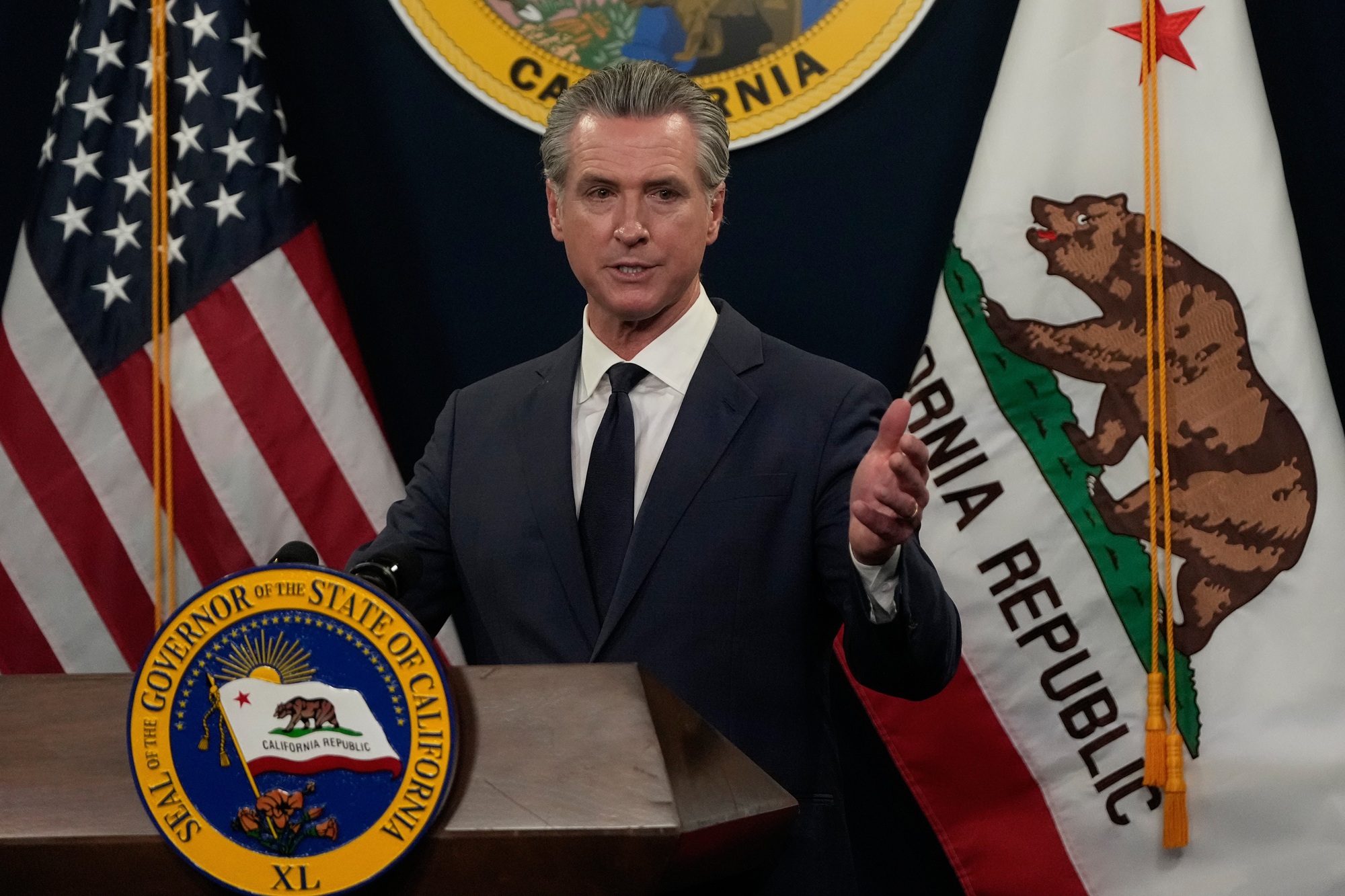
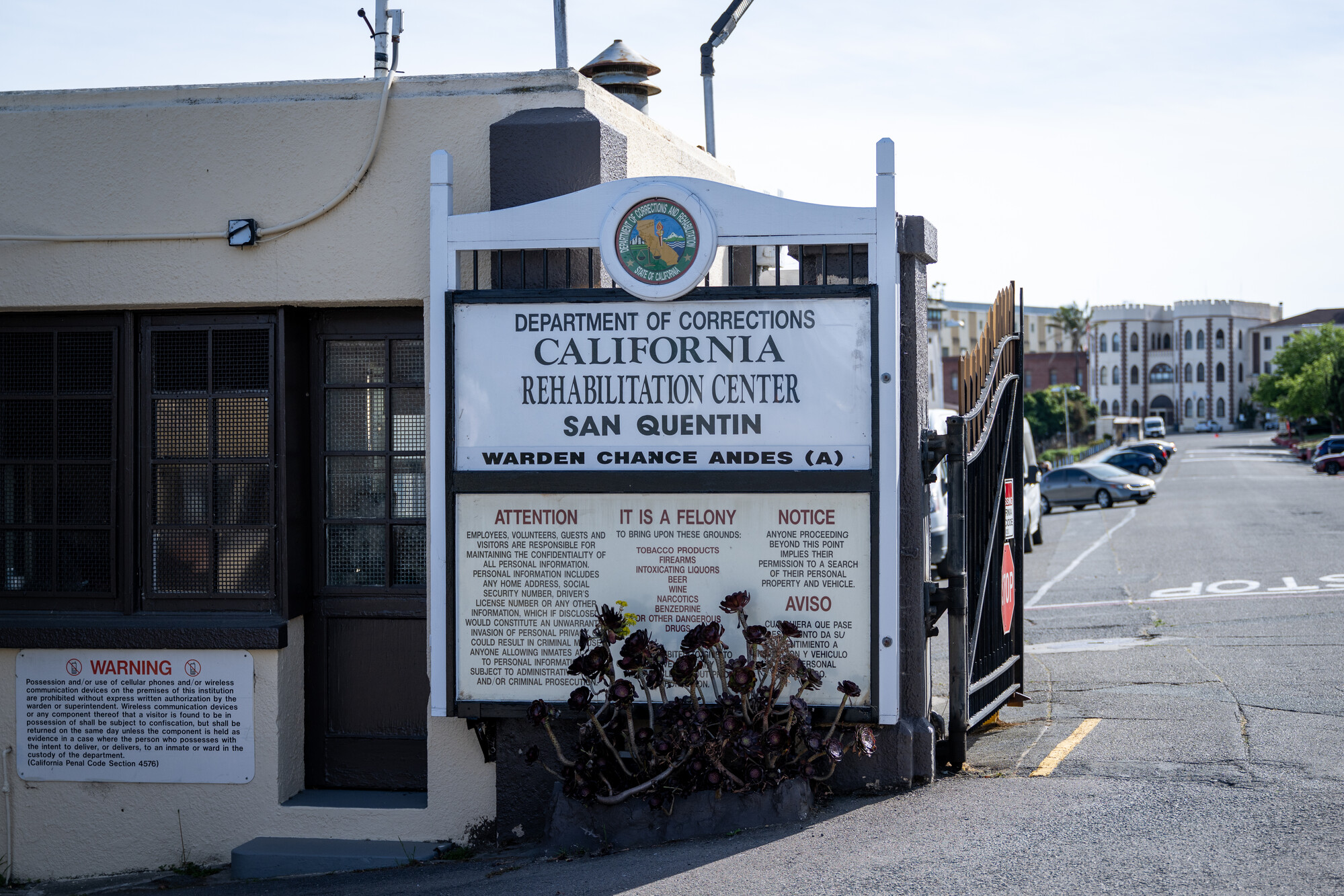
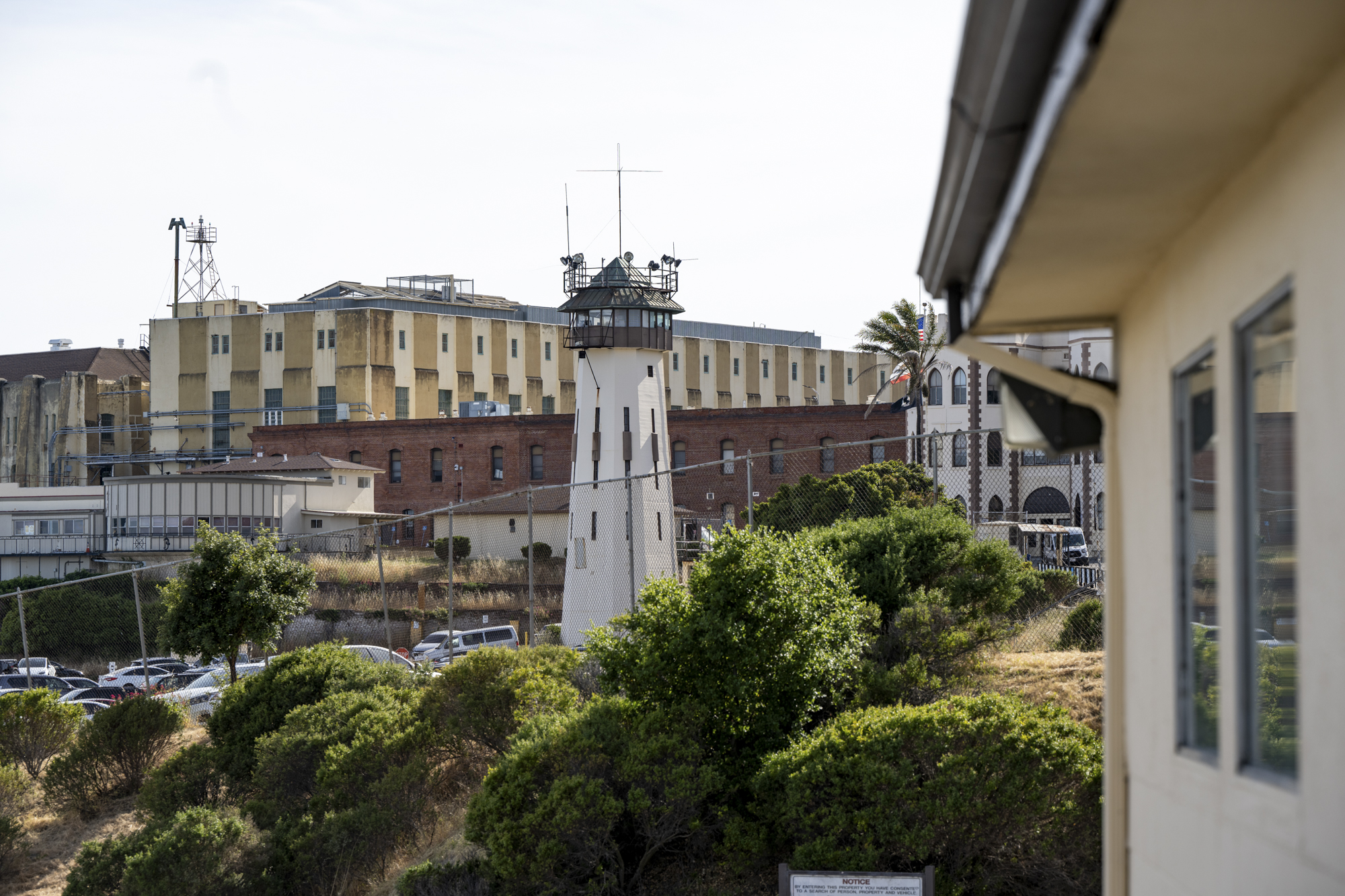
Two months after he was inaugurated as governor of California, Gavin Newsom announced that he was putting a halt to executions in the state and dismantling the lethal injection equipment at San Quentin State Prison, where death sentences were once carried out.
“ This is not flippant. I haven’t come to this lightly,” the governor said at the time.
Now, as Newsom serves out his final weeks in office, he is once again grappling with whether to take it one step further and commute some or all of California’s hundreds of remaining death sentences and convert them to life without the possibility of parole.
“I have to prepare for my own consciousness, my rocking chair test,” Newsom said in a conversation on a recent episode of his podcast, This Is Gavin Newsom. “Do I commute the largest death row in the Western Hemisphere?”
When Newsom put a stop to executions in March 2019, there were 737 people on California’s death row. Today, based on statistics from the California Department of Corrections and Rehabilitation, 563 remain. Nearly 170 people on death row have died since Newsom’s executive order halting executions, mostly of natural causes.

California has not executed anyone since 2006 as legal challenges, concerns over the state’s lethal injection protocol and finally Newsom’s moratorium have essentially disabled the state’s death penalty.
Still, opponents of capital punishment say Newsom’s commuting those sentences and converting them to life without parole would be significant.
“We are propping up the death penalty for the entire world,” said Natasha Minsker, an attorney and consultant to anti-death penalty organizations. “And it’s time for California to be out of the business of endorsing the death penalties.”
Newsom is mindful that a decision to commute the state’s remaining death sentences will not sit well with some victims of crime and their families. He heard from them before and after he issued the moratorium in 2019. Some felt betrayed and angry that the governor was, in a sense, protecting people who committed heinous crimes from the “ultimate punishment” they felt was deserved.
Shortly before Newsom made his decision public, his lead adviser on the process, Daniel Zingale, recalls a solemn moment in the governor’s office.
“Before he went out to announce it publicly, we prayed together,” Zingale said. “He and I and some other members of the senior staff actually prayed for guidance and wisdom.”
Zingale said that as he contemplated his decision, Newsom wanted data, legal and budget analyses and meetings with crime victims and their families.
One thing he did not ask for? “He never once showed any interest in looking at a poll about it, or what you would consider the politics of it,” Zingale said.
As he nears the end of his time as governor — and the start of a possible presidential campaign — it may be hard to imagine politics not playing a part in a decision to commute death sentences. But Newsom may have more to consider.
“I think ultimately the governor is looking at the question of what matters to him, what does he want to be his legacy? When he looks back on his life, did he follow through on his values?” Minsker said.
Public support for capital punishment peaked in the 1990s during a wave of high crime rates and the passage of extreme anti-crime measures. Since then, with DNA evidence exonerating some who were sentenced to death in other states, support for the death penalty has been steadily declining, especially against the alternative of life without the possibility of parole.
The peak came in 1994, with 80% of Americans approving of the death penalty for murder, according to Gallup, which has measured public opinion on capital punishment in the U.S. each year since 1937. In 2025, its most recent survey, just 52% said they supported the death penalty for people who commit murder.

(Martin do Nascimento/CalMatters)
“I believe that the United States is right now in the middle of a national reconsideration of capital punishment,” said Austin Sarat, a professor of law and politics at Amherst College.
Sarat pointed to the reaction to the gruesomely botched execution of Christa Pike in Tennessee last month — she survived — and the bipartisan backlash to plans by Defense Secretary Pete Hegseth to livestream the upcoming execution of an Army major convicted of a mass shooting at Fort Hood. Both underscore how much politics around the death penalty have changed, Sarat said.
While political consultants in Newsom’s orbit may try to dissuade him from commuting death sentences as he looks ahead to 2028, Sarat doubts the issue would really haunt the governor.
“I think the distance between where he is and where he would go if he commuted death row is not as great as one might think,” Sarat said. He notes that many of the so-called purple states in a presidential election don’t even have the death penalty, including Michigan and Wisconsin, which banned the practice in the 19th century.
“I think that we’re on the road to abolition,” Sarat said. “And abolition in this country is going to come not fast and not smoothly. Two steps forward, one step back.”
On Thursday, Newsom announced he had granted 27 pardons and 30 commutations that had been recommended by elected officials, correctional staff, faith leaders and others. Governors often issue these acts of clemency throughout their time in office in recognition of sincere efforts toward rehabilitation. None of these actions were for death row inmates.
Meanwhile, capital punishment has not been a major issue in this year’s gubernatorial campaign in California. Democrat Xavier Becerra, who polls show is almost certain to follow Newsom as governor, promises to extend Newsom’s moratorium. But Republican Steve Hilton said he would reverse Newsom’s order and resume executions.
“The law is the law,” Hilton said during a conversation at the Commonwealth Club. “I personally am actually opposed to the death penalty, but the people voted — it was very clear in an initiative,” he said, referring to the narrow passage of Proposition 66 in 2016, adding that you can’t “unilaterally just overrule something because you don’t like it.”
After California voters reinstated the death penalty in 1978, then-Gov. Jerry Brown, who personally opposed capital punishment, made appointments to the state Supreme Court that reflected that. Voters in 1986 removed three of “Jerry’s Judges,” including Chief Justice Rose Bird, who had voted to overturn 61 death sentences.
The shadow of Brown’s record haunted his sister, Kathleen Brown, who was the Democrats’ nominee for governor in 1994. Incumbent Republican Gov. Pete Wilson said Brown couldn’t be trusted to carry out executions, even though she promised to follow the law. He easily won reelection.
Four years later, Democrat Gray Davis emphasized his strong support for capital punishment, effectively defusing the issue and defeating Republican Attorney General Dan Lungren in 1998.
Whatever Newsom decides on commutations for the state’s condemned inmates, it will almost surely come after the November election. And more than half of the cases, involving people who were convicted of more than one felony, will require review by the California Supreme Court.
Zingale, who has not advised Newsom for years, said he trusts the governor will weigh the situation fully.
“I am certain he will act out of authentic conviction, because I got to see how he approaches a decision in this realm,” Zingale said. “And so I don’t know what the outcome will be, but I know that it will be consistent with his conscience.”