Oakland City Council Rejects Police Commission Nominees
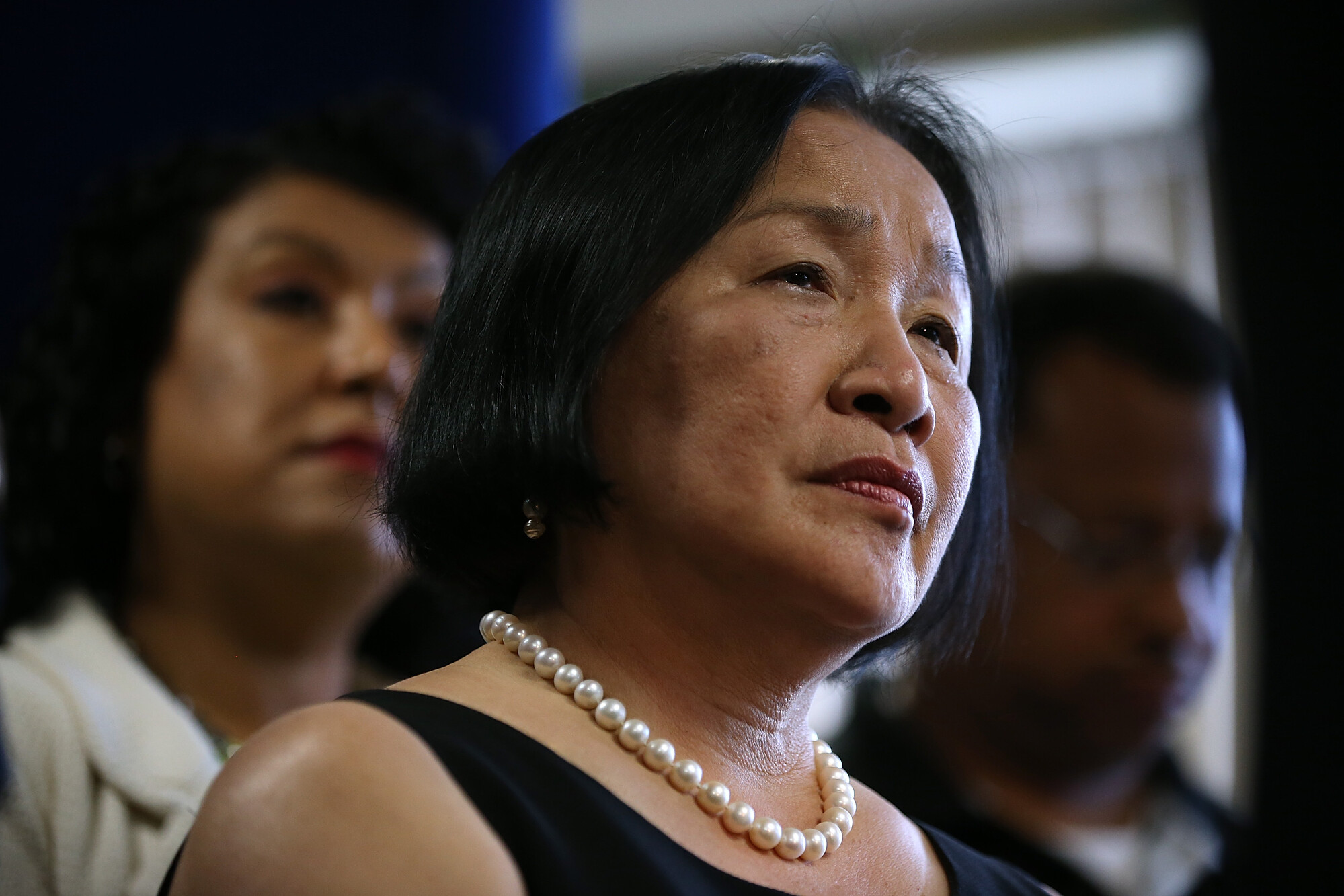
The Oakland City Council on Tuesday rejected two nominees to the city’s Police Commission, one of the strongest law enforcement watchdog groups, over conflict of interest concerns.
Thanks to an obscure line of code in the city charter, the candidates — former Oakland Mayor Jean Quan and former Deputy Public Defender Nicholas O’Brien-Kovari — are required to be forwarded by a selection panel, an independent body, to the Council together as a batch.
The slate ran aground when O’Brien-Kovari, who currently works for a private law firm and is involved in active litigation against the city, asked the city attorney’s office on Monday for clarification on whether that might make him ineligible for the commission, according to a letter reviewed by KQED.
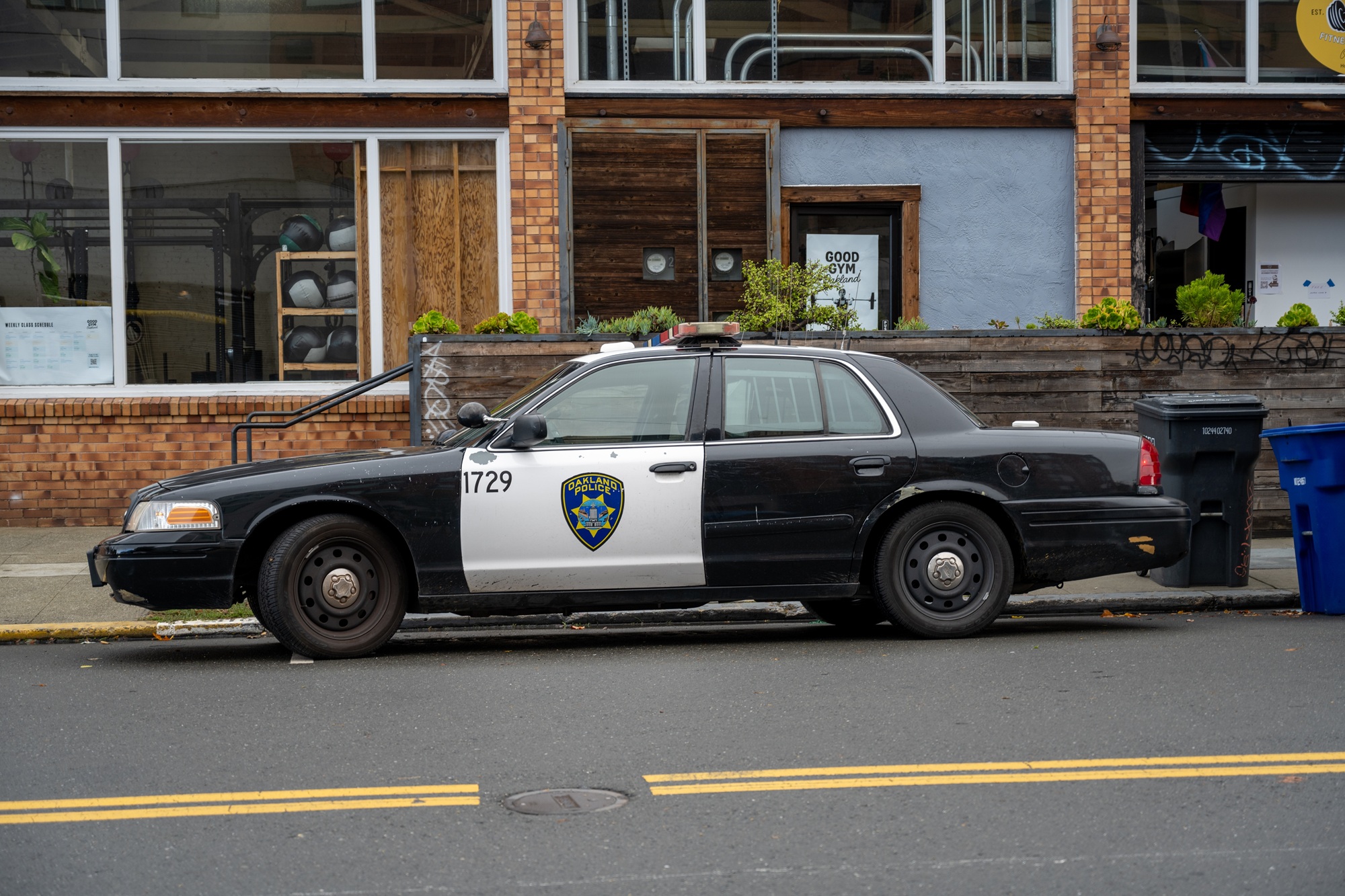
On Tuesday morning, O’Brien-Kovari said he was offered the opportunity to move forward, with staff confirming the City Attorney had not yet taken a position on any potential conflict without a thorough analysis. But at the City Council hearing on Tuesday afternoon, City Attorney Ryan Richardson told council members he had not had time to determine whether O’Brien-Kovari’s job posed a problem, nor to confirm whether it would be possible to rescind his withdrawal.
Council members ultimately voted to reject the candidates. The Police Commission Selection Panel, whose nine members are appointed by each City Council member and the mayor, will now determine whether O’Brien-Kovari can serve, and designate a replacement nominee from its pool of candidates, if necessary.
“Our advice to reject the slate is to simply reset the clock, reset the board,” Richardson said at the meeting. “If both candidates are qualified, the selection panel can send them both back, and the council can vote them up or down.”

The vote comes after a season of friction between city leaders and the voter-mandated civilian oversight body, which holds the power to fire and help hire a police chief, shape use of force policy and investigate police misconduct. The Oakland City Council previously rejected two of the police commission’s slates over what some considered its feeble recruitment efforts, prompting a revamping of the selection process aimed at expanding and diversifying the candidate pool.
O’Brien-Kovari told KQED he is “passionate about police reform” and will keep his name in the hat, but will not serve unless the city can confirm whether his work as an attorney could pose any conflict.
“I really did want to serve,” O’Brien-Kovari said.
Quan said she volunteered to join the commission after her successor, current Mayor Barbara Lee, asked her to do so. She dismissed opposition to her appointment from Councilmember Ken Houston, who was reportedly unsatisfied with her response to the Occupy Wall Street protests in 2011, despite the fact that she was in Washington, D.C., “lobbying for more money for police” at the time.
“[Being police commissioner] is a very serious position,” Quan told the council on Tuesday. “This is a commission that takes more time than most commissions.
“I’ve invested a lot of my life in politics and police reform in Oakland, and I’d be honored to be able to stabilize our constitutional policing here in the city the first year out of negotiated settlement,” Quan said, referring to the recent end of two decades of federal oversight of Oakland’s police department.
With an independent police force, the commission would be expected to fully take the reins of holding OPD accountable, raising the stakes of the appointments.
The city attorney’s office declined to comment. Neither the city nor the police commission immediately responded to a request for comment.
Correction: A previous version of this story incorrectly stated the Police Commission submitted the candidate slate to the City Council. A separate independent entity, called the Police Commission Selection Panel, handles this process, vetting applications and interviewing applicants. We regret the error.