‘A New Beginning’ : Oakland Police to Exit Federal Oversight After 23 Years
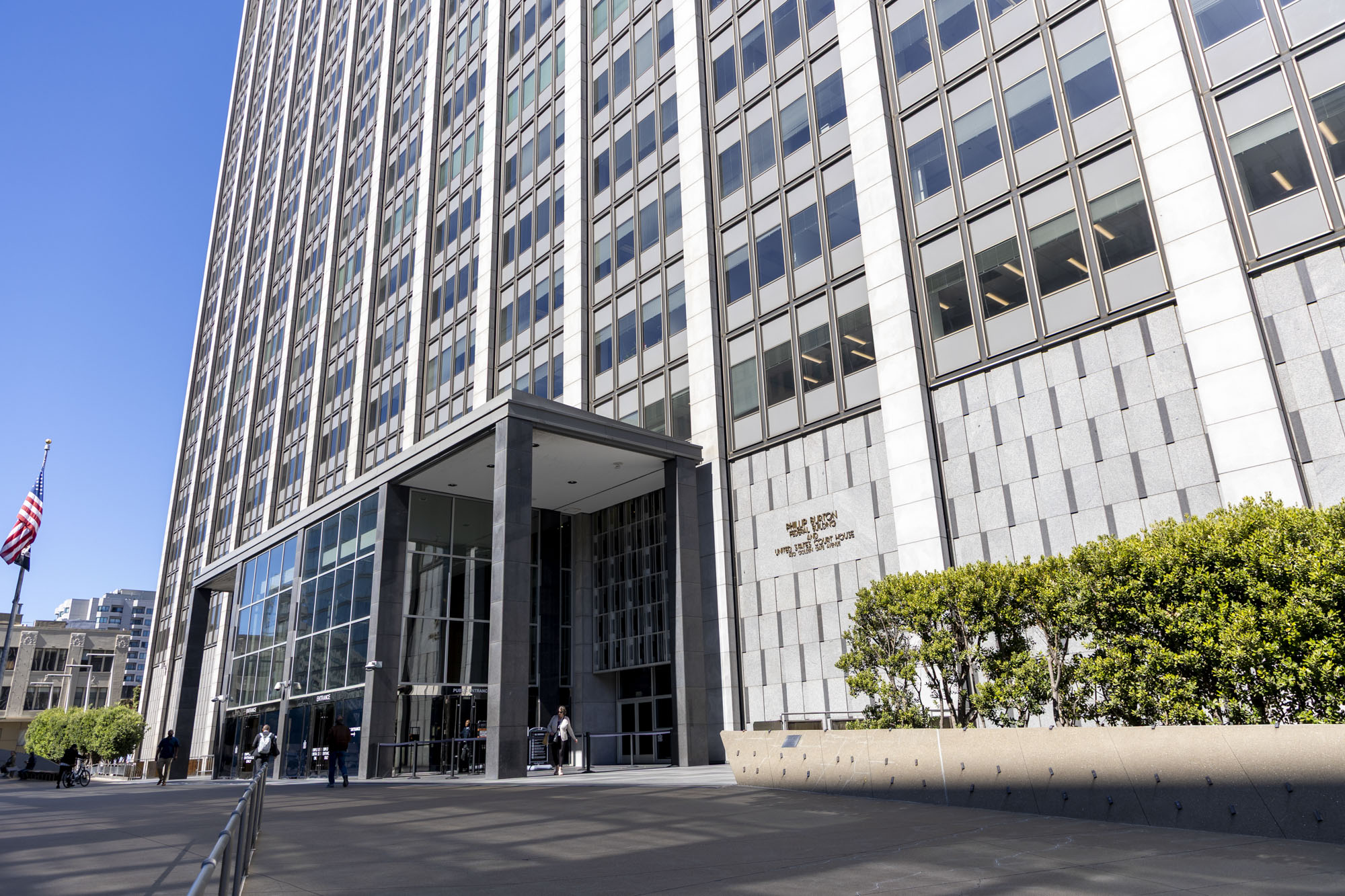
A judge released Oakland’s police force on Tuesday from more than 20 years of federal oversight, thought to be the longest for any American law enforcement agency.
The department will regain full independence after U.S. District Court Judge William Orrick said that the “season for judicial oversight is over.”
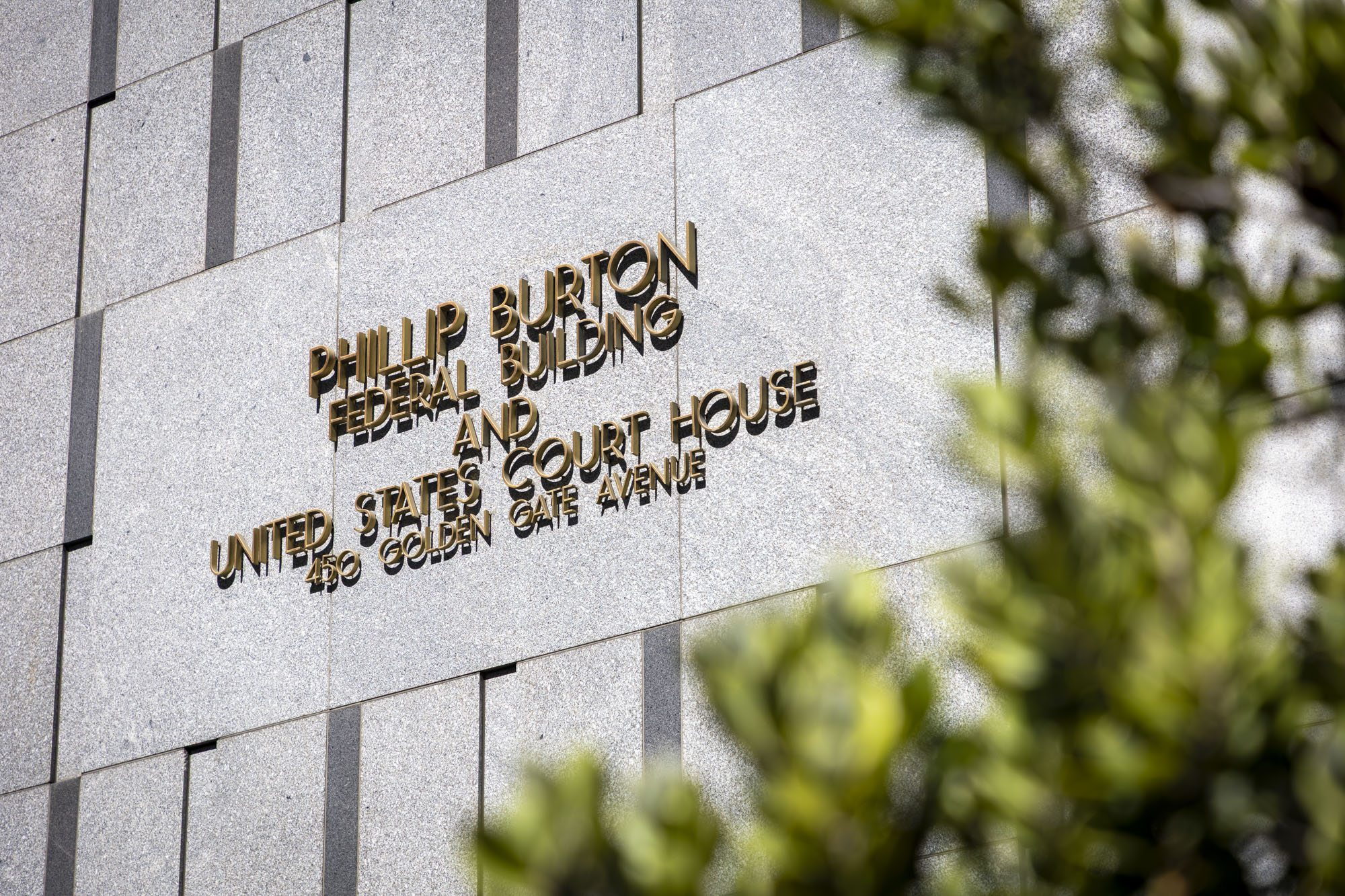
“While it was important for this court to play the role it has, now it’s important for the court to get out of the way, and let the people of Oakland and their leaders fill their future,” Orrick told the San Francisco courtroom, filled with Oakland city officials.
OPD has been subject to court oversight since 2003, when it settled an $11 million class action lawsuit in the wake of a notorious police brutality and corruption scandal. Four officers, known as the “Riders,” were accused of beating, planting evidence and falsely arresting West Oakland residents, and engaging in intimidation, beatings, kidnapping and racial discrimination.
The department agreed to a federally mandated consent decree that required it to implement 51 organizational reforms related to the use of force, discipline, supervision, training and internal affairs investigations.
James Chanin, who has represented the plaintiffs in the case, called the department’s change since then “astronomic.”
“They’re a much different department than they were. It’s like night and day,” he told the court on Tuesday.
Initially, court oversight was expected to last between five and seven years. Instead, it’s been delayed by repeated missteps, backsliding, a revolving door of police chiefs and multiple city administrations.
OPD met most of the requirements years ago, and has been responsible for sustaining them since 2022. But they’ve continued to fall short of a few of the tasks, keeping them in limbo.

Earlier this month, court-appointed monitor Robert S. Warshaw reported that the department had fallen out of compliance with its requirement to investigate serious misconduct allegations in a timely manner, leaving open the possibility that Orrick would keep OPD under the court’s watch longer.
The settlement requires OPD to complete at least 85% of internal affairs investigations related to “the most serious allegations of misconduct” within 180 days of reporting.
Between January and March of this year, though, Warshaw found that just 77 of 93, or 83%, of these investigations were completed in time.
Both Chanin and plaintiffs’ other attorney, John Burris, said that while they were disappointed by the slip, they both supported ending the negotiated settlement agreement, or NSA.
“We have been involved in pushing this rock up the hill for 23 years, and every time we got close, it’s fallen back down,” Burris told the court.
“Today, I am hoping to say we’ve pushed this rock as far as we can … and it’s up to the city to push it [the rest of the way].”
“It’s not about today, it’s about tomorrow,” he said.
Brigid Martin, Oakland’s special counsel, said in response that the city “has absolute certainty about what will happen tomorrow, and then next day and the day after that.”
“NSA compliance is not a temporary obligation; it is the core of Oakland’s police operation,” she said.

Oakland Police Chief James Beere said that the department had to make “hard decisions” between completing investigations within a 180-day timeline and achieving the thoroughness required in complex cases.
“The expectation for our investigation is not an excuse, but the expectations are not the same as they were twenty years ago,” Beere said.
Orrick said that while missing the investigation timeline matters, he believes Beere and Oakland Mayor Barbara Lee’s leadership will hold the department accountable.
“Today is not a ceiling, it’s a floor,” Warshaw said in court. “The city should see this not as the end of something, but as a new beginning.”