window.__IS_SSR__=true
window.__INITIAL_STATE__={
"attachmentsReducer": {
"audio_0": {
"type": "attachments",
"id": "audio_0",
"imgSizes": {
"kqedFullSize": {
"file": "https://ww2.kqed.org/news/wp-content/themes/KQED-unified/img/audio_bgs/background0.jpg"
}
}
},
"audio_1": {
"type": "attachments",
"id": "audio_1",
"imgSizes": {
"kqedFullSize": {
"file": "https://ww2.kqed.org/news/wp-content/themes/KQED-unified/img/audio_bgs/background1.jpg"
}
}
},
"audio_2": {
"type": "attachments",
"id": "audio_2",
"imgSizes": {
"kqedFullSize": {
"file": "https://ww2.kqed.org/news/wp-content/themes/KQED-unified/img/audio_bgs/background2.jpg"
}
}
},
"audio_3": {
"type": "attachments",
"id": "audio_3",
"imgSizes": {
"kqedFullSize": {
"file": "https://ww2.kqed.org/news/wp-content/themes/KQED-unified/img/audio_bgs/background3.jpg"
}
}
},
"audio_4": {
"type": "attachments",
"id": "audio_4",
"imgSizes": {
"kqedFullSize": {
"file": "https://ww2.kqed.org/news/wp-content/themes/KQED-unified/img/audio_bgs/background4.jpg"
}
}
},
"placeholder": {
"type": "attachments",
"id": "placeholder",
"imgSizes": {
"thumbnail": {
"file": "https://cdn.kqed.org/wp-content/uploads/2024/12/KQED-Default-Image-816638274-2000x1333-1-160x107.jpg",
"width": 160,
"height": 107,
"mimeType": "image/jpeg"
},
"medium": {
"file": "https://cdn.kqed.org/wp-content/uploads/2024/12/KQED-Default-Image-816638274-2000x1333-1-800x533.jpg",
"width": 800,
"height": 533,
"mimeType": "image/jpeg"
},
"medium_large": {
"file": "https://cdn.kqed.org/wp-content/uploads/2024/12/KQED-Default-Image-816638274-2000x1333-1-768x512.jpg",
"width": 768,
"height": 512,
"mimeType": "image/jpeg"
},
"large": {
"file": "https://cdn.kqed.org/wp-content/uploads/2024/12/KQED-Default-Image-816638274-2000x1333-1-1020x680.jpg",
"width": 1020,
"height": 680,
"mimeType": "image/jpeg"
},
"1536x1536": {
"file": "https://cdn.kqed.org/wp-content/uploads/2024/12/KQED-Default-Image-816638274-2000x1333-1-1536x1024.jpg",
"width": 1536,
"height": 1024,
"mimeType": "image/jpeg"
},
"fd-lrg": {
"file": "https://cdn.kqed.org/wp-content/uploads/2024/12/KQED-Default-Image-816638274-2000x1333-1-1536x1024.jpg",
"width": 1536,
"height": 1024,
"mimeType": "image/jpeg"
},
"fd-med": {
"file": "https://cdn.kqed.org/wp-content/uploads/2024/12/KQED-Default-Image-816638274-2000x1333-1-1020x680.jpg",
"width": 1020,
"height": 680,
"mimeType": "image/jpeg"
},
"fd-sm": {
"file": "https://cdn.kqed.org/wp-content/uploads/2024/12/KQED-Default-Image-816638274-2000x1333-1-800x533.jpg",
"width": 800,
"height": 533,
"mimeType": "image/jpeg"
},
"post-thumbnail": {
"file": "https://cdn.kqed.org/wp-content/uploads/2024/12/KQED-Default-Image-816638274-2000x1333-1-672x372.jpg",
"width": 672,
"height": 372,
"mimeType": "image/jpeg"
},
"twentyfourteen-full-width": {
"file": "https://cdn.kqed.org/wp-content/uploads/2024/12/KQED-Default-Image-816638274-2000x1333-1-1038x576.jpg",
"width": 1038,
"height": 576,
"mimeType": "image/jpeg"
},
"xxsmall": {
"file": "https://cdn.kqed.org/wp-content/uploads/2024/12/KQED-Default-Image-816638274-2000x1333-1-160x107.jpg",
"width": 160,
"height": 107,
"mimeType": "image/jpeg"
},
"xsmall": {
"file": "https://cdn.kqed.org/wp-content/uploads/2024/12/KQED-Default-Image-816638274-2000x1333-1-672x372.jpg",
"width": 672,
"height": 372,
"mimeType": "image/jpeg"
},
"small": {
"file": "https://cdn.kqed.org/wp-content/uploads/2024/12/KQED-Default-Image-816638274-2000x1333-1-672x372.jpg",
"width": 672,
"height": 372,
"mimeType": "image/jpeg"
},
"xlarge": {
"file": "https://cdn.kqed.org/wp-content/uploads/2024/12/KQED-Default-Image-816638274-2000x1333-1-1020x680.jpg",
"width": 1020,
"height": 680,
"mimeType": "image/jpeg"
},
"full-width": {
"file": "https://cdn.kqed.org/wp-content/uploads/2024/12/KQED-Default-Image-816638274-2000x1333-1-1920x1280.jpg",
"width": 1920,
"height": 1280,
"mimeType": "image/jpeg"
},
"guest-author-32": {
"file": "https://cdn.kqed.org/wp-content/uploads/2025/01/KQED-Default-Image-816638274-1333x1333-1-160x160.jpg",
"width": 32,
"height": 32,
"mimeType": "image/jpeg"
},
"guest-author-50": {
"file": "https://cdn.kqed.org/wp-content/uploads/2025/01/KQED-Default-Image-816638274-1333x1333-1-160x160.jpg",
"width": 50,
"height": 50,
"mimeType": "image/jpeg"
},
"guest-author-64": {
"file": "https://cdn.kqed.org/wp-content/uploads/2025/01/KQED-Default-Image-816638274-1333x1333-1-160x160.jpg",
"width": 64,
"height": 64,
"mimeType": "image/jpeg"
},
"guest-author-96": {
"file": "https://cdn.kqed.org/wp-content/uploads/2025/01/KQED-Default-Image-816638274-1333x1333-1-160x160.jpg",
"width": 96,
"height": 96,
"mimeType": "image/jpeg"
},
"guest-author-128": {
"file": "https://cdn.kqed.org/wp-content/uploads/2025/01/KQED-Default-Image-816638274-1333x1333-1-160x160.jpg",
"width": 128,
"height": 128,
"mimeType": "image/jpeg"
},
"detail": {
"file": "https://cdn.kqed.org/wp-content/uploads/2025/01/KQED-Default-Image-816638274-1333x1333-1-160x160.jpg",
"width": 160,
"height": 160,
"mimeType": "image/jpeg"
},
"kqedFullSize": {
"file": "https://cdn.kqed.org/wp-content/uploads/2024/12/KQED-Default-Image-816638274-2000x1333-1.jpg",
"width": 2000,
"height": 1333
}
}
},
"news_11902520": {
"type": "attachments",
"id": "news_11902520",
"meta": {
"index": "attachments_1716263798",
"site": "news",
"id": "11902520",
"found": true
},
"parent": 11902497,
"imgSizes": {
"twentyfourteen-full-width": {
"file": "https://ww2.kqed.org/app/uploads/sites/10/2022/01/002_Hayward_OUSDCarCaravan_01212022-1038x576.jpg",
"width": 1038,
"mimeType": "image/jpeg",
"height": 576
},
"thumbnail": {
"file": "https://ww2.kqed.org/app/uploads/sites/10/2022/01/002_Hayward_OUSDCarCaravan_01212022-160x107.jpg",
"width": 160,
"mimeType": "image/jpeg",
"height": 107
},
"post-thumbnail": {
"file": "https://ww2.kqed.org/app/uploads/sites/10/2022/01/002_Hayward_OUSDCarCaravan_01212022-672x372.jpg",
"width": 672,
"mimeType": "image/jpeg",
"height": 372
},
"kqedFullSize": {
"file": "https://ww2.kqed.org/app/uploads/sites/10/2022/01/002_Hayward_OUSDCarCaravan_01212022.jpg",
"width": 1920,
"height": 1280
},
"large": {
"file": "https://ww2.kqed.org/app/uploads/sites/10/2022/01/002_Hayward_OUSDCarCaravan_01212022-1020x680.jpg",
"width": 1020,
"mimeType": "image/jpeg",
"height": 680
},
"1536x1536": {
"file": "https://ww2.kqed.org/app/uploads/sites/10/2022/01/002_Hayward_OUSDCarCaravan_01212022-1536x1024.jpg",
"width": 1536,
"mimeType": "image/jpeg",
"height": 1024
},
"medium": {
"file": "https://ww2.kqed.org/app/uploads/sites/10/2022/01/002_Hayward_OUSDCarCaravan_01212022-800x533.jpg",
"width": 800,
"mimeType": "image/jpeg",
"height": 533
}
},
"publishDate": 1643060914,
"modified": 1643074887,
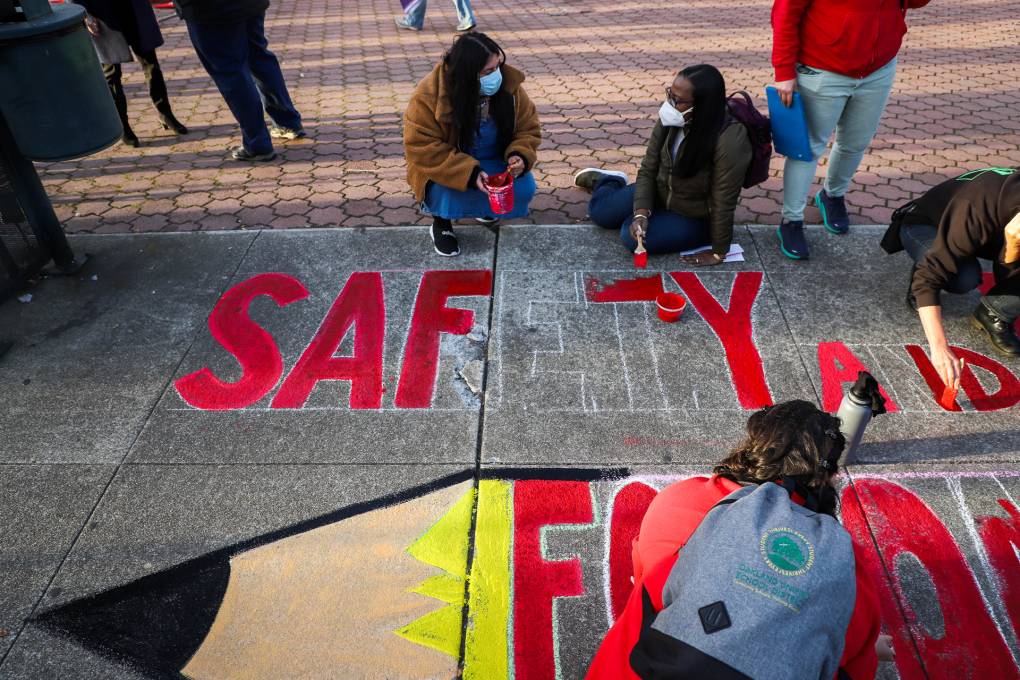
"caption": "Demonstrators paint the sidewalk outside the Alameda County Office of Education during a protest calling for COVID-safe and racially just schools in Hayward on Jan. 21, 2022.",
"description": null,
"title": "002_Hayward_OUSDCarCaravan_01212022",
"credit": "Amaya Edwards/KQED",
"status": "inherit",
"altTag": "Three people wearing masks are seen writing words in chalk on the ground outside spelling \"safety.\"",
"isLoading": false,
"fetchFailed": false
},
"news_11887423": {
"type": "attachments",
"id": "news_11887423",
"meta": {
"index": "attachments_1716263798",
"site": "news",
"id": "11887423",
"found": true
},
"parent": 11887194,
"imgSizes": {
"twentyfourteen-full-width": {
"file": "https://ww2.kqed.org/app/uploads/sites/10/2021/09/Oakland-schools-remote-learning-1038x576.jpg",
"width": 1038,
"mimeType": "image/jpeg",
"height": 576
},
"thumbnail": {
"file": "https://ww2.kqed.org/app/uploads/sites/10/2021/09/Oakland-schools-remote-learning-160x107.jpg",
"width": 160,
"mimeType": "image/jpeg",
"height": 107
},
"post-thumbnail": {
"file": "https://ww2.kqed.org/app/uploads/sites/10/2021/09/Oakland-schools-remote-learning-672x372.jpg",
"width": 672,
"mimeType": "image/jpeg",
"height": 372
},
"kqedFullSize": {
"file": "https://ww2.kqed.org/app/uploads/sites/10/2021/09/Oakland-schools-remote-learning.jpg",
"width": 1920,
"height": 1280
},
"large": {
"file": "https://ww2.kqed.org/app/uploads/sites/10/2021/09/Oakland-schools-remote-learning-1020x680.jpg",
"width": 1020,
"mimeType": "image/jpeg",
"height": 680
},
"1536x1536": {
"file": "https://ww2.kqed.org/app/uploads/sites/10/2021/09/Oakland-schools-remote-learning-1536x1024.jpg",
"width": 1536,
"mimeType": "image/jpeg",
"height": 1024
},
"medium": {
"file": "https://ww2.kqed.org/app/uploads/sites/10/2021/09/Oakland-schools-remote-learning-800x533.jpg",
"width": 800,
"mimeType": "image/jpeg",
"height": 533
}
},
"publishDate": 1630612545,
"modified": 1630633223,
"caption": "An Oakland student learning from home in April 2021. With schools across California having returned to in-person education, those who opted to remain in distance learning now feel shortchanged.",
"description": null,
"title": "Ryan Austin and her son Onyx at their home in Oakland on April 14, 2021.",
"credit": "Beth LaBerge/KQED",
"status": "inherit",
"altTag": "A young boy kneels at a desk in his home to use a laptop computer.",
"isLoading": false,
"fetchFailed": false
},
"news_11885672": {
"type": "attachments",
"id": "news_11885672",
"meta": {
"index": "attachments_1716263798",
"site": "news",
"id": "11885672",
"found": true
},
"parent": 11885647,
"imgSizes": {
"twentyfourteen-full-width": {
"file": "https://ww2.kqed.org/app/uploads/sites/10/2021/08/RS50631_007_Alameda_ChildrenCOVID_08172021-qut-1038x576.jpg",
"width": 1038,
"mimeType": "image/jpeg",
"height": 576
},
"thumbnail": {
"file": "https://ww2.kqed.org/app/uploads/sites/10/2021/08/RS50631_007_Alameda_ChildrenCOVID_08172021-qut-160x107.jpg",
"width": 160,
"mimeType": "image/jpeg",
"height": 107
},
"post-thumbnail": {
"file": "https://ww2.kqed.org/app/uploads/sites/10/2021/08/RS50631_007_Alameda_ChildrenCOVID_08172021-qut-672x372.jpg",
"width": 672,
"mimeType": "image/jpeg",
"height": 372
},
"kqedFullSize": {
"file": "https://ww2.kqed.org/app/uploads/sites/10/2021/08/RS50631_007_Alameda_ChildrenCOVID_08172021-qut.jpg",
"width": 1920,
"height": 1280
},
"large": {
"file": "https://ww2.kqed.org/app/uploads/sites/10/2021/08/RS50631_007_Alameda_ChildrenCOVID_08172021-qut-1020x680.jpg",
"width": 1020,
"mimeType": "image/jpeg",
"height": 680
},
"1536x1536": {
"file": "https://ww2.kqed.org/app/uploads/sites/10/2021/08/RS50631_007_Alameda_ChildrenCOVID_08172021-qut-1536x1024.jpg",
"width": 1536,
"mimeType": "image/jpeg",
"height": 1024
},
"medium": {
"file": "https://ww2.kqed.org/app/uploads/sites/10/2021/08/RS50631_007_Alameda_ChildrenCOVID_08172021-qut-800x533.jpg",
"width": 800,
"mimeType": "image/jpeg",
"height": 533
}
},
"publishDate": 1629399597,
"modified": 1629418495,
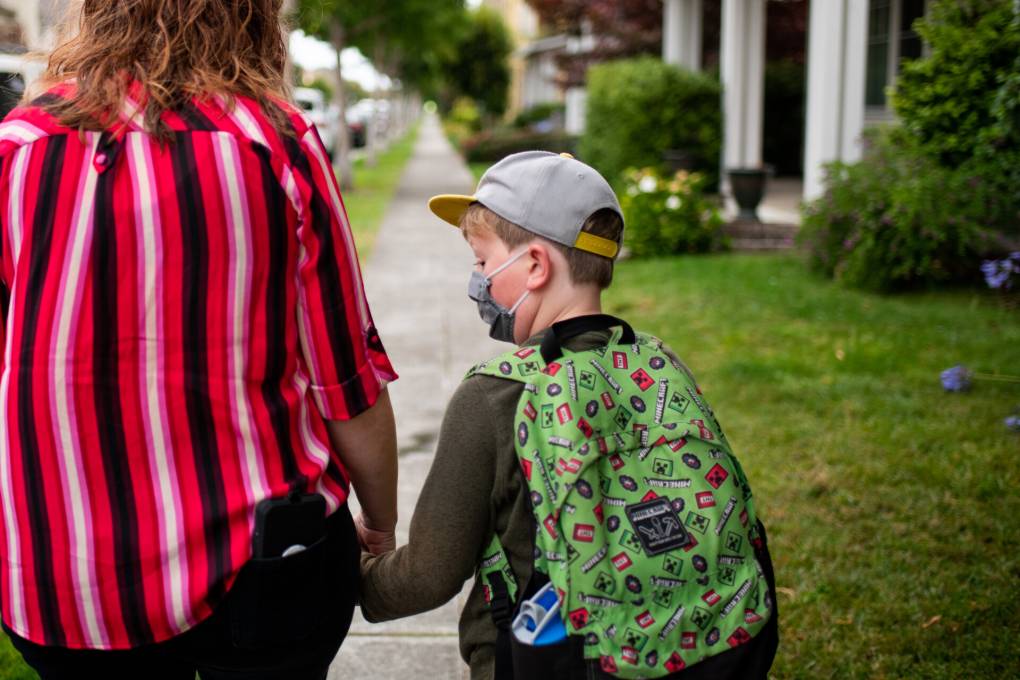
"caption": "Stephanie Chenard holds hands with her son Desmond, 8, as they walk to his school in Alameda on Aug. 17, 2021. Chenard shared with KQED how she felt when she heard earlier this month that four COVID-19 cases were reported in four different schools of the Oakland Unified School District. “It’s already started,” she said through a text message.",
"description": "Stephanie Chenard holds hands with her son Desmond, 8, as they walk to his school in Alameda on August 17, 2021.",
"title": "RS50631_007_Alameda_ChildrenCOVID_08172021-qut",
"credit": "Beth LaBerge/KQED",
"status": "inherit",
"altTag": "A parent and a child walk on a sidewalk, facing away from the camera. The parent is wearing a red blouse with black and white stripes and the child is wearing a baseball cap and carries a green backpack.",
"isLoading": false,
"fetchFailed": false
},
"news_11829281": {
"type": "attachments",
"id": "news_11829281",
"meta": {
"index": "attachments_1716263798",
"site": "news",
"id": "11829281",
"found": true
},
"parent": 11829180,
"imgSizes": {
"apple_news_ca_landscape_5_5": {
"file": "https://ww2.kqed.org/app/uploads/sites/10/2020/07/RS43885_IMG_2893-qut-1044x783.jpg",
"width": 1044,
"mimeType": "image/jpeg",
"height": 783
},
"apple_news_ca_square_4_0": {
"file": "https://ww2.kqed.org/app/uploads/sites/10/2020/07/RS43885_IMG_2893-qut-470x470.jpg",
"width": 470,
"mimeType": "image/jpeg",
"height": 470
},
"twentyfourteen-full-width": {
"file": "https://ww2.kqed.org/app/uploads/sites/10/2020/07/RS43885_IMG_2893-qut-1038x576.jpg",
"width": 1038,
"mimeType": "image/jpeg",
"height": 576
},
"thumbnail": {
"file": "https://ww2.kqed.org/app/uploads/sites/10/2020/07/RS43885_IMG_2893-qut-160x120.jpg",
"width": 160,
"mimeType": "image/jpeg",
"height": 120
},
"post-thumbnail": {
"file": "https://ww2.kqed.org/app/uploads/sites/10/2020/07/RS43885_IMG_2893-qut-672x372.jpg",
"width": 672,
"mimeType": "image/jpeg",
"height": 372
},
"kqedFullSize": {
"file": "https://ww2.kqed.org/app/uploads/sites/10/2020/07/RS43885_IMG_2893-qut.jpg",
"width": 1920,
"height": 1440
},
"apple_news_ca_landscape_4_7": {
"file": "https://ww2.kqed.org/app/uploads/sites/10/2020/07/RS43885_IMG_2893-qut-632x474.jpg",
"width": 632,
"mimeType": "image/jpeg",
"height": 474
},
"large": {
"file": "https://ww2.kqed.org/app/uploads/sites/10/2020/07/RS43885_IMG_2893-qut-1020x765.jpg",
"width": 1020,
"mimeType": "image/jpeg",
"height": 765
},
"apple_news_ca_landscape_4_0": {
"file": "https://ww2.kqed.org/app/uploads/sites/10/2020/07/RS43885_IMG_2893-qut-536x402.jpg",
"width": 536,
"mimeType": "image/jpeg",
"height": 402
},
"apple_news_ca_portrait_12_9": {
"file": "https://ww2.kqed.org/app/uploads/sites/10/2020/07/RS43885_IMG_2893-qut-1122x1440.jpg",
"width": 1122,
"mimeType": "image/jpeg",
"height": 1440
},
"medium": {
"file": "https://ww2.kqed.org/app/uploads/sites/10/2020/07/RS43885_IMG_2893-qut-800x600.jpg",
"width": 800,
"mimeType": "image/jpeg",
"height": 600
},
"apple_news_ca_portrait_4_0": {
"file": "https://ww2.kqed.org/app/uploads/sites/10/2020/07/RS43885_IMG_2893-qut-354x472.jpg",
"width": 354,
"mimeType": "image/jpeg",
"height": 472
},
"apple_news_ca_portrait_9_7": {
"file": "https://ww2.kqed.org/app/uploads/sites/10/2020/07/RS43885_IMG_2893-qut-840x1120.jpg",
"width": 840,
"mimeType": "image/jpeg",
"height": 1120
},
"apple_news_ca_landscape_12_9": {
"file": "https://ww2.kqed.org/app/uploads/sites/10/2020/07/RS43885_IMG_2893-qut-1832x1374.jpg",
"width": 1832,
"mimeType": "image/jpeg",
"height": 1374
},
"apple_news_ca_square_9_7": {
"file": "https://ww2.kqed.org/app/uploads/sites/10/2020/07/RS43885_IMG_2893-qut-1104x1104.jpg",
"width": 1104,
"mimeType": "image/jpeg",
"height": 1104
},
"1536x1536": {
"file": "https://ww2.kqed.org/app/uploads/sites/10/2020/07/RS43885_IMG_2893-qut-1536x1152.jpg",
"width": 1536,
"mimeType": "image/jpeg",
"height": 1152
},
"apple_news_ca_portrait_4_7": {
"file": "https://ww2.kqed.org/app/uploads/sites/10/2020/07/RS43885_IMG_2893-qut-414x552.jpg",
"width": 414,
"mimeType": "image/jpeg",
"height": 552
},
"apple_news_ca_square_12_9": {
"file": "https://ww2.kqed.org/app/uploads/sites/10/2020/07/RS43885_IMG_2893-qut-1472x1440.jpg",
"width": 1472,
"mimeType": "image/jpeg",
"height": 1440
},
"apple_news_ca_portrait_5_5": {
"file": "https://ww2.kqed.org/app/uploads/sites/10/2020/07/RS43885_IMG_2893-qut-687x916.jpg",
"width": 687,
"mimeType": "image/jpeg",
"height": 916
},
"apple_news_ca_square_4_7": {
"file": "https://ww2.kqed.org/app/uploads/sites/10/2020/07/RS43885_IMG_2893-qut-550x550.jpg",
"width": 550,
"mimeType": "image/jpeg",
"height": 550
},
"apple_news_ca_landscape_9_7": {
"file": "https://ww2.kqed.org/app/uploads/sites/10/2020/07/RS43885_IMG_2893-qut-1376x1032.jpg",
"width": 1376,
"mimeType": "image/jpeg",
"height": 1032
},
"apple_news_ca_square_5_5": {
"file": "https://ww2.kqed.org/app/uploads/sites/10/2020/07/RS43885_IMG_2893-qut-912x912.jpg",
"width": 912,
"mimeType": "image/jpeg",
"height": 912
}
},
"publishDate": 1594939518,
"modified": 1624914222,
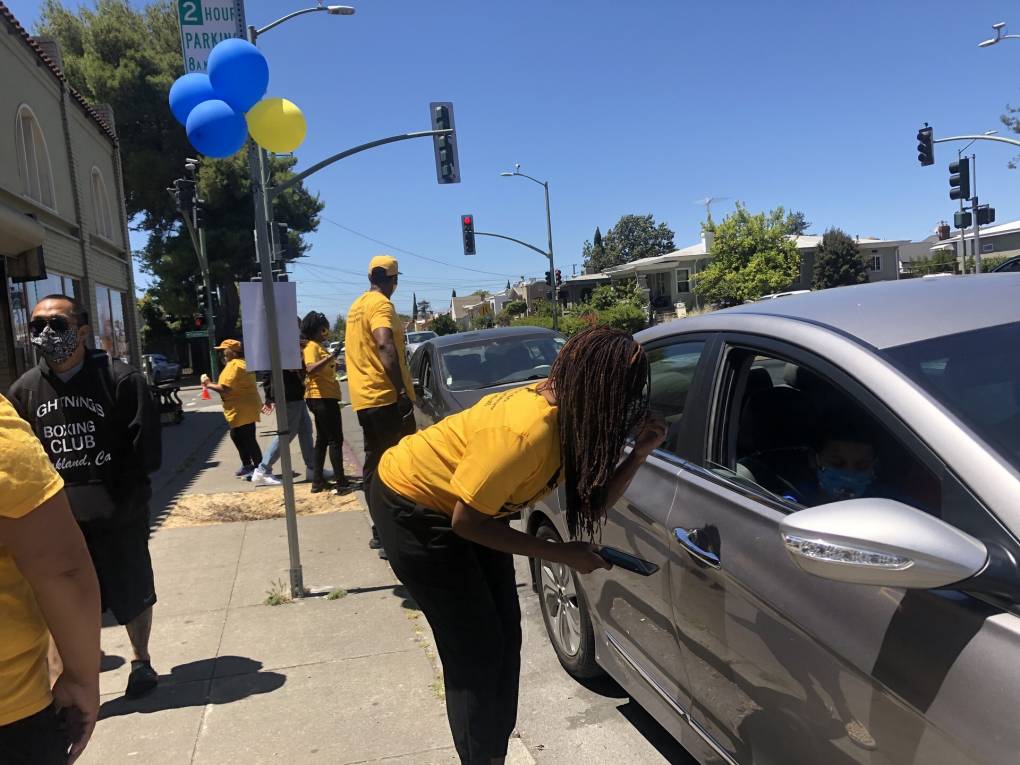
"caption": "The Oakland REACH organizers in East Oakland last summer handing out laptops and other school supplies to the families of Oakland students.",
"description": null,
"title": "RS43885_IMG_2893-qut",
"credit": "Vanessa Rancaño/KQED",
"status": "inherit",
"altTag": null,
"isLoading": false,
"fetchFailed": false
},
"news_11875903": {
"type": "attachments",
"id": "news_11875903",
"meta": {
"index": "attachments_1716263798",
"site": "news",
"id": "11875903",
"found": true
},
"parent": 11875883,
"imgSizes": {
"twentyfourteen-full-width": {
"file": "https://ww2.kqed.org/app/uploads/sites/10/2021/05/RS44115_004_KQED_Oakland_SchoolPods_ElisaCecaci_07272020-qut-1038x576.jpeg",
"width": 1038,
"mimeType": "image/jpeg",
"height": 576
},
"thumbnail": {
"file": "https://ww2.kqed.org/app/uploads/sites/10/2021/05/RS44115_004_KQED_Oakland_SchoolPods_ElisaCecaci_07272020-qut-160x107.jpeg",
"width": 160,
"mimeType": "image/jpeg",
"height": 107
},
"post-thumbnail": {
"file": "https://ww2.kqed.org/app/uploads/sites/10/2021/05/RS44115_004_KQED_Oakland_SchoolPods_ElisaCecaci_07272020-qut-672x372.jpeg",
"width": 672,
"mimeType": "image/jpeg",
"height": 372
},
"kqedFullSize": {
"file": "https://ww2.kqed.org/app/uploads/sites/10/2021/05/RS44115_004_KQED_Oakland_SchoolPods_ElisaCecaci_07272020-qut.jpeg",
"width": 1920,
"height": 1280
},
"large": {
"file": "https://ww2.kqed.org/app/uploads/sites/10/2021/05/RS44115_004_KQED_Oakland_SchoolPods_ElisaCecaci_07272020-qut-1020x680.jpeg",
"width": 1020,
"mimeType": "image/jpeg",
"height": 680
},
"1536x1536": {
"file": "https://ww2.kqed.org/app/uploads/sites/10/2021/05/RS44115_004_KQED_Oakland_SchoolPods_ElisaCecaci_07272020-qut-1536x1024.jpeg",
"width": 1536,
"mimeType": "image/jpeg",
"height": 1024
},
"medium": {
"file": "https://ww2.kqed.org/app/uploads/sites/10/2021/05/RS44115_004_KQED_Oakland_SchoolPods_ElisaCecaci_07272020-qut-800x533.jpeg",
"width": 800,
"mimeType": "image/jpeg",
"height": 533
}
},
"publishDate": 1622230182,
"modified": 1622230328,
"caption": "After more than a year of distance learning, some students and parents are counting on summer school to help make up for lost learning. ",
"description": "Keli'i, 6, and Kanoa, 18, study on their front porch in Oakland on July 27, 2020. ",
"title": "distance learning",
"credit": "Beth LaBerge/KQED",
"status": "inherit",
"altTag": null,
"isLoading": false,
"fetchFailed": false
},
"news_11869966": {
"type": "attachments",
"id": "news_11869966",
"meta": {
"index": "attachments_1716263798",
"site": "news",
"id": "11869966",
"found": true
},
"parent": 11869776,
"imgSizes": {
"twentyfourteen-full-width": {
"file": "https://ww2.kqed.org/app/uploads/sites/10/2021/04/RS48642_032_Oakland_AustinFamily_04142021-qut-1038x576.jpg",
"width": 1038,
"mimeType": "image/jpeg",
"height": 576
},
"thumbnail": {
"file": "https://ww2.kqed.org/app/uploads/sites/10/2021/04/RS48642_032_Oakland_AustinFamily_04142021-qut-160x107.jpg",
"width": 160,
"mimeType": "image/jpeg",
"height": 107
},
"post-thumbnail": {
"file": "https://ww2.kqed.org/app/uploads/sites/10/2021/04/RS48642_032_Oakland_AustinFamily_04142021-qut-672x372.jpg",
"width": 672,
"mimeType": "image/jpeg",
"height": 372
},
"kqedFullSize": {
"file": "https://ww2.kqed.org/app/uploads/sites/10/2021/04/RS48642_032_Oakland_AustinFamily_04142021-qut.jpg",
"width": 1920,
"height": 1280
},
"large": {
"file": "https://ww2.kqed.org/app/uploads/sites/10/2021/04/RS48642_032_Oakland_AustinFamily_04142021-qut-1020x680.jpg",
"width": 1020,
"mimeType": "image/jpeg",
"height": 680
},
"1536x1536": {
"file": "https://ww2.kqed.org/app/uploads/sites/10/2021/04/RS48642_032_Oakland_AustinFamily_04142021-qut-1536x1024.jpg",
"width": 1536,
"mimeType": "image/jpeg",
"height": 1024
},
"medium": {
"file": "https://ww2.kqed.org/app/uploads/sites/10/2021/04/RS48642_032_Oakland_AustinFamily_04142021-qut-800x533.jpg",
"width": 800,
"mimeType": "image/jpeg",
"height": 533
}
},
"publishDate": 1618618571,
"modified": 1618722231,
"caption": "Ryan Austin, artist educator, helps her son Onyx with school through Zoom at their home in Oakland on April 14, 2021. According to Austin, Onyx has thrived during distance learning because the family can actively engage in his learning. However, Austin is quick to point out that this is only possible due to the fact that both her and her husband, Michael, work from home.",
"description": "Ryan Austin, artist educator, helps her son Onyx with school through Zoom at their home in Oakland on April 14, 2021.",
"title": "RS48642_032_Oakland_AustinFamily_04142021-qut",
"credit": "Beth LaBerge/KQED",
"status": "inherit",
"altTag": "Ryan Austin, artist educator, helps her son Onyx with school through Zoom at their home in Oakland on April 14, 2021.",
"isLoading": false,
"fetchFailed": false
},
"news_11867398": {
"type": "attachments",
"id": "news_11867398",
"meta": {
"index": "attachments_1716263798",
"site": "news",
"id": "11867398",
"found": true
},
"parent": 11867254,
"imgSizes": {
"twentyfourteen-full-width": {
"file": "https://ww2.kqed.org/app/uploads/sites/10/2021/03/RS48252_004_Oakland_SchoolReopening_03302021-qut-1038x576.jpg",
"width": 1038,
"mimeType": "image/jpeg",
"height": 576
},
"thumbnail": {
"file": "https://ww2.kqed.org/app/uploads/sites/10/2021/03/RS48252_004_Oakland_SchoolReopening_03302021-qut-160x107.jpg",
"width": 160,
"mimeType": "image/jpeg",
"height": 107
},
"post-thumbnail": {
"file": "https://ww2.kqed.org/app/uploads/sites/10/2021/03/RS48252_004_Oakland_SchoolReopening_03302021-qut-672x372.jpg",
"width": 672,
"mimeType": "image/jpeg",
"height": 372
},
"kqedFullSize": {
"file": "https://ww2.kqed.org/app/uploads/sites/10/2021/03/RS48252_004_Oakland_SchoolReopening_03302021-qut.jpg",
"width": 1920,
"height": 1280
},
"large": {
"file": "https://ww2.kqed.org/app/uploads/sites/10/2021/03/RS48252_004_Oakland_SchoolReopening_03302021-qut-1020x680.jpg",
"width": 1020,
"mimeType": "image/jpeg",
"height": 680
},
"1536x1536": {
"file": "https://ww2.kqed.org/app/uploads/sites/10/2021/03/RS48252_004_Oakland_SchoolReopening_03302021-qut-1536x1024.jpg",
"width": 1536,
"mimeType": "image/jpeg",
"height": 1024
},
"medium": {
"file": "https://ww2.kqed.org/app/uploads/sites/10/2021/03/RS48252_004_Oakland_SchoolReopening_03302021-qut-800x533.jpg",
"width": 800,
"mimeType": "image/jpeg",
"height": 533
}
},
"publishDate": 1617225648,
"modified": 1617226138,
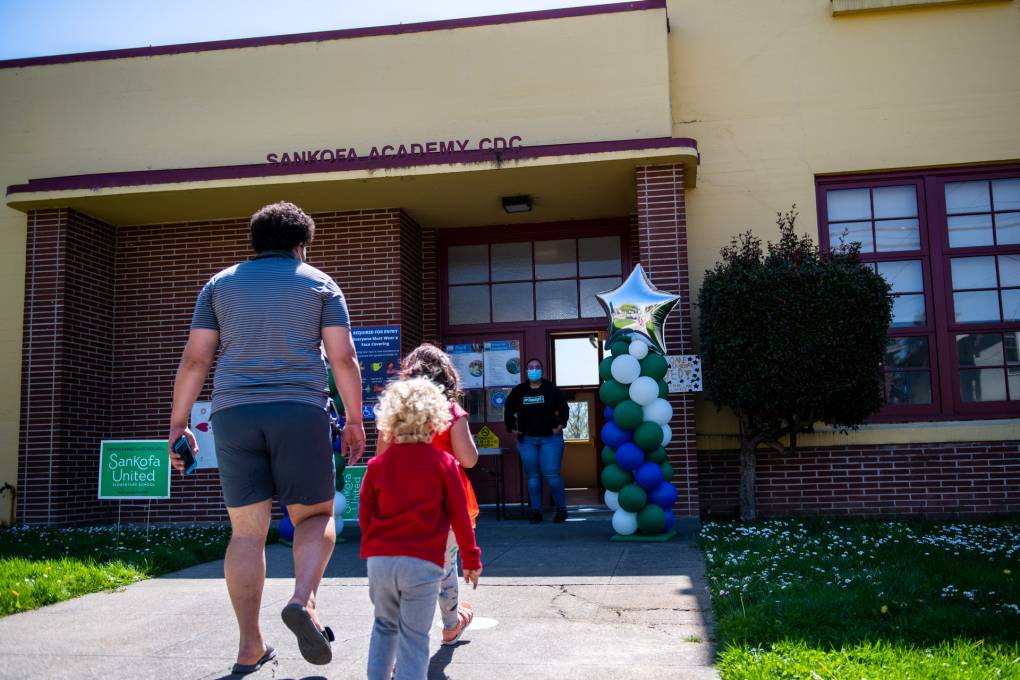
"caption": "Lisimba Yazid drops off his daughter Seneca Jahi at Sankofa United Elementary School in North Oakland on March 30, 2021, the first day of partial in-person classes in more than a year.",
"description": null,
"title": "RS48252_004_Oakland_SchoolReopening_03302021-qut",
"credit": "Beth LaBerge/KQED",
"status": "inherit",
"altTag": null,
"isLoading": false,
"fetchFailed": false
},
"news_11866510": {
"type": "attachments",
"id": "news_11866510",
"meta": {
"index": "attachments_1716263798",
"site": "news",
"id": "11866510",
"found": true
},
"parent": 11866418,
"imgSizes": {
"twentyfourteen-full-width": {
"file": "https://ww2.kqed.org/app/uploads/sites/10/2021/03/OUSD4-1038x576.jpeg",
"width": 1038,
"mimeType": "image/jpeg",
"height": 576
},
"thumbnail": {
"file": "https://ww2.kqed.org/app/uploads/sites/10/2021/03/OUSD4-160x120.jpeg",
"width": 160,
"mimeType": "image/jpeg",
"height": 120
},
"post-thumbnail": {
"file": "https://ww2.kqed.org/app/uploads/sites/10/2021/03/OUSD4-672x372.jpeg",
"width": 672,
"mimeType": "image/jpeg",
"height": 372
},
"kqedFullSize": {
"file": "https://ww2.kqed.org/app/uploads/sites/10/2021/03/OUSD4-e1616711178378.jpeg",
"width": 1920,
"height": 1440
},
"large": {
"file": "https://ww2.kqed.org/app/uploads/sites/10/2021/03/OUSD4-1020x765.jpeg",
"width": 1020,
"mimeType": "image/jpeg",
"height": 765
},
"1536x1536": {
"file": "https://ww2.kqed.org/app/uploads/sites/10/2021/03/OUSD4-1536x1152.jpeg",
"width": 1536,
"mimeType": "image/jpeg",
"height": 1152
},
"full-width": {
"file": "https://ww2.kqed.org/app/uploads/sites/10/2021/03/OUSD4-1920x1440.jpeg",
"width": 1920,
"mimeType": "image/jpeg",
"height": 1440
},
"medium": {
"file": "https://ww2.kqed.org/app/uploads/sites/10/2021/03/OUSD4-800x600.jpeg",
"width": 800,
"mimeType": "image/jpeg",
"height": 600
}
},
"publishDate": 1616708473,
"modified": 1616781714,
"caption": "Antionette Powell, the head custodian at Garfield Elementary School in East Oakland, demonstrates cleaning protocols in preparation for students return on March 30.",
"description": null,
"title": "OUSD4",
"credit": "Vanessa Rancaño/KQED",
"status": "inherit",
"altTag": null,
"isLoading": false,
"fetchFailed": false
},
"news_11812824": {
"type": "attachments",
"id": "news_11812824",
"meta": {
"index": "attachments_1716263798",
"site": "news",
"id": "11812824",
"found": true
},
"parent": 11812706,
"imgSizes": {
"apple_news_ca_landscape_5_5": {
"file": "https://ww2.kqed.org/app/uploads/sites/10/2020/04/RS42343_006_KQED_Oakland_SingleParent_Carolyn_03262020-qut-1044x783.jpg",
"width": 1044,
"mimeType": "image/jpeg",
"height": 783
},
"apple_news_ca_square_4_0": {
"file": "https://ww2.kqed.org/app/uploads/sites/10/2020/04/RS42343_006_KQED_Oakland_SingleParent_Carolyn_03262020-qut-470x470.jpg",
"width": 470,
"mimeType": "image/jpeg",
"height": 470
},
"twentyfourteen-full-width": {
"file": "https://ww2.kqed.org/app/uploads/sites/10/2020/04/RS42343_006_KQED_Oakland_SingleParent_Carolyn_03262020-qut-1038x576.jpg",
"width": 1038,
"mimeType": "image/jpeg",
"height": 576
},
"thumbnail": {
"file": "https://ww2.kqed.org/app/uploads/sites/10/2020/04/RS42343_006_KQED_Oakland_SingleParent_Carolyn_03262020-qut-160x107.jpg",
"width": 160,
"mimeType": "image/jpeg",
"height": 107
},
"post-thumbnail": {
"file": "https://ww2.kqed.org/app/uploads/sites/10/2020/04/RS42343_006_KQED_Oakland_SingleParent_Carolyn_03262020-qut-672x372.jpg",
"width": 672,
"mimeType": "image/jpeg",
"height": 372
},
"kqedFullSize": {
"file": "https://ww2.kqed.org/app/uploads/sites/10/2020/04/RS42343_006_KQED_Oakland_SingleParent_Carolyn_03262020-qut.jpg",
"width": 1920,
"height": 1280
},
"apple_news_ca_landscape_4_7": {
"file": "https://ww2.kqed.org/app/uploads/sites/10/2020/04/RS42343_006_KQED_Oakland_SingleParent_Carolyn_03262020-qut-632x474.jpg",
"width": 632,
"mimeType": "image/jpeg",
"height": 474
},
"large": {
"file": "https://ww2.kqed.org/app/uploads/sites/10/2020/04/RS42343_006_KQED_Oakland_SingleParent_Carolyn_03262020-qut-1020x680.jpg",
"width": 1020,
"mimeType": "image/jpeg",
"height": 680
},
"apple_news_ca_landscape_4_0": {
"file": "https://ww2.kqed.org/app/uploads/sites/10/2020/04/RS42343_006_KQED_Oakland_SingleParent_Carolyn_03262020-qut-536x402.jpg",
"width": 536,
"mimeType": "image/jpeg",
"height": 402
},
"apple_news_ca_portrait_12_9": {
"file": "https://ww2.kqed.org/app/uploads/sites/10/2020/04/RS42343_006_KQED_Oakland_SingleParent_Carolyn_03262020-qut-1122x1280.jpg",
"width": 1122,
"mimeType": "image/jpeg",
"height": 1280
},
"medium": {
"file": "https://ww2.kqed.org/app/uploads/sites/10/2020/04/RS42343_006_KQED_Oakland_SingleParent_Carolyn_03262020-qut-800x533.jpg",
"width": 800,
"mimeType": "image/jpeg",
"height": 533
},
"apple_news_ca_portrait_4_0": {
"file": "https://ww2.kqed.org/app/uploads/sites/10/2020/04/RS42343_006_KQED_Oakland_SingleParent_Carolyn_03262020-qut-354x472.jpg",
"width": 354,
"mimeType": "image/jpeg",
"height": 472
},
"apple_news_ca_portrait_9_7": {
"file": "https://ww2.kqed.org/app/uploads/sites/10/2020/04/RS42343_006_KQED_Oakland_SingleParent_Carolyn_03262020-qut-840x1120.jpg",
"width": 840,
"mimeType": "image/jpeg",
"height": 1120
},
"apple_news_ca_landscape_12_9": {
"file": "https://ww2.kqed.org/app/uploads/sites/10/2020/04/RS42343_006_KQED_Oakland_SingleParent_Carolyn_03262020-qut-1832x1280.jpg",
"width": 1832,
"mimeType": "image/jpeg",
"height": 1280
},
"apple_news_ca_square_9_7": {
"file": "https://ww2.kqed.org/app/uploads/sites/10/2020/04/RS42343_006_KQED_Oakland_SingleParent_Carolyn_03262020-qut-1104x1104.jpg",
"width": 1104,
"mimeType": "image/jpeg",
"height": 1104
},
"apple_news_ca_portrait_4_7": {
"file": "https://ww2.kqed.org/app/uploads/sites/10/2020/04/RS42343_006_KQED_Oakland_SingleParent_Carolyn_03262020-qut-414x552.jpg",
"width": 414,
"mimeType": "image/jpeg",
"height": 552
},
"apple_news_ca_square_12_9": {
"file": "https://ww2.kqed.org/app/uploads/sites/10/2020/04/RS42343_006_KQED_Oakland_SingleParent_Carolyn_03262020-qut-1472x1280.jpg",
"width": 1472,
"mimeType": "image/jpeg",
"height": 1280
},
"apple_news_ca_portrait_5_5": {
"file": "https://ww2.kqed.org/app/uploads/sites/10/2020/04/RS42343_006_KQED_Oakland_SingleParent_Carolyn_03262020-qut-687x916.jpg",
"width": 687,
"mimeType": "image/jpeg",
"height": 916
},
"full-width": {
"file": "https://ww2.kqed.org/app/uploads/sites/10/2020/04/RS42343_006_KQED_Oakland_SingleParent_Carolyn_03262020-qut-1920x1280.jpg",
"width": 1920,
"mimeType": "image/jpeg",
"height": 1280
},
"apple_news_ca_square_4_7": {
"file": "https://ww2.kqed.org/app/uploads/sites/10/2020/04/RS42343_006_KQED_Oakland_SingleParent_Carolyn_03262020-qut-550x550.jpg",
"width": 550,
"mimeType": "image/jpeg",
"height": 550
},
"apple_news_ca_landscape_9_7": {
"file": "https://ww2.kqed.org/app/uploads/sites/10/2020/04/RS42343_006_KQED_Oakland_SingleParent_Carolyn_03262020-qut-1376x1032.jpg",
"width": 1376,
"mimeType": "image/jpeg",
"height": 1032
},
"apple_news_ca_square_5_5": {
"file": "https://ww2.kqed.org/app/uploads/sites/10/2020/04/RS42343_006_KQED_Oakland_SingleParent_Carolyn_03262020-qut-912x912.jpg",
"width": 912,
"mimeType": "image/jpeg",
"height": 912
}
},
"publishDate": 1587140310,
"modified": 1616452943,
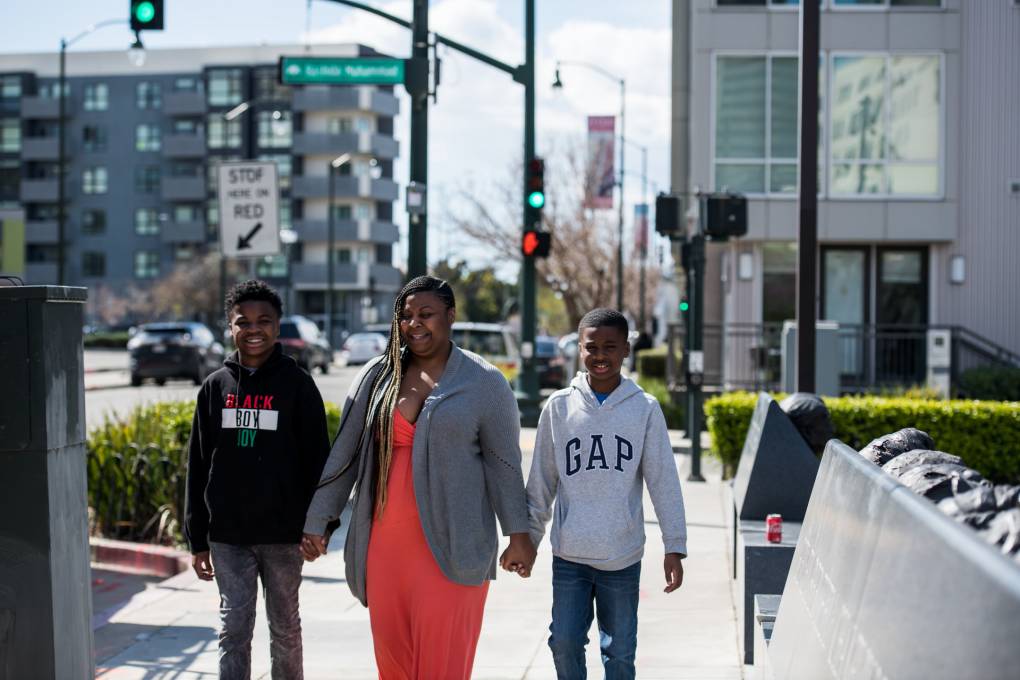
"caption": "Carolyn Bims-Payne and her two sons go for a walk to take a break from work and schoolwork while sheltering in place in 2020.",
"description": "Carolyn Bims-Payne and her two sons go for a walk to take a break from work and schoolwork while sheltering in place in Spring 2020.",
"title": "RS42343_006_KQED_Oakland_SingleParent_Carolyn_03262020-qut",
"credit": "Beth LaBerge/KQED",
"status": "inherit",
"altTag": "Carolyn Bims-Payne and her two sons go for a walk to take a break from work and schoolwork while sheltering in place.",
"isLoading": false,
"fetchFailed": false
},
"news_11864917": {
"type": "attachments",
"id": "news_11864917",
"meta": {
"index": "attachments_1716263798",
"site": "news",
"id": "11864917",
"found": true
},
"parent": 11864818,
"imgSizes": {
"twentyfourteen-full-width": {
"file": "https://ww2.kqed.org/app/uploads/sites/10/2021/03/RS47148_017_Oakland_SkylineHSFootballPractice_02032021-qut-1020x680-1-1020x576.jpeg",
"width": 1020,
"mimeType": "image/jpeg",
"height": 576
},
"thumbnail": {
"file": "https://ww2.kqed.org/app/uploads/sites/10/2021/03/RS47148_017_Oakland_SkylineHSFootballPractice_02032021-qut-1020x680-1-160x107.jpeg",
"width": 160,
"mimeType": "image/jpeg",
"height": 107
},
"post-thumbnail": {
"file": "https://ww2.kqed.org/app/uploads/sites/10/2021/03/RS47148_017_Oakland_SkylineHSFootballPractice_02032021-qut-1020x680-1-672x372.jpeg",
"width": 672,
"mimeType": "image/jpeg",
"height": 372
},
"kqedFullSize": {
"file": "https://ww2.kqed.org/app/uploads/sites/10/2021/03/RS47148_017_Oakland_SkylineHSFootballPractice_02032021-qut-1020x680-1.jpeg",
"width": 1020,
"height": 680
},
"medium": {
"file": "https://ww2.kqed.org/app/uploads/sites/10/2021/03/RS47148_017_Oakland_SkylineHSFootballPractice_02032021-qut-1020x680-1-800x533.jpeg",
"width": 800,
"mimeType": "image/jpeg",
"height": 533
}
},
"publishDate": 1615847421,
"modified": 1632443992,
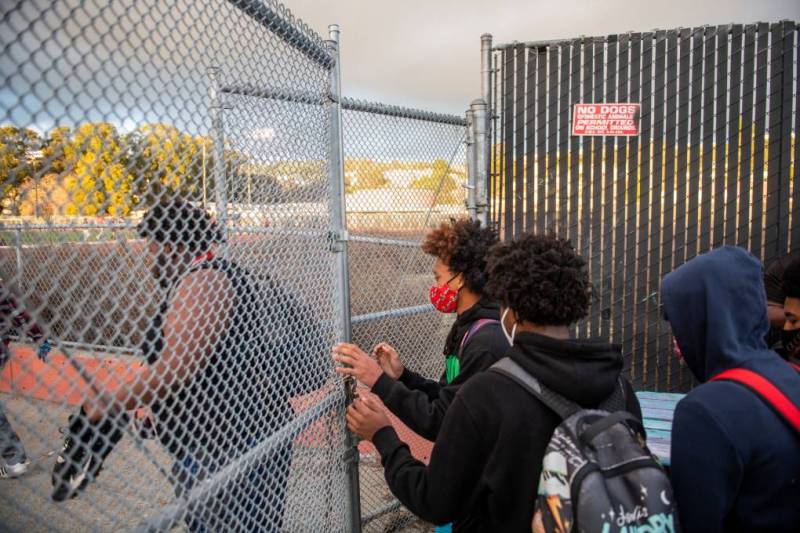
"caption": "Students enter Castlemont High School in Oakland, California, on Feb. 3, 2021, for football practice. ",
"description": "OUSD students entering Castlemont High School Oakland on Feb. 3, 2021 for football practice. ",
"title": "RS47148_017_Oakland_SkylineHSFootballPractice_02032021-qut-1020x680",
"credit": "Beth LaBerge/KQED",
"status": "inherit",
"altTag": "Students wearing masks and backpacks walk through a chain-link fence.",
"isLoading": false,
"fetchFailed": false
},
"news_11836099": {
"type": "attachments",
"id": "news_11836099",
"meta": {
"index": "attachments_1716263798",
"site": "news",
"id": "11836099",
"found": true
},
"parent": 11836098,
"imgSizes": {
"apple_news_ca_landscape_5_5": {
"file": "https://ww2.kqed.org/app/uploads/sites/10/2020/08/KQED_Oakland_OUSDTechGiveaway_08172020-qut-1044x783.jpg",
"width": 1044,
"mimeType": "image/jpeg",
"height": 783
},
"apple_news_ca_square_4_0": {
"file": "https://ww2.kqed.org/app/uploads/sites/10/2020/08/KQED_Oakland_OUSDTechGiveaway_08172020-qut-470x470.jpg",
"width": 470,
"mimeType": "image/jpeg",
"height": 470
},
"twentyfourteen-full-width": {
"file": "https://ww2.kqed.org/app/uploads/sites/10/2020/08/KQED_Oakland_OUSDTechGiveaway_08172020-qut-1038x576.jpg",
"width": 1038,
"mimeType": "image/jpeg",
"height": 576
},
"thumbnail": {
"file": "https://ww2.kqed.org/app/uploads/sites/10/2020/08/KQED_Oakland_OUSDTechGiveaway_08172020-qut-160x107.jpg",
"width": 160,
"mimeType": "image/jpeg",
"height": 107
},
"post-thumbnail": {
"file": "https://ww2.kqed.org/app/uploads/sites/10/2020/08/KQED_Oakland_OUSDTechGiveaway_08172020-qut-672x372.jpg",
"width": 672,
"mimeType": "image/jpeg",
"height": 372
},
"kqedFullSize": {
"file": "https://ww2.kqed.org/app/uploads/sites/10/2020/08/KQED_Oakland_OUSDTechGiveaway_08172020-qut.jpg",
"width": 1920,
"height": 1280
},
"apple_news_ca_landscape_4_7": {
"file": "https://ww2.kqed.org/app/uploads/sites/10/2020/08/KQED_Oakland_OUSDTechGiveaway_08172020-qut-632x474.jpg",
"width": 632,
"mimeType": "image/jpeg",
"height": 474
},
"large": {
"file": "https://ww2.kqed.org/app/uploads/sites/10/2020/08/KQED_Oakland_OUSDTechGiveaway_08172020-qut-1020x680.jpg",
"width": 1020,
"mimeType": "image/jpeg",
"height": 680
},
"apple_news_ca_landscape_4_0": {
"file": "https://ww2.kqed.org/app/uploads/sites/10/2020/08/KQED_Oakland_OUSDTechGiveaway_08172020-qut-536x402.jpg",
"width": 536,
"mimeType": "image/jpeg",
"height": 402
},
"apple_news_ca_portrait_12_9": {
"file": "https://ww2.kqed.org/app/uploads/sites/10/2020/08/KQED_Oakland_OUSDTechGiveaway_08172020-qut-1122x1280.jpg",
"width": 1122,
"mimeType": "image/jpeg",
"height": 1280
},
"medium": {
"file": "https://ww2.kqed.org/app/uploads/sites/10/2020/08/KQED_Oakland_OUSDTechGiveaway_08172020-qut-800x533.jpg",
"width": 800,
"mimeType": "image/jpeg",
"height": 533
},
"apple_news_ca_portrait_4_0": {
"file": "https://ww2.kqed.org/app/uploads/sites/10/2020/08/KQED_Oakland_OUSDTechGiveaway_08172020-qut-354x472.jpg",
"width": 354,
"mimeType": "image/jpeg",
"height": 472
},
"apple_news_ca_portrait_9_7": {
"file": "https://ww2.kqed.org/app/uploads/sites/10/2020/08/KQED_Oakland_OUSDTechGiveaway_08172020-qut-840x1120.jpg",
"width": 840,
"mimeType": "image/jpeg",
"height": 1120
},
"apple_news_ca_landscape_12_9": {
"file": "https://ww2.kqed.org/app/uploads/sites/10/2020/08/KQED_Oakland_OUSDTechGiveaway_08172020-qut-1832x1280.jpg",
"width": 1832,
"mimeType": "image/jpeg",
"height": 1280
},
"apple_news_ca_square_9_7": {
"file": "https://ww2.kqed.org/app/uploads/sites/10/2020/08/KQED_Oakland_OUSDTechGiveaway_08172020-qut-1104x1104.jpg",
"width": 1104,
"mimeType": "image/jpeg",
"height": 1104
},
"1536x1536": {
"file": "https://ww2.kqed.org/app/uploads/sites/10/2020/08/KQED_Oakland_OUSDTechGiveaway_08172020-qut-1536x1024.jpg",
"width": 1536,
"mimeType": "image/jpeg",
"height": 1024
},
"apple_news_ca_portrait_4_7": {
"file": "https://ww2.kqed.org/app/uploads/sites/10/2020/08/KQED_Oakland_OUSDTechGiveaway_08172020-qut-414x552.jpg",
"width": 414,
"mimeType": "image/jpeg",
"height": 552
},
"apple_news_ca_square_12_9": {
"file": "https://ww2.kqed.org/app/uploads/sites/10/2020/08/KQED_Oakland_OUSDTechGiveaway_08172020-qut-1472x1280.jpg",
"width": 1472,
"mimeType": "image/jpeg",
"height": 1280
},
"apple_news_ca_portrait_5_5": {
"file": "https://ww2.kqed.org/app/uploads/sites/10/2020/08/KQED_Oakland_OUSDTechGiveaway_08172020-qut-687x916.jpg",
"width": 687,
"mimeType": "image/jpeg",
"height": 916
},
"apple_news_ca_square_4_7": {
"file": "https://ww2.kqed.org/app/uploads/sites/10/2020/08/KQED_Oakland_OUSDTechGiveaway_08172020-qut-550x550.jpg",
"width": 550,
"mimeType": "image/jpeg",
"height": 550
},
"apple_news_ca_landscape_9_7": {
"file": "https://ww2.kqed.org/app/uploads/sites/10/2020/08/KQED_Oakland_OUSDTechGiveaway_08172020-qut-1376x1032.jpg",
"width": 1376,
"mimeType": "image/jpeg",
"height": 1032
},
"apple_news_ca_square_5_5": {
"file": "https://ww2.kqed.org/app/uploads/sites/10/2020/08/KQED_Oakland_OUSDTechGiveaway_08172020-qut-912x912.jpg",
"width": 912,
"mimeType": "image/jpeg",
"height": 912
}
},
"publishDate": 1598895076,
"modified": 1606934014,
"caption": "Micaela Ramirez, 13, a student at Coliseum College Prep Academy, receives a laptop at the school during a #OaklandUndivided Campaign on Aug. 17, 2020.",
"description": null,
"title": "KQED_Oakland_OUSDTechGiveaway_08172020-qut",
"credit": "Beth LaBerge/KQED",
"status": "inherit",
"isLoading": false,
"fetchFailed": false
},
"news_11832738": {
"type": "attachments",
"id": "news_11832738",
"meta": {
"index": "attachments_1716263798",
"site": "news",
"id": "11832738",
"found": true
},
"parent": 11832221,
"imgSizes": {
"apple_news_ca_landscape_5_5": {
"file": "https://ww2.kqed.org/app/uploads/sites/10/2020/08/1920_iStock-928403968-1044x783.jpg",
"width": 1044,
"mimeType": "image/jpeg",
"height": 783
},
"apple_news_ca_square_4_0": {
"file": "https://ww2.kqed.org/app/uploads/sites/10/2020/08/1920_iStock-928403968-470x470.jpg",
"width": 470,
"mimeType": "image/jpeg",
"height": 470
},
"twentyfourteen-full-width": {
"file": "https://ww2.kqed.org/app/uploads/sites/10/2020/08/1920_iStock-928403968-1038x576.jpg",
"width": 1038,
"mimeType": "image/jpeg",
"height": 576
},
"thumbnail": {
"file": "https://ww2.kqed.org/app/uploads/sites/10/2020/08/1920_iStock-928403968-160x90.jpg",
"width": 160,
"mimeType": "image/jpeg",
"height": 90
},
"post-thumbnail": {
"file": "https://ww2.kqed.org/app/uploads/sites/10/2020/08/1920_iStock-928403968-672x372.jpg",
"width": 672,
"mimeType": "image/jpeg",
"height": 372
},
"kqedFullSize": {
"file": "https://ww2.kqed.org/app/uploads/sites/10/2020/08/1920_iStock-928403968.jpg",
"width": 2117,
"height": 1190
},
"2048x2048": {
"file": "https://ww2.kqed.org/app/uploads/sites/10/2020/08/1920_iStock-928403968-2048x1151.jpg",
"width": 2048,
"mimeType": "image/jpeg",
"height": 1151
},
"apple_news_ca_landscape_4_7": {
"file": "https://ww2.kqed.org/app/uploads/sites/10/2020/08/1920_iStock-928403968-632x474.jpg",
"width": 632,
"mimeType": "image/jpeg",
"height": 474
},
"large": {
"file": "https://ww2.kqed.org/app/uploads/sites/10/2020/08/1920_iStock-928403968-1020x573.jpg",
"width": 1020,
"mimeType": "image/jpeg",
"height": 573
},
"apple_news_ca_landscape_4_0": {
"file": "https://ww2.kqed.org/app/uploads/sites/10/2020/08/1920_iStock-928403968-536x402.jpg",
"width": 536,
"mimeType": "image/jpeg",
"height": 402
},
"apple_news_ca_portrait_12_9": {
"file": "https://ww2.kqed.org/app/uploads/sites/10/2020/08/1920_iStock-928403968-1122x1190.jpg",
"width": 1122,
"mimeType": "image/jpeg",
"height": 1190
},
"medium": {
"file": "https://ww2.kqed.org/app/uploads/sites/10/2020/08/1920_iStock-928403968-800x450.jpg",
"width": 800,
"mimeType": "image/jpeg",
"height": 450
},
"apple_news_ca_portrait_4_0": {
"file": "https://ww2.kqed.org/app/uploads/sites/10/2020/08/1920_iStock-928403968-354x472.jpg",
"width": 354,
"mimeType": "image/jpeg",
"height": 472
},
"apple_news_ca_portrait_9_7": {
"file": "https://ww2.kqed.org/app/uploads/sites/10/2020/08/1920_iStock-928403968-840x1120.jpg",
"width": 840,
"mimeType": "image/jpeg",
"height": 1120
},
"apple_news_ca_landscape_12_9": {
"file": "https://ww2.kqed.org/app/uploads/sites/10/2020/08/1920_iStock-928403968-1832x1190.jpg",
"width": 1832,
"mimeType": "image/jpeg",
"height": 1190
},
"apple_news_ca_square_9_7": {
"file": "https://ww2.kqed.org/app/uploads/sites/10/2020/08/1920_iStock-928403968-1104x1104.jpg",
"width": 1104,
"mimeType": "image/jpeg",
"height": 1104
},
"1536x1536": {
"file": "https://ww2.kqed.org/app/uploads/sites/10/2020/08/1920_iStock-928403968-1536x863.jpg",
"width": 1536,
"mimeType": "image/jpeg",
"height": 863
},
"apple_news_ca_portrait_4_7": {
"file": "https://ww2.kqed.org/app/uploads/sites/10/2020/08/1920_iStock-928403968-414x552.jpg",
"width": 414,
"mimeType": "image/jpeg",
"height": 552
},
"apple_news_ca_square_12_9": {
"file": "https://ww2.kqed.org/app/uploads/sites/10/2020/08/1920_iStock-928403968-1472x1190.jpg",
"width": 1472,
"mimeType": "image/jpeg",
"height": 1190
},
"apple_news_ca_portrait_5_5": {
"file": "https://ww2.kqed.org/app/uploads/sites/10/2020/08/1920_iStock-928403968-687x916.jpg",
"width": 687,
"mimeType": "image/jpeg",
"height": 916
},
"full-width": {
"file": "https://ww2.kqed.org/app/uploads/sites/10/2020/08/1920_iStock-928403968-1920x1079.jpg",
"width": 1920,
"mimeType": "image/jpeg",
"height": 1079
},
"apple_news_ca_square_4_7": {
"file": "https://ww2.kqed.org/app/uploads/sites/10/2020/08/1920_iStock-928403968-550x550.jpg",
"width": 550,
"mimeType": "image/jpeg",
"height": 550
},
"apple_news_ca_landscape_9_7": {
"file": "https://ww2.kqed.org/app/uploads/sites/10/2020/08/1920_iStock-928403968-1376x1032.jpg",
"width": 1376,
"mimeType": "image/jpeg",
"height": 1032
},
"apple_news_ca_square_5_5": {
"file": "https://ww2.kqed.org/app/uploads/sites/10/2020/08/1920_iStock-928403968-912x912.jpg",
"width": 912,
"mimeType": "image/jpeg",
"height": 912
}
},
"publishDate": 1597008342,
"modified": 1597279061,
"caption": "During the 2018-2019 school year, about 1 in 3 Oakland Unified students was chronically absent — defined as missing 18 days of school or more. District officials believe, based on anecdotal evidence, that far fewer kids were present during last spring semester's distance learning.",
"description": "During the 2018-2019, school year, about 1 in 3 Oakland Unified students was chronically absent — defined as missing 18 days of school or more. District officials believe, based on anecdotal evidence, that far fewer kids were present during last spring semester's distance learning.",
"title": "chair wood in classroom high school",
"credit": "iStock/Bigpra",
"status": "inherit",
"isLoading": false,
"fetchFailed": false
}
},
"audioPlayerReducer": {
"postId": "stream_live",
"isPaused": true,
"isPlaying": false,
"pfsActive": false,
"pledgeModalIsOpen": true,
"playerDrawerIsOpen": false,
"liveAudioPlayStartedAt": 0,
"liveAudioPlayContext": ""
},
"authorsReducer": {
"jmcevoy": {
"type": "authors",
"id": "231",
"meta": {
"index": "authors_1716337520",
"id": "231",
"found": true
},
"name": "Julia McEvoy",
"firstName": "Julia",
"lastName": "McEvoy",
"slug": "jmcevoy",
"email": "jmcevoy@KQED.org",
"display_author_email": true,
"staff_mastheads": [
"news"
],
"title": "KQED Senior Editor",
"bio": "Julia McEvoy is KQED's Senior Editor, Education Equity.\r\n\r\nJulia heads KQED’s education coverage examining inequities students face in Bay Area and California schools, and reports on what it will take to educate the next generation.\r\n\r\nJulia's editorial work has received a Peabody Award, a Casey Medal for Coverage of Children and Families, several Edward R. Murrow awards, as well as awards from the Public Radio News Directors Inc. and the Society for Professional Journalists.",
"avatar": "https://secure.gravatar.com/avatar/aec3ce21abe02b302fd33638abd56a22?s=600&d=blank&r=g",
"twitter": "juliamcevoy1",
"facebook": null,
"instagram": null,
"linkedin": null,
"sites": [
{
"site": "news",
"roles": []
},
{
"site": "stateofhealth",
"roles": [
"author"
]
}
],
"headData": {
"title": "Julia McEvoy | KQED",
"description": "KQED Senior Editor",
"ogImgSrc": "https://secure.gravatar.com/avatar/aec3ce21abe02b302fd33638abd56a22?s=600&d=blank&r=g",
"twImgSrc": "https://secure.gravatar.com/avatar/aec3ce21abe02b302fd33638abd56a22?s=600&d=blank&r=g"
},
"isLoading": false,
"link": "/author/jmcevoy"
},
"kqednewsstaffandwires": {
"type": "authors",
"id": "237",
"meta": {
"index": "authors_1716337520",
"id": "237",
"found": true
},
"name": "KQED News Staff and Wires",
"firstName": "KQED News Staff and Wires",
"lastName": null,
"slug": "kqednewsstaffandwires",
"email": "onlinenewsstaff@kqed.org",
"display_author_email": false,
"staff_mastheads": [],
"title": null,
"bio": null,
"avatar": "https://secure.gravatar.com/avatar/72295af8ebbfbd19a4948f5271285664?s=600&d=blank&r=g",
"twitter": null,
"facebook": null,
"instagram": null,
"linkedin": null,
"sites": [
{
"site": "arts",
"roles": [
"contributor"
]
},
{
"site": "news",
"roles": [
"contributor"
]
},
{
"site": "lowdown",
"roles": [
"author"
]
},
{
"site": "stateofhealth",
"roles": [
"contributor"
]
},
{
"site": "food",
"roles": [
"author"
]
}
],
"headData": {
"title": "KQED News Staff and Wires | KQED",
"description": null,
"ogImgSrc": "https://secure.gravatar.com/avatar/72295af8ebbfbd19a4948f5271285664?s=600&d=blank&r=g",
"twImgSrc": "https://secure.gravatar.com/avatar/72295af8ebbfbd19a4948f5271285664?s=600&d=blank&r=g"
},
"isLoading": false,
"link": "/author/kqednewsstaffandwires"
},
"matthewgreen": {
"type": "authors",
"id": "1263",
"meta": {
"index": "authors_1716337520",
"id": "1263",
"found": true
},
"name": "Matthew Green",
"firstName": "Matthew",
"lastName": "Green",
"slug": "matthewgreen",
"email": "mgreen@kqed.org",
"display_author_email": false,
"staff_mastheads": [],
"title": "KQED Editor/Reporter",
"bio": "Matthew Green is a digital media producer for KQED News. He previously produced \u003ca href=\"http://www.kqed.org/lowdown\">The Lowdown\u003c/a>, KQED’s multimedia news education blog. Matthew's written for numerous Bay Area publications, including the Oakland Tribune and San Francisco Chronicle. He also taught journalism classes at Fremont High School in East Oakland.\r\n\r\nEmail: mgreen@kqed.org; Twitter: @MGreenKQED",
"avatar": "https://secure.gravatar.com/avatar/3bf498d1267ca02c8494f33d8cfc575e?s=600&d=blank&r=g",
"twitter": "MGreenKQED",
"facebook": null,
"instagram": null,
"linkedin": null,
"sites": [
{
"site": "news",
"roles": []
},
{
"site": "lowdown",
"roles": []
},
{
"site": "science",
"roles": []
},
{
"site": "education",
"roles": []
},
{
"site": "quest",
"roles": []
},
{
"site": "liveblog",
"roles": []
}
],
"headData": {
"title": "Matthew Green | KQED",
"description": "KQED Editor/Reporter",
"ogImgSrc": "https://secure.gravatar.com/avatar/3bf498d1267ca02c8494f33d8cfc575e?s=600&d=blank&r=g",
"twImgSrc": "https://secure.gravatar.com/avatar/3bf498d1267ca02c8494f33d8cfc575e?s=600&d=blank&r=g"
},
"isLoading": false,
"link": "/author/matthewgreen"
},
"shossaini": {
"type": "authors",
"id": "3214",
"meta": {
"index": "authors_1716337520",
"id": "3214",
"found": true
},
"name": "Sara Hossaini",
"firstName": "Sara",
"lastName": "Hossaini",
"slug": "shossaini",
"email": "shossaini@kqed.org",
"display_author_email": true,
"staff_mastheads": [
"news"
],
"title": "KQED Reporter",
"bio": "Sara Hossaini came to general assignment reporting at KQED in 2013 after two winters reporting at Wyoming Public Radio. She holds a bachelor's degree in broadcast journalism from the University of Nebraska-Lincoln. Her radio romance began after a bitter breakup with documentary film (Ok, maybe it's still complicated). Her first simultaneous jobs in San Francisco were as Associate Producer on a PBS film series through the Center for Asian American Media and as a butler. She likes to trot, plot and make things with her hands.",
"avatar": "https://secure.gravatar.com/avatar/060e9f56b9554e17942e89f413242774?s=600&d=blank&r=g",
"twitter": "mshossaini",
"facebook": null,
"instagram": null,
"linkedin": null,
"sites": [
{
"site": "news",
"roles": [
"author"
]
},
{
"site": "stateofhealth",
"roles": [
"author"
]
}
],
"headData": {
"title": "Sara Hossaini | KQED",
"description": "KQED Reporter",
"ogImgSrc": "https://secure.gravatar.com/avatar/060e9f56b9554e17942e89f413242774?s=600&d=blank&r=g",
"twImgSrc": "https://secure.gravatar.com/avatar/060e9f56b9554e17942e89f413242774?s=600&d=blank&r=g"
},
"isLoading": false,
"link": "/author/shossaini"
},
"lesleymcclurg": {
"type": "authors",
"id": "11229",
"meta": {
"index": "authors_1716337520",
"id": "11229",
"found": true
},
"name": "Lesley McClurg",
"firstName": "Lesley",
"lastName": "McClurg",
"slug": "lesleymcclurg",
"email": "lmcclurg@KQED.org",
"display_author_email": false,
"staff_mastheads": [
"news",
"science"
],
"title": "KQED Health Correspondent",
"bio": "Lesley McClurg is a health correspondent and fill-in host whose work is regularly rebroadcast on NPR and PBS programs. She’s earned multiple regional Emmy awards, a national and a regional Edward R. Murrow award, and was named Best Beat Reporter by the Association of Health Care Journalists. The Society of Professional Journalists has recognized her work several times, and the Society of Environmental Journalists spotlighted her coverage of California’s historic drought.\r\n\r\nBefore joining KQED in 2016, Lesley covered food and sustainability for Capital Public Radio, environmental issues for Colorado Public Radio, and reported for KUOW and KCTS 9 in Seattle. Away from the newsroom, she loves skiing with her daughter, mountain biking with her partner, and playing with Ollie, the family’s goldendoodle. On deadline, she runs almost entirely on chocolate chips.\r\n\r\n ",
"avatar": "https://secure.gravatar.com/avatar/bab49e972ea10c774fe0f5e29dba1722b158f7c0d58a360923d1389d380b2978?s=600&d=blank&r=g",
"twitter": "lesleywmcclurg",
"bluesky": null,
"facebook": null,
"instagram": null,
"linkedin": null,
"sites": [
{
"site": "arts",
"roles": [
"author"
]
},
{
"site": "news",
"roles": [
"editor"
]
},
{
"site": "futureofyou",
"roles": [
"editor"
]
},
{
"site": "stateofhealth",
"roles": [
"author"
]
},
{
"site": "science",
"roles": [
"editor"
]
},
{
"site": "quest",
"roles": [
"subscriber"
]
},
{
"site": "forum",
"roles": [
"administrator"
]
},
{
"site": "liveblog",
"roles": [
"author"
]
}
],
"headData": {
"title": "Lesley McClurg | KQED",
"description": "KQED Health Correspondent",
"ogImgSrc": "https://secure.gravatar.com/avatar/bab49e972ea10c774fe0f5e29dba1722b158f7c0d58a360923d1389d380b2978?s=600&d=blank&r=g",
"twImgSrc": "https://secure.gravatar.com/avatar/bab49e972ea10c774fe0f5e29dba1722b158f7c0d58a360923d1389d380b2978?s=600&d=blank&r=g"
},
"isLoading": false,
"link": "/author/lesleymcclurg"
},
"bwatt": {
"type": "authors",
"id": "11238",
"meta": {
"index": "authors_1716337520",
"id": "11238",
"found": true
},
"name": "Brian Watt",
"firstName": "Brian",
"lastName": "Watt",
"slug": "bwatt",
"email": "bwatt@KQED.org",
"display_author_email": false,
"staff_mastheads": [
"news"
],
"title": "Morning News Anchor",
"bio": "Brian Watt is KQED's morning radio news anchor. He joined the KQED News team in April of 2016. Prior to that, he worked as a Reporter for KPCC in Los Angeles and a producer at \u003cem>Marketplace.\u003c/em>\r\n\r\nDuring eight years at KPCC, Brian covered business and economics, and his work won several awards. In 2008, he won the Los Angeles Press Club’s first-place award for Business and Financial Reporting, Broadcast. He’s also received honorable mention and been first runner up for the Press Club’s Radio Journalist of the Year. He won two Golden Mike awards from the Radio and TV News Association of Southern California.\r\n\r\nBrian holds degrees in theater from Yale University and the Sorbonne, and has worked as an actor in France, Italy, Brazil, Hungary and . . . Hollywood. He appeared in a few television shows, including \u003cem>The West Wing, Judging Amy\u003c/em> and \u003cem>The District.\u003c/em>\r\n\r\nEmail: bwatt@KQED.org Twitter: @RadioBWatt",
"avatar": "https://secure.gravatar.com/avatar/55393ff57ed34e2be773ba4789dd6a19?s=600&d=blank&r=g",
"twitter": "@RadioBWatt",
"facebook": null,
"instagram": null,
"linkedin": null,
"sites": [
{
"site": "arts",
"roles": [
"contributor"
]
},
{
"site": "news",
"roles": [
"editor"
]
}
],
"headData": {
"title": "Brian Watt | KQED",
"description": "Morning News Anchor",
"ogImgSrc": "https://secure.gravatar.com/avatar/55393ff57ed34e2be773ba4789dd6a19?s=600&d=blank&r=g",
"twImgSrc": "https://secure.gravatar.com/avatar/55393ff57ed34e2be773ba4789dd6a19?s=600&d=blank&r=g"
},
"isLoading": false,
"link": "/author/bwatt"
},
"vrancano": {
"type": "authors",
"id": "11276",
"meta": {
"index": "authors_1716337520",
"id": "11276",
"found": true
},
"name": "Vanessa Rancaño",
"firstName": "Vanessa",
"lastName": "Rancaño",
"slug": "vrancano",
"email": "vrancano@kqed.org",
"display_author_email": false,
"staff_mastheads": [
"news"
],
"title": "Reporter",
"bio": "Vanessa Rancaño is a features reporter for KQED. She’s also covered homelessness and education for the station and reported from the Central Valley. Her work has aired across public radio, from flagship national news shows to longform narrative podcasts. Before taking up a mic, she worked as a freelance print journalist. She’s been recognized with a number of national and regional awards. Vanessa grew up in California's Central Valley. She's a former NPR Kroc Fellow, and a graduate of the UC Berkeley Graduate School of Journalism.",
"avatar": "https://secure.gravatar.com/avatar/b3a383dfb0e7ee1c17568f2cf067904ab654d6e3de9743fc661f3c788ade1bed?s=600&d=blank&r=g",
"twitter": "vanessarancano",
"bluesky": null,
"facebook": null,
"instagram": null,
"linkedin": null,
"sites": [
{
"site": "arts",
"roles": [
"editor"
]
},
{
"site": "news",
"roles": [
"editor"
]
},
{
"site": "liveblog",
"roles": [
"contributor"
]
}
],
"headData": {
"title": "Vanessa Rancaño | KQED",
"description": "Reporter",
"ogImgSrc": "https://secure.gravatar.com/avatar/b3a383dfb0e7ee1c17568f2cf067904ab654d6e3de9743fc661f3c788ade1bed?s=600&d=blank&r=g",
"twImgSrc": "https://secure.gravatar.com/avatar/b3a383dfb0e7ee1c17568f2cf067904ab654d6e3de9743fc661f3c788ade1bed?s=600&d=blank&r=g"
},
"isLoading": false,
"link": "/author/vrancano"
},
"ccabreralomeli": {
"type": "authors",
"id": "11708",
"meta": {
"index": "authors_1716337520",
"id": "11708",
"found": true
},
"name": "Carlos Cabrera-Lomelí",
"firstName": "Carlos",
"lastName": "Cabrera-Lomelí",
"slug": "ccabreralomeli",
"email": "ccabreralomeli@KQED.org",
"display_author_email": true,
"staff_mastheads": [
"news"
],
"title": "Community Reporter",
"bio": "Carlos Cabrera-Lomelí is a community reporter with KQED's digital engagement team. He also reports and co-produces for KQED's bilingual news hub KQED en Español. He grew up in San Francisco's Mission District and has previously worked with Univision, 48 Hills and REFORMA in Mexico City.",
"avatar": "https://secure.gravatar.com/avatar/c309be9665e484f887b818c89e273ecc673004f426f36b24d00a4d813a2e0518?s=600&d=blank&r=g",
"twitter": "@LomeliCabrera",
"bluesky": null,
"facebook": null,
"instagram": null,
"linkedin": null,
"sites": [
{
"site": "arts",
"roles": [
"editor"
]
},
{
"site": "news",
"roles": [
"editor"
]
},
{
"site": "about",
"roles": [
"editor"
]
},
{
"site": "science",
"roles": [
"editor"
]
},
{
"site": "perspectives",
"roles": [
"editor"
]
},
{
"site": "elections",
"roles": [
"editor"
]
},
{
"site": "liveblog",
"roles": [
"contributor"
]
}
],
"headData": {
"title": "Carlos Cabrera-Lomelí | KQED",
"description": "Community Reporter",
"ogImgSrc": "https://secure.gravatar.com/avatar/c309be9665e484f887b818c89e273ecc673004f426f36b24d00a4d813a2e0518?s=600&d=blank&r=g",
"twImgSrc": "https://secure.gravatar.com/avatar/c309be9665e484f887b818c89e273ecc673004f426f36b24d00a4d813a2e0518?s=600&d=blank&r=g"
},
"isLoading": false,
"link": "/author/ccabreralomeli"
},
"agonzalez": {
"type": "authors",
"id": "11724",
"meta": {
"index": "authors_1716337520",
"id": "11724",
"found": true
},
"name": "Alexander Gonzalez",
"firstName": "Alexander",
"lastName": "Gonzalez",
"slug": "agonzalez",
"email": "AlexanderGonzalez@KQED.org",
"display_author_email": false,
"staff_mastheads": [
"news"
],
"title": "KQED Contributor",
"bio": null,
"avatar": "https://secure.gravatar.com/avatar/9e291ed34e154df4c662edf858b641d70b4859939bfe40be478408f9dfd057d2?s=600&d=blank&r=g",
"twitter": null,
"bluesky": null,
"facebook": null,
"instagram": null,
"linkedin": null,
"sites": [
{
"site": "arts",
"roles": [
"editor"
]
},
{
"site": "news",
"roles": [
"editor"
]
},
{
"site": "science",
"roles": [
"editor"
]
}
],
"headData": {
"title": "Alexander Gonzalez | KQED",
"description": "KQED Contributor",
"ogImgSrc": "https://secure.gravatar.com/avatar/9e291ed34e154df4c662edf858b641d70b4859939bfe40be478408f9dfd057d2?s=600&d=blank&r=g",
"twImgSrc": "https://secure.gravatar.com/avatar/9e291ed34e154df4c662edf858b641d70b4859939bfe40be478408f9dfd057d2?s=600&d=blank&r=g"
},
"isLoading": false,
"link": "/author/agonzalez"
}
},
"pagesReducer": {
"news_tag_ousd": {
"type": "terms",
"id": "news_3366",
"meta": {
"index": "terms_1716263798",
"site": "news",
"id": "3366",
"score": 9.893801
},
"featImg": null,
"name": "OUSD",
"description": null,
"taxonomy": "tag",
"headData": {
"twImgId": null,
"twTitle": null,
"ogTitle": null,
"ogImgId": null,
"twDescription": null,
"description": null,
"title": "OUSD Archives | KQED News",
"ogDescription": null
},
"ttid": 3384,
"slug": "ousd",
"isLoading": false,
"title": "OUSD",
"pageMeta": {
"site": "news",
"WpPageTemplate": "page-topic-editorial",
"currentPage": 7
},
"blocks": [
{
"blockName": "kqed/post-list",
"attrs": {
"layout": "cardArticle2",
"query": "posts/news?tag=ousd",
"seeMore": false,
"paginated": true,
"page": 7
}
},
{
"blockName": "kqed/ad"
}
]
}
},
"pfsSessionReducer": {},
"postsReducer": {
"stream_live": {
"type": "live",
"id": "stream_live",
"audioUrl": "https://streams.kqed.org/kqedradio",
"title": "Live Stream",
"excerpt": "Live Stream information currently unavailable.",
"link": "/radio",
"featImg": "",
"label": {
"name": "KQED Live",
"link": "/"
}
},
"stream_kqedNewscast": {
"type": "posts",
"id": "stream_kqedNewscast",
"audioUrl": "https://www.kqed.org/.stream/anon/radio/RDnews/newscast.mp3?_=1",
"title": "KQED Newscast",
"featImg": "",
"label": {
"name": "88.5 FM",
"link": "/"
}
},
"news_11902497": {
"type": "posts",
"id": "news_11902497",
"meta": {
"index": "posts_1716263798",
"site": "news",
"id": "11902497",
"score": null,
"sort": [
1643072733000
]
},
"parent": 0,
"labelTerm": {
"site": "news"
},
"blocks": [],
"publishDate": 1643072733,
"format": "standard",
"disqusTitle": "Testing Shortages at Oakland Schools Leave Students and Teachers Frustrated",
"title": "Testing Shortages at Oakland Schools Leave Students and Teachers Frustrated",
"headTitle": "KQED News",
"content": "\u003cp>Teachers at Oakland’s Reach Academy were fed up.\u003c/p>\n\u003cp>The elementary school on the eastern edge of the city has been overwhelmed by positive COVID cases since returning from winter break — the Oakland Unified School District’s dashboard tallies nearly 80 cases there in the first three weeks back.\u003c/p>\n\u003cp>Teachers were desperate to stop more students and coworkers from turning up positive, but while some of their colleagues around the district planned sick-outs, Reach Academy staff hatched a plan to catch cases before kids entered the building.[pullquote size=\"medium\" align=\"right\" citation=\"Megan Bumpus, fifth grade teacher, Reach Academy\"]'We made it so that we literally stayed outside until we were sure that each child in our class tested negative.'[/pullquote]\u003c/p>\n\u003cp>“We decided, we're the teachers, we know how this works. Let's just see if our families will do this,” said fifth grade teacher Megan Bumpus.\u003c/p>\n\u003cp>She and her colleagues knew a district testing team would be on campus Tuesday, after the MLK holiday, until midday. But they wanted to ensure kids got swabbed before sitting down in a classroom, or eating breakfast in the cafeteria, where positive students would have a chance to infect others while unmasked. So, without approval from administrators, they designed a staggered arrival schedule. “We said to the principal, ‘This is what we're doing. We are already sending these messages,’” Bumpus said.\u003c/p>\n\u003cfigure id=\"attachment_11902563\" class=\"wp-caption aligncenter\" style=\"max-width: 800px\">\u003ca href=\"https://ww2.kqed.org/app/uploads/sites/10/2022/01/IMG_4488-scaled.jpg\">\u003cimg class=\"size-medium wp-image-11902563\" src=\"https://ww2.kqed.org/app/uploads/sites/10/2022/01/IMG_4488-800x600.jpg\" alt=\"A woman wearing a mask sits down in a classroom.\" width=\"800\" height=\"600\" srcset=\"https://ww2.kqed.org/app/uploads/sites/10/2022/01/IMG_4488-800x600.jpg 800w, https://ww2.kqed.org/app/uploads/sites/10/2022/01/IMG_4488-1020x765.jpg 1020w, https://ww2.kqed.org/app/uploads/sites/10/2022/01/IMG_4488-160x120.jpg 160w, https://ww2.kqed.org/app/uploads/sites/10/2022/01/IMG_4488-1536x1152.jpg 1536w, https://ww2.kqed.org/app/uploads/sites/10/2022/01/IMG_4488-2048x1536.jpg 2048w, https://ww2.kqed.org/app/uploads/sites/10/2022/01/IMG_4488-1920x1440.jpg 1920w\" sizes=\"(max-width: 800px) 100vw, 800px\">\u003c/a>\u003cfigcaption class=\"wp-caption-text\">Megan Bumpus, a fifth grade teacher at Oakland's Reach Academy, goes over a math lesson in a classroom. \u003ccite>(Courtesy of Megan Bumpus)\u003c/cite>\u003c/figcaption>\u003c/figure>\n\u003cp>Teachers alerted parents in advance, and gave those who couldn’t manage it the option to drop kids off early. “We made it so that we literally stayed outside until we were sure that each child in our class tested negative,” she said. She credits the district for sending extra staff to support the effort, though it wasn’t condoned.\u003c/p>\n\u003cp>“For the first time ever, we literally had — at least according to the rapid tests — only kids and adults in school who had tested negative,” she said. “The peace of mind that we felt on Tuesday was amazing.”\u003c/p>\n\u003cp>Whether Reach Academy’s unsanctioned testing strategy curbs new cases remains to be seen. \u003ca href=\"https://www.cdc.gov/coronavirus/2019-ncov/science/science-briefs/transmission_k_12_schools.html\">Transmission rates have generally been low in schools\u003c/a> when mitigation protocols are followed, with most spread taking place in less controlled community contexts. But the action speaks to a broader need for a sense of safety and stability. It came amid a second week of student and staff protests in the district, with some students striking in an effort to force the district to improve safety measures, while teachers at some sites held sick-outs.\u003c/p>\n\u003cp>The pressure has seen some success: The district and teachers union worked out a plan to reinstate paid COVID sick leave, something teachers had been demanding, and it emboldened the Oakland Education Association to flex some muscle in negotiations for a new safety agreement with the district. OEA President Keith Brown now has approval from union leadership to call a strike vote if he deems it necessary, and nearly three-quarters of members told the union they’d support the action.\u003c/p>\n\u003cp>OUSD has distributed N95 or KN95 masks for students and staff, something both the union and student organizers are demanding, and is working to provide covered outdoor eating areas at all sites, efforts officials say were underway before the pressure.[aside postID=\"news_11900220,news_11898251,mindshift_58938\" label=\"Related Posts\"]\u003c/p>\n\u003cp>But the demand teachers and students say they care most about — increased testing — isn’t getting much traction.\u003c/p>\n\u003cp>“Testing is the most important demand of the students and the staff and the wider community,” said Sasha Rockwell, who teaches third and fourth grades at Bridges Academy at Melrose in East Oakland, where staff held a sick-out. Rockwell would like to see a “test to stay” policy along the lines of what Reach Academy teachers pulled off. She argues it’s key to avoiding unnecessary learning loss.\u003c/p>\n\u003cp>“Before coronavirus, a child would come to me with an invisible boo-boo and I'd be like, ‘Let me rub it and it's going to be OK. Get back in the school,’ you know?”\u003c/p>\n\u003cp>Now, she said, everyday ailments trigger pandemic precautions.\u003c/p>\n\u003cp>“A child comes to me with a headache, well, that's a symptom of COVID, so they need to go to the isolation tent. A child comes to me with a stomachache, same,” she said. “We don't have a system in place to ensure that kids can stay in school for the maximum amount possible.”\u003c/p>\n\u003cp>Student organizers are advocating for twice-weekly rapid and PCR tests at all schools; the teachers union is pushing for weekly testing at all sites. But the district has not announced any plans to further ramp up testing.\u003c/p>\n\u003cp>“Obviously there are capacity issues at work, but we are doing everything we can to ensure the testing is available at all times,” district spokesperson John Sasaki said. “We are \u003ca href=\"https://www.cdph.ca.gov/Programs/CID/DCDC/Pages/COVID-19/K-12-Guidance-2021-22-School-Year.aspx\">\u003cspan style=\"font-weight: 400\">following the public health experts\u003c/span>\u003c/a>\u003cspan style=\"font-weight: 400\"> at both the county, state and federal level and feel that we are moving in the right direction with regard to testing and everything else.”\u003c/span>\u003c/p>\n\u003cp>Beyond the issue of limited resources, it’s not clear more aggressive testing would meaningfully improve safety. UCSF professor and infectious disease specialist Peter Chin-Hong said layering strategies is the best approach, and vaccination remains the most important mitigation tool.\u003c/p>\n\u003cp>“At the end of the day, there is no magic bullet,” he said. “Whether you test once a week, twice a week, I'm not sure if you get a bigger bang for the buck when you add the other components.”\u003c/p>\n\u003cfigure id=\"attachment_11902556\" class=\"wp-caption aligncenter\" style=\"max-width: 800px\">\u003ca href=\"https://ww2.kqed.org/app/uploads/sites/10/2022/01/004_Hayward_OUSDCarCaravan_01212022.jpg\">\u003cimg class=\"size-medium wp-image-11902556\" src=\"https://ww2.kqed.org/app/uploads/sites/10/2022/01/004_Hayward_OUSDCarCaravan_01212022-800x533.jpg\" alt=\"A woman with a purple mask and t-shirt holds a piece of paper rolled up in her hand with others in the background.\" width=\"800\" height=\"533\" srcset=\"https://ww2.kqed.org/app/uploads/sites/10/2022/01/004_Hayward_OUSDCarCaravan_01212022-800x533.jpg 800w, https://ww2.kqed.org/app/uploads/sites/10/2022/01/004_Hayward_OUSDCarCaravan_01212022-1020x680.jpg 1020w, https://ww2.kqed.org/app/uploads/sites/10/2022/01/004_Hayward_OUSDCarCaravan_01212022-160x107.jpg 160w, https://ww2.kqed.org/app/uploads/sites/10/2022/01/004_Hayward_OUSDCarCaravan_01212022-1536x1024.jpg 1536w, https://ww2.kqed.org/app/uploads/sites/10/2022/01/004_Hayward_OUSDCarCaravan_01212022.jpg 1920w\" sizes=\"(max-width: 800px) 100vw, 800px\">\u003c/a>\u003cfigcaption class=\"wp-caption-text\">Students march to call for COVID-safe and racially just schools in Hayward on Jan. 21, 2022. The group said that racial justice should be a part of the conversation about a safe return to school with COVID. \u003ccite>(Amaya Edwards/KQED)\u003c/cite>\u003c/figcaption>\u003c/figure>\n\u003cp>When there was less of the virus circulating in the community, it made more sense to think of testing as a way to stamp out infection, he said. “In the age of omicron, we've kind of abandoned virus elimination,” he said.\u003c/p>\n\u003cp>In fact, some local public health experts are \u003ca href=\"https://www.change.org/p/gavin-newsom-post-omicron-pivot-for-california-public-schools\">petitioning state officials\u003c/a> to accept that COVID is endemic and “shift our public dialogue toward defining a path for removing all remaining COVID-19 restrictions in public schools.”\u003c/p>\n\u003ch3>What does testing look like in OUSD?\u003c/h3>\n\u003cp>Oakland Unified runs 10 testing hubs at schools around the city. Four of the 10 are open on any given day, from 8 a.m. to 4 p.m., and have been serving over 300 people a day during the surge, according to Sasaki.\u003c/p>\n\u003cp>For MetWest High School student Ximena Santana, who helped organize the student strike and petition calling for more testing, off-site testing isn’t enough. “Some people don’t have the time to go to a place and do it,” she said. “We need the weekly testing at schools.”\u003c/p>\n\u003cp>Bridges Academy teacher Rockwell points out that the hubs are largely open during school hours. “So this means that all OUSD students, teachers and staff do not have access to the testing unless they are at that school,” she said. “And working families who often work late into the evening do not have access to that testing.” For weekend and after-school testing, the district refers families to the \u003ca href=\"https://covid-19.acgov.org/testing.page?#Community\">county’s many free testing sites\u003c/a>.\u003c/p>\n\u003cp>The district also runs a \u003ca href=\"https://www.ousd.org/Page/21454\">pilot pool testing program\u003c/a> at 39 elementary schools. Students at these sites are tested at least once a week. Swabs are collected for entire classes and tested together in a single vial. If the pooled PCR test comes up positive, every student in the positive pool is then rapid-tested. Pooled testing can be cost-effective and reduces the burden on labs, according to Chin-Hong.\u003c/p>\n\u003cp>Both Bridges Academy and Reach Academy are part of the program, and, while teachers Rockwell and Bumpus are appreciative, they say implementation doesn't always go smoothly.\u003c/p>\n\u003cp>“Pool testing has been a positive change for us, but has it been consistent? Absolutely not,” Rockwell said. “Today was a perfect example. My principal did not get a message at all of why the pool testers did not come today. So here we are, left with nothing.”\u003c/p>\n\u003cp>The testing is optional and teachers say tracking down consent forms for all students can be tricky, leaving some classes with several students untested.\u003c/p>\n\u003cp>District officials say they also provide on-site rapid testing at schools with classes in modified quarantine. Theoretically, the more classes are affected, the more testing resources are dispatched. \u003ca href=\"https://www.cdph.ca.gov/Programs/CID/DCDC/Pages/COVID-19/K-12-Guidance-2021-22-School-Year.aspx\">Modified quarantine\u003c/a> applies to unvaccinated students who’ve been in close contact with someone who tests positive. To stay in school, they must get tested regularly.\u003c/p>\n\u003cp>Some middle and high school administrators and teachers describe weekly testing programs at their sites; others say they have testers on campus biweekly. Frick United Academy of Language teacher Ella Every-Wortman said her site is small enough to give all students a chance to swab when testers come every other week. “I know that is not the case at other sites,” she wrote in a text. “Another frequent issue is that they run out of tests.”\u003c/p>\n\u003cfigure id=\"attachment_11902519\" class=\"wp-caption aligncenter\" style=\"max-width: 800px\">\u003ca href=\"https://ww2.kqed.org/app/uploads/sites/10/2022/01/001_Hayward_OUSDCarCaravan_01212022.jpg\">\u003cimg class=\"size-medium wp-image-11902519\" src=\"https://ww2.kqed.org/app/uploads/sites/10/2022/01/001_Hayward_OUSDCarCaravan_01212022-800x533.jpg\" alt='Nine people are standing outside with two people wearing purple shirts with their backs turned and facing a sign being held that reads \"safety and racial justice for Oakland schools.\"' width=\"800\" height=\"533\" srcset=\"https://ww2.kqed.org/app/uploads/sites/10/2022/01/001_Hayward_OUSDCarCaravan_01212022-800x533.jpg 800w, https://ww2.kqed.org/app/uploads/sites/10/2022/01/001_Hayward_OUSDCarCaravan_01212022-1020x680.jpg 1020w, https://ww2.kqed.org/app/uploads/sites/10/2022/01/001_Hayward_OUSDCarCaravan_01212022-160x107.jpg 160w, https://ww2.kqed.org/app/uploads/sites/10/2022/01/001_Hayward_OUSDCarCaravan_01212022-1536x1024.jpg 1536w, https://ww2.kqed.org/app/uploads/sites/10/2022/01/001_Hayward_OUSDCarCaravan_01212022.jpg 1920w\" sizes=\"(max-width: 800px) 100vw, 800px\">\u003c/a>\u003cfigcaption class=\"wp-caption-text\">Demonstrators rally outside the Alameda County Office of Education during a protest calling for COVID-safe and racially just schools in Hayward on Jan. 21, 2022. \u003ccite>(Amaya Edwards/KQED)\u003c/cite>\u003c/figcaption>\u003c/figure>\n\u003cp>As for getting themselves tested on campus, some teachers say finding coverage to leave class during the narrow testing window in the middle of a severe staffing shortage is nearly impossible.\u003c/p>\n\u003cp>At Oakland Technical High School, students say they have access to voluntary on-site testing once a week on Thursdays. “The lines get extremely long and they're not really socially distanced. It's just kind of a cluster and the tests take forever,” said 10th grader Scarlett Welpton. “It's just not set up well.”\u003c/p>\n\u003cp>Welpton said she waited in line about an hour last week, and though the test only took a few seconds, it took almost another hour to get results, during which she wasn’t allowed to return to class. “Which means we're missing a lot of school,” she said.\u003c/p>\n\u003cp>Fellow Tech 10th grader Jasmina Garfagnoli has opted not to get tested at school. Instead, she uses the nearby testing hub at Oakland International High School, where she said lines are shorter, or she takes at-home tests. “It's so hard to get tested at school and to wait in line for an hour,” she said. “I think it's a very good thing that we have testing, but I just think that it needs to be revised a little bit.”\u003c/p>\n\u003cp>The district also distributed 41,000 at-home rapid tests for students and staff to use over winter break, but some students say they never saw them.\u003c/p>\n\u003cp>By now, most schools have gone through their supplies of rapid tests to use as needed. OUSD began placing orders for more rapid tests with the California Department of Public Health, Abbott and Office Depot beginning last fall, Sasaki said in an email, “but they were delayed because of the large supply set aside for the federal program to send at-home tests to all households.”\u003c/p>\n\u003cp>The district’s existing supply of at-home tests is being reserved for preschools, “where students are entirely unvaccinated and don't have easy access to hubs because of age limits,” according to Sasaki, and for student athletes, who are required to test regularly.\u003c/p>\n\u003cp>Last week, the student leaders behind the safety petition and strike held a virtual forum. For more than an hour, students and staff around the district shared stories of sick family members, empty classrooms, and anxiety as schoolmates tested positive. They expressed solidarity with striking students and thanked them for their work.\u003c/p>\n\u003cp>MetWest High School student Ayleen Serrano, who helped organize the boycott, told students to keep pressuring the district. “Not all the demands have been met. Some schools still do not have access to PCR or rapid testing,” she said.\u003c/p>\n\u003cp>She encouraged her peers to get involved in organizing and plans to hold another Zoom forum Thursday, Jan. 27. She said students will keep at the strike until there are better testing options at all schools.\u003c/p>\n\u003cp>[ad fullwidth]\u003c/p>\n\u003cp>[ad floatright]\u003c/p>\n",
"disqusIdentifier": "11902497 https://ww2.kqed.org/news/?p=11902497",
"disqusUrl": "https://ww2.kqed.org/news/2022/01/24/testing-shortages-at-oakland-schools-leaves-students-and-teachers-frustrated/",
"stats": {
"hasVideo": false,
"hasChartOrMap": false,
"hasAudio": false,
"hasPolis": false,
"wordCount": 2137,
"hasGoogleForm": false,
"hasGallery": false,
"hasHearkenModule": false,
"iframeSrcs": [],
"paragraphCount": 42
},
"modified": 1643134271,
"excerpt": "In Oakland's school district, both teachers and students have been frustrated with COVID testing shortages. In an attempt to curb transmission rates in schools, teachers at Reach Academy came up with an unsanctioned strategy to test students before they arrived in classrooms. ",
"headData": {
"twImgId": "",
"twTitle": "",
"ogTitle": "",
"ogImgId": "",
"twDescription": "",
"description": "In Oakland's school district, both teachers and students have been frustrated with COVID testing shortages. In an attempt to curb transmission rates in schools, teachers at Reach Academy came up with an unsanctioned strategy to test students before they arrived in classrooms. ",
"title": "Testing Shortages at Oakland Schools Leave Students and Teachers Frustrated | KQED",
"ogDescription": "",
"schema": {
"@context": "https://schema.org",
"@type": "NewsArticle",
"headline": "Testing Shortages at Oakland Schools Leave Students and Teachers Frustrated",
"datePublished": "2022-01-24T17:05:33-08:00",
"dateModified": "2022-01-25T10:11:11-08:00",
"image": "https://cdn.kqed.org/wp-content/uploads/2020/02/KQED-OG-Image@1x.png",
"isAccessibleForFree": "True",
"publisher": {
"@type": "NewsMediaOrganization",
"@id": "https://www.kqed.org/#organization",
"name": "KQED",
"logo": "https://cdn.kqed.org/wp-content/uploads/2020/02/KQED-OG-Image@1x.png",
"url": "https://www.kqed.org",
"sameAs": [
"https://www.facebook.com/KQED",
"https://twitter.com/KQED",
"https://www.instagram.com/kqed/",
"https://www.tiktok.com/@kqedofficial",
"https://www.linkedin.com/company/kqed",
"https://www.youtube.com/channel/UCeC0IOo7i1P_61zVUWbJ4nw"
]
}
}
},
"guestAuthors": [],
"slug": "testing-shortages-at-oakland-schools-leaves-students-and-teachers-frustrated",
"status": "publish",
"excludeFromSiteSearch": "Include",
"path": "/news/11902497/testing-shortages-at-oakland-schools-leaves-students-and-teachers-frustrated",
"audioTrackLength": null,
"parsedContent": [
{
"type": "contentString",
"content": "\u003cdiv class=\"post-body\">\u003cp>\u003cp>Teachers at Oakland’s Reach Academy were fed up.\u003c/p>\n\u003cp>The elementary school on the eastern edge of the city has been overwhelmed by positive COVID cases since returning from winter break — the Oakland Unified School District’s dashboard tallies nearly 80 cases there in the first three weeks back.\u003c/p>\n\u003cp>Teachers were desperate to stop more students and coworkers from turning up positive, but while some of their colleagues around the district planned sick-outs, Reach Academy staff hatched a plan to catch cases before kids entered the building.\u003c/p>\u003c/div>",
"attributes": {
"named": {},
"numeric": []
}
},
{
"type": "component",
"content": "'We made it so that we literally stayed outside until we were sure that each child in our class tested negative.'",
"name": "pullquote",
"attributes": {
"named": {
"size": "medium",
"align": "right",
"citation": "Megan Bumpus, fifth grade teacher, Reach Academy",
"label": ""
},
"numeric": []
}
},
{
"type": "contentString",
"content": "\u003cdiv class=\"post-body\">\u003cp>\u003c/p>\n\u003cp>“We decided, we're the teachers, we know how this works. Let's just see if our families will do this,” said fifth grade teacher Megan Bumpus.\u003c/p>\n\u003cp>She and her colleagues knew a district testing team would be on campus Tuesday, after the MLK holiday, until midday. But they wanted to ensure kids got swabbed before sitting down in a classroom, or eating breakfast in the cafeteria, where positive students would have a chance to infect others while unmasked. So, without approval from administrators, they designed a staggered arrival schedule. “We said to the principal, ‘This is what we're doing. We are already sending these messages,’” Bumpus said.\u003c/p>\n\u003cfigure id=\"attachment_11902563\" class=\"wp-caption aligncenter\" style=\"max-width: 800px\">\u003ca href=\"https://ww2.kqed.org/app/uploads/sites/10/2022/01/IMG_4488-scaled.jpg\">\u003cimg class=\"size-medium wp-image-11902563\" src=\"https://ww2.kqed.org/app/uploads/sites/10/2022/01/IMG_4488-800x600.jpg\" alt=\"A woman wearing a mask sits down in a classroom.\" width=\"800\" height=\"600\" srcset=\"https://ww2.kqed.org/app/uploads/sites/10/2022/01/IMG_4488-800x600.jpg 800w, https://ww2.kqed.org/app/uploads/sites/10/2022/01/IMG_4488-1020x765.jpg 1020w, https://ww2.kqed.org/app/uploads/sites/10/2022/01/IMG_4488-160x120.jpg 160w, https://ww2.kqed.org/app/uploads/sites/10/2022/01/IMG_4488-1536x1152.jpg 1536w, https://ww2.kqed.org/app/uploads/sites/10/2022/01/IMG_4488-2048x1536.jpg 2048w, https://ww2.kqed.org/app/uploads/sites/10/2022/01/IMG_4488-1920x1440.jpg 1920w\" sizes=\"(max-width: 800px) 100vw, 800px\">\u003c/a>\u003cfigcaption class=\"wp-caption-text\">Megan Bumpus, a fifth grade teacher at Oakland's Reach Academy, goes over a math lesson in a classroom. \u003ccite>(Courtesy of Megan Bumpus)\u003c/cite>\u003c/figcaption>\u003c/figure>\n\u003cp>Teachers alerted parents in advance, and gave those who couldn’t manage it the option to drop kids off early. “We made it so that we literally stayed outside until we were sure that each child in our class tested negative,” she said. She credits the district for sending extra staff to support the effort, though it wasn’t condoned.\u003c/p>\n\u003cp>“For the first time ever, we literally had — at least according to the rapid tests — only kids and adults in school who had tested negative,” she said. “The peace of mind that we felt on Tuesday was amazing.”\u003c/p>\n\u003cp>Whether Reach Academy’s unsanctioned testing strategy curbs new cases remains to be seen. \u003ca href=\"https://www.cdc.gov/coronavirus/2019-ncov/science/science-briefs/transmission_k_12_schools.html\">Transmission rates have generally been low in schools\u003c/a> when mitigation protocols are followed, with most spread taking place in less controlled community contexts. But the action speaks to a broader need for a sense of safety and stability. It came amid a second week of student and staff protests in the district, with some students striking in an effort to force the district to improve safety measures, while teachers at some sites held sick-outs.\u003c/p>\n\u003cp>The pressure has seen some success: The district and teachers union worked out a plan to reinstate paid COVID sick leave, something teachers had been demanding, and it emboldened the Oakland Education Association to flex some muscle in negotiations for a new safety agreement with the district. OEA President Keith Brown now has approval from union leadership to call a strike vote if he deems it necessary, and nearly three-quarters of members told the union they’d support the action.\u003c/p>\n\u003cp>OUSD has distributed N95 or KN95 masks for students and staff, something both the union and student organizers are demanding, and is working to provide covered outdoor eating areas at all sites, efforts officials say were underway before the pressure.\u003c/p>\u003c/div>",
"attributes": {
"named": {},
"numeric": []
}
},
{
"type": "component",
"content": "",
"name": "aside",
"attributes": {
"named": {
"postid": "news_11900220,news_11898251,mindshift_58938",
"label": "Related Posts "
},
"numeric": []
}
},
{
"type": "contentString",
"content": "\u003cdiv class=\"post-body\">\u003cp>\u003c/p>\n\u003cp>But the demand teachers and students say they care most about — increased testing — isn’t getting much traction.\u003c/p>\n\u003cp>“Testing is the most important demand of the students and the staff and the wider community,” said Sasha Rockwell, who teaches third and fourth grades at Bridges Academy at Melrose in East Oakland, where staff held a sick-out. Rockwell would like to see a “test to stay” policy along the lines of what Reach Academy teachers pulled off. She argues it’s key to avoiding unnecessary learning loss.\u003c/p>\n\u003cp>“Before coronavirus, a child would come to me with an invisible boo-boo and I'd be like, ‘Let me rub it and it's going to be OK. Get back in the school,’ you know?”\u003c/p>\n\u003cp>Now, she said, everyday ailments trigger pandemic precautions.\u003c/p>\n\u003cp>“A child comes to me with a headache, well, that's a symptom of COVID, so they need to go to the isolation tent. A child comes to me with a stomachache, same,” she said. “We don't have a system in place to ensure that kids can stay in school for the maximum amount possible.”\u003c/p>\n\u003cp>Student organizers are advocating for twice-weekly rapid and PCR tests at all schools; the teachers union is pushing for weekly testing at all sites. But the district has not announced any plans to further ramp up testing.\u003c/p>\n\u003cp>“Obviously there are capacity issues at work, but we are doing everything we can to ensure the testing is available at all times,” district spokesperson John Sasaki said. “We are \u003ca href=\"https://www.cdph.ca.gov/Programs/CID/DCDC/Pages/COVID-19/K-12-Guidance-2021-22-School-Year.aspx\">\u003cspan style=\"font-weight: 400\">following the public health experts\u003c/span>\u003c/a>\u003cspan style=\"font-weight: 400\"> at both the county, state and federal level and feel that we are moving in the right direction with regard to testing and everything else.”\u003c/span>\u003c/p>\n\u003cp>Beyond the issue of limited resources, it’s not clear more aggressive testing would meaningfully improve safety. UCSF professor and infectious disease specialist Peter Chin-Hong said layering strategies is the best approach, and vaccination remains the most important mitigation tool.\u003c/p>\n\u003cp>“At the end of the day, there is no magic bullet,” he said. “Whether you test once a week, twice a week, I'm not sure if you get a bigger bang for the buck when you add the other components.”\u003c/p>\n\u003cfigure id=\"attachment_11902556\" class=\"wp-caption aligncenter\" style=\"max-width: 800px\">\u003ca href=\"https://ww2.kqed.org/app/uploads/sites/10/2022/01/004_Hayward_OUSDCarCaravan_01212022.jpg\">\u003cimg class=\"size-medium wp-image-11902556\" src=\"https://ww2.kqed.org/app/uploads/sites/10/2022/01/004_Hayward_OUSDCarCaravan_01212022-800x533.jpg\" alt=\"A woman with a purple mask and t-shirt holds a piece of paper rolled up in her hand with others in the background.\" width=\"800\" height=\"533\" srcset=\"https://ww2.kqed.org/app/uploads/sites/10/2022/01/004_Hayward_OUSDCarCaravan_01212022-800x533.jpg 800w, https://ww2.kqed.org/app/uploads/sites/10/2022/01/004_Hayward_OUSDCarCaravan_01212022-1020x680.jpg 1020w, https://ww2.kqed.org/app/uploads/sites/10/2022/01/004_Hayward_OUSDCarCaravan_01212022-160x107.jpg 160w, https://ww2.kqed.org/app/uploads/sites/10/2022/01/004_Hayward_OUSDCarCaravan_01212022-1536x1024.jpg 1536w, https://ww2.kqed.org/app/uploads/sites/10/2022/01/004_Hayward_OUSDCarCaravan_01212022.jpg 1920w\" sizes=\"(max-width: 800px) 100vw, 800px\">\u003c/a>\u003cfigcaption class=\"wp-caption-text\">Students march to call for COVID-safe and racially just schools in Hayward on Jan. 21, 2022. The group said that racial justice should be a part of the conversation about a safe return to school with COVID. \u003ccite>(Amaya Edwards/KQED)\u003c/cite>\u003c/figcaption>\u003c/figure>\n\u003cp>When there was less of the virus circulating in the community, it made more sense to think of testing as a way to stamp out infection, he said. “In the age of omicron, we've kind of abandoned virus elimination,” he said.\u003c/p>\n\u003cp>In fact, some local public health experts are \u003ca href=\"https://www.change.org/p/gavin-newsom-post-omicron-pivot-for-california-public-schools\">petitioning state officials\u003c/a> to accept that COVID is endemic and “shift our public dialogue toward defining a path for removing all remaining COVID-19 restrictions in public schools.”\u003c/p>\n\u003ch3>What does testing look like in OUSD?\u003c/h3>\n\u003cp>Oakland Unified runs 10 testing hubs at schools around the city. Four of the 10 are open on any given day, from 8 a.m. to 4 p.m., and have been serving over 300 people a day during the surge, according to Sasaki.\u003c/p>\n\u003cp>For MetWest High School student Ximena Santana, who helped organize the student strike and petition calling for more testing, off-site testing isn’t enough. “Some people don’t have the time to go to a place and do it,” she said. “We need the weekly testing at schools.”\u003c/p>\n\u003cp>Bridges Academy teacher Rockwell points out that the hubs are largely open during school hours. “So this means that all OUSD students, teachers and staff do not have access to the testing unless they are at that school,” she said. “And working families who often work late into the evening do not have access to that testing.” For weekend and after-school testing, the district refers families to the \u003ca href=\"https://covid-19.acgov.org/testing.page?#Community\">county’s many free testing sites\u003c/a>.\u003c/p>\n\u003cp>The district also runs a \u003ca href=\"https://www.ousd.org/Page/21454\">pilot pool testing program\u003c/a> at 39 elementary schools. Students at these sites are tested at least once a week. Swabs are collected for entire classes and tested together in a single vial. If the pooled PCR test comes up positive, every student in the positive pool is then rapid-tested. Pooled testing can be cost-effective and reduces the burden on labs, according to Chin-Hong.\u003c/p>\n\u003cp>Both Bridges Academy and Reach Academy are part of the program, and, while teachers Rockwell and Bumpus are appreciative, they say implementation doesn't always go smoothly.\u003c/p>\n\u003cp>“Pool testing has been a positive change for us, but has it been consistent? Absolutely not,” Rockwell said. “Today was a perfect example. My principal did not get a message at all of why the pool testers did not come today. So here we are, left with nothing.”\u003c/p>\n\u003cp>The testing is optional and teachers say tracking down consent forms for all students can be tricky, leaving some classes with several students untested.\u003c/p>\n\u003cp>District officials say they also provide on-site rapid testing at schools with classes in modified quarantine. Theoretically, the more classes are affected, the more testing resources are dispatched. \u003ca href=\"https://www.cdph.ca.gov/Programs/CID/DCDC/Pages/COVID-19/K-12-Guidance-2021-22-School-Year.aspx\">Modified quarantine\u003c/a> applies to unvaccinated students who’ve been in close contact with someone who tests positive. To stay in school, they must get tested regularly.\u003c/p>\n\u003cp>Some middle and high school administrators and teachers describe weekly testing programs at their sites; others say they have testers on campus biweekly. Frick United Academy of Language teacher Ella Every-Wortman said her site is small enough to give all students a chance to swab when testers come every other week. “I know that is not the case at other sites,” she wrote in a text. “Another frequent issue is that they run out of tests.”\u003c/p>\n\u003cfigure id=\"attachment_11902519\" class=\"wp-caption aligncenter\" style=\"max-width: 800px\">\u003ca href=\"https://ww2.kqed.org/app/uploads/sites/10/2022/01/001_Hayward_OUSDCarCaravan_01212022.jpg\">\u003cimg class=\"size-medium wp-image-11902519\" src=\"https://ww2.kqed.org/app/uploads/sites/10/2022/01/001_Hayward_OUSDCarCaravan_01212022-800x533.jpg\" alt='Nine people are standing outside with two people wearing purple shirts with their backs turned and facing a sign being held that reads \"safety and racial justice for Oakland schools.\"' width=\"800\" height=\"533\" srcset=\"https://ww2.kqed.org/app/uploads/sites/10/2022/01/001_Hayward_OUSDCarCaravan_01212022-800x533.jpg 800w, https://ww2.kqed.org/app/uploads/sites/10/2022/01/001_Hayward_OUSDCarCaravan_01212022-1020x680.jpg 1020w, https://ww2.kqed.org/app/uploads/sites/10/2022/01/001_Hayward_OUSDCarCaravan_01212022-160x107.jpg 160w, https://ww2.kqed.org/app/uploads/sites/10/2022/01/001_Hayward_OUSDCarCaravan_01212022-1536x1024.jpg 1536w, https://ww2.kqed.org/app/uploads/sites/10/2022/01/001_Hayward_OUSDCarCaravan_01212022.jpg 1920w\" sizes=\"(max-width: 800px) 100vw, 800px\">\u003c/a>\u003cfigcaption class=\"wp-caption-text\">Demonstrators rally outside the Alameda County Office of Education during a protest calling for COVID-safe and racially just schools in Hayward on Jan. 21, 2022. \u003ccite>(Amaya Edwards/KQED)\u003c/cite>\u003c/figcaption>\u003c/figure>\n\u003cp>As for getting themselves tested on campus, some teachers say finding coverage to leave class during the narrow testing window in the middle of a severe staffing shortage is nearly impossible.\u003c/p>\n\u003cp>At Oakland Technical High School, students say they have access to voluntary on-site testing once a week on Thursdays. “The lines get extremely long and they're not really socially distanced. It's just kind of a cluster and the tests take forever,” said 10th grader Scarlett Welpton. “It's just not set up well.”\u003c/p>\n\u003cp>Welpton said she waited in line about an hour last week, and though the test only took a few seconds, it took almost another hour to get results, during which she wasn’t allowed to return to class. “Which means we're missing a lot of school,” she said.\u003c/p>\n\u003cp>Fellow Tech 10th grader Jasmina Garfagnoli has opted not to get tested at school. Instead, she uses the nearby testing hub at Oakland International High School, where she said lines are shorter, or she takes at-home tests. “It's so hard to get tested at school and to wait in line for an hour,” she said. “I think it's a very good thing that we have testing, but I just think that it needs to be revised a little bit.”\u003c/p>\n\u003cp>The district also distributed 41,000 at-home rapid tests for students and staff to use over winter break, but some students say they never saw them.\u003c/p>\n\u003cp>By now, most schools have gone through their supplies of rapid tests to use as needed. OUSD began placing orders for more rapid tests with the California Department of Public Health, Abbott and Office Depot beginning last fall, Sasaki said in an email, “but they were delayed because of the large supply set aside for the federal program to send at-home tests to all households.”\u003c/p>\n\u003cp>The district’s existing supply of at-home tests is being reserved for preschools, “where students are entirely unvaccinated and don't have easy access to hubs because of age limits,” according to Sasaki, and for student athletes, who are required to test regularly.\u003c/p>\n\u003cp>Last week, the student leaders behind the safety petition and strike held a virtual forum. For more than an hour, students and staff around the district shared stories of sick family members, empty classrooms, and anxiety as schoolmates tested positive. They expressed solidarity with striking students and thanked them for their work.\u003c/p>\n\u003cp>MetWest High School student Ayleen Serrano, who helped organize the boycott, told students to keep pressuring the district. “Not all the demands have been met. Some schools still do not have access to PCR or rapid testing,” she said.\u003c/p>\n\u003cp>She encouraged her peers to get involved in organizing and plans to hold another Zoom forum Thursday, Jan. 27. She said students will keep at the strike until there are better testing options at all schools.\u003c/p>\n\u003cp>\u003c/p>\u003c/div>",
"attributes": {
"named": {},
"numeric": []
}
},
{
"type": "component",
"content": "",
"name": "ad",
"attributes": {
"named": {
"label": "fullwidth"
},
"numeric": [
"fullwidth"
]
}
},
{
"type": "contentString",
"content": "\u003cdiv class=\"post-body\">\u003cp>\u003c/p>\n\u003cp>\u003c/p>\u003c/div>",
"attributes": {
"named": {},
"numeric": []
}
},
{
"type": "component",
"content": "",
"name": "ad",
"attributes": {
"named": {
"label": "floatright"
},
"numeric": [
"floatright"
]
}
},
{
"type": "contentString",
"content": "\u003cdiv class=\"post-body\">\u003cp>\u003c/p>\n\u003c/div>\u003c/p>",
"attributes": {
"named": {},
"numeric": []
}
}
],
"link": "/news/11902497/testing-shortages-at-oakland-schools-leaves-students-and-teachers-frustrated",
"authors": [
"11276"
],
"categories": [
"news_18540",
"news_457",
"news_8"
],
"tags": [
"news_30561",
"news_20013",
"news_27626",
"news_18",
"news_24471",
"news_3366",
"news_30557",
"news_30559",
"news_30558",
"news_30560"
],
"featImg": "news_11902520",
"label": "news"
},
"news_11887194": {
"type": "posts",
"id": "news_11887194",
"meta": {
"index": "posts_1716263798",
"site": "news",
"id": "11887194",
"score": null,
"sort": [
1630616457000
]
},
"guestAuthors": [],
"slug": "in-oakland-distance-learners-face-confusion-teacher-shortage",
"title": "In Oakland, Distance Learners Face Confusion, Teacher Shortage",
"publishDate": 1630616457,
"format": "standard",
"headTitle": "In Oakland, Distance Learners Face Confusion, Teacher Shortage | KQED",
"labelTerm": {
"site": "news"
},
"content": "\u003cp>Weeks into the school year, the Oakland Unified School District’s rollout of its remote learning program has been mired in problems, as understaffing, poor communication and a lack of organization have led to confusion and frustration for some parents. Some students still haven’t met their teachers, and the first informational session for families interested in the program was held just four days before the start of the school year.\u003c/p>\n\u003cp>At a school board meeting held last week\u003cstrong>,\u003c/strong> Faiza Ayesh, a parent with three young kids enrolled in the \u003ca href=\"https://www.ousd.org/independentstudy\" target=\"_blank\" rel=\"noopener noreferrer\">Sojourner Truth Independent Study/Online Learning\u003c/a> program, complained the program was in disarray.\u003c/p>\n\u003cp>“We have no teachers, we have no communication from the school about what’s going on,” Ayesh told the board.\u003c/p>\n\u003cp>While the vast majority of Oakland students returned to campuses in person, 726 students are now enrolled in the independent study program. Hundreds more are on a wait list, and OUSD projects that enrollment will reach 1,112, as parents weigh the risks of sending their kids into classrooms while the highly transmissible coronavirus delta variant drives an elevated case count.\u003c/p>\n\u003cp>At the first two school board meetings of the year, Sojourner Truth parents said they weren’t even sure whether their children were enrolled, with phone calls and emails going unanswered. Some who had managed to get a spot said they never got login information for their kids’ virtual meetings, or that they were given incorrect passwords. Three weeks in, some said their kids were only getting a half hour of Zoom instruction a day.\u003c/p>\n\u003cp>[ad fullwidth]\u003c/p>\n\u003cp>That leaves parents who aren’t comfortable sending their kids back into classrooms feeling abandoned by the district. Meanwhile, as the reality of exposure notifications and classroom quarantines sets in, some who opted for in-person school might like to reconsider, but a good alternative is not yet in place.\u003c/p>\n\u003cp>For Ayesh, the decision to stick with virtual learning came down to her personal experience with COVID. Her fourth and fifth graders recently got the virus. Neither is old enough to be vaccinated.\u003c/p>\n\u003cp>“I have six kids and we’ve been through all kinds of flus and viruses,” she said, but COVID left them with “the worst stomach pain ever. My older daughter was literally in the fetal position on the floor for two days.”\u003c/p>\n\u003cp>Ayesh and her husband, both vaccinated, got mild breakthrough infections from their kids. And weeks after getting sick, her daughter still had lingering pain. “I just didn’t want to do this again and put my kids at risk for more problems,” Ayesh said.\u003c/p>\n\u003cp>The family didn’t think of going back to distance learning as a sacrifice — last school year, her kids thrived in Sankofa United Elementary School’s virtual classes, and Ayesh thought she knew what to expect. “I thought everything is going to happen smoothly because we’ve been doing this for the past almost two years,” she said.\u003c/p>\n\u003cp>\u003c!-- iframe plugin v.4.3 wordpress.org/plugins/iframe/ -->\u003cbr>\n\u003ciframe loading=\"lazy\" frameborder=\"0\" height=\"200\" scrolling=\"no\" src=\"https://playlist.megaphone.fm?e=KQINC8297119966&light=true\" width=\"100%\" class=\"iframe-class\">\u003c/iframe>\u003c/p>\n\u003cp>Instead, she learned her children would have to leave Sankofa and enroll in a different school — Sojourner Truth Independent Study — and though they’d be able to opt back in to in-person school at any time, their spots at Sankofa weren’t guaranteed.\u003c/p>\n\u003cp>Last year, lawmakers created and schools administered distance learning as an emergency alternative during the pandemic. Ahead of this school year, legislators — concerned about students’ learning loss and mental health, and with pressure from parents demanding that schools reopen — limited distance learning in order to ensure school systems brought students back into classrooms.\u003c/p>\n\u003cp>Traditionally, independent study has offered a way to keep students learning while on extended vacations, or if bullying or a mental health issue created stress at school. But in the face of the continuing pandemic, the programs have had to ramp up to serve more students than ever, while adhering to a more stringent curriculum and class time requirements newly imposed by the state Legislature.\u003c/p>\n\u003cp>Pre-pandemic, Oakland Unified’s Sojourner Truth Independent Study program served about 200 students, with fewer than 20 of elementary age, according to the school’s principal, Willie Thompson. This year, Thompson said, about half of the 726 students enrolled are TK-fifth graders.\u003c/p>\n\u003cfigure id=\"attachment_11887213\" class=\"wp-caption alignright\" style=\"max-width: 800px\">\u003cimg loading=\"lazy\" decoding=\"async\" class=\"wp-image-11887213 size-medium\" src=\"https://ww2.kqed.org/app/uploads/sites/10/2021/09/RS48265_017_Oakland_SchoolReopening_03302021-qut-800x533.jpeg\" alt=\"A young woman walks down a leafy street holding hands with a schoolchild wearing a large backpack.\" width=\"800\" height=\"533\" srcset=\"https://cdn.kqed.org/wp-content/uploads/sites/10/2021/09/RS48265_017_Oakland_SchoolReopening_03302021-qut-800x533.jpeg 800w, https://cdn.kqed.org/wp-content/uploads/sites/10/2021/09/RS48265_017_Oakland_SchoolReopening_03302021-qut-1020x680.jpeg 1020w, https://cdn.kqed.org/wp-content/uploads/sites/10/2021/09/RS48265_017_Oakland_SchoolReopening_03302021-qut-160x107.jpeg 160w, https://cdn.kqed.org/wp-content/uploads/sites/10/2021/09/RS48265_017_Oakland_SchoolReopening_03302021-qut-1536x1024.jpeg 1536w, https://cdn.kqed.org/wp-content/uploads/sites/10/2021/09/RS48265_017_Oakland_SchoolReopening_03302021-qut.jpeg 1920w\" sizes=\"(max-width: 800px) 100vw, 800px\">\u003cfigcaption class=\"wp-caption-text\">Families pick up their children from Montclair Elementary School on the first day back to in-person learning on March 30, 2021. Most of Oakland Unified’s 36,000 students have returned to schools in person this year. \u003ccite>(Beth LaBerge/KQED)\u003c/cite>\u003c/figcaption>\u003c/figure>\n\u003cp>“It’s not like we’re sitting on our hands here,” Thompson said during the first week of school. “We are talking about a radical shift for us.” He said the level of interest caught leadership off guard. “We knew that there would be some parents opting for distance learning, but not at this scale.”\u003c/p>\n\u003cp>One of the biggest challenges, he said, has been setting a schedule for students and teachers amid changing enrollment. “It’s almost like trying to fly a plane while you build it.”\u003c/p>\n\u003cp>Middle school teacher Mark Airgood was assigned to the program after requesting a medical accommodation from the district, allowing him to stay out of the classroom during the pandemic. On the second day of school, he learned he’d be teaching middle school math and science, subjects for which he has the credentials but not the teaching experience. For the last 20 years, he said, he’s been a special education resources teacher.\u003c/p>\n\u003cp>“I’m just going to have to get rolling on it,” he said of his new assignment.\u003c/p>\n\u003cp>Sojourner Truth also faced the challenge of hiring new teachers to meet the increased demand, especially in the elementary grades, a problem complicated by \u003ca href=\"https://learningpolicyinstitute.org/product/california-covid-19-teacher-workforce-report\" target=\"_blank\" rel=\"noopener noreferrer\">a statewide teacher shortage exacerbated during the pandemic\u003c/a>. During the first week of school, Thompson said\u003cstrong> \u003c/strong>the program was still short about four of the roughly 18 teachers he had estimated the school needed\u003cstrong>, \u003c/strong>not to mention additional staff to meet wait list demand.\u003c/p>\n\u003cp>To fill the gap, staff from the district’s central office stepped in. “We just need all boots on the ground,” Thompson said, noting that many of the reinforcements are former teachers.\u003c/p>\n\u003cp>According to Sojourner Truth parents, some of those staffers are still running what limited instruction there is. Jamie Burnell said at the school board meeting last week that her son still hadn’t met his permanent teacher. “I’m frankly shocked that my child is still doing 30-minute lessons almost a month into the school year,” she told the board.\u003c/p>\n\u003cp>Tamia Green’s seventh grade daughter met her English teacher for the first time at the end of the second week of school, after the teacher she’d initially been assigned had resigned, Green said. Her daughter still hadn’t met her math teacher, and when she wasn’t given a password to log in to her Zoom class, Green found it hard to get answers from the school. “I felt like everybody was passing the baton,” she said.\u003c/p>\n\u003ch3>‘Plenty of time to prepare’\u003c/h3>\n\u003cp>OUSD is not alone in facing challenges implementing distance learning through independent study, according to Kevin Gordon, president of the Sacramento-based lobbying firm Capitol Advisors Group, which represents hundreds of school districts around the state.\u003c/p>\n\u003cp>Lawmakers weren’t anticipating the delta variant when they constrained virtual learning options, Gordon said. “Now what happens is there’s a high demand for distance learning and a very, very narrow opportunity in the law to offer it. Schools are trapped in the middle, trying to figure out, ‘How do we abide by the law and serve all our kids?’”\u003c/p>\n\u003cp>The law has also created hurdles for districts trying to work through how to educate quarantined students. The California Association of Suburban School Districts recently \u003ca href=\"https://calssd.org/school-opening-and-budget-trailer-clean-up-on-independent-study/\" target=\"_blank\" rel=\"noopener noreferrer\">sent a letter to lawmakers\u003c/a> urging them to make changes to the law, contending that “challenges are at a critical point” due to “ever increasing numbers of students participating in independent study.” Among the requests for help was a short-term distance learning option for students required to quarantine.\u003c/p>\n\u003cp>Assemblymember Phil Ting, who \u003ca href=\"https://a19.asmdc.org/press-releases/20201207-ting-proposal-require-school-reopenings-most-cases-during-pandemic\" target=\"_blank\" rel=\"noopener noreferrer\">championed a return to in-person schooling\u003c/a>, stands by the effort to limit virtual learning. “Districts are getting a record level of funding to hire staff,” he said, “It’s been very clear that this is the direction that we were going unless we got a different directive from our public health doctors, and they’ve had plenty of time to prepare for this. I think that they’re having difficulty adapting to change.”\u003c/p>\n\u003cp>But it’s not the money that districts are complaining about — it’s finding the teachers whom they can spend it on. “It’s easy when you’re a Monday morning quarterback,” Principal Thompson said. “I’m in the work, and it’s a logistical nightmare in terms of getting up to scale.”\u003c/p>\n\u003cp>OUSD Superintendent Kyla Johnson-Trammell recently told the school board that 25 new teachers would be allocated to Sojourner Truth: 10 district teachers who’ve elected to move to the program, along with another 15 who will need to be hired. The school also now has a community school manager on site to facilitate communication with families, and Johnson-Trammell said other services, like tutoring and mental health support, would follow.\u003c/p>\n\u003cp>[ad floatright]\u003c/p>\n\u003cp>Faiza Ayesh, the parent of three students in the program, is hopeful things will work out. But for now, she said, “I feel like our kids were shortchanged. It’s not fair. We’re just trying to keep our kids safe. We don’t want to be a hardship on the school district, but we’re in a pandemic. It’s not over yet.”\u003c/p>\n\n",
"blocks": [],
"excerpt": "Understaffing, poor communication and a lack of organization in OUSD's distance learning program have parents who opted to keep their kids home feeling shortchanged.",
"status": "publish",
"parent": 0,
"modified": 1721130400,
"stats": {
"hasAudio": true,
"hasVideo": false,
"hasChartOrMap": false,
"iframeSrcs": [],
"hasGoogleForm": false,
"hasGallery": false,
"hasHearkenModule": false,
"hasPolis": false,
"paragraphCount": 32,
"wordCount": 1701
},
"headData": {
"title": "In Oakland, Distance Learners Face Confusion, Teacher Shortage | KQED",
"description": "Understaffing, poor communication and a lack of organization in OUSD's distance learning program have parents who opted to keep their kids home feeling shortchanged.",
"ogTitle": "",
"ogDescription": "",
"ogImgId": "",
"twTitle": "",
"twDescription": "",
"twImgId": "",
"schema": {
"@context": "https://schema.org",
"@type": "NewsArticle",
"headline": "In Oakland, Distance Learners Face Confusion, Teacher Shortage",
"datePublished": "2021-09-02T14:00:57-07:00",
"dateModified": "2024-07-16T04:46:40-07:00",
"image": "https://cdn.kqed.org/wp-content/uploads/2020/02/KQED-OG-Image@1x.png",
"isAccessibleForFree": "True",
"publisher": {
"@type": "NewsMediaOrganization",
"@id": "https://www.kqed.org/#organization",
"name": "KQED",
"logo": "https://cdn.kqed.org/wp-content/uploads/2020/02/KQED-OG-Image@1x.png",
"url": "https://www.kqed.org",
"sameAs": [
"https://www.facebook.com/KQED",
"https://twitter.com/KQED",
"https://www.instagram.com/kqed/",
"https://www.tiktok.com/@kqedofficial",
"https://www.linkedin.com/company/kqed",
"https://www.youtube.com/channel/UCeC0IOo7i1P_61zVUWbJ4nw"
]
}
}
},
"sticky": false,
"subhead": "As demand for virtual learning grows, Oakland Unified grapples with staffing shortages.",
"path": "/news/11887194/in-oakland-distance-learners-face-confusion-teacher-shortage",
"audioTrackLength": null,
"parsedContent": [
{
"type": "contentString",
"content": "\u003cdiv class=\"post-body\">\u003cp>\u003cp>Weeks into the school year, the Oakland Unified School District’s rollout of its remote learning program has been mired in problems, as understaffing, poor communication and a lack of organization have led to confusion and frustration for some parents. Some students still haven’t met their teachers, and the first informational session for families interested in the program was held just four days before the start of the school year.\u003c/p>\n\u003cp>At a school board meeting held last week\u003cstrong>,\u003c/strong> Faiza Ayesh, a parent with three young kids enrolled in the \u003ca href=\"https://www.ousd.org/independentstudy\" target=\"_blank\" rel=\"noopener noreferrer\">Sojourner Truth Independent Study/Online Learning\u003c/a> program, complained the program was in disarray.\u003c/p>\n\u003cp>“We have no teachers, we have no communication from the school about what’s going on,” Ayesh told the board.\u003c/p>\n\u003cp>While the vast majority of Oakland students returned to campuses in person, 726 students are now enrolled in the independent study program. Hundreds more are on a wait list, and OUSD projects that enrollment will reach 1,112, as parents weigh the risks of sending their kids into classrooms while the highly transmissible coronavirus delta variant drives an elevated case count.\u003c/p>\n\u003cp>At the first two school board meetings of the year, Sojourner Truth parents said they weren’t even sure whether their children were enrolled, with phone calls and emails going unanswered. Some who had managed to get a spot said they never got login information for their kids’ virtual meetings, or that they were given incorrect passwords. Three weeks in, some said their kids were only getting a half hour of Zoom instruction a day.\u003c/p>\n\u003cp>\u003c/p>\u003c/div>",
"attributes": {
"named": {},
"numeric": []
}
},
{
"type": "component",
"content": "",
"name": "ad",
"attributes": {
"named": {
"label": "fullwidth"
},
"numeric": [
"fullwidth"
]
}
},
{
"type": "contentString",
"content": "\u003cdiv class=\"post-body\">\u003cp>\u003c/p>\n\u003cp>That leaves parents who aren’t comfortable sending their kids back into classrooms feeling abandoned by the district. Meanwhile, as the reality of exposure notifications and classroom quarantines sets in, some who opted for in-person school might like to reconsider, but a good alternative is not yet in place.\u003c/p>\n\u003cp>For Ayesh, the decision to stick with virtual learning came down to her personal experience with COVID. Her fourth and fifth graders recently got the virus. Neither is old enough to be vaccinated.\u003c/p>\n\u003cp>“I have six kids and we’ve been through all kinds of flus and viruses,” she said, but COVID left them with “the worst stomach pain ever. My older daughter was literally in the fetal position on the floor for two days.”\u003c/p>\n\u003cp>Ayesh and her husband, both vaccinated, got mild breakthrough infections from their kids. And weeks after getting sick, her daughter still had lingering pain. “I just didn’t want to do this again and put my kids at risk for more problems,” Ayesh said.\u003c/p>\n\u003cp>The family didn’t think of going back to distance learning as a sacrifice — last school year, her kids thrived in Sankofa United Elementary School’s virtual classes, and Ayesh thought she knew what to expect. “I thought everything is going to happen smoothly because we’ve been doing this for the past almost two years,” she said.\u003c/p>\n\u003cp>\u003c!-- iframe plugin v.4.3 wordpress.org/plugins/iframe/ -->\u003cbr>\n\u003ciframe loading=\"lazy\" frameborder=\"0\" height=\"200\" scrolling=\"no\" src=\"https://playlist.megaphone.fm?e=KQINC8297119966&light=true\" width=\"100%\" class=\"iframe-class\">\u003c/iframe>\u003c/p>\n\u003cp>Instead, she learned her children would have to leave Sankofa and enroll in a different school — Sojourner Truth Independent Study — and though they’d be able to opt back in to in-person school at any time, their spots at Sankofa weren’t guaranteed.\u003c/p>\n\u003cp>Last year, lawmakers created and schools administered distance learning as an emergency alternative during the pandemic. Ahead of this school year, legislators — concerned about students’ learning loss and mental health, and with pressure from parents demanding that schools reopen — limited distance learning in order to ensure school systems brought students back into classrooms.\u003c/p>\n\u003cp>Traditionally, independent study has offered a way to keep students learning while on extended vacations, or if bullying or a mental health issue created stress at school. But in the face of the continuing pandemic, the programs have had to ramp up to serve more students than ever, while adhering to a more stringent curriculum and class time requirements newly imposed by the state Legislature.\u003c/p>\n\u003cp>Pre-pandemic, Oakland Unified’s Sojourner Truth Independent Study program served about 200 students, with fewer than 20 of elementary age, according to the school’s principal, Willie Thompson. This year, Thompson said, about half of the 726 students enrolled are TK-fifth graders.\u003c/p>\n\u003cfigure id=\"attachment_11887213\" class=\"wp-caption alignright\" style=\"max-width: 800px\">\u003cimg loading=\"lazy\" decoding=\"async\" class=\"wp-image-11887213 size-medium\" src=\"https://ww2.kqed.org/app/uploads/sites/10/2021/09/RS48265_017_Oakland_SchoolReopening_03302021-qut-800x533.jpeg\" alt=\"A young woman walks down a leafy street holding hands with a schoolchild wearing a large backpack.\" width=\"800\" height=\"533\" srcset=\"https://cdn.kqed.org/wp-content/uploads/sites/10/2021/09/RS48265_017_Oakland_SchoolReopening_03302021-qut-800x533.jpeg 800w, https://cdn.kqed.org/wp-content/uploads/sites/10/2021/09/RS48265_017_Oakland_SchoolReopening_03302021-qut-1020x680.jpeg 1020w, https://cdn.kqed.org/wp-content/uploads/sites/10/2021/09/RS48265_017_Oakland_SchoolReopening_03302021-qut-160x107.jpeg 160w, https://cdn.kqed.org/wp-content/uploads/sites/10/2021/09/RS48265_017_Oakland_SchoolReopening_03302021-qut-1536x1024.jpeg 1536w, https://cdn.kqed.org/wp-content/uploads/sites/10/2021/09/RS48265_017_Oakland_SchoolReopening_03302021-qut.jpeg 1920w\" sizes=\"(max-width: 800px) 100vw, 800px\">\u003cfigcaption class=\"wp-caption-text\">Families pick up their children from Montclair Elementary School on the first day back to in-person learning on March 30, 2021. Most of Oakland Unified’s 36,000 students have returned to schools in person this year. \u003ccite>(Beth LaBerge/KQED)\u003c/cite>\u003c/figcaption>\u003c/figure>\n\u003cp>“It’s not like we’re sitting on our hands here,” Thompson said during the first week of school. “We are talking about a radical shift for us.” He said the level of interest caught leadership off guard. “We knew that there would be some parents opting for distance learning, but not at this scale.”\u003c/p>\n\u003cp>One of the biggest challenges, he said, has been setting a schedule for students and teachers amid changing enrollment. “It’s almost like trying to fly a plane while you build it.”\u003c/p>\n\u003cp>Middle school teacher Mark Airgood was assigned to the program after requesting a medical accommodation from the district, allowing him to stay out of the classroom during the pandemic. On the second day of school, he learned he’d be teaching middle school math and science, subjects for which he has the credentials but not the teaching experience. For the last 20 years, he said, he’s been a special education resources teacher.\u003c/p>\n\u003cp>“I’m just going to have to get rolling on it,” he said of his new assignment.\u003c/p>\n\u003cp>Sojourner Truth also faced the challenge of hiring new teachers to meet the increased demand, especially in the elementary grades, a problem complicated by \u003ca href=\"https://learningpolicyinstitute.org/product/california-covid-19-teacher-workforce-report\" target=\"_blank\" rel=\"noopener noreferrer\">a statewide teacher shortage exacerbated during the pandemic\u003c/a>. During the first week of school, Thompson said\u003cstrong> \u003c/strong>the program was still short about four of the roughly 18 teachers he had estimated the school needed\u003cstrong>, \u003c/strong>not to mention additional staff to meet wait list demand.\u003c/p>\n\u003cp>To fill the gap, staff from the district’s central office stepped in. “We just need all boots on the ground,” Thompson said, noting that many of the reinforcements are former teachers.\u003c/p>\n\u003cp>According to Sojourner Truth parents, some of those staffers are still running what limited instruction there is. Jamie Burnell said at the school board meeting last week that her son still hadn’t met his permanent teacher. “I’m frankly shocked that my child is still doing 30-minute lessons almost a month into the school year,” she told the board.\u003c/p>\n\u003cp>Tamia Green’s seventh grade daughter met her English teacher for the first time at the end of the second week of school, after the teacher she’d initially been assigned had resigned, Green said. Her daughter still hadn’t met her math teacher, and when she wasn’t given a password to log in to her Zoom class, Green found it hard to get answers from the school. “I felt like everybody was passing the baton,” she said.\u003c/p>\n\u003ch3>‘Plenty of time to prepare’\u003c/h3>\n\u003cp>OUSD is not alone in facing challenges implementing distance learning through independent study, according to Kevin Gordon, president of the Sacramento-based lobbying firm Capitol Advisors Group, which represents hundreds of school districts around the state.\u003c/p>\n\u003cp>Lawmakers weren’t anticipating the delta variant when they constrained virtual learning options, Gordon said. “Now what happens is there’s a high demand for distance learning and a very, very narrow opportunity in the law to offer it. Schools are trapped in the middle, trying to figure out, ‘How do we abide by the law and serve all our kids?’”\u003c/p>\n\u003cp>The law has also created hurdles for districts trying to work through how to educate quarantined students. The California Association of Suburban School Districts recently \u003ca href=\"https://calssd.org/school-opening-and-budget-trailer-clean-up-on-independent-study/\" target=\"_blank\" rel=\"noopener noreferrer\">sent a letter to lawmakers\u003c/a> urging them to make changes to the law, contending that “challenges are at a critical point” due to “ever increasing numbers of students participating in independent study.” Among the requests for help was a short-term distance learning option for students required to quarantine.\u003c/p>\n\u003cp>Assemblymember Phil Ting, who \u003ca href=\"https://a19.asmdc.org/press-releases/20201207-ting-proposal-require-school-reopenings-most-cases-during-pandemic\" target=\"_blank\" rel=\"noopener noreferrer\">championed a return to in-person schooling\u003c/a>, stands by the effort to limit virtual learning. “Districts are getting a record level of funding to hire staff,” he said, “It’s been very clear that this is the direction that we were going unless we got a different directive from our public health doctors, and they’ve had plenty of time to prepare for this. I think that they’re having difficulty adapting to change.”\u003c/p>\n\u003cp>But it’s not the money that districts are complaining about — it’s finding the teachers whom they can spend it on. “It’s easy when you’re a Monday morning quarterback,” Principal Thompson said. “I’m in the work, and it’s a logistical nightmare in terms of getting up to scale.”\u003c/p>\n\u003cp>OUSD Superintendent Kyla Johnson-Trammell recently told the school board that 25 new teachers would be allocated to Sojourner Truth: 10 district teachers who’ve elected to move to the program, along with another 15 who will need to be hired. The school also now has a community school manager on site to facilitate communication with families, and Johnson-Trammell said other services, like tutoring and mental health support, would follow.\u003c/p>\n\u003cp>\u003c/p>\u003c/div>",
"attributes": {
"named": {},
"numeric": []
}
},
{
"type": "component",
"content": "",
"name": "ad",
"attributes": {
"named": {
"label": "floatright"
},
"numeric": [
"floatright"
]
}
},
{
"type": "contentString",
"content": "\u003cdiv class=\"post-body\">\u003cp>\u003c/p>\n\u003cp>Faiza Ayesh, the parent of three students in the program, is hopeful things will work out. But for now, she said, “I feel like our kids were shortchanged. It’s not fair. We’re just trying to keep our kids safe. We don’t want to be a hardship on the school district, but we’re in a pandemic. It’s not over yet.”\u003c/p>\n\n\u003c/div>\u003c/p>",
"attributes": {
"named": {},
"numeric": []
}
}
],
"link": "/news/11887194/in-oakland-distance-learners-face-confusion-teacher-shortage",
"authors": [
"11276"
],
"categories": [
"news_18540",
"news_8"
],
"tags": [
"news_27666",
"news_20013",
"news_3366"
],
"featImg": "news_11887423",
"label": "news"
},
"news_11885647": {
"type": "posts",
"id": "news_11885647",
"meta": {
"index": "posts_1716263798",
"site": "news",
"id": "11885647",
"score": null,
"sort": [
1629408900000
]
},
"guestAuthors": [],
"slug": "what-if-your-kid-brings-covid-19-home-heres-how-these-families-dealt-with-it",
"title": "What If Your Kid Brings COVID-19 Home? Here's How These Families Dealt With It",
"publishDate": 1629408900,
"format": "standard",
"headTitle": "What If Your Kid Brings COVID-19 Home? Here’s How These Families Dealt With It | KQED",
"labelTerm": {
"site": "news"
},
"content": "\u003cp>\u003cem>This story has been updated.\u003c/em>\u003c/p>\n\u003cp>“We were so careful,” said Alysha Johnson, a resident of Discovery Bay in Contra Costa County. “I’m a germaphobe. When this whole thing happened, we didn’t leave the house for six months.”\u003c/p>\n\u003cp>Johnson was crushed when her toddler, River, caught COVID-19 at a summer play group in late July.\u003c/p>\n\u003cp>“It was a pretty big deal how sick he got,” said Johnson. “It wasn’t just a little sniffle.”\u003c/p>\n\u003cp>Her 2-year-old suffered a sore throat, a cough and a fever of 104 degrees. The bout lasted more than a week and sickened Johnson, her sister and her boyfriend — all of whom were vaccinated.\u003c/p>\n\u003cfigure id=\"attachment_11885701\" class=\"wp-caption alignnone\" style=\"max-width: 1920px\">\u003cimg loading=\"lazy\" decoding=\"async\" class=\"size-full wp-image-11885701\" src=\"https://ww2.kqed.org/app/uploads/sites/10/2021/08/RS50667_024_DiscoveryBay_ChildrenCOVID_08162021-qut.jpg\" alt=\"A parent carries a baby in one hand and a baby bottle in the other. The parent is sitting on a big, brown couch in the living room of their house.\" width=\"1920\" height=\"1280\" srcset=\"https://cdn.kqed.org/wp-content/uploads/sites/10/2021/08/RS50667_024_DiscoveryBay_ChildrenCOVID_08162021-qut.jpg 1920w, https://cdn.kqed.org/wp-content/uploads/sites/10/2021/08/RS50667_024_DiscoveryBay_ChildrenCOVID_08162021-qut-800x533.jpg 800w, https://cdn.kqed.org/wp-content/uploads/sites/10/2021/08/RS50667_024_DiscoveryBay_ChildrenCOVID_08162021-qut-1020x680.jpg 1020w, https://cdn.kqed.org/wp-content/uploads/sites/10/2021/08/RS50667_024_DiscoveryBay_ChildrenCOVID_08162021-qut-160x107.jpg 160w, https://cdn.kqed.org/wp-content/uploads/sites/10/2021/08/RS50667_024_DiscoveryBay_ChildrenCOVID_08162021-qut-1536x1024.jpg 1536w\" sizes=\"(max-width: 1920px) 100vw, 1920px\">\u003cfigcaption class=\"wp-caption-text\">Alysha Johnson holds her son River while giving him a bottle in the family’s home in Discovery Bay in Contra Costa County on Aug. 16, 2021. When they and their family tested positive for COVID-19, they quarantined together in the house. \u003ccite>(Beth LaBerge/KQED)\u003c/cite>\u003c/figcaption>\u003c/figure>\n\u003cp>“It felt like a really bad sinus cold,” Johnson said. “I felt exhausted. I lost my sense of taste and smell. That was the most bizarre sensation.”\u003c/p>\n\u003cp>Johnson is relieved she had her shots protecting her against a more severe case of COVID-19. But the fact that kids are transmitting the coronavirus to family members is unnerving many parents as children head back to school, especially as a coronavirus vaccine for kids under 12 is not yet available.\u003c/p>\n\u003cp>During the first week of school, 58 students and 10 staff members tested positive in Oakland Unified School District schools. The tallies are much higher in other parts of the country. Last week, more than 3,000 students and staff had to quarantine in\u003ca href=\"https://www.brevardschools.org/cms/lib/FL02201431/Centricity/Domain/10805/Dashboard%20-%2008.13.21%20to%2008.16.21.pdf\"> Florida’s Brevard Public Schools\u003c/a>. And in Hawaii, many schools are pulling the plug and \u003ca href=\"https://www.civilbeat.org/2021/08/facing-new-covid-cases-waianae-school-returns-to-distance-learning/\">returning to remote learning\u003c/a>.\u003c/p>\n\u003cfigure id=\"attachment_11885705\" class=\"wp-caption alignnone\" style=\"max-width: 1920px\">\u003cimg loading=\"lazy\" decoding=\"async\" class=\"size-full wp-image-11885705\" src=\"https://ww2.kqed.org/app/uploads/sites/10/2021/08/RS50653_010_DiscoveryBay_ChildrenCOVID_08162021-qut.jpg\" alt=\"A parent carries their small child in their arms. Both have their bathing suits on and the child wears inflatable lifesavers as both are in the pool. Both are looking up at the sky. Behind them is a backyard and palm trees.\" width=\"1920\" height=\"1280\" srcset=\"https://cdn.kqed.org/wp-content/uploads/sites/10/2021/08/RS50653_010_DiscoveryBay_ChildrenCOVID_08162021-qut.jpg 1920w, https://cdn.kqed.org/wp-content/uploads/sites/10/2021/08/RS50653_010_DiscoveryBay_ChildrenCOVID_08162021-qut-800x533.jpg 800w, https://cdn.kqed.org/wp-content/uploads/sites/10/2021/08/RS50653_010_DiscoveryBay_ChildrenCOVID_08162021-qut-1020x680.jpg 1020w, https://cdn.kqed.org/wp-content/uploads/sites/10/2021/08/RS50653_010_DiscoveryBay_ChildrenCOVID_08162021-qut-160x107.jpg 160w, https://cdn.kqed.org/wp-content/uploads/sites/10/2021/08/RS50653_010_DiscoveryBay_ChildrenCOVID_08162021-qut-1536x1024.jpg 1536w\" sizes=\"(max-width: 1920px) 100vw, 1920px\">\u003cfigcaption class=\"wp-caption-text\">Alysha Johnson holds her son River on Aug. 16, 2021, at their home in Discovery Bay. When River contracted COVID-19 during the summer, his body temperature rose to 104 degrees. “It was a pretty big deal how sick he got,” said Johnson. “It wasn’t just a little sniffle.” \u003ccite>(Beth LaBerge/KQED)\u003c/cite>\u003c/figcaption>\u003c/figure>\n\u003cp>Nationwide about 121,000 children tested positive for the virus from August 5 to 12, \u003ca href=\"https://www.aap.org/en/pages/2019-novel-coronavirus-covid-19-infections/children-and-covid-19-state-level-data-report/\">according to the American Academy of Pediatrics and the Children’s Hospital Association\u003c/a>. That’s a 23% increase over the prior week.\u003c/p>\n\u003cp>“Time and time again we’re seeing kids return to school and then come home either after an exposure or sick themselves,” said Dr. Nicole Braxley, an emergency medicine physician at Mercy San Juan Medical Center in Carmichael. “The virus sheds for a couple of days before the patient has symptoms. Entire families are suddenly exposed.”\u003c/p>\n\u003cfigure id=\"attachment_11885711\" class=\"wp-caption alignnone\" style=\"max-width: 1920px\">\u003cimg loading=\"lazy\" decoding=\"async\" class=\"size-full wp-image-11885711\" src=\"https://ww2.kqed.org/app/uploads/sites/10/2021/08/RS50638_014_Alameda_ChildrenCOVID_08172021-qut.jpg\" alt=\"\" width=\"1920\" height=\"1280\" srcset=\"https://cdn.kqed.org/wp-content/uploads/sites/10/2021/08/RS50638_014_Alameda_ChildrenCOVID_08172021-qut.jpg 1920w, https://cdn.kqed.org/wp-content/uploads/sites/10/2021/08/RS50638_014_Alameda_ChildrenCOVID_08172021-qut-800x533.jpg 800w, https://cdn.kqed.org/wp-content/uploads/sites/10/2021/08/RS50638_014_Alameda_ChildrenCOVID_08172021-qut-1020x680.jpg 1020w, https://cdn.kqed.org/wp-content/uploads/sites/10/2021/08/RS50638_014_Alameda_ChildrenCOVID_08172021-qut-160x107.jpg 160w, https://cdn.kqed.org/wp-content/uploads/sites/10/2021/08/RS50638_014_Alameda_ChildrenCOVID_08172021-qut-1536x1024.jpg 1536w\" sizes=\"(max-width: 1920px) 100vw, 1920px\">\u003cfigcaption class=\"wp-caption-text\">Stephanie Chenard says goodbye to her son, Desmond, before he goes into his school in Alameda on Aug. 17, 2021. In July, Desmond tested positive for COVID-19. While Desmond’s case was mild and he quickly recovered, this experience has left the family wary of possible infections at school. \u003ccite>(Beth LaBerge/KQED)\u003c/cite>\u003c/figcaption>\u003c/figure>\n\u003ch3>‘The longest few days of my life’\u003c/h3>\n\u003cp>Stephanie Chenard’s 8-year-old son Desmond started third grade in Alameda this Tuesday. That evening after her son returned from his first day of classes, she received an email. The district reported \u003ca href=\"https://www.alameda.k12.ca.us/cvdashboard\">four positive COVID-19 cases\u003c/a> in four different schools.\u003c/p>\n\u003cp>“It’s already started,” Chenard texted KQED after receiving the email, including a tearful emoji in her message.\u003c/p>\n\u003cp>She knows firsthand how much a mild pediatric case can upend family life. About a month ago Desmond started to lose his appetite. He quickly developed a fever. Chenard grimaced when he tested positive for COVID-19. The news devastated her son.\u003c/p>\n\u003cp>“He just burst out into tears,” she said.\u003c/p>\n\u003cp>The family canceled a long-awaited summer trip to Lake Tahoe. Instead they quarantined at home.\u003c/p>\n\u003cp>[pullquote align=\"right\" size=\"medium\" citation=\"Stephanie Chenard, Mother of Desmond, 8\"]‘The exposure felt like a moral failing.’[/pullquote]Chenard, a 49-year-old college administrator, started making calls. She notified her son’s summer camp. They suspended all activity. She alerted the public swimming pool. She fretted about whether to notify the organizers of a summer music festival. The hardest call was to a friend who had just had an organ transplant.\u003c/p>\n\u003cp>“The exposure felt like a moral failing,” said Chenard.\u003c/p>\n\u003cp>Fortunately Chenard’s son’s case was mild. His fever broke the same day it started.\u003c/p>\n\u003cp>“Desmond was only sick for eight hours, but I spent 45 hours on notifications alone,” she said.\u003c/p>\n\u003cp>The family’s quarantine also required both parents to juggle work and child care. Fortunately neither parent caught the virus. Chenard feels grateful she and her husband are vaccinated.\u003c/p>\n\u003cp>Some families are not so lucky.\u003c/p>\n\u003cp>Jace Garcia caught COVID-19 playing soccer with a friend in Sacramento earlier this month. The virus struck the 11-year-old in the middle of the night. Jace woke up vomiting.\u003c/p>\n\u003cp>He curled up in the bathroom around the toilet. Body aches racked his slim calves, feet, chest and head.\u003c/p>\n\u003cp>“Everything was just squeezing that part of the body towards the bone,” said Jace.\u003c/p>\n\u003cfigure id=\"attachment_11885715\" class=\"wp-caption alignnone\" style=\"max-width: 1238px\">\u003cimg loading=\"lazy\" decoding=\"async\" class=\"size-full wp-image-11885715\" src=\"https://ww2.kqed.org/app/uploads/sites/10/2021/08/ricojace1.png\" alt=\"A parent and a child take a selfie. Both are smiling and wear Oakland A's gear.\" width=\"1238\" height=\"826\" srcset=\"https://cdn.kqed.org/wp-content/uploads/sites/10/2021/08/ricojace1.png 1238w, https://cdn.kqed.org/wp-content/uploads/sites/10/2021/08/ricojace1-800x534.png 800w, https://cdn.kqed.org/wp-content/uploads/sites/10/2021/08/ricojace1-1020x681.png 1020w, https://cdn.kqed.org/wp-content/uploads/sites/10/2021/08/ricojace1-160x107.png 160w\" sizes=\"(max-width: 1238px) 100vw, 1238px\">\u003cfigcaption class=\"wp-caption-text\">Rico Garcia, left, and Jace Garcia attend an Oakland A’s game before the start of the pandemic. In August of this year, both father and son contracted COVID-19. “As a parent, you feel helpless,” said Garcia. \u003ccite>(Courtesy of Rico Garcia)\u003c/cite>\u003c/figcaption>\u003c/figure>\n\u003cp>His fever spiked around 104 degrees. He shivered under a pile of blankets. Even playing video games did not offer relief.\u003c/p>\n\u003cp>“Every time I would click down, I would get a tingling sensation in my hand,” said Jace. He tossed the controllers aside. “I felt dizzy.”\u003cbr>\nThe only advice doctors offered was to try to stay hydrated.\u003c/p>\n\u003cp>“As a parent, you feel helpless,” said Rico Garcia, Jace’s dad. “It was like the longest few days of my life.”\u003c/p>\n\u003cp>He worried he might contract the virus. Each morning he anxiously took a rapid test. He hoped his vaccine would offer protection, but on the fourth morning Rico tested positive. Within 24 hours the symptoms set in.\u003c/p>\n\u003cp>“It felt like a terrible head cold,” said Garcia. “My brain was foggy. I couldn’t think straight.”\u003c/p>\n\u003cp>[aside postID=\"news_11855623\" hero=\"https://ww2.kqed.org/app/uploads/sites/10/2021/02/Vaccination-Prep-1020x680.jpg\"]Then he lost his voice. He called in sick to the radio station where he’s a DJ. Then one morning at breakfast, things got weird.\u003c/p>\n\u003cp>“My first sip of coffee was amazing,” Garcia said. “My ninth and tenth sip tasted like hot water. In the snap of a finger my sense of taste and smell was gone. I went as far as to cut a lime open and bite into it and tasted nothing.”\u003c/p>\n\u003cp>Eventually Garcia’s ex-wife also caught the virus from their son. A teacher, she is currently quarantining. Jace is still fighting a lingering cough and congestion. He’s also missing the first 10 days of sixth grade.\u003c/p>\n\u003cp>Epidemiologists say \u003ca href=\"https://www.cdc.gov/vaccines/covid-19/health-departments/breakthrough-cases.html\">breakthrough cases\u003c/a> are on the rise all around the U.S., though estimates vary widely because tallies depend on community masking, testing availability and the level of virus circulating regionally.\u003c/p>\n\u003cp>“Symptoms can be absent or so mild in the vaccinated, many dismiss this as a cold or seasonal allergies,” \u003ca href=\"https://profiles.ucsf.edu/peter.chin-hong\">Dr. Peter Chin-Hong\u003c/a>, a UCSF professor and infectious disease specialist explains in an email. “In other words, you don’t know what you don’t know.”\u003c/p>\n\u003cp>An \u003ca href=\"https://www.kqed.org/news/11883110/the-war-has-changed-a-cdc-document-gives-new-details-on-the-dangers-of-the-delta-variant\">internal presentation\u003c/a> from the Centers of Disease Control and Prevention estimates about 35,000 people a week contract a symptomatic breakthrough infection in the U.S. In the week leading up to July 24, about 384,000 people across the country tested positive for COVID-19, which indicates about 9% of new cases were breakthrough infections.\u003c/p>\n\u003cp>Chin-Hong says this is likely an underestimate of the true total, but shouldn’t undermine the vaccines’ effectiveness in peoples’ minds.\u003c/p>\n\u003cp>“At the end of the day, one can say why focus on breakthrough infections, as the vaccines are really meant to prevent people getting serious disease and dying — which they are still spectacular at,” he says.\u003c/p>\n\u003cp>[ad fullwidth]\u003c/p>\n\u003ch3>Weighing the risks\u003c/h3>\n\u003cp>[pullquote align=\"right\" size=\"medium\" citation=\"Saun-Toy Trotter, Psychotherapist, UCSF Benioff Children's Hospital\"]‘Young people experienced more depression and anxiety because of the level of isolation … One element of their well-being is being with peers, learning, stretching, struggling, growing and connecting.’[/pullquote]Until this summer, doctors said it was unusual for kids to pass the virus to a parent, especially someone who was vaccinated. But that’s changing as the delta variant takes hold. The new strain appears to be twice as contagious as the original.\u003c/p>\n\u003cp>It’s still rare for a child to experience a severe case or hospitalization or to die from the coronavirus. In states where \u003ca href=\"https://www.aap.org/en/pages/2019-novel-coronavirus-covid-19-infections/children-and-covid-19-state-level-data-report/\">data is available\u003c/a>, fewer than 2% of all pediatric COVID-19 cases required hospitalization and fewer than 0.03% are fatal.\u003c/p>\n\u003cp>Yet, as schools open and more students test positive, parents and teachers find themselves trying to weigh the risks. Mental health experts learned the lockdown was hard on all of us, especially children — a fact underscored by the \u003ca href=\"https://www.cdc.gov/mmwr/volumes/69/wr/mm6945a3.htm\">spike in emergency room visits\u003c/a> among kids for mental health issues last year.\u003c/p>\n\u003cp>“Young people experienced more depression and anxiety because of the level of isolation,” said Saun-Toy Trotter, a psychotherapist and a program manager at UCSF Benioff Children’s Hospital in Oakland. She stresses screens cannot replace in-person interaction.\u003c/p>\n\u003cp>[aside label ='Related Coverage' tag='coronavirus']“One element of their well-being is being with peers, learning, stretching, struggling, growing and connecting.”\u003c/p>\n\u003cp>Trotter recommends parents ask doctors and teachers lots of questions to weigh the risks. Schools can mitigate transmission through masks, vaccines and ventilation. Sometimes it’s as easy as opening both a window and a door to create a cross-breeze.\u003c/p>\n\u003cp>Before her son started middle school last week, Trotter sent a few emails to school administrators. The responses helped ease her mind. She says in-person learning is the right place for her son, at least for now. She’s watching the data closely.\u003cbr>\n[ad fullwidth]\u003c/p>\n\u003cp>[ad floatright]\u003c/p>\n",
"blocks": [],
"excerpt": "Three families shared their experiences after finding out their kids had contracted COVID-19 — and how that informed their decisions to return to in-person learning.",
"status": "publish",
"parent": 0,
"modified": 1721128954,
"stats": {
"hasAudio": false,
"hasVideo": false,
"hasChartOrMap": false,
"iframeSrcs": [],
"hasGoogleForm": false,
"hasGallery": false,
"hasHearkenModule": false,
"hasPolis": false,
"paragraphCount": 46,
"wordCount": 1788
},
"headData": {
"title": "What If Your Kid Brings COVID-19 Home? Here's How These Families Dealt With It | KQED",
"description": "Three families shared their experiences after finding out their kids had contracted COVID-19 — and how that informed their decisions to return to in-person learning.",
"ogTitle": "",
"ogDescription": "",
"ogImgId": "",
"twTitle": "",
"twDescription": "",
"twImgId": "",
"schema": {
"@context": "https://schema.org",
"@type": "NewsArticle",
"headline": "What If Your Kid Brings COVID-19 Home? Here's How These Families Dealt With It",
"datePublished": "2021-08-19T14:35:00-07:00",
"dateModified": "2024-07-16T04:22:34-07:00",
"image": "https://cdn.kqed.org/wp-content/uploads/2020/02/KQED-OG-Image@1x.png",
"isAccessibleForFree": "True",
"publisher": {
"@type": "NewsMediaOrganization",
"@id": "https://www.kqed.org/#organization",
"name": "KQED",
"logo": "https://cdn.kqed.org/wp-content/uploads/2020/02/KQED-OG-Image@1x.png",
"url": "https://www.kqed.org",
"sameAs": [
"https://www.facebook.com/KQED",
"https://twitter.com/KQED",
"https://www.instagram.com/kqed/",
"https://www.tiktok.com/@kqedofficial",
"https://www.linkedin.com/company/kqed",
"https://www.youtube.com/channel/UCeC0IOo7i1P_61zVUWbJ4nw"
]
}
}
},
"audioUrl": "https://traffic.omny.fm/d/clips/0af137ef-751e-4b19-a055-aaef00d2d578/ffca7e9f-6831-41c5-bcaf-aaef00f5a073/4c5d8c87-0e20-4432-86b0-ad8a0122aa07/audio.mp3",
"sticky": false,
"path": "/news/11885647/what-if-your-kid-brings-covid-19-home-heres-how-these-families-dealt-with-it",
"audioTrackLength": null,
"parsedContent": [
{
"type": "contentString",
"content": "\u003cdiv class=\"post-body\">\u003cp>\u003cp>\u003cem>This story has been updated.\u003c/em>\u003c/p>\n\u003cp>“We were so careful,” said Alysha Johnson, a resident of Discovery Bay in Contra Costa County. “I’m a germaphobe. When this whole thing happened, we didn’t leave the house for six months.”\u003c/p>\n\u003cp>Johnson was crushed when her toddler, River, caught COVID-19 at a summer play group in late July.\u003c/p>\n\u003cp>“It was a pretty big deal how sick he got,” said Johnson. “It wasn’t just a little sniffle.”\u003c/p>\n\u003cp>Her 2-year-old suffered a sore throat, a cough and a fever of 104 degrees. The bout lasted more than a week and sickened Johnson, her sister and her boyfriend — all of whom were vaccinated.\u003c/p>\n\u003cfigure id=\"attachment_11885701\" class=\"wp-caption alignnone\" style=\"max-width: 1920px\">\u003cimg loading=\"lazy\" decoding=\"async\" class=\"size-full wp-image-11885701\" src=\"https://ww2.kqed.org/app/uploads/sites/10/2021/08/RS50667_024_DiscoveryBay_ChildrenCOVID_08162021-qut.jpg\" alt=\"A parent carries a baby in one hand and a baby bottle in the other. The parent is sitting on a big, brown couch in the living room of their house.\" width=\"1920\" height=\"1280\" srcset=\"https://cdn.kqed.org/wp-content/uploads/sites/10/2021/08/RS50667_024_DiscoveryBay_ChildrenCOVID_08162021-qut.jpg 1920w, https://cdn.kqed.org/wp-content/uploads/sites/10/2021/08/RS50667_024_DiscoveryBay_ChildrenCOVID_08162021-qut-800x533.jpg 800w, https://cdn.kqed.org/wp-content/uploads/sites/10/2021/08/RS50667_024_DiscoveryBay_ChildrenCOVID_08162021-qut-1020x680.jpg 1020w, https://cdn.kqed.org/wp-content/uploads/sites/10/2021/08/RS50667_024_DiscoveryBay_ChildrenCOVID_08162021-qut-160x107.jpg 160w, https://cdn.kqed.org/wp-content/uploads/sites/10/2021/08/RS50667_024_DiscoveryBay_ChildrenCOVID_08162021-qut-1536x1024.jpg 1536w\" sizes=\"(max-width: 1920px) 100vw, 1920px\">\u003cfigcaption class=\"wp-caption-text\">Alysha Johnson holds her son River while giving him a bottle in the family’s home in Discovery Bay in Contra Costa County on Aug. 16, 2021. When they and their family tested positive for COVID-19, they quarantined together in the house. \u003ccite>(Beth LaBerge/KQED)\u003c/cite>\u003c/figcaption>\u003c/figure>\n\u003cp>“It felt like a really bad sinus cold,” Johnson said. “I felt exhausted. I lost my sense of taste and smell. That was the most bizarre sensation.”\u003c/p>\n\u003cp>Johnson is relieved she had her shots protecting her against a more severe case of COVID-19. But the fact that kids are transmitting the coronavirus to family members is unnerving many parents as children head back to school, especially as a coronavirus vaccine for kids under 12 is not yet available.\u003c/p>\n\u003cp>During the first week of school, 58 students and 10 staff members tested positive in Oakland Unified School District schools. The tallies are much higher in other parts of the country. Last week, more than 3,000 students and staff had to quarantine in\u003ca href=\"https://www.brevardschools.org/cms/lib/FL02201431/Centricity/Domain/10805/Dashboard%20-%2008.13.21%20to%2008.16.21.pdf\"> Florida’s Brevard Public Schools\u003c/a>. And in Hawaii, many schools are pulling the plug and \u003ca href=\"https://www.civilbeat.org/2021/08/facing-new-covid-cases-waianae-school-returns-to-distance-learning/\">returning to remote learning\u003c/a>.\u003c/p>\n\u003cfigure id=\"attachment_11885705\" class=\"wp-caption alignnone\" style=\"max-width: 1920px\">\u003cimg loading=\"lazy\" decoding=\"async\" class=\"size-full wp-image-11885705\" src=\"https://ww2.kqed.org/app/uploads/sites/10/2021/08/RS50653_010_DiscoveryBay_ChildrenCOVID_08162021-qut.jpg\" alt=\"A parent carries their small child in their arms. Both have their bathing suits on and the child wears inflatable lifesavers as both are in the pool. Both are looking up at the sky. Behind them is a backyard and palm trees.\" width=\"1920\" height=\"1280\" srcset=\"https://cdn.kqed.org/wp-content/uploads/sites/10/2021/08/RS50653_010_DiscoveryBay_ChildrenCOVID_08162021-qut.jpg 1920w, https://cdn.kqed.org/wp-content/uploads/sites/10/2021/08/RS50653_010_DiscoveryBay_ChildrenCOVID_08162021-qut-800x533.jpg 800w, https://cdn.kqed.org/wp-content/uploads/sites/10/2021/08/RS50653_010_DiscoveryBay_ChildrenCOVID_08162021-qut-1020x680.jpg 1020w, https://cdn.kqed.org/wp-content/uploads/sites/10/2021/08/RS50653_010_DiscoveryBay_ChildrenCOVID_08162021-qut-160x107.jpg 160w, https://cdn.kqed.org/wp-content/uploads/sites/10/2021/08/RS50653_010_DiscoveryBay_ChildrenCOVID_08162021-qut-1536x1024.jpg 1536w\" sizes=\"(max-width: 1920px) 100vw, 1920px\">\u003cfigcaption class=\"wp-caption-text\">Alysha Johnson holds her son River on Aug. 16, 2021, at their home in Discovery Bay. When River contracted COVID-19 during the summer, his body temperature rose to 104 degrees. “It was a pretty big deal how sick he got,” said Johnson. “It wasn’t just a little sniffle.” \u003ccite>(Beth LaBerge/KQED)\u003c/cite>\u003c/figcaption>\u003c/figure>\n\u003cp>Nationwide about 121,000 children tested positive for the virus from August 5 to 12, \u003ca href=\"https://www.aap.org/en/pages/2019-novel-coronavirus-covid-19-infections/children-and-covid-19-state-level-data-report/\">according to the American Academy of Pediatrics and the Children’s Hospital Association\u003c/a>. That’s a 23% increase over the prior week.\u003c/p>\n\u003cp>“Time and time again we’re seeing kids return to school and then come home either after an exposure or sick themselves,” said Dr. Nicole Braxley, an emergency medicine physician at Mercy San Juan Medical Center in Carmichael. “The virus sheds for a couple of days before the patient has symptoms. Entire families are suddenly exposed.”\u003c/p>\n\u003cfigure id=\"attachment_11885711\" class=\"wp-caption alignnone\" style=\"max-width: 1920px\">\u003cimg loading=\"lazy\" decoding=\"async\" class=\"size-full wp-image-11885711\" src=\"https://ww2.kqed.org/app/uploads/sites/10/2021/08/RS50638_014_Alameda_ChildrenCOVID_08172021-qut.jpg\" alt=\"\" width=\"1920\" height=\"1280\" srcset=\"https://cdn.kqed.org/wp-content/uploads/sites/10/2021/08/RS50638_014_Alameda_ChildrenCOVID_08172021-qut.jpg 1920w, https://cdn.kqed.org/wp-content/uploads/sites/10/2021/08/RS50638_014_Alameda_ChildrenCOVID_08172021-qut-800x533.jpg 800w, https://cdn.kqed.org/wp-content/uploads/sites/10/2021/08/RS50638_014_Alameda_ChildrenCOVID_08172021-qut-1020x680.jpg 1020w, https://cdn.kqed.org/wp-content/uploads/sites/10/2021/08/RS50638_014_Alameda_ChildrenCOVID_08172021-qut-160x107.jpg 160w, https://cdn.kqed.org/wp-content/uploads/sites/10/2021/08/RS50638_014_Alameda_ChildrenCOVID_08172021-qut-1536x1024.jpg 1536w\" sizes=\"(max-width: 1920px) 100vw, 1920px\">\u003cfigcaption class=\"wp-caption-text\">Stephanie Chenard says goodbye to her son, Desmond, before he goes into his school in Alameda on Aug. 17, 2021. In July, Desmond tested positive for COVID-19. While Desmond’s case was mild and he quickly recovered, this experience has left the family wary of possible infections at school. \u003ccite>(Beth LaBerge/KQED)\u003c/cite>\u003c/figcaption>\u003c/figure>\n\u003ch3>‘The longest few days of my life’\u003c/h3>\n\u003cp>Stephanie Chenard’s 8-year-old son Desmond started third grade in Alameda this Tuesday. That evening after her son returned from his first day of classes, she received an email. The district reported \u003ca href=\"https://www.alameda.k12.ca.us/cvdashboard\">four positive COVID-19 cases\u003c/a> in four different schools.\u003c/p>\n\u003cp>“It’s already started,” Chenard texted KQED after receiving the email, including a tearful emoji in her message.\u003c/p>\n\u003cp>She knows firsthand how much a mild pediatric case can upend family life. About a month ago Desmond started to lose his appetite. He quickly developed a fever. Chenard grimaced when he tested positive for COVID-19. The news devastated her son.\u003c/p>\n\u003cp>“He just burst out into tears,” she said.\u003c/p>\n\u003cp>The family canceled a long-awaited summer trip to Lake Tahoe. Instead they quarantined at home.\u003c/p>\n\u003cp>\u003c/p>\u003c/div>",
"attributes": {
"named": {},
"numeric": []
}
},
{
"type": "component",
"content": "‘The exposure felt like a moral failing.’",
"name": "pullquote",
"attributes": {
"named": {
"align": "right",
"size": "medium",
"citation": "Stephanie Chenard, Mother of Desmond, 8",
"label": ""
},
"numeric": []
}
},
{
"type": "contentString",
"content": "\u003cdiv class=\"post-body\">\u003cp>Chenard, a 49-year-old college administrator, started making calls. She notified her son’s summer camp. They suspended all activity. She alerted the public swimming pool. She fretted about whether to notify the organizers of a summer music festival. The hardest call was to a friend who had just had an organ transplant.\u003c/p>\n\u003cp>“The exposure felt like a moral failing,” said Chenard.\u003c/p>\n\u003cp>Fortunately Chenard’s son’s case was mild. His fever broke the same day it started.\u003c/p>\n\u003cp>“Desmond was only sick for eight hours, but I spent 45 hours on notifications alone,” she said.\u003c/p>\n\u003cp>The family’s quarantine also required both parents to juggle work and child care. Fortunately neither parent caught the virus. Chenard feels grateful she and her husband are vaccinated.\u003c/p>\n\u003cp>Some families are not so lucky.\u003c/p>\n\u003cp>Jace Garcia caught COVID-19 playing soccer with a friend in Sacramento earlier this month. The virus struck the 11-year-old in the middle of the night. Jace woke up vomiting.\u003c/p>\n\u003cp>He curled up in the bathroom around the toilet. Body aches racked his slim calves, feet, chest and head.\u003c/p>\n\u003cp>“Everything was just squeezing that part of the body towards the bone,” said Jace.\u003c/p>\n\u003cfigure id=\"attachment_11885715\" class=\"wp-caption alignnone\" style=\"max-width: 1238px\">\u003cimg loading=\"lazy\" decoding=\"async\" class=\"size-full wp-image-11885715\" src=\"https://ww2.kqed.org/app/uploads/sites/10/2021/08/ricojace1.png\" alt=\"A parent and a child take a selfie. Both are smiling and wear Oakland A's gear.\" width=\"1238\" height=\"826\" srcset=\"https://cdn.kqed.org/wp-content/uploads/sites/10/2021/08/ricojace1.png 1238w, https://cdn.kqed.org/wp-content/uploads/sites/10/2021/08/ricojace1-800x534.png 800w, https://cdn.kqed.org/wp-content/uploads/sites/10/2021/08/ricojace1-1020x681.png 1020w, https://cdn.kqed.org/wp-content/uploads/sites/10/2021/08/ricojace1-160x107.png 160w\" sizes=\"(max-width: 1238px) 100vw, 1238px\">\u003cfigcaption class=\"wp-caption-text\">Rico Garcia, left, and Jace Garcia attend an Oakland A’s game before the start of the pandemic. In August of this year, both father and son contracted COVID-19. “As a parent, you feel helpless,” said Garcia. \u003ccite>(Courtesy of Rico Garcia)\u003c/cite>\u003c/figcaption>\u003c/figure>\n\u003cp>His fever spiked around 104 degrees. He shivered under a pile of blankets. Even playing video games did not offer relief.\u003c/p>\n\u003cp>“Every time I would click down, I would get a tingling sensation in my hand,” said Jace. He tossed the controllers aside. “I felt dizzy.”\u003cbr>\nThe only advice doctors offered was to try to stay hydrated.\u003c/p>\n\u003cp>“As a parent, you feel helpless,” said Rico Garcia, Jace’s dad. “It was like the longest few days of my life.”\u003c/p>\n\u003cp>He worried he might contract the virus. Each morning he anxiously took a rapid test. He hoped his vaccine would offer protection, but on the fourth morning Rico tested positive. Within 24 hours the symptoms set in.\u003c/p>\n\u003cp>“It felt like a terrible head cold,” said Garcia. “My brain was foggy. I couldn’t think straight.”\u003c/p>\n\u003cp>\u003c/p>\u003c/div>",
"attributes": {
"named": {},
"numeric": []
}
},
{
"type": "component",
"content": "",
"name": "aside",
"attributes": {
"named": {
"postid": "news_11855623",
"hero": "https://ww2.kqed.org/app/uploads/sites/10/2021/02/Vaccination-Prep-1020x680.jpg",
"label": ""
},
"numeric": []
}
},
{
"type": "contentString",
"content": "\u003cdiv class=\"post-body\">\u003cp>Then he lost his voice. He called in sick to the radio station where he’s a DJ. Then one morning at breakfast, things got weird.\u003c/p>\n\u003cp>“My first sip of coffee was amazing,” Garcia said. “My ninth and tenth sip tasted like hot water. In the snap of a finger my sense of taste and smell was gone. I went as far as to cut a lime open and bite into it and tasted nothing.”\u003c/p>\n\u003cp>Eventually Garcia’s ex-wife also caught the virus from their son. A teacher, she is currently quarantining. Jace is still fighting a lingering cough and congestion. He’s also missing the first 10 days of sixth grade.\u003c/p>\n\u003cp>Epidemiologists say \u003ca href=\"https://www.cdc.gov/vaccines/covid-19/health-departments/breakthrough-cases.html\">breakthrough cases\u003c/a> are on the rise all around the U.S., though estimates vary widely because tallies depend on community masking, testing availability and the level of virus circulating regionally.\u003c/p>\n\u003cp>“Symptoms can be absent or so mild in the vaccinated, many dismiss this as a cold or seasonal allergies,” \u003ca href=\"https://profiles.ucsf.edu/peter.chin-hong\">Dr. Peter Chin-Hong\u003c/a>, a UCSF professor and infectious disease specialist explains in an email. “In other words, you don’t know what you don’t know.”\u003c/p>\n\u003cp>An \u003ca href=\"https://www.kqed.org/news/11883110/the-war-has-changed-a-cdc-document-gives-new-details-on-the-dangers-of-the-delta-variant\">internal presentation\u003c/a> from the Centers of Disease Control and Prevention estimates about 35,000 people a week contract a symptomatic breakthrough infection in the U.S. In the week leading up to July 24, about 384,000 people across the country tested positive for COVID-19, which indicates about 9% of new cases were breakthrough infections.\u003c/p>\n\u003cp>Chin-Hong says this is likely an underestimate of the true total, but shouldn’t undermine the vaccines’ effectiveness in peoples’ minds.\u003c/p>\n\u003cp>“At the end of the day, one can say why focus on breakthrough infections, as the vaccines are really meant to prevent people getting serious disease and dying — which they are still spectacular at,” he says.\u003c/p>\n\u003cp>\u003c/p>\u003c/div>",
"attributes": {
"named": {},
"numeric": []
}
},
{
"type": "component",
"content": "",
"name": "ad",
"attributes": {
"named": {
"label": "fullwidth"
},
"numeric": [
"fullwidth"
]
}
},
{
"type": "contentString",
"content": "\u003cdiv class=\"post-body\">\u003cp>\u003c/p>\n\u003ch3>Weighing the risks\u003c/h3>\n\u003cp>\u003c/p>\u003c/div>",
"attributes": {
"named": {},
"numeric": []
}
},
{
"type": "component",
"content": "‘Young people experienced more depression and anxiety because of the level of isolation … One element of their well-being is being with peers, learning, stretching, struggling, growing and connecting.’",
"name": "pullquote",
"attributes": {
"named": {
"align": "right",
"size": "medium",
"citation": "Saun-Toy Trotter, Psychotherapist, UCSF Benioff Children's Hospital",
"label": ""
},
"numeric": []
}
},
{
"type": "contentString",
"content": "\u003cdiv class=\"post-body\">\u003cp>Until this summer, doctors said it was unusual for kids to pass the virus to a parent, especially someone who was vaccinated. But that’s changing as the delta variant takes hold. The new strain appears to be twice as contagious as the original.\u003c/p>\n\u003cp>It’s still rare for a child to experience a severe case or hospitalization or to die from the coronavirus. In states where \u003ca href=\"https://www.aap.org/en/pages/2019-novel-coronavirus-covid-19-infections/children-and-covid-19-state-level-data-report/\">data is available\u003c/a>, fewer than 2% of all pediatric COVID-19 cases required hospitalization and fewer than 0.03% are fatal.\u003c/p>\n\u003cp>Yet, as schools open and more students test positive, parents and teachers find themselves trying to weigh the risks. Mental health experts learned the lockdown was hard on all of us, especially children — a fact underscored by the \u003ca href=\"https://www.cdc.gov/mmwr/volumes/69/wr/mm6945a3.htm\">spike in emergency room visits\u003c/a> among kids for mental health issues last year.\u003c/p>\n\u003cp>“Young people experienced more depression and anxiety because of the level of isolation,” said Saun-Toy Trotter, a psychotherapist and a program manager at UCSF Benioff Children’s Hospital in Oakland. She stresses screens cannot replace in-person interaction.\u003c/p>\n\u003cp>\u003c/p>\u003c/div>",
"attributes": {
"named": {},
"numeric": []
}
},
{
"type": "component",
"content": "",
"name": "aside",
"attributes": {
"named": {
"label": "Related Coverage ",
"tag": "coronavirus"
},
"numeric": []
}
},
{
"type": "contentString",
"content": "\u003cdiv class=\"post-body\">\u003cp>“One element of their well-being is being with peers, learning, stretching, struggling, growing and connecting.”\u003c/p>\n\u003cp>Trotter recommends parents ask doctors and teachers lots of questions to weigh the risks. Schools can mitigate transmission through masks, vaccines and ventilation. Sometimes it’s as easy as opening both a window and a door to create a cross-breeze.\u003c/p>\n\u003cp>Before her son started middle school last week, Trotter sent a few emails to school administrators. The responses helped ease her mind. She says in-person learning is the right place for her son, at least for now. She’s watching the data closely.\u003cbr>\n\u003c/p>\u003c/div>",
"attributes": {
"named": {},
"numeric": []
}
},
{
"type": "component",
"content": "",
"name": "ad",
"attributes": {
"named": {
"label": "fullwidth"
},
"numeric": [
"fullwidth"
]
}
},
{
"type": "contentString",
"content": "\u003cdiv class=\"post-body\">\u003cp>\u003c/p>\n\u003cp>\u003c/p>\u003c/div>",
"attributes": {
"named": {},
"numeric": []
}
},
{
"type": "component",
"content": "",
"name": "ad",
"attributes": {
"named": {
"label": "floatright"
},
"numeric": [
"floatright"
]
}
},
{
"type": "contentString",
"content": "\u003cdiv class=\"post-body\">\u003cp>\u003c/p>\n\u003c/div>\u003c/p>",
"attributes": {
"named": {},
"numeric": []
}
}
],
"link": "/news/11885647/what-if-your-kid-brings-covid-19-home-heres-how-these-families-dealt-with-it",
"authors": [
"11229"
],
"categories": [
"news_18540",
"news_457",
"news_8"
],
"tags": [
"news_260",
"news_1467",
"news_27350",
"news_27504",
"news_29122",
"news_27666",
"news_20013",
"news_23333",
"news_27626",
"news_17762",
"news_3366",
"news_28515",
"news_98"
],
"featImg": "news_11885672",
"label": "news"
},
"news_11879097": {
"type": "posts",
"id": "news_11879097",
"meta": {
"index": "posts_1716263798",
"site": "news",
"id": "11879097",
"score": null,
"sort": [
1624905817000
]
},
"parent": 0,
"labelTerm": {
"site": "news"
},
"blocks": [],
"publishDate": 1624905817,
"format": "audio",
"disqusTitle": "The ‘Secret Sauce’: How a Parent-Led Project Is Reimagining Public Schools for Oakland's Black and Latino Students",
"title": "The ‘Secret Sauce’: How a Parent-Led Project Is Reimagining Public Schools for Oakland's Black and Latino Students",
"headTitle": "KQED News",
"content": "\u003cp>After the chaos that marked the end of Oakland's 2019-20 school year, when many teachers scrambled to move classrooms online even as thousands of students lacked the required technology, Lakisha Young knew she had to do something.\u003c/p>\n\u003cp>[pullquote align=\"right\" size=\"medium\" citation=\"Lakisha Young, executive director of The Oakland REACH\"]'These issues are not new issues, but we have a new opportunity to do something. Why can't we create something that puts folks on the right path, that brings a sense of hope and of progress?'[/pullquote]“Immediately, when COVID hit, you heard so many people saying, ‘Oh my God, it's just going to get worse for Black and brown kids. It’s just gonna get worse,’ ” she said. “Well, then what are you going to do about it?”\u003c/p>\n\u003cp>For years, members of \u003ca href=\"https://www.kqed.org/news/11829180/how-an-oakland-parent-advocate-group-is-making-distance-learning-possible-this-summer\">The Oakland REACH\u003c/a>, the parent advocacy group Young founded, \u003ca href=\"https://www.kqed.org/mindshift/56629/how-families-are-pushing-schools-to-teach-reading-skills-more-effectively\" target=\"_blank\" rel=\"noopener noreferrer\">have been showing up\u003c/a> at Oakland Unified School District board meetings demanding better schools, but academic outcomes for many students have barely budged. The district hasn't been able to get more than a quarter of Black and Latino kids up to state reading standards.\u003c/p>\n\u003cp>“We have no interest in continuing the learning that our children are getting,” Young said.\u003c/p>\n\u003cp>But when the COVID-19 pandemic hit last year, and billions of dollars in state and federal relief funds began flowing into school districts, REACH saw an opportunity to remake an education system they contend was failing their kids long before COVID closed schools.\u003c/p>\n\u003cp>[ad fullwidth]\u003c/p>\n\u003cp>“These issues are not new issues, but we have a new opportunity to do something,” Young said. “Why can't we create something that puts folks on the right path, that brings a sense of hope and of progress?”\u003c/p>\n\u003cp>To that end, Young and her team built an academic program from scratch, designed to supplement, not replace, the education students get at school.\u003c/p>\n\u003cp>“We’ve been able to fundraise to make sure our kids can get access to things that normally only wealthy, privileged families gain access to,” said Michael De Sousa, REACH’s chief program officer.\u003c/p>\n\u003cp>The program, which \u003ca href=\"https://www.kqed.org/news/11829180/how-an-oakland-parent-advocate-group-is-making-distance-learning-possible-this-summer\" target=\"_blank\" rel=\"noopener noreferrer\">began as a summer school initiative last year\u003c/a>, continued into the new school year, offering afternoon online art, karate, cooking, STEM and literature classes for kids of all ages, plus tutoring and intensive-reading help.\u003c/p>\n\u003cfigure id=\"attachment_11829275\" class=\"wp-caption aligncenter\" style=\"max-width: 1920px\">\u003cimg class=\"wp-image-11829275 size-full\" src=\"https://ww2.kqed.org/app/uploads/sites/10/2020/07/RS43909_001_KQED_Oakland_REACH_07092020-qut.jpg\" alt=\"\" width=\"1920\" height=\"1280\" srcset=\"https://ww2.kqed.org/app/uploads/sites/10/2020/07/RS43909_001_KQED_Oakland_REACH_07092020-qut.jpg 1920w, https://ww2.kqed.org/app/uploads/sites/10/2020/07/RS43909_001_KQED_Oakland_REACH_07092020-qut-800x533.jpg 800w, https://ww2.kqed.org/app/uploads/sites/10/2020/07/RS43909_001_KQED_Oakland_REACH_07092020-qut-1020x680.jpg 1020w, https://ww2.kqed.org/app/uploads/sites/10/2020/07/RS43909_001_KQED_Oakland_REACH_07092020-qut-160x107.jpg 160w, https://ww2.kqed.org/app/uploads/sites/10/2020/07/RS43909_001_KQED_Oakland_REACH_07092020-qut-1536x1024.jpg 1536w\" sizes=\"(max-width: 1920px) 100vw, 1920px\">\u003cfigcaption class=\"wp-caption-text\">Lakisha Young, co-founder and executive director of The Oakland REACH, on July 9, 2020. \u003ccite>(Beth LaBerge/KQED)\u003c/cite>\u003c/figcaption>\u003c/figure>\n\u003cp>It served over 350 students throughout district and charter schools during the school year; about 400 are enrolled this summer in an expanded program that added new courses and one-on-one mentorship for high schoolers.\u003c/p>\n\u003cp>Young’s goal is to see the model adopted across the city, and she’s found a willing partner in OUSD. With the support of a \u003ca href=\"https://www.ousd.org/site/default.aspx?PageType=3&DomainID=4875&ModuleInstanceID=34476&ViewID=6446EE88-D30C-497E-9316-3F8874B3E108&RenderLoc=0&FlexDataID=35661&PageID=13526\" target=\"_blank\" rel=\"noopener noreferrer\">$900,000 grant\u003c/a> from the Center on Reinventing Public Education and TNTP (formerly The New Teacher Project), REACH and the district are expanding the program to six elementary schools.\u003c/p>\n\u003cp>“The brilliance of this moment is we all had to stretch and do something different out of necessity,” OUSD Superintendent Kyla Johnson-Trammell said at a national education conference recently, where she and Young talked about their sometimes tense partnership.\u003c/p>\n\u003cp>“There have been many touchy, uncomfortable conversations that Lakisha and I have had in terms of, ‘This isn't working,’ \" she said. “But to me, \u003cem>that\u003c/em> \u003cem>is\u003c/em> the work.”\u003c/p>\n\u003cp>Johnson-Trammell acknowledges that her district needs to do more to get more kids in the most underserved communities reading at grade level and better prepared for college.\u003c/p>\n\u003cp>“It really is being radical in terms of, ‘Is there a different way to conceive of how a system operates?’ ” she said.\u003c/p>\n\u003cp>By fall, the goal is to expand the program to another 325 families, whose kids would have access to reading support and enrichment classes.\u003c/p>\n\u003cp>Howard Elementary School in East Oakland, one of the six schools in the pilot program, had just one literacy tutor before the partnership began. Now they’ve added three, allowing for smaller groups and more targeted instruction, according to Nikki Williams, the school’s principal.\u003c/p>\n\u003cp>“It’s about increasing the depth of the support,” she said. “Going from six [students per group] to four can really make a big difference, especially when you're talking about foundational skills.”\u003c/p>\n\u003cp>Students were selected based on literacy levels and staff recommendations, Williams says, noting that the program offers them more opportunities than what her school could provide alone.\u003c/p>\n\u003cp>“They're really a partner and a support to what's happening during the school day,” she said.\u003c/p>\n\u003cp>For Leonard Taylor’s daughter, Am’Briyah, who'll be starting second grade in the fall, the intensive literacy coaching made a difference this past year. Early in the school year, Taylor didn’t have child care, so Am’Briyah had to do her distance learning Zoom classes in the car while he delivered food for Grubhub — and she quickly started falling behind.\u003c/p>\n\u003cp>“It's hard to pay attention to the computer when you’re riding around and stuff is moving,” Taylor said.\u003c/p>\n\u003cp>He credits the REACH program’s small class sizes and one-on-one support for getting his daughter caught up.\u003c/p>\n\u003cp>“Actually, she's [now] above her reading level,” he said. “I feel better now because she's in tune, she shows interest. She doesn't even want to go to her regular school class; The Oakland REACH program, she's ready.”\u003c/p>\n\u003cfigure id=\"attachment_11875277\" class=\"wp-caption aligncenter\" style=\"max-width: 1920px\">\u003cimg class=\"wp-image-11875277 size-full\" src=\"https://ww2.kqed.org/app/uploads/sites/10/2021/05/RS36182_IMG_9404-14-qut.jpg\" alt=\"\" width=\"1920\" height=\"1280\" srcset=\"https://ww2.kqed.org/app/uploads/sites/10/2021/05/RS36182_IMG_9404-14-qut.jpg 1920w, https://ww2.kqed.org/app/uploads/sites/10/2021/05/RS36182_IMG_9404-14-qut-800x533.jpg 800w, https://ww2.kqed.org/app/uploads/sites/10/2021/05/RS36182_IMG_9404-14-qut-1020x680.jpg 1020w, https://ww2.kqed.org/app/uploads/sites/10/2021/05/RS36182_IMG_9404-14-qut-160x107.jpg 160w, https://ww2.kqed.org/app/uploads/sites/10/2021/05/RS36182_IMG_9404-14-qut-1536x1024.jpg 1536w\" sizes=\"(max-width: 1920px) 100vw, 1920px\">\u003cfigcaption class=\"wp-caption-text\">A group of Oakland REACH students. \u003ccite>(Olivia Obineme/KQED)\u003c/cite>\u003c/figcaption>\u003c/figure>\n\u003cp>Preliminary data collected by REACH last summer showed that during five weeks of online instruction, students, on average, made the kind of reading progress that’s normally expected over two months of in-person instruction.\u003c/p>\n\u003cp>“One of the things that I really appreciate from the partnership is that we keep coming back to the science of reading,” said Romy Trigg-Smith, OUSD's early literacy coordinator.\u003c/p>\n\u003cp>That means grounding not only literacy tutors, but also parents, in an evidence-based approach to teaching reading. REACH holds workshops to help parents understand their kids’ reading assessment data and to demonstrate what quality reading instruction should look like, with the goal of getting parents to advocate for it and support their kids at home.\u003c/p>\n\u003cp>[aside label=\"related coverage\" tag=\"oakland-reach\"]Am’Briyah was one of just two students in an afternoon reading class this year led by Irene Segura, a former OUSD reading tutor. Segura’s new title with REACH is “literacy liberator.” She and nearly all the other coaches are Black or Latino, like their students. She credits the individualized attention for helping the kids make rapid reading gains, and says the program’s focus on the whole family is key.\u003c/p>\n\u003cp>“It's very family driven,” she said. “We involve the family so that they know exactly what they're teaching and can do a lot of the activities at home. And it's just a place where we keep each other safe and we care for each other and we solve problems together.”\u003c/p>\n\u003cp>Having the program so firmly grounded in family and community is what makes it unique, says Williams, the principal at Howard Elementary. “Sometimes hearing it parent-to-parent is so much more powerful. You can say, ‘My kids struggle with the same thing. Here is what I can do to support you,’ ” she said. “I think that just brings power to the message.”\u003c/p>\n\u003cp>Through the program, every family gets assigned a caseworker from their own community to help them navigate the school system and access everything from housing to employment services. REACH co-founder Keta Brown works with 18 families from all over Oakland and San Leandro.\u003c/p>\n\u003cp>“When you have these relationships, you understand the challenges of each family,” she said.\u003c/p>\n\u003cp>Sometimes that means making a house call to help a grandparent set up a Wi-Fi hotspot, or walking a parent through the school enrollment process. Brown says her goal is always to empower parents, not do things for them.\u003c/p>\n\u003cp>“There's a difference,” Brown said. “It's like cooking. You know, I'm not going to keep cooking all the food. We're gonna get our ingredients together and we're gonna lay out the recipe and you might want to add a little different twist. And at the end of the day it’s the dish that works for you.”\u003c/p>\n\u003cfigure id=\"attachment_11829280\" class=\"wp-caption aligncenter\" style=\"max-width: 800px\">\u003cimg class=\"wp-image-11829280 size-medium\" src=\"https://ww2.kqed.org/app/uploads/sites/10/2020/07/RS43884_IMG_2889-qut-800x600.jpg\" alt=\"\" width=\"800\" height=\"600\" srcset=\"https://ww2.kqed.org/app/uploads/sites/10/2020/07/RS43884_IMG_2889-qut-800x600.jpg 800w, https://ww2.kqed.org/app/uploads/sites/10/2020/07/RS43884_IMG_2889-qut-1020x765.jpg 1020w, https://ww2.kqed.org/app/uploads/sites/10/2020/07/RS43884_IMG_2889-qut-160x120.jpg 160w, https://ww2.kqed.org/app/uploads/sites/10/2020/07/RS43884_IMG_2889-qut-1536x1152.jpg 1536w, https://ww2.kqed.org/app/uploads/sites/10/2020/07/RS43884_IMG_2889-qut-1832x1374.jpg 1832w, https://ww2.kqed.org/app/uploads/sites/10/2020/07/RS43884_IMG_2889-qut-1376x1032.jpg 1376w, https://ww2.kqed.org/app/uploads/sites/10/2020/07/RS43884_IMG_2889-qut-1044x783.jpg 1044w, https://ww2.kqed.org/app/uploads/sites/10/2020/07/RS43884_IMG_2889-qut-632x474.jpg 632w, https://ww2.kqed.org/app/uploads/sites/10/2020/07/RS43884_IMG_2889-qut-536x402.jpg 536w, https://ww2.kqed.org/app/uploads/sites/10/2020/07/RS43884_IMG_2889-qut.jpg 1920w\" sizes=\"(max-width: 800px) 100vw, 800px\">\u003cfigcaption class=\"wp-caption-text\">The Oakland REACH parents preparing to distribute computers and other school supplies last summer when they first launched the learning program. \u003ccite>(Vanessa Rancaño/KQED)\u003c/cite>\u003c/figcaption>\u003c/figure>\n\u003cp>Although the district has family outreach staff, a single coordinator might serve hundreds of families. The REACH model brings that ratio down to 20 families per caseworker, at most.\u003c/p>\n\u003cp>“For me, what was really exciting was understanding what they call their secret sauce,” Trigg-Smith, the OUSD early literacy coordinator said. “How does that family support look different from how our family liaisons work? How can we learn from those practices?”\u003c/p>\n\u003cp>REACH’s Lakisha Young hopes her group’s model demonstrates to district administrators that outreach alone isn't enough; listening and responding to parents’ needs is also essential in getting them more involved in their kids' education.\u003c/p>\n\u003cp>“It's not just about engaging families,” she said. “It's helping families step into their power — making sure that the voices of families are really front and center in guiding solutions.”\u003c/p>\n\u003cp>Young says her goal is to help the district expand the program over the next couple of years, eventually handing it over to them completely.\u003c/p>\n\u003cp>[ad floatright]\u003c/p>\n\u003cp>“We would like to see this become the new normal,” she said.\u003c/p>\n\n",
"disqusIdentifier": "11879097 https://ww2.kqed.org/news/?p=11879097",
"disqusUrl": "https://ww2.kqed.org/news/2021/06/28/the-secret-sauce-how-a-parent-led-project-is-reimagining-public-schools-for-oaklands-black-and-latino-students/",
"stats": {
"hasVideo": false,
"hasChartOrMap": false,
"hasAudio": false,
"hasPolis": false,
"wordCount": 1690,
"hasGoogleForm": false,
"hasGallery": false,
"hasHearkenModule": false,
"iframeSrcs": [],
"paragraphCount": 42
},
"modified": 1624914225,
"excerpt": "The Oakland REACH, which began as a summer school initiative in 2020, provided academic support and counseling to about 350 students and their families this last school year, with some 400 students now enrolled in the summer program. ",
"headData": {
"twImgId": "",
"twTitle": "",
"ogTitle": "",
"ogImgId": "",
"twDescription": "",
"description": "The Oakland REACH, which began as a summer school initiative in 2020, provided academic support and counseling to about 350 students and their families this last school year, with some 400 students now enrolled in the summer program. ",
"title": "The ‘Secret Sauce’: How a Parent-Led Project Is Reimagining Public Schools for Oakland's Black and Latino Students | KQED",
"ogDescription": "",
"schema": {
"@context": "https://schema.org",
"@type": "NewsArticle",
"headline": "The ‘Secret Sauce’: How a Parent-Led Project Is Reimagining Public Schools for Oakland's Black and Latino Students",
"datePublished": "2021-06-28T11:43:37-07:00",
"dateModified": "2021-06-28T14:03:45-07:00",
"image": "https://cdn.kqed.org/wp-content/uploads/2020/02/KQED-OG-Image@1x.png",
"isAccessibleForFree": "True",
"publisher": {
"@type": "NewsMediaOrganization",
"@id": "https://www.kqed.org/#organization",
"name": "KQED",
"logo": "https://cdn.kqed.org/wp-content/uploads/2020/02/KQED-OG-Image@1x.png",
"url": "https://www.kqed.org",
"sameAs": [
"https://www.facebook.com/KQED",
"https://twitter.com/KQED",
"https://www.instagram.com/kqed/",
"https://www.tiktok.com/@kqedofficial",
"https://www.linkedin.com/company/kqed",
"https://www.youtube.com/channel/UCeC0IOo7i1P_61zVUWbJ4nw"
]
}
}
},
"guestAuthors": [],
"slug": "the-secret-sauce-how-a-parent-led-project-is-reimagining-public-schools-for-oaklands-black-and-latino-students",
"status": "publish",
"audioUrl": "https://ww2.kqed.org/app/uploads/sites/10/2021/06/mix_9m26s-audio-joiner.com_.mp3",
"path": "/news/11879097/the-secret-sauce-how-a-parent-led-project-is-reimagining-public-schools-for-oaklands-black-and-latino-students",
"audioTrackLength": null,
"parsedContent": [
{
"type": "contentString",
"content": "\u003cdiv class=\"post-body\">\u003cp>\u003cp>After the chaos that marked the end of Oakland's 2019-20 school year, when many teachers scrambled to move classrooms online even as thousands of students lacked the required technology, Lakisha Young knew she had to do something.\u003c/p>\n\u003cp>\u003c/p>\u003c/div>",
"attributes": {
"named": {},
"numeric": []
}
},
{
"type": "component",
"content": "'These issues are not new issues, but we have a new opportunity to do something. Why can't we create something that puts folks on the right path, that brings a sense of hope and of progress?'",
"name": "pullquote",
"attributes": {
"named": {
"align": "right",
"size": "medium",
"citation": "Lakisha Young, executive director of The Oakland REACH",
"label": ""
},
"numeric": []
}
},
{
"type": "contentString",
"content": "\u003cdiv class=\"post-body\">\u003cp>“Immediately, when COVID hit, you heard so many people saying, ‘Oh my God, it's just going to get worse for Black and brown kids. It’s just gonna get worse,’ ” she said. “Well, then what are you going to do about it?”\u003c/p>\n\u003cp>For years, members of \u003ca href=\"https://www.kqed.org/news/11829180/how-an-oakland-parent-advocate-group-is-making-distance-learning-possible-this-summer\">The Oakland REACH\u003c/a>, the parent advocacy group Young founded, \u003ca href=\"https://www.kqed.org/mindshift/56629/how-families-are-pushing-schools-to-teach-reading-skills-more-effectively\" target=\"_blank\" rel=\"noopener noreferrer\">have been showing up\u003c/a> at Oakland Unified School District board meetings demanding better schools, but academic outcomes for many students have barely budged. The district hasn't been able to get more than a quarter of Black and Latino kids up to state reading standards.\u003c/p>\n\u003cp>“We have no interest in continuing the learning that our children are getting,” Young said.\u003c/p>\n\u003cp>But when the COVID-19 pandemic hit last year, and billions of dollars in state and federal relief funds began flowing into school districts, REACH saw an opportunity to remake an education system they contend was failing their kids long before COVID closed schools.\u003c/p>\n\u003cp>\u003c/p>\u003c/div>",
"attributes": {
"named": {},
"numeric": []
}
},
{
"type": "component",
"content": "",
"name": "ad",
"attributes": {
"named": {
"label": "fullwidth"
},
"numeric": [
"fullwidth"
]
}
},
{
"type": "contentString",
"content": "\u003cdiv class=\"post-body\">\u003cp>\u003c/p>\n\u003cp>“These issues are not new issues, but we have a new opportunity to do something,” Young said. “Why can't we create something that puts folks on the right path, that brings a sense of hope and of progress?”\u003c/p>\n\u003cp>To that end, Young and her team built an academic program from scratch, designed to supplement, not replace, the education students get at school.\u003c/p>\n\u003cp>“We’ve been able to fundraise to make sure our kids can get access to things that normally only wealthy, privileged families gain access to,” said Michael De Sousa, REACH’s chief program officer.\u003c/p>\n\u003cp>The program, which \u003ca href=\"https://www.kqed.org/news/11829180/how-an-oakland-parent-advocate-group-is-making-distance-learning-possible-this-summer\" target=\"_blank\" rel=\"noopener noreferrer\">began as a summer school initiative last year\u003c/a>, continued into the new school year, offering afternoon online art, karate, cooking, STEM and literature classes for kids of all ages, plus tutoring and intensive-reading help.\u003c/p>\n\u003cfigure id=\"attachment_11829275\" class=\"wp-caption aligncenter\" style=\"max-width: 1920px\">\u003cimg class=\"wp-image-11829275 size-full\" src=\"https://ww2.kqed.org/app/uploads/sites/10/2020/07/RS43909_001_KQED_Oakland_REACH_07092020-qut.jpg\" alt=\"\" width=\"1920\" height=\"1280\" srcset=\"https://ww2.kqed.org/app/uploads/sites/10/2020/07/RS43909_001_KQED_Oakland_REACH_07092020-qut.jpg 1920w, https://ww2.kqed.org/app/uploads/sites/10/2020/07/RS43909_001_KQED_Oakland_REACH_07092020-qut-800x533.jpg 800w, https://ww2.kqed.org/app/uploads/sites/10/2020/07/RS43909_001_KQED_Oakland_REACH_07092020-qut-1020x680.jpg 1020w, https://ww2.kqed.org/app/uploads/sites/10/2020/07/RS43909_001_KQED_Oakland_REACH_07092020-qut-160x107.jpg 160w, https://ww2.kqed.org/app/uploads/sites/10/2020/07/RS43909_001_KQED_Oakland_REACH_07092020-qut-1536x1024.jpg 1536w\" sizes=\"(max-width: 1920px) 100vw, 1920px\">\u003cfigcaption class=\"wp-caption-text\">Lakisha Young, co-founder and executive director of The Oakland REACH, on July 9, 2020. \u003ccite>(Beth LaBerge/KQED)\u003c/cite>\u003c/figcaption>\u003c/figure>\n\u003cp>It served over 350 students throughout district and charter schools during the school year; about 400 are enrolled this summer in an expanded program that added new courses and one-on-one mentorship for high schoolers.\u003c/p>\n\u003cp>Young’s goal is to see the model adopted across the city, and she’s found a willing partner in OUSD. With the support of a \u003ca href=\"https://www.ousd.org/site/default.aspx?PageType=3&DomainID=4875&ModuleInstanceID=34476&ViewID=6446EE88-D30C-497E-9316-3F8874B3E108&RenderLoc=0&FlexDataID=35661&PageID=13526\" target=\"_blank\" rel=\"noopener noreferrer\">$900,000 grant\u003c/a> from the Center on Reinventing Public Education and TNTP (formerly The New Teacher Project), REACH and the district are expanding the program to six elementary schools.\u003c/p>\n\u003cp>“The brilliance of this moment is we all had to stretch and do something different out of necessity,” OUSD Superintendent Kyla Johnson-Trammell said at a national education conference recently, where she and Young talked about their sometimes tense partnership.\u003c/p>\n\u003cp>“There have been many touchy, uncomfortable conversations that Lakisha and I have had in terms of, ‘This isn't working,’ \" she said. “But to me, \u003cem>that\u003c/em> \u003cem>is\u003c/em> the work.”\u003c/p>\n\u003cp>Johnson-Trammell acknowledges that her district needs to do more to get more kids in the most underserved communities reading at grade level and better prepared for college.\u003c/p>\n\u003cp>“It really is being radical in terms of, ‘Is there a different way to conceive of how a system operates?’ ” she said.\u003c/p>\n\u003cp>By fall, the goal is to expand the program to another 325 families, whose kids would have access to reading support and enrichment classes.\u003c/p>\n\u003cp>Howard Elementary School in East Oakland, one of the six schools in the pilot program, had just one literacy tutor before the partnership began. Now they’ve added three, allowing for smaller groups and more targeted instruction, according to Nikki Williams, the school’s principal.\u003c/p>\n\u003cp>“It’s about increasing the depth of the support,” she said. “Going from six [students per group] to four can really make a big difference, especially when you're talking about foundational skills.”\u003c/p>\n\u003cp>Students were selected based on literacy levels and staff recommendations, Williams says, noting that the program offers them more opportunities than what her school could provide alone.\u003c/p>\n\u003cp>“They're really a partner and a support to what's happening during the school day,” she said.\u003c/p>\n\u003cp>For Leonard Taylor’s daughter, Am’Briyah, who'll be starting second grade in the fall, the intensive literacy coaching made a difference this past year. Early in the school year, Taylor didn’t have child care, so Am’Briyah had to do her distance learning Zoom classes in the car while he delivered food for Grubhub — and she quickly started falling behind.\u003c/p>\n\u003cp>“It's hard to pay attention to the computer when you’re riding around and stuff is moving,” Taylor said.\u003c/p>\n\u003cp>He credits the REACH program’s small class sizes and one-on-one support for getting his daughter caught up.\u003c/p>\n\u003cp>“Actually, she's [now] above her reading level,” he said. “I feel better now because she's in tune, she shows interest. She doesn't even want to go to her regular school class; The Oakland REACH program, she's ready.”\u003c/p>\n\u003cfigure id=\"attachment_11875277\" class=\"wp-caption aligncenter\" style=\"max-width: 1920px\">\u003cimg class=\"wp-image-11875277 size-full\" src=\"https://ww2.kqed.org/app/uploads/sites/10/2021/05/RS36182_IMG_9404-14-qut.jpg\" alt=\"\" width=\"1920\" height=\"1280\" srcset=\"https://ww2.kqed.org/app/uploads/sites/10/2021/05/RS36182_IMG_9404-14-qut.jpg 1920w, https://ww2.kqed.org/app/uploads/sites/10/2021/05/RS36182_IMG_9404-14-qut-800x533.jpg 800w, https://ww2.kqed.org/app/uploads/sites/10/2021/05/RS36182_IMG_9404-14-qut-1020x680.jpg 1020w, https://ww2.kqed.org/app/uploads/sites/10/2021/05/RS36182_IMG_9404-14-qut-160x107.jpg 160w, https://ww2.kqed.org/app/uploads/sites/10/2021/05/RS36182_IMG_9404-14-qut-1536x1024.jpg 1536w\" sizes=\"(max-width: 1920px) 100vw, 1920px\">\u003cfigcaption class=\"wp-caption-text\">A group of Oakland REACH students. \u003ccite>(Olivia Obineme/KQED)\u003c/cite>\u003c/figcaption>\u003c/figure>\n\u003cp>Preliminary data collected by REACH last summer showed that during five weeks of online instruction, students, on average, made the kind of reading progress that’s normally expected over two months of in-person instruction.\u003c/p>\n\u003cp>“One of the things that I really appreciate from the partnership is that we keep coming back to the science of reading,” said Romy Trigg-Smith, OUSD's early literacy coordinator.\u003c/p>\n\u003cp>That means grounding not only literacy tutors, but also parents, in an evidence-based approach to teaching reading. REACH holds workshops to help parents understand their kids’ reading assessment data and to demonstrate what quality reading instruction should look like, with the goal of getting parents to advocate for it and support their kids at home.\u003c/p>\n\u003cp>\u003c/p>\u003c/div>",
"attributes": {
"named": {},
"numeric": []
}
},
{
"type": "component",
"content": "",
"name": "aside",
"attributes": {
"named": {
"label": "related coverage ",
"tag": "oakland-reach"
},
"numeric": []
}
},
{
"type": "contentString",
"content": "\u003cdiv class=\"post-body\">\u003cp>Am’Briyah was one of just two students in an afternoon reading class this year led by Irene Segura, a former OUSD reading tutor. Segura’s new title with REACH is “literacy liberator.” She and nearly all the other coaches are Black or Latino, like their students. She credits the individualized attention for helping the kids make rapid reading gains, and says the program’s focus on the whole family is key.\u003c/p>\n\u003cp>“It's very family driven,” she said. “We involve the family so that they know exactly what they're teaching and can do a lot of the activities at home. And it's just a place where we keep each other safe and we care for each other and we solve problems together.”\u003c/p>\n\u003cp>Having the program so firmly grounded in family and community is what makes it unique, says Williams, the principal at Howard Elementary. “Sometimes hearing it parent-to-parent is so much more powerful. You can say, ‘My kids struggle with the same thing. Here is what I can do to support you,’ ” she said. “I think that just brings power to the message.”\u003c/p>\n\u003cp>Through the program, every family gets assigned a caseworker from their own community to help them navigate the school system and access everything from housing to employment services. REACH co-founder Keta Brown works with 18 families from all over Oakland and San Leandro.\u003c/p>\n\u003cp>“When you have these relationships, you understand the challenges of each family,” she said.\u003c/p>\n\u003cp>Sometimes that means making a house call to help a grandparent set up a Wi-Fi hotspot, or walking a parent through the school enrollment process. Brown says her goal is always to empower parents, not do things for them.\u003c/p>\n\u003cp>“There's a difference,” Brown said. “It's like cooking. You know, I'm not going to keep cooking all the food. We're gonna get our ingredients together and we're gonna lay out the recipe and you might want to add a little different twist. And at the end of the day it’s the dish that works for you.”\u003c/p>\n\u003cfigure id=\"attachment_11829280\" class=\"wp-caption aligncenter\" style=\"max-width: 800px\">\u003cimg class=\"wp-image-11829280 size-medium\" src=\"https://ww2.kqed.org/app/uploads/sites/10/2020/07/RS43884_IMG_2889-qut-800x600.jpg\" alt=\"\" width=\"800\" height=\"600\" srcset=\"https://ww2.kqed.org/app/uploads/sites/10/2020/07/RS43884_IMG_2889-qut-800x600.jpg 800w, https://ww2.kqed.org/app/uploads/sites/10/2020/07/RS43884_IMG_2889-qut-1020x765.jpg 1020w, https://ww2.kqed.org/app/uploads/sites/10/2020/07/RS43884_IMG_2889-qut-160x120.jpg 160w, https://ww2.kqed.org/app/uploads/sites/10/2020/07/RS43884_IMG_2889-qut-1536x1152.jpg 1536w, https://ww2.kqed.org/app/uploads/sites/10/2020/07/RS43884_IMG_2889-qut-1832x1374.jpg 1832w, https://ww2.kqed.org/app/uploads/sites/10/2020/07/RS43884_IMG_2889-qut-1376x1032.jpg 1376w, https://ww2.kqed.org/app/uploads/sites/10/2020/07/RS43884_IMG_2889-qut-1044x783.jpg 1044w, https://ww2.kqed.org/app/uploads/sites/10/2020/07/RS43884_IMG_2889-qut-632x474.jpg 632w, https://ww2.kqed.org/app/uploads/sites/10/2020/07/RS43884_IMG_2889-qut-536x402.jpg 536w, https://ww2.kqed.org/app/uploads/sites/10/2020/07/RS43884_IMG_2889-qut.jpg 1920w\" sizes=\"(max-width: 800px) 100vw, 800px\">\u003cfigcaption class=\"wp-caption-text\">The Oakland REACH parents preparing to distribute computers and other school supplies last summer when they first launched the learning program. \u003ccite>(Vanessa Rancaño/KQED)\u003c/cite>\u003c/figcaption>\u003c/figure>\n\u003cp>Although the district has family outreach staff, a single coordinator might serve hundreds of families. The REACH model brings that ratio down to 20 families per caseworker, at most.\u003c/p>\n\u003cp>“For me, what was really exciting was understanding what they call their secret sauce,” Trigg-Smith, the OUSD early literacy coordinator said. “How does that family support look different from how our family liaisons work? How can we learn from those practices?”\u003c/p>\n\u003cp>REACH’s Lakisha Young hopes her group’s model demonstrates to district administrators that outreach alone isn't enough; listening and responding to parents’ needs is also essential in getting them more involved in their kids' education.\u003c/p>\n\u003cp>“It's not just about engaging families,” she said. “It's helping families step into their power — making sure that the voices of families are really front and center in guiding solutions.”\u003c/p>\n\u003cp>Young says her goal is to help the district expand the program over the next couple of years, eventually handing it over to them completely.\u003c/p>\n\u003cp>\u003c/p>\u003c/div>",
"attributes": {
"named": {},
"numeric": []
}
},
{
"type": "component",
"content": "",
"name": "ad",
"attributes": {
"named": {
"label": "floatright"
},
"numeric": [
"floatright"
]
}
},
{
"type": "contentString",
"content": "\u003cdiv class=\"post-body\">\u003cp>\u003c/p>\n\u003cp>“We would like to see this become the new normal,” she said.\u003c/p>\n\n\u003c/div>\u003c/p>",
"attributes": {
"named": {},
"numeric": []
}
}
],
"link": "/news/11879097/the-secret-sauce-how-a-parent-led-project-is-reimagining-public-schools-for-oaklands-black-and-latino-students",
"authors": [
"11276"
],
"categories": [
"news_18540",
"news_8"
],
"tags": [
"news_20013",
"news_24471",
"news_3202",
"news_3366"
],
"featImg": "news_11829281",
"label": "news"
},
"news_11875883": {
"type": "posts",
"id": "news_11875883",
"meta": {
"index": "posts_1716263798",
"site": "news",
"id": "11875883",
"score": null,
"sort": [
1622293224000
]
},
"guestAuthors": [],
"slug": "oakland-students-wont-see-a-major-summer-school-expansion-this-year",
"title": "Oakland Students Won't See a Major Summer School Expansion This Year",
"publishDate": 1622293224,
"format": "audio",
"headTitle": "Oakland Students Won’t See a Major Summer School Expansion This Year | KQED",
"labelTerm": {
"site": "news"
},
"content": "\u003cp>After a year of distance learning, Ericka Njemanze knows her third grade twins are behind.\u003c/p>\n\u003cp>“At the rate it’s going right now, I don’t think they’re ready for fourth grade at all,” she says.\u003c/p>\n\u003cp>Now she’s counting on five additional weeks of learning to make up the difference.\u003c/p>\n\u003cp>Summer school has traditionally offered struggling students a chance to catch up so they’re better prepared to start the next grade. But this year, as California school districts collect billions in pandemic relief money, many parents have their hopes set on those extra classes in June and July to compensate for any learning loss suffered during a school year in which kids, for the first time, learned completely at home through lessons given online.\u003c/p>\n\u003cp>“It’s going to have to be a whole lot of catching up,” Njemanze says.\u003c/p>\n\u003cp>[ad fullwidth]\u003c/p>\n\u003cp>She’s hoping her twins can brush up on their writing skills and practice their division.\u003c/p>\n\u003cp>“Something,” she says, “because they’re really not where they’re supposed to be.”\u003c/p>\n\u003cp>Njemanze’s kids have attended summer school for the past three years. This year, she was hoping the district would offer something extra because, right now, they have extra needs.\u003c/p>\n\u003cp>“With all the money, I would think that they would have been able to hire more teachers,” she says.\u003c/p>\n\u003cp>The Oakland Unified School District is expecting about $277 million in state and federal COVID relief money over the next three years, according to a district spokesperson.\u003c/p>\n\u003cp>But the cash isn’t translating into a major expansion of summer school, and in most ways it is business as usual. There’s still an intensive focus on literacy and small-group support for young students, plus hands-on enrichment activities.\u003c/p>\n\u003cp>“We have great interest from families,” says Julie McCalmont, the district’s summer learning program coordinator. “What we’re finding is our teachers are not as excited, and so we do have a little bit of a teacher shortage that we’re really racing to close.”\u003c/p>\n\u003cp>[aside label=\"More Coverage\" tag=\"distance-learning\"]\u003c/p>\n\u003cp>She’s planning to enroll the same number of students as usual, about 6,000. The most significant change this year is that families can choose between in-person classes and remote learning. Social distancing guidelines also mean classrooms are capped at 14 students.\u003c/p>\n\u003cp>“We need a lot more teachers in order to serve the same amount of students,” McCalmont says.\u003c/p>\n\u003cp>All that added labor — not just teachers, but extra support staff — will cost the district an extra $2 million, she says.\u003c/p>\n\u003cp>If the influx of COVID relief money does lead to more robust summer offerings, they won’t come until next year, according to McCalmont. Because while the funds will still be around, the COVID protocols may not. If that’s the case, she’d like to see the district spend the money on serving as many as 10,000 students.\u003c/p>\n\u003cp>“The real story is what we’re going to be dreaming up for 2022 when we are all back on our campuses together, where we don’t have to focus so much energy on operations and COVID response, [so] we can really focus on instructional design and student learning,” she says. “This is when we’re going to see the COVID money really ignite innovation.”\u003c/p>\n\u003cp>A couple weeks before the end of the school year, she was worried about simply maintaining regular programming. \u003c/p>\n\u003cp>“A successful summer will be maintaining the normal number of students that we always serve, given the pandemic and given the exhaustion point of so many of our teachers,” she says.\u003c/p>\n\u003cp>But after a major recruitment push from the district, another 50 teachers signed up. In all, about 400 teachers stepped forward to teach this summer, enough to serve all the students who signed up.\u003c/p>\n\u003cp>Darielle Vigay, a seventh grade history teacher, has taught the past three summers. But this year, she’s prioritizing her own children.\u003c/p>\n\u003cp>“I just really wanted to dedicate that time to my kids and being able to get them out of the house,” she says. “My family needed it.”\u003c/p>\n\u003cp>And she sees value in teachers and students taking a break to focus on themselves.\u003c/p>\n\u003cp>“While there’s definitely learning loss that happened, if our mental health isn’t right, Aug. 9 is going to be really hard,” she says, referring to the start of the next school year.\u003c/p>\n\u003cp>Teachers are paid their same hourly rate over the summer, and the district isn’t offering any additional financial incentives this year.\u003c/p>\n\u003cp>For Sam Petty, a fifth grade teacher, the extra income is welcome. But he regularly signs up because he sees summer school as an opportunity for a valuable learning experience.\u003c/p>\n\u003cp>“I use it as my own kind of training camp,” he says. “I take what I’ve learned from there to use it in the coming year.”\u003c/p>\n\u003cp>Last summer, the classes were crucial in helping him figure out how to effectively teach through distance learning. This year, it’s about working the kinks out of the return to in-classroom instruction.\u003c/p>\n\u003cp>“It’s pretty clear that we’re not going back to distance learning next year fully,” he says. “This is my chance to get my sea legs under me again.”\u003c/p>\n\u003cp>After more than a year at home, Ericka Njemanze’s daughter Kyra is looking forward to summer school. She’s excited to see her friends, but she’ll be bringing along her hand sanitizer.\u003c/p>\n\u003cp>“I’m just nervous about new things in the classroom,” she says.\u003c/p>\n\u003cp>Despite that anxiety, Kyra can’t wait to get off the computer and onto campus to polish her multiplication and division skills, “So you can get smarter and you can prepare for the fourth grade.”\u003c/p>\n\u003cp>\u003c/p>\n\u003cp>That’s what her mom is hoping, too.\u003c/p>\n\n",
"blocks": [],
"excerpt": "Parents are looking to summer school to make up for pandemic learning loss. It may not be all they hoped for.\r\n\r\n",
"status": "publish",
"parent": 0,
"modified": 1721125678,
"stats": {
"hasAudio": false,
"hasVideo": false,
"hasChartOrMap": false,
"iframeSrcs": [],
"hasGoogleForm": false,
"hasGallery": false,
"hasHearkenModule": false,
"hasPolis": false,
"paragraphCount": 36,
"wordCount": 1043
},
"headData": {
"title": "Oakland Students Won't See a Major Summer School Expansion This Year | KQED",
"description": "Parents are looking to summer school to make up for pandemic learning loss. It may not be all they hoped for.\r\n\r\n",
"ogTitle": "",
"ogDescription": "",
"ogImgId": "",
"twTitle": "",
"twDescription": "",
"twImgId": "",
"schema": {
"@context": "https://schema.org",
"@type": "NewsArticle",
"headline": "Oakland Students Won't See a Major Summer School Expansion This Year",
"datePublished": "2021-05-29T06:00:24-07:00",
"dateModified": "2024-07-16T03:27:58-07:00",
"image": "https://cdn.kqed.org/wp-content/uploads/2020/02/KQED-OG-Image@1x.png",
"isAccessibleForFree": "True",
"publisher": {
"@type": "NewsMediaOrganization",
"@id": "https://www.kqed.org/#organization",
"name": "KQED",
"logo": "https://cdn.kqed.org/wp-content/uploads/2020/02/KQED-OG-Image@1x.png",
"url": "https://www.kqed.org",
"sameAs": [
"https://www.facebook.com/KQED",
"https://twitter.com/KQED",
"https://www.instagram.com/kqed/",
"https://www.tiktok.com/@kqedofficial",
"https://www.linkedin.com/company/kqed",
"https://www.youtube.com/channel/UCeC0IOo7i1P_61zVUWbJ4nw"
]
}
}
},
"audioUrl": "https://www.kqed.org/.stream/anon/radio/RDnews/2021/05/RancanoOaklandSummerSchool.mp3",
"sticky": false,
"path": "/news/11875883/oakland-students-wont-see-a-major-summer-school-expansion-this-year",
"audioTrackLength": null,
"parsedContent": [
{
"type": "contentString",
"content": "\u003cdiv class=\"post-body\">\u003cp>\u003cp>After a year of distance learning, Ericka Njemanze knows her third grade twins are behind.\u003c/p>\n\u003cp>“At the rate it’s going right now, I don’t think they’re ready for fourth grade at all,” she says.\u003c/p>\n\u003cp>Now she’s counting on five additional weeks of learning to make up the difference.\u003c/p>\n\u003cp>Summer school has traditionally offered struggling students a chance to catch up so they’re better prepared to start the next grade. But this year, as California school districts collect billions in pandemic relief money, many parents have their hopes set on those extra classes in June and July to compensate for any learning loss suffered during a school year in which kids, for the first time, learned completely at home through lessons given online.\u003c/p>\n\u003cp>“It’s going to have to be a whole lot of catching up,” Njemanze says.\u003c/p>\n\u003cp>\u003c/p>\u003c/div>",
"attributes": {
"named": {},
"numeric": []
}
},
{
"type": "component",
"content": "",
"name": "ad",
"attributes": {
"named": {
"label": "fullwidth"
},
"numeric": [
"fullwidth"
]
}
},
{
"type": "contentString",
"content": "\u003cdiv class=\"post-body\">\u003cp>\u003c/p>\n\u003cp>She’s hoping her twins can brush up on their writing skills and practice their division.\u003c/p>\n\u003cp>“Something,” she says, “because they’re really not where they’re supposed to be.”\u003c/p>\n\u003cp>Njemanze’s kids have attended summer school for the past three years. This year, she was hoping the district would offer something extra because, right now, they have extra needs.\u003c/p>\n\u003cp>“With all the money, I would think that they would have been able to hire more teachers,” she says.\u003c/p>\n\u003cp>The Oakland Unified School District is expecting about $277 million in state and federal COVID relief money over the next three years, according to a district spokesperson.\u003c/p>\n\u003cp>But the cash isn’t translating into a major expansion of summer school, and in most ways it is business as usual. There’s still an intensive focus on literacy and small-group support for young students, plus hands-on enrichment activities.\u003c/p>\n\u003cp>“We have great interest from families,” says Julie McCalmont, the district’s summer learning program coordinator. “What we’re finding is our teachers are not as excited, and so we do have a little bit of a teacher shortage that we’re really racing to close.”\u003c/p>\n\u003cp>\u003c/p>\u003c/div>",
"attributes": {
"named": {},
"numeric": []
}
},
{
"type": "component",
"content": "",
"name": "aside",
"attributes": {
"named": {
"label": "More Coverage ",
"tag": "distance-learning"
},
"numeric": []
}
},
{
"type": "contentString",
"content": "\u003cdiv class=\"post-body\">\u003cp>\u003c/p>\n\u003cp>She’s planning to enroll the same number of students as usual, about 6,000. The most significant change this year is that families can choose between in-person classes and remote learning. Social distancing guidelines also mean classrooms are capped at 14 students.\u003c/p>\n\u003cp>“We need a lot more teachers in order to serve the same amount of students,” McCalmont says.\u003c/p>\n\u003cp>All that added labor — not just teachers, but extra support staff — will cost the district an extra $2 million, she says.\u003c/p>\n\u003cp>If the influx of COVID relief money does lead to more robust summer offerings, they won’t come until next year, according to McCalmont. Because while the funds will still be around, the COVID protocols may not. If that’s the case, she’d like to see the district spend the money on serving as many as 10,000 students.\u003c/p>\n\u003cp>“The real story is what we’re going to be dreaming up for 2022 when we are all back on our campuses together, where we don’t have to focus so much energy on operations and COVID response, [so] we can really focus on instructional design and student learning,” she says. “This is when we’re going to see the COVID money really ignite innovation.”\u003c/p>\n\u003cp>A couple weeks before the end of the school year, she was worried about simply maintaining regular programming. \u003c/p>\n\u003cp>“A successful summer will be maintaining the normal number of students that we always serve, given the pandemic and given the exhaustion point of so many of our teachers,” she says.\u003c/p>\n\u003cp>But after a major recruitment push from the district, another 50 teachers signed up. In all, about 400 teachers stepped forward to teach this summer, enough to serve all the students who signed up.\u003c/p>\n\u003cp>Darielle Vigay, a seventh grade history teacher, has taught the past three summers. But this year, she’s prioritizing her own children.\u003c/p>\n\u003cp>“I just really wanted to dedicate that time to my kids and being able to get them out of the house,” she says. “My family needed it.”\u003c/p>\n\u003cp>And she sees value in teachers and students taking a break to focus on themselves.\u003c/p>\n\u003cp>“While there’s definitely learning loss that happened, if our mental health isn’t right, Aug. 9 is going to be really hard,” she says, referring to the start of the next school year.\u003c/p>\n\u003cp>Teachers are paid their same hourly rate over the summer, and the district isn’t offering any additional financial incentives this year.\u003c/p>\n\u003cp>For Sam Petty, a fifth grade teacher, the extra income is welcome. But he regularly signs up because he sees summer school as an opportunity for a valuable learning experience.\u003c/p>\n\u003cp>“I use it as my own kind of training camp,” he says. “I take what I’ve learned from there to use it in the coming year.”\u003c/p>\n\u003cp>Last summer, the classes were crucial in helping him figure out how to effectively teach through distance learning. This year, it’s about working the kinks out of the return to in-classroom instruction.\u003c/p>\n\u003cp>“It’s pretty clear that we’re not going back to distance learning next year fully,” he says. “This is my chance to get my sea legs under me again.”\u003c/p>\n\u003cp>After more than a year at home, Ericka Njemanze’s daughter Kyra is looking forward to summer school. She’s excited to see her friends, but she’ll be bringing along her hand sanitizer.\u003c/p>\n\u003cp>“I’m just nervous about new things in the classroom,” she says.\u003c/p>\n\u003cp>Despite that anxiety, Kyra can’t wait to get off the computer and onto campus to polish her multiplication and division skills, “So you can get smarter and you can prepare for the fourth grade.”\u003c/p>\n\u003cp>\u003c/p>\n\u003cp>That’s what her mom is hoping, too.\u003c/p>\n\n\u003c/div>\u003c/p>",
"attributes": {
"named": {},
"numeric": []
}
}
],
"link": "/news/11875883/oakland-students-wont-see-a-major-summer-school-expansion-this-year",
"authors": [
"11276"
],
"categories": [
"news_18540",
"news_8"
],
"tags": [
"news_27989",
"news_27666",
"news_20013",
"news_1826",
"news_3366"
],
"featImg": "news_11875903",
"label": "news"
},
"news_11869776": {
"type": "posts",
"id": "news_11869776",
"meta": {
"index": "posts_1716263798",
"site": "news",
"id": "11869776",
"score": null,
"sort": [
1618761652000
]
},
"parent": 0,
"labelTerm": {
"site": "news"
},
"blocks": [],
"publishDate": 1618761652,
"format": "standard",
"disqusTitle": "'We're Not a Monolith': Some Black and Brown Parents in Oakland Feel Conflicted as In-Person Learning Returns",
"title": "'We're Not a Monolith': Some Black and Brown Parents in Oakland Feel Conflicted as In-Person Learning Returns",
"headTitle": "KQED News",
"content": "\u003cp>On Monday, the Oakland Unified School District will welcome back third through sixth graders at select schools. But as kids prepare a gradual return to in-person learning, some parents are still feeling hesitant about ending distance learning altogether.\u003c/p>\n\u003cp>Ryan Austin, artist educator and Oakland resident, said she's seen the wide range of effects that distance learning can have on kids, in part based on the kind of support systems they have at home.\u003c/p>\n\u003cp>Austin’s sister, Arayna, is an OUSD sixth grader. She attends all her classes through Zoom and does her best to keep up with schoolwork. But Austin said it’s difficult for her to engage with the material and her classmates.\u003c/p>\n\u003cp>“She’s not very present,” Austin said. “I’m witnessing a dearth of her education experience.”\u003c/p>\n\u003cp>But Austin's 6-year-old son, Onyx, who attends a private school in the city, has been thriving during his remote classes. That's in part because Austin and her husband, Michael, work from home, she said, and they’ve been able to spend a lot of time together with Onyx to work with him to understand what his learning styles and interests are.\u003c/p>\n\u003cfigure id=\"attachment_11869967\" class=\"wp-caption alignnone\" style=\"max-width: 1920px\">\u003cimg class=\"size-full wp-image-11869967\" src=\"https://ww2.kqed.org/app/uploads/sites/10/2021/04/RS48640_030_Oakland_AustinFamily_04142021-qut.jpg\" alt=\"Ryan Austin helps her son Onyx with school through Zoom at their home in Oakland on April 14, 2021.\" width=\"1920\" height=\"1280\" srcset=\"https://ww2.kqed.org/app/uploads/sites/10/2021/04/RS48640_030_Oakland_AustinFamily_04142021-qut.jpg 1920w, https://ww2.kqed.org/app/uploads/sites/10/2021/04/RS48640_030_Oakland_AustinFamily_04142021-qut-800x533.jpg 800w, https://ww2.kqed.org/app/uploads/sites/10/2021/04/RS48640_030_Oakland_AustinFamily_04142021-qut-1020x680.jpg 1020w, https://ww2.kqed.org/app/uploads/sites/10/2021/04/RS48640_030_Oakland_AustinFamily_04142021-qut-160x107.jpg 160w, https://ww2.kqed.org/app/uploads/sites/10/2021/04/RS48640_030_Oakland_AustinFamily_04142021-qut-1536x1024.jpg 1536w\" sizes=\"(max-width: 1920px) 100vw, 1920px\">\u003cfigcaption class=\"wp-caption-text\">Ryan Austin helps her son Onyx with school through Zoom at their home in Oakland on April 14, 2021. Austin has expressed concern that the reopening debate has used the narratives of Black and brown parents without actively engaging these families and their needs. \u003ccite>(Beth LaBerge./KQED)\u003c/cite>\u003c/figcaption>\u003c/figure>\n\u003cp>“We’ve hit our stride. He’s learned the expectations about how his day goes, he’s fallen into a rhythm,” Austin said. When she is able to, she sometimes audits Onyx’s classes to learn how her son is adjusting to distance learning and jots down what he needs extra help with.\u003c/p>\n\u003cp>Staying at home has also helped boost Onyx’s health. When he entered kindergarten last school year, he had to miss 11 days of school after coming down with a heavy cold. This especially worried his parents because Onyx has serious allergies.\u003c/p>\n\u003cp>This school year, Onyx has not missed a single day of school.\u003c/p>\n\u003cp>“As a family, we’ve maintained that it’s best for him to keep learning here at home,” Austin said. “We just want to make sure that there are better safety protocols before we put him back into a space where we know he will be exposed to all kinds of illnesses, namely COVID-19.”\u003c/p>\n\u003cp>Despite the fact that Onyx is allowed to return to in-person classes, Austin said she's keeping him home for now.\u003c/p>\n\u003cp>Why? Because Austin and her husband can be at home throughout the day to provide him support.\u003c/p>\n\u003cp>“We’re aware that we have a privilege that we’re able to be here with him, that other people don’t have,” Austin pointed out, “so I wouldn’t dare to tell other folks to not take their kids to school.”\u003c/p>\n\u003cp>Other parents she knows are front-line workers who don’t have the option to stay home with their kids. Having schools reopen allowed them to drop off their kids and head to work knowing that they won’t be alone in the house.\u003c/p>\n\u003cp>As districts across California have grappled with difficult conversations around reopening, Austin said she's been troubled by a certain aspect of the \u003ca href=\"https://www.kqed.org/news/11858457/as-battle-over-reopening-san-francisco-schools-turns-ugly-equity-emerges-as-fault-line\" target=\"_blank\" rel=\"noopener noreferrer\">school reopening conversation\u003c/a>: Organizations and advocates — both for and against reopening the Bay Area’s schools — have both cited the needs and experiences of Black and brown parents to support their viewpoints.\u003c/p>\n\u003cp>“Going back to school, the narrative that is out there for Black and brown folks doesn’t necessarily represent everybody,” she said. “We’re not a monolith.”\u003c/p>\n\u003cp>Austin feels that those pushing to delay or speed reopening should be talking less \u003cem>about\u003c/em> Black and brown parents, and should be spending more time talking \u003cem>with\u003c/em> them.\u003c/p>\n\u003cfigure id=\"attachment_11869981\" class=\"wp-caption aligncenter\" style=\"max-width: 1920px\">\u003cimg class=\"wp-image-11869981 size-full\" src=\"https://ww2.kqed.org/app/uploads/sites/10/2021/04/RS48625_015_Oakland_AustinFamily_04142021-qut.jpg\" alt=\"\" width=\"1920\" height=\"1280\" srcset=\"https://ww2.kqed.org/app/uploads/sites/10/2021/04/RS48625_015_Oakland_AustinFamily_04142021-qut.jpg 1920w, https://ww2.kqed.org/app/uploads/sites/10/2021/04/RS48625_015_Oakland_AustinFamily_04142021-qut-800x533.jpg 800w, https://ww2.kqed.org/app/uploads/sites/10/2021/04/RS48625_015_Oakland_AustinFamily_04142021-qut-1020x680.jpg 1020w, https://ww2.kqed.org/app/uploads/sites/10/2021/04/RS48625_015_Oakland_AustinFamily_04142021-qut-160x107.jpg 160w, https://ww2.kqed.org/app/uploads/sites/10/2021/04/RS48625_015_Oakland_AustinFamily_04142021-qut-1536x1024.jpg 1536w\" sizes=\"(max-width: 1920px) 100vw, 1920px\">\u003cfigcaption class=\"wp-caption-text\">Austin's husband, Michael, and their son Onyx at their home in Oakland on April 14, 2021. \u003ccite>(Beth LaBerge/KQED)\u003c/cite>\u003c/figcaption>\u003c/figure>\n\u003ch3>For Parents of Color, Mixed Data and Mixed Experiences\u003c/h3>\n\u003cp>In March, OUSD \u003ca href=\"https://dashboards.ousd.org/views/MSPElementary/TK-5PreferencebyGroup?%3Aembed=y\">released the results\u003c/a> of the form it sent out to parents of kids in transitional kindergarten through fifth grade. The choice the district offered parents was simple: a return in-person, at least part-time, or remaining in distance learning for the remainder of the school year.\u003c/p>\n\u003cp>Parents of white students are the group with the highest preference for in-person learning at 76%, while 21% chose distance learning.\u003c/p>\n\u003cp>But results are more mixed among Black and Latino families.\u003c/p>\n\u003cp>Of the Black parents surveyed, 52% said they favored in-person learning, while 36% chose to continue distance learning. With Latino students, the margin is even smaller: 52% of parents selected in-person and 48% went with distance learning.\u003c/p>\n\u003cp>Among parents of Native American students, both options tied at 49%, while slightly more than a majority, 52%, of Asian families preferred to continue distance learning.\u003c/p>\n\u003cfigure id=\"attachment_11869970\" class=\"wp-caption alignright\" style=\"max-width: 835px\">\u003cimg class=\"size-full wp-image-11869970\" src=\"https://ww2.kqed.org/app/uploads/sites/10/2021/04/OUSD-form-results.jpg\" alt=\"A screen grab of the OUSD dashboard tracking the results of the TK-5 Mandatory Student Preference form where parents could decide whether their child would return to in-person classes or continue distance learning.\" width=\"835\" height=\"721\" srcset=\"https://ww2.kqed.org/app/uploads/sites/10/2021/04/OUSD-form-results.jpg 835w, https://ww2.kqed.org/app/uploads/sites/10/2021/04/OUSD-form-results-800x691.jpg 800w, https://ww2.kqed.org/app/uploads/sites/10/2021/04/OUSD-form-results-160x138.jpg 160w\" sizes=\"(max-width: 835px) 100vw, 835px\">\u003cfigcaption class=\"wp-caption-text\">A screen grab of the OUSD dashboard tracking the results of the TK-5 Mandatory Student Preference form where parents could decide whether their child would return to in-person classes or continue distance learning.\u003c/figcaption>\u003c/figure>\n\u003cp>While the survey shows a majority of white families are in support of returning to in-person learning, the situation isn't as clear cut for families of color. And the small margins between the numbers suggest that race is not the best indicator of what those families might do in regards to school reopening.\u003c/p>\n\u003cp>Fruitvale resident Antonio Escobar is the parent of two kids. He said he felt relief when he heard schools were reopening.\u003c/p>\n\u003cp>Having his first grader and pre-kindergarten student home all the time has been extremely difficult for him and his wife. Because they both have jobs outside the house, they’ve had to coordinate a system during the pandemic so that one parent is always home.\u003c/p>\n\u003cp>“When the kids are in the house, they just want to play. If they go into class, they don’t learn much because they are so distracted,” he said in Spanish.\u003c/p>\n\u003cp>If the kids need help with their classes, Escobar is not always sure how to help them. His biggest concern is that they’re not learning what they need to, and his family doesn’t have the time or the resources to provide extra academic support.\u003c/p>\n\u003cp>“It’s going to be so much better as the kids go back to school because there they can actually focus and do their schoolwork,” he explained.\u003c/p>\n\u003cp>On the other hand, Claudia Guzmán, also a Fruitvale resident, decided her first grader, Alexis, would continue distance learning.\u003c/p>\n\u003cp>“When they go in, they will need to have the mask on the whole day, wash their hands every so often and keep social distance. So I think it will be difficult for him to keep his facemask on all day and just take it off to eat,” Guzmán said.\u003c/p>\n\u003cp>She’s a stay-at-home mom which, as she points out, allows her to assist Alexis with any bumps in the road, like bad Wi-Fi or a new lesson. “So being at home seems better to me even though I know he's not concentrating as much as he should be,” Claudia adds. [ad fullwidth]\u003c/p>\n\u003ch3>\u003cstrong>Unpacking 'School Hesitancy' \u003c/strong>\u003c/h3>\n\u003cp>With many parents expressing feelings of anxiety, or saying they're uncomfortable sending their kids back to school after over a year at home, some researchers have \u003ca href=\"https://www.crpe.org/thelens/whats-behind-racial-divide-school-reopening\" target=\"_blank\" rel=\"noopener noreferrer\">started to use the term “school hesitancy”\u003c/a> to describe the discomfort that families may have about the return to in-person learning. The term draws its inspiration from “vaccine hesitancy” — the reluctance someone may feel about getting vaccinated.\u003c/p>\n\u003cp>But the term \"vaccine hesitancy\" has also gotten some pushback from public health experts for not representing the full picture.\u003c/p>\n\u003cp>“I don't use that terminology. People want information about the vaccine. And I think that's a perfectly reasonable thing to ask for before you say, ‘I’m going to get a vaccine,’ ” said \u003ca href=\"https://cancer.ucsf.edu/people/rhoads.kim\">Dr. Kim Rhoads\u003c/a>, an epidemiologist and biostatistician at UCSF who \u003ca href=\"https://www.kqed.org/news/11852147/ucsf-doctor-challenges-reports-of-high-covid-rates-in-black-community\">helped start Umoja\u003c/a>, a coalition of community groups helping get Black residents in Oakland vaccinated and tested for COVID-19. [aside tag=\"school-reopening\" label=\"more coverage\"]\u003c/p>\n\u003cp>This information, Rhoads affirms, should be “from people that they know and trust.”\u003c/p>\n\u003cp>And other experts say the same goes for \"school hesitancy.\"\u003c/p>\n\u003cp>\u003ca href=\"https://med.stanford.edu/profiles/yvonne-maldonado\">Dr. Yvonne Maldonado\u003c/a> is a professor of pediatrics and epidemiology at Stanford. She’s been a part of vaccination efforts in East Palo Alto and East San Jose and has found that many parents of color are just looking for a bit more information and assurance on how health guidelines will be carried out in schools.\u003c/p>\n\u003cp>“What we’re hearing is that [parents] want their kids to go back. A lot of them have to work and they don’t like leaving their kids alone at home and there’s nobody that can come into the house even if they could afford it,” Maldonado said.\u003c/p>\n\u003cp>She argues that the \u003ca href=\"https://www.kqed.org/news/11865058/childrens-mental-health-still-big-concern-as-schools-begin-reopening\">growing number of cases of depression and dysregulation\u003c/a> among kids in distance learning is a reason to address the return to schools as a public health issue instead of a political one.\u003c/p>\n\u003cp>“We’re talking about mental health issues and physical health problems,” she explained.\u003c/p>\n\u003cp>Maldonado also notes that low-income students and students of color could be the most affected if school authorities don’t adopt a public health model of talking to families about returning to in-person classes. This could include community members reaching out to families one-to-one to explain what precautions schools are taking to prevent infections and the possible health risks of extending distance learning.\u003c/p>\n\u003cp>But she stresses that it should be the school district taking on this responsibility, not necessarily parents.\u003c/p>\n\u003cp>\"It’s like saying, ‘Well the parent should have told the doctor what to do.’ That’s not their job, it should be the school district,\" she said.\u003c/p>\n\u003cp>For its part, OUSD said they have employed a variety of strategies to engage families of color in the reopening process. John Sasaki, a spokesperson for OUSD, references the multiple listening sessions held through Zoom where medical staff from UCSF Benioff Children's Hospital answered questions from parents and students.\u003c/p>\n\u003cp>“We just want to make sure that we are being a good source for this information,” Sasaki said.\u003c/p>\n\u003cp>OUSD reopened its doors on March 30 to pre-K through second graders in several dozen schools. To demonstrate how it had prepared to follow health protocols, the district invited the media to Garfield Elementary School — \u003ca href=\"https://www.kqed.org/news/11866418/some-oakland-elementary-schools-to-remain-closed-next-week-as-many-teachers-choose-to-stay-home\" target=\"_blank\" rel=\"noopener noreferrer\">one of the schools included in the reopening.\u003c/a>\u003c/p>\n\u003cp>“We invited our community in to see what our schools look like with all the precautions we put in place, the kinds of markings on the floor, the kind of signage we have, the kinds of air filters, the PPE [personal protective equipment] that’s on hand, the spacing of desks,” he explained.\u003c/p>\n\u003cfigure id=\"attachment_11866508\" class=\"wp-caption alignnone\" style=\"max-width: 2016px\">\u003cimg class=\"wp-image-11866508 size-full\" src=\"https://ww2.kqed.org/app/uploads/sites/10/2021/03/OUSD2.jpeg\" alt=\"\" width=\"2016\" height=\"1512\" srcset=\"https://ww2.kqed.org/app/uploads/sites/10/2021/03/OUSD2.jpeg 2016w, https://ww2.kqed.org/app/uploads/sites/10/2021/03/OUSD2-800x600.jpeg 800w, https://ww2.kqed.org/app/uploads/sites/10/2021/03/OUSD2-1020x765.jpeg 1020w, https://ww2.kqed.org/app/uploads/sites/10/2021/03/OUSD2-160x120.jpeg 160w, https://ww2.kqed.org/app/uploads/sites/10/2021/03/OUSD2-1536x1152.jpeg 1536w, https://ww2.kqed.org/app/uploads/sites/10/2021/03/OUSD2-1920x1440.jpeg 1920w\" sizes=\"(max-width: 2016px) 100vw, 2016px\">\u003cfigcaption class=\"wp-caption-text\">Bathrooms at Garfield Elementary School in preparation for students' return on March 30. \u003ccite>(Vanessa Rancano/KQED)\u003c/cite>\u003c/figcaption>\u003c/figure>\n\u003cp>But parents, like Ryan Austin, suggest a more direct approach. She’s seen how \u003ca href=\"https://www.kqed.org/news/11852147/ucsf-doctor-challenges-reports-of-high-covid-rates-in-black-community\" target=\"_blank\" rel=\"noopener noreferrer\">community-led vaccination efforts\u003c/a> in predominantly Black neighborhoods in Oakland have disproven any assumption that Black residents fear the vaccine, and thinks a similar strategy can address any concerns holding back parents of color from sending their children back to in-person learning.\u003c/p>\n\u003cp>“It’s the same argument that they make about vaccinations, that Black and brown people just don’t want to get vaccinated, which is not true,\" Austin said. \"If you're not doing the work to reach out to people in culturally relevant ways, you're going to miss them every time.\"\u003c/p>\n\u003cp>\u003cem>This post includes reporting from \u003ca href=\"https://www.kqed.org/author/qkim\">Queena Kim\u003c/a> and \u003ca href=\"https://www.kqed.org/author/vrancano\">Vanessa Rancaño\u003c/a>.\u003c/em>\u003c/p>\n\u003cp>[ad floatright]\u003c/p>\n",
"disqusIdentifier": "11869776 https://ww2.kqed.org/news/?p=11869776",
"disqusUrl": "https://ww2.kqed.org/news/2021/04/18/were-not-a-monolith-some-black-and-brown-parents-in-oakland-feel-conflicted-as-in-person-learning-returns/",
"stats": {
"hasVideo": false,
"hasChartOrMap": false,
"hasAudio": false,
"hasPolis": false,
"wordCount": 2067,
"hasGoogleForm": false,
"hasGallery": false,
"hasHearkenModule": false,
"iframeSrcs": [],
"paragraphCount": 50
},
"modified": 1618860650,
"excerpt": "As Oakland Unified School District is set to welcome back more students this Monday, Black and brown parents share what their experiences have been during reopening.",
"headData": {
"twImgId": "",
"twTitle": "",
"ogTitle": "",
"ogImgId": "",
"twDescription": "",
"description": "As Oakland Unified School District is set to welcome back more students this Monday, Black and brown parents share what their experiences have been during reopening.",
"title": "'We're Not a Monolith': Some Black and Brown Parents in Oakland Feel Conflicted as In-Person Learning Returns | KQED",
"ogDescription": "",
"schema": {
"@context": "https://schema.org",
"@type": "NewsArticle",
"headline": "'We're Not a Monolith': Some Black and Brown Parents in Oakland Feel Conflicted as In-Person Learning Returns",
"datePublished": "2021-04-18T09:00:52-07:00",
"dateModified": "2021-04-19T12:30:50-07:00",
"image": "https://cdn.kqed.org/wp-content/uploads/2020/02/KQED-OG-Image@1x.png",
"isAccessibleForFree": "True",
"publisher": {
"@type": "NewsMediaOrganization",
"@id": "https://www.kqed.org/#organization",
"name": "KQED",
"logo": "https://cdn.kqed.org/wp-content/uploads/2020/02/KQED-OG-Image@1x.png",
"url": "https://www.kqed.org",
"sameAs": [
"https://www.facebook.com/KQED",
"https://twitter.com/KQED",
"https://www.instagram.com/kqed/",
"https://www.tiktok.com/@kqedofficial",
"https://www.linkedin.com/company/kqed",
"https://www.youtube.com/channel/UCeC0IOo7i1P_61zVUWbJ4nw"
]
}
}
},
"guestAuthors": [],
"slug": "were-not-a-monolith-some-black-and-brown-parents-in-oakland-feel-conflicted-as-in-person-learning-returns",
"status": "publish",
"path": "/news/11869776/were-not-a-monolith-some-black-and-brown-parents-in-oakland-feel-conflicted-as-in-person-learning-returns",
"audioTrackLength": null,
"parsedContent": [
{
"type": "contentString",
"content": "\u003cdiv class=\"post-body\">\u003cp>\u003cp>On Monday, the Oakland Unified School District will welcome back third through sixth graders at select schools. But as kids prepare a gradual return to in-person learning, some parents are still feeling hesitant about ending distance learning altogether.\u003c/p>\n\u003cp>Ryan Austin, artist educator and Oakland resident, said she's seen the wide range of effects that distance learning can have on kids, in part based on the kind of support systems they have at home.\u003c/p>\n\u003cp>Austin’s sister, Arayna, is an OUSD sixth grader. She attends all her classes through Zoom and does her best to keep up with schoolwork. But Austin said it’s difficult for her to engage with the material and her classmates.\u003c/p>\n\u003cp>“She’s not very present,” Austin said. “I’m witnessing a dearth of her education experience.”\u003c/p>\n\u003cp>But Austin's 6-year-old son, Onyx, who attends a private school in the city, has been thriving during his remote classes. That's in part because Austin and her husband, Michael, work from home, she said, and they’ve been able to spend a lot of time together with Onyx to work with him to understand what his learning styles and interests are.\u003c/p>\n\u003cfigure id=\"attachment_11869967\" class=\"wp-caption alignnone\" style=\"max-width: 1920px\">\u003cimg class=\"size-full wp-image-11869967\" src=\"https://ww2.kqed.org/app/uploads/sites/10/2021/04/RS48640_030_Oakland_AustinFamily_04142021-qut.jpg\" alt=\"Ryan Austin helps her son Onyx with school through Zoom at their home in Oakland on April 14, 2021.\" width=\"1920\" height=\"1280\" srcset=\"https://ww2.kqed.org/app/uploads/sites/10/2021/04/RS48640_030_Oakland_AustinFamily_04142021-qut.jpg 1920w, https://ww2.kqed.org/app/uploads/sites/10/2021/04/RS48640_030_Oakland_AustinFamily_04142021-qut-800x533.jpg 800w, https://ww2.kqed.org/app/uploads/sites/10/2021/04/RS48640_030_Oakland_AustinFamily_04142021-qut-1020x680.jpg 1020w, https://ww2.kqed.org/app/uploads/sites/10/2021/04/RS48640_030_Oakland_AustinFamily_04142021-qut-160x107.jpg 160w, https://ww2.kqed.org/app/uploads/sites/10/2021/04/RS48640_030_Oakland_AustinFamily_04142021-qut-1536x1024.jpg 1536w\" sizes=\"(max-width: 1920px) 100vw, 1920px\">\u003cfigcaption class=\"wp-caption-text\">Ryan Austin helps her son Onyx with school through Zoom at their home in Oakland on April 14, 2021. Austin has expressed concern that the reopening debate has used the narratives of Black and brown parents without actively engaging these families and their needs. \u003ccite>(Beth LaBerge./KQED)\u003c/cite>\u003c/figcaption>\u003c/figure>\n\u003cp>“We’ve hit our stride. He’s learned the expectations about how his day goes, he’s fallen into a rhythm,” Austin said. When she is able to, she sometimes audits Onyx’s classes to learn how her son is adjusting to distance learning and jots down what he needs extra help with.\u003c/p>\n\u003cp>Staying at home has also helped boost Onyx’s health. When he entered kindergarten last school year, he had to miss 11 days of school after coming down with a heavy cold. This especially worried his parents because Onyx has serious allergies.\u003c/p>\n\u003cp>This school year, Onyx has not missed a single day of school.\u003c/p>\n\u003cp>“As a family, we’ve maintained that it’s best for him to keep learning here at home,” Austin said. “We just want to make sure that there are better safety protocols before we put him back into a space where we know he will be exposed to all kinds of illnesses, namely COVID-19.”\u003c/p>\n\u003cp>Despite the fact that Onyx is allowed to return to in-person classes, Austin said she's keeping him home for now.\u003c/p>\n\u003cp>Why? Because Austin and her husband can be at home throughout the day to provide him support.\u003c/p>\n\u003cp>“We’re aware that we have a privilege that we’re able to be here with him, that other people don’t have,” Austin pointed out, “so I wouldn’t dare to tell other folks to not take their kids to school.”\u003c/p>\n\u003cp>Other parents she knows are front-line workers who don’t have the option to stay home with their kids. Having schools reopen allowed them to drop off their kids and head to work knowing that they won’t be alone in the house.\u003c/p>\n\u003cp>As districts across California have grappled with difficult conversations around reopening, Austin said she's been troubled by a certain aspect of the \u003ca href=\"https://www.kqed.org/news/11858457/as-battle-over-reopening-san-francisco-schools-turns-ugly-equity-emerges-as-fault-line\" target=\"_blank\" rel=\"noopener noreferrer\">school reopening conversation\u003c/a>: Organizations and advocates — both for and against reopening the Bay Area’s schools — have both cited the needs and experiences of Black and brown parents to support their viewpoints.\u003c/p>\n\u003cp>“Going back to school, the narrative that is out there for Black and brown folks doesn’t necessarily represent everybody,” she said. “We’re not a monolith.”\u003c/p>\n\u003cp>Austin feels that those pushing to delay or speed reopening should be talking less \u003cem>about\u003c/em> Black and brown parents, and should be spending more time talking \u003cem>with\u003c/em> them.\u003c/p>\n\u003cfigure id=\"attachment_11869981\" class=\"wp-caption aligncenter\" style=\"max-width: 1920px\">\u003cimg class=\"wp-image-11869981 size-full\" src=\"https://ww2.kqed.org/app/uploads/sites/10/2021/04/RS48625_015_Oakland_AustinFamily_04142021-qut.jpg\" alt=\"\" width=\"1920\" height=\"1280\" srcset=\"https://ww2.kqed.org/app/uploads/sites/10/2021/04/RS48625_015_Oakland_AustinFamily_04142021-qut.jpg 1920w, https://ww2.kqed.org/app/uploads/sites/10/2021/04/RS48625_015_Oakland_AustinFamily_04142021-qut-800x533.jpg 800w, https://ww2.kqed.org/app/uploads/sites/10/2021/04/RS48625_015_Oakland_AustinFamily_04142021-qut-1020x680.jpg 1020w, https://ww2.kqed.org/app/uploads/sites/10/2021/04/RS48625_015_Oakland_AustinFamily_04142021-qut-160x107.jpg 160w, https://ww2.kqed.org/app/uploads/sites/10/2021/04/RS48625_015_Oakland_AustinFamily_04142021-qut-1536x1024.jpg 1536w\" sizes=\"(max-width: 1920px) 100vw, 1920px\">\u003cfigcaption class=\"wp-caption-text\">Austin's husband, Michael, and their son Onyx at their home in Oakland on April 14, 2021. \u003ccite>(Beth LaBerge/KQED)\u003c/cite>\u003c/figcaption>\u003c/figure>\n\u003ch3>For Parents of Color, Mixed Data and Mixed Experiences\u003c/h3>\n\u003cp>In March, OUSD \u003ca href=\"https://dashboards.ousd.org/views/MSPElementary/TK-5PreferencebyGroup?%3Aembed=y\">released the results\u003c/a> of the form it sent out to parents of kids in transitional kindergarten through fifth grade. The choice the district offered parents was simple: a return in-person, at least part-time, or remaining in distance learning for the remainder of the school year.\u003c/p>\n\u003cp>Parents of white students are the group with the highest preference for in-person learning at 76%, while 21% chose distance learning.\u003c/p>\n\u003cp>But results are more mixed among Black and Latino families.\u003c/p>\n\u003cp>Of the Black parents surveyed, 52% said they favored in-person learning, while 36% chose to continue distance learning. With Latino students, the margin is even smaller: 52% of parents selected in-person and 48% went with distance learning.\u003c/p>\n\u003cp>Among parents of Native American students, both options tied at 49%, while slightly more than a majority, 52%, of Asian families preferred to continue distance learning.\u003c/p>\n\u003cfigure id=\"attachment_11869970\" class=\"wp-caption alignright\" style=\"max-width: 835px\">\u003cimg class=\"size-full wp-image-11869970\" src=\"https://ww2.kqed.org/app/uploads/sites/10/2021/04/OUSD-form-results.jpg\" alt=\"A screen grab of the OUSD dashboard tracking the results of the TK-5 Mandatory Student Preference form where parents could decide whether their child would return to in-person classes or continue distance learning.\" width=\"835\" height=\"721\" srcset=\"https://ww2.kqed.org/app/uploads/sites/10/2021/04/OUSD-form-results.jpg 835w, https://ww2.kqed.org/app/uploads/sites/10/2021/04/OUSD-form-results-800x691.jpg 800w, https://ww2.kqed.org/app/uploads/sites/10/2021/04/OUSD-form-results-160x138.jpg 160w\" sizes=\"(max-width: 835px) 100vw, 835px\">\u003cfigcaption class=\"wp-caption-text\">A screen grab of the OUSD dashboard tracking the results of the TK-5 Mandatory Student Preference form where parents could decide whether their child would return to in-person classes or continue distance learning.\u003c/figcaption>\u003c/figure>\n\u003cp>While the survey shows a majority of white families are in support of returning to in-person learning, the situation isn't as clear cut for families of color. And the small margins between the numbers suggest that race is not the best indicator of what those families might do in regards to school reopening.\u003c/p>\n\u003cp>Fruitvale resident Antonio Escobar is the parent of two kids. He said he felt relief when he heard schools were reopening.\u003c/p>\n\u003cp>Having his first grader and pre-kindergarten student home all the time has been extremely difficult for him and his wife. Because they both have jobs outside the house, they’ve had to coordinate a system during the pandemic so that one parent is always home.\u003c/p>\n\u003cp>“When the kids are in the house, they just want to play. If they go into class, they don’t learn much because they are so distracted,” he said in Spanish.\u003c/p>\n\u003cp>If the kids need help with their classes, Escobar is not always sure how to help them. His biggest concern is that they’re not learning what they need to, and his family doesn’t have the time or the resources to provide extra academic support.\u003c/p>\n\u003cp>“It’s going to be so much better as the kids go back to school because there they can actually focus and do their schoolwork,” he explained.\u003c/p>\n\u003cp>On the other hand, Claudia Guzmán, also a Fruitvale resident, decided her first grader, Alexis, would continue distance learning.\u003c/p>\n\u003cp>“When they go in, they will need to have the mask on the whole day, wash their hands every so often and keep social distance. So I think it will be difficult for him to keep his facemask on all day and just take it off to eat,” Guzmán said.\u003c/p>\n\u003cp>She’s a stay-at-home mom which, as she points out, allows her to assist Alexis with any bumps in the road, like bad Wi-Fi or a new lesson. “So being at home seems better to me even though I know he's not concentrating as much as he should be,” Claudia adds. \u003c/p>\u003c/div>",
"attributes": {
"named": {},
"numeric": []
}
},
{
"type": "component",
"content": "",
"name": "ad",
"attributes": {
"named": {
"label": "fullwidth"
},
"numeric": [
"fullwidth"
]
}
},
{
"type": "contentString",
"content": "\u003cdiv class=\"post-body\">\u003cp>\u003c/p>\n\u003ch3>\u003cstrong>Unpacking 'School Hesitancy' \u003c/strong>\u003c/h3>\n\u003cp>With many parents expressing feelings of anxiety, or saying they're uncomfortable sending their kids back to school after over a year at home, some researchers have \u003ca href=\"https://www.crpe.org/thelens/whats-behind-racial-divide-school-reopening\" target=\"_blank\" rel=\"noopener noreferrer\">started to use the term “school hesitancy”\u003c/a> to describe the discomfort that families may have about the return to in-person learning. The term draws its inspiration from “vaccine hesitancy” — the reluctance someone may feel about getting vaccinated.\u003c/p>\n\u003cp>But the term \"vaccine hesitancy\" has also gotten some pushback from public health experts for not representing the full picture.\u003c/p>\n\u003cp>“I don't use that terminology. People want information about the vaccine. And I think that's a perfectly reasonable thing to ask for before you say, ‘I’m going to get a vaccine,’ ” said \u003ca href=\"https://cancer.ucsf.edu/people/rhoads.kim\">Dr. Kim Rhoads\u003c/a>, an epidemiologist and biostatistician at UCSF who \u003ca href=\"https://www.kqed.org/news/11852147/ucsf-doctor-challenges-reports-of-high-covid-rates-in-black-community\">helped start Umoja\u003c/a>, a coalition of community groups helping get Black residents in Oakland vaccinated and tested for COVID-19. \u003c/p>\u003c/div>",
"attributes": {
"named": {},
"numeric": []
}
},
{
"type": "component",
"content": "",
"name": "aside",
"attributes": {
"named": {
"tag": "school-reopening",
"label": "more coverage "
},
"numeric": []
}
},
{
"type": "contentString",
"content": "\u003cdiv class=\"post-body\">\u003cp>\u003c/p>\n\u003cp>This information, Rhoads affirms, should be “from people that they know and trust.”\u003c/p>\n\u003cp>And other experts say the same goes for \"school hesitancy.\"\u003c/p>\n\u003cp>\u003ca href=\"https://med.stanford.edu/profiles/yvonne-maldonado\">Dr. Yvonne Maldonado\u003c/a> is a professor of pediatrics and epidemiology at Stanford. She’s been a part of vaccination efforts in East Palo Alto and East San Jose and has found that many parents of color are just looking for a bit more information and assurance on how health guidelines will be carried out in schools.\u003c/p>\n\u003cp>“What we’re hearing is that [parents] want their kids to go back. A lot of them have to work and they don’t like leaving their kids alone at home and there’s nobody that can come into the house even if they could afford it,” Maldonado said.\u003c/p>\n\u003cp>She argues that the \u003ca href=\"https://www.kqed.org/news/11865058/childrens-mental-health-still-big-concern-as-schools-begin-reopening\">growing number of cases of depression and dysregulation\u003c/a> among kids in distance learning is a reason to address the return to schools as a public health issue instead of a political one.\u003c/p>\n\u003cp>“We’re talking about mental health issues and physical health problems,” she explained.\u003c/p>\n\u003cp>Maldonado also notes that low-income students and students of color could be the most affected if school authorities don’t adopt a public health model of talking to families about returning to in-person classes. This could include community members reaching out to families one-to-one to explain what precautions schools are taking to prevent infections and the possible health risks of extending distance learning.\u003c/p>\n\u003cp>But she stresses that it should be the school district taking on this responsibility, not necessarily parents.\u003c/p>\n\u003cp>\"It’s like saying, ‘Well the parent should have told the doctor what to do.’ That’s not their job, it should be the school district,\" she said.\u003c/p>\n\u003cp>For its part, OUSD said they have employed a variety of strategies to engage families of color in the reopening process. John Sasaki, a spokesperson for OUSD, references the multiple listening sessions held through Zoom where medical staff from UCSF Benioff Children's Hospital answered questions from parents and students.\u003c/p>\n\u003cp>“We just want to make sure that we are being a good source for this information,” Sasaki said.\u003c/p>\n\u003cp>OUSD reopened its doors on March 30 to pre-K through second graders in several dozen schools. To demonstrate how it had prepared to follow health protocols, the district invited the media to Garfield Elementary School — \u003ca href=\"https://www.kqed.org/news/11866418/some-oakland-elementary-schools-to-remain-closed-next-week-as-many-teachers-choose-to-stay-home\" target=\"_blank\" rel=\"noopener noreferrer\">one of the schools included in the reopening.\u003c/a>\u003c/p>\n\u003cp>“We invited our community in to see what our schools look like with all the precautions we put in place, the kinds of markings on the floor, the kind of signage we have, the kinds of air filters, the PPE [personal protective equipment] that’s on hand, the spacing of desks,” he explained.\u003c/p>\n\u003cfigure id=\"attachment_11866508\" class=\"wp-caption alignnone\" style=\"max-width: 2016px\">\u003cimg class=\"wp-image-11866508 size-full\" src=\"https://ww2.kqed.org/app/uploads/sites/10/2021/03/OUSD2.jpeg\" alt=\"\" width=\"2016\" height=\"1512\" srcset=\"https://ww2.kqed.org/app/uploads/sites/10/2021/03/OUSD2.jpeg 2016w, https://ww2.kqed.org/app/uploads/sites/10/2021/03/OUSD2-800x600.jpeg 800w, https://ww2.kqed.org/app/uploads/sites/10/2021/03/OUSD2-1020x765.jpeg 1020w, https://ww2.kqed.org/app/uploads/sites/10/2021/03/OUSD2-160x120.jpeg 160w, https://ww2.kqed.org/app/uploads/sites/10/2021/03/OUSD2-1536x1152.jpeg 1536w, https://ww2.kqed.org/app/uploads/sites/10/2021/03/OUSD2-1920x1440.jpeg 1920w\" sizes=\"(max-width: 2016px) 100vw, 2016px\">\u003cfigcaption class=\"wp-caption-text\">Bathrooms at Garfield Elementary School in preparation for students' return on March 30. \u003ccite>(Vanessa Rancano/KQED)\u003c/cite>\u003c/figcaption>\u003c/figure>\n\u003cp>But parents, like Ryan Austin, suggest a more direct approach. She’s seen how \u003ca href=\"https://www.kqed.org/news/11852147/ucsf-doctor-challenges-reports-of-high-covid-rates-in-black-community\" target=\"_blank\" rel=\"noopener noreferrer\">community-led vaccination efforts\u003c/a> in predominantly Black neighborhoods in Oakland have disproven any assumption that Black residents fear the vaccine, and thinks a similar strategy can address any concerns holding back parents of color from sending their children back to in-person learning.\u003c/p>\n\u003cp>“It’s the same argument that they make about vaccinations, that Black and brown people just don’t want to get vaccinated, which is not true,\" Austin said. \"If you're not doing the work to reach out to people in culturally relevant ways, you're going to miss them every time.\"\u003c/p>\n\u003cp>\u003cem>This post includes reporting from \u003ca href=\"https://www.kqed.org/author/qkim\">Queena Kim\u003c/a> and \u003ca href=\"https://www.kqed.org/author/vrancano\">Vanessa Rancaño\u003c/a>.\u003c/em>\u003c/p>\n\u003cp>\u003c/p>\u003c/div>",
"attributes": {
"named": {},
"numeric": []
}
},
{
"type": "component",
"content": "",
"name": "ad",
"attributes": {
"named": {
"label": "floatright"
},
"numeric": [
"floatright"
]
}
},
{
"type": "contentString",
"content": "\u003cdiv class=\"post-body\">\u003cp>\u003c/p>\n\u003c/div>\u003c/p>",
"attributes": {
"named": {},
"numeric": []
}
}
],
"link": "/news/11869776/were-not-a-monolith-some-black-and-brown-parents-in-oakland-feel-conflicted-as-in-person-learning-returns",
"authors": [
"11708",
"3214"
],
"categories": [
"news_18540",
"news_8"
],
"tags": [
"news_20013",
"news_27626",
"news_18",
"news_3366",
"news_28267",
"news_2998"
],
"featImg": "news_11869966",
"label": "news"
},
"news_11867254": {
"type": "posts",
"id": "news_11867254",
"meta": {
"index": "posts_1716263798",
"site": "news",
"id": "11867254",
"score": null,
"sort": [
1617225037000
]
},
"guestAuthors": [],
"slug": "im-going-to-learn-a-lot-more-here-first-wave-of-students-return-to-oakland-public-schools",
"title": "'I'm Going to Learn a Lot More Here': Oakland's Youngest Public School Students Return to the Classroom",
"publishDate": 1617225037,
"format": "standard",
"headTitle": "‘I’m Going to Learn a Lot More Here’: Oakland’s Youngest Public School Students Return to the Classroom | KQED",
"labelTerm": {
"site": "news"
},
"content": "\u003cp>Thousands of Oakland’s youngest public school students returned to their classes on Tuesday, many of them seeing their teachers and classmates in person for the first time in more than a year.\u003c/p>\n\u003cp>Following months of tense negotiations with the teachers union, the Oakland Unified School District reopened its doors this week to most pre-K through second graders, as well as some of the highest-needs students in older grades.\u003c/p>\n\u003cp>At Montclair Elementary School in the Oakland Hills, parents and kids were greeted with music, soap bubbles and energetic cheering from teachers welcoming them back. Families in staged drop-off lines approached sign-in tables festooned with small, stuffed animal otters, the school’s mascot.\u003c/p>\n\u003cp>Classes began in the early afternoon for about 100 students whose families opted for them to return to in-person instruction. They will, however, continue to do distance learning from home in the mornings.\u003c/p>\n\u003cp>[pullquote align=\"right\" size=\"medium\" citation=\"Maite Barloga, Montclair Elementary School principal\"]‘Welcome to the first day of school like we’ve never seen before!’[/pullquote]\u003c/p>\n\u003cp>At Montclair, like most other elementary schools in the district, students will only initially attend school in person two days a week, as part of a rotating hybrid model to maintain small class sizes.\u003c/p>\n\u003cp>Muneer Hassan, who was dropping off his two children in fourth and fifth grades, said rearranging his work schedule to make sure his kids were back in school was a small price to pay. Both of his kids, he said, have been struggling with distance learning and are falling behind.\u003c/p>\n\u003cp>“I think even with any schedule challenges, getting in here is of the greatest priority because they need that help and assistance,” Hassan said.\u003c/p>\n\u003cfigure id=\"attachment_11867256\" class=\"wp-caption aligncenter\" style=\"max-width: 1920px\">\u003ca href=\"https://ww2.kqed.org/app/uploads/sites/10/2021/03/John-Mitchell.jpg\">\u003cimg loading=\"lazy\" decoding=\"async\" class=\"wp-image-11867256\" src=\"https://ww2.kqed.org/app/uploads/sites/10/2021/03/John-Mitchell.jpg\" alt=\"\" width=\"1920\" height=\"1440\" srcset=\"https://cdn.kqed.org/wp-content/uploads/sites/10/2021/03/John-Mitchell.jpg 2016w, https://cdn.kqed.org/wp-content/uploads/sites/10/2021/03/John-Mitchell-800x600.jpg 800w, https://cdn.kqed.org/wp-content/uploads/sites/10/2021/03/John-Mitchell-1020x765.jpg 1020w, https://cdn.kqed.org/wp-content/uploads/sites/10/2021/03/John-Mitchell-160x120.jpg 160w, https://cdn.kqed.org/wp-content/uploads/sites/10/2021/03/John-Mitchell-1536x1152.jpg 1536w, https://cdn.kqed.org/wp-content/uploads/sites/10/2021/03/John-Mitchell-1920x1440.jpg 1920w\" sizes=\"(max-width: 1920px) 100vw, 1920px\">\u003c/a>\u003cfigcaption class=\"wp-caption-text\">Montclair Elementary School parent John Mitchell drops off his son Duke for in-person classes on Tuesday — the first time back in the classroom this year. \u003ccite>(Julia McEvoy/KQED)\u003c/cite>\u003c/figcaption>\u003c/figure>\n\u003cp>Another parent, John Mitchell, also expressed relief to be dropping off his third grader at an actual physical school building.\u003c/p>\n\u003cp>“I think the screen time has kind of taken over our house a little bit,” he said.\u003c/p>\n\u003cp>Mitchell said he’s been impressed with how the school and the district have kept parents updated through the constant changes over the last few months.\u003c/p>\n\u003cp>“They’ve done a really good job and I understand most of the sides of the discussion,” he said. “So, yeah, 100% sympathy for teachers, sympathy for the parents. Like everybody’s got, you know, multiple generations of families living at home. And we just want to go slow and be safe.”\u003c/p>\n\u003cp>On the ride to school, Mitchell said, his son Duke “was trembling in the car he was so excited.”\u003c/p>\n\u003cp>“I’ve actually hardly been learning anything at all on Zoom. I feel like I’m going to learn a lot more here at Montclair,” Duke said.\u003c/p>\n\u003cp>Maite Barloga, the school’s principal, stood outside, enthusiastically greeting the long line of families.\u003c/p>\n\u003cp>“Welcome to the first day of school like we’ve never seen before!” Barloga said, beaming.\u003c/p>\n\u003cfigure id=\"attachment_11867401\" class=\"wp-caption aligncenter\" style=\"max-width: 1920px\">\u003ca href=\"https://ww2.kqed.org/app/uploads/sites/10/2021/03/RS48255_007_Oakland_SchoolReopening_03302021-qut.jpg\">\u003cimg loading=\"lazy\" decoding=\"async\" class=\"size-full wp-image-11867401\" src=\"https://ww2.kqed.org/app/uploads/sites/10/2021/03/RS48255_007_Oakland_SchoolReopening_03302021-qut.jpg\" alt=\"\" width=\"1920\" height=\"1280\" srcset=\"https://cdn.kqed.org/wp-content/uploads/sites/10/2021/03/RS48255_007_Oakland_SchoolReopening_03302021-qut.jpg 1920w, https://cdn.kqed.org/wp-content/uploads/sites/10/2021/03/RS48255_007_Oakland_SchoolReopening_03302021-qut-800x533.jpg 800w, https://cdn.kqed.org/wp-content/uploads/sites/10/2021/03/RS48255_007_Oakland_SchoolReopening_03302021-qut-1020x680.jpg 1020w, https://cdn.kqed.org/wp-content/uploads/sites/10/2021/03/RS48255_007_Oakland_SchoolReopening_03302021-qut-160x107.jpg 160w, https://cdn.kqed.org/wp-content/uploads/sites/10/2021/03/RS48255_007_Oakland_SchoolReopening_03302021-qut-1536x1024.jpg 1536w\" sizes=\"(max-width: 1920px) 100vw, 1920px\">\u003c/a>\u003cfigcaption class=\"wp-caption-text\">Families pick up their children from Montclair Elementary School on March 30, 2021 after the first day of in-person classes. \u003ccite>(Beth LaBerge/KQED)\u003c/cite>\u003c/figcaption>\u003c/figure>\n\u003cp>Parents, she said, are being required to use a new health screening app and to fill out a safety agreement as part of the sign-in process.\u003c/p>\n\u003cp>Barloga said that, unlike in some other district elementary schools, most of her teachers agreed to return to the classroom over the next seven school days — the period during which in-person instruction is voluntary for teachers, per the district’s \u003ca href=\"https://www.kqed.org/news/11864818/oakland-school-district-and-union-reach-deal-to-reopen-some-schools-by-end-of-march\">recently approved agreement\u003c/a> with the union.\u003c/p>\n\u003cp>[aside label=\"related coverage\" tag=\"ousd\"]A\u003ca href=\"https://www.kqed.org/news/11866418/some-oakland-elementary-schools-to-remain-closed-next-week-as-many-teachers-choose-to-stay-home\"> truncated reopening timeline\u003c/a> and unanswered questions about the process prompted a majority of teachers districtwide to opt out of returning to their classrooms this week, leaving scores of parents in limbo and administrators scrambling to prepare.\u003c/p>\n\u003cp>\u003ca href=\"https://docs.google.com/document/d/1H5r0YxxQ_o5MwBxUhKYUhOLXlSd6snAayykv_RL_Ca4/edit?ts=605cb414\">According to the district\u003c/a>, some 30 pre-K and elementary schools have enough teachers to reopen as planned, while about 30 others will reopen on more limited basis because only a small percentage of teachers have opted in. Meanwhile, 15 other district schools that had planned to open this week will remain shuttered until mid-April due to the lack of teachers currently willing to return in person.\u003c/p>\n\u003cp>“We know that some parents are going to see how today goes, talk with other parents, and then they’ll decide,” said Montclair fifth grade teacher Jamila Brooks. “Or they may decide they don’t want to do it. This is all optional for parents and teachers right now.”\u003c/p>\n\u003cp>Brooks is also her school’s union representative, and has been in the thick of negotiations between the district and teachers.\u003cbr>\n[ad fullwidth]\u003c/p>\n\u003cp>“We’re figuring it out. I’m trying to have a positive attitude,” she said. “I’m just happy to be back in school. Everybody looks very happy. So that’s good. That’s good to feel. And it feels good to be back.”\u003c/p>\n\u003cp>The new schedule made for a complicated day for Brooks, who taught her morning Zoom class at home until 11:30 a.m., alongside her daughter, who also attends Montclair, before driving to school to greet her students in person — for the first time this year.\u003c/p>\n\u003cp>Kyle Moss, a fourth grade teacher at Montclair Elementary, wore a double mask, sweating slightly in the hot afternoon sun, as he greeted students on Tuesday. This week, he said, he’ll be teaching a mixed-age cohort of higher-needs students, with lots of outdoor activities planned — including a good chunk of time devoted to practicing how to take bathroom breaks and avoid sharing materials.\u003c/p>\n\u003cp>“I’m glad that we’re back at school,” Moss said. “I wish that it felt a little bit more organized. I mean, the first day of school always feels a little bit chaotic, and so there’s just kind of some additional pressures and things to worry about here.”\u003c/p>\n\u003cfigure id=\"attachment_11867403\" class=\"wp-caption aligncenter\" style=\"max-width: 1920px\">\u003ca href=\"https://ww2.kqed.org/app/uploads/sites/10/2021/03/RS48253_005_Oakland_SchoolReopening_03302021-qut.jpg\">\u003cimg loading=\"lazy\" decoding=\"async\" class=\"size-full wp-image-11867403\" src=\"https://ww2.kqed.org/app/uploads/sites/10/2021/03/RS48253_005_Oakland_SchoolReopening_03302021-qut.jpg\" alt=\"\" width=\"1920\" height=\"1280\" srcset=\"https://cdn.kqed.org/wp-content/uploads/sites/10/2021/03/RS48253_005_Oakland_SchoolReopening_03302021-qut.jpg 1920w, https://cdn.kqed.org/wp-content/uploads/sites/10/2021/03/RS48253_005_Oakland_SchoolReopening_03302021-qut-800x533.jpg 800w, https://cdn.kqed.org/wp-content/uploads/sites/10/2021/03/RS48253_005_Oakland_SchoolReopening_03302021-qut-1020x680.jpg 1020w, https://cdn.kqed.org/wp-content/uploads/sites/10/2021/03/RS48253_005_Oakland_SchoolReopening_03302021-qut-160x107.jpg 160w, https://cdn.kqed.org/wp-content/uploads/sites/10/2021/03/RS48253_005_Oakland_SchoolReopening_03302021-qut-1536x1024.jpg 1536w\" sizes=\"(max-width: 1920px) 100vw, 1920px\">\u003c/a>\u003cfigcaption class=\"wp-caption-text\">A sign in front of Sankofa United Elementary School welcoming students back. \u003ccite>(Beth LaBerge/KQED)\u003c/cite>\u003c/figcaption>\u003c/figure>\n\u003cp>Down the hill, in the flatlands of North Oakland, a similar scene played out on Tuesday at Sankofa United Elementary School, which is located in a less affluent neighborhood and serves a higher percentage of Black and brown students.\u003c/p>\n\u003cp>For her first day of in-person kindergarten, Latacha Roberson dressed her daughter, Montana, in a special pink T-shirt with white letters that read “Social Distancing Expert.”\u003c/p>\n\u003cp>“I’m excited because it’s her first time coming into the school,” she said.\u003c/p>\n\u003cp>Despite still feeling nervous about health conditions, Roberson said school officials have done a good job reassuring her that Montana will be in a safe environment.\u003c/p>\n\u003cp>“They talked about really keeping things sanitized and making sure that [the kids] stay social distancing,” she said. “I feel safe with her being here, so that’s a good thing.”[pullquote align=\"right\" size=\"medium\" citation=\"Peter Wilson, Sankofa United Elementary School fourth grade teacher\"]‘I got to ask, ‘Who are you? What do you like?’ I’m just thrilled to be back in school, you know. I miss them.’[/pullquote]About three hours later, students emerged from the building and ran to greet their eagerly awaiting parents.\u003c/p>\n\u003cp>Sankofa fourth grade teacher Peter Wilson said there were only eight students in his class that day, sitting at desks spaced far apart and separated with plexiglass. He is fully vaccinated and said the school provided enough personal protective equipment for him to feel safe.\u003c/p>\n\u003cp>“It was a great day,” he said. “No heavy-duty academics, because this is the first time I’ve really seen them. I got to ask, ‘Who are you? What do you like?’ I’m just thrilled to be back in school, you know. I miss them.”\u003c/p>\n\u003cp>Derrick Wesby, known as Mr. D, who is Sankofa’s after-school program coordinator and safety lead in charge of parent health screenings, said the process went better than he had expected.\u003c/p>\n\u003cp>“I had a lot of anxiety around it, just thinking leading up to it and just really trying to do a lot of pre-intervention work before this day — reaching out to parents, sending them little tutorials on how to do it. So I really think that worked,” Wesby said.\u003c/p>\n\u003cfigure id=\"attachment_11867404\" class=\"wp-caption aligncenter\" style=\"max-width: 1920px\">\u003ca href=\"https://ww2.kqed.org/app/uploads/sites/10/2021/03/RS48249_001_Oakland_SchoolReopening_03302021-qut.jpg\">\u003cimg loading=\"lazy\" decoding=\"async\" class=\"size-full wp-image-11867404\" src=\"https://ww2.kqed.org/app/uploads/sites/10/2021/03/RS48249_001_Oakland_SchoolReopening_03302021-qut.jpg\" alt=\"\" width=\"1920\" height=\"1280\" srcset=\"https://cdn.kqed.org/wp-content/uploads/sites/10/2021/03/RS48249_001_Oakland_SchoolReopening_03302021-qut.jpg 1920w, https://cdn.kqed.org/wp-content/uploads/sites/10/2021/03/RS48249_001_Oakland_SchoolReopening_03302021-qut-800x533.jpg 800w, https://cdn.kqed.org/wp-content/uploads/sites/10/2021/03/RS48249_001_Oakland_SchoolReopening_03302021-qut-1020x680.jpg 1020w, https://cdn.kqed.org/wp-content/uploads/sites/10/2021/03/RS48249_001_Oakland_SchoolReopening_03302021-qut-160x107.jpg 160w, https://cdn.kqed.org/wp-content/uploads/sites/10/2021/03/RS48249_001_Oakland_SchoolReopening_03302021-qut-1536x1024.jpg 1536w\" sizes=\"(max-width: 1920px) 100vw, 1920px\">\u003c/a>\u003cfigcaption class=\"wp-caption-text\">Lisimba Yazid drops off his daughter Seneca Jahi at Sankofa United on March 30, 2021, the first day of in-person classes. \u003ccite>(Beth LaBerge/KQED)\u003c/cite>\u003c/figcaption>\u003c/figure>\n\u003cp>Every pre-K through second grade teacher at Sankofa, he said, opted to come back to school during this voluntary period.\u003c/p>\n\u003cp>“We were really lucky and just really blessed to be able to have a 100% teacher return,” Wesby said. “It just shows that the community and the teachers came together and we really tried to pull through for the students.”\u003c/p>\n\u003cp>For Roberson, bringing her daughter back to school just two half days a week is worth the hassle, but still far from ideal.\u003c/p>\n\u003cp>“I have to work around it. I’m trying to put it all together right now,” she said after picking up her daughter. “Today was an OK day, but the rest of the time it’s probably going to be a little bit of a struggle for me.”\u003c/p>\n\u003cp>Roberson asked her daughter what she learned in school that day.\u003c/p>\n\u003cp>“We learned about and read a book,” Montana answered. They also ate lunch in the school garden, she added, and “went outside and played.”\u003c/p>\n\u003cp>\u003cem>KQED’s Vanessa Rancaño contributed reporting to this article.\u003c/em>\u003c/p>\n\u003cp>[ad floatright]\u003c/p>\n",
"blocks": [],
"excerpt": "Scores of Oakland's youngest students returned to in-person classes on Tuesday for the first time in more than a year. More than 60 pre-K and elementary schools reopened their doors, offering afternoon classes.",
"status": "publish",
"parent": 0,
"modified": 1721119482,
"stats": {
"hasAudio": false,
"hasVideo": false,
"hasChartOrMap": false,
"iframeSrcs": [],
"hasGoogleForm": false,
"hasGallery": false,
"hasHearkenModule": false,
"hasPolis": false,
"paragraphCount": 43,
"wordCount": 1682
},
"headData": {
"title": "'I'm Going to Learn a Lot More Here': Oakland's Youngest Public School Students Return to the Classroom | KQED",
"description": "Scores of Oakland's youngest students returned to in-person classes on Tuesday for the first time in more than a year. More than 60 pre-K and elementary schools reopened their doors, offering afternoon classes.",
"ogTitle": "",
"ogDescription": "",
"ogImgId": "",
"twTitle": "",
"twDescription": "",
"twImgId": "",
"schema": {
"@context": "https://schema.org",
"@type": "NewsArticle",
"headline": "'I'm Going to Learn a Lot More Here': Oakland's Youngest Public School Students Return to the Classroom",
"datePublished": "2021-03-31T14:10:37-07:00",
"dateModified": "2024-07-16T01:44:42-07:00",
"image": "https://cdn.kqed.org/wp-content/uploads/2020/02/KQED-OG-Image@1x.png",
"isAccessibleForFree": "True",
"publisher": {
"@type": "NewsMediaOrganization",
"@id": "https://www.kqed.org/#organization",
"name": "KQED",
"logo": "https://cdn.kqed.org/wp-content/uploads/2020/02/KQED-OG-Image@1x.png",
"url": "https://www.kqed.org",
"sameAs": [
"https://www.facebook.com/KQED",
"https://twitter.com/KQED",
"https://www.instagram.com/kqed/",
"https://www.tiktok.com/@kqedofficial",
"https://www.linkedin.com/company/kqed",
"https://www.youtube.com/channel/UCeC0IOo7i1P_61zVUWbJ4nw"
]
}
}
},
"sticky": false,
"path": "/news/11867254/im-going-to-learn-a-lot-more-here-first-wave-of-students-return-to-oakland-public-schools",
"audioTrackLength": null,
"parsedContent": [
{
"type": "contentString",
"content": "\u003cdiv class=\"post-body\">\u003cp>\u003cp>Thousands of Oakland’s youngest public school students returned to their classes on Tuesday, many of them seeing their teachers and classmates in person for the first time in more than a year.\u003c/p>\n\u003cp>Following months of tense negotiations with the teachers union, the Oakland Unified School District reopened its doors this week to most pre-K through second graders, as well as some of the highest-needs students in older grades.\u003c/p>\n\u003cp>At Montclair Elementary School in the Oakland Hills, parents and kids were greeted with music, soap bubbles and energetic cheering from teachers welcoming them back. Families in staged drop-off lines approached sign-in tables festooned with small, stuffed animal otters, the school’s mascot.\u003c/p>\n\u003cp>Classes began in the early afternoon for about 100 students whose families opted for them to return to in-person instruction. They will, however, continue to do distance learning from home in the mornings.\u003c/p>\n\u003cp>\u003c/p>\u003c/div>",
"attributes": {
"named": {},
"numeric": []
}
},
{
"type": "component",
"content": "‘Welcome to the first day of school like we’ve never seen before!’",
"name": "pullquote",
"attributes": {
"named": {
"align": "right",
"size": "medium",
"citation": "Maite Barloga, Montclair Elementary School principal",
"label": ""
},
"numeric": []
}
},
{
"type": "contentString",
"content": "\u003cdiv class=\"post-body\">\u003cp>\u003c/p>\n\u003cp>At Montclair, like most other elementary schools in the district, students will only initially attend school in person two days a week, as part of a rotating hybrid model to maintain small class sizes.\u003c/p>\n\u003cp>Muneer Hassan, who was dropping off his two children in fourth and fifth grades, said rearranging his work schedule to make sure his kids were back in school was a small price to pay. Both of his kids, he said, have been struggling with distance learning and are falling behind.\u003c/p>\n\u003cp>“I think even with any schedule challenges, getting in here is of the greatest priority because they need that help and assistance,” Hassan said.\u003c/p>\n\u003cfigure id=\"attachment_11867256\" class=\"wp-caption aligncenter\" style=\"max-width: 1920px\">\u003ca href=\"https://ww2.kqed.org/app/uploads/sites/10/2021/03/John-Mitchell.jpg\">\u003cimg loading=\"lazy\" decoding=\"async\" class=\"wp-image-11867256\" src=\"https://ww2.kqed.org/app/uploads/sites/10/2021/03/John-Mitchell.jpg\" alt=\"\" width=\"1920\" height=\"1440\" srcset=\"https://cdn.kqed.org/wp-content/uploads/sites/10/2021/03/John-Mitchell.jpg 2016w, https://cdn.kqed.org/wp-content/uploads/sites/10/2021/03/John-Mitchell-800x600.jpg 800w, https://cdn.kqed.org/wp-content/uploads/sites/10/2021/03/John-Mitchell-1020x765.jpg 1020w, https://cdn.kqed.org/wp-content/uploads/sites/10/2021/03/John-Mitchell-160x120.jpg 160w, https://cdn.kqed.org/wp-content/uploads/sites/10/2021/03/John-Mitchell-1536x1152.jpg 1536w, https://cdn.kqed.org/wp-content/uploads/sites/10/2021/03/John-Mitchell-1920x1440.jpg 1920w\" sizes=\"(max-width: 1920px) 100vw, 1920px\">\u003c/a>\u003cfigcaption class=\"wp-caption-text\">Montclair Elementary School parent John Mitchell drops off his son Duke for in-person classes on Tuesday — the first time back in the classroom this year. \u003ccite>(Julia McEvoy/KQED)\u003c/cite>\u003c/figcaption>\u003c/figure>\n\u003cp>Another parent, John Mitchell, also expressed relief to be dropping off his third grader at an actual physical school building.\u003c/p>\n\u003cp>“I think the screen time has kind of taken over our house a little bit,” he said.\u003c/p>\n\u003cp>Mitchell said he’s been impressed with how the school and the district have kept parents updated through the constant changes over the last few months.\u003c/p>\n\u003cp>“They’ve done a really good job and I understand most of the sides of the discussion,” he said. “So, yeah, 100% sympathy for teachers, sympathy for the parents. Like everybody’s got, you know, multiple generations of families living at home. And we just want to go slow and be safe.”\u003c/p>\n\u003cp>On the ride to school, Mitchell said, his son Duke “was trembling in the car he was so excited.”\u003c/p>\n\u003cp>“I’ve actually hardly been learning anything at all on Zoom. I feel like I’m going to learn a lot more here at Montclair,” Duke said.\u003c/p>\n\u003cp>Maite Barloga, the school’s principal, stood outside, enthusiastically greeting the long line of families.\u003c/p>\n\u003cp>“Welcome to the first day of school like we’ve never seen before!” Barloga said, beaming.\u003c/p>\n\u003cfigure id=\"attachment_11867401\" class=\"wp-caption aligncenter\" style=\"max-width: 1920px\">\u003ca href=\"https://ww2.kqed.org/app/uploads/sites/10/2021/03/RS48255_007_Oakland_SchoolReopening_03302021-qut.jpg\">\u003cimg loading=\"lazy\" decoding=\"async\" class=\"size-full wp-image-11867401\" src=\"https://ww2.kqed.org/app/uploads/sites/10/2021/03/RS48255_007_Oakland_SchoolReopening_03302021-qut.jpg\" alt=\"\" width=\"1920\" height=\"1280\" srcset=\"https://cdn.kqed.org/wp-content/uploads/sites/10/2021/03/RS48255_007_Oakland_SchoolReopening_03302021-qut.jpg 1920w, https://cdn.kqed.org/wp-content/uploads/sites/10/2021/03/RS48255_007_Oakland_SchoolReopening_03302021-qut-800x533.jpg 800w, https://cdn.kqed.org/wp-content/uploads/sites/10/2021/03/RS48255_007_Oakland_SchoolReopening_03302021-qut-1020x680.jpg 1020w, https://cdn.kqed.org/wp-content/uploads/sites/10/2021/03/RS48255_007_Oakland_SchoolReopening_03302021-qut-160x107.jpg 160w, https://cdn.kqed.org/wp-content/uploads/sites/10/2021/03/RS48255_007_Oakland_SchoolReopening_03302021-qut-1536x1024.jpg 1536w\" sizes=\"(max-width: 1920px) 100vw, 1920px\">\u003c/a>\u003cfigcaption class=\"wp-caption-text\">Families pick up their children from Montclair Elementary School on March 30, 2021 after the first day of in-person classes. \u003ccite>(Beth LaBerge/KQED)\u003c/cite>\u003c/figcaption>\u003c/figure>\n\u003cp>Parents, she said, are being required to use a new health screening app and to fill out a safety agreement as part of the sign-in process.\u003c/p>\n\u003cp>Barloga said that, unlike in some other district elementary schools, most of her teachers agreed to return to the classroom over the next seven school days — the period during which in-person instruction is voluntary for teachers, per the district’s \u003ca href=\"https://www.kqed.org/news/11864818/oakland-school-district-and-union-reach-deal-to-reopen-some-schools-by-end-of-march\">recently approved agreement\u003c/a> with the union.\u003c/p>\n\u003cp>\u003c/p>\u003c/div>",
"attributes": {
"named": {},
"numeric": []
}
},
{
"type": "component",
"content": "",
"name": "aside",
"attributes": {
"named": {
"label": "related coverage ",
"tag": "ousd"
},
"numeric": []
}
},
{
"type": "contentString",
"content": "\u003cdiv class=\"post-body\">\u003cp>A\u003ca href=\"https://www.kqed.org/news/11866418/some-oakland-elementary-schools-to-remain-closed-next-week-as-many-teachers-choose-to-stay-home\"> truncated reopening timeline\u003c/a> and unanswered questions about the process prompted a majority of teachers districtwide to opt out of returning to their classrooms this week, leaving scores of parents in limbo and administrators scrambling to prepare.\u003c/p>\n\u003cp>\u003ca href=\"https://docs.google.com/document/d/1H5r0YxxQ_o5MwBxUhKYUhOLXlSd6snAayykv_RL_Ca4/edit?ts=605cb414\">According to the district\u003c/a>, some 30 pre-K and elementary schools have enough teachers to reopen as planned, while about 30 others will reopen on more limited basis because only a small percentage of teachers have opted in. Meanwhile, 15 other district schools that had planned to open this week will remain shuttered until mid-April due to the lack of teachers currently willing to return in person.\u003c/p>\n\u003cp>“We know that some parents are going to see how today goes, talk with other parents, and then they’ll decide,” said Montclair fifth grade teacher Jamila Brooks. “Or they may decide they don’t want to do it. This is all optional for parents and teachers right now.”\u003c/p>\n\u003cp>Brooks is also her school’s union representative, and has been in the thick of negotiations between the district and teachers.\u003cbr>\n\u003c/p>\u003c/div>",
"attributes": {
"named": {},
"numeric": []
}
},
{
"type": "component",
"content": "",
"name": "ad",
"attributes": {
"named": {
"label": "fullwidth"
},
"numeric": [
"fullwidth"
]
}
},
{
"type": "contentString",
"content": "\u003cdiv class=\"post-body\">\u003cp>\u003c/p>\n\u003cp>“We’re figuring it out. I’m trying to have a positive attitude,” she said. “I’m just happy to be back in school. Everybody looks very happy. So that’s good. That’s good to feel. And it feels good to be back.”\u003c/p>\n\u003cp>The new schedule made for a complicated day for Brooks, who taught her morning Zoom class at home until 11:30 a.m., alongside her daughter, who also attends Montclair, before driving to school to greet her students in person — for the first time this year.\u003c/p>\n\u003cp>Kyle Moss, a fourth grade teacher at Montclair Elementary, wore a double mask, sweating slightly in the hot afternoon sun, as he greeted students on Tuesday. This week, he said, he’ll be teaching a mixed-age cohort of higher-needs students, with lots of outdoor activities planned — including a good chunk of time devoted to practicing how to take bathroom breaks and avoid sharing materials.\u003c/p>\n\u003cp>“I’m glad that we’re back at school,” Moss said. “I wish that it felt a little bit more organized. I mean, the first day of school always feels a little bit chaotic, and so there’s just kind of some additional pressures and things to worry about here.”\u003c/p>\n\u003cfigure id=\"attachment_11867403\" class=\"wp-caption aligncenter\" style=\"max-width: 1920px\">\u003ca href=\"https://ww2.kqed.org/app/uploads/sites/10/2021/03/RS48253_005_Oakland_SchoolReopening_03302021-qut.jpg\">\u003cimg loading=\"lazy\" decoding=\"async\" class=\"size-full wp-image-11867403\" src=\"https://ww2.kqed.org/app/uploads/sites/10/2021/03/RS48253_005_Oakland_SchoolReopening_03302021-qut.jpg\" alt=\"\" width=\"1920\" height=\"1280\" srcset=\"https://cdn.kqed.org/wp-content/uploads/sites/10/2021/03/RS48253_005_Oakland_SchoolReopening_03302021-qut.jpg 1920w, https://cdn.kqed.org/wp-content/uploads/sites/10/2021/03/RS48253_005_Oakland_SchoolReopening_03302021-qut-800x533.jpg 800w, https://cdn.kqed.org/wp-content/uploads/sites/10/2021/03/RS48253_005_Oakland_SchoolReopening_03302021-qut-1020x680.jpg 1020w, https://cdn.kqed.org/wp-content/uploads/sites/10/2021/03/RS48253_005_Oakland_SchoolReopening_03302021-qut-160x107.jpg 160w, https://cdn.kqed.org/wp-content/uploads/sites/10/2021/03/RS48253_005_Oakland_SchoolReopening_03302021-qut-1536x1024.jpg 1536w\" sizes=\"(max-width: 1920px) 100vw, 1920px\">\u003c/a>\u003cfigcaption class=\"wp-caption-text\">A sign in front of Sankofa United Elementary School welcoming students back. \u003ccite>(Beth LaBerge/KQED)\u003c/cite>\u003c/figcaption>\u003c/figure>\n\u003cp>Down the hill, in the flatlands of North Oakland, a similar scene played out on Tuesday at Sankofa United Elementary School, which is located in a less affluent neighborhood and serves a higher percentage of Black and brown students.\u003c/p>\n\u003cp>For her first day of in-person kindergarten, Latacha Roberson dressed her daughter, Montana, in a special pink T-shirt with white letters that read “Social Distancing Expert.”\u003c/p>\n\u003cp>“I’m excited because it’s her first time coming into the school,” she said.\u003c/p>\n\u003cp>Despite still feeling nervous about health conditions, Roberson said school officials have done a good job reassuring her that Montana will be in a safe environment.\u003c/p>\n\u003cp>“They talked about really keeping things sanitized and making sure that [the kids] stay social distancing,” she said. “I feel safe with her being here, so that’s a good thing.”\u003c/p>\u003c/div>",
"attributes": {
"named": {},
"numeric": []
}
},
{
"type": "component",
"content": "‘I got to ask, ‘Who are you? What do you like?’ I’m just thrilled to be back in school, you know. I miss them.’",
"name": "pullquote",
"attributes": {
"named": {
"align": "right",
"size": "medium",
"citation": "Peter Wilson, Sankofa United Elementary School fourth grade teacher",
"label": ""
},
"numeric": []
}
},
{
"type": "contentString",
"content": "\u003cdiv class=\"post-body\">\u003cp>About three hours later, students emerged from the building and ran to greet their eagerly awaiting parents.\u003c/p>\n\u003cp>Sankofa fourth grade teacher Peter Wilson said there were only eight students in his class that day, sitting at desks spaced far apart and separated with plexiglass. He is fully vaccinated and said the school provided enough personal protective equipment for him to feel safe.\u003c/p>\n\u003cp>“It was a great day,” he said. “No heavy-duty academics, because this is the first time I’ve really seen them. I got to ask, ‘Who are you? What do you like?’ I’m just thrilled to be back in school, you know. I miss them.”\u003c/p>\n\u003cp>Derrick Wesby, known as Mr. D, who is Sankofa’s after-school program coordinator and safety lead in charge of parent health screenings, said the process went better than he had expected.\u003c/p>\n\u003cp>“I had a lot of anxiety around it, just thinking leading up to it and just really trying to do a lot of pre-intervention work before this day — reaching out to parents, sending them little tutorials on how to do it. So I really think that worked,” Wesby said.\u003c/p>\n\u003cfigure id=\"attachment_11867404\" class=\"wp-caption aligncenter\" style=\"max-width: 1920px\">\u003ca href=\"https://ww2.kqed.org/app/uploads/sites/10/2021/03/RS48249_001_Oakland_SchoolReopening_03302021-qut.jpg\">\u003cimg loading=\"lazy\" decoding=\"async\" class=\"size-full wp-image-11867404\" src=\"https://ww2.kqed.org/app/uploads/sites/10/2021/03/RS48249_001_Oakland_SchoolReopening_03302021-qut.jpg\" alt=\"\" width=\"1920\" height=\"1280\" srcset=\"https://cdn.kqed.org/wp-content/uploads/sites/10/2021/03/RS48249_001_Oakland_SchoolReopening_03302021-qut.jpg 1920w, https://cdn.kqed.org/wp-content/uploads/sites/10/2021/03/RS48249_001_Oakland_SchoolReopening_03302021-qut-800x533.jpg 800w, https://cdn.kqed.org/wp-content/uploads/sites/10/2021/03/RS48249_001_Oakland_SchoolReopening_03302021-qut-1020x680.jpg 1020w, https://cdn.kqed.org/wp-content/uploads/sites/10/2021/03/RS48249_001_Oakland_SchoolReopening_03302021-qut-160x107.jpg 160w, https://cdn.kqed.org/wp-content/uploads/sites/10/2021/03/RS48249_001_Oakland_SchoolReopening_03302021-qut-1536x1024.jpg 1536w\" sizes=\"(max-width: 1920px) 100vw, 1920px\">\u003c/a>\u003cfigcaption class=\"wp-caption-text\">Lisimba Yazid drops off his daughter Seneca Jahi at Sankofa United on March 30, 2021, the first day of in-person classes. \u003ccite>(Beth LaBerge/KQED)\u003c/cite>\u003c/figcaption>\u003c/figure>\n\u003cp>Every pre-K through second grade teacher at Sankofa, he said, opted to come back to school during this voluntary period.\u003c/p>\n\u003cp>“We were really lucky and just really blessed to be able to have a 100% teacher return,” Wesby said. “It just shows that the community and the teachers came together and we really tried to pull through for the students.”\u003c/p>\n\u003cp>For Roberson, bringing her daughter back to school just two half days a week is worth the hassle, but still far from ideal.\u003c/p>\n\u003cp>“I have to work around it. I’m trying to put it all together right now,” she said after picking up her daughter. “Today was an OK day, but the rest of the time it’s probably going to be a little bit of a struggle for me.”\u003c/p>\n\u003cp>Roberson asked her daughter what she learned in school that day.\u003c/p>\n\u003cp>“We learned about and read a book,” Montana answered. They also ate lunch in the school garden, she added, and “went outside and played.”\u003c/p>\n\u003cp>\u003cem>KQED’s Vanessa Rancaño contributed reporting to this article.\u003c/em>\u003c/p>\n\u003cp>\u003c/p>\u003c/div>",
"attributes": {
"named": {},
"numeric": []
}
},
{
"type": "component",
"content": "",
"name": "ad",
"attributes": {
"named": {
"label": "floatright"
},
"numeric": [
"floatright"
]
}
},
{
"type": "contentString",
"content": "\u003cdiv class=\"post-body\">\u003cp>\u003c/p>\n\u003c/div>\u003c/p>",
"attributes": {
"named": {},
"numeric": []
}
}
],
"link": "/news/11867254/im-going-to-learn-a-lot-more-here-first-wave-of-students-return-to-oakland-public-schools",
"authors": [
"231",
"1263"
],
"categories": [
"news_18540",
"news_8"
],
"tags": [
"news_20013",
"news_3202",
"news_3366",
"news_28267"
],
"featImg": "news_11867398",
"label": "news"
},
"news_11866418": {
"type": "posts",
"id": "news_11866418",
"meta": {
"index": "posts_1716263798",
"site": "news",
"id": "11866418",
"score": null,
"sort": [
1616718016000
]
},
"parent": 0,
"labelTerm": {
"site": "news"
},
"blocks": [],
"publishDate": 1616718016,
"format": "standard",
"disqusTitle": "Some Oakland Elementary Schools to Remain Closed Next Week as Many Teachers Choose to Stay Home",
"title": "Some Oakland Elementary Schools to Remain Closed Next Week as Many Teachers Choose to Stay Home",
"headTitle": "KQED News",
"content": "\u003cp>The Oakland Unified School District’s push to begin reopening some schools next Tuesday is hitting a major roadblock: not enough teachers willing to come back yet.\u003c/p>\n\u003cp>A truncated reopening timeline and unanswered questions about the process have prompted a majority of teachers, who were given the choice as part of the reopening deal, to opt out of returning to their classrooms next week, leaving parents in limbo and administrators scrambling to prepare for returning students.\u003c/p>\n\u003cp>[pullquote align=\"right\" size=\"medium\" citation=\"Tim Douglas, fifth-grade teacher and union bargaining team member\"]'While we are trying our best to move forward together, there are a lot of logistics that need to be figured out still. So those pain points are very real and we're very aware of that.'[/pullquote]Skyline High School, a half dozen elementary schools and 10 preschools that had been scheduled to reopen next week will now remain closed until mid-April because not enough of their teachers have volunteered to return next week. Thirty other elementary and preschools will reopen on an even more limited basis than originally planned because only a small percentage of teachers have opted in.\u003c/p>\n\u003cp>According to the district's latest tally, over 30 other schools have enough teachers to reopen as planned. Heather Dodge, whose two kids attend Peralta Elementary School in North Oakland, says she was elated when she first heard a reopening agreement between the district and the teachers union had been reached earlier this month. Doing so, she says, would enable her kindergartener to meet her teacher in person for the first time this year.\u003c/p>\n\u003cp>But when she learned none of the school’s teachers would be returning next week, she felt duped. “They've suddenly done this bait and switch,\" Dodge said. \"I feel really betrayed by it.\"\u003c/p>\n\u003cfigure id=\"attachment_11866625\" class=\"wp-caption aligncenter\" style=\"max-width: 800px\">\u003cimg class=\"size-medium wp-image-11866625\" src=\"https://ww2.kqed.org/app/uploads/sites/10/2021/03/Screen-Shot-2021-03-25-at-7.06.22-PM-800x634.png\" alt=\"\" width=\"800\" height=\"634\" srcset=\"https://ww2.kqed.org/app/uploads/sites/10/2021/03/Screen-Shot-2021-03-25-at-7.06.22-PM-800x634.png 800w, https://ww2.kqed.org/app/uploads/sites/10/2021/03/Screen-Shot-2021-03-25-at-7.06.22-PM-1020x808.png 1020w, https://ww2.kqed.org/app/uploads/sites/10/2021/03/Screen-Shot-2021-03-25-at-7.06.22-PM-160x127.png 160w, https://ww2.kqed.org/app/uploads/sites/10/2021/03/Screen-Shot-2021-03-25-at-7.06.22-PM.png 1250w\" sizes=\"(max-width: 800px) 100vw, 800px\">\u003cfigcaption class=\"wp-caption-text\">A list released Thursday evening by OUSD updating schools' reopening status\u003c/figcaption>\u003c/figure>\n\u003cp>The first phase of the district’s reopening plan, announced March 14 and narrowly approved by union membership, offers pre-K through second grade students and some of the highest-needs students from all ages the option to start in-person classes on a limited basis beginning Tuesday, March 30. District and union officials said making the return to in-person classes voluntarily for teachers was an effort to practice safety protocols and build trust with staff before more students are allowed to come back April 19, at which point most teachers can no longer opt out.\u003c/p>\n\u003cp>OUSD’s challenges are similar to what other districts around the country are facing as they work to get students who have struggled the most with distance learning back inside physical classrooms, notes John Sasaki, a district spokesman. “We expect to face challenges in Oakland under such imperfect conditions,” he said. “We are working to stay one step ahead and communicate with families, but we know that there could be some unanticipated changes.”\u003c/p>\n\u003cp>As of Thursday, 38% of teachers had volunteered to return, according to the district.\u003c/p>\n\u003cp>Reasons vary widely as to why many teachers have opted not to return to their classrooms next week. While some aren’t vaccinated yet, many others say the tight turnaround has left them little time to sort out personal logistics like child care. Some teachers have also expressed doubt that the district's agreed-on conditions for a safe and organized return can be met by next week.\u003c/p>\n\u003cp>“Nobody on either side has said, ‘Here is what your room should look like if it’s ready to go and safe,’ ” said Erin Ronhovde, a third grade teacher and union representative at East Oakland Pride Elementary School. “My room, at least, has not changed at all — nobody's come in to figure out how to open the windows.”\u003c/p>\n\u003cp>“While we are trying our best to move forward together, there are a lot of logistics that need to be figured out still,” said Tim Douglas, a fifth grade teacher at International Community School, who’s also on the union bargaining team. With less than a week to go, he says, there are still sites that don't have air filters yet. “So those pain points are very real and we're very aware of that.”\u003c/p>\n\u003cp>[ad fullwidth]So far, about 50 school sites have had safety inspections by district and union representatives, with another 12 expected by the end of the day, according to Preston Thomas, the district's chief services officer.\u003c/p>\n\u003cp>“When we find out those school sites that might not have enough air purifiers in the classrooms, we’re dropping them off in those spaces,” he said. “We are absolutely confident that we’re going to be able to deliver all the materials to the classrooms to make sure teachers are safe.”\u003c/p>\n\u003cp>Union officials say the inspections will give them a chance to hold the district accountable in meeting the agreed-on safety standards and will also help build trust and buy-in among teachers.\u003c/p>\n\u003cp>“Those schools, if they're not safe based on the criteria that we've agreed to, they can't open,” Douglas said.\u003c/p>\n\u003cp>But for teachers like Ronhovde, facilities aren’t the only problem.\u003c/p>\n\u003cfigure id=\"attachment_11866508\" class=\"wp-caption aligncenter\" style=\"max-width: 2016px\">\u003ca href=\"https://ww2.kqed.org/app/uploads/sites/10/2021/03/OUSD2.jpeg\">\u003cimg class=\"size-full wp-image-11866508\" src=\"https://ww2.kqed.org/app/uploads/sites/10/2021/03/OUSD2.jpeg\" alt=\"\" width=\"2016\" height=\"1512\" srcset=\"https://ww2.kqed.org/app/uploads/sites/10/2021/03/OUSD2.jpeg 2016w, https://ww2.kqed.org/app/uploads/sites/10/2021/03/OUSD2-800x600.jpeg 800w, https://ww2.kqed.org/app/uploads/sites/10/2021/03/OUSD2-1020x765.jpeg 1020w, https://ww2.kqed.org/app/uploads/sites/10/2021/03/OUSD2-160x120.jpeg 160w, https://ww2.kqed.org/app/uploads/sites/10/2021/03/OUSD2-1536x1152.jpeg 1536w, https://ww2.kqed.org/app/uploads/sites/10/2021/03/OUSD2-1920x1440.jpeg 1920w\" sizes=\"(max-width: 2016px) 100vw, 2016px\">\u003c/a>\u003cfigcaption class=\"wp-caption-text\">Bathrooms at Garfield Elementary School in preparation for students to begin returning next week. \u003ccite>(Vanessa Rancano/KQED)\u003c/cite>\u003c/figcaption>\u003c/figure>\n\u003cp>“We have no idea what our day is going to look like as teachers,” she said.\u003c/p>\n\u003cp>Hybrid learning schedules still aren’t set and may vary from school to school, depending on how many students choose to return, with the expectation that elementary school instructors will lead a distance learning class for all students in the morning and then teach some students in person in the afternoon.\u003c/p>\n\u003cp>“There's no clarity around what we're supposed to be doing with them during that time [in the afternoon] and how to keep that equitable so parents don't feel pressured to send their kids back to school,” Ronhovde said. “I'm trying to bring clarity to the people I'm representing at my site and there's none to bring.”\u003c/p>\n\u003cp>Ronhovde did not support the reopening agreement because she said she wanted more detail. “I am vaccinated. I do personally feel safe returning to the classroom,” she said. But she still does not plan to return next week because she worries it will end up being a disservice to students. “Nothing about this right now makes me feel comfortable.”\u003c/p>\n\u003cp>Montclair Elementary School teacher Jamila Brooks is among the minority of district teachers opting to return to the classroom next week. On the union’s bargaining team, she says she feels a responsibility “to help figure things out, and I can only do that in person.”\u003c/p>\n\u003cp>[aside label=\"related coverage\" tag=\"ousd\"]Brooks notes, though, that returning requires her to take on less risk than some of her peers: she’s fully vaccinated, doesn't have vulnerable family members she's worried about infecting and works at a school in a community with low COVID-19 infection rates. But as of Wednesday, she still lacked clarity on what her schedule would look like when she returns next week.\u003c/p>\n\u003cp>School administrators throughout the district are also scrambling to work out what to do for students who show up next week. On Tuesday night, the principal of Peralta Elementary School told parents she was requesting 10 substitutes to fill in because no teachers were volunteering to come back. The following day she said the school would not reopen for kindergarten through second grade students until April 19.\u003c/p>\n\u003cp>It’s also unclear how many students will opt to return in person next week. There are about \u003ca href=\"https://dashboards.ousd.org/views/Enrollment/Snapshot?%3Aembed=y&%3AshowShareOptions=true&%3Adisplay_count=no&%3AshowVizHome=no&%3Arender=false#7\" target=\"_blank\" rel=\"noopener noreferrer\">10,000 kindergarten through second grade students\u003c/a> in the district, and thousands of special needs students, English learners, unhoused students, foster youth and other at-risk students across all grades who could also be eligible to return next week. But in a survey released March 11, only about half of families in the district said they wanted the option to send their kids back to in-person classes this spring.\u003c/p>\n\u003cp>“There is a heavy monetary incentive for this rush to happen,” said Douglas from the union bargaining team, referring to the $2 billion pot the state plans to distribute to incentivize reopening. For every day after April 1 that a district is not meeting state reopening expectations it stands to lose a portion of the money.\u003c/p>\n\u003cp>Although the district denies that the reopening schedule is related to the state funding incentive, Douglas and other union officials say they have felt pressure from officials. “We pushed back at the table that we need a bigger timeline, but OUSD is feeling the pressure from the state. They want to receive those funds,” he said.\u003c/p>\n\u003cp>OUSD has faced painful budget cuts in recent years, so it’s understandably hard for leaders to walk away from extra funding.\u003c/p>\n\u003cp>“We didn’t want to leave money on the table,” said OUSD Board President Shanthi Gonzales in a text message, though she also emphasized that the voluntary return period for teachers is vital in helping to build trust around larger upcoming reopening plans. “We wanted to have the chance to make adjustments before the majority of kids are back.\"\u003c/p>\n\u003cp>But the ever-changing dynamic has left Peralta Elementary parent Heather Dodge feeling disillusioned.\u003c/p>\n\u003cp>“The political game that's playing out is making it so stressful for families and so stressful for schools that I fear that it is going to break up public education as we know it,” she said.\u003c/p>\n\u003cp>\u003cem>This story was updated Thursday evening with new information released by OUSD regarding schools' reopening status.\u003c/em>\u003c/p>\n\u003cp>[ad floatright]\u003c/p>\n",
"disqusIdentifier": "11866418 https://ww2.kqed.org/news/?p=11866418",
"disqusUrl": "https://ww2.kqed.org/news/2021/03/25/some-oakland-elementary-schools-to-remain-closed-next-week-as-many-teachers-choose-to-stay-home/",
"stats": {
"hasVideo": false,
"hasChartOrMap": false,
"hasAudio": false,
"hasPolis": false,
"wordCount": 1654,
"hasGoogleForm": false,
"hasGallery": false,
"hasHearkenModule": false,
"iframeSrcs": [],
"paragraphCount": 32
},
"modified": 1616781825,
"excerpt": "A majority of district teachers are choosing to not return to their classrooms next week, leaving parents in limbo and administrators scrambling to prepare.",
"headData": {
"twImgId": "",
"twTitle": "",
"ogTitle": "",
"ogImgId": "",
"twDescription": "",
"description": "A majority of district teachers are choosing to not return to their classrooms next week, leaving parents in limbo and administrators scrambling to prepare.",
"title": "Some Oakland Elementary Schools to Remain Closed Next Week as Many Teachers Choose to Stay Home | KQED",
"ogDescription": "",
"schema": {
"@context": "https://schema.org",
"@type": "NewsArticle",
"headline": "Some Oakland Elementary Schools to Remain Closed Next Week as Many Teachers Choose to Stay Home",
"datePublished": "2021-03-25T17:20:16-07:00",
"dateModified": "2021-03-26T11:03:45-07:00",
"image": "https://cdn.kqed.org/wp-content/uploads/2020/02/KQED-OG-Image@1x.png",
"isAccessibleForFree": "True",
"publisher": {
"@type": "NewsMediaOrganization",
"@id": "https://www.kqed.org/#organization",
"name": "KQED",
"logo": "https://cdn.kqed.org/wp-content/uploads/2020/02/KQED-OG-Image@1x.png",
"url": "https://www.kqed.org",
"sameAs": [
"https://www.facebook.com/KQED",
"https://twitter.com/KQED",
"https://www.instagram.com/kqed/",
"https://www.tiktok.com/@kqedofficial",
"https://www.linkedin.com/company/kqed",
"https://www.youtube.com/channel/UCeC0IOo7i1P_61zVUWbJ4nw"
]
}
}
},
"guestAuthors": [],
"slug": "some-oakland-elementary-schools-to-remain-closed-next-week-as-many-teachers-choose-to-stay-home",
"status": "publish",
"path": "/news/11866418/some-oakland-elementary-schools-to-remain-closed-next-week-as-many-teachers-choose-to-stay-home",
"audioTrackLength": null,
"parsedContent": [
{
"type": "contentString",
"content": "\u003cdiv class=\"post-body\">\u003cp>\u003cp>The Oakland Unified School District’s push to begin reopening some schools next Tuesday is hitting a major roadblock: not enough teachers willing to come back yet.\u003c/p>\n\u003cp>A truncated reopening timeline and unanswered questions about the process have prompted a majority of teachers, who were given the choice as part of the reopening deal, to opt out of returning to their classrooms next week, leaving parents in limbo and administrators scrambling to prepare for returning students.\u003c/p>\n\u003cp>\u003c/p>\u003c/div>",
"attributes": {
"named": {},
"numeric": []
}
},
{
"type": "component",
"content": "'While we are trying our best to move forward together, there are a lot of logistics that need to be figured out still. So those pain points are very real and we're very aware of that.'",
"name": "pullquote",
"attributes": {
"named": {
"align": "right",
"size": "medium",
"citation": "Tim Douglas, fifth-grade teacher and union bargaining team member",
"label": ""
},
"numeric": []
}
},
{
"type": "contentString",
"content": "\u003cdiv class=\"post-body\">\u003cp>Skyline High School, a half dozen elementary schools and 10 preschools that had been scheduled to reopen next week will now remain closed until mid-April because not enough of their teachers have volunteered to return next week. Thirty other elementary and preschools will reopen on an even more limited basis than originally planned because only a small percentage of teachers have opted in.\u003c/p>\n\u003cp>According to the district's latest tally, over 30 other schools have enough teachers to reopen as planned. Heather Dodge, whose two kids attend Peralta Elementary School in North Oakland, says she was elated when she first heard a reopening agreement between the district and the teachers union had been reached earlier this month. Doing so, she says, would enable her kindergartener to meet her teacher in person for the first time this year.\u003c/p>\n\u003cp>But when she learned none of the school’s teachers would be returning next week, she felt duped. “They've suddenly done this bait and switch,\" Dodge said. \"I feel really betrayed by it.\"\u003c/p>\n\u003cfigure id=\"attachment_11866625\" class=\"wp-caption aligncenter\" style=\"max-width: 800px\">\u003cimg class=\"size-medium wp-image-11866625\" src=\"https://ww2.kqed.org/app/uploads/sites/10/2021/03/Screen-Shot-2021-03-25-at-7.06.22-PM-800x634.png\" alt=\"\" width=\"800\" height=\"634\" srcset=\"https://ww2.kqed.org/app/uploads/sites/10/2021/03/Screen-Shot-2021-03-25-at-7.06.22-PM-800x634.png 800w, https://ww2.kqed.org/app/uploads/sites/10/2021/03/Screen-Shot-2021-03-25-at-7.06.22-PM-1020x808.png 1020w, https://ww2.kqed.org/app/uploads/sites/10/2021/03/Screen-Shot-2021-03-25-at-7.06.22-PM-160x127.png 160w, https://ww2.kqed.org/app/uploads/sites/10/2021/03/Screen-Shot-2021-03-25-at-7.06.22-PM.png 1250w\" sizes=\"(max-width: 800px) 100vw, 800px\">\u003cfigcaption class=\"wp-caption-text\">A list released Thursday evening by OUSD updating schools' reopening status\u003c/figcaption>\u003c/figure>\n\u003cp>The first phase of the district’s reopening plan, announced March 14 and narrowly approved by union membership, offers pre-K through second grade students and some of the highest-needs students from all ages the option to start in-person classes on a limited basis beginning Tuesday, March 30. District and union officials said making the return to in-person classes voluntarily for teachers was an effort to practice safety protocols and build trust with staff before more students are allowed to come back April 19, at which point most teachers can no longer opt out.\u003c/p>\n\u003cp>OUSD’s challenges are similar to what other districts around the country are facing as they work to get students who have struggled the most with distance learning back inside physical classrooms, notes John Sasaki, a district spokesman. “We expect to face challenges in Oakland under such imperfect conditions,” he said. “We are working to stay one step ahead and communicate with families, but we know that there could be some unanticipated changes.”\u003c/p>\n\u003cp>As of Thursday, 38% of teachers had volunteered to return, according to the district.\u003c/p>\n\u003cp>Reasons vary widely as to why many teachers have opted not to return to their classrooms next week. While some aren’t vaccinated yet, many others say the tight turnaround has left them little time to sort out personal logistics like child care. Some teachers have also expressed doubt that the district's agreed-on conditions for a safe and organized return can be met by next week.\u003c/p>\n\u003cp>“Nobody on either side has said, ‘Here is what your room should look like if it’s ready to go and safe,’ ” said Erin Ronhovde, a third grade teacher and union representative at East Oakland Pride Elementary School. “My room, at least, has not changed at all — nobody's come in to figure out how to open the windows.”\u003c/p>\n\u003cp>“While we are trying our best to move forward together, there are a lot of logistics that need to be figured out still,” said Tim Douglas, a fifth grade teacher at International Community School, who’s also on the union bargaining team. With less than a week to go, he says, there are still sites that don't have air filters yet. “So those pain points are very real and we're very aware of that.”\u003c/p>\n\u003cp>\u003c/p>\u003c/div>",
"attributes": {
"named": {},
"numeric": []
}
},
{
"type": "component",
"content": "",
"name": "ad",
"attributes": {
"named": {
"label": "fullwidth"
},
"numeric": [
"fullwidth"
]
}
},
{
"type": "contentString",
"content": "\u003cdiv class=\"post-body\">\u003cp>So far, about 50 school sites have had safety inspections by district and union representatives, with another 12 expected by the end of the day, according to Preston Thomas, the district's chief services officer.\u003c/p>\n\u003cp>“When we find out those school sites that might not have enough air purifiers in the classrooms, we’re dropping them off in those spaces,” he said. “We are absolutely confident that we’re going to be able to deliver all the materials to the classrooms to make sure teachers are safe.”\u003c/p>\n\u003cp>Union officials say the inspections will give them a chance to hold the district accountable in meeting the agreed-on safety standards and will also help build trust and buy-in among teachers.\u003c/p>\n\u003cp>“Those schools, if they're not safe based on the criteria that we've agreed to, they can't open,” Douglas said.\u003c/p>\n\u003cp>But for teachers like Ronhovde, facilities aren’t the only problem.\u003c/p>\n\u003cfigure id=\"attachment_11866508\" class=\"wp-caption aligncenter\" style=\"max-width: 2016px\">\u003ca href=\"https://ww2.kqed.org/app/uploads/sites/10/2021/03/OUSD2.jpeg\">\u003cimg class=\"size-full wp-image-11866508\" src=\"https://ww2.kqed.org/app/uploads/sites/10/2021/03/OUSD2.jpeg\" alt=\"\" width=\"2016\" height=\"1512\" srcset=\"https://ww2.kqed.org/app/uploads/sites/10/2021/03/OUSD2.jpeg 2016w, https://ww2.kqed.org/app/uploads/sites/10/2021/03/OUSD2-800x600.jpeg 800w, https://ww2.kqed.org/app/uploads/sites/10/2021/03/OUSD2-1020x765.jpeg 1020w, https://ww2.kqed.org/app/uploads/sites/10/2021/03/OUSD2-160x120.jpeg 160w, https://ww2.kqed.org/app/uploads/sites/10/2021/03/OUSD2-1536x1152.jpeg 1536w, https://ww2.kqed.org/app/uploads/sites/10/2021/03/OUSD2-1920x1440.jpeg 1920w\" sizes=\"(max-width: 2016px) 100vw, 2016px\">\u003c/a>\u003cfigcaption class=\"wp-caption-text\">Bathrooms at Garfield Elementary School in preparation for students to begin returning next week. \u003ccite>(Vanessa Rancano/KQED)\u003c/cite>\u003c/figcaption>\u003c/figure>\n\u003cp>“We have no idea what our day is going to look like as teachers,” she said.\u003c/p>\n\u003cp>Hybrid learning schedules still aren’t set and may vary from school to school, depending on how many students choose to return, with the expectation that elementary school instructors will lead a distance learning class for all students in the morning and then teach some students in person in the afternoon.\u003c/p>\n\u003cp>“There's no clarity around what we're supposed to be doing with them during that time [in the afternoon] and how to keep that equitable so parents don't feel pressured to send their kids back to school,” Ronhovde said. “I'm trying to bring clarity to the people I'm representing at my site and there's none to bring.”\u003c/p>\n\u003cp>Ronhovde did not support the reopening agreement because she said she wanted more detail. “I am vaccinated. I do personally feel safe returning to the classroom,” she said. But she still does not plan to return next week because she worries it will end up being a disservice to students. “Nothing about this right now makes me feel comfortable.”\u003c/p>\n\u003cp>Montclair Elementary School teacher Jamila Brooks is among the minority of district teachers opting to return to the classroom next week. On the union’s bargaining team, she says she feels a responsibility “to help figure things out, and I can only do that in person.”\u003c/p>\n\u003cp>\u003c/p>\u003c/div>",
"attributes": {
"named": {},
"numeric": []
}
},
{
"type": "component",
"content": "",
"name": "aside",
"attributes": {
"named": {
"label": "related coverage ",
"tag": "ousd"
},
"numeric": []
}
},
{
"type": "contentString",
"content": "\u003cdiv class=\"post-body\">\u003cp>Brooks notes, though, that returning requires her to take on less risk than some of her peers: she’s fully vaccinated, doesn't have vulnerable family members she's worried about infecting and works at a school in a community with low COVID-19 infection rates. But as of Wednesday, she still lacked clarity on what her schedule would look like when she returns next week.\u003c/p>\n\u003cp>School administrators throughout the district are also scrambling to work out what to do for students who show up next week. On Tuesday night, the principal of Peralta Elementary School told parents she was requesting 10 substitutes to fill in because no teachers were volunteering to come back. The following day she said the school would not reopen for kindergarten through second grade students until April 19.\u003c/p>\n\u003cp>It’s also unclear how many students will opt to return in person next week. There are about \u003ca href=\"https://dashboards.ousd.org/views/Enrollment/Snapshot?%3Aembed=y&%3AshowShareOptions=true&%3Adisplay_count=no&%3AshowVizHome=no&%3Arender=false#7\" target=\"_blank\" rel=\"noopener noreferrer\">10,000 kindergarten through second grade students\u003c/a> in the district, and thousands of special needs students, English learners, unhoused students, foster youth and other at-risk students across all grades who could also be eligible to return next week. But in a survey released March 11, only about half of families in the district said they wanted the option to send their kids back to in-person classes this spring.\u003c/p>\n\u003cp>“There is a heavy monetary incentive for this rush to happen,” said Douglas from the union bargaining team, referring to the $2 billion pot the state plans to distribute to incentivize reopening. For every day after April 1 that a district is not meeting state reopening expectations it stands to lose a portion of the money.\u003c/p>\n\u003cp>Although the district denies that the reopening schedule is related to the state funding incentive, Douglas and other union officials say they have felt pressure from officials. “We pushed back at the table that we need a bigger timeline, but OUSD is feeling the pressure from the state. They want to receive those funds,” he said.\u003c/p>\n\u003cp>OUSD has faced painful budget cuts in recent years, so it’s understandably hard for leaders to walk away from extra funding.\u003c/p>\n\u003cp>“We didn’t want to leave money on the table,” said OUSD Board President Shanthi Gonzales in a text message, though she also emphasized that the voluntary return period for teachers is vital in helping to build trust around larger upcoming reopening plans. “We wanted to have the chance to make adjustments before the majority of kids are back.\"\u003c/p>\n\u003cp>But the ever-changing dynamic has left Peralta Elementary parent Heather Dodge feeling disillusioned.\u003c/p>\n\u003cp>“The political game that's playing out is making it so stressful for families and so stressful for schools that I fear that it is going to break up public education as we know it,” she said.\u003c/p>\n\u003cp>\u003cem>This story was updated Thursday evening with new information released by OUSD regarding schools' reopening status.\u003c/em>\u003c/p>\n\u003cp>\u003c/p>\u003c/div>",
"attributes": {
"named": {},
"numeric": []
}
},
{
"type": "component",
"content": "",
"name": "ad",
"attributes": {
"named": {
"label": "floatright"
},
"numeric": [
"floatright"
]
}
},
{
"type": "contentString",
"content": "\u003cdiv class=\"post-body\">\u003cp>\u003c/p>\n\u003c/div>\u003c/p>",
"attributes": {
"named": {},
"numeric": []
}
}
],
"link": "/news/11866418/some-oakland-elementary-schools-to-remain-closed-next-week-as-many-teachers-choose-to-stay-home",
"authors": [
"11276"
],
"categories": [
"news_8"
],
"tags": [
"news_1826",
"news_3366",
"news_28267",
"news_29229"
],
"featImg": "news_11866510",
"label": "news"
},
"news_11865145": {
"type": "posts",
"id": "news_11865145",
"meta": {
"index": "posts_1716263798",
"site": "news",
"id": "11865145",
"score": null,
"sort": [
1616454233000
]
},
"parent": 0,
"labelTerm": {
"site": "news"
},
"blocks": [],
"publishDate": 1616454233,
"format": "standard",
"disqusTitle": "'I Can Do This': Oakland Mom Reflects on a Year of COVID-19",
"title": "'I Can Do This': Oakland Mom Reflects on a Year of COVID-19",
"headTitle": "KQED News",
"content": "\u003cp>A year into the pandemic, Carolyn Bims-Payne lives by her calendar. A single mom with two sons, she typically starts her day around 5:30 a.m. to get ready for work, Zoom school and other appointments.\u003c/p>\n\u003cp>“Two days out of the week, you get a hot breakfast, which is mom's cooking,” she said. “And then the other days, there's items for you to grab.”\u003c/p>\n\u003cp>Bims-Payne’s sons — a fourth grader and a seventh grader enrolled in the Oakland Unified School District — are getting older. She’s been trying to give them more independence as they’ve continued to take classes online at home. [aside tag=\"a-year-of-covid\" label=\"more coverage\"]\u003c/p>\n\u003cp>“I can't be here every second of the day because as a mom, I still have responsibilities,” said Bims-Payne, who works at Alameda County Social Services, completing assessments for blind and disabled folks. She said she’s been going to the office once a week in person.\u003c/p>\n\u003cp>Bims-Payne \u003ca href=\"https://omny.fm/shows/kqed-segmented-audio/home-school-advice-for-parents\">spoke\u003c/a> with KQED's Brian Watt last year, shortly after Gov. Gavin Newsom ordered shelter in place statewide. Now, as Oakland public schools are set to begin \u003ca href=\"https://www.kqed.org/news/11864818/oakland-school-district-and-union-reach-deal-to-reopen-some-schools-by-end-of-march\">reopening\u003c/a> for in-person learning this month, she checked back in to reflect on a year’s worth of lessons learned and what comes next.\u003c/p>\n\u003cp>Here are some highlights from their interview:\u003c/p>\n\u003ch3>\u003cstrong>Living Together 24/7\u003c/strong>\u003c/h3>\n\u003cp>Over the past year, Bims-Payne said she's learned that her kids are allowed to have bad days: \"As adults we have bad days, but we never think of our children as having bad days,\" she said.\u003c/p>\n\u003cp>She recalled a recent moment when she and her sons had had enough of the pandemic-era ritual of logging on to the computer.\u003c/p>\n\u003cp>“It was like, everyone was in their mood,\" she said. \"It was like, 'Don't talk to me. Don't look at me. I am tired of logging on the computer. I am tired of getting booted off the internet.' \"\u003c/p>\n\u003cfigure id=\"attachment_11865429\" class=\"wp-caption aligncenter\" style=\"max-width: 800px\">\u003cimg class=\"wp-image-11865429 size-medium\" src=\"https://ww2.kqed.org/app/uploads/sites/10/2021/03/Carolyn-Bims-Payne01_2021-scaled-e1616094552891-800x717.jpg\" alt=\"Carolyn Bims-Payne and her two sons, who are enrolled in OUSD public schools.\" width=\"800\" height=\"717\" srcset=\"https://ww2.kqed.org/app/uploads/sites/10/2021/03/Carolyn-Bims-Payne01_2021-scaled-e1616094552891-800x717.jpg 800w, https://ww2.kqed.org/app/uploads/sites/10/2021/03/Carolyn-Bims-Payne01_2021-scaled-e1616094552891-1020x914.jpg 1020w, https://ww2.kqed.org/app/uploads/sites/10/2021/03/Carolyn-Bims-Payne01_2021-scaled-e1616094552891-160x143.jpg 160w, https://ww2.kqed.org/app/uploads/sites/10/2021/03/Carolyn-Bims-Payne01_2021-scaled-e1616094552891-1536x1377.jpg 1536w, https://ww2.kqed.org/app/uploads/sites/10/2021/03/Carolyn-Bims-Payne01_2021-scaled-e1616094552891.jpg 1920w\" sizes=\"(max-width: 800px) 100vw, 800px\">\u003cfigcaption class=\"wp-caption-text\">Carolyn Bims-Payne in a recent selfie with her two sons. Both are enrolled in OUSD public schools. (Courtesy of Carolyn Bims-Payne)\u003c/figcaption>\u003c/figure>\n\u003cp>Remote learning has also made it difficult for her kids to develop new friendships.\u003c/p>\n\u003cp>\"A lot of times you make your friends ... in middle school and junior high,\" she said, \"and that's not an option right now.\"\u003c/p>\n\u003cp>She said she’s encouraged her kids to find other outlets to make up for the lack of in-person social interactions at school. Her oldest son joined the Black Student Union at Edna Brewer Middle School and signed up for extracurricular classes.\u003c/p>\n\u003cp>“It worked,” Bims-Payne said. “He’s opening up. He’s not running to his video game.”\u003c/p>\n\u003cp>Concerns about kids’ mental health have come up during debates over reopening schools. Even before the coronavirus, depression, anxiety and other issues \u003ca href=\"https://www.cdc.gov/childrensmentalhealth/data.html\">were increasing\u003c/a> in children ages 6 to 17, according to the Centers for Disease Control and Prevention.\u003c/p>\n\u003cp>The past year has been challenging for Bims-Payne, too. She said she’s started therapy and participates in parent support groups.\u003c/p>\n\u003cp>“Just to kind of work on me and my feelings and a safe space for myself,” she said. [ad fullwidth]\u003c/p>\n\u003ch3>\u003cstrong>On Schools Reopening\u003c/strong>\u003c/h3>\n\u003cp>Bims-Payne said distance learning has improved in the past year, but she’s concerned about how much information her kids are actually retaining.\u003c/p>\n\u003cp>\"This is time we're not going to get back,\" she said.\u003c/p>\n\u003cp>Bims-Payne said she's looking forward to OUSD schools reopening, but has also been exploring other options. She said she’s signed up for open houses at private schools, some of which have been reopened for in-person instruction for \u003ca href=\"https://www.kqed.org/coronavirusliveupdates/news/11858444/san-francisco-sues-school-district-school-board-over-failure-to-reopen-schools\">months.\u003c/a>\u003c/p>\n\u003cp>Many parents and school leaders are worried about a \u003ca href=\"https://www.kqed.org/mindshift/55976/survey-shows-big-remote-learning-gaps-for-low-income-and-special-needs-children\">learning gap \u003c/a>that has grown during the pandemic. Gov. Gavin Newsom has \u003ca href=\"https://www.kqed.org/news/11795344/newsom-zeroes-in-on-education-gaps-homelessness-and-wildfires-in-state-budget\">addressed\u003c/a> the disproportionate toll on students of color compared to white students in calling for more education funding.\u003c/p>\n\u003cp>“If school opens on a hybrid method — hypothetically speaking — for next school year, you're going to want my now-fourth grader, who will be a fifth grader, to be on grade level,\" she said. \"Teachers may say, 'Oh, well, we're not expecting that.' But the \u003cem>district\u003c/em> is expecting that. And I don't want him just pushed through the system.”\u003c/p>\n\u003ch3>'I Can Do This'\u003c/h3>\n\u003cp>In 2020, when the pandemic was just starting, \u003ca href=\"https://omny.fm/shows/kqed-segmented-audio/home-school-advice-for-parents\">Bims-Payne gave some advice to parents\u003c/a> going through a similar situation to hers: \"Stay encouraged, know that you are not alone, know that you're doing the best that you can.\"\u003c/p>\n\u003cp>[pullquote size='medium' align='right' citation='Carolyn Bims-Payne']'It makes you say, 'OK, I can do this. I have a little bit more fight in me left,''[/pullquote]\u003c/p>\n\u003cp>One year later, Bims-Payne stands by that advice, but adds that parents should try to utilize the parent support groups at their kids' schools. And if those support groups don't exist, bring that up to the principal.\u003c/p>\n\u003cp>She said the groups have been helping her \"to stay grounded, to stay rooted.\"\u003c/p>\n\u003cp>\"It makes you say, 'OK, I can do this. I have a little bit more fight in me left,' \" she said.\u003c/p>\n\u003cp>\u003c/p>\n",
"disqusIdentifier": "11865145 https://ww2.kqed.org/news/?p=11865145",
"disqusUrl": "https://ww2.kqed.org/news/2021/03/22/i-can-do-this-oakland-mom-reflects-on-a-year-of-covid-19/",
"stats": {
"hasVideo": false,
"hasChartOrMap": false,
"hasAudio": false,
"hasPolis": false,
"wordCount": 898,
"hasGoogleForm": false,
"hasGallery": false,
"hasHearkenModule": false,
"iframeSrcs": [],
"paragraphCount": 27
},
"modified": 1616456491,
"excerpt": "As Oakland public schools are set to reopen for in-person learning this month, one mom reflects on a year’s worth of lessons learned and what comes next.",
"headData": {
"twImgId": "",
"twTitle": "",
"ogTitle": "",
"ogImgId": "",
"twDescription": "",
"description": "As Oakland public schools are set to reopen for in-person learning this month, one mom reflects on a year’s worth of lessons learned and what comes next.",
"title": "'I Can Do This': Oakland Mom Reflects on a Year of COVID-19 | KQED",
"ogDescription": "",
"schema": {
"@context": "https://schema.org",
"@type": "NewsArticle",
"headline": "'I Can Do This': Oakland Mom Reflects on a Year of COVID-19",
"datePublished": "2021-03-22T16:03:53-07:00",
"dateModified": "2021-03-22T16:41:31-07:00",
"image": "https://cdn.kqed.org/wp-content/uploads/2020/02/KQED-OG-Image@1x.png",
"isAccessibleForFree": "True",
"publisher": {
"@type": "NewsMediaOrganization",
"@id": "https://www.kqed.org/#organization",
"name": "KQED",
"logo": "https://cdn.kqed.org/wp-content/uploads/2020/02/KQED-OG-Image@1x.png",
"url": "https://www.kqed.org",
"sameAs": [
"https://www.facebook.com/KQED",
"https://twitter.com/KQED",
"https://www.instagram.com/kqed/",
"https://www.tiktok.com/@kqedofficial",
"https://www.linkedin.com/company/kqed",
"https://www.youtube.com/channel/UCeC0IOo7i1P_61zVUWbJ4nw"
]
}
}
},
"guestAuthors": [],
"slug": "i-can-do-this-oakland-mom-reflects-on-a-year-of-covid-19",
"status": "publish",
"audioUrl": "https://traffic.omny.fm/d/clips/0af137ef-751e-4b19-a055-aaef00d2d578/ffca7e9f-6831-41c5-bcaf-aaef00f5a073/e5800189-fe43-4ea8-a742-acef0113ca09/audio.mp3",
"path": "/news/11865145/i-can-do-this-oakland-mom-reflects-on-a-year-of-covid-19",
"audioTrackLength": null,
"parsedContent": [
{
"type": "contentString",
"content": "\u003cdiv class=\"post-body\">\u003cp>\u003cp>A year into the pandemic, Carolyn Bims-Payne lives by her calendar. A single mom with two sons, she typically starts her day around 5:30 a.m. to get ready for work, Zoom school and other appointments.\u003c/p>\n\u003cp>“Two days out of the week, you get a hot breakfast, which is mom's cooking,” she said. “And then the other days, there's items for you to grab.”\u003c/p>\n\u003cp>Bims-Payne’s sons — a fourth grader and a seventh grader enrolled in the Oakland Unified School District — are getting older. She’s been trying to give them more independence as they’ve continued to take classes online at home. \u003c/p>\u003c/div>",
"attributes": {
"named": {},
"numeric": []
}
},
{
"type": "component",
"content": "",
"name": "aside",
"attributes": {
"named": {
"tag": "a-year-of-covid",
"label": "more coverage "
},
"numeric": []
}
},
{
"type": "contentString",
"content": "\u003cdiv class=\"post-body\">\u003cp>\u003c/p>\n\u003cp>“I can't be here every second of the day because as a mom, I still have responsibilities,” said Bims-Payne, who works at Alameda County Social Services, completing assessments for blind and disabled folks. She said she’s been going to the office once a week in person.\u003c/p>\n\u003cp>Bims-Payne \u003ca href=\"https://omny.fm/shows/kqed-segmented-audio/home-school-advice-for-parents\">spoke\u003c/a> with KQED's Brian Watt last year, shortly after Gov. Gavin Newsom ordered shelter in place statewide. Now, as Oakland public schools are set to begin \u003ca href=\"https://www.kqed.org/news/11864818/oakland-school-district-and-union-reach-deal-to-reopen-some-schools-by-end-of-march\">reopening\u003c/a> for in-person learning this month, she checked back in to reflect on a year’s worth of lessons learned and what comes next.\u003c/p>\n\u003cp>Here are some highlights from their interview:\u003c/p>\n\u003ch3>\u003cstrong>Living Together 24/7\u003c/strong>\u003c/h3>\n\u003cp>Over the past year, Bims-Payne said she's learned that her kids are allowed to have bad days: \"As adults we have bad days, but we never think of our children as having bad days,\" she said.\u003c/p>\n\u003cp>She recalled a recent moment when she and her sons had had enough of the pandemic-era ritual of logging on to the computer.\u003c/p>\n\u003cp>“It was like, everyone was in their mood,\" she said. \"It was like, 'Don't talk to me. Don't look at me. I am tired of logging on the computer. I am tired of getting booted off the internet.' \"\u003c/p>\n\u003cfigure id=\"attachment_11865429\" class=\"wp-caption aligncenter\" style=\"max-width: 800px\">\u003cimg class=\"wp-image-11865429 size-medium\" src=\"https://ww2.kqed.org/app/uploads/sites/10/2021/03/Carolyn-Bims-Payne01_2021-scaled-e1616094552891-800x717.jpg\" alt=\"Carolyn Bims-Payne and her two sons, who are enrolled in OUSD public schools.\" width=\"800\" height=\"717\" srcset=\"https://ww2.kqed.org/app/uploads/sites/10/2021/03/Carolyn-Bims-Payne01_2021-scaled-e1616094552891-800x717.jpg 800w, https://ww2.kqed.org/app/uploads/sites/10/2021/03/Carolyn-Bims-Payne01_2021-scaled-e1616094552891-1020x914.jpg 1020w, https://ww2.kqed.org/app/uploads/sites/10/2021/03/Carolyn-Bims-Payne01_2021-scaled-e1616094552891-160x143.jpg 160w, https://ww2.kqed.org/app/uploads/sites/10/2021/03/Carolyn-Bims-Payne01_2021-scaled-e1616094552891-1536x1377.jpg 1536w, https://ww2.kqed.org/app/uploads/sites/10/2021/03/Carolyn-Bims-Payne01_2021-scaled-e1616094552891.jpg 1920w\" sizes=\"(max-width: 800px) 100vw, 800px\">\u003cfigcaption class=\"wp-caption-text\">Carolyn Bims-Payne in a recent selfie with her two sons. Both are enrolled in OUSD public schools. (Courtesy of Carolyn Bims-Payne)\u003c/figcaption>\u003c/figure>\n\u003cp>Remote learning has also made it difficult for her kids to develop new friendships.\u003c/p>\n\u003cp>\"A lot of times you make your friends ... in middle school and junior high,\" she said, \"and that's not an option right now.\"\u003c/p>\n\u003cp>She said she’s encouraged her kids to find other outlets to make up for the lack of in-person social interactions at school. Her oldest son joined the Black Student Union at Edna Brewer Middle School and signed up for extracurricular classes.\u003c/p>\n\u003cp>“It worked,” Bims-Payne said. “He’s opening up. He’s not running to his video game.”\u003c/p>\n\u003cp>Concerns about kids’ mental health have come up during debates over reopening schools. Even before the coronavirus, depression, anxiety and other issues \u003ca href=\"https://www.cdc.gov/childrensmentalhealth/data.html\">were increasing\u003c/a> in children ages 6 to 17, according to the Centers for Disease Control and Prevention.\u003c/p>\n\u003cp>The past year has been challenging for Bims-Payne, too. She said she’s started therapy and participates in parent support groups.\u003c/p>\n\u003cp>“Just to kind of work on me and my feelings and a safe space for myself,” she said. \u003c/p>\u003c/div>",
"attributes": {
"named": {},
"numeric": []
}
},
{
"type": "component",
"content": "",
"name": "ad",
"attributes": {
"named": {
"label": "fullwidth"
},
"numeric": [
"fullwidth"
]
}
},
{
"type": "contentString",
"content": "\u003cdiv class=\"post-body\">\u003cp>\u003c/p>\n\u003ch3>\u003cstrong>On Schools Reopening\u003c/strong>\u003c/h3>\n\u003cp>Bims-Payne said distance learning has improved in the past year, but she’s concerned about how much information her kids are actually retaining.\u003c/p>\n\u003cp>\"This is time we're not going to get back,\" she said.\u003c/p>\n\u003cp>Bims-Payne said she's looking forward to OUSD schools reopening, but has also been exploring other options. She said she’s signed up for open houses at private schools, some of which have been reopened for in-person instruction for \u003ca href=\"https://www.kqed.org/coronavirusliveupdates/news/11858444/san-francisco-sues-school-district-school-board-over-failure-to-reopen-schools\">months.\u003c/a>\u003c/p>\n\u003cp>Many parents and school leaders are worried about a \u003ca href=\"https://www.kqed.org/mindshift/55976/survey-shows-big-remote-learning-gaps-for-low-income-and-special-needs-children\">learning gap \u003c/a>that has grown during the pandemic. Gov. Gavin Newsom has \u003ca href=\"https://www.kqed.org/news/11795344/newsom-zeroes-in-on-education-gaps-homelessness-and-wildfires-in-state-budget\">addressed\u003c/a> the disproportionate toll on students of color compared to white students in calling for more education funding.\u003c/p>\n\u003cp>“If school opens on a hybrid method — hypothetically speaking — for next school year, you're going to want my now-fourth grader, who will be a fifth grader, to be on grade level,\" she said. \"Teachers may say, 'Oh, well, we're not expecting that.' But the \u003cem>district\u003c/em> is expecting that. And I don't want him just pushed through the system.”\u003c/p>\n\u003ch3>'I Can Do This'\u003c/h3>\n\u003cp>In 2020, when the pandemic was just starting, \u003ca href=\"https://omny.fm/shows/kqed-segmented-audio/home-school-advice-for-parents\">Bims-Payne gave some advice to parents\u003c/a> going through a similar situation to hers: \"Stay encouraged, know that you are not alone, know that you're doing the best that you can.\"\u003c/p>\n\u003cp>\u003c/p>\u003c/div>",
"attributes": {
"named": {},
"numeric": []
}
},
{
"type": "component",
"content": "'It makes you say, 'OK, I can do this. I have a little bit more fight in me left,''",
"name": "pullquote",
"attributes": {
"named": {
"size": "medium",
"align": "right",
"citation": "Carolyn Bims-Payne",
"label": ""
},
"numeric": []
}
},
{
"type": "contentString",
"content": "\u003cdiv class=\"post-body\">\u003cp>\u003c/p>\n\u003cp>One year later, Bims-Payne stands by that advice, but adds that parents should try to utilize the parent support groups at their kids' schools. And if those support groups don't exist, bring that up to the principal.\u003c/p>\n\u003cp>She said the groups have been helping her \"to stay grounded, to stay rooted.\"\u003c/p>\n\u003cp>\"It makes you say, 'OK, I can do this. I have a little bit more fight in me left,' \" she said.\u003c/p>\n\u003cp>\u003c/p>\n\u003c/div>\u003c/p>",
"attributes": {
"named": {},
"numeric": []
}
}
],
"link": "/news/11865145/i-can-do-this-oakland-mom-reflects-on-a-year-of-covid-19",
"authors": [
"11724",
"11238"
],
"categories": [
"news_18540",
"news_8"
],
"tags": [
"news_29216",
"news_27350",
"news_27504",
"news_3366"
],
"featImg": "news_11812824",
"label": "news"
},
"news_11864818": {
"type": "posts",
"id": "news_11864818",
"meta": {
"index": "posts_1716263798",
"site": "news",
"id": "11864818",
"score": null,
"sort": [
1615854110000
]
},
"parent": 0,
"labelTerm": {
"site": "news"
},
"blocks": [],
"publishDate": 1615854110,
"format": "standard",
"disqusTitle": "Oakland School District and Union Reach Deal to Reopen Some Schools by End of March",
"title": "Oakland School District and Union Reach Deal to Reopen Some Schools by End of March",
"headTitle": "KQED News",
"content": "\u003cp>Following weeks of negotiations, leaders from Oakland's school district and its teachers union reached a tentative deal Sunday to allow some younger students to return to in-person classes by the end of the month.\u003c/p>\n\u003cp>Under the first phase of the agreement, in-person classes would resume March 30 for pre-K through second grade, and for \"priority students\" of all grades — those considered at-risk — whose parents have indicated they want to send them back to school. Classes will include a combination of distance and in-person learning options for four days a week. The fifth day will be remote for all students.\u003c/p>\n\u003cp>[aside tag=\"education\" label=\"More education coverage\"]Third through fifth graders, and possibly one additional grade, would be able to return to school on April 19.\u003c/p>\n\u003cp>Families also have the option to have their children continue with full-time distance learning through the remainder of the school year.\u003c/p>\n\u003cp>\"Bottom line is this is something we're very excited about,\" Oakland Unified School District spokesperson John Sasaki said. \"I know it's been a long time coming, and a lot of our families have wanted to be back for quite a while. Everybody whose family wants them to stay home can remain at home.\"\u003c/p>\n\u003cp>The deal won't become official until it's approved by members of the Oakland Education Association — who are expected to vote on it this week — and then passed by the OUSD board.\u003c/p>\n\u003cp>The district said it is offering financial incentives of $200 per week to teachers who come back right away, as well as a one-time $2,000 stipend for all OEA members who return next month.\u003c/p>\n\u003cp>Teachers in the first phase who choose to opt in would return to campus on March 25 to prepare for the transition. Teachers in the second phase would return to campus on April 14.\u003c/p>\n\u003cp>The district noted that campuses will operate at limited capacity, in accordance with public health guidance, to maintain physical distancing.\u003cbr>\n[ad fullwidth]\u003c/p>\n\u003cp>\"This is a critical step forward for our students, families and staff, as we all can now see the light at the end of the tunnel of this year-long ordeal,\" OUSD Superintendent Kyla Johnson-Trammell said in a district press release. \"I want to express my deepest appreciation to our teachers for working so hard to get us to this point and supporting their students through distance learning.\"\u003c/p>\n\u003cp>Union officials echoed her remarks in the same release.\u003c/p>\n\u003cp>[pullquote size=\"medium\" align=\"right\" citation=\"John Sasaki, OUSD spokesperson\"]’A lot of our families have wanted to be back for quite a while. Everybody whose family wants them to stay home can remain at home.'[/pullquote]\"We reached a tentative agreement that is just, equitable, and most importantly, safe,\" said Keith Brown, president of the Oakland Education Association. \"We believe that phasing in student return on April 19 allows all educators to complete their vaccinations, if they so choose, and for California's targeted vaccination program to reach our most vulnerable communities.\"\u003c/p>\n\u003cp>Despite the approval of union leaders, opposition to the agreement has already formed among some teachers and community members.\u003c/p>\n\u003cp>Even before the district announced the deal, a group calling itself the Equal Opportunity Now/By Any Means Necessary Caucus called a virtual press conference for 5 p.m. Monday to urge teachers to reject the agreement.\u003c/p>\n\u003cp>The group's press statement said it opposes any reopening of schools while transmission rates of COVID-19 are still high.\u003c/p>\n\u003cp>\u003cem>This article includes reporting from KQED's Sara Hossaini and Bay City News.\u003c/em>\u003c/p>\n\u003cp>\u003c/p>\n",
"disqusIdentifier": "11864818 https://ww2.kqed.org/news/?p=11864818",
"disqusUrl": "https://ww2.kqed.org/news/2021/03/15/oakland-school-district-and-union-reach-deal-to-reopen-some-schools-by-end-of-march/",
"stats": {
"hasVideo": false,
"hasChartOrMap": false,
"hasAudio": false,
"hasPolis": false,
"wordCount": 600,
"hasGoogleForm": false,
"hasGallery": false,
"hasHearkenModule": false,
"iframeSrcs": [],
"paragraphCount": 17
},
"modified": 1615915111,
"excerpt": "Under the tentative agreement, limited-capacity in-person classes would resume March 30 for pre-K through second grade, and students considered at-risk. Students in grades three through five, and possibly one additional grade, would return on April 19.",
"headData": {
"twImgId": "",
"twTitle": "",
"ogTitle": "",
"ogImgId": "",
"twDescription": "",
"description": "Under the tentative agreement, limited-capacity in-person classes would resume March 30 for pre-K through second grade, and students considered at-risk. Students in grades three through five, and possibly one additional grade, would return on April 19.",
"title": "Oakland School District and Union Reach Deal to Reopen Some Schools by End of March | KQED",
"ogDescription": "",
"schema": {
"@context": "https://schema.org",
"@type": "NewsArticle",
"headline": "Oakland School District and Union Reach Deal to Reopen Some Schools by End of March",
"datePublished": "2021-03-15T17:21:50-07:00",
"dateModified": "2021-03-16T10:18:31-07:00",
"image": "https://cdn.kqed.org/wp-content/uploads/2020/02/KQED-OG-Image@1x.png",
"isAccessibleForFree": "True",
"publisher": {
"@type": "NewsMediaOrganization",
"@id": "https://www.kqed.org/#organization",
"name": "KQED",
"logo": "https://cdn.kqed.org/wp-content/uploads/2020/02/KQED-OG-Image@1x.png",
"url": "https://www.kqed.org",
"sameAs": [
"https://www.facebook.com/KQED",
"https://twitter.com/KQED",
"https://www.instagram.com/kqed/",
"https://www.tiktok.com/@kqedofficial",
"https://www.linkedin.com/company/kqed",
"https://www.youtube.com/channel/UCeC0IOo7i1P_61zVUWbJ4nw"
]
}
}
},
"guestAuthors": [],
"slug": "oakland-school-district-and-union-reach-deal-to-reopen-some-schools-by-end-of-march",
"status": "publish",
"path": "/news/11864818/oakland-school-district-and-union-reach-deal-to-reopen-some-schools-by-end-of-march",
"audioTrackLength": null,
"parsedContent": [
{
"type": "contentString",
"content": "\u003cdiv class=\"post-body\">\u003cp>\u003cp>Following weeks of negotiations, leaders from Oakland's school district and its teachers union reached a tentative deal Sunday to allow some younger students to return to in-person classes by the end of the month.\u003c/p>\n\u003cp>Under the first phase of the agreement, in-person classes would resume March 30 for pre-K through second grade, and for \"priority students\" of all grades — those considered at-risk — whose parents have indicated they want to send them back to school. Classes will include a combination of distance and in-person learning options for four days a week. The fifth day will be remote for all students.\u003c/p>\n\u003cp>\u003c/p>\u003c/div>",
"attributes": {
"named": {},
"numeric": []
}
},
{
"type": "component",
"content": "",
"name": "aside",
"attributes": {
"named": {
"tag": "education",
"label": "More education coverage "
},
"numeric": []
}
},
{
"type": "contentString",
"content": "\u003cdiv class=\"post-body\">\u003cp>Third through fifth graders, and possibly one additional grade, would be able to return to school on April 19.\u003c/p>\n\u003cp>Families also have the option to have their children continue with full-time distance learning through the remainder of the school year.\u003c/p>\n\u003cp>\"Bottom line is this is something we're very excited about,\" Oakland Unified School District spokesperson John Sasaki said. \"I know it's been a long time coming, and a lot of our families have wanted to be back for quite a while. Everybody whose family wants them to stay home can remain at home.\"\u003c/p>\n\u003cp>The deal won't become official until it's approved by members of the Oakland Education Association — who are expected to vote on it this week — and then passed by the OUSD board.\u003c/p>\n\u003cp>The district said it is offering financial incentives of $200 per week to teachers who come back right away, as well as a one-time $2,000 stipend for all OEA members who return next month.\u003c/p>\n\u003cp>Teachers in the first phase who choose to opt in would return to campus on March 25 to prepare for the transition. Teachers in the second phase would return to campus on April 14.\u003c/p>\n\u003cp>The district noted that campuses will operate at limited capacity, in accordance with public health guidance, to maintain physical distancing.\u003cbr>\n\u003c/p>\u003c/div>",
"attributes": {
"named": {},
"numeric": []
}
},
{
"type": "component",
"content": "",
"name": "ad",
"attributes": {
"named": {
"label": "fullwidth"
},
"numeric": [
"fullwidth"
]
}
},
{
"type": "contentString",
"content": "\u003cdiv class=\"post-body\">\u003cp>\u003c/p>\n\u003cp>\"This is a critical step forward for our students, families and staff, as we all can now see the light at the end of the tunnel of this year-long ordeal,\" OUSD Superintendent Kyla Johnson-Trammell said in a district press release. \"I want to express my deepest appreciation to our teachers for working so hard to get us to this point and supporting their students through distance learning.\"\u003c/p>\n\u003cp>Union officials echoed her remarks in the same release.\u003c/p>\n\u003cp>\u003c/p>\u003c/div>",
"attributes": {
"named": {},
"numeric": []
}
},
{
"type": "component",
"content": "’A lot of our families have wanted to be back for quite a while. Everybody whose family wants them to stay home can remain at home.'",
"name": "pullquote",
"attributes": {
"named": {
"size": "medium",
"align": "right",
"citation": "John Sasaki, OUSD spokesperson",
"label": ""
},
"numeric": []
}
},
{
"type": "contentString",
"content": "\u003cdiv class=\"post-body\">\u003cp>\"We reached a tentative agreement that is just, equitable, and most importantly, safe,\" said Keith Brown, president of the Oakland Education Association. \"We believe that phasing in student return on April 19 allows all educators to complete their vaccinations, if they so choose, and for California's targeted vaccination program to reach our most vulnerable communities.\"\u003c/p>\n\u003cp>Despite the approval of union leaders, opposition to the agreement has already formed among some teachers and community members.\u003c/p>\n\u003cp>Even before the district announced the deal, a group calling itself the Equal Opportunity Now/By Any Means Necessary Caucus called a virtual press conference for 5 p.m. Monday to urge teachers to reject the agreement.\u003c/p>\n\u003cp>The group's press statement said it opposes any reopening of schools while transmission rates of COVID-19 are still high.\u003c/p>\n\u003cp>\u003cem>This article includes reporting from KQED's Sara Hossaini and Bay City News.\u003c/em>\u003c/p>\n\u003cp>\u003c/p>\n\u003c/div>\u003c/p>",
"attributes": {
"named": {},
"numeric": []
}
}
],
"link": "/news/11864818/oakland-school-district-and-union-reach-deal-to-reopen-some-schools-by-end-of-march",
"authors": [
"237"
],
"categories": [
"news_18540",
"news_457",
"news_8"
],
"tags": [
"news_27350",
"news_27504",
"news_27666",
"news_2432",
"news_3366"
],
"featImg": "news_11864917",
"label": "news"
},
"news_11849194": {
"type": "posts",
"id": "news_11849194",
"meta": {
"index": "posts_1716263798",
"site": "news",
"id": "11849194",
"score": null,
"sort": [
1606914004000
]
},
"guestAuthors": [],
"slug": "oakland-students-join-suit-against-state-alleging-unequal-access-to-online-learning",
"title": "Oakland Students Join Suit Against State, Alleging Unequal Access to Online Learning",
"publishDate": 1606914004,
"format": "audio",
"headTitle": "Oakland Students Join Suit Against State, Alleging Unequal Access to Online Learning | KQED",
"labelTerm": {
"site": "news"
},
"content": "\u003cp>Oakland students are part of a larger group who filed a lawsuit Monday accusing California and its top education leaders of violating the state constitution by denying traditionally underserved students equal access to educational opportunities during the pandemic.\u003c/p>\n\u003cp>“In California, the state has a constitutional duty to provide equal access to education to all students,” said Jesselyn Friley, an attorney with the firm Public Counsel, who helped file the suit. “Our theory is that the state has fallen behind on that responsibility, and during the pandemic it has only gotten worse.”\u003c/p>\n\u003cp>The suit, filed in Alameda County Superior Court, calls out the state and its education department for mishandling remote education by failing to provide districts with adequate guidance and neglecting to ensure that students, teachers and parents have the basic tools and support needed for distance learning. It also accuses the state of failing to hold school districts accountable for meeting distance education standards put in place by the state Legislature in response to the pandemic.\u003c/p>\n\u003cp>Plaintiffs, who include students and community organizations from Oakland and Los Angeles, contend that Black and brown students, low-income students and those who are unhoused or have disabilities have not received the remote learning support they need.\u003c/p>\n\u003cp>Angela J. has three children — including twins — in the Oakland Unified School District who are plaintiffs in the suit. (Attorneys for Public Counsel asked KQED to not provide her real name because of concerns about retaliation.)\u003c/p>\n\u003cfigure id=\"attachment_11829281\" class=\"wp-caption aligncenter\" style=\"max-width: 800px\">\u003cimg loading=\"lazy\" decoding=\"async\" class=\"wp-image-11829281 size-medium\" src=\"https://ww2.kqed.org/app/uploads/sites/10/2020/07/RS43885_IMG_2893-qut-800x600.jpg\" alt=\"\" width=\"800\" height=\"600\" srcset=\"https://cdn.kqed.org/wp-content/uploads/sites/10/2020/07/RS43885_IMG_2893-qut-800x600.jpg 800w, https://cdn.kqed.org/wp-content/uploads/sites/10/2020/07/RS43885_IMG_2893-qut-1020x765.jpg 1020w, https://cdn.kqed.org/wp-content/uploads/sites/10/2020/07/RS43885_IMG_2893-qut-160x120.jpg 160w, https://cdn.kqed.org/wp-content/uploads/sites/10/2020/07/RS43885_IMG_2893-qut-1536x1152.jpg 1536w, https://cdn.kqed.org/wp-content/uploads/sites/10/2020/07/RS43885_IMG_2893-qut-1832x1374.jpg 1832w, https://cdn.kqed.org/wp-content/uploads/sites/10/2020/07/RS43885_IMG_2893-qut-1376x1032.jpg 1376w, https://cdn.kqed.org/wp-content/uploads/sites/10/2020/07/RS43885_IMG_2893-qut-1044x783.jpg 1044w, https://cdn.kqed.org/wp-content/uploads/sites/10/2020/07/RS43885_IMG_2893-qut-632x474.jpg 632w, https://cdn.kqed.org/wp-content/uploads/sites/10/2020/07/RS43885_IMG_2893-qut-536x402.jpg 536w, https://cdn.kqed.org/wp-content/uploads/sites/10/2020/07/RS43885_IMG_2893-qut.jpg 1920w\" sizes=\"(max-width: 800px) 100vw, 800px\">\u003cfigcaption class=\"wp-caption-text\">Oakland REACH founder Lakisha Young at Sydewayz Cafe in East Oakland, greeting parents arriving to pick up computers and other summer school supplies. \u003ccite>(Vanessa Rancaño/KQED)\u003c/cite>\u003c/figcaption>\u003c/figure>\n\u003cp>During the spring, Angela said, her twins’ second grade teacher met with students on Zoom only twice between mid-March and late May. “She just abandoned the whole class,” she said.\u003c/p>\n\u003cp>As a result, her twins have fallen behind in school; they’re still struggling with subtraction when curriculum dictates they should be learning multiplication and division, she said. And their brief daily online interactions with teachers this fall aren’t making up the slack.\u003c/p>\n\u003cp>[aside postID=news_11829180 hero='https://ww2.kqed.org/app/uploads/sites/10/2020/07/RS43909_001_KQED_Oakland_REACH_07092020-qut-1020x680.jpg']“I can’t afford to put my kids in private school. So I have to take what they’re giving me,” said Angela, who has three additional children and works a full-time job and two part-time jobs. “I want the Oakland Unified School District to honor our constitutional rights.”\u003c/p>\n\u003cp>Angela contrasts that experience with \u003ca href=\"https://www.kqed.org/news/11829180/how-an-oakland-parent-advocate-group-is-making-distance-learning-possible-this-summer\" target=\"_blank\" rel=\"noopener noreferrer\">a distance learning program\u003c/a> her twins participated in this summer, run by parent advocacy organization The Oakland REACH, one of the plaintiffs in the lawsuit. In that program, she said, remote learning worked remarkably well both for her and her children.\u003c/p>\n\u003cp>“The secret sauce to really making that happen was family liaisons,” said Lakisha Young, Oakland REACH co-founder and executive director. Each family of the 200 students who participated in the program was paired with a fellow OUSD parent who was trained to provide mentorship and facilitate connections to resources.\u003c/p>\n\u003cp>“This person has got your back to make sure you make it to the finish line,” Young said. The liaison might call in the morning just to check in, offer advice about communicating with a teacher or help solve a technology issue. “That makes a huge difference in keeping people in the game, keeping them engaged and even helping them succeed.”\u003c/p>\n\u003cfigure id=\"attachment_11703995\" class=\"wp-caption aligncenter\" style=\"max-width: 800px\">\u003cimg loading=\"lazy\" decoding=\"async\" class=\"size-medium wp-image-11703995\" src=\"https://ww2.kqed.org/app/uploads/sites/10/2018/11/Lakisha-Young-e1541535688680-800x636.jpg\" alt=\"Oakland Reach founder Lakisha Young tells parents in low-performing schools to advocate for their kids.\" width=\"800\" height=\"636\">\u003cfigcaption class=\"wp-caption-text\">Oakland REACH founder Lakisha Young speaking to Oakland parents about how to advocate for their kids. \u003ccite>(Julia McEvoy/KQED)\u003c/cite>\u003c/figcaption>\u003c/figure>\n\u003cp>Angela credits Oakland REACH for engaging parents and designing the program to meet their needs. The organization did so in part by providing each child with a computer and Wi-Fi hot spot, if needed, in addition to ongoing tech support. It also paid parents to participate in their own classes on how to support their kids through distance learning.\u003c/p>\n\u003cp>“I think distance learning can work if the teachers put forth an effort and they have a system that supports them,” she said. “I don’t want to blame it all on the teachers, I think it’s the system.”\u003c/p>\n\u003cp>Ultimately, Angela, Oakland REACH and the other plaintiffs are asking courts to step in to force the state to ensure that all students have access to the tools they need to successfully participate in online classes. They also want the state to come up with a plan for a return to in-person learning that helps students make up for the learning losses that occurred during the pandemic.\u003c/p>\n\u003cp>[ad fullwidth]\u003c/p>\n\u003cp>In a statement, California State Superintendent of Public Instruction Tony Thurmond acknowledged the disproportionate impacts of the pandemic on “those who have been made vulnerable by historic and systemic inequities,” and pointed to his department’s efforts to distribute devices, expand internet access and increase mental health resources available to students.\u003c/p>\n\u003cp>“As California experiences a dramatic surge in COVID-19 infections,” he said, “we will maintain a laser focus on protecting the health and safety of our school communities while providing the supports needed to ensure learning continues and, where gaps persist, is improved.”\u003c/p>\n\u003cp>Meanwhile, Jesse Melgar, a spokesman for Gov. Gavin Newsom, defended the administration’s response to remote learning challenges. “Throughout the pandemic this administration has taken important actions to protect student learning while also taking necessary steps to protect public health,” Melgar said in an email. “We will defend our position in court.”\u003c/p>\n\u003cfigure id=\"attachment_11829280\" class=\"wp-caption aligncenter\" style=\"max-width: 800px\">\u003cimg loading=\"lazy\" decoding=\"async\" class=\"wp-image-11829280 size-medium\" src=\"https://ww2.kqed.org/app/uploads/sites/10/2020/07/RS43884_IMG_2889-qut-800x600.jpg\" alt=\"\" width=\"800\" height=\"600\" srcset=\"https://cdn.kqed.org/wp-content/uploads/sites/10/2020/07/RS43884_IMG_2889-qut-800x600.jpg 800w, https://cdn.kqed.org/wp-content/uploads/sites/10/2020/07/RS43884_IMG_2889-qut-1020x765.jpg 1020w, https://cdn.kqed.org/wp-content/uploads/sites/10/2020/07/RS43884_IMG_2889-qut-160x120.jpg 160w, https://cdn.kqed.org/wp-content/uploads/sites/10/2020/07/RS43884_IMG_2889-qut-1536x1152.jpg 1536w, https://cdn.kqed.org/wp-content/uploads/sites/10/2020/07/RS43884_IMG_2889-qut-1832x1374.jpg 1832w, https://cdn.kqed.org/wp-content/uploads/sites/10/2020/07/RS43884_IMG_2889-qut-1376x1032.jpg 1376w, https://cdn.kqed.org/wp-content/uploads/sites/10/2020/07/RS43884_IMG_2889-qut-1044x783.jpg 1044w, https://cdn.kqed.org/wp-content/uploads/sites/10/2020/07/RS43884_IMG_2889-qut-632x474.jpg 632w, https://cdn.kqed.org/wp-content/uploads/sites/10/2020/07/RS43884_IMG_2889-qut-536x402.jpg 536w, https://cdn.kqed.org/wp-content/uploads/sites/10/2020/07/RS43884_IMG_2889-qut.jpg 1920w\" sizes=\"(max-width: 800px) 100vw, 800px\">\u003cfigcaption class=\"wp-caption-text\">Oakland REACH organizers preparing to hand out laptops and other school supplies to Oakland Unified School District students participating in the organization’s summer school program. \u003ccite>(Vanessa Rancaño/KQED)\u003c/cite>\u003c/figcaption>\u003c/figure>\n\u003cp>“What we’re seeking is not a return to normal, it’s a new way of running school for Black and brown kids in California,” said Friley, the attorney.\u003c/p>\n\u003cp>Earlier this year, Public Counsel settled two lawsuits, in \u003ca href=\"http://www.publiccounsel.org/stories?id=0288\" target=\"_blank\" rel=\"noopener noreferrer\">California\u003c/a> and \u003ca href=\"http://www.publiccounsel.org/stories?id=0303\" target=\"_blank\" rel=\"noopener noreferrer\">Michigan\u003c/a>, that charged the states with denying underserved students an equal educational opportunity by failing to teach them to read and write. Under the California deal, the state agreed to pay $50 million to some of the state’s neediest schools so they can examine why performance is so low and come up with a three-year action plan. The settlement also created a literacy expert position at the state level to help schools carry out those plans.\u003c/p>\n\u003cp>“We want a world where parents and community organizations are working with schools, with districts, with the state, to try and make sure that no kid is being left behind,” Friley said. “And that’s true regardless of whether we’re in a pandemic or post pandemic.”\u003c/p>\n\u003cp>[ad floatright]\u003c/p>\n",
"blocks": [],
"excerpt": "The suit accuses the state of denying underserved students equal access to quality online educational opportunities during the pandemic.",
"status": "publish",
"parent": 0,
"modified": 1721127936,
"stats": {
"hasAudio": false,
"hasVideo": false,
"hasChartOrMap": false,
"iframeSrcs": [],
"hasGoogleForm": false,
"hasGallery": false,
"hasHearkenModule": false,
"hasPolis": false,
"paragraphCount": 22,
"wordCount": 1156
},
"headData": {
"title": "Oakland Students Join Suit Against State, Alleging Unequal Access to Online Learning | KQED",
"description": "The suit accuses the state of denying underserved students equal access to quality online educational opportunities during the pandemic.",
"ogTitle": "",
"ogDescription": "",
"ogImgId": "",
"twTitle": "",
"twDescription": "",
"twImgId": "",
"schema": {
"@context": "https://schema.org",
"@type": "NewsArticle",
"headline": "Oakland Students Join Suit Against State, Alleging Unequal Access to Online Learning",
"datePublished": "2020-12-02T05:00:04-08:00",
"dateModified": "2024-07-16T04:05:36-07:00",
"image": "https://cdn.kqed.org/wp-content/uploads/2020/02/KQED-OG-Image@1x.png",
"isAccessibleForFree": "True",
"publisher": {
"@type": "NewsMediaOrganization",
"@id": "https://www.kqed.org/#organization",
"name": "KQED",
"logo": "https://cdn.kqed.org/wp-content/uploads/2020/02/KQED-OG-Image@1x.png",
"url": "https://www.kqed.org",
"sameAs": [
"https://www.facebook.com/KQED",
"https://twitter.com/KQED",
"https://www.instagram.com/kqed/",
"https://www.tiktok.com/@kqedofficial",
"https://www.linkedin.com/company/kqed",
"https://www.youtube.com/channel/UCeC0IOo7i1P_61zVUWbJ4nw"
]
}
}
},
"audioUrl": "https://www.kqed.org/.stream/anon/radio/RDnews/2020/11/RancanoDillonOaklandStudentLawsuit2Way.mp3",
"sticky": false,
"path": "/news/11849194/oakland-students-join-suit-against-state-alleging-unequal-access-to-online-learning",
"audioTrackLength": null,
"parsedContent": [
{
"type": "contentString",
"content": "\u003cdiv class=\"post-body\">\u003cp>\u003cp>Oakland students are part of a larger group who filed a lawsuit Monday accusing California and its top education leaders of violating the state constitution by denying traditionally underserved students equal access to educational opportunities during the pandemic.\u003c/p>\n\u003cp>“In California, the state has a constitutional duty to provide equal access to education to all students,” said Jesselyn Friley, an attorney with the firm Public Counsel, who helped file the suit. “Our theory is that the state has fallen behind on that responsibility, and during the pandemic it has only gotten worse.”\u003c/p>\n\u003cp>The suit, filed in Alameda County Superior Court, calls out the state and its education department for mishandling remote education by failing to provide districts with adequate guidance and neglecting to ensure that students, teachers and parents have the basic tools and support needed for distance learning. It also accuses the state of failing to hold school districts accountable for meeting distance education standards put in place by the state Legislature in response to the pandemic.\u003c/p>\n\u003cp>Plaintiffs, who include students and community organizations from Oakland and Los Angeles, contend that Black and brown students, low-income students and those who are unhoused or have disabilities have not received the remote learning support they need.\u003c/p>\n\u003cp>Angela J. has three children — including twins — in the Oakland Unified School District who are plaintiffs in the suit. (Attorneys for Public Counsel asked KQED to not provide her real name because of concerns about retaliation.)\u003c/p>\n\u003cfigure id=\"attachment_11829281\" class=\"wp-caption aligncenter\" style=\"max-width: 800px\">\u003cimg loading=\"lazy\" decoding=\"async\" class=\"wp-image-11829281 size-medium\" src=\"https://ww2.kqed.org/app/uploads/sites/10/2020/07/RS43885_IMG_2893-qut-800x600.jpg\" alt=\"\" width=\"800\" height=\"600\" srcset=\"https://cdn.kqed.org/wp-content/uploads/sites/10/2020/07/RS43885_IMG_2893-qut-800x600.jpg 800w, https://cdn.kqed.org/wp-content/uploads/sites/10/2020/07/RS43885_IMG_2893-qut-1020x765.jpg 1020w, https://cdn.kqed.org/wp-content/uploads/sites/10/2020/07/RS43885_IMG_2893-qut-160x120.jpg 160w, https://cdn.kqed.org/wp-content/uploads/sites/10/2020/07/RS43885_IMG_2893-qut-1536x1152.jpg 1536w, https://cdn.kqed.org/wp-content/uploads/sites/10/2020/07/RS43885_IMG_2893-qut-1832x1374.jpg 1832w, https://cdn.kqed.org/wp-content/uploads/sites/10/2020/07/RS43885_IMG_2893-qut-1376x1032.jpg 1376w, https://cdn.kqed.org/wp-content/uploads/sites/10/2020/07/RS43885_IMG_2893-qut-1044x783.jpg 1044w, https://cdn.kqed.org/wp-content/uploads/sites/10/2020/07/RS43885_IMG_2893-qut-632x474.jpg 632w, https://cdn.kqed.org/wp-content/uploads/sites/10/2020/07/RS43885_IMG_2893-qut-536x402.jpg 536w, https://cdn.kqed.org/wp-content/uploads/sites/10/2020/07/RS43885_IMG_2893-qut.jpg 1920w\" sizes=\"(max-width: 800px) 100vw, 800px\">\u003cfigcaption class=\"wp-caption-text\">Oakland REACH founder Lakisha Young at Sydewayz Cafe in East Oakland, greeting parents arriving to pick up computers and other summer school supplies. \u003ccite>(Vanessa Rancaño/KQED)\u003c/cite>\u003c/figcaption>\u003c/figure>\n\u003cp>During the spring, Angela said, her twins’ second grade teacher met with students on Zoom only twice between mid-March and late May. “She just abandoned the whole class,” she said.\u003c/p>\n\u003cp>As a result, her twins have fallen behind in school; they’re still struggling with subtraction when curriculum dictates they should be learning multiplication and division, she said. And their brief daily online interactions with teachers this fall aren’t making up the slack.\u003c/p>\n\u003cp>\u003c/p>\u003c/div>",
"attributes": {
"named": {},
"numeric": []
}
},
{
"type": "component",
"content": "",
"name": "aside",
"attributes": {
"named": {
"postid": "news_11829180",
"hero": "https://ww2.kqed.org/app/uploads/sites/10/2020/07/RS43909_001_KQED_Oakland_REACH_07092020-qut-1020x680.jpg",
"label": ""
},
"numeric": []
}
},
{
"type": "contentString",
"content": "\u003cdiv class=\"post-body\">\u003cp>“I can’t afford to put my kids in private school. So I have to take what they’re giving me,” said Angela, who has three additional children and works a full-time job and two part-time jobs. “I want the Oakland Unified School District to honor our constitutional rights.”\u003c/p>\n\u003cp>Angela contrasts that experience with \u003ca href=\"https://www.kqed.org/news/11829180/how-an-oakland-parent-advocate-group-is-making-distance-learning-possible-this-summer\" target=\"_blank\" rel=\"noopener noreferrer\">a distance learning program\u003c/a> her twins participated in this summer, run by parent advocacy organization The Oakland REACH, one of the plaintiffs in the lawsuit. In that program, she said, remote learning worked remarkably well both for her and her children.\u003c/p>\n\u003cp>“The secret sauce to really making that happen was family liaisons,” said Lakisha Young, Oakland REACH co-founder and executive director. Each family of the 200 students who participated in the program was paired with a fellow OUSD parent who was trained to provide mentorship and facilitate connections to resources.\u003c/p>\n\u003cp>“This person has got your back to make sure you make it to the finish line,” Young said. The liaison might call in the morning just to check in, offer advice about communicating with a teacher or help solve a technology issue. “That makes a huge difference in keeping people in the game, keeping them engaged and even helping them succeed.”\u003c/p>\n\u003cfigure id=\"attachment_11703995\" class=\"wp-caption aligncenter\" style=\"max-width: 800px\">\u003cimg loading=\"lazy\" decoding=\"async\" class=\"size-medium wp-image-11703995\" src=\"https://ww2.kqed.org/app/uploads/sites/10/2018/11/Lakisha-Young-e1541535688680-800x636.jpg\" alt=\"Oakland Reach founder Lakisha Young tells parents in low-performing schools to advocate for their kids.\" width=\"800\" height=\"636\">\u003cfigcaption class=\"wp-caption-text\">Oakland REACH founder Lakisha Young speaking to Oakland parents about how to advocate for their kids. \u003ccite>(Julia McEvoy/KQED)\u003c/cite>\u003c/figcaption>\u003c/figure>\n\u003cp>Angela credits Oakland REACH for engaging parents and designing the program to meet their needs. The organization did so in part by providing each child with a computer and Wi-Fi hot spot, if needed, in addition to ongoing tech support. It also paid parents to participate in their own classes on how to support their kids through distance learning.\u003c/p>\n\u003cp>“I think distance learning can work if the teachers put forth an effort and they have a system that supports them,” she said. “I don’t want to blame it all on the teachers, I think it’s the system.”\u003c/p>\n\u003cp>Ultimately, Angela, Oakland REACH and the other plaintiffs are asking courts to step in to force the state to ensure that all students have access to the tools they need to successfully participate in online classes. They also want the state to come up with a plan for a return to in-person learning that helps students make up for the learning losses that occurred during the pandemic.\u003c/p>\n\u003cp>\u003c/p>\u003c/div>",
"attributes": {
"named": {},
"numeric": []
}
},
{
"type": "component",
"content": "",
"name": "ad",
"attributes": {
"named": {
"label": "fullwidth"
},
"numeric": [
"fullwidth"
]
}
},
{
"type": "contentString",
"content": "\u003cdiv class=\"post-body\">\u003cp>\u003c/p>\n\u003cp>In a statement, California State Superintendent of Public Instruction Tony Thurmond acknowledged the disproportionate impacts of the pandemic on “those who have been made vulnerable by historic and systemic inequities,” and pointed to his department’s efforts to distribute devices, expand internet access and increase mental health resources available to students.\u003c/p>\n\u003cp>“As California experiences a dramatic surge in COVID-19 infections,” he said, “we will maintain a laser focus on protecting the health and safety of our school communities while providing the supports needed to ensure learning continues and, where gaps persist, is improved.”\u003c/p>\n\u003cp>Meanwhile, Jesse Melgar, a spokesman for Gov. Gavin Newsom, defended the administration’s response to remote learning challenges. “Throughout the pandemic this administration has taken important actions to protect student learning while also taking necessary steps to protect public health,” Melgar said in an email. “We will defend our position in court.”\u003c/p>\n\u003cfigure id=\"attachment_11829280\" class=\"wp-caption aligncenter\" style=\"max-width: 800px\">\u003cimg loading=\"lazy\" decoding=\"async\" class=\"wp-image-11829280 size-medium\" src=\"https://ww2.kqed.org/app/uploads/sites/10/2020/07/RS43884_IMG_2889-qut-800x600.jpg\" alt=\"\" width=\"800\" height=\"600\" srcset=\"https://cdn.kqed.org/wp-content/uploads/sites/10/2020/07/RS43884_IMG_2889-qut-800x600.jpg 800w, https://cdn.kqed.org/wp-content/uploads/sites/10/2020/07/RS43884_IMG_2889-qut-1020x765.jpg 1020w, https://cdn.kqed.org/wp-content/uploads/sites/10/2020/07/RS43884_IMG_2889-qut-160x120.jpg 160w, https://cdn.kqed.org/wp-content/uploads/sites/10/2020/07/RS43884_IMG_2889-qut-1536x1152.jpg 1536w, https://cdn.kqed.org/wp-content/uploads/sites/10/2020/07/RS43884_IMG_2889-qut-1832x1374.jpg 1832w, https://cdn.kqed.org/wp-content/uploads/sites/10/2020/07/RS43884_IMG_2889-qut-1376x1032.jpg 1376w, https://cdn.kqed.org/wp-content/uploads/sites/10/2020/07/RS43884_IMG_2889-qut-1044x783.jpg 1044w, https://cdn.kqed.org/wp-content/uploads/sites/10/2020/07/RS43884_IMG_2889-qut-632x474.jpg 632w, https://cdn.kqed.org/wp-content/uploads/sites/10/2020/07/RS43884_IMG_2889-qut-536x402.jpg 536w, https://cdn.kqed.org/wp-content/uploads/sites/10/2020/07/RS43884_IMG_2889-qut.jpg 1920w\" sizes=\"(max-width: 800px) 100vw, 800px\">\u003cfigcaption class=\"wp-caption-text\">Oakland REACH organizers preparing to hand out laptops and other school supplies to Oakland Unified School District students participating in the organization’s summer school program. \u003ccite>(Vanessa Rancaño/KQED)\u003c/cite>\u003c/figcaption>\u003c/figure>\n\u003cp>“What we’re seeking is not a return to normal, it’s a new way of running school for Black and brown kids in California,” said Friley, the attorney.\u003c/p>\n\u003cp>Earlier this year, Public Counsel settled two lawsuits, in \u003ca href=\"http://www.publiccounsel.org/stories?id=0288\" target=\"_blank\" rel=\"noopener noreferrer\">California\u003c/a> and \u003ca href=\"http://www.publiccounsel.org/stories?id=0303\" target=\"_blank\" rel=\"noopener noreferrer\">Michigan\u003c/a>, that charged the states with denying underserved students an equal educational opportunity by failing to teach them to read and write. Under the California deal, the state agreed to pay $50 million to some of the state’s neediest schools so they can examine why performance is so low and come up with a three-year action plan. The settlement also created a literacy expert position at the state level to help schools carry out those plans.\u003c/p>\n\u003cp>“We want a world where parents and community organizations are working with schools, with districts, with the state, to try and make sure that no kid is being left behind,” Friley said. “And that’s true regardless of whether we’re in a pandemic or post pandemic.”\u003c/p>\n\u003cp>\u003c/p>\u003c/div>",
"attributes": {
"named": {},
"numeric": []
}
},
{
"type": "component",
"content": "",
"name": "ad",
"attributes": {
"named": {
"label": "floatright"
},
"numeric": [
"floatright"
]
}
},
{
"type": "contentString",
"content": "\u003cdiv class=\"post-body\">\u003cp>\u003c/p>\n\u003c/div>\u003c/p>",
"attributes": {
"named": {},
"numeric": []
}
}
],
"link": "/news/11849194/oakland-students-join-suit-against-state-alleging-unequal-access-to-online-learning",
"authors": [
"11276"
],
"categories": [
"news_18540",
"news_8"
],
"tags": [
"news_27666",
"news_20013",
"news_24471",
"news_20661",
"news_3366",
"news_27660",
"news_28515"
],
"featImg": "news_11836099",
"label": "news"
},
"news_11832221": {
"type": "posts",
"id": "news_11832221",
"meta": {
"index": "posts_1716263798",
"site": "news",
"id": "11832221",
"score": null,
"sort": [
1597275830000
]
},
"parent": 0,
"labelTerm": {},
"blocks": [],
"publishDate": 1597275830,
"format": "audio",
"disqusTitle": "Online School Has Started in Oakland, But Will Students Show Up?",
"title": "Online School Has Started in Oakland, But Will Students Show Up?",
"headTitle": "KQED News",
"content": "\u003cp>Oakland students are back in virtual classrooms this week, where school officials will be tracking their attendance for the first time since the coronavirus pandemic forced learning online this spring. But there are still questions about how to ensure kids show up — and what happens if they don't.\u003c/p>\n\u003cp>It’s not clear how many Oakland students were unaccounted for during spring distance learning, because districts weren’t required to report attendance under the circumstances. Before the pandemic, in 2018-2019, about \u003ca href=\"https://dashboards.ousd.org/views/ChronicAbsence_0/Comparison?%3Aembed=y&%3Adisplay_count=no&%3Arender=false\" target=\"_blank\" rel=\"noopener noreferrer\">1 in 3\u003c/a> Oakland Unified School District students was chronically absent — defined as missing 18 days of school or more — and district officials say anecdotally they know far fewer kids were present during distance learning.\u003c/p>\n\u003cp>For teachers like Madison Park Academy’s Marisa Villegas, the stakes weighed heavily. Getting students to show up regularly is critical, and poor attendance increases the chances a child will struggle academically and be held back. It’s a \u003ca href=\"https://www.attendanceworks.org/chronic-absence/the-problem/10-facts-about-school-attendance/\" target=\"_blank\" rel=\"noopener noreferrer\">leading indicator\u003c/a> a student will go on to drop out of high school.\u003c/p>\n\u003cp>Still, Villegas said getting her high school students to attend last spring was the biggest challenge in a semester rife with them. She had 156 students across seven sections and said only a quarter of each class showed up regularly.\u003c/p>\n\u003cp>Usually, she said, students weren’t showing up because they couldn’t. Some didn’t have internet or laptops, or multiple kids in a home were sharing one computer. Often her students were taking care of younger siblings, or they had to pick up jobs to help support their families.\u003c/p>\n\u003cp>[ad fullwidth]\u003c/p>\n\u003cp>[aside tag=\"distance-learning\" label=\"Related Stories\"]\u003c/p>\n\u003cp>“I would make phone calls, I would email, I would text. I would do my best to get a hold of parents, aunts, grandparents, you name it,” Villegas said.\u003c/p>\n\u003cp>When she couldn’t reach anyone, she turned to Community School Manager Francisco Alvarado for help. Though Alvarado and other school outreach workers were providing a vital source of support for families — answering questions, providing food, securing social services — those connections did not translate into success getting kids to participate in distance learning.\u003c/p>\n\u003cp>“Our attendance team, we would meet and say, ‘What do we do here? Half of our school is not in class,’ ” Alvarado said.\u003c/p>\n\u003cp>They reminded parents that school was still mandatory, handed out Chromebooks, offered to help get families online, and printed out paper packets of school work.\u003c/p>\n\u003cp>“All these things we're trying and it just wasn't landing,” said Alvarado.\u003c/p>\n\u003cp>In addition to keeping tabs on who’s participating every day, districts \u003ca href=\"https://leginfo.legislature.ca.gov/faces/billTextClient.xhtml?bill_id=201920200SB98\" target=\"_blank\" rel=\"noopener noreferrer\">will now be required\u003c/a> to come up with a plan to support students who are absent more than three days in a week.\u003c/p>\n\u003cp>“Is it going to be perfect when we return? Absolutely not,” said Misha Karigaca, who’s in charge of attendance for OUSD. “Will it be better? Yes.”\u003c/p>\n\u003cp>Beyond bending the student information computer system to the newly mandated measures of attendance, Karigaca said, the district’s role is to provide clear guidelines on meeting new legal requirements while allowing individual schools some freedom in developing plans.\u003c/p>\n\u003cp>[pullquote size=\"medium\" align=\"right\" citation=\"Hedy Chang, executive director of Attendance Works\"]'We already have some information from last year about who needs extra support and we should start the year off with a deeper plan so those students get extra engagement, extra support.'[/pullquote]\u003c/p>\n\u003cp>School attendance teams, like Alvarado’s, will be tasked with monitoring weekly attendance data and pairing students with needed interventions and support. One option, Karigaca said, is to assign mentors.\u003c/p>\n\u003cp>“Somebody who's going be that extra special liaison, that's going to be a conduit between the school and the family,” he said.\u003c/p>\n\u003cp>“The good news is we don't have to reinvent everything, even in a global pandemic,” said Hedy Chang, executive director of \u003ca href=\"https://www.attendanceworks.org/\" target=\"_blank\" rel=\"noopener noreferrer\">Attendance Works\u003c/a>, a nonprofit focused on reducing chronic absences.\u003c/p>\n\u003cp>One key thing schools can do is use past data on chronic absenteeism proactively.\u003c/p>\n\u003cp>“The idea is that we should be thinking about prevention,” Chang said. “We already have some information from last year about who needs extra support and we should start the year off with a deeper plan so those students get extra engagement, extra support.”\u003c/p>\n\u003cp>Attendance Works is also suggesting \u003ca href=\"https://www.attendanceworks.org/chronic-absence/addressing-chronic-absence/monitoring-attendance-in-distance-learning/\" target=\"_blank\" rel=\"noopener noreferrer\">additional metrics\u003c/a> that districts can track to help inform efforts to improve attendance during distance learning, including internet access.\u003c/p>\n\u003cp>But what happens if these efforts to monitor and intervene don’t work? What if outreach workers run into the same issues Alvarado faced in the spring? Under normal circumstances, truancy laws eventually kick in, initiating a formal process meant to hold parents accountable. But distance learning has upended that system.\u003c/p>\n\u003cp>“The law doesn't seem to apply in the same way as when children aren’t physically in a classroom,” said Teresa Drenick, who runs the \u003ca href=\"https://atschool.alcoda.org/\" target=\"_blank\" rel=\"noopener noreferrer\">truancy and attendance program\u003c/a> for the Alameda County District Attorney’s Office, noting there are some legal gray areas she hopes to see clarified in the coming months.\u003c/p>\n\u003cp>The key issue, she said, is that under the new law governing distance learning, there doesn’t appear to be a way to differentiate between excused and unexcused absences, and truancy law is only triggered by unexcused absences.\u003c/p>\n\u003cp>While it’s rare for families to end up in her office — she works with about 100 each year — other parts of the truancy process touch many more. One of the earliest steps in the process is often a hearing with a School Attendance Review Team where families and administrators try to work out a plan to address root causes of truancy. When that's not enough, cases get referred to a district's \u003ca href=\"https://www.ousd.org/Page/539\" target=\"_blank\" rel=\"noopener noreferrer\">School Attendance Review Board\u003c/a> for more intensive intervention. In Oakland, Karigaca said, around 200 cases go to the board each year. Usually that’s enough to improve attendance, but not always.\u003c/p>\n\u003cp>\"My experience has been that there are certain families and certain students that for one reason or another — and oftentimes it’s due to extreme hardships — they aren't able to turn it around,\" Drenick said. That's when cases end up on her desk.\u003c/p>\n\u003cp>Though truancy can lead to fines, Drenick and experts like Chang say a punitive approach to discipline isn’t necessarily effective. What works best is addressing the underlying family issues that keep kids out of school. That’s what Alameda County’s truancy system is geared toward — offering support with things like transportation, health care and counseling.\u003c/p>\n\u003cp>Drenick said she hopes that without the court's intervention, school districts can bring the needed services to bear. And she hopes to continue to play a role. “I hope that we, as DAs, can reimagine how we can support our local school districts to make sure that kids are getting what they need,” she said.\u003c/p>\n\u003cp>In the absence of a formal truancy process during distance learning, Karigaca said Oakland Unified will still try to follow its general framework, even if it doesn’t have the force of law. Whether the district can successfully do that — by convening families, administrators and social service providers for hearings remotely — remains to be seen.\u003c/p>\n\u003cp>Chang sees silver linings in all of this. For her, the fact that the new law requires schools to intervene when students are missing school for any reason, whether the absences are excused or unexcused, is good news. “That's actually an improvement,” she said. “It’s really critical.”\u003c/p>\n\u003cp>A few days before school started, Madison Park Academy's Alvarado was busy trying to lay the groundwork to prevent absenteeism. He was preparing to host a Facebook Live to answer parents’ questions and making video tutorials to help students create study areas at home.\u003c/p>\n\u003cp>Ultimately, he and Villegas said, when it comes to attendance, the biggest challenge of all may be proving to students that it’s worth showing up and that teachers will be delivering a compelling educational experience online.\u003c/p>\n\u003cp>[ad floatright]\u003c/p>\n\u003cp>“I'm excited and I am nervous and terrified all at once,” Villegas said of the new school year. “But I have to have faith that it's going to go well, and that we're going to be with our students and we're going to teach and they're going to learn.”\u003c/p>\n\n",
"disqusIdentifier": "11832221 https://ww2.kqed.org/news/?p=11832221",
"disqusUrl": "https://ww2.kqed.org/news/2020/08/12/online-school-has-started-in-oakland-but-will-students-show-up/",
"stats": {
"hasVideo": false,
"hasChartOrMap": false,
"hasAudio": false,
"hasPolis": false,
"wordCount": 1444,
"hasGoogleForm": false,
"hasGallery": false,
"hasHearkenModule": false,
"iframeSrcs": [],
"paragraphCount": 35
},
"modified": 1597333283,
"excerpt": "School districts must keep tabs on who’s participating every day and create a plan to support students who are absent more than three days in a week.",
"headData": {
"twImgId": "",
"twTitle": "",
"ogTitle": "",
"ogImgId": "",
"twDescription": "",
"description": "School districts must keep tabs on who’s participating every day and create a plan to support students who are absent more than three days in a week.",
"title": "Online School Has Started in Oakland, But Will Students Show Up? | KQED",
"ogDescription": "",
"schema": {
"@context": "https://schema.org",
"@type": "NewsArticle",
"headline": "Online School Has Started in Oakland, But Will Students Show Up?",
"datePublished": "2020-08-12T16:43:50-07:00",
"dateModified": "2020-08-13T08:41:23-07:00",
"image": "https://cdn.kqed.org/wp-content/uploads/2020/02/KQED-OG-Image@1x.png",
"isAccessibleForFree": "True",
"publisher": {
"@type": "NewsMediaOrganization",
"@id": "https://www.kqed.org/#organization",
"name": "KQED",
"logo": "https://cdn.kqed.org/wp-content/uploads/2020/02/KQED-OG-Image@1x.png",
"url": "https://www.kqed.org",
"sameAs": [
"https://www.facebook.com/KQED",
"https://twitter.com/KQED",
"https://www.instagram.com/kqed/",
"https://www.tiktok.com/@kqedofficial",
"https://www.linkedin.com/company/kqed",
"https://www.youtube.com/channel/UCeC0IOo7i1P_61zVUWbJ4nw"
]
}
}
},
"guestAuthors": [],
"slug": "online-school-has-started-in-oakland-but-will-students-show-up",
"status": "publish",
"sourceUrl": "https://www.kqed.org/coronavirus",
"audioUrl": "https://traffic.omny.fm/d/clips/0af137ef-751e-4b19-a055-aaef00d2d578/ffca7e9f-6831-41c5-bcaf-aaef00f5a073/c28c6951-6cfd-4cfc-b36b-ac0f01298fc2/audio.mp3",
"source": "Coronavirus",
"path": "/news/11832221/online-school-has-started-in-oakland-but-will-students-show-up",
"audioTrackLength": null,
"parsedContent": [
{
"type": "contentString",
"content": "\u003cdiv class=\"post-body\">\u003cp>\u003cp>Oakland students are back in virtual classrooms this week, where school officials will be tracking their attendance for the first time since the coronavirus pandemic forced learning online this spring. But there are still questions about how to ensure kids show up — and what happens if they don't.\u003c/p>\n\u003cp>It’s not clear how many Oakland students were unaccounted for during spring distance learning, because districts weren’t required to report attendance under the circumstances. Before the pandemic, in 2018-2019, about \u003ca href=\"https://dashboards.ousd.org/views/ChronicAbsence_0/Comparison?%3Aembed=y&%3Adisplay_count=no&%3Arender=false\" target=\"_blank\" rel=\"noopener noreferrer\">1 in 3\u003c/a> Oakland Unified School District students was chronically absent — defined as missing 18 days of school or more — and district officials say anecdotally they know far fewer kids were present during distance learning.\u003c/p>\n\u003cp>For teachers like Madison Park Academy’s Marisa Villegas, the stakes weighed heavily. Getting students to show up regularly is critical, and poor attendance increases the chances a child will struggle academically and be held back. It’s a \u003ca href=\"https://www.attendanceworks.org/chronic-absence/the-problem/10-facts-about-school-attendance/\" target=\"_blank\" rel=\"noopener noreferrer\">leading indicator\u003c/a> a student will go on to drop out of high school.\u003c/p>\n\u003cp>Still, Villegas said getting her high school students to attend last spring was the biggest challenge in a semester rife with them. She had 156 students across seven sections and said only a quarter of each class showed up regularly.\u003c/p>\n\u003cp>Usually, she said, students weren’t showing up because they couldn’t. Some didn’t have internet or laptops, or multiple kids in a home were sharing one computer. Often her students were taking care of younger siblings, or they had to pick up jobs to help support their families.\u003c/p>\n\u003cp>\u003c/p>\u003c/div>",
"attributes": {
"named": {},
"numeric": []
}
},
{
"type": "component",
"content": "",
"name": "ad",
"attributes": {
"named": {
"label": "fullwidth"
},
"numeric": [
"fullwidth"
]
}
},
{
"type": "contentString",
"content": "\u003cdiv class=\"post-body\">\u003cp>\u003c/p>\n\u003cp>\u003c/p>\u003c/div>",
"attributes": {
"named": {},
"numeric": []
}
},
{
"type": "component",
"content": "",
"name": "aside",
"attributes": {
"named": {
"tag": "distance-learning",
"label": "Related Stories "
},
"numeric": []
}
},
{
"type": "contentString",
"content": "\u003cdiv class=\"post-body\">\u003cp>\u003c/p>\n\u003cp>“I would make phone calls, I would email, I would text. I would do my best to get a hold of parents, aunts, grandparents, you name it,” Villegas said.\u003c/p>\n\u003cp>When she couldn’t reach anyone, she turned to Community School Manager Francisco Alvarado for help. Though Alvarado and other school outreach workers were providing a vital source of support for families — answering questions, providing food, securing social services — those connections did not translate into success getting kids to participate in distance learning.\u003c/p>\n\u003cp>“Our attendance team, we would meet and say, ‘What do we do here? Half of our school is not in class,’ ” Alvarado said.\u003c/p>\n\u003cp>They reminded parents that school was still mandatory, handed out Chromebooks, offered to help get families online, and printed out paper packets of school work.\u003c/p>\n\u003cp>“All these things we're trying and it just wasn't landing,” said Alvarado.\u003c/p>\n\u003cp>In addition to keeping tabs on who’s participating every day, districts \u003ca href=\"https://leginfo.legislature.ca.gov/faces/billTextClient.xhtml?bill_id=201920200SB98\" target=\"_blank\" rel=\"noopener noreferrer\">will now be required\u003c/a> to come up with a plan to support students who are absent more than three days in a week.\u003c/p>\n\u003cp>“Is it going to be perfect when we return? Absolutely not,” said Misha Karigaca, who’s in charge of attendance for OUSD. “Will it be better? Yes.”\u003c/p>\n\u003cp>Beyond bending the student information computer system to the newly mandated measures of attendance, Karigaca said, the district’s role is to provide clear guidelines on meeting new legal requirements while allowing individual schools some freedom in developing plans.\u003c/p>\n\u003cp>\u003c/p>\u003c/div>",
"attributes": {
"named": {},
"numeric": []
}
},
{
"type": "component",
"content": "'We already have some information from last year about who needs extra support and we should start the year off with a deeper plan so those students get extra engagement, extra support.'",
"name": "pullquote",
"attributes": {
"named": {
"size": "medium",
"align": "right",
"citation": "Hedy Chang, executive director of Attendance Works",
"label": ""
},
"numeric": []
}
},
{
"type": "contentString",
"content": "\u003cdiv class=\"post-body\">\u003cp>\u003c/p>\n\u003cp>School attendance teams, like Alvarado’s, will be tasked with monitoring weekly attendance data and pairing students with needed interventions and support. One option, Karigaca said, is to assign mentors.\u003c/p>\n\u003cp>“Somebody who's going be that extra special liaison, that's going to be a conduit between the school and the family,” he said.\u003c/p>\n\u003cp>“The good news is we don't have to reinvent everything, even in a global pandemic,” said Hedy Chang, executive director of \u003ca href=\"https://www.attendanceworks.org/\" target=\"_blank\" rel=\"noopener noreferrer\">Attendance Works\u003c/a>, a nonprofit focused on reducing chronic absences.\u003c/p>\n\u003cp>One key thing schools can do is use past data on chronic absenteeism proactively.\u003c/p>\n\u003cp>“The idea is that we should be thinking about prevention,” Chang said. “We already have some information from last year about who needs extra support and we should start the year off with a deeper plan so those students get extra engagement, extra support.”\u003c/p>\n\u003cp>Attendance Works is also suggesting \u003ca href=\"https://www.attendanceworks.org/chronic-absence/addressing-chronic-absence/monitoring-attendance-in-distance-learning/\" target=\"_blank\" rel=\"noopener noreferrer\">additional metrics\u003c/a> that districts can track to help inform efforts to improve attendance during distance learning, including internet access.\u003c/p>\n\u003cp>But what happens if these efforts to monitor and intervene don’t work? What if outreach workers run into the same issues Alvarado faced in the spring? Under normal circumstances, truancy laws eventually kick in, initiating a formal process meant to hold parents accountable. But distance learning has upended that system.\u003c/p>\n\u003cp>“The law doesn't seem to apply in the same way as when children aren’t physically in a classroom,” said Teresa Drenick, who runs the \u003ca href=\"https://atschool.alcoda.org/\" target=\"_blank\" rel=\"noopener noreferrer\">truancy and attendance program\u003c/a> for the Alameda County District Attorney’s Office, noting there are some legal gray areas she hopes to see clarified in the coming months.\u003c/p>\n\u003cp>The key issue, she said, is that under the new law governing distance learning, there doesn’t appear to be a way to differentiate between excused and unexcused absences, and truancy law is only triggered by unexcused absences.\u003c/p>\n\u003cp>While it’s rare for families to end up in her office — she works with about 100 each year — other parts of the truancy process touch many more. One of the earliest steps in the process is often a hearing with a School Attendance Review Team where families and administrators try to work out a plan to address root causes of truancy. When that's not enough, cases get referred to a district's \u003ca href=\"https://www.ousd.org/Page/539\" target=\"_blank\" rel=\"noopener noreferrer\">School Attendance Review Board\u003c/a> for more intensive intervention. In Oakland, Karigaca said, around 200 cases go to the board each year. Usually that’s enough to improve attendance, but not always.\u003c/p>\n\u003cp>\"My experience has been that there are certain families and certain students that for one reason or another — and oftentimes it’s due to extreme hardships — they aren't able to turn it around,\" Drenick said. That's when cases end up on her desk.\u003c/p>\n\u003cp>Though truancy can lead to fines, Drenick and experts like Chang say a punitive approach to discipline isn’t necessarily effective. What works best is addressing the underlying family issues that keep kids out of school. That’s what Alameda County’s truancy system is geared toward — offering support with things like transportation, health care and counseling.\u003c/p>\n\u003cp>Drenick said she hopes that without the court's intervention, school districts can bring the needed services to bear. And she hopes to continue to play a role. “I hope that we, as DAs, can reimagine how we can support our local school districts to make sure that kids are getting what they need,” she said.\u003c/p>\n\u003cp>In the absence of a formal truancy process during distance learning, Karigaca said Oakland Unified will still try to follow its general framework, even if it doesn’t have the force of law. Whether the district can successfully do that — by convening families, administrators and social service providers for hearings remotely — remains to be seen.\u003c/p>\n\u003cp>Chang sees silver linings in all of this. For her, the fact that the new law requires schools to intervene when students are missing school for any reason, whether the absences are excused or unexcused, is good news. “That's actually an improvement,” she said. “It’s really critical.”\u003c/p>\n\u003cp>A few days before school started, Madison Park Academy's Alvarado was busy trying to lay the groundwork to prevent absenteeism. He was preparing to host a Facebook Live to answer parents’ questions and making video tutorials to help students create study areas at home.\u003c/p>\n\u003cp>Ultimately, he and Villegas said, when it comes to attendance, the biggest challenge of all may be proving to students that it’s worth showing up and that teachers will be delivering a compelling educational experience online.\u003c/p>\n\u003cp>\u003c/p>\u003c/div>",
"attributes": {
"named": {},
"numeric": []
}
},
{
"type": "component",
"content": "",
"name": "ad",
"attributes": {
"named": {
"label": "floatright"
},
"numeric": [
"floatright"
]
}
},
{
"type": "contentString",
"content": "\u003cdiv class=\"post-body\">\u003cp>\u003c/p>\n\u003cp>“I'm excited and I am nervous and terrified all at once,” Villegas said of the new school year. “But I have to have faith that it's going to go well, and that we're going to be with our students and we're going to teach and they're going to learn.”\u003c/p>\n\n\u003c/div>\u003c/p>",
"attributes": {
"named": {},
"numeric": []
}
}
],
"link": "/news/11832221/online-school-has-started-in-oakland-but-will-students-show-up",
"authors": [
"11276"
],
"categories": [
"news_18540",
"news_8"
],
"tags": [
"news_28367",
"news_27350",
"news_27504",
"news_27666",
"news_20013",
"news_27626",
"news_1826",
"news_20661",
"news_3366",
"news_27881",
"news_22602"
],
"featImg": "news_11832738",
"label": "source_news_11832221"
}
},
"podcastsReducer": {
"isFetching": false,
"fetchFailed": false,
"hasFetched": false,
"podcasts": {}
},
"radioProgramsReducer": {
"isFetching": false,
"fetchFailed": false,
"hasFetched": false,
"radioPrograms": {}
},
"radioSearchSegmentsReducer": {},
"programsReducer": {
"all-things-considered": {
"id": "all-things-considered",
"title": "All Things Considered",
"info": "Every weekday, \u003cem>All Things Considered\u003c/em> hosts Robert Siegel, Audie Cornish, Ari Shapiro, and Kelly McEvers present the program's trademark mix of news, interviews, commentaries, reviews, and offbeat features. Michel Martin hosts on the weekends.",
"airtime": "MON-FRI 1pm-2pm, 4:30pm-6:30pm\u003cbr />SAT-SUN 5pm-6pm",
"imageSrc": "https://cdn.kqed.org/wp-content/uploads/2024/04/All-Things-Considered-Podcast-Tile-360x360-1.jpg",
"officialWebsiteLink": "https://www.npr.org/programs/all-things-considered/",
"meta": {
"site": "news",
"source": "npr"
},
"link": "/radio/program/all-things-considered"
},
"american-suburb-podcast": {
"id": "american-suburb-podcast",
"title": "American Suburb: The Podcast",
"tagline": "The flip side of gentrification, told through one town",
"info": "Gentrification is changing cities across America, forcing people from neighborhoods they have long called home. Call them the displaced. Now those priced out of the Bay Area are looking for a better life in an unlikely place. American Suburb follows this migration to one California town along the Delta, 45 miles from San Francisco. But is this once sleepy suburb ready for them?",
"imageSrc": "https://cdn.kqed.org/wp-content/uploads/2024/04/American-Suburb-Podcast-Tile-703x703-1.jpg",
"officialWebsiteLink": "/news/series/american-suburb-podcast",
"meta": {
"site": "news",
"source": "kqed",
"order": 19
},
"link": "/news/series/american-suburb-podcast/",
"subscribe": {
"npr": "https://rpb3r.app.goo.gl/RBrW",
"apple": "https://itunes.apple.com/WebObjects/MZStore.woa/wa/viewPodcast?mt=2&id=1287748328",
"tuneIn": "https://tunein.com/radio/American-Suburb-p1086805/",
"rss": "https://ww2.kqed.org/news/series/american-suburb-podcast/feed/podcast",
"google": "https://podcasts.google.com/feed/aHR0cHM6Ly9mZWVkcy5tZWdhcGhvbmUuZm0vS1FJTkMzMDExODgxNjA5"
}
},
"baycurious": {
"id": "baycurious",
"title": "Bay Curious",
"tagline": "Exploring the Bay Area, one question at a time",
"info": "KQED’s new podcast, Bay Curious, gets to the bottom of the mysteries — both profound and peculiar — that give the Bay Area its unique identity. And we’ll do it with your help! You ask the questions. You decide what Bay Curious investigates. And you join us on the journey to find the answers.",
"imageSrc": "https://cdn.kqed.org/wp-content/uploads/2024/04/Bay-Curious-Podcast-Tile-703x703-1.jpg",
"imageAlt": "KQED Bay Curious",
"officialWebsiteLink": "/news/series/baycurious",
"meta": {
"site": "news",
"source": "kqed",
"order": 3
},
"link": "/podcasts/baycurious",
"subscribe": {
"apple": "https://podcasts.apple.com/us/podcast/bay-curious/id1172473406",
"npr": "https://www.npr.org/podcasts/500557090/bay-curious",
"rss": "https://ww2.kqed.org/news/category/bay-curious-podcast/feed/podcast",
"amazon": "https://music.amazon.com/podcasts/9a90d476-aa04-455d-9a4c-0871ed6216d4/bay-curious",
"stitcher": "https://www.stitcher.com/podcast/kqed/bay-curious",
"spotify": "https://open.spotify.com/show/6O76IdmhixfijmhTZLIJ8k"
}
},
"bbc-world-service": {
"id": "bbc-world-service",
"title": "BBC World Service",
"info": "The day's top stories from BBC News compiled twice daily in the week, once at weekends.",
"airtime": "MON-FRI 9pm-10pm, TUE-FRI 1am-2am",
"imageSrc": "https://cdn.kqed.org/wp-content/uploads/2024/04/BBC-World-Service-Podcast-Tile-360x360-1.jpg",
"officialWebsiteLink": "https://www.bbc.co.uk/sounds/play/live:bbc_world_service",
"meta": {
"site": "news",
"source": "BBC World Service"
},
"link": "/radio/program/bbc-world-service",
"subscribe": {
"apple": "https://itunes.apple.com/us/podcast/global-news-podcast/id135067274?mt=2",
"tuneIn": "https://tunein.com/radio/BBC-World-Service-p455581/",
"rss": "https://podcasts.files.bbci.co.uk/p02nq0gn.rss"
}
},
"californiareport": {
"id": "californiareport",
"title": "The California Report",
"tagline": "California, day by day",
"info": "KQED’s statewide radio news program providing daily coverage of issues, trends and public policy decisions.",
"imageSrc": "https://cdn.kqed.org/wp-content/uploads/2024/04/The-California-Report-Podcast-Tile-703x703-1.jpg",
"imageAlt": "KQED The California Report",
"officialWebsiteLink": "/californiareport",
"meta": {
"site": "news",
"source": "kqed",
"order": 8
},
"link": "/californiareport",
"subscribe": {
"apple": "https://podcasts.apple.com/us/podcast/kqeds-the-california-report/id79681292",
"amazon": "https://music.amazon.com/podcasts/26099305-72af-4542-9dde-ac1807fe36d5/kqed-s-the-california-report",
"npr": "https://www.npr.org/podcasts/432285393/the-california-report",
"stitcher": "https://www.stitcher.com/podcast/kqedfm-kqeds-the-california-report-podcast-8838",
"rss": "https://ww2.kqed.org/news/tag/tcram/feed/podcast"
}
},
"californiareportmagazine": {
"id": "californiareportmagazine",
"title": "The California Report Magazine",
"tagline": "Your state, your stories",
"info": "Every week, The California Report Magazine takes you on a road trip for the ears: to visit the places and meet the people who make California unique. The in-depth storytelling podcast from the California Report.",
"airtime": "FRI 4:30pm-5pm, 6:30pm-7pm, 11pm-11:30pm",
"imageSrc": "https://cdn.kqed.org/wp-content/uploads/2024/04/The-California-Report-Magazine-Podcast-Tile-703x703-1.jpg",
"imageAlt": "KQED The California Report Magazine",
"officialWebsiteLink": "/californiareportmagazine",
"meta": {
"site": "news",
"source": "kqed",
"order": 10
},
"link": "/californiareportmagazine",
"subscribe": {
"apple": "https://podcasts.apple.com/us/podcast/the-california-report-magazine/id1314750545",
"google": "https://podcasts.google.com/feed/aHR0cHM6Ly9mZWVkcy5tZWdhcGhvbmUuZm0vS1FJTkM3NjkwNjk1OTAz",
"npr": "https://www.npr.org/podcasts/564733126/the-california-report-magazine",
"stitcher": "https://www.stitcher.com/podcast/kqed/the-california-report-magazine",
"rss": "https://ww2.kqed.org/news/tag/tcrmag/feed/podcast"
}
},
"city-arts": {
"id": "city-arts",
"title": "City Arts & Lectures",
"info": "A one-hour radio program to hear celebrated writers, artists and thinkers address contemporary ideas and values, often discussing the creative process. Please note: tapes or transcripts are not available",
"imageSrc": "https://ww2.kqed.org/radio/wp-content/uploads/sites/50/2018/05/cityartsandlecture-300x300.jpg",
"officialWebsiteLink": "https://www.cityarts.net/",
"airtime": "SUN 1pm-2pm, TUE 10pm, WED 1am",
"meta": {
"site": "news",
"source": "City Arts & Lectures"
},
"link": "https://www.cityarts.net",
"subscribe": {
"tuneIn": "https://tunein.com/radio/City-Arts-and-Lectures-p692/",
"rss": "https://www.cityarts.net/feed/"
}
},
"closealltabs": {
"id": "closealltabs",
"title": "Close All Tabs",
"tagline": "Your irreverent guide to the trends redefining our world",
"info": "Close All Tabs breaks down how digital culture shapes our world through thoughtful insights and irreverent humor.",
"imageSrc": "https://cdn.kqed.org/wp-content/uploads/2025/02/CAT_2_Tile-scaled.jpg",
"imageAlt": "KQED Close All Tabs",
"officialWebsiteLink": "/podcasts/closealltabs",
"meta": {
"site": "news",
"source": "kqed",
"order": 1
},
"link": "/podcasts/closealltabs",
"subscribe": {
"apple": "https://podcasts.apple.com/us/podcast/close-all-tabs/id214663465",
"rss": "https://feeds.megaphone.fm/KQINC6993880386",
"amazon": "https://music.amazon.com/podcasts/92d9d4ac-67a3-4eed-b10a-fb45d45b1ef2/close-all-tabs",
"spotify": "https://open.spotify.com/show/6LAJFHnGK1pYXYzv6SIol6?si=deb0cae19813417c"
}
},
"code-switch-life-kit": {
"id": "code-switch-life-kit",
"title": "Code Switch / Life Kit",
"info": "\u003cem>Code Switch\u003c/em>, which listeners will hear in the first part of the hour, has fearless and much-needed conversations about race. Hosted by journalists of color, the show tackles the subject of race head-on, exploring how it impacts every part of society — from politics and pop culture to history, sports and more.\u003cbr />\u003cbr />\u003cem>Life Kit\u003c/em>, which will be in the second part of the hour, guides you through spaces and feelings no one prepares you for — from finances to mental health, from workplace microaggressions to imposter syndrome, from relationships to parenting. The show features experts with real world experience and shares their knowledge. Because everyone needs a little help being human.\u003cbr />\u003cbr />\u003ca href=\"https://www.npr.org/podcasts/510312/codeswitch\">\u003cem>Code Switch\u003c/em> offical site and podcast\u003c/a>\u003cbr />\u003ca href=\"https://www.npr.org/lifekit\">\u003cem>Life Kit\u003c/em> offical site and podcast\u003c/a>\u003cbr />",
"airtime": "SUN 9pm-10pm",
"imageSrc": "https://cdn.kqed.org/wp-content/uploads/2024/04/Code-Switch-Life-Kit-Podcast-Tile-360x360-1.jpg",
"meta": {
"site": "radio",
"source": "npr"
},
"link": "/radio/program/code-switch-life-kit",
"subscribe": {
"apple": "https://podcasts.apple.com/podcast/1112190608?mt=2&at=11l79Y&ct=nprdirectory",
"google": "https://podcasts.google.com/feed/aHR0cHM6Ly93d3cubnByLm9yZy9yc3MvcG9kY2FzdC5waHA_aWQ9NTEwMzEy",
"spotify": "https://open.spotify.com/show/3bExJ9JQpkwNhoHvaIIuyV",
"rss": "https://feeds.npr.org/510312/podcast.xml"
}
},
"commonwealth-club": {
"id": "commonwealth-club",
"title": "Commonwealth Club of California Podcast",
"info": "The Commonwealth Club of California is the nation's oldest and largest public affairs forum. As a non-partisan forum, The Club brings to the public airwaves diverse viewpoints on important topics. The Club's weekly radio broadcast - the oldest in the U.S., dating back to 1924 - is carried across the nation on public radio stations and is now podcasting. Our website archive features audio of our recent programs, as well as selected speeches from our long and distinguished history. This podcast feed is usually updated twice a week and is always un-edited.",
"airtime": "THU 10pm, FRI 1am",
"imageSrc": "https://cdn.kqed.org/wp-content/uploads/2024/04/Commonwealth-Club-Podcast-Tile-360x360-1.jpg",
"officialWebsiteLink": "https://www.commonwealthclub.org/podcasts",
"meta": {
"site": "news",
"source": "Commonwealth Club of California"
},
"link": "/radio/program/commonwealth-club",
"subscribe": {
"apple": "https://itunes.apple.com/us/podcast/commonwealth-club-of-california-podcast/id976334034?mt=2",
"google": "https://podcasts.google.com/feed/aHR0cDovL3d3dy5jb21tb253ZWFsdGhjbHViLm9yZy9hdWRpby9wb2RjYXN0L3dlZWtseS54bWw",
"tuneIn": "https://tunein.com/radio/Commonwealth-Club-of-California-p1060/"
}
},
"forum": {
"id": "forum",
"title": "Forum",
"tagline": "The conversation starts here",
"info": "KQED’s live call-in program discussing local, state, national and international issues, as well as in-depth interviews.",
"airtime": "MON-FRI 9am-11am, 10pm-11pm",
"imageSrc": "https://cdn.kqed.org/wp-content/uploads/2024/04/Forum-Podcast-Tile-703x703-1.jpg",
"imageAlt": "KQED Forum with Mina Kim and Alexis Madrigal",
"officialWebsiteLink": "/forum",
"meta": {
"site": "news",
"source": "kqed",
"order": 9
},
"link": "/forum",
"subscribe": {
"apple": "https://podcasts.apple.com/us/podcast/kqeds-forum/id73329719",
"google": "https://podcasts.google.com/feed/aHR0cHM6Ly9mZWVkcy5tZWdhcGhvbmUuZm0vS1FJTkM5NTU3MzgxNjMz",
"npr": "https://www.npr.org/podcasts/432307980/forum",
"stitcher": "https://www.stitcher.com/podcast/kqedfm-kqeds-forum-podcast",
"rss": "https://feeds.megaphone.fm/KQINC9557381633"
}
},
"freakonomics-radio": {
"id": "freakonomics-radio",
"title": "Freakonomics Radio",
"info": "Freakonomics Radio is a one-hour award-winning podcast and public-radio project hosted by Stephen Dubner, with co-author Steve Levitt as a regular guest. It is produced in partnership with WNYC.",
"imageSrc": "https://ww2.kqed.org/news/wp-content/uploads/sites/10/2018/05/freakonomicsRadio.png",
"officialWebsiteLink": "http://freakonomics.com/",
"airtime": "SUN 1am-2am, SAT 3pm-4pm",
"meta": {
"site": "radio",
"source": "WNYC"
},
"link": "/radio/program/freakonomics-radio",
"subscribe": {
"npr": "https://rpb3r.app.goo.gl/4s8b",
"apple": "https://itunes.apple.com/us/podcast/freakonomics-radio/id354668519",
"tuneIn": "https://tunein.com/podcasts/WNYC-Podcasts/Freakonomics-Radio-p272293/",
"rss": "https://feeds.feedburner.com/freakonomicsradio"
}
},
"fresh-air": {
"id": "fresh-air",
"title": "Fresh Air",
"info": "Hosted by Terry Gross, \u003cem>Fresh Air from WHYY\u003c/em> is the Peabody Award-winning weekday magazine of contemporary arts and issues. One of public radio's most popular programs, Fresh Air features intimate conversations with today's biggest luminaries.",
"airtime": "MON-FRI 7pm-8pm",
"imageSrc": "https://cdn.kqed.org/wp-content/uploads/2024/04/Fresh-Air-Podcast-Tile-360x360-1.jpg",
"officialWebsiteLink": "https://www.npr.org/programs/fresh-air/",
"meta": {
"site": "radio",
"source": "npr"
},
"link": "/radio/program/fresh-air",
"subscribe": {
"npr": "https://rpb3r.app.goo.gl/4s8b",
"apple": "https://itunes.apple.com/WebObjects/MZStore.woa/wa/viewPodcast?s=143441&mt=2&id=214089682&at=11l79Y&ct=nprdirectory",
"tuneIn": "https://tunein.com/radio/Fresh-Air-p17/",
"rss": "https://feeds.npr.org/381444908/podcast.xml"
}
},
"here-and-now": {
"id": "here-and-now",
"title": "Here & Now",
"info": "A live production of NPR and WBUR Boston, in collaboration with stations across the country, Here & Now reflects the fluid world of news as it's happening in the middle of the day, with timely, in-depth news, interviews and conversation. Hosted by Robin Young, Jeremy Hobson and Tonya Mosley.",
"airtime": "MON-THU 11am-12pm",
"imageSrc": "https://cdn.kqed.org/wp-content/uploads/2024/04/Here-And-Now-Podcast-Tile-360x360-1.jpg",
"officialWebsiteLink": "http://www.wbur.org/hereandnow",
"meta": {
"site": "news",
"source": "npr"
},
"link": "/radio/program/here-and-now",
"subsdcribe": {
"apple": "https://itunes.apple.com/WebObjects/MZStore.woa/wa/viewPodcast?mt=2&id=426698661",
"tuneIn": "https://tunein.com/radio/Here--Now-p211/",
"rss": "https://feeds.npr.org/510051/podcast.xml"
}
},
"hidden-brain": {
"id": "hidden-brain",
"title": "Hidden Brain",
"info": "Shankar Vedantam uses science and storytelling to reveal the unconscious patterns that drive human behavior, shape our choices and direct our relationships.",
"imageSrc": "https://ww2.kqed.org/radio/wp-content/uploads/sites/50/2018/05/hiddenbrain.jpg",
"officialWebsiteLink": "https://www.npr.org/series/423302056/hidden-brain",
"airtime": "SUN 7pm-8pm",
"meta": {
"site": "news",
"source": "NPR"
},
"link": "/radio/program/hidden-brain",
"subscribe": {
"apple": "https://itunes.apple.com/us/podcast/hidden-brain/id1028908750?mt=2",
"tuneIn": "https://tunein.com/podcasts/Science-Podcasts/Hidden-Brain-p787503/",
"rss": "https://feeds.npr.org/510308/podcast.xml"
}
},
"how-i-built-this": {
"id": "how-i-built-this",
"title": "How I Built This with Guy Raz",
"info": "Guy Raz dives into the stories behind some of the world's best known companies. How I Built This weaves a narrative journey about innovators, entrepreneurs and idealists—and the movements they built.",
"imageSrc": "https://ww2.kqed.org/news/wp-content/uploads/sites/10/2018/05/howIBuiltThis.png",
"officialWebsiteLink": "https://www.npr.org/podcasts/510313/how-i-built-this",
"airtime": "SUN 7:30pm-8pm",
"meta": {
"site": "news",
"source": "npr"
},
"link": "/radio/program/how-i-built-this",
"subscribe": {
"npr": "https://rpb3r.app.goo.gl/3zxy",
"apple": "https://itunes.apple.com/us/podcast/how-i-built-this-with-guy-raz/id1150510297?mt=2",
"tuneIn": "https://tunein.com/podcasts/Arts--Culture-Podcasts/How-I-Built-This-p910896/",
"rss": "https://feeds.npr.org/510313/podcast.xml"
}
},
"hyphenacion": {
"id": "hyphenacion",
"title": "Hyphenación",
"tagline": "Where conversation and cultura meet",
"info": "What kind of no sabo word is Hyphenación? For us, it’s about living within a hyphenation. Like being a third-gen Mexican-American from the Texas border now living that Bay Area Chicano life. Like Xorje! Each week we bring together a couple of hyphenated Latinos to talk all about personal life choices: family, careers, relationships, belonging … everything is on the table. ",
"imageSrc": "https://cdn.kqed.org/wp-content/uploads/2025/03/Hyphenacion_FinalAssets_PodcastTile.png",
"imageAlt": "KQED Hyphenación",
"officialWebsiteLink": "/podcasts/hyphenacion",
"meta": {
"site": "news",
"source": "kqed",
"order": 15
},
"link": "/podcasts/hyphenacion",
"subscribe": {
"apple": "https://podcasts.apple.com/us/podcast/hyphenaci%C3%B3n/id1191591838",
"spotify": "https://open.spotify.com/show/2p3Fifq96nw9BPcmFdIq0o?si=39209f7b25774f38",
"youtube": "https://www.youtube.com/c/kqedarts",
"amazon": "https://music.amazon.com/podcasts/6c3dd23c-93fb-4aab-97ba-1725fa6315f1/hyphenaci%C3%B3n",
"rss": "https://feeds.megaphone.fm/KQINC2275451163"
}
},
"jerrybrown": {
"id": "jerrybrown",
"title": "The Political Mind of Jerry Brown",
"tagline": "Lessons from a lifetime in politics",
"info": "The Political Mind of Jerry Brown brings listeners the wisdom of the former Governor, Mayor, and presidential candidate. Scott Shafer interviewed Brown for more than 40 hours, covering the former governor's life and half-century in the political game – and Brown has some lessons he'd like to share. ",
"imageSrc": "https://cdn.kqed.org/wp-content/uploads/2024/04/The-Political-Mind-of-Jerry-Brown-Podcast-Tile-703x703-1.jpg",
"imageAlt": "KQED The Political Mind of Jerry Brown",
"officialWebsiteLink": "/podcasts/jerrybrown",
"meta": {
"site": "news",
"source": "kqed",
"order": 18
},
"link": "/podcasts/jerrybrown",
"subscribe": {
"npr": "https://www.npr.org/podcasts/790253322/the-political-mind-of-jerry-brown",
"apple": "https://itunes.apple.com/us/podcast/id1492194549",
"rss": "https://ww2.kqed.org/news/series/jerrybrown/feed/podcast/",
"tuneIn": "http://tun.in/pjGcK",
"stitcher": "https://www.stitcher.com/podcast/kqed/the-political-mind-of-jerry-brown",
"spotify": "https://open.spotify.com/show/54C1dmuyFyKMFttY6X2j6r?si=K8SgRCoISNK6ZbjpXrX5-w",
"amazon": "https://music.amazon.com/podcasts/44420f75-3b0e-4301-ab3b-16da6b09e543/the-political-mind-of-jerry-brown"
}
},
"latino-usa": {
"id": "latino-usa",
"title": "Latino USA",
"airtime": "MON 1am-2am, SUN 6pm-7pm",
"info": "Latino USA, the radio journal of news and culture, is the only national, English-language radio program produced from a Latino perspective.",
"imageSrc": "https://ww2.kqed.org/radio/wp-content/uploads/sites/50/2018/04/latinoUsa.jpg",
"officialWebsiteLink": "http://latinousa.org/",
"meta": {
"site": "news",
"source": "npr"
},
"link": "/radio/program/latino-usa",
"subscribe": {
"npr": "https://rpb3r.app.goo.gl/xtTd",
"apple": "https://itunes.apple.com/WebObjects/MZStore.woa/wa/viewPodcast?s=143441&mt=2&id=79681317&at=11l79Y&ct=nprdirectory",
"tuneIn": "https://tunein.com/radio/Latino-USA-p621/",
"rss": "https://feeds.npr.org/510016/podcast.xml"
}
},
"marketplace": {
"id": "marketplace",
"title": "Marketplace",
"info": "Our flagship program, helmed by Kai Ryssdal, examines what the day in money delivered, through stories, conversations, newsworthy numbers and more. Updated Monday through Friday at about 3:30 p.m. PT.",
"airtime": "MON-FRI 4pm-4:30pm, MON-WED 6:30pm-7pm",
"imageSrc": "https://cdn.kqed.org/wp-content/uploads/2024/04/Marketplace-Podcast-Tile-360x360-1.jpg",
"officialWebsiteLink": "https://www.marketplace.org/",
"meta": {
"site": "news",
"source": "American Public Media"
},
"link": "/radio/program/marketplace",
"subscribe": {
"apple": "https://itunes.apple.com/WebObjects/MZStore.woa/wa/viewPodcast?s=143441&mt=2&id=201853034&at=11l79Y&ct=nprdirectory",
"tuneIn": "https://tunein.com/radio/APM-Marketplace-p88/",
"rss": "https://feeds.publicradio.org/public_feeds/marketplace-pm/rss/rss"
}
},
"masters-of-scale": {
"id": "masters-of-scale",
"title": "Masters of Scale",
"info": "Masters of Scale is an original podcast in which LinkedIn co-founder and Greylock Partner Reid Hoffman sets out to describe and prove theories that explain how great entrepreneurs take their companies from zero to a gazillion in ingenious fashion.",
"airtime": "Every other Wednesday June 12 through October 16 at 8pm (repeats Thursdays at 2am)",
"imageSrc": "https://cdn.kqed.org/wp-content/uploads/2024/04/Masters-of-Scale-Podcast-Tile-360x360-1.jpg",
"officialWebsiteLink": "https://mastersofscale.com/",
"meta": {
"site": "radio",
"source": "WaitWhat"
},
"link": "/radio/program/masters-of-scale",
"subscribe": {
"apple": "http://mastersofscale.app.link/",
"rss": "https://rss.art19.com/masters-of-scale"
}
},
"mindshift": {
"id": "mindshift",
"title": "MindShift",
"tagline": "A podcast about the future of learning and how we raise our kids",
"info": "The MindShift podcast explores the innovations in education that are shaping how kids learn. Hosts Ki Sung and Katrina Schwartz introduce listeners to educators, researchers, parents and students who are developing effective ways to improve how kids learn. We cover topics like how fed-up administrators are developing surprising tactics to deal with classroom disruptions; how listening to podcasts are helping kids develop reading skills; the consequences of overparenting; and why interdisciplinary learning can engage students on all ends of the traditional achievement spectrum. This podcast is part of the MindShift education site, a division of KQED News. KQED is an NPR/PBS member station based in San Francisco. You can also visit the MindShift website for episodes and supplemental blog posts or tweet us \u003ca href=\"https://twitter.com/MindShiftKQED\">@MindShiftKQED\u003c/a> or visit us at \u003ca href=\"/mindshift\">MindShift.KQED.org\u003c/a>",
"imageSrc": "https://cdn.kqed.org/wp-content/uploads/2024/04/Mindshift-Podcast-Tile-703x703-1.jpg",
"imageAlt": "KQED MindShift: How We Will Learn",
"officialWebsiteLink": "/mindshift/",
"meta": {
"site": "news",
"source": "kqed",
"order": 12
},
"link": "/podcasts/mindshift",
"subscribe": {
"apple": "https://podcasts.apple.com/us/podcast/mindshift-podcast/id1078765985",
"google": "https://podcasts.google.com/feed/aHR0cHM6Ly9mZWVkcy5tZWdhcGhvbmUuZm0vS1FJTkM1NzY0NjAwNDI5",
"npr": "https://www.npr.org/podcasts/464615685/mind-shift-podcast",
"stitcher": "https://www.stitcher.com/podcast/kqed/stories-teachers-share",
"spotify": "https://open.spotify.com/show/0MxSpNYZKNprFLCl7eEtyx"
}
},
"morning-edition": {
"id": "morning-edition",
"title": "Morning Edition",
"info": "\u003cem>Morning Edition\u003c/em> takes listeners around the country and the world with multi-faceted stories and commentaries every weekday. Hosts Steve Inskeep, David Greene and Rachel Martin bring you the latest breaking news and features to prepare you for the day.",
"airtime": "MON-FRI 3am-9am",
"imageSrc": "https://cdn.kqed.org/wp-content/uploads/2024/04/Morning-Edition-Podcast-Tile-360x360-1.jpg",
"officialWebsiteLink": "https://www.npr.org/programs/morning-edition/",
"meta": {
"site": "news",
"source": "npr"
},
"link": "/radio/program/morning-edition"
},
"onourwatch": {
"id": "onourwatch",
"title": "On Our Watch",
"tagline": "Deeply-reported investigative journalism",
"info": "For decades, the process for how police police themselves has been inconsistent – if not opaque. In some states, like California, these proceedings were completely hidden. After a new police transparency law unsealed scores of internal affairs files, our reporters set out to examine these cases and the shadow world of police discipline. On Our Watch brings listeners into the rooms where officers are questioned and witnesses are interrogated to find out who this system is really protecting. Is it the officers, or the public they've sworn to serve?",
"imageSrc": "https://cdn.kqed.org/wp-content/uploads/2024/04/On-Our-Watch-Podcast-Tile-703x703-1.jpg",
"imageAlt": "On Our Watch from NPR and KQED",
"officialWebsiteLink": "/podcasts/onourwatch",
"meta": {
"site": "news",
"source": "kqed",
"order": 11
},
"link": "/podcasts/onourwatch",
"subscribe": {
"apple": "https://podcasts.apple.com/podcast/id1567098962",
"google": "https://podcasts.google.com/feed/aHR0cHM6Ly9mZWVkcy5ucHIub3JnLzUxMDM2MC9wb2RjYXN0LnhtbD9zYz1nb29nbGVwb2RjYXN0cw",
"npr": "https://rpb3r.app.goo.gl/onourwatch",
"spotify": "https://open.spotify.com/show/0OLWoyizopu6tY1XiuX70x",
"tuneIn": "https://tunein.com/radio/On-Our-Watch-p1436229/",
"stitcher": "https://www.stitcher.com/show/on-our-watch",
"rss": "https://feeds.npr.org/510360/podcast.xml"
}
},
"on-the-media": {
"id": "on-the-media",
"title": "On The Media",
"info": "Our weekly podcast explores how the media 'sausage' is made, casts an incisive eye on fluctuations in the marketplace of ideas, and examines threats to the freedom of information and expression in America and abroad. For one hour a week, the show tries to lift the veil from the process of \"making media,\" especially news media, because it's through that lens that we see the world and the world sees us",
"airtime": "SUN 2pm-3pm, MON 12am-1am",
"imageSrc": "https://ww2.kqed.org/radio/wp-content/uploads/sites/50/2018/04/onTheMedia.png",
"officialWebsiteLink": "https://www.wnycstudios.org/shows/otm",
"meta": {
"site": "news",
"source": "wnyc"
},
"link": "/radio/program/on-the-media",
"subscribe": {
"apple": "https://itunes.apple.com/us/podcast/on-the-media/id73330715?mt=2",
"tuneIn": "https://tunein.com/radio/On-the-Media-p69/",
"rss": "http://feeds.wnyc.org/onthemedia"
}
},
"pbs-newshour": {
"id": "pbs-newshour",
"title": "PBS NewsHour",
"info": "Analysis, background reports and updates from the PBS NewsHour putting today's news in context.",
"airtime": "MON-FRI 3pm-4pm",
"imageSrc": "https://cdn.kqed.org/wp-content/uploads/2024/04/PBS-News-Hour-Podcast-Tile-360x360-1.jpg",
"officialWebsiteLink": "https://www.pbs.org/newshour/",
"meta": {
"site": "news",
"source": "pbs"
},
"link": "/radio/program/pbs-newshour",
"subscribe": {
"apple": "https://itunes.apple.com/us/podcast/pbs-newshour-full-show/id394432287?mt=2",
"tuneIn": "https://tunein.com/radio/PBS-NewsHour---Full-Show-p425698/",
"rss": "https://www.pbs.org/newshour/feeds/rss/podcasts/show"
}
},
"perspectives": {
"id": "perspectives",
"title": "Perspectives",
"tagline": "KQED's series of daily listener commentaries since 1991",
"info": "KQED's series of daily listener commentaries since 1991.",
"imageSrc": "https://cdn.kqed.org/wp-content/uploads/2025/01/Perspectives_Tile_Final.jpg",
"imageAlt": "KQED Perspectives",
"officialWebsiteLink": "/perspectives/",
"meta": {
"site": "radio",
"source": "kqed",
"order": 14
},
"link": "/perspectives",
"subscribe": {
"apple": "https://podcasts.apple.com/us/podcast/id73801135",
"npr": "https://www.npr.org/podcasts/432309616/perspectives",
"rss": "https://ww2.kqed.org/perspectives/category/perspectives/feed/",
"google": "https://podcasts.google.com/feed/aHR0cHM6Ly93dzIua3FlZC5vcmcvcGVyc3BlY3RpdmVzL2NhdGVnb3J5L3BlcnNwZWN0aXZlcy9mZWVkLw"
}
},
"planet-money": {
"id": "planet-money",
"title": "Planet Money",
"info": "The economy explained. Imagine you could call up a friend and say, Meet me at the bar and tell me what's going on with the economy. Now imagine that's actually a fun evening.",
"airtime": "SUN 3pm-4pm",
"imageSrc": "https://ww2.kqed.org/radio/wp-content/uploads/sites/50/2018/04/planetmoney.jpg",
"officialWebsiteLink": "https://www.npr.org/sections/money/",
"meta": {
"site": "news",
"source": "npr"
},
"link": "/radio/program/planet-money",
"subscribe": {
"npr": "https://rpb3r.app.goo.gl/M4f5",
"apple": "https://itunes.apple.com/us/podcast/planet-money/id290783428?mt=2",
"tuneIn": "https://tunein.com/podcasts/Business--Economics-Podcasts/Planet-Money-p164680/",
"rss": "https://feeds.npr.org/510289/podcast.xml"
}
},
"politicalbreakdown": {
"id": "politicalbreakdown",
"title": "Political Breakdown",
"tagline": "Politics from a personal perspective",
"info": "Political Breakdown is a new series that explores the political intersection of California and the nation. Each week hosts Scott Shafer and Marisa Lagos are joined with a new special guest to unpack politics -- with personality — and offer an insider’s glimpse at how politics happens.",
"airtime": "THU 6:30pm-7pm",
"imageSrc": "https://cdn.kqed.org/wp-content/uploads/2024/04/Political-Breakdown-2024-Podcast-Tile-703x703-1.jpg",
"imageAlt": "KQED Political Breakdown",
"officialWebsiteLink": "/podcasts/politicalbreakdown",
"meta": {
"site": "radio",
"source": "kqed",
"order": 5
},
"link": "/podcasts/politicalbreakdown",
"subscribe": {
"apple": "https://podcasts.apple.com/us/podcast/political-breakdown/id1327641087",
"amazon": "https://music.amazon.com/podcasts/e0c2d153-ad36-4c8d-901d-f1da6a724824/political-breakdown",
"npr": "https://www.npr.org/podcasts/572155894/political-breakdown",
"stitcher": "https://www.stitcher.com/podcast/kqed/political-breakdown",
"spotify": "https://open.spotify.com/show/07RVyIjIdk2WDuVehvBMoN",
"rss": "https://ww2.kqed.org/news/tag/political-breakdown/feed/podcast"
}
},
"possible": {
"id": "possible",
"title": "Possible",
"info": "Possible is hosted by entrepreneur Reid Hoffman and writer Aria Finger. Together in Possible, Hoffman and Finger lead enlightening discussions about building a brighter collective future. The show features interviews with visionary guests like Trevor Noah, Sam Altman and Janette Sadik-Khan. Possible paints an optimistic portrait of the world we can create through science, policy, business, art and our shared humanity. It asks: What if everything goes right for once? How can we get there? Each episode also includes a short fiction story generated by advanced AI GPT-4, serving as a thought-provoking springboard to speculate how humanity could leverage technology for good.",
"airtime": "SUN 2pm",
"imageSrc": "https://cdn.kqed.org/wp-content/uploads/2024/04/Possible-Podcast-Tile-360x360-1.jpg",
"officialWebsiteLink": "https://www.possible.fm/",
"meta": {
"site": "news",
"source": "Possible"
},
"link": "/radio/program/possible",
"subscribe": {
"apple": "https://podcasts.apple.com/us/podcast/possible/id1677184070",
"spotify": "https://open.spotify.com/show/730YpdUSNlMyPQwNnyjp4k"
}
},
"pri-the-world": {
"id": "pri-the-world",
"title": "PRI's The World: Latest Edition",
"info": "Each weekday, host Marco Werman and his team of producers bring you the world's most interesting stories in an hour of radio that reminds us just how small our planet really is.",
"airtime": "MON-FRI 2pm-3pm",
"imageSrc": "https://cdn.kqed.org/wp-content/uploads/2024/04/The-World-Podcast-Tile-360x360-1.jpg",
"officialWebsiteLink": "https://www.pri.org/programs/the-world",
"meta": {
"site": "news",
"source": "PRI"
},
"link": "/radio/program/pri-the-world",
"subscribe": {
"apple": "https://itunes.apple.com/us/podcast/pris-the-world-latest-edition/id278196007?mt=2",
"tuneIn": "https://tunein.com/podcasts/News--Politics-Podcasts/PRIs-The-World-p24/",
"rss": "http://feeds.feedburner.com/pri/theworld"
}
},
"radiolab": {
"id": "radiolab",
"title": "Radiolab",
"info": "A two-time Peabody Award-winner, Radiolab is an investigation told through sounds and stories, and centered around one big idea. In the Radiolab world, information sounds like music and science and culture collide. Hosted by Jad Abumrad and Robert Krulwich, the show is designed for listeners who demand skepticism, but appreciate wonder. WNYC Studios is the producer of other leading podcasts including Freakonomics Radio, Death, Sex & Money, On the Media and many more.",
"airtime": "SUN 12am-1am, SAT 2pm-3pm",
"imageSrc": "https://ww2.kqed.org/radio/wp-content/uploads/sites/50/2018/04/radiolab1400.png",
"officialWebsiteLink": "https://www.wnycstudios.org/shows/radiolab/",
"meta": {
"site": "science",
"source": "WNYC"
},
"link": "/radio/program/radiolab",
"subscribe": {
"apple": "https://itunes.apple.com/us/podcast/radiolab/id152249110?mt=2",
"tuneIn": "https://tunein.com/radio/RadioLab-p68032/",
"rss": "https://feeds.wnyc.org/radiolab"
}
},
"reveal": {
"id": "reveal",
"title": "Reveal",
"info": "Created by The Center for Investigative Reporting and PRX, Reveal is public radios first one-hour weekly radio show and podcast dedicated to investigative reporting. Credible, fact based and without a partisan agenda, Reveal combines the power and artistry of driveway moment storytelling with data-rich reporting on critically important issues. The result is stories that inform and inspire, arming our listeners with information to right injustices, hold the powerful accountable and improve lives.Reveal is hosted by Al Letson and showcases the award-winning work of CIR and newsrooms large and small across the nation. In a radio and podcast market crowded with choices, Reveal focuses on important and often surprising stories that illuminate the world for our listeners.",
"airtime": "SAT 4pm-5pm",
"imageSrc": "https://ww2.kqed.org/radio/wp-content/uploads/sites/50/2018/04/reveal300px.png",
"officialWebsiteLink": "https://www.revealnews.org/episodes/",
"meta": {
"site": "news",
"source": "npr"
},
"link": "/radio/program/reveal",
"subscribe": {
"apple": "https://itunes.apple.com/us/podcast/reveal/id886009669",
"tuneIn": "https://tunein.com/radio/Reveal-p679597/",
"rss": "http://feeds.revealradio.org/revealpodcast"
}
},
"rightnowish": {
"id": "rightnowish",
"title": "Rightnowish",
"tagline": "Art is where you find it",
"info": "Rightnowish digs into life in the Bay Area right now… ish. Journalist Pendarvis Harshaw takes us to galleries painted on the sides of liquor stores in West Oakland. We'll dance in warehouses in the Bayview, make smoothies with kids in South Berkeley, and listen to classical music in a 1984 Cutlass Supreme in Richmond. Every week, Pen talks to movers and shakers about how the Bay Area shapes what they create, and how they shape the place we call home.",
"imageSrc": "https://cdn.kqed.org/wp-content/uploads/2024/04/Rightnowish-Podcast-Tile-500x500-1.jpg",
"imageAlt": "KQED Rightnowish with Pendarvis Harshaw",
"officialWebsiteLink": "/podcasts/rightnowish",
"meta": {
"site": "arts",
"source": "kqed",
"order": 16
},
"link": "/podcasts/rightnowish",
"subscribe": {
"npr": "https://www.npr.org/podcasts/721590300/rightnowish",
"rss": "https://ww2.kqed.org/arts/programs/rightnowish/feed/podcast",
"apple": "https://podcasts.apple.com/us/podcast/rightnowish/id1482187648",
"stitcher": "https://www.stitcher.com/podcast/kqed/rightnowish",
"google": "https://podcasts.google.com/feed/aHR0cHM6Ly9mZWVkcy5tZWdhcGhvbmUuZm0vS1FJTkMxMjU5MTY3NDc4",
"spotify": "https://open.spotify.com/show/7kEJuafTzTVan7B78ttz1I"
}
},
"science-friday": {
"id": "science-friday",
"title": "Science Friday",
"info": "Science Friday is a weekly science talk show, broadcast live over public radio stations nationwide. Each week, the show focuses on science topics that are in the news and tries to bring an educated, balanced discussion to bear on the scientific issues at hand. Panels of expert guests join host Ira Flatow, a veteran science journalist, to discuss science and to take questions from listeners during the call-in portion of the program.",
"airtime": "FRI 11am-1pm",
"imageSrc": "https://cdn.kqed.org/wp-content/uploads/2024/04/Science-Friday-Podcast-Tile-360x360-1.jpg",
"officialWebsiteLink": "https://www.wnycstudios.org/shows/science-friday",
"meta": {
"site": "news",
"source": "npr"
},
"link": "/radio/program/science-friday",
"subscribe": {
"apple": "https://itunes.apple.com/WebObjects/MZStore.woa/wa/viewPodcast?s=143441&mt=2&id=73329284&at=11l79Y&ct=nprdirectory",
"tuneIn": "https://tunein.com/radio/Science-Friday-p394/",
"rss": "http://feeds.wnyc.org/science-friday"
}
},
"snap-judgment": {
"id": "snap-judgment",
"title": "Snap Judgment",
"tagline": "Real stories with killer beats",
"info": "The Snap Judgment radio show and podcast mixes real stories with killer beats to produce cinematic, dramatic radio. Snap's musical brand of storytelling dares listeners to see the world through the eyes of another. This is storytelling... with a BEAT!! Snap first aired on public radio stations nationwide in July 2010. Today, Snap Judgment airs on over 450 public radio stations and is brought to the airwaves by KQED & PRX.",
"airtime": "SAT 1pm-2pm, 9pm-10pm",
"imageSrc": "https://cdn.kqed.org/wp-content/uploads/2024/05/Snap-Judgment-Podcast-Tile-703x703-1.jpg",
"imageAlt": "KQED Snap Judgment",
"officialWebsiteLink": "https://snapjudgment.org",
"meta": {
"site": "arts",
"source": "kqed",
"order": 4
},
"link": "https://snapjudgment.org",
"subscribe": {
"apple": "https://podcasts.apple.com/us/podcast/snap-judgment/id283657561",
"npr": "https://www.npr.org/podcasts/449018144/snap-judgment",
"stitcher": "https://www.pandora.com/podcast/snap-judgment/PC:241?source=stitcher-sunset",
"spotify": "https://open.spotify.com/show/3Cct7ZWmxHNAtLgBTqjC5v",
"rss": "https://snap.feed.snapjudgment.org/"
}
},
"soldout": {
"id": "soldout",
"title": "SOLD OUT: Rethinking Housing in America",
"tagline": "A new future for housing",
"info": "Sold Out: Rethinking Housing in America",
"imageSrc": "https://cdn.kqed.org/wp-content/uploads/2024/04/Sold-Out-Podcast-Tile-703x703-1.jpg",
"imageAlt": "KQED Sold Out: Rethinking Housing in America",
"officialWebsiteLink": "/podcasts/soldout",
"meta": {
"site": "news",
"source": "kqed",
"order": 13
},
"link": "/podcasts/soldout",
"subscribe": {
"npr": "https://www.npr.org/podcasts/911586047/s-o-l-d-o-u-t-a-new-future-for-housing",
"apple": "https://podcasts.apple.com/us/podcast/introducing-sold-out-rethinking-housing-in-america/id1531354937",
"rss": "https://feeds.megaphone.fm/soldout",
"spotify": "https://open.spotify.com/show/38dTBSk2ISFoPiyYNoKn1X",
"stitcher": "https://www.stitcher.com/podcast/kqed/sold-out-rethinking-housing-in-america",
"tunein": "https://tunein.com/radio/SOLD-OUT-Rethinking-Housing-in-America-p1365871/"
}
},
"spooked": {
"id": "spooked",
"title": "Spooked",
"tagline": "True-life supernatural stories",
"info": "",
"imageSrc": "https://cdn.kqed.org/wp-content/uploads/2024/10/Spooked-Podcast-Tile-703x703-1.jpg",
"imageAlt": "KQED Spooked",
"officialWebsiteLink": "https://spookedpodcast.org/",
"meta": {
"site": "news",
"source": "kqed",
"order": 7
},
"link": "https://spookedpodcast.org/",
"subscribe": {
"apple": "https://podcasts.apple.com/us/podcast/spooked/id1279361017",
"npr": "https://www.npr.org/podcasts/549547848/snap-judgment-presents-spooked",
"spotify": "https://open.spotify.com/show/76571Rfl3m7PLJQZKQIGCT",
"rss": "https://feeds.simplecast.com/TBotaapn"
}
},
"tech-nation": {
"id": "tech-nation",
"title": "Tech Nation Radio Podcast",
"info": "Tech Nation is a weekly public radio program, hosted by Dr. Moira Gunn. Founded in 1993, it has grown from a simple interview show to a multi-faceted production, featuring conversations with noted technology and science leaders, and a weekly science and technology-related commentary.",
"airtime": "FRI 10pm",
"imageSrc": "https://cdn.kqed.org/wp-content/uploads/2024/04/Tech-Nation-Radio-Podcast-Tile-360x360-1.jpg",
"officialWebsiteLink": "http://technation.podomatic.com/",
"meta": {
"site": "science",
"source": "Tech Nation Media"
},
"link": "/radio/program/tech-nation",
"subscribe": {
"rss": "https://technation.podomatic.com/rss2.xml"
}
},
"ted-radio-hour": {
"id": "ted-radio-hour",
"title": "TED Radio Hour",
"info": "The TED Radio Hour is a journey through fascinating ideas, astonishing inventions, fresh approaches to old problems, and new ways to think and create.",
"airtime": "SUN 3pm-4pm, SAT 10pm-11pm",
"imageSrc": "https://ww2.kqed.org/radio/wp-content/uploads/sites/50/2018/04/tedRadioHour.jpg",
"officialWebsiteLink": "https://www.npr.org/programs/ted-radio-hour/?showDate=2018-06-22",
"meta": {
"site": "news",
"source": "npr"
},
"link": "/radio/program/ted-radio-hour",
"subscribe": {
"npr": "https://rpb3r.app.goo.gl/8vsS",
"apple": "https://itunes.apple.com/WebObjects/MZStore.woa/wa/viewPodcast?s=143441&mt=2&id=523121474&at=11l79Y&ct=nprdirectory",
"tuneIn": "https://tunein.com/radio/TED-Radio-Hour-p418021/",
"rss": "https://feeds.npr.org/510298/podcast.xml"
}
},
"thebay": {
"id": "thebay",
"title": "The Bay",
"tagline": "Local news to keep you rooted",
"info": "Host Devin Katayama walks you through the biggest story of the day with reporters and newsmakers.",
"imageSrc": "https://cdn.kqed.org/wp-content/uploads/2024/04/The-Bay-Podcast-Tile-703x703-1.jpg",
"imageAlt": "KQED The Bay",
"officialWebsiteLink": "/podcasts/thebay",
"meta": {
"site": "radio",
"source": "kqed",
"order": 2
},
"link": "/podcasts/thebay",
"subscribe": {
"apple": "https://podcasts.apple.com/us/podcast/the-bay/id1350043452",
"amazon": "https://music.amazon.com/podcasts/d800ea4c-7a2c-42f2-b861-edaf78a5db0b/the-bay",
"npr": "https://www.npr.org/podcasts/586725995/the-bay",
"stitcher": "https://www.stitcher.com/podcast/kqed/the-bay",
"spotify": "https://open.spotify.com/show/4BIKBKIujizLHlIlBNaAqQ",
"rss": "https://feeds.megaphone.fm/KQINC8259786327"
}
},
"thelatest": {
"id": "thelatest",
"title": "The Latest",
"tagline": "Trusted local news in real time",
"info": "",
"imageSrc": "https://cdn.kqed.org/wp-content/uploads/2025/05/The-Latest-2025-Podcast-Tile-703x703-1.jpg",
"imageAlt": "KQED The Latest",
"officialWebsiteLink": "/thelatest",
"meta": {
"site": "news",
"source": "kqed",
"order": 6
},
"link": "/thelatest",
"subscribe": {
"apple": "https://podcasts.apple.com/us/podcast/the-latest-from-kqed/id1197721799",
"npr": "https://www.npr.org/podcasts/1257949365/the-latest-from-k-q-e-d",
"spotify": "https://open.spotify.com/show/5KIIXMgM9GTi5AepwOYvIZ?si=bd3053fec7244dba",
"rss": "https://feeds.megaphone.fm/KQINC9137121918"
}
},
"theleap": {
"id": "theleap",
"title": "The Leap",
"tagline": "What if you closed your eyes, and jumped?",
"info": "Stories about people making dramatic, risky changes, told by award-winning public radio reporter Judy Campbell.",
"imageSrc": "https://cdn.kqed.org/wp-content/uploads/2024/04/The-Leap-Podcast-Tile-703x703-1.jpg",
"imageAlt": "KQED The Leap",
"officialWebsiteLink": "/podcasts/theleap",
"meta": {
"site": "news",
"source": "kqed",
"order": 17
},
"link": "/podcasts/theleap",
"subscribe": {
"apple": "https://podcasts.apple.com/us/podcast/the-leap/id1046668171",
"npr": "https://www.npr.org/podcasts/447248267/the-leap",
"stitcher": "https://www.stitcher.com/podcast/kqed/the-leap",
"spotify": "https://open.spotify.com/show/3sSlVHHzU0ytLwuGs1SD1U",
"rss": "https://ww2.kqed.org/news/programs/the-leap/feed/podcast"
}
},
"the-moth-radio-hour": {
"id": "the-moth-radio-hour",
"title": "The Moth Radio Hour",
"info": "Since its launch in 1997, The Moth has presented thousands of true stories, told live and without notes, to standing-room-only crowds worldwide. Moth storytellers stand alone, under a spotlight, with only a microphone and a roomful of strangers. The storyteller and the audience embark on a high-wire act of shared experience which is both terrifying and exhilarating. Since 2008, The Moth podcast has featured many of our favorite stories told live on Moth stages around the country. For information on all of our programs and live events, visit themoth.org.",
"airtime": "SAT 8pm-9pm and SUN 11am-12pm",
"imageSrc": "https://ww2.kqed.org/radio/wp-content/uploads/sites/50/2018/04/theMoth.jpg",
"officialWebsiteLink": "https://themoth.org/",
"meta": {
"site": "arts",
"source": "prx"
},
"link": "/radio/program/the-moth-radio-hour",
"subscribe": {
"apple": "https://itunes.apple.com/us/podcast/the-moth-podcast/id275699983?mt=2",
"tuneIn": "https://tunein.com/radio/The-Moth-p273888/",
"rss": "http://feeds.themoth.org/themothpodcast"
}
},
"the-new-yorker-radio-hour": {
"id": "the-new-yorker-radio-hour",
"title": "The New Yorker Radio Hour",
"info": "The New Yorker Radio Hour is a weekly program presented by the magazine's editor, David Remnick, and produced by WNYC Studios and The New Yorker. Each episode features a diverse mix of interviews, profiles, storytelling, and an occasional burst of humor inspired by the magazine, and shaped by its writers, artists, and editors. This isn't a radio version of a magazine, but something all its own, reflecting the rich possibilities of audio storytelling and conversation. Theme music for the show was composed and performed by Merrill Garbus of tUnE-YArDs.",
"airtime": "SAT 10am-11am",
"imageSrc": "https://cdn.kqed.org/wp-content/uploads/2024/04/The-New-Yorker-Podcast-Tile-360x360-1.jpg",
"officialWebsiteLink": "https://www.wnycstudios.org/shows/tnyradiohour",
"meta": {
"site": "arts",
"source": "WNYC"
},
"link": "/radio/program/the-new-yorker-radio-hour",
"subscribe": {
"apple": "https://itunes.apple.com/us/podcast/id1050430296",
"tuneIn": "https://tunein.com/podcasts/WNYC-Podcasts/New-Yorker-Radio-Hour-p803804/",
"rss": "https://feeds.feedburner.com/newyorkerradiohour"
}
},
"the-sam-sanders-show": {
"id": "the-sam-sanders-show",
"title": "The Sam Sanders Show",
"info": "One of public radio's most dynamic voices, Sam Sanders helped launch The NPR Politics Podcast and hosted NPR's hit show It's Been A Minute. Now, the award-winning host returns with something brand new, The Sam Sanders Show. Every week, Sam Sanders and friends dig into the culture that shapes our lives: what's driving the biggest trends, how artists really think, and even the memes you can't stop scrolling past. Sam is beloved for his way of unpacking the world and bringing you up close to fresh currents and engaging conversations. The Sam Sanders Show is smart, funny and always a good time.",
"airtime": "FRI 12-1pm AND SAT 11am-12pm",
"imageSrc": "https://cdn.kqed.org/wp-content/uploads/2025/11/The-Sam-Sanders-Show-Podcast-Tile-400x400-1.jpg",
"officialWebsiteLink": "https://www.kcrw.com/shows/the-sam-sanders-show/latest",
"meta": {
"site": "arts",
"source": "KCRW"
},
"link": "https://www.kcrw.com/shows/the-sam-sanders-show/latest",
"subscribe": {
"rss": "https://feed.cdnstream1.com/zjb/feed/download/ac/28/59/ac28594c-e1d0-4231-8728-61865cdc80e8.xml"
}
},
"the-splendid-table": {
"id": "the-splendid-table",
"title": "The Splendid Table",
"info": "\u003cem>The Splendid Table\u003c/em> hosts our nation's conversations about cooking, sustainability and food culture.",
"imageSrc": "https://cdn.kqed.org/wp-content/uploads/2024/04/The-Splendid-Table-Podcast-Tile-360x360-1.jpg",
"officialWebsiteLink": "https://www.splendidtable.org/",
"airtime": "SUN 10-11 pm",
"meta": {
"site": "radio",
"source": "npr"
},
"link": "/radio/program/the-splendid-table"
},
"this-american-life": {
"id": "this-american-life",
"title": "This American Life",
"info": "This American Life is a weekly public radio show, heard by 2.2 million people on more than 500 stations. Another 2.5 million people download the weekly podcast. It is hosted by Ira Glass, produced in collaboration with Chicago Public Media, delivered to stations by PRX The Public Radio Exchange, and has won all of the major broadcasting awards.",
"airtime": "SAT 12pm-1pm, 7pm-8pm",
"imageSrc": "https://ww2.kqed.org/radio/wp-content/uploads/sites/50/2018/04/thisAmericanLife.png",
"officialWebsiteLink": "https://www.thisamericanlife.org/",
"meta": {
"site": "news",
"source": "wbez"
},
"link": "/radio/program/this-american-life",
"subscribe": {
"apple": "https://itunes.apple.com/WebObjects/MZStore.woa/wa/viewPodcast?s=143441&mt=2&id=201671138&at=11l79Y&ct=nprdirectory",
"rss": "https://www.thisamericanlife.org/podcast/rss.xml"
}
},
"tinydeskradio": {
"id": "tinydeskradio",
"title": "Tiny Desk Radio",
"info": "We're bringing the best of Tiny Desk to the airwaves, only on public radio.",
"airtime": "SUN 8pm and SAT 9pm",
"imageSrc": "https://cdn.kqed.org/wp-content/uploads/2025/04/300x300-For-Member-Station-Logo-Tiny-Desk-Radio-@2x.png",
"officialWebsiteLink": "https://www.npr.org/series/g-s1-52030/tiny-desk-radio",
"meta": {
"site": "news",
"source": "npr"
},
"link": "/radio/program/tinydeskradio",
"subscribe": {
"rss": "https://feeds.npr.org/g-s1-52030/rss.xml"
}
},
"wait-wait-dont-tell-me": {
"id": "wait-wait-dont-tell-me",
"title": "Wait Wait... Don't Tell Me!",
"info": "Peter Sagal and Bill Kurtis host the weekly NPR News quiz show alongside some of the best and brightest news and entertainment personalities.",
"airtime": "SUN 10am-11am, SAT 11am-12pm, SAT 6pm-7pm",
"imageSrc": "https://cdn.kqed.org/wp-content/uploads/2024/04/Wait-Wait-Podcast-Tile-300x300-1.jpg",
"officialWebsiteLink": "https://www.npr.org/programs/wait-wait-dont-tell-me/",
"meta": {
"site": "news",
"source": "npr"
},
"link": "/radio/program/wait-wait-dont-tell-me",
"subscribe": {
"npr": "https://rpb3r.app.goo.gl/Xogv",
"apple": "https://itunes.apple.com/WebObjects/MZStore.woa/wa/viewPodcast?s=143441&mt=2&id=121493804&at=11l79Y&ct=nprdirectory",
"tuneIn": "https://tunein.com/radio/Wait-Wait-Dont-Tell-Me-p46/",
"rss": "https://feeds.npr.org/344098539/podcast.xml"
}
},
"weekend-edition-saturday": {
"id": "weekend-edition-saturday",
"title": "Weekend Edition Saturday",
"info": "Weekend Edition Saturday wraps up the week's news and offers a mix of analysis and features on a wide range of topics, including arts, sports, entertainment, and human interest stories. The two-hour program is hosted by NPR's Peabody Award-winning Scott Simon.",
"airtime": "SAT 5am-10am",
"imageSrc": "https://cdn.kqed.org/wp-content/uploads/2024/04/Weekend-Edition-Podcast-Tile-360x360-1.jpg",
"officialWebsiteLink": "https://www.npr.org/programs/weekend-edition-saturday/",
"meta": {
"site": "news",
"source": "npr"
},
"link": "/radio/program/weekend-edition-saturday"
},
"weekend-edition-sunday": {
"id": "weekend-edition-sunday",
"title": "Weekend Edition Sunday",
"info": "Weekend Edition Sunday features interviews with newsmakers, artists, scientists, politicians, musicians, writers, theologians and historians. The program has covered news events from Nelson Mandela's 1990 release from a South African prison to the capture of Saddam Hussein.",
"airtime": "SUN 5am-10am",
"imageSrc": "https://cdn.kqed.org/wp-content/uploads/2024/04/Weekend-Edition-Podcast-Tile-360x360-1.jpg",
"officialWebsiteLink": "https://www.npr.org/programs/weekend-edition-sunday/",
"meta": {
"site": "news",
"source": "npr"
},
"link": "/radio/program/weekend-edition-sunday"
}
},
"racesReducer": {},
"racesGenElectionReducer": {},
"racesGenElection2026Reducer": {},
"racesGenElection2026PresidentialReducer": {},
"radioSchedulesReducer": {},
"listsReducer": {
"posts/news?tag=ousd": {
"isFetching": false,
"latestQuery": {
"from": 72,
"size": 12
},
"vitalsOnly": false,
"totalRequested": 12,
"isLoading": false,
"isLoadingMore": true,
"total": {
"value": 148,
"relation": "eq"
},
"items": [
"news_11902497",
"news_11887194",
"news_11885647",
"news_11879097",
"news_11875883",
"news_11869776",
"news_11867254",
"news_11866418",
"news_11865145",
"news_11864818",
"news_11849194",
"news_11832221"
],
"complete": true
}
},
"recallGuideReducer": {
"intros": {},
"policy": {},
"candidates": {}
},
"savedArticleReducer": {
"articles": [],
"status": {}
},
"newslettersReducer": {
"isFetching": false,
"fetchFailed": false,
"hasFetched": false,
"newsletters": {},
"isSubscribing": false,
"isUnsubscribing": false,
"subscribedNewsletters": {}
},
"termsReducer": {
"about": {
"name": "About",
"type": "terms",
"id": "about",
"slug": "about",
"link": "/about",
"taxonomy": "site"
},
"arts": {
"name": "Arts & Culture",
"grouping": [
"arts",
"pop",
"trulyca"
],
"description": "KQED Arts provides daily in-depth coverage of the Bay Area's music, art, film, performing arts, literature and arts news, as well as cultural commentary and criticism.",
"type": "terms",
"id": "arts",
"slug": "arts",
"link": "/arts",
"taxonomy": "site"
},
"artschool": {
"name": "Art School",
"parent": "arts",
"type": "terms",
"id": "artschool",
"slug": "artschool",
"link": "/artschool",
"taxonomy": "site"
},
"bayareabites": {
"name": "KQED food",
"grouping": [
"food",
"bayareabites",
"checkplease"
],
"parent": "food",
"type": "terms",
"id": "bayareabites",
"slug": "bayareabites",
"link": "/food",
"taxonomy": "site"
},
"bayareahiphop": {
"name": "Bay Area Hiphop",
"type": "terms",
"id": "bayareahiphop",
"slug": "bayareahiphop",
"link": "/bayareahiphop",
"taxonomy": "site"
},
"campaign21": {
"name": "Campaign 21",
"type": "terms",
"id": "campaign21",
"slug": "campaign21",
"link": "/campaign21",
"taxonomy": "site"
},
"careers": {
"name": "Careers",
"type": "terms",
"id": "careers",
"slug": "careers",
"link": "/careers",
"taxonomy": "site"
},
"checkplease": {
"name": "KQED food",
"grouping": [
"food",
"bayareabites",
"checkplease"
],
"parent": "food",
"type": "terms",
"id": "checkplease",
"slug": "checkplease",
"link": "/food",
"taxonomy": "site"
},
"education": {
"name": "Education",
"grouping": [
"education"
],
"type": "terms",
"id": "education",
"slug": "education",
"link": "/education",
"taxonomy": "site"
},
"elections": {
"name": "Elections",
"type": "terms",
"id": "elections",
"slug": "elections",
"link": "/elections",
"taxonomy": "site"
},
"events": {
"name": "Events",
"type": "terms",
"id": "events",
"slug": "events",
"link": "/events",
"taxonomy": "site"
},
"event": {
"name": "Event",
"alias": "events",
"type": "terms",
"id": "event",
"slug": "event",
"link": "/event",
"taxonomy": "site"
},
"filmschoolshorts": {
"name": "Film School Shorts",
"type": "terms",
"id": "filmschoolshorts",
"slug": "filmschoolshorts",
"link": "/filmschoolshorts",
"taxonomy": "site"
},
"food": {
"name": "KQED food",
"grouping": [
"food",
"bayareabites",
"checkplease"
],
"type": "terms",
"id": "food",
"slug": "food",
"link": "/food",
"taxonomy": "site"
},
"forum": {
"name": "Forum",
"relatedContentQuery": "posts/forum?",
"parent": "news",
"type": "terms",
"id": "forum",
"slug": "forum",
"link": "/forum",
"taxonomy": "site"
},
"futureofyou": {
"name": "Future of You",
"grouping": [
"science",
"futureofyou"
],
"parent": "science",
"type": "terms",
"id": "futureofyou",
"slug": "futureofyou",
"link": "/futureofyou",
"taxonomy": "site"
},
"jpepinheart": {
"name": "KQED food",
"relatedContentQuery": "posts/food,bayareabites,checkplease",
"parent": "food",
"type": "terms",
"id": "jpepinheart",
"slug": "jpepinheart",
"link": "/food",
"taxonomy": "site"
},
"liveblog": {
"name": "Live Blog",
"type": "terms",
"id": "liveblog",
"slug": "liveblog",
"link": "/liveblog",
"taxonomy": "site"
},
"livetv": {
"name": "Live TV",
"parent": "tv",
"type": "terms",
"id": "livetv",
"slug": "livetv",
"link": "/livetv",
"taxonomy": "site"
},
"lowdown": {
"name": "The Lowdown",
"relatedContentQuery": "posts/lowdown?",
"parent": "news",
"type": "terms",
"id": "lowdown",
"slug": "lowdown",
"link": "/lowdown",
"taxonomy": "site"
},
"mindshift": {
"name": "Mindshift",
"parent": "news",
"description": "MindShift explores the future of education by highlighting the innovative – and sometimes counterintuitive – ways educators and parents are helping all children succeed.",
"type": "terms",
"id": "mindshift",
"slug": "mindshift",
"link": "/mindshift",
"taxonomy": "site"
},
"news": {
"name": "News",
"grouping": [
"news",
"forum"
],
"type": "terms",
"id": "news",
"slug": "news",
"link": "/news",
"taxonomy": "site"
},
"newsletters": {
"name": "newsletters",
"type": "terms",
"id": "newsletters",
"slug": "newsletters",
"link": "/newsletters",
"taxonomy": "site"
},
"perspectives": {
"name": "Perspectives",
"parent": "radio",
"type": "terms",
"id": "perspectives",
"slug": "perspectives",
"link": "/perspectives",
"taxonomy": "site"
},
"podcasts": {
"name": "Podcasts",
"type": "terms",
"id": "podcasts",
"slug": "podcasts",
"link": "/podcasts",
"taxonomy": "site"
},
"pop": {
"name": "Pop",
"parent": "arts",
"type": "terms",
"id": "pop",
"slug": "pop",
"link": "/pop",
"taxonomy": "site"
},
"pressroom": {
"name": "Pressroom",
"type": "terms",
"id": "pressroom",
"slug": "pressroom",
"link": "/pressroom",
"taxonomy": "site"
},
"quest": {
"name": "Quest",
"parent": "science",
"type": "terms",
"id": "quest",
"slug": "quest",
"link": "/quest",
"taxonomy": "site"
},
"radio": {
"name": "Radio",
"grouping": [
"forum",
"perspectives"
],
"description": "Listen to KQED Public Radio – home of Forum and The California Report – on 88.5 FM in San Francisco, 89.3 FM in Sacramento, 88.3 FM in Santa Rosa and 88.1 FM in Martinez.",
"type": "terms",
"id": "radio",
"slug": "radio",
"link": "/radio",
"taxonomy": "site"
},
"root": {
"name": "KQED",
"image": "https://ww2.kqed.org/app/uploads/2020/02/KQED-OG-Image@1x.png",
"imageWidth": 1200,
"imageHeight": 630,
"headData": {
"title": "KQED | News, Radio, Podcasts, TV | Public Media for Northern California",
"description": "KQED provides public radio, television, and independent reporting on issues that matter to the Bay Area. We’re the NPR and PBS member station for Northern California."
},
"type": "terms",
"id": "root",
"slug": "root",
"link": "/root",
"taxonomy": "site"
},
"science": {
"name": "Science",
"grouping": [
"science",
"futureofyou"
],
"description": "KQED Science brings you award-winning science and environment coverage from the Bay Area and beyond.",
"type": "terms",
"id": "science",
"slug": "science",
"link": "/science",
"taxonomy": "site"
},
"stateofhealth": {
"name": "State of Health",
"parent": "science",
"type": "terms",
"id": "stateofhealth",
"slug": "stateofhealth",
"link": "/stateofhealth",
"taxonomy": "site"
},
"support": {
"name": "Support",
"type": "terms",
"id": "support",
"slug": "support",
"link": "/support",
"taxonomy": "site"
},
"thedolist": {
"name": "The Do List",
"parent": "arts",
"type": "terms",
"id": "thedolist",
"slug": "thedolist",
"link": "/thedolist",
"taxonomy": "site"
},
"trulyca": {
"name": "Truly CA",
"grouping": [
"arts",
"pop",
"trulyca"
],
"parent": "arts",
"type": "terms",
"id": "trulyca",
"slug": "trulyca",
"link": "/trulyca",
"taxonomy": "site"
},
"tv": {
"name": "TV",
"type": "terms",
"id": "tv",
"slug": "tv",
"link": "/tv",
"taxonomy": "site"
},
"voterguide": {
"name": "Voter Guide",
"parent": "elections",
"alias": "elections",
"type": "terms",
"id": "voterguide",
"slug": "voterguide",
"link": "/voterguide",
"taxonomy": "site"
},
"guiaelectoral": {
"name": "Guia Electoral",
"parent": "elections",
"alias": "elections",
"type": "terms",
"id": "guiaelectoral",
"slug": "guiaelectoral",
"link": "/guiaelectoral",
"taxonomy": "site"
},
"news_tag_ousd": {
"isLoading": true
},
"news_3366": {
"type": "terms",
"id": "news_3366",
"meta": {
"index": "terms_1716263798",
"site": "news",
"id": "3366",
"found": true
},
"relationships": {},
"featImg": null,
"name": "OUSD",
"description": null,
"taxonomy": "tag",
"headData": {
"twImgId": null,
"twTitle": null,
"ogTitle": null,
"ogImgId": null,
"twDescription": null,
"description": null,
"title": "OUSD Archives | KQED News",
"ogDescription": null
},
"ttid": 3384,
"slug": "ousd",
"isLoading": false,
"link": "/news/tag/ousd"
},
"source_news_11832221": {
"type": "terms",
"id": "source_news_11832221",
"meta": {
"override": true
},
"name": "Coronavirus",
"link": "https://www.kqed.org/coronavirus",
"isLoading": false
},
"news_18540": {
"type": "terms",
"id": "news_18540",
"meta": {
"index": "terms_1716263798",
"site": "news",
"id": "18540",
"found": true
},
"relationships": {},
"featImg": null,
"name": "Education",
"description": null,
"taxonomy": "category",
"headData": {
"twImgId": null,
"twTitle": null,
"ogTitle": null,
"ogImgId": null,
"twDescription": null,
"description": null,
"title": "Education Archives | KQED News",
"ogDescription": null
},
"ttid": 2595,
"slug": "education",
"isLoading": false,
"link": "/news/category/education"
},
"news_457": {
"type": "terms",
"id": "news_457",
"meta": {
"index": "terms_1716263798",
"site": "news",
"id": "457",
"found": true
},
"relationships": {},
"featImg": null,
"name": "Health",
"description": null,
"taxonomy": "category",
"headData": {
"twImgId": null,
"twTitle": null,
"ogTitle": null,
"ogImgId": null,
"twDescription": null,
"description": null,
"title": "Health Archives | KQED News",
"ogDescription": null
},
"ttid": 16998,
"slug": "health",
"isLoading": false,
"link": "/news/category/health"
},
"news_8": {
"type": "terms",
"id": "news_8",
"meta": {
"index": "terms_1716263798",
"site": "news",
"id": "8",
"found": true
},
"relationships": {},
"featImg": null,
"name": "News",
"description": null,
"taxonomy": "category",
"headData": {
"twImgId": null,
"twTitle": null,
"ogTitle": null,
"ogImgId": null,
"twDescription": null,
"description": null,
"title": "News Archives | KQED News",
"ogDescription": null
},
"ttid": 8,
"slug": "news",
"isLoading": false,
"link": "/news/category/news"
},
"news_30561": {
"type": "terms",
"id": "news_30561",
"meta": {
"index": "terms_1716263798",
"site": "news",
"id": "30561",
"found": true
},
"relationships": {},
"name": "COVID sick leave",
"slug": "covid-sick-leave",
"taxonomy": "tag",
"description": null,
"featImg": null,
"headData": {
"title": "COVID sick leave | KQED News",
"description": null,
"ogTitle": null,
"ogDescription": null,
"ogImgId": null,
"twTitle": null,
"twDescription": null,
"twImgId": null,
"metaRobotsNoIndex": "noindex"
},
"ttid": 30578,
"isLoading": false,
"link": "/news/tag/covid-sick-leave"
},
"news_20013": {
"type": "terms",
"id": "news_20013",
"meta": {
"index": "terms_1716263798",
"site": "news",
"id": "20013",
"found": true
},
"relationships": {},
"featImg": null,
"name": "education",
"description": null,
"taxonomy": "tag",
"headData": {
"twImgId": null,
"twTitle": null,
"ogTitle": null,
"ogImgId": null,
"twDescription": null,
"description": null,
"title": "education Archives | KQED News",
"ogDescription": null
},
"ttid": 20030,
"slug": "education",
"isLoading": false,
"link": "/news/tag/education"
},
"news_27626": {
"type": "terms",
"id": "news_27626",
"meta": {
"index": "terms_1716263798",
"site": "news",
"id": "27626",
"found": true
},
"relationships": {},
"featImg": null,
"name": "featured-news",
"description": null,
"taxonomy": "tag",
"headData": {
"twImgId": null,
"twTitle": null,
"ogTitle": null,
"ogImgId": null,
"twDescription": null,
"description": null,
"title": "featured-news Archives | KQED News",
"ogDescription": null
},
"ttid": 27643,
"slug": "featured-news",
"isLoading": false,
"link": "/news/tag/featured-news"
},
"news_24471": {
"type": "terms",
"id": "news_24471",
"meta": {
"index": "terms_1716263798",
"site": "news",
"id": "24471",
"found": true
},
"relationships": {},
"featImg": null,
"name": "Oakland Reach",
"description": null,
"taxonomy": "tag",
"headData": {
"twImgId": null,
"twTitle": null,
"ogTitle": null,
"ogImgId": null,
"twDescription": null,
"description": null,
"title": "Oakland Reach Archives | KQED News",
"ogDescription": null
},
"ttid": 24488,
"slug": "oakland-reach",
"isLoading": false,
"link": "/news/tag/oakland-reach"
},
"news_27666": {
"type": "terms",
"id": "news_27666",
"meta": {
"index": "terms_1716263798",
"site": "news",
"id": "27666",
"found": true
},
"relationships": {},
"featImg": null,
"name": "distance learning",
"description": null,
"taxonomy": "tag",
"headData": {
"twImgId": null,
"twTitle": null,
"ogTitle": null,
"ogImgId": null,
"twDescription": null,
"description": null,
"title": "distance learning Archives | KQED News",
"ogDescription": null
},
"ttid": 27683,
"slug": "distance-learning",
"isLoading": false,
"link": "/news/tag/distance-learning"
},
"news_260": {
"type": "terms",
"id": "news_260",
"meta": {
"index": "terms_1716263798",
"site": "news",
"id": "260",
"found": true
},
"relationships": {},
"featImg": null,
"name": "Alameda County",
"description": null,
"taxonomy": "tag",
"headData": {
"twImgId": null,
"twTitle": null,
"ogTitle": null,
"ogImgId": null,
"twDescription": null,
"description": null,
"title": "Alameda County Archives | KQED News",
"ogDescription": null
},
"ttid": 268,
"slug": "alameda-county",
"isLoading": false,
"link": "/news/tag/alameda-county"
},
"news_1467": {
"type": "terms",
"id": "news_1467",
"meta": {
"index": "terms_1716263798",
"site": "news",
"id": "1467",
"found": true
},
"relationships": {},
"featImg": null,
"name": "Contra Costa County",
"description": null,
"taxonomy": "tag",
"headData": {
"twImgId": null,
"twTitle": null,
"ogTitle": null,
"ogImgId": null,
"twDescription": null,
"description": null,
"title": "Contra Costa County Archives | KQED News",
"ogDescription": null
},
"ttid": 1479,
"slug": "contra-costa-county",
"isLoading": false,
"link": "/news/tag/contra-costa-county"
},
"news_27350": {
"type": "terms",
"id": "news_27350",
"meta": {
"index": "terms_1716263798",
"site": "news",
"id": "27350",
"found": true
},
"relationships": {},
"featImg": null,
"name": "coronavirus",
"description": null,
"taxonomy": "tag",
"headData": {
"twImgId": null,
"twTitle": null,
"ogTitle": null,
"ogImgId": null,
"twDescription": null,
"description": null,
"title": "coronavirus Archives | KQED News",
"ogDescription": null
},
"ttid": 27367,
"slug": "coronavirus",
"isLoading": false,
"link": "/news/tag/coronavirus"
},
"news_27504": {
"type": "terms",
"id": "news_27504",
"meta": {
"index": "terms_1716263798",
"site": "news",
"id": "27504",
"found": true
},
"relationships": {},
"featImg": null,
"name": "covid-19",
"description": null,
"taxonomy": "tag",
"headData": {
"twImgId": null,
"twTitle": null,
"ogTitle": null,
"ogImgId": null,
"twDescription": null,
"description": null,
"title": "covid-19 Archives | KQED News",
"ogDescription": null
},
"ttid": 27521,
"slug": "covid-19",
"isLoading": false,
"link": "/news/tag/covid-19"
},
"news_29122": {
"type": "terms",
"id": "news_29122",
"meta": {
"index": "terms_1716263798",
"site": "news",
"id": "29122",
"found": true
},
"relationships": {},
"featImg": null,
"name": "COVID-19 testing",
"description": null,
"taxonomy": "tag",
"headData": {
"twImgId": null,
"twTitle": null,
"ogTitle": null,
"ogImgId": null,
"twDescription": null,
"description": null,
"title": "COVID-19 testing Archives | KQED News",
"ogDescription": null
},
"ttid": 29139,
"slug": "covid-19-testing",
"isLoading": false,
"link": "/news/tag/covid-19-testing"
},
"news_23333": {
"type": "terms",
"id": "news_23333",
"meta": {
"index": "terms_1716263798",
"site": "news",
"id": "23333",
"found": true
},
"relationships": {},
"featImg": null,
"name": "families",
"description": null,
"taxonomy": "tag",
"headData": {
"twImgId": null,
"twTitle": null,
"ogTitle": null,
"ogImgId": null,
"twDescription": null,
"description": null,
"title": "families Archives | KQED News",
"ogDescription": null
},
"ttid": 23350,
"slug": "families",
"isLoading": false,
"link": "/news/tag/families"
},
"news_17762": {
"type": "terms",
"id": "news_17762",
"meta": {
"index": "terms_1716263798",
"site": "news",
"id": "17762",
"found": true
},
"relationships": {},
"featImg": null,
"name": "kids",
"description": null,
"taxonomy": "tag",
"headData": {
"twImgId": null,
"twTitle": null,
"ogTitle": null,
"ogImgId": null,
"twDescription": null,
"description": null,
"title": "kids Archives | KQED News",
"ogDescription": null
},
"ttid": 17796,
"slug": "kids",
"isLoading": false,
"link": "/news/tag/kids"
},
"news_28515": {
"type": "terms",
"id": "news_28515",
"meta": {
"index": "terms_1716263798",
"site": "news",
"id": "28515",
"found": true
},
"relationships": {},
"featImg": null,
"name": "remote learning",
"description": null,
"taxonomy": "tag",
"headData": {
"twImgId": null,
"twTitle": null,
"ogTitle": null,
"ogImgId": null,
"twDescription": null,
"description": null,
"title": "remote learning Archives | KQED News",
"ogDescription": null
},
"ttid": 28532,
"slug": "remote-learning",
"isLoading": false,
"link": "/news/tag/remote-learning"
},
"news_98": {
"type": "terms",
"id": "news_98",
"meta": {
"index": "terms_1716263798",
"site": "news",
"id": "98",
"found": true
},
"relationships": {},
"featImg": null,
"name": "Youth",
"description": null,
"taxonomy": "tag",
"headData": {
"twImgId": null,
"twTitle": null,
"ogTitle": null,
"ogImgId": null,
"twDescription": null,
"description": null,
"title": "Youth Archives | KQED News",
"ogDescription": null
},
"ttid": 101,
"slug": "youth",
"isLoading": false,
"link": "/news/tag/youth"
},
"news_3202": {
"type": "terms",
"id": "news_3202",
"meta": {
"index": "terms_1716263798",
"site": "news",
"id": "3202",
"found": true
},
"relationships": {},
"featImg": null,
"name": "Oakland schools",
"description": null,
"taxonomy": "tag",
"headData": {
"twImgId": null,
"twTitle": null,
"ogTitle": null,
"ogImgId": null,
"twDescription": null,
"description": null,
"title": "Oakland schools Archives | KQED News",
"ogDescription": null
},
"ttid": 3220,
"slug": "oakland-schools",
"isLoading": false,
"link": "/news/tag/oakland-schools"
},
"news_27989": {
"type": "terms",
"id": "news_27989",
"meta": {
"index": "terms_1716263798",
"site": "news",
"id": "27989",
"found": true
},
"relationships": {},
"featImg": null,
"name": "covid",
"description": null,
"taxonomy": "tag",
"headData": {
"twImgId": null,
"twTitle": null,
"ogTitle": null,
"ogImgId": null,
"twDescription": null,
"description": null,
"title": "covid Archives | KQED News",
"ogDescription": null
},
"ttid": 28006,
"slug": "covid",
"isLoading": false,
"link": "/news/tag/covid"
},
"news_1826": {
"type": "terms",
"id": "news_1826",
"meta": {
"index": "terms_1716263798",
"site": "news",
"id": "1826",
"found": true
},
"relationships": {},
"featImg": null,
"name": "Oakland Unified School District",
"description": null,
"taxonomy": "tag",
"headData": {
"twImgId": null,
"twTitle": null,
"ogTitle": null,
"ogImgId": null,
"twDescription": null,
"description": null,
"title": "Oakland Unified School District Archives | KQED News",
"ogDescription": null
},
"ttid": 1841,
"slug": "oakland-unified-school-district",
"isLoading": false,
"link": "/news/tag/oakland-unified-school-district"
},
"news_28267": {
"type": "terms",
"id": "news_28267",
"meta": {
"index": "terms_1716263798",
"site": "news",
"id": "28267",
"found": true
},
"relationships": {},
"featImg": null,
"name": "school reopening",
"description": null,
"taxonomy": "tag",
"headData": {
"twImgId": null,
"twTitle": null,
"ogTitle": null,
"ogImgId": null,
"twDescription": null,
"description": null,
"title": "school reopening Archives | KQED News",
"ogDescription": null
},
"ttid": 28284,
"slug": "school-reopening",
"isLoading": false,
"link": "/news/tag/school-reopening"
},
"news_2998": {
"type": "terms",
"id": "news_2998",
"meta": {
"index": "terms_1716263798",
"site": "news",
"id": "2998",
"found": true
},
"relationships": {},
"featImg": null,
"name": "schools",
"description": null,
"taxonomy": "tag",
"headData": {
"twImgId": null,
"twTitle": null,
"ogTitle": null,
"ogImgId": null,
"twDescription": null,
"description": null,
"title": "schools Archives | KQED News",
"ogDescription": null
},
"ttid": 3016,
"slug": "schools",
"isLoading": false,
"link": "/news/tag/schools"
},
"news_29229": {
"type": "terms",
"id": "news_29229",
"meta": {
"index": "terms_1716263798",
"site": "news",
"id": "29229",
"found": true
},
"relationships": {},
"featImg": null,
"name": "school reopenings",
"description": null,
"taxonomy": "tag",
"headData": {
"twImgId": null,
"twTitle": null,
"ogTitle": null,
"ogImgId": null,
"twDescription": null,
"description": null,
"title": "school reopenings Archives | KQED News",
"ogDescription": null
},
"ttid": 29246,
"slug": "school-reopenings",
"isLoading": false,
"link": "/news/tag/school-reopenings"
},
"news_29216": {
"type": "terms",
"id": "news_29216",
"meta": {
"index": "terms_1716263798",
"site": "news",
"id": "29216",
"found": true
},
"relationships": {},
"name": "A Year of COVID",
"slug": "a-year-of-covid",
"taxonomy": "tag",
"description": null,
"featImg": null,
"headData": {
"title": "A Year of COVID | KQED News",
"description": null,
"ogTitle": null,
"ogDescription": null,
"ogImgId": null,
"twTitle": null,
"twDescription": null,
"twImgId": null,
"metaRobotsNoIndex": "noindex"
},
"ttid": 29233,
"isLoading": false,
"link": "/news/tag/a-year-of-covid"
},
"news_2432": {
"type": "terms",
"id": "news_2432",
"meta": {
"index": "terms_1716263798",
"site": "news",
"id": "2432",
"found": true
},
"relationships": {},
"featImg": null,
"name": "Oakland Education Association",
"description": null,
"taxonomy": "tag",
"headData": {
"twImgId": null,
"twTitle": null,
"ogTitle": null,
"ogImgId": null,
"twDescription": null,
"description": null,
"title": "Oakland Education Association Archives | KQED News",
"ogDescription": null
},
"ttid": 2447,
"slug": "oakland-education-association",
"isLoading": false,
"link": "/news/tag/oakland-education-association"
},
"news_20661": {
"type": "terms",
"id": "news_20661",
"meta": {
"index": "terms_1716263798",
"site": "news",
"id": "20661",
"found": true
},
"relationships": {},
"featImg": null,
"name": "online learning",
"description": null,
"taxonomy": "tag",
"headData": {
"twImgId": null,
"twTitle": null,
"ogTitle": null,
"ogImgId": null,
"twDescription": null,
"description": null,
"title": "online learning Archives | KQED News",
"ogDescription": null
},
"ttid": 20678,
"slug": "online-learning",
"isLoading": false,
"link": "/news/tag/online-learning"
},
"news_27660": {
"type": "terms",
"id": "news_27660",
"meta": {
"index": "terms_1716263798",
"site": "news",
"id": "27660",
"found": true
},
"relationships": {},
"featImg": null,
"name": "pandemic",
"description": null,
"taxonomy": "tag",
"headData": {
"twImgId": null,
"twTitle": null,
"ogTitle": null,
"ogImgId": null,
"twDescription": null,
"description": null,
"title": "pandemic Archives | KQED News",
"ogDescription": null
},
"ttid": 27677,
"slug": "pandemic",
"isLoading": false,
"link": "/news/tag/pandemic"
},
"news_28367": {
"type": "terms",
"id": "news_28367",
"meta": {
"index": "terms_1716263798",
"site": "news",
"id": "28367",
"found": true
},
"relationships": {},
"name": "attendance",
"slug": "attendance",
"taxonomy": "tag",
"description": null,
"featImg": null,
"headData": {
"title": "attendance | KQED News",
"description": null,
"ogTitle": null,
"ogDescription": null,
"ogImgId": null,
"twTitle": null,
"twDescription": null,
"twImgId": null,
"metaRobotsNoIndex": "noindex"
},
"ttid": 28384,
"isLoading": false,
"link": "/news/tag/attendance"
},
"news_27881": {
"type": "terms",
"id": "news_27881",
"meta": {
"index": "terms_1716263798",
"site": "news",
"id": "27881",
"found": true
},
"relationships": {},
"featImg": null,
"name": "reopening",
"description": null,
"taxonomy": "tag",
"headData": {
"twImgId": null,
"twTitle": null,
"ogTitle": null,
"ogImgId": null,
"twDescription": null,
"description": null,
"title": "reopening Archives | KQED News",
"ogDescription": null
},
"ttid": 27898,
"slug": "reopening",
"isLoading": false,
"link": "/news/tag/reopening"
},
"news_22602": {
"type": "terms",
"id": "news_22602",
"meta": {
"index": "terms_1716263798",
"site": "news",
"id": "22602",
"found": true
},
"relationships": {},
"featImg": null,
"name": "school",
"description": null,
"taxonomy": "tag",
"headData": {
"twImgId": null,
"twTitle": null,
"ogTitle": null,
"ogImgId": null,
"twDescription": null,
"description": null,
"title": "school Archives | KQED News",
"ogDescription": null
},
"ttid": 22619,
"slug": "school",
"isLoading": false,
"link": "/news/tag/school"
}
},
"userPermissionsReducer": {
"wpLoggedIn": false
},
"eventsReducer": {},
"fssReducer": {},
"tvDailyScheduleReducer": {},
"tvWeeklyScheduleReducer": {},
"tvPrimetimeScheduleReducer": {},
"tvMonthlyScheduleReducer": {},
"userAccountReducer": {
"user": {
"email": null,
"emailStatus": "EMAIL_UNVALIDATED",
"loggedStatus": "LOGGED_OUT",
"loggingChecked": false,
"articles": [],
"firstName": null,
"lastName": null,
"phoneNumber": null,
"fetchingMembership": false,
"membershipError": false,
"memberships": [
{
"id": null,
"startDate": null,
"firstName": null,
"lastName": null,
"familyNumber": null,
"memberNumber": null,
"memberSince": null,
"expirationDate": null,
"pfsEligible": false,
"isSustaining": false,
"membershipLevel": "Prospect",
"membershipStatus": "Non Member",
"lastGiftDate": null,
"renewalDate": null,
"lastDonationAmount": null
}
]
},
"authModal": {
"isOpen": false,
"view": "LANDING_VIEW"
},
"error": null
},
"youthMediaReducer": {},
"checkPleaseReducer": {
"filterData": {
"region": {
"key": "Restaurant Region",
"filters": [
"Any Region"
]
},
"cuisine": {
"key": "Restaurant Cuisine",
"filters": [
"Any Cuisine"
]
}
},
"restaurantDataById": {},
"restaurantIdsSorted": [],
"error": null
},
"userAgentReducer": {
"userAgent": "Mozilla/5.0 AppleWebKit/537.36 (KHTML, like Gecko; compatible; ClaudeBot/1.0; +claudebot@anthropic.com)",
"isBot": true
},
"requestOutcomesReducer": {
"notFound": []
}
}