window.__IS_SSR__=true
window.__INITIAL_STATE__={
"attachmentsReducer": {
"audio_0": {
"type": "attachments",
"id": "audio_0",
"imgSizes": {
"kqedFullSize": {
"file": "https://ww2.kqed.org/news/wp-content/themes/KQED-unified/img/audio_bgs/background0.jpg"
}
}
},
"audio_1": {
"type": "attachments",
"id": "audio_1",
"imgSizes": {
"kqedFullSize": {
"file": "https://ww2.kqed.org/news/wp-content/themes/KQED-unified/img/audio_bgs/background1.jpg"
}
}
},
"audio_2": {
"type": "attachments",
"id": "audio_2",
"imgSizes": {
"kqedFullSize": {
"file": "https://ww2.kqed.org/news/wp-content/themes/KQED-unified/img/audio_bgs/background2.jpg"
}
}
},
"audio_3": {
"type": "attachments",
"id": "audio_3",
"imgSizes": {
"kqedFullSize": {
"file": "https://ww2.kqed.org/news/wp-content/themes/KQED-unified/img/audio_bgs/background3.jpg"
}
}
},
"audio_4": {
"type": "attachments",
"id": "audio_4",
"imgSizes": {
"kqedFullSize": {
"file": "https://ww2.kqed.org/news/wp-content/themes/KQED-unified/img/audio_bgs/background4.jpg"
}
}
},
"placeholder": {
"type": "attachments",
"id": "placeholder",
"imgSizes": {
"thumbnail": {
"file": "https://cdn.kqed.org/wp-content/uploads/2024/12/KQED-Default-Image-816638274-2000x1333-1-160x107.jpg",
"width": 160,
"height": 107,
"mimeType": "image/jpeg"
},
"medium": {
"file": "https://cdn.kqed.org/wp-content/uploads/2024/12/KQED-Default-Image-816638274-2000x1333-1-800x533.jpg",
"width": 800,
"height": 533,
"mimeType": "image/jpeg"
},
"medium_large": {
"file": "https://cdn.kqed.org/wp-content/uploads/2024/12/KQED-Default-Image-816638274-2000x1333-1-768x512.jpg",
"width": 768,
"height": 512,
"mimeType": "image/jpeg"
},
"large": {
"file": "https://cdn.kqed.org/wp-content/uploads/2024/12/KQED-Default-Image-816638274-2000x1333-1-1020x680.jpg",
"width": 1020,
"height": 680,
"mimeType": "image/jpeg"
},
"1536x1536": {
"file": "https://cdn.kqed.org/wp-content/uploads/2024/12/KQED-Default-Image-816638274-2000x1333-1-1536x1024.jpg",
"width": 1536,
"height": 1024,
"mimeType": "image/jpeg"
},
"fd-lrg": {
"file": "https://cdn.kqed.org/wp-content/uploads/2024/12/KQED-Default-Image-816638274-2000x1333-1-1536x1024.jpg",
"width": 1536,
"height": 1024,
"mimeType": "image/jpeg"
},
"fd-med": {
"file": "https://cdn.kqed.org/wp-content/uploads/2024/12/KQED-Default-Image-816638274-2000x1333-1-1020x680.jpg",
"width": 1020,
"height": 680,
"mimeType": "image/jpeg"
},
"fd-sm": {
"file": "https://cdn.kqed.org/wp-content/uploads/2024/12/KQED-Default-Image-816638274-2000x1333-1-800x533.jpg",
"width": 800,
"height": 533,
"mimeType": "image/jpeg"
},
"post-thumbnail": {
"file": "https://cdn.kqed.org/wp-content/uploads/2024/12/KQED-Default-Image-816638274-2000x1333-1-672x372.jpg",
"width": 672,
"height": 372,
"mimeType": "image/jpeg"
},
"twentyfourteen-full-width": {
"file": "https://cdn.kqed.org/wp-content/uploads/2024/12/KQED-Default-Image-816638274-2000x1333-1-1038x576.jpg",
"width": 1038,
"height": 576,
"mimeType": "image/jpeg"
},
"xxsmall": {
"file": "https://cdn.kqed.org/wp-content/uploads/2024/12/KQED-Default-Image-816638274-2000x1333-1-160x107.jpg",
"width": 160,
"height": 107,
"mimeType": "image/jpeg"
},
"xsmall": {
"file": "https://cdn.kqed.org/wp-content/uploads/2024/12/KQED-Default-Image-816638274-2000x1333-1-672x372.jpg",
"width": 672,
"height": 372,
"mimeType": "image/jpeg"
},
"small": {
"file": "https://cdn.kqed.org/wp-content/uploads/2024/12/KQED-Default-Image-816638274-2000x1333-1-672x372.jpg",
"width": 672,
"height": 372,
"mimeType": "image/jpeg"
},
"xlarge": {
"file": "https://cdn.kqed.org/wp-content/uploads/2024/12/KQED-Default-Image-816638274-2000x1333-1-1020x680.jpg",
"width": 1020,
"height": 680,
"mimeType": "image/jpeg"
},
"full-width": {
"file": "https://cdn.kqed.org/wp-content/uploads/2024/12/KQED-Default-Image-816638274-2000x1333-1-1920x1280.jpg",
"width": 1920,
"height": 1280,
"mimeType": "image/jpeg"
},
"guest-author-32": {
"file": "https://cdn.kqed.org/wp-content/uploads/2025/01/KQED-Default-Image-816638274-1333x1333-1-160x160.jpg",
"width": 32,
"height": 32,
"mimeType": "image/jpeg"
},
"guest-author-50": {
"file": "https://cdn.kqed.org/wp-content/uploads/2025/01/KQED-Default-Image-816638274-1333x1333-1-160x160.jpg",
"width": 50,
"height": 50,
"mimeType": "image/jpeg"
},
"guest-author-64": {
"file": "https://cdn.kqed.org/wp-content/uploads/2025/01/KQED-Default-Image-816638274-1333x1333-1-160x160.jpg",
"width": 64,
"height": 64,
"mimeType": "image/jpeg"
},
"guest-author-96": {
"file": "https://cdn.kqed.org/wp-content/uploads/2025/01/KQED-Default-Image-816638274-1333x1333-1-160x160.jpg",
"width": 96,
"height": 96,
"mimeType": "image/jpeg"
},
"guest-author-128": {
"file": "https://cdn.kqed.org/wp-content/uploads/2025/01/KQED-Default-Image-816638274-1333x1333-1-160x160.jpg",
"width": 128,
"height": 128,
"mimeType": "image/jpeg"
},
"detail": {
"file": "https://cdn.kqed.org/wp-content/uploads/2025/01/KQED-Default-Image-816638274-1333x1333-1-160x160.jpg",
"width": 160,
"height": 160,
"mimeType": "image/jpeg"
},
"kqedFullSize": {
"file": "https://cdn.kqed.org/wp-content/uploads/2024/12/KQED-Default-Image-816638274-2000x1333-1.jpg",
"width": 2000,
"height": 1333
}
}
},
"news_11643090": {
"type": "attachments",
"id": "news_11643090",
"meta": {
"index": "attachments_1716263798",
"site": "news",
"id": "11643090",
"found": true
},
"parent": 11641698,
"imgSizes": {
"small": {
"file": "https://ww2.kqed.org/app/uploads/sites/10/2018/01/CaveSite-1-520x321.jpg",
"width": 520,
"mimeType": "image/jpeg",
"height": 321
},
"twentyfourteen-full-width": {
"file": "https://ww2.kqed.org/app/uploads/sites/10/2018/01/CaveSite-1-1038x576.jpg",
"width": 1038,
"mimeType": "image/jpeg",
"height": 576
},
"thumbnail": {
"file": "https://ww2.kqed.org/app/uploads/sites/10/2018/01/CaveSite-1-160x99.jpg",
"width": 160,
"mimeType": "image/jpeg",
"height": 99
},
"fd-sm": {
"file": "https://ww2.kqed.org/app/uploads/sites/10/2018/01/CaveSite-1-960x592.jpg",
"width": 960,
"mimeType": "image/jpeg",
"height": 592
},
"post-thumbnail": {
"file": "https://ww2.kqed.org/app/uploads/sites/10/2018/01/CaveSite-1-672x372.jpg",
"width": 672,
"mimeType": "image/jpeg",
"height": 372
},
"xsmall": {
"file": "https://ww2.kqed.org/app/uploads/sites/10/2018/01/CaveSite-1-375x231.jpg",
"width": 375,
"mimeType": "image/jpeg",
"height": 231
},
"kqedFullSize": {
"file": "https://ww2.kqed.org/app/uploads/sites/10/2018/01/CaveSite-1.jpg",
"width": 1920,
"height": 1184
},
"large": {
"file": "https://ww2.kqed.org/app/uploads/sites/10/2018/01/CaveSite-1-1020x629.jpg",
"width": 1020,
"mimeType": "image/jpeg",
"height": 629
},
"xlarge": {
"file": "https://ww2.kqed.org/app/uploads/sites/10/2018/01/CaveSite-1-1180x728.jpg",
"width": 1180,
"mimeType": "image/jpeg",
"height": 728
},
"guest-author-50": {
"file": "https://ww2.kqed.org/app/uploads/sites/10/2018/01/CaveSite-1-50x50.jpg",
"width": 50,
"mimeType": "image/jpeg",
"height": 50
},
"guest-author-96": {
"file": "https://ww2.kqed.org/app/uploads/sites/10/2018/01/CaveSite-1-96x96.jpg",
"width": 96,
"mimeType": "image/jpeg",
"height": 96
},
"medium": {
"file": "https://ww2.kqed.org/app/uploads/sites/10/2018/01/CaveSite-1-800x493.jpg",
"width": 800,
"mimeType": "image/jpeg",
"height": 493
},
"guest-author-64": {
"file": "https://ww2.kqed.org/app/uploads/sites/10/2018/01/CaveSite-1-64x64.jpg",
"width": 64,
"mimeType": "image/jpeg",
"height": 64
},
"guest-author-32": {
"file": "https://ww2.kqed.org/app/uploads/sites/10/2018/01/CaveSite-1-32x32.jpg",
"width": 32,
"mimeType": "image/jpeg",
"height": 32
},
"fd-lrg": {
"file": "https://ww2.kqed.org/app/uploads/sites/10/2018/01/CaveSite-1-1920x1184.jpg",
"width": 1920,
"mimeType": "image/jpeg",
"height": 1184
},
"fd-med": {
"file": "https://ww2.kqed.org/app/uploads/sites/10/2018/01/CaveSite-1-1180x728.jpg",
"width": 1180,
"mimeType": "image/jpeg",
"height": 728
},
"full-width": {
"file": "https://ww2.kqed.org/app/uploads/sites/10/2018/01/CaveSite-1-1920x1184.jpg",
"width": 1920,
"mimeType": "image/jpeg",
"height": 1184
},
"detail": {
"file": "https://ww2.kqed.org/app/uploads/sites/10/2018/01/CaveSite-1-150x150.jpg",
"width": 150,
"mimeType": "image/jpeg",
"height": 150
},
"guest-author-128": {
"file": "https://ww2.kqed.org/app/uploads/sites/10/2018/01/CaveSite-1-128x128.jpg",
"width": 128,
"mimeType": "image/jpeg",
"height": 128
},
"xxsmall": {
"file": "https://ww2.kqed.org/app/uploads/sites/10/2018/01/CaveSite-1-240x148.jpg",
"width": 240,
"mimeType": "image/jpeg",
"height": 148
}
},
"publishDate": 1516393800,
"modified": 1516393825,
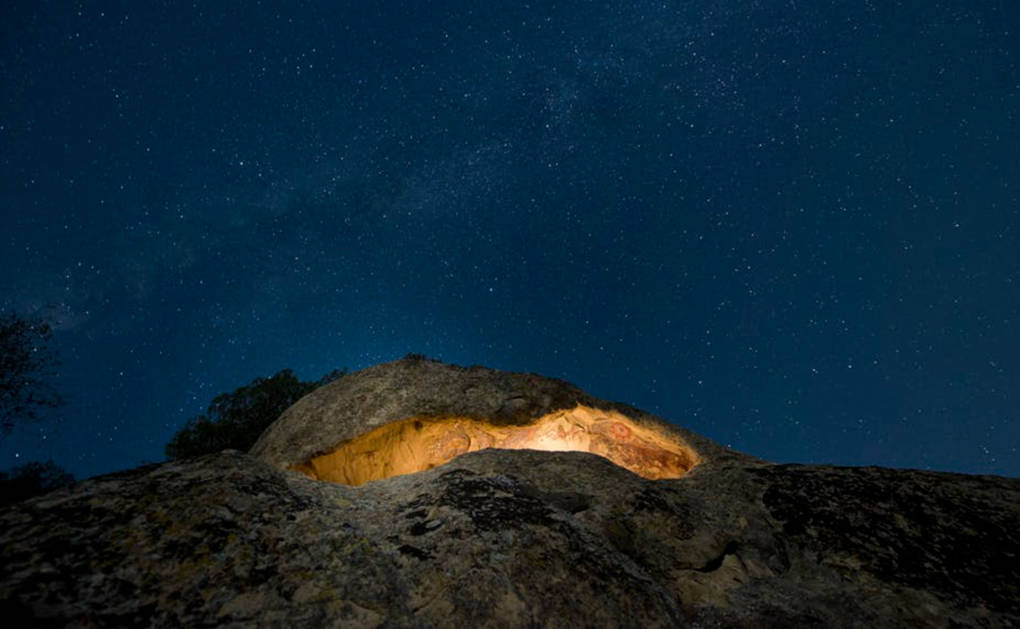
"caption": "The Pleito cave site.",
"description": "The Pleito cave site.",
"title": "CaveSite",
"credit": "Devlin Gandy",
"status": "inherit",
"isLoading": false,
"fetchFailed": false
},
"news_11640249": {
"type": "attachments",
"id": "news_11640249",
"meta": {
"index": "attachments_1716263798",
"site": "news",
"id": "11640249",
"found": true
},
"parent": 11640219,
"imgSizes": {
"small": {
"file": "https://ww2.kqed.org/app/uploads/sites/10/2018/01/IMG-4687-520x390.jpg",
"width": 520,
"mimeType": "image/jpeg",
"height": 390
},
"twentyfourteen-full-width": {
"file": "https://ww2.kqed.org/app/uploads/sites/10/2018/01/IMG-4687-1038x576.jpg",
"width": 1038,
"mimeType": "image/jpeg",
"height": 576
},
"thumbnail": {
"file": "https://ww2.kqed.org/app/uploads/sites/10/2018/01/IMG-4687-160x120.jpg",
"width": 160,
"mimeType": "image/jpeg",
"height": 120
},
"fd-sm": {
"file": "https://ww2.kqed.org/app/uploads/sites/10/2018/01/IMG-4687-960x720.jpg",
"width": 960,
"mimeType": "image/jpeg",
"height": 720
},
"post-thumbnail": {
"file": "https://ww2.kqed.org/app/uploads/sites/10/2018/01/IMG-4687-672x372.jpg",
"width": 672,
"mimeType": "image/jpeg",
"height": 372
},
"xsmall": {
"file": "https://ww2.kqed.org/app/uploads/sites/10/2018/01/IMG-4687-375x281.jpg",
"width": 375,
"mimeType": "image/jpeg",
"height": 281
},
"kqedFullSize": {
"file": "https://ww2.kqed.org/app/uploads/sites/10/2018/01/IMG-4687-e1515267458797.jpg",
"width": 1920,
"height": 1440
},
"large": {
"file": "https://ww2.kqed.org/app/uploads/sites/10/2018/01/IMG-4687-1020x765.jpg",
"width": 1020,
"mimeType": "image/jpeg",
"height": 765
},
"xlarge": {
"file": "https://ww2.kqed.org/app/uploads/sites/10/2018/01/IMG-4687-1180x885.jpg",
"width": 1180,
"mimeType": "image/jpeg",
"height": 885
},
"guest-author-50": {
"file": "https://ww2.kqed.org/app/uploads/sites/10/2018/01/IMG-4687-50x50.jpg",
"width": 50,
"mimeType": "image/jpeg",
"height": 50
},
"guest-author-96": {
"file": "https://ww2.kqed.org/app/uploads/sites/10/2018/01/IMG-4687-96x96.jpg",
"width": 96,
"mimeType": "image/jpeg",
"height": 96
},
"medium": {
"file": "https://ww2.kqed.org/app/uploads/sites/10/2018/01/IMG-4687-800x600.jpg",
"width": 800,
"mimeType": "image/jpeg",
"height": 600
},
"guest-author-64": {
"file": "https://ww2.kqed.org/app/uploads/sites/10/2018/01/IMG-4687-64x64.jpg",
"width": 64,
"mimeType": "image/jpeg",
"height": 64
},
"guest-author-32": {
"file": "https://ww2.kqed.org/app/uploads/sites/10/2018/01/IMG-4687-32x32.jpg",
"width": 32,
"mimeType": "image/jpeg",
"height": 32
},
"fd-lrg": {
"file": "https://ww2.kqed.org/app/uploads/sites/10/2018/01/IMG-4687-1920x1440.jpg",
"width": 1920,
"mimeType": "image/jpeg",
"height": 1440
},
"fd-med": {
"file": "https://ww2.kqed.org/app/uploads/sites/10/2018/01/IMG-4687-1180x885.jpg",
"width": 1180,
"mimeType": "image/jpeg",
"height": 885
},
"full-width": {
"file": "https://ww2.kqed.org/app/uploads/sites/10/2018/01/IMG-4687-1920x1440.jpg",
"width": 1920,
"mimeType": "image/jpeg",
"height": 1440
},
"detail": {
"file": "https://ww2.kqed.org/app/uploads/sites/10/2018/01/IMG-4687-150x150.jpg",
"width": 150,
"mimeType": "image/jpeg",
"height": 150
},
"guest-author-128": {
"file": "https://ww2.kqed.org/app/uploads/sites/10/2018/01/IMG-4687-128x128.jpg",
"width": 128,
"mimeType": "image/jpeg",
"height": 128
},
"xxsmall": {
"file": "https://ww2.kqed.org/app/uploads/sites/10/2018/01/IMG-4687-240x180.jpg",
"width": 240,
"mimeType": "image/jpeg",
"height": 180
}
},
"publishDate": 1515107880,
"modified": 1515269588,
"caption": "Protestors climbed the Trinidad Memorial Lighthouse in Humboldt County to stop the relocation of the structure to a nearby tribal village. Sheriff's deputies were on site to keep the protests peaceful. ",
"description": "Protestors climbed the Trinidad Memorial Lighthouse in Humboldt County to stop the relocation of the structure to a nearby tribal village. Sheriff's deputies were on site to keep the protests peaceful. ",
"title": "IMG-4687",
"credit": "Natalya Estrada/KQED",
"status": "inherit",
"isLoading": false,
"fetchFailed": false
},
"news_11638977": {
"type": "attachments",
"id": "news_11638977",
"meta": {
"index": "attachments_1716263798",
"site": "news",
"id": "11638977",
"found": true
},
"parent": 11638976,
"imgSizes": {
"small": {
"file": "https://ww2.kqed.org/app/uploads/sites/10/2017/12/RS20711_MonoPowwow1-520x347.jpg",
"width": 520,
"mimeType": "image/jpeg",
"height": 347
},
"twentyfourteen-full-width": {
"file": "https://ww2.kqed.org/app/uploads/sites/10/2017/12/RS20711_MonoPowwow1-1038x576.jpg",
"width": 1038,
"mimeType": "image/jpeg",
"height": 576
},
"thumbnail": {
"file": "https://ww2.kqed.org/app/uploads/sites/10/2017/12/RS20711_MonoPowwow1-160x107.jpg",
"width": 160,
"mimeType": "image/jpeg",
"height": 107
},
"fd-sm": {
"file": "https://ww2.kqed.org/app/uploads/sites/10/2017/12/RS20711_MonoPowwow1-960x640.jpg",
"width": 960,
"mimeType": "image/jpeg",
"height": 640
},
"post-thumbnail": {
"file": "https://ww2.kqed.org/app/uploads/sites/10/2017/12/RS20711_MonoPowwow1-672x372.jpg",
"width": 672,
"mimeType": "image/jpeg",
"height": 372
},
"xsmall": {
"file": "https://ww2.kqed.org/app/uploads/sites/10/2017/12/RS20711_MonoPowwow1-375x250.jpg",
"width": 375,
"mimeType": "image/jpeg",
"height": 250
},
"kqedFullSize": {
"file": "https://ww2.kqed.org/app/uploads/sites/10/2017/12/RS20711_MonoPowwow1-e1515017654876.jpg",
"width": 1920,
"height": 1280
},
"large": {
"file": "https://ww2.kqed.org/app/uploads/sites/10/2017/12/RS20711_MonoPowwow1-1020x680.jpg",
"width": 1020,
"mimeType": "image/jpeg",
"height": 680
},
"xlarge": {
"file": "https://ww2.kqed.org/app/uploads/sites/10/2017/12/RS20711_MonoPowwow1-1180x787.jpg",
"width": 1180,
"mimeType": "image/jpeg",
"height": 787
},
"guest-author-50": {
"file": "https://ww2.kqed.org/app/uploads/sites/10/2017/12/RS20711_MonoPowwow1-50x50.jpg",
"width": 50,
"mimeType": "image/jpeg",
"height": 50
},
"guest-author-96": {
"file": "https://ww2.kqed.org/app/uploads/sites/10/2017/12/RS20711_MonoPowwow1-96x96.jpg",
"width": 96,
"mimeType": "image/jpeg",
"height": 96
},
"medium": {
"file": "https://ww2.kqed.org/app/uploads/sites/10/2017/12/RS20711_MonoPowwow1-800x533.jpg",
"width": 800,
"mimeType": "image/jpeg",
"height": 533
},
"guest-author-64": {
"file": "https://ww2.kqed.org/app/uploads/sites/10/2017/12/RS20711_MonoPowwow1-64x64.jpg",
"width": 64,
"mimeType": "image/jpeg",
"height": 64
},
"guest-author-32": {
"file": "https://ww2.kqed.org/app/uploads/sites/10/2017/12/RS20711_MonoPowwow1-32x32.jpg",
"width": 32,
"mimeType": "image/jpeg",
"height": 32
},
"fd-lrg": {
"file": "https://ww2.kqed.org/app/uploads/sites/10/2017/12/RS20711_MonoPowwow1-1920x1280.jpg",
"width": 1920,
"mimeType": "image/jpeg",
"height": 1280
},
"fd-med": {
"file": "https://ww2.kqed.org/app/uploads/sites/10/2017/12/RS20711_MonoPowwow1-1180x787.jpg",
"width": 1180,
"mimeType": "image/jpeg",
"height": 787
},
"full-width": {
"file": "https://ww2.kqed.org/app/uploads/sites/10/2017/12/RS20711_MonoPowwow1-1920x1280.jpg",
"width": 1920,
"mimeType": "image/jpeg",
"height": 1280
},
"detail": {
"file": "https://ww2.kqed.org/app/uploads/sites/10/2017/12/RS20711_MonoPowwow1-150x150.jpg",
"width": 150,
"mimeType": "image/jpeg",
"height": 150
},
"guest-author-128": {
"file": "https://ww2.kqed.org/app/uploads/sites/10/2017/12/RS20711_MonoPowwow1-128x128.jpg",
"width": 128,
"mimeType": "image/jpeg",
"height": 128
},
"xxsmall": {
"file": "https://ww2.kqed.org/app/uploads/sites/10/2017/12/RS20711_MonoPowwow1-240x160.jpg",
"width": 240,
"mimeType": "image/jpeg",
"height": 160
}
},
"publishDate": 1513960610,
"modified": 1515017676,
"caption": "A dance circle during the Sierra Mono Museum's powwow in 2015.",
"description": "A dance circle during the Sierra Mono Museum's powwow in 2015.",
"title": "RS20711_MonoPowwow1",
"credit": "Vanessa Rancano/KQED",
"status": "inherit",
"isLoading": false,
"fetchFailed": false
},
"news_11637285": {
"type": "attachments",
"id": "news_11637285",
"meta": {
"index": "attachments_1716263798",
"site": "news",
"id": "11637285",
"found": true
},
"parent": 11637284,
"imgSizes": {
"small": {
"file": "https://ww2.kqed.org/app/uploads/sites/10/2017/12/herrera_toro-creek-edit_custom-f50eb70aa13b820cde629fb09ad47ba15ecd1341-520x331.jpg",
"width": 520,
"mimeType": "image/jpeg",
"height": 331
},
"thumbnail": {
"file": "https://ww2.kqed.org/app/uploads/sites/10/2017/12/herrera_toro-creek-edit_custom-f50eb70aa13b820cde629fb09ad47ba15ecd1341-160x102.jpg",
"width": 160,
"mimeType": "image/jpeg",
"height": 102
},
"post-thumbnail": {
"file": "https://ww2.kqed.org/app/uploads/sites/10/2017/12/herrera_toro-creek-edit_custom-f50eb70aa13b820cde629fb09ad47ba15ecd1341-672x372.jpg",
"width": 672,
"mimeType": "image/jpeg",
"height": 372
},
"xsmall": {
"file": "https://ww2.kqed.org/app/uploads/sites/10/2017/12/herrera_toro-creek-edit_custom-f50eb70aa13b820cde629fb09ad47ba15ecd1341-375x239.jpg",
"width": 375,
"mimeType": "image/jpeg",
"height": 239
},
"kqedFullSize": {
"file": "https://ww2.kqed.org/app/uploads/sites/10/2017/12/herrera_toro-creek-edit_custom-f50eb70aa13b820cde629fb09ad47ba15ecd1341.jpg",
"width": 863,
"height": 549
},
"guest-author-50": {
"file": "https://ww2.kqed.org/app/uploads/sites/10/2017/12/herrera_toro-creek-edit_custom-f50eb70aa13b820cde629fb09ad47ba15ecd1341-50x50.jpg",
"width": 50,
"mimeType": "image/jpeg",
"height": 50
},
"guest-author-96": {
"file": "https://ww2.kqed.org/app/uploads/sites/10/2017/12/herrera_toro-creek-edit_custom-f50eb70aa13b820cde629fb09ad47ba15ecd1341-96x96.jpg",
"width": 96,
"mimeType": "image/jpeg",
"height": 96
},
"medium": {
"file": "https://ww2.kqed.org/app/uploads/sites/10/2017/12/herrera_toro-creek-edit_custom-f50eb70aa13b820cde629fb09ad47ba15ecd1341-800x509.jpg",
"width": 800,
"mimeType": "image/jpeg",
"height": 509
},
"guest-author-64": {
"file": "https://ww2.kqed.org/app/uploads/sites/10/2017/12/herrera_toro-creek-edit_custom-f50eb70aa13b820cde629fb09ad47ba15ecd1341-64x64.jpg",
"width": 64,
"mimeType": "image/jpeg",
"height": 64
},
"guest-author-32": {
"file": "https://ww2.kqed.org/app/uploads/sites/10/2017/12/herrera_toro-creek-edit_custom-f50eb70aa13b820cde629fb09ad47ba15ecd1341-32x32.jpg",
"width": 32,
"mimeType": "image/jpeg",
"height": 32
},
"detail": {
"file": "https://ww2.kqed.org/app/uploads/sites/10/2017/12/herrera_toro-creek-edit_custom-f50eb70aa13b820cde629fb09ad47ba15ecd1341-150x150.jpg",
"width": 150,
"mimeType": "image/jpeg",
"height": 150
},
"guest-author-128": {
"file": "https://ww2.kqed.org/app/uploads/sites/10/2017/12/herrera_toro-creek-edit_custom-f50eb70aa13b820cde629fb09ad47ba15ecd1341-128x128.jpg",
"width": 128,
"mimeType": "image/jpeg",
"height": 128
},
"xxsmall": {
"file": "https://ww2.kqed.org/app/uploads/sites/10/2017/12/herrera_toro-creek-edit_custom-f50eb70aa13b820cde629fb09ad47ba15ecd1341-240x153.jpg",
"width": 240,
"mimeType": "image/jpeg",
"height": 153
}
},
"publishDate": 1513359410,
"modified": 1513359462,
"caption": "An archival photo from the early to mid-1930s of Allison Herrera's family near Toro Creek, an ancestral village of their Salinan Tribe. From left: Felista Rosas, her great-grandmother; Anna Herrera, her grandmother; Andy Rosas, Anna's brother; and Ramon Rosas, Andy and Anna's uncle.",
"description": "An archival photo from the early to mid-1930s of Allison Herrera's family near Toro Creek, an ancestral village of their Salinan Tribe. From left: Felista Rosas, her great-grandmother; Anna Herrera, her grandmother; Andy Rosas, Anna's brother; and Ramon Rosas, Andy and Anna's uncle",
"title": "An archival photo from the early to mid-1930s of Allison Herrera's family near Toro Creek, an ancestral village of their Salinan Tribe. From left: Felista Rosas, her great-grandmother; Anna Herrera, her grandmother; Andy Rosas, Anna's brother; and Ramon Rosas, Andy and Anna's uncle.",
"credit": "Courtesy of Allison Herrera",
"status": "inherit",
"isLoading": false,
"fetchFailed": false
},
"news_11637095": {
"type": "attachments",
"id": "news_11637095",
"meta": {
"index": "attachments_1716263798",
"site": "news",
"id": "11637095",
"found": true
},
"parent": 11636996,
"imgSizes": {
"small": {
"file": "https://ww2.kqed.org/app/uploads/sites/10/2017/12/RS28570_IMG_9237-2-qut-520x293.jpg",
"width": 520,
"mimeType": "image/jpeg",
"height": 293
},
"twentyfourteen-full-width": {
"file": "https://ww2.kqed.org/app/uploads/sites/10/2017/12/RS28570_IMG_9237-2-qut-1038x576.jpg",
"width": 1038,
"mimeType": "image/jpeg",
"height": 576
},
"thumbnail": {
"file": "https://ww2.kqed.org/app/uploads/sites/10/2017/12/RS28570_IMG_9237-2-qut-160x90.jpg",
"width": 160,
"mimeType": "image/jpeg",
"height": 90
},
"fd-sm": {
"file": "https://ww2.kqed.org/app/uploads/sites/10/2017/12/RS28570_IMG_9237-2-qut-960x540.jpg",
"width": 960,
"mimeType": "image/jpeg",
"height": 540
},
"post-thumbnail": {
"file": "https://ww2.kqed.org/app/uploads/sites/10/2017/12/RS28570_IMG_9237-2-qut-672x372.jpg",
"width": 672,
"mimeType": "image/jpeg",
"height": 372
},
"xsmall": {
"file": "https://ww2.kqed.org/app/uploads/sites/10/2017/12/RS28570_IMG_9237-2-qut-375x211.jpg",
"width": 375,
"mimeType": "image/jpeg",
"height": 211
},
"kqedFullSize": {
"file": "https://ww2.kqed.org/app/uploads/sites/10/2017/12/RS28570_IMG_9237-2-qut.jpg",
"width": 1920,
"height": 1080
},
"large": {
"file": "https://ww2.kqed.org/app/uploads/sites/10/2017/12/RS28570_IMG_9237-2-qut-1020x574.jpg",
"width": 1020,
"mimeType": "image/jpeg",
"height": 574
},
"xlarge": {
"file": "https://ww2.kqed.org/app/uploads/sites/10/2017/12/RS28570_IMG_9237-2-qut-1180x664.jpg",
"width": 1180,
"mimeType": "image/jpeg",
"height": 664
},
"guest-author-50": {
"file": "https://ww2.kqed.org/app/uploads/sites/10/2017/12/RS28570_IMG_9237-2-qut-50x50.jpg",
"width": 50,
"mimeType": "image/jpeg",
"height": 50
},
"guest-author-96": {
"file": "https://ww2.kqed.org/app/uploads/sites/10/2017/12/RS28570_IMG_9237-2-qut-96x96.jpg",
"width": 96,
"mimeType": "image/jpeg",
"height": 96
},
"medium": {
"file": "https://ww2.kqed.org/app/uploads/sites/10/2017/12/RS28570_IMG_9237-2-qut-800x450.jpg",
"width": 800,
"mimeType": "image/jpeg",
"height": 450
},
"guest-author-64": {
"file": "https://ww2.kqed.org/app/uploads/sites/10/2017/12/RS28570_IMG_9237-2-qut-64x64.jpg",
"width": 64,
"mimeType": "image/jpeg",
"height": 64
},
"guest-author-32": {
"file": "https://ww2.kqed.org/app/uploads/sites/10/2017/12/RS28570_IMG_9237-2-qut-32x32.jpg",
"width": 32,
"mimeType": "image/jpeg",
"height": 32
},
"fd-lrg": {
"file": "https://ww2.kqed.org/app/uploads/sites/10/2017/12/RS28570_IMG_9237-2-qut-1920x1080.jpg",
"width": 1920,
"mimeType": "image/jpeg",
"height": 1080
},
"fd-med": {
"file": "https://ww2.kqed.org/app/uploads/sites/10/2017/12/RS28570_IMG_9237-2-qut-1180x664.jpg",
"width": 1180,
"mimeType": "image/jpeg",
"height": 664
},
"full-width": {
"file": "https://ww2.kqed.org/app/uploads/sites/10/2017/12/RS28570_IMG_9237-2-qut-1920x1080.jpg",
"width": 1920,
"mimeType": "image/jpeg",
"height": 1080
},
"detail": {
"file": "https://ww2.kqed.org/app/uploads/sites/10/2017/12/RS28570_IMG_9237-2-qut-150x150.jpg",
"width": 150,
"mimeType": "image/jpeg",
"height": 150
},
"guest-author-128": {
"file": "https://ww2.kqed.org/app/uploads/sites/10/2017/12/RS28570_IMG_9237-2-qut-128x128.jpg",
"width": 128,
"mimeType": "image/jpeg",
"height": 128
},
"xxsmall": {
"file": "https://ww2.kqed.org/app/uploads/sites/10/2017/12/RS28570_IMG_9237-2-qut-240x135.jpg",
"width": 240,
"mimeType": "image/jpeg",
"height": 135
}
},
"publishDate": 1513291930,
"modified": 1513297342,
"caption": "Amah Mutsun Tribal Band members at the Mount Umunhum Ceremonial Circle on Sept. 14, 2017.",
"description": "Amah Mutsun Tribal Band members at the Mount Umunhum Ceremonial Circle on September 14, 2017.",
"title": "RS28570_IMG_9237 2-qut",
"credit": "Courtesy of Sheryl Schaffner",
"status": "inherit",
"isLoading": false,
"fetchFailed": false
},
"news_11623706": {
"type": "attachments",
"id": "news_11623706",
"meta": {
"index": "attachments_1716263798",
"site": "news",
"id": "11623706",
"found": true
},
"parent": 11622280,
"imgSizes": {
"small": {
"file": "https://ww2.kqed.org/app/uploads/sites/10/2017/10/KlamathSalmon-520x248.jpg",
"width": 520,
"mimeType": "image/jpeg",
"height": 248
},
"twentyfourteen-full-width": {
"file": "https://ww2.kqed.org/app/uploads/sites/10/2017/10/KlamathSalmon-1038x576.jpg",
"width": 1038,
"mimeType": "image/jpeg",
"height": 576
},
"thumbnail": {
"file": "https://ww2.kqed.org/app/uploads/sites/10/2017/10/KlamathSalmon-160x76.jpg",
"width": 160,
"mimeType": "image/jpeg",
"height": 76
},
"fd-sm": {
"file": "https://ww2.kqed.org/app/uploads/sites/10/2017/10/KlamathSalmon-960x457.jpg",
"width": 960,
"mimeType": "image/jpeg",
"height": 457
},
"post-thumbnail": {
"file": "https://ww2.kqed.org/app/uploads/sites/10/2017/10/KlamathSalmon-672x372.jpg",
"width": 672,
"mimeType": "image/jpeg",
"height": 372
},
"xsmall": {
"file": "https://ww2.kqed.org/app/uploads/sites/10/2017/10/KlamathSalmon-375x179.jpg",
"width": 375,
"mimeType": "image/jpeg",
"height": 179
},
"kqedFullSize": {
"file": "https://ww2.kqed.org/app/uploads/sites/10/2017/10/KlamathSalmon.jpg",
"width": 1260,
"height": 600
},
"large": {
"file": "https://ww2.kqed.org/app/uploads/sites/10/2017/10/KlamathSalmon-1020x486.jpg",
"width": 1020,
"mimeType": "image/jpeg",
"height": 486
},
"xlarge": {
"file": "https://ww2.kqed.org/app/uploads/sites/10/2017/10/KlamathSalmon-1180x562.jpg",
"width": 1180,
"mimeType": "image/jpeg",
"height": 562
},
"guest-author-50": {
"file": "https://ww2.kqed.org/app/uploads/sites/10/2017/10/KlamathSalmon-50x50.jpg",
"width": 50,
"mimeType": "image/jpeg",
"height": 50
},
"guest-author-96": {
"file": "https://ww2.kqed.org/app/uploads/sites/10/2017/10/KlamathSalmon-96x96.jpg",
"width": 96,
"mimeType": "image/jpeg",
"height": 96
},
"medium": {
"file": "https://ww2.kqed.org/app/uploads/sites/10/2017/10/KlamathSalmon-800x381.jpg",
"width": 800,
"mimeType": "image/jpeg",
"height": 381
},
"guest-author-64": {
"file": "https://ww2.kqed.org/app/uploads/sites/10/2017/10/KlamathSalmon-64x64.jpg",
"width": 64,
"mimeType": "image/jpeg",
"height": 64
},
"guest-author-32": {
"file": "https://ww2.kqed.org/app/uploads/sites/10/2017/10/KlamathSalmon-32x32.jpg",
"width": 32,
"mimeType": "image/jpeg",
"height": 32
},
"fd-med": {
"file": "https://ww2.kqed.org/app/uploads/sites/10/2017/10/KlamathSalmon-1180x562.jpg",
"width": 1180,
"mimeType": "image/jpeg",
"height": 562
},
"detail": {
"file": "https://ww2.kqed.org/app/uploads/sites/10/2017/10/KlamathSalmon-150x150.jpg",
"width": 150,
"mimeType": "image/jpeg",
"height": 150
},
"guest-author-128": {
"file": "https://ww2.kqed.org/app/uploads/sites/10/2017/10/KlamathSalmon-128x128.jpg",
"width": 128,
"mimeType": "image/jpeg",
"height": 128
},
"xxsmall": {
"file": "https://ww2.kqed.org/app/uploads/sites/10/2017/10/KlamathSalmon-240x114.jpg",
"width": 240,
"mimeType": "image/jpeg",
"height": 114
}
},
"publishDate": 1508136803,
"modified": 1508136971,
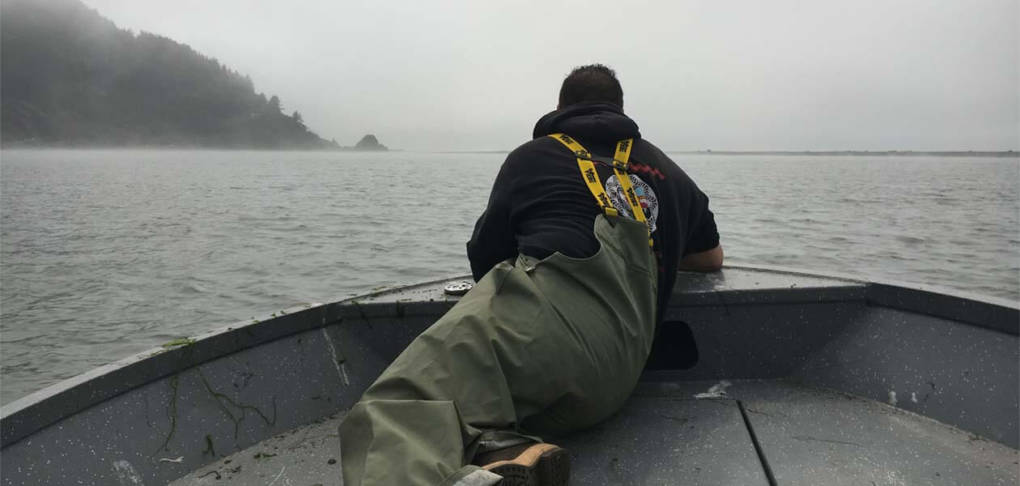
"caption": "Jerome Nick Jr. peers over the bow while checking nets near the mouth of the Klamath River in California's far north. ",
"description": null,
"title": "Yurok-Klamath-Salmon",
"credit": "Lisa Morehouse/KQED",
"status": "inherit",
"isLoading": false,
"fetchFailed": false
},
"news_11621265": {
"type": "attachments",
"id": "news_11621265",
"meta": {
"index": "attachments_1716263798",
"site": "news",
"id": "11621265",
"found": true
},
"parent": 11621258,
"imgSizes": {
"small": {
"file": "https://ww2.kqed.org/app/uploads/sites/10/2017/10/evenearlier_100517_final-520x520.jpg",
"width": 520,
"mimeType": "image/jpeg",
"height": 520
},
"twentyfourteen-full-width": {
"file": "https://ww2.kqed.org/app/uploads/sites/10/2017/10/evenearlier_100517_final-1038x576.jpg",
"width": 1038,
"mimeType": "image/jpeg",
"height": 576
},
"thumbnail": {
"file": "https://ww2.kqed.org/app/uploads/sites/10/2017/10/evenearlier_100517_final-160x160.jpg",
"width": 160,
"mimeType": "image/jpeg",
"height": 160
},
"fd-sm": {
"file": "https://ww2.kqed.org/app/uploads/sites/10/2017/10/evenearlier_100517_final-960x960.jpg",
"width": 960,
"mimeType": "image/jpeg",
"height": 960
},
"post-thumbnail": {
"file": "https://ww2.kqed.org/app/uploads/sites/10/2017/10/evenearlier_100517_final-672x372.jpg",
"width": 672,
"mimeType": "image/jpeg",
"height": 372
},
"xsmall": {
"file": "https://ww2.kqed.org/app/uploads/sites/10/2017/10/evenearlier_100517_final-375x375.jpg",
"width": 375,
"mimeType": "image/jpeg",
"height": 375
},
"kqedFullSize": {
"file": "https://ww2.kqed.org/app/uploads/sites/10/2017/10/evenearlier_100517_final.jpg",
"width": 1920,
"height": 1920
},
"large": {
"file": "https://ww2.kqed.org/app/uploads/sites/10/2017/10/evenearlier_100517_final-1020x1020.jpg",
"width": 1020,
"mimeType": "image/jpeg",
"height": 1020
},
"xlarge": {
"file": "https://ww2.kqed.org/app/uploads/sites/10/2017/10/evenearlier_100517_final-1180x1180.jpg",
"width": 1180,
"mimeType": "image/jpeg",
"height": 1180
},
"guest-author-50": {
"file": "https://ww2.kqed.org/app/uploads/sites/10/2017/10/evenearlier_100517_final-50x50.jpg",
"width": 50,
"mimeType": "image/jpeg",
"height": 50
},
"guest-author-96": {
"file": "https://ww2.kqed.org/app/uploads/sites/10/2017/10/evenearlier_100517_final-96x96.jpg",
"width": 96,
"mimeType": "image/jpeg",
"height": 96
},
"medium": {
"file": "https://ww2.kqed.org/app/uploads/sites/10/2017/10/evenearlier_100517_final-800x800.jpg",
"width": 800,
"mimeType": "image/jpeg",
"height": 800
},
"guest-author-64": {
"file": "https://ww2.kqed.org/app/uploads/sites/10/2017/10/evenearlier_100517_final-64x64.jpg",
"width": 64,
"mimeType": "image/jpeg",
"height": 64
},
"guest-author-32": {
"file": "https://ww2.kqed.org/app/uploads/sites/10/2017/10/evenearlier_100517_final-32x32.jpg",
"width": 32,
"mimeType": "image/jpeg",
"height": 32
},
"fd-lrg": {
"file": "https://ww2.kqed.org/app/uploads/sites/10/2017/10/evenearlier_100517_final-1920x1920.jpg",
"width": 1920,
"mimeType": "image/jpeg",
"height": 1920
},
"fd-med": {
"file": "https://ww2.kqed.org/app/uploads/sites/10/2017/10/evenearlier_100517_final-1180x1180.jpg",
"width": 1180,
"mimeType": "image/jpeg",
"height": 1180
},
"full-width": {
"file": "https://ww2.kqed.org/app/uploads/sites/10/2017/10/evenearlier_100517_final-1920x1920.jpg",
"width": 1920,
"mimeType": "image/jpeg",
"height": 1920
},
"detail": {
"file": "https://ww2.kqed.org/app/uploads/sites/10/2017/10/evenearlier_100517_final-150x150.jpg",
"width": 150,
"mimeType": "image/jpeg",
"height": 150
},
"guest-author-128": {
"file": "https://ww2.kqed.org/app/uploads/sites/10/2017/10/evenearlier_100517_final-128x128.jpg",
"width": 128,
"mimeType": "image/jpeg",
"height": 128
},
"xxsmall": {
"file": "https://ww2.kqed.org/app/uploads/sites/10/2017/10/evenearlier_100517_final-240x240.jpg",
"width": 240,
"mimeType": "image/jpeg",
"height": 240
}
},
"publishDate": 1507236806,
"modified": 1507236835,
"caption": null,
"description": null,
"title": "evenearlier_100517_final",
"credit": null,
"status": "inherit",
"isLoading": false,
"fetchFailed": false
},
"news_11613496": {
"type": "attachments",
"id": "news_11613496",
"meta": {
"index": "attachments_1716263798",
"site": "news",
"id": "11613496",
"found": true
},
"parent": 11613490,
"imgSizes": {
"small": {
"file": "https://ww2.kqed.org/app/uploads/sites/10/2017/08/pioneer_082317_final-520x520.jpg",
"width": 520,
"mimeType": "image/jpeg",
"height": 520
},
"twentyfourteen-full-width": {
"file": "https://ww2.kqed.org/app/uploads/sites/10/2017/08/pioneer_082317_final-1038x576.jpg",
"width": 1038,
"mimeType": "image/jpeg",
"height": 576
},
"thumbnail": {
"file": "https://ww2.kqed.org/app/uploads/sites/10/2017/08/pioneer_082317_final-160x160.jpg",
"width": 160,
"mimeType": "image/jpeg",
"height": 160
},
"fd-sm": {
"file": "https://ww2.kqed.org/app/uploads/sites/10/2017/08/pioneer_082317_final-960x960.jpg",
"width": 960,
"mimeType": "image/jpeg",
"height": 960
},
"post-thumbnail": {
"file": "https://ww2.kqed.org/app/uploads/sites/10/2017/08/pioneer_082317_final-672x372.jpg",
"width": 672,
"mimeType": "image/jpeg",
"height": 372
},
"xsmall": {
"file": "https://ww2.kqed.org/app/uploads/sites/10/2017/08/pioneer_082317_final-375x375.jpg",
"width": 375,
"mimeType": "image/jpeg",
"height": 375
},
"kqedFullSize": {
"file": "https://ww2.kqed.org/app/uploads/sites/10/2017/08/pioneer_082317_final.jpg",
"width": 1920,
"height": 1920
},
"large": {
"file": "https://ww2.kqed.org/app/uploads/sites/10/2017/08/pioneer_082317_final-1020x1020.jpg",
"width": 1020,
"mimeType": "image/jpeg",
"height": 1020
},
"xlarge": {
"file": "https://ww2.kqed.org/app/uploads/sites/10/2017/08/pioneer_082317_final-1180x1180.jpg",
"width": 1180,
"mimeType": "image/jpeg",
"height": 1180
},
"guest-author-50": {
"file": "https://ww2.kqed.org/app/uploads/sites/10/2017/08/pioneer_082317_final-50x50.jpg",
"width": 50,
"mimeType": "image/jpeg",
"height": 50
},
"guest-author-96": {
"file": "https://ww2.kqed.org/app/uploads/sites/10/2017/08/pioneer_082317_final-96x96.jpg",
"width": 96,
"mimeType": "image/jpeg",
"height": 96
},
"medium": {
"file": "https://ww2.kqed.org/app/uploads/sites/10/2017/08/pioneer_082317_final-800x800.jpg",
"width": 800,
"mimeType": "image/jpeg",
"height": 800
},
"guest-author-64": {
"file": "https://ww2.kqed.org/app/uploads/sites/10/2017/08/pioneer_082317_final-64x64.jpg",
"width": 64,
"mimeType": "image/jpeg",
"height": 64
},
"guest-author-32": {
"file": "https://ww2.kqed.org/app/uploads/sites/10/2017/08/pioneer_082317_final-32x32.jpg",
"width": 32,
"mimeType": "image/jpeg",
"height": 32
},
"fd-lrg": {
"file": "https://ww2.kqed.org/app/uploads/sites/10/2017/08/pioneer_082317_final-1920x1920.jpg",
"width": 1920,
"mimeType": "image/jpeg",
"height": 1920
},
"fd-med": {
"file": "https://ww2.kqed.org/app/uploads/sites/10/2017/08/pioneer_082317_final-1180x1180.jpg",
"width": 1180,
"mimeType": "image/jpeg",
"height": 1180
},
"full-width": {
"file": "https://ww2.kqed.org/app/uploads/sites/10/2017/08/pioneer_082317_final-1920x1920.jpg",
"width": 1920,
"mimeType": "image/jpeg",
"height": 1920
},
"detail": {
"file": "https://ww2.kqed.org/app/uploads/sites/10/2017/08/pioneer_082317_final-150x150.jpg",
"width": 150,
"mimeType": "image/jpeg",
"height": 150
},
"guest-author-128": {
"file": "https://ww2.kqed.org/app/uploads/sites/10/2017/08/pioneer_082317_final-128x128.jpg",
"width": 128,
"mimeType": "image/jpeg",
"height": 128
},
"xxsmall": {
"file": "https://ww2.kqed.org/app/uploads/sites/10/2017/08/pioneer_082317_final-240x240.jpg",
"width": 240,
"mimeType": "image/jpeg",
"height": 240
}
},
"publishDate": 1503516581,
"modified": 1503516617,
"caption": null,
"description": null,
"title": "pioneer_082317_final",
"credit": null,
"status": "inherit",
"isLoading": false,
"fetchFailed": false
},
"news_11472106": {
"type": "attachments",
"id": "news_11472106",
"meta": {
"index": "attachments_1716263798",
"site": "news",
"id": "11472106",
"found": true
},
"parent": 11472102,
"imgSizes": {
"small": {
"file": "https://ww2.kqed.org/app/uploads/sites/10/2017/05/richard-oakes-75th-birthday-5656537195347968.3-2x-520x208.jpg",
"width": 520,
"mimeType": "image/jpeg",
"height": 208
},
"thumbnail": {
"file": "https://ww2.kqed.org/app/uploads/sites/10/2017/05/richard-oakes-75th-birthday-5656537195347968.3-2x-160x64.jpg",
"width": 160,
"mimeType": "image/jpeg",
"height": 64
},
"fd-sm": {
"file": "https://ww2.kqed.org/app/uploads/sites/10/2017/05/richard-oakes-75th-birthday-5656537195347968.3-2x-960x384.jpg",
"width": 960,
"mimeType": "image/jpeg",
"height": 384
},
"post-thumbnail": {
"file": "https://ww2.kqed.org/app/uploads/sites/10/2017/05/richard-oakes-75th-birthday-5656537195347968.3-2x-672x372.jpg",
"width": 672,
"mimeType": "image/jpeg",
"height": 372
},
"xsmall": {
"file": "https://ww2.kqed.org/app/uploads/sites/10/2017/05/richard-oakes-75th-birthday-5656537195347968.3-2x-375x150.jpg",
"width": 375,
"mimeType": "image/jpeg",
"height": 150
},
"kqedFullSize": {
"file": "https://ww2.kqed.org/app/uploads/sites/10/2017/05/richard-oakes-75th-birthday-5656537195347968.3-2x.jpg",
"width": 1000,
"height": 400
},
"guest-author-50": {
"file": "https://ww2.kqed.org/app/uploads/sites/10/2017/05/richard-oakes-75th-birthday-5656537195347968.3-2x-50x50.jpg",
"width": 50,
"mimeType": "image/jpeg",
"height": 50
},
"guest-author-96": {
"file": "https://ww2.kqed.org/app/uploads/sites/10/2017/05/richard-oakes-75th-birthday-5656537195347968.3-2x-96x96.jpg",
"width": 96,
"mimeType": "image/jpeg",
"height": 96
},
"medium": {
"file": "https://ww2.kqed.org/app/uploads/sites/10/2017/05/richard-oakes-75th-birthday-5656537195347968.3-2x-800x320.jpg",
"width": 800,
"mimeType": "image/jpeg",
"height": 320
},
"guest-author-64": {
"file": "https://ww2.kqed.org/app/uploads/sites/10/2017/05/richard-oakes-75th-birthday-5656537195347968.3-2x-64x64.jpg",
"width": 64,
"mimeType": "image/jpeg",
"height": 64
},
"guest-author-32": {
"file": "https://ww2.kqed.org/app/uploads/sites/10/2017/05/richard-oakes-75th-birthday-5656537195347968.3-2x-32x32.jpg",
"width": 32,
"mimeType": "image/jpeg",
"height": 32
},
"detail": {
"file": "https://ww2.kqed.org/app/uploads/sites/10/2017/05/richard-oakes-75th-birthday-5656537195347968.3-2x-150x150.jpg",
"width": 150,
"mimeType": "image/jpeg",
"height": 150
},
"guest-author-128": {
"file": "https://ww2.kqed.org/app/uploads/sites/10/2017/05/richard-oakes-75th-birthday-5656537195347968.3-2x-128x128.jpg",
"width": 128,
"mimeType": "image/jpeg",
"height": 128
},
"xxsmall": {
"file": "https://ww2.kqed.org/app/uploads/sites/10/2017/05/richard-oakes-75th-birthday-5656537195347968.3-2x-240x96.jpg",
"width": 240,
"mimeType": "image/jpeg",
"height": 96
}
},
"publishDate": 1495493741,
"modified": 1495493768,
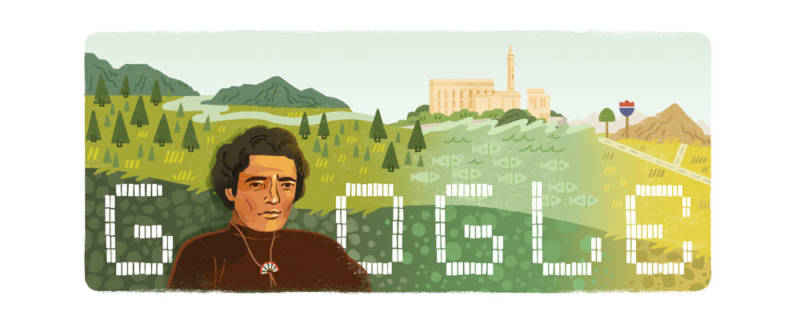
"caption": "The Google doodle in honor of Richard Oakes' birthday.",
"description": "The Google doodle in honor of Richard Oakes' birthday.",
"title": "richard-oakes-75th-birthday-5656537195347968.3-2x",
"credit": null,
"status": "inherit",
"isLoading": false,
"fetchFailed": false
},
"news_11420775": {
"type": "attachments",
"id": "news_11420775",
"meta": {
"index": "attachments_1716263798",
"site": "news",
"id": "11420775",
"found": true
},
"parent": 11420768,
"imgSizes": {
"small": {
"file": "https://ww2.kqed.org/app/uploads/sites/10/2017/04/EPA-Rally-4-520x292.jpeg",
"width": 520,
"mimeType": "image/jpeg",
"height": 292
},
"twentyfourteen-full-width": {
"file": "https://ww2.kqed.org/app/uploads/sites/10/2017/04/EPA-Rally-4-1038x576.jpeg",
"width": 1038,
"mimeType": "image/jpeg",
"height": 576
},
"thumbnail": {
"file": "https://ww2.kqed.org/app/uploads/sites/10/2017/04/EPA-Rally-4-160x90.jpeg",
"width": 160,
"mimeType": "image/jpeg",
"height": 90
},
"fd-sm": {
"file": "https://ww2.kqed.org/app/uploads/sites/10/2017/04/EPA-Rally-4-960x540.jpeg",
"width": 960,
"mimeType": "image/jpeg",
"height": 540
},
"post-thumbnail": {
"file": "https://ww2.kqed.org/app/uploads/sites/10/2017/04/EPA-Rally-4-672x372.jpeg",
"width": 672,
"mimeType": "image/jpeg",
"height": 372
},
"xsmall": {
"file": "https://ww2.kqed.org/app/uploads/sites/10/2017/04/EPA-Rally-4-375x211.jpeg",
"width": 375,
"mimeType": "image/jpeg",
"height": 211
},
"kqedFullSize": {
"file": "https://ww2.kqed.org/app/uploads/sites/10/2017/04/EPA-Rally-4.jpeg",
"width": 1206,
"height": 678
},
"large": {
"file": "https://ww2.kqed.org/app/uploads/sites/10/2017/04/EPA-Rally-4-1020x573.jpeg",
"width": 1020,
"mimeType": "image/jpeg",
"height": 573
},
"xlarge": {
"file": "https://ww2.kqed.org/app/uploads/sites/10/2017/04/EPA-Rally-4-1180x663.jpeg",
"width": 1180,
"mimeType": "image/jpeg",
"height": 663
},
"guest-author-50": {
"file": "https://ww2.kqed.org/app/uploads/sites/10/2017/04/EPA-Rally-4-50x50.jpeg",
"width": 50,
"mimeType": "image/jpeg",
"height": 50
},
"guest-author-96": {
"file": "https://ww2.kqed.org/app/uploads/sites/10/2017/04/EPA-Rally-4-96x96.jpeg",
"width": 96,
"mimeType": "image/jpeg",
"height": 96
},
"medium": {
"file": "https://ww2.kqed.org/app/uploads/sites/10/2017/04/EPA-Rally-4-800x450.jpeg",
"width": 800,
"mimeType": "image/jpeg",
"height": 450
},
"guest-author-64": {
"file": "https://ww2.kqed.org/app/uploads/sites/10/2017/04/EPA-Rally-4-64x64.jpeg",
"width": 64,
"mimeType": "image/jpeg",
"height": 64
},
"guest-author-32": {
"file": "https://ww2.kqed.org/app/uploads/sites/10/2017/04/EPA-Rally-4-32x32.jpeg",
"width": 32,
"mimeType": "image/jpeg",
"height": 32
},
"fd-med": {
"file": "https://ww2.kqed.org/app/uploads/sites/10/2017/04/EPA-Rally-4-1180x663.jpeg",
"width": 1180,
"mimeType": "image/jpeg",
"height": 663
},
"detail": {
"file": "https://ww2.kqed.org/app/uploads/sites/10/2017/04/EPA-Rally-4-150x150.jpeg",
"width": 150,
"mimeType": "image/jpeg",
"height": 150
},
"guest-author-128": {
"file": "https://ww2.kqed.org/app/uploads/sites/10/2017/04/EPA-Rally-4-128x128.jpeg",
"width": 128,
"mimeType": "image/jpeg",
"height": 128
},
"xxsmall": {
"file": "https://ww2.kqed.org/app/uploads/sites/10/2017/04/EPA-Rally-4-240x135.jpeg",
"width": 240,
"mimeType": "image/jpeg",
"height": 135
}
},
"publishDate": 1492824091,
"modified": 1492824091,
"caption": null,
"description": null,
"title": "EPA Rally 4",
"credit": null,
"status": "inherit",
"isLoading": false,
"fetchFailed": false
},
"arts_12709311": {
"type": "attachments",
"id": "arts_12709311",
"meta": {
"index": "attachments_1716263798",
"site": "arts",
"id": "12709311",
"found": true
},
"parent": 12709122,
"imgSizes": {
"small": {
"file": "https://ww2.kqed.org/app/uploads/sites/2/2017/02/RS23973_02_john_trudell_speaking-001-qut-520x293.jpg",
"width": 520,
"mimeType": "image/jpeg",
"height": 293
},
"thumbnail": {
"file": "https://ww2.kqed.org/app/uploads/sites/2/2017/02/RS23973_02_john_trudell_speaking-001-qut-160x90.jpg",
"width": 160,
"mimeType": "image/jpeg",
"height": 90
},
"xsmall": {
"file": "https://ww2.kqed.org/app/uploads/sites/2/2017/02/RS23973_02_john_trudell_speaking-001-qut-375x211.jpg",
"width": 375,
"mimeType": "image/jpeg",
"height": 211
},
"kqedFullSize": {
"file": "https://ww2.kqed.org/app/uploads/sites/2/2017/02/RS23973_02_john_trudell_speaking-001-qut.jpg",
"width": 640,
"height": 360
},
"guest-author-50": {
"file": "https://ww2.kqed.org/app/uploads/sites/2/2017/02/RS23973_02_john_trudell_speaking-001-qut-50x50.jpg",
"width": 50,
"mimeType": "image/jpeg",
"height": 50
},
"guest-author-96": {
"file": "https://ww2.kqed.org/app/uploads/sites/2/2017/02/RS23973_02_john_trudell_speaking-001-qut-96x96.jpg",
"width": 96,
"mimeType": "image/jpeg",
"height": 96
},
"guest-author-64": {
"file": "https://ww2.kqed.org/app/uploads/sites/2/2017/02/RS23973_02_john_trudell_speaking-001-qut-64x64.jpg",
"width": 64,
"mimeType": "image/jpeg",
"height": 64
},
"detail": {
"file": "https://ww2.kqed.org/app/uploads/sites/2/2017/02/RS23973_02_john_trudell_speaking-001-qut-150x150.jpg",
"width": 150,
"mimeType": "image/jpeg",
"height": 150
},
"guest-author-32": {
"file": "https://ww2.kqed.org/app/uploads/sites/2/2017/02/RS23973_02_john_trudell_speaking-001-qut-32x32.jpg",
"width": 32,
"mimeType": "image/jpeg",
"height": 32
},
"guest-author-128": {
"file": "https://ww2.kqed.org/app/uploads/sites/2/2017/02/RS23973_02_john_trudell_speaking-001-qut-128x128.jpg",
"width": 128,
"mimeType": "image/jpeg",
"height": 128
},
"xxsmall": {
"file": "https://ww2.kqed.org/app/uploads/sites/2/2017/02/RS23973_02_john_trudell_speaking-001-qut-240x135.jpg",
"width": 240,
"mimeType": "image/jpeg",
"height": 135
}
},
"publishDate": 1485993096,
"modified": 1485993113,
"caption": "John Trudell, speaking at a press conference at Alcatraz during the occupation of 1969-1971. This photograph and others by Ilka Hartmann are on display as part of Cement Prairie, an exhibition about Native Americans in the South Bay.",
"description": "John Trudell, speaking at a press conference at Alcatraz during the occupation of 1969-1971. This photograph and others by Ilka Hartmann are on display as part of Cement Prairie, an exhibition about Native Americans in the South Bay.",
"title": "RS23973_02_john_trudell_speaking-001-qut",
"credit": "Photo: Courtesy of Ilka Hartmann",
"status": "inherit",
"isLoading": false,
"fetchFailed": false
},
"stateofhealth_222204": {
"type": "attachments",
"id": "stateofhealth_222204",
"meta": {
"index": "attachments_1716263798",
"site": "stateofhealth",
"id": "222204",
"found": true
},
"parent": 221443,
"imgSizes": {
"twentyfourteen-full-width": {
"file": "https://ww2.kqed.org/app/uploads/sites/27/2016/08/RS20603_Sagayuk2-qut-1038x576.jpg",
"width": 1038,
"mimeType": "image/jpeg",
"height": 576
},
"thumbnail": {
"file": "https://ww2.kqed.org/app/uploads/sites/27/2016/08/RS20603_Sagayuk2-qut-400x274.jpg",
"width": 400,
"mimeType": "image/jpeg",
"height": 274
},
"fd-sm": {
"file": "https://ww2.kqed.org/app/uploads/sites/27/2016/08/RS20603_Sagayuk2-qut-960x657.jpg",
"width": 960,
"mimeType": "image/jpeg",
"height": 657
},
"post-thumbnail": {
"file": "https://ww2.kqed.org/app/uploads/sites/27/2016/08/RS20603_Sagayuk2-qut-672x372.jpg",
"width": 672,
"mimeType": "image/jpeg",
"height": 372
},
"kqedFullSize": {
"file": "https://ww2.kqed.org/app/uploads/sites/27/2016/08/RS20603_Sagayuk2-qut.jpg",
"width": 1920,
"height": 1313
},
"large": {
"file": "https://ww2.kqed.org/app/uploads/sites/27/2016/08/RS20603_Sagayuk2-qut-1440x985.jpg",
"width": 1440,
"mimeType": "image/jpeg",
"height": 985
},
"guest-author-50": {
"file": "https://ww2.kqed.org/app/uploads/sites/27/2016/08/RS20603_Sagayuk2-qut-50x50.jpg",
"width": 50,
"mimeType": "image/jpeg",
"height": 50
},
"guest-author-96": {
"file": "https://ww2.kqed.org/app/uploads/sites/27/2016/08/RS20603_Sagayuk2-qut-96x96.jpg",
"width": 96,
"mimeType": "image/jpeg",
"height": 96
},
"medium": {
"file": "https://ww2.kqed.org/app/uploads/sites/27/2016/08/RS20603_Sagayuk2-qut-800x547.jpg",
"width": 800,
"mimeType": "image/jpeg",
"height": 547
},
"guest-author-64": {
"file": "https://ww2.kqed.org/app/uploads/sites/27/2016/08/RS20603_Sagayuk2-qut-64x64.jpg",
"width": 64,
"mimeType": "image/jpeg",
"height": 64
},
"guest-author-32": {
"file": "https://ww2.kqed.org/app/uploads/sites/27/2016/08/RS20603_Sagayuk2-qut-32x32.jpg",
"width": 32,
"mimeType": "image/jpeg",
"height": 32
},
"jmtc-small-thumb": {
"file": "https://ww2.kqed.org/app/uploads/sites/27/2016/08/RS20603_Sagayuk2-qut-280x150.jpg",
"width": 280,
"mimeType": "image/jpeg",
"height": 150
},
"fd-lrg": {
"file": "https://ww2.kqed.org/app/uploads/sites/27/2016/08/RS20603_Sagayuk2-qut-1920x1313.jpg",
"width": 1920,
"mimeType": "image/jpeg",
"height": 1313
},
"fd-med": {
"file": "https://ww2.kqed.org/app/uploads/sites/27/2016/08/RS20603_Sagayuk2-qut-1180x807.jpg",
"width": 1180,
"mimeType": "image/jpeg",
"height": 807
},
"detail": {
"file": "https://ww2.kqed.org/app/uploads/sites/27/2016/08/RS20603_Sagayuk2-qut-150x150.jpg",
"width": 150,
"mimeType": "image/jpeg",
"height": 150
},
"medium_large": {
"file": "https://ww2.kqed.org/app/uploads/sites/27/2016/08/RS20603_Sagayuk2-qut-768x525.jpg",
"width": 768,
"mimeType": "image/jpeg",
"height": 525
},
"guest-author-128": {
"file": "https://ww2.kqed.org/app/uploads/sites/27/2016/08/RS20603_Sagayuk2-qut-128x128.jpg",
"width": 128,
"mimeType": "image/jpeg",
"height": 128
}
},
"publishDate": 1470626405,
"modified": 1470626520,
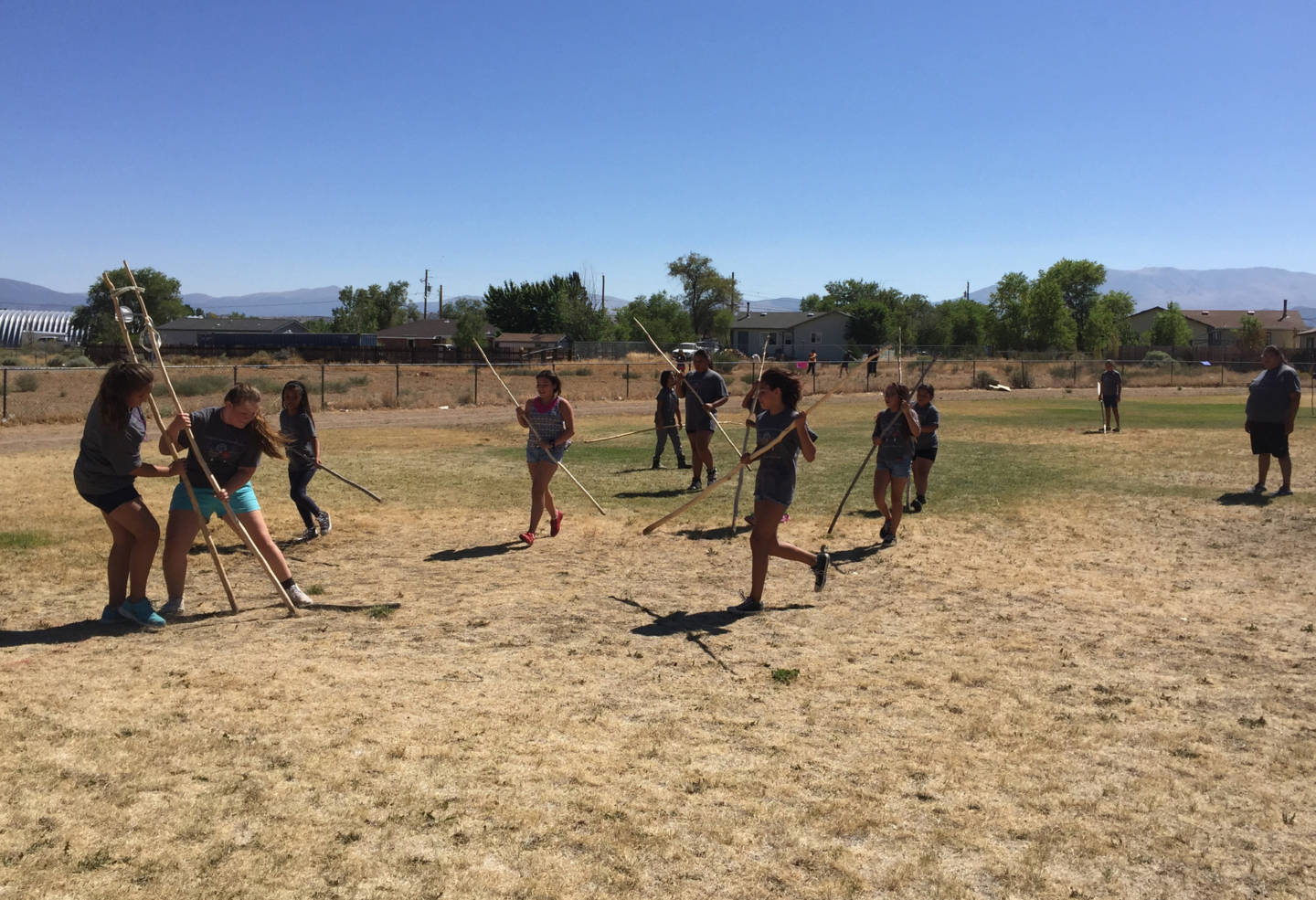
"caption": "Young Washoe women play the game Sigayuk. They battle for control of a short rope with their aspen tree trunks, hoping to score a goal. ",
"description": "Young Washoe women play the game Sigayuk. They battle for control of a short rope with their aspen tree trunks, hoping to score a goal. ",
"title": "RS20603_Sagayuk2-qut",
"credit": null,
"status": "inherit",
"isLoading": false,
"fetchFailed": false
}
},
"audioPlayerReducer": {
"postId": "stream_live",
"isPaused": true,
"isPlaying": false,
"pfsActive": false,
"pledgeModalIsOpen": true,
"playerDrawerIsOpen": false,
"liveAudioPlayStartedAt": 0,
"liveAudioPlayContext": ""
},
"authorsReducer": {
"byline_news_11641698": {
"type": "authors",
"id": "byline_news_11641698",
"meta": {
"override": true
},
"slug": "byline_news_11641698",
"name": "\u003cstrong>Brendan Cassidy and David Robinson\u003c/strong>\u003cbr />for \u003cem>\u003ca href=\"https://theconversation.com\">The Conversation\u003c/a>\u003c/em>",
"isLoading": false
},
"byline_news_11640219": {
"type": "authors",
"id": "byline_news_11640219",
"meta": {
"override": true
},
"slug": "byline_news_11640219",
"name": "\u003cstrong>Natalya Estrada\u003c/strong>",
"isLoading": false
},
"byline_news_11638976": {
"type": "authors",
"id": "byline_news_11638976",
"meta": {
"override": true
},
"slug": "byline_news_11638976",
"name": "\u003cstrong>\u003ca href=\"https://theconversation.com/profiles/olivia-chilcote-385644\">Olivia Chilcote\u003c/a>\u003c/strong>\u003cbr />\u003cem>San Diego State University, for \u003ca href=\"https://theconversation.com\">The Conversation\u003c/a>\u003c/em>",
"isLoading": false
},
"byline_news_11637284": {
"type": "authors",
"id": "byline_news_11637284",
"meta": {
"override": true
},
"slug": "byline_news_11637284",
"name": "Allison Herrera",
"isLoading": false
},
"byline_news_11472102": {
"type": "authors",
"id": "byline_news_11472102",
"meta": {
"override": true
},
"slug": "byline_news_11472102",
"name": "Colin Dwyer\u003cbr>\u003ca href=\"http://www.npr.org/sections/thetwo-way/2017/05/22/529504340/richard-oakes-who-occupied-alcatraz-for-native-rights-gets-a-birthday-honor\">\u003cstrong>NPR\u003c/a>\u003c/strong>",
"isLoading": false
},
"rachael-myrow": {
"type": "authors",
"id": "251",
"meta": {
"index": "authors_1716337520",
"id": "251",
"found": true
},
"name": "Rachael Myrow",
"firstName": "Rachael",
"lastName": "Myrow",
"slug": "rachael-myrow",
"email": "rmyrow@kqed.org",
"display_author_email": true,
"staff_mastheads": [
"news"
],
"title": "Senior Editor of KQED's Silicon Valley News Desk",
"bio": "• I write and edit stories about how Silicon Valley power and policies shape everyday life in California. I’m also passionate about making Bay Area history and culture more accessible to a broad public. • I’ve been a journalist for most of my life, starting in high school with The Franklin Press in Los Angeles, where I grew up. While earning my first degree in English at UC Berkeley, I got my start in public radio at KALX-FM. After completing a second degree in journalism at Cal, I landed my first professional job at Marketplace, then moved on to KPCC (now LAist), and then KQED, where I hosted The California Report for more than seven years. • My reporting has appeared on NPR, The World, WBUR’s \u003ci>Here & Now\u003c/i>, and the BBC. I also guest host for KQED’s \u003ci>Forum\u003c/i>, as well as the Commonwealth Club in San Francisco. • I speak periodically on media, democracy and technology issues, and do voiceover work for documentaries and educational video projects. • Outside of the studio, you'll find me hiking Bay Area trails and whipping up Insta-ready meals in my kitchen. • I do not accept gifts, money, or favors from anyone connected to my reporting, I don't pay people for information, and I do not support or donate to political causes. • I strive to treat the people I report on with fairness, honesty, and respect. I also recognize there are often multiple sides to a story and work to verify information through multiple sources and documentation. If I get something wrong, I correct it.",
"avatar": "https://secure.gravatar.com/avatar/3ed8a3c5f26025e4a805ba634cda8cd764906b97438a6d9ce216b044e340da4e?s=600&d=blank&r=g",
"twitter": "rachaelmyrow",
"bluesky": null,
"facebook": null,
"instagram": null,
"linkedin": "https://www.linkedin.com/in/rachaelmyrow/",
"sites": [
{
"site": "arts",
"roles": [
"administrator"
]
},
{
"site": "news",
"roles": [
"edit_others_posts",
"editor"
]
},
{
"site": "futureofyou",
"roles": [
"editor"
]
},
{
"site": "bayareabites",
"roles": [
"editor"
]
},
{
"site": "stateofhealth",
"roles": [
"editor"
]
},
{
"site": "science",
"roles": [
"editor"
]
},
{
"site": "food",
"roles": [
"editor"
]
},
{
"site": "forum",
"roles": [
"editor"
]
},
{
"site": "liveblog",
"roles": [
"author"
]
}
],
"headData": {
"title": "Rachael Myrow | KQED",
"description": "Senior Editor of KQED's Silicon Valley News Desk",
"ogImgSrc": "https://secure.gravatar.com/avatar/3ed8a3c5f26025e4a805ba634cda8cd764906b97438a6d9ce216b044e340da4e?s=600&d=blank&r=g",
"twImgSrc": "https://secure.gravatar.com/avatar/3ed8a3c5f26025e4a805ba634cda8cd764906b97438a6d9ce216b044e340da4e?s=600&d=blank&r=g"
},
"isLoading": false,
"link": "/author/rachael-myrow"
},
"lmorehouse": {
"type": "authors",
"id": "3229",
"meta": {
"index": "authors_1716337520",
"id": "3229",
"found": true
},
"name": "Lisa Morehouse",
"firstName": "Lisa",
"lastName": "Morehouse",
"slug": "lmorehouse",
"email": "morehouse.lisa@gmail.com",
"display_author_email": false,
"staff_mastheads": [],
"title": "KQED Contributor",
"bio": "Lisa Morehouse is an award-winning public radio and print journalist, who has filed for National Public Radio, American Public Media, KQED Public Radio, Edutopia, and McSweeney’s. Her reporting has taken her from Samoan traveling circuses to Mississippi Delta classrooms to the homes of Lao refugees in rural Iowa. In addition to reporting, she teaches radio production to at-risk youth in the Bay Area. Her series \u003ca href=\"http://afterthegoldrushradio.com/\">After the Gold Rush\u003c/a> featured the changing industries, populations and identities of rural towns throughout California. She’s now producing \u003ca href=\"http://www.californiafoodways.com/\">California Foodways\u003c/a>, a series exploring the intersections of food, culture, economics, history and labor. Follow along on the \u003ca href=\"https://www.facebook.com/californiafoodways?ref=hl\">Facebook page\u003c/a> or on Twitter @cafoodways.",
"avatar": "https://secure.gravatar.com/avatar/dae74b002a6e256f39abb19d6f5acaea?s=600&d=blank&r=g",
"twitter": null,
"facebook": null,
"instagram": null,
"linkedin": null,
"sites": [
{
"site": "",
"roles": [
"editor"
]
},
{
"site": "news",
"roles": [
"author"
]
}
],
"headData": {
"title": "Lisa Morehouse | KQED",
"description": "KQED Contributor",
"ogImgSrc": "https://secure.gravatar.com/avatar/dae74b002a6e256f39abb19d6f5acaea?s=600&d=blank&r=g",
"twImgSrc": "https://secure.gravatar.com/avatar/dae74b002a6e256f39abb19d6f5acaea?s=600&d=blank&r=g"
},
"isLoading": false,
"link": "/author/lmorehouse"
},
"markfiore": {
"type": "authors",
"id": "3236",
"meta": {
"index": "authors_1716337520",
"id": "3236",
"found": true
},
"name": "Mark Fiore",
"firstName": "Mark",
"lastName": "Fiore",
"slug": "markfiore",
"email": "mark@markfiore.com",
"display_author_email": false,
"staff_mastheads": [
"news"
],
"title": "KQED News Cartoonist",
"bio": "\u003ca href=\"http://www.MarkFiore.com\">MarkFiore.com\u003c/a> | \u003ca href=\"https://twitter.com/markfiore\">Follow on Twitter\u003c/a> | \u003ca href=\"https://www.facebook.com/pages/Mark-Fiore-Animated-Political-Cartoons/94451707396?ref=bookmarks\">Facebook\u003c/a> | \u003ca href=\"mailto:mark@markfiore.com\">email\u003c/a>\r\n\r\nPulitzer Prize-winner, Mark Fiore, who the Wall Street Journal has called “the undisputed guru of the form,” creates animated political cartoons in San Francisco, where his work has been featured regularly on the San Francisco Chronicle’s web site, SFGate.com. His work has appeared on Newsweek.com, Slate.com, CBSNews.com, MotherJones.com, DailyKos.com and NPR’s web site. Fiore’s political animation has appeared on CNN, Frontline, Bill Moyers Journal, Salon.com and cable and broadcast outlets across the globe.\r\n\r\nBeginning his professional life by drawing traditional political cartoons for newspapers, Fiore’s work appeared in publications ranging from the Washington Post to the Los Angeles Times. In the late 1990s, he began to experiment with animating political cartoons and, after a short stint at the San Jose Mercury News as their staff cartoonist, Fiore devoted all his energies to animation.\r\nGrowing up in California, Fiore also spent a good portion of his life in the backwoods of Idaho. It was this combination that shaped him politically. Mark majored in political science at Colorado College, where, in a perfect send-off for a cartoonist, he received his diploma in 1991 as commencement speaker Dick Cheney smiled approvingly.\r\nMark Fiore was awarded the Pulitzer Prize for political cartooning in 2010, a Robert F. Kennedy Journalism Award in 2004 and has twice received an Online Journalism Award for commentary from the Online News Association (2002, 2008). Fiore has received two awards for his work in new media from the National Cartoonists Society (2001, 2002), and in 2006 received The James Madison Freedom of Information Award from The Society of Professional Journalists.",
"avatar": "https://secure.gravatar.com/avatar/fc4e2a612b15b67bad0c6f0e1db4ca9b?s=600&d=blank&r=g",
"twitter": "MarkFiore",
"facebook": null,
"instagram": "https://www.instagram.com/markfiore/?hl=en",
"linkedin": null,
"sites": [
{
"site": "arts",
"roles": [
"contributor"
]
},
{
"site": "news",
"roles": [
"editor"
]
},
{
"site": "futureofyou",
"roles": [
"editor"
]
},
{
"site": "science",
"roles": [
"editor"
]
}
],
"headData": {
"title": "Mark Fiore | KQED",
"description": "KQED News Cartoonist",
"ogImgSrc": "https://secure.gravatar.com/avatar/fc4e2a612b15b67bad0c6f0e1db4ca9b?s=600&d=blank&r=g",
"twImgSrc": "https://secure.gravatar.com/avatar/fc4e2a612b15b67bad0c6f0e1db4ca9b?s=600&d=blank&r=g"
},
"isLoading": false,
"link": "/author/markfiore"
},
"lklivans": {
"type": "authors",
"id": "8648",
"meta": {
"index": "authors_1716337520",
"id": "8648",
"found": true
},
"name": "Laura Klivans",
"firstName": "Laura",
"lastName": "Klivans",
"slug": "lklivans",
"email": "lklivans@kqed.org",
"display_author_email": true,
"staff_mastheads": [
"news",
"science"
],
"title": "Reporter",
"bio": "Laura Klivans is an award-winning science reporter for KQED News, where she covers climate change with an eye on both groundbreaking progress and gaps in action. She is the former host of KQED's blockbuster video series about tiny, amazing animals, \u003cem>Deep Look\u003c/em>. Her work reaches national audiences through NPR, \u003cem>Here & Now, \u003c/em>PRI, and other major outlets. \r\n\r\nLaura’s won five Northern California Area Emmy Awards for Deep Look and First Place in the Greater Bay Area Journalism Awards for a podcast exploring how one Oakland neighborhood teamed up to reduce planet-heating pollution.\r\n\r\nBeyond her reporting, she hosts and moderates events. In the past, she taught audio storytelling at the UC Berkeley Graduate School of Journalism, led international education programs, worked with immigrants and refugees along the Thai-Burmese border, taught high schoolers sex ed, and was an actress. \r\n\r\nShe's a former UC Berkeley Human Rights Fellow, USC Center for Health Journalism's California Fellow and Coro Fellow in Public Affairs. Laura has a master’s in journalism from UC Berkeley, a master’s in education from Harvard, and an undergraduate degree from Northwestern University.\r\n\r\nShe loves trying to riddle the meaning out of vanity license plates.",
"avatar": "https://secure.gravatar.com/avatar/2d2ecd1550a494cc10ad4a503406965585902124739e775a9b3817eebf1d88be?s=600&d=blank&r=g",
"twitter": "lauraklivans",
"bluesky": null,
"facebook": null,
"instagram": null,
"linkedin": null,
"sites": [
{
"site": "news",
"roles": [
"editor"
]
},
{
"site": "stateofhealth",
"roles": [
"contributor",
"editor"
]
},
{
"site": "science",
"roles": [
"editor"
]
},
{
"site": "forum",
"roles": [
"editor"
]
}
],
"headData": {
"title": "Laura Klivans | KQED",
"description": "Reporter",
"ogImgSrc": "https://secure.gravatar.com/avatar/2d2ecd1550a494cc10ad4a503406965585902124739e775a9b3817eebf1d88be?s=600&d=blank&r=g",
"twImgSrc": "https://secure.gravatar.com/avatar/2d2ecd1550a494cc10ad4a503406965585902124739e775a9b3817eebf1d88be?s=600&d=blank&r=g"
},
"isLoading": false,
"link": "/author/lklivans"
},
"csaldana": {
"type": "authors",
"id": "11301",
"meta": {
"index": "authors_1716337520",
"id": "11301",
"found": true
},
"name": "Cesar Saldaña",
"firstName": "Cesar",
"lastName": "Saldaña",
"slug": "csaldana",
"email": "csaldana@kqed.org",
"display_author_email": false,
"staff_mastheads": [
"news"
],
"title": "KQED Contributor",
"bio": null,
"avatar": "https://secure.gravatar.com/avatar/04e89425007fe7102f750c79e76274bc?s=600&d=mm&r=g",
"twitter": null,
"facebook": null,
"instagram": null,
"linkedin": null,
"sites": [
{
"site": "news",
"roles": []
},
{
"site": "perspectives",
"roles": []
}
],
"headData": {
"title": "Cesar Saldaña | KQED",
"description": "KQED Contributor",
"ogImgSrc": "https://secure.gravatar.com/avatar/04e89425007fe7102f750c79e76274bc?s=600&d=mm&r=g",
"twImgSrc": "https://secure.gravatar.com/avatar/04e89425007fe7102f750c79e76274bc?s=600&d=mm&r=g"
},
"isLoading": false,
"link": "/author/csaldana"
}
},
"pagesReducer": {
"news_tag_native-americans": {
"type": "terms",
"id": "news_1262",
"meta": {
"index": "terms_1716263798",
"site": "news",
"id": "1262",
"score": 9.304556
},
"featImg": null,
"name": "native americans",
"description": null,
"taxonomy": "tag",
"headData": {
"twImgId": null,
"twTitle": null,
"ogTitle": null,
"ogImgId": null,
"twDescription": null,
"description": null,
"title": "native americans Archives | KQED News",
"ogDescription": null
},
"ttid": 1274,
"slug": "native-americans",
"isLoading": false,
"title": "native americans",
"pageMeta": {
"site": "news",
"WpPageTemplate": "page-topic-editorial",
"currentPage": 7
},
"blocks": [
{
"blockName": "kqed/post-list",
"attrs": {
"layout": "cardArticle2",
"query": "posts/news?tag=native-americans",
"seeMore": false,
"paginated": true,
"page": 7
}
},
{
"blockName": "kqed/ad"
}
]
}
},
"pfsSessionReducer": {},
"postsReducer": {
"stream_live": {
"type": "live",
"id": "stream_live",
"audioUrl": "https://streams.kqed.org/kqedradio",
"title": "Live Stream",
"excerpt": "Live Stream information currently unavailable.",
"link": "/radio",
"featImg": "",
"label": {
"name": "KQED Live",
"link": "/"
}
},
"stream_kqedNewscast": {
"type": "posts",
"id": "stream_kqedNewscast",
"audioUrl": "https://www.kqed.org/.stream/anon/radio/RDnews/newscast.mp3?_=1",
"title": "KQED Newscast",
"featImg": "",
"label": {
"name": "88.5 FM",
"link": "/"
}
},
"news_11641698": {
"type": "posts",
"id": "news_11641698",
"meta": {
"index": "posts_1716263798",
"site": "news",
"id": "11641698",
"score": null,
"sort": [
1516401818000
]
},
"guestAuthors": [],
"slug": "how-virtual-reality-is-opening-up-some-of-the-worlds-most-inaccessible-archaeological-sites",
"title": "How Virtual Reality Is Opening Up Some of the World’s Most Inaccessible Archaeological Sites",
"publishDate": 1516401818,
"format": "image",
"headTitle": "How Virtual Reality Is Opening Up Some of the World’s Most Inaccessible Archaeological Sites | KQED",
"labelTerm": {
"term": 72,
"site": "news"
},
"content": "\u003cp>\u003cem>\u003ca href=\"https://theconversation.com/profiles/brendan-cassidy-344280\">Brendan Cassidy\u003c/a> is a lecturer in computer science and \u003ca href=\"https://theconversation.com/profiles/david-robinson-427313\">David Robinson\u003c/a> is a reader in archeology at the University of Central Lancashire.\u003c/em>\u003c/p>\n\u003cp>We often associate virtual reality (VR) with thrilling experiences we may never be able to have in real life — such as flying a jet fighter, exploring the oceans or going on a spacewalk.\u003c/p>\n\u003cp>But researchers are also starting to use this technology to study and open up access to archaeological sites that are difficult to get to.\u003c/p>\n\u003cp>An archaeological site can be inaccessible for a range of reasons. It might be in a remote location or on private property, the archaeological remains may be fragile, or it might just be difficult or dangerous to get there.\u003c/p>\n\u003cp>Just over an hour’s drive north from Los Angeles is the \u003ca href=\"http://www.wildlandsconservancy.org/preserve_windwolves.html\">Wind Wolves Preserve\u003c/a>. At nearly 100,000 acres, the preserve protects a wide range of endangered and threatened species in the heart of California.\u003c/p>\n\u003cp>[ad fullwidth]\u003c/p>\n\u003cp>It also hosts two remote archaeological sites situated in the San Emigdio Hills: \u003ca href=\"http://clok.uclan.ac.uk/12308/1/Robinson%20et%20al_In%20Press_DAACH-D-14-00017R1_Green%20Version.pdf\">Pleito\u003c/a>, one of the most elaborately painted rock-art sites in the world, and \u003ca href=\"http://www.uclan.ac.uk/about_us/case_studies/cache-cave.php\">Cache Cave\u003c/a>, with one of the most significant in-situ collections of perishable objects, including baskets, ever discovered in the American West.\u003c/p>\n\u003cp>The oldest of the rock paintings and baskets appear to be over 2,000 years old. However, exploring it is problematic. The paintings at Pleito — found on exfoliating sandstone — are extremely fragile. Meanwhile, the Cache Cave is a complex, narrow cave system.\u003c/p>\n\u003cfigure id=\"attachment_11643093\" class=\"wp-caption aligncenter\" style=\"max-width: 800px\">\u003cimg loading=\"lazy\" decoding=\"async\" class=\"size-medium wp-image-11643093\" src=\"https://ww2.kqed.org/news/wp-content/uploads/sites/10/2018/01/VRPrototypeCave-800x534.jpg\" alt=\"Creating a virtual reality prototype of the Cache cave. \" width=\"800\" height=\"534\" srcset=\"https://cdn.kqed.org/wp-content/uploads/sites/10/2018/01/VRPrototypeCave-800x534.jpg 800w, https://cdn.kqed.org/wp-content/uploads/sites/10/2018/01/VRPrototypeCave-160x107.jpg 160w, https://cdn.kqed.org/wp-content/uploads/sites/10/2018/01/VRPrototypeCave-1020x681.jpg 1020w, https://cdn.kqed.org/wp-content/uploads/sites/10/2018/01/VRPrototypeCave.jpg 1920w, https://cdn.kqed.org/wp-content/uploads/sites/10/2018/01/VRPrototypeCave-1180x787.jpg 1180w, https://cdn.kqed.org/wp-content/uploads/sites/10/2018/01/VRPrototypeCave-960x641.jpg 960w, https://cdn.kqed.org/wp-content/uploads/sites/10/2018/01/VRPrototypeCave-240x160.jpg 240w, https://cdn.kqed.org/wp-content/uploads/sites/10/2018/01/VRPrototypeCave-375x250.jpg 375w, https://cdn.kqed.org/wp-content/uploads/sites/10/2018/01/VRPrototypeCave-520x347.jpg 520w\" sizes=\"(max-width: 800px) 100vw, 800px\">\u003cfigcaption class=\"wp-caption-text\">Creating a virtual reality prototype of the Cache Cave. \u003ccite>(Devlin Gandy)\u003c/cite>\u003c/figcaption>\u003c/figure>\n\u003cp>Yet these sites are of great cultural importance to local Native Americans, especially the Tejon Indian Tribe.\u003c/p>\n\u003cp>The hands of some of their ancestors painted the rock art, while other highly skilled basket makers worked for hours on making some of the world’s finest basketry. Until recently, the majority of the Tejon tribespeople were unable to visit the Pleito cave site due to its inaccessibility and fragility.\u003c/p>\n\u003cp>Now, our team of researchers from the University of Central Lancashire in the United Kingdom has created a VR model of the sites. We did it by taking images with a digital camera and performing laser scanning of the site.\u003c/p>\n\u003cp>Using “reality capture” techniques like photogrammetry — which helps make measurements from photographs — we could then develop a VR prototype.\u003c/p>\n\u003cp>We tested the prototype at the offices of the Wind Wolves Preserve and the Tejon tribe, respectively, in the summer of 2017. The response was profound, with younger tribal members responding particularly well in an environment similar to “gaming.” Equally, the simulation proved effective for use by the elder members of the tribe, some of whom have mobility issues visiting the preserve and its rugged terrain.\u003c/p>\n\u003cp>We also tested the software at the actual site of Pleito with the Tejon Indians.\u003c/p>\n\u003cp>https://www.youtube.com/watch?v=PJRHUcC0xa8\u003c/p>\n\u003cp>Two tribal members who could not make the climb to the cave instead used the VR headset on flat ground nearby. This allowed them to experience the environment and to “be” in the landscape while still exploring the paintings. This, as far as we are aware, was the first time Native Americans have used VR in the field to reconnect with their own past.\u003c/p>\n\u003cp>The research provides an innovative platform for tribal members to engage with sites and practices no longer in living memory as a form of cultural restoration. Importantly, it also provides an effective way to engage young tribal members within ancestral spaces and practices.\u003c/p>\n\u003cp>As well as opening access to remote archaeological sites, we are now able to construct what we term an “enhanced reality” experience. Cutting-edge archaeological image processing techniques such as \u003ca href=\"http://www.dstretch.com/\">DStretch\u003c/a> and \u003ca href=\"http://culturalheritageimaging.org/Technologies/RTI/\">Reflective Transformation Imaging\u003c/a> can be used to overlay digitally enhanced textures directly over the cave geometry. This allows people to view details of the site that are difficult to see with the naked eye.\u003c/p>\n\u003cfigure id=\"attachment_11643098\" class=\"wp-caption aligncenter\" style=\"max-width: 800px\">\u003cimg loading=\"lazy\" decoding=\"async\" class=\"size-medium wp-image-11643098\" src=\"https://ww2.kqed.org/news/wp-content/uploads/sites/10/2018/01/Dstretch-800x339.jpg\" alt=\"DStretch textures help reveal hidden detail in the cave artwork.\" width=\"800\" height=\"339\" srcset=\"https://cdn.kqed.org/wp-content/uploads/sites/10/2018/01/Dstretch-800x339.jpg 800w, https://cdn.kqed.org/wp-content/uploads/sites/10/2018/01/Dstretch-160x68.jpg 160w, https://cdn.kqed.org/wp-content/uploads/sites/10/2018/01/Dstretch-1020x432.jpg 1020w, https://cdn.kqed.org/wp-content/uploads/sites/10/2018/01/Dstretch.jpg 1920w, https://cdn.kqed.org/wp-content/uploads/sites/10/2018/01/Dstretch-1180x500.jpg 1180w, https://cdn.kqed.org/wp-content/uploads/sites/10/2018/01/Dstretch-960x407.jpg 960w, https://cdn.kqed.org/wp-content/uploads/sites/10/2018/01/Dstretch-240x102.jpg 240w, https://cdn.kqed.org/wp-content/uploads/sites/10/2018/01/Dstretch-375x159.jpg 375w, https://cdn.kqed.org/wp-content/uploads/sites/10/2018/01/Dstretch-520x220.jpg 520w\" sizes=\"(max-width: 800px) 100vw, 800px\">\u003cfigcaption class=\"wp-caption-text\">DStretch textures help reveal hidden detail in the cave artwork. \u003ccite>(Courtesy photo)\u003c/cite>\u003c/figcaption>\u003c/figure>\n\u003cp>For example, research investigating pigment recipes used within the different layers of painting on the site helped us to display the separation of the layers on the cave. It also enabled us to show the site as it would have looked through different points in time.\u003c/p>\n\u003cp>This really shows how VR simulations of archaeological sites can offer unique ways to experience, engage and explore scientific data.\u003c/p>\n\u003ch2>Research Opportunities\u003c/h2>\n\u003cp>As a visualization tool, new opportunities are now arising to use immersive technologies like VR to conduct research. Innovative work at the \u003ca href=\"http://www.allosphere.ucsb.edu/\">Allosphere\u003c/a> — a facility at the University of California, Santa Barbara, which helps make visual representations of data — has enabled researchers to analyze multiple data sets in ways not previously possible.\u003c/p>\n\u003cp>In our work in California, we are investigating how to use VR to help field research by using immersive reconstructions of previous seasons’ excavations to aid in new ones as we dig deeper within the cave deposits. That way, we can actually see previous layers that we have removed and better contextualize the new layers we are exposing.\u003c/p>\n\u003cp>The technology can also be of great use in teaching. We are sharing the models of the Californian sites with our archaeology and anthropology students, offering unique and novel opportunity to explore the rock art, handle and inspect the baskets, and even use native technologies such as the bow and arrow.\u003c/p>\n\u003cp>VR technologies are starting to open up remote access to other sites around the world, too.\u003c/p>\n\u003cp>From the British Museum’s \u003ca href=\"http://africanrockart.britishmuseum.org/#/article/rockartvr\">documentation of African rock art sites,\u003c/a> to the \u003ca href=\"http://www.scanpyramids.org/\">Scan Pyramids Project\u003c/a> opening access to the iconic monuments of Giza, to an immersive interaction with Nikola Tesla and his \u003ca href=\"http://www.nikolateslaexperience.com/\">laboratory\u003c/a>, the application of immersive technologies is proliferating across the globe.\u003c/p>\n\u003cp>The most creative of these projects include scientific information to make them more than simple replications — enhanced learning environments where scientific knowledge can inform the public about the past. Excitingly, this offers entirely new ways to learn from old sites, without damaging them.\u003c/p>\n\u003cp>\u003c/p>\n\u003cp>This article was originally published on \u003ca href=\"http://theconversation.com\">The Conversation\u003c/a>.\u003c/p>\n\n",
"blocks": [],
"excerpt": "In California, researchers are using VR to study and provide access for Native Americans to remote, delicate and hugely important cultural sites.",
"status": "publish",
"parent": 0,
"modified": 1721110127,
"stats": {
"hasAudio": false,
"hasVideo": true,
"hasChartOrMap": false,
"iframeSrcs": [],
"hasGoogleForm": false,
"hasGallery": false,
"hasHearkenModule": false,
"hasPolis": false,
"paragraphCount": 27,
"wordCount": 1019
},
"headData": {
"title": "How Virtual Reality Is Opening Up Some of the World’s Most Inaccessible Archaeological Sites | KQED",
"description": "In California, researchers are using VR to study and provide access for Native Americans to remote, delicate and hugely important cultural sites.",
"ogTitle": "",
"ogDescription": "",
"ogImgId": "",
"twTitle": "",
"twDescription": "",
"twImgId": "",
"schema": {
"@context": "https://schema.org",
"@type": "NewsArticle",
"headline": "How Virtual Reality Is Opening Up Some of the World’s Most Inaccessible Archaeological Sites",
"datePublished": "2018-01-19T14:43:38-08:00",
"dateModified": "2024-07-15T23:08:47-07:00",
"image": "https://cdn.kqed.org/wp-content/uploads/2020/02/KQED-OG-Image@1x.png",
"isAccessibleForFree": "True",
"publisher": {
"@type": "NewsMediaOrganization",
"@id": "https://www.kqed.org/#organization",
"name": "KQED",
"logo": "https://cdn.kqed.org/wp-content/uploads/2020/02/KQED-OG-Image@1x.png",
"url": "https://www.kqed.org",
"sameAs": [
"https://www.facebook.com/KQED",
"https://twitter.com/KQED",
"https://www.instagram.com/kqed/",
"https://www.tiktok.com/@kqedofficial",
"https://www.linkedin.com/company/kqed",
"https://www.youtube.com/channel/UCeC0IOo7i1P_61zVUWbJ4nw"
]
}
}
},
"sticky": false,
"nprByline": "\u003cstrong>Brendan Cassidy and David Robinson\u003c/strong>\u003cbr />for \u003cem>\u003ca href=\"https://theconversation.com\">The Conversation\u003c/a>\u003c/em>",
"path": "/news/11641698/how-virtual-reality-is-opening-up-some-of-the-worlds-most-inaccessible-archaeological-sites",
"audioTrackLength": null,
"parsedContent": [
{
"type": "contentString",
"content": "\u003cdiv class=\"post-body\">\u003cp>\u003cp>\u003cem>\u003ca href=\"https://theconversation.com/profiles/brendan-cassidy-344280\">Brendan Cassidy\u003c/a> is a lecturer in computer science and \u003ca href=\"https://theconversation.com/profiles/david-robinson-427313\">David Robinson\u003c/a> is a reader in archeology at the University of Central Lancashire.\u003c/em>\u003c/p>\n\u003cp>We often associate virtual reality (VR) with thrilling experiences we may never be able to have in real life — such as flying a jet fighter, exploring the oceans or going on a spacewalk.\u003c/p>\n\u003cp>But researchers are also starting to use this technology to study and open up access to archaeological sites that are difficult to get to.\u003c/p>\n\u003cp>An archaeological site can be inaccessible for a range of reasons. It might be in a remote location or on private property, the archaeological remains may be fragile, or it might just be difficult or dangerous to get there.\u003c/p>\n\u003cp>Just over an hour’s drive north from Los Angeles is the \u003ca href=\"http://www.wildlandsconservancy.org/preserve_windwolves.html\">Wind Wolves Preserve\u003c/a>. At nearly 100,000 acres, the preserve protects a wide range of endangered and threatened species in the heart of California.\u003c/p>\n\u003cp>\u003c/p>\u003c/div>",
"attributes": {
"named": {},
"numeric": []
}
},
{
"type": "component",
"content": "",
"name": "ad",
"attributes": {
"named": {
"label": "fullwidth"
},
"numeric": [
"fullwidth"
]
}
},
{
"type": "contentString",
"content": "\u003cdiv class=\"post-body\">\u003cp>\u003c/p>\n\u003cp>It also hosts two remote archaeological sites situated in the San Emigdio Hills: \u003ca href=\"http://clok.uclan.ac.uk/12308/1/Robinson%20et%20al_In%20Press_DAACH-D-14-00017R1_Green%20Version.pdf\">Pleito\u003c/a>, one of the most elaborately painted rock-art sites in the world, and \u003ca href=\"http://www.uclan.ac.uk/about_us/case_studies/cache-cave.php\">Cache Cave\u003c/a>, with one of the most significant in-situ collections of perishable objects, including baskets, ever discovered in the American West.\u003c/p>\n\u003cp>The oldest of the rock paintings and baskets appear to be over 2,000 years old. However, exploring it is problematic. The paintings at Pleito — found on exfoliating sandstone — are extremely fragile. Meanwhile, the Cache Cave is a complex, narrow cave system.\u003c/p>\n\u003cfigure id=\"attachment_11643093\" class=\"wp-caption aligncenter\" style=\"max-width: 800px\">\u003cimg loading=\"lazy\" decoding=\"async\" class=\"size-medium wp-image-11643093\" src=\"https://ww2.kqed.org/news/wp-content/uploads/sites/10/2018/01/VRPrototypeCave-800x534.jpg\" alt=\"Creating a virtual reality prototype of the Cache cave. \" width=\"800\" height=\"534\" srcset=\"https://cdn.kqed.org/wp-content/uploads/sites/10/2018/01/VRPrototypeCave-800x534.jpg 800w, https://cdn.kqed.org/wp-content/uploads/sites/10/2018/01/VRPrototypeCave-160x107.jpg 160w, https://cdn.kqed.org/wp-content/uploads/sites/10/2018/01/VRPrototypeCave-1020x681.jpg 1020w, https://cdn.kqed.org/wp-content/uploads/sites/10/2018/01/VRPrototypeCave.jpg 1920w, https://cdn.kqed.org/wp-content/uploads/sites/10/2018/01/VRPrototypeCave-1180x787.jpg 1180w, https://cdn.kqed.org/wp-content/uploads/sites/10/2018/01/VRPrototypeCave-960x641.jpg 960w, https://cdn.kqed.org/wp-content/uploads/sites/10/2018/01/VRPrototypeCave-240x160.jpg 240w, https://cdn.kqed.org/wp-content/uploads/sites/10/2018/01/VRPrototypeCave-375x250.jpg 375w, https://cdn.kqed.org/wp-content/uploads/sites/10/2018/01/VRPrototypeCave-520x347.jpg 520w\" sizes=\"(max-width: 800px) 100vw, 800px\">\u003cfigcaption class=\"wp-caption-text\">Creating a virtual reality prototype of the Cache Cave. \u003ccite>(Devlin Gandy)\u003c/cite>\u003c/figcaption>\u003c/figure>\n\u003cp>Yet these sites are of great cultural importance to local Native Americans, especially the Tejon Indian Tribe.\u003c/p>\n\u003cp>The hands of some of their ancestors painted the rock art, while other highly skilled basket makers worked for hours on making some of the world’s finest basketry. Until recently, the majority of the Tejon tribespeople were unable to visit the Pleito cave site due to its inaccessibility and fragility.\u003c/p>\n\u003cp>Now, our team of researchers from the University of Central Lancashire in the United Kingdom has created a VR model of the sites. We did it by taking images with a digital camera and performing laser scanning of the site.\u003c/p>\n\u003cp>Using “reality capture” techniques like photogrammetry — which helps make measurements from photographs — we could then develop a VR prototype.\u003c/p>\n\u003cp>We tested the prototype at the offices of the Wind Wolves Preserve and the Tejon tribe, respectively, in the summer of 2017. The response was profound, with younger tribal members responding particularly well in an environment similar to “gaming.” Equally, the simulation proved effective for use by the elder members of the tribe, some of whom have mobility issues visiting the preserve and its rugged terrain.\u003c/p>\n\u003cp>We also tested the software at the actual site of Pleito with the Tejon Indians.\u003c/p>\u003c/p>\u003cp>\u003cspan class='utils-parseShortcode-shortcodes-__youtubeShortcode__embedYoutube'>\n \u003cspan class='utils-parseShortcode-shortcodes-__youtubeShortcode__embedYoutubeInside'>\n \u003ciframe\n loading='lazy'\n class='utils-parseShortcode-shortcodes-__youtubeShortcode__youtubePlayer'\n type='text/html'\n src='//www.youtube.com/embed/PJRHUcC0xa8'\n title='//www.youtube.com/embed/PJRHUcC0xa8'\n allowfullscreen='true'\n style='border:0;'>\u003c/iframe>\n \u003c/span>\n \u003c/span>\u003c/p>\u003cp>\u003cp>Two tribal members who could not make the climb to the cave instead used the VR headset on flat ground nearby. This allowed them to experience the environment and to “be” in the landscape while still exploring the paintings. This, as far as we are aware, was the first time Native Americans have used VR in the field to reconnect with their own past.\u003c/p>\n\u003cp>The research provides an innovative platform for tribal members to engage with sites and practices no longer in living memory as a form of cultural restoration. Importantly, it also provides an effective way to engage young tribal members within ancestral spaces and practices.\u003c/p>\n\u003cp>As well as opening access to remote archaeological sites, we are now able to construct what we term an “enhanced reality” experience. Cutting-edge archaeological image processing techniques such as \u003ca href=\"http://www.dstretch.com/\">DStretch\u003c/a> and \u003ca href=\"http://culturalheritageimaging.org/Technologies/RTI/\">Reflective Transformation Imaging\u003c/a> can be used to overlay digitally enhanced textures directly over the cave geometry. This allows people to view details of the site that are difficult to see with the naked eye.\u003c/p>\n\u003cfigure id=\"attachment_11643098\" class=\"wp-caption aligncenter\" style=\"max-width: 800px\">\u003cimg loading=\"lazy\" decoding=\"async\" class=\"size-medium wp-image-11643098\" src=\"https://ww2.kqed.org/news/wp-content/uploads/sites/10/2018/01/Dstretch-800x339.jpg\" alt=\"DStretch textures help reveal hidden detail in the cave artwork.\" width=\"800\" height=\"339\" srcset=\"https://cdn.kqed.org/wp-content/uploads/sites/10/2018/01/Dstretch-800x339.jpg 800w, https://cdn.kqed.org/wp-content/uploads/sites/10/2018/01/Dstretch-160x68.jpg 160w, https://cdn.kqed.org/wp-content/uploads/sites/10/2018/01/Dstretch-1020x432.jpg 1020w, https://cdn.kqed.org/wp-content/uploads/sites/10/2018/01/Dstretch.jpg 1920w, https://cdn.kqed.org/wp-content/uploads/sites/10/2018/01/Dstretch-1180x500.jpg 1180w, https://cdn.kqed.org/wp-content/uploads/sites/10/2018/01/Dstretch-960x407.jpg 960w, https://cdn.kqed.org/wp-content/uploads/sites/10/2018/01/Dstretch-240x102.jpg 240w, https://cdn.kqed.org/wp-content/uploads/sites/10/2018/01/Dstretch-375x159.jpg 375w, https://cdn.kqed.org/wp-content/uploads/sites/10/2018/01/Dstretch-520x220.jpg 520w\" sizes=\"(max-width: 800px) 100vw, 800px\">\u003cfigcaption class=\"wp-caption-text\">DStretch textures help reveal hidden detail in the cave artwork. \u003ccite>(Courtesy photo)\u003c/cite>\u003c/figcaption>\u003c/figure>\n\u003cp>For example, research investigating pigment recipes used within the different layers of painting on the site helped us to display the separation of the layers on the cave. It also enabled us to show the site as it would have looked through different points in time.\u003c/p>\n\u003cp>This really shows how VR simulations of archaeological sites can offer unique ways to experience, engage and explore scientific data.\u003c/p>\n\u003ch2>Research Opportunities\u003c/h2>\n\u003cp>As a visualization tool, new opportunities are now arising to use immersive technologies like VR to conduct research. Innovative work at the \u003ca href=\"http://www.allosphere.ucsb.edu/\">Allosphere\u003c/a> — a facility at the University of California, Santa Barbara, which helps make visual representations of data — has enabled researchers to analyze multiple data sets in ways not previously possible.\u003c/p>\n\u003cp>In our work in California, we are investigating how to use VR to help field research by using immersive reconstructions of previous seasons’ excavations to aid in new ones as we dig deeper within the cave deposits. That way, we can actually see previous layers that we have removed and better contextualize the new layers we are exposing.\u003c/p>\n\u003cp>The technology can also be of great use in teaching. We are sharing the models of the Californian sites with our archaeology and anthropology students, offering unique and novel opportunity to explore the rock art, handle and inspect the baskets, and even use native technologies such as the bow and arrow.\u003c/p>\n\u003cp>VR technologies are starting to open up remote access to other sites around the world, too.\u003c/p>\n\u003cp>From the British Museum’s \u003ca href=\"http://africanrockart.britishmuseum.org/#/article/rockartvr\">documentation of African rock art sites,\u003c/a> to the \u003ca href=\"http://www.scanpyramids.org/\">Scan Pyramids Project\u003c/a> opening access to the iconic monuments of Giza, to an immersive interaction with Nikola Tesla and his \u003ca href=\"http://www.nikolateslaexperience.com/\">laboratory\u003c/a>, the application of immersive technologies is proliferating across the globe.\u003c/p>\n\u003cp>The most creative of these projects include scientific information to make them more than simple replications — enhanced learning environments where scientific knowledge can inform the public about the past. Excitingly, this offers entirely new ways to learn from old sites, without damaging them.\u003c/p>\n\u003cp>\u003c/p>\n\u003cp>This article was originally published on \u003ca href=\"http://theconversation.com\">The Conversation\u003c/a>.\u003c/p>\n\n\u003c/div>\u003c/p>",
"attributes": {
"named": {},
"numeric": []
}
}
],
"link": "/news/11641698/how-virtual-reality-is-opening-up-some-of-the-worlds-most-inaccessible-archaeological-sites",
"authors": [
"byline_news_11641698"
],
"programs": [
"news_72"
],
"categories": [
"news_356",
"news_248"
],
"tags": [
"news_160",
"news_1262",
"news_3187",
"news_17286",
"news_6813"
],
"featImg": "news_11643090",
"label": "news_72"
},
"news_11640219": {
"type": "posts",
"id": "news_11640219",
"meta": {
"index": "posts_1716263798",
"site": "news",
"id": "11640219",
"score": null,
"sort": [
1515344408000
]
},
"parent": 0,
"labelTerm": {
"site": "news",
"term": 72
},
"blocks": [],
"publishDate": 1515344408,
"format": "audio",
"disqusTitle": "Lighthouse Relocation Near Ancestral Village Sparks Protests",
"title": "Lighthouse Relocation Near Ancestral Village Sparks Protests",
"headTitle": "The California Report | KQED News",
"content": "\u003cp>For some people living in the small coastal Humboldt County community of Trinidad, the \u003ca href=\"http://lighthousefriends.com/light.asp?ID=870\" rel=\"noopener\" target=\"_blank\">Trinidad Memorial Lighthouse\u003c/a> -- which is actually a replica of the original structure -- represents sailors, fishermen and travelers lost at sea.\u003c/p>\n\u003cp>But for the \u003ca href=\"http://www.yuroktribe.org\" rel=\"noopener\" target=\"_blank\">Yurok Tribe\u003c/a>, whose nearby ancestral village is called Tsurai, the lighthouse represents oppression by white settlers.\u003c/p>\n\u003cp>“An attack on one village is an attack on all villages.” That’s written on a banner protesters tied to the \u003ca href=\"http://lighthousefriends.com/light.asp?ID=870\" rel=\"noopener\" target=\"_blank\">Trinidad Memorial Lighthouse\u003c/a> in Humboldt County last week. That along with \u003ca href=\"https://twitter.com/hashtag/allgravesmatter?f=tweets&vertical=default&src=refgoogle\" rel=\"noopener\" target=\"_blank\">#AllGravesMatter\u003c/a>.\u003c/p>\n\u003cp>All of this started to unfold because the cliff where the lighthouse is currently located is \u003ca href=\"http://www.times-standard.com/article/NJ/20170912/NEWS/170919960\" rel=\"noopener\" target=\"_blank\">eroding\u003c/a>, and the \u003ca href=\"http://www.trinidad.ca.gov/city-government/city-council.html\" rel=\"noopener\" target=\"_blank\">Trinidad City Council\u003c/a> had begun to move the structure to a temporary location, somewhere around 12-20 feet away. That, however, is directly above the Tsurai Ancestral Village and puts it in jeopardy.\u003c/p>\n\u003cfigure id=\"attachment_11640542\" class=\"wp-caption aligncenter\" style=\"max-width: 800px\">\u003cimg src=\"https://ww2.kqed.org/news/wp-content/uploads/sites/10/2018/01/IMG_3733-800x533.jpg\" alt=\"Families and descendants of the Tsurai Ancestral Village, part of the Yurok Tribe, staged protests and sit ins at the Trinidad Memorial Lighthouse for more than a week. They say they'll stay at the site until the Trinidad City Council and the Civic Club ensures that their village is safe.\" width=\"800\" height=\"533\" class=\"size-medium wp-image-11640542\" srcset=\"https://ww2.kqed.org/app/uploads/sites/10/2018/01/IMG_3733-800x533.jpg 800w, https://ww2.kqed.org/app/uploads/sites/10/2018/01/IMG_3733-160x107.jpg 160w, https://ww2.kqed.org/app/uploads/sites/10/2018/01/IMG_3733-1020x680.jpg 1020w, https://ww2.kqed.org/app/uploads/sites/10/2018/01/IMG_3733-1920x1280.jpg 1920w, https://ww2.kqed.org/app/uploads/sites/10/2018/01/IMG_3733-1180x787.jpg 1180w, https://ww2.kqed.org/app/uploads/sites/10/2018/01/IMG_3733-960x640.jpg 960w, https://ww2.kqed.org/app/uploads/sites/10/2018/01/IMG_3733-240x160.jpg 240w, https://ww2.kqed.org/app/uploads/sites/10/2018/01/IMG_3733-375x250.jpg 375w, https://ww2.kqed.org/app/uploads/sites/10/2018/01/IMG_3733-520x347.jpg 520w\" sizes=\"(max-width: 800px) 100vw, 800px\">\u003cfigcaption class=\"wp-caption-text\">Families and descendants of the Tsurai Ancestral Village, part of the Yurok Tribe, staged protests and sit ins at the Trinidad Memorial Lighthouse for more than a week. They say they'll stay at the site until the Trinidad City Council and the Civic Club ensures that their village is safe. \u003ccite>(Natalya Estrada/kqed)\u003c/cite>\u003c/figcaption>\u003c/figure>\n\u003cp>Axel Lindgren III, is a Yurok elder with the \u003ca href=\"http://www.nonprofitfacts.com/CA/The-Tsurai-Ancestral-Society.html\" rel=\"noopener\" target=\"_blank\">Tsurai Ancestral Society\u003c/a>. He and his family, are descendants of people buried at the village and he takes issue with the City Council rushing to relocate the lighthouse.\u003c/p>\n\u003cp>[ad fullwidth]\u003c/p>\n\u003cp>“We’ve been fighting with them for years, just over the last few years about the lighthouse... and how its causing the destabilization of the hillside,” Lindgren said. “When they say it's an \u003ca href=\"http://www.trinidad.ca.gov/phocadownload/PlanningDocs/Permits/civic%20club%20emergency%20permit%20application.pdf\" rel=\"noopener\" target=\"_blank\">emergency move\u003c/a>, it’s not an emergency move, that’s a lie to get around CEQA.”\u003c/p>\n\u003cp>CEQA is the \u003ca href=\"http://resources.ca.gov/ceqa/more/faq.html\" rel=\"noopener\" target=\"_blank\">California Environmental Quality Act\u003c/a> and it requires consultation with tribes in such cases.\u003c/p>\n\u003cfigure id=\"attachment_11640545\" class=\"wp-caption aligncenter\" style=\"max-width: 800px\">\u003cimg src=\"https://ww2.kqed.org/news/wp-content/uploads/sites/10/2018/01/IMG_3724-1-800x725.jpg\" alt=\"Protesters, including Lucas Garcia, a descendant of the Tsurai Ancestral Village and member of the Yurok Tribe, climbed to the top of the Trinidad Memorial Lighthouse on December 28, 2017 to stop its relocation. They say it puts the village in jeopardy. Meanwhile construction continued to take place at the base of the structure. \" width=\"800\" height=\"725\" class=\"size-medium wp-image-11640545\" srcset=\"https://ww2.kqed.org/app/uploads/sites/10/2018/01/IMG_3724-1-800x725.jpg 800w, https://ww2.kqed.org/app/uploads/sites/10/2018/01/IMG_3724-1-160x145.jpg 160w, https://ww2.kqed.org/app/uploads/sites/10/2018/01/IMG_3724-1-1020x925.jpg 1020w, https://ww2.kqed.org/app/uploads/sites/10/2018/01/IMG_3724-1-1920x1741.jpg 1920w, https://ww2.kqed.org/app/uploads/sites/10/2018/01/IMG_3724-1-1180x1070.jpg 1180w, https://ww2.kqed.org/app/uploads/sites/10/2018/01/IMG_3724-1-960x870.jpg 960w, https://ww2.kqed.org/app/uploads/sites/10/2018/01/IMG_3724-1-240x218.jpg 240w, https://ww2.kqed.org/app/uploads/sites/10/2018/01/IMG_3724-1-375x340.jpg 375w, https://ww2.kqed.org/app/uploads/sites/10/2018/01/IMG_3724-1-520x472.jpg 520w\" sizes=\"(max-width: 800px) 100vw, 800px\">\u003cfigcaption class=\"wp-caption-text\">Protesters, including Lucas Garcia, a descendant of the Tsurai Ancestral Village and member of the Yurok Tribe, climbed to the top of the Trinidad Memorial Lighthouse on December 28, 2017 to stop its relocation. They say it puts the village in jeopardy. Meanwhile construction continued to take place at the base of the structure. \u003ccite>(Natalya Estrada/KQED)\u003c/cite>\u003c/figcaption>\u003c/figure>\n\u003cp>Trinidad City Manager Dan Berman says this is an emergency and that there were numerous meetings about the relocation of the lighthouse with the \u003ca href=\"http://trinidadcivicclub.blogspot.com\" rel=\"noopener\" target=\"_blank\">Trinidad Civic Club,\u003c/a> who owns the structure, the city council and \u003ca href=\"http://www.times-standard.com/opinion/20180102/lighthouse-in-need-of-a-permanent-site\">tribal cultural monitors.\u003c/a>\u003c/p>\n\u003cp>“Cracks were opening and pavement was getting broken and cracked and that comes right up under a corner,” says Berman. “I didn’t anticipate this level of response because I didn’t see this move of the lighthouse over as being the insult, I guess, to the cultural resources there to the people. Clearly people are taking it as one.”\u003c/p>\n\u003cp>In a \u003ca href=\"https://www.northcoastjournal.com/NewsBlog/archives/2017/12/28/protesters-try-to-block-lighthouse-move\" rel=\"noopener\" target=\"_blank\">written statement \u003c/a>posted in the North Coast Journal, the Yurok Tribe says it’s deeply disappointed and that the parties had not finished the formal consultation process before the decision to move the lighthouse.\u003c/p>\n\u003cp>Patti Fleschner, with the Trinidad Civic Club, says the protests are uncalled for.\u003c/p>\n\u003cp>“No one’s trying to desecrate or disrespect anything. We’re trying to preserve the site below so that the lighthouse doesn’t fall down the hill.\"\u003c/p>\n\u003cp>Meanwhile, a small band of protesters -- many of them tribal members -- continue to sit around the lighthouse everyday; protesters like Lucas Garcia, a Yurok descendant of the Tsurai village.\u003c/p>\n\u003cp>\"This is my home. This is who we are. This is part of our identity. And for the city of Trinidad and the Civic Club to encroach on our, our village is like taking apart of who we are,” Garcia says.\u003c/p>\n\u003cp>\u003c/p>\n\u003cp>Negotiations continue, and construction to move the lighthouse has stopped for now, while all parties work towards a solution.\u003c/p>\n\n",
"disqusIdentifier": "11640219 https://ww2.kqed.org/news/?p=11640219",
"disqusUrl": "https://ww2.kqed.org/news/2018/01/07/lighthouse-relocation-near-ancestral-village-sparks-protests/",
"stats": {
"hasVideo": false,
"hasChartOrMap": false,
"hasAudio": false,
"hasPolis": false,
"wordCount": 642,
"hasGoogleForm": false,
"hasGallery": false,
"hasHearkenModule": false,
"iframeSrcs": [],
"paragraphCount": 17
},
"modified": 1515440538,
"excerpt": "\"This is my home. This is who we are. This is part of our identity.\" -- Lucas Garcia, Yurok descendant of the Tsurai village.",
"headData": {
"twImgId": "",
"twTitle": "",
"ogTitle": "",
"ogImgId": "",
"twDescription": "",
"description": ""This is my home. This is who we are. This is part of our identity." -- Lucas Garcia, Yurok descendant of the Tsurai village.",
"title": "Lighthouse Relocation Near Ancestral Village Sparks Protests | KQED",
"ogDescription": "",
"schema": {
"@context": "https://schema.org",
"@type": "NewsArticle",
"headline": "Lighthouse Relocation Near Ancestral Village Sparks Protests",
"datePublished": "2018-01-07T09:00:08-08:00",
"dateModified": "2018-01-08T11:42:18-08:00",
"image": "https://cdn.kqed.org/wp-content/uploads/2020/02/KQED-OG-Image@1x.png",
"isAccessibleForFree": "True",
"publisher": {
"@type": "NewsMediaOrganization",
"@id": "https://www.kqed.org/#organization",
"name": "KQED",
"logo": "https://cdn.kqed.org/wp-content/uploads/2020/02/KQED-OG-Image@1x.png",
"url": "https://www.kqed.org",
"sameAs": [
"https://www.facebook.com/KQED",
"https://twitter.com/KQED",
"https://www.instagram.com/kqed/",
"https://www.tiktok.com/@kqedofficial",
"https://www.linkedin.com/company/kqed",
"https://www.youtube.com/channel/UCeC0IOo7i1P_61zVUWbJ4nw"
]
}
}
},
"guestAuthors": [],
"slug": "lighthouse-relocation-near-ancestral-village-sparks-protests",
"status": "publish",
"audioUrl": "https://www.kqed.org/.stream/anon/radio/tcr/2018/01/TrinidadLighthouseEstrada180104.mp3",
"nprByline": "\u003cstrong>Natalya Estrada\u003c/strong>",
"path": "/news/11640219/lighthouse-relocation-near-ancestral-village-sparks-protests",
"audioDuration": 195000,
"audioTrackLength": null,
"parsedContent": [
{
"type": "contentString",
"content": "\u003cdiv class=\"post-body\">\u003cp>\u003cp>For some people living in the small coastal Humboldt County community of Trinidad, the \u003ca href=\"http://lighthousefriends.com/light.asp?ID=870\" rel=\"noopener\" target=\"_blank\">Trinidad Memorial Lighthouse\u003c/a> -- which is actually a replica of the original structure -- represents sailors, fishermen and travelers lost at sea.\u003c/p>\n\u003cp>But for the \u003ca href=\"http://www.yuroktribe.org\" rel=\"noopener\" target=\"_blank\">Yurok Tribe\u003c/a>, whose nearby ancestral village is called Tsurai, the lighthouse represents oppression by white settlers.\u003c/p>\n\u003cp>“An attack on one village is an attack on all villages.” That’s written on a banner protesters tied to the \u003ca href=\"http://lighthousefriends.com/light.asp?ID=870\" rel=\"noopener\" target=\"_blank\">Trinidad Memorial Lighthouse\u003c/a> in Humboldt County last week. That along with \u003ca href=\"https://twitter.com/hashtag/allgravesmatter?f=tweets&vertical=default&src=refgoogle\" rel=\"noopener\" target=\"_blank\">#AllGravesMatter\u003c/a>.\u003c/p>\n\u003cp>All of this started to unfold because the cliff where the lighthouse is currently located is \u003ca href=\"http://www.times-standard.com/article/NJ/20170912/NEWS/170919960\" rel=\"noopener\" target=\"_blank\">eroding\u003c/a>, and the \u003ca href=\"http://www.trinidad.ca.gov/city-government/city-council.html\" rel=\"noopener\" target=\"_blank\">Trinidad City Council\u003c/a> had begun to move the structure to a temporary location, somewhere around 12-20 feet away. That, however, is directly above the Tsurai Ancestral Village and puts it in jeopardy.\u003c/p>\n\u003cfigure id=\"attachment_11640542\" class=\"wp-caption aligncenter\" style=\"max-width: 800px\">\u003cimg src=\"https://ww2.kqed.org/news/wp-content/uploads/sites/10/2018/01/IMG_3733-800x533.jpg\" alt=\"Families and descendants of the Tsurai Ancestral Village, part of the Yurok Tribe, staged protests and sit ins at the Trinidad Memorial Lighthouse for more than a week. They say they'll stay at the site until the Trinidad City Council and the Civic Club ensures that their village is safe.\" width=\"800\" height=\"533\" class=\"size-medium wp-image-11640542\" srcset=\"https://ww2.kqed.org/app/uploads/sites/10/2018/01/IMG_3733-800x533.jpg 800w, https://ww2.kqed.org/app/uploads/sites/10/2018/01/IMG_3733-160x107.jpg 160w, https://ww2.kqed.org/app/uploads/sites/10/2018/01/IMG_3733-1020x680.jpg 1020w, https://ww2.kqed.org/app/uploads/sites/10/2018/01/IMG_3733-1920x1280.jpg 1920w, https://ww2.kqed.org/app/uploads/sites/10/2018/01/IMG_3733-1180x787.jpg 1180w, https://ww2.kqed.org/app/uploads/sites/10/2018/01/IMG_3733-960x640.jpg 960w, https://ww2.kqed.org/app/uploads/sites/10/2018/01/IMG_3733-240x160.jpg 240w, https://ww2.kqed.org/app/uploads/sites/10/2018/01/IMG_3733-375x250.jpg 375w, https://ww2.kqed.org/app/uploads/sites/10/2018/01/IMG_3733-520x347.jpg 520w\" sizes=\"(max-width: 800px) 100vw, 800px\">\u003cfigcaption class=\"wp-caption-text\">Families and descendants of the Tsurai Ancestral Village, part of the Yurok Tribe, staged protests and sit ins at the Trinidad Memorial Lighthouse for more than a week. They say they'll stay at the site until the Trinidad City Council and the Civic Club ensures that their village is safe. \u003ccite>(Natalya Estrada/kqed)\u003c/cite>\u003c/figcaption>\u003c/figure>\n\u003cp>Axel Lindgren III, is a Yurok elder with the \u003ca href=\"http://www.nonprofitfacts.com/CA/The-Tsurai-Ancestral-Society.html\" rel=\"noopener\" target=\"_blank\">Tsurai Ancestral Society\u003c/a>. He and his family, are descendants of people buried at the village and he takes issue with the City Council rushing to relocate the lighthouse.\u003c/p>\n\u003cp>\u003c/p>\u003c/div>",
"attributes": {
"named": {},
"numeric": []
}
},
{
"type": "component",
"content": "",
"name": "ad",
"attributes": {
"named": {
"label": "fullwidth"
},
"numeric": [
"fullwidth"
]
}
},
{
"type": "contentString",
"content": "\u003cdiv class=\"post-body\">\u003cp>\u003c/p>\n\u003cp>“We’ve been fighting with them for years, just over the last few years about the lighthouse... and how its causing the destabilization of the hillside,” Lindgren said. “When they say it's an \u003ca href=\"http://www.trinidad.ca.gov/phocadownload/PlanningDocs/Permits/civic%20club%20emergency%20permit%20application.pdf\" rel=\"noopener\" target=\"_blank\">emergency move\u003c/a>, it’s not an emergency move, that’s a lie to get around CEQA.”\u003c/p>\n\u003cp>CEQA is the \u003ca href=\"http://resources.ca.gov/ceqa/more/faq.html\" rel=\"noopener\" target=\"_blank\">California Environmental Quality Act\u003c/a> and it requires consultation with tribes in such cases.\u003c/p>\n\u003cfigure id=\"attachment_11640545\" class=\"wp-caption aligncenter\" style=\"max-width: 800px\">\u003cimg src=\"https://ww2.kqed.org/news/wp-content/uploads/sites/10/2018/01/IMG_3724-1-800x725.jpg\" alt=\"Protesters, including Lucas Garcia, a descendant of the Tsurai Ancestral Village and member of the Yurok Tribe, climbed to the top of the Trinidad Memorial Lighthouse on December 28, 2017 to stop its relocation. They say it puts the village in jeopardy. Meanwhile construction continued to take place at the base of the structure. \" width=\"800\" height=\"725\" class=\"size-medium wp-image-11640545\" srcset=\"https://ww2.kqed.org/app/uploads/sites/10/2018/01/IMG_3724-1-800x725.jpg 800w, https://ww2.kqed.org/app/uploads/sites/10/2018/01/IMG_3724-1-160x145.jpg 160w, https://ww2.kqed.org/app/uploads/sites/10/2018/01/IMG_3724-1-1020x925.jpg 1020w, https://ww2.kqed.org/app/uploads/sites/10/2018/01/IMG_3724-1-1920x1741.jpg 1920w, https://ww2.kqed.org/app/uploads/sites/10/2018/01/IMG_3724-1-1180x1070.jpg 1180w, https://ww2.kqed.org/app/uploads/sites/10/2018/01/IMG_3724-1-960x870.jpg 960w, https://ww2.kqed.org/app/uploads/sites/10/2018/01/IMG_3724-1-240x218.jpg 240w, https://ww2.kqed.org/app/uploads/sites/10/2018/01/IMG_3724-1-375x340.jpg 375w, https://ww2.kqed.org/app/uploads/sites/10/2018/01/IMG_3724-1-520x472.jpg 520w\" sizes=\"(max-width: 800px) 100vw, 800px\">\u003cfigcaption class=\"wp-caption-text\">Protesters, including Lucas Garcia, a descendant of the Tsurai Ancestral Village and member of the Yurok Tribe, climbed to the top of the Trinidad Memorial Lighthouse on December 28, 2017 to stop its relocation. They say it puts the village in jeopardy. Meanwhile construction continued to take place at the base of the structure. \u003ccite>(Natalya Estrada/KQED)\u003c/cite>\u003c/figcaption>\u003c/figure>\n\u003cp>Trinidad City Manager Dan Berman says this is an emergency and that there were numerous meetings about the relocation of the lighthouse with the \u003ca href=\"http://trinidadcivicclub.blogspot.com\" rel=\"noopener\" target=\"_blank\">Trinidad Civic Club,\u003c/a> who owns the structure, the city council and \u003ca href=\"http://www.times-standard.com/opinion/20180102/lighthouse-in-need-of-a-permanent-site\">tribal cultural monitors.\u003c/a>\u003c/p>\n\u003cp>“Cracks were opening and pavement was getting broken and cracked and that comes right up under a corner,” says Berman. “I didn’t anticipate this level of response because I didn’t see this move of the lighthouse over as being the insult, I guess, to the cultural resources there to the people. Clearly people are taking it as one.”\u003c/p>\n\u003cp>In a \u003ca href=\"https://www.northcoastjournal.com/NewsBlog/archives/2017/12/28/protesters-try-to-block-lighthouse-move\" rel=\"noopener\" target=\"_blank\">written statement \u003c/a>posted in the North Coast Journal, the Yurok Tribe says it’s deeply disappointed and that the parties had not finished the formal consultation process before the decision to move the lighthouse.\u003c/p>\n\u003cp>Patti Fleschner, with the Trinidad Civic Club, says the protests are uncalled for.\u003c/p>\n\u003cp>“No one’s trying to desecrate or disrespect anything. We’re trying to preserve the site below so that the lighthouse doesn’t fall down the hill.\"\u003c/p>\n\u003cp>Meanwhile, a small band of protesters -- many of them tribal members -- continue to sit around the lighthouse everyday; protesters like Lucas Garcia, a Yurok descendant of the Tsurai village.\u003c/p>\n\u003cp>\"This is my home. This is who we are. This is part of our identity. And for the city of Trinidad and the Civic Club to encroach on our, our village is like taking apart of who we are,” Garcia says.\u003c/p>\n\u003cp>\u003c/p>\n\u003cp>Negotiations continue, and construction to move the lighthouse has stopped for now, while all parties work towards a solution.\u003c/p>\n\n\u003c/div>\u003c/p>",
"attributes": {
"named": {},
"numeric": []
}
}
],
"link": "/news/11640219/lighthouse-relocation-near-ancestral-village-sparks-protests",
"authors": [
"byline_news_11640219"
],
"programs": [
"news_72"
],
"categories": [
"news_19906",
"news_8"
],
"tags": [
"news_20397",
"news_5923",
"news_1262",
"news_17286"
],
"featImg": "news_11640249",
"label": "news_72"
},
"news_11638976": {
"type": "posts",
"id": "news_11638976",
"meta": {
"index": "posts_1716263798",
"site": "news",
"id": "11638976",
"score": null,
"sort": [
1515254434000
]
},
"parent": 0,
"labelTerm": {
"site": "news",
"term": 72
},
"blocks": [],
"publishDate": 1515254434,
"format": "image",
"disqusTitle": "What the 'California Dream' Means to Indigenous Peoples",
"title": "What the 'California Dream' Means to Indigenous Peoples",
"headTitle": "The California Dream | The California Report | KQED News",
"content": "\u003cp>\u003cem>\u003ca href=\"https://theconversation.com/profiles/olivia-chilcote-385644\">Olivia Chilcote\u003c/a> is assistant professor in the Department of American Indian Studies at \u003ca href=\"http://theconversation.com/institutions/san-diego-state-university-1241\">San Diego State University\u003c/a>\u003c/em>\u003c/p>\n\u003cp>The California Dream is a myth for many California Indian peoples and tribes.\u003c/p>\n\u003cp>Since settlers arrived, California Indians’ reality has largely been one of land dispossession, cultural assimilation and even \u003ca href=\"http://www.history.com/news/californias-little-known-genocide\">genocide\u003c/a>.\u003c/p>\n\u003cp>If California Indians were to design their own dream it would place \u003ca href=\"http://decolonization.org/index.php/des/article/view/18630/15554\">decolonization\u003c/a> at its core. Decolonization is the undoing of colonialism, part of what I study as a scholar of \u003ca href=\"http://ethnicstudies.berkeley.edu/areas-of-study/area/native-american-studies\">Native American studies\u003c/a>. The process of decolonization requires the return of land to tribes so they can fully determine their own futures, political status and independence.\u003c/p>\n\u003cp>The California Dream is a settler dream, unless it can come to terms with its colonial past and prioritize California Indians’ dreams for the state.\u003c/p>\n\u003ch2>The Myth of the California Dream\u003c/h2>\n\u003cp>The mythology of the California Dream has a long history.\u003c/p>\n\u003cp>[ad fullwidth]\u003c/p>\n\u003cp>A popular \u003ca href=\"https://archive.org/details/LasSergasDeEsplaNDianElRamoQueD\">Spanish novel\u003c/a> published in 1510 told the legend of a mythical, gold-filled island inhabited by black Amazonian women ruled by Queen Calafia. Even though the story of Queen Calafia and the island of California was fictional, the narrative \u003ca href=\"http://scholarworks.calstate.edu/bitstream/handle/10211.2/2492/CAgeographer1987_p1-38.pdf?sequence=1\">stuck with the Spaniards\u003c/a> who traveled to the Americas in the 16th and 17th centuries.\u003c/p>\n\u003cp>The Spanish undertook their colonial project to convert and enslave Indigenous peoples at Catholic missions in Baja California in the late 1600s. Yet the urge to discover the wealth of Alta California -- what is now present day California -- drove the Spanish north. The first Catholic mission in Alta California was established in 1769 in San Diego on land that belonged to the \u003ca href=\"http://sycuantribe.com/about-sycuan/\">Kumeyaay people\u003c/a>. The Spanish continued to claim land and use Indigenous peoples to build missions along the coast of Alta California into the 1800s.\u003c/p>\n\u003ch2>Dark Side of a Dream\u003c/h2>\n\u003cp>Spanish colonization had disastrous effects on the environment and dozens of tribes, from San Diego to Sonoma.\u003c/p>\n\u003cp>Social control, aggressive interactions and violence against Native women and children characterized \u003ca href=\"https://books.google.com/books?id=XxMWSOEgTXcC&printsec=frontcover#v=onepage&q&f=false\">Spanish colonization\u003c/a>. Moreover, Spanish colonialism brought new diseases like smallpox and measles, and introduced invasive species of plants and animals. This drastically changed the natural landscape, the practices of \u003ca href=\"https://www.kcet.org/shows/tending-the-wild/episodes/tending-the-wild\">Indigenous landscape management\u003c/a>, and the relationship between California Indians and their environment.\u003c/p>\n\u003cp>In 1848, gold was discovered in California’s Sierra foothills. Incoming American settlers claimed land as their own and often viewed Native Americans as primitive peoples destined to vanish. \u003ca href=\"https://books.google.com/books/about/Indians_of_California.html?id=BaToHQtsraMC\">These misconceptions\u003c/a> were used to justify the theft and appropriation of California Indian land. Individual settlers and gold miners who killed or removed California Indian peoples from their lands often believed they were merely quickening a process that was bound to happen.\u003c/p>\n\u003cp>Acts of violence against California Indians accelerated throughout the Gold Rush period, and into the 1870s. Those who came to California did so at the cost of Native ancestral lands, natural and cultural resources, and lives. In 1849, the non-Native population in California surged from approximately \u003ca href=\"https://yalebooks.yale.edu/book/9780300181364/american-genocide\">25,000 to at least 94,000\u003c/a> people in less than a year. The California Indian \u003ca href=\"http://www.latimes.com/opinion/op-ed/la-oe-madley-california-genocide-20160522-snap-story.html\">population dropped\u003c/a> from 150,000 in 1846, to approximately 30,000 by 1870.\u003c/p>\n\u003cp>Not only was frontier violence sanctioned by the state, it was largely funded by the federal government. By 1863, the federal government had given the state of California more than $1 million to \u003ca href=\"https://www.library.ca.gov/crb/02/14/02-014.pdf\">reimburse militia expenditures\u003c/a> for expeditions to find and kill California Indian people.\u003c/p>\n\u003cp>[contextly_sidebar id=\"IN9qE8ow1auUJKiXS1GSX8lq5js0hwv0\"]\u003c/p>\n\u003cp>In addition, state legislators passed laws that stripped California Indians of their power to protect themselves, their land, their culture or their livelihoods. One of the \u003ca href=\"http://www.indiancanyon.org/ACTof1850.html\">first laws passed\u003c/a> by the California Legislature in 1850 set up a form of legalized slavery. California Indian adults could be bought at public auction and Native children could be exploited under the guise of “apprenticeship.” The law fractured families and tribal communities, while furthering land dispossession.\u003c/p>\n\u003cp>In an attempt to calm hostilities between settlers and California Indians, from 1851 to 1852, the federal government negotiated \u003ca href=\"https://www.nps.gov/parkhistory/online_books/5views/5views1c.htm\">18 treaties\u003c/a> with approximately 139 \u003ca href=\"http://linguistics.berkeley.edu/%7Esurvey/languages/california-languages.php\">California tribes\u003c/a>.\u003c/p>\n\u003cp>The treaties would have set aside about \u003ca href=\"https://www.library.ca.gov/crb/02/14/02-014.pdf\">7.5 million acres\u003c/a> to establish reservations for California Indians away from areas of non-Native settlement. However, responding to the pressures of settlers, the California Legislature strongly urged the U.S. Congress to deny the treaties. Congress listened, and the treaties were never approved. In fact, they were denied in a secret session and did not appear in the public record again for 50 years.\u003c/p>\n\u003cp>Violent interaction eventually decreased in the 1870s, as the effects of genocide on California Indians became a topic of national interest.\u003c/p>\n\u003cp>\u003ca href=\"http://www.worldcat.org/oclc/948031778\">The works of\u003c/a> writer and poet Helen Hunt Jackson in the 1880s \u003ca href=\"http://www.worldcat.org/oclc/940859637\">exposed injustices\u003c/a> towards Native Americans. She spurred humanitarian sympathizers to aid Native peoples in the state. Notably, California Indian organizations and allies brought a suit against the U.S. government for not approving the 18 treaties. After decades of legal maneuvering and dozens of \u003ca href=\"https://indiancountrymedianetwork.com/news/opinions/the-court-of-claims-ruling-in-california-indians-k-344/\">claims cases\u003c/a> brought against the federal government, California Indians were awarded meager cash settlements in 1944 and 1963 for lost lands.\u003c/p>\n\u003cp>[contextly_sidebar id=\"EbPmNv9O9glATsKiP8A7GeZei2xqiEun\"]\u003c/p>\n\u003cp>The effects of land dispossession and other injustices, however, are still felt by California Indian communities throughout the state. The lasting impacts include historical trauma, tribes that are not recognized by the federal government, a legacy of uneven funding from federal agencies, and barriers to cultural practices and economic development.\u003c/p>\n\u003cp>Yet, California Indians have been resilient. Today, they are citizens of strong tribal nations guided by their own cultural mandates and responsibilities to take care of their people and their lands however they can.\u003c/p>\n\u003ch2>A California Indian Dream\u003c/h2>\n\u003cp>The success of the California Dream depends on the disappearance of Indigenous peoples, who have been historically figured as roadblocks to land acquisition, progress and civilization.\u003c/p>\n\u003cp>How do we reimagine the California Dream to honor and respect California Indians?\u003c/p>\n\u003cfigure id=\"attachment_11638978\" class=\"wp-caption aligncenter\" style=\"max-width: 754px\">\u003ca href=\"https://ww2.kqed.org/news/wp-content/uploads/sites/10/2017/12/indians-san-diego-rainbow.jpeg\">\u003cimg class=\"size-full wp-image-11638978\" src=\"https://ww2.kqed.org/news/wp-content/uploads/sites/10/2017/12/indians-san-diego-rainbow.jpeg\" alt=\"Rainbow over San Diego County\" width=\"754\" height=\"559\" srcset=\"https://ww2.kqed.org/app/uploads/sites/10/2017/12/indians-san-diego-rainbow.jpeg 754w, https://ww2.kqed.org/app/uploads/sites/10/2017/12/indians-san-diego-rainbow-160x119.jpeg 160w, https://ww2.kqed.org/app/uploads/sites/10/2017/12/indians-san-diego-rainbow-240x178.jpeg 240w, https://ww2.kqed.org/app/uploads/sites/10/2017/12/indians-san-diego-rainbow-375x278.jpeg 375w, https://ww2.kqed.org/app/uploads/sites/10/2017/12/indians-san-diego-rainbow-520x386.jpeg 520w\" sizes=\"(max-width: 754px) 100vw, 754px\">\u003c/a>\u003cfigcaption class=\"wp-caption-text\">San Diego County is on the original lands of the Kumeyaay and the Luiseño. \u003ccite>(Marlene Fosselman, \u003ca class=\"license\" href=\"http://creativecommons.org/licenses/by-sa/4.0/\">CC BY-SA\u003c/a>)\u003c/cite>\u003c/figcaption>\u003c/figure>\n\u003cp>It’s a difficult question with difficult answers.\u003c/p>\n\u003cp>In my opinion, a California Indian Dream is true decolonization, or the return of all land in California to California Indian tribes. The return of land would not require the millions of non-Native peoples who live in California to leave. It would require a reorientation of relationships to land and the natural world that prioritizes Indigenous belief systems and forms of Native governance that have long been obscured by settler colonialism.\u003c/p>\n\u003cp>[contextly_sidebar id=\"zCjIUOO56c6fzjZVdKLdRxHyQ7scUfEw\"]\u003c/p>\n\u003cp>\u003cimg src=\"https://counter.theconversation.com/content/79889/count.gif?distributor=republish-lightbox-basic\" alt=\"The Conversation\" width=\"1\" height=\"1\">Imagining a decolonial future is necessarily uncomfortable, but it can lead to new possibilities for a more conscious California.\u003c/p>\n\u003cp>If there is ever to be a viable and successful dream for the state, I’d argue, it must be a decolonized dream that centers California Indian peoples, cultures and tribal rights to land and self-determination.\u003c/p>\n\u003cp>\u003cem>\u003ca href=\"https://www.kqed.org/news/series/californiadream/\" target=\"_blank\" rel=\"noopener\">The California Dream series\u003c/a> is a statewide media collaboration of CALmatters, KPBS, KPCC, KQED and Capital Public Radio with support from the Corporation for Public Broadcasting, the James Irvine Foundation and the College Futures Foundation.\u003c/em>\u003c/p>\n\u003cp>[ad floatright]\u003c/p>\n\u003cp>\u003cimg class=\"aligncenter size-medium wp-image-11660142\" src=\"https://ww2.kqed.org/news/wp-content/uploads/sites/10/2018/04/CADreamBanner-800x219.jpg\" alt=\"\" width=\"800\" height=\"219\" srcset=\"https://ww2.kqed.org/app/uploads/sites/10/2018/04/CADreamBanner-800x219.jpg 800w, https://ww2.kqed.org/app/uploads/sites/10/2018/04/CADreamBanner-160x44.jpg 160w, https://ww2.kqed.org/app/uploads/sites/10/2018/04/CADreamBanner-1020x280.jpg 1020w, https://ww2.kqed.org/app/uploads/sites/10/2018/04/CADreamBanner-1180x324.jpg 1180w, https://ww2.kqed.org/app/uploads/sites/10/2018/04/CADreamBanner-960x263.jpg 960w, https://ww2.kqed.org/app/uploads/sites/10/2018/04/CADreamBanner-240x66.jpg 240w, https://ww2.kqed.org/app/uploads/sites/10/2018/04/CADreamBanner-375x103.jpg 375w, https://ww2.kqed.org/app/uploads/sites/10/2018/04/CADreamBanner-520x143.jpg 520w, https://ww2.kqed.org/app/uploads/sites/10/2018/04/CADreamBanner.jpg 1867w\" sizes=\"(max-width: 800px) 100vw, 800px\">\u003c/p>\n\n",
"disqusIdentifier": "11638976 https://ww2.kqed.org/news/?p=11638976",
"disqusUrl": "https://ww2.kqed.org/news/2018/01/06/what-the-california-dream-means-to-indigenous-peoples/",
"stats": {
"hasVideo": false,
"hasChartOrMap": false,
"hasAudio": false,
"hasPolis": false,
"wordCount": 1164,
"hasGoogleForm": false,
"hasGallery": false,
"hasHearkenModule": false,
"iframeSrcs": [],
"paragraphCount": 33
},
"modified": 1523646965,
"excerpt": "The success of the California Dream, says SDSU’s Olivia Chilcote, depended on the disappearance of native peoples, who were seen as roadblocks to land acquisition, progress and civilization.",
"headData": {
"twImgId": "",
"twTitle": "",
"ogTitle": "",
"ogImgId": "",
"twDescription": "",
"description": "The success of the California Dream, says SDSU’s Olivia Chilcote, depended on the disappearance of native peoples, who were seen as roadblocks to land acquisition, progress and civilization.",
"title": "What the 'California Dream' Means to Indigenous Peoples | KQED",
"ogDescription": "",
"schema": {
"@context": "https://schema.org",
"@type": "NewsArticle",
"headline": "What the 'California Dream' Means to Indigenous Peoples",
"datePublished": "2018-01-06T08:00:34-08:00",
"dateModified": "2018-04-13T12:16:05-07:00",
"image": "https://cdn.kqed.org/wp-content/uploads/2020/02/KQED-OG-Image@1x.png",
"isAccessibleForFree": "True",
"publisher": {
"@type": "NewsMediaOrganization",
"@id": "https://www.kqed.org/#organization",
"name": "KQED",
"logo": "https://cdn.kqed.org/wp-content/uploads/2020/02/KQED-OG-Image@1x.png",
"url": "https://www.kqed.org",
"sameAs": [
"https://www.facebook.com/KQED",
"https://twitter.com/KQED",
"https://www.instagram.com/kqed/",
"https://www.tiktok.com/@kqedofficial",
"https://www.linkedin.com/company/kqed",
"https://www.youtube.com/channel/UCeC0IOo7i1P_61zVUWbJ4nw"
]
}
}
},
"guestAuthors": [],
"slug": "what-the-california-dream-means-to-indigenous-peoples",
"status": "publish",
"nprByline": "\u003cstrong>\u003ca href=\"https://theconversation.com/profiles/olivia-chilcote-385644\">Olivia Chilcote\u003c/a>\u003c/strong>\u003cbr />\u003cem>San Diego State University, for \u003ca href=\"https://theconversation.com\">The Conversation\u003c/a>\u003c/em>",
"path": "/news/11638976/what-the-california-dream-means-to-indigenous-peoples",
"audioTrackLength": null,
"parsedContent": [
{
"type": "contentString",
"content": "\u003cdiv class=\"post-body\">\u003cp>\u003cp>\u003cem>\u003ca href=\"https://theconversation.com/profiles/olivia-chilcote-385644\">Olivia Chilcote\u003c/a> is assistant professor in the Department of American Indian Studies at \u003ca href=\"http://theconversation.com/institutions/san-diego-state-university-1241\">San Diego State University\u003c/a>\u003c/em>\u003c/p>\n\u003cp>The California Dream is a myth for many California Indian peoples and tribes.\u003c/p>\n\u003cp>Since settlers arrived, California Indians’ reality has largely been one of land dispossession, cultural assimilation and even \u003ca href=\"http://www.history.com/news/californias-little-known-genocide\">genocide\u003c/a>.\u003c/p>\n\u003cp>If California Indians were to design their own dream it would place \u003ca href=\"http://decolonization.org/index.php/des/article/view/18630/15554\">decolonization\u003c/a> at its core. Decolonization is the undoing of colonialism, part of what I study as a scholar of \u003ca href=\"http://ethnicstudies.berkeley.edu/areas-of-study/area/native-american-studies\">Native American studies\u003c/a>. The process of decolonization requires the return of land to tribes so they can fully determine their own futures, political status and independence.\u003c/p>\n\u003cp>The California Dream is a settler dream, unless it can come to terms with its colonial past and prioritize California Indians’ dreams for the state.\u003c/p>\n\u003ch2>The Myth of the California Dream\u003c/h2>\n\u003cp>The mythology of the California Dream has a long history.\u003c/p>\n\u003cp>\u003c/p>\u003c/div>",
"attributes": {
"named": {},
"numeric": []
}
},
{
"type": "component",
"content": "",
"name": "ad",
"attributes": {
"named": {
"label": "fullwidth"
},
"numeric": [
"fullwidth"
]
}
},
{
"type": "contentString",
"content": "\u003cdiv class=\"post-body\">\u003cp>\u003c/p>\n\u003cp>A popular \u003ca href=\"https://archive.org/details/LasSergasDeEsplaNDianElRamoQueD\">Spanish novel\u003c/a> published in 1510 told the legend of a mythical, gold-filled island inhabited by black Amazonian women ruled by Queen Calafia. Even though the story of Queen Calafia and the island of California was fictional, the narrative \u003ca href=\"http://scholarworks.calstate.edu/bitstream/handle/10211.2/2492/CAgeographer1987_p1-38.pdf?sequence=1\">stuck with the Spaniards\u003c/a> who traveled to the Americas in the 16th and 17th centuries.\u003c/p>\n\u003cp>The Spanish undertook their colonial project to convert and enslave Indigenous peoples at Catholic missions in Baja California in the late 1600s. Yet the urge to discover the wealth of Alta California -- what is now present day California -- drove the Spanish north. The first Catholic mission in Alta California was established in 1769 in San Diego on land that belonged to the \u003ca href=\"http://sycuantribe.com/about-sycuan/\">Kumeyaay people\u003c/a>. The Spanish continued to claim land and use Indigenous peoples to build missions along the coast of Alta California into the 1800s.\u003c/p>\n\u003ch2>Dark Side of a Dream\u003c/h2>\n\u003cp>Spanish colonization had disastrous effects on the environment and dozens of tribes, from San Diego to Sonoma.\u003c/p>\n\u003cp>Social control, aggressive interactions and violence against Native women and children characterized \u003ca href=\"https://books.google.com/books?id=XxMWSOEgTXcC&printsec=frontcover#v=onepage&q&f=false\">Spanish colonization\u003c/a>. Moreover, Spanish colonialism brought new diseases like smallpox and measles, and introduced invasive species of plants and animals. This drastically changed the natural landscape, the practices of \u003ca href=\"https://www.kcet.org/shows/tending-the-wild/episodes/tending-the-wild\">Indigenous landscape management\u003c/a>, and the relationship between California Indians and their environment.\u003c/p>\n\u003cp>In 1848, gold was discovered in California’s Sierra foothills. Incoming American settlers claimed land as their own and often viewed Native Americans as primitive peoples destined to vanish. \u003ca href=\"https://books.google.com/books/about/Indians_of_California.html?id=BaToHQtsraMC\">These misconceptions\u003c/a> were used to justify the theft and appropriation of California Indian land. Individual settlers and gold miners who killed or removed California Indian peoples from their lands often believed they were merely quickening a process that was bound to happen.\u003c/p>\n\u003cp>Acts of violence against California Indians accelerated throughout the Gold Rush period, and into the 1870s. Those who came to California did so at the cost of Native ancestral lands, natural and cultural resources, and lives. In 1849, the non-Native population in California surged from approximately \u003ca href=\"https://yalebooks.yale.edu/book/9780300181364/american-genocide\">25,000 to at least 94,000\u003c/a> people in less than a year. The California Indian \u003ca href=\"http://www.latimes.com/opinion/op-ed/la-oe-madley-california-genocide-20160522-snap-story.html\">population dropped\u003c/a> from 150,000 in 1846, to approximately 30,000 by 1870.\u003c/p>\n\u003cp>Not only was frontier violence sanctioned by the state, it was largely funded by the federal government. By 1863, the federal government had given the state of California more than $1 million to \u003ca href=\"https://www.library.ca.gov/crb/02/14/02-014.pdf\">reimburse militia expenditures\u003c/a> for expeditions to find and kill California Indian people.\u003c/p>\n\u003cp>\u003c/p>\u003cp>\u003c/p>\u003cp>\u003c/p>\n\u003cp>In addition, state legislators passed laws that stripped California Indians of their power to protect themselves, their land, their culture or their livelihoods. One of the \u003ca href=\"http://www.indiancanyon.org/ACTof1850.html\">first laws passed\u003c/a> by the California Legislature in 1850 set up a form of legalized slavery. California Indian adults could be bought at public auction and Native children could be exploited under the guise of “apprenticeship.” The law fractured families and tribal communities, while furthering land dispossession.\u003c/p>\n\u003cp>In an attempt to calm hostilities between settlers and California Indians, from 1851 to 1852, the federal government negotiated \u003ca href=\"https://www.nps.gov/parkhistory/online_books/5views/5views1c.htm\">18 treaties\u003c/a> with approximately 139 \u003ca href=\"http://linguistics.berkeley.edu/%7Esurvey/languages/california-languages.php\">California tribes\u003c/a>.\u003c/p>\n\u003cp>The treaties would have set aside about \u003ca href=\"https://www.library.ca.gov/crb/02/14/02-014.pdf\">7.5 million acres\u003c/a> to establish reservations for California Indians away from areas of non-Native settlement. However, responding to the pressures of settlers, the California Legislature strongly urged the U.S. Congress to deny the treaties. Congress listened, and the treaties were never approved. In fact, they were denied in a secret session and did not appear in the public record again for 50 years.\u003c/p>\n\u003cp>Violent interaction eventually decreased in the 1870s, as the effects of genocide on California Indians became a topic of national interest.\u003c/p>\n\u003cp>\u003ca href=\"http://www.worldcat.org/oclc/948031778\">The works of\u003c/a> writer and poet Helen Hunt Jackson in the 1880s \u003ca href=\"http://www.worldcat.org/oclc/940859637\">exposed injustices\u003c/a> towards Native Americans. She spurred humanitarian sympathizers to aid Native peoples in the state. Notably, California Indian organizations and allies brought a suit against the U.S. government for not approving the 18 treaties. After decades of legal maneuvering and dozens of \u003ca href=\"https://indiancountrymedianetwork.com/news/opinions/the-court-of-claims-ruling-in-california-indians-k-344/\">claims cases\u003c/a> brought against the federal government, California Indians were awarded meager cash settlements in 1944 and 1963 for lost lands.\u003c/p>\n\u003cp>\u003c/p>\u003cp>\u003c/p>\u003cp>\u003c/p>\n\u003cp>The effects of land dispossession and other injustices, however, are still felt by California Indian communities throughout the state. The lasting impacts include historical trauma, tribes that are not recognized by the federal government, a legacy of uneven funding from federal agencies, and barriers to cultural practices and economic development.\u003c/p>\n\u003cp>Yet, California Indians have been resilient. Today, they are citizens of strong tribal nations guided by their own cultural mandates and responsibilities to take care of their people and their lands however they can.\u003c/p>\n\u003ch2>A California Indian Dream\u003c/h2>\n\u003cp>The success of the California Dream depends on the disappearance of Indigenous peoples, who have been historically figured as roadblocks to land acquisition, progress and civilization.\u003c/p>\n\u003cp>How do we reimagine the California Dream to honor and respect California Indians?\u003c/p>\n\u003cfigure id=\"attachment_11638978\" class=\"wp-caption aligncenter\" style=\"max-width: 754px\">\u003ca href=\"https://ww2.kqed.org/news/wp-content/uploads/sites/10/2017/12/indians-san-diego-rainbow.jpeg\">\u003cimg class=\"size-full wp-image-11638978\" src=\"https://ww2.kqed.org/news/wp-content/uploads/sites/10/2017/12/indians-san-diego-rainbow.jpeg\" alt=\"Rainbow over San Diego County\" width=\"754\" height=\"559\" srcset=\"https://ww2.kqed.org/app/uploads/sites/10/2017/12/indians-san-diego-rainbow.jpeg 754w, https://ww2.kqed.org/app/uploads/sites/10/2017/12/indians-san-diego-rainbow-160x119.jpeg 160w, https://ww2.kqed.org/app/uploads/sites/10/2017/12/indians-san-diego-rainbow-240x178.jpeg 240w, https://ww2.kqed.org/app/uploads/sites/10/2017/12/indians-san-diego-rainbow-375x278.jpeg 375w, https://ww2.kqed.org/app/uploads/sites/10/2017/12/indians-san-diego-rainbow-520x386.jpeg 520w\" sizes=\"(max-width: 754px) 100vw, 754px\">\u003c/a>\u003cfigcaption class=\"wp-caption-text\">San Diego County is on the original lands of the Kumeyaay and the Luiseño. \u003ccite>(Marlene Fosselman, \u003ca class=\"license\" href=\"http://creativecommons.org/licenses/by-sa/4.0/\">CC BY-SA\u003c/a>)\u003c/cite>\u003c/figcaption>\u003c/figure>\n\u003cp>It’s a difficult question with difficult answers.\u003c/p>\n\u003cp>In my opinion, a California Indian Dream is true decolonization, or the return of all land in California to California Indian tribes. The return of land would not require the millions of non-Native peoples who live in California to leave. It would require a reorientation of relationships to land and the natural world that prioritizes Indigenous belief systems and forms of Native governance that have long been obscured by settler colonialism.\u003c/p>\n\u003cp>\u003c/p>\u003cp>\u003c/p>\u003cp>\u003c/p>\n\u003cp>\u003cimg src=\"https://counter.theconversation.com/content/79889/count.gif?distributor=republish-lightbox-basic\" alt=\"The Conversation\" width=\"1\" height=\"1\">Imagining a decolonial future is necessarily uncomfortable, but it can lead to new possibilities for a more conscious California.\u003c/p>\n\u003cp>If there is ever to be a viable and successful dream for the state, I’d argue, it must be a decolonized dream that centers California Indian peoples, cultures and tribal rights to land and self-determination.\u003c/p>\n\u003cp>\u003cem>\u003ca href=\"https://www.kqed.org/news/series/californiadream/\" target=\"_blank\" rel=\"noopener\">The California Dream series\u003c/a> is a statewide media collaboration of CALmatters, KPBS, KPCC, KQED and Capital Public Radio with support from the Corporation for Public Broadcasting, the James Irvine Foundation and the College Futures Foundation.\u003c/em>\u003c/p>\n\u003cp>\u003c/p>\u003c/div>",
"attributes": {
"named": {},
"numeric": []
}
},
{
"type": "component",
"content": "",
"name": "ad",
"attributes": {
"named": {
"label": "floatright"
},
"numeric": [
"floatright"
]
}
},
{
"type": "contentString",
"content": "\u003cdiv class=\"post-body\">\u003cp>\u003c/p>\n\u003cp>\u003cimg class=\"aligncenter size-medium wp-image-11660142\" src=\"https://ww2.kqed.org/news/wp-content/uploads/sites/10/2018/04/CADreamBanner-800x219.jpg\" alt=\"\" width=\"800\" height=\"219\" srcset=\"https://ww2.kqed.org/app/uploads/sites/10/2018/04/CADreamBanner-800x219.jpg 800w, https://ww2.kqed.org/app/uploads/sites/10/2018/04/CADreamBanner-160x44.jpg 160w, https://ww2.kqed.org/app/uploads/sites/10/2018/04/CADreamBanner-1020x280.jpg 1020w, https://ww2.kqed.org/app/uploads/sites/10/2018/04/CADreamBanner-1180x324.jpg 1180w, https://ww2.kqed.org/app/uploads/sites/10/2018/04/CADreamBanner-960x263.jpg 960w, https://ww2.kqed.org/app/uploads/sites/10/2018/04/CADreamBanner-240x66.jpg 240w, https://ww2.kqed.org/app/uploads/sites/10/2018/04/CADreamBanner-375x103.jpg 375w, https://ww2.kqed.org/app/uploads/sites/10/2018/04/CADreamBanner-520x143.jpg 520w, https://ww2.kqed.org/app/uploads/sites/10/2018/04/CADreamBanner.jpg 1867w\" sizes=\"(max-width: 800px) 100vw, 800px\">\u003c/p>\n\n\u003c/div>\u003c/p>",
"attributes": {
"named": {},
"numeric": []
}
}
],
"link": "/news/11638976/what-the-california-dream-means-to-indigenous-peoples",
"authors": [
"byline_news_11638976"
],
"programs": [
"news_6944",
"news_72"
],
"series": [
"news_21879"
],
"categories": [
"news_19906",
"news_8"
],
"tags": [
"news_20397",
"news_1262",
"news_17286",
"news_17041"
],
"featImg": "news_11638977",
"label": "news_72"
},
"news_11637284": {
"type": "posts",
"id": "news_11637284",
"meta": {
"index": "posts_1716263798",
"site": "news",
"id": "11637284",
"score": null,
"sort": [
1513367909000
]
},
"guestAuthors": [],
"slug": "in-california-salinan-indians-try-to-reclaim-their-land-and-culture",
"title": "On California's Central Coast, Salinan Indians Try to Reclaim Their Land and Culture",
"publishDate": 1513367909,
"format": "standard",
"headTitle": "On California’s Central Coast, Salinan Indians Try to Reclaim Their Land and Culture | KQED",
"labelTerm": {},
"content": "\u003cp>I grew up in San Luis Obispo, a small town about 20 miles inland from the Pacific Ocean in Central California. I was raised primarily by my grandmother, Anna Herrera. She was a very affectionate woman who liked to tell jokes and stories and take walks along the river behind her small house.\u003c/p>\n\u003cp>But there was one thing we hardly ever talked about. I knew we were Salinan Indian, but — scarred by a history of racism and oppression endured by her family — she rarely brought up what happened to us.\u003c/p>\n\u003cp>The Salinan suffered what all California Indian tribes went through: genocide. Spanish missionaries came in the 18th century and forced them into slavery to build 21 missions that still line the state. In 1849, the Gold Rush brought settlers from the east into California and drove many Indians from their traditional hunting and gathering places.\u003c/p>\n\u003cp>The situation turned dire in 1851 when Gov. Peter Burnett declared during his \u003ca href=\"http://governors.library.ca.gov/addresses/s_01-Burnett2.html\">state of the state address\u003c/a> that “a war of extermination will continue to be waged between the races until the Indian race becomes extinct.” Many, including our own Salinan people, hid in plain sight, taking on Spanish names.\u003c/p>\n\u003cp>\u003c!-- iframe plugin v.4.3 wordpress.org/plugins/iframe/ -->\u003cbr>\n\u003ciframe loading=\"lazy\" src=\"https://www.npr.org/player/embed/570208941/570603541\" width=\"100%\" height=\"290\" frameborder=\"0\" scrolling=\"no\" title=\"NPR embedded audio player\" class=\"iframe-class\">\u003c/iframe>\u003c/p>\n\u003ch2>Losing Ancestral Lands\u003c/h2>\n\u003cp>In 1997, I was in my early 20s and working on a short film about my then-76-year-old grandmother. I asked her to take me to where many of our ancestors are laid to rest: a place called Toro Creek, nestled in the Santa Lucia mountain range. With gorgeous views stretching from the mountains to the sea, it’s prime California real estate.\u003c/p>\n\u003cp>[ad fullwidth]\u003c/p>\n\u003cp>My family lived at Toro Creek, an ancestral Salinan village, for generations — my great-great-great grandmother, Clara Encinales, is buried out there.\u003c/p>\n\u003cp>But the Salinan no longer have land. One reason for that: The Salinan are among 40 California tribes that lack what’s known as federal recognition. That’s due to a number of factors, including being forced into labor by Spanish missionaries. Because they’re not formally recognized by the federal government, the Salinan were left without land or sovereignty.\u003c/p>\n\u003cp>My family managed to keep their home at Toro Creek until 1934, when they got a notice from the San Luis Obispo County Court. It said that the Marre Land and Cattle Company were the rightful owners of the land. My family disagreed and took the company to court.\u003c/p>\n\u003cfigure id=\"attachment_11637286\" class=\"wp-caption aligncenter\" style=\"max-width: 800px\">\u003cimg loading=\"lazy\" decoding=\"async\" class=\"size-medium wp-image-11637286\" src=\"https://ww2.kqed.org/news/wp-content/uploads/sites/10/2017/12/img_8101_custom-b02505b16a205a998674992870f0e98bb82134d2-800x533.jpg\" alt=\"The Pacific Ocean crashes against Morro Rock, a sacred place to Salinan Indians.\" width=\"800\" height=\"533\">\u003cfigcaption class=\"wp-caption-text\">The Pacific Ocean crashes against Morro Rock, a sacred place to Salinan Indians. \u003ccite>(Allison Herrera/Inter(Nation)al)\u003c/cite>\u003c/figcaption>\u003c/figure>\n\u003cp>During our walk in 1997 down a dirt path to Toro Creek, my grandmother recounted what her mother told her about the court case.\u003c/p>\n\u003cp>“They come in there and said, ‘Hey, this is mine,’ ” she said. “And there was nobody to contest it, nobody had any money.” The family appealed the decision but ultimately lost.\u003c/p>\n\u003cp>When I eventually got hold of the court documents, I found out my family was ordered to leave their home. They had no legal claim over the land.\u003c/p>\n\u003cp>Before my grandmother died in 2006, we went to Toro Creek a handful of times, often having to explain to the owner of the adjacent property who we were and why we’d come. She came to clean up the gravesites, which were marked by coffee cans sticking out of the ground, past the cabin where her grandmother used to live. More than 60 of my Salinan ancestors are buried there.\u003c/p>\n\u003ch2>Weighing the Fight for Federal Recognition\u003c/h2>\n\u003cp>The tribe is preparing to apply for federal recognition — it’s an expensive and time-consuming process that only a few other tribes have successfully pursued. But Salinan are split on whether it’s worth the effort. Some Salinan people think the tribe’s energy is better spent on educating the next generation on Salinan language and culture.\u003c/p>\n\u003cp>Mary Bishop, a 78-year-old Salinan elder, supports the push to appeal for federal recognition. We met at Mission San Antonio de Padua, an 18th-century Spanish mission near the town of Jolon, also in Central California. The Spanish used the Salinan as free labor to build this adobe church and monastery on what was the tribe’s ancestral territory.\u003c/p>\n\u003cp>Bishop wants to be able to claim this land around the mission as our own.\u003c/p>\n\u003cp>“And if we become recognized, which I’m hoping that we do, we can at least apply for a piece of this ground where all our people walked when they were free,” she says.\u003c/p>\n\u003cp>https://www.youtube.com/watch?v=bexvE4lZRGo\u003c/p>\n\u003cp>Gregg Castro is the former vice chair of the Salinan Tribe. He has worked on applying for federal recognition and thinks it’s not worth the effort. Instead, he says, we should recognize ourselves as Salinan first and foremost — and focus on preserving and passing down the culture.\u003c/p>\n\u003cp>\u003cem>“\u003c/em>When our native communities come together and understand who they really are and where their power really is, it’s not in some paper the government hands you. It’s in the ceremonies and songs you sing,” he says.\u003c/p>\n\u003cp>Castro and I spoke at Morro Rock, a sacred place to us Salinan that is now a state park. When my grandma was alive, we’d come here often. I find it ironic that Salinan have to ask the federal government for permission to be who we already are and to live on land that we lived on for generations. Whether Salinan gain federal recognition, we know ourselves and are actively working to regain what is lost.\u003c/p>\n\u003cp>\u003c/p>\n\u003cp>\u003cem>Debra Utacia Krol co-wrote this story, which is part of the Inter(nation)al project supported by NPR’s Story Lab. Additional funding came from the Pulitzer Center on Crisis Reporting.\u003c/em>\u003c/p>\n\n",
"blocks": [],
"excerpt": "Allison Herrera is Salinan, a California tribe that's not recognized by the federal government and has no land or sovereignty. She explains how that led her family to lose its ancestral home. ",
"status": "publish",
"parent": 0,
"modified": 1721113447,
"stats": {
"hasAudio": false,
"hasVideo": true,
"hasChartOrMap": false,
"iframeSrcs": [],
"hasGoogleForm": false,
"hasGallery": false,
"hasHearkenModule": false,
"hasPolis": false,
"paragraphCount": 23,
"wordCount": 979
},
"headData": {
"title": "On California's Central Coast, Salinan Indians Try to Reclaim Their Land and Culture | KQED",
"description": "Allison Herrera is Salinan, a California tribe that's not recognized by the federal government and has no land or sovereignty. She explains how that led her family to lose its ancestral home. ",
"ogTitle": "",
"ogDescription": "",
"ogImgId": "",
"twTitle": "",
"twDescription": "",
"twImgId": "",
"schema": {
"@context": "https://schema.org",
"@type": "NewsArticle",
"headline": "On California's Central Coast, Salinan Indians Try to Reclaim Their Land and Culture",
"datePublished": "2017-12-15T11:58:29-08:00",
"dateModified": "2024-07-16T00:04:07-07:00",
"image": "https://cdn.kqed.org/wp-content/uploads/2020/02/KQED-OG-Image@1x.png",
"isAccessibleForFree": "True",
"publisher": {
"@type": "NewsMediaOrganization",
"@id": "https://www.kqed.org/#organization",
"name": "KQED",
"logo": "https://cdn.kqed.org/wp-content/uploads/2020/02/KQED-OG-Image@1x.png",
"url": "https://www.kqed.org",
"sameAs": [
"https://www.facebook.com/KQED",
"https://twitter.com/KQED",
"https://www.instagram.com/kqed/",
"https://www.tiktok.com/@kqedofficial",
"https://www.linkedin.com/company/kqed",
"https://www.youtube.com/channel/UCeC0IOo7i1P_61zVUWbJ4nw"
]
}
}
},
"source": "NPR",
"sourceUrl": "http://www.npr.org/",
"sticky": false,
"nprByline": "Allison Herrera",
"nprImageAgency": "Courtesy of Allison Herrera",
"nprStoryId": "570208941",
"nprApiLink": "http://api.npr.org/query?id=570208941&apiKey=MDAxOTAwOTE4MDEyMTkxMDAzNjczZDljZA004",
"nprHtmlLink": "https://www.npr.org/2017/12/13/570208941/in-california-salinan-indians-are-trying-to-reclaim-their-culture-and-land?ft=nprml&f=570208941",
"nprRetrievedStory": "1",
"nprPubDate": "Thu, 14 Dec 2017 16:27:00 -0500",
"nprStoryDate": "Wed, 13 Dec 2017 16:29:00 -0500",
"nprLastModifiedDate": "Thu, 14 Dec 2017 16:27:24 -0500",
"nprAudio": "https://ondemand.npr.org/anon.npr-mp3/npr/atc/2017/12/20171213_atc_international_-_new_ca_treaty.mp3?orgId=1&topicId=1003&d=265&p=2&story=570208941&ft=nprml&f=570208941",
"nprAudioM3u": "http://api.npr.org/m3u/1570603541-3d465a.m3u?orgId=1&topicId=1003&d=265&p=2&story=570208941&ft=nprml&f=570208941",
"path": "/news/11637284/in-california-salinan-indians-try-to-reclaim-their-land-and-culture",
"audioUrl": "https://ondemand.npr.org/anon.npr-mp3/npr/atc/2017/12/20171213_atc_international_-_new_ca_treaty.mp3?orgId=1&topicId=1003&d=265&p=2&story=570208941&ft=nprml&f=570208941",
"audioTrackLength": null,
"parsedContent": [
{
"type": "contentString",
"content": "\u003cdiv class=\"post-body\">\u003cp>\u003cp>I grew up in San Luis Obispo, a small town about 20 miles inland from the Pacific Ocean in Central California. I was raised primarily by my grandmother, Anna Herrera. She was a very affectionate woman who liked to tell jokes and stories and take walks along the river behind her small house.\u003c/p>\n\u003cp>But there was one thing we hardly ever talked about. I knew we were Salinan Indian, but — scarred by a history of racism and oppression endured by her family — she rarely brought up what happened to us.\u003c/p>\n\u003cp>The Salinan suffered what all California Indian tribes went through: genocide. Spanish missionaries came in the 18th century and forced them into slavery to build 21 missions that still line the state. In 1849, the Gold Rush brought settlers from the east into California and drove many Indians from their traditional hunting and gathering places.\u003c/p>\n\u003cp>The situation turned dire in 1851 when Gov. Peter Burnett declared during his \u003ca href=\"http://governors.library.ca.gov/addresses/s_01-Burnett2.html\">state of the state address\u003c/a> that “a war of extermination will continue to be waged between the races until the Indian race becomes extinct.” Many, including our own Salinan people, hid in plain sight, taking on Spanish names.\u003c/p>\n\u003cp>\u003c!-- iframe plugin v.4.3 wordpress.org/plugins/iframe/ -->\u003cbr>\n\u003ciframe loading=\"lazy\" src=\"https://www.npr.org/player/embed/570208941/570603541\" width=\"100%\" height=\"290\" frameborder=\"0\" scrolling=\"no\" title=\"NPR embedded audio player\" class=\"iframe-class\">\u003c/iframe>\u003c/p>\n\u003ch2>Losing Ancestral Lands\u003c/h2>\n\u003cp>In 1997, I was in my early 20s and working on a short film about my then-76-year-old grandmother. I asked her to take me to where many of our ancestors are laid to rest: a place called Toro Creek, nestled in the Santa Lucia mountain range. With gorgeous views stretching from the mountains to the sea, it’s prime California real estate.\u003c/p>\n\u003cp>\u003c/p>\u003c/div>",
"attributes": {
"named": {},
"numeric": []
}
},
{
"type": "component",
"content": "",
"name": "ad",
"attributes": {
"named": {
"label": "fullwidth"
},
"numeric": [
"fullwidth"
]
}
},
{
"type": "contentString",
"content": "\u003cdiv class=\"post-body\">\u003cp>\u003c/p>\n\u003cp>My family lived at Toro Creek, an ancestral Salinan village, for generations — my great-great-great grandmother, Clara Encinales, is buried out there.\u003c/p>\n\u003cp>But the Salinan no longer have land. One reason for that: The Salinan are among 40 California tribes that lack what’s known as federal recognition. That’s due to a number of factors, including being forced into labor by Spanish missionaries. Because they’re not formally recognized by the federal government, the Salinan were left without land or sovereignty.\u003c/p>\n\u003cp>My family managed to keep their home at Toro Creek until 1934, when they got a notice from the San Luis Obispo County Court. It said that the Marre Land and Cattle Company were the rightful owners of the land. My family disagreed and took the company to court.\u003c/p>\n\u003cfigure id=\"attachment_11637286\" class=\"wp-caption aligncenter\" style=\"max-width: 800px\">\u003cimg loading=\"lazy\" decoding=\"async\" class=\"size-medium wp-image-11637286\" src=\"https://ww2.kqed.org/news/wp-content/uploads/sites/10/2017/12/img_8101_custom-b02505b16a205a998674992870f0e98bb82134d2-800x533.jpg\" alt=\"The Pacific Ocean crashes against Morro Rock, a sacred place to Salinan Indians.\" width=\"800\" height=\"533\">\u003cfigcaption class=\"wp-caption-text\">The Pacific Ocean crashes against Morro Rock, a sacred place to Salinan Indians. \u003ccite>(Allison Herrera/Inter(Nation)al)\u003c/cite>\u003c/figcaption>\u003c/figure>\n\u003cp>During our walk in 1997 down a dirt path to Toro Creek, my grandmother recounted what her mother told her about the court case.\u003c/p>\n\u003cp>“They come in there and said, ‘Hey, this is mine,’ ” she said. “And there was nobody to contest it, nobody had any money.” The family appealed the decision but ultimately lost.\u003c/p>\n\u003cp>When I eventually got hold of the court documents, I found out my family was ordered to leave their home. They had no legal claim over the land.\u003c/p>\n\u003cp>Before my grandmother died in 2006, we went to Toro Creek a handful of times, often having to explain to the owner of the adjacent property who we were and why we’d come. She came to clean up the gravesites, which were marked by coffee cans sticking out of the ground, past the cabin where her grandmother used to live. More than 60 of my Salinan ancestors are buried there.\u003c/p>\n\u003ch2>Weighing the Fight for Federal Recognition\u003c/h2>\n\u003cp>The tribe is preparing to apply for federal recognition — it’s an expensive and time-consuming process that only a few other tribes have successfully pursued. But Salinan are split on whether it’s worth the effort. Some Salinan people think the tribe’s energy is better spent on educating the next generation on Salinan language and culture.\u003c/p>\n\u003cp>Mary Bishop, a 78-year-old Salinan elder, supports the push to appeal for federal recognition. We met at Mission San Antonio de Padua, an 18th-century Spanish mission near the town of Jolon, also in Central California. The Spanish used the Salinan as free labor to build this adobe church and monastery on what was the tribe’s ancestral territory.\u003c/p>\n\u003cp>Bishop wants to be able to claim this land around the mission as our own.\u003c/p>\n\u003cp>“And if we become recognized, which I’m hoping that we do, we can at least apply for a piece of this ground where all our people walked when they were free,” she says.\u003c/p>\u003c/p>\u003cp>\u003cspan class='utils-parseShortcode-shortcodes-__youtubeShortcode__embedYoutube'>\n \u003cspan class='utils-parseShortcode-shortcodes-__youtubeShortcode__embedYoutubeInside'>\n \u003ciframe\n loading='lazy'\n class='utils-parseShortcode-shortcodes-__youtubeShortcode__youtubePlayer'\n type='text/html'\n src='//www.youtube.com/embed/bexvE4lZRGo'\n title='//www.youtube.com/embed/bexvE4lZRGo'\n allowfullscreen='true'\n style='border:0;'>\u003c/iframe>\n \u003c/span>\n \u003c/span>\u003c/p>\u003cp>\u003cp>Gregg Castro is the former vice chair of the Salinan Tribe. He has worked on applying for federal recognition and thinks it’s not worth the effort. Instead, he says, we should recognize ourselves as Salinan first and foremost — and focus on preserving and passing down the culture.\u003c/p>\n\u003cp>\u003cem>“\u003c/em>When our native communities come together and understand who they really are and where their power really is, it’s not in some paper the government hands you. It’s in the ceremonies and songs you sing,” he says.\u003c/p>\n\u003cp>Castro and I spoke at Morro Rock, a sacred place to us Salinan that is now a state park. When my grandma was alive, we’d come here often. I find it ironic that Salinan have to ask the federal government for permission to be who we already are and to live on land that we lived on for generations. Whether Salinan gain federal recognition, we know ourselves and are actively working to regain what is lost.\u003c/p>\n\u003cp>\u003c/p>\n\u003cp>\u003cem>Debra Utacia Krol co-wrote this story, which is part of the Inter(nation)al project supported by NPR’s Story Lab. Additional funding came from the Pulitzer Center on Crisis Reporting.\u003c/em>\u003c/p>\n\n\u003c/div>\u003c/p>",
"attributes": {
"named": {},
"numeric": []
}
}
],
"link": "/news/11637284/in-california-salinan-indians-try-to-reclaim-their-land-and-culture",
"authors": [
"byline_news_11637284"
],
"programs": [
"news_6944",
"news_72"
],
"categories": [
"news_8"
],
"tags": [
"news_18538",
"news_20397",
"news_1262",
"news_21147"
],
"affiliates": [
"news_253"
],
"featImg": "news_11637285",
"label": "source_news_11637284"
},
"news_11636996": {
"type": "posts",
"id": "news_11636996",
"meta": {
"index": "posts_1716263798",
"site": "news",
"id": "11636996",
"score": null,
"sort": [
1513298046000
]
},
"parent": 0,
"labelTerm": {
"site": "news",
"term": 72
},
"blocks": [],
"publishDate": 1513298046,
"format": "standard",
"disqusTitle": "Bay Area Native Americans Granted Property Rights to Sacred Mountain",
"title": "Bay Area Native Americans Granted Property Rights to Sacred Mountain",
"headTitle": "The California Report | KQED News",
"content": "\u003cp>Thousands of years before Europeans arrived, Native Americans who lived near San Jose would come to the summit of \u003ca href=\"https://www.openspace.org/mount-umunhum-sierra-azul\" target=\"_blank\" rel=\"noopener\">Mount Umunhum\u003c/a> to pray and cultivate medicinal plants. Now, they’ll be able to do that again, thanks to a new kind of “cultural conservation easement,\" a deal that could become a model for other tribes looking to re-establish access to their ancestral lands.\u003c/p>\n\u003cp>Wednesday night, the board of the Midpeninsula Regional Open Space District voted unanimously to grant local Native Americans property rights to 36 acres at Mount Umunhum, which was formerly home to the Almaden Air Force Station.\u003c/p>\n\u003cp>Valentin Lopez chairs the \u003ca href=\"http://amahmutsun.org\" target=\"_blank\" rel=\"noopener\">Amah Mutsun Tribal Band\u003c/a>, a group of 600 people descended from tribes who lived near the mountain. During the Spanish colonial era, more than 80 different tribes were pressed into servitude at \u003ca href=\"http://www.oldmissionsjb.org\" target=\"_blank\" rel=\"noopener\">Mission San Juan Bautista\u003c/a> and \u003ca href=\"https://www.parks.ca.gov/?page_id=548\" target=\"_blank\" rel=\"noopener\">Mission Santa Cruz\u003c/a>, including the Mutsun and the Yokut.\u003c/p>\n\u003cp>“We’re not a tribe that descends from one tribe. We descend from the band of tribes that were taken to the missions,\" Lopez says.\u003c/p>\n\u003cp>[audio src=\"https://www.kqed.org/.stream/anon/radio/RDnews/2017/12/MountUmuhumforweb.mp3\" Image=\"https://ww2.kqed.org/news/wp-content/uploads/sites/10/2017/12/RS28569_IMG_9778-2-qut-800x450.jpg\" Title=\"Local Native Americans Granted Historic Access to Mount Umunhum\" program=\"KQED News\"]\u003c/p>\n\u003cp>Between the Spanish, and later, the Americans, this group of tribes \u003ca href=\"http://www.nativeamericancaucus.org/content/california-indian-history\" target=\"_blank\" rel=\"noopener\">lost legal claim\u003c/a> to much of the land they came from. Then, in modern times, as real estate prices rose, many enrolled members were priced out of Silicon Valley. Today, many Native Americans drive from Sacramento and the Central Valley to Mount Umunhum to conduct spiritual ceremonies.\u003c/p>\n\u003cp>[ad fullwidth]\u003c/p>\n\u003cp>Lopez, who lives in Galt (Sacramento County), says this kind of partnership with a parks agency is unprecedented. There is a \u003ca href=\"http://www.parks.ca.gov/pages/21299/files/resolution%2029-2008%20-%20ano%20nuevo%20quiroste%20valley%20cp%20-%2010-31-08%20-%20final-attest..pdf\" target=\"_blank\" rel=\"noopener\">cultural preserve\u003c/a> with \u003ca href=\"http://www.parks.ca.gov/?page_id=523\" target=\"_blank\" rel=\"noopener\">Año Nuevo State Park\u003c/a> that allows for co-management, but he says that agreement doesn’t give the tribe those rights in perpetuity.\u003c/p>\n\u003cp>\"This offers hope to our tribe. But it also offers hope to a lot of other tribes. It provides a mechanism that other tribes can use,\" Lopez says. \"This is the first real recognition of our tribes by a public agency that recognizes that we should have a voice, and an equal voice, on how a particular location of our traditional land is managed and protected and preserved.\"\u003c/p>\n\u003cfigure id=\"attachment_11637104\" class=\"wp-caption aligncenter\" style=\"max-width: 731px\">\u003cimg class=\"size-full wp-image-11637104\" src=\"https://ww2.kqed.org/news/wp-content/uploads/sites/10/2017/12/RS28571_Screen-Shot-2017-12-14-at-12.26.38-PM.png\" alt=\"Map of Mount Umunhum's Summit.\" width=\"731\" height=\"364\" srcset=\"https://ww2.kqed.org/app/uploads/sites/10/2017/12/RS28571_Screen-Shot-2017-12-14-at-12.26.38-PM.png 731w, https://ww2.kqed.org/app/uploads/sites/10/2017/12/RS28571_Screen-Shot-2017-12-14-at-12.26.38-PM-160x80.png 160w, https://ww2.kqed.org/app/uploads/sites/10/2017/12/RS28571_Screen-Shot-2017-12-14-at-12.26.38-PM-240x120.png 240w, https://ww2.kqed.org/app/uploads/sites/10/2017/12/RS28571_Screen-Shot-2017-12-14-at-12.26.38-PM-375x187.png 375w, https://ww2.kqed.org/app/uploads/sites/10/2017/12/RS28571_Screen-Shot-2017-12-14-at-12.26.38-PM-520x259.png 520w\" sizes=\"(max-width: 731px) 100vw, 731px\">\u003cfigcaption class=\"wp-caption-text\">Map of Mount Umunhum's Summit. \u003ccite>(Photo: Courtesy of Midpeninsula Regional Open Space District)\u003c/cite>\u003c/figcaption>\u003c/figure>\n\u003cp>Steve Abbors, general manager of the open space district, says, \"I think the idea of being able to reconnect the indigenous people with this land they lived on for centuries is long overdue.\"\u003c/p>\n\u003cp>Abbors says the agency began reaching out to Native Americans in the area when it realized the mountain had a sacred meaning for them historically.\u003c/p>\n\u003cp>\"We view it as a responsibility,\" Abbors says. \"We are really reconnecting a culture that was severed from the land centuries ago. This (easement) allows us to help manage the land with the people who were the original stewards. We’re trying to help make a culture that was invisible to the public for many years visible.\"\u003c/p>\n\u003cp>[vimeo 243187810 w=640 h=360]\u003c/p>\n\u003cp>Working in tandem with Midpen, the tribe is planing a 1.5-acre garden for food, medicinal and basketry plants of the kind that were there \"pre-contact,\" before Europeans showed up in California.\u003c/p>\n\u003cp>“We see this as a partnership. We want to restore the mountain, as much as possible, to its pre-contact condition,” Lopez says.\u003c/p>\n\u003cp>There are also plans to hold a joint prayer ceremony in January with the \u003ca href=\"http://www.indianhealthcenter.org\" target=\"_blank\" rel=\"noopener\">Indian Health Center of Santa Clara Valley\u003c/a>. Another ceremony in April will focus on veterans, “for the healing of all veterans, not just Native Americans, but all veterans,” Lopez says. The easement allows for six such ceremonies annually on the summit. The tribe may also eventually propose a traditional roundhouse, for educational and ceremonial purposes.\u003c/p>\n\u003cp>The open space district became the owner of the property in 1986 when it bought the parcel from the federal government. It took years before the district raised enough money to restore the area and demolish its military buildings, with the exception of the five-story concrete radar tower many call “the cube,” a historic site in Santa Clara County.\u003c/p>\n\u003cp>\u003c/p>\n\u003cp>Midpen's board also voted to retain and seal the radar tower on Mount Umunhum, long considered a local landmark because of its visibility for miles and because of its ties to the region's Cold War history. Abbors says the agency has been in conversation with veterans' groups about a possible museum to honor Cold War contributions, and those talks led to the determination they would prefer a location that would be easier for older and disabled veterans to reach than the summit at Mount Umunhum.\u003c/p>\n\n",
"disqusIdentifier": "11636996 https://ww2.kqed.org/news/?p=11636996",
"disqusUrl": "https://ww2.kqed.org/news/2017/12/14/local-native-americans-granted-property-rights-to-mount-umunhum/",
"stats": {
"hasVideo": true,
"hasChartOrMap": false,
"hasAudio": true,
"hasPolis": false,
"wordCount": 822,
"hasGoogleForm": false,
"hasGallery": false,
"hasHearkenModule": false,
"iframeSrcs": [],
"paragraphCount": 18
},
"modified": 1515018304,
"excerpt": "Deal with local open space district could become model for other tribes looking to re-establish access to their ancestral lands.",
"headData": {
"twImgId": "",
"twTitle": "",
"ogTitle": "",
"ogImgId": "",
"twDescription": "",
"description": "Deal with local open space district could become model for other tribes looking to re-establish access to their ancestral lands.",
"title": "Bay Area Native Americans Granted Property Rights to Sacred Mountain | KQED",
"ogDescription": "",
"schema": {
"@context": "https://schema.org",
"@type": "NewsArticle",
"headline": "Bay Area Native Americans Granted Property Rights to Sacred Mountain",
"datePublished": "2017-12-14T16:34:06-08:00",
"dateModified": "2018-01-03T14:25:04-08:00",
"image": "https://cdn.kqed.org/wp-content/uploads/2020/02/KQED-OG-Image@1x.png",
"isAccessibleForFree": "True",
"publisher": {
"@type": "NewsMediaOrganization",
"@id": "https://www.kqed.org/#organization",
"name": "KQED",
"logo": "https://cdn.kqed.org/wp-content/uploads/2020/02/KQED-OG-Image@1x.png",
"url": "https://www.kqed.org",
"sameAs": [
"https://www.facebook.com/KQED",
"https://twitter.com/KQED",
"https://www.instagram.com/kqed/",
"https://www.tiktok.com/@kqedofficial",
"https://www.linkedin.com/company/kqed",
"https://www.youtube.com/channel/UCeC0IOo7i1P_61zVUWbJ4nw"
]
}
}
},
"guestAuthors": [],
"slug": "local-native-americans-granted-property-rights-to-mount-umunhum",
"status": "publish",
"path": "/news/11636996/local-native-americans-granted-property-rights-to-mount-umunhum",
"audioTrackLength": null,
"parsedContent": [
{
"type": "contentString",
"content": "\u003cdiv class=\"post-body\">\u003cp>\u003cp>Thousands of years before Europeans arrived, Native Americans who lived near San Jose would come to the summit of \u003ca href=\"https://www.openspace.org/mount-umunhum-sierra-azul\" target=\"_blank\" rel=\"noopener\">Mount Umunhum\u003c/a> to pray and cultivate medicinal plants. Now, they’ll be able to do that again, thanks to a new kind of “cultural conservation easement,\" a deal that could become a model for other tribes looking to re-establish access to their ancestral lands.\u003c/p>\n\u003cp>Wednesday night, the board of the Midpeninsula Regional Open Space District voted unanimously to grant local Native Americans property rights to 36 acres at Mount Umunhum, which was formerly home to the Almaden Air Force Station.\u003c/p>\n\u003cp>Valentin Lopez chairs the \u003ca href=\"http://amahmutsun.org\" target=\"_blank\" rel=\"noopener\">Amah Mutsun Tribal Band\u003c/a>, a group of 600 people descended from tribes who lived near the mountain. During the Spanish colonial era, more than 80 different tribes were pressed into servitude at \u003ca href=\"http://www.oldmissionsjb.org\" target=\"_blank\" rel=\"noopener\">Mission San Juan Bautista\u003c/a> and \u003ca href=\"https://www.parks.ca.gov/?page_id=548\" target=\"_blank\" rel=\"noopener\">Mission Santa Cruz\u003c/a>, including the Mutsun and the Yokut.\u003c/p>\n\u003cp>“We’re not a tribe that descends from one tribe. We descend from the band of tribes that were taken to the missions,\" Lopez says.\u003c/p>\n\u003cp>\u003c/p>\u003c/div>",
"attributes": {
"named": {},
"numeric": []
}
},
{
"type": "component",
"content": "",
"name": "audio",
"attributes": {
"named": {
"src": "https://www.kqed.org/.stream/anon/radio/RDnews/2017/12/MountUmuhumforweb.mp3",
"image": "https://ww2.kqed.org/news/wp-content/uploads/sites/10/2017/12/RS28569_IMG_9778-2-qut-800x450.jpg",
"title": "Local Native Americans Granted Historic Access to Mount Umunhum",
"program": "KQED News",
"label": ""
},
"numeric": []
}
},
{
"type": "contentString",
"content": "\u003cdiv class=\"post-body\">\u003cp>\u003c/p>\n\u003cp>Between the Spanish, and later, the Americans, this group of tribes \u003ca href=\"http://www.nativeamericancaucus.org/content/california-indian-history\" target=\"_blank\" rel=\"noopener\">lost legal claim\u003c/a> to much of the land they came from. Then, in modern times, as real estate prices rose, many enrolled members were priced out of Silicon Valley. Today, many Native Americans drive from Sacramento and the Central Valley to Mount Umunhum to conduct spiritual ceremonies.\u003c/p>\n\u003cp>\u003c/p>\u003c/div>",
"attributes": {
"named": {},
"numeric": []
}
},
{
"type": "component",
"content": "",
"name": "ad",
"attributes": {
"named": {
"label": "fullwidth"
},
"numeric": [
"fullwidth"
]
}
},
{
"type": "contentString",
"content": "\u003cdiv class=\"post-body\">\u003cp>\u003c/p>\n\u003cp>Lopez, who lives in Galt (Sacramento County), says this kind of partnership with a parks agency is unprecedented. There is a \u003ca href=\"http://www.parks.ca.gov/pages/21299/files/resolution%2029-2008%20-%20ano%20nuevo%20quiroste%20valley%20cp%20-%2010-31-08%20-%20final-attest..pdf\" target=\"_blank\" rel=\"noopener\">cultural preserve\u003c/a> with \u003ca href=\"http://www.parks.ca.gov/?page_id=523\" target=\"_blank\" rel=\"noopener\">Año Nuevo State Park\u003c/a> that allows for co-management, but he says that agreement doesn’t give the tribe those rights in perpetuity.\u003c/p>\n\u003cp>\"This offers hope to our tribe. But it also offers hope to a lot of other tribes. It provides a mechanism that other tribes can use,\" Lopez says. \"This is the first real recognition of our tribes by a public agency that recognizes that we should have a voice, and an equal voice, on how a particular location of our traditional land is managed and protected and preserved.\"\u003c/p>\n\u003cfigure id=\"attachment_11637104\" class=\"wp-caption aligncenter\" style=\"max-width: 731px\">\u003cimg class=\"size-full wp-image-11637104\" src=\"https://ww2.kqed.org/news/wp-content/uploads/sites/10/2017/12/RS28571_Screen-Shot-2017-12-14-at-12.26.38-PM.png\" alt=\"Map of Mount Umunhum's Summit.\" width=\"731\" height=\"364\" srcset=\"https://ww2.kqed.org/app/uploads/sites/10/2017/12/RS28571_Screen-Shot-2017-12-14-at-12.26.38-PM.png 731w, https://ww2.kqed.org/app/uploads/sites/10/2017/12/RS28571_Screen-Shot-2017-12-14-at-12.26.38-PM-160x80.png 160w, https://ww2.kqed.org/app/uploads/sites/10/2017/12/RS28571_Screen-Shot-2017-12-14-at-12.26.38-PM-240x120.png 240w, https://ww2.kqed.org/app/uploads/sites/10/2017/12/RS28571_Screen-Shot-2017-12-14-at-12.26.38-PM-375x187.png 375w, https://ww2.kqed.org/app/uploads/sites/10/2017/12/RS28571_Screen-Shot-2017-12-14-at-12.26.38-PM-520x259.png 520w\" sizes=\"(max-width: 731px) 100vw, 731px\">\u003cfigcaption class=\"wp-caption-text\">Map of Mount Umunhum's Summit. \u003ccite>(Photo: Courtesy of Midpeninsula Regional Open Space District)\u003c/cite>\u003c/figcaption>\u003c/figure>\n\u003cp>Steve Abbors, general manager of the open space district, says, \"I think the idea of being able to reconnect the indigenous people with this land they lived on for centuries is long overdue.\"\u003c/p>\n\u003cp>Abbors says the agency began reaching out to Native Americans in the area when it realized the mountain had a sacred meaning for them historically.\u003c/p>\n\u003cp>\"We view it as a responsibility,\" Abbors says. \"We are really reconnecting a culture that was severed from the land centuries ago. This (easement) allows us to help manage the land with the people who were the original stewards. We’re trying to help make a culture that was invisible to the public for many years visible.\"\u003c/p>\n\u003cp>\u003c/p>\u003c/div>",
"attributes": {
"named": {},
"numeric": []
}
},
{
"type": "component",
"content": "",
"name": "vimeo",
"attributes": {
"named": {
"w": "640",
"h": "360",
"label": "243187810"
},
"numeric": [
"243187810"
]
}
},
{
"type": "contentString",
"content": "\u003cdiv class=\"post-body\">\u003cp>\u003c/p>\n\u003cp>Working in tandem with Midpen, the tribe is planing a 1.5-acre garden for food, medicinal and basketry plants of the kind that were there \"pre-contact,\" before Europeans showed up in California.\u003c/p>\n\u003cp>“We see this as a partnership. We want to restore the mountain, as much as possible, to its pre-contact condition,” Lopez says.\u003c/p>\n\u003cp>There are also plans to hold a joint prayer ceremony in January with the \u003ca href=\"http://www.indianhealthcenter.org\" target=\"_blank\" rel=\"noopener\">Indian Health Center of Santa Clara Valley\u003c/a>. Another ceremony in April will focus on veterans, “for the healing of all veterans, not just Native Americans, but all veterans,” Lopez says. The easement allows for six such ceremonies annually on the summit. The tribe may also eventually propose a traditional roundhouse, for educational and ceremonial purposes.\u003c/p>\n\u003cp>The open space district became the owner of the property in 1986 when it bought the parcel from the federal government. It took years before the district raised enough money to restore the area and demolish its military buildings, with the exception of the five-story concrete radar tower many call “the cube,” a historic site in Santa Clara County.\u003c/p>\n\u003cp>\u003c/p>\n\u003cp>Midpen's board also voted to retain and seal the radar tower on Mount Umunhum, long considered a local landmark because of its visibility for miles and because of its ties to the region's Cold War history. Abbors says the agency has been in conversation with veterans' groups about a possible museum to honor Cold War contributions, and those talks led to the determination they would prefer a location that would be easier for older and disabled veterans to reach than the summit at Mount Umunhum.\u003c/p>\n\n\u003c/div>\u003c/p>",
"attributes": {
"named": {},
"numeric": []
}
}
],
"link": "/news/11636996/local-native-americans-granted-property-rights-to-mount-umunhum",
"authors": [
"251"
],
"programs": [
"news_6944",
"news_72"
],
"categories": [
"news_223",
"news_8"
],
"tags": [
"news_1262",
"news_18541"
],
"featImg": "news_11637095",
"label": "news_72"
},
"news_11622280": {
"type": "posts",
"id": "news_11622280",
"meta": {
"index": "posts_1716263798",
"site": "news",
"id": "11622280",
"score": null,
"sort": [
1508137277000
]
},
"parent": 0,
"labelTerm": {
"site": "news",
"term": 72
},
"blocks": [],
"publishDate": 1508137277,
"format": "image",
"disqusTitle": "Fish Blood in Their Veins -- But Few Salmon in Their River",
"title": "Fish Blood in Their Veins -- But Few Salmon in Their River",
"headTitle": "California Foodways | The California Report | KQED News",
"content": "\u003cp>[dropcap]T[/dropcap]his fall, the number of chinook salmon making their way from the ocean up the Klamath River in the far northwest corner of California is the lowest on record. That’s devastating news for the Yurok tribe, which has lived along and fished the Klamath for centuries. Salmon is integral to their entire culture and way of life, essential to Yurok ceremonies, for food, and for income.\u003c/p>\n\u003cp>Cousins Erika Chavez and Jerome Nick Jr. both work for the Yurok Tribal Fisheries Department, and they’re patrolling the Klamath where the river flows into the Pacific Ocean.\u003c/p>\n\u003cfigure id=\"attachment_11622284\" class=\"wp-caption aligncenter\" style=\"max-width: 4032px\">\u003cimg class=\"size-full wp-image-11622284\" src=\"https://ww2.kqed.org/news/wp-content/uploads/sites/10/2017/10/IMG_8010.jpg\" alt=\"\" width=\"4032\" height=\"3024\" srcset=\"https://ww2.kqed.org/app/uploads/sites/10/2017/10/IMG_8010.jpg 4032w, https://ww2.kqed.org/app/uploads/sites/10/2017/10/IMG_8010-160x120.jpg 160w, https://ww2.kqed.org/app/uploads/sites/10/2017/10/IMG_8010-800x600.jpg 800w, https://ww2.kqed.org/app/uploads/sites/10/2017/10/IMG_8010-1020x765.jpg 1020w, https://ww2.kqed.org/app/uploads/sites/10/2017/10/IMG_8010-1920x1440.jpg 1920w, https://ww2.kqed.org/app/uploads/sites/10/2017/10/IMG_8010-1180x885.jpg 1180w, https://ww2.kqed.org/app/uploads/sites/10/2017/10/IMG_8010-960x720.jpg 960w, https://ww2.kqed.org/app/uploads/sites/10/2017/10/IMG_8010-240x180.jpg 240w, https://ww2.kqed.org/app/uploads/sites/10/2017/10/IMG_8010-375x281.jpg 375w, https://ww2.kqed.org/app/uploads/sites/10/2017/10/IMG_8010-520x390.jpg 520w\" sizes=\"(max-width: 4032px) 100vw, 4032px\">\u003cfigcaption class=\"wp-caption-text\">Jerome Nick Jr. checks a net set a couple of hours earlier. “No fish.” \u003ccite>(Lisa Morehouse/KQED)\u003c/cite>\u003c/figcaption>\u003c/figure>\n\u003cp>Nick perches in the front of the boat, with Chavez at the helm as we head to the mouth of the river.\u003c/p>\n\u003cp>“Just checking to see if there’s any tribal members fishing,” Chavez says. “Gonna head up to the bridge to see if anyone’s there.”\u003c/p>\n\u003caside class=\"pullquote alignright\">'Last year we thought our fishing season was really, really low. And this year is a record one -- unfortunately on the wrong end.'\u003ccite>Joe James,\u003cbr>\nYurok tribal council member\u003c/cite>\u003c/aside>\n\u003cp>Yurok use gillnets. In good years and bad, the cousins do net counts, stopping by boats, measuring and weighing any fish caught.\u003c/p>\n\u003cp>[ad fullwidth]\u003c/p>\n\u003cp>Today, Chavez and Nick are also volunteering, catching salmon for tribal elders. It’s the only fishing allowed this year. Chavez slows the boat so Nick can pull up a net they set a couple of hours ago. The verdict?\u003c/p>\n\u003cp>“No fish,” Nick tells us, shaking his head.\u003c/p>\n\u003cp>[audio src=\"https://www.kqed.org/.stream/anon/radio/tcrmag/2017/10/YurokTribe.mp3\" Image=\"https://ww2.kqed.org/news/wp-content/uploads/sites/10/2017/10/KlamathSalmon.jpg\" Title=\"Fish Blood in Their Veins -- But Few Salmon in Their River\" program=\"The California Report\"]\u003c/p>\n\u003ch2>'A Ghost Town'\u003c/h2>\n\u003cp>The cousins are alone on the water. Nick says it’s a whole different story in a normal year, especially during commercial fishing season.\u003c/p>\n\u003cp>“Practically this whole area is nets, all the way up to the bridge,” he says.\u003c/p>\n\u003cp>This year, it’s different.\u003c/p>\n\u003cfigure id=\"attachment_11622430\" class=\"wp-caption aligncenter\" style=\"max-width: 800px\">\u003cimg class=\"size-medium wp-image-11622430\" src=\"https://ww2.kqed.org/news/wp-content/uploads/sites/10/2017/10/RS27396_IMG_7979-qut-800x600.jpg\" alt=\"\" width=\"800\" height=\"600\" srcset=\"https://ww2.kqed.org/app/uploads/sites/10/2017/10/RS27396_IMG_7979-qut-800x600.jpg 800w, https://ww2.kqed.org/app/uploads/sites/10/2017/10/RS27396_IMG_7979-qut-160x120.jpg 160w, https://ww2.kqed.org/app/uploads/sites/10/2017/10/RS27396_IMG_7979-qut-1020x765.jpg 1020w, https://ww2.kqed.org/app/uploads/sites/10/2017/10/RS27396_IMG_7979-qut.jpg 1920w, https://ww2.kqed.org/app/uploads/sites/10/2017/10/RS27396_IMG_7979-qut-1180x885.jpg 1180w, https://ww2.kqed.org/app/uploads/sites/10/2017/10/RS27396_IMG_7979-qut-960x720.jpg 960w, https://ww2.kqed.org/app/uploads/sites/10/2017/10/RS27396_IMG_7979-qut-240x180.jpg 240w, https://ww2.kqed.org/app/uploads/sites/10/2017/10/RS27396_IMG_7979-qut-375x281.jpg 375w, https://ww2.kqed.org/app/uploads/sites/10/2017/10/RS27396_IMG_7979-qut-520x390.jpg 520w\" sizes=\"(max-width: 800px) 100vw, 800px\">\u003cfigcaption class=\"wp-caption-text\">Cousins Erika Chavez and Jerome Nick Jr., who work for the Yurok Tribal Fisheries Department, untangle nets at the mouth of the Klamath River. \u003ccite>(Lisa Morehouse/KQED)\u003c/cite>\u003c/figcaption>\u003c/figure>\n\u003cp>“It’s like a ghost town,” Chavez says, “because there’s nobody out. It’s pretty sad, but then again just knowing there’s not a lot of people out here catching them, those fish have a chance to travel up there. At least that’s my hope.”\u003c/p>\n\u003cp>When we get off the water, Nick says that, unlike a lot of Yurok, he didn’t grow up fishing. He moved here six years ago to get away from family drama in Oregon. Now, when he’s not working the overnight shift at Walmart, he’s on the water.\u003c/p>\n\u003cp>“I work here with my cousin and she keeps me sane,” he says. “She’s my rock.”\u003c/p>\n\u003cp>He says learning to fish as an adult was hard at first. Then he turns to Chavez.\u003c/p>\n\u003cp>“What year did I pull in that 50-pound salmon?” he asks. \"2011,\" she answers.\u003c/p>\n\u003cp>[contextly_sidebar id=\"dGQVMYLA0x3DIozsDbNkpvjV0Gedn5ku\"]\u003c/p>\n\u003cp>Chavez says she grew up with her family camping right here for the summer. Her grandma would make fry bread, and she and her great-grandmother would watch everyone fish. Chavez started fishing when she was 9.\u003c/p>\n\u003cp>“My partner was my auntie,\" Chavez recalls. \"She’s the one that taught me, and our whole bottom of our boat was filled with fish. Everyone was catching plenty for their families. It was beautiful.”\u003c/p>\n\u003cp>A rich salmon harvest means covering the basics.\u003c/p>\n\u003cp>“It feeds our family,” Chavez says. “When commercial’s here, we use that money to buy our kids school clothes.”\u003c/p>\n\u003cp>Chavez usually fishes for her grandma.\u003c/p>\n\u003cp>“I get her 10 to 15 fish every year, so it’s in her freezer for the whole year,” Chavez says.\u003c/p>\n\u003cp>But this year, Chavez says, “she’ll have to deal with deer meat or elk meat or something”\u003c/p>\n\u003ch2>A Tribal Celebration of Salmon\u003c/h2>\n\u003cp>About five minutes away in the town of Klamath, thousands of Yurok and friends gather every August for the tribe’s Salmon Festival. There’s a parade and a stick game that looks to my untrained eye like a cross between wrestling and field hockey. Yurok men sing songs for good luck around a card game.\u003c/p>\n\u003cp>True to the festival’s name, there’s salmon cooked in the traditional Yurok way. Around the edge of a long, narrow fire pit, salmon skewered on redwood sticks form a kind of crown. Oscar Gensaw monitors the scene, wearing a T-shirt that reads: Fish Boss.\u003c/p>\n\u003cfigure id=\"attachment_11622428\" class=\"wp-caption aligncenter\" style=\"max-width: 800px\">\u003cimg class=\"size-medium wp-image-11622428\" src=\"https://ww2.kqed.org/news/wp-content/uploads/sites/10/2017/10/RS27404_IMG_7664-qut-800x1067.jpg\" alt=\"\" width=\"800\" height=\"1067\" srcset=\"https://ww2.kqed.org/app/uploads/sites/10/2017/10/RS27404_IMG_7664-qut-800x1067.jpg 800w, https://ww2.kqed.org/app/uploads/sites/10/2017/10/RS27404_IMG_7664-qut-160x213.jpg 160w, https://ww2.kqed.org/app/uploads/sites/10/2017/10/RS27404_IMG_7664-qut-1020x1360.jpg 1020w, https://ww2.kqed.org/app/uploads/sites/10/2017/10/RS27404_IMG_7664-qut.jpg 1920w, https://ww2.kqed.org/app/uploads/sites/10/2017/10/RS27404_IMG_7664-qut-1180x1573.jpg 1180w, https://ww2.kqed.org/app/uploads/sites/10/2017/10/RS27404_IMG_7664-qut-960x1280.jpg 960w, https://ww2.kqed.org/app/uploads/sites/10/2017/10/RS27404_IMG_7664-qut-240x320.jpg 240w, https://ww2.kqed.org/app/uploads/sites/10/2017/10/RS27404_IMG_7664-qut-375x500.jpg 375w, https://ww2.kqed.org/app/uploads/sites/10/2017/10/RS27404_IMG_7664-qut-520x693.jpg 520w\" sizes=\"(max-width: 800px) 100vw, 800px\">\u003cfigcaption class=\"wp-caption-text\">At the 55th Annual Yurok Salmon Festival, Oscar Gensaw cooks salmon the traditional way, on redwood skewers around a fire pit. This year, though, the tribe had to purchase salmon from Alaska. \u003ccite>(Lisa Morehouse/KQED)\u003c/cite>\u003c/figcaption>\u003c/figure>\n\u003cp>“This is how we’ve always done it, generation to generation,” Gensaw says, trying to avoid getting smoke in his eye. “When you first start cooking, you get those fat rings around the fish like a ring on a tree. When the fat starts dripping out of each of those rings, I know that side is done,” he explains.\u003c/p>\n\u003cp>Gensaw grew up in Klamath and has three sons and a baby daughter.\u003c/p>\n\u003cp>“My main goal is to pass this on to my boys so one day I can be the ultimate fish boss, and be on the side when they cook,” he says with a laugh. But he wants to teach them with salmon caught in the Klamath -- not the fish he’s cooking with today.\u003c/p>\n\u003cp>“These come from Alaska,” he says. The tribe had to buy this salmon, the first time in festival history.\u003c/p>\n\u003cp>Tribal council member Joe James is hanging out by the fire pit.\u003c/p>\n\u003cp>[contextly_sidebar id=\"G5j6gB11NCWXqqVhXtx27Jovpr52TpTv\"]\u003c/p>\n\u003cp>“Last year we thought our fishing season was really, really low,” he says. “And this year is a record one -- unfortunately on the wrong end.”\u003c/p>\n\u003cp>He says the tribe works with federal agencies every year to estimate the fall run and to decide how many salmon can be caught. So few chinook were expected to return to spawn this year that commercial fishing was shut down to protect them. The Yurok, a tribe of 6,000, were allowed to catch just over 600 salmon.\u003c/p>\n\u003cp>Those low numbers are the end result of drought, disease and a long history of habitat destruction. Yurok place much of the blame on upstream dams that have blocked salmon from ancient spawning grounds for over a century. After years of debate and struggle, four dams are set to be removed by 2020, says James.\u003c/p>\n\u003cp>“We look forward for those dams to come down to start the process of healing our rivers” -- and with it the return of the salmon and other native species, he says.\u003c/p>\n\u003cp>In the parade, Annelia Hillman commands the megaphone for the Klamath Justice Coalition, which chants “Undam the Klamath! Bring the salmon home!” She says tribes along the Klamath have had to fight logging, gold mining, the dams and now a proposed natural gas pipeline.\u003c/p>\n\u003cfigure id=\"attachment_11622431\" class=\"wp-caption aligncenter\" style=\"max-width: 800px\">\u003cimg class=\"size-medium wp-image-11622431\" src=\"https://ww2.kqed.org/news/wp-content/uploads/sites/10/2017/10/RS27406_IMG_7682-qut-800x600.jpg\" alt=\"\" width=\"800\" height=\"600\" srcset=\"https://ww2.kqed.org/app/uploads/sites/10/2017/10/RS27406_IMG_7682-qut-800x600.jpg 800w, https://ww2.kqed.org/app/uploads/sites/10/2017/10/RS27406_IMG_7682-qut-160x120.jpg 160w, https://ww2.kqed.org/app/uploads/sites/10/2017/10/RS27406_IMG_7682-qut-1020x765.jpg 1020w, https://ww2.kqed.org/app/uploads/sites/10/2017/10/RS27406_IMG_7682-qut.jpg 1920w, https://ww2.kqed.org/app/uploads/sites/10/2017/10/RS27406_IMG_7682-qut-1180x885.jpg 1180w, https://ww2.kqed.org/app/uploads/sites/10/2017/10/RS27406_IMG_7682-qut-960x720.jpg 960w, https://ww2.kqed.org/app/uploads/sites/10/2017/10/RS27406_IMG_7682-qut-240x180.jpg 240w, https://ww2.kqed.org/app/uploads/sites/10/2017/10/RS27406_IMG_7682-qut-375x281.jpg 375w, https://ww2.kqed.org/app/uploads/sites/10/2017/10/RS27406_IMG_7682-qut-520x390.jpg 520w\" sizes=\"(max-width: 800px) 100vw, 800px\">\u003cfigcaption class=\"wp-caption-text\">Klamath Justice Coalition in the parade at the Yurok Salmon Festival. Low numbers of chinook salmon this year are the end result of drought, disease and a long history of habitat destruction. Yurok place much of the blame on upstream dams that have blocked salmon from ancient spawning grounds for over a century. \u003ccite>(Lisa Morehouse/KQED)\u003c/cite>\u003c/figcaption>\u003c/figure>\n\u003cp>“If we’re putting our water at risk like that, we’re putting life on Earth at risk,” she says.\u003c/p>\n\u003ch2>'Our People Feel the Effects'\u003c/h2>\n\u003cp>She says the river’s poor health and the low salmon run impacts the entire Yurok way of life.\u003c/p>\n\u003cp>“We were created in this place to help bring balance in this river,\" she says. \"Our people are part of this system and when that balance is off, our people feel the effects.”\u003c/p>\n\u003cp>She says she sees that in her work as a youth social worker.\u003c/p>\n\u003cp>“When we can’t be in our river, can’t eat our fish, it kind of takes our purpose away,\" Hillman says. \"We have one of the highest suicide rates, state of emergency for suicide, and I think that’s directly correlated to our lack of salmon and our inability to continue our way of life.”\u003c/p>\n\u003cp>The Yurok have fought for years to maintain their ties to the Klamath and its salmon. In the 1960s, game wardens frequently arrested members of the tribe for gillnet fishing on the river, a practice banned by the state. One young man, Raymond Mattz, challenged the arrests. His fight went to the U.S. Supreme Court, which reaffirmed the tribe’s fishing rights -- and reservation status.\u003c/p>\n\u003cp>His nephew, Paul Mattz Van Mechelen, runs Paul’s Famous Smoked Salmon on U.S. 101. Customers know he’s open if there’s smoke coming from the traditional fire pit in front.\u003c/p>\n\u003cp>“That’s my Weber, my Yurok Weber!” he jokes.\u003c/p>\n\u003cfigure id=\"attachment_11622432\" class=\"wp-caption aligncenter\" style=\"max-width: 800px\">\u003cimg class=\"size-medium wp-image-11622432\" src=\"https://ww2.kqed.org/news/wp-content/uploads/sites/10/2017/10/RS27408_IMG_7976-qut-800x600.jpg\" alt=\"\" width=\"800\" height=\"600\" srcset=\"https://ww2.kqed.org/app/uploads/sites/10/2017/10/RS27408_IMG_7976-qut-800x600.jpg 800w, https://ww2.kqed.org/app/uploads/sites/10/2017/10/RS27408_IMG_7976-qut-160x120.jpg 160w, https://ww2.kqed.org/app/uploads/sites/10/2017/10/RS27408_IMG_7976-qut-1020x765.jpg 1020w, https://ww2.kqed.org/app/uploads/sites/10/2017/10/RS27408_IMG_7976-qut.jpg 1920w, https://ww2.kqed.org/app/uploads/sites/10/2017/10/RS27408_IMG_7976-qut-1180x885.jpg 1180w, https://ww2.kqed.org/app/uploads/sites/10/2017/10/RS27408_IMG_7976-qut-960x720.jpg 960w, https://ww2.kqed.org/app/uploads/sites/10/2017/10/RS27408_IMG_7976-qut-240x180.jpg 240w, https://ww2.kqed.org/app/uploads/sites/10/2017/10/RS27408_IMG_7976-qut-375x281.jpg 375w, https://ww2.kqed.org/app/uploads/sites/10/2017/10/RS27408_IMG_7976-qut-520x390.jpg 520w\" sizes=\"(max-width: 800px) 100vw, 800px\">\u003cfigcaption class=\"wp-caption-text\">Paul Van Mechelen at Paul’s Famous Smoked Salmon. The last two years, he’s had to purchase fish from native fishermen hundreds of miles away, in Oregon, instead of fishing the fall chinook run in the Klamath, 50 feet away from his shop. He says for a fishing people, the losses from not fishing are more than just financial. \u003ccite>(Lisa Morehouse/KQED)\u003c/cite>\u003c/figcaption>\u003c/figure>\n\u003ch2>Fish Blood in His Veins -- But No Salmon in the River\u003c/h2>\n\u003cp>He started this shop 16 years ago after his grandmother came to him in a dream. A steady stream of customers come in to sample and buy the wild chinook salmon he prepares with flavors like garlic, lemon pepper and teriyaki. Usually, he gets his stock from the Klamath River.\u003c/p>\n\u003caside class=\"pullquote alignright\">'So who am I? I had my grandma at a young age tell me I had fish blood. I didn’t understand it. I didn’t know why. But we’re all fishing people. You got to look down where we’re from.'\u003ccite>Paul Mattz Van Mechelen\u003c/cite>\u003c/aside>\n\u003cp>“Not the last two years, though,” he says. “I had to go to the Columbia River,” hundreds of miles away in Oregon, where he makes purchases from native fishermen there. Gas, and payment for fish, those are big expenses for a business owner who usually fishes about 50 feet from here.\u003c/p>\n\u003cp>The losses from not fishing, they go deeper than just finances.\u003c/p>\n\u003cp>“I got a great niece -- she’s only 2 -- but she helped start up the boat and smiled and did all that last year,” he says. “Her auntie was 5 when she pulled in a fish. So that whole part of learning and teaching them who they are and what this river gives to them is kind of life in one way.\"\u003c/p>\n\u003cp>I ask Van Mechelen to tell me more about that one point, that fishing is who Yurok are. He gets emotional, even stepping out of the store for a minute before answering:\u003c/p>\n\u003cp>“So who am I? I had my grandma at a young age tell me I had fish blood,\" Van Mechelen says. \"I didn’t understand it. I didn’t know why. But we’re all fishing people. You got to look down where we’re from,” he says.\u003c/p>\n\u003cp>And when you have fish blood but you have to stay away from fishing in hopes of keeping salmon here in the future?\u003c/p>\n\u003cp>“It’s sad to stay next to a river and wake up and not see fish go by,\" he says. \"That’s the saddest part. It’s bad enough you dream about it.”\u003c/p>\n\u003cp>Van Mechelen says all he can do is pray the salmon come back.\u003c/p>\n\u003cp>[ad floatright]\u003c/p>\n\u003cp>\u003cem>This piece was produced in collaboration with the Food & Environment Reporting network, a non-profit, investigative news organization.\u003c/em>\u003c/p>\n\n",
"disqusIdentifier": "11622280 https://ww2.kqed.org/news/?p=11622280",
"disqusUrl": "https://ww2.kqed.org/news/2017/10/16/fish-blood-in-their-veins-but-few-salmon-in-their-river/",
"stats": {
"hasVideo": false,
"hasChartOrMap": false,
"hasAudio": true,
"hasPolis": false,
"wordCount": 2086,
"hasGoogleForm": false,
"hasGallery": false,
"hasHearkenModule": false,
"iframeSrcs": [],
"paragraphCount": 56
},
"modified": 1508265288,
"excerpt": "The Yurok, California's largest native tribe, contend with a catastrophic salmon season on the Klamath River. ",
"headData": {
"twImgId": "",
"twTitle": "",
"ogTitle": "",
"ogImgId": "",
"twDescription": "",
"description": "The Yurok, California's largest native tribe, contend with a catastrophic salmon season on the Klamath River. ",
"title": "Fish Blood in Their Veins -- But Few Salmon in Their River | KQED",
"ogDescription": "",
"schema": {
"@context": "https://schema.org",
"@type": "NewsArticle",
"headline": "Fish Blood in Their Veins -- But Few Salmon in Their River",
"datePublished": "2017-10-16T00:01:17-07:00",
"dateModified": "2017-10-17T11:34:48-07:00",
"image": "https://cdn.kqed.org/wp-content/uploads/2020/02/KQED-OG-Image@1x.png",
"isAccessibleForFree": "True",
"publisher": {
"@type": "NewsMediaOrganization",
"@id": "https://www.kqed.org/#organization",
"name": "KQED",
"logo": "https://cdn.kqed.org/wp-content/uploads/2020/02/KQED-OG-Image@1x.png",
"url": "https://www.kqed.org",
"sameAs": [
"https://www.facebook.com/KQED",
"https://twitter.com/KQED",
"https://www.instagram.com/kqed/",
"https://www.tiktok.com/@kqedofficial",
"https://www.linkedin.com/company/kqed",
"https://www.youtube.com/channel/UCeC0IOo7i1P_61zVUWbJ4nw"
]
}
}
},
"guestAuthors": [],
"slug": "fish-blood-in-their-veins-but-few-salmon-in-their-river",
"status": "publish",
"sourceUrl": "californiafoodways.com",
"path": "/news/11622280/fish-blood-in-their-veins-but-few-salmon-in-their-river",
"audioUrl": "https://www.kqed.org/.stream/anon/radio/tcrmag/2017/10/YurokTribe.mp3",
"audioDuration": 605000,
"audioTrackLength": null,
"parsedContent": [
{
"type": "contentString",
"content": "\u003cdiv class=\"post-body\">\u003cp>\u003cp>\u003c/p>\u003cp>\u003cspan class=\"utils-parseShortcode-shortcodes-__dropcapShortcode__dropcap\">T\u003c/span>\u003c/p>\u003cp>his fall, the number of chinook salmon making their way from the ocean up the Klamath River in the far northwest corner of California is the lowest on record. That’s devastating news for the Yurok tribe, which has lived along and fished the Klamath for centuries. Salmon is integral to their entire culture and way of life, essential to Yurok ceremonies, for food, and for income.\u003c/p>\n\u003cp>Cousins Erika Chavez and Jerome Nick Jr. both work for the Yurok Tribal Fisheries Department, and they’re patrolling the Klamath where the river flows into the Pacific Ocean.\u003c/p>\n\u003cfigure id=\"attachment_11622284\" class=\"wp-caption aligncenter\" style=\"max-width: 4032px\">\u003cimg class=\"size-full wp-image-11622284\" src=\"https://ww2.kqed.org/news/wp-content/uploads/sites/10/2017/10/IMG_8010.jpg\" alt=\"\" width=\"4032\" height=\"3024\" srcset=\"https://ww2.kqed.org/app/uploads/sites/10/2017/10/IMG_8010.jpg 4032w, https://ww2.kqed.org/app/uploads/sites/10/2017/10/IMG_8010-160x120.jpg 160w, https://ww2.kqed.org/app/uploads/sites/10/2017/10/IMG_8010-800x600.jpg 800w, https://ww2.kqed.org/app/uploads/sites/10/2017/10/IMG_8010-1020x765.jpg 1020w, https://ww2.kqed.org/app/uploads/sites/10/2017/10/IMG_8010-1920x1440.jpg 1920w, https://ww2.kqed.org/app/uploads/sites/10/2017/10/IMG_8010-1180x885.jpg 1180w, https://ww2.kqed.org/app/uploads/sites/10/2017/10/IMG_8010-960x720.jpg 960w, https://ww2.kqed.org/app/uploads/sites/10/2017/10/IMG_8010-240x180.jpg 240w, https://ww2.kqed.org/app/uploads/sites/10/2017/10/IMG_8010-375x281.jpg 375w, https://ww2.kqed.org/app/uploads/sites/10/2017/10/IMG_8010-520x390.jpg 520w\" sizes=\"(max-width: 4032px) 100vw, 4032px\">\u003cfigcaption class=\"wp-caption-text\">Jerome Nick Jr. checks a net set a couple of hours earlier. “No fish.” \u003ccite>(Lisa Morehouse/KQED)\u003c/cite>\u003c/figcaption>\u003c/figure>\n\u003cp>Nick perches in the front of the boat, with Chavez at the helm as we head to the mouth of the river.\u003c/p>\n\u003cp>“Just checking to see if there’s any tribal members fishing,” Chavez says. “Gonna head up to the bridge to see if anyone’s there.”\u003c/p>\n\u003caside class=\"pullquote alignright\">'Last year we thought our fishing season was really, really low. And this year is a record one -- unfortunately on the wrong end.'\u003ccite>Joe James,\u003cbr>\nYurok tribal council member\u003c/cite>\u003c/aside>\n\u003cp>Yurok use gillnets. In good years and bad, the cousins do net counts, stopping by boats, measuring and weighing any fish caught.\u003c/p>\n\u003cp>\u003c/p>\u003c/div>",
"attributes": {
"named": {},
"numeric": []
}
},
{
"type": "component",
"content": "",
"name": "ad",
"attributes": {
"named": {
"label": "fullwidth"
},
"numeric": [
"fullwidth"
]
}
},
{
"type": "contentString",
"content": "\u003cdiv class=\"post-body\">\u003cp>\u003c/p>\n\u003cp>Today, Chavez and Nick are also volunteering, catching salmon for tribal elders. It’s the only fishing allowed this year. Chavez slows the boat so Nick can pull up a net they set a couple of hours ago. The verdict?\u003c/p>\n\u003cp>“No fish,” Nick tells us, shaking his head.\u003c/p>\n\u003cp>\u003c/p>\u003c/div>",
"attributes": {
"named": {},
"numeric": []
}
},
{
"type": "component",
"content": "",
"name": "audio",
"attributes": {
"named": {
"src": "https://www.kqed.org/.stream/anon/radio/tcrmag/2017/10/YurokTribe.mp3",
"image": "https://ww2.kqed.org/news/wp-content/uploads/sites/10/2017/10/KlamathSalmon.jpg",
"title": "Fish Blood in Their Veins -- But Few Salmon in Their River",
"program": "The California Report",
"label": ""
},
"numeric": []
}
},
{
"type": "contentString",
"content": "\u003cdiv class=\"post-body\">\u003cp>\u003c/p>\n\u003ch2>'A Ghost Town'\u003c/h2>\n\u003cp>The cousins are alone on the water. Nick says it’s a whole different story in a normal year, especially during commercial fishing season.\u003c/p>\n\u003cp>“Practically this whole area is nets, all the way up to the bridge,” he says.\u003c/p>\n\u003cp>This year, it’s different.\u003c/p>\n\u003cfigure id=\"attachment_11622430\" class=\"wp-caption aligncenter\" style=\"max-width: 800px\">\u003cimg class=\"size-medium wp-image-11622430\" src=\"https://ww2.kqed.org/news/wp-content/uploads/sites/10/2017/10/RS27396_IMG_7979-qut-800x600.jpg\" alt=\"\" width=\"800\" height=\"600\" srcset=\"https://ww2.kqed.org/app/uploads/sites/10/2017/10/RS27396_IMG_7979-qut-800x600.jpg 800w, https://ww2.kqed.org/app/uploads/sites/10/2017/10/RS27396_IMG_7979-qut-160x120.jpg 160w, https://ww2.kqed.org/app/uploads/sites/10/2017/10/RS27396_IMG_7979-qut-1020x765.jpg 1020w, https://ww2.kqed.org/app/uploads/sites/10/2017/10/RS27396_IMG_7979-qut.jpg 1920w, https://ww2.kqed.org/app/uploads/sites/10/2017/10/RS27396_IMG_7979-qut-1180x885.jpg 1180w, https://ww2.kqed.org/app/uploads/sites/10/2017/10/RS27396_IMG_7979-qut-960x720.jpg 960w, https://ww2.kqed.org/app/uploads/sites/10/2017/10/RS27396_IMG_7979-qut-240x180.jpg 240w, https://ww2.kqed.org/app/uploads/sites/10/2017/10/RS27396_IMG_7979-qut-375x281.jpg 375w, https://ww2.kqed.org/app/uploads/sites/10/2017/10/RS27396_IMG_7979-qut-520x390.jpg 520w\" sizes=\"(max-width: 800px) 100vw, 800px\">\u003cfigcaption class=\"wp-caption-text\">Cousins Erika Chavez and Jerome Nick Jr., who work for the Yurok Tribal Fisheries Department, untangle nets at the mouth of the Klamath River. \u003ccite>(Lisa Morehouse/KQED)\u003c/cite>\u003c/figcaption>\u003c/figure>\n\u003cp>“It’s like a ghost town,” Chavez says, “because there’s nobody out. It’s pretty sad, but then again just knowing there’s not a lot of people out here catching them, those fish have a chance to travel up there. At least that’s my hope.”\u003c/p>\n\u003cp>When we get off the water, Nick says that, unlike a lot of Yurok, he didn’t grow up fishing. He moved here six years ago to get away from family drama in Oregon. Now, when he’s not working the overnight shift at Walmart, he’s on the water.\u003c/p>\n\u003cp>“I work here with my cousin and she keeps me sane,” he says. “She’s my rock.”\u003c/p>\n\u003cp>He says learning to fish as an adult was hard at first. Then he turns to Chavez.\u003c/p>\n\u003cp>“What year did I pull in that 50-pound salmon?” he asks. \"2011,\" she answers.\u003c/p>\n\u003cp>\u003c/p>\u003cp>\u003c/p>\u003cp>\u003c/p>\n\u003cp>Chavez says she grew up with her family camping right here for the summer. Her grandma would make fry bread, and she and her great-grandmother would watch everyone fish. Chavez started fishing when she was 9.\u003c/p>\n\u003cp>“My partner was my auntie,\" Chavez recalls. \"She’s the one that taught me, and our whole bottom of our boat was filled with fish. Everyone was catching plenty for their families. It was beautiful.”\u003c/p>\n\u003cp>A rich salmon harvest means covering the basics.\u003c/p>\n\u003cp>“It feeds our family,” Chavez says. “When commercial’s here, we use that money to buy our kids school clothes.”\u003c/p>\n\u003cp>Chavez usually fishes for her grandma.\u003c/p>\n\u003cp>“I get her 10 to 15 fish every year, so it’s in her freezer for the whole year,” Chavez says.\u003c/p>\n\u003cp>But this year, Chavez says, “she’ll have to deal with deer meat or elk meat or something”\u003c/p>\n\u003ch2>A Tribal Celebration of Salmon\u003c/h2>\n\u003cp>About five minutes away in the town of Klamath, thousands of Yurok and friends gather every August for the tribe’s Salmon Festival. There’s a parade and a stick game that looks to my untrained eye like a cross between wrestling and field hockey. Yurok men sing songs for good luck around a card game.\u003c/p>\n\u003cp>True to the festival’s name, there’s salmon cooked in the traditional Yurok way. Around the edge of a long, narrow fire pit, salmon skewered on redwood sticks form a kind of crown. Oscar Gensaw monitors the scene, wearing a T-shirt that reads: Fish Boss.\u003c/p>\n\u003cfigure id=\"attachment_11622428\" class=\"wp-caption aligncenter\" style=\"max-width: 800px\">\u003cimg class=\"size-medium wp-image-11622428\" src=\"https://ww2.kqed.org/news/wp-content/uploads/sites/10/2017/10/RS27404_IMG_7664-qut-800x1067.jpg\" alt=\"\" width=\"800\" height=\"1067\" srcset=\"https://ww2.kqed.org/app/uploads/sites/10/2017/10/RS27404_IMG_7664-qut-800x1067.jpg 800w, https://ww2.kqed.org/app/uploads/sites/10/2017/10/RS27404_IMG_7664-qut-160x213.jpg 160w, https://ww2.kqed.org/app/uploads/sites/10/2017/10/RS27404_IMG_7664-qut-1020x1360.jpg 1020w, https://ww2.kqed.org/app/uploads/sites/10/2017/10/RS27404_IMG_7664-qut.jpg 1920w, https://ww2.kqed.org/app/uploads/sites/10/2017/10/RS27404_IMG_7664-qut-1180x1573.jpg 1180w, https://ww2.kqed.org/app/uploads/sites/10/2017/10/RS27404_IMG_7664-qut-960x1280.jpg 960w, https://ww2.kqed.org/app/uploads/sites/10/2017/10/RS27404_IMG_7664-qut-240x320.jpg 240w, https://ww2.kqed.org/app/uploads/sites/10/2017/10/RS27404_IMG_7664-qut-375x500.jpg 375w, https://ww2.kqed.org/app/uploads/sites/10/2017/10/RS27404_IMG_7664-qut-520x693.jpg 520w\" sizes=\"(max-width: 800px) 100vw, 800px\">\u003cfigcaption class=\"wp-caption-text\">At the 55th Annual Yurok Salmon Festival, Oscar Gensaw cooks salmon the traditional way, on redwood skewers around a fire pit. This year, though, the tribe had to purchase salmon from Alaska. \u003ccite>(Lisa Morehouse/KQED)\u003c/cite>\u003c/figcaption>\u003c/figure>\n\u003cp>“This is how we’ve always done it, generation to generation,” Gensaw says, trying to avoid getting smoke in his eye. “When you first start cooking, you get those fat rings around the fish like a ring on a tree. When the fat starts dripping out of each of those rings, I know that side is done,” he explains.\u003c/p>\n\u003cp>Gensaw grew up in Klamath and has three sons and a baby daughter.\u003c/p>\n\u003cp>“My main goal is to pass this on to my boys so one day I can be the ultimate fish boss, and be on the side when they cook,” he says with a laugh. But he wants to teach them with salmon caught in the Klamath -- not the fish he’s cooking with today.\u003c/p>\n\u003cp>“These come from Alaska,” he says. The tribe had to buy this salmon, the first time in festival history.\u003c/p>\n\u003cp>Tribal council member Joe James is hanging out by the fire pit.\u003c/p>\n\u003cp>\u003c/p>\u003cp>\u003c/p>\u003cp>\u003c/p>\n\u003cp>“Last year we thought our fishing season was really, really low,” he says. “And this year is a record one -- unfortunately on the wrong end.”\u003c/p>\n\u003cp>He says the tribe works with federal agencies every year to estimate the fall run and to decide how many salmon can be caught. So few chinook were expected to return to spawn this year that commercial fishing was shut down to protect them. The Yurok, a tribe of 6,000, were allowed to catch just over 600 salmon.\u003c/p>\n\u003cp>Those low numbers are the end result of drought, disease and a long history of habitat destruction. Yurok place much of the blame on upstream dams that have blocked salmon from ancient spawning grounds for over a century. After years of debate and struggle, four dams are set to be removed by 2020, says James.\u003c/p>\n\u003cp>“We look forward for those dams to come down to start the process of healing our rivers” -- and with it the return of the salmon and other native species, he says.\u003c/p>\n\u003cp>In the parade, Annelia Hillman commands the megaphone for the Klamath Justice Coalition, which chants “Undam the Klamath! Bring the salmon home!” She says tribes along the Klamath have had to fight logging, gold mining, the dams and now a proposed natural gas pipeline.\u003c/p>\n\u003cfigure id=\"attachment_11622431\" class=\"wp-caption aligncenter\" style=\"max-width: 800px\">\u003cimg class=\"size-medium wp-image-11622431\" src=\"https://ww2.kqed.org/news/wp-content/uploads/sites/10/2017/10/RS27406_IMG_7682-qut-800x600.jpg\" alt=\"\" width=\"800\" height=\"600\" srcset=\"https://ww2.kqed.org/app/uploads/sites/10/2017/10/RS27406_IMG_7682-qut-800x600.jpg 800w, https://ww2.kqed.org/app/uploads/sites/10/2017/10/RS27406_IMG_7682-qut-160x120.jpg 160w, https://ww2.kqed.org/app/uploads/sites/10/2017/10/RS27406_IMG_7682-qut-1020x765.jpg 1020w, https://ww2.kqed.org/app/uploads/sites/10/2017/10/RS27406_IMG_7682-qut.jpg 1920w, https://ww2.kqed.org/app/uploads/sites/10/2017/10/RS27406_IMG_7682-qut-1180x885.jpg 1180w, https://ww2.kqed.org/app/uploads/sites/10/2017/10/RS27406_IMG_7682-qut-960x720.jpg 960w, https://ww2.kqed.org/app/uploads/sites/10/2017/10/RS27406_IMG_7682-qut-240x180.jpg 240w, https://ww2.kqed.org/app/uploads/sites/10/2017/10/RS27406_IMG_7682-qut-375x281.jpg 375w, https://ww2.kqed.org/app/uploads/sites/10/2017/10/RS27406_IMG_7682-qut-520x390.jpg 520w\" sizes=\"(max-width: 800px) 100vw, 800px\">\u003cfigcaption class=\"wp-caption-text\">Klamath Justice Coalition in the parade at the Yurok Salmon Festival. Low numbers of chinook salmon this year are the end result of drought, disease and a long history of habitat destruction. Yurok place much of the blame on upstream dams that have blocked salmon from ancient spawning grounds for over a century. \u003ccite>(Lisa Morehouse/KQED)\u003c/cite>\u003c/figcaption>\u003c/figure>\n\u003cp>“If we’re putting our water at risk like that, we’re putting life on Earth at risk,” she says.\u003c/p>\n\u003ch2>'Our People Feel the Effects'\u003c/h2>\n\u003cp>She says the river’s poor health and the low salmon run impacts the entire Yurok way of life.\u003c/p>\n\u003cp>“We were created in this place to help bring balance in this river,\" she says. \"Our people are part of this system and when that balance is off, our people feel the effects.”\u003c/p>\n\u003cp>She says she sees that in her work as a youth social worker.\u003c/p>\n\u003cp>“When we can’t be in our river, can’t eat our fish, it kind of takes our purpose away,\" Hillman says. \"We have one of the highest suicide rates, state of emergency for suicide, and I think that’s directly correlated to our lack of salmon and our inability to continue our way of life.”\u003c/p>\n\u003cp>The Yurok have fought for years to maintain their ties to the Klamath and its salmon. In the 1960s, game wardens frequently arrested members of the tribe for gillnet fishing on the river, a practice banned by the state. One young man, Raymond Mattz, challenged the arrests. His fight went to the U.S. Supreme Court, which reaffirmed the tribe’s fishing rights -- and reservation status.\u003c/p>\n\u003cp>His nephew, Paul Mattz Van Mechelen, runs Paul’s Famous Smoked Salmon on U.S. 101. Customers know he’s open if there’s smoke coming from the traditional fire pit in front.\u003c/p>\n\u003cp>“That’s my Weber, my Yurok Weber!” he jokes.\u003c/p>\n\u003cfigure id=\"attachment_11622432\" class=\"wp-caption aligncenter\" style=\"max-width: 800px\">\u003cimg class=\"size-medium wp-image-11622432\" src=\"https://ww2.kqed.org/news/wp-content/uploads/sites/10/2017/10/RS27408_IMG_7976-qut-800x600.jpg\" alt=\"\" width=\"800\" height=\"600\" srcset=\"https://ww2.kqed.org/app/uploads/sites/10/2017/10/RS27408_IMG_7976-qut-800x600.jpg 800w, https://ww2.kqed.org/app/uploads/sites/10/2017/10/RS27408_IMG_7976-qut-160x120.jpg 160w, https://ww2.kqed.org/app/uploads/sites/10/2017/10/RS27408_IMG_7976-qut-1020x765.jpg 1020w, https://ww2.kqed.org/app/uploads/sites/10/2017/10/RS27408_IMG_7976-qut.jpg 1920w, https://ww2.kqed.org/app/uploads/sites/10/2017/10/RS27408_IMG_7976-qut-1180x885.jpg 1180w, https://ww2.kqed.org/app/uploads/sites/10/2017/10/RS27408_IMG_7976-qut-960x720.jpg 960w, https://ww2.kqed.org/app/uploads/sites/10/2017/10/RS27408_IMG_7976-qut-240x180.jpg 240w, https://ww2.kqed.org/app/uploads/sites/10/2017/10/RS27408_IMG_7976-qut-375x281.jpg 375w, https://ww2.kqed.org/app/uploads/sites/10/2017/10/RS27408_IMG_7976-qut-520x390.jpg 520w\" sizes=\"(max-width: 800px) 100vw, 800px\">\u003cfigcaption class=\"wp-caption-text\">Paul Van Mechelen at Paul’s Famous Smoked Salmon. The last two years, he’s had to purchase fish from native fishermen hundreds of miles away, in Oregon, instead of fishing the fall chinook run in the Klamath, 50 feet away from his shop. He says for a fishing people, the losses from not fishing are more than just financial. \u003ccite>(Lisa Morehouse/KQED)\u003c/cite>\u003c/figcaption>\u003c/figure>\n\u003ch2>Fish Blood in His Veins -- But No Salmon in the River\u003c/h2>\n\u003cp>He started this shop 16 years ago after his grandmother came to him in a dream. A steady stream of customers come in to sample and buy the wild chinook salmon he prepares with flavors like garlic, lemon pepper and teriyaki. Usually, he gets his stock from the Klamath River.\u003c/p>\n\u003caside class=\"pullquote alignright\">'So who am I? I had my grandma at a young age tell me I had fish blood. I didn’t understand it. I didn’t know why. But we’re all fishing people. You got to look down where we’re from.'\u003ccite>Paul Mattz Van Mechelen\u003c/cite>\u003c/aside>\n\u003cp>“Not the last two years, though,” he says. “I had to go to the Columbia River,” hundreds of miles away in Oregon, where he makes purchases from native fishermen there. Gas, and payment for fish, those are big expenses for a business owner who usually fishes about 50 feet from here.\u003c/p>\n\u003cp>The losses from not fishing, they go deeper than just finances.\u003c/p>\n\u003cp>“I got a great niece -- she’s only 2 -- but she helped start up the boat and smiled and did all that last year,” he says. “Her auntie was 5 when she pulled in a fish. So that whole part of learning and teaching them who they are and what this river gives to them is kind of life in one way.\"\u003c/p>\n\u003cp>I ask Van Mechelen to tell me more about that one point, that fishing is who Yurok are. He gets emotional, even stepping out of the store for a minute before answering:\u003c/p>\n\u003cp>“So who am I? I had my grandma at a young age tell me I had fish blood,\" Van Mechelen says. \"I didn’t understand it. I didn’t know why. But we’re all fishing people. You got to look down where we’re from,” he says.\u003c/p>\n\u003cp>And when you have fish blood but you have to stay away from fishing in hopes of keeping salmon here in the future?\u003c/p>\n\u003cp>“It’s sad to stay next to a river and wake up and not see fish go by,\" he says. \"That’s the saddest part. It’s bad enough you dream about it.”\u003c/p>\n\u003cp>Van Mechelen says all he can do is pray the salmon come back.\u003c/p>\n\u003cp>\u003c/p>\u003c/div>",
"attributes": {
"named": {},
"numeric": []
}
},
{
"type": "component",
"content": "",
"name": "ad",
"attributes": {
"named": {
"label": "floatright"
},
"numeric": [
"floatright"
]
}
},
{
"type": "contentString",
"content": "\u003cdiv class=\"post-body\">\u003cp>\u003c/p>\n\u003cp>\u003cem>This piece was produced in collaboration with the Food & Environment Reporting network, a non-profit, investigative news organization.\u003c/em>\u003c/p>\n\n\u003c/div>\u003c/p>",
"attributes": {
"named": {},
"numeric": []
}
}
],
"link": "/news/11622280/fish-blood-in-their-veins-but-few-salmon-in-their-river",
"authors": [
"3229"
],
"programs": [
"news_72"
],
"series": [
"news_17045"
],
"categories": [
"news_19906",
"news_457",
"news_356"
],
"tags": [
"news_6801",
"news_1262",
"news_3531",
"news_17286",
"news_17041",
"news_19976"
],
"featImg": "news_11623706",
"label": "news_72"
},
"news_11621258": {
"type": "posts",
"id": "news_11621258",
"meta": {
"index": "posts_1716263798",
"site": "news",
"id": "11621258",
"score": null,
"sort": [
1507237907000
]
},
"guestAuthors": [],
"slug": "early-days-may-be-a-goner",
"title": "'Early Days' May Be a Goner",
"publishDate": 1507237907,
"format": "standard",
"headTitle": "‘Early Days’ May Be a Goner | KQED",
"labelTerm": {
"term": 18515,
"site": "news"
},
"content": "\u003cp>The S.F. Arts Commission voted unanimously to initiate the review process to \u003ca href=\"https://ww2.kqed.org/arts/2017/10/03/san-francisco-begins-process-of-removing-early-days-statue/\">remove the controversial “Early Days” statue\u003c/a>.\u003c/p>\n\u003cp>The depiction of a Native American on the ground with a Catholic missionary and \u003cem>vaquero\u003c/em> standing above him has been condemned by the Native community for decades.\u003c/p>\n\u003cp>Why not make “Early Days” represent an even earlier time, when the Bay Area’s Ohlone were flourishing, back before the days of genocide?\u003c/p>\n\u003cp> \u003c/p>\n\u003cp>[ad fullwidth]\u003c/p>\u003cp>\u003c/p>\n",
"blocks": [],
"excerpt": "The S.F. Arts Commission voted unanimously to initiate the review process to remove the controversial \"Early Days\" statue. ",
"status": "publish",
"parent": 0,
"modified": 1721112462,
"stats": {
"hasAudio": false,
"hasVideo": false,
"hasChartOrMap": false,
"iframeSrcs": [],
"hasGoogleForm": false,
"hasGallery": false,
"hasHearkenModule": false,
"hasPolis": false,
"paragraphCount": 5,
"wordCount": 79
},
"headData": {
"title": "'Early Days' May Be a Goner | KQED",
"description": "The S.F. Arts Commission voted unanimously to initiate the review process to remove the controversial "Early Days" statue. ",
"ogTitle": "",
"ogDescription": "",
"ogImgId": "",
"twTitle": "",
"twDescription": "",
"twImgId": "",
"schema": {
"@context": "https://schema.org",
"@type": "NewsArticle",
"headline": "'Early Days' May Be a Goner",
"datePublished": "2017-10-05T14:11:47-07:00",
"dateModified": "2024-07-15T23:47:42-07:00",
"image": "https://cdn.kqed.org/wp-content/uploads/2020/02/KQED-OG-Image@1x.png",
"isAccessibleForFree": "True",
"publisher": {
"@type": "NewsMediaOrganization",
"@id": "https://www.kqed.org/#organization",
"name": "KQED",
"logo": "https://cdn.kqed.org/wp-content/uploads/2020/02/KQED-OG-Image@1x.png",
"url": "https://www.kqed.org",
"sameAs": [
"https://www.facebook.com/KQED",
"https://twitter.com/KQED",
"https://www.instagram.com/kqed/",
"https://www.tiktok.com/@kqedofficial",
"https://www.linkedin.com/company/kqed",
"https://www.youtube.com/channel/UCeC0IOo7i1P_61zVUWbJ4nw"
]
}
}
},
"sticky": false,
"path": "/news/11621258/early-days-may-be-a-goner",
"audioTrackLength": null,
"parsedContent": [
{
"type": "contentString",
"content": "\u003cdiv class=\"post-body\">\u003cp>\u003cp>The S.F. Arts Commission voted unanimously to initiate the review process to \u003ca href=\"https://ww2.kqed.org/arts/2017/10/03/san-francisco-begins-process-of-removing-early-days-statue/\">remove the controversial “Early Days” statue\u003c/a>.\u003c/p>\n\u003cp>The depiction of a Native American on the ground with a Catholic missionary and \u003cem>vaquero\u003c/em> standing above him has been condemned by the Native community for decades.\u003c/p>\n\u003cp>Why not make “Early Days” represent an even earlier time, when the Bay Area’s Ohlone were flourishing, back before the days of genocide?\u003c/p>\n\u003cp> \u003c/p>\n\u003cp>\u003c/p>\u003c/div>",
"attributes": {
"named": {},
"numeric": []
}
},
{
"type": "component",
"content": "",
"name": "ad",
"attributes": {
"named": {
"label": "fullwidth"
},
"numeric": [
"fullwidth"
]
}
},
{
"type": "contentString",
"content": "\u003cdiv class=\"post-body\">\u003cp>\u003c/p>\u003cp>\u003c/p>\n\u003c/div>\u003c/p>",
"attributes": {
"named": {},
"numeric": []
}
}
],
"link": "/news/11621258/early-days-may-be-a-goner",
"authors": [
"3236"
],
"series": [
"news_18515"
],
"categories": [
"news_223",
"news_8"
],
"tags": [
"news_19133",
"news_20150",
"news_20949",
"news_21512",
"news_1262",
"news_21733"
],
"featImg": "news_11621265",
"label": "news_18515"
},
"news_11613490": {
"type": "posts",
"id": "news_11613490",
"meta": {
"index": "posts_1716263798",
"site": "news",
"id": "11613490",
"score": null,
"sort": [
1503527437000
]
},
"parent": 0,
"labelTerm": {
"site": "news",
"term": 18515
},
"blocks": [],
"publishDate": 1503527437,
"format": "standard",
"disqusTitle": "A Controversial Statue Right Here",
"title": "A Controversial Statue Right Here",
"headTitle": "Mark Fiore: Drawn to the Bay | KQED News",
"content": "\u003cp>Debate over \u003ca href=\"https://ww2.kqed.org/news/2017/08/22/debate-reignites-over-removal-of-s-f-monument/\">San Francisco's Pioneer Monument\u003c/a> has been reignited amid national efforts to remove Confederate statues. \u003ca href=\"http://www.nytimes.com/1996/05/07/us/san-francisco-journal-a-monument-caught-in-the-middle.html\">This isn't the first time\u003c/a> the Pioneer Monument has sparked a debate. Created in 1894, one part of the expansive statue features a Native American on the ground below a missionary and a Spanish vaquero.\u003c/p>\n\u003cp>If people want to remove statues that offend or glorify injustice, one option is to make them available for the public to see in another venue, like a museum. That is a way to avoid wiping away history and risk forgetting the sins of the past.\u003c/p>\n\u003cp>[ad fullwidth]\u003c/p>\u003cp>\u003c/p>\n",
"disqusIdentifier": "11613490 https://ww2.kqed.org/news/?p=11613490",
"disqusUrl": "https://ww2.kqed.org/news/2017/08/23/a-controversial-statue-right-here/",
"stats": {
"hasVideo": false,
"hasChartOrMap": false,
"hasAudio": false,
"hasPolis": false,
"wordCount": 103,
"hasGoogleForm": false,
"hasGallery": false,
"hasHearkenModule": false,
"iframeSrcs": [],
"paragraphCount": 4
},
"modified": 1503527437,
"excerpt": "Debate over San Francisco's Pioneer Monument has been reignited amid national efforts to remove Confederate statues.",
"headData": {
"twImgId": "",
"twTitle": "",
"ogTitle": "",
"ogImgId": "",
"twDescription": "",
"description": "Debate over San Francisco's Pioneer Monument has been reignited amid national efforts to remove Confederate statues.",
"title": "A Controversial Statue Right Here | KQED",
"ogDescription": "",
"schema": {
"@context": "https://schema.org",
"@type": "NewsArticle",
"headline": "A Controversial Statue Right Here",
"datePublished": "2017-08-23T15:30:37-07:00",
"dateModified": "2017-08-23T15:30:37-07:00",
"image": "https://cdn.kqed.org/wp-content/uploads/2020/02/KQED-OG-Image@1x.png",
"isAccessibleForFree": "True",
"publisher": {
"@type": "NewsMediaOrganization",
"@id": "https://www.kqed.org/#organization",
"name": "KQED",
"logo": "https://cdn.kqed.org/wp-content/uploads/2020/02/KQED-OG-Image@1x.png",
"url": "https://www.kqed.org",
"sameAs": [
"https://www.facebook.com/KQED",
"https://twitter.com/KQED",
"https://www.instagram.com/kqed/",
"https://www.tiktok.com/@kqedofficial",
"https://www.linkedin.com/company/kqed",
"https://www.youtube.com/channel/UCeC0IOo7i1P_61zVUWbJ4nw"
]
}
}
},
"guestAuthors": [],
"slug": "a-controversial-statue-right-here",
"status": "publish",
"path": "/news/11613490/a-controversial-statue-right-here",
"audioTrackLength": null,
"parsedContent": [
{
"type": "contentString",
"content": "\u003cdiv class=\"post-body\">\u003cp>\u003cp>Debate over \u003ca href=\"https://ww2.kqed.org/news/2017/08/22/debate-reignites-over-removal-of-s-f-monument/\">San Francisco's Pioneer Monument\u003c/a> has been reignited amid national efforts to remove Confederate statues. \u003ca href=\"http://www.nytimes.com/1996/05/07/us/san-francisco-journal-a-monument-caught-in-the-middle.html\">This isn't the first time\u003c/a> the Pioneer Monument has sparked a debate. Created in 1894, one part of the expansive statue features a Native American on the ground below a missionary and a Spanish vaquero.\u003c/p>\n\u003cp>If people want to remove statues that offend or glorify injustice, one option is to make them available for the public to see in another venue, like a museum. That is a way to avoid wiping away history and risk forgetting the sins of the past.\u003c/p>\n\u003cp>\u003c/p>\u003c/div>",
"attributes": {
"named": {},
"numeric": []
}
},
{
"type": "component",
"content": "",
"name": "ad",
"attributes": {
"named": {
"label": "fullwidth"
},
"numeric": [
"fullwidth"
]
}
},
{
"type": "contentString",
"content": "\u003cdiv class=\"post-body\">\u003cp>\u003c/p>\u003cp>\u003c/p>\n\u003c/div>\u003c/p>",
"attributes": {
"named": {},
"numeric": []
}
}
],
"link": "/news/11613490/a-controversial-statue-right-here",
"authors": [
"3236"
],
"series": [
"news_18515"
],
"categories": [
"news_223",
"news_8"
],
"tags": [
"news_20150",
"news_20949",
"news_21512",
"news_1262"
],
"featImg": "news_11613496",
"label": "news_18515"
},
"news_11472102": {
"type": "posts",
"id": "news_11472102",
"meta": {
"index": "posts_1716263798",
"site": "news",
"id": "11472102",
"score": null,
"sort": [
1495494047000
]
},
"parent": 0,
"labelTerm": {},
"blocks": [],
"publishDate": 1495494047,
"format": "standard",
"disqusTitle": "Richard Oakes, Who Occupied Alcatraz for Native Rights, Gets a Birthday Honor",
"title": "Richard Oakes, Who Occupied Alcatraz for Native Rights, Gets a Birthday Honor",
"headTitle": "The California Report | KQED News",
"content": "\u003cp>In November 1969, Richard Oakes and dozens of his fellow Native American activists came ashore at Alcatraz. The little island in San Francisco Bay had lain dormant since 1963, when its infamous federal prison had been shut down, and the group Oakes led set out to claim the land as its own.\u003c/p>\n\u003cp>The Indians of All Tribes had a century-old legal basis: \u003ca href=\"http://www.pbs.org/weta/thewest/resources/archives/four/ftlaram.htm\">the 1868 Fort Laramie Treaty\u003c/a> between the U.S. and the Sioux and Lakota, which they said returned defunct federal lands to native people. They announced that, by the terms of this treaty, Alcatraz could be legally claimed as theirs.\u003c/p>\n\u003cp>And so Oakes and his compatriots stayed.\u003c/p>\n\u003cp>https://www.youtube.com/watch?v=7QNfUE7hBUc\u003c/p>\n\u003cp>That day commenced a 19-month occupation of the island that attracted national attention to native rights and catapulted Oakes into wider notoriety and acclaim — such acclaim, in fact, that nearly five decades later, Google is celebrating his birthday with a \u003ca href=\"https://www.google.com/doodles/richard-oakes-75th-birthday\">doodle in his honor\u003c/a>.\u003c/p>\n\u003cp>[ad fullwidth]\u003c/p>\n\u003cp>\"The aim was not only to set up a community, complete with a university, museum and cultural center, but also for the government to acknowledge the rights of American Indians to claim the out-of-use federal land as their own,\" the tech giant writes in a blog post. \"Although Richard didn't succeed in gaining the deeds to Alcatraz for his people, he brought their issues into the media spotlight and made a substantial impact on the treatment of American Indians in the US.\"\u003c/p>\n\u003cp>\"There's just a dual sense of justice in this country,\" Oakes said in \u003ca href=\"https://diva.sfsu.edu/collections/sfbatv/bundles/187780\">an interview just days after the occupation began\u003c/a>. \"We'd like an end to this. And I think this — manning the island of Alcatraz — is a positive step in that direction. If they're going to treat us separately, then we'll remain separately.\"\u003c/p>\n\u003cp>Within half a year, though, the occupation began to splinter and weaken as many of the original occupiers returned to their daily lives and were replaced with others, some of whom rejected the Mohawk activist's leadership and pursued different aims.\u003c/p>\n\u003cp>\"The final blow to the organized leadership occurred on January 5, 1970, when Oakes's 13 year old stepdaughter fell three floors down a stairwell to her death,\" \u003ca href=\"https://www.nps.gov/alca/learn/historyculture/we-hold-the-rock.htm\">the National Park Service writes\u003c/a>. \"Following Yvonne's death, Oakes left the island and the two competing groups maneuvered back and forth for leadership on the island.\"\u003c/p>\n\u003cp>It would be another year and a half before federal law enforcement stormed Alcatraz and removed the few remaining occupiers.\u003c/p>\n\u003cp>And while the overt aims of the occupation were never realized, the Park Service explains that something else was achieved with Oakes' efforts:\u003c/p>\n\u003cblockquote>\u003cp>\"The success or failure of the occupation should not be judged by whether the demands of the occupiers were realized. The underlying goals of the Indians on Alcatraz were to awaken the American public to the reality of the plight of the first Americans and to assert the need for Indian self-determination. As a result of the occupation, either directly or indirectly, the official government policy of termination of Indian tribes was ended and a policy of Indian self-determination became the official US government policy.\"\u003c/p>\u003c/blockquote>\n\u003cp>Before that occupation even ended, Oakes was on to his next fight, taking part in the Pit River Indians' attempts to reclaim tribal land in Northern California. And once more he had little difficulty grabbing national headlines, joining the tribe in resisting not only Pacific Gas & Electric — the company that had laid claim to the land — but \u003ca href=\"https://cdnc.ucr.edu/cgi-bin/cdnc?a=d&d=DS19700605.2.15\">U.S. law enforcement, too\u003c/a>.\u003c/p>\n\u003cp>\u003c/p>\n\u003cp>He was killed in 1972 under murky circumstances, after a confrontation with a white man turned violent. Though Oakes was unarmed, the man who shot him dead was acquitted of manslaughter on grounds of self-defense.\u003c/p>\n\u003cdiv class=\"fullattribution\">\u003cem>Copyright 2017 NPR. To see more, visit \u003ca href=\"http://www.npr.org\" target=\"_blank\" rel=\"noopener noreferrer\">www.npr.org\u003c/a>.\u003cimg src=\"https://www.google-analytics.com/__utm.gif?utmac=UA-5828686-4&utmdt=Richard+Oakes%2C+Who+Occupied+Alcatraz+For+Native+Rights%2C+Gets+A+Birthday+Honor&utme=8(APIKey)9(MDAxOTAwOTE4MDEyMTkxMDAzNjczZDljZA004)\">\u003c/em>\u003c/div>\n\n",
"disqusIdentifier": "11472102 https://ww2.kqed.org/news/?p=11472102",
"disqusUrl": "https://ww2.kqed.org/news/2017/05/22/richard-oakes-who-occupied-alcatraz-for-native-rights-gets-a-birthday-honor/",
"stats": {
"hasVideo": true,
"hasChartOrMap": false,
"hasAudio": false,
"hasPolis": false,
"wordCount": 647,
"hasGoogleForm": false,
"hasGallery": false,
"hasHearkenModule": false,
"iframeSrcs": [],
"paragraphCount": 15
},
"modified": 1495498317,
"excerpt": "The late activist and Google doodle honoree stormed the island with dozens of other activists in 1969, citing a century-old treaty in claiming it for Native Americans. He would have been 75 on Monday.",
"headData": {
"twImgId": "",
"twTitle": "",
"ogTitle": "",
"ogImgId": "",
"twDescription": "",
"description": "The late activist and Google doodle honoree stormed the island with dozens of other activists in 1969, citing a century-old treaty in claiming it for Native Americans. He would have been 75 on Monday.",
"title": "Richard Oakes, Who Occupied Alcatraz for Native Rights, Gets a Birthday Honor | KQED",
"ogDescription": "",
"schema": {
"@context": "https://schema.org",
"@type": "NewsArticle",
"headline": "Richard Oakes, Who Occupied Alcatraz for Native Rights, Gets a Birthday Honor",
"datePublished": "2017-05-22T16:00:47-07:00",
"dateModified": "2017-05-22T17:11:57-07:00",
"image": "https://cdn.kqed.org/wp-content/uploads/2020/02/KQED-OG-Image@1x.png",
"isAccessibleForFree": "True",
"publisher": {
"@type": "NewsMediaOrganization",
"@id": "https://www.kqed.org/#organization",
"name": "KQED",
"logo": "https://cdn.kqed.org/wp-content/uploads/2020/02/KQED-OG-Image@1x.png",
"url": "https://www.kqed.org",
"sameAs": [
"https://www.facebook.com/KQED",
"https://twitter.com/KQED",
"https://www.instagram.com/kqed/",
"https://www.tiktok.com/@kqedofficial",
"https://www.linkedin.com/company/kqed",
"https://www.youtube.com/channel/UCeC0IOo7i1P_61zVUWbJ4nw"
]
}
}
},
"guestAuthors": [],
"slug": "richard-oakes-who-occupied-alcatraz-for-native-rights-gets-a-birthday-honor",
"status": "publish",
"sourceUrl": "http://www.npr.org/sections/thetwo-way/2017/05/22/529504340/richard-oakes-who-occupied-alcatraz-for-native-rights-gets-a-birthday-honor",
"nprApiLink": "http://api.npr.org/query?id=529504340&apiKey=MDAxOTAwOTE4MDEyMTkxMDAzNjczZDljZA004",
"nprByline": "Colin Dwyer\u003cbr>\u003ca href=\"http://www.npr.org/sections/thetwo-way/2017/05/22/529504340/richard-oakes-who-occupied-alcatraz-for-native-rights-gets-a-birthday-honor\">\u003cstrong>NPR\u003c/a>\u003c/strong>",
"nprStoryDate": "Mon, 22 May 2017 15:41:00 -0400",
"nprLastModifiedDate": "Mon, 22 May 2017 15:43:16 -0400",
"nprHtmlLink": "http://www.npr.org/sections/thetwo-way/2017/05/22/529504340/richard-oakes-who-occupied-alcatraz-for-native-rights-gets-a-birthday-honor?ft=nprml&f=529504340",
"nprImageAgency": "AP",
"nprImageCredit": "Sal Veder",
"source": "NPR",
"nprStoryId": "529504340",
"nprRetrievedStory": "1",
"nprPubDate": "Mon, 22 May 2017 15:41:00 -0400",
"path": "/news/11472102/richard-oakes-who-occupied-alcatraz-for-native-rights-gets-a-birthday-honor",
"audioTrackLength": null,
"parsedContent": [
{
"type": "contentString",
"content": "\u003cdiv class=\"post-body\">\u003cp>\u003cp>In November 1969, Richard Oakes and dozens of his fellow Native American activists came ashore at Alcatraz. The little island in San Francisco Bay had lain dormant since 1963, when its infamous federal prison had been shut down, and the group Oakes led set out to claim the land as its own.\u003c/p>\n\u003cp>The Indians of All Tribes had a century-old legal basis: \u003ca href=\"http://www.pbs.org/weta/thewest/resources/archives/four/ftlaram.htm\">the 1868 Fort Laramie Treaty\u003c/a> between the U.S. and the Sioux and Lakota, which they said returned defunct federal lands to native people. They announced that, by the terms of this treaty, Alcatraz could be legally claimed as theirs.\u003c/p>\n\u003cp>And so Oakes and his compatriots stayed.\u003c/p>\u003c/p>\u003cp>\u003cspan class='utils-parseShortcode-shortcodes-__youtubeShortcode__embedYoutube'>\n \u003cspan class='utils-parseShortcode-shortcodes-__youtubeShortcode__embedYoutubeInside'>\n \u003ciframe\n loading='lazy'\n class='utils-parseShortcode-shortcodes-__youtubeShortcode__youtubePlayer'\n type='text/html'\n src='//www.youtube.com/embed/7QNfUE7hBUc'\n title='//www.youtube.com/embed/7QNfUE7hBUc'\n allowfullscreen='true'\n style='border:0;'>\u003c/iframe>\n \u003c/span>\n \u003c/span>\u003c/p>\u003cp>\u003cp>That day commenced a 19-month occupation of the island that attracted national attention to native rights and catapulted Oakes into wider notoriety and acclaim — such acclaim, in fact, that nearly five decades later, Google is celebrating his birthday with a \u003ca href=\"https://www.google.com/doodles/richard-oakes-75th-birthday\">doodle in his honor\u003c/a>.\u003c/p>\n\u003cp>\u003c/p>\u003c/div>",
"attributes": {
"named": {},
"numeric": []
}
},
{
"type": "component",
"content": "",
"name": "ad",
"attributes": {
"named": {
"label": "fullwidth"
},
"numeric": [
"fullwidth"
]
}
},
{
"type": "contentString",
"content": "\u003cdiv class=\"post-body\">\u003cp>\u003c/p>\n\u003cp>\"The aim was not only to set up a community, complete with a university, museum and cultural center, but also for the government to acknowledge the rights of American Indians to claim the out-of-use federal land as their own,\" the tech giant writes in a blog post. \"Although Richard didn't succeed in gaining the deeds to Alcatraz for his people, he brought their issues into the media spotlight and made a substantial impact on the treatment of American Indians in the US.\"\u003c/p>\n\u003cp>\"There's just a dual sense of justice in this country,\" Oakes said in \u003ca href=\"https://diva.sfsu.edu/collections/sfbatv/bundles/187780\">an interview just days after the occupation began\u003c/a>. \"We'd like an end to this. And I think this — manning the island of Alcatraz — is a positive step in that direction. If they're going to treat us separately, then we'll remain separately.\"\u003c/p>\n\u003cp>Within half a year, though, the occupation began to splinter and weaken as many of the original occupiers returned to their daily lives and were replaced with others, some of whom rejected the Mohawk activist's leadership and pursued different aims.\u003c/p>\n\u003cp>\"The final blow to the organized leadership occurred on January 5, 1970, when Oakes's 13 year old stepdaughter fell three floors down a stairwell to her death,\" \u003ca href=\"https://www.nps.gov/alca/learn/historyculture/we-hold-the-rock.htm\">the National Park Service writes\u003c/a>. \"Following Yvonne's death, Oakes left the island and the two competing groups maneuvered back and forth for leadership on the island.\"\u003c/p>\n\u003cp>It would be another year and a half before federal law enforcement stormed Alcatraz and removed the few remaining occupiers.\u003c/p>\n\u003cp>And while the overt aims of the occupation were never realized, the Park Service explains that something else was achieved with Oakes' efforts:\u003c/p>\n\u003cblockquote>\u003cp>\"The success or failure of the occupation should not be judged by whether the demands of the occupiers were realized. The underlying goals of the Indians on Alcatraz were to awaken the American public to the reality of the plight of the first Americans and to assert the need for Indian self-determination. As a result of the occupation, either directly or indirectly, the official government policy of termination of Indian tribes was ended and a policy of Indian self-determination became the official US government policy.\"\u003c/p>\u003c/blockquote>\n\u003cp>Before that occupation even ended, Oakes was on to his next fight, taking part in the Pit River Indians' attempts to reclaim tribal land in Northern California. And once more he had little difficulty grabbing national headlines, joining the tribe in resisting not only Pacific Gas & Electric — the company that had laid claim to the land — but \u003ca href=\"https://cdnc.ucr.edu/cgi-bin/cdnc?a=d&d=DS19700605.2.15\">U.S. law enforcement, too\u003c/a>.\u003c/p>\n\u003cp>\u003c/p>\n\u003cp>He was killed in 1972 under murky circumstances, after a confrontation with a white man turned violent. Though Oakes was unarmed, the man who shot him dead was acquitted of manslaughter on grounds of self-defense.\u003c/p>\n\u003cdiv class=\"fullattribution\">\u003cem>Copyright 2017 NPR. To see more, visit \u003ca href=\"http://www.npr.org\" target=\"_blank\" rel=\"noopener noreferrer\">www.npr.org\u003c/a>.\u003cimg src=\"https://www.google-analytics.com/__utm.gif?utmac=UA-5828686-4&utmdt=Richard+Oakes%2C+Who+Occupied+Alcatraz+For+Native+Rights%2C+Gets+A+Birthday+Honor&utme=8(APIKey)9(MDAxOTAwOTE4MDEyMTkxMDAzNjczZDljZA004)\">\u003c/em>\u003c/div>\n\n\u003c/div>\u003c/p>",
"attributes": {
"named": {},
"numeric": []
}
}
],
"link": "/news/11472102/richard-oakes-who-occupied-alcatraz-for-native-rights-gets-a-birthday-honor",
"authors": [
"byline_news_11472102"
],
"programs": [
"news_6944",
"news_72"
],
"categories": [
"news_6188",
"news_8"
],
"tags": [
"news_165",
"news_1123",
"news_1262"
],
"affiliates": [
"news_253"
],
"featImg": "news_11472106",
"label": "source_news_11472102"
},
"news_11420768": {
"type": "posts",
"id": "news_11420768",
"meta": {
"index": "posts_1716263798",
"site": "news",
"id": "11420768",
"score": null,
"sort": [
1492824588000
]
},
"parent": 0,
"labelTerm": {
"site": "news",
"term": 6944
},
"blocks": [],
"publishDate": 1492824588,
"format": "standard",
"disqusTitle": "Environmental Groups Rally and March in S.F. to Demand Action from EPA",
"title": "Environmental Groups Rally and March in S.F. to Demand Action from EPA",
"headTitle": "News Fix | KQED News",
"content": "\u003cp>Dozens of environmental groups from California and Arizona rallied in front of the Environmental Protection Agency’s San Francisco office a day before the city's Earth Day celebration and March for Science.\u003c/p>\n\u003cp>The groups' leaders met with Alexis Strauss, the EPA’s regional administrator for the Pacific Southwest, to express their concerns about climate change and its impact on low-income communities and communities of color.\u003c/p>\n\u003cp>They're also demanding that EPA Administrator Scott Pruitt step down.\u003c/p>\n\u003cp>Bradley Angel, the executive director of Greenaction, a health and environmental justice group, helped organize the march.\u003c/p>\n\u003cp>“The purpose is for the people most affected to say, ‘We're already dumped on and sick, and our people are dying. We need more protections, not less.’ This is resistance against Trump and his policies,” he said.\u003c/p>\n\u003cp>[ad fullwidth]\u003c/p>\n\u003cp>Indigenous rights groups also participated in the protest, including the Colorado River Indian Tribes, a coalition that represents the Mohave, Chemehuevi, Hopi and Navajo people.\u003c/p>\n\u003cp>David Harper, the coalition's spokesman, spoke at the rally. He said that the people he represents are dealing with the effects of climate change in their communities and are fearful of it getting worse under Trump.\u003c/p>\n\u003cp>“We have an expectation that the U.S. EPA continues to monitor, regulate and enforce and protect the Colorado River. We’re here today to protect our river and our natural resources,” Harper said. “We can no longer be that type of Indian that sits back and waits. We have to stand up and have our voices heard.”\u003c/p>\n\u003cp>Many of the organizations at the event were promoting causes beyond environmental justice.\u003c/p>\n\u003cp>Laura Gracia, the youth organizer for Communities for a Better Environment, said acknowledging intersectionality -- the overlapping of minority statuses -- is vital in fighting climate change.\u003c/p>\n\u003cp>“All my young people, all my women of color, all my queer people and gender-nonconforming people, all my indigenous people, all of us, we are here. We are at the front lines, and we will continue to be at the front lines. We are not victims, we are warriors, and we will keep fighting,” Gracia said to rally the crowd.\u003c/p>\n\u003cp>\u003c/p>\n\u003cp>After the demonstration, the protesters marched -- accompanied by police escorts -- through streets downtown and South of Market, briefly shutting down traffic. Many of the demonstrators said they would also join the March for Science on Saturday.\u003c/p>\n\n",
"disqusIdentifier": "11420768 https://ww2.kqed.org/news/?p=11420768",
"disqusUrl": "https://ww2.kqed.org/news/2017/04/21/environmental-organizations-protest-in-san-francisco-to-celebrate-earth-day/",
"stats": {
"hasVideo": false,
"hasChartOrMap": false,
"hasAudio": false,
"hasPolis": false,
"wordCount": 403,
"hasGoogleForm": false,
"hasGallery": false,
"hasHearkenModule": false,
"iframeSrcs": [],
"paragraphCount": 14
},
"modified": 1492830816,
"excerpt": "Dozens of organizations, including representatives from native tribes, gather to demand EPA action on climate change ",
"headData": {
"twImgId": "",
"twTitle": "",
"ogTitle": "",
"ogImgId": "",
"twDescription": "",
"description": "Dozens of organizations, including representatives from native tribes, gather to demand EPA action on climate change ",
"title": "Environmental Groups Rally and March in S.F. to Demand Action from EPA | KQED",
"ogDescription": "",
"schema": {
"@context": "https://schema.org",
"@type": "NewsArticle",
"headline": "Environmental Groups Rally and March in S.F. to Demand Action from EPA",
"datePublished": "2017-04-21T18:29:48-07:00",
"dateModified": "2017-04-21T20:13:36-07:00",
"image": "https://cdn.kqed.org/wp-content/uploads/2020/02/KQED-OG-Image@1x.png",
"isAccessibleForFree": "True",
"publisher": {
"@type": "NewsMediaOrganization",
"@id": "https://www.kqed.org/#organization",
"name": "KQED",
"logo": "https://cdn.kqed.org/wp-content/uploads/2020/02/KQED-OG-Image@1x.png",
"url": "https://www.kqed.org",
"sameAs": [
"https://www.facebook.com/KQED",
"https://twitter.com/KQED",
"https://www.instagram.com/kqed/",
"https://www.tiktok.com/@kqedofficial",
"https://www.linkedin.com/company/kqed",
"https://www.youtube.com/channel/UCeC0IOo7i1P_61zVUWbJ4nw"
]
}
}
},
"guestAuthors": [],
"slug": "environmental-organizations-protest-in-san-francisco-to-celebrate-earth-day",
"status": "publish",
"path": "/news/11420768/environmental-organizations-protest-in-san-francisco-to-celebrate-earth-day",
"audioTrackLength": null,
"parsedContent": [
{
"type": "contentString",
"content": "\u003cdiv class=\"post-body\">\u003cp>\u003cp>Dozens of environmental groups from California and Arizona rallied in front of the Environmental Protection Agency’s San Francisco office a day before the city's Earth Day celebration and March for Science.\u003c/p>\n\u003cp>The groups' leaders met with Alexis Strauss, the EPA’s regional administrator for the Pacific Southwest, to express their concerns about climate change and its impact on low-income communities and communities of color.\u003c/p>\n\u003cp>They're also demanding that EPA Administrator Scott Pruitt step down.\u003c/p>\n\u003cp>Bradley Angel, the executive director of Greenaction, a health and environmental justice group, helped organize the march.\u003c/p>\n\u003cp>“The purpose is for the people most affected to say, ‘We're already dumped on and sick, and our people are dying. We need more protections, not less.’ This is resistance against Trump and his policies,” he said.\u003c/p>\n\u003cp>\u003c/p>\u003c/div>",
"attributes": {
"named": {},
"numeric": []
}
},
{
"type": "component",
"content": "",
"name": "ad",
"attributes": {
"named": {
"label": "fullwidth"
},
"numeric": [
"fullwidth"
]
}
},
{
"type": "contentString",
"content": "\u003cdiv class=\"post-body\">\u003cp>\u003c/p>\n\u003cp>Indigenous rights groups also participated in the protest, including the Colorado River Indian Tribes, a coalition that represents the Mohave, Chemehuevi, Hopi and Navajo people.\u003c/p>\n\u003cp>David Harper, the coalition's spokesman, spoke at the rally. He said that the people he represents are dealing with the effects of climate change in their communities and are fearful of it getting worse under Trump.\u003c/p>\n\u003cp>“We have an expectation that the U.S. EPA continues to monitor, regulate and enforce and protect the Colorado River. We’re here today to protect our river and our natural resources,” Harper said. “We can no longer be that type of Indian that sits back and waits. We have to stand up and have our voices heard.”\u003c/p>\n\u003cp>Many of the organizations at the event were promoting causes beyond environmental justice.\u003c/p>\n\u003cp>Laura Gracia, the youth organizer for Communities for a Better Environment, said acknowledging intersectionality -- the overlapping of minority statuses -- is vital in fighting climate change.\u003c/p>\n\u003cp>“All my young people, all my women of color, all my queer people and gender-nonconforming people, all my indigenous people, all of us, we are here. We are at the front lines, and we will continue to be at the front lines. We are not victims, we are warriors, and we will keep fighting,” Gracia said to rally the crowd.\u003c/p>\n\u003cp>\u003c/p>\n\u003cp>After the demonstration, the protesters marched -- accompanied by police escorts -- through streets downtown and South of Market, briefly shutting down traffic. Many of the demonstrators said they would also join the March for Science on Saturday.\u003c/p>\n\n\u003c/div>\u003c/p>",
"attributes": {
"named": {},
"numeric": []
}
}
],
"link": "/news/11420768/environmental-organizations-protest-in-san-francisco-to-celebrate-earth-day",
"authors": [
"11301"
],
"programs": [
"news_6944"
],
"categories": [
"news_19906",
"news_8",
"news_356"
],
"tags": [
"news_19367",
"news_18299",
"news_1262"
],
"featImg": "news_11420775",
"label": "news_6944"
},
"arts_12709122": {
"type": "posts",
"id": "arts_12709122",
"meta": {
"index": "posts_1716263798",
"site": "arts",
"id": "12709122",
"score": null,
"sort": [
1486065628000
]
},
"guestAuthors": [],
"slug": "what-standing-rock-protesters-can-learn-from-los-gatos-exhibition",
"title": "What Standing Rock Protesters Can Learn from Los Gatos Exhibition",
"publishDate": 1486065628,
"format": "standard",
"headTitle": "What Standing Rock Protesters Can Learn from Los Gatos Exhibition | KQED",
"labelTerm": {
"term": 140,
"site": "arts"
},
"content": "\u003cp>Now that President Trump has given the go-ahead for construction of the \u003ca href=\"http://www.npr.org/2017/01/24/511402501/trump-to-give-green-light-to-keystone-dakota-access-pipelines\" target=\"_blank\" rel=\"noopener\">Dakota Access Pipeline\u003c/a>, protest organizers are calling on their supporters from around the country to \u003ca href=\"https://www.revealnews.org/blog/standing-rock-protesters-to-the-world-gather-like-a-windstorm/\" target=\"_blank\" rel=\"noopener\">return to the camps\u003c/a> in North Dakota.\u003c/p>\n\u003cp>The protests at Standing Rock show the power of pan-tribal political organizing. But it’s not the first time members of different tribes have banded together to pursue a political win on the national stage.\u003c/p>\n\u003cp>\u003ca href=\"http://ww2.kqed.org/arts/2017/01/18/first-100-days-art-in-the-age-of-trump/\">\u003cimg loading=\"lazy\" decoding=\"async\" class=\"alignright size-full wp-image-12667846\" src=\"https://ww2.kqed.org/arts/wp-content/uploads/sites/2/2017/01/100Days_300x300z-1.jpg\" alt=\"100Days_300x300z\" width=\"300\" height=\"300\" srcset=\"https://cdn.kqed.org/wp-content/uploads/sites/2/2017/01/100Days_300x300z-1.jpg 300w, https://cdn.kqed.org/wp-content/uploads/sites/2/2017/01/100Days_300x300z-1-160x160.jpg 160w, https://cdn.kqed.org/wp-content/uploads/sites/2/2017/01/100Days_300x300z-1-240x240.jpg 240w, https://cdn.kqed.org/wp-content/uploads/sites/2/2017/01/100Days_300x300z-1-32x32.jpg 32w, https://cdn.kqed.org/wp-content/uploads/sites/2/2017/01/100Days_300x300z-1-50x50.jpg 50w, https://cdn.kqed.org/wp-content/uploads/sites/2/2017/01/100Days_300x300z-1-64x64.jpg 64w, https://cdn.kqed.org/wp-content/uploads/sites/2/2017/01/100Days_300x300z-1-96x96.jpg 96w, https://cdn.kqed.org/wp-content/uploads/sites/2/2017/01/100Days_300x300z-1-128x128.jpg 128w, https://cdn.kqed.org/wp-content/uploads/sites/2/2017/01/100Days_300x300z-1-150x150.jpg 150w\" sizes=\"(max-width: 300px) 100vw, 300px\">\u003c/a>\u003c/p>\n\u003cp>You’ll find the first hint on the Facebook page of the \u003ca href=\"https://www.facebook.com/Standing-Rock-Sioux-Tribe-402298239798452/\" target=\"_blank\" rel=\"noopener\">Standing Rock Sioux Tribe\u003c/a> with inspirational photos of John Trudell, a nationally known Native American activist who first came to prominence as the spokesperson for the United Indians of All Tribes’ occupation of Alcatraz, here in the San Francisco Bay Area.\u003c/p>\n\u003cp>The story of how Trudell and tens of thousands of others got to California, and went on to develop a modern political consciousness, is covered in the exhibition\u003ca href=\"http://www.numulosgatos.org/exhibitions-2/2016/11/4/cement-prairie-the-history-and-legacy-of-the-american-indian-urban-relocation-program-of-1956\" target=\"_blank\" rel=\"noopener\"> \u003c/a>\u003cem>\u003ca href=\"http://www.numulosgatos.org/exhibitions-2/2016/11/4/cement-prairie-the-history-and-legacy-of-the-american-indian-urban-relocation-program-of-1956\" target=\"_blank\" rel=\"noopener\">Cement Prairie: The History and Legacy of the 1952 American Indian Urban Relocation Program\u003c/a>. \u003c/em>The show is currently on display at New Museum Los Gatos (NUMU).\u003c/p>\n\u003cfigure id=\"attachment_12709511\" class=\"wp-caption aligncenter\" style=\"max-width: 640px\">\u003cimg loading=\"lazy\" decoding=\"async\" class=\"size-full wp-image-12709511\" src=\"https://ww2.kqed.org/arts/wp-content/uploads/sites/2/2017/02/RS23975_08_alcatraz_bay_bridge_and_seagulls-001-qut.jpg\" alt=\"Alcatraz during the occupation of 1969-1971. This photograph and others by Ilka Hartmann are on display as part of Cement Prairie, an exhibition about Native Americans in the South Bay.\" width=\"640\" height=\"360\" srcset=\"https://cdn.kqed.org/wp-content/uploads/sites/2/2017/02/RS23975_08_alcatraz_bay_bridge_and_seagulls-001-qut.jpg 640w, https://cdn.kqed.org/wp-content/uploads/sites/2/2017/02/RS23975_08_alcatraz_bay_bridge_and_seagulls-001-qut-160x90.jpg 160w, https://cdn.kqed.org/wp-content/uploads/sites/2/2017/02/RS23975_08_alcatraz_bay_bridge_and_seagulls-001-qut-240x135.jpg 240w, https://cdn.kqed.org/wp-content/uploads/sites/2/2017/02/RS23975_08_alcatraz_bay_bridge_and_seagulls-001-qut-375x211.jpg 375w, https://cdn.kqed.org/wp-content/uploads/sites/2/2017/02/RS23975_08_alcatraz_bay_bridge_and_seagulls-001-qut-520x293.jpg 520w\" sizes=\"(max-width: 640px) 100vw, 640px\">\u003cfigcaption class=\"wp-caption-text\">Alcatraz during the occupation of 1969-1971. This photograph and others by Ilka Hartmann are on display as part of Cement Prairie, an exhibition about Native Americans in the South Bay. \u003ccite>(Photo: Courtesy of Ilka Hartmann)\u003c/cite>\u003c/figcaption>\u003c/figure>\n\u003cp>\u003cem>Cement Prairie\u003c/em> details how 750,000 Native Americans left their reservations for big cities between 1950 and 1980, the result of a federal policy known as “Urban Relocation.”\u003c/p>\n\u003cp>[ad fullwidth]\u003c/p>\n\u003cp>While the government helped transplants find schooling and jobs in urban centers, \u003cem>Cement Prairie\u003c/em>‘s curator, Amy Long, says the promise of self-improvement came with a presumption. “The government was hoping with relocation that Indians would come here by bus or car and assimilate into the mainstream and the cities,” Long says. “And then they would just kind of disappear with the rest of us.”\u003c/p>\n\u003cp>[soundcloud url=”https://api.soundcloud.com/tracks/305781751″ params=”color=ff5500&auto_play=false&hide_related=false&show_comments=true&show_user=true&show_reposts=false” width=”100%” height=”166″ iframe=”true” /]\u003c/p>\n\u003cp>The rooms at NUMU are filled with family photos, quilts, drums, and other artifacts that tell of a mass migration to California in the last century. The exhibition’s title, \u003cem>Cement Prairie\u003c/em>, derives from the way cities like San Jose stood in concrete contrast to the wide, grassy plains of home. Arriving in California, many Native Americans felt dislocated, alienated and lonely.\u003c/p>\n\u003ch3>The personal is political\u003c/h3>\n\u003cp>Take the story of Al Cross, who left his tribal lands in North Dakota for San Jose in 1960. “A lot of the young people that left came out here, to the West Coast,” Cross says. “They knew where it was good! Los Angeles, San Francisco, Oakland, San Jose.\u003c/p>\n\u003cfigure id=\"attachment_12709512\" class=\"wp-caption alignright\" style=\"max-width: 160px\">\u003cimg loading=\"lazy\" decoding=\"async\" class=\"wp-image-12709512 size-thumbnail\" src=\"https://ww2.kqed.org/arts/wp-content/uploads/sites/2/2017/02/RS23976_Photo-Dec-08-1-29-35-PM-qut-160x285.jpg\" alt=\"In the 1940s, Al Cross’s dad lobbied to stop a project that would flood large parts of his reservation in North Dakota. Old Lily Wolf made him a beaded blue neck tie ahead of the trip to DC for good luck, but it wasn’t enough to stop the dam.\" width=\"160\" height=\"285\" srcset=\"https://cdn.kqed.org/wp-content/uploads/sites/2/2017/02/RS23976_Photo-Dec-08-1-29-35-PM-qut-160x285.jpg 160w, https://cdn.kqed.org/wp-content/uploads/sites/2/2017/02/RS23976_Photo-Dec-08-1-29-35-PM-qut-800x1426.jpg 800w, https://cdn.kqed.org/wp-content/uploads/sites/2/2017/02/RS23976_Photo-Dec-08-1-29-35-PM-qut-768x1369.jpg 768w, https://cdn.kqed.org/wp-content/uploads/sites/2/2017/02/RS23976_Photo-Dec-08-1-29-35-PM-qut-1020x1818.jpg 1020w, https://cdn.kqed.org/wp-content/uploads/sites/2/2017/02/RS23976_Photo-Dec-08-1-29-35-PM-qut-1180x2103.jpg 1180w, https://cdn.kqed.org/wp-content/uploads/sites/2/2017/02/RS23976_Photo-Dec-08-1-29-35-PM-qut-960x1711.jpg 960w, https://cdn.kqed.org/wp-content/uploads/sites/2/2017/02/RS23976_Photo-Dec-08-1-29-35-PM-qut-240x428.jpg 240w, https://cdn.kqed.org/wp-content/uploads/sites/2/2017/02/RS23976_Photo-Dec-08-1-29-35-PM-qut-375x668.jpg 375w, https://cdn.kqed.org/wp-content/uploads/sites/2/2017/02/RS23976_Photo-Dec-08-1-29-35-PM-qut-520x927.jpg 520w, https://cdn.kqed.org/wp-content/uploads/sites/2/2017/02/RS23976_Photo-Dec-08-1-29-35-PM-qut.jpg 1149w\" sizes=\"(max-width: 160px) 100vw, 160px\">\u003cfigcaption class=\"wp-caption-text\">In the 1940s, Al Cross’s dad lobbied to stop a project that would flood large parts of his reservation in North Dakota. Old Lily Wolf made him a beaded blue neck tie ahead of the trip to DC for good luck, but it wasn’t enough to stop the dam. \u003ccite>(Photo: Rachael Myrow/KQED)\u003c/cite>\u003c/figcaption>\u003c/figure>\n\u003cp>“What saved me, I think, was meeting with other Indian people,” Cross says. At first, he worked in a soap factory. Eventually, he started going to night school and got a degree at the University of California Berkeley in social welfare. This launched his career as a social worker, working mostly with Native Americans.\u003c/p>\n\u003cp>At 82 years of age, Cross is one of several transplants, now elderly, featured in the exhibition’s oral testimony video, a collaboration between NUMU and San Jose State’s anthropology department.\u003c/p>\n\u003cp>Eventually, Native Americans living in California’s urban center found each other. Santa Clara Native American community member Arvine Pilcher says Native Americans gradually developed a sense of cross-tribal unity because of their shared experience out west. “We’ve all become one nation, living in California,” Pilcher says. “We’re not Navajos, Eskimos, Sioux, you know, Nez Perce. I really feel like we’re all one nation.”\u003c/p>\n\u003cp>Health centers, amateur basketball leagues, regional potlucks and pow wows — these were the building blocks of a new community. But during the political foment of the 1960s, talk turned to how best to protest federal policies and demand reparation.\u003c/p>\n\u003cp>\u003ca href=\"http://youtube%20https://www.youtube.com/watch?v=b9CYF4c41No\">http://youtube%20https://www.youtube.com/watch?v=b9CYF4c41No\u003c/a>\u003c/p>\n\u003cp>There were several attempts to occupy Alcatraz, culminating in a 19-month effort led largely by a group of local college students called United Indians of All Tribes. Trudell was the group’s spokesman. “If we’re free, we want the right to make our own decisions,” he says \u003ca href=\"https://diva.sfsu.edu/collections/sfbatv/bundles/187785\" target=\"_blank\" rel=\"noopener\">in video footage\u003c/a> from one of the many press conferences held on the island at that time. “We don’t want the ‘Great White Father’ making the decision for us.”\u003c/p>\n\u003cp>In the end, the occupiers didn’t win Alcatraz. But organizer Adam Fortunate Eagle, in the 2001 documentary \u003ca href=\"https://zinnedproject.org/materials/alcatraz-is-not-an-island-dvd/\" target=\"_blank\" rel=\"noopener\">\u003cem>Alcatraz Is Not an Island\u003c/em>\u003c/a>, says the protest had positive consequences. “We awoke Indian people individually. We awoke tribes. We awoke the media. We awoke the United States Government,” he says.\u003c/p>\n\u003cp>The Nixon Administration passed a series of reforms, and, among other things, returned large chunks of reservation lands across the country.\u003c/p>\n\u003cfigure id=\"attachment_12709530\" class=\"wp-caption aligncenter\" style=\"max-width: 800px\">\u003cimg loading=\"lazy\" decoding=\"async\" class=\"wp-image-12709530 size-medium\" src=\"https://ww2.kqed.org/arts/wp-content/uploads/sites/2/2017/02/RS23974_14547809_726165557533262_7189089634989637632_n-001-qut-800x450.jpg\" alt=\"A Native American alter built by Pablo Viramontes of Los Gatos, who also teaches native arts to at-risk youth and people in recovery. This alter draws from multiple tribal traditions, representing the modern unity of Native Americans in the US.\" width=\"800\" height=\"450\" srcset=\"https://cdn.kqed.org/wp-content/uploads/sites/2/2017/02/RS23974_14547809_726165557533262_7189089634989637632_n-001-qut-800x450.jpg 800w, https://cdn.kqed.org/wp-content/uploads/sites/2/2017/02/RS23974_14547809_726165557533262_7189089634989637632_n-001-qut-160x90.jpg 160w, https://cdn.kqed.org/wp-content/uploads/sites/2/2017/02/RS23974_14547809_726165557533262_7189089634989637632_n-001-qut-768x432.jpg 768w, https://cdn.kqed.org/wp-content/uploads/sites/2/2017/02/RS23974_14547809_726165557533262_7189089634989637632_n-001-qut-1020x574.jpg 1020w, https://cdn.kqed.org/wp-content/uploads/sites/2/2017/02/RS23974_14547809_726165557533262_7189089634989637632_n-001-qut-960x540.jpg 960w, https://cdn.kqed.org/wp-content/uploads/sites/2/2017/02/RS23974_14547809_726165557533262_7189089634989637632_n-001-qut-240x135.jpg 240w, https://cdn.kqed.org/wp-content/uploads/sites/2/2017/02/RS23974_14547809_726165557533262_7189089634989637632_n-001-qut-375x211.jpg 375w, https://cdn.kqed.org/wp-content/uploads/sites/2/2017/02/RS23974_14547809_726165557533262_7189089634989637632_n-001-qut-520x293.jpg 520w, https://cdn.kqed.org/wp-content/uploads/sites/2/2017/02/RS23974_14547809_726165557533262_7189089634989637632_n-001-qut.jpg 1080w\" sizes=\"(max-width: 800px) 100vw, 800px\">\u003cfigcaption class=\"wp-caption-text\">A Native American alter built by Pablo Viramontes of Los Gatos, who also teaches native arts to at-risk youth and people in recovery. This alter draws from multiple tribal traditions, representing the modern unity of Native Americans in the US. \u003ccite>(Photo: Rachael Myrow/KQED)\u003c/cite>\u003c/figcaption>\u003c/figure>\n\u003cp>Long says Urban Relocation left a lasting legacy for Native Americans, one aspect of which is showing a united front when standing up for human and civil rights. “They wound up finding each other, and rediscovering their Indianness,” Long says. “Creating what we see today, like what we see at pow wows, and in the cities, and Standing Rock.”\u003c/p>\n\u003cp>\u003cimg loading=\"lazy\" decoding=\"async\" class=\"aligncenter size-full wp-image-12127869\" src=\"https://ww2.kqed.org/arts/wp-content/uploads/sites/2/2016/09/Q.Logo_.Break_.jpg\" alt=\"Q.Logo.Break\" width=\"800\" height=\"78\" srcset=\"https://cdn.kqed.org/wp-content/uploads/sites/2/2016/09/Q.Logo_.Break_.jpg 800w, https://cdn.kqed.org/wp-content/uploads/sites/2/2016/09/Q.Logo_.Break_-400x39.jpg 400w, https://cdn.kqed.org/wp-content/uploads/sites/2/2016/09/Q.Logo_.Break_-768x75.jpg 768w\" sizes=\"(max-width: 800px) 100vw, 800px\">\u003c/p>\n\u003cp>\u003c/p>\n\u003cp>\u003cem>‘Cement Prairie: The History and Legacy of the 1952 American Indian Urban Relocation Program’ is on view at New Museum Los Gatos (NUMU) through Sunday, Jun. 25. Details and information \u003ca href=\"http://www.numulosgatos.org/exhibitions-2/2016/11/4/cement-prairie-the-history-and-legacy-of-the-american-indian-urban-relocation-program-of-1956\" target=\"_blank\" rel=\"noopener\">here\u003c/a>.\u003c/em>\u003c/p>\n\n",
"blocks": [],
"excerpt": "The exhibit 'Cement Prairie: The History and Legacy of the 1952 American Indian Urban Relocation Program,' currently on display at New Museum Los Gatos (NUMU), explores the tradition of Native American protest.",
"status": "publish",
"parent": 0,
"modified": 1726785745,
"stats": {
"hasAudio": false,
"hasVideo": false,
"hasChartOrMap": false,
"iframeSrcs": [],
"hasGoogleForm": false,
"hasGallery": false,
"hasHearkenModule": false,
"hasPolis": false,
"paragraphCount": 22,
"wordCount": 1070
},
"headData": {
"title": "What Standing Rock Protesters Can Learn from Los Gatos Exhibition | KQED",
"description": "The exhibit 'Cement Prairie: The History and Legacy of the 1952 American Indian Urban Relocation Program,' currently on display at New Museum Los Gatos (NUMU), explores the tradition of Native American protest.",
"ogTitle": "",
"ogDescription": "",
"ogImgId": "",
"twTitle": "",
"twDescription": "",
"twImgId": "",
"schema": {
"@context": "https://schema.org",
"@type": "Article",
"headline": "What Standing Rock Protesters Can Learn from Los Gatos Exhibition",
"datePublished": "2017-02-02T12:00:28-08:00",
"dateModified": "2024-09-19T15:42:25-07:00",
"image": "https://cdn.kqed.org/wp-content/uploads/2020/02/KQED-OG-Image@1x.png"
}
},
"guestFields": "0",
"sticky": false,
"path": "/arts/12709122/what-standing-rock-protesters-can-learn-from-los-gatos-exhibition",
"audioTrackLength": null,
"parsedContent": [
{
"type": "contentString",
"content": "\u003cdiv class=\"post-body\">\u003cp>\u003cp>Now that President Trump has given the go-ahead for construction of the \u003ca href=\"http://www.npr.org/2017/01/24/511402501/trump-to-give-green-light-to-keystone-dakota-access-pipelines\" target=\"_blank\" rel=\"noopener\">Dakota Access Pipeline\u003c/a>, protest organizers are calling on their supporters from around the country to \u003ca href=\"https://www.revealnews.org/blog/standing-rock-protesters-to-the-world-gather-like-a-windstorm/\" target=\"_blank\" rel=\"noopener\">return to the camps\u003c/a> in North Dakota.\u003c/p>\n\u003cp>The protests at Standing Rock show the power of pan-tribal political organizing. But it’s not the first time members of different tribes have banded together to pursue a political win on the national stage.\u003c/p>\n\u003cp>\u003ca href=\"http://ww2.kqed.org/arts/2017/01/18/first-100-days-art-in-the-age-of-trump/\">\u003cimg loading=\"lazy\" decoding=\"async\" class=\"alignright size-full wp-image-12667846\" src=\"https://ww2.kqed.org/arts/wp-content/uploads/sites/2/2017/01/100Days_300x300z-1.jpg\" alt=\"100Days_300x300z\" width=\"300\" height=\"300\" srcset=\"https://cdn.kqed.org/wp-content/uploads/sites/2/2017/01/100Days_300x300z-1.jpg 300w, https://cdn.kqed.org/wp-content/uploads/sites/2/2017/01/100Days_300x300z-1-160x160.jpg 160w, https://cdn.kqed.org/wp-content/uploads/sites/2/2017/01/100Days_300x300z-1-240x240.jpg 240w, https://cdn.kqed.org/wp-content/uploads/sites/2/2017/01/100Days_300x300z-1-32x32.jpg 32w, https://cdn.kqed.org/wp-content/uploads/sites/2/2017/01/100Days_300x300z-1-50x50.jpg 50w, https://cdn.kqed.org/wp-content/uploads/sites/2/2017/01/100Days_300x300z-1-64x64.jpg 64w, https://cdn.kqed.org/wp-content/uploads/sites/2/2017/01/100Days_300x300z-1-96x96.jpg 96w, https://cdn.kqed.org/wp-content/uploads/sites/2/2017/01/100Days_300x300z-1-128x128.jpg 128w, https://cdn.kqed.org/wp-content/uploads/sites/2/2017/01/100Days_300x300z-1-150x150.jpg 150w\" sizes=\"(max-width: 300px) 100vw, 300px\">\u003c/a>\u003c/p>\n\u003cp>You’ll find the first hint on the Facebook page of the \u003ca href=\"https://www.facebook.com/Standing-Rock-Sioux-Tribe-402298239798452/\" target=\"_blank\" rel=\"noopener\">Standing Rock Sioux Tribe\u003c/a> with inspirational photos of John Trudell, a nationally known Native American activist who first came to prominence as the spokesperson for the United Indians of All Tribes’ occupation of Alcatraz, here in the San Francisco Bay Area.\u003c/p>\n\u003cp>The story of how Trudell and tens of thousands of others got to California, and went on to develop a modern political consciousness, is covered in the exhibition\u003ca href=\"http://www.numulosgatos.org/exhibitions-2/2016/11/4/cement-prairie-the-history-and-legacy-of-the-american-indian-urban-relocation-program-of-1956\" target=\"_blank\" rel=\"noopener\"> \u003c/a>\u003cem>\u003ca href=\"http://www.numulosgatos.org/exhibitions-2/2016/11/4/cement-prairie-the-history-and-legacy-of-the-american-indian-urban-relocation-program-of-1956\" target=\"_blank\" rel=\"noopener\">Cement Prairie: The History and Legacy of the 1952 American Indian Urban Relocation Program\u003c/a>. \u003c/em>The show is currently on display at New Museum Los Gatos (NUMU).\u003c/p>\n\u003cfigure id=\"attachment_12709511\" class=\"wp-caption aligncenter\" style=\"max-width: 640px\">\u003cimg loading=\"lazy\" decoding=\"async\" class=\"size-full wp-image-12709511\" src=\"https://ww2.kqed.org/arts/wp-content/uploads/sites/2/2017/02/RS23975_08_alcatraz_bay_bridge_and_seagulls-001-qut.jpg\" alt=\"Alcatraz during the occupation of 1969-1971. This photograph and others by Ilka Hartmann are on display as part of Cement Prairie, an exhibition about Native Americans in the South Bay.\" width=\"640\" height=\"360\" srcset=\"https://cdn.kqed.org/wp-content/uploads/sites/2/2017/02/RS23975_08_alcatraz_bay_bridge_and_seagulls-001-qut.jpg 640w, https://cdn.kqed.org/wp-content/uploads/sites/2/2017/02/RS23975_08_alcatraz_bay_bridge_and_seagulls-001-qut-160x90.jpg 160w, https://cdn.kqed.org/wp-content/uploads/sites/2/2017/02/RS23975_08_alcatraz_bay_bridge_and_seagulls-001-qut-240x135.jpg 240w, https://cdn.kqed.org/wp-content/uploads/sites/2/2017/02/RS23975_08_alcatraz_bay_bridge_and_seagulls-001-qut-375x211.jpg 375w, https://cdn.kqed.org/wp-content/uploads/sites/2/2017/02/RS23975_08_alcatraz_bay_bridge_and_seagulls-001-qut-520x293.jpg 520w\" sizes=\"(max-width: 640px) 100vw, 640px\">\u003cfigcaption class=\"wp-caption-text\">Alcatraz during the occupation of 1969-1971. This photograph and others by Ilka Hartmann are on display as part of Cement Prairie, an exhibition about Native Americans in the South Bay. \u003ccite>(Photo: Courtesy of Ilka Hartmann)\u003c/cite>\u003c/figcaption>\u003c/figure>\n\u003cp>\u003cem>Cement Prairie\u003c/em> details how 750,000 Native Americans left their reservations for big cities between 1950 and 1980, the result of a federal policy known as “Urban Relocation.”\u003c/p>\n\u003cp>\u003c/p>\u003c/div>",
"attributes": {
"named": {},
"numeric": []
}
},
{
"type": "component",
"content": "",
"name": "ad",
"attributes": {
"named": {
"label": "fullwidth"
},
"numeric": [
"fullwidth"
]
}
},
{
"type": "contentString",
"content": "\u003cdiv class=\"post-body\">\u003cp>\u003c/p>\n\u003cp>While the government helped transplants find schooling and jobs in urban centers, \u003cem>Cement Prairie\u003c/em>‘s curator, Amy Long, says the promise of self-improvement came with a presumption. “The government was hoping with relocation that Indians would come here by bus or car and assimilate into the mainstream and the cities,” Long says. “And then they would just kind of disappear with the rest of us.”\u003c/p>\n\u003cp>\u003c/p>\u003cp>\u003cdiv class='utils-parseShortcode-shortcodes-__shortcodes__shortcodeWrapper'>\n \u003ciframe width='”100%”' height='”166″'\n scrolling='no' frameborder='no'\n src='https://w.soundcloud.com/player/?url=”https://api.soundcloud.com/tracks/305781751″&visual=true&”color=ff5500&auto_play=false&hide_related=false&show_comments=true&show_user=true&show_reposts=false”'\n title='”https://api.soundcloud.com/tracks/305781751″'>\n \u003c/iframe>\n \u003c/div>\u003c/p>\u003cp>\u003c/p>\n\u003cp>The rooms at NUMU are filled with family photos, quilts, drums, and other artifacts that tell of a mass migration to California in the last century. The exhibition’s title, \u003cem>Cement Prairie\u003c/em>, derives from the way cities like San Jose stood in concrete contrast to the wide, grassy plains of home. Arriving in California, many Native Americans felt dislocated, alienated and lonely.\u003c/p>\n\u003ch3>The personal is political\u003c/h3>\n\u003cp>Take the story of Al Cross, who left his tribal lands in North Dakota for San Jose in 1960. “A lot of the young people that left came out here, to the West Coast,” Cross says. “They knew where it was good! Los Angeles, San Francisco, Oakland, San Jose.\u003c/p>\n\u003cfigure id=\"attachment_12709512\" class=\"wp-caption alignright\" style=\"max-width: 160px\">\u003cimg loading=\"lazy\" decoding=\"async\" class=\"wp-image-12709512 size-thumbnail\" src=\"https://ww2.kqed.org/arts/wp-content/uploads/sites/2/2017/02/RS23976_Photo-Dec-08-1-29-35-PM-qut-160x285.jpg\" alt=\"In the 1940s, Al Cross’s dad lobbied to stop a project that would flood large parts of his reservation in North Dakota. Old Lily Wolf made him a beaded blue neck tie ahead of the trip to DC for good luck, but it wasn’t enough to stop the dam.\" width=\"160\" height=\"285\" srcset=\"https://cdn.kqed.org/wp-content/uploads/sites/2/2017/02/RS23976_Photo-Dec-08-1-29-35-PM-qut-160x285.jpg 160w, https://cdn.kqed.org/wp-content/uploads/sites/2/2017/02/RS23976_Photo-Dec-08-1-29-35-PM-qut-800x1426.jpg 800w, https://cdn.kqed.org/wp-content/uploads/sites/2/2017/02/RS23976_Photo-Dec-08-1-29-35-PM-qut-768x1369.jpg 768w, https://cdn.kqed.org/wp-content/uploads/sites/2/2017/02/RS23976_Photo-Dec-08-1-29-35-PM-qut-1020x1818.jpg 1020w, https://cdn.kqed.org/wp-content/uploads/sites/2/2017/02/RS23976_Photo-Dec-08-1-29-35-PM-qut-1180x2103.jpg 1180w, https://cdn.kqed.org/wp-content/uploads/sites/2/2017/02/RS23976_Photo-Dec-08-1-29-35-PM-qut-960x1711.jpg 960w, https://cdn.kqed.org/wp-content/uploads/sites/2/2017/02/RS23976_Photo-Dec-08-1-29-35-PM-qut-240x428.jpg 240w, https://cdn.kqed.org/wp-content/uploads/sites/2/2017/02/RS23976_Photo-Dec-08-1-29-35-PM-qut-375x668.jpg 375w, https://cdn.kqed.org/wp-content/uploads/sites/2/2017/02/RS23976_Photo-Dec-08-1-29-35-PM-qut-520x927.jpg 520w, https://cdn.kqed.org/wp-content/uploads/sites/2/2017/02/RS23976_Photo-Dec-08-1-29-35-PM-qut.jpg 1149w\" sizes=\"(max-width: 160px) 100vw, 160px\">\u003cfigcaption class=\"wp-caption-text\">In the 1940s, Al Cross’s dad lobbied to stop a project that would flood large parts of his reservation in North Dakota. Old Lily Wolf made him a beaded blue neck tie ahead of the trip to DC for good luck, but it wasn’t enough to stop the dam. \u003ccite>(Photo: Rachael Myrow/KQED)\u003c/cite>\u003c/figcaption>\u003c/figure>\n\u003cp>“What saved me, I think, was meeting with other Indian people,” Cross says. At first, he worked in a soap factory. Eventually, he started going to night school and got a degree at the University of California Berkeley in social welfare. This launched his career as a social worker, working mostly with Native Americans.\u003c/p>\n\u003cp>At 82 years of age, Cross is one of several transplants, now elderly, featured in the exhibition’s oral testimony video, a collaboration between NUMU and San Jose State’s anthropology department.\u003c/p>\n\u003cp>Eventually, Native Americans living in California’s urban center found each other. Santa Clara Native American community member Arvine Pilcher says Native Americans gradually developed a sense of cross-tribal unity because of their shared experience out west. “We’ve all become one nation, living in California,” Pilcher says. “We’re not Navajos, Eskimos, Sioux, you know, Nez Perce. I really feel like we’re all one nation.”\u003c/p>\n\u003cp>Health centers, amateur basketball leagues, regional potlucks and pow wows — these were the building blocks of a new community. But during the political foment of the 1960s, talk turned to how best to protest federal policies and demand reparation.\u003c/p>\n\u003cp>\u003ca href=\"http://youtube%20https://www.youtube.com/watch?v=b9CYF4c41No\">http://youtube%20https://www.youtube.com/watch?v=b9CYF4c41No\u003c/a>\u003c/p>\n\u003cp>There were several attempts to occupy Alcatraz, culminating in a 19-month effort led largely by a group of local college students called United Indians of All Tribes. Trudell was the group’s spokesman. “If we’re free, we want the right to make our own decisions,” he says \u003ca href=\"https://diva.sfsu.edu/collections/sfbatv/bundles/187785\" target=\"_blank\" rel=\"noopener\">in video footage\u003c/a> from one of the many press conferences held on the island at that time. “We don’t want the ‘Great White Father’ making the decision for us.”\u003c/p>\n\u003cp>In the end, the occupiers didn’t win Alcatraz. But organizer Adam Fortunate Eagle, in the 2001 documentary \u003ca href=\"https://zinnedproject.org/materials/alcatraz-is-not-an-island-dvd/\" target=\"_blank\" rel=\"noopener\">\u003cem>Alcatraz Is Not an Island\u003c/em>\u003c/a>, says the protest had positive consequences. “We awoke Indian people individually. We awoke tribes. We awoke the media. We awoke the United States Government,” he says.\u003c/p>\n\u003cp>The Nixon Administration passed a series of reforms, and, among other things, returned large chunks of reservation lands across the country.\u003c/p>\n\u003cfigure id=\"attachment_12709530\" class=\"wp-caption aligncenter\" style=\"max-width: 800px\">\u003cimg loading=\"lazy\" decoding=\"async\" class=\"wp-image-12709530 size-medium\" src=\"https://ww2.kqed.org/arts/wp-content/uploads/sites/2/2017/02/RS23974_14547809_726165557533262_7189089634989637632_n-001-qut-800x450.jpg\" alt=\"A Native American alter built by Pablo Viramontes of Los Gatos, who also teaches native arts to at-risk youth and people in recovery. This alter draws from multiple tribal traditions, representing the modern unity of Native Americans in the US.\" width=\"800\" height=\"450\" srcset=\"https://cdn.kqed.org/wp-content/uploads/sites/2/2017/02/RS23974_14547809_726165557533262_7189089634989637632_n-001-qut-800x450.jpg 800w, https://cdn.kqed.org/wp-content/uploads/sites/2/2017/02/RS23974_14547809_726165557533262_7189089634989637632_n-001-qut-160x90.jpg 160w, https://cdn.kqed.org/wp-content/uploads/sites/2/2017/02/RS23974_14547809_726165557533262_7189089634989637632_n-001-qut-768x432.jpg 768w, https://cdn.kqed.org/wp-content/uploads/sites/2/2017/02/RS23974_14547809_726165557533262_7189089634989637632_n-001-qut-1020x574.jpg 1020w, https://cdn.kqed.org/wp-content/uploads/sites/2/2017/02/RS23974_14547809_726165557533262_7189089634989637632_n-001-qut-960x540.jpg 960w, https://cdn.kqed.org/wp-content/uploads/sites/2/2017/02/RS23974_14547809_726165557533262_7189089634989637632_n-001-qut-240x135.jpg 240w, https://cdn.kqed.org/wp-content/uploads/sites/2/2017/02/RS23974_14547809_726165557533262_7189089634989637632_n-001-qut-375x211.jpg 375w, https://cdn.kqed.org/wp-content/uploads/sites/2/2017/02/RS23974_14547809_726165557533262_7189089634989637632_n-001-qut-520x293.jpg 520w, https://cdn.kqed.org/wp-content/uploads/sites/2/2017/02/RS23974_14547809_726165557533262_7189089634989637632_n-001-qut.jpg 1080w\" sizes=\"(max-width: 800px) 100vw, 800px\">\u003cfigcaption class=\"wp-caption-text\">A Native American alter built by Pablo Viramontes of Los Gatos, who also teaches native arts to at-risk youth and people in recovery. This alter draws from multiple tribal traditions, representing the modern unity of Native Americans in the US. \u003ccite>(Photo: Rachael Myrow/KQED)\u003c/cite>\u003c/figcaption>\u003c/figure>\n\u003cp>Long says Urban Relocation left a lasting legacy for Native Americans, one aspect of which is showing a united front when standing up for human and civil rights. “They wound up finding each other, and rediscovering their Indianness,” Long says. “Creating what we see today, like what we see at pow wows, and in the cities, and Standing Rock.”\u003c/p>\n\u003cp>\u003cimg loading=\"lazy\" decoding=\"async\" class=\"aligncenter size-full wp-image-12127869\" src=\"https://ww2.kqed.org/arts/wp-content/uploads/sites/2/2016/09/Q.Logo_.Break_.jpg\" alt=\"Q.Logo.Break\" width=\"800\" height=\"78\" srcset=\"https://cdn.kqed.org/wp-content/uploads/sites/2/2016/09/Q.Logo_.Break_.jpg 800w, https://cdn.kqed.org/wp-content/uploads/sites/2/2016/09/Q.Logo_.Break_-400x39.jpg 400w, https://cdn.kqed.org/wp-content/uploads/sites/2/2016/09/Q.Logo_.Break_-768x75.jpg 768w\" sizes=\"(max-width: 800px) 100vw, 800px\">\u003c/p>\n\u003cp>\u003c/p>\n\u003cp>\u003cem>‘Cement Prairie: The History and Legacy of the 1952 American Indian Urban Relocation Program’ is on view at New Museum Los Gatos (NUMU) through Sunday, Jun. 25. Details and information \u003ca href=\"http://www.numulosgatos.org/exhibitions-2/2016/11/4/cement-prairie-the-history-and-legacy-of-the-american-indian-urban-relocation-program-of-1956\" target=\"_blank\" rel=\"noopener\">here\u003c/a>.\u003c/em>\u003c/p>\n\n\u003c/div>\u003c/p>",
"attributes": {
"named": {},
"numeric": []
}
}
],
"link": "/arts/12709122/what-standing-rock-protesters-can-learn-from-los-gatos-exhibition",
"authors": [
"251"
],
"programs": [
"arts_140"
],
"categories": [
"arts_235",
"arts_70"
],
"tags": [
"arts_1642",
"arts_1037",
"arts_1119",
"arts_1118",
"arts_596"
],
"featImg": "arts_12709311",
"label": "arts_140"
},
"stateofhealth_221443": {
"type": "posts",
"id": "stateofhealth_221443",
"meta": {
"index": "posts_1716263798",
"site": "stateofhealth",
"id": "221443",
"score": null,
"sort": [
1483135533000
]
},
"parent": 0,
"labelTerm": {
"site": "stateofhealth"
},
"blocks": [],
"publishDate": 1483135533,
"format": "standard",
"disqusTitle": "A New Generation Competes in Traditional Games to Preserve Washoe Culture",
"title": "A New Generation Competes in Traditional Games to Preserve Washoe Culture",
"headTitle": "State of Health | KQED News",
"content": "\u003cp>\u003cem>This story was originally published on Aug. 9, 2016. \u003c/em>\u003c/p>\n\u003cp>--\u003cbr>\n\u003cem>This week, the mountains of Lake Tahoe are teeming with skiers and snowboarders. But long before Tahoe got its first chair lift, different sports were popular with locals. Games like Baloyap, Sugayuk, or Hinoyowgi. \u003c/em>\u003c/p>\n\u003cp>These are the games of the Washoe people, a group native to the mountains and valleys straddling the California-Nevada border. And they’re critical for sustaining Washoe culture and language.\u003cbr>\n--\u003c/p>\n\u003cp>Lisa Enos looked out over an athletic field at the Dresslerville Reservation in Gardnerville, Nevada. On a lawn yellowed by the sun with a backdrop of the Sierra Nevada mountains, a group of young men played a game. It looked like soccer, except the ball was made of buckskin, and the goals were marked with Aspen trees jutting from the ground. The game was “Baloyap,” a traditional game of the Washoe Tribe of Nevada and California, and it hadn’t been played there in over 50 years.\u003c/p>\n\u003cp>That recent day marked the first ever “Traditional Washoe Pastimes,” a series of games and events organized by Washoe language teacher Enos and her colleagues.\u003c/p>\n\u003cp>[ad fullwidth]\u003c/p>\n\u003cp>The purpose of the August 4 event was not just to have fun. It was about preserving a culture, a language, and as some studies indicate, emotional wellbeing.\u003c/p>\n\u003cfigure id=\"attachment_222206\" class=\"wp-caption aligncenter\" style=\"max-width: 800px\">\u003cimg class=\"size-medium wp-image-222206\" src=\"http://ww2.kqed.org/stateofhealth/wp-content/uploads/sites/27/2016/08/RS20604_Buckberries-qut-800x584.jpg\" alt=\"Melanie Smokey brought buck berries to the Traditional Washoe Pastimes to educate youth about the natural foods Washoe eat. Smokey dries the berries and later makes pudding or jelly.\" width=\"800\" height=\"584\" srcset=\"https://ww2.kqed.org/app/uploads/sites/27/2016/08/RS20604_Buckberries-qut-800x584.jpg 800w, https://ww2.kqed.org/app/uploads/sites/27/2016/08/RS20604_Buckberries-qut-400x292.jpg 400w, https://ww2.kqed.org/app/uploads/sites/27/2016/08/RS20604_Buckberries-qut-768x560.jpg 768w, https://ww2.kqed.org/app/uploads/sites/27/2016/08/RS20604_Buckberries-qut-1440x1051.jpg 1440w, https://ww2.kqed.org/app/uploads/sites/27/2016/08/RS20604_Buckberries-qut-1180x861.jpg 1180w, https://ww2.kqed.org/app/uploads/sites/27/2016/08/RS20604_Buckberries-qut-960x701.jpg 960w\" sizes=\"(max-width: 800px) 100vw, 800px\">\u003cfigcaption class=\"wp-caption-text\">Melanie Smokey brought buck berries to the Traditional Washoe Pastimes to educate youth about the natural foods Washoe eat. Smokey dries the berries and later makes pudding or jelly. \u003ccite>(Laura Klivans/KQED)\u003c/cite>\u003c/figcaption>\u003c/figure>\n\u003cp>Turning to the Baloyap game, Enos explained the rules. \"The boys can only kick the ball with their feet and they’re trying to get the ball through the post here.\" Later in the day, girls joined in.\u003c/p>\n\u003cp>\"Girls are the only ones that can use their hands. They can pick up the ball and run with it through the goalposts,\" Enos said. \"But a boy can pick up a girl and run her through a goalie if she’s holding a ball.\"\u003c/p>\n\u003cp>Then Enos got emotional. \"Our grandfathers had played it and that generation previous. But this is the first time this generation of kids has played this game,\" Enos said.\u003c/p>\n\u003cp>\u003cstrong>Piecing together the rules\u003c/strong>\u003c/p>\n\u003cp>Since Enos had never seen the game played in real life, she and other game organizers pieced together the Baloyap rules by asking Washoe elders and people from other tribes in California who the Washoe used to compete with.\u003c/p>\n\u003cp>Then there was Sagayuk, a women’s only game. Two teams went head-to-head on a field. Each player carried a nearly eight foot long aspen stick. They whacked at what looks like a piece of rope, trying to get it into a goal. In Washoe the rope is called a rabbit or a snake.\u003c/p>\n\u003cp>There are about 1,500 Washoe these days. The Washoe have been based around Lake Tahoe and the Sierra for thousands of years. The land where they once lived was vast, stretching hundreds of miles around the pristine lake. The name Tahoe was derived from Washoe: “Da ow aga,” meaning “the edge of the lake.”\u003c/p>\n\u003cp>[soundcloud url=\"https://api.soundcloud.com/tracks/277035940\" params=\"color=ff5500&auto_play=false&hide_related=false&show_comments=true&show_user=true&show_reposts=false\" width=\"100%\" height=\"166\" iframe=\"true\" /]\u003c/p>\n\u003cp>Like most indigenous people, the Washoe were gravely mistreated when settlers came West. Even within the last century, members were sent to boarding schools that did not allow them to practice their own customs, and forced them to only speak English.\u003c/p>\n\u003cp>Enos estimates that fewer than 20 people are fluent in Washoe now. So it’s events like this that are essential to continuing Washoe traditions.\u003c/p>\n\u003cp>\u003cstrong>Keeping tradition alive to save lives\u003c/strong>\u003c/p>\n\u003cp>Beyond this, \u003ca href=\"http://web.uvic.ca/~lalonde/manuscripts/2007CogDevt.pdf\">studies show\u003c/a> the mental health of indigenous people is impacted by their tribe’s ability to retain language and culture.\u003c/p>\n\u003cp>\"These studies show that youth suicide is much lower in communities that are making strong attempts to keep their language going,\" said Leanne Hinton, professor emerita of linguistics at University of California, Berkeley.\u003c/p>\n\u003cp>For the Washoe, these efforts are headed by people like Enos and language teacher Herman Fillmore, who, back at the Traditional Washoe Pastimes, instructed kids how to play Hinoyowgi. It's a hand game that mixes in both rhythm and song. While the kids have played this before, Fillmore added in a twist for the big day.\u003c/p>\n\u003cfigure id=\"attachment_222339\" class=\"wp-caption aligncenter\" style=\"max-width: 800px\">\u003cimg class=\"size-medium wp-image-222339\" src=\"http://ww2.kqed.org/stateofhealth/wp-content/uploads/sites/27/2016/08/RS20606_Hinowyowgi-qut-800x758.jpg\" alt=\"Herman Fillmore (upper right) teaches young Washoe kids how to play the game Hinoyowgi in Gardnerville, Nevada. This game incorporates rhythm and song.\" width=\"800\" height=\"758\" srcset=\"https://ww2.kqed.org/app/uploads/sites/27/2016/08/RS20606_Hinowyowgi-qut-800x758.jpg 800w, https://ww2.kqed.org/app/uploads/sites/27/2016/08/RS20606_Hinowyowgi-qut-400x379.jpg 400w, https://ww2.kqed.org/app/uploads/sites/27/2016/08/RS20606_Hinowyowgi-qut-768x727.jpg 768w, https://ww2.kqed.org/app/uploads/sites/27/2016/08/RS20606_Hinowyowgi-qut-1440x1364.jpg 1440w, https://ww2.kqed.org/app/uploads/sites/27/2016/08/RS20606_Hinowyowgi-qut-1180x1117.jpg 1180w, https://ww2.kqed.org/app/uploads/sites/27/2016/08/RS20606_Hinowyowgi-qut-960x909.jpg 960w\" sizes=\"(max-width: 800px) 100vw, 800px\">\u003cfigcaption class=\"wp-caption-text\">Herman Fillmore (upper right) teaches young Washoe kids how to play the game Hinoyowgi in Gardnerville, Nevada. This game incorporates rhythm and song. \u003ccite>(Laura Klivans/KQED)\u003c/cite>\u003c/figcaption>\u003c/figure>\n\u003cp>\"The reason why we have all these sticks and everything playing on the ground is that this is how we would play a long time ago,\" he said.\u003c/p>\n\u003cp>Fillmore incorporated Washoe words into the game whenever possible. Before even starting, he reminded the young people what to call the sticks, bones and other tools they play with.\u003c/p>\n\u003cp>This technique was an intentional one that follows the theory that it's easier to learn language when it's associated with an action. It's called total physical response.\u003c/p>\n\u003cp>As the Hinoyowgi game continued, the group began to sing songs specific to the game as they tapped smaller sticks onto a log, creating a beautiful rhythm.\u003c/p>\n\u003cp>\u003cstrong>Speaking the language of Washoe \u003c/strong>\u003c/p>\n\u003cp>Benny Fillmore watched his son Herman teach. The elder Fillmore moved his lips slightly as he sang along.\u003c/p>\n\u003cp>He didn't grow up speaking Washoe regularly. \"To know that you have this whole internal way of belief, way of thought, way of prayer that you’re not able to vocalize, you’re not able to use,\" Fillmore said, \"It’s like missing a body part. You’re not complete.\"\u003c/p>\n\u003cp>According to the United Nations Educational, Scientific and Cultural Organization (UNESCO), half of the world’s 6000 languages will go extinct by the end of the century. This tribe doesn’t want their language, Washoe, to be one of them.\u003c/p>\n\u003cp>They’re implementing many strategies to combat language loss. In the 1990s they had an immersion school. More recently they put together a language-focused head start program. The Traditional Washoe Pastimes was their latest effort.\u003c/p>\n\u003cp>Over 100 people came for the Traditional Washoe Pastimes. At the closing awards ceremony, Lisa Enos got teary.\u003c/p>\n\u003cp>\"These games you guys have been playing today have been played for thousands and thousands of years on this very ground,\" she said.\u003c/p>\n\u003cp>[ad floatright]\u003c/p>\n\u003cp>Kids glowed as their names were called and they were handed flags and ribbons as prizes. But Enos reminded them that really the event wasn’t about the awards. It was about the Washoe coming together.\u003c/p>\n\n",
"disqusIdentifier": "221443 http://ww2.kqed.org/stateofhealth/?p=221443",
"disqusUrl": "https://ww2.kqed.org/stateofhealth/2016/12/30/a-new-generation-competes-in-traditional-games-to-preserve-washoe-culture/",
"stats": {
"hasVideo": false,
"hasChartOrMap": false,
"hasAudio": false,
"hasPolis": false,
"wordCount": 1127,
"hasGoogleForm": false,
"hasGallery": false,
"hasHearkenModule": false,
"iframeSrcs": [],
"paragraphCount": 34
},
"modified": 1483137814,
"excerpt": "The “Traditional Washoe Pastimes” event also helps protect a language, and as some studies indicate, emotional wellbeing.",
"headData": {
"twImgId": "",
"twTitle": "",
"ogTitle": "",
"ogImgId": "",
"twDescription": "",
"description": "The “Traditional Washoe Pastimes” event also helps protect a language, and as some studies indicate, emotional wellbeing.",
"title": "A New Generation Competes in Traditional Games to Preserve Washoe Culture | KQED",
"ogDescription": "",
"schema": {
"@context": "https://schema.org",
"@type": "Article",
"headline": "A New Generation Competes in Traditional Games to Preserve Washoe Culture",
"datePublished": "2016-12-30T14:05:33-08:00",
"dateModified": "2016-12-30T14:43:34-08:00",
"image": "https://cdn.kqed.org/wp-content/uploads/2020/02/KQED-OG-Image@1x.png"
}
},
"guestAuthors": [],
"slug": "a-new-generation-competes-in-traditional-games-to-preserve-washoe-culture",
"status": "publish",
"customPermalink": "2016/08/09/a-new-generation-competes-in-traditional-games-to-preserve-washoe-culture/",
"path": "/stateofhealth/221443/a-new-generation-competes-in-traditional-games-to-preserve-washoe-culture",
"audioTrackLength": null,
"parsedContent": [
{
"type": "contentString",
"content": "\u003cdiv class=\"post-body\">\u003cp>\u003cp>\u003cem>This story was originally published on Aug. 9, 2016. \u003c/em>\u003c/p>\n\u003cp>--\u003cbr>\n\u003cem>This week, the mountains of Lake Tahoe are teeming with skiers and snowboarders. But long before Tahoe got its first chair lift, different sports were popular with locals. Games like Baloyap, Sugayuk, or Hinoyowgi. \u003c/em>\u003c/p>\n\u003cp>These are the games of the Washoe people, a group native to the mountains and valleys straddling the California-Nevada border. And they’re critical for sustaining Washoe culture and language.\u003cbr>\n--\u003c/p>\n\u003cp>Lisa Enos looked out over an athletic field at the Dresslerville Reservation in Gardnerville, Nevada. On a lawn yellowed by the sun with a backdrop of the Sierra Nevada mountains, a group of young men played a game. It looked like soccer, except the ball was made of buckskin, and the goals were marked with Aspen trees jutting from the ground. The game was “Baloyap,” a traditional game of the Washoe Tribe of Nevada and California, and it hadn’t been played there in over 50 years.\u003c/p>\n\u003cp>That recent day marked the first ever “Traditional Washoe Pastimes,” a series of games and events organized by Washoe language teacher Enos and her colleagues.\u003c/p>\n\u003cp>\u003c/p>\u003c/div>",
"attributes": {
"named": {},
"numeric": []
}
},
{
"type": "component",
"content": "",
"name": "ad",
"attributes": {
"named": {
"label": "fullwidth"
},
"numeric": [
"fullwidth"
]
}
},
{
"type": "contentString",
"content": "\u003cdiv class=\"post-body\">\u003cp>\u003c/p>\n\u003cp>The purpose of the August 4 event was not just to have fun. It was about preserving a culture, a language, and as some studies indicate, emotional wellbeing.\u003c/p>\n\u003cfigure id=\"attachment_222206\" class=\"wp-caption aligncenter\" style=\"max-width: 800px\">\u003cimg class=\"size-medium wp-image-222206\" src=\"http://ww2.kqed.org/stateofhealth/wp-content/uploads/sites/27/2016/08/RS20604_Buckberries-qut-800x584.jpg\" alt=\"Melanie Smokey brought buck berries to the Traditional Washoe Pastimes to educate youth about the natural foods Washoe eat. Smokey dries the berries and later makes pudding or jelly.\" width=\"800\" height=\"584\" srcset=\"https://ww2.kqed.org/app/uploads/sites/27/2016/08/RS20604_Buckberries-qut-800x584.jpg 800w, https://ww2.kqed.org/app/uploads/sites/27/2016/08/RS20604_Buckberries-qut-400x292.jpg 400w, https://ww2.kqed.org/app/uploads/sites/27/2016/08/RS20604_Buckberries-qut-768x560.jpg 768w, https://ww2.kqed.org/app/uploads/sites/27/2016/08/RS20604_Buckberries-qut-1440x1051.jpg 1440w, https://ww2.kqed.org/app/uploads/sites/27/2016/08/RS20604_Buckberries-qut-1180x861.jpg 1180w, https://ww2.kqed.org/app/uploads/sites/27/2016/08/RS20604_Buckberries-qut-960x701.jpg 960w\" sizes=\"(max-width: 800px) 100vw, 800px\">\u003cfigcaption class=\"wp-caption-text\">Melanie Smokey brought buck berries to the Traditional Washoe Pastimes to educate youth about the natural foods Washoe eat. Smokey dries the berries and later makes pudding or jelly. \u003ccite>(Laura Klivans/KQED)\u003c/cite>\u003c/figcaption>\u003c/figure>\n\u003cp>Turning to the Baloyap game, Enos explained the rules. \"The boys can only kick the ball with their feet and they’re trying to get the ball through the post here.\" Later in the day, girls joined in.\u003c/p>\n\u003cp>\"Girls are the only ones that can use their hands. They can pick up the ball and run with it through the goalposts,\" Enos said. \"But a boy can pick up a girl and run her through a goalie if she’s holding a ball.\"\u003c/p>\n\u003cp>Then Enos got emotional. \"Our grandfathers had played it and that generation previous. But this is the first time this generation of kids has played this game,\" Enos said.\u003c/p>\n\u003cp>\u003cstrong>Piecing together the rules\u003c/strong>\u003c/p>\n\u003cp>Since Enos had never seen the game played in real life, she and other game organizers pieced together the Baloyap rules by asking Washoe elders and people from other tribes in California who the Washoe used to compete with.\u003c/p>\n\u003cp>Then there was Sagayuk, a women’s only game. Two teams went head-to-head on a field. Each player carried a nearly eight foot long aspen stick. They whacked at what looks like a piece of rope, trying to get it into a goal. In Washoe the rope is called a rabbit or a snake.\u003c/p>\n\u003cp>There are about 1,500 Washoe these days. The Washoe have been based around Lake Tahoe and the Sierra for thousands of years. The land where they once lived was vast, stretching hundreds of miles around the pristine lake. The name Tahoe was derived from Washoe: “Da ow aga,” meaning “the edge of the lake.”\u003c/p>\n\u003cp>\u003c/p>\u003cp>\u003cdiv class='utils-parseShortcode-shortcodes-__shortcodes__shortcodeWrapper'>\n \u003ciframe width='100%' height='166'\n scrolling='no' frameborder='no'\n src='https://w.soundcloud.com/player/?url=https://api.soundcloud.com/tracks/277035940&visual=true&color=ff5500&auto_play=false&hide_related=false&show_comments=true&show_user=true&show_reposts=false'\n title='https://api.soundcloud.com/tracks/277035940'>\n \u003c/iframe>\n \u003c/div>\u003c/p>\u003cp>\u003c/p>\n\u003cp>Like most indigenous people, the Washoe were gravely mistreated when settlers came West. Even within the last century, members were sent to boarding schools that did not allow them to practice their own customs, and forced them to only speak English.\u003c/p>\n\u003cp>Enos estimates that fewer than 20 people are fluent in Washoe now. So it’s events like this that are essential to continuing Washoe traditions.\u003c/p>\n\u003cp>\u003cstrong>Keeping tradition alive to save lives\u003c/strong>\u003c/p>\n\u003cp>Beyond this, \u003ca href=\"http://web.uvic.ca/~lalonde/manuscripts/2007CogDevt.pdf\">studies show\u003c/a> the mental health of indigenous people is impacted by their tribe’s ability to retain language and culture.\u003c/p>\n\u003cp>\"These studies show that youth suicide is much lower in communities that are making strong attempts to keep their language going,\" said Leanne Hinton, professor emerita of linguistics at University of California, Berkeley.\u003c/p>\n\u003cp>For the Washoe, these efforts are headed by people like Enos and language teacher Herman Fillmore, who, back at the Traditional Washoe Pastimes, instructed kids how to play Hinoyowgi. It's a hand game that mixes in both rhythm and song. While the kids have played this before, Fillmore added in a twist for the big day.\u003c/p>\n\u003cfigure id=\"attachment_222339\" class=\"wp-caption aligncenter\" style=\"max-width: 800px\">\u003cimg class=\"size-medium wp-image-222339\" src=\"http://ww2.kqed.org/stateofhealth/wp-content/uploads/sites/27/2016/08/RS20606_Hinowyowgi-qut-800x758.jpg\" alt=\"Herman Fillmore (upper right) teaches young Washoe kids how to play the game Hinoyowgi in Gardnerville, Nevada. This game incorporates rhythm and song.\" width=\"800\" height=\"758\" srcset=\"https://ww2.kqed.org/app/uploads/sites/27/2016/08/RS20606_Hinowyowgi-qut-800x758.jpg 800w, https://ww2.kqed.org/app/uploads/sites/27/2016/08/RS20606_Hinowyowgi-qut-400x379.jpg 400w, https://ww2.kqed.org/app/uploads/sites/27/2016/08/RS20606_Hinowyowgi-qut-768x727.jpg 768w, https://ww2.kqed.org/app/uploads/sites/27/2016/08/RS20606_Hinowyowgi-qut-1440x1364.jpg 1440w, https://ww2.kqed.org/app/uploads/sites/27/2016/08/RS20606_Hinowyowgi-qut-1180x1117.jpg 1180w, https://ww2.kqed.org/app/uploads/sites/27/2016/08/RS20606_Hinowyowgi-qut-960x909.jpg 960w\" sizes=\"(max-width: 800px) 100vw, 800px\">\u003cfigcaption class=\"wp-caption-text\">Herman Fillmore (upper right) teaches young Washoe kids how to play the game Hinoyowgi in Gardnerville, Nevada. This game incorporates rhythm and song. \u003ccite>(Laura Klivans/KQED)\u003c/cite>\u003c/figcaption>\u003c/figure>\n\u003cp>\"The reason why we have all these sticks and everything playing on the ground is that this is how we would play a long time ago,\" he said.\u003c/p>\n\u003cp>Fillmore incorporated Washoe words into the game whenever possible. Before even starting, he reminded the young people what to call the sticks, bones and other tools they play with.\u003c/p>\n\u003cp>This technique was an intentional one that follows the theory that it's easier to learn language when it's associated with an action. It's called total physical response.\u003c/p>\n\u003cp>As the Hinoyowgi game continued, the group began to sing songs specific to the game as they tapped smaller sticks onto a log, creating a beautiful rhythm.\u003c/p>\n\u003cp>\u003cstrong>Speaking the language of Washoe \u003c/strong>\u003c/p>\n\u003cp>Benny Fillmore watched his son Herman teach. The elder Fillmore moved his lips slightly as he sang along.\u003c/p>\n\u003cp>He didn't grow up speaking Washoe regularly. \"To know that you have this whole internal way of belief, way of thought, way of prayer that you’re not able to vocalize, you’re not able to use,\" Fillmore said, \"It’s like missing a body part. You’re not complete.\"\u003c/p>\n\u003cp>According to the United Nations Educational, Scientific and Cultural Organization (UNESCO), half of the world’s 6000 languages will go extinct by the end of the century. This tribe doesn’t want their language, Washoe, to be one of them.\u003c/p>\n\u003cp>They’re implementing many strategies to combat language loss. In the 1990s they had an immersion school. More recently they put together a language-focused head start program. The Traditional Washoe Pastimes was their latest effort.\u003c/p>\n\u003cp>Over 100 people came for the Traditional Washoe Pastimes. At the closing awards ceremony, Lisa Enos got teary.\u003c/p>\n\u003cp>\"These games you guys have been playing today have been played for thousands and thousands of years on this very ground,\" she said.\u003c/p>\n\u003cp>\u003c/p>\u003c/div>",
"attributes": {
"named": {},
"numeric": []
}
},
{
"type": "component",
"content": "",
"name": "ad",
"attributes": {
"named": {
"label": "floatright"
},
"numeric": [
"floatright"
]
}
},
{
"type": "contentString",
"content": "\u003cdiv class=\"post-body\">\u003cp>\u003c/p>\n\u003cp>Kids glowed as their names were called and they were handed flags and ribbons as prizes. But Enos reminded them that really the event wasn’t about the awards. It was about the Washoe coming together.\u003c/p>\n\n\u003c/div>\u003c/p>",
"attributes": {
"named": {},
"numeric": []
}
}
],
"link": "/stateofhealth/221443/a-new-generation-competes-in-traditional-games-to-preserve-washoe-culture",
"authors": [
"8648"
],
"categories": [
"stateofhealth_11"
],
"tags": [
"stateofhealth_2838",
"stateofhealth_2836",
"stateofhealth_2837",
"stateofhealth_2533",
"stateofhealth_2519",
"stateofhealth_2835"
],
"featImg": "stateofhealth_222204",
"label": "stateofhealth"
}
},
"podcastsReducer": {
"isFetching": false,
"fetchFailed": false,
"hasFetched": false,
"podcasts": {}
},
"radioProgramsReducer": {
"isFetching": false,
"fetchFailed": false,
"hasFetched": false,
"radioPrograms": {}
},
"radioSearchSegmentsReducer": {},
"programsReducer": {
"all-things-considered": {
"id": "all-things-considered",
"title": "All Things Considered",
"info": "Every weekday, \u003cem>All Things Considered\u003c/em> hosts Robert Siegel, Audie Cornish, Ari Shapiro, and Kelly McEvers present the program's trademark mix of news, interviews, commentaries, reviews, and offbeat features. Michel Martin hosts on the weekends.",
"airtime": "MON-FRI 1pm-2pm, 4:30pm-6:30pm\u003cbr />SAT-SUN 5pm-6pm",
"imageSrc": "https://cdn.kqed.org/wp-content/uploads/2024/04/All-Things-Considered-Podcast-Tile-360x360-1.jpg",
"officialWebsiteLink": "https://www.npr.org/programs/all-things-considered/",
"meta": {
"site": "news",
"source": "npr"
},
"link": "/radio/program/all-things-considered"
},
"american-suburb-podcast": {
"id": "american-suburb-podcast",
"title": "American Suburb: The Podcast",
"tagline": "The flip side of gentrification, told through one town",
"info": "Gentrification is changing cities across America, forcing people from neighborhoods they have long called home. Call them the displaced. Now those priced out of the Bay Area are looking for a better life in an unlikely place. American Suburb follows this migration to one California town along the Delta, 45 miles from San Francisco. But is this once sleepy suburb ready for them?",
"imageSrc": "https://cdn.kqed.org/wp-content/uploads/2024/04/American-Suburb-Podcast-Tile-703x703-1.jpg",
"officialWebsiteLink": "/news/series/american-suburb-podcast",
"meta": {
"site": "news",
"source": "kqed",
"order": 19
},
"link": "/news/series/american-suburb-podcast/",
"subscribe": {
"npr": "https://rpb3r.app.goo.gl/RBrW",
"apple": "https://itunes.apple.com/WebObjects/MZStore.woa/wa/viewPodcast?mt=2&id=1287748328",
"tuneIn": "https://tunein.com/radio/American-Suburb-p1086805/",
"rss": "https://ww2.kqed.org/news/series/american-suburb-podcast/feed/podcast",
"google": "https://podcasts.google.com/feed/aHR0cHM6Ly9mZWVkcy5tZWdhcGhvbmUuZm0vS1FJTkMzMDExODgxNjA5"
}
},
"baycurious": {
"id": "baycurious",
"title": "Bay Curious",
"tagline": "Exploring the Bay Area, one question at a time",
"info": "KQED’s new podcast, Bay Curious, gets to the bottom of the mysteries — both profound and peculiar — that give the Bay Area its unique identity. And we’ll do it with your help! You ask the questions. You decide what Bay Curious investigates. And you join us on the journey to find the answers.",
"imageSrc": "https://cdn.kqed.org/wp-content/uploads/2024/04/Bay-Curious-Podcast-Tile-703x703-1.jpg",
"imageAlt": "KQED Bay Curious",
"officialWebsiteLink": "/news/series/baycurious",
"meta": {
"site": "news",
"source": "kqed",
"order": 3
},
"link": "/podcasts/baycurious",
"subscribe": {
"apple": "https://podcasts.apple.com/us/podcast/bay-curious/id1172473406",
"npr": "https://www.npr.org/podcasts/500557090/bay-curious",
"rss": "https://ww2.kqed.org/news/category/bay-curious-podcast/feed/podcast",
"amazon": "https://music.amazon.com/podcasts/9a90d476-aa04-455d-9a4c-0871ed6216d4/bay-curious",
"stitcher": "https://www.stitcher.com/podcast/kqed/bay-curious",
"spotify": "https://open.spotify.com/show/6O76IdmhixfijmhTZLIJ8k"
}
},
"bbc-world-service": {
"id": "bbc-world-service",
"title": "BBC World Service",
"info": "The day's top stories from BBC News compiled twice daily in the week, once at weekends.",
"airtime": "MON-FRI 9pm-10pm, TUE-FRI 1am-2am",
"imageSrc": "https://cdn.kqed.org/wp-content/uploads/2024/04/BBC-World-Service-Podcast-Tile-360x360-1.jpg",
"officialWebsiteLink": "https://www.bbc.co.uk/sounds/play/live:bbc_world_service",
"meta": {
"site": "news",
"source": "BBC World Service"
},
"link": "/radio/program/bbc-world-service",
"subscribe": {
"apple": "https://itunes.apple.com/us/podcast/global-news-podcast/id135067274?mt=2",
"tuneIn": "https://tunein.com/radio/BBC-World-Service-p455581/",
"rss": "https://podcasts.files.bbci.co.uk/p02nq0gn.rss"
}
},
"californiareport": {
"id": "californiareport",
"title": "The California Report",
"tagline": "California, day by day",
"info": "KQED’s statewide radio news program providing daily coverage of issues, trends and public policy decisions.",
"imageSrc": "https://cdn.kqed.org/wp-content/uploads/2024/04/The-California-Report-Podcast-Tile-703x703-1.jpg",
"imageAlt": "KQED The California Report",
"officialWebsiteLink": "/californiareport",
"meta": {
"site": "news",
"source": "kqed",
"order": 8
},
"link": "/californiareport",
"subscribe": {
"apple": "https://podcasts.apple.com/us/podcast/kqeds-the-california-report/id79681292",
"amazon": "https://music.amazon.com/podcasts/26099305-72af-4542-9dde-ac1807fe36d5/kqed-s-the-california-report",
"npr": "https://www.npr.org/podcasts/432285393/the-california-report",
"stitcher": "https://www.stitcher.com/podcast/kqedfm-kqeds-the-california-report-podcast-8838",
"rss": "https://ww2.kqed.org/news/tag/tcram/feed/podcast"
}
},
"californiareportmagazine": {
"id": "californiareportmagazine",
"title": "The California Report Magazine",
"tagline": "Your state, your stories",
"info": "Every week, The California Report Magazine takes you on a road trip for the ears: to visit the places and meet the people who make California unique. The in-depth storytelling podcast from the California Report.",
"airtime": "FRI 4:30pm-5pm, 6:30pm-7pm, 11pm-11:30pm",
"imageSrc": "https://cdn.kqed.org/wp-content/uploads/2024/04/The-California-Report-Magazine-Podcast-Tile-703x703-1.jpg",
"imageAlt": "KQED The California Report Magazine",
"officialWebsiteLink": "/californiareportmagazine",
"meta": {
"site": "news",
"source": "kqed",
"order": 10
},
"link": "/californiareportmagazine",
"subscribe": {
"apple": "https://podcasts.apple.com/us/podcast/the-california-report-magazine/id1314750545",
"google": "https://podcasts.google.com/feed/aHR0cHM6Ly9mZWVkcy5tZWdhcGhvbmUuZm0vS1FJTkM3NjkwNjk1OTAz",
"npr": "https://www.npr.org/podcasts/564733126/the-california-report-magazine",
"stitcher": "https://www.stitcher.com/podcast/kqed/the-california-report-magazine",
"rss": "https://ww2.kqed.org/news/tag/tcrmag/feed/podcast"
}
},
"city-arts": {
"id": "city-arts",
"title": "City Arts & Lectures",
"info": "A one-hour radio program to hear celebrated writers, artists and thinkers address contemporary ideas and values, often discussing the creative process. Please note: tapes or transcripts are not available",
"imageSrc": "https://ww2.kqed.org/radio/wp-content/uploads/sites/50/2018/05/cityartsandlecture-300x300.jpg",
"officialWebsiteLink": "https://www.cityarts.net/",
"airtime": "SUN 1pm-2pm, TUE 10pm, WED 1am",
"meta": {
"site": "news",
"source": "City Arts & Lectures"
},
"link": "https://www.cityarts.net",
"subscribe": {
"tuneIn": "https://tunein.com/radio/City-Arts-and-Lectures-p692/",
"rss": "https://www.cityarts.net/feed/"
}
},
"closealltabs": {
"id": "closealltabs",
"title": "Close All Tabs",
"tagline": "Your irreverent guide to the trends redefining our world",
"info": "Close All Tabs breaks down how digital culture shapes our world through thoughtful insights and irreverent humor.",
"imageSrc": "https://cdn.kqed.org/wp-content/uploads/2025/02/CAT_2_Tile-scaled.jpg",
"imageAlt": "KQED Close All Tabs",
"officialWebsiteLink": "/podcasts/closealltabs",
"meta": {
"site": "news",
"source": "kqed",
"order": 1
},
"link": "/podcasts/closealltabs",
"subscribe": {
"apple": "https://podcasts.apple.com/us/podcast/close-all-tabs/id214663465",
"rss": "https://feeds.megaphone.fm/KQINC6993880386",
"amazon": "https://music.amazon.com/podcasts/92d9d4ac-67a3-4eed-b10a-fb45d45b1ef2/close-all-tabs",
"spotify": "https://open.spotify.com/show/6LAJFHnGK1pYXYzv6SIol6?si=deb0cae19813417c"
}
},
"code-switch-life-kit": {
"id": "code-switch-life-kit",
"title": "Code Switch / Life Kit",
"info": "\u003cem>Code Switch\u003c/em>, which listeners will hear in the first part of the hour, has fearless and much-needed conversations about race. Hosted by journalists of color, the show tackles the subject of race head-on, exploring how it impacts every part of society — from politics and pop culture to history, sports and more.\u003cbr />\u003cbr />\u003cem>Life Kit\u003c/em>, which will be in the second part of the hour, guides you through spaces and feelings no one prepares you for — from finances to mental health, from workplace microaggressions to imposter syndrome, from relationships to parenting. The show features experts with real world experience and shares their knowledge. Because everyone needs a little help being human.\u003cbr />\u003cbr />\u003ca href=\"https://www.npr.org/podcasts/510312/codeswitch\">\u003cem>Code Switch\u003c/em> offical site and podcast\u003c/a>\u003cbr />\u003ca href=\"https://www.npr.org/lifekit\">\u003cem>Life Kit\u003c/em> offical site and podcast\u003c/a>\u003cbr />",
"airtime": "SUN 9pm-10pm",
"imageSrc": "https://cdn.kqed.org/wp-content/uploads/2024/04/Code-Switch-Life-Kit-Podcast-Tile-360x360-1.jpg",
"meta": {
"site": "radio",
"source": "npr"
},
"link": "/radio/program/code-switch-life-kit",
"subscribe": {
"apple": "https://podcasts.apple.com/podcast/1112190608?mt=2&at=11l79Y&ct=nprdirectory",
"google": "https://podcasts.google.com/feed/aHR0cHM6Ly93d3cubnByLm9yZy9yc3MvcG9kY2FzdC5waHA_aWQ9NTEwMzEy",
"spotify": "https://open.spotify.com/show/3bExJ9JQpkwNhoHvaIIuyV",
"rss": "https://feeds.npr.org/510312/podcast.xml"
}
},
"commonwealth-club": {
"id": "commonwealth-club",
"title": "Commonwealth Club of California Podcast",
"info": "The Commonwealth Club of California is the nation's oldest and largest public affairs forum. As a non-partisan forum, The Club brings to the public airwaves diverse viewpoints on important topics. The Club's weekly radio broadcast - the oldest in the U.S., dating back to 1924 - is carried across the nation on public radio stations and is now podcasting. Our website archive features audio of our recent programs, as well as selected speeches from our long and distinguished history. This podcast feed is usually updated twice a week and is always un-edited.",
"airtime": "THU 10pm, FRI 1am",
"imageSrc": "https://cdn.kqed.org/wp-content/uploads/2024/04/Commonwealth-Club-Podcast-Tile-360x360-1.jpg",
"officialWebsiteLink": "https://www.commonwealthclub.org/podcasts",
"meta": {
"site": "news",
"source": "Commonwealth Club of California"
},
"link": "/radio/program/commonwealth-club",
"subscribe": {
"apple": "https://itunes.apple.com/us/podcast/commonwealth-club-of-california-podcast/id976334034?mt=2",
"google": "https://podcasts.google.com/feed/aHR0cDovL3d3dy5jb21tb253ZWFsdGhjbHViLm9yZy9hdWRpby9wb2RjYXN0L3dlZWtseS54bWw",
"tuneIn": "https://tunein.com/radio/Commonwealth-Club-of-California-p1060/"
}
},
"forum": {
"id": "forum",
"title": "Forum",
"tagline": "The conversation starts here",
"info": "KQED’s live call-in program discussing local, state, national and international issues, as well as in-depth interviews.",
"airtime": "MON-FRI 9am-11am, 10pm-11pm",
"imageSrc": "https://cdn.kqed.org/wp-content/uploads/2024/04/Forum-Podcast-Tile-703x703-1.jpg",
"imageAlt": "KQED Forum with Mina Kim and Alexis Madrigal",
"officialWebsiteLink": "/forum",
"meta": {
"site": "news",
"source": "kqed",
"order": 9
},
"link": "/forum",
"subscribe": {
"apple": "https://podcasts.apple.com/us/podcast/kqeds-forum/id73329719",
"google": "https://podcasts.google.com/feed/aHR0cHM6Ly9mZWVkcy5tZWdhcGhvbmUuZm0vS1FJTkM5NTU3MzgxNjMz",
"npr": "https://www.npr.org/podcasts/432307980/forum",
"stitcher": "https://www.stitcher.com/podcast/kqedfm-kqeds-forum-podcast",
"rss": "https://feeds.megaphone.fm/KQINC9557381633"
}
},
"freakonomics-radio": {
"id": "freakonomics-radio",
"title": "Freakonomics Radio",
"info": "Freakonomics Radio is a one-hour award-winning podcast and public-radio project hosted by Stephen Dubner, with co-author Steve Levitt as a regular guest. It is produced in partnership with WNYC.",
"imageSrc": "https://ww2.kqed.org/news/wp-content/uploads/sites/10/2018/05/freakonomicsRadio.png",
"officialWebsiteLink": "http://freakonomics.com/",
"airtime": "SUN 1am-2am, SAT 3pm-4pm",
"meta": {
"site": "radio",
"source": "WNYC"
},
"link": "/radio/program/freakonomics-radio",
"subscribe": {
"npr": "https://rpb3r.app.goo.gl/4s8b",
"apple": "https://itunes.apple.com/us/podcast/freakonomics-radio/id354668519",
"tuneIn": "https://tunein.com/podcasts/WNYC-Podcasts/Freakonomics-Radio-p272293/",
"rss": "https://feeds.feedburner.com/freakonomicsradio"
}
},
"fresh-air": {
"id": "fresh-air",
"title": "Fresh Air",
"info": "Hosted by Terry Gross, \u003cem>Fresh Air from WHYY\u003c/em> is the Peabody Award-winning weekday magazine of contemporary arts and issues. One of public radio's most popular programs, Fresh Air features intimate conversations with today's biggest luminaries.",
"airtime": "MON-FRI 7pm-8pm",
"imageSrc": "https://cdn.kqed.org/wp-content/uploads/2024/04/Fresh-Air-Podcast-Tile-360x360-1.jpg",
"officialWebsiteLink": "https://www.npr.org/programs/fresh-air/",
"meta": {
"site": "radio",
"source": "npr"
},
"link": "/radio/program/fresh-air",
"subscribe": {
"npr": "https://rpb3r.app.goo.gl/4s8b",
"apple": "https://itunes.apple.com/WebObjects/MZStore.woa/wa/viewPodcast?s=143441&mt=2&id=214089682&at=11l79Y&ct=nprdirectory",
"tuneIn": "https://tunein.com/radio/Fresh-Air-p17/",
"rss": "https://feeds.npr.org/381444908/podcast.xml"
}
},
"here-and-now": {
"id": "here-and-now",
"title": "Here & Now",
"info": "A live production of NPR and WBUR Boston, in collaboration with stations across the country, Here & Now reflects the fluid world of news as it's happening in the middle of the day, with timely, in-depth news, interviews and conversation. Hosted by Robin Young, Jeremy Hobson and Tonya Mosley.",
"airtime": "MON-THU 11am-12pm",
"imageSrc": "https://cdn.kqed.org/wp-content/uploads/2024/04/Here-And-Now-Podcast-Tile-360x360-1.jpg",
"officialWebsiteLink": "http://www.wbur.org/hereandnow",
"meta": {
"site": "news",
"source": "npr"
},
"link": "/radio/program/here-and-now",
"subsdcribe": {
"apple": "https://itunes.apple.com/WebObjects/MZStore.woa/wa/viewPodcast?mt=2&id=426698661",
"tuneIn": "https://tunein.com/radio/Here--Now-p211/",
"rss": "https://feeds.npr.org/510051/podcast.xml"
}
},
"hidden-brain": {
"id": "hidden-brain",
"title": "Hidden Brain",
"info": "Shankar Vedantam uses science and storytelling to reveal the unconscious patterns that drive human behavior, shape our choices and direct our relationships.",
"imageSrc": "https://ww2.kqed.org/radio/wp-content/uploads/sites/50/2018/05/hiddenbrain.jpg",
"officialWebsiteLink": "https://www.npr.org/series/423302056/hidden-brain",
"airtime": "SUN 7pm-8pm",
"meta": {
"site": "news",
"source": "NPR"
},
"link": "/radio/program/hidden-brain",
"subscribe": {
"apple": "https://itunes.apple.com/us/podcast/hidden-brain/id1028908750?mt=2",
"tuneIn": "https://tunein.com/podcasts/Science-Podcasts/Hidden-Brain-p787503/",
"rss": "https://feeds.npr.org/510308/podcast.xml"
}
},
"how-i-built-this": {
"id": "how-i-built-this",
"title": "How I Built This with Guy Raz",
"info": "Guy Raz dives into the stories behind some of the world's best known companies. How I Built This weaves a narrative journey about innovators, entrepreneurs and idealists—and the movements they built.",
"imageSrc": "https://ww2.kqed.org/news/wp-content/uploads/sites/10/2018/05/howIBuiltThis.png",
"officialWebsiteLink": "https://www.npr.org/podcasts/510313/how-i-built-this",
"airtime": "SUN 7:30pm-8pm",
"meta": {
"site": "news",
"source": "npr"
},
"link": "/radio/program/how-i-built-this",
"subscribe": {
"npr": "https://rpb3r.app.goo.gl/3zxy",
"apple": "https://itunes.apple.com/us/podcast/how-i-built-this-with-guy-raz/id1150510297?mt=2",
"tuneIn": "https://tunein.com/podcasts/Arts--Culture-Podcasts/How-I-Built-This-p910896/",
"rss": "https://feeds.npr.org/510313/podcast.xml"
}
},
"hyphenacion": {
"id": "hyphenacion",
"title": "Hyphenación",
"tagline": "Where conversation and cultura meet",
"info": "What kind of no sabo word is Hyphenación? For us, it’s about living within a hyphenation. Like being a third-gen Mexican-American from the Texas border now living that Bay Area Chicano life. Like Xorje! Each week we bring together a couple of hyphenated Latinos to talk all about personal life choices: family, careers, relationships, belonging … everything is on the table. ",
"imageSrc": "https://cdn.kqed.org/wp-content/uploads/2025/03/Hyphenacion_FinalAssets_PodcastTile.png",
"imageAlt": "KQED Hyphenación",
"officialWebsiteLink": "/podcasts/hyphenacion",
"meta": {
"site": "news",
"source": "kqed",
"order": 15
},
"link": "/podcasts/hyphenacion",
"subscribe": {
"apple": "https://podcasts.apple.com/us/podcast/hyphenaci%C3%B3n/id1191591838",
"spotify": "https://open.spotify.com/show/2p3Fifq96nw9BPcmFdIq0o?si=39209f7b25774f38",
"youtube": "https://www.youtube.com/c/kqedarts",
"amazon": "https://music.amazon.com/podcasts/6c3dd23c-93fb-4aab-97ba-1725fa6315f1/hyphenaci%C3%B3n",
"rss": "https://feeds.megaphone.fm/KQINC2275451163"
}
},
"jerrybrown": {
"id": "jerrybrown",
"title": "The Political Mind of Jerry Brown",
"tagline": "Lessons from a lifetime in politics",
"info": "The Political Mind of Jerry Brown brings listeners the wisdom of the former Governor, Mayor, and presidential candidate. Scott Shafer interviewed Brown for more than 40 hours, covering the former governor's life and half-century in the political game – and Brown has some lessons he'd like to share. ",
"imageSrc": "https://cdn.kqed.org/wp-content/uploads/2024/04/The-Political-Mind-of-Jerry-Brown-Podcast-Tile-703x703-1.jpg",
"imageAlt": "KQED The Political Mind of Jerry Brown",
"officialWebsiteLink": "/podcasts/jerrybrown",
"meta": {
"site": "news",
"source": "kqed",
"order": 18
},
"link": "/podcasts/jerrybrown",
"subscribe": {
"npr": "https://www.npr.org/podcasts/790253322/the-political-mind-of-jerry-brown",
"apple": "https://itunes.apple.com/us/podcast/id1492194549",
"rss": "https://ww2.kqed.org/news/series/jerrybrown/feed/podcast/",
"tuneIn": "http://tun.in/pjGcK",
"stitcher": "https://www.stitcher.com/podcast/kqed/the-political-mind-of-jerry-brown",
"spotify": "https://open.spotify.com/show/54C1dmuyFyKMFttY6X2j6r?si=K8SgRCoISNK6ZbjpXrX5-w",
"amazon": "https://music.amazon.com/podcasts/44420f75-3b0e-4301-ab3b-16da6b09e543/the-political-mind-of-jerry-brown"
}
},
"latino-usa": {
"id": "latino-usa",
"title": "Latino USA",
"airtime": "MON 1am-2am, SUN 6pm-7pm",
"info": "Latino USA, the radio journal of news and culture, is the only national, English-language radio program produced from a Latino perspective.",
"imageSrc": "https://ww2.kqed.org/radio/wp-content/uploads/sites/50/2018/04/latinoUsa.jpg",
"officialWebsiteLink": "http://latinousa.org/",
"meta": {
"site": "news",
"source": "npr"
},
"link": "/radio/program/latino-usa",
"subscribe": {
"npr": "https://rpb3r.app.goo.gl/xtTd",
"apple": "https://itunes.apple.com/WebObjects/MZStore.woa/wa/viewPodcast?s=143441&mt=2&id=79681317&at=11l79Y&ct=nprdirectory",
"tuneIn": "https://tunein.com/radio/Latino-USA-p621/",
"rss": "https://feeds.npr.org/510016/podcast.xml"
}
},
"marketplace": {
"id": "marketplace",
"title": "Marketplace",
"info": "Our flagship program, helmed by Kai Ryssdal, examines what the day in money delivered, through stories, conversations, newsworthy numbers and more. Updated Monday through Friday at about 3:30 p.m. PT.",
"airtime": "MON-FRI 4pm-4:30pm, MON-WED 6:30pm-7pm",
"imageSrc": "https://cdn.kqed.org/wp-content/uploads/2024/04/Marketplace-Podcast-Tile-360x360-1.jpg",
"officialWebsiteLink": "https://www.marketplace.org/",
"meta": {
"site": "news",
"source": "American Public Media"
},
"link": "/radio/program/marketplace",
"subscribe": {
"apple": "https://itunes.apple.com/WebObjects/MZStore.woa/wa/viewPodcast?s=143441&mt=2&id=201853034&at=11l79Y&ct=nprdirectory",
"tuneIn": "https://tunein.com/radio/APM-Marketplace-p88/",
"rss": "https://feeds.publicradio.org/public_feeds/marketplace-pm/rss/rss"
}
},
"masters-of-scale": {
"id": "masters-of-scale",
"title": "Masters of Scale",
"info": "Masters of Scale is an original podcast in which LinkedIn co-founder and Greylock Partner Reid Hoffman sets out to describe and prove theories that explain how great entrepreneurs take their companies from zero to a gazillion in ingenious fashion.",
"airtime": "Every other Wednesday June 12 through October 16 at 8pm (repeats Thursdays at 2am)",
"imageSrc": "https://cdn.kqed.org/wp-content/uploads/2024/04/Masters-of-Scale-Podcast-Tile-360x360-1.jpg",
"officialWebsiteLink": "https://mastersofscale.com/",
"meta": {
"site": "radio",
"source": "WaitWhat"
},
"link": "/radio/program/masters-of-scale",
"subscribe": {
"apple": "http://mastersofscale.app.link/",
"rss": "https://rss.art19.com/masters-of-scale"
}
},
"mindshift": {
"id": "mindshift",
"title": "MindShift",
"tagline": "A podcast about the future of learning and how we raise our kids",
"info": "The MindShift podcast explores the innovations in education that are shaping how kids learn. Hosts Ki Sung and Katrina Schwartz introduce listeners to educators, researchers, parents and students who are developing effective ways to improve how kids learn. We cover topics like how fed-up administrators are developing surprising tactics to deal with classroom disruptions; how listening to podcasts are helping kids develop reading skills; the consequences of overparenting; and why interdisciplinary learning can engage students on all ends of the traditional achievement spectrum. This podcast is part of the MindShift education site, a division of KQED News. KQED is an NPR/PBS member station based in San Francisco. You can also visit the MindShift website for episodes and supplemental blog posts or tweet us \u003ca href=\"https://twitter.com/MindShiftKQED\">@MindShiftKQED\u003c/a> or visit us at \u003ca href=\"/mindshift\">MindShift.KQED.org\u003c/a>",
"imageSrc": "https://cdn.kqed.org/wp-content/uploads/2024/04/Mindshift-Podcast-Tile-703x703-1.jpg",
"imageAlt": "KQED MindShift: How We Will Learn",
"officialWebsiteLink": "/mindshift/",
"meta": {
"site": "news",
"source": "kqed",
"order": 12
},
"link": "/podcasts/mindshift",
"subscribe": {
"apple": "https://podcasts.apple.com/us/podcast/mindshift-podcast/id1078765985",
"google": "https://podcasts.google.com/feed/aHR0cHM6Ly9mZWVkcy5tZWdhcGhvbmUuZm0vS1FJTkM1NzY0NjAwNDI5",
"npr": "https://www.npr.org/podcasts/464615685/mind-shift-podcast",
"stitcher": "https://www.stitcher.com/podcast/kqed/stories-teachers-share",
"spotify": "https://open.spotify.com/show/0MxSpNYZKNprFLCl7eEtyx"
}
},
"morning-edition": {
"id": "morning-edition",
"title": "Morning Edition",
"info": "\u003cem>Morning Edition\u003c/em> takes listeners around the country and the world with multi-faceted stories and commentaries every weekday. Hosts Steve Inskeep, David Greene and Rachel Martin bring you the latest breaking news and features to prepare you for the day.",
"airtime": "MON-FRI 3am-9am",
"imageSrc": "https://cdn.kqed.org/wp-content/uploads/2024/04/Morning-Edition-Podcast-Tile-360x360-1.jpg",
"officialWebsiteLink": "https://www.npr.org/programs/morning-edition/",
"meta": {
"site": "news",
"source": "npr"
},
"link": "/radio/program/morning-edition"
},
"onourwatch": {
"id": "onourwatch",
"title": "On Our Watch",
"tagline": "Deeply-reported investigative journalism",
"info": "For decades, the process for how police police themselves has been inconsistent – if not opaque. In some states, like California, these proceedings were completely hidden. After a new police transparency law unsealed scores of internal affairs files, our reporters set out to examine these cases and the shadow world of police discipline. On Our Watch brings listeners into the rooms where officers are questioned and witnesses are interrogated to find out who this system is really protecting. Is it the officers, or the public they've sworn to serve?",
"imageSrc": "https://cdn.kqed.org/wp-content/uploads/2024/04/On-Our-Watch-Podcast-Tile-703x703-1.jpg",
"imageAlt": "On Our Watch from NPR and KQED",
"officialWebsiteLink": "/podcasts/onourwatch",
"meta": {
"site": "news",
"source": "kqed",
"order": 11
},
"link": "/podcasts/onourwatch",
"subscribe": {
"apple": "https://podcasts.apple.com/podcast/id1567098962",
"google": "https://podcasts.google.com/feed/aHR0cHM6Ly9mZWVkcy5ucHIub3JnLzUxMDM2MC9wb2RjYXN0LnhtbD9zYz1nb29nbGVwb2RjYXN0cw",
"npr": "https://rpb3r.app.goo.gl/onourwatch",
"spotify": "https://open.spotify.com/show/0OLWoyizopu6tY1XiuX70x",
"tuneIn": "https://tunein.com/radio/On-Our-Watch-p1436229/",
"stitcher": "https://www.stitcher.com/show/on-our-watch",
"rss": "https://feeds.npr.org/510360/podcast.xml"
}
},
"on-the-media": {
"id": "on-the-media",
"title": "On The Media",
"info": "Our weekly podcast explores how the media 'sausage' is made, casts an incisive eye on fluctuations in the marketplace of ideas, and examines threats to the freedom of information and expression in America and abroad. For one hour a week, the show tries to lift the veil from the process of \"making media,\" especially news media, because it's through that lens that we see the world and the world sees us",
"airtime": "SUN 2pm-3pm, MON 12am-1am",
"imageSrc": "https://ww2.kqed.org/radio/wp-content/uploads/sites/50/2018/04/onTheMedia.png",
"officialWebsiteLink": "https://www.wnycstudios.org/shows/otm",
"meta": {
"site": "news",
"source": "wnyc"
},
"link": "/radio/program/on-the-media",
"subscribe": {
"apple": "https://itunes.apple.com/us/podcast/on-the-media/id73330715?mt=2",
"tuneIn": "https://tunein.com/radio/On-the-Media-p69/",
"rss": "http://feeds.wnyc.org/onthemedia"
}
},
"pbs-newshour": {
"id": "pbs-newshour",
"title": "PBS NewsHour",
"info": "Analysis, background reports and updates from the PBS NewsHour putting today's news in context.",
"airtime": "MON-FRI 3pm-4pm",
"imageSrc": "https://cdn.kqed.org/wp-content/uploads/2024/04/PBS-News-Hour-Podcast-Tile-360x360-1.jpg",
"officialWebsiteLink": "https://www.pbs.org/newshour/",
"meta": {
"site": "news",
"source": "pbs"
},
"link": "/radio/program/pbs-newshour",
"subscribe": {
"apple": "https://itunes.apple.com/us/podcast/pbs-newshour-full-show/id394432287?mt=2",
"tuneIn": "https://tunein.com/radio/PBS-NewsHour---Full-Show-p425698/",
"rss": "https://www.pbs.org/newshour/feeds/rss/podcasts/show"
}
},
"perspectives": {
"id": "perspectives",
"title": "Perspectives",
"tagline": "KQED's series of daily listener commentaries since 1991",
"info": "KQED's series of daily listener commentaries since 1991.",
"imageSrc": "https://cdn.kqed.org/wp-content/uploads/2025/01/Perspectives_Tile_Final.jpg",
"imageAlt": "KQED Perspectives",
"officialWebsiteLink": "/perspectives/",
"meta": {
"site": "radio",
"source": "kqed",
"order": 14
},
"link": "/perspectives",
"subscribe": {
"apple": "https://podcasts.apple.com/us/podcast/id73801135",
"npr": "https://www.npr.org/podcasts/432309616/perspectives",
"rss": "https://ww2.kqed.org/perspectives/category/perspectives/feed/",
"google": "https://podcasts.google.com/feed/aHR0cHM6Ly93dzIua3FlZC5vcmcvcGVyc3BlY3RpdmVzL2NhdGVnb3J5L3BlcnNwZWN0aXZlcy9mZWVkLw"
}
},
"planet-money": {
"id": "planet-money",
"title": "Planet Money",
"info": "The economy explained. Imagine you could call up a friend and say, Meet me at the bar and tell me what's going on with the economy. Now imagine that's actually a fun evening.",
"airtime": "SUN 3pm-4pm",
"imageSrc": "https://ww2.kqed.org/radio/wp-content/uploads/sites/50/2018/04/planetmoney.jpg",
"officialWebsiteLink": "https://www.npr.org/sections/money/",
"meta": {
"site": "news",
"source": "npr"
},
"link": "/radio/program/planet-money",
"subscribe": {
"npr": "https://rpb3r.app.goo.gl/M4f5",
"apple": "https://itunes.apple.com/us/podcast/planet-money/id290783428?mt=2",
"tuneIn": "https://tunein.com/podcasts/Business--Economics-Podcasts/Planet-Money-p164680/",
"rss": "https://feeds.npr.org/510289/podcast.xml"
}
},
"politicalbreakdown": {
"id": "politicalbreakdown",
"title": "Political Breakdown",
"tagline": "Politics from a personal perspective",
"info": "Political Breakdown is a new series that explores the political intersection of California and the nation. Each week hosts Scott Shafer and Marisa Lagos are joined with a new special guest to unpack politics -- with personality — and offer an insider’s glimpse at how politics happens.",
"airtime": "THU 6:30pm-7pm",
"imageSrc": "https://cdn.kqed.org/wp-content/uploads/2024/04/Political-Breakdown-2024-Podcast-Tile-703x703-1.jpg",
"imageAlt": "KQED Political Breakdown",
"officialWebsiteLink": "/podcasts/politicalbreakdown",
"meta": {
"site": "radio",
"source": "kqed",
"order": 5
},
"link": "/podcasts/politicalbreakdown",
"subscribe": {
"apple": "https://podcasts.apple.com/us/podcast/political-breakdown/id1327641087",
"amazon": "https://music.amazon.com/podcasts/e0c2d153-ad36-4c8d-901d-f1da6a724824/political-breakdown",
"npr": "https://www.npr.org/podcasts/572155894/political-breakdown",
"stitcher": "https://www.stitcher.com/podcast/kqed/political-breakdown",
"spotify": "https://open.spotify.com/show/07RVyIjIdk2WDuVehvBMoN",
"rss": "https://ww2.kqed.org/news/tag/political-breakdown/feed/podcast"
}
},
"possible": {
"id": "possible",
"title": "Possible",
"info": "Possible is hosted by entrepreneur Reid Hoffman and writer Aria Finger. Together in Possible, Hoffman and Finger lead enlightening discussions about building a brighter collective future. The show features interviews with visionary guests like Trevor Noah, Sam Altman and Janette Sadik-Khan. Possible paints an optimistic portrait of the world we can create through science, policy, business, art and our shared humanity. It asks: What if everything goes right for once? How can we get there? Each episode also includes a short fiction story generated by advanced AI GPT-4, serving as a thought-provoking springboard to speculate how humanity could leverage technology for good.",
"airtime": "SUN 2pm",
"imageSrc": "https://cdn.kqed.org/wp-content/uploads/2024/04/Possible-Podcast-Tile-360x360-1.jpg",
"officialWebsiteLink": "https://www.possible.fm/",
"meta": {
"site": "news",
"source": "Possible"
},
"link": "/radio/program/possible",
"subscribe": {
"apple": "https://podcasts.apple.com/us/podcast/possible/id1677184070",
"spotify": "https://open.spotify.com/show/730YpdUSNlMyPQwNnyjp4k"
}
},
"pri-the-world": {
"id": "pri-the-world",
"title": "PRI's The World: Latest Edition",
"info": "Each weekday, host Marco Werman and his team of producers bring you the world's most interesting stories in an hour of radio that reminds us just how small our planet really is.",
"airtime": "MON-FRI 2pm-3pm",
"imageSrc": "https://cdn.kqed.org/wp-content/uploads/2024/04/The-World-Podcast-Tile-360x360-1.jpg",
"officialWebsiteLink": "https://www.pri.org/programs/the-world",
"meta": {
"site": "news",
"source": "PRI"
},
"link": "/radio/program/pri-the-world",
"subscribe": {
"apple": "https://itunes.apple.com/us/podcast/pris-the-world-latest-edition/id278196007?mt=2",
"tuneIn": "https://tunein.com/podcasts/News--Politics-Podcasts/PRIs-The-World-p24/",
"rss": "http://feeds.feedburner.com/pri/theworld"
}
},
"radiolab": {
"id": "radiolab",
"title": "Radiolab",
"info": "A two-time Peabody Award-winner, Radiolab is an investigation told through sounds and stories, and centered around one big idea. In the Radiolab world, information sounds like music and science and culture collide. Hosted by Jad Abumrad and Robert Krulwich, the show is designed for listeners who demand skepticism, but appreciate wonder. WNYC Studios is the producer of other leading podcasts including Freakonomics Radio, Death, Sex & Money, On the Media and many more.",
"airtime": "SUN 12am-1am, SAT 2pm-3pm",
"imageSrc": "https://ww2.kqed.org/radio/wp-content/uploads/sites/50/2018/04/radiolab1400.png",
"officialWebsiteLink": "https://www.wnycstudios.org/shows/radiolab/",
"meta": {
"site": "science",
"source": "WNYC"
},
"link": "/radio/program/radiolab",
"subscribe": {
"apple": "https://itunes.apple.com/us/podcast/radiolab/id152249110?mt=2",
"tuneIn": "https://tunein.com/radio/RadioLab-p68032/",
"rss": "https://feeds.wnyc.org/radiolab"
}
},
"reveal": {
"id": "reveal",
"title": "Reveal",
"info": "Created by The Center for Investigative Reporting and PRX, Reveal is public radios first one-hour weekly radio show and podcast dedicated to investigative reporting. Credible, fact based and without a partisan agenda, Reveal combines the power and artistry of driveway moment storytelling with data-rich reporting on critically important issues. The result is stories that inform and inspire, arming our listeners with information to right injustices, hold the powerful accountable and improve lives.Reveal is hosted by Al Letson and showcases the award-winning work of CIR and newsrooms large and small across the nation. In a radio and podcast market crowded with choices, Reveal focuses on important and often surprising stories that illuminate the world for our listeners.",
"airtime": "SAT 4pm-5pm",
"imageSrc": "https://ww2.kqed.org/radio/wp-content/uploads/sites/50/2018/04/reveal300px.png",
"officialWebsiteLink": "https://www.revealnews.org/episodes/",
"meta": {
"site": "news",
"source": "npr"
},
"link": "/radio/program/reveal",
"subscribe": {
"apple": "https://itunes.apple.com/us/podcast/reveal/id886009669",
"tuneIn": "https://tunein.com/radio/Reveal-p679597/",
"rss": "http://feeds.revealradio.org/revealpodcast"
}
},
"rightnowish": {
"id": "rightnowish",
"title": "Rightnowish",
"tagline": "Art is where you find it",
"info": "Rightnowish digs into life in the Bay Area right now… ish. Journalist Pendarvis Harshaw takes us to galleries painted on the sides of liquor stores in West Oakland. We'll dance in warehouses in the Bayview, make smoothies with kids in South Berkeley, and listen to classical music in a 1984 Cutlass Supreme in Richmond. Every week, Pen talks to movers and shakers about how the Bay Area shapes what they create, and how they shape the place we call home.",
"imageSrc": "https://cdn.kqed.org/wp-content/uploads/2024/04/Rightnowish-Podcast-Tile-500x500-1.jpg",
"imageAlt": "KQED Rightnowish with Pendarvis Harshaw",
"officialWebsiteLink": "/podcasts/rightnowish",
"meta": {
"site": "arts",
"source": "kqed",
"order": 16
},
"link": "/podcasts/rightnowish",
"subscribe": {
"npr": "https://www.npr.org/podcasts/721590300/rightnowish",
"rss": "https://ww2.kqed.org/arts/programs/rightnowish/feed/podcast",
"apple": "https://podcasts.apple.com/us/podcast/rightnowish/id1482187648",
"stitcher": "https://www.stitcher.com/podcast/kqed/rightnowish",
"google": "https://podcasts.google.com/feed/aHR0cHM6Ly9mZWVkcy5tZWdhcGhvbmUuZm0vS1FJTkMxMjU5MTY3NDc4",
"spotify": "https://open.spotify.com/show/7kEJuafTzTVan7B78ttz1I"
}
},
"science-friday": {
"id": "science-friday",
"title": "Science Friday",
"info": "Science Friday is a weekly science talk show, broadcast live over public radio stations nationwide. Each week, the show focuses on science topics that are in the news and tries to bring an educated, balanced discussion to bear on the scientific issues at hand. Panels of expert guests join host Ira Flatow, a veteran science journalist, to discuss science and to take questions from listeners during the call-in portion of the program.",
"airtime": "FRI 11am-1pm",
"imageSrc": "https://cdn.kqed.org/wp-content/uploads/2024/04/Science-Friday-Podcast-Tile-360x360-1.jpg",
"officialWebsiteLink": "https://www.wnycstudios.org/shows/science-friday",
"meta": {
"site": "news",
"source": "npr"
},
"link": "/radio/program/science-friday",
"subscribe": {
"apple": "https://itunes.apple.com/WebObjects/MZStore.woa/wa/viewPodcast?s=143441&mt=2&id=73329284&at=11l79Y&ct=nprdirectory",
"tuneIn": "https://tunein.com/radio/Science-Friday-p394/",
"rss": "http://feeds.wnyc.org/science-friday"
}
},
"snap-judgment": {
"id": "snap-judgment",
"title": "Snap Judgment",
"tagline": "Real stories with killer beats",
"info": "The Snap Judgment radio show and podcast mixes real stories with killer beats to produce cinematic, dramatic radio. Snap's musical brand of storytelling dares listeners to see the world through the eyes of another. This is storytelling... with a BEAT!! Snap first aired on public radio stations nationwide in July 2010. Today, Snap Judgment airs on over 450 public radio stations and is brought to the airwaves by KQED & PRX.",
"airtime": "SAT 1pm-2pm, 9pm-10pm",
"imageSrc": "https://cdn.kqed.org/wp-content/uploads/2024/05/Snap-Judgment-Podcast-Tile-703x703-1.jpg",
"imageAlt": "KQED Snap Judgment",
"officialWebsiteLink": "https://snapjudgment.org",
"meta": {
"site": "arts",
"source": "kqed",
"order": 4
},
"link": "https://snapjudgment.org",
"subscribe": {
"apple": "https://podcasts.apple.com/us/podcast/snap-judgment/id283657561",
"npr": "https://www.npr.org/podcasts/449018144/snap-judgment",
"stitcher": "https://www.pandora.com/podcast/snap-judgment/PC:241?source=stitcher-sunset",
"spotify": "https://open.spotify.com/show/3Cct7ZWmxHNAtLgBTqjC5v",
"rss": "https://snap.feed.snapjudgment.org/"
}
},
"soldout": {
"id": "soldout",
"title": "SOLD OUT: Rethinking Housing in America",
"tagline": "A new future for housing",
"info": "Sold Out: Rethinking Housing in America",
"imageSrc": "https://cdn.kqed.org/wp-content/uploads/2024/04/Sold-Out-Podcast-Tile-703x703-1.jpg",
"imageAlt": "KQED Sold Out: Rethinking Housing in America",
"officialWebsiteLink": "/podcasts/soldout",
"meta": {
"site": "news",
"source": "kqed",
"order": 13
},
"link": "/podcasts/soldout",
"subscribe": {
"npr": "https://www.npr.org/podcasts/911586047/s-o-l-d-o-u-t-a-new-future-for-housing",
"apple": "https://podcasts.apple.com/us/podcast/introducing-sold-out-rethinking-housing-in-america/id1531354937",
"rss": "https://feeds.megaphone.fm/soldout",
"spotify": "https://open.spotify.com/show/38dTBSk2ISFoPiyYNoKn1X",
"stitcher": "https://www.stitcher.com/podcast/kqed/sold-out-rethinking-housing-in-america",
"tunein": "https://tunein.com/radio/SOLD-OUT-Rethinking-Housing-in-America-p1365871/"
}
},
"spooked": {
"id": "spooked",
"title": "Spooked",
"tagline": "True-life supernatural stories",
"info": "",
"imageSrc": "https://cdn.kqed.org/wp-content/uploads/2024/10/Spooked-Podcast-Tile-703x703-1.jpg",
"imageAlt": "KQED Spooked",
"officialWebsiteLink": "https://spookedpodcast.org/",
"meta": {
"site": "news",
"source": "kqed",
"order": 7
},
"link": "https://spookedpodcast.org/",
"subscribe": {
"apple": "https://podcasts.apple.com/us/podcast/spooked/id1279361017",
"npr": "https://www.npr.org/podcasts/549547848/snap-judgment-presents-spooked",
"spotify": "https://open.spotify.com/show/76571Rfl3m7PLJQZKQIGCT",
"rss": "https://feeds.simplecast.com/TBotaapn"
}
},
"tech-nation": {
"id": "tech-nation",
"title": "Tech Nation Radio Podcast",
"info": "Tech Nation is a weekly public radio program, hosted by Dr. Moira Gunn. Founded in 1993, it has grown from a simple interview show to a multi-faceted production, featuring conversations with noted technology and science leaders, and a weekly science and technology-related commentary.",
"airtime": "FRI 10pm",
"imageSrc": "https://cdn.kqed.org/wp-content/uploads/2024/04/Tech-Nation-Radio-Podcast-Tile-360x360-1.jpg",
"officialWebsiteLink": "http://technation.podomatic.com/",
"meta": {
"site": "science",
"source": "Tech Nation Media"
},
"link": "/radio/program/tech-nation",
"subscribe": {
"rss": "https://technation.podomatic.com/rss2.xml"
}
},
"ted-radio-hour": {
"id": "ted-radio-hour",
"title": "TED Radio Hour",
"info": "The TED Radio Hour is a journey through fascinating ideas, astonishing inventions, fresh approaches to old problems, and new ways to think and create.",
"airtime": "SUN 3pm-4pm, SAT 10pm-11pm",
"imageSrc": "https://ww2.kqed.org/radio/wp-content/uploads/sites/50/2018/04/tedRadioHour.jpg",
"officialWebsiteLink": "https://www.npr.org/programs/ted-radio-hour/?showDate=2018-06-22",
"meta": {
"site": "news",
"source": "npr"
},
"link": "/radio/program/ted-radio-hour",
"subscribe": {
"npr": "https://rpb3r.app.goo.gl/8vsS",
"apple": "https://itunes.apple.com/WebObjects/MZStore.woa/wa/viewPodcast?s=143441&mt=2&id=523121474&at=11l79Y&ct=nprdirectory",
"tuneIn": "https://tunein.com/radio/TED-Radio-Hour-p418021/",
"rss": "https://feeds.npr.org/510298/podcast.xml"
}
},
"thebay": {
"id": "thebay",
"title": "The Bay",
"tagline": "Local news to keep you rooted",
"info": "Host Devin Katayama walks you through the biggest story of the day with reporters and newsmakers.",
"imageSrc": "https://cdn.kqed.org/wp-content/uploads/2024/04/The-Bay-Podcast-Tile-703x703-1.jpg",
"imageAlt": "KQED The Bay",
"officialWebsiteLink": "/podcasts/thebay",
"meta": {
"site": "radio",
"source": "kqed",
"order": 2
},
"link": "/podcasts/thebay",
"subscribe": {
"apple": "https://podcasts.apple.com/us/podcast/the-bay/id1350043452",
"amazon": "https://music.amazon.com/podcasts/d800ea4c-7a2c-42f2-b861-edaf78a5db0b/the-bay",
"npr": "https://www.npr.org/podcasts/586725995/the-bay",
"stitcher": "https://www.stitcher.com/podcast/kqed/the-bay",
"spotify": "https://open.spotify.com/show/4BIKBKIujizLHlIlBNaAqQ",
"rss": "https://feeds.megaphone.fm/KQINC8259786327"
}
},
"thelatest": {
"id": "thelatest",
"title": "The Latest",
"tagline": "Trusted local news in real time",
"info": "",
"imageSrc": "https://cdn.kqed.org/wp-content/uploads/2025/05/The-Latest-2025-Podcast-Tile-703x703-1.jpg",
"imageAlt": "KQED The Latest",
"officialWebsiteLink": "/thelatest",
"meta": {
"site": "news",
"source": "kqed",
"order": 6
},
"link": "/thelatest",
"subscribe": {
"apple": "https://podcasts.apple.com/us/podcast/the-latest-from-kqed/id1197721799",
"npr": "https://www.npr.org/podcasts/1257949365/the-latest-from-k-q-e-d",
"spotify": "https://open.spotify.com/show/5KIIXMgM9GTi5AepwOYvIZ?si=bd3053fec7244dba",
"rss": "https://feeds.megaphone.fm/KQINC9137121918"
}
},
"theleap": {
"id": "theleap",
"title": "The Leap",
"tagline": "What if you closed your eyes, and jumped?",
"info": "Stories about people making dramatic, risky changes, told by award-winning public radio reporter Judy Campbell.",
"imageSrc": "https://cdn.kqed.org/wp-content/uploads/2024/04/The-Leap-Podcast-Tile-703x703-1.jpg",
"imageAlt": "KQED The Leap",
"officialWebsiteLink": "/podcasts/theleap",
"meta": {
"site": "news",
"source": "kqed",
"order": 17
},
"link": "/podcasts/theleap",
"subscribe": {
"apple": "https://podcasts.apple.com/us/podcast/the-leap/id1046668171",
"npr": "https://www.npr.org/podcasts/447248267/the-leap",
"stitcher": "https://www.stitcher.com/podcast/kqed/the-leap",
"spotify": "https://open.spotify.com/show/3sSlVHHzU0ytLwuGs1SD1U",
"rss": "https://ww2.kqed.org/news/programs/the-leap/feed/podcast"
}
},
"the-moth-radio-hour": {
"id": "the-moth-radio-hour",
"title": "The Moth Radio Hour",
"info": "Since its launch in 1997, The Moth has presented thousands of true stories, told live and without notes, to standing-room-only crowds worldwide. Moth storytellers stand alone, under a spotlight, with only a microphone and a roomful of strangers. The storyteller and the audience embark on a high-wire act of shared experience which is both terrifying and exhilarating. Since 2008, The Moth podcast has featured many of our favorite stories told live on Moth stages around the country. For information on all of our programs and live events, visit themoth.org.",
"airtime": "SAT 8pm-9pm and SUN 11am-12pm",
"imageSrc": "https://ww2.kqed.org/radio/wp-content/uploads/sites/50/2018/04/theMoth.jpg",
"officialWebsiteLink": "https://themoth.org/",
"meta": {
"site": "arts",
"source": "prx"
},
"link": "/radio/program/the-moth-radio-hour",
"subscribe": {
"apple": "https://itunes.apple.com/us/podcast/the-moth-podcast/id275699983?mt=2",
"tuneIn": "https://tunein.com/radio/The-Moth-p273888/",
"rss": "http://feeds.themoth.org/themothpodcast"
}
},
"the-new-yorker-radio-hour": {
"id": "the-new-yorker-radio-hour",
"title": "The New Yorker Radio Hour",
"info": "The New Yorker Radio Hour is a weekly program presented by the magazine's editor, David Remnick, and produced by WNYC Studios and The New Yorker. Each episode features a diverse mix of interviews, profiles, storytelling, and an occasional burst of humor inspired by the magazine, and shaped by its writers, artists, and editors. This isn't a radio version of a magazine, but something all its own, reflecting the rich possibilities of audio storytelling and conversation. Theme music for the show was composed and performed by Merrill Garbus of tUnE-YArDs.",
"airtime": "SAT 10am-11am",
"imageSrc": "https://cdn.kqed.org/wp-content/uploads/2024/04/The-New-Yorker-Podcast-Tile-360x360-1.jpg",
"officialWebsiteLink": "https://www.wnycstudios.org/shows/tnyradiohour",
"meta": {
"site": "arts",
"source": "WNYC"
},
"link": "/radio/program/the-new-yorker-radio-hour",
"subscribe": {
"apple": "https://itunes.apple.com/us/podcast/id1050430296",
"tuneIn": "https://tunein.com/podcasts/WNYC-Podcasts/New-Yorker-Radio-Hour-p803804/",
"rss": "https://feeds.feedburner.com/newyorkerradiohour"
}
},
"the-sam-sanders-show": {
"id": "the-sam-sanders-show",
"title": "The Sam Sanders Show",
"info": "One of public radio's most dynamic voices, Sam Sanders helped launch The NPR Politics Podcast and hosted NPR's hit show It's Been A Minute. Now, the award-winning host returns with something brand new, The Sam Sanders Show. Every week, Sam Sanders and friends dig into the culture that shapes our lives: what's driving the biggest trends, how artists really think, and even the memes you can't stop scrolling past. Sam is beloved for his way of unpacking the world and bringing you up close to fresh currents and engaging conversations. The Sam Sanders Show is smart, funny and always a good time.",
"airtime": "FRI 12-1pm AND SAT 11am-12pm",
"imageSrc": "https://cdn.kqed.org/wp-content/uploads/2025/11/The-Sam-Sanders-Show-Podcast-Tile-400x400-1.jpg",
"officialWebsiteLink": "https://www.kcrw.com/shows/the-sam-sanders-show/latest",
"meta": {
"site": "arts",
"source": "KCRW"
},
"link": "https://www.kcrw.com/shows/the-sam-sanders-show/latest",
"subscribe": {
"rss": "https://feed.cdnstream1.com/zjb/feed/download/ac/28/59/ac28594c-e1d0-4231-8728-61865cdc80e8.xml"
}
},
"the-splendid-table": {
"id": "the-splendid-table",
"title": "The Splendid Table",
"info": "\u003cem>The Splendid Table\u003c/em> hosts our nation's conversations about cooking, sustainability and food culture.",
"imageSrc": "https://cdn.kqed.org/wp-content/uploads/2024/04/The-Splendid-Table-Podcast-Tile-360x360-1.jpg",
"officialWebsiteLink": "https://www.splendidtable.org/",
"airtime": "SUN 10-11 pm",
"meta": {
"site": "radio",
"source": "npr"
},
"link": "/radio/program/the-splendid-table"
},
"this-american-life": {
"id": "this-american-life",
"title": "This American Life",
"info": "This American Life is a weekly public radio show, heard by 2.2 million people on more than 500 stations. Another 2.5 million people download the weekly podcast. It is hosted by Ira Glass, produced in collaboration with Chicago Public Media, delivered to stations by PRX The Public Radio Exchange, and has won all of the major broadcasting awards.",
"airtime": "SAT 12pm-1pm, 7pm-8pm",
"imageSrc": "https://ww2.kqed.org/radio/wp-content/uploads/sites/50/2018/04/thisAmericanLife.png",
"officialWebsiteLink": "https://www.thisamericanlife.org/",
"meta": {
"site": "news",
"source": "wbez"
},
"link": "/radio/program/this-american-life",
"subscribe": {
"apple": "https://itunes.apple.com/WebObjects/MZStore.woa/wa/viewPodcast?s=143441&mt=2&id=201671138&at=11l79Y&ct=nprdirectory",
"rss": "https://www.thisamericanlife.org/podcast/rss.xml"
}
},
"tinydeskradio": {
"id": "tinydeskradio",
"title": "Tiny Desk Radio",
"info": "We're bringing the best of Tiny Desk to the airwaves, only on public radio.",
"airtime": "SUN 8pm and SAT 9pm",
"imageSrc": "https://cdn.kqed.org/wp-content/uploads/2025/04/300x300-For-Member-Station-Logo-Tiny-Desk-Radio-@2x.png",
"officialWebsiteLink": "https://www.npr.org/series/g-s1-52030/tiny-desk-radio",
"meta": {
"site": "news",
"source": "npr"
},
"link": "/radio/program/tinydeskradio",
"subscribe": {
"rss": "https://feeds.npr.org/g-s1-52030/rss.xml"
}
},
"wait-wait-dont-tell-me": {
"id": "wait-wait-dont-tell-me",
"title": "Wait Wait... Don't Tell Me!",
"info": "Peter Sagal and Bill Kurtis host the weekly NPR News quiz show alongside some of the best and brightest news and entertainment personalities.",
"airtime": "SUN 10am-11am, SAT 11am-12pm, SAT 6pm-7pm",
"imageSrc": "https://cdn.kqed.org/wp-content/uploads/2024/04/Wait-Wait-Podcast-Tile-300x300-1.jpg",
"officialWebsiteLink": "https://www.npr.org/programs/wait-wait-dont-tell-me/",
"meta": {
"site": "news",
"source": "npr"
},
"link": "/radio/program/wait-wait-dont-tell-me",
"subscribe": {
"npr": "https://rpb3r.app.goo.gl/Xogv",
"apple": "https://itunes.apple.com/WebObjects/MZStore.woa/wa/viewPodcast?s=143441&mt=2&id=121493804&at=11l79Y&ct=nprdirectory",
"tuneIn": "https://tunein.com/radio/Wait-Wait-Dont-Tell-Me-p46/",
"rss": "https://feeds.npr.org/344098539/podcast.xml"
}
},
"weekend-edition-saturday": {
"id": "weekend-edition-saturday",
"title": "Weekend Edition Saturday",
"info": "Weekend Edition Saturday wraps up the week's news and offers a mix of analysis and features on a wide range of topics, including arts, sports, entertainment, and human interest stories. The two-hour program is hosted by NPR's Peabody Award-winning Scott Simon.",
"airtime": "SAT 5am-10am",
"imageSrc": "https://cdn.kqed.org/wp-content/uploads/2024/04/Weekend-Edition-Podcast-Tile-360x360-1.jpg",
"officialWebsiteLink": "https://www.npr.org/programs/weekend-edition-saturday/",
"meta": {
"site": "news",
"source": "npr"
},
"link": "/radio/program/weekend-edition-saturday"
},
"weekend-edition-sunday": {
"id": "weekend-edition-sunday",
"title": "Weekend Edition Sunday",
"info": "Weekend Edition Sunday features interviews with newsmakers, artists, scientists, politicians, musicians, writers, theologians and historians. The program has covered news events from Nelson Mandela's 1990 release from a South African prison to the capture of Saddam Hussein.",
"airtime": "SUN 5am-10am",
"imageSrc": "https://cdn.kqed.org/wp-content/uploads/2024/04/Weekend-Edition-Podcast-Tile-360x360-1.jpg",
"officialWebsiteLink": "https://www.npr.org/programs/weekend-edition-sunday/",
"meta": {
"site": "news",
"source": "npr"
},
"link": "/radio/program/weekend-edition-sunday"
}
},
"racesReducer": {},
"racesGenElectionReducer": {},
"racesGenElection2026Reducer": {},
"radioSchedulesReducer": {},
"listsReducer": {
"posts/news?tag=native-americans": {
"isFetching": false,
"latestQuery": {
"from": 72,
"size": 12
},
"vitalsOnly": false,
"totalRequested": 12,
"isLoading": false,
"isLoadingMore": true,
"total": {
"value": 101,
"relation": "eq"
},
"items": [
"news_11641698",
"news_11640219",
"news_11638976",
"news_11637284",
"news_11636996",
"news_11622280",
"news_11621258",
"news_11613490",
"news_11472102",
"news_11420768",
"arts_12709122",
"stateofhealth_221443"
],
"complete": true
}
},
"recallGuideReducer": {
"intros": {},
"policy": {},
"candidates": {}
},
"savedArticleReducer": {
"articles": [],
"status": {}
},
"newslettersReducer": {
"isFetching": false,
"fetchFailed": false,
"hasFetched": false,
"newsletters": {},
"isSubscribing": false,
"isUnsubscribing": false,
"subscribedNewsletters": {}
},
"termsReducer": {
"about": {
"name": "About",
"type": "terms",
"id": "about",
"slug": "about",
"link": "/about",
"taxonomy": "site"
},
"arts": {
"name": "Arts & Culture",
"grouping": [
"arts",
"pop",
"trulyca"
],
"description": "KQED Arts provides daily in-depth coverage of the Bay Area's music, art, film, performing arts, literature and arts news, as well as cultural commentary and criticism.",
"type": "terms",
"id": "arts",
"slug": "arts",
"link": "/arts",
"taxonomy": "site"
},
"artschool": {
"name": "Art School",
"parent": "arts",
"type": "terms",
"id": "artschool",
"slug": "artschool",
"link": "/artschool",
"taxonomy": "site"
},
"bayareabites": {
"name": "KQED food",
"grouping": [
"food",
"bayareabites",
"checkplease"
],
"parent": "food",
"type": "terms",
"id": "bayareabites",
"slug": "bayareabites",
"link": "/food",
"taxonomy": "site"
},
"bayareahiphop": {
"name": "Bay Area Hiphop",
"type": "terms",
"id": "bayareahiphop",
"slug": "bayareahiphop",
"link": "/bayareahiphop",
"taxonomy": "site"
},
"campaign21": {
"name": "Campaign 21",
"type": "terms",
"id": "campaign21",
"slug": "campaign21",
"link": "/campaign21",
"taxonomy": "site"
},
"careers": {
"name": "Careers",
"type": "terms",
"id": "careers",
"slug": "careers",
"link": "/careers",
"taxonomy": "site"
},
"checkplease": {
"name": "KQED food",
"grouping": [
"food",
"bayareabites",
"checkplease"
],
"parent": "food",
"type": "terms",
"id": "checkplease",
"slug": "checkplease",
"link": "/food",
"taxonomy": "site"
},
"education": {
"name": "Education",
"grouping": [
"education"
],
"type": "terms",
"id": "education",
"slug": "education",
"link": "/education",
"taxonomy": "site"
},
"elections": {
"name": "Elections",
"type": "terms",
"id": "elections",
"slug": "elections",
"link": "/elections",
"taxonomy": "site"
},
"events": {
"name": "Events",
"type": "terms",
"id": "events",
"slug": "events",
"link": "/events",
"taxonomy": "site"
},
"event": {
"name": "Event",
"alias": "events",
"type": "terms",
"id": "event",
"slug": "event",
"link": "/event",
"taxonomy": "site"
},
"filmschoolshorts": {
"name": "Film School Shorts",
"type": "terms",
"id": "filmschoolshorts",
"slug": "filmschoolshorts",
"link": "/filmschoolshorts",
"taxonomy": "site"
},
"food": {
"name": "KQED food",
"grouping": [
"food",
"bayareabites",
"checkplease"
],
"type": "terms",
"id": "food",
"slug": "food",
"link": "/food",
"taxonomy": "site"
},
"forum": {
"name": "Forum",
"relatedContentQuery": "posts/forum?",
"parent": "news",
"type": "terms",
"id": "forum",
"slug": "forum",
"link": "/forum",
"taxonomy": "site"
},
"futureofyou": {
"name": "Future of You",
"grouping": [
"science",
"futureofyou"
],
"parent": "science",
"type": "terms",
"id": "futureofyou",
"slug": "futureofyou",
"link": "/futureofyou",
"taxonomy": "site"
},
"jpepinheart": {
"name": "KQED food",
"relatedContentQuery": "posts/food,bayareabites,checkplease",
"parent": "food",
"type": "terms",
"id": "jpepinheart",
"slug": "jpepinheart",
"link": "/food",
"taxonomy": "site"
},
"liveblog": {
"name": "Live Blog",
"type": "terms",
"id": "liveblog",
"slug": "liveblog",
"link": "/liveblog",
"taxonomy": "site"
},
"livetv": {
"name": "Live TV",
"parent": "tv",
"type": "terms",
"id": "livetv",
"slug": "livetv",
"link": "/livetv",
"taxonomy": "site"
},
"lowdown": {
"name": "The Lowdown",
"relatedContentQuery": "posts/lowdown?",
"parent": "news",
"type": "terms",
"id": "lowdown",
"slug": "lowdown",
"link": "/lowdown",
"taxonomy": "site"
},
"mindshift": {
"name": "Mindshift",
"parent": "news",
"description": "MindShift explores the future of education by highlighting the innovative – and sometimes counterintuitive – ways educators and parents are helping all children succeed.",
"type": "terms",
"id": "mindshift",
"slug": "mindshift",
"link": "/mindshift",
"taxonomy": "site"
},
"news": {
"name": "News",
"grouping": [
"news",
"forum"
],
"type": "terms",
"id": "news",
"slug": "news",
"link": "/news",
"taxonomy": "site"
},
"newsletters": {
"name": "newsletters",
"type": "terms",
"id": "newsletters",
"slug": "newsletters",
"link": "/newsletters",
"taxonomy": "site"
},
"perspectives": {
"name": "Perspectives",
"parent": "radio",
"type": "terms",
"id": "perspectives",
"slug": "perspectives",
"link": "/perspectives",
"taxonomy": "site"
},
"podcasts": {
"name": "Podcasts",
"type": "terms",
"id": "podcasts",
"slug": "podcasts",
"link": "/podcasts",
"taxonomy": "site"
},
"pop": {
"name": "Pop",
"parent": "arts",
"type": "terms",
"id": "pop",
"slug": "pop",
"link": "/pop",
"taxonomy": "site"
},
"pressroom": {
"name": "Pressroom",
"type": "terms",
"id": "pressroom",
"slug": "pressroom",
"link": "/pressroom",
"taxonomy": "site"
},
"quest": {
"name": "Quest",
"parent": "science",
"type": "terms",
"id": "quest",
"slug": "quest",
"link": "/quest",
"taxonomy": "site"
},
"radio": {
"name": "Radio",
"grouping": [
"forum",
"perspectives"
],
"description": "Listen to KQED Public Radio – home of Forum and The California Report – on 88.5 FM in San Francisco, 89.3 FM in Sacramento, 88.3 FM in Santa Rosa and 88.1 FM in Martinez.",
"type": "terms",
"id": "radio",
"slug": "radio",
"link": "/radio",
"taxonomy": "site"
},
"root": {
"name": "KQED",
"image": "https://ww2.kqed.org/app/uploads/2020/02/KQED-OG-Image@1x.png",
"imageWidth": 1200,
"imageHeight": 630,
"headData": {
"title": "KQED | News, Radio, Podcasts, TV | Public Media for Northern California",
"description": "KQED provides public radio, television, and independent reporting on issues that matter to the Bay Area. We’re the NPR and PBS member station for Northern California."
},
"type": "terms",
"id": "root",
"slug": "root",
"link": "/root",
"taxonomy": "site"
},
"science": {
"name": "Science",
"grouping": [
"science",
"futureofyou"
],
"description": "KQED Science brings you award-winning science and environment coverage from the Bay Area and beyond.",
"type": "terms",
"id": "science",
"slug": "science",
"link": "/science",
"taxonomy": "site"
},
"stateofhealth": {
"name": "State of Health",
"parent": "science",
"type": "terms",
"id": "stateofhealth",
"slug": "stateofhealth",
"link": "/stateofhealth",
"taxonomy": "site"
},
"support": {
"name": "Support",
"type": "terms",
"id": "support",
"slug": "support",
"link": "/support",
"taxonomy": "site"
},
"thedolist": {
"name": "The Do List",
"parent": "arts",
"type": "terms",
"id": "thedolist",
"slug": "thedolist",
"link": "/thedolist",
"taxonomy": "site"
},
"trulyca": {
"name": "Truly CA",
"grouping": [
"arts",
"pop",
"trulyca"
],
"parent": "arts",
"type": "terms",
"id": "trulyca",
"slug": "trulyca",
"link": "/trulyca",
"taxonomy": "site"
},
"tv": {
"name": "TV",
"type": "terms",
"id": "tv",
"slug": "tv",
"link": "/tv",
"taxonomy": "site"
},
"voterguide": {
"name": "Voter Guide",
"parent": "elections",
"alias": "elections",
"type": "terms",
"id": "voterguide",
"slug": "voterguide",
"link": "/voterguide",
"taxonomy": "site"
},
"guiaelectoral": {
"name": "Guia Electoral",
"parent": "elections",
"alias": "elections",
"type": "terms",
"id": "guiaelectoral",
"slug": "guiaelectoral",
"link": "/guiaelectoral",
"taxonomy": "site"
},
"news_tag_native-americans": {
"isLoading": true
},
"news_1262": {
"type": "terms",
"id": "news_1262",
"meta": {
"index": "terms_1716263798",
"site": "news",
"id": "1262",
"found": true
},
"relationships": {},
"featImg": null,
"name": "native americans",
"description": null,
"taxonomy": "tag",
"headData": {
"twImgId": null,
"twTitle": null,
"ogTitle": null,
"ogImgId": null,
"twDescription": null,
"description": null,
"title": "native americans Archives | KQED News",
"ogDescription": null
},
"ttid": 1274,
"slug": "native-americans",
"isLoading": false,
"link": "/news/tag/native-americans"
},
"source_news_11637284": {
"type": "terms",
"id": "source_news_11637284",
"meta": {
"override": true
},
"name": "NPR",
"link": "http://www.npr.org/",
"isLoading": false
},
"source_news_11472102": {
"type": "terms",
"id": "source_news_11472102",
"meta": {
"override": true
},
"name": "NPR",
"link": "http://www.npr.org/sections/thetwo-way/2017/05/22/529504340/richard-oakes-who-occupied-alcatraz-for-native-rights-gets-a-birthday-honor",
"isLoading": false
},
"news_72": {
"type": "terms",
"id": "news_72",
"meta": {
"index": "terms_1716263798",
"site": "news",
"id": "72",
"found": true
},
"relationships": {},
"featImg": "https://ww2.kqed.org/app/uploads/sites/10/2014/10/TCR-2-Logo-Web-Banners-03.png",
"name": "The California Report",
"description": null,
"taxonomy": "program",
"headData": {
"twImgId": null,
"twTitle": null,
"ogTitle": null,
"ogImgId": null,
"twDescription": null,
"description": null,
"title": "The California Report Archives | KQED News",
"ogDescription": null
},
"ttid": 6969,
"slug": "the-california-report",
"isLoading": false,
"link": "/news/program/the-california-report"
},
"news_356": {
"type": "terms",
"id": "news_356",
"meta": {
"index": "terms_1716263798",
"site": "news",
"id": "356",
"found": true
},
"relationships": {},
"featImg": null,
"name": "Science",
"description": null,
"taxonomy": "category",
"headData": {
"twImgId": null,
"twTitle": null,
"ogTitle": null,
"ogImgId": null,
"twDescription": null,
"description": null,
"title": "Science Archives | KQED News",
"ogDescription": null
},
"ttid": 364,
"slug": "science",
"isLoading": false,
"link": "/news/category/science"
},
"news_248": {
"type": "terms",
"id": "news_248",
"meta": {
"index": "terms_1716263798",
"site": "news",
"id": "248",
"found": true
},
"relationships": {},
"featImg": null,
"name": "Technology",
"description": null,
"taxonomy": "category",
"headData": {
"twImgId": null,
"twTitle": null,
"ogTitle": null,
"ogImgId": null,
"twDescription": null,
"description": null,
"title": "Technology Archives | KQED News",
"ogDescription": null
},
"ttid": 256,
"slug": "technology",
"isLoading": false,
"link": "/news/category/technology"
},
"news_160": {
"type": "terms",
"id": "news_160",
"meta": {
"index": "terms_1716263798",
"site": "news",
"id": "160",
"found": true
},
"relationships": {},
"featImg": null,
"name": "history",
"description": null,
"taxonomy": "tag",
"headData": {
"twImgId": null,
"twTitle": null,
"ogTitle": null,
"ogImgId": null,
"twDescription": null,
"description": null,
"title": "history Archives | KQED News",
"ogDescription": null
},
"ttid": 167,
"slug": "history",
"isLoading": false,
"link": "/news/tag/history"
},
"news_3187": {
"type": "terms",
"id": "news_3187",
"meta": {
"index": "terms_1716263798",
"site": "news",
"id": "3187",
"found": true
},
"relationships": {},
"featImg": null,
"name": "science",
"description": null,
"taxonomy": "tag",
"headData": {
"twImgId": null,
"twTitle": null,
"ogTitle": null,
"ogImgId": null,
"twDescription": null,
"description": null,
"title": "science Archives | KQED News",
"ogDescription": null
},
"ttid": 3205,
"slug": "science-2",
"isLoading": false,
"link": "/news/tag/science-2"
},
"news_17286": {
"type": "terms",
"id": "news_17286",
"meta": {
"index": "terms_1716263798",
"site": "news",
"id": "17286",
"found": true
},
"relationships": {},
"featImg": null,
"name": "tcr",
"description": null,
"taxonomy": "tag",
"headData": {
"twImgId": null,
"twTitle": null,
"ogTitle": null,
"ogImgId": null,
"twDescription": null,
"description": null,
"title": "tcr Archives | KQED News",
"ogDescription": null
},
"ttid": 17318,
"slug": "tcr",
"isLoading": false,
"link": "/news/tag/tcr"
},
"news_6813": {
"type": "terms",
"id": "news_6813",
"meta": {
"index": "terms_1716263798",
"site": "news",
"id": "6813",
"found": true
},
"relationships": {},
"featImg": null,
"name": "virtual reality",
"description": null,
"taxonomy": "tag",
"headData": {
"twImgId": null,
"twTitle": null,
"ogTitle": null,
"ogImgId": null,
"twDescription": null,
"description": null,
"title": "virtual reality Archives | KQED News",
"ogDescription": null
},
"ttid": 6837,
"slug": "virtual-reality",
"isLoading": false,
"link": "/news/tag/virtual-reality"
},
"news_19906": {
"type": "terms",
"id": "news_19906",
"meta": {
"index": "terms_1716263798",
"site": "news",
"id": "19906",
"found": true
},
"relationships": {},
"featImg": null,
"name": "Environment",
"description": null,
"taxonomy": "category",
"headData": {
"twImgId": null,
"twTitle": null,
"ogTitle": null,
"ogImgId": null,
"twDescription": null,
"description": null,
"title": "Environment Archives | KQED News",
"ogDescription": null
},
"ttid": 19923,
"slug": "environment",
"isLoading": false,
"link": "/news/category/environment"
},
"news_8": {
"type": "terms",
"id": "news_8",
"meta": {
"index": "terms_1716263798",
"site": "news",
"id": "8",
"found": true
},
"relationships": {},
"featImg": null,
"name": "News",
"description": null,
"taxonomy": "category",
"headData": {
"twImgId": null,
"twTitle": null,
"ogTitle": null,
"ogImgId": null,
"twDescription": null,
"description": null,
"title": "News Archives | KQED News",
"ogDescription": null
},
"ttid": 8,
"slug": "news",
"isLoading": false,
"link": "/news/category/news"
},
"news_20397": {
"type": "terms",
"id": "news_20397",
"meta": {
"index": "terms_1716263798",
"site": "news",
"id": "20397",
"found": true
},
"relationships": {},
"featImg": null,
"name": "California history",
"description": null,
"taxonomy": "tag",
"headData": {
"twImgId": null,
"twTitle": null,
"ogTitle": null,
"ogImgId": null,
"twDescription": null,
"description": null,
"title": "California history Archives | KQED News",
"ogDescription": null
},
"ttid": 20414,
"slug": "california-history",
"isLoading": false,
"link": "/news/tag/california-history"
},
"news_5923": {
"type": "terms",
"id": "news_5923",
"meta": {
"index": "terms_1716263798",
"site": "news",
"id": "5923",
"found": true
},
"relationships": {},
"featImg": null,
"name": "Humboldt County",
"description": null,
"taxonomy": "tag",
"headData": {
"twImgId": null,
"twTitle": null,
"ogTitle": null,
"ogImgId": null,
"twDescription": null,
"description": null,
"title": "Humboldt County Archives | KQED News",
"ogDescription": null
},
"ttid": 5947,
"slug": "humboldt-county",
"isLoading": false,
"link": "/news/tag/humboldt-county"
},
"news_6944": {
"type": "terms",
"id": "news_6944",
"meta": {
"index": "terms_1716263798",
"site": "news",
"id": "6944",
"found": true
},
"relationships": {},
"featImg": "https://ww2.kqed.org/app/uploads/sites/10/2014/10/News-Fix-Logo-Web-Banners-04.png",
"name": "News Fix",
"description": null,
"taxonomy": "program",
"headData": {
"twImgId": null,
"twTitle": null,
"ogTitle": null,
"ogImgId": null,
"twDescription": null,
"description": "The News Fix is a daily news podcast from KQED that breaks down the latest headlines and provides in-depth analysis of the stories that matter to the Bay Area.",
"title": "News Fix - Daily Dose of Bay Area News | KQED",
"ogDescription": null
},
"ttid": 6968,
"slug": "news-fix",
"isLoading": false,
"link": "/news/program/news-fix"
},
"news_21879": {
"type": "terms",
"id": "news_21879",
"meta": {
"index": "terms_1716263798",
"site": "news",
"id": "21879",
"found": true
},
"relationships": {},
"featImg": "https://ww2.kqed.org/app/uploads/sites/10/2017/10/interstate-1920x1080-tight-crop.jpg",
"name": "The California Dream",
"description": "\u003ch1>The California Dream\u003c/h1>\r\nYou became a Californian because someone in your family believed in a dream. A strong public education. The promise of a job. The weather. (Ahhh, the weather.) In its long history, the California Dream has meant different things to different people. Today, the state’s identity is in marked contrast to the rest of the country. The dream may still be alive, but it’s challenged at every corner.\r\n\r\nWhat does it mean today?\r\n\r\nKQED and mission-driven media organizations around the state will explore the California Dream starting this year. Reporters and producers will tell the personal stories and discuss the ideas that make up the history, future and current state of the California Dream.\r\n\r\nIs the dream still attainable for most people who live here? \u003ca href=\"https://www.kqed.org/news/11671006/what-was-your-familys-california-dream\">\u003cstrong>Tell us your California Dream story\u003c/strong>\u003c/a>.\r\n\r\n\u003ca href=\"https://www.kqed.org/news/11671006/what-was-your-familys-california-dream\">\u003cimg class=\"aligncenter size-medium wp-image-11660152\" src=\"https://ww2.kqed.org/news/wp-content/uploads/sites/10/2018/04/CADreamBanner-1-800x219.jpg\" alt=\"\" width=\"800\" height=\"219\" />\u003c/a>",
"taxonomy": "series",
"headData": {
"twImgId": null,
"twTitle": null,
"ogTitle": null,
"ogImgId": null,
"twDescription": null,
"description": "The California Dream You became a Californian because someone in your family believed in a dream. A strong public education. The promise of a job. The weather. (Ahhh, the weather.) In its long history, the California Dream has meant different things to different people. Today, the state’s identity is in marked contrast to the rest of the country. The dream may still be alive, but it’s challenged at every corner. What does it mean today? KQED and mission-driven media organizations around the state will explore the California Dream starting this year. Reporters and producers will tell the personal stories and discuss the ideas that make up the history, future and current state of the California Dream. Is the dream still attainable for most people who live here? Tell us your California Dream story.",
"title": "The California Dream Archives | KQED News",
"ogDescription": null
},
"ttid": 21896,
"slug": "californiadream",
"isLoading": false,
"link": "/news/series/californiadream"
},
"news_17041": {
"type": "terms",
"id": "news_17041",
"meta": {
"index": "terms_1716263798",
"site": "news",
"id": "17041",
"found": true
},
"relationships": {},
"featImg": null,
"name": "the-california-report-featured",
"description": null,
"taxonomy": "tag",
"headData": {
"twImgId": null,
"twTitle": null,
"ogTitle": null,
"ogImgId": null,
"twDescription": null,
"description": null,
"title": "the-california-report-featured Archives | KQED News",
"ogDescription": null
},
"ttid": 17067,
"slug": "the-california-report-featured",
"isLoading": false,
"link": "/news/tag/the-california-report-featured"
},
"news_18538": {
"type": "terms",
"id": "news_18538",
"meta": {
"index": "terms_1716263798",
"site": "news",
"id": "18538",
"found": true
},
"relationships": {},
"featImg": null,
"name": "California",
"description": null,
"taxonomy": "tag",
"headData": {
"twImgId": null,
"twTitle": null,
"ogTitle": null,
"ogImgId": null,
"twDescription": null,
"description": null,
"title": "California Archives | KQED News",
"ogDescription": null
},
"ttid": 31,
"slug": "california",
"isLoading": false,
"link": "/news/tag/california"
},
"news_21147": {
"type": "terms",
"id": "news_21147",
"meta": {
"index": "terms_1716263798",
"site": "news",
"id": "21147",
"found": true
},
"relationships": {},
"featImg": null,
"name": "San Luis Obispo",
"description": null,
"taxonomy": "tag",
"headData": {
"twImgId": null,
"twTitle": null,
"ogTitle": null,
"ogImgId": null,
"twDescription": null,
"description": null,
"title": "San Luis Obispo Archives | KQED News",
"ogDescription": null
},
"ttid": 21164,
"slug": "san-luis-obispo",
"isLoading": false,
"link": "/news/tag/san-luis-obispo"
},
"news_253": {
"type": "terms",
"id": "news_253",
"meta": {
"index": "terms_1716263798",
"site": "news",
"id": "253",
"found": true
},
"relationships": {},
"featImg": null,
"name": "NPR",
"description": null,
"taxonomy": "affiliate",
"headData": {
"twImgId": null,
"twTitle": null,
"ogTitle": null,
"ogImgId": null,
"twDescription": null,
"description": "KQED is the NPR station for the Bay Area, providing award-winning news, programming, and community engagement.",
"title": "NPR Archives - Get the Latest News and Reports from California | KQED",
"ogDescription": null
},
"ttid": 7083,
"slug": "npr",
"isLoading": false,
"link": "/news/affiliate/npr"
},
"news_223": {
"type": "terms",
"id": "news_223",
"meta": {
"index": "terms_1716263798",
"site": "news",
"id": "223",
"found": true
},
"relationships": {},
"featImg": null,
"name": "Arts and Culture",
"description": null,
"taxonomy": "category",
"headData": {
"twImgId": null,
"twTitle": null,
"ogTitle": null,
"ogImgId": null,
"twDescription": null,
"description": null,
"title": "Arts and Culture Archives | KQED News",
"ogDescription": null
},
"ttid": 231,
"slug": "arts-and-culture",
"isLoading": false,
"link": "/news/category/arts-and-culture"
},
"news_18541": {
"type": "terms",
"id": "news_18541",
"meta": {
"index": "terms_1716263798",
"site": "news",
"id": "18541",
"found": true
},
"relationships": {},
"featImg": null,
"name": "San Jose",
"description": null,
"taxonomy": "tag",
"headData": {
"twImgId": null,
"twTitle": null,
"ogTitle": null,
"ogImgId": null,
"twDescription": null,
"description": null,
"title": "San Jose Archives | KQED News",
"ogDescription": null
},
"ttid": 91,
"slug": "san-jose",
"isLoading": false,
"link": "/news/tag/san-jose"
},
"news_17045": {
"type": "terms",
"id": "news_17045",
"meta": {
"index": "terms_1716263798",
"site": "news",
"id": "17045",
"found": true
},
"relationships": {},
"featImg": null,
"name": "California Foodways",
"description": "\u003ca href=\"http://www.californiafoodways.com/\" target=\"_blank\">California Foodways\u003c/a> is a series by independent producer Lisa Morehouse. She's traveling county by county reporting on people and places at the intersection of food, culture, history and economy.\r\n\r\nFollow the series on \u003ca href=\"https://www.facebook.com/californiafoodways\">Facebook\u003c/a> and Twitter \u003ca href=\"https://twitter.com/cafoodways\">@cafoodways.\r\n\u003c/a>\r\n\u003cem>Funded in part by \u003ca href=\"http://www.calhum.org/\">Cal Humanities\u003c/a>.\u003c/em>",
"taxonomy": "series",
"headData": {
"twImgId": null,
"twTitle": null,
"ogTitle": null,
"ogImgId": null,
"twDescription": null,
"description": "California Foodways is a series by independent producer Lisa Morehouse. She's traveling county by county reporting on people and places at the intersection of food, culture, history and economy. Follow the series on Facebook and Twitter @cafoodways. Funded in part by Cal Humanities.",
"title": "California Foodways Archives | KQED News",
"ogDescription": null
},
"ttid": 17073,
"slug": "california-foodways",
"isLoading": false,
"link": "/news/series/california-foodways"
},
"news_457": {
"type": "terms",
"id": "news_457",
"meta": {
"index": "terms_1716263798",
"site": "news",
"id": "457",
"found": true
},
"relationships": {},
"featImg": null,
"name": "Health",
"description": null,
"taxonomy": "category",
"headData": {
"twImgId": null,
"twTitle": null,
"ogTitle": null,
"ogImgId": null,
"twDescription": null,
"description": null,
"title": "Health Archives | KQED News",
"ogDescription": null
},
"ttid": 16998,
"slug": "health",
"isLoading": false,
"link": "/news/category/health"
},
"news_6801": {
"type": "terms",
"id": "news_6801",
"meta": {
"index": "terms_1716263798",
"site": "news",
"id": "6801",
"found": true
},
"relationships": {},
"featImg": null,
"name": "Klamath River",
"description": null,
"taxonomy": "tag",
"headData": {
"twImgId": null,
"twTitle": null,
"ogTitle": null,
"ogImgId": null,
"twDescription": null,
"description": null,
"title": "Klamath River Archives | KQED News",
"ogDescription": null
},
"ttid": 6825,
"slug": "klamath-river",
"isLoading": false,
"link": "/news/tag/klamath-river"
},
"news_3531": {
"type": "terms",
"id": "news_3531",
"meta": {
"index": "terms_1716263798",
"site": "news",
"id": "3531",
"found": true
},
"relationships": {},
"featImg": null,
"name": "salmon",
"description": null,
"taxonomy": "tag",
"headData": {
"twImgId": null,
"twTitle": null,
"ogTitle": null,
"ogImgId": null,
"twDescription": null,
"description": null,
"title": "salmon Archives | KQED News",
"ogDescription": null
},
"ttid": 3549,
"slug": "salmon",
"isLoading": false,
"link": "/news/tag/salmon"
},
"news_19976": {
"type": "terms",
"id": "news_19976",
"meta": {
"index": "terms_1716263798",
"site": "news",
"id": "19976",
"found": true
},
"relationships": {},
"featImg": null,
"name": "Yurok",
"description": null,
"taxonomy": "tag",
"headData": {
"twImgId": null,
"twTitle": null,
"ogTitle": null,
"ogImgId": null,
"twDescription": null,
"description": null,
"title": "Yurok Archives | KQED News",
"ogDescription": null
},
"ttid": 19993,
"slug": "yurok",
"isLoading": false,
"link": "/news/tag/yurok"
},
"news_18515": {
"type": "terms",
"id": "news_18515",
"meta": {
"index": "terms_1716263798",
"site": "news",
"id": "18515",
"found": true
},
"relationships": {},
"featImg": "https://ww2.kqed.org/app/uploads/sites/10/2015/09/DrawnBayHeader.jpg",
"name": "Mark Fiore: Drawn to the Bay",
"description": "\"Mark Fiore: Drawn to the Bay\" is a look at the Bay Area through the eyes of a longtime local cartoonist. Sometimes current, sometimes quirky, always interesting and engaging, you can find Drawn to the Bay here and on KQED’s Facebook, Twitter and Instagram feeds Monday through Friday. Mark Fiore is a Pulitzer Prize-winning political animator and cartoonist who hatched in California before the Intertubes were even invented.\r\n",
"taxonomy": "series",
"headData": {
"twImgId": null,
"twTitle": null,
"ogTitle": null,
"ogImgId": null,
"twDescription": null,
"description": "\"Mark Fiore: Drawn to the Bay\" is a look at the Bay Area through the eyes of a longtime local cartoonist. Sometimes current, sometimes quirky, always interesting and engaging, you can find Drawn to the Bay here and on KQED’s Facebook, Twitter and Instagram feeds Monday through Friday. Mark Fiore is a Pulitzer Prize-winning political animator and cartoonist who hatched in California before the Intertubes were even invented.",
"title": "Mark Fiore: Drawn to the Bay Archives | KQED News",
"ogDescription": null
},
"ttid": 18549,
"slug": "mark-fiore-drawn-to-the-bay",
"isLoading": false,
"link": "/news/series/mark-fiore-drawn-to-the-bay"
},
"news_19133": {
"type": "terms",
"id": "news_19133",
"meta": {
"index": "terms_1716263798",
"site": "news",
"id": "19133",
"found": true
},
"relationships": {},
"featImg": null,
"name": "Arts",
"description": null,
"taxonomy": "tag",
"headData": {
"twImgId": null,
"twTitle": null,
"ogTitle": null,
"ogImgId": null,
"twDescription": null,
"description": null,
"title": "Arts Archives | KQED News",
"ogDescription": null
},
"ttid": 19150,
"slug": "arts",
"isLoading": false,
"link": "/news/tag/arts"
},
"news_20150": {
"type": "terms",
"id": "news_20150",
"meta": {
"index": "terms_1716263798",
"site": "news",
"id": "20150",
"found": true
},
"relationships": {},
"featImg": null,
"name": "exclude",
"description": null,
"taxonomy": "tag",
"headData": {
"twImgId": null,
"twTitle": null,
"ogTitle": null,
"ogImgId": null,
"twDescription": null,
"description": null,
"title": "exclude Archives | KQED News",
"ogDescription": null
},
"ttid": 20167,
"slug": "exclude",
"isLoading": false,
"link": "/news/tag/exclude"
},
"news_20949": {
"type": "terms",
"id": "news_20949",
"meta": {
"index": "terms_1716263798",
"site": "news",
"id": "20949",
"found": true
},
"relationships": {},
"featImg": null,
"name": "mark-fiore-drawn-to-the-bay-featured",
"description": null,
"taxonomy": "tag",
"headData": {
"twImgId": null,
"twTitle": null,
"ogTitle": null,
"ogImgId": null,
"twDescription": null,
"description": null,
"title": "mark-fiore-drawn-to-the-bay-featured Archives | KQED News",
"ogDescription": null
},
"ttid": 20966,
"slug": "mark-fiore-drawn-to-the-bay-featured",
"isLoading": false,
"link": "/news/tag/mark-fiore-drawn-to-the-bay-featured"
},
"news_21512": {
"type": "terms",
"id": "news_21512",
"meta": {
"index": "terms_1716263798",
"site": "news",
"id": "21512",
"found": true
},
"relationships": {},
"featImg": null,
"name": "Native American",
"description": null,
"taxonomy": "tag",
"headData": {
"twImgId": null,
"twTitle": null,
"ogTitle": null,
"ogImgId": null,
"twDescription": null,
"description": null,
"title": "Native American Archives | KQED News",
"ogDescription": null
},
"ttid": 21529,
"slug": "native-american",
"isLoading": false,
"link": "/news/tag/native-american"
},
"news_21733": {
"type": "terms",
"id": "news_21733",
"meta": {
"index": "terms_1716263798",
"site": "news",
"id": "21733",
"found": true
},
"relationships": {},
"featImg": null,
"name": "Ohlone",
"description": null,
"taxonomy": "tag",
"headData": {
"twImgId": null,
"twTitle": null,
"ogTitle": null,
"ogImgId": null,
"twDescription": null,
"description": null,
"title": "Ohlone Archives | KQED News",
"ogDescription": null
},
"ttid": 21750,
"slug": "ohlone",
"isLoading": false,
"link": "/news/tag/ohlone"
},
"news_6188": {
"type": "terms",
"id": "news_6188",
"meta": {
"index": "terms_1716263798",
"site": "news",
"id": "6188",
"found": true
},
"relationships": {},
"featImg": null,
"name": "Law and Justice",
"description": null,
"taxonomy": "category",
"headData": {
"twImgId": null,
"twTitle": null,
"ogTitle": null,
"ogImgId": null,
"twDescription": null,
"description": null,
"title": "Law and Justice Archives | KQED News",
"ogDescription": null
},
"ttid": 6212,
"slug": "law-and-justice",
"isLoading": false,
"link": "/news/category/law-and-justice"
},
"news_165": {
"type": "terms",
"id": "news_165",
"meta": {
"index": "terms_1716263798",
"site": "news",
"id": "165",
"found": true
},
"relationships": {},
"name": "Alcatraz",
"slug": "alcatraz",
"taxonomy": "tag",
"description": null,
"featImg": null,
"headData": {
"title": "Alcatraz | KQED News",
"description": null,
"ogTitle": null,
"ogDescription": null,
"ogImgId": null,
"twTitle": null,
"twDescription": null,
"twImgId": null,
"metaRobotsNoIndex": "noindex"
},
"ttid": 172,
"isLoading": false,
"link": "/news/tag/alcatraz"
},
"news_1123": {
"type": "terms",
"id": "news_1123",
"meta": {
"index": "terms_1716263798",
"site": "news",
"id": "1123",
"found": true
},
"relationships": {},
"featImg": null,
"name": "Google Doodle",
"description": null,
"taxonomy": "tag",
"headData": {
"twImgId": null,
"twTitle": null,
"ogTitle": null,
"ogImgId": null,
"twDescription": null,
"description": null,
"title": "Google Doodle Archives | KQED News",
"ogDescription": null
},
"ttid": 1134,
"slug": "google-doodle",
"isLoading": false,
"link": "/news/tag/google-doodle"
},
"news_19367": {
"type": "terms",
"id": "news_19367",
"meta": {
"index": "terms_1716263798",
"site": "news",
"id": "19367",
"found": true
},
"relationships": {},
"featImg": null,
"name": "Earth Day",
"description": null,
"taxonomy": "tag",
"headData": {
"twImgId": null,
"twTitle": null,
"ogTitle": null,
"ogImgId": null,
"twDescription": null,
"description": null,
"title": "Earth Day Archives | KQED News",
"ogDescription": null
},
"ttid": 19384,
"slug": "earth-day",
"isLoading": false,
"link": "/news/tag/earth-day"
},
"news_18299": {
"type": "terms",
"id": "news_18299",
"meta": {
"index": "terms_1716263798",
"site": "news",
"id": "18299",
"found": true
},
"relationships": {},
"featImg": null,
"name": "environmental justice",
"description": null,
"taxonomy": "tag",
"headData": {
"twImgId": null,
"twTitle": null,
"ogTitle": null,
"ogImgId": null,
"twDescription": null,
"description": null,
"title": "environmental justice Archives | KQED News",
"ogDescription": null
},
"ttid": 18333,
"slug": "environmental-justice",
"isLoading": false,
"link": "/news/tag/environmental-justice"
},
"arts_140": {
"type": "terms",
"id": "arts_140",
"meta": {
"index": "terms_1716263798",
"site": "arts",
"id": "140",
"found": true
},
"relationships": {},
"name": "The Do List",
"slug": "the-do-list",
"taxonomy": "program",
"description": null,
"featImg": "https://cdn.kqed.org/wp-content/uploads/sites/2/2015/11/The-Do-LIst-logo-2014-horizontal-015.png",
"headData": {
"title": "The Do List Archives | KQED Arts",
"description": null,
"ogTitle": null,
"ogDescription": null,
"ogImgId": null,
"twTitle": null,
"twDescription": null,
"twImgId": null
},
"ttid": 141,
"isLoading": false,
"link": "/arts/program/the-do-list"
},
"arts_235": {
"type": "terms",
"id": "arts_235",
"meta": {
"index": "terms_1716263798",
"site": "arts",
"id": "235",
"found": true
},
"relationships": {},
"featImg": null,
"name": "News",
"description": null,
"taxonomy": "category",
"headData": {
"twImgId": null,
"twTitle": null,
"ogTitle": null,
"ogImgId": null,
"twDescription": null,
"description": null,
"title": "News Archives | KQED Arts",
"ogDescription": null
},
"ttid": 236,
"slug": "news",
"isLoading": false,
"link": "/arts/category/news"
},
"arts_70": {
"type": "terms",
"id": "arts_70",
"meta": {
"index": "terms_1716263798",
"site": "arts",
"id": "70",
"found": true
},
"relationships": {},
"featImg": null,
"name": "Visual Arts",
"description": null,
"taxonomy": "category",
"headData": {
"twImgId": null,
"twTitle": null,
"ogTitle": null,
"ogImgId": null,
"twDescription": null,
"description": null,
"title": "Visual Arts Archives | KQED Arts",
"ogDescription": null
},
"ttid": 71,
"slug": "visualarts",
"isLoading": false,
"link": "/arts/category/visualarts"
},
"arts_1642": {
"type": "terms",
"id": "arts_1642",
"meta": {
"index": "terms_1716263798",
"site": "arts",
"id": "1642",
"found": true
},
"relationships": {},
"featImg": null,
"name": "#100daysart",
"description": null,
"taxonomy": "tag",
"headData": {
"twImgId": null,
"twTitle": null,
"ogTitle": null,
"ogImgId": null,
"twDescription": null,
"description": null,
"title": "#100daysart Archives | KQED Arts",
"ogDescription": null
},
"ttid": 1654,
"slug": "100daysart",
"isLoading": false,
"link": "/arts/tag/100daysart"
},
"arts_1037": {
"type": "terms",
"id": "arts_1037",
"meta": {
"index": "terms_1716263798",
"site": "arts",
"id": "1037",
"found": true
},
"relationships": {},
"featImg": null,
"name": "audio",
"description": null,
"taxonomy": "tag",
"headData": {
"twImgId": null,
"twTitle": null,
"ogTitle": null,
"ogImgId": null,
"twDescription": null,
"description": null,
"title": "audio Archives | KQED Arts",
"ogDescription": null
},
"ttid": 1054,
"slug": "audio",
"isLoading": false,
"link": "/arts/tag/audio"
},
"arts_1119": {
"type": "terms",
"id": "arts_1119",
"meta": {
"index": "terms_1716263798",
"site": "arts",
"id": "1119",
"found": true
},
"relationships": {},
"featImg": null,
"name": "feature",
"description": null,
"taxonomy": "tag",
"headData": {
"twImgId": null,
"twTitle": null,
"ogTitle": null,
"ogImgId": null,
"twDescription": null,
"description": null,
"title": "feature Archives | KQED Arts",
"ogDescription": null
},
"ttid": 1136,
"slug": "feature",
"isLoading": false,
"link": "/arts/tag/feature"
},
"arts_1118": {
"type": "terms",
"id": "arts_1118",
"meta": {
"index": "terms_1716263798",
"site": "arts",
"id": "1118",
"found": true
},
"relationships": {},
"featImg": null,
"name": "featured",
"description": null,
"taxonomy": "tag",
"headData": {
"twImgId": null,
"twTitle": null,
"ogTitle": null,
"ogImgId": null,
"twDescription": null,
"description": null,
"title": "featured Archives | KQED Arts",
"ogDescription": null
},
"ttid": 1135,
"slug": "featured",
"isLoading": false,
"link": "/arts/tag/featured"
},
"arts_596": {
"type": "terms",
"id": "arts_596",
"meta": {
"index": "terms_1716263798",
"site": "arts",
"id": "596",
"found": true
},
"relationships": {},
"featImg": null,
"name": "ntv",
"description": null,
"taxonomy": "tag",
"headData": {
"twImgId": null,
"twTitle": null,
"ogTitle": null,
"ogImgId": null,
"twDescription": null,
"description": null,
"title": "ntv Archives | KQED Arts",
"ogDescription": null
},
"ttid": 602,
"slug": "ntv",
"isLoading": false,
"link": "/arts/tag/ntv"
},
"stateofhealth_11": {
"type": "terms",
"id": "stateofhealth_11",
"meta": {
"index": "terms_1716263798",
"site": "stateofhealth",
"id": "11",
"found": true
},
"relationships": {},
"featImg": null,
"name": "Community Health",
"description": "\r\n\r\nFrom rural California to urban neighborhoods, where you live affects your health",
"taxonomy": "category",
"headData": {
"twImgId": null,
"twTitle": null,
"ogTitle": null,
"ogImgId": null,
"twDescription": null,
"description": "From rural California to urban neighborhoods, where you live affects your health",
"title": "Community Health Archives | KQED Arts",
"ogDescription": null
},
"ttid": 11,
"slug": "place-matters",
"isLoading": false,
"link": "/stateofhealth/category/place-matters"
},
"stateofhealth_2838": {
"type": "terms",
"id": "stateofhealth_2838",
"meta": {
"index": "terms_1716263798",
"site": "stateofhealth",
"id": "2838",
"found": true
},
"relationships": {},
"featImg": null,
"name": "American Indian",
"description": null,
"taxonomy": "tag",
"headData": {
"twImgId": null,
"twTitle": null,
"ogTitle": null,
"ogImgId": null,
"twDescription": null,
"description": null,
"title": "American Indian Archives | KQED Arts",
"ogDescription": null
},
"ttid": 2847,
"slug": "american-indian",
"isLoading": false,
"link": "/stateofhealth/tag/american-indian"
},
"stateofhealth_2836": {
"type": "terms",
"id": "stateofhealth_2836",
"meta": {
"index": "terms_1716263798",
"site": "stateofhealth",
"id": "2836",
"found": true
},
"relationships": {},
"featImg": null,
"name": "Dresslerville Reservation",
"description": null,
"taxonomy": "tag",
"headData": {
"twImgId": null,
"twTitle": null,
"ogTitle": null,
"ogImgId": null,
"twDescription": null,
"description": null,
"title": "Dresslerville Reservation Archives | KQED Arts",
"ogDescription": null
},
"ttid": 2845,
"slug": "dresslerville-reservation",
"isLoading": false,
"link": "/stateofhealth/tag/dresslerville-reservation"
},
"stateofhealth_2837": {
"type": "terms",
"id": "stateofhealth_2837",
"meta": {
"index": "terms_1716263798",
"site": "stateofhealth",
"id": "2837",
"found": true
},
"relationships": {},
"featImg": null,
"name": "indigenous",
"description": null,
"taxonomy": "tag",
"headData": {
"twImgId": null,
"twTitle": null,
"ogTitle": null,
"ogImgId": null,
"twDescription": null,
"description": null,
"title": "indigenous Archives | KQED Arts",
"ogDescription": null
},
"ttid": 2846,
"slug": "indigenous",
"isLoading": false,
"link": "/stateofhealth/tag/indigenous"
},
"stateofhealth_2533": {
"type": "terms",
"id": "stateofhealth_2533",
"meta": {
"index": "terms_1716263798",
"site": "stateofhealth",
"id": "2533",
"found": true
},
"relationships": {},
"featImg": null,
"name": "Native American",
"description": null,
"taxonomy": "tag",
"headData": {
"twImgId": null,
"twTitle": null,
"ogTitle": null,
"ogImgId": null,
"twDescription": null,
"description": null,
"title": "Native American Archives | KQED Arts",
"ogDescription": null
},
"ttid": 2542,
"slug": "native-american",
"isLoading": false,
"link": "/stateofhealth/tag/native-american"
},
"stateofhealth_2519": {
"type": "terms",
"id": "stateofhealth_2519",
"meta": {
"index": "terms_1716263798",
"site": "stateofhealth",
"id": "2519",
"found": true
},
"relationships": {},
"featImg": null,
"name": "News",
"description": null,
"taxonomy": "tag",
"headData": {
"twImgId": null,
"twTitle": null,
"ogTitle": null,
"ogImgId": null,
"twDescription": null,
"description": null,
"title": "News Archives | KQED Arts",
"ogDescription": null
},
"ttid": 2528,
"slug": "news",
"isLoading": false,
"link": "/stateofhealth/tag/news"
},
"stateofhealth_2835": {
"type": "terms",
"id": "stateofhealth_2835",
"meta": {
"index": "terms_1716263798",
"site": "stateofhealth",
"id": "2835",
"found": true
},
"relationships": {},
"featImg": null,
"name": "Washoe",
"description": null,
"taxonomy": "tag",
"headData": {
"twImgId": null,
"twTitle": null,
"ogTitle": null,
"ogImgId": null,
"twDescription": null,
"description": null,
"title": "Washoe Archives | KQED Arts",
"ogDescription": null
},
"ttid": 2844,
"slug": "washoe",
"isLoading": false,
"link": "/stateofhealth/tag/washoe"
}
},
"userPermissionsReducer": {
"wpLoggedIn": false
},
"eventsReducer": {},
"fssReducer": {},
"tvDailyScheduleReducer": {},
"tvWeeklyScheduleReducer": {},
"tvPrimetimeScheduleReducer": {},
"tvMonthlyScheduleReducer": {},
"userAccountReducer": {
"user": {
"email": null,
"emailStatus": "EMAIL_UNVALIDATED",
"loggedStatus": "LOGGED_OUT",
"loggingChecked": false,
"articles": [],
"firstName": null,
"lastName": null,
"phoneNumber": null,
"fetchingMembership": false,
"membershipError": false,
"memberships": [
{
"id": null,
"startDate": null,
"firstName": null,
"lastName": null,
"familyNumber": null,
"memberNumber": null,
"memberSince": null,
"expirationDate": null,
"pfsEligible": false,
"isSustaining": false,
"membershipLevel": "Prospect",
"membershipStatus": "Non Member",
"lastGiftDate": null,
"renewalDate": null,
"lastDonationAmount": null
}
]
},
"authModal": {
"isOpen": false,
"view": "LANDING_VIEW"
},
"error": null
},
"youthMediaReducer": {},
"checkPleaseReducer": {
"filterData": {
"region": {
"key": "Restaurant Region",
"filters": [
"Any Region"
]
},
"cuisine": {
"key": "Restaurant Cuisine",
"filters": [
"Any Cuisine"
]
}
},
"restaurantDataById": {},
"restaurantIdsSorted": [],
"error": null
},
"userAgentReducer": {
"userAgent": "Mozilla/5.0 AppleWebKit/537.36 (KHTML, like Gecko; compatible; ClaudeBot/1.0; +claudebot@anthropic.com)",
"isBot": true
},
"requestOutcomesReducer": {
"notFound": []
}
}