window.__IS_SSR__=true
window.__INITIAL_STATE__={
"attachmentsReducer": {
"audio_0": {
"type": "attachments",
"id": "audio_0",
"imgSizes": {
"kqedFullSize": {
"file": "https://ww2.kqed.org/news/wp-content/themes/KQED-unified/img/audio_bgs/background0.jpg"
}
}
},
"audio_1": {
"type": "attachments",
"id": "audio_1",
"imgSizes": {
"kqedFullSize": {
"file": "https://ww2.kqed.org/news/wp-content/themes/KQED-unified/img/audio_bgs/background1.jpg"
}
}
},
"audio_2": {
"type": "attachments",
"id": "audio_2",
"imgSizes": {
"kqedFullSize": {
"file": "https://ww2.kqed.org/news/wp-content/themes/KQED-unified/img/audio_bgs/background2.jpg"
}
}
},
"audio_3": {
"type": "attachments",
"id": "audio_3",
"imgSizes": {
"kqedFullSize": {
"file": "https://ww2.kqed.org/news/wp-content/themes/KQED-unified/img/audio_bgs/background3.jpg"
}
}
},
"audio_4": {
"type": "attachments",
"id": "audio_4",
"imgSizes": {
"kqedFullSize": {
"file": "https://ww2.kqed.org/news/wp-content/themes/KQED-unified/img/audio_bgs/background4.jpg"
}
}
},
"placeholder": {
"type": "attachments",
"id": "placeholder",
"imgSizes": {
"thumbnail": {
"file": "https://cdn.kqed.org/wp-content/uploads/2024/12/KQED-Default-Image-816638274-2000x1333-1-160x107.jpg",
"width": 160,
"height": 107,
"mimeType": "image/jpeg"
},
"medium": {
"file": "https://cdn.kqed.org/wp-content/uploads/2024/12/KQED-Default-Image-816638274-2000x1333-1-800x533.jpg",
"width": 800,
"height": 533,
"mimeType": "image/jpeg"
},
"medium_large": {
"file": "https://cdn.kqed.org/wp-content/uploads/2024/12/KQED-Default-Image-816638274-2000x1333-1-768x512.jpg",
"width": 768,
"height": 512,
"mimeType": "image/jpeg"
},
"large": {
"file": "https://cdn.kqed.org/wp-content/uploads/2024/12/KQED-Default-Image-816638274-2000x1333-1-1020x680.jpg",
"width": 1020,
"height": 680,
"mimeType": "image/jpeg"
},
"1536x1536": {
"file": "https://cdn.kqed.org/wp-content/uploads/2024/12/KQED-Default-Image-816638274-2000x1333-1-1536x1024.jpg",
"width": 1536,
"height": 1024,
"mimeType": "image/jpeg"
},
"fd-lrg": {
"file": "https://cdn.kqed.org/wp-content/uploads/2024/12/KQED-Default-Image-816638274-2000x1333-1-1536x1024.jpg",
"width": 1536,
"height": 1024,
"mimeType": "image/jpeg"
},
"fd-med": {
"file": "https://cdn.kqed.org/wp-content/uploads/2024/12/KQED-Default-Image-816638274-2000x1333-1-1020x680.jpg",
"width": 1020,
"height": 680,
"mimeType": "image/jpeg"
},
"fd-sm": {
"file": "https://cdn.kqed.org/wp-content/uploads/2024/12/KQED-Default-Image-816638274-2000x1333-1-800x533.jpg",
"width": 800,
"height": 533,
"mimeType": "image/jpeg"
},
"post-thumbnail": {
"file": "https://cdn.kqed.org/wp-content/uploads/2024/12/KQED-Default-Image-816638274-2000x1333-1-672x372.jpg",
"width": 672,
"height": 372,
"mimeType": "image/jpeg"
},
"twentyfourteen-full-width": {
"file": "https://cdn.kqed.org/wp-content/uploads/2024/12/KQED-Default-Image-816638274-2000x1333-1-1038x576.jpg",
"width": 1038,
"height": 576,
"mimeType": "image/jpeg"
},
"xxsmall": {
"file": "https://cdn.kqed.org/wp-content/uploads/2024/12/KQED-Default-Image-816638274-2000x1333-1-160x107.jpg",
"width": 160,
"height": 107,
"mimeType": "image/jpeg"
},
"xsmall": {
"file": "https://cdn.kqed.org/wp-content/uploads/2024/12/KQED-Default-Image-816638274-2000x1333-1-672x372.jpg",
"width": 672,
"height": 372,
"mimeType": "image/jpeg"
},
"small": {
"file": "https://cdn.kqed.org/wp-content/uploads/2024/12/KQED-Default-Image-816638274-2000x1333-1-672x372.jpg",
"width": 672,
"height": 372,
"mimeType": "image/jpeg"
},
"xlarge": {
"file": "https://cdn.kqed.org/wp-content/uploads/2024/12/KQED-Default-Image-816638274-2000x1333-1-1020x680.jpg",
"width": 1020,
"height": 680,
"mimeType": "image/jpeg"
},
"full-width": {
"file": "https://cdn.kqed.org/wp-content/uploads/2024/12/KQED-Default-Image-816638274-2000x1333-1-1920x1280.jpg",
"width": 1920,
"height": 1280,
"mimeType": "image/jpeg"
},
"guest-author-32": {
"file": "https://cdn.kqed.org/wp-content/uploads/2025/01/KQED-Default-Image-816638274-1333x1333-1-160x160.jpg",
"width": 32,
"height": 32,
"mimeType": "image/jpeg"
},
"guest-author-50": {
"file": "https://cdn.kqed.org/wp-content/uploads/2025/01/KQED-Default-Image-816638274-1333x1333-1-160x160.jpg",
"width": 50,
"height": 50,
"mimeType": "image/jpeg"
},
"guest-author-64": {
"file": "https://cdn.kqed.org/wp-content/uploads/2025/01/KQED-Default-Image-816638274-1333x1333-1-160x160.jpg",
"width": 64,
"height": 64,
"mimeType": "image/jpeg"
},
"guest-author-96": {
"file": "https://cdn.kqed.org/wp-content/uploads/2025/01/KQED-Default-Image-816638274-1333x1333-1-160x160.jpg",
"width": 96,
"height": 96,
"mimeType": "image/jpeg"
},
"guest-author-128": {
"file": "https://cdn.kqed.org/wp-content/uploads/2025/01/KQED-Default-Image-816638274-1333x1333-1-160x160.jpg",
"width": 128,
"height": 128,
"mimeType": "image/jpeg"
},
"detail": {
"file": "https://cdn.kqed.org/wp-content/uploads/2025/01/KQED-Default-Image-816638274-1333x1333-1-160x160.jpg",
"width": 160,
"height": 160,
"mimeType": "image/jpeg"
},
"kqedFullSize": {
"file": "https://cdn.kqed.org/wp-content/uploads/2024/12/KQED-Default-Image-816638274-2000x1333-1.jpg",
"width": 2000,
"height": 1333
}
}
},
"news_11186147": {
"type": "attachments",
"id": "news_11186147",
"meta": {
"index": "attachments_1716263798",
"site": "news",
"id": "11186147",
"found": true
},
"parent": 11180060,
"imgSizes": {
"small": {
"file": "https://ww2.kqed.org/app/uploads/sites/10/2016/11/RS21499_IMG_4211-qut-520x347.jpg",
"width": 520,
"mimeType": "image/jpeg",
"height": 347
},
"twentyfourteen-full-width": {
"file": "https://ww2.kqed.org/app/uploads/sites/10/2016/11/RS21499_IMG_4211-qut-1038x576.jpg",
"width": 1038,
"mimeType": "image/jpeg",
"height": 576
},
"thumbnail": {
"file": "https://ww2.kqed.org/app/uploads/sites/10/2016/11/RS21499_IMG_4211-qut-160x107.jpg",
"width": 160,
"mimeType": "image/jpeg",
"height": 107
},
"fd-sm": {
"file": "https://ww2.kqed.org/app/uploads/sites/10/2016/11/RS21499_IMG_4211-qut-960x640.jpg",
"width": 960,
"mimeType": "image/jpeg",
"height": 640
},
"post-thumbnail": {
"file": "https://ww2.kqed.org/app/uploads/sites/10/2016/11/RS21499_IMG_4211-qut-672x372.jpg",
"width": 672,
"mimeType": "image/jpeg",
"height": 372
},
"xsmall": {
"file": "https://ww2.kqed.org/app/uploads/sites/10/2016/11/RS21499_IMG_4211-qut-375x250.jpg",
"width": 375,
"mimeType": "image/jpeg",
"height": 250
},
"kqedFullSize": {
"file": "https://ww2.kqed.org/app/uploads/sites/10/2016/11/RS21499_IMG_4211-qut.jpg",
"width": 1920,
"height": 1280
},
"large": {
"file": "https://ww2.kqed.org/app/uploads/sites/10/2016/11/RS21499_IMG_4211-qut-1020x680.jpg",
"width": 1020,
"mimeType": "image/jpeg",
"height": 680
},
"xlarge": {
"file": "https://ww2.kqed.org/app/uploads/sites/10/2016/11/RS21499_IMG_4211-qut-1180x787.jpg",
"width": 1180,
"mimeType": "image/jpeg",
"height": 787
},
"guest-author-50": {
"file": "https://ww2.kqed.org/app/uploads/sites/10/2016/11/RS21499_IMG_4211-qut-50x50.jpg",
"width": 50,
"mimeType": "image/jpeg",
"height": 50
},
"guest-author-96": {
"file": "https://ww2.kqed.org/app/uploads/sites/10/2016/11/RS21499_IMG_4211-qut-96x96.jpg",
"width": 96,
"mimeType": "image/jpeg",
"height": 96
},
"medium": {
"file": "https://ww2.kqed.org/app/uploads/sites/10/2016/11/RS21499_IMG_4211-qut-800x533.jpg",
"width": 800,
"mimeType": "image/jpeg",
"height": 533
},
"guest-author-64": {
"file": "https://ww2.kqed.org/app/uploads/sites/10/2016/11/RS21499_IMG_4211-qut-64x64.jpg",
"width": 64,
"mimeType": "image/jpeg",
"height": 64
},
"guest-author-32": {
"file": "https://ww2.kqed.org/app/uploads/sites/10/2016/11/RS21499_IMG_4211-qut-32x32.jpg",
"width": 32,
"mimeType": "image/jpeg",
"height": 32
},
"jmtc-small-thumb": {
"file": "https://ww2.kqed.org/app/uploads/sites/10/2016/11/RS21499_IMG_4211-qut-280x150.jpg",
"width": 280,
"mimeType": "image/jpeg",
"height": 150
},
"fd-lrg": {
"file": "https://ww2.kqed.org/app/uploads/sites/10/2016/11/RS21499_IMG_4211-qut-1920x1280.jpg",
"width": 1920,
"mimeType": "image/jpeg",
"height": 1280
},
"fd-med": {
"file": "https://ww2.kqed.org/app/uploads/sites/10/2016/11/RS21499_IMG_4211-qut-1180x787.jpg",
"width": 1180,
"mimeType": "image/jpeg",
"height": 787
},
"full-width": {
"file": "https://ww2.kqed.org/app/uploads/sites/10/2016/11/RS21499_IMG_4211-qut-1920x1280.jpg",
"width": 1920,
"mimeType": "image/jpeg",
"height": 1280
},
"detail": {
"file": "https://ww2.kqed.org/app/uploads/sites/10/2016/11/RS21499_IMG_4211-qut-150x150.jpg",
"width": 150,
"mimeType": "image/jpeg",
"height": 150
},
"guest-author-128": {
"file": "https://ww2.kqed.org/app/uploads/sites/10/2016/11/RS21499_IMG_4211-qut-128x128.jpg",
"width": 128,
"mimeType": "image/jpeg",
"height": 128
},
"xxsmall": {
"file": "https://ww2.kqed.org/app/uploads/sites/10/2016/11/RS21499_IMG_4211-qut-240x160.jpg",
"width": 240,
"mimeType": "image/jpeg",
"height": 160
}
},
"publishDate": 1479861088,
"modified": 1479863942,
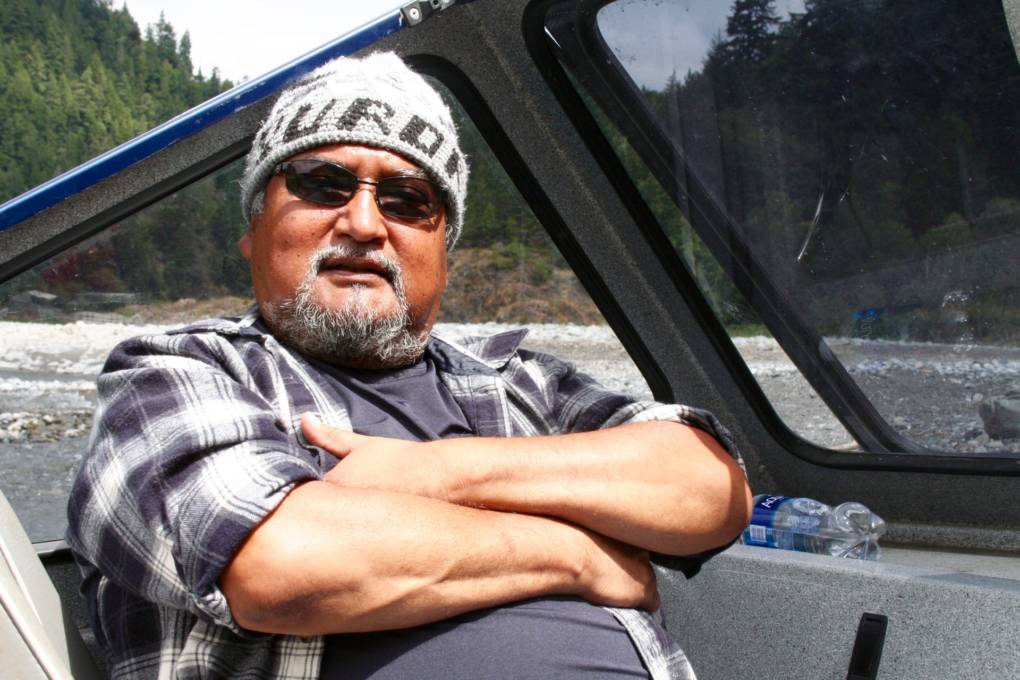
"caption": "David Gensaw Jr. is the vice chair of the Yurok Tribe. It's one of many groups that rely on and have claim to the waters of the Klamath River.",
"description": "David Gensaw, Junior, is the vice chair of the Yurok Tribe. It's one of many groups that rely on and have claim to the waters of the Klamath River.",
"title": "rs21499_img_4211-qut",
"credit": "Molly Peterson/KQED",
"status": "inherit",
"isLoading": false,
"fetchFailed": false
},
"news_11143967": {
"type": "attachments",
"id": "news_11143967",
"meta": {
"index": "attachments_1716263798",
"site": "news",
"id": "11143967",
"found": true
},
"parent": 11133820,
"imgSizes": {
"small": {
"file": "https://ww2.kqed.org/app/uploads/sites/10/2016/10/Copco1-520x335.jpg",
"width": 520,
"mimeType": "image/jpeg",
"height": 335
},
"twentyfourteen-full-width": {
"file": "https://ww2.kqed.org/app/uploads/sites/10/2016/10/Copco1-1038x576.jpg",
"width": 1038,
"mimeType": "image/jpeg",
"height": 576
},
"thumbnail": {
"file": "https://ww2.kqed.org/app/uploads/sites/10/2016/10/Copco1-160x103.jpg",
"width": 160,
"mimeType": "image/jpeg",
"height": 103
},
"fd-sm": {
"file": "https://ww2.kqed.org/app/uploads/sites/10/2016/10/Copco1-960x619.jpg",
"width": 960,
"mimeType": "image/jpeg",
"height": 619
},
"post-thumbnail": {
"file": "https://ww2.kqed.org/app/uploads/sites/10/2016/10/Copco1-672x372.jpg",
"width": 672,
"mimeType": "image/jpeg",
"height": 372
},
"xsmall": {
"file": "https://ww2.kqed.org/app/uploads/sites/10/2016/10/Copco1-375x242.jpg",
"width": 375,
"mimeType": "image/jpeg",
"height": 242
},
"kqedFullSize": {
"file": "https://ww2.kqed.org/app/uploads/sites/10/2016/10/Copco1.jpg",
"width": 1920,
"height": 1238
},
"large": {
"file": "https://ww2.kqed.org/app/uploads/sites/10/2016/10/Copco1-1020x658.jpg",
"width": 1020,
"mimeType": "image/jpeg",
"height": 658
},
"xlarge": {
"file": "https://ww2.kqed.org/app/uploads/sites/10/2016/10/Copco1-1180x761.jpg",
"width": 1180,
"mimeType": "image/jpeg",
"height": 761
},
"guest-author-50": {
"file": "https://ww2.kqed.org/app/uploads/sites/10/2016/10/Copco1-50x50.jpg",
"width": 50,
"mimeType": "image/jpeg",
"height": 50
},
"guest-author-96": {
"file": "https://ww2.kqed.org/app/uploads/sites/10/2016/10/Copco1-96x96.jpg",
"width": 96,
"mimeType": "image/jpeg",
"height": 96
},
"medium": {
"file": "https://ww2.kqed.org/app/uploads/sites/10/2016/10/Copco1-800x516.jpg",
"width": 800,
"mimeType": "image/jpeg",
"height": 516
},
"guest-author-64": {
"file": "https://ww2.kqed.org/app/uploads/sites/10/2016/10/Copco1-64x64.jpg",
"width": 64,
"mimeType": "image/jpeg",
"height": 64
},
"guest-author-32": {
"file": "https://ww2.kqed.org/app/uploads/sites/10/2016/10/Copco1-32x32.jpg",
"width": 32,
"mimeType": "image/jpeg",
"height": 32
},
"jmtc-small-thumb": {
"file": "https://ww2.kqed.org/app/uploads/sites/10/2016/10/Copco1-280x150.jpg",
"width": 280,
"mimeType": "image/jpeg",
"height": 150
},
"fd-lrg": {
"file": "https://ww2.kqed.org/app/uploads/sites/10/2016/10/Copco1-1920x1238.jpg",
"width": 1920,
"mimeType": "image/jpeg",
"height": 1238
},
"fd-med": {
"file": "https://ww2.kqed.org/app/uploads/sites/10/2016/10/Copco1-1180x761.jpg",
"width": 1180,
"mimeType": "image/jpeg",
"height": 761
},
"full-width": {
"file": "https://ww2.kqed.org/app/uploads/sites/10/2016/10/Copco1-1920x1238.jpg",
"width": 1920,
"mimeType": "image/jpeg",
"height": 1238
},
"detail": {
"file": "https://ww2.kqed.org/app/uploads/sites/10/2016/10/Copco1-150x150.jpg",
"width": 150,
"mimeType": "image/jpeg",
"height": 150
},
"guest-author-128": {
"file": "https://ww2.kqed.org/app/uploads/sites/10/2016/10/Copco1-128x128.jpg",
"width": 128,
"mimeType": "image/jpeg",
"height": 128
},
"xxsmall": {
"file": "https://ww2.kqed.org/app/uploads/sites/10/2016/10/Copco1-240x155.jpg",
"width": 240,
"mimeType": "image/jpeg",
"height": 155
}
},
"publishDate": 1477339327,
"modified": 1477339431,
"caption": "The 132-foot-high Copco 1 Dam, on the Klamath River outside Hornbrook, California, has generated power for nearly a century. Now, its owner has set in motion a plan to dismantle it, if approved by federal energy regulators.",
"description": "The 132-foot-high Copco 1 Dam, on the Klamath River outside Hornbrook, California, has generated power for nearly a century. Now, its owner has set in motion a plan to dismantle it, if approved by federal energy regulators.",
"title": "Copco1",
"credit": "Molly Peterson/KQED",
"status": "inherit",
"isLoading": false,
"fetchFailed": false
},
"news_11106167": {
"type": "attachments",
"id": "news_11106167",
"meta": {
"index": "attachments_1716263798",
"site": "news",
"id": "11106167",
"found": true
},
"parent": 11105174,
"imgSizes": {
"twentyfourteen-full-width": {
"file": "https://ww2.kqed.org/app/uploads/sites/10/2016/09/RonThomas-1038x576.jpg",
"width": 1038,
"mimeType": "image/jpeg",
"height": 576
},
"thumbnail": {
"file": "https://ww2.kqed.org/app/uploads/sites/10/2016/09/RonThomas-400x286.jpg",
"width": 400,
"mimeType": "image/jpeg",
"height": 286
},
"fd-sm": {
"file": "https://ww2.kqed.org/app/uploads/sites/10/2016/09/RonThomas-960x688.jpg",
"width": 960,
"mimeType": "image/jpeg",
"height": 688
},
"post-thumbnail": {
"file": "https://ww2.kqed.org/app/uploads/sites/10/2016/09/RonThomas-672x372.jpg",
"width": 672,
"mimeType": "image/jpeg",
"height": 372
},
"kqedFullSize": {
"file": "https://ww2.kqed.org/app/uploads/sites/10/2016/09/RonThomas.jpg",
"width": 1920,
"height": 1375
},
"large": {
"file": "https://ww2.kqed.org/app/uploads/sites/10/2016/09/RonThomas-1920x1375.jpg",
"width": 1920,
"mimeType": "image/jpeg",
"height": 1375
},
"guest-author-50": {
"file": "https://ww2.kqed.org/app/uploads/sites/10/2016/09/RonThomas-50x50.jpg",
"width": 50,
"mimeType": "image/jpeg",
"height": 50
},
"guest-author-96": {
"file": "https://ww2.kqed.org/app/uploads/sites/10/2016/09/RonThomas-96x96.jpg",
"width": 96,
"mimeType": "image/jpeg",
"height": 96
},
"medium": {
"file": "https://ww2.kqed.org/app/uploads/sites/10/2016/09/RonThomas-800x573.jpg",
"width": 800,
"mimeType": "image/jpeg",
"height": 573
},
"guest-author-64": {
"file": "https://ww2.kqed.org/app/uploads/sites/10/2016/09/RonThomas-64x64.jpg",
"width": 64,
"mimeType": "image/jpeg",
"height": 64
},
"guest-author-32": {
"file": "https://ww2.kqed.org/app/uploads/sites/10/2016/09/RonThomas-32x32.jpg",
"width": 32,
"mimeType": "image/jpeg",
"height": 32
},
"jmtc-small-thumb": {
"file": "https://ww2.kqed.org/app/uploads/sites/10/2016/09/RonThomas-280x150.jpg",
"width": 280,
"mimeType": "image/jpeg",
"height": 150
},
"fd-lrg": {
"file": "https://ww2.kqed.org/app/uploads/sites/10/2016/09/RonThomas-1920x1375.jpg",
"width": 1920,
"mimeType": "image/jpeg",
"height": 1375
},
"fd-med": {
"file": "https://ww2.kqed.org/app/uploads/sites/10/2016/09/RonThomas-1180x845.jpg",
"width": 1180,
"mimeType": "image/jpeg",
"height": 845
},
"detail": {
"file": "https://ww2.kqed.org/app/uploads/sites/10/2016/09/RonThomas-150x150.jpg",
"width": 150,
"mimeType": "image/jpeg",
"height": 150
},
"guest-author-128": {
"file": "https://ww2.kqed.org/app/uploads/sites/10/2016/09/RonThomas-128x128.jpg",
"width": 128,
"mimeType": "image/jpeg",
"height": 128
}
},
"publishDate": 1475000000,
"modified": 1475012218,
"caption": "Chowchilla resident Ron Thomas, who is one-eighth Native American, holds one of the limited edition Redskins 'final season' T-shirts he's made. ",
"description": "Chowchilla resident Ron Thomas, who is one-eighth Native American, holds one of the limited edition Redskins \"final season\" T-shirts he's made. ",
"title": "RonThomas",
"credit": "Alice Daniel/KQED",
"status": "inherit",
"isLoading": false,
"fetchFailed": false
},
"news_11049382": {
"type": "attachments",
"id": "news_11049382",
"meta": {
"index": "attachments_1716263798",
"site": "news",
"id": "11049382",
"found": true
},
"parent": 11048362,
"imgSizes": {
"twentyfourteen-full-width": {
"file": "https://ww2.kqed.org/app/uploads/sites/10/2016/08/Powwow1-1038x576.jpg",
"width": 1038,
"mimeType": "image/jpeg",
"height": 576
},
"thumbnail": {
"file": "https://ww2.kqed.org/app/uploads/sites/10/2016/08/Powwow1-400x259.jpg",
"width": 400,
"mimeType": "image/jpeg",
"height": 259
},
"fd-sm": {
"file": "https://ww2.kqed.org/app/uploads/sites/10/2016/08/Powwow1-960x623.jpg",
"width": 960,
"mimeType": "image/jpeg",
"height": 623
},
"post-thumbnail": {
"file": "https://ww2.kqed.org/app/uploads/sites/10/2016/08/Powwow1-672x372.jpg",
"width": 672,
"mimeType": "image/jpeg",
"height": 372
},
"kqedFullSize": {
"file": "https://ww2.kqed.org/app/uploads/sites/10/2016/08/Powwow1.jpg",
"width": 1920,
"height": 1245
},
"large": {
"file": "https://ww2.kqed.org/app/uploads/sites/10/2016/08/Powwow1-1920x1245.jpg",
"width": 1920,
"mimeType": "image/jpeg",
"height": 1245
},
"guest-author-50": {
"file": "https://ww2.kqed.org/app/uploads/sites/10/2016/08/Powwow1-50x50.jpg",
"width": 50,
"mimeType": "image/jpeg",
"height": 50
},
"guest-author-96": {
"file": "https://ww2.kqed.org/app/uploads/sites/10/2016/08/Powwow1-96x96.jpg",
"width": 96,
"mimeType": "image/jpeg",
"height": 96
},
"medium": {
"file": "https://ww2.kqed.org/app/uploads/sites/10/2016/08/Powwow1-800x519.jpg",
"width": 800,
"mimeType": "image/jpeg",
"height": 519
},
"guest-author-64": {
"file": "https://ww2.kqed.org/app/uploads/sites/10/2016/08/Powwow1-64x64.jpg",
"width": 64,
"mimeType": "image/jpeg",
"height": 64
},
"guest-author-32": {
"file": "https://ww2.kqed.org/app/uploads/sites/10/2016/08/Powwow1-32x32.jpg",
"width": 32,
"mimeType": "image/jpeg",
"height": 32
},
"jmtc-small-thumb": {
"file": "https://ww2.kqed.org/app/uploads/sites/10/2016/08/Powwow1-280x150.jpg",
"width": 280,
"mimeType": "image/jpeg",
"height": 150
},
"fd-lrg": {
"file": "https://ww2.kqed.org/app/uploads/sites/10/2016/08/Powwow1-1920x1245.jpg",
"width": 1920,
"mimeType": "image/jpeg",
"height": 1245
},
"fd-med": {
"file": "https://ww2.kqed.org/app/uploads/sites/10/2016/08/Powwow1-1180x765.jpg",
"width": 1180,
"mimeType": "image/jpeg",
"height": 765
},
"detail": {
"file": "https://ww2.kqed.org/app/uploads/sites/10/2016/08/Powwow1-150x150.jpg",
"width": 150,
"mimeType": "image/jpeg",
"height": 150
},
"guest-author-128": {
"file": "https://ww2.kqed.org/app/uploads/sites/10/2016/08/Powwow1-128x128.jpg",
"width": 128,
"mimeType": "image/jpeg",
"height": 128
}
},
"publishDate": 1471050984,
"modified": 1471051026,
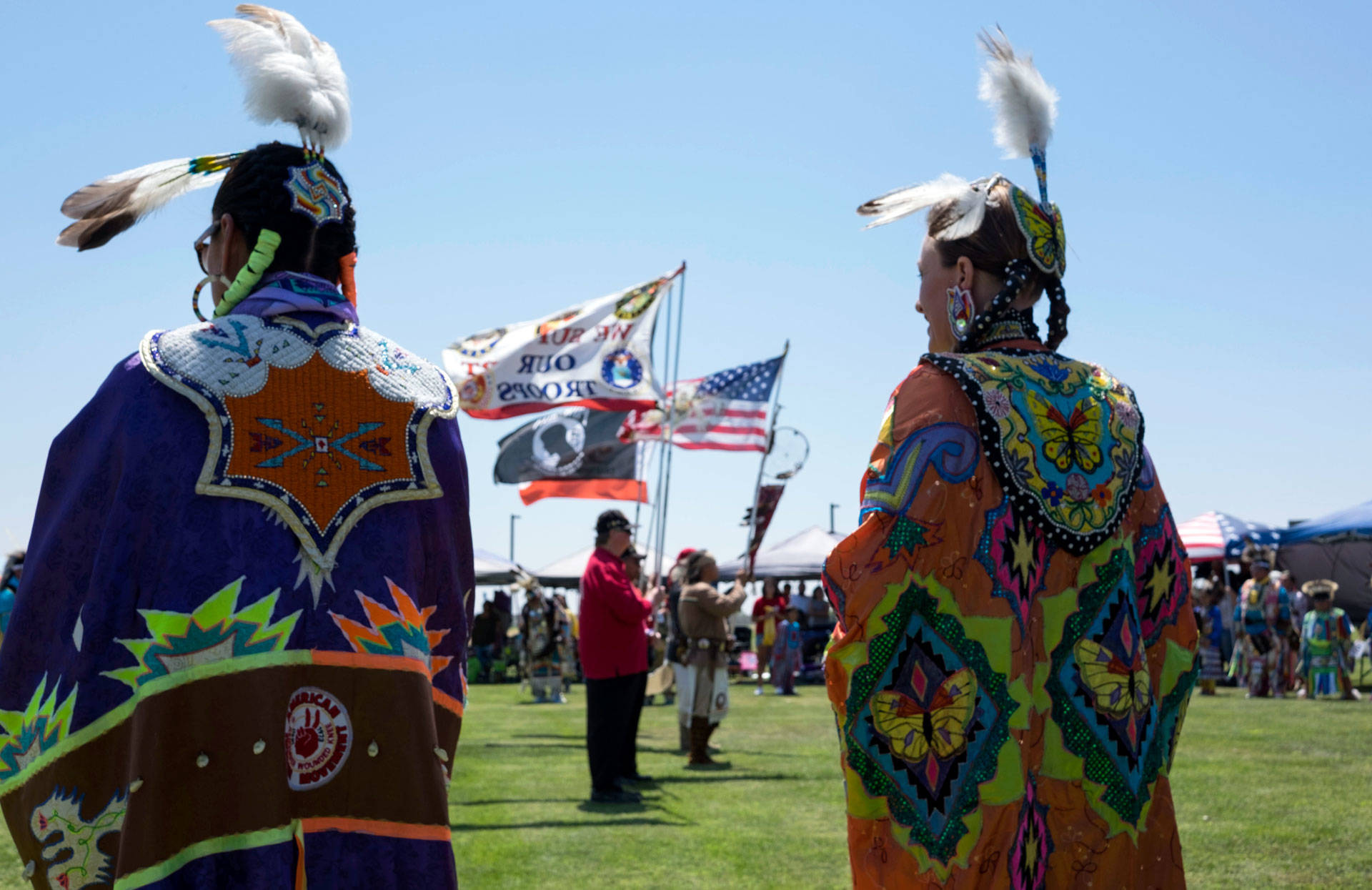
"caption": "Helen Gaddie (L) stands inside the dance circle during the Sierra Mono Museum's 45th annual powwow on August 6, 2016.",
"description": "Helen Gaddie (L) stands inside the dance circle during the Sierra Mono Museum's 45th annual powwow on August 6, 2016.",
"title": "Powwow1",
"credit": "Vanessa Rancano/KQED",
"status": "inherit",
"isLoading": false,
"fetchFailed": false
},
"science_679009": {
"type": "attachments",
"id": "science_679009",
"meta": {
"index": "attachments_1716263798",
"site": "science",
"id": "679009",
"found": true
},
"parent": 679008,
"imgSizes": {
"thumbnail": {
"file": "https://ww2.kqed.org/app/uploads/sites/35/2016/05/kennewick-man-13c6d91bf06945837ef13d7447d558559dadad63-400x299.png",
"width": 400,
"mimeType": "image/png",
"height": 299
},
"post-thumbnail": {
"file": "https://ww2.kqed.org/app/uploads/sites/35/2016/05/kennewick-man-13c6d91bf06945837ef13d7447d558559dadad63-593x372.png",
"width": 593,
"mimeType": "image/png",
"height": 372
},
"kqedFullSize": {
"file": "https://ww2.kqed.org/app/uploads/sites/35/2016/05/kennewick-man-13c6d91bf06945837ef13d7447d558559dadad63.png",
"width": 593,
"height": 444
},
"guest-author-96": {
"file": "https://ww2.kqed.org/app/uploads/sites/35/2016/05/kennewick-man-13c6d91bf06945837ef13d7447d558559dadad63-96x96.png",
"width": 96,
"mimeType": "image/png",
"height": 96
},
"guest-author-64": {
"file": "https://ww2.kqed.org/app/uploads/sites/35/2016/05/kennewick-man-13c6d91bf06945837ef13d7447d558559dadad63-64x64.png",
"width": 64,
"mimeType": "image/png",
"height": 64
},
"detail": {
"file": "https://ww2.kqed.org/app/uploads/sites/35/2016/05/kennewick-man-13c6d91bf06945837ef13d7447d558559dadad63-150x150.png",
"width": 150,
"mimeType": "image/png",
"height": 150
},
"guest-author-32": {
"file": "https://ww2.kqed.org/app/uploads/sites/35/2016/05/kennewick-man-13c6d91bf06945837ef13d7447d558559dadad63-32x32.png",
"width": 32,
"mimeType": "image/png",
"height": 32
},
"guest-author-128": {
"file": "https://ww2.kqed.org/app/uploads/sites/35/2016/05/kennewick-man-13c6d91bf06945837ef13d7447d558559dadad63-128x128.png",
"width": 128,
"mimeType": "image/png",
"height": 128
}
},
"publishDate": 1462470604,
"modified": 1462470712,
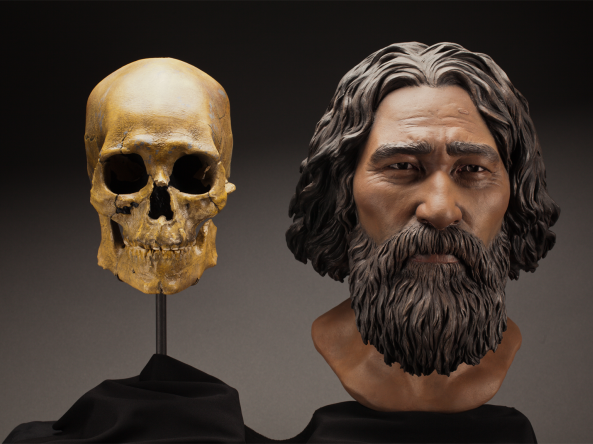
"caption": "A reconstruction of Kennewick Man sculpted to resemble the Ainu people of Japan, considered by some at the time to be his closest living relatives. Now, a link to Native Americans has been confirmed.",
"description": null,
"title": "kennewick-man-13c6d91bf06945837ef13d7447d558559dadad63",
"credit": "Brittney Tatchell/Smithsonian Institute",
"status": "inherit",
"isLoading": false,
"fetchFailed": false
},
"news_10926026": {
"type": "attachments",
"id": "news_10926026",
"meta": {
"index": "attachments_1716263798",
"site": "news",
"id": "10926026",
"found": true
},
"parent": 10926025,
"imgSizes": {
"jmtc-small-thumb": {
"file": "https://ww2.kqed.org/app/uploads/sites/10/2016/04/berkeleytrench-280x150.jpg",
"width": 280,
"mimeType": "image/jpeg",
"height": 150
},
"thumbnail": {
"file": "https://ww2.kqed.org/app/uploads/sites/10/2016/04/berkeleytrench-400x267.jpg",
"width": 400,
"mimeType": "image/jpeg",
"height": 267
},
"post-thumbnail": {
"file": "https://ww2.kqed.org/app/uploads/sites/10/2016/04/berkeleytrench-649x372.jpg",
"width": 649,
"mimeType": "image/jpeg",
"height": 372
},
"kqedFullSize": {
"file": "https://ww2.kqed.org/app/uploads/sites/10/2016/04/berkeleytrench.jpg",
"width": 649,
"height": 433
},
"guest-author-96": {
"file": "https://ww2.kqed.org/app/uploads/sites/10/2016/04/berkeleytrench-96x96.jpg",
"width": 96,
"mimeType": "image/jpeg",
"height": 96
},
"guest-author-64": {
"file": "https://ww2.kqed.org/app/uploads/sites/10/2016/04/berkeleytrench-64x64.jpg",
"width": 64,
"mimeType": "image/jpeg",
"height": 64
},
"detail": {
"file": "https://ww2.kqed.org/app/uploads/sites/10/2016/04/berkeleytrench-75x75.jpg",
"width": 75,
"mimeType": "image/jpeg",
"height": 75
},
"guest-author-32": {
"file": "https://ww2.kqed.org/app/uploads/sites/10/2016/04/berkeleytrench-32x32.jpg",
"width": 32,
"mimeType": "image/jpeg",
"height": 32
},
"guest-author-128": {
"file": "https://ww2.kqed.org/app/uploads/sites/10/2016/04/berkeleytrench-128x128.jpg",
"width": 128,
"mimeType": "image/jpeg",
"height": 128
}
},
"publishDate": 1460350625,
"modified": 1460412704,
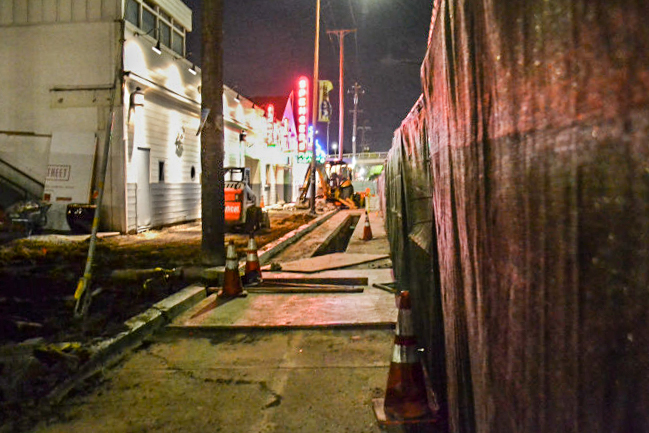
"caption": "A construction trench outside Spenger's in Berkeley, where Native American remains were found on March 20. ",
"description": null,
"title": "Berkeley Trench",
"credit": "Wendy Kenin/Berkeleyside",
"status": "inherit",
"isLoading": false,
"fetchFailed": false
},
"news_10892896": {
"type": "attachments",
"id": "news_10892896",
"meta": {
"index": "attachments_1716263798",
"site": "news",
"id": "10892896",
"found": true
},
"parent": 10892655,
"imgSizes": {
"twentyfourteen-full-width": {
"file": "https://ww2.kqed.org/app/uploads/sites/10/2016/03/YosemiteNativeAmericanMother-1038x576.jpg",
"width": 1038,
"mimeType": "image/jpeg",
"height": 576
},
"thumbnail": {
"file": "https://ww2.kqed.org/app/uploads/sites/10/2016/03/YosemiteNativeAmericanMother-400x318.jpg",
"width": 400,
"mimeType": "image/jpeg",
"height": 318
},
"fd-sm": {
"file": "https://ww2.kqed.org/app/uploads/sites/10/2016/03/YosemiteNativeAmericanMother-960x764.jpg",
"width": 960,
"mimeType": "image/jpeg",
"height": 764
},
"post-thumbnail": {
"file": "https://ww2.kqed.org/app/uploads/sites/10/2016/03/YosemiteNativeAmericanMother-672x372.jpg",
"width": 672,
"mimeType": "image/jpeg",
"height": 372
},
"kqedFullSize": {
"file": "https://ww2.kqed.org/app/uploads/sites/10/2016/03/YosemiteNativeAmericanMother.jpg",
"width": 1920,
"height": 1527
},
"large": {
"file": "https://ww2.kqed.org/app/uploads/sites/10/2016/03/YosemiteNativeAmericanMother-1920x1527.jpg",
"width": 1920,
"mimeType": "image/jpeg",
"height": 1527
},
"guest-author-96": {
"file": "https://ww2.kqed.org/app/uploads/sites/10/2016/03/YosemiteNativeAmericanMother-96x96.jpg",
"width": 96,
"mimeType": "image/jpeg",
"height": 96
},
"medium": {
"file": "https://ww2.kqed.org/app/uploads/sites/10/2016/03/YosemiteNativeAmericanMother-800x636.jpg",
"width": 800,
"mimeType": "image/jpeg",
"height": 636
},
"guest-author-64": {
"file": "https://ww2.kqed.org/app/uploads/sites/10/2016/03/YosemiteNativeAmericanMother-64x64.jpg",
"width": 64,
"mimeType": "image/jpeg",
"height": 64
},
"guest-author-32": {
"file": "https://ww2.kqed.org/app/uploads/sites/10/2016/03/YosemiteNativeAmericanMother-32x32.jpg",
"width": 32,
"mimeType": "image/jpeg",
"height": 32
},
"jmtc-small-thumb": {
"file": "https://ww2.kqed.org/app/uploads/sites/10/2016/03/YosemiteNativeAmericanMother-280x150.jpg",
"width": 280,
"mimeType": "image/jpeg",
"height": 150
},
"fd-lrg": {
"file": "https://ww2.kqed.org/app/uploads/sites/10/2016/03/YosemiteNativeAmericanMother-1920x1527.jpg",
"width": 1920,
"mimeType": "image/jpeg",
"height": 1527
},
"fd-med": {
"file": "https://ww2.kqed.org/app/uploads/sites/10/2016/03/YosemiteNativeAmericanMother-1180x938.jpg",
"width": 1180,
"mimeType": "image/jpeg",
"height": 938
},
"detail": {
"file": "https://ww2.kqed.org/app/uploads/sites/10/2016/03/YosemiteNativeAmericanMother-75x75.jpg",
"width": 75,
"mimeType": "image/jpeg",
"height": 75
},
"guest-author-128": {
"file": "https://ww2.kqed.org/app/uploads/sites/10/2016/03/YosemiteNativeAmericanMother-128x128.jpg",
"width": 128,
"mimeType": "image/jpeg",
"height": 128
}
},
"publishDate": 1457740062,
"modified": 1457979288,
"caption": "A young Paiute mother carries her child in a cradleboard in Yosemite Valley.",
"description": "A young Paiute mother carries her child in a cradleboard in Yosemite Valley.",
"title": "YosemiteNativeAmericanMother",
"credit": null,
"status": "inherit",
"isLoading": false,
"fetchFailed": false
},
"news_10730537": {
"type": "attachments",
"id": "news_10730537",
"meta": {
"index": "attachments_1716263798",
"site": "news",
"id": "10730537",
"found": true
},
"parent": 10728648,
"imgSizes": {
"twentyfourteen-full-width": {
"file": "https://ww2.kqed.org/app/uploads/sites/10/2015/10/Ishi-1038x576.jpg",
"width": 1038,
"mimeType": "image/jpeg",
"height": 576
},
"thumbnail": {
"file": "https://ww2.kqed.org/app/uploads/sites/10/2015/10/Ishi-400x405.jpg",
"width": 400,
"mimeType": "image/jpeg",
"height": 405
},
"fd-sm": {
"file": "https://ww2.kqed.org/app/uploads/sites/10/2015/10/Ishi-960x972.jpg",
"width": 960,
"mimeType": "image/jpeg",
"height": 972
},
"post-thumbnail": {
"file": "https://ww2.kqed.org/app/uploads/sites/10/2015/10/Ishi-672x372.jpg",
"width": 672,
"mimeType": "image/jpeg",
"height": 372
},
"kqedFullSize": {
"file": "https://ww2.kqed.org/app/uploads/sites/10/2015/10/Ishi.jpg",
"width": 1920,
"height": 1943
},
"large": {
"file": "https://ww2.kqed.org/app/uploads/sites/10/2015/10/Ishi-1440x1457.jpg",
"width": 1440,
"mimeType": "image/jpeg",
"height": 1457
},
"guest-author-96": {
"file": "https://ww2.kqed.org/app/uploads/sites/10/2015/10/Ishi-96x96.jpg",
"width": 96,
"mimeType": "image/jpeg",
"height": 96
},
"medium": {
"file": "https://ww2.kqed.org/app/uploads/sites/10/2015/10/Ishi-800x810.jpg",
"width": 800,
"mimeType": "image/jpeg",
"height": 810
},
"guest-author-64": {
"file": "https://ww2.kqed.org/app/uploads/sites/10/2015/10/Ishi-64x64.jpg",
"width": 64,
"mimeType": "image/jpeg",
"height": 64
},
"guest-author-32": {
"file": "https://ww2.kqed.org/app/uploads/sites/10/2015/10/Ishi-32x32.jpg",
"width": 32,
"mimeType": "image/jpeg",
"height": 32
},
"jmtc-small-thumb": {
"file": "https://ww2.kqed.org/app/uploads/sites/10/2015/10/Ishi-280x150.jpg",
"width": 280,
"mimeType": "image/jpeg",
"height": 150
},
"fd-lrg": {
"file": "https://ww2.kqed.org/app/uploads/sites/10/2015/10/Ishi-1920x1943.jpg",
"width": 1920,
"mimeType": "image/jpeg",
"height": 1943
},
"fd-med": {
"file": "https://ww2.kqed.org/app/uploads/sites/10/2015/10/Ishi-1180x1194.jpg",
"width": 1180,
"mimeType": "image/jpeg",
"height": 1194
},
"detail": {
"file": "https://ww2.kqed.org/app/uploads/sites/10/2015/10/Ishi-75x75.jpg",
"width": 75,
"mimeType": "image/jpeg",
"height": 75
},
"guest-author-128": {
"file": "https://ww2.kqed.org/app/uploads/sites/10/2015/10/Ishi-128x128.jpg",
"width": 128,
"mimeType": "image/jpeg",
"height": 128
}
},
"publishDate": 1445637874,
"modified": 1445637905,
"caption": "Ishi (1860-1916), the last surviving member of the Yahi Indian tribe of California.",
"description": "Ishi (1860-1916), the last surviving member of the Yahi Indian tribe of California.",
"title": "Ishi",
"credit": "Wikimedia Commons",
"status": "inherit",
"isLoading": false,
"fetchFailed": false
},
"news_10712070": {
"type": "attachments",
"id": "news_10712070",
"meta": {
"index": "attachments_1716263798",
"site": "news",
"id": "10712070",
"found": true
},
"parent": 10712001,
"imgSizes": {
"twentyfourteen-full-width": {
"file": "https://ww2.kqed.org/app/uploads/sites/10/2015/10/RedskinsChop-1038x576.jpg",
"width": 1038,
"mimeType": "image/jpeg",
"height": 576
},
"thumbnail": {
"file": "https://ww2.kqed.org/app/uploads/sites/10/2015/10/RedskinsChop-400x278.jpg",
"width": 400,
"mimeType": "image/jpeg",
"height": 278
},
"fd-sm": {
"file": "https://ww2.kqed.org/app/uploads/sites/10/2015/10/RedskinsChop-960x668.jpg",
"width": 960,
"mimeType": "image/jpeg",
"height": 668
},
"post-thumbnail": {
"file": "https://ww2.kqed.org/app/uploads/sites/10/2015/10/RedskinsChop-672x372.jpg",
"width": 672,
"mimeType": "image/jpeg",
"height": 372
},
"kqedFullSize": {
"file": "https://ww2.kqed.org/app/uploads/sites/10/2015/10/RedskinsChop.jpg",
"width": 1920,
"height": 1335
},
"large": {
"file": "https://ww2.kqed.org/app/uploads/sites/10/2015/10/RedskinsChop-1440x1001.jpg",
"width": 1440,
"mimeType": "image/jpeg",
"height": 1001
},
"guest-author-96": {
"file": "https://ww2.kqed.org/app/uploads/sites/10/2015/10/RedskinsChop-96x96.jpg",
"width": 96,
"mimeType": "image/jpeg",
"height": 96
},
"medium": {
"file": "https://ww2.kqed.org/app/uploads/sites/10/2015/10/RedskinsChop-800x556.jpg",
"width": 800,
"mimeType": "image/jpeg",
"height": 556
},
"guest-author-64": {
"file": "https://ww2.kqed.org/app/uploads/sites/10/2015/10/RedskinsChop-64x64.jpg",
"width": 64,
"mimeType": "image/jpeg",
"height": 64
},
"guest-author-32": {
"file": "https://ww2.kqed.org/app/uploads/sites/10/2015/10/RedskinsChop-32x32.jpg",
"width": 32,
"mimeType": "image/jpeg",
"height": 32
},
"jmtc-small-thumb": {
"file": "https://ww2.kqed.org/app/uploads/sites/10/2015/10/RedskinsChop-280x150.jpg",
"width": 280,
"mimeType": "image/jpeg",
"height": 150
},
"fd-lrg": {
"file": "https://ww2.kqed.org/app/uploads/sites/10/2015/10/RedskinsChop-1920x1335.jpg",
"width": 1920,
"mimeType": "image/jpeg",
"height": 1335
},
"fd-med": {
"file": "https://ww2.kqed.org/app/uploads/sites/10/2015/10/RedskinsChop-1180x820.jpg",
"width": 1180,
"mimeType": "image/jpeg",
"height": 820
},
"detail": {
"file": "https://ww2.kqed.org/app/uploads/sites/10/2015/10/RedskinsChop-75x75.jpg",
"width": 75,
"mimeType": "image/jpeg",
"height": 75
},
"guest-author-128": {
"file": "https://ww2.kqed.org/app/uploads/sites/10/2015/10/RedskinsChop-128x128.jpg",
"width": 128,
"mimeType": "image/jpeg",
"height": 128
}
},
"publishDate": 1444333585,
"modified": 1444333640,
"caption": "The Redskins mascot roots for Tulare Union along with fans and cheerleaders, performing the \"tomahawk chop\" gesture.",
"description": "The Redskins mascot roots for Tulare Union along with fans and cheerleaders, performing the \"tomahawk chop\" gesture.",
"title": "RedskinsChop",
"credit": "Alice Daniel/KQED",
"status": "inherit",
"isLoading": false,
"fetchFailed": false
},
"news_10692358": {
"type": "attachments",
"id": "news_10692358",
"meta": {
"index": "attachments_1716263798",
"site": "news",
"id": "10692358",
"found": true
},
"parent": 10685574,
"imgSizes": {
"twentyfourteen-full-width": {
"file": "https://ww2.kqed.org/app/uploads/sites/10/2015/09/ObsidianArrowheadsHand-1038x576.jpg",
"width": 1038,
"mimeType": "image/jpeg",
"height": 576
},
"thumbnail": {
"file": "https://ww2.kqed.org/app/uploads/sites/10/2015/09/ObsidianArrowheadsHand-400x267.jpg",
"width": 400,
"mimeType": "image/jpeg",
"height": 267
},
"fd-sm": {
"file": "https://ww2.kqed.org/app/uploads/sites/10/2015/09/ObsidianArrowheadsHand-960x640.jpg",
"width": 960,
"mimeType": "image/jpeg",
"height": 640
},
"post-thumbnail": {
"file": "https://ww2.kqed.org/app/uploads/sites/10/2015/09/ObsidianArrowheadsHand-672x372.jpg",
"width": 672,
"mimeType": "image/jpeg",
"height": 372
},
"kqedFullSize": {
"file": "https://ww2.kqed.org/app/uploads/sites/10/2015/09/ObsidianArrowheadsHand.jpg",
"width": 1920,
"height": 1280
},
"large": {
"file": "https://ww2.kqed.org/app/uploads/sites/10/2015/09/ObsidianArrowheadsHand-1440x960.jpg",
"width": 1440,
"mimeType": "image/jpeg",
"height": 960
},
"guest-author-96": {
"file": "https://ww2.kqed.org/app/uploads/sites/10/2015/09/ObsidianArrowheadsHand-96x96.jpg",
"width": 96,
"mimeType": "image/jpeg",
"height": 96
},
"medium": {
"file": "https://ww2.kqed.org/app/uploads/sites/10/2015/09/ObsidianArrowheadsHand-800x533.jpg",
"width": 800,
"mimeType": "image/jpeg",
"height": 533
},
"guest-author-64": {
"file": "https://ww2.kqed.org/app/uploads/sites/10/2015/09/ObsidianArrowheadsHand-64x64.jpg",
"width": 64,
"mimeType": "image/jpeg",
"height": 64
},
"guest-author-32": {
"file": "https://ww2.kqed.org/app/uploads/sites/10/2015/09/ObsidianArrowheadsHand-32x32.jpg",
"width": 32,
"mimeType": "image/jpeg",
"height": 32
},
"jmtc-small-thumb": {
"file": "https://ww2.kqed.org/app/uploads/sites/10/2015/09/ObsidianArrowheadsHand-280x150.jpg",
"width": 280,
"mimeType": "image/jpeg",
"height": 150
},
"fd-lrg": {
"file": "https://ww2.kqed.org/app/uploads/sites/10/2015/09/ObsidianArrowheadsHand-1920x1280.jpg",
"width": 1920,
"mimeType": "image/jpeg",
"height": 1280
},
"fd-med": {
"file": "https://ww2.kqed.org/app/uploads/sites/10/2015/09/ObsidianArrowheadsHand-1180x787.jpg",
"width": 1180,
"mimeType": "image/jpeg",
"height": 787
},
"detail": {
"file": "https://ww2.kqed.org/app/uploads/sites/10/2015/09/ObsidianArrowheadsHand-75x75.jpg",
"width": 75,
"mimeType": "image/jpeg",
"height": 75
},
"guest-author-128": {
"file": "https://ww2.kqed.org/app/uploads/sites/10/2015/09/ObsidianArrowheadsHand-128x128.jpg",
"width": 128,
"mimeType": "image/jpeg",
"height": 128
}
},
"publishDate": 1442867413,
"modified": 1442867443,
"caption": "Obsidian arrowheads are shown by Batsulwin Brown, tribal historic preservation officer at the Big Valley Rancheria in Lake County. Ancient Native American artifacts similar to these are at the center of a recent arrest in Lake County.",
"description": "Obsidian arrowheads are shown by Batsulwin Brown, tribal historic preservation officer at the Big Valley Rancheria in Lake County. Ancient Native American artifacts similar to these are at the center of a recent arrest in Lake County.",
"title": "ObsidianArrowheadsHand",
"credit": "Farida Jhabvala Romero/KQED",
"status": "inherit",
"isLoading": false,
"fetchFailed": false
},
"news_10526214": {
"type": "attachments",
"id": "news_10526214",
"meta": {
"index": "attachments_1716263798",
"site": "news",
"id": "10526214",
"found": true
},
"parent": 10524648,
"imgSizes": {
"twentyfourteen-full-width": {
"file": "https://ww2.kqed.org/app/uploads/sites/10/2015/05/Case-1-of-6-1038x576.jpg",
"width": 1038,
"mimeType": "image/jpeg",
"height": 576
},
"thumbnail": {
"file": "https://ww2.kqed.org/app/uploads/sites/10/2015/05/Case-1-of-6-400x299.jpg",
"width": 400,
"mimeType": "image/jpeg",
"height": 299
},
"fd-sm": {
"file": "https://ww2.kqed.org/app/uploads/sites/10/2015/05/Case-1-of-6-960x717.jpg",
"width": 960,
"mimeType": "image/jpeg",
"height": 717
},
"post-thumbnail": {
"file": "https://ww2.kqed.org/app/uploads/sites/10/2015/05/Case-1-of-6-672x372.jpg",
"width": 672,
"mimeType": "image/jpeg",
"height": 372
},
"kqedFullSize": {
"file": "https://ww2.kqed.org/app/uploads/sites/10/2015/05/Case-1-of-6.jpg",
"width": 2592,
"height": 1936
},
"large": {
"file": "https://ww2.kqed.org/app/uploads/sites/10/2015/05/Case-1-of-6-1440x1076.jpg",
"width": 1440,
"mimeType": "image/jpeg",
"height": 1076
},
"guest-author-96": {
"file": "https://ww2.kqed.org/app/uploads/sites/10/2015/05/Case-1-of-6-96x96.jpg",
"width": 96,
"mimeType": "image/jpeg",
"height": 96
},
"medium": {
"file": "https://ww2.kqed.org/app/uploads/sites/10/2015/05/Case-1-of-6-800x598.jpg",
"width": 800,
"mimeType": "image/jpeg",
"height": 598
},
"guest-author-64": {
"file": "https://ww2.kqed.org/app/uploads/sites/10/2015/05/Case-1-of-6-64x64.jpg",
"width": 64,
"mimeType": "image/jpeg",
"height": 64
},
"guest-author-32": {
"file": "https://ww2.kqed.org/app/uploads/sites/10/2015/05/Case-1-of-6-32x32.jpg",
"width": 32,
"mimeType": "image/jpeg",
"height": 32
},
"fd-med": {
"file": "https://ww2.kqed.org/app/uploads/sites/10/2015/05/Case-1-of-6-1180x881.jpg",
"width": 1180,
"mimeType": "image/jpeg",
"height": 881
},
"detail": {
"file": "https://ww2.kqed.org/app/uploads/sites/10/2015/05/Case-1-of-6-75x75.jpg",
"width": 75,
"mimeType": "image/jpeg",
"height": 75
},
"guest-author-128": {
"file": "https://ww2.kqed.org/app/uploads/sites/10/2015/05/Case-1-of-6-128x128.jpg",
"width": 128,
"mimeType": "image/jpeg",
"height": 128
}
},
"publishDate": 1431652826,
"modified": 1431733591,
"caption": "Ti’at Society member and carpenter Mike Anderson paints a red ochre detail onto Moomat Ahiko’s side.",
"description": "Ti’at Society member and carpenter Mike Anderson paints a red ochre detail onto Moomat Ahiko’s side.",
"title": "Ti’at Society member and carpenter Mike Anderson paints a red ocher detail onto Moomat Ahiko’s side.",
"credit": "Stephanie Case/USC",
"status": "inherit",
"isLoading": false,
"fetchFailed": false
},
"news_10406942": {
"type": "attachments",
"id": "news_10406942",
"meta": {
"index": "attachments_1716263798",
"site": "news",
"id": "10406942",
"found": true
},
"parent": 10406903,
"imgSizes": {
"twentyfourteen-full-width": {
"file": "https://ww2.kqed.org/app/uploads/sites/10/2015/01/juniperoserra-e1421339506607-1038x576.jpeg",
"width": 1038,
"mimeType": "image/jpeg",
"height": 576
},
"thumbnail": {
"file": "https://ww2.kqed.org/app/uploads/sites/10/2015/01/juniperoserra-e1421339506607-400x287.jpeg",
"width": 400,
"mimeType": "image/jpeg",
"height": 287
},
"post-thumbnail": {
"file": "https://ww2.kqed.org/app/uploads/sites/10/2015/01/juniperoserra-e1421339506607-672x372.jpeg",
"width": 672,
"mimeType": "image/jpeg",
"height": 372
},
"kqedFullSize": {
"file": "https://ww2.kqed.org/app/uploads/sites/10/2015/01/juniperoserra-e1421339520709.jpeg",
"width": 1440,
"height": 1036
},
"large": {
"file": "https://ww2.kqed.org/app/uploads/sites/10/2015/01/juniperoserra-e1421339506607-1440x1035.jpeg",
"width": 1440,
"mimeType": "image/jpeg",
"height": 1035
},
"guest-author-96": {
"file": "https://ww2.kqed.org/app/uploads/sites/10/2015/01/juniperoserra-e1421339506607-96x96.jpeg",
"width": 96,
"mimeType": "image/jpeg",
"height": 96
},
"medium": {
"file": "https://ww2.kqed.org/app/uploads/sites/10/2015/01/juniperoserra-e1421339506607-800x575.jpeg",
"width": 800,
"mimeType": "image/jpeg",
"height": 575
},
"guest-author-64": {
"file": "https://ww2.kqed.org/app/uploads/sites/10/2015/01/juniperoserra-e1421339506607-64x64.jpeg",
"width": 64,
"mimeType": "image/jpeg",
"height": 64
},
"detail": {
"file": "https://ww2.kqed.org/app/uploads/sites/10/2015/01/juniperoserra-e1421339506607-75x75.jpeg",
"width": 75,
"mimeType": "image/jpeg",
"height": 75
},
"guest-author-32": {
"file": "https://ww2.kqed.org/app/uploads/sites/10/2015/01/juniperoserra-e1421339506607-32x32.jpeg",
"width": 32,
"mimeType": "image/jpeg",
"height": 32
},
"guest-author-128": {
"file": "https://ww2.kqed.org/app/uploads/sites/10/2015/01/juniperoserra-e1421339506607-128x128.jpeg",
"width": 128,
"mimeType": "image/jpeg",
"height": 128
}
},
"publishDate": 1421339388,
"modified": 1421339474,
"caption": "Father Junipero Serra in portrait by Father Jose Mosqueda. ",
"description": null,
"title": "Junipero Serra-California Missions",
"credit": "Huntington Library",
"status": "inherit",
"isLoading": false,
"fetchFailed": false
}
},
"audioPlayerReducer": {
"postId": "stream_live",
"isPaused": true,
"isPlaying": false,
"pfsActive": false,
"pledgeModalIsOpen": true,
"playerDrawerIsOpen": false,
"liveAudioPlayStartedAt": 0,
"liveAudioPlayContext": ""
},
"authorsReducer": {
"byline_news_11180060": {
"type": "authors",
"id": "byline_news_11180060",
"meta": {
"override": true
},
"slug": "byline_news_11180060",
"name": " Molly Peterson",
"isLoading": false
},
"byline_science_679008": {
"type": "authors",
"id": "byline_science_679008",
"meta": {
"override": true
},
"slug": "byline_science_679008",
"name": "Tasneem Raja\u003c/br>NPR",
"isLoading": false
},
"byline_news_10926025": {
"type": "authors",
"id": "byline_news_10926025",
"meta": {
"override": true
},
"slug": "byline_news_10926025",
"name": "\u003cstrong>\u003ca href=\"http://www.berkeleyside.com/author/frances/\" target=\"_blank\">Frances Dinkelspiel\u003c/a>\u003cbr />Berkeleyside\u003c/strong>",
"isLoading": false
},
"byline_news_10728648": {
"type": "authors",
"id": "byline_news_10728648",
"meta": {
"override": true
},
"slug": "byline_news_10728648",
"name": "Leah Rose",
"isLoading": false
},
"byline_news_10524648": {
"type": "authors",
"id": "byline_news_10524648",
"meta": {
"override": true
},
"slug": "byline_news_10524648",
"name": "Stephanie Case",
"isLoading": false
},
"aliceldaniel": {
"type": "authors",
"id": "208",
"meta": {
"index": "authors_1716337520",
"id": "208",
"found": true
},
"name": "Alice Daniel",
"firstName": "Alice",
"lastName": "Daniel",
"slug": "aliceldaniel",
"email": "adaniel@kqed.org",
"display_author_email": false,
"staff_mastheads": [],
"title": null,
"bio": "Alice Daniel loves the listening aspect of reporting because she gets to briefly walk in other people’s shoes. She has rappelled down into caves and gone up in helicopters for KQED’s The California Report but her favorite place to pursue a story is the High Sierra or any family-run bakery, of course. Alice has a masters in journalism from Columbia University and teaches at Fresno State. She is a California Healthline Regional Correspondent and a frequent contributor to Success magazine. In her free time, she skis and hikes, throws pottery, practices piano and looks out the window.",
"avatar": "https://secure.gravatar.com/avatar/e611aa06593b114a67f9f123a8e875ad?s=600&d=blank&r=g",
"twitter": null,
"facebook": null,
"instagram": null,
"linkedin": null,
"sites": [
{
"site": "news",
"roles": [
"author"
]
},
{
"site": "stateofhealth",
"roles": [
"author"
]
}
],
"headData": {
"title": "Alice Daniel | KQED",
"description": null,
"ogImgSrc": "https://secure.gravatar.com/avatar/e611aa06593b114a67f9f123a8e875ad?s=600&d=blank&r=g",
"twImgSrc": "https://secure.gravatar.com/avatar/e611aa06593b114a67f9f123a8e875ad?s=600&d=blank&r=g"
},
"isLoading": false,
"link": "/author/aliceldaniel"
},
"danbrekke": {
"type": "authors",
"id": "222",
"meta": {
"index": "authors_1716337520",
"id": "222",
"found": true
},
"name": "Dan Brekke",
"firstName": "Dan",
"lastName": "Brekke",
"slug": "danbrekke",
"email": "dbrekke@kqed.org",
"display_author_email": true,
"staff_mastheads": [
"news",
"science"
],
"title": "KQED Editor and Reporter",
"bio": "Dan Brekke is a reporter and editor for KQED News, responsible for coverage of topics ranging from California water issues to the Bay Area's transportation challenges. In a newsroom career that began in Chicago in 1972, Dan has worked for \u003cem>The San Francisco Examiner,\u003c/em> Wired and TechTV and has been published in The New York Times, The New York Times Magazine, Business 2.0, Salon and elsewhere.\r\n\r\nSince joining KQED in 2007, Dan has reported, edited and produced both radio and online features and breaking news pieces. He has shared as both editor and reporter in four Society of Professional Journalists Norcal Excellence in Journalism awards and one Edward R. Murrow regional award. He was chosen for a spring 2017 residency at the Mesa Refuge to advance his research on California salmon.\r\n\r\nEmail Dan at: \u003ca href=\"mailto:dbrekke@kqed.org\">dbrekke@kqed.org\u003c/a>\r\n\r\n\u003cstrong>Twitter:\u003c/strong> \u003ca href=\"https://twitter.com/danbrekke\" rel=\"noopener noreferrer\">twitter.com/danbrekke\u003c/a>\r\n\u003cstrong>Facebook:\u003c/strong> \u003ca href=\"https://www.facebook.com/danbrekke\" rel=\"noopener noreferrer\">www.facebook.com/danbrekke\u003c/a>\r\n\u003cstrong>LinkedIn:\u003c/strong> \u003ca href=\"https://www.linkedin.com/in/danbrekke\" rel=\"noopener noreferrer\">www.linkedin.com/in/danbrekke\u003c/a>",
"avatar": "https://secure.gravatar.com/avatar/c8126230345efca3f7aa89b1a402be45?s=600&d=mm&r=g",
"twitter": "danbrekke",
"facebook": null,
"instagram": "https://www.instagram.com/dan.brekke/",
"linkedin": "https://www.linkedin.com/in/danbrekke/",
"sites": [
{
"site": "news",
"roles": [
"administrator",
"create_posts"
]
},
{
"site": "stateofhealth",
"roles": [
"editor"
]
},
{
"site": "science",
"roles": [
"editor"
]
},
{
"site": "quest",
"roles": [
"contributor"
]
},
{
"site": "food",
"roles": [
"contributor"
]
},
{
"site": "forum",
"roles": [
"contributor"
]
},
{
"site": "liveblog",
"roles": [
"editor"
]
}
],
"headData": {
"title": "Dan Brekke | KQED",
"description": "KQED Editor and Reporter",
"ogImgSrc": "https://secure.gravatar.com/avatar/c8126230345efca3f7aa89b1a402be45?s=600&d=mm&r=g",
"twImgSrc": "https://secure.gravatar.com/avatar/c8126230345efca3f7aa89b1a402be45?s=600&d=mm&r=g"
},
"isLoading": false,
"link": "/author/danbrekke"
},
"fjhabvala": {
"type": "authors",
"id": "8659",
"meta": {
"index": "authors_1716337520",
"id": "8659",
"found": true
},
"name": "Farida Jhabvala Romero",
"firstName": "Farida",
"lastName": "Jhabvala Romero",
"slug": "fjhabvala",
"email": "fjhabvala@kqed.org",
"display_author_email": true,
"staff_mastheads": [
"news"
],
"title": "KQED Contributor",
"bio": "Farida Jhabvala Romero is a Labor Correspondent for KQED. She previously covered immigration. Farida was \u003ca href=\"https://www.ccnma.org/2022-most-influential-latina-journalists\">named\u003c/a> one of the 10 Most Influential Latina Journalists in California in 2022 by the California Chicano News Media Association. Her work has won awards from the Society of Professional Journalists (Northern California), as well as a national and regional Edward M. Murrow Award for the collaborative reporting projects “Dangerous Air” and “Graying California.” Before joining KQED, Farida worked as a producer at Radio Bilingüe, a national public radio network. Farida earned her master’s degree in journalism from Stanford University.",
"avatar": "https://secure.gravatar.com/avatar/f9f022d4e2609741874222a1e9d41f48fea74011aa7c615eef91d9a50c944ebe?s=600&d=blank&r=g",
"twitter": "FaridaJhabvala",
"bluesky": null,
"facebook": null,
"instagram": null,
"linkedin": "https://www.linkedin.com/in/faridajhabvala/",
"sites": [
{
"site": "news",
"roles": [
"editor"
]
},
{
"site": "stateofhealth",
"roles": [
"author"
]
},
{
"site": "liveblog",
"roles": [
"author"
]
}
],
"headData": {
"title": "Farida Jhabvala Romero | KQED",
"description": "KQED Contributor",
"ogImgSrc": "https://secure.gravatar.com/avatar/f9f022d4e2609741874222a1e9d41f48fea74011aa7c615eef91d9a50c944ebe?s=600&d=blank&r=g",
"twImgSrc": "https://secure.gravatar.com/avatar/f9f022d4e2609741874222a1e9d41f48fea74011aa7c615eef91d9a50c944ebe?s=600&d=blank&r=g"
},
"isLoading": false,
"link": "/author/fjhabvala"
},
"mpeterson": {
"type": "authors",
"id": "11223",
"meta": {
"index": "authors_1716337520",
"id": "11223",
"found": true
},
"name": "Molly Peterson",
"firstName": "Molly",
"lastName": "Peterson",
"slug": "mpeterson",
"email": "mpeterson@kqed.org",
"display_author_email": false,
"staff_mastheads": [],
"title": null,
"bio": "Molly Peterson reports for KQED science and news on climate change, catastrophe and risk. Previously she was environment correspondent at Southern California Public Radio. Her work has also appeared at The New York Times, The Guardian, on NPR, at High Country News, on Code Switch, and other national outlets. She has been honored with awards from Public Radio News Directors Incorporated, Investigative Reporters and Editors, the Society for Professional Journalists, the Los Angeles Press Club, and RTNDA Edward R. Murrow awards, among others.",
"avatar": "https://secure.gravatar.com/avatar/7908e2807131f776cc8165c649530b05?s=600&d=blank&r=g",
"twitter": "Mollydacious",
"facebook": null,
"instagram": "https://www.instagram.com/radiomolly/",
"linkedin": null,
"sites": [
{
"site": "news",
"roles": [
"subscriber"
]
},
{
"site": "futureofyou",
"roles": [
"editor"
]
},
{
"site": "science",
"roles": [
"editor"
]
}
],
"headData": {
"title": "Molly Peterson | KQED",
"description": null,
"ogImgSrc": "https://secure.gravatar.com/avatar/7908e2807131f776cc8165c649530b05?s=600&d=blank&r=g",
"twImgSrc": "https://secure.gravatar.com/avatar/7908e2807131f776cc8165c649530b05?s=600&d=blank&r=g"
},
"isLoading": false,
"link": "/author/mpeterson"
},
"vrancano": {
"type": "authors",
"id": "11276",
"meta": {
"index": "authors_1716337520",
"id": "11276",
"found": true
},
"name": "Vanessa Rancaño",
"firstName": "Vanessa",
"lastName": "Rancaño",
"slug": "vrancano",
"email": "vrancano@kqed.org",
"display_author_email": false,
"staff_mastheads": [
"news"
],
"title": "Reporter",
"bio": "Vanessa Rancaño is a features reporter for KQED. She’s also covered homelessness and education for the station and reported from the Central Valley. Her work has aired across public radio, from flagship national news shows to longform narrative podcasts. Before taking up a mic, she worked as a freelance print journalist. She’s been recognized with a number of national and regional awards. Vanessa grew up in California's Central Valley. She's a former NPR Kroc Fellow, and a graduate of the UC Berkeley Graduate School of Journalism.",
"avatar": "https://secure.gravatar.com/avatar/b3a383dfb0e7ee1c17568f2cf067904ab654d6e3de9743fc661f3c788ade1bed?s=600&d=blank&r=g",
"twitter": "vanessarancano",
"bluesky": null,
"facebook": null,
"instagram": null,
"linkedin": null,
"sites": [
{
"site": "arts",
"roles": [
"editor"
]
},
{
"site": "news",
"roles": [
"editor"
]
},
{
"site": "liveblog",
"roles": [
"contributor"
]
}
],
"headData": {
"title": "Vanessa Rancaño | KQED",
"description": "Reporter",
"ogImgSrc": "https://secure.gravatar.com/avatar/b3a383dfb0e7ee1c17568f2cf067904ab654d6e3de9743fc661f3c788ade1bed?s=600&d=blank&r=g",
"twImgSrc": "https://secure.gravatar.com/avatar/b3a383dfb0e7ee1c17568f2cf067904ab654d6e3de9743fc661f3c788ade1bed?s=600&d=blank&r=g"
},
"isLoading": false,
"link": "/author/vrancano"
}
},
"pagesReducer": {
"news_tag_native-americans": {
"type": "terms",
"id": "news_1262",
"meta": {
"index": "terms_1716263798",
"site": "news",
"id": "1262",
"score": 9.304556
},
"featImg": null,
"name": "native americans",
"description": null,
"taxonomy": "tag",
"headData": {
"twImgId": null,
"twTitle": null,
"ogTitle": null,
"ogImgId": null,
"twDescription": null,
"description": null,
"title": "native americans Archives | KQED News",
"ogDescription": null
},
"ttid": 1274,
"slug": "native-americans",
"isLoading": false,
"title": "native americans",
"pageMeta": {
"site": "news",
"WpPageTemplate": "page-topic-editorial",
"currentPage": 8
},
"blocks": [
{
"blockName": "kqed/post-list",
"attrs": {
"layout": "cardArticle2",
"query": "posts/news?tag=native-americans",
"seeMore": false,
"paginated": true,
"page": 8
}
},
{
"blockName": "kqed/ad"
}
]
}
},
"pfsSessionReducer": {},
"postsReducer": {
"stream_live": {
"type": "live",
"id": "stream_live",
"audioUrl": "https://streams.kqed.org/kqedradio",
"title": "Live Stream",
"excerpt": "Live Stream information currently unavailable.",
"link": "/radio",
"featImg": "",
"label": {
"name": "KQED Live",
"link": "/"
}
},
"stream_kqedNewscast": {
"type": "posts",
"id": "stream_kqedNewscast",
"audioUrl": "https://www.kqed.org/.stream/anon/radio/RDnews/newscast.mp3?_=1",
"title": "KQED Newscast",
"featImg": "",
"label": {
"name": "88.5 FM",
"link": "/"
}
},
"news_11180060": {
"type": "posts",
"id": "news_11180060",
"meta": {
"index": "posts_1716263798",
"site": "news",
"id": "11180060",
"score": null,
"sort": [
1479913253000
]
},
"guestAuthors": [],
"slug": "in-the-klamath-river-basin-water-rights-are-personal",
"title": "In the Klamath River Basin, Water Rights Are Personal",
"publishDate": 1479913253,
"format": "standard",
"headTitle": "In the Klamath River Basin, Water Rights Are Personal | KQED",
"labelTerm": {
"term": 72,
"site": "news"
},
"content": "\u003cp>You’d think a bird would have an easy time finding a watery rest stop along the over 260-mile-long Klamath River. That should be especially true in the Lower Klamath National Wildlife Refuge, a huge marshland along the Pacific Flyway. But in 2012 a dry year cut water supplies, which then chopped available wetlands in half and accelerated the spread of avian cholera. \u003ca href=\"https://ww2.kqed.org/news/2012/03/29/avian-cholera-kills-thousands-of-birds-in-northern-california/\" target=\"_blank\" rel=\"noopener\">Up to 20,000 birds died off\u003c/a>, including snow geese, ducks and coots. [contextly_sidebar id=”ghXf9rnPFabzxPxngj4vForak4etwSMY”]\u003c/p>\n\u003cp>Water rights along the Klamath River have always been a matter of survival, and birds aren’t the only ones competing for water — they’re just the last in line. The federal government manages a complex hierarchy of rights along the river, claimed by irrigators, tribes and fish in the two states it runs through: California and Oregon.\u003c/p>\n\u003cp>And shortages are becoming more common. “The challenges we have here are because we’ve promised too much water to too many people,” says Trout Unlimited’s Chrysten Lambert. “We’ve promised more water than there is here.”\u003c/p>\n\u003cp>While the November election has brought stories of uncertainty and division, in the Klamath Basin a sprawling and unlikely group of allies has been working across political lines for years to establish a sustainable sense of the river. Six years ago, they hashed out a huge compromise deal, to take out dams, sort out rights and allocate water. Without congressional support, that agreement died. But earlier this year, the dams’ owner, PacifiCorp, \u003ca href=\"https://ww2.kqed.org/news/2016/09/27/will-the-klamath-river-be-renewed-owner-applies-to-remove-4-of-5-dams/\" target=\"_blank\" rel=\"noopener\">applied to the Federal Energy Regulatory Commission to abandon its interests\u003c/a>, a move that doesn’t require congressional approval.\u003c/p>\n\u003cp>With dam removal now in process, sharing water remains a separate negotiation. Several parties to the original deal confirm talks about water rights and water allocation have begun.\u003c/p>\n\u003cfigure id=\"attachment_11186151\" class=\"wp-caption aligncenter\" style=\"max-width: 800px\">\u003ca href=\"http://ww2.kqed.org/news/wp-content/uploads/sites/10/2016/11/RS21738_Wood-River-Valley-and-Upper-Klamath-Lake-qut.jpg\">\u003cimg loading=\"lazy\" decoding=\"async\" class=\"size-medium wp-image-11186151\" src=\"http://ww2.kqed.org/news/wp-content/uploads/sites/10/2016/11/RS21738_Wood-River-Valley-and-Upper-Klamath-Lake-qut-800x1067.jpg\" alt=\"The headwaters of Upper Klamath Lake, seen from the Wood River Valley in Oregon, are subject to a number of competing water rights from different groups.\" width=\"800\" height=\"1067\" srcset=\"https://cdn.kqed.org/wp-content/uploads/sites/10/2016/11/RS21738_Wood-River-Valley-and-Upper-Klamath-Lake-qut-800x1067.jpg 800w, https://cdn.kqed.org/wp-content/uploads/sites/10/2016/11/RS21738_Wood-River-Valley-and-Upper-Klamath-Lake-qut-160x213.jpg 160w, https://cdn.kqed.org/wp-content/uploads/sites/10/2016/11/RS21738_Wood-River-Valley-and-Upper-Klamath-Lake-qut-1020x1360.jpg 1020w, https://cdn.kqed.org/wp-content/uploads/sites/10/2016/11/RS21738_Wood-River-Valley-and-Upper-Klamath-Lake-qut.jpg 1920w, https://cdn.kqed.org/wp-content/uploads/sites/10/2016/11/RS21738_Wood-River-Valley-and-Upper-Klamath-Lake-qut-1180x1573.jpg 1180w, https://cdn.kqed.org/wp-content/uploads/sites/10/2016/11/RS21738_Wood-River-Valley-and-Upper-Klamath-Lake-qut-960x1280.jpg 960w, https://cdn.kqed.org/wp-content/uploads/sites/10/2016/11/RS21738_Wood-River-Valley-and-Upper-Klamath-Lake-qut-240x320.jpg 240w, https://cdn.kqed.org/wp-content/uploads/sites/10/2016/11/RS21738_Wood-River-Valley-and-Upper-Klamath-Lake-qut-375x500.jpg 375w, https://cdn.kqed.org/wp-content/uploads/sites/10/2016/11/RS21738_Wood-River-Valley-and-Upper-Klamath-Lake-qut-520x693.jpg 520w\" sizes=\"(max-width: 800px) 100vw, 800px\">\u003c/a>\u003cfigcaption class=\"wp-caption-text\">The headwaters of Upper Klamath Lake, seen from the Wood River Valley in Oregon, are subject to a number of competing water rights from different groups. \u003ccite>(Chrysten Lambert/Trout Unlimited)\u003c/cite>\u003c/figcaption>\u003c/figure>\n\u003cp>“There is a water allocation that’s needed,” says John Bezdek, a special counsel to the federal Secretary of the Interior. He points to the Department of the Interior’s many interests in the region: managing water and dams, managing tribal rights, and maintaining the health of fisheries. “Dam removal makes a lot of that easier, but dam removal does not finish the job on any of that.”\u003c/p>\n\u003cp>[ad fullwidth]\u003c/p>\n\u003cp>Finishing the job is a delicate operation. Paul Simmons, a lawyer for farmers and ranchers, says water rights are personal here for everyone. “It really is their identity and it’s an essential part of their culture,” he says. “When you start talking about changing that, it certainly is something that raises the stakes or makes the stakes different.”\u003c/p>\n\u003ch3>Overlapping and Personal\u003c/h3>\n\u003cp>Federally recognized tribes in Oregon claim the most senior water rights in the Klamath Basin. Three years ago, the state of Oregon recognized that the Klamath Tribes’ claim on Upper Klamath Lake dates to “time immemorial.”\u003c/p>\n\u003caside class=\"pullquote alignleft\">‘I want the kids to be able to go down to the river and fish and bring home fish for their family.’\u003ccite>Wendy Ferris-George, a Karuk tribal member\u003c/cite>\u003c/aside>\n\u003cp>In the lower basin, three more tribes in California — the Karuk, the Yurok and the Hoopa — claim water, too. And, while their rights vary, they share an interest in keeping enough water in the river to keep fish healthy.\u003c/p>\n\u003cp>Wendy Ferris-George, a Karuk tribal member, gets emotional when she talks about it. “I want the kids to be able to go down to the river and fish and bring home fish for their family,” she says, her voice quavering. “I want the grandmothers and grandfathers not to have to worry about their families starving. That’s what’s happening on the river. Our people are living in poverty, but to native people it’s our life.”\u003c/p>\n\u003cp>The Endangered Species Act also claims water, to sustain and nurture sucker fish in Upper Klamath Lake, and salmon and steelhead downriver. Complicating all of this, farmers and irrigators say they need water first promised to them by the federal government a century ago.\u003c/p>\n\u003cp>In recent years, when there’s not enough water, federal and state programs have spent hundreds of millions of dollars on habitat restoration, fishery management, and even emergency aid for farmers. The Department of the Interior’s John Bezdek \u003ca href=\"http://www.energy.senate.gov/public/index.cfm/files/serve?File_id=962447c3-e51d-4fff-8581-da2529d18dec\" target=\"_blank\" rel=\"noopener\">says\u003c/a> an agreement would save money in the long run. “I believe that the longer we go without settlement, the more resources are hurting and the more it causes people to re-evaluate where they are,” Bezdek says. “But I also believe that this basin and this group of stakeholders, they’ve been to the edge and back.”\u003c/p>\n\u003ch3>Back From The Edge\u003c/h3>\n\u003cfigure id=\"attachment_11186145\" class=\"wp-caption alignright\" style=\"max-width: 800px\">\u003ca href=\"http://ww2.kqed.org/news/wp-content/uploads/sites/10/2016/11/RS22890_e-mBOR-29-Jul-2005-1223-BlackBinders-BLB-1249-0001-qut.jpg\">\u003cimg loading=\"lazy\" decoding=\"async\" class=\"wp-image-11186145 size-medium\" src=\"http://ww2.kqed.org/news/wp-content/uploads/sites/10/2016/11/RS22890_e-mBOR-29-Jul-2005-1223-BlackBinders-BLB-1249-0001-qut-800x693.jpg\" alt=\"A former G.I. picks a homestead number out of a pickle jar -- one way a number of families ended up in the Klamath Basin.\" width=\"800\" height=\"693\" srcset=\"https://cdn.kqed.org/wp-content/uploads/sites/10/2016/11/RS22890_e-mBOR-29-Jul-2005-1223-BlackBinders-BLB-1249-0001-qut-800x693.jpg 800w, https://cdn.kqed.org/wp-content/uploads/sites/10/2016/11/RS22890_e-mBOR-29-Jul-2005-1223-BlackBinders-BLB-1249-0001-qut-160x139.jpg 160w, https://cdn.kqed.org/wp-content/uploads/sites/10/2016/11/RS22890_e-mBOR-29-Jul-2005-1223-BlackBinders-BLB-1249-0001-qut-1020x884.jpg 1020w, https://cdn.kqed.org/wp-content/uploads/sites/10/2016/11/RS22890_e-mBOR-29-Jul-2005-1223-BlackBinders-BLB-1249-0001-qut.jpg 1920w, https://cdn.kqed.org/wp-content/uploads/sites/10/2016/11/RS22890_e-mBOR-29-Jul-2005-1223-BlackBinders-BLB-1249-0001-qut-1180x1023.jpg 1180w, https://cdn.kqed.org/wp-content/uploads/sites/10/2016/11/RS22890_e-mBOR-29-Jul-2005-1223-BlackBinders-BLB-1249-0001-qut-960x832.jpg 960w, https://cdn.kqed.org/wp-content/uploads/sites/10/2016/11/RS22890_e-mBOR-29-Jul-2005-1223-BlackBinders-BLB-1249-0001-qut-240x208.jpg 240w, https://cdn.kqed.org/wp-content/uploads/sites/10/2016/11/RS22890_e-mBOR-29-Jul-2005-1223-BlackBinders-BLB-1249-0001-qut-375x325.jpg 375w, https://cdn.kqed.org/wp-content/uploads/sites/10/2016/11/RS22890_e-mBOR-29-Jul-2005-1223-BlackBinders-BLB-1249-0001-qut-520x451.jpg 520w\" sizes=\"(max-width: 800px) 100vw, 800px\">\u003c/a>\u003cfigcaption class=\"wp-caption-text\">A former GI picks a homestead number out of a pickle jar — one way a number of families ended up in the Klamath Basin. \u003ccite>(U.S. Bureau of Reclamation/Courtesy OIT Klamath Waters Collection)\u003c/cite>\u003c/figcaption>\u003c/figure>\n\u003cp>Among those stakeholders are farmers and ranchers on a quarter-million acres of land, some of it former marshes drained by the federal government more than a century ago after it dammed the Klamath and began storing water for irrigation in Upper Klamath Lake.\u003c/p>\n\u003cp>The edge that Bezdek is talking about came 15 years ago, when water shortages forced the federal government to turn off the spigot to more than a quarter-million acres of land. That decision sent guys like Scott Seus, a third-generation farmer in Tulelake, scrambling.\u003c/p>\n\u003cp>And on a busy fall day, Seus hops into a combine to harvest mint. He says he wants to make sure a fourth-generation Seus can farm here.\u003c/p>\n\u003cp>“My grandfather was a homesteader here in 1947. He drew a number out of the pickle jar,” says Seus. Former GIs would draw a number and then stick a pin in a map to show where they wanted to homestead.\u003c/p>\n\u003cp>“They actually lived in one of the barracks that was part of the Japanese internment camp here,” he says. “The people that survived here were the tough ones. And since 2001, our community gets smaller and smaller, and there’s less and less people here that are survivors.”\u003c/p>\n\u003cp>Seus has survived by diversifying risk and cost in his crops. He grows mint, horseradish, onions, garlic and grain. The amount, and his income, depend on the water available.\u003c/p>\n\u003cp>“I’ve got to know that I’ve got water next year to get through,” he says.\u003c/p>\n\u003cfigure id=\"attachment_11186150\" class=\"wp-caption aligncenter\" style=\"max-width: 1920px\">\u003ca href=\"http://ww2.kqed.org/news/wp-content/uploads/sites/10/2016/11/RS21538_IMG_7128-qut.jpg\">\u003cimg loading=\"lazy\" decoding=\"async\" class=\"size-full wp-image-11186150\" src=\"http://ww2.kqed.org/news/wp-content/uploads/sites/10/2016/11/RS21538_IMG_7128-qut.jpg\" alt=\"Scott Seus farms organic mint for tea. His crops are watered by the Klamath River through a federal irrigation project.\" width=\"1920\" height=\"1440\" srcset=\"https://cdn.kqed.org/wp-content/uploads/sites/10/2016/11/RS21538_IMG_7128-qut.jpg 1920w, https://cdn.kqed.org/wp-content/uploads/sites/10/2016/11/RS21538_IMG_7128-qut-160x120.jpg 160w, https://cdn.kqed.org/wp-content/uploads/sites/10/2016/11/RS21538_IMG_7128-qut-800x600.jpg 800w, https://cdn.kqed.org/wp-content/uploads/sites/10/2016/11/RS21538_IMG_7128-qut-1020x765.jpg 1020w, https://cdn.kqed.org/wp-content/uploads/sites/10/2016/11/RS21538_IMG_7128-qut-1180x885.jpg 1180w, https://cdn.kqed.org/wp-content/uploads/sites/10/2016/11/RS21538_IMG_7128-qut-960x720.jpg 960w, https://cdn.kqed.org/wp-content/uploads/sites/10/2016/11/RS21538_IMG_7128-qut-240x180.jpg 240w, https://cdn.kqed.org/wp-content/uploads/sites/10/2016/11/RS21538_IMG_7128-qut-375x281.jpg 375w, https://cdn.kqed.org/wp-content/uploads/sites/10/2016/11/RS21538_IMG_7128-qut-520x390.jpg 520w\" sizes=\"(max-width: 1920px) 100vw, 1920px\">\u003c/a>\u003cfigcaption class=\"wp-caption-text\">Scott Seus farms organic mint for tea. His crops are watered by the Klamath River through a federal irrigation project. \u003ccite>(Molly Peterson/KQED)\u003c/cite>\u003c/figcaption>\u003c/figure>\n\u003cp>At the same time, Seus says, he’s gained an understanding of the needs of others along the Klamath. In 2002, a year after his water was shut off, tens of thousands of salmon died downstream, in Yurok country, near Blue Creek. It was a devastating loss to the tribes downriver, and one which galvanized their efforts to remove four dams that have long blocked fish passage up the main stem of the Klamath.\u003c/p>\n\u003cp>“I’m happy for them that they’re going to get the dams out … and it’s going to make everything right,” he says, about the tribes, which farmers like him used to only see as opponents. His support is genuine, but tempered. “I’m not here to say, ‘Don’t do that,’ but I am expecting them to understand that I need to farm, too.”\u003c/p>\n\u003cp>Years of drought appear to be ending in the Klamath Basin, and predictions suggest a snowy winter. But Seus still supports an agreement to share water, because he says the real enemy for farmers like him now is doubt. “There is only one path forward,” says Seus. “That’s that everybody’s got to get back together and try to see this thing through.”\u003c/p>\n\u003cp>[ad floatright]\u003c/p>\n\u003cp>Several Klamath water users say they don’t know what to expect from the incoming Trump administration. So far, it’s brought uncertainty, the exact thing that guys like Scott Seus try to avoid. For now, water users in this area stand by the idea that the best solution to their problems still lies with each other.\u003c/p>\n\n",
"blocks": [],
"excerpt": " 'I want the kids to be able to go down to the river and fish and bring home fish for their family,' says Wendy Ferris-George, Karuk tribal member. ",
"status": "publish",
"parent": 0,
"modified": 1721107793,
"stats": {
"hasAudio": false,
"hasVideo": false,
"hasChartOrMap": false,
"iframeSrcs": [],
"hasGoogleForm": false,
"hasGallery": false,
"hasHearkenModule": false,
"hasPolis": false,
"paragraphCount": 25,
"wordCount": 1448
},
"headData": {
"title": "In the Klamath River Basin, Water Rights Are Personal | KQED",
"description": " 'I want the kids to be able to go down to the river and fish and bring home fish for their family,' says Wendy Ferris-George, Karuk tribal member. ",
"ogTitle": "",
"ogDescription": "",
"ogImgId": "",
"twTitle": "",
"twDescription": "",
"twImgId": "",
"schema": {
"@context": "https://schema.org",
"@type": "NewsArticle",
"headline": "In the Klamath River Basin, Water Rights Are Personal",
"datePublished": "2016-11-23T07:00:53-08:00",
"dateModified": "2024-07-15T22:29:53-07:00",
"image": "https://cdn.kqed.org/wp-content/uploads/2020/02/KQED-OG-Image@1x.png",
"isAccessibleForFree": "True",
"publisher": {
"@type": "NewsMediaOrganization",
"@id": "https://www.kqed.org/#organization",
"name": "KQED",
"logo": "https://cdn.kqed.org/wp-content/uploads/2020/02/KQED-OG-Image@1x.png",
"url": "https://www.kqed.org",
"sameAs": [
"https://www.facebook.com/KQED",
"https://twitter.com/KQED",
"https://www.instagram.com/kqed/",
"https://www.tiktok.com/@kqedofficial",
"https://www.linkedin.com/company/kqed",
"https://www.youtube.com/channel/UCeC0IOo7i1P_61zVUWbJ4nw"
]
}
}
},
"sticky": false,
"nprByline": " Molly Peterson",
"path": "/news/11180060/in-the-klamath-river-basin-water-rights-are-personal",
"audioTrackLength": null,
"parsedContent": [
{
"type": "contentString",
"content": "\u003cdiv class=\"post-body\">\u003cp>\u003cp>You’d think a bird would have an easy time finding a watery rest stop along the over 260-mile-long Klamath River. That should be especially true in the Lower Klamath National Wildlife Refuge, a huge marshland along the Pacific Flyway. But in 2012 a dry year cut water supplies, which then chopped available wetlands in half and accelerated the spread of avian cholera. \u003ca href=\"https://ww2.kqed.org/news/2012/03/29/avian-cholera-kills-thousands-of-birds-in-northern-california/\" target=\"_blank\" rel=\"noopener\">Up to 20,000 birds died off\u003c/a>, including snow geese, ducks and coots. \u003c/p>\u003cp>\u003c/p>\u003cp>\u003c/p>\n\u003cp>Water rights along the Klamath River have always been a matter of survival, and birds aren’t the only ones competing for water — they’re just the last in line. The federal government manages a complex hierarchy of rights along the river, claimed by irrigators, tribes and fish in the two states it runs through: California and Oregon.\u003c/p>\n\u003cp>And shortages are becoming more common. “The challenges we have here are because we’ve promised too much water to too many people,” says Trout Unlimited’s Chrysten Lambert. “We’ve promised more water than there is here.”\u003c/p>\n\u003cp>While the November election has brought stories of uncertainty and division, in the Klamath Basin a sprawling and unlikely group of allies has been working across political lines for years to establish a sustainable sense of the river. Six years ago, they hashed out a huge compromise deal, to take out dams, sort out rights and allocate water. Without congressional support, that agreement died. But earlier this year, the dams’ owner, PacifiCorp, \u003ca href=\"https://ww2.kqed.org/news/2016/09/27/will-the-klamath-river-be-renewed-owner-applies-to-remove-4-of-5-dams/\" target=\"_blank\" rel=\"noopener\">applied to the Federal Energy Regulatory Commission to abandon its interests\u003c/a>, a move that doesn’t require congressional approval.\u003c/p>\n\u003cp>With dam removal now in process, sharing water remains a separate negotiation. Several parties to the original deal confirm talks about water rights and water allocation have begun.\u003c/p>\n\u003cfigure id=\"attachment_11186151\" class=\"wp-caption aligncenter\" style=\"max-width: 800px\">\u003ca href=\"http://ww2.kqed.org/news/wp-content/uploads/sites/10/2016/11/RS21738_Wood-River-Valley-and-Upper-Klamath-Lake-qut.jpg\">\u003cimg loading=\"lazy\" decoding=\"async\" class=\"size-medium wp-image-11186151\" src=\"http://ww2.kqed.org/news/wp-content/uploads/sites/10/2016/11/RS21738_Wood-River-Valley-and-Upper-Klamath-Lake-qut-800x1067.jpg\" alt=\"The headwaters of Upper Klamath Lake, seen from the Wood River Valley in Oregon, are subject to a number of competing water rights from different groups.\" width=\"800\" height=\"1067\" srcset=\"https://cdn.kqed.org/wp-content/uploads/sites/10/2016/11/RS21738_Wood-River-Valley-and-Upper-Klamath-Lake-qut-800x1067.jpg 800w, https://cdn.kqed.org/wp-content/uploads/sites/10/2016/11/RS21738_Wood-River-Valley-and-Upper-Klamath-Lake-qut-160x213.jpg 160w, https://cdn.kqed.org/wp-content/uploads/sites/10/2016/11/RS21738_Wood-River-Valley-and-Upper-Klamath-Lake-qut-1020x1360.jpg 1020w, https://cdn.kqed.org/wp-content/uploads/sites/10/2016/11/RS21738_Wood-River-Valley-and-Upper-Klamath-Lake-qut.jpg 1920w, https://cdn.kqed.org/wp-content/uploads/sites/10/2016/11/RS21738_Wood-River-Valley-and-Upper-Klamath-Lake-qut-1180x1573.jpg 1180w, https://cdn.kqed.org/wp-content/uploads/sites/10/2016/11/RS21738_Wood-River-Valley-and-Upper-Klamath-Lake-qut-960x1280.jpg 960w, https://cdn.kqed.org/wp-content/uploads/sites/10/2016/11/RS21738_Wood-River-Valley-and-Upper-Klamath-Lake-qut-240x320.jpg 240w, https://cdn.kqed.org/wp-content/uploads/sites/10/2016/11/RS21738_Wood-River-Valley-and-Upper-Klamath-Lake-qut-375x500.jpg 375w, https://cdn.kqed.org/wp-content/uploads/sites/10/2016/11/RS21738_Wood-River-Valley-and-Upper-Klamath-Lake-qut-520x693.jpg 520w\" sizes=\"(max-width: 800px) 100vw, 800px\">\u003c/a>\u003cfigcaption class=\"wp-caption-text\">The headwaters of Upper Klamath Lake, seen from the Wood River Valley in Oregon, are subject to a number of competing water rights from different groups. \u003ccite>(Chrysten Lambert/Trout Unlimited)\u003c/cite>\u003c/figcaption>\u003c/figure>\n\u003cp>“There is a water allocation that’s needed,” says John Bezdek, a special counsel to the federal Secretary of the Interior. He points to the Department of the Interior’s many interests in the region: managing water and dams, managing tribal rights, and maintaining the health of fisheries. “Dam removal makes a lot of that easier, but dam removal does not finish the job on any of that.”\u003c/p>\n\u003cp>\u003c/p>\u003c/div>",
"attributes": {
"named": {},
"numeric": []
}
},
{
"type": "component",
"content": "",
"name": "ad",
"attributes": {
"named": {
"label": "fullwidth"
},
"numeric": [
"fullwidth"
]
}
},
{
"type": "contentString",
"content": "\u003cdiv class=\"post-body\">\u003cp>\u003c/p>\n\u003cp>Finishing the job is a delicate operation. Paul Simmons, a lawyer for farmers and ranchers, says water rights are personal here for everyone. “It really is their identity and it’s an essential part of their culture,” he says. “When you start talking about changing that, it certainly is something that raises the stakes or makes the stakes different.”\u003c/p>\n\u003ch3>Overlapping and Personal\u003c/h3>\n\u003cp>Federally recognized tribes in Oregon claim the most senior water rights in the Klamath Basin. Three years ago, the state of Oregon recognized that the Klamath Tribes’ claim on Upper Klamath Lake dates to “time immemorial.”\u003c/p>\n\u003caside class=\"pullquote alignleft\">‘I want the kids to be able to go down to the river and fish and bring home fish for their family.’\u003ccite>Wendy Ferris-George, a Karuk tribal member\u003c/cite>\u003c/aside>\n\u003cp>In the lower basin, three more tribes in California — the Karuk, the Yurok and the Hoopa — claim water, too. And, while their rights vary, they share an interest in keeping enough water in the river to keep fish healthy.\u003c/p>\n\u003cp>Wendy Ferris-George, a Karuk tribal member, gets emotional when she talks about it. “I want the kids to be able to go down to the river and fish and bring home fish for their family,” she says, her voice quavering. “I want the grandmothers and grandfathers not to have to worry about their families starving. That’s what’s happening on the river. Our people are living in poverty, but to native people it’s our life.”\u003c/p>\n\u003cp>The Endangered Species Act also claims water, to sustain and nurture sucker fish in Upper Klamath Lake, and salmon and steelhead downriver. Complicating all of this, farmers and irrigators say they need water first promised to them by the federal government a century ago.\u003c/p>\n\u003cp>In recent years, when there’s not enough water, federal and state programs have spent hundreds of millions of dollars on habitat restoration, fishery management, and even emergency aid for farmers. The Department of the Interior’s John Bezdek \u003ca href=\"http://www.energy.senate.gov/public/index.cfm/files/serve?File_id=962447c3-e51d-4fff-8581-da2529d18dec\" target=\"_blank\" rel=\"noopener\">says\u003c/a> an agreement would save money in the long run. “I believe that the longer we go without settlement, the more resources are hurting and the more it causes people to re-evaluate where they are,” Bezdek says. “But I also believe that this basin and this group of stakeholders, they’ve been to the edge and back.”\u003c/p>\n\u003ch3>Back From The Edge\u003c/h3>\n\u003cfigure id=\"attachment_11186145\" class=\"wp-caption alignright\" style=\"max-width: 800px\">\u003ca href=\"http://ww2.kqed.org/news/wp-content/uploads/sites/10/2016/11/RS22890_e-mBOR-29-Jul-2005-1223-BlackBinders-BLB-1249-0001-qut.jpg\">\u003cimg loading=\"lazy\" decoding=\"async\" class=\"wp-image-11186145 size-medium\" src=\"http://ww2.kqed.org/news/wp-content/uploads/sites/10/2016/11/RS22890_e-mBOR-29-Jul-2005-1223-BlackBinders-BLB-1249-0001-qut-800x693.jpg\" alt=\"A former G.I. picks a homestead number out of a pickle jar -- one way a number of families ended up in the Klamath Basin.\" width=\"800\" height=\"693\" srcset=\"https://cdn.kqed.org/wp-content/uploads/sites/10/2016/11/RS22890_e-mBOR-29-Jul-2005-1223-BlackBinders-BLB-1249-0001-qut-800x693.jpg 800w, https://cdn.kqed.org/wp-content/uploads/sites/10/2016/11/RS22890_e-mBOR-29-Jul-2005-1223-BlackBinders-BLB-1249-0001-qut-160x139.jpg 160w, https://cdn.kqed.org/wp-content/uploads/sites/10/2016/11/RS22890_e-mBOR-29-Jul-2005-1223-BlackBinders-BLB-1249-0001-qut-1020x884.jpg 1020w, https://cdn.kqed.org/wp-content/uploads/sites/10/2016/11/RS22890_e-mBOR-29-Jul-2005-1223-BlackBinders-BLB-1249-0001-qut.jpg 1920w, https://cdn.kqed.org/wp-content/uploads/sites/10/2016/11/RS22890_e-mBOR-29-Jul-2005-1223-BlackBinders-BLB-1249-0001-qut-1180x1023.jpg 1180w, https://cdn.kqed.org/wp-content/uploads/sites/10/2016/11/RS22890_e-mBOR-29-Jul-2005-1223-BlackBinders-BLB-1249-0001-qut-960x832.jpg 960w, https://cdn.kqed.org/wp-content/uploads/sites/10/2016/11/RS22890_e-mBOR-29-Jul-2005-1223-BlackBinders-BLB-1249-0001-qut-240x208.jpg 240w, https://cdn.kqed.org/wp-content/uploads/sites/10/2016/11/RS22890_e-mBOR-29-Jul-2005-1223-BlackBinders-BLB-1249-0001-qut-375x325.jpg 375w, https://cdn.kqed.org/wp-content/uploads/sites/10/2016/11/RS22890_e-mBOR-29-Jul-2005-1223-BlackBinders-BLB-1249-0001-qut-520x451.jpg 520w\" sizes=\"(max-width: 800px) 100vw, 800px\">\u003c/a>\u003cfigcaption class=\"wp-caption-text\">A former GI picks a homestead number out of a pickle jar — one way a number of families ended up in the Klamath Basin. \u003ccite>(U.S. Bureau of Reclamation/Courtesy OIT Klamath Waters Collection)\u003c/cite>\u003c/figcaption>\u003c/figure>\n\u003cp>Among those stakeholders are farmers and ranchers on a quarter-million acres of land, some of it former marshes drained by the federal government more than a century ago after it dammed the Klamath and began storing water for irrigation in Upper Klamath Lake.\u003c/p>\n\u003cp>The edge that Bezdek is talking about came 15 years ago, when water shortages forced the federal government to turn off the spigot to more than a quarter-million acres of land. That decision sent guys like Scott Seus, a third-generation farmer in Tulelake, scrambling.\u003c/p>\n\u003cp>And on a busy fall day, Seus hops into a combine to harvest mint. He says he wants to make sure a fourth-generation Seus can farm here.\u003c/p>\n\u003cp>“My grandfather was a homesteader here in 1947. He drew a number out of the pickle jar,” says Seus. Former GIs would draw a number and then stick a pin in a map to show where they wanted to homestead.\u003c/p>\n\u003cp>“They actually lived in one of the barracks that was part of the Japanese internment camp here,” he says. “The people that survived here were the tough ones. And since 2001, our community gets smaller and smaller, and there’s less and less people here that are survivors.”\u003c/p>\n\u003cp>Seus has survived by diversifying risk and cost in his crops. He grows mint, horseradish, onions, garlic and grain. The amount, and his income, depend on the water available.\u003c/p>\n\u003cp>“I’ve got to know that I’ve got water next year to get through,” he says.\u003c/p>\n\u003cfigure id=\"attachment_11186150\" class=\"wp-caption aligncenter\" style=\"max-width: 1920px\">\u003ca href=\"http://ww2.kqed.org/news/wp-content/uploads/sites/10/2016/11/RS21538_IMG_7128-qut.jpg\">\u003cimg loading=\"lazy\" decoding=\"async\" class=\"size-full wp-image-11186150\" src=\"http://ww2.kqed.org/news/wp-content/uploads/sites/10/2016/11/RS21538_IMG_7128-qut.jpg\" alt=\"Scott Seus farms organic mint for tea. His crops are watered by the Klamath River through a federal irrigation project.\" width=\"1920\" height=\"1440\" srcset=\"https://cdn.kqed.org/wp-content/uploads/sites/10/2016/11/RS21538_IMG_7128-qut.jpg 1920w, https://cdn.kqed.org/wp-content/uploads/sites/10/2016/11/RS21538_IMG_7128-qut-160x120.jpg 160w, https://cdn.kqed.org/wp-content/uploads/sites/10/2016/11/RS21538_IMG_7128-qut-800x600.jpg 800w, https://cdn.kqed.org/wp-content/uploads/sites/10/2016/11/RS21538_IMG_7128-qut-1020x765.jpg 1020w, https://cdn.kqed.org/wp-content/uploads/sites/10/2016/11/RS21538_IMG_7128-qut-1180x885.jpg 1180w, https://cdn.kqed.org/wp-content/uploads/sites/10/2016/11/RS21538_IMG_7128-qut-960x720.jpg 960w, https://cdn.kqed.org/wp-content/uploads/sites/10/2016/11/RS21538_IMG_7128-qut-240x180.jpg 240w, https://cdn.kqed.org/wp-content/uploads/sites/10/2016/11/RS21538_IMG_7128-qut-375x281.jpg 375w, https://cdn.kqed.org/wp-content/uploads/sites/10/2016/11/RS21538_IMG_7128-qut-520x390.jpg 520w\" sizes=\"(max-width: 1920px) 100vw, 1920px\">\u003c/a>\u003cfigcaption class=\"wp-caption-text\">Scott Seus farms organic mint for tea. His crops are watered by the Klamath River through a federal irrigation project. \u003ccite>(Molly Peterson/KQED)\u003c/cite>\u003c/figcaption>\u003c/figure>\n\u003cp>At the same time, Seus says, he’s gained an understanding of the needs of others along the Klamath. In 2002, a year after his water was shut off, tens of thousands of salmon died downstream, in Yurok country, near Blue Creek. It was a devastating loss to the tribes downriver, and one which galvanized their efforts to remove four dams that have long blocked fish passage up the main stem of the Klamath.\u003c/p>\n\u003cp>“I’m happy for them that they’re going to get the dams out … and it’s going to make everything right,” he says, about the tribes, which farmers like him used to only see as opponents. His support is genuine, but tempered. “I’m not here to say, ‘Don’t do that,’ but I am expecting them to understand that I need to farm, too.”\u003c/p>\n\u003cp>Years of drought appear to be ending in the Klamath Basin, and predictions suggest a snowy winter. But Seus still supports an agreement to share water, because he says the real enemy for farmers like him now is doubt. “There is only one path forward,” says Seus. “That’s that everybody’s got to get back together and try to see this thing through.”\u003c/p>\n\u003cp>\u003c/p>\u003c/div>",
"attributes": {
"named": {},
"numeric": []
}
},
{
"type": "component",
"content": "",
"name": "ad",
"attributes": {
"named": {
"label": "floatright"
},
"numeric": [
"floatright"
]
}
},
{
"type": "contentString",
"content": "\u003cdiv class=\"post-body\">\u003cp>\u003c/p>\n\u003cp>Several Klamath water users say they don’t know what to expect from the incoming Trump administration. So far, it’s brought uncertainty, the exact thing that guys like Scott Seus try to avoid. For now, water users in this area stand by the idea that the best solution to their problems still lies with each other.\u003c/p>\n\n\u003c/div>\u003c/p>",
"attributes": {
"named": {},
"numeric": []
}
}
],
"link": "/news/11180060/in-the-klamath-river-basin-water-rights-are-personal",
"authors": [
"byline_news_11180060"
],
"programs": [
"news_72"
],
"categories": [
"news_19906",
"news_356"
],
"tags": [
"news_19978",
"news_6801",
"news_1262",
"news_17286",
"news_17041",
"news_19976"
],
"featImg": "news_11186147",
"label": "news_72"
},
"news_11133820": {
"type": "posts",
"id": "news_11133820",
"meta": {
"index": "posts_1716263798",
"site": "news",
"id": "11133820",
"score": null,
"sort": [
1477345939000
]
},
"parent": 0,
"labelTerm": {
"site": "news",
"term": 72
},
"blocks": [],
"publishDate": 1477345939,
"format": "image",
"disqusTitle": "Removal of Klamath Dams Would Be Largest River Restoration in U.S. History",
"title": "Removal of Klamath Dams Would Be Largest River Restoration in U.S. History",
"headTitle": "The California Report | KQED News",
"content": "\u003cp>Our metal powerboat is puttering near a bend low in the Klamath River. Morning fog pours off the hills against a flat gray sky, but we can see a fight up around a bird's nest.\u003c/p>\n\u003cp>“The eagles are perched up here in the tree,” says Mike Belchik, a fisheries biologist for the Yurok tribe, whose lands extend 44 miles from the Pacific Coast inland. “The osprey is dive-bombing them.”\u003c/p>\n\u003cp>Belchik claps loudly to break up the birds. “They both live around here and they fight all the time,” he laughs.\u003c/p>\n\u003cp>People along the Klamath once fought bitterly over this river, too. But that’s beginning to change.\u003c/p>\n\u003cp>[soundcloud url=\"https://api.soundcloud.com/tracks/289726526\" params=\"color=ff5500&auto_play=false&hide_related=false&show_comments=true&show_user=true&show_reposts=false\" width=\"100%\" height=\"166\" iframe=\"true\" /]\u003c/p>\n\u003cp>Four hydroelectric dams \u003ca href=\"https://ww2.kqed.org/news/2016/09/27/will-the-klamath-river-be-renewed-owner-applies-to-remove-4-of-5-dams/\" target=\"_blank\">may soon be demolished\u003c/a> along the Klamath, near the California-Oregon border. Hundreds of miles of the Klamath would run free to the Pacific Ocean -- opening up the largest river restoration in U.S. history. \u003c/p>\n\u003cp>[ad fullwidth]\u003c/p>\n\u003cp>What’s made this possible is compromise, forged over years of negotiation, among upriver and downriver interests, in California and Oregon, farmers and tribes and fishery advocates.\u003c/p>\n\u003cp>Two incidents of deep and painful loss, in 2001 and 2002, sparked this new era. First, the federal Bureau of Reclamation cut off water supplies to almost all irrigators on the Klamath Irrigation Project upriver, to protect water flows to endangered fish, including salmon. Angry farmers who were losing their crops converged at the main irrigation canal’s controls in Klamath Falls, Oregon, turning the water back on. A crowd of 18,000 cheered them on.\u003c/p>\n\u003cp>The next year, when irrigators once again were able to take water from the river, Belchik says the resulting low flows were deadly downriver.\u003c/p>\n\u003cp>“We started getting calls about dead fish,” he says, standing along the riverbank. “There’s tens of thousands of fish, rotting fish, big 20-pound salmon, four deep on all of the shorelines.” He wrinkles his nose. “The smell more than the look. It smells like death.”\u003c/p>\n\u003cfigure id=\"attachment_11143912\" class=\"wp-caption aligncenter\" style=\"max-width: 800px\">\u003cimg src=\"http://ww2.kqed.org/news/wp-content/uploads/sites/10/2016/10/KlamathFishKill-800x429.jpg\" alt=\"Tens of thousands of salmon were killed on the Klamath in 2002 when water deliveries to farmers resulted in deadly low flows downriver.\" width=\"800\" height=\"429\" class=\"size-medium wp-image-11143912\" srcset=\"https://ww2.kqed.org/app/uploads/sites/10/2016/10/KlamathFishKill-800x429.jpg 800w, https://ww2.kqed.org/app/uploads/sites/10/2016/10/KlamathFishKill-160x86.jpg 160w, https://ww2.kqed.org/app/uploads/sites/10/2016/10/KlamathFishKill-1020x547.jpg 1020w, https://ww2.kqed.org/app/uploads/sites/10/2016/10/KlamathFishKill.jpg 1920w, https://ww2.kqed.org/app/uploads/sites/10/2016/10/KlamathFishKill-1180x633.jpg 1180w, https://ww2.kqed.org/app/uploads/sites/10/2016/10/KlamathFishKill-960x515.jpg 960w, https://ww2.kqed.org/app/uploads/sites/10/2016/10/KlamathFishKill-240x129.jpg 240w, https://ww2.kqed.org/app/uploads/sites/10/2016/10/KlamathFishKill-375x201.jpg 375w, https://ww2.kqed.org/app/uploads/sites/10/2016/10/KlamathFishKill-520x279.jpg 520w, https://ww2.kqed.org/app/uploads/sites/10/2016/10/KlamathFishKill-280x150.jpg 280w\" sizes=\"(max-width: 800px) 100vw, 800px\">\u003cfigcaption class=\"wp-caption-text\">Tens of thousands of salmon were killed on the Klamath in 2002 when water deliveries to farmers resulted in deadly low flows downriver. \u003ccite>(Courtesy Northcoast Environment Center)\u003c/cite>\u003c/figcaption>\u003c/figure>\n\u003cp>Now with broad political support, the power company that owns the dams, PacifiCorp, has applied to the Federal Energy Regulatory Commission to give up its licenses so that four dams, three in California, can be blasted and jackhammered away.\u003c/p>\n\u003cp>PacifiCorp shareholders will contribute $200 million toward dam removal. California will contribute up to $250 million more in Proposition 1 money, to pay for removal and river recovery, under an agreement signed in April at the mouth of the river.\u003c/p>\n\u003cp>[contextly_sidebar id=\"B7vjPY9z0gkmCpeO9b2sWbASyVCchQev\"]\u003c/p>\n\u003cp>Gov. Jerry Brown said the goal now is sustainability. “Not for the next election cycle but for eons and thousands of years,” he said. “That’s the significance here. We’re starting to get it right after so many years of getting it wrong.”\u003c/p>\n\u003cp>Like a lot of Western rivers, the Klamath has been a workhorse serving the people around it. Inland and upriver, its water goes to irrigators on a federal project, farms and grazing in two states. Over the last century four dams harnessed its energy. The oldest hydroelectric dam is Copco 1, which is 132 feet steep between rock walls trailing bright green moss.\u003c/p>\n\u003cfigure id=\"attachment_11144033\" class=\"wp-caption aligncenter\" style=\"max-width: 800px\">\u003cimg src=\"http://ww2.kqed.org/news/wp-content/uploads/sites/10/2016/10/Copco2-800x533.jpg\" alt=\"Water spills down the mossy face of the Copco 1 Dam, on the Klamath River outside Hornbrook. \" width=\"800\" height=\"533\" class=\"size-medium wp-image-11144033\" srcset=\"https://ww2.kqed.org/app/uploads/sites/10/2016/10/Copco2-800x533.jpg 800w, https://ww2.kqed.org/app/uploads/sites/10/2016/10/Copco2-160x107.jpg 160w, https://ww2.kqed.org/app/uploads/sites/10/2016/10/Copco2-1020x680.jpg 1020w, https://ww2.kqed.org/app/uploads/sites/10/2016/10/Copco2.jpg 1920w, https://ww2.kqed.org/app/uploads/sites/10/2016/10/Copco2-1180x787.jpg 1180w, https://ww2.kqed.org/app/uploads/sites/10/2016/10/Copco2-960x640.jpg 960w, https://ww2.kqed.org/app/uploads/sites/10/2016/10/Copco2-240x160.jpg 240w, https://ww2.kqed.org/app/uploads/sites/10/2016/10/Copco2-375x250.jpg 375w, https://ww2.kqed.org/app/uploads/sites/10/2016/10/Copco2-520x347.jpg 520w\" sizes=\"(max-width: 800px) 100vw, 800px\">\u003cfigcaption class=\"wp-caption-text\">Water spills down the mossy face of the Copco 1 Dam, on the Klamath River outside Hornbrook. \u003ccite>(Molly Peterson/KQED)\u003c/cite>\u003c/figcaption>\u003c/figure>\n\u003cp>Cheap, reliable hydropower made at Copco helped upriver irrigators pump water to crops and cattle. Standing atop it, PacifiCorp spokesman Bob Gravely says the company has made money for shareholders. “Removing these dams is not something that the company had set out to do,” he says now.\u003c/p>\n\u003cp>But environmental laws put on the books after dams were built changed the equation. Gravely says PacifiCorp would have spent hundreds of millions of dollars updating dams to protect fish and water quality, in compliance with the Clean Water Act and the Endangered Species Act, among others. “This is the least cost outcome for our customers that we have,” he says.\u003c/p>\n\u003cp>It’s not often that a private company seeks to get rid of its own dams. The petition to federal regulators is kind of an end run around Congress and its politics.\u003c/p>\n\u003cp>Five years ago, a broad coalition of river interests agreed on a plan to allocate water resources, protect economic interests, and yes, remove dams. The deal required congressional action. But nothing happened.\u003c/p>\n\u003cfigure id=\"attachment_11144038\" class=\"wp-caption aligncenter\" style=\"max-width: 800px\">\u003cimg src=\"http://ww2.kqed.org/news/wp-content/uploads/sites/10/2016/10/YurokDavid-800x533.jpg\" alt=\"Yurok Tribal Vice Chair David Gensaw, Jr. is worried about the future of salmon and trout in tribal waters near where the Klamath meets the sea.\" width=\"800\" height=\"533\" class=\"size-medium wp-image-11144038\" srcset=\"https://ww2.kqed.org/app/uploads/sites/10/2016/10/YurokDavid-800x533.jpg 800w, https://ww2.kqed.org/app/uploads/sites/10/2016/10/YurokDavid-160x107.jpg 160w, https://ww2.kqed.org/app/uploads/sites/10/2016/10/YurokDavid-1020x680.jpg 1020w, https://ww2.kqed.org/app/uploads/sites/10/2016/10/YurokDavid.jpg 1920w, https://ww2.kqed.org/app/uploads/sites/10/2016/10/YurokDavid-1180x787.jpg 1180w, https://ww2.kqed.org/app/uploads/sites/10/2016/10/YurokDavid-960x640.jpg 960w, https://ww2.kqed.org/app/uploads/sites/10/2016/10/YurokDavid-240x160.jpg 240w, https://ww2.kqed.org/app/uploads/sites/10/2016/10/YurokDavid-375x250.jpg 375w, https://ww2.kqed.org/app/uploads/sites/10/2016/10/YurokDavid-520x347.jpg 520w\" sizes=\"(max-width: 800px) 100vw, 800px\">\u003cfigcaption class=\"wp-caption-text\">Yurok Tribal Vice Chair David Gensaw, Jr. is worried about the future of salmon and trout in tribal waters near where the Klamath meets the sea. \u003ccite>(Molly Peterson/KQED)\u003c/cite>\u003c/figcaption>\u003c/figure>\n\u003cp>Still, it’s not a done deal. FERC will receive public comment on the decision, and some of it will come from fiercely independent rural Siskiyou County, where 80 percent of voters oppose dam removal, period.\u003c/p>\n\u003cp>Siskiyou County Supervisor Grace Bennett says she’s suspicious of the science underpinning dam removal, and the financial risks of such a major change.\u003c/p>\n\u003cp>“We want answers,” she says. “And we want to be not held responsible when this -- and I’m going to say this 'grand experiment,' which we feel we’re in the middle of -- doesn’t turn out the way we want. And they leave us doing lots of damage to our county.”\u003c/p>\n\u003cp>Even if the dams are removed, two major questions remain for the Klamath Basin: How to share water and how to help fish recover. Dozens of local stakeholders are starting to hash out those questions, including Oregon rancher Becky Hyde. Congressional opposition or inaction could still get in the way of compromise. But Hyde says she hopes local interests triumph.\u003c/p>\n\u003cfigure id=\"attachment_11144030\" class=\"wp-caption aligncenter\" style=\"max-width: 800px\">\u003cimg src=\"http://ww2.kqed.org/news/wp-content/uploads/sites/10/2016/10/ScottGary-800x569.jpg\" alt=\"Scott Seus (L) and Gary Derry say they're worried about their farming future in the absence of an agreement to share water along the Klamath River. Irrigators like them have rights, but so do environmental interests like fish and wildlife refuges, and tribal interests downriver.\" width=\"800\" height=\"569\" class=\"size-medium wp-image-11144030\" srcset=\"https://ww2.kqed.org/app/uploads/sites/10/2016/10/ScottGary-800x569.jpg 800w, https://ww2.kqed.org/app/uploads/sites/10/2016/10/ScottGary-160x114.jpg 160w, https://ww2.kqed.org/app/uploads/sites/10/2016/10/ScottGary-1020x725.jpg 1020w, https://ww2.kqed.org/app/uploads/sites/10/2016/10/ScottGary.jpg 1920w, https://ww2.kqed.org/app/uploads/sites/10/2016/10/ScottGary-1180x839.jpg 1180w, https://ww2.kqed.org/app/uploads/sites/10/2016/10/ScottGary-960x683.jpg 960w, https://ww2.kqed.org/app/uploads/sites/10/2016/10/ScottGary-240x171.jpg 240w, https://ww2.kqed.org/app/uploads/sites/10/2016/10/ScottGary-375x267.jpg 375w, https://ww2.kqed.org/app/uploads/sites/10/2016/10/ScottGary-520x370.jpg 520w\" sizes=\"(max-width: 800px) 100vw, 800px\">\u003cfigcaption class=\"wp-caption-text\">Scott Seus (L) and Gary Derry say they're worried about their farming future in the absence of an agreement to share water along the Klamath River. Irrigators like them have rights, but so do environmental interests like fish and wildlife refuges, and tribal interests downriver. \u003ccite>(Molly Peterson/KQED)\u003c/cite>\u003c/figcaption>\u003c/figure>\n\u003cp>“I don’t think a healthy Klamath is solely dependent on whether or not the U.S. Congress decides to pay attention,” Hyde says. “We decide. We choose while we wait for them to wake up. We choose how to treat each other while we wait for them to start making wise choices.”\u003c/p>\n\u003cp>In this basin, those choices are personal, says Oregon alfalfa farmer Gary Derry. After the water shut off in 2001, his son moved away. Now his younger daughter is weighing the same choice.\u003c/p>\n\u003cp>“I don’t want to see my kids leave. I don’t want to see anybody down the river, their kids leave,” Derry says. He points out his daughter is graduating with a soil science degree. “I want to get back to where we have a river community, top to bottom, that can survive. That’s what I want.”\u003c/p>\n\u003cp>[ad floatright]\u003c/p>\n\u003cp>If regulators approve dam decommissioning, hundreds of miles of river would open up for fish and people. Copco 1 and the other three dams would go silent in four years.\u003c/p>\n\n",
"disqusIdentifier": "11133820 http://ww2.kqed.org/news/?p=11133820",
"disqusUrl": "https://ww2.kqed.org/news/2016/10/24/removal-of-klamath-dams-would-be-largest-river-restoration-in-u-s-history/",
"stats": {
"hasVideo": false,
"hasChartOrMap": false,
"hasAudio": false,
"hasPolis": false,
"wordCount": 1238,
"hasGoogleForm": false,
"hasGallery": false,
"hasHearkenModule": false,
"iframeSrcs": [],
"paragraphCount": 29
},
"modified": 1477438353,
"excerpt": "Demolition of four dams would be thanks to a historic compromise forged among farmers, tribes and fishery advocates in California and Oregon. But it’s not a done deal.",
"headData": {
"twImgId": "",
"twTitle": "",
"ogTitle": "",
"ogImgId": "",
"twDescription": "",
"description": "Demolition of four dams would be thanks to a historic compromise forged among farmers, tribes and fishery advocates in California and Oregon. But it’s not a done deal.",
"title": "Removal of Klamath Dams Would Be Largest River Restoration in U.S. History | KQED",
"ogDescription": "",
"schema": {
"@context": "https://schema.org",
"@type": "NewsArticle",
"headline": "Removal of Klamath Dams Would Be Largest River Restoration in U.S. History",
"datePublished": "2016-10-24T14:52:19-07:00",
"dateModified": "2016-10-25T16:32:33-07:00",
"image": "https://cdn.kqed.org/wp-content/uploads/2020/02/KQED-OG-Image@1x.png",
"isAccessibleForFree": "True",
"publisher": {
"@type": "NewsMediaOrganization",
"@id": "https://www.kqed.org/#organization",
"name": "KQED",
"logo": "https://cdn.kqed.org/wp-content/uploads/2020/02/KQED-OG-Image@1x.png",
"url": "https://www.kqed.org",
"sameAs": [
"https://www.facebook.com/KQED",
"https://twitter.com/KQED",
"https://www.instagram.com/kqed/",
"https://www.tiktok.com/@kqedofficial",
"https://www.linkedin.com/company/kqed",
"https://www.youtube.com/channel/UCeC0IOo7i1P_61zVUWbJ4nw"
]
}
}
},
"guestAuthors": [],
"slug": "removal-of-klamath-dams-would-be-largest-river-restoration-in-u-s-history",
"status": "publish",
"path": "/news/11133820/removal-of-klamath-dams-would-be-largest-river-restoration-in-u-s-history",
"audioTrackLength": null,
"parsedContent": [
{
"type": "contentString",
"content": "\u003cdiv class=\"post-body\">\u003cp>\u003cp>Our metal powerboat is puttering near a bend low in the Klamath River. Morning fog pours off the hills against a flat gray sky, but we can see a fight up around a bird's nest.\u003c/p>\n\u003cp>“The eagles are perched up here in the tree,” says Mike Belchik, a fisheries biologist for the Yurok tribe, whose lands extend 44 miles from the Pacific Coast inland. “The osprey is dive-bombing them.”\u003c/p>\n\u003cp>Belchik claps loudly to break up the birds. “They both live around here and they fight all the time,” he laughs.\u003c/p>\n\u003cp>People along the Klamath once fought bitterly over this river, too. But that’s beginning to change.\u003c/p>\n\u003cp>\u003c/p>\u003cp>\u003cdiv class='utils-parseShortcode-shortcodes-__shortcodes__shortcodeWrapper'>\n \u003ciframe width='100%' height='166'\n scrolling='no' frameborder='no'\n src='https://w.soundcloud.com/player/?url=https://api.soundcloud.com/tracks/289726526&visual=true&color=ff5500&auto_play=false&hide_related=false&show_comments=true&show_user=true&show_reposts=false'\n title='https://api.soundcloud.com/tracks/289726526'>\n \u003c/iframe>\n \u003c/div>\u003c/p>\u003cp>\u003c/p>\n\u003cp>Four hydroelectric dams \u003ca href=\"https://ww2.kqed.org/news/2016/09/27/will-the-klamath-river-be-renewed-owner-applies-to-remove-4-of-5-dams/\" target=\"_blank\">may soon be demolished\u003c/a> along the Klamath, near the California-Oregon border. Hundreds of miles of the Klamath would run free to the Pacific Ocean -- opening up the largest river restoration in U.S. history. \u003c/p>\n\u003cp>\u003c/p>\u003c/div>",
"attributes": {
"named": {},
"numeric": []
}
},
{
"type": "component",
"content": "",
"name": "ad",
"attributes": {
"named": {
"label": "fullwidth"
},
"numeric": [
"fullwidth"
]
}
},
{
"type": "contentString",
"content": "\u003cdiv class=\"post-body\">\u003cp>\u003c/p>\n\u003cp>What’s made this possible is compromise, forged over years of negotiation, among upriver and downriver interests, in California and Oregon, farmers and tribes and fishery advocates.\u003c/p>\n\u003cp>Two incidents of deep and painful loss, in 2001 and 2002, sparked this new era. First, the federal Bureau of Reclamation cut off water supplies to almost all irrigators on the Klamath Irrigation Project upriver, to protect water flows to endangered fish, including salmon. Angry farmers who were losing their crops converged at the main irrigation canal’s controls in Klamath Falls, Oregon, turning the water back on. A crowd of 18,000 cheered them on.\u003c/p>\n\u003cp>The next year, when irrigators once again were able to take water from the river, Belchik says the resulting low flows were deadly downriver.\u003c/p>\n\u003cp>“We started getting calls about dead fish,” he says, standing along the riverbank. “There’s tens of thousands of fish, rotting fish, big 20-pound salmon, four deep on all of the shorelines.” He wrinkles his nose. “The smell more than the look. It smells like death.”\u003c/p>\n\u003cfigure id=\"attachment_11143912\" class=\"wp-caption aligncenter\" style=\"max-width: 800px\">\u003cimg src=\"http://ww2.kqed.org/news/wp-content/uploads/sites/10/2016/10/KlamathFishKill-800x429.jpg\" alt=\"Tens of thousands of salmon were killed on the Klamath in 2002 when water deliveries to farmers resulted in deadly low flows downriver.\" width=\"800\" height=\"429\" class=\"size-medium wp-image-11143912\" srcset=\"https://ww2.kqed.org/app/uploads/sites/10/2016/10/KlamathFishKill-800x429.jpg 800w, https://ww2.kqed.org/app/uploads/sites/10/2016/10/KlamathFishKill-160x86.jpg 160w, https://ww2.kqed.org/app/uploads/sites/10/2016/10/KlamathFishKill-1020x547.jpg 1020w, https://ww2.kqed.org/app/uploads/sites/10/2016/10/KlamathFishKill.jpg 1920w, https://ww2.kqed.org/app/uploads/sites/10/2016/10/KlamathFishKill-1180x633.jpg 1180w, https://ww2.kqed.org/app/uploads/sites/10/2016/10/KlamathFishKill-960x515.jpg 960w, https://ww2.kqed.org/app/uploads/sites/10/2016/10/KlamathFishKill-240x129.jpg 240w, https://ww2.kqed.org/app/uploads/sites/10/2016/10/KlamathFishKill-375x201.jpg 375w, https://ww2.kqed.org/app/uploads/sites/10/2016/10/KlamathFishKill-520x279.jpg 520w, https://ww2.kqed.org/app/uploads/sites/10/2016/10/KlamathFishKill-280x150.jpg 280w\" sizes=\"(max-width: 800px) 100vw, 800px\">\u003cfigcaption class=\"wp-caption-text\">Tens of thousands of salmon were killed on the Klamath in 2002 when water deliveries to farmers resulted in deadly low flows downriver. \u003ccite>(Courtesy Northcoast Environment Center)\u003c/cite>\u003c/figcaption>\u003c/figure>\n\u003cp>Now with broad political support, the power company that owns the dams, PacifiCorp, has applied to the Federal Energy Regulatory Commission to give up its licenses so that four dams, three in California, can be blasted and jackhammered away.\u003c/p>\n\u003cp>PacifiCorp shareholders will contribute $200 million toward dam removal. California will contribute up to $250 million more in Proposition 1 money, to pay for removal and river recovery, under an agreement signed in April at the mouth of the river.\u003c/p>\n\u003cp>\u003c/p>\u003cp>\u003c/p>\u003cp>\u003c/p>\n\u003cp>Gov. Jerry Brown said the goal now is sustainability. “Not for the next election cycle but for eons and thousands of years,” he said. “That’s the significance here. We’re starting to get it right after so many years of getting it wrong.”\u003c/p>\n\u003cp>Like a lot of Western rivers, the Klamath has been a workhorse serving the people around it. Inland and upriver, its water goes to irrigators on a federal project, farms and grazing in two states. Over the last century four dams harnessed its energy. The oldest hydroelectric dam is Copco 1, which is 132 feet steep between rock walls trailing bright green moss.\u003c/p>\n\u003cfigure id=\"attachment_11144033\" class=\"wp-caption aligncenter\" style=\"max-width: 800px\">\u003cimg src=\"http://ww2.kqed.org/news/wp-content/uploads/sites/10/2016/10/Copco2-800x533.jpg\" alt=\"Water spills down the mossy face of the Copco 1 Dam, on the Klamath River outside Hornbrook. \" width=\"800\" height=\"533\" class=\"size-medium wp-image-11144033\" srcset=\"https://ww2.kqed.org/app/uploads/sites/10/2016/10/Copco2-800x533.jpg 800w, https://ww2.kqed.org/app/uploads/sites/10/2016/10/Copco2-160x107.jpg 160w, https://ww2.kqed.org/app/uploads/sites/10/2016/10/Copco2-1020x680.jpg 1020w, https://ww2.kqed.org/app/uploads/sites/10/2016/10/Copco2.jpg 1920w, https://ww2.kqed.org/app/uploads/sites/10/2016/10/Copco2-1180x787.jpg 1180w, https://ww2.kqed.org/app/uploads/sites/10/2016/10/Copco2-960x640.jpg 960w, https://ww2.kqed.org/app/uploads/sites/10/2016/10/Copco2-240x160.jpg 240w, https://ww2.kqed.org/app/uploads/sites/10/2016/10/Copco2-375x250.jpg 375w, https://ww2.kqed.org/app/uploads/sites/10/2016/10/Copco2-520x347.jpg 520w\" sizes=\"(max-width: 800px) 100vw, 800px\">\u003cfigcaption class=\"wp-caption-text\">Water spills down the mossy face of the Copco 1 Dam, on the Klamath River outside Hornbrook. \u003ccite>(Molly Peterson/KQED)\u003c/cite>\u003c/figcaption>\u003c/figure>\n\u003cp>Cheap, reliable hydropower made at Copco helped upriver irrigators pump water to crops and cattle. Standing atop it, PacifiCorp spokesman Bob Gravely says the company has made money for shareholders. “Removing these dams is not something that the company had set out to do,” he says now.\u003c/p>\n\u003cp>But environmental laws put on the books after dams were built changed the equation. Gravely says PacifiCorp would have spent hundreds of millions of dollars updating dams to protect fish and water quality, in compliance with the Clean Water Act and the Endangered Species Act, among others. “This is the least cost outcome for our customers that we have,” he says.\u003c/p>\n\u003cp>It’s not often that a private company seeks to get rid of its own dams. The petition to federal regulators is kind of an end run around Congress and its politics.\u003c/p>\n\u003cp>Five years ago, a broad coalition of river interests agreed on a plan to allocate water resources, protect economic interests, and yes, remove dams. The deal required congressional action. But nothing happened.\u003c/p>\n\u003cfigure id=\"attachment_11144038\" class=\"wp-caption aligncenter\" style=\"max-width: 800px\">\u003cimg src=\"http://ww2.kqed.org/news/wp-content/uploads/sites/10/2016/10/YurokDavid-800x533.jpg\" alt=\"Yurok Tribal Vice Chair David Gensaw, Jr. is worried about the future of salmon and trout in tribal waters near where the Klamath meets the sea.\" width=\"800\" height=\"533\" class=\"size-medium wp-image-11144038\" srcset=\"https://ww2.kqed.org/app/uploads/sites/10/2016/10/YurokDavid-800x533.jpg 800w, https://ww2.kqed.org/app/uploads/sites/10/2016/10/YurokDavid-160x107.jpg 160w, https://ww2.kqed.org/app/uploads/sites/10/2016/10/YurokDavid-1020x680.jpg 1020w, https://ww2.kqed.org/app/uploads/sites/10/2016/10/YurokDavid.jpg 1920w, https://ww2.kqed.org/app/uploads/sites/10/2016/10/YurokDavid-1180x787.jpg 1180w, https://ww2.kqed.org/app/uploads/sites/10/2016/10/YurokDavid-960x640.jpg 960w, https://ww2.kqed.org/app/uploads/sites/10/2016/10/YurokDavid-240x160.jpg 240w, https://ww2.kqed.org/app/uploads/sites/10/2016/10/YurokDavid-375x250.jpg 375w, https://ww2.kqed.org/app/uploads/sites/10/2016/10/YurokDavid-520x347.jpg 520w\" sizes=\"(max-width: 800px) 100vw, 800px\">\u003cfigcaption class=\"wp-caption-text\">Yurok Tribal Vice Chair David Gensaw, Jr. is worried about the future of salmon and trout in tribal waters near where the Klamath meets the sea. \u003ccite>(Molly Peterson/KQED)\u003c/cite>\u003c/figcaption>\u003c/figure>\n\u003cp>Still, it’s not a done deal. FERC will receive public comment on the decision, and some of it will come from fiercely independent rural Siskiyou County, where 80 percent of voters oppose dam removal, period.\u003c/p>\n\u003cp>Siskiyou County Supervisor Grace Bennett says she’s suspicious of the science underpinning dam removal, and the financial risks of such a major change.\u003c/p>\n\u003cp>“We want answers,” she says. “And we want to be not held responsible when this -- and I’m going to say this 'grand experiment,' which we feel we’re in the middle of -- doesn’t turn out the way we want. And they leave us doing lots of damage to our county.”\u003c/p>\n\u003cp>Even if the dams are removed, two major questions remain for the Klamath Basin: How to share water and how to help fish recover. Dozens of local stakeholders are starting to hash out those questions, including Oregon rancher Becky Hyde. Congressional opposition or inaction could still get in the way of compromise. But Hyde says she hopes local interests triumph.\u003c/p>\n\u003cfigure id=\"attachment_11144030\" class=\"wp-caption aligncenter\" style=\"max-width: 800px\">\u003cimg src=\"http://ww2.kqed.org/news/wp-content/uploads/sites/10/2016/10/ScottGary-800x569.jpg\" alt=\"Scott Seus (L) and Gary Derry say they're worried about their farming future in the absence of an agreement to share water along the Klamath River. Irrigators like them have rights, but so do environmental interests like fish and wildlife refuges, and tribal interests downriver.\" width=\"800\" height=\"569\" class=\"size-medium wp-image-11144030\" srcset=\"https://ww2.kqed.org/app/uploads/sites/10/2016/10/ScottGary-800x569.jpg 800w, https://ww2.kqed.org/app/uploads/sites/10/2016/10/ScottGary-160x114.jpg 160w, https://ww2.kqed.org/app/uploads/sites/10/2016/10/ScottGary-1020x725.jpg 1020w, https://ww2.kqed.org/app/uploads/sites/10/2016/10/ScottGary.jpg 1920w, https://ww2.kqed.org/app/uploads/sites/10/2016/10/ScottGary-1180x839.jpg 1180w, https://ww2.kqed.org/app/uploads/sites/10/2016/10/ScottGary-960x683.jpg 960w, https://ww2.kqed.org/app/uploads/sites/10/2016/10/ScottGary-240x171.jpg 240w, https://ww2.kqed.org/app/uploads/sites/10/2016/10/ScottGary-375x267.jpg 375w, https://ww2.kqed.org/app/uploads/sites/10/2016/10/ScottGary-520x370.jpg 520w\" sizes=\"(max-width: 800px) 100vw, 800px\">\u003cfigcaption class=\"wp-caption-text\">Scott Seus (L) and Gary Derry say they're worried about their farming future in the absence of an agreement to share water along the Klamath River. Irrigators like them have rights, but so do environmental interests like fish and wildlife refuges, and tribal interests downriver. \u003ccite>(Molly Peterson/KQED)\u003c/cite>\u003c/figcaption>\u003c/figure>\n\u003cp>“I don’t think a healthy Klamath is solely dependent on whether or not the U.S. Congress decides to pay attention,” Hyde says. “We decide. We choose while we wait for them to wake up. We choose how to treat each other while we wait for them to start making wise choices.”\u003c/p>\n\u003cp>In this basin, those choices are personal, says Oregon alfalfa farmer Gary Derry. After the water shut off in 2001, his son moved away. Now his younger daughter is weighing the same choice.\u003c/p>\n\u003cp>“I don’t want to see my kids leave. I don’t want to see anybody down the river, their kids leave,” Derry says. He points out his daughter is graduating with a soil science degree. “I want to get back to where we have a river community, top to bottom, that can survive. That’s what I want.”\u003c/p>\n\u003cp>\u003c/p>\u003c/div>",
"attributes": {
"named": {},
"numeric": []
}
},
{
"type": "component",
"content": "",
"name": "ad",
"attributes": {
"named": {
"label": "floatright"
},
"numeric": [
"floatright"
]
}
},
{
"type": "contentString",
"content": "\u003cdiv class=\"post-body\">\u003cp>\u003c/p>\n\u003cp>If regulators approve dam decommissioning, hundreds of miles of river would open up for fish and people. Copco 1 and the other three dams would go silent in four years.\u003c/p>\n\n\u003c/div>\u003c/p>",
"attributes": {
"named": {},
"numeric": []
}
}
],
"link": "/news/11133820/removal-of-klamath-dams-would-be-largest-river-restoration-in-u-s-history",
"authors": [
"11223"
],
"programs": [
"news_72"
],
"categories": [
"news_19906",
"news_8",
"news_356"
],
"tags": [
"news_19542",
"news_6801",
"news_1262",
"news_3531",
"news_17286",
"news_17041"
],
"featImg": "news_11143967",
"label": "news_72"
},
"news_11105174": {
"type": "posts",
"id": "news_11105174",
"meta": {
"index": "posts_1716263798",
"site": "news",
"id": "11105174",
"score": null,
"sort": [
1475003319000
]
},
"guestAuthors": [],
"slug": "chowchilla-school-must-drop-redskins-name-but-town-wont-let-go-easily",
"title": "Chowchilla School Must Drop ’Redskins’ Name, But Town Won’t Let It Go Easily",
"publishDate": 1475003319,
"format": "standard",
"headTitle": "Chowchilla School Must Drop ’Redskins’ Name, But Town Won’t Let It Go Easily | KQED",
"labelTerm": {
"term": 72,
"site": "news"
},
"content": "\u003cp>Ron Thomas is a third-generation graduate of the Chowchilla High School Redskins, class of ’87. His son is a senior there now and a member of the last Chowchilla High School football team that will be called the Redskins.\u003c/p>\n\u003cp>Chowchilla is one of four high schools in California that has a Redskins mascot. But by January 2017, there won’t be any. Last year, Gov. Jerry Brown signed the \u003ca href=\"https://leginfo.legislature.ca.gov/faces/billNavClient.xhtml?bill_id=201520160AB30\">California Racial Mascots Act\u003c/a> banning the name Redskins from high school football teams by the end of this year.\u003c/p>\n\u003cp>The law doesn’t sit well with Thomas and many other people from the small Central Valley town of Chowchilla, about 40 miles north of Fresno.\u003c/p>\n\u003cp>“People around Chowchilla, we’re still salt of the earth, man of the dirt, hard-working people, and it’s like we really don’t like Sacramento coming in and messing with our way of life,” Thomas says.\u003c/p>\n\u003cp>[soundcloud url=”https://api.soundcloud.com/tracks/284982626″ params=”color=ff5500&auto_play=false&hide_related=false&show_comments=true&show_user=true&show_reposts=false” width=”100%” height=”166″ iframe=”true” /]\u003c/p>\n\u003cp>He says the town’s identity is tied to the Redskins name, so much so that the town isn’t ready to give it up entirely. To honor the high school’s centennial celebration, the Chowchilla City Council recently introduced a plan to put up honorary “Redskin Way” street signs on the road that goes by the school. The original Humboldt Avenue street signs would also remain.\u003c/p>\n\u003cp>[ad fullwidth]\u003c/p>\n\u003cp>“This is a way to maintain our heritage without losing who Chowchilla is,” says Thomas, who runs a screen-printing business that sells sports clothing with the Redskins logo.\u003c/p>\n\u003caside class=\"pullquote alignright\">‘It doesn’t honor Native Americans. … It’s offensive and disgusting.’\u003ccite>Dahkota Kicking Bear Brown\u003c/cite>\u003c/aside>\n\u003cp>Thomas says he is one-eighth Native American. “I’m a card-carrying member of the Miwok nation out of Mariposa,” he says. The term Redskins doesn’t offend him, he says. He says it honors the Native Americans who lived here many years ago.\u003c/p>\n\u003cp>But Dahkota Kicking Bear Brown, a student activist at Stanford University and founder of the nonprofit Native Education Raising Dedicated Students, or \u003ca href=\"http://www.nativenerds.org/contact--history.html\">NERDS\u003c/a>, disagrees.\u003c/p>\n\u003cp>“It doesn’t honor Native Americans,” he says. “It’s offensive and disgusting.” The term Redskins originated when bounty hunters got paid for the scalps of Native Americans, he says.\u003c/p>\n\u003cp>He says the town shouldn’t use the word anywhere. “The term is a derogatory term. It’s defined as a racial slur,” he says. “This word for a lot of native people brings back really bad memories.”\u003c/p>\n\u003cp>\u003c/p>\n\u003cp>City Council members declined to comment on the signs. The council is expected to take a final vote this week on whether to make the signs.\u003c/p>\n\n",
"blocks": [],
"excerpt": "Under a new law, Chowchilla High School must drop its ‘Redskins’ mascot. The City Council recently introduced a plan to put up honorary 'Redskin Way' street signs.",
"status": "publish",
"parent": 0,
"modified": 1721109028,
"stats": {
"hasAudio": false,
"hasVideo": false,
"hasChartOrMap": false,
"iframeSrcs": [],
"hasGoogleForm": false,
"hasGallery": false,
"hasHearkenModule": false,
"hasPolis": false,
"paragraphCount": 14,
"wordCount": 509
},
"headData": {
"title": "Chowchilla School Must Drop ’Redskins’ Name, But Town Won’t Let It Go Easily | KQED",
"description": "Under a new law, Chowchilla High School must drop its ‘Redskins’ mascot. The City Council recently introduced a plan to put up honorary 'Redskin Way' street signs.",
"ogTitle": "",
"ogDescription": "",
"ogImgId": "",
"twTitle": "",
"twDescription": "",
"twImgId": "",
"schema": {
"@context": "https://schema.org",
"@type": "NewsArticle",
"headline": "Chowchilla School Must Drop ’Redskins’ Name, But Town Won’t Let It Go Easily",
"datePublished": "2016-09-27T12:08:39-07:00",
"dateModified": "2024-07-15T22:50:28-07:00",
"image": "https://cdn.kqed.org/wp-content/uploads/2020/02/KQED-OG-Image@1x.png",
"isAccessibleForFree": "True",
"publisher": {
"@type": "NewsMediaOrganization",
"@id": "https://www.kqed.org/#organization",
"name": "KQED",
"logo": "https://cdn.kqed.org/wp-content/uploads/2020/02/KQED-OG-Image@1x.png",
"url": "https://www.kqed.org",
"sameAs": [
"https://www.facebook.com/KQED",
"https://twitter.com/KQED",
"https://www.instagram.com/kqed/",
"https://www.tiktok.com/@kqedofficial",
"https://www.linkedin.com/company/kqed",
"https://www.youtube.com/channel/UCeC0IOo7i1P_61zVUWbJ4nw"
]
}
}
},
"sticky": false,
"nprStoryId": "495664944",
"path": "/news/11105174/chowchilla-school-must-drop-redskins-name-but-town-wont-let-go-easily",
"audioTrackLength": null,
"parsedContent": [
{
"type": "contentString",
"content": "\u003cdiv class=\"post-body\">\u003cp>\u003cp>Ron Thomas is a third-generation graduate of the Chowchilla High School Redskins, class of ’87. His son is a senior there now and a member of the last Chowchilla High School football team that will be called the Redskins.\u003c/p>\n\u003cp>Chowchilla is one of four high schools in California that has a Redskins mascot. But by January 2017, there won’t be any. Last year, Gov. Jerry Brown signed the \u003ca href=\"https://leginfo.legislature.ca.gov/faces/billNavClient.xhtml?bill_id=201520160AB30\">California Racial Mascots Act\u003c/a> banning the name Redskins from high school football teams by the end of this year.\u003c/p>\n\u003cp>The law doesn’t sit well with Thomas and many other people from the small Central Valley town of Chowchilla, about 40 miles north of Fresno.\u003c/p>\n\u003cp>“People around Chowchilla, we’re still salt of the earth, man of the dirt, hard-working people, and it’s like we really don’t like Sacramento coming in and messing with our way of life,” Thomas says.\u003c/p>\n\u003cp>\u003c/p>\u003cp>\u003cdiv class='utils-parseShortcode-shortcodes-__shortcodes__shortcodeWrapper'>\n \u003ciframe width='”100%”' height='”166″'\n scrolling='no' frameborder='no'\n src='https://w.soundcloud.com/player/?url=”https://api.soundcloud.com/tracks/284982626″&visual=true&”color=ff5500&auto_play=false&hide_related=false&show_comments=true&show_user=true&show_reposts=false”'\n title='”https://api.soundcloud.com/tracks/284982626″'>\n \u003c/iframe>\n \u003c/div>\u003c/p>\u003cp>\u003c/p>\n\u003cp>He says the town’s identity is tied to the Redskins name, so much so that the town isn’t ready to give it up entirely. To honor the high school’s centennial celebration, the Chowchilla City Council recently introduced a plan to put up honorary “Redskin Way” street signs on the road that goes by the school. The original Humboldt Avenue street signs would also remain.\u003c/p>\n\u003cp>\u003c/p>\u003c/div>",
"attributes": {
"named": {},
"numeric": []
}
},
{
"type": "component",
"content": "",
"name": "ad",
"attributes": {
"named": {
"label": "fullwidth"
},
"numeric": [
"fullwidth"
]
}
},
{
"type": "contentString",
"content": "\u003cdiv class=\"post-body\">\u003cp>\u003c/p>\n\u003cp>“This is a way to maintain our heritage without losing who Chowchilla is,” says Thomas, who runs a screen-printing business that sells sports clothing with the Redskins logo.\u003c/p>\n\u003caside class=\"pullquote alignright\">‘It doesn’t honor Native Americans. … It’s offensive and disgusting.’\u003ccite>Dahkota Kicking Bear Brown\u003c/cite>\u003c/aside>\n\u003cp>Thomas says he is one-eighth Native American. “I’m a card-carrying member of the Miwok nation out of Mariposa,” he says. The term Redskins doesn’t offend him, he says. He says it honors the Native Americans who lived here many years ago.\u003c/p>\n\u003cp>But Dahkota Kicking Bear Brown, a student activist at Stanford University and founder of the nonprofit Native Education Raising Dedicated Students, or \u003ca href=\"http://www.nativenerds.org/contact--history.html\">NERDS\u003c/a>, disagrees.\u003c/p>\n\u003cp>“It doesn’t honor Native Americans,” he says. “It’s offensive and disgusting.” The term Redskins originated when bounty hunters got paid for the scalps of Native Americans, he says.\u003c/p>\n\u003cp>He says the town shouldn’t use the word anywhere. “The term is a derogatory term. It’s defined as a racial slur,” he says. “This word for a lot of native people brings back really bad memories.”\u003c/p>\n\u003cp>\u003c/p>\n\u003cp>City Council members declined to comment on the signs. The council is expected to take a final vote this week on whether to make the signs.\u003c/p>\n\n\u003c/div>\u003c/p>",
"attributes": {
"named": {},
"numeric": []
}
}
],
"link": "/news/11105174/chowchilla-school-must-drop-redskins-name-but-town-wont-let-go-easily",
"authors": [
"208"
],
"programs": [
"news_72"
],
"categories": [
"news_18540",
"news_6188",
"news_8",
"news_10"
],
"tags": [
"news_17725",
"news_1262",
"news_19216",
"news_17286"
],
"featImg": "news_11106167",
"label": "news_72"
},
"news_11048362": {
"type": "posts",
"id": "news_11048362",
"meta": {
"index": "posts_1716263798",
"site": "news",
"id": "11048362",
"score": null,
"sort": [
1471071912000
]
},
"parent": 0,
"labelTerm": {
"site": "news",
"term": 72
},
"blocks": [],
"publishDate": 1471071912,
"format": "image",
"disqusTitle": "Sacred Powwow Draws Native Americans to California Foothills",
"title": "Sacred Powwow Draws Native Americans to California Foothills",
"headTitle": "The California Report | KQED News",
"content": "\u003cp>They came from all over the U.S. to the small foothill town of O'Neals. Members of Indian tribes as far away as South Dakota converged for a powwow to help celebrate the 45th anniversary of the \u003ca href=\"http://sierramonomuseum.org/\">Sierra Mono Museum\u003c/a>.\u003c/p>\n\u003cp>\u003cspan style=\"font-weight: 400\">For the last two summers, wildfires forced cancellation of the \u003c/span>\u003cspan style=\"font-weight: 400\">long-standing \u003ca href=\"https://en.wikipedia.org/wiki/Pow_wow\">powwow\u003c/a>. But not this year.\u003c/span>\u003c/p>\n\u003cp>\u003cspan style=\"font-weight: 400\">On a big lawn in front of a local high school, a ring of tents surrounded a dance circle. Everyone seemed to know the rules: “Come in from the East -- that’s where the sun comes up -- and dance clockwise,” Richard Gonzalez explained. \u003c/span>\u003c/p>\n\u003cp>\u003cspan style=\"font-weight: 400\">“And everybody knows that you don’t run across. This is not a playground. The powwow circle is sacred, like a church,\" he said.\u003c/span>\u003c/p>\n\u003cp>[soundcloud url=\"https://api.soundcloud.com/tracks/278043358\" params=\"color=ff5500&auto_play=false&hide_related=false&show_comments=true&show_user=true&show_reposts=false\" width=\"100%\" height=\"166\" iframe=\"true\" /]\u003c/p>\n\u003cp>\u003cspan style=\"font-weight: 400\">Gonzalez is Lipan Apache. He’s a Vietnam veteran visiting from Texas, but he grew up near here in Fresno. He and a handful of other vets led an opening procession around the circle. Then the dance competitions started.\u003c/span>\u003c/p>\n\u003cp>[ad fullwidth]\u003c/p>\n\u003cp>Away from the contests, in the air-conditioned gym, 86-year-old North Fork Mono Indian Leona Chepo sat with a small group of vendors selling her hand-woven traditional baskets.\u003c/p>\n\u003cp>\u003cspan style=\"font-weight: 400\">These intricate baskets made of deer grass and sedge root are what got this powwow started. “We were losing our baskets,” said Chepo. “People were stealing them from families and selling them for cheap, you know, for their beer.”\u003c/span>\u003c/p>\n\u003cp>\u003cspan style=\"font-weight: 400\">That was in the late '60s, Chepo said, so she and a group of other Mono Indians began looking for a way to protect the baskets -- an important part of their heritage. They decided to start a museum. \u003c/span>\u003c/p>\n\u003cfigure id=\"attachment_11049384\" class=\"wp-caption aligncenter\" style=\"max-width: 800px\">\u003cimg src=\"http://ww2.kqed.org/news/wp-content/uploads/sites/10/2016/08/Powwow2-800x584.jpg\" alt=\"The Sierra Mono Museum's 45th annual powwow started with a procession around the dance circle on Aug. 6. \" width=\"800\" height=\"584\" class=\"size-medium wp-image-11049384\" srcset=\"https://ww2.kqed.org/app/uploads/sites/10/2016/08/Powwow2-800x584.jpg 800w, https://ww2.kqed.org/app/uploads/sites/10/2016/08/Powwow2-400x292.jpg 400w, https://ww2.kqed.org/app/uploads/sites/10/2016/08/Powwow2.jpg 1920w, https://ww2.kqed.org/app/uploads/sites/10/2016/08/Powwow2-1180x861.jpg 1180w, https://ww2.kqed.org/app/uploads/sites/10/2016/08/Powwow2-960x701.jpg 960w\" sizes=\"(max-width: 800px) 100vw, 800px\">\u003cfigcaption class=\"wp-caption-text\">The Sierra Mono Museum's 45th annual powwow started with a procession around the dance circle on Aug. 6. \u003ccite>(The Sierra Mono Museum's 45th annual powwow started with a procession around the dance circle on Aug. 6. )\u003c/cite>\u003c/figcaption>\u003c/figure>\n\u003cp>\u003cspan style=\"font-weight: 400\">To help fund their new endeavor, they got creative. Mono women showed others how to make acorn mush. They sold watermelon. And Chepo’s aunt made baskets while visitors watched.\u003c/span>\u003c/p>\n\u003cp>\u003cspan style=\"font-weight: 400\">\"Once,\" Chepo said, “we made the ugliest beads you ever saw! Our first time to make medallions, they didn’t have no shape. And people bought them. I couldn’t believe it!”\u003c/span>\u003c/p>\n\u003cp>\u003cspan style=\"font-weight: 400\">Finally, they invited some dancers and it grew into a powwow from there. \u003c/span>\u003c/p>\n\u003cp>\u003cspan style=\"font-weight: 400\">Some 45 years later, it’s a local tradition -- and it’s part of a way of life for many Native Americans who spend weekends going to powwows across the country.\u003c/span>\u003c/p>\n\u003cp>\u003cspan style=\"font-weight: 400\">At last weekend's event, there were Shawnee and Kiawah from Oklahoma, Apache from Texas and Chukchansi, Tachi Yokut and other tribes from all over California. \u003c/span>\u003c/p>\n\u003cp>\u003cspan style=\"font-weight: 400\">Along the edge of the circle, 16-year-old Dylan Ashley was getting ready to dance. He’d come all the way from the Pine Ridge Indian Reservation in South Dakota. “We found out there’s a powwow, so we came to check it out,\" he said.\u003c/span>\u003c/p>\n\u003cp>\u003cspan style=\"font-weight: 400\">Dylan is from the Oglala Lakota tribe. He was wearing a bustle made of eagle feathers, and a porcupine hair crest on his head. He was preparing to do a traditional dance. “When you’re dancing you’re telling a story,” he said. “You’re hunting or you’re going into a war.”\u003c/span>\u003c/p>\n\u003cp>\u003cspan style=\"font-weight: 400\">He gripped his eagle talon staff and walked into the circle. He got low to the ground and stepped to the drumbeat while his little sister, Chelyse Hines, watched. “It just makes me feel very happy,” she said. “I love it!” When Dylan walked out, he was shiny with sweat and he couldn’t stop smiling.\u003c/span>\u003c/p>\n\u003cp>\u003cspan style=\"font-weight: 400\">He came with his aunt, Helene Gaddie, who said at home in South Dakota they dance all the time. But Dylan’s sisters live in California, and they rarely go to powwows. Gaddie is trying to change that by helping them learn to dance. She said it’s a way of strengthening their identity. \u003c/span>\u003c/p>\n\u003cp>\u003cspan style=\"font-weight: 400\">“You get to feel free, and know that no matter how hard the United States government tried to abolish native people, we’re still here.”\u003c/span>\u003c/p>\n\u003cp>\u003cspan style=\"font-weight: 400\">Near the end of the first day of the powwow, Mono elder Leona Chepo was still sitting in the gym with her baskets. She laughed with her niece, Sandy Clark, about how the powwow barely breaks even. \u003c/span>\u003c/p>\n\u003cp>\u003cspan style=\"font-weight: 400\">“It’s a lot of work and we’re tired,” Clark said, “but at the end of the day we love it.”\u003c/span>\u003c/p>\n\u003cp>\u003c/p>\n\u003cp>\u003cspan style=\"font-weight: 400\"> Chepo taught Clark how to weave her own baskets, and in the powwow raffle this year, Clark’s basket was the top prize. \u003c/span>\u003c/p>\n\n",
"disqusIdentifier": "11048362 http://ww2.kqed.org/news/?p=11048362",
"disqusUrl": "https://ww2.kqed.org/news/2016/08/13/sacred-powwow-draws-native-americas-to-california-foothills/",
"stats": {
"hasVideo": false,
"hasChartOrMap": false,
"hasAudio": false,
"hasPolis": false,
"wordCount": 844,
"hasGoogleForm": false,
"hasGallery": false,
"hasHearkenModule": false,
"iframeSrcs": [],
"paragraphCount": 24
},
"modified": 1471117003,
"excerpt": "After a two-year hiatus, the Sierra Mono Museum resumed its long-standing powwow to mark its 45th anniversary.",
"headData": {
"twImgId": "",
"twTitle": "",
"ogTitle": "",
"ogImgId": "",
"twDescription": "",
"description": "After a two-year hiatus, the Sierra Mono Museum resumed its long-standing powwow to mark its 45th anniversary.",
"title": "Sacred Powwow Draws Native Americans to California Foothills | KQED",
"ogDescription": "",
"schema": {
"@context": "https://schema.org",
"@type": "NewsArticle",
"headline": "Sacred Powwow Draws Native Americans to California Foothills",
"datePublished": "2016-08-13T00:05:12-07:00",
"dateModified": "2016-08-13T12:36:43-07:00",
"image": "https://cdn.kqed.org/wp-content/uploads/2020/02/KQED-OG-Image@1x.png",
"isAccessibleForFree": "True",
"publisher": {
"@type": "NewsMediaOrganization",
"@id": "https://www.kqed.org/#organization",
"name": "KQED",
"logo": "https://cdn.kqed.org/wp-content/uploads/2020/02/KQED-OG-Image@1x.png",
"url": "https://www.kqed.org",
"sameAs": [
"https://www.facebook.com/KQED",
"https://twitter.com/KQED",
"https://www.instagram.com/kqed/",
"https://www.tiktok.com/@kqedofficial",
"https://www.linkedin.com/company/kqed",
"https://www.youtube.com/channel/UCeC0IOo7i1P_61zVUWbJ4nw"
]
}
}
},
"guestAuthors": [],
"slug": "sacred-powwow-draws-native-americas-to-california-foothills",
"status": "publish",
"path": "/news/11048362/sacred-powwow-draws-native-americas-to-california-foothills",
"audioTrackLength": null,
"parsedContent": [
{
"type": "contentString",
"content": "\u003cdiv class=\"post-body\">\u003cp>\u003cp>They came from all over the U.S. to the small foothill town of O'Neals. Members of Indian tribes as far away as South Dakota converged for a powwow to help celebrate the 45th anniversary of the \u003ca href=\"http://sierramonomuseum.org/\">Sierra Mono Museum\u003c/a>.\u003c/p>\n\u003cp>\u003cspan style=\"font-weight: 400\">For the last two summers, wildfires forced cancellation of the \u003c/span>\u003cspan style=\"font-weight: 400\">long-standing \u003ca href=\"https://en.wikipedia.org/wiki/Pow_wow\">powwow\u003c/a>. But not this year.\u003c/span>\u003c/p>\n\u003cp>\u003cspan style=\"font-weight: 400\">On a big lawn in front of a local high school, a ring of tents surrounded a dance circle. Everyone seemed to know the rules: “Come in from the East -- that’s where the sun comes up -- and dance clockwise,” Richard Gonzalez explained. \u003c/span>\u003c/p>\n\u003cp>\u003cspan style=\"font-weight: 400\">“And everybody knows that you don’t run across. This is not a playground. The powwow circle is sacred, like a church,\" he said.\u003c/span>\u003c/p>\n\u003cp>\u003c/p>\u003cp>\u003cdiv class='utils-parseShortcode-shortcodes-__shortcodes__shortcodeWrapper'>\n \u003ciframe width='100%' height='166'\n scrolling='no' frameborder='no'\n src='https://w.soundcloud.com/player/?url=https://api.soundcloud.com/tracks/278043358&visual=true&color=ff5500&auto_play=false&hide_related=false&show_comments=true&show_user=true&show_reposts=false'\n title='https://api.soundcloud.com/tracks/278043358'>\n \u003c/iframe>\n \u003c/div>\u003c/p>\u003cp>\u003c/p>\n\u003cp>\u003cspan style=\"font-weight: 400\">Gonzalez is Lipan Apache. He’s a Vietnam veteran visiting from Texas, but he grew up near here in Fresno. He and a handful of other vets led an opening procession around the circle. Then the dance competitions started.\u003c/span>\u003c/p>\n\u003cp>\u003c/p>\u003c/div>",
"attributes": {
"named": {},
"numeric": []
}
},
{
"type": "component",
"content": "",
"name": "ad",
"attributes": {
"named": {
"label": "fullwidth"
},
"numeric": [
"fullwidth"
]
}
},
{
"type": "contentString",
"content": "\u003cdiv class=\"post-body\">\u003cp>\u003c/p>\n\u003cp>Away from the contests, in the air-conditioned gym, 86-year-old North Fork Mono Indian Leona Chepo sat with a small group of vendors selling her hand-woven traditional baskets.\u003c/p>\n\u003cp>\u003cspan style=\"font-weight: 400\">These intricate baskets made of deer grass and sedge root are what got this powwow started. “We were losing our baskets,” said Chepo. “People were stealing them from families and selling them for cheap, you know, for their beer.”\u003c/span>\u003c/p>\n\u003cp>\u003cspan style=\"font-weight: 400\">That was in the late '60s, Chepo said, so she and a group of other Mono Indians began looking for a way to protect the baskets -- an important part of their heritage. They decided to start a museum. \u003c/span>\u003c/p>\n\u003cfigure id=\"attachment_11049384\" class=\"wp-caption aligncenter\" style=\"max-width: 800px\">\u003cimg src=\"http://ww2.kqed.org/news/wp-content/uploads/sites/10/2016/08/Powwow2-800x584.jpg\" alt=\"The Sierra Mono Museum's 45th annual powwow started with a procession around the dance circle on Aug. 6. \" width=\"800\" height=\"584\" class=\"size-medium wp-image-11049384\" srcset=\"https://ww2.kqed.org/app/uploads/sites/10/2016/08/Powwow2-800x584.jpg 800w, https://ww2.kqed.org/app/uploads/sites/10/2016/08/Powwow2-400x292.jpg 400w, https://ww2.kqed.org/app/uploads/sites/10/2016/08/Powwow2.jpg 1920w, https://ww2.kqed.org/app/uploads/sites/10/2016/08/Powwow2-1180x861.jpg 1180w, https://ww2.kqed.org/app/uploads/sites/10/2016/08/Powwow2-960x701.jpg 960w\" sizes=\"(max-width: 800px) 100vw, 800px\">\u003cfigcaption class=\"wp-caption-text\">The Sierra Mono Museum's 45th annual powwow started with a procession around the dance circle on Aug. 6. \u003ccite>(The Sierra Mono Museum's 45th annual powwow started with a procession around the dance circle on Aug. 6. )\u003c/cite>\u003c/figcaption>\u003c/figure>\n\u003cp>\u003cspan style=\"font-weight: 400\">To help fund their new endeavor, they got creative. Mono women showed others how to make acorn mush. They sold watermelon. And Chepo’s aunt made baskets while visitors watched.\u003c/span>\u003c/p>\n\u003cp>\u003cspan style=\"font-weight: 400\">\"Once,\" Chepo said, “we made the ugliest beads you ever saw! Our first time to make medallions, they didn’t have no shape. And people bought them. I couldn’t believe it!”\u003c/span>\u003c/p>\n\u003cp>\u003cspan style=\"font-weight: 400\">Finally, they invited some dancers and it grew into a powwow from there. \u003c/span>\u003c/p>\n\u003cp>\u003cspan style=\"font-weight: 400\">Some 45 years later, it’s a local tradition -- and it’s part of a way of life for many Native Americans who spend weekends going to powwows across the country.\u003c/span>\u003c/p>\n\u003cp>\u003cspan style=\"font-weight: 400\">At last weekend's event, there were Shawnee and Kiawah from Oklahoma, Apache from Texas and Chukchansi, Tachi Yokut and other tribes from all over California. \u003c/span>\u003c/p>\n\u003cp>\u003cspan style=\"font-weight: 400\">Along the edge of the circle, 16-year-old Dylan Ashley was getting ready to dance. He’d come all the way from the Pine Ridge Indian Reservation in South Dakota. “We found out there’s a powwow, so we came to check it out,\" he said.\u003c/span>\u003c/p>\n\u003cp>\u003cspan style=\"font-weight: 400\">Dylan is from the Oglala Lakota tribe. He was wearing a bustle made of eagle feathers, and a porcupine hair crest on his head. He was preparing to do a traditional dance. “When you’re dancing you’re telling a story,” he said. “You’re hunting or you’re going into a war.”\u003c/span>\u003c/p>\n\u003cp>\u003cspan style=\"font-weight: 400\">He gripped his eagle talon staff and walked into the circle. He got low to the ground and stepped to the drumbeat while his little sister, Chelyse Hines, watched. “It just makes me feel very happy,” she said. “I love it!” When Dylan walked out, he was shiny with sweat and he couldn’t stop smiling.\u003c/span>\u003c/p>\n\u003cp>\u003cspan style=\"font-weight: 400\">He came with his aunt, Helene Gaddie, who said at home in South Dakota they dance all the time. But Dylan’s sisters live in California, and they rarely go to powwows. Gaddie is trying to change that by helping them learn to dance. She said it’s a way of strengthening their identity. \u003c/span>\u003c/p>\n\u003cp>\u003cspan style=\"font-weight: 400\">“You get to feel free, and know that no matter how hard the United States government tried to abolish native people, we’re still here.”\u003c/span>\u003c/p>\n\u003cp>\u003cspan style=\"font-weight: 400\">Near the end of the first day of the powwow, Mono elder Leona Chepo was still sitting in the gym with her baskets. She laughed with her niece, Sandy Clark, about how the powwow barely breaks even. \u003c/span>\u003c/p>\n\u003cp>\u003cspan style=\"font-weight: 400\">“It’s a lot of work and we’re tired,” Clark said, “but at the end of the day we love it.”\u003c/span>\u003c/p>\n\u003cp>\u003c/p>\n\u003cp>\u003cspan style=\"font-weight: 400\"> Chepo taught Clark how to weave her own baskets, and in the powwow raffle this year, Clark’s basket was the top prize. \u003c/span>\u003c/p>\n\n\u003c/div>\u003c/p>",
"attributes": {
"named": {},
"numeric": []
}
}
],
"link": "/news/11048362/sacred-powwow-draws-native-americas-to-california-foothills",
"authors": [
"11276"
],
"programs": [
"news_72"
],
"categories": [
"news_223",
"news_8"
],
"tags": [
"news_19542",
"news_1262",
"news_17286"
],
"featImg": "news_11049382",
"label": "news_72"
},
"science_679008": {
"type": "posts",
"id": "science_679008",
"meta": {
"index": "posts_1716263798",
"site": "science",
"id": "679008",
"score": null,
"sort": [
1462470876000
]
},
"parent": 0,
"labelTerm": {},
"blocks": [],
"publishDate": 1462470876,
"format": "standard",
"title": "A Long, Complicated Battle Over 9,000-Year-Old Bones Is Finally Over",
"headTitle": "A Long, Complicated Battle Over 9,000-Year-Old Bones Is Finally Over | KQED",
"content": "\u003cp>Last week, there was a big development in the long-running, bitter, complicated battle over a 9,000-year-old set of bones known variously as “Kennewick Man” or “The Ancient One,” depending on whom you ask.\u003c/p>\n\u003cp>The U.S. Army Corps of Engineers \u003ca href=\"http://www.history.com/news/army-corps-of-engineers-confirms-kennewick-man-is-native-american\">confirmed\u003c/a> that the ancient bearer of the bones is genetically linked to modern-day Native Americans. Now, under federal law, a group of tribes that has been fighting to rebury him will almost certainly get to do so.\u003c/p>\n\u003cp>It also means that scientists will probably never get another chance to study him, though ancient human remains from North America are incredibly rare, and forensic technology gets better all the time.\u003c/p>\n\u003cp>“It’s the chafe between science and spirituality,” \u003ca href=\"http://indiancountrytodaymedianetwork.com/2013/04/25/long-legal-and-moral-battle-over-kennewick-man-149008\">writes\u003c/a> Kevin Taylor at Indian Country Today, “between people who say the remains have so much to tell us about the ancient human past that they should remain available for research, versus people who feel a kinship with the ancient bones and say they should be reburied to show proper reverence for the dead.”\u003c/p>\n\u003cfigure id=\"attachment_679014\" class=\"wp-caption alignleft\" style=\"max-width: 400px\">\u003cimg loading=\"lazy\" decoding=\"async\" class=\"size-full wp-image-679014\" src=\"http://ww2.kqed.org/science/wp-content/uploads/sites/35/2016/05/skeleton.png\" alt=\"The skeleton of Kennewick Man is represented by nearly 300 bones and bone fragments. \" width=\"400\" height=\"1099\">\u003cfigcaption class=\"wp-caption-text\">The skeleton of Kennewick Man is represented by nearly 300 bones and bone fragments. \u003ccite>(Chip Clark/Smithsonian Institute)\u003c/cite>\u003c/figcaption>\u003c/figure>\n\u003cp>There’s a history to bitter tensions of this sort. Take the recent fight between native Hawaiian protesters and scientists who wanted to erect a telescope on Mauna Kea, a dormant volcano \u003ca href=\"http://www.cnn.com/2015/08/27/us/tmt-hawaii-telescope-controversy/\">considered sacred\u003c/a> by some and “the best location in the world to observe the stars and study the origins of our universe” by others.\u003c/p>\n\u003cp>[ad fullwidth]\u003c/p>\n\u003cp>None of these \u003ca href=\"http://www.mountgraham.org/content/star-struck-astronomical-abuse-indigenous-sacred-sites\">clashes\u003c/a> exists in a vacuum; they often come on the heels of decades, if not centuries, of genocide and erasure aimed at indigenous peoples and their ways of life. And so an object of scientific interest, be it a bone or a mountain, can come to stand for an entire civilization.\u003c/p>\n\u003cp>Some say scientists need to rethink their whole approach to culturally sensitive research. Others say the unfettered pursuit of knowledge ought to trump belief; if the faithful always got their way, we’d still think the Earth was flat. Who gets to decide? The twists and turns in the story of Kennewick Man — which has been \u003ca href=\"http://www.smithsonianmag.com/history/kennewick-man-finally-freed-share-his-secrets-180952462/?no-ist=&preview=_page%3D3_page%3D3&page=3\">told before\u003c/a>, \u003ca href=\"http://indiancountrytodaymedianetwork.com/2013/04/25/long-legal-and-moral-battle-over-kennewick-man-149008\">and well\u003c/a> — suggest there’s no easy answer, of course, but certainly provide an incredible case study for the future of this debate.\u003c/p>\n\u003ch3>A forensic mystery, or a moot point?\u003c/h3>\n\u003cp>The fight has been raging for 20 years, ever since a couple of college kids stumbled — literally — across a human skull while wading in a river in Washington state. They thought they’d found a murder victim, and flagged down a nearby cop, who called in a local expert. Instead, they had discovered some of the oldest, most complete human remains ever dug up in North America.\u003c/p>\n\u003cp>Archaeologists dubbed the skeleton Kennewick Man, after the place he was found, and hoped his bones could help settle one of the greatest mysteries in the story of human migration: how did \u003cem>Homo sapiens\u003c/em>, originating in Africa, end up in the Americas?\u003c/p>\n\u003cp>The dominant theory was that humans trekked here on foot around 13,000 years ago, during the Ice Age, when seas were lower and a land bridge temporarily connected Siberia and Alaska. But \u003ca href=\"http://www.nytimes.com/2014/03/28/world/americas/discoveries-challenge-beliefs-on-humans-arrival-in-the-americas.html?_r=0\">other evidence\u003c/a> suggests humans were already living on this continent well before that particular pathway was possible.\u003c/p>\n\u003cp>So which was it? Did humans walk here, or somehow — incredible to imagine — \u003cem>paddle\u003c/em>? Was there one wave of migration, or more? A study of Kennewick Man’s bones could reveal what he ate, what he drank, how he hunted, and, of course, his DNA — all clues that could ultimately tell the story of where he, and his forebears, came from and how they got here.\u003c/p>\n\u003cp>But a group of Native American tribes considered The Ancient One, as they call him, a direct tribal ancestor — and they didn’t need science to explain how people ended up here. “From our oral histories, we know that our people have been part of this land since the beginning of time,” a leader of the Umatilla tribe \u003ca href=\"https://books.google.com/books?id=_2acRaHk8l8C&lpg=PA296&ots=Vo5ZFSo7eZ&dq=From%20our%20oral%20histories%2C%20we%20know%20that%20our%20people%20have%20been%20part%20of%20this%20land%20since%20the%20beginning%20of%20time&pg=PA296#v=onepage&q&f=false\">wrote\u003c/a> in a statement at the time. “We do not believe that our people migrated here from another continent, as the scientists do.”\u003c/p>\n\u003cp>Working together, five tribes demanded that The Ancient One’s remains not be poked or prodded in the name of science, and instead be promptly reburied in accordance with tribal custom — and under the Native American Graves Protection and Repatriation Act. That \u003ca href=\"http://www.usbr.gov/nagpra/\">federal law\u003c/a>, passed in 1990, requires certain Native American artifacts and remains to be handed over to culturally affiliated tribes or provable descendants.\u003c/p>\n\u003cp>“The tribes had good reason to be sensitive,” \u003ca href=\"http://www.smithsonianmag.com/history/kennewick-man-finally-freed-share-his-secrets-180952462/#DyWFUQaeudB6jSRX.99\">writes\u003c/a> \u003cem>Smithsonian Magazine’\u003c/em>s Douglas Preston. “The early history of museum collecting of Native American remains is replete with horror stories. In the 19th century, anthropologists and collectors looted fresh Native American graves and burial platforms, dug up corpses and even decapitated dead Indians lying on the field of battle and shipped the heads to Washington for study. Until NAGPRA, museums were filled with American Indian remains acquired without regard for the feelings and religious beliefs of native people.”\u003c/p>\n\u003cp>But for these bones to fall under the protection of NAGPRA, there had to be proof of a connection between the remains and the people fighting to reclaim them today. The scientists said no such connection existed. The tribal leaders insisted it did; they could feel it in their bones.\u003c/p>\n\u003cp>That question ended up spawning an unprecedented legal and ethical battle in which prominent archaeologists and anthropologists would sue the U.S. government for the chance to study the bones. Femur bones would \u003ca href=\"http://community.seattletimes.nwsource.com/archive/?date=19981211&slug=2788453\">go missing\u003c/a> under unexplained circumstances. Bitter arguments would be pitched over the migration patterns and feeding habits of sea lions, the curvature and racial implications of cheekbones, the validity of oral tradition as courtroom evidence.\u003c/p>\n\u003cp>Eventually, the scientists did get a legally approved (though very brief and highly constricted) look at Kennewick Man, and what they learned is truly amazing. Based on the shape of his skull and other features, they theorized that he or his forebears may have been Asian coastal seafarers. They may have journeyed by boat along the south Alaskan shoreline and ultimately all the way down the Americas, hugging the coast and living off kelp, fish, sea lions and the like.\u003c/p>\n\u003cp>This is the “\u003ca href=\"http://natural-history.uoregon.edu/research/paleocoastal-research-project/kelp-highway-hypothesis\">coastal migration\u003c/a>” theory of the peopling of the Americas, which suggests that a wave, or waves, of people traveled and lived along the Pacific coast long before other travelers chased herds of tasty mastodons and mammoths across a land bridge into Alaska.\u003c/p>\n\u003cp>They also learned a tremendous amount about what Kennewick Man’s life may have been like. Here’s \u003ca href=\"http://www.smithsonianmag.com/history/kennewick-man-finally-freed-share-his-secrets-180952462/?+Archaeology+%7C+Smithsonian.com)=&utm_campaign=Feed%3A+smithsonianmag%2Fhistory-archaeology+(History+&page=2&no-ist=&=&=\">more from Preston\u003c/a>:\u003c/p>\n\u003cblockquote>\u003cp>“Kennewick Man spent a lot of time holding something in front of him while forcibly raising and lowering it; the researchers theorize he was hurling a spear downward into the water, as seal hunters do. His leg bones suggest he often waded in shallow rapids, and he had bone growths consistent with ‘surfer’s ear,’ caused by frequent immersion in cold water. His knee joints suggest he often squatted on his heels. … Many years before Kennewick Man’s death, a heavy blow to his chest broke six ribs. Because he used his right hand to throw spears, five broken ribs on his right side never knitted together. This man was one tough dude.”\u003c/p>\u003c/blockquote>\n\u003ch3>Conflict, or collaboration?\u003c/h3>\n\u003cp>As of last week, it’s likely that this tough dude is headed back to the earth. University of Chicago scientists confirmed another study, from last year, showing that Kennewick Man’s DNA has \u003ca href=\"http://www.seattletimes.com/seattle-news/science/its-official-kennewick-man-is-native-american/\">genetic similarities\u003c/a> to those of modern-day Colville tribal members. Now, members of the Colville tribe and four others say they’ll \u003ca href=\"http://www.seattletimes.com/seattle-news/science/its-official-kennewick-man-is-native-american/\">work together\u003c/a> to complete the repatriation — or reburial — process, and the government has shown zero interest in standing in their way.\u003c/p>\n\u003cp>But while scientists may never get another chance to study these remains, even as biomolecular science is “advancing so rapidly that within five to ten years it may be possible to know what diseases Kennewick Man suffered from and what caused his death,” \u003ca href=\"http://www.smithsonianmag.com/history/kennewick-man-finally-freed-share-his-secrets-180952462/?no-ist=&preview=_page%3D3_page%3D3&page=3\">writes\u003c/a> Preston, the story of Kennewick Man raises all sorts of questions as to how researchers might avoid antagonizing local cultures to begin with — or whether they should have to try.\u003c/p>\n\u003cp>One of the scientists involved in revealing a genetic connection between Kennewick Man and living Native Americans invited members of the five tribes into the lab, where they \u003ca href=\"http://www.nytimes.com/2015/06/19/science/new-dna-results-show-kennewick-man-was-native-american.html?_r=0\">put on body suits\u003c/a> and entered a “clean room” to pay their respects to The Ancient One. In the wake of Kennewick, scientists \u003ca href=\"http://www.nature.com/news/ancient-american-genome-rekindles-legal-row-1.17797\">have been reflecting\u003c/a> on ways to work \u003cem>with\u003c/em> indigenous communities when these kinds of conflicts come up:\u003c/p>\n\u003cblockquote>\u003cp>“Many other researchers are taking a similar approach. [Dennis O’Rourke, a biological anthropologist at the University of Utah in Salt Lake City] says that there is no one-size-fits-all strategy to working with native communities. He finds some of the North American Arctic groups he works with eager to contribute to his research, others are less so; and their opinions shift over time.\u003c/p>\n\u003cp>” ‘We really have to change the top-down approach, where we come to people and say “these are our research questions and you should participate, because — SCIENCE,” ‘ says Jennifer Raff, an anthropological geneticist at the University of Texas at Austin.”\u003c/p>\u003c/blockquote>\n\u003cp>Other scientists say there’s a real danger in altering scientific methods to accommodate religious belief. Elizabeth Weiss, an anthropologist at San Jose State, outlined impediments to her own work in a \u003ca href=\"http://politicsandthelifesciences.org/Contents/Contents-2001-3/PLS2001-3-013.pdf\">2001 paper\u003c/a> on the Kennewick controversy, and argued that regulations like NAGPRA require far too little evidence proving a cultural connection to modern-day native communities. She also suggested that such regulations — which increased around the world in the wake of NAGPRA — can have a chilling effect on scientific research:\u003c/p>\n\u003cblockquote>\u003cp>“Consider having dedicated a large part of one’s life to unearthing the materials that are now being examined. Even casts and other important works — such as videotapes, photos, and excavation records — are in increasing danger of confiscation. Some scientists have expressed fear that their federal grants would be in jeopardy if they objected too openly to current policies. Under such circumstances, most scientists do not even begin ‘high-risk’ projects. Finds that could threaten Native American origin beliefs are especially likely to be targeted. Defendants could become embroiled for years in expensive lawsuits that neither they nor their institutions can afford …\u003c/p>\n\u003cp>“The politics of bone gathering in Africa are notorious … and one shudders to imagine what might happen if activists could convince modern Africans to claim early human skeletons as their ancestors, so that they too could be reburied.”\u003c/p>\u003c/blockquote>\n\u003cp>[ad floatright]\u003c/p>\n\u003cp>As this saga draws to a close, perhaps only one thing is certain. Wherever science, ethics and history collide, easy answers don’t exist. The distinction between pioneering researcher and grave robber can depend entirely on whom you ask. But there’s one more story worth telling here, that of another very old pile of North American bones that got a whisper of the attention that Kennewick Man has gotten, because the raging fight over what to do with them simply never got started. From \u003ca href=\"http://www.nature.com/news/ancient-american-genome-rekindles-legal-row-1.17797\">Nature\u003c/a>:\u003c/p>\n\u003cblockquote>\u003cp>“Just weeks before Kennewick Man’s remains were discovered, researchers working in Alaska discovered a 10,000-year-old human skeleton. They notified local tribes and quickly came to an agreement that allowed them to excavate and study the remains and keep the tribes involved in the research. ‘You don’t really hear so much about the good cases,’ says Raff.”\u003c/p>\u003c/blockquote>\n\u003cdiv class=\"fullattribution\">Copyright 2016 NPR. To see more, visit http://www.npr.org/.\u003cimg decoding=\"async\" src=\"http://www.google-analytics.com/__utm.gif?utmac=UA-5828686-4&utmdt=A+Long%2C+Complicated+Battle+Over+9%2C000-Year-Old+Bones+Is+Finally+Over&utme=8(APIKey)9(MDAxOTAwOTE4MDEyMTkxMDAzNjczZDljZA004)\">\u003c/div>\n\n",
"stats": {
"hasVideo": false,
"hasChartOrMap": false,
"hasAudio": false,
"hasPolis": false,
"wordCount": 2026,
"hasGoogleForm": false,
"hasGallery": false,
"hasHearkenModule": false,
"iframeSrcs": [],
"paragraphCount": 32
},
"modified": 1704930224,
"excerpt": "The 1996 discovery of Kennewick Man, one of the oldest North American human skeletons ever found, erupted in an unprecedented fight between scientists and Native American beliefs.",
"headData": {
"twImgId": "",
"twTitle": "",
"ogTitle": "",
"ogImgId": "",
"twDescription": "",
"description": "The 1996 discovery of Kennewick Man, one of the oldest North American human skeletons ever found, erupted in an unprecedented fight between scientists and Native American beliefs.",
"title": "A Long, Complicated Battle Over 9,000-Year-Old Bones Is Finally Over | KQED",
"ogDescription": "",
"schema": {
"@context": "https://schema.org",
"@type": "Article",
"headline": "A Long, Complicated Battle Over 9,000-Year-Old Bones Is Finally Over",
"datePublished": "2016-05-05T10:54:36-07:00",
"dateModified": "2024-01-10T15:43:44-08:00",
"image": "https://cdn.kqed.org/wp-content/uploads/2020/02/KQED-OG-Image@1x.png"
}
},
"guestAuthors": [],
"slug": "a-long-complicated-battle-over-9000-year-old-bones-is-finally-over",
"status": "publish",
"nprApiLink": "http://api.npr.org/query?id=476631934&apiKey=MDAxOTAwOTE4MDEyMTkxMDAzNjczZDljZA004",
"nprStoryDate": "Thu, 05 May 2016 11:47:00 -0400",
"nprLastModifiedDate": "Thu, 05 May 2016 12:33:31 -0400",
"nprHtmlLink": "http://www.npr.org/sections/codeswitch/2016/05/05/476631934/a-long-complicated-battle-over-9-000-year-old-bones-is-finally-over?ft=nprml&f=476631934",
"nprImageAgency": "Smithsonian Institute",
"source": "NPR",
"nprStoryId": "476631934",
"sourceUrl": "http://www.npr.org/",
"nprByline": "Tasneem Raja\u003c/br>NPR",
"sticky": false,
"nprImageCredit": "Brittney Tatchell",
"nprRetrievedStory": "1",
"nprPubDate": "Thu, 05 May 2016 12:33:00 -0400",
"path": "/science/679008/a-long-complicated-battle-over-9000-year-old-bones-is-finally-over",
"audioTrackLength": null,
"parsedContent": [
{
"type": "contentString",
"content": "\u003cdiv class=\"post-body\">\u003cp>\u003cp>Last week, there was a big development in the long-running, bitter, complicated battle over a 9,000-year-old set of bones known variously as “Kennewick Man” or “The Ancient One,” depending on whom you ask.\u003c/p>\n\u003cp>The U.S. Army Corps of Engineers \u003ca href=\"http://www.history.com/news/army-corps-of-engineers-confirms-kennewick-man-is-native-american\">confirmed\u003c/a> that the ancient bearer of the bones is genetically linked to modern-day Native Americans. Now, under federal law, a group of tribes that has been fighting to rebury him will almost certainly get to do so.\u003c/p>\n\u003cp>It also means that scientists will probably never get another chance to study him, though ancient human remains from North America are incredibly rare, and forensic technology gets better all the time.\u003c/p>\n\u003cp>“It’s the chafe between science and spirituality,” \u003ca href=\"http://indiancountrytodaymedianetwork.com/2013/04/25/long-legal-and-moral-battle-over-kennewick-man-149008\">writes\u003c/a> Kevin Taylor at Indian Country Today, “between people who say the remains have so much to tell us about the ancient human past that they should remain available for research, versus people who feel a kinship with the ancient bones and say they should be reburied to show proper reverence for the dead.”\u003c/p>\n\u003cfigure id=\"attachment_679014\" class=\"wp-caption alignleft\" style=\"max-width: 400px\">\u003cimg loading=\"lazy\" decoding=\"async\" class=\"size-full wp-image-679014\" src=\"http://ww2.kqed.org/science/wp-content/uploads/sites/35/2016/05/skeleton.png\" alt=\"The skeleton of Kennewick Man is represented by nearly 300 bones and bone fragments. \" width=\"400\" height=\"1099\">\u003cfigcaption class=\"wp-caption-text\">The skeleton of Kennewick Man is represented by nearly 300 bones and bone fragments. \u003ccite>(Chip Clark/Smithsonian Institute)\u003c/cite>\u003c/figcaption>\u003c/figure>\n\u003cp>There’s a history to bitter tensions of this sort. Take the recent fight between native Hawaiian protesters and scientists who wanted to erect a telescope on Mauna Kea, a dormant volcano \u003ca href=\"http://www.cnn.com/2015/08/27/us/tmt-hawaii-telescope-controversy/\">considered sacred\u003c/a> by some and “the best location in the world to observe the stars and study the origins of our universe” by others.\u003c/p>\n\u003cp>\u003c/p>\u003c/div>",
"attributes": {
"named": {},
"numeric": []
}
},
{
"type": "component",
"content": "",
"name": "ad",
"attributes": {
"named": {
"label": "fullwidth"
},
"numeric": [
"fullwidth"
]
}
},
{
"type": "contentString",
"content": "\u003cdiv class=\"post-body\">\u003cp>\u003c/p>\n\u003cp>None of these \u003ca href=\"http://www.mountgraham.org/content/star-struck-astronomical-abuse-indigenous-sacred-sites\">clashes\u003c/a> exists in a vacuum; they often come on the heels of decades, if not centuries, of genocide and erasure aimed at indigenous peoples and their ways of life. And so an object of scientific interest, be it a bone or a mountain, can come to stand for an entire civilization.\u003c/p>\n\u003cp>Some say scientists need to rethink their whole approach to culturally sensitive research. Others say the unfettered pursuit of knowledge ought to trump belief; if the faithful always got their way, we’d still think the Earth was flat. Who gets to decide? The twists and turns in the story of Kennewick Man — which has been \u003ca href=\"http://www.smithsonianmag.com/history/kennewick-man-finally-freed-share-his-secrets-180952462/?no-ist=&preview=_page%3D3_page%3D3&page=3\">told before\u003c/a>, \u003ca href=\"http://indiancountrytodaymedianetwork.com/2013/04/25/long-legal-and-moral-battle-over-kennewick-man-149008\">and well\u003c/a> — suggest there’s no easy answer, of course, but certainly provide an incredible case study for the future of this debate.\u003c/p>\n\u003ch3>A forensic mystery, or a moot point?\u003c/h3>\n\u003cp>The fight has been raging for 20 years, ever since a couple of college kids stumbled — literally — across a human skull while wading in a river in Washington state. They thought they’d found a murder victim, and flagged down a nearby cop, who called in a local expert. Instead, they had discovered some of the oldest, most complete human remains ever dug up in North America.\u003c/p>\n\u003cp>Archaeologists dubbed the skeleton Kennewick Man, after the place he was found, and hoped his bones could help settle one of the greatest mysteries in the story of human migration: how did \u003cem>Homo sapiens\u003c/em>, originating in Africa, end up in the Americas?\u003c/p>\n\u003cp>The dominant theory was that humans trekked here on foot around 13,000 years ago, during the Ice Age, when seas were lower and a land bridge temporarily connected Siberia and Alaska. But \u003ca href=\"http://www.nytimes.com/2014/03/28/world/americas/discoveries-challenge-beliefs-on-humans-arrival-in-the-americas.html?_r=0\">other evidence\u003c/a> suggests humans were already living on this continent well before that particular pathway was possible.\u003c/p>\n\u003cp>So which was it? Did humans walk here, or somehow — incredible to imagine — \u003cem>paddle\u003c/em>? Was there one wave of migration, or more? A study of Kennewick Man’s bones could reveal what he ate, what he drank, how he hunted, and, of course, his DNA — all clues that could ultimately tell the story of where he, and his forebears, came from and how they got here.\u003c/p>\n\u003cp>But a group of Native American tribes considered The Ancient One, as they call him, a direct tribal ancestor — and they didn’t need science to explain how people ended up here. “From our oral histories, we know that our people have been part of this land since the beginning of time,” a leader of the Umatilla tribe \u003ca href=\"https://books.google.com/books?id=_2acRaHk8l8C&lpg=PA296&ots=Vo5ZFSo7eZ&dq=From%20our%20oral%20histories%2C%20we%20know%20that%20our%20people%20have%20been%20part%20of%20this%20land%20since%20the%20beginning%20of%20time&pg=PA296#v=onepage&q&f=false\">wrote\u003c/a> in a statement at the time. “We do not believe that our people migrated here from another continent, as the scientists do.”\u003c/p>\n\u003cp>Working together, five tribes demanded that The Ancient One’s remains not be poked or prodded in the name of science, and instead be promptly reburied in accordance with tribal custom — and under the Native American Graves Protection and Repatriation Act. That \u003ca href=\"http://www.usbr.gov/nagpra/\">federal law\u003c/a>, passed in 1990, requires certain Native American artifacts and remains to be handed over to culturally affiliated tribes or provable descendants.\u003c/p>\n\u003cp>“The tribes had good reason to be sensitive,” \u003ca href=\"http://www.smithsonianmag.com/history/kennewick-man-finally-freed-share-his-secrets-180952462/#DyWFUQaeudB6jSRX.99\">writes\u003c/a> \u003cem>Smithsonian Magazine’\u003c/em>s Douglas Preston. “The early history of museum collecting of Native American remains is replete with horror stories. In the 19th century, anthropologists and collectors looted fresh Native American graves and burial platforms, dug up corpses and even decapitated dead Indians lying on the field of battle and shipped the heads to Washington for study. Until NAGPRA, museums were filled with American Indian remains acquired without regard for the feelings and religious beliefs of native people.”\u003c/p>\n\u003cp>But for these bones to fall under the protection of NAGPRA, there had to be proof of a connection between the remains and the people fighting to reclaim them today. The scientists said no such connection existed. The tribal leaders insisted it did; they could feel it in their bones.\u003c/p>\n\u003cp>That question ended up spawning an unprecedented legal and ethical battle in which prominent archaeologists and anthropologists would sue the U.S. government for the chance to study the bones. Femur bones would \u003ca href=\"http://community.seattletimes.nwsource.com/archive/?date=19981211&slug=2788453\">go missing\u003c/a> under unexplained circumstances. Bitter arguments would be pitched over the migration patterns and feeding habits of sea lions, the curvature and racial implications of cheekbones, the validity of oral tradition as courtroom evidence.\u003c/p>\n\u003cp>Eventually, the scientists did get a legally approved (though very brief and highly constricted) look at Kennewick Man, and what they learned is truly amazing. Based on the shape of his skull and other features, they theorized that he or his forebears may have been Asian coastal seafarers. They may have journeyed by boat along the south Alaskan shoreline and ultimately all the way down the Americas, hugging the coast and living off kelp, fish, sea lions and the like.\u003c/p>\n\u003cp>This is the “\u003ca href=\"http://natural-history.uoregon.edu/research/paleocoastal-research-project/kelp-highway-hypothesis\">coastal migration\u003c/a>” theory of the peopling of the Americas, which suggests that a wave, or waves, of people traveled and lived along the Pacific coast long before other travelers chased herds of tasty mastodons and mammoths across a land bridge into Alaska.\u003c/p>\n\u003cp>They also learned a tremendous amount about what Kennewick Man’s life may have been like. Here’s \u003ca href=\"http://www.smithsonianmag.com/history/kennewick-man-finally-freed-share-his-secrets-180952462/?+Archaeology+%7C+Smithsonian.com)=&utm_campaign=Feed%3A+smithsonianmag%2Fhistory-archaeology+(History+&page=2&no-ist=&=&=\">more from Preston\u003c/a>:\u003c/p>\n\u003cblockquote>\u003cp>“Kennewick Man spent a lot of time holding something in front of him while forcibly raising and lowering it; the researchers theorize he was hurling a spear downward into the water, as seal hunters do. His leg bones suggest he often waded in shallow rapids, and he had bone growths consistent with ‘surfer’s ear,’ caused by frequent immersion in cold water. His knee joints suggest he often squatted on his heels. … Many years before Kennewick Man’s death, a heavy blow to his chest broke six ribs. Because he used his right hand to throw spears, five broken ribs on his right side never knitted together. This man was one tough dude.”\u003c/p>\u003c/blockquote>\n\u003ch3>Conflict, or collaboration?\u003c/h3>\n\u003cp>As of last week, it’s likely that this tough dude is headed back to the earth. University of Chicago scientists confirmed another study, from last year, showing that Kennewick Man’s DNA has \u003ca href=\"http://www.seattletimes.com/seattle-news/science/its-official-kennewick-man-is-native-american/\">genetic similarities\u003c/a> to those of modern-day Colville tribal members. Now, members of the Colville tribe and four others say they’ll \u003ca href=\"http://www.seattletimes.com/seattle-news/science/its-official-kennewick-man-is-native-american/\">work together\u003c/a> to complete the repatriation — or reburial — process, and the government has shown zero interest in standing in their way.\u003c/p>\n\u003cp>But while scientists may never get another chance to study these remains, even as biomolecular science is “advancing so rapidly that within five to ten years it may be possible to know what diseases Kennewick Man suffered from and what caused his death,” \u003ca href=\"http://www.smithsonianmag.com/history/kennewick-man-finally-freed-share-his-secrets-180952462/?no-ist=&preview=_page%3D3_page%3D3&page=3\">writes\u003c/a> Preston, the story of Kennewick Man raises all sorts of questions as to how researchers might avoid antagonizing local cultures to begin with — or whether they should have to try.\u003c/p>\n\u003cp>One of the scientists involved in revealing a genetic connection between Kennewick Man and living Native Americans invited members of the five tribes into the lab, where they \u003ca href=\"http://www.nytimes.com/2015/06/19/science/new-dna-results-show-kennewick-man-was-native-american.html?_r=0\">put on body suits\u003c/a> and entered a “clean room” to pay their respects to The Ancient One. In the wake of Kennewick, scientists \u003ca href=\"http://www.nature.com/news/ancient-american-genome-rekindles-legal-row-1.17797\">have been reflecting\u003c/a> on ways to work \u003cem>with\u003c/em> indigenous communities when these kinds of conflicts come up:\u003c/p>\n\u003cblockquote>\u003cp>“Many other researchers are taking a similar approach. [Dennis O’Rourke, a biological anthropologist at the University of Utah in Salt Lake City] says that there is no one-size-fits-all strategy to working with native communities. He finds some of the North American Arctic groups he works with eager to contribute to his research, others are less so; and their opinions shift over time.\u003c/p>\n\u003cp>” ‘We really have to change the top-down approach, where we come to people and say “these are our research questions and you should participate, because — SCIENCE,” ‘ says Jennifer Raff, an anthropological geneticist at the University of Texas at Austin.”\u003c/p>\u003c/blockquote>\n\u003cp>Other scientists say there’s a real danger in altering scientific methods to accommodate religious belief. Elizabeth Weiss, an anthropologist at San Jose State, outlined impediments to her own work in a \u003ca href=\"http://politicsandthelifesciences.org/Contents/Contents-2001-3/PLS2001-3-013.pdf\">2001 paper\u003c/a> on the Kennewick controversy, and argued that regulations like NAGPRA require far too little evidence proving a cultural connection to modern-day native communities. She also suggested that such regulations — which increased around the world in the wake of NAGPRA — can have a chilling effect on scientific research:\u003c/p>\n\u003cblockquote>\u003cp>“Consider having dedicated a large part of one’s life to unearthing the materials that are now being examined. Even casts and other important works — such as videotapes, photos, and excavation records — are in increasing danger of confiscation. Some scientists have expressed fear that their federal grants would be in jeopardy if they objected too openly to current policies. Under such circumstances, most scientists do not even begin ‘high-risk’ projects. Finds that could threaten Native American origin beliefs are especially likely to be targeted. Defendants could become embroiled for years in expensive lawsuits that neither they nor their institutions can afford …\u003c/p>\n\u003cp>“The politics of bone gathering in Africa are notorious … and one shudders to imagine what might happen if activists could convince modern Africans to claim early human skeletons as their ancestors, so that they too could be reburied.”\u003c/p>\u003c/blockquote>\n\u003cp>\u003c/p>\u003c/div>",
"attributes": {
"named": {},
"numeric": []
}
},
{
"type": "component",
"content": "",
"name": "ad",
"attributes": {
"named": {
"label": "floatright"
},
"numeric": [
"floatright"
]
}
},
{
"type": "contentString",
"content": "\u003cdiv class=\"post-body\">\u003cp>\u003c/p>\n\u003cp>As this saga draws to a close, perhaps only one thing is certain. Wherever science, ethics and history collide, easy answers don’t exist. The distinction between pioneering researcher and grave robber can depend entirely on whom you ask. But there’s one more story worth telling here, that of another very old pile of North American bones that got a whisper of the attention that Kennewick Man has gotten, because the raging fight over what to do with them simply never got started. From \u003ca href=\"http://www.nature.com/news/ancient-american-genome-rekindles-legal-row-1.17797\">Nature\u003c/a>:\u003c/p>\n\u003cblockquote>\u003cp>“Just weeks before Kennewick Man’s remains were discovered, researchers working in Alaska discovered a 10,000-year-old human skeleton. They notified local tribes and quickly came to an agreement that allowed them to excavate and study the remains and keep the tribes involved in the research. ‘You don’t really hear so much about the good cases,’ says Raff.”\u003c/p>\u003c/blockquote>\n\u003cdiv class=\"fullattribution\">Copyright 2016 NPR. To see more, visit http://www.npr.org/.\u003cimg decoding=\"async\" src=\"http://www.google-analytics.com/__utm.gif?utmac=UA-5828686-4&utmdt=A+Long%2C+Complicated+Battle+Over+9%2C000-Year-Old+Bones+Is+Finally+Over&utme=8(APIKey)9(MDAxOTAwOTE4MDEyMTkxMDAzNjczZDljZA004)\">\u003c/div>\n\n\u003c/div>\u003c/p>",
"attributes": {
"named": {},
"numeric": []
}
}
],
"link": "/science/679008/a-long-complicated-battle-over-9000-year-old-bones-is-finally-over",
"authors": [
"byline_science_679008"
],
"categories": [
"science_40"
],
"featImg": "science_679009",
"label": "source_science_679008"
},
"news_10926025": {
"type": "posts",
"id": "news_10926025",
"meta": {
"index": "posts_1716263798",
"site": "news",
"id": "10926025",
"score": null,
"sort": [
1460379635000
]
},
"parent": 0,
"labelTerm": {
"site": "news",
"term": 6944
},
"blocks": [],
"publishDate": 1460379635,
"format": "standard",
"disqusTitle": "Native American Remains Found at Berkeley Construction Site",
"title": "Native American Remains Found at Berkeley Construction Site",
"headTitle": "News Fix | KQED News",
"content": "\u003cp>Construction workers have uncovered what appear to be “pre-contact” Indian remains while working on a commercial development project in Berkeley's Fourth Street neighborhood.\u003c/p>\n\u003cp>Workers excavating adjacent to 1919 Fourth St., the building that houses Spenger's seafood restaurant, immediately stopped all work on the site after the March 29 discovery and notified authorities, as required by the use permit, according to Matthai Chakko, a city of Berkeley spokesman.\u003c/p>\n\u003cp>Jamestown, the corporate owner of the property, brought in an expert who determined the bones, which lay among remnants of an ancient shellmound that sat for centuries in that area, were human. The Alameda County Coroner’s Office later confirmed the finding.\u003c/p>\n\u003cp>“Because of the context with shell midden around it, and because we know that part of town contained shellmounds, we know it was a burial and it was human,” said Andy Galvan, a Chochenyo Ohlone Indian. He serves as curator of the Mission Dolores Museum in San Francisco and often helps developers determine whether there are Indian artifacts on their properties. He is currently working for the developer of a major commercial project planned for the parking lot across the street from Spenger's.\u003c/p>\n\u003cp>The discovery of human bones triggered a series of steps required by state law, said Galvan. Jamestown notified the Alameda County Coroner’s Office, which notified the state Native American Heritage Commission, which then looked for the remains’ “most likely descendant.” The state appointed Galvan to that post on April 6. He now has the authority to determine the treatment and disposition of the bones found near 1919 Fourth St.\u003c/p>\n\u003cp>[ad fullwidth]\u003c/p>\n\u003cp>The owner of the property is \u003ca href=\"http://www.jamestownlp.com/\" target=\"_blank\">Jamestown\u003c/a>, a real estate investment company with a huge portfolio across the United States, including Ghirardelli Square in San Francisco, Chelsea Market in New York City and the square block in Berkeley that includes Spenger’s, Anthropologie and Paper Source.\u003c/p>\n\u003cp>\u003cstrong>\u003cbr>\nUpdate, April 10:\u003c/strong> The developer of the Fourth Street site issued a statement to Berkeleyside through its publicist, in response to the original April 8 story:\u003c/p>\n\u003cp>“Jamestown is complying with local stakeholders, including the recommendations of the appointed Most Likely Descendent, in order to ensure the respectful and dignified treatment of the remains. In light of this discovery, Jamestown is performing further archaeological studies of the property and has enlisted a member of the Ohlone Tribe to monitor future excavation work. Construction will continue but all excavation work will stop until a monitor is in place. We are committed to the local community and protecting the traditions of the native peoples.”\u003c/p>\n\u003cp>\u003c/p>\n\u003cp>\u003cem>Read the full story on Berkeleyside:\u003c/em>\u003cbr>\n\u003ca href=\"http://www.berkeleyside.com/2016/04/08/ohlone-remains-found-in-new-trench-on-berkeleys-fourth-st/\" target=\"_blank\">\u003cstrong>Ohlone human remains found in trench in West Berkeley\u003c/strong>\u003c/a>\u003c/p>\n\n",
"disqusIdentifier": "10926025 http://ww2.kqed.org/news/?p=10926025",
"disqusUrl": "https://ww2.kqed.org/news/2016/04/11/native-american-remains-found-at-berkeley-construction-site/",
"stats": {
"hasVideo": false,
"hasChartOrMap": false,
"hasAudio": false,
"hasPolis": false,
"wordCount": 452,
"hasGoogleForm": false,
"hasGallery": false,
"hasHearkenModule": false,
"iframeSrcs": [],
"paragraphCount": 11
},
"modified": 1460412708,
"excerpt": "Discovery made March 29 in city's Fourth Street shopping district could affect development plans in the area.",
"headData": {
"twImgId": "",
"twTitle": "",
"ogTitle": "",
"ogImgId": "",
"twDescription": "",
"description": "Discovery made March 29 in city's Fourth Street shopping district could affect development plans in the area.",
"title": "Native American Remains Found at Berkeley Construction Site | KQED",
"ogDescription": "",
"schema": {
"@context": "https://schema.org",
"@type": "NewsArticle",
"headline": "Native American Remains Found at Berkeley Construction Site",
"datePublished": "2016-04-11T06:00:35-07:00",
"dateModified": "2016-04-11T15:11:48-07:00",
"image": "https://cdn.kqed.org/wp-content/uploads/2020/02/KQED-OG-Image@1x.png",
"isAccessibleForFree": "True",
"publisher": {
"@type": "NewsMediaOrganization",
"@id": "https://www.kqed.org/#organization",
"name": "KQED",
"logo": "https://cdn.kqed.org/wp-content/uploads/2020/02/KQED-OG-Image@1x.png",
"url": "https://www.kqed.org",
"sameAs": [
"https://www.facebook.com/KQED",
"https://twitter.com/KQED",
"https://www.instagram.com/kqed/",
"https://www.tiktok.com/@kqedofficial",
"https://www.linkedin.com/company/kqed",
"https://www.youtube.com/channel/UCeC0IOo7i1P_61zVUWbJ4nw"
]
}
}
},
"guestAuthors": [],
"slug": "native-american-remains-found-at-berkeley-construction-site",
"status": "publish",
"nprByline": "\u003cstrong>\u003ca href=\"http://www.berkeleyside.com/author/frances/\" target=\"_blank\">Frances Dinkelspiel\u003c/a>\u003cbr />Berkeleyside\u003c/strong>",
"path": "/news/10926025/native-american-remains-found-at-berkeley-construction-site",
"audioTrackLength": null,
"parsedContent": [
{
"type": "contentString",
"content": "\u003cdiv class=\"post-body\">\u003cp>\u003cp>Construction workers have uncovered what appear to be “pre-contact” Indian remains while working on a commercial development project in Berkeley's Fourth Street neighborhood.\u003c/p>\n\u003cp>Workers excavating adjacent to 1919 Fourth St., the building that houses Spenger's seafood restaurant, immediately stopped all work on the site after the March 29 discovery and notified authorities, as required by the use permit, according to Matthai Chakko, a city of Berkeley spokesman.\u003c/p>\n\u003cp>Jamestown, the corporate owner of the property, brought in an expert who determined the bones, which lay among remnants of an ancient shellmound that sat for centuries in that area, were human. The Alameda County Coroner’s Office later confirmed the finding.\u003c/p>\n\u003cp>“Because of the context with shell midden around it, and because we know that part of town contained shellmounds, we know it was a burial and it was human,” said Andy Galvan, a Chochenyo Ohlone Indian. He serves as curator of the Mission Dolores Museum in San Francisco and often helps developers determine whether there are Indian artifacts on their properties. He is currently working for the developer of a major commercial project planned for the parking lot across the street from Spenger's.\u003c/p>\n\u003cp>The discovery of human bones triggered a series of steps required by state law, said Galvan. Jamestown notified the Alameda County Coroner’s Office, which notified the state Native American Heritage Commission, which then looked for the remains’ “most likely descendant.” The state appointed Galvan to that post on April 6. He now has the authority to determine the treatment and disposition of the bones found near 1919 Fourth St.\u003c/p>\n\u003cp>\u003c/p>\u003c/div>",
"attributes": {
"named": {},
"numeric": []
}
},
{
"type": "component",
"content": "",
"name": "ad",
"attributes": {
"named": {
"label": "fullwidth"
},
"numeric": [
"fullwidth"
]
}
},
{
"type": "contentString",
"content": "\u003cdiv class=\"post-body\">\u003cp>\u003c/p>\n\u003cp>The owner of the property is \u003ca href=\"http://www.jamestownlp.com/\" target=\"_blank\">Jamestown\u003c/a>, a real estate investment company with a huge portfolio across the United States, including Ghirardelli Square in San Francisco, Chelsea Market in New York City and the square block in Berkeley that includes Spenger’s, Anthropologie and Paper Source.\u003c/p>\n\u003cp>\u003cstrong>\u003cbr>\nUpdate, April 10:\u003c/strong> The developer of the Fourth Street site issued a statement to Berkeleyside through its publicist, in response to the original April 8 story:\u003c/p>\n\u003cp>“Jamestown is complying with local stakeholders, including the recommendations of the appointed Most Likely Descendent, in order to ensure the respectful and dignified treatment of the remains. In light of this discovery, Jamestown is performing further archaeological studies of the property and has enlisted a member of the Ohlone Tribe to monitor future excavation work. Construction will continue but all excavation work will stop until a monitor is in place. We are committed to the local community and protecting the traditions of the native peoples.”\u003c/p>\n\u003cp>\u003c/p>\n\u003cp>\u003cem>Read the full story on Berkeleyside:\u003c/em>\u003cbr>\n\u003ca href=\"http://www.berkeleyside.com/2016/04/08/ohlone-remains-found-in-new-trench-on-berkeleys-fourth-st/\" target=\"_blank\">\u003cstrong>Ohlone human remains found in trench in West Berkeley\u003c/strong>\u003c/a>\u003c/p>\n\n\u003c/div>\u003c/p>",
"attributes": {
"named": {},
"numeric": []
}
}
],
"link": "/news/10926025/native-american-remains-found-at-berkeley-construction-site",
"authors": [
"byline_news_10926025"
],
"programs": [
"news_6944"
],
"categories": [
"news_8"
],
"tags": [
"news_129",
"news_1262"
],
"affiliates": [
"news_5078"
],
"featImg": "news_10926026",
"label": "news_6944"
},
"news_10892655": {
"type": "posts",
"id": "news_10892655",
"meta": {
"index": "posts_1716263798",
"site": "news",
"id": "10892655",
"score": null,
"sort": [
1457771430000
]
},
"parent": 0,
"labelTerm": {
"site": "news",
"term": 72
},
"blocks": [],
"publishDate": 1457771430,
"format": "audio",
"disqusTitle": "In Yosemite, Native Americans Ask, 'Whose Names Are They, Anyway?'",
"title": "In Yosemite, Native Americans Ask, 'Whose Names Are They, Anyway?'",
"headTitle": "The California Report | KQED News",
"content": "\u003cp>\u003ca href=\"https://www.youtube.com/watch?v=JggvenDPcuc\">Helen Coats\u003c/a> stands at her kitchen sink, letting it fill with water for the breakfast dishes. “On with the chores,” says the 88-year-old. “I’m always doing something around the house when I have time.”\u003c/p>\n\u003cp>Outside her window, she notices a Subaru wagon pulling up her driveway. Her daughter’s dog starts barking.\u003c/p>\n\u003cp>“Oh, it’s Seventh-day Adventists, I mean Jehovah’s Witnesses. They’re coming to preach,” she says, as she opens the door leading to her screened-in front porch.\u003c/p>\n\u003cp>“Finally, you find me home, huh?” she yells out to them. Two young women come up the stairs and one of them tells her they’ll be brief. “I don’t want to bother you guys,” she adds.\u003c/p>\n\u003cp>She hands Coats some religious pamphlets and they make small talk. Coats is friendly and gracious. These aren’t the first proselytizers she’s met.\u003c/p>\n\u003cp>Coats was born in Yosemite in 1927 in what was called the old Indian Village.\u003c/p>\n\u003cp>“We lived in tents then,” she says. “I was born in a tent and my aunt Alice was the one who delivered me there.”\u003c/p>\n\u003cfigure id=\"attachment_10892887\" class=\"wp-caption alignright\" style=\"max-width: 800px\">\u003cimg class=\"size-medium wp-image-10892887\" src=\"http://ww2.kqed.org/news/wp-content/uploads/sites/10/2016/03/Helen-800x1066.jpg\" alt=\"At 88, Helen Coats remains active in her Native American community.\" width=\"800\" height=\"1066\" srcset=\"https://ww2.kqed.org/app/uploads/sites/10/2016/03/Helen-800x1066.jpg 800w, https://ww2.kqed.org/app/uploads/sites/10/2016/03/Helen-400x533.jpg 400w, https://ww2.kqed.org/app/uploads/sites/10/2016/03/Helen.jpg 1920w, https://ww2.kqed.org/app/uploads/sites/10/2016/03/Helen-1180x1572.jpg 1180w, https://ww2.kqed.org/app/uploads/sites/10/2016/03/Helen-960x1279.jpg 960w\" sizes=\"(max-width: 800px) 100vw, 800px\">\u003cfigcaption class=\"wp-caption-text\">At 88, Helen Coats remains active in her Native American community. \u003ccite>(Alice Daniel/KQED)\u003c/cite>\u003c/figcaption>\u003c/figure>\n\u003cp>In third grade, Coats went to a boarding school at the Presbyterian Mission in North Fork outside of Yosemite.\u003c/p>\n\u003cp>Later, she worked for the park’s first concessionaire, the Curry Company -- in the laundry.\u003c/p>\n\u003cp>“In those days, the natives all worked as manual labor,” says Coats, whose mother was a Paiute and father a Miwok.\u003c/p>\n\u003cp>She met her husband, Jack, there. They married in the Yosemite Valley Chapel.\u003c/p>\n\u003cp>“I think that’s the first time they ever had that many Native Americans in that church,” Coats says. “We had our ceremony there. Mrs. Adams sang at our wedding.”\u003c/p>\n\u003cp>That’s photographer Ansel Adams’ wife, Virginia Best. Coats baby-sat their children as a teenager.\u003c/p>\n\u003cp>Coats and her husband have now been married almost 65 years. They live in a small beige house perched on a hillside off a highway that leads into Yosemite Valley.\u003c/p>\n\u003cp>But, Coats says, she rarely takes the road into the park. “Everything in the Valley has changed so much,” she says. “It doesn’t feel like home anymore. Nope it doesn’t feel like home. I’d say if they could change the mountains, they’d probably do that, too.”\u003c/p>\n\u003cp>https://www.youtube.com/watch?v=JggvenDPcuc\u003c/p>\n\u003cp>All the landmarks she knew as a child are gone: the old Indian Village where she was born, the new Indian Village where she lived as an adult, even some of the trees she used as markers.\u003c/p>\n\u003cp>“I have to visualize everything in my head,” she says. “It’s the rocks that I really go by now 'cause the rocks never change.”\u003c/p>\n\u003cp>And now, even new landmarks have disappeared, signs with names derived from Native American words. Ahwahnee, the word for the Valley, comes from Awhaneechee, Coats says -- the name for the Miwoks who lived there.\u003c/p>\n\u003cp>“Originally those were native names,” she says. “So if you really want to get technical, who really put the names there to begin with, you know?”\u003c/p>\n\u003cp>But names like the Ahwahnee and the Wawona are gone, at least for now, while the park service and its former concessionaire, Delaware North, battle out the cost of these trademarks in court. Now there are new signs directing visitors to the Majestic Yosemite Hotel and the Big Trees Lodge.\u003c/p>\n\u003cfigure id=\"attachment_10892899\" class=\"wp-caption alignright\" style=\"max-width: 800px\">\u003cimg class=\"wp-image-10892899 size-medium\" src=\"http://ww2.kqed.org/news/wp-content/uploads/sites/10/2016/03/YosemitePetition-800x1023.jpg\" alt=\"Laurie Sylvester holds petitions asking Delaware North to release the trademarks. \" width=\"800\" height=\"1023\" srcset=\"https://ww2.kqed.org/app/uploads/sites/10/2016/03/YosemitePetition-800x1023.jpg 800w, https://ww2.kqed.org/app/uploads/sites/10/2016/03/YosemitePetition-400x512.jpg 400w, https://ww2.kqed.org/app/uploads/sites/10/2016/03/YosemitePetition.jpg 1920w, https://ww2.kqed.org/app/uploads/sites/10/2016/03/YosemitePetition-1180x1509.jpg 1180w, https://ww2.kqed.org/app/uploads/sites/10/2016/03/YosemitePetition-960x1228.jpg 960w\" sizes=\"(max-width: 800px) 100vw, 800px\">\u003cfigcaption class=\"wp-caption-text\">Laurie Sylvester holds petitions asking Delaware North to release the trademarks. \u003ccite>(Alice Daniel/KQED)\u003c/cite>\u003c/figcaption>\u003c/figure>\n\u003cp>Laurie Sylvester, a former Tuolumne County supervisor, says the loss of these iconic names makes her livid.\u003c/p>\n\u003cp>“The names that humankind has attached to this natural beauty ring in our hearts,” she says. “You say the Ahwahnee and it pulls up memories, but it’s mercifully a nod to the Native Americans and the first people that were here to witness this incredible sight long before the kind of commercial endeavor it is today.”\u003c/p>\n\u003cp>Sylvester, who is not a Native American, stands in the lobby of the newly named Majestic Yosemite Hotel. The word Ahwahnee is covered up with black tape on the Historic Register wall plaque.\u003c/p>\n\u003cp>“Just as we’re walking in today and we come down the hallway, I turn around to look at the historical sign and see black tape,” she says. “So it now reads the “black tape” first opened its doors to park visitors on July 14, 1927.”\u003c/p>\n\u003cp>Sylvester says she was so angry, she decided to start a \u003ca href=\"http://petitions.moveon.org/sign/delaware-north-release\">petition\u003c/a> on \u003ca href=\"http://front.moveon.org/\">MoveOn.Org \u003c/a>asking for the names to be released to the public. So far, the petition has more than 7,500 signatures, but it’s the comments that really get to Sylvester. Many are from people who lived in or grew up around Yosemite and feel an emotional attachment to the names.\u003c/p>\n\u003cp>[contextly_sidebar id=\"TIR0W4YjbGKw4GPexs3KCPn74XuqQ104\"]\u003c/p>\n\u003cp>“These names belong to the Native Americans,” Sylvester says. “I think that’s what really got me roiled up. No, no one can own those. Just because you can doesn’t mean you have to.”\u003c/p>\n\u003cp>In a statement, Delaware North, the former concessionaire, agrees that the names do hold a special place in the nation’s cultural history, but this is a contract dispute. And, the company says, it was willing to let the park service use the names for free while the issue gets resolved.\u003c/p>\n\u003cfigure id=\"attachment_10892905\" class=\"wp-caption alignright\" style=\"max-width: 800px\">\u003cimg class=\"size-medium wp-image-10892905\" src=\"http://ww2.kqed.org/news/wp-content/uploads/sites/10/2016/03/BillTucker-800x836.jpg\" alt=\"Southern Sierra Miwok elder Bill Tucker stands outside the Mariposa Museum and History Center. \" width=\"800\" height=\"836\" srcset=\"https://ww2.kqed.org/app/uploads/sites/10/2016/03/BillTucker-800x836.jpg 800w, https://ww2.kqed.org/app/uploads/sites/10/2016/03/BillTucker-400x418.jpg 400w, https://ww2.kqed.org/app/uploads/sites/10/2016/03/BillTucker.jpg 1920w, https://ww2.kqed.org/app/uploads/sites/10/2016/03/BillTucker-1180x1233.jpg 1180w, https://ww2.kqed.org/app/uploads/sites/10/2016/03/BillTucker-960x1003.jpg 960w, https://ww2.kqed.org/app/uploads/sites/10/2016/03/BillTucker-32x32.jpg 32w\" sizes=\"(max-width: 800px) 100vw, 800px\">\u003cfigcaption class=\"wp-caption-text\">Southern Sierra Miwok elder Bill Tucker stands outside the Mariposa Museum and History Center. \u003ccite>(Alice Daniel/KQED)\u003c/cite>\u003c/figcaption>\u003c/figure>\n\u003cp>Southern Sierra Miwok elder Bill Tucker also grew up in Yosemite. He now lives outside of Mariposa. Tucker says names like the Ahwahnee were likely an acknowledgement to the Native Americans who once lived in Yosemite. But he doesn’t see it that way now.\u003c/p>\n\u003cp>“Now it’s like a money market, trademarks here and there,” he says.\u003c/p>\n\u003cp>Lois Hogan Martin is Tucker’s cousin. She also grew up in Yosemite and now lives in Mariposa. “This is part of my generation, part of what I remember about Yosemite, thinking of those names,” she says. “Those structures have been there as long as I can remember.”\u003c/p>\n\u003cp>Names like Wawona probably came from native root words, Martin says. They get interpreted in many ways. “You know, depending on who they told them to, how they spell them and the meaning,” she says.\u003c/p>\n\u003cp>Ahwahnee is also spelled A-W-A-N-I, Martin says. And she can’t help but wonder: What if the hotel’s name stayed the same, but the spelling was changed?\u003c/p>\n\u003cp>[ad fullwidth]\u003c/p>\n\u003cp>[ad floatright]\u003c/p>\n",
"disqusIdentifier": "10892655 http://ww2.kqed.org/news/?p=10892655",
"disqusUrl": "https://ww2.kqed.org/news/2016/03/12/in-yosemite-native-americans-ask-whose-names-are-they-anyway/",
"stats": {
"hasVideo": true,
"hasChartOrMap": false,
"hasAudio": false,
"hasPolis": false,
"wordCount": 1174,
"hasGoogleForm": false,
"hasGallery": false,
"hasHearkenModule": false,
"iframeSrcs": [],
"paragraphCount": 35
},
"modified": 1574104434,
"excerpt": "Even as trademark names are battled out in court, Native Americans ask if Yosemite is being oversold.",
"headData": {
"twImgId": "",
"twTitle": "",
"ogTitle": "",
"ogImgId": "",
"twDescription": "",
"description": "Even as trademark names are battled out in court, Native Americans ask if Yosemite is being oversold.",
"title": "In Yosemite, Native Americans Ask, 'Whose Names Are They, Anyway?' | KQED",
"ogDescription": "",
"schema": {
"@context": "https://schema.org",
"@type": "NewsArticle",
"headline": "In Yosemite, Native Americans Ask, 'Whose Names Are They, Anyway?'",
"datePublished": "2016-03-12T00:30:30-08:00",
"dateModified": "2019-11-18T11:13:54-08:00",
"image": "https://cdn.kqed.org/wp-content/uploads/2020/02/KQED-OG-Image@1x.png",
"isAccessibleForFree": "True",
"publisher": {
"@type": "NewsMediaOrganization",
"@id": "https://www.kqed.org/#organization",
"name": "KQED",
"logo": "https://cdn.kqed.org/wp-content/uploads/2020/02/KQED-OG-Image@1x.png",
"url": "https://www.kqed.org",
"sameAs": [
"https://www.facebook.com/KQED",
"https://twitter.com/KQED",
"https://www.instagram.com/kqed/",
"https://www.tiktok.com/@kqedofficial",
"https://www.linkedin.com/company/kqed",
"https://www.youtube.com/channel/UCeC0IOo7i1P_61zVUWbJ4nw"
]
}
}
},
"guestAuthors": [],
"slug": "in-yosemite-native-americans-ask-whose-names-are-they-anyway",
"status": "publish",
"audioUrl": "https://www.kqed.org/.stream/anon/radio/tcrmag/2019/11/DanielYosemiteNativeNamesTCRPM2016.mp3",
"path": "/news/10892655/in-yosemite-native-americans-ask-whose-names-are-they-anyway",
"audioTrackLength": null,
"parsedContent": [
{
"type": "contentString",
"content": "\u003cdiv class=\"post-body\">\u003cp>\u003cp>\u003ca href=\"https://www.youtube.com/watch?v=JggvenDPcuc\">Helen Coats\u003c/a> stands at her kitchen sink, letting it fill with water for the breakfast dishes. “On with the chores,” says the 88-year-old. “I’m always doing something around the house when I have time.”\u003c/p>\n\u003cp>Outside her window, she notices a Subaru wagon pulling up her driveway. Her daughter’s dog starts barking.\u003c/p>\n\u003cp>“Oh, it’s Seventh-day Adventists, I mean Jehovah’s Witnesses. They’re coming to preach,” she says, as she opens the door leading to her screened-in front porch.\u003c/p>\n\u003cp>“Finally, you find me home, huh?” she yells out to them. Two young women come up the stairs and one of them tells her they’ll be brief. “I don’t want to bother you guys,” she adds.\u003c/p>\n\u003cp>She hands Coats some religious pamphlets and they make small talk. Coats is friendly and gracious. These aren’t the first proselytizers she’s met.\u003c/p>\n\u003cp>Coats was born in Yosemite in 1927 in what was called the old Indian Village.\u003c/p>\n\u003cp>“We lived in tents then,” she says. “I was born in a tent and my aunt Alice was the one who delivered me there.”\u003c/p>\n\u003cfigure id=\"attachment_10892887\" class=\"wp-caption alignright\" style=\"max-width: 800px\">\u003cimg class=\"size-medium wp-image-10892887\" src=\"http://ww2.kqed.org/news/wp-content/uploads/sites/10/2016/03/Helen-800x1066.jpg\" alt=\"At 88, Helen Coats remains active in her Native American community.\" width=\"800\" height=\"1066\" srcset=\"https://ww2.kqed.org/app/uploads/sites/10/2016/03/Helen-800x1066.jpg 800w, https://ww2.kqed.org/app/uploads/sites/10/2016/03/Helen-400x533.jpg 400w, https://ww2.kqed.org/app/uploads/sites/10/2016/03/Helen.jpg 1920w, https://ww2.kqed.org/app/uploads/sites/10/2016/03/Helen-1180x1572.jpg 1180w, https://ww2.kqed.org/app/uploads/sites/10/2016/03/Helen-960x1279.jpg 960w\" sizes=\"(max-width: 800px) 100vw, 800px\">\u003cfigcaption class=\"wp-caption-text\">At 88, Helen Coats remains active in her Native American community. \u003ccite>(Alice Daniel/KQED)\u003c/cite>\u003c/figcaption>\u003c/figure>\n\u003cp>In third grade, Coats went to a boarding school at the Presbyterian Mission in North Fork outside of Yosemite.\u003c/p>\n\u003cp>Later, she worked for the park’s first concessionaire, the Curry Company -- in the laundry.\u003c/p>\n\u003cp>“In those days, the natives all worked as manual labor,” says Coats, whose mother was a Paiute and father a Miwok.\u003c/p>\n\u003cp>She met her husband, Jack, there. They married in the Yosemite Valley Chapel.\u003c/p>\n\u003cp>“I think that’s the first time they ever had that many Native Americans in that church,” Coats says. “We had our ceremony there. Mrs. Adams sang at our wedding.”\u003c/p>\n\u003cp>That’s photographer Ansel Adams’ wife, Virginia Best. Coats baby-sat their children as a teenager.\u003c/p>\n\u003cp>Coats and her husband have now been married almost 65 years. They live in a small beige house perched on a hillside off a highway that leads into Yosemite Valley.\u003c/p>\n\u003cp>But, Coats says, she rarely takes the road into the park. “Everything in the Valley has changed so much,” she says. “It doesn’t feel like home anymore. Nope it doesn’t feel like home. I’d say if they could change the mountains, they’d probably do that, too.”\u003c/p>\u003c/p>\u003cp>\u003cspan class='utils-parseShortcode-shortcodes-__youtubeShortcode__embedYoutube'>\n \u003cspan class='utils-parseShortcode-shortcodes-__youtubeShortcode__embedYoutubeInside'>\n \u003ciframe\n loading='lazy'\n class='utils-parseShortcode-shortcodes-__youtubeShortcode__youtubePlayer'\n type='text/html'\n src='//www.youtube.com/embed/JggvenDPcuc'\n title='//www.youtube.com/embed/JggvenDPcuc'\n allowfullscreen='true'\n style='border:0;'>\u003c/iframe>\n \u003c/span>\n \u003c/span>\u003c/p>\u003cp>\u003cp>All the landmarks she knew as a child are gone: the old Indian Village where she was born, the new Indian Village where she lived as an adult, even some of the trees she used as markers.\u003c/p>\n\u003cp>“I have to visualize everything in my head,” she says. “It’s the rocks that I really go by now 'cause the rocks never change.”\u003c/p>\n\u003cp>And now, even new landmarks have disappeared, signs with names derived from Native American words. Ahwahnee, the word for the Valley, comes from Awhaneechee, Coats says -- the name for the Miwoks who lived there.\u003c/p>\n\u003cp>“Originally those were native names,” she says. “So if you really want to get technical, who really put the names there to begin with, you know?”\u003c/p>\n\u003cp>But names like the Ahwahnee and the Wawona are gone, at least for now, while the park service and its former concessionaire, Delaware North, battle out the cost of these trademarks in court. Now there are new signs directing visitors to the Majestic Yosemite Hotel and the Big Trees Lodge.\u003c/p>\n\u003cfigure id=\"attachment_10892899\" class=\"wp-caption alignright\" style=\"max-width: 800px\">\u003cimg class=\"wp-image-10892899 size-medium\" src=\"http://ww2.kqed.org/news/wp-content/uploads/sites/10/2016/03/YosemitePetition-800x1023.jpg\" alt=\"Laurie Sylvester holds petitions asking Delaware North to release the trademarks. \" width=\"800\" height=\"1023\" srcset=\"https://ww2.kqed.org/app/uploads/sites/10/2016/03/YosemitePetition-800x1023.jpg 800w, https://ww2.kqed.org/app/uploads/sites/10/2016/03/YosemitePetition-400x512.jpg 400w, https://ww2.kqed.org/app/uploads/sites/10/2016/03/YosemitePetition.jpg 1920w, https://ww2.kqed.org/app/uploads/sites/10/2016/03/YosemitePetition-1180x1509.jpg 1180w, https://ww2.kqed.org/app/uploads/sites/10/2016/03/YosemitePetition-960x1228.jpg 960w\" sizes=\"(max-width: 800px) 100vw, 800px\">\u003cfigcaption class=\"wp-caption-text\">Laurie Sylvester holds petitions asking Delaware North to release the trademarks. \u003ccite>(Alice Daniel/KQED)\u003c/cite>\u003c/figcaption>\u003c/figure>\n\u003cp>Laurie Sylvester, a former Tuolumne County supervisor, says the loss of these iconic names makes her livid.\u003c/p>\n\u003cp>“The names that humankind has attached to this natural beauty ring in our hearts,” she says. “You say the Ahwahnee and it pulls up memories, but it’s mercifully a nod to the Native Americans and the first people that were here to witness this incredible sight long before the kind of commercial endeavor it is today.”\u003c/p>\n\u003cp>Sylvester, who is not a Native American, stands in the lobby of the newly named Majestic Yosemite Hotel. The word Ahwahnee is covered up with black tape on the Historic Register wall plaque.\u003c/p>\n\u003cp>“Just as we’re walking in today and we come down the hallway, I turn around to look at the historical sign and see black tape,” she says. “So it now reads the “black tape” first opened its doors to park visitors on July 14, 1927.”\u003c/p>\n\u003cp>Sylvester says she was so angry, she decided to start a \u003ca href=\"http://petitions.moveon.org/sign/delaware-north-release\">petition\u003c/a> on \u003ca href=\"http://front.moveon.org/\">MoveOn.Org \u003c/a>asking for the names to be released to the public. So far, the petition has more than 7,500 signatures, but it’s the comments that really get to Sylvester. Many are from people who lived in or grew up around Yosemite and feel an emotional attachment to the names.\u003c/p>\n\u003cp>\u003c/p>\u003cp>\u003c/p>\u003cp>\u003c/p>\n\u003cp>“These names belong to the Native Americans,” Sylvester says. “I think that’s what really got me roiled up. No, no one can own those. Just because you can doesn’t mean you have to.”\u003c/p>\n\u003cp>In a statement, Delaware North, the former concessionaire, agrees that the names do hold a special place in the nation’s cultural history, but this is a contract dispute. And, the company says, it was willing to let the park service use the names for free while the issue gets resolved.\u003c/p>\n\u003cfigure id=\"attachment_10892905\" class=\"wp-caption alignright\" style=\"max-width: 800px\">\u003cimg class=\"size-medium wp-image-10892905\" src=\"http://ww2.kqed.org/news/wp-content/uploads/sites/10/2016/03/BillTucker-800x836.jpg\" alt=\"Southern Sierra Miwok elder Bill Tucker stands outside the Mariposa Museum and History Center. \" width=\"800\" height=\"836\" srcset=\"https://ww2.kqed.org/app/uploads/sites/10/2016/03/BillTucker-800x836.jpg 800w, https://ww2.kqed.org/app/uploads/sites/10/2016/03/BillTucker-400x418.jpg 400w, https://ww2.kqed.org/app/uploads/sites/10/2016/03/BillTucker.jpg 1920w, https://ww2.kqed.org/app/uploads/sites/10/2016/03/BillTucker-1180x1233.jpg 1180w, https://ww2.kqed.org/app/uploads/sites/10/2016/03/BillTucker-960x1003.jpg 960w, https://ww2.kqed.org/app/uploads/sites/10/2016/03/BillTucker-32x32.jpg 32w\" sizes=\"(max-width: 800px) 100vw, 800px\">\u003cfigcaption class=\"wp-caption-text\">Southern Sierra Miwok elder Bill Tucker stands outside the Mariposa Museum and History Center. \u003ccite>(Alice Daniel/KQED)\u003c/cite>\u003c/figcaption>\u003c/figure>\n\u003cp>Southern Sierra Miwok elder Bill Tucker also grew up in Yosemite. He now lives outside of Mariposa. Tucker says names like the Ahwahnee were likely an acknowledgement to the Native Americans who once lived in Yosemite. But he doesn’t see it that way now.\u003c/p>\n\u003cp>“Now it’s like a money market, trademarks here and there,” he says.\u003c/p>\n\u003cp>Lois Hogan Martin is Tucker’s cousin. She also grew up in Yosemite and now lives in Mariposa. “This is part of my generation, part of what I remember about Yosemite, thinking of those names,” she says. “Those structures have been there as long as I can remember.”\u003c/p>\n\u003cp>Names like Wawona probably came from native root words, Martin says. They get interpreted in many ways. “You know, depending on who they told them to, how they spell them and the meaning,” she says.\u003c/p>\n\u003cp>Ahwahnee is also spelled A-W-A-N-I, Martin says. And she can’t help but wonder: What if the hotel’s name stayed the same, but the spelling was changed?\u003c/p>\n\u003cp>\u003c/p>\u003c/div>",
"attributes": {
"named": {},
"numeric": []
}
},
{
"type": "component",
"content": "",
"name": "ad",
"attributes": {
"named": {
"label": "fullwidth"
},
"numeric": [
"fullwidth"
]
}
},
{
"type": "contentString",
"content": "\u003cdiv class=\"post-body\">\u003cp>\u003c/p>\n\u003cp>\u003c/p>\u003c/div>",
"attributes": {
"named": {},
"numeric": []
}
},
{
"type": "component",
"content": "",
"name": "ad",
"attributes": {
"named": {
"label": "floatright"
},
"numeric": [
"floatright"
]
}
},
{
"type": "contentString",
"content": "\u003cdiv class=\"post-body\">\u003cp>\u003c/p>\n\u003c/div>\u003c/p>",
"attributes": {
"named": {},
"numeric": []
}
}
],
"link": "/news/10892655/in-yosemite-native-americans-ask-whose-names-are-they-anyway",
"authors": [
"208"
],
"programs": [
"news_72"
],
"categories": [
"news_19906",
"news_6188",
"news_8",
"news_356"
],
"tags": [
"news_160",
"news_1262",
"news_18743",
"news_17286",
"news_17041",
"news_4746"
],
"featImg": "news_10892896",
"label": "news_72"
},
"news_10728648": {
"type": "posts",
"id": "news_10728648",
"meta": {
"index": "posts_1716263798",
"site": "news",
"id": "10728648",
"score": null,
"sort": [
1445774408000
]
},
"parent": 0,
"labelTerm": {
"site": "news",
"term": 72
},
"blocks": [],
"publishDate": 1445774408,
"format": "audio",
"disqusTitle": "Restoring the Long-Lost Sounds of Native American California",
"title": "Restoring the Long-Lost Sounds of Native American California",
"headTitle": "The California Report | KQED News",
"content": "\u003cp>In November, researchers at UC Berkeley will begin a three-year project to restore and translate thousands of century-old audio recordings of Native California Indians. The collection was created by cultural anthropologists in the first half of the 20th century and is now considered the largest audio repository of California Indian culture in the world.\u003c/p>\n\u003cp>Nearly a third of the 2,713 recordings come from Ishi, the storied last member of the Yahi tribe who lived the last years of his life inside the University of California’s Phoebe A. Hearst Museum of Anthropology. Ishi died in 1916 from tuberculosis. He was 54 years old.\u003c/p>\n\u003cp>Five years before his death, Ishi -- desperate, alone and starving -- walked out of the forest and into the little Gold Rush town of Oroville (Butte County). He was the last surviving member of the Yahi tribe, which had been killed off by European settlers. Upon arriving in Oroville, local journalists had a field day, dubbing Ishi the “last wild Indian.”\u003c/p>\n\u003cp>The news quickly reached Alfred Kroeber, a cultural anthropologist in San Francisco who specialized in the study of native Californians. With permission from the Office of Indian Affairs, Ishi was transported to Kroeber at the University of California’s Phoebe A. Hearst Museum of Anthropology, where he worked as a caretaker. On Sundays, people would flock to the museum to watch Ishi carve arrow points and demonstrate how he lived in the wild.\u003c/p>\n\u003cp>In September, 1911, Kroeber began using a portable hand-cranked phonograph to record Ishi’s narrations of traditional Yahi songs and stories.\u003c/p>\n\u003cfigure id=\"attachment_10730605\" class=\"wp-caption alignright\" style=\"max-width: 800px\">\u003cimg class=\"size-medium wp-image-10730605\" src=\"http://ww2.kqed.org/news/wp-content/uploads/sites/10/2015/10/KroeberAndIshi-800x764.jpg\" alt=\"Ishi with cultural anthropologist Alfred Kroeber in 1911.\" width=\"800\" height=\"764\" srcset=\"https://ww2.kqed.org/app/uploads/sites/10/2015/10/KroeberAndIshi.jpg 800w, https://ww2.kqed.org/app/uploads/sites/10/2015/10/KroeberAndIshi-400x382.jpg 400w, https://ww2.kqed.org/app/uploads/sites/10/2015/10/KroeberAndIshi-32x32.jpg 32w\" sizes=\"(max-width: 800px) 100vw, 800px\">\u003cfigcaption class=\"wp-caption-text\">Ishi with cultural anthropologist Alfred Kroeber in 1911. \u003ccite>(Wikimedia Commons)\u003c/cite>\u003c/figcaption>\u003c/figure>\n\u003cp>“About the first or second day, Ishi told the story of ‘wood duck,’ this myth that’s not recorded anywhere else in native California,” says Ira Jacknis, the head of research at the museum today and the lead on the UC Berkeley sound restoration project.\u003c/p>\n\u003cp>“He told the story for hours and hours. And of course he was speaking Yahi for the first time because he had been living alone. So this idea of being isolated and having people encourage him to speak his language was clearly a revelation for him.\"\u003c/p>\n\u003cp>While these recordings appear to offer a treasure trove of material for linguists and historians, they are nearly inaudible now due to mold that has grown on the wax cylinders over the decades.\u003c/p>\n\u003cp>Ten years ago, physicist Carl Haber from the Lawrence Berkeley National Laboratory created a state-of-the-art machine that can digitally restore damaged recordings. With the help of Haber’s machine, which he calls \u003ca href=\"http://irene.lbl.gov/\">I.R.E.N.E.\u003c/a>, academics will soon be able to learn more about Native Californians and the stories they told.\u003c/p>\n\u003caside class=\"alignright\">\n\u003ch3>Hear the difference between the original and restored recordings\u003c/h3>\n\u003cp>[soundcloud url=\"https://api.soundcloud.com/playlists/158247233\" params=\"color=ff5500&auto_play=false&hide_related=false&show_comments=true&show_user=true&show_reposts=false\" width=\"100%\" height=\"350\" iframe=\"true\" /]\u003c/p>\n\u003c/aside>\n\u003cp>“It’s essentially a big microscope that takes a very, very high-resolution picture of the physical item upon which the sound is recorded,” says Haber about I.R.E.N.E., an acronym for Image Reconstruct Erase Noise Etcetera. “When I say we take a picture, we’re actually making a big topographical map of all three dimensions of the surface of the entire cylinder.” Haber then uses software to analyze and ultimately minimize the noise caused by mold.\u003c/p>\n\u003cp>Starting next month, Haber’s team will load the entire collection of Native California Indian recordings onto I.R.E.N.E., which will analyze and restore the recordings over the next three years. When the restoration project is complete, the recordings will be sent to tribal descendants, who will determine which parts of the collection can be released to the public.\u003c/p>\n\u003cp>Kayla Ray Carpenter is a member of the Hoopa tribe in Humboldt County. She's a Ph.D. candidate at Berkeley, and she says the recordings can help keep old traditions alive.\u003c/p>\n\u003cp>\"We have a song ownership system in our culture in which songs are passed down through families,\" Carpenter explains, \"and it might be interesting to connect these people up with songs of their grandparents, their old people.\"\u003c/p>\n\u003cp>The remastered recordings will also allow anthropologists like Ira Jacknis to continue to build on the work Kroeber started over a hundred years ago.\u003c/p>\n\u003cp>“I do see myself as following in the footsteps of Alfred Kroeber to preserve Indian culture,” says Jacknis. “But I’m just a link in the chain, and people who will come after me will actually be able to manipulate the sound recordings in new ways. That was the idea that these anthropologists at the turn of the century had, and we’re just one part of that.”\u003c/p>\n\u003cp>\u003cem>Special thanks to the \u003ca href=\"http://hearstmuseum.berkeley.edu/\">Phoebe A. Hearst Museum of Anthropology\u003c/a> for use of the original audio recordings of Ishi.\u003c/em>\u003c/p>\n\u003cp>[ad fullwidth]\u003c/p>\n\u003cp>\u003c/p>\n",
"disqusIdentifier": "10728648 http://ww2.kqed.org/news/?p=10728648",
"disqusUrl": "https://ww2.kqed.org/news/2015/10/25/restoring-the-long-lost-sounds-of-native-california/",
"stats": {
"hasVideo": false,
"hasChartOrMap": false,
"hasAudio": false,
"hasPolis": false,
"wordCount": 842,
"hasGoogleForm": false,
"hasGallery": false,
"hasHearkenModule": false,
"iframeSrcs": [],
"paragraphCount": 19
},
"modified": 1574104340,
"excerpt": "Thanks to a new digital restoration technique, academics will soon learn more about Native Californians and their stories.",
"headData": {
"twImgId": "",
"twTitle": "",
"ogTitle": "",
"ogImgId": "",
"twDescription": "",
"description": "Thanks to a new digital restoration technique, academics will soon learn more about Native Californians and their stories.",
"title": "Restoring the Long-Lost Sounds of Native American California | KQED",
"ogDescription": "",
"schema": {
"@context": "https://schema.org",
"@type": "NewsArticle",
"headline": "Restoring the Long-Lost Sounds of Native American California",
"datePublished": "2015-10-25T05:00:08-07:00",
"dateModified": "2019-11-18T11:12:20-08:00",
"image": "https://cdn.kqed.org/wp-content/uploads/2020/02/KQED-OG-Image@1x.png",
"isAccessibleForFree": "True",
"publisher": {
"@type": "NewsMediaOrganization",
"@id": "https://www.kqed.org/#organization",
"name": "KQED",
"logo": "https://cdn.kqed.org/wp-content/uploads/2020/02/KQED-OG-Image@1x.png",
"url": "https://www.kqed.org",
"sameAs": [
"https://www.facebook.com/KQED",
"https://twitter.com/KQED",
"https://www.instagram.com/kqed/",
"https://www.tiktok.com/@kqedofficial",
"https://www.linkedin.com/company/kqed",
"https://www.youtube.com/channel/UCeC0IOo7i1P_61zVUWbJ4nw"
]
}
}
},
"guestAuthors": [],
"slug": "restoring-the-long-lost-sounds-of-native-california",
"status": "publish",
"audioUrl": "https://www.kqed.org/.stream/anon/radio/tcrmag/2019/11/RoseNativeCaTCRPM2015.mp3",
"nprByline": "Leah Rose",
"path": "/news/10728648/restoring-the-long-lost-sounds-of-native-california",
"audioTrackLength": null,
"parsedContent": [
{
"type": "contentString",
"content": "\u003cdiv class=\"post-body\">\u003cp>\u003cp>In November, researchers at UC Berkeley will begin a three-year project to restore and translate thousands of century-old audio recordings of Native California Indians. The collection was created by cultural anthropologists in the first half of the 20th century and is now considered the largest audio repository of California Indian culture in the world.\u003c/p>\n\u003cp>Nearly a third of the 2,713 recordings come from Ishi, the storied last member of the Yahi tribe who lived the last years of his life inside the University of California’s Phoebe A. Hearst Museum of Anthropology. Ishi died in 1916 from tuberculosis. He was 54 years old.\u003c/p>\n\u003cp>Five years before his death, Ishi -- desperate, alone and starving -- walked out of the forest and into the little Gold Rush town of Oroville (Butte County). He was the last surviving member of the Yahi tribe, which had been killed off by European settlers. Upon arriving in Oroville, local journalists had a field day, dubbing Ishi the “last wild Indian.”\u003c/p>\n\u003cp>The news quickly reached Alfred Kroeber, a cultural anthropologist in San Francisco who specialized in the study of native Californians. With permission from the Office of Indian Affairs, Ishi was transported to Kroeber at the University of California’s Phoebe A. Hearst Museum of Anthropology, where he worked as a caretaker. On Sundays, people would flock to the museum to watch Ishi carve arrow points and demonstrate how he lived in the wild.\u003c/p>\n\u003cp>In September, 1911, Kroeber began using a portable hand-cranked phonograph to record Ishi’s narrations of traditional Yahi songs and stories.\u003c/p>\n\u003cfigure id=\"attachment_10730605\" class=\"wp-caption alignright\" style=\"max-width: 800px\">\u003cimg class=\"size-medium wp-image-10730605\" src=\"http://ww2.kqed.org/news/wp-content/uploads/sites/10/2015/10/KroeberAndIshi-800x764.jpg\" alt=\"Ishi with cultural anthropologist Alfred Kroeber in 1911.\" width=\"800\" height=\"764\" srcset=\"https://ww2.kqed.org/app/uploads/sites/10/2015/10/KroeberAndIshi.jpg 800w, https://ww2.kqed.org/app/uploads/sites/10/2015/10/KroeberAndIshi-400x382.jpg 400w, https://ww2.kqed.org/app/uploads/sites/10/2015/10/KroeberAndIshi-32x32.jpg 32w\" sizes=\"(max-width: 800px) 100vw, 800px\">\u003cfigcaption class=\"wp-caption-text\">Ishi with cultural anthropologist Alfred Kroeber in 1911. \u003ccite>(Wikimedia Commons)\u003c/cite>\u003c/figcaption>\u003c/figure>\n\u003cp>“About the first or second day, Ishi told the story of ‘wood duck,’ this myth that’s not recorded anywhere else in native California,” says Ira Jacknis, the head of research at the museum today and the lead on the UC Berkeley sound restoration project.\u003c/p>\n\u003cp>“He told the story for hours and hours. And of course he was speaking Yahi for the first time because he had been living alone. So this idea of being isolated and having people encourage him to speak his language was clearly a revelation for him.\"\u003c/p>\n\u003cp>While these recordings appear to offer a treasure trove of material for linguists and historians, they are nearly inaudible now due to mold that has grown on the wax cylinders over the decades.\u003c/p>\n\u003cp>Ten years ago, physicist Carl Haber from the Lawrence Berkeley National Laboratory created a state-of-the-art machine that can digitally restore damaged recordings. With the help of Haber’s machine, which he calls \u003ca href=\"http://irene.lbl.gov/\">I.R.E.N.E.\u003c/a>, academics will soon be able to learn more about Native Californians and the stories they told.\u003c/p>\n\u003caside class=\"alignright\">\n\u003ch3>Hear the difference between the original and restored recordings\u003c/h3>\n\u003cp>\u003c/p>\u003cp>\u003cdiv class='utils-parseShortcode-shortcodes-__shortcodes__shortcodeWrapper'>\n \u003ciframe width='100%' height='350'\n scrolling='no' frameborder='no'\n src='https://w.soundcloud.com/player/?url=https://api.soundcloud.com/playlists/158247233&visual=true&color=ff5500&auto_play=false&hide_related=false&show_comments=true&show_user=true&show_reposts=false'\n title='https://api.soundcloud.com/playlists/158247233'>\n \u003c/iframe>\n \u003c/div>\u003c/p>\u003cp>\u003c/p>\n\u003c/aside>\n\u003cp>“It’s essentially a big microscope that takes a very, very high-resolution picture of the physical item upon which the sound is recorded,” says Haber about I.R.E.N.E., an acronym for Image Reconstruct Erase Noise Etcetera. “When I say we take a picture, we’re actually making a big topographical map of all three dimensions of the surface of the entire cylinder.” Haber then uses software to analyze and ultimately minimize the noise caused by mold.\u003c/p>\n\u003cp>Starting next month, Haber’s team will load the entire collection of Native California Indian recordings onto I.R.E.N.E., which will analyze and restore the recordings over the next three years. When the restoration project is complete, the recordings will be sent to tribal descendants, who will determine which parts of the collection can be released to the public.\u003c/p>\n\u003cp>Kayla Ray Carpenter is a member of the Hoopa tribe in Humboldt County. She's a Ph.D. candidate at Berkeley, and she says the recordings can help keep old traditions alive.\u003c/p>\n\u003cp>\"We have a song ownership system in our culture in which songs are passed down through families,\" Carpenter explains, \"and it might be interesting to connect these people up with songs of their grandparents, their old people.\"\u003c/p>\n\u003cp>The remastered recordings will also allow anthropologists like Ira Jacknis to continue to build on the work Kroeber started over a hundred years ago.\u003c/p>\n\u003cp>“I do see myself as following in the footsteps of Alfred Kroeber to preserve Indian culture,” says Jacknis. “But I’m just a link in the chain, and people who will come after me will actually be able to manipulate the sound recordings in new ways. That was the idea that these anthropologists at the turn of the century had, and we’re just one part of that.”\u003c/p>\n\u003cp>\u003cem>Special thanks to the \u003ca href=\"http://hearstmuseum.berkeley.edu/\">Phoebe A. Hearst Museum of Anthropology\u003c/a> for use of the original audio recordings of Ishi.\u003c/em>\u003c/p>\n\u003cp>\u003c/p>\u003c/div>",
"attributes": {
"named": {},
"numeric": []
}
},
{
"type": "component",
"content": "",
"name": "ad",
"attributes": {
"named": {
"label": "fullwidth"
},
"numeric": [
"fullwidth"
]
}
},
{
"type": "contentString",
"content": "\u003cdiv class=\"post-body\">\u003cp>\u003c/p>\n\u003cp>\u003c/p>\n\u003c/div>\u003c/p>",
"attributes": {
"named": {},
"numeric": []
}
}
],
"link": "/news/10728648/restoring-the-long-lost-sounds-of-native-california",
"authors": [
"byline_news_10728648"
],
"programs": [
"news_72"
],
"categories": [
"news_223",
"news_8"
],
"tags": [
"news_160",
"news_1262",
"news_17286"
],
"featImg": "news_10730537",
"label": "news_72"
},
"news_10712001": {
"type": "posts",
"id": "news_10712001",
"meta": {
"index": "posts_1716263798",
"site": "news",
"id": "10712001",
"score": null,
"sort": [
1444395638000
]
},
"parent": 0,
"labelTerm": {
"site": "news",
"term": 72
},
"blocks": [],
"publishDate": 1444395638,
"format": "standard",
"disqusTitle": "Tulare High School Fights for 'Redskins' Mascot Amid Controversy",
"title": "Tulare High School Fights for 'Redskins' Mascot Amid Controversy",
"headTitle": "The California Report | KQED News",
"content": "\u003cp>It’s homecoming at Tulare Union and the stadium is packed. Students and parents make rhythmic tomahawk-chopping gestures with their right arms as they watch the football players tackle each other on a brightly lit field.\u003c/p>\n\u003cp>There’s a life-size teepee in the end zone. And every year, young women try out to be the team’s mascot -- the Redskins princess.\u003c/p>\n\u003cp>“We have to make up our dance, our own fight song, spirit dance, and we have to learn a couple cheers,” says this year’s mascot, Connie Prado.\u003c/p>\n\u003cp>Prado wears moccasins, a tan prairie dress with a burgundy fringe, and a long feathered headdress. She roots with the cheerleaders and marches with the band.\u003c/p>\n\u003cp>[soundcloud url=\"https://api.soundcloud.com/tracks/227516473\" params=\"color=ff5500&auto_play=false&hide_related=false&show_comments=true&show_user=true&show_reposts=false\" width=\"100%\" height=\"166\" iframe=\"true\" /]\u003c/p>\n\u003cp>But if Gov. Jerry Brown signs the \u003ca href=\"http://www.leginfo.ca.gov/pub/15-16/bill/asm/ab_0001-0050/ab_30_bill_20141201_introduced.html\">California Racial Mascots Act\u003c/a>, this 90-year tradition of being the Tulare Union Redskins will end.\u003c/p>\n\u003cp>[ad fullwidth]\u003c/p>\n\u003cp>Lawmakers overwhelmingly approved AB30, which prevents schools from using the term \"Redskins\" for teams or mascots. The bill is on Brown’s desk now. He has until Oct. 11 to sign or veto it.\u003c/p>\n\u003cp>The bill was introduced by Assemblyman \u003ca href=\"http://asmdc.org/members/a30/\">Luis Alejo\u003c/a>, a Democrat from Watsonville. Only four schools in California use Redskins as a team name; three of them are in the Central Valley.\u003c/p>\n\u003cfigure id=\"attachment_10712076\" class=\"wp-caption alignleft\" style=\"max-width: 429px\">\u003cimg class=\" wp-image-10712076\" src=\"http://ww2.kqed.org/news/wp-content/uploads/sites/10/2015/10/ConniePrado-800x1067.jpg\" alt=\"Redskins Mascot Connie Prado designed her Redskins costume.\" width=\"429\" height=\"572\" srcset=\"https://ww2.kqed.org/app/uploads/sites/10/2015/10/ConniePrado-800x1067.jpg 800w, https://ww2.kqed.org/app/uploads/sites/10/2015/10/ConniePrado-400x533.jpg 400w, https://ww2.kqed.org/app/uploads/sites/10/2015/10/ConniePrado-1440x1920.jpg 1440w, https://ww2.kqed.org/app/uploads/sites/10/2015/10/ConniePrado.jpg 1920w, https://ww2.kqed.org/app/uploads/sites/10/2015/10/ConniePrado-1180x1573.jpg 1180w, https://ww2.kqed.org/app/uploads/sites/10/2015/10/ConniePrado-960x1280.jpg 960w\" sizes=\"(max-width: 429px) 100vw, 429px\">\u003cfigcaption class=\"wp-caption-text\">Redskins Mascot Connie Prado designed her costume. \u003ccite>(Alice Daniel/KQED)\u003c/cite>\u003c/figcaption>\u003c/figure>\n\u003cp>Students at Tulare Union say they see nothing negative about the name. \u003c/p>\n\u003cp>“Why change it now when just a few people are, like, feeling hurt by it when a lot of us respect it and want to stand for it and actually like the name,” says color guard Myka Bravo.\u003c/p>\n\u003cp>But there are plenty of people who want the bill to pass. They say the term perpetuates racist stereotypes of Native Americans. \u003c/p>\n\u003cp>“It turns my stomach. I don’t appreciate any of what they do,” says Susan Weece, a tribal elder for the Wukchumni Council, in nearby Visalia.\u003c/p>\n\u003cp>She says she feels sorry for the students because they don’t understand the history of the term. “They’re not being taught that it’s not right,” she says. “They’re being taught that it’s an honorable thing, and it’s not.”\u003c/p>\n\u003cp>Native American scalps that sold for a bounty were called redskins, she says. “The term just reminds me of all of the atrocities that were put upon us by other people.”\u003c/p>\n\u003caside class=\"pullquote alignright\">'They're being taught that it's an honorable thing, and it's not.'\u003ccite>Susan Weece, tribal elder for the Wukchumni Council\u003c/cite>\u003c/aside>\n\u003cp>But Tulare Union does have a \u003ca href=\"https://assets.documentcloud.org/documents/2447136/8-24-15-letter-to-governor-brown-re-ab-30.pdf\">letter of support \u003c/a>from the local Tule River Tribal Council. In it, the council acknowledges the name’s negative history but says Tulare Union wears it as a sign of pride. \u003c/p>\n\u003cp>“Although we will never forget what has happened to us in the past, we do not wish to dwell on it either,” the letter states.\u003c/p>\n\u003cp>Tulare Union Principal Michelle Nunley says she brought the letter when she went to Sacramento with some students to lobby against the bill.\u003c/p>\n\u003cp>“People feel very passionate about it, and the fact that we’re all Redskins,” says Nunley. “We don’t want to lose that opportunity to remain Redskins here at Tulare Union.”\u003c/p>\n\u003cfigure id=\"attachment_10712073\" class=\"wp-caption alignright\" style=\"max-width: 800px\">\u003cimg class=\"size-medium wp-image-10712073\" src=\"http://ww2.kqed.org/news/wp-content/uploads/sites/10/2015/10/TulareColorGuard-800x488.jpg\" alt=\"The Tulare Union color guard.\" width=\"800\" height=\"488\" srcset=\"https://ww2.kqed.org/app/uploads/sites/10/2015/10/TulareColorGuard-800x488.jpg 800w, https://ww2.kqed.org/app/uploads/sites/10/2015/10/TulareColorGuard-400x244.jpg 400w, https://ww2.kqed.org/app/uploads/sites/10/2015/10/TulareColorGuard-1440x879.jpg 1440w, https://ww2.kqed.org/app/uploads/sites/10/2015/10/TulareColorGuard.jpg 1920w, https://ww2.kqed.org/app/uploads/sites/10/2015/10/TulareColorGuard-1180x720.jpg 1180w, https://ww2.kqed.org/app/uploads/sites/10/2015/10/TulareColorGuard-960x586.jpg 960w\" sizes=\"(max-width: 800px) 100vw, 800px\">\u003cfigcaption class=\"wp-caption-text\">The Tulare Union color guard. \u003ccite>(Alice Daniel/KQED)\u003c/cite>\u003c/figcaption>\u003c/figure>\n\u003cp>School Board member Craig Hamilton says the state shouldn’t decide whether a local school can use the mascot. “It’s a local issue,” he says. “And there’s enough evidence to say it’s a respectful term, at least in our community.”\u003c/p>\n\u003cp>There’s also the issue of money. Hamilton says it could cost close to $1 million to change the name on the band and athletic uniforms, let alone the buildings.\u003c/p>\n\u003cp>“We have paintings on buildings, we have stained glass, there’s just a lot of things that add up,” Hamilton says.\u003c/p>\n\u003cp>\u003c/p>\n\u003cp>But if Brown signs the bill, Hamilton says, the school will find a way to follow the law.\u003c/p>\n\n",
"disqusIdentifier": "10712001 http://ww2.kqed.org/news/?p=10712001",
"disqusUrl": "https://ww2.kqed.org/news/2015/10/09/tulare-high-school-fights-for-redskins-mascot-amid-controversy/",
"stats": {
"hasVideo": false,
"hasChartOrMap": false,
"hasAudio": false,
"hasPolis": false,
"wordCount": 726,
"hasGoogleForm": false,
"hasGallery": false,
"hasHearkenModule": false,
"iframeSrcs": [],
"paragraphCount": 24
},
"modified": 1444348821,
"excerpt": "Students at Tulare Union High School say there's nothing negative about being the Redskins, but others disagree.",
"headData": {
"twImgId": "",
"twTitle": "",
"ogTitle": "",
"ogImgId": "",
"twDescription": "",
"description": "Students at Tulare Union High School say there's nothing negative about being the Redskins, but others disagree.",
"title": "Tulare High School Fights for 'Redskins' Mascot Amid Controversy | KQED",
"ogDescription": "",
"schema": {
"@context": "https://schema.org",
"@type": "NewsArticle",
"headline": "Tulare High School Fights for 'Redskins' Mascot Amid Controversy",
"datePublished": "2015-10-09T06:00:38-07:00",
"dateModified": "2015-10-08T17:00:21-07:00",
"image": "https://cdn.kqed.org/wp-content/uploads/2020/02/KQED-OG-Image@1x.png",
"isAccessibleForFree": "True",
"publisher": {
"@type": "NewsMediaOrganization",
"@id": "https://www.kqed.org/#organization",
"name": "KQED",
"logo": "https://cdn.kqed.org/wp-content/uploads/2020/02/KQED-OG-Image@1x.png",
"url": "https://www.kqed.org",
"sameAs": [
"https://www.facebook.com/KQED",
"https://twitter.com/KQED",
"https://www.instagram.com/kqed/",
"https://www.tiktok.com/@kqedofficial",
"https://www.linkedin.com/company/kqed",
"https://www.youtube.com/channel/UCeC0IOo7i1P_61zVUWbJ4nw"
]
}
}
},
"guestAuthors": [],
"slug": "tulare-high-school-fights-for-redskins-mascot-amid-controversy",
"status": "publish",
"path": "/news/10712001/tulare-high-school-fights-for-redskins-mascot-amid-controversy",
"audioTrackLength": null,
"parsedContent": [
{
"type": "contentString",
"content": "\u003cdiv class=\"post-body\">\u003cp>\u003cp>It’s homecoming at Tulare Union and the stadium is packed. Students and parents make rhythmic tomahawk-chopping gestures with their right arms as they watch the football players tackle each other on a brightly lit field.\u003c/p>\n\u003cp>There’s a life-size teepee in the end zone. And every year, young women try out to be the team’s mascot -- the Redskins princess.\u003c/p>\n\u003cp>“We have to make up our dance, our own fight song, spirit dance, and we have to learn a couple cheers,” says this year’s mascot, Connie Prado.\u003c/p>\n\u003cp>Prado wears moccasins, a tan prairie dress with a burgundy fringe, and a long feathered headdress. She roots with the cheerleaders and marches with the band.\u003c/p>\n\u003cp>\u003c/p>\u003cp>\u003cdiv class='utils-parseShortcode-shortcodes-__shortcodes__shortcodeWrapper'>\n \u003ciframe width='100%' height='166'\n scrolling='no' frameborder='no'\n src='https://w.soundcloud.com/player/?url=https://api.soundcloud.com/tracks/227516473&visual=true&color=ff5500&auto_play=false&hide_related=false&show_comments=true&show_user=true&show_reposts=false'\n title='https://api.soundcloud.com/tracks/227516473'>\n \u003c/iframe>\n \u003c/div>\u003c/p>\u003cp>\u003c/p>\n\u003cp>But if Gov. Jerry Brown signs the \u003ca href=\"http://www.leginfo.ca.gov/pub/15-16/bill/asm/ab_0001-0050/ab_30_bill_20141201_introduced.html\">California Racial Mascots Act\u003c/a>, this 90-year tradition of being the Tulare Union Redskins will end.\u003c/p>\n\u003cp>\u003c/p>\u003c/div>",
"attributes": {
"named": {},
"numeric": []
}
},
{
"type": "component",
"content": "",
"name": "ad",
"attributes": {
"named": {
"label": "fullwidth"
},
"numeric": [
"fullwidth"
]
}
},
{
"type": "contentString",
"content": "\u003cdiv class=\"post-body\">\u003cp>\u003c/p>\n\u003cp>Lawmakers overwhelmingly approved AB30, which prevents schools from using the term \"Redskins\" for teams or mascots. The bill is on Brown’s desk now. He has until Oct. 11 to sign or veto it.\u003c/p>\n\u003cp>The bill was introduced by Assemblyman \u003ca href=\"http://asmdc.org/members/a30/\">Luis Alejo\u003c/a>, a Democrat from Watsonville. Only four schools in California use Redskins as a team name; three of them are in the Central Valley.\u003c/p>\n\u003cfigure id=\"attachment_10712076\" class=\"wp-caption alignleft\" style=\"max-width: 429px\">\u003cimg class=\" wp-image-10712076\" src=\"http://ww2.kqed.org/news/wp-content/uploads/sites/10/2015/10/ConniePrado-800x1067.jpg\" alt=\"Redskins Mascot Connie Prado designed her Redskins costume.\" width=\"429\" height=\"572\" srcset=\"https://ww2.kqed.org/app/uploads/sites/10/2015/10/ConniePrado-800x1067.jpg 800w, https://ww2.kqed.org/app/uploads/sites/10/2015/10/ConniePrado-400x533.jpg 400w, https://ww2.kqed.org/app/uploads/sites/10/2015/10/ConniePrado-1440x1920.jpg 1440w, https://ww2.kqed.org/app/uploads/sites/10/2015/10/ConniePrado.jpg 1920w, https://ww2.kqed.org/app/uploads/sites/10/2015/10/ConniePrado-1180x1573.jpg 1180w, https://ww2.kqed.org/app/uploads/sites/10/2015/10/ConniePrado-960x1280.jpg 960w\" sizes=\"(max-width: 429px) 100vw, 429px\">\u003cfigcaption class=\"wp-caption-text\">Redskins Mascot Connie Prado designed her costume. \u003ccite>(Alice Daniel/KQED)\u003c/cite>\u003c/figcaption>\u003c/figure>\n\u003cp>Students at Tulare Union say they see nothing negative about the name. \u003c/p>\n\u003cp>“Why change it now when just a few people are, like, feeling hurt by it when a lot of us respect it and want to stand for it and actually like the name,” says color guard Myka Bravo.\u003c/p>\n\u003cp>But there are plenty of people who want the bill to pass. They say the term perpetuates racist stereotypes of Native Americans. \u003c/p>\n\u003cp>“It turns my stomach. I don’t appreciate any of what they do,” says Susan Weece, a tribal elder for the Wukchumni Council, in nearby Visalia.\u003c/p>\n\u003cp>She says she feels sorry for the students because they don’t understand the history of the term. “They’re not being taught that it’s not right,” she says. “They’re being taught that it’s an honorable thing, and it’s not.”\u003c/p>\n\u003cp>Native American scalps that sold for a bounty were called redskins, she says. “The term just reminds me of all of the atrocities that were put upon us by other people.”\u003c/p>\n\u003caside class=\"pullquote alignright\">'They're being taught that it's an honorable thing, and it's not.'\u003ccite>Susan Weece, tribal elder for the Wukchumni Council\u003c/cite>\u003c/aside>\n\u003cp>But Tulare Union does have a \u003ca href=\"https://assets.documentcloud.org/documents/2447136/8-24-15-letter-to-governor-brown-re-ab-30.pdf\">letter of support \u003c/a>from the local Tule River Tribal Council. In it, the council acknowledges the name’s negative history but says Tulare Union wears it as a sign of pride. \u003c/p>\n\u003cp>“Although we will never forget what has happened to us in the past, we do not wish to dwell on it either,” the letter states.\u003c/p>\n\u003cp>Tulare Union Principal Michelle Nunley says she brought the letter when she went to Sacramento with some students to lobby against the bill.\u003c/p>\n\u003cp>“People feel very passionate about it, and the fact that we’re all Redskins,” says Nunley. “We don’t want to lose that opportunity to remain Redskins here at Tulare Union.”\u003c/p>\n\u003cfigure id=\"attachment_10712073\" class=\"wp-caption alignright\" style=\"max-width: 800px\">\u003cimg class=\"size-medium wp-image-10712073\" src=\"http://ww2.kqed.org/news/wp-content/uploads/sites/10/2015/10/TulareColorGuard-800x488.jpg\" alt=\"The Tulare Union color guard.\" width=\"800\" height=\"488\" srcset=\"https://ww2.kqed.org/app/uploads/sites/10/2015/10/TulareColorGuard-800x488.jpg 800w, https://ww2.kqed.org/app/uploads/sites/10/2015/10/TulareColorGuard-400x244.jpg 400w, https://ww2.kqed.org/app/uploads/sites/10/2015/10/TulareColorGuard-1440x879.jpg 1440w, https://ww2.kqed.org/app/uploads/sites/10/2015/10/TulareColorGuard.jpg 1920w, https://ww2.kqed.org/app/uploads/sites/10/2015/10/TulareColorGuard-1180x720.jpg 1180w, https://ww2.kqed.org/app/uploads/sites/10/2015/10/TulareColorGuard-960x586.jpg 960w\" sizes=\"(max-width: 800px) 100vw, 800px\">\u003cfigcaption class=\"wp-caption-text\">The Tulare Union color guard. \u003ccite>(Alice Daniel/KQED)\u003c/cite>\u003c/figcaption>\u003c/figure>\n\u003cp>School Board member Craig Hamilton says the state shouldn’t decide whether a local school can use the mascot. “It’s a local issue,” he says. “And there’s enough evidence to say it’s a respectful term, at least in our community.”\u003c/p>\n\u003cp>There’s also the issue of money. Hamilton says it could cost close to $1 million to change the name on the band and athletic uniforms, let alone the buildings.\u003c/p>\n\u003cp>“We have paintings on buildings, we have stained glass, there’s just a lot of things that add up,” Hamilton says.\u003c/p>\n\u003cp>\u003c/p>\n\u003cp>But if Brown signs the bill, Hamilton says, the school will find a way to follow the law.\u003c/p>\n\n\u003c/div>\u003c/p>",
"attributes": {
"named": {},
"numeric": []
}
}
],
"link": "/news/10712001/tulare-high-school-fights-for-redskins-mascot-amid-controversy",
"authors": [
"208"
],
"programs": [
"news_72"
],
"categories": [
"news_18540",
"news_6188",
"news_8",
"news_10"
],
"tags": [
"news_1262",
"news_17286",
"news_17041",
"news_18699"
],
"featImg": "news_10712070",
"label": "news_72"
},
"news_10685574": {
"type": "posts",
"id": "news_10685574",
"meta": {
"index": "posts_1716263798",
"site": "news",
"id": "10685574",
"score": null,
"sort": [
1442873080000
]
},
"parent": 0,
"labelTerm": {
"site": "news",
"term": 72
},
"blocks": [],
"publishDate": 1442873080,
"format": "standard",
"disqusTitle": "Lake County Cracks Down on Looting of Native American Artifacts",
"title": "Lake County Cracks Down on Looting of Native American Artifacts",
"headTitle": "The California Report | KQED News",
"content": "\u003cp>The wildfires ravaging Lake County this summer might have an impact unnoticed by most people: the increased looting of ancient Native American artifacts.\u003c/p>\n\u003cp>Local Pomo residents worry that the fires, which have cleared trees and structures off land, and the drought, which has lowered water levels at Clear Lake, are making it easier for looters to unearth relics that belonged to their ancestors.\u003c/p>\n\u003cp>[soundcloud url=\"https://api.soundcloud.com/tracks/225040171\" params=\"color=ff5500&auto_play=false&hide_related=false&show_comments=true&show_user=true&show_reposts=false\" width=\"100%\" height=\"166\" iframe=\"true\" /]\u003c/p>\n\u003cp>Although theft at Native American sites is nothing new, local sheriff's deputies are being trained for the first time in how to identify and investigate these crimes. That led to the arrest last month of a man suspected of stealing obsidian arrowheads and other artifacts.\u003c/p>\n\u003cp>The case may be the first arrest of its kind in Lake County, according to the Lake County Sheriff’s Office.\u003c/p>\n\u003cp>[ad fullwidth]\u003c/p>\n\u003cp>\u003cstrong>Cultural treasures\u003c/strong>\u003c/p>\n\u003cp>The obsidian cutting tools at the center of this case look similar to the arrowheads that Batsulwin Brown is pulling out of a small box at Big Valley Rancheria near the city of Lakeport. The reservation is home to Pomo Indians who have a long history of hunting and fishing in Clear Lake, the largest natural freshwater lake wholly within the state.\u003c/p>\n\u003cp>Brown, tribal historic preservation officer at Big Valley, picks through the arrowheads, which he estimates are at least 500 years old.\u003c/p>\n\u003cfigure id=\"attachment_10692360\" class=\"wp-caption alignright\" style=\"max-width: 800px\">\u003cimg class=\"size-medium wp-image-10692360\" src=\"http://ww2.kqed.org/news/wp-content/uploads/sites/10/2015/09/ObsidianHeads-800x562.jpg\" alt=\"Obsidian spear and arrowheads such as these at the Big Valley Rancheria of Pomo Indians in Lake County may fetch hundreds of dollars in the black market. Local Pomo people want to recover these items and stop these crimes.\" width=\"800\" height=\"562\" srcset=\"https://ww2.kqed.org/app/uploads/sites/10/2015/09/ObsidianHeads-800x562.jpg 800w, https://ww2.kqed.org/app/uploads/sites/10/2015/09/ObsidianHeads-400x281.jpg 400w, https://ww2.kqed.org/app/uploads/sites/10/2015/09/ObsidianHeads-1440x1011.jpg 1440w, https://ww2.kqed.org/app/uploads/sites/10/2015/09/ObsidianHeads.jpg 1920w, https://ww2.kqed.org/app/uploads/sites/10/2015/09/ObsidianHeads-1180x828.jpg 1180w, https://ww2.kqed.org/app/uploads/sites/10/2015/09/ObsidianHeads-960x674.jpg 960w\" sizes=\"(max-width: 800px) 100vw, 800px\">\u003cfigcaption class=\"wp-caption-text\">Obsidian spear and arrowheads such as these at the Big Valley Rancheria of Pomo Indians in Lake County may fetch hundreds of dollars in the black market. Local Pomo people want to recover these items and stop these crimes. \u003ccite>(Farida Jhabvala Romero/KQED)\u003c/cite>\u003c/figcaption>\u003c/figure>\n\u003cp>“This is one of the most defined pieces here. Feel the edges. It still has a very sharp edge,” says Brown.\u003c/p>\n\u003cp>Next, he carefully removes a collection of clam shell beads from labeled plastic bags. He estimates these beads are about 5,000 years old.\u003c/p>\n\u003cp>“They are fragile. You can see some of the white residue coming on my fingers from the shells,” says Brown, adding that local authorities returned these beads to the Big Valley Band of Pomo Indians after a landowner dug them up from his garden and turned them in.\u003c/p>\n\u003cp>For Brown, these artifacts are invaluable. They connect today’s Pomo to their ancestors in a physical way.\u003c/p>\n\u003cp>“Helps paint a picture for us of what went on out there if we don’t have any members or direct descendants who lived at that site to give us more information,” says Brown, who grew up at the Elem Pomo reservation near the town of Clearlake Oaks, playing at a \u003ca href=\"http://www.epa.gov/superfund/eparecovery/sulphur_bank.html\" target=\"_blank\">Superfund site\u003c/a> next door.\u003c/p>\n\u003cp>He considers the mercury pollution from that mine, which he says led to deadly cancers among his relatives, as one of many injustices faced by local tribes.\u003c/p>\n\u003cfigure id=\"attachment_10692355\" class=\"wp-caption aligncenter\" style=\"max-width: 800px\">\u003cimg class=\"wp-image-10692355 size-medium\" src=\"http://ww2.kqed.org/news/wp-content/uploads/sites/10/2015/09/BatsulwinBrown-800x489.jpg\" alt=\"Batsulwin Brown, tribal historic preservation officer for the Big Valley Band of Pomo Indians, at Clear Lake on Sept. 10. Brown is concerned that the lake’s drop in water levels and wildfires are making archaeological sites easier to loot.\" width=\"800\" height=\"489\" srcset=\"https://ww2.kqed.org/app/uploads/sites/10/2015/09/BatsulwinBrown-800x489.jpg 800w, https://ww2.kqed.org/app/uploads/sites/10/2015/09/BatsulwinBrown-400x244.jpg 400w, https://ww2.kqed.org/app/uploads/sites/10/2015/09/BatsulwinBrown-1440x880.jpg 1440w, https://ww2.kqed.org/app/uploads/sites/10/2015/09/BatsulwinBrown.jpg 1920w, https://ww2.kqed.org/app/uploads/sites/10/2015/09/BatsulwinBrown-1180x721.jpg 1180w, https://ww2.kqed.org/app/uploads/sites/10/2015/09/BatsulwinBrown-960x587.jpg 960w\" sizes=\"(max-width: 800px) 100vw, 800px\">\u003cfigcaption class=\"wp-caption-text\">Batsulwin Brown, tribal historic preservation officer for the Big Valley Rancheria at Clear Lake on Sept. 10. Brown is concerned that wildfires and the lake’s drop in water levels are making archaeological sites more accessible to looters. \u003ccite>(Farida Jhabvala Romero/KQED)\u003c/cite>\u003c/figcaption>\u003c/figure>\n\u003cp>Part of the healing needed by Native American communities, says Brown, is brought about by piecing together their rich history from ancient artifacts.\u003c/p>\n\u003cp>But Brown and other native residents fear that in many cases, tools, effigies and other remains from Pomo archaeological sites are stolen for commercial gain.\u003c/p>\n\u003cp>\u003cstrong>The arrest\u003c/strong>\u003c/p>\n\u003cp>On Aug. 22, Lake County Deputy Sheriff Richard Kreutzer discovered obsidian cutting tools and other artifacts inside the van of a man he suspected of being high on methamphetamines and trespassing on private property.\u003c/p>\n\u003cp>“I booked him on felony possession of these artifacts, and the investigation is ongoing,” says Kreutzer, who has worked with the sheriff’s office since 2012. “I’m currently trying to confirm where the items were removed from to bring this evidence to a judge.”\u003c/p>\n\u003cfigure id=\"attachment_10685641\" class=\"wp-caption alignnone\" style=\"max-width: 800px\">\u003ca href=\"http://ww2.kqed.org/news/wp-content/uploads/sites/10/2015/09/RS16686_IMG_9481.JPG-qut.jpg\">\u003cimg class=\"wp-image-10685641 size-medium\" src=\"http://ww2.kqed.org/news/wp-content/uploads/sites/10/2015/09/RS16686_IMG_9481.JPG-qut-800x533.jpg\" alt=\"Two days after receiving a training on archaeological crimes, Lake County Deputy Sheriff Richard Kreutzer arrested a transient man suspected of looting Native American artifacts on August 22. This arrest may be the first its kind in Lake County. Kreutzer was photographed at the Sheriff's offices in Lakeport.\" width=\"800\" height=\"533\" srcset=\"https://ww2.kqed.org/app/uploads/sites/10/2015/09/RS16686_IMG_9481.JPG-qut-800x533.jpg 800w, https://ww2.kqed.org/app/uploads/sites/10/2015/09/RS16686_IMG_9481.JPG-qut-400x267.jpg 400w, https://ww2.kqed.org/app/uploads/sites/10/2015/09/RS16686_IMG_9481.JPG-qut-1440x960.jpg 1440w, https://ww2.kqed.org/app/uploads/sites/10/2015/09/RS16686_IMG_9481.JPG-qut.jpg 1920w, https://ww2.kqed.org/app/uploads/sites/10/2015/09/RS16686_IMG_9481.JPG-qut-1180x787.jpg 1180w, https://ww2.kqed.org/app/uploads/sites/10/2015/09/RS16686_IMG_9481.JPG-qut-960x640.jpg 960w\" sizes=\"(max-width: 800px) 100vw, 800px\">\u003c/a>\u003cfigcaption class=\"wp-caption-text\">Two days after receiving a training on archaeological crimes, Lake County Deputy Sheriff Richard Kreutzer arrested a transient man suspected of looting Native American artifacts on Aug. 22. This arrest may be the first its kind in Lake County. Kreutzer was photographed at the Sheriff's offices in Lakeport. \u003ccite>(Farida Jhabvala Romero/KQED)\u003c/cite>\u003c/figcaption>\u003c/figure>\n\u003cp>The arrest came only two days after Kreutzer and other deputies took an intensive, three-day training on archeological crimes. The event was co-hosted by the \u003ca href=\"http://www.koination.com/\" target=\"_blank\">Koi Nation of Northern California\u003c/a>, the \u003ca href=\"http://www.upperlakepomo.com/\" target=\"_blank\">Habematolel Pomo of Upper Lake\u003c/a> and Kreutzer’s boss, Sheriff Brian Martin, who took office this year.\u003c/p>\n\u003cp>Federal and state laws prohibit people from taking these artifacts. In California, the \u003ca href=\"http://www.leginfo.ca.gov/pub/01-02/bill/sen/sb_1801-1850/sb_1816_bill_20020630_amended_asm.pdf\" target=\"_blank\">Native American Historic Resource Protection Act\u003c/a> punishes the unlawful excavation or destruction of Native American sites as a misdemeanor.\u003c/p>\n\u003cp>But until now, this law hadn't been enforced here. That is why the sheriff’s office says this arrest might be the first of its kind in Lake County.\u003c/p>\n\u003cp>“In all honesty, I might have come across these types of things in other calls but didn’t necessarily knew what they were,” says Kreutzer. “Now thanks to this training ... we are a little more aware of what we are looking at.”\u003c/p>\n\u003cp>Forensic archaeologist Martin McAllister led the training and has worked on hundreds of cases involving looters in Arizona and other parts of the country since 1977. He says archaeological crimes are frequently connected to drug use, especially meth, with looters selling relics to buy drugs.\u003c/p>\n\u003cfigure id=\"attachment_10692364\" class=\"wp-caption alignright\" style=\"max-width: 800px\">\u003cimg class=\"wp-image-10692364 size-medium\" src=\"http://ww2.kqed.org/news/wp-content/uploads/sites/10/2015/09/BeadsAndHead-800x530.jpg\" alt=\"Clam shell beads and an obsidian spearhead are some of the items recovered by the Big Valley Band of Pomo Indians near Clear Lake.\" width=\"800\" height=\"530\" srcset=\"https://ww2.kqed.org/app/uploads/sites/10/2015/09/BeadsAndHead-800x530.jpg 800w, https://ww2.kqed.org/app/uploads/sites/10/2015/09/BeadsAndHead-400x265.jpg 400w, https://ww2.kqed.org/app/uploads/sites/10/2015/09/BeadsAndHead-1440x955.jpg 1440w, https://ww2.kqed.org/app/uploads/sites/10/2015/09/BeadsAndHead.jpg 1920w, https://ww2.kqed.org/app/uploads/sites/10/2015/09/BeadsAndHead-1180x782.jpg 1180w, https://ww2.kqed.org/app/uploads/sites/10/2015/09/BeadsAndHead-960x637.jpg 960w\" sizes=\"(max-width: 800px) 100vw, 800px\">\u003cfigcaption class=\"wp-caption-text\">Clam shell beads and an obsidian spearhead were recovered by the Big Valley Band of Pomo Indians near the city of Lakeport. A local landowner found the beads in his property and turned them in to local authorities, while the Big Valley historic preservation team identified the spearhead during a public works project. \u003ccite>(Farida Jhabvala Romero/KQED)\u003c/cite>\u003c/figcaption>\u003c/figure>\n\u003cp>“Typically (looters) are going to be high on some type of drug like methamphetamine. They are going to be armed, and they know what they are doing is illegal, so it can create a very dangerous situation out there on the ground,” says McAllister by phone from Missoula, Montana, where he resides.\u003c/p>\n\u003cp>McAllister says that once these items wind up in the black market, they can fetch big money.\u003c/p>\n\u003cp>“It’s a multimillion-dollar industry here in the United States,” says McAllister, adding that the international black market for all archaeologically significant items is estimated at $7 billion. “It’s second only to drugs and weapons, in terms of the amount of money it generates every year.”\u003c/p>\n\u003cp>The high incidence of meth use in Lake County likely plays a role in looting, says McAllister. Lake County leads the state's 58 counties in terms of drug-induced deaths, according to the most recent \u003ca href=\"http://www.cdph.ca.gov/programs/ohir/Documents/OHIRProfiles2015.pdf\">figures\u003c/a> from the California Department of Public Health.\u003c/p>\n\u003cp>McAllister says that drought conditions and wildfires are exposing archaeological sites around Clear Lake that were not visible, making these potential troves more accessible than before.\u003c/p>\n\u003cp>\u003cstrong>Wildfires and drought increase access in Lake County\u003c/strong>\u003c/p>\n\u003cp>Wildfires raging in the area since July have burned vegetation and structures in 171,000 acres so far. At the same time, the state’s four-year drought is making Clear Lake’s shoreline recede as water levels drop.\u003c/p>\n\u003cp>In September 2011, Clear Lake’s water levels were about 2 feet higher than today, says Andrew Watson, field office chief at the U.S. Geological Survey Ukiah branch. During a wet year such as 1984, water levels were 10 feet higher than today, he says.\u003c/p>\n\u003cp>[contextly_sidebar id=\"tv6V4uHzKsYZriZwzLbfJiFDY0J1FgoL\"]\u003c/p>\n\u003cp>But Dino Beltran, from the Koi Nation, says the theft of Native American relics has occurred for many decades, regardless of the weather. He first alerted authorities to these crimes after he spotted a pair of suspicious diggers on marshland near his ancestral home.\u003c/p>\n\u003cp>“People trying to benefit from somebody else's belongings that should be left on the ground,” says Beltran, who pushed for the training with local law enforcement. “I mean they are sacred objects. You don’t see Native Americans going to a cemetery and digging up the cemetery, so why would anyone want to do anything sacrilegious to a Native American site?”\u003c/p>\n\u003cp>[ad floatright]\u003c/p>\n\u003cp>Though the looting case in Lake County is still under investigation, the sheriff’s office and Beltran believe that the items recovered by Kreutzer are most likely from the Koi Nation. The suspect was released on bail a few days after the arrest.\u003c/p>\n\n",
"disqusIdentifier": "10685574 http://ww2.kqed.org/news/?p=10685574",
"disqusUrl": "https://ww2.kqed.org/news/2015/09/21/lake-county-cracks-down-on-looting-of-native-american-artifacts/",
"stats": {
"hasVideo": false,
"hasChartOrMap": false,
"hasAudio": false,
"hasPolis": false,
"wordCount": 1463,
"hasGoogleForm": false,
"hasGallery": false,
"hasHearkenModule": false,
"iframeSrcs": [],
"paragraphCount": 38
},
"modified": 1442972663,
"excerpt": "Sheriff's deputies are being trained for the first time on how to identify and investigate these crimes. ",
"headData": {
"twImgId": "",
"twTitle": "",
"ogTitle": "",
"ogImgId": "",
"twDescription": "",
"description": "Sheriff's deputies are being trained for the first time on how to identify and investigate these crimes. ",
"title": "Lake County Cracks Down on Looting of Native American Artifacts | KQED",
"ogDescription": "",
"schema": {
"@context": "https://schema.org",
"@type": "NewsArticle",
"headline": "Lake County Cracks Down on Looting of Native American Artifacts",
"datePublished": "2015-09-21T15:04:40-07:00",
"dateModified": "2015-09-22T18:44:23-07:00",
"image": "https://cdn.kqed.org/wp-content/uploads/2020/02/KQED-OG-Image@1x.png",
"isAccessibleForFree": "True",
"publisher": {
"@type": "NewsMediaOrganization",
"@id": "https://www.kqed.org/#organization",
"name": "KQED",
"logo": "https://cdn.kqed.org/wp-content/uploads/2020/02/KQED-OG-Image@1x.png",
"url": "https://www.kqed.org",
"sameAs": [
"https://www.facebook.com/KQED",
"https://twitter.com/KQED",
"https://www.instagram.com/kqed/",
"https://www.tiktok.com/@kqedofficial",
"https://www.linkedin.com/company/kqed",
"https://www.youtube.com/channel/UCeC0IOo7i1P_61zVUWbJ4nw"
]
}
}
},
"guestAuthors": [],
"slug": "lake-county-cracks-down-on-looting-of-native-american-artifacts",
"status": "publish",
"path": "/news/10685574/lake-county-cracks-down-on-looting-of-native-american-artifacts",
"audioTrackLength": null,
"parsedContent": [
{
"type": "contentString",
"content": "\u003cdiv class=\"post-body\">\u003cp>\u003cp>The wildfires ravaging Lake County this summer might have an impact unnoticed by most people: the increased looting of ancient Native American artifacts.\u003c/p>\n\u003cp>Local Pomo residents worry that the fires, which have cleared trees and structures off land, and the drought, which has lowered water levels at Clear Lake, are making it easier for looters to unearth relics that belonged to their ancestors.\u003c/p>\n\u003cp>\u003c/p>\u003cp>\u003cdiv class='utils-parseShortcode-shortcodes-__shortcodes__shortcodeWrapper'>\n \u003ciframe width='100%' height='166'\n scrolling='no' frameborder='no'\n src='https://w.soundcloud.com/player/?url=https://api.soundcloud.com/tracks/225040171&visual=true&color=ff5500&auto_play=false&hide_related=false&show_comments=true&show_user=true&show_reposts=false'\n title='https://api.soundcloud.com/tracks/225040171'>\n \u003c/iframe>\n \u003c/div>\u003c/p>\u003cp>\u003c/p>\n\u003cp>Although theft at Native American sites is nothing new, local sheriff's deputies are being trained for the first time in how to identify and investigate these crimes. That led to the arrest last month of a man suspected of stealing obsidian arrowheads and other artifacts.\u003c/p>\n\u003cp>The case may be the first arrest of its kind in Lake County, according to the Lake County Sheriff’s Office.\u003c/p>\n\u003cp>\u003c/p>\u003c/div>",
"attributes": {
"named": {},
"numeric": []
}
},
{
"type": "component",
"content": "",
"name": "ad",
"attributes": {
"named": {
"label": "fullwidth"
},
"numeric": [
"fullwidth"
]
}
},
{
"type": "contentString",
"content": "\u003cdiv class=\"post-body\">\u003cp>\u003c/p>\n\u003cp>\u003cstrong>Cultural treasures\u003c/strong>\u003c/p>\n\u003cp>The obsidian cutting tools at the center of this case look similar to the arrowheads that Batsulwin Brown is pulling out of a small box at Big Valley Rancheria near the city of Lakeport. The reservation is home to Pomo Indians who have a long history of hunting and fishing in Clear Lake, the largest natural freshwater lake wholly within the state.\u003c/p>\n\u003cp>Brown, tribal historic preservation officer at Big Valley, picks through the arrowheads, which he estimates are at least 500 years old.\u003c/p>\n\u003cfigure id=\"attachment_10692360\" class=\"wp-caption alignright\" style=\"max-width: 800px\">\u003cimg class=\"size-medium wp-image-10692360\" src=\"http://ww2.kqed.org/news/wp-content/uploads/sites/10/2015/09/ObsidianHeads-800x562.jpg\" alt=\"Obsidian spear and arrowheads such as these at the Big Valley Rancheria of Pomo Indians in Lake County may fetch hundreds of dollars in the black market. Local Pomo people want to recover these items and stop these crimes.\" width=\"800\" height=\"562\" srcset=\"https://ww2.kqed.org/app/uploads/sites/10/2015/09/ObsidianHeads-800x562.jpg 800w, https://ww2.kqed.org/app/uploads/sites/10/2015/09/ObsidianHeads-400x281.jpg 400w, https://ww2.kqed.org/app/uploads/sites/10/2015/09/ObsidianHeads-1440x1011.jpg 1440w, https://ww2.kqed.org/app/uploads/sites/10/2015/09/ObsidianHeads.jpg 1920w, https://ww2.kqed.org/app/uploads/sites/10/2015/09/ObsidianHeads-1180x828.jpg 1180w, https://ww2.kqed.org/app/uploads/sites/10/2015/09/ObsidianHeads-960x674.jpg 960w\" sizes=\"(max-width: 800px) 100vw, 800px\">\u003cfigcaption class=\"wp-caption-text\">Obsidian spear and arrowheads such as these at the Big Valley Rancheria of Pomo Indians in Lake County may fetch hundreds of dollars in the black market. Local Pomo people want to recover these items and stop these crimes. \u003ccite>(Farida Jhabvala Romero/KQED)\u003c/cite>\u003c/figcaption>\u003c/figure>\n\u003cp>“This is one of the most defined pieces here. Feel the edges. It still has a very sharp edge,” says Brown.\u003c/p>\n\u003cp>Next, he carefully removes a collection of clam shell beads from labeled plastic bags. He estimates these beads are about 5,000 years old.\u003c/p>\n\u003cp>“They are fragile. You can see some of the white residue coming on my fingers from the shells,” says Brown, adding that local authorities returned these beads to the Big Valley Band of Pomo Indians after a landowner dug them up from his garden and turned them in.\u003c/p>\n\u003cp>For Brown, these artifacts are invaluable. They connect today’s Pomo to their ancestors in a physical way.\u003c/p>\n\u003cp>“Helps paint a picture for us of what went on out there if we don’t have any members or direct descendants who lived at that site to give us more information,” says Brown, who grew up at the Elem Pomo reservation near the town of Clearlake Oaks, playing at a \u003ca href=\"http://www.epa.gov/superfund/eparecovery/sulphur_bank.html\" target=\"_blank\">Superfund site\u003c/a> next door.\u003c/p>\n\u003cp>He considers the mercury pollution from that mine, which he says led to deadly cancers among his relatives, as one of many injustices faced by local tribes.\u003c/p>\n\u003cfigure id=\"attachment_10692355\" class=\"wp-caption aligncenter\" style=\"max-width: 800px\">\u003cimg class=\"wp-image-10692355 size-medium\" src=\"http://ww2.kqed.org/news/wp-content/uploads/sites/10/2015/09/BatsulwinBrown-800x489.jpg\" alt=\"Batsulwin Brown, tribal historic preservation officer for the Big Valley Band of Pomo Indians, at Clear Lake on Sept. 10. Brown is concerned that the lake’s drop in water levels and wildfires are making archaeological sites easier to loot.\" width=\"800\" height=\"489\" srcset=\"https://ww2.kqed.org/app/uploads/sites/10/2015/09/BatsulwinBrown-800x489.jpg 800w, https://ww2.kqed.org/app/uploads/sites/10/2015/09/BatsulwinBrown-400x244.jpg 400w, https://ww2.kqed.org/app/uploads/sites/10/2015/09/BatsulwinBrown-1440x880.jpg 1440w, https://ww2.kqed.org/app/uploads/sites/10/2015/09/BatsulwinBrown.jpg 1920w, https://ww2.kqed.org/app/uploads/sites/10/2015/09/BatsulwinBrown-1180x721.jpg 1180w, https://ww2.kqed.org/app/uploads/sites/10/2015/09/BatsulwinBrown-960x587.jpg 960w\" sizes=\"(max-width: 800px) 100vw, 800px\">\u003cfigcaption class=\"wp-caption-text\">Batsulwin Brown, tribal historic preservation officer for the Big Valley Rancheria at Clear Lake on Sept. 10. Brown is concerned that wildfires and the lake’s drop in water levels are making archaeological sites more accessible to looters. \u003ccite>(Farida Jhabvala Romero/KQED)\u003c/cite>\u003c/figcaption>\u003c/figure>\n\u003cp>Part of the healing needed by Native American communities, says Brown, is brought about by piecing together their rich history from ancient artifacts.\u003c/p>\n\u003cp>But Brown and other native residents fear that in many cases, tools, effigies and other remains from Pomo archaeological sites are stolen for commercial gain.\u003c/p>\n\u003cp>\u003cstrong>The arrest\u003c/strong>\u003c/p>\n\u003cp>On Aug. 22, Lake County Deputy Sheriff Richard Kreutzer discovered obsidian cutting tools and other artifacts inside the van of a man he suspected of being high on methamphetamines and trespassing on private property.\u003c/p>\n\u003cp>“I booked him on felony possession of these artifacts, and the investigation is ongoing,” says Kreutzer, who has worked with the sheriff’s office since 2012. “I’m currently trying to confirm where the items were removed from to bring this evidence to a judge.”\u003c/p>\n\u003cfigure id=\"attachment_10685641\" class=\"wp-caption alignnone\" style=\"max-width: 800px\">\u003ca href=\"http://ww2.kqed.org/news/wp-content/uploads/sites/10/2015/09/RS16686_IMG_9481.JPG-qut.jpg\">\u003cimg class=\"wp-image-10685641 size-medium\" src=\"http://ww2.kqed.org/news/wp-content/uploads/sites/10/2015/09/RS16686_IMG_9481.JPG-qut-800x533.jpg\" alt=\"Two days after receiving a training on archaeological crimes, Lake County Deputy Sheriff Richard Kreutzer arrested a transient man suspected of looting Native American artifacts on August 22. This arrest may be the first its kind in Lake County. Kreutzer was photographed at the Sheriff's offices in Lakeport.\" width=\"800\" height=\"533\" srcset=\"https://ww2.kqed.org/app/uploads/sites/10/2015/09/RS16686_IMG_9481.JPG-qut-800x533.jpg 800w, https://ww2.kqed.org/app/uploads/sites/10/2015/09/RS16686_IMG_9481.JPG-qut-400x267.jpg 400w, https://ww2.kqed.org/app/uploads/sites/10/2015/09/RS16686_IMG_9481.JPG-qut-1440x960.jpg 1440w, https://ww2.kqed.org/app/uploads/sites/10/2015/09/RS16686_IMG_9481.JPG-qut.jpg 1920w, https://ww2.kqed.org/app/uploads/sites/10/2015/09/RS16686_IMG_9481.JPG-qut-1180x787.jpg 1180w, https://ww2.kqed.org/app/uploads/sites/10/2015/09/RS16686_IMG_9481.JPG-qut-960x640.jpg 960w\" sizes=\"(max-width: 800px) 100vw, 800px\">\u003c/a>\u003cfigcaption class=\"wp-caption-text\">Two days after receiving a training on archaeological crimes, Lake County Deputy Sheriff Richard Kreutzer arrested a transient man suspected of looting Native American artifacts on Aug. 22. This arrest may be the first its kind in Lake County. Kreutzer was photographed at the Sheriff's offices in Lakeport. \u003ccite>(Farida Jhabvala Romero/KQED)\u003c/cite>\u003c/figcaption>\u003c/figure>\n\u003cp>The arrest came only two days after Kreutzer and other deputies took an intensive, three-day training on archeological crimes. The event was co-hosted by the \u003ca href=\"http://www.koination.com/\" target=\"_blank\">Koi Nation of Northern California\u003c/a>, the \u003ca href=\"http://www.upperlakepomo.com/\" target=\"_blank\">Habematolel Pomo of Upper Lake\u003c/a> and Kreutzer’s boss, Sheriff Brian Martin, who took office this year.\u003c/p>\n\u003cp>Federal and state laws prohibit people from taking these artifacts. In California, the \u003ca href=\"http://www.leginfo.ca.gov/pub/01-02/bill/sen/sb_1801-1850/sb_1816_bill_20020630_amended_asm.pdf\" target=\"_blank\">Native American Historic Resource Protection Act\u003c/a> punishes the unlawful excavation or destruction of Native American sites as a misdemeanor.\u003c/p>\n\u003cp>But until now, this law hadn't been enforced here. That is why the sheriff’s office says this arrest might be the first of its kind in Lake County.\u003c/p>\n\u003cp>“In all honesty, I might have come across these types of things in other calls but didn’t necessarily knew what they were,” says Kreutzer. “Now thanks to this training ... we are a little more aware of what we are looking at.”\u003c/p>\n\u003cp>Forensic archaeologist Martin McAllister led the training and has worked on hundreds of cases involving looters in Arizona and other parts of the country since 1977. He says archaeological crimes are frequently connected to drug use, especially meth, with looters selling relics to buy drugs.\u003c/p>\n\u003cfigure id=\"attachment_10692364\" class=\"wp-caption alignright\" style=\"max-width: 800px\">\u003cimg class=\"wp-image-10692364 size-medium\" src=\"http://ww2.kqed.org/news/wp-content/uploads/sites/10/2015/09/BeadsAndHead-800x530.jpg\" alt=\"Clam shell beads and an obsidian spearhead are some of the items recovered by the Big Valley Band of Pomo Indians near Clear Lake.\" width=\"800\" height=\"530\" srcset=\"https://ww2.kqed.org/app/uploads/sites/10/2015/09/BeadsAndHead-800x530.jpg 800w, https://ww2.kqed.org/app/uploads/sites/10/2015/09/BeadsAndHead-400x265.jpg 400w, https://ww2.kqed.org/app/uploads/sites/10/2015/09/BeadsAndHead-1440x955.jpg 1440w, https://ww2.kqed.org/app/uploads/sites/10/2015/09/BeadsAndHead.jpg 1920w, https://ww2.kqed.org/app/uploads/sites/10/2015/09/BeadsAndHead-1180x782.jpg 1180w, https://ww2.kqed.org/app/uploads/sites/10/2015/09/BeadsAndHead-960x637.jpg 960w\" sizes=\"(max-width: 800px) 100vw, 800px\">\u003cfigcaption class=\"wp-caption-text\">Clam shell beads and an obsidian spearhead were recovered by the Big Valley Band of Pomo Indians near the city of Lakeport. A local landowner found the beads in his property and turned them in to local authorities, while the Big Valley historic preservation team identified the spearhead during a public works project. \u003ccite>(Farida Jhabvala Romero/KQED)\u003c/cite>\u003c/figcaption>\u003c/figure>\n\u003cp>“Typically (looters) are going to be high on some type of drug like methamphetamine. They are going to be armed, and they know what they are doing is illegal, so it can create a very dangerous situation out there on the ground,” says McAllister by phone from Missoula, Montana, where he resides.\u003c/p>\n\u003cp>McAllister says that once these items wind up in the black market, they can fetch big money.\u003c/p>\n\u003cp>“It’s a multimillion-dollar industry here in the United States,” says McAllister, adding that the international black market for all archaeologically significant items is estimated at $7 billion. “It’s second only to drugs and weapons, in terms of the amount of money it generates every year.”\u003c/p>\n\u003cp>The high incidence of meth use in Lake County likely plays a role in looting, says McAllister. Lake County leads the state's 58 counties in terms of drug-induced deaths, according to the most recent \u003ca href=\"http://www.cdph.ca.gov/programs/ohir/Documents/OHIRProfiles2015.pdf\">figures\u003c/a> from the California Department of Public Health.\u003c/p>\n\u003cp>McAllister says that drought conditions and wildfires are exposing archaeological sites around Clear Lake that were not visible, making these potential troves more accessible than before.\u003c/p>\n\u003cp>\u003cstrong>Wildfires and drought increase access in Lake County\u003c/strong>\u003c/p>\n\u003cp>Wildfires raging in the area since July have burned vegetation and structures in 171,000 acres so far. At the same time, the state’s four-year drought is making Clear Lake’s shoreline recede as water levels drop.\u003c/p>\n\u003cp>In September 2011, Clear Lake’s water levels were about 2 feet higher than today, says Andrew Watson, field office chief at the U.S. Geological Survey Ukiah branch. During a wet year such as 1984, water levels were 10 feet higher than today, he says.\u003c/p>\n\u003cp>\u003c/p>\u003cp>\u003c/p>\u003cp>\u003c/p>\n\u003cp>But Dino Beltran, from the Koi Nation, says the theft of Native American relics has occurred for many decades, regardless of the weather. He first alerted authorities to these crimes after he spotted a pair of suspicious diggers on marshland near his ancestral home.\u003c/p>\n\u003cp>“People trying to benefit from somebody else's belongings that should be left on the ground,” says Beltran, who pushed for the training with local law enforcement. “I mean they are sacred objects. You don’t see Native Americans going to a cemetery and digging up the cemetery, so why would anyone want to do anything sacrilegious to a Native American site?”\u003c/p>\n\u003cp>\u003c/p>\u003c/div>",
"attributes": {
"named": {},
"numeric": []
}
},
{
"type": "component",
"content": "",
"name": "ad",
"attributes": {
"named": {
"label": "floatright"
},
"numeric": [
"floatright"
]
}
},
{
"type": "contentString",
"content": "\u003cdiv class=\"post-body\">\u003cp>\u003c/p>\n\u003cp>Though the looting case in Lake County is still under investigation, the sheriff’s office and Beltran believe that the items recovered by Kreutzer are most likely from the Koi Nation. The suspect was released on bail a few days after the arrest.\u003c/p>\n\n\u003c/div>\u003c/p>",
"attributes": {
"named": {},
"numeric": []
}
}
],
"link": "/news/10685574/lake-county-cracks-down-on-looting-of-native-american-artifacts",
"authors": [
"8659"
],
"programs": [
"news_72"
],
"categories": [
"news_223",
"news_19906",
"news_6188",
"news_8",
"news_356"
],
"tags": [
"news_18411",
"news_1262",
"news_17286",
"news_17041"
],
"featImg": "news_10692358",
"label": "news_72"
},
"news_10524648": {
"type": "posts",
"id": "news_10524648",
"meta": {
"index": "posts_1716263798",
"site": "news",
"id": "10524648",
"score": null,
"sort": [
1431867611000
]
},
"parent": 0,
"labelTerm": {
"site": "news",
"term": 72
},
"blocks": [],
"publishDate": 1431867611,
"format": "standard",
"disqusTitle": "Between Homelands: How a Canoe Connects a Tongva Woman to Her Tribe",
"title": "Between Homelands: How a Canoe Connects a Tongva Woman to Her Tribe",
"headTitle": "Between Homelands | The California Report | KQED News",
"content": "\u003cp>\u003cem>“Between Homelands” is a series produced in partnership with students from USC Annenberg’s School for Communication and Journalism. They’re bringing us stories of people living in California who have come from afar, or who were born in the U.S. but feel like cultural foreigners.\u003c/em>\u003c/p>\n\u003cp>When Cindi Alvitre walks across the parking lot at California State University, Long Beach, she sees the asphalt, the buildings and the rows of cars. But she also sees something else. In her mind’s eye, she sees \u003ca href=\"https://www.youtube.com/watch?v=d6mXuBnmTms\" target=\"_blank\">Puvungna\u003c/a>, the sprawling tribal territory overlooking the Pacific Ocean that was once home to \u003ca href=\"http://www.tongvapeople.org/\" target=\"_blank\">Tongva \u003c/a>people.\u003c/p>\n\u003cp>\"When I walk around, I live in two worlds,” says Alvitre. “The other one is a constant conversation with nature and with the ancestors.\"\u003c/p>\n\u003cp>Alvitre’s ancestors were the dominant culture here until the Spanish conquest. In fact, the entire Los Angeles basin and beyond -- from the hills of downtown L.A. to the beaches of Catalina Island -- is the ancestral homeland of the Tongva.\u003c/p>\n\u003cp>Today, Alvitre is one of fewer than 2,000 remaining Tongvan descendants. The tribe is still seeking federal recognition. And in a region that’s been home for millennia, some contemporary Tongva struggle to find their place.\u003c/p>\n\u003cp>[ad fullwidth]\u003c/p>\n\u003cp>[soundcloud url=\"https://api.soundcloud.com/tracks/205685563\" params=\"color=ff5500&auto_play=false&hide_related=false&show_comments=true&show_user=true&show_reposts=false\" width=\"100%\" height=\"166\" iframe=\"true\" /]\u003c/p>\n\u003cp>For those who are struggling, Alvitre, 60, is a pillar of cultural strength, helping them to connect with their indigenous roots. She talks about how the Tongva were ocean people, living in huts by the beach, wearing grass skirts and shells, and diving for abalone. And when she needs to reconnect, she goes to the ocean.\u003c/p>\n\u003cp>“Nature is a comfort zone,” she says. “To sit on a rock, out at the end of the jetty, to go in the water, to watch the seals and the sea lions … [it’s healing] just to be back in the natural world.\"\u003c/p>\n\u003cp>Alvitre traces her sense of connection back to her father. He filled her childhood with stories of the past. On car rides through Southern California, he would point out Tongva burial sites and former villages, or spots where her Indian grandfather once foraged for medicinal plants.\u003c/p>\n\u003cp>“I was always told, ‘This is your home. Your ancestors are from this home, and this is where they are buried,’ ” she says, remembering hikes with her dad. “When he walked through there, he would tell us, ‘Shh, don’t talk loud. This is a sacred place.’ ”\u003c/p>\n\u003cfigure id=\"attachment_10527442\" class=\"wp-caption alignright\" style=\"max-width: 800px\">\u003cimg class=\"size-medium wp-image-10527442\" src=\"http://ww2.kqed.org/news/wp-content/uploads/sites/10/2015/05/TiatSociety-800x523.jpg\" alt=\"A display at the Ti'at Society Artist Collective.\" width=\"800\" height=\"523\" srcset=\"https://ww2.kqed.org/app/uploads/sites/10/2015/05/TiatSociety-800x523.jpg 800w, https://ww2.kqed.org/app/uploads/sites/10/2015/05/TiatSociety-400x261.jpg 400w, https://ww2.kqed.org/app/uploads/sites/10/2015/05/TiatSociety-1440x941.jpg 1440w, https://ww2.kqed.org/app/uploads/sites/10/2015/05/TiatSociety-1180x771.jpg 1180w, https://ww2.kqed.org/app/uploads/sites/10/2015/05/TiatSociety-960x628.jpg 960w, https://ww2.kqed.org/app/uploads/sites/10/2015/05/TiatSociety.jpg 1920w\" sizes=\"(max-width: 800px) 100vw, 800px\">\u003cfigcaption class=\"wp-caption-text\">A display at the Ti'at Society Artist Collective. \u003ccite>(Stephanie Case/USC)\u003c/cite>\u003c/figcaption>\u003c/figure>\n\u003cp>That’s how the beach sand and the grassy hills -- and even the land under L.A. high-rises and strip malls -- became embedded with ancestral meaning.\u003c/p>\n\u003cp>Alvitre took this knowledge into her life’s work. She is a professor of \u003ca href=\"http://www.cla.csulb.edu/departments/americanindianstudies/\">American Indian Studies\u003c/a> at Cal State University, Long Beach. And she was the first female chair of the Gabrieleno/Tongva Tribal Council.\u003c/p>\n\u003cp>One night, nearly 30 years ago, her ancestors came to her in a dream.\u003c/p>\n\u003cp>In the dream, a massive Tongvan warrior emerged from the mounds of the Saddleback Mountains. Beneath the mountains, a lake formed. Native Americans paddled across the lake in wooden canoes while speaking to each other in the Tongva language.\u003c/p>\n\u003cp>As soon as the rowers found their cadence, paddling in synchronicity, the warrior’s eyes opened, the mountains parted and the canoes set forth onto the ocean, toward Catalina Island.\u003c/p>\n\u003cp>“It was this amazing vision of mountains that I grew up around in Orange County, but here [are] these boats I’ve never seen,” says Alvitre.\u003c/p>\n\u003cp>Two weeks later, she got a call from Jim Noyes of the California Indigenous Maritime Association. He asked if she’d be interested in reviving her tribe’s naval culture by building a \u003cem>ti’at\u003c/em> -- a traditional Tongvan canoe.\u003c/p>\n\u003cp>“He described the boat in my dreams,” Alvitre says. “I was really blown away.”\u003c/p>\n\u003cp>Noyes and Alvitre joined forces then to start the \u003ca href=\"http://www.cla.csulb.edu/departments/americanindianstudies/marcus-lopez-tiat-restoration-orientation/\" target=\"_blank\">Ti’at Society\u003c/a>. The group built Moomat Ahiko (Tongvan for “Breath of the Ocean”) -– the first and only modern \u003cem>ti’at\u003c/em> in Southern California.\u003c/p>\n\u003cfigure id=\"attachment_10526216\" class=\"wp-caption aligncenter\" style=\"max-width: 800px\">\u003ca href=\"http://ww2.kqed.org/news/wp-content/uploads/sites/10/2015/05/Case-5-of-6.jpg\">\u003cimg class=\"wp-image-10526216 size-medium\" src=\"http://ww2.kqed.org/news/wp-content/uploads/sites/10/2015/05/Case-5-of-6-800x600.jpg\" alt=\"The ti'at Moomat Ahiko, gleaming after a new coat of paint, was featured at the pow wow.\" width=\"800\" height=\"600\" srcset=\"https://ww2.kqed.org/app/uploads/sites/10/2015/05/Case-5-of-6-800x600.jpg 800w, https://ww2.kqed.org/app/uploads/sites/10/2015/05/Case-5-of-6-400x300.jpg 400w, https://ww2.kqed.org/app/uploads/sites/10/2015/05/Case-5-of-6-1440x1080.jpg 1440w, https://ww2.kqed.org/app/uploads/sites/10/2015/05/Case-5-of-6-1180x885.jpg 1180w, https://ww2.kqed.org/app/uploads/sites/10/2015/05/Case-5-of-6-960x720.jpg 960w\" sizes=\"(max-width: 800px) 100vw, 800px\">\u003c/a>\u003cfigcaption class=\"wp-caption-text\">The ti'at Moomat Ahiko, gleaming after a new coat of paint, was featured at the pow wow. \u003ccite>(Stephanie Case/USC)\u003c/cite>\u003c/figcaption>\u003c/figure>\n\u003cp>This spring, after more than two decades of use, Moomat Ahiko underwent repairs. At Cal State, Long Beach -- the former site of the village of Puvungna -- Ti’at Society members met every Sunday to restore the boat. They fixed leaks, gave it a chestnut-colored stain and painted a red ochre around its glittering abalone accents.\u003c/p>\n\u003cp>Alvitre and her group displayed the new and improved \u003cem>ti’at\u003c/em> at the \u003ca href=\"http://web.csulb.edu/divisions/students/sld/american_indian_services/pow_wow/\">45\u003csup>th\u003c/sup> Annual Cal State Puvugna Pow Wow\u003c/a> in March. Moomat Ahiko was a focal point amid the singers, drum circles and throngs of dancers dressed in the regalia of many tribes.\u003c/p>\n\u003cp>The next destination for Moomat Ahiko is the ocean. Members of the Ti’at Society plan to return the boat to the water in a ceremony this summer.\u003c/p>\n\u003cp>The ceremony will allow more Tongva to connect with the ocean -- and with their heritage. For Alvitre, that connection is so key to her identity that Moomat Ahiko is tattooed on her arm. Through immersing herself in Tongvan maritime culture, she’s unlocked a passion that feels like home.\u003c/p>\n\u003cp>\u003c/p>\n\u003cp>“This is my life,” says Alvitre. “This is the language I feel comfortable speaking.\"\u003c/p>\n\n",
"disqusIdentifier": "10524648 http://ww2.kqed.org/news/?p=10524648",
"disqusUrl": "https://ww2.kqed.org/news/2015/05/17/between-homelands-canoe-connects-a-tongva-woman-to-her-tribe/",
"stats": {
"hasVideo": false,
"hasChartOrMap": false,
"hasAudio": false,
"hasPolis": false,
"wordCount": 961,
"hasGoogleForm": false,
"hasGallery": false,
"hasHearkenModule": false,
"iframeSrcs": [],
"paragraphCount": 26
},
"modified": 1431982097,
"excerpt": "For Los Angeles Native Americans, building a traditional boat strengthens ties to ancestral culture.",
"headData": {
"twImgId": "",
"twTitle": "",
"ogTitle": "",
"ogImgId": "",
"twDescription": "",
"description": "For Los Angeles Native Americans, building a traditional boat strengthens ties to ancestral culture.",
"title": "Between Homelands: How a Canoe Connects a Tongva Woman to Her Tribe | KQED",
"ogDescription": "",
"schema": {
"@context": "https://schema.org",
"@type": "NewsArticle",
"headline": "Between Homelands: How a Canoe Connects a Tongva Woman to Her Tribe",
"datePublished": "2015-05-17T06:00:11-07:00",
"dateModified": "2015-05-18T13:48:17-07:00",
"image": "https://cdn.kqed.org/wp-content/uploads/2020/02/KQED-OG-Image@1x.png",
"isAccessibleForFree": "True",
"publisher": {
"@type": "NewsMediaOrganization",
"@id": "https://www.kqed.org/#organization",
"name": "KQED",
"logo": "https://cdn.kqed.org/wp-content/uploads/2020/02/KQED-OG-Image@1x.png",
"url": "https://www.kqed.org",
"sameAs": [
"https://www.facebook.com/KQED",
"https://twitter.com/KQED",
"https://www.instagram.com/kqed/",
"https://www.tiktok.com/@kqedofficial",
"https://www.linkedin.com/company/kqed",
"https://www.youtube.com/channel/UCeC0IOo7i1P_61zVUWbJ4nw"
]
}
}
},
"guestAuthors": [],
"slug": "between-homelands-canoe-connects-a-tongva-woman-to-her-tribe",
"status": "publish",
"nprByline": "Stephanie Case",
"path": "/news/10524648/between-homelands-canoe-connects-a-tongva-woman-to-her-tribe",
"audioTrackLength": null,
"parsedContent": [
{
"type": "contentString",
"content": "\u003cdiv class=\"post-body\">\u003cp>\u003cp>\u003cem>“Between Homelands” is a series produced in partnership with students from USC Annenberg’s School for Communication and Journalism. They’re bringing us stories of people living in California who have come from afar, or who were born in the U.S. but feel like cultural foreigners.\u003c/em>\u003c/p>\n\u003cp>When Cindi Alvitre walks across the parking lot at California State University, Long Beach, she sees the asphalt, the buildings and the rows of cars. But she also sees something else. In her mind’s eye, she sees \u003ca href=\"https://www.youtube.com/watch?v=d6mXuBnmTms\" target=\"_blank\">Puvungna\u003c/a>, the sprawling tribal territory overlooking the Pacific Ocean that was once home to \u003ca href=\"http://www.tongvapeople.org/\" target=\"_blank\">Tongva \u003c/a>people.\u003c/p>\n\u003cp>\"When I walk around, I live in two worlds,” says Alvitre. “The other one is a constant conversation with nature and with the ancestors.\"\u003c/p>\n\u003cp>Alvitre’s ancestors were the dominant culture here until the Spanish conquest. In fact, the entire Los Angeles basin and beyond -- from the hills of downtown L.A. to the beaches of Catalina Island -- is the ancestral homeland of the Tongva.\u003c/p>\n\u003cp>Today, Alvitre is one of fewer than 2,000 remaining Tongvan descendants. The tribe is still seeking federal recognition. And in a region that’s been home for millennia, some contemporary Tongva struggle to find their place.\u003c/p>\n\u003cp>\u003c/p>\u003c/div>",
"attributes": {
"named": {},
"numeric": []
}
},
{
"type": "component",
"content": "",
"name": "ad",
"attributes": {
"named": {
"label": "fullwidth"
},
"numeric": [
"fullwidth"
]
}
},
{
"type": "contentString",
"content": "\u003cdiv class=\"post-body\">\u003cp>\u003c/p>\n\u003cp>\u003c/p>\u003cp>\u003cdiv class='utils-parseShortcode-shortcodes-__shortcodes__shortcodeWrapper'>\n \u003ciframe width='100%' height='166'\n scrolling='no' frameborder='no'\n src='https://w.soundcloud.com/player/?url=https://api.soundcloud.com/tracks/205685563&visual=true&color=ff5500&auto_play=false&hide_related=false&show_comments=true&show_user=true&show_reposts=false'\n title='https://api.soundcloud.com/tracks/205685563'>\n \u003c/iframe>\n \u003c/div>\u003c/p>\u003cp>\u003c/p>\n\u003cp>For those who are struggling, Alvitre, 60, is a pillar of cultural strength, helping them to connect with their indigenous roots. She talks about how the Tongva were ocean people, living in huts by the beach, wearing grass skirts and shells, and diving for abalone. And when she needs to reconnect, she goes to the ocean.\u003c/p>\n\u003cp>“Nature is a comfort zone,” she says. “To sit on a rock, out at the end of the jetty, to go in the water, to watch the seals and the sea lions … [it’s healing] just to be back in the natural world.\"\u003c/p>\n\u003cp>Alvitre traces her sense of connection back to her father. He filled her childhood with stories of the past. On car rides through Southern California, he would point out Tongva burial sites and former villages, or spots where her Indian grandfather once foraged for medicinal plants.\u003c/p>\n\u003cp>“I was always told, ‘This is your home. Your ancestors are from this home, and this is where they are buried,’ ” she says, remembering hikes with her dad. “When he walked through there, he would tell us, ‘Shh, don’t talk loud. This is a sacred place.’ ”\u003c/p>\n\u003cfigure id=\"attachment_10527442\" class=\"wp-caption alignright\" style=\"max-width: 800px\">\u003cimg class=\"size-medium wp-image-10527442\" src=\"http://ww2.kqed.org/news/wp-content/uploads/sites/10/2015/05/TiatSociety-800x523.jpg\" alt=\"A display at the Ti'at Society Artist Collective.\" width=\"800\" height=\"523\" srcset=\"https://ww2.kqed.org/app/uploads/sites/10/2015/05/TiatSociety-800x523.jpg 800w, https://ww2.kqed.org/app/uploads/sites/10/2015/05/TiatSociety-400x261.jpg 400w, https://ww2.kqed.org/app/uploads/sites/10/2015/05/TiatSociety-1440x941.jpg 1440w, https://ww2.kqed.org/app/uploads/sites/10/2015/05/TiatSociety-1180x771.jpg 1180w, https://ww2.kqed.org/app/uploads/sites/10/2015/05/TiatSociety-960x628.jpg 960w, https://ww2.kqed.org/app/uploads/sites/10/2015/05/TiatSociety.jpg 1920w\" sizes=\"(max-width: 800px) 100vw, 800px\">\u003cfigcaption class=\"wp-caption-text\">A display at the Ti'at Society Artist Collective. \u003ccite>(Stephanie Case/USC)\u003c/cite>\u003c/figcaption>\u003c/figure>\n\u003cp>That’s how the beach sand and the grassy hills -- and even the land under L.A. high-rises and strip malls -- became embedded with ancestral meaning.\u003c/p>\n\u003cp>Alvitre took this knowledge into her life’s work. She is a professor of \u003ca href=\"http://www.cla.csulb.edu/departments/americanindianstudies/\">American Indian Studies\u003c/a> at Cal State University, Long Beach. And she was the first female chair of the Gabrieleno/Tongva Tribal Council.\u003c/p>\n\u003cp>One night, nearly 30 years ago, her ancestors came to her in a dream.\u003c/p>\n\u003cp>In the dream, a massive Tongvan warrior emerged from the mounds of the Saddleback Mountains. Beneath the mountains, a lake formed. Native Americans paddled across the lake in wooden canoes while speaking to each other in the Tongva language.\u003c/p>\n\u003cp>As soon as the rowers found their cadence, paddling in synchronicity, the warrior’s eyes opened, the mountains parted and the canoes set forth onto the ocean, toward Catalina Island.\u003c/p>\n\u003cp>“It was this amazing vision of mountains that I grew up around in Orange County, but here [are] these boats I’ve never seen,” says Alvitre.\u003c/p>\n\u003cp>Two weeks later, she got a call from Jim Noyes of the California Indigenous Maritime Association. He asked if she’d be interested in reviving her tribe’s naval culture by building a \u003cem>ti’at\u003c/em> -- a traditional Tongvan canoe.\u003c/p>\n\u003cp>“He described the boat in my dreams,” Alvitre says. “I was really blown away.”\u003c/p>\n\u003cp>Noyes and Alvitre joined forces then to start the \u003ca href=\"http://www.cla.csulb.edu/departments/americanindianstudies/marcus-lopez-tiat-restoration-orientation/\" target=\"_blank\">Ti’at Society\u003c/a>. The group built Moomat Ahiko (Tongvan for “Breath of the Ocean”) -– the first and only modern \u003cem>ti’at\u003c/em> in Southern California.\u003c/p>\n\u003cfigure id=\"attachment_10526216\" class=\"wp-caption aligncenter\" style=\"max-width: 800px\">\u003ca href=\"http://ww2.kqed.org/news/wp-content/uploads/sites/10/2015/05/Case-5-of-6.jpg\">\u003cimg class=\"wp-image-10526216 size-medium\" src=\"http://ww2.kqed.org/news/wp-content/uploads/sites/10/2015/05/Case-5-of-6-800x600.jpg\" alt=\"The ti'at Moomat Ahiko, gleaming after a new coat of paint, was featured at the pow wow.\" width=\"800\" height=\"600\" srcset=\"https://ww2.kqed.org/app/uploads/sites/10/2015/05/Case-5-of-6-800x600.jpg 800w, https://ww2.kqed.org/app/uploads/sites/10/2015/05/Case-5-of-6-400x300.jpg 400w, https://ww2.kqed.org/app/uploads/sites/10/2015/05/Case-5-of-6-1440x1080.jpg 1440w, https://ww2.kqed.org/app/uploads/sites/10/2015/05/Case-5-of-6-1180x885.jpg 1180w, https://ww2.kqed.org/app/uploads/sites/10/2015/05/Case-5-of-6-960x720.jpg 960w\" sizes=\"(max-width: 800px) 100vw, 800px\">\u003c/a>\u003cfigcaption class=\"wp-caption-text\">The ti'at Moomat Ahiko, gleaming after a new coat of paint, was featured at the pow wow. \u003ccite>(Stephanie Case/USC)\u003c/cite>\u003c/figcaption>\u003c/figure>\n\u003cp>This spring, after more than two decades of use, Moomat Ahiko underwent repairs. At Cal State, Long Beach -- the former site of the village of Puvungna -- Ti’at Society members met every Sunday to restore the boat. They fixed leaks, gave it a chestnut-colored stain and painted a red ochre around its glittering abalone accents.\u003c/p>\n\u003cp>Alvitre and her group displayed the new and improved \u003cem>ti’at\u003c/em> at the \u003ca href=\"http://web.csulb.edu/divisions/students/sld/american_indian_services/pow_wow/\">45\u003csup>th\u003c/sup> Annual Cal State Puvugna Pow Wow\u003c/a> in March. Moomat Ahiko was a focal point amid the singers, drum circles and throngs of dancers dressed in the regalia of many tribes.\u003c/p>\n\u003cp>The next destination for Moomat Ahiko is the ocean. Members of the Ti’at Society plan to return the boat to the water in a ceremony this summer.\u003c/p>\n\u003cp>The ceremony will allow more Tongva to connect with the ocean -- and with their heritage. For Alvitre, that connection is so key to her identity that Moomat Ahiko is tattooed on her arm. Through immersing herself in Tongvan maritime culture, she’s unlocked a passion that feels like home.\u003c/p>\n\u003cp>\u003c/p>\n\u003cp>“This is my life,” says Alvitre. “This is the language I feel comfortable speaking.\"\u003c/p>\n\n\u003c/div>\u003c/p>",
"attributes": {
"named": {},
"numeric": []
}
}
],
"link": "/news/10524648/between-homelands-canoe-connects-a-tongva-woman-to-her-tribe",
"authors": [
"byline_news_10524648"
],
"programs": [
"news_72"
],
"series": [
"news_18024"
],
"categories": [
"news_223",
"news_8"
],
"tags": [
"news_4",
"news_1262",
"news_17286",
"news_17041"
],
"featImg": "news_10526214",
"label": "news_72"
},
"news_10406903": {
"type": "posts",
"id": "news_10406903",
"meta": {
"index": "posts_1716263798",
"site": "news",
"id": "10406903",
"score": null,
"sort": [
1421338373000
]
},
"parent": 0,
"labelTerm": {
"site": "news",
"term": 72
},
"blocks": [],
"publishDate": 1421338373,
"format": "standard",
"disqusTitle": "Pope Francis Announces Sainthood for Junipero Serra, Founder of California Missions",
"title": "Pope Francis Announces Sainthood for Junipero Serra, Founder of California Missions",
"headTitle": "The California Report | KQED News",
"content": "\u003cp>Pope Francis announced Thursday that he will canonize Father Junipero Serra, the founder of California's missions and a controversial figure for his role in a process that began the decimation of the Native American population here.\u003c/p>\n\u003cp>The pope said the canonization -- the formal elevation of a person to sainthood -- will take place in September, when \u003ca href=\"http://ww2.kqed.org/news/2014/11/17/eight-reasons-pope-francis-should-come-to-san-francisco\" target=\"_blank\">he's scheduled to visit\u003c/a> the East Coast.\u003c/p>\n\u003cp>Here is \u003ca href=\"http://www.reuters.com/article/2015/01/15/us-pope-philippines-serra-idUSKBN0KO1BF20150115\" target=\"_blank\">Reuters' account\u003c/a> of the pope's announcement:\u003c/p>\n\u003cblockquote>\u003cp>\"In September, God willing, I will canonize Junipero Serra in the United States, who was the evangelizer of the west of the United States,\" he told reporters aboard the plane taking him from Sri Lanka to Manila on the second leg of his Asian tour.\u003c/p>\n\u003cp>Francis is due to visit Philadelphia for a world gathering of Catholic families this fall. While Philadelphia is the only official stop on the tour so far, he is widely expected to visit New York to address the United Nations and Washington to meet President Barack Obama.\u003c/p>\n\u003cp>Holding the canonization ceremony in the United States opens up the possibility he might visit the western part of the country where Serra worked as a missionary. ...\u003c/p>\n\u003cp>...The pope said since Serra has for centuries been considered a holy man, he had waved Church rules that require a second miracle to be attributed to the candidate for sainthood after his beatification.\u003c/p>\n\u003cp>He said Serra was \"a great evangelizer.\"\u003c/p>\u003c/blockquote>\n\u003cp>Pope John Paul II beatified Serra in 1987 -- the first step in the process leading to sainthood. \u003ca href=\"http://www.pbs.org/weta/thewest/people/s_z/serra.htm\" target=\"_blank\">A short Serra biography\u003c/a> from PBS explains why that decision drew criticism from Native Americans and others:\u003c/p>\n\u003cblockquote>\u003cp>... For Alta California's Indians the missions and their Franciscan administrators were part and parcel of an enormously destructive colonization process. The Spanish, largely through disease, were responsible for a population decline from about 300,000 Indians in 1769 to about 200,000 by 1821. The strenuous work regime and high population density within the missions themselves also caused high death rates among the mission Indians. By law, all baptized Indians subjected themselves completely to the authority of the Franciscans; they could be whipped, shackled or imprisoned for disobedience, and hunted down if they fled the mission grounds. Indian recruits, who were often forced to convert nearly at gunpoint, could be expected to survive mission life for only about ten years. As one Friar noted, the Indians \"live well free but as soon as we reduce them to a Christian and community life... they fatten, sicken, and die.\"\u003c/p>\n\u003cp>Junipero Serra is still a well-known figure in California, a virtual icon of the colonial era whose statue stands in San Francisco's Golden Gate Park and in the U.S. Capital. In 1987 Pope John Paul II beatified Serra, the second of three steps necessary for the Church's bestowal of formal sainthood. Many Indians and academics condemned this decision, pointing to the harsh conditions of mission life and Serra's own justification of beatings. (In 1780, Serra wrote: \"that spiritual fathers should punish their sons, the Indians, with blows appears to be as old as the conquest of [the Americas]; so general in fact that the saints do not seem to be any exception to the rule.\") Defenders of Serra cited the context of his times, his enormous personal sacrifices and religious zeal, and his opposition to punitive military expeditions against the Indians as exonerating factors. More than two centuries after his death, Junipero Serra is still a pivotal figure in California history and the history of the American West, this time as a flashpoint for controversy over European treatment of Indians.\u003c/p>\u003c/blockquote>\n\u003cp>And for a less critical view from mid-19th century San Francisco, see \u003ca href=\"http://www.sfmuseum.net/bio/jserra.html\" target=\"_blank\">Serra's life story\u003c/a> as related by the Daily Alta California (via the \u003ca href=\"http://www.sfmuseum.net/\" target=\"_blank\">Virtual Museum of San Francisco History\u003c/a>).\u003c/p>\n\u003cp>[ad fullwidth]\u003c/p>\u003cp>\u003c/p>\n",
"disqusIdentifier": "10406903 http://ww2.kqed.org/news/?p=10406903",
"disqusUrl": "https://ww2.kqed.org/news/2015/01/15/pope-francis-announces-sainthood-for-junipero-serra-founder-of-california-missions/",
"stats": {
"hasVideo": false,
"hasChartOrMap": false,
"hasAudio": false,
"hasPolis": false,
"wordCount": 635,
"hasGoogleForm": false,
"hasGallery": false,
"hasHearkenModule": false,
"iframeSrcs": [],
"paragraphCount": 14
},
"modified": 1421363713,
"excerpt": "Pontiff will canonize 18th century Franciscan priest during September visit to the United States. ",
"headData": {
"twImgId": "",
"twTitle": "",
"ogTitle": "",
"ogImgId": "",
"twDescription": "",
"description": "Pontiff will canonize 18th century Franciscan priest during September visit to the United States. ",
"title": "Pope Francis Announces Sainthood for Junipero Serra, Founder of California Missions | KQED",
"ogDescription": "",
"schema": {
"@context": "https://schema.org",
"@type": "NewsArticle",
"headline": "Pope Francis Announces Sainthood for Junipero Serra, Founder of California Missions",
"datePublished": "2015-01-15T08:12:53-08:00",
"dateModified": "2015-01-15T15:15:13-08:00",
"image": "https://cdn.kqed.org/wp-content/uploads/2020/02/KQED-OG-Image@1x.png",
"isAccessibleForFree": "True",
"publisher": {
"@type": "NewsMediaOrganization",
"@id": "https://www.kqed.org/#organization",
"name": "KQED",
"logo": "https://cdn.kqed.org/wp-content/uploads/2020/02/KQED-OG-Image@1x.png",
"url": "https://www.kqed.org",
"sameAs": [
"https://www.facebook.com/KQED",
"https://twitter.com/KQED",
"https://www.instagram.com/kqed/",
"https://www.tiktok.com/@kqedofficial",
"https://www.linkedin.com/company/kqed",
"https://www.youtube.com/channel/UCeC0IOo7i1P_61zVUWbJ4nw"
]
}
}
},
"guestAuthors": [],
"slug": "pope-francis-announces-sainthood-for-junipero-serra-founder-of-california-missions",
"status": "publish",
"path": "/news/10406903/pope-francis-announces-sainthood-for-junipero-serra-founder-of-california-missions",
"audioTrackLength": null,
"parsedContent": [
{
"type": "contentString",
"content": "\u003cdiv class=\"post-body\">\u003cp>\u003cp>Pope Francis announced Thursday that he will canonize Father Junipero Serra, the founder of California's missions and a controversial figure for his role in a process that began the decimation of the Native American population here.\u003c/p>\n\u003cp>The pope said the canonization -- the formal elevation of a person to sainthood -- will take place in September, when \u003ca href=\"http://ww2.kqed.org/news/2014/11/17/eight-reasons-pope-francis-should-come-to-san-francisco\" target=\"_blank\">he's scheduled to visit\u003c/a> the East Coast.\u003c/p>\n\u003cp>Here is \u003ca href=\"http://www.reuters.com/article/2015/01/15/us-pope-philippines-serra-idUSKBN0KO1BF20150115\" target=\"_blank\">Reuters' account\u003c/a> of the pope's announcement:\u003c/p>\n\u003cblockquote>\u003cp>\"In September, God willing, I will canonize Junipero Serra in the United States, who was the evangelizer of the west of the United States,\" he told reporters aboard the plane taking him from Sri Lanka to Manila on the second leg of his Asian tour.\u003c/p>\n\u003cp>Francis is due to visit Philadelphia for a world gathering of Catholic families this fall. While Philadelphia is the only official stop on the tour so far, he is widely expected to visit New York to address the United Nations and Washington to meet President Barack Obama.\u003c/p>\n\u003cp>Holding the canonization ceremony in the United States opens up the possibility he might visit the western part of the country where Serra worked as a missionary. ...\u003c/p>\n\u003cp>...The pope said since Serra has for centuries been considered a holy man, he had waved Church rules that require a second miracle to be attributed to the candidate for sainthood after his beatification.\u003c/p>\n\u003cp>He said Serra was \"a great evangelizer.\"\u003c/p>\u003c/blockquote>\n\u003cp>Pope John Paul II beatified Serra in 1987 -- the first step in the process leading to sainthood. \u003ca href=\"http://www.pbs.org/weta/thewest/people/s_z/serra.htm\" target=\"_blank\">A short Serra biography\u003c/a> from PBS explains why that decision drew criticism from Native Americans and others:\u003c/p>\n\u003cblockquote>\u003cp>... For Alta California's Indians the missions and their Franciscan administrators were part and parcel of an enormously destructive colonization process. The Spanish, largely through disease, were responsible for a population decline from about 300,000 Indians in 1769 to about 200,000 by 1821. The strenuous work regime and high population density within the missions themselves also caused high death rates among the mission Indians. By law, all baptized Indians subjected themselves completely to the authority of the Franciscans; they could be whipped, shackled or imprisoned for disobedience, and hunted down if they fled the mission grounds. Indian recruits, who were often forced to convert nearly at gunpoint, could be expected to survive mission life for only about ten years. As one Friar noted, the Indians \"live well free but as soon as we reduce them to a Christian and community life... they fatten, sicken, and die.\"\u003c/p>\n\u003cp>Junipero Serra is still a well-known figure in California, a virtual icon of the colonial era whose statue stands in San Francisco's Golden Gate Park and in the U.S. Capital. In 1987 Pope John Paul II beatified Serra, the second of three steps necessary for the Church's bestowal of formal sainthood. Many Indians and academics condemned this decision, pointing to the harsh conditions of mission life and Serra's own justification of beatings. (In 1780, Serra wrote: \"that spiritual fathers should punish their sons, the Indians, with blows appears to be as old as the conquest of [the Americas]; so general in fact that the saints do not seem to be any exception to the rule.\") Defenders of Serra cited the context of his times, his enormous personal sacrifices and religious zeal, and his opposition to punitive military expeditions against the Indians as exonerating factors. More than two centuries after his death, Junipero Serra is still a pivotal figure in California history and the history of the American West, this time as a flashpoint for controversy over European treatment of Indians.\u003c/p>\u003c/blockquote>\n\u003cp>And for a less critical view from mid-19th century San Francisco, see \u003ca href=\"http://www.sfmuseum.net/bio/jserra.html\" target=\"_blank\">Serra's life story\u003c/a> as related by the Daily Alta California (via the \u003ca href=\"http://www.sfmuseum.net/\" target=\"_blank\">Virtual Museum of San Francisco History\u003c/a>).\u003c/p>\n\u003cp>\u003c/p>\u003c/div>",
"attributes": {
"named": {},
"numeric": []
}
},
{
"type": "component",
"content": "",
"name": "ad",
"attributes": {
"named": {
"label": "fullwidth"
},
"numeric": [
"fullwidth"
]
}
},
{
"type": "contentString",
"content": "\u003cdiv class=\"post-body\">\u003cp>\u003c/p>\u003cp>\u003c/p>\n\u003c/div>\u003c/p>",
"attributes": {
"named": {},
"numeric": []
}
}
],
"link": "/news/10406903/pope-francis-announces-sainthood-for-junipero-serra-founder-of-california-missions",
"authors": [
"222"
],
"programs": [
"news_6944",
"news_72"
],
"categories": [
"news_8"
],
"tags": [
"news_1262",
"news_17286",
"news_17041"
],
"featImg": "news_10406942",
"label": "news_72"
}
},
"podcastsReducer": {
"isFetching": false,
"fetchFailed": false,
"hasFetched": false,
"podcasts": {}
},
"radioProgramsReducer": {
"isFetching": false,
"fetchFailed": false,
"hasFetched": false,
"radioPrograms": {}
},
"radioSearchSegmentsReducer": {},
"programsReducer": {
"all-things-considered": {
"id": "all-things-considered",
"title": "All Things Considered",
"info": "Every weekday, \u003cem>All Things Considered\u003c/em> hosts Robert Siegel, Audie Cornish, Ari Shapiro, and Kelly McEvers present the program's trademark mix of news, interviews, commentaries, reviews, and offbeat features. Michel Martin hosts on the weekends.",
"airtime": "MON-FRI 1pm-2pm, 4:30pm-6:30pm\u003cbr />SAT-SUN 5pm-6pm",
"imageSrc": "https://cdn.kqed.org/wp-content/uploads/2024/04/All-Things-Considered-Podcast-Tile-360x360-1.jpg",
"officialWebsiteLink": "https://www.npr.org/programs/all-things-considered/",
"meta": {
"site": "news",
"source": "npr"
},
"link": "/radio/program/all-things-considered"
},
"american-suburb-podcast": {
"id": "american-suburb-podcast",
"title": "American Suburb: The Podcast",
"tagline": "The flip side of gentrification, told through one town",
"info": "Gentrification is changing cities across America, forcing people from neighborhoods they have long called home. Call them the displaced. Now those priced out of the Bay Area are looking for a better life in an unlikely place. American Suburb follows this migration to one California town along the Delta, 45 miles from San Francisco. But is this once sleepy suburb ready for them?",
"imageSrc": "https://cdn.kqed.org/wp-content/uploads/2024/04/American-Suburb-Podcast-Tile-703x703-1.jpg",
"officialWebsiteLink": "/news/series/american-suburb-podcast",
"meta": {
"site": "news",
"source": "kqed",
"order": 19
},
"link": "/news/series/american-suburb-podcast/",
"subscribe": {
"npr": "https://rpb3r.app.goo.gl/RBrW",
"apple": "https://itunes.apple.com/WebObjects/MZStore.woa/wa/viewPodcast?mt=2&id=1287748328",
"tuneIn": "https://tunein.com/radio/American-Suburb-p1086805/",
"rss": "https://ww2.kqed.org/news/series/american-suburb-podcast/feed/podcast",
"google": "https://podcasts.google.com/feed/aHR0cHM6Ly9mZWVkcy5tZWdhcGhvbmUuZm0vS1FJTkMzMDExODgxNjA5"
}
},
"baycurious": {
"id": "baycurious",
"title": "Bay Curious",
"tagline": "Exploring the Bay Area, one question at a time",
"info": "KQED’s new podcast, Bay Curious, gets to the bottom of the mysteries — both profound and peculiar — that give the Bay Area its unique identity. And we’ll do it with your help! You ask the questions. You decide what Bay Curious investigates. And you join us on the journey to find the answers.",
"imageSrc": "https://cdn.kqed.org/wp-content/uploads/2024/04/Bay-Curious-Podcast-Tile-703x703-1.jpg",
"imageAlt": "KQED Bay Curious",
"officialWebsiteLink": "/news/series/baycurious",
"meta": {
"site": "news",
"source": "kqed",
"order": 3
},
"link": "/podcasts/baycurious",
"subscribe": {
"apple": "https://podcasts.apple.com/us/podcast/bay-curious/id1172473406",
"npr": "https://www.npr.org/podcasts/500557090/bay-curious",
"rss": "https://ww2.kqed.org/news/category/bay-curious-podcast/feed/podcast",
"amazon": "https://music.amazon.com/podcasts/9a90d476-aa04-455d-9a4c-0871ed6216d4/bay-curious",
"stitcher": "https://www.stitcher.com/podcast/kqed/bay-curious",
"spotify": "https://open.spotify.com/show/6O76IdmhixfijmhTZLIJ8k"
}
},
"bbc-world-service": {
"id": "bbc-world-service",
"title": "BBC World Service",
"info": "The day's top stories from BBC News compiled twice daily in the week, once at weekends.",
"airtime": "MON-FRI 9pm-10pm, TUE-FRI 1am-2am",
"imageSrc": "https://cdn.kqed.org/wp-content/uploads/2024/04/BBC-World-Service-Podcast-Tile-360x360-1.jpg",
"officialWebsiteLink": "https://www.bbc.co.uk/sounds/play/live:bbc_world_service",
"meta": {
"site": "news",
"source": "BBC World Service"
},
"link": "/radio/program/bbc-world-service",
"subscribe": {
"apple": "https://itunes.apple.com/us/podcast/global-news-podcast/id135067274?mt=2",
"tuneIn": "https://tunein.com/radio/BBC-World-Service-p455581/",
"rss": "https://podcasts.files.bbci.co.uk/p02nq0gn.rss"
}
},
"californiareport": {
"id": "californiareport",
"title": "The California Report",
"tagline": "California, day by day",
"info": "KQED’s statewide radio news program providing daily coverage of issues, trends and public policy decisions.",
"imageSrc": "https://cdn.kqed.org/wp-content/uploads/2024/04/The-California-Report-Podcast-Tile-703x703-1.jpg",
"imageAlt": "KQED The California Report",
"officialWebsiteLink": "/californiareport",
"meta": {
"site": "news",
"source": "kqed",
"order": 8
},
"link": "/californiareport",
"subscribe": {
"apple": "https://podcasts.apple.com/us/podcast/kqeds-the-california-report/id79681292",
"amazon": "https://music.amazon.com/podcasts/26099305-72af-4542-9dde-ac1807fe36d5/kqed-s-the-california-report",
"npr": "https://www.npr.org/podcasts/432285393/the-california-report",
"stitcher": "https://www.stitcher.com/podcast/kqedfm-kqeds-the-california-report-podcast-8838",
"rss": "https://ww2.kqed.org/news/tag/tcram/feed/podcast"
}
},
"californiareportmagazine": {
"id": "californiareportmagazine",
"title": "The California Report Magazine",
"tagline": "Your state, your stories",
"info": "Every week, The California Report Magazine takes you on a road trip for the ears: to visit the places and meet the people who make California unique. The in-depth storytelling podcast from the California Report.",
"airtime": "FRI 4:30pm-5pm, 6:30pm-7pm, 11pm-11:30pm",
"imageSrc": "https://cdn.kqed.org/wp-content/uploads/2024/04/The-California-Report-Magazine-Podcast-Tile-703x703-1.jpg",
"imageAlt": "KQED The California Report Magazine",
"officialWebsiteLink": "/californiareportmagazine",
"meta": {
"site": "news",
"source": "kqed",
"order": 10
},
"link": "/californiareportmagazine",
"subscribe": {
"apple": "https://podcasts.apple.com/us/podcast/the-california-report-magazine/id1314750545",
"google": "https://podcasts.google.com/feed/aHR0cHM6Ly9mZWVkcy5tZWdhcGhvbmUuZm0vS1FJTkM3NjkwNjk1OTAz",
"npr": "https://www.npr.org/podcasts/564733126/the-california-report-magazine",
"stitcher": "https://www.stitcher.com/podcast/kqed/the-california-report-magazine",
"rss": "https://ww2.kqed.org/news/tag/tcrmag/feed/podcast"
}
},
"city-arts": {
"id": "city-arts",
"title": "City Arts & Lectures",
"info": "A one-hour radio program to hear celebrated writers, artists and thinkers address contemporary ideas and values, often discussing the creative process. Please note: tapes or transcripts are not available",
"imageSrc": "https://ww2.kqed.org/radio/wp-content/uploads/sites/50/2018/05/cityartsandlecture-300x300.jpg",
"officialWebsiteLink": "https://www.cityarts.net/",
"airtime": "SUN 1pm-2pm, TUE 10pm, WED 1am",
"meta": {
"site": "news",
"source": "City Arts & Lectures"
},
"link": "https://www.cityarts.net",
"subscribe": {
"tuneIn": "https://tunein.com/radio/City-Arts-and-Lectures-p692/",
"rss": "https://www.cityarts.net/feed/"
}
},
"closealltabs": {
"id": "closealltabs",
"title": "Close All Tabs",
"tagline": "Your irreverent guide to the trends redefining our world",
"info": "Close All Tabs breaks down how digital culture shapes our world through thoughtful insights and irreverent humor.",
"imageSrc": "https://cdn.kqed.org/wp-content/uploads/2025/02/CAT_2_Tile-scaled.jpg",
"imageAlt": "KQED Close All Tabs",
"officialWebsiteLink": "/podcasts/closealltabs",
"meta": {
"site": "news",
"source": "kqed",
"order": 1
},
"link": "/podcasts/closealltabs",
"subscribe": {
"apple": "https://podcasts.apple.com/us/podcast/close-all-tabs/id214663465",
"rss": "https://feeds.megaphone.fm/KQINC6993880386",
"amazon": "https://music.amazon.com/podcasts/92d9d4ac-67a3-4eed-b10a-fb45d45b1ef2/close-all-tabs",
"spotify": "https://open.spotify.com/show/6LAJFHnGK1pYXYzv6SIol6?si=deb0cae19813417c"
}
},
"code-switch-life-kit": {
"id": "code-switch-life-kit",
"title": "Code Switch / Life Kit",
"info": "\u003cem>Code Switch\u003c/em>, which listeners will hear in the first part of the hour, has fearless and much-needed conversations about race. Hosted by journalists of color, the show tackles the subject of race head-on, exploring how it impacts every part of society — from politics and pop culture to history, sports and more.\u003cbr />\u003cbr />\u003cem>Life Kit\u003c/em>, which will be in the second part of the hour, guides you through spaces and feelings no one prepares you for — from finances to mental health, from workplace microaggressions to imposter syndrome, from relationships to parenting. The show features experts with real world experience and shares their knowledge. Because everyone needs a little help being human.\u003cbr />\u003cbr />\u003ca href=\"https://www.npr.org/podcasts/510312/codeswitch\">\u003cem>Code Switch\u003c/em> offical site and podcast\u003c/a>\u003cbr />\u003ca href=\"https://www.npr.org/lifekit\">\u003cem>Life Kit\u003c/em> offical site and podcast\u003c/a>\u003cbr />",
"airtime": "SUN 9pm-10pm",
"imageSrc": "https://cdn.kqed.org/wp-content/uploads/2024/04/Code-Switch-Life-Kit-Podcast-Tile-360x360-1.jpg",
"meta": {
"site": "radio",
"source": "npr"
},
"link": "/radio/program/code-switch-life-kit",
"subscribe": {
"apple": "https://podcasts.apple.com/podcast/1112190608?mt=2&at=11l79Y&ct=nprdirectory",
"google": "https://podcasts.google.com/feed/aHR0cHM6Ly93d3cubnByLm9yZy9yc3MvcG9kY2FzdC5waHA_aWQ9NTEwMzEy",
"spotify": "https://open.spotify.com/show/3bExJ9JQpkwNhoHvaIIuyV",
"rss": "https://feeds.npr.org/510312/podcast.xml"
}
},
"commonwealth-club": {
"id": "commonwealth-club",
"title": "Commonwealth Club of California Podcast",
"info": "The Commonwealth Club of California is the nation's oldest and largest public affairs forum. As a non-partisan forum, The Club brings to the public airwaves diverse viewpoints on important topics. The Club's weekly radio broadcast - the oldest in the U.S., dating back to 1924 - is carried across the nation on public radio stations and is now podcasting. Our website archive features audio of our recent programs, as well as selected speeches from our long and distinguished history. This podcast feed is usually updated twice a week and is always un-edited.",
"airtime": "THU 10pm, FRI 1am",
"imageSrc": "https://cdn.kqed.org/wp-content/uploads/2024/04/Commonwealth-Club-Podcast-Tile-360x360-1.jpg",
"officialWebsiteLink": "https://www.commonwealthclub.org/podcasts",
"meta": {
"site": "news",
"source": "Commonwealth Club of California"
},
"link": "/radio/program/commonwealth-club",
"subscribe": {
"apple": "https://itunes.apple.com/us/podcast/commonwealth-club-of-california-podcast/id976334034?mt=2",
"google": "https://podcasts.google.com/feed/aHR0cDovL3d3dy5jb21tb253ZWFsdGhjbHViLm9yZy9hdWRpby9wb2RjYXN0L3dlZWtseS54bWw",
"tuneIn": "https://tunein.com/radio/Commonwealth-Club-of-California-p1060/"
}
},
"forum": {
"id": "forum",
"title": "Forum",
"tagline": "The conversation starts here",
"info": "KQED’s live call-in program discussing local, state, national and international issues, as well as in-depth interviews.",
"airtime": "MON-FRI 9am-11am, 10pm-11pm",
"imageSrc": "https://cdn.kqed.org/wp-content/uploads/2024/04/Forum-Podcast-Tile-703x703-1.jpg",
"imageAlt": "KQED Forum with Mina Kim and Alexis Madrigal",
"officialWebsiteLink": "/forum",
"meta": {
"site": "news",
"source": "kqed",
"order": 9
},
"link": "/forum",
"subscribe": {
"apple": "https://podcasts.apple.com/us/podcast/kqeds-forum/id73329719",
"google": "https://podcasts.google.com/feed/aHR0cHM6Ly9mZWVkcy5tZWdhcGhvbmUuZm0vS1FJTkM5NTU3MzgxNjMz",
"npr": "https://www.npr.org/podcasts/432307980/forum",
"stitcher": "https://www.stitcher.com/podcast/kqedfm-kqeds-forum-podcast",
"rss": "https://feeds.megaphone.fm/KQINC9557381633"
}
},
"freakonomics-radio": {
"id": "freakonomics-radio",
"title": "Freakonomics Radio",
"info": "Freakonomics Radio is a one-hour award-winning podcast and public-radio project hosted by Stephen Dubner, with co-author Steve Levitt as a regular guest. It is produced in partnership with WNYC.",
"imageSrc": "https://ww2.kqed.org/news/wp-content/uploads/sites/10/2018/05/freakonomicsRadio.png",
"officialWebsiteLink": "http://freakonomics.com/",
"airtime": "SUN 1am-2am, SAT 3pm-4pm",
"meta": {
"site": "radio",
"source": "WNYC"
},
"link": "/radio/program/freakonomics-radio",
"subscribe": {
"npr": "https://rpb3r.app.goo.gl/4s8b",
"apple": "https://itunes.apple.com/us/podcast/freakonomics-radio/id354668519",
"tuneIn": "https://tunein.com/podcasts/WNYC-Podcasts/Freakonomics-Radio-p272293/",
"rss": "https://feeds.feedburner.com/freakonomicsradio"
}
},
"fresh-air": {
"id": "fresh-air",
"title": "Fresh Air",
"info": "Hosted by Terry Gross, \u003cem>Fresh Air from WHYY\u003c/em> is the Peabody Award-winning weekday magazine of contemporary arts and issues. One of public radio's most popular programs, Fresh Air features intimate conversations with today's biggest luminaries.",
"airtime": "MON-FRI 7pm-8pm",
"imageSrc": "https://cdn.kqed.org/wp-content/uploads/2024/04/Fresh-Air-Podcast-Tile-360x360-1.jpg",
"officialWebsiteLink": "https://www.npr.org/programs/fresh-air/",
"meta": {
"site": "radio",
"source": "npr"
},
"link": "/radio/program/fresh-air",
"subscribe": {
"npr": "https://rpb3r.app.goo.gl/4s8b",
"apple": "https://itunes.apple.com/WebObjects/MZStore.woa/wa/viewPodcast?s=143441&mt=2&id=214089682&at=11l79Y&ct=nprdirectory",
"tuneIn": "https://tunein.com/radio/Fresh-Air-p17/",
"rss": "https://feeds.npr.org/381444908/podcast.xml"
}
},
"here-and-now": {
"id": "here-and-now",
"title": "Here & Now",
"info": "A live production of NPR and WBUR Boston, in collaboration with stations across the country, Here & Now reflects the fluid world of news as it's happening in the middle of the day, with timely, in-depth news, interviews and conversation. Hosted by Robin Young, Jeremy Hobson and Tonya Mosley.",
"airtime": "MON-THU 11am-12pm",
"imageSrc": "https://cdn.kqed.org/wp-content/uploads/2024/04/Here-And-Now-Podcast-Tile-360x360-1.jpg",
"officialWebsiteLink": "http://www.wbur.org/hereandnow",
"meta": {
"site": "news",
"source": "npr"
},
"link": "/radio/program/here-and-now",
"subsdcribe": {
"apple": "https://itunes.apple.com/WebObjects/MZStore.woa/wa/viewPodcast?mt=2&id=426698661",
"tuneIn": "https://tunein.com/radio/Here--Now-p211/",
"rss": "https://feeds.npr.org/510051/podcast.xml"
}
},
"hidden-brain": {
"id": "hidden-brain",
"title": "Hidden Brain",
"info": "Shankar Vedantam uses science and storytelling to reveal the unconscious patterns that drive human behavior, shape our choices and direct our relationships.",
"imageSrc": "https://ww2.kqed.org/radio/wp-content/uploads/sites/50/2018/05/hiddenbrain.jpg",
"officialWebsiteLink": "https://www.npr.org/series/423302056/hidden-brain",
"airtime": "SUN 7pm-8pm",
"meta": {
"site": "news",
"source": "NPR"
},
"link": "/radio/program/hidden-brain",
"subscribe": {
"apple": "https://itunes.apple.com/us/podcast/hidden-brain/id1028908750?mt=2",
"tuneIn": "https://tunein.com/podcasts/Science-Podcasts/Hidden-Brain-p787503/",
"rss": "https://feeds.npr.org/510308/podcast.xml"
}
},
"how-i-built-this": {
"id": "how-i-built-this",
"title": "How I Built This with Guy Raz",
"info": "Guy Raz dives into the stories behind some of the world's best known companies. How I Built This weaves a narrative journey about innovators, entrepreneurs and idealists—and the movements they built.",
"imageSrc": "https://ww2.kqed.org/news/wp-content/uploads/sites/10/2018/05/howIBuiltThis.png",
"officialWebsiteLink": "https://www.npr.org/podcasts/510313/how-i-built-this",
"airtime": "SUN 7:30pm-8pm",
"meta": {
"site": "news",
"source": "npr"
},
"link": "/radio/program/how-i-built-this",
"subscribe": {
"npr": "https://rpb3r.app.goo.gl/3zxy",
"apple": "https://itunes.apple.com/us/podcast/how-i-built-this-with-guy-raz/id1150510297?mt=2",
"tuneIn": "https://tunein.com/podcasts/Arts--Culture-Podcasts/How-I-Built-This-p910896/",
"rss": "https://feeds.npr.org/510313/podcast.xml"
}
},
"hyphenacion": {
"id": "hyphenacion",
"title": "Hyphenación",
"tagline": "Where conversation and cultura meet",
"info": "What kind of no sabo word is Hyphenación? For us, it’s about living within a hyphenation. Like being a third-gen Mexican-American from the Texas border now living that Bay Area Chicano life. Like Xorje! Each week we bring together a couple of hyphenated Latinos to talk all about personal life choices: family, careers, relationships, belonging … everything is on the table. ",
"imageSrc": "https://cdn.kqed.org/wp-content/uploads/2025/03/Hyphenacion_FinalAssets_PodcastTile.png",
"imageAlt": "KQED Hyphenación",
"officialWebsiteLink": "/podcasts/hyphenacion",
"meta": {
"site": "news",
"source": "kqed",
"order": 15
},
"link": "/podcasts/hyphenacion",
"subscribe": {
"apple": "https://podcasts.apple.com/us/podcast/hyphenaci%C3%B3n/id1191591838",
"spotify": "https://open.spotify.com/show/2p3Fifq96nw9BPcmFdIq0o?si=39209f7b25774f38",
"youtube": "https://www.youtube.com/c/kqedarts",
"amazon": "https://music.amazon.com/podcasts/6c3dd23c-93fb-4aab-97ba-1725fa6315f1/hyphenaci%C3%B3n",
"rss": "https://feeds.megaphone.fm/KQINC2275451163"
}
},
"jerrybrown": {
"id": "jerrybrown",
"title": "The Political Mind of Jerry Brown",
"tagline": "Lessons from a lifetime in politics",
"info": "The Political Mind of Jerry Brown brings listeners the wisdom of the former Governor, Mayor, and presidential candidate. Scott Shafer interviewed Brown for more than 40 hours, covering the former governor's life and half-century in the political game – and Brown has some lessons he'd like to share. ",
"imageSrc": "https://cdn.kqed.org/wp-content/uploads/2024/04/The-Political-Mind-of-Jerry-Brown-Podcast-Tile-703x703-1.jpg",
"imageAlt": "KQED The Political Mind of Jerry Brown",
"officialWebsiteLink": "/podcasts/jerrybrown",
"meta": {
"site": "news",
"source": "kqed",
"order": 18
},
"link": "/podcasts/jerrybrown",
"subscribe": {
"npr": "https://www.npr.org/podcasts/790253322/the-political-mind-of-jerry-brown",
"apple": "https://itunes.apple.com/us/podcast/id1492194549",
"rss": "https://ww2.kqed.org/news/series/jerrybrown/feed/podcast/",
"tuneIn": "http://tun.in/pjGcK",
"stitcher": "https://www.stitcher.com/podcast/kqed/the-political-mind-of-jerry-brown",
"spotify": "https://open.spotify.com/show/54C1dmuyFyKMFttY6X2j6r?si=K8SgRCoISNK6ZbjpXrX5-w",
"amazon": "https://music.amazon.com/podcasts/44420f75-3b0e-4301-ab3b-16da6b09e543/the-political-mind-of-jerry-brown"
}
},
"latino-usa": {
"id": "latino-usa",
"title": "Latino USA",
"airtime": "MON 1am-2am, SUN 6pm-7pm",
"info": "Latino USA, the radio journal of news and culture, is the only national, English-language radio program produced from a Latino perspective.",
"imageSrc": "https://ww2.kqed.org/radio/wp-content/uploads/sites/50/2018/04/latinoUsa.jpg",
"officialWebsiteLink": "http://latinousa.org/",
"meta": {
"site": "news",
"source": "npr"
},
"link": "/radio/program/latino-usa",
"subscribe": {
"npr": "https://rpb3r.app.goo.gl/xtTd",
"apple": "https://itunes.apple.com/WebObjects/MZStore.woa/wa/viewPodcast?s=143441&mt=2&id=79681317&at=11l79Y&ct=nprdirectory",
"tuneIn": "https://tunein.com/radio/Latino-USA-p621/",
"rss": "https://feeds.npr.org/510016/podcast.xml"
}
},
"marketplace": {
"id": "marketplace",
"title": "Marketplace",
"info": "Our flagship program, helmed by Kai Ryssdal, examines what the day in money delivered, through stories, conversations, newsworthy numbers and more. Updated Monday through Friday at about 3:30 p.m. PT.",
"airtime": "MON-FRI 4pm-4:30pm, MON-WED 6:30pm-7pm",
"imageSrc": "https://cdn.kqed.org/wp-content/uploads/2024/04/Marketplace-Podcast-Tile-360x360-1.jpg",
"officialWebsiteLink": "https://www.marketplace.org/",
"meta": {
"site": "news",
"source": "American Public Media"
},
"link": "/radio/program/marketplace",
"subscribe": {
"apple": "https://itunes.apple.com/WebObjects/MZStore.woa/wa/viewPodcast?s=143441&mt=2&id=201853034&at=11l79Y&ct=nprdirectory",
"tuneIn": "https://tunein.com/radio/APM-Marketplace-p88/",
"rss": "https://feeds.publicradio.org/public_feeds/marketplace-pm/rss/rss"
}
},
"masters-of-scale": {
"id": "masters-of-scale",
"title": "Masters of Scale",
"info": "Masters of Scale is an original podcast in which LinkedIn co-founder and Greylock Partner Reid Hoffman sets out to describe and prove theories that explain how great entrepreneurs take their companies from zero to a gazillion in ingenious fashion.",
"airtime": "Every other Wednesday June 12 through October 16 at 8pm (repeats Thursdays at 2am)",
"imageSrc": "https://cdn.kqed.org/wp-content/uploads/2024/04/Masters-of-Scale-Podcast-Tile-360x360-1.jpg",
"officialWebsiteLink": "https://mastersofscale.com/",
"meta": {
"site": "radio",
"source": "WaitWhat"
},
"link": "/radio/program/masters-of-scale",
"subscribe": {
"apple": "http://mastersofscale.app.link/",
"rss": "https://rss.art19.com/masters-of-scale"
}
},
"mindshift": {
"id": "mindshift",
"title": "MindShift",
"tagline": "A podcast about the future of learning and how we raise our kids",
"info": "The MindShift podcast explores the innovations in education that are shaping how kids learn. Hosts Ki Sung and Katrina Schwartz introduce listeners to educators, researchers, parents and students who are developing effective ways to improve how kids learn. We cover topics like how fed-up administrators are developing surprising tactics to deal with classroom disruptions; how listening to podcasts are helping kids develop reading skills; the consequences of overparenting; and why interdisciplinary learning can engage students on all ends of the traditional achievement spectrum. This podcast is part of the MindShift education site, a division of KQED News. KQED is an NPR/PBS member station based in San Francisco. You can also visit the MindShift website for episodes and supplemental blog posts or tweet us \u003ca href=\"https://twitter.com/MindShiftKQED\">@MindShiftKQED\u003c/a> or visit us at \u003ca href=\"/mindshift\">MindShift.KQED.org\u003c/a>",
"imageSrc": "https://cdn.kqed.org/wp-content/uploads/2024/04/Mindshift-Podcast-Tile-703x703-1.jpg",
"imageAlt": "KQED MindShift: How We Will Learn",
"officialWebsiteLink": "/mindshift/",
"meta": {
"site": "news",
"source": "kqed",
"order": 12
},
"link": "/podcasts/mindshift",
"subscribe": {
"apple": "https://podcasts.apple.com/us/podcast/mindshift-podcast/id1078765985",
"google": "https://podcasts.google.com/feed/aHR0cHM6Ly9mZWVkcy5tZWdhcGhvbmUuZm0vS1FJTkM1NzY0NjAwNDI5",
"npr": "https://www.npr.org/podcasts/464615685/mind-shift-podcast",
"stitcher": "https://www.stitcher.com/podcast/kqed/stories-teachers-share",
"spotify": "https://open.spotify.com/show/0MxSpNYZKNprFLCl7eEtyx"
}
},
"morning-edition": {
"id": "morning-edition",
"title": "Morning Edition",
"info": "\u003cem>Morning Edition\u003c/em> takes listeners around the country and the world with multi-faceted stories and commentaries every weekday. Hosts Steve Inskeep, David Greene and Rachel Martin bring you the latest breaking news and features to prepare you for the day.",
"airtime": "MON-FRI 3am-9am",
"imageSrc": "https://cdn.kqed.org/wp-content/uploads/2024/04/Morning-Edition-Podcast-Tile-360x360-1.jpg",
"officialWebsiteLink": "https://www.npr.org/programs/morning-edition/",
"meta": {
"site": "news",
"source": "npr"
},
"link": "/radio/program/morning-edition"
},
"onourwatch": {
"id": "onourwatch",
"title": "On Our Watch",
"tagline": "Deeply-reported investigative journalism",
"info": "For decades, the process for how police police themselves has been inconsistent – if not opaque. In some states, like California, these proceedings were completely hidden. After a new police transparency law unsealed scores of internal affairs files, our reporters set out to examine these cases and the shadow world of police discipline. On Our Watch brings listeners into the rooms where officers are questioned and witnesses are interrogated to find out who this system is really protecting. Is it the officers, or the public they've sworn to serve?",
"imageSrc": "https://cdn.kqed.org/wp-content/uploads/2024/04/On-Our-Watch-Podcast-Tile-703x703-1.jpg",
"imageAlt": "On Our Watch from NPR and KQED",
"officialWebsiteLink": "/podcasts/onourwatch",
"meta": {
"site": "news",
"source": "kqed",
"order": 11
},
"link": "/podcasts/onourwatch",
"subscribe": {
"apple": "https://podcasts.apple.com/podcast/id1567098962",
"google": "https://podcasts.google.com/feed/aHR0cHM6Ly9mZWVkcy5ucHIub3JnLzUxMDM2MC9wb2RjYXN0LnhtbD9zYz1nb29nbGVwb2RjYXN0cw",
"npr": "https://rpb3r.app.goo.gl/onourwatch",
"spotify": "https://open.spotify.com/show/0OLWoyizopu6tY1XiuX70x",
"tuneIn": "https://tunein.com/radio/On-Our-Watch-p1436229/",
"stitcher": "https://www.stitcher.com/show/on-our-watch",
"rss": "https://feeds.npr.org/510360/podcast.xml"
}
},
"on-the-media": {
"id": "on-the-media",
"title": "On The Media",
"info": "Our weekly podcast explores how the media 'sausage' is made, casts an incisive eye on fluctuations in the marketplace of ideas, and examines threats to the freedom of information and expression in America and abroad. For one hour a week, the show tries to lift the veil from the process of \"making media,\" especially news media, because it's through that lens that we see the world and the world sees us",
"airtime": "SUN 2pm-3pm, MON 12am-1am",
"imageSrc": "https://ww2.kqed.org/radio/wp-content/uploads/sites/50/2018/04/onTheMedia.png",
"officialWebsiteLink": "https://www.wnycstudios.org/shows/otm",
"meta": {
"site": "news",
"source": "wnyc"
},
"link": "/radio/program/on-the-media",
"subscribe": {
"apple": "https://itunes.apple.com/us/podcast/on-the-media/id73330715?mt=2",
"tuneIn": "https://tunein.com/radio/On-the-Media-p69/",
"rss": "http://feeds.wnyc.org/onthemedia"
}
},
"pbs-newshour": {
"id": "pbs-newshour",
"title": "PBS NewsHour",
"info": "Analysis, background reports and updates from the PBS NewsHour putting today's news in context.",
"airtime": "MON-FRI 3pm-4pm",
"imageSrc": "https://cdn.kqed.org/wp-content/uploads/2024/04/PBS-News-Hour-Podcast-Tile-360x360-1.jpg",
"officialWebsiteLink": "https://www.pbs.org/newshour/",
"meta": {
"site": "news",
"source": "pbs"
},
"link": "/radio/program/pbs-newshour",
"subscribe": {
"apple": "https://itunes.apple.com/us/podcast/pbs-newshour-full-show/id394432287?mt=2",
"tuneIn": "https://tunein.com/radio/PBS-NewsHour---Full-Show-p425698/",
"rss": "https://www.pbs.org/newshour/feeds/rss/podcasts/show"
}
},
"perspectives": {
"id": "perspectives",
"title": "Perspectives",
"tagline": "KQED's series of daily listener commentaries since 1991",
"info": "KQED's series of daily listener commentaries since 1991.",
"imageSrc": "https://cdn.kqed.org/wp-content/uploads/2025/01/Perspectives_Tile_Final.jpg",
"imageAlt": "KQED Perspectives",
"officialWebsiteLink": "/perspectives/",
"meta": {
"site": "radio",
"source": "kqed",
"order": 14
},
"link": "/perspectives",
"subscribe": {
"apple": "https://podcasts.apple.com/us/podcast/id73801135",
"npr": "https://www.npr.org/podcasts/432309616/perspectives",
"rss": "https://ww2.kqed.org/perspectives/category/perspectives/feed/",
"google": "https://podcasts.google.com/feed/aHR0cHM6Ly93dzIua3FlZC5vcmcvcGVyc3BlY3RpdmVzL2NhdGVnb3J5L3BlcnNwZWN0aXZlcy9mZWVkLw"
}
},
"planet-money": {
"id": "planet-money",
"title": "Planet Money",
"info": "The economy explained. Imagine you could call up a friend and say, Meet me at the bar and tell me what's going on with the economy. Now imagine that's actually a fun evening.",
"airtime": "SUN 3pm-4pm",
"imageSrc": "https://ww2.kqed.org/radio/wp-content/uploads/sites/50/2018/04/planetmoney.jpg",
"officialWebsiteLink": "https://www.npr.org/sections/money/",
"meta": {
"site": "news",
"source": "npr"
},
"link": "/radio/program/planet-money",
"subscribe": {
"npr": "https://rpb3r.app.goo.gl/M4f5",
"apple": "https://itunes.apple.com/us/podcast/planet-money/id290783428?mt=2",
"tuneIn": "https://tunein.com/podcasts/Business--Economics-Podcasts/Planet-Money-p164680/",
"rss": "https://feeds.npr.org/510289/podcast.xml"
}
},
"politicalbreakdown": {
"id": "politicalbreakdown",
"title": "Political Breakdown",
"tagline": "Politics from a personal perspective",
"info": "Political Breakdown is a new series that explores the political intersection of California and the nation. Each week hosts Scott Shafer and Marisa Lagos are joined with a new special guest to unpack politics -- with personality — and offer an insider’s glimpse at how politics happens.",
"airtime": "THU 6:30pm-7pm",
"imageSrc": "https://cdn.kqed.org/wp-content/uploads/2024/04/Political-Breakdown-2024-Podcast-Tile-703x703-1.jpg",
"imageAlt": "KQED Political Breakdown",
"officialWebsiteLink": "/podcasts/politicalbreakdown",
"meta": {
"site": "radio",
"source": "kqed",
"order": 5
},
"link": "/podcasts/politicalbreakdown",
"subscribe": {
"apple": "https://podcasts.apple.com/us/podcast/political-breakdown/id1327641087",
"amazon": "https://music.amazon.com/podcasts/e0c2d153-ad36-4c8d-901d-f1da6a724824/political-breakdown",
"npr": "https://www.npr.org/podcasts/572155894/political-breakdown",
"stitcher": "https://www.stitcher.com/podcast/kqed/political-breakdown",
"spotify": "https://open.spotify.com/show/07RVyIjIdk2WDuVehvBMoN",
"rss": "https://ww2.kqed.org/news/tag/political-breakdown/feed/podcast"
}
},
"possible": {
"id": "possible",
"title": "Possible",
"info": "Possible is hosted by entrepreneur Reid Hoffman and writer Aria Finger. Together in Possible, Hoffman and Finger lead enlightening discussions about building a brighter collective future. The show features interviews with visionary guests like Trevor Noah, Sam Altman and Janette Sadik-Khan. Possible paints an optimistic portrait of the world we can create through science, policy, business, art and our shared humanity. It asks: What if everything goes right for once? How can we get there? Each episode also includes a short fiction story generated by advanced AI GPT-4, serving as a thought-provoking springboard to speculate how humanity could leverage technology for good.",
"airtime": "SUN 2pm",
"imageSrc": "https://cdn.kqed.org/wp-content/uploads/2024/04/Possible-Podcast-Tile-360x360-1.jpg",
"officialWebsiteLink": "https://www.possible.fm/",
"meta": {
"site": "news",
"source": "Possible"
},
"link": "/radio/program/possible",
"subscribe": {
"apple": "https://podcasts.apple.com/us/podcast/possible/id1677184070",
"spotify": "https://open.spotify.com/show/730YpdUSNlMyPQwNnyjp4k"
}
},
"pri-the-world": {
"id": "pri-the-world",
"title": "PRI's The World: Latest Edition",
"info": "Each weekday, host Marco Werman and his team of producers bring you the world's most interesting stories in an hour of radio that reminds us just how small our planet really is.",
"airtime": "MON-FRI 2pm-3pm",
"imageSrc": "https://cdn.kqed.org/wp-content/uploads/2024/04/The-World-Podcast-Tile-360x360-1.jpg",
"officialWebsiteLink": "https://www.pri.org/programs/the-world",
"meta": {
"site": "news",
"source": "PRI"
},
"link": "/radio/program/pri-the-world",
"subscribe": {
"apple": "https://itunes.apple.com/us/podcast/pris-the-world-latest-edition/id278196007?mt=2",
"tuneIn": "https://tunein.com/podcasts/News--Politics-Podcasts/PRIs-The-World-p24/",
"rss": "http://feeds.feedburner.com/pri/theworld"
}
},
"radiolab": {
"id": "radiolab",
"title": "Radiolab",
"info": "A two-time Peabody Award-winner, Radiolab is an investigation told through sounds and stories, and centered around one big idea. In the Radiolab world, information sounds like music and science and culture collide. Hosted by Jad Abumrad and Robert Krulwich, the show is designed for listeners who demand skepticism, but appreciate wonder. WNYC Studios is the producer of other leading podcasts including Freakonomics Radio, Death, Sex & Money, On the Media and many more.",
"airtime": "SUN 12am-1am, SAT 2pm-3pm",
"imageSrc": "https://ww2.kqed.org/radio/wp-content/uploads/sites/50/2018/04/radiolab1400.png",
"officialWebsiteLink": "https://www.wnycstudios.org/shows/radiolab/",
"meta": {
"site": "science",
"source": "WNYC"
},
"link": "/radio/program/radiolab",
"subscribe": {
"apple": "https://itunes.apple.com/us/podcast/radiolab/id152249110?mt=2",
"tuneIn": "https://tunein.com/radio/RadioLab-p68032/",
"rss": "https://feeds.wnyc.org/radiolab"
}
},
"reveal": {
"id": "reveal",
"title": "Reveal",
"info": "Created by The Center for Investigative Reporting and PRX, Reveal is public radios first one-hour weekly radio show and podcast dedicated to investigative reporting. Credible, fact based and without a partisan agenda, Reveal combines the power and artistry of driveway moment storytelling with data-rich reporting on critically important issues. The result is stories that inform and inspire, arming our listeners with information to right injustices, hold the powerful accountable and improve lives.Reveal is hosted by Al Letson and showcases the award-winning work of CIR and newsrooms large and small across the nation. In a radio and podcast market crowded with choices, Reveal focuses on important and often surprising stories that illuminate the world for our listeners.",
"airtime": "SAT 4pm-5pm",
"imageSrc": "https://ww2.kqed.org/radio/wp-content/uploads/sites/50/2018/04/reveal300px.png",
"officialWebsiteLink": "https://www.revealnews.org/episodes/",
"meta": {
"site": "news",
"source": "npr"
},
"link": "/radio/program/reveal",
"subscribe": {
"apple": "https://itunes.apple.com/us/podcast/reveal/id886009669",
"tuneIn": "https://tunein.com/radio/Reveal-p679597/",
"rss": "http://feeds.revealradio.org/revealpodcast"
}
},
"rightnowish": {
"id": "rightnowish",
"title": "Rightnowish",
"tagline": "Art is where you find it",
"info": "Rightnowish digs into life in the Bay Area right now… ish. Journalist Pendarvis Harshaw takes us to galleries painted on the sides of liquor stores in West Oakland. We'll dance in warehouses in the Bayview, make smoothies with kids in South Berkeley, and listen to classical music in a 1984 Cutlass Supreme in Richmond. Every week, Pen talks to movers and shakers about how the Bay Area shapes what they create, and how they shape the place we call home.",
"imageSrc": "https://cdn.kqed.org/wp-content/uploads/2024/04/Rightnowish-Podcast-Tile-500x500-1.jpg",
"imageAlt": "KQED Rightnowish with Pendarvis Harshaw",
"officialWebsiteLink": "/podcasts/rightnowish",
"meta": {
"site": "arts",
"source": "kqed",
"order": 16
},
"link": "/podcasts/rightnowish",
"subscribe": {
"npr": "https://www.npr.org/podcasts/721590300/rightnowish",
"rss": "https://ww2.kqed.org/arts/programs/rightnowish/feed/podcast",
"apple": "https://podcasts.apple.com/us/podcast/rightnowish/id1482187648",
"stitcher": "https://www.stitcher.com/podcast/kqed/rightnowish",
"google": "https://podcasts.google.com/feed/aHR0cHM6Ly9mZWVkcy5tZWdhcGhvbmUuZm0vS1FJTkMxMjU5MTY3NDc4",
"spotify": "https://open.spotify.com/show/7kEJuafTzTVan7B78ttz1I"
}
},
"science-friday": {
"id": "science-friday",
"title": "Science Friday",
"info": "Science Friday is a weekly science talk show, broadcast live over public radio stations nationwide. Each week, the show focuses on science topics that are in the news and tries to bring an educated, balanced discussion to bear on the scientific issues at hand. Panels of expert guests join host Ira Flatow, a veteran science journalist, to discuss science and to take questions from listeners during the call-in portion of the program.",
"airtime": "FRI 11am-1pm",
"imageSrc": "https://cdn.kqed.org/wp-content/uploads/2024/04/Science-Friday-Podcast-Tile-360x360-1.jpg",
"officialWebsiteLink": "https://www.wnycstudios.org/shows/science-friday",
"meta": {
"site": "news",
"source": "npr"
},
"link": "/radio/program/science-friday",
"subscribe": {
"apple": "https://itunes.apple.com/WebObjects/MZStore.woa/wa/viewPodcast?s=143441&mt=2&id=73329284&at=11l79Y&ct=nprdirectory",
"tuneIn": "https://tunein.com/radio/Science-Friday-p394/",
"rss": "http://feeds.wnyc.org/science-friday"
}
},
"snap-judgment": {
"id": "snap-judgment",
"title": "Snap Judgment",
"tagline": "Real stories with killer beats",
"info": "The Snap Judgment radio show and podcast mixes real stories with killer beats to produce cinematic, dramatic radio. Snap's musical brand of storytelling dares listeners to see the world through the eyes of another. This is storytelling... with a BEAT!! Snap first aired on public radio stations nationwide in July 2010. Today, Snap Judgment airs on over 450 public radio stations and is brought to the airwaves by KQED & PRX.",
"airtime": "SAT 1pm-2pm, 9pm-10pm",
"imageSrc": "https://cdn.kqed.org/wp-content/uploads/2024/05/Snap-Judgment-Podcast-Tile-703x703-1.jpg",
"imageAlt": "KQED Snap Judgment",
"officialWebsiteLink": "https://snapjudgment.org",
"meta": {
"site": "arts",
"source": "kqed",
"order": 4
},
"link": "https://snapjudgment.org",
"subscribe": {
"apple": "https://podcasts.apple.com/us/podcast/snap-judgment/id283657561",
"npr": "https://www.npr.org/podcasts/449018144/snap-judgment",
"stitcher": "https://www.pandora.com/podcast/snap-judgment/PC:241?source=stitcher-sunset",
"spotify": "https://open.spotify.com/show/3Cct7ZWmxHNAtLgBTqjC5v",
"rss": "https://snap.feed.snapjudgment.org/"
}
},
"soldout": {
"id": "soldout",
"title": "SOLD OUT: Rethinking Housing in America",
"tagline": "A new future for housing",
"info": "Sold Out: Rethinking Housing in America",
"imageSrc": "https://cdn.kqed.org/wp-content/uploads/2024/04/Sold-Out-Podcast-Tile-703x703-1.jpg",
"imageAlt": "KQED Sold Out: Rethinking Housing in America",
"officialWebsiteLink": "/podcasts/soldout",
"meta": {
"site": "news",
"source": "kqed",
"order": 13
},
"link": "/podcasts/soldout",
"subscribe": {
"npr": "https://www.npr.org/podcasts/911586047/s-o-l-d-o-u-t-a-new-future-for-housing",
"apple": "https://podcasts.apple.com/us/podcast/introducing-sold-out-rethinking-housing-in-america/id1531354937",
"rss": "https://feeds.megaphone.fm/soldout",
"spotify": "https://open.spotify.com/show/38dTBSk2ISFoPiyYNoKn1X",
"stitcher": "https://www.stitcher.com/podcast/kqed/sold-out-rethinking-housing-in-america",
"tunein": "https://tunein.com/radio/SOLD-OUT-Rethinking-Housing-in-America-p1365871/"
}
},
"spooked": {
"id": "spooked",
"title": "Spooked",
"tagline": "True-life supernatural stories",
"info": "",
"imageSrc": "https://cdn.kqed.org/wp-content/uploads/2024/10/Spooked-Podcast-Tile-703x703-1.jpg",
"imageAlt": "KQED Spooked",
"officialWebsiteLink": "https://spookedpodcast.org/",
"meta": {
"site": "news",
"source": "kqed",
"order": 7
},
"link": "https://spookedpodcast.org/",
"subscribe": {
"apple": "https://podcasts.apple.com/us/podcast/spooked/id1279361017",
"npr": "https://www.npr.org/podcasts/549547848/snap-judgment-presents-spooked",
"spotify": "https://open.spotify.com/show/76571Rfl3m7PLJQZKQIGCT",
"rss": "https://feeds.simplecast.com/TBotaapn"
}
},
"tech-nation": {
"id": "tech-nation",
"title": "Tech Nation Radio Podcast",
"info": "Tech Nation is a weekly public radio program, hosted by Dr. Moira Gunn. Founded in 1993, it has grown from a simple interview show to a multi-faceted production, featuring conversations with noted technology and science leaders, and a weekly science and technology-related commentary.",
"airtime": "FRI 10pm",
"imageSrc": "https://cdn.kqed.org/wp-content/uploads/2024/04/Tech-Nation-Radio-Podcast-Tile-360x360-1.jpg",
"officialWebsiteLink": "http://technation.podomatic.com/",
"meta": {
"site": "science",
"source": "Tech Nation Media"
},
"link": "/radio/program/tech-nation",
"subscribe": {
"rss": "https://technation.podomatic.com/rss2.xml"
}
},
"ted-radio-hour": {
"id": "ted-radio-hour",
"title": "TED Radio Hour",
"info": "The TED Radio Hour is a journey through fascinating ideas, astonishing inventions, fresh approaches to old problems, and new ways to think and create.",
"airtime": "SUN 3pm-4pm, SAT 10pm-11pm",
"imageSrc": "https://ww2.kqed.org/radio/wp-content/uploads/sites/50/2018/04/tedRadioHour.jpg",
"officialWebsiteLink": "https://www.npr.org/programs/ted-radio-hour/?showDate=2018-06-22",
"meta": {
"site": "news",
"source": "npr"
},
"link": "/radio/program/ted-radio-hour",
"subscribe": {
"npr": "https://rpb3r.app.goo.gl/8vsS",
"apple": "https://itunes.apple.com/WebObjects/MZStore.woa/wa/viewPodcast?s=143441&mt=2&id=523121474&at=11l79Y&ct=nprdirectory",
"tuneIn": "https://tunein.com/radio/TED-Radio-Hour-p418021/",
"rss": "https://feeds.npr.org/510298/podcast.xml"
}
},
"thebay": {
"id": "thebay",
"title": "The Bay",
"tagline": "Local news to keep you rooted",
"info": "Host Devin Katayama walks you through the biggest story of the day with reporters and newsmakers.",
"imageSrc": "https://cdn.kqed.org/wp-content/uploads/2024/04/The-Bay-Podcast-Tile-703x703-1.jpg",
"imageAlt": "KQED The Bay",
"officialWebsiteLink": "/podcasts/thebay",
"meta": {
"site": "radio",
"source": "kqed",
"order": 2
},
"link": "/podcasts/thebay",
"subscribe": {
"apple": "https://podcasts.apple.com/us/podcast/the-bay/id1350043452",
"amazon": "https://music.amazon.com/podcasts/d800ea4c-7a2c-42f2-b861-edaf78a5db0b/the-bay",
"npr": "https://www.npr.org/podcasts/586725995/the-bay",
"stitcher": "https://www.stitcher.com/podcast/kqed/the-bay",
"spotify": "https://open.spotify.com/show/4BIKBKIujizLHlIlBNaAqQ",
"rss": "https://feeds.megaphone.fm/KQINC8259786327"
}
},
"thelatest": {
"id": "thelatest",
"title": "The Latest",
"tagline": "Trusted local news in real time",
"info": "",
"imageSrc": "https://cdn.kqed.org/wp-content/uploads/2025/05/The-Latest-2025-Podcast-Tile-703x703-1.jpg",
"imageAlt": "KQED The Latest",
"officialWebsiteLink": "/thelatest",
"meta": {
"site": "news",
"source": "kqed",
"order": 6
},
"link": "/thelatest",
"subscribe": {
"apple": "https://podcasts.apple.com/us/podcast/the-latest-from-kqed/id1197721799",
"npr": "https://www.npr.org/podcasts/1257949365/the-latest-from-k-q-e-d",
"spotify": "https://open.spotify.com/show/5KIIXMgM9GTi5AepwOYvIZ?si=bd3053fec7244dba",
"rss": "https://feeds.megaphone.fm/KQINC9137121918"
}
},
"theleap": {
"id": "theleap",
"title": "The Leap",
"tagline": "What if you closed your eyes, and jumped?",
"info": "Stories about people making dramatic, risky changes, told by award-winning public radio reporter Judy Campbell.",
"imageSrc": "https://cdn.kqed.org/wp-content/uploads/2024/04/The-Leap-Podcast-Tile-703x703-1.jpg",
"imageAlt": "KQED The Leap",
"officialWebsiteLink": "/podcasts/theleap",
"meta": {
"site": "news",
"source": "kqed",
"order": 17
},
"link": "/podcasts/theleap",
"subscribe": {
"apple": "https://podcasts.apple.com/us/podcast/the-leap/id1046668171",
"npr": "https://www.npr.org/podcasts/447248267/the-leap",
"stitcher": "https://www.stitcher.com/podcast/kqed/the-leap",
"spotify": "https://open.spotify.com/show/3sSlVHHzU0ytLwuGs1SD1U",
"rss": "https://ww2.kqed.org/news/programs/the-leap/feed/podcast"
}
},
"the-moth-radio-hour": {
"id": "the-moth-radio-hour",
"title": "The Moth Radio Hour",
"info": "Since its launch in 1997, The Moth has presented thousands of true stories, told live and without notes, to standing-room-only crowds worldwide. Moth storytellers stand alone, under a spotlight, with only a microphone and a roomful of strangers. The storyteller and the audience embark on a high-wire act of shared experience which is both terrifying and exhilarating. Since 2008, The Moth podcast has featured many of our favorite stories told live on Moth stages around the country. For information on all of our programs and live events, visit themoth.org.",
"airtime": "SAT 8pm-9pm and SUN 11am-12pm",
"imageSrc": "https://ww2.kqed.org/radio/wp-content/uploads/sites/50/2018/04/theMoth.jpg",
"officialWebsiteLink": "https://themoth.org/",
"meta": {
"site": "arts",
"source": "prx"
},
"link": "/radio/program/the-moth-radio-hour",
"subscribe": {
"apple": "https://itunes.apple.com/us/podcast/the-moth-podcast/id275699983?mt=2",
"tuneIn": "https://tunein.com/radio/The-Moth-p273888/",
"rss": "http://feeds.themoth.org/themothpodcast"
}
},
"the-new-yorker-radio-hour": {
"id": "the-new-yorker-radio-hour",
"title": "The New Yorker Radio Hour",
"info": "The New Yorker Radio Hour is a weekly program presented by the magazine's editor, David Remnick, and produced by WNYC Studios and The New Yorker. Each episode features a diverse mix of interviews, profiles, storytelling, and an occasional burst of humor inspired by the magazine, and shaped by its writers, artists, and editors. This isn't a radio version of a magazine, but something all its own, reflecting the rich possibilities of audio storytelling and conversation. Theme music for the show was composed and performed by Merrill Garbus of tUnE-YArDs.",
"airtime": "SAT 10am-11am",
"imageSrc": "https://cdn.kqed.org/wp-content/uploads/2024/04/The-New-Yorker-Podcast-Tile-360x360-1.jpg",
"officialWebsiteLink": "https://www.wnycstudios.org/shows/tnyradiohour",
"meta": {
"site": "arts",
"source": "WNYC"
},
"link": "/radio/program/the-new-yorker-radio-hour",
"subscribe": {
"apple": "https://itunes.apple.com/us/podcast/id1050430296",
"tuneIn": "https://tunein.com/podcasts/WNYC-Podcasts/New-Yorker-Radio-Hour-p803804/",
"rss": "https://feeds.feedburner.com/newyorkerradiohour"
}
},
"the-sam-sanders-show": {
"id": "the-sam-sanders-show",
"title": "The Sam Sanders Show",
"info": "One of public radio's most dynamic voices, Sam Sanders helped launch The NPR Politics Podcast and hosted NPR's hit show It's Been A Minute. Now, the award-winning host returns with something brand new, The Sam Sanders Show. Every week, Sam Sanders and friends dig into the culture that shapes our lives: what's driving the biggest trends, how artists really think, and even the memes you can't stop scrolling past. Sam is beloved for his way of unpacking the world and bringing you up close to fresh currents and engaging conversations. The Sam Sanders Show is smart, funny and always a good time.",
"airtime": "FRI 12-1pm AND SAT 11am-12pm",
"imageSrc": "https://cdn.kqed.org/wp-content/uploads/2025/11/The-Sam-Sanders-Show-Podcast-Tile-400x400-1.jpg",
"officialWebsiteLink": "https://www.kcrw.com/shows/the-sam-sanders-show/latest",
"meta": {
"site": "arts",
"source": "KCRW"
},
"link": "https://www.kcrw.com/shows/the-sam-sanders-show/latest",
"subscribe": {
"rss": "https://feed.cdnstream1.com/zjb/feed/download/ac/28/59/ac28594c-e1d0-4231-8728-61865cdc80e8.xml"
}
},
"the-splendid-table": {
"id": "the-splendid-table",
"title": "The Splendid Table",
"info": "\u003cem>The Splendid Table\u003c/em> hosts our nation's conversations about cooking, sustainability and food culture.",
"imageSrc": "https://cdn.kqed.org/wp-content/uploads/2024/04/The-Splendid-Table-Podcast-Tile-360x360-1.jpg",
"officialWebsiteLink": "https://www.splendidtable.org/",
"airtime": "SUN 10-11 pm",
"meta": {
"site": "radio",
"source": "npr"
},
"link": "/radio/program/the-splendid-table"
},
"this-american-life": {
"id": "this-american-life",
"title": "This American Life",
"info": "This American Life is a weekly public radio show, heard by 2.2 million people on more than 500 stations. Another 2.5 million people download the weekly podcast. It is hosted by Ira Glass, produced in collaboration with Chicago Public Media, delivered to stations by PRX The Public Radio Exchange, and has won all of the major broadcasting awards.",
"airtime": "SAT 12pm-1pm, 7pm-8pm",
"imageSrc": "https://ww2.kqed.org/radio/wp-content/uploads/sites/50/2018/04/thisAmericanLife.png",
"officialWebsiteLink": "https://www.thisamericanlife.org/",
"meta": {
"site": "news",
"source": "wbez"
},
"link": "/radio/program/this-american-life",
"subscribe": {
"apple": "https://itunes.apple.com/WebObjects/MZStore.woa/wa/viewPodcast?s=143441&mt=2&id=201671138&at=11l79Y&ct=nprdirectory",
"rss": "https://www.thisamericanlife.org/podcast/rss.xml"
}
},
"tinydeskradio": {
"id": "tinydeskradio",
"title": "Tiny Desk Radio",
"info": "We're bringing the best of Tiny Desk to the airwaves, only on public radio.",
"airtime": "SUN 8pm and SAT 9pm",
"imageSrc": "https://cdn.kqed.org/wp-content/uploads/2025/04/300x300-For-Member-Station-Logo-Tiny-Desk-Radio-@2x.png",
"officialWebsiteLink": "https://www.npr.org/series/g-s1-52030/tiny-desk-radio",
"meta": {
"site": "news",
"source": "npr"
},
"link": "/radio/program/tinydeskradio",
"subscribe": {
"rss": "https://feeds.npr.org/g-s1-52030/rss.xml"
}
},
"wait-wait-dont-tell-me": {
"id": "wait-wait-dont-tell-me",
"title": "Wait Wait... Don't Tell Me!",
"info": "Peter Sagal and Bill Kurtis host the weekly NPR News quiz show alongside some of the best and brightest news and entertainment personalities.",
"airtime": "SUN 10am-11am, SAT 11am-12pm, SAT 6pm-7pm",
"imageSrc": "https://cdn.kqed.org/wp-content/uploads/2024/04/Wait-Wait-Podcast-Tile-300x300-1.jpg",
"officialWebsiteLink": "https://www.npr.org/programs/wait-wait-dont-tell-me/",
"meta": {
"site": "news",
"source": "npr"
},
"link": "/radio/program/wait-wait-dont-tell-me",
"subscribe": {
"npr": "https://rpb3r.app.goo.gl/Xogv",
"apple": "https://itunes.apple.com/WebObjects/MZStore.woa/wa/viewPodcast?s=143441&mt=2&id=121493804&at=11l79Y&ct=nprdirectory",
"tuneIn": "https://tunein.com/radio/Wait-Wait-Dont-Tell-Me-p46/",
"rss": "https://feeds.npr.org/344098539/podcast.xml"
}
},
"weekend-edition-saturday": {
"id": "weekend-edition-saturday",
"title": "Weekend Edition Saturday",
"info": "Weekend Edition Saturday wraps up the week's news and offers a mix of analysis and features on a wide range of topics, including arts, sports, entertainment, and human interest stories. The two-hour program is hosted by NPR's Peabody Award-winning Scott Simon.",
"airtime": "SAT 5am-10am",
"imageSrc": "https://cdn.kqed.org/wp-content/uploads/2024/04/Weekend-Edition-Podcast-Tile-360x360-1.jpg",
"officialWebsiteLink": "https://www.npr.org/programs/weekend-edition-saturday/",
"meta": {
"site": "news",
"source": "npr"
},
"link": "/radio/program/weekend-edition-saturday"
},
"weekend-edition-sunday": {
"id": "weekend-edition-sunday",
"title": "Weekend Edition Sunday",
"info": "Weekend Edition Sunday features interviews with newsmakers, artists, scientists, politicians, musicians, writers, theologians and historians. The program has covered news events from Nelson Mandela's 1990 release from a South African prison to the capture of Saddam Hussein.",
"airtime": "SUN 5am-10am",
"imageSrc": "https://cdn.kqed.org/wp-content/uploads/2024/04/Weekend-Edition-Podcast-Tile-360x360-1.jpg",
"officialWebsiteLink": "https://www.npr.org/programs/weekend-edition-sunday/",
"meta": {
"site": "news",
"source": "npr"
},
"link": "/radio/program/weekend-edition-sunday"
}
},
"racesReducer": {},
"racesGenElectionReducer": {},
"racesGenElection2026Reducer": {},
"radioSchedulesReducer": {},
"listsReducer": {
"posts/news?tag=native-americans": {
"isFetching": false,
"latestQuery": {
"from": 84,
"size": 12
},
"vitalsOnly": false,
"totalRequested": 12,
"isLoading": false,
"isLoadingMore": true,
"total": {
"value": 101,
"relation": "eq"
},
"items": [
"news_11180060",
"news_11133820",
"news_11105174",
"news_11048362",
"science_679008",
"news_10926025",
"news_10892655",
"news_10728648",
"news_10712001",
"news_10685574",
"news_10524648",
"news_10406903"
],
"complete": true
}
},
"recallGuideReducer": {
"intros": {},
"policy": {},
"candidates": {}
},
"savedArticleReducer": {
"articles": [],
"status": {}
},
"newslettersReducer": {
"isFetching": false,
"fetchFailed": false,
"hasFetched": false,
"newsletters": {},
"isSubscribing": false,
"isUnsubscribing": false,
"subscribedNewsletters": {}
},
"termsReducer": {
"about": {
"name": "About",
"type": "terms",
"id": "about",
"slug": "about",
"link": "/about",
"taxonomy": "site"
},
"arts": {
"name": "Arts & Culture",
"grouping": [
"arts",
"pop",
"trulyca"
],
"description": "KQED Arts provides daily in-depth coverage of the Bay Area's music, art, film, performing arts, literature and arts news, as well as cultural commentary and criticism.",
"type": "terms",
"id": "arts",
"slug": "arts",
"link": "/arts",
"taxonomy": "site"
},
"artschool": {
"name": "Art School",
"parent": "arts",
"type": "terms",
"id": "artschool",
"slug": "artschool",
"link": "/artschool",
"taxonomy": "site"
},
"bayareabites": {
"name": "KQED food",
"grouping": [
"food",
"bayareabites",
"checkplease"
],
"parent": "food",
"type": "terms",
"id": "bayareabites",
"slug": "bayareabites",
"link": "/food",
"taxonomy": "site"
},
"bayareahiphop": {
"name": "Bay Area Hiphop",
"type": "terms",
"id": "bayareahiphop",
"slug": "bayareahiphop",
"link": "/bayareahiphop",
"taxonomy": "site"
},
"campaign21": {
"name": "Campaign 21",
"type": "terms",
"id": "campaign21",
"slug": "campaign21",
"link": "/campaign21",
"taxonomy": "site"
},
"careers": {
"name": "Careers",
"type": "terms",
"id": "careers",
"slug": "careers",
"link": "/careers",
"taxonomy": "site"
},
"checkplease": {
"name": "KQED food",
"grouping": [
"food",
"bayareabites",
"checkplease"
],
"parent": "food",
"type": "terms",
"id": "checkplease",
"slug": "checkplease",
"link": "/food",
"taxonomy": "site"
},
"education": {
"name": "Education",
"grouping": [
"education"
],
"type": "terms",
"id": "education",
"slug": "education",
"link": "/education",
"taxonomy": "site"
},
"elections": {
"name": "Elections",
"type": "terms",
"id": "elections",
"slug": "elections",
"link": "/elections",
"taxonomy": "site"
},
"events": {
"name": "Events",
"type": "terms",
"id": "events",
"slug": "events",
"link": "/events",
"taxonomy": "site"
},
"event": {
"name": "Event",
"alias": "events",
"type": "terms",
"id": "event",
"slug": "event",
"link": "/event",
"taxonomy": "site"
},
"filmschoolshorts": {
"name": "Film School Shorts",
"type": "terms",
"id": "filmschoolshorts",
"slug": "filmschoolshorts",
"link": "/filmschoolshorts",
"taxonomy": "site"
},
"food": {
"name": "KQED food",
"grouping": [
"food",
"bayareabites",
"checkplease"
],
"type": "terms",
"id": "food",
"slug": "food",
"link": "/food",
"taxonomy": "site"
},
"forum": {
"name": "Forum",
"relatedContentQuery": "posts/forum?",
"parent": "news",
"type": "terms",
"id": "forum",
"slug": "forum",
"link": "/forum",
"taxonomy": "site"
},
"futureofyou": {
"name": "Future of You",
"grouping": [
"science",
"futureofyou"
],
"parent": "science",
"type": "terms",
"id": "futureofyou",
"slug": "futureofyou",
"link": "/futureofyou",
"taxonomy": "site"
},
"jpepinheart": {
"name": "KQED food",
"relatedContentQuery": "posts/food,bayareabites,checkplease",
"parent": "food",
"type": "terms",
"id": "jpepinheart",
"slug": "jpepinheart",
"link": "/food",
"taxonomy": "site"
},
"liveblog": {
"name": "Live Blog",
"type": "terms",
"id": "liveblog",
"slug": "liveblog",
"link": "/liveblog",
"taxonomy": "site"
},
"livetv": {
"name": "Live TV",
"parent": "tv",
"type": "terms",
"id": "livetv",
"slug": "livetv",
"link": "/livetv",
"taxonomy": "site"
},
"lowdown": {
"name": "The Lowdown",
"relatedContentQuery": "posts/lowdown?",
"parent": "news",
"type": "terms",
"id": "lowdown",
"slug": "lowdown",
"link": "/lowdown",
"taxonomy": "site"
},
"mindshift": {
"name": "Mindshift",
"parent": "news",
"description": "MindShift explores the future of education by highlighting the innovative – and sometimes counterintuitive – ways educators and parents are helping all children succeed.",
"type": "terms",
"id": "mindshift",
"slug": "mindshift",
"link": "/mindshift",
"taxonomy": "site"
},
"news": {
"name": "News",
"grouping": [
"news",
"forum"
],
"type": "terms",
"id": "news",
"slug": "news",
"link": "/news",
"taxonomy": "site"
},
"newsletters": {
"name": "newsletters",
"type": "terms",
"id": "newsletters",
"slug": "newsletters",
"link": "/newsletters",
"taxonomy": "site"
},
"perspectives": {
"name": "Perspectives",
"parent": "radio",
"type": "terms",
"id": "perspectives",
"slug": "perspectives",
"link": "/perspectives",
"taxonomy": "site"
},
"podcasts": {
"name": "Podcasts",
"type": "terms",
"id": "podcasts",
"slug": "podcasts",
"link": "/podcasts",
"taxonomy": "site"
},
"pop": {
"name": "Pop",
"parent": "arts",
"type": "terms",
"id": "pop",
"slug": "pop",
"link": "/pop",
"taxonomy": "site"
},
"pressroom": {
"name": "Pressroom",
"type": "terms",
"id": "pressroom",
"slug": "pressroom",
"link": "/pressroom",
"taxonomy": "site"
},
"quest": {
"name": "Quest",
"parent": "science",
"type": "terms",
"id": "quest",
"slug": "quest",
"link": "/quest",
"taxonomy": "site"
},
"radio": {
"name": "Radio",
"grouping": [
"forum",
"perspectives"
],
"description": "Listen to KQED Public Radio – home of Forum and The California Report – on 88.5 FM in San Francisco, 89.3 FM in Sacramento, 88.3 FM in Santa Rosa and 88.1 FM in Martinez.",
"type": "terms",
"id": "radio",
"slug": "radio",
"link": "/radio",
"taxonomy": "site"
},
"root": {
"name": "KQED",
"image": "https://ww2.kqed.org/app/uploads/2020/02/KQED-OG-Image@1x.png",
"imageWidth": 1200,
"imageHeight": 630,
"headData": {
"title": "KQED | News, Radio, Podcasts, TV | Public Media for Northern California",
"description": "KQED provides public radio, television, and independent reporting on issues that matter to the Bay Area. We’re the NPR and PBS member station for Northern California."
},
"type": "terms",
"id": "root",
"slug": "root",
"link": "/root",
"taxonomy": "site"
},
"science": {
"name": "Science",
"grouping": [
"science",
"futureofyou"
],
"description": "KQED Science brings you award-winning science and environment coverage from the Bay Area and beyond.",
"type": "terms",
"id": "science",
"slug": "science",
"link": "/science",
"taxonomy": "site"
},
"stateofhealth": {
"name": "State of Health",
"parent": "science",
"type": "terms",
"id": "stateofhealth",
"slug": "stateofhealth",
"link": "/stateofhealth",
"taxonomy": "site"
},
"support": {
"name": "Support",
"type": "terms",
"id": "support",
"slug": "support",
"link": "/support",
"taxonomy": "site"
},
"thedolist": {
"name": "The Do List",
"parent": "arts",
"type": "terms",
"id": "thedolist",
"slug": "thedolist",
"link": "/thedolist",
"taxonomy": "site"
},
"trulyca": {
"name": "Truly CA",
"grouping": [
"arts",
"pop",
"trulyca"
],
"parent": "arts",
"type": "terms",
"id": "trulyca",
"slug": "trulyca",
"link": "/trulyca",
"taxonomy": "site"
},
"tv": {
"name": "TV",
"type": "terms",
"id": "tv",
"slug": "tv",
"link": "/tv",
"taxonomy": "site"
},
"voterguide": {
"name": "Voter Guide",
"parent": "elections",
"alias": "elections",
"type": "terms",
"id": "voterguide",
"slug": "voterguide",
"link": "/voterguide",
"taxonomy": "site"
},
"guiaelectoral": {
"name": "Guia Electoral",
"parent": "elections",
"alias": "elections",
"type": "terms",
"id": "guiaelectoral",
"slug": "guiaelectoral",
"link": "/guiaelectoral",
"taxonomy": "site"
},
"news_tag_native-americans": {
"isLoading": true
},
"news_1262": {
"type": "terms",
"id": "news_1262",
"meta": {
"index": "terms_1716263798",
"site": "news",
"id": "1262",
"found": true
},
"relationships": {},
"featImg": null,
"name": "native americans",
"description": null,
"taxonomy": "tag",
"headData": {
"twImgId": null,
"twTitle": null,
"ogTitle": null,
"ogImgId": null,
"twDescription": null,
"description": null,
"title": "native americans Archives | KQED News",
"ogDescription": null
},
"ttid": 1274,
"slug": "native-americans",
"isLoading": false,
"link": "/news/tag/native-americans"
},
"source_science_679008": {
"type": "terms",
"id": "source_science_679008",
"meta": {
"override": true
},
"name": "NPR",
"link": "http://www.npr.org/",
"isLoading": false
},
"news_72": {
"type": "terms",
"id": "news_72",
"meta": {
"index": "terms_1716263798",
"site": "news",
"id": "72",
"found": true
},
"relationships": {},
"featImg": "https://ww2.kqed.org/app/uploads/sites/10/2014/10/TCR-2-Logo-Web-Banners-03.png",
"name": "The California Report",
"description": null,
"taxonomy": "program",
"headData": {
"twImgId": null,
"twTitle": null,
"ogTitle": null,
"ogImgId": null,
"twDescription": null,
"description": null,
"title": "The California Report Archives | KQED News",
"ogDescription": null
},
"ttid": 6969,
"slug": "the-california-report",
"isLoading": false,
"link": "/news/program/the-california-report"
},
"news_19906": {
"type": "terms",
"id": "news_19906",
"meta": {
"index": "terms_1716263798",
"site": "news",
"id": "19906",
"found": true
},
"relationships": {},
"featImg": null,
"name": "Environment",
"description": null,
"taxonomy": "category",
"headData": {
"twImgId": null,
"twTitle": null,
"ogTitle": null,
"ogImgId": null,
"twDescription": null,
"description": null,
"title": "Environment Archives | KQED News",
"ogDescription": null
},
"ttid": 19923,
"slug": "environment",
"isLoading": false,
"link": "/news/category/environment"
},
"news_356": {
"type": "terms",
"id": "news_356",
"meta": {
"index": "terms_1716263798",
"site": "news",
"id": "356",
"found": true
},
"relationships": {},
"featImg": null,
"name": "Science",
"description": null,
"taxonomy": "category",
"headData": {
"twImgId": null,
"twTitle": null,
"ogTitle": null,
"ogImgId": null,
"twDescription": null,
"description": null,
"title": "Science Archives | KQED News",
"ogDescription": null
},
"ttid": 364,
"slug": "science",
"isLoading": false,
"link": "/news/category/science"
},
"news_19978": {
"type": "terms",
"id": "news_19978",
"meta": {
"index": "terms_1716263798",
"site": "news",
"id": "19978",
"found": true
},
"relationships": {},
"name": "Karuk",
"slug": "karuk",
"taxonomy": "tag",
"description": null,
"featImg": null,
"headData": {
"title": "Karuk | KQED News",
"description": null,
"ogTitle": null,
"ogDescription": null,
"ogImgId": null,
"twTitle": null,
"twDescription": null,
"twImgId": null,
"metaRobotsNoIndex": "noindex"
},
"ttid": 19995,
"isLoading": false,
"link": "/news/tag/karuk"
},
"news_6801": {
"type": "terms",
"id": "news_6801",
"meta": {
"index": "terms_1716263798",
"site": "news",
"id": "6801",
"found": true
},
"relationships": {},
"featImg": null,
"name": "Klamath River",
"description": null,
"taxonomy": "tag",
"headData": {
"twImgId": null,
"twTitle": null,
"ogTitle": null,
"ogImgId": null,
"twDescription": null,
"description": null,
"title": "Klamath River Archives | KQED News",
"ogDescription": null
},
"ttid": 6825,
"slug": "klamath-river",
"isLoading": false,
"link": "/news/tag/klamath-river"
},
"news_17286": {
"type": "terms",
"id": "news_17286",
"meta": {
"index": "terms_1716263798",
"site": "news",
"id": "17286",
"found": true
},
"relationships": {},
"featImg": null,
"name": "tcr",
"description": null,
"taxonomy": "tag",
"headData": {
"twImgId": null,
"twTitle": null,
"ogTitle": null,
"ogImgId": null,
"twDescription": null,
"description": null,
"title": "tcr Archives | KQED News",
"ogDescription": null
},
"ttid": 17318,
"slug": "tcr",
"isLoading": false,
"link": "/news/tag/tcr"
},
"news_17041": {
"type": "terms",
"id": "news_17041",
"meta": {
"index": "terms_1716263798",
"site": "news",
"id": "17041",
"found": true
},
"relationships": {},
"featImg": null,
"name": "the-california-report-featured",
"description": null,
"taxonomy": "tag",
"headData": {
"twImgId": null,
"twTitle": null,
"ogTitle": null,
"ogImgId": null,
"twDescription": null,
"description": null,
"title": "the-california-report-featured Archives | KQED News",
"ogDescription": null
},
"ttid": 17067,
"slug": "the-california-report-featured",
"isLoading": false,
"link": "/news/tag/the-california-report-featured"
},
"news_19976": {
"type": "terms",
"id": "news_19976",
"meta": {
"index": "terms_1716263798",
"site": "news",
"id": "19976",
"found": true
},
"relationships": {},
"featImg": null,
"name": "Yurok",
"description": null,
"taxonomy": "tag",
"headData": {
"twImgId": null,
"twTitle": null,
"ogTitle": null,
"ogImgId": null,
"twDescription": null,
"description": null,
"title": "Yurok Archives | KQED News",
"ogDescription": null
},
"ttid": 19993,
"slug": "yurok",
"isLoading": false,
"link": "/news/tag/yurok"
},
"news_8": {
"type": "terms",
"id": "news_8",
"meta": {
"index": "terms_1716263798",
"site": "news",
"id": "8",
"found": true
},
"relationships": {},
"featImg": null,
"name": "News",
"description": null,
"taxonomy": "category",
"headData": {
"twImgId": null,
"twTitle": null,
"ogTitle": null,
"ogImgId": null,
"twDescription": null,
"description": null,
"title": "News Archives | KQED News",
"ogDescription": null
},
"ttid": 8,
"slug": "news",
"isLoading": false,
"link": "/news/category/news"
},
"news_19542": {
"type": "terms",
"id": "news_19542",
"meta": {
"index": "terms_1716263798",
"site": "news",
"id": "19542",
"found": true
},
"relationships": {},
"featImg": null,
"name": "featured",
"description": null,
"taxonomy": "tag",
"headData": {
"twImgId": null,
"twTitle": null,
"ogTitle": null,
"ogImgId": null,
"twDescription": null,
"description": null,
"title": "featured Archives | KQED News",
"ogDescription": null
},
"ttid": 19559,
"slug": "featured",
"isLoading": false,
"link": "/news/tag/featured"
},
"news_3531": {
"type": "terms",
"id": "news_3531",
"meta": {
"index": "terms_1716263798",
"site": "news",
"id": "3531",
"found": true
},
"relationships": {},
"featImg": null,
"name": "salmon",
"description": null,
"taxonomy": "tag",
"headData": {
"twImgId": null,
"twTitle": null,
"ogTitle": null,
"ogImgId": null,
"twDescription": null,
"description": null,
"title": "salmon Archives | KQED News",
"ogDescription": null
},
"ttid": 3549,
"slug": "salmon",
"isLoading": false,
"link": "/news/tag/salmon"
},
"news_18540": {
"type": "terms",
"id": "news_18540",
"meta": {
"index": "terms_1716263798",
"site": "news",
"id": "18540",
"found": true
},
"relationships": {},
"featImg": null,
"name": "Education",
"description": null,
"taxonomy": "category",
"headData": {
"twImgId": null,
"twTitle": null,
"ogTitle": null,
"ogImgId": null,
"twDescription": null,
"description": null,
"title": "Education Archives | KQED News",
"ogDescription": null
},
"ttid": 2595,
"slug": "education",
"isLoading": false,
"link": "/news/category/education"
},
"news_6188": {
"type": "terms",
"id": "news_6188",
"meta": {
"index": "terms_1716263798",
"site": "news",
"id": "6188",
"found": true
},
"relationships": {},
"featImg": null,
"name": "Law and Justice",
"description": null,
"taxonomy": "category",
"headData": {
"twImgId": null,
"twTitle": null,
"ogTitle": null,
"ogImgId": null,
"twDescription": null,
"description": null,
"title": "Law and Justice Archives | KQED News",
"ogDescription": null
},
"ttid": 6212,
"slug": "law-and-justice",
"isLoading": false,
"link": "/news/category/law-and-justice"
},
"news_10": {
"type": "terms",
"id": "news_10",
"meta": {
"index": "terms_1716263798",
"site": "news",
"id": "10",
"found": true
},
"relationships": {},
"featImg": null,
"name": "Sports",
"description": null,
"taxonomy": "category",
"headData": {
"twImgId": null,
"twTitle": null,
"ogTitle": null,
"ogImgId": null,
"twDescription": null,
"description": null,
"title": "Sports Archives | KQED News",
"ogDescription": null
},
"ttid": 10,
"slug": "sports",
"isLoading": false,
"link": "/news/category/sports"
},
"news_17725": {
"type": "terms",
"id": "news_17725",
"meta": {
"index": "terms_1716263798",
"site": "news",
"id": "17725",
"found": true
},
"relationships": {},
"featImg": null,
"name": "criminal justice",
"description": null,
"taxonomy": "tag",
"headData": {
"twImgId": null,
"twTitle": null,
"ogTitle": null,
"ogImgId": null,
"twDescription": null,
"description": null,
"title": "criminal justice Archives | KQED News",
"ogDescription": null
},
"ttid": 17759,
"slug": "criminal-justice",
"isLoading": false,
"link": "/news/tag/criminal-justice"
},
"news_19216": {
"type": "terms",
"id": "news_19216",
"meta": {
"index": "terms_1716263798",
"site": "news",
"id": "19216",
"found": true
},
"relationships": {},
"featImg": null,
"name": "racism",
"description": null,
"taxonomy": "tag",
"headData": {
"twImgId": null,
"twTitle": null,
"ogTitle": null,
"ogImgId": null,
"twDescription": null,
"description": null,
"title": "racism Archives | KQED News",
"ogDescription": null
},
"ttid": 19233,
"slug": "racism",
"isLoading": false,
"link": "/news/tag/racism"
},
"news_223": {
"type": "terms",
"id": "news_223",
"meta": {
"index": "terms_1716263798",
"site": "news",
"id": "223",
"found": true
},
"relationships": {},
"featImg": null,
"name": "Arts and Culture",
"description": null,
"taxonomy": "category",
"headData": {
"twImgId": null,
"twTitle": null,
"ogTitle": null,
"ogImgId": null,
"twDescription": null,
"description": null,
"title": "Arts and Culture Archives | KQED News",
"ogDescription": null
},
"ttid": 231,
"slug": "arts-and-culture",
"isLoading": false,
"link": "/news/category/arts-and-culture"
},
"science_40": {
"type": "terms",
"id": "science_40",
"meta": {
"index": "terms_1716263798",
"site": "science",
"id": "40",
"found": true
},
"relationships": {},
"featImg": null,
"name": "News",
"description": null,
"taxonomy": "category",
"headData": {
"twImgId": null,
"twTitle": null,
"ogTitle": null,
"ogImgId": null,
"twDescription": null,
"description": null,
"title": "News Archives | KQED Science",
"ogDescription": null
},
"ttid": 42,
"slug": "news",
"isLoading": false,
"link": "/science/category/news"
},
"news_6944": {
"type": "terms",
"id": "news_6944",
"meta": {
"index": "terms_1716263798",
"site": "news",
"id": "6944",
"found": true
},
"relationships": {},
"featImg": "https://ww2.kqed.org/app/uploads/sites/10/2014/10/News-Fix-Logo-Web-Banners-04.png",
"name": "News Fix",
"description": null,
"taxonomy": "program",
"headData": {
"twImgId": null,
"twTitle": null,
"ogTitle": null,
"ogImgId": null,
"twDescription": null,
"description": "The News Fix is a daily news podcast from KQED that breaks down the latest headlines and provides in-depth analysis of the stories that matter to the Bay Area.",
"title": "News Fix - Daily Dose of Bay Area News | KQED",
"ogDescription": null
},
"ttid": 6968,
"slug": "news-fix",
"isLoading": false,
"link": "/news/program/news-fix"
},
"news_129": {
"type": "terms",
"id": "news_129",
"meta": {
"index": "terms_1716263798",
"site": "news",
"id": "129",
"found": true
},
"relationships": {},
"featImg": null,
"name": "Berkeley",
"description": null,
"taxonomy": "tag",
"headData": {
"twImgId": null,
"twTitle": null,
"ogTitle": null,
"ogImgId": null,
"twDescription": null,
"description": null,
"title": "Berkeley Archives | KQED News",
"ogDescription": null
},
"ttid": 133,
"slug": "berkeley",
"isLoading": false,
"link": "/news/tag/berkeley"
},
"news_5078": {
"type": "terms",
"id": "news_5078",
"meta": {
"index": "terms_1716263798",
"site": "news",
"id": "5078",
"found": true
},
"relationships": {},
"featImg": null,
"name": "Berkeleyside",
"description": "Berkeleyside is Berkeley, California’s independently owned local news site. We report on the extraordinary diversity of people, issues, events, food and environment in our city on the Bay.",
"taxonomy": "affiliate",
"headData": {
"twImgId": null,
"twTitle": null,
"ogTitle": null,
"ogImgId": null,
"twDescription": null,
"description": "Berkeleyside is Berkeley, California’s independently owned local news site. We report on the extraordinary diversity of people, issues, events, food and environment in our city on the Bay.",
"title": "Berkeleyside Archives | KQED Arts",
"ogDescription": null
},
"ttid": 5099,
"slug": "berkeleyside-2",
"isLoading": false,
"link": "/news/affiliate/berkeleyside-2"
},
"news_160": {
"type": "terms",
"id": "news_160",
"meta": {
"index": "terms_1716263798",
"site": "news",
"id": "160",
"found": true
},
"relationships": {},
"featImg": null,
"name": "history",
"description": null,
"taxonomy": "tag",
"headData": {
"twImgId": null,
"twTitle": null,
"ogTitle": null,
"ogImgId": null,
"twDescription": null,
"description": null,
"title": "history Archives | KQED News",
"ogDescription": null
},
"ttid": 167,
"slug": "history",
"isLoading": false,
"link": "/news/tag/history"
},
"news_18743": {
"type": "terms",
"id": "news_18743",
"meta": {
"index": "terms_1716263798",
"site": "news",
"id": "18743",
"found": true
},
"relationships": {},
"featImg": null,
"name": "Stories Shared on Instagram",
"description": null,
"taxonomy": "tag",
"headData": {
"twImgId": null,
"twTitle": null,
"ogTitle": null,
"ogImgId": null,
"twDescription": null,
"description": null,
"title": "Stories Shared on Instagram Archives | KQED News",
"ogDescription": null
},
"ttid": 18760,
"slug": "insta",
"isLoading": false,
"link": "/news/tag/insta"
},
"news_4746": {
"type": "terms",
"id": "news_4746",
"meta": {
"index": "terms_1716263798",
"site": "news",
"id": "4746",
"found": true
},
"relationships": {},
"featImg": null,
"name": "Yosemite National Park",
"description": null,
"taxonomy": "tag",
"headData": {
"twImgId": null,
"twTitle": null,
"ogTitle": null,
"ogImgId": null,
"twDescription": null,
"description": null,
"title": "Yosemite National Park Archives | KQED News",
"ogDescription": null
},
"ttid": 4765,
"slug": "yosemite-national-park",
"isLoading": false,
"link": "/news/tag/yosemite-national-park"
},
"news_18699": {
"type": "terms",
"id": "news_18699",
"meta": {
"index": "terms_1716263798",
"site": "news",
"id": "18699",
"found": true
},
"relationships": {},
"featImg": null,
"name": "Tulare",
"description": null,
"taxonomy": "tag",
"headData": {
"twImgId": null,
"twTitle": null,
"ogTitle": null,
"ogImgId": null,
"twDescription": null,
"description": null,
"title": "Tulare Archives | KQED News",
"ogDescription": null
},
"ttid": 18716,
"slug": "tulare",
"isLoading": false,
"link": "/news/tag/tulare"
},
"news_18411": {
"type": "terms",
"id": "news_18411",
"meta": {
"index": "terms_1716263798",
"site": "news",
"id": "18411",
"found": true
},
"relationships": {},
"featImg": null,
"name": "Lake County",
"description": null,
"taxonomy": "tag",
"headData": {
"twImgId": null,
"twTitle": null,
"ogTitle": null,
"ogImgId": null,
"twDescription": null,
"description": null,
"title": "Lake County Archives | KQED News",
"ogDescription": null
},
"ttid": 18445,
"slug": "lake-county",
"isLoading": false,
"link": "/news/tag/lake-county"
},
"news_18024": {
"type": "terms",
"id": "news_18024",
"meta": {
"index": "terms_1716263798",
"site": "news",
"id": "18024",
"found": true
},
"relationships": {},
"featImg": null,
"name": "Between Homelands",
"description": null,
"taxonomy": "series",
"headData": {
"twImgId": null,
"twTitle": null,
"ogTitle": null,
"ogImgId": null,
"twDescription": null,
"description": null,
"title": "Between Homelands Archives | KQED News",
"ogDescription": null
},
"ttid": 18058,
"slug": "between-homelands",
"isLoading": false,
"link": "/news/series/between-homelands"
},
"news_4": {
"type": "terms",
"id": "news_4",
"meta": {
"index": "terms_1716263798",
"site": "news",
"id": "4",
"found": true
},
"relationships": {},
"featImg": null,
"name": "los angeles",
"description": null,
"taxonomy": "tag",
"headData": {
"twImgId": null,
"twTitle": null,
"ogTitle": null,
"ogImgId": null,
"twDescription": null,
"description": null,
"title": "los angeles Archives | KQED News",
"ogDescription": null
},
"ttid": 4,
"slug": "los-angeles",
"isLoading": false,
"link": "/news/tag/los-angeles"
}
},
"userPermissionsReducer": {
"wpLoggedIn": false
},
"eventsReducer": {},
"fssReducer": {},
"tvDailyScheduleReducer": {},
"tvWeeklyScheduleReducer": {},
"tvPrimetimeScheduleReducer": {},
"tvMonthlyScheduleReducer": {},
"userAccountReducer": {
"user": {
"email": null,
"emailStatus": "EMAIL_UNVALIDATED",
"loggedStatus": "LOGGED_OUT",
"loggingChecked": false,
"articles": [],
"firstName": null,
"lastName": null,
"phoneNumber": null,
"fetchingMembership": false,
"membershipError": false,
"memberships": [
{
"id": null,
"startDate": null,
"firstName": null,
"lastName": null,
"familyNumber": null,
"memberNumber": null,
"memberSince": null,
"expirationDate": null,
"pfsEligible": false,
"isSustaining": false,
"membershipLevel": "Prospect",
"membershipStatus": "Non Member",
"lastGiftDate": null,
"renewalDate": null,
"lastDonationAmount": null
}
]
},
"authModal": {
"isOpen": false,
"view": "LANDING_VIEW"
},
"error": null
},
"youthMediaReducer": {},
"checkPleaseReducer": {
"filterData": {
"region": {
"key": "Restaurant Region",
"filters": [
"Any Region"
]
},
"cuisine": {
"key": "Restaurant Cuisine",
"filters": [
"Any Cuisine"
]
}
},
"restaurantDataById": {},
"restaurantIdsSorted": [],
"error": null
},
"userAgentReducer": {
"userAgent": "Mozilla/5.0 AppleWebKit/537.36 (KHTML, like Gecko; compatible; ClaudeBot/1.0; +claudebot@anthropic.com)",
"isBot": true
},
"requestOutcomesReducer": {
"notFound": []
}
}