window.__IS_SSR__=true
window.__INITIAL_STATE__={
"attachmentsReducer": {
"audio_0": {
"type": "attachments",
"id": "audio_0",
"imgSizes": {
"kqedFullSize": {
"file": "https://ww2.kqed.org/news/wp-content/themes/KQED-unified/img/audio_bgs/background0.jpg"
}
}
},
"audio_1": {
"type": "attachments",
"id": "audio_1",
"imgSizes": {
"kqedFullSize": {
"file": "https://ww2.kqed.org/news/wp-content/themes/KQED-unified/img/audio_bgs/background1.jpg"
}
}
},
"audio_2": {
"type": "attachments",
"id": "audio_2",
"imgSizes": {
"kqedFullSize": {
"file": "https://ww2.kqed.org/news/wp-content/themes/KQED-unified/img/audio_bgs/background2.jpg"
}
}
},
"audio_3": {
"type": "attachments",
"id": "audio_3",
"imgSizes": {
"kqedFullSize": {
"file": "https://ww2.kqed.org/news/wp-content/themes/KQED-unified/img/audio_bgs/background3.jpg"
}
}
},
"audio_4": {
"type": "attachments",
"id": "audio_4",
"imgSizes": {
"kqedFullSize": {
"file": "https://ww2.kqed.org/news/wp-content/themes/KQED-unified/img/audio_bgs/background4.jpg"
}
}
},
"placeholder": {
"type": "attachments",
"id": "placeholder",
"imgSizes": {
"thumbnail": {
"file": "https://cdn.kqed.org/wp-content/uploads/2024/12/KQED-Default-Image-816638274-2000x1333-1-160x107.jpg",
"width": 160,
"height": 107,
"mimeType": "image/jpeg"
},
"medium": {
"file": "https://cdn.kqed.org/wp-content/uploads/2024/12/KQED-Default-Image-816638274-2000x1333-1-800x533.jpg",
"width": 800,
"height": 533,
"mimeType": "image/jpeg"
},
"medium_large": {
"file": "https://cdn.kqed.org/wp-content/uploads/2024/12/KQED-Default-Image-816638274-2000x1333-1-768x512.jpg",
"width": 768,
"height": 512,
"mimeType": "image/jpeg"
},
"large": {
"file": "https://cdn.kqed.org/wp-content/uploads/2024/12/KQED-Default-Image-816638274-2000x1333-1-1020x680.jpg",
"width": 1020,
"height": 680,
"mimeType": "image/jpeg"
},
"1536x1536": {
"file": "https://cdn.kqed.org/wp-content/uploads/2024/12/KQED-Default-Image-816638274-2000x1333-1-1536x1024.jpg",
"width": 1536,
"height": 1024,
"mimeType": "image/jpeg"
},
"fd-lrg": {
"file": "https://cdn.kqed.org/wp-content/uploads/2024/12/KQED-Default-Image-816638274-2000x1333-1-1536x1024.jpg",
"width": 1536,
"height": 1024,
"mimeType": "image/jpeg"
},
"fd-med": {
"file": "https://cdn.kqed.org/wp-content/uploads/2024/12/KQED-Default-Image-816638274-2000x1333-1-1020x680.jpg",
"width": 1020,
"height": 680,
"mimeType": "image/jpeg"
},
"fd-sm": {
"file": "https://cdn.kqed.org/wp-content/uploads/2024/12/KQED-Default-Image-816638274-2000x1333-1-800x533.jpg",
"width": 800,
"height": 533,
"mimeType": "image/jpeg"
},
"post-thumbnail": {
"file": "https://cdn.kqed.org/wp-content/uploads/2024/12/KQED-Default-Image-816638274-2000x1333-1-672x372.jpg",
"width": 672,
"height": 372,
"mimeType": "image/jpeg"
},
"twentyfourteen-full-width": {
"file": "https://cdn.kqed.org/wp-content/uploads/2024/12/KQED-Default-Image-816638274-2000x1333-1-1038x576.jpg",
"width": 1038,
"height": 576,
"mimeType": "image/jpeg"
},
"xxsmall": {
"file": "https://cdn.kqed.org/wp-content/uploads/2024/12/KQED-Default-Image-816638274-2000x1333-1-160x107.jpg",
"width": 160,
"height": 107,
"mimeType": "image/jpeg"
},
"xsmall": {
"file": "https://cdn.kqed.org/wp-content/uploads/2024/12/KQED-Default-Image-816638274-2000x1333-1-672x372.jpg",
"width": 672,
"height": 372,
"mimeType": "image/jpeg"
},
"small": {
"file": "https://cdn.kqed.org/wp-content/uploads/2024/12/KQED-Default-Image-816638274-2000x1333-1-672x372.jpg",
"width": 672,
"height": 372,
"mimeType": "image/jpeg"
},
"xlarge": {
"file": "https://cdn.kqed.org/wp-content/uploads/2024/12/KQED-Default-Image-816638274-2000x1333-1-1020x680.jpg",
"width": 1020,
"height": 680,
"mimeType": "image/jpeg"
},
"full-width": {
"file": "https://cdn.kqed.org/wp-content/uploads/2024/12/KQED-Default-Image-816638274-2000x1333-1-1920x1280.jpg",
"width": 1920,
"height": 1280,
"mimeType": "image/jpeg"
},
"guest-author-32": {
"file": "https://cdn.kqed.org/wp-content/uploads/2025/01/KQED-Default-Image-816638274-1333x1333-1-160x160.jpg",
"width": 32,
"height": 32,
"mimeType": "image/jpeg"
},
"guest-author-50": {
"file": "https://cdn.kqed.org/wp-content/uploads/2025/01/KQED-Default-Image-816638274-1333x1333-1-160x160.jpg",
"width": 50,
"height": 50,
"mimeType": "image/jpeg"
},
"guest-author-64": {
"file": "https://cdn.kqed.org/wp-content/uploads/2025/01/KQED-Default-Image-816638274-1333x1333-1-160x160.jpg",
"width": 64,
"height": 64,
"mimeType": "image/jpeg"
},
"guest-author-96": {
"file": "https://cdn.kqed.org/wp-content/uploads/2025/01/KQED-Default-Image-816638274-1333x1333-1-160x160.jpg",
"width": 96,
"height": 96,
"mimeType": "image/jpeg"
},
"guest-author-128": {
"file": "https://cdn.kqed.org/wp-content/uploads/2025/01/KQED-Default-Image-816638274-1333x1333-1-160x160.jpg",
"width": 128,
"height": 128,
"mimeType": "image/jpeg"
},
"detail": {
"file": "https://cdn.kqed.org/wp-content/uploads/2025/01/KQED-Default-Image-816638274-1333x1333-1-160x160.jpg",
"width": 160,
"height": 160,
"mimeType": "image/jpeg"
},
"kqedFullSize": {
"file": "https://cdn.kqed.org/wp-content/uploads/2024/12/KQED-Default-Image-816638274-2000x1333-1.jpg",
"width": 2000,
"height": 1333
}
}
},
"news_11944370": {
"type": "attachments",
"id": "news_11944370",
"meta": {
"index": "attachments_1716263798",
"site": "news",
"id": "11944370",
"found": true
},
"parent": 0,
"imgSizes": {
"twentyfourteen-full-width": {
"file": "https://ww2.kqed.org/app/uploads/sites/10/2023/03/RS52368_010_SanFrancisco_GigWorkerProtest_11032021-1038x576.jpg",
"width": 1038,
"mimeType": "image/jpeg",
"height": 576
},
"thumbnail": {
"file": "https://ww2.kqed.org/app/uploads/sites/10/2023/03/RS52368_010_SanFrancisco_GigWorkerProtest_11032021-160x106.jpg",
"width": 160,
"mimeType": "image/jpeg",
"height": 106
},
"post-thumbnail": {
"file": "https://ww2.kqed.org/app/uploads/sites/10/2023/03/RS52368_010_SanFrancisco_GigWorkerProtest_11032021-672x372.jpg",
"width": 672,
"mimeType": "image/jpeg",
"height": 372
},
"kqedFullSize": {
"file": "https://ww2.kqed.org/app/uploads/sites/10/2023/03/RS52368_010_SanFrancisco_GigWorkerProtest_11032021-scaled.jpg",
"width": 2560,
"height": 1704
},
"2048x2048": {
"file": "https://ww2.kqed.org/app/uploads/sites/10/2023/03/RS52368_010_SanFrancisco_GigWorkerProtest_11032021-2048x1363.jpg",
"width": 2048,
"mimeType": "image/jpeg",
"height": 1363
},
"large": {
"file": "https://ww2.kqed.org/app/uploads/sites/10/2023/03/RS52368_010_SanFrancisco_GigWorkerProtest_11032021-1020x679.jpg",
"width": 1020,
"mimeType": "image/jpeg",
"height": 679
},
"1536x1536": {
"file": "https://ww2.kqed.org/app/uploads/sites/10/2023/03/RS52368_010_SanFrancisco_GigWorkerProtest_11032021-1536x1022.jpg",
"width": 1536,
"mimeType": "image/jpeg",
"height": 1022
},
"full-width": {
"file": "https://ww2.kqed.org/app/uploads/sites/10/2023/03/RS52368_010_SanFrancisco_GigWorkerProtest_11032021-1920x1278.jpg",
"width": 1920,
"mimeType": "image/jpeg",
"height": 1278
},
"medium": {
"file": "https://ww2.kqed.org/app/uploads/sites/10/2023/03/RS52368_010_SanFrancisco_GigWorkerProtest_11032021-800x532.jpg",
"width": 800,
"mimeType": "image/jpeg",
"height": 532
}
},
"publishDate": 1679511824,
"modified": 1679526543,
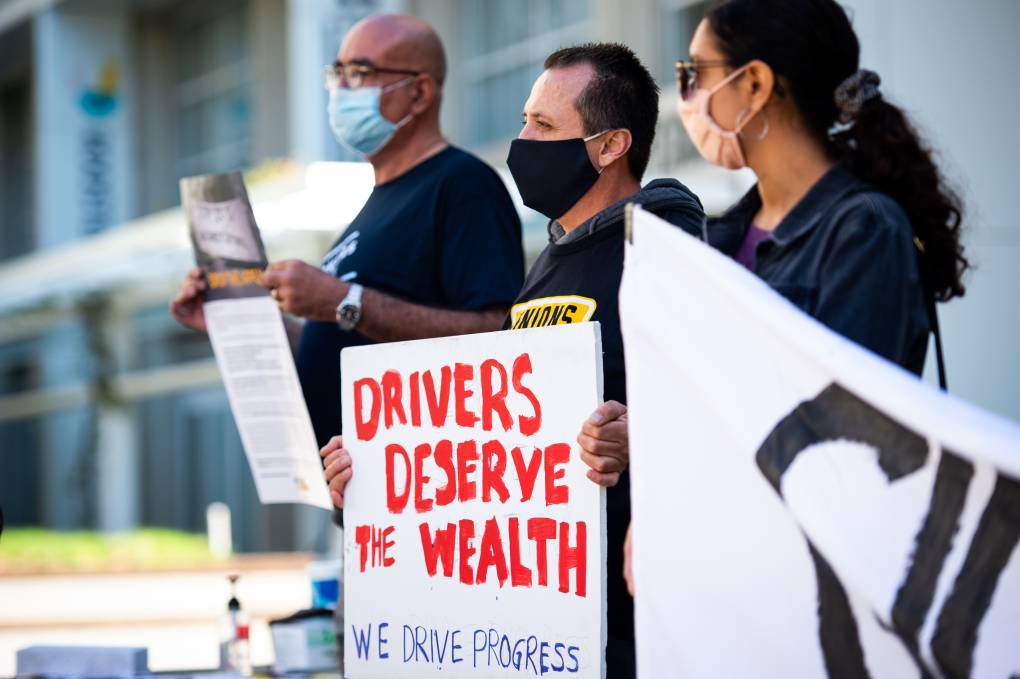
"caption": "Hector Castellanos (center) with We Drive Progress holds a sign that says 'Drivers Deserve the Wealth' outside DoorDash headquarters in San Francisco on Nov. 3, 2021, along with fellow gig workers, including rideshare and delivery drivers, demanding fair pay and employee rights.",
"description": null,
"title": "RS52368_010_SanFrancisco_GigWorkerProtest_11032021",
"credit": "Beth LaBerge/KQED",
"status": "inherit",
"altTag": "A man with dark hair holds a white sign with red lettering that reads, \"Drivers Deserve the Wealth\" and \"We Drive Progress.\" Other black and white signs are seen in foreground.",
"isLoading": false,
"fetchFailed": false
},
"news_11843813": {
"type": "attachments",
"id": "news_11843813",
"meta": {
"index": "attachments_1716263798",
"site": "news",
"id": "11843813",
"found": true
},
"parent": 11843123,
"imgSizes": {
"apple_news_ca_landscape_5_5": {
"file": "https://ww2.kqed.org/app/uploads/sites/10/2020/10/uber-lyft-protest-sign-1044x783.jpg",
"width": 1044,
"mimeType": "image/jpeg",
"height": 783
},
"apple_news_ca_square_4_0": {
"file": "https://ww2.kqed.org/app/uploads/sites/10/2020/10/uber-lyft-protest-sign-470x470.jpg",
"width": 470,
"mimeType": "image/jpeg",
"height": 470
},
"twentyfourteen-full-width": {
"file": "https://ww2.kqed.org/app/uploads/sites/10/2020/10/uber-lyft-protest-sign-1038x576.jpg",
"width": 1038,
"mimeType": "image/jpeg",
"height": 576
},
"thumbnail": {
"file": "https://ww2.kqed.org/app/uploads/sites/10/2020/10/uber-lyft-protest-sign-160x111.jpg",
"width": 160,
"mimeType": "image/jpeg",
"height": 111
},
"post-thumbnail": {
"file": "https://ww2.kqed.org/app/uploads/sites/10/2020/10/uber-lyft-protest-sign-672x372.jpg",
"width": 672,
"mimeType": "image/jpeg",
"height": 372
},
"kqedFullSize": {
"file": "https://ww2.kqed.org/app/uploads/sites/10/2020/10/uber-lyft-protest-sign.jpg",
"width": 1920,
"height": 1330
},
"apple_news_ca_landscape_4_7": {
"file": "https://ww2.kqed.org/app/uploads/sites/10/2020/10/uber-lyft-protest-sign-632x474.jpg",
"width": 632,
"mimeType": "image/jpeg",
"height": 474
},
"large": {
"file": "https://ww2.kqed.org/app/uploads/sites/10/2020/10/uber-lyft-protest-sign-1020x707.jpg",
"width": 1020,
"mimeType": "image/jpeg",
"height": 707
},
"apple_news_ca_landscape_4_0": {
"file": "https://ww2.kqed.org/app/uploads/sites/10/2020/10/uber-lyft-protest-sign-536x402.jpg",
"width": 536,
"mimeType": "image/jpeg",
"height": 402
},
"apple_news_ca_portrait_12_9": {
"file": "https://ww2.kqed.org/app/uploads/sites/10/2020/10/uber-lyft-protest-sign-1122x1330.jpg",
"width": 1122,
"mimeType": "image/jpeg",
"height": 1330
},
"medium": {
"file": "https://ww2.kqed.org/app/uploads/sites/10/2020/10/uber-lyft-protest-sign-800x554.jpg",
"width": 800,
"mimeType": "image/jpeg",
"height": 554
},
"apple_news_ca_portrait_4_0": {
"file": "https://ww2.kqed.org/app/uploads/sites/10/2020/10/uber-lyft-protest-sign-354x472.jpg",
"width": 354,
"mimeType": "image/jpeg",
"height": 472
},
"apple_news_ca_portrait_9_7": {
"file": "https://ww2.kqed.org/app/uploads/sites/10/2020/10/uber-lyft-protest-sign-840x1120.jpg",
"width": 840,
"mimeType": "image/jpeg",
"height": 1120
},
"apple_news_ca_landscape_12_9": {
"file": "https://ww2.kqed.org/app/uploads/sites/10/2020/10/uber-lyft-protest-sign-1832x1330.jpg",
"width": 1832,
"mimeType": "image/jpeg",
"height": 1330
},
"apple_news_ca_square_9_7": {
"file": "https://ww2.kqed.org/app/uploads/sites/10/2020/10/uber-lyft-protest-sign-1104x1104.jpg",
"width": 1104,
"mimeType": "image/jpeg",
"height": 1104
},
"1536x1536": {
"file": "https://ww2.kqed.org/app/uploads/sites/10/2020/10/uber-lyft-protest-sign-1536x1064.jpg",
"width": 1536,
"mimeType": "image/jpeg",
"height": 1064
},
"apple_news_ca_portrait_4_7": {
"file": "https://ww2.kqed.org/app/uploads/sites/10/2020/10/uber-lyft-protest-sign-414x552.jpg",
"width": 414,
"mimeType": "image/jpeg",
"height": 552
},
"apple_news_ca_square_12_9": {
"file": "https://ww2.kqed.org/app/uploads/sites/10/2020/10/uber-lyft-protest-sign-1472x1330.jpg",
"width": 1472,
"mimeType": "image/jpeg",
"height": 1330
},
"apple_news_ca_portrait_5_5": {
"file": "https://ww2.kqed.org/app/uploads/sites/10/2020/10/uber-lyft-protest-sign-687x916.jpg",
"width": 687,
"mimeType": "image/jpeg",
"height": 916
},
"apple_news_ca_square_4_7": {
"file": "https://ww2.kqed.org/app/uploads/sites/10/2020/10/uber-lyft-protest-sign-550x550.jpg",
"width": 550,
"mimeType": "image/jpeg",
"height": 550
},
"apple_news_ca_landscape_9_7": {
"file": "https://ww2.kqed.org/app/uploads/sites/10/2020/10/uber-lyft-protest-sign-1376x1032.jpg",
"width": 1376,
"mimeType": "image/jpeg",
"height": 1032
},
"apple_news_ca_square_5_5": {
"file": "https://ww2.kqed.org/app/uploads/sites/10/2020/10/uber-lyft-protest-sign-912x912.jpg",
"width": 912,
"mimeType": "image/jpeg",
"height": 912
}
},
"publishDate": 1603753946,
"modified": 1678823724,
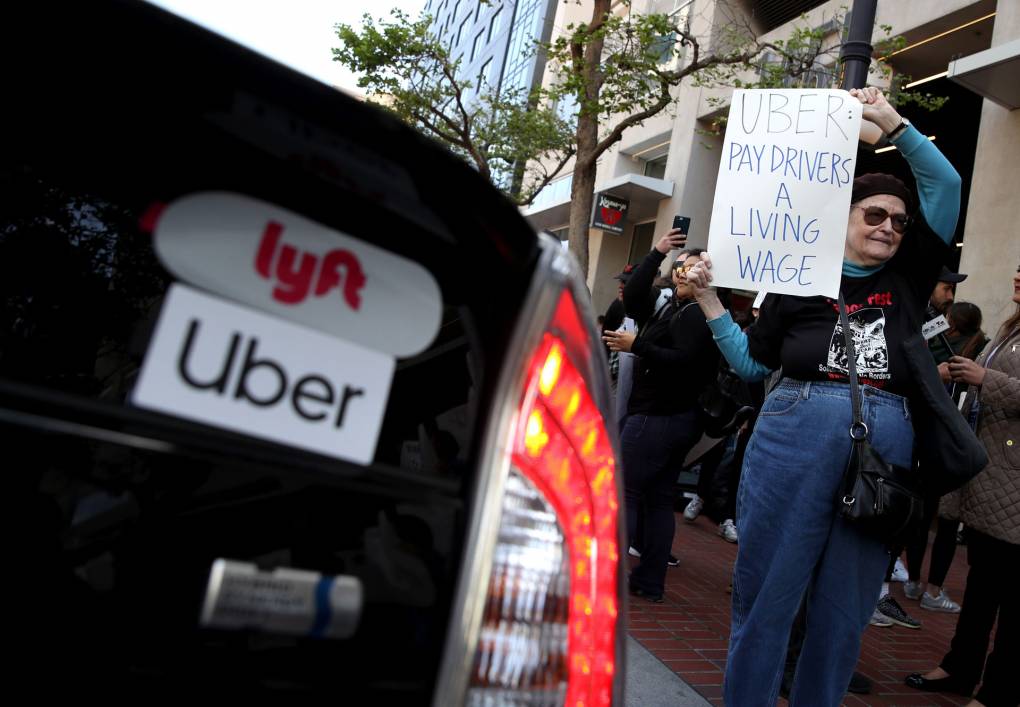
"caption": "A supporter of ride-hail drivers holds a sign during a protest in front of Uber headquarters in May 2019. Prop. 22, backed by huge amounts of cash from gig companies, would create a new class of worker in California.",
"description": "A supporter of ride-hail drivers holds a sign during a protest in front of Uber headquarters in May, 2019. Prop. 22, backed by huge amounts of cash from gig companies, would create a new class of worker in California.",
"title": "uber-lyft-protest-sign",
"credit": "Justin Sullivan/Getty Images",
"status": "inherit",
"altTag": "Protesters stand on a sidewalk in front of an office, and next to a car with Lyft and Uber stickers on the back. A woman holds a sign that says: Uber: 'Pay Drivers a Living Wage.'",
"isLoading": false,
"fetchFailed": false
},
"news_11923225": {
"type": "attachments",
"id": "news_11923225",
"meta": {
"index": "attachments_1716263798",
"site": "news",
"id": "11923225",
"found": true
},
"parent": 11923224,
"imgSizes": {
"twentyfourteen-full-width": {
"file": "https://ww2.kqed.org/app/uploads/sites/10/2022/08/gettyimages-1232464481-bf200986fcc5c2b3277d97edd495ddd6381625b7-1038x576.jpg",
"width": 1038,
"mimeType": "image/jpeg",
"height": 576
},
"thumbnail": {
"file": "https://ww2.kqed.org/app/uploads/sites/10/2022/08/gettyimages-1232464481-bf200986fcc5c2b3277d97edd495ddd6381625b7-160x120.jpg",
"width": 160,
"mimeType": "image/jpeg",
"height": 120
},
"post-thumbnail": {
"file": "https://ww2.kqed.org/app/uploads/sites/10/2022/08/gettyimages-1232464481-bf200986fcc5c2b3277d97edd495ddd6381625b7-672x372.jpg",
"width": 672,
"mimeType": "image/jpeg",
"height": 372
},
"kqedFullSize": {
"file": "https://ww2.kqed.org/app/uploads/sites/10/2022/08/gettyimages-1232464481-bf200986fcc5c2b3277d97edd495ddd6381625b7-scaled.jpg",
"width": 2560,
"height": 1920
},
"2048x2048": {
"file": "https://ww2.kqed.org/app/uploads/sites/10/2022/08/gettyimages-1232464481-bf200986fcc5c2b3277d97edd495ddd6381625b7-2048x1536.jpg",
"width": 2048,
"mimeType": "image/jpeg",
"height": 1536
},
"large": {
"file": "https://ww2.kqed.org/app/uploads/sites/10/2022/08/gettyimages-1232464481-bf200986fcc5c2b3277d97edd495ddd6381625b7-1020x765.jpg",
"width": 1020,
"mimeType": "image/jpeg",
"height": 765
},
"1536x1536": {
"file": "https://ww2.kqed.org/app/uploads/sites/10/2022/08/gettyimages-1232464481-bf200986fcc5c2b3277d97edd495ddd6381625b7-1536x1152.jpg",
"width": 1536,
"mimeType": "image/jpeg",
"height": 1152
},
"full-width": {
"file": "https://ww2.kqed.org/app/uploads/sites/10/2022/08/gettyimages-1232464481-bf200986fcc5c2b3277d97edd495ddd6381625b7-1920x1440.jpg",
"width": 1920,
"mimeType": "image/jpeg",
"height": 1440
},
"medium": {
"file": "https://ww2.kqed.org/app/uploads/sites/10/2022/08/gettyimages-1232464481-bf200986fcc5c2b3277d97edd495ddd6381625b7-800x600.jpg",
"width": 800,
"mimeType": "image/jpeg",
"height": 600
}
},
"publishDate": 1661231210,
"modified": 1667983070,
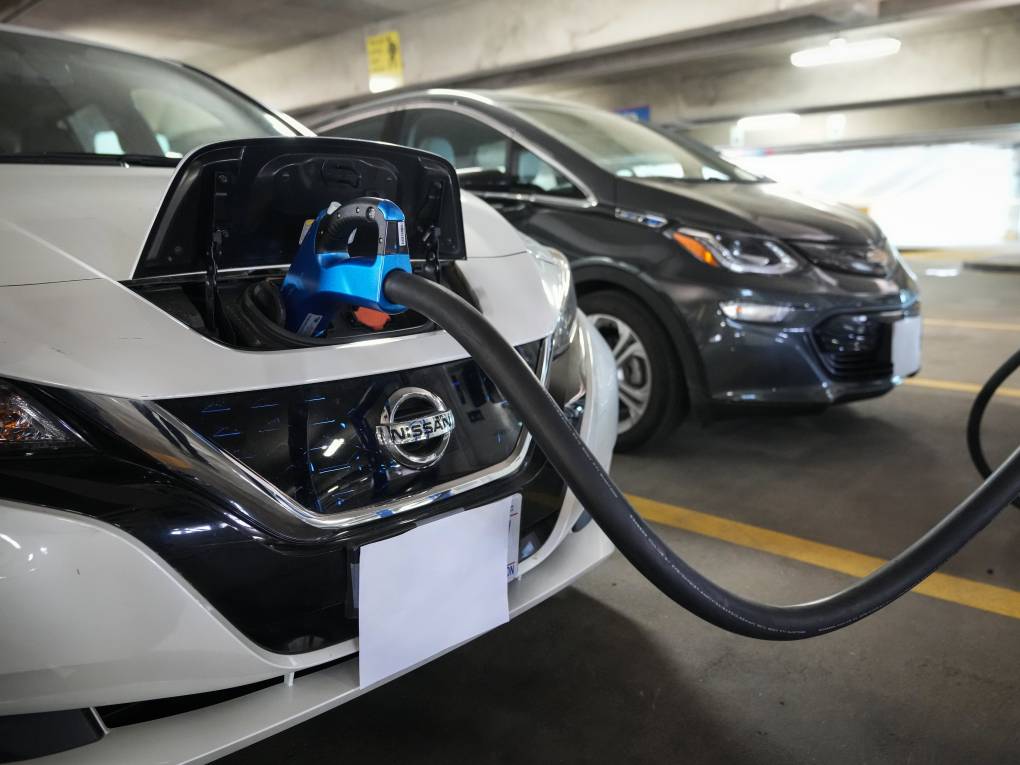
"caption": "Proposition 30 would have taxed California's richest residents to fund electric-vehicle infrastructure projects and wildfire mitigation.",
"description": "Electric vehicles are displayed before a news conference with White House Climate Adviser Gina McCarthy and U.S. Secretary of Transportation Pete Buttigieg about the American Jobs Plan and to highlight electric vehicles at Union Station near Capitol Hill on April 22, 2021 in Washington, DC. The Biden administration has proposed over $170 billion in spending to boost the production of zero-emission buses and cars and increase the number of EV charging stations. ",
"title": "Electric vehicles are displayed at a news conference with White House Climate Adviser Gina McCarthy and Secretary of Transportation Pete Buttigieg in Washington, D.C., on April 22, 2021. The Biden administration's climate and health care bill passed by Congress last week revamps a tax credit for buyers of electric cars.",
"credit": "Drew Angerer/Getty Images",
"status": "inherit",
"altTag": "electric vehicles in a parking lot",
"isLoading": false,
"fetchFailed": false
},
"news_11928851": {
"type": "attachments",
"id": "news_11928851",
"meta": {
"index": "attachments_1716263798",
"site": "news",
"id": "11928851",
"found": true
},
"parent": 11928844,
"imgSizes": {
"twentyfourteen-full-width": {
"file": "https://ww2.kqed.org/app/uploads/sites/10/2022/10/RS59361_IMG_5929-qut-1038x576.jpg",
"width": 1038,
"mimeType": "image/jpeg",
"height": 576
},
"thumbnail": {
"file": "https://ww2.kqed.org/app/uploads/sites/10/2022/10/RS59361_IMG_5929-qut-160x120.jpg",
"width": 160,
"mimeType": "image/jpeg",
"height": 120
},
"post-thumbnail": {
"file": "https://ww2.kqed.org/app/uploads/sites/10/2022/10/RS59361_IMG_5929-qut-672x372.jpg",
"width": 672,
"mimeType": "image/jpeg",
"height": 372
},
"kqedFullSize": {
"file": "https://ww2.kqed.org/app/uploads/sites/10/2022/10/RS59361_IMG_5929-qut.jpg",
"width": 1920,
"height": 1440
},
"large": {
"file": "https://ww2.kqed.org/app/uploads/sites/10/2022/10/RS59361_IMG_5929-qut-1020x765.jpg",
"width": 1020,
"mimeType": "image/jpeg",
"height": 765
},
"1536x1536": {
"file": "https://ww2.kqed.org/app/uploads/sites/10/2022/10/RS59361_IMG_5929-qut-1536x1152.jpg",
"width": 1536,
"mimeType": "image/jpeg",
"height": 1152
},
"medium": {
"file": "https://ww2.kqed.org/app/uploads/sites/10/2022/10/RS59361_IMG_5929-qut-800x600.jpg",
"width": 800,
"mimeType": "image/jpeg",
"height": 600
}
},
"publishDate": 1665710540,
"modified": 1665711909,
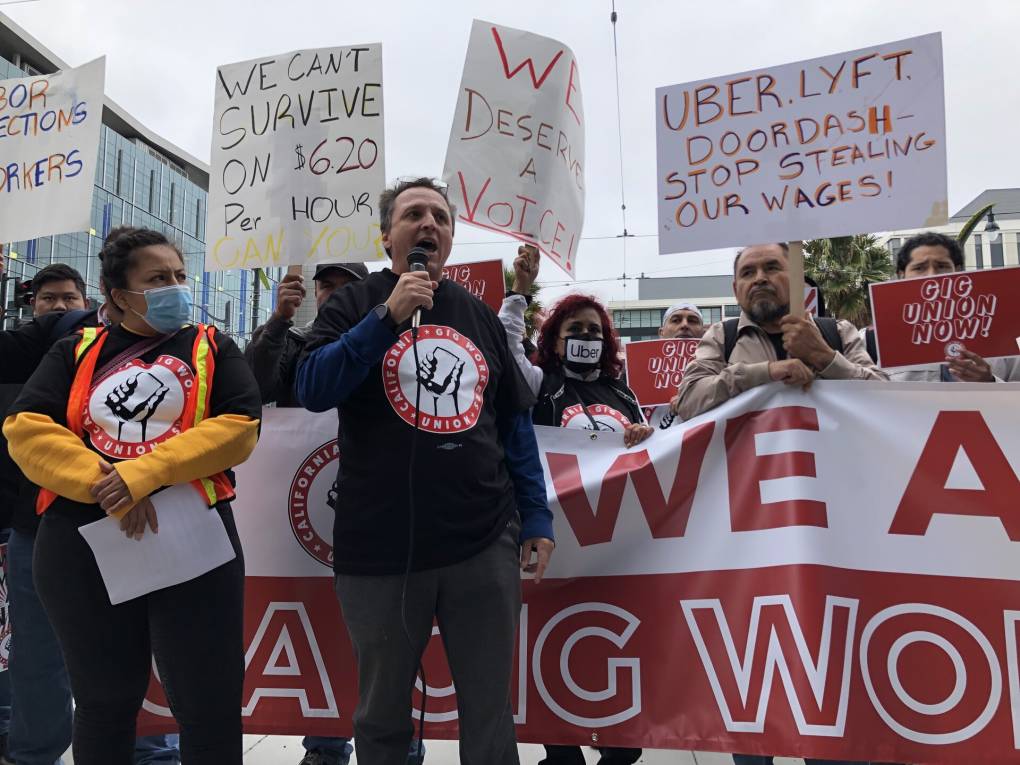
"caption": "Hector Castellanos, an Uber and Lyft driver from Antioch, speaks at a rally to announce the formation of the California Gig Workers Union before Uber's headquarters in San Francisco on Oct. 12, 2022.",
"description": null,
"title": "RS59361_IMG_5929-qut",
"credit": "Farida Jhabvala Romero/KQED",
"status": "inherit",
"altTag": "A man with a microphone speaks while protestors holding signs rally behind him.",
"isLoading": false,
"fetchFailed": false
},
"news_11908701": {
"type": "attachments",
"id": "news_11908701",
"meta": {
"index": "attachments_1716263798",
"site": "news",
"id": "11908701",
"found": true
},
"parent": 11908264,
"imgSizes": {
"twentyfourteen-full-width": {
"file": "https://ww2.kqed.org/app/uploads/sites/10/2022/03/RS9144_476374685-1038x576.jpg",
"width": 1038,
"mimeType": "image/jpeg",
"height": 576
},
"thumbnail": {
"file": "https://ww2.kqed.org/app/uploads/sites/10/2022/03/RS9144_476374685-160x106.jpg",
"width": 160,
"mimeType": "image/jpeg",
"height": 106
},
"post-thumbnail": {
"file": "https://ww2.kqed.org/app/uploads/sites/10/2022/03/RS9144_476374685-672x372.jpg",
"width": 672,
"mimeType": "image/jpeg",
"height": 372
},
"kqedFullSize": {
"file": "https://ww2.kqed.org/app/uploads/sites/10/2022/03/RS9144_476374685.jpg",
"width": 2124,
"height": 1413
},
"2048x2048": {
"file": "https://ww2.kqed.org/app/uploads/sites/10/2022/03/RS9144_476374685-2048x1362.jpg",
"width": 2048,
"mimeType": "image/jpeg",
"height": 1362
},
"large": {
"file": "https://ww2.kqed.org/app/uploads/sites/10/2022/03/RS9144_476374685-1020x679.jpg",
"width": 1020,
"mimeType": "image/jpeg",
"height": 679
},
"1536x1536": {
"file": "https://ww2.kqed.org/app/uploads/sites/10/2022/03/RS9144_476374685-1536x1022.jpg",
"width": 1536,
"mimeType": "image/jpeg",
"height": 1022
},
"full-width": {
"file": "https://ww2.kqed.org/app/uploads/sites/10/2022/03/RS9144_476374685-1920x1277.jpg",
"width": 1920,
"mimeType": "image/jpeg",
"height": 1277
},
"medium": {
"file": "https://ww2.kqed.org/app/uploads/sites/10/2022/03/RS9144_476374685-800x532.jpg",
"width": 800,
"mimeType": "image/jpeg",
"height": 532
}
},
"publishDate": 1647647115,
"modified": 1647647460,
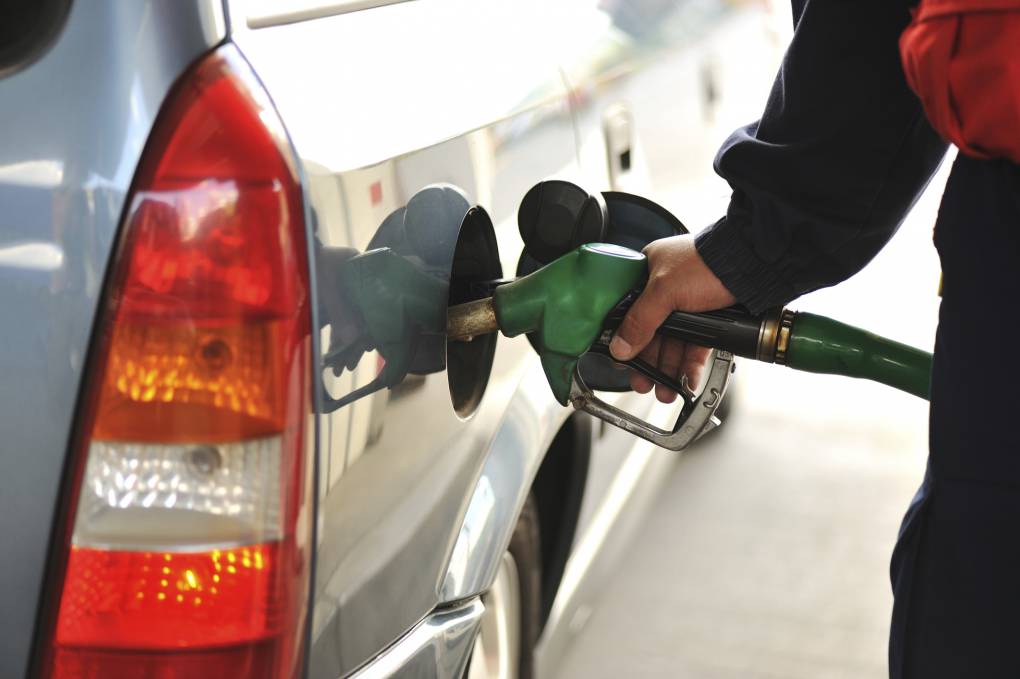
"caption": "Man refilling the car with fuel on a filling station.",
"description": null,
"title": "RS9144_476374685",
"credit": "Chad McClymond//Getty Images",
"status": "inherit",
"altTag": null,
"isLoading": false,
"fetchFailed": false
},
"news_11907542": {
"type": "attachments",
"id": "news_11907542",
"meta": {
"index": "attachments_1716263798",
"site": "news",
"id": "11907542",
"found": true
},
"parent": 11907530,
"imgSizes": {
"twentyfourteen-full-width": {
"file": "https://ww2.kqed.org/app/uploads/sites/10/2022/03/RS54115_001_KQED_GasStationSF_03082022-qut-1038x576.jpg",
"width": 1038,
"mimeType": "image/jpeg",
"height": 576
},
"thumbnail": {
"file": "https://ww2.kqed.org/app/uploads/sites/10/2022/03/RS54115_001_KQED_GasStationSF_03082022-qut-160x107.jpg",
"width": 160,
"mimeType": "image/jpeg",
"height": 107
},
"post-thumbnail": {
"file": "https://ww2.kqed.org/app/uploads/sites/10/2022/03/RS54115_001_KQED_GasStationSF_03082022-qut-672x372.jpg",
"width": 672,
"mimeType": "image/jpeg",
"height": 372
},
"kqedFullSize": {
"file": "https://ww2.kqed.org/app/uploads/sites/10/2022/03/RS54115_001_KQED_GasStationSF_03082022-qut.jpg",
"width": 1920,
"height": 1278
},
"large": {
"file": "https://ww2.kqed.org/app/uploads/sites/10/2022/03/RS54115_001_KQED_GasStationSF_03082022-qut-1020x679.jpg",
"width": 1020,
"mimeType": "image/jpeg",
"height": 679
},
"1536x1536": {
"file": "https://ww2.kqed.org/app/uploads/sites/10/2022/03/RS54115_001_KQED_GasStationSF_03082022-qut-1536x1022.jpg",
"width": 1536,
"mimeType": "image/jpeg",
"height": 1022
},
"medium": {
"file": "https://ww2.kqed.org/app/uploads/sites/10/2022/03/RS54115_001_KQED_GasStationSF_03082022-qut-800x533.jpg",
"width": 800,
"mimeType": "image/jpeg",
"height": 533
}
},
"publishDate": 1646786556,
"modified": 1647958904,
"caption": null,
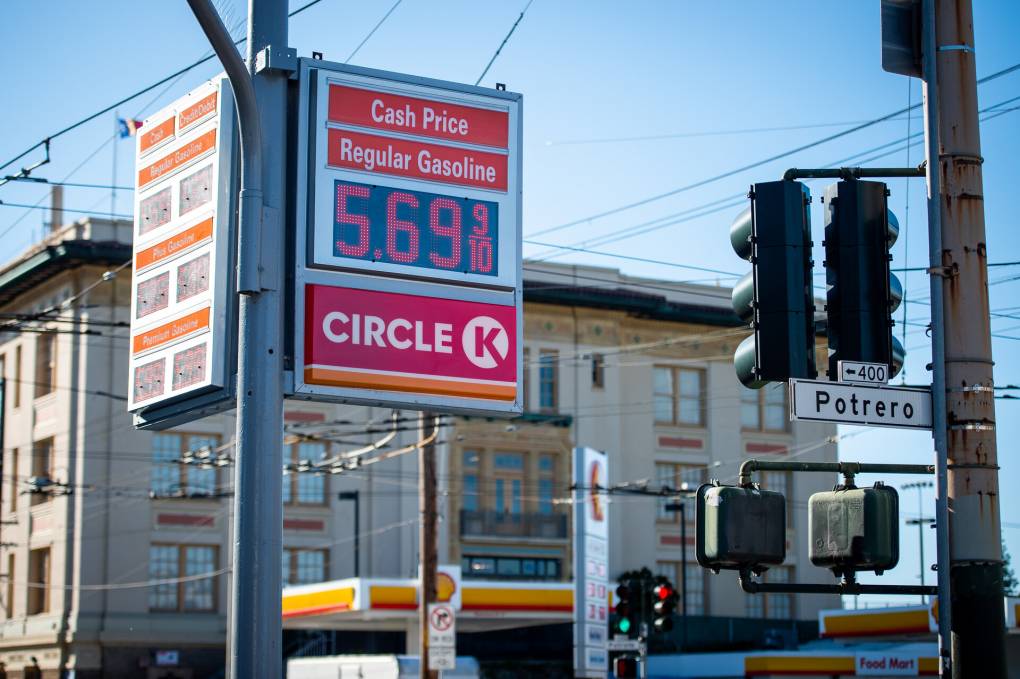
"description": "A sign shows a price of $5.69 a gallon for regular gasoline at a Circle K gas station on Potrero Avenue and 17th Street in San Francisco on March 8, 2022.",
"title": "RS54115_001_KQED_GasStationSF_03082022-qut",
"credit": "Beth LaBerge/KQED",
"status": "inherit",
"altTag": "A sign shows prices at $5.69 a gallon for regular gasoline.",
"isLoading": false,
"fetchFailed": false
},
"news_11803474": {
"type": "attachments",
"id": "news_11803474",
"meta": {
"index": "attachments_1716263798",
"site": "news",
"id": "11803474",
"found": true
},
"parent": 11803400,
"imgSizes": {
"apple_news_ca_landscape_5_5": {
"file": "https://ww2.kqed.org/app/uploads/sites/10/2020/02/RS41047_033_KQED_TaxiDriversSFO_01302020_0097-qut-1044x783.jpg",
"width": 1044,
"mimeType": "image/jpeg",
"height": 783
},
"apple_news_ca_square_4_0": {
"file": "https://ww2.kqed.org/app/uploads/sites/10/2020/02/RS41047_033_KQED_TaxiDriversSFO_01302020_0097-qut-470x470.jpg",
"width": 470,
"mimeType": "image/jpeg",
"height": 470
},
"twentyfourteen-full-width": {
"file": "https://ww2.kqed.org/app/uploads/sites/10/2020/02/RS41047_033_KQED_TaxiDriversSFO_01302020_0097-qut-1038x576.jpg",
"width": 1038,
"mimeType": "image/jpeg",
"height": 576
},
"thumbnail": {
"file": "https://ww2.kqed.org/app/uploads/sites/10/2020/02/RS41047_033_KQED_TaxiDriversSFO_01302020_0097-qut-160x107.jpg",
"width": 160,
"mimeType": "image/jpeg",
"height": 107
},
"post-thumbnail": {
"file": "https://ww2.kqed.org/app/uploads/sites/10/2020/02/RS41047_033_KQED_TaxiDriversSFO_01302020_0097-qut-672x372.jpg",
"width": 672,
"mimeType": "image/jpeg",
"height": 372
},
"kqedFullSize": {
"file": "https://ww2.kqed.org/app/uploads/sites/10/2020/02/RS41047_033_KQED_TaxiDriversSFO_01302020_0097-qut.jpg",
"width": 1920,
"height": 1280
},
"apple_news_ca_landscape_4_7": {
"file": "https://ww2.kqed.org/app/uploads/sites/10/2020/02/RS41047_033_KQED_TaxiDriversSFO_01302020_0097-qut-632x474.jpg",
"width": 632,
"mimeType": "image/jpeg",
"height": 474
},
"large": {
"file": "https://ww2.kqed.org/app/uploads/sites/10/2020/02/RS41047_033_KQED_TaxiDriversSFO_01302020_0097-qut-1020x680.jpg",
"width": 1020,
"mimeType": "image/jpeg",
"height": 680
},
"apple_news_ca_landscape_4_0": {
"file": "https://ww2.kqed.org/app/uploads/sites/10/2020/02/RS41047_033_KQED_TaxiDriversSFO_01302020_0097-qut-536x402.jpg",
"width": 536,
"mimeType": "image/jpeg",
"height": 402
},
"apple_news_ca_portrait_12_9": {
"file": "https://ww2.kqed.org/app/uploads/sites/10/2020/02/RS41047_033_KQED_TaxiDriversSFO_01302020_0097-qut-1122x1280.jpg",
"width": 1122,
"mimeType": "image/jpeg",
"height": 1280
},
"medium": {
"file": "https://ww2.kqed.org/app/uploads/sites/10/2020/02/RS41047_033_KQED_TaxiDriversSFO_01302020_0097-qut-800x533.jpg",
"width": 800,
"mimeType": "image/jpeg",
"height": 533
},
"apple_news_ca_portrait_4_0": {
"file": "https://ww2.kqed.org/app/uploads/sites/10/2020/02/RS41047_033_KQED_TaxiDriversSFO_01302020_0097-qut-354x472.jpg",
"width": 354,
"mimeType": "image/jpeg",
"height": 472
},
"apple_news_ca_portrait_9_7": {
"file": "https://ww2.kqed.org/app/uploads/sites/10/2020/02/RS41047_033_KQED_TaxiDriversSFO_01302020_0097-qut-840x1120.jpg",
"width": 840,
"mimeType": "image/jpeg",
"height": 1120
},
"apple_news_ca_landscape_12_9": {
"file": "https://ww2.kqed.org/app/uploads/sites/10/2020/02/RS41047_033_KQED_TaxiDriversSFO_01302020_0097-qut-1832x1280.jpg",
"width": 1832,
"mimeType": "image/jpeg",
"height": 1280
},
"apple_news_ca_square_9_7": {
"file": "https://ww2.kqed.org/app/uploads/sites/10/2020/02/RS41047_033_KQED_TaxiDriversSFO_01302020_0097-qut-1104x1104.jpg",
"width": 1104,
"mimeType": "image/jpeg",
"height": 1104
},
"apple_news_ca_portrait_4_7": {
"file": "https://ww2.kqed.org/app/uploads/sites/10/2020/02/RS41047_033_KQED_TaxiDriversSFO_01302020_0097-qut-414x552.jpg",
"width": 414,
"mimeType": "image/jpeg",
"height": 552
},
"apple_news_ca_square_12_9": {
"file": "https://ww2.kqed.org/app/uploads/sites/10/2020/02/RS41047_033_KQED_TaxiDriversSFO_01302020_0097-qut-1472x1280.jpg",
"width": 1472,
"mimeType": "image/jpeg",
"height": 1280
},
"apple_news_ca_portrait_5_5": {
"file": "https://ww2.kqed.org/app/uploads/sites/10/2020/02/RS41047_033_KQED_TaxiDriversSFO_01302020_0097-qut-687x916.jpg",
"width": 687,
"mimeType": "image/jpeg",
"height": 916
},
"full-width": {
"file": "https://ww2.kqed.org/app/uploads/sites/10/2020/02/RS41047_033_KQED_TaxiDriversSFO_01302020_0097-qut-1920x1280.jpg",
"width": 1920,
"mimeType": "image/jpeg",
"height": 1280
},
"apple_news_ca_square_4_7": {
"file": "https://ww2.kqed.org/app/uploads/sites/10/2020/02/RS41047_033_KQED_TaxiDriversSFO_01302020_0097-qut-550x550.jpg",
"width": 550,
"mimeType": "image/jpeg",
"height": 550
},
"apple_news_ca_landscape_9_7": {
"file": "https://ww2.kqed.org/app/uploads/sites/10/2020/02/RS41047_033_KQED_TaxiDriversSFO_01302020_0097-qut-1376x1032.jpg",
"width": 1376,
"mimeType": "image/jpeg",
"height": 1032
},
"apple_news_ca_square_5_5": {
"file": "https://ww2.kqed.org/app/uploads/sites/10/2020/02/RS41047_033_KQED_TaxiDriversSFO_01302020_0097-qut-912x912.jpg",
"width": 912,
"mimeType": "image/jpeg",
"height": 912
}
},
"publishDate": 1582683274,
"modified": 1632874879,
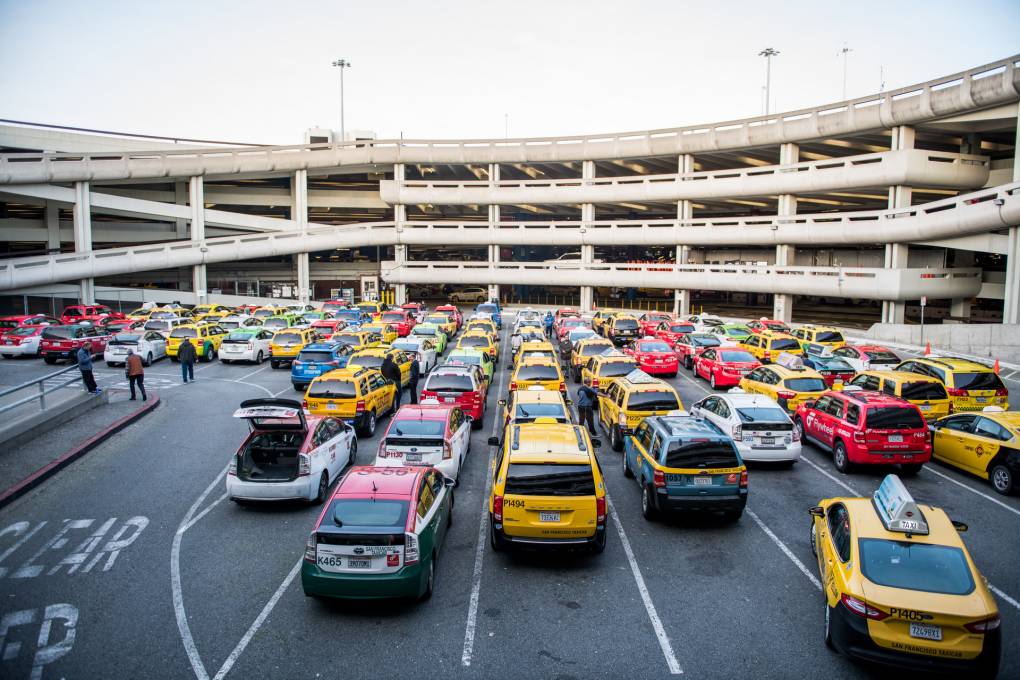
"caption": "Taxis fill the lower level of the short-term parking garage as they wait to pick up passengers at San Francisco International Airport on Jan. 30, 2020.",
"description": "Taxis fill the lower level of the short-term parking garage as they wait to pick up passengers at San Francisco International Airport on Jan. 30, 2020.",
"title": "RS41047_033_KQED_TaxiDriversSFO_01302020_0097-qut",
"credit": "Beth LaBerge/KQED",
"status": "inherit",
"altTag": null,
"isLoading": false,
"fetchFailed": false
},
"news_11734349": {
"type": "attachments",
"id": "news_11734349",
"meta": {
"index": "attachments_1716263798",
"site": "news",
"id": "11734349",
"found": true
},
"parent": 11734339,
"imgSizes": {
"post-thumbnail": {
"file": "https://ww2.kqed.org/app/uploads/sites/10/2019/03/lyft-getty-672x372.jpg",
"width": 672,
"mimeType": "image/jpeg",
"height": 372
},
"kqedFullSize": {
"file": "https://ww2.kqed.org/app/uploads/sites/10/2019/03/lyft-getty.jpg",
"width": 1920,
"height": 1280
},
"guest-author-50": {
"file": "https://ww2.kqed.org/app/uploads/sites/10/2019/03/lyft-getty-50x50.jpg",
"width": 50,
"mimeType": "image/jpeg",
"height": 50
},
"guest-author-96": {
"file": "https://ww2.kqed.org/app/uploads/sites/10/2019/03/lyft-getty-96x96.jpg",
"width": 96,
"mimeType": "image/jpeg",
"height": 96
},
"apple_news_ca_portrait_12_9": {
"file": "https://ww2.kqed.org/app/uploads/sites/10/2019/03/lyft-getty-1122x1280.jpg",
"width": 1122,
"mimeType": "image/jpeg",
"height": 1280
},
"medium": {
"file": "https://ww2.kqed.org/app/uploads/sites/10/2019/03/lyft-getty-800x533.jpg",
"width": 800,
"mimeType": "image/jpeg",
"height": 533
},
"guest-author-32": {
"file": "https://ww2.kqed.org/app/uploads/sites/10/2019/03/lyft-getty-32x32.jpg",
"width": 32,
"mimeType": "image/jpeg",
"height": 32
},
"apple_news_ca_portrait_9_7": {
"file": "https://ww2.kqed.org/app/uploads/sites/10/2019/03/lyft-getty-840x1120.jpg",
"width": 840,
"mimeType": "image/jpeg",
"height": 1120
},
"apple_news_ca_square_9_7": {
"file": "https://ww2.kqed.org/app/uploads/sites/10/2019/03/lyft-getty-1104x1104.jpg",
"width": 1104,
"mimeType": "image/jpeg",
"height": 1104
},
"apple_news_ca_portrait_4_7": {
"file": "https://ww2.kqed.org/app/uploads/sites/10/2019/03/lyft-getty-414x552.jpg",
"width": 414,
"mimeType": "image/jpeg",
"height": 552
},
"apple_news_ca_square_12_9": {
"file": "https://ww2.kqed.org/app/uploads/sites/10/2019/03/lyft-getty-1472x1280.jpg",
"width": 1472,
"mimeType": "image/jpeg",
"height": 1280
},
"apple_news_ca_portrait_5_5": {
"file": "https://ww2.kqed.org/app/uploads/sites/10/2019/03/lyft-getty-687x916.jpg",
"width": 687,
"mimeType": "image/jpeg",
"height": 916
},
"apple_news_ca_square_4_7": {
"file": "https://ww2.kqed.org/app/uploads/sites/10/2019/03/lyft-getty-550x550.jpg",
"width": 550,
"mimeType": "image/jpeg",
"height": 550
},
"apple_news_ca_square_5_5": {
"file": "https://ww2.kqed.org/app/uploads/sites/10/2019/03/lyft-getty-912x912.jpg",
"width": 912,
"mimeType": "image/jpeg",
"height": 912
},
"apple_news_ca_landscape_5_5": {
"file": "https://ww2.kqed.org/app/uploads/sites/10/2019/03/lyft-getty-1044x783.jpg",
"width": 1044,
"mimeType": "image/jpeg",
"height": 783
},
"apple_news_ca_square_4_0": {
"file": "https://ww2.kqed.org/app/uploads/sites/10/2019/03/lyft-getty-470x470.jpg",
"width": 470,
"mimeType": "image/jpeg",
"height": 470
},
"twentyfourteen-full-width": {
"file": "https://ww2.kqed.org/app/uploads/sites/10/2019/03/lyft-getty-1038x576.jpg",
"width": 1038,
"mimeType": "image/jpeg",
"height": 576
},
"thumbnail": {
"file": "https://ww2.kqed.org/app/uploads/sites/10/2019/03/lyft-getty-160x107.jpg",
"width": 160,
"mimeType": "image/jpeg",
"height": 107
},
"apple_news_ca_landscape_4_7": {
"file": "https://ww2.kqed.org/app/uploads/sites/10/2019/03/lyft-getty-632x474.jpg",
"width": 632,
"mimeType": "image/jpeg",
"height": 474
},
"large": {
"file": "https://ww2.kqed.org/app/uploads/sites/10/2019/03/lyft-getty-1020x680.jpg",
"width": 1020,
"mimeType": "image/jpeg",
"height": 680
},
"complete_open_graph": {
"file": "https://ww2.kqed.org/app/uploads/sites/10/2019/03/lyft-getty-1200x800.jpg",
"width": 1200,
"mimeType": "image/jpeg",
"height": 800
},
"apple_news_ca_landscape_4_0": {
"file": "https://ww2.kqed.org/app/uploads/sites/10/2019/03/lyft-getty-536x402.jpg",
"width": 536,
"mimeType": "image/jpeg",
"height": 402
},
"guest-author-64": {
"file": "https://ww2.kqed.org/app/uploads/sites/10/2019/03/lyft-getty-64x64.jpg",
"width": 64,
"mimeType": "image/jpeg",
"height": 64
},
"apple_news_ca_portrait_4_0": {
"file": "https://ww2.kqed.org/app/uploads/sites/10/2019/03/lyft-getty-354x472.jpg",
"width": 354,
"mimeType": "image/jpeg",
"height": 472
},
"apple_news_ca_landscape_12_9": {
"file": "https://ww2.kqed.org/app/uploads/sites/10/2019/03/lyft-getty-1832x1280.jpg",
"width": 1832,
"mimeType": "image/jpeg",
"height": 1280
},
"full-width": {
"file": "https://ww2.kqed.org/app/uploads/sites/10/2019/03/lyft-getty-1920x1280.jpg",
"width": 1920,
"mimeType": "image/jpeg",
"height": 1280
},
"guest-author-128": {
"file": "https://ww2.kqed.org/app/uploads/sites/10/2019/03/lyft-getty-128x128.jpg",
"width": 128,
"mimeType": "image/jpeg",
"height": 128
},
"apple_news_ca_landscape_9_7": {
"file": "https://ww2.kqed.org/app/uploads/sites/10/2019/03/lyft-getty-1376x1032.jpg",
"width": 1376,
"mimeType": "image/jpeg",
"height": 1032
}
},
"publishDate": 1553129352,
"modified": 1630709530,
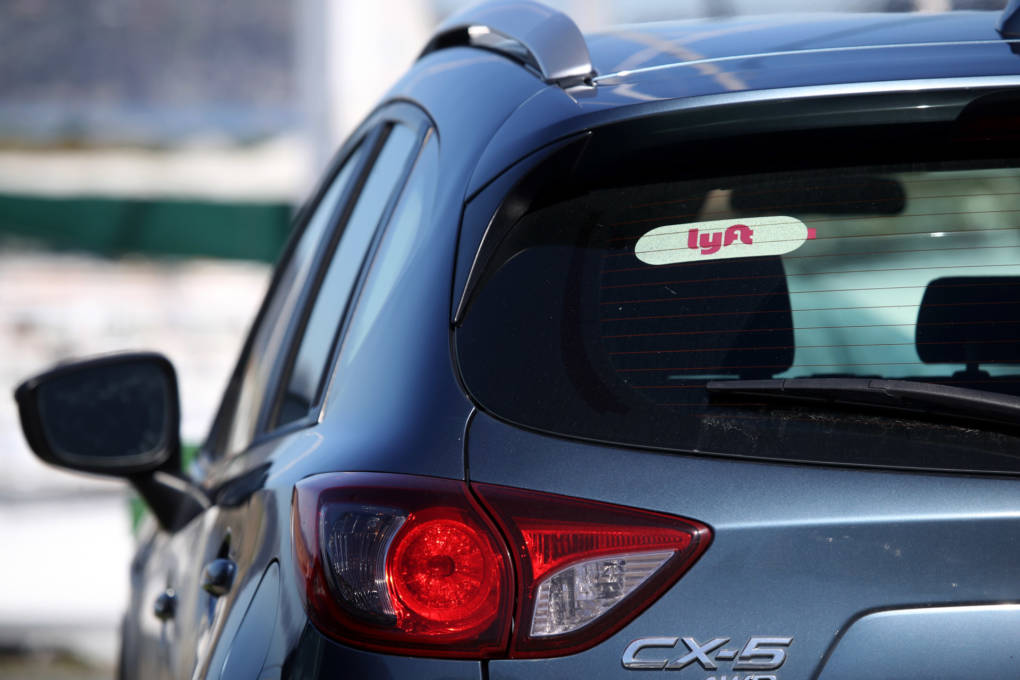
"caption": "An SUV in San Francisco displays the Lyft logo. ",
"description": "An SUV in San Francisco displaying the Lyft logo. ",
"title": "Lyft-San Francisco",
"credit": "Justin Sullivan/Getty Images",
"status": "inherit",
"altTag": "An SUV in San Francisco displaying the Lyft logo in its back window.",
"isLoading": false,
"fetchFailed": false
},
"news_11885917": {
"type": "attachments",
"id": "news_11885917",
"meta": {
"index": "attachments_1716263798",
"site": "news",
"id": "11885917",
"found": true
},
"parent": 11885905,
"imgSizes": {
"twentyfourteen-full-width": {
"file": "https://ww2.kqed.org/app/uploads/sites/10/2021/08/GettyImages-1137615486-1-1038x576.jpg",
"width": 1038,
"mimeType": "image/jpeg",
"height": 576
},
"thumbnail": {
"file": "https://ww2.kqed.org/app/uploads/sites/10/2021/08/GettyImages-1137615486-1-160x108.jpg",
"width": 160,
"mimeType": "image/jpeg",
"height": 108
},
"post-thumbnail": {
"file": "https://ww2.kqed.org/app/uploads/sites/10/2021/08/GettyImages-1137615486-1-672x372.jpg",
"width": 672,
"mimeType": "image/jpeg",
"height": 372
},
"kqedFullSize": {
"file": "https://ww2.kqed.org/app/uploads/sites/10/2021/08/GettyImages-1137615486-1.jpg",
"width": 1920,
"height": 1296
},
"large": {
"file": "https://ww2.kqed.org/app/uploads/sites/10/2021/08/GettyImages-1137615486-1-1020x689.jpg",
"width": 1020,
"mimeType": "image/jpeg",
"height": 689
},
"1536x1536": {
"file": "https://ww2.kqed.org/app/uploads/sites/10/2021/08/GettyImages-1137615486-1-1536x1037.jpg",
"width": 1536,
"mimeType": "image/jpeg",
"height": 1037
},
"medium": {
"file": "https://ww2.kqed.org/app/uploads/sites/10/2021/08/GettyImages-1137615486-1-800x540.jpg",
"width": 800,
"mimeType": "image/jpeg",
"height": 540
}
},
"publishDate": 1629573616,
"modified": 1629573651,
"caption": "The Uber logo is displayed on a car on March 22, 2019 in San Francisco, California.",
"description": "The Uber logo is displayed on a car on March 22, 2019 in San Francisco, California.",
"title": "GettyImages-1137615486 (1)",
"credit": "Justin Sullivan/Getty Images",
"status": "inherit",
"altTag": "An Uber sticker in a car windshield.",
"isLoading": false,
"fetchFailed": false
},
"news_11882169": {
"type": "attachments",
"id": "news_11882169",
"meta": {
"index": "attachments_1716263798",
"site": "news",
"id": "11882169",
"found": true
},
"parent": 11878952,
"imgSizes": {
"twentyfourteen-full-width": {
"file": "https://ww2.kqed.org/app/uploads/sites/10/2021/07/GettyImages-509765744-1-1038x576.jpg",
"width": 1038,
"mimeType": "image/jpeg",
"height": 576
},
"thumbnail": {
"file": "https://ww2.kqed.org/app/uploads/sites/10/2021/07/GettyImages-509765744-1-160x106.jpg",
"width": 160,
"mimeType": "image/jpeg",
"height": 106
},
"post-thumbnail": {
"file": "https://ww2.kqed.org/app/uploads/sites/10/2021/07/GettyImages-509765744-1-672x372.jpg",
"width": 672,
"mimeType": "image/jpeg",
"height": 372
},
"kqedFullSize": {
"file": "https://ww2.kqed.org/app/uploads/sites/10/2021/07/GettyImages-509765744-1-scaled.jpg",
"width": 2560,
"height": 1704
},
"2048x2048": {
"file": "https://ww2.kqed.org/app/uploads/sites/10/2021/07/GettyImages-509765744-1-2048x1363.jpg",
"width": 2048,
"mimeType": "image/jpeg",
"height": 1363
},
"large": {
"file": "https://ww2.kqed.org/app/uploads/sites/10/2021/07/GettyImages-509765744-1-1020x679.jpg",
"width": 1020,
"mimeType": "image/jpeg",
"height": 679
},
"1536x1536": {
"file": "https://ww2.kqed.org/app/uploads/sites/10/2021/07/GettyImages-509765744-1-1536x1022.jpg",
"width": 1536,
"mimeType": "image/jpeg",
"height": 1022
},
"full-width": {
"file": "https://ww2.kqed.org/app/uploads/sites/10/2021/07/GettyImages-509765744-1-1920x1278.jpg",
"width": 1920,
"mimeType": "image/jpeg",
"height": 1278
},
"medium": {
"file": "https://ww2.kqed.org/app/uploads/sites/10/2021/07/GettyImages-509765744-1-800x532.jpg",
"width": 800,
"mimeType": "image/jpeg",
"height": 532
}
},
"publishDate": 1626987733,
"modified": 1626987794,
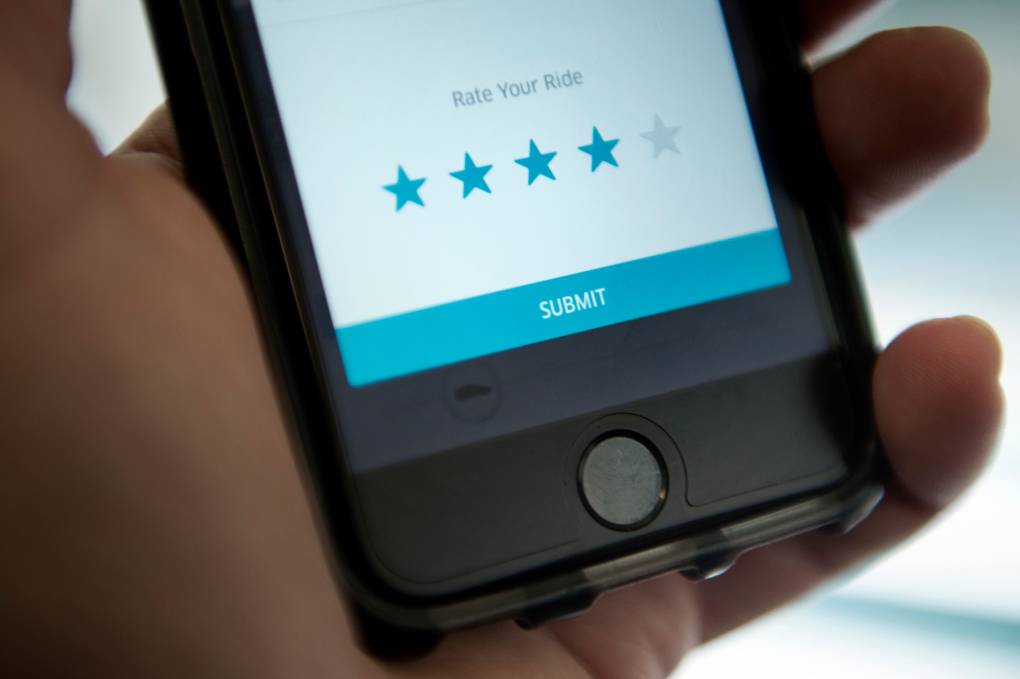
"caption": "The driver rating screen in an Uber app is seen February 12, 2016 in Washington, DC.",
"description": "The driver rating screen in an Uber app is seen February 12, 2016 in Washington, DC. Global ridesharing service Uber said February 12, 2016 it had raised $200 million in additional funding to help its push into emerging markets.The latest round comes from Luxembourg-based investment group LetterOne (L1), according to a joint statement. ",
"title": "US-IT-LIFESTYLE-TRANSPORT-UBER",
"credit": "Brendan Smialowski/AFP via Getty Images",
"status": "inherit",
"altTag": "A hand holds up a smart phone that shows a screen for rating Uber drivers",
"isLoading": false,
"fetchFailed": false
},
"news_11877465": {
"type": "attachments",
"id": "news_11877465",
"meta": {
"index": "attachments_1716263798",
"site": "news",
"id": "11877465",
"found": true
},
"parent": 11876977,
"imgSizes": {
"twentyfourteen-full-width": {
"file": "https://ww2.kqed.org/app/uploads/sites/10/2021/06/Motorized-wheelchair-vehicle-lift-lyft-1038x576.jpg",
"width": 1038,
"mimeType": "image/jpeg",
"height": 576
},
"thumbnail": {
"file": "https://ww2.kqed.org/app/uploads/sites/10/2021/06/Motorized-wheelchair-vehicle-lift-lyft-160x107.jpg",
"width": 160,
"mimeType": "image/jpeg",
"height": 107
},
"post-thumbnail": {
"file": "https://ww2.kqed.org/app/uploads/sites/10/2021/06/Motorized-wheelchair-vehicle-lift-lyft-672x372.jpg",
"width": 672,
"mimeType": "image/jpeg",
"height": 372
},
"kqedFullSize": {
"file": "https://ww2.kqed.org/app/uploads/sites/10/2021/06/Motorized-wheelchair-vehicle-lift-lyft.jpg",
"width": 1920,
"height": 1280
},
"large": {
"file": "https://ww2.kqed.org/app/uploads/sites/10/2021/06/Motorized-wheelchair-vehicle-lift-lyft-1020x680.jpg",
"width": 1020,
"mimeType": "image/jpeg",
"height": 680
},
"1536x1536": {
"file": "https://ww2.kqed.org/app/uploads/sites/10/2021/06/Motorized-wheelchair-vehicle-lift-lyft-1536x1024.jpg",
"width": 1536,
"mimeType": "image/jpeg",
"height": 1024
},
"medium": {
"file": "https://ww2.kqed.org/app/uploads/sites/10/2021/06/Motorized-wheelchair-vehicle-lift-lyft-800x533.jpg",
"width": 800,
"mimeType": "image/jpeg",
"height": 533
}
},
"publishDate": 1623277044,
"modified": 1623277530,
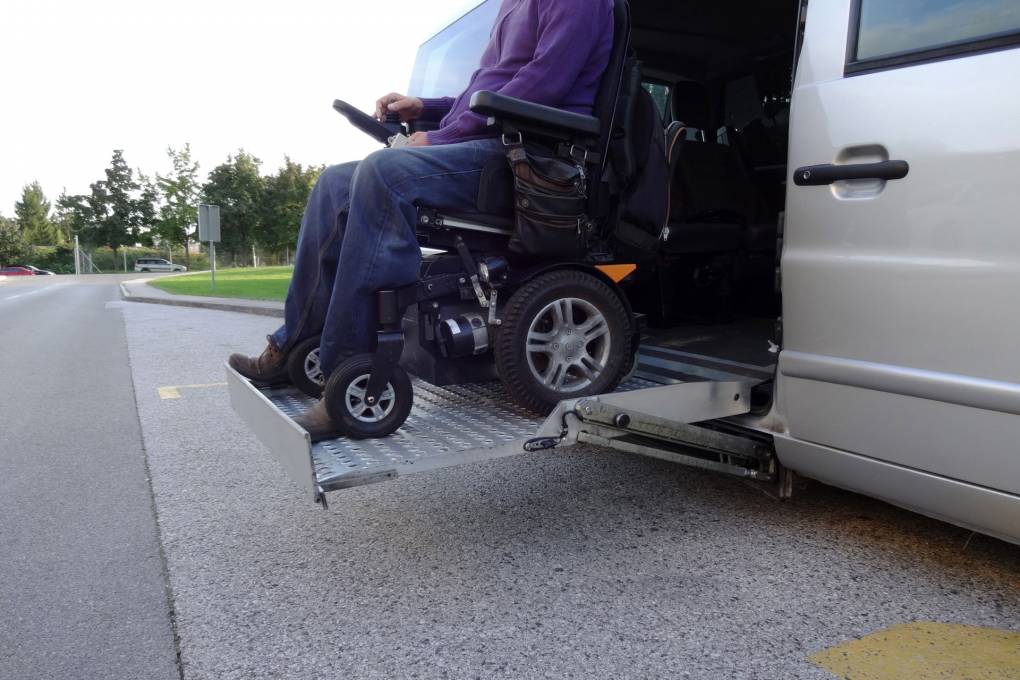
"caption": "A class-action lawsuit filed in 2019 alleges Lyft violates the ADA by failing to provide service for those who require special wheelchair accessible vehicles. ",
"description": "A class-action lawsuit filed in 2019 alleges Lyft violates the ADA by failing to provide service for those who require special wheelchair accessible vehicles. ",
"title": "Motorized-wheelchair-vehicle-lift-lyft",
"credit": "Getty Images",
"status": "inherit",
"altTag": "Man on motorized wheelchair on a lift on a wheelchair accessible vehicle",
"isLoading": false,
"fetchFailed": false
},
"news_11862645": {
"type": "attachments",
"id": "news_11862645",
"meta": {
"index": "attachments_1716263798",
"site": "news",
"id": "11862645",
"found": true
},
"parent": 11862641,
"imgSizes": {
"apple_news_ca_landscape_5_5": {
"file": "https://ww2.kqed.org/app/uploads/sites/10/2021/03/Serge-office-1044x783.jpg",
"width": 1044,
"mimeType": "image/jpeg",
"height": 783
},
"apple_news_ca_square_4_0": {
"file": "https://ww2.kqed.org/app/uploads/sites/10/2021/03/Serge-office-470x470.jpg",
"width": 470,
"mimeType": "image/jpeg",
"height": 470
},
"twentyfourteen-full-width": {
"file": "https://ww2.kqed.org/app/uploads/sites/10/2021/03/Serge-office-1038x576.jpg",
"width": 1038,
"mimeType": "image/jpeg",
"height": 576
},
"thumbnail": {
"file": "https://ww2.kqed.org/app/uploads/sites/10/2021/03/Serge-office-160x120.jpg",
"width": 160,
"mimeType": "image/jpeg",
"height": 120
},
"post-thumbnail": {
"file": "https://ww2.kqed.org/app/uploads/sites/10/2021/03/Serge-office-672x372.jpg",
"width": 672,
"mimeType": "image/jpeg",
"height": 372
},
"kqedFullSize": {
"file": "https://ww2.kqed.org/app/uploads/sites/10/2021/03/Serge-office-scaled.jpg",
"width": 2560,
"height": 1920
},
"2048x2048": {
"file": "https://ww2.kqed.org/app/uploads/sites/10/2021/03/Serge-office-2048x1536.jpg",
"width": 2048,
"mimeType": "image/jpeg",
"height": 1536
},
"apple_news_ca_landscape_4_7": {
"file": "https://ww2.kqed.org/app/uploads/sites/10/2021/03/Serge-office-632x474.jpg",
"width": 632,
"mimeType": "image/jpeg",
"height": 474
},
"large": {
"file": "https://ww2.kqed.org/app/uploads/sites/10/2021/03/Serge-office-1020x765.jpg",
"width": 1020,
"mimeType": "image/jpeg",
"height": 765
},
"apple_news_ca_landscape_4_0": {
"file": "https://ww2.kqed.org/app/uploads/sites/10/2021/03/Serge-office-536x402.jpg",
"width": 536,
"mimeType": "image/jpeg",
"height": 402
},
"apple_news_ca_portrait_12_9": {
"file": "https://ww2.kqed.org/app/uploads/sites/10/2021/03/Serge-office-1122x1496.jpg",
"width": 1122,
"mimeType": "image/jpeg",
"height": 1496
},
"medium": {
"file": "https://ww2.kqed.org/app/uploads/sites/10/2021/03/Serge-office-800x600.jpg",
"width": 800,
"mimeType": "image/jpeg",
"height": 600
},
"apple_news_ca_portrait_4_0": {
"file": "https://ww2.kqed.org/app/uploads/sites/10/2021/03/Serge-office-354x472.jpg",
"width": 354,
"mimeType": "image/jpeg",
"height": 472
},
"apple_news_ca_portrait_9_7": {
"file": "https://ww2.kqed.org/app/uploads/sites/10/2021/03/Serge-office-840x1120.jpg",
"width": 840,
"mimeType": "image/jpeg",
"height": 1120
},
"apple_news_ca_landscape_12_9": {
"file": "https://ww2.kqed.org/app/uploads/sites/10/2021/03/Serge-office-1832x1374.jpg",
"width": 1832,
"mimeType": "image/jpeg",
"height": 1374
},
"apple_news_ca_square_9_7": {
"file": "https://ww2.kqed.org/app/uploads/sites/10/2021/03/Serge-office-1104x1104.jpg",
"width": 1104,
"mimeType": "image/jpeg",
"height": 1104
},
"1536x1536": {
"file": "https://ww2.kqed.org/app/uploads/sites/10/2021/03/Serge-office-1536x1152.jpg",
"width": 1536,
"mimeType": "image/jpeg",
"height": 1152
},
"apple_news_ca_portrait_4_7": {
"file": "https://ww2.kqed.org/app/uploads/sites/10/2021/03/Serge-office-414x552.jpg",
"width": 414,
"mimeType": "image/jpeg",
"height": 552
},
"apple_news_ca_square_12_9": {
"file": "https://ww2.kqed.org/app/uploads/sites/10/2021/03/Serge-office-1472x1472.jpg",
"width": 1472,
"mimeType": "image/jpeg",
"height": 1472
},
"apple_news_ca_portrait_5_5": {
"file": "https://ww2.kqed.org/app/uploads/sites/10/2021/03/Serge-office-687x916.jpg",
"width": 687,
"mimeType": "image/jpeg",
"height": 916
},
"full-width": {
"file": "https://ww2.kqed.org/app/uploads/sites/10/2021/03/Serge-office-1920x1440.jpg",
"width": 1920,
"mimeType": "image/jpeg",
"height": 1440
},
"apple_news_ca_square_4_7": {
"file": "https://ww2.kqed.org/app/uploads/sites/10/2021/03/Serge-office-550x550.jpg",
"width": 550,
"mimeType": "image/jpeg",
"height": 550
},
"apple_news_ca_landscape_9_7": {
"file": "https://ww2.kqed.org/app/uploads/sites/10/2021/03/Serge-office-1376x1032.jpg",
"width": 1376,
"mimeType": "image/jpeg",
"height": 1032
},
"apple_news_ca_square_5_5": {
"file": "https://ww2.kqed.org/app/uploads/sites/10/2021/03/Serge-office-912x912.jpg",
"width": 912,
"mimeType": "image/jpeg",
"height": 912
}
},
"publishDate": 1614639185,
"modified": 1616093063,
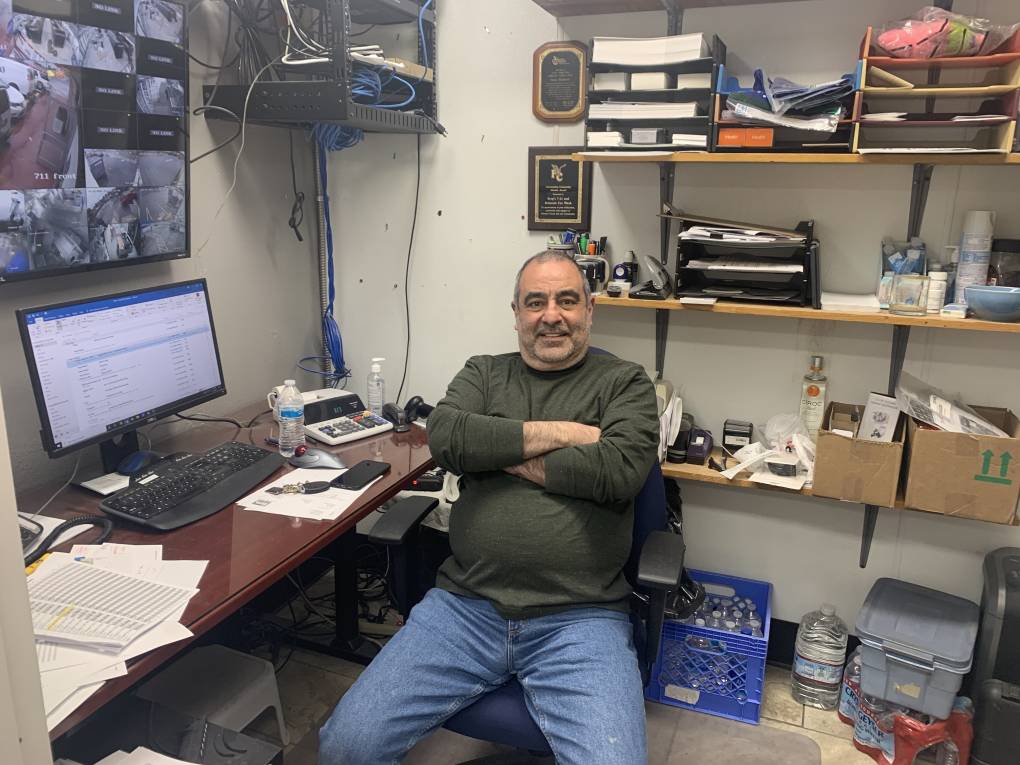
"caption": "Serge Haitayan has run a 7-Eleven for 30 years, but he says he has less and less control over how to run his business.",
"description": null,
"title": "Serge office",
"credit": "Sam Harnett/KQED",
"status": "inherit",
"altTag": null,
"isLoading": false,
"fetchFailed": false
}
},
"audioPlayerReducer": {
"postId": "stream_live",
"isPaused": true,
"isPlaying": false,
"pfsActive": false,
"pledgeModalIsOpen": true,
"playerDrawerIsOpen": false,
"liveAudioPlayStartedAt": 0,
"liveAudioPlayContext": ""
},
"authorsReducer": {
"byline_news_11943454": {
"type": "authors",
"id": "byline_news_11943454",
"meta": {
"override": true
},
"slug": "byline_news_11943454",
"name": "\u003ca href=\"https://calmatters.org/author/grace-gedye/\">Grace Gedye\u003c/a>",
"isLoading": false
},
"byline_news_11887558": {
"type": "authors",
"id": "byline_news_11887558",
"meta": {
"override": true
},
"slug": "byline_news_11887558",
"name": "Sam Metz and Scott Sonner \u003cbr>Associated Press/Report for America",
"isLoading": false
},
"byline_news_11885905": {
"type": "authors",
"id": "byline_news_11885905",
"meta": {
"override": true
},
"slug": "byline_news_11885905",
"name": "Brian Melley\u003cbr>The Associated Press",
"isLoading": false
},
"rachael-myrow": {
"type": "authors",
"id": "251",
"meta": {
"index": "authors_1716337520",
"id": "251",
"found": true
},
"name": "Rachael Myrow",
"firstName": "Rachael",
"lastName": "Myrow",
"slug": "rachael-myrow",
"email": "rmyrow@kqed.org",
"display_author_email": true,
"staff_mastheads": [
"news"
],
"title": "Senior Editor of KQED's Silicon Valley News Desk",
"bio": "• I write and edit stories about how Silicon Valley power and policies shape everyday life in California. I’m also passionate about making Bay Area history and culture more accessible to a broad public. • I’ve been a journalist for most of my life, starting in high school with The Franklin Press in Los Angeles, where I grew up. While earning my first degree in English at UC Berkeley, I got my start in public radio at KALX-FM. After completing a second degree in journalism at Cal, I landed my first professional job at Marketplace, then moved on to KPCC (now LAist), and then KQED, where I hosted The California Report for more than seven years. • My reporting has appeared on NPR, The World, WBUR’s \u003ci>Here & Now\u003c/i>, and the BBC. I also guest host for KQED’s \u003ci>Forum\u003c/i>, as well as the Commonwealth Club in San Francisco. • I speak periodically on media, democracy and technology issues, and do voiceover work for documentaries and educational video projects. • Outside of the studio, you'll find me hiking Bay Area trails and whipping up Insta-ready meals in my kitchen. • I do not accept gifts, money, or favors from anyone connected to my reporting, I don't pay people for information, and I do not support or donate to political causes. • I strive to treat the people I report on with fairness, honesty, and respect. I also recognize there are often multiple sides to a story and work to verify information through multiple sources and documentation. If I get something wrong, I correct it.",
"avatar": "https://secure.gravatar.com/avatar/3ed8a3c5f26025e4a805ba634cda8cd764906b97438a6d9ce216b044e340da4e?s=600&d=blank&r=g",
"twitter": "rachaelmyrow",
"bluesky": null,
"facebook": null,
"instagram": null,
"linkedin": "https://www.linkedin.com/in/rachaelmyrow/",
"sites": [
{
"site": "arts",
"roles": [
"administrator"
]
},
{
"site": "news",
"roles": [
"edit_others_posts",
"editor"
]
},
{
"site": "futureofyou",
"roles": [
"editor"
]
},
{
"site": "bayareabites",
"roles": [
"editor"
]
},
{
"site": "stateofhealth",
"roles": [
"editor"
]
},
{
"site": "science",
"roles": [
"editor"
]
},
{
"site": "food",
"roles": [
"editor"
]
},
{
"site": "forum",
"roles": [
"editor"
]
},
{
"site": "liveblog",
"roles": [
"author"
]
}
],
"headData": {
"title": "Rachael Myrow | KQED",
"description": "Senior Editor of KQED's Silicon Valley News Desk",
"ogImgSrc": "https://secure.gravatar.com/avatar/3ed8a3c5f26025e4a805ba634cda8cd764906b97438a6d9ce216b044e340da4e?s=600&d=blank&r=g",
"twImgSrc": "https://secure.gravatar.com/avatar/3ed8a3c5f26025e4a805ba634cda8cd764906b97438a6d9ce216b044e340da4e?s=600&d=blank&r=g"
},
"isLoading": false,
"link": "/author/rachael-myrow"
},
"samharnett": {
"type": "authors",
"id": "253",
"meta": {
"index": "authors_1716337520",
"id": "253",
"found": true
},
"name": "Sam Harnett",
"firstName": "Sam",
"lastName": "Harnett",
"slug": "samharnett",
"email": "samharnett@gmail.com",
"display_author_email": false,
"staff_mastheads": [],
"title": "KQED Contributor",
"bio": "Sam Harnett covered tech and work at KQED. He is the co-creator of \u003cem>\u003ca href=\"http://www.theworldaccordingtosound.org\">The World According to Sound\u003c/a>,\u003c/em> a 90-second podcast that features different sounds and the stories behind them.\r\n\r\nBefore coming to KQED, Sam worked as an independent reporter who contributed regularly to \u003cem>The California Report, Marketplace,\u003c/em> \u003cem>The World \u003c/em>and NPR.",
"avatar": "https://secure.gravatar.com/avatar/2538b972ac02f2b9546c7a6c59a0f3d0?s=600&d=blank&r=g",
"twitter": "Samwharnett",
"facebook": null,
"instagram": null,
"linkedin": null,
"sites": [
{
"site": "news",
"roles": [
"edit_others_posts",
"subscriber"
]
},
{
"site": "stateofhealth",
"roles": [
"author"
]
},
{
"site": "science",
"roles": [
"editor"
]
},
{
"site": "quest",
"roles": [
"subscriber"
]
}
],
"headData": {
"title": "Sam Harnett | KQED",
"description": "KQED Contributor",
"ogImgSrc": "https://secure.gravatar.com/avatar/2538b972ac02f2b9546c7a6c59a0f3d0?s=600&d=blank&r=g",
"twImgSrc": "https://secure.gravatar.com/avatar/2538b972ac02f2b9546c7a6c59a0f3d0?s=600&d=blank&r=g"
},
"isLoading": false,
"link": "/author/samharnett"
},
"dkatayama": {
"type": "authors",
"id": "7240",
"meta": {
"index": "authors_1716337520",
"id": "7240",
"found": true
},
"name": "Devin Katayama",
"firstName": "Devin",
"lastName": "Katayama",
"slug": "dkatayama",
"email": "dkatayama@kqed.org",
"display_author_email": true,
"staff_mastheads": [
"news"
],
"title": "Editor of Talent and Development",
"bio": "Devin Katayama is former Editor of Talent and Development for KQED. He supported our internship program and on-call staff by looking for equitable opportunities to improve the newsroom.\r\n\r\nHe previously hosted The Bay and American Suburb podcasts from KQED News. Prior to returning to the Bay Area in 2015, Devin was the education reporter for WFPL in Louisville and worked as a producer with radio stations in Chicago and Portland, OR. His work has appeared on NPR’s \u003cem>Morning Edition, All Things Considered, The Takeaway\u003c/em> and \u003cem>Here and Now.\u003c/em>\r\n\r\nDevin earned his MA in Journalism from Columbia College Chicago, where he was a Follett Fellow and the recipient of the 2011 Studs Terkel Community Media Workshop Scholarship for his story on Chicago's homeless youth. He won WBUR's 2014 Daniel Schorr award and a regional RTNDA Edward R. Murrow Award for his documentary \"At Risk\" that looked at issues facing some of Louisville's students. Devin has also received numerous local awards from the Associated Press and the Society of Professional Journalists.",
"avatar": "https://secure.gravatar.com/avatar/d0d2978a31002fb2de107921a8e18405?s=600&d=blank&r=g",
"twitter": "RadioDevin",
"facebook": null,
"instagram": null,
"linkedin": null,
"sites": [
{
"site": "arts",
"roles": []
},
{
"site": "news",
"roles": [
"author"
]
},
{
"site": "stateofhealth",
"roles": [
"author"
]
},
{
"site": "forum",
"roles": [
"editor"
]
},
{
"site": "perspectives",
"roles": [
"editor"
]
}
],
"headData": {
"title": "Devin Katayama | KQED",
"description": "Editor of Talent and Development",
"ogImgSrc": "https://secure.gravatar.com/avatar/d0d2978a31002fb2de107921a8e18405?s=600&d=blank&r=g",
"twImgSrc": "https://secure.gravatar.com/avatar/d0d2978a31002fb2de107921a8e18405?s=600&d=blank&r=g"
},
"isLoading": false,
"link": "/author/dkatayama"
},
"fjhabvala": {
"type": "authors",
"id": "8659",
"meta": {
"index": "authors_1716337520",
"id": "8659",
"found": true
},
"name": "Farida Jhabvala Romero",
"firstName": "Farida",
"lastName": "Jhabvala Romero",
"slug": "fjhabvala",
"email": "fjhabvala@kqed.org",
"display_author_email": true,
"staff_mastheads": [
"news"
],
"title": "KQED Contributor",
"bio": "Farida Jhabvala Romero is a Labor Correspondent for KQED. She previously covered immigration. Farida was \u003ca href=\"https://www.ccnma.org/2022-most-influential-latina-journalists\">named\u003c/a> one of the 10 Most Influential Latina Journalists in California in 2022 by the California Chicano News Media Association. Her work has won awards from the Society of Professional Journalists (Northern California), as well as a national and regional Edward M. Murrow Award for the collaborative reporting projects “Dangerous Air” and “Graying California.” Before joining KQED, Farida worked as a producer at Radio Bilingüe, a national public radio network. Farida earned her master’s degree in journalism from Stanford University.",
"avatar": "https://secure.gravatar.com/avatar/f9f022d4e2609741874222a1e9d41f48fea74011aa7c615eef91d9a50c944ebe?s=600&d=blank&r=g",
"twitter": "FaridaJhabvala",
"bluesky": null,
"facebook": null,
"instagram": null,
"linkedin": "https://www.linkedin.com/in/faridajhabvala/",
"sites": [
{
"site": "news",
"roles": [
"editor"
]
},
{
"site": "stateofhealth",
"roles": [
"author"
]
},
{
"site": "liveblog",
"roles": [
"author"
]
}
],
"headData": {
"title": "Farida Jhabvala Romero | KQED",
"description": "KQED Contributor",
"ogImgSrc": "https://secure.gravatar.com/avatar/f9f022d4e2609741874222a1e9d41f48fea74011aa7c615eef91d9a50c944ebe?s=600&d=blank&r=g",
"twImgSrc": "https://secure.gravatar.com/avatar/f9f022d4e2609741874222a1e9d41f48fea74011aa7c615eef91d9a50c944ebe?s=600&d=blank&r=g"
},
"isLoading": false,
"link": "/author/fjhabvala"
},
"kevinstark": {
"type": "authors",
"id": "11608",
"meta": {
"index": "authors_1716337520",
"id": "11608",
"found": true
},
"name": "Kevin Stark",
"firstName": "Kevin",
"lastName": "Stark",
"slug": "kevinstark",
"email": "kstark@kqed.org",
"display_author_email": true,
"staff_mastheads": [
"science"
],
"title": "Senior Editor",
"bio": "Kevin is a senior editor for KQED Science, managing the station's health and climate desks. His journalism career began in the Pacific Northwest, and he later became a lead reporter for the San Francisco Public Press. His work has appeared in Pacific Standard magazine, the Energy News Network, the Center for Investigative Reporting's Reveal and WBEZ in Chicago. Kevin joined KQED in 2019, and has covered issues related to energy, wildfire, climate change and the environment.",
"avatar": "https://secure.gravatar.com/avatar/365aaa4b597d3a8374f67504ff0facd323d7906e8eb4be0a7efd2427408e802c?s=600&d=blank&r=g",
"twitter": "starkkev",
"bluesky": null,
"facebook": null,
"instagram": null,
"linkedin": null,
"sites": [
{
"site": "",
"roles": [
"editor"
]
},
{
"site": "news",
"roles": [
"editor"
]
},
{
"site": "science",
"roles": [
"administrator"
]
}
],
"headData": {
"title": "Kevin Stark | KQED",
"description": "Senior Editor",
"ogImgSrc": "https://secure.gravatar.com/avatar/365aaa4b597d3a8374f67504ff0facd323d7906e8eb4be0a7efd2427408e802c?s=600&d=blank&r=g",
"twImgSrc": "https://secure.gravatar.com/avatar/365aaa4b597d3a8374f67504ff0facd323d7906e8eb4be0a7efd2427408e802c?s=600&d=blank&r=g"
},
"isLoading": false,
"link": "/author/kevinstark"
},
"amontecillo": {
"type": "authors",
"id": "11649",
"meta": {
"index": "authors_1716337520",
"id": "11649",
"found": true
},
"name": "Alan Montecillo",
"firstName": "Alan",
"lastName": "Montecillo",
"slug": "amontecillo",
"email": "amontecillo@kqed.org",
"display_author_email": false,
"staff_mastheads": [
"news"
],
"title": "KQED Contributor",
"bio": "Alan Montecillo is the senior editor of \u003cem>\u003ca href=\"http://kqed.org/thebay\">The Bay\u003c/a>, \u003c/em> KQED's local news podcast. Before moving to the Bay Area, he worked as a senior talk show producer for WILL in Champaign-Urbana, Illinois and at Oregon Public Broadcasting in Portland, Oregon. He has won journalism awards from the Society of Professional Journalists Northern California, the Public Media Journalists Association, The Signal Awards, and has also received a regional Edward R. Murrow award. Alan is a Filipino American from Hong Kong and a graduate of Reed College.",
"avatar": "https://secure.gravatar.com/avatar/268f53a2066899ea9efdd8a5900218b17c822d9862cbc9326cccec53ef41d349?s=600&d=blank&r=g",
"twitter": "alanmontecillo",
"bluesky": null,
"facebook": null,
"instagram": null,
"linkedin": null,
"sites": [
{
"site": "",
"roles": [
"editor"
]
},
{
"site": "news",
"roles": [
"editor",
"manage_categories"
]
}
],
"headData": {
"title": "Alan Montecillo | KQED",
"description": "KQED Contributor",
"ogImgSrc": "https://secure.gravatar.com/avatar/268f53a2066899ea9efdd8a5900218b17c822d9862cbc9326cccec53ef41d349?s=600&d=blank&r=g",
"twImgSrc": "https://secure.gravatar.com/avatar/268f53a2066899ea9efdd8a5900218b17c822d9862cbc9326cccec53ef41d349?s=600&d=blank&r=g"
},
"isLoading": false,
"link": "/author/amontecillo"
},
"jrodriguez": {
"type": "authors",
"id": "11690",
"meta": {
"index": "authors_1716337520",
"id": "11690",
"found": true
},
"name": "Joe Fitzgerald Rodriguez",
"firstName": "Joe",
"lastName": "Fitzgerald Rodriguez",
"slug": "jrodriguez",
"email": "jrodriguez@kqed.org",
"display_author_email": true,
"staff_mastheads": [
"news"
],
"title": "Reporter and Producer",
"bio": "Joe Fitzgerald Rodriguez is a reporter and digital producer for KQED covering politics. Joe most recently wrote for the \u003cem>San Francisco Examiner\u003c/em> as a political columnist covering The City. He was raised in San Francisco and has spent his reporting career in his beloved, foggy, city by the bay. Joe was 12-years-old when he conducted his first interview in journalism, grilling former San Francisco Mayor Willie Brown for the Marina Middle School newspaper, \u003cem>The Penguin Press, \u003c/em>and he continues to report on the San Francisco Bay Area to this day.",
"avatar": "https://secure.gravatar.com/avatar/2247beb0564c1e9c62228d5649d2edac?s=600&d=blank&r=g",
"twitter": "FitztheReporter",
"facebook": null,
"instagram": "https://www.instagram.com/fitzthereporter/",
"linkedin": null,
"sites": [
{
"site": "",
"roles": [
"editor"
]
},
{
"site": "arts",
"roles": [
"editor"
]
},
{
"site": "news",
"roles": [
"editor"
]
},
{
"site": "science",
"roles": [
"editor"
]
},
{
"site": "elections",
"roles": [
"editor"
]
},
{
"site": "liveblog",
"roles": [
"editor"
]
}
],
"headData": {
"title": "Joe Fitzgerald Rodriguez | KQED",
"description": "Reporter and Producer",
"ogImgSrc": "https://secure.gravatar.com/avatar/2247beb0564c1e9c62228d5649d2edac?s=600&d=blank&r=g",
"twImgSrc": "https://secure.gravatar.com/avatar/2247beb0564c1e9c62228d5649d2edac?s=600&d=blank&r=g"
},
"isLoading": false,
"link": "/author/jrodriguez"
},
"adahlstromeckman": {
"type": "authors",
"id": "11785",
"meta": {
"index": "authors_1716337520",
"id": "11785",
"found": true
},
"name": "Azul Dahlstrom-Eckman",
"firstName": "Azul",
"lastName": "Dahlstrom-Eckman",
"slug": "adahlstromeckman",
"email": "adahlstrom-eckman@kqed.org",
"display_author_email": true,
"staff_mastheads": [],
"title": "Reporter",
"bio": "Azul is a reporter for KQED focusing on transportation and features. He joined KQED in 2021 as an alumna of KALW's Audio Academy radio journalism training program.",
"avatar": "https://secure.gravatar.com/avatar/9cb750298435add7815a777f55bf1f46845c1386bb8452555c60a7b820b5aba3?s=600&d=blank&r=g",
"twitter": "@zuliemann",
"bluesky": "@azul415.bsky.social",
"facebook": null,
"instagram": null,
"linkedin": null,
"sites": [
{
"site": "arts",
"roles": [
"editor"
]
},
{
"site": "news",
"roles": [
"editor"
]
},
{
"site": "science",
"roles": [
"editor"
]
},
{
"site": "liveblog",
"roles": [
"author"
]
}
],
"headData": {
"title": "Azul Dahlstrom-Eckman | KQED",
"description": "Reporter",
"ogImgSrc": "https://secure.gravatar.com/avatar/9cb750298435add7815a777f55bf1f46845c1386bb8452555c60a7b820b5aba3?s=600&d=blank&r=g",
"twImgSrc": "https://secure.gravatar.com/avatar/9cb750298435add7815a777f55bf1f46845c1386bb8452555c60a7b820b5aba3?s=600&d=blank&r=g"
},
"isLoading": false,
"link": "/author/adahlstromeckman"
},
"mesquinca": {
"type": "authors",
"id": "11802",
"meta": {
"index": "authors_1716337520",
"id": "11802",
"found": true
},
"name": "Maria Esquinca",
"firstName": "Maria",
"lastName": "Esquinca",
"slug": "mesquinca",
"email": "mesquinca@kqed.org",
"display_author_email": false,
"staff_mastheads": [],
"title": "Producer, The Bay",
"bio": "María Esquinca is a producer of The Bay. Before that, she was a New York Women’s Foundation IGNITE Fellow at Latino USA. She worked at Radio Bilingue where she covered the San Joaquin Valley. Maria has interned at WLRN, News 21, The New York Times Student Journalism Institute and at Crain’s Detroit Business as a Dow Jones News Fund Business Reporting Intern. She is an MFA graduate from the University of Miami. In 2017, she graduated from the Walter Cronkite School of Journalism and Mass Communication with a Master of Mass Communication. A fronteriza, she was born in Ciudad Juárez, Chihuahua, Mexico and grew up in El Paso, Texas.",
"avatar": "https://secure.gravatar.com/avatar/77cedba18aae91da775038ba06dcd8d0?s=600&d=blank&r=g",
"twitter": "@m_esquinca",
"facebook": null,
"instagram": null,
"linkedin": null,
"sites": [
{
"site": "news",
"roles": []
}
],
"headData": {
"title": "Maria Esquinca | KQED",
"description": "Producer, The Bay",
"ogImgSrc": "https://secure.gravatar.com/avatar/77cedba18aae91da775038ba06dcd8d0?s=600&d=blank&r=g",
"twImgSrc": "https://secure.gravatar.com/avatar/77cedba18aae91da775038ba06dcd8d0?s=600&d=blank&r=g"
},
"isLoading": false,
"link": "/author/mesquinca"
}
},
"pagesReducer": {
"news_tag_lyft": {
"type": "terms",
"id": "news_4524",
"meta": {
"index": "terms_1716263798",
"site": "news",
"id": "4524",
"score": 9.555889
},
"featImg": null,
"name": "Lyft",
"description": null,
"taxonomy": "tag",
"headData": {
"twImgId": null,
"twTitle": null,
"ogTitle": null,
"ogImgId": null,
"twDescription": null,
"description": null,
"title": "Lyft Archives | KQED News",
"ogDescription": null
},
"ttid": 4543,
"slug": "lyft",
"isLoading": false,
"title": "Lyft",
"pageMeta": {
"site": "news",
"WpPageTemplate": "page-topic-editorial",
"currentPage": 2
},
"blocks": [
{
"blockName": "kqed/post-list",
"attrs": {
"layout": "cardArticle2",
"query": "posts/news?tag=lyft",
"seeMore": false,
"paginated": true,
"page": 2
}
},
{
"blockName": "kqed/ad"
}
]
}
},
"pfsSessionReducer": {},
"postsReducer": {
"stream_live": {
"type": "live",
"id": "stream_live",
"audioUrl": "https://streams.kqed.org/kqedradio",
"title": "Live Stream",
"excerpt": "Live Stream information currently unavailable.",
"link": "/radio",
"featImg": "",
"label": {
"name": "KQED Live",
"link": "/"
}
},
"stream_kqedNewscast": {
"type": "posts",
"id": "stream_kqedNewscast",
"audioUrl": "https://www.kqed.org/.stream/anon/radio/RDnews/newscast.mp3?_=1",
"title": "KQED Newscast",
"featImg": "",
"label": {
"name": "88.5 FM",
"link": "/"
}
},
"news_11944344": {
"type": "posts",
"id": "news_11944344",
"meta": {
"index": "posts_1716263798",
"site": "news",
"id": "11944344",
"score": null,
"sort": [
1679526902000
]
},
"guestAuthors": [],
"slug": "no-reward-for-loyalty-gig-companies-winning-fight-to-classify-drivers-as-independent",
"title": "'No Reward for Loyalty': Gig Companies Winning Fight to Classify Drivers as Independent",
"publishDate": 1679526902,
"format": "standard",
"headTitle": "‘No Reward for Loyalty’: Gig Companies Winning Fight to Classify Drivers as Independent | KQED",
"labelTerm": {
"term": 72,
"site": "news"
},
"content": "\u003cp>After a California appeals court \u003ca href=\"https://www.politico.com/news/2023/03/13/california-court-lets-gig-companies-keep-treating-workers-as-contractors-00086898\">upheld most of Proposition 22\u003c/a> last week, it’s widely expected the Service Employees International Union (SEIU) will appeal to the state Supreme Court. That’s even though the union says it’s still considering its options.\u003c/p>\n\u003cp>[aside label=\"More California Coverage\" tag=\"california\"]\u003c/p>\n\u003cp>Tia Orr, executive director of SEIU California, wrote in an email to KQED, “Drivers have always led this movement, and we will follow their lead as we consider all options — whether that’s seeking review from the California Supreme Court — to ensure that rideshare drivers and delivery workers have access to the same rights and protections afforded to other workers in California.”\u003c/p>\n\u003cp>\u003ca href=\"https://vig.cdn.sos.ca.gov/2020/general/pdf/topl-prop22.pdf\">Prop. 22 (PDF)\u003c/a> is widely perceived as a major carve-out of California labor law, allowing Uber, Lyft and similar businesses to classify their drivers as independent contractors, rather than employees. A lower court ruling \u003ca href=\"https://www.marketwatch.com/story/judge-shoots-down-landmark-law-that-kept-uber-and-lyft-drivers-from-being-employees-11629513964\">found the law unconstitutional\u003c/a>. But the \u003ca href=\"https://www.courts.ca.gov/opinions/documents/A163655.PDF\">two-judge majority on the state appeals panel disagreed (PDF)\u003c/a>, arguing state law has never provided generous labor protections to “all potentially eligible wage workers” in California. There are, for instance, \u003ca href=\"https://www.kqed.org/news/11939848/a-legacy-of-slavery-for-domestic-workers-californias-new-safety-guidelines-are-long-overdue-say-advocates\">long-standing carve-outs for domestic and agricultural workers\u003c/a>.\u003c/p>\n\u003ch2>Rideshare industry reaction exultant\u003c/h2>\n\u003cp>In a statement following the release of the decision, \u003ca href=\"https://www.lyft.com/blog/posts/lyft-statement-on-california-court-of-appeal-prop-22-decision\">Lyft officials wrote in a blog post\u003c/a>, “We are pleased that the court upheld the democratic will of the voters … We are excited to continue operating our service with no changes.”\u003c/p>\n\u003cfigure id=\"attachment_11944379\" class=\"wp-caption aligncenter\" style=\"max-width: 2560px\">\u003cimg loading=\"lazy\" decoding=\"async\" class=\"size-full wp-image-11944379\" src=\"https://ww2.kqed.org/app/uploads/sites/10/2023/03/RS16535_IMG_0443.JPG-scaled.jpg\" alt=\"A closeup shot of a black vehicle with a pink Lyft sticker and a black and white Uber sticker on the left side of its windshield. The vehicle sits idle waiting to pick up a customer.\" width=\"2560\" height=\"1707\" srcset=\"https://cdn.kqed.org/wp-content/uploads/sites/10/2023/03/RS16535_IMG_0443.JPG-scaled.jpg 2560w, https://cdn.kqed.org/wp-content/uploads/sites/10/2023/03/RS16535_IMG_0443.JPG-800x533.jpg 800w, https://cdn.kqed.org/wp-content/uploads/sites/10/2023/03/RS16535_IMG_0443.JPG-1020x680.jpg 1020w, https://cdn.kqed.org/wp-content/uploads/sites/10/2023/03/RS16535_IMG_0443.JPG-160x107.jpg 160w, https://cdn.kqed.org/wp-content/uploads/sites/10/2023/03/RS16535_IMG_0443.JPG-1536x1024.jpg 1536w, https://cdn.kqed.org/wp-content/uploads/sites/10/2023/03/RS16535_IMG_0443.JPG-2048x1365.jpg 2048w, https://cdn.kqed.org/wp-content/uploads/sites/10/2023/03/RS16535_IMG_0443.JPG-1920x1280.jpg 1920w\" sizes=\"(max-width: 2560px) 100vw, 2560px\">\u003cfigcaption class=\"wp-caption-text\">Proposition 22 allows gig companies such as Uber and Lyft to classify their drivers as independent contractors, rather than employees. \u003ccite>(Ericka Cruz Guevarra/KQED)\u003c/cite>\u003c/figcaption>\u003c/figure>\n\u003cp>Uber’s chief legal officer, Tony West, wrote in an email to KQED, “Across the state, drivers and couriers have said they are happy with Prop 22, which affords them new benefits while preserving the unique flexibility of app-based work.”\u003c/p>\n\u003cp>The 1st District Court of Appeal in San Francisco did invalidate Prop. 22’s most \u003ca href=\"https://calmatters.org/politics/post-it/2020/10/california-amendment-threshold-proposition-22/\">controversial provision\u003c/a>, one that required a close-to-impossible seven-eighths’ vote of the Legislature to pass any bills that modify Prop. 22. But experts don’t expect Uber or Lyft to appeal, lest they risk the possibility the California Supreme Court agrees with the lower court ruling, and/or strike down all of Prop. 22.\u003c/p>\n\u003cp>[ad fullwidth]\u003c/p>\n\u003cp>Stanford labor law professor William Gould, who served as chair of the National Labor Relations Board from 1994 to 1998, wrote in an email to KQED that he thinks it’s “more than likely that the California Supreme Court will reverse. Should it not do so, the Biden administration’s new wage and hour rule on who is an employee preempts state law and, if drawn inconsistently with Proposition 22, will trump it constitutionally.”\u003c/p>\n\u003cp>In a separate but related decision, a unanimous 9th Circuit panel \u003ca href=\"https://www.reuters.com/legal/ubers-challenge-calif-contractor-law-revived-by-us-appeals-court-2023-03-17/\">reinstated Uber and Postmates’ constitutional claim\u003c/a> against California’s \u003ca href=\"https://www.kqed.org/news/tag/ab5\">Assembly Bill 5\u003c/a> on Friday. The San Francisco-based appeals panel said the state must face claims that the law is unconstitutional because it singles out app-based transportation businesses while exempting many other industries from the need to justify why they classify some workers as contractors rather than employees.[aside label=\"More on Assembly Bill 5\" tag=\"ab5\"]Already, the success of Prop. 22 with California voters at the ballot box in 2020 has inspired a similar measure on the 2024 ballot, one that would \u003ca href=\"https://elections.cdn.sos.ca.gov/ccrov/2023/january/23012jh.pdf\">overturn a new law (PDF)\u003c/a> designed to \u003ca href=\"https://calmatters.org/california-divide/ca-divide-workplace/2022/08/fast-food-workers/\">improve wages and working conditions in fast food\u003c/a>.\u003c/p>\n\u003cp>“No question there are a lot of minimum labor law standards in California, and I understand why employers find them onerous to comply with, not to mention expensive,” said UC Berkeley law professor Catherine Fisk, who wrote a friend-of-the-court brief on behalf of a group of California labor and employment law professors opposed to Prop. 22. She added that she’s “disappointed” by the appeals court decision.\u003c/p>\n\u003cp>“I don’t think it’s really in the public’s best interest to have such a large group of workers who are carved out of the minimum protections of state law. That exists not only to benefit the workers and their families, but the communities that are affected by abject poverty,” she said.\u003c/p>\n\u003ch2>Happy to be independent, unhappy about the pay\u003c/h2>\n\u003cp>“Scott from LA County,” who drives for Uber, says he didn’t even vote in 2020 when the measure was on the ballot. KQED is not sharing Scott’s last name because because he fears the company might retaliate against him for speaking to KQED; he is unaffiliated with either the SEIU or the industry-backed \u003ca href=\"https://protectdriversandservices.com/about/our-coalition/\">Protect App-Based Drivers and Services coalition\u003c/a> (PADS).\u003c/p>\n\u003cp>“I was a little nonchalant about Prop. 22 because I was just getting started, and things were surprisingly good back then,” he said.\u003c/p>\n\u003cp>Scott admitted his opinion changed after Prop. 22 took effect the following January, and he watched the measure’s promised 120% of minimum wage become a ceiling for him, rather than a floor. In other words, he makes about $18.60 an hour these days.\u003c/p>\n\u003cfigure id=\"attachment_11944396\" class=\"wp-caption aligncenter\" style=\"max-width: 2560px\">\u003cimg loading=\"lazy\" decoding=\"async\" class=\"size-full wp-image-11944396\" src=\"https://ww2.kqed.org/app/uploads/sites/10/2023/03/RS52363_004_SanFrancisco_GigWorkerProtest_11032021-scaled.jpg\" alt='A man stands with his back to the camera wearing a black T-shirt with yellow writing that reads \"Drivers Union Now.\" In the background, two people hold a large white sign that reads, \"Gig Workers Are Essential.\"' width=\"2560\" height=\"1707\" srcset=\"https://cdn.kqed.org/wp-content/uploads/sites/10/2023/03/RS52363_004_SanFrancisco_GigWorkerProtest_11032021-scaled.jpg 2560w, https://cdn.kqed.org/wp-content/uploads/sites/10/2023/03/RS52363_004_SanFrancisco_GigWorkerProtest_11032021-800x533.jpg 800w, https://cdn.kqed.org/wp-content/uploads/sites/10/2023/03/RS52363_004_SanFrancisco_GigWorkerProtest_11032021-1020x680.jpg 1020w, https://cdn.kqed.org/wp-content/uploads/sites/10/2023/03/RS52363_004_SanFrancisco_GigWorkerProtest_11032021-160x107.jpg 160w, https://cdn.kqed.org/wp-content/uploads/sites/10/2023/03/RS52363_004_SanFrancisco_GigWorkerProtest_11032021-1536x1024.jpg 1536w, https://cdn.kqed.org/wp-content/uploads/sites/10/2023/03/RS52363_004_SanFrancisco_GigWorkerProtest_11032021-2048x1365.jpg 2048w, https://cdn.kqed.org/wp-content/uploads/sites/10/2023/03/RS52363_004_SanFrancisco_GigWorkerProtest_11032021-1920x1280.jpg 1920w\" sizes=\"(max-width: 2560px) 100vw, 2560px\">\u003cfigcaption class=\"wp-caption-text\">Gig workers, including rideshare and delivery drivers, with We Drive Progress and Gig Workers Rising demonstrate outside DoorDash headquarters in San Francisco on Nov. 3, 2021, demanding fair pay and employee rights. \u003ccite>(Beth LaBerge/KQED)\u003c/cite>\u003c/figcaption>\u003c/figure>\n\u003cp>“But that’s not what independent contractors got into Uber for, to make 120% of minimum wage,” he said. “In the past, I was making $30, $40, $50 an hour.”[pullquote size=\"medium\" align=\"right\" citation=\"Scott, rideshare driver\"]‘There’s no reward for loyalty. You just kind of always feel like you’re replaceable.’[/pullquote]That said, Scott still loves choosing his own hours, 20 to 25 a week, and he’s not really bothered by the fact that independent contractors, as defined by Prop. 22, don’t have the same protections as employees under California law.\u003c/p>\n\u003cp>He said what bothers him most, aside from making less money, is his sense that the company is driving out gig workers like him — who remember the days before Prop. 22 and can see the work is becoming less profitable — and relying on high turnover to pull in new people who can’t remember when drivers made more.\u003c/p>\n\u003cp>“There’s no reward for loyalty. You just kind of always feel like you’re replaceable,” Scott said.\u003c/p>\n\u003ch2>Side hustle or livelihood?\u003c/h2>\n\u003cp>The percentage of rideshare drivers who are full time versus part time has been a point of contention between union-friendly Democratic lawmakers in California and the rideshare companies. A report published last year by UC Riverside’s Center for Economic Forecasting and Development for the industry-backed drivers’ coalition found “\u003ca href=\"https://protectdriversandservices.com/wp-content/uploads/2022/03/UCR_CEFD_CA_AppDrivers_Analysis_2_17_2022-41.pdf\">only 23% of drivers report working with platforms on what would conventionally be considered a full-time basis\u003c/a>.”\u003c/p>\n\u003cfigure id=\"attachment_11944401\" class=\"wp-caption aligncenter\" style=\"max-width: 2560px\">\u003cimg loading=\"lazy\" decoding=\"async\" class=\"size-full wp-image-11944401\" src=\"https://ww2.kqed.org/app/uploads/sites/10/2023/03/RS52369_011_SanFrancisco_GigWorkerProtest_11032021-scaled.jpg\" alt=\"\" width=\"2560\" height=\"1704\" srcset=\"https://cdn.kqed.org/wp-content/uploads/sites/10/2023/03/RS52369_011_SanFrancisco_GigWorkerProtest_11032021-scaled.jpg 2560w, https://cdn.kqed.org/wp-content/uploads/sites/10/2023/03/RS52369_011_SanFrancisco_GigWorkerProtest_11032021-800x533.jpg 800w, https://cdn.kqed.org/wp-content/uploads/sites/10/2023/03/RS52369_011_SanFrancisco_GigWorkerProtest_11032021-1020x679.jpg 1020w, https://cdn.kqed.org/wp-content/uploads/sites/10/2023/03/RS52369_011_SanFrancisco_GigWorkerProtest_11032021-160x107.jpg 160w, https://cdn.kqed.org/wp-content/uploads/sites/10/2023/03/RS52369_011_SanFrancisco_GigWorkerProtest_11032021-1536x1022.jpg 1536w, https://cdn.kqed.org/wp-content/uploads/sites/10/2023/03/RS52369_011_SanFrancisco_GigWorkerProtest_11032021-2048x1363.jpg 2048w, https://cdn.kqed.org/wp-content/uploads/sites/10/2023/03/RS52369_011_SanFrancisco_GigWorkerProtest_11032021-1920x1278.jpg 1920w\" sizes=\"(max-width: 2560px) 100vw, 2560px\">\u003cfigcaption class=\"wp-caption-text\">A demonstrator holds a sign that says ‘Prop 22 Is Unconstitutional’ during a protest outside DoorDash headquarters in San Francisco on Nov. 3, 2021. \u003ccite>(Beth LaBerge/KQED)\u003c/cite>\u003c/figcaption>\u003c/figure>\n\u003cp>In a recent talk before The Economic Club of Chicago, \u003ca href=\"https://www.youtube.com/watch?t=2131&v=HFKrv9Ub9WI&feature=youtu.be\">Uber CEO Dara Khosrowshahi said the weakening economy is bringing more drivers — he calls them “earners” — online\u003c/a>.\u003c/p>\n\u003cp>“About 70% of our earners are saying inflation is actually one of the reasons why they’re coming on to the platform, because they can earn flexibly. And they can, you know, earn another $500 a week for groceries or whatever else they need to live,” Khosrowshahi said.\u003c/p>\n\u003cp>If drivers are only making a little extra money with the platforms versus relying on the driving for their livelihoods, labor lawyers say, it’s easier for gig companies to argue they aren’t exploiting the drivers by refusing to provide them the benefits employees would receive — or exploiting taxpayers by socializing the costs drivers can’t afford to cover on their own.\u003c/p>\n\u003cp>“We saw this during the pandemic, right after Proposition 22 was enacted,” said Fisk, of UC Berkeley. “Every other employer had paid into the unemployment system. So when their workers became unemployed, they could file a claim for unemployment and be compensated. Uber and Lyft exempted themselves from the unemployment system. Their drivers were left penniless. So what did the companies say? ‘Congress has created a system for independent contractors. You should apply to that.’ Who was paying for that? \u003ca href=\"https://www.kqed.org/news/11812496/uber-and-lyft-arent-paying-for-drivers-unemployment-you-are-confirms-newsom\">The taxpayers\u003c/a>.”\u003c/p>\n\u003cp>[ad floatright]\u003c/p>\n",
"blocks": [],
"excerpt": "Labor advocates are mulling their options after a California appeals court reversed most of a ruling invalidating Prop. 22, the state's 2020 voter-approved gig economy law allowing ride-hailing and delivery companies to classify workers as independent contractors rather than employees.",
"status": "publish",
"parent": 0,
"modified": 1729027547,
"stats": {
"hasAudio": false,
"hasVideo": false,
"hasChartOrMap": false,
"iframeSrcs": [],
"hasGoogleForm": false,
"hasGallery": false,
"hasHearkenModule": false,
"hasPolis": false,
"paragraphCount": 24,
"wordCount": 1447
},
"headData": {
"title": "'No Reward for Loyalty': Gig Companies Winning Fight to Classify Drivers as Independent | KQED",
"description": "Labor advocates are mulling their options after a California appeals court reversed most of a ruling invalidating Prop. 22, the state's 2020 voter-approved gig economy law allowing ride-hailing and delivery companies to classify workers as independent contractors rather than employees.",
"ogTitle": "",
"ogDescription": "",
"ogImgId": "",
"twTitle": "",
"twDescription": "",
"twImgId": "",
"schema": {
"@context": "https://schema.org",
"@type": "NewsArticle",
"headline": "'No Reward for Loyalty': Gig Companies Winning Fight to Classify Drivers as Independent",
"datePublished": "2023-03-22T16:15:02-07:00",
"dateModified": "2024-10-15T14:25:47-07:00",
"image": "https://cdn.kqed.org/wp-content/uploads/2020/02/KQED-OG-Image@1x.png",
"isAccessibleForFree": "True",
"publisher": {
"@type": "NewsMediaOrganization",
"@id": "https://www.kqed.org/#organization",
"name": "KQED",
"logo": "https://cdn.kqed.org/wp-content/uploads/2020/02/KQED-OG-Image@1x.png",
"url": "https://www.kqed.org",
"sameAs": [
"https://www.facebook.com/KQED",
"https://twitter.com/KQED",
"https://www.instagram.com/kqed/",
"https://www.tiktok.com/@kqedofficial",
"https://www.linkedin.com/company/kqed",
"https://www.youtube.com/channel/UCeC0IOo7i1P_61zVUWbJ4nw"
]
}
}
},
"audioUrl": "https://traffic.omny.fm/d/clips/0af137ef-751e-4b19-a055-aaef00d2d578/ffca7e9f-6831-4[…]f-aaef00f5a073/4e415b4b-1ff5-4652-a454-afcd0108868a/audio.mp3",
"sticky": false,
"templateType": "standard",
"featuredImageType": "standard",
"excludeFromSiteSearch": "Include",
"showOnAuthorArchivePages": "No",
"articleAge": "0",
"path": "/news/11944344/no-reward-for-loyalty-gig-companies-winning-fight-to-classify-drivers-as-independent",
"audioTrackLength": null,
"parsedContent": [
{
"type": "contentString",
"content": "\u003cdiv class=\"post-body\">\u003cp>\u003cp>After a California appeals court \u003ca href=\"https://www.politico.com/news/2023/03/13/california-court-lets-gig-companies-keep-treating-workers-as-contractors-00086898\">upheld most of Proposition 22\u003c/a> last week, it’s widely expected the Service Employees International Union (SEIU) will appeal to the state Supreme Court. That’s even though the union says it’s still considering its options.\u003c/p>\n\u003cp>\u003c/p>\u003c/div>",
"attributes": {
"named": {},
"numeric": []
}
},
{
"type": "component",
"content": "",
"name": "aside",
"attributes": {
"named": {
"label": "More California Coverage ",
"tag": "california"
},
"numeric": []
}
},
{
"type": "contentString",
"content": "\u003cdiv class=\"post-body\">\u003cp>\u003c/p>\n\u003cp>Tia Orr, executive director of SEIU California, wrote in an email to KQED, “Drivers have always led this movement, and we will follow their lead as we consider all options — whether that’s seeking review from the California Supreme Court — to ensure that rideshare drivers and delivery workers have access to the same rights and protections afforded to other workers in California.”\u003c/p>\n\u003cp>\u003ca href=\"https://vig.cdn.sos.ca.gov/2020/general/pdf/topl-prop22.pdf\">Prop. 22 (PDF)\u003c/a> is widely perceived as a major carve-out of California labor law, allowing Uber, Lyft and similar businesses to classify their drivers as independent contractors, rather than employees. A lower court ruling \u003ca href=\"https://www.marketwatch.com/story/judge-shoots-down-landmark-law-that-kept-uber-and-lyft-drivers-from-being-employees-11629513964\">found the law unconstitutional\u003c/a>. But the \u003ca href=\"https://www.courts.ca.gov/opinions/documents/A163655.PDF\">two-judge majority on the state appeals panel disagreed (PDF)\u003c/a>, arguing state law has never provided generous labor protections to “all potentially eligible wage workers” in California. There are, for instance, \u003ca href=\"https://www.kqed.org/news/11939848/a-legacy-of-slavery-for-domestic-workers-californias-new-safety-guidelines-are-long-overdue-say-advocates\">long-standing carve-outs for domestic and agricultural workers\u003c/a>.\u003c/p>\n\u003ch2>Rideshare industry reaction exultant\u003c/h2>\n\u003cp>In a statement following the release of the decision, \u003ca href=\"https://www.lyft.com/blog/posts/lyft-statement-on-california-court-of-appeal-prop-22-decision\">Lyft officials wrote in a blog post\u003c/a>, “We are pleased that the court upheld the democratic will of the voters … We are excited to continue operating our service with no changes.”\u003c/p>\n\u003cfigure id=\"attachment_11944379\" class=\"wp-caption aligncenter\" style=\"max-width: 2560px\">\u003cimg loading=\"lazy\" decoding=\"async\" class=\"size-full wp-image-11944379\" src=\"https://ww2.kqed.org/app/uploads/sites/10/2023/03/RS16535_IMG_0443.JPG-scaled.jpg\" alt=\"A closeup shot of a black vehicle with a pink Lyft sticker and a black and white Uber sticker on the left side of its windshield. The vehicle sits idle waiting to pick up a customer.\" width=\"2560\" height=\"1707\" srcset=\"https://cdn.kqed.org/wp-content/uploads/sites/10/2023/03/RS16535_IMG_0443.JPG-scaled.jpg 2560w, https://cdn.kqed.org/wp-content/uploads/sites/10/2023/03/RS16535_IMG_0443.JPG-800x533.jpg 800w, https://cdn.kqed.org/wp-content/uploads/sites/10/2023/03/RS16535_IMG_0443.JPG-1020x680.jpg 1020w, https://cdn.kqed.org/wp-content/uploads/sites/10/2023/03/RS16535_IMG_0443.JPG-160x107.jpg 160w, https://cdn.kqed.org/wp-content/uploads/sites/10/2023/03/RS16535_IMG_0443.JPG-1536x1024.jpg 1536w, https://cdn.kqed.org/wp-content/uploads/sites/10/2023/03/RS16535_IMG_0443.JPG-2048x1365.jpg 2048w, https://cdn.kqed.org/wp-content/uploads/sites/10/2023/03/RS16535_IMG_0443.JPG-1920x1280.jpg 1920w\" sizes=\"(max-width: 2560px) 100vw, 2560px\">\u003cfigcaption class=\"wp-caption-text\">Proposition 22 allows gig companies such as Uber and Lyft to classify their drivers as independent contractors, rather than employees. \u003ccite>(Ericka Cruz Guevarra/KQED)\u003c/cite>\u003c/figcaption>\u003c/figure>\n\u003cp>Uber’s chief legal officer, Tony West, wrote in an email to KQED, “Across the state, drivers and couriers have said they are happy with Prop 22, which affords them new benefits while preserving the unique flexibility of app-based work.”\u003c/p>\n\u003cp>The 1st District Court of Appeal in San Francisco did invalidate Prop. 22’s most \u003ca href=\"https://calmatters.org/politics/post-it/2020/10/california-amendment-threshold-proposition-22/\">controversial provision\u003c/a>, one that required a close-to-impossible seven-eighths’ vote of the Legislature to pass any bills that modify Prop. 22. But experts don’t expect Uber or Lyft to appeal, lest they risk the possibility the California Supreme Court agrees with the lower court ruling, and/or strike down all of Prop. 22.\u003c/p>\n\u003cp>\u003c/p>\u003c/div>",
"attributes": {
"named": {},
"numeric": []
}
},
{
"type": "component",
"content": "",
"name": "ad",
"attributes": {
"named": {
"label": "fullwidth"
},
"numeric": [
"fullwidth"
]
}
},
{
"type": "contentString",
"content": "\u003cdiv class=\"post-body\">\u003cp>\u003c/p>\n\u003cp>Stanford labor law professor William Gould, who served as chair of the National Labor Relations Board from 1994 to 1998, wrote in an email to KQED that he thinks it’s “more than likely that the California Supreme Court will reverse. Should it not do so, the Biden administration’s new wage and hour rule on who is an employee preempts state law and, if drawn inconsistently with Proposition 22, will trump it constitutionally.”\u003c/p>\n\u003cp>In a separate but related decision, a unanimous 9th Circuit panel \u003ca href=\"https://www.reuters.com/legal/ubers-challenge-calif-contractor-law-revived-by-us-appeals-court-2023-03-17/\">reinstated Uber and Postmates’ constitutional claim\u003c/a> against California’s \u003ca href=\"https://www.kqed.org/news/tag/ab5\">Assembly Bill 5\u003c/a> on Friday. The San Francisco-based appeals panel said the state must face claims that the law is unconstitutional because it singles out app-based transportation businesses while exempting many other industries from the need to justify why they classify some workers as contractors rather than employees.\u003c/p>\u003c/div>",
"attributes": {
"named": {},
"numeric": []
}
},
{
"type": "component",
"content": "",
"name": "aside",
"attributes": {
"named": {
"label": "More on Assembly Bill 5 ",
"tag": "ab5"
},
"numeric": []
}
},
{
"type": "contentString",
"content": "\u003cdiv class=\"post-body\">\u003cp>Already, the success of Prop. 22 with California voters at the ballot box in 2020 has inspired a similar measure on the 2024 ballot, one that would \u003ca href=\"https://elections.cdn.sos.ca.gov/ccrov/2023/january/23012jh.pdf\">overturn a new law (PDF)\u003c/a> designed to \u003ca href=\"https://calmatters.org/california-divide/ca-divide-workplace/2022/08/fast-food-workers/\">improve wages and working conditions in fast food\u003c/a>.\u003c/p>\n\u003cp>“No question there are a lot of minimum labor law standards in California, and I understand why employers find them onerous to comply with, not to mention expensive,” said UC Berkeley law professor Catherine Fisk, who wrote a friend-of-the-court brief on behalf of a group of California labor and employment law professors opposed to Prop. 22. She added that she’s “disappointed” by the appeals court decision.\u003c/p>\n\u003cp>“I don’t think it’s really in the public’s best interest to have such a large group of workers who are carved out of the minimum protections of state law. That exists not only to benefit the workers and their families, but the communities that are affected by abject poverty,” she said.\u003c/p>\n\u003ch2>Happy to be independent, unhappy about the pay\u003c/h2>\n\u003cp>“Scott from LA County,” who drives for Uber, says he didn’t even vote in 2020 when the measure was on the ballot. KQED is not sharing Scott’s last name because because he fears the company might retaliate against him for speaking to KQED; he is unaffiliated with either the SEIU or the industry-backed \u003ca href=\"https://protectdriversandservices.com/about/our-coalition/\">Protect App-Based Drivers and Services coalition\u003c/a> (PADS).\u003c/p>\n\u003cp>“I was a little nonchalant about Prop. 22 because I was just getting started, and things were surprisingly good back then,” he said.\u003c/p>\n\u003cp>Scott admitted his opinion changed after Prop. 22 took effect the following January, and he watched the measure’s promised 120% of minimum wage become a ceiling for him, rather than a floor. In other words, he makes about $18.60 an hour these days.\u003c/p>\n\u003cfigure id=\"attachment_11944396\" class=\"wp-caption aligncenter\" style=\"max-width: 2560px\">\u003cimg loading=\"lazy\" decoding=\"async\" class=\"size-full wp-image-11944396\" src=\"https://ww2.kqed.org/app/uploads/sites/10/2023/03/RS52363_004_SanFrancisco_GigWorkerProtest_11032021-scaled.jpg\" alt='A man stands with his back to the camera wearing a black T-shirt with yellow writing that reads \"Drivers Union Now.\" In the background, two people hold a large white sign that reads, \"Gig Workers Are Essential.\"' width=\"2560\" height=\"1707\" srcset=\"https://cdn.kqed.org/wp-content/uploads/sites/10/2023/03/RS52363_004_SanFrancisco_GigWorkerProtest_11032021-scaled.jpg 2560w, https://cdn.kqed.org/wp-content/uploads/sites/10/2023/03/RS52363_004_SanFrancisco_GigWorkerProtest_11032021-800x533.jpg 800w, https://cdn.kqed.org/wp-content/uploads/sites/10/2023/03/RS52363_004_SanFrancisco_GigWorkerProtest_11032021-1020x680.jpg 1020w, https://cdn.kqed.org/wp-content/uploads/sites/10/2023/03/RS52363_004_SanFrancisco_GigWorkerProtest_11032021-160x107.jpg 160w, https://cdn.kqed.org/wp-content/uploads/sites/10/2023/03/RS52363_004_SanFrancisco_GigWorkerProtest_11032021-1536x1024.jpg 1536w, https://cdn.kqed.org/wp-content/uploads/sites/10/2023/03/RS52363_004_SanFrancisco_GigWorkerProtest_11032021-2048x1365.jpg 2048w, https://cdn.kqed.org/wp-content/uploads/sites/10/2023/03/RS52363_004_SanFrancisco_GigWorkerProtest_11032021-1920x1280.jpg 1920w\" sizes=\"(max-width: 2560px) 100vw, 2560px\">\u003cfigcaption class=\"wp-caption-text\">Gig workers, including rideshare and delivery drivers, with We Drive Progress and Gig Workers Rising demonstrate outside DoorDash headquarters in San Francisco on Nov. 3, 2021, demanding fair pay and employee rights. \u003ccite>(Beth LaBerge/KQED)\u003c/cite>\u003c/figcaption>\u003c/figure>\n\u003cp>“But that’s not what independent contractors got into Uber for, to make 120% of minimum wage,” he said. “In the past, I was making $30, $40, $50 an hour.”\u003c/p>\u003c/div>",
"attributes": {
"named": {},
"numeric": []
}
},
{
"type": "component",
"content": "‘There’s no reward for loyalty. You just kind of always feel like you’re replaceable.’",
"name": "pullquote",
"attributes": {
"named": {
"size": "medium",
"align": "right",
"citation": "Scott, rideshare driver",
"label": ""
},
"numeric": []
}
},
{
"type": "contentString",
"content": "\u003cdiv class=\"post-body\">\u003cp>That said, Scott still loves choosing his own hours, 20 to 25 a week, and he’s not really bothered by the fact that independent contractors, as defined by Prop. 22, don’t have the same protections as employees under California law.\u003c/p>\n\u003cp>He said what bothers him most, aside from making less money, is his sense that the company is driving out gig workers like him — who remember the days before Prop. 22 and can see the work is becoming less profitable — and relying on high turnover to pull in new people who can’t remember when drivers made more.\u003c/p>\n\u003cp>“There’s no reward for loyalty. You just kind of always feel like you’re replaceable,” Scott said.\u003c/p>\n\u003ch2>Side hustle or livelihood?\u003c/h2>\n\u003cp>The percentage of rideshare drivers who are full time versus part time has been a point of contention between union-friendly Democratic lawmakers in California and the rideshare companies. A report published last year by UC Riverside’s Center for Economic Forecasting and Development for the industry-backed drivers’ coalition found “\u003ca href=\"https://protectdriversandservices.com/wp-content/uploads/2022/03/UCR_CEFD_CA_AppDrivers_Analysis_2_17_2022-41.pdf\">only 23% of drivers report working with platforms on what would conventionally be considered a full-time basis\u003c/a>.”\u003c/p>\n\u003cfigure id=\"attachment_11944401\" class=\"wp-caption aligncenter\" style=\"max-width: 2560px\">\u003cimg loading=\"lazy\" decoding=\"async\" class=\"size-full wp-image-11944401\" src=\"https://ww2.kqed.org/app/uploads/sites/10/2023/03/RS52369_011_SanFrancisco_GigWorkerProtest_11032021-scaled.jpg\" alt=\"\" width=\"2560\" height=\"1704\" srcset=\"https://cdn.kqed.org/wp-content/uploads/sites/10/2023/03/RS52369_011_SanFrancisco_GigWorkerProtest_11032021-scaled.jpg 2560w, https://cdn.kqed.org/wp-content/uploads/sites/10/2023/03/RS52369_011_SanFrancisco_GigWorkerProtest_11032021-800x533.jpg 800w, https://cdn.kqed.org/wp-content/uploads/sites/10/2023/03/RS52369_011_SanFrancisco_GigWorkerProtest_11032021-1020x679.jpg 1020w, https://cdn.kqed.org/wp-content/uploads/sites/10/2023/03/RS52369_011_SanFrancisco_GigWorkerProtest_11032021-160x107.jpg 160w, https://cdn.kqed.org/wp-content/uploads/sites/10/2023/03/RS52369_011_SanFrancisco_GigWorkerProtest_11032021-1536x1022.jpg 1536w, https://cdn.kqed.org/wp-content/uploads/sites/10/2023/03/RS52369_011_SanFrancisco_GigWorkerProtest_11032021-2048x1363.jpg 2048w, https://cdn.kqed.org/wp-content/uploads/sites/10/2023/03/RS52369_011_SanFrancisco_GigWorkerProtest_11032021-1920x1278.jpg 1920w\" sizes=\"(max-width: 2560px) 100vw, 2560px\">\u003cfigcaption class=\"wp-caption-text\">A demonstrator holds a sign that says ‘Prop 22 Is Unconstitutional’ during a protest outside DoorDash headquarters in San Francisco on Nov. 3, 2021. \u003ccite>(Beth LaBerge/KQED)\u003c/cite>\u003c/figcaption>\u003c/figure>\n\u003cp>In a recent talk before The Economic Club of Chicago, \u003ca href=\"https://www.youtube.com/watch?t=2131&v=HFKrv9Ub9WI&feature=youtu.be\">Uber CEO Dara Khosrowshahi said the weakening economy is bringing more drivers — he calls them “earners” — online\u003c/a>.\u003c/p>\n\u003cp>“About 70% of our earners are saying inflation is actually one of the reasons why they’re coming on to the platform, because they can earn flexibly. And they can, you know, earn another $500 a week for groceries or whatever else they need to live,” Khosrowshahi said.\u003c/p>\n\u003cp>If drivers are only making a little extra money with the platforms versus relying on the driving for their livelihoods, labor lawyers say, it’s easier for gig companies to argue they aren’t exploiting the drivers by refusing to provide them the benefits employees would receive — or exploiting taxpayers by socializing the costs drivers can’t afford to cover on their own.\u003c/p>\n\u003cp>“We saw this during the pandemic, right after Proposition 22 was enacted,” said Fisk, of UC Berkeley. “Every other employer had paid into the unemployment system. So when their workers became unemployed, they could file a claim for unemployment and be compensated. Uber and Lyft exempted themselves from the unemployment system. Their drivers were left penniless. So what did the companies say? ‘Congress has created a system for independent contractors. You should apply to that.’ Who was paying for that? \u003ca href=\"https://www.kqed.org/news/11812496/uber-and-lyft-arent-paying-for-drivers-unemployment-you-are-confirms-newsom\">The taxpayers\u003c/a>.”\u003c/p>\n\u003cp>\u003c/p>\u003c/div>",
"attributes": {
"named": {},
"numeric": []
}
},
{
"type": "component",
"content": "",
"name": "ad",
"attributes": {
"named": {
"label": "floatright"
},
"numeric": [
"floatright"
]
}
},
{
"type": "contentString",
"content": "\u003cdiv class=\"post-body\">\u003cp>\u003c/p>\n\u003c/div>\u003c/p>",
"attributes": {
"named": {},
"numeric": []
}
}
],
"link": "/news/11944344/no-reward-for-loyalty-gig-companies-winning-fight-to-classify-drivers-as-independent",
"authors": [
"251"
],
"programs": [
"news_72"
],
"categories": [
"news_31795",
"news_1758",
"news_8",
"news_33520",
"news_248"
],
"tags": [
"news_17994",
"news_26585",
"news_4524",
"news_25675",
"news_4658",
"news_1631",
"news_4523"
],
"featImg": "news_11944370",
"label": "news_72"
},
"news_11943454": {
"type": "posts",
"id": "news_11943454",
"meta": {
"index": "posts_1716263798",
"site": "news",
"id": "11943454",
"score": null,
"sort": [
1678825642000
]
},
"parent": 0,
"labelTerm": {
"site": "news",
"term": 18481
},
"blocks": [],
"publishDate": 1678825642,
"format": "standard",
"title": "Court Upholds Prop. 22 in Big Win for Gig Firms Like Lyft and Uber",
"headTitle": "CALmatters | KQED News",
"content": "\u003cp>In the winding story of California’s gig-worker laws, another chapter has come to a close.\u003c/p>\n\u003cp>Justices in a California court of appeals on Monday ruled that Proposition 22 — a 2020 ballot measure that allowed Uber, Lyft and other \"gig\" companies to classify their workers as independent contractors rather than employees — is largely constitutional.\u003c/p>\n\u003cp>The distinction between employees and contractors is important: Unlike independent contractors, employees have the right to a host of benefits and protections like minimum wage, sick leave and family leave, unemployment and disability benefits, and more.\u003c/p>\n\u003cp>The three court of appeals judges in San Francisco, who heard oral arguments in the case in December, disagreed with two of the three points of a lower court's ruling that had largely \u003ca href=\"https://www.latimes.com/business/story/2021-08-20/prop-22-unconstitutional\">invalidated Prop. 22\u003c/a>.\u003c/p>\n\u003cp>But the judges on Monday did agree with the lower court that a clause in the measure — requiring collective bargaining to occur through an amendment to the proposition — “violates separation of powers principles,” and ordered it be removed.\u003c/p>\n\u003cp>[ad fullwidth]\u003c/p>\n\u003cp>Even so, the appeals court ruling leaves most of Prop. 22 intact.\u003c/p>\n\u003cp>Supporters of the measure were quick to celebrate the decision, with the Protect App-Based Drivers and Services coalition, which includes Uber, Lyft, DoorDash and Instacart, calling it “a victory for the nearly 1.4 million drivers” in California.[aside label=\"related coverage\" tag=\"proposition-22\"]“Voters knew what they were voting on,” said Jennifer Barrera, president of the California Chamber of Commerce. “They wanted to maintain the flexibility for these gig workers and provide them the opportunity to do this work. And I think that’s ultimately what the judge did — is to uphold that flexibility.”\u003c/p>\n\u003cp>But while this chapter has drawn to a close, the story probably isn’t over. The Service Employees International Union is challenging the constitutionality of the measure and may appeal the ruling.\u003c/p>\n\u003cp>“Drivers have always led this movement, and we will follow their lead as we consider all options — including seeking review from the [California] Supreme Court — to ensure that gig drivers and delivery workers have access to the same rights and protections afforded to other workers in California,” Tia Orr, executive director of SEIU California, said in a statement.\u003c/p>\n\u003cp>Lorena Gonzalez Fletcher, executive secretary-treasurer of the California Labor Federation, an umbrella organization for labor unions, which opposed Prop. 22, lambasted the ruling.\u003c/p>\n\u003cp>“Today the Appeals Court chose to stand with powerful corporations over working people, allowing companies to buy their way out of our state’s labor laws and undermine our state constitution,” she said in a statement. “Our system is broken. It would be an understatement to say we are disappointed by this decision.”\u003c/p>\n\u003cp>In an interview earlier this month, \u003ca href=\"https://www.law.berkeley.edu/our-faculty/faculty-profiles/catherine-fisk/\">UC Berkeley Law professor Catherine Fisk\u003c/a> said she’d be “stunned” if whichever side lost didn’t appeal the decision.\u003c/p>\n\u003cp>“There’s just too much money at stake — for both sides,” she said.\u003c/p>\n\u003cp>The judicial system moves slowly, so it could be months before the California Supreme Court decides on whether or not to hear an appeal.\u003c/p>\n\u003cp>The case has ramifications beyond this initiative, said \u003ca href=\"https://www.nmgovlaw.com/team/kurt-oneto/\">Kurt Oneto, an attorney with Nielsen Merksamer\u003c/a>, the firm representing the coalition of gig companies, and is defending the ballot measure in court.\u003c/p>\n\u003cp>The challenges to the initiative “would drastically undercut and restrain the initiative power of California voters,” he told CalMatters earlier this year.\u003c/p>\n\u003cp>But ultimately at stake are the kinds of pay, benefits and legal protections that drivers are entitled to, said \u003ca href=\"https://altshulerberzon.com/attorneys/stacey-leyton/\">Stacey Leyton, attorney with Altshuler Berzon\u003c/a>, the law firm representing SEIU and workers in challenging the ballot measure.\u003c/p>\n\u003cp>But the effects will extend beyond drivers, she said.\u003c/p>\n\u003cp>“When companies exploit their workers and misclassify their workers, it has the effect of harming all workers,” said Leyton.\u003c/p>\n\u003ch2>How did we get here?\u003c/h2>\n\u003cp>California’s battle over the classification of workers began in 2018, when the state Supreme Court issued a ruling that \u003ca href=\"https://calmatters.org/economy/2018/08/companies-beg-for-relief-from-pro-labor-gig-worker-ruling/\">established a new standard for who can be counted as an independent contractor\u003c/a>. That decision spurred a \u003ca href=\"https://calmatters.org/economy/2019/09/whos-in-whos-out-of-ab-5/\">new state law\u003c/a> that classified workers in many sectors — including truckers, commercial janitors, nail salon workers, physical therapists and gig economy workers — as employees.\u003c/p>\n\u003cp>After failing to get the ride-share industry exempted from the new law, Uber and Lyft upped the ante, \u003ca href=\"https://www.latimes.com/business/technology/story/2019-08-29/ab5-uber-lyft-newsom-lorena-gonzalez-ballot-tony-west\">threatening to write a ballot measure\u003c/a> to do so unless they could negotiate another deal. They argued that changing the employment status of drivers would reduce workers’ flexibility and “\u003ca href=\"https://www.sfchronicle.com/opinion/openforum/article/Open-Forum-Uber-Lyft-ready-to-do-our-part-for-13969843.php?\">pose a risk to our businesses\u003c/a>.”\u003c/p>\n\u003cp>In 2020, the companies forged ahead with Prop. 22, which became a pitched battle between labor and business, \u003ca href=\"https://www.latimes.com/projects/props-california-2020-election-money/\">breaking state campaign finance records\u003c/a> in the process.\u003c/p>\n\u003cp>In addition to \u003ca href=\"https://calmatters.org/election-2020-guide/proposition-22-gig-workers-ab-5/\">classifying workers as independent contractors\u003c/a>, the measure offered gig workers \u003ca href=\"https://lao.ca.gov/BallotAnalysis/Proposition?number=22&year=2020\">certain incentives\u003c/a>, in lieu of standard employee benefits, including 120% of minimum wage for “active” driving time (but not time waiting), a partial health care subsidy for those who clocked enough hours per week, and on-the-job injury coverage.\u003c/p>\n\u003cp>The \u003ca href=\"https://calmatters.org/election-2020-guide/proposition-22-gig-workers-ab-5/\">measure passed\u003c/a> with 58% of the vote in November 2020.\u003c/p>\n\u003cp>Shortly after Prop. 22 passed, SEIU and a group of drivers mounted a \u003ca href=\"https://www.latimes.com/business/technology/story/2021-01-12/prop-22-faces-first-legal-challenge-from-ride-share-drivers-seiu\">legal challenge\u003c/a>, arguing that it violated California’s constitution. Their case was eventually heard by a judge in Alameda County Superior Court, who in 2021 struck down \u003ca href=\"https://ca-times.brightspotcdn.com/c5/f5/7bba477c4a839d1edd9f5b5a75e9/prop-22-alameda-superior-ct.%208-20-21.pdf\">Prop. 22 (PDF)\u003c/a> as unconstitutional. But attorneys representing the state and the coalition representing gig companies appealed that decision, sending it to the appeals court.\u003c/p>\n\u003ch2 id=\"h-what-s-happened-since-prop-22-went-into-effect\">What's happened since Prop. 22 went into effect\u003c/h2>\n\u003cp>What has changed — for better or worse — since the measure took effect depends somewhat on who you ask.\u003c/p>\n\u003cp>Jose Pineda, a driver for DoorDash in Northridge who was referred to CalMatters by the industry coalition, says his hourly pay has increased from about $23–$25 (before costs) to $27–$30. After switching from Medi-Cal to an insurance plan through Covered California, he receives a health stipend of about $75 every two weeks, he said. He supported Prop. 22, and said, “I think it’s good. I think we need it. I mean, what else is out there?”\u003c/p>\n\u003cp>Contrast that with the experience of Daryush Khodadadi-Mobarakeh, who was referred to CalMatters by SEIU. Khodadadi-Mobarakeh, who drives 35 to 40 hours a week for several companies, including Uber, Lyft and DoorDash, and is a leader with the California Gig Workers Union, said his pay has consistently decreased since he began working in 2014, and particularly after Prop. 22 went into effect.\u003c/p>\n\u003cp>Now it takes him about 12 hours to make the same amount he used to earn in eight hours before Prop. 22, he said.\u003c/p>\n\u003cp>How drivers’ wages have been affected by Prop. 22 depends in part on how working hours and expenses are calculated (and who's doing the research). A \u003ca href=\"https://protectdriversandservices.com/wp-content/uploads/2022/03/UCR_CEFD_CA_AppDrivers_Analysis_2_17_2022-41.pdf\">study paid for by the industry coalition \u003c/a>and conducted by researchers at UC Riverside found that in late 2021, drivers for DoorDash, Instacart, Lyft and Uber earned $34.46 in gross pay per hour of “engaged” time — the time between accepting a ride or delivery and dropping off the order or rider. That was up from $27.34 in late 2019, before the measure passed. Those wages don’t account for the time workers spend waiting between rides, or costs like fuel, car maintenance and insurance.\u003c/p>\n\u003cp>[ad floatright]\u003c/p>\n\u003cp>But a \u003ca href=\"https://nationalequityatlas.org/prop22-paystudy\">study of Uber and Lyft drivers\u003c/a> conducted by National Equity Atlas, in partnership with Rideshare Drivers United, which opposed Prop. 22, found that drivers on average earned $26.30 in gross wages per hour in late 2021. But the study then calculated the cost of employee benefits that gig workers don't receive — including reimbursement for total miles driven and employer contributions to programs including Social Security, Medicare, unemployment insurance and paid sick time. When figured into the equation, drivers' net wages dropped to $6.20 per hour, the study found.\u003c/p>\n\n",
"stats": {
"hasVideo": false,
"hasChartOrMap": false,
"hasAudio": false,
"hasPolis": false,
"wordCount": 1369,
"hasGoogleForm": false,
"hasGallery": false,
"hasHearkenModule": false,
"iframeSrcs": [],
"paragraphCount": 33
},
"modified": 1678825642,
"excerpt": "An appeals court ruled Monday in favor of companies that want to classify some workers as independent contractors, saying that Proposition 22 is mostly constitutional.",
"headData": {
"twImgId": "",
"twTitle": "",
"ogTitle": "",
"ogImgId": "",
"twDescription": "",
"description": "An appeals court ruled Monday in favor of companies that want to classify some workers as independent contractors, saying that Proposition 22 is mostly constitutional.",
"title": "Court Upholds Prop. 22 in Big Win for Gig Firms Like Lyft and Uber | KQED",
"ogDescription": "",
"schema": {
"@context": "https://schema.org",
"@type": "NewsArticle",
"headline": "Court Upholds Prop. 22 in Big Win for Gig Firms Like Lyft and Uber",
"datePublished": "2023-03-14T13:27:22-07:00",
"dateModified": "2023-03-14T13:27:22-07:00",
"image": "https://cdn.kqed.org/wp-content/uploads/2020/02/KQED-OG-Image@1x.png",
"isAccessibleForFree": "True",
"publisher": {
"@type": "NewsMediaOrganization",
"@id": "https://www.kqed.org/#organization",
"name": "KQED",
"logo": "https://cdn.kqed.org/wp-content/uploads/2020/02/KQED-OG-Image@1x.png",
"url": "https://www.kqed.org",
"sameAs": [
"https://www.facebook.com/KQED",
"https://twitter.com/KQED",
"https://www.instagram.com/kqed/",
"https://www.tiktok.com/@kqedofficial",
"https://www.linkedin.com/company/kqed",
"https://www.youtube.com/channel/UCeC0IOo7i1P_61zVUWbJ4nw"
]
}
}
},
"guestAuthors": [],
"slug": "court-upholds-prop-22-in-big-win-for-gig-firms-like-lyft-and-uber",
"status": "publish",
"nprByline": "\u003ca href=\"https://calmatters.org/author/grace-gedye/\">Grace Gedye\u003c/a>",
"excludeFromSiteSearch": "Include",
"showOnAuthorArchivePages": "No",
"articleAge": "0",
"path": "/news/11943454/court-upholds-prop-22-in-big-win-for-gig-firms-like-lyft-and-uber",
"audioTrackLength": null,
"parsedContent": [
{
"type": "contentString",
"content": "\u003cdiv class=\"post-body\">\u003cp>\u003cp>In the winding story of California’s gig-worker laws, another chapter has come to a close.\u003c/p>\n\u003cp>Justices in a California court of appeals on Monday ruled that Proposition 22 — a 2020 ballot measure that allowed Uber, Lyft and other \"gig\" companies to classify their workers as independent contractors rather than employees — is largely constitutional.\u003c/p>\n\u003cp>The distinction between employees and contractors is important: Unlike independent contractors, employees have the right to a host of benefits and protections like minimum wage, sick leave and family leave, unemployment and disability benefits, and more.\u003c/p>\n\u003cp>The three court of appeals judges in San Francisco, who heard oral arguments in the case in December, disagreed with two of the three points of a lower court's ruling that had largely \u003ca href=\"https://www.latimes.com/business/story/2021-08-20/prop-22-unconstitutional\">invalidated Prop. 22\u003c/a>.\u003c/p>\n\u003cp>But the judges on Monday did agree with the lower court that a clause in the measure — requiring collective bargaining to occur through an amendment to the proposition — “violates separation of powers principles,” and ordered it be removed.\u003c/p>\n\u003cp>\u003c/p>\u003c/div>",
"attributes": {
"named": {},
"numeric": []
}
},
{
"type": "component",
"content": "",
"name": "ad",
"attributes": {
"named": {
"label": "fullwidth"
},
"numeric": [
"fullwidth"
]
}
},
{
"type": "contentString",
"content": "\u003cdiv class=\"post-body\">\u003cp>\u003c/p>\n\u003cp>Even so, the appeals court ruling leaves most of Prop. 22 intact.\u003c/p>\n\u003cp>Supporters of the measure were quick to celebrate the decision, with the Protect App-Based Drivers and Services coalition, which includes Uber, Lyft, DoorDash and Instacart, calling it “a victory for the nearly 1.4 million drivers” in California.\u003c/p>\u003c/div>",
"attributes": {
"named": {},
"numeric": []
}
},
{
"type": "component",
"content": "",
"name": "aside",
"attributes": {
"named": {
"label": "related coverage ",
"tag": "proposition-22"
},
"numeric": []
}
},
{
"type": "contentString",
"content": "\u003cdiv class=\"post-body\">\u003cp>“Voters knew what they were voting on,” said Jennifer Barrera, president of the California Chamber of Commerce. “They wanted to maintain the flexibility for these gig workers and provide them the opportunity to do this work. And I think that’s ultimately what the judge did — is to uphold that flexibility.”\u003c/p>\n\u003cp>But while this chapter has drawn to a close, the story probably isn’t over. The Service Employees International Union is challenging the constitutionality of the measure and may appeal the ruling.\u003c/p>\n\u003cp>“Drivers have always led this movement, and we will follow their lead as we consider all options — including seeking review from the [California] Supreme Court — to ensure that gig drivers and delivery workers have access to the same rights and protections afforded to other workers in California,” Tia Orr, executive director of SEIU California, said in a statement.\u003c/p>\n\u003cp>Lorena Gonzalez Fletcher, executive secretary-treasurer of the California Labor Federation, an umbrella organization for labor unions, which opposed Prop. 22, lambasted the ruling.\u003c/p>\n\u003cp>“Today the Appeals Court chose to stand with powerful corporations over working people, allowing companies to buy their way out of our state’s labor laws and undermine our state constitution,” she said in a statement. “Our system is broken. It would be an understatement to say we are disappointed by this decision.”\u003c/p>\n\u003cp>In an interview earlier this month, \u003ca href=\"https://www.law.berkeley.edu/our-faculty/faculty-profiles/catherine-fisk/\">UC Berkeley Law professor Catherine Fisk\u003c/a> said she’d be “stunned” if whichever side lost didn’t appeal the decision.\u003c/p>\n\u003cp>“There’s just too much money at stake — for both sides,” she said.\u003c/p>\n\u003cp>The judicial system moves slowly, so it could be months before the California Supreme Court decides on whether or not to hear an appeal.\u003c/p>\n\u003cp>The case has ramifications beyond this initiative, said \u003ca href=\"https://www.nmgovlaw.com/team/kurt-oneto/\">Kurt Oneto, an attorney with Nielsen Merksamer\u003c/a>, the firm representing the coalition of gig companies, and is defending the ballot measure in court.\u003c/p>\n\u003cp>The challenges to the initiative “would drastically undercut and restrain the initiative power of California voters,” he told CalMatters earlier this year.\u003c/p>\n\u003cp>But ultimately at stake are the kinds of pay, benefits and legal protections that drivers are entitled to, said \u003ca href=\"https://altshulerberzon.com/attorneys/stacey-leyton/\">Stacey Leyton, attorney with Altshuler Berzon\u003c/a>, the law firm representing SEIU and workers in challenging the ballot measure.\u003c/p>\n\u003cp>But the effects will extend beyond drivers, she said.\u003c/p>\n\u003cp>“When companies exploit their workers and misclassify their workers, it has the effect of harming all workers,” said Leyton.\u003c/p>\n\u003ch2>How did we get here?\u003c/h2>\n\u003cp>California’s battle over the classification of workers began in 2018, when the state Supreme Court issued a ruling that \u003ca href=\"https://calmatters.org/economy/2018/08/companies-beg-for-relief-from-pro-labor-gig-worker-ruling/\">established a new standard for who can be counted as an independent contractor\u003c/a>. That decision spurred a \u003ca href=\"https://calmatters.org/economy/2019/09/whos-in-whos-out-of-ab-5/\">new state law\u003c/a> that classified workers in many sectors — including truckers, commercial janitors, nail salon workers, physical therapists and gig economy workers — as employees.\u003c/p>\n\u003cp>After failing to get the ride-share industry exempted from the new law, Uber and Lyft upped the ante, \u003ca href=\"https://www.latimes.com/business/technology/story/2019-08-29/ab5-uber-lyft-newsom-lorena-gonzalez-ballot-tony-west\">threatening to write a ballot measure\u003c/a> to do so unless they could negotiate another deal. They argued that changing the employment status of drivers would reduce workers’ flexibility and “\u003ca href=\"https://www.sfchronicle.com/opinion/openforum/article/Open-Forum-Uber-Lyft-ready-to-do-our-part-for-13969843.php?\">pose a risk to our businesses\u003c/a>.”\u003c/p>\n\u003cp>In 2020, the companies forged ahead with Prop. 22, which became a pitched battle between labor and business, \u003ca href=\"https://www.latimes.com/projects/props-california-2020-election-money/\">breaking state campaign finance records\u003c/a> in the process.\u003c/p>\n\u003cp>In addition to \u003ca href=\"https://calmatters.org/election-2020-guide/proposition-22-gig-workers-ab-5/\">classifying workers as independent contractors\u003c/a>, the measure offered gig workers \u003ca href=\"https://lao.ca.gov/BallotAnalysis/Proposition?number=22&year=2020\">certain incentives\u003c/a>, in lieu of standard employee benefits, including 120% of minimum wage for “active” driving time (but not time waiting), a partial health care subsidy for those who clocked enough hours per week, and on-the-job injury coverage.\u003c/p>\n\u003cp>The \u003ca href=\"https://calmatters.org/election-2020-guide/proposition-22-gig-workers-ab-5/\">measure passed\u003c/a> with 58% of the vote in November 2020.\u003c/p>\n\u003cp>Shortly after Prop. 22 passed, SEIU and a group of drivers mounted a \u003ca href=\"https://www.latimes.com/business/technology/story/2021-01-12/prop-22-faces-first-legal-challenge-from-ride-share-drivers-seiu\">legal challenge\u003c/a>, arguing that it violated California’s constitution. Their case was eventually heard by a judge in Alameda County Superior Court, who in 2021 struck down \u003ca href=\"https://ca-times.brightspotcdn.com/c5/f5/7bba477c4a839d1edd9f5b5a75e9/prop-22-alameda-superior-ct.%208-20-21.pdf\">Prop. 22 (PDF)\u003c/a> as unconstitutional. But attorneys representing the state and the coalition representing gig companies appealed that decision, sending it to the appeals court.\u003c/p>\n\u003ch2 id=\"h-what-s-happened-since-prop-22-went-into-effect\">What's happened since Prop. 22 went into effect\u003c/h2>\n\u003cp>What has changed — for better or worse — since the measure took effect depends somewhat on who you ask.\u003c/p>\n\u003cp>Jose Pineda, a driver for DoorDash in Northridge who was referred to CalMatters by the industry coalition, says his hourly pay has increased from about $23–$25 (before costs) to $27–$30. After switching from Medi-Cal to an insurance plan through Covered California, he receives a health stipend of about $75 every two weeks, he said. He supported Prop. 22, and said, “I think it’s good. I think we need it. I mean, what else is out there?”\u003c/p>\n\u003cp>Contrast that with the experience of Daryush Khodadadi-Mobarakeh, who was referred to CalMatters by SEIU. Khodadadi-Mobarakeh, who drives 35 to 40 hours a week for several companies, including Uber, Lyft and DoorDash, and is a leader with the California Gig Workers Union, said his pay has consistently decreased since he began working in 2014, and particularly after Prop. 22 went into effect.\u003c/p>\n\u003cp>Now it takes him about 12 hours to make the same amount he used to earn in eight hours before Prop. 22, he said.\u003c/p>\n\u003cp>How drivers’ wages have been affected by Prop. 22 depends in part on how working hours and expenses are calculated (and who's doing the research). A \u003ca href=\"https://protectdriversandservices.com/wp-content/uploads/2022/03/UCR_CEFD_CA_AppDrivers_Analysis_2_17_2022-41.pdf\">study paid for by the industry coalition \u003c/a>and conducted by researchers at UC Riverside found that in late 2021, drivers for DoorDash, Instacart, Lyft and Uber earned $34.46 in gross pay per hour of “engaged” time — the time between accepting a ride or delivery and dropping off the order or rider. That was up from $27.34 in late 2019, before the measure passed. Those wages don’t account for the time workers spend waiting between rides, or costs like fuel, car maintenance and insurance.\u003c/p>\n\u003cp>\u003c/p>\u003c/div>",
"attributes": {
"named": {},
"numeric": []
}
},
{
"type": "component",
"content": "",
"name": "ad",
"attributes": {
"named": {
"label": "floatright"
},
"numeric": [
"floatright"
]
}
},
{
"type": "contentString",
"content": "\u003cdiv class=\"post-body\">\u003cp>\u003c/p>\n\u003cp>But a \u003ca href=\"https://nationalequityatlas.org/prop22-paystudy\">study of Uber and Lyft drivers\u003c/a> conducted by National Equity Atlas, in partnership with Rideshare Drivers United, which opposed Prop. 22, found that drivers on average earned $26.30 in gross wages per hour in late 2021. But the study then calculated the cost of employee benefits that gig workers don't receive — including reimbursement for total miles driven and employer contributions to programs including Social Security, Medicare, unemployment insurance and paid sick time. When figured into the equation, drivers' net wages dropped to $6.20 per hour, the study found.\u003c/p>\n\n\u003c/div>\u003c/p>",
"attributes": {
"named": {},
"numeric": []
}
}
],
"link": "/news/11943454/court-upholds-prop-22-in-big-win-for-gig-firms-like-lyft-and-uber",
"authors": [
"byline_news_11943454"
],
"categories": [
"news_8"
],
"tags": [
"news_26585",
"news_4524",
"news_28695",
"news_32528",
"news_25675",
"news_20517",
"news_4523"
],
"affiliates": [
"news_18481"
],
"featImg": "news_11843813",
"label": "news_18481"
},
"news_11931410": {
"type": "posts",
"id": "news_11931410",
"meta": {
"index": "posts_1716263798",
"site": "news",
"id": "11931410",
"score": null,
"sort": [
1667980783000
]
},
"guestAuthors": [],
"slug": "california-voters-reject-tax-on-rich-to-boost-electric-vehicle-use",
"title": "California Voters Reject Tax on Rich to Boost Electric Vehicle Use",
"publishDate": 1667980783,
"format": "standard",
"headTitle": "California Voters Reject Tax on Rich to Boost Electric Vehicle Use | KQED",
"labelTerm": {
"site": "news"
},
"content": "\u003cp>California voters decisively rejected a bid to raise billions of dollars for the state’s electric-vehicle infrastructure by increasing income taxes on its wealthiest residents — a measure staunchly opposed by Gov. Gavin Newsom and a coalition of business groups and billionaires.\u003c/p>\n\u003cp>Proposition 30 would have levied an additional 1.75% personal income tax on individual Californians or married couples who make more than $2 million a year, raising up to an estimated $5 billion annually.\u003c/p>\n\u003cp>The state would have been required to spend 80% of that revenue on electric-vehicle rebates and on the installation of charging stations in public places and residences. The remaining funds would have gone toward wildfire mitigation efforts.\u003c/p>\n\u003cp>Transportation is the largest source of planet-warming emissions in California, accounting for roughly 40%. Wildfires, meanwhile, are spewing tens of millions of tons of carbon into the air as they burn up California’s forests, threatening to set back the state’s progress on meeting its climate goals.[aside label=\"related coverage\" tag=\"electric-vehicles\"]The measure’s defeat marks a win for Newsom, who campaigned against it despite his administration’s moves to ban the sale of most new gas-powered cars next decade. He branded it a taxpayer-funded giveaway to rideshare companies, which, under California regulations, must ensure that nearly all trips booked through their services are zero-emission by 2030.\u003c/p>\n\u003cp>“California voters decisively rejected this poorly crafted and unnecessary tax hike,” the No campaign said in a statement. “The fact is Proposition 30 was a solution to an issue the state is already addressing.”\u003c/p>\n\u003cp>Environmental groups who backed Proposition 30 said it was a vital investment in the fight against climate change and bad air quality.\u003c/p>\n\u003cp>\u003ca href=\"https://electionresults.sos.ca.gov/returns/ballot-measures\">In early returns\u003c/a>, the measure had garnered just over 40% support.\u003c/p>\n\u003cp>“So little was actually discussed about the actual policy and so much was talked about the money,” said Steven Maviglio, spokesperson for the Yes campaign. “I think the early indicators and the polling showed that Californians really wanted some bold climate action, and that’s what Prop. 30 represented. Unfortunately, we had a governor who rallied against all his own programs that would be funded, for whatever reason. Still unclear.”\u003c/p>\n\u003cp>Notably, Newsom’s opposition split him from the California Democratic Party. He instead sided with conservatives, anti-tax and business groups and billionaires who spent millions to defeat it.\u003c/p>\n\u003cp>Newsom argued that Proposition 30 would disrupt the state’s finances and that it was unnecessary in California, which has already committed billions from its record budget surplus to funding electric-vehicle initiatives. He called the measure a corporate tax grab on the part of Lyft, the largest donor to the Yes campaign.\u003c/p>\n\u003cp>Support among likely voters for the measure started out high and over the summer hovered well above the 50% support it needed to pass, according to polls. But Newsom’s aggressive opposition to it found an audience with voters and chiseled away at that advantage.\u003c/p>\n\u003cp>At Newsom’s direction earlier this year, California air regulators adopted a ban on the sale of new cars that run solely on gasoline, starting in 2035. Car companies would have to sell vehicles powered by hydrogen or batteries, or hybrids that run on a gas-battery combo. People could still drive their gas-powered cars or buy used ones.\u003c/p>\n\u003cp>Newsom noted his administration has already dedicated $10 billion over the next six years to boost electric transportation.\u003c/p>\n\u003cp>Backers of the measure, including most major environmental groups, argued the state needs a dedicated, robust source of funding to set up infrastructure that can handle more plug-in cars and help Californians of all income levels buy them.\u003c/p>\n\u003cp>This year, about 18% of new car sales in California have been for fully electric or hybrid cars, according to Newsom’s office.\u003c/p>\n\u003cp>That will have to double by 2026 to meet new state mandates for car sales.\u003c/p>\n\u003cp>By 2045, the state wants to be “carbon neutral,” which means it wouldn’t put any emissions into the air that it can’t remove. That will require a massive reduction in emissions from vehicles and other sources, as well as the buildup of technologies that can capture carbon as it is emitted, or pull it from the air and store it underground.\u003c/p>\n\u003cp>\u003ci>This story includes reporting from The Associated Press.\u003c/i>\u003c/p>\n\u003cp>[ad fullwidth]\u003c/p>\n\u003cp>\u003c/p>\n",
"blocks": [],
"excerpt": "Proposition 30 would have levied an additional 1.75% personal income tax on individual Californians or married couples who make more than $2 million a year, raising up to an estimated $5 billion annually.",
"status": "publish",
"parent": 0,
"modified": 1726000720,
"stats": {
"hasAudio": false,
"hasVideo": false,
"hasChartOrMap": false,
"iframeSrcs": [],
"hasGoogleForm": false,
"hasGallery": false,
"hasHearkenModule": false,
"hasPolis": false,
"paragraphCount": 20,
"wordCount": 745
},
"headData": {
"title": "California Voters Reject Tax on Rich to Boost Electric Vehicle Use | KQED",
"description": "Proposition 30 would have levied an additional 1.75% personal income tax on individual Californians or married couples who make more than $2 million a year, raising up to an estimated $5 billion annually.",
"ogTitle": "",
"ogDescription": "",
"ogImgId": "",
"twTitle": "",
"twDescription": "",
"twImgId": "",
"schema": {
"@context": "https://schema.org",
"@type": "NewsArticle",
"headline": "California Voters Reject Tax on Rich to Boost Electric Vehicle Use",
"datePublished": "2022-11-08T23:59:43-08:00",
"dateModified": "2024-09-10T13:38:40-07:00",
"image": "https://cdn.kqed.org/wp-content/uploads/2020/02/KQED-OG-Image@1x.png",
"isAccessibleForFree": "True",
"publisher": {
"@type": "NewsMediaOrganization",
"@id": "https://www.kqed.org/#organization",
"name": "KQED",
"logo": "https://cdn.kqed.org/wp-content/uploads/2020/02/KQED-OG-Image@1x.png",
"url": "https://www.kqed.org",
"sameAs": [
"https://www.facebook.com/KQED",
"https://twitter.com/KQED",
"https://www.instagram.com/kqed/",
"https://www.tiktok.com/@kqedofficial",
"https://www.linkedin.com/company/kqed",
"https://www.youtube.com/channel/UCeC0IOo7i1P_61zVUWbJ4nw"
]
}
}
},
"sticky": false,
"WpOldSlug": "elex-pre-write-prop-30",
"excludeFromSiteSearch": "Include",
"path": "/news/11931410/california-voters-reject-tax-on-rich-to-boost-electric-vehicle-use",
"audioTrackLength": null,
"parsedContent": [
{
"type": "contentString",
"content": "\u003cdiv class=\"post-body\">\u003cp>\u003cp>California voters decisively rejected a bid to raise billions of dollars for the state’s electric-vehicle infrastructure by increasing income taxes on its wealthiest residents — a measure staunchly opposed by Gov. Gavin Newsom and a coalition of business groups and billionaires.\u003c/p>\n\u003cp>Proposition 30 would have levied an additional 1.75% personal income tax on individual Californians or married couples who make more than $2 million a year, raising up to an estimated $5 billion annually.\u003c/p>\n\u003cp>The state would have been required to spend 80% of that revenue on electric-vehicle rebates and on the installation of charging stations in public places and residences. The remaining funds would have gone toward wildfire mitigation efforts.\u003c/p>\n\u003cp>Transportation is the largest source of planet-warming emissions in California, accounting for roughly 40%. Wildfires, meanwhile, are spewing tens of millions of tons of carbon into the air as they burn up California’s forests, threatening to set back the state’s progress on meeting its climate goals.\u003c/p>\u003c/div>",
"attributes": {
"named": {},
"numeric": []
}
},
{
"type": "component",
"content": "",
"name": "aside",
"attributes": {
"named": {
"label": "related coverage ",
"tag": "electric-vehicles"
},
"numeric": []
}
},
{
"type": "contentString",
"content": "\u003cdiv class=\"post-body\">\u003cp>The measure’s defeat marks a win for Newsom, who campaigned against it despite his administration’s moves to ban the sale of most new gas-powered cars next decade. He branded it a taxpayer-funded giveaway to rideshare companies, which, under California regulations, must ensure that nearly all trips booked through their services are zero-emission by 2030.\u003c/p>\n\u003cp>“California voters decisively rejected this poorly crafted and unnecessary tax hike,” the No campaign said in a statement. “The fact is Proposition 30 was a solution to an issue the state is already addressing.”\u003c/p>\n\u003cp>Environmental groups who backed Proposition 30 said it was a vital investment in the fight against climate change and bad air quality.\u003c/p>\n\u003cp>\u003ca href=\"https://electionresults.sos.ca.gov/returns/ballot-measures\">In early returns\u003c/a>, the measure had garnered just over 40% support.\u003c/p>\n\u003cp>“So little was actually discussed about the actual policy and so much was talked about the money,” said Steven Maviglio, spokesperson for the Yes campaign. “I think the early indicators and the polling showed that Californians really wanted some bold climate action, and that’s what Prop. 30 represented. Unfortunately, we had a governor who rallied against all his own programs that would be funded, for whatever reason. Still unclear.”\u003c/p>\n\u003cp>Notably, Newsom’s opposition split him from the California Democratic Party. He instead sided with conservatives, anti-tax and business groups and billionaires who spent millions to defeat it.\u003c/p>\n\u003cp>Newsom argued that Proposition 30 would disrupt the state’s finances and that it was unnecessary in California, which has already committed billions from its record budget surplus to funding electric-vehicle initiatives. He called the measure a corporate tax grab on the part of Lyft, the largest donor to the Yes campaign.\u003c/p>\n\u003cp>Support among likely voters for the measure started out high and over the summer hovered well above the 50% support it needed to pass, according to polls. But Newsom’s aggressive opposition to it found an audience with voters and chiseled away at that advantage.\u003c/p>\n\u003cp>At Newsom’s direction earlier this year, California air regulators adopted a ban on the sale of new cars that run solely on gasoline, starting in 2035. Car companies would have to sell vehicles powered by hydrogen or batteries, or hybrids that run on a gas-battery combo. People could still drive their gas-powered cars or buy used ones.\u003c/p>\n\u003cp>Newsom noted his administration has already dedicated $10 billion over the next six years to boost electric transportation.\u003c/p>\n\u003cp>Backers of the measure, including most major environmental groups, argued the state needs a dedicated, robust source of funding to set up infrastructure that can handle more plug-in cars and help Californians of all income levels buy them.\u003c/p>\n\u003cp>This year, about 18% of new car sales in California have been for fully electric or hybrid cars, according to Newsom’s office.\u003c/p>\n\u003cp>That will have to double by 2026 to meet new state mandates for car sales.\u003c/p>\n\u003cp>By 2045, the state wants to be “carbon neutral,” which means it wouldn’t put any emissions into the air that it can’t remove. That will require a massive reduction in emissions from vehicles and other sources, as well as the buildup of technologies that can capture carbon as it is emitted, or pull it from the air and store it underground.\u003c/p>\n\u003cp>\u003ci>This story includes reporting from The Associated Press.\u003c/i>\u003c/p>\n\u003cp>\u003c/p>\u003c/div>",
"attributes": {
"named": {},
"numeric": []
}
},
{
"type": "component",
"content": "",
"name": "ad",
"attributes": {
"named": {
"label": "fullwidth"
},
"numeric": [
"fullwidth"
]
}
},
{
"type": "contentString",
"content": "\u003cdiv class=\"post-body\">\u003cp>\u003c/p>\n\u003cp>\u003c/p>\n\u003c/div>\u003c/p>",
"attributes": {
"named": {},
"numeric": []
}
}
],
"link": "/news/11931410/california-voters-reject-tax-on-rich-to-boost-electric-vehicle-use",
"authors": [
"11608"
],
"categories": [
"news_34165",
"news_19906",
"news_8"
],
"tags": [
"news_255",
"news_30879",
"news_21348",
"news_16",
"news_4524",
"news_17602"
],
"featImg": "news_11923225",
"label": "news"
},
"news_11928844": {
"type": "posts",
"id": "news_11928844",
"meta": {
"index": "posts_1716263798",
"site": "news",
"id": "11928844",
"score": null,
"sort": [
1665752417000
]
},
"guestAuthors": [],
"slug": "rideshare-drivers-rally-for-rights-announce-new-statewide-union",
"title": "Gig Workers Rally for Rights, Announce New Statewide Union",
"publishDate": 1665752417,
"format": "standard",
"headTitle": "Gig Workers Rally for Rights, Announce New Statewide Union | KQED",
"labelTerm": {
"site": "news"
},
"content": "\u003cp>Dozens of ride-hailing and delivery drivers rallied Wednesday outside of Uber’s headquarters in San Francisco, calling on the company and others that employ them like Lyft and DoorDash to recognize a new statewide gig workers union that seeks better wages and protections in the industry.\u003c/p>\n\u003cp>The protesters, including some who traveled from Los Angeles, held signs that read “We deserve job security” and “We can’t survive on $6.20 per hour” as they announced the California Gig Workers Union. Later, they marched to the offices of Lyft and DoorDash in the Mission Bay neighborhood.\u003c/p>\n\u003cp>Uber and Lyft driver Hector Castellanos said he hopes the new union will lead to benefits for workers like himself, who are labeled independent contractors, whereas companies currently are required only to provide \u003cspan style=\"font-weight: 400\">benefits\u003c/span> to employees.\u003c/p>\n\u003cp>“We deserve basic rights like good health care, workers’ compensation, sick days, vacations,” said Castellanos, 55, from Antioch. “These companies are taking more and more advantage of us. So that’s why I’m here, because I want to fight against this.”\u003c/p>\n\u003cp>San Francisco Democratic Party Chair Honey Mahogany, a candidate in the supervisor race for District 6 encompassing Mission Bay, and District 4 Supervisor Gordon Mar spoke at the event in support of drivers’ organizing efforts.\u003c/p>\n\u003cp>Mar said that the city provided tax breaks and other benefits about a decade ago so start-ups like Uber could grow and get established, and that now those companies should “share the wealth” with their drivers.\u003c/p>\n\u003cp>“We are demanding that they give back to San Francisco, that they comply with San Francisco values, and that’s supporting the workers,” he said.[pullquote size=\"medium\" align=\"right\" citation=\"Hector Castellanos, driver for Uber and Lyft\"]‘We deserve basic rights like good health care, workers’ compensation, sick days, vacations … These companies are taking more and more advantage of us. So that’s why I’m here, because I want to fight against this.’[/pullquote]The rally comes during a week when \u003ca href=\"https://techcrunch.com/2022/10/11/uber-lyft-doordash-stock-tank-gig-worker-rules/\">Uber, Lyft and DoorDash stock prices\u003c/a> plunged after the federal government unveiled proposed rules that \u003ca href=\"https://www.nytimes.com/2022/10/11/business/economy/biden-gig-workers-contractors-employees.html?login=smartlock&auth=login-smartlock\">could make it easier\u003c/a> for gig drivers, as well as millions of construction and home care workers, to be treated as employees.\u003c/p>\n\u003cp>The proposed changes aim to “combat misclassification,” which also \u003ca href=\"https://www.dol.gov/newsroom/releases/WHD/WHD20221011-0\">hurts the economy\u003c/a>, according to a statement by the U.S. Department of Labor.\u003c/p>\n\u003cp>“We have seen in many cases that employers misclassify their employees as independent contractors, particularly among our nation’s most vulnerable workers,” wrote Secretary of Labor Marty Walsh. “Misclassification deprives workers of their federal labor protections, including their right to be paid their full, legally earned wages.”\u003c/p>\n\u003cp>An estimated \u003ca href=\"https://ucreconomicforecast.org/wp-content/uploads/2022/02/UCR_CEFD_CA_AppDrivers_Analysis_2_17_2022.pdf\">1.37 million people worked on at least one ride or delivery\u003c/a> for DoorDash, Instacart, Lyft and Uber platforms in California between 2020 and 2021.\u003c/p>\n\u003cp>Nearly two years ago, California voters approved a ballot initiative that exempted Uber, Lyft, DoorDash, Instacart and other app-based businesses from having to treat drivers as employees. Proposition 22 is currently in effect but is being challenged in state court.\u003c/p>\n\u003cp>The companies, which spent more than $200 million to get that measure passed, say changing how they classify drivers threatens the survival of their businesses. In addition, they argue most drivers prefer to remain as independent contractors.\u003c/p>\n\u003cp>“With more than 1 million unfilled traditional jobs and record low unemployment in the state, drivers are still choosing this work because of the earning potential, benefits, independence, and flexibility it provides,” wrote a spokesperson for Lyft. “The special interest groups that claim to support drivers should listen to the vast majority of them who want to keep what they have under Prop 22.”\u003c/p>\n\u003cp>Lydia Olson, who owns a consulting business in Sacramento, fears that becoming an employee would mean she could no longer drive for Uber and Lyft, as she has done for the past five years. She worries that the legal challenge to Proposition 22 or changes to federal rules could strip her of her choice to supplement her income when and where she chooses, for as long as she wants.\u003c/p>\n\u003cp>“It’s a scary time,” said Olson, 55. “I mean, how would you feel if you knew that the politicians could turn off your ability to work permanently overnight? And there’s nothing you could do about it, because that’s what we are looking at.”\u003c/p>\n\u003cp>Olson said a flexible schedule allows her to care for her husband, who has multiple sclerosis. She estimates she makes $30 an hour in net income as a driver, even with recent increases in gas prices.\u003c/p>\n\u003cp>“There’s a reason why so many people choose independent contracting and that’s because it works for them, and that’s their choice. And we all know there’s trade-offs,” she said. “So it makes no sense to force us to be employees, because we didn’t choose that.”\u003c/p>\n\u003cp>Spokespeople for Uber, Lyft and DoorDash said Proposition 22 delivered a 120% minimum wage guarantee for drivers, while offering health care subsidies and other benefits. They pointed to a UC Riverside analysis that concluded \u003ca href=\"https://ucreconomicforecast.org/wp-content/uploads/2022/02/UCR_CEFD_CA_AppDrivers_Analysis_2_17_2022.pdf\">drivers earned $25.17 per active hour\u003c/a> in 2021, not including tips. The study was commissioned by the \u003ca href=\"https://protectdriversandservices.com/about/our-coalition/\">Protect App-Based Drivers and Services\u003c/a> coalition, of which Uber, Lyft, DoorDash and Instacart are members.\u003c/p>\n\u003cp>However, a separate report authored by researchers at PolicyLink and Rideshare Drivers United last month \u003ca href=\"https://nationalequityatlas.org/prop22-paystudy\">estimated drastically lower earnings\u003c/a> for these gig workers. According to that study, typical rideshare drivers in California are taking home just $6.20 an hour, in part because they are not paid for the total time they are working.\u003c/p>\n\u003cp>In statements, Uber, Lyft and DoorDash spokespeople slammed those findings as “deeply flawed,” criticizing the small sample used for the analysis, which was based on data from 3,020 trips by 21 drivers.\u003c/p>\n\u003cp>But several full-time drivers at the protest told KQED that they make significantly less than $15 an hour after they deduct the costs of driving, such as gas and car maintenance, and must work long days to make ends meet.\u003c/p>\n\u003cp>“If you’re not going to work 12, 13 hours a day, you’re not going to survive,” said Armen Oganesyan, 57, who drives for Uber and Lyft in Los Angeles. “We basically live in the car … We are working every day from Monday to Sunday.”\u003c/p>\n\u003cp>The California Gig Workers Union, which representatives said is a movement of tens of thousands of people\u003cb data-stringify-type=\"bold\">, \u003c/b>merges two groups that had operated in the southern and northern regions of the state for years: the Mobile Workers Alliance and We Drive Progress.\u003c/p>\n\u003cp>[ad fullwidth]\u003c/p>\n\u003cp>[ad floatright]\u003c/p>\n",
"blocks": [],
"excerpt": "Dozens of ride and delivery drivers rallied outside Uber's headquarters in San Franicsco, calling for gig companies to recognize a new union they're forming.",
"status": "publish",
"parent": 0,
"modified": 1740699868,
"stats": {
"hasAudio": false,
"hasVideo": false,
"hasChartOrMap": false,
"iframeSrcs": [],
"hasGoogleForm": false,
"hasGallery": false,
"hasHearkenModule": false,
"hasPolis": false,
"paragraphCount": 25,
"wordCount": 1160
},
"headData": {
"title": "Gig Workers Rally for Rights, Announce New Statewide Union | KQED",
"description": "Dozens of ride and delivery drivers rallied outside Uber's headquarters in San Franicsco, calling for gig companies to recognize a new union they're forming.",
"ogTitle": "",
"ogDescription": "",
"ogImgId": "",
"twTitle": "",
"twDescription": "",
"twImgId": "",
"schema": {
"@context": "https://schema.org",
"@type": "NewsArticle",
"headline": "Gig Workers Rally for Rights, Announce New Statewide Union",
"datePublished": "2022-10-14T06:00:17-07:00",
"dateModified": "2025-02-27T15:44:28-08:00",
"image": "https://cdn.kqed.org/wp-content/uploads/2020/02/KQED-OG-Image@1x.png",
"isAccessibleForFree": "True",
"publisher": {
"@type": "NewsMediaOrganization",
"@id": "https://www.kqed.org/#organization",
"name": "KQED",
"logo": "https://cdn.kqed.org/wp-content/uploads/2020/02/KQED-OG-Image@1x.png",
"url": "https://www.kqed.org",
"sameAs": [
"https://www.facebook.com/KQED",
"https://twitter.com/KQED",
"https://www.instagram.com/kqed/",
"https://www.tiktok.com/@kqedofficial",
"https://www.linkedin.com/company/kqed",
"https://www.youtube.com/channel/UCeC0IOo7i1P_61zVUWbJ4nw"
]
}
}
},
"audioUrl": "https://traffic.omny.fm/d/clips/0af137ef-751e-4b19-a055-aaef00d2d578/ffca7e9f-6831-4[…]f-aaef00f5a073/ffc37339-08d2-40c2-9b80-af2d000081a8/audio.mp3",
"sticky": false,
"excludeFromSiteSearch": "Include",
"path": "/news/11928844/rideshare-drivers-rally-for-rights-announce-new-statewide-union",
"audioTrackLength": null,
"parsedContent": [
{
"type": "contentString",
"content": "\u003cdiv class=\"post-body\">\u003cp>\u003cp>Dozens of ride-hailing and delivery drivers rallied Wednesday outside of Uber’s headquarters in San Francisco, calling on the company and others that employ them like Lyft and DoorDash to recognize a new statewide gig workers union that seeks better wages and protections in the industry.\u003c/p>\n\u003cp>The protesters, including some who traveled from Los Angeles, held signs that read “We deserve job security” and “We can’t survive on $6.20 per hour” as they announced the California Gig Workers Union. Later, they marched to the offices of Lyft and DoorDash in the Mission Bay neighborhood.\u003c/p>\n\u003cp>Uber and Lyft driver Hector Castellanos said he hopes the new union will lead to benefits for workers like himself, who are labeled independent contractors, whereas companies currently are required only to provide \u003cspan style=\"font-weight: 400\">benefits\u003c/span> to employees.\u003c/p>\n\u003cp>“We deserve basic rights like good health care, workers’ compensation, sick days, vacations,” said Castellanos, 55, from Antioch. “These companies are taking more and more advantage of us. So that’s why I’m here, because I want to fight against this.”\u003c/p>\n\u003cp>San Francisco Democratic Party Chair Honey Mahogany, a candidate in the supervisor race for District 6 encompassing Mission Bay, and District 4 Supervisor Gordon Mar spoke at the event in support of drivers’ organizing efforts.\u003c/p>\n\u003cp>Mar said that the city provided tax breaks and other benefits about a decade ago so start-ups like Uber could grow and get established, and that now those companies should “share the wealth” with their drivers.\u003c/p>\n\u003cp>“We are demanding that they give back to San Francisco, that they comply with San Francisco values, and that’s supporting the workers,” he said.\u003c/p>\u003c/div>",
"attributes": {
"named": {},
"numeric": []
}
},
{
"type": "component",
"content": "‘We deserve basic rights like good health care, workers’ compensation, sick days, vacations … These companies are taking more and more advantage of us. So that’s why I’m here, because I want to fight against this.’",
"name": "pullquote",
"attributes": {
"named": {
"size": "medium",
"align": "right",
"citation": "Hector Castellanos, driver for Uber and Lyft",
"label": ""
},
"numeric": []
}
},
{
"type": "contentString",
"content": "\u003cdiv class=\"post-body\">\u003cp>The rally comes during a week when \u003ca href=\"https://techcrunch.com/2022/10/11/uber-lyft-doordash-stock-tank-gig-worker-rules/\">Uber, Lyft and DoorDash stock prices\u003c/a> plunged after the federal government unveiled proposed rules that \u003ca href=\"https://www.nytimes.com/2022/10/11/business/economy/biden-gig-workers-contractors-employees.html?login=smartlock&auth=login-smartlock\">could make it easier\u003c/a> for gig drivers, as well as millions of construction and home care workers, to be treated as employees.\u003c/p>\n\u003cp>The proposed changes aim to “combat misclassification,” which also \u003ca href=\"https://www.dol.gov/newsroom/releases/WHD/WHD20221011-0\">hurts the economy\u003c/a>, according to a statement by the U.S. Department of Labor.\u003c/p>\n\u003cp>“We have seen in many cases that employers misclassify their employees as independent contractors, particularly among our nation’s most vulnerable workers,” wrote Secretary of Labor Marty Walsh. “Misclassification deprives workers of their federal labor protections, including their right to be paid their full, legally earned wages.”\u003c/p>\n\u003cp>An estimated \u003ca href=\"https://ucreconomicforecast.org/wp-content/uploads/2022/02/UCR_CEFD_CA_AppDrivers_Analysis_2_17_2022.pdf\">1.37 million people worked on at least one ride or delivery\u003c/a> for DoorDash, Instacart, Lyft and Uber platforms in California between 2020 and 2021.\u003c/p>\n\u003cp>Nearly two years ago, California voters approved a ballot initiative that exempted Uber, Lyft, DoorDash, Instacart and other app-based businesses from having to treat drivers as employees. Proposition 22 is currently in effect but is being challenged in state court.\u003c/p>\n\u003cp>The companies, which spent more than $200 million to get that measure passed, say changing how they classify drivers threatens the survival of their businesses. In addition, they argue most drivers prefer to remain as independent contractors.\u003c/p>\n\u003cp>“With more than 1 million unfilled traditional jobs and record low unemployment in the state, drivers are still choosing this work because of the earning potential, benefits, independence, and flexibility it provides,” wrote a spokesperson for Lyft. “The special interest groups that claim to support drivers should listen to the vast majority of them who want to keep what they have under Prop 22.”\u003c/p>\n\u003cp>Lydia Olson, who owns a consulting business in Sacramento, fears that becoming an employee would mean she could no longer drive for Uber and Lyft, as she has done for the past five years. She worries that the legal challenge to Proposition 22 or changes to federal rules could strip her of her choice to supplement her income when and where she chooses, for as long as she wants.\u003c/p>\n\u003cp>“It’s a scary time,” said Olson, 55. “I mean, how would you feel if you knew that the politicians could turn off your ability to work permanently overnight? And there’s nothing you could do about it, because that’s what we are looking at.”\u003c/p>\n\u003cp>Olson said a flexible schedule allows her to care for her husband, who has multiple sclerosis. She estimates she makes $30 an hour in net income as a driver, even with recent increases in gas prices.\u003c/p>\n\u003cp>“There’s a reason why so many people choose independent contracting and that’s because it works for them, and that’s their choice. And we all know there’s trade-offs,” she said. “So it makes no sense to force us to be employees, because we didn’t choose that.”\u003c/p>\n\u003cp>Spokespeople for Uber, Lyft and DoorDash said Proposition 22 delivered a 120% minimum wage guarantee for drivers, while offering health care subsidies and other benefits. They pointed to a UC Riverside analysis that concluded \u003ca href=\"https://ucreconomicforecast.org/wp-content/uploads/2022/02/UCR_CEFD_CA_AppDrivers_Analysis_2_17_2022.pdf\">drivers earned $25.17 per active hour\u003c/a> in 2021, not including tips. The study was commissioned by the \u003ca href=\"https://protectdriversandservices.com/about/our-coalition/\">Protect App-Based Drivers and Services\u003c/a> coalition, of which Uber, Lyft, DoorDash and Instacart are members.\u003c/p>\n\u003cp>However, a separate report authored by researchers at PolicyLink and Rideshare Drivers United last month \u003ca href=\"https://nationalequityatlas.org/prop22-paystudy\">estimated drastically lower earnings\u003c/a> for these gig workers. According to that study, typical rideshare drivers in California are taking home just $6.20 an hour, in part because they are not paid for the total time they are working.\u003c/p>\n\u003cp>In statements, Uber, Lyft and DoorDash spokespeople slammed those findings as “deeply flawed,” criticizing the small sample used for the analysis, which was based on data from 3,020 trips by 21 drivers.\u003c/p>\n\u003cp>But several full-time drivers at the protest told KQED that they make significantly less than $15 an hour after they deduct the costs of driving, such as gas and car maintenance, and must work long days to make ends meet.\u003c/p>\n\u003cp>“If you’re not going to work 12, 13 hours a day, you’re not going to survive,” said Armen Oganesyan, 57, who drives for Uber and Lyft in Los Angeles. “We basically live in the car … We are working every day from Monday to Sunday.”\u003c/p>\n\u003cp>The California Gig Workers Union, which representatives said is a movement of tens of thousands of people\u003cb data-stringify-type=\"bold\">, \u003c/b>merges two groups that had operated in the southern and northern regions of the state for years: the Mobile Workers Alliance and We Drive Progress.\u003c/p>\n\u003cp>\u003c/p>\u003c/div>",
"attributes": {
"named": {},
"numeric": []
}
},
{
"type": "component",
"content": "",
"name": "ad",
"attributes": {
"named": {
"label": "fullwidth"
},
"numeric": [
"fullwidth"
]
}
},
{
"type": "contentString",
"content": "\u003cdiv class=\"post-body\">\u003cp>\u003c/p>\n\u003cp>\u003c/p>\u003c/div>",
"attributes": {
"named": {},
"numeric": []
}
},
{
"type": "component",
"content": "",
"name": "ad",
"attributes": {
"named": {
"label": "floatright"
},
"numeric": [
"floatright"
]
}
},
{
"type": "contentString",
"content": "\u003cdiv class=\"post-body\">\u003cp>\u003c/p>\n\u003c/div>\u003c/p>",
"attributes": {
"named": {},
"numeric": []
}
}
],
"link": "/news/11928844/rideshare-drivers-rally-for-rights-announce-new-statewide-union",
"authors": [
"8659"
],
"categories": [
"news_1758",
"news_6188",
"news_8",
"news_248"
],
"tags": [
"news_26532",
"news_26585",
"news_4524",
"news_25675",
"news_1631",
"news_4523",
"news_794"
],
"featImg": "news_11928851",
"label": "news"
},
"news_11908703": {
"type": "posts",
"id": "news_11908703",
"meta": {
"index": "posts_1716263798",
"site": "news",
"id": "11908703",
"score": null,
"sort": [
1647856836000
]
},
"parent": 0,
"labelTerm": {},
"blocks": [],
"publishDate": 1647856836,
"format": "audio",
"title": "Ride Service Drivers Say They Need Higher Pay as Gas Prices Rise",
"headTitle": "Ride Service Drivers Say They Need Higher Pay as Gas Prices Rise | KQED",
"content": "\u003cp>\u003cspan style=\"font-weight: 400\">It’s no fun getting gas these days. The average price in many Bay Area counties is $5.80 a gallon. And that’s making it tough for people who drive for gig companies like Uber and Lyft, or who are taxi drivers.\u003c/span>\u003c/p>\n\u003cp>\u003cspan style=\"font-weight: 400\">Uber and Lyft have introduced a few options to help drivers with increased fuel costs, like a new fuel surcharge. But many drivers don’t think those measures aren’t enough — and what they really need is higher pay. \u003c/span>\u003c/p>\n\u003cp>\u003cspan style=\"font-weight: 400\">\u003cstrong>Guest\u003c/strong>: \u003ca href=\"https://twitter.com/zuliemann\">Azul Dahlstrom-Eckman\u003c/a>, KQED reporter and producer\u003c/span>\u003c/p>\n\u003cdiv class=\"card card--enclosed grey\">\n\u003cp id=\"embed-code\" class=\"inconsolata\">\n\u003c!-- iframe plugin v.4.3 wordpress.org/plugins/iframe/ -->\u003cbr>\n\u003ciframe loading=\"lazy\" frameborder=\"0\" height=\"200\" scrolling=\"no\" src=\"https://playlist.megaphone.fm?e=KQINC8397446884&light=true\" width=\"100%\" class=\"iframe-class\">\u003c/iframe>\n\u003c/p>\n\u003c/div>\n\u003cp>\u003cstrong>Links:\u003c/strong>\u003c/p>\n\u003cul>\n\u003cli>\u003ca href=\"https://bit.ly/3qnsJSk\">\u003cem>Episode transcript\u003c/em>\u003c/a>\u003c/li>\n\u003cli>\n\u003cp class=\"routes-Site-routes-Post-components-Post-components-PostTitle-___PostTitle__title\">\u003ca href=\"https://www.kqed.org/news/11907530/as-gas-prices-rise-fares-for-ride-hailing-drivers-lag-behind\" target=\"_blank\" rel=\"noopener noreferrer\">As Gas Prices Rise, Fares for Ride-Hailing Drivers Lag Behind\u003c/a>\u003c/p>\n\u003c/li>\n\u003c/ul>\n\u003cp>[ad fullwidth]\u003c/p>\u003cp>\u003c/p>\n",
"stats": {
"hasVideo": false,
"hasChartOrMap": false,
"hasAudio": true,
"hasPolis": false,
"wordCount": 112,
"hasGoogleForm": false,
"hasGallery": false,
"hasHearkenModule": false,
"iframeSrcs": [],
"paragraphCount": 6
},
"modified": 1700690721,
"excerpt": null,
"headData": {
"twImgId": "",
"twTitle": "",
"ogTitle": "",
"ogImgId": "",
"twDescription": "",
"description": "It’s no fun getting gas these days. The average price in many Bay Area counties is $5.80 a gallon. And that's making it tough for people who drive for gig companies like Uber and Lyft, or who are taxi drivers. Uber and Lyft have introduced a few options to help drivers with increased fuel costs,",
"title": "Ride Service Drivers Say They Need Higher Pay as Gas Prices Rise | KQED",
"ogDescription": "",
"schema": {
"@context": "https://schema.org",
"@type": "NewsArticle",
"headline": "Ride Service Drivers Say They Need Higher Pay as Gas Prices Rise",
"datePublished": "2022-03-21T03:00:36-07:00",
"dateModified": "2023-11-22T14:05:21-08:00",
"image": "https://cdn.kqed.org/wp-content/uploads/2020/02/KQED-OG-Image@1x.png",
"isAccessibleForFree": "True",
"publisher": {
"@type": "NewsMediaOrganization",
"@id": "https://www.kqed.org/#organization",
"name": "KQED",
"logo": "https://cdn.kqed.org/wp-content/uploads/2020/02/KQED-OG-Image@1x.png",
"url": "https://www.kqed.org",
"sameAs": [
"https://www.facebook.com/KQED",
"https://twitter.com/KQED",
"https://www.instagram.com/kqed/",
"https://www.tiktok.com/@kqedofficial",
"https://www.linkedin.com/company/kqed",
"https://www.youtube.com/channel/UCeC0IOo7i1P_61zVUWbJ4nw"
]
}
}
},
"guestAuthors": [],
"slug": "when-its-more-than-a-side-hustle-high-gas-prices-make-life-hard-for-ride-hailing-drivers",
"status": "publish",
"sourceUrl": "https://www.kqed.org/podcasts/thebay",
"audioUrl": "https://www.podtrac.com/pts/redirect.mp3/traffic.megaphone.fm/KQINC8397446884.mp3",
"excludeFromSiteSearch": "Include",
"source": "The Bay",
"path": "/news/11908703/when-its-more-than-a-side-hustle-high-gas-prices-make-life-hard-for-ride-hailing-drivers",
"audioTrackLength": null,
"parsedContent": [
{
"type": "contentString",
"content": "\u003cdiv class=\"post-body\">\u003cp>\u003cp>\u003cspan style=\"font-weight: 400\">It’s no fun getting gas these days. The average price in many Bay Area counties is $5.80 a gallon. And that’s making it tough for people who drive for gig companies like Uber and Lyft, or who are taxi drivers.\u003c/span>\u003c/p>\n\u003cp>\u003cspan style=\"font-weight: 400\">Uber and Lyft have introduced a few options to help drivers with increased fuel costs, like a new fuel surcharge. But many drivers don’t think those measures aren’t enough — and what they really need is higher pay. \u003c/span>\u003c/p>\n\u003cp>\u003cspan style=\"font-weight: 400\">\u003cstrong>Guest\u003c/strong>: \u003ca href=\"https://twitter.com/zuliemann\">Azul Dahlstrom-Eckman\u003c/a>, KQED reporter and producer\u003c/span>\u003c/p>\n\u003cdiv class=\"card card--enclosed grey\">\n\u003cp id=\"embed-code\" class=\"inconsolata\">\n\u003c!-- iframe plugin v.4.3 wordpress.org/plugins/iframe/ -->\u003cbr>\n\u003ciframe loading=\"lazy\" frameborder=\"0\" height=\"200\" scrolling=\"no\" src=\"https://playlist.megaphone.fm?e=KQINC8397446884&light=true\" width=\"100%\" class=\"iframe-class\">\u003c/iframe>\n\u003c/p>\n\u003c/div>\n\u003cp>\u003cstrong>Links:\u003c/strong>\u003c/p>\n\u003cul>\n\u003cli>\u003ca href=\"https://bit.ly/3qnsJSk\">\u003cem>Episode transcript\u003c/em>\u003c/a>\u003c/li>\n\u003cli>\n\u003cp class=\"routes-Site-routes-Post-components-Post-components-PostTitle-___PostTitle__title\">\u003ca href=\"https://www.kqed.org/news/11907530/as-gas-prices-rise-fares-for-ride-hailing-drivers-lag-behind\" target=\"_blank\" rel=\"noopener noreferrer\">As Gas Prices Rise, Fares for Ride-Hailing Drivers Lag Behind\u003c/a>\u003c/p>\n\u003c/li>\n\u003c/ul>\n\u003cp>\u003c/p>\u003c/div>",
"attributes": {
"named": {},
"numeric": []
}
},
{
"type": "component",
"content": "",
"name": "ad",
"attributes": {
"named": {
"label": "fullwidth"
},
"numeric": [
"fullwidth"
]
}
},
{
"type": "contentString",
"content": "\u003cdiv class=\"post-body\">\u003cp>\u003c/p>\u003cp>\u003c/p>\n\u003c/div>\u003c/p>",
"attributes": {
"named": {},
"numeric": []
}
}
],
"link": "/news/11908703/when-its-more-than-a-side-hustle-high-gas-prices-make-life-hard-for-ride-hailing-drivers",
"authors": [
"7240",
"11785",
"11649",
"11802"
],
"programs": [
"news_28779"
],
"categories": [
"news_8",
"news_33520"
],
"tags": [
"news_641",
"news_4524",
"news_2024",
"news_22598",
"news_4523"
],
"featImg": "news_11908701",
"label": "source_news_11908703"
},
"news_11907530": {
"type": "posts",
"id": "news_11907530",
"meta": {
"index": "posts_1716263798",
"site": "news",
"id": "11907530",
"score": null,
"sort": [
1646848806000
]
},
"parent": 0,
"labelTerm": {
"site": "news"
},
"blocks": [],
"publishDate": 1646848806,
"format": "standard",
"disqusTitle": "As Gas Prices Rise, Fares for Ride-Hailing Drivers Lag Behind",
"title": "As Gas Prices Rise, Fares for Ride-Hailing Drivers Lag Behind",
"headTitle": "KQED News",
"content": "\u003cp>Driven by inflation and Russia’s invasion of Ukraine, the average price for a gallon of gas has soared to $4.17 nationwide, the highest average price in 14 years. Here in the Bay Area, the price is even higher, hovering around $5.50. While rising gas prices affect nearly every corner of the economy, some of the people feeling the effects most directly are Bay Area ride-hailing and taxi drivers.\u003c/p>\n\u003cp>Rondu Gantt is a San Francisco resident who drives for Lyft and DoorDash. He says that companies should be paying their drivers more when gas prices spike.\u003c/p>\n\u003cp>“I think that it’s necessary to increase every driver’s base fare. If you don't want to increase the rate of pay, increase the base fare. Making a $5 minimum would definitely help cover the cap cost,” Gantt said.\u003c/p>\n\u003cp>While Lyft has not increased base fares or pay rates, it has partnered with a fuel cash-back program called GetUpside where drivers can earn $0.32 in cash back per gallon at certain gas stations, as well as 2% cash back when they use a Lyft debit card. Ride-hailing service Uber also has partnered with GetUpside.\u003c/p>\n\u003cp>“This program makes it easy for drivers to know where to get the best cash-back savings on gas, meaning more of the money they earn with Lyft can stay in their pockets,” said Zach Greenberger, head of strategic business development and global supply management at Lyft.[pullquote size=\"medium\" align=\"right\" citation=\"Sergio Avedian, Senior Contributor at The Rideshare Guy\"]'So it's kind of a silly point that Uber and Lyft make when they say, ‘We want you to be independent contractors but, wait a minute, you cannot decide on the price you charge for this ride,’'[/pullquote]\u003c/p>\n\u003cp>“That’s garbage,” said Sergio Avedian, senior contributor at \u003ca href=\"https://therideshareguy.com/\">The Rideshare Guy\u003c/a>, a blog focused on the gig economy. He’s also a part-time ride-hailing driver. “I'm a member of GetUpside. All the GetUpside stations where you can get 20 or 25 cents back have prices that are already 60 to 80 cents higher than where I buy my gas normally.”\u003c/p>\n\u003cp>Because ride-hailing drivers are classified as independent contractors and not employees, they must pay out of pocket for car parts and repairs. Yet, unlike other independent contractors, like an electrician or a plumber, for instance, they can’t set their own rates.[aside postID=\"news_11896845,news_11902881,news_11906414\" label=\"Related Posts\"]\u003c/p>\n\u003cp>“So it's kind of a silly point that Uber and Lyft make when they say, ‘We want you to be independent contractors but, wait a minute, you cannot decide on the price you charge for this ride,’” Avedian said.\u003c/p>\n\u003cp>In the meantime, an \u003ca href=\"https://www.coworker.org/petitions/gas-prices-3\">online petition\u003c/a> has been started, asking Uber and Lyft to increase rates for drivers. \u003c/p>\n\u003cp>Like ride-hailing drivers, San Francisco taxicab drivers also are not able to independently set their rates. Mark Gruberg has been a taxi driver in the city for nearly 40 years, and says taxicab drivers are also feeling the squeeze.\u003c/p>\n\u003cp>“After the rental of the taxi, which is the biggest expense, fuel prices would be the next biggest expense,\" said Gruberg. \"It's cutting a deep hole in pockets that are already pretty empty for a variety of reasons, including Uber and Lyft, including the pandemic, and including inflation in general.”\u003c/p>\n\u003cp>Gruberg says that any fare hikes would need to be approved by the San Francisco Municipal Transportation Agency. The last time taxi fares were increased was in 2011.\u003c/p>\n\u003cp>“Nothing like that has been scheduled and, far as I know, even discussed with them yet, because this latest blow is very recent, but I suspect that this conversation will come up,” said Gruberg.\u003c/p>\n\u003cp>The San Francisco Taxi Workers Alliance is set to meet Wednesday night.\u003c/p>\n\u003cp>Avedian says that barring any fare increases, there are some things ride-hailing drivers can do to make their work more profitable.\u003c/p>\n\u003cp>“Figure out what it costs you to run your car per hour, and just drive when you think you're profitable, like when Uber and Lyft offer you extra incentives on top of the regular base pay,” said Avedian.\u003c/p>\n\u003cp>As the war in Ukraine has intensified, President Biden announced yesterday further sanctions on Russia, declaring the United States would no longer import any Russian gas, oil or energy. \"Since [Vladimir] Putin began his military buildup on Ukrainian borders, just since then, the price of the gas at the pump in America went up 75 cents. And with this action, it’s going to go up further,” Biden said.\u003c/p>\n\u003cp>For now, Bay Area ride-hailing drivers will be picking up the bill.\u003c/p>\n\u003cp>\u003cem>This post includes reporting from KQED's María Fernanda Bernal.\u003c/em>\u003c/p>\n\u003cp>[ad fullwidth]\u003c/p>\n\u003cp>\u003c/p>\n",
"disqusIdentifier": "11907530 https://ww2.kqed.org/news/?p=11907530",
"disqusUrl": "https://ww2.kqed.org/news/2022/03/09/as-gas-prices-rise-fares-for-ride-hailing-drivers-lag-behind/",
"stats": {
"hasVideo": false,
"hasChartOrMap": false,
"hasAudio": false,
"hasPolis": false,
"wordCount": 820,
"hasGoogleForm": false,
"hasGallery": false,
"hasHearkenModule": false,
"iframeSrcs": [],
"paragraphCount": 21
},
"modified": 1646894041,
"excerpt": "With gas prices soaring nationwide, the cost in California has gone up to around $5.50. While this impacts nearly every corner of the economy, some of the people feeling the effects most directly are Bay Area ride-hailing drivers and taxi drivers.",
"headData": {
"twImgId": "",
"twTitle": "",
"ogTitle": "",
"ogImgId": "",
"twDescription": "",
"description": "With gas prices soaring nationwide, the cost in California has gone up to around $5.50. While this impacts nearly every corner of the economy, some of the people feeling the effects most directly are Bay Area ride-hailing drivers and taxi drivers.",
"title": "As Gas Prices Rise, Fares for Ride-Hailing Drivers Lag Behind | KQED",
"ogDescription": "",
"schema": {
"@context": "https://schema.org",
"@type": "NewsArticle",
"headline": "As Gas Prices Rise, Fares for Ride-Hailing Drivers Lag Behind",
"datePublished": "2022-03-09T10:00:06-08:00",
"dateModified": "2022-03-09T22:34:01-08:00",
"image": "https://cdn.kqed.org/wp-content/uploads/2020/02/KQED-OG-Image@1x.png",
"isAccessibleForFree": "True",
"publisher": {
"@type": "NewsMediaOrganization",
"@id": "https://www.kqed.org/#organization",
"name": "KQED",
"logo": "https://cdn.kqed.org/wp-content/uploads/2020/02/KQED-OG-Image@1x.png",
"url": "https://www.kqed.org",
"sameAs": [
"https://www.facebook.com/KQED",
"https://twitter.com/KQED",
"https://www.instagram.com/kqed/",
"https://www.tiktok.com/@kqedofficial",
"https://www.linkedin.com/company/kqed",
"https://www.youtube.com/channel/UCeC0IOo7i1P_61zVUWbJ4nw"
]
}
}
},
"guestAuthors": [],
"slug": "as-gas-prices-rise-fares-for-ride-hailing-drivers-lag-behind",
"status": "publish",
"excludeFromSiteSearch": "Include",
"path": "/news/11907530/as-gas-prices-rise-fares-for-ride-hailing-drivers-lag-behind",
"audioTrackLength": null,
"parsedContent": [
{
"type": "contentString",
"content": "\u003cdiv class=\"post-body\">\u003cp>\u003cp>Driven by inflation and Russia’s invasion of Ukraine, the average price for a gallon of gas has soared to $4.17 nationwide, the highest average price in 14 years. Here in the Bay Area, the price is even higher, hovering around $5.50. While rising gas prices affect nearly every corner of the economy, some of the people feeling the effects most directly are Bay Area ride-hailing and taxi drivers.\u003c/p>\n\u003cp>Rondu Gantt is a San Francisco resident who drives for Lyft and DoorDash. He says that companies should be paying their drivers more when gas prices spike.\u003c/p>\n\u003cp>“I think that it’s necessary to increase every driver’s base fare. If you don't want to increase the rate of pay, increase the base fare. Making a $5 minimum would definitely help cover the cap cost,” Gantt said.\u003c/p>\n\u003cp>While Lyft has not increased base fares or pay rates, it has partnered with a fuel cash-back program called GetUpside where drivers can earn $0.32 in cash back per gallon at certain gas stations, as well as 2% cash back when they use a Lyft debit card. Ride-hailing service Uber also has partnered with GetUpside.\u003c/p>\n\u003cp>“This program makes it easy for drivers to know where to get the best cash-back savings on gas, meaning more of the money they earn with Lyft can stay in their pockets,” said Zach Greenberger, head of strategic business development and global supply management at Lyft.\u003c/p>\u003c/div>",
"attributes": {
"named": {},
"numeric": []
}
},
{
"type": "component",
"content": "'So it's kind of a silly point that Uber and Lyft make when they say, ‘We want you to be independent contractors but, wait a minute, you cannot decide on the price you charge for this ride,’'",
"name": "pullquote",
"attributes": {
"named": {
"size": "medium",
"align": "right",
"citation": "Sergio Avedian, Senior Contributor at The Rideshare Guy",
"label": ""
},
"numeric": []
}
},
{
"type": "contentString",
"content": "\u003cdiv class=\"post-body\">\u003cp>\u003c/p>\n\u003cp>“That’s garbage,” said Sergio Avedian, senior contributor at \u003ca href=\"https://therideshareguy.com/\">The Rideshare Guy\u003c/a>, a blog focused on the gig economy. He’s also a part-time ride-hailing driver. “I'm a member of GetUpside. All the GetUpside stations where you can get 20 or 25 cents back have prices that are already 60 to 80 cents higher than where I buy my gas normally.”\u003c/p>\n\u003cp>Because ride-hailing drivers are classified as independent contractors and not employees, they must pay out of pocket for car parts and repairs. Yet, unlike other independent contractors, like an electrician or a plumber, for instance, they can’t set their own rates.\u003c/p>\u003c/div>",
"attributes": {
"named": {},
"numeric": []
}
},
{
"type": "component",
"content": "",
"name": "aside",
"attributes": {
"named": {
"postid": "news_11896845,news_11902881,news_11906414",
"label": "Related Posts "
},
"numeric": []
}
},
{
"type": "contentString",
"content": "\u003cdiv class=\"post-body\">\u003cp>\u003c/p>\n\u003cp>“So it's kind of a silly point that Uber and Lyft make when they say, ‘We want you to be independent contractors but, wait a minute, you cannot decide on the price you charge for this ride,’” Avedian said.\u003c/p>\n\u003cp>In the meantime, an \u003ca href=\"https://www.coworker.org/petitions/gas-prices-3\">online petition\u003c/a> has been started, asking Uber and Lyft to increase rates for drivers. \u003c/p>\n\u003cp>Like ride-hailing drivers, San Francisco taxicab drivers also are not able to independently set their rates. Mark Gruberg has been a taxi driver in the city for nearly 40 years, and says taxicab drivers are also feeling the squeeze.\u003c/p>\n\u003cp>“After the rental of the taxi, which is the biggest expense, fuel prices would be the next biggest expense,\" said Gruberg. \"It's cutting a deep hole in pockets that are already pretty empty for a variety of reasons, including Uber and Lyft, including the pandemic, and including inflation in general.”\u003c/p>\n\u003cp>Gruberg says that any fare hikes would need to be approved by the San Francisco Municipal Transportation Agency. The last time taxi fares were increased was in 2011.\u003c/p>\n\u003cp>“Nothing like that has been scheduled and, far as I know, even discussed with them yet, because this latest blow is very recent, but I suspect that this conversation will come up,” said Gruberg.\u003c/p>\n\u003cp>The San Francisco Taxi Workers Alliance is set to meet Wednesday night.\u003c/p>\n\u003cp>Avedian says that barring any fare increases, there are some things ride-hailing drivers can do to make their work more profitable.\u003c/p>\n\u003cp>“Figure out what it costs you to run your car per hour, and just drive when you think you're profitable, like when Uber and Lyft offer you extra incentives on top of the regular base pay,” said Avedian.\u003c/p>\n\u003cp>As the war in Ukraine has intensified, President Biden announced yesterday further sanctions on Russia, declaring the United States would no longer import any Russian gas, oil or energy. \"Since [Vladimir] Putin began his military buildup on Ukrainian borders, just since then, the price of the gas at the pump in America went up 75 cents. And with this action, it’s going to go up further,” Biden said.\u003c/p>\n\u003cp>For now, Bay Area ride-hailing drivers will be picking up the bill.\u003c/p>\n\u003cp>\u003cem>This post includes reporting from KQED's María Fernanda Bernal.\u003c/em>\u003c/p>\n\u003cp>\u003c/p>\u003c/div>",
"attributes": {
"named": {},
"numeric": []
}
},
{
"type": "component",
"content": "",
"name": "ad",
"attributes": {
"named": {
"label": "fullwidth"
},
"numeric": [
"fullwidth"
]
}
},
{
"type": "contentString",
"content": "\u003cdiv class=\"post-body\">\u003cp>\u003c/p>\n\u003cp>\u003c/p>\n\u003c/div>\u003c/p>",
"attributes": {
"named": {},
"numeric": []
}
}
],
"link": "/news/11907530/as-gas-prices-rise-fares-for-ride-hailing-drivers-lag-behind",
"authors": [
"11785"
],
"categories": [
"news_1758",
"news_8"
],
"tags": [
"news_27626",
"news_641",
"news_19904",
"news_4524",
"news_25675",
"news_30764",
"news_4523"
],
"featImg": "news_11907542",
"label": "news"
},
"news_11890056": {
"type": "posts",
"id": "news_11890056",
"meta": {
"index": "posts_1716263798",
"site": "news",
"id": "11890056",
"score": null,
"sort": [
1632920409000
]
},
"guestAuthors": [],
"slug": "san-francisco-taxi-drivers-plead-for-debt-relief-as-lawsuit-over-medallions-continues",
"title": "San Francisco Taxi Drivers Plead for Debt Relief as Lawsuit Over Medallions Continues",
"publishDate": 1632920409,
"format": "standard",
"headTitle": "San Francisco Taxi Drivers Plead for Debt Relief as Lawsuit Over Medallions Continues | KQED",
"labelTerm": {
"site": "news"
},
"content": "\u003cp>San Francisco’s taxi drivers have borne the financial, emotional and physical burden of the city’s broken taxi medallion system, but they aren’t party to \u003ca href=\"https://www.kqed.org/news/11659420/credit-union-is-suing-san-francisco-over-taxi-medallion-meltdown\">a major lawsuit unfolding right now\u003c/a>, between a local credit union and the city, that affects them.\u003c/p>\n\u003cp>San Francisco encouraged the San Francisco Federal Credit Union to finance loans so the city could sell taxi medallions to drivers, many of whom are people of color and immigrants. Some 700 taxi drivers bought medallions at $250,000 each beginning back in 2010.\u003c/p>\n\u003cp>The city made tens of millions of dollars. Then the city allowed Uber and Lyft to operate without medallions, crushing the taxi industry and tanking the value of a medallion. Not a single medallion has been sold since 2016.\u003c/p>\n\u003cp>The drivers are stuck with the medallion and their debt. Many have been defaulting on their loans, leaving the credit union on the hook for millions. Despite which side prevails, taxi drivers may see no relief for the debt they have been carrying for almost a decade.\u003c/p>\n\u003cp>In the lawsuit, the San Francisco Federal Credit Union alleges that the city broke its contract by failing to maintain a viable market for medallions. It is suing for damages and fees that were in the range of tens of millions of dollars when the suit was first filed in 2018. That figure has continued to balloon due to defaults, along with the interest on the loans held by drivers.\u003c/p>\n\u003cp>[ad fullwidth]\u003c/p>\n\u003cp>After \u003ca href=\"https://omny.fm/shows/kqed-segmented-audio/san-francisco-faces-lawsuit-over-taxi-medallions\">KQED aired a radio story on Sept. 27\u003c/a> about the suffering of taxi drivers, the San Francisco City Attorney’s Office requested this statement be added to the story: “The City and the Credit Union have a contract. The City has not broken that contract, so taxpayers should not be forced to bail out this bank because of the investment choices the bank made.”\u003c/p>\n\u003cp>The city attorney’s office did not respond to a request for comment on any questions related to the taxi drivers and their debt.\u003c/p>\n\u003cp>While the credit union is now on the hook for deciding to partner with the city to help taxi drivers, those drivers are now on the hook for buying into what was a money-making scheme for the city.\u003c/p>\n\u003ch3>Cashing in on medallions\u003c/h3>\n\u003cp>Taxi medallions used to be free, awarded by seniority. Drivers would wait on a list for over 20 years for their chance to get one. And for decades, taxi medallions were a sure bet, a way to have a stable, middle-class life. Drivers could earn $30 or $40 an hour after expenses. They could also make passive income by leasing out their medallion to other drivers. It was the de facto cab driver retirement plan.\u003c/p>\n\u003cp>But then, in 2010, to make money after the financial crisis, then-mayor Gavin Newsom decided to start selling medallions, and some 700 taxi-driving families bought them.\u003c/p>\n\u003cp>When Ed Lee became mayor in 2011, he embraced Uber and Lyft. Medallion values plummeted along with the earnings of taxi drivers. They couldn’t make enough money on the road to pay their loans, and suddenly there were no buyers for medallions. Those who had bought into the system were stuck with the debt.\u003c/p>\n\u003cp>Mayor London Breed and her administration haven’t taken steps to alleviate debts for these drivers. Over the years, neither Newsom nor Breed has responded to multiple requests for comment on the issue.\u003c/p>\n\u003cp>\u003ca href=\"https://www.kqed.org/news/11694401/san-francisco-made-millions-selling-taxi-medallions-now-drivers-are-paying-the-price\">I have been following the plight of San Francisco taxi drivers\u003c/a> in the medallion system for almost a decade. Many drivers shackled to the medallions have lost their life savings, their homes and their health. \u003ca href=\"https://www.kqed.org/news/11798851/s-f-taxi-drivers-say-the-medallion-crisis-is-killing-them-literally\">Several have died from stress-related illnesses, some in their cars while waiting for a fare.\u003c/a>\u003c/p>\n\u003ch3>Mounting debt\u003c/h3>\n\u003cp>Two years ago, before the pandemic, I went to the San Francisco International Airport taxi lot to talk with drivers. There were several hundred cabs parked in a line, waiting for passengers. It could take over three hours to get a single fare.\u003c/p>\n\u003cp>For most of the drivers I talked with, like Ali Asghar, the dream had always been to get a medallion. At the lot that day, Asghar told me he threw a big party when he got the chance to buy a medallion.\u003c/p>\n\u003cp>“I was happy. My family was happy. We celebrated,” Asghar said. “I feel that was the happiest day in my life. I hug my wife. I hug my kids.”\u003c/p>\n\u003cp>When I spoke with Asghar two years ago, he said he was already on the edge. At night he would wake up in a cold sweat, go in to stare at his kids and wonder what kind of future he could give them now.\u003c/p>\n\u003cp>When the pandemic began, taxi work completely dried up. Asghar, like many other drivers, had to start working for the app companies that destroyed their livelihoods. He’s driving for Lyft and Uber, along with DoorDash and Amazon.\u003c/p>\n\u003cp>If drivers default on their loans, they will lose everything they already paid into the medallion, often their entire life savings. Drivers like Ali Alikhani do whatever they can to make payments.\u003c/p>\n\u003cp>Two years ago, Alikhani told me he was using his Social Security to pay for his medallion. He had already paid $165,000 into the loan. “This job destroyed my life,” he told me.\u003c/p>\n\u003cp>When I contacted Alikhani recently, he told me he’s still in the same exact situation. He’s sending about three-quarters of his Social Security check every month to the medallion loan. That leaves just a few hundred dollars a month for him to live on.\u003c/p>\n\u003cp>Alikhani said he’s lucky he owns his home. Namdev Sharma lost his house to the medallion. Sharma told me that when he had to sell his house, he sat his kids down.\u003c/p>\n\u003cp>“I told them I was losing this house,” Sharma said. “They did not know there was corruption in America.”\u003c/p>\n\u003cp>The drivers have always told me that city officials assured them that the medallion was a good investment.\u003c/p>\n\u003cp>Ejaz Ahmed, who drove a cab for over 30 years, said, “All the SFMTA [San Francisco Municipal Transportation Agency] stuff was convincing to the average drivers that the medallion price will remain the same.” He said the message from City Hall was that drivers would always be able to sell their medallion and get out whenever they wanted to.\u003c/p>\n\u003cp>The decade of economic devastation is putting a physical strain on cab drivers. Over the years I have interviewed drivers who have not only lost their homes, but who are living in homeless shelters. I interviewed the children of a driver who had died in his cab. Two years ago, in a dark cab at the airport taxi lot, Abdelellah Alhimsi showed me his ruined teeth.\u003c/p>\n\u003cp>Alhimsi was so stressed he had broken his night guard and didn’t have money to buy a new one. Without the guard he started cracking his teeth. He’d broken a half dozen teeth by the time I talked to him.\u003c/p>\n\u003cp>I don’t know what happened to Alhimsi since I spoke with him two years ago. He hasn’t responded to calls or emails. The other cab drivers I am in touch with don’t know what happened to him, either.\u003c/p>\n\u003cp>There is a general feeling among the drivers I’ve interviewed over the years: that the city probably would have tried harder to do something if they were white, not immigrants and people of color.\u003c/p>\n\u003ch3>Last shred of hope\u003c/h3>\n\u003cp>I recently got back in touch with Namdev Sharma. He’s been working at the United States Postal Service to pay his medallion loan. Like many of these drivers, he’s still doing whatever he can with the hope of not losing all the money he paid into the loan.\u003c/p>\n\u003cp>“I invested my whole life savings money,” he said. “It’s almost $90,000 I paid to the bank. I don’t want to lose that money.”\u003c/p>\n\u003cp>Sharma and a group of taxi drivers used to go to \u003ca href=\"https://www.kqed.org/news/11803400/sf-taxi-drivers-who-go-every-week-to-city-hall-buy-back-our-medallions\">City Hall every week for nearly three years to plead for help\u003c/a>. But the community of drivers fighting for justice is now breaking down under the weight of the debt. Drivers are taking other jobs. Some are leaving the country, and some are disappearing altogether.\u003c/p>\n\u003cp>Sharma said drivers see the current lawsuit as one final chance. “I have like a 10% hope, not a 90%. They will refund our money or not,” Sharma said.\u003c/p>\n\u003cp>There is no clear way drivers would see any refund from this case. The taxi drivers are not a party to the lawsuit. If the credit union wins, it may decide to forgive the amount drivers still owe on the loans. A ruling on the lawsuit is expected in mid-October.\u003c/p>\n\u003cp>Drivers who are more savvy about the legal system hope that the lawsuit could give them an opening. Because of this suit, there is now public testimony of events, like former city officials talking about how Uber and Lyft posed a threat to the medallion system and how something should have been done. Drivers hope those testimonies and a favorable ruling by the judge could open the door for them to take further legal action against the city.\u003c/p>\n\u003cp>[ad floatright]\u003c/p>\n\u003cp>The big fear of drivers like Sharma, though, is that once this lawsuit is over, so will be the last shred of attention on their plight. The 700 taxi-driving families who bought medallions do not have the kind of financial resources of a credit union to launch a legal battle. If they don’t get some relief now, then when?\u003c/p>\n\n",
"blocks": [],
"excerpt": "For almost a decade, the broken medallion system has been crushing taxi drivers financially, emotionally and physically. A ruling on a lawsuit, expected mid-October, might change that, but drivers don't have much hope.",
"status": "publish",
"parent": 0,
"modified": 1729027847,
"stats": {
"hasAudio": false,
"hasVideo": false,
"hasChartOrMap": false,
"iframeSrcs": [],
"hasGoogleForm": false,
"hasGallery": false,
"hasHearkenModule": false,
"hasPolis": false,
"paragraphCount": 38,
"wordCount": 1645
},
"headData": {
"title": "San Francisco Taxi Drivers Plead for Debt Relief as Lawsuit Over Medallions Continues | KQED",
"description": "For almost a decade, the broken medallion system has been crushing taxi drivers financially, emotionally and physically. A ruling on a lawsuit, expected mid-October, might change that, but drivers don't have much hope.",
"ogTitle": "",
"ogDescription": "",
"ogImgId": "",
"twTitle": "",
"twDescription": "",
"twImgId": "",
"schema": {
"@context": "https://schema.org",
"@type": "NewsArticle",
"headline": "San Francisco Taxi Drivers Plead for Debt Relief as Lawsuit Over Medallions Continues",
"datePublished": "2021-09-29T06:00:09-07:00",
"dateModified": "2024-10-15T14:30:47-07:00",
"image": "https://cdn.kqed.org/wp-content/uploads/2020/02/KQED-OG-Image@1x.png",
"isAccessibleForFree": "True",
"publisher": {
"@type": "NewsMediaOrganization",
"@id": "https://www.kqed.org/#organization",
"name": "KQED",
"logo": "https://cdn.kqed.org/wp-content/uploads/2020/02/KQED-OG-Image@1x.png",
"url": "https://www.kqed.org",
"sameAs": [
"https://www.facebook.com/KQED",
"https://twitter.com/KQED",
"https://www.instagram.com/kqed/",
"https://www.tiktok.com/@kqedofficial",
"https://www.linkedin.com/company/kqed",
"https://www.youtube.com/channel/UCeC0IOo7i1P_61zVUWbJ4nw"
]
}
}
},
"audioUrl": "https://omny.fm/shows/kqed-segmented-audio/san-francisco-faces-lawsuit-over-taxi-medallions.mp3",
"sticky": false,
"path": "/news/11890056/san-francisco-taxi-drivers-plead-for-debt-relief-as-lawsuit-over-medallions-continues",
"audioTrackLength": null,
"parsedContent": [
{
"type": "contentString",
"content": "\u003cdiv class=\"post-body\">\u003cp>\u003cp>San Francisco’s taxi drivers have borne the financial, emotional and physical burden of the city’s broken taxi medallion system, but they aren’t party to \u003ca href=\"https://www.kqed.org/news/11659420/credit-union-is-suing-san-francisco-over-taxi-medallion-meltdown\">a major lawsuit unfolding right now\u003c/a>, between a local credit union and the city, that affects them.\u003c/p>\n\u003cp>San Francisco encouraged the San Francisco Federal Credit Union to finance loans so the city could sell taxi medallions to drivers, many of whom are people of color and immigrants. Some 700 taxi drivers bought medallions at $250,000 each beginning back in 2010.\u003c/p>\n\u003cp>The city made tens of millions of dollars. Then the city allowed Uber and Lyft to operate without medallions, crushing the taxi industry and tanking the value of a medallion. Not a single medallion has been sold since 2016.\u003c/p>\n\u003cp>The drivers are stuck with the medallion and their debt. Many have been defaulting on their loans, leaving the credit union on the hook for millions. Despite which side prevails, taxi drivers may see no relief for the debt they have been carrying for almost a decade.\u003c/p>\n\u003cp>In the lawsuit, the San Francisco Federal Credit Union alleges that the city broke its contract by failing to maintain a viable market for medallions. It is suing for damages and fees that were in the range of tens of millions of dollars when the suit was first filed in 2018. That figure has continued to balloon due to defaults, along with the interest on the loans held by drivers.\u003c/p>\n\u003cp>\u003c/p>\u003c/div>",
"attributes": {
"named": {},
"numeric": []
}
},
{
"type": "component",
"content": "",
"name": "ad",
"attributes": {
"named": {
"label": "fullwidth"
},
"numeric": [
"fullwidth"
]
}
},
{
"type": "contentString",
"content": "\u003cdiv class=\"post-body\">\u003cp>\u003c/p>\n\u003cp>After \u003ca href=\"https://omny.fm/shows/kqed-segmented-audio/san-francisco-faces-lawsuit-over-taxi-medallions\">KQED aired a radio story on Sept. 27\u003c/a> about the suffering of taxi drivers, the San Francisco City Attorney’s Office requested this statement be added to the story: “The City and the Credit Union have a contract. The City has not broken that contract, so taxpayers should not be forced to bail out this bank because of the investment choices the bank made.”\u003c/p>\n\u003cp>The city attorney’s office did not respond to a request for comment on any questions related to the taxi drivers and their debt.\u003c/p>\n\u003cp>While the credit union is now on the hook for deciding to partner with the city to help taxi drivers, those drivers are now on the hook for buying into what was a money-making scheme for the city.\u003c/p>\n\u003ch3>Cashing in on medallions\u003c/h3>\n\u003cp>Taxi medallions used to be free, awarded by seniority. Drivers would wait on a list for over 20 years for their chance to get one. And for decades, taxi medallions were a sure bet, a way to have a stable, middle-class life. Drivers could earn $30 or $40 an hour after expenses. They could also make passive income by leasing out their medallion to other drivers. It was the de facto cab driver retirement plan.\u003c/p>\n\u003cp>But then, in 2010, to make money after the financial crisis, then-mayor Gavin Newsom decided to start selling medallions, and some 700 taxi-driving families bought them.\u003c/p>\n\u003cp>When Ed Lee became mayor in 2011, he embraced Uber and Lyft. Medallion values plummeted along with the earnings of taxi drivers. They couldn’t make enough money on the road to pay their loans, and suddenly there were no buyers for medallions. Those who had bought into the system were stuck with the debt.\u003c/p>\n\u003cp>Mayor London Breed and her administration haven’t taken steps to alleviate debts for these drivers. Over the years, neither Newsom nor Breed has responded to multiple requests for comment on the issue.\u003c/p>\n\u003cp>\u003ca href=\"https://www.kqed.org/news/11694401/san-francisco-made-millions-selling-taxi-medallions-now-drivers-are-paying-the-price\">I have been following the plight of San Francisco taxi drivers\u003c/a> in the medallion system for almost a decade. Many drivers shackled to the medallions have lost their life savings, their homes and their health. \u003ca href=\"https://www.kqed.org/news/11798851/s-f-taxi-drivers-say-the-medallion-crisis-is-killing-them-literally\">Several have died from stress-related illnesses, some in their cars while waiting for a fare.\u003c/a>\u003c/p>\n\u003ch3>Mounting debt\u003c/h3>\n\u003cp>Two years ago, before the pandemic, I went to the San Francisco International Airport taxi lot to talk with drivers. There were several hundred cabs parked in a line, waiting for passengers. It could take over three hours to get a single fare.\u003c/p>\n\u003cp>For most of the drivers I talked with, like Ali Asghar, the dream had always been to get a medallion. At the lot that day, Asghar told me he threw a big party when he got the chance to buy a medallion.\u003c/p>\n\u003cp>“I was happy. My family was happy. We celebrated,” Asghar said. “I feel that was the happiest day in my life. I hug my wife. I hug my kids.”\u003c/p>\n\u003cp>When I spoke with Asghar two years ago, he said he was already on the edge. At night he would wake up in a cold sweat, go in to stare at his kids and wonder what kind of future he could give them now.\u003c/p>\n\u003cp>When the pandemic began, taxi work completely dried up. Asghar, like many other drivers, had to start working for the app companies that destroyed their livelihoods. He’s driving for Lyft and Uber, along with DoorDash and Amazon.\u003c/p>\n\u003cp>If drivers default on their loans, they will lose everything they already paid into the medallion, often their entire life savings. Drivers like Ali Alikhani do whatever they can to make payments.\u003c/p>\n\u003cp>Two years ago, Alikhani told me he was using his Social Security to pay for his medallion. He had already paid $165,000 into the loan. “This job destroyed my life,” he told me.\u003c/p>\n\u003cp>When I contacted Alikhani recently, he told me he’s still in the same exact situation. He’s sending about three-quarters of his Social Security check every month to the medallion loan. That leaves just a few hundred dollars a month for him to live on.\u003c/p>\n\u003cp>Alikhani said he’s lucky he owns his home. Namdev Sharma lost his house to the medallion. Sharma told me that when he had to sell his house, he sat his kids down.\u003c/p>\n\u003cp>“I told them I was losing this house,” Sharma said. “They did not know there was corruption in America.”\u003c/p>\n\u003cp>The drivers have always told me that city officials assured them that the medallion was a good investment.\u003c/p>\n\u003cp>Ejaz Ahmed, who drove a cab for over 30 years, said, “All the SFMTA [San Francisco Municipal Transportation Agency] stuff was convincing to the average drivers that the medallion price will remain the same.” He said the message from City Hall was that drivers would always be able to sell their medallion and get out whenever they wanted to.\u003c/p>\n\u003cp>The decade of economic devastation is putting a physical strain on cab drivers. Over the years I have interviewed drivers who have not only lost their homes, but who are living in homeless shelters. I interviewed the children of a driver who had died in his cab. Two years ago, in a dark cab at the airport taxi lot, Abdelellah Alhimsi showed me his ruined teeth.\u003c/p>\n\u003cp>Alhimsi was so stressed he had broken his night guard and didn’t have money to buy a new one. Without the guard he started cracking his teeth. He’d broken a half dozen teeth by the time I talked to him.\u003c/p>\n\u003cp>I don’t know what happened to Alhimsi since I spoke with him two years ago. He hasn’t responded to calls or emails. The other cab drivers I am in touch with don’t know what happened to him, either.\u003c/p>\n\u003cp>There is a general feeling among the drivers I’ve interviewed over the years: that the city probably would have tried harder to do something if they were white, not immigrants and people of color.\u003c/p>\n\u003ch3>Last shred of hope\u003c/h3>\n\u003cp>I recently got back in touch with Namdev Sharma. He’s been working at the United States Postal Service to pay his medallion loan. Like many of these drivers, he’s still doing whatever he can with the hope of not losing all the money he paid into the loan.\u003c/p>\n\u003cp>“I invested my whole life savings money,” he said. “It’s almost $90,000 I paid to the bank. I don’t want to lose that money.”\u003c/p>\n\u003cp>Sharma and a group of taxi drivers used to go to \u003ca href=\"https://www.kqed.org/news/11803400/sf-taxi-drivers-who-go-every-week-to-city-hall-buy-back-our-medallions\">City Hall every week for nearly three years to plead for help\u003c/a>. But the community of drivers fighting for justice is now breaking down under the weight of the debt. Drivers are taking other jobs. Some are leaving the country, and some are disappearing altogether.\u003c/p>\n\u003cp>Sharma said drivers see the current lawsuit as one final chance. “I have like a 10% hope, not a 90%. They will refund our money or not,” Sharma said.\u003c/p>\n\u003cp>There is no clear way drivers would see any refund from this case. The taxi drivers are not a party to the lawsuit. If the credit union wins, it may decide to forgive the amount drivers still owe on the loans. A ruling on the lawsuit is expected in mid-October.\u003c/p>\n\u003cp>Drivers who are more savvy about the legal system hope that the lawsuit could give them an opening. Because of this suit, there is now public testimony of events, like former city officials talking about how Uber and Lyft posed a threat to the medallion system and how something should have been done. Drivers hope those testimonies and a favorable ruling by the judge could open the door for them to take further legal action against the city.\u003c/p>\n\u003cp>\u003c/p>\u003c/div>",
"attributes": {
"named": {},
"numeric": []
}
},
{
"type": "component",
"content": "",
"name": "ad",
"attributes": {
"named": {
"label": "floatright"
},
"numeric": [
"floatright"
]
}
},
{
"type": "contentString",
"content": "\u003cdiv class=\"post-body\">\u003cp>\u003c/p>\n\u003cp>The big fear of drivers like Sharma, though, is that once this lawsuit is over, so will be the last shred of attention on their plight. The 700 taxi-driving families who bought medallions do not have the kind of financial resources of a credit union to launch a legal battle. If they don’t get some relief now, then when?\u003c/p>\n\n\u003c/div>\u003c/p>",
"attributes": {
"named": {},
"numeric": []
}
}
],
"link": "/news/11890056/san-francisco-taxi-drivers-plead-for-debt-relief-as-lawsuit-over-medallions-continues",
"authors": [
"253"
],
"categories": [
"news_8",
"news_248"
],
"tags": [
"news_4524",
"news_22800",
"news_22620",
"news_29950",
"news_2024",
"news_1631",
"news_4523"
],
"featImg": "news_11803474",
"label": "news"
},
"news_11887558": {
"type": "posts",
"id": "news_11887558",
"meta": {
"index": "posts_1716263798",
"site": "news",
"id": "11887558",
"score": null,
"sort": [
1630699966000
]
},
"parent": 0,
"labelTerm": {
"site": "news"
},
"blocks": [],
"publishDate": 1630699966,
"format": "standard",
"disqusTitle": "Caldor Fire Evacuees Report Tahoe Ride-Hail Price Gouging of More Than $1,500",
"title": "Caldor Fire Evacuees Report Tahoe Ride-Hail Price Gouging of More Than $1,500",
"headTitle": "KQED News",
"content": "\u003cp>\u003cem>For the latest on the wildfires threatening the Tahoe basin, \u003ca href=\"https://www.kqed.org/news/11886590/despite-containment-gains-caldor-fire-continues-march-toward-tahoe-basin\">check out KQED's updated coverage\u003c/a>. Find \u003ca href=\"https://linktr.ee/IMT6\">the latest on evacuation orders and warnings\u003c/a>, including a map from the El Dorado County Sheriff's Office, as well as \u003ca href=\"https://linktr.ee/IMT6\">current shelter information for evacuees\u003c/a>. Follow \u003ca href=\"https://twitter.com/CALFIREAEU\">Cal Fire AEU on Twitter\u003c/a> for up-to-date information.\u003c/em>\u003c/p>\n\u003cp>As fearful Lake Tahoe residents packed up belongings and fled a raging wildfire burning toward the California-Nevada border, some encountered an unexpected obstacle: price gouging.\u003c/p>\n\u003cp>A ride-hail company quoted a fee of more than $1,500 to be transported from the smoke-choked ski resort at Heavenly to the safety of Reno-Tahoe International Airport, about eight times the going rate. A Nevada hotel-casino outside the evacuation order zone advertised a two-night stay for $1,090.72, almost four times the midweek rate offered a day earlier.\u003c/p>\n\u003cp>Reports of price gouging routinely emerge during natural disasters and won newfound attention early in the pandemic, when some businesses tried to capitalize on panic amid demand for toilet paper and hand sanitizer.\u003c/p>\n\u003cp>While there is no federal law that bans it during emergencies, at least a dozen statehouses have addressed price gouging since last year, including Nevada and California, where Gov. Gavin Newsom signed a bill banning the practice last September.\u003c/p>\n\u003cp>[ad fullwidth]\u003c/p>\n\u003cp>Unlike California, though, a price gouging prohibition signed in Nevada by Gov. Steve Sisolak in June doesn’t take effect until October. Its start date limits officials from policing the issue and taking action beyond promising to monitor it.\u003c/p>\n\u003cp>“We hope that good merchants are not going to partake in price gouging,” Sisolak said Tuesday in Carson City, where ash particles from the Caldor Fire rained from the sky. “They’re going to partake in trying to make their goods available to the widest group of people they possibly can.\"\u003c/p>\n\u003cp>Officials in both states publicly warned businesses in the shadow of the massive blaze against price gouging, with California Attorney General Rob Bonta, his Nevada counterpart Aaron Ford and U.S. Rep. Mark Amodei in Nevada asking consumers to report incidents to their offices.\u003c/p>\n\u003cp>https://twitter.com/akayourfavactor/status/1432728541603319810\u003c/p>\n\u003cp> \u003c/p>\n\u003cp>Ford's office said Wednesday it hadn’t received any specific complaints. Bonta’s said the information was confidential.\u003c/p>\n\u003cp>The Caldor Fire had calmed significantly Friday but remained just a few miles from the California resort town of South Lake Tahoe. On Monday, flames raced so quickly toward the city that officials ordered a mass evacuation of all 22,000 residents. People across the state line in Douglas County were ordered to leave a day later.\u003c/p>\n\u003cp>The MontBleu Resort, Casino & Spa — a towering 438-room Nevada hotel just blocks from the California line — began offering discounts for evacuees, $60 rates for firefighters and first responders, and free lodging for its employees.\u003c/p>\n\u003cp>For everyone else, it hiked room prices Tuesday from $120 to $450 per night before taxes and fees.\u003c/p>\n\u003cp>Tim Tretton, the resort’s vice president-general manager, said in a statement Wednesday it did so to deter tourists from traveling near the wildfire and to keep rooms available for evacuees. The company planned to pay back the difference to those who booked at the higher cost, he said.\u003c/p>\n\u003cp>\"We did not and do not plan to collect on these rates, and have provided reimbursements or reductions as appropriate,” Tretton said.\u003c/p>\n\u003cp>Leaving South Lake Tahoe also got pricier for some travelers.\u003c/p>\n\u003cp>A 60-mile Lyft XL ride from the city to Reno normally costs roughly $200. On Tuesday, it rose nearly eightfold as people rushed to beat the flames.\u003c/p>\n\u003cfigure id=\"attachment_11887569\" class=\"wp-caption alignnone\" style=\"max-width: 1920px\">\u003cimg class=\"size-full wp-image-11887569\" src=\"https://ww2.kqed.org/app/uploads/sites/10/2021/09/GettyImages-1337305905-1-1.jpg\" alt=\"\" width=\"1920\" height=\"1233\" srcset=\"https://ww2.kqed.org/app/uploads/sites/10/2021/09/GettyImages-1337305905-1-1.jpg 1920w, https://ww2.kqed.org/app/uploads/sites/10/2021/09/GettyImages-1337305905-1-1-800x514.jpg 800w, https://ww2.kqed.org/app/uploads/sites/10/2021/09/GettyImages-1337305905-1-1-1020x655.jpg 1020w, https://ww2.kqed.org/app/uploads/sites/10/2021/09/GettyImages-1337305905-1-1-160x103.jpg 160w, https://ww2.kqed.org/app/uploads/sites/10/2021/09/GettyImages-1337305905-1-1-1536x986.jpg 1536w\" sizes=\"(max-width: 1920px) 100vw, 1920px\">\u003cfigcaption class=\"wp-caption-text\">Traffic backs up on Highway 50 as people evacuate ahead of the Caldor Fire on Aug. 30, 2021, in South Lake Tahoe. \u003ccite>( Justin Sullivan/Getty Images)\u003c/cite>\u003c/figcaption>\u003c/figure>\n\u003cp>A furious resident shared a screenshot of the rates on Twitter, showing $1,535 for a minivan or SUV for a minimum of five passengers. SFGate reported \u003ca href=\"https://www.sfgate.com/california-wildfires/article/Lyft-price-gouge-South-Lake-Tahoe-Caldor-Fire-16425563.php\">the costs had dropped back to $230\u003c/a> midday.\u003c/p>\n\u003cp>Lyft and Uber said in statements Wednesday that price jumps triggered automatic caps as demand soared around South Lake Tahoe amid emergency evacuations. Lyft said it was “reviewing and adjusting fares for certain riders who were impacted in the region.”\u003c/p>\n\u003cp>“When ride requests outpace the number of drivers on the road, prime-time pricing — elevated fares designed to get more drivers to high-demand areas — is automatically enabled,\" the company said. “When we realized how the evacuation order was affecting Lyft prices, we immediately implemented a cap and ultimately suspended prime-time pricing.”\u003c/p>\n\u003cp>Uber said fares in some places were capped Monday after it identified a public state of emergency. It enacted a second cap Tuesday.[aside label=\"related coverage\" tag=\"california-wildfires\"]\u003c/p>\n\u003cp>Gas stations around evacuation zones did not appear to have raised prices significantly this week.\u003c/p>\n\u003cp>Puerto Rico, Washington, D.C., and 39 states have regulations limiting price gouging during emergencies, according to the National Conference of State Legislatures.\u003c/p>\n\u003cp>Mississippi, parts of which have been battered by Hurricane Ida, strengthened penalties in its price gouging law in 2006, months after Hurricane Katrina left a wide swath of destruction and supply shortages caused long lines for gasoline during the first weeks after the storm.\u003c/p>\n\u003cp>North Carolina's attorney general filed a price-gouging lawsuit last week against a gas station that hiked prices for mid-grade and premium gas to $9.99 per gallon after a ransomware attack forced the Colonial Pipeline — the United States' largest fuel delivery system — to shut down.\u003c/p>\n\u003cp>Nevada's anti-price gouging law passed in May on a party-line vote, with Democrats in favor and Republicans opposed. The law will ban price gouging in areas where the governor has declared a state of emergency.\u003c/p>\n\u003cp>California law generally prohibits businesses from raising prices by more than 10% following a state or local emergency declaration.\u003c/p>\n\u003cp>“If you see price gouging — or if you’ve been a victim of it — I encourage you to immediately file a complaint with my office online at \u003ca href=\"http://oag.cag.gov/report\">oag.cag.gov/report\u003c/a>, or contact your local police department or sheriff’s office,” Bonta said.\u003c/p>\n\u003cp>[ad floatright]\u003c/p>\n\u003cp>\u003cem>Scott Sonner reported from Reno. Associated Press writers Olga Rodriguez and Jocelyn Gecker in San Francisco, Michelle L. Price in Las Vegas, and Emily Wagster Pettus in Jackson, Mississippi, contributed to this report. Sam Metz is a corps member of the Associated Press/Report for America Statehouse News Initiative. Report for America is a nonprofit national service program that places journalists in local newsrooms to report on undercovered issues.\u003c/em>\u003c/p>\n\n",
"disqusIdentifier": "11887558 https://ww2.kqed.org/news/?p=11887558",
"disqusUrl": "https://ww2.kqed.org/news/2021/09/03/caldor-fire-evacuees-report-tahoe-ride-hail-price-gouging-of-more-than-1500/",
"stats": {
"hasVideo": false,
"hasChartOrMap": false,
"hasAudio": false,
"hasPolis": false,
"wordCount": 1115,
"hasGoogleForm": false,
"hasGallery": false,
"hasHearkenModule": false,
"iframeSrcs": [],
"paragraphCount": 30
},
"modified": 1630711108,
"excerpt": "As fearful Lake Tahoe residents packed up belongings and fled a raging wildfire burning toward the California-Nevada border, some encountered price gouging, a practice California and Nevada both have grappled with. ",
"headData": {
"twImgId": "",
"twTitle": "",
"ogTitle": "",
"ogImgId": "",
"twDescription": "",
"description": "As fearful Lake Tahoe residents packed up belongings and fled a raging wildfire burning toward the California-Nevada border, some encountered price gouging, a practice California and Nevada both have grappled with. ",
"title": "Caldor Fire Evacuees Report Tahoe Ride-Hail Price Gouging of More Than $1,500 | KQED",
"ogDescription": "",
"schema": {
"@context": "https://schema.org",
"@type": "NewsArticle",
"headline": "Caldor Fire Evacuees Report Tahoe Ride-Hail Price Gouging of More Than $1,500",
"datePublished": "2021-09-03T13:12:46-07:00",
"dateModified": "2021-09-03T16:18:28-07:00",
"image": "https://cdn.kqed.org/wp-content/uploads/2020/02/KQED-OG-Image@1x.png",
"isAccessibleForFree": "True",
"publisher": {
"@type": "NewsMediaOrganization",
"@id": "https://www.kqed.org/#organization",
"name": "KQED",
"logo": "https://cdn.kqed.org/wp-content/uploads/2020/02/KQED-OG-Image@1x.png",
"url": "https://www.kqed.org",
"sameAs": [
"https://www.facebook.com/KQED",
"https://twitter.com/KQED",
"https://www.instagram.com/kqed/",
"https://www.tiktok.com/@kqedofficial",
"https://www.linkedin.com/company/kqed",
"https://www.youtube.com/channel/UCeC0IOo7i1P_61zVUWbJ4nw"
]
}
}
},
"guestAuthors": [],
"slug": "caldor-fire-evacuees-report-tahoe-ride-hail-price-gouging-of-more-than-1500",
"status": "publish",
"nprByline": "Sam Metz and Scott Sonner \u003cbr>Associated Press/Report for America",
"path": "/news/11887558/caldor-fire-evacuees-report-tahoe-ride-hail-price-gouging-of-more-than-1500",
"audioTrackLength": null,
"parsedContent": [
{
"type": "contentString",
"content": "\u003cdiv class=\"post-body\">\u003cp>\u003cp>\u003cem>For the latest on the wildfires threatening the Tahoe basin, \u003ca href=\"https://www.kqed.org/news/11886590/despite-containment-gains-caldor-fire-continues-march-toward-tahoe-basin\">check out KQED's updated coverage\u003c/a>. Find \u003ca href=\"https://linktr.ee/IMT6\">the latest on evacuation orders and warnings\u003c/a>, including a map from the El Dorado County Sheriff's Office, as well as \u003ca href=\"https://linktr.ee/IMT6\">current shelter information for evacuees\u003c/a>. Follow \u003ca href=\"https://twitter.com/CALFIREAEU\">Cal Fire AEU on Twitter\u003c/a> for up-to-date information.\u003c/em>\u003c/p>\n\u003cp>As fearful Lake Tahoe residents packed up belongings and fled a raging wildfire burning toward the California-Nevada border, some encountered an unexpected obstacle: price gouging.\u003c/p>\n\u003cp>A ride-hail company quoted a fee of more than $1,500 to be transported from the smoke-choked ski resort at Heavenly to the safety of Reno-Tahoe International Airport, about eight times the going rate. A Nevada hotel-casino outside the evacuation order zone advertised a two-night stay for $1,090.72, almost four times the midweek rate offered a day earlier.\u003c/p>\n\u003cp>Reports of price gouging routinely emerge during natural disasters and won newfound attention early in the pandemic, when some businesses tried to capitalize on panic amid demand for toilet paper and hand sanitizer.\u003c/p>\n\u003cp>While there is no federal law that bans it during emergencies, at least a dozen statehouses have addressed price gouging since last year, including Nevada and California, where Gov. Gavin Newsom signed a bill banning the practice last September.\u003c/p>\n\u003cp>\u003c/p>\u003c/div>",
"attributes": {
"named": {},
"numeric": []
}
},
{
"type": "component",
"content": "",
"name": "ad",
"attributes": {
"named": {
"label": "fullwidth"
},
"numeric": [
"fullwidth"
]
}
},
{
"type": "contentString",
"content": "\u003cdiv class=\"post-body\">\u003cp>\u003c/p>\n\u003cp>Unlike California, though, a price gouging prohibition signed in Nevada by Gov. Steve Sisolak in June doesn’t take effect until October. Its start date limits officials from policing the issue and taking action beyond promising to monitor it.\u003c/p>\n\u003cp>“We hope that good merchants are not going to partake in price gouging,” Sisolak said Tuesday in Carson City, where ash particles from the Caldor Fire rained from the sky. “They’re going to partake in trying to make their goods available to the widest group of people they possibly can.\"\u003c/p>\n\u003cp>Officials in both states publicly warned businesses in the shadow of the massive blaze against price gouging, with California Attorney General Rob Bonta, his Nevada counterpart Aaron Ford and U.S. Rep. Mark Amodei in Nevada asking consumers to report incidents to their offices.\u003c/p>\u003c/p>\u003c/div>",
"attributes": {
"named": {},
"numeric": []
}
},
{
"type": "component",
"content": "",
"name": "singleTwitterStatus",
"attributes": {
"named": {
"id": "1432728541603319810"
},
"numeric": []
}
},
{
"type": "contentString",
"content": "\u003cdiv class=\"post-body\">\u003cp>\n\u003cp> \u003c/p>\n\u003cp>Ford's office said Wednesday it hadn’t received any specific complaints. Bonta’s said the information was confidential.\u003c/p>\n\u003cp>The Caldor Fire had calmed significantly Friday but remained just a few miles from the California resort town of South Lake Tahoe. On Monday, flames raced so quickly toward the city that officials ordered a mass evacuation of all 22,000 residents. People across the state line in Douglas County were ordered to leave a day later.\u003c/p>\n\u003cp>The MontBleu Resort, Casino & Spa — a towering 438-room Nevada hotel just blocks from the California line — began offering discounts for evacuees, $60 rates for firefighters and first responders, and free lodging for its employees.\u003c/p>\n\u003cp>For everyone else, it hiked room prices Tuesday from $120 to $450 per night before taxes and fees.\u003c/p>\n\u003cp>Tim Tretton, the resort’s vice president-general manager, said in a statement Wednesday it did so to deter tourists from traveling near the wildfire and to keep rooms available for evacuees. The company planned to pay back the difference to those who booked at the higher cost, he said.\u003c/p>\n\u003cp>\"We did not and do not plan to collect on these rates, and have provided reimbursements or reductions as appropriate,” Tretton said.\u003c/p>\n\u003cp>Leaving South Lake Tahoe also got pricier for some travelers.\u003c/p>\n\u003cp>A 60-mile Lyft XL ride from the city to Reno normally costs roughly $200. On Tuesday, it rose nearly eightfold as people rushed to beat the flames.\u003c/p>\n\u003cfigure id=\"attachment_11887569\" class=\"wp-caption alignnone\" style=\"max-width: 1920px\">\u003cimg class=\"size-full wp-image-11887569\" src=\"https://ww2.kqed.org/app/uploads/sites/10/2021/09/GettyImages-1337305905-1-1.jpg\" alt=\"\" width=\"1920\" height=\"1233\" srcset=\"https://ww2.kqed.org/app/uploads/sites/10/2021/09/GettyImages-1337305905-1-1.jpg 1920w, https://ww2.kqed.org/app/uploads/sites/10/2021/09/GettyImages-1337305905-1-1-800x514.jpg 800w, https://ww2.kqed.org/app/uploads/sites/10/2021/09/GettyImages-1337305905-1-1-1020x655.jpg 1020w, https://ww2.kqed.org/app/uploads/sites/10/2021/09/GettyImages-1337305905-1-1-160x103.jpg 160w, https://ww2.kqed.org/app/uploads/sites/10/2021/09/GettyImages-1337305905-1-1-1536x986.jpg 1536w\" sizes=\"(max-width: 1920px) 100vw, 1920px\">\u003cfigcaption class=\"wp-caption-text\">Traffic backs up on Highway 50 as people evacuate ahead of the Caldor Fire on Aug. 30, 2021, in South Lake Tahoe. \u003ccite>( Justin Sullivan/Getty Images)\u003c/cite>\u003c/figcaption>\u003c/figure>\n\u003cp>A furious resident shared a screenshot of the rates on Twitter, showing $1,535 for a minivan or SUV for a minimum of five passengers. SFGate reported \u003ca href=\"https://www.sfgate.com/california-wildfires/article/Lyft-price-gouge-South-Lake-Tahoe-Caldor-Fire-16425563.php\">the costs had dropped back to $230\u003c/a> midday.\u003c/p>\n\u003cp>Lyft and Uber said in statements Wednesday that price jumps triggered automatic caps as demand soared around South Lake Tahoe amid emergency evacuations. Lyft said it was “reviewing and adjusting fares for certain riders who were impacted in the region.”\u003c/p>\n\u003cp>“When ride requests outpace the number of drivers on the road, prime-time pricing — elevated fares designed to get more drivers to high-demand areas — is automatically enabled,\" the company said. “When we realized how the evacuation order was affecting Lyft prices, we immediately implemented a cap and ultimately suspended prime-time pricing.”\u003c/p>\n\u003cp>Uber said fares in some places were capped Monday after it identified a public state of emergency. It enacted a second cap Tuesday.\u003c/p>\u003c/div>",
"attributes": {
"named": {},
"numeric": []
}
},
{
"type": "component",
"content": "",
"name": "aside",
"attributes": {
"named": {
"label": "related coverage ",
"tag": "california-wildfires"
},
"numeric": []
}
},
{
"type": "contentString",
"content": "\u003cdiv class=\"post-body\">\u003cp>\u003c/p>\n\u003cp>Gas stations around evacuation zones did not appear to have raised prices significantly this week.\u003c/p>\n\u003cp>Puerto Rico, Washington, D.C., and 39 states have regulations limiting price gouging during emergencies, according to the National Conference of State Legislatures.\u003c/p>\n\u003cp>Mississippi, parts of which have been battered by Hurricane Ida, strengthened penalties in its price gouging law in 2006, months after Hurricane Katrina left a wide swath of destruction and supply shortages caused long lines for gasoline during the first weeks after the storm.\u003c/p>\n\u003cp>North Carolina's attorney general filed a price-gouging lawsuit last week against a gas station that hiked prices for mid-grade and premium gas to $9.99 per gallon after a ransomware attack forced the Colonial Pipeline — the United States' largest fuel delivery system — to shut down.\u003c/p>\n\u003cp>Nevada's anti-price gouging law passed in May on a party-line vote, with Democrats in favor and Republicans opposed. The law will ban price gouging in areas where the governor has declared a state of emergency.\u003c/p>\n\u003cp>California law generally prohibits businesses from raising prices by more than 10% following a state or local emergency declaration.\u003c/p>\n\u003cp>“If you see price gouging — or if you’ve been a victim of it — I encourage you to immediately file a complaint with my office online at \u003ca href=\"http://oag.cag.gov/report\">oag.cag.gov/report\u003c/a>, or contact your local police department or sheriff’s office,” Bonta said.\u003c/p>\n\u003cp>\u003c/p>\u003c/div>",
"attributes": {
"named": {},
"numeric": []
}
},
{
"type": "component",
"content": "",
"name": "ad",
"attributes": {
"named": {
"label": "floatright"
},
"numeric": [
"floatright"
]
}
},
{
"type": "contentString",
"content": "\u003cdiv class=\"post-body\">\u003cp>\u003c/p>\n\u003cp>\u003cem>Scott Sonner reported from Reno. Associated Press writers Olga Rodriguez and Jocelyn Gecker in San Francisco, Michelle L. Price in Las Vegas, and Emily Wagster Pettus in Jackson, Mississippi, contributed to this report. Sam Metz is a corps member of the Associated Press/Report for America Statehouse News Initiative. Report for America is a nonprofit national service program that places journalists in local newsrooms to report on undercovered issues.\u003c/em>\u003c/p>\n\n\u003c/div>\u003c/p>",
"attributes": {
"named": {},
"numeric": []
}
}
],
"link": "/news/11887558/caldor-fire-evacuees-report-tahoe-ride-hail-price-gouging-of-more-than-1500",
"authors": [
"byline_news_11887558"
],
"categories": [
"news_8"
],
"tags": [
"news_29842",
"news_4524",
"news_3674",
"news_25259",
"news_4523"
],
"featImg": "news_11734349",
"label": "news"
},
"news_11885905": {
"type": "posts",
"id": "news_11885905",
"meta": {
"index": "posts_1716263798",
"site": "news",
"id": "11885905",
"score": null,
"sort": [
1629573665000
]
},
"guestAuthors": [],
"slug": "bay-area-judge-rules-uber-lyft-backed-prop-22-is-unconstitutional",
"title": "Bay Area Judge Rules Uber, Lyft-Backed Prop. 22 Is Unconstitutional",
"publishDate": 1629573665,
"format": "standard",
"headTitle": "Bay Area Judge Rules Uber, Lyft-Backed Prop. 22 Is Unconstitutional | KQED",
"labelTerm": {
"site": "news"
},
"content": "\u003cp>A judge Friday struck down a California ballot measure that exempted Uber and other app-based ride-hailing and delivery services from a state law requiring drivers to be classified as employees eligible for benefits and job protections.\u003c/p>\n\u003cp>Alameda County Superior Court Judge Frank Roesch ruled that Proposition 22 was unconstitutional.[aside postID=\"news_11842964\" label=\"More Prop. 22 coverage\"]\u003c/p>\n\u003cp>Voters approved the measure in November after Uber, Lyft and other services spent $200 million in its favor, making it the most expensive ballot measure in state history.\u003c/p>\n\u003cp>Uber said it planned to appeal, setting up a fight that could likely end up in the California Supreme Court.\u003c/p>\n\u003cp>“This ruling ignores the will of the overwhelming majority of California voters and defies both logic and the law,” company spokesperson Noah Edwardsen said. “You don’t have to take our word for it: California’s attorney general strongly defended Proposition 22’s constitutionality in this very case.”\u003c/p>\n\u003cp>[ad fullwidth]\u003c/p>\n\u003cp>He said the measure will remain in force pending the appeal.\u003c/p>\n\u003cp>The judge sided with three drivers and the Service Employees International Union in a lawsuit that argued the measure improperly removed the state Legislature’s ability to grant workers the right to access to the state workers’ compensation program.\u003c/p>\n\u003cp>https://twitter.com/LorenaSGonzalez/status/1428912910793723905\u003c/p>\n\u003cp> \u003c/p>\n\u003cp>“For two years, drivers have been saying that democracy cannot be bought. And today’s decision shows they were right,” said Bob Schoonover, president of the SEIU California State Council.[aside postID=\"news_11843123\" label=\"An explainer on Prop. 22\"]\u003c/p>\n\u003cp>Proposition 22 shielded app-based ride-hailing and delivery companies from a labor law that required such services to treat drivers as employees and not independent contractors, who don’t have to receive benefits such as paid sick leave or unemployment insurance.\u003c/p>\n\u003cp>Uber and Lyft threatened to leave the state if voters rejected the measure.\u003c/p>\n\u003cp>Labor spent about $20 million to challenge the proposition.\u003c/p>\n\u003cp>\u003c/p>\n\u003cp>The state Supreme Court initially declined to hear the case in February — mainly on procedural grounds — but left open the possibility of a lower court challenge.\u003c/p>\n\n",
"blocks": [],
"excerpt": "A judge Friday struck down a California ballot measure exempting Uber and other app-based ride-hailing and delivery services from a state law requiring gig workers to be classified as employees.",
"status": "publish",
"parent": 0,
"modified": 1721127303,
"stats": {
"hasAudio": false,
"hasVideo": false,
"hasChartOrMap": false,
"iframeSrcs": [],
"hasGoogleForm": false,
"hasGallery": false,
"hasHearkenModule": false,
"hasPolis": false,
"paragraphCount": 14,
"wordCount": 358
},
"headData": {
"title": "Bay Area Judge Rules Uber, Lyft-Backed Prop. 22 Is Unconstitutional | KQED",
"description": "A judge Friday struck down a California ballot measure exempting Uber and other app-based ride-hailing and delivery services from a state law requiring gig workers to be classified as employees.",
"ogTitle": "",
"ogDescription": "",
"ogImgId": "",
"twTitle": "",
"twDescription": "",
"twImgId": "",
"schema": {
"@context": "https://schema.org",
"@type": "NewsArticle",
"headline": "Bay Area Judge Rules Uber, Lyft-Backed Prop. 22 Is Unconstitutional",
"datePublished": "2021-08-21T12:21:05-07:00",
"dateModified": "2024-07-16T03:55:03-07:00",
"image": "https://cdn.kqed.org/wp-content/uploads/2020/02/KQED-OG-Image@1x.png",
"isAccessibleForFree": "True",
"publisher": {
"@type": "NewsMediaOrganization",
"@id": "https://www.kqed.org/#organization",
"name": "KQED",
"logo": "https://cdn.kqed.org/wp-content/uploads/2020/02/KQED-OG-Image@1x.png",
"url": "https://www.kqed.org",
"sameAs": [
"https://www.facebook.com/KQED",
"https://twitter.com/KQED",
"https://www.instagram.com/kqed/",
"https://www.tiktok.com/@kqedofficial",
"https://www.linkedin.com/company/kqed",
"https://www.youtube.com/channel/UCeC0IOo7i1P_61zVUWbJ4nw"
]
}
}
},
"sticky": false,
"nprByline": "Brian Melley\u003cbr>The Associated Press",
"path": "/news/11885905/bay-area-judge-rules-uber-lyft-backed-prop-22-is-unconstitutional",
"audioTrackLength": null,
"parsedContent": [
{
"type": "contentString",
"content": "\u003cdiv class=\"post-body\">\u003cp>\u003cp>A judge Friday struck down a California ballot measure that exempted Uber and other app-based ride-hailing and delivery services from a state law requiring drivers to be classified as employees eligible for benefits and job protections.\u003c/p>\n\u003cp>Alameda County Superior Court Judge Frank Roesch ruled that Proposition 22 was unconstitutional.\u003c/p>\u003c/div>",
"attributes": {
"named": {},
"numeric": []
}
},
{
"type": "component",
"content": "",
"name": "aside",
"attributes": {
"named": {
"postid": "news_11842964",
"label": "More Prop. 22 coverage "
},
"numeric": []
}
},
{
"type": "contentString",
"content": "\u003cdiv class=\"post-body\">\u003cp>\u003c/p>\n\u003cp>Voters approved the measure in November after Uber, Lyft and other services spent $200 million in its favor, making it the most expensive ballot measure in state history.\u003c/p>\n\u003cp>Uber said it planned to appeal, setting up a fight that could likely end up in the California Supreme Court.\u003c/p>\n\u003cp>“This ruling ignores the will of the overwhelming majority of California voters and defies both logic and the law,” company spokesperson Noah Edwardsen said. “You don’t have to take our word for it: California’s attorney general strongly defended Proposition 22’s constitutionality in this very case.”\u003c/p>\n\u003cp>\u003c/p>\u003c/div>",
"attributes": {
"named": {},
"numeric": []
}
},
{
"type": "component",
"content": "",
"name": "ad",
"attributes": {
"named": {
"label": "fullwidth"
},
"numeric": [
"fullwidth"
]
}
},
{
"type": "contentString",
"content": "\u003cdiv class=\"post-body\">\u003cp>\u003c/p>\n\u003cp>He said the measure will remain in force pending the appeal.\u003c/p>\n\u003cp>The judge sided with three drivers and the Service Employees International Union in a lawsuit that argued the measure improperly removed the state Legislature’s ability to grant workers the right to access to the state workers’ compensation program.\u003c/p>\u003c/p>\u003c/div>",
"attributes": {
"named": {},
"numeric": []
}
},
{
"type": "component",
"content": "",
"name": "singleTwitterStatus",
"attributes": {
"named": {
"id": "1428912910793723905"
},
"numeric": []
}
},
{
"type": "contentString",
"content": "\u003cdiv class=\"post-body\">\u003cp>\n\u003cp> \u003c/p>\n\u003cp>“For two years, drivers have been saying that democracy cannot be bought. And today’s decision shows they were right,” said Bob Schoonover, president of the SEIU California State Council.\u003c/p>\u003c/div>",
"attributes": {
"named": {},
"numeric": []
}
},
{
"type": "component",
"content": "",
"name": "aside",
"attributes": {
"named": {
"postid": "news_11843123",
"label": "An explainer on Prop. 22 "
},
"numeric": []
}
},
{
"type": "contentString",
"content": "\u003cdiv class=\"post-body\">\u003cp>\u003c/p>\n\u003cp>Proposition 22 shielded app-based ride-hailing and delivery companies from a labor law that required such services to treat drivers as employees and not independent contractors, who don’t have to receive benefits such as paid sick leave or unemployment insurance.\u003c/p>\n\u003cp>Uber and Lyft threatened to leave the state if voters rejected the measure.\u003c/p>\n\u003cp>Labor spent about $20 million to challenge the proposition.\u003c/p>\n\u003cp>\u003c/p>\n\u003cp>The state Supreme Court initially declined to hear the case in February — mainly on procedural grounds — but left open the possibility of a lower court challenge.\u003c/p>\n\n\u003c/div>\u003c/p>",
"attributes": {
"named": {},
"numeric": []
}
}
],
"link": "/news/11885905/bay-area-judge-rules-uber-lyft-backed-prop-22-is-unconstitutional",
"authors": [
"byline_news_11885905"
],
"categories": [
"news_8"
],
"tags": [
"news_17994",
"news_19904",
"news_4524",
"news_28581",
"news_28695",
"news_4523"
],
"featImg": "news_11885917",
"label": "news"
},
"news_11878952": {
"type": "posts",
"id": "news_11878952",
"meta": {
"index": "posts_1716263798",
"site": "news",
"id": "11878952",
"score": null,
"sort": [
1626987919000
]
},
"guestAuthors": [],
"slug": "black-and-brown-gig-workers-report-lower-ratings-but-companies-make-bias-hard-to-track",
"title": "Black and Brown Gig Workers Report Lower Ratings — But Companies Make Bias Hard to Track",
"publishDate": 1626987919,
"format": "audio",
"headTitle": "Black and Brown Gig Workers Report Lower Ratings — But Companies Make Bias Hard to Track | KQED",
"labelTerm": {
"site": "news"
},
"content": "\u003cp>For almost a decade, on-demand services like Lyft, DoorDash and Instacart have allowed customers to rate and tip workers with just the tap of a finger. Even though it has been almost a decade, we still have no idea how much this allows customer bias to hurt Black and brown workers.\u003c/p>\n\u003cp>While rating workers on an app is new, it’s just the latest system companies have devised to allow customers to impact pay or promotions. If their ratings aren’t perfect, workers can lose income, or even their job, and there’s mounting evidence these systems allow bias to hurt workers of color.\u003c/p>\n\u003ch3>How Restaurants Paved the Way\u003c/h3>\n\u003cp>Long before apps entered the picture, tipping established a way for consumer bias to impact worker pay. Michael Lynn, a professor of consumer behavior at Cornell University, said he has long suspected bias influenced tips.\u003c/p>\n\u003cp>“I believe that we have an implicit bias against people of color in this country, and I believe those implicit biases are likely to impact tipping,” Lynn said. But over and over again, he’s come up against a major hurdle in proving it.\u003c/p>\n\u003cp>“I’ve asked a lot of different companies to give me data,” Lynn said. “But there’s no interest on their part in finding out because it doesn’t benefit them. If there is racism, that puts them in a bind, and it’s worse when there is racism and they know about it.”\u003c/p>\n\u003cp>That said, Lynn was able to get some data \u003ca href=\"https://www.wagehourlitigation.com/wp-content/uploads/sites/215/2015/10/cornell.pdf\">to run a small study on waiters\u003c/a> in 2008. He found that customers did indeed give workers of color lower tips.\u003c/p>\n\u003cp>[ad fullwidth]\u003c/p>\n\u003ch3>Similar Findings in Other Industries\u003c/h3>\n\u003cp>Studies have consistently shown that\u003ca href=\"https://www.yalelawjournal.org/pdf/207_wd54xsc1.pdf\"> Black, brown and immigrant taxi drivers\u003c/a> get lower tips; and health care, management and sales professionals\u003ca href=\"https://journals.aom.org/doi/abs/10.5465/amj.2010.49388763\"> get more negative customer feedback\u003c/a>.\u003c/p>\n\u003cp>The trend is the same in online reviews: Black and brown professors \u003ca href=\"https://teaching.pitt.edu/wp-content/uploads/2018/12/OMET-Racial_bias_and_student_ratings_of_instructors.pdf\">get worse student evaluations\u003c/a>, while \u003ca href=\"https://news.northeastern.edu/2016/12/06/researchers-find-racial-gender-bias-in-online-freelance-marketplaces/\">freelancers on Fiverr and TaskRabbit get lower reviews\u003c/a>, which means fewer jobs and less money.\u003c/p>\n\u003cp>Customers may not even realize they’re treating Black and brown workers differently, giving them lower tips, leaving less positive feedback or rating them lower on an app. The cause of all this, according to researchers, is implicit or unconscious bias.\u003c/p>\n\u003cp>[aside label=\"Related Stories\" tag=\"gig-economy\"]To fully understand the extent of the problem, researchers would need to look at large data sets and see what different groups of workers were getting tipped and rated. Race is just one possible trait to evaluate for bias. The same problem could exist for gender, age, ability or any category that is regularly discriminated against.\u003c/p>\n\u003cp>But while many companies are resistant to collect or share data along these lines, on-demand service apps like DoorDash and Uber don’t even have to gather worker demographic data.\u003c/p>\n\u003cp>That’s because of the way they classify their workers. App companies call workers contractors instead of employees. The contractor status also protects these on-demand app service companies from liability if is found that customers are discriminating against any of the workers.\u003c/p>\n\u003cp>The news that the app rating system is problematic is far from new. Labor advocates have been warning about it since the apps started. In 2016, there was an entire study done by Data & Society titled “\u003ca href=\"https://datasociety.net/pubs/ia/Discriminating_Tastes_Customer_Ratings_as_Vehicles_for_Bias.pdf\">Discriminating Tastes: Customer Ratings as Vehicles for Bias\u003c/a>,” which was co-authored by Alex Rosenblat, who now works for Uber as the Head of Marketplace Policy, Fairness and Research.\u003c/p>\n\u003ch3>What the Companies Say\u003c/h3>\n\u003cp>KQED reached out to several major app companies: DoorDash, Lyft, Uber and TaskRabbit. Only Lyft and DoorDash responded.\u003c/p>\n\u003cp>DoorDash PR representatives talked about protocols for kicking overtly racist customers off the app, but didn’t mention anything about a system for detecting or addressing implicit bias.\u003c/p>\n\u003cp>A representative from Lyft said the company had commissioned a study to understand the extent of the problem. The PR representative said the company found no evidence of implicit bias in ratings, but it’s not possible to confirm the veracity of this assessment, as the company has not made the results or methodology of the study public.\u003c/p>\n\u003cp>Also Lyft, like many other app companies, does not gather demographic information on workers. Without that data, researchers say it’s impossible to know with certainty how much a rating and/or tip system allows for implicit bias to hurt workers. The companies are in the dark, and so are the workers.\u003c/p>\n\u003cp>Ashley Salas would love to know what led to non-perfect ratings she got delivering for Instacart in San Francisco. After those, she said, everything changed.\u003c/p>\n\u003cp>[pullquote sze='medium' align='right' citation=\"Ashley Salas, Instacart shopper\"]‘It got really, really hard. I went from making $200 a day to struggling to make $100.’[/pullquote]\u003c/p>\n\u003cp>“It got really, really hard. I went from making $200 a day to struggling to make $100,” Salas said.\u003c/p>\n\u003cp>That’s $100 a day before expenses like gas and wear and tear on her car, while she went to school for radiology and took care of her newborn baby.\u003c/p>\n\u003cp>Did she get low ratings because she did something wrong? Were the customers just grumpy? Or did they react negatively to who she is? Salas is part Pacific Islander, part Native American.\u003c/p>\n\u003cp>“It’s kind of a bummer,” Salas said. “I would have wished to know why so I could improve myself.”\u003c/p>\n\u003cp>Frustrated, Salas reached out to Gig Workers Rising, an advocacy group for app workers. Lead organizer Lauren Casey said she has heard this same story again and again from workers of color.\u003c/p>\n\u003cp>Casey said, “Their performance at work is held to a different standard and in turn they receive worse ratings.”\u003c/p>\n\u003cp>A representative from Instacart said it has policies to deal with overt racism, but like other app companies, there’s no mechanism for detecting implicit bias, let alone addressing it.\u003c/p>\n\u003ch3>No Data, No Context\u003c/h3>\n\u003cp>Stanford University law professor Richard Ford said the app rating system has magnified the problem of implicit bias, making it easier for customers to hurt workers and harder for workers to prove it is happening.\u003c/p>\n\u003cp>“You don’t have context, and you don’t have the interpersonal reactions that might give you some clue that the ratings were based on race,” Ford said.\u003c/p>\n\u003cp>All you have is a number, and given our society’s increasing fetishization of data, Ford said a number without context can be very dangerous. “The difference in today’s environment is that it looks more objective. You’re getting, you know, a numerical rating. How could you argue with the numbers?”\u003c/p>\n\u003cp>Even if the ratings are high, it doesn’t mean they are fair. It’s possible that a person of different a race, sex or origin had to work harder to get good ratings.\u003c/p>\n\u003cp>UC Hastings labor law professor Veena Dubal has interviewed more than 100 Lyft and Uber drivers. She said Black and brown drivers often talk about having to perform to make white customers happy.\u003c/p>\n\u003cp>“There’s a lot of emotional labor and a lot of emotional performance that goes into ensuring that you’re not getting poor ratings, because otherwise you’re going to get fired. It’s almost that you have to play into the racial sensibilities of consumers,” Dubal said.\u003c/p>\n\u003cp>Some restaurants pool tips so any negative impacts from implicit bias are shared by the whole staff. App companies could adjust tips and ratings for Black and brown drivers to compensate for bias, but that means first figuring out how much lower they are on average.\u003c/p>\n\u003cp>Thanks to Proposition 22, app companies face no legal pressure to gather the necessary demographic data. Without data, individual workers are left to interpret their own experience, isolated and unprotected.\u003c/p>\n\u003cp>[ad floatright]\u003c/p>\n",
"blocks": [],
"excerpt": "For almost a decade, companies like Uber have been allowing customers to rate workers without having to prove the system is fair for Black and brown workers.\r\n",
"status": "publish",
"parent": 0,
"modified": 1729027875,
"stats": {
"hasAudio": false,
"hasVideo": false,
"hasChartOrMap": false,
"iframeSrcs": [],
"hasGoogleForm": false,
"hasGallery": false,
"hasHearkenModule": false,
"hasPolis": false,
"paragraphCount": 36,
"wordCount": 1345
},
"headData": {
"title": "Black and Brown Gig Workers Report Lower Ratings — But Companies Make Bias Hard to Track | KQED",
"description": "For almost a decade, companies like Uber have been allowing customers to rate workers without having to prove the system is fair for Black and brown workers.\r\n",
"ogTitle": "",
"ogDescription": "",
"ogImgId": "",
"twTitle": "",
"twDescription": "",
"twImgId": "",
"schema": {
"@context": "https://schema.org",
"@type": "NewsArticle",
"headline": "Black and Brown Gig Workers Report Lower Ratings — But Companies Make Bias Hard to Track",
"datePublished": "2021-07-22T14:05:19-07:00",
"dateModified": "2024-10-15T14:31:15-07:00",
"image": "https://cdn.kqed.org/wp-content/uploads/2020/02/KQED-OG-Image@1x.png",
"isAccessibleForFree": "True",
"publisher": {
"@type": "NewsMediaOrganization",
"@id": "https://www.kqed.org/#organization",
"name": "KQED",
"logo": "https://cdn.kqed.org/wp-content/uploads/2020/02/KQED-OG-Image@1x.png",
"url": "https://www.kqed.org",
"sameAs": [
"https://www.facebook.com/KQED",
"https://twitter.com/KQED",
"https://www.instagram.com/kqed/",
"https://www.tiktok.com/@kqedofficial",
"https://www.linkedin.com/company/kqed",
"https://www.youtube.com/channel/UCeC0IOo7i1P_61zVUWbJ4nw"
]
}
}
},
"audioUrl": "https://traffic.omny.fm/d/clips/0af137ef-751e-4b19-a055-aaef00d2d578/ffca7e9f-6831-4[…]f-aaef00f5a073/4f224e8f-2363-4050-bfbb-ad630120ffcb/audio.mp3",
"sticky": false,
"path": "/news/11878952/black-and-brown-gig-workers-report-lower-ratings-but-companies-make-bias-hard-to-track",
"audioTrackLength": null,
"parsedContent": [
{
"type": "contentString",
"content": "\u003cdiv class=\"post-body\">\u003cp>\u003cp>For almost a decade, on-demand services like Lyft, DoorDash and Instacart have allowed customers to rate and tip workers with just the tap of a finger. Even though it has been almost a decade, we still have no idea how much this allows customer bias to hurt Black and brown workers.\u003c/p>\n\u003cp>While rating workers on an app is new, it’s just the latest system companies have devised to allow customers to impact pay or promotions. If their ratings aren’t perfect, workers can lose income, or even their job, and there’s mounting evidence these systems allow bias to hurt workers of color.\u003c/p>\n\u003ch3>How Restaurants Paved the Way\u003c/h3>\n\u003cp>Long before apps entered the picture, tipping established a way for consumer bias to impact worker pay. Michael Lynn, a professor of consumer behavior at Cornell University, said he has long suspected bias influenced tips.\u003c/p>\n\u003cp>“I believe that we have an implicit bias against people of color in this country, and I believe those implicit biases are likely to impact tipping,” Lynn said. But over and over again, he’s come up against a major hurdle in proving it.\u003c/p>\n\u003cp>“I’ve asked a lot of different companies to give me data,” Lynn said. “But there’s no interest on their part in finding out because it doesn’t benefit them. If there is racism, that puts them in a bind, and it’s worse when there is racism and they know about it.”\u003c/p>\n\u003cp>That said, Lynn was able to get some data \u003ca href=\"https://www.wagehourlitigation.com/wp-content/uploads/sites/215/2015/10/cornell.pdf\">to run a small study on waiters\u003c/a> in 2008. He found that customers did indeed give workers of color lower tips.\u003c/p>\n\u003cp>\u003c/p>\u003c/div>",
"attributes": {
"named": {},
"numeric": []
}
},
{
"type": "component",
"content": "",
"name": "ad",
"attributes": {
"named": {
"label": "fullwidth"
},
"numeric": [
"fullwidth"
]
}
},
{
"type": "contentString",
"content": "\u003cdiv class=\"post-body\">\u003cp>\u003c/p>\n\u003ch3>Similar Findings in Other Industries\u003c/h3>\n\u003cp>Studies have consistently shown that\u003ca href=\"https://www.yalelawjournal.org/pdf/207_wd54xsc1.pdf\"> Black, brown and immigrant taxi drivers\u003c/a> get lower tips; and health care, management and sales professionals\u003ca href=\"https://journals.aom.org/doi/abs/10.5465/amj.2010.49388763\"> get more negative customer feedback\u003c/a>.\u003c/p>\n\u003cp>The trend is the same in online reviews: Black and brown professors \u003ca href=\"https://teaching.pitt.edu/wp-content/uploads/2018/12/OMET-Racial_bias_and_student_ratings_of_instructors.pdf\">get worse student evaluations\u003c/a>, while \u003ca href=\"https://news.northeastern.edu/2016/12/06/researchers-find-racial-gender-bias-in-online-freelance-marketplaces/\">freelancers on Fiverr and TaskRabbit get lower reviews\u003c/a>, which means fewer jobs and less money.\u003c/p>\n\u003cp>Customers may not even realize they’re treating Black and brown workers differently, giving them lower tips, leaving less positive feedback or rating them lower on an app. The cause of all this, according to researchers, is implicit or unconscious bias.\u003c/p>\n\u003cp>\u003c/p>\u003c/div>",
"attributes": {
"named": {},
"numeric": []
}
},
{
"type": "component",
"content": "",
"name": "aside",
"attributes": {
"named": {
"label": "Related Stories ",
"tag": "gig-economy"
},
"numeric": []
}
},
{
"type": "contentString",
"content": "\u003cdiv class=\"post-body\">\u003cp>To fully understand the extent of the problem, researchers would need to look at large data sets and see what different groups of workers were getting tipped and rated. Race is just one possible trait to evaluate for bias. The same problem could exist for gender, age, ability or any category that is regularly discriminated against.\u003c/p>\n\u003cp>But while many companies are resistant to collect or share data along these lines, on-demand service apps like DoorDash and Uber don’t even have to gather worker demographic data.\u003c/p>\n\u003cp>That’s because of the way they classify their workers. App companies call workers contractors instead of employees. The contractor status also protects these on-demand app service companies from liability if is found that customers are discriminating against any of the workers.\u003c/p>\n\u003cp>The news that the app rating system is problematic is far from new. Labor advocates have been warning about it since the apps started. In 2016, there was an entire study done by Data & Society titled “\u003ca href=\"https://datasociety.net/pubs/ia/Discriminating_Tastes_Customer_Ratings_as_Vehicles_for_Bias.pdf\">Discriminating Tastes: Customer Ratings as Vehicles for Bias\u003c/a>,” which was co-authored by Alex Rosenblat, who now works for Uber as the Head of Marketplace Policy, Fairness and Research.\u003c/p>\n\u003ch3>What the Companies Say\u003c/h3>\n\u003cp>KQED reached out to several major app companies: DoorDash, Lyft, Uber and TaskRabbit. Only Lyft and DoorDash responded.\u003c/p>\n\u003cp>DoorDash PR representatives talked about protocols for kicking overtly racist customers off the app, but didn’t mention anything about a system for detecting or addressing implicit bias.\u003c/p>\n\u003cp>A representative from Lyft said the company had commissioned a study to understand the extent of the problem. The PR representative said the company found no evidence of implicit bias in ratings, but it’s not possible to confirm the veracity of this assessment, as the company has not made the results or methodology of the study public.\u003c/p>\n\u003cp>Also Lyft, like many other app companies, does not gather demographic information on workers. Without that data, researchers say it’s impossible to know with certainty how much a rating and/or tip system allows for implicit bias to hurt workers. The companies are in the dark, and so are the workers.\u003c/p>\n\u003cp>Ashley Salas would love to know what led to non-perfect ratings she got delivering for Instacart in San Francisco. After those, she said, everything changed.\u003c/p>\n\u003cp>\u003c/p>\u003c/div>",
"attributes": {
"named": {},
"numeric": []
}
},
{
"type": "component",
"content": "‘It got really, really hard. I went from making $200 a day to struggling to make $100.’",
"name": "pullquote",
"attributes": {
"named": {
"sze": "medium",
"align": "right",
"citation": "Ashley Salas, Instacart shopper",
"label": ""
},
"numeric": []
}
},
{
"type": "contentString",
"content": "\u003cdiv class=\"post-body\">\u003cp>\u003c/p>\n\u003cp>“It got really, really hard. I went from making $200 a day to struggling to make $100,” Salas said.\u003c/p>\n\u003cp>That’s $100 a day before expenses like gas and wear and tear on her car, while she went to school for radiology and took care of her newborn baby.\u003c/p>\n\u003cp>Did she get low ratings because she did something wrong? Were the customers just grumpy? Or did they react negatively to who she is? Salas is part Pacific Islander, part Native American.\u003c/p>\n\u003cp>“It’s kind of a bummer,” Salas said. “I would have wished to know why so I could improve myself.”\u003c/p>\n\u003cp>Frustrated, Salas reached out to Gig Workers Rising, an advocacy group for app workers. Lead organizer Lauren Casey said she has heard this same story again and again from workers of color.\u003c/p>\n\u003cp>Casey said, “Their performance at work is held to a different standard and in turn they receive worse ratings.”\u003c/p>\n\u003cp>A representative from Instacart said it has policies to deal with overt racism, but like other app companies, there’s no mechanism for detecting implicit bias, let alone addressing it.\u003c/p>\n\u003ch3>No Data, No Context\u003c/h3>\n\u003cp>Stanford University law professor Richard Ford said the app rating system has magnified the problem of implicit bias, making it easier for customers to hurt workers and harder for workers to prove it is happening.\u003c/p>\n\u003cp>“You don’t have context, and you don’t have the interpersonal reactions that might give you some clue that the ratings were based on race,” Ford said.\u003c/p>\n\u003cp>All you have is a number, and given our society’s increasing fetishization of data, Ford said a number without context can be very dangerous. “The difference in today’s environment is that it looks more objective. You’re getting, you know, a numerical rating. How could you argue with the numbers?”\u003c/p>\n\u003cp>Even if the ratings are high, it doesn’t mean they are fair. It’s possible that a person of different a race, sex or origin had to work harder to get good ratings.\u003c/p>\n\u003cp>UC Hastings labor law professor Veena Dubal has interviewed more than 100 Lyft and Uber drivers. She said Black and brown drivers often talk about having to perform to make white customers happy.\u003c/p>\n\u003cp>“There’s a lot of emotional labor and a lot of emotional performance that goes into ensuring that you’re not getting poor ratings, because otherwise you’re going to get fired. It’s almost that you have to play into the racial sensibilities of consumers,” Dubal said.\u003c/p>\n\u003cp>Some restaurants pool tips so any negative impacts from implicit bias are shared by the whole staff. App companies could adjust tips and ratings for Black and brown drivers to compensate for bias, but that means first figuring out how much lower they are on average.\u003c/p>\n\u003cp>Thanks to Proposition 22, app companies face no legal pressure to gather the necessary demographic data. Without data, individual workers are left to interpret their own experience, isolated and unprotected.\u003c/p>\n\u003cp>\u003c/p>\u003c/div>",
"attributes": {
"named": {},
"numeric": []
}
},
{
"type": "component",
"content": "",
"name": "ad",
"attributes": {
"named": {
"label": "floatright"
},
"numeric": [
"floatright"
]
}
},
{
"type": "contentString",
"content": "\u003cdiv class=\"post-body\">\u003cp>\u003c/p>\n\u003c/div>\u003c/p>",
"attributes": {
"named": {},
"numeric": []
}
}
],
"link": "/news/11878952/black-and-brown-gig-workers-report-lower-ratings-but-companies-make-bias-hard-to-track",
"authors": [
"253"
],
"categories": [
"news_1758",
"news_8",
"news_248"
],
"tags": [
"news_26532",
"news_17994",
"news_20109",
"news_25039",
"news_4524",
"news_28581",
"news_28695",
"news_22800",
"news_1631",
"news_4523",
"news_4569"
],
"featImg": "news_11882169",
"label": "news"
},
"news_11876977": {
"type": "posts",
"id": "news_11876977",
"meta": {
"index": "posts_1716263798",
"site": "news",
"id": "11876977",
"score": null,
"sort": [
1623283363000
]
},
"parent": 0,
"labelTerm": {
"site": "news"
},
"blocks": [],
"publishDate": 1623283363,
"format": "standard",
"disqusTitle": "'Lyft's Got to Look Into Its Own Soul': Judge Weighs Requiring Lyft to Provide Wheelchair Users Equal Service",
"title": "'Lyft's Got to Look Into Its Own Soul': Judge Weighs Requiring Lyft to Provide Wheelchair Users Equal Service",
"headTitle": "KQED News",
"content": "\u003cp>A trial to determine if Lyft violates the Americans With Disabilities Act concluded in San Francisco on Tuesday. A pending decision by Judge William Alsup may soon determine if the ride-hail company will be compelled to provide service for those who use powered wheelchairs.\u003c/p>\n\u003cp>The Berkeley and New York-based Disability Rights Advocates group filed the class-action \u003ca href=\"https://assets.documentcloud.org/documents/5776959/Disability-Rights-Lawsuit-versus-Lyft.pdf\">complaint\u003c/a> in US Northern District Court \u003ca href=\"https://www.kqed.org/news/11734339/lawsuit-seeks-to-force-lyft-to-provide-full-equal-service-to-the-disabled\">against Lyft in 2019\u003c/a>, alleging it ran afoul of the ADA by failing to ensure service for those who require special wheelchair accessible vehicles (WAVs) to get around.\u003c/p>\n\u003cp>The suit didn't aim to pinch Lyft's purse — instead, disability community advocates wished to push the ride-hail giant to provide wheelchair-accessible service in the Bay Area that's \"full and equal\" to the service it provides the rest of the public.\u003c/p>\n\u003cp>In court, Alsup said his decision would likely not come later than August.\u003c/p>\n\u003cp>[ad fullwidth]\u003c/p>\n\u003ch3>Wheelchair Users Left in Limbo\u003c/h3>\n\u003cp>Powered wheelchairs are preferred in the disability community for the independence they allow, but vehicles able to fit them properly can cost tens of thousands of dollars to retrofit.\u003c/p>\n\u003cp>The Bay Area's traditional taxi industry used to have a robust number of drivers \u003ca href=\"https://www.sfexaminer.com/news/luxor-cabs-financial-strain-jeopardizes-crucial-wheelchair-taxi-trips/\">behind a fleet equipped with wheelchair-accessible vans\u003c/a>. But as Lyft and competitor Uber, which \u003ca href=\"https://www.cnet.com/news/uber-discriminates-against-people-in-wheelchairs-lawsuit-says/\">faced a similar lawsuit in 2018\u003c/a>, rose to prominence over the last decade, taxi drivers fled the industry by the hundreds. Those wheelchair rides vanished with them.\u003c/p>\n\u003cp>[pullquote size=\"medium\" align=\"right\" citation=\"Dorene Giacopini, lawsuit plaintiff and member of the Metropolitan Transportation Commission\"]'[There's an] exhaustion that I think our community feels ... And the frustration that after having worked so hard and won such great success with the ADA, that these companies have come along and caused us to lose some of the independence we had gained.'[/pullquote]And since ride-hail companies contend they are merely app services which connect drivers with riders, instead of owning fleets of vehicles themselves, Lyft's attorneys argued in court that providing a wheelchair service would be an entirely new business altogether — and that it's therefore outside the bounds of what the ADA mandates.\u003c/p>\n\u003cp>Without that service, however, wheelchair users are left in limbo, said Dorene Giacopini, one of the suit's plaintiffs. Giacopini also sits on the Bay Area Metropolitan Transportation Commission, and is president of the board of Community Resources for Independent Living in Hayward. She uses a powered wheelchair for her mobility.\u003c/p>\n\u003cp>When talking about Lyft's lack of wheelchair accessibility, and the ride-hailing industry's decimation of similar services from taxis, Giacopini likened the situation to what she called the \"bad old days\" when people with disabilities were confined to their bedrooms by their families. Often they were trapped there for life.\u003c/p>\n\u003cp>\"I remember being a kid and people talking about shut-ins, people who are just stuck in their houses\" due to a family's shame about their disability. Lyft's indifference to the effect their company's growth had on people with disabilities hearkened back to those times, she said.\u003c/p>\n\u003cp>Giacopini's own parents fought against her grandparents, who said \"don't talk about her disability, keep her home.\" Lyft's practices are contributing to making some people with disabilities become shut-ins again, Giacopini told KQED.\u003c/p>\n\u003cp>She said there's an \"exhaustion that I think our community feels with having to deal with the inaccessible environment ... And the frustration that after having worked so hard and won such great success with the Americans with Disabilities Act, that these companies have come along and caused us to lose some of the independence we had gained.\"\u003c/p>\n\u003ch3>'Lyft Simply Refuses to Try'\u003c/h3>\n\u003cp>Lyft defended its early wheelchair accessibility pilot in the Bay Area, which it has attempted in fits and starts since 2019. The program started with just five vehicles for the nine-county region, but a planned partnership with rental car company Hertz was to scale up its fleet to 65 vehicles, which would be owned by Hertz. That pilot project never got off the ground, as Hertz declared bankruptcy in May 2020. After that, Lyft reduced its number of WAVs to just two.\u003c/p>\n\u003cp>\"Lyft’s goal is to provide access to WAV service in a reliable and sustainable way, and this trial has highlighted how incredibly challenging it is to facilitate WAV service on-demand,\" a Lyft spokesperson wrote in a statement.\u003c/p>\n\u003cp>During the trial, attorneys for disability community advocates argued Lyft already had WAV programs running in 10 different markets, including New York and Oregon, and could replicate that service in the Bay Area.\u003c/p>\n\u003cp>They also pointed out Lyft got roughly $2 million from its state regulators – the California Public Utilities Commission – to help get its WAV pilot project. They argued that Lyft itself determined it could potentially cover 80% of the demand for wheelchair service with a fleet of 65 vehicles, though Lyft witnesses later countered that claim.\u003c/p>\n\u003cp>Advocates' attorney Stuart Seaborn argued Lyft scrapped its large-scale plan to provide wheelchair-accessible service at the start of the pandemic before it even had a chance to fail. \u003c/p>\n\u003cp>\"The evidence has shown Lyft, a company that revolutionized the way people travel in this country, is fully capable of implementing wheelchair-accessible service in the Bay Area,\" Seaborn said in the case's closing arguments. \"The evidence shows Lyft simply refuses to try.\"\u003c/p>\n\u003cp>[aside label='Disability Community Coverage' tag='disability-community']Attorneys want to give Lyft a year to get a program for the disability community off the ground.\u003c/p>\n\u003cp>Judge Alsup spelled some doubt for the disability community advocates, indicating they weren't asking for a specific enough change to Lyft's service, like a direct modification to the design of a vehicle, to meet ADA requirements. Instead, Alsup said, they were asking the court to order Lyft to begin a process to discover what business modifications are needed to run a wheelchair service in California.\u003c/p>\n\u003cp>\"Lyft implements these programs all over the country,\" Seaborn countered. \"The fact of the matter is, they do provide those services.\"\u003c/p>\n\u003cp>Alsup also took aim at advocates' arguments that Lyft could still feasibly implement the 65 wheelchair-accessible vehicle program in the Bay Area without Hertz.\u003c/p>\n\u003cp>\"You make it sound so easy. I think Lyft should just hire you, stick you in charge, and then you be responsible for making it cost-effective,\" Alsup told Seaborn, the advocates' attorney. \"It's a problem for me as a judge to wonder where that 65 [vehicles] will come from.\"\u003c/p>\n\u003cp>Attorneys for the advocates then pointed out that despite Hertz's bankruptcy, Lyft failed to reach out to other car companies to form partnerships to supply wheelchair-accessible vehicles, including Enterprise, or MobilityWorks.\u003c/p>\n\u003cp>Throughout the trial, Lyft argued that although they have wheelchair-accessible vehicles in other cities, they are only provided because cities or states have regulations that mandated them. Those wheelchair programs don't make money or break even, they argued.\u003c/p>\n\u003cp>\"We are trying to solve this problem long term for our business overall,\" Joyce Chan, vice president of product operations at Lyft testified.\u003c/p>\n\u003ch3>'You're Just Donating That Money to the State Treasury?'\u003c/h3>\n\u003cp>Some California lawmakers have tried to help Lyft help itself, by creating a program that charges Lyft a 10-cent-per-ride fee that is deposited in a fund expressly for wheelchair operations. That program, compelled by Senate Bill 1376, authored by Sen. Jerry Hill, D-San Mateo, was signed into law by former Gov. Jerry Brown in late 2018.\u003c/p>\n\u003cp>While the program made $1.8 million available to Lyft since 2019, Chan argued it needed at least $2 million annually to run a wheelchair-accessible program locally. The funding also fluctuates so often that they cannot effectively calculate the amount into their annual budget, Chan argued, another complicating factor for utilizing it.\u003c/p>\n\u003cp>So Lyft pays the fee and it goes to the CPUC, largely unused, Chan said.\u003c/p>\n\u003cp>Judge Alsup was skeptical of that practice.\u003c/p>\n\u003cp>\"You're just donating that money to the State Treasury without trying to put a program in place?\" he asked Chan, to which she replied, \"Yes, sir.\"\u003c/p>\n\u003cp>The CPUC is also in the process of ruling on wheelchair accessibility regulations for Lyft and Uber, but witnesses said the CPUC may not finish deliberating on those rules until 2025. Alsup said that CPUC proceeding may have impacted his ruling, but only if it were closer to fruition.\u003c/p>\n\u003cp>\"A lot of people who need these wheelchair vehicles are going to be dead by 2025,\" Alsup told attorneys.\u003c/p>\n\u003cp>[pullquote size=\"medium\" align=\"right\" citation=\"US District Court Judge William Alsup\"]'The people you're leaving out are these disabled people, who want to go out and have a drink every now and then too, but Lyft will not serve them ... And you ought to think about how that looks, while all those cool people are going out and having their drinks and you're cashing in on that business model.'[/pullquote]Data scientists and technical experts also testified for Lyft, arguing that the disability community was so small that the company could not generate enough data to effectively serve them. The only way to do so would be for Lyft to manually dispatch drivers, almost like a taxi service.\u003c/p>\n\u003cp>Alsup was skeptical of that claim, as well.\u003c/p>\n\u003cp>\"But you know, your entire company started with zero data points,\" he told one witness. \"You're making it sound like you're mentally paralyzed and can't make a decision unless you've got a million data points.\" So, Alsup said, \"You're exaggerating.\"\u003c/p>\n\u003cp>In her closing arguments Tuesday, Jiyun Lee, an attorney for Lyft, asked the judge, \"who should bear the financial burden\" of learning and experimentation to create an on-demand service for wheelchair users that has \"never been done before?\" Private entities shouldn't bear the burden of modifying vehicles to be wheelchair accessible, which can cost more than $20,000 per vehicle, Lee said.\u003c/p>\n\u003cp>Ultimately, Lee argued, the ADA says people with disabilities can ask for \"reasonable\" modification to make services accessible, but what disability community advocates are asking for is too much.\u003c/p>\n\u003cp>That burden surpasses what the ADA calls for, with \"reasonable\" accommodations, Lee said. In fact, she said, \"that's just outright establishing a new transportation service.\"\u003c/p>\n\u003cp>Seaborn shot back that Lyft already runs wheelchair-accessible programs throughout the country, and therefore \"cannot argue that something it is already doing would fundamentally alter its business, though doing so may be cost-prohibitive in our region.\"\u003c/p>\n\u003cp>While the outcome of the trial may not be known until August, Alsup had harsh words for the ride-hail company on the case writ large.\u003c/p>\n\u003cp>\"Your business model is based on the cool people in their 20s and 30s who like to go to bars and spend money and get a ride home, the people who are fully able to walk around, and people in this part of the world who have lots of money to spend,\" he said.\u003c/p>\n\u003cp>\"So you're cashing in on that model. And the people you're leaving out are these disabled people, who want to go out and have a drink every now and then too, but Lyft will not serve them. Lyft just will not serve them ... And you ought to think about how that looks, while all those cool people are going out and having their drinks and you're cashing in on that business model.\"\u003c/p>\n\u003cp>A Lyft attorney tried to interrupt him at this point, but Alsup continued, \"I think Lyft's got to look into its own soul to see what's best and what looks best. This is just me talking as a citizen. As a judge, I'm going to rule according to the law, and the plaintiffs may lose on account of this, because the law is not as favorable to the plaintiffs as they seem to think.\"\u003c/p>\n\u003cp>However, Alsup said, \"I'm telling you how it looks.\"\u003c/p>\n\u003cp>[ad floatright]\u003c/p>\n",
"disqusIdentifier": "11876977 https://ww2.kqed.org/news/?p=11876977",
"disqusUrl": "https://ww2.kqed.org/news/2021/06/09/lyfts-got-to-look-into-its-soul-judge-weighs-requiring-lyft-to-provide-wheelchair-users-equal-service/",
"stats": {
"hasVideo": false,
"hasChartOrMap": false,
"hasAudio": false,
"hasPolis": false,
"wordCount": 2010,
"hasGoogleForm": false,
"hasGallery": false,
"hasHearkenModule": false,
"iframeSrcs": [],
"paragraphCount": 47
},
"modified": 1623288741,
"excerpt": "A 2019 class-action lawsuit alleges Lyft violates the ADA by failing to provide service for those who require special wheelchair accessible vehicles. A trial in the case ended Tuesday in San Francisco.",
"headData": {
"twImgId": "",
"twTitle": "",
"ogTitle": "",
"ogImgId": "",
"twDescription": "",
"description": "A 2019 class-action lawsuit alleges Lyft violates the ADA by failing to provide service for those who require special wheelchair accessible vehicles. A trial in the case ended Tuesday in San Francisco.",
"title": "'Lyft's Got to Look Into Its Own Soul': Judge Weighs Requiring Lyft to Provide Wheelchair Users Equal Service | KQED",
"ogDescription": "",
"schema": {
"@context": "https://schema.org",
"@type": "NewsArticle",
"headline": "'Lyft's Got to Look Into Its Own Soul': Judge Weighs Requiring Lyft to Provide Wheelchair Users Equal Service",
"datePublished": "2021-06-09T17:02:43-07:00",
"dateModified": "2021-06-09T18:32:21-07:00",
"image": "https://cdn.kqed.org/wp-content/uploads/2020/02/KQED-OG-Image@1x.png",
"isAccessibleForFree": "True",
"publisher": {
"@type": "NewsMediaOrganization",
"@id": "https://www.kqed.org/#organization",
"name": "KQED",
"logo": "https://cdn.kqed.org/wp-content/uploads/2020/02/KQED-OG-Image@1x.png",
"url": "https://www.kqed.org",
"sameAs": [
"https://www.facebook.com/KQED",
"https://twitter.com/KQED",
"https://www.instagram.com/kqed/",
"https://www.tiktok.com/@kqedofficial",
"https://www.linkedin.com/company/kqed",
"https://www.youtube.com/channel/UCeC0IOo7i1P_61zVUWbJ4nw"
]
}
}
},
"guestAuthors": [],
"slug": "lyfts-got-to-look-into-its-soul-judge-weighs-requiring-lyft-to-provide-wheelchair-users-equal-service",
"status": "publish",
"path": "/news/11876977/lyfts-got-to-look-into-its-soul-judge-weighs-requiring-lyft-to-provide-wheelchair-users-equal-service",
"audioTrackLength": null,
"parsedContent": [
{
"type": "contentString",
"content": "\u003cdiv class=\"post-body\">\u003cp>\u003cp>A trial to determine if Lyft violates the Americans With Disabilities Act concluded in San Francisco on Tuesday. A pending decision by Judge William Alsup may soon determine if the ride-hail company will be compelled to provide service for those who use powered wheelchairs.\u003c/p>\n\u003cp>The Berkeley and New York-based Disability Rights Advocates group filed the class-action \u003ca href=\"https://assets.documentcloud.org/documents/5776959/Disability-Rights-Lawsuit-versus-Lyft.pdf\">complaint\u003c/a> in US Northern District Court \u003ca href=\"https://www.kqed.org/news/11734339/lawsuit-seeks-to-force-lyft-to-provide-full-equal-service-to-the-disabled\">against Lyft in 2019\u003c/a>, alleging it ran afoul of the ADA by failing to ensure service for those who require special wheelchair accessible vehicles (WAVs) to get around.\u003c/p>\n\u003cp>The suit didn't aim to pinch Lyft's purse — instead, disability community advocates wished to push the ride-hail giant to provide wheelchair-accessible service in the Bay Area that's \"full and equal\" to the service it provides the rest of the public.\u003c/p>\n\u003cp>In court, Alsup said his decision would likely not come later than August.\u003c/p>\n\u003cp>\u003c/p>\u003c/div>",
"attributes": {
"named": {},
"numeric": []
}
},
{
"type": "component",
"content": "",
"name": "ad",
"attributes": {
"named": {
"label": "fullwidth"
},
"numeric": [
"fullwidth"
]
}
},
{
"type": "contentString",
"content": "\u003cdiv class=\"post-body\">\u003cp>\u003c/p>\n\u003ch3>Wheelchair Users Left in Limbo\u003c/h3>\n\u003cp>Powered wheelchairs are preferred in the disability community for the independence they allow, but vehicles able to fit them properly can cost tens of thousands of dollars to retrofit.\u003c/p>\n\u003cp>The Bay Area's traditional taxi industry used to have a robust number of drivers \u003ca href=\"https://www.sfexaminer.com/news/luxor-cabs-financial-strain-jeopardizes-crucial-wheelchair-taxi-trips/\">behind a fleet equipped with wheelchair-accessible vans\u003c/a>. But as Lyft and competitor Uber, which \u003ca href=\"https://www.cnet.com/news/uber-discriminates-against-people-in-wheelchairs-lawsuit-says/\">faced a similar lawsuit in 2018\u003c/a>, rose to prominence over the last decade, taxi drivers fled the industry by the hundreds. Those wheelchair rides vanished with them.\u003c/p>\n\u003cp>\u003c/p>\u003c/div>",
"attributes": {
"named": {},
"numeric": []
}
},
{
"type": "component",
"content": "'[There's an] exhaustion that I think our community feels ... And the frustration that after having worked so hard and won such great success with the ADA, that these companies have come along and caused us to lose some of the independence we had gained.'",
"name": "pullquote",
"attributes": {
"named": {
"size": "medium",
"align": "right",
"citation": "Dorene Giacopini, lawsuit plaintiff and member of the Metropolitan Transportation Commission",
"label": ""
},
"numeric": []
}
},
{
"type": "contentString",
"content": "\u003cdiv class=\"post-body\">\u003cp>And since ride-hail companies contend they are merely app services which connect drivers with riders, instead of owning fleets of vehicles themselves, Lyft's attorneys argued in court that providing a wheelchair service would be an entirely new business altogether — and that it's therefore outside the bounds of what the ADA mandates.\u003c/p>\n\u003cp>Without that service, however, wheelchair users are left in limbo, said Dorene Giacopini, one of the suit's plaintiffs. Giacopini also sits on the Bay Area Metropolitan Transportation Commission, and is president of the board of Community Resources for Independent Living in Hayward. She uses a powered wheelchair for her mobility.\u003c/p>\n\u003cp>When talking about Lyft's lack of wheelchair accessibility, and the ride-hailing industry's decimation of similar services from taxis, Giacopini likened the situation to what she called the \"bad old days\" when people with disabilities were confined to their bedrooms by their families. Often they were trapped there for life.\u003c/p>\n\u003cp>\"I remember being a kid and people talking about shut-ins, people who are just stuck in their houses\" due to a family's shame about their disability. Lyft's indifference to the effect their company's growth had on people with disabilities hearkened back to those times, she said.\u003c/p>\n\u003cp>Giacopini's own parents fought against her grandparents, who said \"don't talk about her disability, keep her home.\" Lyft's practices are contributing to making some people with disabilities become shut-ins again, Giacopini told KQED.\u003c/p>\n\u003cp>She said there's an \"exhaustion that I think our community feels with having to deal with the inaccessible environment ... And the frustration that after having worked so hard and won such great success with the Americans with Disabilities Act, that these companies have come along and caused us to lose some of the independence we had gained.\"\u003c/p>\n\u003ch3>'Lyft Simply Refuses to Try'\u003c/h3>\n\u003cp>Lyft defended its early wheelchair accessibility pilot in the Bay Area, which it has attempted in fits and starts since 2019. The program started with just five vehicles for the nine-county region, but a planned partnership with rental car company Hertz was to scale up its fleet to 65 vehicles, which would be owned by Hertz. That pilot project never got off the ground, as Hertz declared bankruptcy in May 2020. After that, Lyft reduced its number of WAVs to just two.\u003c/p>\n\u003cp>\"Lyft’s goal is to provide access to WAV service in a reliable and sustainable way, and this trial has highlighted how incredibly challenging it is to facilitate WAV service on-demand,\" a Lyft spokesperson wrote in a statement.\u003c/p>\n\u003cp>During the trial, attorneys for disability community advocates argued Lyft already had WAV programs running in 10 different markets, including New York and Oregon, and could replicate that service in the Bay Area.\u003c/p>\n\u003cp>They also pointed out Lyft got roughly $2 million from its state regulators – the California Public Utilities Commission – to help get its WAV pilot project. They argued that Lyft itself determined it could potentially cover 80% of the demand for wheelchair service with a fleet of 65 vehicles, though Lyft witnesses later countered that claim.\u003c/p>\n\u003cp>Advocates' attorney Stuart Seaborn argued Lyft scrapped its large-scale plan to provide wheelchair-accessible service at the start of the pandemic before it even had a chance to fail. \u003c/p>\n\u003cp>\"The evidence has shown Lyft, a company that revolutionized the way people travel in this country, is fully capable of implementing wheelchair-accessible service in the Bay Area,\" Seaborn said in the case's closing arguments. \"The evidence shows Lyft simply refuses to try.\"\u003c/p>\n\u003cp>\u003c/p>\u003c/div>",
"attributes": {
"named": {},
"numeric": []
}
},
{
"type": "component",
"content": "",
"name": "aside",
"attributes": {
"named": {
"label": "Disability Community Coverage ",
"tag": "disability-community"
},
"numeric": []
}
},
{
"type": "contentString",
"content": "\u003cdiv class=\"post-body\">\u003cp>Attorneys want to give Lyft a year to get a program for the disability community off the ground.\u003c/p>\n\u003cp>Judge Alsup spelled some doubt for the disability community advocates, indicating they weren't asking for a specific enough change to Lyft's service, like a direct modification to the design of a vehicle, to meet ADA requirements. Instead, Alsup said, they were asking the court to order Lyft to begin a process to discover what business modifications are needed to run a wheelchair service in California.\u003c/p>\n\u003cp>\"Lyft implements these programs all over the country,\" Seaborn countered. \"The fact of the matter is, they do provide those services.\"\u003c/p>\n\u003cp>Alsup also took aim at advocates' arguments that Lyft could still feasibly implement the 65 wheelchair-accessible vehicle program in the Bay Area without Hertz.\u003c/p>\n\u003cp>\"You make it sound so easy. I think Lyft should just hire you, stick you in charge, and then you be responsible for making it cost-effective,\" Alsup told Seaborn, the advocates' attorney. \"It's a problem for me as a judge to wonder where that 65 [vehicles] will come from.\"\u003c/p>\n\u003cp>Attorneys for the advocates then pointed out that despite Hertz's bankruptcy, Lyft failed to reach out to other car companies to form partnerships to supply wheelchair-accessible vehicles, including Enterprise, or MobilityWorks.\u003c/p>\n\u003cp>Throughout the trial, Lyft argued that although they have wheelchair-accessible vehicles in other cities, they are only provided because cities or states have regulations that mandated them. Those wheelchair programs don't make money or break even, they argued.\u003c/p>\n\u003cp>\"We are trying to solve this problem long term for our business overall,\" Joyce Chan, vice president of product operations at Lyft testified.\u003c/p>\n\u003ch3>'You're Just Donating That Money to the State Treasury?'\u003c/h3>\n\u003cp>Some California lawmakers have tried to help Lyft help itself, by creating a program that charges Lyft a 10-cent-per-ride fee that is deposited in a fund expressly for wheelchair operations. That program, compelled by Senate Bill 1376, authored by Sen. Jerry Hill, D-San Mateo, was signed into law by former Gov. Jerry Brown in late 2018.\u003c/p>\n\u003cp>While the program made $1.8 million available to Lyft since 2019, Chan argued it needed at least $2 million annually to run a wheelchair-accessible program locally. The funding also fluctuates so often that they cannot effectively calculate the amount into their annual budget, Chan argued, another complicating factor for utilizing it.\u003c/p>\n\u003cp>So Lyft pays the fee and it goes to the CPUC, largely unused, Chan said.\u003c/p>\n\u003cp>Judge Alsup was skeptical of that practice.\u003c/p>\n\u003cp>\"You're just donating that money to the State Treasury without trying to put a program in place?\" he asked Chan, to which she replied, \"Yes, sir.\"\u003c/p>\n\u003cp>The CPUC is also in the process of ruling on wheelchair accessibility regulations for Lyft and Uber, but witnesses said the CPUC may not finish deliberating on those rules until 2025. Alsup said that CPUC proceeding may have impacted his ruling, but only if it were closer to fruition.\u003c/p>\n\u003cp>\"A lot of people who need these wheelchair vehicles are going to be dead by 2025,\" Alsup told attorneys.\u003c/p>\n\u003cp>\u003c/p>\u003c/div>",
"attributes": {
"named": {},
"numeric": []
}
},
{
"type": "component",
"content": "'The people you're leaving out are these disabled people, who want to go out and have a drink every now and then too, but Lyft will not serve them ... And you ought to think about how that looks, while all those cool people are going out and having their drinks and you're cashing in on that business model.'",
"name": "pullquote",
"attributes": {
"named": {
"size": "medium",
"align": "right",
"citation": "US District Court Judge William Alsup",
"label": ""
},
"numeric": []
}
},
{
"type": "contentString",
"content": "\u003cdiv class=\"post-body\">\u003cp>Data scientists and technical experts also testified for Lyft, arguing that the disability community was so small that the company could not generate enough data to effectively serve them. The only way to do so would be for Lyft to manually dispatch drivers, almost like a taxi service.\u003c/p>\n\u003cp>Alsup was skeptical of that claim, as well.\u003c/p>\n\u003cp>\"But you know, your entire company started with zero data points,\" he told one witness. \"You're making it sound like you're mentally paralyzed and can't make a decision unless you've got a million data points.\" So, Alsup said, \"You're exaggerating.\"\u003c/p>\n\u003cp>In her closing arguments Tuesday, Jiyun Lee, an attorney for Lyft, asked the judge, \"who should bear the financial burden\" of learning and experimentation to create an on-demand service for wheelchair users that has \"never been done before?\" Private entities shouldn't bear the burden of modifying vehicles to be wheelchair accessible, which can cost more than $20,000 per vehicle, Lee said.\u003c/p>\n\u003cp>Ultimately, Lee argued, the ADA says people with disabilities can ask for \"reasonable\" modification to make services accessible, but what disability community advocates are asking for is too much.\u003c/p>\n\u003cp>That burden surpasses what the ADA calls for, with \"reasonable\" accommodations, Lee said. In fact, she said, \"that's just outright establishing a new transportation service.\"\u003c/p>\n\u003cp>Seaborn shot back that Lyft already runs wheelchair-accessible programs throughout the country, and therefore \"cannot argue that something it is already doing would fundamentally alter its business, though doing so may be cost-prohibitive in our region.\"\u003c/p>\n\u003cp>While the outcome of the trial may not be known until August, Alsup had harsh words for the ride-hail company on the case writ large.\u003c/p>\n\u003cp>\"Your business model is based on the cool people in their 20s and 30s who like to go to bars and spend money and get a ride home, the people who are fully able to walk around, and people in this part of the world who have lots of money to spend,\" he said.\u003c/p>\n\u003cp>\"So you're cashing in on that model. And the people you're leaving out are these disabled people, who want to go out and have a drink every now and then too, but Lyft will not serve them. Lyft just will not serve them ... And you ought to think about how that looks, while all those cool people are going out and having their drinks and you're cashing in on that business model.\"\u003c/p>\n\u003cp>A Lyft attorney tried to interrupt him at this point, but Alsup continued, \"I think Lyft's got to look into its own soul to see what's best and what looks best. This is just me talking as a citizen. As a judge, I'm going to rule according to the law, and the plaintiffs may lose on account of this, because the law is not as favorable to the plaintiffs as they seem to think.\"\u003c/p>\n\u003cp>However, Alsup said, \"I'm telling you how it looks.\"\u003c/p>\n\u003cp>\u003c/p>\u003c/div>",
"attributes": {
"named": {},
"numeric": []
}
},
{
"type": "component",
"content": "",
"name": "ad",
"attributes": {
"named": {
"label": "floatright"
},
"numeric": [
"floatright"
]
}
},
{
"type": "contentString",
"content": "\u003cdiv class=\"post-body\">\u003cp>\u003c/p>\n\u003c/div>\u003c/p>",
"attributes": {
"named": {},
"numeric": []
}
}
],
"link": "/news/11876977/lyfts-got-to-look-into-its-soul-judge-weighs-requiring-lyft-to-provide-wheelchair-users-equal-service",
"authors": [
"11690"
],
"categories": [
"news_8",
"news_1397"
],
"tags": [
"news_28002",
"news_26991",
"news_1066",
"news_19179",
"news_29228",
"news_25262",
"news_4524",
"news_29564"
],
"featImg": "news_11877465",
"label": "news"
},
"news_11862641": {
"type": "posts",
"id": "news_11862641",
"meta": {
"index": "posts_1716263798",
"site": "news",
"id": "11862641",
"score": null,
"sort": [
1616072424000
]
},
"parent": 0,
"labelTerm": {
"site": "news"
},
"blocks": [],
"publishDate": 1616072424,
"format": "standard",
"disqusTitle": "How Franchising Paved the Way for the Gig Economy",
"title": "How Franchising Paved the Way for the Gig Economy",
"headTitle": "KQED News",
"content": "\u003cp>If you walk into a 7-Eleven in California and it’s too hot or cold, don’t blame the franchisee who runs the place. The thermostat is controlled remotely from the company's corporate headquarters in Dallas — as are the store’s hours, prices and the specific kinds of pizza, wings and tacos they can sell.\u003c/p>\n\u003cp>A group of four franchisees in California are involved in an ongoing suit against 7-Eleven over the extent of the company's control, arguing that it's treating them like employees, but classifying them as independent contractors. If they get so little say on how to run their businesses, the franchisees argue, they should at least receive basic employee protections, like overtime pay and workers' compensation.[pullquote align=\"right\" size=\"medium\" citation=\"Serge Haitayan, 7-Eleven franchise owner\"]'I feel like nothing but an unglorified store manager without benefits.'[/pullquote]Much of the lawsuit rests on \u003ca href=\"https://leginfo.legislature.ca.gov/faces/billTextClient.xhtml?bill_id=201920200AB5\">Assembly Bill 5\u003c/a>, the California law intended to make it harder for gig companies like Uber, Lyft and DoorDash to have sway over their workers without providing employee benefits. And while that 2018 law was drafted in response to today’s gig work environment, it was the franchising industry that originally normalized the labor relations on which the “gig economy” is built.\u003c/p>\n\u003cp>In the franchise model, a business owner buys the right to run a store under the franchisor's brand. As part of the deal, the franchisee must follow a set of rules laid out by the parent company.\u003c/p>\n\u003cp>Starting in the 1970s, franchising set a legal precedent for gig companies by helping change the enforcement of U.S. antitrust law, and weakening the labor protections that prevent corporations from misclassifying workers as independent contractors.\u003c/p>\n\u003cp>The link between franchising and gig work was evident in the lead-up to the election in November. When it looked like Proposition 22 — an ultimately successful bid by gig companies to circumvent California's new labor law — could fail, forcing companies to pay for basic employee protections, executives reportedly started \u003ca href=\"https://www.nytimes.com/2020/08/18/technology/uber-lyft-franchise-california.html\">looking into franchising models\u003c/a> as a backup plan.\u003c/p>\n\u003cp>[ad fullwidth]\u003c/p>\n\u003cp>But gig companies were already capitalizing on the business framework that decades of franchising has normalized — an ongoing tension reflected in the 7-Eleven lawsuit.\u003c/p>\n\u003ch3>\u003cstrong>Family Business\u003c/strong>\u003c/h3>\n\u003cp>There’s an old 7-Eleven on the outskirts of Fresno with a hot dog sign on the window. It says, “Anyone who is hungry and can't pay for a hot dog can have one for free!” Next to the sign is an illustration of a jolly Lebanese Santa Claus with a big beard, the name “Serge” written across his chest.\u003c/p>\n\u003cfigure id=\"attachment_11862646\" class=\"wp-caption aligncenter\" style=\"max-width: 2560px\">\u003cimg class=\"wp-image-11862646 size-full\" src=\"https://ww2.kqed.org/app/uploads/sites/10/2021/03/Hot-Dog-scaled.jpg\" alt=\"\" width=\"2560\" height=\"1920\" srcset=\"https://ww2.kqed.org/app/uploads/sites/10/2021/03/Hot-Dog-scaled.jpg 2560w, https://ww2.kqed.org/app/uploads/sites/10/2021/03/Hot-Dog-800x600.jpg 800w, https://ww2.kqed.org/app/uploads/sites/10/2021/03/Hot-Dog-1020x765.jpg 1020w, https://ww2.kqed.org/app/uploads/sites/10/2021/03/Hot-Dog-160x120.jpg 160w, https://ww2.kqed.org/app/uploads/sites/10/2021/03/Hot-Dog-1536x1152.jpg 1536w, https://ww2.kqed.org/app/uploads/sites/10/2021/03/Hot-Dog-2048x1536.jpg 2048w, https://ww2.kqed.org/app/uploads/sites/10/2021/03/Hot-Dog-1920x1440.jpg 1920w, https://ww2.kqed.org/app/uploads/sites/10/2021/03/Hot-Dog-1832x1374.jpg 1832w, https://ww2.kqed.org/app/uploads/sites/10/2021/03/Hot-Dog-1376x1032.jpg 1376w, https://ww2.kqed.org/app/uploads/sites/10/2021/03/Hot-Dog-1044x783.jpg 1044w, https://ww2.kqed.org/app/uploads/sites/10/2021/03/Hot-Dog-632x474.jpg 632w, https://ww2.kqed.org/app/uploads/sites/10/2021/03/Hot-Dog-536x402.jpg 536w\" sizes=\"(max-width: 2560px) 100vw, 2560px\">\u003cfigcaption class=\"wp-caption-text\">The sign on the outside of Serge Haitayan's 7-Eleven store in Fresno. \u003ccite>(KQED/Sam Harnett)\u003c/cite>\u003c/figcaption>\u003c/figure>\n\u003cp>That's Serge Haitayan, a man in his 60s who has run the franchise for 30 years.\u003c/p>\n\u003cp>“Santa’s beard used to be black” he says. “Now, it’s more grayish.”\u003c/p>\n\u003cp>A refugee from Lebanon, Haitayan came to Los Angeles in the 1980s, and then moved to Fresno — a place he thought would be good to raise a family — where he began running the 7-Eleven store and eventually became a franchise owner.\u003c/p>\n\u003cp>“My kids were raised in the store,” he says. “I used to go pick them up every day after school, and they would stay in this office, and they would do their homework and they would spend the afternoon in the store. I used to have them open the doors for customers and say, ‘Hello. Good afternoon, good evening, welcome to the store.’ ”\u003c/p>\n\u003cp>But Haitayan says ever since the 7-Eleven company was bought by a major Japanese retail firm 16 years ago, the store has felt increasingly less like his own. He says he can’t even control the store temperature himself. He points to the place on the wall where his old thermostat used to be, and describes how a few years ago, a crew from the company came, ripped it out and replaced it with one that is controlled remotely from U.S. corporate headquarters in Dallas.\u003c/p>\n\u003cp>“In what world is that OK for you to live in Dallas and control my temperature here where I am sitting?” he asks. “How do you know my environment? How do you know my body? How do you know everyone else's bodies?”\u003c/p>\n\u003ch3>\u003cstrong>Increasing Control\u003c/strong>\u003c/h3>\n\u003cp>Haitayan says there has always been a struggle over control with 7-Eleven. Franchisees have to sign lengthy contracts, obligating them to comply with even lengthier operations manuals. The company's manual is nearly 1,000 pages long, he says. And 7-Eleven can change the rules in the manual at any time.\u003c/p>\n\u003cp>When he started his franchise back in the 1990s, Haitayan says the company's control was tolerable. But ever since 7-Eleven was bought out, he says, it has increasingly dictated everything from when franchisees can order from vendors to what they can sell.\u003c/p>\n\u003cp>The final straw for Haitayan was a two-pack of batteries.\u003c/p>\n\u003cp>Haitayan says a few years ago he suddenly could only order jumbo packs of 14 or 16 batteries. “This is not Costco. This is not Walmart,” he says. “This is a convenience store.”\u003c/p>\n\u003cp>His customers wanted small packs of batteries, but he says for some reason that inventory had vanished from the system. Over time, the list of products he couldn’t order continued to grow, like certain kinds of sodas, iced teas and cigarettes.\u003c/p>\n\u003cp>7-Eleven did not respond to multiple requests for comment for this story.\u003c/p>\n\u003cp>The company has made other changes in recent years. It installed corporate cameras in franchise stores, raised the maximum share of profits the company can keep from 50% to 59%, and increased the focus on food sales, resulting in higher costs for franchisees because they are responsible for covering payroll and have to hire more employees to prepare the food.\u003c/p>\n\u003cp>For Haitayan, the batteries drove home the reality of how powerless he was. “I feel like nothing but an unglorified store manager without benefits,” he says. So, he joined a handful of other California franchisees in the now more than 3-year-old misclassification lawsuit.\u003c/p>\n\u003cfigure id=\"attachment_11862647\" class=\"wp-caption aligncenter\" style=\"max-width: 1920px\">\u003cimg class=\"wp-image-11862647 size-full\" src=\"https://ww2.kqed.org/app/uploads/sites/10/2021/03/Serge-Out-Front-scaled-e1616018130427.jpg\" alt=\"\" width=\"1920\" height=\"1868\" srcset=\"https://ww2.kqed.org/app/uploads/sites/10/2021/03/Serge-Out-Front-scaled-e1616018130427.jpg 1920w, https://ww2.kqed.org/app/uploads/sites/10/2021/03/Serge-Out-Front-scaled-e1616018130427-800x778.jpg 800w, https://ww2.kqed.org/app/uploads/sites/10/2021/03/Serge-Out-Front-scaled-e1616018130427-1020x992.jpg 1020w, https://ww2.kqed.org/app/uploads/sites/10/2021/03/Serge-Out-Front-scaled-e1616018130427-160x156.jpg 160w, https://ww2.kqed.org/app/uploads/sites/10/2021/03/Serge-Out-Front-scaled-e1616018130427-1536x1494.jpg 1536w\" sizes=\"(max-width: 1920px) 100vw, 1920px\">\u003cfigcaption class=\"wp-caption-text\">Serge Haitayan outside of his store. \u003ccite>(Sam Harnett/KQED)\u003c/cite>\u003c/figcaption>\u003c/figure>\n\u003cp>Jaspreet Dhillon, another 7-Eleven franchisee in Southern California, and a plaintiff in the suit, echoes many of the points made by Haitayan. He says for years he didn’t fight the company's control.\u003c/p>\n\u003cp>“You don’t have time to think,” he says. “You have family, you come home, you’re tired, you rest and the next day you’re up again ready to go again.”\u003c/p>\n\u003cp>But a few years ago he, like Haitayan, reached his breaking point. “I used to love going to the store,” he says. “Now, I dread it.”\u003c/p>\n\u003cp>The franchisees, who filed the suit in federal district court in Los Angeles in 2017, initially lost. But the 9th U.S. Circuit Court of Appeals vacated the lower court's ruling in 2018, determining that the judge made a hasty decision and focused too much on the amount of control detailed in the franchisee agreement, rather than the plaintiffs’ allegations of what was actually happening in their stores.\u003c/p>\n\u003cp>The 7-Eleven decision is now back in a lower federal district court, and a new ruling is expected this month.\u003c/p>\n\u003ch3>\u003cstrong>‘Prehistory of the Gig Economy’\u003c/strong>\u003c/h3>\n\u003cp>Brian Callaci, an economist at Data and Society, a nonprofit that researches technology and regulation, recently released\u003ca href=\"https://datasociety.net/library/puppet-entrepreneurship/\"> a lengthy report\u003c/a> on the current level of corporate control in franchising.\u003c/p>\n\u003cp>“It would be a stretch to call it real independent business ownership,\" says Callaci, who reviewed more than 500 franchise contracts.\u003c/p>\n\u003cp>Although he says 7-Eleven is one of the more overbearing franchises, franchisors in general have moved towards more centralized control.\u003c/p>\n\u003cp>It's not a coincidence that this increase parallels the heightened control in the gig economy, Callaci says, adding that franchising helped lay the legal groundwork for gig companies like Lyft and DoorDash.\u003c/p>\n\u003cp>“The legal history of franchising is very much the prehistory of the gig economy,” he says.\u003c/p>\n\u003cp>[pullquote align=\"right\" size=\"medium\" citation=\"Brian Callaci, economist\"]'The legal history of franchising is very much the prehistory of the gig economy.'[/pullquote]Before the 1970s, regulators were more likely to use antitrust law to try and stop larger corporations from tightly controlling smaller independent businesses, Callaci says. The prospect of corporate domination, he adds, was a bigger factor in assessing and enforcing antitrust violations.\u003c/p>\n\u003cp>But through a series of subsequent court cases, franchisors gained the ability to exert greater control over franchisees. In 1977, they scored a major victory in Continental TV v. GTE Sylvania, in which the U.S. \u003ca href=\"https://www.oyez.org/cases/1976/76-15\">Supreme Court ruled \u003c/a>that large corporations controlling smaller operators, like franchisees, was intrinsic to the American business model.\u003c/p>\n\u003cp>That ruling and others like it changed how antitrust laws were enforced in the U.S. The principles of shareholder capitalism became the guiding ideology, with the focus shifting from trying to prevent the domination of smaller independent businesses and workers to strengthening \"consumer welfare\" and \"economic efficiency.\"\u003c/p>\n\u003ch3>\u003cstrong>Squeezed Out\u003c/strong>\u003c/h3>\n\u003cp>Today, there are some 770,000 franchisees in America. Many are immigrants or people of color who had to scrape together money from friends and family to pay the franchise fee required to enter the business. For prime 7-Eleven locations in California, that can amount to hundreds of thousands of dollars.\u003c/p>\n\u003cp>Dhillon says 7-Eleven promises true business ownership, the American dream. “They paint a rosy picture, but then when you get in you find it’s a different reality.”\u003c/p>\n\u003cp>Once franchisees get into the business, it’s hard to get out. For one, most franchisees do not own their property. That means if they lose the right to the franchise, they lose their business and their investment, which could mean sacrificing the entire franchise fee.\u003c/p>\n\u003cp>Haitayan says the power 7-Eleven has over franchisees keeps many of them from speaking up. He hasn’t kept quiet, though.\u003c/p>\n\u003cp>Haitayan has been involved in several lawsuits against 7-Eleven in recent years, including one over the installation of cameras in stores, which franchisees eventually accepted in a settlement.\u003c/p>\n\u003cp>[aside label=\"related coverage\" tag=\"proposition-22\"]Last fall, on Haitayan’s 30th anniversary owning his franchise, he says the company sent him a letter informing him they weren’t renewing the lease and were closing the store.\u003c/p>\n\u003cp>Haitayan says the store was doing well and he could see no financial reason for to close it down. “Beside saying, ‘We want to teach every franchisee a lesson, that the moment you stand up to 7-Eleven and you create problems and you challenge them and you take them to court, this is what is going to end up happening to you,’ ” he says.\u003c/p>\n\u003cp>But Haitayan is relatively lucky. Unlike most other 7-Eleven franchisees, he owns his property, which means he was able to reopen it as his own store under a different name. But he says because 7-Eleven neglected to do maintenance for years, he had to spend over a quarter million dollars on renovations.\u003c/p>\n\u003cp>Even though he's opening his own store, he plans to remain involved in the current lawsuit.\u003c/p>\n\u003cp>“My fight is still with franchisees and with all the new economy gig employees,” he says, “because they’re not treated fair.”\u003c/p>\n\u003cp>Haitayan says franchisees and gig workers are in a similar boat because they’re both fighting against companies that he says are taking excessive control over workers without having to provide basic benefits. He says American workers should either be granted employee protections or true independence.\u003c/p>\n\u003ch3>\u003cstrong>From Franchising to Gig Platforms\u003c/strong>\u003c/h3>\n\u003cp>Today's franchisors and gig companies have both benefited heartily from the decreasing focus on corporate domination in antitrust enforcement.\u003c/p>\n\u003cp>With the development of apps, gig companies have gone a step further than the franchise model. Instead of requiring franchisees to buy into the brand to run their own business, gig workers sign up on their platforms to do piecemeal gigs. This \"platform argument\" has been key to how many gig companies justify their employment practices to regulators.\u003c/p>\n\u003cp>Gig company executives and their legal teams consistently argue they are not running taxi or delivery businesses, but instead tech companies that have created platforms to connect consumers to independent service providers. Under this platform argument, Uber drivers, Instacart grocery shoppers or DoorDash deliverers are not employees, but rather entrepreneurs running their own businesses.\u003c/p>\n\u003cp>This argument has been very successful, largely because of the way the U.S. now enforces antitrust law, says University of Utah economist Marshall Steinbaum.\u003c/p>\n\u003cp>“The business model of gig companies is dependent on the weakening of antitrust,” says Steinbaum, who\u003ca href=\"https://marshallsteinbaum.org/assets/steinbaum-2019-antitrust-the-gig-economy-and-labor-market-power-law-and-contemporary-problems-.pdf\"> published a paper\u003c/a> on the issue.\u003c/p>\n\u003cp>If regulators enforced antitrust law the way they used to, Steinbaum says, gig companies would risk being sued for how much they control their supposedly independent contractors. They would be encouraged to classify their workers as employees so that they could continue setting prices and controlling the interaction between independent workers and customers, things that could have triggered antitrust enforcement in the past.\u003c/p>\n\u003cp>While changes in antitrust enforcement have made it easier for large companies to dictate prices and exert greater control over supposedly independent businesses, they have also become a tool to prevent workers from organizing or forming their own collectives.[pullquote align=\"right\" size=\"medium\" citation=\"Jaspreet Dhillon, 7-Eleven franchise owner\"]'They paint a rosy picture, but then when you get in you find it’s a different reality.'[/pullquote]If a bunch of taxi drivers got together, made an app and called themselves independent businesses, but collectively set prices, consumers could easily sue them for price fixing, says Steinbaum, \u003ca href=\"https://papers.ssrn.com/sol3/papers.cfm?abstract_id=3279629\">pointing to numerous examples\u003c/a> of crackdowns on employee coordination.\u003c/p>\n\u003cp>The reorientation of antitrust enforcement has also helped prevent gig workers from organizing and pushing for higher wages. In 2015, the Seattle City Council passed a measure extending collective bargaining rights to Lyft and Uber drivers. Right after its passage, Lyft, Uber and the city's chamber of commerce sued, claiming the measure violated federal antitrust law — on the grounds that workers would potentially be able to spur price hikes.\u003c/p>\n\u003cp>After the federal government weighed in, supporting the suit, \u003ca href=\"https://www.geekwire.com/2020/uber-seattle-u-s-chamber-end-legal-dispute-union-law-city-plans-minimum-wage-drivers/\">the council pulled the collective bargaining provision.\u003c/a>\u003c/p>\n\u003cp>Reforming antitrust would require regulators to be honest that “economic efficiency” is not some neutral, objective metric, but an ideological construct, argues Sanjukta Paul, a Wayne State law professor who wrote \u003ca href=\"https://scholarship.law.duke.edu/cgi/viewcontent.cgi?article=4919&context=lcp\">a study that touched on how gig companies\u003c/a> have exerted control over \"independent contractors\" without using the franchise model.\u003c/p>\n\u003cp>“When you’re telling someone else what to do and dominating them economically and extracting as much as you can from them, effort-wise, whether it’s a worker or small firm, that is ‘efficiency,' ” she says.\u003c/p>\n\u003cp>Paul envisions an alternative metric based on social good. “If we can be more systematic and honest about what values we want to promote,” she says, “then we might say it is actually efficient and pro-social to have truck drivers and taxi cab drivers make a living wage so that they can invest in their communities and then invest in green technology for their trucks and cars.”\u003c/p>\n\u003cp>[ad floatright]\u003c/p>\n\u003cp>Paul's pitch — that antitrust law be again used to better protect workers instead of focusing on lowering costs for consumers and making profit for shareholders — could go a long way in helping both gig workers who want employee protections and franchisees like Haitayan who want true independence.\u003c/p>\n\n",
"disqusIdentifier": "11862641 https://ww2.kqed.org/news/?p=11862641",
"disqusUrl": "https://ww2.kqed.org/news/2021/03/18/how-franchising-paved-the-way-for-the-gig-economy/",
"stats": {
"hasVideo": false,
"hasChartOrMap": false,
"hasAudio": false,
"hasPolis": false,
"wordCount": 2673,
"hasGoogleForm": false,
"hasGallery": false,
"hasHearkenModule": false,
"iframeSrcs": [],
"paragraphCount": 60
},
"modified": 1616097946,
"excerpt": "Franchising helped set a legal precedent for the kind of control gig companies customarily exercise over their workers.",
"headData": {
"twImgId": "",
"twTitle": "",
"ogTitle": "",
"ogImgId": "",
"twDescription": "",
"description": "Franchising helped set a legal precedent for the kind of control gig companies customarily exercise over their workers.",
"title": "How Franchising Paved the Way for the Gig Economy | KQED",
"ogDescription": "",
"schema": {
"@context": "https://schema.org",
"@type": "NewsArticle",
"headline": "How Franchising Paved the Way for the Gig Economy",
"datePublished": "2021-03-18T06:00:24-07:00",
"dateModified": "2021-03-18T13:05:46-07:00",
"image": "https://cdn.kqed.org/wp-content/uploads/2020/02/KQED-OG-Image@1x.png",
"isAccessibleForFree": "True",
"publisher": {
"@type": "NewsMediaOrganization",
"@id": "https://www.kqed.org/#organization",
"name": "KQED",
"logo": "https://cdn.kqed.org/wp-content/uploads/2020/02/KQED-OG-Image@1x.png",
"url": "https://www.kqed.org",
"sameAs": [
"https://www.facebook.com/KQED",
"https://twitter.com/KQED",
"https://www.instagram.com/kqed/",
"https://www.tiktok.com/@kqedofficial",
"https://www.linkedin.com/company/kqed",
"https://www.youtube.com/channel/UCeC0IOo7i1P_61zVUWbJ4nw"
]
}
}
},
"guestAuthors": [],
"slug": "how-franchising-paved-the-way-for-the-gig-economy",
"status": "publish",
"audioUrl": "https://traffic.omny.fm/d/clips/0af137ef-751e-4b19-a055-aaef00d2d578/ffca7e9f-6831-4[…]f-aaef00f5a073/a346af00-d49b-4155-8bd1-acdb012e7764/audio.mp3",
"path": "/news/11862641/how-franchising-paved-the-way-for-the-gig-economy",
"audioTrackLength": null,
"parsedContent": [
{
"type": "contentString",
"content": "\u003cdiv class=\"post-body\">\u003cp>\u003cp>If you walk into a 7-Eleven in California and it’s too hot or cold, don’t blame the franchisee who runs the place. The thermostat is controlled remotely from the company's corporate headquarters in Dallas — as are the store’s hours, prices and the specific kinds of pizza, wings and tacos they can sell.\u003c/p>\n\u003cp>A group of four franchisees in California are involved in an ongoing suit against 7-Eleven over the extent of the company's control, arguing that it's treating them like employees, but classifying them as independent contractors. If they get so little say on how to run their businesses, the franchisees argue, they should at least receive basic employee protections, like overtime pay and workers' compensation.\u003c/p>\u003c/div>",
"attributes": {
"named": {},
"numeric": []
}
},
{
"type": "component",
"content": "'I feel like nothing but an unglorified store manager without benefits.'",
"name": "pullquote",
"attributes": {
"named": {
"align": "right",
"size": "medium",
"citation": "Serge Haitayan, 7-Eleven franchise owner",
"label": ""
},
"numeric": []
}
},
{
"type": "contentString",
"content": "\u003cdiv class=\"post-body\">\u003cp>Much of the lawsuit rests on \u003ca href=\"https://leginfo.legislature.ca.gov/faces/billTextClient.xhtml?bill_id=201920200AB5\">Assembly Bill 5\u003c/a>, the California law intended to make it harder for gig companies like Uber, Lyft and DoorDash to have sway over their workers without providing employee benefits. And while that 2018 law was drafted in response to today’s gig work environment, it was the franchising industry that originally normalized the labor relations on which the “gig economy” is built.\u003c/p>\n\u003cp>In the franchise model, a business owner buys the right to run a store under the franchisor's brand. As part of the deal, the franchisee must follow a set of rules laid out by the parent company.\u003c/p>\n\u003cp>Starting in the 1970s, franchising set a legal precedent for gig companies by helping change the enforcement of U.S. antitrust law, and weakening the labor protections that prevent corporations from misclassifying workers as independent contractors.\u003c/p>\n\u003cp>The link between franchising and gig work was evident in the lead-up to the election in November. When it looked like Proposition 22 — an ultimately successful bid by gig companies to circumvent California's new labor law — could fail, forcing companies to pay for basic employee protections, executives reportedly started \u003ca href=\"https://www.nytimes.com/2020/08/18/technology/uber-lyft-franchise-california.html\">looking into franchising models\u003c/a> as a backup plan.\u003c/p>\n\u003cp>\u003c/p>\u003c/div>",
"attributes": {
"named": {},
"numeric": []
}
},
{
"type": "component",
"content": "",
"name": "ad",
"attributes": {
"named": {
"label": "fullwidth"
},
"numeric": [
"fullwidth"
]
}
},
{
"type": "contentString",
"content": "\u003cdiv class=\"post-body\">\u003cp>\u003c/p>\n\u003cp>But gig companies were already capitalizing on the business framework that decades of franchising has normalized — an ongoing tension reflected in the 7-Eleven lawsuit.\u003c/p>\n\u003ch3>\u003cstrong>Family Business\u003c/strong>\u003c/h3>\n\u003cp>There’s an old 7-Eleven on the outskirts of Fresno with a hot dog sign on the window. It says, “Anyone who is hungry and can't pay for a hot dog can have one for free!” Next to the sign is an illustration of a jolly Lebanese Santa Claus with a big beard, the name “Serge” written across his chest.\u003c/p>\n\u003cfigure id=\"attachment_11862646\" class=\"wp-caption aligncenter\" style=\"max-width: 2560px\">\u003cimg class=\"wp-image-11862646 size-full\" src=\"https://ww2.kqed.org/app/uploads/sites/10/2021/03/Hot-Dog-scaled.jpg\" alt=\"\" width=\"2560\" height=\"1920\" srcset=\"https://ww2.kqed.org/app/uploads/sites/10/2021/03/Hot-Dog-scaled.jpg 2560w, https://ww2.kqed.org/app/uploads/sites/10/2021/03/Hot-Dog-800x600.jpg 800w, https://ww2.kqed.org/app/uploads/sites/10/2021/03/Hot-Dog-1020x765.jpg 1020w, https://ww2.kqed.org/app/uploads/sites/10/2021/03/Hot-Dog-160x120.jpg 160w, https://ww2.kqed.org/app/uploads/sites/10/2021/03/Hot-Dog-1536x1152.jpg 1536w, https://ww2.kqed.org/app/uploads/sites/10/2021/03/Hot-Dog-2048x1536.jpg 2048w, https://ww2.kqed.org/app/uploads/sites/10/2021/03/Hot-Dog-1920x1440.jpg 1920w, https://ww2.kqed.org/app/uploads/sites/10/2021/03/Hot-Dog-1832x1374.jpg 1832w, https://ww2.kqed.org/app/uploads/sites/10/2021/03/Hot-Dog-1376x1032.jpg 1376w, https://ww2.kqed.org/app/uploads/sites/10/2021/03/Hot-Dog-1044x783.jpg 1044w, https://ww2.kqed.org/app/uploads/sites/10/2021/03/Hot-Dog-632x474.jpg 632w, https://ww2.kqed.org/app/uploads/sites/10/2021/03/Hot-Dog-536x402.jpg 536w\" sizes=\"(max-width: 2560px) 100vw, 2560px\">\u003cfigcaption class=\"wp-caption-text\">The sign on the outside of Serge Haitayan's 7-Eleven store in Fresno. \u003ccite>(KQED/Sam Harnett)\u003c/cite>\u003c/figcaption>\u003c/figure>\n\u003cp>That's Serge Haitayan, a man in his 60s who has run the franchise for 30 years.\u003c/p>\n\u003cp>“Santa’s beard used to be black” he says. “Now, it’s more grayish.”\u003c/p>\n\u003cp>A refugee from Lebanon, Haitayan came to Los Angeles in the 1980s, and then moved to Fresno — a place he thought would be good to raise a family — where he began running the 7-Eleven store and eventually became a franchise owner.\u003c/p>\n\u003cp>“My kids were raised in the store,” he says. “I used to go pick them up every day after school, and they would stay in this office, and they would do their homework and they would spend the afternoon in the store. I used to have them open the doors for customers and say, ‘Hello. Good afternoon, good evening, welcome to the store.’ ”\u003c/p>\n\u003cp>But Haitayan says ever since the 7-Eleven company was bought by a major Japanese retail firm 16 years ago, the store has felt increasingly less like his own. He says he can’t even control the store temperature himself. He points to the place on the wall where his old thermostat used to be, and describes how a few years ago, a crew from the company came, ripped it out and replaced it with one that is controlled remotely from U.S. corporate headquarters in Dallas.\u003c/p>\n\u003cp>“In what world is that OK for you to live in Dallas and control my temperature here where I am sitting?” he asks. “How do you know my environment? How do you know my body? How do you know everyone else's bodies?”\u003c/p>\n\u003ch3>\u003cstrong>Increasing Control\u003c/strong>\u003c/h3>\n\u003cp>Haitayan says there has always been a struggle over control with 7-Eleven. Franchisees have to sign lengthy contracts, obligating them to comply with even lengthier operations manuals. The company's manual is nearly 1,000 pages long, he says. And 7-Eleven can change the rules in the manual at any time.\u003c/p>\n\u003cp>When he started his franchise back in the 1990s, Haitayan says the company's control was tolerable. But ever since 7-Eleven was bought out, he says, it has increasingly dictated everything from when franchisees can order from vendors to what they can sell.\u003c/p>\n\u003cp>The final straw for Haitayan was a two-pack of batteries.\u003c/p>\n\u003cp>Haitayan says a few years ago he suddenly could only order jumbo packs of 14 or 16 batteries. “This is not Costco. This is not Walmart,” he says. “This is a convenience store.”\u003c/p>\n\u003cp>His customers wanted small packs of batteries, but he says for some reason that inventory had vanished from the system. Over time, the list of products he couldn’t order continued to grow, like certain kinds of sodas, iced teas and cigarettes.\u003c/p>\n\u003cp>7-Eleven did not respond to multiple requests for comment for this story.\u003c/p>\n\u003cp>The company has made other changes in recent years. It installed corporate cameras in franchise stores, raised the maximum share of profits the company can keep from 50% to 59%, and increased the focus on food sales, resulting in higher costs for franchisees because they are responsible for covering payroll and have to hire more employees to prepare the food.\u003c/p>\n\u003cp>For Haitayan, the batteries drove home the reality of how powerless he was. “I feel like nothing but an unglorified store manager without benefits,” he says. So, he joined a handful of other California franchisees in the now more than 3-year-old misclassification lawsuit.\u003c/p>\n\u003cfigure id=\"attachment_11862647\" class=\"wp-caption aligncenter\" style=\"max-width: 1920px\">\u003cimg class=\"wp-image-11862647 size-full\" src=\"https://ww2.kqed.org/app/uploads/sites/10/2021/03/Serge-Out-Front-scaled-e1616018130427.jpg\" alt=\"\" width=\"1920\" height=\"1868\" srcset=\"https://ww2.kqed.org/app/uploads/sites/10/2021/03/Serge-Out-Front-scaled-e1616018130427.jpg 1920w, https://ww2.kqed.org/app/uploads/sites/10/2021/03/Serge-Out-Front-scaled-e1616018130427-800x778.jpg 800w, https://ww2.kqed.org/app/uploads/sites/10/2021/03/Serge-Out-Front-scaled-e1616018130427-1020x992.jpg 1020w, https://ww2.kqed.org/app/uploads/sites/10/2021/03/Serge-Out-Front-scaled-e1616018130427-160x156.jpg 160w, https://ww2.kqed.org/app/uploads/sites/10/2021/03/Serge-Out-Front-scaled-e1616018130427-1536x1494.jpg 1536w\" sizes=\"(max-width: 1920px) 100vw, 1920px\">\u003cfigcaption class=\"wp-caption-text\">Serge Haitayan outside of his store. \u003ccite>(Sam Harnett/KQED)\u003c/cite>\u003c/figcaption>\u003c/figure>\n\u003cp>Jaspreet Dhillon, another 7-Eleven franchisee in Southern California, and a plaintiff in the suit, echoes many of the points made by Haitayan. He says for years he didn’t fight the company's control.\u003c/p>\n\u003cp>“You don’t have time to think,” he says. “You have family, you come home, you’re tired, you rest and the next day you’re up again ready to go again.”\u003c/p>\n\u003cp>But a few years ago he, like Haitayan, reached his breaking point. “I used to love going to the store,” he says. “Now, I dread it.”\u003c/p>\n\u003cp>The franchisees, who filed the suit in federal district court in Los Angeles in 2017, initially lost. But the 9th U.S. Circuit Court of Appeals vacated the lower court's ruling in 2018, determining that the judge made a hasty decision and focused too much on the amount of control detailed in the franchisee agreement, rather than the plaintiffs’ allegations of what was actually happening in their stores.\u003c/p>\n\u003cp>The 7-Eleven decision is now back in a lower federal district court, and a new ruling is expected this month.\u003c/p>\n\u003ch3>\u003cstrong>‘Prehistory of the Gig Economy’\u003c/strong>\u003c/h3>\n\u003cp>Brian Callaci, an economist at Data and Society, a nonprofit that researches technology and regulation, recently released\u003ca href=\"https://datasociety.net/library/puppet-entrepreneurship/\"> a lengthy report\u003c/a> on the current level of corporate control in franchising.\u003c/p>\n\u003cp>“It would be a stretch to call it real independent business ownership,\" says Callaci, who reviewed more than 500 franchise contracts.\u003c/p>\n\u003cp>Although he says 7-Eleven is one of the more overbearing franchises, franchisors in general have moved towards more centralized control.\u003c/p>\n\u003cp>It's not a coincidence that this increase parallels the heightened control in the gig economy, Callaci says, adding that franchising helped lay the legal groundwork for gig companies like Lyft and DoorDash.\u003c/p>\n\u003cp>“The legal history of franchising is very much the prehistory of the gig economy,” he says.\u003c/p>\n\u003cp>\u003c/p>\u003c/div>",
"attributes": {
"named": {},
"numeric": []
}
},
{
"type": "component",
"content": "'The legal history of franchising is very much the prehistory of the gig economy.'",
"name": "pullquote",
"attributes": {
"named": {
"align": "right",
"size": "medium",
"citation": "Brian Callaci, economist",
"label": ""
},
"numeric": []
}
},
{
"type": "contentString",
"content": "\u003cdiv class=\"post-body\">\u003cp>Before the 1970s, regulators were more likely to use antitrust law to try and stop larger corporations from tightly controlling smaller independent businesses, Callaci says. The prospect of corporate domination, he adds, was a bigger factor in assessing and enforcing antitrust violations.\u003c/p>\n\u003cp>But through a series of subsequent court cases, franchisors gained the ability to exert greater control over franchisees. In 1977, they scored a major victory in Continental TV v. GTE Sylvania, in which the U.S. \u003ca href=\"https://www.oyez.org/cases/1976/76-15\">Supreme Court ruled \u003c/a>that large corporations controlling smaller operators, like franchisees, was intrinsic to the American business model.\u003c/p>\n\u003cp>That ruling and others like it changed how antitrust laws were enforced in the U.S. The principles of shareholder capitalism became the guiding ideology, with the focus shifting from trying to prevent the domination of smaller independent businesses and workers to strengthening \"consumer welfare\" and \"economic efficiency.\"\u003c/p>\n\u003ch3>\u003cstrong>Squeezed Out\u003c/strong>\u003c/h3>\n\u003cp>Today, there are some 770,000 franchisees in America. Many are immigrants or people of color who had to scrape together money from friends and family to pay the franchise fee required to enter the business. For prime 7-Eleven locations in California, that can amount to hundreds of thousands of dollars.\u003c/p>\n\u003cp>Dhillon says 7-Eleven promises true business ownership, the American dream. “They paint a rosy picture, but then when you get in you find it’s a different reality.”\u003c/p>\n\u003cp>Once franchisees get into the business, it’s hard to get out. For one, most franchisees do not own their property. That means if they lose the right to the franchise, they lose their business and their investment, which could mean sacrificing the entire franchise fee.\u003c/p>\n\u003cp>Haitayan says the power 7-Eleven has over franchisees keeps many of them from speaking up. He hasn’t kept quiet, though.\u003c/p>\n\u003cp>Haitayan has been involved in several lawsuits against 7-Eleven in recent years, including one over the installation of cameras in stores, which franchisees eventually accepted in a settlement.\u003c/p>\n\u003cp>\u003c/p>\u003c/div>",
"attributes": {
"named": {},
"numeric": []
}
},
{
"type": "component",
"content": "",
"name": "aside",
"attributes": {
"named": {
"label": "related coverage ",
"tag": "proposition-22"
},
"numeric": []
}
},
{
"type": "contentString",
"content": "\u003cdiv class=\"post-body\">\u003cp>Last fall, on Haitayan’s 30th anniversary owning his franchise, he says the company sent him a letter informing him they weren’t renewing the lease and were closing the store.\u003c/p>\n\u003cp>Haitayan says the store was doing well and he could see no financial reason for to close it down. “Beside saying, ‘We want to teach every franchisee a lesson, that the moment you stand up to 7-Eleven and you create problems and you challenge them and you take them to court, this is what is going to end up happening to you,’ ” he says.\u003c/p>\n\u003cp>But Haitayan is relatively lucky. Unlike most other 7-Eleven franchisees, he owns his property, which means he was able to reopen it as his own store under a different name. But he says because 7-Eleven neglected to do maintenance for years, he had to spend over a quarter million dollars on renovations.\u003c/p>\n\u003cp>Even though he's opening his own store, he plans to remain involved in the current lawsuit.\u003c/p>\n\u003cp>“My fight is still with franchisees and with all the new economy gig employees,” he says, “because they’re not treated fair.”\u003c/p>\n\u003cp>Haitayan says franchisees and gig workers are in a similar boat because they’re both fighting against companies that he says are taking excessive control over workers without having to provide basic benefits. He says American workers should either be granted employee protections or true independence.\u003c/p>\n\u003ch3>\u003cstrong>From Franchising to Gig Platforms\u003c/strong>\u003c/h3>\n\u003cp>Today's franchisors and gig companies have both benefited heartily from the decreasing focus on corporate domination in antitrust enforcement.\u003c/p>\n\u003cp>With the development of apps, gig companies have gone a step further than the franchise model. Instead of requiring franchisees to buy into the brand to run their own business, gig workers sign up on their platforms to do piecemeal gigs. This \"platform argument\" has been key to how many gig companies justify their employment practices to regulators.\u003c/p>\n\u003cp>Gig company executives and their legal teams consistently argue they are not running taxi or delivery businesses, but instead tech companies that have created platforms to connect consumers to independent service providers. Under this platform argument, Uber drivers, Instacart grocery shoppers or DoorDash deliverers are not employees, but rather entrepreneurs running their own businesses.\u003c/p>\n\u003cp>This argument has been very successful, largely because of the way the U.S. now enforces antitrust law, says University of Utah economist Marshall Steinbaum.\u003c/p>\n\u003cp>“The business model of gig companies is dependent on the weakening of antitrust,” says Steinbaum, who\u003ca href=\"https://marshallsteinbaum.org/assets/steinbaum-2019-antitrust-the-gig-economy-and-labor-market-power-law-and-contemporary-problems-.pdf\"> published a paper\u003c/a> on the issue.\u003c/p>\n\u003cp>If regulators enforced antitrust law the way they used to, Steinbaum says, gig companies would risk being sued for how much they control their supposedly independent contractors. They would be encouraged to classify their workers as employees so that they could continue setting prices and controlling the interaction between independent workers and customers, things that could have triggered antitrust enforcement in the past.\u003c/p>\n\u003cp>While changes in antitrust enforcement have made it easier for large companies to dictate prices and exert greater control over supposedly independent businesses, they have also become a tool to prevent workers from organizing or forming their own collectives.\u003c/p>\u003c/div>",
"attributes": {
"named": {},
"numeric": []
}
},
{
"type": "component",
"content": "'They paint a rosy picture, but then when you get in you find it’s a different reality.'",
"name": "pullquote",
"attributes": {
"named": {
"align": "right",
"size": "medium",
"citation": "Jaspreet Dhillon, 7-Eleven franchise owner",
"label": ""
},
"numeric": []
}
},
{
"type": "contentString",
"content": "\u003cdiv class=\"post-body\">\u003cp>If a bunch of taxi drivers got together, made an app and called themselves independent businesses, but collectively set prices, consumers could easily sue them for price fixing, says Steinbaum, \u003ca href=\"https://papers.ssrn.com/sol3/papers.cfm?abstract_id=3279629\">pointing to numerous examples\u003c/a> of crackdowns on employee coordination.\u003c/p>\n\u003cp>The reorientation of antitrust enforcement has also helped prevent gig workers from organizing and pushing for higher wages. In 2015, the Seattle City Council passed a measure extending collective bargaining rights to Lyft and Uber drivers. Right after its passage, Lyft, Uber and the city's chamber of commerce sued, claiming the measure violated federal antitrust law — on the grounds that workers would potentially be able to spur price hikes.\u003c/p>\n\u003cp>After the federal government weighed in, supporting the suit, \u003ca href=\"https://www.geekwire.com/2020/uber-seattle-u-s-chamber-end-legal-dispute-union-law-city-plans-minimum-wage-drivers/\">the council pulled the collective bargaining provision.\u003c/a>\u003c/p>\n\u003cp>Reforming antitrust would require regulators to be honest that “economic efficiency” is not some neutral, objective metric, but an ideological construct, argues Sanjukta Paul, a Wayne State law professor who wrote \u003ca href=\"https://scholarship.law.duke.edu/cgi/viewcontent.cgi?article=4919&context=lcp\">a study that touched on how gig companies\u003c/a> have exerted control over \"independent contractors\" without using the franchise model.\u003c/p>\n\u003cp>“When you’re telling someone else what to do and dominating them economically and extracting as much as you can from them, effort-wise, whether it’s a worker or small firm, that is ‘efficiency,' ” she says.\u003c/p>\n\u003cp>Paul envisions an alternative metric based on social good. “If we can be more systematic and honest about what values we want to promote,” she says, “then we might say it is actually efficient and pro-social to have truck drivers and taxi cab drivers make a living wage so that they can invest in their communities and then invest in green technology for their trucks and cars.”\u003c/p>\n\u003cp>\u003c/p>\u003c/div>",
"attributes": {
"named": {},
"numeric": []
}
},
{
"type": "component",
"content": "",
"name": "ad",
"attributes": {
"named": {
"label": "floatright"
},
"numeric": [
"floatright"
]
}
},
{
"type": "contentString",
"content": "\u003cdiv class=\"post-body\">\u003cp>\u003c/p>\n\u003cp>Paul's pitch — that antitrust law be again used to better protect workers instead of focusing on lowering costs for consumers and making profit for shareholders — could go a long way in helping both gig workers who want employee protections and franchisees like Haitayan who want true independence.\u003c/p>\n\n\u003c/div>\u003c/p>",
"attributes": {
"named": {},
"numeric": []
}
}
],
"link": "/news/11862641/how-franchising-paved-the-way-for-the-gig-economy",
"authors": [
"253"
],
"categories": [
"news_8"
],
"tags": [
"news_26532",
"news_29212",
"news_17994",
"news_4524",
"news_28581",
"news_28695",
"news_4523"
],
"featImg": "news_11862645",
"label": "news"
}
},
"podcastsReducer": {
"isFetching": false,
"fetchFailed": false,
"hasFetched": false,
"podcasts": {}
},
"radioProgramsReducer": {
"isFetching": false,
"fetchFailed": false,
"hasFetched": false,
"radioPrograms": {}
},
"radioSearchSegmentsReducer": {},
"programsReducer": {
"all-things-considered": {
"id": "all-things-considered",
"title": "All Things Considered",
"info": "Every weekday, \u003cem>All Things Considered\u003c/em> hosts Robert Siegel, Audie Cornish, Ari Shapiro, and Kelly McEvers present the program's trademark mix of news, interviews, commentaries, reviews, and offbeat features. Michel Martin hosts on the weekends.",
"airtime": "MON-FRI 1pm-2pm, 4:30pm-6:30pm\u003cbr />SAT-SUN 5pm-6pm",
"imageSrc": "https://cdn.kqed.org/wp-content/uploads/2024/04/All-Things-Considered-Podcast-Tile-360x360-1.jpg",
"officialWebsiteLink": "https://www.npr.org/programs/all-things-considered/",
"meta": {
"site": "news",
"source": "npr"
},
"link": "/radio/program/all-things-considered"
},
"american-suburb-podcast": {
"id": "american-suburb-podcast",
"title": "American Suburb: The Podcast",
"tagline": "The flip side of gentrification, told through one town",
"info": "Gentrification is changing cities across America, forcing people from neighborhoods they have long called home. Call them the displaced. Now those priced out of the Bay Area are looking for a better life in an unlikely place. American Suburb follows this migration to one California town along the Delta, 45 miles from San Francisco. But is this once sleepy suburb ready for them?",
"imageSrc": "https://cdn.kqed.org/wp-content/uploads/2024/04/American-Suburb-Podcast-Tile-703x703-1.jpg",
"officialWebsiteLink": "/news/series/american-suburb-podcast",
"meta": {
"site": "news",
"source": "kqed",
"order": 19
},
"link": "/news/series/american-suburb-podcast/",
"subscribe": {
"npr": "https://rpb3r.app.goo.gl/RBrW",
"apple": "https://itunes.apple.com/WebObjects/MZStore.woa/wa/viewPodcast?mt=2&id=1287748328",
"tuneIn": "https://tunein.com/radio/American-Suburb-p1086805/",
"rss": "https://ww2.kqed.org/news/series/american-suburb-podcast/feed/podcast",
"google": "https://podcasts.google.com/feed/aHR0cHM6Ly9mZWVkcy5tZWdhcGhvbmUuZm0vS1FJTkMzMDExODgxNjA5"
}
},
"baycurious": {
"id": "baycurious",
"title": "Bay Curious",
"tagline": "Exploring the Bay Area, one question at a time",
"info": "KQED’s new podcast, Bay Curious, gets to the bottom of the mysteries — both profound and peculiar — that give the Bay Area its unique identity. And we’ll do it with your help! You ask the questions. You decide what Bay Curious investigates. And you join us on the journey to find the answers.",
"imageSrc": "https://cdn.kqed.org/wp-content/uploads/2024/04/Bay-Curious-Podcast-Tile-703x703-1.jpg",
"imageAlt": "KQED Bay Curious",
"officialWebsiteLink": "/news/series/baycurious",
"meta": {
"site": "news",
"source": "kqed",
"order": 3
},
"link": "/podcasts/baycurious",
"subscribe": {
"apple": "https://podcasts.apple.com/us/podcast/bay-curious/id1172473406",
"npr": "https://www.npr.org/podcasts/500557090/bay-curious",
"rss": "https://ww2.kqed.org/news/category/bay-curious-podcast/feed/podcast",
"amazon": "https://music.amazon.com/podcasts/9a90d476-aa04-455d-9a4c-0871ed6216d4/bay-curious",
"stitcher": "https://www.stitcher.com/podcast/kqed/bay-curious",
"spotify": "https://open.spotify.com/show/6O76IdmhixfijmhTZLIJ8k"
}
},
"bbc-world-service": {
"id": "bbc-world-service",
"title": "BBC World Service",
"info": "The day's top stories from BBC News compiled twice daily in the week, once at weekends.",
"airtime": "MON-FRI 9pm-10pm, TUE-FRI 1am-2am",
"imageSrc": "https://cdn.kqed.org/wp-content/uploads/2024/04/BBC-World-Service-Podcast-Tile-360x360-1.jpg",
"officialWebsiteLink": "https://www.bbc.co.uk/sounds/play/live:bbc_world_service",
"meta": {
"site": "news",
"source": "BBC World Service"
},
"link": "/radio/program/bbc-world-service",
"subscribe": {
"apple": "https://itunes.apple.com/us/podcast/global-news-podcast/id135067274?mt=2",
"tuneIn": "https://tunein.com/radio/BBC-World-Service-p455581/",
"rss": "https://podcasts.files.bbci.co.uk/p02nq0gn.rss"
}
},
"californiareport": {
"id": "californiareport",
"title": "The California Report",
"tagline": "California, day by day",
"info": "KQED’s statewide radio news program providing daily coverage of issues, trends and public policy decisions.",
"imageSrc": "https://cdn.kqed.org/wp-content/uploads/2024/04/The-California-Report-Podcast-Tile-703x703-1.jpg",
"imageAlt": "KQED The California Report",
"officialWebsiteLink": "/californiareport",
"meta": {
"site": "news",
"source": "kqed",
"order": 8
},
"link": "/californiareport",
"subscribe": {
"apple": "https://podcasts.apple.com/us/podcast/kqeds-the-california-report/id79681292",
"amazon": "https://music.amazon.com/podcasts/26099305-72af-4542-9dde-ac1807fe36d5/kqed-s-the-california-report",
"npr": "https://www.npr.org/podcasts/432285393/the-california-report",
"stitcher": "https://www.stitcher.com/podcast/kqedfm-kqeds-the-california-report-podcast-8838",
"rss": "https://ww2.kqed.org/news/tag/tcram/feed/podcast"
}
},
"californiareportmagazine": {
"id": "californiareportmagazine",
"title": "The California Report Magazine",
"tagline": "Your state, your stories",
"info": "Every week, The California Report Magazine takes you on a road trip for the ears: to visit the places and meet the people who make California unique. The in-depth storytelling podcast from the California Report.",
"airtime": "FRI 4:30pm-5pm, 6:30pm-7pm, 11pm-11:30pm",
"imageSrc": "https://cdn.kqed.org/wp-content/uploads/2024/04/The-California-Report-Magazine-Podcast-Tile-703x703-1.jpg",
"imageAlt": "KQED The California Report Magazine",
"officialWebsiteLink": "/californiareportmagazine",
"meta": {
"site": "news",
"source": "kqed",
"order": 10
},
"link": "/californiareportmagazine",
"subscribe": {
"apple": "https://podcasts.apple.com/us/podcast/the-california-report-magazine/id1314750545",
"google": "https://podcasts.google.com/feed/aHR0cHM6Ly9mZWVkcy5tZWdhcGhvbmUuZm0vS1FJTkM3NjkwNjk1OTAz",
"npr": "https://www.npr.org/podcasts/564733126/the-california-report-magazine",
"stitcher": "https://www.stitcher.com/podcast/kqed/the-california-report-magazine",
"rss": "https://ww2.kqed.org/news/tag/tcrmag/feed/podcast"
}
},
"city-arts": {
"id": "city-arts",
"title": "City Arts & Lectures",
"info": "A one-hour radio program to hear celebrated writers, artists and thinkers address contemporary ideas and values, often discussing the creative process. Please note: tapes or transcripts are not available",
"imageSrc": "https://ww2.kqed.org/radio/wp-content/uploads/sites/50/2018/05/cityartsandlecture-300x300.jpg",
"officialWebsiteLink": "https://www.cityarts.net/",
"airtime": "SUN 1pm-2pm, TUE 10pm, WED 1am",
"meta": {
"site": "news",
"source": "City Arts & Lectures"
},
"link": "https://www.cityarts.net",
"subscribe": {
"tuneIn": "https://tunein.com/radio/City-Arts-and-Lectures-p692/",
"rss": "https://www.cityarts.net/feed/"
}
},
"closealltabs": {
"id": "closealltabs",
"title": "Close All Tabs",
"tagline": "Your irreverent guide to the trends redefining our world",
"info": "Close All Tabs breaks down how digital culture shapes our world through thoughtful insights and irreverent humor.",
"imageSrc": "https://cdn.kqed.org/wp-content/uploads/2025/02/CAT_2_Tile-scaled.jpg",
"imageAlt": "KQED Close All Tabs",
"officialWebsiteLink": "/podcasts/closealltabs",
"meta": {
"site": "news",
"source": "kqed",
"order": 1
},
"link": "/podcasts/closealltabs",
"subscribe": {
"apple": "https://podcasts.apple.com/us/podcast/close-all-tabs/id214663465",
"rss": "https://feeds.megaphone.fm/KQINC6993880386",
"amazon": "https://music.amazon.com/podcasts/92d9d4ac-67a3-4eed-b10a-fb45d45b1ef2/close-all-tabs",
"spotify": "https://open.spotify.com/show/6LAJFHnGK1pYXYzv6SIol6?si=deb0cae19813417c"
}
},
"code-switch-life-kit": {
"id": "code-switch-life-kit",
"title": "Code Switch / Life Kit",
"info": "\u003cem>Code Switch\u003c/em>, which listeners will hear in the first part of the hour, has fearless and much-needed conversations about race. Hosted by journalists of color, the show tackles the subject of race head-on, exploring how it impacts every part of society — from politics and pop culture to history, sports and more.\u003cbr />\u003cbr />\u003cem>Life Kit\u003c/em>, which will be in the second part of the hour, guides you through spaces and feelings no one prepares you for — from finances to mental health, from workplace microaggressions to imposter syndrome, from relationships to parenting. The show features experts with real world experience and shares their knowledge. Because everyone needs a little help being human.\u003cbr />\u003cbr />\u003ca href=\"https://www.npr.org/podcasts/510312/codeswitch\">\u003cem>Code Switch\u003c/em> offical site and podcast\u003c/a>\u003cbr />\u003ca href=\"https://www.npr.org/lifekit\">\u003cem>Life Kit\u003c/em> offical site and podcast\u003c/a>\u003cbr />",
"airtime": "SUN 9pm-10pm",
"imageSrc": "https://cdn.kqed.org/wp-content/uploads/2024/04/Code-Switch-Life-Kit-Podcast-Tile-360x360-1.jpg",
"meta": {
"site": "radio",
"source": "npr"
},
"link": "/radio/program/code-switch-life-kit",
"subscribe": {
"apple": "https://podcasts.apple.com/podcast/1112190608?mt=2&at=11l79Y&ct=nprdirectory",
"google": "https://podcasts.google.com/feed/aHR0cHM6Ly93d3cubnByLm9yZy9yc3MvcG9kY2FzdC5waHA_aWQ9NTEwMzEy",
"spotify": "https://open.spotify.com/show/3bExJ9JQpkwNhoHvaIIuyV",
"rss": "https://feeds.npr.org/510312/podcast.xml"
}
},
"commonwealth-club": {
"id": "commonwealth-club",
"title": "Commonwealth Club of California Podcast",
"info": "The Commonwealth Club of California is the nation's oldest and largest public affairs forum. As a non-partisan forum, The Club brings to the public airwaves diverse viewpoints on important topics. The Club's weekly radio broadcast - the oldest in the U.S., dating back to 1924 - is carried across the nation on public radio stations and is now podcasting. Our website archive features audio of our recent programs, as well as selected speeches from our long and distinguished history. This podcast feed is usually updated twice a week and is always un-edited.",
"airtime": "THU 10pm, FRI 1am",
"imageSrc": "https://cdn.kqed.org/wp-content/uploads/2024/04/Commonwealth-Club-Podcast-Tile-360x360-1.jpg",
"officialWebsiteLink": "https://www.commonwealthclub.org/podcasts",
"meta": {
"site": "news",
"source": "Commonwealth Club of California"
},
"link": "/radio/program/commonwealth-club",
"subscribe": {
"apple": "https://itunes.apple.com/us/podcast/commonwealth-club-of-california-podcast/id976334034?mt=2",
"google": "https://podcasts.google.com/feed/aHR0cDovL3d3dy5jb21tb253ZWFsdGhjbHViLm9yZy9hdWRpby9wb2RjYXN0L3dlZWtseS54bWw",
"tuneIn": "https://tunein.com/radio/Commonwealth-Club-of-California-p1060/"
}
},
"forum": {
"id": "forum",
"title": "Forum",
"tagline": "The conversation starts here",
"info": "KQED’s live call-in program discussing local, state, national and international issues, as well as in-depth interviews.",
"airtime": "MON-FRI 9am-11am, 10pm-11pm",
"imageSrc": "https://cdn.kqed.org/wp-content/uploads/2024/04/Forum-Podcast-Tile-703x703-1.jpg",
"imageAlt": "KQED Forum with Mina Kim and Alexis Madrigal",
"officialWebsiteLink": "/forum",
"meta": {
"site": "news",
"source": "kqed",
"order": 9
},
"link": "/forum",
"subscribe": {
"apple": "https://podcasts.apple.com/us/podcast/kqeds-forum/id73329719",
"google": "https://podcasts.google.com/feed/aHR0cHM6Ly9mZWVkcy5tZWdhcGhvbmUuZm0vS1FJTkM5NTU3MzgxNjMz",
"npr": "https://www.npr.org/podcasts/432307980/forum",
"stitcher": "https://www.stitcher.com/podcast/kqedfm-kqeds-forum-podcast",
"rss": "https://feeds.megaphone.fm/KQINC9557381633"
}
},
"freakonomics-radio": {
"id": "freakonomics-radio",
"title": "Freakonomics Radio",
"info": "Freakonomics Radio is a one-hour award-winning podcast and public-radio project hosted by Stephen Dubner, with co-author Steve Levitt as a regular guest. It is produced in partnership with WNYC.",
"imageSrc": "https://ww2.kqed.org/news/wp-content/uploads/sites/10/2018/05/freakonomicsRadio.png",
"officialWebsiteLink": "http://freakonomics.com/",
"airtime": "SUN 1am-2am, SAT 3pm-4pm",
"meta": {
"site": "radio",
"source": "WNYC"
},
"link": "/radio/program/freakonomics-radio",
"subscribe": {
"npr": "https://rpb3r.app.goo.gl/4s8b",
"apple": "https://itunes.apple.com/us/podcast/freakonomics-radio/id354668519",
"tuneIn": "https://tunein.com/podcasts/WNYC-Podcasts/Freakonomics-Radio-p272293/",
"rss": "https://feeds.feedburner.com/freakonomicsradio"
}
},
"fresh-air": {
"id": "fresh-air",
"title": "Fresh Air",
"info": "Hosted by Terry Gross, \u003cem>Fresh Air from WHYY\u003c/em> is the Peabody Award-winning weekday magazine of contemporary arts and issues. One of public radio's most popular programs, Fresh Air features intimate conversations with today's biggest luminaries.",
"airtime": "MON-FRI 7pm-8pm",
"imageSrc": "https://cdn.kqed.org/wp-content/uploads/2024/04/Fresh-Air-Podcast-Tile-360x360-1.jpg",
"officialWebsiteLink": "https://www.npr.org/programs/fresh-air/",
"meta": {
"site": "radio",
"source": "npr"
},
"link": "/radio/program/fresh-air",
"subscribe": {
"npr": "https://rpb3r.app.goo.gl/4s8b",
"apple": "https://itunes.apple.com/WebObjects/MZStore.woa/wa/viewPodcast?s=143441&mt=2&id=214089682&at=11l79Y&ct=nprdirectory",
"tuneIn": "https://tunein.com/radio/Fresh-Air-p17/",
"rss": "https://feeds.npr.org/381444908/podcast.xml"
}
},
"here-and-now": {
"id": "here-and-now",
"title": "Here & Now",
"info": "A live production of NPR and WBUR Boston, in collaboration with stations across the country, Here & Now reflects the fluid world of news as it's happening in the middle of the day, with timely, in-depth news, interviews and conversation. Hosted by Robin Young, Jeremy Hobson and Tonya Mosley.",
"airtime": "MON-THU 11am-12pm",
"imageSrc": "https://cdn.kqed.org/wp-content/uploads/2024/04/Here-And-Now-Podcast-Tile-360x360-1.jpg",
"officialWebsiteLink": "http://www.wbur.org/hereandnow",
"meta": {
"site": "news",
"source": "npr"
},
"link": "/radio/program/here-and-now",
"subsdcribe": {
"apple": "https://itunes.apple.com/WebObjects/MZStore.woa/wa/viewPodcast?mt=2&id=426698661",
"tuneIn": "https://tunein.com/radio/Here--Now-p211/",
"rss": "https://feeds.npr.org/510051/podcast.xml"
}
},
"hidden-brain": {
"id": "hidden-brain",
"title": "Hidden Brain",
"info": "Shankar Vedantam uses science and storytelling to reveal the unconscious patterns that drive human behavior, shape our choices and direct our relationships.",
"imageSrc": "https://ww2.kqed.org/radio/wp-content/uploads/sites/50/2018/05/hiddenbrain.jpg",
"officialWebsiteLink": "https://www.npr.org/series/423302056/hidden-brain",
"airtime": "SUN 7pm-8pm",
"meta": {
"site": "news",
"source": "NPR"
},
"link": "/radio/program/hidden-brain",
"subscribe": {
"apple": "https://itunes.apple.com/us/podcast/hidden-brain/id1028908750?mt=2",
"tuneIn": "https://tunein.com/podcasts/Science-Podcasts/Hidden-Brain-p787503/",
"rss": "https://feeds.npr.org/510308/podcast.xml"
}
},
"how-i-built-this": {
"id": "how-i-built-this",
"title": "How I Built This with Guy Raz",
"info": "Guy Raz dives into the stories behind some of the world's best known companies. How I Built This weaves a narrative journey about innovators, entrepreneurs and idealists—and the movements they built.",
"imageSrc": "https://ww2.kqed.org/news/wp-content/uploads/sites/10/2018/05/howIBuiltThis.png",
"officialWebsiteLink": "https://www.npr.org/podcasts/510313/how-i-built-this",
"airtime": "SUN 7:30pm-8pm",
"meta": {
"site": "news",
"source": "npr"
},
"link": "/radio/program/how-i-built-this",
"subscribe": {
"npr": "https://rpb3r.app.goo.gl/3zxy",
"apple": "https://itunes.apple.com/us/podcast/how-i-built-this-with-guy-raz/id1150510297?mt=2",
"tuneIn": "https://tunein.com/podcasts/Arts--Culture-Podcasts/How-I-Built-This-p910896/",
"rss": "https://feeds.npr.org/510313/podcast.xml"
}
},
"hyphenacion": {
"id": "hyphenacion",
"title": "Hyphenación",
"tagline": "Where conversation and cultura meet",
"info": "What kind of no sabo word is Hyphenación? For us, it’s about living within a hyphenation. Like being a third-gen Mexican-American from the Texas border now living that Bay Area Chicano life. Like Xorje! Each week we bring together a couple of hyphenated Latinos to talk all about personal life choices: family, careers, relationships, belonging … everything is on the table. ",
"imageSrc": "https://cdn.kqed.org/wp-content/uploads/2025/03/Hyphenacion_FinalAssets_PodcastTile.png",
"imageAlt": "KQED Hyphenación",
"officialWebsiteLink": "/podcasts/hyphenacion",
"meta": {
"site": "news",
"source": "kqed",
"order": 15
},
"link": "/podcasts/hyphenacion",
"subscribe": {
"apple": "https://podcasts.apple.com/us/podcast/hyphenaci%C3%B3n/id1191591838",
"spotify": "https://open.spotify.com/show/2p3Fifq96nw9BPcmFdIq0o?si=39209f7b25774f38",
"youtube": "https://www.youtube.com/c/kqedarts",
"amazon": "https://music.amazon.com/podcasts/6c3dd23c-93fb-4aab-97ba-1725fa6315f1/hyphenaci%C3%B3n",
"rss": "https://feeds.megaphone.fm/KQINC2275451163"
}
},
"jerrybrown": {
"id": "jerrybrown",
"title": "The Political Mind of Jerry Brown",
"tagline": "Lessons from a lifetime in politics",
"info": "The Political Mind of Jerry Brown brings listeners the wisdom of the former Governor, Mayor, and presidential candidate. Scott Shafer interviewed Brown for more than 40 hours, covering the former governor's life and half-century in the political game – and Brown has some lessons he'd like to share. ",
"imageSrc": "https://cdn.kqed.org/wp-content/uploads/2024/04/The-Political-Mind-of-Jerry-Brown-Podcast-Tile-703x703-1.jpg",
"imageAlt": "KQED The Political Mind of Jerry Brown",
"officialWebsiteLink": "/podcasts/jerrybrown",
"meta": {
"site": "news",
"source": "kqed",
"order": 18
},
"link": "/podcasts/jerrybrown",
"subscribe": {
"npr": "https://www.npr.org/podcasts/790253322/the-political-mind-of-jerry-brown",
"apple": "https://itunes.apple.com/us/podcast/id1492194549",
"rss": "https://ww2.kqed.org/news/series/jerrybrown/feed/podcast/",
"tuneIn": "http://tun.in/pjGcK",
"stitcher": "https://www.stitcher.com/podcast/kqed/the-political-mind-of-jerry-brown",
"spotify": "https://open.spotify.com/show/54C1dmuyFyKMFttY6X2j6r?si=K8SgRCoISNK6ZbjpXrX5-w",
"amazon": "https://music.amazon.com/podcasts/44420f75-3b0e-4301-ab3b-16da6b09e543/the-political-mind-of-jerry-brown"
}
},
"latino-usa": {
"id": "latino-usa",
"title": "Latino USA",
"airtime": "MON 1am-2am, SUN 6pm-7pm",
"info": "Latino USA, the radio journal of news and culture, is the only national, English-language radio program produced from a Latino perspective.",
"imageSrc": "https://ww2.kqed.org/radio/wp-content/uploads/sites/50/2018/04/latinoUsa.jpg",
"officialWebsiteLink": "http://latinousa.org/",
"meta": {
"site": "news",
"source": "npr"
},
"link": "/radio/program/latino-usa",
"subscribe": {
"npr": "https://rpb3r.app.goo.gl/xtTd",
"apple": "https://itunes.apple.com/WebObjects/MZStore.woa/wa/viewPodcast?s=143441&mt=2&id=79681317&at=11l79Y&ct=nprdirectory",
"tuneIn": "https://tunein.com/radio/Latino-USA-p621/",
"rss": "https://feeds.npr.org/510016/podcast.xml"
}
},
"marketplace": {
"id": "marketplace",
"title": "Marketplace",
"info": "Our flagship program, helmed by Kai Ryssdal, examines what the day in money delivered, through stories, conversations, newsworthy numbers and more. Updated Monday through Friday at about 3:30 p.m. PT.",
"airtime": "MON-FRI 4pm-4:30pm, MON-WED 6:30pm-7pm",
"imageSrc": "https://cdn.kqed.org/wp-content/uploads/2024/04/Marketplace-Podcast-Tile-360x360-1.jpg",
"officialWebsiteLink": "https://www.marketplace.org/",
"meta": {
"site": "news",
"source": "American Public Media"
},
"link": "/radio/program/marketplace",
"subscribe": {
"apple": "https://itunes.apple.com/WebObjects/MZStore.woa/wa/viewPodcast?s=143441&mt=2&id=201853034&at=11l79Y&ct=nprdirectory",
"tuneIn": "https://tunein.com/radio/APM-Marketplace-p88/",
"rss": "https://feeds.publicradio.org/public_feeds/marketplace-pm/rss/rss"
}
},
"masters-of-scale": {
"id": "masters-of-scale",
"title": "Masters of Scale",
"info": "Masters of Scale is an original podcast in which LinkedIn co-founder and Greylock Partner Reid Hoffman sets out to describe and prove theories that explain how great entrepreneurs take their companies from zero to a gazillion in ingenious fashion.",
"airtime": "Every other Wednesday June 12 through October 16 at 8pm (repeats Thursdays at 2am)",
"imageSrc": "https://cdn.kqed.org/wp-content/uploads/2024/04/Masters-of-Scale-Podcast-Tile-360x360-1.jpg",
"officialWebsiteLink": "https://mastersofscale.com/",
"meta": {
"site": "radio",
"source": "WaitWhat"
},
"link": "/radio/program/masters-of-scale",
"subscribe": {
"apple": "http://mastersofscale.app.link/",
"rss": "https://rss.art19.com/masters-of-scale"
}
},
"mindshift": {
"id": "mindshift",
"title": "MindShift",
"tagline": "A podcast about the future of learning and how we raise our kids",
"info": "The MindShift podcast explores the innovations in education that are shaping how kids learn. Hosts Ki Sung and Katrina Schwartz introduce listeners to educators, researchers, parents and students who are developing effective ways to improve how kids learn. We cover topics like how fed-up administrators are developing surprising tactics to deal with classroom disruptions; how listening to podcasts are helping kids develop reading skills; the consequences of overparenting; and why interdisciplinary learning can engage students on all ends of the traditional achievement spectrum. This podcast is part of the MindShift education site, a division of KQED News. KQED is an NPR/PBS member station based in San Francisco. You can also visit the MindShift website for episodes and supplemental blog posts or tweet us \u003ca href=\"https://twitter.com/MindShiftKQED\">@MindShiftKQED\u003c/a> or visit us at \u003ca href=\"/mindshift\">MindShift.KQED.org\u003c/a>",
"imageSrc": "https://cdn.kqed.org/wp-content/uploads/2024/04/Mindshift-Podcast-Tile-703x703-1.jpg",
"imageAlt": "KQED MindShift: How We Will Learn",
"officialWebsiteLink": "/mindshift/",
"meta": {
"site": "news",
"source": "kqed",
"order": 12
},
"link": "/podcasts/mindshift",
"subscribe": {
"apple": "https://podcasts.apple.com/us/podcast/mindshift-podcast/id1078765985",
"google": "https://podcasts.google.com/feed/aHR0cHM6Ly9mZWVkcy5tZWdhcGhvbmUuZm0vS1FJTkM1NzY0NjAwNDI5",
"npr": "https://www.npr.org/podcasts/464615685/mind-shift-podcast",
"stitcher": "https://www.stitcher.com/podcast/kqed/stories-teachers-share",
"spotify": "https://open.spotify.com/show/0MxSpNYZKNprFLCl7eEtyx"
}
},
"morning-edition": {
"id": "morning-edition",
"title": "Morning Edition",
"info": "\u003cem>Morning Edition\u003c/em> takes listeners around the country and the world with multi-faceted stories and commentaries every weekday. Hosts Steve Inskeep, David Greene and Rachel Martin bring you the latest breaking news and features to prepare you for the day.",
"airtime": "MON-FRI 3am-9am",
"imageSrc": "https://cdn.kqed.org/wp-content/uploads/2024/04/Morning-Edition-Podcast-Tile-360x360-1.jpg",
"officialWebsiteLink": "https://www.npr.org/programs/morning-edition/",
"meta": {
"site": "news",
"source": "npr"
},
"link": "/radio/program/morning-edition"
},
"onourwatch": {
"id": "onourwatch",
"title": "On Our Watch",
"tagline": "Deeply-reported investigative journalism",
"info": "For decades, the process for how police police themselves has been inconsistent – if not opaque. In some states, like California, these proceedings were completely hidden. After a new police transparency law unsealed scores of internal affairs files, our reporters set out to examine these cases and the shadow world of police discipline. On Our Watch brings listeners into the rooms where officers are questioned and witnesses are interrogated to find out who this system is really protecting. Is it the officers, or the public they've sworn to serve?",
"imageSrc": "https://cdn.kqed.org/wp-content/uploads/2024/04/On-Our-Watch-Podcast-Tile-703x703-1.jpg",
"imageAlt": "On Our Watch from NPR and KQED",
"officialWebsiteLink": "/podcasts/onourwatch",
"meta": {
"site": "news",
"source": "kqed",
"order": 11
},
"link": "/podcasts/onourwatch",
"subscribe": {
"apple": "https://podcasts.apple.com/podcast/id1567098962",
"google": "https://podcasts.google.com/feed/aHR0cHM6Ly9mZWVkcy5ucHIub3JnLzUxMDM2MC9wb2RjYXN0LnhtbD9zYz1nb29nbGVwb2RjYXN0cw",
"npr": "https://rpb3r.app.goo.gl/onourwatch",
"spotify": "https://open.spotify.com/show/0OLWoyizopu6tY1XiuX70x",
"tuneIn": "https://tunein.com/radio/On-Our-Watch-p1436229/",
"stitcher": "https://www.stitcher.com/show/on-our-watch",
"rss": "https://feeds.npr.org/510360/podcast.xml"
}
},
"on-the-media": {
"id": "on-the-media",
"title": "On The Media",
"info": "Our weekly podcast explores how the media 'sausage' is made, casts an incisive eye on fluctuations in the marketplace of ideas, and examines threats to the freedom of information and expression in America and abroad. For one hour a week, the show tries to lift the veil from the process of \"making media,\" especially news media, because it's through that lens that we see the world and the world sees us",
"airtime": "SUN 2pm-3pm, MON 12am-1am",
"imageSrc": "https://ww2.kqed.org/radio/wp-content/uploads/sites/50/2018/04/onTheMedia.png",
"officialWebsiteLink": "https://www.wnycstudios.org/shows/otm",
"meta": {
"site": "news",
"source": "wnyc"
},
"link": "/radio/program/on-the-media",
"subscribe": {
"apple": "https://itunes.apple.com/us/podcast/on-the-media/id73330715?mt=2",
"tuneIn": "https://tunein.com/radio/On-the-Media-p69/",
"rss": "http://feeds.wnyc.org/onthemedia"
}
},
"pbs-newshour": {
"id": "pbs-newshour",
"title": "PBS NewsHour",
"info": "Analysis, background reports and updates from the PBS NewsHour putting today's news in context.",
"airtime": "MON-FRI 3pm-4pm",
"imageSrc": "https://cdn.kqed.org/wp-content/uploads/2024/04/PBS-News-Hour-Podcast-Tile-360x360-1.jpg",
"officialWebsiteLink": "https://www.pbs.org/newshour/",
"meta": {
"site": "news",
"source": "pbs"
},
"link": "/radio/program/pbs-newshour",
"subscribe": {
"apple": "https://itunes.apple.com/us/podcast/pbs-newshour-full-show/id394432287?mt=2",
"tuneIn": "https://tunein.com/radio/PBS-NewsHour---Full-Show-p425698/",
"rss": "https://www.pbs.org/newshour/feeds/rss/podcasts/show"
}
},
"perspectives": {
"id": "perspectives",
"title": "Perspectives",
"tagline": "KQED's series of daily listener commentaries since 1991",
"info": "KQED's series of daily listener commentaries since 1991.",
"imageSrc": "https://cdn.kqed.org/wp-content/uploads/2025/01/Perspectives_Tile_Final.jpg",
"imageAlt": "KQED Perspectives",
"officialWebsiteLink": "/perspectives/",
"meta": {
"site": "radio",
"source": "kqed",
"order": 14
},
"link": "/perspectives",
"subscribe": {
"apple": "https://podcasts.apple.com/us/podcast/id73801135",
"npr": "https://www.npr.org/podcasts/432309616/perspectives",
"rss": "https://ww2.kqed.org/perspectives/category/perspectives/feed/",
"google": "https://podcasts.google.com/feed/aHR0cHM6Ly93dzIua3FlZC5vcmcvcGVyc3BlY3RpdmVzL2NhdGVnb3J5L3BlcnNwZWN0aXZlcy9mZWVkLw"
}
},
"planet-money": {
"id": "planet-money",
"title": "Planet Money",
"info": "The economy explained. Imagine you could call up a friend and say, Meet me at the bar and tell me what's going on with the economy. Now imagine that's actually a fun evening.",
"airtime": "SUN 3pm-4pm",
"imageSrc": "https://ww2.kqed.org/radio/wp-content/uploads/sites/50/2018/04/planetmoney.jpg",
"officialWebsiteLink": "https://www.npr.org/sections/money/",
"meta": {
"site": "news",
"source": "npr"
},
"link": "/radio/program/planet-money",
"subscribe": {
"npr": "https://rpb3r.app.goo.gl/M4f5",
"apple": "https://itunes.apple.com/us/podcast/planet-money/id290783428?mt=2",
"tuneIn": "https://tunein.com/podcasts/Business--Economics-Podcasts/Planet-Money-p164680/",
"rss": "https://feeds.npr.org/510289/podcast.xml"
}
},
"politicalbreakdown": {
"id": "politicalbreakdown",
"title": "Political Breakdown",
"tagline": "Politics from a personal perspective",
"info": "Political Breakdown is a new series that explores the political intersection of California and the nation. Each week hosts Scott Shafer and Marisa Lagos are joined with a new special guest to unpack politics -- with personality — and offer an insider’s glimpse at how politics happens.",
"airtime": "THU 6:30pm-7pm",
"imageSrc": "https://cdn.kqed.org/wp-content/uploads/2024/04/Political-Breakdown-2024-Podcast-Tile-703x703-1.jpg",
"imageAlt": "KQED Political Breakdown",
"officialWebsiteLink": "/podcasts/politicalbreakdown",
"meta": {
"site": "radio",
"source": "kqed",
"order": 5
},
"link": "/podcasts/politicalbreakdown",
"subscribe": {
"apple": "https://podcasts.apple.com/us/podcast/political-breakdown/id1327641087",
"amazon": "https://music.amazon.com/podcasts/e0c2d153-ad36-4c8d-901d-f1da6a724824/political-breakdown",
"npr": "https://www.npr.org/podcasts/572155894/political-breakdown",
"stitcher": "https://www.stitcher.com/podcast/kqed/political-breakdown",
"spotify": "https://open.spotify.com/show/07RVyIjIdk2WDuVehvBMoN",
"rss": "https://ww2.kqed.org/news/tag/political-breakdown/feed/podcast"
}
},
"possible": {
"id": "possible",
"title": "Possible",
"info": "Possible is hosted by entrepreneur Reid Hoffman and writer Aria Finger. Together in Possible, Hoffman and Finger lead enlightening discussions about building a brighter collective future. The show features interviews with visionary guests like Trevor Noah, Sam Altman and Janette Sadik-Khan. Possible paints an optimistic portrait of the world we can create through science, policy, business, art and our shared humanity. It asks: What if everything goes right for once? How can we get there? Each episode also includes a short fiction story generated by advanced AI GPT-4, serving as a thought-provoking springboard to speculate how humanity could leverage technology for good.",
"airtime": "SUN 2pm",
"imageSrc": "https://cdn.kqed.org/wp-content/uploads/2024/04/Possible-Podcast-Tile-360x360-1.jpg",
"officialWebsiteLink": "https://www.possible.fm/",
"meta": {
"site": "news",
"source": "Possible"
},
"link": "/radio/program/possible",
"subscribe": {
"apple": "https://podcasts.apple.com/us/podcast/possible/id1677184070",
"spotify": "https://open.spotify.com/show/730YpdUSNlMyPQwNnyjp4k"
}
},
"pri-the-world": {
"id": "pri-the-world",
"title": "PRI's The World: Latest Edition",
"info": "Each weekday, host Marco Werman and his team of producers bring you the world's most interesting stories in an hour of radio that reminds us just how small our planet really is.",
"airtime": "MON-FRI 2pm-3pm",
"imageSrc": "https://cdn.kqed.org/wp-content/uploads/2024/04/The-World-Podcast-Tile-360x360-1.jpg",
"officialWebsiteLink": "https://www.pri.org/programs/the-world",
"meta": {
"site": "news",
"source": "PRI"
},
"link": "/radio/program/pri-the-world",
"subscribe": {
"apple": "https://itunes.apple.com/us/podcast/pris-the-world-latest-edition/id278196007?mt=2",
"tuneIn": "https://tunein.com/podcasts/News--Politics-Podcasts/PRIs-The-World-p24/",
"rss": "http://feeds.feedburner.com/pri/theworld"
}
},
"radiolab": {
"id": "radiolab",
"title": "Radiolab",
"info": "A two-time Peabody Award-winner, Radiolab is an investigation told through sounds and stories, and centered around one big idea. In the Radiolab world, information sounds like music and science and culture collide. Hosted by Jad Abumrad and Robert Krulwich, the show is designed for listeners who demand skepticism, but appreciate wonder. WNYC Studios is the producer of other leading podcasts including Freakonomics Radio, Death, Sex & Money, On the Media and many more.",
"airtime": "SUN 12am-1am, SAT 2pm-3pm",
"imageSrc": "https://ww2.kqed.org/radio/wp-content/uploads/sites/50/2018/04/radiolab1400.png",
"officialWebsiteLink": "https://www.wnycstudios.org/shows/radiolab/",
"meta": {
"site": "science",
"source": "WNYC"
},
"link": "/radio/program/radiolab",
"subscribe": {
"apple": "https://itunes.apple.com/us/podcast/radiolab/id152249110?mt=2",
"tuneIn": "https://tunein.com/radio/RadioLab-p68032/",
"rss": "https://feeds.wnyc.org/radiolab"
}
},
"reveal": {
"id": "reveal",
"title": "Reveal",
"info": "Created by The Center for Investigative Reporting and PRX, Reveal is public radios first one-hour weekly radio show and podcast dedicated to investigative reporting. Credible, fact based and without a partisan agenda, Reveal combines the power and artistry of driveway moment storytelling with data-rich reporting on critically important issues. The result is stories that inform and inspire, arming our listeners with information to right injustices, hold the powerful accountable and improve lives.Reveal is hosted by Al Letson and showcases the award-winning work of CIR and newsrooms large and small across the nation. In a radio and podcast market crowded with choices, Reveal focuses on important and often surprising stories that illuminate the world for our listeners.",
"airtime": "SAT 4pm-5pm",
"imageSrc": "https://ww2.kqed.org/radio/wp-content/uploads/sites/50/2018/04/reveal300px.png",
"officialWebsiteLink": "https://www.revealnews.org/episodes/",
"meta": {
"site": "news",
"source": "npr"
},
"link": "/radio/program/reveal",
"subscribe": {
"apple": "https://itunes.apple.com/us/podcast/reveal/id886009669",
"tuneIn": "https://tunein.com/radio/Reveal-p679597/",
"rss": "http://feeds.revealradio.org/revealpodcast"
}
},
"rightnowish": {
"id": "rightnowish",
"title": "Rightnowish",
"tagline": "Art is where you find it",
"info": "Rightnowish digs into life in the Bay Area right now… ish. Journalist Pendarvis Harshaw takes us to galleries painted on the sides of liquor stores in West Oakland. We'll dance in warehouses in the Bayview, make smoothies with kids in South Berkeley, and listen to classical music in a 1984 Cutlass Supreme in Richmond. Every week, Pen talks to movers and shakers about how the Bay Area shapes what they create, and how they shape the place we call home.",
"imageSrc": "https://cdn.kqed.org/wp-content/uploads/2024/04/Rightnowish-Podcast-Tile-500x500-1.jpg",
"imageAlt": "KQED Rightnowish with Pendarvis Harshaw",
"officialWebsiteLink": "/podcasts/rightnowish",
"meta": {
"site": "arts",
"source": "kqed",
"order": 16
},
"link": "/podcasts/rightnowish",
"subscribe": {
"npr": "https://www.npr.org/podcasts/721590300/rightnowish",
"rss": "https://ww2.kqed.org/arts/programs/rightnowish/feed/podcast",
"apple": "https://podcasts.apple.com/us/podcast/rightnowish/id1482187648",
"stitcher": "https://www.stitcher.com/podcast/kqed/rightnowish",
"google": "https://podcasts.google.com/feed/aHR0cHM6Ly9mZWVkcy5tZWdhcGhvbmUuZm0vS1FJTkMxMjU5MTY3NDc4",
"spotify": "https://open.spotify.com/show/7kEJuafTzTVan7B78ttz1I"
}
},
"science-friday": {
"id": "science-friday",
"title": "Science Friday",
"info": "Science Friday is a weekly science talk show, broadcast live over public radio stations nationwide. Each week, the show focuses on science topics that are in the news and tries to bring an educated, balanced discussion to bear on the scientific issues at hand. Panels of expert guests join host Ira Flatow, a veteran science journalist, to discuss science and to take questions from listeners during the call-in portion of the program.",
"airtime": "FRI 11am-1pm",
"imageSrc": "https://cdn.kqed.org/wp-content/uploads/2024/04/Science-Friday-Podcast-Tile-360x360-1.jpg",
"officialWebsiteLink": "https://www.wnycstudios.org/shows/science-friday",
"meta": {
"site": "news",
"source": "npr"
},
"link": "/radio/program/science-friday",
"subscribe": {
"apple": "https://itunes.apple.com/WebObjects/MZStore.woa/wa/viewPodcast?s=143441&mt=2&id=73329284&at=11l79Y&ct=nprdirectory",
"tuneIn": "https://tunein.com/radio/Science-Friday-p394/",
"rss": "http://feeds.wnyc.org/science-friday"
}
},
"snap-judgment": {
"id": "snap-judgment",
"title": "Snap Judgment",
"tagline": "Real stories with killer beats",
"info": "The Snap Judgment radio show and podcast mixes real stories with killer beats to produce cinematic, dramatic radio. Snap's musical brand of storytelling dares listeners to see the world through the eyes of another. This is storytelling... with a BEAT!! Snap first aired on public radio stations nationwide in July 2010. Today, Snap Judgment airs on over 450 public radio stations and is brought to the airwaves by KQED & PRX.",
"airtime": "SAT 1pm-2pm, 9pm-10pm",
"imageSrc": "https://cdn.kqed.org/wp-content/uploads/2024/05/Snap-Judgment-Podcast-Tile-703x703-1.jpg",
"imageAlt": "KQED Snap Judgment",
"officialWebsiteLink": "https://snapjudgment.org",
"meta": {
"site": "arts",
"source": "kqed",
"order": 4
},
"link": "https://snapjudgment.org",
"subscribe": {
"apple": "https://podcasts.apple.com/us/podcast/snap-judgment/id283657561",
"npr": "https://www.npr.org/podcasts/449018144/snap-judgment",
"stitcher": "https://www.pandora.com/podcast/snap-judgment/PC:241?source=stitcher-sunset",
"spotify": "https://open.spotify.com/show/3Cct7ZWmxHNAtLgBTqjC5v",
"rss": "https://snap.feed.snapjudgment.org/"
}
},
"soldout": {
"id": "soldout",
"title": "SOLD OUT: Rethinking Housing in America",
"tagline": "A new future for housing",
"info": "Sold Out: Rethinking Housing in America",
"imageSrc": "https://cdn.kqed.org/wp-content/uploads/2024/04/Sold-Out-Podcast-Tile-703x703-1.jpg",
"imageAlt": "KQED Sold Out: Rethinking Housing in America",
"officialWebsiteLink": "/podcasts/soldout",
"meta": {
"site": "news",
"source": "kqed",
"order": 13
},
"link": "/podcasts/soldout",
"subscribe": {
"npr": "https://www.npr.org/podcasts/911586047/s-o-l-d-o-u-t-a-new-future-for-housing",
"apple": "https://podcasts.apple.com/us/podcast/introducing-sold-out-rethinking-housing-in-america/id1531354937",
"rss": "https://feeds.megaphone.fm/soldout",
"spotify": "https://open.spotify.com/show/38dTBSk2ISFoPiyYNoKn1X",
"stitcher": "https://www.stitcher.com/podcast/kqed/sold-out-rethinking-housing-in-america",
"tunein": "https://tunein.com/radio/SOLD-OUT-Rethinking-Housing-in-America-p1365871/"
}
},
"spooked": {
"id": "spooked",
"title": "Spooked",
"tagline": "True-life supernatural stories",
"info": "",
"imageSrc": "https://cdn.kqed.org/wp-content/uploads/2024/10/Spooked-Podcast-Tile-703x703-1.jpg",
"imageAlt": "KQED Spooked",
"officialWebsiteLink": "https://spookedpodcast.org/",
"meta": {
"site": "news",
"source": "kqed",
"order": 7
},
"link": "https://spookedpodcast.org/",
"subscribe": {
"apple": "https://podcasts.apple.com/us/podcast/spooked/id1279361017",
"npr": "https://www.npr.org/podcasts/549547848/snap-judgment-presents-spooked",
"spotify": "https://open.spotify.com/show/76571Rfl3m7PLJQZKQIGCT",
"rss": "https://feeds.simplecast.com/TBotaapn"
}
},
"tech-nation": {
"id": "tech-nation",
"title": "Tech Nation Radio Podcast",
"info": "Tech Nation is a weekly public radio program, hosted by Dr. Moira Gunn. Founded in 1993, it has grown from a simple interview show to a multi-faceted production, featuring conversations with noted technology and science leaders, and a weekly science and technology-related commentary.",
"airtime": "FRI 10pm",
"imageSrc": "https://cdn.kqed.org/wp-content/uploads/2024/04/Tech-Nation-Radio-Podcast-Tile-360x360-1.jpg",
"officialWebsiteLink": "http://technation.podomatic.com/",
"meta": {
"site": "science",
"source": "Tech Nation Media"
},
"link": "/radio/program/tech-nation",
"subscribe": {
"rss": "https://technation.podomatic.com/rss2.xml"
}
},
"ted-radio-hour": {
"id": "ted-radio-hour",
"title": "TED Radio Hour",
"info": "The TED Radio Hour is a journey through fascinating ideas, astonishing inventions, fresh approaches to old problems, and new ways to think and create.",
"airtime": "SUN 3pm-4pm, SAT 10pm-11pm",
"imageSrc": "https://ww2.kqed.org/radio/wp-content/uploads/sites/50/2018/04/tedRadioHour.jpg",
"officialWebsiteLink": "https://www.npr.org/programs/ted-radio-hour/?showDate=2018-06-22",
"meta": {
"site": "news",
"source": "npr"
},
"link": "/radio/program/ted-radio-hour",
"subscribe": {
"npr": "https://rpb3r.app.goo.gl/8vsS",
"apple": "https://itunes.apple.com/WebObjects/MZStore.woa/wa/viewPodcast?s=143441&mt=2&id=523121474&at=11l79Y&ct=nprdirectory",
"tuneIn": "https://tunein.com/radio/TED-Radio-Hour-p418021/",
"rss": "https://feeds.npr.org/510298/podcast.xml"
}
},
"thebay": {
"id": "thebay",
"title": "The Bay",
"tagline": "Local news to keep you rooted",
"info": "Host Devin Katayama walks you through the biggest story of the day with reporters and newsmakers.",
"imageSrc": "https://cdn.kqed.org/wp-content/uploads/2024/04/The-Bay-Podcast-Tile-703x703-1.jpg",
"imageAlt": "KQED The Bay",
"officialWebsiteLink": "/podcasts/thebay",
"meta": {
"site": "radio",
"source": "kqed",
"order": 2
},
"link": "/podcasts/thebay",
"subscribe": {
"apple": "https://podcasts.apple.com/us/podcast/the-bay/id1350043452",
"amazon": "https://music.amazon.com/podcasts/d800ea4c-7a2c-42f2-b861-edaf78a5db0b/the-bay",
"npr": "https://www.npr.org/podcasts/586725995/the-bay",
"stitcher": "https://www.stitcher.com/podcast/kqed/the-bay",
"spotify": "https://open.spotify.com/show/4BIKBKIujizLHlIlBNaAqQ",
"rss": "https://feeds.megaphone.fm/KQINC8259786327"
}
},
"thelatest": {
"id": "thelatest",
"title": "The Latest",
"tagline": "Trusted local news in real time",
"info": "",
"imageSrc": "https://cdn.kqed.org/wp-content/uploads/2025/05/The-Latest-2025-Podcast-Tile-703x703-1.jpg",
"imageAlt": "KQED The Latest",
"officialWebsiteLink": "/thelatest",
"meta": {
"site": "news",
"source": "kqed",
"order": 6
},
"link": "/thelatest",
"subscribe": {
"apple": "https://podcasts.apple.com/us/podcast/the-latest-from-kqed/id1197721799",
"npr": "https://www.npr.org/podcasts/1257949365/the-latest-from-k-q-e-d",
"spotify": "https://open.spotify.com/show/5KIIXMgM9GTi5AepwOYvIZ?si=bd3053fec7244dba",
"rss": "https://feeds.megaphone.fm/KQINC9137121918"
}
},
"theleap": {
"id": "theleap",
"title": "The Leap",
"tagline": "What if you closed your eyes, and jumped?",
"info": "Stories about people making dramatic, risky changes, told by award-winning public radio reporter Judy Campbell.",
"imageSrc": "https://cdn.kqed.org/wp-content/uploads/2024/04/The-Leap-Podcast-Tile-703x703-1.jpg",
"imageAlt": "KQED The Leap",
"officialWebsiteLink": "/podcasts/theleap",
"meta": {
"site": "news",
"source": "kqed",
"order": 17
},
"link": "/podcasts/theleap",
"subscribe": {
"apple": "https://podcasts.apple.com/us/podcast/the-leap/id1046668171",
"npr": "https://www.npr.org/podcasts/447248267/the-leap",
"stitcher": "https://www.stitcher.com/podcast/kqed/the-leap",
"spotify": "https://open.spotify.com/show/3sSlVHHzU0ytLwuGs1SD1U",
"rss": "https://ww2.kqed.org/news/programs/the-leap/feed/podcast"
}
},
"the-moth-radio-hour": {
"id": "the-moth-radio-hour",
"title": "The Moth Radio Hour",
"info": "Since its launch in 1997, The Moth has presented thousands of true stories, told live and without notes, to standing-room-only crowds worldwide. Moth storytellers stand alone, under a spotlight, with only a microphone and a roomful of strangers. The storyteller and the audience embark on a high-wire act of shared experience which is both terrifying and exhilarating. Since 2008, The Moth podcast has featured many of our favorite stories told live on Moth stages around the country. For information on all of our programs and live events, visit themoth.org.",
"airtime": "SAT 8pm-9pm and SUN 11am-12pm",
"imageSrc": "https://ww2.kqed.org/radio/wp-content/uploads/sites/50/2018/04/theMoth.jpg",
"officialWebsiteLink": "https://themoth.org/",
"meta": {
"site": "arts",
"source": "prx"
},
"link": "/radio/program/the-moth-radio-hour",
"subscribe": {
"apple": "https://itunes.apple.com/us/podcast/the-moth-podcast/id275699983?mt=2",
"tuneIn": "https://tunein.com/radio/The-Moth-p273888/",
"rss": "http://feeds.themoth.org/themothpodcast"
}
},
"the-new-yorker-radio-hour": {
"id": "the-new-yorker-radio-hour",
"title": "The New Yorker Radio Hour",
"info": "The New Yorker Radio Hour is a weekly program presented by the magazine's editor, David Remnick, and produced by WNYC Studios and The New Yorker. Each episode features a diverse mix of interviews, profiles, storytelling, and an occasional burst of humor inspired by the magazine, and shaped by its writers, artists, and editors. This isn't a radio version of a magazine, but something all its own, reflecting the rich possibilities of audio storytelling and conversation. Theme music for the show was composed and performed by Merrill Garbus of tUnE-YArDs.",
"airtime": "SAT 10am-11am",
"imageSrc": "https://cdn.kqed.org/wp-content/uploads/2024/04/The-New-Yorker-Podcast-Tile-360x360-1.jpg",
"officialWebsiteLink": "https://www.wnycstudios.org/shows/tnyradiohour",
"meta": {
"site": "arts",
"source": "WNYC"
},
"link": "/radio/program/the-new-yorker-radio-hour",
"subscribe": {
"apple": "https://itunes.apple.com/us/podcast/id1050430296",
"tuneIn": "https://tunein.com/podcasts/WNYC-Podcasts/New-Yorker-Radio-Hour-p803804/",
"rss": "https://feeds.feedburner.com/newyorkerradiohour"
}
},
"the-sam-sanders-show": {
"id": "the-sam-sanders-show",
"title": "The Sam Sanders Show",
"info": "One of public radio's most dynamic voices, Sam Sanders helped launch The NPR Politics Podcast and hosted NPR's hit show It's Been A Minute. Now, the award-winning host returns with something brand new, The Sam Sanders Show. Every week, Sam Sanders and friends dig into the culture that shapes our lives: what's driving the biggest trends, how artists really think, and even the memes you can't stop scrolling past. Sam is beloved for his way of unpacking the world and bringing you up close to fresh currents and engaging conversations. The Sam Sanders Show is smart, funny and always a good time.",
"airtime": "FRI 12-1pm AND SAT 11am-12pm",
"imageSrc": "https://cdn.kqed.org/wp-content/uploads/2025/11/The-Sam-Sanders-Show-Podcast-Tile-400x400-1.jpg",
"officialWebsiteLink": "https://www.kcrw.com/shows/the-sam-sanders-show/latest",
"meta": {
"site": "arts",
"source": "KCRW"
},
"link": "https://www.kcrw.com/shows/the-sam-sanders-show/latest",
"subscribe": {
"rss": "https://feed.cdnstream1.com/zjb/feed/download/ac/28/59/ac28594c-e1d0-4231-8728-61865cdc80e8.xml"
}
},
"the-splendid-table": {
"id": "the-splendid-table",
"title": "The Splendid Table",
"info": "\u003cem>The Splendid Table\u003c/em> hosts our nation's conversations about cooking, sustainability and food culture.",
"imageSrc": "https://cdn.kqed.org/wp-content/uploads/2024/04/The-Splendid-Table-Podcast-Tile-360x360-1.jpg",
"officialWebsiteLink": "https://www.splendidtable.org/",
"airtime": "SUN 10-11 pm",
"meta": {
"site": "radio",
"source": "npr"
},
"link": "/radio/program/the-splendid-table"
},
"this-american-life": {
"id": "this-american-life",
"title": "This American Life",
"info": "This American Life is a weekly public radio show, heard by 2.2 million people on more than 500 stations. Another 2.5 million people download the weekly podcast. It is hosted by Ira Glass, produced in collaboration with Chicago Public Media, delivered to stations by PRX The Public Radio Exchange, and has won all of the major broadcasting awards.",
"airtime": "SAT 12pm-1pm, 7pm-8pm",
"imageSrc": "https://ww2.kqed.org/radio/wp-content/uploads/sites/50/2018/04/thisAmericanLife.png",
"officialWebsiteLink": "https://www.thisamericanlife.org/",
"meta": {
"site": "news",
"source": "wbez"
},
"link": "/radio/program/this-american-life",
"subscribe": {
"apple": "https://itunes.apple.com/WebObjects/MZStore.woa/wa/viewPodcast?s=143441&mt=2&id=201671138&at=11l79Y&ct=nprdirectory",
"rss": "https://www.thisamericanlife.org/podcast/rss.xml"
}
},
"tinydeskradio": {
"id": "tinydeskradio",
"title": "Tiny Desk Radio",
"info": "We're bringing the best of Tiny Desk to the airwaves, only on public radio.",
"airtime": "SUN 8pm and SAT 9pm",
"imageSrc": "https://cdn.kqed.org/wp-content/uploads/2025/04/300x300-For-Member-Station-Logo-Tiny-Desk-Radio-@2x.png",
"officialWebsiteLink": "https://www.npr.org/series/g-s1-52030/tiny-desk-radio",
"meta": {
"site": "news",
"source": "npr"
},
"link": "/radio/program/tinydeskradio",
"subscribe": {
"rss": "https://feeds.npr.org/g-s1-52030/rss.xml"
}
},
"wait-wait-dont-tell-me": {
"id": "wait-wait-dont-tell-me",
"title": "Wait Wait... Don't Tell Me!",
"info": "Peter Sagal and Bill Kurtis host the weekly NPR News quiz show alongside some of the best and brightest news and entertainment personalities.",
"airtime": "SUN 10am-11am, SAT 11am-12pm, SAT 6pm-7pm",
"imageSrc": "https://cdn.kqed.org/wp-content/uploads/2024/04/Wait-Wait-Podcast-Tile-300x300-1.jpg",
"officialWebsiteLink": "https://www.npr.org/programs/wait-wait-dont-tell-me/",
"meta": {
"site": "news",
"source": "npr"
},
"link": "/radio/program/wait-wait-dont-tell-me",
"subscribe": {
"npr": "https://rpb3r.app.goo.gl/Xogv",
"apple": "https://itunes.apple.com/WebObjects/MZStore.woa/wa/viewPodcast?s=143441&mt=2&id=121493804&at=11l79Y&ct=nprdirectory",
"tuneIn": "https://tunein.com/radio/Wait-Wait-Dont-Tell-Me-p46/",
"rss": "https://feeds.npr.org/344098539/podcast.xml"
}
},
"weekend-edition-saturday": {
"id": "weekend-edition-saturday",
"title": "Weekend Edition Saturday",
"info": "Weekend Edition Saturday wraps up the week's news and offers a mix of analysis and features on a wide range of topics, including arts, sports, entertainment, and human interest stories. The two-hour program is hosted by NPR's Peabody Award-winning Scott Simon.",
"airtime": "SAT 5am-10am",
"imageSrc": "https://cdn.kqed.org/wp-content/uploads/2024/04/Weekend-Edition-Podcast-Tile-360x360-1.jpg",
"officialWebsiteLink": "https://www.npr.org/programs/weekend-edition-saturday/",
"meta": {
"site": "news",
"source": "npr"
},
"link": "/radio/program/weekend-edition-saturday"
},
"weekend-edition-sunday": {
"id": "weekend-edition-sunday",
"title": "Weekend Edition Sunday",
"info": "Weekend Edition Sunday features interviews with newsmakers, artists, scientists, politicians, musicians, writers, theologians and historians. The program has covered news events from Nelson Mandela's 1990 release from a South African prison to the capture of Saddam Hussein.",
"airtime": "SUN 5am-10am",
"imageSrc": "https://cdn.kqed.org/wp-content/uploads/2024/04/Weekend-Edition-Podcast-Tile-360x360-1.jpg",
"officialWebsiteLink": "https://www.npr.org/programs/weekend-edition-sunday/",
"meta": {
"site": "news",
"source": "npr"
},
"link": "/radio/program/weekend-edition-sunday"
}
},
"racesReducer": {},
"racesGenElectionReducer": {},
"racesGenElection2026Reducer": {},
"radioSchedulesReducer": {},
"listsReducer": {
"posts/news?tag=lyft": {
"isFetching": false,
"latestQuery": {
"from": 12,
"size": 12
},
"vitalsOnly": false,
"totalRequested": 12,
"isLoading": false,
"isLoadingMore": true,
"total": {
"value": 163,
"relation": "eq"
},
"items": [
"news_11944344",
"news_11943454",
"news_11931410",
"news_11928844",
"news_11908703",
"news_11907530",
"news_11890056",
"news_11887558",
"news_11885905",
"news_11878952",
"news_11876977",
"news_11862641"
],
"complete": true
}
},
"recallGuideReducer": {
"intros": {},
"policy": {},
"candidates": {}
},
"savedArticleReducer": {
"articles": [],
"status": {}
},
"newslettersReducer": {
"isFetching": false,
"fetchFailed": false,
"hasFetched": false,
"newsletters": {},
"isSubscribing": false,
"isUnsubscribing": false,
"subscribedNewsletters": {}
},
"termsReducer": {
"about": {
"name": "About",
"type": "terms",
"id": "about",
"slug": "about",
"link": "/about",
"taxonomy": "site"
},
"arts": {
"name": "Arts & Culture",
"grouping": [
"arts",
"pop",
"trulyca"
],
"description": "KQED Arts provides daily in-depth coverage of the Bay Area's music, art, film, performing arts, literature and arts news, as well as cultural commentary and criticism.",
"type": "terms",
"id": "arts",
"slug": "arts",
"link": "/arts",
"taxonomy": "site"
},
"artschool": {
"name": "Art School",
"parent": "arts",
"type": "terms",
"id": "artschool",
"slug": "artschool",
"link": "/artschool",
"taxonomy": "site"
},
"bayareabites": {
"name": "KQED food",
"grouping": [
"food",
"bayareabites",
"checkplease"
],
"parent": "food",
"type": "terms",
"id": "bayareabites",
"slug": "bayareabites",
"link": "/food",
"taxonomy": "site"
},
"bayareahiphop": {
"name": "Bay Area Hiphop",
"type": "terms",
"id": "bayareahiphop",
"slug": "bayareahiphop",
"link": "/bayareahiphop",
"taxonomy": "site"
},
"campaign21": {
"name": "Campaign 21",
"type": "terms",
"id": "campaign21",
"slug": "campaign21",
"link": "/campaign21",
"taxonomy": "site"
},
"careers": {
"name": "Careers",
"type": "terms",
"id": "careers",
"slug": "careers",
"link": "/careers",
"taxonomy": "site"
},
"checkplease": {
"name": "KQED food",
"grouping": [
"food",
"bayareabites",
"checkplease"
],
"parent": "food",
"type": "terms",
"id": "checkplease",
"slug": "checkplease",
"link": "/food",
"taxonomy": "site"
},
"education": {
"name": "Education",
"grouping": [
"education"
],
"type": "terms",
"id": "education",
"slug": "education",
"link": "/education",
"taxonomy": "site"
},
"elections": {
"name": "Elections",
"type": "terms",
"id": "elections",
"slug": "elections",
"link": "/elections",
"taxonomy": "site"
},
"events": {
"name": "Events",
"type": "terms",
"id": "events",
"slug": "events",
"link": "/events",
"taxonomy": "site"
},
"event": {
"name": "Event",
"alias": "events",
"type": "terms",
"id": "event",
"slug": "event",
"link": "/event",
"taxonomy": "site"
},
"filmschoolshorts": {
"name": "Film School Shorts",
"type": "terms",
"id": "filmschoolshorts",
"slug": "filmschoolshorts",
"link": "/filmschoolshorts",
"taxonomy": "site"
},
"food": {
"name": "KQED food",
"grouping": [
"food",
"bayareabites",
"checkplease"
],
"type": "terms",
"id": "food",
"slug": "food",
"link": "/food",
"taxonomy": "site"
},
"forum": {
"name": "Forum",
"relatedContentQuery": "posts/forum?",
"parent": "news",
"type": "terms",
"id": "forum",
"slug": "forum",
"link": "/forum",
"taxonomy": "site"
},
"futureofyou": {
"name": "Future of You",
"grouping": [
"science",
"futureofyou"
],
"parent": "science",
"type": "terms",
"id": "futureofyou",
"slug": "futureofyou",
"link": "/futureofyou",
"taxonomy": "site"
},
"jpepinheart": {
"name": "KQED food",
"relatedContentQuery": "posts/food,bayareabites,checkplease",
"parent": "food",
"type": "terms",
"id": "jpepinheart",
"slug": "jpepinheart",
"link": "/food",
"taxonomy": "site"
},
"liveblog": {
"name": "Live Blog",
"type": "terms",
"id": "liveblog",
"slug": "liveblog",
"link": "/liveblog",
"taxonomy": "site"
},
"livetv": {
"name": "Live TV",
"parent": "tv",
"type": "terms",
"id": "livetv",
"slug": "livetv",
"link": "/livetv",
"taxonomy": "site"
},
"lowdown": {
"name": "The Lowdown",
"relatedContentQuery": "posts/lowdown?",
"parent": "news",
"type": "terms",
"id": "lowdown",
"slug": "lowdown",
"link": "/lowdown",
"taxonomy": "site"
},
"mindshift": {
"name": "Mindshift",
"parent": "news",
"description": "MindShift explores the future of education by highlighting the innovative – and sometimes counterintuitive – ways educators and parents are helping all children succeed.",
"type": "terms",
"id": "mindshift",
"slug": "mindshift",
"link": "/mindshift",
"taxonomy": "site"
},
"news": {
"name": "News",
"grouping": [
"news",
"forum"
],
"type": "terms",
"id": "news",
"slug": "news",
"link": "/news",
"taxonomy": "site"
},
"newsletters": {
"name": "newsletters",
"type": "terms",
"id": "newsletters",
"slug": "newsletters",
"link": "/newsletters",
"taxonomy": "site"
},
"perspectives": {
"name": "Perspectives",
"parent": "radio",
"type": "terms",
"id": "perspectives",
"slug": "perspectives",
"link": "/perspectives",
"taxonomy": "site"
},
"podcasts": {
"name": "Podcasts",
"type": "terms",
"id": "podcasts",
"slug": "podcasts",
"link": "/podcasts",
"taxonomy": "site"
},
"pop": {
"name": "Pop",
"parent": "arts",
"type": "terms",
"id": "pop",
"slug": "pop",
"link": "/pop",
"taxonomy": "site"
},
"pressroom": {
"name": "Pressroom",
"type": "terms",
"id": "pressroom",
"slug": "pressroom",
"link": "/pressroom",
"taxonomy": "site"
},
"quest": {
"name": "Quest",
"parent": "science",
"type": "terms",
"id": "quest",
"slug": "quest",
"link": "/quest",
"taxonomy": "site"
},
"radio": {
"name": "Radio",
"grouping": [
"forum",
"perspectives"
],
"description": "Listen to KQED Public Radio – home of Forum and The California Report – on 88.5 FM in San Francisco, 89.3 FM in Sacramento, 88.3 FM in Santa Rosa and 88.1 FM in Martinez.",
"type": "terms",
"id": "radio",
"slug": "radio",
"link": "/radio",
"taxonomy": "site"
},
"root": {
"name": "KQED",
"image": "https://ww2.kqed.org/app/uploads/2020/02/KQED-OG-Image@1x.png",
"imageWidth": 1200,
"imageHeight": 630,
"headData": {
"title": "KQED | News, Radio, Podcasts, TV | Public Media for Northern California",
"description": "KQED provides public radio, television, and independent reporting on issues that matter to the Bay Area. We’re the NPR and PBS member station for Northern California."
},
"type": "terms",
"id": "root",
"slug": "root",
"link": "/root",
"taxonomy": "site"
},
"science": {
"name": "Science",
"grouping": [
"science",
"futureofyou"
],
"description": "KQED Science brings you award-winning science and environment coverage from the Bay Area and beyond.",
"type": "terms",
"id": "science",
"slug": "science",
"link": "/science",
"taxonomy": "site"
},
"stateofhealth": {
"name": "State of Health",
"parent": "science",
"type": "terms",
"id": "stateofhealth",
"slug": "stateofhealth",
"link": "/stateofhealth",
"taxonomy": "site"
},
"support": {
"name": "Support",
"type": "terms",
"id": "support",
"slug": "support",
"link": "/support",
"taxonomy": "site"
},
"thedolist": {
"name": "The Do List",
"parent": "arts",
"type": "terms",
"id": "thedolist",
"slug": "thedolist",
"link": "/thedolist",
"taxonomy": "site"
},
"trulyca": {
"name": "Truly CA",
"grouping": [
"arts",
"pop",
"trulyca"
],
"parent": "arts",
"type": "terms",
"id": "trulyca",
"slug": "trulyca",
"link": "/trulyca",
"taxonomy": "site"
},
"tv": {
"name": "TV",
"type": "terms",
"id": "tv",
"slug": "tv",
"link": "/tv",
"taxonomy": "site"
},
"voterguide": {
"name": "Voter Guide",
"parent": "elections",
"alias": "elections",
"type": "terms",
"id": "voterguide",
"slug": "voterguide",
"link": "/voterguide",
"taxonomy": "site"
},
"guiaelectoral": {
"name": "Guia Electoral",
"parent": "elections",
"alias": "elections",
"type": "terms",
"id": "guiaelectoral",
"slug": "guiaelectoral",
"link": "/guiaelectoral",
"taxonomy": "site"
},
"news_tag_lyft": {
"isLoading": true
},
"news_4524": {
"type": "terms",
"id": "news_4524",
"meta": {
"index": "terms_1716263798",
"site": "news",
"id": "4524",
"found": true
},
"relationships": {},
"featImg": null,
"name": "Lyft",
"description": null,
"taxonomy": "tag",
"headData": {
"twImgId": null,
"twTitle": null,
"ogTitle": null,
"ogImgId": null,
"twDescription": null,
"description": null,
"title": "Lyft Archives | KQED News",
"ogDescription": null
},
"ttid": 4543,
"slug": "lyft",
"isLoading": false,
"link": "/news/tag/lyft"
},
"source_news_11908703": {
"type": "terms",
"id": "source_news_11908703",
"meta": {
"override": true
},
"name": "The Bay",
"link": "https://www.kqed.org/podcasts/thebay",
"isLoading": false
},
"news_72": {
"type": "terms",
"id": "news_72",
"meta": {
"index": "terms_1716263798",
"site": "news",
"id": "72",
"found": true
},
"relationships": {},
"featImg": "https://ww2.kqed.org/app/uploads/sites/10/2014/10/TCR-2-Logo-Web-Banners-03.png",
"name": "The California Report",
"description": null,
"taxonomy": "program",
"headData": {
"twImgId": null,
"twTitle": null,
"ogTitle": null,
"ogImgId": null,
"twDescription": null,
"description": null,
"title": "The California Report Archives | KQED News",
"ogDescription": null
},
"ttid": 6969,
"slug": "the-california-report",
"isLoading": false,
"link": "/news/program/the-california-report"
},
"news_31795": {
"type": "terms",
"id": "news_31795",
"meta": {
"index": "terms_1716263798",
"site": "news",
"id": "31795",
"found": true
},
"relationships": {},
"featImg": null,
"name": "California",
"description": null,
"taxonomy": "category",
"headData": {
"twImgId": null,
"twTitle": null,
"ogTitle": null,
"ogImgId": null,
"twDescription": null,
"description": null,
"title": "California Archives | KQED News",
"ogDescription": null
},
"ttid": 31812,
"slug": "california",
"isLoading": false,
"link": "/news/category/california"
},
"news_1758": {
"type": "terms",
"id": "news_1758",
"meta": {
"index": "terms_1716263798",
"site": "news",
"id": "1758",
"found": true
},
"relationships": {},
"featImg": null,
"name": "Economy",
"description": null,
"taxonomy": "category",
"headData": {
"twImgId": null,
"twTitle": null,
"ogTitle": null,
"ogImgId": null,
"twDescription": null,
"description": "Full coverage of the economy",
"title": "Economy Archives | KQED News",
"ogDescription": null
},
"ttid": 2648,
"slug": "economy",
"isLoading": false,
"link": "/news/category/economy"
},
"news_8": {
"type": "terms",
"id": "news_8",
"meta": {
"index": "terms_1716263798",
"site": "news",
"id": "8",
"found": true
},
"relationships": {},
"featImg": null,
"name": "News",
"description": null,
"taxonomy": "category",
"headData": {
"twImgId": null,
"twTitle": null,
"ogTitle": null,
"ogImgId": null,
"twDescription": null,
"description": null,
"title": "News Archives | KQED News",
"ogDescription": null
},
"ttid": 8,
"slug": "news",
"isLoading": false,
"link": "/news/category/news"
},
"news_33520": {
"type": "terms",
"id": "news_33520",
"meta": {
"index": "terms_1716263798",
"site": "news",
"id": "33520",
"found": true
},
"relationships": {},
"featImg": null,
"name": "Podcast",
"description": null,
"taxonomy": "category",
"headData": {
"twImgId": null,
"twTitle": null,
"ogTitle": null,
"ogImgId": null,
"twDescription": null,
"description": null,
"title": "Podcast Archives | KQED News",
"ogDescription": null
},
"ttid": 33537,
"slug": "podcast",
"isLoading": false,
"link": "/news/category/podcast"
},
"news_248": {
"type": "terms",
"id": "news_248",
"meta": {
"index": "terms_1716263798",
"site": "news",
"id": "248",
"found": true
},
"relationships": {},
"featImg": null,
"name": "Technology",
"description": null,
"taxonomy": "category",
"headData": {
"twImgId": null,
"twTitle": null,
"ogTitle": null,
"ogImgId": null,
"twDescription": null,
"description": null,
"title": "Technology Archives | KQED News",
"ogDescription": null
},
"ttid": 256,
"slug": "technology",
"isLoading": false,
"link": "/news/category/technology"
},
"news_17994": {
"type": "terms",
"id": "news_17994",
"meta": {
"index": "terms_1716263798",
"site": "news",
"id": "17994",
"found": true
},
"relationships": {},
"featImg": null,
"name": "gig economy",
"description": null,
"taxonomy": "tag",
"headData": {
"twImgId": null,
"twTitle": null,
"ogTitle": null,
"ogImgId": null,
"twDescription": null,
"description": null,
"title": "gig economy Archives | KQED News",
"ogDescription": null
},
"ttid": 18028,
"slug": "gig-economy",
"isLoading": false,
"link": "/news/tag/gig-economy"
},
"news_26585": {
"type": "terms",
"id": "news_26585",
"meta": {
"index": "terms_1716263798",
"site": "news",
"id": "26585",
"found": true
},
"relationships": {},
"featImg": null,
"name": "gig workers",
"description": null,
"taxonomy": "tag",
"headData": {
"twImgId": null,
"twTitle": null,
"ogTitle": null,
"ogImgId": null,
"twDescription": null,
"description": null,
"title": "gig workers Archives | KQED News",
"ogDescription": null
},
"ttid": 26602,
"slug": "gig-workers",
"isLoading": false,
"link": "/news/tag/gig-workers"
},
"news_25675": {
"type": "terms",
"id": "news_25675",
"meta": {
"index": "terms_1716263798",
"site": "news",
"id": "25675",
"found": true
},
"relationships": {},
"featImg": null,
"name": "rideshare",
"description": null,
"taxonomy": "tag",
"headData": {
"twImgId": null,
"twTitle": null,
"ogTitle": null,
"ogImgId": null,
"twDescription": null,
"description": null,
"title": "rideshare Archives | KQED News",
"ogDescription": null
},
"ttid": 25692,
"slug": "rideshare",
"isLoading": false,
"link": "/news/tag/rideshare"
},
"news_4658": {
"type": "terms",
"id": "news_4658",
"meta": {
"index": "terms_1716263798",
"site": "news",
"id": "4658",
"found": true
},
"relationships": {},
"featImg": null,
"name": "ridesharing",
"description": null,
"taxonomy": "tag",
"headData": {
"twImgId": null,
"twTitle": null,
"ogTitle": null,
"ogImgId": null,
"twDescription": null,
"description": null,
"title": "ridesharing Archives | KQED News",
"ogDescription": null
},
"ttid": 4677,
"slug": "ridesharing",
"isLoading": false,
"link": "/news/tag/ridesharing"
},
"news_1631": {
"type": "terms",
"id": "news_1631",
"meta": {
"index": "terms_1716263798",
"site": "news",
"id": "1631",
"found": true
},
"relationships": {},
"name": "Technology",
"slug": "technology",
"taxonomy": "tag",
"description": null,
"featImg": null,
"headData": {
"title": "Technology | KQED News",
"description": null,
"ogTitle": null,
"ogDescription": null,
"ogImgId": null,
"twTitle": null,
"twDescription": null,
"twImgId": null
},
"ttid": 1643,
"isLoading": false,
"link": "/news/tag/technology"
},
"news_4523": {
"type": "terms",
"id": "news_4523",
"meta": {
"index": "terms_1716263798",
"site": "news",
"id": "4523",
"found": true
},
"relationships": {},
"featImg": null,
"name": "Uber",
"description": null,
"taxonomy": "tag",
"headData": {
"twImgId": null,
"twTitle": null,
"ogTitle": null,
"ogImgId": null,
"twDescription": null,
"description": null,
"title": "Uber Archives | KQED News",
"ogDescription": null
},
"ttid": 4542,
"slug": "uber",
"isLoading": false,
"link": "/news/tag/uber"
},
"news_28695": {
"type": "terms",
"id": "news_28695",
"meta": {
"index": "terms_1716263798",
"site": "news",
"id": "28695",
"found": true
},
"relationships": {},
"featImg": null,
"name": "proposition 22",
"description": null,
"taxonomy": "tag",
"headData": {
"twImgId": null,
"twTitle": null,
"ogTitle": null,
"ogImgId": null,
"twDescription": null,
"description": null,
"title": "proposition 22 Archives | KQED News",
"ogDescription": null
},
"ttid": 28712,
"slug": "proposition-22",
"isLoading": false,
"link": "/news/tag/proposition-22"
},
"news_20517": {
"type": "terms",
"id": "news_20517",
"meta": {
"index": "terms_1716263798",
"site": "news",
"id": "20517",
"found": true
},
"relationships": {},
"featImg": null,
"name": "transportation",
"description": null,
"taxonomy": "tag",
"headData": {
"twImgId": null,
"twTitle": null,
"ogTitle": null,
"ogImgId": null,
"twDescription": null,
"description": null,
"title": "transportation Archives | KQED News",
"ogDescription": null
},
"ttid": 20534,
"slug": "transportation",
"isLoading": false,
"link": "/news/tag/transportation"
},
"news_18481": {
"type": "terms",
"id": "news_18481",
"meta": {
"index": "terms_1716263798",
"site": "news",
"id": "18481",
"found": true
},
"relationships": {},
"featImg": null,
"name": "CALmatters",
"description": null,
"taxonomy": "affiliate",
"headData": {
"twImgId": null,
"twTitle": null,
"ogTitle": null,
"ogImgId": null,
"twDescription": null,
"description": null,
"title": "CALmatters Archives | KQED Arts",
"ogDescription": null
},
"ttid": 18515,
"slug": "calmatters",
"isLoading": false,
"link": "/news/affiliate/calmatters"
},
"news_34165": {
"type": "terms",
"id": "news_34165",
"meta": {
"index": "terms_1716263798",
"site": "news",
"id": "34165",
"found": true
},
"relationships": {},
"name": "Climate",
"slug": "climate",
"taxonomy": "category",
"description": null,
"featImg": null,
"headData": {
"title": "Climate Archives | KQED News",
"description": null,
"ogTitle": null,
"ogDescription": null,
"ogImgId": null,
"twTitle": null,
"twDescription": null,
"twImgId": null
},
"ttid": 34182,
"isLoading": false,
"link": "/news/category/climate"
},
"news_19906": {
"type": "terms",
"id": "news_19906",
"meta": {
"index": "terms_1716263798",
"site": "news",
"id": "19906",
"found": true
},
"relationships": {},
"featImg": null,
"name": "Environment",
"description": null,
"taxonomy": "category",
"headData": {
"twImgId": null,
"twTitle": null,
"ogTitle": null,
"ogImgId": null,
"twDescription": null,
"description": null,
"title": "Environment Archives | KQED News",
"ogDescription": null
},
"ttid": 19923,
"slug": "environment",
"isLoading": false,
"link": "/news/category/environment"
},
"news_255": {
"type": "terms",
"id": "news_255",
"meta": {
"index": "terms_1716263798",
"site": "news",
"id": "255",
"found": true
},
"relationships": {},
"featImg": null,
"name": "climate change",
"description": null,
"taxonomy": "tag",
"headData": {
"twImgId": null,
"twTitle": null,
"ogTitle": null,
"ogImgId": null,
"twDescription": null,
"description": null,
"title": "climate change Archives | KQED News",
"ogDescription": null
},
"ttid": 263,
"slug": "climate-change",
"isLoading": false,
"link": "/news/tag/climate-change"
},
"news_30879": {
"type": "terms",
"id": "news_30879",
"meta": {
"index": "terms_1716263798",
"site": "news",
"id": "30879",
"found": true
},
"relationships": {},
"name": "Election 2022",
"slug": "election-2022",
"taxonomy": "tag",
"description": null,
"featImg": null,
"headData": {
"title": "Election 2022 | KQED News",
"description": null,
"ogTitle": null,
"ogDescription": null,
"ogImgId": null,
"twTitle": null,
"twDescription": null,
"twImgId": null
},
"ttid": 30896,
"isLoading": false,
"link": "/news/tag/election-2022"
},
"news_21348": {
"type": "terms",
"id": "news_21348",
"meta": {
"index": "terms_1716263798",
"site": "news",
"id": "21348",
"found": true
},
"relationships": {},
"featImg": null,
"name": "electric vehicles;",
"description": null,
"taxonomy": "tag",
"headData": {
"twImgId": null,
"twTitle": null,
"ogTitle": null,
"ogImgId": null,
"twDescription": null,
"description": null,
"title": "electric vehicles; Archives | KQED News",
"ogDescription": null
},
"ttid": 21365,
"slug": "electric-vehicles",
"isLoading": false,
"link": "/news/tag/electric-vehicles"
},
"news_16": {
"type": "terms",
"id": "news_16",
"meta": {
"index": "terms_1716263798",
"site": "news",
"id": "16",
"found": true
},
"relationships": {},
"featImg": null,
"name": "Gavin Newsom",
"description": null,
"taxonomy": "tag",
"headData": {
"twImgId": null,
"twTitle": null,
"ogTitle": null,
"ogImgId": null,
"twDescription": null,
"description": null,
"title": "Gavin Newsom Archives | KQED News",
"ogDescription": null
},
"ttid": 16,
"slug": "gavin-newsom",
"isLoading": false,
"link": "/news/tag/gavin-newsom"
},
"news_17602": {
"type": "terms",
"id": "news_17602",
"meta": {
"index": "terms_1716263798",
"site": "news",
"id": "17602",
"found": true
},
"relationships": {},
"featImg": null,
"name": "Proposition 30",
"description": null,
"taxonomy": "tag",
"headData": {
"twImgId": null,
"twTitle": null,
"ogTitle": null,
"ogImgId": null,
"twDescription": null,
"description": null,
"title": "Proposition 30 Archives | KQED News",
"ogDescription": null
},
"ttid": 17636,
"slug": "proposition-30",
"isLoading": false,
"link": "/news/tag/proposition-30"
},
"news_6188": {
"type": "terms",
"id": "news_6188",
"meta": {
"index": "terms_1716263798",
"site": "news",
"id": "6188",
"found": true
},
"relationships": {},
"featImg": null,
"name": "Law and Justice",
"description": null,
"taxonomy": "category",
"headData": {
"twImgId": null,
"twTitle": null,
"ogTitle": null,
"ogImgId": null,
"twDescription": null,
"description": null,
"title": "Law and Justice Archives | KQED News",
"ogDescription": null
},
"ttid": 6212,
"slug": "law-and-justice",
"isLoading": false,
"link": "/news/category/law-and-justice"
},
"news_26532": {
"type": "terms",
"id": "news_26532",
"meta": {
"index": "terms_1716263798",
"site": "news",
"id": "26532",
"found": true
},
"relationships": {},
"featImg": null,
"name": "doordash",
"description": null,
"taxonomy": "tag",
"headData": {
"twImgId": null,
"twTitle": null,
"ogTitle": null,
"ogImgId": null,
"twDescription": null,
"description": null,
"title": "doordash Archives | KQED News",
"ogDescription": null
},
"ttid": 26549,
"slug": "doordash",
"isLoading": false,
"link": "/news/tag/doordash"
},
"news_794": {
"type": "terms",
"id": "news_794",
"meta": {
"index": "terms_1716263798",
"site": "news",
"id": "794",
"found": true
},
"relationships": {},
"name": "Unions",
"slug": "unions",
"taxonomy": "tag",
"description": null,
"featImg": null,
"headData": {
"title": "Unions | KQED News",
"description": null,
"ogTitle": null,
"ogDescription": null,
"ogImgId": null,
"twTitle": null,
"twDescription": null,
"twImgId": null
},
"ttid": 804,
"isLoading": false,
"link": "/news/tag/unions"
},
"news_28779": {
"type": "terms",
"id": "news_28779",
"meta": {
"index": "terms_1716263798",
"site": "news",
"id": "28779",
"found": true
},
"relationships": {},
"featImg": null,
"name": "The Bay",
"description": null,
"taxonomy": "program",
"headData": {
"twImgId": null,
"twTitle": null,
"ogTitle": null,
"ogImgId": null,
"twDescription": null,
"description": "The Bay is a daily news and culture program from KQED that covers the latest headlines, trends, and stories that matter to the Bay Area.",
"title": "The Bay Area Archives | KQED",
"ogDescription": null
},
"ttid": 28796,
"slug": "the-bay",
"isLoading": false,
"link": "/news/program/the-bay"
},
"news_641": {
"type": "terms",
"id": "news_641",
"meta": {
"index": "terms_1716263798",
"site": "news",
"id": "641",
"found": true
},
"relationships": {},
"featImg": null,
"name": "gas prices",
"description": null,
"taxonomy": "tag",
"headData": {
"twImgId": null,
"twTitle": null,
"ogTitle": null,
"ogImgId": null,
"twDescription": null,
"description": null,
"title": "gas prices Archives | KQED News",
"ogDescription": null
},
"ttid": 650,
"slug": "gas-prices",
"isLoading": false,
"link": "/news/tag/gas-prices"
},
"news_2024": {
"type": "terms",
"id": "news_2024",
"meta": {
"index": "terms_1716263798",
"site": "news",
"id": "2024",
"found": true
},
"relationships": {},
"featImg": null,
"name": "taxis",
"description": null,
"taxonomy": "tag",
"headData": {
"twImgId": null,
"twTitle": null,
"ogTitle": null,
"ogImgId": null,
"twDescription": null,
"description": null,
"title": "taxis Archives | KQED News",
"ogDescription": null
},
"ttid": 2039,
"slug": "taxis",
"isLoading": false,
"link": "/news/tag/taxis"
},
"news_22598": {
"type": "terms",
"id": "news_22598",
"meta": {
"index": "terms_1716263798",
"site": "news",
"id": "22598",
"found": true
},
"relationships": {},
"featImg": null,
"name": "The Bay",
"description": "\u003cimg class=\"alignnone size-medium wp-image-11638190\" src=\"https://ww2.kqed.org/news/wp-content/uploads/sites/10/2018/02/TheBay_1200x6301.png\" alt=\"\" />\r\n\u003cbr/>\r\n\r\nEvery good story starts local. So that’s where we start. \u003ci>The Bay\u003c/i> is storytelling for daily news. KQED host Devin Katayama talks with reporters to help us make sense of what’s happening in the Bay Area. One story. One conversation. One idea.\r\n\r\n\u003cstrong>Subscribe to The Bay:\u003c/strong>\r\n\r\n\u003ca href=\"https://itunes.apple.com/us/podcast/the-bay/id1350043452?mt=2\">\u003cimg src=\"https://ww2.kqed.org/news/wp-content/uploads/sites/10/2018/01/Listen_on_Apple_Podcasts_sRGB_US-e1515635079510.png\" />\u003c/a>",
"taxonomy": "tag",
"headData": {
"twImgId": null,
"twTitle": null,
"ogTitle": null,
"ogImgId": null,
"twDescription": null,
"description": "Every good story starts local. So that’s where we start. The Bay is storytelling for daily news. KQED host Devin Katayama talks with reporters to help us make sense of what’s happening in the Bay Area. One story. One conversation. One idea. Subscribe to The Bay:",
"title": "The Bay Archives | KQED News",
"ogDescription": null
},
"ttid": 22615,
"slug": "the-bay",
"isLoading": false,
"link": "/news/tag/the-bay"
},
"news_27626": {
"type": "terms",
"id": "news_27626",
"meta": {
"index": "terms_1716263798",
"site": "news",
"id": "27626",
"found": true
},
"relationships": {},
"featImg": null,
"name": "featured-news",
"description": null,
"taxonomy": "tag",
"headData": {
"twImgId": null,
"twTitle": null,
"ogTitle": null,
"ogImgId": null,
"twDescription": null,
"description": null,
"title": "featured-news Archives | KQED News",
"ogDescription": null
},
"ttid": 27643,
"slug": "featured-news",
"isLoading": false,
"link": "/news/tag/featured-news"
},
"news_19904": {
"type": "terms",
"id": "news_19904",
"meta": {
"index": "terms_1716263798",
"site": "news",
"id": "19904",
"found": true
},
"relationships": {},
"name": "Labor",
"slug": "labor",
"taxonomy": "tag",
"description": null,
"featImg": null,
"headData": {
"title": "Labor | KQED News",
"description": null,
"ogTitle": null,
"ogDescription": null,
"ogImgId": null,
"twTitle": null,
"twDescription": null,
"twImgId": null
},
"ttid": 19921,
"isLoading": false,
"link": "/news/tag/labor"
},
"news_30764": {
"type": "terms",
"id": "news_30764",
"meta": {
"index": "terms_1716263798",
"site": "news",
"id": "30764",
"found": true
},
"relationships": {},
"featImg": null,
"name": "rising gas prices",
"description": null,
"taxonomy": "tag",
"headData": {
"twImgId": null,
"twTitle": null,
"ogTitle": null,
"ogImgId": null,
"twDescription": null,
"description": null,
"title": "rising gas prices Archives | KQED News",
"ogDescription": null
},
"ttid": 30781,
"slug": "rising-gas-prices",
"isLoading": false,
"link": "/news/tag/rising-gas-prices"
},
"news_22800": {
"type": "terms",
"id": "news_22800",
"meta": {
"index": "terms_1716263798",
"site": "news",
"id": "22800",
"found": true
},
"relationships": {},
"featImg": null,
"name": "Sam Harnett",
"description": null,
"taxonomy": "tag",
"headData": {
"twImgId": null,
"twTitle": null,
"ogTitle": null,
"ogImgId": null,
"twDescription": null,
"description": null,
"title": "Sam Harnett Archives | KQED News",
"ogDescription": null
},
"ttid": 22817,
"slug": "sam-harnett",
"isLoading": false,
"link": "/news/tag/sam-harnett"
},
"news_22620": {
"type": "terms",
"id": "news_22620",
"meta": {
"index": "terms_1716263798",
"site": "news",
"id": "22620",
"found": true
},
"relationships": {},
"featImg": null,
"name": "Taxi",
"description": null,
"taxonomy": "tag",
"headData": {
"twImgId": null,
"twTitle": null,
"ogTitle": null,
"ogImgId": null,
"twDescription": null,
"description": null,
"title": "Taxi Archives | KQED News",
"ogDescription": null
},
"ttid": 22637,
"slug": "taxi",
"isLoading": false,
"link": "/news/tag/taxi"
},
"news_29950": {
"type": "terms",
"id": "news_29950",
"meta": {
"index": "terms_1716263798",
"site": "news",
"id": "29950",
"found": true
},
"relationships": {},
"name": "Taxi Medallion",
"slug": "taxi-medallion",
"taxonomy": "tag",
"description": null,
"featImg": null,
"headData": {
"title": "Taxi Medallion | KQED News",
"description": null,
"ogTitle": null,
"ogDescription": null,
"ogImgId": null,
"twTitle": null,
"twDescription": null,
"twImgId": null,
"metaRobotsNoIndex": "noindex"
},
"ttid": 29967,
"isLoading": false,
"link": "/news/tag/taxi-medallion"
},
"news_29842": {
"type": "terms",
"id": "news_29842",
"meta": {
"index": "terms_1716263798",
"site": "news",
"id": "29842",
"found": true
},
"relationships": {},
"featImg": null,
"name": "caldor fire",
"description": null,
"taxonomy": "tag",
"headData": {
"twImgId": null,
"twTitle": null,
"ogTitle": null,
"ogImgId": null,
"twDescription": null,
"description": null,
"title": "caldor fire Archives | KQED News",
"ogDescription": null
},
"ttid": 29859,
"slug": "caldor-fire",
"isLoading": false,
"link": "/news/tag/caldor-fire"
},
"news_3674": {
"type": "terms",
"id": "news_3674",
"meta": {
"index": "terms_1716263798",
"site": "news",
"id": "3674",
"found": true
},
"relationships": {},
"featImg": null,
"name": "Rob Bonta",
"description": null,
"taxonomy": "tag",
"headData": {
"twImgId": null,
"twTitle": null,
"ogTitle": null,
"ogImgId": null,
"twDescription": null,
"description": null,
"title": "Rob Bonta Archives | KQED News",
"ogDescription": null
},
"ttid": 3692,
"slug": "rob-bonta",
"isLoading": false,
"link": "/news/tag/rob-bonta"
},
"news_25259": {
"type": "terms",
"id": "news_25259",
"meta": {
"index": "terms_1716263798",
"site": "news",
"id": "25259",
"found": true
},
"relationships": {},
"featImg": null,
"name": "South Lake Tahoe",
"description": null,
"taxonomy": "tag",
"headData": {
"twImgId": null,
"twTitle": null,
"ogTitle": null,
"ogImgId": null,
"twDescription": null,
"description": null,
"title": "South Lake Tahoe Archives | KQED News",
"ogDescription": null
},
"ttid": 25276,
"slug": "south-lake-tahoe",
"isLoading": false,
"link": "/news/tag/south-lake-tahoe"
},
"news_28581": {
"type": "terms",
"id": "news_28581",
"meta": {
"index": "terms_1716263798",
"site": "news",
"id": "28581",
"found": true
},
"relationships": {},
"featImg": null,
"name": "prop 22",
"description": null,
"taxonomy": "tag",
"headData": {
"twImgId": null,
"twTitle": null,
"ogTitle": null,
"ogImgId": null,
"twDescription": null,
"description": null,
"title": "prop 22 Archives | KQED News",
"ogDescription": null
},
"ttid": 28598,
"slug": "prop-22",
"isLoading": false,
"link": "/news/tag/prop-22"
},
"news_20109": {
"type": "terms",
"id": "news_20109",
"meta": {
"index": "terms_1716263798",
"site": "news",
"id": "20109",
"found": true
},
"relationships": {},
"featImg": null,
"name": "implicit bias",
"description": null,
"taxonomy": "tag",
"headData": {
"twImgId": null,
"twTitle": null,
"ogTitle": null,
"ogImgId": null,
"twDescription": null,
"description": null,
"title": "implicit bias Archives | KQED News",
"ogDescription": null
},
"ttid": 20126,
"slug": "implicit-bias",
"isLoading": false,
"link": "/news/tag/implicit-bias"
},
"news_25039": {
"type": "terms",
"id": "news_25039",
"meta": {
"index": "terms_1716263798",
"site": "news",
"id": "25039",
"found": true
},
"relationships": {},
"featImg": null,
"name": "Instacart",
"description": null,
"taxonomy": "tag",
"headData": {
"twImgId": null,
"twTitle": null,
"ogTitle": null,
"ogImgId": null,
"twDescription": null,
"description": null,
"title": "Instacart Archives | KQED News",
"ogDescription": null
},
"ttid": 25056,
"slug": "instacart",
"isLoading": false,
"link": "/news/tag/instacart"
},
"news_4569": {
"type": "terms",
"id": "news_4569",
"meta": {
"index": "terms_1716263798",
"site": "news",
"id": "4569",
"found": true
},
"relationships": {},
"featImg": null,
"name": "Workers",
"description": null,
"taxonomy": "tag",
"headData": {
"twImgId": null,
"twTitle": null,
"ogTitle": null,
"ogImgId": null,
"twDescription": null,
"description": null,
"title": "Workers Archives | KQED News",
"ogDescription": null
},
"ttid": 4588,
"slug": "workers",
"isLoading": false,
"link": "/news/tag/workers"
},
"news_1397": {
"type": "terms",
"id": "news_1397",
"meta": {
"index": "terms_1716263798",
"site": "news",
"id": "1397",
"found": true
},
"relationships": {},
"featImg": null,
"name": "Transportation",
"description": null,
"taxonomy": "category",
"headData": {
"twImgId": null,
"twTitle": null,
"ogTitle": null,
"ogImgId": null,
"twDescription": null,
"description": null,
"title": "Transportation Archives | KQED News",
"ogDescription": null
},
"ttid": 1409,
"slug": "transportation",
"isLoading": false,
"link": "/news/category/transportation"
},
"news_28002": {
"type": "terms",
"id": "news_28002",
"meta": {
"index": "terms_1716263798",
"site": "news",
"id": "28002",
"found": true
},
"relationships": {},
"name": "ADA",
"slug": "ada",
"taxonomy": "tag",
"description": null,
"featImg": null,
"headData": {
"title": "ADA | KQED News",
"description": null,
"ogTitle": null,
"ogDescription": null,
"ogImgId": null,
"twTitle": null,
"twDescription": null,
"twImgId": null,
"metaRobotsNoIndex": "noindex"
},
"ttid": 28019,
"isLoading": false,
"link": "/news/tag/ada"
},
"news_26991": {
"type": "terms",
"id": "news_26991",
"meta": {
"index": "terms_1716263798",
"site": "news",
"id": "26991",
"found": true
},
"relationships": {},
"featImg": null,
"name": "Americans With Disabilities Act",
"description": null,
"taxonomy": "tag",
"headData": {
"twImgId": null,
"twTitle": null,
"ogTitle": null,
"ogImgId": null,
"twDescription": null,
"description": null,
"title": "Americans With Disabilities Act Archives | KQED News",
"ogDescription": null
},
"ttid": 27008,
"slug": "americans-with-disabilities-act",
"isLoading": false,
"link": "/news/tag/americans-with-disabilities-act"
},
"news_1066": {
"type": "terms",
"id": "news_1066",
"meta": {
"index": "terms_1716263798",
"site": "news",
"id": "1066",
"found": true
},
"relationships": {},
"featImg": null,
"name": "California Public Utilities Commission",
"description": null,
"taxonomy": "tag",
"headData": {
"twImgId": null,
"twTitle": null,
"ogTitle": null,
"ogImgId": null,
"twDescription": null,
"description": null,
"title": "California Public Utilities Commission Archives | KQED News",
"ogDescription": null
},
"ttid": 1077,
"slug": "california-public-utilities-commission",
"isLoading": false,
"link": "/news/tag/california-public-utilities-commission"
},
"news_19179": {
"type": "terms",
"id": "news_19179",
"meta": {
"index": "terms_1716263798",
"site": "news",
"id": "19179",
"found": true
},
"relationships": {},
"featImg": null,
"name": "CPUC",
"description": null,
"taxonomy": "tag",
"headData": {
"twImgId": null,
"twTitle": null,
"ogTitle": null,
"ogImgId": null,
"twDescription": null,
"description": null,
"title": "CPUC Archives | KQED News",
"ogDescription": null
},
"ttid": 19196,
"slug": "cpuc",
"isLoading": false,
"link": "/news/tag/cpuc"
},
"news_29228": {
"type": "terms",
"id": "news_29228",
"meta": {
"index": "terms_1716263798",
"site": "news",
"id": "29228",
"found": true
},
"relationships": {},
"featImg": null,
"name": "disability community",
"description": null,
"taxonomy": "tag",
"headData": {
"twImgId": null,
"twTitle": null,
"ogTitle": null,
"ogImgId": null,
"twDescription": null,
"description": null,
"title": "disability community Archives | KQED News",
"ogDescription": null
},
"ttid": 29245,
"slug": "disability-community",
"isLoading": false,
"link": "/news/tag/disability-community"
},
"news_25262": {
"type": "terms",
"id": "news_25262",
"meta": {
"index": "terms_1716263798",
"site": "news",
"id": "25262",
"found": true
},
"relationships": {},
"featImg": null,
"name": "disability rights",
"description": null,
"taxonomy": "tag",
"headData": {
"twImgId": null,
"twTitle": null,
"ogTitle": null,
"ogImgId": null,
"twDescription": null,
"description": null,
"title": "disability rights Archives | KQED News",
"ogDescription": null
},
"ttid": 25279,
"slug": "disability-rights",
"isLoading": false,
"link": "/news/tag/disability-rights"
}
},
"userPermissionsReducer": {
"wpLoggedIn": false
},
"eventsReducer": {},
"fssReducer": {},
"tvDailyScheduleReducer": {},
"tvWeeklyScheduleReducer": {},
"tvPrimetimeScheduleReducer": {},
"tvMonthlyScheduleReducer": {},
"userAccountReducer": {
"user": {
"email": null,
"emailStatus": "EMAIL_UNVALIDATED",
"loggedStatus": "LOGGED_OUT",
"loggingChecked": false,
"articles": [],
"firstName": null,
"lastName": null,
"phoneNumber": null,
"fetchingMembership": false,
"membershipError": false,
"memberships": [
{
"id": null,
"startDate": null,
"firstName": null,
"lastName": null,
"familyNumber": null,
"memberNumber": null,
"memberSince": null,
"expirationDate": null,
"pfsEligible": false,
"isSustaining": false,
"membershipLevel": "Prospect",
"membershipStatus": "Non Member",
"lastGiftDate": null,
"renewalDate": null,
"lastDonationAmount": null
}
]
},
"authModal": {
"isOpen": false,
"view": "LANDING_VIEW"
},
"error": null
},
"youthMediaReducer": {},
"checkPleaseReducer": {
"filterData": {
"region": {
"key": "Restaurant Region",
"filters": [
"Any Region"
]
},
"cuisine": {
"key": "Restaurant Cuisine",
"filters": [
"Any Cuisine"
]
}
},
"restaurantDataById": {},
"restaurantIdsSorted": [],
"error": null
},
"userAgentReducer": {
"userAgent": "Mozilla/5.0 AppleWebKit/537.36 (KHTML, like Gecko; compatible; ClaudeBot/1.0; +claudebot@anthropic.com)",
"isBot": true
},
"requestOutcomesReducer": {
"notFound": []
}
}