window.__IS_SSR__=true
window.__INITIAL_STATE__={
"attachmentsReducer": {
"audio_0": {
"type": "attachments",
"id": "audio_0",
"imgSizes": {
"kqedFullSize": {
"file": "https://ww2.kqed.org/news/wp-content/themes/KQED-unified/img/audio_bgs/background0.jpg"
}
}
},
"audio_1": {
"type": "attachments",
"id": "audio_1",
"imgSizes": {
"kqedFullSize": {
"file": "https://ww2.kqed.org/news/wp-content/themes/KQED-unified/img/audio_bgs/background1.jpg"
}
}
},
"audio_2": {
"type": "attachments",
"id": "audio_2",
"imgSizes": {
"kqedFullSize": {
"file": "https://ww2.kqed.org/news/wp-content/themes/KQED-unified/img/audio_bgs/background2.jpg"
}
}
},
"audio_3": {
"type": "attachments",
"id": "audio_3",
"imgSizes": {
"kqedFullSize": {
"file": "https://ww2.kqed.org/news/wp-content/themes/KQED-unified/img/audio_bgs/background3.jpg"
}
}
},
"audio_4": {
"type": "attachments",
"id": "audio_4",
"imgSizes": {
"kqedFullSize": {
"file": "https://ww2.kqed.org/news/wp-content/themes/KQED-unified/img/audio_bgs/background4.jpg"
}
}
},
"placeholder": {
"type": "attachments",
"id": "placeholder",
"imgSizes": {
"thumbnail": {
"file": "https://cdn.kqed.org/wp-content/uploads/2024/12/KQED-Default-Image-816638274-2000x1333-1-160x107.jpg",
"width": 160,
"height": 107,
"mimeType": "image/jpeg"
},
"medium": {
"file": "https://cdn.kqed.org/wp-content/uploads/2024/12/KQED-Default-Image-816638274-2000x1333-1-800x533.jpg",
"width": 800,
"height": 533,
"mimeType": "image/jpeg"
},
"medium_large": {
"file": "https://cdn.kqed.org/wp-content/uploads/2024/12/KQED-Default-Image-816638274-2000x1333-1-768x512.jpg",
"width": 768,
"height": 512,
"mimeType": "image/jpeg"
},
"large": {
"file": "https://cdn.kqed.org/wp-content/uploads/2024/12/KQED-Default-Image-816638274-2000x1333-1-1020x680.jpg",
"width": 1020,
"height": 680,
"mimeType": "image/jpeg"
},
"1536x1536": {
"file": "https://cdn.kqed.org/wp-content/uploads/2024/12/KQED-Default-Image-816638274-2000x1333-1-1536x1024.jpg",
"width": 1536,
"height": 1024,
"mimeType": "image/jpeg"
},
"fd-lrg": {
"file": "https://cdn.kqed.org/wp-content/uploads/2024/12/KQED-Default-Image-816638274-2000x1333-1-1536x1024.jpg",
"width": 1536,
"height": 1024,
"mimeType": "image/jpeg"
},
"fd-med": {
"file": "https://cdn.kqed.org/wp-content/uploads/2024/12/KQED-Default-Image-816638274-2000x1333-1-1020x680.jpg",
"width": 1020,
"height": 680,
"mimeType": "image/jpeg"
},
"fd-sm": {
"file": "https://cdn.kqed.org/wp-content/uploads/2024/12/KQED-Default-Image-816638274-2000x1333-1-800x533.jpg",
"width": 800,
"height": 533,
"mimeType": "image/jpeg"
},
"post-thumbnail": {
"file": "https://cdn.kqed.org/wp-content/uploads/2024/12/KQED-Default-Image-816638274-2000x1333-1-672x372.jpg",
"width": 672,
"height": 372,
"mimeType": "image/jpeg"
},
"twentyfourteen-full-width": {
"file": "https://cdn.kqed.org/wp-content/uploads/2024/12/KQED-Default-Image-816638274-2000x1333-1-1038x576.jpg",
"width": 1038,
"height": 576,
"mimeType": "image/jpeg"
},
"xxsmall": {
"file": "https://cdn.kqed.org/wp-content/uploads/2024/12/KQED-Default-Image-816638274-2000x1333-1-160x107.jpg",
"width": 160,
"height": 107,
"mimeType": "image/jpeg"
},
"xsmall": {
"file": "https://cdn.kqed.org/wp-content/uploads/2024/12/KQED-Default-Image-816638274-2000x1333-1-672x372.jpg",
"width": 672,
"height": 372,
"mimeType": "image/jpeg"
},
"small": {
"file": "https://cdn.kqed.org/wp-content/uploads/2024/12/KQED-Default-Image-816638274-2000x1333-1-672x372.jpg",
"width": 672,
"height": 372,
"mimeType": "image/jpeg"
},
"xlarge": {
"file": "https://cdn.kqed.org/wp-content/uploads/2024/12/KQED-Default-Image-816638274-2000x1333-1-1020x680.jpg",
"width": 1020,
"height": 680,
"mimeType": "image/jpeg"
},
"full-width": {
"file": "https://cdn.kqed.org/wp-content/uploads/2024/12/KQED-Default-Image-816638274-2000x1333-1-1920x1280.jpg",
"width": 1920,
"height": 1280,
"mimeType": "image/jpeg"
},
"guest-author-32": {
"file": "https://cdn.kqed.org/wp-content/uploads/2025/01/KQED-Default-Image-816638274-1333x1333-1-160x160.jpg",
"width": 32,
"height": 32,
"mimeType": "image/jpeg"
},
"guest-author-50": {
"file": "https://cdn.kqed.org/wp-content/uploads/2025/01/KQED-Default-Image-816638274-1333x1333-1-160x160.jpg",
"width": 50,
"height": 50,
"mimeType": "image/jpeg"
},
"guest-author-64": {
"file": "https://cdn.kqed.org/wp-content/uploads/2025/01/KQED-Default-Image-816638274-1333x1333-1-160x160.jpg",
"width": 64,
"height": 64,
"mimeType": "image/jpeg"
},
"guest-author-96": {
"file": "https://cdn.kqed.org/wp-content/uploads/2025/01/KQED-Default-Image-816638274-1333x1333-1-160x160.jpg",
"width": 96,
"height": 96,
"mimeType": "image/jpeg"
},
"guest-author-128": {
"file": "https://cdn.kqed.org/wp-content/uploads/2025/01/KQED-Default-Image-816638274-1333x1333-1-160x160.jpg",
"width": 128,
"height": 128,
"mimeType": "image/jpeg"
},
"detail": {
"file": "https://cdn.kqed.org/wp-content/uploads/2025/01/KQED-Default-Image-816638274-1333x1333-1-160x160.jpg",
"width": 160,
"height": 160,
"mimeType": "image/jpeg"
},
"kqedFullSize": {
"file": "https://cdn.kqed.org/wp-content/uploads/2024/12/KQED-Default-Image-816638274-2000x1333-1.jpg",
"width": 2000,
"height": 1333
}
}
},
"news_11901393": {
"type": "attachments",
"id": "news_11901393",
"meta": {
"index": "attachments_1716263798",
"site": "news",
"id": "11901393",
"found": true
},
"parent": 11901390,
"imgSizes": {
"thumbnail": {
"file": "https://ww2.kqed.org/app/uploads/sites/10/2022/01/Erma-and-Jaime-Cortez-in-Potato-Field-San-Juan-Bautista-ca-1968-160x158.jpg",
"width": 160,
"mimeType": "image/jpeg",
"height": 158
},
"post-thumbnail": {
"file": "https://ww2.kqed.org/app/uploads/sites/10/2022/01/Erma-and-Jaime-Cortez-in-Potato-Field-San-Juan-Bautista-ca-1968-516x372.jpg",
"width": 516,
"mimeType": "image/jpeg",
"height": 372
},
"kqedFullSize": {
"file": "https://ww2.kqed.org/app/uploads/sites/10/2022/01/Erma-and-Jaime-Cortez-in-Potato-Field-San-Juan-Bautista-ca-1968.jpg",
"width": 516,
"height": 508
}
},
"publishDate": 1641940586,
"modified": 1642545577,
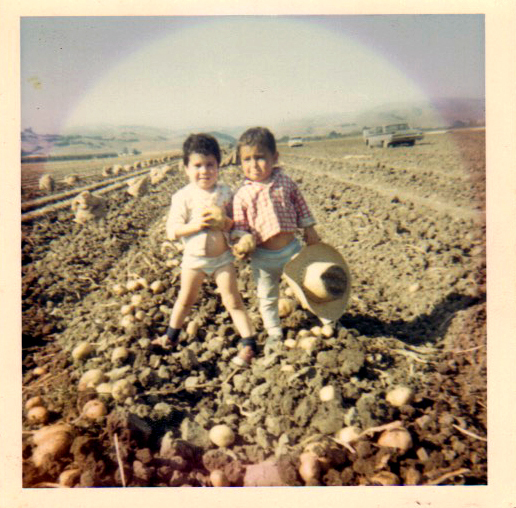
"caption": "Jaime Cortez (right) and his sister Erma in a potato field in San Juan Bautista in 1968.",
"description": "Two toddlers look at the camera as they stand in a potato field that has been overturned for harvesting, each one clutching a large potato. The child on the right also holds an adult-sized straw cowboy hat. ",
"title": "Erma and Jaime Cortez in Potato Field San Juan Bautista ca 1968",
"credit": "Courtesy Jaime Cortez",
"status": "inherit",
"altTag": "Two children are in a field with the child on the right holding a hat.",
"isLoading": false,
"fetchFailed": false
},
"news_11899818": {
"type": "attachments",
"id": "news_11899818",
"meta": {
"index": "attachments_1716263798",
"site": "news",
"id": "11899818",
"found": true
},
"parent": 11899667,
"imgSizes": {
"twentyfourteen-full-width": {
"file": "https://ww2.kqed.org/app/uploads/sites/10/2021/12/016_Oakland_JuneteenthBBPMiniMuseum_06192021-1038x576.jpg",
"width": 1038,
"mimeType": "image/jpeg",
"height": 576
},
"thumbnail": {
"file": "https://ww2.kqed.org/app/uploads/sites/10/2021/12/016_Oakland_JuneteenthBBPMiniMuseum_06192021-160x107.jpg",
"width": 160,
"mimeType": "image/jpeg",
"height": 107
},
"post-thumbnail": {
"file": "https://ww2.kqed.org/app/uploads/sites/10/2021/12/016_Oakland_JuneteenthBBPMiniMuseum_06192021-672x372.jpg",
"width": 672,
"mimeType": "image/jpeg",
"height": 372
},
"kqedFullSize": {
"file": "https://ww2.kqed.org/app/uploads/sites/10/2021/12/016_Oakland_JuneteenthBBPMiniMuseum_06192021.jpg",
"width": 1920,
"height": 1280
},
"large": {
"file": "https://ww2.kqed.org/app/uploads/sites/10/2021/12/016_Oakland_JuneteenthBBPMiniMuseum_06192021-1020x680.jpg",
"width": 1020,
"mimeType": "image/jpeg",
"height": 680
},
"1536x1536": {
"file": "https://ww2.kqed.org/app/uploads/sites/10/2021/12/016_Oakland_JuneteenthBBPMiniMuseum_06192021-1536x1024.jpg",
"width": 1536,
"mimeType": "image/jpeg",
"height": 1024
},
"medium": {
"file": "https://ww2.kqed.org/app/uploads/sites/10/2021/12/016_Oakland_JuneteenthBBPMiniMuseum_06192021-800x533.jpg",
"width": 800,
"mimeType": "image/jpeg",
"height": 533
}
},
"publishDate": 1639959657,
"modified": 1640052639,
"caption": "Donnell McAlister gives kids a chance to sit on top of his horse JJ, named after Jesse James, during a Juneteenth block party to celebrate the opening of Black Panther Party Mini Museum in West Oakland on June 19, 2021.",
"description": "Donnell McAlister gives kids a chance to sit on top of his horse JJ, named after Jesse James, during a Juneteenth block party to celebrate the opening of Black Panther Party Mini Museum in West Oakland on June 19, 2021.",
"title": "Oakland_Juneteenth_BlackPantherPartyMiniMuseum_06192021",
"credit": "Beth LaBerge/KQED",
"status": "inherit",
"altTag": "A child smiles as she is lifted onto a horse by a man in a cowboy hat in front of a blue mural that says, \"Women of the Black Panther Party.\"",
"isLoading": false,
"fetchFailed": false
},
"news_11894481": {
"type": "attachments",
"id": "news_11894481",
"meta": {
"index": "attachments_1716263798",
"site": "news",
"id": "11894481",
"found": true
},
"parent": 11894472,
"imgSizes": {
"twentyfourteen-full-width": {
"file": "https://ww2.kqed.org/app/uploads/sites/10/2021/10/Ziad_Reslan-1038x576.jpg",
"width": 1038,
"mimeType": "image/jpeg",
"height": 576
},
"thumbnail": {
"file": "https://ww2.kqed.org/app/uploads/sites/10/2021/10/Ziad_Reslan-160x119.jpg",
"width": 160,
"mimeType": "image/jpeg",
"height": 119
},
"post-thumbnail": {
"file": "https://ww2.kqed.org/app/uploads/sites/10/2021/10/Ziad_Reslan-672x372.jpg",
"width": 672,
"mimeType": "image/jpeg",
"height": 372
},
"kqedFullSize": {
"file": "https://ww2.kqed.org/app/uploads/sites/10/2021/10/Ziad_Reslan.jpg",
"width": 2028,
"height": 1510
},
"large": {
"file": "https://ww2.kqed.org/app/uploads/sites/10/2021/10/Ziad_Reslan-1020x759.jpg",
"width": 1020,
"mimeType": "image/jpeg",
"height": 759
},
"1536x1536": {
"file": "https://ww2.kqed.org/app/uploads/sites/10/2021/10/Ziad_Reslan-1536x1144.jpg",
"width": 1536,
"mimeType": "image/jpeg",
"height": 1144
},
"full-width": {
"file": "https://ww2.kqed.org/app/uploads/sites/10/2021/10/Ziad_Reslan-1920x1430.jpg",
"width": 1920,
"mimeType": "image/jpeg",
"height": 1430
},
"medium": {
"file": "https://ww2.kqed.org/app/uploads/sites/10/2021/10/Ziad_Reslan-800x596.jpg",
"width": 800,
"mimeType": "image/jpeg",
"height": 596
}
},
"publishDate": 1635703950,
"modified": 1635801194,
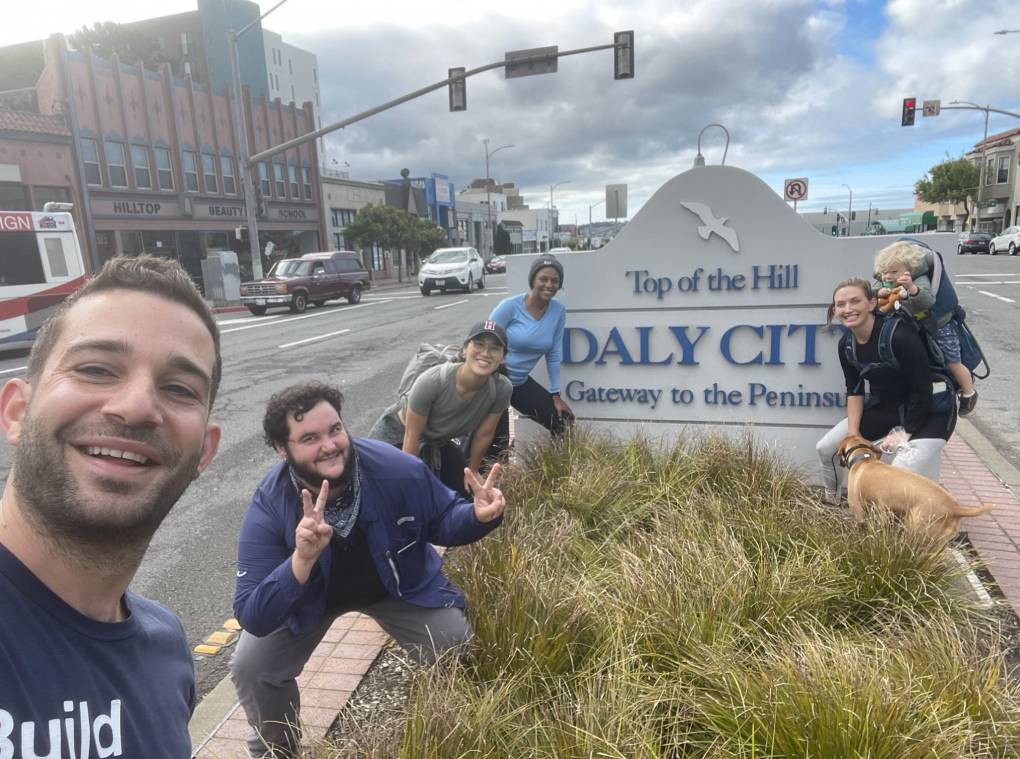
"caption": "Ziad Reslan along with supporters reached Daly City around 11 a.m. on Sunday, October 31, 2021. Reslan is walking nearly 40 miles from San Francisco to Mountain View to raise funds for LGBTQ+ refugees. ",
"description": null,
"title": "Ziad_Reslan",
"credit": "Photo courtesy of Ziad Reslan",
"status": "inherit",
"altTag": "Five people look joyous and somewhat tired while standing next to a sign that says \"Daly City: Gateway to the Peninsula\"",
"isLoading": false,
"fetchFailed": false
},
"news_11881787": {
"type": "attachments",
"id": "news_11881787",
"meta": {
"index": "attachments_1716263798",
"site": "news",
"id": "11881787",
"found": true
},
"parent": 11881770,
"imgSizes": {
"twentyfourteen-full-width": {
"file": "https://ww2.kqed.org/app/uploads/sites/10/2021/07/WheelchairGeneric-1038x576.jpg",
"width": 1038,
"mimeType": "image/jpeg",
"height": 576
},
"thumbnail": {
"file": "https://ww2.kqed.org/app/uploads/sites/10/2021/07/WheelchairGeneric-160x107.jpg",
"width": 160,
"mimeType": "image/jpeg",
"height": 107
},
"post-thumbnail": {
"file": "https://ww2.kqed.org/app/uploads/sites/10/2021/07/WheelchairGeneric-672x372.jpg",
"width": 672,
"mimeType": "image/jpeg",
"height": 372
},
"kqedFullSize": {
"file": "https://ww2.kqed.org/app/uploads/sites/10/2021/07/WheelchairGeneric.jpg",
"width": 1920,
"height": 1280
},
"large": {
"file": "https://ww2.kqed.org/app/uploads/sites/10/2021/07/WheelchairGeneric-1020x680.jpg",
"width": 1020,
"mimeType": "image/jpeg",
"height": 680
},
"1536x1536": {
"file": "https://ww2.kqed.org/app/uploads/sites/10/2021/07/WheelchairGeneric-1536x1024.jpg",
"width": 1536,
"mimeType": "image/jpeg",
"height": 1024
},
"medium": {
"file": "https://ww2.kqed.org/app/uploads/sites/10/2021/07/WheelchairGeneric-800x533.jpg",
"width": 800,
"mimeType": "image/jpeg",
"height": 533
}
},
"publishDate": 1626810823,
"modified": 1626815616,
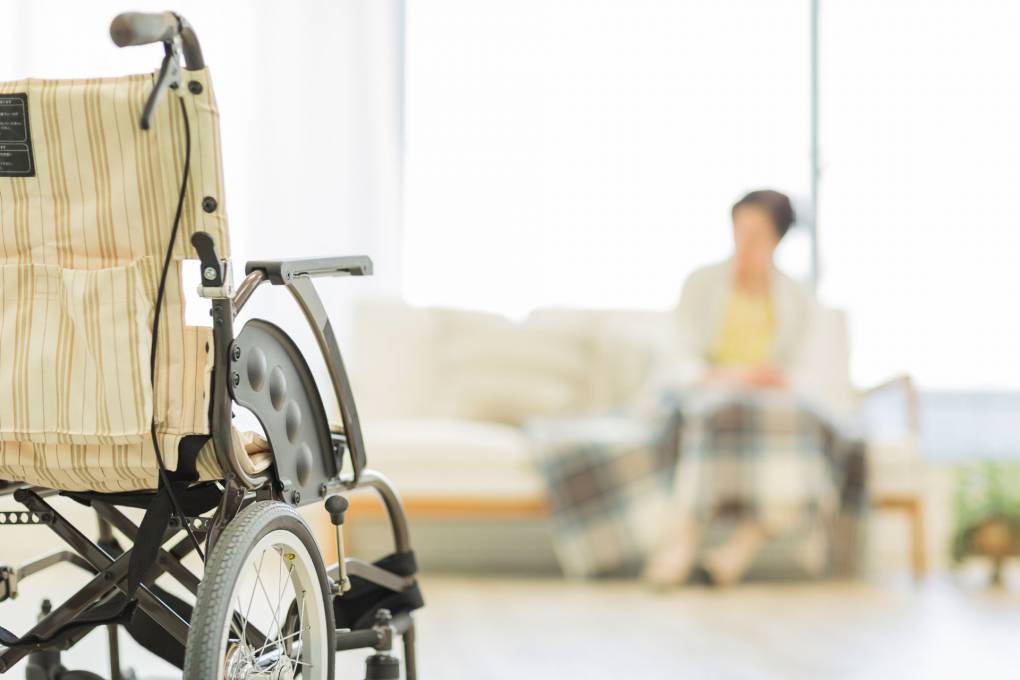
"caption": "A court's decision to overturn a ban on nursing home employees from willfully using anything other than residents' preferred names and pronouns is 'disconnected from the reality facing transgender people,' said state Sen. Scott Wiener, D-San Francisco.",
"description": "A court's decision to overturn a ban on nursing home employees from willfully using anything other than residents' preferred names and pronouns is 'disconnected from the reality facing transgender people,' said Sen. Scott Wiener.",
"title": "WheelchairGeneric",
"credit": "Getty Images",
"status": "inherit",
"altTag": "empty wheelchair in foreground, blurry nursing home resident in background",
"isLoading": false,
"fetchFailed": false
},
"news_11879666": {
"type": "attachments",
"id": "news_11879666",
"meta": {
"index": "attachments_1716263798",
"site": "news",
"id": "11879666",
"found": true
},
"parent": 11879644,
"imgSizes": {
"twentyfourteen-full-width": {
"file": "https://ww2.kqed.org/app/uploads/sites/10/2021/06/RS48084_028_SanFrancisco_NewsomBontaPressConference_03242021-qut-1038x576.jpeg",
"width": 1038,
"mimeType": "image/jpeg",
"height": 576
},
"thumbnail": {
"file": "https://ww2.kqed.org/app/uploads/sites/10/2021/06/RS48084_028_SanFrancisco_NewsomBontaPressConference_03242021-qut-160x107.jpeg",
"width": 160,
"mimeType": "image/jpeg",
"height": 107
},
"post-thumbnail": {
"file": "https://ww2.kqed.org/app/uploads/sites/10/2021/06/RS48084_028_SanFrancisco_NewsomBontaPressConference_03242021-qut-672x372.jpeg",
"width": 672,
"mimeType": "image/jpeg",
"height": 372
},
"kqedFullSize": {
"file": "https://ww2.kqed.org/app/uploads/sites/10/2021/06/RS48084_028_SanFrancisco_NewsomBontaPressConference_03242021-qut.jpeg",
"width": 1920,
"height": 1278
},
"large": {
"file": "https://ww2.kqed.org/app/uploads/sites/10/2021/06/RS48084_028_SanFrancisco_NewsomBontaPressConference_03242021-qut-1020x679.jpeg",
"width": 1020,
"mimeType": "image/jpeg",
"height": 679
},
"1536x1536": {
"file": "https://ww2.kqed.org/app/uploads/sites/10/2021/06/RS48084_028_SanFrancisco_NewsomBontaPressConference_03242021-qut-1536x1022.jpeg",
"width": 1536,
"mimeType": "image/jpeg",
"height": 1022
},
"medium": {
"file": "https://ww2.kqed.org/app/uploads/sites/10/2021/06/RS48084_028_SanFrancisco_NewsomBontaPressConference_03242021-qut-800x533.jpeg",
"width": 800,
"mimeType": "image/jpeg",
"height": 533
}
},
"publishDate": 1624925790,
"modified": 1667866925,
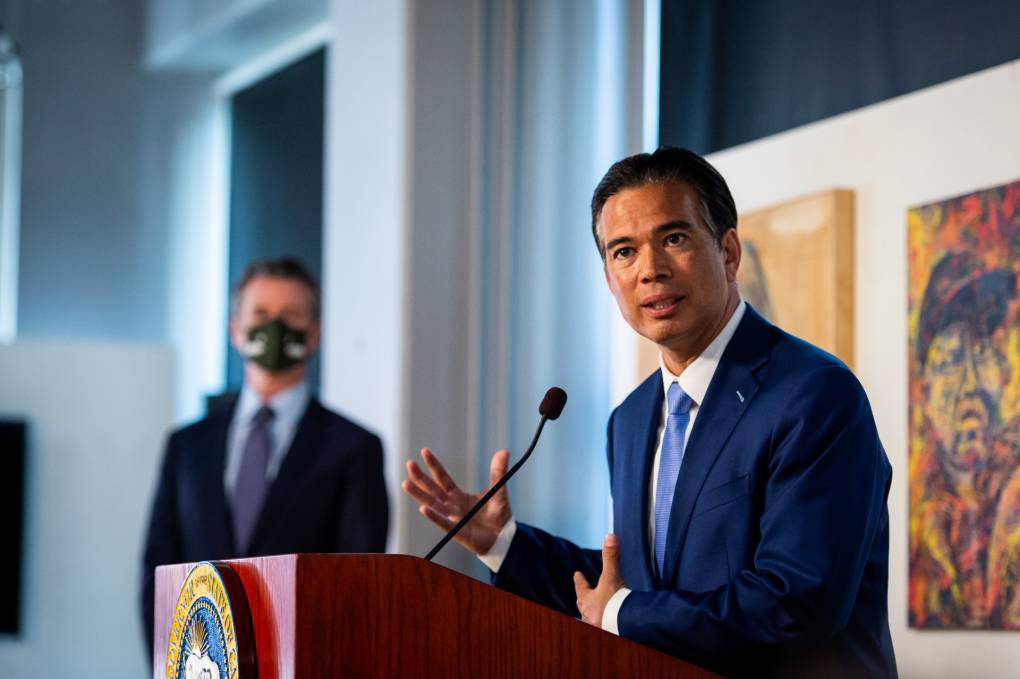
"caption": "Rob Bonta speaks during a press conference in San Francisco on March 24, 2021.",
"description": null,
"title": "RS48084_028_SanFrancisco_NewsomBontaPressConference_03242021-qut",
"credit": "Beth LaBerge/KQED",
"status": "inherit",
"altTag": "AG Rob Bonta speaks at a lectern, with Gov. Gavin Newsom standing in the background.",
"isLoading": false,
"fetchFailed": false
},
"news_11879335": {
"type": "attachments",
"id": "news_11879335",
"meta": {
"index": "attachments_1716263798",
"site": "news",
"id": "11879335",
"found": true
},
"parent": 11879334,
"imgSizes": {
"twentyfourteen-full-width": {
"file": "https://ww2.kqed.org/app/uploads/sites/10/2021/06/Black-Lesbian-Contingent-Pride-1020x670-1-1020x576.jpeg",
"width": 1020,
"mimeType": "image/jpeg",
"height": 576
},
"thumbnail": {
"file": "https://ww2.kqed.org/app/uploads/sites/10/2021/06/Black-Lesbian-Contingent-Pride-1020x670-1-160x105.jpeg",
"width": 160,
"mimeType": "image/jpeg",
"height": 105
},
"post-thumbnail": {
"file": "https://ww2.kqed.org/app/uploads/sites/10/2021/06/Black-Lesbian-Contingent-Pride-1020x670-1-672x372.jpeg",
"width": 672,
"mimeType": "image/jpeg",
"height": 372
},
"kqedFullSize": {
"file": "https://ww2.kqed.org/app/uploads/sites/10/2021/06/Black-Lesbian-Contingent-Pride-1020x670-1.jpeg",
"width": 1020,
"height": 670
},
"medium": {
"file": "https://ww2.kqed.org/app/uploads/sites/10/2021/06/Black-Lesbian-Contingent-Pride-1020x670-1-800x525.jpeg",
"width": 800,
"mimeType": "image/jpeg",
"height": 525
}
},
"publishDate": 1624643303,
"modified": 1624643339,
"caption": "Black lesbian contingent, San Francisco Pride Parade, 1991. ",
"description": null,
"title": "Black-Lesbian-Contingent-Pride-1020x670",
"credit": "Courtesy of H. Lenn Keller/ Oakland Museum of California",
"status": "inherit",
"altTag": null,
"isLoading": false,
"fetchFailed": false
},
"news_11878892": {
"type": "attachments",
"id": "news_11878892",
"meta": {
"index": "attachments_1716263798",
"site": "news",
"id": "11878892",
"found": true
},
"parent": 11878891,
"imgSizes": {
"twentyfourteen-full-width": {
"file": "https://ww2.kqed.org/app/uploads/sites/10/2021/06/AssortedPamphlets-1038x576.jpeg",
"width": 1038,
"mimeType": "image/jpeg",
"height": 576
},
"thumbnail": {
"file": "https://ww2.kqed.org/app/uploads/sites/10/2021/06/AssortedPamphlets-160x107.jpeg",
"width": 160,
"mimeType": "image/jpeg",
"height": 107
},
"post-thumbnail": {
"file": "https://ww2.kqed.org/app/uploads/sites/10/2021/06/AssortedPamphlets-672x372.jpeg",
"width": 672,
"mimeType": "image/jpeg",
"height": 372
},
"kqedFullSize": {
"file": "https://ww2.kqed.org/app/uploads/sites/10/2021/06/AssortedPamphlets.jpeg",
"width": 1200,
"height": 800
},
"large": {
"file": "https://ww2.kqed.org/app/uploads/sites/10/2021/06/AssortedPamphlets-1020x680.jpeg",
"width": 1020,
"mimeType": "image/jpeg",
"height": 680
},
"medium": {
"file": "https://ww2.kqed.org/app/uploads/sites/10/2021/06/AssortedPamphlets-800x533.jpeg",
"width": 800,
"mimeType": "image/jpeg",
"height": 533
}
},
"publishDate": 1624380151,
"modified": 1624380563,
"caption": "Sex education and risk-reduction pamphlets from the 1980s, many produced by the San Francisco AIDS Foundation. (Material from the Gay and Lesbian Center ephemera collection and the San Francisco Ephemera Collection, San Francisco Public Library)",
"description": null,
"title": "AssortedPamphlets",
"credit": "Collage by Sarah Hotchkiss/KQED",
"status": "inherit",
"altTag": null,
"isLoading": false,
"fetchFailed": false
},
"news_11876858": {
"type": "attachments",
"id": "news_11876858",
"meta": {
"index": "attachments_1716263798",
"site": "news",
"id": "11876858",
"found": true
},
"parent": 11876846,
"imgSizes": {
"twentyfourteen-full-width": {
"file": "https://ww2.kqed.org/app/uploads/sites/10/2021/06/Rainbow-Flag-SF-1-1038x576.jpg",
"width": 1038,
"mimeType": "image/jpeg",
"height": 576
},
"thumbnail": {
"file": "https://ww2.kqed.org/app/uploads/sites/10/2021/06/Rainbow-Flag-SF-1-160x120.jpg",
"width": 160,
"mimeType": "image/jpeg",
"height": 120
},
"post-thumbnail": {
"file": "https://ww2.kqed.org/app/uploads/sites/10/2021/06/Rainbow-Flag-SF-1-672x372.jpg",
"width": 672,
"mimeType": "image/jpeg",
"height": 372
},
"kqedFullSize": {
"file": "https://ww2.kqed.org/app/uploads/sites/10/2021/06/Rainbow-Flag-SF-1.jpg",
"width": 1920,
"height": 1440
},
"large": {
"file": "https://ww2.kqed.org/app/uploads/sites/10/2021/06/Rainbow-Flag-SF-1-1020x765.jpg",
"width": 1020,
"mimeType": "image/jpeg",
"height": 765
},
"1536x1536": {
"file": "https://ww2.kqed.org/app/uploads/sites/10/2021/06/Rainbow-Flag-SF-1-1536x1152.jpg",
"width": 1536,
"mimeType": "image/jpeg",
"height": 1152
},
"medium": {
"file": "https://ww2.kqed.org/app/uploads/sites/10/2021/06/Rainbow-Flag-SF-1-800x600.jpg",
"width": 800,
"mimeType": "image/jpeg",
"height": 600
}
},
"publishDate": 1622854755,
"modified": 1622858762,
"caption": "The original 1978 Rainbow Flag returned to San Francisco on June 4, 2021. It's being housed at the GLBT Historical Society Museum and Archive in the city’s Castro District.",
"description": "The original 1978 Rainbow Flag returned to San Francisco on June 4, 2021. It's being housed at the GLBT Historical Society Museum and Archive in the city’s Castro District.",
"title": "Rainbow Flag SF 1",
"credit": "Ezra David Romero/KQED",
"status": "inherit",
"altTag": null,
"isLoading": false,
"fetchFailed": false
},
"news_11876812": {
"type": "attachments",
"id": "news_11876812",
"meta": {
"index": "attachments_1716263798",
"site": "news",
"id": "11876812",
"found": true
},
"parent": 11876583,
"imgSizes": {
"twentyfourteen-full-width": {
"file": "https://ww2.kqed.org/app/uploads/sites/10/2021/06/Luna-Times-Square-1-1038x576.jpg",
"width": 1038,
"mimeType": "image/jpeg",
"height": 576
},
"thumbnail": {
"file": "https://ww2.kqed.org/app/uploads/sites/10/2021/06/Luna-Times-Square-1-160x137.jpg",
"width": 160,
"mimeType": "image/jpeg",
"height": 137
},
"post-thumbnail": {
"file": "https://ww2.kqed.org/app/uploads/sites/10/2021/06/Luna-Times-Square-1-672x372.jpg",
"width": 672,
"mimeType": "image/jpeg",
"height": 372
},
"kqedFullSize": {
"file": "https://ww2.kqed.org/app/uploads/sites/10/2021/06/Luna-Times-Square-1.jpg",
"width": 1920,
"height": 1649
},
"large": {
"file": "https://ww2.kqed.org/app/uploads/sites/10/2021/06/Luna-Times-Square-1-1020x876.jpg",
"width": 1020,
"mimeType": "image/jpeg",
"height": 876
},
"1536x1536": {
"file": "https://ww2.kqed.org/app/uploads/sites/10/2021/06/Luna-Times-Square-1-1536x1319.jpg",
"width": 1536,
"mimeType": "image/jpeg",
"height": 1319
},
"medium": {
"file": "https://ww2.kqed.org/app/uploads/sites/10/2021/06/Luna-Times-Square-1-800x687.jpg",
"width": 800,
"mimeType": "image/jpeg",
"height": 687
}
},
"publishDate": 1622849237,
"modified": 1622849275,
"caption": "Luna Guzmán poses in New York City's Times Square. After years of struggling to make it to California from Guatemala, Luna has been granted humanitarian parole, and allowed to wait for her asylum court date in New York City.",
"description": null,
"title": "Luna-Times-Square",
"credit": "Courtesy Luna Guzmán",
"status": "inherit",
"altTag": null,
"isLoading": false,
"fetchFailed": false
},
"news_11872950": {
"type": "attachments",
"id": "news_11872950",
"meta": {
"index": "attachments_1716263798",
"site": "news",
"id": "11872950",
"found": true
},
"parent": 11872949,
"imgSizes": {
"twentyfourteen-full-width": {
"file": "https://ww2.kqed.org/app/uploads/sites/10/2021/05/ap21130440388099-7d5daa186cef6348ec9dc9fa269799e04eaa5340-1038x576.jpg",
"width": 1038,
"mimeType": "image/jpeg",
"height": 576
},
"thumbnail": {
"file": "https://ww2.kqed.org/app/uploads/sites/10/2021/05/ap21130440388099-7d5daa186cef6348ec9dc9fa269799e04eaa5340-160x120.jpg",
"width": 160,
"mimeType": "image/jpeg",
"height": 120
},
"post-thumbnail": {
"file": "https://ww2.kqed.org/app/uploads/sites/10/2021/05/ap21130440388099-7d5daa186cef6348ec9dc9fa269799e04eaa5340-672x372.jpg",
"width": 672,
"mimeType": "image/jpeg",
"height": 372
},
"kqedFullSize": {
"file": "https://ww2.kqed.org/app/uploads/sites/10/2021/05/ap21130440388099-7d5daa186cef6348ec9dc9fa269799e04eaa5340-scaled-e1620669786577.jpg",
"width": 1920,
"height": 1440
},
"2048x2048": {
"file": "https://ww2.kqed.org/app/uploads/sites/10/2021/05/ap21130440388099-7d5daa186cef6348ec9dc9fa269799e04eaa5340-2048x1536.jpg",
"width": 2048,
"mimeType": "image/jpeg",
"height": 1536
},
"large": {
"file": "https://ww2.kqed.org/app/uploads/sites/10/2021/05/ap21130440388099-7d5daa186cef6348ec9dc9fa269799e04eaa5340-1020x765.jpg",
"width": 1020,
"mimeType": "image/jpeg",
"height": 765
},
"1536x1536": {
"file": "https://ww2.kqed.org/app/uploads/sites/10/2021/05/ap21130440388099-7d5daa186cef6348ec9dc9fa269799e04eaa5340-1536x1152.jpg",
"width": 1536,
"mimeType": "image/jpeg",
"height": 1152
},
"full-width": {
"file": "https://ww2.kqed.org/app/uploads/sites/10/2021/05/ap21130440388099-7d5daa186cef6348ec9dc9fa269799e04eaa5340-1920x1440.jpg",
"width": 1920,
"mimeType": "image/jpeg",
"height": 1440
},
"medium": {
"file": "https://ww2.kqed.org/app/uploads/sites/10/2021/05/ap21130440388099-7d5daa186cef6348ec9dc9fa269799e04eaa5340-800x600.jpg",
"width": 800,
"mimeType": "image/jpeg",
"height": 600
}
},
"publishDate": 1620669544,
"modified": 1620674212,
"caption": "The Biden administration says the government will protect gay and transgender people against sex discrimination in health care. In this 2017 photo, Equality March for Unity and Pride participants march past the White House in Washington, D.C.",
"description": "The Biden administration says the government will protect gay and transgender people against sex discrimination in health care. In this 2017 photo, Equality March for Unity and Pride participants march past the White House in Washington.",
"title": "The Biden administration says the government will protect gay and transgender people against sex discrimination in health care. In this 2017 photo, Equality March for Unity and Pride participants march past the White House in Washington.",
"credit": "Carolyn Kaster/AP",
"status": "inherit",
"altTag": null,
"isLoading": false,
"fetchFailed": false
},
"news_11852386": {
"type": "attachments",
"id": "news_11852386",
"meta": {
"index": "attachments_1716263798",
"site": "news",
"id": "11852386",
"found": true
},
"parent": 11844742,
"imgSizes": {
"apple_news_ca_square_4_0": {
"file": "https://ww2.kqed.org/app/uploads/sites/10/2020/12/LUNA-featured-edit-1020x574-1-470x470.jpg",
"width": 470,
"mimeType": "image/jpeg",
"height": 470
},
"thumbnail": {
"file": "https://ww2.kqed.org/app/uploads/sites/10/2020/12/LUNA-featured-edit-1020x574-1-160x90.jpg",
"width": 160,
"mimeType": "image/jpeg",
"height": 90
},
"post-thumbnail": {
"file": "https://ww2.kqed.org/app/uploads/sites/10/2020/12/LUNA-featured-edit-1020x574-1-672x372.jpg",
"width": 672,
"mimeType": "image/jpeg",
"height": 372
},
"kqedFullSize": {
"file": "https://ww2.kqed.org/app/uploads/sites/10/2020/12/LUNA-featured-edit-1020x574-1.jpg",
"width": 1020,
"height": 574
},
"apple_news_ca_landscape_4_7": {
"file": "https://ww2.kqed.org/app/uploads/sites/10/2020/12/LUNA-featured-edit-1020x574-1-632x474.jpg",
"width": 632,
"mimeType": "image/jpeg",
"height": 474
},
"apple_news_ca_landscape_4_0": {
"file": "https://ww2.kqed.org/app/uploads/sites/10/2020/12/LUNA-featured-edit-1020x574-1-536x402.jpg",
"width": 536,
"mimeType": "image/jpeg",
"height": 402
},
"medium": {
"file": "https://ww2.kqed.org/app/uploads/sites/10/2020/12/LUNA-featured-edit-1020x574-1-800x450.jpg",
"width": 800,
"mimeType": "image/jpeg",
"height": 450
},
"apple_news_ca_portrait_4_0": {
"file": "https://ww2.kqed.org/app/uploads/sites/10/2020/12/LUNA-featured-edit-1020x574-1-354x472.jpg",
"width": 354,
"mimeType": "image/jpeg",
"height": 472
},
"apple_news_ca_portrait_9_7": {
"file": "https://ww2.kqed.org/app/uploads/sites/10/2020/12/LUNA-featured-edit-1020x574-1-840x574.jpg",
"width": 840,
"mimeType": "image/jpeg",
"height": 574
},
"apple_news_ca_portrait_4_7": {
"file": "https://ww2.kqed.org/app/uploads/sites/10/2020/12/LUNA-featured-edit-1020x574-1-414x552.jpg",
"width": 414,
"mimeType": "image/jpeg",
"height": 552
},
"apple_news_ca_portrait_5_5": {
"file": "https://ww2.kqed.org/app/uploads/sites/10/2020/12/LUNA-featured-edit-1020x574-1-687x574.jpg",
"width": 687,
"mimeType": "image/jpeg",
"height": 574
},
"apple_news_ca_square_4_7": {
"file": "https://ww2.kqed.org/app/uploads/sites/10/2020/12/LUNA-featured-edit-1020x574-1-550x550.jpg",
"width": 550,
"mimeType": "image/jpeg",
"height": 550
},
"apple_news_ca_square_5_5": {
"file": "https://ww2.kqed.org/app/uploads/sites/10/2020/12/LUNA-featured-edit-1020x574-1-912x574.jpg",
"width": 912,
"mimeType": "image/jpeg",
"height": 574
}
},
"publishDate": 1608619592,
"modified": 1608620055,
"caption": "Luna Guzmán left Guatemala four years ago with the goal of reaching California. She had to face violence and sexual harassment while she was detained in a migrant detention center near San Diego and was later infected with COVID-19 while she waited for her asylum process in Tijuana.",
"description": "Luna Guzmán left Guatemala four years ago with the goal of reaching California. She had to face violence and sexual harassment while she was detained in a migrant detention center near San Diego and was later infected with COVID-19 while she waited for her asylum process in Tijuana.",
"title": "LUNA-featured-edit-1020x574",
"credit": "Courtest of Luna Guzmán",
"status": "inherit",
"altTag": null,
"isLoading": false,
"fetchFailed": false
},
"news_11867632": {
"type": "attachments",
"id": "news_11867632",
"meta": {
"index": "attachments_1716263798",
"site": "news",
"id": "11867632",
"found": true
},
"parent": 11867310,
"imgSizes": {
"twentyfourteen-full-width": {
"file": "https://ww2.kqed.org/app/uploads/sites/10/2022/04/RS48247_009_Oakland_MillsCollege_03242021-qut-1038x576.jpg",
"width": 1038,
"mimeType": "image/jpeg",
"height": 576
},
"thumbnail": {
"file": "https://ww2.kqed.org/app/uploads/sites/10/2022/04/RS48247_009_Oakland_MillsCollege_03242021-qut-160x107.jpg",
"width": 160,
"mimeType": "image/jpeg",
"height": 107
},
"post-thumbnail": {
"file": "https://ww2.kqed.org/app/uploads/sites/10/2022/04/RS48247_009_Oakland_MillsCollege_03242021-qut-672x372.jpg",
"width": 672,
"mimeType": "image/jpeg",
"height": 372
},
"kqedFullSize": {
"file": "https://ww2.kqed.org/app/uploads/sites/10/2022/04/RS48247_009_Oakland_MillsCollege_03242021-qut.jpg",
"width": 1920,
"height": 1280
},
"large": {
"file": "https://ww2.kqed.org/app/uploads/sites/10/2022/04/RS48247_009_Oakland_MillsCollege_03242021-qut-1020x680.jpg",
"width": 1020,
"mimeType": "image/jpeg",
"height": 680
},
"1536x1536": {
"file": "https://ww2.kqed.org/app/uploads/sites/10/2022/04/RS48247_009_Oakland_MillsCollege_03242021-qut-1536x1024.jpg",
"width": 1536,
"mimeType": "image/jpeg",
"height": 1024
},
"medium": {
"file": "https://ww2.kqed.org/app/uploads/sites/10/2022/04/RS48247_009_Oakland_MillsCollege_03242021-qut-800x533.jpg",
"width": 800,
"mimeType": "image/jpeg",
"height": 533
}
},
"publishDate": 1617310215,
"modified": 1617310263,
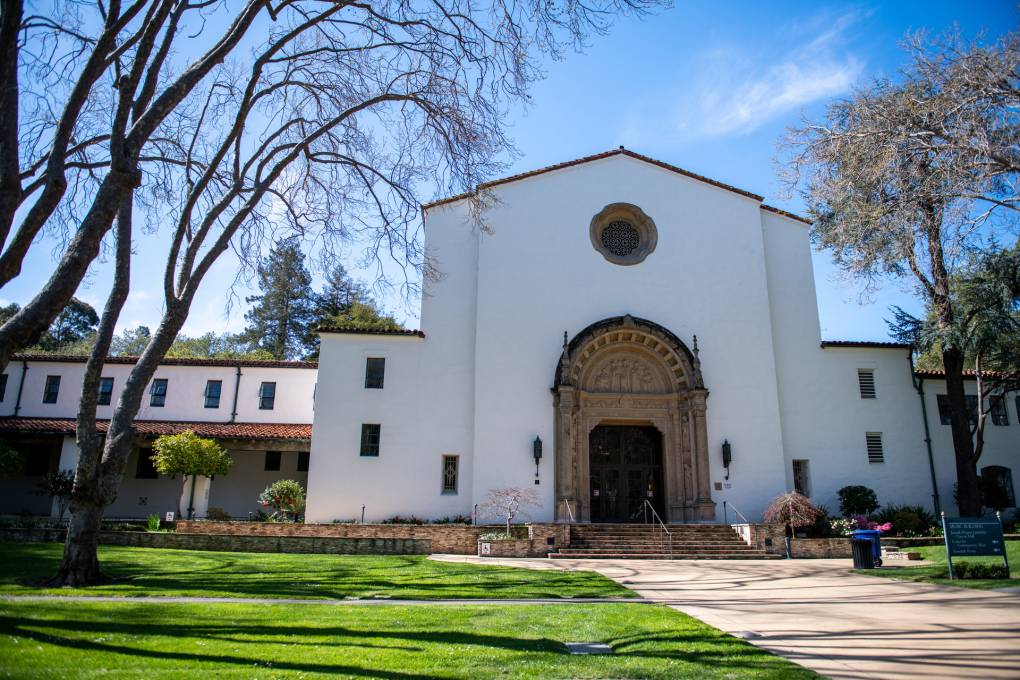
"caption": "The Littlefield Concert Hall at Mills College in Oakland.",
"description": "The Littlefield Concert Hall at Mills College in Oakland.",
"title": "RS48247_009_Oakland_MillsCollege_03242021-qut",
"credit": "Beth LaBerge/KQED",
"status": "inherit",
"altTag": null,
"isLoading": false,
"fetchFailed": false
}
},
"audioPlayerReducer": {
"postId": "stream_live",
"isPaused": true,
"isPlaying": false,
"pfsActive": false,
"pledgeModalIsOpen": true,
"playerDrawerIsOpen": false,
"liveAudioPlayStartedAt": 0,
"liveAudioPlayContext": ""
},
"authorsReducer": {
"byline_news_11872949": {
"type": "authors",
"id": "byline_news_11872949",
"meta": {
"override": true
},
"slug": "byline_news_11872949",
"name": "\u003ca href=\"https://www.npr.org/people/349308023/selena-simmons-duffin\">Selena Simmons-Duffin\u003c/a> and \u003ca href=\"https://www.npr.org/people/348743421/becky-sullivan\">Becky Sullivan\u003c/a>",
"isLoading": false
},
"byline_news_11844742": {
"type": "authors",
"id": "byline_news_11844742",
"meta": {
"override": true
},
"slug": "byline_news_11844742",
"name": "\u003ca href=\"https://www.kqed.org/author/sasha-khokha\">Sasha Khokha\u003c/a> and \u003ca href=\"http://erin-mcintyre.com/\">Erin Siegal McIntyre\u003c/a>",
"isLoading": false
},
"shotchkiss": {
"type": "authors",
"id": "61",
"meta": {
"index": "authors_1716337520",
"id": "61",
"found": true
},
"name": "Sarah Hotchkiss",
"firstName": "Sarah",
"lastName": "Hotchkiss",
"slug": "shotchkiss",
"email": "shotchkiss@kqed.org",
"display_author_email": true,
"staff_mastheads": [
"arts"
],
"title": "Senior Editor",
"bio": "Sarah Hotchkiss is a San Francisco \u003ca href=\"http://www.sarahhotchkiss.com\">artist\u003c/a> and arts writer. In 2019, she received the Dorothea & Leo Rabkin Foundation grant for visual art journalism and in 2020 she received a Society of Professional Journalists, Northern California award for excellence in arts and culture reporting.",
"avatar": "https://secure.gravatar.com/avatar/bc662df144b3d27fd8b1b6f1c2a420d34e91e53154d411bb7ad353cc8b6cea8d?s=600&d=blank&r=g",
"twitter": null,
"bluesky": null,
"facebook": null,
"instagram": null,
"linkedin": null,
"sites": [
{
"site": "",
"roles": [
"editor"
]
},
{
"site": "arts",
"roles": [
"Contributor",
"administrator"
]
},
{
"site": "artschool",
"roles": [
"administrator"
]
},
{
"site": "news",
"roles": [
"editor"
]
},
{
"site": "pop",
"roles": [
"administrator"
]
},
{
"site": "bayareabites",
"roles": [
"editor"
]
},
{
"site": "spark",
"roles": [
"editor"
]
},
{
"site": "checkplease",
"roles": [
"editor"
]
}
],
"headData": {
"title": "Sarah Hotchkiss | KQED",
"description": "Senior Editor",
"ogImgSrc": "https://secure.gravatar.com/avatar/bc662df144b3d27fd8b1b6f1c2a420d34e91e53154d411bb7ad353cc8b6cea8d?s=600&d=blank&r=g",
"twImgSrc": "https://secure.gravatar.com/avatar/bc662df144b3d27fd8b1b6f1c2a420d34e91e53154d411bb7ad353cc8b6cea8d?s=600&d=blank&r=g"
},
"isLoading": false,
"link": "/author/shotchkiss"
},
"kqed": {
"type": "authors",
"id": "236",
"meta": {
"index": "authors_1716337520",
"id": "236",
"found": true
},
"name": "KQED News Staff",
"firstName": "KQED News Staff",
"lastName": null,
"slug": "kqed",
"email": "faq@kqed.org",
"display_author_email": false,
"staff_mastheads": [],
"title": null,
"bio": null,
"avatar": "https://secure.gravatar.com/avatar/ef0e801a68c4c54afa9180db14084167?s=600&d=blank&r=g",
"twitter": null,
"facebook": null,
"instagram": null,
"linkedin": null,
"sites": [
{
"site": "arts",
"roles": [
"contributor"
]
},
{
"site": "news",
"roles": [
"editor"
]
},
{
"site": "futureofyou",
"roles": [
"author"
]
}
],
"headData": {
"title": "KQED News Staff | KQED",
"description": null,
"ogImgSrc": "https://secure.gravatar.com/avatar/ef0e801a68c4c54afa9180db14084167?s=600&d=blank&r=g",
"twImgSrc": "https://secure.gravatar.com/avatar/ef0e801a68c4c54afa9180db14084167?s=600&d=blank&r=g"
},
"isLoading": false,
"link": "/author/kqed"
},
"kqednewsstaffandwires": {
"type": "authors",
"id": "237",
"meta": {
"index": "authors_1716337520",
"id": "237",
"found": true
},
"name": "KQED News Staff and Wires",
"firstName": "KQED News Staff and Wires",
"lastName": null,
"slug": "kqednewsstaffandwires",
"email": "onlinenewsstaff@kqed.org",
"display_author_email": false,
"staff_mastheads": [],
"title": null,
"bio": null,
"avatar": "https://secure.gravatar.com/avatar/72295af8ebbfbd19a4948f5271285664?s=600&d=blank&r=g",
"twitter": null,
"facebook": null,
"instagram": null,
"linkedin": null,
"sites": [
{
"site": "arts",
"roles": [
"contributor"
]
},
{
"site": "news",
"roles": [
"contributor"
]
},
{
"site": "lowdown",
"roles": [
"author"
]
},
{
"site": "stateofhealth",
"roles": [
"contributor"
]
},
{
"site": "food",
"roles": [
"author"
]
}
],
"headData": {
"title": "KQED News Staff and Wires | KQED",
"description": null,
"ogImgSrc": "https://secure.gravatar.com/avatar/72295af8ebbfbd19a4948f5271285664?s=600&d=blank&r=g",
"twImgSrc": "https://secure.gravatar.com/avatar/72295af8ebbfbd19a4948f5271285664?s=600&d=blank&r=g"
},
"isLoading": false,
"link": "/author/kqednewsstaffandwires"
},
"sasha-khokha": {
"type": "authors",
"id": "254",
"meta": {
"index": "authors_1716337520",
"id": "254",
"found": true
},
"name": "Sasha Khokha",
"firstName": "Sasha",
"lastName": "Khokha",
"slug": "sasha-khokha",
"email": "skhokha@kqed.org",
"display_author_email": true,
"staff_mastheads": [
"news"
],
"title": "Host, The California Report Magazine",
"bio": "Sasha Khokha is the host of \u003cem>The California Report's \u003c/em> weekly magazine program, which takes listeners on sound-rich excursions to meet the people that make the Golden State unique -- through audio documentaries and long-form stories. As \u003cem>The California Report's\u003c/em> Central Valley Bureau Chief based in Fresno for nearly a dozen years, Sasha brought the lives and concerns of rural Californians to listeners around the state. Her reporting helped expose the hidden price immigrant women janitors and farmworkers may pay to keep their jobs: sexual assault at work. It inspired two new California laws to protect them from sexual harassment. She was a key member of the reporting team for the Frontline film \u003cem>Rape on the Night Shift, \u003c/em>which was nominated for two national Emmys. Sasha has also won a national Edward R. Murrow and a national PRNDI award for investigative reporting, as well as multiple prizes from the Society for Professional Journalists. Sasha is a proud alum of the UC Berkeley Graduate School of Journalism and Brown University and a member of the South Asian Journalists Association.",
"avatar": "https://secure.gravatar.com/avatar/e4b5e1541aaeea2aa356aa1fb2a68950?s=600&d=blank&r=g",
"twitter": "KQEDSashaKhokha",
"facebook": null,
"instagram": null,
"linkedin": null,
"sites": [
{
"site": "news",
"roles": [
"editor"
]
},
{
"site": "stateofhealth",
"roles": [
"author"
]
},
{
"site": "science",
"roles": [
"author"
]
},
{
"site": "quest",
"roles": [
"subscriber"
]
}
],
"headData": {
"title": "Sasha Khokha | KQED",
"description": "Host, The California Report Magazine",
"ogImgSrc": "https://secure.gravatar.com/avatar/e4b5e1541aaeea2aa356aa1fb2a68950?s=600&d=blank&r=g",
"twImgSrc": "https://secure.gravatar.com/avatar/e4b5e1541aaeea2aa356aa1fb2a68950?s=600&d=blank&r=g"
},
"isLoading": false,
"link": "/author/sasha-khokha"
},
"scottshafer": {
"type": "authors",
"id": "255",
"meta": {
"index": "authors_1716337520",
"id": "255",
"found": true
},
"name": "Scott Shafer",
"firstName": "Scott",
"lastName": "Shafer",
"slug": "scottshafer",
"email": "sshafer@kqed.org",
"display_author_email": false,
"staff_mastheads": [
"news"
],
"title": "KQED Contributor",
"bio": "Scott Shafer is a senior editor with the KQED Politics and Government desk. He is co-host of Political Breakdown, the award-winning radio show and podcast with a personal take on the world of politics. Scott came to KQED in 1998 to host the statewide\u003cem> California Report\u003c/em>. Prior to that he had extended stints in politics and government\u003cem>.\u003c/em> He uses that inside experience at KQED in his, reporting, hosting and analysis for the politics desk. Scott collaborated \u003cem>Political Breakdown a\u003c/em>nd on \u003cem>The Political Mind of Jerry Brown, \u003c/em>an eight-part series about the life and extraordinary political career of the former governor. For fun, he plays water polo with the San Francisco Tsunami.",
"avatar": "https://secure.gravatar.com/avatar/a62ebae45b79d7aed1a39a0e3bf68104?s=600&d=blank&r=g",
"twitter": "scottshafer",
"bluesky": null,
"facebook": null,
"instagram": null,
"linkedin": null,
"sites": [
{
"site": "news",
"roles": [
"editor"
]
},
{
"site": "stateofhealth",
"roles": [
"author"
]
},
{
"site": "science",
"roles": [
"author"
]
},
{
"site": "forum",
"roles": [
"subscriber"
]
},
{
"site": "liveblog",
"roles": [
"author"
]
}
],
"headData": {
"title": "Scott Shafer | KQED",
"description": "KQED Contributor",
"ogImgSrc": "https://secure.gravatar.com/avatar/a62ebae45b79d7aed1a39a0e3bf68104?s=600&d=blank&r=g",
"twImgSrc": "https://secure.gravatar.com/avatar/a62ebae45b79d7aed1a39a0e3bf68104?s=600&d=blank&r=g"
},
"isLoading": false,
"link": "/author/scottshafer"
},
"dkatayama": {
"type": "authors",
"id": "7240",
"meta": {
"index": "authors_1716337520",
"id": "7240",
"found": true
},
"name": "Devin Katayama",
"firstName": "Devin",
"lastName": "Katayama",
"slug": "dkatayama",
"email": "dkatayama@kqed.org",
"display_author_email": true,
"staff_mastheads": [
"news"
],
"title": "Editor of Talent and Development",
"bio": "Devin Katayama is former Editor of Talent and Development for KQED. He supported our internship program and on-call staff by looking for equitable opportunities to improve the newsroom.\r\n\r\nHe previously hosted The Bay and American Suburb podcasts from KQED News. Prior to returning to the Bay Area in 2015, Devin was the education reporter for WFPL in Louisville and worked as a producer with radio stations in Chicago and Portland, OR. His work has appeared on NPR’s \u003cem>Morning Edition, All Things Considered, The Takeaway\u003c/em> and \u003cem>Here and Now.\u003c/em>\r\n\r\nDevin earned his MA in Journalism from Columbia College Chicago, where he was a Follett Fellow and the recipient of the 2011 Studs Terkel Community Media Workshop Scholarship for his story on Chicago's homeless youth. He won WBUR's 2014 Daniel Schorr award and a regional RTNDA Edward R. Murrow Award for his documentary \"At Risk\" that looked at issues facing some of Louisville's students. Devin has also received numerous local awards from the Associated Press and the Society of Professional Journalists.",
"avatar": "https://secure.gravatar.com/avatar/d0d2978a31002fb2de107921a8e18405?s=600&d=blank&r=g",
"twitter": "RadioDevin",
"facebook": null,
"instagram": null,
"linkedin": null,
"sites": [
{
"site": "arts",
"roles": []
},
{
"site": "news",
"roles": [
"author"
]
},
{
"site": "stateofhealth",
"roles": [
"author"
]
},
{
"site": "forum",
"roles": [
"editor"
]
},
{
"site": "perspectives",
"roles": [
"editor"
]
}
],
"headData": {
"title": "Devin Katayama | KQED",
"description": "Editor of Talent and Development",
"ogImgSrc": "https://secure.gravatar.com/avatar/d0d2978a31002fb2de107921a8e18405?s=600&d=blank&r=g",
"twImgSrc": "https://secure.gravatar.com/avatar/d0d2978a31002fb2de107921a8e18405?s=600&d=blank&r=g"
},
"isLoading": false,
"link": "/author/dkatayama"
},
"cveltman": {
"type": "authors",
"id": "8608",
"meta": {
"index": "authors_1716337520",
"id": "8608",
"found": true
},
"name": "Chloe Veltman",
"firstName": "Chloe",
"lastName": "Veltman",
"slug": "cveltman",
"email": "cveltman@kqed.org",
"display_author_email": true,
"staff_mastheads": [],
"title": "Arts and Culture Reporter",
"bio": "Chloe Veltman is a former arts and culture reporter for KQED. Prior to joining the organization, she launched and led the arts bureau at Colorado Public Radio, served as the Bay Area's culture columnist for the New York Times, and was the founder, host and executive producer of VoiceBox, a national award-winning weekly podcast/radio show and live events series all about the human voice. Chloe is the recipient of numerous prizes, grants and fellowships including a Webby Award for her work on interactive storytelling, both the John S Knight Journalism Fellowship and Humanities Center Fellowship at Stanford University, the Sundance Arts Writing Fellowship and a Library of Congress Research Fellowship. She is the author of the book \"On Acting\" and has appeared as a guest lecturer at Yale University and the San Francisco Conservatory of Music among other institutions. She holds a BA in english literature from King's College, Cambridge, and a Masters in Dramaturgy from the Central School of Speech and Drama/Harvard Institute for Advanced Theater Training.\r\n\u003ca href=\"https://www.chloeveltman.com\">www.chloeveltman.com\u003c/a>",
"avatar": "https://secure.gravatar.com/avatar/55403394b00a1ddab683952c2eb2cf85?s=600&d=blank&r=g",
"twitter": "chloeveltman",
"facebook": null,
"instagram": null,
"linkedin": null,
"sites": [
{
"site": "arts",
"roles": []
},
{
"site": "news",
"roles": [
"author"
]
},
{
"site": "pop",
"roles": [
"editor"
]
},
{
"site": "science",
"roles": []
}
],
"headData": {
"title": "Chloe Veltman | KQED",
"description": "Arts and Culture Reporter",
"ogImgSrc": "https://secure.gravatar.com/avatar/55403394b00a1ddab683952c2eb2cf85?s=600&d=blank&r=g",
"twImgSrc": "https://secure.gravatar.com/avatar/55403394b00a1ddab683952c2eb2cf85?s=600&d=blank&r=g"
},
"isLoading": false,
"link": "/author/cveltman"
},
"afont": {
"type": "authors",
"id": "8637",
"meta": {
"index": "authors_1716337520",
"id": "8637",
"found": true
},
"name": "Amanda Font",
"firstName": "Amanda",
"lastName": "Font",
"slug": "afont",
"email": "afont@kqed.org",
"display_author_email": false,
"staff_mastheads": [],
"title": "KQED Contributor",
"bio": "Amanda Font is a producer on \u003cem>The Latest\u003c/em> podcast, and the host and co-producer of the series \u003cem>Audible Cosmos\u003c/em>. She has previously worked as a producer and reporter on the \u003cem>Bay Curious\u003c/em> podcast, and director of \u003cem>The California Report Magazine\u003c/em>. She grew up in the deserts of Southern California and moved north for the trees. Amanda earned a B.A. from the BECA program at San Francisco State, where she worked in the university's radio station. Amanda Font is represented by SAG-AFTRA.",
"avatar": "https://secure.gravatar.com/avatar/d9e81cf0117d5849b9cfb7ab4b1422f1?s=600&d=blank&r=g",
"twitter": null,
"facebook": null,
"instagram": null,
"linkedin": null,
"sites": [
{
"site": "news",
"roles": [
"add_users",
"create_users"
]
},
{
"site": "science",
"roles": []
},
{
"site": "forum",
"roles": [
"administrator"
]
},
{
"site": "perspectives",
"roles": [
"administrator"
]
},
{
"site": "radio",
"roles": [
"administrator"
]
}
],
"headData": {
"title": "Amanda Font | KQED",
"description": "KQED Contributor",
"ogImgSrc": "https://secure.gravatar.com/avatar/d9e81cf0117d5849b9cfb7ab4b1422f1?s=600&d=blank&r=g",
"twImgSrc": "https://secure.gravatar.com/avatar/d9e81cf0117d5849b9cfb7ab4b1422f1?s=600&d=blank&r=g"
},
"isLoading": false,
"link": "/author/afont"
},
"ecruzguevarra": {
"type": "authors",
"id": "8654",
"meta": {
"index": "authors_1716337520",
"id": "8654",
"found": true
},
"name": "Ericka Cruz Guevarra",
"firstName": "Ericka",
"lastName": "Cruz Guevarra",
"slug": "ecruzguevarra",
"email": "ecruzguevarra@kqed.org",
"display_author_email": true,
"staff_mastheads": [
"news"
],
"title": "Producer, The Bay Podcast",
"bio": "Ericka Cruz Guevarra is host of \u003ca href=\"https://www.kqed.org/podcasts/thebay\">\u003cem>The Bay\u003c/em>\u003c/a> podcast at KQED. Before host, she was the show’s producer. Her work in that capacity includes a three-part reported series on policing in Vallejo, which won a 2020 excellence in journalism award from the Society of Professional Journalists. Ericka has worked as a breaking news reporter at Oregon Public Broadcasting, helped produce the Code Switch podcast, and was KQED’s inaugural Raul Ramirez Diversity Fund intern. She’s also an alumna of NPR’s Next Generation Radio program. Send her an email if you have strong feelings about whether Fairfield and Suisun City are the Bay. Ericka is represented by SAG-AFTRA.",
"avatar": "https://secure.gravatar.com/avatar/accefc1de4bafc7e234b69bcb9b6f6536c130fd84709bc3069ef11a78787e1bb?s=600&d=blank&r=g",
"twitter": "NotoriousECG",
"bluesky": null,
"facebook": null,
"instagram": null,
"linkedin": null,
"sites": [
{
"site": "arts",
"roles": [
"subscriber"
]
},
{
"site": "news",
"roles": [
"editor",
"manage_categories"
]
},
{
"site": "futureofyou",
"roles": [
"subscriber"
]
},
{
"site": "stateofhealth",
"roles": [
"subscriber"
]
},
{
"site": "science",
"roles": [
"editor"
]
},
{
"site": "forum",
"roles": [
"subscriber"
]
}
],
"headData": {
"title": "Ericka Cruz Guevarra | KQED",
"description": "Producer, The Bay Podcast",
"ogImgSrc": "https://secure.gravatar.com/avatar/accefc1de4bafc7e234b69bcb9b6f6536c130fd84709bc3069ef11a78787e1bb?s=600&d=blank&r=g",
"twImgSrc": "https://secure.gravatar.com/avatar/accefc1de4bafc7e234b69bcb9b6f6536c130fd84709bc3069ef11a78787e1bb?s=600&d=blank&r=g"
},
"isLoading": false,
"link": "/author/ecruzguevarra"
},
"lsarah": {
"type": "authors",
"id": "11626",
"meta": {
"index": "authors_1716337520",
"id": "11626",
"found": true
},
"name": "Lakshmi Sarah",
"firstName": "Lakshmi",
"lastName": "Sarah",
"slug": "lsarah",
"email": "lsarah@kqed.org",
"display_author_email": false,
"staff_mastheads": [],
"title": "Digital Producer",
"bio": "Lakshmi Sarah is an educator, author and journalist with a focus on innovative storytelling. She has worked with newspapers, radio and magazines from Ahmedabad, India to Los Angeles, California. She has written and produced for Die Zeit, Global Voices, AJ+, KQED, Fusion Media Group and the New York Times.",
"avatar": "https://secure.gravatar.com/avatar/652dcaecd8b28826fc17a8b2d6bb4e93?s=600&d=blank&r=g",
"twitter": "lakitalki",
"facebook": null,
"instagram": "https://www.instagram.com/laki.talki/",
"linkedin": "https://www.linkedin.com/in/lakisarah/",
"sites": [
{
"site": "arts",
"roles": []
},
{
"site": "news",
"roles": []
},
{
"site": "bayareabites",
"roles": []
},
{
"site": "science",
"roles": []
}
],
"headData": {
"title": "Lakshmi Sarah | KQED",
"description": "Digital Producer",
"ogImgSrc": "https://secure.gravatar.com/avatar/652dcaecd8b28826fc17a8b2d6bb4e93?s=600&d=blank&r=g",
"twImgSrc": "https://secure.gravatar.com/avatar/652dcaecd8b28826fc17a8b2d6bb4e93?s=600&d=blank&r=g"
},
"isLoading": false,
"link": "/author/lsarah"
},
"amontecillo": {
"type": "authors",
"id": "11649",
"meta": {
"index": "authors_1716337520",
"id": "11649",
"found": true
},
"name": "Alan Montecillo",
"firstName": "Alan",
"lastName": "Montecillo",
"slug": "amontecillo",
"email": "amontecillo@kqed.org",
"display_author_email": false,
"staff_mastheads": [
"news"
],
"title": "KQED Contributor",
"bio": "Alan Montecillo is the senior editor of \u003cem>\u003ca href=\"http://kqed.org/thebay\">The Bay\u003c/a>, \u003c/em> KQED's local news podcast. Before moving to the Bay Area, he worked as a senior talk show producer for WILL in Champaign-Urbana, Illinois and at Oregon Public Broadcasting in Portland, Oregon. He has won journalism awards from the Society of Professional Journalists Northern California, the Public Media Journalists Association, The Signal Awards, and has also received a regional Edward R. Murrow award. Alan is a Filipino American from Hong Kong and a graduate of Reed College.",
"avatar": "https://secure.gravatar.com/avatar/268f53a2066899ea9efdd8a5900218b17c822d9862cbc9326cccec53ef41d349?s=600&d=blank&r=g",
"twitter": "alanmontecillo",
"bluesky": null,
"facebook": null,
"instagram": null,
"linkedin": null,
"sites": [
{
"site": "",
"roles": [
"editor"
]
},
{
"site": "news",
"roles": [
"editor",
"manage_categories"
]
}
],
"headData": {
"title": "Alan Montecillo | KQED",
"description": "KQED Contributor",
"ogImgSrc": "https://secure.gravatar.com/avatar/268f53a2066899ea9efdd8a5900218b17c822d9862cbc9326cccec53ef41d349?s=600&d=blank&r=g",
"twImgSrc": "https://secure.gravatar.com/avatar/268f53a2066899ea9efdd8a5900218b17c822d9862cbc9326cccec53ef41d349?s=600&d=blank&r=g"
},
"isLoading": false,
"link": "/author/amontecillo"
},
"smartos": {
"type": "authors",
"id": "11741",
"meta": {
"index": "authors_1716337520",
"id": "11741",
"found": true
},
"name": "Shaylyn Martos",
"firstName": "Shaylyn",
"lastName": "Martos",
"slug": "smartos",
"email": "smartos@kqed.org",
"display_author_email": false,
"staff_mastheads": [],
"title": "KQED Contributor",
"bio": null,
"avatar": "https://secure.gravatar.com/avatar/ca566efb61a864c9a7fff48e77d45f31?s=600&d=blank&r=g",
"twitter": "@shaylynmartos",
"facebook": null,
"instagram": null,
"linkedin": null,
"sites": [
{
"site": "news",
"roles": [
"author"
]
}
],
"headData": {
"title": "Shaylyn Martos | KQED",
"description": "KQED Contributor",
"ogImgSrc": "https://secure.gravatar.com/avatar/ca566efb61a864c9a7fff48e77d45f31?s=600&d=blank&r=g",
"twImgSrc": "https://secure.gravatar.com/avatar/ca566efb61a864c9a7fff48e77d45f31?s=600&d=blank&r=g"
},
"isLoading": false,
"link": "/author/smartos"
},
"eromero": {
"type": "authors",
"id": "11746",
"meta": {
"index": "authors_1716337520",
"id": "11746",
"found": true
},
"name": "Ezra David Romero",
"firstName": "Ezra David",
"lastName": "Romero",
"slug": "eromero",
"email": "eromero@kqed.org",
"display_author_email": true,
"staff_mastheads": [
"news",
"science"
],
"title": "Climate Reporter",
"bio": "Ezra David Romero is a climate reporter for KQED News. He covers the absence and excess of water in the Bay Area — think sea level rise, flooding and drought. For nearly a decade he’s covered how warming temperatures are altering the lives of Californians. He’s reported on farmers worried their pistachio trees aren’t getting enough sleep, families desperate for water, scientists studying dying giant sequoias, and alongside firefighters containing wildfires. His work has appeared on local stations across California and nationally on public radio shows like Morning Edition, Here and Now, All Things Considered and Science Friday. ",
"avatar": "https://secure.gravatar.com/avatar/c76404d287c10ed40224227551ac36e24352c7306f106632caf6fead76f8801f?s=600&d=blank&r=g",
"twitter": "ezraromero",
"bluesky": null,
"facebook": null,
"instagram": null,
"linkedin": null,
"sites": [
{
"site": "arts",
"roles": [
"editor"
]
},
{
"site": "news",
"roles": [
"editor"
]
},
{
"site": "science",
"roles": [
"editor"
]
},
{
"site": "liveblog",
"roles": [
"author"
]
}
],
"headData": {
"title": "Ezra David Romero | KQED",
"description": "Climate Reporter",
"ogImgSrc": "https://secure.gravatar.com/avatar/c76404d287c10ed40224227551ac36e24352c7306f106632caf6fead76f8801f?s=600&d=blank&r=g",
"twImgSrc": "https://secure.gravatar.com/avatar/c76404d287c10ed40224227551ac36e24352c7306f106632caf6fead76f8801f?s=600&d=blank&r=g"
},
"isLoading": false,
"link": "/author/eromero"
}
},
"pagesReducer": {
"news_tag_lgbtq": {
"type": "terms",
"id": "news_20004",
"meta": {
"index": "terms_1716263798",
"site": "news",
"id": "20004",
"score": 8.284343
},
"featImg": null,
"name": "LGBTQ",
"description": null,
"taxonomy": "tag",
"headData": {
"twImgId": null,
"twTitle": null,
"ogTitle": null,
"ogImgId": null,
"twDescription": null,
"description": null,
"title": "LGBTQ Archives | KQED News",
"ogDescription": null
},
"ttid": 20021,
"slug": "lgbtq",
"isLoading": false,
"title": "LGBTQ",
"pageMeta": {
"site": "news",
"WpPageTemplate": "page-topic-editorial",
"currentPage": 14
},
"blocks": [
{
"blockName": "kqed/post-list",
"attrs": {
"layout": "cardArticle2",
"query": "posts/news?tag=lgbtq",
"seeMore": false,
"paginated": true,
"page": 14
}
},
{
"blockName": "kqed/ad"
}
]
}
},
"pfsSessionReducer": {},
"postsReducer": {
"stream_live": {
"type": "live",
"id": "stream_live",
"audioUrl": "https://streams.kqed.org/kqedradio",
"title": "Live Stream",
"excerpt": "Live Stream information currently unavailable.",
"link": "/radio",
"featImg": "",
"label": {
"name": "KQED Live",
"link": "/"
}
},
"stream_kqedNewscast": {
"type": "posts",
"id": "stream_kqedNewscast",
"audioUrl": "https://www.kqed.org/.stream/anon/radio/RDnews/newscast.mp3?_=1",
"title": "KQED Newscast",
"featImg": "",
"label": {
"name": "88.5 FM",
"link": "/"
}
},
"news_11901390": {
"type": "posts",
"id": "news_11901390",
"meta": {
"index": "posts_1716263798",
"site": "news",
"id": "11901390",
"score": null,
"sort": [
1642199551000
]
},
"guestAuthors": [],
"slug": "jaime-cortezs-world-of-humor-queerness-and-tenderness-in-a-farmworker-labor-camp",
"title": "Jaime Cortez's World of Humor, Queerness and Tenderness, in a Farmworker Labor Camp",
"publishDate": 1642199551,
"format": "standard",
"headTitle": "Jaime Cortez’s World of Humor, Queerness and Tenderness, in a Farmworker Labor Camp | KQED",
"labelTerm": {
"term": 26731,
"site": "news"
},
"content": "\u003cp>\u003cspan style=\"font-weight: 400\">\u003cem>\u003ca href=\"http://itunes.apple.com/us/podcast/the-california-report-magazine/id1314750545?mt=2\" target=\"_blank\" rel=\"noopener noreferrer\" data-stringify-link=\"http://itunes.apple.com/us/podcast/the-california-report-magazine/id1314750545?mt=2\" data-sk=\"tooltip_parent\" data-remove-tab-index=\"true\">Listen to this and more in-depth storytelling by subscribing to The California Report Magazine podcast.\u003c/a>\u003c/em>\u003c/span>\u003c/p>\n\u003cp>\u003cspan style=\"font-weight: 400\">In his debut collection, “Gordo,” artist and author \u003ca href=\"https://jaimecortez.org/page/1-About.html\">Jaime Cortez\u003c/a>\u003c/span>\u003cspan style=\"font-weight: 400\"> pens short stories set in the central coast farmworker camps he grew up in near Watsonville and San Juan Bautista. By the time he was 10, Jaime was a veteran of the annual garlic and potato harvests. The book, which he says is “semi-autobiographical,” is a journey of queer self-discovery and complex identities that don’t fit the usual stereotypes of Steinbeck country, with lots of humor blended in. Cortez recently spoke with California Report Magazine host Sasha Khokha about the new collection.\u003c/span>\u003c/p>\n\u003cp>\u003cem>\u003cspan style=\"font-weight: 400\">Excerpts from their interview are edited for brevity and clarity. \u003c/span>\u003c/em>[pullquote size=\"medium\" align=\"right\" citation=\"Jaime Cortez, artist and author\"]‘Without the humor, I think my story could easily sink into the realm of the abject: just the poverty, just the violence, just the pain, just the fear. I don’t think of my childhood, for all of its rigors, as abject. I just think of it as full. It was just the fullness of life, the horror of it, the hilarity of it, the heartbreak of it.’[/pullquote]\u003c/p>\n\u003ch3>On growing up in a farmworker labor camp\u003c/h3>\n\u003cp>When you’re a little kid, you only know what you know about where you grow up. So for me, growing up in the farmworker camp was a perfectly normal experience. I didn’t realize that was in any ways kind of unusual or out of the norm until I began attending school. Not realizing just how low-income we were, until we started getting out to school and into the surrounding community a bit more and realizing other people have indoor plumbing when they go to the toilet. Other people have telephones in their house. And those are things that we did not have in the farmworker camps at that time in the early ’70s. As I got older, I began to realize that we were pretty marginal, like not just because we were on the margins of town, out in the middle of the agricultural fields, but also we were socioeconomically marginal.\u003c/p>\n\u003cp>There was a sense of the camps being like small villages. People knew each other. We often worked side by side. Some of the families were there just temporarily for harvest season. Other families like mine or my grandparents’ family were there year-round doing the work that’s necessary to keep the farm and the ranch going throughout the year. So, it had a transitory quality to it in many ways, and it also had a real kind of a sense of community and connection.\u003c/p>\n\u003ch3>On growing up queer in rural California\u003c/h3>\n\u003cp>As I wrote the book, I was really thinking a lot about what it means to be a queer kid, but to not have language for that yet, not … to not understand what that means. The way I experienced it as a small child was just, I had feelings. I had attractions. I had a certain fascination with other boys in school, but I didn’t have a name for what was happening yet. As I moved further through elementary school, I quickly learned that queer was a “bad” thing. I learned that lesson pretty quickly. If that’s what you are, you are going to be ostracized, terrorized. But [at] the age that Gordo [is], the main character, who is my avatar, [he] doesn’t have language or a framework quite yet. He just has these feelings, and he just has this dawning understanding that being different can be really perilous.\u003c/p>\n\u003ch3>On the theme of machismo in the book and parallels with his own childhood\u003c/h3>\n\u003cp>Most of these stories are overwhelmingly based on real things that happened. My father [really] bought me boxing gear. Looking back on that gesture, I really felt a lot of compassion for my father in that moment because he grew up in a world where he lost his father when he was a very small child and had to go out and work in the world to support the family. From the time he was 4 or 5 years old, he was out selling newspapers by himself in Mexicali. He experienced the need to survive and to fight, to physically fight. So the way he understood the world was that the possibility [and risk] of physical combat was always present. So if you’re going to take care of your son, you need to have him be prepared for that. I think he looked at me and I was this kind of quiet, artistic, kind of shy kid, and he was thinking, I got to toughen this kid up.\u003c/p>\n\u003cp>So he bought this boxing gear. There’s a tragicomic element to that because it really shows the complete inability parents sometimes have to just really see their child for who they are, as opposed to seeing them for who you want them to be. It could not have been a less appropriate gift, because this child had no combativeness in him. Of course, the boy in his queerness, he’s unpacking all this boxing and wrestling gear, and the thing that really excites him is the jump rope because he’s a sissy boy and he likes jumping rope! A complete thwarting of the intention of the gift, which was to me where the tragic comedy of the whole story lies — when we get our wires crossed this way with each other.\u003c/p>\n\u003cfigure id=\"attachment_11901391\" class=\"wp-caption aligncenter\" style=\"max-width: 800px\">\u003ca href=\"https://ww2.kqed.org/app/uploads/sites/10/2022/01/Jaime-Cortez-author-pic-by-Mark-Smotroff-4-in.jpg\">\u003cimg loading=\"lazy\" decoding=\"async\" class=\"size-medium wp-image-11901391\" src=\"https://ww2.kqed.org/app/uploads/sites/10/2022/01/Jaime-Cortez-author-pic-by-Mark-Smotroff-4-in-800x1067.jpg\" alt=\"A man wearing glasses and navy blue shirt.\" width=\"800\" height=\"1067\" srcset=\"https://cdn.kqed.org/wp-content/uploads/sites/10/2022/01/Jaime-Cortez-author-pic-by-Mark-Smotroff-4-in-800x1067.jpg 800w, https://cdn.kqed.org/wp-content/uploads/sites/10/2022/01/Jaime-Cortez-author-pic-by-Mark-Smotroff-4-in-1020x1360.jpg 1020w, https://cdn.kqed.org/wp-content/uploads/sites/10/2022/01/Jaime-Cortez-author-pic-by-Mark-Smotroff-4-in-160x213.jpg 160w, https://cdn.kqed.org/wp-content/uploads/sites/10/2022/01/Jaime-Cortez-author-pic-by-Mark-Smotroff-4-in-1152x1536.jpg 1152w, https://cdn.kqed.org/wp-content/uploads/sites/10/2022/01/Jaime-Cortez-author-pic-by-Mark-Smotroff-4-in.jpg 1200w\" sizes=\"(max-width: 800px) 100vw, 800px\">\u003c/a>\u003cfigcaption class=\"wp-caption-text\">Jaime Cortez, author of the new short story collection ‘Gordo,’ set in a migrant farmworker camp in Watsonville in the 1970s. \u003ccite>(Mark Smotroff)\u003c/cite>\u003c/figcaption>\u003c/figure>\n\u003ch3>On the significance of Vicente Fernández’s song ‘Volver, Volver’ in the book\u003c/h3>\n\u003cp>Vicente Fernández often gets compared to Elvis Presley, but I don’t think that’s quite accurate. Because in some ways, Vicente Fernández was a situation where a pop idol became the embodiment of the nation. The only kind of comparable things that I could think of would be what Bob Marley is to Jamaica or what Edith Piaf was to France. And so that’s how big of a deal he was to Mexicans and to the immigrant communities and their children. He passed recently, and it was a momentous, momentous passing for the country.\u003c/p>\n\u003cp>That song “Volver, Volver” to me functions as the unofficial and true national anthem of Mexico. And it is a song that’s full of yearning and longing, and what in Portuguese is called “saudade,” that kind of longing for that which is passed. It’s about the desire to go back. And the impossibility of going back. And it’s tremendously sentimental. It is a classic tears-in-your-beer ranchera ballad. It’s so stirring to us. It’s the classic drinking song that, you know, people will get a bit hammered, they’ll put that on, and pretty soon everyone’s singing at the top of their lungs. Probably off-key, but with full of emotion and tears in their eyes. It’s something of great emotion [in the book]. It’s a song that gives everyone permission to have the fullness of their emotion and their tears. And that becomes especially significant for men and male characters.\u003c/p>\n\u003cfigure id=\"attachment_11901394\" class=\"wp-caption aligncenter\" style=\"max-width: 800px\">\u003ca href=\"https://ww2.kqed.org/app/uploads/sites/10/2022/01/Gordo-Cover-200-DPI.jpeg\">\u003cimg loading=\"lazy\" decoding=\"async\" class=\"size-medium wp-image-11901394\" src=\"https://ww2.kqed.org/app/uploads/sites/10/2022/01/Gordo-Cover-200-DPI-800x1180.jpeg\" alt='An illustration for a book cover with a small child wearing a knitted hat and necklace on one knee with the word \"Gordo\" across his chest.' width=\"800\" height=\"1180\" srcset=\"https://cdn.kqed.org/wp-content/uploads/sites/10/2022/01/Gordo-Cover-200-DPI-800x1180.jpeg 800w, https://cdn.kqed.org/wp-content/uploads/sites/10/2022/01/Gordo-Cover-200-DPI-1020x1504.jpeg 1020w, https://cdn.kqed.org/wp-content/uploads/sites/10/2022/01/Gordo-Cover-200-DPI-160x236.jpeg 160w, https://cdn.kqed.org/wp-content/uploads/sites/10/2022/01/Gordo-Cover-200-DPI-1042x1536.jpeg 1042w, https://cdn.kqed.org/wp-content/uploads/sites/10/2022/01/Gordo-Cover-200-DPI.jpeg 1108w\" sizes=\"(max-width: 800px) 100vw, 800px\">\u003c/a>\u003cfigcaption class=\"wp-caption-text\">Cover of the book ‘Gordo,’ a collection of short stories by Jaime Cortez.\u003c/figcaption>\u003c/figure>\n\u003ch3>On the importance of injecting humor into serious stories\u003c/h3>\n\u003cp>I grew up with funny people. My parents were funny. My grandparents were funny. It was a basic survival mechanism, to survive the rigors and really the horror, sometimes, of life. To be able to deploy that gallows humor, to kind of step back, take a breath and just laugh, if for no other reason than because you made it through and you’re still alive. I grew up around people who were constantly deploying humor as a way of dealing with the inevitable hardships, heartbreak and terror of life. Without the humor, I think my story could easily sink into the realm of the abject: just the poverty, just the violence, just the pain, just the fear. I don’t think of my childhood, for all of its rigors, as abject. I just think of it as full. It was just the fullness of life, the horror of it, the hilarity of it, the heartbreak of it. All of it needs to be able to sit in productive friction in these stories if they’re going to feel like the way I understand life to be. They sit together as a way of making it something that a reader can access, digest, connect to.\u003c/p>\n\u003cp>Also, I want my book to be a fun read, and the humor is absolutely core to that objective. It’s something I grew up with later on as an adult in the LGBT community. The deployment of humor is a relentless kind of thing. Gay men who I came up with politically and socially — they were so funny. Just funny, funny people. And so I honor all of that history I have with humor.\u003c/p>\n\u003cp>[ad fullwidth]\u003c/p>\n\u003cp>[ad floatright]\u003c/p>\n",
"blocks": [],
"excerpt": "'Gordo' is a journey of queer self-discovery that doesn't fit the usual stereotypes of Steinbeck country.",
"status": "publish",
"parent": 0,
"modified": 1721131959,
"stats": {
"hasAudio": false,
"hasVideo": false,
"hasChartOrMap": false,
"iframeSrcs": [],
"hasGoogleForm": false,
"hasGallery": false,
"hasHearkenModule": false,
"hasPolis": false,
"paragraphCount": 14,
"wordCount": 1582
},
"headData": {
"title": "Jaime Cortez's World of Humor, Queerness and Tenderness, in a Farmworker Labor Camp | KQED",
"description": "'Gordo' is a journey of queer self-discovery that doesn't fit the usual stereotypes of Steinbeck country.",
"ogTitle": "",
"ogDescription": "",
"ogImgId": "",
"twTitle": "",
"twDescription": "",
"twImgId": "",
"schema": {
"@context": "https://schema.org",
"@type": "NewsArticle",
"headline": "Jaime Cortez's World of Humor, Queerness and Tenderness, in a Farmworker Labor Camp",
"datePublished": "2022-01-14T14:32:31-08:00",
"dateModified": "2024-07-16T05:12:39-07:00",
"image": "https://cdn.kqed.org/wp-content/uploads/2020/02/KQED-OG-Image@1x.png",
"isAccessibleForFree": "True",
"publisher": {
"@type": "NewsMediaOrganization",
"@id": "https://www.kqed.org/#organization",
"name": "KQED",
"logo": "https://cdn.kqed.org/wp-content/uploads/2020/02/KQED-OG-Image@1x.png",
"url": "https://www.kqed.org",
"sameAs": [
"https://www.facebook.com/KQED",
"https://twitter.com/KQED",
"https://www.instagram.com/kqed/",
"https://www.tiktok.com/@kqedofficial",
"https://www.linkedin.com/company/kqed",
"https://www.youtube.com/channel/UCeC0IOo7i1P_61zVUWbJ4nw"
]
}
}
},
"audioUrl": "https://traffic.omny.fm/d/clips/0af137ef-751e-4b19-a055-aaef00d2d578/ffca7e9f-6831-41c5-bcaf-aaef00f5a073/21e388e1-5435-4ca7-b101-ae1d016fe5ee/audio.mp3",
"sticky": false,
"excludeFromSiteSearch": "Include",
"path": "/news/11901390/jaime-cortezs-world-of-humor-queerness-and-tenderness-in-a-farmworker-labor-camp",
"audioTrackLength": null,
"parsedContent": [
{
"type": "contentString",
"content": "\u003cdiv class=\"post-body\">\u003cp>\u003cp>\u003cspan style=\"font-weight: 400\">\u003cem>\u003ca href=\"http://itunes.apple.com/us/podcast/the-california-report-magazine/id1314750545?mt=2\" target=\"_blank\" rel=\"noopener noreferrer\" data-stringify-link=\"http://itunes.apple.com/us/podcast/the-california-report-magazine/id1314750545?mt=2\" data-sk=\"tooltip_parent\" data-remove-tab-index=\"true\">Listen to this and more in-depth storytelling by subscribing to The California Report Magazine podcast.\u003c/a>\u003c/em>\u003c/span>\u003c/p>\n\u003cp>\u003cspan style=\"font-weight: 400\">In his debut collection, “Gordo,” artist and author \u003ca href=\"https://jaimecortez.org/page/1-About.html\">Jaime Cortez\u003c/a>\u003c/span>\u003cspan style=\"font-weight: 400\"> pens short stories set in the central coast farmworker camps he grew up in near Watsonville and San Juan Bautista. By the time he was 10, Jaime was a veteran of the annual garlic and potato harvests. The book, which he says is “semi-autobiographical,” is a journey of queer self-discovery and complex identities that don’t fit the usual stereotypes of Steinbeck country, with lots of humor blended in. Cortez recently spoke with California Report Magazine host Sasha Khokha about the new collection.\u003c/span>\u003c/p>\n\u003cp>\u003cem>\u003cspan style=\"font-weight: 400\">Excerpts from their interview are edited for brevity and clarity. \u003c/span>\u003c/em>\u003c/p>\u003c/div>",
"attributes": {
"named": {},
"numeric": []
}
},
{
"type": "component",
"content": "‘Without the humor, I think my story could easily sink into the realm of the abject: just the poverty, just the violence, just the pain, just the fear. I don’t think of my childhood, for all of its rigors, as abject. I just think of it as full. It was just the fullness of life, the horror of it, the hilarity of it, the heartbreak of it.’",
"name": "pullquote",
"attributes": {
"named": {
"size": "medium",
"align": "right",
"citation": "Jaime Cortez, artist and author",
"label": ""
},
"numeric": []
}
},
{
"type": "contentString",
"content": "\u003cdiv class=\"post-body\">\u003cp>\u003c/p>\n\u003ch3>On growing up in a farmworker labor camp\u003c/h3>\n\u003cp>When you’re a little kid, you only know what you know about where you grow up. So for me, growing up in the farmworker camp was a perfectly normal experience. I didn’t realize that was in any ways kind of unusual or out of the norm until I began attending school. Not realizing just how low-income we were, until we started getting out to school and into the surrounding community a bit more and realizing other people have indoor plumbing when they go to the toilet. Other people have telephones in their house. And those are things that we did not have in the farmworker camps at that time in the early ’70s. As I got older, I began to realize that we were pretty marginal, like not just because we were on the margins of town, out in the middle of the agricultural fields, but also we were socioeconomically marginal.\u003c/p>\n\u003cp>There was a sense of the camps being like small villages. People knew each other. We often worked side by side. Some of the families were there just temporarily for harvest season. Other families like mine or my grandparents’ family were there year-round doing the work that’s necessary to keep the farm and the ranch going throughout the year. So, it had a transitory quality to it in many ways, and it also had a real kind of a sense of community and connection.\u003c/p>\n\u003ch3>On growing up queer in rural California\u003c/h3>\n\u003cp>As I wrote the book, I was really thinking a lot about what it means to be a queer kid, but to not have language for that yet, not … to not understand what that means. The way I experienced it as a small child was just, I had feelings. I had attractions. I had a certain fascination with other boys in school, but I didn’t have a name for what was happening yet. As I moved further through elementary school, I quickly learned that queer was a “bad” thing. I learned that lesson pretty quickly. If that’s what you are, you are going to be ostracized, terrorized. But [at] the age that Gordo [is], the main character, who is my avatar, [he] doesn’t have language or a framework quite yet. He just has these feelings, and he just has this dawning understanding that being different can be really perilous.\u003c/p>\n\u003ch3>On the theme of machismo in the book and parallels with his own childhood\u003c/h3>\n\u003cp>Most of these stories are overwhelmingly based on real things that happened. My father [really] bought me boxing gear. Looking back on that gesture, I really felt a lot of compassion for my father in that moment because he grew up in a world where he lost his father when he was a very small child and had to go out and work in the world to support the family. From the time he was 4 or 5 years old, he was out selling newspapers by himself in Mexicali. He experienced the need to survive and to fight, to physically fight. So the way he understood the world was that the possibility [and risk] of physical combat was always present. So if you’re going to take care of your son, you need to have him be prepared for that. I think he looked at me and I was this kind of quiet, artistic, kind of shy kid, and he was thinking, I got to toughen this kid up.\u003c/p>\n\u003cp>So he bought this boxing gear. There’s a tragicomic element to that because it really shows the complete inability parents sometimes have to just really see their child for who they are, as opposed to seeing them for who you want them to be. It could not have been a less appropriate gift, because this child had no combativeness in him. Of course, the boy in his queerness, he’s unpacking all this boxing and wrestling gear, and the thing that really excites him is the jump rope because he’s a sissy boy and he likes jumping rope! A complete thwarting of the intention of the gift, which was to me where the tragic comedy of the whole story lies — when we get our wires crossed this way with each other.\u003c/p>\n\u003cfigure id=\"attachment_11901391\" class=\"wp-caption aligncenter\" style=\"max-width: 800px\">\u003ca href=\"https://ww2.kqed.org/app/uploads/sites/10/2022/01/Jaime-Cortez-author-pic-by-Mark-Smotroff-4-in.jpg\">\u003cimg loading=\"lazy\" decoding=\"async\" class=\"size-medium wp-image-11901391\" src=\"https://ww2.kqed.org/app/uploads/sites/10/2022/01/Jaime-Cortez-author-pic-by-Mark-Smotroff-4-in-800x1067.jpg\" alt=\"A man wearing glasses and navy blue shirt.\" width=\"800\" height=\"1067\" srcset=\"https://cdn.kqed.org/wp-content/uploads/sites/10/2022/01/Jaime-Cortez-author-pic-by-Mark-Smotroff-4-in-800x1067.jpg 800w, https://cdn.kqed.org/wp-content/uploads/sites/10/2022/01/Jaime-Cortez-author-pic-by-Mark-Smotroff-4-in-1020x1360.jpg 1020w, https://cdn.kqed.org/wp-content/uploads/sites/10/2022/01/Jaime-Cortez-author-pic-by-Mark-Smotroff-4-in-160x213.jpg 160w, https://cdn.kqed.org/wp-content/uploads/sites/10/2022/01/Jaime-Cortez-author-pic-by-Mark-Smotroff-4-in-1152x1536.jpg 1152w, https://cdn.kqed.org/wp-content/uploads/sites/10/2022/01/Jaime-Cortez-author-pic-by-Mark-Smotroff-4-in.jpg 1200w\" sizes=\"(max-width: 800px) 100vw, 800px\">\u003c/a>\u003cfigcaption class=\"wp-caption-text\">Jaime Cortez, author of the new short story collection ‘Gordo,’ set in a migrant farmworker camp in Watsonville in the 1970s. \u003ccite>(Mark Smotroff)\u003c/cite>\u003c/figcaption>\u003c/figure>\n\u003ch3>On the significance of Vicente Fernández’s song ‘Volver, Volver’ in the book\u003c/h3>\n\u003cp>Vicente Fernández often gets compared to Elvis Presley, but I don’t think that’s quite accurate. Because in some ways, Vicente Fernández was a situation where a pop idol became the embodiment of the nation. The only kind of comparable things that I could think of would be what Bob Marley is to Jamaica or what Edith Piaf was to France. And so that’s how big of a deal he was to Mexicans and to the immigrant communities and their children. He passed recently, and it was a momentous, momentous passing for the country.\u003c/p>\n\u003cp>That song “Volver, Volver” to me functions as the unofficial and true national anthem of Mexico. And it is a song that’s full of yearning and longing, and what in Portuguese is called “saudade,” that kind of longing for that which is passed. It’s about the desire to go back. And the impossibility of going back. And it’s tremendously sentimental. It is a classic tears-in-your-beer ranchera ballad. It’s so stirring to us. It’s the classic drinking song that, you know, people will get a bit hammered, they’ll put that on, and pretty soon everyone’s singing at the top of their lungs. Probably off-key, but with full of emotion and tears in their eyes. It’s something of great emotion [in the book]. It’s a song that gives everyone permission to have the fullness of their emotion and their tears. And that becomes especially significant for men and male characters.\u003c/p>\n\u003cfigure id=\"attachment_11901394\" class=\"wp-caption aligncenter\" style=\"max-width: 800px\">\u003ca href=\"https://ww2.kqed.org/app/uploads/sites/10/2022/01/Gordo-Cover-200-DPI.jpeg\">\u003cimg loading=\"lazy\" decoding=\"async\" class=\"size-medium wp-image-11901394\" src=\"https://ww2.kqed.org/app/uploads/sites/10/2022/01/Gordo-Cover-200-DPI-800x1180.jpeg\" alt='An illustration for a book cover with a small child wearing a knitted hat and necklace on one knee with the word \"Gordo\" across his chest.' width=\"800\" height=\"1180\" srcset=\"https://cdn.kqed.org/wp-content/uploads/sites/10/2022/01/Gordo-Cover-200-DPI-800x1180.jpeg 800w, https://cdn.kqed.org/wp-content/uploads/sites/10/2022/01/Gordo-Cover-200-DPI-1020x1504.jpeg 1020w, https://cdn.kqed.org/wp-content/uploads/sites/10/2022/01/Gordo-Cover-200-DPI-160x236.jpeg 160w, https://cdn.kqed.org/wp-content/uploads/sites/10/2022/01/Gordo-Cover-200-DPI-1042x1536.jpeg 1042w, https://cdn.kqed.org/wp-content/uploads/sites/10/2022/01/Gordo-Cover-200-DPI.jpeg 1108w\" sizes=\"(max-width: 800px) 100vw, 800px\">\u003c/a>\u003cfigcaption class=\"wp-caption-text\">Cover of the book ‘Gordo,’ a collection of short stories by Jaime Cortez.\u003c/figcaption>\u003c/figure>\n\u003ch3>On the importance of injecting humor into serious stories\u003c/h3>\n\u003cp>I grew up with funny people. My parents were funny. My grandparents were funny. It was a basic survival mechanism, to survive the rigors and really the horror, sometimes, of life. To be able to deploy that gallows humor, to kind of step back, take a breath and just laugh, if for no other reason than because you made it through and you’re still alive. I grew up around people who were constantly deploying humor as a way of dealing with the inevitable hardships, heartbreak and terror of life. Without the humor, I think my story could easily sink into the realm of the abject: just the poverty, just the violence, just the pain, just the fear. I don’t think of my childhood, for all of its rigors, as abject. I just think of it as full. It was just the fullness of life, the horror of it, the hilarity of it, the heartbreak of it. All of it needs to be able to sit in productive friction in these stories if they’re going to feel like the way I understand life to be. They sit together as a way of making it something that a reader can access, digest, connect to.\u003c/p>\n\u003cp>Also, I want my book to be a fun read, and the humor is absolutely core to that objective. It’s something I grew up with later on as an adult in the LGBT community. The deployment of humor is a relentless kind of thing. Gay men who I came up with politically and socially — they were so funny. Just funny, funny people. And so I honor all of that history I have with humor.\u003c/p>\n\u003cp>\u003c/p>\u003c/div>",
"attributes": {
"named": {},
"numeric": []
}
},
{
"type": "component",
"content": "",
"name": "ad",
"attributes": {
"named": {
"label": "fullwidth"
},
"numeric": [
"fullwidth"
]
}
},
{
"type": "contentString",
"content": "\u003cdiv class=\"post-body\">\u003cp>\u003c/p>\n\u003cp>\u003c/p>\u003c/div>",
"attributes": {
"named": {},
"numeric": []
}
},
{
"type": "component",
"content": "",
"name": "ad",
"attributes": {
"named": {
"label": "floatright"
},
"numeric": [
"floatright"
]
}
},
{
"type": "contentString",
"content": "\u003cdiv class=\"post-body\">\u003cp>\u003c/p>\n\u003c/div>\u003c/p>",
"attributes": {
"named": {},
"numeric": []
}
}
],
"link": "/news/11901390/jaime-cortezs-world-of-humor-queerness-and-tenderness-in-a-farmworker-labor-camp",
"authors": [
"8637"
],
"programs": [
"news_72",
"news_26731"
],
"categories": [
"news_29992",
"news_8"
],
"tags": [
"news_18880",
"news_29278",
"news_18269",
"news_25409",
"news_20004",
"news_20035"
],
"featImg": "news_11901393",
"label": "news_26731"
},
"news_11899667": {
"type": "posts",
"id": "news_11899667",
"meta": {
"index": "posts_1716263798",
"site": "news",
"id": "11899667",
"score": null,
"sort": [
1640095255000
]
},
"guestAuthors": [],
"slug": "a-look-at-the-bay-areas-perseverance-in-2021-through-photos",
"title": "A Look at the Bay Area's Perseverance in 2021 Through Photos",
"publishDate": 1640095255,
"format": "aside",
"headTitle": "A Look at the Bay Area’s Perseverance in 2021 Through Photos | KQED",
"labelTerm": {
"site": "news"
},
"content": "\u003cp>If any of us hoped that 2021 would somehow be less eventful than the year that came before it, we didn’t get our wish.\u003c/p>\n\u003cp>As the pandemic continued into its second full year, our Bay Area communities also grappled with a rise in hate crime against the Asian American and Pacific Islander community, rose up against sexual harassment and assault in schools, and tried to mobilize to aid refugees from Afghanistan — all of which KQED photographer Beth LaBerge endeavored to capture in still images.\u003c/p>\n\u003cp>Telling these stories requires words both written and spoken, yes, but sometimes photos have a unique ability to let people tell their own stories, to show you their own plights, and bring the audience face-to-face with an issue.\u003c/p>\n\u003cp>Here, LaBerge has chosen the images she captured in 2021 that help do exactly that — that paint a portrait of a complex, challenging year, but also one with frequent moments of joy and community togetherness.\u003c/p>\n\u003cfigure id=\"attachment_11899779\" class=\"wp-caption alignnone\" style=\"max-width: 800px\">\u003cimg loading=\"lazy\" decoding=\"async\" class=\"wp-image-11899779 size-medium\" src=\"https://ww2.kqed.org/app/uploads/sites/10/2021/12/010_SanFrancisco_LowellHS_Shavonne_01292021-800x533.jpg\" alt='A woman stands in the foreground in a purple sweatshirt with the words \"Class of 21\" with trees and sky in the background.' width=\"800\" height=\"533\" srcset=\"https://cdn.kqed.org/wp-content/uploads/sites/10/2021/12/010_SanFrancisco_LowellHS_Shavonne_01292021-800x533.jpg 800w, https://cdn.kqed.org/wp-content/uploads/sites/10/2021/12/010_SanFrancisco_LowellHS_Shavonne_01292021-1020x680.jpg 1020w, https://cdn.kqed.org/wp-content/uploads/sites/10/2021/12/010_SanFrancisco_LowellHS_Shavonne_01292021-160x107.jpg 160w, https://cdn.kqed.org/wp-content/uploads/sites/10/2021/12/010_SanFrancisco_LowellHS_Shavonne_01292021-1536x1024.jpg 1536w, https://cdn.kqed.org/wp-content/uploads/sites/10/2021/12/010_SanFrancisco_LowellHS_Shavonne_01292021.jpg 1920w\" sizes=\"(max-width: 800px) 100vw, 800px\">\u003cfigcaption class=\"wp-caption-text\">Shavonne Hines-Foster, a Lowell High School senior and student delegate for the district, stands outside of her school in San Francisco on Jan. 29, 2021. \u003ccite>(Beth LaBerge/KQED)\u003c/cite>\u003c/figcaption>\u003c/figure>\n\u003cp>This year, a new reckoning in the #MeToo movement emerged from within San Francisco’s prestigious Lowell High School. The effort empowered current and former students to call for systemic change while curating and promoting allegations on social media.\u003c/p>\n\u003cp>[ad fullwidth]\u003c/p>\n\u003cp>Shavonne Hines-Foster, a former Lowell student, pictured here, said that movement helped the floodgates open for current San Francisco students to speak out on Twitter and Instagram. “That served as a catalyst for everything else,” she said. “Students came forward about their experiences with racism, sexual assault, harassment and mental health at Lowell.”\u003c/p>\n\u003cp>Read the full story: \u003ca href=\"https://www.kqed.org/news/11859164/lowell-students-say-metoo-sexual-abuse-allegations-spark-reckoning-at-sf-high-school\" target=\"_blank\" rel=\"noopener noreferrer\">Lowell Students Say #MeToo. Sexual Abuse Allegations Spark Reckoning at SF High\u003c/a>\u003ca href=\"https://www.kqed.org/news/11859164/lowell-students-say-metoo-sexual-abuse-allegations-spark-reckoning-at-sf-high-school\"> School\u003c/a>\u003c/p>\n\u003cfigure id=\"attachment_11899781\" class=\"wp-caption alignnone\" style=\"max-width: 800px\">\u003cimg loading=\"lazy\" decoding=\"async\" class=\"wp-image-11899781 size-medium\" src=\"https://ww2.kqed.org/app/uploads/sites/10/2021/12/030_SanFrancisco_StopAAPIHateRally_0320201-800x533.jpg\" alt=\"A girl with a mask in the bottom left of the frame flies a kite with the background of buildings in San Francisco \" width=\"800\" height=\"533\" srcset=\"https://cdn.kqed.org/wp-content/uploads/sites/10/2021/12/030_SanFrancisco_StopAAPIHateRally_0320201-800x533.jpg 800w, https://cdn.kqed.org/wp-content/uploads/sites/10/2021/12/030_SanFrancisco_StopAAPIHateRally_0320201-1020x680.jpg 1020w, https://cdn.kqed.org/wp-content/uploads/sites/10/2021/12/030_SanFrancisco_StopAAPIHateRally_0320201-160x107.jpg 160w, https://cdn.kqed.org/wp-content/uploads/sites/10/2021/12/030_SanFrancisco_StopAAPIHateRally_0320201-1536x1024.jpg 1536w, https://cdn.kqed.org/wp-content/uploads/sites/10/2021/12/030_SanFrancisco_StopAAPIHateRally_0320201.jpg 1920w\" sizes=\"(max-width: 800px) 100vw, 800px\">\u003cfigcaption class=\"wp-caption-text\">Cliff Lee and Joao Lee Ramirez, 12, fly a kite on Portsmouth Square Bridge in San Francisco on March 20, 2021, during a vigil and rally in support of the AAPI community on March 20, 2021. \u003ccite>(Beth LaBerge/KQED)\u003c/cite>\u003c/figcaption>\u003c/figure>\n\u003cp>Hundreds gathered in San Francisco’s Portsmouth Square in March to mourn the lives of eight people shot and killed in Atlanta, including six Asian women. Those at the rally also called for an end to anti-AAPI violence, which had risen throughout the pandemic. Organizers supplied markers for signs and kite-making kits for the community to express their grief and create joy.\u003c/p>\n\u003cp>“All of us, including women and low-wage workers, deserve to be safe,” said Shaw San Liu, executive director of the Chinese Progressive Association.\u003c/p>\n\u003cp>Read the full story: \u003ca href=\"https://www.kqed.org/news/11865791/bay-area-vigils-remember-atlanta-shooting-victims-challenge-white-supremacy\" target=\"_blank\" rel=\"noopener noreferrer\">\u003cspan style=\"font-weight: 400\">Bay Area Vigils Remember Atlanta Shooting Victims, Challenge White Supremacy\u003c/span>\u003c/a>\u003c/p>\n\u003cfigure id=\"attachment_11899675\" class=\"wp-caption alignnone\" style=\"max-width: 1920px\">\u003cimg loading=\"lazy\" decoding=\"async\" class=\"wp-image-11899675 size-full\" src=\"https://ww2.kqed.org/app/uploads/sites/10/2021/12/RS48652_043_Oakland_AustinFamily_04142021-qut.jpg\" alt=\"An image from above. A child sits in a red chair at a blue table with a book open at a computer. The reflection can be seen in a mirror in the bottom of the frame.\" width=\"1920\" height=\"1280\" srcset=\"https://cdn.kqed.org/wp-content/uploads/sites/10/2021/12/RS48652_043_Oakland_AustinFamily_04142021-qut.jpg 1920w, https://cdn.kqed.org/wp-content/uploads/sites/10/2021/12/RS48652_043_Oakland_AustinFamily_04142021-qut-800x533.jpg 800w, https://cdn.kqed.org/wp-content/uploads/sites/10/2021/12/RS48652_043_Oakland_AustinFamily_04142021-qut-1020x680.jpg 1020w, https://cdn.kqed.org/wp-content/uploads/sites/10/2021/12/RS48652_043_Oakland_AustinFamily_04142021-qut-160x107.jpg 160w, https://cdn.kqed.org/wp-content/uploads/sites/10/2021/12/RS48652_043_Oakland_AustinFamily_04142021-qut-1536x1024.jpg 1536w\" sizes=\"(max-width: 1920px) 100vw, 1920px\">\u003cfigcaption class=\"wp-caption-text\">Onyx attends school at home with his parents in Oakland on April 14, 2021. \u003ccite>(Beth LaBerge/KQED)\u003c/cite>\u003c/figcaption>\u003c/figure>\n\u003cp>As districts across California have grappled with difficult conversations around reopening, Ryan Austin, an artist-educator, said she’s been troubled by a certain aspect of the \u003ca href=\"https://www.kqed.org/news/11858457/as-battle-over-reopening-san-francisco-schools-turns-ugly-equity-emerges-as-fault-line\" target=\"_blank\" rel=\"noopener noreferrer\">school reopening conversation\u003c/a>: Organizations and advocates — both for and against reopening the Bay Area’s schools — have both cited the needs and experiences of Black and brown parents to support their viewpoints\u003c/p>\n\u003cp>Their community, however, is not a monolith, Austin said.\u003c/p>\n\u003cp>In this photo, Austin, helps her son Onyx with school through Zoom at their home in Oakland on April 14, 2021. According to Austin, Onyx has thrived during distance learning because the family can actively engage in his learning. However, Austin is quick to point out that this is only possible due to the fact that both she and her husband, Michael, work from home.\u003c/p>\n\u003cp>Read the full story: \u003cstrong>\u003ca href=\"https://www.kqed.org/news/11869776/were-not-a-monolith-some-black-and-brown-parents-in-oakland-feel-conflicted-as-in-person-learning-returns\">‘\u003c/a>\u003c/strong>\u003ca href=\"https://www.kqed.org/news/11869776/were-not-a-monolith-some-black-and-brown-parents-in-oakland-feel-conflicted-as-in-person-learning-returns\" target=\"_blank\" rel=\"noopener noreferrer\">We’re Not a Monolith’: Some Black and Brown Parents in Oakland Feel Conflicted as In-Person Learning Returns\u003c/a>\u003c/p>\n\u003cfigure id=\"attachment_11870699\" class=\"wp-caption alignnone\" style=\"max-width: 1920px\">\u003cimg loading=\"lazy\" decoding=\"async\" class=\"wp-image-11870699 size-full\" src=\"https://ww2.kqed.org/app/uploads/sites/10/2021/04/RS48713_026_Alameda_MarioGonzalezVigil_04212021-qut.jpg\" alt='A woman wearing a black sweatshirt and a mask places a candle at an altar above the words \"Justice 4 Mario G.\"' width=\"1920\" height=\"1278\" srcset=\"https://cdn.kqed.org/wp-content/uploads/sites/10/2021/04/RS48713_026_Alameda_MarioGonzalezVigil_04212021-qut.jpg 1920w, https://cdn.kqed.org/wp-content/uploads/sites/10/2021/04/RS48713_026_Alameda_MarioGonzalezVigil_04212021-qut-800x533.jpg 800w, https://cdn.kqed.org/wp-content/uploads/sites/10/2021/04/RS48713_026_Alameda_MarioGonzalezVigil_04212021-qut-1020x679.jpg 1020w, https://cdn.kqed.org/wp-content/uploads/sites/10/2021/04/RS48713_026_Alameda_MarioGonzalezVigil_04212021-qut-160x107.jpg 160w, https://cdn.kqed.org/wp-content/uploads/sites/10/2021/04/RS48713_026_Alameda_MarioGonzalezVigil_04212021-qut-1536x1022.jpg 1536w\" sizes=\"(max-width: 1920px) 100vw, 1920px\">\u003cfigcaption class=\"wp-caption-text\">A woman places a candle at a memorial for Mario Gonzalez during a vigil on April 21, 2021. Gonzalez died in Alameda police custody Monday. \u003ccite>(Beth LaBerge/KQED)\u003c/cite>\u003c/figcaption>\u003c/figure>\n\u003cp>26-year-old Oakland Mario Gonzalez died in Alameda police custody this year after what the Alameda Police Department termed a “scuffle” with officers in a small park near the city’s Park Street corridor.\u003c/p>\n\u003cp>At a vigil in April in Alameda, community members and activists demanded answers in Gonzalez’s death.\u003c/p>\n\u003cp>Read the full story: \u003ca href=\"https://www.kqed.org/news/11870691/we-need-justice-mourners-demand-alameda-police-provide-answers-in-death-of-mario-gonzalez\" target=\"_blank\" rel=\"noopener noreferrer\">‘We Need Justice’: Mourners Demand Alameda Police Provide Answers in Death of Mario Gonzalez\u003c/a>\u003c/p>\n\u003cfigure id=\"attachment_11875061\" class=\"wp-caption alignnone\" style=\"max-width: 1920px\">\u003cimg loading=\"lazy\" decoding=\"async\" class=\"wp-image-11875061 size-full\" src=\"https://ww2.kqed.org/app/uploads/sites/10/2021/05/RS49144_007_UpperLake_BloodyIslandSunriseCeremony_05152021-qut.jpg\" alt=\"The silhouette of a person against the blue-sky of sunrise.\" width=\"1920\" height=\"1280\" srcset=\"https://cdn.kqed.org/wp-content/uploads/sites/10/2021/05/RS49144_007_UpperLake_BloodyIslandSunriseCeremony_05152021-qut.jpg 1920w, https://cdn.kqed.org/wp-content/uploads/sites/10/2021/05/RS49144_007_UpperLake_BloodyIslandSunriseCeremony_05152021-qut-800x533.jpg 800w, https://cdn.kqed.org/wp-content/uploads/sites/10/2021/05/RS49144_007_UpperLake_BloodyIslandSunriseCeremony_05152021-qut-1020x680.jpg 1020w, https://cdn.kqed.org/wp-content/uploads/sites/10/2021/05/RS49144_007_UpperLake_BloodyIslandSunriseCeremony_05152021-qut-160x107.jpg 160w, https://cdn.kqed.org/wp-content/uploads/sites/10/2021/05/RS49144_007_UpperLake_BloodyIslandSunriseCeremony_05152021-qut-1536x1024.jpg 1536w\" sizes=\"(max-width: 1920px) 100vw, 1920px\">\u003cfigcaption class=\"wp-caption-text\">Robert Bell, a Vietnam veteran and a Cahto tribe member, stands in a circle during the Bloody Island Sunrise Ceremony near Upper Lake, California, on May 15, 2021. \u003ccite>(Beth LaBerge/KQED)\u003c/cite>\u003c/figcaption>\u003c/figure>\n\u003cp>Over 170 years ago, the small island of Bonopoti in Lake County was still a haven for the people who had lived there for centuries: the Pomo. On May 15, 1850, a U.S Army regiment arrived on the island and killed every Pomo man, woman and child they could find.\u003c/p>\n\u003cp>From then on, Bonopoti became known as Bloody Island. And for two decades, the island has hosted a Sunrise Ceremony of Forgiveness every May: A space where people from different Indigenous tribes gather to honor those ancestors claimed in the massacre, and to look to the future.\u003c/p>\n\u003cp>Read the full story: \u003ca href=\"https://www.kqed.org/news/11874585/we-always-have-our-ancestors-within-us-scenes-from-bloody-islands-sunrise-ceremony\" target=\"_blank\" rel=\"noopener noreferrer\">‘We Always Have Our Ancestors Within Us’: Scenes From Bloody Island’s Sunrise Ceremony\u003c/a>\u003c/p>\n\u003cfigure id=\"attachment_11899818\" class=\"wp-caption alignnone\" style=\"max-width: 800px\">\u003cimg loading=\"lazy\" decoding=\"async\" class=\"wp-image-11899818 size-medium\" src=\"https://ww2.kqed.org/app/uploads/sites/10/2021/12/016_Oakland_JuneteenthBBPMiniMuseum_06192021-800x533.jpg\" alt=\"A young girl is hoisted onto a horse in front of a Black Panther Party mural honoring the women of the Black Panther Party\" width=\"800\" height=\"533\" srcset=\"https://cdn.kqed.org/wp-content/uploads/sites/10/2021/12/016_Oakland_JuneteenthBBPMiniMuseum_06192021-800x533.jpg 800w, https://cdn.kqed.org/wp-content/uploads/sites/10/2021/12/016_Oakland_JuneteenthBBPMiniMuseum_06192021-1020x680.jpg 1020w, https://cdn.kqed.org/wp-content/uploads/sites/10/2021/12/016_Oakland_JuneteenthBBPMiniMuseum_06192021-160x107.jpg 160w, https://cdn.kqed.org/wp-content/uploads/sites/10/2021/12/016_Oakland_JuneteenthBBPMiniMuseum_06192021-1536x1024.jpg 1536w, https://cdn.kqed.org/wp-content/uploads/sites/10/2021/12/016_Oakland_JuneteenthBBPMiniMuseum_06192021.jpg 1920w\" sizes=\"(max-width: 800px) 100vw, 800px\">\u003cfigcaption class=\"wp-caption-text\">Donnell McAlister gives kids a chance to sit on top of his horse JJ, named after Jesse James, during a Juneteenth block party to celebrate the opening of the Black Panther Party Mini Museum in West Oakland on June 19, 2021. \u003ccite>(Beth LaBerge/KQED)\u003c/cite>\u003c/figcaption>\u003c/figure>\n\u003cp>In celebration of Juneteenth this year, The West Oakland Mural Project opened a small museum to highlight Black Panther Party history.\u003c/p>\n\u003cp>At the block party held to celebrate, Donnell McAlister gave kids a chance to sit on top of his horse, JJ, named after Jesse James.\u003c/p>\n\u003cp>Read the full story: \u003ca href=\"https://www.kqed.org/news/11878694/this-is-american-history-oakland-mini-museum-on-the-black-panther-party-opens-juneteenth\" target=\"_blank\" rel=\"noopener noreferrer\">‘This Is American History’: Oakland Mini Museum on the Black Panther Party Opens on Juneteenth\u003c/a>\u003c/p>\n\u003cfigure id=\"attachment_11899762\" class=\"wp-caption alignnone\" style=\"max-width: 800px\">\u003cimg loading=\"lazy\" decoding=\"async\" class=\"wp-image-11899762 size-medium\" src=\"https://ww2.kqed.org/app/uploads/sites/10/2021/12/017_SanFrancisco_PeoplesMarch_06272021-800x533.jpg\" alt=\"A colorful scene with a large banner in the foreground and many people in the background waving rainbow flags and signs.\" width=\"800\" height=\"533\" srcset=\"https://cdn.kqed.org/wp-content/uploads/sites/10/2021/12/017_SanFrancisco_PeoplesMarch_06272021-800x533.jpg 800w, https://cdn.kqed.org/wp-content/uploads/sites/10/2021/12/017_SanFrancisco_PeoplesMarch_06272021-1020x680.jpg 1020w, https://cdn.kqed.org/wp-content/uploads/sites/10/2021/12/017_SanFrancisco_PeoplesMarch_06272021-160x107.jpg 160w, https://cdn.kqed.org/wp-content/uploads/sites/10/2021/12/017_SanFrancisco_PeoplesMarch_06272021-1536x1024.jpg 1536w, https://cdn.kqed.org/wp-content/uploads/sites/10/2021/12/017_SanFrancisco_PeoplesMarch_06272021.jpg 1920w\" sizes=\"(max-width: 800px) 100vw, 800px\">\u003cfigcaption class=\"wp-caption-text\">Hundreds march head down Polk Street towards City Hall during the People’s March and Rally in San Francisco on June 27, 2021, during Pride weekend in the Bay Area. \u003ccite>(Beth LaBerge/KQED)\u003c/cite>\u003c/figcaption>\u003c/figure>\n\u003cp>The absence of an official San Francisco Pride Parade made room for things to get a lot weirder, more political, and more D.I.Y. this year.\u003c/p>\n\u003cp>Instead of corporate-sponsored floats with rainbow advertisements, a People’s March organized by artists and activists took over the streets on Sunday, June 27, connecting the celebration back to its radical roots.\u003c/p>\n\u003cp>Read the full story: \u003ca href=\"https://www.kqed.org/arts/13899473/photos-lgbtq-pride-lights-up-the-bay-area-in-all-its-rainbow-glory\" target=\"_blank\" rel=\"noopener noreferrer\">\u003cspan style=\"font-weight: 400\">PHOTOS: LGBTQ+ Pride Lights Up the Bay Area In All Its Rainbow Glory\u003c/span>\u003c/a>\u003c/p>\n\u003cfigure id=\"attachment_11899764\" class=\"wp-caption alignnone\" style=\"max-width: 800px\">\u003cimg loading=\"lazy\" decoding=\"async\" class=\"size-medium wp-image-11899764\" src=\"https://ww2.kqed.org/app/uploads/sites/10/2021/12/022_Oakland_ChefSmellys_08072021-800x533.jpg\" alt=\"\" width=\"800\" height=\"533\" srcset=\"https://cdn.kqed.org/wp-content/uploads/sites/10/2021/12/022_Oakland_ChefSmellys_08072021-800x533.jpg 800w, https://cdn.kqed.org/wp-content/uploads/sites/10/2021/12/022_Oakland_ChefSmellys_08072021-1020x680.jpg 1020w, https://cdn.kqed.org/wp-content/uploads/sites/10/2021/12/022_Oakland_ChefSmellys_08072021-160x107.jpg 160w, https://cdn.kqed.org/wp-content/uploads/sites/10/2021/12/022_Oakland_ChefSmellys_08072021-1536x1024.jpg 1536w, https://cdn.kqed.org/wp-content/uploads/sites/10/2021/12/022_Oakland_ChefSmellys_08072021.jpg 1920w\" sizes=\"(max-width: 800px) 100vw, 800px\">\u003cfigcaption class=\"wp-caption-text\">Edward Wooley, known as Chef Smelly, prepares garlic noodles at Smelly’s Creole and Soul Food pop-up on Broadway in Oakland on August 7, 2021. Garlic noodles are one of the most popular dishes at the pop-up. \u003ccite>(Beth LaBerge/KQED)\u003c/cite>\u003c/figcaption>\u003c/figure>\n\u003cp>Steam rises off of a fresh batch of chef Edward Wooley’s garlic noodles at his Oakland restaurant, Smelly’s Creole and Soul Food. Here in the Bay Area, Asian Americans love garlic noodles. Black and Latino folks love garlic noodles. Indeed, once you start looking for garlic noodles, it seems, you find them everywhere.\u003c/p>\n\u003cp>“My business is soul fusion,” Wooley says. “I take my Black seasonings and style, and mix it with the Asian cuisine. It’s a blend of everything.”\u003c/p>\n\u003cp>Read the full story: \u003ca href=\"https://www.kqed.org/arts/13900855/garlic-noodles-sf-bay-area-iconic-foods-thanh-long-smellys\" target=\"_blank\" rel=\"noopener noreferrer\">How Garlic Noodles Became one of the Bay Area’s Most Iconic Foods\u003c/a>\u003c/p>\n\u003cfigure id=\"attachment_11899820\" class=\"wp-caption alignnone\" style=\"max-width: 800px\">\u003cimg loading=\"lazy\" decoding=\"async\" class=\"wp-image-11899820 size-medium\" src=\"https://ww2.kqed.org/app/uploads/sites/10/2021/12/046_Porterville_Farm_08102021-800x533.jpg\" alt=\"A man in a cowboy hat stands next to a tractor with the background of a field behind him. \" width=\"800\" height=\"533\" srcset=\"https://cdn.kqed.org/wp-content/uploads/sites/10/2021/12/046_Porterville_Farm_08102021-800x533.jpg 800w, https://cdn.kqed.org/wp-content/uploads/sites/10/2021/12/046_Porterville_Farm_08102021-1020x680.jpg 1020w, https://cdn.kqed.org/wp-content/uploads/sites/10/2021/12/046_Porterville_Farm_08102021-160x107.jpg 160w, https://cdn.kqed.org/wp-content/uploads/sites/10/2021/12/046_Porterville_Farm_08102021-1536x1024.jpg 1536w, https://cdn.kqed.org/wp-content/uploads/sites/10/2021/12/046_Porterville_Farm_08102021.jpg 1920w\" sizes=\"(max-width: 800px) 100vw, 800px\">\u003cfigcaption class=\"wp-caption-text\">Chris Borba and his son Joseph repair a broken irrigation line on their family-owned farm in Porterville, California, on August 10, 2021. Record droughts in California’s Central Valley, the country’s most lucrative agricultural area, have made life difficult for growers in the region. \u003ccite>(Beth LaBerge/KQED)\u003c/cite>\u003c/figcaption>\u003c/figure>\n\u003cp>Record droughts in California’s Central Valley, the country’s most lucrative agricultural area, have made life difficult for growers in the region. The lack of rain, over-pumping of aquifers, and the rising temperatures from climate change, which dry out the soil, have contributed to many farmers removing crops that they’ve grown for decades.\u003c/p>\n\u003cp>As seen above, Chris Borba and his family have farmed in the Central Valley for several generations, but he worries that their farm might not survive if there is another year as dry as 2021.\u003c/p>\n\u003cp>Read the full story: \u003ca href=\"https://www.kqed.org/science/1976510/central-valley-farmers-weigh-in-on-californias-historic-drought\" target=\"_blank\" rel=\"noopener noreferrer\">Central Valley Farmers Weigh in on California’s Historic Drought\u003c/a>\u003c/p>\n\u003cfigure id=\"attachment_11899766\" class=\"wp-caption alignnone\" style=\"max-width: 800px\">\u003cimg loading=\"lazy\" decoding=\"async\" class=\"size-medium wp-image-11899766\" src=\"https://ww2.kqed.org/app/uploads/sites/10/2021/12/024_Fresno_FosterFarmsCOVID_08112021-800x533.jpg\" alt=\"\" width=\"800\" height=\"533\" srcset=\"https://cdn.kqed.org/wp-content/uploads/sites/10/2021/12/024_Fresno_FosterFarmsCOVID_08112021-800x533.jpg 800w, https://cdn.kqed.org/wp-content/uploads/sites/10/2021/12/024_Fresno_FosterFarmsCOVID_08112021-1020x680.jpg 1020w, https://cdn.kqed.org/wp-content/uploads/sites/10/2021/12/024_Fresno_FosterFarmsCOVID_08112021-160x107.jpg 160w, https://cdn.kqed.org/wp-content/uploads/sites/10/2021/12/024_Fresno_FosterFarmsCOVID_08112021-1536x1024.jpg 1536w, https://cdn.kqed.org/wp-content/uploads/sites/10/2021/12/024_Fresno_FosterFarmsCOVID_08112021.jpg 1920w\" sizes=\"(max-width: 800px) 100vw, 800px\">\u003cfigcaption class=\"wp-caption-text\">Jatinderpal Singh sits at his home in Fresno on August 11, 2021. Singh is a former employee of the Foster Farms’ Cherry facility. \u003ccite>(Beth LaBerge/KQED)\u003c/cite>\u003c/figcaption>\u003c/figure>\n\u003cp>Jatinderpal Singh, 71, a former line worker at Foster Farms’ Cherry plant, equated the loss of his cousin, Baljinder Dhillon, 65, a mechanic at the plant, to losing an arm. Dhillon tested positive for COVID-19 in December of 2020 during an outbreak at Foster Farms.\u003c/p>\n\u003cp>“My legs still shake,” Singh said in an interview on Aug. 11, speaking in Punjabi through an interpreter. “I still feel it, even today. Sometimes I feel weakness in my legs when I think about him.”\u003c/p>\n\u003cp>Read the full story: \u003ca href=\"https://www.kqed.org/news/11892838/there-is-anger-he-should-be-alive-an-investigation-into-deadly-covid-19-outbreaks-at-foster-farms\" target=\"_blank\" rel=\"noopener noreferrer\">\u003cstrong>‘\u003c/strong>There Is Anger. He Should Be Alive.’ An Investigation Into Deadly COVID-19 Outbreaks at Foster Farms\u003c/a>\u003c/p>\n\u003cfigure id=\"attachment_11899767\" class=\"wp-caption alignnone\" style=\"max-width: 800px\">\u003cimg loading=\"lazy\" decoding=\"async\" class=\"size-medium wp-image-11899767\" src=\"https://ww2.kqed.org/app/uploads/sites/10/2021/12/026_SanJose_Immigration_08232021-800x533.jpg\" alt=\"\" width=\"800\" height=\"533\" srcset=\"https://cdn.kqed.org/wp-content/uploads/sites/10/2021/12/026_SanJose_Immigration_08232021-800x533.jpg 800w, https://cdn.kqed.org/wp-content/uploads/sites/10/2021/12/026_SanJose_Immigration_08232021-1020x680.jpg 1020w, https://cdn.kqed.org/wp-content/uploads/sites/10/2021/12/026_SanJose_Immigration_08232021-160x107.jpg 160w, https://cdn.kqed.org/wp-content/uploads/sites/10/2021/12/026_SanJose_Immigration_08232021-1536x1024.jpg 1536w, https://cdn.kqed.org/wp-content/uploads/sites/10/2021/12/026_SanJose_Immigration_08232021.jpg 1920w\" sizes=\"(max-width: 800px) 100vw, 800px\">\u003cfigcaption class=\"wp-caption-text\">Herrera and Gonzalez hold hands in their yard on Aug. 23, 2021. Along with their three children, the couple fled Mexico and are seeking asylum in the U.S. But their case has dragged on for six years in immigration court. \u003ccite>(Beth LaBerge)\u003c/cite>\u003c/figcaption>\u003c/figure>\n\u003cp>In 2015 a man named Herrera fled to the U.S. with his family after he says he became the target of political violence in his hometown in central Mexico. When they reached the San Francisco Bay Area, he applied for asylum. But security still feels elusive: His case in immigration court has dragged on for six years, and it involves grueling cross-examinations that he says rekindle the terror he experienced.\u003c/p>\n\u003cp>“I didn’t want to remember the kidnapping or anything else because it’s really ugly,” said Herrera, now 50 and a construction worker in San José. “But I have to keep opening up the trunk and pulling out those memories.”\u003c/p>\n\u003cp>Read the full story: \u003ca href=\"https://www.kqed.org/news/11886227/like-living-through-it-all-over-again-new-biden-plan-could-ease-impact-on-asylum-seekers-asked-to-recount-their-trauma\" target=\"_blank\" rel=\"noopener noreferrer\">\u003cstrong>‘\u003c/strong>Like Living Through It All Over Again’: New Biden Plan Could Ease Impact on Asylum Seekers Asked to Recount Their Trauma\u003c/a>\u003c/p>\n\u003cfigure id=\"attachment_11899768\" class=\"wp-caption alignnone\" style=\"max-width: 800px\">\u003cimg loading=\"lazy\" decoding=\"async\" class=\"wp-image-11899768 size-medium\" src=\"https://ww2.kqed.org/app/uploads/sites/10/2021/12/038_CaldorFire_08312021-800x533.jpg\" alt=\"Redwood trees, smoke and a firefighter pointing his hose at a blazing fire.\" width=\"800\" height=\"533\" srcset=\"https://cdn.kqed.org/wp-content/uploads/sites/10/2021/12/038_CaldorFire_08312021-800x533.jpg 800w, https://cdn.kqed.org/wp-content/uploads/sites/10/2021/12/038_CaldorFire_08312021-1020x680.jpg 1020w, https://cdn.kqed.org/wp-content/uploads/sites/10/2021/12/038_CaldorFire_08312021-160x107.jpg 160w, https://cdn.kqed.org/wp-content/uploads/sites/10/2021/12/038_CaldorFire_08312021-1536x1024.jpg 1536w, https://cdn.kqed.org/wp-content/uploads/sites/10/2021/12/038_CaldorFire_08312021.jpg 1920w\" sizes=\"(max-width: 800px) 100vw, 800px\">\u003cfigcaption class=\"wp-caption-text\">A Storey County Fire District crew battles the Caldor Fire off of Highway 50 near South Lake Tahoe on Aug. 31, 2021. \u003ccite>(Beth LaBerge/KQED)\u003c/cite>\u003c/figcaption>\u003c/figure>\n\u003cp>The state is in a dangerous place. Scorching summers coupled with tinderbox dry forests render fire containment ineffective — especially when it’s hot, windy, or a combination of the two.\u003c/p>\n\u003cp>When the Caldor Fire burned into the Tahoe Basin, it looked like this city, a center of gravity for culture in this part of the Sierra, could (and many thought, \u003cem>would\u003c/em>) burn.\u003c/p>\n\u003cp>But it did not, thanks to the 3,500 firefighters, a timely shift in the winds and years of fire preparations by a myriad of players.\u003c/p>\n\u003cp>\u003cspan style=\"font-weight: 400\">Read the full story: \u003ca href=\"https://www.kqed.org/science/1977037/wildfire-torched-the-sierra-all-summer-evading-containment-heres-how-tahoe-protected-itself\" target=\"_blank\" rel=\"noopener noreferrer\">Wildfire Torched the Sierra All Summer, Evading Containment. Here’s How Tahoe Protected Itself\u003c/a>\u003c/span>\u003c/p>\n\u003cfigure id=\"attachment_11899830\" class=\"wp-caption alignnone\" style=\"max-width: 800px\">\u003cimg loading=\"lazy\" decoding=\"async\" class=\"wp-image-11899830 size-medium\" src=\"https://ww2.kqed.org/app/uploads/sites/10/2021/12/024_SanLeandro_GabarFamily_09082021-800x533.jpg\" alt=\"A woman sits at a computer in the background of a home, while a man plays with two kids in the foreground.\" width=\"800\" height=\"533\" srcset=\"https://cdn.kqed.org/wp-content/uploads/sites/10/2021/12/024_SanLeandro_GabarFamily_09082021-800x533.jpg 800w, https://cdn.kqed.org/wp-content/uploads/sites/10/2021/12/024_SanLeandro_GabarFamily_09082021-1020x680.jpg 1020w, https://cdn.kqed.org/wp-content/uploads/sites/10/2021/12/024_SanLeandro_GabarFamily_09082021-160x107.jpg 160w, https://cdn.kqed.org/wp-content/uploads/sites/10/2021/12/024_SanLeandro_GabarFamily_09082021-1536x1024.jpg 1536w, https://cdn.kqed.org/wp-content/uploads/sites/10/2021/12/024_SanLeandro_GabarFamily_09082021.jpg 1920w\" sizes=\"(max-width: 800px) 100vw, 800px\">\u003cfigcaption class=\"wp-caption-text\">While Nazia Gabar teaches English classes to women from Afghanistan who have resettled in the United States, her husband Hassam plays with their two children at their home in San Leandro on Sept. 8, 2021. \u003ccite>(Beth LaBerge/KQED)\u003c/cite>\u003c/figcaption>\u003c/figure>\n\u003cp>Nazia Gabar arrived from Afghanistan and landed in the Bay Area in 2017 with her husband and baby. “At first it’s very difficult to adapt to a new culture, a new environment, new people,” she said. “At that time when we came, we were very stressful about everything because there was no home and no jobs. We didn’t have any money, and the rent was very high.”\u003c/p>\n\u003cp>They had friends who had come earlier who helped them transition, and now they both do the same to help newly arrived Afghan refugees.\u003c/p>\n\u003cp>Read the full story: \u003ca href=\"https://www.kqed.org/news/11890467/i-know-exactly-what-you-feel-bay-area-afghans-work-overtime-to-welcome-new-refugees\" target=\"_blank\" rel=\"noopener noreferrer\">‘I Know Exactly What You Feel’: Bay Area Afghans Work Overtime to Welcome New Refugees\u003c/a>\u003c/p>\n\u003cfigure id=\"attachment_11899769\" class=\"wp-caption alignnone\" style=\"max-width: 800px\">\u003cimg loading=\"lazy\" decoding=\"async\" class=\"wp-image-11899769 size-medium\" src=\"https://ww2.kqed.org/app/uploads/sites/10/2021/12/031_SanJose_MardoniaGaleana_10072021-800x533.jpg\" alt=\"An older woman with glasses and a slight stands in the sunlight.\" width=\"800\" height=\"533\" srcset=\"https://cdn.kqed.org/wp-content/uploads/sites/10/2021/12/031_SanJose_MardoniaGaleana_10072021-800x533.jpg 800w, https://cdn.kqed.org/wp-content/uploads/sites/10/2021/12/031_SanJose_MardoniaGaleana_10072021-1020x680.jpg 1020w, https://cdn.kqed.org/wp-content/uploads/sites/10/2021/12/031_SanJose_MardoniaGaleana_10072021-160x107.jpg 160w, https://cdn.kqed.org/wp-content/uploads/sites/10/2021/12/031_SanJose_MardoniaGaleana_10072021-1536x1024.jpg 1536w, https://cdn.kqed.org/wp-content/uploads/sites/10/2021/12/031_SanJose_MardoniaGaleana_10072021.jpg 1920w\" sizes=\"(max-width: 800px) 100vw, 800px\">\u003cfigcaption class=\"wp-caption-text\">Mardonia Galeana poses for a portrait at her home in San Jose on Oct. 7, 2021. During the 1990s, she ran an informal restaurant out of her apartment. \u003ccite>(Beth LaBerge/KQED)\u003c/cite>\u003c/figcaption>\u003c/figure>\n\u003cp>In The Bay Area’s Great Immigrant Food City, a \u003ca href=\"https://www.kqed.org/sanjosefood\" target=\"_blank\" rel=\"noopener noreferrer\">series of stories\u003c/a> exploring San Jose’s wonderfully diverse immigrant food scene, we meet Mardonia Galeana, also known as Abuela, through the eyes of her grandson, Yosimar Reyes. In the early 1990s, Abuela started an informal business selling home-cooked meals and offered them at a reduced price to the immigrant community in their neighborhood. Her clientele grew, and for several nights a week, men crowded into their apartment, sharing laughs and hardships.\u003c/p>\n\u003cp>“For those men, the camaraderie of sitting around Abuela’s table helped make being in this country feel less lonely.”\u003c/p>\n\u003cp>Read the full story: \u003ca href=\"https://www.kqed.org/arts/13904861/abuela-mexican-kitchen-undocumented-workers-san-jose\" target=\"_blank\" rel=\"noopener noreferrer\">My Abuela’s East San Jose Kitchen Fed Dozens of Undocumented Workers Every Week\u003c/a>\u003c/p>\n\u003cfigure id=\"attachment_11899770\" class=\"wp-caption alignnone\" style=\"max-width: 800px\">\u003cimg loading=\"lazy\" decoding=\"async\" class=\"wp-image-11899770 size-medium\" src=\"https://ww2.kqed.org/app/uploads/sites/10/2021/12/033_SanFrancisco_DiadelosMuertos_11022021-800x533.jpg\" alt=\"Five people stand in different brightly colored dresses and face paint against a backdrop of a mural in the Mission.\" width=\"800\" height=\"533\" srcset=\"https://cdn.kqed.org/wp-content/uploads/sites/10/2021/12/033_SanFrancisco_DiadelosMuertos_11022021-800x533.jpg 800w, https://cdn.kqed.org/wp-content/uploads/sites/10/2021/12/033_SanFrancisco_DiadelosMuertos_11022021-1020x680.jpg 1020w, https://cdn.kqed.org/wp-content/uploads/sites/10/2021/12/033_SanFrancisco_DiadelosMuertos_11022021-160x107.jpg 160w, https://cdn.kqed.org/wp-content/uploads/sites/10/2021/12/033_SanFrancisco_DiadelosMuertos_11022021-1536x1024.jpg 1536w, https://cdn.kqed.org/wp-content/uploads/sites/10/2021/12/033_SanFrancisco_DiadelosMuertos_11022021.jpg 1920w\" sizes=\"(max-width: 800px) 100vw, 800px\">\u003cfigcaption class=\"wp-caption-text\">The group Eveyln’s Whisper perform a tribute to Evelyn Hernandez during a community healing vigil and living ofrenda celebration on 24th and Capp streets in San Francisco on Nov. 2, 2021, part of the neighborhood’s Día de Los Muertos festivities. The event honored the memory of womxn, QTPOC, and children lost to violence. \u003ccite>(Beth LaBerge/KQED)\u003c/cite>\u003c/figcaption>\u003c/figure>\n\u003cp>Hundreds of residents filled the streets of the Mission District in San Francisco on the evening of November 2 to honor and celebrate the dead on Día de los Muertos.\u003c/p>\n\u003cp>The sidewalks of 24th Street, from Mission Street to Potrero Avenue, were packed with families, some holding candles, others wearing delicately crafted dresses, face paint, and hair arrangements made out of cempasúchil, or marigolds.\u003c/p>\n\u003cp>\u003cspan style=\"font-weight: 400\">Read the full story: \u003ca href=\"https://www.kqed.org/news/11894929/to-also-celebrate-the-living-dia-de-los-muertos-returns-to-the-mission\" target=\"_blank\" rel=\"noopener noreferrer\">‘To Also Celebrate the Living’: Día de los Muertos Returns to the Mission\u003c/a>\u003c/span>\u003c/p>\n\u003cfigure id=\"attachment_11899771\" class=\"wp-caption alignnone\" style=\"max-width: 800px\">\u003cimg loading=\"lazy\" decoding=\"async\" class=\"wp-image-11899771 size-medium\" src=\"https://ww2.kqed.org/app/uploads/sites/10/2021/12/008_SanFrancisco_UnitedinHealthKidsCOVIDVaccination_11092021-800x533.jpg\" alt=\"A kid sits in a chair receiving a bandaid from a nurse while a woman holds his hand.\" width=\"800\" height=\"533\" srcset=\"https://cdn.kqed.org/wp-content/uploads/sites/10/2021/12/008_SanFrancisco_UnitedinHealthKidsCOVIDVaccination_11092021-800x533.jpg 800w, https://cdn.kqed.org/wp-content/uploads/sites/10/2021/12/008_SanFrancisco_UnitedinHealthKidsCOVIDVaccination_11092021-1020x680.jpg 1020w, https://cdn.kqed.org/wp-content/uploads/sites/10/2021/12/008_SanFrancisco_UnitedinHealthKidsCOVIDVaccination_11092021-160x107.jpg 160w, https://cdn.kqed.org/wp-content/uploads/sites/10/2021/12/008_SanFrancisco_UnitedinHealthKidsCOVIDVaccination_11092021-1536x1024.jpg 1536w, https://cdn.kqed.org/wp-content/uploads/sites/10/2021/12/008_SanFrancisco_UnitedinHealthKidsCOVIDVaccination_11092021.jpg 1920w\" sizes=\"(max-width: 800px) 100vw, 800px\">\u003cfigcaption class=\"wp-caption-text\">Registered Nurse Elia Moreno administers a COVID-19 vaccine to Fergus, 10, while his mother, Kyre Osburn, holds his hand at the United in Health vaccine site in San Francisco’s Mission District on Nov. 9, 2021. \u003ccite>(Beth LaBerge/KQED)\u003c/cite>\u003c/figcaption>\u003c/figure>\n\u003cp>On November 2, kids aged 5-11 became eligible for the COVID-19 vaccine in California. Families filled the United in Health vaccine site in San Francisco’s Mission District, including Fergus, who wore a tuxedo shirt to celebrate the long-awaited day.\u003c/p>\n\u003cp>\u003cspan style=\"font-weight: 400\">Read the full story: \u003ca href=\"https://www.kqed.org/news/11894546/pfizer-covid-vaccine-kids-5-11-near-me\" target=\"_blank\" rel=\"noopener noreferrer\">Where Can I Get a Pfizer COVID Vaccine for Kids Age 5-11 Near Me?\u003c/a>\u003c/span>\u003c/p>\n\u003cfigure id=\"attachment_11899772\" class=\"wp-caption alignnone\" style=\"max-width: 800px\">\u003cimg loading=\"lazy\" decoding=\"async\" class=\"wp-image-11899772 size-medium\" src=\"https://ww2.kqed.org/app/uploads/sites/10/2021/12/078_Alcatraz_InteriorSecretaryDebHaaland_11202021-800x533.jpg\" alt=\"A young woman stands with arms outstretched in a beautifully outfit lit by the window.\" width=\"800\" height=\"533\" srcset=\"https://cdn.kqed.org/wp-content/uploads/sites/10/2021/12/078_Alcatraz_InteriorSecretaryDebHaaland_11202021-800x533.jpg 800w, https://cdn.kqed.org/wp-content/uploads/sites/10/2021/12/078_Alcatraz_InteriorSecretaryDebHaaland_11202021-1020x680.jpg 1020w, https://cdn.kqed.org/wp-content/uploads/sites/10/2021/12/078_Alcatraz_InteriorSecretaryDebHaaland_11202021-160x107.jpg 160w, https://cdn.kqed.org/wp-content/uploads/sites/10/2021/12/078_Alcatraz_InteriorSecretaryDebHaaland_11202021-1536x1024.jpg 1536w, https://cdn.kqed.org/wp-content/uploads/sites/10/2021/12/078_Alcatraz_InteriorSecretaryDebHaaland_11202021.jpg 1920w\" sizes=\"(max-width: 800px) 100vw, 800px\">\u003cfigcaption class=\"wp-caption-text\">Genesis Rosales dances with family at the 52nd Anniversary of the Alcatraz Occupation on Alcatraz Island on Nov. 20, 2021, during a visit to Alcatraz by Interior Secretary Deb Haaland. \u003ccite>(Beth LaBerge/KQED)\u003c/cite>\u003c/figcaption>\u003c/figure>\n\u003cp>2021 marked 52 years since Native American activists occupied Alcatraz Island to bring attention to past and ongoing injustices against Native peoples — and it’s a day that brought promises for more inclusion from the Biden administration.\u003c/p>\n\u003cp>The anniversary also was marked by a visit and speech from U.S. Secretary of the Interior Deb Haaland, \u003ca href=\"https://www.npr.org/2021/03/15/977558590/deb-haaland-confirmed-as-first-native-american-interior-secretary\" target=\"_blank\" rel=\"noopener noreferrer\">the nation’s first Native American cabinet secretary\u003c/a>. “The occupation of Alcatraz Island by Indigenous people in 1969 was more than a call for action. It was a cry for a sense of community and the life ways that were stolen from us,” she said. “We’re in a new era, an era in which we can embrace our identities as Indigenous people and be proud of how much we have accomplished.”\u003c/p>\n\u003cp>[ad floatright]\u003c/p>\n\u003cp>\u003cspan style=\"font-weight: 400\">Read the full story: \u003ca href=\"https://www.kqed.org/news/11897041/were-in-a-new-era-on-52nd-anniversary-of-alcatraz-occupation-biden-administration-commits-to-native-american-inclusion\" target=\"_blank\" rel=\"noopener noreferrer\">‘We’re in a New Era’: On 52nd Anniversary of Alcatraz Occupation, Biden Administration Commits to Native American Inclusion\u003c/a>\u003c/span>\u003c/p>\n\n",
"blocks": [],
"excerpt": "From wildfires to refugee crises to a jubilant Juneteenth, photos from Northern California's turbulent and uplifting 2021 chosen by KQED photographer Beth LaBerge.",
"status": "publish",
"parent": 0,
"modified": 1721158253,
"stats": {
"hasAudio": false,
"hasVideo": false,
"hasChartOrMap": false,
"iframeSrcs": [],
"hasGoogleForm": false,
"hasGallery": false,
"hasHearkenModule": false,
"hasPolis": false,
"paragraphCount": 58,
"wordCount": 2651
},
"headData": {
"title": "A Look at the Bay Area's Perseverance in 2021 Through Photos | KQED",
"description": "From wildfires to refugee crises to a jubilant Juneteenth, photos from Northern California's turbulent and uplifting 2021 chosen by KQED photographer Beth LaBerge.",
"ogTitle": "",
"ogDescription": "",
"ogImgId": "",
"twTitle": "",
"twDescription": "",
"twImgId": "",
"schema": {
"@context": "https://schema.org",
"@type": "NewsArticle",
"headline": "A Look at the Bay Area's Perseverance in 2021 Through Photos",
"datePublished": "2021-12-21T06:00:55-08:00",
"dateModified": "2024-07-16T12:30:53-07:00",
"image": "https://cdn.kqed.org/wp-content/uploads/2020/02/KQED-OG-Image@1x.png",
"isAccessibleForFree": "True",
"publisher": {
"@type": "NewsMediaOrganization",
"@id": "https://www.kqed.org/#organization",
"name": "KQED",
"logo": "https://cdn.kqed.org/wp-content/uploads/2020/02/KQED-OG-Image@1x.png",
"url": "https://www.kqed.org",
"sameAs": [
"https://www.facebook.com/KQED",
"https://twitter.com/KQED",
"https://www.instagram.com/kqed/",
"https://www.tiktok.com/@kqedofficial",
"https://www.linkedin.com/company/kqed",
"https://www.youtube.com/channel/UCeC0IOo7i1P_61zVUWbJ4nw"
]
}
}
},
"sticky": false,
"nprStoryId": "kqed-11899667",
"excludeFromSiteSearch": "Include",
"articleAge": "0",
"path": "/news/11899667/a-look-at-the-bay-areas-perseverance-in-2021-through-photos",
"audioTrackLength": null,
"parsedContent": [
{
"type": "contentString",
"content": "\u003cdiv class=\"post-body\">\u003cp>\u003cp>If any of us hoped that 2021 would somehow be less eventful than the year that came before it, we didn’t get our wish.\u003c/p>\n\u003cp>As the pandemic continued into its second full year, our Bay Area communities also grappled with a rise in hate crime against the Asian American and Pacific Islander community, rose up against sexual harassment and assault in schools, and tried to mobilize to aid refugees from Afghanistan — all of which KQED photographer Beth LaBerge endeavored to capture in still images.\u003c/p>\n\u003cp>Telling these stories requires words both written and spoken, yes, but sometimes photos have a unique ability to let people tell their own stories, to show you their own plights, and bring the audience face-to-face with an issue.\u003c/p>\n\u003cp>Here, LaBerge has chosen the images she captured in 2021 that help do exactly that — that paint a portrait of a complex, challenging year, but also one with frequent moments of joy and community togetherness.\u003c/p>\n\u003cfigure id=\"attachment_11899779\" class=\"wp-caption alignnone\" style=\"max-width: 800px\">\u003cimg loading=\"lazy\" decoding=\"async\" class=\"wp-image-11899779 size-medium\" src=\"https://ww2.kqed.org/app/uploads/sites/10/2021/12/010_SanFrancisco_LowellHS_Shavonne_01292021-800x533.jpg\" alt='A woman stands in the foreground in a purple sweatshirt with the words \"Class of 21\" with trees and sky in the background.' width=\"800\" height=\"533\" srcset=\"https://cdn.kqed.org/wp-content/uploads/sites/10/2021/12/010_SanFrancisco_LowellHS_Shavonne_01292021-800x533.jpg 800w, https://cdn.kqed.org/wp-content/uploads/sites/10/2021/12/010_SanFrancisco_LowellHS_Shavonne_01292021-1020x680.jpg 1020w, https://cdn.kqed.org/wp-content/uploads/sites/10/2021/12/010_SanFrancisco_LowellHS_Shavonne_01292021-160x107.jpg 160w, https://cdn.kqed.org/wp-content/uploads/sites/10/2021/12/010_SanFrancisco_LowellHS_Shavonne_01292021-1536x1024.jpg 1536w, https://cdn.kqed.org/wp-content/uploads/sites/10/2021/12/010_SanFrancisco_LowellHS_Shavonne_01292021.jpg 1920w\" sizes=\"(max-width: 800px) 100vw, 800px\">\u003cfigcaption class=\"wp-caption-text\">Shavonne Hines-Foster, a Lowell High School senior and student delegate for the district, stands outside of her school in San Francisco on Jan. 29, 2021. \u003ccite>(Beth LaBerge/KQED)\u003c/cite>\u003c/figcaption>\u003c/figure>\n\u003cp>This year, a new reckoning in the #MeToo movement emerged from within San Francisco’s prestigious Lowell High School. The effort empowered current and former students to call for systemic change while curating and promoting allegations on social media.\u003c/p>\n\u003cp>\u003c/p>\u003c/div>",
"attributes": {
"named": {},
"numeric": []
}
},
{
"type": "component",
"content": "",
"name": "ad",
"attributes": {
"named": {
"label": "fullwidth"
},
"numeric": [
"fullwidth"
]
}
},
{
"type": "contentString",
"content": "\u003cdiv class=\"post-body\">\u003cp>\u003c/p>\n\u003cp>Shavonne Hines-Foster, a former Lowell student, pictured here, said that movement helped the floodgates open for current San Francisco students to speak out on Twitter and Instagram. “That served as a catalyst for everything else,” she said. “Students came forward about their experiences with racism, sexual assault, harassment and mental health at Lowell.”\u003c/p>\n\u003cp>Read the full story: \u003ca href=\"https://www.kqed.org/news/11859164/lowell-students-say-metoo-sexual-abuse-allegations-spark-reckoning-at-sf-high-school\" target=\"_blank\" rel=\"noopener noreferrer\">Lowell Students Say #MeToo. Sexual Abuse Allegations Spark Reckoning at SF High\u003c/a>\u003ca href=\"https://www.kqed.org/news/11859164/lowell-students-say-metoo-sexual-abuse-allegations-spark-reckoning-at-sf-high-school\"> School\u003c/a>\u003c/p>\n\u003cfigure id=\"attachment_11899781\" class=\"wp-caption alignnone\" style=\"max-width: 800px\">\u003cimg loading=\"lazy\" decoding=\"async\" class=\"wp-image-11899781 size-medium\" src=\"https://ww2.kqed.org/app/uploads/sites/10/2021/12/030_SanFrancisco_StopAAPIHateRally_0320201-800x533.jpg\" alt=\"A girl with a mask in the bottom left of the frame flies a kite with the background of buildings in San Francisco \" width=\"800\" height=\"533\" srcset=\"https://cdn.kqed.org/wp-content/uploads/sites/10/2021/12/030_SanFrancisco_StopAAPIHateRally_0320201-800x533.jpg 800w, https://cdn.kqed.org/wp-content/uploads/sites/10/2021/12/030_SanFrancisco_StopAAPIHateRally_0320201-1020x680.jpg 1020w, https://cdn.kqed.org/wp-content/uploads/sites/10/2021/12/030_SanFrancisco_StopAAPIHateRally_0320201-160x107.jpg 160w, https://cdn.kqed.org/wp-content/uploads/sites/10/2021/12/030_SanFrancisco_StopAAPIHateRally_0320201-1536x1024.jpg 1536w, https://cdn.kqed.org/wp-content/uploads/sites/10/2021/12/030_SanFrancisco_StopAAPIHateRally_0320201.jpg 1920w\" sizes=\"(max-width: 800px) 100vw, 800px\">\u003cfigcaption class=\"wp-caption-text\">Cliff Lee and Joao Lee Ramirez, 12, fly a kite on Portsmouth Square Bridge in San Francisco on March 20, 2021, during a vigil and rally in support of the AAPI community on March 20, 2021. \u003ccite>(Beth LaBerge/KQED)\u003c/cite>\u003c/figcaption>\u003c/figure>\n\u003cp>Hundreds gathered in San Francisco’s Portsmouth Square in March to mourn the lives of eight people shot and killed in Atlanta, including six Asian women. Those at the rally also called for an end to anti-AAPI violence, which had risen throughout the pandemic. Organizers supplied markers for signs and kite-making kits for the community to express their grief and create joy.\u003c/p>\n\u003cp>“All of us, including women and low-wage workers, deserve to be safe,” said Shaw San Liu, executive director of the Chinese Progressive Association.\u003c/p>\n\u003cp>Read the full story: \u003ca href=\"https://www.kqed.org/news/11865791/bay-area-vigils-remember-atlanta-shooting-victims-challenge-white-supremacy\" target=\"_blank\" rel=\"noopener noreferrer\">\u003cspan style=\"font-weight: 400\">Bay Area Vigils Remember Atlanta Shooting Victims, Challenge White Supremacy\u003c/span>\u003c/a>\u003c/p>\n\u003cfigure id=\"attachment_11899675\" class=\"wp-caption alignnone\" style=\"max-width: 1920px\">\u003cimg loading=\"lazy\" decoding=\"async\" class=\"wp-image-11899675 size-full\" src=\"https://ww2.kqed.org/app/uploads/sites/10/2021/12/RS48652_043_Oakland_AustinFamily_04142021-qut.jpg\" alt=\"An image from above. A child sits in a red chair at a blue table with a book open at a computer. The reflection can be seen in a mirror in the bottom of the frame.\" width=\"1920\" height=\"1280\" srcset=\"https://cdn.kqed.org/wp-content/uploads/sites/10/2021/12/RS48652_043_Oakland_AustinFamily_04142021-qut.jpg 1920w, https://cdn.kqed.org/wp-content/uploads/sites/10/2021/12/RS48652_043_Oakland_AustinFamily_04142021-qut-800x533.jpg 800w, https://cdn.kqed.org/wp-content/uploads/sites/10/2021/12/RS48652_043_Oakland_AustinFamily_04142021-qut-1020x680.jpg 1020w, https://cdn.kqed.org/wp-content/uploads/sites/10/2021/12/RS48652_043_Oakland_AustinFamily_04142021-qut-160x107.jpg 160w, https://cdn.kqed.org/wp-content/uploads/sites/10/2021/12/RS48652_043_Oakland_AustinFamily_04142021-qut-1536x1024.jpg 1536w\" sizes=\"(max-width: 1920px) 100vw, 1920px\">\u003cfigcaption class=\"wp-caption-text\">Onyx attends school at home with his parents in Oakland on April 14, 2021. \u003ccite>(Beth LaBerge/KQED)\u003c/cite>\u003c/figcaption>\u003c/figure>\n\u003cp>As districts across California have grappled with difficult conversations around reopening, Ryan Austin, an artist-educator, said she’s been troubled by a certain aspect of the \u003ca href=\"https://www.kqed.org/news/11858457/as-battle-over-reopening-san-francisco-schools-turns-ugly-equity-emerges-as-fault-line\" target=\"_blank\" rel=\"noopener noreferrer\">school reopening conversation\u003c/a>: Organizations and advocates — both for and against reopening the Bay Area’s schools — have both cited the needs and experiences of Black and brown parents to support their viewpoints\u003c/p>\n\u003cp>Their community, however, is not a monolith, Austin said.\u003c/p>\n\u003cp>In this photo, Austin, helps her son Onyx with school through Zoom at their home in Oakland on April 14, 2021. According to Austin, Onyx has thrived during distance learning because the family can actively engage in his learning. However, Austin is quick to point out that this is only possible due to the fact that both she and her husband, Michael, work from home.\u003c/p>\n\u003cp>Read the full story: \u003cstrong>\u003ca href=\"https://www.kqed.org/news/11869776/were-not-a-monolith-some-black-and-brown-parents-in-oakland-feel-conflicted-as-in-person-learning-returns\">‘\u003c/a>\u003c/strong>\u003ca href=\"https://www.kqed.org/news/11869776/were-not-a-monolith-some-black-and-brown-parents-in-oakland-feel-conflicted-as-in-person-learning-returns\" target=\"_blank\" rel=\"noopener noreferrer\">We’re Not a Monolith’: Some Black and Brown Parents in Oakland Feel Conflicted as In-Person Learning Returns\u003c/a>\u003c/p>\n\u003cfigure id=\"attachment_11870699\" class=\"wp-caption alignnone\" style=\"max-width: 1920px\">\u003cimg loading=\"lazy\" decoding=\"async\" class=\"wp-image-11870699 size-full\" src=\"https://ww2.kqed.org/app/uploads/sites/10/2021/04/RS48713_026_Alameda_MarioGonzalezVigil_04212021-qut.jpg\" alt='A woman wearing a black sweatshirt and a mask places a candle at an altar above the words \"Justice 4 Mario G.\"' width=\"1920\" height=\"1278\" srcset=\"https://cdn.kqed.org/wp-content/uploads/sites/10/2021/04/RS48713_026_Alameda_MarioGonzalezVigil_04212021-qut.jpg 1920w, https://cdn.kqed.org/wp-content/uploads/sites/10/2021/04/RS48713_026_Alameda_MarioGonzalezVigil_04212021-qut-800x533.jpg 800w, https://cdn.kqed.org/wp-content/uploads/sites/10/2021/04/RS48713_026_Alameda_MarioGonzalezVigil_04212021-qut-1020x679.jpg 1020w, https://cdn.kqed.org/wp-content/uploads/sites/10/2021/04/RS48713_026_Alameda_MarioGonzalezVigil_04212021-qut-160x107.jpg 160w, https://cdn.kqed.org/wp-content/uploads/sites/10/2021/04/RS48713_026_Alameda_MarioGonzalezVigil_04212021-qut-1536x1022.jpg 1536w\" sizes=\"(max-width: 1920px) 100vw, 1920px\">\u003cfigcaption class=\"wp-caption-text\">A woman places a candle at a memorial for Mario Gonzalez during a vigil on April 21, 2021. Gonzalez died in Alameda police custody Monday. \u003ccite>(Beth LaBerge/KQED)\u003c/cite>\u003c/figcaption>\u003c/figure>\n\u003cp>26-year-old Oakland Mario Gonzalez died in Alameda police custody this year after what the Alameda Police Department termed a “scuffle” with officers in a small park near the city’s Park Street corridor.\u003c/p>\n\u003cp>At a vigil in April in Alameda, community members and activists demanded answers in Gonzalez’s death.\u003c/p>\n\u003cp>Read the full story: \u003ca href=\"https://www.kqed.org/news/11870691/we-need-justice-mourners-demand-alameda-police-provide-answers-in-death-of-mario-gonzalez\" target=\"_blank\" rel=\"noopener noreferrer\">‘We Need Justice’: Mourners Demand Alameda Police Provide Answers in Death of Mario Gonzalez\u003c/a>\u003c/p>\n\u003cfigure id=\"attachment_11875061\" class=\"wp-caption alignnone\" style=\"max-width: 1920px\">\u003cimg loading=\"lazy\" decoding=\"async\" class=\"wp-image-11875061 size-full\" src=\"https://ww2.kqed.org/app/uploads/sites/10/2021/05/RS49144_007_UpperLake_BloodyIslandSunriseCeremony_05152021-qut.jpg\" alt=\"The silhouette of a person against the blue-sky of sunrise.\" width=\"1920\" height=\"1280\" srcset=\"https://cdn.kqed.org/wp-content/uploads/sites/10/2021/05/RS49144_007_UpperLake_BloodyIslandSunriseCeremony_05152021-qut.jpg 1920w, https://cdn.kqed.org/wp-content/uploads/sites/10/2021/05/RS49144_007_UpperLake_BloodyIslandSunriseCeremony_05152021-qut-800x533.jpg 800w, https://cdn.kqed.org/wp-content/uploads/sites/10/2021/05/RS49144_007_UpperLake_BloodyIslandSunriseCeremony_05152021-qut-1020x680.jpg 1020w, https://cdn.kqed.org/wp-content/uploads/sites/10/2021/05/RS49144_007_UpperLake_BloodyIslandSunriseCeremony_05152021-qut-160x107.jpg 160w, https://cdn.kqed.org/wp-content/uploads/sites/10/2021/05/RS49144_007_UpperLake_BloodyIslandSunriseCeremony_05152021-qut-1536x1024.jpg 1536w\" sizes=\"(max-width: 1920px) 100vw, 1920px\">\u003cfigcaption class=\"wp-caption-text\">Robert Bell, a Vietnam veteran and a Cahto tribe member, stands in a circle during the Bloody Island Sunrise Ceremony near Upper Lake, California, on May 15, 2021. \u003ccite>(Beth LaBerge/KQED)\u003c/cite>\u003c/figcaption>\u003c/figure>\n\u003cp>Over 170 years ago, the small island of Bonopoti in Lake County was still a haven for the people who had lived there for centuries: the Pomo. On May 15, 1850, a U.S Army regiment arrived on the island and killed every Pomo man, woman and child they could find.\u003c/p>\n\u003cp>From then on, Bonopoti became known as Bloody Island. And for two decades, the island has hosted a Sunrise Ceremony of Forgiveness every May: A space where people from different Indigenous tribes gather to honor those ancestors claimed in the massacre, and to look to the future.\u003c/p>\n\u003cp>Read the full story: \u003ca href=\"https://www.kqed.org/news/11874585/we-always-have-our-ancestors-within-us-scenes-from-bloody-islands-sunrise-ceremony\" target=\"_blank\" rel=\"noopener noreferrer\">‘We Always Have Our Ancestors Within Us’: Scenes From Bloody Island’s Sunrise Ceremony\u003c/a>\u003c/p>\n\u003cfigure id=\"attachment_11899818\" class=\"wp-caption alignnone\" style=\"max-width: 800px\">\u003cimg loading=\"lazy\" decoding=\"async\" class=\"wp-image-11899818 size-medium\" src=\"https://ww2.kqed.org/app/uploads/sites/10/2021/12/016_Oakland_JuneteenthBBPMiniMuseum_06192021-800x533.jpg\" alt=\"A young girl is hoisted onto a horse in front of a Black Panther Party mural honoring the women of the Black Panther Party\" width=\"800\" height=\"533\" srcset=\"https://cdn.kqed.org/wp-content/uploads/sites/10/2021/12/016_Oakland_JuneteenthBBPMiniMuseum_06192021-800x533.jpg 800w, https://cdn.kqed.org/wp-content/uploads/sites/10/2021/12/016_Oakland_JuneteenthBBPMiniMuseum_06192021-1020x680.jpg 1020w, https://cdn.kqed.org/wp-content/uploads/sites/10/2021/12/016_Oakland_JuneteenthBBPMiniMuseum_06192021-160x107.jpg 160w, https://cdn.kqed.org/wp-content/uploads/sites/10/2021/12/016_Oakland_JuneteenthBBPMiniMuseum_06192021-1536x1024.jpg 1536w, https://cdn.kqed.org/wp-content/uploads/sites/10/2021/12/016_Oakland_JuneteenthBBPMiniMuseum_06192021.jpg 1920w\" sizes=\"(max-width: 800px) 100vw, 800px\">\u003cfigcaption class=\"wp-caption-text\">Donnell McAlister gives kids a chance to sit on top of his horse JJ, named after Jesse James, during a Juneteenth block party to celebrate the opening of the Black Panther Party Mini Museum in West Oakland on June 19, 2021. \u003ccite>(Beth LaBerge/KQED)\u003c/cite>\u003c/figcaption>\u003c/figure>\n\u003cp>In celebration of Juneteenth this year, The West Oakland Mural Project opened a small museum to highlight Black Panther Party history.\u003c/p>\n\u003cp>At the block party held to celebrate, Donnell McAlister gave kids a chance to sit on top of his horse, JJ, named after Jesse James.\u003c/p>\n\u003cp>Read the full story: \u003ca href=\"https://www.kqed.org/news/11878694/this-is-american-history-oakland-mini-museum-on-the-black-panther-party-opens-juneteenth\" target=\"_blank\" rel=\"noopener noreferrer\">‘This Is American History’: Oakland Mini Museum on the Black Panther Party Opens on Juneteenth\u003c/a>\u003c/p>\n\u003cfigure id=\"attachment_11899762\" class=\"wp-caption alignnone\" style=\"max-width: 800px\">\u003cimg loading=\"lazy\" decoding=\"async\" class=\"wp-image-11899762 size-medium\" src=\"https://ww2.kqed.org/app/uploads/sites/10/2021/12/017_SanFrancisco_PeoplesMarch_06272021-800x533.jpg\" alt=\"A colorful scene with a large banner in the foreground and many people in the background waving rainbow flags and signs.\" width=\"800\" height=\"533\" srcset=\"https://cdn.kqed.org/wp-content/uploads/sites/10/2021/12/017_SanFrancisco_PeoplesMarch_06272021-800x533.jpg 800w, https://cdn.kqed.org/wp-content/uploads/sites/10/2021/12/017_SanFrancisco_PeoplesMarch_06272021-1020x680.jpg 1020w, https://cdn.kqed.org/wp-content/uploads/sites/10/2021/12/017_SanFrancisco_PeoplesMarch_06272021-160x107.jpg 160w, https://cdn.kqed.org/wp-content/uploads/sites/10/2021/12/017_SanFrancisco_PeoplesMarch_06272021-1536x1024.jpg 1536w, https://cdn.kqed.org/wp-content/uploads/sites/10/2021/12/017_SanFrancisco_PeoplesMarch_06272021.jpg 1920w\" sizes=\"(max-width: 800px) 100vw, 800px\">\u003cfigcaption class=\"wp-caption-text\">Hundreds march head down Polk Street towards City Hall during the People’s March and Rally in San Francisco on June 27, 2021, during Pride weekend in the Bay Area. \u003ccite>(Beth LaBerge/KQED)\u003c/cite>\u003c/figcaption>\u003c/figure>\n\u003cp>The absence of an official San Francisco Pride Parade made room for things to get a lot weirder, more political, and more D.I.Y. this year.\u003c/p>\n\u003cp>Instead of corporate-sponsored floats with rainbow advertisements, a People’s March organized by artists and activists took over the streets on Sunday, June 27, connecting the celebration back to its radical roots.\u003c/p>\n\u003cp>Read the full story: \u003ca href=\"https://www.kqed.org/arts/13899473/photos-lgbtq-pride-lights-up-the-bay-area-in-all-its-rainbow-glory\" target=\"_blank\" rel=\"noopener noreferrer\">\u003cspan style=\"font-weight: 400\">PHOTOS: LGBTQ+ Pride Lights Up the Bay Area In All Its Rainbow Glory\u003c/span>\u003c/a>\u003c/p>\n\u003cfigure id=\"attachment_11899764\" class=\"wp-caption alignnone\" style=\"max-width: 800px\">\u003cimg loading=\"lazy\" decoding=\"async\" class=\"size-medium wp-image-11899764\" src=\"https://ww2.kqed.org/app/uploads/sites/10/2021/12/022_Oakland_ChefSmellys_08072021-800x533.jpg\" alt=\"\" width=\"800\" height=\"533\" srcset=\"https://cdn.kqed.org/wp-content/uploads/sites/10/2021/12/022_Oakland_ChefSmellys_08072021-800x533.jpg 800w, https://cdn.kqed.org/wp-content/uploads/sites/10/2021/12/022_Oakland_ChefSmellys_08072021-1020x680.jpg 1020w, https://cdn.kqed.org/wp-content/uploads/sites/10/2021/12/022_Oakland_ChefSmellys_08072021-160x107.jpg 160w, https://cdn.kqed.org/wp-content/uploads/sites/10/2021/12/022_Oakland_ChefSmellys_08072021-1536x1024.jpg 1536w, https://cdn.kqed.org/wp-content/uploads/sites/10/2021/12/022_Oakland_ChefSmellys_08072021.jpg 1920w\" sizes=\"(max-width: 800px) 100vw, 800px\">\u003cfigcaption class=\"wp-caption-text\">Edward Wooley, known as Chef Smelly, prepares garlic noodles at Smelly’s Creole and Soul Food pop-up on Broadway in Oakland on August 7, 2021. Garlic noodles are one of the most popular dishes at the pop-up. \u003ccite>(Beth LaBerge/KQED)\u003c/cite>\u003c/figcaption>\u003c/figure>\n\u003cp>Steam rises off of a fresh batch of chef Edward Wooley’s garlic noodles at his Oakland restaurant, Smelly’s Creole and Soul Food. Here in the Bay Area, Asian Americans love garlic noodles. Black and Latino folks love garlic noodles. Indeed, once you start looking for garlic noodles, it seems, you find them everywhere.\u003c/p>\n\u003cp>“My business is soul fusion,” Wooley says. “I take my Black seasonings and style, and mix it with the Asian cuisine. It’s a blend of everything.”\u003c/p>\n\u003cp>Read the full story: \u003ca href=\"https://www.kqed.org/arts/13900855/garlic-noodles-sf-bay-area-iconic-foods-thanh-long-smellys\" target=\"_blank\" rel=\"noopener noreferrer\">How Garlic Noodles Became one of the Bay Area’s Most Iconic Foods\u003c/a>\u003c/p>\n\u003cfigure id=\"attachment_11899820\" class=\"wp-caption alignnone\" style=\"max-width: 800px\">\u003cimg loading=\"lazy\" decoding=\"async\" class=\"wp-image-11899820 size-medium\" src=\"https://ww2.kqed.org/app/uploads/sites/10/2021/12/046_Porterville_Farm_08102021-800x533.jpg\" alt=\"A man in a cowboy hat stands next to a tractor with the background of a field behind him. \" width=\"800\" height=\"533\" srcset=\"https://cdn.kqed.org/wp-content/uploads/sites/10/2021/12/046_Porterville_Farm_08102021-800x533.jpg 800w, https://cdn.kqed.org/wp-content/uploads/sites/10/2021/12/046_Porterville_Farm_08102021-1020x680.jpg 1020w, https://cdn.kqed.org/wp-content/uploads/sites/10/2021/12/046_Porterville_Farm_08102021-160x107.jpg 160w, https://cdn.kqed.org/wp-content/uploads/sites/10/2021/12/046_Porterville_Farm_08102021-1536x1024.jpg 1536w, https://cdn.kqed.org/wp-content/uploads/sites/10/2021/12/046_Porterville_Farm_08102021.jpg 1920w\" sizes=\"(max-width: 800px) 100vw, 800px\">\u003cfigcaption class=\"wp-caption-text\">Chris Borba and his son Joseph repair a broken irrigation line on their family-owned farm in Porterville, California, on August 10, 2021. Record droughts in California’s Central Valley, the country’s most lucrative agricultural area, have made life difficult for growers in the region. \u003ccite>(Beth LaBerge/KQED)\u003c/cite>\u003c/figcaption>\u003c/figure>\n\u003cp>Record droughts in California’s Central Valley, the country’s most lucrative agricultural area, have made life difficult for growers in the region. The lack of rain, over-pumping of aquifers, and the rising temperatures from climate change, which dry out the soil, have contributed to many farmers removing crops that they’ve grown for decades.\u003c/p>\n\u003cp>As seen above, Chris Borba and his family have farmed in the Central Valley for several generations, but he worries that their farm might not survive if there is another year as dry as 2021.\u003c/p>\n\u003cp>Read the full story: \u003ca href=\"https://www.kqed.org/science/1976510/central-valley-farmers-weigh-in-on-californias-historic-drought\" target=\"_blank\" rel=\"noopener noreferrer\">Central Valley Farmers Weigh in on California’s Historic Drought\u003c/a>\u003c/p>\n\u003cfigure id=\"attachment_11899766\" class=\"wp-caption alignnone\" style=\"max-width: 800px\">\u003cimg loading=\"lazy\" decoding=\"async\" class=\"size-medium wp-image-11899766\" src=\"https://ww2.kqed.org/app/uploads/sites/10/2021/12/024_Fresno_FosterFarmsCOVID_08112021-800x533.jpg\" alt=\"\" width=\"800\" height=\"533\" srcset=\"https://cdn.kqed.org/wp-content/uploads/sites/10/2021/12/024_Fresno_FosterFarmsCOVID_08112021-800x533.jpg 800w, https://cdn.kqed.org/wp-content/uploads/sites/10/2021/12/024_Fresno_FosterFarmsCOVID_08112021-1020x680.jpg 1020w, https://cdn.kqed.org/wp-content/uploads/sites/10/2021/12/024_Fresno_FosterFarmsCOVID_08112021-160x107.jpg 160w, https://cdn.kqed.org/wp-content/uploads/sites/10/2021/12/024_Fresno_FosterFarmsCOVID_08112021-1536x1024.jpg 1536w, https://cdn.kqed.org/wp-content/uploads/sites/10/2021/12/024_Fresno_FosterFarmsCOVID_08112021.jpg 1920w\" sizes=\"(max-width: 800px) 100vw, 800px\">\u003cfigcaption class=\"wp-caption-text\">Jatinderpal Singh sits at his home in Fresno on August 11, 2021. Singh is a former employee of the Foster Farms’ Cherry facility. \u003ccite>(Beth LaBerge/KQED)\u003c/cite>\u003c/figcaption>\u003c/figure>\n\u003cp>Jatinderpal Singh, 71, a former line worker at Foster Farms’ Cherry plant, equated the loss of his cousin, Baljinder Dhillon, 65, a mechanic at the plant, to losing an arm. Dhillon tested positive for COVID-19 in December of 2020 during an outbreak at Foster Farms.\u003c/p>\n\u003cp>“My legs still shake,” Singh said in an interview on Aug. 11, speaking in Punjabi through an interpreter. “I still feel it, even today. Sometimes I feel weakness in my legs when I think about him.”\u003c/p>\n\u003cp>Read the full story: \u003ca href=\"https://www.kqed.org/news/11892838/there-is-anger-he-should-be-alive-an-investigation-into-deadly-covid-19-outbreaks-at-foster-farms\" target=\"_blank\" rel=\"noopener noreferrer\">\u003cstrong>‘\u003c/strong>There Is Anger. He Should Be Alive.’ An Investigation Into Deadly COVID-19 Outbreaks at Foster Farms\u003c/a>\u003c/p>\n\u003cfigure id=\"attachment_11899767\" class=\"wp-caption alignnone\" style=\"max-width: 800px\">\u003cimg loading=\"lazy\" decoding=\"async\" class=\"size-medium wp-image-11899767\" src=\"https://ww2.kqed.org/app/uploads/sites/10/2021/12/026_SanJose_Immigration_08232021-800x533.jpg\" alt=\"\" width=\"800\" height=\"533\" srcset=\"https://cdn.kqed.org/wp-content/uploads/sites/10/2021/12/026_SanJose_Immigration_08232021-800x533.jpg 800w, https://cdn.kqed.org/wp-content/uploads/sites/10/2021/12/026_SanJose_Immigration_08232021-1020x680.jpg 1020w, https://cdn.kqed.org/wp-content/uploads/sites/10/2021/12/026_SanJose_Immigration_08232021-160x107.jpg 160w, https://cdn.kqed.org/wp-content/uploads/sites/10/2021/12/026_SanJose_Immigration_08232021-1536x1024.jpg 1536w, https://cdn.kqed.org/wp-content/uploads/sites/10/2021/12/026_SanJose_Immigration_08232021.jpg 1920w\" sizes=\"(max-width: 800px) 100vw, 800px\">\u003cfigcaption class=\"wp-caption-text\">Herrera and Gonzalez hold hands in their yard on Aug. 23, 2021. Along with their three children, the couple fled Mexico and are seeking asylum in the U.S. But their case has dragged on for six years in immigration court. \u003ccite>(Beth LaBerge)\u003c/cite>\u003c/figcaption>\u003c/figure>\n\u003cp>In 2015 a man named Herrera fled to the U.S. with his family after he says he became the target of political violence in his hometown in central Mexico. When they reached the San Francisco Bay Area, he applied for asylum. But security still feels elusive: His case in immigration court has dragged on for six years, and it involves grueling cross-examinations that he says rekindle the terror he experienced.\u003c/p>\n\u003cp>“I didn’t want to remember the kidnapping or anything else because it’s really ugly,” said Herrera, now 50 and a construction worker in San José. “But I have to keep opening up the trunk and pulling out those memories.”\u003c/p>\n\u003cp>Read the full story: \u003ca href=\"https://www.kqed.org/news/11886227/like-living-through-it-all-over-again-new-biden-plan-could-ease-impact-on-asylum-seekers-asked-to-recount-their-trauma\" target=\"_blank\" rel=\"noopener noreferrer\">\u003cstrong>‘\u003c/strong>Like Living Through It All Over Again’: New Biden Plan Could Ease Impact on Asylum Seekers Asked to Recount Their Trauma\u003c/a>\u003c/p>\n\u003cfigure id=\"attachment_11899768\" class=\"wp-caption alignnone\" style=\"max-width: 800px\">\u003cimg loading=\"lazy\" decoding=\"async\" class=\"wp-image-11899768 size-medium\" src=\"https://ww2.kqed.org/app/uploads/sites/10/2021/12/038_CaldorFire_08312021-800x533.jpg\" alt=\"Redwood trees, smoke and a firefighter pointing his hose at a blazing fire.\" width=\"800\" height=\"533\" srcset=\"https://cdn.kqed.org/wp-content/uploads/sites/10/2021/12/038_CaldorFire_08312021-800x533.jpg 800w, https://cdn.kqed.org/wp-content/uploads/sites/10/2021/12/038_CaldorFire_08312021-1020x680.jpg 1020w, https://cdn.kqed.org/wp-content/uploads/sites/10/2021/12/038_CaldorFire_08312021-160x107.jpg 160w, https://cdn.kqed.org/wp-content/uploads/sites/10/2021/12/038_CaldorFire_08312021-1536x1024.jpg 1536w, https://cdn.kqed.org/wp-content/uploads/sites/10/2021/12/038_CaldorFire_08312021.jpg 1920w\" sizes=\"(max-width: 800px) 100vw, 800px\">\u003cfigcaption class=\"wp-caption-text\">A Storey County Fire District crew battles the Caldor Fire off of Highway 50 near South Lake Tahoe on Aug. 31, 2021. \u003ccite>(Beth LaBerge/KQED)\u003c/cite>\u003c/figcaption>\u003c/figure>\n\u003cp>The state is in a dangerous place. Scorching summers coupled with tinderbox dry forests render fire containment ineffective — especially when it’s hot, windy, or a combination of the two.\u003c/p>\n\u003cp>When the Caldor Fire burned into the Tahoe Basin, it looked like this city, a center of gravity for culture in this part of the Sierra, could (and many thought, \u003cem>would\u003c/em>) burn.\u003c/p>\n\u003cp>But it did not, thanks to the 3,500 firefighters, a timely shift in the winds and years of fire preparations by a myriad of players.\u003c/p>\n\u003cp>\u003cspan style=\"font-weight: 400\">Read the full story: \u003ca href=\"https://www.kqed.org/science/1977037/wildfire-torched-the-sierra-all-summer-evading-containment-heres-how-tahoe-protected-itself\" target=\"_blank\" rel=\"noopener noreferrer\">Wildfire Torched the Sierra All Summer, Evading Containment. Here’s How Tahoe Protected Itself\u003c/a>\u003c/span>\u003c/p>\n\u003cfigure id=\"attachment_11899830\" class=\"wp-caption alignnone\" style=\"max-width: 800px\">\u003cimg loading=\"lazy\" decoding=\"async\" class=\"wp-image-11899830 size-medium\" src=\"https://ww2.kqed.org/app/uploads/sites/10/2021/12/024_SanLeandro_GabarFamily_09082021-800x533.jpg\" alt=\"A woman sits at a computer in the background of a home, while a man plays with two kids in the foreground.\" width=\"800\" height=\"533\" srcset=\"https://cdn.kqed.org/wp-content/uploads/sites/10/2021/12/024_SanLeandro_GabarFamily_09082021-800x533.jpg 800w, https://cdn.kqed.org/wp-content/uploads/sites/10/2021/12/024_SanLeandro_GabarFamily_09082021-1020x680.jpg 1020w, https://cdn.kqed.org/wp-content/uploads/sites/10/2021/12/024_SanLeandro_GabarFamily_09082021-160x107.jpg 160w, https://cdn.kqed.org/wp-content/uploads/sites/10/2021/12/024_SanLeandro_GabarFamily_09082021-1536x1024.jpg 1536w, https://cdn.kqed.org/wp-content/uploads/sites/10/2021/12/024_SanLeandro_GabarFamily_09082021.jpg 1920w\" sizes=\"(max-width: 800px) 100vw, 800px\">\u003cfigcaption class=\"wp-caption-text\">While Nazia Gabar teaches English classes to women from Afghanistan who have resettled in the United States, her husband Hassam plays with their two children at their home in San Leandro on Sept. 8, 2021. \u003ccite>(Beth LaBerge/KQED)\u003c/cite>\u003c/figcaption>\u003c/figure>\n\u003cp>Nazia Gabar arrived from Afghanistan and landed in the Bay Area in 2017 with her husband and baby. “At first it’s very difficult to adapt to a new culture, a new environment, new people,” she said. “At that time when we came, we were very stressful about everything because there was no home and no jobs. We didn’t have any money, and the rent was very high.”\u003c/p>\n\u003cp>They had friends who had come earlier who helped them transition, and now they both do the same to help newly arrived Afghan refugees.\u003c/p>\n\u003cp>Read the full story: \u003ca href=\"https://www.kqed.org/news/11890467/i-know-exactly-what-you-feel-bay-area-afghans-work-overtime-to-welcome-new-refugees\" target=\"_blank\" rel=\"noopener noreferrer\">‘I Know Exactly What You Feel’: Bay Area Afghans Work Overtime to Welcome New Refugees\u003c/a>\u003c/p>\n\u003cfigure id=\"attachment_11899769\" class=\"wp-caption alignnone\" style=\"max-width: 800px\">\u003cimg loading=\"lazy\" decoding=\"async\" class=\"wp-image-11899769 size-medium\" src=\"https://ww2.kqed.org/app/uploads/sites/10/2021/12/031_SanJose_MardoniaGaleana_10072021-800x533.jpg\" alt=\"An older woman with glasses and a slight stands in the sunlight.\" width=\"800\" height=\"533\" srcset=\"https://cdn.kqed.org/wp-content/uploads/sites/10/2021/12/031_SanJose_MardoniaGaleana_10072021-800x533.jpg 800w, https://cdn.kqed.org/wp-content/uploads/sites/10/2021/12/031_SanJose_MardoniaGaleana_10072021-1020x680.jpg 1020w, https://cdn.kqed.org/wp-content/uploads/sites/10/2021/12/031_SanJose_MardoniaGaleana_10072021-160x107.jpg 160w, https://cdn.kqed.org/wp-content/uploads/sites/10/2021/12/031_SanJose_MardoniaGaleana_10072021-1536x1024.jpg 1536w, https://cdn.kqed.org/wp-content/uploads/sites/10/2021/12/031_SanJose_MardoniaGaleana_10072021.jpg 1920w\" sizes=\"(max-width: 800px) 100vw, 800px\">\u003cfigcaption class=\"wp-caption-text\">Mardonia Galeana poses for a portrait at her home in San Jose on Oct. 7, 2021. During the 1990s, she ran an informal restaurant out of her apartment. \u003ccite>(Beth LaBerge/KQED)\u003c/cite>\u003c/figcaption>\u003c/figure>\n\u003cp>In The Bay Area’s Great Immigrant Food City, a \u003ca href=\"https://www.kqed.org/sanjosefood\" target=\"_blank\" rel=\"noopener noreferrer\">series of stories\u003c/a> exploring San Jose’s wonderfully diverse immigrant food scene, we meet Mardonia Galeana, also known as Abuela, through the eyes of her grandson, Yosimar Reyes. In the early 1990s, Abuela started an informal business selling home-cooked meals and offered them at a reduced price to the immigrant community in their neighborhood. Her clientele grew, and for several nights a week, men crowded into their apartment, sharing laughs and hardships.\u003c/p>\n\u003cp>“For those men, the camaraderie of sitting around Abuela’s table helped make being in this country feel less lonely.”\u003c/p>\n\u003cp>Read the full story: \u003ca href=\"https://www.kqed.org/arts/13904861/abuela-mexican-kitchen-undocumented-workers-san-jose\" target=\"_blank\" rel=\"noopener noreferrer\">My Abuela’s East San Jose Kitchen Fed Dozens of Undocumented Workers Every Week\u003c/a>\u003c/p>\n\u003cfigure id=\"attachment_11899770\" class=\"wp-caption alignnone\" style=\"max-width: 800px\">\u003cimg loading=\"lazy\" decoding=\"async\" class=\"wp-image-11899770 size-medium\" src=\"https://ww2.kqed.org/app/uploads/sites/10/2021/12/033_SanFrancisco_DiadelosMuertos_11022021-800x533.jpg\" alt=\"Five people stand in different brightly colored dresses and face paint against a backdrop of a mural in the Mission.\" width=\"800\" height=\"533\" srcset=\"https://cdn.kqed.org/wp-content/uploads/sites/10/2021/12/033_SanFrancisco_DiadelosMuertos_11022021-800x533.jpg 800w, https://cdn.kqed.org/wp-content/uploads/sites/10/2021/12/033_SanFrancisco_DiadelosMuertos_11022021-1020x680.jpg 1020w, https://cdn.kqed.org/wp-content/uploads/sites/10/2021/12/033_SanFrancisco_DiadelosMuertos_11022021-160x107.jpg 160w, https://cdn.kqed.org/wp-content/uploads/sites/10/2021/12/033_SanFrancisco_DiadelosMuertos_11022021-1536x1024.jpg 1536w, https://cdn.kqed.org/wp-content/uploads/sites/10/2021/12/033_SanFrancisco_DiadelosMuertos_11022021.jpg 1920w\" sizes=\"(max-width: 800px) 100vw, 800px\">\u003cfigcaption class=\"wp-caption-text\">The group Eveyln’s Whisper perform a tribute to Evelyn Hernandez during a community healing vigil and living ofrenda celebration on 24th and Capp streets in San Francisco on Nov. 2, 2021, part of the neighborhood’s Día de Los Muertos festivities. The event honored the memory of womxn, QTPOC, and children lost to violence. \u003ccite>(Beth LaBerge/KQED)\u003c/cite>\u003c/figcaption>\u003c/figure>\n\u003cp>Hundreds of residents filled the streets of the Mission District in San Francisco on the evening of November 2 to honor and celebrate the dead on Día de los Muertos.\u003c/p>\n\u003cp>The sidewalks of 24th Street, from Mission Street to Potrero Avenue, were packed with families, some holding candles, others wearing delicately crafted dresses, face paint, and hair arrangements made out of cempasúchil, or marigolds.\u003c/p>\n\u003cp>\u003cspan style=\"font-weight: 400\">Read the full story: \u003ca href=\"https://www.kqed.org/news/11894929/to-also-celebrate-the-living-dia-de-los-muertos-returns-to-the-mission\" target=\"_blank\" rel=\"noopener noreferrer\">‘To Also Celebrate the Living’: Día de los Muertos Returns to the Mission\u003c/a>\u003c/span>\u003c/p>\n\u003cfigure id=\"attachment_11899771\" class=\"wp-caption alignnone\" style=\"max-width: 800px\">\u003cimg loading=\"lazy\" decoding=\"async\" class=\"wp-image-11899771 size-medium\" src=\"https://ww2.kqed.org/app/uploads/sites/10/2021/12/008_SanFrancisco_UnitedinHealthKidsCOVIDVaccination_11092021-800x533.jpg\" alt=\"A kid sits in a chair receiving a bandaid from a nurse while a woman holds his hand.\" width=\"800\" height=\"533\" srcset=\"https://cdn.kqed.org/wp-content/uploads/sites/10/2021/12/008_SanFrancisco_UnitedinHealthKidsCOVIDVaccination_11092021-800x533.jpg 800w, https://cdn.kqed.org/wp-content/uploads/sites/10/2021/12/008_SanFrancisco_UnitedinHealthKidsCOVIDVaccination_11092021-1020x680.jpg 1020w, https://cdn.kqed.org/wp-content/uploads/sites/10/2021/12/008_SanFrancisco_UnitedinHealthKidsCOVIDVaccination_11092021-160x107.jpg 160w, https://cdn.kqed.org/wp-content/uploads/sites/10/2021/12/008_SanFrancisco_UnitedinHealthKidsCOVIDVaccination_11092021-1536x1024.jpg 1536w, https://cdn.kqed.org/wp-content/uploads/sites/10/2021/12/008_SanFrancisco_UnitedinHealthKidsCOVIDVaccination_11092021.jpg 1920w\" sizes=\"(max-width: 800px) 100vw, 800px\">\u003cfigcaption class=\"wp-caption-text\">Registered Nurse Elia Moreno administers a COVID-19 vaccine to Fergus, 10, while his mother, Kyre Osburn, holds his hand at the United in Health vaccine site in San Francisco’s Mission District on Nov. 9, 2021. \u003ccite>(Beth LaBerge/KQED)\u003c/cite>\u003c/figcaption>\u003c/figure>\n\u003cp>On November 2, kids aged 5-11 became eligible for the COVID-19 vaccine in California. Families filled the United in Health vaccine site in San Francisco’s Mission District, including Fergus, who wore a tuxedo shirt to celebrate the long-awaited day.\u003c/p>\n\u003cp>\u003cspan style=\"font-weight: 400\">Read the full story: \u003ca href=\"https://www.kqed.org/news/11894546/pfizer-covid-vaccine-kids-5-11-near-me\" target=\"_blank\" rel=\"noopener noreferrer\">Where Can I Get a Pfizer COVID Vaccine for Kids Age 5-11 Near Me?\u003c/a>\u003c/span>\u003c/p>\n\u003cfigure id=\"attachment_11899772\" class=\"wp-caption alignnone\" style=\"max-width: 800px\">\u003cimg loading=\"lazy\" decoding=\"async\" class=\"wp-image-11899772 size-medium\" src=\"https://ww2.kqed.org/app/uploads/sites/10/2021/12/078_Alcatraz_InteriorSecretaryDebHaaland_11202021-800x533.jpg\" alt=\"A young woman stands with arms outstretched in a beautifully outfit lit by the window.\" width=\"800\" height=\"533\" srcset=\"https://cdn.kqed.org/wp-content/uploads/sites/10/2021/12/078_Alcatraz_InteriorSecretaryDebHaaland_11202021-800x533.jpg 800w, https://cdn.kqed.org/wp-content/uploads/sites/10/2021/12/078_Alcatraz_InteriorSecretaryDebHaaland_11202021-1020x680.jpg 1020w, https://cdn.kqed.org/wp-content/uploads/sites/10/2021/12/078_Alcatraz_InteriorSecretaryDebHaaland_11202021-160x107.jpg 160w, https://cdn.kqed.org/wp-content/uploads/sites/10/2021/12/078_Alcatraz_InteriorSecretaryDebHaaland_11202021-1536x1024.jpg 1536w, https://cdn.kqed.org/wp-content/uploads/sites/10/2021/12/078_Alcatraz_InteriorSecretaryDebHaaland_11202021.jpg 1920w\" sizes=\"(max-width: 800px) 100vw, 800px\">\u003cfigcaption class=\"wp-caption-text\">Genesis Rosales dances with family at the 52nd Anniversary of the Alcatraz Occupation on Alcatraz Island on Nov. 20, 2021, during a visit to Alcatraz by Interior Secretary Deb Haaland. \u003ccite>(Beth LaBerge/KQED)\u003c/cite>\u003c/figcaption>\u003c/figure>\n\u003cp>2021 marked 52 years since Native American activists occupied Alcatraz Island to bring attention to past and ongoing injustices against Native peoples — and it’s a day that brought promises for more inclusion from the Biden administration.\u003c/p>\n\u003cp>The anniversary also was marked by a visit and speech from U.S. Secretary of the Interior Deb Haaland, \u003ca href=\"https://www.npr.org/2021/03/15/977558590/deb-haaland-confirmed-as-first-native-american-interior-secretary\" target=\"_blank\" rel=\"noopener noreferrer\">the nation’s first Native American cabinet secretary\u003c/a>. “The occupation of Alcatraz Island by Indigenous people in 1969 was more than a call for action. It was a cry for a sense of community and the life ways that were stolen from us,” she said. “We’re in a new era, an era in which we can embrace our identities as Indigenous people and be proud of how much we have accomplished.”\u003c/p>\n\u003cp>\u003c/p>\u003c/div>",
"attributes": {
"named": {},
"numeric": []
}
},
{
"type": "component",
"content": "",
"name": "ad",
"attributes": {
"named": {
"label": "floatright"
},
"numeric": [
"floatright"
]
}
},
{
"type": "contentString",
"content": "\u003cdiv class=\"post-body\">\u003cp>\u003c/p>\n\u003cp>\u003cspan style=\"font-weight: 400\">Read the full story: \u003ca href=\"https://www.kqed.org/news/11897041/were-in-a-new-era-on-52nd-anniversary-of-alcatraz-occupation-biden-administration-commits-to-native-american-inclusion\" target=\"_blank\" rel=\"noopener noreferrer\">‘We’re in a New Era’: On 52nd Anniversary of Alcatraz Occupation, Biden Administration Commits to Native American Inclusion\u003c/a>\u003c/span>\u003c/p>\n\n\u003c/div>\u003c/p>",
"attributes": {
"named": {},
"numeric": []
}
}
],
"link": "/news/11899667/a-look-at-the-bay-areas-perseverance-in-2021-through-photos",
"authors": [
"236"
],
"categories": [
"news_28250",
"news_8"
],
"tags": [
"news_29711",
"news_29803",
"news_165",
"news_393",
"news_27626",
"news_28400",
"news_23528",
"news_18411",
"news_20004",
"news_29127",
"news_29381",
"news_1262",
"news_2672",
"news_116",
"news_19006",
"news_29159"
],
"featImg": "news_11899818",
"label": "news"
},
"news_11894472": {
"type": "posts",
"id": "news_11894472",
"meta": {
"index": "posts_1716263798",
"site": "news",
"id": "11894472",
"score": null,
"sort": [
1635709634000
]
},
"guestAuthors": [],
"slug": "walking-from-san-francisco-to-mountain-view-as-an-ode-to-lgbtq-afghans-and-refugees",
"title": "SF Resident Walks 40 Miles as an 'Ode' to LGBTQ+ Afghans and Refugees",
"publishDate": 1635709634,
"format": "audio",
"headTitle": "SF Resident Walks 40 Miles as an ‘Ode’ to LGBTQ+ Afghans and Refugees | KQED",
"labelTerm": {
"site": "news"
},
"content": "\u003cp>Starting at 8 a.m. on Sunday, Oct. 31, Ziad Reslan began walking nearly 40 miles from San Francisco to Mountain View to raise money for LGBTQ+ Afghans and refugees who have been affected by the Taliban’s takeover in Afghanistan two months ago.\u003c/p>\n\u003cp>Despite a coalition of U.S. troops and their allies airlifting over 100,000 people out of Afghanistan in August, many Afghans who identify as LGBTQ+ were unable to flee and remain in the country fearing persecution.\u003c/p>\n\u003cp>“Of all the bad news we’ve gotten over the last two years, nothing has been harder to hear than what happened in Afghanistan,” Reslan said.\u003c/p>\n\u003cp>According to a \u003ca href=\"https://williamsinstitute.law.ucla.edu/wp-content/uploads/Asylum-LGBT-Claims-Mar-2021.pdf\" target=\"_blank\" rel=\"noopener noreferrer\">March 2021 report by the Williams Institute at UCLA School of Law\u003c/a>, consensual same-sex conduct is criminalized in as many as 69 countries, and when people are convicted, at least 10 countries still use the death penalty.\u003c/p>\n\u003cp>Reslan, who grew up in Beirut with a Syrian father and Lebanese mother, came to the U.S. at age 17. As an out gay man, he said he’s been thinking of the LGBTQ+ refugees whose experiences have been much harder, “with so many countries criminalizing their very existence.” His walk he said, is an “ode” to the many miles refugees must cross every day to get to safety. [pullquote size=\"medium\" align=\"right\" citation=\"Ziad Reslan, San Francisco resident walking to Mountain View\"]‘We complain about traffic. We complain about staying on 101, but people who don’t have a choice have to run from their country and have to walk many, many, many more miles just to get to safety.’[/pullquote]\u003c/p>\n\u003cp>“Being a gay Arab man who grew up in the Middle East, I honestly cannot think of a better place to be out and gay than San Francisco,” Reslan said. For him, it’s this dichotomy that prompted him to bring attention to the many members of the LGBTQ+ community around the world who don’t enjoy the same freedoms.\u003c/p>\n\u003cp>For many tech workers and Googlers like Reslan, the commute along the peninsula to Mountain View is a familiar journey. “We complain about traffic. We complain about staying on 101, but people who don’t have a choice have to run from their country and have to walk many, many, many more miles just to get to safety,” Reslan said.\u003c/p>\n\u003cp>The idea started just 10 days ago, but already he’s raised over $3,500 through his \u003ca href=\"https://www.gofundme.com/f/walking-for-lgbtqplus-refugees\" target=\"_blank\" rel=\"noopener noreferrer\">GoFundMe\u003c/a> campaign and $22,000 internally through Google matching grants. All proceeds will go to a San Francisco-based organization called \u003ca class=\"c-link\" href=\"https://www.rainbow-street.org/\" target=\"_blank\" rel=\"noopener noreferrer\" data-stringify-link=\"https://www.rainbow-street.org/\" data-sk=\"tooltip_parent\" data-remove-tab-index=\"true\">Rainbow Street\u003c/a> that works specifically with LGBTQ+ refugees from the Middle East and North Africa.\u003c/p>\n\u003cp>“We as an organization envision a world where queer people everywhere can live with dignity,” said Alex Sayde, who is on the board of the organization. Rainbow Street partners with activists and care providers in the region to provide immediate and long-term solutions for queer and trans people “experiencing persecution or disenfranchisement,” he said.\u003c/p>\n\u003cp>“Usually we work with people who are in crisis or those who face immediate danger,” he added.\u003c/p>\n\u003cp>Though Rainbow Street doesn’t have staff on the ground in Afghanistan, they have received requests for assistance from those fleeing Afghanistan, Sayde said. And while he noted that there are many organizations focusing on migration assistance and resettlement, one of the reasons Rainbow Street exists is to fill the gap in providing support for those “first steps when a queer person in the region is in crisis,” he said. “Many people will eventually need to speak to a lawyer if they want to migrate, but that first night they may not even know where to find a lawyer.” Sayde will join Reslan for part of the walk. [aside tag=\"refugee, afghanistan\" label=\"More Related Stories\"]Reslan’s walk comes in the wake of efforts by the \u003ca href=\"https://www.hrc.org/\" target=\"_blank\" rel=\"noopener noreferrer\">Human Rights Campaign\u003c/a> to bring attention to the plight of Afghans following the Taliban’s takeover. At the end of October HRC, along with several other human rights organizations, \u003ca href=\"https://www.hrc.org/press-releases/human-rights-campaign-and-national-advocacy-partners-galvanize-10-000-supporters-urging-biden-harris-administration-to-protect-lgbtqi-afghans\" target=\"_blank\" rel=\"noopener noreferrer\">presented the Biden-Harris administration with 10,500 signatures on a petition\u003c/a> urging the adoption of a \u003ca href=\"https://hrc-prod-requests.s3-us-west-2.amazonaws.com/LGBTQI-Afghan-Refugee-Letter.pdf\" target=\"_blank\" rel=\"noopener noreferrer\">10-point action\u003c/a> plan on behalf of LGBTQ+ Afghans.\u003c/p>\n\u003cp>The first point asks the administration to prioritize the evacuation and resettlement of “vulnerable refugee populations, including LGBTQI people” and ensure that short stays in other countries are temporary by speeding up the refugee process. Thousands of Afghan refugees are \u003ca href=\"https://www.vox.com/22728486/afghanistan-evacuation-us-military-bases-refugee-resettlement-fort-bliss-fort-pickett\" target=\"_blank\" rel=\"noopener noreferrer\">still on U.S. military bases\u003c/a>. The U.S. has also recently begun rolling out \u003ca href=\"https://www.state.gov/launch-of-the-sponsor-circle-program-for-afghans/\" target=\"_blank\" rel=\"noopener noreferrer\">new forms of sponsorship\u003c/a> allowing communities to sponsor Afghans through a new program called \u003ca href=\"https://www.sponsorcircles.org/\" target=\"_blank\" rel=\"noopener noreferrer\">sponsor circles\u003c/a>.\u003c/p>\n\u003cp>In San Francisco, Reslan said the most important thing for him is “just to think for one day of how hard it is to be an asylum seeker, how hard it is to be a refugee.” Through his walk, he’s hoping to reconnect with where he’s from and “celebrate the freedoms we have here,” he said.\u003c/p>\n\u003cp>The journey for Reslan, and roughly 10 others who will be joining him at different times along the way, is expected to take at least 12 hours. He’s hoping to be done shortly after 9 p.m. on Sunday.[ad fullwidth]\u003c/p>\n\u003cp>\u003c/p>\n",
"blocks": [],
"excerpt": "Starting at 8 a.m., Ziad Reslan, a San Francisco-based Google employee began walking nearly 40 miles from San Francisco to Mountain View to raise awareness and money for LGBTQ+ Afghans and refugees in the Middle East and North Africa.",
"status": "publish",
"parent": 0,
"modified": 1721158058,
"stats": {
"hasAudio": false,
"hasVideo": false,
"hasChartOrMap": false,
"iframeSrcs": [],
"hasGoogleForm": false,
"hasGallery": false,
"hasHearkenModule": false,
"hasPolis": false,
"paragraphCount": 15,
"wordCount": 919
},
"headData": {
"title": "SF Resident Walks 40 Miles as an 'Ode' to LGBTQ+ Afghans and Refugees | KQED",
"description": "Starting at 8 a.m., Ziad Reslan, a San Francisco-based Google employee began walking nearly 40 miles from San Francisco to Mountain View to raise awareness and money for LGBTQ+ Afghans and refugees in the Middle East and North Africa.",
"ogTitle": "",
"ogDescription": "",
"ogImgId": "",
"twTitle": "",
"twDescription": "",
"twImgId": "",
"schema": {
"@context": "https://schema.org",
"@type": "NewsArticle",
"headline": "SF Resident Walks 40 Miles as an 'Ode' to LGBTQ+ Afghans and Refugees",
"datePublished": "2021-10-31T12:47:14-07:00",
"dateModified": "2024-07-16T12:27:38-07:00",
"image": "https://cdn.kqed.org/wp-content/uploads/2020/02/KQED-OG-Image@1x.png",
"isAccessibleForFree": "True",
"publisher": {
"@type": "NewsMediaOrganization",
"@id": "https://www.kqed.org/#organization",
"name": "KQED",
"logo": "https://cdn.kqed.org/wp-content/uploads/2020/02/KQED-OG-Image@1x.png",
"url": "https://www.kqed.org",
"sameAs": [
"https://www.facebook.com/KQED",
"https://twitter.com/KQED",
"https://www.instagram.com/kqed/",
"https://www.tiktok.com/@kqedofficial",
"https://www.linkedin.com/company/kqed",
"https://www.youtube.com/channel/UCeC0IOo7i1P_61zVUWbJ4nw"
]
}
}
},
"audioUrl": "https://www.kqed.org/.stream/anon/radio/RDnews/2021/11/SarahLGBTQWalking.mp3",
"sticky": false,
"excludeFromSiteSearch": "Include",
"path": "/news/11894472/walking-from-san-francisco-to-mountain-view-as-an-ode-to-lgbtq-afghans-and-refugees",
"audioTrackLength": null,
"parsedContent": [
{
"type": "contentString",
"content": "\u003cdiv class=\"post-body\">\u003cp>\u003cp>Starting at 8 a.m. on Sunday, Oct. 31, Ziad Reslan began walking nearly 40 miles from San Francisco to Mountain View to raise money for LGBTQ+ Afghans and refugees who have been affected by the Taliban’s takeover in Afghanistan two months ago.\u003c/p>\n\u003cp>Despite a coalition of U.S. troops and their allies airlifting over 100,000 people out of Afghanistan in August, many Afghans who identify as LGBTQ+ were unable to flee and remain in the country fearing persecution.\u003c/p>\n\u003cp>“Of all the bad news we’ve gotten over the last two years, nothing has been harder to hear than what happened in Afghanistan,” Reslan said.\u003c/p>\n\u003cp>According to a \u003ca href=\"https://williamsinstitute.law.ucla.edu/wp-content/uploads/Asylum-LGBT-Claims-Mar-2021.pdf\" target=\"_blank\" rel=\"noopener noreferrer\">March 2021 report by the Williams Institute at UCLA School of Law\u003c/a>, consensual same-sex conduct is criminalized in as many as 69 countries, and when people are convicted, at least 10 countries still use the death penalty.\u003c/p>\n\u003cp>Reslan, who grew up in Beirut with a Syrian father and Lebanese mother, came to the U.S. at age 17. As an out gay man, he said he’s been thinking of the LGBTQ+ refugees whose experiences have been much harder, “with so many countries criminalizing their very existence.” His walk he said, is an “ode” to the many miles refugees must cross every day to get to safety. \u003c/p>\u003c/div>",
"attributes": {
"named": {},
"numeric": []
}
},
{
"type": "component",
"content": "‘We complain about traffic. We complain about staying on 101, but people who don’t have a choice have to run from their country and have to walk many, many, many more miles just to get to safety.’",
"name": "pullquote",
"attributes": {
"named": {
"size": "medium",
"align": "right",
"citation": "Ziad Reslan, San Francisco resident walking to Mountain View",
"label": ""
},
"numeric": []
}
},
{
"type": "contentString",
"content": "\u003cdiv class=\"post-body\">\u003cp>\u003c/p>\n\u003cp>“Being a gay Arab man who grew up in the Middle East, I honestly cannot think of a better place to be out and gay than San Francisco,” Reslan said. For him, it’s this dichotomy that prompted him to bring attention to the many members of the LGBTQ+ community around the world who don’t enjoy the same freedoms.\u003c/p>\n\u003cp>For many tech workers and Googlers like Reslan, the commute along the peninsula to Mountain View is a familiar journey. “We complain about traffic. We complain about staying on 101, but people who don’t have a choice have to run from their country and have to walk many, many, many more miles just to get to safety,” Reslan said.\u003c/p>\n\u003cp>The idea started just 10 days ago, but already he’s raised over $3,500 through his \u003ca href=\"https://www.gofundme.com/f/walking-for-lgbtqplus-refugees\" target=\"_blank\" rel=\"noopener noreferrer\">GoFundMe\u003c/a> campaign and $22,000 internally through Google matching grants. All proceeds will go to a San Francisco-based organization called \u003ca class=\"c-link\" href=\"https://www.rainbow-street.org/\" target=\"_blank\" rel=\"noopener noreferrer\" data-stringify-link=\"https://www.rainbow-street.org/\" data-sk=\"tooltip_parent\" data-remove-tab-index=\"true\">Rainbow Street\u003c/a> that works specifically with LGBTQ+ refugees from the Middle East and North Africa.\u003c/p>\n\u003cp>“We as an organization envision a world where queer people everywhere can live with dignity,” said Alex Sayde, who is on the board of the organization. Rainbow Street partners with activists and care providers in the region to provide immediate and long-term solutions for queer and trans people “experiencing persecution or disenfranchisement,” he said.\u003c/p>\n\u003cp>“Usually we work with people who are in crisis or those who face immediate danger,” he added.\u003c/p>\n\u003cp>Though Rainbow Street doesn’t have staff on the ground in Afghanistan, they have received requests for assistance from those fleeing Afghanistan, Sayde said. And while he noted that there are many organizations focusing on migration assistance and resettlement, one of the reasons Rainbow Street exists is to fill the gap in providing support for those “first steps when a queer person in the region is in crisis,” he said. “Many people will eventually need to speak to a lawyer if they want to migrate, but that first night they may not even know where to find a lawyer.” Sayde will join Reslan for part of the walk. \u003c/p>\u003c/div>",
"attributes": {
"named": {},
"numeric": []
}
},
{
"type": "component",
"content": "",
"name": "aside",
"attributes": {
"named": {
"tag": "refugee, afghanistan",
"label": "More Related Stories "
},
"numeric": []
}
},
{
"type": "contentString",
"content": "\u003cdiv class=\"post-body\">\u003cp>Reslan’s walk comes in the wake of efforts by the \u003ca href=\"https://www.hrc.org/\" target=\"_blank\" rel=\"noopener noreferrer\">Human Rights Campaign\u003c/a> to bring attention to the plight of Afghans following the Taliban’s takeover. At the end of October HRC, along with several other human rights organizations, \u003ca href=\"https://www.hrc.org/press-releases/human-rights-campaign-and-national-advocacy-partners-galvanize-10-000-supporters-urging-biden-harris-administration-to-protect-lgbtqi-afghans\" target=\"_blank\" rel=\"noopener noreferrer\">presented the Biden-Harris administration with 10,500 signatures on a petition\u003c/a> urging the adoption of a \u003ca href=\"https://hrc-prod-requests.s3-us-west-2.amazonaws.com/LGBTQI-Afghan-Refugee-Letter.pdf\" target=\"_blank\" rel=\"noopener noreferrer\">10-point action\u003c/a> plan on behalf of LGBTQ+ Afghans.\u003c/p>\n\u003cp>The first point asks the administration to prioritize the evacuation and resettlement of “vulnerable refugee populations, including LGBTQI people” and ensure that short stays in other countries are temporary by speeding up the refugee process. Thousands of Afghan refugees are \u003ca href=\"https://www.vox.com/22728486/afghanistan-evacuation-us-military-bases-refugee-resettlement-fort-bliss-fort-pickett\" target=\"_blank\" rel=\"noopener noreferrer\">still on U.S. military bases\u003c/a>. The U.S. has also recently begun rolling out \u003ca href=\"https://www.state.gov/launch-of-the-sponsor-circle-program-for-afghans/\" target=\"_blank\" rel=\"noopener noreferrer\">new forms of sponsorship\u003c/a> allowing communities to sponsor Afghans through a new program called \u003ca href=\"https://www.sponsorcircles.org/\" target=\"_blank\" rel=\"noopener noreferrer\">sponsor circles\u003c/a>.\u003c/p>\n\u003cp>In San Francisco, Reslan said the most important thing for him is “just to think for one day of how hard it is to be an asylum seeker, how hard it is to be a refugee.” Through his walk, he’s hoping to reconnect with where he’s from and “celebrate the freedoms we have here,” he said.\u003c/p>\n\u003cp>The journey for Reslan, and roughly 10 others who will be joining him at different times along the way, is expected to take at least 12 hours. He’s hoping to be done shortly after 9 p.m. on Sunday.\u003c/p>\u003c/div>",
"attributes": {
"named": {},
"numeric": []
}
},
{
"type": "component",
"content": "",
"name": "ad",
"attributes": {
"named": {
"label": "fullwidth"
},
"numeric": [
"fullwidth"
]
}
},
{
"type": "contentString",
"content": "\u003cdiv class=\"post-body\">\u003cp>\u003c/p>\n\u003cp>\u003c/p>\n\u003c/div>\u003c/p>",
"attributes": {
"named": {},
"numeric": []
}
}
],
"link": "/news/11894472/walking-from-san-francisco-to-mountain-view-as-an-ode-to-lgbtq-afghans-and-refugees",
"authors": [
"11626"
],
"categories": [
"news_1169",
"news_6188",
"news_28250",
"news_8"
],
"tags": [
"news_19537",
"news_23087",
"news_20004",
"news_20463"
],
"featImg": "news_11894481",
"label": "news"
},
"news_11881770": {
"type": "posts",
"id": "news_11881770",
"meta": {
"index": "posts_1716263798",
"site": "news",
"id": "11881770",
"score": null,
"sort": [
1626812557000
]
},
"guestAuthors": [],
"slug": "california-court-rules-nursing-home-employees-can-deadname-transgender-seniors",
"title": "California Court Rules Nursing Home Employees Can Deadname Transgender Seniors",
"publishDate": 1626812557,
"format": "standard",
"headTitle": "California Court Rules Nursing Home Employees Can Deadname Transgender Seniors | KQED",
"labelTerm": {
"site": "news"
},
"content": "\u003cp>LGBTQ rights advocates said Monday that they will seek to challenge an appeals court decision tossing out part of a California law designed to protect older LGBTQ residents in nursing homes.\u003c/p>\n\u003cp>The \u003ca href=\"https://leginfo.legislature.ca.gov/faces/billNavClient.xhtml?bill_id=201720180SB219\">2017 law\u003c/a> is intended to protect against discrimination or mistreatment based on residents’ sexual orientation or gender identity.\u003c/p>\n\u003cp>The Third District Court of Appeal overturned the part of the law barring employees of long-term care facilities from willfully and repeatedly using anything other than residents’ preferred names and pronouns. \u003c/p>\n\u003cp>In other words, it was illegal for employees to intentionally misgender trans residents by using the names and pronouns they were assigned at birth, a practice known as deadnaming.\u003c/p>\n\u003cp>[pullquote size=\"medium\" align=\"right\" citation=\"State Sen. Scott Wiener, D-San Francisco\"]‘Deliberately misgendering a transgender person isn’t just a matter of opinion … Rather, it’s straight up harassment. And, it erases an individual’s fundamental humanity.’[/pullquote]The ban on deadnaming violates employees’ rights to free speech, the court ruled Friday.\u003c/p>\n\u003cp>“The law compels long-term care facility staff to alter the message they would prefer to convey,” the court reasoned, adding that the ban “burdens speech more than is required” to reach the state’s objective of eliminating discrimination, including harassment on the basis of sex.\u003c/p>\n\u003cp>Referring to residents other than by their preferred gender “may be disrespectful, discourteous, and insulting,” Associate Justice Elena Duarte wrote on behalf of the three-judge panel. But it can also be a way “to express an ideological disagreement with another person’s expressed gender identity.” \u003c/p>\n\u003cp>“The pronoun provision at issue here tests the limits of the government’s authority to restrict pure speech that, while potentially offensive or harassing to the listener, does not necessarily create a hostile environment,” she wrote, adding italics to “potentially” and “necessarily.” \u003c/p>\n\u003cp>State Sen. Scott Wiener, D-San Francisco, who carried the law, said deliberately deadnaming someone is actually an act of erasing that person’s humanity. \u003c/p>\n\u003cp>“The Court’s decision is disconnected from the reality facing transgender people,” Wiener said in a statement. “Deliberately misgendering a transgender person isn’t just a matter of opinion, and it’s not simply ‘disrespectful, discourteous, or insulting.’ Rather, it’s straight up harassment. And, it erases an individual’s fundamental humanity, particularly one as vulnerable as a trans senior in a nursing home.”\u003c/p>\n\u003cp>[ad fullwidth]\u003c/p>\n\u003cp>Rick Chavez Zbur, executive director of Equality California, which bills itself as the nation’s largest statewide LGBTQ+ civil rights organization, said using the wrong name and pronoun is “a hateful act that denies someone their dignity and truth” and can cause depression and even suicides.\u003c/p>\n\u003cp>Both said they will fight the ruling, without being specific on what that would mean. \u003c/p>\n\u003cp>That is a decision for the state attorney general’s office, which defended the law in court, said Equality California spokesman Joshua Stickney.\u003c/p>\n\u003cp>[aside label='Related Coverage' tag='transgender']The attorney general’s office said it is reviewing the decision and considering its next steps.\u003c/p>\n\u003cp>The appeals court upheld a second challenged portion of the law prohibiting facilities or employees from assigning rooms based on anything other than a transgender resident’s gender identity. A Sacramento County judge had previously thrown out both parts of the lawsuit.\u003c/p>\n\u003cp>The law was challenged by Taking Offense, described in the decision as an “unincorporated association which includes at least one California citizen and taxpayer who has paid taxes to the state within the last year.” \u003c/p>\n\u003cp>The plaintiff’s attorney, David Llewellyn Jr., did not respond to telephone and email messages.\u003c/p>\n\u003cp>\u003cem>This story includes reporting from The Associated Press’s Don Thompson and KQED’s David Marks.\u003c/em>\u003c/p>\n\u003cp>\u003c/p>\n",
"blocks": [],
"excerpt": "The court overturned a ban on nursing home employees willfully using anything other than residents' preferred names and pronouns. The decision is 'disconnected from the reality facing transgender people,' said state Sen. Scott Wiener, D-San Francisco.",
"status": "publish",
"parent": 0,
"modified": 1738777509,
"stats": {
"hasAudio": false,
"hasVideo": false,
"hasChartOrMap": false,
"iframeSrcs": [],
"hasGoogleForm": false,
"hasGallery": false,
"hasHearkenModule": false,
"hasPolis": false,
"paragraphCount": 20,
"wordCount": 653
},
"headData": {
"title": "California Court Rules Nursing Home Employees Can Deadname Transgender Seniors | KQED",
"description": "The court overturned a ban on nursing home employees willfully using anything other than residents' preferred names and pronouns. The decision is 'disconnected from the reality facing transgender people,' said state Sen. Scott Wiener, D-San Francisco.",
"ogTitle": "",
"ogDescription": "",
"ogImgId": "",
"twTitle": "",
"twDescription": "",
"twImgId": "",
"schema": {
"@context": "https://schema.org",
"@type": "NewsArticle",
"headline": "California Court Rules Nursing Home Employees Can Deadname Transgender Seniors",
"datePublished": "2021-07-20T13:22:37-07:00",
"dateModified": "2025-02-05T09:45:09-08:00",
"image": "https://cdn.kqed.org/wp-content/uploads/2020/02/KQED-OG-Image@1x.png",
"isAccessibleForFree": "True",
"publisher": {
"@type": "NewsMediaOrganization",
"@id": "https://www.kqed.org/#organization",
"name": "KQED",
"logo": "https://cdn.kqed.org/wp-content/uploads/2020/02/KQED-OG-Image@1x.png",
"url": "https://www.kqed.org",
"sameAs": [
"https://www.facebook.com/KQED",
"https://twitter.com/KQED",
"https://www.instagram.com/kqed/",
"https://www.tiktok.com/@kqedofficial",
"https://www.linkedin.com/company/kqed",
"https://www.youtube.com/channel/UCeC0IOo7i1P_61zVUWbJ4nw"
]
}
}
},
"sticky": false,
"path": "/news/11881770/california-court-rules-nursing-home-employees-can-deadname-transgender-seniors",
"audioTrackLength": null,
"parsedContent": [
{
"type": "contentString",
"content": "\u003cdiv class=\"post-body\">\u003cp>\u003cp>LGBTQ rights advocates said Monday that they will seek to challenge an appeals court decision tossing out part of a California law designed to protect older LGBTQ residents in nursing homes.\u003c/p>\n\u003cp>The \u003ca href=\"https://leginfo.legislature.ca.gov/faces/billNavClient.xhtml?bill_id=201720180SB219\">2017 law\u003c/a> is intended to protect against discrimination or mistreatment based on residents’ sexual orientation or gender identity.\u003c/p>\n\u003cp>The Third District Court of Appeal overturned the part of the law barring employees of long-term care facilities from willfully and repeatedly using anything other than residents’ preferred names and pronouns. \u003c/p>\n\u003cp>In other words, it was illegal for employees to intentionally misgender trans residents by using the names and pronouns they were assigned at birth, a practice known as deadnaming.\u003c/p>\n\u003cp>\u003c/p>\u003c/div>",
"attributes": {
"named": {},
"numeric": []
}
},
{
"type": "component",
"content": "‘Deliberately misgendering a transgender person isn’t just a matter of opinion … Rather, it’s straight up harassment. And, it erases an individual’s fundamental humanity.’",
"name": "pullquote",
"attributes": {
"named": {
"size": "medium",
"align": "right",
"citation": "State Sen. Scott Wiener, D-San Francisco",
"label": ""
},
"numeric": []
}
},
{
"type": "contentString",
"content": "\u003cdiv class=\"post-body\">\u003cp>The ban on deadnaming violates employees’ rights to free speech, the court ruled Friday.\u003c/p>\n\u003cp>“The law compels long-term care facility staff to alter the message they would prefer to convey,” the court reasoned, adding that the ban “burdens speech more than is required” to reach the state’s objective of eliminating discrimination, including harassment on the basis of sex.\u003c/p>\n\u003cp>Referring to residents other than by their preferred gender “may be disrespectful, discourteous, and insulting,” Associate Justice Elena Duarte wrote on behalf of the three-judge panel. But it can also be a way “to express an ideological disagreement with another person’s expressed gender identity.” \u003c/p>\n\u003cp>“The pronoun provision at issue here tests the limits of the government’s authority to restrict pure speech that, while potentially offensive or harassing to the listener, does not necessarily create a hostile environment,” she wrote, adding italics to “potentially” and “necessarily.” \u003c/p>\n\u003cp>State Sen. Scott Wiener, D-San Francisco, who carried the law, said deliberately deadnaming someone is actually an act of erasing that person’s humanity. \u003c/p>\n\u003cp>“The Court’s decision is disconnected from the reality facing transgender people,” Wiener said in a statement. “Deliberately misgendering a transgender person isn’t just a matter of opinion, and it’s not simply ‘disrespectful, discourteous, or insulting.’ Rather, it’s straight up harassment. And, it erases an individual’s fundamental humanity, particularly one as vulnerable as a trans senior in a nursing home.”\u003c/p>\n\u003cp>\u003c/p>\u003c/div>",
"attributes": {
"named": {},
"numeric": []
}
},
{
"type": "component",
"content": "",
"name": "ad",
"attributes": {
"named": {
"label": "fullwidth"
},
"numeric": [
"fullwidth"
]
}
},
{
"type": "contentString",
"content": "\u003cdiv class=\"post-body\">\u003cp>\u003c/p>\n\u003cp>Rick Chavez Zbur, executive director of Equality California, which bills itself as the nation’s largest statewide LGBTQ+ civil rights organization, said using the wrong name and pronoun is “a hateful act that denies someone their dignity and truth” and can cause depression and even suicides.\u003c/p>\n\u003cp>Both said they will fight the ruling, without being specific on what that would mean. \u003c/p>\n\u003cp>That is a decision for the state attorney general’s office, which defended the law in court, said Equality California spokesman Joshua Stickney.\u003c/p>\n\u003cp>\u003c/p>\u003c/div>",
"attributes": {
"named": {},
"numeric": []
}
},
{
"type": "component",
"content": "",
"name": "aside",
"attributes": {
"named": {
"label": "Related Coverage ",
"tag": "transgender"
},
"numeric": []
}
},
{
"type": "contentString",
"content": "\u003cdiv class=\"post-body\">\u003cp>The attorney general’s office said it is reviewing the decision and considering its next steps.\u003c/p>\n\u003cp>The appeals court upheld a second challenged portion of the law prohibiting facilities or employees from assigning rooms based on anything other than a transgender resident’s gender identity. A Sacramento County judge had previously thrown out both parts of the lawsuit.\u003c/p>\n\u003cp>The law was challenged by Taking Offense, described in the decision as an “unincorporated association which includes at least one California citizen and taxpayer who has paid taxes to the state within the last year.” \u003c/p>\n\u003cp>The plaintiff’s attorney, David Llewellyn Jr., did not respond to telephone and email messages.\u003c/p>\n\u003cp>\u003cem>This story includes reporting from The Associated Press’s Don Thompson and KQED’s David Marks.\u003c/em>\u003c/p>\n\u003cp>\u003c/p>\n\u003c/div>\u003c/p>",
"attributes": {
"named": {},
"numeric": []
}
}
],
"link": "/news/11881770/california-court-rules-nursing-home-employees-can-deadname-transgender-seniors",
"authors": [
"237"
],
"categories": [
"news_457",
"news_6188",
"news_8"
],
"tags": [
"news_18538",
"news_82",
"news_20004",
"news_17968",
"news_1217",
"news_2081",
"news_2486"
],
"featImg": "news_11881787",
"label": "news"
},
"news_11879644": {
"type": "posts",
"id": "news_11879644",
"meta": {
"index": "posts_1716263798",
"site": "news",
"id": "11879644",
"score": null,
"sort": [
1624927320000
]
},
"parent": 0,
"labelTerm": {
"site": "news"
},
"blocks": [],
"publishDate": 1624927320,
"format": "standard",
"disqusTitle": "'Aligning Dollars With Values': 5 More States Placed on California's 'No Travel' List for Anti-LGBTQ+ Laws",
"title": "'Aligning Dollars With Values': 5 More States Placed on California's 'No Travel' List for Anti-LGBTQ+ Laws",
"headTitle": "KQED News",
"content": "\u003cp>California Attorney General Rob Bonta added five states to the list of places to which travel will not be reimbursed with public money.\u003c/p>\n\u003cp>\"The states are a part of a recent dangerous wave of discriminatory new bills signed into law in states all across the country,\" Bonta said Monday morning during a press conference at the \u003ca href=\"https://www.glbthistory.org/exhibitions\" target=\"_blank\" rel=\"noopener noreferrer\">GLBT Historical Society Museum in San Francisco\u003c/a>. [pullquote size=\"medium\" align=\"right\" citation=\"Rob Bonta, California Attorney General\"]'The states are a part of a recent dangerous wave of discriminatory new bills signed into law in states all across the country.’[/pullquote]\u003c/p>\n\u003cp>Arkansas, Montana, North Dakota, West Virginia and Florida were added to the list Monday.\u003c/p>\n\u003cp>\"As of June, there have been more than 250 anti-LGBTQ bills introduced in state legislatures across the country, at least 95 of them directly targeting transgender Americans,\" Bonta said.\u003c/p>\n\u003cp>Bonta and state Sen. Scott Wiener, D-San Francisco, noted that most of the newly added states are targeted for enacting laws limiting the access of transgender youth to school sports and health care related to their gender identity.\u003c/p>\n\u003cp>\"It's outrageous,\" Wiener said. \"These are children who are just trying to be who they are and live their lives and do what we all want children to do, just to be happy and to grow, and to experience life.\" Instead, elected officials in these various states are \"demonizing and targeting these children,\" Wiener added.\u003c/p>\n\u003cp>A \u003ca href=\"https://leginfo.legislature.ca.gov/faces/billTextClient.xhtml?bill_id=201520160AB1887\" target=\"_blank\" rel=\"noopener noreferrer\">state law\u003c/a> that took effect in 2017 prohibits a state agency, department, board or commission from requiring any state employees, officers or members to travel to a state that discriminates against same-sex couples or their families or on the basis of sexual orientation, gender identity or gender expression. It falls to the attorney general each year to update the list.\u003c/p>\n\u003cp>Bonta said the law \"is about aligning our dollars with our values.\" The law includes exemptions for some travel to banned states, such as sending first responders to help with natural disasters and health crises.\u003c/p>\n\u003cfigure id=\"attachment_11879661\" class=\"wp-caption alignnone\" style=\"max-width: 800px\">\u003cimg class=\"size-medium wp-image-11879661\" src=\"https://ww2.kqed.org/app/uploads/sites/10/2021/06/IMG_6099-800x1067.jpg\" alt=\"\" width=\"800\" height=\"1067\">\u003cfigcaption class=\"wp-caption-text\">California Attorney General Rob Bonta, center, announces the addition of five states to California's 'no travel' list. \u003ccite>(Scott Shafer/KQED)\u003c/cite>\u003c/figcaption>\u003c/figure>\n\u003cp>The 12 states that were already on the list before today are: Alabama, Idaho, Iowa, Kansas, Kentucky, Mississippi, North Carolina, Oklahoma, South Carolina, South Dakota, Tennessee and Texas. [ad fullwidth]\u003c/p>\n\u003cp>Many of the states, including Texas and Florida, have sizable LGBTQ+ communities and businesses. Asked whether a law like this could inadvertently hurt them, Assemblymember Evan Low, D-Campbell, who wrote the original bill, said he hears from states on the no travel list that the ban can have a positive impact. [aside tag=\"transgender, pride\" label=\"More Related Stories\"]\u003c/p>\n\u003cp>\"We've seen that because of the state action as well as private sector,\" he said. Some states have backtracked and repealed legislation. He also acknowledged \"bold and courageous Republicans\" that have opposed anti-LGBTQ+ legislation.\u003c/p>\n\u003cp>\"There are consequences that come to [those] discriminating against the most vulnerable in our communities,\" Low said. \"That's what this conversation is about.\"\u003c/p>\n\u003cp>Among those speaking at the press conference was Ryland Whittington, a 13-year-old transgender teenager from San Diego who plays ice hockey and water polo. He said he felt \"lucky\" to live in a state like California.\u003c/p>\n\u003cp>\"I've never been told I can't play on a sports team and I've never been denied medical care for who I am,\" he said.\u003c/p>\n\u003cp>\"We just want the same rights as everyone else,\" he said. \"Please give all kids the opportunity to be happy, healthy and live their lives with freedom and peace.\"\u003c/p>\n\u003cp>\u003c/p>\n",
"disqusIdentifier": "11879644 https://ww2.kqed.org/news/?p=11879644",
"disqusUrl": "https://ww2.kqed.org/news/2021/06/28/aligning-dollars-with-values-5-more-states-placed-on-californias-no-travel-list-for-anti-lgbtq-laws/",
"stats": {
"hasVideo": false,
"hasChartOrMap": false,
"hasAudio": false,
"hasPolis": false,
"wordCount": 602,
"hasGoogleForm": false,
"hasGallery": false,
"hasHearkenModule": false,
"iframeSrcs": [],
"paragraphCount": 16
},
"modified": 1624928960,
"excerpt": "Arkansas, Montana, North Dakota, West Virginia and Florida bring the list of 'no travel states' to 17.",
"headData": {
"twImgId": "",
"twTitle": "",
"ogTitle": "",
"ogImgId": "",
"twDescription": "",
"description": "Arkansas, Montana, North Dakota, West Virginia and Florida bring the list of 'no travel states' to 17.",
"title": "'Aligning Dollars With Values': 5 More States Placed on California's 'No Travel' List for Anti-LGBTQ+ Laws | KQED",
"ogDescription": "",
"schema": {
"@context": "https://schema.org",
"@type": "NewsArticle",
"headline": "'Aligning Dollars With Values': 5 More States Placed on California's 'No Travel' List for Anti-LGBTQ+ Laws",
"datePublished": "2021-06-28T17:42:00-07:00",
"dateModified": "2021-06-28T18:09:20-07:00",
"image": "https://cdn.kqed.org/wp-content/uploads/2020/02/KQED-OG-Image@1x.png",
"isAccessibleForFree": "True",
"publisher": {
"@type": "NewsMediaOrganization",
"@id": "https://www.kqed.org/#organization",
"name": "KQED",
"logo": "https://cdn.kqed.org/wp-content/uploads/2020/02/KQED-OG-Image@1x.png",
"url": "https://www.kqed.org",
"sameAs": [
"https://www.facebook.com/KQED",
"https://twitter.com/KQED",
"https://www.instagram.com/kqed/",
"https://www.tiktok.com/@kqedofficial",
"https://www.linkedin.com/company/kqed",
"https://www.youtube.com/channel/UCeC0IOo7i1P_61zVUWbJ4nw"
]
}
}
},
"guestAuthors": [],
"slug": "aligning-dollars-with-values-5-more-states-placed-on-californias-no-travel-list-for-anti-lgbtq-laws",
"status": "publish",
"path": "/news/11879644/aligning-dollars-with-values-5-more-states-placed-on-californias-no-travel-list-for-anti-lgbtq-laws",
"audioTrackLength": null,
"parsedContent": [
{
"type": "contentString",
"content": "\u003cdiv class=\"post-body\">\u003cp>\u003cp>California Attorney General Rob Bonta added five states to the list of places to which travel will not be reimbursed with public money.\u003c/p>\n\u003cp>\"The states are a part of a recent dangerous wave of discriminatory new bills signed into law in states all across the country,\" Bonta said Monday morning during a press conference at the \u003ca href=\"https://www.glbthistory.org/exhibitions\" target=\"_blank\" rel=\"noopener noreferrer\">GLBT Historical Society Museum in San Francisco\u003c/a>. \u003c/p>\u003c/div>",
"attributes": {
"named": {},
"numeric": []
}
},
{
"type": "component",
"content": "'The states are a part of a recent dangerous wave of discriminatory new bills signed into law in states all across the country.’",
"name": "pullquote",
"attributes": {
"named": {
"size": "medium",
"align": "right",
"citation": "Rob Bonta, California Attorney General",
"label": ""
},
"numeric": []
}
},
{
"type": "contentString",
"content": "\u003cdiv class=\"post-body\">\u003cp>\u003c/p>\n\u003cp>Arkansas, Montana, North Dakota, West Virginia and Florida were added to the list Monday.\u003c/p>\n\u003cp>\"As of June, there have been more than 250 anti-LGBTQ bills introduced in state legislatures across the country, at least 95 of them directly targeting transgender Americans,\" Bonta said.\u003c/p>\n\u003cp>Bonta and state Sen. Scott Wiener, D-San Francisco, noted that most of the newly added states are targeted for enacting laws limiting the access of transgender youth to school sports and health care related to their gender identity.\u003c/p>\n\u003cp>\"It's outrageous,\" Wiener said. \"These are children who are just trying to be who they are and live their lives and do what we all want children to do, just to be happy and to grow, and to experience life.\" Instead, elected officials in these various states are \"demonizing and targeting these children,\" Wiener added.\u003c/p>\n\u003cp>A \u003ca href=\"https://leginfo.legislature.ca.gov/faces/billTextClient.xhtml?bill_id=201520160AB1887\" target=\"_blank\" rel=\"noopener noreferrer\">state law\u003c/a> that took effect in 2017 prohibits a state agency, department, board or commission from requiring any state employees, officers or members to travel to a state that discriminates against same-sex couples or their families or on the basis of sexual orientation, gender identity or gender expression. It falls to the attorney general each year to update the list.\u003c/p>\n\u003cp>Bonta said the law \"is about aligning our dollars with our values.\" The law includes exemptions for some travel to banned states, such as sending first responders to help with natural disasters and health crises.\u003c/p>\n\u003cfigure id=\"attachment_11879661\" class=\"wp-caption alignnone\" style=\"max-width: 800px\">\u003cimg class=\"size-medium wp-image-11879661\" src=\"https://ww2.kqed.org/app/uploads/sites/10/2021/06/IMG_6099-800x1067.jpg\" alt=\"\" width=\"800\" height=\"1067\">\u003cfigcaption class=\"wp-caption-text\">California Attorney General Rob Bonta, center, announces the addition of five states to California's 'no travel' list. \u003ccite>(Scott Shafer/KQED)\u003c/cite>\u003c/figcaption>\u003c/figure>\n\u003cp>The 12 states that were already on the list before today are: Alabama, Idaho, Iowa, Kansas, Kentucky, Mississippi, North Carolina, Oklahoma, South Carolina, South Dakota, Tennessee and Texas. \u003c/p>\u003c/div>",
"attributes": {
"named": {},
"numeric": []
}
},
{
"type": "component",
"content": "",
"name": "ad",
"attributes": {
"named": {
"label": "fullwidth"
},
"numeric": [
"fullwidth"
]
}
},
{
"type": "contentString",
"content": "\u003cdiv class=\"post-body\">\u003cp>\u003c/p>\n\u003cp>Many of the states, including Texas and Florida, have sizable LGBTQ+ communities and businesses. Asked whether a law like this could inadvertently hurt them, Assemblymember Evan Low, D-Campbell, who wrote the original bill, said he hears from states on the no travel list that the ban can have a positive impact. \u003c/p>\u003c/div>",
"attributes": {
"named": {},
"numeric": []
}
},
{
"type": "component",
"content": "",
"name": "aside",
"attributes": {
"named": {
"tag": "transgender, pride",
"label": "More Related Stories "
},
"numeric": []
}
},
{
"type": "contentString",
"content": "\u003cdiv class=\"post-body\">\u003cp>\u003c/p>\n\u003cp>\"We've seen that because of the state action as well as private sector,\" he said. Some states have backtracked and repealed legislation. He also acknowledged \"bold and courageous Republicans\" that have opposed anti-LGBTQ+ legislation.\u003c/p>\n\u003cp>\"There are consequences that come to [those] discriminating against the most vulnerable in our communities,\" Low said. \"That's what this conversation is about.\"\u003c/p>\n\u003cp>Among those speaking at the press conference was Ryland Whittington, a 13-year-old transgender teenager from San Diego who plays ice hockey and water polo. He said he felt \"lucky\" to live in a state like California.\u003c/p>\n\u003cp>\"I've never been told I can't play on a sports team and I've never been denied medical care for who I am,\" he said.\u003c/p>\n\u003cp>\"We just want the same rights as everyone else,\" he said. \"Please give all kids the opportunity to be happy, healthy and live their lives with freedom and peace.\"\u003c/p>\n\u003cp>\u003c/p>\n\u003c/div>\u003c/p>",
"attributes": {
"named": {},
"numeric": []
}
}
],
"link": "/news/11879644/aligning-dollars-with-values-5-more-states-placed-on-californias-no-travel-list-for-anti-lgbtq-laws",
"authors": [
"255"
],
"categories": [
"news_6188",
"news_8",
"news_13"
],
"tags": [
"news_82",
"news_20004",
"news_17968",
"news_2486"
],
"featImg": "news_11879666",
"label": "news"
},
"news_11879334": {
"type": "posts",
"id": "news_11879334",
"meta": {
"index": "posts_1716263798",
"site": "news",
"id": "11879334",
"score": null,
"sort": [
1624724923000
]
},
"guestAuthors": [],
"slug": "celebrating-queer-california-history",
"title": "Celebrating Queer California History",
"publishDate": 1624724923,
"format": "audio",
"headTitle": "Celebrating Queer California History | KQED",
"labelTerm": {
"term": 26731,
"site": "news"
},
"content": "\u003cp>\u003cem>\u003ca href=\"http://itunes.apple.com/us/podcast/the-california-report-magazine/id1314750545?mt=2\" target=\"_blank\" rel=\"noopener noreferrer\">Listen to this and more in-depth storytelling by subscribing to The California Report Magazine podcast.\u003c/a>\u003c/em>\u003c/p>\n\u003cp>\u003cem>To celebrate Pride month, we reprise our 2019 episode looking back at the early days of the LGBTQ+ rights movement, with a visit to the Oakland Museum of California’s exhibit \u003ca href=\"https://museumca.org/exhibit/queer-california-untold-stories\">“Queer California: Untold Stories.”\u003c/a> We explore the impact of that activism on young people today, and hear about a place that’s become a refuge for the LGBTQ+ community in rural California.\u003c/em>\u003c/p>\n\u003ch2>\u003ca href=\"https://www.kqed.org/news/11757641/trans-man-finds-and-creates-refuge-in-his-familys-small-town-cafe\" target=\"_blank\" rel=\"noopener noreferrer\">Trans Man Finds – and Creates – Refuge in His Family’s Small Town Cafe\u003c/a>\u003c/h2>\n\u003cp>\u003cspan style=\"font-weight: 400\">Jackson is a quaint Gold Rush-era town with brick buildings on its main street. It’s pretty quiet, except when you walk into Rosebud’s Cafe. Rosebud’s is a place that shouts its values from its bright green walls: huge family portraits, and tons of posters and flyers announcing programs for the arts, supporting local homeless initiatives, and advocating for LGBTQ rights. For the series California Foodways, Lisa Morehouse tells us this place has become a refuge for people who don’t always feel accepted. \u003c/span>\u003c/p>\n\u003ch2>\u003ca href=\"https://www.kqed.org/news/11758014/meet-the-flower-guy-whos-watched-the-castro-change-over-38-years\" target=\"_blank\" rel=\"noopener noreferrer\">‘The Flower Guy’ A Constant in an Ever-Changing Castro District\u003c/a>\u003c/h2>\n\u003cp>\u003cspan style=\"font-weight: 400\">Guy Clark has been selling flowers on the same corner in San Francisco’s Castro District for 40 years. Surrounded by peonies and sunflowers, reporter Asal Ehsanipour joins Guy on a sunny San Francisco morning. He recalls how the community “came through the catastrophe of AIDS,” and how he survived eviction and temporary homelessness, and he talks about his enduring relationships with his loyal customers.\u003c/span>\u003c/p>\n\u003ch2>\u003ca href=\"https://www.kqed.org/news/11676014/letter-to-my-california-dreamer-finding-the-gay-mecca\" target=\"_blank\" rel=\"noopener noreferrer\">Letter to My CA Dreamer: Finding the Gay Mecca\u003c/a>\u003c/h2>\n\u003cp>\u003cspan style=\"font-weight: 400\">We’ve been asking listeners to write a letter to one of the first people in your family who came to California with a dream for our series, “Letter to My California Dreamer.” This week’s letter comes from trailblazer, activist, and Vietnam War veteran Felicia A. Elizondo, AKA Felicia Flames, who passed away in May of this year at the age of 74. In this letter, she shared the story of her journey from Texas to San Francisco’s Tenderloin neighborhood in 1962, and recalled the aftermath of the Compton’s Cafeteria riot.\u003c/span>\u003c/p>\n\u003ch2>\u003ca href=\"https://www.kqed.org/news/11707340/why-harvey-milk-still-matters-to-these-young-people\" target=\"_blank\" rel=\"noopener noreferrer\">Why Harvey Milk Still Matters to These Young People\u003c/a>\u003c/h2>\n\u003cp>\u003cspan style=\"font-weight: 400\">One of California’s most well-known LGBTQ voices is Harvey Milk. Milk became the state’s first openly gay elected official when he won a seat on San Francisco’s Board of Supervisors in 1977. But his time in office was cut short when he was gunned down in City Hall a year later by one of his colleagues on the board. Milk is a seminal figure in queer history, but for many people coming of age today, their first exposure to Milk and his story was not from firsthand experience or even their history books, but from the 2008 Oscar-winning film Milk. We sent reporter Ryan Levi to City College of San Francisco to find out what Milk means to young people today.\u003c/span>\u003c/p>\n\u003cp>[ad fullwidth]\u003c/p>\u003cp>\u003c/p>\n",
"blocks": [],
"excerpt": "A Queer history lesson: pre-Spanish times, Compton's Cafeteria + trans rights in rural Amador County. ",
"status": "publish",
"parent": 0,
"modified": 1721157006,
"stats": {
"hasAudio": false,
"hasVideo": false,
"hasChartOrMap": false,
"iframeSrcs": [],
"hasGoogleForm": false,
"hasGallery": false,
"hasHearkenModule": false,
"hasPolis": false,
"paragraphCount": 8,
"wordCount": 521
},
"headData": {
"title": "Celebrating Queer California History | KQED",
"description": "A Queer history lesson: pre-Spanish times, Compton's Cafeteria + trans rights in rural Amador County. ",
"ogTitle": "",
"ogDescription": "",
"ogImgId": "",
"twTitle": "",
"twDescription": "",
"twImgId": "",
"schema": {
"@context": "https://schema.org",
"@type": "NewsArticle",
"headline": "Celebrating Queer California History",
"datePublished": "2021-06-26T09:28:43-07:00",
"dateModified": "2024-07-16T12:10:06-07:00",
"image": "https://cdn.kqed.org/wp-content/uploads/2020/02/KQED-OG-Image@1x.png",
"isAccessibleForFree": "True",
"publisher": {
"@type": "NewsMediaOrganization",
"@id": "https://www.kqed.org/#organization",
"name": "KQED",
"logo": "https://cdn.kqed.org/wp-content/uploads/2020/02/KQED-OG-Image@1x.png",
"url": "https://www.kqed.org",
"sameAs": [
"https://www.facebook.com/KQED",
"https://twitter.com/KQED",
"https://www.instagram.com/kqed/",
"https://www.tiktok.com/@kqedofficial",
"https://www.linkedin.com/company/kqed",
"https://www.youtube.com/channel/UCeC0IOo7i1P_61zVUWbJ4nw"
]
}
}
},
"sourceUrl": "https://www.kqed.org/news/tag/tcrmag/ ",
"audioUrl": "https://www.podtrac.com/pts/redirect.mp3/traffic.megaphone.fm/KQINC4671230970.mp3?updated=1624669272",
"sticky": false,
"path": "/news/11879334/celebrating-queer-california-history",
"audioTrackLength": null,
"parsedContent": [
{
"type": "contentString",
"content": "\u003cdiv class=\"post-body\">\u003cp>\u003cp>\u003cem>\u003ca href=\"http://itunes.apple.com/us/podcast/the-california-report-magazine/id1314750545?mt=2\" target=\"_blank\" rel=\"noopener noreferrer\">Listen to this and more in-depth storytelling by subscribing to The California Report Magazine podcast.\u003c/a>\u003c/em>\u003c/p>\n\u003cp>\u003cem>To celebrate Pride month, we reprise our 2019 episode looking back at the early days of the LGBTQ+ rights movement, with a visit to the Oakland Museum of California’s exhibit \u003ca href=\"https://museumca.org/exhibit/queer-california-untold-stories\">“Queer California: Untold Stories.”\u003c/a> We explore the impact of that activism on young people today, and hear about a place that’s become a refuge for the LGBTQ+ community in rural California.\u003c/em>\u003c/p>\n\u003ch2>\u003ca href=\"https://www.kqed.org/news/11757641/trans-man-finds-and-creates-refuge-in-his-familys-small-town-cafe\" target=\"_blank\" rel=\"noopener noreferrer\">Trans Man Finds – and Creates – Refuge in His Family’s Small Town Cafe\u003c/a>\u003c/h2>\n\u003cp>\u003cspan style=\"font-weight: 400\">Jackson is a quaint Gold Rush-era town with brick buildings on its main street. It’s pretty quiet, except when you walk into Rosebud’s Cafe. Rosebud’s is a place that shouts its values from its bright green walls: huge family portraits, and tons of posters and flyers announcing programs for the arts, supporting local homeless initiatives, and advocating for LGBTQ rights. For the series California Foodways, Lisa Morehouse tells us this place has become a refuge for people who don’t always feel accepted. \u003c/span>\u003c/p>\n\u003ch2>\u003ca href=\"https://www.kqed.org/news/11758014/meet-the-flower-guy-whos-watched-the-castro-change-over-38-years\" target=\"_blank\" rel=\"noopener noreferrer\">‘The Flower Guy’ A Constant in an Ever-Changing Castro District\u003c/a>\u003c/h2>\n\u003cp>\u003cspan style=\"font-weight: 400\">Guy Clark has been selling flowers on the same corner in San Francisco’s Castro District for 40 years. Surrounded by peonies and sunflowers, reporter Asal Ehsanipour joins Guy on a sunny San Francisco morning. He recalls how the community “came through the catastrophe of AIDS,” and how he survived eviction and temporary homelessness, and he talks about his enduring relationships with his loyal customers.\u003c/span>\u003c/p>\n\u003ch2>\u003ca href=\"https://www.kqed.org/news/11676014/letter-to-my-california-dreamer-finding-the-gay-mecca\" target=\"_blank\" rel=\"noopener noreferrer\">Letter to My CA Dreamer: Finding the Gay Mecca\u003c/a>\u003c/h2>\n\u003cp>\u003cspan style=\"font-weight: 400\">We’ve been asking listeners to write a letter to one of the first people in your family who came to California with a dream for our series, “Letter to My California Dreamer.” This week’s letter comes from trailblazer, activist, and Vietnam War veteran Felicia A. Elizondo, AKA Felicia Flames, who passed away in May of this year at the age of 74. In this letter, she shared the story of her journey from Texas to San Francisco’s Tenderloin neighborhood in 1962, and recalled the aftermath of the Compton’s Cafeteria riot.\u003c/span>\u003c/p>\n\u003ch2>\u003ca href=\"https://www.kqed.org/news/11707340/why-harvey-milk-still-matters-to-these-young-people\" target=\"_blank\" rel=\"noopener noreferrer\">Why Harvey Milk Still Matters to These Young People\u003c/a>\u003c/h2>\n\u003cp>\u003cspan style=\"font-weight: 400\">One of California’s most well-known LGBTQ voices is Harvey Milk. Milk became the state’s first openly gay elected official when he won a seat on San Francisco’s Board of Supervisors in 1977. But his time in office was cut short when he was gunned down in City Hall a year later by one of his colleagues on the board. Milk is a seminal figure in queer history, but for many people coming of age today, their first exposure to Milk and his story was not from firsthand experience or even their history books, but from the 2008 Oscar-winning film Milk. We sent reporter Ryan Levi to City College of San Francisco to find out what Milk means to young people today.\u003c/span>\u003c/p>\n\u003cp>\u003c/p>\u003c/div>",
"attributes": {
"named": {},
"numeric": []
}
},
{
"type": "component",
"content": "",
"name": "ad",
"attributes": {
"named": {
"label": "fullwidth"
},
"numeric": [
"fullwidth"
]
}
},
{
"type": "contentString",
"content": "\u003cdiv class=\"post-body\">\u003cp>\u003c/p>\u003cp>\u003c/p>\n\u003c/div>\u003c/p>",
"attributes": {
"named": {},
"numeric": []
}
}
],
"link": "/news/11879334/celebrating-queer-california-history",
"authors": [
"236"
],
"programs": [
"news_72",
"news_26731"
],
"categories": [
"news_223"
],
"tags": [
"news_23414",
"news_20004",
"news_19345",
"news_3123",
"news_38",
"news_3181",
"news_2486"
],
"featImg": "news_11879335",
"label": "news_26731"
},
"news_11878891": {
"type": "posts",
"id": "news_11878891",
"meta": {
"index": "posts_1716263798",
"site": "news",
"id": "11878891",
"score": null,
"sort": [
1624442432000
]
},
"guestAuthors": [],
"slug": "from-aids-to-covid-19-gay-activists-in-san-francisco-have-been-organizing-in-public-health-for-decades",
"title": "From AIDS to COVID-19, Gay Activists in San Francisco Have Been Organizing in Public Health for Decades",
"publishDate": 1624442432,
"format": "audio",
"headTitle": "From AIDS to COVID-19, Gay Activists in San Francisco Have Been Organizing in Public Health for Decades | KQED",
"labelTerm": {},
"content": "\u003cp>\u003cspan style=\"font-weight: 400\">Forty years after the AIDS epidemic, the COVID-19 pandemic threatens those most at risk in the LGBTQ community across the world. Community organizers in the Bay Area have been \u003c/span>\u003ca href=\"https://www.refinery29.com/en-us/2020/05/9824007/lgbtq-coronavirus-activism-queer-response-act-up\">\u003cspan style=\"font-weight: 400\">building on the work\u003c/span>\u003c/a>\u003cspan style=\"font-weight: 400\"> of people like Bobbi Campbell, a San Francisco nurse who became the first person to go public with a cancer associated with AIDS. His work to educate the other gay men in the city was the beginning of an activist-led campaign that helped protect the queer community from AIDS even before the federal government acknowledged the disease.\u003c/span>\u003c/p>\n\u003cp>\u003cspan style=\"font-weight: 400\">Guest: \u003c/span>\u003ca href=\"https://twitter.com/sahotchkiss?ref_src=twsrc%5Egoogle%7Ctwcamp%5Eserp%7Ctwgr%5Eauthor\">\u003cspan style=\"font-weight: 400\">Sarah Hotchkiss\u003c/span>\u003c/a>\u003cspan style=\"font-weight: 400\">, KQED Arts’ Senior associate editor\u003c/span>\u003c/p>\n\u003cp>\u003cspan style=\"font-weight: 400\">Read more of KQED Arts’ series \u003c/span>\u003ca href=\"https://www.kqed.org/arts/program/pride-as-protest\">\u003cspan style=\"font-weight: 400\">Pride as Protest\u003c/span>\u003c/a>\u003cspan style=\"font-weight: 400\">.\u003c/span>\u003c/p>\n\u003cp>\u003c!-- iframe plugin v.4.3 wordpress.org/plugins/iframe/ -->\u003cbr>\n\u003ciframe loading=\"lazy\" frameborder=\"0\" height=\"200\" scrolling=\"no\" src=\"https://playlist.megaphone.fm?e=KQINC2825548005&light=true\" width=\"100%\" class=\"iframe-class\">\u003c/iframe>\u003c/p>\n\u003cp>\u003ci>\u003cspan style=\"font-weight: 400\">Episode transcript \u003ca href=\"https://bit.ly/3d72AAR\">here\u003c/a>.\u003c/span>\u003c/i>\u003c/p>\n\u003cp>[ad fullwidth]\u003c/p>\n\u003cp>\u003c/p>\n\u003cp>\u003ci>\u003cspan style=\"font-weight: 400\">This episode originally aired on June 26, 2019. Subscribe to \u003c/span>\u003c/i>\u003ca href=\"https://www.kqed.org/news/tag/the-bay\">\u003ci>\u003cspan style=\"font-weight: 400\">The Bay\u003c/span>\u003c/i>\u003c/a>\u003ci>\u003cspan style=\"font-weight: 400\"> to hear more local Bay Area stories like this one. New episodes are released Monday, Wednesday and Friday at 3 a.m. Find The Bay on \u003c/span>\u003c/i>\u003ca href=\"https://podcasts.apple.com/us/podcast/the-bay/id1350043452?mt=2\">\u003ci>\u003cspan style=\"font-weight: 400\">Apple Podcasts\u003c/span>\u003c/i>\u003c/a>\u003ci>\u003cspan style=\"font-weight: 400\">, \u003c/span>\u003c/i>\u003ca href=\"https://open.spotify.com/show/4BIKBKIujizLHlIlBNaAqQ\">\u003ci>\u003cspan style=\"font-weight: 400\">Spotify\u003c/span>\u003c/i>\u003c/a>\u003ci>\u003cspan style=\"font-weight: 400\">, \u003c/span>\u003c/i>\u003ca href=\"https://www.stitcher.com/podcast/kqed/the-bay\">\u003ci>\u003cspan style=\"font-weight: 400\">Stitcher\u003c/span>\u003c/i>\u003c/a>\u003ci>\u003cspan style=\"font-weight: 400\">, NPR One or via \u003c/span>\u003c/i>\u003ca href=\"https://www.amazon.com/KQED-The-Bay-Flash-Briefing/dp/B07H6YYV23\">\u003ci>\u003cspan style=\"font-weight: 400\">Alexa\u003c/span>\u003c/i>\u003c/a>\u003cspan style=\"font-weight: 400\">.\u003c/span>\u003c/p>\n\n",
"blocks": [],
"excerpt": null,
"status": "publish",
"parent": 0,
"modified": 1721157442,
"stats": {
"hasAudio": true,
"hasVideo": false,
"hasChartOrMap": false,
"iframeSrcs": [],
"hasGoogleForm": false,
"hasGallery": false,
"hasHearkenModule": false,
"hasPolis": false,
"paragraphCount": 8,
"wordCount": 163
},
"headData": {
"title": "From AIDS to COVID-19, Gay Activists in San Francisco Have Been Organizing in Public Health for Decades | KQED",
"description": "Forty years after the AIDS epidemic, the COVID-19 pandemic threatens those most at risk in the LGBTQ community across the world. Community organizers in the Bay Area have been building on the work of people like Bobbi Campbell, a San Francisco nurse who became the first person to go public with a cancer associated with",
"ogTitle": "",
"ogDescription": "",
"ogImgId": "",
"twTitle": "",
"twDescription": "",
"twImgId": "",
"schema": {
"@context": "https://schema.org",
"@type": "NewsArticle",
"headline": "From AIDS to COVID-19, Gay Activists in San Francisco Have Been Organizing in Public Health for Decades",
"datePublished": "2021-06-23T03:00:32-07:00",
"dateModified": "2024-07-16T12:17:22-07:00",
"image": "https://cdn.kqed.org/wp-content/uploads/2020/02/KQED-OG-Image@1x.png",
"isAccessibleForFree": "True",
"publisher": {
"@type": "NewsMediaOrganization",
"@id": "https://www.kqed.org/#organization",
"name": "KQED",
"logo": "https://cdn.kqed.org/wp-content/uploads/2020/02/KQED-OG-Image@1x.png",
"url": "https://www.kqed.org",
"sameAs": [
"https://www.facebook.com/KQED",
"https://twitter.com/KQED",
"https://www.instagram.com/kqed/",
"https://www.tiktok.com/@kqedofficial",
"https://www.linkedin.com/company/kqed",
"https://www.youtube.com/channel/UCeC0IOo7i1P_61zVUWbJ4nw"
]
}
}
},
"source": "The Bay",
"sourceUrl": "https://www.kqed.org/podcasts/thebay",
"audioUrl": "https://www.podtrac.com/pts/redirect.mp3/traffic.megaphone.fm/KQINC2825548005.mp3?updated=1624386695",
"sticky": false,
"path": "/news/11878891/from-aids-to-covid-19-gay-activists-in-san-francisco-have-been-organizing-in-public-health-for-decades",
"audioTrackLength": null,
"parsedContent": [
{
"type": "contentString",
"content": "\u003cdiv class=\"post-body\">\u003cp>\u003cp>\u003cspan style=\"font-weight: 400\">Forty years after the AIDS epidemic, the COVID-19 pandemic threatens those most at risk in the LGBTQ community across the world. Community organizers in the Bay Area have been \u003c/span>\u003ca href=\"https://www.refinery29.com/en-us/2020/05/9824007/lgbtq-coronavirus-activism-queer-response-act-up\">\u003cspan style=\"font-weight: 400\">building on the work\u003c/span>\u003c/a>\u003cspan style=\"font-weight: 400\"> of people like Bobbi Campbell, a San Francisco nurse who became the first person to go public with a cancer associated with AIDS. His work to educate the other gay men in the city was the beginning of an activist-led campaign that helped protect the queer community from AIDS even before the federal government acknowledged the disease.\u003c/span>\u003c/p>\n\u003cp>\u003cspan style=\"font-weight: 400\">Guest: \u003c/span>\u003ca href=\"https://twitter.com/sahotchkiss?ref_src=twsrc%5Egoogle%7Ctwcamp%5Eserp%7Ctwgr%5Eauthor\">\u003cspan style=\"font-weight: 400\">Sarah Hotchkiss\u003c/span>\u003c/a>\u003cspan style=\"font-weight: 400\">, KQED Arts’ Senior associate editor\u003c/span>\u003c/p>\n\u003cp>\u003cspan style=\"font-weight: 400\">Read more of KQED Arts’ series \u003c/span>\u003ca href=\"https://www.kqed.org/arts/program/pride-as-protest\">\u003cspan style=\"font-weight: 400\">Pride as Protest\u003c/span>\u003c/a>\u003cspan style=\"font-weight: 400\">.\u003c/span>\u003c/p>\n\u003cp>\u003c!-- iframe plugin v.4.3 wordpress.org/plugins/iframe/ -->\u003cbr>\n\u003ciframe loading=\"lazy\" frameborder=\"0\" height=\"200\" scrolling=\"no\" src=\"https://playlist.megaphone.fm?e=KQINC2825548005&light=true\" width=\"100%\" class=\"iframe-class\">\u003c/iframe>\u003c/p>\n\u003cp>\u003ci>\u003cspan style=\"font-weight: 400\">Episode transcript \u003ca href=\"https://bit.ly/3d72AAR\">here\u003c/a>.\u003c/span>\u003c/i>\u003c/p>\n\u003cp>\u003c/p>\u003c/div>",
"attributes": {
"named": {},
"numeric": []
}
},
{
"type": "component",
"content": "",
"name": "ad",
"attributes": {
"named": {
"label": "fullwidth"
},
"numeric": [
"fullwidth"
]
}
},
{
"type": "contentString",
"content": "\u003cdiv class=\"post-body\">\u003cp>\u003c/p>\n\u003cp>\u003c/p>\n\u003cp>\u003ci>\u003cspan style=\"font-weight: 400\">This episode originally aired on June 26, 2019. Subscribe to \u003c/span>\u003c/i>\u003ca href=\"https://www.kqed.org/news/tag/the-bay\">\u003ci>\u003cspan style=\"font-weight: 400\">The Bay\u003c/span>\u003c/i>\u003c/a>\u003ci>\u003cspan style=\"font-weight: 400\"> to hear more local Bay Area stories like this one. New episodes are released Monday, Wednesday and Friday at 3 a.m. Find The Bay on \u003c/span>\u003c/i>\u003ca href=\"https://podcasts.apple.com/us/podcast/the-bay/id1350043452?mt=2\">\u003ci>\u003cspan style=\"font-weight: 400\">Apple Podcasts\u003c/span>\u003c/i>\u003c/a>\u003ci>\u003cspan style=\"font-weight: 400\">, \u003c/span>\u003c/i>\u003ca href=\"https://open.spotify.com/show/4BIKBKIujizLHlIlBNaAqQ\">\u003ci>\u003cspan style=\"font-weight: 400\">Spotify\u003c/span>\u003c/i>\u003c/a>\u003ci>\u003cspan style=\"font-weight: 400\">, \u003c/span>\u003c/i>\u003ca href=\"https://www.stitcher.com/podcast/kqed/the-bay\">\u003ci>\u003cspan style=\"font-weight: 400\">Stitcher\u003c/span>\u003c/i>\u003c/a>\u003ci>\u003cspan style=\"font-weight: 400\">, NPR One or via \u003c/span>\u003c/i>\u003ca href=\"https://www.amazon.com/KQED-The-Bay-Flash-Briefing/dp/B07H6YYV23\">\u003ci>\u003cspan style=\"font-weight: 400\">Alexa\u003c/span>\u003c/i>\u003c/a>\u003cspan style=\"font-weight: 400\">.\u003c/span>\u003c/p>\n\n\u003c/div>\u003c/p>",
"attributes": {
"named": {},
"numeric": []
}
}
],
"link": "/news/11878891/from-aids-to-covid-19-gay-activists-in-san-francisco-have-been-organizing-in-public-health-for-decades",
"authors": [
"7240",
"61",
"8654",
"11649",
"11741"
],
"programs": [
"news_28779"
],
"categories": [
"news_457",
"news_33520"
],
"tags": [
"news_27504",
"news_29548",
"news_20004",
"news_3123",
"news_19960",
"news_22598"
],
"featImg": "news_11878892",
"label": "source_news_11878891"
},
"news_11876846": {
"type": "posts",
"id": "news_11876846",
"meta": {
"index": "posts_1716263798",
"site": "news",
"id": "11876846",
"score": null,
"sort": [
1622859021000
]
},
"guestAuthors": [],
"slug": "never-take-it-down-the-original-1978-rainbow-flag-returns-to-sf",
"title": "‘Never Take It Down’: The Original 1978 Rainbow Flag Returns to SF",
"publishDate": 1622859021,
"format": "image",
"headTitle": "‘Never Take It Down’: The Original 1978 Rainbow Flag Returns to SF | KQED",
"labelTerm": {
"site": "news"
},
"content": "\u003cp>The original 1978 rainbow flag found itself a home on Friday in the heart of San Francisco’s Castro District.\u003c/p>\n\u003cp>What remains of the original 30 by 60 foot multi-colored flag now lives under glass at the \u003ca href=\"https://www.glbthistory.org/\" target=\"_blank\" rel=\"noopener noreferrer\">GLBT Historical Society Museum and Archive\u003c/a>. Executive Director Terry Beswick says the rainbow flag’s design is iconic and internationally known because it represents hope.\u003c/p>\n\u003cp>“People hang it in small towns and in countries where they still experience a lot of oppression, but it also has become a political statement to say that we exist, we have the right to love who we want to love and to participate as full members of society,” he said.\u003c/p>\n\u003cfigure id=\"attachment_11876859\" class=\"wp-caption alignnone\" style=\"max-width: 800px\">\u003cimg loading=\"lazy\" decoding=\"async\" class=\"size-medium wp-image-11876859\" src=\"https://ww2.kqed.org/app/uploads/sites/10/2021/06/Rainbow-Flag-SF-2-800x600.jpg\" alt=\"\" width=\"800\" height=\"600\" srcset=\"https://cdn.kqed.org/wp-content/uploads/sites/10/2021/06/Rainbow-Flag-SF-2-800x600.jpg 800w, https://cdn.kqed.org/wp-content/uploads/sites/10/2021/06/Rainbow-Flag-SF-2-1020x765.jpg 1020w, https://cdn.kqed.org/wp-content/uploads/sites/10/2021/06/Rainbow-Flag-SF-2-160x120.jpg 160w, https://cdn.kqed.org/wp-content/uploads/sites/10/2021/06/Rainbow-Flag-SF-2-1536x1152.jpg 1536w, https://cdn.kqed.org/wp-content/uploads/sites/10/2021/06/Rainbow-Flag-SF-2.jpg 1920w\" sizes=\"(max-width: 800px) 100vw, 800px\">\u003cfigcaption class=\"wp-caption-text\">The original 1978 Rainbow Flag returned to San Francisco on June 4, 2021. It’s being housed at the GLBT Historical Society Museum and Archive in the city’s Castro District. \u003ccite>(Ezra David Romero/KQED)\u003c/cite>\u003c/figcaption>\u003c/figure>\n\u003cp>The rainbow flag isn’t just colorful lines on a sheet. The eight rows of fabric — \u003ca href=\"https://www.britannica.com/story/how-did-the-rainbow-flag-become-a-symbol-of-lgbt-pride\" target=\"_blank\" rel=\"noopener noreferrer\">violet, indigo, turquoise, green, yellow, orange, red, hot pink\u003c/a> — are the brain child of gay activist and artist \u003ca href=\"https://gilbertbaker.com/\" target=\"_blank\" rel=\"noopener noreferrer\">Gilbert Baker\u003c/a> who passed away in 2017. He and a crew of more than 30 people created the first rainbow flag in 1978.\u003c/p>\n\u003cp>The idea came to Baker after gay activist and politician \u003ca href=\"https://www.kqed.org/news/tag/harvey-milk\" target=\"_blank\" rel=\"noopener noreferrer\">Harvey Milk\u003c/a> told Baker the community needed a new symbol that exudes affirmation, Beswick said.\u003c/p>\n\u003cp>https://twitter.com/ezraromero/status/1400895410365886465\u003c/p>\n\u003cp>“There were probably some drugs involved when Gilbert was on a dance floor [when] he had an epiphany about a rainbow,” he added.\u003c/p>\n\u003cp>[pullquote size=\"medium\" align=\"right\" citation=\"Terry Beswick, GLBT Historical Society Museum and Archive executive director\"]‘People hang it in small towns and in countries where they still experience a lot of oppression, but it also has become a political statement to say that we exist.’[/pullquote]A year after flying in the 1978 San Francisco Gay Freedom Day celebrations, the flag was found in storage to be badly mildewed. Part of it was salvaged and it remained in Baker’s care for decades. When he died in 2017, the remainder was among the boxes given to his sister. It was later passed on to his friend Charles Beal to carry in the \u003ca href=\"https://www.kqed.org/forum/2010101871889/san-francisco-and-lgbtq-pride-before-and-after-stonewall\" target=\"_blank\" rel=\"noopener noreferrer\">Stonewall 50\u003c/a> Parade in New York City, but at that point it wasn’t known that it was the original rainbow flag. Then in 2020, the flag was authenticated by a flag expert. The flag is now part of the Gilbert Baker Collection at the museum and is the centerpiece of an exhibition entitled \u003ca href=\"https://www.glbthistory.org/performance-protest-politics\" target=\"_blank\" rel=\"noopener noreferrer\">“Performance, Protest and Politics: The art of Gilbert Baker.”\u003c/a>\u003c/p>\n\u003cp>Beswick travelled to New York a few weeks ago to pick the flag up and brought it to San Francisco in a lavender suitcase. He cracked open the case surrounded by friends.\u003c/p>\n\u003cp>“Someone had the idea that the rainbow, which comes from nature, just like LGBTQ people come from nature, would be a great symbol,” he said. “We take it for granted a little bit . . . but it’s had these amazing consequences.”\u003c/p>\n\u003cfigure id=\"attachment_11876860\" class=\"wp-caption alignnone\" style=\"max-width: 800px\">\u003cimg loading=\"lazy\" decoding=\"async\" class=\"size-medium wp-image-11876860\" src=\"https://ww2.kqed.org/app/uploads/sites/10/2021/06/Rainbow-Flag-SF-3-800x600.jpg\" alt=\"\" width=\"800\" height=\"600\" srcset=\"https://cdn.kqed.org/wp-content/uploads/sites/10/2021/06/Rainbow-Flag-SF-3-800x600.jpg 800w, https://cdn.kqed.org/wp-content/uploads/sites/10/2021/06/Rainbow-Flag-SF-3-1020x765.jpg 1020w, https://cdn.kqed.org/wp-content/uploads/sites/10/2021/06/Rainbow-Flag-SF-3-160x120.jpg 160w, https://cdn.kqed.org/wp-content/uploads/sites/10/2021/06/Rainbow-Flag-SF-3-1536x1152.jpg 1536w, https://cdn.kqed.org/wp-content/uploads/sites/10/2021/06/Rainbow-Flag-SF-3.jpg 1920w\" sizes=\"(max-width: 800px) 100vw, 800px\">\u003cfigcaption class=\"wp-caption-text\">Elected officials admire the original 1978 Rainbow Flag held in a glass casing at the GLBT Historical Society Museum and Archive in the city’s Castro District. \u003ccite>(Ezra David Romero/KQED)\u003c/cite>\u003c/figcaption>\u003c/figure>\n\u003cp>[ad fullwidth]\u003c/p>\n\u003cp>The flag has elevated LGBTQ voices and is universally understood to represent the full spectrum of the LGBTQ community. San Francisco Mayor London Breed spoke at the unveiling saying she wants San Francisco to remain a refuge for LGBTQ people.\u003c/p>\n\u003cp>“It’s not just about LGBTQ history, and it’s not just about San Francisco history,” she said. “This is American history. It’s important to recognize it in a way that elevates the conversation that provides the room and the space to spread out and to see the different messages.”\u003c/p>\n\u003cp>https://twitter.com/ezraromero/status/1400893354557153284\u003c/p>\n\u003cp>\u003ca href=\"https://gilbertbaker.com/mission/\" target=\"_blank\" rel=\"noopener noreferrer\">Gilbert Baker Foundation\u003c/a> president and friend of the flag-maker Charles Beal said he wished Baker could have witnessed Friday’s homecoming event, but that the flag continues to provide a sense of home, safety and peace for LGBTQ people around the globe.\u003c/p>\n\u003cp>[aside tag=\"lgbtq\" label=\"More LGBTQ coverage\"]“It means something to a lot of people around the world and we got to never forget that,” he said. “Today in Tehran, people are running out in the streets with rainbow flags and running because they’re afraid to be caught. But they’re out there in his honor trying to change the planet and trying to do things that we take advantage of.”\u003c/p>\n\u003cp>A block away from museum at Castro and Market Streets flies the modern rainbow flag, which is an everlasting reminder of both the pain and joy queer people live through.\u003c/p>\n\u003cp>When Baker was alive he said “never fly it at half staff, never take it down,” Beal explained. “It means too much to too many people who don’t have what we have.”\u003c/p>\n\u003cp>\u003c/p>\n",
"blocks": [],
"excerpt": "What remains of the original 30 by 60 foot multi-colored flag now lives at the GLBT Historical Society Museum and Archive in San Francisco’s Castro District. The rainbow flag's iconic design has become an international symbol of hope.",
"status": "publish",
"parent": 0,
"modified": 1721107005,
"stats": {
"hasAudio": false,
"hasVideo": false,
"hasChartOrMap": false,
"iframeSrcs": [],
"hasGoogleForm": false,
"hasGallery": false,
"hasHearkenModule": false,
"hasPolis": false,
"paragraphCount": 17,
"wordCount": 858
},
"headData": {
"title": "‘Never Take It Down’: The Original 1978 Rainbow Flag Returns to SF | KQED",
"description": "What remains of the original 30 by 60 foot multi-colored flag now lives at the GLBT Historical Society Museum and Archive in San Francisco’s Castro District. The rainbow flag's iconic design has become an international symbol of hope.",
"ogTitle": "",
"ogDescription": "",
"ogImgId": "",
"twTitle": "",
"twDescription": "",
"twImgId": "",
"schema": {
"@context": "https://schema.org",
"@type": "NewsArticle",
"headline": "‘Never Take It Down’: The Original 1978 Rainbow Flag Returns to SF",
"datePublished": "2021-06-04T19:10:21-07:00",
"dateModified": "2024-07-15T22:16:45-07:00",
"image": "https://cdn.kqed.org/wp-content/uploads/2020/02/KQED-OG-Image@1x.png",
"isAccessibleForFree": "True",
"publisher": {
"@type": "NewsMediaOrganization",
"@id": "https://www.kqed.org/#organization",
"name": "KQED",
"logo": "https://cdn.kqed.org/wp-content/uploads/2020/02/KQED-OG-Image@1x.png",
"url": "https://www.kqed.org",
"sameAs": [
"https://www.facebook.com/KQED",
"https://twitter.com/KQED",
"https://www.instagram.com/kqed/",
"https://www.tiktok.com/@kqedofficial",
"https://www.linkedin.com/company/kqed",
"https://www.youtube.com/channel/UCeC0IOo7i1P_61zVUWbJ4nw"
]
}
}
},
"audioUrl": "https://www.kqed.org/.stream/anon/radio/RDnews/2021/06/RomeroOriginalRainbowFlag.mp3",
"sticky": false,
"path": "/news/11876846/never-take-it-down-the-original-1978-rainbow-flag-returns-to-sf",
"audioTrackLength": null,
"parsedContent": [
{
"type": "contentString",
"content": "\u003cdiv class=\"post-body\">\u003cp>\u003cp>The original 1978 rainbow flag found itself a home on Friday in the heart of San Francisco’s Castro District.\u003c/p>\n\u003cp>What remains of the original 30 by 60 foot multi-colored flag now lives under glass at the \u003ca href=\"https://www.glbthistory.org/\" target=\"_blank\" rel=\"noopener noreferrer\">GLBT Historical Society Museum and Archive\u003c/a>. Executive Director Terry Beswick says the rainbow flag’s design is iconic and internationally known because it represents hope.\u003c/p>\n\u003cp>“People hang it in small towns and in countries where they still experience a lot of oppression, but it also has become a political statement to say that we exist, we have the right to love who we want to love and to participate as full members of society,” he said.\u003c/p>\n\u003cfigure id=\"attachment_11876859\" class=\"wp-caption alignnone\" style=\"max-width: 800px\">\u003cimg loading=\"lazy\" decoding=\"async\" class=\"size-medium wp-image-11876859\" src=\"https://ww2.kqed.org/app/uploads/sites/10/2021/06/Rainbow-Flag-SF-2-800x600.jpg\" alt=\"\" width=\"800\" height=\"600\" srcset=\"https://cdn.kqed.org/wp-content/uploads/sites/10/2021/06/Rainbow-Flag-SF-2-800x600.jpg 800w, https://cdn.kqed.org/wp-content/uploads/sites/10/2021/06/Rainbow-Flag-SF-2-1020x765.jpg 1020w, https://cdn.kqed.org/wp-content/uploads/sites/10/2021/06/Rainbow-Flag-SF-2-160x120.jpg 160w, https://cdn.kqed.org/wp-content/uploads/sites/10/2021/06/Rainbow-Flag-SF-2-1536x1152.jpg 1536w, https://cdn.kqed.org/wp-content/uploads/sites/10/2021/06/Rainbow-Flag-SF-2.jpg 1920w\" sizes=\"(max-width: 800px) 100vw, 800px\">\u003cfigcaption class=\"wp-caption-text\">The original 1978 Rainbow Flag returned to San Francisco on June 4, 2021. It’s being housed at the GLBT Historical Society Museum and Archive in the city’s Castro District. \u003ccite>(Ezra David Romero/KQED)\u003c/cite>\u003c/figcaption>\u003c/figure>\n\u003cp>The rainbow flag isn’t just colorful lines on a sheet. The eight rows of fabric — \u003ca href=\"https://www.britannica.com/story/how-did-the-rainbow-flag-become-a-symbol-of-lgbt-pride\" target=\"_blank\" rel=\"noopener noreferrer\">violet, indigo, turquoise, green, yellow, orange, red, hot pink\u003c/a> — are the brain child of gay activist and artist \u003ca href=\"https://gilbertbaker.com/\" target=\"_blank\" rel=\"noopener noreferrer\">Gilbert Baker\u003c/a> who passed away in 2017. He and a crew of more than 30 people created the first rainbow flag in 1978.\u003c/p>\n\u003cp>The idea came to Baker after gay activist and politician \u003ca href=\"https://www.kqed.org/news/tag/harvey-milk\" target=\"_blank\" rel=\"noopener noreferrer\">Harvey Milk\u003c/a> told Baker the community needed a new symbol that exudes affirmation, Beswick said.\u003c/p>\u003c/p>\u003c/div>",
"attributes": {
"named": {},
"numeric": []
}
},
{
"type": "component",
"content": "",
"name": "singleTwitterStatus",
"attributes": {
"named": {
"id": "1400895410365886465"
},
"numeric": []
}
},
{
"type": "contentString",
"content": "\u003cdiv class=\"post-body\">\u003cp>\n\u003cp>“There were probably some drugs involved when Gilbert was on a dance floor [when] he had an epiphany about a rainbow,” he added.\u003c/p>\n\u003cp>\u003c/p>\u003c/div>",
"attributes": {
"named": {},
"numeric": []
}
},
{
"type": "component",
"content": "‘People hang it in small towns and in countries where they still experience a lot of oppression, but it also has become a political statement to say that we exist.’",
"name": "pullquote",
"attributes": {
"named": {
"size": "medium",
"align": "right",
"citation": "Terry Beswick, GLBT Historical Society Museum and Archive executive director",
"label": ""
},
"numeric": []
}
},
{
"type": "contentString",
"content": "\u003cdiv class=\"post-body\">\u003cp>A year after flying in the 1978 San Francisco Gay Freedom Day celebrations, the flag was found in storage to be badly mildewed. Part of it was salvaged and it remained in Baker’s care for decades. When he died in 2017, the remainder was among the boxes given to his sister. It was later passed on to his friend Charles Beal to carry in the \u003ca href=\"https://www.kqed.org/forum/2010101871889/san-francisco-and-lgbtq-pride-before-and-after-stonewall\" target=\"_blank\" rel=\"noopener noreferrer\">Stonewall 50\u003c/a> Parade in New York City, but at that point it wasn’t known that it was the original rainbow flag. Then in 2020, the flag was authenticated by a flag expert. The flag is now part of the Gilbert Baker Collection at the museum and is the centerpiece of an exhibition entitled \u003ca href=\"https://www.glbthistory.org/performance-protest-politics\" target=\"_blank\" rel=\"noopener noreferrer\">“Performance, Protest and Politics: The art of Gilbert Baker.”\u003c/a>\u003c/p>\n\u003cp>Beswick travelled to New York a few weeks ago to pick the flag up and brought it to San Francisco in a lavender suitcase. He cracked open the case surrounded by friends.\u003c/p>\n\u003cp>“Someone had the idea that the rainbow, which comes from nature, just like LGBTQ people come from nature, would be a great symbol,” he said. “We take it for granted a little bit . . . but it’s had these amazing consequences.”\u003c/p>\n\u003cfigure id=\"attachment_11876860\" class=\"wp-caption alignnone\" style=\"max-width: 800px\">\u003cimg loading=\"lazy\" decoding=\"async\" class=\"size-medium wp-image-11876860\" src=\"https://ww2.kqed.org/app/uploads/sites/10/2021/06/Rainbow-Flag-SF-3-800x600.jpg\" alt=\"\" width=\"800\" height=\"600\" srcset=\"https://cdn.kqed.org/wp-content/uploads/sites/10/2021/06/Rainbow-Flag-SF-3-800x600.jpg 800w, https://cdn.kqed.org/wp-content/uploads/sites/10/2021/06/Rainbow-Flag-SF-3-1020x765.jpg 1020w, https://cdn.kqed.org/wp-content/uploads/sites/10/2021/06/Rainbow-Flag-SF-3-160x120.jpg 160w, https://cdn.kqed.org/wp-content/uploads/sites/10/2021/06/Rainbow-Flag-SF-3-1536x1152.jpg 1536w, https://cdn.kqed.org/wp-content/uploads/sites/10/2021/06/Rainbow-Flag-SF-3.jpg 1920w\" sizes=\"(max-width: 800px) 100vw, 800px\">\u003cfigcaption class=\"wp-caption-text\">Elected officials admire the original 1978 Rainbow Flag held in a glass casing at the GLBT Historical Society Museum and Archive in the city’s Castro District. \u003ccite>(Ezra David Romero/KQED)\u003c/cite>\u003c/figcaption>\u003c/figure>\n\u003cp>\u003c/p>\u003c/div>",
"attributes": {
"named": {},
"numeric": []
}
},
{
"type": "component",
"content": "",
"name": "ad",
"attributes": {
"named": {
"label": "fullwidth"
},
"numeric": [
"fullwidth"
]
}
},
{
"type": "contentString",
"content": "\u003cdiv class=\"post-body\">\u003cp>\u003c/p>\n\u003cp>The flag has elevated LGBTQ voices and is universally understood to represent the full spectrum of the LGBTQ community. San Francisco Mayor London Breed spoke at the unveiling saying she wants San Francisco to remain a refuge for LGBTQ people.\u003c/p>\n\u003cp>“It’s not just about LGBTQ history, and it’s not just about San Francisco history,” she said. “This is American history. It’s important to recognize it in a way that elevates the conversation that provides the room and the space to spread out and to see the different messages.”\u003c/p>\u003c/p>\u003c/div>",
"attributes": {
"named": {},
"numeric": []
}
},
{
"type": "component",
"content": "",
"name": "singleTwitterStatus",
"attributes": {
"named": {
"id": "1400893354557153284"
},
"numeric": []
}
},
{
"type": "contentString",
"content": "\u003cdiv class=\"post-body\">\u003cp>\n\u003cp>\u003ca href=\"https://gilbertbaker.com/mission/\" target=\"_blank\" rel=\"noopener noreferrer\">Gilbert Baker Foundation\u003c/a> president and friend of the flag-maker Charles Beal said he wished Baker could have witnessed Friday’s homecoming event, but that the flag continues to provide a sense of home, safety and peace for LGBTQ people around the globe.\u003c/p>\n\u003cp>\u003c/p>\u003c/div>",
"attributes": {
"named": {},
"numeric": []
}
},
{
"type": "component",
"content": "",
"name": "aside",
"attributes": {
"named": {
"tag": "lgbtq",
"label": "More LGBTQ coverage "
},
"numeric": []
}
},
{
"type": "contentString",
"content": "\u003cdiv class=\"post-body\">\u003cp>“It means something to a lot of people around the world and we got to never forget that,” he said. “Today in Tehran, people are running out in the streets with rainbow flags and running because they’re afraid to be caught. But they’re out there in his honor trying to change the planet and trying to do things that we take advantage of.”\u003c/p>\n\u003cp>A block away from museum at Castro and Market Streets flies the modern rainbow flag, which is an everlasting reminder of both the pain and joy queer people live through.\u003c/p>\n\u003cp>When Baker was alive he said “never fly it at half staff, never take it down,” Beal explained. “It means too much to too many people who don’t have what we have.”\u003c/p>\n\u003cp>\u003c/p>\n\u003c/div>\u003c/p>",
"attributes": {
"named": {},
"numeric": []
}
}
],
"link": "/news/11876846/never-take-it-down-the-original-1978-rainbow-flag-returns-to-sf",
"authors": [
"11746"
],
"categories": [
"news_8"
],
"tags": [
"news_21534",
"news_3252",
"news_1682",
"news_20004",
"news_20003",
"news_19345",
"news_38"
],
"featImg": "news_11876858",
"label": "news"
},
"news_11876583": {
"type": "posts",
"id": "news_11876583",
"meta": {
"index": "posts_1716263798",
"site": "news",
"id": "11876583",
"score": null,
"sort": [
1622848245000
]
},
"guestAuthors": [],
"slug": "living-my-dream-after-years-transgender-asylum-seeker-finally-makes-it-to-the-us",
"title": "'Living My Dream': After Years, Transgender Asylum Seeker Finally Makes it to the US",
"publishDate": 1622848245,
"format": "audio",
"headTitle": "‘Living My Dream’: After Years, Transgender Asylum Seeker Finally Makes it to the US | KQED",
"labelTerm": {
"term": 26731,
"site": "news"
},
"content": "\u003cp>Luna Guzmán lived through years of brutal abuse and discrimination in her hometown in Guatemala, and has long dreamed of seeking asylum in California. When \u003ca href=\"https://podcasts.apple.com/us/podcast/the-california-report-magazine/id1314750545?mt=2\">The California Report Magazine\u003c/a> produced an \u003ca href=\"https://www.kqed.org/news/11844742/a-butterfly-with-my-wings-cut-off-a-transgender-asylum-seekers-quest-to-come-to-california\">audio documentary\u003c/a> about her last December, though, it seemed those dreams might be on hold indefinitely. \u003c/p>\n\u003cp>We followed Luna, now 27, for more than two years, from a migrant shelter in Tijuana to an ICE detention center near San Diego, even tracking her down when she was sick with COVID, fighting for her life in the ICU.\u003c/p>\n\u003cp>When we first met her at the migrant shelter in November of 2018, she was wearing men’s clothes in order to protect herself from harassment. She told us she was desperate to live in place where she could fully express her gender identity.\u003c/p>\n\u003cp>“One day soon I want everyone who knows me to say, ‘Luna made it. She fought for her dreams and they came true,’ ” she said.\u003c/p>\n\u003cp>[aside postID=news_11844742 hero='https://ww2.kqed.org/app/uploads/sites/10/2020/12/LUNA-featured-edit-1020x574-1.jpg']Luna has survived so much; from sexual violence to learning she was HIV positive as a teenager. Her story and her courage inspired some of our listeners, who sent her money to help her with housing in Tijuana. Some even did a tribute performance for her at a tiny drag bar in Modesto. \u003c/p>\n\u003cp>But until recently, it seemed like Luna’s chances of coming to the United States were over. She had been held in ICE detention and deported twice without a real chance to plead her asylum case.\u003c/p>\n\u003cp>Then, a couple weeks ago, we got a voicemail from Luna. Her excitement pulsed through the phone as she exclaimed, “I am in the US! I am in San Diego. I was able to cross yesterday!”\u003c/p>\n\u003cfigure id=\"attachment_11876593\" class=\"wp-caption aligncenter\" style=\"max-width: 800px\">\u003ca href=\"https://ww2.kqed.org/app/uploads/sites/10/2021/06/Luna-At-Border.jpg\">\u003cimg loading=\"lazy\" decoding=\"async\" class=\"size-medium wp-image-11876593\" src=\"https://ww2.kqed.org/app/uploads/sites/10/2021/06/Luna-At-Border-800x600.jpg\" alt=\"\" width=\"800\" height=\"600\" srcset=\"https://cdn.kqed.org/wp-content/uploads/sites/10/2021/06/Luna-At-Border-800x600.jpg 800w, https://cdn.kqed.org/wp-content/uploads/sites/10/2021/06/Luna-At-Border-1020x765.jpg 1020w, https://cdn.kqed.org/wp-content/uploads/sites/10/2021/06/Luna-At-Border-160x120.jpg 160w, https://cdn.kqed.org/wp-content/uploads/sites/10/2021/06/Luna-At-Border.jpg 1024w\" sizes=\"(max-width: 800px) 100vw, 800px\">\u003c/a>\u003cfigcaption class=\"wp-caption-text\">Luna Guzmán arrives at the US-Mexico border on May 9, 2021 to ask for humanitarian parole. \u003ccite>(Courtesy of Luna Guzmán)\u003c/cite>\u003c/figcaption>\u003c/figure>\n\u003cp>This time, she had the help of an attorney, from the Oakland-based \u003ca href=\"https://transgenderlawcenter.org/\">Transgender Law Center\u003c/a>, who helped her with an application for humanitarian parole. It was approved, allowing her to come into the US while she waits for another chance to go in front of an immigration judge and ask for protection.\u003c/p>\n\u003cp>An organization in New York City, called the \u003ca href=\"http://www.qdep.org/\">Queer Detainee Empowerment Project\u003c/a>, agreed to sponsor Luna and help her with housing, medical care and finding a lawyer to represent her in immigration court. They sent her a plane ticket from San Diego to JFK.\u003c/p>\n\u003cfigure id=\"attachment_11876601\" class=\"wp-caption aligncenter\" style=\"max-width: 800px\">\u003ca href=\"https://ww2.kqed.org/app/uploads/sites/10/2021/06/Luna-in-Airport.jpg\">\u003cimg loading=\"lazy\" decoding=\"async\" class=\"size-medium wp-image-11876601\" src=\"https://ww2.kqed.org/app/uploads/sites/10/2021/06/Luna-in-Airport-800x815.jpg\" alt=\"\" width=\"800\" height=\"815\" srcset=\"https://cdn.kqed.org/wp-content/uploads/sites/10/2021/06/Luna-in-Airport-800x815.jpg 800w, https://cdn.kqed.org/wp-content/uploads/sites/10/2021/06/Luna-in-Airport-1020x1039.jpg 1020w, https://cdn.kqed.org/wp-content/uploads/sites/10/2021/06/Luna-in-Airport-160x163.jpg 160w, https://cdn.kqed.org/wp-content/uploads/sites/10/2021/06/Luna-in-Airport.jpg 1200w\" sizes=\"(max-width: 800px) 100vw, 800px\">\u003c/a>\u003cfigcaption class=\"wp-caption-text\">Luna Guzmán arrives at JFK Airport in New York City on May 18, 2021. \u003ccite>(Courtesy of Luna Guzmán)\u003c/cite>\u003c/figcaption>\u003c/figure>\n\u003cp>When she arrived in New York, a volunteer took her to a shelter that houses transgender women in Jamaica, Queens. She’ll eventually be able to get her own apartment, through a program in New York City that guarantees housing for people living with HIV. With her humanitarian parole status, Luna is eligible for Medicaid in New York, which can help her get HIV meds, hormones or eventually, gender-affirming surgery. And QDEP can help her with English-language classes and mental health services, too. She was also able to finally get a COVID-19 vaccine, which had been difficult to access in Tijuana.\u003c/p>\n\u003cp>[ad fullwidth]\u003c/p>\n\u003cp>It almost sounds too good to be true – like some kind of fairy godmother swooped in and gave Luna a start at a new life. We confirmed it all with QDEP’s co-director, Ian Zdanowicz, himself a trans immigrant from Poland. He said his organization helps with services, but they also give trans migrants and former detainees like Luna a sense of community.\u003c/p>\n\u003cfigure id=\"attachment_11876600\" class=\"wp-caption alignright\" style=\"max-width: 800px\">\u003ca href=\"https://ww2.kqed.org/app/uploads/sites/10/2021/06/Lunas-Pink-Sneakers.jpg\">\u003cimg loading=\"lazy\" decoding=\"async\" class=\"size-medium wp-image-11876600\" src=\"https://ww2.kqed.org/app/uploads/sites/10/2021/06/Lunas-Pink-Sneakers-800x865.jpg\" alt=\"\" width=\"800\" height=\"865\" srcset=\"https://cdn.kqed.org/wp-content/uploads/sites/10/2021/06/Lunas-Pink-Sneakers-800x865.jpg 800w, https://cdn.kqed.org/wp-content/uploads/sites/10/2021/06/Lunas-Pink-Sneakers-160x173.jpg 160w, https://cdn.kqed.org/wp-content/uploads/sites/10/2021/06/Lunas-Pink-Sneakers.jpg 968w\" sizes=\"(max-width: 800px) 100vw, 800px\">\u003c/a>\u003cfigcaption class=\"wp-caption-text\">Luna Guzmán shows off her new pink high-top sneakers in her room at a shelter that houses transgender women in Queens. Being in New York and being around other trans women has given her the freedom to start to express her gender identity more freely, she said. \u003ccite>(Courtesy of Luna Guzmán)\u003c/cite>\u003c/figcaption>\u003c/figure>\n\u003cp>“I really want to make people’s experience of those first few months or years in new place as bearable and, if possible, as joyful as we can,” said Zdanowicz. “Because I think we went through so much trauma in our life and now just painful experiences… It just helps to to go through those experiences together and support each other in that.”\u003c/p>\n\u003cp>In April and May, Zdanowicz said QDEP – in partnership with the Transgender Law Center and the Santa Fe Dreamers Project – has been able to sponsor 15 LGBTQ migrants from the border for humanitarian parole, bringing them to New York City, including Luna. There’s no guarantee border officials will grant humanitarian parole, though, so with each migrant, Zdanowicz said he’s holding his breath until they finally get across the border.\u003c/p>\n\u003cp>“Our organization is not super trusting of Biden’s administration,” he said. “I was really surprised that they let them through, gave them parole without detention. Other parts of the country are still detaining people. For example, in Juarez, they let some people in with parole, but they give everyone an ankle bracelet. So it’s very messy.”\u003c/p>\n\u003cp>Luna will still have to present her case in front of an immigration judge in New York. But this time, she’ll have a lawyer to represent her. With the pandemic, the backlog of immigration cases could take many months, even years to resolve.\u003c/p>\n\u003cfigure id=\"attachment_11876599\" class=\"wp-caption alignnone\" style=\"max-width: 800px\">\u003ca href=\"https://ww2.kqed.org/app/uploads/sites/10/2021/06/Luna-in-Subway.jpg\">\u003cimg loading=\"lazy\" decoding=\"async\" class=\"size-medium wp-image-11876599\" src=\"https://ww2.kqed.org/app/uploads/sites/10/2021/06/Luna-in-Subway-800x760.jpg\" alt=\"\" width=\"800\" height=\"760\" srcset=\"https://cdn.kqed.org/wp-content/uploads/sites/10/2021/06/Luna-in-Subway-800x760.jpg 800w, https://cdn.kqed.org/wp-content/uploads/sites/10/2021/06/Luna-in-Subway-1020x969.jpg 1020w, https://cdn.kqed.org/wp-content/uploads/sites/10/2021/06/Luna-in-Subway-160x152.jpg 160w, https://cdn.kqed.org/wp-content/uploads/sites/10/2021/06/Luna-in-Subway.jpg 1200w\" sizes=\"(max-width: 800px) 100vw, 800px\">\u003c/a>\u003cfigcaption class=\"wp-caption-text\">Luna Guzmán rides the subway in NYC. \u003ccite>(Courtesy of Luna Guzmán)\u003c/cite>\u003c/figcaption>\u003c/figure>\n\u003cp>While Luna is waiting, she can start to live the life she’s dreamed about. She’s been sending us videos of her dancing to street musicians in Times Square, and wearing her new pink high tops to take the subway.\u003c/p>\n\u003cp>“I’m living my dream, right?” Luna said in a recent voice message. “I may not be in California, but I am in New York. I know the universe will bring good things, and I’m going to be OK.”\u003c/p>\n\u003cp>\u003c/p>\n",
"blocks": [],
"excerpt": "Luna Guzmán lived through brutal abuse in Guatemala, and has tried for years to seek asylum in the US, being detained by ICE and battling COVID along the way.",
"status": "publish",
"parent": 0,
"modified": 1721129725,
"stats": {
"hasAudio": false,
"hasVideo": false,
"hasChartOrMap": false,
"iframeSrcs": [],
"hasGoogleForm": false,
"hasGallery": false,
"hasHearkenModule": false,
"hasPolis": false,
"paragraphCount": 19,
"wordCount": 1042
},
"headData": {
"title": "'Living My Dream': After Years, Transgender Asylum Seeker Finally Makes it to the US | KQED",
"description": "Luna Guzmán lived through brutal abuse in Guatemala, and has tried for years to seek asylum in the US, being detained by ICE and battling COVID along the way.",
"ogTitle": "",
"ogDescription": "",
"ogImgId": "",
"twTitle": "",
"twDescription": "",
"twImgId": "",
"schema": {
"@context": "https://schema.org",
"@type": "NewsArticle",
"headline": "'Living My Dream': After Years, Transgender Asylum Seeker Finally Makes it to the US",
"datePublished": "2021-06-04T16:10:45-07:00",
"dateModified": "2024-07-16T04:35:25-07:00",
"image": "https://cdn.kqed.org/wp-content/uploads/2020/02/KQED-OG-Image@1x.png",
"isAccessibleForFree": "True",
"publisher": {
"@type": "NewsMediaOrganization",
"@id": "https://www.kqed.org/#organization",
"name": "KQED",
"logo": "https://cdn.kqed.org/wp-content/uploads/2020/02/KQED-OG-Image@1x.png",
"url": "https://www.kqed.org",
"sameAs": [
"https://www.facebook.com/KQED",
"https://twitter.com/KQED",
"https://www.instagram.com/kqed/",
"https://www.tiktok.com/@kqedofficial",
"https://www.linkedin.com/company/kqed",
"https://www.youtube.com/channel/UCeC0IOo7i1P_61zVUWbJ4nw"
]
}
}
},
"audioUrl": "https://traffic.omny.fm/d/clips/0af137ef-751e-4b19-a055-aaef00d2d578/ffca7e9f-6831-41c5-bcaf-aaef00f5a073/5c0c3573-f0b4-41a0-be2c-ad3d0168750d/audio.mp3",
"sticky": false,
"path": "/news/11876583/living-my-dream-after-years-transgender-asylum-seeker-finally-makes-it-to-the-us",
"audioTrackLength": null,
"parsedContent": [
{
"type": "contentString",
"content": "\u003cdiv class=\"post-body\">\u003cp>\u003cp>Luna Guzmán lived through years of brutal abuse and discrimination in her hometown in Guatemala, and has long dreamed of seeking asylum in California. When \u003ca href=\"https://podcasts.apple.com/us/podcast/the-california-report-magazine/id1314750545?mt=2\">The California Report Magazine\u003c/a> produced an \u003ca href=\"https://www.kqed.org/news/11844742/a-butterfly-with-my-wings-cut-off-a-transgender-asylum-seekers-quest-to-come-to-california\">audio documentary\u003c/a> about her last December, though, it seemed those dreams might be on hold indefinitely. \u003c/p>\n\u003cp>We followed Luna, now 27, for more than two years, from a migrant shelter in Tijuana to an ICE detention center near San Diego, even tracking her down when she was sick with COVID, fighting for her life in the ICU.\u003c/p>\n\u003cp>When we first met her at the migrant shelter in November of 2018, she was wearing men’s clothes in order to protect herself from harassment. She told us she was desperate to live in place where she could fully express her gender identity.\u003c/p>\n\u003cp>“One day soon I want everyone who knows me to say, ‘Luna made it. She fought for her dreams and they came true,’ ” she said.\u003c/p>\n\u003cp>\u003c/p>\u003c/div>",
"attributes": {
"named": {},
"numeric": []
}
},
{
"type": "component",
"content": "",
"name": "aside",
"attributes": {
"named": {
"postid": "news_11844742",
"hero": "https://ww2.kqed.org/app/uploads/sites/10/2020/12/LUNA-featured-edit-1020x574-1.jpg",
"label": ""
},
"numeric": []
}
},
{
"type": "contentString",
"content": "\u003cdiv class=\"post-body\">\u003cp>Luna has survived so much; from sexual violence to learning she was HIV positive as a teenager. Her story and her courage inspired some of our listeners, who sent her money to help her with housing in Tijuana. Some even did a tribute performance for her at a tiny drag bar in Modesto. \u003c/p>\n\u003cp>But until recently, it seemed like Luna’s chances of coming to the United States were over. She had been held in ICE detention and deported twice without a real chance to plead her asylum case.\u003c/p>\n\u003cp>Then, a couple weeks ago, we got a voicemail from Luna. Her excitement pulsed through the phone as she exclaimed, “I am in the US! I am in San Diego. I was able to cross yesterday!”\u003c/p>\n\u003cfigure id=\"attachment_11876593\" class=\"wp-caption aligncenter\" style=\"max-width: 800px\">\u003ca href=\"https://ww2.kqed.org/app/uploads/sites/10/2021/06/Luna-At-Border.jpg\">\u003cimg loading=\"lazy\" decoding=\"async\" class=\"size-medium wp-image-11876593\" src=\"https://ww2.kqed.org/app/uploads/sites/10/2021/06/Luna-At-Border-800x600.jpg\" alt=\"\" width=\"800\" height=\"600\" srcset=\"https://cdn.kqed.org/wp-content/uploads/sites/10/2021/06/Luna-At-Border-800x600.jpg 800w, https://cdn.kqed.org/wp-content/uploads/sites/10/2021/06/Luna-At-Border-1020x765.jpg 1020w, https://cdn.kqed.org/wp-content/uploads/sites/10/2021/06/Luna-At-Border-160x120.jpg 160w, https://cdn.kqed.org/wp-content/uploads/sites/10/2021/06/Luna-At-Border.jpg 1024w\" sizes=\"(max-width: 800px) 100vw, 800px\">\u003c/a>\u003cfigcaption class=\"wp-caption-text\">Luna Guzmán arrives at the US-Mexico border on May 9, 2021 to ask for humanitarian parole. \u003ccite>(Courtesy of Luna Guzmán)\u003c/cite>\u003c/figcaption>\u003c/figure>\n\u003cp>This time, she had the help of an attorney, from the Oakland-based \u003ca href=\"https://transgenderlawcenter.org/\">Transgender Law Center\u003c/a>, who helped her with an application for humanitarian parole. It was approved, allowing her to come into the US while she waits for another chance to go in front of an immigration judge and ask for protection.\u003c/p>\n\u003cp>An organization in New York City, called the \u003ca href=\"http://www.qdep.org/\">Queer Detainee Empowerment Project\u003c/a>, agreed to sponsor Luna and help her with housing, medical care and finding a lawyer to represent her in immigration court. They sent her a plane ticket from San Diego to JFK.\u003c/p>\n\u003cfigure id=\"attachment_11876601\" class=\"wp-caption aligncenter\" style=\"max-width: 800px\">\u003ca href=\"https://ww2.kqed.org/app/uploads/sites/10/2021/06/Luna-in-Airport.jpg\">\u003cimg loading=\"lazy\" decoding=\"async\" class=\"size-medium wp-image-11876601\" src=\"https://ww2.kqed.org/app/uploads/sites/10/2021/06/Luna-in-Airport-800x815.jpg\" alt=\"\" width=\"800\" height=\"815\" srcset=\"https://cdn.kqed.org/wp-content/uploads/sites/10/2021/06/Luna-in-Airport-800x815.jpg 800w, https://cdn.kqed.org/wp-content/uploads/sites/10/2021/06/Luna-in-Airport-1020x1039.jpg 1020w, https://cdn.kqed.org/wp-content/uploads/sites/10/2021/06/Luna-in-Airport-160x163.jpg 160w, https://cdn.kqed.org/wp-content/uploads/sites/10/2021/06/Luna-in-Airport.jpg 1200w\" sizes=\"(max-width: 800px) 100vw, 800px\">\u003c/a>\u003cfigcaption class=\"wp-caption-text\">Luna Guzmán arrives at JFK Airport in New York City on May 18, 2021. \u003ccite>(Courtesy of Luna Guzmán)\u003c/cite>\u003c/figcaption>\u003c/figure>\n\u003cp>When she arrived in New York, a volunteer took her to a shelter that houses transgender women in Jamaica, Queens. She’ll eventually be able to get her own apartment, through a program in New York City that guarantees housing for people living with HIV. With her humanitarian parole status, Luna is eligible for Medicaid in New York, which can help her get HIV meds, hormones or eventually, gender-affirming surgery. And QDEP can help her with English-language classes and mental health services, too. She was also able to finally get a COVID-19 vaccine, which had been difficult to access in Tijuana.\u003c/p>\n\u003cp>\u003c/p>\u003c/div>",
"attributes": {
"named": {},
"numeric": []
}
},
{
"type": "component",
"content": "",
"name": "ad",
"attributes": {
"named": {
"label": "fullwidth"
},
"numeric": [
"fullwidth"
]
}
},
{
"type": "contentString",
"content": "\u003cdiv class=\"post-body\">\u003cp>\u003c/p>\n\u003cp>It almost sounds too good to be true – like some kind of fairy godmother swooped in and gave Luna a start at a new life. We confirmed it all with QDEP’s co-director, Ian Zdanowicz, himself a trans immigrant from Poland. He said his organization helps with services, but they also give trans migrants and former detainees like Luna a sense of community.\u003c/p>\n\u003cfigure id=\"attachment_11876600\" class=\"wp-caption alignright\" style=\"max-width: 800px\">\u003ca href=\"https://ww2.kqed.org/app/uploads/sites/10/2021/06/Lunas-Pink-Sneakers.jpg\">\u003cimg loading=\"lazy\" decoding=\"async\" class=\"size-medium wp-image-11876600\" src=\"https://ww2.kqed.org/app/uploads/sites/10/2021/06/Lunas-Pink-Sneakers-800x865.jpg\" alt=\"\" width=\"800\" height=\"865\" srcset=\"https://cdn.kqed.org/wp-content/uploads/sites/10/2021/06/Lunas-Pink-Sneakers-800x865.jpg 800w, https://cdn.kqed.org/wp-content/uploads/sites/10/2021/06/Lunas-Pink-Sneakers-160x173.jpg 160w, https://cdn.kqed.org/wp-content/uploads/sites/10/2021/06/Lunas-Pink-Sneakers.jpg 968w\" sizes=\"(max-width: 800px) 100vw, 800px\">\u003c/a>\u003cfigcaption class=\"wp-caption-text\">Luna Guzmán shows off her new pink high-top sneakers in her room at a shelter that houses transgender women in Queens. Being in New York and being around other trans women has given her the freedom to start to express her gender identity more freely, she said. \u003ccite>(Courtesy of Luna Guzmán)\u003c/cite>\u003c/figcaption>\u003c/figure>\n\u003cp>“I really want to make people’s experience of those first few months or years in new place as bearable and, if possible, as joyful as we can,” said Zdanowicz. “Because I think we went through so much trauma in our life and now just painful experiences… It just helps to to go through those experiences together and support each other in that.”\u003c/p>\n\u003cp>In April and May, Zdanowicz said QDEP – in partnership with the Transgender Law Center and the Santa Fe Dreamers Project – has been able to sponsor 15 LGBTQ migrants from the border for humanitarian parole, bringing them to New York City, including Luna. There’s no guarantee border officials will grant humanitarian parole, though, so with each migrant, Zdanowicz said he’s holding his breath until they finally get across the border.\u003c/p>\n\u003cp>“Our organization is not super trusting of Biden’s administration,” he said. “I was really surprised that they let them through, gave them parole without detention. Other parts of the country are still detaining people. For example, in Juarez, they let some people in with parole, but they give everyone an ankle bracelet. So it’s very messy.”\u003c/p>\n\u003cp>Luna will still have to present her case in front of an immigration judge in New York. But this time, she’ll have a lawyer to represent her. With the pandemic, the backlog of immigration cases could take many months, even years to resolve.\u003c/p>\n\u003cfigure id=\"attachment_11876599\" class=\"wp-caption alignnone\" style=\"max-width: 800px\">\u003ca href=\"https://ww2.kqed.org/app/uploads/sites/10/2021/06/Luna-in-Subway.jpg\">\u003cimg loading=\"lazy\" decoding=\"async\" class=\"size-medium wp-image-11876599\" src=\"https://ww2.kqed.org/app/uploads/sites/10/2021/06/Luna-in-Subway-800x760.jpg\" alt=\"\" width=\"800\" height=\"760\" srcset=\"https://cdn.kqed.org/wp-content/uploads/sites/10/2021/06/Luna-in-Subway-800x760.jpg 800w, https://cdn.kqed.org/wp-content/uploads/sites/10/2021/06/Luna-in-Subway-1020x969.jpg 1020w, https://cdn.kqed.org/wp-content/uploads/sites/10/2021/06/Luna-in-Subway-160x152.jpg 160w, https://cdn.kqed.org/wp-content/uploads/sites/10/2021/06/Luna-in-Subway.jpg 1200w\" sizes=\"(max-width: 800px) 100vw, 800px\">\u003c/a>\u003cfigcaption class=\"wp-caption-text\">Luna Guzmán rides the subway in NYC. \u003ccite>(Courtesy of Luna Guzmán)\u003c/cite>\u003c/figcaption>\u003c/figure>\n\u003cp>While Luna is waiting, she can start to live the life she’s dreamed about. She’s been sending us videos of her dancing to street musicians in Times Square, and wearing her new pink high tops to take the subway.\u003c/p>\n\u003cp>“I’m living my dream, right?” Luna said in a recent voice message. “I may not be in California, but I am in New York. I know the universe will bring good things, and I’m going to be OK.”\u003c/p>\n\u003cp>\u003c/p>\n\u003c/div>\u003c/p>",
"attributes": {
"named": {},
"numeric": []
}
}
],
"link": "/news/11876583/living-my-dream-after-years-transgender-asylum-seeker-finally-makes-it-to-the-us",
"authors": [
"254"
],
"programs": [
"news_26731"
],
"categories": [
"news_1169",
"news_8"
],
"tags": [
"news_23087",
"news_26233",
"news_24253",
"news_20202",
"news_27775",
"news_20004",
"news_34073",
"news_23797",
"news_4486",
"news_2486"
],
"featImg": "news_11876812",
"label": "news_26731"
},
"news_11872949": {
"type": "posts",
"id": "news_11872949",
"meta": {
"index": "posts_1716263798",
"site": "news",
"id": "11872949",
"score": null,
"sort": [
1620670751000
]
},
"guestAuthors": [],
"slug": "u-s-will-protect-gay-and-transgender-people-against-health-care-discrimination",
"title": "US Will Protect Gay and Transgender People Against Health Care Discrimination",
"publishDate": 1620670751,
"format": "standard",
"headTitle": "US Will Protect Gay and Transgender People Against Health Care Discrimination | KQED",
"labelTerm": {},
"content": "\u003cp>Gay and transgender people will be protected from discrimination in health care, the Biden administration announced Monday, effectively reversing \u003ca href=\"https://www.npr.org/sections/health-shots/2020/06/12/868073068/transgender-health-protections-reversed-by-trump-administration\">a Trump-era rule\u003c/a> that went into effect last year. \u003c/p>\n\u003cp>The announcement from the Department of Health and Human Services concerns one of the most notable parts of the Affordable Care Act — the provision in Section 1557 that prevents health care providers and insurance companies from discriminating on the basis “race, color, national origin, sex, age or disability in certain health programs and activities.”\u003c/p>\n\u003cp>[pullquote size=\"medium\" align=\"right\" citation=\"Xavier Becerra, Health and Human Services secretary\"]‘Everyone — including LGBTQ people — should be able to access health care, free from discrimination or interference, period.’[/pullquote]Effective immediately, the agency says it will interpret that provision to encompass discrimination against someone on the basis of their sexual orientation or gender identity in health care. \u003c/p>\n\u003cp>“Fear of discrimination can lead individuals to forgo care, which can have serious negative health consequences,” HHS Secretary Xavier Becerra said in a statement. “It is the position of the Department of Health and Human Services that everyone — including LGBTQ people — should be able to access health care, free from discrimination or interference, period.”\u003c/p>\n\u003cp>Officials at HHS framed the change as updating the agency’s interpretation of existing law to bring it into alignment with \u003ca href=\"https://www.npr.org/2020/06/15/863498848/supreme-court-delivers-major-victory-to-lgbtq-employees\">Bostock v. Clayton County\u003c/a>, last year’s landmark decision by the U.S. Supreme Court. That ruling found that LGBTQ people are protected by the Civil Rights Act of 1964 banning discrimination on the basis of sex. \u003c/p>\n\u003cp>“It is impossible to discriminate against a person for being homosexual or transgender without discriminating against that individual based on sex,” Justice Neil Gorsuch wrote in the ruling. \u003c/p>\n\u003cp>[ad fullwidth]\u003c/p>\n\u003cp>That decision last June came down just a few days after \u003ca href=\"https://www.npr.org/sections/health-shots/2020/06/12/868073068/transgender-health-protections-reversed-by-trump-administration\">the Trump administration finalized a rule\u003c/a> removing nondiscrimination protections for LGBTQ people in health care.\u003c/p>\n\u003cp>“The Supreme Court has made clear that people have a right not to be discriminated against on the basis of sex and receive equal treatment under the law, no matter their gender identity or sexual orientation. That’s why today HHS announced it will act on related reports of discrimination,” Becerra said. \u003c/p>\n\u003cp>The Biden administration will likely put forward a formal rule on this issue, according to health law experts. Normally, federal agencies must follow a lengthy process for issuing new rules and regulations. The Trump administration’s rule, which took effect in August, took about a year to finalize and is still technically on the books.\u003c/p>\n\u003cp>That rule was itself a reversal of an Obama-era executive action. The Trump administration had \u003ca href=\"https://www.npr.org/sections/health-shots/2020/03/02/804873211/whiplash-of-lgbtq-protections-and-rights-from-obama-to-trump\">worked to define protections against sex discrimination\u003c/a> throughout government to exclude LGBTQ people.\u003c/p>\n\u003cp>[aside label='Related Coverage' tag='lgbtq-rights']When that rule was finalized last year, LGBTQ people and advocates criticized the change, saying it could have a chilling effect on gay and transgender people seeking needed health care. \u003c/p>\n\u003cp>“The mission of our Department is to enhance the health and well-being of all Americans, no matter their gender identity or sexual orientation. All people need access to healthcare services to fix a broken bone, protect their heart health, and screen for cancer risk,” said Dr. Rachel Levine, assistant secretary for health, who in March became the first openly transgender person to serve in a Senate-confirmed position.\u003c/p>\n\u003cp>The announcement from HHS comes as conservative state legislatures are working to enact a variety of bills targeting transgender people. Last month in Arkansas, legislators overrode Gov. Asa Hutchinson’s veto to enact a new law banning doctors from providing gender-affirming medical care to transgender youth.\u003c/p>\n\u003cp>“With health care for transgender youth under attack by state legislatures, this move to protect LGBTQ people from discrimination in health care is critical. The Biden administration has affirmed what courts have said for decades: Discrimination against LGBTQ people is against the law. It also affirms what transgender people have long said: Gender-affirming care is life-saving care,” said Chase Strangio, deputy director for transgender justice at the ACLU. \u003c/p>\n\u003cdiv class=\"fullattribution\">Copyright 2021 NPR. To see more, visit \u003ca href=\"https://www.npr.org\">NPR.org\u003c/a>.\u003cimg decoding=\"async\" src=\"https://www.google-analytics.com/__utm.gif?utmac=UA-5828686-4&utmdt=U.S.+Will+Protect+Gay+And+Transgender+People+Against+Discrimination+In+Health+Care&utme=8(APIKey)9(MDAxOTAwOTE4MDEyMTkxMDAzNjczZDljZA004)\">\u003c/div>\n\u003cp>\u003c/p>\n",
"blocks": [],
"excerpt": "The announcement, which effectively reverses a Trump-era rule, springs from last summer's landmark Supreme Court decision banning employment discrimination against LGBTQ people.",
"status": "publish",
"parent": 0,
"modified": 1721120605,
"stats": {
"hasAudio": false,
"hasVideo": false,
"hasChartOrMap": false,
"iframeSrcs": [],
"hasGoogleForm": false,
"hasGallery": false,
"hasHearkenModule": false,
"hasPolis": false,
"paragraphCount": 16,
"wordCount": 704
},
"headData": {
"title": "US Will Protect Gay and Transgender People Against Health Care Discrimination | KQED",
"description": "The announcement, which effectively reverses a Trump-era rule, springs from last summer's landmark Supreme Court decision banning employment discrimination against LGBTQ people.",
"ogTitle": "",
"ogDescription": "",
"ogImgId": "",
"twTitle": "",
"twDescription": "",
"twImgId": "",
"schema": {
"@context": "https://schema.org",
"@type": "NewsArticle",
"headline": "US Will Protect Gay and Transgender People Against Health Care Discrimination",
"datePublished": "2021-05-10T11:19:11-07:00",
"dateModified": "2024-07-16T02:03:25-07:00",
"image": "https://cdn.kqed.org/wp-content/uploads/2020/02/KQED-OG-Image@1x.png",
"isAccessibleForFree": "True",
"publisher": {
"@type": "NewsMediaOrganization",
"@id": "https://www.kqed.org/#organization",
"name": "KQED",
"logo": "https://cdn.kqed.org/wp-content/uploads/2020/02/KQED-OG-Image@1x.png",
"url": "https://www.kqed.org",
"sameAs": [
"https://www.facebook.com/KQED",
"https://twitter.com/KQED",
"https://www.instagram.com/kqed/",
"https://www.tiktok.com/@kqedofficial",
"https://www.linkedin.com/company/kqed",
"https://www.youtube.com/channel/UCeC0IOo7i1P_61zVUWbJ4nw"
]
}
}
},
"source": "NPR",
"sourceUrl": "https://www.npr.org/",
"sticky": false,
"nprImageCredit": "Carolyn Kaster",
"nprByline": "\u003ca href=\"https://www.npr.org/people/349308023/selena-simmons-duffin\">Selena Simmons-Duffin\u003c/a> and \u003ca href=\"https://www.npr.org/people/348743421/becky-sullivan\">Becky Sullivan\u003c/a>",
"nprImageAgency": "AP",
"nprStoryId": "995418963",
"nprApiLink": "http://api.npr.org/query?id=995418963&apiKey=MDAxOTAwOTE4MDEyMTkxMDAzNjczZDljZA004",
"nprHtmlLink": "https://www.npr.org/2021/05/10/995418963/u-s-will-protect-gay-and-transgender-people-against-discrimination-in-health-car?ft=nprml&f=995418963",
"nprRetrievedStory": "1",
"nprPubDate": "Mon, 10 May 2021 12:05:00 -0400",
"nprStoryDate": "Mon, 10 May 2021 11:07:27 -0400",
"nprLastModifiedDate": "Mon, 10 May 2021 12:05:16 -0400",
"path": "/news/11872949/u-s-will-protect-gay-and-transgender-people-against-health-care-discrimination",
"audioTrackLength": null,
"parsedContent": [
{
"type": "contentString",
"content": "\u003cdiv class=\"post-body\">\u003cp>\u003cp>Gay and transgender people will be protected from discrimination in health care, the Biden administration announced Monday, effectively reversing \u003ca href=\"https://www.npr.org/sections/health-shots/2020/06/12/868073068/transgender-health-protections-reversed-by-trump-administration\">a Trump-era rule\u003c/a> that went into effect last year. \u003c/p>\n\u003cp>The announcement from the Department of Health and Human Services concerns one of the most notable parts of the Affordable Care Act — the provision in Section 1557 that prevents health care providers and insurance companies from discriminating on the basis “race, color, national origin, sex, age or disability in certain health programs and activities.”\u003c/p>\n\u003cp>\u003c/p>\u003c/div>",
"attributes": {
"named": {},
"numeric": []
}
},
{
"type": "component",
"content": "‘Everyone — including LGBTQ people — should be able to access health care, free from discrimination or interference, period.’",
"name": "pullquote",
"attributes": {
"named": {
"size": "medium",
"align": "right",
"citation": "Xavier Becerra, Health and Human Services secretary",
"label": ""
},
"numeric": []
}
},
{
"type": "contentString",
"content": "\u003cdiv class=\"post-body\">\u003cp>Effective immediately, the agency says it will interpret that provision to encompass discrimination against someone on the basis of their sexual orientation or gender identity in health care. \u003c/p>\n\u003cp>“Fear of discrimination can lead individuals to forgo care, which can have serious negative health consequences,” HHS Secretary Xavier Becerra said in a statement. “It is the position of the Department of Health and Human Services that everyone — including LGBTQ people — should be able to access health care, free from discrimination or interference, period.”\u003c/p>\n\u003cp>Officials at HHS framed the change as updating the agency’s interpretation of existing law to bring it into alignment with \u003ca href=\"https://www.npr.org/2020/06/15/863498848/supreme-court-delivers-major-victory-to-lgbtq-employees\">Bostock v. Clayton County\u003c/a>, last year’s landmark decision by the U.S. Supreme Court. That ruling found that LGBTQ people are protected by the Civil Rights Act of 1964 banning discrimination on the basis of sex. \u003c/p>\n\u003cp>“It is impossible to discriminate against a person for being homosexual or transgender without discriminating against that individual based on sex,” Justice Neil Gorsuch wrote in the ruling. \u003c/p>\n\u003cp>\u003c/p>\u003c/div>",
"attributes": {
"named": {},
"numeric": []
}
},
{
"type": "component",
"content": "",
"name": "ad",
"attributes": {
"named": {
"label": "fullwidth"
},
"numeric": [
"fullwidth"
]
}
},
{
"type": "contentString",
"content": "\u003cdiv class=\"post-body\">\u003cp>\u003c/p>\n\u003cp>That decision last June came down just a few days after \u003ca href=\"https://www.npr.org/sections/health-shots/2020/06/12/868073068/transgender-health-protections-reversed-by-trump-administration\">the Trump administration finalized a rule\u003c/a> removing nondiscrimination protections for LGBTQ people in health care.\u003c/p>\n\u003cp>“The Supreme Court has made clear that people have a right not to be discriminated against on the basis of sex and receive equal treatment under the law, no matter their gender identity or sexual orientation. That’s why today HHS announced it will act on related reports of discrimination,” Becerra said. \u003c/p>\n\u003cp>The Biden administration will likely put forward a formal rule on this issue, according to health law experts. Normally, federal agencies must follow a lengthy process for issuing new rules and regulations. The Trump administration’s rule, which took effect in August, took about a year to finalize and is still technically on the books.\u003c/p>\n\u003cp>That rule was itself a reversal of an Obama-era executive action. The Trump administration had \u003ca href=\"https://www.npr.org/sections/health-shots/2020/03/02/804873211/whiplash-of-lgbtq-protections-and-rights-from-obama-to-trump\">worked to define protections against sex discrimination\u003c/a> throughout government to exclude LGBTQ people.\u003c/p>\n\u003cp>\u003c/p>\u003c/div>",
"attributes": {
"named": {},
"numeric": []
}
},
{
"type": "component",
"content": "",
"name": "aside",
"attributes": {
"named": {
"label": "Related Coverage ",
"tag": "lgbtq-rights"
},
"numeric": []
}
},
{
"type": "contentString",
"content": "\u003cdiv class=\"post-body\">\u003cp>When that rule was finalized last year, LGBTQ people and advocates criticized the change, saying it could have a chilling effect on gay and transgender people seeking needed health care. \u003c/p>\n\u003cp>“The mission of our Department is to enhance the health and well-being of all Americans, no matter their gender identity or sexual orientation. All people need access to healthcare services to fix a broken bone, protect their heart health, and screen for cancer risk,” said Dr. Rachel Levine, assistant secretary for health, who in March became the first openly transgender person to serve in a Senate-confirmed position.\u003c/p>\n\u003cp>The announcement from HHS comes as conservative state legislatures are working to enact a variety of bills targeting transgender people. Last month in Arkansas, legislators overrode Gov. Asa Hutchinson’s veto to enact a new law banning doctors from providing gender-affirming medical care to transgender youth.\u003c/p>\n\u003cp>“With health care for transgender youth under attack by state legislatures, this move to protect LGBTQ people from discrimination in health care is critical. The Biden administration has affirmed what courts have said for decades: Discrimination against LGBTQ people is against the law. It also affirms what transgender people have long said: Gender-affirming care is life-saving care,” said Chase Strangio, deputy director for transgender justice at the ACLU. \u003c/p>\n\u003cdiv class=\"fullattribution\">Copyright 2021 NPR. To see more, visit \u003ca href=\"https://www.npr.org\">NPR.org\u003c/a>.\u003cimg decoding=\"async\" src=\"https://www.google-analytics.com/__utm.gif?utmac=UA-5828686-4&utmdt=U.S.+Will+Protect+Gay+And+Transgender+People+Against+Discrimination+In+Health+Care&utme=8(APIKey)9(MDAxOTAwOTE4MDEyMTkxMDAzNjczZDljZA004)\">\u003c/div>\n\u003cp>\u003c/p>\n\u003c/div>\u003c/p>",
"attributes": {
"named": {},
"numeric": []
}
}
],
"link": "/news/11872949/u-s-will-protect-gay-and-transgender-people-against-health-care-discrimination",
"authors": [
"byline_news_11872949"
],
"categories": [
"news_457",
"news_8",
"news_13"
],
"tags": [
"news_1323",
"news_18543",
"news_717",
"news_82",
"news_17896",
"news_20004",
"news_19345",
"news_17968",
"news_2486"
],
"featImg": "news_11872950",
"label": "source_news_11872949"
},
"news_11844742": {
"type": "posts",
"id": "news_11844742",
"meta": {
"index": "posts_1716263798",
"site": "news",
"id": "11844742",
"score": null,
"sort": [
1618011040000
]
},
"guestAuthors": [],
"slug": "a-butterfly-with-my-wings-cut-off-a-transgender-asylum-seekers-quest-to-come-to-california",
"title": "‘A Butterfly With My Wings Cut Off’: A Transgender Asylum Seeker’s Quest to Come to California",
"publishDate": 1618011040,
"format": "audio",
"headTitle": "‘A Butterfly With My Wings Cut Off’: A Transgender Asylum Seeker’s Quest to Come to California | KQED",
"labelTerm": {
"term": 26731,
"site": "news"
},
"content": "\u003cp>\u003ca href=\"https://www.kqed.org/news/11852044/una-mariposa-con-las-alas-rotas-la-busqueda-de-una-solicitante-de-asilo-transgenera-para-llegar-a-california\">\u003cem>Leer en español\u003c/em>\u003c/a>\u003c/p>\n\u003cp>\u003cem>Since \u003ca href=\"https://podcasts.apple.com/us/podcast/the-california-report-magazine/id1314750545?mt=2\">The California Report Magazine\u003c/a> first aired this documentary in December 2020, dozens of listeners reached out to help Luna Guzmán with messages of encouragement and support. In May, 2021, Luna was \u003ca href=\"https://www.kqed.org/news/11876583/living-my-dream-after-years-transgender-asylum-seeker-finally-makes-it-to-the-us\">finally able to make it to the US\u003c/a>, where she is now waiting for another chance to go before an immigration judge and ask for protection.\u003c/em>\u003c/p>\n\u003cp>[dropcap]W[/dropcap]hen she turned 15, like so many girls in her town in Guatemala, Luna Guzmán celebrated with a quinceañera.\u003c/p>\n\u003cp>“My friend lent me the dress because she saw the way I used to cry every time we passed the dress shop on the way to school, with all those beautiful dresses,” she said in Spanish. “I would just press my hand up against the glass and stare at them for a long time.”\u003c/p>\n\u003cp>The dress she borrowed was turquoise, with a long skirt. She took off her tennies, put on heels and a tiara, and danced with her friends.\u003c/p>\n\u003cp>There was a cake, bottles of champagne and chambelanes, boys who dressed up in suits to escort her into the secret party at a friend’s house. No one was there from Luna’s family, because they couldn’t fathom her as a transgender girl.\u003c/p>\n\u003cp>[pullquote size=\"medium\" align=\"right\" citation=\"Luna Guzmán\"]‘The teacher would always ask my mom, ‘Listen, can’t you change your son? Can you take him to a psychologist? A psychiatrist? It’s making my school look bad.’[/pullquote]Moments from that birthday party still linger in Luna’s memory as a time when she truly felt delight and freedom. It was something to be savored again and again as the next decade began to unfold, even as she put back on her soccer jerseys and tried to look like the boy she knew she wasn’t inside. Even as she dealt with brutal violence and decided to take a tremendous risk and leave everything behind in Guatemala to try to find a life in California. The memories were one place in the world where she could imagine being safe, being herself.\u003c/p>\n\u003cp>We first met Luna two years ago at a migrant shelter in Tijuana and have stayed in touch with her as she’s journeyed across the border, spent months in U.S. Immigration and Customs Enforcement detention, and sought shelter in Mexico. We’ve spent weeks frantically trying to reach her in an intensive care unit, after she left a voice message that she had been diagnosed with a severe case of COVID-19. “Thank you for telling my story,” she rasped through labored breaths, her voice barely recognizable. “If I die, I hope that one day people will remember something about me.”\u003c/p>\n\u003cp>https://www.youtube.com/watch?v=8-aYksXNNUA\u003c/p>\n\u003ch3>\u003cstrong>‘Can’t You Change Your Son?’\u003c/strong>\u003c/h3>\n\u003cp>Luna grew up on the outskirts of a small city in Central Guatemala, in a house cobbled together from sticks and newspaper. Her mom sold french fries from a cart, and Luna helped care for her three siblings, including a brother with developmental disabilities. Her dad wasn’t part of her life.\u003c/p>\n\u003cp>She said she was a voracious reader, spending hours in the town library. At school she would play dress up with the other girls. Luna would transform into a butterfly, her wings made from pieces of cardboard she scavenged on the street.\u003c/p>\n\u003cp>“The teacher would always ask my mom, ‘Listen, can’t you change your son? Can you take him to a psychologist? A psychiatrist? It’s making my school look bad,’ ” she recalled.\u003c/p>\n\u003cp>[ad fullwidth]\u003c/p>\n\u003cp>Luna said her mom defended her at first. When she came out as gay at age 14, her mom gave a toast with some agua de jamaica. But as Luna got older, she said her mom disapproved of the dresses and the heels. Her son, dressing like a woman? For her, that went against nature. So Luna put back on the soccer jerseys and shorts.\u003c/p>\n\u003cp>“The hurtful things she said to me, I understand them better now,” said Luna. “She just wanted to protect me.”\u003c/p>\n\u003cfigure id=\"attachment_11849344\" class=\"wp-caption alignnone\" style=\"max-width: 800px\">\u003cimg loading=\"lazy\" decoding=\"async\" class=\"size-medium wp-image-11849344\" src=\"https://ww2.kqed.org/app/uploads/sites/10/2020/12/RS45761__MG_2008_crop-qut_v2-800x613.jpg\" alt=\"Luna Guzmán has spent most of her life fighting to be accepted as a transgender woman. She said she has often experienced brutal violence when she expresses her true gender identity as a woman.\" width=\"800\" height=\"613\" srcset=\"https://cdn.kqed.org/wp-content/uploads/sites/10/2020/12/RS45761__MG_2008_crop-qut_v2-800x613.jpg 800w, https://cdn.kqed.org/wp-content/uploads/sites/10/2020/12/RS45761__MG_2008_crop-qut_v2-1020x781.jpg 1020w, https://cdn.kqed.org/wp-content/uploads/sites/10/2020/12/RS45761__MG_2008_crop-qut_v2-160x123.jpg 160w, https://cdn.kqed.org/wp-content/uploads/sites/10/2020/12/RS45761__MG_2008_crop-qut_v2-1536x1177.jpg 1536w, https://cdn.kqed.org/wp-content/uploads/sites/10/2020/12/RS45761__MG_2008_crop-qut_v2.jpg 1856w\" sizes=\"auto, (max-width: 800px) 100vw, 800px\">\u003cfigcaption class=\"wp-caption-text\">Luna Guzmán has spent most of her life fighting to be accepted as a transgender woman. She said she has often experienced brutal violence when she expresses her true gender identity as a woman. \u003ccite>(Erin Siegal McIntyre)\u003c/cite>\u003c/figcaption>\u003c/figure>\n\u003cp>\u003cstrong>October 2007\u003c/strong>\u003c/p>\n\u003cp>When Luna was 13, just on the cusp of adolescence, she said she was raped by an older man who was a neighbor.\u003c/p>\n\u003cp>“I would ask, why me? Tell me — if anyone is up there — explain it to me,” she sighed. “I still haven’t gotten an answer to this day.”\u003c/p>\n\u003cp>Soon after, Luna said she was trafficked into prostitution. Some powerful men in her town forced her into a trafficking ring. The clients? Older men who would pay hundreds of U.S. dollars to sleep with young boys and transgender girls.\u003c/p>\n\u003cp>\u003ca href=\"https://www.reuters.com/article/us-guatemala-humantrafficking/guatemala-closes-its-eyes-to-rampant-child-sex-trafficking-u-n-idUSKCN0YU29V\">Sex trafficking is rampant in Guatemala\u003c/a>, and the United Nations has denounced the shocking number of children forced into trafficking rings because of poverty.\u003c/p>\n\u003cp>But there was no one to help. The traffickers, Luna said, had connections with the police and top public officials in town. “If anyone tried to denounce them or file a complaint, they’d throw it in the trash,” she said.\u003c/p>\n\u003cp>Many of the kids trafficked in the ring, she said, were infected with sexually transmitted diseases. When she was 16, Luna said she found out she was HIV-positive. Harassment from people in town, who had already thrown rocks at her and told her to stay away from their children, intensified. Once, she remembered, some people beat her up so badly they broke her collarbone, telling her they wanted her to behave like a “real man.”\u003c/p>\n\u003cp>“My town is so small, there was no information about sexual orientation or HIV,” Luna said. “No information about anything. It’s so close-minded.”\u003c/p>\n\u003cp>When she turned 19, she said, she was still occasionally forced into sex work. But as she reached adulthood, she started to take some small steps to wrest back control of her life. She signed up for a training course to become a volunteer firefighter.\u003c/p>\n\u003cfigure id=\"attachment_11849342\" class=\"wp-caption alignnone\" style=\"max-width: 800px\">\u003cimg loading=\"lazy\" decoding=\"async\" class=\"size-medium wp-image-11849342\" src=\"https://ww2.kqed.org/app/uploads/sites/10/2020/12/IMG_0768_v3-800x450.jpg\" alt=\"Luna Guzmán worked as a fire fighter in her home town. She said she left the department after experiencing harassment and homophobic threats.\" width=\"800\" height=\"450\" srcset=\"https://cdn.kqed.org/wp-content/uploads/sites/10/2020/12/IMG_0768_v3-800x450.jpg 800w, https://cdn.kqed.org/wp-content/uploads/sites/10/2020/12/IMG_0768_v3-1020x574.jpg 1020w, https://cdn.kqed.org/wp-content/uploads/sites/10/2020/12/IMG_0768_v3-160x90.jpg 160w, https://cdn.kqed.org/wp-content/uploads/sites/10/2020/12/IMG_0768_v3.jpg 1500w\" sizes=\"auto, (max-width: 800px) 100vw, 800px\">\u003cfigcaption class=\"wp-caption-text\">Luna Guzmán worked as a firefighter in her hometown. She said she left the department after experiencing harassment and homophobic threats. \u003ccite>(Cortesía de Luna Guzmán )\u003c/cite>\u003c/figcaption>\u003c/figure>\n\u003cp>\u003cstrong>November 2014\u003c/strong>\u003c/p>\n\u003cp>Luna graduated from the firefighting program. She felt powerful rescuing people from car accidents and hosing down burning buildings.\u003c/p>\n\u003cp>But then, she said, the other firefighters found out she was HIV-positive, and began taunting her with homophobic slurs.\u003c/p>\n\u003cp>She dreamed about a way out and set her sights on California. She’d seen videos of San Francisco’s massive pride parade. She knew in California she couldn’t be fired or evicted for being transgender, would have the right to get an ID in the name she wants to use, and use the restroom that matches her gender identity. She also hoped it was a place where she could earn enough money to pay for her transition.\u003c/p>\n\u003cp>\u003cstrong>January 2017 \u003c/strong>\u003c/p>\n\u003cp>Luna left her family, the fire department, the neighbors, the pimps. She was 22 years old.\u003c/p>\n\u003cp>She leaped onto that famous train migrants call \u003ca href=\"https://www.npr.org/sections/parallels/2014/06/05/318905712/riding-the-beast-across-mexico-to-the-u-s-border\">La Bestia\u003c/a>, or “the beast,” which travels north from Mexico’s southern border. She didn’t wear dresses on the journey. As she’s done for most of her life, she kept her hair short and wore men’s T-shirts and shorts, for safety.\u003c/p>\n\u003cfigure id=\"attachment_11849343\" class=\"wp-caption alignnone\" style=\"max-width: 694px\">\u003cimg loading=\"lazy\" decoding=\"async\" class=\"size-full wp-image-11849343\" src=\"https://ww2.kqed.org/app/uploads/sites/10/2020/12/LUNA-TRAIN-2019-03-30-12-57-30_cropped_v2.jpg\" alt=\"Luna Guzmán rides a train heading from Guatemala through Mexico in 2017. She traveled with several other LGBTQ migrants and said that at one point they were attacked by men armed with machetes. \" width=\"694\" height=\"390\" srcset=\"https://cdn.kqed.org/wp-content/uploads/sites/10/2020/12/LUNA-TRAIN-2019-03-30-12-57-30_cropped_v2.jpg 694w, https://cdn.kqed.org/wp-content/uploads/sites/10/2020/12/LUNA-TRAIN-2019-03-30-12-57-30_cropped_v2-160x90.jpg 160w\" sizes=\"auto, (max-width: 694px) 100vw, 694px\">\u003cfigcaption class=\"wp-caption-text\">Luna Guzmán rides a train heading from Guatemala through Mexico in 2017. She traveled with several other LGBTQ migrants and said that at one point they were attacked by men armed with machetes. \u003ccite>(Cortesía de Luna Guzmán)\u003c/cite>\u003c/figcaption>\u003c/figure>\n\u003ch3>\u003cstrong>\u003cstrong>Crossing the Border But Not Finding Safety \u003c/strong> \u003c/strong>\u003c/h3>\n\u003cp>\u003cstrong>August 2017\u003c/strong>\u003c/p>\n\u003cp>When Luna reached the U.S.-Mexico border crossing at Otay Mesa near San Diego, she told an officer she was running away from homophobic violence in Guatemala and was requesting asylum. But her hopes that she would feel protected as soon as she crossed into the U.S. vanished.\u003c/p>\n\u003cp>“They took me into some offices. About 30 minutes later, they arrested me. Put chains on my hands, my feet, my waist,” she recalled. “They treat you like a criminal, just for asking for help. It feels horrible, like you’re nothing.”\u003c/p>\n\u003cp>Border officials don’t decide on asylum requests — that happens later — but they are responsible for the transfer of detainees to ICE custody, where they’ll eventually speak with an asylum officer. However, border officials didn’t check the box on Luna’s intake form indicating that she identified as LGBT, nor the box indicating that she could be at increased risk of sexual abuse in detention.\u003c/p>\n\u003cfigure id=\"attachment_11846822\" class=\"wp-caption alignnone\" style=\"max-width: 800px\">\u003cimg loading=\"lazy\" decoding=\"async\" class=\"size-medium wp-image-11846822\" src=\"https://ww2.kqed.org/app/uploads/sites/10/2020/11/Detainee-Assess-Form-screen-shot-800x490.png\" alt=\"U.S. Customs and Border Patrol “Detainee Assessment” form dated Aug. 9, 2017. Although Luna Guzmán clearly told officials she feared homophobic violence, they did not check the box noting that she identified as LGBTQ. \" width=\"800\" height=\"490\" srcset=\"https://cdn.kqed.org/wp-content/uploads/sites/10/2020/11/Detainee-Assess-Form-screen-shot-800x490.png 800w, https://cdn.kqed.org/wp-content/uploads/sites/10/2020/11/Detainee-Assess-Form-screen-shot-1020x624.png 1020w, https://cdn.kqed.org/wp-content/uploads/sites/10/2020/11/Detainee-Assess-Form-screen-shot-160x98.png 160w, https://cdn.kqed.org/wp-content/uploads/sites/10/2020/11/Detainee-Assess-Form-screen-shot.png 1428w\" sizes=\"auto, (max-width: 800px) 100vw, 800px\">\u003cfigcaption class=\"wp-caption-text\">U.S. Customs and Border Protection ‘Detainee Assessment’ form dated Aug. 9, 2017. Although Luna Guzmán clearly told officials she feared homophobic violence, they did not check the box noting that she identified as LGBTQ. \u003ccite>(Solicitud de información bajo la Ley por la Libertad de la Información)\u003c/cite>\u003c/figcaption>\u003c/figure>\n\u003cp>That’s where things started to go wrong for her. ICE eventually assigned Luna a bed in a crowded men’s unit at the Otay Mesa Detention Center.\u003c/p>\n\u003cp>Ten days after she arrived at the border asking for help, an asylum officer with U.S. Citizenship and Immigration Services conducted a “credible fear” interview. That’s when Luna told her she also dressed as a woman at times. The officer found her story credible.\u003c/p>\n\u003cp>A few weeks later, a transgender Latina organization based near Los Angeles called \u003ca href=\"https://www.facebook.com/LasCrisantemas/?ref=page_internal\">Las Crisantemas\u003c/a> sent a letter of support to the immigration court identifying Luna as a trans woman.\u003c/p>\n\u003cp>But Luna was never moved to a special detention unit for transgender women, despite the fact that in 2015 ICE had agreed to \u003ca href=\"https://www.ice.gov/news/releases/ice-issues-new-guidance-care-transgender-individuals-custody\">improve standards for transgender detainees\u003c/a>, including access to separate detention units away from the general population.\u003c/p>\n\u003cp>[pullquote size=\"medium\" align=\"right\" citation=\"Luna Guzmán\"]‘They treat you like a criminal, just for asking for help. It feels horrible, like you’re nothing.’[/pullquote]\u003c/p>\n\u003cp>“They did not put her into the protective custody that is required by their own standards,” said Allegra Love, an attorney with the \u003ca href=\"http://www.santafedreamersproject.org/transdetention\">Santa Fe Dreamers Project\u003c/a>, which has represented hundreds of transgender women in detention over the last few years. She was never Luna’s lawyer, but we asked her to review Luna’s case after KQED sued ICE to obtain her immigration records.\u003c/p>\n\u003cp>“If someone expresses to them, ‘Hey, look, I am trans, I have gender dysphoria. I am not the gender you think I am,’ then the government has this responsibility acknowledged by their own hand to take that seriously and protect people from heightened danger,” said Love.\u003c/p>\n\u003cp>But Luna would spend months in the men’s unit before her asylum case could be fully heard — months when she said she was repeatedly harassed and belittled by the other detainees.\u003c/p>\n\u003cfigure id=\"attachment_11846829\" class=\"wp-caption alignnone\" style=\"max-width: 800px\">\u003cimg loading=\"lazy\" decoding=\"async\" class=\"size-medium wp-image-11846829\" src=\"https://ww2.kqed.org/app/uploads/sites/10/2020/11/RS45759__MG_0162-qut-800x533.jpg\" alt=\"Layers of security fencing at Otay Mesa immigration Detention Facility just east of San Diego, where Luna Guzmán was held for eight months while waiting to present her asylum claim.\" width=\"800\" height=\"533\" srcset=\"https://cdn.kqed.org/wp-content/uploads/sites/10/2020/11/RS45759__MG_0162-qut-800x533.jpg 800w, https://cdn.kqed.org/wp-content/uploads/sites/10/2020/11/RS45759__MG_0162-qut-1020x680.jpg 1020w, https://cdn.kqed.org/wp-content/uploads/sites/10/2020/11/RS45759__MG_0162-qut-160x107.jpg 160w, https://cdn.kqed.org/wp-content/uploads/sites/10/2020/11/RS45759__MG_0162-qut-1536x1024.jpg 1536w, https://cdn.kqed.org/wp-content/uploads/sites/10/2020/11/RS45759__MG_0162-qut.jpg 1920w\" sizes=\"auto, (max-width: 800px) 100vw, 800px\">\u003cfigcaption class=\"wp-caption-text\">Layers of security fencing at Otay Mesa Detention Center just east of San Diego, where Luna Guzmán was held for eight months while waiting to present her asylum claim. \u003ccite>(Erin Siegal McIntyre)\u003c/cite>\u003c/figcaption>\u003c/figure>\n\u003ch3>\u003cstrong>Backlogged Immigration Court, Long Months in Detention\u003c/strong>\u003c/h3>\n\u003cp>\u003cstrong>November 2017\u003c/strong>\u003c/p>\n\u003cp>Luna appeared before immigration Judge Olga Attia, appointed to the immigration court in 2017 by former Attorney General Jeff Sessions. Luna was assigned an interpreter, but no lawyer. If she had wanted one, she would have had to find and pay for one herself.\u003c/p>\n\u003cp>In the audio recordings of her hearings at the immigration court, Luna told the judge she was worried about being detained for so long.\u003c/p>\n\u003cp>“I don’t always get the medicine I need for my chronic condition [HIV],” she said.\u003c/p>\n\u003cp>“Unfortunately, I don’t have jurisdiction over such matters,” Attia told her. “You need to bring this to the attention of the detention officers.”\u003c/p>\n\u003cp>\u003cstrong>January 2018\u003c/strong>\u003c/p>\n\u003cp>Luna was in detention for five months before she was able to officially present her asylum application to Judge Attia. Then the judge informed her there were no available appointments to hear the merits of her case for another five months.\u003c/p>\n\u003cp>\u003cstrong>February 2018\u003c/strong>\u003c/p>\n\u003cp>After six months in detention, Luna was eligible to get out on bond. ICE attorneys didn’t object as she had no criminal history. The judge set the bond at $4,500, but like many asylum seekers, she had no way to pay that kind of money.\u003c/p>\n\u003cp>Luna pleaded with the judge. “It’s hurting me, psychologically,” she said. “I’ve never been locked up, your honor.”\u003c/p>\n\u003cp>\u003cstrong>March 2018\u003c/strong>\u003c/p>\n\u003cp>Unable to tolerate being in detention in a men’s unit any longer, Luna did something she never expected to do. She gave up on her asylum case and asked to be deported right away.\u003c/p>\n\u003cp>“It’s been eight months since I was detained at the detention center, your honor,” she said through an interpreter. “I feel alone. I don’t have the words to explain to you.”\u003c/p>\n\u003cp>Even as Attia accepted the withdrawal of Luna’s asylum application, it wasn’t clear that the judge understood that Luna was transgender. Even after the interpreter explained that Luna was referring to herself in the feminine pronoun, Attia kept calling Luna “sir.”\u003c/p>\n\u003cp>“I can only imagine the loss of hope that someone experiences when they’re fleeing a country where the reason their life is in danger is because their institutions refuse to acknowledge who they are,” said Love, the attorney who has represented dozens of transgender detainees from Central America. “Then to arrive with a hopeful feeling in a place where they think they are going to have a different treatment, and then to have law enforcement officers and judges — officers of the court — immediately reject them as well.”\u003c/p>\n\u003cp>Even if Luna had decided to stay in detention and pursue her asylum claim, the odds were against her, especially without a lawyer. During the last year of the Obama administration, 55% of all asylum applications were denied. Under the Trump administration, those numbers jumped to a record high of 72% in 2020, according to data from \u003ca href=\"https://trac.syr.edu/whatsnew/email.201028.html\">Syracuse University’s TRAC project\u003c/a>.\u003c/p>\n\u003cp>For asylum seekers from Guatemala, the rate is even higher: 85.8% of those applications are denied.\u003c/p>\n\u003cp>\u003cstrong>April 2018\u003c/strong>\u003c/p>\n\u003cp>On the plane ICE chartered to transport Luna and other detainees back to Guatemala, she recalled, she had a panic attack, shaking so badly she could barely walk onto the tarmac when she landed in Guatemala City.\u003c/p>\n\u003cp>She said she went to stay with her sister, who had married an evangelical Christian. After a few days, however, she said her sister gave her some money and asked her to leave.\u003c/p>\n\u003cp>“You don’t have a home with me as a sister,” Luna remembered her saying. “Only as a brother.”\u003c/p>\n\u003cp>\u003cstrong>November 2018\u003c/strong>\u003c/p>\n\u003cp>Luna had left Guatemala and had gradually made her way back to the U.S.-Mexico border, hoping to find her way to California again. We met Luna while she was staying at \u003ca href=\"https://www.facebook.com/CasadelMigranteTijuana/\">Casa del Migrante\u003c/a>, a migrant shelter in Tijuana.\u003c/p>\n\u003cp>[pullquote size=\"medium\" align=\"right\" citation=\"Luna Guzmán\"]‘I am a transgender woman. I’m not going to live dressed as a boy my whole life. One day soon I want everyone who knows me to say, “Luna made it. She fought for her dreams and they came true.”‘[/pullquote]\u003c/p>\n\u003cp>She said she was trying to make it as a dishwasher in a restaurant where the owner kept making homophobic comments. She was also scrambling to find a clinic to get her HIV medication without a Mexican ID.\u003c/p>\n\u003cp>The soles of her tennis shoes were wearing thin, and she was wearing a soccer jersey, her hair buzzed short.\u003c/p>\n\u003cp>“I am a transgender woman. I’m not going to live dressed as a boy my whole life,” Luna told us. “One day soon I want everyone who knows me to say, ‘Luna made it. She fought for her dreams and they came true.’ ”\u003c/p>\n\u003cfigure id=\"attachment_11846832\" class=\"wp-caption alignnone\" style=\"max-width: 800px\">\u003cimg loading=\"lazy\" decoding=\"async\" class=\"size-medium wp-image-11846832\" src=\"https://ww2.kqed.org/app/uploads/sites/10/2020/11/RS45762__MG_2087-qut-800x533.jpg\" alt=\"Luna Guzmán stands in front of a mural in Tijuana. As a child, she often dressed up as a butterfly. In detention, she said she felt like a “butterfly with its wings cut off.”\" width=\"800\" height=\"533\" srcset=\"https://cdn.kqed.org/wp-content/uploads/sites/10/2020/11/RS45762__MG_2087-qut-800x533.jpg 800w, https://cdn.kqed.org/wp-content/uploads/sites/10/2020/11/RS45762__MG_2087-qut-1020x680.jpg 1020w, https://cdn.kqed.org/wp-content/uploads/sites/10/2020/11/RS45762__MG_2087-qut-160x107.jpg 160w, https://cdn.kqed.org/wp-content/uploads/sites/10/2020/11/RS45762__MG_2087-qut-1536x1024.jpg 1536w, https://cdn.kqed.org/wp-content/uploads/sites/10/2020/11/RS45762__MG_2087-qut.jpg 1920w\" sizes=\"auto, (max-width: 800px) 100vw, 800px\">\u003cfigcaption class=\"wp-caption-text\">Luna Guzmán stands in front of a mural in Tijuana. As a child, she often dressed up as a butterfly. In detention, she said she felt like a “butterfly with its wings cut off.” \u003ccite>(Erin Siegal McIntyre)\u003c/cite>\u003c/figcaption>\u003c/figure>\n\u003cp>\u003cstrong>January 2019\u003c/strong>\u003c/p>\n\u003cp>A month later, Luna messaged via WhatsApp to say she knew her dream of coming to California was probably over, because she had given up her asylum case the year before.\u003c/p>\n\u003cp>But then, a few weeks later, she sent a video of herself standing someplace windy, with the border wall far behind her.\u003c/p>\n\u003cp>“Look!” she exclaimed. “I crossed! I’ll see you in San Francisco, by the Golden Gate bridge, for a coffee.”\u003c/p>\n\u003cp>Then the WhatsApp feed went quiet for weeks.\u003c/p>\n\u003cp>\u003cstrong>February 2019\u003c/strong>\u003c/p>\n\u003cp>Finally, we got a collect call from Otay Mesa Detention Center. Over the scratchy phone line, Luna said she was in the same cell and the same bed where she had stayed the year before.\u003c/p>\n\u003cp>“I feel like a butterfly who’s had her wings cut off,” she said.\u003c/p>\n\u003ch3>\u003cstrong>‘I’ve Been a Prisoner in My Own Body, Now I’m a Prisoner Here’\u003c/strong>\u003c/h3>\n\u003cp>\u003cstrong>March 12, 2019\u003c/strong>\u003c/p>\n\u003cp>After Luna had been detained for about six weeks, ICE granted us permission to interview her in person at Otay Mesa.\u003c/p>\n\u003cp>We followed a guard to a waiting room with other families. A sign above one guard’s gray metal desk proclaimed “Hope is the anchor for the soul. Be grateful.”\u003c/p>\n\u003cp>When they called our names, we walked down past a heavy door, to where Luna sat in a tiny room. She wore blue crocs, brown socks and a blue uniform with “detainee” emblazoned on the back in white letters.\u003c/p>\n\u003cfigure id=\"attachment_11846827\" class=\"wp-caption alignnone\" style=\"max-width: 800px\">\u003cimg loading=\"lazy\" decoding=\"async\" class=\"size-medium wp-image-11846827\" src=\"https://ww2.kqed.org/app/uploads/sites/10/2020/11/RS45757__MG_0143-qut-800x533.jpg\" alt=\"The California Report’s Sasha Khokha interviews Luna Guzmán inside Otay Mesa Detention Center in March 2019. \" width=\"800\" height=\"533\" srcset=\"https://cdn.kqed.org/wp-content/uploads/sites/10/2020/11/RS45757__MG_0143-qut-800x533.jpg 800w, https://cdn.kqed.org/wp-content/uploads/sites/10/2020/11/RS45757__MG_0143-qut-1020x680.jpg 1020w, https://cdn.kqed.org/wp-content/uploads/sites/10/2020/11/RS45757__MG_0143-qut-160x107.jpg 160w, https://cdn.kqed.org/wp-content/uploads/sites/10/2020/11/RS45757__MG_0143-qut-1536x1024.jpg 1536w, https://cdn.kqed.org/wp-content/uploads/sites/10/2020/11/RS45757__MG_0143-qut.jpg 1920w\" sizes=\"auto, (max-width: 800px) 100vw, 800px\">\u003cfigcaption class=\"wp-caption-text\">The California Report’s Sasha Khokha interviews Luna Guzmán inside Otay Mesa Detention Center in March 2019. \u003ccite>(Erin Siegal McIntyre.)\u003c/cite>\u003c/figcaption>\u003c/figure>\n\u003cp>She looked gaunt and exhausted, but her eyes were still bright. Her hair was shorn super-short. She had to cut it all off after a bully hacked off a chunk of it with a razor, she said.\u003c/p>\n\u003cp>“He told me he couldn’t stand homosexuals and whipped out the razor,” she said. “He told me if I complained to the guards, it would be worse.”\u003c/p>\n\u003cp>Luna said that happened at the Metropolitan Correctional Facility, a federal jail in San Diego, where she had been held for about a week after Border Patrol agents picked her up. She was charged there with the federal crime of illegally reentering the U.S., after President Trump ramped up prosecutions under a “zero tolerance” policy.\u003c/p>\n\u003cp>But the sexual harassment at the ICE detention facility, she said, was even worse.\u003c/p>\n\u003cp>“Some people here, they touch your butt, your breasts, they look at you when you’re taking a shower,” she said. “They flash us. I don’t want to be here anymore. I know if I complain they won’t listen to me.”\u003c/p>\n\u003cp>Luna told us she couldn’t afford to buy shampoo or snacks from the detention center commissary. She said other inmates offered to buy them for her, in exchange for sexual favors.\u003c/p>\n\u003cp>“I’m not going to do something I don’t want to do for a cup of soup that costs 60 cents,” she said. “I’m not going to have sex with anyone here. There’s discrimination on the outside. But here, it’s a different world. It’s worse. … You have nowhere to go to get away from it. You’re trapped.”\u003c/p>\n\u003cp>A \u003ca href=\"https://www.americanprogress.org/issues/lgbtq-rights/news/2018/05/30/451294/ices-rejection-rules-placing-lgbt-immigrants-severe-risk-sexual-abuse/\">2018 study \u003c/a>found that LGBT immigrants are nearly 100 times more likely to be sexually harassed or assaulted in ICE detention.\u003c/p>\n\u003cp>“I’ve been a prisoner in my own body, I’m now a prisoner here,” Luna said.\u003c/p>\n\u003cp>She told us she didn’t want to cry in front of us. She wanted to be the strong person who had impressed us with her courage and tenacity when we met her in Tijuana four months earlier.\u003c/p>\n\u003cp>But after our interview, we peeked back through a window of the tiny room. Her head was on the table, and she was sobbing.\u003c/p>\n\u003cfigure id=\"attachment_11846828\" class=\"wp-caption alignnone\" style=\"max-width: 800px\">\u003cimg loading=\"lazy\" decoding=\"async\" class=\"size-medium wp-image-11846828\" src=\"https://ww2.kqed.org/app/uploads/sites/10/2020/11/RS45758__MG_0156-qut-800x533.jpg\" alt=\"Luna Guzmán puts her head down and cries after her interview with reporters Sasha Khokha and Erin Siegal McIntyre. \" width=\"800\" height=\"533\" srcset=\"https://cdn.kqed.org/wp-content/uploads/sites/10/2020/11/RS45758__MG_0156-qut-800x533.jpg 800w, https://cdn.kqed.org/wp-content/uploads/sites/10/2020/11/RS45758__MG_0156-qut-1020x680.jpg 1020w, https://cdn.kqed.org/wp-content/uploads/sites/10/2020/11/RS45758__MG_0156-qut-160x107.jpg 160w, https://cdn.kqed.org/wp-content/uploads/sites/10/2020/11/RS45758__MG_0156-qut-1536x1024.jpg 1536w, https://cdn.kqed.org/wp-content/uploads/sites/10/2020/11/RS45758__MG_0156-qut.jpg 1920w\" sizes=\"auto, (max-width: 800px) 100vw, 800px\">\u003cfigcaption class=\"wp-caption-text\">Luna Guzmán puts her head down and cries after her interview with reporters Sasha Khokha and Erin Siegal McIntyre. \u003ccite>(Erin Siegal McIntyre. )\u003c/cite>\u003c/figcaption>\u003c/figure>\n\u003cp>Luna’s second stint in detention only lasted a couple months. ICE moved to deport her as soon as possible: She had re-entered the U.S. by climbing the border fence and violated the five-year bar on re-entry imposed on her when she was deported the first time. Now, she was barred from returning to the U.S. for 20 years.\u003c/p>\n\u003cp>This was her second time in detention, and she still had no lawyer. No one to tell her about an alternative to asylum — something called “\u003ca href=\"https://www.justia.com/lgbtq/immigration/transgender-rights/\">withholding of removal,\u003c/a>” which has allowed some transgender women from Central America to stay in the U.S.\u003c/p>\n\u003cp>“If she had partnered with a skilled asylum lawyer, we would be having a really different conversation right now about her,” said Love. “We might be talking about her now in 2020, enrolling in community college or, you know, getting her first apartment or, in fact, getting her legal permanent residence in the United States and having a green card. But instead, she was not provided with the due process that she was owed.”\u003c/p>\n\u003cp> \u003c/p>\n\u003ch3>\u003cstrong>‘It’s Not Safe For You To Stay in Guatemala’\u003c/strong>\u003c/h3>\n\u003cp>\u003cstrong>March 27, 2019\u003c/strong>\u003c/p>\n\u003cp>Luna was deported a second time to Guatemala City. KQED hired a film crew to meet her when she got off the plane.\u003c/p>\n\u003cp>She counted out four U.S. dollar bills from a plastic bag marked “personal property” — money she said she earned working in the laundry at the detention center. She brushed her hand over her face, as if to make it all go away.\u003c/p>\n\u003cp>Then she headed to \u003ca href=\"https://asociacionlambda.com/\">Asociación Lambda\u003c/a>, an LGBT organization in Guatemala City that helps deportees, but after hearing her story, an intake worker told Luna it was unsafe for her to stay in Guatemala.\u003c/p>\n\u003cp>“Your profile is very high risk,” he said.\u003c/p>\n\u003cp>He didn’t need to remind her about the \u003ca href=\"https://www.pri.org/stories/2020-02-13/ice-deported-trans-asylum-seeker-she-was-killed-el-salvador\">trans women who’ve been murdered\u003c/a> recently after being deported back to Central America. He also said he worried the traffickers from her hometown might have connections in Guatemala City and could track her down.\u003c/p>\n\u003cp>He arranged for a safe house in a secret location, but Luna decided to leave after just one night there. She refused to feel locked up again.\u003c/p>\n\u003cp>By now we’d been reporting on Luna’s story for five months. Some transgender California Report listeners in Modesto who heard one of the stories even reached out to her and sent her $80, money that helped her get out of Guatemala again and start another journey back to the border. They also put together a drag performance that they dedicated to her.\u003c/p>\n\u003cp>https://www.youtube.com/embed/XkR9vHtM9T8\u003c/p>\n\u003cp>\u003cstrong>April-July 2019\u003c/strong>\u003c/p>\n\u003cp>After a few more months, Luna found her way out of Guatemala and back to Mexico. She applied for a humanitarian visa to stay temporarily and found a job making tortillas in a restaurant in Tapachula. She met some new friends, other transgender migrants.\u003c/p>\n\u003cp>Soon, emboldened by her new friends, she decided to dress as a woman again, for dinner with them at a local cafe.\u003c/p>\n\u003cp>Then she called at 6 a.m. the next morning, crying. She said she had been raped by five armed men, who abducted her while she was waiting alone for a taxi after dinner. She said they beat her, kicking her in the kidneys, where she was recovering from a recent infection.\u003c/p>\n\u003cp>“Why is that every time I show the person I really am, does it go so wrong?” she sobbed. “Why is life so hard?”\u003c/p>\n\u003cp>She said she was too afraid to file a complaint with the Mexican police, that they would probably do nothing but laugh at her and say homophobic things. She sent me a Facebook post about the \u003ca href=\"https://www.diariodelsur.com.mx/local/gobierno-de-chiapas-complice-en-crimenes-de-odio-y-violencia-activistas-3949418.html\">death of a gay activist, Juan Ruiz Nicolas\u003c/a>, who was assassinated in Tapachula, the town where she was staying near the Guatemala border.\u003c/p>\n\u003cp>[pullquote size=\"small\" align=\"right\" citation=\"Allegra Love, attorney with Santa Fe Dreamers Project\"]‘If [Luna] had partnered with a skilled asylum lawyer, we would be having a really different conversation right now about her. We might be talking about her now in 2020, enrolling in community college … getting her first apartment or, in fact, getting her legal permanent residence in the United States.’[/pullquote]\u003c/p>\n\u003cp>Because she didn’t report the rape to anyone, it’s hard to confirm that Luna was assaulted. This is part of the paradox for asylum seekers. They’re expected to document and prove the horrible things that have happened to them, but all too often, the act of reporting these abuses could put them in more danger.\u003c/p>\n\u003cp>Of course, as journalists, we’ve done our best to vet her story. KQED even sued the Department of Homeland Security to obtain Luna’s records. But when it comes to what happened to Luna in Guatemala or Mexico, there’s no way to prove the trafficking and the violence. She’s been in transit so long, living on the street and in shelters, that she has little documentation of her life. Still, Luna’s story is consistent with what advocates and investigations into the treatment of transgender and \u003ca href=\"https://www.rollcall.com/2020/09/24/house-report-medical-neglect-falsified-records-harmed-detained-immigrants/\">HIV-positive immigration detainees\u003c/a> have found. Much of it is also echoed in her asylum application and in her health records.\u003c/p>\n\u003cp>Luna eventually received a temporary humanitarian visa and Mexican identification card, good for one year. The Mexican government sent her back to Tijuana, to a safe house for LGBT refugees called \u003ca href=\"https://casaarcoiris.org/en/\">Casa Arcoiris\u003c/a>, or rainbow house.\u003c/p>\n\u003cfigure id=\"attachment_11846833\" class=\"wp-caption alignnone\" style=\"max-width: 800px\">\u003cimg loading=\"lazy\" decoding=\"async\" class=\"size-medium wp-image-11846833\" src=\"https://ww2.kqed.org/app/uploads/sites/10/2020/11/RS45763__MG_2127-qut-800x533.jpg\" alt=\"Luna Guzmán walks through Tijuana with friends from Casa Arco Iris, a shelter for LGBTQ refugees from around the world waiting in Mexico to seek asylum in the U.S.\" width=\"800\" height=\"533\" srcset=\"https://cdn.kqed.org/wp-content/uploads/sites/10/2020/11/RS45763__MG_2127-qut-800x533.jpg 800w, https://cdn.kqed.org/wp-content/uploads/sites/10/2020/11/RS45763__MG_2127-qut-1020x680.jpg 1020w, https://cdn.kqed.org/wp-content/uploads/sites/10/2020/11/RS45763__MG_2127-qut-160x107.jpg 160w, https://cdn.kqed.org/wp-content/uploads/sites/10/2020/11/RS45763__MG_2127-qut-1536x1024.jpg 1536w, https://cdn.kqed.org/wp-content/uploads/sites/10/2020/11/RS45763__MG_2127-qut.jpg 1920w\" sizes=\"auto, (max-width: 800px) 100vw, 800px\">\u003cfigcaption class=\"wp-caption-text\">Luna Guzmán walks through Tijuana with friends from Casa Arcoiris, a shelter for LGBTQ refugees from around the world waiting in Mexico to seek asylum in the U.S. \u003ccite>(Erin Siegal McIntyre)\u003c/cite>\u003c/figcaption>\u003c/figure>\n\u003cp>\u003cstrong>October 2019\u003c/strong>\u003c/p>\n\u003cp>In October, we decided to visit her again in Tijuana to see how she was doing. But we couldn’t meet her at the safe house where she was staying, because they wanted to keep the location secret.\u003c/p>\n\u003cp>Instead, we met up with Luna and some of her new shelter-mates at a huge supermarket where they were shopping for dried beans, carrots and cabbage. They each took turns cooking a meal from their home country for the other residents.\u003c/p>\n\u003cp>One nonbinary friend from Honduras, who didn’t want to give their name for safety, said Luna is beloved in the house.\u003c/p>\n\u003cp>“Everybody loves her. She’s shared her history, so much we have in common,” they said. “We’ve become like family.”\u003c/p>\n\u003cp>That community, that stability, had changed things for Luna. She was wearing dresses and lipstick more often, laughing more with her new friends.\u003c/p>\n\u003cfigure id=\"attachment_11846825\" class=\"wp-caption alignnone\" style=\"max-width: 800px\">\u003cimg loading=\"lazy\" decoding=\"async\" class=\"size-medium wp-image-11846825\" src=\"https://ww2.kqed.org/app/uploads/sites/10/2020/11/Luna_diptych-800x632.jpg\" alt=\"In Tijuana, Luna Guzmán has been able to express and explore her gender identity more openly.\" width=\"800\" height=\"632\" srcset=\"https://cdn.kqed.org/wp-content/uploads/sites/10/2020/11/Luna_diptych-800x632.jpg 800w, https://cdn.kqed.org/wp-content/uploads/sites/10/2020/11/Luna_diptych-1020x805.jpg 1020w, https://cdn.kqed.org/wp-content/uploads/sites/10/2020/11/Luna_diptych-160x126.jpg 160w, https://cdn.kqed.org/wp-content/uploads/sites/10/2020/11/Luna_diptych.jpg 1368w\" sizes=\"auto, (max-width: 800px) 100vw, 800px\">\u003cfigcaption class=\"wp-caption-text\">In Tijuana, Luna Guzmán has been able to express and explore her gender identity more openly. \u003ccite>(Courtesy of Luna Guzmán)\u003c/cite>\u003c/figcaption>\u003c/figure>\n\u003cp>But she got serious again when she took us to see the section of border fence where she crossed the last time she came to California. She pointed to squirrels and dragonflies flitting between the slats of the fence, between countries, without even knowing it.\u003c/p>\n\u003cp>“It’s only we humans that don’t have that freedom,” she said.\u003c/p>\n\u003cp>We asked what she thought about as she gazed through the bars of the fence to California.\u003c/p>\n\u003cp>“This wall kills your dreams. It takes away everything,” she said. “I told myself that when I climbed over this wall. I would leave my past behind. I would be reborn. That’s California, but I can’t get there. One day I will. It might be 2050, or 2100, but I will get there.”\u003c/p>\n\u003cfigure id=\"attachment_11846830\" class=\"wp-caption alignnone\" style=\"max-width: 800px\">\u003cimg loading=\"lazy\" decoding=\"async\" class=\"size-medium wp-image-11846830\" src=\"https://ww2.kqed.org/app/uploads/sites/10/2020/11/RS45760__MG_1096-qut-800x533.jpg\" alt=\"Luna Guzmán stands at the border fence in Tijuana, at the section she had climbed across in January 2019 during her second attempt to immigrate to California. She had been deported the year before after giving up her asylum claim, unable to withstand long months of detention and sexual harassment at the detention center.\" width=\"800\" height=\"533\" srcset=\"https://cdn.kqed.org/wp-content/uploads/sites/10/2020/11/RS45760__MG_1096-qut-800x533.jpg 800w, https://cdn.kqed.org/wp-content/uploads/sites/10/2020/11/RS45760__MG_1096-qut-1020x680.jpg 1020w, https://cdn.kqed.org/wp-content/uploads/sites/10/2020/11/RS45760__MG_1096-qut-160x107.jpg 160w, https://cdn.kqed.org/wp-content/uploads/sites/10/2020/11/RS45760__MG_1096-qut-1536x1024.jpg 1536w, https://cdn.kqed.org/wp-content/uploads/sites/10/2020/11/RS45760__MG_1096-qut.jpg 1920w\" sizes=\"auto, (max-width: 800px) 100vw, 800px\">\u003cfigcaption class=\"wp-caption-text\">Luna Guzmán stands at the border fence in Tijuana, at the section she had climbed across in January 2019 during her second attempt to immigrate to California. She had been deported the year before after giving up her asylum claim, unable to withstand long months of detention and sexual harassment at the detention center. \u003ccite>(Erin Siegal McIntyre)\u003c/cite>\u003c/figcaption>\u003c/figure>\n\u003ch3>‘Thank You for Telling My Story’\u003c/h3>\n\u003cp>\u003cstrong>March 2020\u003c/strong>\u003c/p>\n\u003cp>When the COVID-19 outbreak arrived in Mexico, Luna left us a voicemail that she planned to shelter in place with a friend outside of Ensenada.\u003c/p>\n\u003cp>We talked about her relief that she was far away from the Otay Mesa Detention Center, which turned out to have one of the \u003ca href=\"https://www.kqed.org/news/11816707/man-dies-of-covid-19-in-san-diego-ice-detention-center-lawyers-say\">biggest outbreaks of COVID-19\u003c/a>. That, ironically, being deported may have saved her life.\u003c/p>\n\u003cp>On the other hand, if she had still been in detention, she might have been released to a sponsor in the U.S. — as some other transgender detainees have been — to avoid the risk of getting coronavirus.\u003c/p>\n\u003cp>But a month later, in April, Luna left a voice memo. Her breathing was so heavy and ragged it was hard to understand. She said she was in the ICU at the public hospital in Tijuana, sick with COVID-19. They were about to put her on a respirator.\u003c/p>\n\u003cp>“Thank you for everything,” she rasped. “For wanting to tell my story. Hopefully people will remember a little bit about me.”\u003c/p>\n\u003cp>Then, as has happened so many times over the last two years, the WhatsApp feed with Luna went quiet for weeks.\u003c/p>\n\u003cp>Finally, after several weeks in the hospital, Luna left another message from her hospital bed.\u003c/p>\n\u003cp>They had taken her off the ventilator.\u003c/p>\n\u003cp>“Oh God, I thought I was gonna die,” she breathed. “But nope, Luna, she’s still here, resisting everything. I’ve got a lot more life in me. A lot I still want to say.”\u003c/p>\n\u003cp>\u003cstrong>November 2020\u003c/strong>\u003c/p>\n\u003cp>Luna left us a voice message, saying the Mexican government just extended her humanitarian visa for another year. Still, it’s been difficult for her to work and pay her rent in Tijuana. She has lingering symptoms from COVID-19, including fatigue, difficulty breathing and sore vocal cords. Her immune system is also struggling to fight HIV. She’s worried her body isn’t strong enough to fight off another virus, so is staying at home as much as possible to avoid getting reinfected with COVID-19.\u003c/p>\n\u003cp>Luna also said she and other migrants are celebrating Joe Biden’s win and hoping that he will make good on his campaign pledge to “end President Trump’s detrimental asylum policies,” which included making it harder for LGBTQ migrants to seek protection.\u003c/p>\n\u003cp>Luna said she’s ready to try for asylum in the U.S. again if things change with the new administration.\u003c/p>\n\u003cp>“We’re warriors, and we’ve gotten through a lot of tough situations,” Luna said.\u003c/p>\n\u003cp>\u003cstrong>April 2021\u003c/strong>\u003c/p>\n\u003cp>Luna is still dealing with the after-effects of COVID-19. She gets out of breath easily and has to use an inhaler.\u003c/p>\n\u003cp>With the help of donations from listeners, she’s been able to find stable housing in Tijuana, where she’s working part time as a dishwasher. On April 8, Luna proudly graduated from a 12-week course in gardening, nutrition and cooking for migrants on the border.\u003c/p>\n\u003cp>https://twitter.com/Lareinaluna31/status/1380357337186140162?s=20\u003c/p>\n\u003cp>She’s sitting tight, waiting for a chance to work with an immigration lawyer to try to reopen her case. She said as more asylum seekers waiting at the border are getting a chance to present their claims, she’s hopeful the transgender migrants among them will find conditions in detention improved under the Biden administration.\u003c/p>\n\u003cp>\u003cstrong>May 2021\u003c/strong>\u003c/p>\n\u003cp>Luna calls and leaves a voice message, nearly shrieking with excitement. \u003c/p>\n\u003cp>“I am in the US! I am in San Diego. I was able to cross yesterday!”\u003c/p>\n\u003cp>This time, she had the help of an attorney, from the Oakland-based Transgender Law Center, who helped her with an application for humanitarian parole. And it was approved, allowing her to come into the United States while she waits for another chance to go in front of an immigration judge and ask for protection. \u003c/p>\n\u003cp>[aside postID=news_11876583 hero='https://ww2.kqed.org/app/uploads/sites/10/2021/06/Luna-Times-Square-1-1020x876.jpg']The Queer Detainee Empowerment Project in New York City agreed to sponsor Luna. They are helping her with housing, medical care and finding a lawyer to represent her in immigration court. \u003c/p>\n\u003cp>They sent her a plane ticket for travel from San Diego to JFK – and she boarded a flight May 17 after quarantining at a hotel in San Diego and taking a COVID test. \u003c/p>\n\u003cp>When she arrived in New York, a volunteer took her to a shelter that houses transgender women in Jamaica, Queens. She’ll eventually be able to get her own apartment, through a program in New York City that guarantees housing for people living with HIV. With her humanitarian parole status, Luna is eligible for Medicaid in New York, which can help her get HIV meds, hormones or eventually, gender-affirming surgery. QDEP can help her with English-language classes and mental health services, too. \u003c/p>\n\u003cp>She’ll still have to present her case in front of an immigration judge in New York. But this time, she’ll have a lawyer to represent her. With the pandemic, the backlog of immigration cases could take many months – even years to resolve.\u003c/p>\n\u003cp>While Luna is waiting, she can start to live the life she’s dreamed about. She’s been sending us videos of her dancing to street musicians in Times Square, and wearing her new pink high tops to take the subway.\u003c/p>\n\u003cp>“I’m living my dream, right?” Luna said in a recent voice message. “I may not be in California, but I am in New York. I know the universe will bring good things, and I’m going to be OK.”\u003c/p>\n\u003cp>\u003cem>This story was originally published on Dec. 4, 2020 and last updated on June 4, 2021.\u003c/em>\u003c/p>\n\u003cp>\u003cem>This project was supported by a grant from the \u003ca href=\"https://www.iwmf.org/\">International Women’s Media Foundation\u003c/a>. Their Reporting Grants for Women’s Stories Program is funded by the Secular Society. Luna Guzmán’s voice in English in the audio documentary was performed by pioneering transgender actress \u003ca href=\"https://www.imdb.com/name/nm10656367/\">Zoey Luna.\u003c/a>\u003c/em>\u003c/p>\n\u003cp>[ad floatright]\u003c/p>\n",
"blocks": [],
"excerpt": "We spent two years following Luna Guzmán’s harrowing journey as she fights for her dream of coming to California.",
"status": "publish",
"parent": 0,
"modified": 1739493737,
"stats": {
"hasAudio": false,
"hasVideo": true,
"hasChartOrMap": false,
"iframeSrcs": [],
"hasGoogleForm": false,
"hasGallery": false,
"hasHearkenModule": false,
"hasPolis": false,
"paragraphCount": 155,
"wordCount": 5986
},
"headData": {
"title": "‘A Butterfly With My Wings Cut Off’: A Transgender Asylum Seeker’s Quest to Come to California | KQED",
"description": "We spent two years following Luna Guzmán’s harrowing journey as she fights for her dream of coming to California.",
"ogTitle": "",
"ogDescription": "",
"ogImgId": "",
"twTitle": "",
"twDescription": "",
"twImgId": "",
"schema": {
"@context": "https://schema.org",
"@type": "NewsArticle",
"headline": "‘A Butterfly With My Wings Cut Off’: A Transgender Asylum Seeker’s Quest to Come to California",
"datePublished": "2021-04-09T16:30:40-07:00",
"dateModified": "2025-02-13T16:42:17-08:00",
"image": "https://cdn.kqed.org/wp-content/uploads/2020/02/KQED-OG-Image@1x.png",
"isAccessibleForFree": "True",
"publisher": {
"@type": "NewsMediaOrganization",
"@id": "https://www.kqed.org/#organization",
"name": "KQED",
"logo": "https://cdn.kqed.org/wp-content/uploads/2020/02/KQED-OG-Image@1x.png",
"url": "https://www.kqed.org",
"sameAs": [
"https://www.facebook.com/KQED",
"https://twitter.com/KQED",
"https://www.instagram.com/kqed/",
"https://www.tiktok.com/@kqedofficial",
"https://www.linkedin.com/company/kqed",
"https://www.youtube.com/channel/UCeC0IOo7i1P_61zVUWbJ4nw"
]
}
}
},
"audioUrl": "https://www.podtrac.com/pts/redirect.mp3/traffic.megaphone.fm/KQINC9472731956.mp3",
"sticky": false,
"nprByline": "\u003ca href=\"https://www.kqed.org/author/sasha-khokha\">Sasha Khokha\u003c/a> and \u003ca href=\"http://erin-mcintyre.com/\">Erin Siegal McIntyre\u003c/a>",
"path": "/news/11844742/a-butterfly-with-my-wings-cut-off-a-transgender-asylum-seekers-quest-to-come-to-california",
"audioDuration": 2518000,
"audioTrackLength": null,
"parsedContent": [
{
"type": "contentString",
"content": "\u003cdiv class=\"post-body\">\u003cp>\u003cp>\u003ca href=\"https://www.kqed.org/news/11852044/una-mariposa-con-las-alas-rotas-la-busqueda-de-una-solicitante-de-asilo-transgenera-para-llegar-a-california\">\u003cem>Leer en español\u003c/em>\u003c/a>\u003c/p>\n\u003cp>\u003cem>Since \u003ca href=\"https://podcasts.apple.com/us/podcast/the-california-report-magazine/id1314750545?mt=2\">The California Report Magazine\u003c/a> first aired this documentary in December 2020, dozens of listeners reached out to help Luna Guzmán with messages of encouragement and support. In May, 2021, Luna was \u003ca href=\"https://www.kqed.org/news/11876583/living-my-dream-after-years-transgender-asylum-seeker-finally-makes-it-to-the-us\">finally able to make it to the US\u003c/a>, where she is now waiting for another chance to go before an immigration judge and ask for protection.\u003c/em>\u003c/p>\n\u003cp>\u003c/p>\u003cp>\u003cspan class=\"utils-parseShortcode-shortcodes-__dropcapShortcode__dropcap\">W\u003c/span>\u003c/p>\u003cp>hen she turned 15, like so many girls in her town in Guatemala, Luna Guzmán celebrated with a quinceañera.\u003c/p>\n\u003cp>“My friend lent me the dress because she saw the way I used to cry every time we passed the dress shop on the way to school, with all those beautiful dresses,” she said in Spanish. “I would just press my hand up against the glass and stare at them for a long time.”\u003c/p>\n\u003cp>The dress she borrowed was turquoise, with a long skirt. She took off her tennies, put on heels and a tiara, and danced with her friends.\u003c/p>\n\u003cp>There was a cake, bottles of champagne and chambelanes, boys who dressed up in suits to escort her into the secret party at a friend’s house. No one was there from Luna’s family, because they couldn’t fathom her as a transgender girl.\u003c/p>\n\u003cp>\u003c/p>\u003c/div>",
"attributes": {
"named": {},
"numeric": []
}
},
{
"type": "component",
"content": "‘The teacher would always ask my mom, ‘Listen, can’t you change your son? Can you take him to a psychologist? A psychiatrist? It’s making my school look bad.’",
"name": "pullquote",
"attributes": {
"named": {
"size": "medium",
"align": "right",
"citation": "Luna Guzmán",
"label": ""
},
"numeric": []
}
},
{
"type": "contentString",
"content": "\u003cdiv class=\"post-body\">\u003cp>Moments from that birthday party still linger in Luna’s memory as a time when she truly felt delight and freedom. It was something to be savored again and again as the next decade began to unfold, even as she put back on her soccer jerseys and tried to look like the boy she knew she wasn’t inside. Even as she dealt with brutal violence and decided to take a tremendous risk and leave everything behind in Guatemala to try to find a life in California. The memories were one place in the world where she could imagine being safe, being herself.\u003c/p>\n\u003cp>We first met Luna two years ago at a migrant shelter in Tijuana and have stayed in touch with her as she’s journeyed across the border, spent months in U.S. Immigration and Customs Enforcement detention, and sought shelter in Mexico. We’ve spent weeks frantically trying to reach her in an intensive care unit, after she left a voice message that she had been diagnosed with a severe case of COVID-19. “Thank you for telling my story,” she rasped through labored breaths, her voice barely recognizable. “If I die, I hope that one day people will remember something about me.”\u003c/p>\u003c/p>\u003cp>\u003cspan class='utils-parseShortcode-shortcodes-__youtubeShortcode__embedYoutube'>\n \u003cspan class='utils-parseShortcode-shortcodes-__youtubeShortcode__embedYoutubeInside'>\n \u003ciframe\n loading='lazy'\n class='utils-parseShortcode-shortcodes-__youtubeShortcode__youtubePlayer'\n type='text/html'\n src='//www.youtube.com/embed/8-aYksXNNUA'\n title='//www.youtube.com/embed/8-aYksXNNUA'\n allowfullscreen='true'\n style='border:0;'>\u003c/iframe>\n \u003c/span>\n \u003c/span>\u003c/p>\u003cp>\u003ch3>\u003cstrong>‘Can’t You Change Your Son?’\u003c/strong>\u003c/h3>\n\u003cp>Luna grew up on the outskirts of a small city in Central Guatemala, in a house cobbled together from sticks and newspaper. Her mom sold french fries from a cart, and Luna helped care for her three siblings, including a brother with developmental disabilities. Her dad wasn’t part of her life.\u003c/p>\n\u003cp>She said she was a voracious reader, spending hours in the town library. At school she would play dress up with the other girls. Luna would transform into a butterfly, her wings made from pieces of cardboard she scavenged on the street.\u003c/p>\n\u003cp>“The teacher would always ask my mom, ‘Listen, can’t you change your son? Can you take him to a psychologist? A psychiatrist? It’s making my school look bad,’ ” she recalled.\u003c/p>\n\u003cp>\u003c/p>\u003c/div>",
"attributes": {
"named": {},
"numeric": []
}
},
{
"type": "component",
"content": "",
"name": "ad",
"attributes": {
"named": {
"label": "fullwidth"
},
"numeric": [
"fullwidth"
]
}
},
{
"type": "contentString",
"content": "\u003cdiv class=\"post-body\">\u003cp>\u003c/p>\n\u003cp>Luna said her mom defended her at first. When she came out as gay at age 14, her mom gave a toast with some agua de jamaica. But as Luna got older, she said her mom disapproved of the dresses and the heels. Her son, dressing like a woman? For her, that went against nature. So Luna put back on the soccer jerseys and shorts.\u003c/p>\n\u003cp>“The hurtful things she said to me, I understand them better now,” said Luna. “She just wanted to protect me.”\u003c/p>\n\u003cfigure id=\"attachment_11849344\" class=\"wp-caption alignnone\" style=\"max-width: 800px\">\u003cimg loading=\"lazy\" decoding=\"async\" class=\"size-medium wp-image-11849344\" src=\"https://ww2.kqed.org/app/uploads/sites/10/2020/12/RS45761__MG_2008_crop-qut_v2-800x613.jpg\" alt=\"Luna Guzmán has spent most of her life fighting to be accepted as a transgender woman. She said she has often experienced brutal violence when she expresses her true gender identity as a woman.\" width=\"800\" height=\"613\" srcset=\"https://cdn.kqed.org/wp-content/uploads/sites/10/2020/12/RS45761__MG_2008_crop-qut_v2-800x613.jpg 800w, https://cdn.kqed.org/wp-content/uploads/sites/10/2020/12/RS45761__MG_2008_crop-qut_v2-1020x781.jpg 1020w, https://cdn.kqed.org/wp-content/uploads/sites/10/2020/12/RS45761__MG_2008_crop-qut_v2-160x123.jpg 160w, https://cdn.kqed.org/wp-content/uploads/sites/10/2020/12/RS45761__MG_2008_crop-qut_v2-1536x1177.jpg 1536w, https://cdn.kqed.org/wp-content/uploads/sites/10/2020/12/RS45761__MG_2008_crop-qut_v2.jpg 1856w\" sizes=\"auto, (max-width: 800px) 100vw, 800px\">\u003cfigcaption class=\"wp-caption-text\">Luna Guzmán has spent most of her life fighting to be accepted as a transgender woman. She said she has often experienced brutal violence when she expresses her true gender identity as a woman. \u003ccite>(Erin Siegal McIntyre)\u003c/cite>\u003c/figcaption>\u003c/figure>\n\u003cp>\u003cstrong>October 2007\u003c/strong>\u003c/p>\n\u003cp>When Luna was 13, just on the cusp of adolescence, she said she was raped by an older man who was a neighbor.\u003c/p>\n\u003cp>“I would ask, why me? Tell me — if anyone is up there — explain it to me,” she sighed. “I still haven’t gotten an answer to this day.”\u003c/p>\n\u003cp>Soon after, Luna said she was trafficked into prostitution. Some powerful men in her town forced her into a trafficking ring. The clients? Older men who would pay hundreds of U.S. dollars to sleep with young boys and transgender girls.\u003c/p>\n\u003cp>\u003ca href=\"https://www.reuters.com/article/us-guatemala-humantrafficking/guatemala-closes-its-eyes-to-rampant-child-sex-trafficking-u-n-idUSKCN0YU29V\">Sex trafficking is rampant in Guatemala\u003c/a>, and the United Nations has denounced the shocking number of children forced into trafficking rings because of poverty.\u003c/p>\n\u003cp>But there was no one to help. The traffickers, Luna said, had connections with the police and top public officials in town. “If anyone tried to denounce them or file a complaint, they’d throw it in the trash,” she said.\u003c/p>\n\u003cp>Many of the kids trafficked in the ring, she said, were infected with sexually transmitted diseases. When she was 16, Luna said she found out she was HIV-positive. Harassment from people in town, who had already thrown rocks at her and told her to stay away from their children, intensified. Once, she remembered, some people beat her up so badly they broke her collarbone, telling her they wanted her to behave like a “real man.”\u003c/p>\n\u003cp>“My town is so small, there was no information about sexual orientation or HIV,” Luna said. “No information about anything. It’s so close-minded.”\u003c/p>\n\u003cp>When she turned 19, she said, she was still occasionally forced into sex work. But as she reached adulthood, she started to take some small steps to wrest back control of her life. She signed up for a training course to become a volunteer firefighter.\u003c/p>\n\u003cfigure id=\"attachment_11849342\" class=\"wp-caption alignnone\" style=\"max-width: 800px\">\u003cimg loading=\"lazy\" decoding=\"async\" class=\"size-medium wp-image-11849342\" src=\"https://ww2.kqed.org/app/uploads/sites/10/2020/12/IMG_0768_v3-800x450.jpg\" alt=\"Luna Guzmán worked as a fire fighter in her home town. She said she left the department after experiencing harassment and homophobic threats.\" width=\"800\" height=\"450\" srcset=\"https://cdn.kqed.org/wp-content/uploads/sites/10/2020/12/IMG_0768_v3-800x450.jpg 800w, https://cdn.kqed.org/wp-content/uploads/sites/10/2020/12/IMG_0768_v3-1020x574.jpg 1020w, https://cdn.kqed.org/wp-content/uploads/sites/10/2020/12/IMG_0768_v3-160x90.jpg 160w, https://cdn.kqed.org/wp-content/uploads/sites/10/2020/12/IMG_0768_v3.jpg 1500w\" sizes=\"auto, (max-width: 800px) 100vw, 800px\">\u003cfigcaption class=\"wp-caption-text\">Luna Guzmán worked as a firefighter in her hometown. She said she left the department after experiencing harassment and homophobic threats. \u003ccite>(Cortesía de Luna Guzmán )\u003c/cite>\u003c/figcaption>\u003c/figure>\n\u003cp>\u003cstrong>November 2014\u003c/strong>\u003c/p>\n\u003cp>Luna graduated from the firefighting program. She felt powerful rescuing people from car accidents and hosing down burning buildings.\u003c/p>\n\u003cp>But then, she said, the other firefighters found out she was HIV-positive, and began taunting her with homophobic slurs.\u003c/p>\n\u003cp>She dreamed about a way out and set her sights on California. She’d seen videos of San Francisco’s massive pride parade. She knew in California she couldn’t be fired or evicted for being transgender, would have the right to get an ID in the name she wants to use, and use the restroom that matches her gender identity. She also hoped it was a place where she could earn enough money to pay for her transition.\u003c/p>\n\u003cp>\u003cstrong>January 2017 \u003c/strong>\u003c/p>\n\u003cp>Luna left her family, the fire department, the neighbors, the pimps. She was 22 years old.\u003c/p>\n\u003cp>She leaped onto that famous train migrants call \u003ca href=\"https://www.npr.org/sections/parallels/2014/06/05/318905712/riding-the-beast-across-mexico-to-the-u-s-border\">La Bestia\u003c/a>, or “the beast,” which travels north from Mexico’s southern border. She didn’t wear dresses on the journey. As she’s done for most of her life, she kept her hair short and wore men’s T-shirts and shorts, for safety.\u003c/p>\n\u003cfigure id=\"attachment_11849343\" class=\"wp-caption alignnone\" style=\"max-width: 694px\">\u003cimg loading=\"lazy\" decoding=\"async\" class=\"size-full wp-image-11849343\" src=\"https://ww2.kqed.org/app/uploads/sites/10/2020/12/LUNA-TRAIN-2019-03-30-12-57-30_cropped_v2.jpg\" alt=\"Luna Guzmán rides a train heading from Guatemala through Mexico in 2017. She traveled with several other LGBTQ migrants and said that at one point they were attacked by men armed with machetes. \" width=\"694\" height=\"390\" srcset=\"https://cdn.kqed.org/wp-content/uploads/sites/10/2020/12/LUNA-TRAIN-2019-03-30-12-57-30_cropped_v2.jpg 694w, https://cdn.kqed.org/wp-content/uploads/sites/10/2020/12/LUNA-TRAIN-2019-03-30-12-57-30_cropped_v2-160x90.jpg 160w\" sizes=\"auto, (max-width: 694px) 100vw, 694px\">\u003cfigcaption class=\"wp-caption-text\">Luna Guzmán rides a train heading from Guatemala through Mexico in 2017. She traveled with several other LGBTQ migrants and said that at one point they were attacked by men armed with machetes. \u003ccite>(Cortesía de Luna Guzmán)\u003c/cite>\u003c/figcaption>\u003c/figure>\n\u003ch3>\u003cstrong>\u003cstrong>Crossing the Border But Not Finding Safety \u003c/strong> \u003c/strong>\u003c/h3>\n\u003cp>\u003cstrong>August 2017\u003c/strong>\u003c/p>\n\u003cp>When Luna reached the U.S.-Mexico border crossing at Otay Mesa near San Diego, she told an officer she was running away from homophobic violence in Guatemala and was requesting asylum. But her hopes that she would feel protected as soon as she crossed into the U.S. vanished.\u003c/p>\n\u003cp>“They took me into some offices. About 30 minutes later, they arrested me. Put chains on my hands, my feet, my waist,” she recalled. “They treat you like a criminal, just for asking for help. It feels horrible, like you’re nothing.”\u003c/p>\n\u003cp>Border officials don’t decide on asylum requests — that happens later — but they are responsible for the transfer of detainees to ICE custody, where they’ll eventually speak with an asylum officer. However, border officials didn’t check the box on Luna’s intake form indicating that she identified as LGBT, nor the box indicating that she could be at increased risk of sexual abuse in detention.\u003c/p>\n\u003cfigure id=\"attachment_11846822\" class=\"wp-caption alignnone\" style=\"max-width: 800px\">\u003cimg loading=\"lazy\" decoding=\"async\" class=\"size-medium wp-image-11846822\" src=\"https://ww2.kqed.org/app/uploads/sites/10/2020/11/Detainee-Assess-Form-screen-shot-800x490.png\" alt=\"U.S. Customs and Border Patrol “Detainee Assessment” form dated Aug. 9, 2017. Although Luna Guzmán clearly told officials she feared homophobic violence, they did not check the box noting that she identified as LGBTQ. \" width=\"800\" height=\"490\" srcset=\"https://cdn.kqed.org/wp-content/uploads/sites/10/2020/11/Detainee-Assess-Form-screen-shot-800x490.png 800w, https://cdn.kqed.org/wp-content/uploads/sites/10/2020/11/Detainee-Assess-Form-screen-shot-1020x624.png 1020w, https://cdn.kqed.org/wp-content/uploads/sites/10/2020/11/Detainee-Assess-Form-screen-shot-160x98.png 160w, https://cdn.kqed.org/wp-content/uploads/sites/10/2020/11/Detainee-Assess-Form-screen-shot.png 1428w\" sizes=\"auto, (max-width: 800px) 100vw, 800px\">\u003cfigcaption class=\"wp-caption-text\">U.S. Customs and Border Protection ‘Detainee Assessment’ form dated Aug. 9, 2017. Although Luna Guzmán clearly told officials she feared homophobic violence, they did not check the box noting that she identified as LGBTQ. \u003ccite>(Solicitud de información bajo la Ley por la Libertad de la Información)\u003c/cite>\u003c/figcaption>\u003c/figure>\n\u003cp>That’s where things started to go wrong for her. ICE eventually assigned Luna a bed in a crowded men’s unit at the Otay Mesa Detention Center.\u003c/p>\n\u003cp>Ten days after she arrived at the border asking for help, an asylum officer with U.S. Citizenship and Immigration Services conducted a “credible fear” interview. That’s when Luna told her she also dressed as a woman at times. The officer found her story credible.\u003c/p>\n\u003cp>A few weeks later, a transgender Latina organization based near Los Angeles called \u003ca href=\"https://www.facebook.com/LasCrisantemas/?ref=page_internal\">Las Crisantemas\u003c/a> sent a letter of support to the immigration court identifying Luna as a trans woman.\u003c/p>\n\u003cp>But Luna was never moved to a special detention unit for transgender women, despite the fact that in 2015 ICE had agreed to \u003ca href=\"https://www.ice.gov/news/releases/ice-issues-new-guidance-care-transgender-individuals-custody\">improve standards for transgender detainees\u003c/a>, including access to separate detention units away from the general population.\u003c/p>\n\u003cp>\u003c/p>\u003c/div>",
"attributes": {
"named": {},
"numeric": []
}
},
{
"type": "component",
"content": "‘They treat you like a criminal, just for asking for help. It feels horrible, like you’re nothing.’",
"name": "pullquote",
"attributes": {
"named": {
"size": "medium",
"align": "right",
"citation": "Luna Guzmán",
"label": ""
},
"numeric": []
}
},
{
"type": "contentString",
"content": "\u003cdiv class=\"post-body\">\u003cp>\u003c/p>\n\u003cp>“They did not put her into the protective custody that is required by their own standards,” said Allegra Love, an attorney with the \u003ca href=\"http://www.santafedreamersproject.org/transdetention\">Santa Fe Dreamers Project\u003c/a>, which has represented hundreds of transgender women in detention over the last few years. She was never Luna’s lawyer, but we asked her to review Luna’s case after KQED sued ICE to obtain her immigration records.\u003c/p>\n\u003cp>“If someone expresses to them, ‘Hey, look, I am trans, I have gender dysphoria. I am not the gender you think I am,’ then the government has this responsibility acknowledged by their own hand to take that seriously and protect people from heightened danger,” said Love.\u003c/p>\n\u003cp>But Luna would spend months in the men’s unit before her asylum case could be fully heard — months when she said she was repeatedly harassed and belittled by the other detainees.\u003c/p>\n\u003cfigure id=\"attachment_11846829\" class=\"wp-caption alignnone\" style=\"max-width: 800px\">\u003cimg loading=\"lazy\" decoding=\"async\" class=\"size-medium wp-image-11846829\" src=\"https://ww2.kqed.org/app/uploads/sites/10/2020/11/RS45759__MG_0162-qut-800x533.jpg\" alt=\"Layers of security fencing at Otay Mesa immigration Detention Facility just east of San Diego, where Luna Guzmán was held for eight months while waiting to present her asylum claim.\" width=\"800\" height=\"533\" srcset=\"https://cdn.kqed.org/wp-content/uploads/sites/10/2020/11/RS45759__MG_0162-qut-800x533.jpg 800w, https://cdn.kqed.org/wp-content/uploads/sites/10/2020/11/RS45759__MG_0162-qut-1020x680.jpg 1020w, https://cdn.kqed.org/wp-content/uploads/sites/10/2020/11/RS45759__MG_0162-qut-160x107.jpg 160w, https://cdn.kqed.org/wp-content/uploads/sites/10/2020/11/RS45759__MG_0162-qut-1536x1024.jpg 1536w, https://cdn.kqed.org/wp-content/uploads/sites/10/2020/11/RS45759__MG_0162-qut.jpg 1920w\" sizes=\"auto, (max-width: 800px) 100vw, 800px\">\u003cfigcaption class=\"wp-caption-text\">Layers of security fencing at Otay Mesa Detention Center just east of San Diego, where Luna Guzmán was held for eight months while waiting to present her asylum claim. \u003ccite>(Erin Siegal McIntyre)\u003c/cite>\u003c/figcaption>\u003c/figure>\n\u003ch3>\u003cstrong>Backlogged Immigration Court, Long Months in Detention\u003c/strong>\u003c/h3>\n\u003cp>\u003cstrong>November 2017\u003c/strong>\u003c/p>\n\u003cp>Luna appeared before immigration Judge Olga Attia, appointed to the immigration court in 2017 by former Attorney General Jeff Sessions. Luna was assigned an interpreter, but no lawyer. If she had wanted one, she would have had to find and pay for one herself.\u003c/p>\n\u003cp>In the audio recordings of her hearings at the immigration court, Luna told the judge she was worried about being detained for so long.\u003c/p>\n\u003cp>“I don’t always get the medicine I need for my chronic condition [HIV],” she said.\u003c/p>\n\u003cp>“Unfortunately, I don’t have jurisdiction over such matters,” Attia told her. “You need to bring this to the attention of the detention officers.”\u003c/p>\n\u003cp>\u003cstrong>January 2018\u003c/strong>\u003c/p>\n\u003cp>Luna was in detention for five months before she was able to officially present her asylum application to Judge Attia. Then the judge informed her there were no available appointments to hear the merits of her case for another five months.\u003c/p>\n\u003cp>\u003cstrong>February 2018\u003c/strong>\u003c/p>\n\u003cp>After six months in detention, Luna was eligible to get out on bond. ICE attorneys didn’t object as she had no criminal history. The judge set the bond at $4,500, but like many asylum seekers, she had no way to pay that kind of money.\u003c/p>\n\u003cp>Luna pleaded with the judge. “It’s hurting me, psychologically,” she said. “I’ve never been locked up, your honor.”\u003c/p>\n\u003cp>\u003cstrong>March 2018\u003c/strong>\u003c/p>\n\u003cp>Unable to tolerate being in detention in a men’s unit any longer, Luna did something she never expected to do. She gave up on her asylum case and asked to be deported right away.\u003c/p>\n\u003cp>“It’s been eight months since I was detained at the detention center, your honor,” she said through an interpreter. “I feel alone. I don’t have the words to explain to you.”\u003c/p>\n\u003cp>Even as Attia accepted the withdrawal of Luna’s asylum application, it wasn’t clear that the judge understood that Luna was transgender. Even after the interpreter explained that Luna was referring to herself in the feminine pronoun, Attia kept calling Luna “sir.”\u003c/p>\n\u003cp>“I can only imagine the loss of hope that someone experiences when they’re fleeing a country where the reason their life is in danger is because their institutions refuse to acknowledge who they are,” said Love, the attorney who has represented dozens of transgender detainees from Central America. “Then to arrive with a hopeful feeling in a place where they think they are going to have a different treatment, and then to have law enforcement officers and judges — officers of the court — immediately reject them as well.”\u003c/p>\n\u003cp>Even if Luna had decided to stay in detention and pursue her asylum claim, the odds were against her, especially without a lawyer. During the last year of the Obama administration, 55% of all asylum applications were denied. Under the Trump administration, those numbers jumped to a record high of 72% in 2020, according to data from \u003ca href=\"https://trac.syr.edu/whatsnew/email.201028.html\">Syracuse University’s TRAC project\u003c/a>.\u003c/p>\n\u003cp>For asylum seekers from Guatemala, the rate is even higher: 85.8% of those applications are denied.\u003c/p>\n\u003cp>\u003cstrong>April 2018\u003c/strong>\u003c/p>\n\u003cp>On the plane ICE chartered to transport Luna and other detainees back to Guatemala, she recalled, she had a panic attack, shaking so badly she could barely walk onto the tarmac when she landed in Guatemala City.\u003c/p>\n\u003cp>She said she went to stay with her sister, who had married an evangelical Christian. After a few days, however, she said her sister gave her some money and asked her to leave.\u003c/p>\n\u003cp>“You don’t have a home with me as a sister,” Luna remembered her saying. “Only as a brother.”\u003c/p>\n\u003cp>\u003cstrong>November 2018\u003c/strong>\u003c/p>\n\u003cp>Luna had left Guatemala and had gradually made her way back to the U.S.-Mexico border, hoping to find her way to California again. We met Luna while she was staying at \u003ca href=\"https://www.facebook.com/CasadelMigranteTijuana/\">Casa del Migrante\u003c/a>, a migrant shelter in Tijuana.\u003c/p>\n\u003cp>\u003c/p>\u003c/div>",
"attributes": {
"named": {},
"numeric": []
}
},
{
"type": "component",
"content": "‘I am a transgender woman. I’m not going to live dressed as a boy my whole life. One day soon I want everyone who knows me to say, “Luna made it. She fought for her dreams and they came true.”‘",
"name": "pullquote",
"attributes": {
"named": {
"size": "medium",
"align": "right",
"citation": "Luna Guzmán",
"label": ""
},
"numeric": []
}
},
{
"type": "contentString",
"content": "\u003cdiv class=\"post-body\">\u003cp>\u003c/p>\n\u003cp>She said she was trying to make it as a dishwasher in a restaurant where the owner kept making homophobic comments. She was also scrambling to find a clinic to get her HIV medication without a Mexican ID.\u003c/p>\n\u003cp>The soles of her tennis shoes were wearing thin, and she was wearing a soccer jersey, her hair buzzed short.\u003c/p>\n\u003cp>“I am a transgender woman. I’m not going to live dressed as a boy my whole life,” Luna told us. “One day soon I want everyone who knows me to say, ‘Luna made it. She fought for her dreams and they came true.’ ”\u003c/p>\n\u003cfigure id=\"attachment_11846832\" class=\"wp-caption alignnone\" style=\"max-width: 800px\">\u003cimg loading=\"lazy\" decoding=\"async\" class=\"size-medium wp-image-11846832\" src=\"https://ww2.kqed.org/app/uploads/sites/10/2020/11/RS45762__MG_2087-qut-800x533.jpg\" alt=\"Luna Guzmán stands in front of a mural in Tijuana. As a child, she often dressed up as a butterfly. In detention, she said she felt like a “butterfly with its wings cut off.”\" width=\"800\" height=\"533\" srcset=\"https://cdn.kqed.org/wp-content/uploads/sites/10/2020/11/RS45762__MG_2087-qut-800x533.jpg 800w, https://cdn.kqed.org/wp-content/uploads/sites/10/2020/11/RS45762__MG_2087-qut-1020x680.jpg 1020w, https://cdn.kqed.org/wp-content/uploads/sites/10/2020/11/RS45762__MG_2087-qut-160x107.jpg 160w, https://cdn.kqed.org/wp-content/uploads/sites/10/2020/11/RS45762__MG_2087-qut-1536x1024.jpg 1536w, https://cdn.kqed.org/wp-content/uploads/sites/10/2020/11/RS45762__MG_2087-qut.jpg 1920w\" sizes=\"auto, (max-width: 800px) 100vw, 800px\">\u003cfigcaption class=\"wp-caption-text\">Luna Guzmán stands in front of a mural in Tijuana. As a child, she often dressed up as a butterfly. In detention, she said she felt like a “butterfly with its wings cut off.” \u003ccite>(Erin Siegal McIntyre)\u003c/cite>\u003c/figcaption>\u003c/figure>\n\u003cp>\u003cstrong>January 2019\u003c/strong>\u003c/p>\n\u003cp>A month later, Luna messaged via WhatsApp to say she knew her dream of coming to California was probably over, because she had given up her asylum case the year before.\u003c/p>\n\u003cp>But then, a few weeks later, she sent a video of herself standing someplace windy, with the border wall far behind her.\u003c/p>\n\u003cp>“Look!” she exclaimed. “I crossed! I’ll see you in San Francisco, by the Golden Gate bridge, for a coffee.”\u003c/p>\n\u003cp>Then the WhatsApp feed went quiet for weeks.\u003c/p>\n\u003cp>\u003cstrong>February 2019\u003c/strong>\u003c/p>\n\u003cp>Finally, we got a collect call from Otay Mesa Detention Center. Over the scratchy phone line, Luna said she was in the same cell and the same bed where she had stayed the year before.\u003c/p>\n\u003cp>“I feel like a butterfly who’s had her wings cut off,” she said.\u003c/p>\n\u003ch3>\u003cstrong>‘I’ve Been a Prisoner in My Own Body, Now I’m a Prisoner Here’\u003c/strong>\u003c/h3>\n\u003cp>\u003cstrong>March 12, 2019\u003c/strong>\u003c/p>\n\u003cp>After Luna had been detained for about six weeks, ICE granted us permission to interview her in person at Otay Mesa.\u003c/p>\n\u003cp>We followed a guard to a waiting room with other families. A sign above one guard’s gray metal desk proclaimed “Hope is the anchor for the soul. Be grateful.”\u003c/p>\n\u003cp>When they called our names, we walked down past a heavy door, to where Luna sat in a tiny room. She wore blue crocs, brown socks and a blue uniform with “detainee” emblazoned on the back in white letters.\u003c/p>\n\u003cfigure id=\"attachment_11846827\" class=\"wp-caption alignnone\" style=\"max-width: 800px\">\u003cimg loading=\"lazy\" decoding=\"async\" class=\"size-medium wp-image-11846827\" src=\"https://ww2.kqed.org/app/uploads/sites/10/2020/11/RS45757__MG_0143-qut-800x533.jpg\" alt=\"The California Report’s Sasha Khokha interviews Luna Guzmán inside Otay Mesa Detention Center in March 2019. \" width=\"800\" height=\"533\" srcset=\"https://cdn.kqed.org/wp-content/uploads/sites/10/2020/11/RS45757__MG_0143-qut-800x533.jpg 800w, https://cdn.kqed.org/wp-content/uploads/sites/10/2020/11/RS45757__MG_0143-qut-1020x680.jpg 1020w, https://cdn.kqed.org/wp-content/uploads/sites/10/2020/11/RS45757__MG_0143-qut-160x107.jpg 160w, https://cdn.kqed.org/wp-content/uploads/sites/10/2020/11/RS45757__MG_0143-qut-1536x1024.jpg 1536w, https://cdn.kqed.org/wp-content/uploads/sites/10/2020/11/RS45757__MG_0143-qut.jpg 1920w\" sizes=\"auto, (max-width: 800px) 100vw, 800px\">\u003cfigcaption class=\"wp-caption-text\">The California Report’s Sasha Khokha interviews Luna Guzmán inside Otay Mesa Detention Center in March 2019. \u003ccite>(Erin Siegal McIntyre.)\u003c/cite>\u003c/figcaption>\u003c/figure>\n\u003cp>She looked gaunt and exhausted, but her eyes were still bright. Her hair was shorn super-short. She had to cut it all off after a bully hacked off a chunk of it with a razor, she said.\u003c/p>\n\u003cp>“He told me he couldn’t stand homosexuals and whipped out the razor,” she said. “He told me if I complained to the guards, it would be worse.”\u003c/p>\n\u003cp>Luna said that happened at the Metropolitan Correctional Facility, a federal jail in San Diego, where she had been held for about a week after Border Patrol agents picked her up. She was charged there with the federal crime of illegally reentering the U.S., after President Trump ramped up prosecutions under a “zero tolerance” policy.\u003c/p>\n\u003cp>But the sexual harassment at the ICE detention facility, she said, was even worse.\u003c/p>\n\u003cp>“Some people here, they touch your butt, your breasts, they look at you when you’re taking a shower,” she said. “They flash us. I don’t want to be here anymore. I know if I complain they won’t listen to me.”\u003c/p>\n\u003cp>Luna told us she couldn’t afford to buy shampoo or snacks from the detention center commissary. She said other inmates offered to buy them for her, in exchange for sexual favors.\u003c/p>\n\u003cp>“I’m not going to do something I don’t want to do for a cup of soup that costs 60 cents,” she said. “I’m not going to have sex with anyone here. There’s discrimination on the outside. But here, it’s a different world. It’s worse. … You have nowhere to go to get away from it. You’re trapped.”\u003c/p>\n\u003cp>A \u003ca href=\"https://www.americanprogress.org/issues/lgbtq-rights/news/2018/05/30/451294/ices-rejection-rules-placing-lgbt-immigrants-severe-risk-sexual-abuse/\">2018 study \u003c/a>found that LGBT immigrants are nearly 100 times more likely to be sexually harassed or assaulted in ICE detention.\u003c/p>\n\u003cp>“I’ve been a prisoner in my own body, I’m now a prisoner here,” Luna said.\u003c/p>\n\u003cp>She told us she didn’t want to cry in front of us. She wanted to be the strong person who had impressed us with her courage and tenacity when we met her in Tijuana four months earlier.\u003c/p>\n\u003cp>But after our interview, we peeked back through a window of the tiny room. Her head was on the table, and she was sobbing.\u003c/p>\n\u003cfigure id=\"attachment_11846828\" class=\"wp-caption alignnone\" style=\"max-width: 800px\">\u003cimg loading=\"lazy\" decoding=\"async\" class=\"size-medium wp-image-11846828\" src=\"https://ww2.kqed.org/app/uploads/sites/10/2020/11/RS45758__MG_0156-qut-800x533.jpg\" alt=\"Luna Guzmán puts her head down and cries after her interview with reporters Sasha Khokha and Erin Siegal McIntyre. \" width=\"800\" height=\"533\" srcset=\"https://cdn.kqed.org/wp-content/uploads/sites/10/2020/11/RS45758__MG_0156-qut-800x533.jpg 800w, https://cdn.kqed.org/wp-content/uploads/sites/10/2020/11/RS45758__MG_0156-qut-1020x680.jpg 1020w, https://cdn.kqed.org/wp-content/uploads/sites/10/2020/11/RS45758__MG_0156-qut-160x107.jpg 160w, https://cdn.kqed.org/wp-content/uploads/sites/10/2020/11/RS45758__MG_0156-qut-1536x1024.jpg 1536w, https://cdn.kqed.org/wp-content/uploads/sites/10/2020/11/RS45758__MG_0156-qut.jpg 1920w\" sizes=\"auto, (max-width: 800px) 100vw, 800px\">\u003cfigcaption class=\"wp-caption-text\">Luna Guzmán puts her head down and cries after her interview with reporters Sasha Khokha and Erin Siegal McIntyre. \u003ccite>(Erin Siegal McIntyre. )\u003c/cite>\u003c/figcaption>\u003c/figure>\n\u003cp>Luna’s second stint in detention only lasted a couple months. ICE moved to deport her as soon as possible: She had re-entered the U.S. by climbing the border fence and violated the five-year bar on re-entry imposed on her when she was deported the first time. Now, she was barred from returning to the U.S. for 20 years.\u003c/p>\n\u003cp>This was her second time in detention, and she still had no lawyer. No one to tell her about an alternative to asylum — something called “\u003ca href=\"https://www.justia.com/lgbtq/immigration/transgender-rights/\">withholding of removal,\u003c/a>” which has allowed some transgender women from Central America to stay in the U.S.\u003c/p>\n\u003cp>“If she had partnered with a skilled asylum lawyer, we would be having a really different conversation right now about her,” said Love. “We might be talking about her now in 2020, enrolling in community college or, you know, getting her first apartment or, in fact, getting her legal permanent residence in the United States and having a green card. But instead, she was not provided with the due process that she was owed.”\u003c/p>\n\u003cp> \u003c/p>\n\u003ch3>\u003cstrong>‘It’s Not Safe For You To Stay in Guatemala’\u003c/strong>\u003c/h3>\n\u003cp>\u003cstrong>March 27, 2019\u003c/strong>\u003c/p>\n\u003cp>Luna was deported a second time to Guatemala City. KQED hired a film crew to meet her when she got off the plane.\u003c/p>\n\u003cp>She counted out four U.S. dollar bills from a plastic bag marked “personal property” — money she said she earned working in the laundry at the detention center. She brushed her hand over her face, as if to make it all go away.\u003c/p>\n\u003cp>Then she headed to \u003ca href=\"https://asociacionlambda.com/\">Asociación Lambda\u003c/a>, an LGBT organization in Guatemala City that helps deportees, but after hearing her story, an intake worker told Luna it was unsafe for her to stay in Guatemala.\u003c/p>\n\u003cp>“Your profile is very high risk,” he said.\u003c/p>\n\u003cp>He didn’t need to remind her about the \u003ca href=\"https://www.pri.org/stories/2020-02-13/ice-deported-trans-asylum-seeker-she-was-killed-el-salvador\">trans women who’ve been murdered\u003c/a> recently after being deported back to Central America. He also said he worried the traffickers from her hometown might have connections in Guatemala City and could track her down.\u003c/p>\n\u003cp>He arranged for a safe house in a secret location, but Luna decided to leave after just one night there. She refused to feel locked up again.\u003c/p>\n\u003cp>By now we’d been reporting on Luna’s story for five months. Some transgender California Report listeners in Modesto who heard one of the stories even reached out to her and sent her $80, money that helped her get out of Guatemala again and start another journey back to the border. They also put together a drag performance that they dedicated to her.\u003c/p>\u003c/p>\u003cp>\u003cspan class='utils-parseShortcode-shortcodes-__youtubeShortcode__embedYoutube'>\n \u003cspan class='utils-parseShortcode-shortcodes-__youtubeShortcode__embedYoutubeInside'>\n \u003ciframe\n loading='lazy'\n class='utils-parseShortcode-shortcodes-__youtubeShortcode__youtubePlayer'\n type='text/html'\n src='//www.youtube.com/embed/XkR9vHtM9T8'\n title='//www.youtube.com/embed/XkR9vHtM9T8'\n allowfullscreen='true'\n style='border:0;'>\u003c/iframe>\n \u003c/span>\n \u003c/span>\u003c/p>\u003cp>\u003cp>\u003cstrong>April-July 2019\u003c/strong>\u003c/p>\n\u003cp>After a few more months, Luna found her way out of Guatemala and back to Mexico. She applied for a humanitarian visa to stay temporarily and found a job making tortillas in a restaurant in Tapachula. She met some new friends, other transgender migrants.\u003c/p>\n\u003cp>Soon, emboldened by her new friends, she decided to dress as a woman again, for dinner with them at a local cafe.\u003c/p>\n\u003cp>Then she called at 6 a.m. the next morning, crying. She said she had been raped by five armed men, who abducted her while she was waiting alone for a taxi after dinner. She said they beat her, kicking her in the kidneys, where she was recovering from a recent infection.\u003c/p>\n\u003cp>“Why is that every time I show the person I really am, does it go so wrong?” she sobbed. “Why is life so hard?”\u003c/p>\n\u003cp>She said she was too afraid to file a complaint with the Mexican police, that they would probably do nothing but laugh at her and say homophobic things. She sent me a Facebook post about the \u003ca href=\"https://www.diariodelsur.com.mx/local/gobierno-de-chiapas-complice-en-crimenes-de-odio-y-violencia-activistas-3949418.html\">death of a gay activist, Juan Ruiz Nicolas\u003c/a>, who was assassinated in Tapachula, the town where she was staying near the Guatemala border.\u003c/p>\n\u003cp>\u003c/p>\u003c/div>",
"attributes": {
"named": {},
"numeric": []
}
},
{
"type": "component",
"content": "‘If [Luna] had partnered with a skilled asylum lawyer, we would be having a really different conversation right now about her. We might be talking about her now in 2020, enrolling in community college … getting her first apartment or, in fact, getting her legal permanent residence in the United States.’",
"name": "pullquote",
"attributes": {
"named": {
"size": "small",
"align": "right",
"citation": "Allegra Love, attorney with Santa Fe Dreamers Project",
"label": ""
},
"numeric": []
}
},
{
"type": "contentString",
"content": "\u003cdiv class=\"post-body\">\u003cp>\u003c/p>\n\u003cp>Because she didn’t report the rape to anyone, it’s hard to confirm that Luna was assaulted. This is part of the paradox for asylum seekers. They’re expected to document and prove the horrible things that have happened to them, but all too often, the act of reporting these abuses could put them in more danger.\u003c/p>\n\u003cp>Of course, as journalists, we’ve done our best to vet her story. KQED even sued the Department of Homeland Security to obtain Luna’s records. But when it comes to what happened to Luna in Guatemala or Mexico, there’s no way to prove the trafficking and the violence. She’s been in transit so long, living on the street and in shelters, that she has little documentation of her life. Still, Luna’s story is consistent with what advocates and investigations into the treatment of transgender and \u003ca href=\"https://www.rollcall.com/2020/09/24/house-report-medical-neglect-falsified-records-harmed-detained-immigrants/\">HIV-positive immigration detainees\u003c/a> have found. Much of it is also echoed in her asylum application and in her health records.\u003c/p>\n\u003cp>Luna eventually received a temporary humanitarian visa and Mexican identification card, good for one year. The Mexican government sent her back to Tijuana, to a safe house for LGBT refugees called \u003ca href=\"https://casaarcoiris.org/en/\">Casa Arcoiris\u003c/a>, or rainbow house.\u003c/p>\n\u003cfigure id=\"attachment_11846833\" class=\"wp-caption alignnone\" style=\"max-width: 800px\">\u003cimg loading=\"lazy\" decoding=\"async\" class=\"size-medium wp-image-11846833\" src=\"https://ww2.kqed.org/app/uploads/sites/10/2020/11/RS45763__MG_2127-qut-800x533.jpg\" alt=\"Luna Guzmán walks through Tijuana with friends from Casa Arco Iris, a shelter for LGBTQ refugees from around the world waiting in Mexico to seek asylum in the U.S.\" width=\"800\" height=\"533\" srcset=\"https://cdn.kqed.org/wp-content/uploads/sites/10/2020/11/RS45763__MG_2127-qut-800x533.jpg 800w, https://cdn.kqed.org/wp-content/uploads/sites/10/2020/11/RS45763__MG_2127-qut-1020x680.jpg 1020w, https://cdn.kqed.org/wp-content/uploads/sites/10/2020/11/RS45763__MG_2127-qut-160x107.jpg 160w, https://cdn.kqed.org/wp-content/uploads/sites/10/2020/11/RS45763__MG_2127-qut-1536x1024.jpg 1536w, https://cdn.kqed.org/wp-content/uploads/sites/10/2020/11/RS45763__MG_2127-qut.jpg 1920w\" sizes=\"auto, (max-width: 800px) 100vw, 800px\">\u003cfigcaption class=\"wp-caption-text\">Luna Guzmán walks through Tijuana with friends from Casa Arcoiris, a shelter for LGBTQ refugees from around the world waiting in Mexico to seek asylum in the U.S. \u003ccite>(Erin Siegal McIntyre)\u003c/cite>\u003c/figcaption>\u003c/figure>\n\u003cp>\u003cstrong>October 2019\u003c/strong>\u003c/p>\n\u003cp>In October, we decided to visit her again in Tijuana to see how she was doing. But we couldn’t meet her at the safe house where she was staying, because they wanted to keep the location secret.\u003c/p>\n\u003cp>Instead, we met up with Luna and some of her new shelter-mates at a huge supermarket where they were shopping for dried beans, carrots and cabbage. They each took turns cooking a meal from their home country for the other residents.\u003c/p>\n\u003cp>One nonbinary friend from Honduras, who didn’t want to give their name for safety, said Luna is beloved in the house.\u003c/p>\n\u003cp>“Everybody loves her. She’s shared her history, so much we have in common,” they said. “We’ve become like family.”\u003c/p>\n\u003cp>That community, that stability, had changed things for Luna. She was wearing dresses and lipstick more often, laughing more with her new friends.\u003c/p>\n\u003cfigure id=\"attachment_11846825\" class=\"wp-caption alignnone\" style=\"max-width: 800px\">\u003cimg loading=\"lazy\" decoding=\"async\" class=\"size-medium wp-image-11846825\" src=\"https://ww2.kqed.org/app/uploads/sites/10/2020/11/Luna_diptych-800x632.jpg\" alt=\"In Tijuana, Luna Guzmán has been able to express and explore her gender identity more openly.\" width=\"800\" height=\"632\" srcset=\"https://cdn.kqed.org/wp-content/uploads/sites/10/2020/11/Luna_diptych-800x632.jpg 800w, https://cdn.kqed.org/wp-content/uploads/sites/10/2020/11/Luna_diptych-1020x805.jpg 1020w, https://cdn.kqed.org/wp-content/uploads/sites/10/2020/11/Luna_diptych-160x126.jpg 160w, https://cdn.kqed.org/wp-content/uploads/sites/10/2020/11/Luna_diptych.jpg 1368w\" sizes=\"auto, (max-width: 800px) 100vw, 800px\">\u003cfigcaption class=\"wp-caption-text\">In Tijuana, Luna Guzmán has been able to express and explore her gender identity more openly. \u003ccite>(Courtesy of Luna Guzmán)\u003c/cite>\u003c/figcaption>\u003c/figure>\n\u003cp>But she got serious again when she took us to see the section of border fence where she crossed the last time she came to California. She pointed to squirrels and dragonflies flitting between the slats of the fence, between countries, without even knowing it.\u003c/p>\n\u003cp>“It’s only we humans that don’t have that freedom,” she said.\u003c/p>\n\u003cp>We asked what she thought about as she gazed through the bars of the fence to California.\u003c/p>\n\u003cp>“This wall kills your dreams. It takes away everything,” she said. “I told myself that when I climbed over this wall. I would leave my past behind. I would be reborn. That’s California, but I can’t get there. One day I will. It might be 2050, or 2100, but I will get there.”\u003c/p>\n\u003cfigure id=\"attachment_11846830\" class=\"wp-caption alignnone\" style=\"max-width: 800px\">\u003cimg loading=\"lazy\" decoding=\"async\" class=\"size-medium wp-image-11846830\" src=\"https://ww2.kqed.org/app/uploads/sites/10/2020/11/RS45760__MG_1096-qut-800x533.jpg\" alt=\"Luna Guzmán stands at the border fence in Tijuana, at the section she had climbed across in January 2019 during her second attempt to immigrate to California. She had been deported the year before after giving up her asylum claim, unable to withstand long months of detention and sexual harassment at the detention center.\" width=\"800\" height=\"533\" srcset=\"https://cdn.kqed.org/wp-content/uploads/sites/10/2020/11/RS45760__MG_1096-qut-800x533.jpg 800w, https://cdn.kqed.org/wp-content/uploads/sites/10/2020/11/RS45760__MG_1096-qut-1020x680.jpg 1020w, https://cdn.kqed.org/wp-content/uploads/sites/10/2020/11/RS45760__MG_1096-qut-160x107.jpg 160w, https://cdn.kqed.org/wp-content/uploads/sites/10/2020/11/RS45760__MG_1096-qut-1536x1024.jpg 1536w, https://cdn.kqed.org/wp-content/uploads/sites/10/2020/11/RS45760__MG_1096-qut.jpg 1920w\" sizes=\"auto, (max-width: 800px) 100vw, 800px\">\u003cfigcaption class=\"wp-caption-text\">Luna Guzmán stands at the border fence in Tijuana, at the section she had climbed across in January 2019 during her second attempt to immigrate to California. She had been deported the year before after giving up her asylum claim, unable to withstand long months of detention and sexual harassment at the detention center. \u003ccite>(Erin Siegal McIntyre)\u003c/cite>\u003c/figcaption>\u003c/figure>\n\u003ch3>‘Thank You for Telling My Story’\u003c/h3>\n\u003cp>\u003cstrong>March 2020\u003c/strong>\u003c/p>\n\u003cp>When the COVID-19 outbreak arrived in Mexico, Luna left us a voicemail that she planned to shelter in place with a friend outside of Ensenada.\u003c/p>\n\u003cp>We talked about her relief that she was far away from the Otay Mesa Detention Center, which turned out to have one of the \u003ca href=\"https://www.kqed.org/news/11816707/man-dies-of-covid-19-in-san-diego-ice-detention-center-lawyers-say\">biggest outbreaks of COVID-19\u003c/a>. That, ironically, being deported may have saved her life.\u003c/p>\n\u003cp>On the other hand, if she had still been in detention, she might have been released to a sponsor in the U.S. — as some other transgender detainees have been — to avoid the risk of getting coronavirus.\u003c/p>\n\u003cp>But a month later, in April, Luna left a voice memo. Her breathing was so heavy and ragged it was hard to understand. She said she was in the ICU at the public hospital in Tijuana, sick with COVID-19. They were about to put her on a respirator.\u003c/p>\n\u003cp>“Thank you for everything,” she rasped. “For wanting to tell my story. Hopefully people will remember a little bit about me.”\u003c/p>\n\u003cp>Then, as has happened so many times over the last two years, the WhatsApp feed with Luna went quiet for weeks.\u003c/p>\n\u003cp>Finally, after several weeks in the hospital, Luna left another message from her hospital bed.\u003c/p>\n\u003cp>They had taken her off the ventilator.\u003c/p>\n\u003cp>“Oh God, I thought I was gonna die,” she breathed. “But nope, Luna, she’s still here, resisting everything. I’ve got a lot more life in me. A lot I still want to say.”\u003c/p>\n\u003cp>\u003cstrong>November 2020\u003c/strong>\u003c/p>\n\u003cp>Luna left us a voice message, saying the Mexican government just extended her humanitarian visa for another year. Still, it’s been difficult for her to work and pay her rent in Tijuana. She has lingering symptoms from COVID-19, including fatigue, difficulty breathing and sore vocal cords. Her immune system is also struggling to fight HIV. She’s worried her body isn’t strong enough to fight off another virus, so is staying at home as much as possible to avoid getting reinfected with COVID-19.\u003c/p>\n\u003cp>Luna also said she and other migrants are celebrating Joe Biden’s win and hoping that he will make good on his campaign pledge to “end President Trump’s detrimental asylum policies,” which included making it harder for LGBTQ migrants to seek protection.\u003c/p>\n\u003cp>Luna said she’s ready to try for asylum in the U.S. again if things change with the new administration.\u003c/p>\n\u003cp>“We’re warriors, and we’ve gotten through a lot of tough situations,” Luna said.\u003c/p>\n\u003cp>\u003cstrong>April 2021\u003c/strong>\u003c/p>\n\u003cp>Luna is still dealing with the after-effects of COVID-19. She gets out of breath easily and has to use an inhaler.\u003c/p>\n\u003cp>With the help of donations from listeners, she’s been able to find stable housing in Tijuana, where she’s working part time as a dishwasher. On April 8, Luna proudly graduated from a 12-week course in gardening, nutrition and cooking for migrants on the border.\u003c/p>\u003c/p>\u003c/div>",
"attributes": {
"named": {},
"numeric": []
}
},
{
"type": "component",
"content": "",
"name": "singleTwitterStatus",
"attributes": {
"named": {
"id": "1380357337186140162"
},
"numeric": []
}
},
{
"type": "contentString",
"content": "\u003cdiv class=\"post-body\">\u003cp>\n\u003cp>She’s sitting tight, waiting for a chance to work with an immigration lawyer to try to reopen her case. She said as more asylum seekers waiting at the border are getting a chance to present their claims, she’s hopeful the transgender migrants among them will find conditions in detention improved under the Biden administration.\u003c/p>\n\u003cp>\u003cstrong>May 2021\u003c/strong>\u003c/p>\n\u003cp>Luna calls and leaves a voice message, nearly shrieking with excitement. \u003c/p>\n\u003cp>“I am in the US! I am in San Diego. I was able to cross yesterday!”\u003c/p>\n\u003cp>This time, she had the help of an attorney, from the Oakland-based Transgender Law Center, who helped her with an application for humanitarian parole. And it was approved, allowing her to come into the United States while she waits for another chance to go in front of an immigration judge and ask for protection. \u003c/p>\n\u003cp>\u003c/p>\u003c/div>",
"attributes": {
"named": {},
"numeric": []
}
},
{
"type": "component",
"content": "",
"name": "aside",
"attributes": {
"named": {
"postid": "news_11876583",
"hero": "https://ww2.kqed.org/app/uploads/sites/10/2021/06/Luna-Times-Square-1-1020x876.jpg",
"label": ""
},
"numeric": []
}
},
{
"type": "contentString",
"content": "\u003cdiv class=\"post-body\">\u003cp>The Queer Detainee Empowerment Project in New York City agreed to sponsor Luna. They are helping her with housing, medical care and finding a lawyer to represent her in immigration court. \u003c/p>\n\u003cp>They sent her a plane ticket for travel from San Diego to JFK – and she boarded a flight May 17 after quarantining at a hotel in San Diego and taking a COVID test. \u003c/p>\n\u003cp>When she arrived in New York, a volunteer took her to a shelter that houses transgender women in Jamaica, Queens. She’ll eventually be able to get her own apartment, through a program in New York City that guarantees housing for people living with HIV. With her humanitarian parole status, Luna is eligible for Medicaid in New York, which can help her get HIV meds, hormones or eventually, gender-affirming surgery. QDEP can help her with English-language classes and mental health services, too. \u003c/p>\n\u003cp>She’ll still have to present her case in front of an immigration judge in New York. But this time, she’ll have a lawyer to represent her. With the pandemic, the backlog of immigration cases could take many months – even years to resolve.\u003c/p>\n\u003cp>While Luna is waiting, she can start to live the life she’s dreamed about. She’s been sending us videos of her dancing to street musicians in Times Square, and wearing her new pink high tops to take the subway.\u003c/p>\n\u003cp>“I’m living my dream, right?” Luna said in a recent voice message. “I may not be in California, but I am in New York. I know the universe will bring good things, and I’m going to be OK.”\u003c/p>\n\u003cp>\u003cem>This story was originally published on Dec. 4, 2020 and last updated on June 4, 2021.\u003c/em>\u003c/p>\n\u003cp>\u003cem>This project was supported by a grant from the \u003ca href=\"https://www.iwmf.org/\">International Women’s Media Foundation\u003c/a>. Their Reporting Grants for Women’s Stories Program is funded by the Secular Society. Luna Guzmán’s voice in English in the audio documentary was performed by pioneering transgender actress \u003ca href=\"https://www.imdb.com/name/nm10656367/\">Zoey Luna.\u003c/a>\u003c/em>\u003c/p>\n\u003cp>\u003c/p>\u003c/div>",
"attributes": {
"named": {},
"numeric": []
}
},
{
"type": "component",
"content": "",
"name": "ad",
"attributes": {
"named": {
"label": "floatright"
},
"numeric": [
"floatright"
]
}
},
{
"type": "contentString",
"content": "\u003cdiv class=\"post-body\">\u003cp>\u003c/p>\n\u003c/div>\u003c/p>",
"attributes": {
"named": {},
"numeric": []
}
}
],
"link": "/news/11844742/a-butterfly-with-my-wings-cut-off-a-transgender-asylum-seekers-quest-to-come-to-california",
"authors": [
"byline_news_11844742"
],
"programs": [
"news_26731"
],
"categories": [
"news_457",
"news_1169",
"news_8"
],
"tags": [
"news_23087",
"news_23653",
"news_20458",
"news_18538",
"news_20575",
"news_24253",
"news_27626",
"news_21691",
"news_21027",
"news_20202",
"news_20004",
"news_1435",
"news_23797",
"news_24942",
"news_2486",
"news_244"
],
"featImg": "news_11852386",
"label": "news_26731"
},
"news_11867310": {
"type": "posts",
"id": "news_11867310",
"meta": {
"index": "posts_1716263798",
"site": "news",
"id": "11867310",
"score": null,
"sort": [
1617314514000
]
},
"guestAuthors": [],
"slug": "how-mills-colleges-proposed-transformation-sits-with-proud-lgbtq-legacy",
"title": "'Sacred Land': How Mills College's Proposed Transformation Sits With its Proud LGBTQ Legacy",
"publishDate": 1617314514,
"format": "image",
"headTitle": "‘Sacred Land’: How Mills College’s Proposed Transformation Sits With its Proud LGBTQ Legacy | KQED",
"labelTerm": {
"site": "news"
},
"content": "\u003cp>In May 1990, Bay Area high school dropout and single mom \u003ca href=\"https://arielgore.com/\" target=\"_blank\" rel=\"noopener noreferrer\">Ariel Gore\u003c/a> was casting about for a place to get her undergraduate degree. She turned on the TV and saw \u003ca href=\"https://www.mills.edu/\" target=\"_blank\" rel=\"noopener noreferrer\">Mills College\u003c/a> students protesting a decision to make the historically women’s college based in Oakland co-ed.\u003c/p>\n\u003cp>“And I was like, ‘Oh, my God! There are feminists at Mills and they’re having a big protest! They look like lesbians! I should go there!” Gore said. “And so I did.”\u003c/p>\n\u003cp>Gore went on to author more than 10 books and launch \u003ca href=\"http://hipmamazine.com/\" target=\"_blank\" rel=\"noopener noreferrer\">Hip Mama\u003c/a>, an award-winning magazine about the culture and politics of motherhood. She said she was a natural introvert before she arrived at Mills. The school helped pull her out of her shell and transform her into the opinionated public figure she is today.\u003c/p>\n\u003cfigure id=\"attachment_11867436\" class=\"wp-caption alignright\" style=\"max-width: 602px\">\u003cimg loading=\"lazy\" decoding=\"async\" class=\"size-full wp-image-11867436\" src=\"https://ww2.kqed.org/app/uploads/sites/10/2021/03/RS48273_Ariel-Gore-Author-Photo-by-debbie-baxter-qut.jpg\" alt=\"\" width=\"602\" height=\"399\" srcset=\"https://cdn.kqed.org/wp-content/uploads/sites/10/2021/03/RS48273_Ariel-Gore-Author-Photo-by-debbie-baxter-qut.jpg 602w, https://cdn.kqed.org/wp-content/uploads/sites/10/2021/03/RS48273_Ariel-Gore-Author-Photo-by-debbie-baxter-qut-160x106.jpg 160w\" sizes=\"auto, (max-width: 602px) 100vw, 602px\">\u003cfigcaption class=\"wp-caption-text\">Mills College alum Ariel Gore \u003ccite>(Courtesy Debbie Baxter)\u003c/cite>\u003c/figcaption>\u003c/figure>\n\u003cp>“My sort of invisibility, I could get away with that in a co-ed environment in a way that wasn’t really allowed at Mills,” Gore said. “You know, every professor in these small classes was like, ‘Well, Ariel, what do you think?'”\u003c/p>\n\u003cp>Gore is among many members of Mills’ large LGBTQ community currently processing the \u003ca href=\"https://www.kqed.org/news/11865408/mills-college-to-stop-offering-degrees-cites-low-enrollment-financial-woes\">college’s announcement\u003c/a> that it will stop granting degrees in 2023, transform itself into a “research institute,” and \u003ca href=\"https://www.eastbaytimes.com/2021/03/25/amid-an-uncertain-future-mills-college-campus-will-be-home-to-hundreds-of-uc-berkeley-students/\" target=\"_blank\" rel=\"noopener noreferrer\">allow hundreds of UC Berkeley undergrads\u003c/a> of all genders to begin living on its campus this fall.\u003c/p>\n\u003cp>Fearing a unique legacy will be lost, Mills students, alumni and faculty are protesting the changes to the college, which \u003ca href=\"https://inside.mills.edu/about-mills/departments-offices/docs/Mills-Profile-2020-21.pdf\" target=\"_blank\" rel=\"noopener noreferrer\">today serves\u003c/a> 609 women and non-binary-identifying undergraduates and 352 graduate students of all genders. At a rally outside campus last Friday, more than 100 Mills students and alumni \u003ca href=\"https://www.sfchronicle.com/education/article/Shocked-students-alumnae-set-to-protest-closure-16056798.php\">demanded trustees reverse their decision\u003c/a>.\u003c/p>\n\u003cp>[pullquote size=\"medium\" align=\"right\" citation=\"Cassandra James, Mills College undergraduate\"]‘They’re going to have people walking around on sacred land. Do they understand the concept of Mills’ values and Mills’ morals? ‘[/pullquote]The growing coziness between UC Berkeley and Mills is also upsetting some students, who say they haven’t been consulted about the changes and worry that admitting hundreds of Berkeley students to campus could undermine the college’s powerful identity as a safe harbor for women and nonbinary individuals.\u003c/p>\n\u003cp>“They’re going to have people walking around on sacred land,” said Mills undergraduate Cassandra James, who joined the rally on Friday. “And it’s like, do they understand the concept of Mills’ values and Mills’ morals?”\u003c/p>\n\u003ch3>A Legacy of Inclusivity\u003c/h3>\n\u003cp>Mills, \u003ca href=\"https://www.mills.edu/uniquely-mills/history-traditions/timeline.php\" target=\"_blank\" rel=\"noopener noreferrer\">founded in 1852\u003c/a>, has long shed its perfumed reputation as a finishing school for wealthy white ladies. But it took until the 1970s and ’80s for the college to become more racially inclusive thanks to the efforts of students and faculty of color.\u003c/p>\n\u003cp>“I look at how diverse it is now and it just warms my soul, because that was not my experience in the late ’70s,” said \u003ca href=\"https://sfgiants.mlblogs.com/employee-spotlight-renel-brooks-moon-aa59cb0cba4c\" target=\"_blank\" rel=\"noopener noreferrer\">Renel Brooks-Moon\u003c/a>, who graduated from Mills in 1981 and went on to become the public address announcer for the \u003ca href=\"https://www.mlb.com/giants\" target=\"_blank\" rel=\"noopener noreferrer\">San Francisco Giants\u003c/a>. (The Baseball Hall of Fame \u003ca href=\"https://www.mlb.com/cut4/renel-brooks-moon-first-female-announcer-in-pro-sport-c297857850\" target=\"_blank\" rel=\"noopener noreferrer\">recognized\u003c/a> Brooks-Moon as the first female announcer of a championship game in any professional sport for her role in the 2002 World Series.)\u003c/p>\n\u003cp>[pullquote size=\"medium\" align=\"right\" citation=\"Renel Brooks-Moon, SF Giants announcer and Mills alumn\"]‘My time at Mills really helped to nurture that appreciation for the LGBTQ community, because we were all fighting for the same thing.’[/pullquote]Today, \u003ca href=\"https://inside.mills.edu/about-mills/departments-offices/docs/Mills-Profile-2020-21.pdf\" target=\"_blank\" rel=\"noopener noreferrer\">34% of Mills students identify as Latinx/Hispanic and 12% as Black or African American\u003c/a>. But Brooks-Moon said when she was studying for an English literature degree, there were very few students and faculty of color.\u003c/p>\n\u003cp>“We fought to be seen and to be heard,” Brooks-Moon said, adding that Mills’ emerging LGBTQ and BIPOC communities often came together to push the campus to be more inclusive. “My time at Mills really helped to nurture that appreciation for the LGBTQ community, because we were all fighting for the same thing.”\u003c/p>\n\u003cp>Podcaster and author \u003ca href=\"http://www.niaking.com/\" target=\"_blank\" rel=\"noopener noreferrer\">Nia King\u003c/a>, who graduated from Mills in 2011, said she was drawn to school because of its inclusivity.\u003c/p>\n\u003cp>“I’m a Black, Lebanese, Hungarian, Jewish, queer and cis-gender woman from the Boston area,” said King, who has for the past eight years hosted and produced \u003ca href=\"https://directory.libsyn.com/shows/view/id/qtpocart\" target=\"_blank\" rel=\"noopener noreferrer\">We Want the Airwaves\u003c/a>, a podcast featuring interviews with queer and trans artists of color.\u003c/p>\n\u003cp>[ad fullwidth]\u003c/p>\n\u003cp>And she appreciated the school’s academic rigor. King said the politically engaged ethnic studies undergrad curriculum helped shape her both as a thinker and a leader.\u003c/p>\n\u003cp>“Looking at how research has been used as a tool of colonization in the past taught me how to take embedded assumptions out of questions,” she said.\u003c/p>\n\u003cfigure id=\"attachment_11867437\" class=\"wp-caption aligncenter\" style=\"max-width: 1920px\">\u003cimg loading=\"lazy\" decoding=\"async\" class=\"size-full wp-image-11867437\" src=\"https://ww2.kqed.org/app/uploads/sites/10/2021/03/RS48274_Nia-King-book-launch-for-Queer-and-Trans-Artists-of-Color-Vol3-tim-abad-qut.jpg\" alt=\"\" width=\"1920\" height=\"1280\" srcset=\"https://cdn.kqed.org/wp-content/uploads/sites/10/2021/03/RS48274_Nia-King-book-launch-for-Queer-and-Trans-Artists-of-Color-Vol3-tim-abad-qut.jpg 1920w, https://cdn.kqed.org/wp-content/uploads/sites/10/2021/03/RS48274_Nia-King-book-launch-for-Queer-and-Trans-Artists-of-Color-Vol3-tim-abad-qut-800x533.jpg 800w, https://cdn.kqed.org/wp-content/uploads/sites/10/2021/03/RS48274_Nia-King-book-launch-for-Queer-and-Trans-Artists-of-Color-Vol3-tim-abad-qut-1020x680.jpg 1020w, https://cdn.kqed.org/wp-content/uploads/sites/10/2021/03/RS48274_Nia-King-book-launch-for-Queer-and-Trans-Artists-of-Color-Vol3-tim-abad-qut-160x107.jpg 160w, https://cdn.kqed.org/wp-content/uploads/sites/10/2021/03/RS48274_Nia-King-book-launch-for-Queer-and-Trans-Artists-of-Color-Vol3-tim-abad-qut-1536x1024.jpg 1536w\" sizes=\"auto, (max-width: 1920px) 100vw, 1920px\">\u003cfigcaption class=\"wp-caption-text\">Mills College alum Nia King, center, at a book reading in Oakland. \u003ccite>(Courtesy Tim Abad)\u003c/cite>\u003c/figcaption>\u003c/figure>\n\u003cp>But despite the strides towards racial inclusivity Brooks-Moon and her generation made at Mills, King said a legacy of feminist transphobia persisted well into the 21st century on campus.\u003c/p>\n\u003cp>“A lot of the rhetoric about it being an all-women’s school was very exclusionary to people that were male-identified trans students and also nonbinary trans students,” King said.\u003c/p>\n\u003cp>King said trans student activists like her then-partner, a trans man, fought hard to be heard. Their efforts paid off when Mills \u003ca href=\"https://www.kqed.org/news/145337/all-womens-mills-college-welcomes-transgender-students\">became the first women’s college in the U.S. to adopt a transgender admissions policy\u003c/a> in 2014. Today, \u003ca href=\"https://inside.mills.edu/about-mills/departments-offices/docs/Mills-Profile-2020-21.pdf\" target=\"_blank\" rel=\"noopener noreferrer\">more than half\u003c/a> of Mills students identify as LGBTQ.\u003c/p>\n\u003cp>“Mills was the trendsetter there,” said Emerald Archer, executive director of the \u003ca href=\"https://www.womenscolleges.org/\" target=\"_blank\" rel=\"noopener noreferrer\">Women’s College Coalition\u003c/a>. “And many of our institutions were looking at their policy as a model of what we could do at other institutions across the country.”\u003c/p>\n\u003ch3>‘One Fewer Resource’ as Women’s Colleges Struggle\u003c/h3>\n\u003cp>Archer said the number of women’s colleges in the U.S. has dropped from 230 in 1960, to 36 in 2020. Ten schools shuttered in the last six years alone. Many have had to go co-ed to stay afloat. Small schools with strong identities like Mills have struggled financially and lost students. Archer said the COVID-19 pandemic has only made matters worse.\u003c/p>\n\u003cp>“The pandemic is really challenging [school] presidents and their administrations to make sure that their institutions are alive on the other side,” Archer said.\u003c/p>\n\u003cp>Archer said the pandemic has also been particularly tough on people who identify as women. It’s driven millions out of the workforce – especially women of color.\u003c/p>\n\u003cp>[aside postID=news_11867137 hero='https://ww2.kqed.org/app/uploads/sites/10/2021/03/RS48245_007_Oakland_MillsCollege_03242021-qut-1020x680.jpg']“This is where women’s institutions kind of get it right,” said Archer of the need for schools like Mills, where many students are the first in their families to attend college – \u003ca href=\"https://inside.mills.edu/about-mills/departments-offices/docs/Mills-Profile-2020-21.pdf\" target=\"_blank\" rel=\"noopener noreferrer\">44% of Mills undergrads are first-generation college students\u003c/a>. “Places like Mills, they can catch those students. And if Mills isn’t there, that’s just one fewer resource that folks can draw on.”\u003c/p>\n\u003cp>The current talks with UC Berkeley do seem to offer one possibility for Mills’ future.\u003c/p>\n\u003cp>The plan to house 200 Berkeley undergraduates of all genders on the Mills campus this fall is just the latest in a \u003ca href=\"https://www.mills.edu/news/press-releases/us-berkeley-mills-collaboration-address-campus-challenges.php\" target=\"_blank\" rel=\"noopener noreferrer\">long list\u003c/a> of collaborative efforts between the small private collage and large public university. In recent years, Mills students have participated in UC Berkeley study abroad programs, and Cal students have taken biology classes on the Mills campus.\u003c/p>\n\u003cp>“To continue its mission, Mills will need to work with other academic institutions, and UC Berkeley is a great institution here in the Bay Area who we’ve worked with for a long time,” said \u003ca href=\"https://www.mills.edu/uniquely-mills/leadership-team/office-of-the-president/index.php\" target=\"_blank\" rel=\"noopener noreferrer\">Mills President Elizabeth Hillman\u003c/a>. “And we are in conversations about what we might be able to do together that we can’t do apart.”\u003c/p>\n\u003cfigure id=\"attachment_11867440\" class=\"wp-caption aligncenter\" style=\"max-width: 1920px\">\u003cimg loading=\"lazy\" decoding=\"async\" class=\"size-full wp-image-11867440\" src=\"https://ww2.kqed.org/app/uploads/sites/10/2021/03/RS48242_004_Oakland_MillsCollege_03242021-qut.jpg\" alt=\"Chicora Martin stands on grassy quad on Mills campus\" width=\"1920\" height=\"1280\" srcset=\"https://cdn.kqed.org/wp-content/uploads/sites/10/2021/03/RS48242_004_Oakland_MillsCollege_03242021-qut.jpg 1920w, https://cdn.kqed.org/wp-content/uploads/sites/10/2021/03/RS48242_004_Oakland_MillsCollege_03242021-qut-800x533.jpg 800w, https://cdn.kqed.org/wp-content/uploads/sites/10/2021/03/RS48242_004_Oakland_MillsCollege_03242021-qut-1020x680.jpg 1020w, https://cdn.kqed.org/wp-content/uploads/sites/10/2021/03/RS48242_004_Oakland_MillsCollege_03242021-qut-160x107.jpg 160w, https://cdn.kqed.org/wp-content/uploads/sites/10/2021/03/RS48242_004_Oakland_MillsCollege_03242021-qut-1536x1024.jpg 1536w\" sizes=\"auto, (max-width: 1920px) 100vw, 1920px\">\u003cfigcaption class=\"wp-caption-text\">Chicora Martin, vice president of student life and dean of students at Mills College in Oakland on March 24, 2021. \u003ccite>(Beth LaBerge/KQED)\u003c/cite>\u003c/figcaption>\u003c/figure>\n\u003cp>Meanwhile, campus officials are speaking only in the vaguest terms about what Mills’ future as an institute will look like.\u003c/p>\n\u003cp>\u003ca href=\"https://www.mills.edu/uniquely-mills/leadership-team/mills-college-officers/chicora-martin.php\" target=\"_blank\" rel=\"noopener noreferrer\">Chicora Martin\u003c/a>, vice president of student life and dean of students, said whatever form the institute takes, Mills will still continue onward with its core mission of pushing for social justice.\u003c/p>\n\u003cp>“Because we can’t grant degrees may not necessarily mean that we don’t lose what Mills can offer,” Martin said. “I’m hoping a lot of what makes Mills Mills will not be lost.”\u003c/p>\n\u003cp>[ad floatright]\u003c/p>\n",
"blocks": [],
"excerpt": "Members of the school's large LGBTQ community fear proposed changes will change the identity of the campus.",
"status": "publish",
"parent": 0,
"modified": 1738777603,
"stats": {
"hasAudio": false,
"hasVideo": false,
"hasChartOrMap": false,
"iframeSrcs": [],
"hasGoogleForm": false,
"hasGallery": false,
"hasHearkenModule": false,
"hasPolis": false,
"paragraphCount": 32,
"wordCount": 1497
},
"headData": {
"title": "'Sacred Land': How Mills College's Proposed Transformation Sits With its Proud LGBTQ Legacy | KQED",
"description": "Members of the school's large LGBTQ community fear proposed changes will change the identity of the campus.",
"ogTitle": "",
"ogDescription": "",
"ogImgId": "",
"twTitle": "",
"twDescription": "",
"twImgId": "",
"schema": {
"@context": "https://schema.org",
"@type": "NewsArticle",
"headline": "'Sacred Land': How Mills College's Proposed Transformation Sits With its Proud LGBTQ Legacy",
"datePublished": "2021-04-01T15:01:54-07:00",
"dateModified": "2025-02-05T09:46:43-08:00",
"image": "https://cdn.kqed.org/wp-content/uploads/2020/02/KQED-OG-Image@1x.png",
"isAccessibleForFree": "True",
"publisher": {
"@type": "NewsMediaOrganization",
"@id": "https://www.kqed.org/#organization",
"name": "KQED",
"logo": "https://cdn.kqed.org/wp-content/uploads/2020/02/KQED-OG-Image@1x.png",
"url": "https://www.kqed.org",
"sameAs": [
"https://www.facebook.com/KQED",
"https://twitter.com/KQED",
"https://www.instagram.com/kqed/",
"https://www.tiktok.com/@kqedofficial",
"https://www.linkedin.com/company/kqed",
"https://www.youtube.com/channel/UCeC0IOo7i1P_61zVUWbJ4nw"
]
}
}
},
"audioUrl": "https://traffic.omny.fm/d/clips/0af137ef-751e-4b19-a055-aaef00d2d578/ffca7e9f-6831-4[…]f-aaef00f5a073/bccd1407-a3ae-48e7-80f4-acfd0117b5f7/audio.mp3",
"sticky": false,
"path": "/news/11867310/how-mills-colleges-proposed-transformation-sits-with-proud-lgbtq-legacy",
"audioTrackLength": null,
"parsedContent": [
{
"type": "contentString",
"content": "\u003cdiv class=\"post-body\">\u003cp>\u003cp>In May 1990, Bay Area high school dropout and single mom \u003ca href=\"https://arielgore.com/\" target=\"_blank\" rel=\"noopener noreferrer\">Ariel Gore\u003c/a> was casting about for a place to get her undergraduate degree. She turned on the TV and saw \u003ca href=\"https://www.mills.edu/\" target=\"_blank\" rel=\"noopener noreferrer\">Mills College\u003c/a> students protesting a decision to make the historically women’s college based in Oakland co-ed.\u003c/p>\n\u003cp>“And I was like, ‘Oh, my God! There are feminists at Mills and they’re having a big protest! They look like lesbians! I should go there!” Gore said. “And so I did.”\u003c/p>\n\u003cp>Gore went on to author more than 10 books and launch \u003ca href=\"http://hipmamazine.com/\" target=\"_blank\" rel=\"noopener noreferrer\">Hip Mama\u003c/a>, an award-winning magazine about the culture and politics of motherhood. She said she was a natural introvert before she arrived at Mills. The school helped pull her out of her shell and transform her into the opinionated public figure she is today.\u003c/p>\n\u003cfigure id=\"attachment_11867436\" class=\"wp-caption alignright\" style=\"max-width: 602px\">\u003cimg loading=\"lazy\" decoding=\"async\" class=\"size-full wp-image-11867436\" src=\"https://ww2.kqed.org/app/uploads/sites/10/2021/03/RS48273_Ariel-Gore-Author-Photo-by-debbie-baxter-qut.jpg\" alt=\"\" width=\"602\" height=\"399\" srcset=\"https://cdn.kqed.org/wp-content/uploads/sites/10/2021/03/RS48273_Ariel-Gore-Author-Photo-by-debbie-baxter-qut.jpg 602w, https://cdn.kqed.org/wp-content/uploads/sites/10/2021/03/RS48273_Ariel-Gore-Author-Photo-by-debbie-baxter-qut-160x106.jpg 160w\" sizes=\"auto, (max-width: 602px) 100vw, 602px\">\u003cfigcaption class=\"wp-caption-text\">Mills College alum Ariel Gore \u003ccite>(Courtesy Debbie Baxter)\u003c/cite>\u003c/figcaption>\u003c/figure>\n\u003cp>“My sort of invisibility, I could get away with that in a co-ed environment in a way that wasn’t really allowed at Mills,” Gore said. “You know, every professor in these small classes was like, ‘Well, Ariel, what do you think?'”\u003c/p>\n\u003cp>Gore is among many members of Mills’ large LGBTQ community currently processing the \u003ca href=\"https://www.kqed.org/news/11865408/mills-college-to-stop-offering-degrees-cites-low-enrollment-financial-woes\">college’s announcement\u003c/a> that it will stop granting degrees in 2023, transform itself into a “research institute,” and \u003ca href=\"https://www.eastbaytimes.com/2021/03/25/amid-an-uncertain-future-mills-college-campus-will-be-home-to-hundreds-of-uc-berkeley-students/\" target=\"_blank\" rel=\"noopener noreferrer\">allow hundreds of UC Berkeley undergrads\u003c/a> of all genders to begin living on its campus this fall.\u003c/p>\n\u003cp>Fearing a unique legacy will be lost, Mills students, alumni and faculty are protesting the changes to the college, which \u003ca href=\"https://inside.mills.edu/about-mills/departments-offices/docs/Mills-Profile-2020-21.pdf\" target=\"_blank\" rel=\"noopener noreferrer\">today serves\u003c/a> 609 women and non-binary-identifying undergraduates and 352 graduate students of all genders. At a rally outside campus last Friday, more than 100 Mills students and alumni \u003ca href=\"https://www.sfchronicle.com/education/article/Shocked-students-alumnae-set-to-protest-closure-16056798.php\">demanded trustees reverse their decision\u003c/a>.\u003c/p>\n\u003cp>\u003c/p>\u003c/div>",
"attributes": {
"named": {},
"numeric": []
}
},
{
"type": "component",
"content": "‘They’re going to have people walking around on sacred land. Do they understand the concept of Mills’ values and Mills’ morals? ‘",
"name": "pullquote",
"attributes": {
"named": {
"size": "medium",
"align": "right",
"citation": "Cassandra James, Mills College undergraduate",
"label": ""
},
"numeric": []
}
},
{
"type": "contentString",
"content": "\u003cdiv class=\"post-body\">\u003cp>The growing coziness between UC Berkeley and Mills is also upsetting some students, who say they haven’t been consulted about the changes and worry that admitting hundreds of Berkeley students to campus could undermine the college’s powerful identity as a safe harbor for women and nonbinary individuals.\u003c/p>\n\u003cp>“They’re going to have people walking around on sacred land,” said Mills undergraduate Cassandra James, who joined the rally on Friday. “And it’s like, do they understand the concept of Mills’ values and Mills’ morals?”\u003c/p>\n\u003ch3>A Legacy of Inclusivity\u003c/h3>\n\u003cp>Mills, \u003ca href=\"https://www.mills.edu/uniquely-mills/history-traditions/timeline.php\" target=\"_blank\" rel=\"noopener noreferrer\">founded in 1852\u003c/a>, has long shed its perfumed reputation as a finishing school for wealthy white ladies. But it took until the 1970s and ’80s for the college to become more racially inclusive thanks to the efforts of students and faculty of color.\u003c/p>\n\u003cp>“I look at how diverse it is now and it just warms my soul, because that was not my experience in the late ’70s,” said \u003ca href=\"https://sfgiants.mlblogs.com/employee-spotlight-renel-brooks-moon-aa59cb0cba4c\" target=\"_blank\" rel=\"noopener noreferrer\">Renel Brooks-Moon\u003c/a>, who graduated from Mills in 1981 and went on to become the public address announcer for the \u003ca href=\"https://www.mlb.com/giants\" target=\"_blank\" rel=\"noopener noreferrer\">San Francisco Giants\u003c/a>. (The Baseball Hall of Fame \u003ca href=\"https://www.mlb.com/cut4/renel-brooks-moon-first-female-announcer-in-pro-sport-c297857850\" target=\"_blank\" rel=\"noopener noreferrer\">recognized\u003c/a> Brooks-Moon as the first female announcer of a championship game in any professional sport for her role in the 2002 World Series.)\u003c/p>\n\u003cp>\u003c/p>\u003c/div>",
"attributes": {
"named": {},
"numeric": []
}
},
{
"type": "component",
"content": "‘My time at Mills really helped to nurture that appreciation for the LGBTQ community, because we were all fighting for the same thing.’",
"name": "pullquote",
"attributes": {
"named": {
"size": "medium",
"align": "right",
"citation": "Renel Brooks-Moon, SF Giants announcer and Mills alumn",
"label": ""
},
"numeric": []
}
},
{
"type": "contentString",
"content": "\u003cdiv class=\"post-body\">\u003cp>Today, \u003ca href=\"https://inside.mills.edu/about-mills/departments-offices/docs/Mills-Profile-2020-21.pdf\" target=\"_blank\" rel=\"noopener noreferrer\">34% of Mills students identify as Latinx/Hispanic and 12% as Black or African American\u003c/a>. But Brooks-Moon said when she was studying for an English literature degree, there were very few students and faculty of color.\u003c/p>\n\u003cp>“We fought to be seen and to be heard,” Brooks-Moon said, adding that Mills’ emerging LGBTQ and BIPOC communities often came together to push the campus to be more inclusive. “My time at Mills really helped to nurture that appreciation for the LGBTQ community, because we were all fighting for the same thing.”\u003c/p>\n\u003cp>Podcaster and author \u003ca href=\"http://www.niaking.com/\" target=\"_blank\" rel=\"noopener noreferrer\">Nia King\u003c/a>, who graduated from Mills in 2011, said she was drawn to school because of its inclusivity.\u003c/p>\n\u003cp>“I’m a Black, Lebanese, Hungarian, Jewish, queer and cis-gender woman from the Boston area,” said King, who has for the past eight years hosted and produced \u003ca href=\"https://directory.libsyn.com/shows/view/id/qtpocart\" target=\"_blank\" rel=\"noopener noreferrer\">We Want the Airwaves\u003c/a>, a podcast featuring interviews with queer and trans artists of color.\u003c/p>\n\u003cp>\u003c/p>\u003c/div>",
"attributes": {
"named": {},
"numeric": []
}
},
{
"type": "component",
"content": "",
"name": "ad",
"attributes": {
"named": {
"label": "fullwidth"
},
"numeric": [
"fullwidth"
]
}
},
{
"type": "contentString",
"content": "\u003cdiv class=\"post-body\">\u003cp>\u003c/p>\n\u003cp>And she appreciated the school’s academic rigor. King said the politically engaged ethnic studies undergrad curriculum helped shape her both as a thinker and a leader.\u003c/p>\n\u003cp>“Looking at how research has been used as a tool of colonization in the past taught me how to take embedded assumptions out of questions,” she said.\u003c/p>\n\u003cfigure id=\"attachment_11867437\" class=\"wp-caption aligncenter\" style=\"max-width: 1920px\">\u003cimg loading=\"lazy\" decoding=\"async\" class=\"size-full wp-image-11867437\" src=\"https://ww2.kqed.org/app/uploads/sites/10/2021/03/RS48274_Nia-King-book-launch-for-Queer-and-Trans-Artists-of-Color-Vol3-tim-abad-qut.jpg\" alt=\"\" width=\"1920\" height=\"1280\" srcset=\"https://cdn.kqed.org/wp-content/uploads/sites/10/2021/03/RS48274_Nia-King-book-launch-for-Queer-and-Trans-Artists-of-Color-Vol3-tim-abad-qut.jpg 1920w, https://cdn.kqed.org/wp-content/uploads/sites/10/2021/03/RS48274_Nia-King-book-launch-for-Queer-and-Trans-Artists-of-Color-Vol3-tim-abad-qut-800x533.jpg 800w, https://cdn.kqed.org/wp-content/uploads/sites/10/2021/03/RS48274_Nia-King-book-launch-for-Queer-and-Trans-Artists-of-Color-Vol3-tim-abad-qut-1020x680.jpg 1020w, https://cdn.kqed.org/wp-content/uploads/sites/10/2021/03/RS48274_Nia-King-book-launch-for-Queer-and-Trans-Artists-of-Color-Vol3-tim-abad-qut-160x107.jpg 160w, https://cdn.kqed.org/wp-content/uploads/sites/10/2021/03/RS48274_Nia-King-book-launch-for-Queer-and-Trans-Artists-of-Color-Vol3-tim-abad-qut-1536x1024.jpg 1536w\" sizes=\"auto, (max-width: 1920px) 100vw, 1920px\">\u003cfigcaption class=\"wp-caption-text\">Mills College alum Nia King, center, at a book reading in Oakland. \u003ccite>(Courtesy Tim Abad)\u003c/cite>\u003c/figcaption>\u003c/figure>\n\u003cp>But despite the strides towards racial inclusivity Brooks-Moon and her generation made at Mills, King said a legacy of feminist transphobia persisted well into the 21st century on campus.\u003c/p>\n\u003cp>“A lot of the rhetoric about it being an all-women’s school was very exclusionary to people that were male-identified trans students and also nonbinary trans students,” King said.\u003c/p>\n\u003cp>King said trans student activists like her then-partner, a trans man, fought hard to be heard. Their efforts paid off when Mills \u003ca href=\"https://www.kqed.org/news/145337/all-womens-mills-college-welcomes-transgender-students\">became the first women’s college in the U.S. to adopt a transgender admissions policy\u003c/a> in 2014. Today, \u003ca href=\"https://inside.mills.edu/about-mills/departments-offices/docs/Mills-Profile-2020-21.pdf\" target=\"_blank\" rel=\"noopener noreferrer\">more than half\u003c/a> of Mills students identify as LGBTQ.\u003c/p>\n\u003cp>“Mills was the trendsetter there,” said Emerald Archer, executive director of the \u003ca href=\"https://www.womenscolleges.org/\" target=\"_blank\" rel=\"noopener noreferrer\">Women’s College Coalition\u003c/a>. “And many of our institutions were looking at their policy as a model of what we could do at other institutions across the country.”\u003c/p>\n\u003ch3>‘One Fewer Resource’ as Women’s Colleges Struggle\u003c/h3>\n\u003cp>Archer said the number of women’s colleges in the U.S. has dropped from 230 in 1960, to 36 in 2020. Ten schools shuttered in the last six years alone. Many have had to go co-ed to stay afloat. Small schools with strong identities like Mills have struggled financially and lost students. Archer said the COVID-19 pandemic has only made matters worse.\u003c/p>\n\u003cp>“The pandemic is really challenging [school] presidents and their administrations to make sure that their institutions are alive on the other side,” Archer said.\u003c/p>\n\u003cp>Archer said the pandemic has also been particularly tough on people who identify as women. It’s driven millions out of the workforce – especially women of color.\u003c/p>\n\u003cp>\u003c/p>\u003c/div>",
"attributes": {
"named": {},
"numeric": []
}
},
{
"type": "component",
"content": "",
"name": "aside",
"attributes": {
"named": {
"postid": "news_11867137",
"hero": "https://ww2.kqed.org/app/uploads/sites/10/2021/03/RS48245_007_Oakland_MillsCollege_03242021-qut-1020x680.jpg",
"label": ""
},
"numeric": []
}
},
{
"type": "contentString",
"content": "\u003cdiv class=\"post-body\">\u003cp>“This is where women’s institutions kind of get it right,” said Archer of the need for schools like Mills, where many students are the first in their families to attend college – \u003ca href=\"https://inside.mills.edu/about-mills/departments-offices/docs/Mills-Profile-2020-21.pdf\" target=\"_blank\" rel=\"noopener noreferrer\">44% of Mills undergrads are first-generation college students\u003c/a>. “Places like Mills, they can catch those students. And if Mills isn’t there, that’s just one fewer resource that folks can draw on.”\u003c/p>\n\u003cp>The current talks with UC Berkeley do seem to offer one possibility for Mills’ future.\u003c/p>\n\u003cp>The plan to house 200 Berkeley undergraduates of all genders on the Mills campus this fall is just the latest in a \u003ca href=\"https://www.mills.edu/news/press-releases/us-berkeley-mills-collaboration-address-campus-challenges.php\" target=\"_blank\" rel=\"noopener noreferrer\">long list\u003c/a> of collaborative efforts between the small private collage and large public university. In recent years, Mills students have participated in UC Berkeley study abroad programs, and Cal students have taken biology classes on the Mills campus.\u003c/p>\n\u003cp>“To continue its mission, Mills will need to work with other academic institutions, and UC Berkeley is a great institution here in the Bay Area who we’ve worked with for a long time,” said \u003ca href=\"https://www.mills.edu/uniquely-mills/leadership-team/office-of-the-president/index.php\" target=\"_blank\" rel=\"noopener noreferrer\">Mills President Elizabeth Hillman\u003c/a>. “And we are in conversations about what we might be able to do together that we can’t do apart.”\u003c/p>\n\u003cfigure id=\"attachment_11867440\" class=\"wp-caption aligncenter\" style=\"max-width: 1920px\">\u003cimg loading=\"lazy\" decoding=\"async\" class=\"size-full wp-image-11867440\" src=\"https://ww2.kqed.org/app/uploads/sites/10/2021/03/RS48242_004_Oakland_MillsCollege_03242021-qut.jpg\" alt=\"Chicora Martin stands on grassy quad on Mills campus\" width=\"1920\" height=\"1280\" srcset=\"https://cdn.kqed.org/wp-content/uploads/sites/10/2021/03/RS48242_004_Oakland_MillsCollege_03242021-qut.jpg 1920w, https://cdn.kqed.org/wp-content/uploads/sites/10/2021/03/RS48242_004_Oakland_MillsCollege_03242021-qut-800x533.jpg 800w, https://cdn.kqed.org/wp-content/uploads/sites/10/2021/03/RS48242_004_Oakland_MillsCollege_03242021-qut-1020x680.jpg 1020w, https://cdn.kqed.org/wp-content/uploads/sites/10/2021/03/RS48242_004_Oakland_MillsCollege_03242021-qut-160x107.jpg 160w, https://cdn.kqed.org/wp-content/uploads/sites/10/2021/03/RS48242_004_Oakland_MillsCollege_03242021-qut-1536x1024.jpg 1536w\" sizes=\"auto, (max-width: 1920px) 100vw, 1920px\">\u003cfigcaption class=\"wp-caption-text\">Chicora Martin, vice president of student life and dean of students at Mills College in Oakland on March 24, 2021. \u003ccite>(Beth LaBerge/KQED)\u003c/cite>\u003c/figcaption>\u003c/figure>\n\u003cp>Meanwhile, campus officials are speaking only in the vaguest terms about what Mills’ future as an institute will look like.\u003c/p>\n\u003cp>\u003ca href=\"https://www.mills.edu/uniquely-mills/leadership-team/mills-college-officers/chicora-martin.php\" target=\"_blank\" rel=\"noopener noreferrer\">Chicora Martin\u003c/a>, vice president of student life and dean of students, said whatever form the institute takes, Mills will still continue onward with its core mission of pushing for social justice.\u003c/p>\n\u003cp>“Because we can’t grant degrees may not necessarily mean that we don’t lose what Mills can offer,” Martin said. “I’m hoping a lot of what makes Mills Mills will not be lost.”\u003c/p>\n\u003cp>\u003c/p>\u003c/div>",
"attributes": {
"named": {},
"numeric": []
}
},
{
"type": "component",
"content": "",
"name": "ad",
"attributes": {
"named": {
"label": "floatright"
},
"numeric": [
"floatright"
]
}
},
{
"type": "contentString",
"content": "\u003cdiv class=\"post-body\">\u003cp>\u003c/p>\n\u003c/div>\u003c/p>",
"attributes": {
"named": {},
"numeric": []
}
}
],
"link": "/news/11867310/how-mills-colleges-proposed-transformation-sits-with-proud-lgbtq-legacy",
"authors": [
"8608"
],
"categories": [
"news_18540",
"news_8"
],
"tags": [
"news_20013",
"news_20004",
"news_20003",
"news_6200",
"news_2486",
"news_2833"
],
"featImg": "news_11867632",
"label": "news"
}
},
"podcastsReducer": {
"isFetching": false,
"fetchFailed": false,
"hasFetched": false,
"podcasts": {}
},
"radioProgramsReducer": {
"isFetching": false,
"fetchFailed": false,
"hasFetched": false,
"radioPrograms": {}
},
"radioSearchSegmentsReducer": {},
"programsReducer": {
"all-things-considered": {
"id": "all-things-considered",
"title": "All Things Considered",
"info": "Every weekday, \u003cem>All Things Considered\u003c/em> hosts Robert Siegel, Audie Cornish, Ari Shapiro, and Kelly McEvers present the program's trademark mix of news, interviews, commentaries, reviews, and offbeat features. Michel Martin hosts on the weekends.",
"airtime": "MON-FRI 1pm-2pm, 4:30pm-6:30pm\u003cbr />SAT-SUN 5pm-6pm",
"imageSrc": "https://cdn.kqed.org/wp-content/uploads/2024/04/All-Things-Considered-Podcast-Tile-360x360-1.jpg",
"officialWebsiteLink": "https://www.npr.org/programs/all-things-considered/",
"meta": {
"site": "news",
"source": "npr"
},
"link": "/radio/program/all-things-considered"
},
"american-suburb-podcast": {
"id": "american-suburb-podcast",
"title": "American Suburb: The Podcast",
"tagline": "The flip side of gentrification, told through one town",
"info": "Gentrification is changing cities across America, forcing people from neighborhoods they have long called home. Call them the displaced. Now those priced out of the Bay Area are looking for a better life in an unlikely place. American Suburb follows this migration to one California town along the Delta, 45 miles from San Francisco. But is this once sleepy suburb ready for them?",
"imageSrc": "https://cdn.kqed.org/wp-content/uploads/2024/04/American-Suburb-Podcast-Tile-703x703-1.jpg",
"officialWebsiteLink": "/news/series/american-suburb-podcast",
"meta": {
"site": "news",
"source": "kqed",
"order": 19
},
"link": "/news/series/american-suburb-podcast/",
"subscribe": {
"npr": "https://rpb3r.app.goo.gl/RBrW",
"apple": "https://itunes.apple.com/WebObjects/MZStore.woa/wa/viewPodcast?mt=2&id=1287748328",
"tuneIn": "https://tunein.com/radio/American-Suburb-p1086805/",
"rss": "https://ww2.kqed.org/news/series/american-suburb-podcast/feed/podcast",
"google": "https://podcasts.google.com/feed/aHR0cHM6Ly9mZWVkcy5tZWdhcGhvbmUuZm0vS1FJTkMzMDExODgxNjA5"
}
},
"baycurious": {
"id": "baycurious",
"title": "Bay Curious",
"tagline": "Exploring the Bay Area, one question at a time",
"info": "KQED’s new podcast, Bay Curious, gets to the bottom of the mysteries — both profound and peculiar — that give the Bay Area its unique identity. And we’ll do it with your help! You ask the questions. You decide what Bay Curious investigates. And you join us on the journey to find the answers.",
"imageSrc": "https://cdn.kqed.org/wp-content/uploads/2024/04/Bay-Curious-Podcast-Tile-703x703-1.jpg",
"imageAlt": "KQED Bay Curious",
"officialWebsiteLink": "/news/series/baycurious",
"meta": {
"site": "news",
"source": "kqed",
"order": 3
},
"link": "/podcasts/baycurious",
"subscribe": {
"apple": "https://podcasts.apple.com/us/podcast/bay-curious/id1172473406",
"npr": "https://www.npr.org/podcasts/500557090/bay-curious",
"rss": "https://ww2.kqed.org/news/category/bay-curious-podcast/feed/podcast",
"amazon": "https://music.amazon.com/podcasts/9a90d476-aa04-455d-9a4c-0871ed6216d4/bay-curious",
"stitcher": "https://www.stitcher.com/podcast/kqed/bay-curious",
"spotify": "https://open.spotify.com/show/6O76IdmhixfijmhTZLIJ8k"
}
},
"bbc-world-service": {
"id": "bbc-world-service",
"title": "BBC World Service",
"info": "The day's top stories from BBC News compiled twice daily in the week, once at weekends.",
"airtime": "MON-FRI 9pm-10pm, TUE-FRI 1am-2am",
"imageSrc": "https://cdn.kqed.org/wp-content/uploads/2024/04/BBC-World-Service-Podcast-Tile-360x360-1.jpg",
"officialWebsiteLink": "https://www.bbc.co.uk/sounds/play/live:bbc_world_service",
"meta": {
"site": "news",
"source": "BBC World Service"
},
"link": "/radio/program/bbc-world-service",
"subscribe": {
"apple": "https://itunes.apple.com/us/podcast/global-news-podcast/id135067274?mt=2",
"tuneIn": "https://tunein.com/radio/BBC-World-Service-p455581/",
"rss": "https://podcasts.files.bbci.co.uk/p02nq0gn.rss"
}
},
"californiareport": {
"id": "californiareport",
"title": "The California Report",
"tagline": "California, day by day",
"info": "KQED’s statewide radio news program providing daily coverage of issues, trends and public policy decisions.",
"imageSrc": "https://cdn.kqed.org/wp-content/uploads/2024/04/The-California-Report-Podcast-Tile-703x703-1.jpg",
"imageAlt": "KQED The California Report",
"officialWebsiteLink": "/californiareport",
"meta": {
"site": "news",
"source": "kqed",
"order": 8
},
"link": "/californiareport",
"subscribe": {
"apple": "https://podcasts.apple.com/us/podcast/kqeds-the-california-report/id79681292",
"amazon": "https://music.amazon.com/podcasts/26099305-72af-4542-9dde-ac1807fe36d5/kqed-s-the-california-report",
"npr": "https://www.npr.org/podcasts/432285393/the-california-report",
"stitcher": "https://www.stitcher.com/podcast/kqedfm-kqeds-the-california-report-podcast-8838",
"rss": "https://ww2.kqed.org/news/tag/tcram/feed/podcast"
}
},
"californiareportmagazine": {
"id": "californiareportmagazine",
"title": "The California Report Magazine",
"tagline": "Your state, your stories",
"info": "Every week, The California Report Magazine takes you on a road trip for the ears: to visit the places and meet the people who make California unique. The in-depth storytelling podcast from the California Report.",
"airtime": "FRI 4:30pm-5pm, 6:30pm-7pm, 11pm-11:30pm",
"imageSrc": "https://cdn.kqed.org/wp-content/uploads/2024/04/The-California-Report-Magazine-Podcast-Tile-703x703-1.jpg",
"imageAlt": "KQED The California Report Magazine",
"officialWebsiteLink": "/californiareportmagazine",
"meta": {
"site": "news",
"source": "kqed",
"order": 10
},
"link": "/californiareportmagazine",
"subscribe": {
"apple": "https://podcasts.apple.com/us/podcast/the-california-report-magazine/id1314750545",
"google": "https://podcasts.google.com/feed/aHR0cHM6Ly9mZWVkcy5tZWdhcGhvbmUuZm0vS1FJTkM3NjkwNjk1OTAz",
"npr": "https://www.npr.org/podcasts/564733126/the-california-report-magazine",
"stitcher": "https://www.stitcher.com/podcast/kqed/the-california-report-magazine",
"rss": "https://ww2.kqed.org/news/tag/tcrmag/feed/podcast"
}
},
"city-arts": {
"id": "city-arts",
"title": "City Arts & Lectures",
"info": "A one-hour radio program to hear celebrated writers, artists and thinkers address contemporary ideas and values, often discussing the creative process. Please note: tapes or transcripts are not available",
"imageSrc": "https://ww2.kqed.org/radio/wp-content/uploads/sites/50/2018/05/cityartsandlecture-300x300.jpg",
"officialWebsiteLink": "https://www.cityarts.net/",
"airtime": "SUN 1pm-2pm, TUE 10pm, WED 1am",
"meta": {
"site": "news",
"source": "City Arts & Lectures"
},
"link": "https://www.cityarts.net",
"subscribe": {
"tuneIn": "https://tunein.com/radio/City-Arts-and-Lectures-p692/",
"rss": "https://www.cityarts.net/feed/"
}
},
"closealltabs": {
"id": "closealltabs",
"title": "Close All Tabs",
"tagline": "Your irreverent guide to the trends redefining our world",
"info": "Close All Tabs breaks down how digital culture shapes our world through thoughtful insights and irreverent humor.",
"imageSrc": "https://cdn.kqed.org/wp-content/uploads/2025/02/CAT_2_Tile-scaled.jpg",
"imageAlt": "KQED Close All Tabs",
"officialWebsiteLink": "/podcasts/closealltabs",
"meta": {
"site": "news",
"source": "kqed",
"order": 1
},
"link": "/podcasts/closealltabs",
"subscribe": {
"apple": "https://podcasts.apple.com/us/podcast/close-all-tabs/id214663465",
"rss": "https://feeds.megaphone.fm/KQINC6993880386",
"amazon": "https://music.amazon.com/podcasts/92d9d4ac-67a3-4eed-b10a-fb45d45b1ef2/close-all-tabs",
"spotify": "https://open.spotify.com/show/6LAJFHnGK1pYXYzv6SIol6?si=deb0cae19813417c"
}
},
"code-switch-life-kit": {
"id": "code-switch-life-kit",
"title": "Code Switch / Life Kit",
"info": "\u003cem>Code Switch\u003c/em>, which listeners will hear in the first part of the hour, has fearless and much-needed conversations about race. Hosted by journalists of color, the show tackles the subject of race head-on, exploring how it impacts every part of society — from politics and pop culture to history, sports and more.\u003cbr />\u003cbr />\u003cem>Life Kit\u003c/em>, which will be in the second part of the hour, guides you through spaces and feelings no one prepares you for — from finances to mental health, from workplace microaggressions to imposter syndrome, from relationships to parenting. The show features experts with real world experience and shares their knowledge. Because everyone needs a little help being human.\u003cbr />\u003cbr />\u003ca href=\"https://www.npr.org/podcasts/510312/codeswitch\">\u003cem>Code Switch\u003c/em> offical site and podcast\u003c/a>\u003cbr />\u003ca href=\"https://www.npr.org/lifekit\">\u003cem>Life Kit\u003c/em> offical site and podcast\u003c/a>\u003cbr />",
"airtime": "SUN 9pm-10pm",
"imageSrc": "https://cdn.kqed.org/wp-content/uploads/2024/04/Code-Switch-Life-Kit-Podcast-Tile-360x360-1.jpg",
"meta": {
"site": "radio",
"source": "npr"
},
"link": "/radio/program/code-switch-life-kit",
"subscribe": {
"apple": "https://podcasts.apple.com/podcast/1112190608?mt=2&at=11l79Y&ct=nprdirectory",
"google": "https://podcasts.google.com/feed/aHR0cHM6Ly93d3cubnByLm9yZy9yc3MvcG9kY2FzdC5waHA_aWQ9NTEwMzEy",
"spotify": "https://open.spotify.com/show/3bExJ9JQpkwNhoHvaIIuyV",
"rss": "https://feeds.npr.org/510312/podcast.xml"
}
},
"commonwealth-club": {
"id": "commonwealth-club",
"title": "Commonwealth Club of California Podcast",
"info": "The Commonwealth Club of California is the nation's oldest and largest public affairs forum. As a non-partisan forum, The Club brings to the public airwaves diverse viewpoints on important topics. The Club's weekly radio broadcast - the oldest in the U.S., dating back to 1924 - is carried across the nation on public radio stations and is now podcasting. Our website archive features audio of our recent programs, as well as selected speeches from our long and distinguished history. This podcast feed is usually updated twice a week and is always un-edited.",
"airtime": "THU 10pm, FRI 1am",
"imageSrc": "https://cdn.kqed.org/wp-content/uploads/2024/04/Commonwealth-Club-Podcast-Tile-360x360-1.jpg",
"officialWebsiteLink": "https://www.commonwealthclub.org/podcasts",
"meta": {
"site": "news",
"source": "Commonwealth Club of California"
},
"link": "/radio/program/commonwealth-club",
"subscribe": {
"apple": "https://itunes.apple.com/us/podcast/commonwealth-club-of-california-podcast/id976334034?mt=2",
"google": "https://podcasts.google.com/feed/aHR0cDovL3d3dy5jb21tb253ZWFsdGhjbHViLm9yZy9hdWRpby9wb2RjYXN0L3dlZWtseS54bWw",
"tuneIn": "https://tunein.com/radio/Commonwealth-Club-of-California-p1060/"
}
},
"forum": {
"id": "forum",
"title": "Forum",
"tagline": "The conversation starts here",
"info": "KQED’s live call-in program discussing local, state, national and international issues, as well as in-depth interviews.",
"airtime": "MON-FRI 9am-11am, 10pm-11pm",
"imageSrc": "https://cdn.kqed.org/wp-content/uploads/2024/04/Forum-Podcast-Tile-703x703-1.jpg",
"imageAlt": "KQED Forum with Mina Kim and Alexis Madrigal",
"officialWebsiteLink": "/forum",
"meta": {
"site": "news",
"source": "kqed",
"order": 9
},
"link": "/forum",
"subscribe": {
"apple": "https://podcasts.apple.com/us/podcast/kqeds-forum/id73329719",
"google": "https://podcasts.google.com/feed/aHR0cHM6Ly9mZWVkcy5tZWdhcGhvbmUuZm0vS1FJTkM5NTU3MzgxNjMz",
"npr": "https://www.npr.org/podcasts/432307980/forum",
"stitcher": "https://www.stitcher.com/podcast/kqedfm-kqeds-forum-podcast",
"rss": "https://feeds.megaphone.fm/KQINC9557381633"
}
},
"freakonomics-radio": {
"id": "freakonomics-radio",
"title": "Freakonomics Radio",
"info": "Freakonomics Radio is a one-hour award-winning podcast and public-radio project hosted by Stephen Dubner, with co-author Steve Levitt as a regular guest. It is produced in partnership with WNYC.",
"imageSrc": "https://ww2.kqed.org/news/wp-content/uploads/sites/10/2018/05/freakonomicsRadio.png",
"officialWebsiteLink": "http://freakonomics.com/",
"airtime": "SUN 1am-2am, SAT 3pm-4pm",
"meta": {
"site": "radio",
"source": "WNYC"
},
"link": "/radio/program/freakonomics-radio",
"subscribe": {
"npr": "https://rpb3r.app.goo.gl/4s8b",
"apple": "https://itunes.apple.com/us/podcast/freakonomics-radio/id354668519",
"tuneIn": "https://tunein.com/podcasts/WNYC-Podcasts/Freakonomics-Radio-p272293/",
"rss": "https://feeds.feedburner.com/freakonomicsradio"
}
},
"fresh-air": {
"id": "fresh-air",
"title": "Fresh Air",
"info": "Hosted by Terry Gross, \u003cem>Fresh Air from WHYY\u003c/em> is the Peabody Award-winning weekday magazine of contemporary arts and issues. One of public radio's most popular programs, Fresh Air features intimate conversations with today's biggest luminaries.",
"airtime": "MON-FRI 7pm-8pm",
"imageSrc": "https://cdn.kqed.org/wp-content/uploads/2024/04/Fresh-Air-Podcast-Tile-360x360-1.jpg",
"officialWebsiteLink": "https://www.npr.org/programs/fresh-air/",
"meta": {
"site": "radio",
"source": "npr"
},
"link": "/radio/program/fresh-air",
"subscribe": {
"npr": "https://rpb3r.app.goo.gl/4s8b",
"apple": "https://itunes.apple.com/WebObjects/MZStore.woa/wa/viewPodcast?s=143441&mt=2&id=214089682&at=11l79Y&ct=nprdirectory",
"tuneIn": "https://tunein.com/radio/Fresh-Air-p17/",
"rss": "https://feeds.npr.org/381444908/podcast.xml"
}
},
"here-and-now": {
"id": "here-and-now",
"title": "Here & Now",
"info": "A live production of NPR and WBUR Boston, in collaboration with stations across the country, Here & Now reflects the fluid world of news as it's happening in the middle of the day, with timely, in-depth news, interviews and conversation. Hosted by Robin Young, Jeremy Hobson and Tonya Mosley.",
"airtime": "MON-THU 11am-12pm",
"imageSrc": "https://cdn.kqed.org/wp-content/uploads/2024/04/Here-And-Now-Podcast-Tile-360x360-1.jpg",
"officialWebsiteLink": "http://www.wbur.org/hereandnow",
"meta": {
"site": "news",
"source": "npr"
},
"link": "/radio/program/here-and-now",
"subsdcribe": {
"apple": "https://itunes.apple.com/WebObjects/MZStore.woa/wa/viewPodcast?mt=2&id=426698661",
"tuneIn": "https://tunein.com/radio/Here--Now-p211/",
"rss": "https://feeds.npr.org/510051/podcast.xml"
}
},
"hidden-brain": {
"id": "hidden-brain",
"title": "Hidden Brain",
"info": "Shankar Vedantam uses science and storytelling to reveal the unconscious patterns that drive human behavior, shape our choices and direct our relationships.",
"imageSrc": "https://ww2.kqed.org/radio/wp-content/uploads/sites/50/2018/05/hiddenbrain.jpg",
"officialWebsiteLink": "https://www.npr.org/series/423302056/hidden-brain",
"airtime": "SUN 7pm-8pm",
"meta": {
"site": "news",
"source": "NPR"
},
"link": "/radio/program/hidden-brain",
"subscribe": {
"apple": "https://itunes.apple.com/us/podcast/hidden-brain/id1028908750?mt=2",
"tuneIn": "https://tunein.com/podcasts/Science-Podcasts/Hidden-Brain-p787503/",
"rss": "https://feeds.npr.org/510308/podcast.xml"
}
},
"how-i-built-this": {
"id": "how-i-built-this",
"title": "How I Built This with Guy Raz",
"info": "Guy Raz dives into the stories behind some of the world's best known companies. How I Built This weaves a narrative journey about innovators, entrepreneurs and idealists—and the movements they built.",
"imageSrc": "https://ww2.kqed.org/news/wp-content/uploads/sites/10/2018/05/howIBuiltThis.png",
"officialWebsiteLink": "https://www.npr.org/podcasts/510313/how-i-built-this",
"airtime": "SUN 7:30pm-8pm",
"meta": {
"site": "news",
"source": "npr"
},
"link": "/radio/program/how-i-built-this",
"subscribe": {
"npr": "https://rpb3r.app.goo.gl/3zxy",
"apple": "https://itunes.apple.com/us/podcast/how-i-built-this-with-guy-raz/id1150510297?mt=2",
"tuneIn": "https://tunein.com/podcasts/Arts--Culture-Podcasts/How-I-Built-This-p910896/",
"rss": "https://feeds.npr.org/510313/podcast.xml"
}
},
"hyphenacion": {
"id": "hyphenacion",
"title": "Hyphenación",
"tagline": "Where conversation and cultura meet",
"info": "What kind of no sabo word is Hyphenación? For us, it’s about living within a hyphenation. Like being a third-gen Mexican-American from the Texas border now living that Bay Area Chicano life. Like Xorje! Each week we bring together a couple of hyphenated Latinos to talk all about personal life choices: family, careers, relationships, belonging … everything is on the table. ",
"imageSrc": "https://cdn.kqed.org/wp-content/uploads/2025/03/Hyphenacion_FinalAssets_PodcastTile.png",
"imageAlt": "KQED Hyphenación",
"officialWebsiteLink": "/podcasts/hyphenacion",
"meta": {
"site": "news",
"source": "kqed",
"order": 15
},
"link": "/podcasts/hyphenacion",
"subscribe": {
"apple": "https://podcasts.apple.com/us/podcast/hyphenaci%C3%B3n/id1191591838",
"spotify": "https://open.spotify.com/show/2p3Fifq96nw9BPcmFdIq0o?si=39209f7b25774f38",
"youtube": "https://www.youtube.com/c/kqedarts",
"amazon": "https://music.amazon.com/podcasts/6c3dd23c-93fb-4aab-97ba-1725fa6315f1/hyphenaci%C3%B3n",
"rss": "https://feeds.megaphone.fm/KQINC2275451163"
}
},
"jerrybrown": {
"id": "jerrybrown",
"title": "The Political Mind of Jerry Brown",
"tagline": "Lessons from a lifetime in politics",
"info": "The Political Mind of Jerry Brown brings listeners the wisdom of the former Governor, Mayor, and presidential candidate. Scott Shafer interviewed Brown for more than 40 hours, covering the former governor's life and half-century in the political game – and Brown has some lessons he'd like to share. ",
"imageSrc": "https://cdn.kqed.org/wp-content/uploads/2024/04/The-Political-Mind-of-Jerry-Brown-Podcast-Tile-703x703-1.jpg",
"imageAlt": "KQED The Political Mind of Jerry Brown",
"officialWebsiteLink": "/podcasts/jerrybrown",
"meta": {
"site": "news",
"source": "kqed",
"order": 18
},
"link": "/podcasts/jerrybrown",
"subscribe": {
"npr": "https://www.npr.org/podcasts/790253322/the-political-mind-of-jerry-brown",
"apple": "https://itunes.apple.com/us/podcast/id1492194549",
"rss": "https://ww2.kqed.org/news/series/jerrybrown/feed/podcast/",
"tuneIn": "http://tun.in/pjGcK",
"stitcher": "https://www.stitcher.com/podcast/kqed/the-political-mind-of-jerry-brown",
"spotify": "https://open.spotify.com/show/54C1dmuyFyKMFttY6X2j6r?si=K8SgRCoISNK6ZbjpXrX5-w",
"amazon": "https://music.amazon.com/podcasts/44420f75-3b0e-4301-ab3b-16da6b09e543/the-political-mind-of-jerry-brown"
}
},
"latino-usa": {
"id": "latino-usa",
"title": "Latino USA",
"airtime": "MON 1am-2am, SUN 6pm-7pm",
"info": "Latino USA, the radio journal of news and culture, is the only national, English-language radio program produced from a Latino perspective.",
"imageSrc": "https://ww2.kqed.org/radio/wp-content/uploads/sites/50/2018/04/latinoUsa.jpg",
"officialWebsiteLink": "http://latinousa.org/",
"meta": {
"site": "news",
"source": "npr"
},
"link": "/radio/program/latino-usa",
"subscribe": {
"npr": "https://rpb3r.app.goo.gl/xtTd",
"apple": "https://itunes.apple.com/WebObjects/MZStore.woa/wa/viewPodcast?s=143441&mt=2&id=79681317&at=11l79Y&ct=nprdirectory",
"tuneIn": "https://tunein.com/radio/Latino-USA-p621/",
"rss": "https://feeds.npr.org/510016/podcast.xml"
}
},
"marketplace": {
"id": "marketplace",
"title": "Marketplace",
"info": "Our flagship program, helmed by Kai Ryssdal, examines what the day in money delivered, through stories, conversations, newsworthy numbers and more. Updated Monday through Friday at about 3:30 p.m. PT.",
"airtime": "MON-FRI 4pm-4:30pm, MON-WED 6:30pm-7pm",
"imageSrc": "https://cdn.kqed.org/wp-content/uploads/2024/04/Marketplace-Podcast-Tile-360x360-1.jpg",
"officialWebsiteLink": "https://www.marketplace.org/",
"meta": {
"site": "news",
"source": "American Public Media"
},
"link": "/radio/program/marketplace",
"subscribe": {
"apple": "https://itunes.apple.com/WebObjects/MZStore.woa/wa/viewPodcast?s=143441&mt=2&id=201853034&at=11l79Y&ct=nprdirectory",
"tuneIn": "https://tunein.com/radio/APM-Marketplace-p88/",
"rss": "https://feeds.publicradio.org/public_feeds/marketplace-pm/rss/rss"
}
},
"masters-of-scale": {
"id": "masters-of-scale",
"title": "Masters of Scale",
"info": "Masters of Scale is an original podcast in which LinkedIn co-founder and Greylock Partner Reid Hoffman sets out to describe and prove theories that explain how great entrepreneurs take their companies from zero to a gazillion in ingenious fashion.",
"airtime": "Every other Wednesday June 12 through October 16 at 8pm (repeats Thursdays at 2am)",
"imageSrc": "https://cdn.kqed.org/wp-content/uploads/2024/04/Masters-of-Scale-Podcast-Tile-360x360-1.jpg",
"officialWebsiteLink": "https://mastersofscale.com/",
"meta": {
"site": "radio",
"source": "WaitWhat"
},
"link": "/radio/program/masters-of-scale",
"subscribe": {
"apple": "http://mastersofscale.app.link/",
"rss": "https://rss.art19.com/masters-of-scale"
}
},
"mindshift": {
"id": "mindshift",
"title": "MindShift",
"tagline": "A podcast about the future of learning and how we raise our kids",
"info": "The MindShift podcast explores the innovations in education that are shaping how kids learn. Hosts Ki Sung and Katrina Schwartz introduce listeners to educators, researchers, parents and students who are developing effective ways to improve how kids learn. We cover topics like how fed-up administrators are developing surprising tactics to deal with classroom disruptions; how listening to podcasts are helping kids develop reading skills; the consequences of overparenting; and why interdisciplinary learning can engage students on all ends of the traditional achievement spectrum. This podcast is part of the MindShift education site, a division of KQED News. KQED is an NPR/PBS member station based in San Francisco. You can also visit the MindShift website for episodes and supplemental blog posts or tweet us \u003ca href=\"https://twitter.com/MindShiftKQED\">@MindShiftKQED\u003c/a> or visit us at \u003ca href=\"/mindshift\">MindShift.KQED.org\u003c/a>",
"imageSrc": "https://cdn.kqed.org/wp-content/uploads/2024/04/Mindshift-Podcast-Tile-703x703-1.jpg",
"imageAlt": "KQED MindShift: How We Will Learn",
"officialWebsiteLink": "/mindshift/",
"meta": {
"site": "news",
"source": "kqed",
"order": 12
},
"link": "/podcasts/mindshift",
"subscribe": {
"apple": "https://podcasts.apple.com/us/podcast/mindshift-podcast/id1078765985",
"google": "https://podcasts.google.com/feed/aHR0cHM6Ly9mZWVkcy5tZWdhcGhvbmUuZm0vS1FJTkM1NzY0NjAwNDI5",
"npr": "https://www.npr.org/podcasts/464615685/mind-shift-podcast",
"stitcher": "https://www.stitcher.com/podcast/kqed/stories-teachers-share",
"spotify": "https://open.spotify.com/show/0MxSpNYZKNprFLCl7eEtyx"
}
},
"morning-edition": {
"id": "morning-edition",
"title": "Morning Edition",
"info": "\u003cem>Morning Edition\u003c/em> takes listeners around the country and the world with multi-faceted stories and commentaries every weekday. Hosts Steve Inskeep, David Greene and Rachel Martin bring you the latest breaking news and features to prepare you for the day.",
"airtime": "MON-FRI 3am-9am",
"imageSrc": "https://cdn.kqed.org/wp-content/uploads/2024/04/Morning-Edition-Podcast-Tile-360x360-1.jpg",
"officialWebsiteLink": "https://www.npr.org/programs/morning-edition/",
"meta": {
"site": "news",
"source": "npr"
},
"link": "/radio/program/morning-edition"
},
"onourwatch": {
"id": "onourwatch",
"title": "On Our Watch",
"tagline": "Deeply-reported investigative journalism",
"info": "For decades, the process for how police police themselves has been inconsistent – if not opaque. In some states, like California, these proceedings were completely hidden. After a new police transparency law unsealed scores of internal affairs files, our reporters set out to examine these cases and the shadow world of police discipline. On Our Watch brings listeners into the rooms where officers are questioned and witnesses are interrogated to find out who this system is really protecting. Is it the officers, or the public they've sworn to serve?",
"imageSrc": "https://cdn.kqed.org/wp-content/uploads/2024/04/On-Our-Watch-Podcast-Tile-703x703-1.jpg",
"imageAlt": "On Our Watch from NPR and KQED",
"officialWebsiteLink": "/podcasts/onourwatch",
"meta": {
"site": "news",
"source": "kqed",
"order": 11
},
"link": "/podcasts/onourwatch",
"subscribe": {
"apple": "https://podcasts.apple.com/podcast/id1567098962",
"google": "https://podcasts.google.com/feed/aHR0cHM6Ly9mZWVkcy5ucHIub3JnLzUxMDM2MC9wb2RjYXN0LnhtbD9zYz1nb29nbGVwb2RjYXN0cw",
"npr": "https://rpb3r.app.goo.gl/onourwatch",
"spotify": "https://open.spotify.com/show/0OLWoyizopu6tY1XiuX70x",
"tuneIn": "https://tunein.com/radio/On-Our-Watch-p1436229/",
"stitcher": "https://www.stitcher.com/show/on-our-watch",
"rss": "https://feeds.npr.org/510360/podcast.xml"
}
},
"on-the-media": {
"id": "on-the-media",
"title": "On The Media",
"info": "Our weekly podcast explores how the media 'sausage' is made, casts an incisive eye on fluctuations in the marketplace of ideas, and examines threats to the freedom of information and expression in America and abroad. For one hour a week, the show tries to lift the veil from the process of \"making media,\" especially news media, because it's through that lens that we see the world and the world sees us",
"airtime": "SUN 2pm-3pm, MON 12am-1am",
"imageSrc": "https://ww2.kqed.org/radio/wp-content/uploads/sites/50/2018/04/onTheMedia.png",
"officialWebsiteLink": "https://www.wnycstudios.org/shows/otm",
"meta": {
"site": "news",
"source": "wnyc"
},
"link": "/radio/program/on-the-media",
"subscribe": {
"apple": "https://itunes.apple.com/us/podcast/on-the-media/id73330715?mt=2",
"tuneIn": "https://tunein.com/radio/On-the-Media-p69/",
"rss": "http://feeds.wnyc.org/onthemedia"
}
},
"pbs-newshour": {
"id": "pbs-newshour",
"title": "PBS NewsHour",
"info": "Analysis, background reports and updates from the PBS NewsHour putting today's news in context.",
"airtime": "MON-FRI 3pm-4pm",
"imageSrc": "https://cdn.kqed.org/wp-content/uploads/2024/04/PBS-News-Hour-Podcast-Tile-360x360-1.jpg",
"officialWebsiteLink": "https://www.pbs.org/newshour/",
"meta": {
"site": "news",
"source": "pbs"
},
"link": "/radio/program/pbs-newshour",
"subscribe": {
"apple": "https://itunes.apple.com/us/podcast/pbs-newshour-full-show/id394432287?mt=2",
"tuneIn": "https://tunein.com/radio/PBS-NewsHour---Full-Show-p425698/",
"rss": "https://www.pbs.org/newshour/feeds/rss/podcasts/show"
}
},
"perspectives": {
"id": "perspectives",
"title": "Perspectives",
"tagline": "KQED's series of daily listener commentaries since 1991",
"info": "KQED's series of daily listener commentaries since 1991.",
"imageSrc": "https://cdn.kqed.org/wp-content/uploads/2025/01/Perspectives_Tile_Final.jpg",
"imageAlt": "KQED Perspectives",
"officialWebsiteLink": "/perspectives/",
"meta": {
"site": "radio",
"source": "kqed",
"order": 14
},
"link": "/perspectives",
"subscribe": {
"apple": "https://podcasts.apple.com/us/podcast/id73801135",
"npr": "https://www.npr.org/podcasts/432309616/perspectives",
"rss": "https://ww2.kqed.org/perspectives/category/perspectives/feed/",
"google": "https://podcasts.google.com/feed/aHR0cHM6Ly93dzIua3FlZC5vcmcvcGVyc3BlY3RpdmVzL2NhdGVnb3J5L3BlcnNwZWN0aXZlcy9mZWVkLw"
}
},
"planet-money": {
"id": "planet-money",
"title": "Planet Money",
"info": "The economy explained. Imagine you could call up a friend and say, Meet me at the bar and tell me what's going on with the economy. Now imagine that's actually a fun evening.",
"airtime": "SUN 3pm-4pm",
"imageSrc": "https://ww2.kqed.org/radio/wp-content/uploads/sites/50/2018/04/planetmoney.jpg",
"officialWebsiteLink": "https://www.npr.org/sections/money/",
"meta": {
"site": "news",
"source": "npr"
},
"link": "/radio/program/planet-money",
"subscribe": {
"npr": "https://rpb3r.app.goo.gl/M4f5",
"apple": "https://itunes.apple.com/us/podcast/planet-money/id290783428?mt=2",
"tuneIn": "https://tunein.com/podcasts/Business--Economics-Podcasts/Planet-Money-p164680/",
"rss": "https://feeds.npr.org/510289/podcast.xml"
}
},
"politicalbreakdown": {
"id": "politicalbreakdown",
"title": "Political Breakdown",
"tagline": "Politics from a personal perspective",
"info": "Political Breakdown is a new series that explores the political intersection of California and the nation. Each week hosts Scott Shafer and Marisa Lagos are joined with a new special guest to unpack politics -- with personality — and offer an insider’s glimpse at how politics happens.",
"airtime": "THU 6:30pm-7pm",
"imageSrc": "https://cdn.kqed.org/wp-content/uploads/2024/04/Political-Breakdown-2024-Podcast-Tile-703x703-1.jpg",
"imageAlt": "KQED Political Breakdown",
"officialWebsiteLink": "/podcasts/politicalbreakdown",
"meta": {
"site": "radio",
"source": "kqed",
"order": 5
},
"link": "/podcasts/politicalbreakdown",
"subscribe": {
"apple": "https://podcasts.apple.com/us/podcast/political-breakdown/id1327641087",
"amazon": "https://music.amazon.com/podcasts/e0c2d153-ad36-4c8d-901d-f1da6a724824/political-breakdown",
"npr": "https://www.npr.org/podcasts/572155894/political-breakdown",
"stitcher": "https://www.stitcher.com/podcast/kqed/political-breakdown",
"spotify": "https://open.spotify.com/show/07RVyIjIdk2WDuVehvBMoN",
"rss": "https://ww2.kqed.org/news/tag/political-breakdown/feed/podcast"
}
},
"possible": {
"id": "possible",
"title": "Possible",
"info": "Possible is hosted by entrepreneur Reid Hoffman and writer Aria Finger. Together in Possible, Hoffman and Finger lead enlightening discussions about building a brighter collective future. The show features interviews with visionary guests like Trevor Noah, Sam Altman and Janette Sadik-Khan. Possible paints an optimistic portrait of the world we can create through science, policy, business, art and our shared humanity. It asks: What if everything goes right for once? How can we get there? Each episode also includes a short fiction story generated by advanced AI GPT-4, serving as a thought-provoking springboard to speculate how humanity could leverage technology for good.",
"airtime": "SUN 2pm",
"imageSrc": "https://cdn.kqed.org/wp-content/uploads/2024/04/Possible-Podcast-Tile-360x360-1.jpg",
"officialWebsiteLink": "https://www.possible.fm/",
"meta": {
"site": "news",
"source": "Possible"
},
"link": "/radio/program/possible",
"subscribe": {
"apple": "https://podcasts.apple.com/us/podcast/possible/id1677184070",
"spotify": "https://open.spotify.com/show/730YpdUSNlMyPQwNnyjp4k"
}
},
"pri-the-world": {
"id": "pri-the-world",
"title": "PRI's The World: Latest Edition",
"info": "Each weekday, host Marco Werman and his team of producers bring you the world's most interesting stories in an hour of radio that reminds us just how small our planet really is.",
"airtime": "MON-FRI 2pm-3pm",
"imageSrc": "https://cdn.kqed.org/wp-content/uploads/2024/04/The-World-Podcast-Tile-360x360-1.jpg",
"officialWebsiteLink": "https://www.pri.org/programs/the-world",
"meta": {
"site": "news",
"source": "PRI"
},
"link": "/radio/program/pri-the-world",
"subscribe": {
"apple": "https://itunes.apple.com/us/podcast/pris-the-world-latest-edition/id278196007?mt=2",
"tuneIn": "https://tunein.com/podcasts/News--Politics-Podcasts/PRIs-The-World-p24/",
"rss": "http://feeds.feedburner.com/pri/theworld"
}
},
"radiolab": {
"id": "radiolab",
"title": "Radiolab",
"info": "A two-time Peabody Award-winner, Radiolab is an investigation told through sounds and stories, and centered around one big idea. In the Radiolab world, information sounds like music and science and culture collide. Hosted by Jad Abumrad and Robert Krulwich, the show is designed for listeners who demand skepticism, but appreciate wonder. WNYC Studios is the producer of other leading podcasts including Freakonomics Radio, Death, Sex & Money, On the Media and many more.",
"airtime": "SUN 12am-1am, SAT 2pm-3pm",
"imageSrc": "https://ww2.kqed.org/radio/wp-content/uploads/sites/50/2018/04/radiolab1400.png",
"officialWebsiteLink": "https://www.wnycstudios.org/shows/radiolab/",
"meta": {
"site": "science",
"source": "WNYC"
},
"link": "/radio/program/radiolab",
"subscribe": {
"apple": "https://itunes.apple.com/us/podcast/radiolab/id152249110?mt=2",
"tuneIn": "https://tunein.com/radio/RadioLab-p68032/",
"rss": "https://feeds.wnyc.org/radiolab"
}
},
"reveal": {
"id": "reveal",
"title": "Reveal",
"info": "Created by The Center for Investigative Reporting and PRX, Reveal is public radios first one-hour weekly radio show and podcast dedicated to investigative reporting. Credible, fact based and without a partisan agenda, Reveal combines the power and artistry of driveway moment storytelling with data-rich reporting on critically important issues. The result is stories that inform and inspire, arming our listeners with information to right injustices, hold the powerful accountable and improve lives.Reveal is hosted by Al Letson and showcases the award-winning work of CIR and newsrooms large and small across the nation. In a radio and podcast market crowded with choices, Reveal focuses on important and often surprising stories that illuminate the world for our listeners.",
"airtime": "SAT 4pm-5pm",
"imageSrc": "https://ww2.kqed.org/radio/wp-content/uploads/sites/50/2018/04/reveal300px.png",
"officialWebsiteLink": "https://www.revealnews.org/episodes/",
"meta": {
"site": "news",
"source": "npr"
},
"link": "/radio/program/reveal",
"subscribe": {
"apple": "https://itunes.apple.com/us/podcast/reveal/id886009669",
"tuneIn": "https://tunein.com/radio/Reveal-p679597/",
"rss": "http://feeds.revealradio.org/revealpodcast"
}
},
"rightnowish": {
"id": "rightnowish",
"title": "Rightnowish",
"tagline": "Art is where you find it",
"info": "Rightnowish digs into life in the Bay Area right now… ish. Journalist Pendarvis Harshaw takes us to galleries painted on the sides of liquor stores in West Oakland. We'll dance in warehouses in the Bayview, make smoothies with kids in South Berkeley, and listen to classical music in a 1984 Cutlass Supreme in Richmond. Every week, Pen talks to movers and shakers about how the Bay Area shapes what they create, and how they shape the place we call home.",
"imageSrc": "https://cdn.kqed.org/wp-content/uploads/2024/04/Rightnowish-Podcast-Tile-500x500-1.jpg",
"imageAlt": "KQED Rightnowish with Pendarvis Harshaw",
"officialWebsiteLink": "/podcasts/rightnowish",
"meta": {
"site": "arts",
"source": "kqed",
"order": 16
},
"link": "/podcasts/rightnowish",
"subscribe": {
"npr": "https://www.npr.org/podcasts/721590300/rightnowish",
"rss": "https://ww2.kqed.org/arts/programs/rightnowish/feed/podcast",
"apple": "https://podcasts.apple.com/us/podcast/rightnowish/id1482187648",
"stitcher": "https://www.stitcher.com/podcast/kqed/rightnowish",
"google": "https://podcasts.google.com/feed/aHR0cHM6Ly9mZWVkcy5tZWdhcGhvbmUuZm0vS1FJTkMxMjU5MTY3NDc4",
"spotify": "https://open.spotify.com/show/7kEJuafTzTVan7B78ttz1I"
}
},
"science-friday": {
"id": "science-friday",
"title": "Science Friday",
"info": "Science Friday is a weekly science talk show, broadcast live over public radio stations nationwide. Each week, the show focuses on science topics that are in the news and tries to bring an educated, balanced discussion to bear on the scientific issues at hand. Panels of expert guests join host Ira Flatow, a veteran science journalist, to discuss science and to take questions from listeners during the call-in portion of the program.",
"airtime": "FRI 11am-1pm",
"imageSrc": "https://cdn.kqed.org/wp-content/uploads/2024/04/Science-Friday-Podcast-Tile-360x360-1.jpg",
"officialWebsiteLink": "https://www.wnycstudios.org/shows/science-friday",
"meta": {
"site": "news",
"source": "npr"
},
"link": "/radio/program/science-friday",
"subscribe": {
"apple": "https://itunes.apple.com/WebObjects/MZStore.woa/wa/viewPodcast?s=143441&mt=2&id=73329284&at=11l79Y&ct=nprdirectory",
"tuneIn": "https://tunein.com/radio/Science-Friday-p394/",
"rss": "http://feeds.wnyc.org/science-friday"
}
},
"snap-judgment": {
"id": "snap-judgment",
"title": "Snap Judgment",
"tagline": "Real stories with killer beats",
"info": "The Snap Judgment radio show and podcast mixes real stories with killer beats to produce cinematic, dramatic radio. Snap's musical brand of storytelling dares listeners to see the world through the eyes of another. This is storytelling... with a BEAT!! Snap first aired on public radio stations nationwide in July 2010. Today, Snap Judgment airs on over 450 public radio stations and is brought to the airwaves by KQED & PRX.",
"airtime": "SAT 1pm-2pm, 9pm-10pm",
"imageSrc": "https://cdn.kqed.org/wp-content/uploads/2024/05/Snap-Judgment-Podcast-Tile-703x703-1.jpg",
"imageAlt": "KQED Snap Judgment",
"officialWebsiteLink": "https://snapjudgment.org",
"meta": {
"site": "arts",
"source": "kqed",
"order": 4
},
"link": "https://snapjudgment.org",
"subscribe": {
"apple": "https://podcasts.apple.com/us/podcast/snap-judgment/id283657561",
"npr": "https://www.npr.org/podcasts/449018144/snap-judgment",
"stitcher": "https://www.pandora.com/podcast/snap-judgment/PC:241?source=stitcher-sunset",
"spotify": "https://open.spotify.com/show/3Cct7ZWmxHNAtLgBTqjC5v",
"rss": "https://snap.feed.snapjudgment.org/"
}
},
"soldout": {
"id": "soldout",
"title": "SOLD OUT: Rethinking Housing in America",
"tagline": "A new future for housing",
"info": "Sold Out: Rethinking Housing in America",
"imageSrc": "https://cdn.kqed.org/wp-content/uploads/2024/04/Sold-Out-Podcast-Tile-703x703-1.jpg",
"imageAlt": "KQED Sold Out: Rethinking Housing in America",
"officialWebsiteLink": "/podcasts/soldout",
"meta": {
"site": "news",
"source": "kqed",
"order": 13
},
"link": "/podcasts/soldout",
"subscribe": {
"npr": "https://www.npr.org/podcasts/911586047/s-o-l-d-o-u-t-a-new-future-for-housing",
"apple": "https://podcasts.apple.com/us/podcast/introducing-sold-out-rethinking-housing-in-america/id1531354937",
"rss": "https://feeds.megaphone.fm/soldout",
"spotify": "https://open.spotify.com/show/38dTBSk2ISFoPiyYNoKn1X",
"stitcher": "https://www.stitcher.com/podcast/kqed/sold-out-rethinking-housing-in-america",
"tunein": "https://tunein.com/radio/SOLD-OUT-Rethinking-Housing-in-America-p1365871/"
}
},
"spooked": {
"id": "spooked",
"title": "Spooked",
"tagline": "True-life supernatural stories",
"info": "",
"imageSrc": "https://cdn.kqed.org/wp-content/uploads/2024/10/Spooked-Podcast-Tile-703x703-1.jpg",
"imageAlt": "KQED Spooked",
"officialWebsiteLink": "https://spookedpodcast.org/",
"meta": {
"site": "news",
"source": "kqed",
"order": 7
},
"link": "https://spookedpodcast.org/",
"subscribe": {
"apple": "https://podcasts.apple.com/us/podcast/spooked/id1279361017",
"npr": "https://www.npr.org/podcasts/549547848/snap-judgment-presents-spooked",
"spotify": "https://open.spotify.com/show/76571Rfl3m7PLJQZKQIGCT",
"rss": "https://feeds.simplecast.com/TBotaapn"
}
},
"tech-nation": {
"id": "tech-nation",
"title": "Tech Nation Radio Podcast",
"info": "Tech Nation is a weekly public radio program, hosted by Dr. Moira Gunn. Founded in 1993, it has grown from a simple interview show to a multi-faceted production, featuring conversations with noted technology and science leaders, and a weekly science and technology-related commentary.",
"airtime": "FRI 10pm",
"imageSrc": "https://cdn.kqed.org/wp-content/uploads/2024/04/Tech-Nation-Radio-Podcast-Tile-360x360-1.jpg",
"officialWebsiteLink": "http://technation.podomatic.com/",
"meta": {
"site": "science",
"source": "Tech Nation Media"
},
"link": "/radio/program/tech-nation",
"subscribe": {
"rss": "https://technation.podomatic.com/rss2.xml"
}
},
"ted-radio-hour": {
"id": "ted-radio-hour",
"title": "TED Radio Hour",
"info": "The TED Radio Hour is a journey through fascinating ideas, astonishing inventions, fresh approaches to old problems, and new ways to think and create.",
"airtime": "SUN 3pm-4pm, SAT 10pm-11pm",
"imageSrc": "https://ww2.kqed.org/radio/wp-content/uploads/sites/50/2018/04/tedRadioHour.jpg",
"officialWebsiteLink": "https://www.npr.org/programs/ted-radio-hour/?showDate=2018-06-22",
"meta": {
"site": "news",
"source": "npr"
},
"link": "/radio/program/ted-radio-hour",
"subscribe": {
"npr": "https://rpb3r.app.goo.gl/8vsS",
"apple": "https://itunes.apple.com/WebObjects/MZStore.woa/wa/viewPodcast?s=143441&mt=2&id=523121474&at=11l79Y&ct=nprdirectory",
"tuneIn": "https://tunein.com/radio/TED-Radio-Hour-p418021/",
"rss": "https://feeds.npr.org/510298/podcast.xml"
}
},
"thebay": {
"id": "thebay",
"title": "The Bay",
"tagline": "Local news to keep you rooted",
"info": "Host Devin Katayama walks you through the biggest story of the day with reporters and newsmakers.",
"imageSrc": "https://cdn.kqed.org/wp-content/uploads/2024/04/The-Bay-Podcast-Tile-703x703-1.jpg",
"imageAlt": "KQED The Bay",
"officialWebsiteLink": "/podcasts/thebay",
"meta": {
"site": "radio",
"source": "kqed",
"order": 2
},
"link": "/podcasts/thebay",
"subscribe": {
"apple": "https://podcasts.apple.com/us/podcast/the-bay/id1350043452",
"amazon": "https://music.amazon.com/podcasts/d800ea4c-7a2c-42f2-b861-edaf78a5db0b/the-bay",
"npr": "https://www.npr.org/podcasts/586725995/the-bay",
"stitcher": "https://www.stitcher.com/podcast/kqed/the-bay",
"spotify": "https://open.spotify.com/show/4BIKBKIujizLHlIlBNaAqQ",
"rss": "https://feeds.megaphone.fm/KQINC8259786327"
}
},
"thelatest": {
"id": "thelatest",
"title": "The Latest",
"tagline": "Trusted local news in real time",
"info": "",
"imageSrc": "https://cdn.kqed.org/wp-content/uploads/2025/05/The-Latest-2025-Podcast-Tile-703x703-1.jpg",
"imageAlt": "KQED The Latest",
"officialWebsiteLink": "/thelatest",
"meta": {
"site": "news",
"source": "kqed",
"order": 6
},
"link": "/thelatest",
"subscribe": {
"apple": "https://podcasts.apple.com/us/podcast/the-latest-from-kqed/id1197721799",
"npr": "https://www.npr.org/podcasts/1257949365/the-latest-from-k-q-e-d",
"spotify": "https://open.spotify.com/show/5KIIXMgM9GTi5AepwOYvIZ?si=bd3053fec7244dba",
"rss": "https://feeds.megaphone.fm/KQINC9137121918"
}
},
"theleap": {
"id": "theleap",
"title": "The Leap",
"tagline": "What if you closed your eyes, and jumped?",
"info": "Stories about people making dramatic, risky changes, told by award-winning public radio reporter Judy Campbell.",
"imageSrc": "https://cdn.kqed.org/wp-content/uploads/2024/04/The-Leap-Podcast-Tile-703x703-1.jpg",
"imageAlt": "KQED The Leap",
"officialWebsiteLink": "/podcasts/theleap",
"meta": {
"site": "news",
"source": "kqed",
"order": 17
},
"link": "/podcasts/theleap",
"subscribe": {
"apple": "https://podcasts.apple.com/us/podcast/the-leap/id1046668171",
"npr": "https://www.npr.org/podcasts/447248267/the-leap",
"stitcher": "https://www.stitcher.com/podcast/kqed/the-leap",
"spotify": "https://open.spotify.com/show/3sSlVHHzU0ytLwuGs1SD1U",
"rss": "https://ww2.kqed.org/news/programs/the-leap/feed/podcast"
}
},
"the-moth-radio-hour": {
"id": "the-moth-radio-hour",
"title": "The Moth Radio Hour",
"info": "Since its launch in 1997, The Moth has presented thousands of true stories, told live and without notes, to standing-room-only crowds worldwide. Moth storytellers stand alone, under a spotlight, with only a microphone and a roomful of strangers. The storyteller and the audience embark on a high-wire act of shared experience which is both terrifying and exhilarating. Since 2008, The Moth podcast has featured many of our favorite stories told live on Moth stages around the country. For information on all of our programs and live events, visit themoth.org.",
"airtime": "SAT 8pm-9pm and SUN 11am-12pm",
"imageSrc": "https://ww2.kqed.org/radio/wp-content/uploads/sites/50/2018/04/theMoth.jpg",
"officialWebsiteLink": "https://themoth.org/",
"meta": {
"site": "arts",
"source": "prx"
},
"link": "/radio/program/the-moth-radio-hour",
"subscribe": {
"apple": "https://itunes.apple.com/us/podcast/the-moth-podcast/id275699983?mt=2",
"tuneIn": "https://tunein.com/radio/The-Moth-p273888/",
"rss": "http://feeds.themoth.org/themothpodcast"
}
},
"the-new-yorker-radio-hour": {
"id": "the-new-yorker-radio-hour",
"title": "The New Yorker Radio Hour",
"info": "The New Yorker Radio Hour is a weekly program presented by the magazine's editor, David Remnick, and produced by WNYC Studios and The New Yorker. Each episode features a diverse mix of interviews, profiles, storytelling, and an occasional burst of humor inspired by the magazine, and shaped by its writers, artists, and editors. This isn't a radio version of a magazine, but something all its own, reflecting the rich possibilities of audio storytelling and conversation. Theme music for the show was composed and performed by Merrill Garbus of tUnE-YArDs.",
"airtime": "SAT 10am-11am",
"imageSrc": "https://cdn.kqed.org/wp-content/uploads/2024/04/The-New-Yorker-Podcast-Tile-360x360-1.jpg",
"officialWebsiteLink": "https://www.wnycstudios.org/shows/tnyradiohour",
"meta": {
"site": "arts",
"source": "WNYC"
},
"link": "/radio/program/the-new-yorker-radio-hour",
"subscribe": {
"apple": "https://itunes.apple.com/us/podcast/id1050430296",
"tuneIn": "https://tunein.com/podcasts/WNYC-Podcasts/New-Yorker-Radio-Hour-p803804/",
"rss": "https://feeds.feedburner.com/newyorkerradiohour"
}
},
"the-sam-sanders-show": {
"id": "the-sam-sanders-show",
"title": "The Sam Sanders Show",
"info": "One of public radio's most dynamic voices, Sam Sanders helped launch The NPR Politics Podcast and hosted NPR's hit show It's Been A Minute. Now, the award-winning host returns with something brand new, The Sam Sanders Show. Every week, Sam Sanders and friends dig into the culture that shapes our lives: what's driving the biggest trends, how artists really think, and even the memes you can't stop scrolling past. Sam is beloved for his way of unpacking the world and bringing you up close to fresh currents and engaging conversations. The Sam Sanders Show is smart, funny and always a good time.",
"airtime": "FRI 12-1pm AND SAT 11am-12pm",
"imageSrc": "https://cdn.kqed.org/wp-content/uploads/2025/11/The-Sam-Sanders-Show-Podcast-Tile-400x400-1.jpg",
"officialWebsiteLink": "https://www.kcrw.com/shows/the-sam-sanders-show/latest",
"meta": {
"site": "arts",
"source": "KCRW"
},
"link": "https://www.kcrw.com/shows/the-sam-sanders-show/latest",
"subscribe": {
"rss": "https://feed.cdnstream1.com/zjb/feed/download/ac/28/59/ac28594c-e1d0-4231-8728-61865cdc80e8.xml"
}
},
"the-splendid-table": {
"id": "the-splendid-table",
"title": "The Splendid Table",
"info": "\u003cem>The Splendid Table\u003c/em> hosts our nation's conversations about cooking, sustainability and food culture.",
"imageSrc": "https://cdn.kqed.org/wp-content/uploads/2024/04/The-Splendid-Table-Podcast-Tile-360x360-1.jpg",
"officialWebsiteLink": "https://www.splendidtable.org/",
"airtime": "SUN 10-11 pm",
"meta": {
"site": "radio",
"source": "npr"
},
"link": "/radio/program/the-splendid-table"
},
"this-american-life": {
"id": "this-american-life",
"title": "This American Life",
"info": "This American Life is a weekly public radio show, heard by 2.2 million people on more than 500 stations. Another 2.5 million people download the weekly podcast. It is hosted by Ira Glass, produced in collaboration with Chicago Public Media, delivered to stations by PRX The Public Radio Exchange, and has won all of the major broadcasting awards.",
"airtime": "SAT 12pm-1pm, 7pm-8pm",
"imageSrc": "https://ww2.kqed.org/radio/wp-content/uploads/sites/50/2018/04/thisAmericanLife.png",
"officialWebsiteLink": "https://www.thisamericanlife.org/",
"meta": {
"site": "news",
"source": "wbez"
},
"link": "/radio/program/this-american-life",
"subscribe": {
"apple": "https://itunes.apple.com/WebObjects/MZStore.woa/wa/viewPodcast?s=143441&mt=2&id=201671138&at=11l79Y&ct=nprdirectory",
"rss": "https://www.thisamericanlife.org/podcast/rss.xml"
}
},
"tinydeskradio": {
"id": "tinydeskradio",
"title": "Tiny Desk Radio",
"info": "We're bringing the best of Tiny Desk to the airwaves, only on public radio.",
"airtime": "SUN 8pm and SAT 9pm",
"imageSrc": "https://cdn.kqed.org/wp-content/uploads/2025/04/300x300-For-Member-Station-Logo-Tiny-Desk-Radio-@2x.png",
"officialWebsiteLink": "https://www.npr.org/series/g-s1-52030/tiny-desk-radio",
"meta": {
"site": "news",
"source": "npr"
},
"link": "/radio/program/tinydeskradio",
"subscribe": {
"rss": "https://feeds.npr.org/g-s1-52030/rss.xml"
}
},
"wait-wait-dont-tell-me": {
"id": "wait-wait-dont-tell-me",
"title": "Wait Wait... Don't Tell Me!",
"info": "Peter Sagal and Bill Kurtis host the weekly NPR News quiz show alongside some of the best and brightest news and entertainment personalities.",
"airtime": "SUN 10am-11am, SAT 11am-12pm, SAT 6pm-7pm",
"imageSrc": "https://cdn.kqed.org/wp-content/uploads/2024/04/Wait-Wait-Podcast-Tile-300x300-1.jpg",
"officialWebsiteLink": "https://www.npr.org/programs/wait-wait-dont-tell-me/",
"meta": {
"site": "news",
"source": "npr"
},
"link": "/radio/program/wait-wait-dont-tell-me",
"subscribe": {
"npr": "https://rpb3r.app.goo.gl/Xogv",
"apple": "https://itunes.apple.com/WebObjects/MZStore.woa/wa/viewPodcast?s=143441&mt=2&id=121493804&at=11l79Y&ct=nprdirectory",
"tuneIn": "https://tunein.com/radio/Wait-Wait-Dont-Tell-Me-p46/",
"rss": "https://feeds.npr.org/344098539/podcast.xml"
}
},
"weekend-edition-saturday": {
"id": "weekend-edition-saturday",
"title": "Weekend Edition Saturday",
"info": "Weekend Edition Saturday wraps up the week's news and offers a mix of analysis and features on a wide range of topics, including arts, sports, entertainment, and human interest stories. The two-hour program is hosted by NPR's Peabody Award-winning Scott Simon.",
"airtime": "SAT 5am-10am",
"imageSrc": "https://cdn.kqed.org/wp-content/uploads/2024/04/Weekend-Edition-Podcast-Tile-360x360-1.jpg",
"officialWebsiteLink": "https://www.npr.org/programs/weekend-edition-saturday/",
"meta": {
"site": "news",
"source": "npr"
},
"link": "/radio/program/weekend-edition-saturday"
},
"weekend-edition-sunday": {
"id": "weekend-edition-sunday",
"title": "Weekend Edition Sunday",
"info": "Weekend Edition Sunday features interviews with newsmakers, artists, scientists, politicians, musicians, writers, theologians and historians. The program has covered news events from Nelson Mandela's 1990 release from a South African prison to the capture of Saddam Hussein.",
"airtime": "SUN 5am-10am",
"imageSrc": "https://cdn.kqed.org/wp-content/uploads/2024/04/Weekend-Edition-Podcast-Tile-360x360-1.jpg",
"officialWebsiteLink": "https://www.npr.org/programs/weekend-edition-sunday/",
"meta": {
"site": "news",
"source": "npr"
},
"link": "/radio/program/weekend-edition-sunday"
}
},
"racesReducer": {},
"racesGenElectionReducer": {},
"racesGenElection2026Reducer": {},
"racesGenElection2026PresidentialReducer": {},
"radioSchedulesReducer": {},
"listsReducer": {
"posts/news?tag=lgbtq": {
"isFetching": false,
"latestQuery": {
"from": 156,
"size": 12
},
"vitalsOnly": false,
"totalRequested": 12,
"isLoading": false,
"isLoadingMore": true,
"total": {
"value": 263,
"relation": "eq"
},
"items": [
"news_11901390",
"news_11899667",
"news_11894472",
"news_11881770",
"news_11879644",
"news_11879334",
"news_11878891",
"news_11876846",
"news_11876583",
"news_11872949",
"news_11844742",
"news_11867310"
],
"complete": true
}
},
"recallGuideReducer": {
"intros": {},
"policy": {},
"candidates": {}
},
"savedArticleReducer": {
"articles": [],
"status": {}
},
"newslettersReducer": {
"isFetching": false,
"fetchFailed": false,
"hasFetched": false,
"newsletters": {},
"isSubscribing": false,
"isUnsubscribing": false,
"subscribedNewsletters": {}
},
"termsReducer": {
"about": {
"name": "About",
"type": "terms",
"id": "about",
"slug": "about",
"link": "/about",
"taxonomy": "site"
},
"arts": {
"name": "Arts & Culture",
"grouping": [
"arts",
"pop",
"trulyca"
],
"description": "KQED Arts provides daily in-depth coverage of the Bay Area's music, art, film, performing arts, literature and arts news, as well as cultural commentary and criticism.",
"type": "terms",
"id": "arts",
"slug": "arts",
"link": "/arts",
"taxonomy": "site"
},
"artschool": {
"name": "Art School",
"parent": "arts",
"type": "terms",
"id": "artschool",
"slug": "artschool",
"link": "/artschool",
"taxonomy": "site"
},
"bayareabites": {
"name": "KQED food",
"grouping": [
"food",
"bayareabites",
"checkplease"
],
"parent": "food",
"type": "terms",
"id": "bayareabites",
"slug": "bayareabites",
"link": "/food",
"taxonomy": "site"
},
"bayareahiphop": {
"name": "Bay Area Hiphop",
"type": "terms",
"id": "bayareahiphop",
"slug": "bayareahiphop",
"link": "/bayareahiphop",
"taxonomy": "site"
},
"campaign21": {
"name": "Campaign 21",
"type": "terms",
"id": "campaign21",
"slug": "campaign21",
"link": "/campaign21",
"taxonomy": "site"
},
"careers": {
"name": "Careers",
"type": "terms",
"id": "careers",
"slug": "careers",
"link": "/careers",
"taxonomy": "site"
},
"checkplease": {
"name": "KQED food",
"grouping": [
"food",
"bayareabites",
"checkplease"
],
"parent": "food",
"type": "terms",
"id": "checkplease",
"slug": "checkplease",
"link": "/food",
"taxonomy": "site"
},
"education": {
"name": "Education",
"grouping": [
"education"
],
"type": "terms",
"id": "education",
"slug": "education",
"link": "/education",
"taxonomy": "site"
},
"elections": {
"name": "Elections",
"type": "terms",
"id": "elections",
"slug": "elections",
"link": "/elections",
"taxonomy": "site"
},
"events": {
"name": "Events",
"type": "terms",
"id": "events",
"slug": "events",
"link": "/events",
"taxonomy": "site"
},
"event": {
"name": "Event",
"alias": "events",
"type": "terms",
"id": "event",
"slug": "event",
"link": "/event",
"taxonomy": "site"
},
"filmschoolshorts": {
"name": "Film School Shorts",
"type": "terms",
"id": "filmschoolshorts",
"slug": "filmschoolshorts",
"link": "/filmschoolshorts",
"taxonomy": "site"
},
"food": {
"name": "KQED food",
"grouping": [
"food",
"bayareabites",
"checkplease"
],
"type": "terms",
"id": "food",
"slug": "food",
"link": "/food",
"taxonomy": "site"
},
"forum": {
"name": "Forum",
"relatedContentQuery": "posts/forum?",
"parent": "news",
"type": "terms",
"id": "forum",
"slug": "forum",
"link": "/forum",
"taxonomy": "site"
},
"futureofyou": {
"name": "Future of You",
"grouping": [
"science",
"futureofyou"
],
"parent": "science",
"type": "terms",
"id": "futureofyou",
"slug": "futureofyou",
"link": "/futureofyou",
"taxonomy": "site"
},
"jpepinheart": {
"name": "KQED food",
"relatedContentQuery": "posts/food,bayareabites,checkplease",
"parent": "food",
"type": "terms",
"id": "jpepinheart",
"slug": "jpepinheart",
"link": "/food",
"taxonomy": "site"
},
"liveblog": {
"name": "Live Blog",
"type": "terms",
"id": "liveblog",
"slug": "liveblog",
"link": "/liveblog",
"taxonomy": "site"
},
"livetv": {
"name": "Live TV",
"parent": "tv",
"type": "terms",
"id": "livetv",
"slug": "livetv",
"link": "/livetv",
"taxonomy": "site"
},
"lowdown": {
"name": "The Lowdown",
"relatedContentQuery": "posts/lowdown?",
"parent": "news",
"type": "terms",
"id": "lowdown",
"slug": "lowdown",
"link": "/lowdown",
"taxonomy": "site"
},
"mindshift": {
"name": "Mindshift",
"parent": "news",
"description": "MindShift explores the future of education by highlighting the innovative – and sometimes counterintuitive – ways educators and parents are helping all children succeed.",
"type": "terms",
"id": "mindshift",
"slug": "mindshift",
"link": "/mindshift",
"taxonomy": "site"
},
"news": {
"name": "News",
"grouping": [
"news",
"forum"
],
"type": "terms",
"id": "news",
"slug": "news",
"link": "/news",
"taxonomy": "site"
},
"newsletters": {
"name": "newsletters",
"type": "terms",
"id": "newsletters",
"slug": "newsletters",
"link": "/newsletters",
"taxonomy": "site"
},
"perspectives": {
"name": "Perspectives",
"parent": "radio",
"type": "terms",
"id": "perspectives",
"slug": "perspectives",
"link": "/perspectives",
"taxonomy": "site"
},
"podcasts": {
"name": "Podcasts",
"type": "terms",
"id": "podcasts",
"slug": "podcasts",
"link": "/podcasts",
"taxonomy": "site"
},
"pop": {
"name": "Pop",
"parent": "arts",
"type": "terms",
"id": "pop",
"slug": "pop",
"link": "/pop",
"taxonomy": "site"
},
"pressroom": {
"name": "Pressroom",
"type": "terms",
"id": "pressroom",
"slug": "pressroom",
"link": "/pressroom",
"taxonomy": "site"
},
"quest": {
"name": "Quest",
"parent": "science",
"type": "terms",
"id": "quest",
"slug": "quest",
"link": "/quest",
"taxonomy": "site"
},
"radio": {
"name": "Radio",
"grouping": [
"forum",
"perspectives"
],
"description": "Listen to KQED Public Radio – home of Forum and The California Report – on 88.5 FM in San Francisco, 89.3 FM in Sacramento, 88.3 FM in Santa Rosa and 88.1 FM in Martinez.",
"type": "terms",
"id": "radio",
"slug": "radio",
"link": "/radio",
"taxonomy": "site"
},
"root": {
"name": "KQED",
"image": "https://ww2.kqed.org/app/uploads/2020/02/KQED-OG-Image@1x.png",
"imageWidth": 1200,
"imageHeight": 630,
"headData": {
"title": "KQED | News, Radio, Podcasts, TV | Public Media for Northern California",
"description": "KQED provides public radio, television, and independent reporting on issues that matter to the Bay Area. We’re the NPR and PBS member station for Northern California."
},
"type": "terms",
"id": "root",
"slug": "root",
"link": "/root",
"taxonomy": "site"
},
"science": {
"name": "Science",
"grouping": [
"science",
"futureofyou"
],
"description": "KQED Science brings you award-winning science and environment coverage from the Bay Area and beyond.",
"type": "terms",
"id": "science",
"slug": "science",
"link": "/science",
"taxonomy": "site"
},
"stateofhealth": {
"name": "State of Health",
"parent": "science",
"type": "terms",
"id": "stateofhealth",
"slug": "stateofhealth",
"link": "/stateofhealth",
"taxonomy": "site"
},
"support": {
"name": "Support",
"type": "terms",
"id": "support",
"slug": "support",
"link": "/support",
"taxonomy": "site"
},
"thedolist": {
"name": "The Do List",
"parent": "arts",
"type": "terms",
"id": "thedolist",
"slug": "thedolist",
"link": "/thedolist",
"taxonomy": "site"
},
"trulyca": {
"name": "Truly CA",
"grouping": [
"arts",
"pop",
"trulyca"
],
"parent": "arts",
"type": "terms",
"id": "trulyca",
"slug": "trulyca",
"link": "/trulyca",
"taxonomy": "site"
},
"tv": {
"name": "TV",
"type": "terms",
"id": "tv",
"slug": "tv",
"link": "/tv",
"taxonomy": "site"
},
"voterguide": {
"name": "Voter Guide",
"parent": "elections",
"alias": "elections",
"type": "terms",
"id": "voterguide",
"slug": "voterguide",
"link": "/voterguide",
"taxonomy": "site"
},
"guiaelectoral": {
"name": "Guia Electoral",
"parent": "elections",
"alias": "elections",
"type": "terms",
"id": "guiaelectoral",
"slug": "guiaelectoral",
"link": "/guiaelectoral",
"taxonomy": "site"
},
"news_tag_lgbtq": {
"isLoading": true
},
"news_20004": {
"type": "terms",
"id": "news_20004",
"meta": {
"index": "terms_1716263798",
"site": "news",
"id": "20004",
"found": true
},
"relationships": {},
"featImg": null,
"name": "LGBTQ",
"description": null,
"taxonomy": "tag",
"headData": {
"twImgId": null,
"twTitle": null,
"ogTitle": null,
"ogImgId": null,
"twDescription": null,
"description": null,
"title": "LGBTQ Archives | KQED News",
"ogDescription": null
},
"ttid": 20021,
"slug": "lgbtq",
"isLoading": false,
"link": "/news/tag/lgbtq"
},
"source_news_11878891": {
"type": "terms",
"id": "source_news_11878891",
"meta": {
"override": true
},
"name": "The Bay",
"link": "https://www.kqed.org/podcasts/thebay",
"isLoading": false
},
"source_news_11872949": {
"type": "terms",
"id": "source_news_11872949",
"meta": {
"override": true
},
"name": "NPR",
"link": "https://www.npr.org/",
"isLoading": false
},
"news_72": {
"type": "terms",
"id": "news_72",
"meta": {
"index": "terms_1716263798",
"site": "news",
"id": "72",
"found": true
},
"relationships": {},
"featImg": "https://ww2.kqed.org/app/uploads/sites/10/2014/10/TCR-2-Logo-Web-Banners-03.png",
"name": "The California Report",
"description": null,
"taxonomy": "program",
"headData": {
"twImgId": null,
"twTitle": null,
"ogTitle": null,
"ogImgId": null,
"twDescription": null,
"description": null,
"title": "The California Report Archives | KQED News",
"ogDescription": null
},
"ttid": 6969,
"slug": "the-california-report",
"isLoading": false,
"link": "/news/program/the-california-report"
},
"news_26731": {
"type": "terms",
"id": "news_26731",
"meta": {
"index": "terms_1716263798",
"site": "news",
"id": "26731",
"found": true
},
"relationships": {},
"featImg": null,
"name": "The California Report Magazine",
"description": null,
"taxonomy": "program",
"headData": {
"twImgId": null,
"twTitle": null,
"ogTitle": null,
"ogImgId": null,
"twDescription": null,
"description": null,
"title": "The California Report Magazine Archives | KQED News",
"ogDescription": null
},
"ttid": 26748,
"slug": "the-california-report-magazine",
"isLoading": false,
"link": "/news/program/the-california-report-magazine"
},
"news_29992": {
"type": "terms",
"id": "news_29992",
"meta": {
"index": "terms_1716263798",
"site": "news",
"id": "29992",
"found": true
},
"relationships": {},
"featImg": null,
"name": "Arts",
"description": null,
"taxonomy": "category",
"headData": {
"twImgId": null,
"twTitle": null,
"ogTitle": null,
"ogImgId": null,
"twDescription": null,
"description": null,
"title": "Arts Archives | KQED News",
"ogDescription": null
},
"ttid": 30009,
"slug": "arts",
"isLoading": false,
"link": "/news/category/arts"
},
"news_8": {
"type": "terms",
"id": "news_8",
"meta": {
"index": "terms_1716263798",
"site": "news",
"id": "8",
"found": true
},
"relationships": {},
"featImg": null,
"name": "News",
"description": null,
"taxonomy": "category",
"headData": {
"twImgId": null,
"twTitle": null,
"ogTitle": null,
"ogImgId": null,
"twDescription": null,
"description": null,
"title": "News Archives | KQED News",
"ogDescription": null
},
"ttid": 8,
"slug": "news",
"isLoading": false,
"link": "/news/category/news"
},
"news_18880": {
"type": "terms",
"id": "news_18880",
"meta": {
"index": "terms_1716263798",
"site": "news",
"id": "18880",
"found": true
},
"relationships": {},
"featImg": null,
"name": "books",
"description": null,
"taxonomy": "tag",
"headData": {
"twImgId": null,
"twTitle": null,
"ogTitle": null,
"ogImgId": null,
"twDescription": null,
"description": null,
"title": "books Archives | KQED News",
"ogDescription": null
},
"ttid": 18897,
"slug": "books",
"isLoading": false,
"link": "/news/tag/books"
},
"news_29278": {
"type": "terms",
"id": "news_29278",
"meta": {
"index": "terms_1716263798",
"site": "news",
"id": "29278",
"found": true
},
"relationships": {},
"featImg": null,
"name": "Central Coast",
"description": null,
"taxonomy": "tag",
"headData": {
"twImgId": null,
"twTitle": null,
"ogTitle": null,
"ogImgId": null,
"twDescription": null,
"description": null,
"title": "Central Coast Archives | KQED News",
"ogDescription": null
},
"ttid": 29295,
"slug": "central-coast",
"isLoading": false,
"link": "/news/tag/central-coast"
},
"news_18269": {
"type": "terms",
"id": "news_18269",
"meta": {
"index": "terms_1716263798",
"site": "news",
"id": "18269",
"found": true
},
"relationships": {},
"featImg": null,
"name": "farmworkers",
"description": null,
"taxonomy": "tag",
"headData": {
"twImgId": null,
"twTitle": null,
"ogTitle": null,
"ogImgId": null,
"twDescription": null,
"description": null,
"title": "farmworkers Archives | KQED News",
"ogDescription": null
},
"ttid": 18303,
"slug": "farmworkers",
"isLoading": false,
"link": "/news/tag/farmworkers"
},
"news_25409": {
"type": "terms",
"id": "news_25409",
"meta": {
"index": "terms_1716263798",
"site": "news",
"id": "25409",
"found": true
},
"relationships": {},
"featImg": null,
"name": "Latinx",
"description": null,
"taxonomy": "tag",
"headData": {
"twImgId": null,
"twTitle": null,
"ogTitle": null,
"ogImgId": null,
"twDescription": null,
"description": null,
"title": "Latinx Archives | KQED News",
"ogDescription": null
},
"ttid": 25426,
"slug": "latinx",
"isLoading": false,
"link": "/news/tag/latinx"
},
"news_20035": {
"type": "terms",
"id": "news_20035",
"meta": {
"index": "terms_1716263798",
"site": "news",
"id": "20035",
"found": true
},
"relationships": {},
"featImg": null,
"name": "Watsonville",
"description": null,
"taxonomy": "tag",
"headData": {
"twImgId": null,
"twTitle": null,
"ogTitle": null,
"ogImgId": null,
"twDescription": null,
"description": null,
"title": "Watsonville Archives | KQED News",
"ogDescription": null
},
"ttid": 20052,
"slug": "watsonville",
"isLoading": false,
"link": "/news/tag/watsonville"
},
"news_28250": {
"type": "terms",
"id": "news_28250",
"meta": {
"index": "terms_1716263798",
"site": "news",
"id": "28250",
"found": true
},
"relationships": {},
"featImg": null,
"name": "Local",
"description": null,
"taxonomy": "category",
"headData": {
"twImgId": null,
"twTitle": null,
"ogTitle": null,
"ogImgId": null,
"twDescription": null,
"description": null,
"title": "Local Archives | KQED News",
"ogDescription": null
},
"ttid": 28267,
"slug": "local",
"isLoading": false,
"link": "/news/category/local"
},
"news_29711": {
"type": "terms",
"id": "news_29711",
"meta": {
"index": "terms_1716263798",
"site": "news",
"id": "29711",
"found": true
},
"relationships": {},
"name": "aapi violence",
"slug": "aapi-violence",
"taxonomy": "tag",
"description": null,
"featImg": null,
"headData": {
"title": "aapi violence | KQED News",
"description": null,
"ogTitle": null,
"ogDescription": null,
"ogImgId": null,
"twTitle": null,
"twDescription": null,
"twImgId": null,
"metaRobotsNoIndex": "noindex"
},
"ttid": 29728,
"isLoading": false,
"link": "/news/tag/aapi-violence"
},
"news_29803": {
"type": "terms",
"id": "news_29803",
"meta": {
"index": "terms_1716263798",
"site": "news",
"id": "29803",
"found": true
},
"relationships": {},
"featImg": null,
"name": "Afghan refugees",
"description": null,
"taxonomy": "tag",
"headData": {
"twImgId": null,
"twTitle": null,
"ogTitle": null,
"ogImgId": null,
"twDescription": null,
"description": null,
"title": "Afghan refugees Archives | KQED News",
"ogDescription": null
},
"ttid": 29820,
"slug": "afghan-refugees",
"isLoading": false,
"link": "/news/tag/afghan-refugees"
},
"news_165": {
"type": "terms",
"id": "news_165",
"meta": {
"index": "terms_1716263798",
"site": "news",
"id": "165",
"found": true
},
"relationships": {},
"name": "Alcatraz",
"slug": "alcatraz",
"taxonomy": "tag",
"description": null,
"featImg": null,
"headData": {
"title": "Alcatraz | KQED News",
"description": null,
"ogTitle": null,
"ogDescription": null,
"ogImgId": null,
"twTitle": null,
"twDescription": null,
"twImgId": null,
"metaRobotsNoIndex": "noindex"
},
"ttid": 172,
"isLoading": false,
"link": "/news/tag/alcatraz"
},
"news_393": {
"type": "terms",
"id": "news_393",
"meta": {
"index": "terms_1716263798",
"site": "news",
"id": "393",
"found": true
},
"relationships": {},
"featImg": null,
"name": "Chinatown",
"description": null,
"taxonomy": "tag",
"headData": {
"twImgId": null,
"twTitle": null,
"ogTitle": null,
"ogImgId": null,
"twDescription": null,
"description": null,
"title": "Chinatown Archives | KQED News",
"ogDescription": null
},
"ttid": 401,
"slug": "chinatown",
"isLoading": false,
"link": "/news/tag/chinatown"
},
"news_27626": {
"type": "terms",
"id": "news_27626",
"meta": {
"index": "terms_1716263798",
"site": "news",
"id": "27626",
"found": true
},
"relationships": {},
"featImg": null,
"name": "featured-news",
"description": null,
"taxonomy": "tag",
"headData": {
"twImgId": null,
"twTitle": null,
"ogTitle": null,
"ogImgId": null,
"twDescription": null,
"description": null,
"title": "featured-news Archives | KQED News",
"ogDescription": null
},
"ttid": 27643,
"slug": "featured-news",
"isLoading": false,
"link": "/news/tag/featured-news"
},
"news_28400": {
"type": "terms",
"id": "news_28400",
"meta": {
"index": "terms_1716263798",
"site": "news",
"id": "28400",
"found": true
},
"relationships": {},
"featImg": null,
"name": "Foster Farms",
"description": null,
"taxonomy": "tag",
"headData": {
"twImgId": null,
"twTitle": null,
"ogTitle": null,
"ogImgId": null,
"twDescription": null,
"description": null,
"title": "Foster Farms Archives | KQED News",
"ogDescription": null
},
"ttid": 28417,
"slug": "foster-farms",
"isLoading": false,
"link": "/news/tag/foster-farms"
},
"news_23528": {
"type": "terms",
"id": "news_23528",
"meta": {
"index": "terms_1716263798",
"site": "news",
"id": "23528",
"found": true
},
"relationships": {},
"featImg": null,
"name": "Juneteenth",
"description": null,
"taxonomy": "tag",
"headData": {
"twImgId": null,
"twTitle": null,
"ogTitle": null,
"ogImgId": null,
"twDescription": null,
"description": null,
"title": "Juneteenth Archives | KQED News",
"ogDescription": null
},
"ttid": 23545,
"slug": "juneteenth",
"isLoading": false,
"link": "/news/tag/juneteenth"
},
"news_18411": {
"type": "terms",
"id": "news_18411",
"meta": {
"index": "terms_1716263798",
"site": "news",
"id": "18411",
"found": true
},
"relationships": {},
"featImg": null,
"name": "Lake County",
"description": null,
"taxonomy": "tag",
"headData": {
"twImgId": null,
"twTitle": null,
"ogTitle": null,
"ogImgId": null,
"twDescription": null,
"description": null,
"title": "Lake County Archives | KQED News",
"ogDescription": null
},
"ttid": 18445,
"slug": "lake-county",
"isLoading": false,
"link": "/news/tag/lake-county"
},
"news_29127": {
"type": "terms",
"id": "news_29127",
"meta": {
"index": "terms_1716263798",
"site": "news",
"id": "29127",
"found": true
},
"relationships": {},
"featImg": null,
"name": "lowell high school",
"description": null,
"taxonomy": "tag",
"headData": {
"twImgId": null,
"twTitle": null,
"ogTitle": null,
"ogImgId": null,
"twDescription": null,
"description": null,
"title": "lowell high school Archives | KQED News",
"ogDescription": null
},
"ttid": 29144,
"slug": "lowell-high-school",
"isLoading": false,
"link": "/news/tag/lowell-high-school"
},
"news_29381": {
"type": "terms",
"id": "news_29381",
"meta": {
"index": "terms_1716263798",
"site": "news",
"id": "29381",
"found": true
},
"relationships": {},
"featImg": null,
"name": "Mario Gonzalez",
"description": null,
"taxonomy": "tag",
"headData": {
"twImgId": null,
"twTitle": null,
"ogTitle": null,
"ogImgId": null,
"twDescription": null,
"description": null,
"title": "Mario Gonzalez Archives | KQED News",
"ogDescription": null
},
"ttid": 29398,
"slug": "mario-gonzalez",
"isLoading": false,
"link": "/news/tag/mario-gonzalez"
},
"news_1262": {
"type": "terms",
"id": "news_1262",
"meta": {
"index": "terms_1716263798",
"site": "news",
"id": "1262",
"found": true
},
"relationships": {},
"featImg": null,
"name": "native americans",
"description": null,
"taxonomy": "tag",
"headData": {
"twImgId": null,
"twTitle": null,
"ogTitle": null,
"ogImgId": null,
"twDescription": null,
"description": null,
"title": "native americans Archives | KQED News",
"ogDescription": null
},
"ttid": 1274,
"slug": "native-americans",
"isLoading": false,
"link": "/news/tag/native-americans"
},
"news_2672": {
"type": "terms",
"id": "news_2672",
"meta": {
"index": "terms_1716263798",
"site": "news",
"id": "2672",
"found": true
},
"relationships": {},
"featImg": null,
"name": "Photography",
"description": "Witness the Bay Area through captivating images and compelling narratives. Explore the latest visually-driven storytelling by KQED and immerse yourself in the heart of our community.",
"taxonomy": "tag",
"headData": {
"twImgId": null,
"twTitle": null,
"ogTitle": null,
"ogImgId": null,
"twDescription": null,
"description": "Witness the Bay Area through captivating images and compelling narratives. Explore the latest visually-driven storytelling by KQED and immerse yourself in the heart of our community.",
"title": "Photography Archives | KQED News",
"ogDescription": null
},
"ttid": 2689,
"slug": "photography",
"isLoading": false,
"link": "/news/tag/photography"
},
"news_116": {
"type": "terms",
"id": "news_116",
"meta": {
"index": "terms_1716263798",
"site": "news",
"id": "116",
"found": true
},
"relationships": {},
"featImg": null,
"name": "police",
"description": null,
"taxonomy": "tag",
"headData": {
"twImgId": null,
"twTitle": null,
"ogTitle": null,
"ogImgId": null,
"twDescription": null,
"description": null,
"title": "police Archives | KQED News",
"ogDescription": null
},
"ttid": 120,
"slug": "police",
"isLoading": false,
"link": "/news/tag/police"
},
"news_19006": {
"type": "terms",
"id": "news_19006",
"meta": {
"index": "terms_1716263798",
"site": "news",
"id": "19006",
"found": true
},
"relationships": {},
"featImg": null,
"name": "refugees",
"description": null,
"taxonomy": "tag",
"headData": {
"twImgId": null,
"twTitle": null,
"ogTitle": null,
"ogImgId": null,
"twDescription": null,
"description": null,
"title": "refugees Archives | KQED News",
"ogDescription": null
},
"ttid": 19023,
"slug": "refugees",
"isLoading": false,
"link": "/news/tag/refugees"
},
"news_29159": {
"type": "terms",
"id": "news_29159",
"meta": {
"index": "terms_1716263798",
"site": "news",
"id": "29159",
"found": true
},
"relationships": {},
"featImg": null,
"name": "stop aapi hate",
"description": null,
"taxonomy": "tag",
"headData": {
"twImgId": null,
"twTitle": null,
"ogTitle": null,
"ogImgId": null,
"twDescription": null,
"description": null,
"title": "stop aapi hate Archives | KQED News",
"ogDescription": null
},
"ttid": 29176,
"slug": "stop-aapi-hate",
"isLoading": false,
"link": "/news/tag/stop-aapi-hate"
},
"news_1169": {
"type": "terms",
"id": "news_1169",
"meta": {
"index": "terms_1716263798",
"site": "news",
"id": "1169",
"found": true
},
"relationships": {},
"featImg": null,
"name": "Immigration",
"description": null,
"taxonomy": "category",
"headData": {
"twImgId": null,
"twTitle": null,
"ogTitle": null,
"ogImgId": null,
"twDescription": null,
"description": null,
"title": "Immigration Archives | KQED News",
"ogDescription": null
},
"ttid": 1180,
"slug": "immigration",
"isLoading": false,
"link": "/news/category/immigration"
},
"news_6188": {
"type": "terms",
"id": "news_6188",
"meta": {
"index": "terms_1716263798",
"site": "news",
"id": "6188",
"found": true
},
"relationships": {},
"featImg": null,
"name": "Law and Justice",
"description": null,
"taxonomy": "category",
"headData": {
"twImgId": null,
"twTitle": null,
"ogTitle": null,
"ogImgId": null,
"twDescription": null,
"description": null,
"title": "Law and Justice Archives | KQED News",
"ogDescription": null
},
"ttid": 6212,
"slug": "law-and-justice",
"isLoading": false,
"link": "/news/category/law-and-justice"
},
"news_19537": {
"type": "terms",
"id": "news_19537",
"meta": {
"index": "terms_1716263798",
"site": "news",
"id": "19537",
"found": true
},
"relationships": {},
"featImg": null,
"name": "Afghanistan",
"description": null,
"taxonomy": "tag",
"headData": {
"twImgId": null,
"twTitle": null,
"ogTitle": null,
"ogImgId": null,
"twDescription": null,
"description": null,
"title": "Afghanistan Archives | KQED News",
"ogDescription": null
},
"ttid": 19554,
"slug": "afghanistan",
"isLoading": false,
"link": "/news/tag/afghanistan"
},
"news_23087": {
"type": "terms",
"id": "news_23087",
"meta": {
"index": "terms_1716263798",
"site": "news",
"id": "23087",
"found": true
},
"relationships": {},
"featImg": null,
"name": "Asylum",
"description": null,
"taxonomy": "tag",
"headData": {
"twImgId": null,
"twTitle": null,
"ogTitle": null,
"ogImgId": null,
"twDescription": null,
"description": null,
"title": "Asylum Archives | KQED News",
"ogDescription": null
},
"ttid": 23104,
"slug": "asylum",
"isLoading": false,
"link": "/news/tag/asylum"
},
"news_20463": {
"type": "terms",
"id": "news_20463",
"meta": {
"index": "terms_1716263798",
"site": "news",
"id": "20463",
"found": true
},
"relationships": {},
"featImg": null,
"name": "refugee",
"description": null,
"taxonomy": "tag",
"headData": {
"twImgId": null,
"twTitle": null,
"ogTitle": null,
"ogImgId": null,
"twDescription": null,
"description": null,
"title": "refugee Archives | KQED News",
"ogDescription": null
},
"ttid": 20480,
"slug": "refugee",
"isLoading": false,
"link": "/news/tag/refugee"
},
"news_457": {
"type": "terms",
"id": "news_457",
"meta": {
"index": "terms_1716263798",
"site": "news",
"id": "457",
"found": true
},
"relationships": {},
"featImg": null,
"name": "Health",
"description": null,
"taxonomy": "category",
"headData": {
"twImgId": null,
"twTitle": null,
"ogTitle": null,
"ogImgId": null,
"twDescription": null,
"description": null,
"title": "Health Archives | KQED News",
"ogDescription": null
},
"ttid": 16998,
"slug": "health",
"isLoading": false,
"link": "/news/category/health"
},
"news_18538": {
"type": "terms",
"id": "news_18538",
"meta": {
"index": "terms_1716263798",
"site": "news",
"id": "18538",
"found": true
},
"relationships": {},
"featImg": null,
"name": "California",
"description": null,
"taxonomy": "tag",
"headData": {
"twImgId": null,
"twTitle": null,
"ogTitle": null,
"ogImgId": null,
"twDescription": null,
"description": null,
"title": "California Archives | KQED News",
"ogDescription": null
},
"ttid": 31,
"slug": "california",
"isLoading": false,
"link": "/news/tag/california"
},
"news_82": {
"type": "terms",
"id": "news_82",
"meta": {
"index": "terms_1716263798",
"site": "news",
"id": "82",
"found": true
},
"relationships": {},
"featImg": null,
"name": "LGBT",
"description": null,
"taxonomy": "tag",
"headData": {
"twImgId": null,
"twTitle": null,
"ogTitle": null,
"ogImgId": null,
"twDescription": null,
"description": null,
"title": "LGBT Archives | KQED News",
"ogDescription": null
},
"ttid": 83,
"slug": "lgbt",
"isLoading": false,
"link": "/news/tag/lgbt"
},
"news_17968": {
"type": "terms",
"id": "news_17968",
"meta": {
"index": "terms_1716263798",
"site": "news",
"id": "17968",
"found": true
},
"relationships": {},
"name": "Politics",
"slug": "politics",
"taxonomy": "tag",
"description": null,
"featImg": null,
"headData": {
"title": "Politics | KQED News",
"description": null,
"ogTitle": null,
"ogDescription": null,
"ogImgId": null,
"twTitle": null,
"twDescription": null,
"twImgId": null
},
"ttid": 18002,
"isLoading": false,
"link": "/news/tag/politics"
},
"news_1217": {
"type": "terms",
"id": "news_1217",
"meta": {
"index": "terms_1716263798",
"site": "news",
"id": "1217",
"found": true
},
"relationships": {},
"featImg": null,
"name": "Scott Wiener",
"description": null,
"taxonomy": "tag",
"headData": {
"twImgId": null,
"twTitle": null,
"ogTitle": null,
"ogImgId": null,
"twDescription": null,
"description": null,
"title": "Scott Wiener Archives | KQED News",
"ogDescription": null
},
"ttid": 1229,
"slug": "scott-wiener",
"isLoading": false,
"link": "/news/tag/scott-wiener"
},
"news_2081": {
"type": "terms",
"id": "news_2081",
"meta": {
"index": "terms_1716263798",
"site": "news",
"id": "2081",
"found": true
},
"relationships": {},
"featImg": null,
"name": "Seniors",
"description": null,
"taxonomy": "tag",
"headData": {
"twImgId": null,
"twTitle": null,
"ogTitle": null,
"ogImgId": null,
"twDescription": null,
"description": null,
"title": "Seniors Archives | KQED News",
"ogDescription": null
},
"ttid": 2096,
"slug": "seniors",
"isLoading": false,
"link": "/news/tag/seniors"
},
"news_2486": {
"type": "terms",
"id": "news_2486",
"meta": {
"index": "terms_1716263798",
"site": "news",
"id": "2486",
"found": true
},
"relationships": {},
"featImg": null,
"name": "transgender",
"description": null,
"taxonomy": "tag",
"headData": {
"twImgId": null,
"twTitle": null,
"ogTitle": null,
"ogImgId": null,
"twDescription": null,
"description": null,
"title": "transgender Archives | KQED News",
"ogDescription": null
},
"ttid": 2501,
"slug": "transgender",
"isLoading": false,
"link": "/news/tag/transgender"
},
"news_13": {
"type": "terms",
"id": "news_13",
"meta": {
"index": "terms_1716263798",
"site": "news",
"id": "13",
"found": true
},
"relationships": {},
"name": "Politics",
"slug": "politics",
"taxonomy": "category",
"description": null,
"featImg": null,
"headData": {
"title": "Politics | KQED News",
"description": null,
"ogTitle": null,
"ogDescription": null,
"ogImgId": null,
"twTitle": null,
"twDescription": null,
"twImgId": null
},
"ttid": 13,
"isLoading": false,
"link": "/news/category/politics"
},
"news_223": {
"type": "terms",
"id": "news_223",
"meta": {
"index": "terms_1716263798",
"site": "news",
"id": "223",
"found": true
},
"relationships": {},
"featImg": null,
"name": "Arts and Culture",
"description": null,
"taxonomy": "category",
"headData": {
"twImgId": null,
"twTitle": null,
"ogTitle": null,
"ogImgId": null,
"twDescription": null,
"description": null,
"title": "Arts and Culture Archives | KQED News",
"ogDescription": null
},
"ttid": 231,
"slug": "arts-and-culture",
"isLoading": false,
"link": "/news/category/arts-and-culture"
},
"news_23414": {
"type": "terms",
"id": "news_23414",
"meta": {
"index": "terms_1716263798",
"site": "news",
"id": "23414",
"found": true
},
"relationships": {},
"featImg": null,
"name": "Amador County",
"description": null,
"taxonomy": "tag",
"headData": {
"twImgId": null,
"twTitle": null,
"ogTitle": null,
"ogImgId": null,
"twDescription": null,
"description": null,
"title": "Amador County Archives | KQED News",
"ogDescription": null
},
"ttid": 23431,
"slug": "amador-county",
"isLoading": false,
"link": "/news/tag/amador-county"
},
"news_19345": {
"type": "terms",
"id": "news_19345",
"meta": {
"index": "terms_1716263798",
"site": "news",
"id": "19345",
"found": true
},
"relationships": {},
"featImg": null,
"name": "LGBTQ rights",
"description": null,
"taxonomy": "tag",
"headData": {
"twImgId": null,
"twTitle": null,
"ogTitle": null,
"ogImgId": null,
"twDescription": null,
"description": null,
"title": "LGBTQ rights Archives | KQED News",
"ogDescription": null
},
"ttid": 19362,
"slug": "lgbtq-rights",
"isLoading": false,
"link": "/news/tag/lgbtq-rights"
},
"news_3123": {
"type": "terms",
"id": "news_3123",
"meta": {
"index": "terms_1716263798",
"site": "news",
"id": "3123",
"found": true
},
"relationships": {},
"featImg": null,
"name": "pride",
"description": null,
"taxonomy": "tag",
"headData": {
"twImgId": null,
"twTitle": null,
"ogTitle": null,
"ogImgId": null,
"twDescription": null,
"description": null,
"title": "pride Archives | KQED News",
"ogDescription": null
},
"ttid": 3141,
"slug": "pride",
"isLoading": false,
"link": "/news/tag/pride"
},
"news_38": {
"type": "terms",
"id": "news_38",
"meta": {
"index": "terms_1716263798",
"site": "news",
"id": "38",
"found": true
},
"relationships": {},
"featImg": null,
"name": "San Francisco",
"description": null,
"taxonomy": "tag",
"headData": {
"twImgId": null,
"twTitle": null,
"ogTitle": null,
"ogImgId": null,
"twDescription": null,
"description": null,
"title": "San Francisco Archives | KQED News",
"ogDescription": null
},
"ttid": 58,
"slug": "san-francisco",
"isLoading": false,
"link": "/news/tag/san-francisco"
},
"news_3181": {
"type": "terms",
"id": "news_3181",
"meta": {
"index": "terms_1716263798",
"site": "news",
"id": "3181",
"found": true
},
"relationships": {},
"featImg": null,
"name": "Tenderloin",
"description": null,
"taxonomy": "tag",
"headData": {
"twImgId": null,
"twTitle": null,
"ogTitle": null,
"ogImgId": null,
"twDescription": null,
"description": null,
"title": "Tenderloin Archives | KQED News",
"ogDescription": null
},
"ttid": 3199,
"slug": "tenderloin",
"isLoading": false,
"link": "/news/tag/tenderloin"
},
"news_28779": {
"type": "terms",
"id": "news_28779",
"meta": {
"index": "terms_1716263798",
"site": "news",
"id": "28779",
"found": true
},
"relationships": {},
"featImg": null,
"name": "The Bay",
"description": null,
"taxonomy": "program",
"headData": {
"twImgId": null,
"twTitle": null,
"ogTitle": null,
"ogImgId": null,
"twDescription": null,
"description": "The Bay is a daily news and culture program from KQED that covers the latest headlines, trends, and stories that matter to the Bay Area.",
"title": "The Bay Area Archives | KQED",
"ogDescription": null
},
"ttid": 28796,
"slug": "the-bay",
"isLoading": false,
"link": "/news/program/the-bay"
},
"news_33520": {
"type": "terms",
"id": "news_33520",
"meta": {
"index": "terms_1716263798",
"site": "news",
"id": "33520",
"found": true
},
"relationships": {},
"featImg": null,
"name": "Podcast",
"description": null,
"taxonomy": "category",
"headData": {
"twImgId": null,
"twTitle": null,
"ogTitle": null,
"ogImgId": null,
"twDescription": null,
"description": null,
"title": "Podcast Archives | KQED News",
"ogDescription": null
},
"ttid": 33537,
"slug": "podcast",
"isLoading": false,
"link": "/news/category/podcast"
},
"news_27504": {
"type": "terms",
"id": "news_27504",
"meta": {
"index": "terms_1716263798",
"site": "news",
"id": "27504",
"found": true
},
"relationships": {},
"featImg": null,
"name": "covid-19",
"description": null,
"taxonomy": "tag",
"headData": {
"twImgId": null,
"twTitle": null,
"ogTitle": null,
"ogImgId": null,
"twDescription": null,
"description": null,
"title": "covid-19 Archives | KQED News",
"ogDescription": null
},
"ttid": 27521,
"slug": "covid-19",
"isLoading": false,
"link": "/news/tag/covid-19"
},
"news_29548": {
"type": "terms",
"id": "news_29548",
"meta": {
"index": "terms_1716263798",
"site": "news",
"id": "29548",
"found": true
},
"relationships": {},
"featImg": null,
"name": "HIV/AIDS",
"description": null,
"taxonomy": "tag",
"headData": {
"twImgId": null,
"twTitle": null,
"ogTitle": null,
"ogImgId": null,
"twDescription": null,
"description": null,
"title": "HIV/AIDS Archives | KQED News",
"ogDescription": null
},
"ttid": 29565,
"slug": "hiv-aids",
"isLoading": false,
"link": "/news/tag/hiv-aids"
},
"news_19960": {
"type": "terms",
"id": "news_19960",
"meta": {
"index": "terms_1716263798",
"site": "news",
"id": "19960",
"found": true
},
"relationships": {},
"featImg": null,
"name": "public health",
"description": null,
"taxonomy": "tag",
"headData": {
"twImgId": null,
"twTitle": null,
"ogTitle": null,
"ogImgId": null,
"twDescription": null,
"description": null,
"title": "public health Archives | KQED News",
"ogDescription": null
},
"ttid": 19977,
"slug": "public-health",
"isLoading": false,
"link": "/news/tag/public-health"
},
"news_22598": {
"type": "terms",
"id": "news_22598",
"meta": {
"index": "terms_1716263798",
"site": "news",
"id": "22598",
"found": true
},
"relationships": {},
"featImg": null,
"name": "The Bay",
"description": "\u003cimg class=\"alignnone size-medium wp-image-11638190\" src=\"https://ww2.kqed.org/news/wp-content/uploads/sites/10/2018/02/TheBay_1200x6301.png\" alt=\"\" />\r\n\u003cbr/>\r\n\r\nEvery good story starts local. So that’s where we start. \u003ci>The Bay\u003c/i> is storytelling for daily news. KQED host Devin Katayama talks with reporters to help us make sense of what’s happening in the Bay Area. One story. One conversation. One idea.\r\n\r\n\u003cstrong>Subscribe to The Bay:\u003c/strong>\r\n\r\n\u003ca href=\"https://itunes.apple.com/us/podcast/the-bay/id1350043452?mt=2\">\u003cimg src=\"https://ww2.kqed.org/news/wp-content/uploads/sites/10/2018/01/Listen_on_Apple_Podcasts_sRGB_US-e1515635079510.png\" />\u003c/a>",
"taxonomy": "tag",
"headData": {
"twImgId": null,
"twTitle": null,
"ogTitle": null,
"ogImgId": null,
"twDescription": null,
"description": "Every good story starts local. So that’s where we start. The Bay is storytelling for daily news. KQED host Devin Katayama talks with reporters to help us make sense of what’s happening in the Bay Area. One story. One conversation. One idea. Subscribe to The Bay:",
"title": "The Bay Archives | KQED News",
"ogDescription": null
},
"ttid": 22615,
"slug": "the-bay",
"isLoading": false,
"link": "/news/tag/the-bay"
},
"news_21534": {
"type": "terms",
"id": "news_21534",
"meta": {
"index": "terms_1716263798",
"site": "news",
"id": "21534",
"found": true
},
"relationships": {},
"featImg": null,
"name": "Castro",
"description": null,
"taxonomy": "tag",
"headData": {
"twImgId": null,
"twTitle": null,
"ogTitle": null,
"ogImgId": null,
"twDescription": null,
"description": null,
"title": "Castro Archives | KQED News",
"ogDescription": null
},
"ttid": 21551,
"slug": "castro",
"isLoading": false,
"link": "/news/tag/castro"
},
"news_3252": {
"type": "terms",
"id": "news_3252",
"meta": {
"index": "terms_1716263798",
"site": "news",
"id": "3252",
"found": true
},
"relationships": {},
"featImg": null,
"name": "Castro district",
"description": null,
"taxonomy": "tag",
"headData": {
"twImgId": null,
"twTitle": null,
"ogTitle": null,
"ogImgId": null,
"twDescription": null,
"description": null,
"title": "Castro district Archives | KQED News",
"ogDescription": null
},
"ttid": 3270,
"slug": "castro-district",
"isLoading": false,
"link": "/news/tag/castro-district"
},
"news_1682": {
"type": "terms",
"id": "news_1682",
"meta": {
"index": "terms_1716263798",
"site": "news",
"id": "1682",
"found": true
},
"relationships": {},
"featImg": null,
"name": "Harvey Milk",
"description": null,
"taxonomy": "tag",
"headData": {
"twImgId": null,
"twTitle": null,
"ogTitle": null,
"ogImgId": null,
"twDescription": null,
"description": null,
"title": "Harvey Milk Archives | KQED News",
"ogDescription": null
},
"ttid": 1694,
"slug": "harvey-milk",
"isLoading": false,
"link": "/news/tag/harvey-milk"
},
"news_20003": {
"type": "terms",
"id": "news_20003",
"meta": {
"index": "terms_1716263798",
"site": "news",
"id": "20003",
"found": true
},
"relationships": {},
"featImg": null,
"name": "LGBTQ community",
"description": null,
"taxonomy": "tag",
"headData": {
"twImgId": null,
"twTitle": null,
"ogTitle": null,
"ogImgId": null,
"twDescription": null,
"description": null,
"title": "LGBTQ community Archives | KQED News",
"ogDescription": null
},
"ttid": 20020,
"slug": "lgbtq-community",
"isLoading": false,
"link": "/news/tag/lgbtq-community"
},
"news_26233": {
"type": "terms",
"id": "news_26233",
"meta": {
"index": "terms_1716263798",
"site": "news",
"id": "26233",
"found": true
},
"relationships": {},
"featImg": null,
"name": "asylum seeker",
"description": null,
"taxonomy": "tag",
"headData": {
"twImgId": null,
"twTitle": null,
"ogTitle": null,
"ogImgId": null,
"twDescription": null,
"description": null,
"title": "asylum seeker Archives | KQED News",
"ogDescription": null
},
"ttid": 26250,
"slug": "asylum-seeker",
"isLoading": false,
"link": "/news/tag/asylum-seeker"
},
"news_24253": {
"type": "terms",
"id": "news_24253",
"meta": {
"index": "terms_1716263798",
"site": "news",
"id": "24253",
"found": true
},
"relationships": {},
"featImg": null,
"name": "detention",
"description": null,
"taxonomy": "tag",
"headData": {
"twImgId": null,
"twTitle": null,
"ogTitle": null,
"ogImgId": null,
"twDescription": null,
"description": null,
"title": "detention Archives | KQED News",
"ogDescription": null
},
"ttid": 24270,
"slug": "detention",
"isLoading": false,
"link": "/news/tag/detention"
},
"news_20202": {
"type": "terms",
"id": "news_20202",
"meta": {
"index": "terms_1716263798",
"site": "news",
"id": "20202",
"found": true
},
"relationships": {},
"featImg": null,
"name": "immigration",
"description": null,
"taxonomy": "tag",
"headData": {
"twImgId": null,
"twTitle": null,
"ogTitle": null,
"ogImgId": null,
"twDescription": null,
"description": null,
"title": "immigration Archives | KQED News",
"ogDescription": null
},
"ttid": 20219,
"slug": "immigration",
"isLoading": false,
"link": "/news/tag/immigration"
},
"news_27775": {
"type": "terms",
"id": "news_27775",
"meta": {
"index": "terms_1716263798",
"site": "news",
"id": "27775",
"found": true
},
"relationships": {},
"featImg": null,
"name": "kqed en español",
"description": null,
"taxonomy": "tag",
"headData": {
"twImgId": null,
"twTitle": null,
"ogTitle": null,
"ogImgId": null,
"twDescription": null,
"description": null,
"title": "kqed en español Archives | KQED News",
"ogDescription": null
},
"ttid": 27792,
"slug": "kqed-en-espanol",
"isLoading": false,
"link": "/news/tag/kqed-en-espanol"
},
"news_34073": {
"type": "terms",
"id": "news_34073",
"meta": {
"index": "terms_1716263798",
"site": "news",
"id": "34073",
"found": true
},
"relationships": {},
"featImg": null,
"name": "national",
"description": null,
"taxonomy": "tag",
"headData": {
"twImgId": null,
"twTitle": null,
"ogTitle": null,
"ogImgId": null,
"twDescription": null,
"description": null,
"title": "national Archives | KQED News",
"ogDescription": null
},
"ttid": 34090,
"slug": "national",
"isLoading": false,
"link": "/news/tag/national"
},
"news_23797": {
"type": "terms",
"id": "news_23797",
"meta": {
"index": "terms_1716263798",
"site": "news",
"id": "23797",
"found": true
},
"relationships": {},
"featImg": null,
"name": "Otay Mesa",
"description": null,
"taxonomy": "tag",
"headData": {
"twImgId": null,
"twTitle": null,
"ogTitle": null,
"ogImgId": null,
"twDescription": null,
"description": null,
"title": "Otay Mesa Archives | KQED News",
"ogDescription": null
},
"ttid": 23814,
"slug": "otay-mesa",
"isLoading": false,
"link": "/news/tag/otay-mesa"
},
"news_4486": {
"type": "terms",
"id": "news_4486",
"meta": {
"index": "terms_1716263798",
"site": "news",
"id": "4486",
"found": true
},
"relationships": {},
"featImg": null,
"name": "San Diego",
"description": null,
"taxonomy": "tag",
"headData": {
"twImgId": null,
"twTitle": null,
"ogTitle": null,
"ogImgId": null,
"twDescription": null,
"description": null,
"title": "San Diego Archives | KQED News",
"ogDescription": null
},
"ttid": 4505,
"slug": "san-diego",
"isLoading": false,
"link": "/news/tag/san-diego"
},
"news_1323": {
"type": "terms",
"id": "news_1323",
"meta": {
"index": "terms_1716263798",
"site": "news",
"id": "1323",
"found": true
},
"relationships": {},
"featImg": null,
"name": "Donald Trump",
"description": null,
"taxonomy": "tag",
"headData": {
"twImgId": null,
"twTitle": null,
"ogTitle": null,
"ogImgId": null,
"twDescription": null,
"description": null,
"title": "Donald Trump Archives | KQED News",
"ogDescription": null
},
"ttid": 1335,
"slug": "donald-trump",
"isLoading": false,
"link": "/news/tag/donald-trump"
},
"news_18543": {
"type": "terms",
"id": "news_18543",
"meta": {
"index": "terms_1716263798",
"site": "news",
"id": "18543",
"found": true
},
"relationships": {},
"featImg": null,
"name": "Health",
"description": null,
"taxonomy": "tag",
"headData": {
"twImgId": null,
"twTitle": null,
"ogTitle": null,
"ogImgId": null,
"twDescription": null,
"description": null,
"title": "Health Archives | KQED News",
"ogDescription": null
},
"ttid": 466,
"slug": "health",
"isLoading": false,
"link": "/news/tag/health"
},
"news_717": {
"type": "terms",
"id": "news_717",
"meta": {
"index": "terms_1716263798",
"site": "news",
"id": "717",
"found": true
},
"relationships": {},
"featImg": null,
"name": "Joe Biden",
"description": null,
"taxonomy": "tag",
"headData": {
"twImgId": null,
"twTitle": null,
"ogTitle": null,
"ogImgId": null,
"twDescription": null,
"description": null,
"title": "Joe Biden Archives | KQED News",
"ogDescription": null
},
"ttid": 726,
"slug": "joe-biden",
"isLoading": false,
"link": "/news/tag/joe-biden"
},
"news_17896": {
"type": "terms",
"id": "news_17896",
"meta": {
"index": "terms_1716263798",
"site": "news",
"id": "17896",
"found": true
},
"relationships": {},
"featImg": null,
"name": "LGBT rights",
"description": null,
"taxonomy": "tag",
"headData": {
"twImgId": null,
"twTitle": null,
"ogTitle": null,
"ogImgId": null,
"twDescription": null,
"description": null,
"title": "LGBT rights Archives | KQED News",
"ogDescription": null
},
"ttid": 17930,
"slug": "lgbt-rights",
"isLoading": false,
"link": "/news/tag/lgbt-rights"
},
"news_23653": {
"type": "terms",
"id": "news_23653",
"meta": {
"index": "terms_1716263798",
"site": "news",
"id": "23653",
"found": true
},
"relationships": {},
"featImg": null,
"name": "Asylum-seekers",
"description": null,
"taxonomy": "tag",
"headData": {
"twImgId": null,
"twTitle": null,
"ogTitle": null,
"ogImgId": null,
"twDescription": null,
"description": null,
"title": "Asylum-seekers Archives | KQED News",
"ogDescription": null
},
"ttid": 23670,
"slug": "asylum-seekers",
"isLoading": false,
"link": "/news/tag/asylum-seekers"
},
"news_20458": {
"type": "terms",
"id": "news_20458",
"meta": {
"index": "terms_1716263798",
"site": "news",
"id": "20458",
"found": true
},
"relationships": {},
"featImg": null,
"name": "border",
"description": null,
"taxonomy": "tag",
"headData": {
"twImgId": null,
"twTitle": null,
"ogTitle": null,
"ogImgId": null,
"twDescription": null,
"description": null,
"title": "border Archives | KQED News",
"ogDescription": null
},
"ttid": 20475,
"slug": "border",
"isLoading": false,
"link": "/news/tag/border"
},
"news_20575": {
"type": "terms",
"id": "news_20575",
"meta": {
"index": "terms_1716263798",
"site": "news",
"id": "20575",
"found": true
},
"relationships": {},
"featImg": null,
"name": "Central America",
"description": null,
"taxonomy": "tag",
"headData": {
"twImgId": null,
"twTitle": null,
"ogTitle": null,
"ogImgId": null,
"twDescription": null,
"description": null,
"title": "Central America Archives | KQED News",
"ogDescription": null
},
"ttid": 20592,
"slug": "central-america",
"isLoading": false,
"link": "/news/tag/central-america"
},
"news_21691": {
"type": "terms",
"id": "news_21691",
"meta": {
"index": "terms_1716263798",
"site": "news",
"id": "21691",
"found": true
},
"relationships": {},
"featImg": null,
"name": "Guatemala",
"description": null,
"taxonomy": "tag",
"headData": {
"twImgId": null,
"twTitle": null,
"ogTitle": null,
"ogImgId": null,
"twDescription": null,
"description": null,
"title": "Guatemala Archives | KQED News",
"ogDescription": null
},
"ttid": 21708,
"slug": "guatemala",
"isLoading": false,
"link": "/news/tag/guatemala"
},
"news_21027": {
"type": "terms",
"id": "news_21027",
"meta": {
"index": "terms_1716263798",
"site": "news",
"id": "21027",
"found": true
},
"relationships": {},
"featImg": null,
"name": "ICE",
"description": null,
"taxonomy": "tag",
"headData": {
"twImgId": null,
"twTitle": null,
"ogTitle": null,
"ogImgId": null,
"twDescription": null,
"description": null,
"title": "ICE Archives | KQED News",
"ogDescription": null
},
"ttid": 21044,
"slug": "ice",
"isLoading": false,
"link": "/news/tag/ice"
},
"news_1435": {
"type": "terms",
"id": "news_1435",
"meta": {
"index": "terms_1716263798",
"site": "news",
"id": "1435",
"found": true
},
"relationships": {},
"featImg": null,
"name": "Modesto",
"description": null,
"taxonomy": "tag",
"headData": {
"twImgId": null,
"twTitle": null,
"ogTitle": null,
"ogImgId": null,
"twDescription": null,
"description": null,
"title": "Modesto Archives | KQED News",
"ogDescription": null
},
"ttid": 1447,
"slug": "modesto",
"isLoading": false,
"link": "/news/tag/modesto"
},
"news_24942": {
"type": "terms",
"id": "news_24942",
"meta": {
"index": "terms_1716263798",
"site": "news",
"id": "24942",
"found": true
},
"relationships": {},
"featImg": null,
"name": "San Diego-Tijuana Border",
"description": null,
"taxonomy": "tag",
"headData": {
"twImgId": null,
"twTitle": null,
"ogTitle": null,
"ogImgId": null,
"twDescription": null,
"description": null,
"title": "San Diego-Tijuana Border Archives | KQED News",
"ogDescription": null
},
"ttid": 24959,
"slug": "san-diego-tijuana-border",
"isLoading": false,
"link": "/news/tag/san-diego-tijuana-border"
},
"news_244": {
"type": "terms",
"id": "news_244",
"meta": {
"index": "terms_1716263798",
"site": "news",
"id": "244",
"found": true
},
"relationships": {},
"featImg": null,
"name": "undocumented immigrants",
"description": null,
"taxonomy": "tag",
"headData": {
"twImgId": null,
"twTitle": null,
"ogTitle": null,
"ogImgId": null,
"twDescription": null,
"description": null,
"title": "undocumented immigrants Archives | KQED News",
"ogDescription": null
},
"ttid": 252,
"slug": "undocumented-immigrants",
"isLoading": false,
"link": "/news/tag/undocumented-immigrants"
},
"news_18540": {
"type": "terms",
"id": "news_18540",
"meta": {
"index": "terms_1716263798",
"site": "news",
"id": "18540",
"found": true
},
"relationships": {},
"featImg": null,
"name": "Education",
"description": null,
"taxonomy": "category",
"headData": {
"twImgId": null,
"twTitle": null,
"ogTitle": null,
"ogImgId": null,
"twDescription": null,
"description": null,
"title": "Education Archives | KQED News",
"ogDescription": null
},
"ttid": 2595,
"slug": "education",
"isLoading": false,
"link": "/news/category/education"
},
"news_20013": {
"type": "terms",
"id": "news_20013",
"meta": {
"index": "terms_1716263798",
"site": "news",
"id": "20013",
"found": true
},
"relationships": {},
"featImg": null,
"name": "education",
"description": null,
"taxonomy": "tag",
"headData": {
"twImgId": null,
"twTitle": null,
"ogTitle": null,
"ogImgId": null,
"twDescription": null,
"description": null,
"title": "education Archives | KQED News",
"ogDescription": null
},
"ttid": 20030,
"slug": "education",
"isLoading": false,
"link": "/news/tag/education"
},
"news_6200": {
"type": "terms",
"id": "news_6200",
"meta": {
"index": "terms_1716263798",
"site": "news",
"id": "6200",
"found": true
},
"relationships": {},
"featImg": null,
"name": "Mills College",
"description": null,
"taxonomy": "tag",
"headData": {
"twImgId": null,
"twTitle": null,
"ogTitle": null,
"ogImgId": null,
"twDescription": null,
"description": null,
"title": "Mills College Archives | KQED News",
"ogDescription": null
},
"ttid": 6224,
"slug": "mills-college",
"isLoading": false,
"link": "/news/tag/mills-college"
},
"news_2833": {
"type": "terms",
"id": "news_2833",
"meta": {
"index": "terms_1716263798",
"site": "news",
"id": "2833",
"found": true
},
"relationships": {},
"featImg": null,
"name": "women",
"description": null,
"taxonomy": "tag",
"headData": {
"twImgId": null,
"twTitle": null,
"ogTitle": null,
"ogImgId": null,
"twDescription": null,
"description": null,
"title": "women Archives | KQED News",
"ogDescription": null
},
"ttid": 2851,
"slug": "women",
"isLoading": false,
"link": "/news/tag/women"
}
},
"userPermissionsReducer": {
"wpLoggedIn": false
},
"eventsReducer": {},
"fssReducer": {},
"tvDailyScheduleReducer": {},
"tvWeeklyScheduleReducer": {},
"tvPrimetimeScheduleReducer": {},
"tvMonthlyScheduleReducer": {},
"userAccountReducer": {
"user": {
"email": null,
"emailStatus": "EMAIL_UNVALIDATED",
"loggedStatus": "LOGGED_OUT",
"loggingChecked": false,
"articles": [],
"firstName": null,
"lastName": null,
"phoneNumber": null,
"fetchingMembership": false,
"membershipError": false,
"memberships": [
{
"id": null,
"startDate": null,
"firstName": null,
"lastName": null,
"familyNumber": null,
"memberNumber": null,
"memberSince": null,
"expirationDate": null,
"pfsEligible": false,
"isSustaining": false,
"membershipLevel": "Prospect",
"membershipStatus": "Non Member",
"lastGiftDate": null,
"renewalDate": null,
"lastDonationAmount": null
}
]
},
"authModal": {
"isOpen": false,
"view": "LANDING_VIEW"
},
"error": null
},
"youthMediaReducer": {},
"checkPleaseReducer": {
"filterData": {
"region": {
"key": "Restaurant Region",
"filters": [
"Any Region"
]
},
"cuisine": {
"key": "Restaurant Cuisine",
"filters": [
"Any Cuisine"
]
}
},
"restaurantDataById": {},
"restaurantIdsSorted": [],
"error": null
},
"userAgentReducer": {
"userAgent": "Mozilla/5.0 AppleWebKit/537.36 (KHTML, like Gecko; compatible; ClaudeBot/1.0; +claudebot@anthropic.com)",
"isBot": true
},
"requestOutcomesReducer": {
"notFound": []
}
}