window.__IS_SSR__=true
window.__INITIAL_STATE__={
"attachmentsReducer": {
"audio_0": {
"type": "attachments",
"id": "audio_0",
"imgSizes": {
"kqedFullSize": {
"file": "https://ww2.kqed.org/news/wp-content/themes/KQED-unified/img/audio_bgs/background0.jpg"
}
}
},
"audio_1": {
"type": "attachments",
"id": "audio_1",
"imgSizes": {
"kqedFullSize": {
"file": "https://ww2.kqed.org/news/wp-content/themes/KQED-unified/img/audio_bgs/background1.jpg"
}
}
},
"audio_2": {
"type": "attachments",
"id": "audio_2",
"imgSizes": {
"kqedFullSize": {
"file": "https://ww2.kqed.org/news/wp-content/themes/KQED-unified/img/audio_bgs/background2.jpg"
}
}
},
"audio_3": {
"type": "attachments",
"id": "audio_3",
"imgSizes": {
"kqedFullSize": {
"file": "https://ww2.kqed.org/news/wp-content/themes/KQED-unified/img/audio_bgs/background3.jpg"
}
}
},
"audio_4": {
"type": "attachments",
"id": "audio_4",
"imgSizes": {
"kqedFullSize": {
"file": "https://ww2.kqed.org/news/wp-content/themes/KQED-unified/img/audio_bgs/background4.jpg"
}
}
},
"placeholder": {
"type": "attachments",
"id": "placeholder",
"imgSizes": {
"thumbnail": {
"file": "https://cdn.kqed.org/wp-content/uploads/2024/12/KQED-Default-Image-816638274-2000x1333-1-160x107.jpg",
"width": 160,
"height": 107,
"mimeType": "image/jpeg"
},
"medium": {
"file": "https://cdn.kqed.org/wp-content/uploads/2024/12/KQED-Default-Image-816638274-2000x1333-1-800x533.jpg",
"width": 800,
"height": 533,
"mimeType": "image/jpeg"
},
"medium_large": {
"file": "https://cdn.kqed.org/wp-content/uploads/2024/12/KQED-Default-Image-816638274-2000x1333-1-768x512.jpg",
"width": 768,
"height": 512,
"mimeType": "image/jpeg"
},
"large": {
"file": "https://cdn.kqed.org/wp-content/uploads/2024/12/KQED-Default-Image-816638274-2000x1333-1-1020x680.jpg",
"width": 1020,
"height": 680,
"mimeType": "image/jpeg"
},
"1536x1536": {
"file": "https://cdn.kqed.org/wp-content/uploads/2024/12/KQED-Default-Image-816638274-2000x1333-1-1536x1024.jpg",
"width": 1536,
"height": 1024,
"mimeType": "image/jpeg"
},
"fd-lrg": {
"file": "https://cdn.kqed.org/wp-content/uploads/2024/12/KQED-Default-Image-816638274-2000x1333-1-1536x1024.jpg",
"width": 1536,
"height": 1024,
"mimeType": "image/jpeg"
},
"fd-med": {
"file": "https://cdn.kqed.org/wp-content/uploads/2024/12/KQED-Default-Image-816638274-2000x1333-1-1020x680.jpg",
"width": 1020,
"height": 680,
"mimeType": "image/jpeg"
},
"fd-sm": {
"file": "https://cdn.kqed.org/wp-content/uploads/2024/12/KQED-Default-Image-816638274-2000x1333-1-800x533.jpg",
"width": 800,
"height": 533,
"mimeType": "image/jpeg"
},
"post-thumbnail": {
"file": "https://cdn.kqed.org/wp-content/uploads/2024/12/KQED-Default-Image-816638274-2000x1333-1-672x372.jpg",
"width": 672,
"height": 372,
"mimeType": "image/jpeg"
},
"twentyfourteen-full-width": {
"file": "https://cdn.kqed.org/wp-content/uploads/2024/12/KQED-Default-Image-816638274-2000x1333-1-1038x576.jpg",
"width": 1038,
"height": 576,
"mimeType": "image/jpeg"
},
"xxsmall": {
"file": "https://cdn.kqed.org/wp-content/uploads/2024/12/KQED-Default-Image-816638274-2000x1333-1-160x107.jpg",
"width": 160,
"height": 107,
"mimeType": "image/jpeg"
},
"xsmall": {
"file": "https://cdn.kqed.org/wp-content/uploads/2024/12/KQED-Default-Image-816638274-2000x1333-1-672x372.jpg",
"width": 672,
"height": 372,
"mimeType": "image/jpeg"
},
"small": {
"file": "https://cdn.kqed.org/wp-content/uploads/2024/12/KQED-Default-Image-816638274-2000x1333-1-672x372.jpg",
"width": 672,
"height": 372,
"mimeType": "image/jpeg"
},
"xlarge": {
"file": "https://cdn.kqed.org/wp-content/uploads/2024/12/KQED-Default-Image-816638274-2000x1333-1-1020x680.jpg",
"width": 1020,
"height": 680,
"mimeType": "image/jpeg"
},
"full-width": {
"file": "https://cdn.kqed.org/wp-content/uploads/2024/12/KQED-Default-Image-816638274-2000x1333-1-1920x1280.jpg",
"width": 1920,
"height": 1280,
"mimeType": "image/jpeg"
},
"guest-author-32": {
"file": "https://cdn.kqed.org/wp-content/uploads/2025/01/KQED-Default-Image-816638274-1333x1333-1-160x160.jpg",
"width": 32,
"height": 32,
"mimeType": "image/jpeg"
},
"guest-author-50": {
"file": "https://cdn.kqed.org/wp-content/uploads/2025/01/KQED-Default-Image-816638274-1333x1333-1-160x160.jpg",
"width": 50,
"height": 50,
"mimeType": "image/jpeg"
},
"guest-author-64": {
"file": "https://cdn.kqed.org/wp-content/uploads/2025/01/KQED-Default-Image-816638274-1333x1333-1-160x160.jpg",
"width": 64,
"height": 64,
"mimeType": "image/jpeg"
},
"guest-author-96": {
"file": "https://cdn.kqed.org/wp-content/uploads/2025/01/KQED-Default-Image-816638274-1333x1333-1-160x160.jpg",
"width": 96,
"height": 96,
"mimeType": "image/jpeg"
},
"guest-author-128": {
"file": "https://cdn.kqed.org/wp-content/uploads/2025/01/KQED-Default-Image-816638274-1333x1333-1-160x160.jpg",
"width": 128,
"height": 128,
"mimeType": "image/jpeg"
},
"detail": {
"file": "https://cdn.kqed.org/wp-content/uploads/2025/01/KQED-Default-Image-816638274-1333x1333-1-160x160.jpg",
"width": 160,
"height": 160,
"mimeType": "image/jpeg"
},
"kqedFullSize": {
"file": "https://cdn.kqed.org/wp-content/uploads/2024/12/KQED-Default-Image-816638274-2000x1333-1.jpg",
"width": 2000,
"height": 1333
}
}
},
"news_11888528": {
"type": "attachments",
"id": "news_11888528",
"meta": {
"index": "attachments_1716263798",
"site": "news",
"id": "11888528",
"found": true
},
"parent": 11888513,
"imgSizes": {
"twentyfourteen-full-width": {
"file": "https://ww2.kqed.org/app/uploads/sites/10/2021/09/GettyImages-1235242010-1038x576.jpg",
"width": 1038,
"mimeType": "image/jpeg",
"height": 576
},
"thumbnail": {
"file": "https://ww2.kqed.org/app/uploads/sites/10/2021/09/GettyImages-1235242010-160x107.jpg",
"width": 160,
"mimeType": "image/jpeg",
"height": 107
},
"post-thumbnail": {
"file": "https://ww2.kqed.org/app/uploads/sites/10/2021/09/GettyImages-1235242010-672x372.jpg",
"width": 672,
"mimeType": "image/jpeg",
"height": 372
},
"kqedFullSize": {
"file": "https://ww2.kqed.org/app/uploads/sites/10/2021/09/GettyImages-1235242010-scaled.jpg",
"width": 2560,
"height": 1707
},
"2048x2048": {
"file": "https://ww2.kqed.org/app/uploads/sites/10/2021/09/GettyImages-1235242010-2048x1365.jpg",
"width": 2048,
"mimeType": "image/jpeg",
"height": 1365
},
"large": {
"file": "https://ww2.kqed.org/app/uploads/sites/10/2021/09/GettyImages-1235242010-1020x680.jpg",
"width": 1020,
"mimeType": "image/jpeg",
"height": 680
},
"1536x1536": {
"file": "https://ww2.kqed.org/app/uploads/sites/10/2021/09/GettyImages-1235242010-1536x1024.jpg",
"width": 1536,
"mimeType": "image/jpeg",
"height": 1024
},
"full-width": {
"file": "https://ww2.kqed.org/app/uploads/sites/10/2021/09/GettyImages-1235242010-1920x1280.jpg",
"width": 1920,
"mimeType": "image/jpeg",
"height": 1280
},
"medium": {
"file": "https://ww2.kqed.org/app/uploads/sites/10/2021/09/GettyImages-1235242010-800x533.jpg",
"width": 800,
"mimeType": "image/jpeg",
"height": 533
}
},
"publishDate": 1631655230,
"modified": 1631655680,
"caption": "Gov. Gavin Newsom listens while US President Joe Biden speaks during a campaign event at Long Beach City Collage in Long Beach on September 13, 2021. Biden kicked off a visit to scorched western states Monday to hammer home his case on climate change and big public investments, as well as to campaign in California's recall election.",
"description": "California Governor Gavin Newsom listens while US President Joe Biden speaks during a campaign event at Long Beach City Collage in Long Beach, California on September 13, 2021. - US President Joe Biden kicked off a visit to scorched western states Monday to hammer home his case on climate change and big public investments, as well as to campaign in California's recall election.",
"title": "US-POLITICS-BIDEN",
"credit": "Brendan Smialowski/AFP via Getty Images",
"status": "inherit",
"altTag": "Gov. Gavin Newsom sits on a stool and behind him is a crowd at his rally, also visible is a \"Vote No\" sign.",
"isLoading": false,
"fetchFailed": false
},
"news_11885108": {
"type": "attachments",
"id": "news_11885108",
"meta": {
"index": "attachments_1716263798",
"site": "news",
"id": "11885108",
"found": true
},
"parent": 11885106,
"imgSizes": {
"twentyfourteen-full-width": {
"file": "https://ww2.kqed.org/app/uploads/sites/10/2021/08/GettyImages-1233376928-1-1038x576.jpg",
"width": 1038,
"mimeType": "image/jpeg",
"height": 576
},
"thumbnail": {
"file": "https://ww2.kqed.org/app/uploads/sites/10/2021/08/GettyImages-1233376928-1-160x107.jpg",
"width": 160,
"mimeType": "image/jpeg",
"height": 107
},
"post-thumbnail": {
"file": "https://ww2.kqed.org/app/uploads/sites/10/2021/08/GettyImages-1233376928-1-672x372.jpg",
"width": 672,
"mimeType": "image/jpeg",
"height": 372
},
"kqedFullSize": {
"file": "https://ww2.kqed.org/app/uploads/sites/10/2021/08/GettyImages-1233376928-1.jpg",
"width": 1920,
"height": 1280
},
"large": {
"file": "https://ww2.kqed.org/app/uploads/sites/10/2021/08/GettyImages-1233376928-1-1020x680.jpg",
"width": 1020,
"mimeType": "image/jpeg",
"height": 680
},
"1536x1536": {
"file": "https://ww2.kqed.org/app/uploads/sites/10/2021/08/GettyImages-1233376928-1-1536x1024.jpg",
"width": 1536,
"mimeType": "image/jpeg",
"height": 1024
},
"medium": {
"file": "https://ww2.kqed.org/app/uploads/sites/10/2021/08/GettyImages-1233376928-1-800x533.jpg",
"width": 800,
"mimeType": "image/jpeg",
"height": 533
}
},
"publishDate": 1628897204,
"modified": 1629144621,
"caption": "President Joe Biden (L) listens as Pfizer CEO Albert Bourla makes a statement in Cornwall, England, on June 10, 2021, ahead of the three-day G7 summit.",
"description": "US President Joe Biden (L) listens as Pfizer CEO Albert Bourla makes a statements in St Ives, Cornwall on June 10, 2021, ahead of the three-day G7 summit being held from 11-13 June. ",
"title": "GettyImages-1233376928 (1)",
"credit": "Brendan Smialowski/AFP via Getty Images",
"status": "inherit",
"altTag": "US President Joe Biden (L) listens as Pfizer CEO Albert Bourla makes a statements in St Ives, Cornwall on June 10, 2021, ahead of the three-day G7 summit being held from 11-13 June.",
"isLoading": false,
"fetchFailed": false
},
"news_11883583": {
"type": "attachments",
"id": "news_11883583",
"meta": {
"index": "attachments_1716263798",
"site": "news",
"id": "11883583",
"found": true
},
"parent": 11883582,
"imgSizes": {
"twentyfourteen-full-width": {
"file": "https://ww2.kqed.org/app/uploads/sites/10/2021/08/healthcare-gov_custom-0c98a0882b2cb1adbc8e9bb0036e99a05c29a5b3-1038x576.jpg",
"width": 1038,
"mimeType": "image/jpeg",
"height": 576
},
"thumbnail": {
"file": "https://ww2.kqed.org/app/uploads/sites/10/2021/08/healthcare-gov_custom-0c98a0882b2cb1adbc8e9bb0036e99a05c29a5b3-160x97.jpg",
"width": 160,
"mimeType": "image/jpeg",
"height": 97
},
"post-thumbnail": {
"file": "https://ww2.kqed.org/app/uploads/sites/10/2021/08/healthcare-gov_custom-0c98a0882b2cb1adbc8e9bb0036e99a05c29a5b3-672x372.jpg",
"width": 672,
"mimeType": "image/jpeg",
"height": 372
},
"kqedFullSize": {
"file": "https://ww2.kqed.org/app/uploads/sites/10/2021/08/healthcare-gov_custom-0c98a0882b2cb1adbc8e9bb0036e99a05c29a5b3.jpg",
"width": 1260,
"height": 767
},
"large": {
"file": "https://ww2.kqed.org/app/uploads/sites/10/2021/08/healthcare-gov_custom-0c98a0882b2cb1adbc8e9bb0036e99a05c29a5b3-1020x621.jpg",
"width": 1020,
"mimeType": "image/jpeg",
"height": 621
},
"medium": {
"file": "https://ww2.kqed.org/app/uploads/sites/10/2021/08/healthcare-gov_custom-0c98a0882b2cb1adbc8e9bb0036e99a05c29a5b3-800x487.jpg",
"width": 800,
"mimeType": "image/jpeg",
"height": 487
}
},
"publishDate": 1628026437,
"modified": 1628099041,
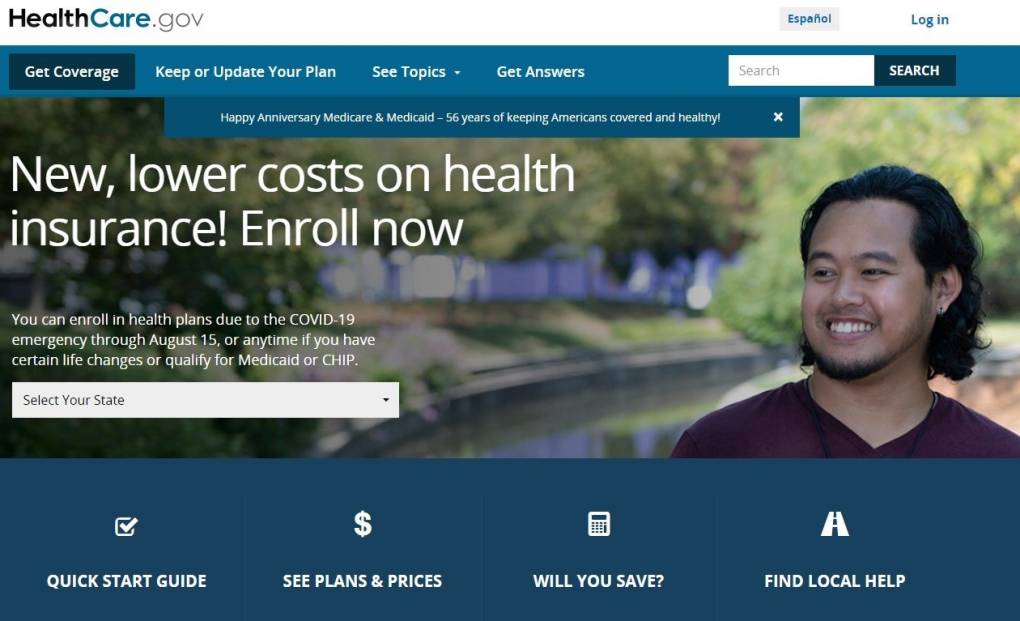
"caption": "A special open enrollment period on all Affordable Care Act marketplaces, including on the federal insurance exchange HealthCare.gov, runs until Aug. 15. Many people qualify for free or low-cost plans.",
"description": "A special open enrollment period on all Affordable Care Act marketplaces, including on the federal insurance exchange, HealthCare.gov, runs until Aug. 15. Many people qualify for free or low-cost plans.",
"title": "A special open enrollment period on all Affordable Care Act marketplaces, including on the federal insurance exchange, HealthCare.gov, runs until Aug. 15. Many people qualify for free or low-cost plans.",
"credit": "HealthCare.gov/Screenshot by NPR",
"status": "inherit",
"altTag": null,
"isLoading": false,
"fetchFailed": false
},
"news_11883464": {
"type": "attachments",
"id": "news_11883464",
"meta": {
"index": "attachments_1716263798",
"site": "news",
"id": "11883464",
"found": true
},
"parent": 11883463,
"imgSizes": {
"twentyfourteen-full-width": {
"file": "https://ww2.kqed.org/app/uploads/sites/10/2021/08/ap-8c3a7eabf7a8d5aad389199dd806be57bf56c97c-1038x576.jpg",
"width": 1038,
"mimeType": "image/jpeg",
"height": 576
},
"thumbnail": {
"file": "https://ww2.kqed.org/app/uploads/sites/10/2021/08/ap-8c3a7eabf7a8d5aad389199dd806be57bf56c97c-160x120.jpg",
"width": 160,
"mimeType": "image/jpeg",
"height": 120
},
"post-thumbnail": {
"file": "https://ww2.kqed.org/app/uploads/sites/10/2021/08/ap-8c3a7eabf7a8d5aad389199dd806be57bf56c97c-672x372.jpg",
"width": 672,
"mimeType": "image/jpeg",
"height": 372
},
"kqedFullSize": {
"file": "https://ww2.kqed.org/app/uploads/sites/10/2021/08/ap-8c3a7eabf7a8d5aad389199dd806be57bf56c97c-scaled.jpg",
"width": 2560,
"height": 1920
},
"2048x2048": {
"file": "https://ww2.kqed.org/app/uploads/sites/10/2021/08/ap-8c3a7eabf7a8d5aad389199dd806be57bf56c97c-2048x1536.jpg",
"width": 2048,
"mimeType": "image/jpeg",
"height": 1536
},
"large": {
"file": "https://ww2.kqed.org/app/uploads/sites/10/2021/08/ap-8c3a7eabf7a8d5aad389199dd806be57bf56c97c-1020x765.jpg",
"width": 1020,
"mimeType": "image/jpeg",
"height": 765
},
"1536x1536": {
"file": "https://ww2.kqed.org/app/uploads/sites/10/2021/08/ap-8c3a7eabf7a8d5aad389199dd806be57bf56c97c-1536x1152.jpg",
"width": 1536,
"mimeType": "image/jpeg",
"height": 1152
},
"full-width": {
"file": "https://ww2.kqed.org/app/uploads/sites/10/2021/08/ap-8c3a7eabf7a8d5aad389199dd806be57bf56c97c-1920x1440.jpg",
"width": 1920,
"mimeType": "image/jpeg",
"height": 1440
},
"medium": {
"file": "https://ww2.kqed.org/app/uploads/sites/10/2021/08/ap-8c3a7eabf7a8d5aad389199dd806be57bf56c97c-800x600.jpg",
"width": 800,
"mimeType": "image/jpeg",
"height": 600
}
},
"publishDate": 1627945601,
"modified": 1627947097,
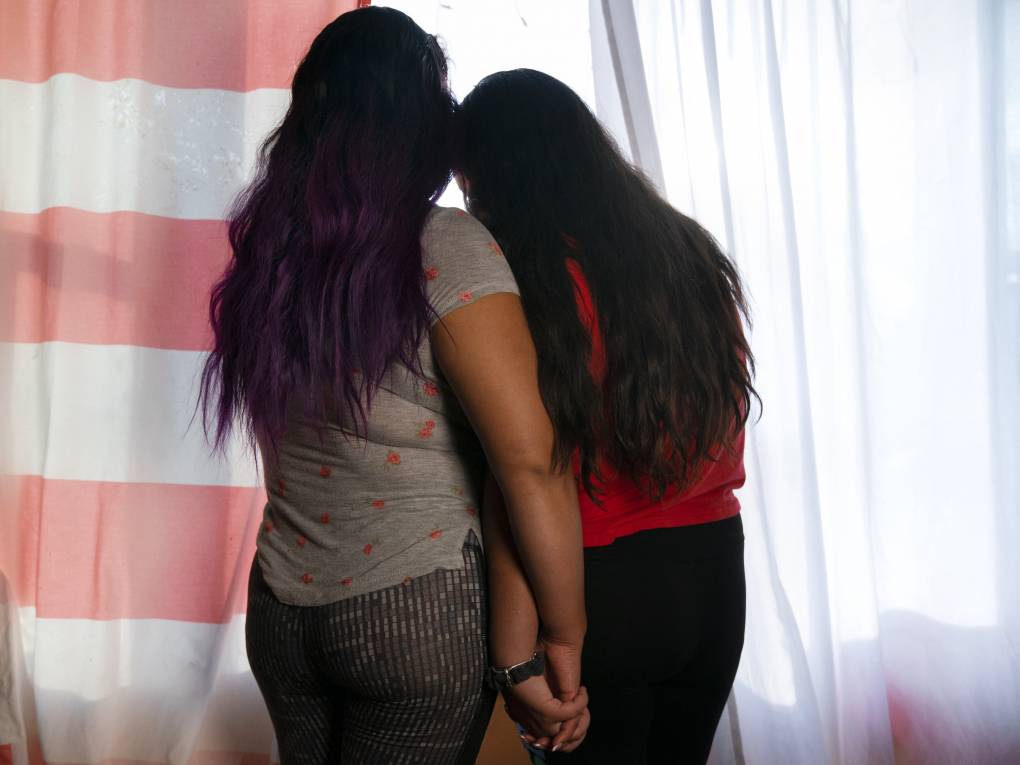
"caption": "Jacqueline Flores, left, holds hands with her daughter Nicky at their home in Virginia on Wednesday, July 14, 2021. Flores, a member of the Asylum Seeker Advocacy Project, is asking President Biden to end Title 42 and allow her family from El Salvador, along with other migrants, to ask for asylum at the border. Flores' aunt and cousin were recently expelled to Mexico at the U.S. border under the public health rule that allows border agents to turn away migrants during the pandemic.",
"description": null,
"title": "Jacqueline Flores (left) with daughter Nicky at their home in Virginia last month. They are part of the Asylum Seeker Advocacy Project, a group calling for an end to Title 42 so their family members can seek asylum.",
"credit": "Jacquelyn Martin/AP",
"status": "inherit",
"altTag": null,
"isLoading": false,
"fetchFailed": false
},
"news_11882451": {
"type": "attachments",
"id": "news_11882451",
"meta": {
"index": "attachments_1716263798",
"site": "news",
"id": "11882451",
"found": true
},
"parent": 11882438,
"imgSizes": {
"twentyfourteen-full-width": {
"file": "https://ww2.kqed.org/app/uploads/sites/10/2021/07/GettyImages-1330156267-1038x576.jpg",
"width": 1038,
"mimeType": "image/jpeg",
"height": 576
},
"thumbnail": {
"file": "https://ww2.kqed.org/app/uploads/sites/10/2021/07/GettyImages-1330156267-160x90.jpg",
"width": 160,
"mimeType": "image/jpeg",
"height": 90
},
"post-thumbnail": {
"file": "https://ww2.kqed.org/app/uploads/sites/10/2021/07/GettyImages-1330156267-672x372.jpg",
"width": 672,
"mimeType": "image/jpeg",
"height": 372
},
"kqedFullSize": {
"file": "https://ww2.kqed.org/app/uploads/sites/10/2021/07/GettyImages-1330156267.jpg",
"width": 1920,
"height": 1080
},
"large": {
"file": "https://ww2.kqed.org/app/uploads/sites/10/2021/07/GettyImages-1330156267-1020x574.jpg",
"width": 1020,
"mimeType": "image/jpeg",
"height": 574
},
"1536x1536": {
"file": "https://ww2.kqed.org/app/uploads/sites/10/2021/07/GettyImages-1330156267-1536x864.jpg",
"width": 1536,
"mimeType": "image/jpeg",
"height": 864
},
"medium": {
"file": "https://ww2.kqed.org/app/uploads/sites/10/2021/07/GettyImages-1330156267-800x450.jpg",
"width": 800,
"mimeType": "image/jpeg",
"height": 450
}
},
"publishDate": 1627333769,
"modified": 1627338271,
"caption": "Musicians play on July 22, 2021 in Tijuana, Mexico, for beachgoers near the U.S.-Mexico border barrier painted with a mural (R) depicting people who arrived in the U.S. illegally as children and were deported as adults.",
"description": null,
"title": "GettyImages-1330156267",
"credit": "Mario Tama/Getty Images",
"status": "inherit",
"altTag": null,
"isLoading": false,
"fetchFailed": false
},
"news_11881272": {
"type": "attachments",
"id": "news_11881272",
"meta": {
"index": "attachments_1716263798",
"site": "news",
"id": "11881272",
"found": true
},
"parent": 11881271,
"imgSizes": {
"twentyfourteen-full-width": {
"file": "https://ww2.kqed.org/app/uploads/sites/10/2021/07/gettyimages-1328725352-edit_custom-01a2457a3dbbf7d6a89b577ec16236cf4d7511d5-1038x576.jpg",
"width": 1038,
"mimeType": "image/jpeg",
"height": 576
},
"thumbnail": {
"file": "https://ww2.kqed.org/app/uploads/sites/10/2021/07/gettyimages-1328725352-edit_custom-01a2457a3dbbf7d6a89b577ec16236cf4d7511d5-160x107.jpg",
"width": 160,
"mimeType": "image/jpeg",
"height": 107
},
"post-thumbnail": {
"file": "https://ww2.kqed.org/app/uploads/sites/10/2021/07/gettyimages-1328725352-edit_custom-01a2457a3dbbf7d6a89b577ec16236cf4d7511d5-672x372.jpg",
"width": 672,
"mimeType": "image/jpeg",
"height": 372
},
"kqedFullSize": {
"file": "https://ww2.kqed.org/app/uploads/sites/10/2021/07/gettyimages-1328725352-edit_custom-01a2457a3dbbf7d6a89b577ec16236cf4d7511d5-scaled-e1626375372623.jpg",
"width": 1920,
"height": 1279
},
"2048x2048": {
"file": "https://ww2.kqed.org/app/uploads/sites/10/2021/07/gettyimages-1328725352-edit_custom-01a2457a3dbbf7d6a89b577ec16236cf4d7511d5-2048x1364.jpg",
"width": 2048,
"mimeType": "image/jpeg",
"height": 1364
},
"large": {
"file": "https://ww2.kqed.org/app/uploads/sites/10/2021/07/gettyimages-1328725352-edit_custom-01a2457a3dbbf7d6a89b577ec16236cf4d7511d5-1020x679.jpg",
"width": 1020,
"mimeType": "image/jpeg",
"height": 679
},
"1536x1536": {
"file": "https://ww2.kqed.org/app/uploads/sites/10/2021/07/gettyimages-1328725352-edit_custom-01a2457a3dbbf7d6a89b577ec16236cf4d7511d5-1536x1023.jpg",
"width": 1536,
"mimeType": "image/jpeg",
"height": 1023
},
"full-width": {
"file": "https://ww2.kqed.org/app/uploads/sites/10/2021/07/gettyimages-1328725352-edit_custom-01a2457a3dbbf7d6a89b577ec16236cf4d7511d5-1920x1279.jpg",
"width": 1920,
"mimeType": "image/jpeg",
"height": 1279
},
"medium": {
"file": "https://ww2.kqed.org/app/uploads/sites/10/2021/07/gettyimages-1328725352-edit_custom-01a2457a3dbbf7d6a89b577ec16236cf4d7511d5-800x533.jpg",
"width": 800,
"mimeType": "image/jpeg",
"height": 533
}
},
"publishDate": 1626370371,
"modified": 1626377439,
"caption": "Children and teachers from the KU Kids Deanwood Childcare Center complete a mural celebrating the expansion of the child tax credit on July 14, 2021 in Washington, D.C.",
"description": "Children and teachers from the KU Kids Deanwood Childcare Center complete a mural celebrating the expansion of the child tax credit on July 14, 2021 in Washington, D.C.",
"title": "Children and teachers from the KU Kids Deanwood child care center in Washington, D.C., complete a mural in celebration of the launch of the child tax credit.",
"credit": "Jemal Countess/Getty Images for Community Change",
"status": "inherit",
"altTag": null,
"isLoading": false,
"fetchFailed": false
},
"news_11881018": {
"type": "attachments",
"id": "news_11881018",
"meta": {
"index": "attachments_1716263798",
"site": "news",
"id": "11881018",
"found": true
},
"parent": 11881017,
"imgSizes": {
"twentyfourteen-full-width": {
"file": "https://ww2.kqed.org/app/uploads/sites/10/2021/05/ap_21070700763208-4e0eebfd817d8ea7fbad49ec1b16029250a08e54-1038x576.jpg",
"width": 1038,
"mimeType": "image/jpeg",
"height": 576
},
"thumbnail": {
"file": "https://ww2.kqed.org/app/uploads/sites/10/2021/05/ap_21070700763208-4e0eebfd817d8ea7fbad49ec1b16029250a08e54-160x120.jpg",
"width": 160,
"mimeType": "image/jpeg",
"height": 120
},
"post-thumbnail": {
"file": "https://ww2.kqed.org/app/uploads/sites/10/2021/05/ap_21070700763208-4e0eebfd817d8ea7fbad49ec1b16029250a08e54-672x372.jpg",
"width": 672,
"mimeType": "image/jpeg",
"height": 372
},
"kqedFullSize": {
"file": "https://ww2.kqed.org/app/uploads/sites/10/2021/05/ap_21070700763208-4e0eebfd817d8ea7fbad49ec1b16029250a08e54-scaled-e1626201115162.jpg",
"width": 1920,
"height": 1440
},
"2048x2048": {
"file": "https://ww2.kqed.org/app/uploads/sites/10/2021/05/ap_21070700763208-4e0eebfd817d8ea7fbad49ec1b16029250a08e54-2048x1536.jpg",
"width": 2048,
"mimeType": "image/jpeg",
"height": 1536
},
"large": {
"file": "https://ww2.kqed.org/app/uploads/sites/10/2021/05/ap_21070700763208-4e0eebfd817d8ea7fbad49ec1b16029250a08e54-1020x765.jpg",
"width": 1020,
"mimeType": "image/jpeg",
"height": 765
},
"1536x1536": {
"file": "https://ww2.kqed.org/app/uploads/sites/10/2021/05/ap_21070700763208-4e0eebfd817d8ea7fbad49ec1b16029250a08e54-1536x1152.jpg",
"width": 1536,
"mimeType": "image/jpeg",
"height": 1152
},
"full-width": {
"file": "https://ww2.kqed.org/app/uploads/sites/10/2021/05/ap_21070700763208-4e0eebfd817d8ea7fbad49ec1b16029250a08e54-1920x1440.jpg",
"width": 1920,
"mimeType": "image/jpeg",
"height": 1440
},
"medium": {
"file": "https://ww2.kqed.org/app/uploads/sites/10/2021/05/ap_21070700763208-4e0eebfd817d8ea7fbad49ec1b16029250a08e54-800x600.jpg",
"width": 800,
"mimeType": "image/jpeg",
"height": 600
}
},
"publishDate": 1626196749,
"modified": 1626210998,
"caption": "President Biden speaks before signing the American Rescue Plan, a coronavirus relief package, in the Oval Office of the White House on March 11, 2021.",
"description": "President Joe Biden speaks before signing the American Rescue Plan, a coronavirus relief package, in the Oval Office of the White House, Thursday, March 11, 2021, in Washington. (AP Photo/Andrew Harnik)",
"title": "The advance child tax credit program is part of the Biden administration's $1.9 trillion economic aid package called the American Rescue Plan that was passed in March.",
"credit": "Andrew Harnik/AP",
"status": "inherit",
"altTag": null,
"isLoading": false,
"fetchFailed": false
},
"news_11878472": {
"type": "attachments",
"id": "news_11878472",
"meta": {
"index": "attachments_1716263798",
"site": "news",
"id": "11878472",
"found": true
},
"parent": 11878430,
"imgSizes": {
"twentyfourteen-full-width": {
"file": "https://ww2.kqed.org/app/uploads/sites/10/2021/06/GettyImages-Biden-1020x576.jpg",
"width": 1020,
"mimeType": "image/jpeg",
"height": 576
},
"thumbnail": {
"file": "https://ww2.kqed.org/app/uploads/sites/10/2021/06/GettyImages-Biden-160x107.jpg",
"width": 160,
"mimeType": "image/jpeg",
"height": 107
},
"post-thumbnail": {
"file": "https://ww2.kqed.org/app/uploads/sites/10/2021/06/GettyImages-Biden-672x372.jpg",
"width": 672,
"mimeType": "image/jpeg",
"height": 372
},
"kqedFullSize": {
"file": "https://ww2.kqed.org/app/uploads/sites/10/2021/06/GettyImages-Biden.jpg",
"width": 1020,
"height": 680
},
"medium": {
"file": "https://ww2.kqed.org/app/uploads/sites/10/2021/06/GettyImages-Biden-800x533.jpg",
"width": 800,
"mimeType": "image/jpeg",
"height": 533
}
},
"publishDate": 1623964000,
"modified": 1623969629,
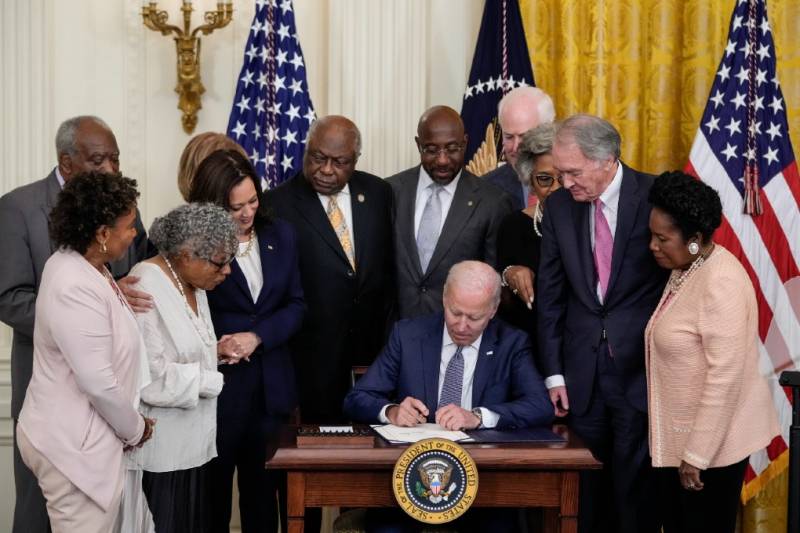
"caption": "President Biden signs the Juneteenth National Independence Day Act into law in the East Room of the White House on June 17, 2021. Juneteenth National Independence Day will become the 12th legal federal holiday — the first new one since Martin Luther King Jr. Day was signed into law in 1983.",
"description": "President Biden signs the Juneteenth National Independence Day Act into law in the East Room of the White House on June 17, 2021. Juneteenth National Independence Day will become the 12th legal federal holiday — the first new one since Martin Luther King Jr. Day was signed into law in 1983.",
"title": "GettyImages-Biden",
"credit": "Drew Angerer/Getty Images",
"status": "inherit",
"altTag": "President Biden signs a document while a number of people look on.",
"isLoading": false,
"fetchFailed": false
},
"news_11877960": {
"type": "attachments",
"id": "news_11877960",
"meta": {
"index": "attachments_1716263798",
"site": "news",
"id": "11877960",
"found": true
},
"parent": 11877838,
"imgSizes": {
"twentyfourteen-full-width": {
"file": "https://ww2.kqed.org/app/uploads/sites/10/2021/06/GettyImages-508048704-1038x576.jpg",
"width": 1038,
"mimeType": "image/jpeg",
"height": 576
},
"thumbnail": {
"file": "https://ww2.kqed.org/app/uploads/sites/10/2021/06/GettyImages-508048704-160x109.jpg",
"width": 160,
"mimeType": "image/jpeg",
"height": 109
},
"post-thumbnail": {
"file": "https://ww2.kqed.org/app/uploads/sites/10/2021/06/GettyImages-508048704-672x372.jpg",
"width": 672,
"mimeType": "image/jpeg",
"height": 372
},
"kqedFullSize": {
"file": "https://ww2.kqed.org/app/uploads/sites/10/2021/06/GettyImages-508048704.jpg",
"width": 1920,
"height": 1309
},
"large": {
"file": "https://ww2.kqed.org/app/uploads/sites/10/2021/06/GettyImages-508048704-1020x695.jpg",
"width": 1020,
"mimeType": "image/jpeg",
"height": 695
},
"1536x1536": {
"file": "https://ww2.kqed.org/app/uploads/sites/10/2021/06/GettyImages-508048704-1536x1047.jpg",
"width": 1536,
"mimeType": "image/jpeg",
"height": 1047
},
"medium": {
"file": "https://ww2.kqed.org/app/uploads/sites/10/2021/06/GettyImages-508048704-800x545.jpg",
"width": 800,
"mimeType": "image/jpeg",
"height": 545
}
},
"publishDate": 1623716446,
"modified": 1623786200,
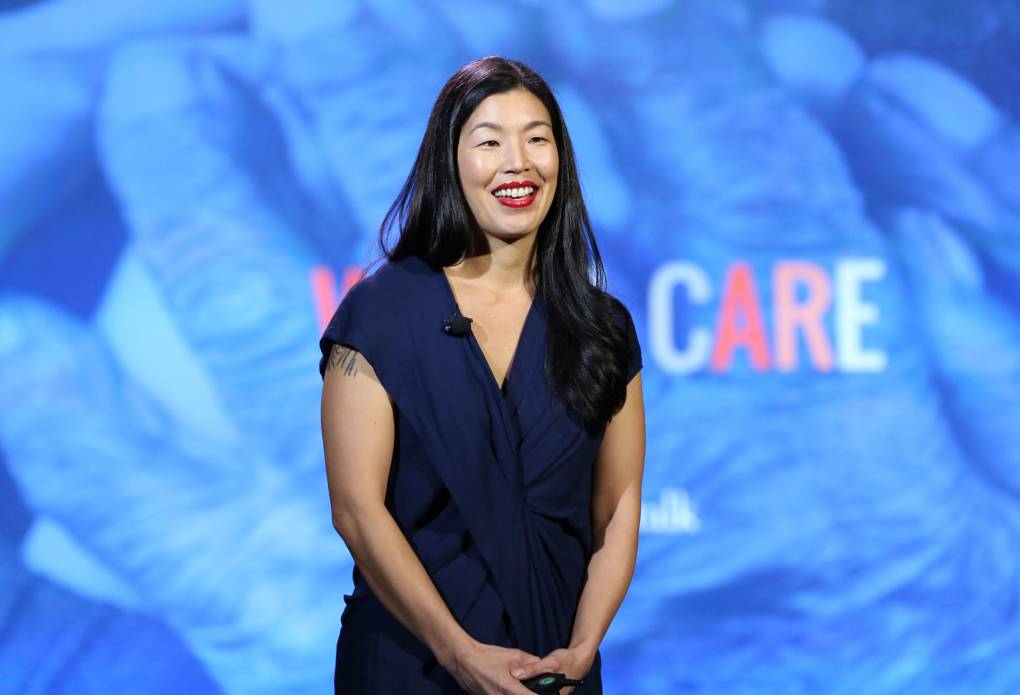
"caption": "'We have a workforce who is essential to not only the families they support, but their own families and communities,' said National Domestic Workers Alliance Director Ai-jen Poo. Pictured on stage at a Conference February 2, 2016 in Rancho Palos Verdes, California.",
"description": "'We have a workforce who is essential to not only the families they support, but their own families and communities,' said National Domestic Workers Alliance Director Ai-jen Poo. Pictured on stage at a Conference February 2, 2016 in Rancho Palos Verdes, California.",
"title": "GettyImages-508048704",
"credit": "Jonathan Leibson/Getty Images for AOL",
"status": "inherit",
"altTag": null,
"isLoading": false,
"fetchFailed": false
},
"news_11874509": {
"type": "attachments",
"id": "news_11874509",
"meta": {
"index": "attachments_1716263798",
"site": "news",
"id": "11874509",
"found": true
},
"parent": 11874508,
"imgSizes": {
"twentyfourteen-full-width": {
"file": "https://ww2.kqed.org/app/uploads/sites/10/2021/05/gettyimages-1233005181_custom-5b6aa9ade5a446e63264b1f2ed4c35ef7ad1905d-1024x576.jpg",
"width": 1024,
"mimeType": "image/jpeg",
"height": 576
},
"thumbnail": {
"file": "https://ww2.kqed.org/app/uploads/sites/10/2021/05/gettyimages-1233005181_custom-5b6aa9ade5a446e63264b1f2ed4c35ef7ad1905d-160x90.jpg",
"width": 160,
"mimeType": "image/jpeg",
"height": 90
},
"post-thumbnail": {
"file": "https://ww2.kqed.org/app/uploads/sites/10/2021/05/gettyimages-1233005181_custom-5b6aa9ade5a446e63264b1f2ed4c35ef7ad1905d-672x372.jpg",
"width": 672,
"mimeType": "image/jpeg",
"height": 372
},
"kqedFullSize": {
"file": "https://ww2.kqed.org/app/uploads/sites/10/2021/05/gettyimages-1233005181_custom-5b6aa9ade5a446e63264b1f2ed4c35ef7ad1905d.jpg",
"width": 1024,
"height": 578
},
"large": {
"file": "https://ww2.kqed.org/app/uploads/sites/10/2021/05/gettyimages-1233005181_custom-5b6aa9ade5a446e63264b1f2ed4c35ef7ad1905d-1020x576.jpg",
"width": 1020,
"mimeType": "image/jpeg",
"height": 576
},
"medium": {
"file": "https://ww2.kqed.org/app/uploads/sites/10/2021/05/gettyimages-1233005181_custom-5b6aa9ade5a446e63264b1f2ed4c35ef7ad1905d-800x452.jpg",
"width": 800,
"mimeType": "image/jpeg",
"height": 452
}
},
"publishDate": 1621538431,
"modified": 1621548216,
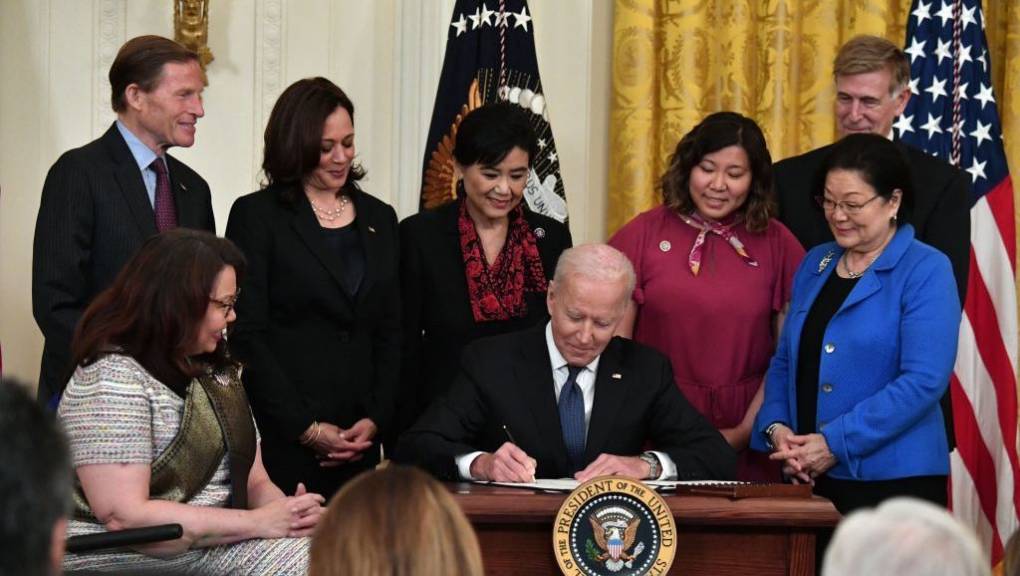
"caption": "President Biden signs into law the COVID-19 Hate Crimes Act in the East Room of the White House in Washington, D.C. on May 20, 2021.",
"description": "US President Joe Biden signs into law the Covid-19 Hate Crimes Act, in the East Room of the White House in Washington, DC on May 20, 2021.",
"title": "President Biden signs into law the COVID-19 Hate Crimes Act in the East Room of the White House on Thursday.",
"credit": "Nicholas Kamm/AFP via Getty Images",
"status": "inherit",
"altTag": null,
"isLoading": false,
"fetchFailed": false
},
"news_11874360": {
"type": "attachments",
"id": "news_11874360",
"meta": {
"index": "attachments_1716263798",
"site": "news",
"id": "11874360",
"found": true
},
"parent": 11874353,
"imgSizes": {
"twentyfourteen-full-width": {
"file": "https://ww2.kqed.org/app/uploads/sites/10/2021/05/RS49114_037_SanFrancisco_PalestineRally_05182021-qut-1038x576.jpg",
"width": 1038,
"mimeType": "image/jpeg",
"height": 576
},
"thumbnail": {
"file": "https://ww2.kqed.org/app/uploads/sites/10/2021/05/RS49114_037_SanFrancisco_PalestineRally_05182021-qut-160x107.jpg",
"width": 160,
"mimeType": "image/jpeg",
"height": 107
},
"post-thumbnail": {
"file": "https://ww2.kqed.org/app/uploads/sites/10/2021/05/RS49114_037_SanFrancisco_PalestineRally_05182021-qut-672x372.jpg",
"width": 672,
"mimeType": "image/jpeg",
"height": 372
},
"kqedFullSize": {
"file": "https://ww2.kqed.org/app/uploads/sites/10/2021/05/RS49114_037_SanFrancisco_PalestineRally_05182021-qut.jpg",
"width": 1920,
"height": 1280
},
"large": {
"file": "https://ww2.kqed.org/app/uploads/sites/10/2021/05/RS49114_037_SanFrancisco_PalestineRally_05182021-qut-1020x680.jpg",
"width": 1020,
"mimeType": "image/jpeg",
"height": 680
},
"1536x1536": {
"file": "https://ww2.kqed.org/app/uploads/sites/10/2021/05/RS49114_037_SanFrancisco_PalestineRally_05182021-qut-1536x1024.jpg",
"width": 1536,
"mimeType": "image/jpeg",
"height": 1024
},
"medium": {
"file": "https://ww2.kqed.org/app/uploads/sites/10/2021/05/RS49114_037_SanFrancisco_PalestineRally_05182021-qut-800x533.jpg",
"width": 800,
"mimeType": "image/jpeg",
"height": 533
}
},
"publishDate": 1621460295,
"modified": 1621540333,
"caption": "A crowd of over a 1,000 people fills the 400 block of Montgomery Street outside of the Israeli Consulate in San Francisco on May 18, 2021, during a \"Free Palestine\" rally.",
"description": "A crowd of over a 1,000 people fills the 400 block of Montgomery Street outside of the Israeli Consulate in San Francisco on May 18, 2021, during a \"Free Palestine\" rally in solidarity with Palestinian General Strike.",
"title": "RS49114_037_SanFrancisco_PalestineRally_05182021-qut",
"credit": "Beth LaBerge/KQED",
"status": "inherit",
"altTag": "Two protesters wave Palestinian flags in front of a pro-Palestinian rally taking place outside the Israeli Consulate in San Francisco.",
"isLoading": false,
"fetchFailed": false
},
"news_11872950": {
"type": "attachments",
"id": "news_11872950",
"meta": {
"index": "attachments_1716263798",
"site": "news",
"id": "11872950",
"found": true
},
"parent": 11872949,
"imgSizes": {
"twentyfourteen-full-width": {
"file": "https://ww2.kqed.org/app/uploads/sites/10/2021/05/ap21130440388099-7d5daa186cef6348ec9dc9fa269799e04eaa5340-1038x576.jpg",
"width": 1038,
"mimeType": "image/jpeg",
"height": 576
},
"thumbnail": {
"file": "https://ww2.kqed.org/app/uploads/sites/10/2021/05/ap21130440388099-7d5daa186cef6348ec9dc9fa269799e04eaa5340-160x120.jpg",
"width": 160,
"mimeType": "image/jpeg",
"height": 120
},
"post-thumbnail": {
"file": "https://ww2.kqed.org/app/uploads/sites/10/2021/05/ap21130440388099-7d5daa186cef6348ec9dc9fa269799e04eaa5340-672x372.jpg",
"width": 672,
"mimeType": "image/jpeg",
"height": 372
},
"kqedFullSize": {
"file": "https://ww2.kqed.org/app/uploads/sites/10/2021/05/ap21130440388099-7d5daa186cef6348ec9dc9fa269799e04eaa5340-scaled-e1620669786577.jpg",
"width": 1920,
"height": 1440
},
"2048x2048": {
"file": "https://ww2.kqed.org/app/uploads/sites/10/2021/05/ap21130440388099-7d5daa186cef6348ec9dc9fa269799e04eaa5340-2048x1536.jpg",
"width": 2048,
"mimeType": "image/jpeg",
"height": 1536
},
"large": {
"file": "https://ww2.kqed.org/app/uploads/sites/10/2021/05/ap21130440388099-7d5daa186cef6348ec9dc9fa269799e04eaa5340-1020x765.jpg",
"width": 1020,
"mimeType": "image/jpeg",
"height": 765
},
"1536x1536": {
"file": "https://ww2.kqed.org/app/uploads/sites/10/2021/05/ap21130440388099-7d5daa186cef6348ec9dc9fa269799e04eaa5340-1536x1152.jpg",
"width": 1536,
"mimeType": "image/jpeg",
"height": 1152
},
"full-width": {
"file": "https://ww2.kqed.org/app/uploads/sites/10/2021/05/ap21130440388099-7d5daa186cef6348ec9dc9fa269799e04eaa5340-1920x1440.jpg",
"width": 1920,
"mimeType": "image/jpeg",
"height": 1440
},
"medium": {
"file": "https://ww2.kqed.org/app/uploads/sites/10/2021/05/ap21130440388099-7d5daa186cef6348ec9dc9fa269799e04eaa5340-800x600.jpg",
"width": 800,
"mimeType": "image/jpeg",
"height": 600
}
},
"publishDate": 1620669544,
"modified": 1620674212,
"caption": "The Biden administration says the government will protect gay and transgender people against sex discrimination in health care. In this 2017 photo, Equality March for Unity and Pride participants march past the White House in Washington, D.C.",
"description": "The Biden administration says the government will protect gay and transgender people against sex discrimination in health care. In this 2017 photo, Equality March for Unity and Pride participants march past the White House in Washington.",
"title": "The Biden administration says the government will protect gay and transgender people against sex discrimination in health care. In this 2017 photo, Equality March for Unity and Pride participants march past the White House in Washington.",
"credit": "Carolyn Kaster/AP",
"status": "inherit",
"altTag": null,
"isLoading": false,
"fetchFailed": false
}
},
"audioPlayerReducer": {
"postId": "stream_live",
"isPaused": true,
"isPlaying": false,
"pfsActive": false,
"pledgeModalIsOpen": true,
"playerDrawerIsOpen": false,
"liveAudioPlayStartedAt": 0,
"liveAudioPlayContext": ""
},
"authorsReducer": {
"byline_news_11888513": {
"type": "authors",
"id": "byline_news_11888513",
"meta": {
"override": true
},
"slug": "byline_news_11888513",
"name": "\u003ca href=\"https://calmatters.org/author/laurel-rosenhall/\">Laurel Rosenhall\u003c/a>",
"isLoading": false
},
"byline_news_11885106": {
"type": "authors",
"id": "byline_news_11885106",
"meta": {
"override": true
},
"slug": "byline_news_11885106",
"name": "Sarah Jane Tribble\u003cbr>Kaiser Health News",
"isLoading": false
},
"byline_news_11883582": {
"type": "authors",
"id": "byline_news_11883582",
"meta": {
"override": true
},
"slug": "byline_news_11883582",
"name": "Selena Simmons-Duffin",
"isLoading": false
},
"byline_news_11883463": {
"type": "authors",
"id": "byline_news_11883463",
"meta": {
"override": true
},
"slug": "byline_news_11883463",
"name": "Franco Ordoñez",
"isLoading": false
},
"byline_news_11882438": {
"type": "authors",
"id": "byline_news_11882438",
"meta": {
"override": true
},
"slug": "byline_news_11882438",
"name": "Franco Ordoñez",
"isLoading": false
},
"byline_news_11881271": {
"type": "authors",
"id": "byline_news_11881271",
"meta": {
"override": true
},
"slug": "byline_news_11881271",
"name": "\u003ca href=\"https://www.npr.org/people/536432406/andrea-hsu\">Andrea Hsu\u003c/a>",
"isLoading": false
},
"byline_news_11881017": {
"type": "authors",
"id": "byline_news_11881017",
"meta": {
"override": true
},
"slug": "byline_news_11881017",
"name": "Vanessa Romo",
"isLoading": false
},
"byline_news_11878430": {
"type": "authors",
"id": "byline_news_11878430",
"meta": {
"override": true
},
"slug": "byline_news_11878430",
"name": "\u003ca href=\"https://www.npr.org/people/831107342/alana-wise\">Alana Wise\u003c/a>",
"isLoading": false
},
"byline_news_11874508": {
"type": "authors",
"id": "byline_news_11874508",
"meta": {
"override": true
},
"slug": "byline_news_11874508",
"name": "\u003ca href=\"https://www.npr.org/people/468259099/barbara-sprunt\">Barbara Sprunt\u003c/a>",
"isLoading": false
},
"byline_news_11872949": {
"type": "authors",
"id": "byline_news_11872949",
"meta": {
"override": true
},
"slug": "byline_news_11872949",
"name": "\u003ca href=\"https://www.npr.org/people/349308023/selena-simmons-duffin\">Selena Simmons-Duffin\u003c/a> and \u003ca href=\"https://www.npr.org/people/348743421/becky-sullivan\">Becky Sullivan\u003c/a>",
"isLoading": false
},
"minakim": {
"type": "authors",
"id": "243",
"meta": {
"index": "authors_1716337520",
"id": "243",
"found": true
},
"name": "Mina Kim",
"firstName": "Mina",
"lastName": "Kim",
"slug": "minakim",
"email": "mkim@kqed.org",
"display_author_email": false,
"staff_mastheads": [
"news"
],
"title": "Host, Forum",
"bio": "Mina Kim is host of the 10 a.m. statewide hour of Forum; a live daily talk show for curious Californians on issues that matter to the state and nation, with a particular emphasis on race and equity.\r\n\r\nBefore joining the Forum team, Mina was KQED’s evening news anchor, and health reporter for The California Report. Her award-winning work has included natural disasters in Napa and gun violence in Oakland. Mina grew up in St. John’s, Newfoundland.",
"avatar": "https://secure.gravatar.com/avatar/145ce657a2d08cb86d93686beb958982?s=600&d=blank&r=g",
"twitter": "mkimreporter",
"facebook": null,
"instagram": null,
"linkedin": null,
"sites": [
{
"site": "news",
"roles": [
"contributor"
]
},
{
"site": "stateofhealth",
"roles": [
"author"
]
},
{
"site": "forum",
"roles": [
"editor"
]
}
],
"headData": {
"title": "Mina Kim | KQED",
"description": "Host, Forum",
"ogImgSrc": "https://secure.gravatar.com/avatar/145ce657a2d08cb86d93686beb958982?s=600&d=blank&r=g",
"twImgSrc": "https://secure.gravatar.com/avatar/145ce657a2d08cb86d93686beb958982?s=600&d=blank&r=g"
},
"isLoading": false,
"link": "/author/minakim"
},
"lsarah": {
"type": "authors",
"id": "11626",
"meta": {
"index": "authors_1716337520",
"id": "11626",
"found": true
},
"name": "Lakshmi Sarah",
"firstName": "Lakshmi",
"lastName": "Sarah",
"slug": "lsarah",
"email": "lsarah@kqed.org",
"display_author_email": false,
"staff_mastheads": [],
"title": "Digital Producer",
"bio": "Lakshmi Sarah is an educator, author and journalist with a focus on innovative storytelling. She has worked with newspapers, radio and magazines from Ahmedabad, India to Los Angeles, California. She has written and produced for Die Zeit, Global Voices, AJ+, KQED, Fusion Media Group and the New York Times.",
"avatar": "https://secure.gravatar.com/avatar/652dcaecd8b28826fc17a8b2d6bb4e93?s=600&d=blank&r=g",
"twitter": "lakitalki",
"facebook": null,
"instagram": "https://www.instagram.com/laki.talki/",
"linkedin": "https://www.linkedin.com/in/lakisarah/",
"sites": [
{
"site": "arts",
"roles": []
},
{
"site": "news",
"roles": []
},
{
"site": "bayareabites",
"roles": []
},
{
"site": "science",
"roles": []
}
],
"headData": {
"title": "Lakshmi Sarah | KQED",
"description": "Digital Producer",
"ogImgSrc": "https://secure.gravatar.com/avatar/652dcaecd8b28826fc17a8b2d6bb4e93?s=600&d=blank&r=g",
"twImgSrc": "https://secure.gravatar.com/avatar/652dcaecd8b28826fc17a8b2d6bb4e93?s=600&d=blank&r=g"
},
"isLoading": false,
"link": "/author/lsarah"
},
"ccabreralomeli": {
"type": "authors",
"id": "11708",
"meta": {
"index": "authors_1716337520",
"id": "11708",
"found": true
},
"name": "Carlos Cabrera-Lomelí",
"firstName": "Carlos",
"lastName": "Cabrera-Lomelí",
"slug": "ccabreralomeli",
"email": "ccabreralomeli@KQED.org",
"display_author_email": true,
"staff_mastheads": [
"news"
],
"title": "Community Reporter",
"bio": "Carlos Cabrera-Lomelí is a community reporter with KQED's digital engagement team. He also reports and co-produces for KQED's bilingual news hub KQED en Español. He grew up in San Francisco's Mission District and has previously worked with Univision, 48 Hills and REFORMA in Mexico City.",
"avatar": "https://secure.gravatar.com/avatar/c309be9665e484f887b818c89e273ecc673004f426f36b24d00a4d813a2e0518?s=600&d=blank&r=g",
"twitter": "@LomeliCabrera",
"bluesky": null,
"facebook": null,
"instagram": null,
"linkedin": null,
"sites": [
{
"site": "arts",
"roles": [
"editor"
]
},
{
"site": "news",
"roles": [
"editor"
]
},
{
"site": "about",
"roles": [
"editor"
]
},
{
"site": "science",
"roles": [
"editor"
]
},
{
"site": "perspectives",
"roles": [
"editor"
]
},
{
"site": "elections",
"roles": [
"editor"
]
},
{
"site": "liveblog",
"roles": [
"contributor"
]
}
],
"headData": {
"title": "Carlos Cabrera-Lomelí | KQED",
"description": "Community Reporter",
"ogImgSrc": "https://secure.gravatar.com/avatar/c309be9665e484f887b818c89e273ecc673004f426f36b24d00a4d813a2e0518?s=600&d=blank&r=g",
"twImgSrc": "https://secure.gravatar.com/avatar/c309be9665e484f887b818c89e273ecc673004f426f36b24d00a4d813a2e0518?s=600&d=blank&r=g"
},
"isLoading": false,
"link": "/author/ccabreralomeli"
}
},
"pagesReducer": {
"news_tag_joe-biden": {
"type": "terms",
"id": "news_717",
"meta": {
"index": "terms_1716263798",
"site": "news",
"id": "717",
"score": 9.105204
},
"featImg": null,
"name": "Joe Biden",
"description": null,
"taxonomy": "tag",
"headData": {
"twImgId": null,
"twTitle": null,
"ogTitle": null,
"ogImgId": null,
"twDescription": null,
"description": null,
"title": "Joe Biden Archives | KQED News",
"ogDescription": null
},
"ttid": 726,
"slug": "joe-biden",
"isLoading": false,
"title": "Joe Biden",
"pageMeta": {
"site": "news",
"WpPageTemplate": "page-topic-editorial",
"currentPage": 11
},
"blocks": [
{
"blockName": "kqed/post-list",
"attrs": {
"layout": "cardArticle2",
"query": "posts/news?tag=joe-biden",
"seeMore": false,
"paginated": true,
"page": 11
}
},
{
"blockName": "kqed/ad"
}
]
}
},
"pfsSessionReducer": {},
"postsReducer": {
"stream_live": {
"type": "live",
"id": "stream_live",
"audioUrl": "https://streams.kqed.org/kqedradio",
"title": "Live Stream",
"excerpt": "Live Stream information currently unavailable.",
"link": "/radio",
"featImg": "",
"label": {
"name": "KQED Live",
"link": "/"
}
},
"stream_kqedNewscast": {
"type": "posts",
"id": "stream_kqedNewscast",
"audioUrl": "https://www.kqed.org/.stream/anon/radio/RDnews/newscast.mp3?_=1",
"title": "KQED Newscast",
"featImg": "",
"label": {
"name": "88.5 FM",
"link": "/"
}
},
"news_11888513": {
"type": "posts",
"id": "news_11888513",
"meta": {
"index": "posts_1716263798",
"site": "news",
"id": "11888513",
"score": null,
"sort": [
1631664230000
]
},
"guestAuthors": [],
"slug": "heres-three-different-ways-the-recall-election-could-go",
"title": "Here's Three Different Ways the Recall Election Could Go",
"publishDate": 1631664230,
"format": "standard",
"headTitle": "Here’s Three Different Ways the Recall Election Could Go | KQED",
"labelTerm": {},
"content": "\u003cp>\u003cem>Don’t have time to read the whole post? Jump to a specific recall election scenario:\u003c/em>\u003c/p>\n\u003cul>\n\u003cli>\u003cstrong>\u003ca href=\"#wins\">Newsom defeats the election by a lot.\u003c/a>\u003c/strong>\u003c/li>\n\u003cli>\u003cstrong>\u003ca href=\"#little\">Newsom survives — but by a small margin.\u003c/a>\u003c/strong>\u003c/li>\n\u003cli>\u003cstrong>\u003ca href=\"#loses\">Newsom is removed from office.\u003c/a>\u003c/strong>\u003c/li>\n\u003c/ul>\n\u003cp>For nearly 25 years, Gov. Gavin Newsom rose through the ranks of California politics without ever losing an election, buoyed by connections to powerful San Francisco Democrats and a willingness to take risks — like sanctioning marriage equality — that put him at the vanguard of his party.\u003c/p>\n\u003cp>Then came the coronavirus pandemic.\u003c/p>\n\u003cp>The governor’s attention-grabbing style — implementing the nation’s first stay-at-home order in March 2020, then dining at an exclusive wine country restaurant as he told people to stay home to avoid a winter surge — rubbed enough Californians the wrong way that 1.7 million voters launched the second gubernatorial recall in state history.\u003c/p>\n\u003cp>To fight back, the Democratic leader of one of the nation’s bluest states returned to what helped him succeed in the early days: connections to fellow Democrats and well-calculated policy risks — this time, to fight COVID-19.\u003c/p>\n\u003cp>At a campaign rally in Long Beach on Monday night, President Joe Biden heaped praise on Newsom’s management of the pandemic. Newsom this summer made California the first state in the nation to \u003ca href=\"https://calmatters.org/health/2021/07/california-vaccine-requirements-workers/\">require vaccines for health care workers and state employees\u003c/a>.\u003c/p>\n\u003cp>“Gavin Newsom has had the courage to lead, to stand up for science,” Biden said. “He’s been one of the leading governors in the nation protecting people and vaccinating his state.”\u003c/p>\n\u003cp>Echoing Newsom’s campaign message framing the GOP-led recall as an act of “Trumpism,” Biden described the leading Republican candidate — talk radio host \u003ca href=\"https://calmatters.org/projects/newsom-recall-candidates-larry-elder/\">Larry Elder\u003c/a> — as “the clone of Donald Trump.”\u003c/p>\n\u003cp>“Can you imagine him being governor of this state? You can’t let that happen,” said Biden, who beat Trump in California last year \u003ca href=\"https://elections.cdn.sos.ca.gov/sov/2020-general/sov/18-presidential.pdf\">by 30 points\u003c/a>.\u003c/p>\n\u003cfigure id=\"attachment_11888533\" class=\"wp-caption alignnone\" style=\"max-width: 2560px\">\u003cimg loading=\"lazy\" decoding=\"async\" class=\"wp-image-11888533 size-full\" src=\"https://ww2.kqed.org/app/uploads/sites/10/2021/09/GettyImages-1235242589-scaled.jpg\" alt=\"President Joe Biden and Gov. Gavin Newsom, waving, smile as they stand stand before an American flag.\" width=\"2560\" height=\"1708\" srcset=\"https://cdn.kqed.org/wp-content/uploads/sites/10/2021/09/GettyImages-1235242589-scaled.jpg 2560w, https://cdn.kqed.org/wp-content/uploads/sites/10/2021/09/GettyImages-1235242589-800x534.jpg 800w, https://cdn.kqed.org/wp-content/uploads/sites/10/2021/09/GettyImages-1235242589-1020x680.jpg 1020w, https://cdn.kqed.org/wp-content/uploads/sites/10/2021/09/GettyImages-1235242589-160x107.jpg 160w, https://cdn.kqed.org/wp-content/uploads/sites/10/2021/09/GettyImages-1235242589-1536x1025.jpg 1536w, https://cdn.kqed.org/wp-content/uploads/sites/10/2021/09/GettyImages-1235242589-2048x1366.jpg 2048w, https://cdn.kqed.org/wp-content/uploads/sites/10/2021/09/GettyImages-1235242589-1920x1281.jpg 1920w\" sizes=\"(max-width: 2560px) 100vw, 2560px\">\u003cfigcaption class=\"wp-caption-text\">President Joe Biden and Gov. Gavin Newsom wave to the crowd as they campaign to keep the governor in office at Long Beach City College on the eve of the last day of the special election to recall the governor on Sept. 13, 2021, in Long Beach. Forty-six candidates, mostly Republicans, ran to overthrow the governor in the recall election a year ahead of the regularly scheduled gubernatorial vote. \u003ccite>( David McNew/Getty Images)\u003c/cite>\u003c/figcaption>\u003c/figure>\n\u003cp>Hosting the president the day before the election is just one sign of how much the power of incumbency has boosted Newsom in this race. With no legal cap on his fundraising against the recall, Newsom \u003ca href=\"https://calmatters.org/politics/2021/05/gavin-newsom-recall-money/\">raised five times as much as all his opponents combined\u003c/a>.\u003c/p>\n\u003cp>Newsom’s team managed to haul $5.5 million from the Democratic Governors Association, $3 million from Netflix CEO Reed Hastings and more than $7.6 million from public employee unions. He ran ads featuring nationally known Democrats including former President Barack Obama and U.S. Sens. Bernie Sanders and Elizabeth Warren.\u003c/p>\n\u003cp>And the governor used the trappings of his office in unusual, attention-grabbing ways. He blasted critics “promoting partisan political power grabs” \u003ca href=\"https://calmatters.org/politics/2021/03/newsom-pandemic-response-voters/\">during a State of the State speech\u003c/a> on the field of Dodger Stadium that served as an unofficial campaign kickoff. He \u003ca href=\"https://calmatters.org/politics/2021/05/gavin-newsom-spending-spree-california-budget/\">used an enormous $76 billion state budget surplus\u003c/a> to address pandemic-induced hardships, \u003ca href=\"https://calmatters.org/projects/newsom-recall-retirees-stimulus-payments/\">sending $600 stimulus payments to most Californians\u003c/a> — checks that landed just before the election.\u003cbr>\n[ad fullwidth]\u003cbr>\nIn the final days of the campaign, Newsom leaned into COVID even further, contrasting his vaccine and mask requirements with his GOP opponents who say they’ll repeal them — and hammering a message of fear. “What’s at stake in the Sept. 14 recall? It’s a matter of life and death,” \u003ca href=\"https://youtu.be/8DbZC0alxSE\">one Newsom ad says\u003c/a>.\u003c/p>\n\u003cp>[pullquote align=\"right\" size=\"medium\" citation=\"Rob Stutzman, Republican consultant\"]‘One of the ironies of this recall is that COVID got him into trouble and COVID is going to … probably help him defeat this thing in a landslide.’[/pullquote]Having persuaded prominent Democrats to stay out of the race to replace him, Newsom finished the campaign betting that the pandemic that fueled populist angst to take him down will also stimulate the support he needs to keep his job.\u003c/p>\n\u003cp>“One of the ironies of this recall is that COVID got him into trouble and COVID is going to, in the end, probably help him defeat this thing in a landslide,” said GOP consultant Rob Stutzman.\u003c/p>\n\u003cp>Did Newsom’s strategy work? We’ll find out after polls close tonight at 8 p.m. It may take elections officials a few days to determine the results, depending on how close the race is. Here’s a look at the three possible scenarios:\u003c/p>\n\u003cfigure id=\"attachment_11888552\" class=\"wp-caption alignnone\" style=\"max-width: 2560px\">\u003cimg loading=\"lazy\" decoding=\"async\" class=\"wp-image-11888552 size-full\" src=\"https://ww2.kqed.org/app/uploads/sites/10/2021/09/GettyImages-1323741590-scaled.jpg\" alt=\"Gov. Newsom throws a few small lottery balls into the air in front of the Universal Studios globe statue.\" width=\"2560\" height=\"1701\" srcset=\"https://cdn.kqed.org/wp-content/uploads/sites/10/2021/09/GettyImages-1323741590-scaled.jpg 2560w, https://cdn.kqed.org/wp-content/uploads/sites/10/2021/09/GettyImages-1323741590-800x532.jpg 800w, https://cdn.kqed.org/wp-content/uploads/sites/10/2021/09/GettyImages-1323741590-1020x678.jpg 1020w, https://cdn.kqed.org/wp-content/uploads/sites/10/2021/09/GettyImages-1323741590-160x106.jpg 160w, https://cdn.kqed.org/wp-content/uploads/sites/10/2021/09/GettyImages-1323741590-1536x1021.jpg 1536w, https://cdn.kqed.org/wp-content/uploads/sites/10/2021/09/GettyImages-1323741590-2048x1361.jpg 2048w, https://cdn.kqed.org/wp-content/uploads/sites/10/2021/09/GettyImages-1323741590-1920x1276.jpg 1920w\" sizes=\"(max-width: 2560px) 100vw, 2560px\">\u003cfigcaption class=\"wp-caption-text\">Gov. Gavin Newsom attends a press conference marking the official reopening of the state of California at Universal Studios Hollywood on June 15, 2021, in Universal City. At the press conference, Newsom also selected 10 state residents to receive $1.5 million each as part of the final cash prize drawing in the state’s Vax for the Win program. \u003ccite>(Alberto E. Rodriguez/Getty Images)\u003c/cite>\u003c/figcaption>\u003c/figure>\n\u003ch3>\u003ca id=\"wins\">\u003c/a>Newsom defeats the election by a lot\u003c/h3>\n\u003cp>Newsom’s effort to win reelection in 2022 kicks off as soon as the recall votes are tallied. If the governor beats back the recall by a double-digit margin — \u003ca href=\"https://projects.fivethirtyeight.com/california-recall-polls/?cid=rrpromo\">as recent polls indicate is likely\u003c/a> — he could claim an authority that could empower him in at least two ways.\u003c/p>\n\u003cp>First, he could continue governing the final year of this term with the same priorities he’s had all along — for enacting progressive social policy and taking a relatively strict approach to managing the coronavirus pandemic. Second, he could coast toward the 2022 campaign without fear of a credible challenger from his own party.\u003c/p>\n\u003cp>[aside postID=\"news_11888162\" hero=\"https://ww2.kqed.org/app/uploads/sites/10/2021/09/RS51414_005_Oakland_ItzelDiazandFamily_09092021-qut-1020x680.jpg\"]An overwhelming victory also could demonstrate to \u003ca href=\"https://www.theatlantic.com/politics/archive/2021/09/the-california-recall-could-be-a-road-map-for-democrats/620020/\">other Democrats on the ballot\u003c/a> next year that leaning into COVID vaccine mandates — and painting GOP resistance to them as a public health danger — is a successful strategy.\u003c/p>\n\u003cp>“It’s a great thing when good public policy winds up with good politics,” said Ace Smith, Newsom’s longtime political strategist.\u003c/p>\n\u003cp>Stutzman agreed, saying that a big margin for Newsom would show that voters favor his strict approach on vaccines.\u003c/p>\n\u003cp>“His team figured out that once a majority of voters were vaccinated, it becomes a popular idea to put forward policies that are in the best interest of those who are vaccinated,” said Stutzman, who worked on Arnold Schwarzenegger’s successful campaign in the 2003 recall.\u003c/p>\n\u003cp>“They figured it out before the White House did.”\u003c/p>\n\u003cp>President Biden \u003ca href=\"https://apnews.com/article/lifestyle-joe-biden-business-health-travel-a1670ffa08f1f2eab42c675d99f1d9ad\">required federal government employees to get vaccinated\u003c/a> days after Newsom’s first announcement. He then followed it up last week with a \u003ca href=\"https://www.nytimes.com/2021/09/09/us/politics/biden-vaccine-federal-workers.html\">broader mandate for employees at private companies\u003c/a>.\u003c/p>\n\u003cp>But even if Newsom pulls through by a large margin, a show of strength now does not guarantee long-term political success. Any ambitions Newsom may have to run for president will be shaped by a lot more than defeating this recall, said Democratic strategist Paul Maslin.\u003c/p>\n\u003cp>“What he does on a host of issues that are very difficult over the next year — or the next five years if he has a second term — will be much more important to how he is judged,” Maslin said.\u003c/p>\n\u003cp>[pullquote align=\"right\" size=\"medium\" citation=\"Paul Maslin, Democratic strategist\"]‘If [Newsom] does win by a significant margin, it will reinforce [his] status … what it says about the rest of his career is unknowable.’[/pullquote]“Ultimately I don’t know that it will mean that much in the story of Gavin Newsom or California. It will be sort of a diversion that he had to respond to.”\u003c/p>\n\u003cp>Maslin, who worked on campaigns against the 2003 recall of former Gov. Gray Davis and for the failed recall of Republican former Wisconsin Gov. Scott Walker, pointed to the example of Walker, who \u003ca href=\"https://www.npr.org/sections/itsallpolitics/2012/06/05/154384654/live-blog-wisconsin-decides-governors-fate-in-recall-vote\">beat back a recall in 2012\u003c/a>, won reelection in 2014 and was seen as a strong contender for the GOP presidential nomination in 2016.\u003c/p>\n\u003cp>But Walker’s \u003ca href=\"https://www.npr.org/sections/itsallpolitics/2015/09/21/442313437/reports-scott-walker-ending-presidential-campaign\">presidential campaign flopped\u003c/a>. And then in 2018, he ran for reelection as governor — and lost.\u003c/p>\n\u003cp>“Newsom was always going to be the huge favorite for reelection, and if he does win by a significant margin, it will reinforce that status,” Maslin said. “What it says about the rest of his career is unknowable.”\u003c/p>\n\u003cfigure id=\"attachment_11888553\" class=\"wp-caption alignnone\" style=\"max-width: 2560px\">\u003cimg loading=\"lazy\" decoding=\"async\" class=\"wp-image-11888553 size-full\" src=\"https://ww2.kqed.org/app/uploads/sites/10/2021/09/GettyImages-1235242314-scaled.jpg\" alt='Gov. Gavin Newsom stands at a podium with a stern look, a large lighted sign beyond him that says, \"Vote.\"' width=\"2560\" height=\"1707\" srcset=\"https://cdn.kqed.org/wp-content/uploads/sites/10/2021/09/GettyImages-1235242314-scaled.jpg 2560w, https://cdn.kqed.org/wp-content/uploads/sites/10/2021/09/GettyImages-1235242314-800x533.jpg 800w, https://cdn.kqed.org/wp-content/uploads/sites/10/2021/09/GettyImages-1235242314-1020x680.jpg 1020w, https://cdn.kqed.org/wp-content/uploads/sites/10/2021/09/GettyImages-1235242314-160x107.jpg 160w, https://cdn.kqed.org/wp-content/uploads/sites/10/2021/09/GettyImages-1235242314-1536x1024.jpg 1536w, https://cdn.kqed.org/wp-content/uploads/sites/10/2021/09/GettyImages-1235242314-2048x1365.jpg 2048w, https://cdn.kqed.org/wp-content/uploads/sites/10/2021/09/GettyImages-1235242314-1920x1280.jpg 1920w\" sizes=\"(max-width: 2560px) 100vw, 2560px\">\u003cfigcaption class=\"wp-caption-text\">Gov. Gavin Newsom speaks during a campaign event with President Joe Biden at Long Beach City College in Long Beach on Sept. 13, 2021. “If [Newsom] limps out of this, there will be some blood in the water,” said Steve Maviglio, a Democratic political consultant. \u003ccite>(Brendan Smialowski/AFP via Getty Images)\u003c/cite>\u003c/figcaption>\u003c/figure>\n\u003ch3>\u003ca id=\"little\">\u003c/a>Newsom survives by a little\u003c/h3>\n\u003cp>Defeating the recall by a narrow margin — \u003ca href=\"https://elections.cdn.sos.ca.gov/sov/2018-general/sov/21-governor.pdf\">significantly less than his 24-percentage-point\u003c/a> win over Republican \u003ca href=\"https://calmatters.org/projects/newsom-recall-candidates-john-cox/\">John Cox in 2018\u003c/a> — could weaken Newsom as he heads into reelection next year.\u003c/p>\n\u003cp>“If he limps out of this, there will be some blood in the water,” said Steve Maviglio, a Democratic political consultant. “Another Democrat will think they could do better and they can take him on.”\u003c/p>\n\u003cp>[aside postID=\"news_11888182\" hero=\"https://ww2.kqed.org/app/uploads/sites/10/2021/07/Capitol-1180x787-3-1020x680.jpeg\"]Republicans who backed the recall could claim a kind of victory from weakening the governor, even if they failed to throw him out of office. Some of them already are.\u003c/p>\n\u003cp>“He’s spent $80 million, he’s in the fight of his life, he’s called in the president and the vice president,” said Anne Dunsmore, a recall campaign manager.\u003c/p>\n\u003cp>“He’s taking it seriously and he’s using a lot of resources to combat us … We’ve already won. We’ve made our point.”\u003c/p>\n\u003cp>A narrow win would also likely trigger lawsuits over the validity of the election results. Conservative commentators have already begun saying, \u003ca href=\"https://calmatters.org/politics/2021/08/newsom-recall-election-fraud-myths/\">with no evidence\u003c/a>, that voter fraud \u003ca href=\"https://www.nytimes.com/2021/09/12/us/politics/gop-voter-fraud-california-recall.html\">will be to blame if Newsom\u003c/a> remains in office. Former President Donald Trump \u003ca href=\"https://twitter.com/LATSeema/status/1437461490232037380?s=20\">issued a statement\u003c/a> Monday calling the recall “another giant Election Scam.”\u003c/p>\n\u003cp>Elder has said he \u003ca href=\"https://www.cnn.com/2021/09/08/politics/larry-elder-claims-california-recall/index.html\">plans to file lawsuits over election irregularities\u003c/a>. His website \u003ca href=\"https://stopcafraud.com/\">links to another site\u003c/a> that asks voters to sign a petition “demanding a special session of the California legislature to investigate and ameliorate the twisted results of this 2021 Recall Election of Governor Gavin Newsom.”\u003c/p>\n\u003cp>Newsom called Elder’s stance “an extension of the Big Lie” that Trump stoked about his loss last year.\u003c/p>\n\u003cp>“The election hasn’t even happened and now they’re all fanning election fraud,” Newsom said Friday. “I encourage voters to come out in overwhelming numbers … So we can put all this nonsense to rest.”\u003c/p>\n\u003cfigure id=\"attachment_11888537\" class=\"wp-caption alignnone\" style=\"max-width: 2560px\">\u003cimg loading=\"lazy\" decoding=\"async\" class=\"wp-image-11888537 size-full\" src=\"https://ww2.kqed.org/app/uploads/sites/10/2021/09/GettyImages-1235237923-scaled.jpg\" alt='Larry Elder stands near a podium sign that reads, \"Yes on Recall, The People v. Newsom.\"' width=\"2560\" height=\"1494\" srcset=\"https://cdn.kqed.org/wp-content/uploads/sites/10/2021/09/GettyImages-1235237923-scaled.jpg 2560w, https://cdn.kqed.org/wp-content/uploads/sites/10/2021/09/GettyImages-1235237923-800x467.jpg 800w, https://cdn.kqed.org/wp-content/uploads/sites/10/2021/09/GettyImages-1235237923-1020x595.jpg 1020w, https://cdn.kqed.org/wp-content/uploads/sites/10/2021/09/GettyImages-1235237923-160x93.jpg 160w, https://cdn.kqed.org/wp-content/uploads/sites/10/2021/09/GettyImages-1235237923-1536x897.jpg 1536w, https://cdn.kqed.org/wp-content/uploads/sites/10/2021/09/GettyImages-1235237923-2048x1196.jpg 2048w, https://cdn.kqed.org/wp-content/uploads/sites/10/2021/09/GettyImages-1235237923-1920x1121.jpg 1920w\" sizes=\"(max-width: 2560px) 100vw, 2560px\">\u003cfigcaption class=\"wp-caption-text\">Gubernatorial recall candidate Larry Elder looks on as he is introduced at an event in Monterey Park, California, on Sept. 13, 2021, the last day before the Sept. 14 recall election of California Gov. Gavin Newsom. \u003ccite>(Frederic J. BROWN/AFP via Getty Images)\u003c/cite>\u003c/figcaption>\u003c/figure>\n\u003ch3>\u003ca id=\"loses\">\u003c/a>Newsom is removed from office\u003c/h3>\n\u003cp>More recent polls have consistently indicated that it’s unlikely the recall will prevail. If voters do throw Newsom out of office, it will show\u003ca href=\"https://calmatters.org/politics/2021/09/newsom-recall-poll-campaign/\"> how difficult it is for pollsters to predict an unusual election\u003c/a> such as a gubernatorial recall, where it can be hard to measure how many voters will turn out.\u003c/p>\n\u003cp>So far, older and white voters are returning their ballots at a higher rate than other demographic groups, \u003ca href=\"https://www.politicaldata.com/2021-special-election-tracker/\">according to tabulations by Political Data Inc.\u003c/a> If the recall is successful, it may be because \u003ca href=\"https://calmatters.org/projects/newsom-recall-young-voters/\">younger voters\u003c/a> and \u003ca href=\"https://calmatters.org/projects/newsom-recall-latino-voters/\">Latino voters\u003c/a> — key blocs in the Democratic coalition — don’t cast ballots, or vote to recall Newsom.\u003c/p>\n\u003cp>[aside postID=\"news_11886134\" hero=\"https://ww2.kqed.org/app/uploads/sites/10/2021/08/GettyImages-2586310-1020x740.jpg\"]A successful recall would be a huge victory for the California GOP, which has been beleaguered and shrinking for many years. If Newsom is recalled, the new governor — most likely talk radio host Elder — would be sworn in by the end of October.\u003c/p>\n\u003cp>Though a Republican governor \u003ca href=\"https://calmatters.org/politics/2021/08/newsom-recall-republicans-govern/\">would face many hurdles enacting new laws\u003c/a> because of the huge majority Democrats have in the Legislature, he could have the chance to make a significant political appointment, should Democratic U.S. Sen. Dianne Feinstein, who is 88, become unable to finish her term. Elder has said he would appoint a Republican to her seat.\u003c/p>\n\u003cp>That’s why Democrat Christine Pelosi said that if Newsom is recalled, California lawmakers should immediately call a special session and change the rules for how political vacancies are filled in the Senate and state constitutional offices.\u003c/p>\n\u003cp>Right now, there are few limits on whom the governor can appoint to those positions. Pelosi, the daughter of House Speaker Nancy Pelosi and an officer with the California Democratic Party, said the rules could be changed to require replacement by someone from the same party as the outgoing official.\u003c/p>\n\u003cp>“The Legislature can do that,” she said. “And in my view they should.”\u003c/p>\n\u003cp>Every governor since 1960 has faced an attempted recall, but most efforts fell short of the signatures needed to qualify for the ballot. Would liberal activists try to recall a Republican winner of this recall?\u003c/p>\n\u003cp>It’s possible. But it seems unlikely, given the time involved in mounting a recall and the regularly scheduled gubernatorial election next year.\u003c/p>\n\u003cp>“Timing wise, it doesn’t make sense,” Pelosi said.\u003c/p>\n\u003ch3>And no matter what …\u003c/h3>\n\u003cp>Expect California lawmakers to begin working on possible changes to the recall process. Whether there will be bipartisan support for an overhaul is unclear. But Democratic leaders said they intend to start examining the recall rules later this year or early next year.\u003c/p>\n\u003cp>[aside label ='Related Coverage' tag='recall-election']“We’ve heard that people want change, and we in the Legislature will take a look at that,” state Senate leader Toni Atkins told reporters on Friday.\u003c/p>\n\u003cp>Assembly Speaker Anthony Rendon echoed her view, saying the recall system “was set up a century ago. The extent to which it’s still valid in its current form … merits discussion.”\u003c/p>\n\u003cp>Surveys have shown that California voters \u003ca href=\"https://www.igs.berkeley.edu/research/berkeley-igs-poll\">support changing the recall rules\u003c/a>. Potential changes could include a runoff if no replacement candidate receives a majority of the vote, making it harder for recalls to qualify for the ballot and limiting recalls to situations where a public official has broken the law.\u003c/p>\n\u003cp>Such changes would require approval from voters. So any plan that lawmakers come up with would likely go on the ballot next year in the form of a statewide initiative.\u003c/p>\n\u003cp>That’s right: Voting in the recall election ends this Tuesday. But recall rules may be on the ballot next year.\u003c/p>\n\u003cp>\u003cem>CalMatters reporter Mikhail Zinshteyn contributed to this story.\u003c/em>\u003cbr>\n[ad fullwidth]\u003c/p>\n\u003cp>[ad floatright]\u003c/p>\n",
"blocks": [],
"excerpt": "With a few hours left in the California recall election, we look at three different possible scenarios for the outcome.",
"status": "publish",
"parent": 0,
"modified": 1721129235,
"stats": {
"hasAudio": false,
"hasVideo": false,
"hasChartOrMap": false,
"iframeSrcs": [],
"hasGoogleForm": false,
"hasGallery": false,
"hasHearkenModule": false,
"hasPolis": false,
"paragraphCount": 56,
"wordCount": 2583
},
"headData": {
"title": "Here's Three Different Ways the Recall Election Could Go | KQED",
"description": "With a few hours left in the California recall election, we look at three different possible scenarios for the outcome.",
"ogTitle": "",
"ogDescription": "",
"ogImgId": "",
"twTitle": "",
"twDescription": "",
"twImgId": "",
"schema": {
"@context": "https://schema.org",
"@type": "NewsArticle",
"headline": "Here's Three Different Ways the Recall Election Could Go",
"datePublished": "2021-09-14T17:03:50-07:00",
"dateModified": "2024-07-16T04:27:15-07:00",
"image": "https://cdn.kqed.org/wp-content/uploads/2020/02/KQED-OG-Image@1x.png",
"isAccessibleForFree": "True",
"publisher": {
"@type": "NewsMediaOrganization",
"@id": "https://www.kqed.org/#organization",
"name": "KQED",
"logo": "https://cdn.kqed.org/wp-content/uploads/2020/02/KQED-OG-Image@1x.png",
"url": "https://www.kqed.org",
"sameAs": [
"https://www.facebook.com/KQED",
"https://twitter.com/KQED",
"https://www.instagram.com/kqed/",
"https://www.tiktok.com/@kqedofficial",
"https://www.linkedin.com/company/kqed",
"https://www.youtube.com/channel/UCeC0IOo7i1P_61zVUWbJ4nw"
]
}
}
},
"source": "CalMatters",
"sourceUrl": "https://calmatters.org/",
"sticky": false,
"nprByline": "\u003ca href=\"https://calmatters.org/author/laurel-rosenhall/\">Laurel Rosenhall\u003c/a>",
"path": "/news/11888513/heres-three-different-ways-the-recall-election-could-go",
"audioTrackLength": null,
"parsedContent": [
{
"type": "contentString",
"content": "\u003cdiv class=\"post-body\">\u003cp>\u003cp>\u003cem>Don’t have time to read the whole post? Jump to a specific recall election scenario:\u003c/em>\u003c/p>\n\u003cul>\n\u003cli>\u003cstrong>\u003ca href=\"#wins\">Newsom defeats the election by a lot.\u003c/a>\u003c/strong>\u003c/li>\n\u003cli>\u003cstrong>\u003ca href=\"#little\">Newsom survives — but by a small margin.\u003c/a>\u003c/strong>\u003c/li>\n\u003cli>\u003cstrong>\u003ca href=\"#loses\">Newsom is removed from office.\u003c/a>\u003c/strong>\u003c/li>\n\u003c/ul>\n\u003cp>For nearly 25 years, Gov. Gavin Newsom rose through the ranks of California politics without ever losing an election, buoyed by connections to powerful San Francisco Democrats and a willingness to take risks — like sanctioning marriage equality — that put him at the vanguard of his party.\u003c/p>\n\u003cp>Then came the coronavirus pandemic.\u003c/p>\n\u003cp>The governor’s attention-grabbing style — implementing the nation’s first stay-at-home order in March 2020, then dining at an exclusive wine country restaurant as he told people to stay home to avoid a winter surge — rubbed enough Californians the wrong way that 1.7 million voters launched the second gubernatorial recall in state history.\u003c/p>\n\u003cp>To fight back, the Democratic leader of one of the nation’s bluest states returned to what helped him succeed in the early days: connections to fellow Democrats and well-calculated policy risks — this time, to fight COVID-19.\u003c/p>\n\u003cp>At a campaign rally in Long Beach on Monday night, President Joe Biden heaped praise on Newsom’s management of the pandemic. Newsom this summer made California the first state in the nation to \u003ca href=\"https://calmatters.org/health/2021/07/california-vaccine-requirements-workers/\">require vaccines for health care workers and state employees\u003c/a>.\u003c/p>\n\u003cp>“Gavin Newsom has had the courage to lead, to stand up for science,” Biden said. “He’s been one of the leading governors in the nation protecting people and vaccinating his state.”\u003c/p>\n\u003cp>Echoing Newsom’s campaign message framing the GOP-led recall as an act of “Trumpism,” Biden described the leading Republican candidate — talk radio host \u003ca href=\"https://calmatters.org/projects/newsom-recall-candidates-larry-elder/\">Larry Elder\u003c/a> — as “the clone of Donald Trump.”\u003c/p>\n\u003cp>“Can you imagine him being governor of this state? You can’t let that happen,” said Biden, who beat Trump in California last year \u003ca href=\"https://elections.cdn.sos.ca.gov/sov/2020-general/sov/18-presidential.pdf\">by 30 points\u003c/a>.\u003c/p>\n\u003cfigure id=\"attachment_11888533\" class=\"wp-caption alignnone\" style=\"max-width: 2560px\">\u003cimg loading=\"lazy\" decoding=\"async\" class=\"wp-image-11888533 size-full\" src=\"https://ww2.kqed.org/app/uploads/sites/10/2021/09/GettyImages-1235242589-scaled.jpg\" alt=\"President Joe Biden and Gov. Gavin Newsom, waving, smile as they stand stand before an American flag.\" width=\"2560\" height=\"1708\" srcset=\"https://cdn.kqed.org/wp-content/uploads/sites/10/2021/09/GettyImages-1235242589-scaled.jpg 2560w, https://cdn.kqed.org/wp-content/uploads/sites/10/2021/09/GettyImages-1235242589-800x534.jpg 800w, https://cdn.kqed.org/wp-content/uploads/sites/10/2021/09/GettyImages-1235242589-1020x680.jpg 1020w, https://cdn.kqed.org/wp-content/uploads/sites/10/2021/09/GettyImages-1235242589-160x107.jpg 160w, https://cdn.kqed.org/wp-content/uploads/sites/10/2021/09/GettyImages-1235242589-1536x1025.jpg 1536w, https://cdn.kqed.org/wp-content/uploads/sites/10/2021/09/GettyImages-1235242589-2048x1366.jpg 2048w, https://cdn.kqed.org/wp-content/uploads/sites/10/2021/09/GettyImages-1235242589-1920x1281.jpg 1920w\" sizes=\"(max-width: 2560px) 100vw, 2560px\">\u003cfigcaption class=\"wp-caption-text\">President Joe Biden and Gov. Gavin Newsom wave to the crowd as they campaign to keep the governor in office at Long Beach City College on the eve of the last day of the special election to recall the governor on Sept. 13, 2021, in Long Beach. Forty-six candidates, mostly Republicans, ran to overthrow the governor in the recall election a year ahead of the regularly scheduled gubernatorial vote. \u003ccite>( David McNew/Getty Images)\u003c/cite>\u003c/figcaption>\u003c/figure>\n\u003cp>Hosting the president the day before the election is just one sign of how much the power of incumbency has boosted Newsom in this race. With no legal cap on his fundraising against the recall, Newsom \u003ca href=\"https://calmatters.org/politics/2021/05/gavin-newsom-recall-money/\">raised five times as much as all his opponents combined\u003c/a>.\u003c/p>\n\u003cp>Newsom’s team managed to haul $5.5 million from the Democratic Governors Association, $3 million from Netflix CEO Reed Hastings and more than $7.6 million from public employee unions. He ran ads featuring nationally known Democrats including former President Barack Obama and U.S. Sens. Bernie Sanders and Elizabeth Warren.\u003c/p>\n\u003cp>And the governor used the trappings of his office in unusual, attention-grabbing ways. He blasted critics “promoting partisan political power grabs” \u003ca href=\"https://calmatters.org/politics/2021/03/newsom-pandemic-response-voters/\">during a State of the State speech\u003c/a> on the field of Dodger Stadium that served as an unofficial campaign kickoff. He \u003ca href=\"https://calmatters.org/politics/2021/05/gavin-newsom-spending-spree-california-budget/\">used an enormous $76 billion state budget surplus\u003c/a> to address pandemic-induced hardships, \u003ca href=\"https://calmatters.org/projects/newsom-recall-retirees-stimulus-payments/\">sending $600 stimulus payments to most Californians\u003c/a> — checks that landed just before the election.\u003cbr>\n\u003c/p>\u003c/div>",
"attributes": {
"named": {},
"numeric": []
}
},
{
"type": "component",
"content": "",
"name": "ad",
"attributes": {
"named": {
"label": "fullwidth"
},
"numeric": [
"fullwidth"
]
}
},
{
"type": "contentString",
"content": "\u003cdiv class=\"post-body\">\u003cp>\u003cbr>\nIn the final days of the campaign, Newsom leaned into COVID even further, contrasting his vaccine and mask requirements with his GOP opponents who say they’ll repeal them — and hammering a message of fear. “What’s at stake in the Sept. 14 recall? It’s a matter of life and death,” \u003ca href=\"https://youtu.be/8DbZC0alxSE\">one Newsom ad says\u003c/a>.\u003c/p>\n\u003cp>\u003c/p>\u003c/div>",
"attributes": {
"named": {},
"numeric": []
}
},
{
"type": "component",
"content": "‘One of the ironies of this recall is that COVID got him into trouble and COVID is going to … probably help him defeat this thing in a landslide.’",
"name": "pullquote",
"attributes": {
"named": {
"align": "right",
"size": "medium",
"citation": "Rob Stutzman, Republican consultant",
"label": ""
},
"numeric": []
}
},
{
"type": "contentString",
"content": "\u003cdiv class=\"post-body\">\u003cp>Having persuaded prominent Democrats to stay out of the race to replace him, Newsom finished the campaign betting that the pandemic that fueled populist angst to take him down will also stimulate the support he needs to keep his job.\u003c/p>\n\u003cp>“One of the ironies of this recall is that COVID got him into trouble and COVID is going to, in the end, probably help him defeat this thing in a landslide,” said GOP consultant Rob Stutzman.\u003c/p>\n\u003cp>Did Newsom’s strategy work? We’ll find out after polls close tonight at 8 p.m. It may take elections officials a few days to determine the results, depending on how close the race is. Here’s a look at the three possible scenarios:\u003c/p>\n\u003cfigure id=\"attachment_11888552\" class=\"wp-caption alignnone\" style=\"max-width: 2560px\">\u003cimg loading=\"lazy\" decoding=\"async\" class=\"wp-image-11888552 size-full\" src=\"https://ww2.kqed.org/app/uploads/sites/10/2021/09/GettyImages-1323741590-scaled.jpg\" alt=\"Gov. Newsom throws a few small lottery balls into the air in front of the Universal Studios globe statue.\" width=\"2560\" height=\"1701\" srcset=\"https://cdn.kqed.org/wp-content/uploads/sites/10/2021/09/GettyImages-1323741590-scaled.jpg 2560w, https://cdn.kqed.org/wp-content/uploads/sites/10/2021/09/GettyImages-1323741590-800x532.jpg 800w, https://cdn.kqed.org/wp-content/uploads/sites/10/2021/09/GettyImages-1323741590-1020x678.jpg 1020w, https://cdn.kqed.org/wp-content/uploads/sites/10/2021/09/GettyImages-1323741590-160x106.jpg 160w, https://cdn.kqed.org/wp-content/uploads/sites/10/2021/09/GettyImages-1323741590-1536x1021.jpg 1536w, https://cdn.kqed.org/wp-content/uploads/sites/10/2021/09/GettyImages-1323741590-2048x1361.jpg 2048w, https://cdn.kqed.org/wp-content/uploads/sites/10/2021/09/GettyImages-1323741590-1920x1276.jpg 1920w\" sizes=\"(max-width: 2560px) 100vw, 2560px\">\u003cfigcaption class=\"wp-caption-text\">Gov. Gavin Newsom attends a press conference marking the official reopening of the state of California at Universal Studios Hollywood on June 15, 2021, in Universal City. At the press conference, Newsom also selected 10 state residents to receive $1.5 million each as part of the final cash prize drawing in the state’s Vax for the Win program. \u003ccite>(Alberto E. Rodriguez/Getty Images)\u003c/cite>\u003c/figcaption>\u003c/figure>\n\u003ch3>\u003ca id=\"wins\">\u003c/a>Newsom defeats the election by a lot\u003c/h3>\n\u003cp>Newsom’s effort to win reelection in 2022 kicks off as soon as the recall votes are tallied. If the governor beats back the recall by a double-digit margin — \u003ca href=\"https://projects.fivethirtyeight.com/california-recall-polls/?cid=rrpromo\">as recent polls indicate is likely\u003c/a> — he could claim an authority that could empower him in at least two ways.\u003c/p>\n\u003cp>First, he could continue governing the final year of this term with the same priorities he’s had all along — for enacting progressive social policy and taking a relatively strict approach to managing the coronavirus pandemic. Second, he could coast toward the 2022 campaign without fear of a credible challenger from his own party.\u003c/p>\n\u003cp>\u003c/p>\u003c/div>",
"attributes": {
"named": {},
"numeric": []
}
},
{
"type": "component",
"content": "",
"name": "aside",
"attributes": {
"named": {
"postid": "news_11888162",
"hero": "https://ww2.kqed.org/app/uploads/sites/10/2021/09/RS51414_005_Oakland_ItzelDiazandFamily_09092021-qut-1020x680.jpg",
"label": ""
},
"numeric": []
}
},
{
"type": "contentString",
"content": "\u003cdiv class=\"post-body\">\u003cp>An overwhelming victory also could demonstrate to \u003ca href=\"https://www.theatlantic.com/politics/archive/2021/09/the-california-recall-could-be-a-road-map-for-democrats/620020/\">other Democrats on the ballot\u003c/a> next year that leaning into COVID vaccine mandates — and painting GOP resistance to them as a public health danger — is a successful strategy.\u003c/p>\n\u003cp>“It’s a great thing when good public policy winds up with good politics,” said Ace Smith, Newsom’s longtime political strategist.\u003c/p>\n\u003cp>Stutzman agreed, saying that a big margin for Newsom would show that voters favor his strict approach on vaccines.\u003c/p>\n\u003cp>“His team figured out that once a majority of voters were vaccinated, it becomes a popular idea to put forward policies that are in the best interest of those who are vaccinated,” said Stutzman, who worked on Arnold Schwarzenegger’s successful campaign in the 2003 recall.\u003c/p>\n\u003cp>“They figured it out before the White House did.”\u003c/p>\n\u003cp>President Biden \u003ca href=\"https://apnews.com/article/lifestyle-joe-biden-business-health-travel-a1670ffa08f1f2eab42c675d99f1d9ad\">required federal government employees to get vaccinated\u003c/a> days after Newsom’s first announcement. He then followed it up last week with a \u003ca href=\"https://www.nytimes.com/2021/09/09/us/politics/biden-vaccine-federal-workers.html\">broader mandate for employees at private companies\u003c/a>.\u003c/p>\n\u003cp>But even if Newsom pulls through by a large margin, a show of strength now does not guarantee long-term political success. Any ambitions Newsom may have to run for president will be shaped by a lot more than defeating this recall, said Democratic strategist Paul Maslin.\u003c/p>\n\u003cp>“What he does on a host of issues that are very difficult over the next year — or the next five years if he has a second term — will be much more important to how he is judged,” Maslin said.\u003c/p>\n\u003cp>\u003c/p>\u003c/div>",
"attributes": {
"named": {},
"numeric": []
}
},
{
"type": "component",
"content": "‘If [Newsom] does win by a significant margin, it will reinforce [his] status … what it says about the rest of his career is unknowable.’",
"name": "pullquote",
"attributes": {
"named": {
"align": "right",
"size": "medium",
"citation": "Paul Maslin, Democratic strategist",
"label": ""
},
"numeric": []
}
},
{
"type": "contentString",
"content": "\u003cdiv class=\"post-body\">\u003cp>“Ultimately I don’t know that it will mean that much in the story of Gavin Newsom or California. It will be sort of a diversion that he had to respond to.”\u003c/p>\n\u003cp>Maslin, who worked on campaigns against the 2003 recall of former Gov. Gray Davis and for the failed recall of Republican former Wisconsin Gov. Scott Walker, pointed to the example of Walker, who \u003ca href=\"https://www.npr.org/sections/itsallpolitics/2012/06/05/154384654/live-blog-wisconsin-decides-governors-fate-in-recall-vote\">beat back a recall in 2012\u003c/a>, won reelection in 2014 and was seen as a strong contender for the GOP presidential nomination in 2016.\u003c/p>\n\u003cp>But Walker’s \u003ca href=\"https://www.npr.org/sections/itsallpolitics/2015/09/21/442313437/reports-scott-walker-ending-presidential-campaign\">presidential campaign flopped\u003c/a>. And then in 2018, he ran for reelection as governor — and lost.\u003c/p>\n\u003cp>“Newsom was always going to be the huge favorite for reelection, and if he does win by a significant margin, it will reinforce that status,” Maslin said. “What it says about the rest of his career is unknowable.”\u003c/p>\n\u003cfigure id=\"attachment_11888553\" class=\"wp-caption alignnone\" style=\"max-width: 2560px\">\u003cimg loading=\"lazy\" decoding=\"async\" class=\"wp-image-11888553 size-full\" src=\"https://ww2.kqed.org/app/uploads/sites/10/2021/09/GettyImages-1235242314-scaled.jpg\" alt='Gov. Gavin Newsom stands at a podium with a stern look, a large lighted sign beyond him that says, \"Vote.\"' width=\"2560\" height=\"1707\" srcset=\"https://cdn.kqed.org/wp-content/uploads/sites/10/2021/09/GettyImages-1235242314-scaled.jpg 2560w, https://cdn.kqed.org/wp-content/uploads/sites/10/2021/09/GettyImages-1235242314-800x533.jpg 800w, https://cdn.kqed.org/wp-content/uploads/sites/10/2021/09/GettyImages-1235242314-1020x680.jpg 1020w, https://cdn.kqed.org/wp-content/uploads/sites/10/2021/09/GettyImages-1235242314-160x107.jpg 160w, https://cdn.kqed.org/wp-content/uploads/sites/10/2021/09/GettyImages-1235242314-1536x1024.jpg 1536w, https://cdn.kqed.org/wp-content/uploads/sites/10/2021/09/GettyImages-1235242314-2048x1365.jpg 2048w, https://cdn.kqed.org/wp-content/uploads/sites/10/2021/09/GettyImages-1235242314-1920x1280.jpg 1920w\" sizes=\"(max-width: 2560px) 100vw, 2560px\">\u003cfigcaption class=\"wp-caption-text\">Gov. Gavin Newsom speaks during a campaign event with President Joe Biden at Long Beach City College in Long Beach on Sept. 13, 2021. “If [Newsom] limps out of this, there will be some blood in the water,” said Steve Maviglio, a Democratic political consultant. \u003ccite>(Brendan Smialowski/AFP via Getty Images)\u003c/cite>\u003c/figcaption>\u003c/figure>\n\u003ch3>\u003ca id=\"little\">\u003c/a>Newsom survives by a little\u003c/h3>\n\u003cp>Defeating the recall by a narrow margin — \u003ca href=\"https://elections.cdn.sos.ca.gov/sov/2018-general/sov/21-governor.pdf\">significantly less than his 24-percentage-point\u003c/a> win over Republican \u003ca href=\"https://calmatters.org/projects/newsom-recall-candidates-john-cox/\">John Cox in 2018\u003c/a> — could weaken Newsom as he heads into reelection next year.\u003c/p>\n\u003cp>“If he limps out of this, there will be some blood in the water,” said Steve Maviglio, a Democratic political consultant. “Another Democrat will think they could do better and they can take him on.”\u003c/p>\n\u003cp>\u003c/p>\u003c/div>",
"attributes": {
"named": {},
"numeric": []
}
},
{
"type": "component",
"content": "",
"name": "aside",
"attributes": {
"named": {
"postid": "news_11888182",
"hero": "https://ww2.kqed.org/app/uploads/sites/10/2021/07/Capitol-1180x787-3-1020x680.jpeg",
"label": ""
},
"numeric": []
}
},
{
"type": "contentString",
"content": "\u003cdiv class=\"post-body\">\u003cp>Republicans who backed the recall could claim a kind of victory from weakening the governor, even if they failed to throw him out of office. Some of them already are.\u003c/p>\n\u003cp>“He’s spent $80 million, he’s in the fight of his life, he’s called in the president and the vice president,” said Anne Dunsmore, a recall campaign manager.\u003c/p>\n\u003cp>“He’s taking it seriously and he’s using a lot of resources to combat us … We’ve already won. We’ve made our point.”\u003c/p>\n\u003cp>A narrow win would also likely trigger lawsuits over the validity of the election results. Conservative commentators have already begun saying, \u003ca href=\"https://calmatters.org/politics/2021/08/newsom-recall-election-fraud-myths/\">with no evidence\u003c/a>, that voter fraud \u003ca href=\"https://www.nytimes.com/2021/09/12/us/politics/gop-voter-fraud-california-recall.html\">will be to blame if Newsom\u003c/a> remains in office. Former President Donald Trump \u003ca href=\"https://twitter.com/LATSeema/status/1437461490232037380?s=20\">issued a statement\u003c/a> Monday calling the recall “another giant Election Scam.”\u003c/p>\n\u003cp>Elder has said he \u003ca href=\"https://www.cnn.com/2021/09/08/politics/larry-elder-claims-california-recall/index.html\">plans to file lawsuits over election irregularities\u003c/a>. His website \u003ca href=\"https://stopcafraud.com/\">links to another site\u003c/a> that asks voters to sign a petition “demanding a special session of the California legislature to investigate and ameliorate the twisted results of this 2021 Recall Election of Governor Gavin Newsom.”\u003c/p>\n\u003cp>Newsom called Elder’s stance “an extension of the Big Lie” that Trump stoked about his loss last year.\u003c/p>\n\u003cp>“The election hasn’t even happened and now they’re all fanning election fraud,” Newsom said Friday. “I encourage voters to come out in overwhelming numbers … So we can put all this nonsense to rest.”\u003c/p>\n\u003cfigure id=\"attachment_11888537\" class=\"wp-caption alignnone\" style=\"max-width: 2560px\">\u003cimg loading=\"lazy\" decoding=\"async\" class=\"wp-image-11888537 size-full\" src=\"https://ww2.kqed.org/app/uploads/sites/10/2021/09/GettyImages-1235237923-scaled.jpg\" alt='Larry Elder stands near a podium sign that reads, \"Yes on Recall, The People v. Newsom.\"' width=\"2560\" height=\"1494\" srcset=\"https://cdn.kqed.org/wp-content/uploads/sites/10/2021/09/GettyImages-1235237923-scaled.jpg 2560w, https://cdn.kqed.org/wp-content/uploads/sites/10/2021/09/GettyImages-1235237923-800x467.jpg 800w, https://cdn.kqed.org/wp-content/uploads/sites/10/2021/09/GettyImages-1235237923-1020x595.jpg 1020w, https://cdn.kqed.org/wp-content/uploads/sites/10/2021/09/GettyImages-1235237923-160x93.jpg 160w, https://cdn.kqed.org/wp-content/uploads/sites/10/2021/09/GettyImages-1235237923-1536x897.jpg 1536w, https://cdn.kqed.org/wp-content/uploads/sites/10/2021/09/GettyImages-1235237923-2048x1196.jpg 2048w, https://cdn.kqed.org/wp-content/uploads/sites/10/2021/09/GettyImages-1235237923-1920x1121.jpg 1920w\" sizes=\"(max-width: 2560px) 100vw, 2560px\">\u003cfigcaption class=\"wp-caption-text\">Gubernatorial recall candidate Larry Elder looks on as he is introduced at an event in Monterey Park, California, on Sept. 13, 2021, the last day before the Sept. 14 recall election of California Gov. Gavin Newsom. \u003ccite>(Frederic J. BROWN/AFP via Getty Images)\u003c/cite>\u003c/figcaption>\u003c/figure>\n\u003ch3>\u003ca id=\"loses\">\u003c/a>Newsom is removed from office\u003c/h3>\n\u003cp>More recent polls have consistently indicated that it’s unlikely the recall will prevail. If voters do throw Newsom out of office, it will show\u003ca href=\"https://calmatters.org/politics/2021/09/newsom-recall-poll-campaign/\"> how difficult it is for pollsters to predict an unusual election\u003c/a> such as a gubernatorial recall, where it can be hard to measure how many voters will turn out.\u003c/p>\n\u003cp>So far, older and white voters are returning their ballots at a higher rate than other demographic groups, \u003ca href=\"https://www.politicaldata.com/2021-special-election-tracker/\">according to tabulations by Political Data Inc.\u003c/a> If the recall is successful, it may be because \u003ca href=\"https://calmatters.org/projects/newsom-recall-young-voters/\">younger voters\u003c/a> and \u003ca href=\"https://calmatters.org/projects/newsom-recall-latino-voters/\">Latino voters\u003c/a> — key blocs in the Democratic coalition — don’t cast ballots, or vote to recall Newsom.\u003c/p>\n\u003cp>\u003c/p>\u003c/div>",
"attributes": {
"named": {},
"numeric": []
}
},
{
"type": "component",
"content": "",
"name": "aside",
"attributes": {
"named": {
"postid": "news_11886134",
"hero": "https://ww2.kqed.org/app/uploads/sites/10/2021/08/GettyImages-2586310-1020x740.jpg",
"label": ""
},
"numeric": []
}
},
{
"type": "contentString",
"content": "\u003cdiv class=\"post-body\">\u003cp>A successful recall would be a huge victory for the California GOP, which has been beleaguered and shrinking for many years. If Newsom is recalled, the new governor — most likely talk radio host Elder — would be sworn in by the end of October.\u003c/p>\n\u003cp>Though a Republican governor \u003ca href=\"https://calmatters.org/politics/2021/08/newsom-recall-republicans-govern/\">would face many hurdles enacting new laws\u003c/a> because of the huge majority Democrats have in the Legislature, he could have the chance to make a significant political appointment, should Democratic U.S. Sen. Dianne Feinstein, who is 88, become unable to finish her term. Elder has said he would appoint a Republican to her seat.\u003c/p>\n\u003cp>That’s why Democrat Christine Pelosi said that if Newsom is recalled, California lawmakers should immediately call a special session and change the rules for how political vacancies are filled in the Senate and state constitutional offices.\u003c/p>\n\u003cp>Right now, there are few limits on whom the governor can appoint to those positions. Pelosi, the daughter of House Speaker Nancy Pelosi and an officer with the California Democratic Party, said the rules could be changed to require replacement by someone from the same party as the outgoing official.\u003c/p>\n\u003cp>“The Legislature can do that,” she said. “And in my view they should.”\u003c/p>\n\u003cp>Every governor since 1960 has faced an attempted recall, but most efforts fell short of the signatures needed to qualify for the ballot. Would liberal activists try to recall a Republican winner of this recall?\u003c/p>\n\u003cp>It’s possible. But it seems unlikely, given the time involved in mounting a recall and the regularly scheduled gubernatorial election next year.\u003c/p>\n\u003cp>“Timing wise, it doesn’t make sense,” Pelosi said.\u003c/p>\n\u003ch3>And no matter what …\u003c/h3>\n\u003cp>Expect California lawmakers to begin working on possible changes to the recall process. Whether there will be bipartisan support for an overhaul is unclear. But Democratic leaders said they intend to start examining the recall rules later this year or early next year.\u003c/p>\n\u003cp>\u003c/p>\u003c/div>",
"attributes": {
"named": {},
"numeric": []
}
},
{
"type": "component",
"content": "",
"name": "aside",
"attributes": {
"named": {
"label": "Related Coverage ",
"tag": "recall-election"
},
"numeric": []
}
},
{
"type": "contentString",
"content": "\u003cdiv class=\"post-body\">\u003cp>“We’ve heard that people want change, and we in the Legislature will take a look at that,” state Senate leader Toni Atkins told reporters on Friday.\u003c/p>\n\u003cp>Assembly Speaker Anthony Rendon echoed her view, saying the recall system “was set up a century ago. The extent to which it’s still valid in its current form … merits discussion.”\u003c/p>\n\u003cp>Surveys have shown that California voters \u003ca href=\"https://www.igs.berkeley.edu/research/berkeley-igs-poll\">support changing the recall rules\u003c/a>. Potential changes could include a runoff if no replacement candidate receives a majority of the vote, making it harder for recalls to qualify for the ballot and limiting recalls to situations where a public official has broken the law.\u003c/p>\n\u003cp>Such changes would require approval from voters. So any plan that lawmakers come up with would likely go on the ballot next year in the form of a statewide initiative.\u003c/p>\n\u003cp>That’s right: Voting in the recall election ends this Tuesday. But recall rules may be on the ballot next year.\u003c/p>\n\u003cp>\u003cem>CalMatters reporter Mikhail Zinshteyn contributed to this story.\u003c/em>\u003cbr>\n\u003c/p>\u003c/div>",
"attributes": {
"named": {},
"numeric": []
}
},
{
"type": "component",
"content": "",
"name": "ad",
"attributes": {
"named": {
"label": "fullwidth"
},
"numeric": [
"fullwidth"
]
}
},
{
"type": "contentString",
"content": "\u003cdiv class=\"post-body\">\u003cp>\u003c/p>\n\u003cp>\u003c/p>\u003c/div>",
"attributes": {
"named": {},
"numeric": []
}
},
{
"type": "component",
"content": "",
"name": "ad",
"attributes": {
"named": {
"label": "floatright"
},
"numeric": [
"floatright"
]
}
},
{
"type": "contentString",
"content": "\u003cdiv class=\"post-body\">\u003cp>\u003c/p>\n\u003c/div>\u003c/p>",
"attributes": {
"named": {},
"numeric": []
}
}
],
"link": "/news/11888513/heres-three-different-ways-the-recall-election-could-go",
"authors": [
"byline_news_11888513"
],
"categories": [
"news_8",
"news_13"
],
"tags": [
"news_29465",
"news_176",
"news_16",
"news_717",
"news_29678",
"news_17968",
"news_21509",
"news_29647",
"news_386"
],
"affiliates": [
"news_18481"
],
"featImg": "news_11888528",
"label": "source_news_11888513"
},
"news_11885106": {
"type": "posts",
"id": "news_11885106",
"meta": {
"index": "posts_1716263798",
"site": "news",
"id": "11885106",
"score": null,
"sort": [
1628942421000
]
},
"parent": 0,
"labelTerm": {
"site": "news"
},
"blocks": [],
"publishDate": 1628942421,
"format": "standard",
"disqusTitle": "Pfizer CEO to Public: Just Trust Us on the COVID Booster",
"title": "Pfizer CEO to Public: Just Trust Us on the COVID Booster",
"headTitle": "KQED News",
"content": "\u003cp>Pfizer CEO Albert Bourla was confident in June about the ability of his company’s vaccine to protect against the highly contagious delta variant, as it marched across the globe and filled U.S. hospitals with patients.\u003c/p>\n\u003cp>“I feel quite comfortable that we cover it,” Bourla said.\u003c/p>\n\u003cp>Just weeks later, Pfizer said it would seek authorization for a booster shot, after early trial results showed a third dose potentially increased protection. At the end of July, Pfizer and BioNTech announced findings that four to six months after a second dose, their vaccine’s efficacy dropped to about 84%.\u003c/p>\n\u003cp>Bourla was quick to promote a third dose after the discouraging news, saying he was “very, very confident” that a booster would increase immunity levels in the vaccinated.\u003c/p>\n\u003cp>There’s one hitch: Pfizer has not yet delivered conclusive proof to back up that confidence. The company lacks late-stage clinical trial results to confirm a booster will work against COVID variants including delta, which now accounts for 93% of new infections across the U.S.\u003c/p>\n\u003cp>[ad fullwidth]\u003c/p>\n\u003cp>Pfizer announced its \u003ca href=\"https://clinicaltrials.gov/ct2/show/NCT04955626?term=Pfizer&cond=Covid19&draw=3started\">global phase 3 trial\u003c/a> on a third dose in mid-July. That trial’s completion date is in 2022. Phase 3 results generally are required before regulatory approval.\u003c/p>\n\u003cp>“We are confident in this vaccine and the third dose, but you have to remember the vaccine efficacy study is still going on, so we need all the evidence to back up that,” Jerica Pitts, Pfizer’s director of global media relations, said Monday. The financial stakes are enormous: Pfizer announced in July that it expects \u003ca href=\"https://investors.pfizer.com/investor-news/press-release-details/2021/PFIZER-REPORTS-SECOND-QUARTER-2021-RESULTS/default.aspx\">$33.5 billion \u003c/a>in COVID-19 vaccine revenue this year.\u003c/p>\n\u003cp>Meanwhile, Pfizer recently said that if a third dose couldn’t combat the delta or other variants, the drugmaker is poised to come up with a “tailor-made” vaccine within 100 days.\u003c/p>\n\u003cp>All of this has sown a sense of confusion about what exactly will work, and when. The pharmaceutical industry’s rush to recommend boosters for the public is “a little frustrating,” said Dr. Paul Offit, director of the Vaccine Education Center at Children’s Hospital of Philadelphia and an adviser to the National Institutes of Health and the Food and Drug Administration. Even if a booster is found to be safe, he said, the U.S. effort should focus on “vaccinating people who are unvaccinated.”\u003c/p>\n\u003cp>In any case, decisions about boosters do not rest with vaccine makers, he said.\u003c/p>\n\u003cp>“Pharmaceutical companies aren’t public health agencies. It’s really not theirs to determine when or whether there should be booster dosing,” Offit said. “That is the purview of the CDC.”\u003c/p>\n\u003cp>Indeed, the Centers for Disease Control and Prevention and the FDA ― the federal agencies overseeing the authorization of COVID vaccines ― said \u003ca href=\"https://www.cdc.gov/media/releases/2021/s-07082021.html\" target=\"_blank\" rel=\"noopener noreferrer\">in July\u003c/a> that fully vaccinated Americans do not need a booster shot. Currently authorized vaccines ― from Pfizer, Moderna and Johnson & Johnson ― are working as they should: All three lower the risk of COVID severe enough to hospitalize or kill a person.\u003c/p>\n\u003cp>If hospitalization and death rates increase among the vaccinated, then it would be time to talk about boosters, Offit said, but “we’re not there yet.”\u003c/p>\n\u003cp>The White House has added to the mixed messaging: Press Secretary Jen Psaki confirmed that the U.S. will buy an additional 200 million doses of the Pfizer-BioNTech vaccine for inoculating children under 12 and for possible boosters.\u003c/p>\n\u003cp>Natalie Dean, a biostatistician at Emory University in Atlanta, said the confusion is not necessarily the fault of any one institution but rather that “there is genuine scientific uncertainty about how well [existing] vaccines work against the new variant.”\u003c/p>\n\u003cp>Scientists are piecing together information from observational studies, outbreak investigations and analyses of antibody responses.\u003c/p>\n\u003cp>For many Americans ― especially those who struggled six months ago to find any dose, frantically using \u003ca href=\"https://www.vaccinehunter.org/\">vaccine hunters\u003c/a> and driving hours-long distances for their first jab ― the confusion has set off a feverish search for an illicit third dose just in case it’s necessary.\u003c/p>\n\u003cp>“I snuck in a dose of Pfizer last week,” Angie Melton, a 50-year-old mother of four, shared on Facebook. Melton received the one-dose Johnson & Johnson shot at a mass vaccination site in April and feared the highly contagious delta variant could infect her and, then, her unvaccinated 10-year-old son, who has asthma.\u003c/p>\n\u003cp>After consulting friends and doctors and seeing \u003ca href=\"https://www.cnbc.com/2021/07/26/delta-people-are-mixing-and-matching-covid-vaccines-over-concerns-about-variant.html\">reports\u003c/a> about mix-and-match approaches in Europe, Melton signed onto a local pharmacy site and made an appointment to get a Pfizer shot. She’s scheduled for a second shot as well.\u003c/p>\n\u003cp>“I’m trying to keep my family safe,” Melton said.\u003c/p>\n\u003cp>A CDC advisory panel was set to meet Friday to consider updates on whether additional vaccine doses are necessary for immunocompromised people. A presentation about boosters is also on the \u003ca href=\"https://www.cdc.gov/vaccines/acip/meetings/downloads/agenda-archive/agenda-2021-08-13-508.pdf\">agenda\u003c/a>.\u003c/p>\n\u003cp>Immunocompromised patients like Sarah Keitt, who has multiple sclerosis and Crohn’s disease, expressed relief that federal regulators planned to recommend a third dose. Keitt, a disability rights activist who lives in Connecticut, said her neurologist told her to get a booster even after she had received two doses of Moderna. On Thursday, she said she was eager to get another dose but still frustrated about a lack of confidence in how much protection it would offer.[pullquote size=\"medium\" align=\"right\" citation=\"Natalie Dean, biostatistician at Emory University in Atlanta\"]'There is genuine scientific uncertainty about how well [existing] vaccines work against the new variant.’[/pullquote]\u003c/p>\n\u003cp>“If someone could definitely say there is a 95% chance you are protected” by a booster, Keitt said, “I would love it.”\u003c/p>\n\u003cp>Despite widespread media reports of so-called “breakthrough cases,” a \u003ca href=\"https://www.kff.org/policy-watch/covid-19-vaccine-breakthrough-cases-data-from-the-states/\">recent\u003c/a> data analysis by the Kaiser Family Foundation found that hospitalizations and deaths are extremely rare among the fully vaccinated ― well below 1%.\u003c/p>\n\u003cp>Offit points to a recent \u003ca href=\"https://www.cdc.gov/mmwr/volumes/70/wr/mm7031e2.htm\" target=\"_blank\" rel=\"noopener noreferrer\">outbreak\u003c/a> in Provincetown, Massachusetts, in which only four of the 346 fully vaccinated people infected with COVID were hospitalized, two of whom had underlying medical conditions. And no one died. “This vaccine still does an excellent job in the face of the delta variant at protecting people against severe, critical disease,” he said.\u003c/p>\n\u003cp>Yet the effectiveness of the Pfizer vaccine against variants is still under debate. This month a new preprint study by the Mayo Clinic found that the product’s effectiveness against infection dropped to 42% from January to July ― as the delta variant’s prevalence markedly increased.\u003c/p>\n\u003cp>Pfizer and partner BioNTech announced they \u003ca href=\"https://investors.biontech.de/news-releases/news-release-details/pfizer-and-biontech-provide-update-booster-program-light-delta\" target=\"_blank\" rel=\"noopener noreferrer\">are developing\u003c/a> an updated version of their vaccine in Germany to target the genomic features of the delta variant.\u003c/p>\n\u003cp>However, the idea that a new formulation could work better is “mostly hypothetical at this point,” said Vaughn Cooper, a professor of microbiology and molecular genetics at the University of Pittsburgh.\u003c/p>\n\u003cp>Dr. Vincent Rajkumar, a hematologist at the Mayo Clinic who closely studies his patients’ immune responses and antibody levels, said trying both strategies of using the current vaccine and testing a new version sounds reasonable.[aside tag=\"vaccines\" label=\"More COVID coverage\"]\u003c/p>\n\u003cp>There is one hypothesis that if “breakthrough” infections are due to a drop in antibody levels, boosting those levels will be enough, Rajkumar said. But the more worrisome hypothesis is that the delta variant, or any other variant, might respond considerably differently to ― and be less threatened ― by the antibodies the current vaccine generates.\u003c/p>\n\u003cp>“So unless you boost [antibodies] with a vaccine that is specific to delta, it won’t work,” Rajkumar said. He said testing both hypotheses is the “right thing to do in the interest of time.”\u003c/p>\n\u003cp>At the same time, though, the push for giving booster shots to healthy populations is premature, said Dr. Sadiya Khan, an epidemiologist and cardiologist at Northwestern University Feinberg School of Medicine. That’s because even if those already fully vaccinated do get a third dose or booster, the virus is still circulating among millions of unvaccinated people.\u003c/p>\n\u003cp>“The overwhelming majority of infections and hospitalizations and deaths are occurring among those who are unvaccinated,” Khan said.\u003c/p>\n\u003cp>“Giving up on that greater strategy of vaccinating the population is going to lead to continued surges,” she said. “The potential for harm is quite large.”\u003c/p>\n\u003cp>\u003cem>Kaiser Health News editor Arthur Allen contributed to this report.\u003c/em>\u003c/p>\n\u003cp>\u003ca href=\"https://khn.org/morning-briefing/\" target=\"_blank\" rel=\"noopener noreferrer\">Subscribe\u003c/a> to KHN's free Morning Briefing.\u003c/p>\n\u003cp>[ad floatright]\u003c/p>\n\u003cp> \u003c/p>\n\n",
"disqusIdentifier": "11885106 https://ww2.kqed.org/news/?p=11885106",
"disqusUrl": "https://ww2.kqed.org/news/2021/08/14/pfizer-ceo-to-public-just-trust-us-on-the-covid-booster/",
"stats": {
"hasVideo": false,
"hasChartOrMap": false,
"hasAudio": false,
"hasPolis": false,
"wordCount": 1452,
"hasGoogleForm": false,
"hasGallery": false,
"hasHearkenModule": false,
"iframeSrcs": [],
"paragraphCount": 38
},
"modified": 1629398635,
"excerpt": "'We are confident in this vaccine and the third dose, but you have to remember the vaccine efficacy study is still going on, so we need all the evidence to back up that,' said Jerica Pitts, Pfizer’s director of global media relations.",
"headData": {
"twImgId": "",
"twTitle": "",
"ogTitle": "",
"ogImgId": "",
"twDescription": "",
"description": "'We are confident in this vaccine and the third dose, but you have to remember the vaccine efficacy study is still going on, so we need all the evidence to back up that,' said Jerica Pitts, Pfizer’s director of global media relations.",
"title": "Pfizer CEO to Public: Just Trust Us on the COVID Booster | KQED",
"ogDescription": "",
"schema": {
"@context": "https://schema.org",
"@type": "NewsArticle",
"headline": "Pfizer CEO to Public: Just Trust Us on the COVID Booster",
"datePublished": "2021-08-14T05:00:21-07:00",
"dateModified": "2021-08-19T11:43:55-07:00",
"image": "https://cdn.kqed.org/wp-content/uploads/2020/02/KQED-OG-Image@1x.png",
"isAccessibleForFree": "True",
"publisher": {
"@type": "NewsMediaOrganization",
"@id": "https://www.kqed.org/#organization",
"name": "KQED",
"logo": "https://cdn.kqed.org/wp-content/uploads/2020/02/KQED-OG-Image@1x.png",
"url": "https://www.kqed.org",
"sameAs": [
"https://www.facebook.com/KQED",
"https://twitter.com/KQED",
"https://www.instagram.com/kqed/",
"https://www.tiktok.com/@kqedofficial",
"https://www.linkedin.com/company/kqed",
"https://www.youtube.com/channel/UCeC0IOo7i1P_61zVUWbJ4nw"
]
}
}
},
"guestAuthors": [],
"slug": "pfizer-ceo-to-public-just-trust-us-on-the-covid-booster",
"status": "publish",
"nprByline": "Sarah Jane Tribble\u003cbr>Kaiser Health News",
"path": "/news/11885106/pfizer-ceo-to-public-just-trust-us-on-the-covid-booster",
"audioTrackLength": null,
"parsedContent": [
{
"type": "contentString",
"content": "\u003cdiv class=\"post-body\">\u003cp>\u003cp>Pfizer CEO Albert Bourla was confident in June about the ability of his company’s vaccine to protect against the highly contagious delta variant, as it marched across the globe and filled U.S. hospitals with patients.\u003c/p>\n\u003cp>“I feel quite comfortable that we cover it,” Bourla said.\u003c/p>\n\u003cp>Just weeks later, Pfizer said it would seek authorization for a booster shot, after early trial results showed a third dose potentially increased protection. At the end of July, Pfizer and BioNTech announced findings that four to six months after a second dose, their vaccine’s efficacy dropped to about 84%.\u003c/p>\n\u003cp>Bourla was quick to promote a third dose after the discouraging news, saying he was “very, very confident” that a booster would increase immunity levels in the vaccinated.\u003c/p>\n\u003cp>There’s one hitch: Pfizer has not yet delivered conclusive proof to back up that confidence. The company lacks late-stage clinical trial results to confirm a booster will work against COVID variants including delta, which now accounts for 93% of new infections across the U.S.\u003c/p>\n\u003cp>\u003c/p>\u003c/div>",
"attributes": {
"named": {},
"numeric": []
}
},
{
"type": "component",
"content": "",
"name": "ad",
"attributes": {
"named": {
"label": "fullwidth"
},
"numeric": [
"fullwidth"
]
}
},
{
"type": "contentString",
"content": "\u003cdiv class=\"post-body\">\u003cp>\u003c/p>\n\u003cp>Pfizer announced its \u003ca href=\"https://clinicaltrials.gov/ct2/show/NCT04955626?term=Pfizer&cond=Covid19&draw=3started\">global phase 3 trial\u003c/a> on a third dose in mid-July. That trial’s completion date is in 2022. Phase 3 results generally are required before regulatory approval.\u003c/p>\n\u003cp>“We are confident in this vaccine and the third dose, but you have to remember the vaccine efficacy study is still going on, so we need all the evidence to back up that,” Jerica Pitts, Pfizer’s director of global media relations, said Monday. The financial stakes are enormous: Pfizer announced in July that it expects \u003ca href=\"https://investors.pfizer.com/investor-news/press-release-details/2021/PFIZER-REPORTS-SECOND-QUARTER-2021-RESULTS/default.aspx\">$33.5 billion \u003c/a>in COVID-19 vaccine revenue this year.\u003c/p>\n\u003cp>Meanwhile, Pfizer recently said that if a third dose couldn’t combat the delta or other variants, the drugmaker is poised to come up with a “tailor-made” vaccine within 100 days.\u003c/p>\n\u003cp>All of this has sown a sense of confusion about what exactly will work, and when. The pharmaceutical industry’s rush to recommend boosters for the public is “a little frustrating,” said Dr. Paul Offit, director of the Vaccine Education Center at Children’s Hospital of Philadelphia and an adviser to the National Institutes of Health and the Food and Drug Administration. Even if a booster is found to be safe, he said, the U.S. effort should focus on “vaccinating people who are unvaccinated.”\u003c/p>\n\u003cp>In any case, decisions about boosters do not rest with vaccine makers, he said.\u003c/p>\n\u003cp>“Pharmaceutical companies aren’t public health agencies. It’s really not theirs to determine when or whether there should be booster dosing,” Offit said. “That is the purview of the CDC.”\u003c/p>\n\u003cp>Indeed, the Centers for Disease Control and Prevention and the FDA ― the federal agencies overseeing the authorization of COVID vaccines ― said \u003ca href=\"https://www.cdc.gov/media/releases/2021/s-07082021.html\" target=\"_blank\" rel=\"noopener noreferrer\">in July\u003c/a> that fully vaccinated Americans do not need a booster shot. Currently authorized vaccines ― from Pfizer, Moderna and Johnson & Johnson ― are working as they should: All three lower the risk of COVID severe enough to hospitalize or kill a person.\u003c/p>\n\u003cp>If hospitalization and death rates increase among the vaccinated, then it would be time to talk about boosters, Offit said, but “we’re not there yet.”\u003c/p>\n\u003cp>The White House has added to the mixed messaging: Press Secretary Jen Psaki confirmed that the U.S. will buy an additional 200 million doses of the Pfizer-BioNTech vaccine for inoculating children under 12 and for possible boosters.\u003c/p>\n\u003cp>Natalie Dean, a biostatistician at Emory University in Atlanta, said the confusion is not necessarily the fault of any one institution but rather that “there is genuine scientific uncertainty about how well [existing] vaccines work against the new variant.”\u003c/p>\n\u003cp>Scientists are piecing together information from observational studies, outbreak investigations and analyses of antibody responses.\u003c/p>\n\u003cp>For many Americans ― especially those who struggled six months ago to find any dose, frantically using \u003ca href=\"https://www.vaccinehunter.org/\">vaccine hunters\u003c/a> and driving hours-long distances for their first jab ― the confusion has set off a feverish search for an illicit third dose just in case it’s necessary.\u003c/p>\n\u003cp>“I snuck in a dose of Pfizer last week,” Angie Melton, a 50-year-old mother of four, shared on Facebook. Melton received the one-dose Johnson & Johnson shot at a mass vaccination site in April and feared the highly contagious delta variant could infect her and, then, her unvaccinated 10-year-old son, who has asthma.\u003c/p>\n\u003cp>After consulting friends and doctors and seeing \u003ca href=\"https://www.cnbc.com/2021/07/26/delta-people-are-mixing-and-matching-covid-vaccines-over-concerns-about-variant.html\">reports\u003c/a> about mix-and-match approaches in Europe, Melton signed onto a local pharmacy site and made an appointment to get a Pfizer shot. She’s scheduled for a second shot as well.\u003c/p>\n\u003cp>“I’m trying to keep my family safe,” Melton said.\u003c/p>\n\u003cp>A CDC advisory panel was set to meet Friday to consider updates on whether additional vaccine doses are necessary for immunocompromised people. A presentation about boosters is also on the \u003ca href=\"https://www.cdc.gov/vaccines/acip/meetings/downloads/agenda-archive/agenda-2021-08-13-508.pdf\">agenda\u003c/a>.\u003c/p>\n\u003cp>Immunocompromised patients like Sarah Keitt, who has multiple sclerosis and Crohn’s disease, expressed relief that federal regulators planned to recommend a third dose. Keitt, a disability rights activist who lives in Connecticut, said her neurologist told her to get a booster even after she had received two doses of Moderna. On Thursday, she said she was eager to get another dose but still frustrated about a lack of confidence in how much protection it would offer.\u003c/p>\u003c/div>",
"attributes": {
"named": {},
"numeric": []
}
},
{
"type": "component",
"content": "'There is genuine scientific uncertainty about how well [existing] vaccines work against the new variant.’",
"name": "pullquote",
"attributes": {
"named": {
"size": "medium",
"align": "right",
"citation": "Natalie Dean, biostatistician at Emory University in Atlanta",
"label": ""
},
"numeric": []
}
},
{
"type": "contentString",
"content": "\u003cdiv class=\"post-body\">\u003cp>\u003c/p>\n\u003cp>“If someone could definitely say there is a 95% chance you are protected” by a booster, Keitt said, “I would love it.”\u003c/p>\n\u003cp>Despite widespread media reports of so-called “breakthrough cases,” a \u003ca href=\"https://www.kff.org/policy-watch/covid-19-vaccine-breakthrough-cases-data-from-the-states/\">recent\u003c/a> data analysis by the Kaiser Family Foundation found that hospitalizations and deaths are extremely rare among the fully vaccinated ― well below 1%.\u003c/p>\n\u003cp>Offit points to a recent \u003ca href=\"https://www.cdc.gov/mmwr/volumes/70/wr/mm7031e2.htm\" target=\"_blank\" rel=\"noopener noreferrer\">outbreak\u003c/a> in Provincetown, Massachusetts, in which only four of the 346 fully vaccinated people infected with COVID were hospitalized, two of whom had underlying medical conditions. And no one died. “This vaccine still does an excellent job in the face of the delta variant at protecting people against severe, critical disease,” he said.\u003c/p>\n\u003cp>Yet the effectiveness of the Pfizer vaccine against variants is still under debate. This month a new preprint study by the Mayo Clinic found that the product’s effectiveness against infection dropped to 42% from January to July ― as the delta variant’s prevalence markedly increased.\u003c/p>\n\u003cp>Pfizer and partner BioNTech announced they \u003ca href=\"https://investors.biontech.de/news-releases/news-release-details/pfizer-and-biontech-provide-update-booster-program-light-delta\" target=\"_blank\" rel=\"noopener noreferrer\">are developing\u003c/a> an updated version of their vaccine in Germany to target the genomic features of the delta variant.\u003c/p>\n\u003cp>However, the idea that a new formulation could work better is “mostly hypothetical at this point,” said Vaughn Cooper, a professor of microbiology and molecular genetics at the University of Pittsburgh.\u003c/p>\n\u003cp>Dr. Vincent Rajkumar, a hematologist at the Mayo Clinic who closely studies his patients’ immune responses and antibody levels, said trying both strategies of using the current vaccine and testing a new version sounds reasonable.\u003c/p>\u003c/div>",
"attributes": {
"named": {},
"numeric": []
}
},
{
"type": "component",
"content": "",
"name": "aside",
"attributes": {
"named": {
"tag": "vaccines",
"label": "More COVID coverage "
},
"numeric": []
}
},
{
"type": "contentString",
"content": "\u003cdiv class=\"post-body\">\u003cp>\u003c/p>\n\u003cp>There is one hypothesis that if “breakthrough” infections are due to a drop in antibody levels, boosting those levels will be enough, Rajkumar said. But the more worrisome hypothesis is that the delta variant, or any other variant, might respond considerably differently to ― and be less threatened ― by the antibodies the current vaccine generates.\u003c/p>\n\u003cp>“So unless you boost [antibodies] with a vaccine that is specific to delta, it won’t work,” Rajkumar said. He said testing both hypotheses is the “right thing to do in the interest of time.”\u003c/p>\n\u003cp>At the same time, though, the push for giving booster shots to healthy populations is premature, said Dr. Sadiya Khan, an epidemiologist and cardiologist at Northwestern University Feinberg School of Medicine. That’s because even if those already fully vaccinated do get a third dose or booster, the virus is still circulating among millions of unvaccinated people.\u003c/p>\n\u003cp>“The overwhelming majority of infections and hospitalizations and deaths are occurring among those who are unvaccinated,” Khan said.\u003c/p>\n\u003cp>“Giving up on that greater strategy of vaccinating the population is going to lead to continued surges,” she said. “The potential for harm is quite large.”\u003c/p>\n\u003cp>\u003cem>Kaiser Health News editor Arthur Allen contributed to this report.\u003c/em>\u003c/p>\n\u003cp>\u003ca href=\"https://khn.org/morning-briefing/\" target=\"_blank\" rel=\"noopener noreferrer\">Subscribe\u003c/a> to KHN's free Morning Briefing.\u003c/p>\n\u003cp>\u003c/p>\u003c/div>",
"attributes": {
"named": {},
"numeric": []
}
},
{
"type": "component",
"content": "",
"name": "ad",
"attributes": {
"named": {
"label": "floatright"
},
"numeric": [
"floatright"
]
}
},
{
"type": "contentString",
"content": "\u003cdiv class=\"post-body\">\u003cp>\u003c/p>\n\u003cp> \u003c/p>\n\n\u003c/div>\u003c/p>",
"attributes": {
"named": {},
"numeric": []
}
}
],
"link": "/news/11885106/pfizer-ceo-to-public-just-trust-us-on-the-covid-booster",
"authors": [
"byline_news_11885106"
],
"categories": [
"news_457",
"news_8",
"news_356"
],
"tags": [
"news_27350",
"news_27989",
"news_27504",
"news_28199",
"news_717",
"news_28919",
"news_981"
],
"featImg": "news_11885108",
"label": "news"
},
"news_11883582": {
"type": "posts",
"id": "news_11883582",
"meta": {
"index": "posts_1716263798",
"site": "news",
"id": "11883582",
"score": null,
"sort": [
1628034866000
]
},
"guestAuthors": [],
"slug": "uninsured-or-unemployed-you-might-be-missing-out-on-free-health-insurance",
"title": "Uninsured or Unemployed? You Might Be Missing Out on Free Health Insurance",
"publishDate": 1628034866,
"format": "standard",
"headTitle": "Uninsured or Unemployed? You Might Be Missing Out on Free Health Insurance | KQED",
"labelTerm": {},
"content": "\u003cp>If you are uninsured or you’ve been on unemployment benefits this year, new financial help — passed by Congress this year — means you might be eligible for free health insurance. \u003c/p>\n\u003cp>A special enrollment period put in place by the Biden administration \u003ca href=\"https://www.healthcare.gov/coronavirus/\">ends on Aug. 15\u003c/a>, so consumers will need to act fast to sign up for one of these plans on the Affordable Care Act marketplaces.\u003c/p>\n\u003cp>The health plans without monthly premiums come in several different flavors, some of which have been around for a while, and some of which are new. \u003c/p>\n\u003cp>There is Medicaid, which is the state-federal public plan for low-income people. And, on \u003ca href=\"https://www.healthcare.gov/\">HealthCare.gov\u003c/a> and \u003ca href=\"https://www.healthcare.gov/marketplace-in-your-state/\">the state marketplaces\u003c/a> there are free “\u003ca href=\"https://www.healthcare.gov/choose-a-plan/plans-categories/\">bronze plans\u003c/a>” — the lowest tier of plans — that might be available with zero-dollar premiums depending on your income. Both of those have been \u003ca href=\"https://www.kff.org/policy-watch/millions-of-uninsured-americans-are-eligible-for-free-aca-health-insurance/\">options for years\u003c/a>.\u003c/p>\n\u003cp>Now, there’s also a new free plan option open to a new category of people. The American Rescue Plan included \u003ca href=\"https://www.npr.org/sections/health-shots/2021/04/22/989448586/health-insurance-for-10-or-less-a-month-you-may-qualify-for-new-discounts\">a lot of changes\u003c/a> to help make it easier and more affordable to enroll, including new and more generous subsidies for premiums, cost-sharing support for low-income people and more. \u003c/p>\n\u003cp>[ad fullwidth]\u003c/p>\n\u003cp>One major change: If you’ve \u003ca href=\"https://www.healthcare.gov/more-savings/\">received unemployment benefits\u003c/a> at any point this year, you might qualify for a comprehensive silver plan through the end of 2021.\u003c/p>\n\u003cp>Put it all together? There are zero-cost premium plans available to 13.3 million Americans — nearly half of the 29 million or so uninsured. Yet puzzlingly few have enrolled.\u003c/p>\n\u003cp>“There are millions of people who are passing up free health insurance,” says \u003ca href=\"https://www.kff.org/person/cynthia-cox/\">Cynthia Cox\u003c/a>, director of the Program on the ACA at the nonprofit Kaiser Family Foundation, who authored a \u003ca href=\"https://www.kff.org/health-reform/issue-brief/how-the-american-rescue-plan-act-affects-subsidies-for-marketplace-shoppers-and-people-who-are-uninsured/\">recent brief\u003c/a> on the topic. “That free health insurance — most of the time — actually comes with very low deductibles, too. So a lot of times, people could have all — or the vast majority — of their health care costs paid for.”\u003c/p>\n\u003cp>Among the uninsured, 5 million are eligible not for free plans, but are for subsidized ones, and an additional 10.7 million people are not eligible for either, because they live in a state that has \u003ca href=\"https://www.npr.org/sections/health-shots/2021/07/01/1011502538/12-holdout-states-havent-expanded-medicaid-leaving-2-million-people-in-limbo\">not expanded Medicaid\u003c/a>, are undocumented immigrants or have access to an affordable plan through their employer or the ACA, \u003ca href=\"https://www.kff.org/health-reform/issue-brief/how-the-american-rescue-plan-act-affects-subsidies-for-marketplace-shoppers-and-people-who-are-uninsured/\">according to KFF’s analysis\u003c/a>. \u003c/p>\n\u003cp>Why would millions of people pass up the chance at free health coverage? \u003c/p>\n\u003cp>“I still hear constantly that people have no idea that this was an option,” says Jeremy Smith, a health insurance navigator at the nonprofit \u003ca href=\"https://acanavigator.com/wv/home\">First Choice Services\u003c/a> in West Virginia. \u003ca href=\"https://www.healthcare.gov/glossary/navigator/\">Navigators\u003c/a> give free advice to people who want to enroll in ACA plans.\u003c/p>\n\u003cp>\u003cimg loading=\"lazy\" decoding=\"async\" src=\"https://ww2.kqed.org/app/uploads/sites/10/2021/08/Screen-Shot-2021-08-03-at-3.42.12-PM.png\" alt=\"\" width=\"1612\" height=\"1084\" class=\"aligncenter size-full wp-image-11883600\" srcset=\"https://cdn.kqed.org/wp-content/uploads/sites/10/2021/08/Screen-Shot-2021-08-03-at-3.42.12-PM.png 1612w, https://cdn.kqed.org/wp-content/uploads/sites/10/2021/08/Screen-Shot-2021-08-03-at-3.42.12-PM-800x538.png 800w, https://cdn.kqed.org/wp-content/uploads/sites/10/2021/08/Screen-Shot-2021-08-03-at-3.42.12-PM-1020x686.png 1020w, https://cdn.kqed.org/wp-content/uploads/sites/10/2021/08/Screen-Shot-2021-08-03-at-3.42.12-PM-160x108.png 160w, https://cdn.kqed.org/wp-content/uploads/sites/10/2021/08/Screen-Shot-2021-08-03-at-3.42.12-PM-1536x1033.png 1536w\" sizes=\"(max-width: 1612px) 100vw, 1612px\">\u003c/p>\n\u003cp>Bad experiences trying to sign up in the past, or plans with high out-of-pocket costs and deductibles might have turned people off, Smith says. Even though many plans are available that have zero-dollar premiums, some may still have other \u003ca href=\"https://www.healthcare.gov/choose-a-plan/your-total-costs/\">out-of-pocket costs\u003c/a> to be aware of.\u003c/p>\n\u003cp>He finds most of the people he’s enrolling are still paying something every month, but it really varies. “For one family, it might make sense to take the zero-dollar plan that’s got a little bit higher deductible,” he says. “The next [family] can dig in, and they may be willing to pay $100 a month if it means their deductible’s lower and their co-pays are lower.”\u003c/p>\n\u003cp>Still, he thinks a lot of people are missing out. “Even though everybody’s trying to do all they can to say there’s these new options, a lot of people just think they don’t qualify, therefore they don’t look into it,” Smith says.\u003c/p>\n\u003cp>Inertia is also a powerful force, says Louise Norris, who co-owns an insurance brokerage in Colorado. Or maybe people are concerned about documentation or having to make \u003ca href=\"https://www.npr.org/sections/health-shots/2019/11/01/775391311/open-enrollment-is-here-6-tips-for-choosing-a-health-insurance-plan\">complicated choices\u003c/a>. \u003c/p>\n\u003cp>[pullquote size='medium' align='right' citation=\"Louise Norris, owner of a Colorado-based insurance brokerage\"]‘There are so many little reasons that somebody might be hesitating, and when you put them all together, you end up with at least a few million people who are leaving these benefits on the table.’[/pullquote]\u003c/p>\n\u003cp>“There are so many little reasons that somebody might be hesitating, and when you put them all together, you end up with at least a few million people who are leaving these benefits on the table,” Norris says.\u003c/p>\n\u003cp>Some new people have been signing up on HealthCare.gov and the state marketplaces. The Biden-Harris administration’s last report showed \u003ca href=\"https://www.hhs.gov/about/news/2021/07/14/health-care-sign-ups-surpass-2-million-during-2021-special-enrollment-period-ahead-of-aug-15-deadline.html\">2 million new people\u003c/a> enrolled in health plans, although it’s not clear how many of them enrolled in one of these free plan options.\u003c/p>\n\u003cp>Even with these affordable options, years of \u003ca href=\"https://www.npr.org/sections/health-shots/2017/09/20/552094974/bemoaning-budget-cuts-health-care-navigators-say-feds-dont-get-it\">slashed budgets for outreach\u003c/a> under the Trump administration had an impact on how many people are aware of the insurance marketplace at all, says Katie Roders Turner, a navigator with the Family Healthcare Foundation in central Florida.\u003c/p>\n\u003cp>“Over the last four years, there was this vacuum of information — and misinformation in addition to that,” she says. “I think it’s a knowledge gap, and I think that a marketing response is really going to make a big difference.”\u003c/p>\n\u003cp>The Biden administration has been putting some effort into marketing the plans and trying to get the word out about the fact that enrollment is now open and there are new discounts available. It’s running digital and TV ads and publishing community toolkits.\u003c/p>\n\u003cp>The Kaiser Family Foundation’s Cox says that outreach is needed, not just to tell people the plans are there and they’re more affordable now, but also to explain the value of having health insurance, even if it’s not a top-tier plan.\u003c/p>\n\u003cp>“One-hundred percent of the time, if you can get a free bronze plan, you are better off than being uninsured,” she says. Some consumers are put off by high deductibles — the amount you would have to pay for any health care you use before your insurance plan picks up the tab. But even a high deductible plan is better than no coverage, she says. \u003c/p>\n\u003cp>“If you get hit by a bus or have COVID and need a hospitalization, that’s the difference between being $7,000 in debt versus being $50,000 in debt,” she says. “It can mean the difference between keeping your car or not, or keeping your house or not,” she adds. “That’s a big difference.”\u003c/p>\n\u003cp>As of Sunday, one of the people who has a free plan is Deborah Kagan. She just moved from New York state — where she was on Medicaid after being laid off during the pandemic — to Florida, where she’s not eligible for Medicaid. She was extremely stressed about the move and losing coverage, especially because she has Type 1 diabetes.\u003c/p>\n\u003cp>[pullquote size='medium' align='right' citation=\"Deborah Kagan\"]‘Without my medication, I’m dead. And during COVID, I also found out that I had breast cancer and I had a brain tumor, and it was just one thing after the other.’[/pullquote]\u003c/p>\n\u003cp>“Without my medication, I’m dead,” she says. “And during COVID, I also found out that I had breast cancer and I had a brain tumor, and it was just one thing after the other.”\u003c/p>\n\u003cp>Because she’s been on unemployment benefits, a navigator with the Family Healthcare Foundation walked her through enrolling in a free silver plan that will cover most of her health costs through the rest of the year.\u003c/p>\n\u003cp>[ad floatright]\u003c/p>\n\u003cp>The navigators “knew everything — all the updates — and guided me through every step of the way and were just beyond helpful,” she says. Having a free plan lined up, she says, is “a huge relief and it will help me focus on finding a job quickly.” \u003c/p>\n\u003cdiv class=\"fullattribution\">Copyright 2021 NPR. To see more, visit https://www.npr.org.\u003cimg decoding=\"async\" src=\"https://www.google-analytics.com/__utm.gif?utmac=UA-5828686-4&utmdt=Uninsured+Or+Unemployed%3F+You+Might+Be+Missing+Out+On+Free+Health+Insurance&utme=8(APIKey)9(MDAxOTAwOTE4MDEyMTkxMDAzNjczZDljZA004)\">\u003c/div>\n\n",
"blocks": [],
"excerpt": "Millions of people who need insurance are eligible for free health care plans. A special enrollment period is ending on Aug. 15. Here's how to sign up in time.",
"status": "publish",
"parent": 0,
"modified": 1726006259,
"stats": {
"hasAudio": false,
"hasVideo": false,
"hasChartOrMap": false,
"iframeSrcs": [],
"hasGoogleForm": false,
"hasGallery": false,
"hasHearkenModule": false,
"hasPolis": false,
"paragraphCount": 32,
"wordCount": 1383
},
"headData": {
"title": "Uninsured or Unemployed? You Might Be Missing Out on Free Health Insurance | KQED",
"description": "Millions of people who need insurance are eligible for free health care plans. A special enrollment period is ending on Aug. 15. Here's how to sign up in time.",
"ogTitle": "",
"ogDescription": "",
"ogImgId": "",
"twTitle": "",
"twDescription": "",
"twImgId": "",
"schema": {
"@context": "https://schema.org",
"@type": "NewsArticle",
"headline": "Uninsured or Unemployed? You Might Be Missing Out on Free Health Insurance",
"datePublished": "2021-08-03T16:54:26-07:00",
"dateModified": "2024-09-10T15:10:59-07:00",
"image": "https://cdn.kqed.org/wp-content/uploads/2020/02/KQED-OG-Image@1x.png",
"isAccessibleForFree": "True",
"publisher": {
"@type": "NewsMediaOrganization",
"@id": "https://www.kqed.org/#organization",
"name": "KQED",
"logo": "https://cdn.kqed.org/wp-content/uploads/2020/02/KQED-OG-Image@1x.png",
"url": "https://www.kqed.org",
"sameAs": [
"https://www.facebook.com/KQED",
"https://twitter.com/KQED",
"https://www.instagram.com/kqed/",
"https://www.tiktok.com/@kqedofficial",
"https://www.linkedin.com/company/kqed",
"https://www.youtube.com/channel/UCeC0IOo7i1P_61zVUWbJ4nw"
]
}
}
},
"source": "NPR",
"sourceUrl": "https://www.npr.org/sections/health-shots/2021/08/03/1024219932/uninsured-or-unemployed-you-might-be-missing-out-on-free-health-insurance",
"sticky": false,
"nprByline": "Selena Simmons-Duffin",
"nprImageAgency": "HealthCare.gov/Screenshot by NPR",
"nprStoryId": "1024219932",
"nprApiLink": "http://api.npr.org/query?id=1024219932&apiKey=MDAxOTAwOTE4MDEyMTkxMDAzNjczZDljZA004",
"nprHtmlLink": "https://www.npr.org/sections/health-shots/2021/08/03/1024219932/uninsured-or-unemployed-you-might-be-missing-out-on-free-health-insurance?ft=nprml&f=1024219932",
"nprRetrievedStory": "1",
"nprPubDate": "Tue, 03 Aug 2021 13:58:00 -0400",
"nprStoryDate": "Tue, 03 Aug 2021 12:26:47 -0400",
"nprLastModifiedDate": "Tue, 03 Aug 2021 13:58:08 -0400",
"path": "/news/11883582/uninsured-or-unemployed-you-might-be-missing-out-on-free-health-insurance",
"audioTrackLength": null,
"parsedContent": [
{
"type": "contentString",
"content": "\u003cdiv class=\"post-body\">\u003cp>\u003cp>If you are uninsured or you’ve been on unemployment benefits this year, new financial help — passed by Congress this year — means you might be eligible for free health insurance. \u003c/p>\n\u003cp>A special enrollment period put in place by the Biden administration \u003ca href=\"https://www.healthcare.gov/coronavirus/\">ends on Aug. 15\u003c/a>, so consumers will need to act fast to sign up for one of these plans on the Affordable Care Act marketplaces.\u003c/p>\n\u003cp>The health plans without monthly premiums come in several different flavors, some of which have been around for a while, and some of which are new. \u003c/p>\n\u003cp>There is Medicaid, which is the state-federal public plan for low-income people. And, on \u003ca href=\"https://www.healthcare.gov/\">HealthCare.gov\u003c/a> and \u003ca href=\"https://www.healthcare.gov/marketplace-in-your-state/\">the state marketplaces\u003c/a> there are free “\u003ca href=\"https://www.healthcare.gov/choose-a-plan/plans-categories/\">bronze plans\u003c/a>” — the lowest tier of plans — that might be available with zero-dollar premiums depending on your income. Both of those have been \u003ca href=\"https://www.kff.org/policy-watch/millions-of-uninsured-americans-are-eligible-for-free-aca-health-insurance/\">options for years\u003c/a>.\u003c/p>\n\u003cp>Now, there’s also a new free plan option open to a new category of people. The American Rescue Plan included \u003ca href=\"https://www.npr.org/sections/health-shots/2021/04/22/989448586/health-insurance-for-10-or-less-a-month-you-may-qualify-for-new-discounts\">a lot of changes\u003c/a> to help make it easier and more affordable to enroll, including new and more generous subsidies for premiums, cost-sharing support for low-income people and more. \u003c/p>\n\u003cp>\u003c/p>\u003c/div>",
"attributes": {
"named": {},
"numeric": []
}
},
{
"type": "component",
"content": "",
"name": "ad",
"attributes": {
"named": {
"label": "fullwidth"
},
"numeric": [
"fullwidth"
]
}
},
{
"type": "contentString",
"content": "\u003cdiv class=\"post-body\">\u003cp>\u003c/p>\n\u003cp>One major change: If you’ve \u003ca href=\"https://www.healthcare.gov/more-savings/\">received unemployment benefits\u003c/a> at any point this year, you might qualify for a comprehensive silver plan through the end of 2021.\u003c/p>\n\u003cp>Put it all together? There are zero-cost premium plans available to 13.3 million Americans — nearly half of the 29 million or so uninsured. Yet puzzlingly few have enrolled.\u003c/p>\n\u003cp>“There are millions of people who are passing up free health insurance,” says \u003ca href=\"https://www.kff.org/person/cynthia-cox/\">Cynthia Cox\u003c/a>, director of the Program on the ACA at the nonprofit Kaiser Family Foundation, who authored a \u003ca href=\"https://www.kff.org/health-reform/issue-brief/how-the-american-rescue-plan-act-affects-subsidies-for-marketplace-shoppers-and-people-who-are-uninsured/\">recent brief\u003c/a> on the topic. “That free health insurance — most of the time — actually comes with very low deductibles, too. So a lot of times, people could have all — or the vast majority — of their health care costs paid for.”\u003c/p>\n\u003cp>Among the uninsured, 5 million are eligible not for free plans, but are for subsidized ones, and an additional 10.7 million people are not eligible for either, because they live in a state that has \u003ca href=\"https://www.npr.org/sections/health-shots/2021/07/01/1011502538/12-holdout-states-havent-expanded-medicaid-leaving-2-million-people-in-limbo\">not expanded Medicaid\u003c/a>, are undocumented immigrants or have access to an affordable plan through their employer or the ACA, \u003ca href=\"https://www.kff.org/health-reform/issue-brief/how-the-american-rescue-plan-act-affects-subsidies-for-marketplace-shoppers-and-people-who-are-uninsured/\">according to KFF’s analysis\u003c/a>. \u003c/p>\n\u003cp>Why would millions of people pass up the chance at free health coverage? \u003c/p>\n\u003cp>“I still hear constantly that people have no idea that this was an option,” says Jeremy Smith, a health insurance navigator at the nonprofit \u003ca href=\"https://acanavigator.com/wv/home\">First Choice Services\u003c/a> in West Virginia. \u003ca href=\"https://www.healthcare.gov/glossary/navigator/\">Navigators\u003c/a> give free advice to people who want to enroll in ACA plans.\u003c/p>\n\u003cp>\u003cimg loading=\"lazy\" decoding=\"async\" src=\"https://ww2.kqed.org/app/uploads/sites/10/2021/08/Screen-Shot-2021-08-03-at-3.42.12-PM.png\" alt=\"\" width=\"1612\" height=\"1084\" class=\"aligncenter size-full wp-image-11883600\" srcset=\"https://cdn.kqed.org/wp-content/uploads/sites/10/2021/08/Screen-Shot-2021-08-03-at-3.42.12-PM.png 1612w, https://cdn.kqed.org/wp-content/uploads/sites/10/2021/08/Screen-Shot-2021-08-03-at-3.42.12-PM-800x538.png 800w, https://cdn.kqed.org/wp-content/uploads/sites/10/2021/08/Screen-Shot-2021-08-03-at-3.42.12-PM-1020x686.png 1020w, https://cdn.kqed.org/wp-content/uploads/sites/10/2021/08/Screen-Shot-2021-08-03-at-3.42.12-PM-160x108.png 160w, https://cdn.kqed.org/wp-content/uploads/sites/10/2021/08/Screen-Shot-2021-08-03-at-3.42.12-PM-1536x1033.png 1536w\" sizes=\"(max-width: 1612px) 100vw, 1612px\">\u003c/p>\n\u003cp>Bad experiences trying to sign up in the past, or plans with high out-of-pocket costs and deductibles might have turned people off, Smith says. Even though many plans are available that have zero-dollar premiums, some may still have other \u003ca href=\"https://www.healthcare.gov/choose-a-plan/your-total-costs/\">out-of-pocket costs\u003c/a> to be aware of.\u003c/p>\n\u003cp>He finds most of the people he’s enrolling are still paying something every month, but it really varies. “For one family, it might make sense to take the zero-dollar plan that’s got a little bit higher deductible,” he says. “The next [family] can dig in, and they may be willing to pay $100 a month if it means their deductible’s lower and their co-pays are lower.”\u003c/p>\n\u003cp>Still, he thinks a lot of people are missing out. “Even though everybody’s trying to do all they can to say there’s these new options, a lot of people just think they don’t qualify, therefore they don’t look into it,” Smith says.\u003c/p>\n\u003cp>Inertia is also a powerful force, says Louise Norris, who co-owns an insurance brokerage in Colorado. Or maybe people are concerned about documentation or having to make \u003ca href=\"https://www.npr.org/sections/health-shots/2019/11/01/775391311/open-enrollment-is-here-6-tips-for-choosing-a-health-insurance-plan\">complicated choices\u003c/a>. \u003c/p>\n\u003cp>\u003c/p>\u003c/div>",
"attributes": {
"named": {},
"numeric": []
}
},
{
"type": "component",
"content": "‘There are so many little reasons that somebody might be hesitating, and when you put them all together, you end up with at least a few million people who are leaving these benefits on the table.’",
"name": "pullquote",
"attributes": {
"named": {
"size": "medium",
"align": "right",
"citation": "Louise Norris, owner of a Colorado-based insurance brokerage",
"label": ""
},
"numeric": []
}
},
{
"type": "contentString",
"content": "\u003cdiv class=\"post-body\">\u003cp>\u003c/p>\n\u003cp>“There are so many little reasons that somebody might be hesitating, and when you put them all together, you end up with at least a few million people who are leaving these benefits on the table,” Norris says.\u003c/p>\n\u003cp>Some new people have been signing up on HealthCare.gov and the state marketplaces. The Biden-Harris administration’s last report showed \u003ca href=\"https://www.hhs.gov/about/news/2021/07/14/health-care-sign-ups-surpass-2-million-during-2021-special-enrollment-period-ahead-of-aug-15-deadline.html\">2 million new people\u003c/a> enrolled in health plans, although it’s not clear how many of them enrolled in one of these free plan options.\u003c/p>\n\u003cp>Even with these affordable options, years of \u003ca href=\"https://www.npr.org/sections/health-shots/2017/09/20/552094974/bemoaning-budget-cuts-health-care-navigators-say-feds-dont-get-it\">slashed budgets for outreach\u003c/a> under the Trump administration had an impact on how many people are aware of the insurance marketplace at all, says Katie Roders Turner, a navigator with the Family Healthcare Foundation in central Florida.\u003c/p>\n\u003cp>“Over the last four years, there was this vacuum of information — and misinformation in addition to that,” she says. “I think it’s a knowledge gap, and I think that a marketing response is really going to make a big difference.”\u003c/p>\n\u003cp>The Biden administration has been putting some effort into marketing the plans and trying to get the word out about the fact that enrollment is now open and there are new discounts available. It’s running digital and TV ads and publishing community toolkits.\u003c/p>\n\u003cp>The Kaiser Family Foundation’s Cox says that outreach is needed, not just to tell people the plans are there and they’re more affordable now, but also to explain the value of having health insurance, even if it’s not a top-tier plan.\u003c/p>\n\u003cp>“One-hundred percent of the time, if you can get a free bronze plan, you are better off than being uninsured,” she says. Some consumers are put off by high deductibles — the amount you would have to pay for any health care you use before your insurance plan picks up the tab. But even a high deductible plan is better than no coverage, she says. \u003c/p>\n\u003cp>“If you get hit by a bus or have COVID and need a hospitalization, that’s the difference between being $7,000 in debt versus being $50,000 in debt,” she says. “It can mean the difference between keeping your car or not, or keeping your house or not,” she adds. “That’s a big difference.”\u003c/p>\n\u003cp>As of Sunday, one of the people who has a free plan is Deborah Kagan. She just moved from New York state — where she was on Medicaid after being laid off during the pandemic — to Florida, where she’s not eligible for Medicaid. She was extremely stressed about the move and losing coverage, especially because she has Type 1 diabetes.\u003c/p>\n\u003cp>\u003c/p>\u003c/div>",
"attributes": {
"named": {},
"numeric": []
}
},
{
"type": "component",
"content": "‘Without my medication, I’m dead. And during COVID, I also found out that I had breast cancer and I had a brain tumor, and it was just one thing after the other.’",
"name": "pullquote",
"attributes": {
"named": {
"size": "medium",
"align": "right",
"citation": "Deborah Kagan",
"label": ""
},
"numeric": []
}
},
{
"type": "contentString",
"content": "\u003cdiv class=\"post-body\">\u003cp>\u003c/p>\n\u003cp>“Without my medication, I’m dead,” she says. “And during COVID, I also found out that I had breast cancer and I had a brain tumor, and it was just one thing after the other.”\u003c/p>\n\u003cp>Because she’s been on unemployment benefits, a navigator with the Family Healthcare Foundation walked her through enrolling in a free silver plan that will cover most of her health costs through the rest of the year.\u003c/p>\n\u003cp>\u003c/p>\u003c/div>",
"attributes": {
"named": {},
"numeric": []
}
},
{
"type": "component",
"content": "",
"name": "ad",
"attributes": {
"named": {
"label": "floatright"
},
"numeric": [
"floatright"
]
}
},
{
"type": "contentString",
"content": "\u003cdiv class=\"post-body\">\u003cp>\u003c/p>\n\u003cp>The navigators “knew everything — all the updates — and guided me through every step of the way and were just beyond helpful,” she says. Having a free plan lined up, she says, is “a huge relief and it will help me focus on finding a job quickly.” \u003c/p>\n\u003cdiv class=\"fullattribution\">Copyright 2021 NPR. To see more, visit https://www.npr.org.\u003cimg decoding=\"async\" src=\"https://www.google-analytics.com/__utm.gif?utmac=UA-5828686-4&utmdt=Uninsured+Or+Unemployed%3F+You+Might+Be+Missing+Out+On+Free+Health+Insurance&utme=8(APIKey)9(MDAxOTAwOTE4MDEyMTkxMDAzNjczZDljZA004)\">\u003c/div>\n\n\u003c/div>\u003c/p>",
"attributes": {
"named": {},
"numeric": []
}
}
],
"link": "/news/11883582/uninsured-or-unemployed-you-might-be-missing-out-on-free-health-insurance",
"authors": [
"byline_news_11883582"
],
"categories": [
"news_457",
"news_8"
],
"tags": [
"news_2409",
"news_29052",
"news_27989",
"news_18543",
"news_717",
"news_631"
],
"featImg": "news_11883583",
"label": "source_news_11883582"
},
"news_11883463": {
"type": "posts",
"id": "news_11883463",
"meta": {
"index": "posts_1716263798",
"site": "news",
"id": "11883463",
"score": null,
"sort": [
1627947758000
]
},
"parent": 0,
"labelTerm": {
"site": "news"
},
"blocks": [],
"publishDate": 1627947758,
"format": "standard",
"disqusTitle": "Immigration Advocates Go Back to Court in Bid to End Trump COVID Measure Blocking Asylum-Seekers",
"title": "Immigration Advocates Go Back to Court in Bid to End Trump COVID Measure Blocking Asylum-Seekers",
"headTitle": "KQED News",
"content": "\u003cp>\u003cstrong>Updated Aug. 2, 2021 at 3:34 PM PT\u003c/strong>\u003c/p>\n\u003cp>Immigration advocates who had been negotiating with the Biden administration to end a Trump-era rule that blocks most migrants from entering the United States have given up waiting.\u003c/p>\n\u003cp>The American Civil Liberties Union and other groups are going back to court. They plan to file a preliminary injunction to stop the continued use of the Title 42 public health law that has allowed border agents to swiftly remove tens of thousands of migrants and asylum-seekers arriving at the southern border.\u003c/p>\n\u003cp>\"The Biden administration has left us no choice but to go back to court. It's been seven months, and Title 42 is still in place,\" Lee Gelernt, a lawyer for the ACLU, told NPR. \"We believe this is our only option.\"\u003c/p>\n\u003cp>The Biden administration has kept the policy in place, citing concerns about the pandemic, including the explosion of cases of the contagious delta variant of the coronavirus. The new wave of cases also led the administration to extend restrictions on international tourists from many countries and impose new vaccine requirements for federal workers.\u003c/p>\n\u003cp>[ad fullwidth]\u003c/p>\n\u003cp>White House Press Secretary Jen Psaki said Monday that the administration is deferring to the Centers for Disease Control and Prevention on whether the policy is necessary.\u003c/p>\n\u003cp>\"The president views it as a public health measure where the CDC is going to continue to provide guidance on how long it needs to be in place,\" she said during Monday's briefing. \"We have not given a timeline on when ... they will lift Title 42, but we will look for them to provide us that guidance.\"\u003c/p>\n\u003ch3>CDC Say Migrants Pose Risk of Spreading the Virus\u003c/h3>\n\u003cp>The CDC issued a statement a few hours later saying that it would keep the order in place for now, and review it every 60 days. It cited the variants and risks of COVID-19 spreading in places like border stations.\u003c/p>\n\u003cp>\"Introduction of such non-citizens, regardless of their country of origin, migrating through Canada and Mexico into the United States creates a serious danger of the introduction of COVID-19 into the United States,\" the CDC statement said. \"The danger is so increased by the introduction of such non-citizens that a temporary suspension is necessary to protect the public health.\"\u003c/p>\n\u003cp>[aside label=\"related coverage\" tag=\"immigration\"]But advocates for migrants — including the Texas Civil Rights Project, RAICES, the Center for Gender and Refugee Studies, and Oxfam — argue the rule is being misused to illegally block vulnerable people from seeking humanitarian protection in the United States.\u003c/p>\n\u003cp>Spokespersons for the U.S. Justice Department and Homeland Security departments did not immediately respond to requests for comment.\u003c/p>\n\u003ch3>Advocacy Groups Say Rule Is Being Used as Excuse\u003c/h3>\n\u003cp>Groups that have pushed to end the program have long argued the administration is using Title 42 less as a way to control the spread of the coronavirus — and more to curb migration and mitigate political pressure from Republicans.\u003c/p>\n\u003cp>The Trump administration first invoked Title 42, a section of the Public Health Safety Act, early in the pandemic, arguing it was justified to block entry of certain groups \"in the interest of public health.\"\u003c/p>\n\u003cp>The groups sued the Trump administration over its use of the measure last year but put the case on hold when Biden took office, pending negotiations. Those talks are at an impasse. Gelernt, from the ACLU, said the groups now plan to seek an immediate preliminary injunction to stop the practice.\u003c/p>\n\u003cp>\"The Biden administration asked for some time to fix what it said were problems created by the prior administration. We gave them more than sufficient time,\" he said.\u003c/p>\n\u003ch3>Biden Reversed Other Trump Measures But Not This One\u003c/h3>\n\u003cp>When Biden took office, he quickly reversed several of Trump's harshest immigration policies, pledging a more \"humane\" system. But the new administration kept using Title 42 to shut out most people seeking asylum, to the consternation of advocates who had sued the U.S. government to stop it. The administration made exceptions for unaccompanied children and some families.\u003c/p>\n\u003cp>The use of Title 42 gave the Biden administration additional time to grapple with the largest surge of migrants to the border in recent history. According to U.S. Customs and Border Protection, border officials encountered migrants 188,829 times in June, the highest single month total in years.\u003c/p>\n\u003cp>https://twitter.com/OxfamAmerica/status/1418941579734233092\u003c/p>\n\u003cp>The Biden administration has pushed back on criticism that it would use Title 42 for any reason other than to protect the public health of Americans and U.S. residents. In March, Homeland Security Secretary Alejandro Mayorkas said: \"We are using it as the Title 42 authority was intended and not as a bludgeoning tool under immigration law that the prior president used.\"\u003c/p>\n\u003cp>Some advocates had expected the Biden administration to begin phasing out the program as early as last month, but the administration has since begun taking more aggressive steps against the delta variant. Gelernt said that's not a good enough reason to retain the practice.\u003c/p>\n\u003cp>\"We do not believe that the delta variant is a basis for expelling people without a hearing,\" he said. \"The country is in a much better position than when we filed the lawsuit, given the availability of vaccines and testing.\"\u003c/p>\n\u003ch3>Polls Show Concern Over Biden's Handling of Migration Surge\u003c/h3>\n\u003cp>Political opponents have used the surge in migration to attack Biden, and many Republicans see the issue as a potent weapon to use for the midterm elections next year. While Biden has high approval ratings for the way he has handled the pandemic, \u003ca href=\"https://www.npr.org/2021/03/30/982434413/npr-marist-poll-biden-gets-high-marks-on-covid-19-its-not-the-case-on-immigratio\">polls show concern about immigration\u003c/a>.\u003c/p>\n\u003cp>Biden has repeatedly defended himself against criticism of the border surge by explaining that the vast number of migrants were being returned — a defense made possible largely because of Title 42.\u003c/p>\n\u003cp>https://twitter.com/RepBarryMoore/status/1419686163426721800\u003c/p>\n\u003cp>\"Thousands, tens of thousands of people who are over 18 years of age and single, people, one at a time coming, have been sent back, sent home,\" Biden said during a March 25 news conference.\u003c/p>\n\u003cp>Out of the more than 900,000 encounters border officials have had with migrants between January and June, the public health measure has been used more than 575,000 times to return migrants back across the border. The Biden administration has made an exception for children traveling without their parents and some families.\u003c/p>\n\u003cp>Advocates for migrants have charged that the Biden administration's use of Title 42 was an extension of the Trump administration's efforts to unfairly deny asylum rights.\u003c/p>\n\u003cp>[ad floatright]\u003c/p>\n\u003cp>\"There was a lot of damage done during the Trump administration,\" said Dylan Corbett, executive director of the Hope Border Institute. \"We have to climb back from that. That means things like making sure that we are rebuilding our refugee system to receive refugees from around the world, that we are taking positive steps to receive asylum-seekers and restore the process of asylum at the border. But we've seen that politics can interfere with it.\"\u003c/p>\n\u003cdiv class=\"fullattribution\">Copyright 2021 NPR. To see more, visit https://www.npr.org.\u003cimg src=\"https://www.google-analytics.com/__utm.gif?utmac=UA-5828686-4&utmdt=Title+42+Foes+Go+Back+To+Court+To+Try+To+End+COVID+Measure+Blocking+Asylum-Seekers&utme=8(APIKey)9(MDAxOTAwOTE4MDEyMTkxMDAzNjczZDljZA004)\">\u003c/div>\n\n",
"disqusIdentifier": "11883463 https://ww2.kqed.org/news/?p=11883463",
"disqusUrl": "https://ww2.kqed.org/news/2021/08/02/immigration-advocates-go-back-to-court-in-bid-to-end-trump-covid-measure-blocking-asylum-seekers/",
"stats": {
"hasVideo": false,
"hasChartOrMap": false,
"hasAudio": false,
"hasPolis": false,
"wordCount": 1187,
"hasGoogleForm": false,
"hasGallery": false,
"hasHearkenModule": false,
"iframeSrcs": [],
"paragraphCount": 28
},
"modified": 1627952284,
"excerpt": "Advocates had put their lawsuit on hold to give the Biden administration time to phase out the Trump-era Title 42 measure. But they say they're tired of waiting.",
"headData": {
"twImgId": "",
"twTitle": "",
"ogTitle": "",
"ogImgId": "",
"twDescription": "",
"description": "Advocates had put their lawsuit on hold to give the Biden administration time to phase out the Trump-era Title 42 measure. But they say they're tired of waiting.",
"title": "Immigration Advocates Go Back to Court in Bid to End Trump COVID Measure Blocking Asylum-Seekers | KQED",
"ogDescription": "",
"schema": {
"@context": "https://schema.org",
"@type": "NewsArticle",
"headline": "Immigration Advocates Go Back to Court in Bid to End Trump COVID Measure Blocking Asylum-Seekers",
"datePublished": "2021-08-02T16:42:38-07:00",
"dateModified": "2021-08-02T17:58:04-07:00",
"image": "https://cdn.kqed.org/wp-content/uploads/2020/02/KQED-OG-Image@1x.png",
"isAccessibleForFree": "True",
"publisher": {
"@type": "NewsMediaOrganization",
"@id": "https://www.kqed.org/#organization",
"name": "KQED",
"logo": "https://cdn.kqed.org/wp-content/uploads/2020/02/KQED-OG-Image@1x.png",
"url": "https://www.kqed.org",
"sameAs": [
"https://www.facebook.com/KQED",
"https://twitter.com/KQED",
"https://www.instagram.com/kqed/",
"https://www.tiktok.com/@kqedofficial",
"https://www.linkedin.com/company/kqed",
"https://www.youtube.com/channel/UCeC0IOo7i1P_61zVUWbJ4nw"
]
}
}
},
"guestAuthors": [],
"slug": "immigration-advocates-go-back-to-court-in-bid-to-end-trump-covid-measure-blocking-asylum-seekers",
"status": "publish",
"nprApiLink": "http://api.npr.org/query?id=1023187217&apiKey=MDAxOTAwOTE4MDEyMTkxMDAzNjczZDljZA004",
"nprByline": "Franco Ordoñez",
"nprStoryDate": "Mon, 02 Aug 2021 13:05:30 -0400",
"nprLastModifiedDate": "Mon, 02 Aug 2021 18:35:34 -0400",
"nprHtmlLink": "https://www.npr.org/2021/08/02/1023187217/title-42-foes-go-back-to-court-to-try-to-end-covid-measure-blocking-asylum-seeke?ft=nprml&f=1023187217",
"nprAudio": "https://ondemand.npr.org/anon.npr-mp3/npr/atc/2021/08/20210802_atc_title_42_challenges.mp3?orgId=1&topicId=1014&d=215&p=2&story=1023187217&ft=nprml&f=1023187217",
"nprImageAgency": "AP",
"nprImageCredit": "Jacquelyn Martin",
"nprAudioM3u": "http://api.npr.org/m3u/11023948983-dc2df7.m3u?orgId=1&topicId=1014&d=215&p=2&story=1023187217&ft=nprml&f=1023187217",
"nprStoryId": "1023187217",
"nprRetrievedStory": "1",
"nprPubDate": "Mon, 02 Aug 2021 18:36:00 -0400",
"path": "/news/11883463/immigration-advocates-go-back-to-court-in-bid-to-end-trump-covid-measure-blocking-asylum-seekers",
"audioUrl": "https://ondemand.npr.org/anon.npr-mp3/npr/atc/2021/08/20210802_atc_title_42_challenges.mp3?orgId=1&topicId=1014&d=215&p=2&story=1023187217&ft=nprml&f=1023187217",
"audioTrackLength": null,
"parsedContent": [
{
"type": "contentString",
"content": "\u003cdiv class=\"post-body\">\u003cp>\u003cp>\u003cstrong>Updated Aug. 2, 2021 at 3:34 PM PT\u003c/strong>\u003c/p>\n\u003cp>Immigration advocates who had been negotiating with the Biden administration to end a Trump-era rule that blocks most migrants from entering the United States have given up waiting.\u003c/p>\n\u003cp>The American Civil Liberties Union and other groups are going back to court. They plan to file a preliminary injunction to stop the continued use of the Title 42 public health law that has allowed border agents to swiftly remove tens of thousands of migrants and asylum-seekers arriving at the southern border.\u003c/p>\n\u003cp>\"The Biden administration has left us no choice but to go back to court. It's been seven months, and Title 42 is still in place,\" Lee Gelernt, a lawyer for the ACLU, told NPR. \"We believe this is our only option.\"\u003c/p>\n\u003cp>The Biden administration has kept the policy in place, citing concerns about the pandemic, including the explosion of cases of the contagious delta variant of the coronavirus. The new wave of cases also led the administration to extend restrictions on international tourists from many countries and impose new vaccine requirements for federal workers.\u003c/p>\n\u003cp>\u003c/p>\u003c/div>",
"attributes": {
"named": {},
"numeric": []
}
},
{
"type": "component",
"content": "",
"name": "ad",
"attributes": {
"named": {
"label": "fullwidth"
},
"numeric": [
"fullwidth"
]
}
},
{
"type": "contentString",
"content": "\u003cdiv class=\"post-body\">\u003cp>\u003c/p>\n\u003cp>White House Press Secretary Jen Psaki said Monday that the administration is deferring to the Centers for Disease Control and Prevention on whether the policy is necessary.\u003c/p>\n\u003cp>\"The president views it as a public health measure where the CDC is going to continue to provide guidance on how long it needs to be in place,\" she said during Monday's briefing. \"We have not given a timeline on when ... they will lift Title 42, but we will look for them to provide us that guidance.\"\u003c/p>\n\u003ch3>CDC Say Migrants Pose Risk of Spreading the Virus\u003c/h3>\n\u003cp>The CDC issued a statement a few hours later saying that it would keep the order in place for now, and review it every 60 days. It cited the variants and risks of COVID-19 spreading in places like border stations.\u003c/p>\n\u003cp>\"Introduction of such non-citizens, regardless of their country of origin, migrating through Canada and Mexico into the United States creates a serious danger of the introduction of COVID-19 into the United States,\" the CDC statement said. \"The danger is so increased by the introduction of such non-citizens that a temporary suspension is necessary to protect the public health.\"\u003c/p>\n\u003cp>\u003c/p>\u003c/div>",
"attributes": {
"named": {},
"numeric": []
}
},
{
"type": "component",
"content": "",
"name": "aside",
"attributes": {
"named": {
"label": "related coverage ",
"tag": "immigration"
},
"numeric": []
}
},
{
"type": "contentString",
"content": "\u003cdiv class=\"post-body\">\u003cp>But advocates for migrants — including the Texas Civil Rights Project, RAICES, the Center for Gender and Refugee Studies, and Oxfam — argue the rule is being misused to illegally block vulnerable people from seeking humanitarian protection in the United States.\u003c/p>\n\u003cp>Spokespersons for the U.S. Justice Department and Homeland Security departments did not immediately respond to requests for comment.\u003c/p>\n\u003ch3>Advocacy Groups Say Rule Is Being Used as Excuse\u003c/h3>\n\u003cp>Groups that have pushed to end the program have long argued the administration is using Title 42 less as a way to control the spread of the coronavirus — and more to curb migration and mitigate political pressure from Republicans.\u003c/p>\n\u003cp>The Trump administration first invoked Title 42, a section of the Public Health Safety Act, early in the pandemic, arguing it was justified to block entry of certain groups \"in the interest of public health.\"\u003c/p>\n\u003cp>The groups sued the Trump administration over its use of the measure last year but put the case on hold when Biden took office, pending negotiations. Those talks are at an impasse. Gelernt, from the ACLU, said the groups now plan to seek an immediate preliminary injunction to stop the practice.\u003c/p>\n\u003cp>\"The Biden administration asked for some time to fix what it said were problems created by the prior administration. We gave them more than sufficient time,\" he said.\u003c/p>\n\u003ch3>Biden Reversed Other Trump Measures But Not This One\u003c/h3>\n\u003cp>When Biden took office, he quickly reversed several of Trump's harshest immigration policies, pledging a more \"humane\" system. But the new administration kept using Title 42 to shut out most people seeking asylum, to the consternation of advocates who had sued the U.S. government to stop it. The administration made exceptions for unaccompanied children and some families.\u003c/p>\n\u003cp>The use of Title 42 gave the Biden administration additional time to grapple with the largest surge of migrants to the border in recent history. According to U.S. Customs and Border Protection, border officials encountered migrants 188,829 times in June, the highest single month total in years.\u003c/p>\u003c/p>\u003c/div>",
"attributes": {
"named": {},
"numeric": []
}
},
{
"type": "component",
"content": "",
"name": "singleTwitterStatus",
"attributes": {
"named": {
"id": "1418941579734233092"
},
"numeric": []
}
},
{
"type": "contentString",
"content": "\u003cdiv class=\"post-body\">\u003cp>\n\u003cp>The Biden administration has pushed back on criticism that it would use Title 42 for any reason other than to protect the public health of Americans and U.S. residents. In March, Homeland Security Secretary Alejandro Mayorkas said: \"We are using it as the Title 42 authority was intended and not as a bludgeoning tool under immigration law that the prior president used.\"\u003c/p>\n\u003cp>Some advocates had expected the Biden administration to begin phasing out the program as early as last month, but the administration has since begun taking more aggressive steps against the delta variant. Gelernt said that's not a good enough reason to retain the practice.\u003c/p>\n\u003cp>\"We do not believe that the delta variant is a basis for expelling people without a hearing,\" he said. \"The country is in a much better position than when we filed the lawsuit, given the availability of vaccines and testing.\"\u003c/p>\n\u003ch3>Polls Show Concern Over Biden's Handling of Migration Surge\u003c/h3>\n\u003cp>Political opponents have used the surge in migration to attack Biden, and many Republicans see the issue as a potent weapon to use for the midterm elections next year. While Biden has high approval ratings for the way he has handled the pandemic, \u003ca href=\"https://www.npr.org/2021/03/30/982434413/npr-marist-poll-biden-gets-high-marks-on-covid-19-its-not-the-case-on-immigratio\">polls show concern about immigration\u003c/a>.\u003c/p>\n\u003cp>Biden has repeatedly defended himself against criticism of the border surge by explaining that the vast number of migrants were being returned — a defense made possible largely because of Title 42.\u003c/p>\u003c/p>\u003c/div>",
"attributes": {
"named": {},
"numeric": []
}
},
{
"type": "component",
"content": "",
"name": "singleTwitterStatus",
"attributes": {
"named": {
"id": "1419686163426721800"
},
"numeric": []
}
},
{
"type": "contentString",
"content": "\u003cdiv class=\"post-body\">\u003cp>\n\u003cp>\"Thousands, tens of thousands of people who are over 18 years of age and single, people, one at a time coming, have been sent back, sent home,\" Biden said during a March 25 news conference.\u003c/p>\n\u003cp>Out of the more than 900,000 encounters border officials have had with migrants between January and June, the public health measure has been used more than 575,000 times to return migrants back across the border. The Biden administration has made an exception for children traveling without their parents and some families.\u003c/p>\n\u003cp>Advocates for migrants have charged that the Biden administration's use of Title 42 was an extension of the Trump administration's efforts to unfairly deny asylum rights.\u003c/p>\n\u003cp>\u003c/p>\u003c/div>",
"attributes": {
"named": {},
"numeric": []
}
},
{
"type": "component",
"content": "",
"name": "ad",
"attributes": {
"named": {
"label": "floatright"
},
"numeric": [
"floatright"
]
}
},
{
"type": "contentString",
"content": "\u003cdiv class=\"post-body\">\u003cp>\u003c/p>\n\u003cp>\"There was a lot of damage done during the Trump administration,\" said Dylan Corbett, executive director of the Hope Border Institute. \"We have to climb back from that. That means things like making sure that we are rebuilding our refugee system to receive refugees from around the world, that we are taking positive steps to receive asylum-seekers and restore the process of asylum at the border. But we've seen that politics can interfere with it.\"\u003c/p>\n\u003cdiv class=\"fullattribution\">Copyright 2021 NPR. To see more, visit https://www.npr.org.\u003cimg src=\"https://www.google-analytics.com/__utm.gif?utmac=UA-5828686-4&utmdt=Title+42+Foes+Go+Back+To+Court+To+Try+To+End+COVID+Measure+Blocking+Asylum-Seekers&utme=8(APIKey)9(MDAxOTAwOTE4MDEyMTkxMDAzNjczZDljZA004)\">\u003c/div>\n\n\u003c/div>\u003c/p>",
"attributes": {
"named": {},
"numeric": []
}
}
],
"link": "/news/11883463/immigration-advocates-go-back-to-court-in-bid-to-end-trump-covid-measure-blocking-asylum-seekers",
"authors": [
"byline_news_11883463"
],
"categories": [
"news_1169",
"news_8"
],
"tags": [
"news_23653",
"news_20595",
"news_20202",
"news_717"
],
"featImg": "news_11883464",
"label": "news"
},
"news_11882438": {
"type": "posts",
"id": "news_11882438",
"meta": {
"index": "posts_1716263798",
"site": "news",
"id": "11882438",
"score": null,
"sort": [
1627334132000
]
},
"guestAuthors": [],
"slug": "pressure-is-building-on-biden-to-do-more-for-asylum-seekers-and-migrants",
"title": "Pressure Is Building on Biden to Do More for Asylum-Seekers and Migrants",
"publishDate": 1627334132,
"format": "standard",
"headTitle": "Pressure Is Building on Biden to Do More for Asylum-Seekers and Migrants | KQED",
"labelTerm": {},
"content": "\u003cp>President Biden is in a tough place on immigration.\u003c/p>\n\u003cp>On the one side, he faces growing pressure from supporters who want his administration to stop turning away asylum-seekers — and to invest more political capital on creating a pathway to citizenship for the nation’s 11 million undocumented immigrants.\u003c/p>\n\u003cp>On the other side, critics want him to do more to stop what has turned into the largest wave of migrants arriving at the border in recent history, with border agents averaging 6,000 encounters with migrants every day last month. [pullquote size=\"medium\" align=\"right\" citation=\"Dylan Corbett, executive director of the Hope Border Institute\"]‘One of the most damaging legacies from the Trump administration is the goal posts were moved in such a way that we further limited the rights of asylum-seekers and migrants at the border.’[/pullquote]\u003c/p>\n\u003cp>It’s against this backdrop that Biden is set to give remarks on Monday to the nation’s largest Latino advocacy organization, UnidosUS. But some of Biden’s supporters hope his speech is directed more broadly to the American people — particularly to swing voters who are concerned about migration yet recognize the value of immigrants in their communities, and not just his base.\u003c/p>\n\u003cp>“This has to be a speech to suburban families, to rural families,” said Ali Noorani of the National Immigration Forum, “who are asking questions of, ‘OK, as a nation, are we going to be safe and secure under the Biden administration? And are we going to be able to treat the immigrants who I’ve come to know and love through church, through work, through school — are we going to treat them compassionately?’ ”\u003c/p>\n\u003cp>[ad fullwidth]\u003c/p>\n\u003cp>Noorani said Biden needs the backing of a much broader swath of Americans if he wants to build the support he needs to address immigration issues.\u003c/p>\n\u003ch3>Supporters Want More Action on Immigration Promises\u003c/h3>\n\u003cp>Since taking office, Biden has followed through on several campaign promises, including stopping construction on the border wall. He ended a Trump administration program that required asylum-seekers to remain in Mexico as they waited for their cases to be heard. And he created a task force to reunite immigrant children and parents who were separated at the U.S.-Mexico border.\u003c/p>\n\u003cp>But legislation to create a pathway to citizenship for the 11 million undocumented immigrants has gone almost nowhere. Smaller legislative packages that protected farmworkers and younger immigrants brought to the country illegally as children have also stalled.\u003c/p>\n\u003cp>Finding a way to protect those younger immigrants has become even more important to Biden’s supporters after a federal judge in Texas ruled this month that the program created to protect them was unconstitutional.\u003c/p>\n\u003cp>The administration has \u003ca href=\"https://www.npr.org/2021/07/16/987132269/federal-judge-rules-daca-unlawful-but-current-recipients-safe-for-now\" target=\"_blank\" rel=\"noopener noreferrer\">vowed to appeal the decision\u003c/a> and also supports efforts by Democratic lawmakers to try fold the issue into a massive budget reconciliation package this summer.\u003c/p>\n\u003cp>In the past week, however, Biden has twice questioned whether the Senate rules would allow such a move.\u003c/p>\n\u003ch3>Supporters Want the Asylum System Restored\u003c/h3>\n\u003cp>Biden’s prerecorded remarks to the virtual conference are not expected to be lengthy. And it’s unlikely he will address the fate of a Trump-era pandemic rule that has been kept in place, allowing his administration to quickly turn away tens of thousands of people seeking asylum.\u003c/p>\n\u003cp>That rule, known as Title 42, has angered some supporters who see it less as a public health measure and more of a convenient way to deter migration and keep political opponents at bay.\u003c/p>\n\u003cp>“One of the most damaging legacies from the Trump administration is the goal posts were moved in such a way that we further limited the rights of asylum-seekers and migrants at the border,” said Dylan Corbett, executive director of the Hope Border Institute.\u003c/p>\n\u003cp>“And if we don’t have the political courage to at least restore the modicum of rights that asylum-seekers have at the border, the moving of those goal posts and the eroding of those rights will be the new normal,” he said.\u003c/p>\n\u003ch3>Pandemic Relief Likely to Be a Focus\u003c/h3>\n\u003cp>Those attending the virtual conference will, of course, be interested in what Biden has to say about pandemic relief as well. The pandemic has had a disproportionate impact on Latino families, said Clarissa Martinez De Castro, deputy vice president of policy and advocacy at UnidosUS.[aside tag=\"immigration, migration\" label=\"More Related Stories\"] \u003c/p>\n\u003cp>“While immigration packs a powerful punch and it is incredibly important for Latinos, we care deeply about the economy and jobs,” Martinez said. “We care deeply about how we’re going to recover from the pandemic and about health care, particularly the cost of health care, and all of those things are interconnected and they also intersect with the most vulnerable among us who are immigrants and the undocumented.” \u003c/p>\n\u003cp>There are obvious political reasons to address the fastest-growing population in the country.\u003c/p>\n\u003cp>Matt Barreto, a Democratic pollster who advised the Biden campaign, said political parties need to engage with the community well ahead of elections, noting the large number of first-time voters who are Latino.\u003c/p>\n\u003cp>\u003c/p>\n\u003cp>“Because of that churn of new citizens and young people, you can’t take the Latino vote for granted,” he said.\u003c/p>\n\u003cdiv class=\"fullattribution\">Copyright 2021 NPR. To see more, visit https://www.npr.org.\u003cimg decoding=\"async\" src=\"https://www.google-analytics.com/__utm.gif?utmac=UA-5828686-4&utmdt=Pressure+Is+Building+On+Biden+To+Do+More+For+Asylum-Seekers+And+Migrants&utme=8(APIKey)9(MDAxOTAwOTE4MDEyMTkxMDAzNjczZDljZA004)\">\u003c/div>\n\n",
"blocks": [],
"excerpt": "President Biden will give remarks Monday to the nation's largest Latino civil rights group. He's under pressure to make good on his promises to fix the immigration system.",
"status": "publish",
"parent": 0,
"modified": 1722644885,
"stats": {
"hasAudio": false,
"hasVideo": false,
"hasChartOrMap": false,
"iframeSrcs": [],
"hasGoogleForm": false,
"hasGallery": false,
"hasHearkenModule": false,
"hasPolis": false,
"paragraphCount": 22,
"wordCount": 908
},
"headData": {
"title": "Pressure Is Building on Biden to Do More for Asylum-Seekers and Migrants | KQED",
"description": "President Biden will give remarks Monday to the nation's largest Latino civil rights group. He's under pressure to make good on his promises to fix the immigration system.",
"ogTitle": "",
"ogDescription": "",
"ogImgId": "",
"twTitle": "",
"twDescription": "",
"twImgId": "",
"schema": {
"@context": "https://schema.org",
"@type": "NewsArticle",
"headline": "Pressure Is Building on Biden to Do More for Asylum-Seekers and Migrants",
"datePublished": "2021-07-26T14:15:32-07:00",
"dateModified": "2024-08-02T17:28:05-07:00",
"image": "https://cdn.kqed.org/wp-content/uploads/2020/02/KQED-OG-Image@1x.png",
"isAccessibleForFree": "True",
"publisher": {
"@type": "NewsMediaOrganization",
"@id": "https://www.kqed.org/#organization",
"name": "KQED",
"logo": "https://cdn.kqed.org/wp-content/uploads/2020/02/KQED-OG-Image@1x.png",
"url": "https://www.kqed.org",
"sameAs": [
"https://www.facebook.com/KQED",
"https://twitter.com/KQED",
"https://www.instagram.com/kqed/",
"https://www.tiktok.com/@kqedofficial",
"https://www.linkedin.com/company/kqed",
"https://www.youtube.com/channel/UCeC0IOo7i1P_61zVUWbJ4nw"
]
}
}
},
"source": "NPR",
"sourceUrl": "https://www.npr.org/",
"sticky": false,
"nprImageCredit": "Susan Walsh",
"nprByline": "Franco Ordoñez",
"nprImageAgency": "AP",
"nprStoryId": "1019791575",
"nprApiLink": "http://api.npr.org/query?id=1019791575&apiKey=MDAxOTAwOTE4MDEyMTkxMDAzNjczZDljZA004",
"nprHtmlLink": "https://www.npr.org/2021/07/26/1019791575/pressure-is-building-on-biden-to-do-more-for-asylum-seekers-and-migrants?ft=nprml&f=1019791575",
"nprRetrievedStory": "1",
"nprPubDate": "Mon, 26 Jul 2021 11:48:00 -0400",
"nprStoryDate": "Mon, 26 Jul 2021 05:00:00 -0400",
"nprLastModifiedDate": "Mon, 26 Jul 2021 06:50:42 -0400",
"nprAudio": "https://ondemand.npr.org/anon.npr-mp3/npr/me/2021/07/20210726_me_pressure_is_building_on_biden_to_do_more_for_asylum-seekers_and_migrants.mp3?orgId=1&topicId=1014&d=233&p=3&story=1019791575&ft=nprml&f=1019791575",
"nprAudioM3u": "http://api.npr.org/m3u/11020612187-81a02a.m3u?orgId=1&topicId=1014&d=233&p=3&story=1019791575&ft=nprml&f=1019791575",
"path": "/news/11882438/pressure-is-building-on-biden-to-do-more-for-asylum-seekers-and-migrants",
"audioUrl": "https://ondemand.npr.org/anon.npr-mp3/npr/me/2021/07/20210726_me_pressure_is_building_on_biden_to_do_more_for_asylum-seekers_and_migrants.mp3?orgId=1&topicId=1014&d=233&p=3&story=1019791575&ft=nprml&f=1019791575",
"audioTrackLength": null,
"parsedContent": [
{
"type": "contentString",
"content": "\u003cdiv class=\"post-body\">\u003cp>\u003cp>President Biden is in a tough place on immigration.\u003c/p>\n\u003cp>On the one side, he faces growing pressure from supporters who want his administration to stop turning away asylum-seekers — and to invest more political capital on creating a pathway to citizenship for the nation’s 11 million undocumented immigrants.\u003c/p>\n\u003cp>On the other side, critics want him to do more to stop what has turned into the largest wave of migrants arriving at the border in recent history, with border agents averaging 6,000 encounters with migrants every day last month. \u003c/p>\u003c/div>",
"attributes": {
"named": {},
"numeric": []
}
},
{
"type": "component",
"content": "‘One of the most damaging legacies from the Trump administration is the goal posts were moved in such a way that we further limited the rights of asylum-seekers and migrants at the border.’",
"name": "pullquote",
"attributes": {
"named": {
"size": "medium",
"align": "right",
"citation": "Dylan Corbett, executive director of the Hope Border Institute",
"label": ""
},
"numeric": []
}
},
{
"type": "contentString",
"content": "\u003cdiv class=\"post-body\">\u003cp>\u003c/p>\n\u003cp>It’s against this backdrop that Biden is set to give remarks on Monday to the nation’s largest Latino advocacy organization, UnidosUS. But some of Biden’s supporters hope his speech is directed more broadly to the American people — particularly to swing voters who are concerned about migration yet recognize the value of immigrants in their communities, and not just his base.\u003c/p>\n\u003cp>“This has to be a speech to suburban families, to rural families,” said Ali Noorani of the National Immigration Forum, “who are asking questions of, ‘OK, as a nation, are we going to be safe and secure under the Biden administration? And are we going to be able to treat the immigrants who I’ve come to know and love through church, through work, through school — are we going to treat them compassionately?’ ”\u003c/p>\n\u003cp>\u003c/p>\u003c/div>",
"attributes": {
"named": {},
"numeric": []
}
},
{
"type": "component",
"content": "",
"name": "ad",
"attributes": {
"named": {
"label": "fullwidth"
},
"numeric": [
"fullwidth"
]
}
},
{
"type": "contentString",
"content": "\u003cdiv class=\"post-body\">\u003cp>\u003c/p>\n\u003cp>Noorani said Biden needs the backing of a much broader swath of Americans if he wants to build the support he needs to address immigration issues.\u003c/p>\n\u003ch3>Supporters Want More Action on Immigration Promises\u003c/h3>\n\u003cp>Since taking office, Biden has followed through on several campaign promises, including stopping construction on the border wall. He ended a Trump administration program that required asylum-seekers to remain in Mexico as they waited for their cases to be heard. And he created a task force to reunite immigrant children and parents who were separated at the U.S.-Mexico border.\u003c/p>\n\u003cp>But legislation to create a pathway to citizenship for the 11 million undocumented immigrants has gone almost nowhere. Smaller legislative packages that protected farmworkers and younger immigrants brought to the country illegally as children have also stalled.\u003c/p>\n\u003cp>Finding a way to protect those younger immigrants has become even more important to Biden’s supporters after a federal judge in Texas ruled this month that the program created to protect them was unconstitutional.\u003c/p>\n\u003cp>The administration has \u003ca href=\"https://www.npr.org/2021/07/16/987132269/federal-judge-rules-daca-unlawful-but-current-recipients-safe-for-now\" target=\"_blank\" rel=\"noopener noreferrer\">vowed to appeal the decision\u003c/a> and also supports efforts by Democratic lawmakers to try fold the issue into a massive budget reconciliation package this summer.\u003c/p>\n\u003cp>In the past week, however, Biden has twice questioned whether the Senate rules would allow such a move.\u003c/p>\n\u003ch3>Supporters Want the Asylum System Restored\u003c/h3>\n\u003cp>Biden’s prerecorded remarks to the virtual conference are not expected to be lengthy. And it’s unlikely he will address the fate of a Trump-era pandemic rule that has been kept in place, allowing his administration to quickly turn away tens of thousands of people seeking asylum.\u003c/p>\n\u003cp>That rule, known as Title 42, has angered some supporters who see it less as a public health measure and more of a convenient way to deter migration and keep political opponents at bay.\u003c/p>\n\u003cp>“One of the most damaging legacies from the Trump administration is the goal posts were moved in such a way that we further limited the rights of asylum-seekers and migrants at the border,” said Dylan Corbett, executive director of the Hope Border Institute.\u003c/p>\n\u003cp>“And if we don’t have the political courage to at least restore the modicum of rights that asylum-seekers have at the border, the moving of those goal posts and the eroding of those rights will be the new normal,” he said.\u003c/p>\n\u003ch3>Pandemic Relief Likely to Be a Focus\u003c/h3>\n\u003cp>Those attending the virtual conference will, of course, be interested in what Biden has to say about pandemic relief as well. The pandemic has had a disproportionate impact on Latino families, said Clarissa Martinez De Castro, deputy vice president of policy and advocacy at UnidosUS.\u003c/p>\u003c/div>",
"attributes": {
"named": {},
"numeric": []
}
},
{
"type": "component",
"content": "",
"name": "aside",
"attributes": {
"named": {
"tag": "immigration, migration",
"label": "More Related Stories "
},
"numeric": []
}
},
{
"type": "contentString",
"content": "\u003cdiv class=\"post-body\">\u003cp> \u003c/p>\n\u003cp>“While immigration packs a powerful punch and it is incredibly important for Latinos, we care deeply about the economy and jobs,” Martinez said. “We care deeply about how we’re going to recover from the pandemic and about health care, particularly the cost of health care, and all of those things are interconnected and they also intersect with the most vulnerable among us who are immigrants and the undocumented.” \u003c/p>\n\u003cp>There are obvious political reasons to address the fastest-growing population in the country.\u003c/p>\n\u003cp>Matt Barreto, a Democratic pollster who advised the Biden campaign, said political parties need to engage with the community well ahead of elections, noting the large number of first-time voters who are Latino.\u003c/p>\n\u003cp>\u003c/p>\n\u003cp>“Because of that churn of new citizens and young people, you can’t take the Latino vote for granted,” he said.\u003c/p>\n\u003cdiv class=\"fullattribution\">Copyright 2021 NPR. To see more, visit https://www.npr.org.\u003cimg decoding=\"async\" src=\"https://www.google-analytics.com/__utm.gif?utmac=UA-5828686-4&utmdt=Pressure+Is+Building+On+Biden+To+Do+More+For+Asylum-Seekers+And+Migrants&utme=8(APIKey)9(MDAxOTAwOTE4MDEyMTkxMDAzNjczZDljZA004)\">\u003c/div>\n\n\u003c/div>\u003c/p>",
"attributes": {
"named": {},
"numeric": []
}
}
],
"link": "/news/11882438/pressure-is-building-on-biden-to-do-more-for-asylum-seekers-and-migrants",
"authors": [
"byline_news_11882438"
],
"categories": [
"news_1169",
"news_6188",
"news_8",
"news_13"
],
"tags": [
"news_23087",
"news_20202",
"news_717",
"news_25296"
],
"featImg": "news_11882451",
"label": "source_news_11882438"
},
"news_11881271": {
"type": "posts",
"id": "news_11881271",
"meta": {
"index": "posts_1716263798",
"site": "news",
"id": "11881271",
"score": null,
"sort": [
1626375482000
]
},
"guestAuthors": [],
"slug": "the-expanded-child-tax-credit-is-here-this-is-what-you-need-to-know",
"title": "The Expanded Child Tax Credit Is Here. This Is What You Need to Know",
"publishDate": 1626375482,
"format": "standard",
"headTitle": "The Expanded Child Tax Credit Is Here. This Is What You Need to Know | KQED",
"labelTerm": {},
"content": "\u003cp>If you have children under the age of 18, chances are good you’ll be getting some cash from the federal government this week. In fact, check your bank account — the money might already be there.\u003c/p>\n\u003cp>The White House says $15 billion in payments have been sent out to the families of nearly 60 million children. Families will receive the funds by direct deposit or check. How much you get will depend on income and number of eligible children.\u003c/p>\n\u003cp>It’s a huge undertaking by the IRS. The White House is describing the one-year expansion as historic relief to the largest number of working families ever.\u003c/p>\n\u003cp>Here are some key facts about how it works.\u003c/p>\n\u003ch3>How Much Will My Family Get?\u003c/h3>\n\u003cp>For every child under the age of 6, families will now get up to $3,600, or $300 per month. For every child ages 6-17, the amount is $3,000, or $250 per month. This marks a significant increase from past years when the credit was $2,000 per child, ages 0-16.\u003c/p>\n\u003cp>[ad fullwidth]\u003c/p>\n\u003cp>The amount starts phasing out for families with higher incomes — above $150,000 for married couples filing jointly or $112,500 for single parents who file as head of household. There are a number of \u003ca href=\"https://www.efile.com/child-tax-credit-calculator/\">online calculators\u003c/a> you can use to see how much you can expect to get.\u003c/p>\n\u003ch3>Why Is This Money Going Out Now?\u003c/h3>\n\u003cp>What’s being sent out this week is known as an advance child tax credit payment. In the past, families eligible for the child tax credit would have gotten it as a one-time lump sum when they filed their taxes. Now, half of the credit will be disbursed over six months, with a payment made on or around the 15th of every month from now until December. You get the second half of the credit when you file your taxes.\u003c/p>\n\u003ch3>Do I Need to Sign up to Get the Money?\u003c/h3>\n\u003cp>If you file federal taxes, you should automatically get the monthly payments. If you don’t file taxes, you need to register on \u003ca href=\"https://www.irs.gov/credits-deductions/child-tax-credit-non-filer-sign-up-tool\" target=\"_blank\" rel=\"noopener noreferrer\">a website set up by the IRS.\u003c/a> People who don’t file taxes but received stimulus checks during the pandemic should automatically receive the payments.\u003c/p>\n\u003cp>“Families would be smart to confirm the account that the IRS has on file for them, and any other particulars that would be necessary to receive the credit,” says Tim Flacke, executive director of Commonwealth, a social impact nonprofit. Those particulars include your most up-to-date bank account information and mailing address.\u003c/p>\n\u003ch3>Can I Opt Out and Just Get the Whole Credit Next Spring?\u003c/h3>\n\u003cp>Yes. The IRS has created \u003ca href=\"https://www.irs.gov/credits-deductions/child-tax-credit-update-portal\">a website where you can manage your payments\u003c/a>. You need to set up an account and verify your identity before you can stop the monthly payments.\u003c/p>\n\u003cp>By opting out, you are \u003cem>not\u003c/em> turning down the credit. You are just delaying when you get it. This may be a good option for people who are accustomed to getting a sizable credit on their tax bill in the spring and count on that to offset taxes due or to make a big purchase.\u003c/p>\n\u003ch3>What if My Child Turns 18 in 2021, or if I Have a New Baby This Fall?\u003c/h3>\n\u003cp>The expanded child tax credit covers children from birth to 17. If your child turns 18 in 2021, he or she will no longer be eligible. However, because the advance payments are based on earlier tax filings, you may still receive money for a child who is ineligible. Most people will have to pay that money back. The IRS does have a repayment protection program for lower-income earners.\u003c/p>\n\u003cp>If you have a baby anytime in 2021, that baby is eligible for the credit. The IRS says you will be able to make changes to your dependents, marital status and income on its website by late summer.\u003c/p>\n\u003ch3>Will This Really Spur the Most Substantial 1-year Reduction in Child Poverty in US History?\u003c/h3>\n\u003cp>Columbia University’s Center on Poverty and Social Policy estimated that the expanded child tax credit and other measures in the American Rescue Plan could lift 5 million U.S. children out of poverty, cutting child poverty. That’s not only because the amount of the credit is higher this year; it’s also because in the past, families who earned very little were not eligible for the full amount.\u003c/p>\n\u003cp>[aside label=\"related coverage\" tag=\"child-tax-credit\"]The Treasury Department estimates that 26 million children in low-income families who would have received less than the full credit under the previous rules will now get the full, expanded credit.\u003c/p>\n\u003cp>But for this to happen, families who aren’t already registered with the IRS need to do so, and there is concern that many have not. Children need a Social Security number to be eligible, and so families with mixed immigration status may be hesitant to register, says Indivar Dutta-Gupta, co-executive director of the Georgetown Center on Poverty and Inequality.\u003c/p>\n\u003cp>Some families may also mistakenly believe that signing up for the advance monthly payments will make them ineligible for other government programs, says Aisha Nyandoro, CEO of the nonprofit Springboard to Opportunities in Jackson, Mississippi.\u003c/p>\n\u003cp>Her organization will be going door to door in the coming days to check on whether families have received the payments. She’s also hoping word of mouth will help fill the gaps.\u003c/p>\n\u003cp>“Somebody calls their friend, or calls their family member or neighbor and says, ‘Hey did you get your check?” Nyandoro says.\u003c/p>\n\u003ch3>What Happens After This Year?\u003c/h3>\n\u003cp>The expanded child tax credit is only for 2021. A budget deal announced by the Senate Budget Committee on Tuesday would extend it. President Biden has also proposed an extension under his American Families Plan, but that faces opposition in Congress. Not a single Republican voted for the American Rescue Plan, and some have criticized the expanded child tax credit.\u003c/p>\n\u003cp>In a February op-ed in the National Review, Republican Sen. Marco Rubio of Florida called it corrosive. “There is substantially more to lifting families out of poverty than government-provided income,” he wrote.\u003c/p>\n\u003cp>Meanwhile, supporters are hoping a smooth rollout will convince those on the fence of the value of the expanded credit.\u003c/p>\n\u003cp>[ad floatright]\u003c/p>\n\u003cp>“What I am hopeful for is that the power and the magnitude of what these checks mean for so many Americans is going to force the hand of politicians to make this permanent,” Nyandoro says.\u003c/p>\n\u003cdiv class=\"fullattribution\">Copyright 2021 NPR. To see more, visit https://www.npr.org.\u003cimg decoding=\"async\" src=\"https://www.google-analytics.com/__utm.gif?utmac=UA-5828686-4&utmdt=The+Expanded+Child+Tax+Credit+Is+Here.+Here%27s+What+You+Need+To+Know&utme=8(APIKey)9(MDAxOTAwOTE4MDEyMTkxMDAzNjczZDljZA004)\">\u003c/div>\n\n",
"blocks": [],
"excerpt": "The first monthly payments under the expanded child tax credit were distributed on Thursday. The White House says relief is on the way to families of nearly 60 million children.",
"status": "publish",
"parent": 0,
"modified": 1721122303,
"stats": {
"hasAudio": false,
"hasVideo": false,
"hasChartOrMap": false,
"iframeSrcs": [],
"hasGoogleForm": false,
"hasGallery": false,
"hasHearkenModule": false,
"hasPolis": false,
"paragraphCount": 25,
"wordCount": 1112
},
"headData": {
"title": "The Expanded Child Tax Credit Is Here. This Is What You Need to Know | KQED",
"description": "The first monthly payments under the expanded child tax credit were distributed on Thursday. The White House says relief is on the way to families of nearly 60 million children.",
"ogTitle": "",
"ogDescription": "",
"ogImgId": "",
"twTitle": "",
"twDescription": "",
"twImgId": "",
"schema": {
"@context": "https://schema.org",
"@type": "NewsArticle",
"headline": "The Expanded Child Tax Credit Is Here. This Is What You Need to Know",
"datePublished": "2021-07-15T11:58:02-07:00",
"dateModified": "2024-07-16T02:31:43-07:00",
"image": "https://cdn.kqed.org/wp-content/uploads/2020/02/KQED-OG-Image@1x.png",
"isAccessibleForFree": "True",
"publisher": {
"@type": "NewsMediaOrganization",
"@id": "https://www.kqed.org/#organization",
"name": "KQED",
"logo": "https://cdn.kqed.org/wp-content/uploads/2020/02/KQED-OG-Image@1x.png",
"url": "https://www.kqed.org",
"sameAs": [
"https://www.facebook.com/KQED",
"https://twitter.com/KQED",
"https://www.instagram.com/kqed/",
"https://www.tiktok.com/@kqedofficial",
"https://www.linkedin.com/company/kqed",
"https://www.youtube.com/channel/UCeC0IOo7i1P_61zVUWbJ4nw"
]
}
}
},
"source": "NPR",
"sourceUrl": "https://www.npr.org/",
"sticky": false,
"nprImageCredit": "Jemal Countess",
"nprByline": "\u003ca href=\"https://www.npr.org/people/536432406/andrea-hsu\">Andrea Hsu\u003c/a>",
"nprImageAgency": "Getty Images for Community Change",
"nprStoryId": "1016122095",
"nprApiLink": "http://api.npr.org/query?id=1016122095&apiKey=MDAxOTAwOTE4MDEyMTkxMDAzNjczZDljZA004",
"nprHtmlLink": "https://www.npr.org/2021/07/15/1016122095/the-expanded-child-tax-credit-is-here-heres-what-you-need-to-know?ft=nprml&f=1016122095",
"nprRetrievedStory": "1",
"nprPubDate": "Thu, 15 Jul 2021 11:24:00 -0400",
"nprStoryDate": "Thu, 15 Jul 2021 10:03:39 -0400",
"nprLastModifiedDate": "Thu, 15 Jul 2021 11:24:50 -0400",
"nprAudio": "https://ondemand.npr.org/anon.npr-mp3/npr/me/2021/07/20210715_me_the_first_monthly_payments_under_the_expanded_child_tax_credit_are_being_sent.mp3?orgId=1&topicId=1006&d=229&story=1016122095&ft=nprml&f=1016122095",
"nprAudioM3u": "http://api.npr.org/m3u/11016359902-4fbbc9.m3u?orgId=1&topicId=1006&d=229&story=1016122095&ft=nprml&f=1016122095",
"path": "/news/11881271/the-expanded-child-tax-credit-is-here-this-is-what-you-need-to-know",
"audioUrl": "https://ondemand.npr.org/anon.npr-mp3/npr/me/2021/07/20210715_me_the_first_monthly_payments_under_the_expanded_child_tax_credit_are_being_sent.mp3?orgId=1&topicId=1006&d=229&story=1016122095&ft=nprml&f=1016122095",
"audioTrackLength": null,
"parsedContent": [
{
"type": "contentString",
"content": "\u003cdiv class=\"post-body\">\u003cp>\u003cp>If you have children under the age of 18, chances are good you’ll be getting some cash from the federal government this week. In fact, check your bank account — the money might already be there.\u003c/p>\n\u003cp>The White House says $15 billion in payments have been sent out to the families of nearly 60 million children. Families will receive the funds by direct deposit or check. How much you get will depend on income and number of eligible children.\u003c/p>\n\u003cp>It’s a huge undertaking by the IRS. The White House is describing the one-year expansion as historic relief to the largest number of working families ever.\u003c/p>\n\u003cp>Here are some key facts about how it works.\u003c/p>\n\u003ch3>How Much Will My Family Get?\u003c/h3>\n\u003cp>For every child under the age of 6, families will now get up to $3,600, or $300 per month. For every child ages 6-17, the amount is $3,000, or $250 per month. This marks a significant increase from past years when the credit was $2,000 per child, ages 0-16.\u003c/p>\n\u003cp>\u003c/p>\u003c/div>",
"attributes": {
"named": {},
"numeric": []
}
},
{
"type": "component",
"content": "",
"name": "ad",
"attributes": {
"named": {
"label": "fullwidth"
},
"numeric": [
"fullwidth"
]
}
},
{
"type": "contentString",
"content": "\u003cdiv class=\"post-body\">\u003cp>\u003c/p>\n\u003cp>The amount starts phasing out for families with higher incomes — above $150,000 for married couples filing jointly or $112,500 for single parents who file as head of household. There are a number of \u003ca href=\"https://www.efile.com/child-tax-credit-calculator/\">online calculators\u003c/a> you can use to see how much you can expect to get.\u003c/p>\n\u003ch3>Why Is This Money Going Out Now?\u003c/h3>\n\u003cp>What’s being sent out this week is known as an advance child tax credit payment. In the past, families eligible for the child tax credit would have gotten it as a one-time lump sum when they filed their taxes. Now, half of the credit will be disbursed over six months, with a payment made on or around the 15th of every month from now until December. You get the second half of the credit when you file your taxes.\u003c/p>\n\u003ch3>Do I Need to Sign up to Get the Money?\u003c/h3>\n\u003cp>If you file federal taxes, you should automatically get the monthly payments. If you don’t file taxes, you need to register on \u003ca href=\"https://www.irs.gov/credits-deductions/child-tax-credit-non-filer-sign-up-tool\" target=\"_blank\" rel=\"noopener noreferrer\">a website set up by the IRS.\u003c/a> People who don’t file taxes but received stimulus checks during the pandemic should automatically receive the payments.\u003c/p>\n\u003cp>“Families would be smart to confirm the account that the IRS has on file for them, and any other particulars that would be necessary to receive the credit,” says Tim Flacke, executive director of Commonwealth, a social impact nonprofit. Those particulars include your most up-to-date bank account information and mailing address.\u003c/p>\n\u003ch3>Can I Opt Out and Just Get the Whole Credit Next Spring?\u003c/h3>\n\u003cp>Yes. The IRS has created \u003ca href=\"https://www.irs.gov/credits-deductions/child-tax-credit-update-portal\">a website where you can manage your payments\u003c/a>. You need to set up an account and verify your identity before you can stop the monthly payments.\u003c/p>\n\u003cp>By opting out, you are \u003cem>not\u003c/em> turning down the credit. You are just delaying when you get it. This may be a good option for people who are accustomed to getting a sizable credit on their tax bill in the spring and count on that to offset taxes due or to make a big purchase.\u003c/p>\n\u003ch3>What if My Child Turns 18 in 2021, or if I Have a New Baby This Fall?\u003c/h3>\n\u003cp>The expanded child tax credit covers children from birth to 17. If your child turns 18 in 2021, he or she will no longer be eligible. However, because the advance payments are based on earlier tax filings, you may still receive money for a child who is ineligible. Most people will have to pay that money back. The IRS does have a repayment protection program for lower-income earners.\u003c/p>\n\u003cp>If you have a baby anytime in 2021, that baby is eligible for the credit. The IRS says you will be able to make changes to your dependents, marital status and income on its website by late summer.\u003c/p>\n\u003ch3>Will This Really Spur the Most Substantial 1-year Reduction in Child Poverty in US History?\u003c/h3>\n\u003cp>Columbia University’s Center on Poverty and Social Policy estimated that the expanded child tax credit and other measures in the American Rescue Plan could lift 5 million U.S. children out of poverty, cutting child poverty. That’s not only because the amount of the credit is higher this year; it’s also because in the past, families who earned very little were not eligible for the full amount.\u003c/p>\n\u003cp>\u003c/p>\u003c/div>",
"attributes": {
"named": {},
"numeric": []
}
},
{
"type": "component",
"content": "",
"name": "aside",
"attributes": {
"named": {
"label": "related coverage ",
"tag": "child-tax-credit"
},
"numeric": []
}
},
{
"type": "contentString",
"content": "\u003cdiv class=\"post-body\">\u003cp>The Treasury Department estimates that 26 million children in low-income families who would have received less than the full credit under the previous rules will now get the full, expanded credit.\u003c/p>\n\u003cp>But for this to happen, families who aren’t already registered with the IRS need to do so, and there is concern that many have not. Children need a Social Security number to be eligible, and so families with mixed immigration status may be hesitant to register, says Indivar Dutta-Gupta, co-executive director of the Georgetown Center on Poverty and Inequality.\u003c/p>\n\u003cp>Some families may also mistakenly believe that signing up for the advance monthly payments will make them ineligible for other government programs, says Aisha Nyandoro, CEO of the nonprofit Springboard to Opportunities in Jackson, Mississippi.\u003c/p>\n\u003cp>Her organization will be going door to door in the coming days to check on whether families have received the payments. She’s also hoping word of mouth will help fill the gaps.\u003c/p>\n\u003cp>“Somebody calls their friend, or calls their family member or neighbor and says, ‘Hey did you get your check?” Nyandoro says.\u003c/p>\n\u003ch3>What Happens After This Year?\u003c/h3>\n\u003cp>The expanded child tax credit is only for 2021. A budget deal announced by the Senate Budget Committee on Tuesday would extend it. President Biden has also proposed an extension under his American Families Plan, but that faces opposition in Congress. Not a single Republican voted for the American Rescue Plan, and some have criticized the expanded child tax credit.\u003c/p>\n\u003cp>In a February op-ed in the National Review, Republican Sen. Marco Rubio of Florida called it corrosive. “There is substantially more to lifting families out of poverty than government-provided income,” he wrote.\u003c/p>\n\u003cp>Meanwhile, supporters are hoping a smooth rollout will convince those on the fence of the value of the expanded credit.\u003c/p>\n\u003cp>\u003c/p>\u003c/div>",
"attributes": {
"named": {},
"numeric": []
}
},
{
"type": "component",
"content": "",
"name": "ad",
"attributes": {
"named": {
"label": "floatright"
},
"numeric": [
"floatright"
]
}
},
{
"type": "contentString",
"content": "\u003cdiv class=\"post-body\">\u003cp>\u003c/p>\n\u003cp>“What I am hopeful for is that the power and the magnitude of what these checks mean for so many Americans is going to force the hand of politicians to make this permanent,” Nyandoro says.\u003c/p>\n\u003cdiv class=\"fullattribution\">Copyright 2021 NPR. To see more, visit https://www.npr.org.\u003cimg decoding=\"async\" src=\"https://www.google-analytics.com/__utm.gif?utmac=UA-5828686-4&utmdt=The+Expanded+Child+Tax+Credit+Is+Here.+Here%27s+What+You+Need+To+Know&utme=8(APIKey)9(MDAxOTAwOTE4MDEyMTkxMDAzNjczZDljZA004)\">\u003c/div>\n\n\u003c/div>\u003c/p>",
"attributes": {
"named": {},
"numeric": []
}
}
],
"link": "/news/11881271/the-expanded-child-tax-credit-is-here-this-is-what-you-need-to-know",
"authors": [
"byline_news_11881271"
],
"categories": [
"news_1758",
"news_8"
],
"tags": [
"news_29235",
"news_21405",
"news_717"
],
"featImg": "news_11881272",
"label": "source_news_11881271"
},
"news_11881017": {
"type": "posts",
"id": "news_11881017",
"meta": {
"index": "posts_1716263798",
"site": "news",
"id": "11881017",
"score": null,
"sort": [
1626201438000
]
},
"guestAuthors": [],
"slug": "what-the-new-monthly-child-tax-credits-mean-for-you-and-your-family",
"title": "New Monthly Child Tax Credits Start This Week. Here's What They Mean for You and Your Family",
"publishDate": 1626201438,
"format": "standard",
"headTitle": "New Monthly Child Tax Credits Start This Week. Here’s What They Mean for You and Your Family | KQED",
"labelTerm": {
"site": "news"
},
"content": "\u003cp>\u003cem>\u003cstrong>This post was originally published on May 17, and updated on June 22\u003c/strong>\u003c/em>\u003c/p>\n\u003cp>Tens of millions of American families will be eligible for monthly payments of up to $300 starting Thursday, July 15, through the newly expanded \u003ca href=\"https://www.irs.gov/credits-deductions/advance-child-tax-credit-payments-in-2021\">child tax credit\u003c/a>.\u003c/p>\n\u003cp>The IRS \u003ca href=\"https://www.irs.gov/newsroom/irs-unveils-online-tool-to-help-low-income-families-register-for-monthly-child-tax-credit-payments\">recently introduced \u003c/a>an online tool to help low-income families who don’t typically file tax returns register for the program.\u003c/p>\n\u003cp>The advance child tax credit program, which the IRS and Treasury Department announced in May, is part of the Biden administration’s $1.9 trillion economic aid package called the \u003ca href=\"https://www.npr.org/2021/03/10/975617565/bidens-1-9-trillion-rescue-plan-set-to-turbocharge-u-s-economy\">American Rescue Plan\u003c/a> that was passed in March. It increases the existing tax benefit from $2,000 up to $3,600 for younger kids and $3,000 for older ones, for the 2021 tax year.\u003c/p>\n\u003cp>Updates and information about the program, including enrollment details and eligibility requirements are \u003ca href=\"https://www.irs.gov/credits-deductions/child-tax-credit-update-portal\">available here\u003c/a>.\u003c/p>\n\u003cp>[ad fullwidth]\u003c/p>\n\u003cp>“For working families with children, this tax cut sends a clear message: Help is here,” President Biden said in a \u003ca href=\"https://www.whitehouse.gov/briefing-room/statements-releases/2021/05/17/statement-from-president-joseph-r-biden-jr-on-the-child-tax-credit/\">statement\u003c/a> in May.\u003c/p>\n\u003ch3>How Does It Work?\u003c/h3>\n\u003cp>Instead of forcing parents to wait until the following year — after filing annual income taxes — the relief checks are an advance on half of what families would typically be entitled to get.\u003c/p>\n\u003cp>[aside label=\"related coverage\" tag=\"child-tax-credit\"] this case, eligible families qualify for up to $300 per month for each child younger than 6, and up to $250 for each child aged 6 to 17. For example, a family with three children ages 5, 7 and 16 could see an extra $800 per month in their bank account through the latter half of the year. The credit goes away once a child turns 18.\u003c/p>\n\u003cp>The amounts could be smaller depending on parents’ income, and the IRS said final payment amounts will be determined by 2020 tax returns (or 2019 filings if the 2020 documents have not been processed in time). The agency urges those who have yet to file to do so as soon as possible to make sure they’re eligible for the appropriate amount.\u003c/p>\n\u003cp>Deposits will be made from July through December. The payments that represent the first half of 2020 will be provided later in a lump sum. All payments will be automatically deposited into accounts on file with the IRS, without any additional action required.\u003c/p>\n\u003cp>But the boost is temporary. “Congress must pass the American Families Plan to ensure that working families will be able to count on this relief for years to come,” Biden said.\u003c/p>\n\u003ch3>Who Is Eligible?\u003c/h3>\n\u003cp>Biden estimates that “about 90% of families with children will get this new tax relief automatically.”\u003c/p>\n\u003cp>The IRS offered more concrete guidelines: Married parents filing joint returns, as well as qualifying widows or widowers with incomes under $150,000 are eligible for the full refunds, with decreased amounts for couples with incomes higher than that, according to the IRS.\u003c/p>\n\u003cp>Parents who don’t come under the married or widowed categories can make up to $112,500 if they are heads of households, and $75,000 for all other individual taxpayers before the benefit is reduced.\u003c/p>\n\u003cp>People who don’t make enough money to pay income taxes can also expect to see more money this year. Under the new tax credit, low-income parents will no longer be docked for part of the credit. And the poorest families, who typically don’t benefit from it at all, will also qualify for the full amount.\u003c/p>\n\u003ch3>Can I Opt Out?\u003c/h3>\n\u003cp>Yes.\u003c/p>\n\u003cp>The IRS said eligible taxpayers who don’t want the advance payments and instead would like to save the full child tax credit until next year will be able to decline the checks.\u003c/p>\n\u003cp>“Taxpayers will also have the opportunity to update information about changes in their income, filing status or the number of qualifying children,” the IRS said.\u003c/p>\n\u003cp>\u003c/p>\n\u003cp>\u003cem>NPR’s Merrit Kennedy contributed to this report.\u003c/em>\u003c/p>\n\u003cdiv class=\"fullattribution\">Copyright 2021 NPR. To see more, visit https://www.npr.org.\u003cimg decoding=\"async\" src=\"https://www.google-analytics.com/__utm.gif?utmac=UA-5828686-4&utmdt=What+The+New+Monthly+Child+Tax+Credits+Mean+For+You+And+Your+Family&utme=8(APIKey)9(MDAxOTAwOTE4MDEyMTkxMDAzNjczZDljZA004)\">\u003c/div>\n\n",
"blocks": [],
"excerpt": "'For working families with children, this tax cut sends a clear message: Help is here,' said President Biden in May, touting the tax credit that gives American families up to an extra $1,600 per child.",
"status": "publish",
"parent": 0,
"modified": 1721156997,
"stats": {
"hasAudio": false,
"hasVideo": false,
"hasChartOrMap": false,
"iframeSrcs": [],
"hasGoogleForm": false,
"hasGallery": false,
"hasHearkenModule": false,
"hasPolis": false,
"paragraphCount": 21,
"wordCount": 672
},
"headData": {
"title": "New Monthly Child Tax Credits Start This Week. Here's What They Mean for You and Your Family | KQED",
"description": "'For working families with children, this tax cut sends a clear message: Help is here,' said President Biden in May, touting the tax credit that gives American families up to an extra $1,600 per child.",
"ogTitle": "",
"ogDescription": "",
"ogImgId": "",
"twTitle": "",
"twDescription": "",
"twImgId": "",
"schema": {
"@context": "https://schema.org",
"@type": "NewsArticle",
"headline": "New Monthly Child Tax Credits Start This Week. Here's What They Mean for You and Your Family",
"datePublished": "2021-07-13T11:37:18-07:00",
"dateModified": "2024-07-16T12:09:57-07:00",
"image": "https://cdn.kqed.org/wp-content/uploads/2020/02/KQED-OG-Image@1x.png",
"isAccessibleForFree": "True",
"publisher": {
"@type": "NewsMediaOrganization",
"@id": "https://www.kqed.org/#organization",
"name": "KQED",
"logo": "https://cdn.kqed.org/wp-content/uploads/2020/02/KQED-OG-Image@1x.png",
"url": "https://www.kqed.org",
"sameAs": [
"https://www.facebook.com/KQED",
"https://twitter.com/KQED",
"https://www.instagram.com/kqed/",
"https://www.tiktok.com/@kqedofficial",
"https://www.linkedin.com/company/kqed",
"https://www.youtube.com/channel/UCeC0IOo7i1P_61zVUWbJ4nw"
]
}
}
},
"sticky": false,
"nprImageCredit": "Andrew Harnik",
"nprByline": "Vanessa Romo",
"nprImageAgency": "AP",
"nprStoryId": "997698543",
"nprApiLink": "http://api.npr.org/query?id=997698543&apiKey=MDAxOTAwOTE4MDEyMTkxMDAzNjczZDljZA004",
"nprHtmlLink": "https://www.npr.org/2021/05/17/997698543/new-monthly-child-tax-checks-will-hit-bank-accounts-july-15-what-you-need-to-kno?ft=nprml&f=997698543",
"nprRetrievedStory": "1",
"nprPubDate": "Tue, 22 Jun 2021 15:08:00 -0400",
"nprStoryDate": "Mon, 17 May 2021 20:47:41 -0400",
"nprLastModifiedDate": "Tue, 22 Jun 2021 15:08:01 -0400",
"path": "/news/11881017/what-the-new-monthly-child-tax-credits-mean-for-you-and-your-family",
"audioTrackLength": null,
"parsedContent": [
{
"type": "contentString",
"content": "\u003cdiv class=\"post-body\">\u003cp>\u003cp>\u003cem>\u003cstrong>This post was originally published on May 17, and updated on June 22\u003c/strong>\u003c/em>\u003c/p>\n\u003cp>Tens of millions of American families will be eligible for monthly payments of up to $300 starting Thursday, July 15, through the newly expanded \u003ca href=\"https://www.irs.gov/credits-deductions/advance-child-tax-credit-payments-in-2021\">child tax credit\u003c/a>.\u003c/p>\n\u003cp>The IRS \u003ca href=\"https://www.irs.gov/newsroom/irs-unveils-online-tool-to-help-low-income-families-register-for-monthly-child-tax-credit-payments\">recently introduced \u003c/a>an online tool to help low-income families who don’t typically file tax returns register for the program.\u003c/p>\n\u003cp>The advance child tax credit program, which the IRS and Treasury Department announced in May, is part of the Biden administration’s $1.9 trillion economic aid package called the \u003ca href=\"https://www.npr.org/2021/03/10/975617565/bidens-1-9-trillion-rescue-plan-set-to-turbocharge-u-s-economy\">American Rescue Plan\u003c/a> that was passed in March. It increases the existing tax benefit from $2,000 up to $3,600 for younger kids and $3,000 for older ones, for the 2021 tax year.\u003c/p>\n\u003cp>Updates and information about the program, including enrollment details and eligibility requirements are \u003ca href=\"https://www.irs.gov/credits-deductions/child-tax-credit-update-portal\">available here\u003c/a>.\u003c/p>\n\u003cp>\u003c/p>\u003c/div>",
"attributes": {
"named": {},
"numeric": []
}
},
{
"type": "component",
"content": "",
"name": "ad",
"attributes": {
"named": {
"label": "fullwidth"
},
"numeric": [
"fullwidth"
]
}
},
{
"type": "contentString",
"content": "\u003cdiv class=\"post-body\">\u003cp>\u003c/p>\n\u003cp>“For working families with children, this tax cut sends a clear message: Help is here,” President Biden said in a \u003ca href=\"https://www.whitehouse.gov/briefing-room/statements-releases/2021/05/17/statement-from-president-joseph-r-biden-jr-on-the-child-tax-credit/\">statement\u003c/a> in May.\u003c/p>\n\u003ch3>How Does It Work?\u003c/h3>\n\u003cp>Instead of forcing parents to wait until the following year — after filing annual income taxes — the relief checks are an advance on half of what families would typically be entitled to get.\u003c/p>\n\u003cp>\u003c/p>\u003c/div>",
"attributes": {
"named": {},
"numeric": []
}
},
{
"type": "component",
"content": "",
"name": "aside",
"attributes": {
"named": {
"label": "related coverage ",
"tag": "child-tax-credit"
},
"numeric": []
}
},
{
"type": "contentString",
"content": "\u003cdiv class=\"post-body\">\u003cp> this case, eligible families qualify for up to $300 per month for each child younger than 6, and up to $250 for each child aged 6 to 17. For example, a family with three children ages 5, 7 and 16 could see an extra $800 per month in their bank account through the latter half of the year. The credit goes away once a child turns 18.\u003c/p>\n\u003cp>The amounts could be smaller depending on parents’ income, and the IRS said final payment amounts will be determined by 2020 tax returns (or 2019 filings if the 2020 documents have not been processed in time). The agency urges those who have yet to file to do so as soon as possible to make sure they’re eligible for the appropriate amount.\u003c/p>\n\u003cp>Deposits will be made from July through December. The payments that represent the first half of 2020 will be provided later in a lump sum. All payments will be automatically deposited into accounts on file with the IRS, without any additional action required.\u003c/p>\n\u003cp>But the boost is temporary. “Congress must pass the American Families Plan to ensure that working families will be able to count on this relief for years to come,” Biden said.\u003c/p>\n\u003ch3>Who Is Eligible?\u003c/h3>\n\u003cp>Biden estimates that “about 90% of families with children will get this new tax relief automatically.”\u003c/p>\n\u003cp>The IRS offered more concrete guidelines: Married parents filing joint returns, as well as qualifying widows or widowers with incomes under $150,000 are eligible for the full refunds, with decreased amounts for couples with incomes higher than that, according to the IRS.\u003c/p>\n\u003cp>Parents who don’t come under the married or widowed categories can make up to $112,500 if they are heads of households, and $75,000 for all other individual taxpayers before the benefit is reduced.\u003c/p>\n\u003cp>People who don’t make enough money to pay income taxes can also expect to see more money this year. Under the new tax credit, low-income parents will no longer be docked for part of the credit. And the poorest families, who typically don’t benefit from it at all, will also qualify for the full amount.\u003c/p>\n\u003ch3>Can I Opt Out?\u003c/h3>\n\u003cp>Yes.\u003c/p>\n\u003cp>The IRS said eligible taxpayers who don’t want the advance payments and instead would like to save the full child tax credit until next year will be able to decline the checks.\u003c/p>\n\u003cp>“Taxpayers will also have the opportunity to update information about changes in their income, filing status or the number of qualifying children,” the IRS said.\u003c/p>\n\u003cp>\u003c/p>\n\u003cp>\u003cem>NPR’s Merrit Kennedy contributed to this report.\u003c/em>\u003c/p>\n\u003cdiv class=\"fullattribution\">Copyright 2021 NPR. To see more, visit https://www.npr.org.\u003cimg decoding=\"async\" src=\"https://www.google-analytics.com/__utm.gif?utmac=UA-5828686-4&utmdt=What+The+New+Monthly+Child+Tax+Credits+Mean+For+You+And+Your+Family&utme=8(APIKey)9(MDAxOTAwOTE4MDEyMTkxMDAzNjczZDljZA004)\">\u003c/div>\n\n\u003c/div>\u003c/p>",
"attributes": {
"named": {},
"numeric": []
}
}
],
"link": "/news/11881017/what-the-new-monthly-child-tax-credits-mean-for-you-and-your-family",
"authors": [
"byline_news_11881017"
],
"categories": [
"news_8"
],
"tags": [
"news_29235",
"news_717",
"news_423"
],
"featImg": "news_11881018",
"label": "news"
},
"news_11878430": {
"type": "posts",
"id": "news_11878430",
"meta": {
"index": "posts_1716263798",
"site": "news",
"id": "11878430",
"score": null,
"sort": [
1623960219000
]
},
"parent": 0,
"labelTerm": {},
"blocks": [],
"publishDate": 1623960219,
"format": "standard",
"disqusTitle": "Juneteenth Is Now a Federal Holiday",
"title": "Juneteenth Is Now a Federal Holiday",
"headTitle": "KQED News",
"content": "\u003cp>\u003cem>Updated June 17, 2021 at 1:47 PM\u003c/em>\u003c/p>\n\u003cp>President Biden on Thursday signed a bill to recognize Juneteenth as a federal holiday.\u003c/p>\n\u003cp>Federal employees will observe the holiday for the first time on Friday.\u003c/p>\n\u003cp>\"Throughout history, Juneteenth has been known by many names: Jubilee Day, Freedom Day, Liberation Day, Emancipation Day, and today, a national holiday,\" said Vice President Harris, who is the first woman, Asian American and the first Black person to serve as vice president.\u003c/p>\n\u003cp>\"We are gathered here in a house built by enslaved people. We are footsteps away from where President Abraham Lincoln signed the Emancipation Proclamation,\" she said. \"We have come far, and we have far to go. But today is a day of celebration. It is not only a day of pride. It's also a day for us to reaffirm and rededicate ourselves to action.\"\u003c/p>\n\u003cp>[ad fullwidth]\u003c/p>\n\u003cp>Guests at the signing ceremony at the White House included members of the Congressional Black Caucus and 94-year-old Opal Lee, a decades-long activist who fought to see Juneteenth recognized nationally.\u003c/p>\n\u003cp>Biden's signature comes after the measure cruised through both chambers of Congress earlier this week, facing no opposing votes in the Senate and only minor Republican dissent in the House of Representatives.\u003c/p>\n\u003cp>Watch the signing event below:\u003c/p>\n\u003cp>https://youtu.be/7WYYTEPfUwc\u003c/p>\n\u003ch3>The Importance of June 19\u003c/h3>\n\u003cp>Juneteenth is celebrated annually on the 19th of June to mark the \u003ca href=\"https://www.npr.org/2021/06/17/1007315228/juneteenth-what-is-origin-observation\">date some of the last enslaved people in the Confederacy became free\u003c/a>.\u003c/p>\n\u003cp>While Lincoln had signed the Emancipation Proclamation in 1862 to free enslaved people in Confederate states, it was not until 2 1/2 years later that many Black people still held in bondage in Texas were told that the order had freed them.\u003c/p>\n\u003cp>Texas' isolation from the rest of the country and remote landscape kept Union soldiers from enforcing the message as quickly there as they had been able to elsewhere.\u003c/p>\n\u003cp>It was not until months later with the passage of the 13th Amendment that slavery was abolished on the federal level, not just in states that had aligned themselves with the Confederacy.\u003c/p>\n\u003ch3>Biden's Racial Justice Efforts\u003c/h3>\n\u003cp>The federal recognition of Juneteenth is one of several Biden administration attempts to reconcile America's dark and troubled past with racial minorities, specifically African Americans.\u003c/p>\n\u003cp>[aside label=\"More coverage\" tag=\"juneteenth\"]\u003c/p>\n\u003cp>\"Juneteenth marks both the long, hard night of slavery and subjugation, and the promise of a greater morning to come,\" Biden said.\u003c/p>\n\u003cp>He described slavery as a moral stain on the country and said enslavement of Black Americans was the nation's \"original sin.\"\u003c/p>\n\u003cp>As a candidate, Biden acknowledged the systemic racism that has since the country's founding plagued the institutions foundational to personal success, including the housing market, criminal justice and environmental concerns.\u003c/p>\n\u003cp>When he took office in January, Biden inherited a nation on the brink, with protests and counterprotests against social issues like police use of force threatening to erode the public trust and set back some of the progress the nation has made in its conversations on race over the past decades.\u003c/p>\n\u003cp>While Biden has faced searing criticisms from the left wing of his party for not doing enough to meaningfully address the concerns of Black Americans, Republicans — following four years of a standard-bearer who stirred \u003ca href=\"https://www.npr.org/2021/05/14/997010619/biden-dissolves-controversial-trump-orders-on-race-and-culture\">racial animus\u003c/a> and \u003ca href=\"https://www.npr.org/2020/09/17/914127266/trump-announces-patriotic-education-commission-a-largely-political-move\">civil discord\u003c/a> — have accused Biden of bending to special interest groups at the expense of uniting a deeply divided nation.\u003c/p>\n\u003cp>\"This day doesn't just celebrate the past. It calls for action today. I wish all Americans a happy Juneteenth,\" Biden said.\u003c/p>\n\u003cp>\u003c/p>\n\u003cp>\u003cem>Copyright 2021 NPR. To see more, visit https://www.npr.org.\u003cimg src=\"https://www.google-analytics.com/__utm.gif?utmac=UA-5828686-4&utmdt=Biden+And+Harris+Are+Speaking+At+The+Bill-Signing+Making+Juneteenth+A+Federal+Holiday&utme=8(APIKey)9(MDAxOTAwOTE4MDEyMTkxMDAzNjczZDljZA004)\">\u003c/em>\u003c/p>\n\n",
"disqusIdentifier": "11878430 https://ww2.kqed.org/news/?p=11878430",
"disqusUrl": "https://ww2.kqed.org/news/2021/06/17/biden-signs-bill-making-juneteenth-a-federal-holiday/",
"stats": {
"hasVideo": false,
"hasChartOrMap": false,
"hasAudio": false,
"hasPolis": false,
"wordCount": 607,
"hasGoogleForm": false,
"hasGallery": false,
"hasHearkenModule": false,
"iframeSrcs": [],
"paragraphCount": 23
},
"modified": 1623969635,
"excerpt": "June 19 is a commemoration of the end of slavery in the United States. It marks the day enslaved people in Texas were finally freed — more than two years after the Emancipation Proclamation.",
"headData": {
"twImgId": "",
"twTitle": "",
"ogTitle": "",
"ogImgId": "",
"twDescription": "",
"description": "June 19 is a commemoration of the end of slavery in the United States. It marks the day enslaved people in Texas were finally freed — more than two years after the Emancipation Proclamation.",
"title": "Juneteenth Is Now a Federal Holiday | KQED",
"ogDescription": "",
"schema": {
"@context": "https://schema.org",
"@type": "NewsArticle",
"headline": "Juneteenth Is Now a Federal Holiday",
"datePublished": "2021-06-17T13:03:39-07:00",
"dateModified": "2021-06-17T15:40:35-07:00",
"image": "https://cdn.kqed.org/wp-content/uploads/2020/02/KQED-OG-Image@1x.png",
"isAccessibleForFree": "True",
"publisher": {
"@type": "NewsMediaOrganization",
"@id": "https://www.kqed.org/#organization",
"name": "KQED",
"logo": "https://cdn.kqed.org/wp-content/uploads/2020/02/KQED-OG-Image@1x.png",
"url": "https://www.kqed.org",
"sameAs": [
"https://www.facebook.com/KQED",
"https://twitter.com/KQED",
"https://www.instagram.com/kqed/",
"https://www.tiktok.com/@kqedofficial",
"https://www.linkedin.com/company/kqed",
"https://www.youtube.com/channel/UCeC0IOo7i1P_61zVUWbJ4nw"
]
}
}
},
"guestAuthors": [],
"slug": "biden-signs-bill-making-juneteenth-a-federal-holiday",
"status": "publish",
"sourceUrl": "https://www.npr.org/2021/06/17/1007602290/biden-and-harris-will-speak-at-the-bill-signing-making-juneteenth-a-federal-holi",
"nprApiLink": "http://api.npr.org/query?id=1007602290&apiKey=MDAxOTAwOTE4MDEyMTkxMDAzNjczZDljZA004",
"nprByline": "\u003ca href=\"https://www.npr.org/people/831107342/alana-wise\">Alana Wise\u003c/a>",
"nprStoryDate": "Thu, 17 Jun 2021 15:12:00 -0400",
"nprLastModifiedDate": "Thu, 17 Jun 2021 15:47:22 -0400",
"nprHtmlLink": "https://www.npr.org/2021/06/17/1007602290/biden-and-harris-will-speak-at-the-bill-signing-making-juneteenth-a-federal-holi?ft=nprml&f=1007602290",
"nprImageAgency": "Abraham Lincoln Presidential Library and Museum via AP",
"source": "NPR",
"nprStoryId": "1007602290",
"nprRetrievedStory": "1",
"nprPubDate": "Thu, 17 Jun 2021 15:47:00 -0400",
"path": "/news/11878430/biden-signs-bill-making-juneteenth-a-federal-holiday",
"audioTrackLength": null,
"parsedContent": [
{
"type": "contentString",
"content": "\u003cdiv class=\"post-body\">\u003cp>\u003cp>\u003cem>Updated June 17, 2021 at 1:47 PM\u003c/em>\u003c/p>\n\u003cp>President Biden on Thursday signed a bill to recognize Juneteenth as a federal holiday.\u003c/p>\n\u003cp>Federal employees will observe the holiday for the first time on Friday.\u003c/p>\n\u003cp>\"Throughout history, Juneteenth has been known by many names: Jubilee Day, Freedom Day, Liberation Day, Emancipation Day, and today, a national holiday,\" said Vice President Harris, who is the first woman, Asian American and the first Black person to serve as vice president.\u003c/p>\n\u003cp>\"We are gathered here in a house built by enslaved people. We are footsteps away from where President Abraham Lincoln signed the Emancipation Proclamation,\" she said. \"We have come far, and we have far to go. But today is a day of celebration. It is not only a day of pride. It's also a day for us to reaffirm and rededicate ourselves to action.\"\u003c/p>\n\u003cp>\u003c/p>\u003c/div>",
"attributes": {
"named": {},
"numeric": []
}
},
{
"type": "component",
"content": "",
"name": "ad",
"attributes": {
"named": {
"label": "fullwidth"
},
"numeric": [
"fullwidth"
]
}
},
{
"type": "contentString",
"content": "\u003cdiv class=\"post-body\">\u003cp>\u003c/p>\n\u003cp>Guests at the signing ceremony at the White House included members of the Congressional Black Caucus and 94-year-old Opal Lee, a decades-long activist who fought to see Juneteenth recognized nationally.\u003c/p>\n\u003cp>Biden's signature comes after the measure cruised through both chambers of Congress earlier this week, facing no opposing votes in the Senate and only minor Republican dissent in the House of Representatives.\u003c/p>\n\u003cp>Watch the signing event below:\u003c/p>\u003c/p>\u003cp>\u003cspan class='utils-parseShortcode-shortcodes-__youtubeShortcode__embedYoutube'>\n \u003cspan class='utils-parseShortcode-shortcodes-__youtubeShortcode__embedYoutubeInside'>\n \u003ciframe\n loading='lazy'\n class='utils-parseShortcode-shortcodes-__youtubeShortcode__youtubePlayer'\n type='text/html'\n src='//www.youtube.com/embed/7WYYTEPfUwc'\n title='//www.youtube.com/embed/7WYYTEPfUwc'\n allowfullscreen='true'\n style='border:0;'>\u003c/iframe>\n \u003c/span>\n \u003c/span>\u003c/p>\u003cp>\u003ch3>The Importance of June 19\u003c/h3>\n\u003cp>Juneteenth is celebrated annually on the 19th of June to mark the \u003ca href=\"https://www.npr.org/2021/06/17/1007315228/juneteenth-what-is-origin-observation\">date some of the last enslaved people in the Confederacy became free\u003c/a>.\u003c/p>\n\u003cp>While Lincoln had signed the Emancipation Proclamation in 1862 to free enslaved people in Confederate states, it was not until 2 1/2 years later that many Black people still held in bondage in Texas were told that the order had freed them.\u003c/p>\n\u003cp>Texas' isolation from the rest of the country and remote landscape kept Union soldiers from enforcing the message as quickly there as they had been able to elsewhere.\u003c/p>\n\u003cp>It was not until months later with the passage of the 13th Amendment that slavery was abolished on the federal level, not just in states that had aligned themselves with the Confederacy.\u003c/p>\n\u003ch3>Biden's Racial Justice Efforts\u003c/h3>\n\u003cp>The federal recognition of Juneteenth is one of several Biden administration attempts to reconcile America's dark and troubled past with racial minorities, specifically African Americans.\u003c/p>\n\u003cp>\u003c/p>\u003c/div>",
"attributes": {
"named": {},
"numeric": []
}
},
{
"type": "component",
"content": "",
"name": "aside",
"attributes": {
"named": {
"label": "More coverage ",
"tag": "juneteenth"
},
"numeric": []
}
},
{
"type": "contentString",
"content": "\u003cdiv class=\"post-body\">\u003cp>\u003c/p>\n\u003cp>\"Juneteenth marks both the long, hard night of slavery and subjugation, and the promise of a greater morning to come,\" Biden said.\u003c/p>\n\u003cp>He described slavery as a moral stain on the country and said enslavement of Black Americans was the nation's \"original sin.\"\u003c/p>\n\u003cp>As a candidate, Biden acknowledged the systemic racism that has since the country's founding plagued the institutions foundational to personal success, including the housing market, criminal justice and environmental concerns.\u003c/p>\n\u003cp>When he took office in January, Biden inherited a nation on the brink, with protests and counterprotests against social issues like police use of force threatening to erode the public trust and set back some of the progress the nation has made in its conversations on race over the past decades.\u003c/p>\n\u003cp>While Biden has faced searing criticisms from the left wing of his party for not doing enough to meaningfully address the concerns of Black Americans, Republicans — following four years of a standard-bearer who stirred \u003ca href=\"https://www.npr.org/2021/05/14/997010619/biden-dissolves-controversial-trump-orders-on-race-and-culture\">racial animus\u003c/a> and \u003ca href=\"https://www.npr.org/2020/09/17/914127266/trump-announces-patriotic-education-commission-a-largely-political-move\">civil discord\u003c/a> — have accused Biden of bending to special interest groups at the expense of uniting a deeply divided nation.\u003c/p>\n\u003cp>\"This day doesn't just celebrate the past. It calls for action today. I wish all Americans a happy Juneteenth,\" Biden said.\u003c/p>\n\u003cp>\u003c/p>\n\u003cp>\u003cem>Copyright 2021 NPR. To see more, visit https://www.npr.org.\u003cimg src=\"https://www.google-analytics.com/__utm.gif?utmac=UA-5828686-4&utmdt=Biden+And+Harris+Are+Speaking+At+The+Bill-Signing+Making+Juneteenth+A+Federal+Holiday&utme=8(APIKey)9(MDAxOTAwOTE4MDEyMTkxMDAzNjczZDljZA004)\">\u003c/em>\u003c/p>\n\n\u003c/div>\u003c/p>",
"attributes": {
"named": {},
"numeric": []
}
}
],
"link": "/news/11878430/biden-signs-bill-making-juneteenth-a-federal-holiday",
"authors": [
"byline_news_11878430"
],
"categories": [
"news_8"
],
"tags": [
"news_21126",
"news_717",
"news_23528",
"news_61",
"news_20219",
"news_28211"
],
"featImg": "news_11878472",
"label": "source_news_11878430"
},
"news_11877838": {
"type": "posts",
"id": "news_11877838",
"meta": {
"index": "posts_1716263798",
"site": "news",
"id": "11877838",
"score": null,
"sort": [
1623787834000
]
},
"guestAuthors": [],
"slug": "the-work-that-makes-all-other-work-possible-ai-jen-poo-on-why-home-care-workers-are-infrastructure-workers",
"title": "'The Work That Makes All Other Work Possible': Ai-jen Poo on Why Home Care Workers Are Infrastructure Workers",
"publishDate": 1623787834,
"format": "audio",
"headTitle": "‘The Work That Makes All Other Work Possible’: Ai-jen Poo on Why Home Care Workers Are Infrastructure Workers | KQED",
"labelTerm": {
"site": "news"
},
"content": "\u003cp>The COVID-19 pandemic put a spotlight on the importance of child care, in-home care and support for the elderly as well as for members of the disability community across the nation. Now, one of the most contentious parts of negotiations with Republicans over President Biden’s infrastructure plan has to do with the administration’s inclusion of \u003ca href=\"https://www.theatlantic.com/ideas/archive/2021/04/why-care-work-infrastructure/618588/\" target=\"_blank\" rel=\"noopener noreferrer\">$400 billion in spending for at-home care for the elderly and people with disabilities\u003c/a>, with the administration arguing that such domestic work is as essential to a functioning economy as roads and bridges.\u003c/p>\n\u003cp>KQED’s Mina Kim spoke with \u003ca href=\"https://www.pbs.org/newshour/brief/375509/ai-jen-poo\" target=\"_blank\" rel=\"noopener noreferrer\">Ai-jen Poo\u003c/a>, director of the \u003ca href=\"https://www.domesticworkers.org/press/spokespersons/ai-jen-poo/\" target=\"_blank\" rel=\"noopener noreferrer\">National Domestic Workers Alliance\u003c/a>, about domestic workers and what it means to include this work in the infrastructure plan.\u003c/p>\n\u003cp>\u003cem>The following interview has been edited for length and clarity.\u003c/em>\u003c/p>\n\u003ch3>\u003cstrong>Why Care Work Is Best Described as Infrastructure\u003c/strong>\u003c/h3>\n\u003cp>\u003cstrong>Ai-jen Poo:\u003c/strong> We’ve always talked about how domestic work, the work that happens inside of our homes to take care of our family members, our children, our loved ones with disabilities, our aging loved ones, really is the work that makes all other work possible. Having access to care makes it possible for all of us to go out into the world and do what we do every single day.[pullquote size=\"medium\" align=\"right\" citation=\"Ai-jen Poo, director of the National Domestic Workers Alliance\"]‘If you think about the definition of infrastructure, it’s really that which enables society and the economy to function. And what could be more fundamental than having the ability to take care of your loved ones as you prepare to work and participate in our workforce and economy?’[/pullquote]\u003c/p>\n\u003cp>If you think about the definition of infrastructure, it’s really that which enables society and the economy to function. And what could be more fundamental than having the ability to take care of your loved ones as you prepare to work and participate in our workforce and economy?\u003c/p>\n\u003cp>Even if you think about the traditional definition of infrastructure, roads, bridges, tunnels, all of the people who are rebuilding our bridges and fixing our tunnels, they need care, too. So maybe it’s the first form of infrastructure before anything else.\u003c/p>\n\u003ch3>‘Single Greatest Opportunity in Generations’\u003c/h3>\n\u003cp>\u003cem>What do you think about the fact that care work is now in a presidential infrastructure bill?\u003c/em>\u003c/p>\n\u003cp>\u003cstrong>Ai-jen Poo:\u003c/strong> I think it’s the single greatest opportunity we’ve had in generations to establish the kind of policies and programs we need to support our ability to care for our families as we work. It’s necessary.\u003c/p>\n\u003cp>[ad fullwidth]\u003c/p>\n\u003cp>Even before the pandemic, many of us were simmering in a care crisis. We have a situation where the baby boom generation is aging into retirement at a rate of 10,000 people per day, turning 65 every 8 seconds. We’ve basically added an entire generation onto our lifespan and we haven’t adopted any of our systems or policy to support a quality of life and the care we need as we live longer. On both ends of the generational spectrum, we need more care than ever before at a time when we have less of it. Our default care infrastructure in previous generations was just expecting that women will stay home and be full-time family caregivers.\u003c/p>\n\u003cp>[pullquote size=\"medium\" align=\"right\" citation=\"Ai-jen Poo, director of the National Domestic Workers Alliance\"]‘The fact that the work as a profession has always been associated with women of color has profoundly shaped the way that we’ve treated this work in law, policy and in culture.’[/pullquote]We need programs, policies, systems and a strong care workforce to support us. There are over 2.5 million [care workers], and they’re overwhelmingly women — 92% women and majority women of color, including many immigrant women. This is actually the part of the economy with the highest concentration of undocumented immigrants of any workforce. They are also majority primary income earners for their families and majority mothers of small children.\u003c/p>\n\u003cp>We have a workforce who is essential not only to the families they support, but their own families and communities. And it’s also a workforce that has always been majority women of color. Some of the first domestic workers in the U.S. were enslaved Black women. And the fact that the work as a profession has always been associated with women of color has profoundly shaped the way that we’ve treated this work in law, policy and in culture.\u003c/p>\n\u003cp>Starting in the 1930s, when we were putting our foundational labor laws into place, this workforce was excluded intentionally as a result of racism and the legacy of slavery in our country. And it created a situation of extreme insecurity when domestic workers entered a crisis like a pandemic — it just became incredibly exacerbated.\u003c/p>\n\u003cfigure id=\"attachment_11877959\" class=\"wp-caption aligncenter\" style=\"max-width: 1355px\">\u003cimg loading=\"lazy\" decoding=\"async\" src=\"https://ww2.kqed.org/app/uploads/sites/10/2021/06/RS49609_015_SanFrancisco_AlexPadillaMissionKids_06012021-qut.jpg\" alt=\"\" width=\"1355\" height=\"1003\" class=\"size-full wp-image-11877959\" srcset=\"https://cdn.kqed.org/wp-content/uploads/sites/10/2021/06/RS49609_015_SanFrancisco_AlexPadillaMissionKids_06012021-qut.jpg 1355w, https://cdn.kqed.org/wp-content/uploads/sites/10/2021/06/RS49609_015_SanFrancisco_AlexPadillaMissionKids_06012021-qut-800x592.jpg 800w, https://cdn.kqed.org/wp-content/uploads/sites/10/2021/06/RS49609_015_SanFrancisco_AlexPadillaMissionKids_06012021-qut-1020x755.jpg 1020w, https://cdn.kqed.org/wp-content/uploads/sites/10/2021/06/RS49609_015_SanFrancisco_AlexPadillaMissionKids_06012021-qut-160x118.jpg 160w\" sizes=\"auto, (max-width: 1355px) 100vw, 1355px\">\u003cfigcaption class=\"wp-caption-text\">Sen. Alex Padilla speaks with children during a visit to Mission Kids Preschool in San Francisco on June 1, 2021. The visit was part of Padilla’s ‘Infrastructure Listening Tour.’ \u003ccite>(Beth LaBerge/KQED)\u003c/cite>\u003c/figcaption>\u003c/figure>\n\u003ch3>Structural Problems in Pay and Working Conditions\u003c/h3>\n\u003cp>\u003cem>Could you talk a little bit more about some of the more common structural problems that you see regarding pay and working conditions?\u003c/em>\u003c/p>\n\u003cp>\u003cstrong>Ai-jen Poo:\u003c/strong> Eighty-two percent of domestic workers didn’t have a single paid sick day. When the second stay-at-home orders came down, you saw dramatic losses in jobs and income because there’s no job security, there’s no contract or work agreement. The wages are essentially poverty wages. \u003c/p>\n\u003cp>So most domestic workers didn’t have the savings to be able to fall back on. I remember in March of 2020, in the first weeks of the pandemic, we held a meeting on Zoom with some of our members and one of them held her phone up to the Zoom screen to show us that she literally had 1 cent left in her bank account.\u003c/p>\n\u003ch3>What Investing in the Care Economy Looks Like\u003c/h3>\n\u003cp>\u003cem>When you say investment in care workers and the care economy, what does it look like?\u003c/em>\u003c/p>\n\u003cp>\u003cstrong>Ai-jen Poo:\u003c/strong> The Biden \u003ca href=\"https://www.whitehouse.gov/briefing-room/statements-releases/2021/03/31/fact-sheet-the-american-jobs-plan/\" target=\"_blank\" rel=\"noopener noreferrer\">American Jobs Plan\u003c/a> proposed a $400 billion investment in Medicaid, home and community-based care. What that money would do is expand access to home and community-based services and care for the elderly, and people with disabilities. And it would support raising wages and access to benefits for the workforce.\u003c/p>\n\u003cp>Right now, the average annual income of a home care worker is $17,000 per year. I don’t know a single community where that is sustainable, let alone enough to raise a family on. \u003c/p>\n\u003cp>[pullquote size=\"medium\" align=\"right\" citation=\"Ai-jen Poo, director of the National Domestic Workers Alliance\"]‘If you’re a parent or you’re a primary caregiver for a family member who needs assistance with activities of daily life, you know that it’s an impossible choice between work and family members who need you for their basic human needs.’[/pullquote]What we end up seeing is high rates of turnover because people simply cannot survive and sustain themselves doing this work … because the wages are so poor and the conditions are so tough, we have huge parts of this country that we call home care deserts or direct care deserts because people can’t get the support that they need in order to live in their communities. They end up either having to go into a nursing home or having to rely on overstretched family caregivers who have to make impossible choices about whether or not they can work. The money to Medicaid would specifically raise wages for the home care workforce and strengthen that workforce so that they can stay and sustain themselves doing this work.\u003c/p>\n\u003cp>It would expand access to the services for over 800,000 people who are on waiting lists and the millions more who don’t even know there’s a waiting list to wait on.\u003c/p>\n\u003ch3>A Cultural Shift\u003c/h3>\n\u003cp>\u003cem>What evidence do you have that there is a tangible cultural shift happening here?\u003c/em>\u003c/p>\n\u003cp>\u003cstrong>Ai-jen Poo:\u003c/strong> I do feel this incredible rage, we call it the “mom’s rage,” that incredible frustration that moms are feeling and have felt throughout the pandemic. \u003c/p>\n\u003cp>If you’re a parent or you’re a primary caregiver for a family member who needs assistance with activities of daily life, you know that it’s an impossible choice between work and family members who need you for their basic human needs.\u003c/p>\n\u003cp>The kind of rage that I’m feeling, especially from women who disproportionately bear the brunt of caregiving responsibilities in our country, and especially women of color who’ve been pushed out of the workforce by the millions, almost 5 million women pushed out of the workforce in the pandemic because of caregiving challenges. That is an indicator that something is very broken.\u003c/p>\n\u003cp>If we are to pull ourselves back from the regression to 1988 women’s workforce participation levels, we’re going to have to rebuild and build something really different. I think people know that in their guts. This cultural norm that we have around care being an individual responsibility and a responsibility of individual families is one that is very deep. It’s not like we’re going to move past it overnight. And it’s not that it isn’t the responsibility of women and families and individuals, but it is about what is our responsibility collectively to each other as a society to ensure that we have real choices and real agency when it comes to the people we love.\u003c/p>\n\u003ch3>\u003cstrong>Protections for Undocumented Domestic Workers\u003c/strong>\u003c/h3>\n\u003cp>\u003cem>Can you comment on protections for undocumented domestic workers?\u003c/em>\u003c/p>\n\u003cp>\u003cstrong>Ai-jen Poo:\u003c/strong> There are a tremendous number of undocumented workers — essential workers in this industry. [aside tag=\"undocumented\" label=\"Related Stories\"] We’ve been working really hard to make sure that we seize upon this moment as we’re imagining an economic recovery that is inclusive and supportive of essential workers and includes undocumented domestic workers and care workers that have kept us safe through the pandemic.\u003c/p>\n\u003cp>Sen. Alex Padilla from California has introduced legislation to create a path to citizenship for the 5 million essential workers across industries through this time of crisis, and so we are very busy trying to get support for that legislation. \u003c/p>\n\u003cp>It could be really transformative and it would be inclusive of domestic workers, so let the senator know that you really support his efforts and help us get people signed on to that bill.\u003c/p>\n\u003cp>[ad floatright]\u003c/p>\n",
"blocks": [],
"excerpt": "The Biden administration infrastructure bill includes $400 billion for home care work. Ai-jen Poo of the National Domestic Workers Alliance says it's a huge opportunity to establish much-needed support for workers and the families they care for.",
"status": "publish",
"parent": 0,
"modified": 1740182306,
"stats": {
"hasAudio": false,
"hasVideo": false,
"hasChartOrMap": false,
"iframeSrcs": [],
"hasGoogleForm": false,
"hasGallery": false,
"hasHearkenModule": false,
"hasPolis": false,
"paragraphCount": 31,
"wordCount": 1823
},
"headData": {
"title": "'The Work That Makes All Other Work Possible': Ai-jen Poo on Why Home Care Workers Are Infrastructure Workers | KQED",
"description": "The Biden administration infrastructure bill includes $400 billion for home care work. Ai-jen Poo of the National Domestic Workers Alliance says it's a huge opportunity to establish much-needed support for workers and the families they care for.",
"ogTitle": "",
"ogDescription": "",
"ogImgId": "",
"twTitle": "",
"twDescription": "",
"twImgId": "",
"schema": {
"@context": "https://schema.org",
"@type": "NewsArticle",
"headline": "'The Work That Makes All Other Work Possible': Ai-jen Poo on Why Home Care Workers Are Infrastructure Workers",
"datePublished": "2021-06-15T13:10:34-07:00",
"dateModified": "2025-02-21T15:58:26-08:00",
"image": "https://cdn.kqed.org/wp-content/uploads/2020/02/KQED-OG-Image@1x.png",
"isAccessibleForFree": "True",
"publisher": {
"@type": "NewsMediaOrganization",
"@id": "https://www.kqed.org/#organization",
"name": "KQED",
"logo": "https://cdn.kqed.org/wp-content/uploads/2020/02/KQED-OG-Image@1x.png",
"url": "https://www.kqed.org",
"sameAs": [
"https://www.facebook.com/KQED",
"https://twitter.com/KQED",
"https://www.instagram.com/kqed/",
"https://www.tiktok.com/@kqedofficial",
"https://www.linkedin.com/company/kqed",
"https://www.youtube.com/channel/UCeC0IOo7i1P_61zVUWbJ4nw"
]
}
}
},
"audioUrl": "https://www.podtrac.com/pts/redirect.mp3/traffic.megaphone.fm/KQINC9745267305.mp3",
"sticky": false,
"path": "/news/11877838/the-work-that-makes-all-other-work-possible-ai-jen-poo-on-why-home-care-workers-are-infrastructure-workers",
"audioTrackLength": null,
"parsedContent": [
{
"type": "contentString",
"content": "\u003cdiv class=\"post-body\">\u003cp>\u003cp>The COVID-19 pandemic put a spotlight on the importance of child care, in-home care and support for the elderly as well as for members of the disability community across the nation. Now, one of the most contentious parts of negotiations with Republicans over President Biden’s infrastructure plan has to do with the administration’s inclusion of \u003ca href=\"https://www.theatlantic.com/ideas/archive/2021/04/why-care-work-infrastructure/618588/\" target=\"_blank\" rel=\"noopener noreferrer\">$400 billion in spending for at-home care for the elderly and people with disabilities\u003c/a>, with the administration arguing that such domestic work is as essential to a functioning economy as roads and bridges.\u003c/p>\n\u003cp>KQED’s Mina Kim spoke with \u003ca href=\"https://www.pbs.org/newshour/brief/375509/ai-jen-poo\" target=\"_blank\" rel=\"noopener noreferrer\">Ai-jen Poo\u003c/a>, director of the \u003ca href=\"https://www.domesticworkers.org/press/spokespersons/ai-jen-poo/\" target=\"_blank\" rel=\"noopener noreferrer\">National Domestic Workers Alliance\u003c/a>, about domestic workers and what it means to include this work in the infrastructure plan.\u003c/p>\n\u003cp>\u003cem>The following interview has been edited for length and clarity.\u003c/em>\u003c/p>\n\u003ch3>\u003cstrong>Why Care Work Is Best Described as Infrastructure\u003c/strong>\u003c/h3>\n\u003cp>\u003cstrong>Ai-jen Poo:\u003c/strong> We’ve always talked about how domestic work, the work that happens inside of our homes to take care of our family members, our children, our loved ones with disabilities, our aging loved ones, really is the work that makes all other work possible. Having access to care makes it possible for all of us to go out into the world and do what we do every single day.\u003c/p>\u003c/div>",
"attributes": {
"named": {},
"numeric": []
}
},
{
"type": "component",
"content": "‘If you think about the definition of infrastructure, it’s really that which enables society and the economy to function. And what could be more fundamental than having the ability to take care of your loved ones as you prepare to work and participate in our workforce and economy?’",
"name": "pullquote",
"attributes": {
"named": {
"size": "medium",
"align": "right",
"citation": "Ai-jen Poo, director of the National Domestic Workers Alliance",
"label": ""
},
"numeric": []
}
},
{
"type": "contentString",
"content": "\u003cdiv class=\"post-body\">\u003cp>\u003c/p>\n\u003cp>If you think about the definition of infrastructure, it’s really that which enables society and the economy to function. And what could be more fundamental than having the ability to take care of your loved ones as you prepare to work and participate in our workforce and economy?\u003c/p>\n\u003cp>Even if you think about the traditional definition of infrastructure, roads, bridges, tunnels, all of the people who are rebuilding our bridges and fixing our tunnels, they need care, too. So maybe it’s the first form of infrastructure before anything else.\u003c/p>\n\u003ch3>‘Single Greatest Opportunity in Generations’\u003c/h3>\n\u003cp>\u003cem>What do you think about the fact that care work is now in a presidential infrastructure bill?\u003c/em>\u003c/p>\n\u003cp>\u003cstrong>Ai-jen Poo:\u003c/strong> I think it’s the single greatest opportunity we’ve had in generations to establish the kind of policies and programs we need to support our ability to care for our families as we work. It’s necessary.\u003c/p>\n\u003cp>\u003c/p>\u003c/div>",
"attributes": {
"named": {},
"numeric": []
}
},
{
"type": "component",
"content": "",
"name": "ad",
"attributes": {
"named": {
"label": "fullwidth"
},
"numeric": [
"fullwidth"
]
}
},
{
"type": "contentString",
"content": "\u003cdiv class=\"post-body\">\u003cp>\u003c/p>\n\u003cp>Even before the pandemic, many of us were simmering in a care crisis. We have a situation where the baby boom generation is aging into retirement at a rate of 10,000 people per day, turning 65 every 8 seconds. We’ve basically added an entire generation onto our lifespan and we haven’t adopted any of our systems or policy to support a quality of life and the care we need as we live longer. On both ends of the generational spectrum, we need more care than ever before at a time when we have less of it. Our default care infrastructure in previous generations was just expecting that women will stay home and be full-time family caregivers.\u003c/p>\n\u003cp>\u003c/p>\u003c/div>",
"attributes": {
"named": {},
"numeric": []
}
},
{
"type": "component",
"content": "‘The fact that the work as a profession has always been associated with women of color has profoundly shaped the way that we’ve treated this work in law, policy and in culture.’",
"name": "pullquote",
"attributes": {
"named": {
"size": "medium",
"align": "right",
"citation": "Ai-jen Poo, director of the National Domestic Workers Alliance",
"label": ""
},
"numeric": []
}
},
{
"type": "contentString",
"content": "\u003cdiv class=\"post-body\">\u003cp>We need programs, policies, systems and a strong care workforce to support us. There are over 2.5 million [care workers], and they’re overwhelmingly women — 92% women and majority women of color, including many immigrant women. This is actually the part of the economy with the highest concentration of undocumented immigrants of any workforce. They are also majority primary income earners for their families and majority mothers of small children.\u003c/p>\n\u003cp>We have a workforce who is essential not only to the families they support, but their own families and communities. And it’s also a workforce that has always been majority women of color. Some of the first domestic workers in the U.S. were enslaved Black women. And the fact that the work as a profession has always been associated with women of color has profoundly shaped the way that we’ve treated this work in law, policy and in culture.\u003c/p>\n\u003cp>Starting in the 1930s, when we were putting our foundational labor laws into place, this workforce was excluded intentionally as a result of racism and the legacy of slavery in our country. And it created a situation of extreme insecurity when domestic workers entered a crisis like a pandemic — it just became incredibly exacerbated.\u003c/p>\n\u003cfigure id=\"attachment_11877959\" class=\"wp-caption aligncenter\" style=\"max-width: 1355px\">\u003cimg loading=\"lazy\" decoding=\"async\" src=\"https://ww2.kqed.org/app/uploads/sites/10/2021/06/RS49609_015_SanFrancisco_AlexPadillaMissionKids_06012021-qut.jpg\" alt=\"\" width=\"1355\" height=\"1003\" class=\"size-full wp-image-11877959\" srcset=\"https://cdn.kqed.org/wp-content/uploads/sites/10/2021/06/RS49609_015_SanFrancisco_AlexPadillaMissionKids_06012021-qut.jpg 1355w, https://cdn.kqed.org/wp-content/uploads/sites/10/2021/06/RS49609_015_SanFrancisco_AlexPadillaMissionKids_06012021-qut-800x592.jpg 800w, https://cdn.kqed.org/wp-content/uploads/sites/10/2021/06/RS49609_015_SanFrancisco_AlexPadillaMissionKids_06012021-qut-1020x755.jpg 1020w, https://cdn.kqed.org/wp-content/uploads/sites/10/2021/06/RS49609_015_SanFrancisco_AlexPadillaMissionKids_06012021-qut-160x118.jpg 160w\" sizes=\"auto, (max-width: 1355px) 100vw, 1355px\">\u003cfigcaption class=\"wp-caption-text\">Sen. Alex Padilla speaks with children during a visit to Mission Kids Preschool in San Francisco on June 1, 2021. The visit was part of Padilla’s ‘Infrastructure Listening Tour.’ \u003ccite>(Beth LaBerge/KQED)\u003c/cite>\u003c/figcaption>\u003c/figure>\n\u003ch3>Structural Problems in Pay and Working Conditions\u003c/h3>\n\u003cp>\u003cem>Could you talk a little bit more about some of the more common structural problems that you see regarding pay and working conditions?\u003c/em>\u003c/p>\n\u003cp>\u003cstrong>Ai-jen Poo:\u003c/strong> Eighty-two percent of domestic workers didn’t have a single paid sick day. When the second stay-at-home orders came down, you saw dramatic losses in jobs and income because there’s no job security, there’s no contract or work agreement. The wages are essentially poverty wages. \u003c/p>\n\u003cp>So most domestic workers didn’t have the savings to be able to fall back on. I remember in March of 2020, in the first weeks of the pandemic, we held a meeting on Zoom with some of our members and one of them held her phone up to the Zoom screen to show us that she literally had 1 cent left in her bank account.\u003c/p>\n\u003ch3>What Investing in the Care Economy Looks Like\u003c/h3>\n\u003cp>\u003cem>When you say investment in care workers and the care economy, what does it look like?\u003c/em>\u003c/p>\n\u003cp>\u003cstrong>Ai-jen Poo:\u003c/strong> The Biden \u003ca href=\"https://www.whitehouse.gov/briefing-room/statements-releases/2021/03/31/fact-sheet-the-american-jobs-plan/\" target=\"_blank\" rel=\"noopener noreferrer\">American Jobs Plan\u003c/a> proposed a $400 billion investment in Medicaid, home and community-based care. What that money would do is expand access to home and community-based services and care for the elderly, and people with disabilities. And it would support raising wages and access to benefits for the workforce.\u003c/p>\n\u003cp>Right now, the average annual income of a home care worker is $17,000 per year. I don’t know a single community where that is sustainable, let alone enough to raise a family on. \u003c/p>\n\u003cp>\u003c/p>\u003c/div>",
"attributes": {
"named": {},
"numeric": []
}
},
{
"type": "component",
"content": "‘If you’re a parent or you’re a primary caregiver for a family member who needs assistance with activities of daily life, you know that it’s an impossible choice between work and family members who need you for their basic human needs.’",
"name": "pullquote",
"attributes": {
"named": {
"size": "medium",
"align": "right",
"citation": "Ai-jen Poo, director of the National Domestic Workers Alliance",
"label": ""
},
"numeric": []
}
},
{
"type": "contentString",
"content": "\u003cdiv class=\"post-body\">\u003cp>What we end up seeing is high rates of turnover because people simply cannot survive and sustain themselves doing this work … because the wages are so poor and the conditions are so tough, we have huge parts of this country that we call home care deserts or direct care deserts because people can’t get the support that they need in order to live in their communities. They end up either having to go into a nursing home or having to rely on overstretched family caregivers who have to make impossible choices about whether or not they can work. The money to Medicaid would specifically raise wages for the home care workforce and strengthen that workforce so that they can stay and sustain themselves doing this work.\u003c/p>\n\u003cp>It would expand access to the services for over 800,000 people who are on waiting lists and the millions more who don’t even know there’s a waiting list to wait on.\u003c/p>\n\u003ch3>A Cultural Shift\u003c/h3>\n\u003cp>\u003cem>What evidence do you have that there is a tangible cultural shift happening here?\u003c/em>\u003c/p>\n\u003cp>\u003cstrong>Ai-jen Poo:\u003c/strong> I do feel this incredible rage, we call it the “mom’s rage,” that incredible frustration that moms are feeling and have felt throughout the pandemic. \u003c/p>\n\u003cp>If you’re a parent or you’re a primary caregiver for a family member who needs assistance with activities of daily life, you know that it’s an impossible choice between work and family members who need you for their basic human needs.\u003c/p>\n\u003cp>The kind of rage that I’m feeling, especially from women who disproportionately bear the brunt of caregiving responsibilities in our country, and especially women of color who’ve been pushed out of the workforce by the millions, almost 5 million women pushed out of the workforce in the pandemic because of caregiving challenges. That is an indicator that something is very broken.\u003c/p>\n\u003cp>If we are to pull ourselves back from the regression to 1988 women’s workforce participation levels, we’re going to have to rebuild and build something really different. I think people know that in their guts. This cultural norm that we have around care being an individual responsibility and a responsibility of individual families is one that is very deep. It’s not like we’re going to move past it overnight. And it’s not that it isn’t the responsibility of women and families and individuals, but it is about what is our responsibility collectively to each other as a society to ensure that we have real choices and real agency when it comes to the people we love.\u003c/p>\n\u003ch3>\u003cstrong>Protections for Undocumented Domestic Workers\u003c/strong>\u003c/h3>\n\u003cp>\u003cem>Can you comment on protections for undocumented domestic workers?\u003c/em>\u003c/p>\n\u003cp>\u003cstrong>Ai-jen Poo:\u003c/strong> There are a tremendous number of undocumented workers — essential workers in this industry. \u003c/p>\u003c/div>",
"attributes": {
"named": {},
"numeric": []
}
},
{
"type": "component",
"content": "",
"name": "aside",
"attributes": {
"named": {
"tag": "undocumented",
"label": "Related Stories "
},
"numeric": []
}
},
{
"type": "contentString",
"content": "\u003cdiv class=\"post-body\">\u003cp> We’ve been working really hard to make sure that we seize upon this moment as we’re imagining an economic recovery that is inclusive and supportive of essential workers and includes undocumented domestic workers and care workers that have kept us safe through the pandemic.\u003c/p>\n\u003cp>Sen. Alex Padilla from California has introduced legislation to create a path to citizenship for the 5 million essential workers across industries through this time of crisis, and so we are very busy trying to get support for that legislation. \u003c/p>\n\u003cp>It could be really transformative and it would be inclusive of domestic workers, so let the senator know that you really support his efforts and help us get people signed on to that bill.\u003c/p>\n\u003cp>\u003c/p>\u003c/div>",
"attributes": {
"named": {},
"numeric": []
}
},
{
"type": "component",
"content": "",
"name": "ad",
"attributes": {
"named": {
"label": "floatright"
},
"numeric": [
"floatright"
]
}
},
{
"type": "contentString",
"content": "\u003cdiv class=\"post-body\">\u003cp>\u003c/p>\n\u003c/div>\u003c/p>",
"attributes": {
"named": {},
"numeric": []
}
}
],
"link": "/news/11877838/the-work-that-makes-all-other-work-possible-ai-jen-poo-on-why-home-care-workers-are-infrastructure-workers",
"authors": [
"243",
"11626"
],
"categories": [
"news_1758",
"news_457",
"news_34551",
"news_8"
],
"tags": [
"news_18538",
"news_27989",
"news_27504",
"news_26115",
"news_18543",
"news_1730",
"news_717",
"news_5946",
"news_19904"
],
"featImg": "news_11877960",
"label": "news"
},
"news_11874508": {
"type": "posts",
"id": "news_11874508",
"meta": {
"index": "posts_1716263798",
"site": "news",
"id": "11874508",
"score": null,
"sort": [
1621540316000
]
},
"guestAuthors": [],
"slug": "biden-signs-the-covid-19-hate-crimes-bill-as-attacks-on-asian-americans-rise",
"title": "Biden Signs the COVID-19 Hate Crimes Bill as Attacks on Asian Americans Rise",
"publishDate": 1621540316,
"format": "standard",
"headTitle": "Biden Signs the COVID-19 Hate Crimes Bill as Attacks on Asian Americans Rise | KQED",
"labelTerm": {},
"content": "\u003cp>Following overwhelming support from both chambers of Congress, President Biden signed legislation that addresses hate crimes throughout the COVID-19 pandemic, with particular emphasis on the increase in violence against Asian Americans.\u003c/p>\n\u003cp>[pullquote size=\"medium\" align=\"right\" citation=\"Kamala Harris, vice president\"]‘This violence — it did not come from nowhere, and none of it is new. In my life, my lived experience, I have seen how hate can pervade our communities.’[/pullquote]At an event in the East Room of the White House, Biden thanked lawmakers for coming together to pass the legislation. He said standing against hatred and racism, which he called “the ugly poison that has long haunted and plagued our nation,” is what brings Americans together.\u003c/p>\n\u003cp>“My message to all of those who are hurting is: We see you and the Congress has said, we see you. And we are committed to stop the hatred and the bias,” he said.\u003c/p>\n\u003cp>https://twitter.com/POTUS/status/1395358158533578752?s=20\u003c/p>\n\u003cp>Vice President Harris introduced Biden ahead of the signing and reflected on the increase in violence against Asian Americans.\u003c/p>\n\u003cp>“This violence — it did not come from nowhere, and none of it is new. In my life, my lived experience, I have seen how hate can pervade our communities,” she said. Harris, who is the first Asian American vice president, added, “I have seen how hate can impede our progress. And I have seen how people uniting against hate can strengthen our country.”\u003c/p>\n\u003cp>Harris noted the work to combat racism doesn’t end with the signing of the bill.\u003c/p>\n\u003cp>“Here’s the truth: Racism exists in America. Xenophobia exists in America, anti-Semitism, Islamophobia, homophobia, transphobia — it all exists. And so the work to address injustice wherever it exists, remains the work ahead,” she said.\u003c/p>\n\u003cp>https://www.youtube.com/watch?v=dxXG8yDCTyQ&t=434s\u003c/p>\n\u003cp>The signing comes two days after the House of Representatives passed the COVID-19 Hate Crimes Act \u003ca href=\"https://www.npr.org/2021/05/18/997847571/congress-passes-bill-to-counter-the-rise-in-anti-asian-hate-crimes\">by a vote of 364-62\u003c/a>; all 62 votes against the bill were from Republicans. The\u003ca href=\"https://www.npr.org/2021/04/22/989773400/in-rare-moment-of-bipartisan-unity-senate-approves-asian-american-hate-crimes-bi\"> Senate approved the legislation last month\u003c/a>, with near-unanimous support; Missouri Republican Josh Hawley was the sole senator to vote against the bill.\u003c/p>\n\u003cp>Senate Minority Leader Mitch McConnell, R-Kentucky, and Sen. Susan Collins, R-Maine, both attended Thursday’s ceremony along with a number of Democrats, advocates, families of victims of hate crimes and others.\u003c/p>\n\u003cp>[aside label='Anti-Asian Attacks' tag='anti-asian-attacks']Asian Americans have faced a \u003ca href=\"https://www.npr.org/2021/03/18/978438147/on-capitol-hill-asian-american-leaders-to-voice-very-real-fear-in-community\">dramatic spike in violence\u003c/a> throughout the pandemic. The organization \u003ca href=\"https://stopaapihate.org/national-report-through-march-2021/\">Stop AAPI Hate documented 6,603 hate incidents\u003c/a> from March 2020 to March 2021, and leaders said the true number is much higher as many hate crimes go unreported. Democrats have pointed to former President Donald Trump’s \u003ca href=\"https://www.npr.org/2020/06/22/881810671/white-house-defends-trumps-use-of-racist-term-to-describe-coronavirus\">frequent use of racist phrases\u003c/a> such as “kung flu” to describe the coronavirus as a link to the increase in anti-Asian sentiment in the country.\u003c/p>\n\u003cp>\u003ca href=\"https://apps.npr.org/documents/document.html?id=20784480-bills-117s9\">The legislation\u003c/a>, introduced by Rep. Grace Meng, D-New York, and Sen. Mazie Hirono, D-Hawaii, aims to make the reporting of hate crimes more accessible at the local and state levels by boosting public outreach and ensuring reporting resources are available online in multiple languages.\u003c/p>\n\u003cp>It also directs the Department of Justice to designate a point person to expedite the review of hate crimes related to COVID-19 and authorizes grants to state and local governments to conduct crime-reduction programs to prevent and respond to hate crimes.\u003c/p>\n\u003cp>[ad fullwidth]\u003c/p>\n\u003cp>Stop AAPI Hate praised the legislation for investing in “community-centered solutions and provisions to mitigate anti-Asian rhetoric” but said further legislation is needed to address the “root causes of systemic racism and oppression.”\u003c/p>\n\u003cp>“Because the Act centers criminal law enforcement agencies in its solutions, it will not address the overwhelming majority of incidents reported to our site which are not hate crimes, but serious hate incidents,” the coalition said in a statement after the House passage.\u003c/p>\n\u003cp>\u003c!-- iframe plugin v.4.3 wordpress.org/plugins/iframe/ -->\u003cbr>\n\u003ciframe loading=\"lazy\" src=\"https://embed.documentcloud.org/documents/20784513-bills-117s937enr/?embed=1&responsive=1&title=1\" title=\"bills-117s937enr (Hosted by DocumentCloud)\" width=\"800\" height=\"1125\" style=\"border: 1px solid #aaa; width: 100%; height: 800px; height: calc(100vh - 100px);\" sandbox=\"allow-scripts allow-same-origin allow-popups allow-forms allow-popups-to-escape-sandbox\" scrolling=\"yes\" class=\"iframe-class\" frameborder=\"0\">\u003c/iframe>\u003c/p>\n\u003cdiv class=\"fullattribution\">Copyright 2021 NPR. To see more, visit https://www.npr.org.\u003cimg decoding=\"async\" src=\"https://www.google-analytics.com/__utm.gif?utmac=UA-5828686-4&utmdt=Biden+Signs+The+COVID-19+Hate+Crimes+Bill+As+Attacks+On+Asian+Americans+Rise&utme=8(APIKey)9(MDAxOTAwOTE4MDEyMTkxMDAzNjczZDljZA004)\">\u003c/div>\n\u003cp>\u003c/p>\n",
"blocks": [],
"excerpt": "The legislation, which had overwhelming support in the House and Senate, aims to make reporting hate crimes easier and puts resources into monitoring and preventing those crimes.",
"status": "publish",
"parent": 0,
"modified": 1730493359,
"stats": {
"hasAudio": false,
"hasVideo": true,
"hasChartOrMap": true,
"iframeSrcs": [
"https://embed.documentcloud.org/documents/20784513-bills-117s937enr/"
],
"hasGoogleForm": false,
"hasGallery": false,
"hasHearkenModule": false,
"hasPolis": false,
"paragraphCount": 17,
"wordCount": 688
},
"headData": {
"title": "Biden Signs the COVID-19 Hate Crimes Bill as Attacks on Asian Americans Rise | KQED",
"description": "The legislation, which had overwhelming support in the House and Senate, aims to make reporting hate crimes easier and puts resources into monitoring and preventing those crimes.",
"ogTitle": "",
"ogDescription": "",
"ogImgId": "",
"twTitle": "",
"twDescription": "",
"twImgId": "",
"schema": {
"@context": "https://schema.org",
"@type": "NewsArticle",
"headline": "Biden Signs the COVID-19 Hate Crimes Bill as Attacks on Asian Americans Rise",
"datePublished": "2021-05-20T12:51:56-07:00",
"dateModified": "2024-11-01T13:35:59-07:00",
"image": "https://cdn.kqed.org/wp-content/uploads/2020/02/KQED-OG-Image@1x.png",
"isAccessibleForFree": "True",
"publisher": {
"@type": "NewsMediaOrganization",
"@id": "https://www.kqed.org/#organization",
"name": "KQED",
"logo": "https://cdn.kqed.org/wp-content/uploads/2020/02/KQED-OG-Image@1x.png",
"url": "https://www.kqed.org",
"sameAs": [
"https://www.facebook.com/KQED",
"https://twitter.com/KQED",
"https://www.instagram.com/kqed/",
"https://www.tiktok.com/@kqedofficial",
"https://www.linkedin.com/company/kqed",
"https://www.youtube.com/channel/UCeC0IOo7i1P_61zVUWbJ4nw"
]
}
}
},
"source": "NPR",
"sourceUrl": "https://www.npr.org/",
"sticky": false,
"nprImageCredit": "Nicholas Kamm",
"nprByline": "\u003ca href=\"https://www.npr.org/people/468259099/barbara-sprunt\">Barbara Sprunt\u003c/a>",
"nprImageAgency": "AFP via Getty Images",
"nprStoryId": "998599775",
"nprApiLink": "http://api.npr.org/query?id=998599775&apiKey=MDAxOTAwOTE4MDEyMTkxMDAzNjczZDljZA004",
"nprHtmlLink": "https://www.npr.org/2021/05/20/998599775/biden-to-sign-the-covid-19-hate-crimes-bill-as-anti-asian-american-attacks-rise?ft=nprml&f=998599775",
"nprRetrievedStory": "1",
"nprPubDate": "Thu, 20 May 2021 15:20:00 -0400",
"nprStoryDate": "Thu, 20 May 2021 14:50:07 -0400",
"nprLastModifiedDate": "Thu, 20 May 2021 15:20:07 -0400",
"path": "/news/11874508/biden-signs-the-covid-19-hate-crimes-bill-as-attacks-on-asian-americans-rise",
"audioTrackLength": null,
"parsedContent": [
{
"type": "contentString",
"content": "\u003cdiv class=\"post-body\">\u003cp>\u003cp>Following overwhelming support from both chambers of Congress, President Biden signed legislation that addresses hate crimes throughout the COVID-19 pandemic, with particular emphasis on the increase in violence against Asian Americans.\u003c/p>\n\u003cp>\u003c/p>\u003c/div>",
"attributes": {
"named": {},
"numeric": []
}
},
{
"type": "component",
"content": "‘This violence — it did not come from nowhere, and none of it is new. In my life, my lived experience, I have seen how hate can pervade our communities.’",
"name": "pullquote",
"attributes": {
"named": {
"size": "medium",
"align": "right",
"citation": "Kamala Harris, vice president",
"label": ""
},
"numeric": []
}
},
{
"type": "contentString",
"content": "\u003cdiv class=\"post-body\">\u003cp>At an event in the East Room of the White House, Biden thanked lawmakers for coming together to pass the legislation. He said standing against hatred and racism, which he called “the ugly poison that has long haunted and plagued our nation,” is what brings Americans together.\u003c/p>\n\u003cp>“My message to all of those who are hurting is: We see you and the Congress has said, we see you. And we are committed to stop the hatred and the bias,” he said.\u003c/p>\u003c/p>\u003c/div>",
"attributes": {
"named": {},
"numeric": []
}
},
{
"type": "component",
"content": "",
"name": "singleTwitterStatus",
"attributes": {
"named": {
"id": "1395358158533578752"
},
"numeric": []
}
},
{
"type": "contentString",
"content": "\u003cdiv class=\"post-body\">\u003cp>\n\u003cp>Vice President Harris introduced Biden ahead of the signing and reflected on the increase in violence against Asian Americans.\u003c/p>\n\u003cp>“This violence — it did not come from nowhere, and none of it is new. In my life, my lived experience, I have seen how hate can pervade our communities,” she said. Harris, who is the first Asian American vice president, added, “I have seen how hate can impede our progress. And I have seen how people uniting against hate can strengthen our country.”\u003c/p>\n\u003cp>Harris noted the work to combat racism doesn’t end with the signing of the bill.\u003c/p>\n\u003cp>“Here’s the truth: Racism exists in America. Xenophobia exists in America, anti-Semitism, Islamophobia, homophobia, transphobia — it all exists. And so the work to address injustice wherever it exists, remains the work ahead,” she said.\u003c/p>\u003c/p>\u003cp>\u003cspan class='utils-parseShortcode-shortcodes-__youtubeShortcode__embedYoutube'>\n \u003cspan class='utils-parseShortcode-shortcodes-__youtubeShortcode__embedYoutubeInside'>\n \u003ciframe\n loading='lazy'\n class='utils-parseShortcode-shortcodes-__youtubeShortcode__youtubePlayer'\n type='text/html'\n src='//www.youtube.com/embed/dxXG8yDCTyQ'\n title='//www.youtube.com/embed/dxXG8yDCTyQ'\n allowfullscreen='true'\n style='border:0;'>\u003c/iframe>\n \u003c/span>\n \u003c/span>\u003c/p>\u003cp>\u003cp>The signing comes two days after the House of Representatives passed the COVID-19 Hate Crimes Act \u003ca href=\"https://www.npr.org/2021/05/18/997847571/congress-passes-bill-to-counter-the-rise-in-anti-asian-hate-crimes\">by a vote of 364-62\u003c/a>; all 62 votes against the bill were from Republicans. The\u003ca href=\"https://www.npr.org/2021/04/22/989773400/in-rare-moment-of-bipartisan-unity-senate-approves-asian-american-hate-crimes-bi\"> Senate approved the legislation last month\u003c/a>, with near-unanimous support; Missouri Republican Josh Hawley was the sole senator to vote against the bill.\u003c/p>\n\u003cp>Senate Minority Leader Mitch McConnell, R-Kentucky, and Sen. Susan Collins, R-Maine, both attended Thursday’s ceremony along with a number of Democrats, advocates, families of victims of hate crimes and others.\u003c/p>\n\u003cp>\u003c/p>\u003c/div>",
"attributes": {
"named": {},
"numeric": []
}
},
{
"type": "component",
"content": "",
"name": "aside",
"attributes": {
"named": {
"label": "Anti-Asian Attacks ",
"tag": "anti-asian-attacks"
},
"numeric": []
}
},
{
"type": "contentString",
"content": "\u003cdiv class=\"post-body\">\u003cp>Asian Americans have faced a \u003ca href=\"https://www.npr.org/2021/03/18/978438147/on-capitol-hill-asian-american-leaders-to-voice-very-real-fear-in-community\">dramatic spike in violence\u003c/a> throughout the pandemic. The organization \u003ca href=\"https://stopaapihate.org/national-report-through-march-2021/\">Stop AAPI Hate documented 6,603 hate incidents\u003c/a> from March 2020 to March 2021, and leaders said the true number is much higher as many hate crimes go unreported. Democrats have pointed to former President Donald Trump’s \u003ca href=\"https://www.npr.org/2020/06/22/881810671/white-house-defends-trumps-use-of-racist-term-to-describe-coronavirus\">frequent use of racist phrases\u003c/a> such as “kung flu” to describe the coronavirus as a link to the increase in anti-Asian sentiment in the country.\u003c/p>\n\u003cp>\u003ca href=\"https://apps.npr.org/documents/document.html?id=20784480-bills-117s9\">The legislation\u003c/a>, introduced by Rep. Grace Meng, D-New York, and Sen. Mazie Hirono, D-Hawaii, aims to make the reporting of hate crimes more accessible at the local and state levels by boosting public outreach and ensuring reporting resources are available online in multiple languages.\u003c/p>\n\u003cp>It also directs the Department of Justice to designate a point person to expedite the review of hate crimes related to COVID-19 and authorizes grants to state and local governments to conduct crime-reduction programs to prevent and respond to hate crimes.\u003c/p>\n\u003cp>\u003c/p>\u003c/div>",
"attributes": {
"named": {},
"numeric": []
}
},
{
"type": "component",
"content": "",
"name": "ad",
"attributes": {
"named": {
"label": "fullwidth"
},
"numeric": [
"fullwidth"
]
}
},
{
"type": "contentString",
"content": "\u003cdiv class=\"post-body\">\u003cp>\u003c/p>\n\u003cp>Stop AAPI Hate praised the legislation for investing in “community-centered solutions and provisions to mitigate anti-Asian rhetoric” but said further legislation is needed to address the “root causes of systemic racism and oppression.”\u003c/p>\n\u003cp>“Because the Act centers criminal law enforcement agencies in its solutions, it will not address the overwhelming majority of incidents reported to our site which are not hate crimes, but serious hate incidents,” the coalition said in a statement after the House passage.\u003c/p>\n\u003cp>\u003c!-- iframe plugin v.4.3 wordpress.org/plugins/iframe/ -->\u003cbr>\n\u003ciframe loading=\"lazy\" src=\"https://embed.documentcloud.org/documents/20784513-bills-117s937enr/?embed=1&responsive=1&title=1\" title=\"bills-117s937enr (Hosted by DocumentCloud)\" width=\"800\" height=\"1125\" style=\"border: 1px solid #aaa; width: 100%; height: 800px; height: calc(100vh - 100px);\" sandbox=\"allow-scripts allow-same-origin allow-popups allow-forms allow-popups-to-escape-sandbox\" scrolling=\"yes\" class=\"iframe-class\" frameborder=\"0\">\u003c/iframe>\u003c/p>\n\u003cdiv class=\"fullattribution\">Copyright 2021 NPR. To see more, visit https://www.npr.org.\u003cimg decoding=\"async\" src=\"https://www.google-analytics.com/__utm.gif?utmac=UA-5828686-4&utmdt=Biden+Signs+The+COVID-19+Hate+Crimes+Bill+As+Attacks+On+Asian+Americans+Rise&utme=8(APIKey)9(MDAxOTAwOTE4MDEyMTkxMDAzNjczZDljZA004)\">\u003c/div>\n\u003cp>\u003c/p>\n\u003c/div>\u003c/p>",
"attributes": {
"named": {},
"numeric": []
}
}
],
"link": "/news/11874508/biden-signs-the-covid-19-hate-crimes-bill-as-attacks-on-asian-americans-rise",
"authors": [
"byline_news_11874508"
],
"categories": [
"news_6188",
"news_8",
"news_13"
],
"tags": [
"news_29276",
"news_29182",
"news_29267",
"news_29173",
"news_4273",
"news_717",
"news_29159"
],
"featImg": "news_11874509",
"label": "source_news_11874508"
},
"news_11874353": {
"type": "posts",
"id": "news_11874353",
"meta": {
"index": "posts_1716263798",
"site": "news",
"id": "11874353",
"score": null,
"sort": [
1621539743000
]
},
"guestAuthors": [],
"slug": "pro-palestinian-demonstrators-rally-at-san-franciscos-israeli-consulate-demanding-more-than-just-ceasefire",
"title": "Pro-Palestinian Demonstrators Rally at SF's Israeli Consulate in Lead Up to Cease-Fire",
"publishDate": 1621539743,
"format": "standard",
"headTitle": "Pro-Palestinian Demonstrators Rally at SF’s Israeli Consulate in Lead Up to Cease-Fire | KQED",
"labelTerm": {
"site": "news"
},
"content": "\u003cp>Over 1,000 protesters gathered in front of the Israeli Consulate in San Francisco on Tuesday in solidarity with a general strike staged by Palestinians in Gaza, the West Bank and Israel in response to ongoing attacks by the Israeli military.\u003c/p>\n\u003cp>The local action, among \u003ca href=\"https://www.npr.org/2021/05/19/998191383/u-s-scenes-of-protest-over-the-violence-in-gaza-and-israel\">scores of similar demonstrations\u003c/a> across the United States, comes as pressure grew on President Biden to push for a ceasefire between Israel and Hamas, the Palestinian militant group fighting from Gaza.[pullquote align=\"right\" size=\"medium\" citation=\"Leiya Kadah, Bay Area high school student\"]‘My parents have always taught me that in Islam, the least you can do if you see injustice: If you can fight against it, then fight it.’[/pullquote]On Wednesday, Biden purportedly told Israeli Prime Minister Benjamin Netanyahu that he expects “a significant de-escalation today on the path to a ceasefire,” according to a statement from the White House.\u003c/p>\n\u003cp>Israel \u003ca href=\"https://apnews.com/article/gaza-israel-middle-east-israel-palestinian-conflict-caac81bc36fe9be67ac2f7c27000c74b\">unleashed another wave\u003c/a> of airstrikes across Gaza early Thursday, killing at least one Palestinian and wounding several others, while Hamas continued firing rockets into Israel.\u003c/p>\n\u003cp>Later Thursday, the Israeli Cabinet \u003ca href=\"https://www.npr.org/2021/05/20/998644377/israels-cabinet-announces-unilateral-cease-fire-in-gaza-conflict\">said they have voted for a cease-fire plan\u003c/a> after 11 days of fighting. Hamas spokesman Hazem Al Qassem said the militant group is open to a cease-fire if Israel stops its airstrikes on Gaza.\u003c/p>\n\u003cp>Still, many pro-Palestinian demonstrators in the U.S. insist a ceasefire does not go far enough.\u003c/p>\n\u003cp>“We will not stop coming out, resisting and raising our voices for Palestinian liberation until Palestine is free from the river to the sea,” said Wassim Hage, 26, a member of the Bay Area chapter of the \u003ca href=\"http://araborganizing.org/\">Arab Resource and Organizing Center\u003c/a> (AROC), a pro-Palestine group that helped organize Tuesday’s rally.\u003c/p>\n\u003cfigure id=\"attachment_11874461\" class=\"wp-caption alignnone\" style=\"max-width: 1920px\">\u003cimg loading=\"lazy\" decoding=\"async\" class=\"size-full wp-image-11874461\" src=\"https://ww2.kqed.org/app/uploads/sites/10/2021/05/RS49060_004_SanFrancisco_PalestineRally_05182021-qut.jpg\" alt=\"\" width=\"1920\" height=\"1280\" srcset=\"https://cdn.kqed.org/wp-content/uploads/sites/10/2021/05/RS49060_004_SanFrancisco_PalestineRally_05182021-qut.jpg 1920w, https://cdn.kqed.org/wp-content/uploads/sites/10/2021/05/RS49060_004_SanFrancisco_PalestineRally_05182021-qut-800x533.jpg 800w, https://cdn.kqed.org/wp-content/uploads/sites/10/2021/05/RS49060_004_SanFrancisco_PalestineRally_05182021-qut-1020x680.jpg 1020w, https://cdn.kqed.org/wp-content/uploads/sites/10/2021/05/RS49060_004_SanFrancisco_PalestineRally_05182021-qut-160x107.jpg 160w, https://cdn.kqed.org/wp-content/uploads/sites/10/2021/05/RS49060_004_SanFrancisco_PalestineRally_05182021-qut-1536x1024.jpg 1536w\" sizes=\"(max-width: 1920px) 100vw, 1920px\">\u003cfigcaption class=\"wp-caption-text\">Protester Jahmeih AlJahmi holds a sign that reads, ‘From the River to the Sea Palestine will be Free’ during a pro-Palestine rally outside of the Israeli Consulate in San Francisco on May 18, 2021. \u003ccite>(Beth LaBerge/KQED)\u003c/cite>\u003c/figcaption>\u003c/figure>\n\u003cp>Demonstrators filled an intersection in the heart of San Francisco’s Financial District, chanting in English, Arabic and Spanish for a free Palestine. Many hoisted Palestinian flags and \u003ca href=\"https://en.wikipedia.org/wiki/Keffiyeh\">wore keffiyehs\u003c/a>, the colorful fabrics standing out against the grey palette of the city’s skyscrapers.\u003c/p>\n\u003cp>Dozens of San Francisco police officers were deployed in front of the building housing the Israeli Consulate, with a fence blocking the entrance.\u003c/p>\n\u003cp>As of Thursday, at least 230 Palestinians, including 65 children, \u003ca href=\"https://apnews.com/article/gaza-israel-middle-east-israel-palestinian-conflict-caac81bc36fe9be67ac2f7c27000c74b\">had been killed in the now 11-day-old conflict\u003c/a>, according to the Gaza Health Ministry, which does not break the numbers down into fighters and civilians. At least 58,000 Palestinians have fled their homes, as Israeli bombs continue to wreak devastation on the densely populated region.\u003c/p>\n\u003cp>Hamas, meanwhile, has fired thousands of rockets into Israel, killing at least 12 people, including two children.\u003c/p>\n\u003cp>In a statement released during the protest, a representative of the Israeli Consulate said, “Israel remains committed to peace and stability and has made several attempts to de-escalate this crisis only to be met with thousands of Hamas rocket attacks, killing both Israelis and Palestinians.”\u003c/p>\n\u003cp>Despite mounting pressure from the U.S., Netanyahu has maintained that Israel \u003ca href=\"https://apnews.com/article/israel-middle-east-israel-palestinian-conflict-health-coronavirus-pandemic-9b59e6d675531576e819b6b948eba99d\">will continue to bombard Gaza\u003c/a> until it has sufficiently disabled Hamas’ military capability and prevented it from firing more rockets.\u003c/p>\n\u003cp>“It’s critical that there’s a series of actions over the course of weeks and over the course of time, because the violence and ongoing ethnic cleansing of Palestinians is something that is not stopping,” Hage said.\u003c/p>\n\u003cfigure id=\"attachment_11874462\" class=\"wp-caption aligncenter\" style=\"max-width: 1920px\">\u003cimg loading=\"lazy\" decoding=\"async\" class=\"wp-image-11874462 size-full\" src=\"https://ww2.kqed.org/app/uploads/sites/10/2021/05/RS49102_024_SanFrancisco_PalestineRally_05182021-qut.jpg\" alt=\"A line of police stand in front of the Israeli Consulate during a rally in solidarity with Palestine in San Francisco on May 18, 2021.\" width=\"1920\" height=\"1278\" srcset=\"https://cdn.kqed.org/wp-content/uploads/sites/10/2021/05/RS49102_024_SanFrancisco_PalestineRally_05182021-qut.jpg 1920w, https://cdn.kqed.org/wp-content/uploads/sites/10/2021/05/RS49102_024_SanFrancisco_PalestineRally_05182021-qut-800x533.jpg 800w, https://cdn.kqed.org/wp-content/uploads/sites/10/2021/05/RS49102_024_SanFrancisco_PalestineRally_05182021-qut-1020x679.jpg 1020w, https://cdn.kqed.org/wp-content/uploads/sites/10/2021/05/RS49102_024_SanFrancisco_PalestineRally_05182021-qut-160x107.jpg 160w, https://cdn.kqed.org/wp-content/uploads/sites/10/2021/05/RS49102_024_SanFrancisco_PalestineRally_05182021-qut-1536x1022.jpg 1536w\" sizes=\"(max-width: 1920px) 100vw, 1920px\">\u003cfigcaption class=\"wp-caption-text\">A line of police stand in front of the Israeli Consulate during Tuesday’s rally in San Francisco. \u003ccite>(Beth LaBerge/KQED)\u003c/cite>\u003c/figcaption>\u003c/figure>\n\u003cp>The current conflict, the first major flare-up between Palestinians and Israelis since 2014, has also shed renewed light on the vast military aid the U.S. has long funneled to Israel.\u003c/p>\n\u003cp>Several prominent U.S. elected officials have strongly condemned Israel’s disproportionate military response. And \u003ca href=\"https://news.yahoo.com/bernie-sanders-demands-biden-hard-171958106.html\">Sen. Bernie Sanders\u003c/a>, an independent from Vermont, this week urged Biden to take a “hard look” at U.S. military aid to Israel, suggesting that it be conditional on the country’s human rights record.\u003c/p>\n\u003cp>[aside label=\"related coverage\" tag=\"palestine\"]Israel, however, has long been one of America’s strongest allies, prompting Biden to proceed cautiously on the issue, with his administration this week \u003ca href=\"https://www.whitehouse.gov/briefing-room/press-briefings/2021/05/17/press-briefing-by-press-secretary-jen-psaki-may-17-2021/\">reiterating its position\u003c/a> that Israel has the right to defend itself.\u003c/p>\n\u003cp>Since this most recent Israeli-Palestinian conflict erupted on May 10, coalitions of Palestinian advocacy groups in dozens of cities across the U.S. have organized rallies, raised funds for displaced Palestinians and pushed for a boycott of Israeli commerce. Earlier this week, an Israeli-owned shipping company chose not to dock one of its tankers at the Port of Oakland, following pressure from activists in the Bay Area.\u003c/p>\n\u003cp>“This is the result of years of organizing,” said Hage. “It’s a tremendous testament to the organizing that the Palestinian movement around the world has formed.”\u003c/p>\n\u003cp>AROC and other organizations like \u003ca href=\"https://www.instagram.com/palestinianyouthmovement/\">Palestinian Youth Movement\u003c/a> (PYM) have also in recent days produced social media content about the conflict to further awareness among those unfamiliar with the situation.\u003c/p>\n\u003cp>“Palestinians and allies really took to social media full-on to counteract the silence that we’ve seen ever since the Nakba,” said Zeyad Elomari, 27, a member of the Bay Area chapter of PYM, referring to the displacement of about 750,000 Palestinians shortly after the establishment of Israel in 1948.\u003c/p>\n\u003cfigure id=\"attachment_11874463\" class=\"wp-caption aligncenter\" style=\"max-width: 1920px\">\u003cimg loading=\"lazy\" decoding=\"async\" class=\"wp-image-11874463 size-full\" src=\"https://ww2.kqed.org/app/uploads/sites/10/2021/05/RS49099_021_SanFrancisco_PalestineRally_05182021-qut.jpg\" alt=\"Safa Choudhury holds a Palestinian flag during a rally outside of the Israeli Consulate in San Francisco on May 18, 2021.\" width=\"1920\" height=\"1280\" srcset=\"https://cdn.kqed.org/wp-content/uploads/sites/10/2021/05/RS49099_021_SanFrancisco_PalestineRally_05182021-qut.jpg 1920w, https://cdn.kqed.org/wp-content/uploads/sites/10/2021/05/RS49099_021_SanFrancisco_PalestineRally_05182021-qut-800x533.jpg 800w, https://cdn.kqed.org/wp-content/uploads/sites/10/2021/05/RS49099_021_SanFrancisco_PalestineRally_05182021-qut-1020x680.jpg 1020w, https://cdn.kqed.org/wp-content/uploads/sites/10/2021/05/RS49099_021_SanFrancisco_PalestineRally_05182021-qut-160x107.jpg 160w, https://cdn.kqed.org/wp-content/uploads/sites/10/2021/05/RS49099_021_SanFrancisco_PalestineRally_05182021-qut-1536x1024.jpg 1536w\" sizes=\"(max-width: 1920px) 100vw, 1920px\">\u003cfigcaption class=\"wp-caption-text\">Safa Choudhury participates in Tuesday’s rally outside of the Israeli Consulate in San Francisco. Her face is painted with the Palestinian flag over Gaza, the West Bank and Israel. \u003ccite>(Beth LaBerge/KQED)\u003c/cite>\u003c/figcaption>\u003c/figure>\n\u003cp>Elomari says his grandfather was among those displaced from their homes in what is now Israel, and the painful legacy of that lives on in his family.\u003c/p>\n\u003cp>“I was born as a refugee, my grandfather was born as a refugee, and his descendants are refugees because we’re not allowed in our homeland and [to] live there if we wish to do so,” he said.\u003c/p>\n\u003cp>Elomari says that as his parents’ generation grows older, he and his peers have the responsibility to keep marching and organizing all over the world to demand the liberation and well-being of the Palestinian people.\u003c/p>\n\u003cp>“It’s extremely important that we keep our traditions and culture and political identity alive because asserting our existence as Palestinians is the most important act of resistance,” he said.\u003c/p>\n\u003cp>Leiya Kadah, 18, a high school student who also attended Tuesday’s rally in San Francisco, says her drive to support Palestinian organizing is rooted in what her family has taught her about faith and justice.\u003c/p>\n\u003cp>“My parents have always taught me that in Islam, the least you can do if you see injustice: If you can fight against it, then fight it,” she said. “If you can stop it with your words, stop it with your words.”\u003c/p>\n\u003cp>Kadah says she has been attending Palestinian solidarity demonstrations with her family since she was in first grade, and has never grown tired of marching. “The least you can do when you see injustice is feel in your heart that this is something that is not right,” she said.\u003c/p>\n\u003cfigure id=\"attachment_11874460\" class=\"wp-caption alignnone\" style=\"max-width: 1920px\">\u003cimg loading=\"lazy\" decoding=\"async\" class=\"size-full wp-image-11874460\" src=\"https://ww2.kqed.org/app/uploads/sites/10/2021/05/RS49069_013_SanFrancisco_PalestineRally_05182021-qut.jpg\" alt=\"A man holds up his niece on his shoulders at a pro-Palestine rally outside the Israeli consulate in San Francisco.\" width=\"1920\" height=\"1280\" srcset=\"https://cdn.kqed.org/wp-content/uploads/sites/10/2021/05/RS49069_013_SanFrancisco_PalestineRally_05182021-qut.jpg 1920w, https://cdn.kqed.org/wp-content/uploads/sites/10/2021/05/RS49069_013_SanFrancisco_PalestineRally_05182021-qut-800x533.jpg 800w, https://cdn.kqed.org/wp-content/uploads/sites/10/2021/05/RS49069_013_SanFrancisco_PalestineRally_05182021-qut-1020x680.jpg 1020w, https://cdn.kqed.org/wp-content/uploads/sites/10/2021/05/RS49069_013_SanFrancisco_PalestineRally_05182021-qut-160x107.jpg 160w, https://cdn.kqed.org/wp-content/uploads/sites/10/2021/05/RS49069_013_SanFrancisco_PalestineRally_05182021-qut-1536x1024.jpg 1536w\" sizes=\"(max-width: 1920px) 100vw, 1920px\">\u003cfigcaption class=\"wp-caption-text\">Salim Nasser holds his niece Yasmine Twam on his shoulders during a ‘Free Palestine’ rally outside of the Israeli Consulate in San Francisco on May 18, 2021. \u003ccite>(Beth LaBerge/KQED)\u003c/cite>\u003c/figcaption>\u003c/figure>\n\u003cp>Ellen Brotsky, 68, a volunteer with the Bay Area chapter of \u003ca href=\"https://jewishvoiceforpeace.org/\">Jewish Voice for Peace\u003c/a>, who also participated in Tuesday’s rally, has helped organize Palestinian solidarity efforts for decades.\u003c/p>\n\u003cp>As a Jewish person, she says, she feels the responsibility to have conversations with Jews from different generations about the importance of standing in solidarity with other oppressed people, and how doing so can actually further, not diminish, Israel’s security.\u003c/p>\n\u003cp>“Jewish safety comes not from a settler colonial Zionist state of Israel,” she said. “It comes from being in solidarity with everybody who is oppressed by racism, by settler colonialism.”\u003c/p>\n\u003cp>Brotsky says she continues to learn from younger Jewish activists who have had to navigate difficult political conversations with their families on this issue. For her, organizing has become a space in which multiple generations can learn from each other, while expressing care and compassion.\u003c/p>\n\u003cp>“We want to call the Jewish community in. We understand what’s been handed down, the trauma,” she said. “It takes time, it takes patience. It also takes principles. It takes a lot of organizing work.”\u003c/p>\n\u003cp>\u003cem>KQED’s Joe Fitzgerald Rodriguez, Sara Hossaini, NPR’s Merrit Kennedy and The Associated Press contributed to this story.\u003c/em>\u003cbr>\n\u003cem>This story has been updated.\u003c/em>\u003cbr>\n[ad fullwidth]\u003c/p>\n\u003cp>[ad floatright]\u003c/p>\n",
"blocks": [],
"excerpt": "As the Israeli-Palestinian conflict raged on ahead of a new cease-fire agreement announced Thursday, activists in San Francisco and across the country this week demonstrated in solidarity with Palestinians.",
"status": "publish",
"parent": 0,
"modified": 1721129573,
"stats": {
"hasAudio": false,
"hasVideo": false,
"hasChartOrMap": false,
"iframeSrcs": [],
"hasGoogleForm": false,
"hasGallery": false,
"hasHearkenModule": false,
"hasPolis": false,
"paragraphCount": 34,
"wordCount": 1498
},
"headData": {
"title": "Pro-Palestinian Demonstrators Rally at SF's Israeli Consulate in Lead Up to Cease-Fire | KQED",
"description": "As the Israeli-Palestinian conflict raged on ahead of a new cease-fire agreement announced Thursday, activists in San Francisco and across the country this week demonstrated in solidarity with Palestinians.",
"ogTitle": "",
"ogDescription": "",
"ogImgId": "",
"twTitle": "",
"twDescription": "",
"twImgId": "",
"schema": {
"@context": "https://schema.org",
"@type": "NewsArticle",
"headline": "Pro-Palestinian Demonstrators Rally at SF's Israeli Consulate in Lead Up to Cease-Fire",
"datePublished": "2021-05-20T12:42:23-07:00",
"dateModified": "2024-07-16T04:32:53-07:00",
"image": "https://cdn.kqed.org/wp-content/uploads/2020/02/KQED-OG-Image@1x.png",
"isAccessibleForFree": "True",
"publisher": {
"@type": "NewsMediaOrganization",
"@id": "https://www.kqed.org/#organization",
"name": "KQED",
"logo": "https://cdn.kqed.org/wp-content/uploads/2020/02/KQED-OG-Image@1x.png",
"url": "https://www.kqed.org",
"sameAs": [
"https://www.facebook.com/KQED",
"https://twitter.com/KQED",
"https://www.instagram.com/kqed/",
"https://www.tiktok.com/@kqedofficial",
"https://www.linkedin.com/company/kqed",
"https://www.youtube.com/channel/UCeC0IOo7i1P_61zVUWbJ4nw"
]
}
}
},
"sticky": false,
"excludeFromSiteSearch": "Include",
"articleAge": "0",
"path": "/news/11874353/pro-palestinian-demonstrators-rally-at-san-franciscos-israeli-consulate-demanding-more-than-just-ceasefire",
"audioTrackLength": null,
"parsedContent": [
{
"type": "contentString",
"content": "\u003cdiv class=\"post-body\">\u003cp>\u003cp>Over 1,000 protesters gathered in front of the Israeli Consulate in San Francisco on Tuesday in solidarity with a general strike staged by Palestinians in Gaza, the West Bank and Israel in response to ongoing attacks by the Israeli military.\u003c/p>\n\u003cp>The local action, among \u003ca href=\"https://www.npr.org/2021/05/19/998191383/u-s-scenes-of-protest-over-the-violence-in-gaza-and-israel\">scores of similar demonstrations\u003c/a> across the United States, comes as pressure grew on President Biden to push for a ceasefire between Israel and Hamas, the Palestinian militant group fighting from Gaza.\u003c/p>\u003c/div>",
"attributes": {
"named": {},
"numeric": []
}
},
{
"type": "component",
"content": "‘My parents have always taught me that in Islam, the least you can do if you see injustice: If you can fight against it, then fight it.’",
"name": "pullquote",
"attributes": {
"named": {
"align": "right",
"size": "medium",
"citation": "Leiya Kadah, Bay Area high school student",
"label": ""
},
"numeric": []
}
},
{
"type": "contentString",
"content": "\u003cdiv class=\"post-body\">\u003cp>On Wednesday, Biden purportedly told Israeli Prime Minister Benjamin Netanyahu that he expects “a significant de-escalation today on the path to a ceasefire,” according to a statement from the White House.\u003c/p>\n\u003cp>Israel \u003ca href=\"https://apnews.com/article/gaza-israel-middle-east-israel-palestinian-conflict-caac81bc36fe9be67ac2f7c27000c74b\">unleashed another wave\u003c/a> of airstrikes across Gaza early Thursday, killing at least one Palestinian and wounding several others, while Hamas continued firing rockets into Israel.\u003c/p>\n\u003cp>Later Thursday, the Israeli Cabinet \u003ca href=\"https://www.npr.org/2021/05/20/998644377/israels-cabinet-announces-unilateral-cease-fire-in-gaza-conflict\">said they have voted for a cease-fire plan\u003c/a> after 11 days of fighting. Hamas spokesman Hazem Al Qassem said the militant group is open to a cease-fire if Israel stops its airstrikes on Gaza.\u003c/p>\n\u003cp>Still, many pro-Palestinian demonstrators in the U.S. insist a ceasefire does not go far enough.\u003c/p>\n\u003cp>“We will not stop coming out, resisting and raising our voices for Palestinian liberation until Palestine is free from the river to the sea,” said Wassim Hage, 26, a member of the Bay Area chapter of the \u003ca href=\"http://araborganizing.org/\">Arab Resource and Organizing Center\u003c/a> (AROC), a pro-Palestine group that helped organize Tuesday’s rally.\u003c/p>\n\u003cfigure id=\"attachment_11874461\" class=\"wp-caption alignnone\" style=\"max-width: 1920px\">\u003cimg loading=\"lazy\" decoding=\"async\" class=\"size-full wp-image-11874461\" src=\"https://ww2.kqed.org/app/uploads/sites/10/2021/05/RS49060_004_SanFrancisco_PalestineRally_05182021-qut.jpg\" alt=\"\" width=\"1920\" height=\"1280\" srcset=\"https://cdn.kqed.org/wp-content/uploads/sites/10/2021/05/RS49060_004_SanFrancisco_PalestineRally_05182021-qut.jpg 1920w, https://cdn.kqed.org/wp-content/uploads/sites/10/2021/05/RS49060_004_SanFrancisco_PalestineRally_05182021-qut-800x533.jpg 800w, https://cdn.kqed.org/wp-content/uploads/sites/10/2021/05/RS49060_004_SanFrancisco_PalestineRally_05182021-qut-1020x680.jpg 1020w, https://cdn.kqed.org/wp-content/uploads/sites/10/2021/05/RS49060_004_SanFrancisco_PalestineRally_05182021-qut-160x107.jpg 160w, https://cdn.kqed.org/wp-content/uploads/sites/10/2021/05/RS49060_004_SanFrancisco_PalestineRally_05182021-qut-1536x1024.jpg 1536w\" sizes=\"(max-width: 1920px) 100vw, 1920px\">\u003cfigcaption class=\"wp-caption-text\">Protester Jahmeih AlJahmi holds a sign that reads, ‘From the River to the Sea Palestine will be Free’ during a pro-Palestine rally outside of the Israeli Consulate in San Francisco on May 18, 2021. \u003ccite>(Beth LaBerge/KQED)\u003c/cite>\u003c/figcaption>\u003c/figure>\n\u003cp>Demonstrators filled an intersection in the heart of San Francisco’s Financial District, chanting in English, Arabic and Spanish for a free Palestine. Many hoisted Palestinian flags and \u003ca href=\"https://en.wikipedia.org/wiki/Keffiyeh\">wore keffiyehs\u003c/a>, the colorful fabrics standing out against the grey palette of the city’s skyscrapers.\u003c/p>\n\u003cp>Dozens of San Francisco police officers were deployed in front of the building housing the Israeli Consulate, with a fence blocking the entrance.\u003c/p>\n\u003cp>As of Thursday, at least 230 Palestinians, including 65 children, \u003ca href=\"https://apnews.com/article/gaza-israel-middle-east-israel-palestinian-conflict-caac81bc36fe9be67ac2f7c27000c74b\">had been killed in the now 11-day-old conflict\u003c/a>, according to the Gaza Health Ministry, which does not break the numbers down into fighters and civilians. At least 58,000 Palestinians have fled their homes, as Israeli bombs continue to wreak devastation on the densely populated region.\u003c/p>\n\u003cp>Hamas, meanwhile, has fired thousands of rockets into Israel, killing at least 12 people, including two children.\u003c/p>\n\u003cp>In a statement released during the protest, a representative of the Israeli Consulate said, “Israel remains committed to peace and stability and has made several attempts to de-escalate this crisis only to be met with thousands of Hamas rocket attacks, killing both Israelis and Palestinians.”\u003c/p>\n\u003cp>Despite mounting pressure from the U.S., Netanyahu has maintained that Israel \u003ca href=\"https://apnews.com/article/israel-middle-east-israel-palestinian-conflict-health-coronavirus-pandemic-9b59e6d675531576e819b6b948eba99d\">will continue to bombard Gaza\u003c/a> until it has sufficiently disabled Hamas’ military capability and prevented it from firing more rockets.\u003c/p>\n\u003cp>“It’s critical that there’s a series of actions over the course of weeks and over the course of time, because the violence and ongoing ethnic cleansing of Palestinians is something that is not stopping,” Hage said.\u003c/p>\n\u003cfigure id=\"attachment_11874462\" class=\"wp-caption aligncenter\" style=\"max-width: 1920px\">\u003cimg loading=\"lazy\" decoding=\"async\" class=\"wp-image-11874462 size-full\" src=\"https://ww2.kqed.org/app/uploads/sites/10/2021/05/RS49102_024_SanFrancisco_PalestineRally_05182021-qut.jpg\" alt=\"A line of police stand in front of the Israeli Consulate during a rally in solidarity with Palestine in San Francisco on May 18, 2021.\" width=\"1920\" height=\"1278\" srcset=\"https://cdn.kqed.org/wp-content/uploads/sites/10/2021/05/RS49102_024_SanFrancisco_PalestineRally_05182021-qut.jpg 1920w, https://cdn.kqed.org/wp-content/uploads/sites/10/2021/05/RS49102_024_SanFrancisco_PalestineRally_05182021-qut-800x533.jpg 800w, https://cdn.kqed.org/wp-content/uploads/sites/10/2021/05/RS49102_024_SanFrancisco_PalestineRally_05182021-qut-1020x679.jpg 1020w, https://cdn.kqed.org/wp-content/uploads/sites/10/2021/05/RS49102_024_SanFrancisco_PalestineRally_05182021-qut-160x107.jpg 160w, https://cdn.kqed.org/wp-content/uploads/sites/10/2021/05/RS49102_024_SanFrancisco_PalestineRally_05182021-qut-1536x1022.jpg 1536w\" sizes=\"(max-width: 1920px) 100vw, 1920px\">\u003cfigcaption class=\"wp-caption-text\">A line of police stand in front of the Israeli Consulate during Tuesday’s rally in San Francisco. \u003ccite>(Beth LaBerge/KQED)\u003c/cite>\u003c/figcaption>\u003c/figure>\n\u003cp>The current conflict, the first major flare-up between Palestinians and Israelis since 2014, has also shed renewed light on the vast military aid the U.S. has long funneled to Israel.\u003c/p>\n\u003cp>Several prominent U.S. elected officials have strongly condemned Israel’s disproportionate military response. And \u003ca href=\"https://news.yahoo.com/bernie-sanders-demands-biden-hard-171958106.html\">Sen. Bernie Sanders\u003c/a>, an independent from Vermont, this week urged Biden to take a “hard look” at U.S. military aid to Israel, suggesting that it be conditional on the country’s human rights record.\u003c/p>\n\u003cp>\u003c/p>\u003c/div>",
"attributes": {
"named": {},
"numeric": []
}
},
{
"type": "component",
"content": "",
"name": "aside",
"attributes": {
"named": {
"label": "related coverage ",
"tag": "palestine"
},
"numeric": []
}
},
{
"type": "contentString",
"content": "\u003cdiv class=\"post-body\">\u003cp>Israel, however, has long been one of America’s strongest allies, prompting Biden to proceed cautiously on the issue, with his administration this week \u003ca href=\"https://www.whitehouse.gov/briefing-room/press-briefings/2021/05/17/press-briefing-by-press-secretary-jen-psaki-may-17-2021/\">reiterating its position\u003c/a> that Israel has the right to defend itself.\u003c/p>\n\u003cp>Since this most recent Israeli-Palestinian conflict erupted on May 10, coalitions of Palestinian advocacy groups in dozens of cities across the U.S. have organized rallies, raised funds for displaced Palestinians and pushed for a boycott of Israeli commerce. Earlier this week, an Israeli-owned shipping company chose not to dock one of its tankers at the Port of Oakland, following pressure from activists in the Bay Area.\u003c/p>\n\u003cp>“This is the result of years of organizing,” said Hage. “It’s a tremendous testament to the organizing that the Palestinian movement around the world has formed.”\u003c/p>\n\u003cp>AROC and other organizations like \u003ca href=\"https://www.instagram.com/palestinianyouthmovement/\">Palestinian Youth Movement\u003c/a> (PYM) have also in recent days produced social media content about the conflict to further awareness among those unfamiliar with the situation.\u003c/p>\n\u003cp>“Palestinians and allies really took to social media full-on to counteract the silence that we’ve seen ever since the Nakba,” said Zeyad Elomari, 27, a member of the Bay Area chapter of PYM, referring to the displacement of about 750,000 Palestinians shortly after the establishment of Israel in 1948.\u003c/p>\n\u003cfigure id=\"attachment_11874463\" class=\"wp-caption aligncenter\" style=\"max-width: 1920px\">\u003cimg loading=\"lazy\" decoding=\"async\" class=\"wp-image-11874463 size-full\" src=\"https://ww2.kqed.org/app/uploads/sites/10/2021/05/RS49099_021_SanFrancisco_PalestineRally_05182021-qut.jpg\" alt=\"Safa Choudhury holds a Palestinian flag during a rally outside of the Israeli Consulate in San Francisco on May 18, 2021.\" width=\"1920\" height=\"1280\" srcset=\"https://cdn.kqed.org/wp-content/uploads/sites/10/2021/05/RS49099_021_SanFrancisco_PalestineRally_05182021-qut.jpg 1920w, https://cdn.kqed.org/wp-content/uploads/sites/10/2021/05/RS49099_021_SanFrancisco_PalestineRally_05182021-qut-800x533.jpg 800w, https://cdn.kqed.org/wp-content/uploads/sites/10/2021/05/RS49099_021_SanFrancisco_PalestineRally_05182021-qut-1020x680.jpg 1020w, https://cdn.kqed.org/wp-content/uploads/sites/10/2021/05/RS49099_021_SanFrancisco_PalestineRally_05182021-qut-160x107.jpg 160w, https://cdn.kqed.org/wp-content/uploads/sites/10/2021/05/RS49099_021_SanFrancisco_PalestineRally_05182021-qut-1536x1024.jpg 1536w\" sizes=\"(max-width: 1920px) 100vw, 1920px\">\u003cfigcaption class=\"wp-caption-text\">Safa Choudhury participates in Tuesday’s rally outside of the Israeli Consulate in San Francisco. Her face is painted with the Palestinian flag over Gaza, the West Bank and Israel. \u003ccite>(Beth LaBerge/KQED)\u003c/cite>\u003c/figcaption>\u003c/figure>\n\u003cp>Elomari says his grandfather was among those displaced from their homes in what is now Israel, and the painful legacy of that lives on in his family.\u003c/p>\n\u003cp>“I was born as a refugee, my grandfather was born as a refugee, and his descendants are refugees because we’re not allowed in our homeland and [to] live there if we wish to do so,” he said.\u003c/p>\n\u003cp>Elomari says that as his parents’ generation grows older, he and his peers have the responsibility to keep marching and organizing all over the world to demand the liberation and well-being of the Palestinian people.\u003c/p>\n\u003cp>“It’s extremely important that we keep our traditions and culture and political identity alive because asserting our existence as Palestinians is the most important act of resistance,” he said.\u003c/p>\n\u003cp>Leiya Kadah, 18, a high school student who also attended Tuesday’s rally in San Francisco, says her drive to support Palestinian organizing is rooted in what her family has taught her about faith and justice.\u003c/p>\n\u003cp>“My parents have always taught me that in Islam, the least you can do if you see injustice: If you can fight against it, then fight it,” she said. “If you can stop it with your words, stop it with your words.”\u003c/p>\n\u003cp>Kadah says she has been attending Palestinian solidarity demonstrations with her family since she was in first grade, and has never grown tired of marching. “The least you can do when you see injustice is feel in your heart that this is something that is not right,” she said.\u003c/p>\n\u003cfigure id=\"attachment_11874460\" class=\"wp-caption alignnone\" style=\"max-width: 1920px\">\u003cimg loading=\"lazy\" decoding=\"async\" class=\"size-full wp-image-11874460\" src=\"https://ww2.kqed.org/app/uploads/sites/10/2021/05/RS49069_013_SanFrancisco_PalestineRally_05182021-qut.jpg\" alt=\"A man holds up his niece on his shoulders at a pro-Palestine rally outside the Israeli consulate in San Francisco.\" width=\"1920\" height=\"1280\" srcset=\"https://cdn.kqed.org/wp-content/uploads/sites/10/2021/05/RS49069_013_SanFrancisco_PalestineRally_05182021-qut.jpg 1920w, https://cdn.kqed.org/wp-content/uploads/sites/10/2021/05/RS49069_013_SanFrancisco_PalestineRally_05182021-qut-800x533.jpg 800w, https://cdn.kqed.org/wp-content/uploads/sites/10/2021/05/RS49069_013_SanFrancisco_PalestineRally_05182021-qut-1020x680.jpg 1020w, https://cdn.kqed.org/wp-content/uploads/sites/10/2021/05/RS49069_013_SanFrancisco_PalestineRally_05182021-qut-160x107.jpg 160w, https://cdn.kqed.org/wp-content/uploads/sites/10/2021/05/RS49069_013_SanFrancisco_PalestineRally_05182021-qut-1536x1024.jpg 1536w\" sizes=\"(max-width: 1920px) 100vw, 1920px\">\u003cfigcaption class=\"wp-caption-text\">Salim Nasser holds his niece Yasmine Twam on his shoulders during a ‘Free Palestine’ rally outside of the Israeli Consulate in San Francisco on May 18, 2021. \u003ccite>(Beth LaBerge/KQED)\u003c/cite>\u003c/figcaption>\u003c/figure>\n\u003cp>Ellen Brotsky, 68, a volunteer with the Bay Area chapter of \u003ca href=\"https://jewishvoiceforpeace.org/\">Jewish Voice for Peace\u003c/a>, who also participated in Tuesday’s rally, has helped organize Palestinian solidarity efforts for decades.\u003c/p>\n\u003cp>As a Jewish person, she says, she feels the responsibility to have conversations with Jews from different generations about the importance of standing in solidarity with other oppressed people, and how doing so can actually further, not diminish, Israel’s security.\u003c/p>\n\u003cp>“Jewish safety comes not from a settler colonial Zionist state of Israel,” she said. “It comes from being in solidarity with everybody who is oppressed by racism, by settler colonialism.”\u003c/p>\n\u003cp>Brotsky says she continues to learn from younger Jewish activists who have had to navigate difficult political conversations with their families on this issue. For her, organizing has become a space in which multiple generations can learn from each other, while expressing care and compassion.\u003c/p>\n\u003cp>“We want to call the Jewish community in. We understand what’s been handed down, the trauma,” she said. “It takes time, it takes patience. It also takes principles. It takes a lot of organizing work.”\u003c/p>\n\u003cp>\u003cem>KQED’s Joe Fitzgerald Rodriguez, Sara Hossaini, NPR’s Merrit Kennedy and The Associated Press contributed to this story.\u003c/em>\u003cbr>\n\u003cem>This story has been updated.\u003c/em>\u003cbr>\n\u003c/p>\u003c/div>",
"attributes": {
"named": {},
"numeric": []
}
},
{
"type": "component",
"content": "",
"name": "ad",
"attributes": {
"named": {
"label": "fullwidth"
},
"numeric": [
"fullwidth"
]
}
},
{
"type": "contentString",
"content": "\u003cdiv class=\"post-body\">\u003cp>\u003c/p>\n\u003cp>\u003c/p>\u003c/div>",
"attributes": {
"named": {},
"numeric": []
}
},
{
"type": "component",
"content": "",
"name": "ad",
"attributes": {
"named": {
"label": "floatright"
},
"numeric": [
"floatright"
]
}
},
{
"type": "contentString",
"content": "\u003cdiv class=\"post-body\">\u003cp>\u003c/p>\n\u003c/div>\u003c/p>",
"attributes": {
"named": {},
"numeric": []
}
}
],
"link": "/news/11874353/pro-palestinian-demonstrators-rally-at-san-franciscos-israeli-consulate-demanding-more-than-just-ceasefire",
"authors": [
"11708"
],
"categories": [
"news_8",
"news_13"
],
"tags": [
"news_19442",
"news_6631",
"news_717",
"news_29475",
"news_1100",
"news_38"
],
"featImg": "news_11874360",
"label": "news"
},
"news_11872949": {
"type": "posts",
"id": "news_11872949",
"meta": {
"index": "posts_1716263798",
"site": "news",
"id": "11872949",
"score": null,
"sort": [
1620670751000
]
},
"guestAuthors": [],
"slug": "u-s-will-protect-gay-and-transgender-people-against-health-care-discrimination",
"title": "US Will Protect Gay and Transgender People Against Health Care Discrimination",
"publishDate": 1620670751,
"format": "standard",
"headTitle": "US Will Protect Gay and Transgender People Against Health Care Discrimination | KQED",
"labelTerm": {},
"content": "\u003cp>Gay and transgender people will be protected from discrimination in health care, the Biden administration announced Monday, effectively reversing \u003ca href=\"https://www.npr.org/sections/health-shots/2020/06/12/868073068/transgender-health-protections-reversed-by-trump-administration\">a Trump-era rule\u003c/a> that went into effect last year. \u003c/p>\n\u003cp>The announcement from the Department of Health and Human Services concerns one of the most notable parts of the Affordable Care Act — the provision in Section 1557 that prevents health care providers and insurance companies from discriminating on the basis “race, color, national origin, sex, age or disability in certain health programs and activities.”\u003c/p>\n\u003cp>[pullquote size=\"medium\" align=\"right\" citation=\"Xavier Becerra, Health and Human Services secretary\"]‘Everyone — including LGBTQ people — should be able to access health care, free from discrimination or interference, period.’[/pullquote]Effective immediately, the agency says it will interpret that provision to encompass discrimination against someone on the basis of their sexual orientation or gender identity in health care. \u003c/p>\n\u003cp>“Fear of discrimination can lead individuals to forgo care, which can have serious negative health consequences,” HHS Secretary Xavier Becerra said in a statement. “It is the position of the Department of Health and Human Services that everyone — including LGBTQ people — should be able to access health care, free from discrimination or interference, period.”\u003c/p>\n\u003cp>Officials at HHS framed the change as updating the agency’s interpretation of existing law to bring it into alignment with \u003ca href=\"https://www.npr.org/2020/06/15/863498848/supreme-court-delivers-major-victory-to-lgbtq-employees\">Bostock v. Clayton County\u003c/a>, last year’s landmark decision by the U.S. Supreme Court. That ruling found that LGBTQ people are protected by the Civil Rights Act of 1964 banning discrimination on the basis of sex. \u003c/p>\n\u003cp>“It is impossible to discriminate against a person for being homosexual or transgender without discriminating against that individual based on sex,” Justice Neil Gorsuch wrote in the ruling. \u003c/p>\n\u003cp>[ad fullwidth]\u003c/p>\n\u003cp>That decision last June came down just a few days after \u003ca href=\"https://www.npr.org/sections/health-shots/2020/06/12/868073068/transgender-health-protections-reversed-by-trump-administration\">the Trump administration finalized a rule\u003c/a> removing nondiscrimination protections for LGBTQ people in health care.\u003c/p>\n\u003cp>“The Supreme Court has made clear that people have a right not to be discriminated against on the basis of sex and receive equal treatment under the law, no matter their gender identity or sexual orientation. That’s why today HHS announced it will act on related reports of discrimination,” Becerra said. \u003c/p>\n\u003cp>The Biden administration will likely put forward a formal rule on this issue, according to health law experts. Normally, federal agencies must follow a lengthy process for issuing new rules and regulations. The Trump administration’s rule, which took effect in August, took about a year to finalize and is still technically on the books.\u003c/p>\n\u003cp>That rule was itself a reversal of an Obama-era executive action. The Trump administration had \u003ca href=\"https://www.npr.org/sections/health-shots/2020/03/02/804873211/whiplash-of-lgbtq-protections-and-rights-from-obama-to-trump\">worked to define protections against sex discrimination\u003c/a> throughout government to exclude LGBTQ people.\u003c/p>\n\u003cp>[aside label='Related Coverage' tag='lgbtq-rights']When that rule was finalized last year, LGBTQ people and advocates criticized the change, saying it could have a chilling effect on gay and transgender people seeking needed health care. \u003c/p>\n\u003cp>“The mission of our Department is to enhance the health and well-being of all Americans, no matter their gender identity or sexual orientation. All people need access to healthcare services to fix a broken bone, protect their heart health, and screen for cancer risk,” said Dr. Rachel Levine, assistant secretary for health, who in March became the first openly transgender person to serve in a Senate-confirmed position.\u003c/p>\n\u003cp>The announcement from HHS comes as conservative state legislatures are working to enact a variety of bills targeting transgender people. Last month in Arkansas, legislators overrode Gov. Asa Hutchinson’s veto to enact a new law banning doctors from providing gender-affirming medical care to transgender youth.\u003c/p>\n\u003cp>“With health care for transgender youth under attack by state legislatures, this move to protect LGBTQ people from discrimination in health care is critical. The Biden administration has affirmed what courts have said for decades: Discrimination against LGBTQ people is against the law. It also affirms what transgender people have long said: Gender-affirming care is life-saving care,” said Chase Strangio, deputy director for transgender justice at the ACLU. \u003c/p>\n\u003cdiv class=\"fullattribution\">Copyright 2021 NPR. To see more, visit \u003ca href=\"https://www.npr.org\">NPR.org\u003c/a>.\u003cimg decoding=\"async\" src=\"https://www.google-analytics.com/__utm.gif?utmac=UA-5828686-4&utmdt=U.S.+Will+Protect+Gay+And+Transgender+People+Against+Discrimination+In+Health+Care&utme=8(APIKey)9(MDAxOTAwOTE4MDEyMTkxMDAzNjczZDljZA004)\">\u003c/div>\n\u003cp>\u003c/p>\n",
"blocks": [],
"excerpt": "The announcement, which effectively reverses a Trump-era rule, springs from last summer's landmark Supreme Court decision banning employment discrimination against LGBTQ people.",
"status": "publish",
"parent": 0,
"modified": 1721120605,
"stats": {
"hasAudio": false,
"hasVideo": false,
"hasChartOrMap": false,
"iframeSrcs": [],
"hasGoogleForm": false,
"hasGallery": false,
"hasHearkenModule": false,
"hasPolis": false,
"paragraphCount": 16,
"wordCount": 704
},
"headData": {
"title": "US Will Protect Gay and Transgender People Against Health Care Discrimination | KQED",
"description": "The announcement, which effectively reverses a Trump-era rule, springs from last summer's landmark Supreme Court decision banning employment discrimination against LGBTQ people.",
"ogTitle": "",
"ogDescription": "",
"ogImgId": "",
"twTitle": "",
"twDescription": "",
"twImgId": "",
"schema": {
"@context": "https://schema.org",
"@type": "NewsArticle",
"headline": "US Will Protect Gay and Transgender People Against Health Care Discrimination",
"datePublished": "2021-05-10T11:19:11-07:00",
"dateModified": "2024-07-16T02:03:25-07:00",
"image": "https://cdn.kqed.org/wp-content/uploads/2020/02/KQED-OG-Image@1x.png",
"isAccessibleForFree": "True",
"publisher": {
"@type": "NewsMediaOrganization",
"@id": "https://www.kqed.org/#organization",
"name": "KQED",
"logo": "https://cdn.kqed.org/wp-content/uploads/2020/02/KQED-OG-Image@1x.png",
"url": "https://www.kqed.org",
"sameAs": [
"https://www.facebook.com/KQED",
"https://twitter.com/KQED",
"https://www.instagram.com/kqed/",
"https://www.tiktok.com/@kqedofficial",
"https://www.linkedin.com/company/kqed",
"https://www.youtube.com/channel/UCeC0IOo7i1P_61zVUWbJ4nw"
]
}
}
},
"source": "NPR",
"sourceUrl": "https://www.npr.org/",
"sticky": false,
"nprImageCredit": "Carolyn Kaster",
"nprByline": "\u003ca href=\"https://www.npr.org/people/349308023/selena-simmons-duffin\">Selena Simmons-Duffin\u003c/a> and \u003ca href=\"https://www.npr.org/people/348743421/becky-sullivan\">Becky Sullivan\u003c/a>",
"nprImageAgency": "AP",
"nprStoryId": "995418963",
"nprApiLink": "http://api.npr.org/query?id=995418963&apiKey=MDAxOTAwOTE4MDEyMTkxMDAzNjczZDljZA004",
"nprHtmlLink": "https://www.npr.org/2021/05/10/995418963/u-s-will-protect-gay-and-transgender-people-against-discrimination-in-health-car?ft=nprml&f=995418963",
"nprRetrievedStory": "1",
"nprPubDate": "Mon, 10 May 2021 12:05:00 -0400",
"nprStoryDate": "Mon, 10 May 2021 11:07:27 -0400",
"nprLastModifiedDate": "Mon, 10 May 2021 12:05:16 -0400",
"path": "/news/11872949/u-s-will-protect-gay-and-transgender-people-against-health-care-discrimination",
"audioTrackLength": null,
"parsedContent": [
{
"type": "contentString",
"content": "\u003cdiv class=\"post-body\">\u003cp>\u003cp>Gay and transgender people will be protected from discrimination in health care, the Biden administration announced Monday, effectively reversing \u003ca href=\"https://www.npr.org/sections/health-shots/2020/06/12/868073068/transgender-health-protections-reversed-by-trump-administration\">a Trump-era rule\u003c/a> that went into effect last year. \u003c/p>\n\u003cp>The announcement from the Department of Health and Human Services concerns one of the most notable parts of the Affordable Care Act — the provision in Section 1557 that prevents health care providers and insurance companies from discriminating on the basis “race, color, national origin, sex, age or disability in certain health programs and activities.”\u003c/p>\n\u003cp>\u003c/p>\u003c/div>",
"attributes": {
"named": {},
"numeric": []
}
},
{
"type": "component",
"content": "‘Everyone — including LGBTQ people — should be able to access health care, free from discrimination or interference, period.’",
"name": "pullquote",
"attributes": {
"named": {
"size": "medium",
"align": "right",
"citation": "Xavier Becerra, Health and Human Services secretary",
"label": ""
},
"numeric": []
}
},
{
"type": "contentString",
"content": "\u003cdiv class=\"post-body\">\u003cp>Effective immediately, the agency says it will interpret that provision to encompass discrimination against someone on the basis of their sexual orientation or gender identity in health care. \u003c/p>\n\u003cp>“Fear of discrimination can lead individuals to forgo care, which can have serious negative health consequences,” HHS Secretary Xavier Becerra said in a statement. “It is the position of the Department of Health and Human Services that everyone — including LGBTQ people — should be able to access health care, free from discrimination or interference, period.”\u003c/p>\n\u003cp>Officials at HHS framed the change as updating the agency’s interpretation of existing law to bring it into alignment with \u003ca href=\"https://www.npr.org/2020/06/15/863498848/supreme-court-delivers-major-victory-to-lgbtq-employees\">Bostock v. Clayton County\u003c/a>, last year’s landmark decision by the U.S. Supreme Court. That ruling found that LGBTQ people are protected by the Civil Rights Act of 1964 banning discrimination on the basis of sex. \u003c/p>\n\u003cp>“It is impossible to discriminate against a person for being homosexual or transgender without discriminating against that individual based on sex,” Justice Neil Gorsuch wrote in the ruling. \u003c/p>\n\u003cp>\u003c/p>\u003c/div>",
"attributes": {
"named": {},
"numeric": []
}
},
{
"type": "component",
"content": "",
"name": "ad",
"attributes": {
"named": {
"label": "fullwidth"
},
"numeric": [
"fullwidth"
]
}
},
{
"type": "contentString",
"content": "\u003cdiv class=\"post-body\">\u003cp>\u003c/p>\n\u003cp>That decision last June came down just a few days after \u003ca href=\"https://www.npr.org/sections/health-shots/2020/06/12/868073068/transgender-health-protections-reversed-by-trump-administration\">the Trump administration finalized a rule\u003c/a> removing nondiscrimination protections for LGBTQ people in health care.\u003c/p>\n\u003cp>“The Supreme Court has made clear that people have a right not to be discriminated against on the basis of sex and receive equal treatment under the law, no matter their gender identity or sexual orientation. That’s why today HHS announced it will act on related reports of discrimination,” Becerra said. \u003c/p>\n\u003cp>The Biden administration will likely put forward a formal rule on this issue, according to health law experts. Normally, federal agencies must follow a lengthy process for issuing new rules and regulations. The Trump administration’s rule, which took effect in August, took about a year to finalize and is still technically on the books.\u003c/p>\n\u003cp>That rule was itself a reversal of an Obama-era executive action. The Trump administration had \u003ca href=\"https://www.npr.org/sections/health-shots/2020/03/02/804873211/whiplash-of-lgbtq-protections-and-rights-from-obama-to-trump\">worked to define protections against sex discrimination\u003c/a> throughout government to exclude LGBTQ people.\u003c/p>\n\u003cp>\u003c/p>\u003c/div>",
"attributes": {
"named": {},
"numeric": []
}
},
{
"type": "component",
"content": "",
"name": "aside",
"attributes": {
"named": {
"label": "Related Coverage ",
"tag": "lgbtq-rights"
},
"numeric": []
}
},
{
"type": "contentString",
"content": "\u003cdiv class=\"post-body\">\u003cp>When that rule was finalized last year, LGBTQ people and advocates criticized the change, saying it could have a chilling effect on gay and transgender people seeking needed health care. \u003c/p>\n\u003cp>“The mission of our Department is to enhance the health and well-being of all Americans, no matter their gender identity or sexual orientation. All people need access to healthcare services to fix a broken bone, protect their heart health, and screen for cancer risk,” said Dr. Rachel Levine, assistant secretary for health, who in March became the first openly transgender person to serve in a Senate-confirmed position.\u003c/p>\n\u003cp>The announcement from HHS comes as conservative state legislatures are working to enact a variety of bills targeting transgender people. Last month in Arkansas, legislators overrode Gov. Asa Hutchinson’s veto to enact a new law banning doctors from providing gender-affirming medical care to transgender youth.\u003c/p>\n\u003cp>“With health care for transgender youth under attack by state legislatures, this move to protect LGBTQ people from discrimination in health care is critical. The Biden administration has affirmed what courts have said for decades: Discrimination against LGBTQ people is against the law. It also affirms what transgender people have long said: Gender-affirming care is life-saving care,” said Chase Strangio, deputy director for transgender justice at the ACLU. \u003c/p>\n\u003cdiv class=\"fullattribution\">Copyright 2021 NPR. To see more, visit \u003ca href=\"https://www.npr.org\">NPR.org\u003c/a>.\u003cimg decoding=\"async\" src=\"https://www.google-analytics.com/__utm.gif?utmac=UA-5828686-4&utmdt=U.S.+Will+Protect+Gay+And+Transgender+People+Against+Discrimination+In+Health+Care&utme=8(APIKey)9(MDAxOTAwOTE4MDEyMTkxMDAzNjczZDljZA004)\">\u003c/div>\n\u003cp>\u003c/p>\n\u003c/div>\u003c/p>",
"attributes": {
"named": {},
"numeric": []
}
}
],
"link": "/news/11872949/u-s-will-protect-gay-and-transgender-people-against-health-care-discrimination",
"authors": [
"byline_news_11872949"
],
"categories": [
"news_457",
"news_8",
"news_13"
],
"tags": [
"news_1323",
"news_18543",
"news_717",
"news_82",
"news_17896",
"news_20004",
"news_19345",
"news_17968",
"news_2486"
],
"featImg": "news_11872950",
"label": "source_news_11872949"
}
},
"podcastsReducer": {
"isFetching": false,
"fetchFailed": false,
"hasFetched": false,
"podcasts": {}
},
"radioProgramsReducer": {
"isFetching": false,
"fetchFailed": false,
"hasFetched": false,
"radioPrograms": {}
},
"radioSearchSegmentsReducer": {},
"programsReducer": {
"all-things-considered": {
"id": "all-things-considered",
"title": "All Things Considered",
"info": "Every weekday, \u003cem>All Things Considered\u003c/em> hosts Robert Siegel, Audie Cornish, Ari Shapiro, and Kelly McEvers present the program's trademark mix of news, interviews, commentaries, reviews, and offbeat features. Michel Martin hosts on the weekends.",
"airtime": "MON-FRI 1pm-2pm, 4:30pm-6:30pm\u003cbr />SAT-SUN 5pm-6pm",
"imageSrc": "https://cdn.kqed.org/wp-content/uploads/2024/04/All-Things-Considered-Podcast-Tile-360x360-1.jpg",
"officialWebsiteLink": "https://www.npr.org/programs/all-things-considered/",
"meta": {
"site": "news",
"source": "npr"
},
"link": "/radio/program/all-things-considered"
},
"american-suburb-podcast": {
"id": "american-suburb-podcast",
"title": "American Suburb: The Podcast",
"tagline": "The flip side of gentrification, told through one town",
"info": "Gentrification is changing cities across America, forcing people from neighborhoods they have long called home. Call them the displaced. Now those priced out of the Bay Area are looking for a better life in an unlikely place. American Suburb follows this migration to one California town along the Delta, 45 miles from San Francisco. But is this once sleepy suburb ready for them?",
"imageSrc": "https://cdn.kqed.org/wp-content/uploads/2024/04/American-Suburb-Podcast-Tile-703x703-1.jpg",
"officialWebsiteLink": "/news/series/american-suburb-podcast",
"meta": {
"site": "news",
"source": "kqed",
"order": 19
},
"link": "/news/series/american-suburb-podcast/",
"subscribe": {
"npr": "https://rpb3r.app.goo.gl/RBrW",
"apple": "https://itunes.apple.com/WebObjects/MZStore.woa/wa/viewPodcast?mt=2&id=1287748328",
"tuneIn": "https://tunein.com/radio/American-Suburb-p1086805/",
"rss": "https://ww2.kqed.org/news/series/american-suburb-podcast/feed/podcast",
"google": "https://podcasts.google.com/feed/aHR0cHM6Ly9mZWVkcy5tZWdhcGhvbmUuZm0vS1FJTkMzMDExODgxNjA5"
}
},
"baycurious": {
"id": "baycurious",
"title": "Bay Curious",
"tagline": "Exploring the Bay Area, one question at a time",
"info": "KQED’s new podcast, Bay Curious, gets to the bottom of the mysteries — both profound and peculiar — that give the Bay Area its unique identity. And we’ll do it with your help! You ask the questions. You decide what Bay Curious investigates. And you join us on the journey to find the answers.",
"imageSrc": "https://cdn.kqed.org/wp-content/uploads/2024/04/Bay-Curious-Podcast-Tile-703x703-1.jpg",
"imageAlt": "KQED Bay Curious",
"officialWebsiteLink": "/news/series/baycurious",
"meta": {
"site": "news",
"source": "kqed",
"order": 3
},
"link": "/podcasts/baycurious",
"subscribe": {
"apple": "https://podcasts.apple.com/us/podcast/bay-curious/id1172473406",
"npr": "https://www.npr.org/podcasts/500557090/bay-curious",
"rss": "https://ww2.kqed.org/news/category/bay-curious-podcast/feed/podcast",
"amazon": "https://music.amazon.com/podcasts/9a90d476-aa04-455d-9a4c-0871ed6216d4/bay-curious",
"stitcher": "https://www.stitcher.com/podcast/kqed/bay-curious",
"spotify": "https://open.spotify.com/show/6O76IdmhixfijmhTZLIJ8k"
}
},
"bbc-world-service": {
"id": "bbc-world-service",
"title": "BBC World Service",
"info": "The day's top stories from BBC News compiled twice daily in the week, once at weekends.",
"airtime": "MON-FRI 9pm-10pm, TUE-FRI 1am-2am",
"imageSrc": "https://cdn.kqed.org/wp-content/uploads/2024/04/BBC-World-Service-Podcast-Tile-360x360-1.jpg",
"officialWebsiteLink": "https://www.bbc.co.uk/sounds/play/live:bbc_world_service",
"meta": {
"site": "news",
"source": "BBC World Service"
},
"link": "/radio/program/bbc-world-service",
"subscribe": {
"apple": "https://itunes.apple.com/us/podcast/global-news-podcast/id135067274?mt=2",
"tuneIn": "https://tunein.com/radio/BBC-World-Service-p455581/",
"rss": "https://podcasts.files.bbci.co.uk/p02nq0gn.rss"
}
},
"californiareport": {
"id": "californiareport",
"title": "The California Report",
"tagline": "California, day by day",
"info": "KQED’s statewide radio news program providing daily coverage of issues, trends and public policy decisions.",
"imageSrc": "https://cdn.kqed.org/wp-content/uploads/2024/04/The-California-Report-Podcast-Tile-703x703-1.jpg",
"imageAlt": "KQED The California Report",
"officialWebsiteLink": "/californiareport",
"meta": {
"site": "news",
"source": "kqed",
"order": 8
},
"link": "/californiareport",
"subscribe": {
"apple": "https://podcasts.apple.com/us/podcast/kqeds-the-california-report/id79681292",
"amazon": "https://music.amazon.com/podcasts/26099305-72af-4542-9dde-ac1807fe36d5/kqed-s-the-california-report",
"npr": "https://www.npr.org/podcasts/432285393/the-california-report",
"stitcher": "https://www.stitcher.com/podcast/kqedfm-kqeds-the-california-report-podcast-8838",
"rss": "https://ww2.kqed.org/news/tag/tcram/feed/podcast"
}
},
"californiareportmagazine": {
"id": "californiareportmagazine",
"title": "The California Report Magazine",
"tagline": "Your state, your stories",
"info": "Every week, The California Report Magazine takes you on a road trip for the ears: to visit the places and meet the people who make California unique. The in-depth storytelling podcast from the California Report.",
"airtime": "FRI 4:30pm-5pm, 6:30pm-7pm, 11pm-11:30pm",
"imageSrc": "https://cdn.kqed.org/wp-content/uploads/2024/04/The-California-Report-Magazine-Podcast-Tile-703x703-1.jpg",
"imageAlt": "KQED The California Report Magazine",
"officialWebsiteLink": "/californiareportmagazine",
"meta": {
"site": "news",
"source": "kqed",
"order": 10
},
"link": "/californiareportmagazine",
"subscribe": {
"apple": "https://podcasts.apple.com/us/podcast/the-california-report-magazine/id1314750545",
"google": "https://podcasts.google.com/feed/aHR0cHM6Ly9mZWVkcy5tZWdhcGhvbmUuZm0vS1FJTkM3NjkwNjk1OTAz",
"npr": "https://www.npr.org/podcasts/564733126/the-california-report-magazine",
"stitcher": "https://www.stitcher.com/podcast/kqed/the-california-report-magazine",
"rss": "https://ww2.kqed.org/news/tag/tcrmag/feed/podcast"
}
},
"city-arts": {
"id": "city-arts",
"title": "City Arts & Lectures",
"info": "A one-hour radio program to hear celebrated writers, artists and thinkers address contemporary ideas and values, often discussing the creative process. Please note: tapes or transcripts are not available",
"imageSrc": "https://ww2.kqed.org/radio/wp-content/uploads/sites/50/2018/05/cityartsandlecture-300x300.jpg",
"officialWebsiteLink": "https://www.cityarts.net/",
"airtime": "SUN 1pm-2pm, TUE 10pm, WED 1am",
"meta": {
"site": "news",
"source": "City Arts & Lectures"
},
"link": "https://www.cityarts.net",
"subscribe": {
"tuneIn": "https://tunein.com/radio/City-Arts-and-Lectures-p692/",
"rss": "https://www.cityarts.net/feed/"
}
},
"closealltabs": {
"id": "closealltabs",
"title": "Close All Tabs",
"tagline": "Your irreverent guide to the trends redefining our world",
"info": "Close All Tabs breaks down how digital culture shapes our world through thoughtful insights and irreverent humor.",
"imageSrc": "https://cdn.kqed.org/wp-content/uploads/2025/02/CAT_2_Tile-scaled.jpg",
"imageAlt": "KQED Close All Tabs",
"officialWebsiteLink": "/podcasts/closealltabs",
"meta": {
"site": "news",
"source": "kqed",
"order": 1
},
"link": "/podcasts/closealltabs",
"subscribe": {
"apple": "https://podcasts.apple.com/us/podcast/close-all-tabs/id214663465",
"rss": "https://feeds.megaphone.fm/KQINC6993880386",
"amazon": "https://music.amazon.com/podcasts/92d9d4ac-67a3-4eed-b10a-fb45d45b1ef2/close-all-tabs",
"spotify": "https://open.spotify.com/show/6LAJFHnGK1pYXYzv6SIol6?si=deb0cae19813417c"
}
},
"code-switch-life-kit": {
"id": "code-switch-life-kit",
"title": "Code Switch / Life Kit",
"info": "\u003cem>Code Switch\u003c/em>, which listeners will hear in the first part of the hour, has fearless and much-needed conversations about race. Hosted by journalists of color, the show tackles the subject of race head-on, exploring how it impacts every part of society — from politics and pop culture to history, sports and more.\u003cbr />\u003cbr />\u003cem>Life Kit\u003c/em>, which will be in the second part of the hour, guides you through spaces and feelings no one prepares you for — from finances to mental health, from workplace microaggressions to imposter syndrome, from relationships to parenting. The show features experts with real world experience and shares their knowledge. Because everyone needs a little help being human.\u003cbr />\u003cbr />\u003ca href=\"https://www.npr.org/podcasts/510312/codeswitch\">\u003cem>Code Switch\u003c/em> offical site and podcast\u003c/a>\u003cbr />\u003ca href=\"https://www.npr.org/lifekit\">\u003cem>Life Kit\u003c/em> offical site and podcast\u003c/a>\u003cbr />",
"airtime": "SUN 9pm-10pm",
"imageSrc": "https://cdn.kqed.org/wp-content/uploads/2024/04/Code-Switch-Life-Kit-Podcast-Tile-360x360-1.jpg",
"meta": {
"site": "radio",
"source": "npr"
},
"link": "/radio/program/code-switch-life-kit",
"subscribe": {
"apple": "https://podcasts.apple.com/podcast/1112190608?mt=2&at=11l79Y&ct=nprdirectory",
"google": "https://podcasts.google.com/feed/aHR0cHM6Ly93d3cubnByLm9yZy9yc3MvcG9kY2FzdC5waHA_aWQ9NTEwMzEy",
"spotify": "https://open.spotify.com/show/3bExJ9JQpkwNhoHvaIIuyV",
"rss": "https://feeds.npr.org/510312/podcast.xml"
}
},
"commonwealth-club": {
"id": "commonwealth-club",
"title": "Commonwealth Club of California Podcast",
"info": "The Commonwealth Club of California is the nation's oldest and largest public affairs forum. As a non-partisan forum, The Club brings to the public airwaves diverse viewpoints on important topics. The Club's weekly radio broadcast - the oldest in the U.S., dating back to 1924 - is carried across the nation on public radio stations and is now podcasting. Our website archive features audio of our recent programs, as well as selected speeches from our long and distinguished history. This podcast feed is usually updated twice a week and is always un-edited.",
"airtime": "THU 10pm, FRI 1am",
"imageSrc": "https://cdn.kqed.org/wp-content/uploads/2024/04/Commonwealth-Club-Podcast-Tile-360x360-1.jpg",
"officialWebsiteLink": "https://www.commonwealthclub.org/podcasts",
"meta": {
"site": "news",
"source": "Commonwealth Club of California"
},
"link": "/radio/program/commonwealth-club",
"subscribe": {
"apple": "https://itunes.apple.com/us/podcast/commonwealth-club-of-california-podcast/id976334034?mt=2",
"google": "https://podcasts.google.com/feed/aHR0cDovL3d3dy5jb21tb253ZWFsdGhjbHViLm9yZy9hdWRpby9wb2RjYXN0L3dlZWtseS54bWw",
"tuneIn": "https://tunein.com/radio/Commonwealth-Club-of-California-p1060/"
}
},
"forum": {
"id": "forum",
"title": "Forum",
"tagline": "The conversation starts here",
"info": "KQED’s live call-in program discussing local, state, national and international issues, as well as in-depth interviews.",
"airtime": "MON-FRI 9am-11am, 10pm-11pm",
"imageSrc": "https://cdn.kqed.org/wp-content/uploads/2024/04/Forum-Podcast-Tile-703x703-1.jpg",
"imageAlt": "KQED Forum with Mina Kim and Alexis Madrigal",
"officialWebsiteLink": "/forum",
"meta": {
"site": "news",
"source": "kqed",
"order": 9
},
"link": "/forum",
"subscribe": {
"apple": "https://podcasts.apple.com/us/podcast/kqeds-forum/id73329719",
"google": "https://podcasts.google.com/feed/aHR0cHM6Ly9mZWVkcy5tZWdhcGhvbmUuZm0vS1FJTkM5NTU3MzgxNjMz",
"npr": "https://www.npr.org/podcasts/432307980/forum",
"stitcher": "https://www.stitcher.com/podcast/kqedfm-kqeds-forum-podcast",
"rss": "https://feeds.megaphone.fm/KQINC9557381633"
}
},
"freakonomics-radio": {
"id": "freakonomics-radio",
"title": "Freakonomics Radio",
"info": "Freakonomics Radio is a one-hour award-winning podcast and public-radio project hosted by Stephen Dubner, with co-author Steve Levitt as a regular guest. It is produced in partnership with WNYC.",
"imageSrc": "https://ww2.kqed.org/news/wp-content/uploads/sites/10/2018/05/freakonomicsRadio.png",
"officialWebsiteLink": "http://freakonomics.com/",
"airtime": "SUN 1am-2am, SAT 3pm-4pm",
"meta": {
"site": "radio",
"source": "WNYC"
},
"link": "/radio/program/freakonomics-radio",
"subscribe": {
"npr": "https://rpb3r.app.goo.gl/4s8b",
"apple": "https://itunes.apple.com/us/podcast/freakonomics-radio/id354668519",
"tuneIn": "https://tunein.com/podcasts/WNYC-Podcasts/Freakonomics-Radio-p272293/",
"rss": "https://feeds.feedburner.com/freakonomicsradio"
}
},
"fresh-air": {
"id": "fresh-air",
"title": "Fresh Air",
"info": "Hosted by Terry Gross, \u003cem>Fresh Air from WHYY\u003c/em> is the Peabody Award-winning weekday magazine of contemporary arts and issues. One of public radio's most popular programs, Fresh Air features intimate conversations with today's biggest luminaries.",
"airtime": "MON-FRI 7pm-8pm",
"imageSrc": "https://cdn.kqed.org/wp-content/uploads/2024/04/Fresh-Air-Podcast-Tile-360x360-1.jpg",
"officialWebsiteLink": "https://www.npr.org/programs/fresh-air/",
"meta": {
"site": "radio",
"source": "npr"
},
"link": "/radio/program/fresh-air",
"subscribe": {
"npr": "https://rpb3r.app.goo.gl/4s8b",
"apple": "https://itunes.apple.com/WebObjects/MZStore.woa/wa/viewPodcast?s=143441&mt=2&id=214089682&at=11l79Y&ct=nprdirectory",
"tuneIn": "https://tunein.com/radio/Fresh-Air-p17/",
"rss": "https://feeds.npr.org/381444908/podcast.xml"
}
},
"here-and-now": {
"id": "here-and-now",
"title": "Here & Now",
"info": "A live production of NPR and WBUR Boston, in collaboration with stations across the country, Here & Now reflects the fluid world of news as it's happening in the middle of the day, with timely, in-depth news, interviews and conversation. Hosted by Robin Young, Jeremy Hobson and Tonya Mosley.",
"airtime": "MON-THU 11am-12pm",
"imageSrc": "https://cdn.kqed.org/wp-content/uploads/2024/04/Here-And-Now-Podcast-Tile-360x360-1.jpg",
"officialWebsiteLink": "http://www.wbur.org/hereandnow",
"meta": {
"site": "news",
"source": "npr"
},
"link": "/radio/program/here-and-now",
"subsdcribe": {
"apple": "https://itunes.apple.com/WebObjects/MZStore.woa/wa/viewPodcast?mt=2&id=426698661",
"tuneIn": "https://tunein.com/radio/Here--Now-p211/",
"rss": "https://feeds.npr.org/510051/podcast.xml"
}
},
"hidden-brain": {
"id": "hidden-brain",
"title": "Hidden Brain",
"info": "Shankar Vedantam uses science and storytelling to reveal the unconscious patterns that drive human behavior, shape our choices and direct our relationships.",
"imageSrc": "https://ww2.kqed.org/radio/wp-content/uploads/sites/50/2018/05/hiddenbrain.jpg",
"officialWebsiteLink": "https://www.npr.org/series/423302056/hidden-brain",
"airtime": "SUN 7pm-8pm",
"meta": {
"site": "news",
"source": "NPR"
},
"link": "/radio/program/hidden-brain",
"subscribe": {
"apple": "https://itunes.apple.com/us/podcast/hidden-brain/id1028908750?mt=2",
"tuneIn": "https://tunein.com/podcasts/Science-Podcasts/Hidden-Brain-p787503/",
"rss": "https://feeds.npr.org/510308/podcast.xml"
}
},
"how-i-built-this": {
"id": "how-i-built-this",
"title": "How I Built This with Guy Raz",
"info": "Guy Raz dives into the stories behind some of the world's best known companies. How I Built This weaves a narrative journey about innovators, entrepreneurs and idealists—and the movements they built.",
"imageSrc": "https://ww2.kqed.org/news/wp-content/uploads/sites/10/2018/05/howIBuiltThis.png",
"officialWebsiteLink": "https://www.npr.org/podcasts/510313/how-i-built-this",
"airtime": "SUN 7:30pm-8pm",
"meta": {
"site": "news",
"source": "npr"
},
"link": "/radio/program/how-i-built-this",
"subscribe": {
"npr": "https://rpb3r.app.goo.gl/3zxy",
"apple": "https://itunes.apple.com/us/podcast/how-i-built-this-with-guy-raz/id1150510297?mt=2",
"tuneIn": "https://tunein.com/podcasts/Arts--Culture-Podcasts/How-I-Built-This-p910896/",
"rss": "https://feeds.npr.org/510313/podcast.xml"
}
},
"hyphenacion": {
"id": "hyphenacion",
"title": "Hyphenación",
"tagline": "Where conversation and cultura meet",
"info": "What kind of no sabo word is Hyphenación? For us, it’s about living within a hyphenation. Like being a third-gen Mexican-American from the Texas border now living that Bay Area Chicano life. Like Xorje! Each week we bring together a couple of hyphenated Latinos to talk all about personal life choices: family, careers, relationships, belonging … everything is on the table. ",
"imageSrc": "https://cdn.kqed.org/wp-content/uploads/2025/03/Hyphenacion_FinalAssets_PodcastTile.png",
"imageAlt": "KQED Hyphenación",
"officialWebsiteLink": "/podcasts/hyphenacion",
"meta": {
"site": "news",
"source": "kqed",
"order": 15
},
"link": "/podcasts/hyphenacion",
"subscribe": {
"apple": "https://podcasts.apple.com/us/podcast/hyphenaci%C3%B3n/id1191591838",
"spotify": "https://open.spotify.com/show/2p3Fifq96nw9BPcmFdIq0o?si=39209f7b25774f38",
"youtube": "https://www.youtube.com/c/kqedarts",
"amazon": "https://music.amazon.com/podcasts/6c3dd23c-93fb-4aab-97ba-1725fa6315f1/hyphenaci%C3%B3n",
"rss": "https://feeds.megaphone.fm/KQINC2275451163"
}
},
"jerrybrown": {
"id": "jerrybrown",
"title": "The Political Mind of Jerry Brown",
"tagline": "Lessons from a lifetime in politics",
"info": "The Political Mind of Jerry Brown brings listeners the wisdom of the former Governor, Mayor, and presidential candidate. Scott Shafer interviewed Brown for more than 40 hours, covering the former governor's life and half-century in the political game – and Brown has some lessons he'd like to share. ",
"imageSrc": "https://cdn.kqed.org/wp-content/uploads/2024/04/The-Political-Mind-of-Jerry-Brown-Podcast-Tile-703x703-1.jpg",
"imageAlt": "KQED The Political Mind of Jerry Brown",
"officialWebsiteLink": "/podcasts/jerrybrown",
"meta": {
"site": "news",
"source": "kqed",
"order": 18
},
"link": "/podcasts/jerrybrown",
"subscribe": {
"npr": "https://www.npr.org/podcasts/790253322/the-political-mind-of-jerry-brown",
"apple": "https://itunes.apple.com/us/podcast/id1492194549",
"rss": "https://ww2.kqed.org/news/series/jerrybrown/feed/podcast/",
"tuneIn": "http://tun.in/pjGcK",
"stitcher": "https://www.stitcher.com/podcast/kqed/the-political-mind-of-jerry-brown",
"spotify": "https://open.spotify.com/show/54C1dmuyFyKMFttY6X2j6r?si=K8SgRCoISNK6ZbjpXrX5-w",
"amazon": "https://music.amazon.com/podcasts/44420f75-3b0e-4301-ab3b-16da6b09e543/the-political-mind-of-jerry-brown"
}
},
"latino-usa": {
"id": "latino-usa",
"title": "Latino USA",
"airtime": "MON 1am-2am, SUN 6pm-7pm",
"info": "Latino USA, the radio journal of news and culture, is the only national, English-language radio program produced from a Latino perspective.",
"imageSrc": "https://ww2.kqed.org/radio/wp-content/uploads/sites/50/2018/04/latinoUsa.jpg",
"officialWebsiteLink": "http://latinousa.org/",
"meta": {
"site": "news",
"source": "npr"
},
"link": "/radio/program/latino-usa",
"subscribe": {
"npr": "https://rpb3r.app.goo.gl/xtTd",
"apple": "https://itunes.apple.com/WebObjects/MZStore.woa/wa/viewPodcast?s=143441&mt=2&id=79681317&at=11l79Y&ct=nprdirectory",
"tuneIn": "https://tunein.com/radio/Latino-USA-p621/",
"rss": "https://feeds.npr.org/510016/podcast.xml"
}
},
"marketplace": {
"id": "marketplace",
"title": "Marketplace",
"info": "Our flagship program, helmed by Kai Ryssdal, examines what the day in money delivered, through stories, conversations, newsworthy numbers and more. Updated Monday through Friday at about 3:30 p.m. PT.",
"airtime": "MON-FRI 4pm-4:30pm, MON-WED 6:30pm-7pm",
"imageSrc": "https://cdn.kqed.org/wp-content/uploads/2024/04/Marketplace-Podcast-Tile-360x360-1.jpg",
"officialWebsiteLink": "https://www.marketplace.org/",
"meta": {
"site": "news",
"source": "American Public Media"
},
"link": "/radio/program/marketplace",
"subscribe": {
"apple": "https://itunes.apple.com/WebObjects/MZStore.woa/wa/viewPodcast?s=143441&mt=2&id=201853034&at=11l79Y&ct=nprdirectory",
"tuneIn": "https://tunein.com/radio/APM-Marketplace-p88/",
"rss": "https://feeds.publicradio.org/public_feeds/marketplace-pm/rss/rss"
}
},
"masters-of-scale": {
"id": "masters-of-scale",
"title": "Masters of Scale",
"info": "Masters of Scale is an original podcast in which LinkedIn co-founder and Greylock Partner Reid Hoffman sets out to describe and prove theories that explain how great entrepreneurs take their companies from zero to a gazillion in ingenious fashion.",
"airtime": "Every other Wednesday June 12 through October 16 at 8pm (repeats Thursdays at 2am)",
"imageSrc": "https://cdn.kqed.org/wp-content/uploads/2024/04/Masters-of-Scale-Podcast-Tile-360x360-1.jpg",
"officialWebsiteLink": "https://mastersofscale.com/",
"meta": {
"site": "radio",
"source": "WaitWhat"
},
"link": "/radio/program/masters-of-scale",
"subscribe": {
"apple": "http://mastersofscale.app.link/",
"rss": "https://rss.art19.com/masters-of-scale"
}
},
"mindshift": {
"id": "mindshift",
"title": "MindShift",
"tagline": "A podcast about the future of learning and how we raise our kids",
"info": "The MindShift podcast explores the innovations in education that are shaping how kids learn. Hosts Ki Sung and Katrina Schwartz introduce listeners to educators, researchers, parents and students who are developing effective ways to improve how kids learn. We cover topics like how fed-up administrators are developing surprising tactics to deal with classroom disruptions; how listening to podcasts are helping kids develop reading skills; the consequences of overparenting; and why interdisciplinary learning can engage students on all ends of the traditional achievement spectrum. This podcast is part of the MindShift education site, a division of KQED News. KQED is an NPR/PBS member station based in San Francisco. You can also visit the MindShift website for episodes and supplemental blog posts or tweet us \u003ca href=\"https://twitter.com/MindShiftKQED\">@MindShiftKQED\u003c/a> or visit us at \u003ca href=\"/mindshift\">MindShift.KQED.org\u003c/a>",
"imageSrc": "https://cdn.kqed.org/wp-content/uploads/2024/04/Mindshift-Podcast-Tile-703x703-1.jpg",
"imageAlt": "KQED MindShift: How We Will Learn",
"officialWebsiteLink": "/mindshift/",
"meta": {
"site": "news",
"source": "kqed",
"order": 12
},
"link": "/podcasts/mindshift",
"subscribe": {
"apple": "https://podcasts.apple.com/us/podcast/mindshift-podcast/id1078765985",
"google": "https://podcasts.google.com/feed/aHR0cHM6Ly9mZWVkcy5tZWdhcGhvbmUuZm0vS1FJTkM1NzY0NjAwNDI5",
"npr": "https://www.npr.org/podcasts/464615685/mind-shift-podcast",
"stitcher": "https://www.stitcher.com/podcast/kqed/stories-teachers-share",
"spotify": "https://open.spotify.com/show/0MxSpNYZKNprFLCl7eEtyx"
}
},
"morning-edition": {
"id": "morning-edition",
"title": "Morning Edition",
"info": "\u003cem>Morning Edition\u003c/em> takes listeners around the country and the world with multi-faceted stories and commentaries every weekday. Hosts Steve Inskeep, David Greene and Rachel Martin bring you the latest breaking news and features to prepare you for the day.",
"airtime": "MON-FRI 3am-9am",
"imageSrc": "https://cdn.kqed.org/wp-content/uploads/2024/04/Morning-Edition-Podcast-Tile-360x360-1.jpg",
"officialWebsiteLink": "https://www.npr.org/programs/morning-edition/",
"meta": {
"site": "news",
"source": "npr"
},
"link": "/radio/program/morning-edition"
},
"onourwatch": {
"id": "onourwatch",
"title": "On Our Watch",
"tagline": "Deeply-reported investigative journalism",
"info": "For decades, the process for how police police themselves has been inconsistent – if not opaque. In some states, like California, these proceedings were completely hidden. After a new police transparency law unsealed scores of internal affairs files, our reporters set out to examine these cases and the shadow world of police discipline. On Our Watch brings listeners into the rooms where officers are questioned and witnesses are interrogated to find out who this system is really protecting. Is it the officers, or the public they've sworn to serve?",
"imageSrc": "https://cdn.kqed.org/wp-content/uploads/2024/04/On-Our-Watch-Podcast-Tile-703x703-1.jpg",
"imageAlt": "On Our Watch from NPR and KQED",
"officialWebsiteLink": "/podcasts/onourwatch",
"meta": {
"site": "news",
"source": "kqed",
"order": 11
},
"link": "/podcasts/onourwatch",
"subscribe": {
"apple": "https://podcasts.apple.com/podcast/id1567098962",
"google": "https://podcasts.google.com/feed/aHR0cHM6Ly9mZWVkcy5ucHIub3JnLzUxMDM2MC9wb2RjYXN0LnhtbD9zYz1nb29nbGVwb2RjYXN0cw",
"npr": "https://rpb3r.app.goo.gl/onourwatch",
"spotify": "https://open.spotify.com/show/0OLWoyizopu6tY1XiuX70x",
"tuneIn": "https://tunein.com/radio/On-Our-Watch-p1436229/",
"stitcher": "https://www.stitcher.com/show/on-our-watch",
"rss": "https://feeds.npr.org/510360/podcast.xml"
}
},
"on-the-media": {
"id": "on-the-media",
"title": "On The Media",
"info": "Our weekly podcast explores how the media 'sausage' is made, casts an incisive eye on fluctuations in the marketplace of ideas, and examines threats to the freedom of information and expression in America and abroad. For one hour a week, the show tries to lift the veil from the process of \"making media,\" especially news media, because it's through that lens that we see the world and the world sees us",
"airtime": "SUN 2pm-3pm, MON 12am-1am",
"imageSrc": "https://ww2.kqed.org/radio/wp-content/uploads/sites/50/2018/04/onTheMedia.png",
"officialWebsiteLink": "https://www.wnycstudios.org/shows/otm",
"meta": {
"site": "news",
"source": "wnyc"
},
"link": "/radio/program/on-the-media",
"subscribe": {
"apple": "https://itunes.apple.com/us/podcast/on-the-media/id73330715?mt=2",
"tuneIn": "https://tunein.com/radio/On-the-Media-p69/",
"rss": "http://feeds.wnyc.org/onthemedia"
}
},
"pbs-newshour": {
"id": "pbs-newshour",
"title": "PBS NewsHour",
"info": "Analysis, background reports and updates from the PBS NewsHour putting today's news in context.",
"airtime": "MON-FRI 3pm-4pm",
"imageSrc": "https://cdn.kqed.org/wp-content/uploads/2024/04/PBS-News-Hour-Podcast-Tile-360x360-1.jpg",
"officialWebsiteLink": "https://www.pbs.org/newshour/",
"meta": {
"site": "news",
"source": "pbs"
},
"link": "/radio/program/pbs-newshour",
"subscribe": {
"apple": "https://itunes.apple.com/us/podcast/pbs-newshour-full-show/id394432287?mt=2",
"tuneIn": "https://tunein.com/radio/PBS-NewsHour---Full-Show-p425698/",
"rss": "https://www.pbs.org/newshour/feeds/rss/podcasts/show"
}
},
"perspectives": {
"id": "perspectives",
"title": "Perspectives",
"tagline": "KQED's series of daily listener commentaries since 1991",
"info": "KQED's series of daily listener commentaries since 1991.",
"imageSrc": "https://cdn.kqed.org/wp-content/uploads/2025/01/Perspectives_Tile_Final.jpg",
"imageAlt": "KQED Perspectives",
"officialWebsiteLink": "/perspectives/",
"meta": {
"site": "radio",
"source": "kqed",
"order": 14
},
"link": "/perspectives",
"subscribe": {
"apple": "https://podcasts.apple.com/us/podcast/id73801135",
"npr": "https://www.npr.org/podcasts/432309616/perspectives",
"rss": "https://ww2.kqed.org/perspectives/category/perspectives/feed/",
"google": "https://podcasts.google.com/feed/aHR0cHM6Ly93dzIua3FlZC5vcmcvcGVyc3BlY3RpdmVzL2NhdGVnb3J5L3BlcnNwZWN0aXZlcy9mZWVkLw"
}
},
"planet-money": {
"id": "planet-money",
"title": "Planet Money",
"info": "The economy explained. Imagine you could call up a friend and say, Meet me at the bar and tell me what's going on with the economy. Now imagine that's actually a fun evening.",
"airtime": "SUN 3pm-4pm",
"imageSrc": "https://ww2.kqed.org/radio/wp-content/uploads/sites/50/2018/04/planetmoney.jpg",
"officialWebsiteLink": "https://www.npr.org/sections/money/",
"meta": {
"site": "news",
"source": "npr"
},
"link": "/radio/program/planet-money",
"subscribe": {
"npr": "https://rpb3r.app.goo.gl/M4f5",
"apple": "https://itunes.apple.com/us/podcast/planet-money/id290783428?mt=2",
"tuneIn": "https://tunein.com/podcasts/Business--Economics-Podcasts/Planet-Money-p164680/",
"rss": "https://feeds.npr.org/510289/podcast.xml"
}
},
"politicalbreakdown": {
"id": "politicalbreakdown",
"title": "Political Breakdown",
"tagline": "Politics from a personal perspective",
"info": "Political Breakdown is a new series that explores the political intersection of California and the nation. Each week hosts Scott Shafer and Marisa Lagos are joined with a new special guest to unpack politics -- with personality — and offer an insider’s glimpse at how politics happens.",
"airtime": "THU 6:30pm-7pm",
"imageSrc": "https://cdn.kqed.org/wp-content/uploads/2024/04/Political-Breakdown-2024-Podcast-Tile-703x703-1.jpg",
"imageAlt": "KQED Political Breakdown",
"officialWebsiteLink": "/podcasts/politicalbreakdown",
"meta": {
"site": "radio",
"source": "kqed",
"order": 5
},
"link": "/podcasts/politicalbreakdown",
"subscribe": {
"apple": "https://podcasts.apple.com/us/podcast/political-breakdown/id1327641087",
"amazon": "https://music.amazon.com/podcasts/e0c2d153-ad36-4c8d-901d-f1da6a724824/political-breakdown",
"npr": "https://www.npr.org/podcasts/572155894/political-breakdown",
"stitcher": "https://www.stitcher.com/podcast/kqed/political-breakdown",
"spotify": "https://open.spotify.com/show/07RVyIjIdk2WDuVehvBMoN",
"rss": "https://ww2.kqed.org/news/tag/political-breakdown/feed/podcast"
}
},
"possible": {
"id": "possible",
"title": "Possible",
"info": "Possible is hosted by entrepreneur Reid Hoffman and writer Aria Finger. Together in Possible, Hoffman and Finger lead enlightening discussions about building a brighter collective future. The show features interviews with visionary guests like Trevor Noah, Sam Altman and Janette Sadik-Khan. Possible paints an optimistic portrait of the world we can create through science, policy, business, art and our shared humanity. It asks: What if everything goes right for once? How can we get there? Each episode also includes a short fiction story generated by advanced AI GPT-4, serving as a thought-provoking springboard to speculate how humanity could leverage technology for good.",
"airtime": "SUN 2pm",
"imageSrc": "https://cdn.kqed.org/wp-content/uploads/2024/04/Possible-Podcast-Tile-360x360-1.jpg",
"officialWebsiteLink": "https://www.possible.fm/",
"meta": {
"site": "news",
"source": "Possible"
},
"link": "/radio/program/possible",
"subscribe": {
"apple": "https://podcasts.apple.com/us/podcast/possible/id1677184070",
"spotify": "https://open.spotify.com/show/730YpdUSNlMyPQwNnyjp4k"
}
},
"pri-the-world": {
"id": "pri-the-world",
"title": "PRI's The World: Latest Edition",
"info": "Each weekday, host Marco Werman and his team of producers bring you the world's most interesting stories in an hour of radio that reminds us just how small our planet really is.",
"airtime": "MON-FRI 2pm-3pm",
"imageSrc": "https://cdn.kqed.org/wp-content/uploads/2024/04/The-World-Podcast-Tile-360x360-1.jpg",
"officialWebsiteLink": "https://www.pri.org/programs/the-world",
"meta": {
"site": "news",
"source": "PRI"
},
"link": "/radio/program/pri-the-world",
"subscribe": {
"apple": "https://itunes.apple.com/us/podcast/pris-the-world-latest-edition/id278196007?mt=2",
"tuneIn": "https://tunein.com/podcasts/News--Politics-Podcasts/PRIs-The-World-p24/",
"rss": "http://feeds.feedburner.com/pri/theworld"
}
},
"radiolab": {
"id": "radiolab",
"title": "Radiolab",
"info": "A two-time Peabody Award-winner, Radiolab is an investigation told through sounds and stories, and centered around one big idea. In the Radiolab world, information sounds like music and science and culture collide. Hosted by Jad Abumrad and Robert Krulwich, the show is designed for listeners who demand skepticism, but appreciate wonder. WNYC Studios is the producer of other leading podcasts including Freakonomics Radio, Death, Sex & Money, On the Media and many more.",
"airtime": "SUN 12am-1am, SAT 2pm-3pm",
"imageSrc": "https://ww2.kqed.org/radio/wp-content/uploads/sites/50/2018/04/radiolab1400.png",
"officialWebsiteLink": "https://www.wnycstudios.org/shows/radiolab/",
"meta": {
"site": "science",
"source": "WNYC"
},
"link": "/radio/program/radiolab",
"subscribe": {
"apple": "https://itunes.apple.com/us/podcast/radiolab/id152249110?mt=2",
"tuneIn": "https://tunein.com/radio/RadioLab-p68032/",
"rss": "https://feeds.wnyc.org/radiolab"
}
},
"reveal": {
"id": "reveal",
"title": "Reveal",
"info": "Created by The Center for Investigative Reporting and PRX, Reveal is public radios first one-hour weekly radio show and podcast dedicated to investigative reporting. Credible, fact based and without a partisan agenda, Reveal combines the power and artistry of driveway moment storytelling with data-rich reporting on critically important issues. The result is stories that inform and inspire, arming our listeners with information to right injustices, hold the powerful accountable and improve lives.Reveal is hosted by Al Letson and showcases the award-winning work of CIR and newsrooms large and small across the nation. In a radio and podcast market crowded with choices, Reveal focuses on important and often surprising stories that illuminate the world for our listeners.",
"airtime": "SAT 4pm-5pm",
"imageSrc": "https://ww2.kqed.org/radio/wp-content/uploads/sites/50/2018/04/reveal300px.png",
"officialWebsiteLink": "https://www.revealnews.org/episodes/",
"meta": {
"site": "news",
"source": "npr"
},
"link": "/radio/program/reveal",
"subscribe": {
"apple": "https://itunes.apple.com/us/podcast/reveal/id886009669",
"tuneIn": "https://tunein.com/radio/Reveal-p679597/",
"rss": "http://feeds.revealradio.org/revealpodcast"
}
},
"rightnowish": {
"id": "rightnowish",
"title": "Rightnowish",
"tagline": "Art is where you find it",
"info": "Rightnowish digs into life in the Bay Area right now… ish. Journalist Pendarvis Harshaw takes us to galleries painted on the sides of liquor stores in West Oakland. We'll dance in warehouses in the Bayview, make smoothies with kids in South Berkeley, and listen to classical music in a 1984 Cutlass Supreme in Richmond. Every week, Pen talks to movers and shakers about how the Bay Area shapes what they create, and how they shape the place we call home.",
"imageSrc": "https://cdn.kqed.org/wp-content/uploads/2024/04/Rightnowish-Podcast-Tile-500x500-1.jpg",
"imageAlt": "KQED Rightnowish with Pendarvis Harshaw",
"officialWebsiteLink": "/podcasts/rightnowish",
"meta": {
"site": "arts",
"source": "kqed",
"order": 16
},
"link": "/podcasts/rightnowish",
"subscribe": {
"npr": "https://www.npr.org/podcasts/721590300/rightnowish",
"rss": "https://ww2.kqed.org/arts/programs/rightnowish/feed/podcast",
"apple": "https://podcasts.apple.com/us/podcast/rightnowish/id1482187648",
"stitcher": "https://www.stitcher.com/podcast/kqed/rightnowish",
"google": "https://podcasts.google.com/feed/aHR0cHM6Ly9mZWVkcy5tZWdhcGhvbmUuZm0vS1FJTkMxMjU5MTY3NDc4",
"spotify": "https://open.spotify.com/show/7kEJuafTzTVan7B78ttz1I"
}
},
"science-friday": {
"id": "science-friday",
"title": "Science Friday",
"info": "Science Friday is a weekly science talk show, broadcast live over public radio stations nationwide. Each week, the show focuses on science topics that are in the news and tries to bring an educated, balanced discussion to bear on the scientific issues at hand. Panels of expert guests join host Ira Flatow, a veteran science journalist, to discuss science and to take questions from listeners during the call-in portion of the program.",
"airtime": "FRI 11am-1pm",
"imageSrc": "https://cdn.kqed.org/wp-content/uploads/2024/04/Science-Friday-Podcast-Tile-360x360-1.jpg",
"officialWebsiteLink": "https://www.wnycstudios.org/shows/science-friday",
"meta": {
"site": "news",
"source": "npr"
},
"link": "/radio/program/science-friday",
"subscribe": {
"apple": "https://itunes.apple.com/WebObjects/MZStore.woa/wa/viewPodcast?s=143441&mt=2&id=73329284&at=11l79Y&ct=nprdirectory",
"tuneIn": "https://tunein.com/radio/Science-Friday-p394/",
"rss": "http://feeds.wnyc.org/science-friday"
}
},
"snap-judgment": {
"id": "snap-judgment",
"title": "Snap Judgment",
"tagline": "Real stories with killer beats",
"info": "The Snap Judgment radio show and podcast mixes real stories with killer beats to produce cinematic, dramatic radio. Snap's musical brand of storytelling dares listeners to see the world through the eyes of another. This is storytelling... with a BEAT!! Snap first aired on public radio stations nationwide in July 2010. Today, Snap Judgment airs on over 450 public radio stations and is brought to the airwaves by KQED & PRX.",
"airtime": "SAT 1pm-2pm, 9pm-10pm",
"imageSrc": "https://cdn.kqed.org/wp-content/uploads/2024/05/Snap-Judgment-Podcast-Tile-703x703-1.jpg",
"imageAlt": "KQED Snap Judgment",
"officialWebsiteLink": "https://snapjudgment.org",
"meta": {
"site": "arts",
"source": "kqed",
"order": 4
},
"link": "https://snapjudgment.org",
"subscribe": {
"apple": "https://podcasts.apple.com/us/podcast/snap-judgment/id283657561",
"npr": "https://www.npr.org/podcasts/449018144/snap-judgment",
"stitcher": "https://www.pandora.com/podcast/snap-judgment/PC:241?source=stitcher-sunset",
"spotify": "https://open.spotify.com/show/3Cct7ZWmxHNAtLgBTqjC5v",
"rss": "https://snap.feed.snapjudgment.org/"
}
},
"soldout": {
"id": "soldout",
"title": "SOLD OUT: Rethinking Housing in America",
"tagline": "A new future for housing",
"info": "Sold Out: Rethinking Housing in America",
"imageSrc": "https://cdn.kqed.org/wp-content/uploads/2024/04/Sold-Out-Podcast-Tile-703x703-1.jpg",
"imageAlt": "KQED Sold Out: Rethinking Housing in America",
"officialWebsiteLink": "/podcasts/soldout",
"meta": {
"site": "news",
"source": "kqed",
"order": 13
},
"link": "/podcasts/soldout",
"subscribe": {
"npr": "https://www.npr.org/podcasts/911586047/s-o-l-d-o-u-t-a-new-future-for-housing",
"apple": "https://podcasts.apple.com/us/podcast/introducing-sold-out-rethinking-housing-in-america/id1531354937",
"rss": "https://feeds.megaphone.fm/soldout",
"spotify": "https://open.spotify.com/show/38dTBSk2ISFoPiyYNoKn1X",
"stitcher": "https://www.stitcher.com/podcast/kqed/sold-out-rethinking-housing-in-america",
"tunein": "https://tunein.com/radio/SOLD-OUT-Rethinking-Housing-in-America-p1365871/"
}
},
"spooked": {
"id": "spooked",
"title": "Spooked",
"tagline": "True-life supernatural stories",
"info": "",
"imageSrc": "https://cdn.kqed.org/wp-content/uploads/2024/10/Spooked-Podcast-Tile-703x703-1.jpg",
"imageAlt": "KQED Spooked",
"officialWebsiteLink": "https://spookedpodcast.org/",
"meta": {
"site": "news",
"source": "kqed",
"order": 7
},
"link": "https://spookedpodcast.org/",
"subscribe": {
"apple": "https://podcasts.apple.com/us/podcast/spooked/id1279361017",
"npr": "https://www.npr.org/podcasts/549547848/snap-judgment-presents-spooked",
"spotify": "https://open.spotify.com/show/76571Rfl3m7PLJQZKQIGCT",
"rss": "https://feeds.simplecast.com/TBotaapn"
}
},
"tech-nation": {
"id": "tech-nation",
"title": "Tech Nation Radio Podcast",
"info": "Tech Nation is a weekly public radio program, hosted by Dr. Moira Gunn. Founded in 1993, it has grown from a simple interview show to a multi-faceted production, featuring conversations with noted technology and science leaders, and a weekly science and technology-related commentary.",
"airtime": "FRI 10pm",
"imageSrc": "https://cdn.kqed.org/wp-content/uploads/2024/04/Tech-Nation-Radio-Podcast-Tile-360x360-1.jpg",
"officialWebsiteLink": "http://technation.podomatic.com/",
"meta": {
"site": "science",
"source": "Tech Nation Media"
},
"link": "/radio/program/tech-nation",
"subscribe": {
"rss": "https://technation.podomatic.com/rss2.xml"
}
},
"ted-radio-hour": {
"id": "ted-radio-hour",
"title": "TED Radio Hour",
"info": "The TED Radio Hour is a journey through fascinating ideas, astonishing inventions, fresh approaches to old problems, and new ways to think and create.",
"airtime": "SUN 3pm-4pm, SAT 10pm-11pm",
"imageSrc": "https://ww2.kqed.org/radio/wp-content/uploads/sites/50/2018/04/tedRadioHour.jpg",
"officialWebsiteLink": "https://www.npr.org/programs/ted-radio-hour/?showDate=2018-06-22",
"meta": {
"site": "news",
"source": "npr"
},
"link": "/radio/program/ted-radio-hour",
"subscribe": {
"npr": "https://rpb3r.app.goo.gl/8vsS",
"apple": "https://itunes.apple.com/WebObjects/MZStore.woa/wa/viewPodcast?s=143441&mt=2&id=523121474&at=11l79Y&ct=nprdirectory",
"tuneIn": "https://tunein.com/radio/TED-Radio-Hour-p418021/",
"rss": "https://feeds.npr.org/510298/podcast.xml"
}
},
"thebay": {
"id": "thebay",
"title": "The Bay",
"tagline": "Local news to keep you rooted",
"info": "Host Devin Katayama walks you through the biggest story of the day with reporters and newsmakers.",
"imageSrc": "https://cdn.kqed.org/wp-content/uploads/2024/04/The-Bay-Podcast-Tile-703x703-1.jpg",
"imageAlt": "KQED The Bay",
"officialWebsiteLink": "/podcasts/thebay",
"meta": {
"site": "radio",
"source": "kqed",
"order": 2
},
"link": "/podcasts/thebay",
"subscribe": {
"apple": "https://podcasts.apple.com/us/podcast/the-bay/id1350043452",
"amazon": "https://music.amazon.com/podcasts/d800ea4c-7a2c-42f2-b861-edaf78a5db0b/the-bay",
"npr": "https://www.npr.org/podcasts/586725995/the-bay",
"stitcher": "https://www.stitcher.com/podcast/kqed/the-bay",
"spotify": "https://open.spotify.com/show/4BIKBKIujizLHlIlBNaAqQ",
"rss": "https://feeds.megaphone.fm/KQINC8259786327"
}
},
"thelatest": {
"id": "thelatest",
"title": "The Latest",
"tagline": "Trusted local news in real time",
"info": "",
"imageSrc": "https://cdn.kqed.org/wp-content/uploads/2025/05/The-Latest-2025-Podcast-Tile-703x703-1.jpg",
"imageAlt": "KQED The Latest",
"officialWebsiteLink": "/thelatest",
"meta": {
"site": "news",
"source": "kqed",
"order": 6
},
"link": "/thelatest",
"subscribe": {
"apple": "https://podcasts.apple.com/us/podcast/the-latest-from-kqed/id1197721799",
"npr": "https://www.npr.org/podcasts/1257949365/the-latest-from-k-q-e-d",
"spotify": "https://open.spotify.com/show/5KIIXMgM9GTi5AepwOYvIZ?si=bd3053fec7244dba",
"rss": "https://feeds.megaphone.fm/KQINC9137121918"
}
},
"theleap": {
"id": "theleap",
"title": "The Leap",
"tagline": "What if you closed your eyes, and jumped?",
"info": "Stories about people making dramatic, risky changes, told by award-winning public radio reporter Judy Campbell.",
"imageSrc": "https://cdn.kqed.org/wp-content/uploads/2024/04/The-Leap-Podcast-Tile-703x703-1.jpg",
"imageAlt": "KQED The Leap",
"officialWebsiteLink": "/podcasts/theleap",
"meta": {
"site": "news",
"source": "kqed",
"order": 17
},
"link": "/podcasts/theleap",
"subscribe": {
"apple": "https://podcasts.apple.com/us/podcast/the-leap/id1046668171",
"npr": "https://www.npr.org/podcasts/447248267/the-leap",
"stitcher": "https://www.stitcher.com/podcast/kqed/the-leap",
"spotify": "https://open.spotify.com/show/3sSlVHHzU0ytLwuGs1SD1U",
"rss": "https://ww2.kqed.org/news/programs/the-leap/feed/podcast"
}
},
"the-moth-radio-hour": {
"id": "the-moth-radio-hour",
"title": "The Moth Radio Hour",
"info": "Since its launch in 1997, The Moth has presented thousands of true stories, told live and without notes, to standing-room-only crowds worldwide. Moth storytellers stand alone, under a spotlight, with only a microphone and a roomful of strangers. The storyteller and the audience embark on a high-wire act of shared experience which is both terrifying and exhilarating. Since 2008, The Moth podcast has featured many of our favorite stories told live on Moth stages around the country. For information on all of our programs and live events, visit themoth.org.",
"airtime": "SAT 8pm-9pm and SUN 11am-12pm",
"imageSrc": "https://ww2.kqed.org/radio/wp-content/uploads/sites/50/2018/04/theMoth.jpg",
"officialWebsiteLink": "https://themoth.org/",
"meta": {
"site": "arts",
"source": "prx"
},
"link": "/radio/program/the-moth-radio-hour",
"subscribe": {
"apple": "https://itunes.apple.com/us/podcast/the-moth-podcast/id275699983?mt=2",
"tuneIn": "https://tunein.com/radio/The-Moth-p273888/",
"rss": "http://feeds.themoth.org/themothpodcast"
}
},
"the-new-yorker-radio-hour": {
"id": "the-new-yorker-radio-hour",
"title": "The New Yorker Radio Hour",
"info": "The New Yorker Radio Hour is a weekly program presented by the magazine's editor, David Remnick, and produced by WNYC Studios and The New Yorker. Each episode features a diverse mix of interviews, profiles, storytelling, and an occasional burst of humor inspired by the magazine, and shaped by its writers, artists, and editors. This isn't a radio version of a magazine, but something all its own, reflecting the rich possibilities of audio storytelling and conversation. Theme music for the show was composed and performed by Merrill Garbus of tUnE-YArDs.",
"airtime": "SAT 10am-11am",
"imageSrc": "https://cdn.kqed.org/wp-content/uploads/2024/04/The-New-Yorker-Podcast-Tile-360x360-1.jpg",
"officialWebsiteLink": "https://www.wnycstudios.org/shows/tnyradiohour",
"meta": {
"site": "arts",
"source": "WNYC"
},
"link": "/radio/program/the-new-yorker-radio-hour",
"subscribe": {
"apple": "https://itunes.apple.com/us/podcast/id1050430296",
"tuneIn": "https://tunein.com/podcasts/WNYC-Podcasts/New-Yorker-Radio-Hour-p803804/",
"rss": "https://feeds.feedburner.com/newyorkerradiohour"
}
},
"the-sam-sanders-show": {
"id": "the-sam-sanders-show",
"title": "The Sam Sanders Show",
"info": "One of public radio's most dynamic voices, Sam Sanders helped launch The NPR Politics Podcast and hosted NPR's hit show It's Been A Minute. Now, the award-winning host returns with something brand new, The Sam Sanders Show. Every week, Sam Sanders and friends dig into the culture that shapes our lives: what's driving the biggest trends, how artists really think, and even the memes you can't stop scrolling past. Sam is beloved for his way of unpacking the world and bringing you up close to fresh currents and engaging conversations. The Sam Sanders Show is smart, funny and always a good time.",
"airtime": "FRI 12-1pm AND SAT 11am-12pm",
"imageSrc": "https://cdn.kqed.org/wp-content/uploads/2025/11/The-Sam-Sanders-Show-Podcast-Tile-400x400-1.jpg",
"officialWebsiteLink": "https://www.kcrw.com/shows/the-sam-sanders-show/latest",
"meta": {
"site": "arts",
"source": "KCRW"
},
"link": "https://www.kcrw.com/shows/the-sam-sanders-show/latest",
"subscribe": {
"rss": "https://feed.cdnstream1.com/zjb/feed/download/ac/28/59/ac28594c-e1d0-4231-8728-61865cdc80e8.xml"
}
},
"the-splendid-table": {
"id": "the-splendid-table",
"title": "The Splendid Table",
"info": "\u003cem>The Splendid Table\u003c/em> hosts our nation's conversations about cooking, sustainability and food culture.",
"imageSrc": "https://cdn.kqed.org/wp-content/uploads/2024/04/The-Splendid-Table-Podcast-Tile-360x360-1.jpg",
"officialWebsiteLink": "https://www.splendidtable.org/",
"airtime": "SUN 10-11 pm",
"meta": {
"site": "radio",
"source": "npr"
},
"link": "/radio/program/the-splendid-table"
},
"this-american-life": {
"id": "this-american-life",
"title": "This American Life",
"info": "This American Life is a weekly public radio show, heard by 2.2 million people on more than 500 stations. Another 2.5 million people download the weekly podcast. It is hosted by Ira Glass, produced in collaboration with Chicago Public Media, delivered to stations by PRX The Public Radio Exchange, and has won all of the major broadcasting awards.",
"airtime": "SAT 12pm-1pm, 7pm-8pm",
"imageSrc": "https://ww2.kqed.org/radio/wp-content/uploads/sites/50/2018/04/thisAmericanLife.png",
"officialWebsiteLink": "https://www.thisamericanlife.org/",
"meta": {
"site": "news",
"source": "wbez"
},
"link": "/radio/program/this-american-life",
"subscribe": {
"apple": "https://itunes.apple.com/WebObjects/MZStore.woa/wa/viewPodcast?s=143441&mt=2&id=201671138&at=11l79Y&ct=nprdirectory",
"rss": "https://www.thisamericanlife.org/podcast/rss.xml"
}
},
"tinydeskradio": {
"id": "tinydeskradio",
"title": "Tiny Desk Radio",
"info": "We're bringing the best of Tiny Desk to the airwaves, only on public radio.",
"airtime": "SUN 8pm and SAT 9pm",
"imageSrc": "https://cdn.kqed.org/wp-content/uploads/2025/04/300x300-For-Member-Station-Logo-Tiny-Desk-Radio-@2x.png",
"officialWebsiteLink": "https://www.npr.org/series/g-s1-52030/tiny-desk-radio",
"meta": {
"site": "news",
"source": "npr"
},
"link": "/radio/program/tinydeskradio",
"subscribe": {
"rss": "https://feeds.npr.org/g-s1-52030/rss.xml"
}
},
"wait-wait-dont-tell-me": {
"id": "wait-wait-dont-tell-me",
"title": "Wait Wait... Don't Tell Me!",
"info": "Peter Sagal and Bill Kurtis host the weekly NPR News quiz show alongside some of the best and brightest news and entertainment personalities.",
"airtime": "SUN 10am-11am, SAT 11am-12pm, SAT 6pm-7pm",
"imageSrc": "https://cdn.kqed.org/wp-content/uploads/2024/04/Wait-Wait-Podcast-Tile-300x300-1.jpg",
"officialWebsiteLink": "https://www.npr.org/programs/wait-wait-dont-tell-me/",
"meta": {
"site": "news",
"source": "npr"
},
"link": "/radio/program/wait-wait-dont-tell-me",
"subscribe": {
"npr": "https://rpb3r.app.goo.gl/Xogv",
"apple": "https://itunes.apple.com/WebObjects/MZStore.woa/wa/viewPodcast?s=143441&mt=2&id=121493804&at=11l79Y&ct=nprdirectory",
"tuneIn": "https://tunein.com/radio/Wait-Wait-Dont-Tell-Me-p46/",
"rss": "https://feeds.npr.org/344098539/podcast.xml"
}
},
"weekend-edition-saturday": {
"id": "weekend-edition-saturday",
"title": "Weekend Edition Saturday",
"info": "Weekend Edition Saturday wraps up the week's news and offers a mix of analysis and features on a wide range of topics, including arts, sports, entertainment, and human interest stories. The two-hour program is hosted by NPR's Peabody Award-winning Scott Simon.",
"airtime": "SAT 5am-10am",
"imageSrc": "https://cdn.kqed.org/wp-content/uploads/2024/04/Weekend-Edition-Podcast-Tile-360x360-1.jpg",
"officialWebsiteLink": "https://www.npr.org/programs/weekend-edition-saturday/",
"meta": {
"site": "news",
"source": "npr"
},
"link": "/radio/program/weekend-edition-saturday"
},
"weekend-edition-sunday": {
"id": "weekend-edition-sunday",
"title": "Weekend Edition Sunday",
"info": "Weekend Edition Sunday features interviews with newsmakers, artists, scientists, politicians, musicians, writers, theologians and historians. The program has covered news events from Nelson Mandela's 1990 release from a South African prison to the capture of Saddam Hussein.",
"airtime": "SUN 5am-10am",
"imageSrc": "https://cdn.kqed.org/wp-content/uploads/2024/04/Weekend-Edition-Podcast-Tile-360x360-1.jpg",
"officialWebsiteLink": "https://www.npr.org/programs/weekend-edition-sunday/",
"meta": {
"site": "news",
"source": "npr"
},
"link": "/radio/program/weekend-edition-sunday"
}
},
"racesReducer": {},
"racesGenElectionReducer": {},
"racesGenElection2026Reducer": {},
"racesGenElection2026PresidentialReducer": {},
"radioSchedulesReducer": {},
"listsReducer": {
"posts/news?tag=joe-biden": {
"isFetching": false,
"latestQuery": {
"from": 120,
"size": 12
},
"vitalsOnly": false,
"totalRequested": 12,
"isLoading": false,
"isLoadingMore": true,
"total": {
"value": 234,
"relation": "eq"
},
"items": [
"news_11888513",
"news_11885106",
"news_11883582",
"news_11883463",
"news_11882438",
"news_11881271",
"news_11881017",
"news_11878430",
"news_11877838",
"news_11874508",
"news_11874353",
"news_11872949"
],
"complete": true
}
},
"recallGuideReducer": {
"intros": {},
"policy": {},
"candidates": {}
},
"savedArticleReducer": {
"articles": [],
"status": {}
},
"newslettersReducer": {
"isFetching": false,
"fetchFailed": false,
"hasFetched": false,
"newsletters": {},
"isSubscribing": false,
"isUnsubscribing": false,
"subscribedNewsletters": {}
},
"termsReducer": {
"about": {
"name": "About",
"type": "terms",
"id": "about",
"slug": "about",
"link": "/about",
"taxonomy": "site"
},
"arts": {
"name": "Arts & Culture",
"grouping": [
"arts",
"pop",
"trulyca"
],
"description": "KQED Arts provides daily in-depth coverage of the Bay Area's music, art, film, performing arts, literature and arts news, as well as cultural commentary and criticism.",
"type": "terms",
"id": "arts",
"slug": "arts",
"link": "/arts",
"taxonomy": "site"
},
"artschool": {
"name": "Art School",
"parent": "arts",
"type": "terms",
"id": "artschool",
"slug": "artschool",
"link": "/artschool",
"taxonomy": "site"
},
"bayareabites": {
"name": "KQED food",
"grouping": [
"food",
"bayareabites",
"checkplease"
],
"parent": "food",
"type": "terms",
"id": "bayareabites",
"slug": "bayareabites",
"link": "/food",
"taxonomy": "site"
},
"bayareahiphop": {
"name": "Bay Area Hiphop",
"type": "terms",
"id": "bayareahiphop",
"slug": "bayareahiphop",
"link": "/bayareahiphop",
"taxonomy": "site"
},
"campaign21": {
"name": "Campaign 21",
"type": "terms",
"id": "campaign21",
"slug": "campaign21",
"link": "/campaign21",
"taxonomy": "site"
},
"careers": {
"name": "Careers",
"type": "terms",
"id": "careers",
"slug": "careers",
"link": "/careers",
"taxonomy": "site"
},
"checkplease": {
"name": "KQED food",
"grouping": [
"food",
"bayareabites",
"checkplease"
],
"parent": "food",
"type": "terms",
"id": "checkplease",
"slug": "checkplease",
"link": "/food",
"taxonomy": "site"
},
"education": {
"name": "Education",
"grouping": [
"education"
],
"type": "terms",
"id": "education",
"slug": "education",
"link": "/education",
"taxonomy": "site"
},
"elections": {
"name": "Elections",
"type": "terms",
"id": "elections",
"slug": "elections",
"link": "/elections",
"taxonomy": "site"
},
"events": {
"name": "Events",
"type": "terms",
"id": "events",
"slug": "events",
"link": "/events",
"taxonomy": "site"
},
"event": {
"name": "Event",
"alias": "events",
"type": "terms",
"id": "event",
"slug": "event",
"link": "/event",
"taxonomy": "site"
},
"filmschoolshorts": {
"name": "Film School Shorts",
"type": "terms",
"id": "filmschoolshorts",
"slug": "filmschoolshorts",
"link": "/filmschoolshorts",
"taxonomy": "site"
},
"food": {
"name": "KQED food",
"grouping": [
"food",
"bayareabites",
"checkplease"
],
"type": "terms",
"id": "food",
"slug": "food",
"link": "/food",
"taxonomy": "site"
},
"forum": {
"name": "Forum",
"relatedContentQuery": "posts/forum?",
"parent": "news",
"type": "terms",
"id": "forum",
"slug": "forum",
"link": "/forum",
"taxonomy": "site"
},
"futureofyou": {
"name": "Future of You",
"grouping": [
"science",
"futureofyou"
],
"parent": "science",
"type": "terms",
"id": "futureofyou",
"slug": "futureofyou",
"link": "/futureofyou",
"taxonomy": "site"
},
"jpepinheart": {
"name": "KQED food",
"relatedContentQuery": "posts/food,bayareabites,checkplease",
"parent": "food",
"type": "terms",
"id": "jpepinheart",
"slug": "jpepinheart",
"link": "/food",
"taxonomy": "site"
},
"liveblog": {
"name": "Live Blog",
"type": "terms",
"id": "liveblog",
"slug": "liveblog",
"link": "/liveblog",
"taxonomy": "site"
},
"livetv": {
"name": "Live TV",
"parent": "tv",
"type": "terms",
"id": "livetv",
"slug": "livetv",
"link": "/livetv",
"taxonomy": "site"
},
"lowdown": {
"name": "The Lowdown",
"relatedContentQuery": "posts/lowdown?",
"parent": "news",
"type": "terms",
"id": "lowdown",
"slug": "lowdown",
"link": "/lowdown",
"taxonomy": "site"
},
"mindshift": {
"name": "Mindshift",
"parent": "news",
"description": "MindShift explores the future of education by highlighting the innovative – and sometimes counterintuitive – ways educators and parents are helping all children succeed.",
"type": "terms",
"id": "mindshift",
"slug": "mindshift",
"link": "/mindshift",
"taxonomy": "site"
},
"news": {
"name": "News",
"grouping": [
"news",
"forum"
],
"type": "terms",
"id": "news",
"slug": "news",
"link": "/news",
"taxonomy": "site"
},
"newsletters": {
"name": "newsletters",
"type": "terms",
"id": "newsletters",
"slug": "newsletters",
"link": "/newsletters",
"taxonomy": "site"
},
"perspectives": {
"name": "Perspectives",
"parent": "radio",
"type": "terms",
"id": "perspectives",
"slug": "perspectives",
"link": "/perspectives",
"taxonomy": "site"
},
"podcasts": {
"name": "Podcasts",
"type": "terms",
"id": "podcasts",
"slug": "podcasts",
"link": "/podcasts",
"taxonomy": "site"
},
"pop": {
"name": "Pop",
"parent": "arts",
"type": "terms",
"id": "pop",
"slug": "pop",
"link": "/pop",
"taxonomy": "site"
},
"pressroom": {
"name": "Pressroom",
"type": "terms",
"id": "pressroom",
"slug": "pressroom",
"link": "/pressroom",
"taxonomy": "site"
},
"quest": {
"name": "Quest",
"parent": "science",
"type": "terms",
"id": "quest",
"slug": "quest",
"link": "/quest",
"taxonomy": "site"
},
"radio": {
"name": "Radio",
"grouping": [
"forum",
"perspectives"
],
"description": "Listen to KQED Public Radio – home of Forum and The California Report – on 88.5 FM in San Francisco, 89.3 FM in Sacramento, 88.3 FM in Santa Rosa and 88.1 FM in Martinez.",
"type": "terms",
"id": "radio",
"slug": "radio",
"link": "/radio",
"taxonomy": "site"
},
"root": {
"name": "KQED",
"image": "https://ww2.kqed.org/app/uploads/2020/02/KQED-OG-Image@1x.png",
"imageWidth": 1200,
"imageHeight": 630,
"headData": {
"title": "KQED | News, Radio, Podcasts, TV | Public Media for Northern California",
"description": "KQED provides public radio, television, and independent reporting on issues that matter to the Bay Area. We’re the NPR and PBS member station for Northern California."
},
"type": "terms",
"id": "root",
"slug": "root",
"link": "/root",
"taxonomy": "site"
},
"science": {
"name": "Science",
"grouping": [
"science",
"futureofyou"
],
"description": "KQED Science brings you award-winning science and environment coverage from the Bay Area and beyond.",
"type": "terms",
"id": "science",
"slug": "science",
"link": "/science",
"taxonomy": "site"
},
"stateofhealth": {
"name": "State of Health",
"parent": "science",
"type": "terms",
"id": "stateofhealth",
"slug": "stateofhealth",
"link": "/stateofhealth",
"taxonomy": "site"
},
"support": {
"name": "Support",
"type": "terms",
"id": "support",
"slug": "support",
"link": "/support",
"taxonomy": "site"
},
"thedolist": {
"name": "The Do List",
"parent": "arts",
"type": "terms",
"id": "thedolist",
"slug": "thedolist",
"link": "/thedolist",
"taxonomy": "site"
},
"trulyca": {
"name": "Truly CA",
"grouping": [
"arts",
"pop",
"trulyca"
],
"parent": "arts",
"type": "terms",
"id": "trulyca",
"slug": "trulyca",
"link": "/trulyca",
"taxonomy": "site"
},
"tv": {
"name": "TV",
"type": "terms",
"id": "tv",
"slug": "tv",
"link": "/tv",
"taxonomy": "site"
},
"voterguide": {
"name": "Voter Guide",
"parent": "elections",
"alias": "elections",
"type": "terms",
"id": "voterguide",
"slug": "voterguide",
"link": "/voterguide",
"taxonomy": "site"
},
"guiaelectoral": {
"name": "Guia Electoral",
"parent": "elections",
"alias": "elections",
"type": "terms",
"id": "guiaelectoral",
"slug": "guiaelectoral",
"link": "/guiaelectoral",
"taxonomy": "site"
},
"news_tag_joe-biden": {
"isLoading": true
},
"news_717": {
"type": "terms",
"id": "news_717",
"meta": {
"index": "terms_1716263798",
"site": "news",
"id": "717",
"found": true
},
"relationships": {},
"featImg": null,
"name": "Joe Biden",
"description": null,
"taxonomy": "tag",
"headData": {
"twImgId": null,
"twTitle": null,
"ogTitle": null,
"ogImgId": null,
"twDescription": null,
"description": null,
"title": "Joe Biden Archives | KQED News",
"ogDescription": null
},
"ttid": 726,
"slug": "joe-biden",
"isLoading": false,
"link": "/news/tag/joe-biden"
},
"source_news_11888513": {
"type": "terms",
"id": "source_news_11888513",
"meta": {
"override": true
},
"name": "CalMatters",
"link": "https://calmatters.org/",
"isLoading": false
},
"source_news_11883582": {
"type": "terms",
"id": "source_news_11883582",
"meta": {
"override": true
},
"name": "NPR",
"link": "https://www.npr.org/sections/health-shots/2021/08/03/1024219932/uninsured-or-unemployed-you-might-be-missing-out-on-free-health-insurance",
"isLoading": false
},
"source_news_11882438": {
"type": "terms",
"id": "source_news_11882438",
"meta": {
"override": true
},
"name": "NPR",
"link": "https://www.npr.org/",
"isLoading": false
},
"source_news_11881271": {
"type": "terms",
"id": "source_news_11881271",
"meta": {
"override": true
},
"name": "NPR",
"link": "https://www.npr.org/",
"isLoading": false
},
"source_news_11878430": {
"type": "terms",
"id": "source_news_11878430",
"meta": {
"override": true
},
"name": "NPR",
"link": "https://www.npr.org/2021/06/17/1007602290/biden-and-harris-will-speak-at-the-bill-signing-making-juneteenth-a-federal-holi",
"isLoading": false
},
"source_news_11874508": {
"type": "terms",
"id": "source_news_11874508",
"meta": {
"override": true
},
"name": "NPR",
"link": "https://www.npr.org/",
"isLoading": false
},
"source_news_11872949": {
"type": "terms",
"id": "source_news_11872949",
"meta": {
"override": true
},
"name": "NPR",
"link": "https://www.npr.org/",
"isLoading": false
},
"news_8": {
"type": "terms",
"id": "news_8",
"meta": {
"index": "terms_1716263798",
"site": "news",
"id": "8",
"found": true
},
"relationships": {},
"featImg": null,
"name": "News",
"description": null,
"taxonomy": "category",
"headData": {
"twImgId": null,
"twTitle": null,
"ogTitle": null,
"ogImgId": null,
"twDescription": null,
"description": null,
"title": "News Archives | KQED News",
"ogDescription": null
},
"ttid": 8,
"slug": "news",
"isLoading": false,
"link": "/news/category/news"
},
"news_13": {
"type": "terms",
"id": "news_13",
"meta": {
"index": "terms_1716263798",
"site": "news",
"id": "13",
"found": true
},
"relationships": {},
"name": "Politics",
"slug": "politics",
"taxonomy": "category",
"description": null,
"featImg": null,
"headData": {
"title": "Politics | KQED News",
"description": null,
"ogTitle": null,
"ogDescription": null,
"ogImgId": null,
"twTitle": null,
"twDescription": null,
"twImgId": null
},
"ttid": 13,
"isLoading": false,
"link": "/news/category/politics"
},
"news_29465": {
"type": "terms",
"id": "news_29465",
"meta": {
"index": "terms_1716263798",
"site": "news",
"id": "29465",
"found": true
},
"relationships": {},
"featImg": null,
"name": "california recall",
"description": null,
"taxonomy": "tag",
"headData": {
"twImgId": null,
"twTitle": null,
"ogTitle": null,
"ogImgId": null,
"twDescription": null,
"description": null,
"title": "california recall Archives | KQED News",
"ogDescription": null
},
"ttid": 29482,
"slug": "california-recall",
"isLoading": false,
"link": "/news/tag/california-recall"
},
"news_176": {
"type": "terms",
"id": "news_176",
"meta": {
"index": "terms_1716263798",
"site": "news",
"id": "176",
"found": true
},
"relationships": {},
"featImg": null,
"name": "Democrats",
"description": null,
"taxonomy": "tag",
"headData": {
"twImgId": null,
"twTitle": null,
"ogTitle": null,
"ogImgId": null,
"twDescription": null,
"description": null,
"title": "Democrats Archives | KQED News",
"ogDescription": null
},
"ttid": 183,
"slug": "democrats",
"isLoading": false,
"link": "/news/tag/democrats"
},
"news_16": {
"type": "terms",
"id": "news_16",
"meta": {
"index": "terms_1716263798",
"site": "news",
"id": "16",
"found": true
},
"relationships": {},
"featImg": null,
"name": "Gavin Newsom",
"description": null,
"taxonomy": "tag",
"headData": {
"twImgId": null,
"twTitle": null,
"ogTitle": null,
"ogImgId": null,
"twDescription": null,
"description": null,
"title": "Gavin Newsom Archives | KQED News",
"ogDescription": null
},
"ttid": 16,
"slug": "gavin-newsom",
"isLoading": false,
"link": "/news/tag/gavin-newsom"
},
"news_29678": {
"type": "terms",
"id": "news_29678",
"meta": {
"index": "terms_1716263798",
"site": "news",
"id": "29678",
"found": true
},
"relationships": {},
"featImg": null,
"name": "Larry Elder",
"description": null,
"taxonomy": "tag",
"headData": {
"twImgId": null,
"twTitle": null,
"ogTitle": null,
"ogImgId": null,
"twDescription": null,
"description": null,
"title": "Larry Elder Archives | KQED News",
"ogDescription": null
},
"ttid": 29695,
"slug": "larry-elder",
"isLoading": false,
"link": "/news/tag/larry-elder"
},
"news_17968": {
"type": "terms",
"id": "news_17968",
"meta": {
"index": "terms_1716263798",
"site": "news",
"id": "17968",
"found": true
},
"relationships": {},
"name": "Politics",
"slug": "politics",
"taxonomy": "tag",
"description": null,
"featImg": null,
"headData": {
"title": "Politics | KQED News",
"description": null,
"ogTitle": null,
"ogDescription": null,
"ogImgId": null,
"twTitle": null,
"twDescription": null,
"twImgId": null
},
"ttid": 18002,
"isLoading": false,
"link": "/news/tag/politics"
},
"news_21509": {
"type": "terms",
"id": "news_21509",
"meta": {
"index": "terms_1716263798",
"site": "news",
"id": "21509",
"found": true
},
"relationships": {},
"featImg": null,
"name": "recall",
"description": null,
"taxonomy": "tag",
"headData": {
"twImgId": null,
"twTitle": null,
"ogTitle": null,
"ogImgId": null,
"twDescription": null,
"description": null,
"title": "recall Archives | KQED News",
"ogDescription": null
},
"ttid": 21526,
"slug": "recall",
"isLoading": false,
"link": "/news/tag/recall"
},
"news_29647": {
"type": "terms",
"id": "news_29647",
"meta": {
"index": "terms_1716263798",
"site": "news",
"id": "29647",
"found": true
},
"relationships": {},
"featImg": null,
"name": "Recall election",
"description": null,
"taxonomy": "tag",
"headData": {
"twImgId": null,
"twTitle": null,
"ogTitle": null,
"ogImgId": null,
"twDescription": null,
"description": null,
"title": "Recall election Archives | KQED News",
"ogDescription": null
},
"ttid": 29664,
"slug": "recall-election",
"isLoading": false,
"link": "/news/tag/recall-election"
},
"news_386": {
"type": "terms",
"id": "news_386",
"meta": {
"index": "terms_1716263798",
"site": "news",
"id": "386",
"found": true
},
"relationships": {},
"featImg": null,
"name": "Republicans",
"description": null,
"taxonomy": "tag",
"headData": {
"twImgId": null,
"twTitle": null,
"ogTitle": null,
"ogImgId": null,
"twDescription": null,
"description": null,
"title": "Republicans Archives | KQED News",
"ogDescription": null
},
"ttid": 394,
"slug": "republicans",
"isLoading": false,
"link": "/news/tag/republicans"
},
"news_18481": {
"type": "terms",
"id": "news_18481",
"meta": {
"index": "terms_1716263798",
"site": "news",
"id": "18481",
"found": true
},
"relationships": {},
"featImg": null,
"name": "CALmatters",
"description": null,
"taxonomy": "affiliate",
"headData": {
"twImgId": null,
"twTitle": null,
"ogTitle": null,
"ogImgId": null,
"twDescription": null,
"description": null,
"title": "CALmatters Archives | KQED Arts",
"ogDescription": null
},
"ttid": 18515,
"slug": "calmatters",
"isLoading": false,
"link": "/news/affiliate/calmatters"
},
"news_457": {
"type": "terms",
"id": "news_457",
"meta": {
"index": "terms_1716263798",
"site": "news",
"id": "457",
"found": true
},
"relationships": {},
"featImg": null,
"name": "Health",
"description": null,
"taxonomy": "category",
"headData": {
"twImgId": null,
"twTitle": null,
"ogTitle": null,
"ogImgId": null,
"twDescription": null,
"description": null,
"title": "Health Archives | KQED News",
"ogDescription": null
},
"ttid": 16998,
"slug": "health",
"isLoading": false,
"link": "/news/category/health"
},
"news_356": {
"type": "terms",
"id": "news_356",
"meta": {
"index": "terms_1716263798",
"site": "news",
"id": "356",
"found": true
},
"relationships": {},
"featImg": null,
"name": "Science",
"description": null,
"taxonomy": "category",
"headData": {
"twImgId": null,
"twTitle": null,
"ogTitle": null,
"ogImgId": null,
"twDescription": null,
"description": null,
"title": "Science Archives | KQED News",
"ogDescription": null
},
"ttid": 364,
"slug": "science",
"isLoading": false,
"link": "/news/category/science"
},
"news_27350": {
"type": "terms",
"id": "news_27350",
"meta": {
"index": "terms_1716263798",
"site": "news",
"id": "27350",
"found": true
},
"relationships": {},
"featImg": null,
"name": "coronavirus",
"description": null,
"taxonomy": "tag",
"headData": {
"twImgId": null,
"twTitle": null,
"ogTitle": null,
"ogImgId": null,
"twDescription": null,
"description": null,
"title": "coronavirus Archives | KQED News",
"ogDescription": null
},
"ttid": 27367,
"slug": "coronavirus",
"isLoading": false,
"link": "/news/tag/coronavirus"
},
"news_27989": {
"type": "terms",
"id": "news_27989",
"meta": {
"index": "terms_1716263798",
"site": "news",
"id": "27989",
"found": true
},
"relationships": {},
"featImg": null,
"name": "covid",
"description": null,
"taxonomy": "tag",
"headData": {
"twImgId": null,
"twTitle": null,
"ogTitle": null,
"ogImgId": null,
"twDescription": null,
"description": null,
"title": "covid Archives | KQED News",
"ogDescription": null
},
"ttid": 28006,
"slug": "covid",
"isLoading": false,
"link": "/news/tag/covid"
},
"news_27504": {
"type": "terms",
"id": "news_27504",
"meta": {
"index": "terms_1716263798",
"site": "news",
"id": "27504",
"found": true
},
"relationships": {},
"featImg": null,
"name": "covid-19",
"description": null,
"taxonomy": "tag",
"headData": {
"twImgId": null,
"twTitle": null,
"ogTitle": null,
"ogImgId": null,
"twDescription": null,
"description": null,
"title": "covid-19 Archives | KQED News",
"ogDescription": null
},
"ttid": 27521,
"slug": "covid-19",
"isLoading": false,
"link": "/news/tag/covid-19"
},
"news_28199": {
"type": "terms",
"id": "news_28199",
"meta": {
"index": "terms_1716263798",
"site": "news",
"id": "28199",
"found": true
},
"relationships": {},
"featImg": null,
"name": "featured-science",
"description": null,
"taxonomy": "tag",
"headData": {
"twImgId": null,
"twTitle": null,
"ogTitle": null,
"ogImgId": null,
"twDescription": null,
"description": null,
"title": "featured-science Archives | KQED News",
"ogDescription": null
},
"ttid": 28216,
"slug": "featured-science",
"isLoading": false,
"link": "/news/tag/featured-science"
},
"news_28919": {
"type": "terms",
"id": "news_28919",
"meta": {
"index": "terms_1716263798",
"site": "news",
"id": "28919",
"found": true
},
"relationships": {},
"featImg": null,
"name": "pfizer",
"description": null,
"taxonomy": "tag",
"headData": {
"twImgId": null,
"twTitle": null,
"ogTitle": null,
"ogImgId": null,
"twDescription": null,
"description": null,
"title": "pfizer Archives | KQED News",
"ogDescription": null
},
"ttid": 28936,
"slug": "pfizer",
"isLoading": false,
"link": "/news/tag/pfizer"
},
"news_981": {
"type": "terms",
"id": "news_981",
"meta": {
"index": "terms_1716263798",
"site": "news",
"id": "981",
"found": true
},
"relationships": {},
"name": "Vaccines",
"slug": "vaccines",
"taxonomy": "tag",
"description": null,
"featImg": null,
"headData": {
"title": "Vaccines | KQED News",
"description": null,
"ogTitle": null,
"ogDescription": null,
"ogImgId": null,
"twTitle": null,
"twDescription": null,
"twImgId": null
},
"ttid": 991,
"isLoading": false,
"link": "/news/tag/vaccines"
},
"news_2409": {
"type": "terms",
"id": "news_2409",
"meta": {
"index": "terms_1716263798",
"site": "news",
"id": "2409",
"found": true
},
"relationships": {},
"featImg": null,
"name": "Affordable Care Act",
"description": null,
"taxonomy": "tag",
"headData": {
"twImgId": null,
"twTitle": null,
"ogTitle": null,
"ogImgId": null,
"twDescription": null,
"description": null,
"title": "Affordable Care Act Archives | KQED News",
"ogDescription": null
},
"ttid": 2424,
"slug": "affordable-care-act",
"isLoading": false,
"link": "/news/tag/affordable-care-act"
},
"news_29052": {
"type": "terms",
"id": "news_29052",
"meta": {
"index": "terms_1716263798",
"site": "news",
"id": "29052",
"found": true
},
"relationships": {},
"featImg": null,
"name": "biden administration",
"description": null,
"taxonomy": "tag",
"headData": {
"twImgId": null,
"twTitle": null,
"ogTitle": null,
"ogImgId": null,
"twDescription": null,
"description": null,
"title": "biden administration Archives | KQED News",
"ogDescription": null
},
"ttid": 29069,
"slug": "biden-administration",
"isLoading": false,
"link": "/news/tag/biden-administration"
},
"news_18543": {
"type": "terms",
"id": "news_18543",
"meta": {
"index": "terms_1716263798",
"site": "news",
"id": "18543",
"found": true
},
"relationships": {},
"featImg": null,
"name": "Health",
"description": null,
"taxonomy": "tag",
"headData": {
"twImgId": null,
"twTitle": null,
"ogTitle": null,
"ogImgId": null,
"twDescription": null,
"description": null,
"title": "Health Archives | KQED News",
"ogDescription": null
},
"ttid": 466,
"slug": "health",
"isLoading": false,
"link": "/news/tag/health"
},
"news_631": {
"type": "terms",
"id": "news_631",
"meta": {
"index": "terms_1716263798",
"site": "news",
"id": "631",
"found": true
},
"relationships": {},
"featImg": null,
"name": "unemployment",
"description": null,
"taxonomy": "tag",
"headData": {
"twImgId": null,
"twTitle": null,
"ogTitle": null,
"ogImgId": null,
"twDescription": null,
"description": null,
"title": "unemployment Archives | KQED News",
"ogDescription": null
},
"ttid": 640,
"slug": "unemployment",
"isLoading": false,
"link": "/news/tag/unemployment"
},
"news_1169": {
"type": "terms",
"id": "news_1169",
"meta": {
"index": "terms_1716263798",
"site": "news",
"id": "1169",
"found": true
},
"relationships": {},
"featImg": null,
"name": "Immigration",
"description": null,
"taxonomy": "category",
"headData": {
"twImgId": null,
"twTitle": null,
"ogTitle": null,
"ogImgId": null,
"twDescription": null,
"description": null,
"title": "Immigration Archives | KQED News",
"ogDescription": null
},
"ttid": 1180,
"slug": "immigration",
"isLoading": false,
"link": "/news/category/immigration"
},
"news_23653": {
"type": "terms",
"id": "news_23653",
"meta": {
"index": "terms_1716263798",
"site": "news",
"id": "23653",
"found": true
},
"relationships": {},
"featImg": null,
"name": "Asylum-seekers",
"description": null,
"taxonomy": "tag",
"headData": {
"twImgId": null,
"twTitle": null,
"ogTitle": null,
"ogImgId": null,
"twDescription": null,
"description": null,
"title": "Asylum-seekers Archives | KQED News",
"ogDescription": null
},
"ttid": 23670,
"slug": "asylum-seekers",
"isLoading": false,
"link": "/news/tag/asylum-seekers"
},
"news_20595": {
"type": "terms",
"id": "news_20595",
"meta": {
"index": "terms_1716263798",
"site": "news",
"id": "20595",
"found": true
},
"relationships": {},
"featImg": null,
"name": "border patrol",
"description": null,
"taxonomy": "tag",
"headData": {
"twImgId": null,
"twTitle": null,
"ogTitle": null,
"ogImgId": null,
"twDescription": null,
"description": null,
"title": "border patrol Archives | KQED News",
"ogDescription": null
},
"ttid": 20612,
"slug": "border-patrol",
"isLoading": false,
"link": "/news/tag/border-patrol"
},
"news_20202": {
"type": "terms",
"id": "news_20202",
"meta": {
"index": "terms_1716263798",
"site": "news",
"id": "20202",
"found": true
},
"relationships": {},
"featImg": null,
"name": "immigration",
"description": null,
"taxonomy": "tag",
"headData": {
"twImgId": null,
"twTitle": null,
"ogTitle": null,
"ogImgId": null,
"twDescription": null,
"description": null,
"title": "immigration Archives | KQED News",
"ogDescription": null
},
"ttid": 20219,
"slug": "immigration",
"isLoading": false,
"link": "/news/tag/immigration"
},
"news_6188": {
"type": "terms",
"id": "news_6188",
"meta": {
"index": "terms_1716263798",
"site": "news",
"id": "6188",
"found": true
},
"relationships": {},
"featImg": null,
"name": "Law and Justice",
"description": null,
"taxonomy": "category",
"headData": {
"twImgId": null,
"twTitle": null,
"ogTitle": null,
"ogImgId": null,
"twDescription": null,
"description": null,
"title": "Law and Justice Archives | KQED News",
"ogDescription": null
},
"ttid": 6212,
"slug": "law-and-justice",
"isLoading": false,
"link": "/news/category/law-and-justice"
},
"news_23087": {
"type": "terms",
"id": "news_23087",
"meta": {
"index": "terms_1716263798",
"site": "news",
"id": "23087",
"found": true
},
"relationships": {},
"featImg": null,
"name": "Asylum",
"description": null,
"taxonomy": "tag",
"headData": {
"twImgId": null,
"twTitle": null,
"ogTitle": null,
"ogImgId": null,
"twDescription": null,
"description": null,
"title": "Asylum Archives | KQED News",
"ogDescription": null
},
"ttid": 23104,
"slug": "asylum",
"isLoading": false,
"link": "/news/tag/asylum"
},
"news_25296": {
"type": "terms",
"id": "news_25296",
"meta": {
"index": "terms_1716263798",
"site": "news",
"id": "25296",
"found": true
},
"relationships": {},
"featImg": null,
"name": "migration",
"description": null,
"taxonomy": "tag",
"headData": {
"twImgId": null,
"twTitle": null,
"ogTitle": null,
"ogImgId": null,
"twDescription": null,
"description": null,
"title": "migration Archives | KQED News",
"ogDescription": null
},
"ttid": 25313,
"slug": "migration",
"isLoading": false,
"link": "/news/tag/migration"
},
"news_1758": {
"type": "terms",
"id": "news_1758",
"meta": {
"index": "terms_1716263798",
"site": "news",
"id": "1758",
"found": true
},
"relationships": {},
"featImg": null,
"name": "Economy",
"description": null,
"taxonomy": "category",
"headData": {
"twImgId": null,
"twTitle": null,
"ogTitle": null,
"ogImgId": null,
"twDescription": null,
"description": "Full coverage of the economy",
"title": "Economy Archives | KQED News",
"ogDescription": null
},
"ttid": 2648,
"slug": "economy",
"isLoading": false,
"link": "/news/category/economy"
},
"news_29235": {
"type": "terms",
"id": "news_29235",
"meta": {
"index": "terms_1716263798",
"site": "news",
"id": "29235",
"found": true
},
"relationships": {},
"featImg": null,
"name": "child tax credit",
"description": null,
"taxonomy": "tag",
"headData": {
"twImgId": null,
"twTitle": null,
"ogTitle": null,
"ogImgId": null,
"twDescription": null,
"description": null,
"title": "child tax credit Archives | KQED News",
"ogDescription": null
},
"ttid": 29252,
"slug": "child-tax-credit",
"isLoading": false,
"link": "/news/tag/child-tax-credit"
},
"news_21405": {
"type": "terms",
"id": "news_21405",
"meta": {
"index": "terms_1716263798",
"site": "news",
"id": "21405",
"found": true
},
"relationships": {},
"featImg": null,
"name": "equity",
"description": null,
"taxonomy": "tag",
"headData": {
"twImgId": null,
"twTitle": null,
"ogTitle": null,
"ogImgId": null,
"twDescription": null,
"description": null,
"title": "equity Archives | KQED News",
"ogDescription": null
},
"ttid": 21422,
"slug": "equity",
"isLoading": false,
"link": "/news/tag/equity"
},
"news_423": {
"type": "terms",
"id": "news_423",
"meta": {
"index": "terms_1716263798",
"site": "news",
"id": "423",
"found": true
},
"relationships": {},
"featImg": null,
"name": "taxes",
"description": null,
"taxonomy": "tag",
"headData": {
"twImgId": null,
"twTitle": null,
"ogTitle": null,
"ogImgId": null,
"twDescription": null,
"description": null,
"title": "taxes Archives | KQED News",
"ogDescription": null
},
"ttid": 432,
"slug": "taxes",
"isLoading": false,
"link": "/news/tag/taxes"
},
"news_21126": {
"type": "terms",
"id": "news_21126",
"meta": {
"index": "terms_1716263798",
"site": "news",
"id": "21126",
"found": true
},
"relationships": {},
"featImg": null,
"name": "African American",
"description": null,
"taxonomy": "tag",
"headData": {
"twImgId": null,
"twTitle": null,
"ogTitle": null,
"ogImgId": null,
"twDescription": null,
"description": null,
"title": "African American Archives | KQED News",
"ogDescription": null
},
"ttid": 21143,
"slug": "african-american",
"isLoading": false,
"link": "/news/tag/african-american"
},
"news_23528": {
"type": "terms",
"id": "news_23528",
"meta": {
"index": "terms_1716263798",
"site": "news",
"id": "23528",
"found": true
},
"relationships": {},
"featImg": null,
"name": "Juneteenth",
"description": null,
"taxonomy": "tag",
"headData": {
"twImgId": null,
"twTitle": null,
"ogTitle": null,
"ogImgId": null,
"twDescription": null,
"description": null,
"title": "Juneteenth Archives | KQED News",
"ogDescription": null
},
"ttid": 23545,
"slug": "juneteenth",
"isLoading": false,
"link": "/news/tag/juneteenth"
},
"news_61": {
"type": "terms",
"id": "news_61",
"meta": {
"index": "terms_1716263798",
"site": "news",
"id": "61",
"found": true
},
"relationships": {},
"name": "Kamala Harris",
"slug": "kamala-harris",
"taxonomy": "tag",
"description": "Browse all our stories on Vice President Kamala Harris, including archive coverage of her accomplishments — and controversies — during her time in Bay Area and California politics before 2020.\r\n\r\nThe Oakland-born, Berkeley-raised Harris was San Francisco district attorney from 2004–10, California attorney general from 2011–17 and United States senator for California from 2017–21. In 2020, she became the first woman, the first Black woman and the first South Asian woman to be elected to vice president.",
"featImg": null,
"headData": {
"title": "Kamala Harris Archives | KQED News",
"description": "Browse all our stories on Vice President Kamala Harris, including archive coverage of her accomplishments — and controversies — during her time in Bay Area and California politics before 2020. The Oakland-born, Berkeley-raised Harris was San Francisco district attorney from 2004–10, California attorney general from 2011–17 and United States senator for California from 2017–21. In 2020, she became the first woman, the first Black woman and the first South Asian woman to be elected to vice president.",
"ogTitle": null,
"ogDescription": null,
"ogImgId": null,
"twTitle": null,
"twDescription": null,
"twImgId": null
},
"ttid": 62,
"isLoading": false,
"link": "/news/tag/kamala-harris"
},
"news_20219": {
"type": "terms",
"id": "news_20219",
"meta": {
"index": "terms_1716263798",
"site": "news",
"id": "20219",
"found": true
},
"relationships": {},
"featImg": null,
"name": "race",
"description": null,
"taxonomy": "tag",
"headData": {
"twImgId": null,
"twTitle": null,
"ogTitle": null,
"ogImgId": null,
"twDescription": null,
"description": null,
"title": "race Archives | KQED News",
"ogDescription": null
},
"ttid": 20236,
"slug": "race",
"isLoading": false,
"link": "/news/tag/race"
},
"news_28211": {
"type": "terms",
"id": "news_28211",
"meta": {
"index": "terms_1716263798",
"site": "news",
"id": "28211",
"found": true
},
"relationships": {},
"featImg": null,
"name": "racial justice",
"description": null,
"taxonomy": "tag",
"headData": {
"twImgId": null,
"twTitle": null,
"ogTitle": null,
"ogImgId": null,
"twDescription": null,
"description": null,
"title": "racial justice Archives | KQED News",
"ogDescription": null
},
"ttid": 28228,
"slug": "racial-justice",
"isLoading": false,
"link": "/news/tag/racial-justice"
},
"news_34551": {
"type": "terms",
"id": "news_34551",
"meta": {
"index": "terms_1716263798",
"site": "news",
"id": "34551",
"found": true
},
"relationships": {},
"name": "Labor",
"slug": "labor",
"taxonomy": "category",
"description": "We examine worker safety, workplace regulation, employment trends and union organizing.",
"featImg": null,
"headData": {
"title": "Labor | KQED News",
"description": "We examine worker safety, workplace regulation, employment trends and union organizing.",
"ogTitle": null,
"ogDescription": null,
"ogImgId": null,
"twTitle": null,
"twDescription": null,
"twImgId": null
},
"ttid": 34568,
"isLoading": false,
"link": "/news/category/labor"
},
"news_18538": {
"type": "terms",
"id": "news_18538",
"meta": {
"index": "terms_1716263798",
"site": "news",
"id": "18538",
"found": true
},
"relationships": {},
"featImg": null,
"name": "California",
"description": null,
"taxonomy": "tag",
"headData": {
"twImgId": null,
"twTitle": null,
"ogTitle": null,
"ogImgId": null,
"twDescription": null,
"description": null,
"title": "California Archives | KQED News",
"ogDescription": null
},
"ttid": 31,
"slug": "california",
"isLoading": false,
"link": "/news/tag/california"
},
"news_26115": {
"type": "terms",
"id": "news_26115",
"meta": {
"index": "terms_1716263798",
"site": "news",
"id": "26115",
"found": true
},
"relationships": {},
"featImg": null,
"name": "domestic workers",
"description": null,
"taxonomy": "tag",
"headData": {
"twImgId": null,
"twTitle": null,
"ogTitle": null,
"ogImgId": null,
"twDescription": null,
"description": null,
"title": "domestic workers Archives | KQED News",
"ogDescription": null
},
"ttid": 26132,
"slug": "domestic-workers",
"isLoading": false,
"link": "/news/tag/domestic-workers"
},
"news_1730": {
"type": "terms",
"id": "news_1730",
"meta": {
"index": "terms_1716263798",
"site": "news",
"id": "1730",
"found": true
},
"relationships": {},
"featImg": null,
"name": "infrastructure",
"description": null,
"taxonomy": "tag",
"headData": {
"twImgId": null,
"twTitle": null,
"ogTitle": null,
"ogImgId": null,
"twDescription": null,
"description": null,
"title": "infrastructure Archives | KQED News",
"ogDescription": null
},
"ttid": 1742,
"slug": "infrastructure",
"isLoading": false,
"link": "/news/tag/infrastructure"
},
"news_5946": {
"type": "terms",
"id": "news_5946",
"meta": {
"index": "terms_1716263798",
"site": "news",
"id": "5946",
"found": true
},
"relationships": {},
"featImg": null,
"name": "KQED Forum",
"description": null,
"taxonomy": "tag",
"headData": {
"twImgId": null,
"twTitle": null,
"ogTitle": null,
"ogImgId": null,
"twDescription": null,
"description": null,
"title": "KQED Forum Archives | KQED News",
"ogDescription": null
},
"ttid": 5970,
"slug": "kqed-forum",
"isLoading": false,
"link": "/news/tag/kqed-forum"
},
"news_19904": {
"type": "terms",
"id": "news_19904",
"meta": {
"index": "terms_1716263798",
"site": "news",
"id": "19904",
"found": true
},
"relationships": {},
"name": "Labor",
"slug": "labor",
"taxonomy": "tag",
"description": null,
"featImg": null,
"headData": {
"title": "Labor | KQED News",
"description": null,
"ogTitle": null,
"ogDescription": null,
"ogImgId": null,
"twTitle": null,
"twDescription": null,
"twImgId": null
},
"ttid": 19921,
"isLoading": false,
"link": "/news/tag/labor"
},
"news_29276": {
"type": "terms",
"id": "news_29276",
"meta": {
"index": "terms_1716263798",
"site": "news",
"id": "29276",
"found": true
},
"relationships": {},
"name": "#stopaapihate",
"slug": "stopaapihate",
"taxonomy": "tag",
"description": null,
"featImg": null,
"headData": {
"title": "#stopaapihate | KQED News",
"description": null,
"ogTitle": null,
"ogDescription": null,
"ogImgId": null,
"twTitle": null,
"twDescription": null,
"twImgId": null,
"metaRobotsNoIndex": "index"
},
"ttid": 29293,
"isLoading": false,
"link": "/news/tag/stopaapihate"
},
"news_29182": {
"type": "terms",
"id": "news_29182",
"meta": {
"index": "terms_1716263798",
"site": "news",
"id": "29182",
"found": true
},
"relationships": {},
"featImg": null,
"name": "AAPI",
"description": null,
"taxonomy": "tag",
"headData": {
"twImgId": null,
"twTitle": null,
"ogTitle": null,
"ogImgId": null,
"twDescription": null,
"description": null,
"title": "AAPI Archives | KQED News",
"ogDescription": null
},
"ttid": 29199,
"slug": "aapi",
"isLoading": false,
"link": "/news/tag/aapi"
},
"news_29267": {
"type": "terms",
"id": "news_29267",
"meta": {
"index": "terms_1716263798",
"site": "news",
"id": "29267",
"found": true
},
"relationships": {},
"featImg": null,
"name": "anti-asian",
"description": null,
"taxonomy": "tag",
"headData": {
"twImgId": null,
"twTitle": null,
"ogTitle": null,
"ogImgId": null,
"twDescription": null,
"description": null,
"title": "anti-asian Archives | KQED News",
"ogDescription": null
},
"ttid": 29284,
"slug": "anti-asian",
"isLoading": false,
"link": "/news/tag/anti-asian"
},
"news_29173": {
"type": "terms",
"id": "news_29173",
"meta": {
"index": "terms_1716263798",
"site": "news",
"id": "29173",
"found": true
},
"relationships": {},
"featImg": null,
"name": "anti-Asian attacks",
"description": null,
"taxonomy": "tag",
"headData": {
"twImgId": null,
"twTitle": null,
"ogTitle": null,
"ogImgId": null,
"twDescription": null,
"description": null,
"title": "anti-Asian attacks Archives | KQED News",
"ogDescription": null
},
"ttid": 29190,
"slug": "anti-asian-attacks",
"isLoading": false,
"link": "/news/tag/anti-asian-attacks"
},
"news_4273": {
"type": "terms",
"id": "news_4273",
"meta": {
"index": "terms_1716263798",
"site": "news",
"id": "4273",
"found": true
},
"relationships": {},
"featImg": null,
"name": "hate crimes",
"description": null,
"taxonomy": "tag",
"headData": {
"twImgId": null,
"twTitle": null,
"ogTitle": null,
"ogImgId": null,
"twDescription": null,
"description": null,
"title": "hate crimes Archives | KQED News",
"ogDescription": null
},
"ttid": 4292,
"slug": "hate-crimes",
"isLoading": false,
"link": "/news/tag/hate-crimes"
},
"news_29159": {
"type": "terms",
"id": "news_29159",
"meta": {
"index": "terms_1716263798",
"site": "news",
"id": "29159",
"found": true
},
"relationships": {},
"featImg": null,
"name": "stop aapi hate",
"description": null,
"taxonomy": "tag",
"headData": {
"twImgId": null,
"twTitle": null,
"ogTitle": null,
"ogImgId": null,
"twDescription": null,
"description": null,
"title": "stop aapi hate Archives | KQED News",
"ogDescription": null
},
"ttid": 29176,
"slug": "stop-aapi-hate",
"isLoading": false,
"link": "/news/tag/stop-aapi-hate"
},
"news_19442": {
"type": "terms",
"id": "news_19442",
"meta": {
"index": "terms_1716263798",
"site": "news",
"id": "19442",
"found": true
},
"relationships": {},
"featImg": null,
"name": "Bernie Sanders",
"description": null,
"taxonomy": "tag",
"headData": {
"twImgId": null,
"twTitle": null,
"ogTitle": null,
"ogImgId": null,
"twDescription": null,
"description": null,
"title": "Bernie Sanders Archives | KQED News",
"ogDescription": null
},
"ttid": 19459,
"slug": "bernie-sanders",
"isLoading": false,
"link": "/news/tag/bernie-sanders"
},
"news_6631": {
"type": "terms",
"id": "news_6631",
"meta": {
"index": "terms_1716263798",
"site": "news",
"id": "6631",
"found": true
},
"relationships": {},
"featImg": null,
"name": "Gaza",
"description": null,
"taxonomy": "tag",
"headData": {
"twImgId": null,
"twTitle": null,
"ogTitle": null,
"ogImgId": null,
"twDescription": null,
"description": null,
"title": "Gaza Archives | KQED News",
"ogDescription": null
},
"ttid": 6655,
"slug": "gaza",
"isLoading": false,
"link": "/news/tag/gaza"
},
"news_29475": {
"type": "terms",
"id": "news_29475",
"meta": {
"index": "terms_1716263798",
"site": "news",
"id": "29475",
"found": true
},
"relationships": {},
"featImg": null,
"name": "palestine",
"description": null,
"taxonomy": "tag",
"headData": {
"twImgId": null,
"twTitle": null,
"ogTitle": null,
"ogImgId": null,
"twDescription": null,
"description": null,
"title": "palestine Archives | KQED News",
"ogDescription": null
},
"ttid": 29492,
"slug": "palestine",
"isLoading": false,
"link": "/news/tag/palestine"
},
"news_1100": {
"type": "terms",
"id": "news_1100",
"meta": {
"index": "terms_1716263798",
"site": "news",
"id": "1100",
"found": true
},
"relationships": {},
"featImg": null,
"name": "protest",
"description": null,
"taxonomy": "tag",
"headData": {
"twImgId": null,
"twTitle": null,
"ogTitle": null,
"ogImgId": null,
"twDescription": null,
"description": null,
"title": "protest Archives | KQED News",
"ogDescription": null
},
"ttid": 1111,
"slug": "protest",
"isLoading": false,
"link": "/news/tag/protest"
},
"news_38": {
"type": "terms",
"id": "news_38",
"meta": {
"index": "terms_1716263798",
"site": "news",
"id": "38",
"found": true
},
"relationships": {},
"featImg": null,
"name": "San Francisco",
"description": null,
"taxonomy": "tag",
"headData": {
"twImgId": null,
"twTitle": null,
"ogTitle": null,
"ogImgId": null,
"twDescription": null,
"description": null,
"title": "San Francisco Archives | KQED News",
"ogDescription": null
},
"ttid": 58,
"slug": "san-francisco",
"isLoading": false,
"link": "/news/tag/san-francisco"
},
"news_1323": {
"type": "terms",
"id": "news_1323",
"meta": {
"index": "terms_1716263798",
"site": "news",
"id": "1323",
"found": true
},
"relationships": {},
"featImg": null,
"name": "Donald Trump",
"description": null,
"taxonomy": "tag",
"headData": {
"twImgId": null,
"twTitle": null,
"ogTitle": null,
"ogImgId": null,
"twDescription": null,
"description": null,
"title": "Donald Trump Archives | KQED News",
"ogDescription": null
},
"ttid": 1335,
"slug": "donald-trump",
"isLoading": false,
"link": "/news/tag/donald-trump"
},
"news_82": {
"type": "terms",
"id": "news_82",
"meta": {
"index": "terms_1716263798",
"site": "news",
"id": "82",
"found": true
},
"relationships": {},
"featImg": null,
"name": "LGBT",
"description": null,
"taxonomy": "tag",
"headData": {
"twImgId": null,
"twTitle": null,
"ogTitle": null,
"ogImgId": null,
"twDescription": null,
"description": null,
"title": "LGBT Archives | KQED News",
"ogDescription": null
},
"ttid": 83,
"slug": "lgbt",
"isLoading": false,
"link": "/news/tag/lgbt"
},
"news_17896": {
"type": "terms",
"id": "news_17896",
"meta": {
"index": "terms_1716263798",
"site": "news",
"id": "17896",
"found": true
},
"relationships": {},
"featImg": null,
"name": "LGBT rights",
"description": null,
"taxonomy": "tag",
"headData": {
"twImgId": null,
"twTitle": null,
"ogTitle": null,
"ogImgId": null,
"twDescription": null,
"description": null,
"title": "LGBT rights Archives | KQED News",
"ogDescription": null
},
"ttid": 17930,
"slug": "lgbt-rights",
"isLoading": false,
"link": "/news/tag/lgbt-rights"
},
"news_20004": {
"type": "terms",
"id": "news_20004",
"meta": {
"index": "terms_1716263798",
"site": "news",
"id": "20004",
"found": true
},
"relationships": {},
"featImg": null,
"name": "LGBTQ",
"description": null,
"taxonomy": "tag",
"headData": {
"twImgId": null,
"twTitle": null,
"ogTitle": null,
"ogImgId": null,
"twDescription": null,
"description": null,
"title": "LGBTQ Archives | KQED News",
"ogDescription": null
},
"ttid": 20021,
"slug": "lgbtq",
"isLoading": false,
"link": "/news/tag/lgbtq"
},
"news_19345": {
"type": "terms",
"id": "news_19345",
"meta": {
"index": "terms_1716263798",
"site": "news",
"id": "19345",
"found": true
},
"relationships": {},
"featImg": null,
"name": "LGBTQ rights",
"description": null,
"taxonomy": "tag",
"headData": {
"twImgId": null,
"twTitle": null,
"ogTitle": null,
"ogImgId": null,
"twDescription": null,
"description": null,
"title": "LGBTQ rights Archives | KQED News",
"ogDescription": null
},
"ttid": 19362,
"slug": "lgbtq-rights",
"isLoading": false,
"link": "/news/tag/lgbtq-rights"
},
"news_2486": {
"type": "terms",
"id": "news_2486",
"meta": {
"index": "terms_1716263798",
"site": "news",
"id": "2486",
"found": true
},
"relationships": {},
"featImg": null,
"name": "transgender",
"description": null,
"taxonomy": "tag",
"headData": {
"twImgId": null,
"twTitle": null,
"ogTitle": null,
"ogImgId": null,
"twDescription": null,
"description": null,
"title": "transgender Archives | KQED News",
"ogDescription": null
},
"ttid": 2501,
"slug": "transgender",
"isLoading": false,
"link": "/news/tag/transgender"
}
},
"userPermissionsReducer": {
"wpLoggedIn": false
},
"eventsReducer": {},
"fssReducer": {},
"tvDailyScheduleReducer": {},
"tvWeeklyScheduleReducer": {},
"tvPrimetimeScheduleReducer": {},
"tvMonthlyScheduleReducer": {},
"userAccountReducer": {
"user": {
"email": null,
"emailStatus": "EMAIL_UNVALIDATED",
"loggedStatus": "LOGGED_OUT",
"loggingChecked": false,
"articles": [],
"firstName": null,
"lastName": null,
"phoneNumber": null,
"fetchingMembership": false,
"membershipError": false,
"memberships": [
{
"id": null,
"startDate": null,
"firstName": null,
"lastName": null,
"familyNumber": null,
"memberNumber": null,
"memberSince": null,
"expirationDate": null,
"pfsEligible": false,
"isSustaining": false,
"membershipLevel": "Prospect",
"membershipStatus": "Non Member",
"lastGiftDate": null,
"renewalDate": null,
"lastDonationAmount": null
}
]
},
"authModal": {
"isOpen": false,
"view": "LANDING_VIEW"
},
"error": null
},
"youthMediaReducer": {},
"checkPleaseReducer": {
"filterData": {
"region": {
"key": "Restaurant Region",
"filters": [
"Any Region"
]
},
"cuisine": {
"key": "Restaurant Cuisine",
"filters": [
"Any Cuisine"
]
}
},
"restaurantDataById": {},
"restaurantIdsSorted": [],
"error": null
},
"userAgentReducer": {
"userAgent": "Mozilla/5.0 AppleWebKit/537.36 (KHTML, like Gecko; compatible; ClaudeBot/1.0; +claudebot@anthropic.com)",
"isBot": true
},
"requestOutcomesReducer": {
"notFound": []
}
}