window.__IS_SSR__=true
window.__INITIAL_STATE__={
"attachmentsReducer": {
"audio_0": {
"type": "attachments",
"id": "audio_0",
"imgSizes": {
"kqedFullSize": {
"file": "https://ww2.kqed.org/news/wp-content/themes/KQED-unified/img/audio_bgs/background0.jpg"
}
}
},
"audio_1": {
"type": "attachments",
"id": "audio_1",
"imgSizes": {
"kqedFullSize": {
"file": "https://ww2.kqed.org/news/wp-content/themes/KQED-unified/img/audio_bgs/background1.jpg"
}
}
},
"audio_2": {
"type": "attachments",
"id": "audio_2",
"imgSizes": {
"kqedFullSize": {
"file": "https://ww2.kqed.org/news/wp-content/themes/KQED-unified/img/audio_bgs/background2.jpg"
}
}
},
"audio_3": {
"type": "attachments",
"id": "audio_3",
"imgSizes": {
"kqedFullSize": {
"file": "https://ww2.kqed.org/news/wp-content/themes/KQED-unified/img/audio_bgs/background3.jpg"
}
}
},
"audio_4": {
"type": "attachments",
"id": "audio_4",
"imgSizes": {
"kqedFullSize": {
"file": "https://ww2.kqed.org/news/wp-content/themes/KQED-unified/img/audio_bgs/background4.jpg"
}
}
},
"placeholder": {
"type": "attachments",
"id": "placeholder",
"imgSizes": {
"thumbnail": {
"file": "https://cdn.kqed.org/wp-content/uploads/2024/12/KQED-Default-Image-816638274-2000x1333-1-160x107.jpg",
"width": 160,
"height": 107,
"mimeType": "image/jpeg"
},
"medium": {
"file": "https://cdn.kqed.org/wp-content/uploads/2024/12/KQED-Default-Image-816638274-2000x1333-1-800x533.jpg",
"width": 800,
"height": 533,
"mimeType": "image/jpeg"
},
"medium_large": {
"file": "https://cdn.kqed.org/wp-content/uploads/2024/12/KQED-Default-Image-816638274-2000x1333-1-768x512.jpg",
"width": 768,
"height": 512,
"mimeType": "image/jpeg"
},
"large": {
"file": "https://cdn.kqed.org/wp-content/uploads/2024/12/KQED-Default-Image-816638274-2000x1333-1-1020x680.jpg",
"width": 1020,
"height": 680,
"mimeType": "image/jpeg"
},
"1536x1536": {
"file": "https://cdn.kqed.org/wp-content/uploads/2024/12/KQED-Default-Image-816638274-2000x1333-1-1536x1024.jpg",
"width": 1536,
"height": 1024,
"mimeType": "image/jpeg"
},
"fd-lrg": {
"file": "https://cdn.kqed.org/wp-content/uploads/2024/12/KQED-Default-Image-816638274-2000x1333-1-1536x1024.jpg",
"width": 1536,
"height": 1024,
"mimeType": "image/jpeg"
},
"fd-med": {
"file": "https://cdn.kqed.org/wp-content/uploads/2024/12/KQED-Default-Image-816638274-2000x1333-1-1020x680.jpg",
"width": 1020,
"height": 680,
"mimeType": "image/jpeg"
},
"fd-sm": {
"file": "https://cdn.kqed.org/wp-content/uploads/2024/12/KQED-Default-Image-816638274-2000x1333-1-800x533.jpg",
"width": 800,
"height": 533,
"mimeType": "image/jpeg"
},
"post-thumbnail": {
"file": "https://cdn.kqed.org/wp-content/uploads/2024/12/KQED-Default-Image-816638274-2000x1333-1-672x372.jpg",
"width": 672,
"height": 372,
"mimeType": "image/jpeg"
},
"twentyfourteen-full-width": {
"file": "https://cdn.kqed.org/wp-content/uploads/2024/12/KQED-Default-Image-816638274-2000x1333-1-1038x576.jpg",
"width": 1038,
"height": 576,
"mimeType": "image/jpeg"
},
"xxsmall": {
"file": "https://cdn.kqed.org/wp-content/uploads/2024/12/KQED-Default-Image-816638274-2000x1333-1-160x107.jpg",
"width": 160,
"height": 107,
"mimeType": "image/jpeg"
},
"xsmall": {
"file": "https://cdn.kqed.org/wp-content/uploads/2024/12/KQED-Default-Image-816638274-2000x1333-1-672x372.jpg",
"width": 672,
"height": 372,
"mimeType": "image/jpeg"
},
"small": {
"file": "https://cdn.kqed.org/wp-content/uploads/2024/12/KQED-Default-Image-816638274-2000x1333-1-672x372.jpg",
"width": 672,
"height": 372,
"mimeType": "image/jpeg"
},
"xlarge": {
"file": "https://cdn.kqed.org/wp-content/uploads/2024/12/KQED-Default-Image-816638274-2000x1333-1-1020x680.jpg",
"width": 1020,
"height": 680,
"mimeType": "image/jpeg"
},
"full-width": {
"file": "https://cdn.kqed.org/wp-content/uploads/2024/12/KQED-Default-Image-816638274-2000x1333-1-1920x1280.jpg",
"width": 1920,
"height": 1280,
"mimeType": "image/jpeg"
},
"guest-author-32": {
"file": "https://cdn.kqed.org/wp-content/uploads/2025/01/KQED-Default-Image-816638274-1333x1333-1-160x160.jpg",
"width": 32,
"height": 32,
"mimeType": "image/jpeg"
},
"guest-author-50": {
"file": "https://cdn.kqed.org/wp-content/uploads/2025/01/KQED-Default-Image-816638274-1333x1333-1-160x160.jpg",
"width": 50,
"height": 50,
"mimeType": "image/jpeg"
},
"guest-author-64": {
"file": "https://cdn.kqed.org/wp-content/uploads/2025/01/KQED-Default-Image-816638274-1333x1333-1-160x160.jpg",
"width": 64,
"height": 64,
"mimeType": "image/jpeg"
},
"guest-author-96": {
"file": "https://cdn.kqed.org/wp-content/uploads/2025/01/KQED-Default-Image-816638274-1333x1333-1-160x160.jpg",
"width": 96,
"height": 96,
"mimeType": "image/jpeg"
},
"guest-author-128": {
"file": "https://cdn.kqed.org/wp-content/uploads/2025/01/KQED-Default-Image-816638274-1333x1333-1-160x160.jpg",
"width": 128,
"height": 128,
"mimeType": "image/jpeg"
},
"detail": {
"file": "https://cdn.kqed.org/wp-content/uploads/2025/01/KQED-Default-Image-816638274-1333x1333-1-160x160.jpg",
"width": 160,
"height": 160,
"mimeType": "image/jpeg"
},
"kqedFullSize": {
"file": "https://cdn.kqed.org/wp-content/uploads/2024/12/KQED-Default-Image-816638274-2000x1333-1.jpg",
"width": 2000,
"height": 1333
}
}
},
"news_11920855": {
"type": "attachments",
"id": "news_11920855",
"meta": {
"index": "attachments_1716263798",
"site": "news",
"id": "11920855",
"found": true
},
"parent": 11920788,
"imgSizes": {
"twentyfourteen-full-width": {
"file": "https://ww2.kqed.org/app/uploads/sites/10/2022/07/ksuzuki202203031817-1038x576.jpg",
"width": 1038,
"mimeType": "image/jpeg",
"height": 576
},
"thumbnail": {
"file": "https://ww2.kqed.org/app/uploads/sites/10/2022/07/ksuzuki202203031817-160x107.jpg",
"width": 160,
"mimeType": "image/jpeg",
"height": 107
},
"post-thumbnail": {
"file": "https://ww2.kqed.org/app/uploads/sites/10/2022/07/ksuzuki202203031817-672x372.jpg",
"width": 672,
"mimeType": "image/jpeg",
"height": 372
},
"kqedFullSize": {
"file": "https://ww2.kqed.org/app/uploads/sites/10/2022/07/ksuzuki202203031817-scaled.jpg",
"width": 2560,
"height": 1707
},
"2048x2048": {
"file": "https://ww2.kqed.org/app/uploads/sites/10/2022/07/ksuzuki202203031817-2048x1365.jpg",
"width": 2048,
"mimeType": "image/jpeg",
"height": 1365
},
"large": {
"file": "https://ww2.kqed.org/app/uploads/sites/10/2022/07/ksuzuki202203031817-1020x680.jpg",
"width": 1020,
"mimeType": "image/jpeg",
"height": 680
},
"1536x1536": {
"file": "https://ww2.kqed.org/app/uploads/sites/10/2022/07/ksuzuki202203031817-1536x1024.jpg",
"width": 1536,
"mimeType": "image/jpeg",
"height": 1024
},
"full-width": {
"file": "https://ww2.kqed.org/app/uploads/sites/10/2022/07/ksuzuki202203031817-1920x1280.jpg",
"width": 1920,
"mimeType": "image/jpeg",
"height": 1280
},
"medium": {
"file": "https://ww2.kqed.org/app/uploads/sites/10/2022/07/ksuzuki202203031817-800x533.jpg",
"width": 800,
"mimeType": "image/jpeg",
"height": 533
}
},
"publishDate": 1659106096,
"modified": 1661545851,
"caption": "DeCher Young rests her hand on Benakli’s shoulder as they drive home from the trial through Walnut Creek on March 3, 2022. ",
"description": "DeCher Young rests her hand on Benakli’s shoulder as they drive home from the trial through Walnut Creek on March 3, 2022. \n",
"title": "eviction Benakli",
"credit": "Kori Suzuki/Special to KQED",
"status": "inherit",
"altTag": "The image is from the back seat of the car, looking through the windshield at a blurred foreground of an apartment building on the right and the brake lights of the car in front of them, the red reflection casting pink light inside the car and on the auburn hair of the driver. The driver wears a white shirt with small dark polka dots and a ruffle at the shoulder over the long sleeves. The woman in the passenger seat has short dark hair and her arm, in a black sweater, rests on the back of the driver. A scented pine tree hangs from the rear view mirror.",
"isLoading": false,
"fetchFailed": false
},
"news_11923671": {
"type": "attachments",
"id": "news_11923671",
"meta": {
"index": "attachments_1716263798",
"site": "news",
"id": "11923671",
"found": true
},
"parent": 11923663,
"imgSizes": {
"twentyfourteen-full-width": {
"file": "https://ww2.kqed.org/app/uploads/sites/10/2022/08/RS57344_030_KQED_WoodStreetEncampmentOakland_07192022-qut-1038x576.jpg",
"width": 1038,
"mimeType": "image/jpeg",
"height": 576
},
"thumbnail": {
"file": "https://ww2.kqed.org/app/uploads/sites/10/2022/08/RS57344_030_KQED_WoodStreetEncampmentOakland_07192022-qut-160x107.jpg",
"width": 160,
"mimeType": "image/jpeg",
"height": 107
},
"post-thumbnail": {
"file": "https://ww2.kqed.org/app/uploads/sites/10/2022/08/RS57344_030_KQED_WoodStreetEncampmentOakland_07192022-qut-672x372.jpg",
"width": 672,
"mimeType": "image/jpeg",
"height": 372
},
"kqedFullSize": {
"file": "https://ww2.kqed.org/app/uploads/sites/10/2022/08/RS57344_030_KQED_WoodStreetEncampmentOakland_07192022-qut.jpg",
"width": 1920,
"height": 1280
},
"large": {
"file": "https://ww2.kqed.org/app/uploads/sites/10/2022/08/RS57344_030_KQED_WoodStreetEncampmentOakland_07192022-qut-1020x680.jpg",
"width": 1020,
"mimeType": "image/jpeg",
"height": 680
},
"1536x1536": {
"file": "https://ww2.kqed.org/app/uploads/sites/10/2022/08/RS57344_030_KQED_WoodStreetEncampmentOakland_07192022-qut-1536x1024.jpg",
"width": 1536,
"mimeType": "image/jpeg",
"height": 1024
},
"medium": {
"file": "https://ww2.kqed.org/app/uploads/sites/10/2022/08/RS57344_030_KQED_WoodStreetEncampmentOakland_07192022-qut-800x533.jpg",
"width": 800,
"mimeType": "image/jpeg",
"height": 533
}
},
"publishDate": 1661539474,
"modified": 1661547188,
"caption": "Caltrans crews remove a vehicle from the Wood Street encampment in West Oakland on July 19, 2022.",
"description": null,
"title": "RS57344_030_KQED_WoodStreetEncampmentOakland_07192022-qut",
"credit": "Beth LaBerge/KQED",
"status": "inherit",
"altTag": "an orange construction vehicle removes a car from a homeless encampment",
"isLoading": false,
"fetchFailed": false
},
"news_11923434": {
"type": "attachments",
"id": "news_11923434",
"meta": {
"index": "attachments_1716263798",
"site": "news",
"id": "11923434",
"found": true
},
"parent": 0,
"imgSizes": {
"twentyfourteen-full-width": {
"file": "https://ww2.kqed.org/app/uploads/sites/10/2022/08/RS57853_011_KQED_RichmondHousing_08162022-qut-2-1038x576.jpg",
"width": 1038,
"mimeType": "image/jpeg",
"height": 576
},
"thumbnail": {
"file": "https://ww2.kqed.org/app/uploads/sites/10/2022/08/RS57853_011_KQED_RichmondHousing_08162022-qut-2-160x107.jpg",
"width": 160,
"mimeType": "image/jpeg",
"height": 107
},
"post-thumbnail": {
"file": "https://ww2.kqed.org/app/uploads/sites/10/2022/08/RS57853_011_KQED_RichmondHousing_08162022-qut-2-672x372.jpg",
"width": 672,
"mimeType": "image/jpeg",
"height": 372
},
"kqedFullSize": {
"file": "https://ww2.kqed.org/app/uploads/sites/10/2022/08/RS57853_011_KQED_RichmondHousing_08162022-qut-2.jpg",
"width": 1920,
"height": 1280
},
"large": {
"file": "https://ww2.kqed.org/app/uploads/sites/10/2022/08/RS57853_011_KQED_RichmondHousing_08162022-qut-2-1020x680.jpg",
"width": 1020,
"mimeType": "image/jpeg",
"height": 680
},
"1536x1536": {
"file": "https://ww2.kqed.org/app/uploads/sites/10/2022/08/RS57853_011_KQED_RichmondHousing_08162022-qut-2-1536x1024.jpg",
"width": 1536,
"mimeType": "image/jpeg",
"height": 1024
},
"medium": {
"file": "https://ww2.kqed.org/app/uploads/sites/10/2022/08/RS57853_011_KQED_RichmondHousing_08162022-qut-2-800x533.jpg",
"width": 800,
"mimeType": "image/jpeg",
"height": 533
}
},
"publishDate": 1661372396,
"modified": 1661387422,
"caption": "Dale Riggins stands outside his home in Richmond on Aug. 16, 2022.",
"description": null,
"title": "Dale Riggins stands outside of his home in Richmond on Aug. 16, 2022.",
"credit": "Beth LaBerge/KQED",
"status": "inherit",
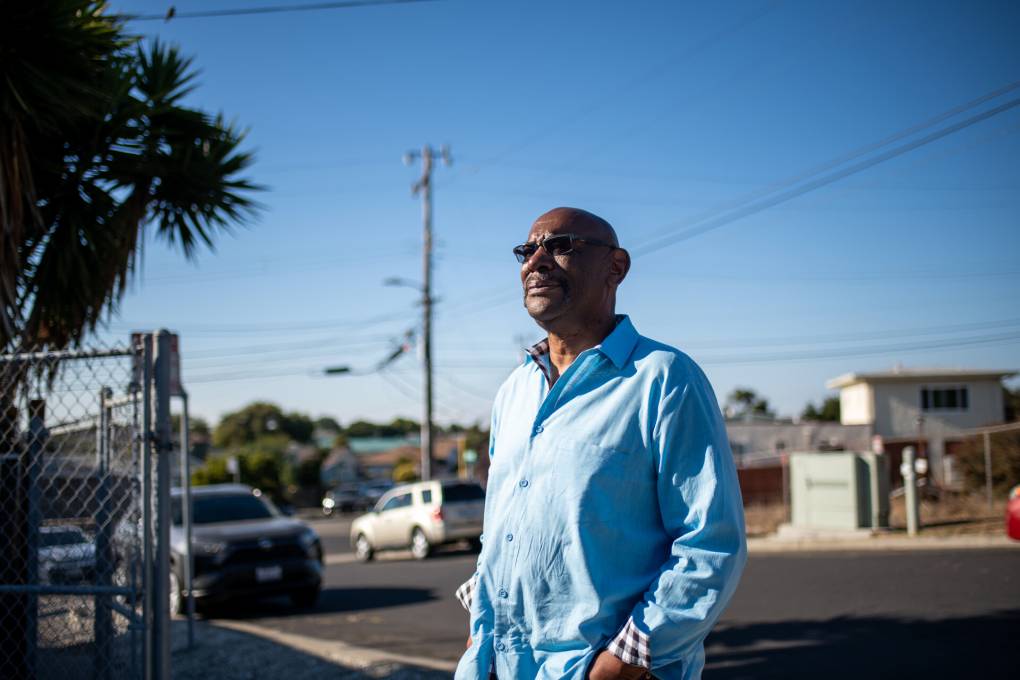
"altTag": "A man standing outside wearing a blue dress shirt and black sunglasses.",
"isLoading": false,
"fetchFailed": false
},
"news_11922905": {
"type": "attachments",
"id": "news_11922905",
"meta": {
"index": "attachments_1716263798",
"site": "news",
"id": "11922905",
"found": true
},
"parent": 11922900,
"imgSizes": {
"twentyfourteen-full-width": {
"file": "https://ww2.kqed.org/app/uploads/sites/10/2022/08/RS57548_025_KQED_PeoplesParkRally_08032022-qut-1038x576.jpg",
"width": 1038,
"mimeType": "image/jpeg",
"height": 576
},
"thumbnail": {
"file": "https://ww2.kqed.org/app/uploads/sites/10/2022/08/RS57548_025_KQED_PeoplesParkRally_08032022-qut-160x107.jpg",
"width": 160,
"mimeType": "image/jpeg",
"height": 107
},
"post-thumbnail": {
"file": "https://ww2.kqed.org/app/uploads/sites/10/2022/08/RS57548_025_KQED_PeoplesParkRally_08032022-qut-672x372.jpg",
"width": 672,
"mimeType": "image/jpeg",
"height": 372
},
"kqedFullSize": {
"file": "https://ww2.kqed.org/app/uploads/sites/10/2022/08/RS57548_025_KQED_PeoplesParkRally_08032022-qut.jpg",
"width": 1920,
"height": 1278
},
"large": {
"file": "https://ww2.kqed.org/app/uploads/sites/10/2022/08/RS57548_025_KQED_PeoplesParkRally_08032022-qut-1020x679.jpg",
"width": 1020,
"mimeType": "image/jpeg",
"height": 679
},
"1536x1536": {
"file": "https://ww2.kqed.org/app/uploads/sites/10/2022/08/RS57548_025_KQED_PeoplesParkRally_08032022-qut-1536x1022.jpg",
"width": 1536,
"mimeType": "image/jpeg",
"height": 1022
},
"medium": {
"file": "https://ww2.kqed.org/app/uploads/sites/10/2022/08/RS57548_025_KQED_PeoplesParkRally_08032022-qut-800x533.jpg",
"width": 800,
"mimeType": "image/jpeg",
"height": 533
}
},
"publishDate": 1660783052,
"modified": 1660783114,
"caption": "Jane Stillwater speaks to a crowd gathered at People's Park in Berkeley to protest the construction of UC Berkeley student housing at the park on Aug. 3, 2022. Stillwater has been protesting in the park for decades.",
"description": null,
"title": "RS57548_025_KQED_PeoplesParkRally_08032022-qut",
"credit": "Beth LaBerge/KQED",
"status": "inherit",
"altTag": "An older woman with glasses stands with a microphone with the backdrop of a building and blue sky",
"isLoading": false,
"fetchFailed": false
},
"news_11922801": {
"type": "attachments",
"id": "news_11922801",
"meta": {
"index": "attachments_1716263798",
"site": "news",
"id": "11922801",
"found": true
},
"parent": 11922784,
"imgSizes": {
"twentyfourteen-full-width": {
"file": "https://ww2.kqed.org/app/uploads/sites/10/2022/08/RS57010_002_KQED_HousingJordanCourt_06292022-qut-1038x576.jpg",
"width": 1038,
"mimeType": "image/jpeg",
"height": 576
},
"thumbnail": {
"file": "https://ww2.kqed.org/app/uploads/sites/10/2022/08/RS57010_002_KQED_HousingJordanCourt_06292022-qut-160x107.jpg",
"width": 160,
"mimeType": "image/jpeg",
"height": 107
},
"post-thumbnail": {
"file": "https://ww2.kqed.org/app/uploads/sites/10/2022/08/RS57010_002_KQED_HousingJordanCourt_06292022-qut-672x372.jpg",
"width": 672,
"mimeType": "image/jpeg",
"height": 372
},
"kqedFullSize": {
"file": "https://ww2.kqed.org/app/uploads/sites/10/2022/08/RS57010_002_KQED_HousingJordanCourt_06292022-qut.jpg",
"width": 1920,
"height": 1280
},
"large": {
"file": "https://ww2.kqed.org/app/uploads/sites/10/2022/08/RS57010_002_KQED_HousingJordanCourt_06292022-qut-1020x680.jpg",
"width": 1020,
"mimeType": "image/jpeg",
"height": 680
},
"1536x1536": {
"file": "https://ww2.kqed.org/app/uploads/sites/10/2022/08/RS57010_002_KQED_HousingJordanCourt_06292022-qut-1536x1024.jpg",
"width": 1536,
"mimeType": "image/jpeg",
"height": 1024
},
"medium": {
"file": "https://ww2.kqed.org/app/uploads/sites/10/2022/08/RS57010_002_KQED_HousingJordanCourt_06292022-qut-800x533.jpg",
"width": 800,
"mimeType": "image/jpeg",
"height": 533
}
},
"publishDate": 1660760492,
"modified": 1660782549,
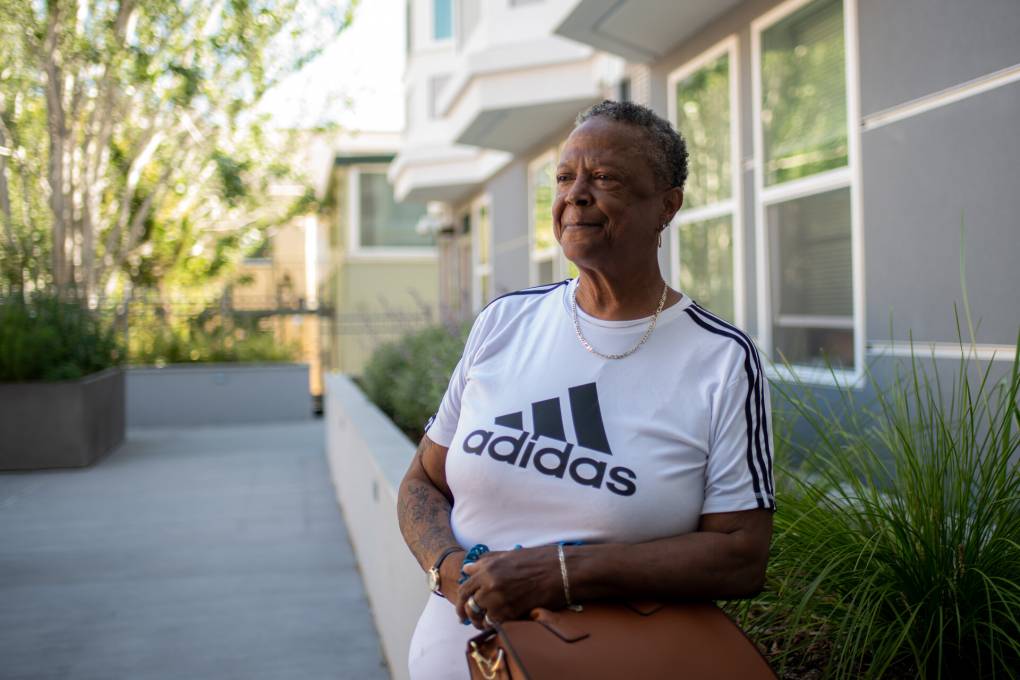
"caption": "Ira Hudson, 71, stands in the community garden in Jordan Court, an apartment for seniors with lower incomes built by All Souls Episcopal Parish in Berkeley, on June 28, 2022. It's one of the few successful housing developments built by a church in the Bay Area.",
"description": null,
"title": "RS57010_002_KQED_HousingJordanCourt_06292022-qut",
"credit": "Beth LaBerge/KQED",
"status": "inherit",
"altTag": "A woman wearing a white and black shirt leans on a building outside.",
"isLoading": false,
"fetchFailed": false
},
"news_11922909": {
"type": "attachments",
"id": "news_11922909",
"meta": {
"index": "attachments_1716263798",
"site": "news",
"id": "11922909",
"found": true
},
"parent": 11922869,
"imgSizes": {
"twentyfourteen-full-width": {
"file": "https://ww2.kqed.org/app/uploads/sites/10/2022/08/GettyImages-1236267617-1024x576.jpg",
"width": 1024,
"mimeType": "image/jpeg",
"height": 576
},
"thumbnail": {
"file": "https://ww2.kqed.org/app/uploads/sites/10/2022/08/GettyImages-1236267617-160x107.jpg",
"width": 160,
"mimeType": "image/jpeg",
"height": 107
},
"post-thumbnail": {
"file": "https://ww2.kqed.org/app/uploads/sites/10/2022/08/GettyImages-1236267617-672x372.jpg",
"width": 672,
"mimeType": "image/jpeg",
"height": 372
},
"kqedFullSize": {
"file": "https://ww2.kqed.org/app/uploads/sites/10/2022/08/GettyImages-1236267617.jpg",
"width": 1024,
"height": 683
},
"large": {
"file": "https://ww2.kqed.org/app/uploads/sites/10/2022/08/GettyImages-1236267617-1020x680.jpg",
"width": 1020,
"mimeType": "image/jpeg",
"height": 680
},
"medium": {
"file": "https://ww2.kqed.org/app/uploads/sites/10/2022/08/GettyImages-1236267617-800x534.jpg",
"width": 800,
"mimeType": "image/jpeg",
"height": 534
}
},
"publishDate": 1660783337,
"modified": 1660783416,
"caption": "Unhoused people on the streets of the Tenderloin district in San Francisco, on Oct. 30, 2021.",
"description": null,
"title": "Homelessness in San Francisco",
"credit": "Tayfun Coskun/Anadolu Agency via Getty Images",
"status": "inherit",
"altTag": null,
"isLoading": false,
"fetchFailed": false
},
"news_11922480": {
"type": "attachments",
"id": "news_11922480",
"meta": {
"index": "attachments_1716263798",
"site": "news",
"id": "11922480",
"found": true
},
"parent": 11922478,
"imgSizes": {
"twentyfourteen-full-width": {
"file": "https://ww2.kqed.org/app/uploads/sites/10/2022/08/GettyImages-493193649-1024x576.jpg",
"width": 1024,
"mimeType": "image/jpeg",
"height": 576
},
"thumbnail": {
"file": "https://ww2.kqed.org/app/uploads/sites/10/2022/08/GettyImages-493193649-160x105.jpg",
"width": 160,
"mimeType": "image/jpeg",
"height": 105
},
"post-thumbnail": {
"file": "https://ww2.kqed.org/app/uploads/sites/10/2022/08/GettyImages-493193649-672x372.jpg",
"width": 672,
"mimeType": "image/jpeg",
"height": 372
},
"kqedFullSize": {
"file": "https://ww2.kqed.org/app/uploads/sites/10/2022/08/GettyImages-493193649.jpg",
"width": 1024,
"height": 669
},
"large": {
"file": "https://ww2.kqed.org/app/uploads/sites/10/2022/08/GettyImages-493193649-1020x666.jpg",
"width": 1020,
"mimeType": "image/jpeg",
"height": 666
},
"medium": {
"file": "https://ww2.kqed.org/app/uploads/sites/10/2022/08/GettyImages-493193649-800x523.jpg",
"width": 800,
"mimeType": "image/jpeg",
"height": 523
}
},
"publishDate": 1660522192,
"modified": 1660583971,
"caption": "Pedestrians walk by an entrance to the UC Berkeley campus on May 22, 2014, in Berkeley.",
"description": null,
"title": "Stanford And Berkeley Rank Among Top 3 Universities In The World",
"credit": "Justin Sullivan/Getty Images",
"status": "inherit",
"altTag": "A metal sign that reads \"University of California.\"",
"isLoading": false,
"fetchFailed": false
},
"news_11921176": {
"type": "attachments",
"id": "news_11921176",
"meta": {
"index": "attachments_1716263798",
"site": "news",
"id": "11921176",
"found": true
},
"parent": 11921155,
"imgSizes": {
"twentyfourteen-full-width": {
"file": "https://ww2.kqed.org/app/uploads/sites/10/2022/08/RS57377_002_KQED_ProjectRoomkeyHoraceCage_07192022-qut-1038x576.jpg",
"width": 1038,
"mimeType": "image/jpeg",
"height": 576
},
"thumbnail": {
"file": "https://ww2.kqed.org/app/uploads/sites/10/2022/08/RS57377_002_KQED_ProjectRoomkeyHoraceCage_07192022-qut-160x107.jpg",
"width": 160,
"mimeType": "image/jpeg",
"height": 107
},
"post-thumbnail": {
"file": "https://ww2.kqed.org/app/uploads/sites/10/2022/08/RS57377_002_KQED_ProjectRoomkeyHoraceCage_07192022-qut-672x372.jpg",
"width": 672,
"mimeType": "image/jpeg",
"height": 372
},
"kqedFullSize": {
"file": "https://ww2.kqed.org/app/uploads/sites/10/2022/08/RS57377_002_KQED_ProjectRoomkeyHoraceCage_07192022-qut.jpg",
"width": 1920,
"height": 1280
},
"large": {
"file": "https://ww2.kqed.org/app/uploads/sites/10/2022/08/RS57377_002_KQED_ProjectRoomkeyHoraceCage_07192022-qut-1020x680.jpg",
"width": 1020,
"mimeType": "image/jpeg",
"height": 680
},
"1536x1536": {
"file": "https://ww2.kqed.org/app/uploads/sites/10/2022/08/RS57377_002_KQED_ProjectRoomkeyHoraceCage_07192022-qut-1536x1024.jpg",
"width": 1536,
"mimeType": "image/jpeg",
"height": 1024
},
"medium": {
"file": "https://ww2.kqed.org/app/uploads/sites/10/2022/08/RS57377_002_KQED_ProjectRoomkeyHoraceCage_07192022-qut-800x533.jpg",
"width": 800,
"mimeType": "image/jpeg",
"height": 533
}
},
"publishDate": 1659398113,
"modified": 1659398184,
"caption": "Horace Cage makes pancakes at his home in Oakland. Cage was formerly unhoused and through Project Roomkey lived in a Radisson hotel before being placed in an apartment.",
"description": null,
"title": "RS57377_002_KQED_ProjectRoomkeyHoraceCage_07192022-qut",
"credit": "Beth LaBerge/KQED",
"status": "inherit",
"altTag": "a Black man in a white shirt makes pancakes, standing at the stove in his apartment",
"isLoading": false,
"fetchFailed": false
},
"news_11921270": {
"type": "attachments",
"id": "news_11921270",
"meta": {
"index": "attachments_1716263798",
"site": "news",
"id": "11921270",
"found": true
},
"parent": 0,
"imgSizes": {
"twentyfourteen-full-width": {
"file": "https://ww2.kqed.org/app/uploads/sites/10/2022/08/001_KQED_HoraceCage_07192022-1038x576.jpg",
"width": 1038,
"mimeType": "image/jpeg",
"height": 576
},
"thumbnail": {
"file": "https://ww2.kqed.org/app/uploads/sites/10/2022/08/001_KQED_HoraceCage_07192022-160x107.jpg",
"width": 160,
"mimeType": "image/jpeg",
"height": 107
},
"post-thumbnail": {
"file": "https://ww2.kqed.org/app/uploads/sites/10/2022/08/001_KQED_HoraceCage_07192022-672x372.jpg",
"width": 672,
"mimeType": "image/jpeg",
"height": 372
},
"kqedFullSize": {
"file": "https://ww2.kqed.org/app/uploads/sites/10/2022/08/001_KQED_HoraceCage_07192022.jpg",
"width": 1920,
"height": 1280
},
"large": {
"file": "https://ww2.kqed.org/app/uploads/sites/10/2022/08/001_KQED_HoraceCage_07192022-1020x680.jpg",
"width": 1020,
"mimeType": "image/jpeg",
"height": 680
},
"1536x1536": {
"file": "https://ww2.kqed.org/app/uploads/sites/10/2022/08/001_KQED_HoraceCage_07192022-1536x1024.jpg",
"width": 1536,
"mimeType": "image/jpeg",
"height": 1024
},
"medium": {
"file": "https://ww2.kqed.org/app/uploads/sites/10/2022/08/001_KQED_HoraceCage_07192022-800x533.jpg",
"width": 800,
"mimeType": "image/jpeg",
"height": 533
}
},
"publishDate": 1659466679,
"modified": 1659466708,
"caption": "Horace Cage stands outside of his apartment in Oakland on July 19, 2022. Cage was formerly unhoused and through Project Roomkey lived in a Raddison hotel before being placed in an apartment.",
"description": null,
"title": "001_KQED_HoraceCage_07192022",
"credit": "Beth LaBerge/KQED",
"status": "inherit",
"altTag": "a Black man wearing a white shirt and glasses leans on the railing outside his apartment",
"isLoading": false,
"fetchFailed": false
},
"news_11918733": {
"type": "attachments",
"id": "news_11918733",
"meta": {
"index": "attachments_1716263798",
"site": "news",
"id": "11918733",
"found": true
},
"parent": 11918732,
"imgSizes": {
"twentyfourteen-full-width": {
"file": "https://ww2.kqed.org/app/uploads/sites/10/2022/07/Screen-Shot-2022-07-03-at-2.25.26-PM-1038x576.png",
"width": 1038,
"mimeType": "image/png",
"height": 576
},
"thumbnail": {
"file": "https://ww2.kqed.org/app/uploads/sites/10/2022/07/Screen-Shot-2022-07-03-at-2.25.26-PM-160x104.png",
"width": 160,
"mimeType": "image/png",
"height": 104
},
"post-thumbnail": {
"file": "https://ww2.kqed.org/app/uploads/sites/10/2022/07/Screen-Shot-2022-07-03-at-2.25.26-PM-672x372.png",
"width": 672,
"mimeType": "image/png",
"height": 372
},
"kqedFullSize": {
"file": "https://ww2.kqed.org/app/uploads/sites/10/2022/07/Screen-Shot-2022-07-03-at-2.25.26-PM.png",
"width": 1560,
"height": 1016
},
"large": {
"file": "https://ww2.kqed.org/app/uploads/sites/10/2022/07/Screen-Shot-2022-07-03-at-2.25.26-PM-1020x664.png",
"width": 1020,
"mimeType": "image/png",
"height": 664
},
"1536x1536": {
"file": "https://ww2.kqed.org/app/uploads/sites/10/2022/07/Screen-Shot-2022-07-03-at-2.25.26-PM-1536x1000.png",
"width": 1536,
"mimeType": "image/png",
"height": 1000
},
"medium": {
"file": "https://ww2.kqed.org/app/uploads/sites/10/2022/07/Screen-Shot-2022-07-03-at-2.25.26-PM-800x521.png",
"width": 800,
"mimeType": "image/png",
"height": 521
}
},
"publishDate": 1656883573,
"modified": 1657049012,
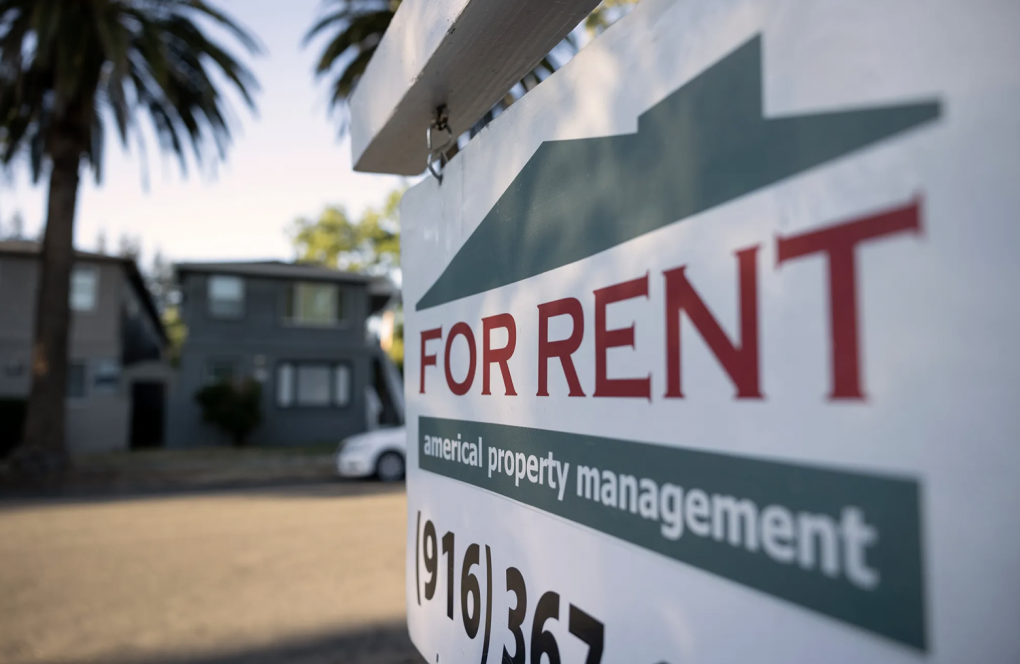
"caption": "A 'For Rent' sign in Sacramento on June 28, 2022.",
"description": null,
"title": "Screen Shot 2022-07-03 at 2.25.26 PM",
"credit": "Miguel Gutierrez Jr./CalMatters",
"status": "inherit",
"altTag": "Half the frame is a red, white, and green \"For Rent\" sign, seemingly posted in the front of a housing complex; beyond the sign are two tall palm trees, a cream-colored dirt road, and the front of a white sedan peeking out in front of a two-story, dark gray housing complex.",
"isLoading": false,
"fetchFailed": false
},
"news_11918386": {
"type": "attachments",
"id": "news_11918386",
"meta": {
"index": "attachments_1716263798",
"site": "news",
"id": "11918386",
"found": true
},
"parent": 11918382,
"imgSizes": {
"twentyfourteen-full-width": {
"file": "https://ww2.kqed.org/app/uploads/sites/10/2022/06/RS57007_010_KQED_HousingSulimaNavarrete_06292022-qut-1038x576.jpg",
"width": 1038,
"mimeType": "image/jpeg",
"height": 576
},
"thumbnail": {
"file": "https://ww2.kqed.org/app/uploads/sites/10/2022/06/RS57007_010_KQED_HousingSulimaNavarrete_06292022-qut-160x107.jpg",
"width": 160,
"mimeType": "image/jpeg",
"height": 107
},
"post-thumbnail": {
"file": "https://ww2.kqed.org/app/uploads/sites/10/2022/06/RS57007_010_KQED_HousingSulimaNavarrete_06292022-qut-672x372.jpg",
"width": 672,
"mimeType": "image/jpeg",
"height": 372
},
"kqedFullSize": {
"file": "https://ww2.kqed.org/app/uploads/sites/10/2022/06/RS57007_010_KQED_HousingSulimaNavarrete_06292022-qut.jpg",
"width": 1920,
"height": 1280
},
"large": {
"file": "https://ww2.kqed.org/app/uploads/sites/10/2022/06/RS57007_010_KQED_HousingSulimaNavarrete_06292022-qut-1020x680.jpg",
"width": 1020,
"mimeType": "image/jpeg",
"height": 680
},
"1536x1536": {
"file": "https://ww2.kqed.org/app/uploads/sites/10/2022/06/RS57007_010_KQED_HousingSulimaNavarrete_06292022-qut-1536x1024.jpg",
"width": 1536,
"mimeType": "image/jpeg",
"height": 1024
},
"medium": {
"file": "https://ww2.kqed.org/app/uploads/sites/10/2022/06/RS57007_010_KQED_HousingSulimaNavarrete_06292022-qut-800x533.jpg",
"width": 800,
"mimeType": "image/jpeg",
"height": 533
}
},
"publishDate": 1656539229,
"modified": 1656606734,
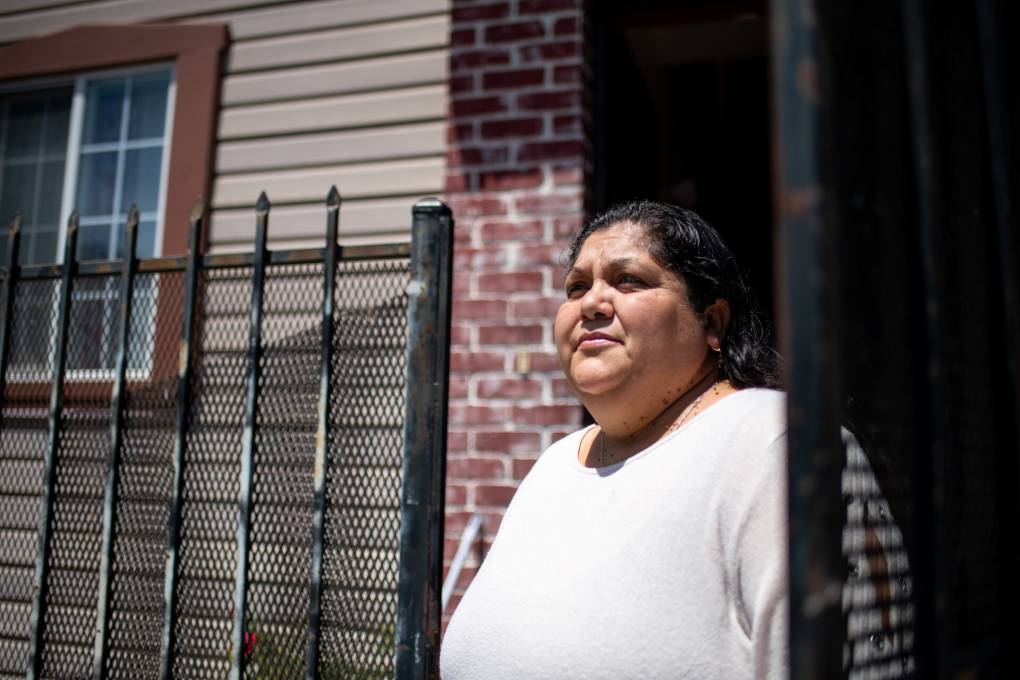
"caption": "Sulima Navarrete stands in front of the house she has rented with her family in Richmond for the last 12 years, on June 26, 2022. She applied for rent relief in October but is still awaiting a response from the state on whether her application will be approved.",
"description": null,
"title": "RS57007_010_KQED_HousingSulimaNavarrete_06292022-qut",
"credit": "Beth LaBerge/KQED",
"status": "inherit",
"altTag": "Sulima Navarrete, who is Latina, stands outside her home wearing a white shirt. Her hair is dark brown and pulled back. She is standing in a doorway, by a black metal fence with brickwall behind it. She is unsmiling.",
"isLoading": false,
"fetchFailed": false
},
"news_11917596": {
"type": "attachments",
"id": "news_11917596",
"meta": {
"index": "attachments_1716263798",
"site": "news",
"id": "11917596",
"found": true
},
"parent": 11917579,
"imgSizes": {
"twentyfourteen-full-width": {
"file": "https://ww2.kqed.org/app/uploads/sites/10/2022/06/Getty-1240173851-OCHome-1038x576.jpg",
"width": 1038,
"mimeType": "image/jpeg",
"height": 576
},
"thumbnail": {
"file": "https://ww2.kqed.org/app/uploads/sites/10/2022/06/Getty-1240173851-OCHome-160x120.jpg",
"width": 160,
"mimeType": "image/jpeg",
"height": 120
},
"post-thumbnail": {
"file": "https://ww2.kqed.org/app/uploads/sites/10/2022/06/Getty-1240173851-OCHome-672x372.jpg",
"width": 672,
"mimeType": "image/jpeg",
"height": 372
},
"kqedFullSize": {
"file": "https://ww2.kqed.org/app/uploads/sites/10/2022/06/Getty-1240173851-OCHome.jpg",
"width": 1920,
"height": 1439
},
"large": {
"file": "https://ww2.kqed.org/app/uploads/sites/10/2022/06/Getty-1240173851-OCHome-1020x764.jpg",
"width": 1020,
"mimeType": "image/jpeg",
"height": 764
},
"1536x1536": {
"file": "https://ww2.kqed.org/app/uploads/sites/10/2022/06/Getty-1240173851-OCHome-1536x1151.jpg",
"width": 1536,
"mimeType": "image/jpeg",
"height": 1151
},
"medium": {
"file": "https://ww2.kqed.org/app/uploads/sites/10/2022/06/Getty-1240173851-OCHome-800x600.jpg",
"width": 800,
"mimeType": "image/jpeg",
"height": 600
}
},
"publishDate": 1655928360,
"modified": 1655928437,
"caption": "A view of a home for sale in Huntington Beach, Calif. on April 22, 2022. ",
"description": null,
"title": "Getty-1240173851-OCHome",
"credit": "Allen J. Schaben/Los Angeles Times/Getty Images",
"status": "inherit",
"altTag": "Aerial view of homes in Orange County",
"isLoading": false,
"fetchFailed": false
}
},
"audioPlayerReducer": {
"postId": "stream_live",
"isPaused": true,
"isPlaying": false,
"pfsActive": false,
"pledgeModalIsOpen": true,
"playerDrawerIsOpen": false,
"liveAudioPlayStartedAt": 0,
"liveAudioPlayContext": ""
},
"authorsReducer": {
"byline_news_11922478": {
"type": "authors",
"id": "byline_news_11922478",
"meta": {
"override": true
},
"slug": "byline_news_11922478",
"name": "Betty Marquez Rosales",
"isLoading": false
},
"byline_news_11918732": {
"type": "authors",
"id": "byline_news_11918732",
"meta": {
"override": true
},
"slug": "byline_news_11918732",
"name": "\u003ca href=\"https://calmatters.org/author/manuela-tobias/\">Manuela Tobias\u003c/a>",
"isLoading": false
},
"byline_news_11917579": {
"type": "authors",
"id": "byline_news_11917579",
"meta": {
"override": true
},
"slug": "byline_news_11917579",
"name": "Jeanne Kuang",
"isLoading": false
},
"sasha-khokha": {
"type": "authors",
"id": "254",
"meta": {
"index": "authors_1716337520",
"id": "254",
"found": true
},
"name": "Sasha Khokha",
"firstName": "Sasha",
"lastName": "Khokha",
"slug": "sasha-khokha",
"email": "skhokha@kqed.org",
"display_author_email": true,
"staff_mastheads": [
"news"
],
"title": "Host, The California Report Magazine",
"bio": "Sasha Khokha is the host of \u003cem>The California Report's \u003c/em> weekly magazine program, which takes listeners on sound-rich excursions to meet the people that make the Golden State unique -- through audio documentaries and long-form stories. As \u003cem>The California Report's\u003c/em> Central Valley Bureau Chief based in Fresno for nearly a dozen years, Sasha brought the lives and concerns of rural Californians to listeners around the state. Her reporting helped expose the hidden price immigrant women janitors and farmworkers may pay to keep their jobs: sexual assault at work. It inspired two new California laws to protect them from sexual harassment. She was a key member of the reporting team for the Frontline film \u003cem>Rape on the Night Shift, \u003c/em>which was nominated for two national Emmys. Sasha has also won a national Edward R. Murrow and a national PRNDI award for investigative reporting, as well as multiple prizes from the Society for Professional Journalists. Sasha is a proud alum of the UC Berkeley Graduate School of Journalism and Brown University and a member of the South Asian Journalists Association.",
"avatar": "https://secure.gravatar.com/avatar/e4b5e1541aaeea2aa356aa1fb2a68950?s=600&d=blank&r=g",
"twitter": "KQEDSashaKhokha",
"facebook": null,
"instagram": null,
"linkedin": null,
"sites": [
{
"site": "news",
"roles": [
"editor"
]
},
{
"site": "stateofhealth",
"roles": [
"author"
]
},
{
"site": "science",
"roles": [
"author"
]
},
{
"site": "quest",
"roles": [
"subscriber"
]
}
],
"headData": {
"title": "Sasha Khokha | KQED",
"description": "Host, The California Report Magazine",
"ogImgSrc": "https://secure.gravatar.com/avatar/e4b5e1541aaeea2aa356aa1fb2a68950?s=600&d=blank&r=g",
"twImgSrc": "https://secure.gravatar.com/avatar/e4b5e1541aaeea2aa356aa1fb2a68950?s=600&d=blank&r=g"
},
"isLoading": false,
"link": "/author/sasha-khokha"
},
"matthewgreen": {
"type": "authors",
"id": "1263",
"meta": {
"index": "authors_1716337520",
"id": "1263",
"found": true
},
"name": "Matthew Green",
"firstName": "Matthew",
"lastName": "Green",
"slug": "matthewgreen",
"email": "mgreen@kqed.org",
"display_author_email": false,
"staff_mastheads": [],
"title": "KQED Editor/Reporter",
"bio": "Matthew Green is a digital media producer for KQED News. He previously produced \u003ca href=\"http://www.kqed.org/lowdown\">The Lowdown\u003c/a>, KQED’s multimedia news education blog. Matthew's written for numerous Bay Area publications, including the Oakland Tribune and San Francisco Chronicle. He also taught journalism classes at Fremont High School in East Oakland.\r\n\r\nEmail: mgreen@kqed.org; Twitter: @MGreenKQED",
"avatar": "https://secure.gravatar.com/avatar/3bf498d1267ca02c8494f33d8cfc575e?s=600&d=blank&r=g",
"twitter": "MGreenKQED",
"facebook": null,
"instagram": null,
"linkedin": null,
"sites": [
{
"site": "news",
"roles": []
},
{
"site": "lowdown",
"roles": []
},
{
"site": "science",
"roles": []
},
{
"site": "education",
"roles": []
},
{
"site": "quest",
"roles": []
},
{
"site": "liveblog",
"roles": []
}
],
"headData": {
"title": "Matthew Green | KQED",
"description": "KQED Editor/Reporter",
"ogImgSrc": "https://secure.gravatar.com/avatar/3bf498d1267ca02c8494f33d8cfc575e?s=600&d=blank&r=g",
"twImgSrc": "https://secure.gravatar.com/avatar/3bf498d1267ca02c8494f33d8cfc575e?s=600&d=blank&r=g"
},
"isLoading": false,
"link": "/author/matthewgreen"
},
"ecruzguevarra": {
"type": "authors",
"id": "8654",
"meta": {
"index": "authors_1716337520",
"id": "8654",
"found": true
},
"name": "Ericka Cruz Guevarra",
"firstName": "Ericka",
"lastName": "Cruz Guevarra",
"slug": "ecruzguevarra",
"email": "ecruzguevarra@kqed.org",
"display_author_email": true,
"staff_mastheads": [
"news"
],
"title": "Producer, The Bay Podcast",
"bio": "Ericka Cruz Guevarra is host of \u003ca href=\"https://www.kqed.org/podcasts/thebay\">\u003cem>The Bay\u003c/em>\u003c/a> podcast at KQED. Before host, she was the show’s producer. Her work in that capacity includes a three-part reported series on policing in Vallejo, which won a 2020 excellence in journalism award from the Society of Professional Journalists. Ericka has worked as a breaking news reporter at Oregon Public Broadcasting, helped produce the Code Switch podcast, and was KQED’s inaugural Raul Ramirez Diversity Fund intern. She’s also an alumna of NPR’s Next Generation Radio program. Send her an email if you have strong feelings about whether Fairfield and Suisun City are the Bay. Ericka is represented by SAG-AFTRA.",
"avatar": "https://secure.gravatar.com/avatar/accefc1de4bafc7e234b69bcb9b6f6536c130fd84709bc3069ef11a78787e1bb?s=600&d=blank&r=g",
"twitter": "NotoriousECG",
"bluesky": null,
"facebook": null,
"instagram": null,
"linkedin": null,
"sites": [
{
"site": "arts",
"roles": [
"subscriber"
]
},
{
"site": "news",
"roles": [
"editor",
"manage_categories"
]
},
{
"site": "futureofyou",
"roles": [
"subscriber"
]
},
{
"site": "stateofhealth",
"roles": [
"subscriber"
]
},
{
"site": "science",
"roles": [
"editor"
]
},
{
"site": "forum",
"roles": [
"subscriber"
]
}
],
"headData": {
"title": "Ericka Cruz Guevarra | KQED",
"description": "Producer, The Bay Podcast",
"ogImgSrc": "https://secure.gravatar.com/avatar/accefc1de4bafc7e234b69bcb9b6f6536c130fd84709bc3069ef11a78787e1bb?s=600&d=blank&r=g",
"twImgSrc": "https://secure.gravatar.com/avatar/accefc1de4bafc7e234b69bcb9b6f6536c130fd84709bc3069ef11a78787e1bb?s=600&d=blank&r=g"
},
"isLoading": false,
"link": "/author/ecruzguevarra"
},
"vrancano": {
"type": "authors",
"id": "11276",
"meta": {
"index": "authors_1716337520",
"id": "11276",
"found": true
},
"name": "Vanessa Rancaño",
"firstName": "Vanessa",
"lastName": "Rancaño",
"slug": "vrancano",
"email": "vrancano@kqed.org",
"display_author_email": false,
"staff_mastheads": [
"news"
],
"title": "Reporter",
"bio": "Vanessa Rancaño is a features reporter for KQED. She’s also covered homelessness and education for the station and reported from the Central Valley. Her work has aired across public radio, from flagship national news shows to longform narrative podcasts. Before taking up a mic, she worked as a freelance print journalist. She’s been recognized with a number of national and regional awards. Vanessa grew up in California's Central Valley. She's a former NPR Kroc Fellow, and a graduate of the UC Berkeley Graduate School of Journalism.",
"avatar": "https://secure.gravatar.com/avatar/b3a383dfb0e7ee1c17568f2cf067904ab654d6e3de9743fc661f3c788ade1bed?s=600&d=blank&r=g",
"twitter": "vanessarancano",
"bluesky": null,
"facebook": null,
"instagram": null,
"linkedin": null,
"sites": [
{
"site": "arts",
"roles": [
"editor"
]
},
{
"site": "news",
"roles": [
"editor"
]
},
{
"site": "liveblog",
"roles": [
"contributor"
]
}
],
"headData": {
"title": "Vanessa Rancaño | KQED",
"description": "Reporter",
"ogImgSrc": "https://secure.gravatar.com/avatar/b3a383dfb0e7ee1c17568f2cf067904ab654d6e3de9743fc661f3c788ade1bed?s=600&d=blank&r=g",
"twImgSrc": "https://secure.gravatar.com/avatar/b3a383dfb0e7ee1c17568f2cf067904ab654d6e3de9743fc661f3c788ade1bed?s=600&d=blank&r=g"
},
"isLoading": false,
"link": "/author/vrancano"
},
"lsarah": {
"type": "authors",
"id": "11626",
"meta": {
"index": "authors_1716337520",
"id": "11626",
"found": true
},
"name": "Lakshmi Sarah",
"firstName": "Lakshmi",
"lastName": "Sarah",
"slug": "lsarah",
"email": "lsarah@kqed.org",
"display_author_email": false,
"staff_mastheads": [],
"title": "Digital Producer",
"bio": "Lakshmi Sarah is an educator, author and journalist with a focus on innovative storytelling. She has worked with newspapers, radio and magazines from Ahmedabad, India to Los Angeles, California. She has written and produced for Die Zeit, Global Voices, AJ+, KQED, Fusion Media Group and the New York Times.",
"avatar": "https://secure.gravatar.com/avatar/652dcaecd8b28826fc17a8b2d6bb4e93?s=600&d=blank&r=g",
"twitter": "lakitalki",
"facebook": null,
"instagram": "https://www.instagram.com/laki.talki/",
"linkedin": "https://www.linkedin.com/in/lakisarah/",
"sites": [
{
"site": "arts",
"roles": []
},
{
"site": "news",
"roles": []
},
{
"site": "bayareabites",
"roles": []
},
{
"site": "science",
"roles": []
}
],
"headData": {
"title": "Lakshmi Sarah | KQED",
"description": "Digital Producer",
"ogImgSrc": "https://secure.gravatar.com/avatar/652dcaecd8b28826fc17a8b2d6bb4e93?s=600&d=blank&r=g",
"twImgSrc": "https://secure.gravatar.com/avatar/652dcaecd8b28826fc17a8b2d6bb4e93?s=600&d=blank&r=g"
},
"isLoading": false,
"link": "/author/lsarah"
},
"amontecillo": {
"type": "authors",
"id": "11649",
"meta": {
"index": "authors_1716337520",
"id": "11649",
"found": true
},
"name": "Alan Montecillo",
"firstName": "Alan",
"lastName": "Montecillo",
"slug": "amontecillo",
"email": "amontecillo@kqed.org",
"display_author_email": false,
"staff_mastheads": [
"news"
],
"title": "KQED Contributor",
"bio": "Alan Montecillo is the senior editor of \u003cem>\u003ca href=\"http://kqed.org/thebay\">The Bay\u003c/a>, \u003c/em> KQED's local news podcast. Before moving to the Bay Area, he worked as a senior talk show producer for WILL in Champaign-Urbana, Illinois and at Oregon Public Broadcasting in Portland, Oregon. He has won journalism awards from the Society of Professional Journalists Northern California, the Public Media Journalists Association, The Signal Awards, and has also received a regional Edward R. Murrow award. Alan is a Filipino American from Hong Kong and a graduate of Reed College.",
"avatar": "https://secure.gravatar.com/avatar/268f53a2066899ea9efdd8a5900218b17c822d9862cbc9326cccec53ef41d349?s=600&d=blank&r=g",
"twitter": "alanmontecillo",
"bluesky": null,
"facebook": null,
"instagram": null,
"linkedin": null,
"sites": [
{
"site": "",
"roles": [
"editor"
]
},
{
"site": "news",
"roles": [
"editor",
"manage_categories"
]
}
],
"headData": {
"title": "Alan Montecillo | KQED",
"description": "KQED Contributor",
"ogImgSrc": "https://secure.gravatar.com/avatar/268f53a2066899ea9efdd8a5900218b17c822d9862cbc9326cccec53ef41d349?s=600&d=blank&r=g",
"twImgSrc": "https://secure.gravatar.com/avatar/268f53a2066899ea9efdd8a5900218b17c822d9862cbc9326cccec53ef41d349?s=600&d=blank&r=g"
},
"isLoading": false,
"link": "/author/amontecillo"
},
"ebaldassari": {
"type": "authors",
"id": "11652",
"meta": {
"index": "authors_1716337520",
"id": "11652",
"found": true
},
"name": "Erin Baldassari",
"firstName": "Erin",
"lastName": "Baldassari",
"slug": "ebaldassari",
"email": "ebaldassari@KQED.org",
"display_author_email": true,
"staff_mastheads": [
"news"
],
"title": "Staff Writer",
"bio": "Erin Baldassari covers housing for KQED. She's a former print journalist and most recently worked as the transportation reporter for the \u003cem>Mercury News\u003c/em> and \u003cem>East Bay Times. \u003c/em>There, she focused on how the Bay Area’s housing shortage has changed the way people move around the region. She also served on the \u003cem>East Bay Times\u003c/em>’ 2017 Pulitzer Prize-winning team for coverage of the Ghost Ship Fire in Oakland. Prior to that, Erin worked as a breaking news and general assignment reporter for a variety of outlets in the Bay Area and the greater Boston area. A Tufts University alumna, Erin grew up in the foothills of the Sierra Nevada mountains and in Sonoma County. She is a life-long KQED listener.",
"avatar": "https://secure.gravatar.com/avatar/5e95cad64a8ca08288082212e199d2b0cbeb4fd8e8ef5339395f361032bbe005?s=600&d=blank&r=g",
"twitter": "e_baldi",
"bluesky": null,
"facebook": null,
"instagram": null,
"linkedin": null,
"sites": [
{
"site": "news",
"roles": [
"edit_others_posts",
"editor"
]
},
{
"site": "science",
"roles": [
"editor"
]
},
{
"site": "liveblog",
"roles": [
"editor"
]
}
],
"headData": {
"title": "Erin Baldassari | KQED",
"description": "Staff Writer",
"ogImgSrc": "https://secure.gravatar.com/avatar/5e95cad64a8ca08288082212e199d2b0cbeb4fd8e8ef5339395f361032bbe005?s=600&d=blank&r=g",
"twImgSrc": "https://secure.gravatar.com/avatar/5e95cad64a8ca08288082212e199d2b0cbeb4fd8e8ef5339395f361032bbe005?s=600&d=blank&r=g"
},
"isLoading": false,
"link": "/author/ebaldassari"
},
"abandlamudi": {
"type": "authors",
"id": "11672",
"meta": {
"index": "authors_1716337520",
"id": "11672",
"found": true
},
"name": "Adhiti Bandlamudi",
"firstName": "Adhiti",
"lastName": "Bandlamudi",
"slug": "abandlamudi",
"email": "abandlamudi@kqed.org",
"display_author_email": false,
"staff_mastheads": [
"news"
],
"title": "KQED Housing Reporter",
"bio": "Adhiti Bandlamudi reports for KQED's Housing desk. She focuses on how housing gets built across the Bay Area. Before joining KQED in 2020, she reported for WUNC in Durham, North Carolina, WABE in Atlanta, Georgia and Capital Public Radio in Sacramento. In 2017, she was awarded a Kroc Fellowship at NPR where she reported on everything from sprinkles to the Golden State Killer's arrest. When she's not reporting, she's baking new recipes in her kitchen or watching movies with friends and family. She's originally from Georgia and has strong opinions about Great British Bake Off.",
"avatar": "https://secure.gravatar.com/avatar/868129c8b257bb99a3500e2c86a65400?s=600&d=mm&r=g",
"twitter": "oddity_adhiti",
"facebook": null,
"instagram": null,
"linkedin": null,
"sites": [
{
"site": "arts",
"roles": [
"author"
]
},
{
"site": "news",
"roles": [
"editor"
]
},
{
"site": "liveblog",
"roles": [
"author"
]
}
],
"headData": {
"title": "Adhiti Bandlamudi | KQED",
"description": "KQED Housing Reporter",
"ogImgSrc": "https://secure.gravatar.com/avatar/868129c8b257bb99a3500e2c86a65400?s=600&d=mm&r=g",
"twImgSrc": "https://secure.gravatar.com/avatar/868129c8b257bb99a3500e2c86a65400?s=600&d=mm&r=g"
},
"isLoading": false,
"link": "/author/abandlamudi"
},
"amadrigal": {
"type": "authors",
"id": "11757",
"meta": {
"index": "authors_1716337520",
"id": "11757",
"found": true
},
"name": "Alexis Madrigal",
"firstName": "Alexis",
"lastName": "Madrigal",
"slug": "amadrigal",
"email": "amadrigal@kqed.org",
"display_author_email": true,
"staff_mastheads": [],
"title": "Co-Host Forum",
"bio": "Alexis Madrigal is the co-host of Forum. He is also a contributing writer at \u003cem>The Atlantic \u003c/em>and the co-founder of the COVID Tracking Project. He's the creator of the podcast, \u003cem>Containers\u003c/em>, and has been a staff writer at \u003cem>Wired. \u003c/em>He was a visiting scholar at UC Berkeley's Information School, and is working on a book about Oakland and the Bay Area's revolutionary ideas.",
"avatar": "https://secure.gravatar.com/avatar/ffeee1fe99a3e31957381f377ca63502bdcc0c3dbccaaa701e579a10aa0c5e1f?s=600&d=blank&r=g",
"twitter": "alexismadrigal",
"bluesky": null,
"facebook": null,
"instagram": null,
"linkedin": null,
"sites": [
{
"site": "arts",
"roles": [
"editor"
]
},
{
"site": "news",
"roles": [
"editor"
]
},
{
"site": "forum",
"roles": [
"editor"
]
}
],
"headData": {
"title": "Alexis Madrigal | KQED",
"description": "Co-Host Forum",
"ogImgSrc": "https://secure.gravatar.com/avatar/ffeee1fe99a3e31957381f377ca63502bdcc0c3dbccaaa701e579a10aa0c5e1f?s=600&d=blank&r=g",
"twImgSrc": "https://secure.gravatar.com/avatar/ffeee1fe99a3e31957381f377ca63502bdcc0c3dbccaaa701e579a10aa0c5e1f?s=600&d=blank&r=g"
},
"isLoading": false,
"link": "/author/amadrigal"
},
"mesquinca": {
"type": "authors",
"id": "11802",
"meta": {
"index": "authors_1716337520",
"id": "11802",
"found": true
},
"name": "Maria Esquinca",
"firstName": "Maria",
"lastName": "Esquinca",
"slug": "mesquinca",
"email": "mesquinca@kqed.org",
"display_author_email": false,
"staff_mastheads": [],
"title": "Producer, The Bay",
"bio": "María Esquinca is a producer of The Bay. Before that, she was a New York Women’s Foundation IGNITE Fellow at Latino USA. She worked at Radio Bilingue where she covered the San Joaquin Valley. Maria has interned at WLRN, News 21, The New York Times Student Journalism Institute and at Crain’s Detroit Business as a Dow Jones News Fund Business Reporting Intern. She is an MFA graduate from the University of Miami. In 2017, she graduated from the Walter Cronkite School of Journalism and Mass Communication with a Master of Mass Communication. A fronteriza, she was born in Ciudad Juárez, Chihuahua, Mexico and grew up in El Paso, Texas.",
"avatar": "https://secure.gravatar.com/avatar/77cedba18aae91da775038ba06dcd8d0?s=600&d=blank&r=g",
"twitter": "@m_esquinca",
"facebook": null,
"instagram": null,
"linkedin": null,
"sites": [
{
"site": "news",
"roles": []
}
],
"headData": {
"title": "Maria Esquinca | KQED",
"description": "Producer, The Bay",
"ogImgSrc": "https://secure.gravatar.com/avatar/77cedba18aae91da775038ba06dcd8d0?s=600&d=blank&r=g",
"twImgSrc": "https://secure.gravatar.com/avatar/77cedba18aae91da775038ba06dcd8d0?s=600&d=blank&r=g"
},
"isLoading": false,
"link": "/author/mesquinca"
}
},
"pagesReducer": {
"news_tag_housing": {
"type": "terms",
"id": "news_1775",
"meta": {
"index": "terms_1716263798",
"site": "news",
"id": "1775",
"score": 7.0362396
},
"featImg": null,
"name": "housing",
"description": null,
"taxonomy": "tag",
"headData": {
"twImgId": null,
"twTitle": null,
"ogTitle": null,
"ogImgId": null,
"twDescription": null,
"description": null,
"title": "housing Archives | KQED News",
"ogDescription": null
},
"ttid": 1790,
"slug": "housing",
"isLoading": false,
"title": "housing",
"pageMeta": {
"site": "news",
"WpPageTemplate": "page-topic-editorial",
"currentPage": 52
},
"blocks": [
{
"blockName": "kqed/post-list",
"attrs": {
"layout": "cardArticle2",
"query": "posts/news?tag=housing",
"seeMore": false,
"paginated": true,
"page": 52
}
},
{
"blockName": "kqed/ad"
}
]
}
},
"pfsSessionReducer": {},
"postsReducer": {
"stream_live": {
"type": "live",
"id": "stream_live",
"audioUrl": "https://streams.kqed.org/kqedradio",
"title": "Live Stream",
"excerpt": "Live Stream information currently unavailable.",
"link": "/radio",
"featImg": "",
"label": {
"name": "KQED Live",
"link": "/"
}
},
"stream_kqedNewscast": {
"type": "posts",
"id": "stream_kqedNewscast",
"audioUrl": "https://www.kqed.org/.stream/anon/radio/RDnews/newscast.mp3?_=1",
"title": "KQED Newscast",
"featImg": "",
"label": {
"name": "88.5 FM",
"link": "/"
}
},
"news_11923714": {
"type": "posts",
"id": "news_11923714",
"meta": {
"index": "posts_1716263798",
"site": "news",
"id": "11923714",
"score": null,
"sort": [
1661767233000
]
},
"guestAuthors": [],
"slug": "taking-your-eviction-to-court",
"title": "Taking Your Eviction to Court",
"publishDate": 1661767233,
"format": "audio",
"headTitle": "Taking Your Eviction to Court | KQED",
"labelTerm": {},
"content": "\u003cp>\u003cspan style=\"font-weight: 400\">More than 2 years since the start of the COVID-19 pandemic, most emergency housing protections have expired. This means millions of renters are facing eviction.\u003c/span>\u003c/p>\n\u003cp>\u003cspan style=\"font-weight: 400\">Today, in an episode of \u003c/span>\u003ci>\u003cspan style=\"font-weight: 400\">The California Report Magazine\u003c/span>\u003c/i>\u003cspan style=\"font-weight: 400\">, journalist Kori Suzuki tells the story of a group of tenants in Walnut Creek who tried to fight their evictions in court.\u003c/span>\u003c/p>\n\u003cdiv class=\"card card--enclosed grey\">\n\u003cp id=\"embed-code\" class=\"inconsolata\">\n\u003c!-- iframe plugin v.4.3 wordpress.org/plugins/iframe/ -->\u003cbr>\n\u003ciframe loading=\"lazy\" frameborder=\"0\" height=\"200\" scrolling=\"no\" src=\"https://playlist.megaphone.fm?e=KQINC5686865820&light=true\" width=\"100%\" class=\"iframe-class\">\u003c/iframe>\n\u003c/p>\n\u003c/div>\n\u003cp>\u003cem>Your support makes KQED podcasts possible. You can show your love by going to \u003ca class=\"c-link\" href=\"https://kqed.org/donate/podcasts\" target=\"_blank\" rel=\"noopener noreferrer\" data-stringify-link=\"https://kqed.org/donate/podcasts\" data-sk=\"tooltip_parent\" data-remove-tab-index=\"true\">https://kqed.org/donate/podcasts.\u003c/a>\u003c/em>\u003c/p>\n\u003cp>[ad fullwidth]\u003c/p>\u003cp>\u003c/p>\n",
"blocks": [],
"excerpt": null,
"status": "publish",
"parent": 0,
"modified": 1725922455,
"stats": {
"hasAudio": true,
"hasVideo": false,
"hasChartOrMap": false,
"iframeSrcs": [],
"hasGoogleForm": false,
"hasGallery": false,
"hasHearkenModule": false,
"hasPolis": false,
"paragraphCount": 5,
"wordCount": 79
},
"headData": {
"title": "Taking Your Eviction to Court | KQED",
"description": "More than 2 years since the start of the COVID-19 pandemic, most emergency housing protections have expired. This means millions of renters are facing eviction. Today, in an episode of The California Report Magazine, journalist Kori Suzuki tells the story of a group of tenants in Walnut Creek who tried to fight their evictions in court. Your support makes KQED podcasts possible. You can show your love by going to https://kqed.org/donate/podcasts.",
"ogTitle": "",
"ogDescription": "",
"ogImgId": "",
"twTitle": "",
"twDescription": "",
"twImgId": "",
"schema": {
"@context": "https://schema.org",
"@type": "NewsArticle",
"headline": "Taking Your Eviction to Court",
"datePublished": "2022-08-29T03:00:33-07:00",
"dateModified": "2024-09-09T15:54:15-07:00",
"image": "https://cdn.kqed.org/wp-content/uploads/2020/02/KQED-OG-Image@1x.png",
"isAccessibleForFree": "True",
"publisher": {
"@type": "NewsMediaOrganization",
"@id": "https://www.kqed.org/#organization",
"name": "KQED",
"logo": "https://cdn.kqed.org/wp-content/uploads/2020/02/KQED-OG-Image@1x.png",
"url": "https://www.kqed.org",
"sameAs": [
"https://www.facebook.com/KQED",
"https://twitter.com/KQED",
"https://www.instagram.com/kqed/",
"https://www.tiktok.com/@kqedofficial",
"https://www.linkedin.com/company/kqed",
"https://www.youtube.com/channel/UCeC0IOo7i1P_61zVUWbJ4nw"
]
}
}
},
"source": "The Bay",
"audioUrl": "https://www.podtrac.com/pts/redirect.mp3/traffic.megaphone.fm/KQINC5686865820.mp3",
"sticky": false,
"excludeFromSiteSearch": "Include",
"path": "/news/11923714/taking-your-eviction-to-court",
"audioTrackLength": null,
"parsedContent": [
{
"type": "contentString",
"content": "\u003cdiv class=\"post-body\">\u003cp>\u003cp>\u003cspan style=\"font-weight: 400\">More than 2 years since the start of the COVID-19 pandemic, most emergency housing protections have expired. This means millions of renters are facing eviction.\u003c/span>\u003c/p>\n\u003cp>\u003cspan style=\"font-weight: 400\">Today, in an episode of \u003c/span>\u003ci>\u003cspan style=\"font-weight: 400\">The California Report Magazine\u003c/span>\u003c/i>\u003cspan style=\"font-weight: 400\">, journalist Kori Suzuki tells the story of a group of tenants in Walnut Creek who tried to fight their evictions in court.\u003c/span>\u003c/p>\n\u003cdiv class=\"card card--enclosed grey\">\n\u003cp id=\"embed-code\" class=\"inconsolata\">\n\u003c!-- iframe plugin v.4.3 wordpress.org/plugins/iframe/ -->\u003cbr>\n\u003ciframe loading=\"lazy\" frameborder=\"0\" height=\"200\" scrolling=\"no\" src=\"https://playlist.megaphone.fm?e=KQINC5686865820&light=true\" width=\"100%\" class=\"iframe-class\">\u003c/iframe>\n\u003c/p>\n\u003c/div>\n\u003cp>\u003cem>Your support makes KQED podcasts possible. You can show your love by going to \u003ca class=\"c-link\" href=\"https://kqed.org/donate/podcasts\" target=\"_blank\" rel=\"noopener noreferrer\" data-stringify-link=\"https://kqed.org/donate/podcasts\" data-sk=\"tooltip_parent\" data-remove-tab-index=\"true\">https://kqed.org/donate/podcasts.\u003c/a>\u003c/em>\u003c/p>\n\u003cp>\u003c/p>\u003c/div>",
"attributes": {
"named": {},
"numeric": []
}
},
{
"type": "component",
"content": "",
"name": "ad",
"attributes": {
"named": {
"label": "fullwidth"
},
"numeric": [
"fullwidth"
]
}
},
{
"type": "contentString",
"content": "\u003cdiv class=\"post-body\">\u003cp>\u003c/p>\u003cp>\u003c/p>\n\u003c/div>\u003c/p>",
"attributes": {
"named": {},
"numeric": []
}
}
],
"link": "/news/11923714/taking-your-eviction-to-court",
"authors": [
"8654",
"254",
"11802",
"11649"
],
"programs": [
"news_28779"
],
"categories": [
"news_6266",
"news_8",
"news_33520"
],
"tags": [
"news_18372",
"news_1775",
"news_22598"
],
"featImg": "news_11920855",
"label": "source_news_11923714"
},
"news_11923663": {
"type": "posts",
"id": "news_11923663",
"meta": {
"index": "posts_1716263798",
"site": "news",
"id": "11923663",
"score": null,
"sort": [
1661546414000
]
},
"parent": 0,
"labelTerm": {
"site": "news"
},
"blocks": [],
"publishDate": 1661546414,
"format": "standard",
"disqusTitle": "Caltrans OK to Clear Oakland's Largest Homeless Encampment, Federal Judge Rules",
"title": "Caltrans OK to Clear Oakland's Largest Homeless Encampment, Federal Judge Rules",
"headTitle": "KQED News",
"content": "\u003cp>Caltrans can begin evicting the estimated 200 people who live under an 880 overpass in West Oakland after Labor Day, a federal district judge ruled Friday.\u003c/p>\n\u003cp>The decision from Judge William Orrick comes after a month-long legal battle between residents and the transit agency, the city, and the county. It dissolves a restraining order that \u003ca href=\"https://www.kqed.org/news/11919941/closure-of-oaklands-largest-homeless-encampment-put-on-hold-for-now\">previously halted Caltrans’ plans to clear the camp \u003c/a>and allows the city to begin a phased closure of the encampment.\u003c/p>\n\u003cp>Without a \"constitutional right to housing,\" Orrick said he had no authority to allow the encampment to remain on the property. Thursday evening, representatives from the city of Oakland submitted a plan for a phased closure of the site, beginning at its northernmost edge, where a fire on July 11 sent plumes of black smoke onto the 880 overpass.\u003c/p>\n\u003cp class=\"p1\">[aside label=\"Related Stories\" postID=\"news_11919941,news_11914346,news_11921155\"]\"What I have tried to do is create a possibility of relocation in a way that is the least harmful to the people who live on Wood Street,\" he said at the hearing. \"I realize that there are alternatives that public policy could be generating that would work better for homelessness than what has happened in the past. But those are things that are beyond what can be ordered in this case.\"\u003c/p>\n\u003cp>The city plans to offer approximately 40 emergency shelter beds to residents in the first phase of the closure, though it’s unclear how many people actually live in the affected area. Resident Ron McGowan, who lives at the site in question, said there are about 80 people there.\u003c/p>\n\u003cp>[ad fullwidth]\u003c/p>\n\u003cp>“It’s absurd to think that we've gotten this far through this process and we have not had anybody take a survey of who is actually affected by this,” McGowan said at the hearing.\u003c/p>\n\u003cp>Although the first phase includes offers of temporary shelter, Orrick said subsequent phases could continue whether or not shelter was available.\u003c/p>\n\u003cp>Lydia Blumberg, who’s lived at Wood Street for at least five years, called the decision “beyond disappointing.”\u003c/p>\n\u003cp>“Everyone wants to wash their hands of us,” she said after the hearing. “We're not homeless. They're looking to make us homeless. This is our home.”\u003c/p>\n\u003cp>In July, Caltrans alerted the residents they would have five days to pack their belongings and leave. Tucked away from the street, the encampment, commonly known as “Wood Street,” stretches along property owned by Caltrans, the city of Oakland, BNSF Railway and private owners.\u003c/p>\n\u003cp>Attorneys for Caltrans said the encampment posed a serious health and safety risk, citing some 200 fires at the Wood Street encampment over the past two years. Since the restraining order was issued, another 12 fires have broken out on the site, Orrick said at the hearing.\u003c/p>\n\u003cp>\u003c!-- iframe plugin v.4.3 wordpress.org/plugins/iframe/ -->\u003cbr>\n\u003ciframe src=\"https://embed.documentcloud.org/documents/22267337-show_temp-1/?embed=1&responsive=1&title=1\" title=\"U.S. District Court: Jackson Blain v. Caltrans (Hosted by DocumentCloud)\" width=\"700\" height=\"905\" style=\"border: 1px solid #aaa; width: 100%; height: 800px; height: calc(100vh - 100px);\" sandbox=\"allow-scripts allow-same-origin allow-popups allow-forms allow-popups-to-escape-sandbox\" scrolling=\"yes\" class=\"iframe-class\" frameborder=\"0\">\u003c/iframe>\u003c/p>\n\u003cp>Residents sued in July, saying it was more dangerous to force people to move on such short notice with no alternatives for shelter or housing. And Orrick agreed.\u003c/p>\n\u003cp>“The plaintiffs have raised serious questions that the state will violate their constitutional rights,” Orrick wrote in his July order, “by placing them in increased danger when it removes them at short notice from the encampment without adequate plans to provide shelter.”\u003c/p>\n\u003cp>He allowed Caltrans to continue removing debris from the area, as long as it didn’t involve residents’ belongings. And, he ordered the state transportation agency to work with staff from the city of Oakland and from Alameda County to come up with a plan to relocate residents.\u003c/p>\n\u003cfigure id=\"attachment_11923716\" class=\"wp-caption aligncenter\" style=\"max-width: 1920px\">\u003ca href=\"https://ww2.kqed.org/app/uploads/sites/10/2022/08/RS57341_027_KQED_WoodStreetEncampment_07192022-qut-1.jpg\">\u003cimg class=\"size-full wp-image-11923716\" src=\"https://ww2.kqed.org/app/uploads/sites/10/2022/08/RS57341_027_KQED_WoodStreetEncampment_07192022-qut-1.jpg\" alt='a sign that reads \"housing is a human right\"' width=\"1920\" height=\"1280\" srcset=\"https://ww2.kqed.org/app/uploads/sites/10/2022/08/RS57341_027_KQED_WoodStreetEncampment_07192022-qut-1.jpg 1920w, https://ww2.kqed.org/app/uploads/sites/10/2022/08/RS57341_027_KQED_WoodStreetEncampment_07192022-qut-1-800x533.jpg 800w, https://ww2.kqed.org/app/uploads/sites/10/2022/08/RS57341_027_KQED_WoodStreetEncampment_07192022-qut-1-1020x680.jpg 1020w, https://ww2.kqed.org/app/uploads/sites/10/2022/08/RS57341_027_KQED_WoodStreetEncampment_07192022-qut-1-160x107.jpg 160w, https://ww2.kqed.org/app/uploads/sites/10/2022/08/RS57341_027_KQED_WoodStreetEncampment_07192022-qut-1-1536x1024.jpg 1536w\" sizes=\"(max-width: 1920px) 100vw, 1920px\">\u003c/a>\u003cfigcaption class=\"wp-caption-text\">A sign says 'Housing Is a Human Right' at the Cob on Wood Project at the Wood Street encampment in West Oakland on Tuesday, July 19, 2022. \u003ccite>(Beth LaBerge/KQED)\u003c/cite>\u003c/figcaption>\u003c/figure>\n\u003cp>But those plans were slow in coming. Earlier this month, Gov. Gavin Newsom’s office publicly excoriated Oakland officials for failing to cooperate and threatened to withhold state funds.\u003c/p>\n\u003cp>“The City’s suggestion that it has no responsibility for homeless individuals on state property unless there is a specific earmark is simply unacceptable,” Patterson wrote. “Under state law, working with homeless individuals to identify housing or shelter alternatives is a local, not a state, responsibility.”\u003c/p>\n\u003cp>And it was clear at the hearing that the city, county and Caltrans still had not worked out a plan for a number of different issues related to the encampment's closure, including who would do the outreach to residents and where residents' belongings would be kept.\u003c/p>\n\u003cp>Many people at Wood Street live in RVs, cars and other vehicles. An attorney for the city said it doesn't have enough safe parking sites for everyone to bring their vehicles there. And Caltrans officials said the vehicles would be too difficult to move.\u003c/p>\n\u003cp>But Orrick told the agencies to work it out.\u003c/p>\n\u003cp>\"T\u003cspan style=\"font-weight: 400\">hese are vehicles of human beings,\" he said at the hearing, \"and they are not to be lost.\"\u003c/span>\u003c/p>\n\u003cp>In the meantime, residents at Wood Street say few officials have come to consult with them on relocation plans. Earlier this week, a coalition of residents wrote a public letter to state, city and county officials urging them to work with them.\u003c/p>\n\u003cp>They asked for resources to make the encampment safer, including access to dumpsters for trash removal, fire extinguishers, sand buckets, water hoses and assistance creating markers throughout the encampment so that emergency service providers could more easily navigate the area. Brigitte Nicoletti, an attorney assisting residents in their pro se lawsuit, reiterated that request at the hearing on Friday.\u003c/p>\n\u003cp>“That would allow the city and county to figure out their outreach programs so that there could be actual adequate outreach,” she said, “instead of a rushed approach that will lead to immense danger and harm to the residents.”\u003c/p>\n\u003cp>But Orrick said requiring Caltrans to provide those resources was beyond the scope of the law.\u003c/p>\n\u003cp>“Those are things that are beyond what can be ordered in this case,” he said. “I stretched the point up until now in order to try to get to some sort of a place that recognizes the humanity of the people who've been talking to me.”\u003c/p>\n\u003cp>A separate request earlier this month to halt Oakland workers from clearing parts of the encampment on land it owns was denied. In July the city began clearing an area between West Grand and 26th Street in Oakland in preparation for a shelter at the site, which would house approximately 50 people.\u003c/p>\n\u003cp>[ad floatright]\u003c/p>\n\u003cp>Earlier this month, another federal judge allowed that work to continue.\u003c/p>\n\n",
"disqusIdentifier": "11923663 https://ww2.kqed.org/news/?p=11923663",
"disqusUrl": "https://ww2.kqed.org/news/2022/08/26/caltrans-ok-to-clear-oaklands-largest-homeless-encampment-federal-judge-rules/",
"stats": {
"hasVideo": false,
"hasChartOrMap": true,
"hasAudio": false,
"hasPolis": false,
"wordCount": 1103,
"hasGoogleForm": false,
"hasGallery": false,
"hasHearkenModule": false,
"iframeSrcs": [
"https://embed.documentcloud.org/documents/22267337-show_temp-1/"
],
"paragraphCount": 29
},
"modified": 1661558273,
"excerpt": "Following a monthlong legal battle, a federal district judge ruled Friday that Caltrans could begin clearing Oakland's largest encampment for people experiencing homelessness after the agency produced a plan to relocate an estimated 200 residents.",
"headData": {
"twImgId": "",
"twTitle": "",
"ogTitle": "",
"ogImgId": "",
"twDescription": "",
"description": "Following a monthlong legal battle, a federal district judge ruled Friday that Caltrans could begin clearing Oakland's largest encampment for people experiencing homelessness after the agency produced a plan to relocate an estimated 200 residents.",
"title": "Caltrans OK to Clear Oakland's Largest Homeless Encampment, Federal Judge Rules | KQED",
"ogDescription": "",
"schema": {
"@context": "https://schema.org",
"@type": "NewsArticle",
"headline": "Caltrans OK to Clear Oakland's Largest Homeless Encampment, Federal Judge Rules",
"datePublished": "2022-08-26T13:40:14-07:00",
"dateModified": "2022-08-26T16:57:53-07:00",
"image": "https://cdn.kqed.org/wp-content/uploads/2020/02/KQED-OG-Image@1x.png",
"isAccessibleForFree": "True",
"publisher": {
"@type": "NewsMediaOrganization",
"@id": "https://www.kqed.org/#organization",
"name": "KQED",
"logo": "https://cdn.kqed.org/wp-content/uploads/2020/02/KQED-OG-Image@1x.png",
"url": "https://www.kqed.org",
"sameAs": [
"https://www.facebook.com/KQED",
"https://twitter.com/KQED",
"https://www.instagram.com/kqed/",
"https://www.tiktok.com/@kqedofficial",
"https://www.linkedin.com/company/kqed",
"https://www.youtube.com/channel/UCeC0IOo7i1P_61zVUWbJ4nw"
]
}
}
},
"guestAuthors": [],
"slug": "caltrans-ok-to-clear-oaklands-largest-homeless-encampment-federal-judge-rules",
"status": "publish",
"excludeFromSiteSearch": "Include",
"path": "/news/11923663/caltrans-ok-to-clear-oaklands-largest-homeless-encampment-federal-judge-rules",
"audioTrackLength": null,
"parsedContent": [
{
"type": "contentString",
"content": "\u003cdiv class=\"post-body\">\u003cp>\u003cp>Caltrans can begin evicting the estimated 200 people who live under an 880 overpass in West Oakland after Labor Day, a federal district judge ruled Friday.\u003c/p>\n\u003cp>The decision from Judge William Orrick comes after a month-long legal battle between residents and the transit agency, the city, and the county. It dissolves a restraining order that \u003ca href=\"https://www.kqed.org/news/11919941/closure-of-oaklands-largest-homeless-encampment-put-on-hold-for-now\">previously halted Caltrans’ plans to clear the camp \u003c/a>and allows the city to begin a phased closure of the encampment.\u003c/p>\n\u003cp>Without a \"constitutional right to housing,\" Orrick said he had no authority to allow the encampment to remain on the property. Thursday evening, representatives from the city of Oakland submitted a plan for a phased closure of the site, beginning at its northernmost edge, where a fire on July 11 sent plumes of black smoke onto the 880 overpass.\u003c/p>\n\u003cp class=\"p1\">\u003c/p>\u003c/div>",
"attributes": {
"named": {},
"numeric": []
}
},
{
"type": "component",
"content": "",
"name": "aside",
"attributes": {
"named": {
"label": "Related Stories ",
"postid": "news_11919941,news_11914346,news_11921155"
},
"numeric": []
}
},
{
"type": "contentString",
"content": "\u003cdiv class=\"post-body\">\u003cp>\"What I have tried to do is create a possibility of relocation in a way that is the least harmful to the people who live on Wood Street,\" he said at the hearing. \"I realize that there are alternatives that public policy could be generating that would work better for homelessness than what has happened in the past. But those are things that are beyond what can be ordered in this case.\"\u003c/p>\n\u003cp>The city plans to offer approximately 40 emergency shelter beds to residents in the first phase of the closure, though it’s unclear how many people actually live in the affected area. Resident Ron McGowan, who lives at the site in question, said there are about 80 people there.\u003c/p>\n\u003cp>\u003c/p>\u003c/div>",
"attributes": {
"named": {},
"numeric": []
}
},
{
"type": "component",
"content": "",
"name": "ad",
"attributes": {
"named": {
"label": "fullwidth"
},
"numeric": [
"fullwidth"
]
}
},
{
"type": "contentString",
"content": "\u003cdiv class=\"post-body\">\u003cp>\u003c/p>\n\u003cp>“It’s absurd to think that we've gotten this far through this process and we have not had anybody take a survey of who is actually affected by this,” McGowan said at the hearing.\u003c/p>\n\u003cp>Although the first phase includes offers of temporary shelter, Orrick said subsequent phases could continue whether or not shelter was available.\u003c/p>\n\u003cp>Lydia Blumberg, who’s lived at Wood Street for at least five years, called the decision “beyond disappointing.”\u003c/p>\n\u003cp>“Everyone wants to wash their hands of us,” she said after the hearing. “We're not homeless. They're looking to make us homeless. This is our home.”\u003c/p>\n\u003cp>In July, Caltrans alerted the residents they would have five days to pack their belongings and leave. Tucked away from the street, the encampment, commonly known as “Wood Street,” stretches along property owned by Caltrans, the city of Oakland, BNSF Railway and private owners.\u003c/p>\n\u003cp>Attorneys for Caltrans said the encampment posed a serious health and safety risk, citing some 200 fires at the Wood Street encampment over the past two years. Since the restraining order was issued, another 12 fires have broken out on the site, Orrick said at the hearing.\u003c/p>\n\u003cp>\u003c!-- iframe plugin v.4.3 wordpress.org/plugins/iframe/ -->\u003cbr>\n\u003ciframe src=\"https://embed.documentcloud.org/documents/22267337-show_temp-1/?embed=1&responsive=1&title=1\" title=\"U.S. District Court: Jackson Blain v. Caltrans (Hosted by DocumentCloud)\" width=\"700\" height=\"905\" style=\"border: 1px solid #aaa; width: 100%; height: 800px; height: calc(100vh - 100px);\" sandbox=\"allow-scripts allow-same-origin allow-popups allow-forms allow-popups-to-escape-sandbox\" scrolling=\"yes\" class=\"iframe-class\" frameborder=\"0\">\u003c/iframe>\u003c/p>\n\u003cp>Residents sued in July, saying it was more dangerous to force people to move on such short notice with no alternatives for shelter or housing. And Orrick agreed.\u003c/p>\n\u003cp>“The plaintiffs have raised serious questions that the state will violate their constitutional rights,” Orrick wrote in his July order, “by placing them in increased danger when it removes them at short notice from the encampment without adequate plans to provide shelter.”\u003c/p>\n\u003cp>He allowed Caltrans to continue removing debris from the area, as long as it didn’t involve residents’ belongings. And, he ordered the state transportation agency to work with staff from the city of Oakland and from Alameda County to come up with a plan to relocate residents.\u003c/p>\n\u003cfigure id=\"attachment_11923716\" class=\"wp-caption aligncenter\" style=\"max-width: 1920px\">\u003ca href=\"https://ww2.kqed.org/app/uploads/sites/10/2022/08/RS57341_027_KQED_WoodStreetEncampment_07192022-qut-1.jpg\">\u003cimg class=\"size-full wp-image-11923716\" src=\"https://ww2.kqed.org/app/uploads/sites/10/2022/08/RS57341_027_KQED_WoodStreetEncampment_07192022-qut-1.jpg\" alt='a sign that reads \"housing is a human right\"' width=\"1920\" height=\"1280\" srcset=\"https://ww2.kqed.org/app/uploads/sites/10/2022/08/RS57341_027_KQED_WoodStreetEncampment_07192022-qut-1.jpg 1920w, https://ww2.kqed.org/app/uploads/sites/10/2022/08/RS57341_027_KQED_WoodStreetEncampment_07192022-qut-1-800x533.jpg 800w, https://ww2.kqed.org/app/uploads/sites/10/2022/08/RS57341_027_KQED_WoodStreetEncampment_07192022-qut-1-1020x680.jpg 1020w, https://ww2.kqed.org/app/uploads/sites/10/2022/08/RS57341_027_KQED_WoodStreetEncampment_07192022-qut-1-160x107.jpg 160w, https://ww2.kqed.org/app/uploads/sites/10/2022/08/RS57341_027_KQED_WoodStreetEncampment_07192022-qut-1-1536x1024.jpg 1536w\" sizes=\"(max-width: 1920px) 100vw, 1920px\">\u003c/a>\u003cfigcaption class=\"wp-caption-text\">A sign says 'Housing Is a Human Right' at the Cob on Wood Project at the Wood Street encampment in West Oakland on Tuesday, July 19, 2022. \u003ccite>(Beth LaBerge/KQED)\u003c/cite>\u003c/figcaption>\u003c/figure>\n\u003cp>But those plans were slow in coming. Earlier this month, Gov. Gavin Newsom’s office publicly excoriated Oakland officials for failing to cooperate and threatened to withhold state funds.\u003c/p>\n\u003cp>“The City’s suggestion that it has no responsibility for homeless individuals on state property unless there is a specific earmark is simply unacceptable,” Patterson wrote. “Under state law, working with homeless individuals to identify housing or shelter alternatives is a local, not a state, responsibility.”\u003c/p>\n\u003cp>And it was clear at the hearing that the city, county and Caltrans still had not worked out a plan for a number of different issues related to the encampment's closure, including who would do the outreach to residents and where residents' belongings would be kept.\u003c/p>\n\u003cp>Many people at Wood Street live in RVs, cars and other vehicles. An attorney for the city said it doesn't have enough safe parking sites for everyone to bring their vehicles there. And Caltrans officials said the vehicles would be too difficult to move.\u003c/p>\n\u003cp>But Orrick told the agencies to work it out.\u003c/p>\n\u003cp>\"T\u003cspan style=\"font-weight: 400\">hese are vehicles of human beings,\" he said at the hearing, \"and they are not to be lost.\"\u003c/span>\u003c/p>\n\u003cp>In the meantime, residents at Wood Street say few officials have come to consult with them on relocation plans. Earlier this week, a coalition of residents wrote a public letter to state, city and county officials urging them to work with them.\u003c/p>\n\u003cp>They asked for resources to make the encampment safer, including access to dumpsters for trash removal, fire extinguishers, sand buckets, water hoses and assistance creating markers throughout the encampment so that emergency service providers could more easily navigate the area. Brigitte Nicoletti, an attorney assisting residents in their pro se lawsuit, reiterated that request at the hearing on Friday.\u003c/p>\n\u003cp>“That would allow the city and county to figure out their outreach programs so that there could be actual adequate outreach,” she said, “instead of a rushed approach that will lead to immense danger and harm to the residents.”\u003c/p>\n\u003cp>But Orrick said requiring Caltrans to provide those resources was beyond the scope of the law.\u003c/p>\n\u003cp>“Those are things that are beyond what can be ordered in this case,” he said. “I stretched the point up until now in order to try to get to some sort of a place that recognizes the humanity of the people who've been talking to me.”\u003c/p>\n\u003cp>A separate request earlier this month to halt Oakland workers from clearing parts of the encampment on land it owns was denied. In July the city began clearing an area between West Grand and 26th Street in Oakland in preparation for a shelter at the site, which would house approximately 50 people.\u003c/p>\n\u003cp>\u003c/p>\u003c/div>",
"attributes": {
"named": {},
"numeric": []
}
},
{
"type": "component",
"content": "",
"name": "ad",
"attributes": {
"named": {
"label": "floatright"
},
"numeric": [
"floatright"
]
}
},
{
"type": "contentString",
"content": "\u003cdiv class=\"post-body\">\u003cp>\u003c/p>\n\u003cp>Earlier this month, another federal judge allowed that work to continue.\u003c/p>\n\n\u003c/div>\u003c/p>",
"attributes": {
"named": {},
"numeric": []
}
}
],
"link": "/news/11923663/caltrans-ok-to-clear-oaklands-largest-homeless-encampment-federal-judge-rules",
"authors": [
"11652"
],
"categories": [
"news_6266",
"news_8"
],
"tags": [
"news_943",
"news_27626",
"news_4020",
"news_1775",
"news_31342"
],
"featImg": "news_11923671",
"label": "news"
},
"news_11923467": {
"type": "posts",
"id": "news_11923467",
"meta": {
"index": "posts_1716263798",
"site": "news",
"id": "11923467",
"score": null,
"sort": [
1661432427000
]
},
"guestAuthors": [],
"slug": "how-nonprofits-use-a-legal-loophole-to-flip-california-homes-for-a-profit",
"title": "How Nonprofits Use a Legal Loophole to Flip California Homes — for a Profit",
"publishDate": 1661432427,
"format": "standard",
"headTitle": "How Nonprofits Use a Legal Loophole to Flip California Homes — for a Profit | KQED",
"labelTerm": {
"site": "news"
},
"content": "\u003cp>\u003cspan style=\"font-weight: 400\">Dale Riggins was 7 years old when, in 1968, his father began building the small Richmond apartment complex where Riggins now lives. \u003c/span>\u003c/p>\n\u003cp>\u003cspan style=\"font-weight: 400\">Every day during the 10-month construction, he went to the site after school, dragging tools and two-by-fours on the sloped lot set against a small hill where the building began to rise.\u003c/span>\u003c/p>\n\u003cp>\u003cspan style=\"font-weight: 400\">“I have touched everything in this building. I have painted every corner, put in every window,” Riggins said of the triplex he inherited. “This building was my parents’ life, and it became my life.”\u003c/span>\u003c/p>\n\u003cfigure id=\"attachment_11923404\" class=\"wp-caption aligncenter\" style=\"max-width: 800px\">\u003ca href=\"https://ww2.kqed.org/app/uploads/sites/10/2022/08/RS57846_004_KQED_RichmondHousing_08162022-qut.jpg\">\u003cimg loading=\"lazy\" decoding=\"async\" class=\"size-medium wp-image-11923404\" src=\"https://ww2.kqed.org/app/uploads/sites/10/2022/08/RS57846_004_KQED_RichmondHousing_08162022-qut-800x533.jpg\" alt=\"An old photo album showing a black and white photo of a family.\" width=\"800\" height=\"533\" srcset=\"https://cdn.kqed.org/wp-content/uploads/sites/10/2022/08/RS57846_004_KQED_RichmondHousing_08162022-qut-800x533.jpg 800w, https://cdn.kqed.org/wp-content/uploads/sites/10/2022/08/RS57846_004_KQED_RichmondHousing_08162022-qut-1020x680.jpg 1020w, https://cdn.kqed.org/wp-content/uploads/sites/10/2022/08/RS57846_004_KQED_RichmondHousing_08162022-qut-160x107.jpg 160w, https://cdn.kqed.org/wp-content/uploads/sites/10/2022/08/RS57846_004_KQED_RichmondHousing_08162022-qut-1536x1024.jpg 1536w, https://cdn.kqed.org/wp-content/uploads/sites/10/2022/08/RS57846_004_KQED_RichmondHousing_08162022-qut.jpg 1920w\" sizes=\"(max-width: 800px) 100vw, 800px\">\u003c/a>\u003cfigcaption class=\"wp-caption-text\">A photo of Dale Riggins, his parents and a cousin in a photo album at his home in Richmond on Aug. 16, 2022. \u003ccite>(Beth LaBerge/KQED)\u003c/cite>\u003c/figcaption>\u003c/figure>\n\u003cp>\u003cspan style=\"font-weight: 400\">Riggins, 67, retired early from his career in construction and maintenance for the city of Richmond after a knee injury put him on disability in 2008. But, the income from his tenants helped keep him afloat. \u003c/span>\u003c/p>\n\u003cp>\u003cspan style=\"font-weight: 400\">“The building was in good shape, and I had good tenants,” Riggins said. “Everything was just happy. Until. Yeah, until.”\u003c/span>\u003c/p>\n\u003cp>\u003cspan style=\"font-weight: 400\">Riggins went through a divorce and sought a modification on his mortgage in 2019. While that was being considered, his lender foreclosed. Everything his parents had worked for seemed to slip through his fingers. \u003c/span>\u003c/p>\n\u003cp>\u003cspan style=\"font-weight: 400\">“That sent me through a great depression for a year,” he said. “When you do everything you can do, and it seems like it’s not enough, it’s like everything is against you.”\u003c/span>[pullquote size=\"medium\" align=\"right\" citation=\"Steve Boykin, locksmith, Thousand Oaks resident\"]‘I just feel betrayed by my government. You work your whole life. My whole retirement is in my equity, in my home. And these guys legally come and steal it from me.’[/pullquote]\u003c/p>\n\u003cp>\u003cspan style=\"font-weight: 400\">The ultimate buyer was \u003c/span>\u003ca href=\"https://scdhc-nso.com/about-us\">\u003cspan style=\"font-weight: 400\">Southside Neighborhood Stabilization\u003c/span>\u003c/a>\u003cspan style=\"font-weight: 400\">, a limited partnership registered to an Encinitas, Calif., address. The general partner was a Virginia nonprofit, \u003c/span>\u003ca href=\"https://www.scdhc.com/\">\u003cspan style=\"font-weight: 400\">Southside Community Development and Housing Corporation\u003c/span>\u003c/a>\u003cspan style=\"font-weight: 400\">.\u003c/span>\u003c/p>\n\u003cp>\u003cspan style=\"font-weight: 400\">It was this partnership with a nonprofit that allowed the organization to buy the house under a 2020 California law, \u003c/span>\u003ca href=\"https://leginfo.legislature.ca.gov/faces/billTextClient.xhtml?bill_id=201920200SB1079\">\u003cspan style=\"font-weight: 400\">SB 1079\u003c/span>\u003c/a>\u003cspan style=\"font-weight: 400\">. It allows tenants of foreclosed homes, owner-occupants, governments and nonprofits an exclusive 45-day window to\u003c/span>\u003ca href=\"https://www.kqed.org/news/11840140/california-law-prioritizes-people-over-corporate-home-buyers\">\u003cspan style=\"font-weight: 400\"> match the winning bid\u003c/span>\u003c/a>\u003cspan style=\"font-weight: 400\"> at a foreclosure auction. It was one of \u003c/span>\u003ca href=\"http://cert1.mail-west.com/m5Vyj5I/yuzjanmc7r/15Vgtm/ov4m4af7/5Vqvnq5V60iknp/vonuodf71/pogrlvoeu?_c=d%7Cze7pzanwmhlzgt%7C17sqbhabiiyetbc&_ce=1601327807.e25c9081aeaaaa8fa1ce46db3a83a073\">\u003cspan style=\"font-weight: 400\">15 housing bills\u003c/span>\u003c/a>\u003cspan style=\"font-weight: 400\"> signed into law that year aimed at creating more affordable opportunities for renters and homeowners.\u003c/span>\u003c/p>\n\u003cp>\u003cspan style=\"font-weight: 400\">Southside’s website states its mission is “advocating for the needs of communities and families” to “stabilize communities throughout the United States.” \u003c/span>\u003c/p>\n\u003cp>\u003cspan style=\"font-weight: 400\">And while that should have been a relief to Riggins, it wasn’t. He couldn’t understand why a nonprofit, nearly 3,000 miles away, had purchased his property. \u003c/span>[aside postID=\"news_11868037,news_11871064\" label=\"Related Posts\"]\u003cspan style=\"font-weight: 400\">“Why would they want to buy something in California?” Riggins wondered. “And I think that’s the part that just really has me just furious. Why would you want to invest in something that you have never seen?”\u003c/span>\u003c/p>\n\u003cp>\u003cspan style=\"font-weight: 400\">The two-story triplex, with its salmon-colored stucco and white trim, was one of at least 74 properties Southside Neighborhood Stabilization scooped up since it formed in early 2021. \u003c/span>\u003c/p>\n\u003cp>\u003cspan style=\"font-weight: 400\">The organization is one of at least three such entities created in California after SB 1079’s passage to purchase homes in partnership with nonprofits that have the stated goal of providing affordable housing to communities in need. But in a review of nearly 200 property records, and interviews with over a dozen homeowners and investors who’ve purchased properties from them, there’s little evidence these homes are actually being used as affordable housing.\u003c/span>\u003c/p>\n\u003cp>\u003cspan style=\"font-weight: 400\">“They’re all just being flipped,” said Jeff Cagle, a Central California house flipper who’s lost dozens of foreclosure auction bids to purchasers who invoked SB 1079. “The whole idea was that if nonprofits bought this, this was supposed to benefit affordable housing, but none of them were being retained as affordable housing.”\u003c/span>\u003c/p>\n\u003ch2>‘Homes for homeowners, not corporations’\u003c/h2>\n\u003cp>\u003cspan style=\"font-weight: 400\">State Sen. Nancy Skinner (D-Berkeley) first introduced SB 1079 in February 2020 on the heels of a \u003c/span>\u003ca href=\"https://www.kqed.org/news/11797001/moms-4-housing-group-reaches-agreement-to-buy-vacant-house\">\u003cspan style=\"font-weight: 400\">powerful, two-month-long protest\u003c/span>\u003c/a>\u003cspan style=\"font-weight: 400\"> that caught the nation’s attention.\u003c/span>\u003c/p>\n\u003cp>\u003cspan style=\"font-weight: 400\">A group of unhoused mothers, called \u003c/span>\u003ca href=\"https://moms4housing.org/\">\u003cspan style=\"font-weight: 400\">Moms for Housing\u003c/span>\u003c/a>\u003cspan style=\"font-weight: 400\">, had been occupying a vacant home in West Oakland in late 2019 and early 2020. The home was owned by \u003c/span>\u003ca href=\"https://www.kqed.org/news/11868037/grandma-challenges-real-estate-giant-in-early-test-of-new-california-law\">\u003cspan style=\"font-weight: 400\">Wedgewood\u003c/span>\u003c/a>\u003cspan style=\"font-weight: 400\">, a Redondo Beach real estate firm that specializes in flipping foreclosed homes. \u003c/span>\u003c/p>\n\u003cp>\u003cspan style=\"font-weight: 400\">The moms’ protest intended to spotlight increasing corporate ownership of housing, which they said led to rising rents and growing homelessness. \u003c/span>\u003c/p>\n\u003cp>\u003cspan style=\"font-weight: 400\">And SB 1079 was Skinner’s response. She dubbed the bill “\u003c/span>\u003ca href=\"https://sd09.senate.ca.gov/news/20200928-governor-signs-sb-1079-homes-homeowners-not-corporations\">\u003cspan style=\"font-weight: 400\">Homes for Homeowners, Not Corporations\u003c/span>\u003c/a>\u003cspan style=\"font-weight: 400\">.”\u003c/span>\u003c/p>\n\u003cp>\u003cspan style=\"font-weight: 400\">“The intention of SB 1079 was to give a fair chance for tenants, the homeowner who may have lost their home in the foreclosure, or affordable housing groups to be able to buy a foreclosed home at auction,” Skinner said. \u003c/span>\u003c/p>\n\u003cfigure id=\"attachment_11801339\" class=\"wp-caption aligncenter\" style=\"max-width: 1920px\">\u003ca href=\"https://ww2.kqed.org/app/uploads/sites/10/2020/02/RS40613_IMG_2315-qut.jpg\">\u003cimg loading=\"lazy\" decoding=\"async\" class=\"size-full wp-image-11801339\" src=\"https://ww2.kqed.org/app/uploads/sites/10/2020/02/RS40613_IMG_2315-qut.jpg\" alt=\"\" width=\"1920\" height=\"1440\" srcset=\"https://cdn.kqed.org/wp-content/uploads/sites/10/2020/02/RS40613_IMG_2315-qut.jpg 1920w, https://cdn.kqed.org/wp-content/uploads/sites/10/2020/02/RS40613_IMG_2315-qut-160x120.jpg 160w, https://cdn.kqed.org/wp-content/uploads/sites/10/2020/02/RS40613_IMG_2315-qut-800x600.jpg 800w, https://cdn.kqed.org/wp-content/uploads/sites/10/2020/02/RS40613_IMG_2315-qut-1020x765.jpg 1020w, https://cdn.kqed.org/wp-content/uploads/sites/10/2020/02/RS40613_IMG_2315-qut-1832x1374.jpg 1832w, https://cdn.kqed.org/wp-content/uploads/sites/10/2020/02/RS40613_IMG_2315-qut-1376x1032.jpg 1376w, https://cdn.kqed.org/wp-content/uploads/sites/10/2020/02/RS40613_IMG_2315-qut-1044x783.jpg 1044w, https://cdn.kqed.org/wp-content/uploads/sites/10/2020/02/RS40613_IMG_2315-qut-632x474.jpg 632w, https://cdn.kqed.org/wp-content/uploads/sites/10/2020/02/RS40613_IMG_2315-qut-536x402.jpg 536w\" sizes=\"(max-width: 1920px) 100vw, 1920px\">\u003c/a>\u003cfigcaption class=\"wp-caption-text\">Members of the group Moms for Housing in late December in front of the West Oakland house they occupied for several months before being forcefully evicted in January. A community land trust has since agreed to purchase the house and allow the women to move back in. \u003ccite>(Kate Wolffe/KQED)\u003c/cite>\u003c/figcaption>\u003c/figure>\n\u003cp>\u003cspan style=\"font-weight: 400\">After the Great Recession between 2008 and 2010 left millions of homeowners in foreclosure, private equity investors began buying the devalued homes by the thousands. Today, Wall Street-backed corporations own \u003c/span>\u003ca href=\"https://www.urban.org/urban-wire/five-things-might-surprise-you-about-fastest-growing-segment-housing-market\">\u003cspan style=\"font-weight: 400\">more than 200,000 single-family homes\u003c/span>\u003c/a>\u003cspan style=\"font-weight: 400\"> across the country. \u003c/span>\u003c/p>\n\u003cp>\u003cspan style=\"font-weight: 400\">Skinner’s bill made it illegal to bundle properties together at foreclosure auctions, to make it easier for individuals to bid on them. \u003c/span>\u003c/p>\n\u003cp>\u003cspan style=\"font-weight: 400\">She thought nonprofits would use the homes they purchased through SB 1079 to create more affordable housing, but the bill doesn’t specifically require it. Nor does it include any enforcement or accountability mechanisms to ensure that’s the case. \u003c/span>\u003c/p>\n\u003cp>\u003cspan style=\"font-weight: 400\">“We thought we didn’t need to,” Skinner said. “We do a bill with the best intention, but we can’t always see exactly how it’s going to be put into practice.”\u003c/span>\u003c/p>\n\u003cp>\u003cspan style=\"font-weight: 400\">A new bill, \u003c/span>\u003ca href=\"https://leginfo.legislature.ca.gov/faces/billNavClient.xhtml?bill_id=202120220AB1837\">\u003cspan style=\"font-weight: 400\">AB 1837\u003c/span>\u003c/a>\u003cspan style=\"font-weight: 400\">, by Assemblymember Mia Bonta (D-Oakland) would mandate homes purchased by nonprofits be used to house residents with lower incomes for at least 30 years. The bill is expected to be voted on in the Senate this week, and return to the Assembly for a concurrence vote by the end of the month. \u003c/span>\u003c/p>\n\u003cp>\u003cspan style=\"font-weight: 400\">“We want to ensure that a nonprofit housing developer actually is the recipient of this particular opportunity,” Bonta said, “and that it doesn’t end up being a nonprofit that is kind of clothed in wolves’ clothing.”\u003c/span>\u003c/p>\n\u003ch2>An opportunity\u003c/h2>\n\u003cp>\u003cspan style=\"font-weight: 400\">In many ways, the same economic forces that drove Moms for Housing’s protest also prompted a Richmond, Va., nonprofit to get into the business of buying foreclosed homes. \u003c/span>\u003c/p>\n\u003cp>\u003cspan style=\"font-weight: 400\">Tim Hayes is the director of distressed assets for that nonprofit, Southside Community Development and Housing Corporation. He said the Blackwell neighborhood where SCDHC was born was gentrifying, in part due to the organization’s work improving the community. The organization turned to local banks for loans to help purchase properties in the neighborhood and keep people from being priced out. But, the banks wouldn’t lend to them. \u003c/span>\u003c/p>\n\u003cp>\u003cspan style=\"font-weight: 400\">“Therefore private developers reaped the benefits of the years of SCDHC’s work,” Hayes said.\u003c/span>\u003c/p>\n\u003cp>\u003cspan style=\"font-weight: 400\">Then, in 2015, President Barack Obama \u003c/span>\u003ca href=\"https://content.next.westlaw.com/3-610-4325?__lrTS=20210130035919415&transitionType=Default&contextData=(sc.Default)&firstPage=true\">\u003cspan style=\"font-weight: 400\">directed the U.S. Department of Housing and Urban Development\u003c/span>\u003c/a>\u003cspan style=\"font-weight: 400\"> to begin selling some of the foreclosed homes to verified nonprofits.\u003c/span>\u003c/p>\n\u003cp>\u003cspan style=\"font-weight: 400\">Hayes saw an opportunity. SCDHC could buy the debt on homes going through foreclosure and sell the houses to homeowners, rather than allow investors to buy and rent them out. The sales would generate income for the nonprofit, which could help them expand their work developing affordable housing in and around Richmond, Va. \u003c/span>\u003c/p>\n\u003cp>\u003cspan style=\"font-weight: 400\">“We had frustration with our community now being overtaken by developers,” Hayes said. “We go to the bank, they say no. HUD then says, ‘Hey, y’all might be able to work in this program. We think if done right, you can help people, but at the same time, you can make some money to help you expand your operations, to grow, develop.’”\u003c/span>\u003c/p>\n\u003cp>\u003cspan style=\"font-weight: 400\">SCDHC became certified through HUD’s \u003c/span>\u003ca href=\"https://content.next.westlaw.com/3-610-4325?__lrTS=20210130035919415&transitionType=Default&contextData=(sc.Default)&firstPage=true\">\u003cspan style=\"font-weight: 400\">distressed asset stabilization program\u003c/span>\u003c/a>\u003cspan style=\"font-weight: 400\"> and began buying non-performing loans on homes going through foreclosure across 33 states. \u003c/span>\u003c/p>\n\u003cp>\u003cspan style=\"font-weight: 400\">They partnered with Louis Amaya, the CEO and founder of \u003c/span>\u003ca href=\"https://pemco-capital.com/\">\u003cspan style=\"font-weight: 400\">PEMCO Capital Management\u003c/span>\u003c/a>\u003cspan style=\"font-weight: 400\">, to help them comply with each state’s policies around buying distressed assets.\u003c/span>\u003c/p>\n\u003cfigure id=\"attachment_11923503\" class=\"wp-caption aligncenter\" style=\"max-width: 1577px\">\u003ca href=\"https://ww2.kqed.org/app/uploads/sites/10/2022/08/PemCo-About-Us-page.jpg\">\u003cimg loading=\"lazy\" decoding=\"async\" class=\"size-full wp-image-11923503\" src=\"https://ww2.kqed.org/app/uploads/sites/10/2022/08/PemCo-About-Us-page.jpg\" alt=\"\" width=\"1577\" height=\"859\" srcset=\"https://cdn.kqed.org/wp-content/uploads/sites/10/2022/08/PemCo-About-Us-page.jpg 1577w, https://cdn.kqed.org/wp-content/uploads/sites/10/2022/08/PemCo-About-Us-page-800x436.jpg 800w, https://cdn.kqed.org/wp-content/uploads/sites/10/2022/08/PemCo-About-Us-page-1020x556.jpg 1020w, https://cdn.kqed.org/wp-content/uploads/sites/10/2022/08/PemCo-About-Us-page-160x87.jpg 160w, https://cdn.kqed.org/wp-content/uploads/sites/10/2022/08/PemCo-About-Us-page-1536x837.jpg 1536w\" sizes=\"(max-width: 1577px) 100vw, 1577px\">\u003c/a>\u003cfigcaption class=\"wp-caption-text\">PEMCO’s website explains its approach to asset management.\u003c/figcaption>\u003c/figure>\n\u003cp>\u003cspan style=\"font-weight: 400\">Amaya didn’t respond to multiple requests for an interview. But his company’s website describes itself as “an institutional platform for investors to gain exposure in niche sectors within the distressed residential mortgage and real estate markets.”\u003c/span>\u003c/p>\n\u003cp>\u003cspan style=\"font-weight: 400\">“There were certain expertises that we just didn’t have,” Hayes said. “We hired PEMCO to be part of the distressed asset sale team.”\u003c/span>\u003c/p>\n\u003cp>\u003cspan style=\"font-weight: 400\">As soon as SB 1079 went into effect in 2021, SCDHC formed a limited partnership, \u003ca href=\"https://ww2.kqed.org/app/uploads/sites/10/2022/08/2021-SNS-Limited-Partnership-Initial-Filing.pdf\">Southside Neighborhood Stabilization\u003c/a>, with Amaya managing the properties. Hayes said it was an extension of their ongoing work in California and other states. \u003c/span>\u003c/p>\n\u003cp>\u003cspan style=\"font-weight: 400\">The goal, Hayes said, is to help residents stay in their homes, either through refinancing or credit counseling. In instances where a tenant is living in the home, Hayes said Southside offers cash to help relocate. \u003c/span>\u003c/p>\n\u003cp>\u003cspan style=\"font-weight: 400\">But there’s always a balance, Hayes said. SCDHC partners with private investors to front the money to purchase the foreclosed homes. Those investors expect a return, he said. \u003c/span>\u003c/p>\n\u003cp>\u003cspan style=\"font-weight: 400\">“What we attempt to do also is balance outcomes with returns,” Hayes said. “We endeavor to do what’s right, to allow people an opportunity to re\u003c/span>\u003cspan style=\"font-weight: 400\">main in their homes.”\u003c/span>\u003c/p>\n\u003ch2>‘Where are we going to go?’\u003c/h2>\n\u003cp>\u003cspan style=\"font-weight: 400\">Before Riggins’ mother, Susie Riggins, died in 2003, she told her son, “‘Whatever you do, try to keep the building because your father built it,'” Riggins said. \u003c/span>\u003c/p>\n\u003cp>\u003cspan style=\"font-weight: 400\">“That’s all she had to say,” he said. “And that’s what I set out to do.”\u003c/span>\u003c/p>\n\u003cp>\u003cspan style=\"font-weight: 400\">For Riggins’ parents, the apartment building wasn’t just a source of rental income; it was an investment in the community. They had moved from Arkansas and Louisiana to Richmond, Ca., in the mid-1940s as part of the Great Migration, when millions of African Americans moved from the South to the North and West in search of safer lives. \u003c/span>\u003c/p>\n\u003cp>\u003cspan style=\"font-weight: 400\">Riggins’ father, Clinton Riggins, took a job as a steelworker at the Hunters Point Naval Shipyard in San Francisco. And despite the lack of traditional mortgages available to Black residents, Clinton Riggins was able to buy a home in Richmond. \u003c/span>\u003c/p>\n\u003cp>\u003cspan style=\"font-weight: 400\">“People didn’t have nothing back then in the ’30s and ’40s,” Riggins said. “But when (my father) got here, he was able to do it.”\u003c/span>\u003c/p>\n\u003cp>\u003cspan style=\"font-weight: 400\">Riggins said his parents always instructed him to keep the rents low, and if he had to raise them, to do it gradually. \u003c/span>\u003c/p>\n\u003cp>\u003cspan style=\"font-weight: 400\">“My mother said, ‘Your father built this to help people, not to make money,’” Riggins said.\u003c/span>\u003c/p>\n\u003cp>\u003cspan style=\"font-weight: 400\">It’s one reason Riggins’ tenants stayed so long and, in some cases, came back. \u003c/span>\u003c/p>\n\u003cfigure id=\"attachment_11923435\" class=\"wp-caption aligncenter\" style=\"max-width: 800px\">\u003ca href=\"https://ww2.kqed.org/app/uploads/sites/10/2022/08/RS57859_016_KQED_RichmondHousing_08162022-qut.jpg\">\u003cimg loading=\"lazy\" decoding=\"async\" class=\"size-medium wp-image-11923435\" src=\"https://ww2.kqed.org/app/uploads/sites/10/2022/08/RS57859_016_KQED_RichmondHousing_08162022-qut-800x533.jpg\" alt=\"A person sitting outdoors near a home.\" width=\"800\" height=\"533\" srcset=\"https://cdn.kqed.org/wp-content/uploads/sites/10/2022/08/RS57859_016_KQED_RichmondHousing_08162022-qut-800x533.jpg 800w, https://cdn.kqed.org/wp-content/uploads/sites/10/2022/08/RS57859_016_KQED_RichmondHousing_08162022-qut-1020x680.jpg 1020w, https://cdn.kqed.org/wp-content/uploads/sites/10/2022/08/RS57859_016_KQED_RichmondHousing_08162022-qut-160x107.jpg 160w, https://cdn.kqed.org/wp-content/uploads/sites/10/2022/08/RS57859_016_KQED_RichmondHousing_08162022-qut-1536x1024.jpg 1536w, https://cdn.kqed.org/wp-content/uploads/sites/10/2022/08/RS57859_016_KQED_RichmondHousing_08162022-qut.jpg 1920w\" sizes=\"(max-width: 800px) 100vw, 800px\">\u003c/a>\u003cfigcaption class=\"wp-caption-text\">Cynthia Hernandez sits on her porch in Richmond on Aug. 16, 2022. \u003ccite>(Beth LaBerge/KQED)\u003c/cite>\u003c/figcaption>\u003c/figure>\n\u003cp>\u003cspan style=\"font-weight: 400\">Cynthia Hernandez first moved from the Mission District in San Francisco to Riggins’ building with her mom in 2009, when she was just 18 years old. She eventually left to live on her own as a young adult but returned in 2019, when she and her husband moved back in with her mom.\u003c/span>\u003c/p>\n\u003cp>\u003cspan style=\"font-weight: 400\">“We were looking more towards buying a home in this area,” Hernandez said, “so we wanted to save a few bucks.” \u003c/span>\u003c/p>\n\u003cp>\u003cspan style=\"font-weight: 400\">When the pandemic hit, the unit next door became vacant, so she and her husband moved in. And it was around this time that she said their relationship with Riggins changed from a typical tenant-landlord relationship to one that was more familiar. \u003c/span>\u003c/p>\n\u003cp>\u003cspan style=\"font-weight: 400\">“We got a lot closer,” Hernandez said. “We were helping each other out with groceries, with toilet paper, with all the essentials.”\u003c/span>\u003c/p>\n\u003cp>\u003cspan style=\"font-weight: 400\">After he separated from his wife, Riggins said he worked with the community group Richmond Neighborhood Housing Services to fill out mortgage modification forms required by his lender, \u003c/span>\u003ca href=\"https://www.nytimes.com/2009/05/15/business/economy/15norris.html\">\u003cspan style=\"font-weight: 400\">World Savings Bank\u003c/span>\u003c/a>\u003cspan style=\"font-weight: 400\">.\u003c/span>\u003c/p>\n\u003cp>\u003cspan style=\"font-weight: 400\">He couldn’t understand why the company, in the midst of that process, started to foreclose. Riggins has since hired a lawyer that’s suing the servicer on the loan, Rushmore Loan Management Services, for allegedly violating the state’s \u003c/span>\u003ca href=\"https://oag.ca.gov/hbor\">\u003cspan style=\"font-weight: 400\">Homeowner Bill of Rights\u003c/span>\u003c/a>\u003cspan style=\"font-weight: 400\"> — a set of laws that protect homeowners facing foreclosure. \u003c/span>\u003c/p>\n\u003cp>\u003cspan style=\"font-weight: 400\">When the notice of default on the mortgage appeared, speculators began bombarding the house with flyers, letters and calls. So Hernandez began looking for help — both to understand what was happening and to figure out what her rights were if she faced eviction. \u003c/span>\u003c/p>\n\u003cp>\u003cspan style=\"font-weight: 400\">“I freaked out,” Hernandez said. “Where are we going to go? Like, what can we do?”\u003c/span>\u003c/p>\n\u003cfigure id=\"attachment_11923432\" class=\"wp-caption aligncenter\" style=\"max-width: 1920px\">\u003ca href=\"https://ww2.kqed.org/app/uploads/sites/10/2022/08/RS57860_014_KQED_RichmondHousing_08162022-qut-1.jpg\">\u003cimg loading=\"lazy\" decoding=\"async\" class=\"size-full wp-image-11923432\" src=\"https://ww2.kqed.org/app/uploads/sites/10/2022/08/RS57860_014_KQED_RichmondHousing_08162022-qut-1.jpg\" alt=\"A person's hands are on a desk alongside paperwork.\" width=\"1920\" height=\"1280\" srcset=\"https://cdn.kqed.org/wp-content/uploads/sites/10/2022/08/RS57860_014_KQED_RichmondHousing_08162022-qut-1.jpg 1920w, https://cdn.kqed.org/wp-content/uploads/sites/10/2022/08/RS57860_014_KQED_RichmondHousing_08162022-qut-1-800x533.jpg 800w, https://cdn.kqed.org/wp-content/uploads/sites/10/2022/08/RS57860_014_KQED_RichmondHousing_08162022-qut-1-1020x680.jpg 1020w, https://cdn.kqed.org/wp-content/uploads/sites/10/2022/08/RS57860_014_KQED_RichmondHousing_08162022-qut-1-160x107.jpg 160w, https://cdn.kqed.org/wp-content/uploads/sites/10/2022/08/RS57860_014_KQED_RichmondHousing_08162022-qut-1-1536x1024.jpg 1536w\" sizes=\"(max-width: 1920px) 100vw, 1920px\">\u003c/a>\u003cfigcaption class=\"wp-caption-text\">Cynthia Hernandez looks through paperwork she collected during the foreclosure of the building where she lives with her family on Aug. 16, 2022. \u003ccite>(Beth LaBerge/KQED)\u003c/cite>\u003c/figcaption>\u003c/figure>\n\u003cp>\u003cspan style=\"font-weight: 400\">Hernandez eventually found \u003c/span>\u003ca href=\"https://www.richmondland.org/potowski-av\">\u003cspan style=\"font-weight: 400\">Richmond Land\u003c/span>\u003c/a>\u003cspan style=\"font-weight: 400\">, a new community land trust based in Richmond, Ca., that was looking for its first project. \u003c/span>\u003c/p>\n\u003cp>\u003cspan style=\"font-weight: 400\">By this point, Southside had already purchased the property, and had served the residents with eviction papers. Hayes said the company first offered the residents $5,000, but didn’t get a response, so they proceeded with the eviction process. \u003c/span>\u003c/p>\n\u003cp>\u003cspan style=\"font-weight: 400\">“We made it clear to (Southside) that what was happening was problematic,” said Mia Carbajal, director of place-keeping at Richmond Land, “and that we are really interested in stopping the eviction by purchasing the building.”\u003c/span>\u003c/p>\n\u003cp>\u003cspan style=\"font-weight: 400\">Southside Neighborhood Stabilization eventually agreed to sell the building to Richmond Land for $600,000 — which is $59,000 more than the $541,000 it paid to purchase it. The amount barely covered Southside’s expenses, Hayes said. \u003c/span>\u003c/p>\n\u003cp>\u003cspan style=\"font-weight: 400\">Looking back, Carbajal said she doesn’t begrudge Southside for wanting a return on the purchase, or its practice of buying foreclosed homes as a way of generating income for the nonprofit’s work in Richmond, Va. \u003c/span>\u003c/p>\n\u003cp>\u003cspan style=\"font-weight: 400\">“I think it just really speaks to our nation’s austerity, our disinvestment in housing,” Carbajal said, “and organizations that are in the business of affordable housing, doing what they need to do to cover their expenses.”\u003c/span>\u003c/p>\n\u003cfigure id=\"attachment_11923436\" class=\"wp-caption aligncenter\" style=\"max-width: 800px\">\u003ca href=\"https://ww2.kqed.org/app/uploads/sites/10/2022/08/RS57863_019_KQED_RichmondHousing_08162022-qut.jpg\">\u003cimg loading=\"lazy\" decoding=\"async\" class=\"size-medium wp-image-11923436\" src=\"https://ww2.kqed.org/app/uploads/sites/10/2022/08/RS57863_019_KQED_RichmondHousing_08162022-qut-800x533.jpg\" alt=\"Two people holding the hands of a child to lift them up in the air.\" width=\"800\" height=\"533\" srcset=\"https://cdn.kqed.org/wp-content/uploads/sites/10/2022/08/RS57863_019_KQED_RichmondHousing_08162022-qut-800x533.jpg 800w, https://cdn.kqed.org/wp-content/uploads/sites/10/2022/08/RS57863_019_KQED_RichmondHousing_08162022-qut-1020x680.jpg 1020w, https://cdn.kqed.org/wp-content/uploads/sites/10/2022/08/RS57863_019_KQED_RichmondHousing_08162022-qut-160x107.jpg 160w, https://cdn.kqed.org/wp-content/uploads/sites/10/2022/08/RS57863_019_KQED_RichmondHousing_08162022-qut-1536x1024.jpg 1536w, https://cdn.kqed.org/wp-content/uploads/sites/10/2022/08/RS57863_019_KQED_RichmondHousing_08162022-qut.jpg 1920w\" sizes=\"(max-width: 800px) 100vw, 800px\">\u003c/a>\u003cfigcaption class=\"wp-caption-text\">Cynthia Hernandez walks with her family on the street in front of her home in Richmond on Aug. 16, 2022. \u003ccite>(Beth LaBerge/KQED)\u003c/cite>\u003c/figcaption>\u003c/figure>\n\u003cp>\u003cspan style=\"font-weight: 400\">In the end, it all worked out for Hernandez and Riggins: They got to stay in their homes and will eventually have the opportunity to buy the building. Richmond Land will maintain ownership of the land itself, ensuring the property is sold at an affordable price to all future buyers. \u003c/span>\u003c/p>\n\u003cp>\u003cspan style=\"font-weight: 400\">But others who dealt with Southside were less satisfied with the results. \u003c/span>\u003c/p>\n\u003ch2>Neighborhood stabilization\u003c/h2>\n\u003cp>\u003cspan style=\"font-weight: 400\">Southside Neighborhood Stabilization shelled out nearly $29 million to purchase 74 properties under SB 1079. So far, more than half — 47 — have already been sold for a total of about $6 million in gross revenue, according to property records. Of those, 32 are now owner-occupied. The rest have gone to investors.\u003c/span>\u003c/p>\n\u003cp>\u003cspan style=\"font-weight: 400\">Southside requires its buyers to sign an affidavit, attesting that they will either live in the property or sell to someone who will. \u003c/span>\u003c/p>\n\u003cp>\u003cspan style=\"font-weight: 400\">Hayes said that’s because the organization’s goal is to create more homeownership opportunities, which is also a stated goal of SB 1079. \u003c/span>\u003c/p>\n\u003cp>\u003cspan style=\"font-weight: 400\">“We view ourselves as a holistic organization, but also realizing that most wealth accumulation comes from homeownership,” Hayes said. “And when I can never access homeownership, it then limits so many things, let alone generational wealth transfers. So, that’s the mission that we really have.”\u003c/span>\u003c/p>\n\u003cp>\u003cspan style=\"font-weight: 400\">But some of the homeowners and investors who have encountered Southside question whether their practices actually make it easier for people to afford their homes. \u003c/span>\u003c/p>\n\u003cfigure id=\"attachment_11923427\" class=\"wp-caption aligncenter\" style=\"max-width: 800px\">\u003ca href=\"https://ww2.kqed.org/app/uploads/sites/10/2022/08/Steve-Boykin-Thousand-Oaks-home-scaled.jpg\">\u003cimg loading=\"lazy\" decoding=\"async\" class=\"size-medium wp-image-11923427\" src=\"https://ww2.kqed.org/app/uploads/sites/10/2022/08/Steve-Boykin-Thousand-Oaks-home-800x600.jpg\" alt=\"A home with a tanned rooftop.\" width=\"800\" height=\"600\" srcset=\"https://cdn.kqed.org/wp-content/uploads/sites/10/2022/08/Steve-Boykin-Thousand-Oaks-home-800x600.jpg 800w, https://cdn.kqed.org/wp-content/uploads/sites/10/2022/08/Steve-Boykin-Thousand-Oaks-home-1020x765.jpg 1020w, https://cdn.kqed.org/wp-content/uploads/sites/10/2022/08/Steve-Boykin-Thousand-Oaks-home-160x120.jpg 160w, https://cdn.kqed.org/wp-content/uploads/sites/10/2022/08/Steve-Boykin-Thousand-Oaks-home-1536x1152.jpg 1536w, https://cdn.kqed.org/wp-content/uploads/sites/10/2022/08/Steve-Boykin-Thousand-Oaks-home-2048x1536.jpg 2048w, https://cdn.kqed.org/wp-content/uploads/sites/10/2022/08/Steve-Boykin-Thousand-Oaks-home-1920x1440.jpg 1920w\" sizes=\"(max-width: 800px) 100vw, 800px\">\u003c/a>\u003cfigcaption class=\"wp-caption-text\">Steve Boykin paid $239,000 to Southside to get the deed to his home back, property records show. \u003ccite>(Courtesy of Steve Boykin)\u003c/cite>\u003c/figcaption>\u003c/figure>\n\u003cp>\u003cspan style=\"font-weight: 400\">In Thousand Oaks, Steve Boykin paid Southside Neighborhood Stabilization nearly a quarter of a million dollars just to get the deed to his home back. \u003c/span>\u003c/p>\n\u003cp>\u003cspan style=\"font-weight: 400\">Boykin, a locksmith and lifelong Thousand Oaks resident, had taken out a home equity line of credit in 2007 for $150,000, though he says he only used about $44,000 of it. The loan was sold to another company, which then charged him a higher interest rate. Boykin got a lawyer to dispute the new charges, and in the meantime, the bank foreclosed.\u003c/span>\u003c/p>\n\u003cp>\u003cspan style=\"font-weight: 400\">Southside Neighborhood Stabilization bought the debt on his property for $166,100. Boykin negotiated to pay them $239,000 to buy it back, according to property records. \u003c/span>\u003c/p>\n\u003cp>\u003cspan style=\"font-weight: 400\">“I had to pay them, I didn’t have a choice,” he said. “They’re holding (the deed) over my head. You know, ‘We’re going to sell your house. We have the deed to the house, and we can sell it.’”\u003c/span>\u003c/p>\n\u003cp>\u003cspan style=\"font-weight: 400\">Hayes said Boykin’s case was “an amazing outcome.”\u003c/span>\u003c/p>\n\u003cp>\u003cspan style=\"font-weight: 400\">“Rather than being evicted, we allowed the owner to remain in their home,” he said. “All processes can be improved. However, it continues to feel as if SCDHC — on an incredibly small sample — is being painted as a bad actor, and we are not.”\u003c/span>\u003c/p>\n\u003cp>\u003cspan style=\"font-weight: 400\">But Boykin didn’t see it that way. He sold two plots of land in Paso Robles, where he had planned to build his retirement home, to pay Southside. At 63, he expected to retire in two years. Now, he knows he’ll be working much longer. \u003c/span>\u003c/p>\n\u003cp>\u003cspan style=\"font-weight: 400\">“I just feel betrayed by my government,” Boykin said. “You work your whole life. My whole retirement is in my equity, in my home. And these guys legally come and steal it from me.”\u003c/span>\u003c/p>\n\u003cp>\u003cspan style=\"font-weight: 400\">Other investors and homeowners who purchased homes from Southside said the sales felt like typical flips and questioned what kind of value the nonprofit added. The homes often needed major repairs, but they weren’t sold at a discount. \u003c/span>\u003c/p>\n\u003cp>\u003cspan style=\"font-weight: 400\">Lauren Every-Wortman purchased a home near Joshua Tree National Park in January for $453,000 — about $100,000 higher than the current median-priced home there, according to Zillow — even though it needed a new roof and floors, a new irrigation system and a new deck.\u003c/span>\u003c/p>\n\u003cp>\u003cspan style=\"font-weight: 400\">Every-Wortman’s boyfriend dug into the property records and found that Southside purchased the home for $295,000.\u003c/span>\u003c/p>\n\u003cp>\u003cspan style=\"font-weight: 400\">“It’s inflating the market,” Every-Wortman said.\u003c/span>\u003c/p>\n\u003cp>\u003cspan style=\"font-weight: 400\">Hayes said the organization is transparent about the conditions of the homes it sells.\u003c/span>\u003c/p>\n\u003cp>\u003cspan style=\"font-weight: 400\">“We could fix everything,” Hayes said, “but the reality of it is that then changes the price point.”\u003c/span>\u003c/p>\n\u003cp>\u003cspan style=\"font-weight: 400\">They also have to absorb costs, Hayes said, from the real estate agents to lawyers, to closing and filing costs.\u003c/span>\u003c/p>\n\u003cp>\u003cspan style=\"font-weight: 400\">By the fall of 2021, Hayes said Southside decided to stop purchasing properties through SB 1079. They had gotten some inquiries about its activities, he said, and they didn’t want to continue “until the Legislature can create more clarity about what we’ve done.”\u003c/span>\u003c/p>\n\u003cp>\u003cspan style=\"font-weight: 400\">“We began to get more inquiries that were trying to paint us in a certain picture,” Hayes said. “And in Tim Hayes terminology, we’re like, ‘Screw this. We’ve done too much to now all of a sudden to be backed into a corner.’”\u003c/span>\u003c/p>\n\u003cp>\u003cspan style=\"font-weight: 400\">According to property records, Southside’s last two purchases in California were made on January 4. But while Southside began winding down its operations, other nonprofits were just getting started. \u003c/span>\u003c/p>\n\u003ch2>Corporations clothed as nonprofits\u003c/h2>\n\u003cp>\u003cspan style=\"font-weight: 400\">In the summer of 2021, two California-based house-flipping corporations created their own affordable housing nonprofits and began using SB 1079 to purchase and flip foreclosed homes, according to public records. \u003c/span>\u003c/p>\n\u003cp>\u003cspan style=\"font-weight: 400\">One of the groups, \u003c/span>\u003cspan style=\"font-weight: 400\">called the \u003ca href=\"https://ww2.kqed.org/app/uploads/sites/10/2022/08/20220818-Articles-of-Incorporation-CV-Neighborhood-Stabilization-Foundation-later-Dove-Street.pdf\">CV Neighborhood Stabilization Foundation\u003c/a>, says its mission is to “create and implement programs for the development of and preservation of affordable housing.”\u003c/span>\u003c/p>\n\u003cp>\u003cspan style=\"font-weight: 400\">The foundation later\u003ca href=\"https://ww2.kqed.org/app/uploads/sites/10/2022/08/20210907-CV-Neighborhood-Stablization-Foundation-name-change-to-Dove-Street-Housing-Foundation.pdf\"> changed its name to Dove Street Housing Foundation \u003c/a>and formed a \u003ca href=\"https://ww2.kqed.org/app/uploads/sites/10/2022/08/20220218-DS-Housing-AHP-Title-Holdings-LP.pdf\">number\u003c/a> of \u003ca href=\"https://ww2.kqed.org/app/uploads/sites/10/2022/08/20210921-DS-HOUSING-CCCRR-01-LP-with-Dove-Street-Housing-Foundation.pdf\">different\u003c/a> limited \u003ca href=\"https://ww2.kqed.org/app/uploads/sites/10/2022/08/20210921-DS-HOUSING-AHP-01-LP.pdf\">partnerships, \u003c/a>which together purchased at least 68 properties since November. At least 12 of them used SB 1079, according to property records. \u003c/span>\u003cspan style=\"font-weight: 400\">Dove Street’s nonprofit status is what enables the partnerships to use SB 1079 to match foreclosure auction bids.\u003c/span>\u003c/p>\n\u003cfigure id=\"attachment_11923505\" class=\"wp-caption aligncenter\" style=\"max-width: 1485px\">\u003ca href=\"https://ww2.kqed.org/app/uploads/sites/10/2022/08/ClearVue-Res.jpg\">\u003cimg loading=\"lazy\" decoding=\"async\" class=\"size-full wp-image-11923505\" src=\"https://ww2.kqed.org/app/uploads/sites/10/2022/08/ClearVue-Res.jpg\" alt=\"\" width=\"1485\" height=\"316\" srcset=\"https://cdn.kqed.org/wp-content/uploads/sites/10/2022/08/ClearVue-Res.jpg 1485w, https://cdn.kqed.org/wp-content/uploads/sites/10/2022/08/ClearVue-Res-800x170.jpg 800w, https://cdn.kqed.org/wp-content/uploads/sites/10/2022/08/ClearVue-Res-1020x217.jpg 1020w, https://cdn.kqed.org/wp-content/uploads/sites/10/2022/08/ClearVue-Res-160x34.jpg 160w\" sizes=\"(max-width: 1485px) 100vw, 1485px\">\u003c/a>\u003cfigcaption class=\"wp-caption-text\">ClearVue Real Estate Services’ website.\u003c/figcaption>\u003c/figure>\n\u003cp>\u003cspan style=\"font-weight: 400\">The foundation’s president, Matt Regan, is also the co-founder, president and COO of \u003c/span>\u003ca href=\"https://clearvueres.com/about-us/\">\u003cspan style=\"font-weight: 400\">ClearVue Real Estate Services\u003c/span>\u003c/a>\u003cspan style=\"font-weight: 400\"> LLC, which, according to its website, “specializes in the acquisition, management, and disposition of residential REO [real estate owned] properties and targeted whole loans nationwide.” Regan did not respond to requests for comment. \u003c/span>\u003c/p>\n\u003cp>\u003cspan style=\"font-weight: 400\">Of the 34 properties Dove Street has already sold, property records show 25 have gone to other investors. \u003c/span>\u003c/p>\n\u003cp>\u003cspan style=\"font-weight: 400\">One of those investors was Gerry Ochoa, a small-time landlord who purchased a property in Bakersfield from one of Dove Street’s limited partnerships. A fire had gutted the two manufactured homes on the lot. \u003c/span>\u003c/p>\n\u003cp>\u003cspan style=\"font-weight: 400\">He expects he’ll spend upward of $380,000 to demolish the homes and construct a five-unit building in their place, which he plans to market as luxury units.\u003c/span>\u003c/p>\n\u003cp>\u003cspan style=\"font-weight: 400\">“I’m targeting more of these young folks that work at home nowadays,” Ochoa said. \u003c/span>\u003c/p>\n\u003cfigure id=\"attachment_11923402\" class=\"wp-caption aligncenter\" style=\"max-width: 800px\">\u003ca href=\"https://ww2.kqed.org/app/uploads/sites/10/2022/08/Capitol-Real-Estate-Group-sign-on-William-Rawls-front-lawn.jpg\">\u003cimg loading=\"lazy\" decoding=\"async\" class=\"size-medium wp-image-11923402\" src=\"https://ww2.kqed.org/app/uploads/sites/10/2022/08/Capitol-Real-Estate-Group-sign-on-William-Rawls-front-lawn-800x370.jpg\" alt=\"Real estate signs on a lawn.\" width=\"800\" height=\"370\" srcset=\"https://cdn.kqed.org/wp-content/uploads/sites/10/2022/08/Capitol-Real-Estate-Group-sign-on-William-Rawls-front-lawn-800x370.jpg 800w, https://cdn.kqed.org/wp-content/uploads/sites/10/2022/08/Capitol-Real-Estate-Group-sign-on-William-Rawls-front-lawn-1020x471.jpg 1020w, https://cdn.kqed.org/wp-content/uploads/sites/10/2022/08/Capitol-Real-Estate-Group-sign-on-William-Rawls-front-lawn-160x74.jpg 160w, https://cdn.kqed.org/wp-content/uploads/sites/10/2022/08/Capitol-Real-Estate-Group-sign-on-William-Rawls-front-lawn.jpg 1344w\" sizes=\"(max-width: 800px) 100vw, 800px\">\u003c/a>\u003cfigcaption class=\"wp-caption-text\">When William Rawls purchased his Tulare home, the sign in the front lawn directed him to Capitol Real Estate Group. Property records show the owner of the property was actually RMMC LP, a limited partnership with an affordable housing nonprofit, called Affordable Housing NFP Inc., listed as the general partner. \u003ccite>(Courtesy of William Rawls)\u003c/cite>\u003c/figcaption>\u003c/figure>\n\u003cp>\u003cspan style=\"font-weight: 400\">In Tulare, William Rawls had just gone through a divorce when, earlier this year, he began looking for a new home. He bought a beige, one-story tract home from \u003ca href=\"https://ww2.kqed.org/app/uploads/sites/10/2022/08/20210706-cert-of-LP-for-RMMC-general-partnership-with-Affordable-Housing-NFP-Inc.pdf\">RMMC LP\u003c/a> in March.\u003c/span>\u003c/p>\n\u003cp>\u003cspan style=\"font-weight: 400\">Rawls was surprised to learn that RMMC is a limited partnership with an affordable housing nonprofit, called \u003ca href=\"https://ww2.kqed.org/app/uploads/sites/10/2022/08/20210604-Articles-of-Incorporation-Nonrprofit-Affordable-Housing-NFP-Inc.pdf\">Affordable Housing NFP Inc.\u003c/a>, listed as the general partner, and property records show they used SB 1079 to buy the home.\u003c/span>\u003c/p>\n\u003cp>\u003cspan style=\"font-weight: 400\">“They just slapped lipstick on a pig,” Rawls said, adding that he’s in the process of replacing all the floors that had grown mold due to leaking pipes. “It was a gut job.” \u003c/span>\u003c/p>\n\u003cp>\u003cspan style=\"font-weight: 400\">RMMC LP formed in July 2021 and bought its first property in November. So far, it’s purchased at least 56 mostly single-family homes, and property records show that at least 22 of the buys were SB 1079 purchases. \u003c/span>\u003c/p>\n\u003cp>\u003cspan style=\"font-weight: 400\">The nonprofit’s president, Armando Banuelos, is also the CEO of \u003c/span>\u003ca href=\"https://capitolreg.com/\">\u003cspan style=\"font-weight: 400\">Capitol Real Estate Group\u003c/span>\u003c/a>\u003cspan style=\"font-weight: 400\">. A recent \u003c/span>\u003ca href=\"https://www.meetup.com/bakersfield-real-estate-investing-meetup-group-reitribe/events/287601283/\">\u003cspan style=\"font-weight: 400\">Bakersfield meetup\u003c/span>\u003c/a>\u003cspan style=\"font-weight: 400\"> described Banuelos as a specialist in “\u003c/span>\u003cspan style=\"font-weight: 400\">fix-n-flip, rentals” and other real estate ventures. \u003c/span>\u003c/p>\n\u003cp>\u003cspan style=\"font-weight: 400\">Banuelos and other representatives from the company didn’t respond to requests for comment. \u003c/span>\u003c/p>\n\u003cp>\u003cspan style=\"font-weight: 400\">On the front lawn of Rawls’ eventual home, Capitol had posted signs directing buyers to their company. Rawls said there was never any mention of using the homes as affordable housing. \u003c/span>\u003c/p>\n\u003cp>\u003cspan style=\"font-weight: 400\">“If it’s supposed to be affordable housing, then they lied,” Rawls said. “What a farce.”\u003c/span>\u003c/p>\n\u003ch2>Closing the loophole\u003c/h2>\n\u003cp>\u003cspan style=\"font-weight: 400\">Under Bonta’s new bill, AB 1837, properties purchased by nonprofits under SB 1079 would carry deed restrictions that mandate the housing remains affordable for at least 30 years. And nonprofits would have to have board members with California addresses. \u003c/span>\u003c/p>\n\u003cp>\u003cspan style=\"font-weight: 400\">Several people involved in the house-flipping industry said the changes would help close the loophole in SB 1079, but the new legislation may not go as far as the author intends. \u003c/span>\u003c/p>\n\u003cp>\u003cspan style=\"font-weight: 400\">Foreclosure auctions typically involve all-cash buys. And it’s unlikely that owners or tenants of foreclosed properties have the hundreds of thousands of dollars on hand to compete. \u003c/span>\u003c/p>\n\u003cp>\u003cspan style=\"font-weight: 400\">“The idea that regular people are just going to (use) this,” said Jeff Cagle, the Central California house flipper, “it’s not going to happen.”\u003c/span>\u003c/p>\n\u003cfigure id=\"attachment_11923403\" class=\"wp-caption aligncenter\" style=\"max-width: 1920px\">\u003ca href=\"https://ww2.kqed.org/app/uploads/sites/10/2022/08/RS57856_012_KQED_RichmondHousing_08162022-qut.jpg\">\u003cimg loading=\"lazy\" decoding=\"async\" class=\"size-full wp-image-11923403\" src=\"https://ww2.kqed.org/app/uploads/sites/10/2022/08/RS57856_012_KQED_RichmondHousing_08162022-qut.jpg\" alt=\"\" width=\"1920\" height=\"1280\" srcset=\"https://cdn.kqed.org/wp-content/uploads/sites/10/2022/08/RS57856_012_KQED_RichmondHousing_08162022-qut.jpg 1920w, https://cdn.kqed.org/wp-content/uploads/sites/10/2022/08/RS57856_012_KQED_RichmondHousing_08162022-qut-800x533.jpg 800w, https://cdn.kqed.org/wp-content/uploads/sites/10/2022/08/RS57856_012_KQED_RichmondHousing_08162022-qut-1020x680.jpg 1020w, https://cdn.kqed.org/wp-content/uploads/sites/10/2022/08/RS57856_012_KQED_RichmondHousing_08162022-qut-160x107.jpg 160w, https://cdn.kqed.org/wp-content/uploads/sites/10/2022/08/RS57856_012_KQED_RichmondHousing_08162022-qut-1536x1024.jpg 1536w\" sizes=\"(max-width: 1920px) 100vw, 1920px\">\u003c/a>\u003cfigcaption class=\"wp-caption-text\">Dale Riggins stands outside his home in Richmond on Aug. 16, 2022. \u003ccite>(Beth LaBerge/KQED)\u003c/cite>\u003c/figcaption>\u003c/figure>\n\u003cp>\u003cspan style=\"font-weight: 400\">Nonprofits may stand a better chance at matching the auction prices, and last year, the Legislature approved a $500 million revolving fund, called the \u003c/span>\u003ca href=\"https://www.hcd.ca.gov/foreclosure-intervention-housing-preservation-program#:~:text=FIHPP%20was%20added%20to%20California%27s,funds)%20to%20manage%20the%20program.\">\u003cspan style=\"font-weight: 400\">Foreclosure Intervention Housing Preservation Program\u003c/span>\u003c/a>\u003cspan style=\"font-weight: 400\">, to help them do just that. Those funds are expected to be available sometime this year. \u003c/span>\u003c/p>\n\u003cp>\u003cspan style=\"font-weight: 400\">But even with this fund, Hayes said few nonprofits have the capacity to operate at scale, which is why he thinks partnerships with private investors are so effective. \u003c/span>\u003c/p>\n\u003cp>\u003cspan style=\"font-weight: 400\">“We’re just concerned that it’s being guided in the path of some unique outcomes that will not really impact all nonprofits. It may connect a sliver of nonprofits,” he said, adding that the vast majority of foreclosed homes will be purchased by “the same people that have always done it.”\u003c/span>\u003c/p>\n\u003cp>\u003cspan style=\"font-weight: 400\">For Bonta, however, the goal of her legislation is more narrowly focused on reforming SB 1079 and ensuring that if nonprofits buy the homes, they use them as affordable housing for residents with low incomes. \u003c/span>\u003c/p>\n\u003cp>\u003cspan style=\"font-weight: 400\">“We’re trying to make sure that the intention of our legislation,” she said, “matches the actual implementation.”\u003c/span>\u003c/p>\n\u003cp>[ad fullwidth]\u003c/p>\n\u003cp>[ad floatright]\u003c/p>\n",
"blocks": [],
"excerpt": "A 2020 law intended to make it easier for homeowners and nonprofits to buy foreclosed homes has been used by fake and out-of-state nonprofits to scoop up nearly 200 foreclosed homes across California, property records show.",
"status": "publish",
"parent": 0,
"modified": 1721134363,
"stats": {
"hasAudio": false,
"hasVideo": false,
"hasChartOrMap": false,
"iframeSrcs": [],
"hasGoogleForm": false,
"hasGallery": false,
"hasHearkenModule": false,
"hasPolis": false,
"paragraphCount": 113,
"wordCount": 4422
},
"headData": {
"title": "How Nonprofits Use a Legal Loophole to Flip California Homes — for a Profit | KQED",
"description": "A 2020 law intended to make it easier for homeowners and nonprofits to buy foreclosed homes has been used by fake and out-of-state nonprofits to scoop up nearly 200 foreclosed homes across California, property records show.",
"ogTitle": "",
"ogDescription": "",
"ogImgId": "",
"twTitle": "",
"twDescription": "",
"twImgId": "",
"schema": {
"@context": "https://schema.org",
"@type": "NewsArticle",
"headline": "How Nonprofits Use a Legal Loophole to Flip California Homes — for a Profit",
"datePublished": "2022-08-25T06:00:27-07:00",
"dateModified": "2024-07-16T05:52:43-07:00",
"image": "https://cdn.kqed.org/wp-content/uploads/2020/02/KQED-OG-Image@1x.png",
"isAccessibleForFree": "True",
"publisher": {
"@type": "NewsMediaOrganization",
"@id": "https://www.kqed.org/#organization",
"name": "KQED",
"logo": "https://cdn.kqed.org/wp-content/uploads/2020/02/KQED-OG-Image@1x.png",
"url": "https://www.kqed.org",
"sameAs": [
"https://www.facebook.com/KQED",
"https://twitter.com/KQED",
"https://www.instagram.com/kqed/",
"https://www.tiktok.com/@kqedofficial",
"https://www.linkedin.com/company/kqed",
"https://www.youtube.com/channel/UCeC0IOo7i1P_61zVUWbJ4nw"
]
}
}
},
"sticky": false,
"excludeFromSiteSearch": "Include",
"path": "/news/11923467/how-nonprofits-use-a-legal-loophole-to-flip-california-homes-for-a-profit",
"audioTrackLength": null,
"parsedContent": [
{
"type": "contentString",
"content": "\u003cdiv class=\"post-body\">\u003cp>\u003cp>\u003cspan style=\"font-weight: 400\">Dale Riggins was 7 years old when, in 1968, his father began building the small Richmond apartment complex where Riggins now lives. \u003c/span>\u003c/p>\n\u003cp>\u003cspan style=\"font-weight: 400\">Every day during the 10-month construction, he went to the site after school, dragging tools and two-by-fours on the sloped lot set against a small hill where the building began to rise.\u003c/span>\u003c/p>\n\u003cp>\u003cspan style=\"font-weight: 400\">“I have touched everything in this building. I have painted every corner, put in every window,” Riggins said of the triplex he inherited. “This building was my parents’ life, and it became my life.”\u003c/span>\u003c/p>\n\u003cfigure id=\"attachment_11923404\" class=\"wp-caption aligncenter\" style=\"max-width: 800px\">\u003ca href=\"https://ww2.kqed.org/app/uploads/sites/10/2022/08/RS57846_004_KQED_RichmondHousing_08162022-qut.jpg\">\u003cimg loading=\"lazy\" decoding=\"async\" class=\"size-medium wp-image-11923404\" src=\"https://ww2.kqed.org/app/uploads/sites/10/2022/08/RS57846_004_KQED_RichmondHousing_08162022-qut-800x533.jpg\" alt=\"An old photo album showing a black and white photo of a family.\" width=\"800\" height=\"533\" srcset=\"https://cdn.kqed.org/wp-content/uploads/sites/10/2022/08/RS57846_004_KQED_RichmondHousing_08162022-qut-800x533.jpg 800w, https://cdn.kqed.org/wp-content/uploads/sites/10/2022/08/RS57846_004_KQED_RichmondHousing_08162022-qut-1020x680.jpg 1020w, https://cdn.kqed.org/wp-content/uploads/sites/10/2022/08/RS57846_004_KQED_RichmondHousing_08162022-qut-160x107.jpg 160w, https://cdn.kqed.org/wp-content/uploads/sites/10/2022/08/RS57846_004_KQED_RichmondHousing_08162022-qut-1536x1024.jpg 1536w, https://cdn.kqed.org/wp-content/uploads/sites/10/2022/08/RS57846_004_KQED_RichmondHousing_08162022-qut.jpg 1920w\" sizes=\"(max-width: 800px) 100vw, 800px\">\u003c/a>\u003cfigcaption class=\"wp-caption-text\">A photo of Dale Riggins, his parents and a cousin in a photo album at his home in Richmond on Aug. 16, 2022. \u003ccite>(Beth LaBerge/KQED)\u003c/cite>\u003c/figcaption>\u003c/figure>\n\u003cp>\u003cspan style=\"font-weight: 400\">Riggins, 67, retired early from his career in construction and maintenance for the city of Richmond after a knee injury put him on disability in 2008. But, the income from his tenants helped keep him afloat. \u003c/span>\u003c/p>\n\u003cp>\u003cspan style=\"font-weight: 400\">“The building was in good shape, and I had good tenants,” Riggins said. “Everything was just happy. Until. Yeah, until.”\u003c/span>\u003c/p>\n\u003cp>\u003cspan style=\"font-weight: 400\">Riggins went through a divorce and sought a modification on his mortgage in 2019. While that was being considered, his lender foreclosed. Everything his parents had worked for seemed to slip through his fingers. \u003c/span>\u003c/p>\n\u003cp>\u003cspan style=\"font-weight: 400\">“That sent me through a great depression for a year,” he said. “When you do everything you can do, and it seems like it’s not enough, it’s like everything is against you.”\u003c/span>\u003c/p>\u003c/div>",
"attributes": {
"named": {},
"numeric": []
}
},
{
"type": "component",
"content": "‘I just feel betrayed by my government. You work your whole life. My whole retirement is in my equity, in my home. And these guys legally come and steal it from me.’",
"name": "pullquote",
"attributes": {
"named": {
"size": "medium",
"align": "right",
"citation": "Steve Boykin, locksmith, Thousand Oaks resident",
"label": ""
},
"numeric": []
}
},
{
"type": "contentString",
"content": "\u003cdiv class=\"post-body\">\u003cp>\u003c/p>\n\u003cp>\u003cspan style=\"font-weight: 400\">The ultimate buyer was \u003c/span>\u003ca href=\"https://scdhc-nso.com/about-us\">\u003cspan style=\"font-weight: 400\">Southside Neighborhood Stabilization\u003c/span>\u003c/a>\u003cspan style=\"font-weight: 400\">, a limited partnership registered to an Encinitas, Calif., address. The general partner was a Virginia nonprofit, \u003c/span>\u003ca href=\"https://www.scdhc.com/\">\u003cspan style=\"font-weight: 400\">Southside Community Development and Housing Corporation\u003c/span>\u003c/a>\u003cspan style=\"font-weight: 400\">.\u003c/span>\u003c/p>\n\u003cp>\u003cspan style=\"font-weight: 400\">It was this partnership with a nonprofit that allowed the organization to buy the house under a 2020 California law, \u003c/span>\u003ca href=\"https://leginfo.legislature.ca.gov/faces/billTextClient.xhtml?bill_id=201920200SB1079\">\u003cspan style=\"font-weight: 400\">SB 1079\u003c/span>\u003c/a>\u003cspan style=\"font-weight: 400\">. It allows tenants of foreclosed homes, owner-occupants, governments and nonprofits an exclusive 45-day window to\u003c/span>\u003ca href=\"https://www.kqed.org/news/11840140/california-law-prioritizes-people-over-corporate-home-buyers\">\u003cspan style=\"font-weight: 400\"> match the winning bid\u003c/span>\u003c/a>\u003cspan style=\"font-weight: 400\"> at a foreclosure auction. It was one of \u003c/span>\u003ca href=\"http://cert1.mail-west.com/m5Vyj5I/yuzjanmc7r/15Vgtm/ov4m4af7/5Vqvnq5V60iknp/vonuodf71/pogrlvoeu?_c=d%7Cze7pzanwmhlzgt%7C17sqbhabiiyetbc&_ce=1601327807.e25c9081aeaaaa8fa1ce46db3a83a073\">\u003cspan style=\"font-weight: 400\">15 housing bills\u003c/span>\u003c/a>\u003cspan style=\"font-weight: 400\"> signed into law that year aimed at creating more affordable opportunities for renters and homeowners.\u003c/span>\u003c/p>\n\u003cp>\u003cspan style=\"font-weight: 400\">Southside’s website states its mission is “advocating for the needs of communities and families” to “stabilize communities throughout the United States.” \u003c/span>\u003c/p>\n\u003cp>\u003cspan style=\"font-weight: 400\">And while that should have been a relief to Riggins, it wasn’t. He couldn’t understand why a nonprofit, nearly 3,000 miles away, had purchased his property. \u003c/span>\u003c/p>\u003c/div>",
"attributes": {
"named": {},
"numeric": []
}
},
{
"type": "component",
"content": "",
"name": "aside",
"attributes": {
"named": {
"postid": "news_11868037,news_11871064",
"label": "Related Posts "
},
"numeric": []
}
},
{
"type": "contentString",
"content": "\u003cdiv class=\"post-body\">\u003cp>\u003cspan style=\"font-weight: 400\">“Why would they want to buy something in California?” Riggins wondered. “And I think that’s the part that just really has me just furious. Why would you want to invest in something that you have never seen?”\u003c/span>\u003c/p>\n\u003cp>\u003cspan style=\"font-weight: 400\">The two-story triplex, with its salmon-colored stucco and white trim, was one of at least 74 properties Southside Neighborhood Stabilization scooped up since it formed in early 2021. \u003c/span>\u003c/p>\n\u003cp>\u003cspan style=\"font-weight: 400\">The organization is one of at least three such entities created in California after SB 1079’s passage to purchase homes in partnership with nonprofits that have the stated goal of providing affordable housing to communities in need. But in a review of nearly 200 property records, and interviews with over a dozen homeowners and investors who’ve purchased properties from them, there’s little evidence these homes are actually being used as affordable housing.\u003c/span>\u003c/p>\n\u003cp>\u003cspan style=\"font-weight: 400\">“They’re all just being flipped,” said Jeff Cagle, a Central California house flipper who’s lost dozens of foreclosure auction bids to purchasers who invoked SB 1079. “The whole idea was that if nonprofits bought this, this was supposed to benefit affordable housing, but none of them were being retained as affordable housing.”\u003c/span>\u003c/p>\n\u003ch2>‘Homes for homeowners, not corporations’\u003c/h2>\n\u003cp>\u003cspan style=\"font-weight: 400\">State Sen. Nancy Skinner (D-Berkeley) first introduced SB 1079 in February 2020 on the heels of a \u003c/span>\u003ca href=\"https://www.kqed.org/news/11797001/moms-4-housing-group-reaches-agreement-to-buy-vacant-house\">\u003cspan style=\"font-weight: 400\">powerful, two-month-long protest\u003c/span>\u003c/a>\u003cspan style=\"font-weight: 400\"> that caught the nation’s attention.\u003c/span>\u003c/p>\n\u003cp>\u003cspan style=\"font-weight: 400\">A group of unhoused mothers, called \u003c/span>\u003ca href=\"https://moms4housing.org/\">\u003cspan style=\"font-weight: 400\">Moms for Housing\u003c/span>\u003c/a>\u003cspan style=\"font-weight: 400\">, had been occupying a vacant home in West Oakland in late 2019 and early 2020. The home was owned by \u003c/span>\u003ca href=\"https://www.kqed.org/news/11868037/grandma-challenges-real-estate-giant-in-early-test-of-new-california-law\">\u003cspan style=\"font-weight: 400\">Wedgewood\u003c/span>\u003c/a>\u003cspan style=\"font-weight: 400\">, a Redondo Beach real estate firm that specializes in flipping foreclosed homes. \u003c/span>\u003c/p>\n\u003cp>\u003cspan style=\"font-weight: 400\">The moms’ protest intended to spotlight increasing corporate ownership of housing, which they said led to rising rents and growing homelessness. \u003c/span>\u003c/p>\n\u003cp>\u003cspan style=\"font-weight: 400\">And SB 1079 was Skinner’s response. She dubbed the bill “\u003c/span>\u003ca href=\"https://sd09.senate.ca.gov/news/20200928-governor-signs-sb-1079-homes-homeowners-not-corporations\">\u003cspan style=\"font-weight: 400\">Homes for Homeowners, Not Corporations\u003c/span>\u003c/a>\u003cspan style=\"font-weight: 400\">.”\u003c/span>\u003c/p>\n\u003cp>\u003cspan style=\"font-weight: 400\">“The intention of SB 1079 was to give a fair chance for tenants, the homeowner who may have lost their home in the foreclosure, or affordable housing groups to be able to buy a foreclosed home at auction,” Skinner said. \u003c/span>\u003c/p>\n\u003cfigure id=\"attachment_11801339\" class=\"wp-caption aligncenter\" style=\"max-width: 1920px\">\u003ca href=\"https://ww2.kqed.org/app/uploads/sites/10/2020/02/RS40613_IMG_2315-qut.jpg\">\u003cimg loading=\"lazy\" decoding=\"async\" class=\"size-full wp-image-11801339\" src=\"https://ww2.kqed.org/app/uploads/sites/10/2020/02/RS40613_IMG_2315-qut.jpg\" alt=\"\" width=\"1920\" height=\"1440\" srcset=\"https://cdn.kqed.org/wp-content/uploads/sites/10/2020/02/RS40613_IMG_2315-qut.jpg 1920w, https://cdn.kqed.org/wp-content/uploads/sites/10/2020/02/RS40613_IMG_2315-qut-160x120.jpg 160w, https://cdn.kqed.org/wp-content/uploads/sites/10/2020/02/RS40613_IMG_2315-qut-800x600.jpg 800w, https://cdn.kqed.org/wp-content/uploads/sites/10/2020/02/RS40613_IMG_2315-qut-1020x765.jpg 1020w, https://cdn.kqed.org/wp-content/uploads/sites/10/2020/02/RS40613_IMG_2315-qut-1832x1374.jpg 1832w, https://cdn.kqed.org/wp-content/uploads/sites/10/2020/02/RS40613_IMG_2315-qut-1376x1032.jpg 1376w, https://cdn.kqed.org/wp-content/uploads/sites/10/2020/02/RS40613_IMG_2315-qut-1044x783.jpg 1044w, https://cdn.kqed.org/wp-content/uploads/sites/10/2020/02/RS40613_IMG_2315-qut-632x474.jpg 632w, https://cdn.kqed.org/wp-content/uploads/sites/10/2020/02/RS40613_IMG_2315-qut-536x402.jpg 536w\" sizes=\"(max-width: 1920px) 100vw, 1920px\">\u003c/a>\u003cfigcaption class=\"wp-caption-text\">Members of the group Moms for Housing in late December in front of the West Oakland house they occupied for several months before being forcefully evicted in January. A community land trust has since agreed to purchase the house and allow the women to move back in. \u003ccite>(Kate Wolffe/KQED)\u003c/cite>\u003c/figcaption>\u003c/figure>\n\u003cp>\u003cspan style=\"font-weight: 400\">After the Great Recession between 2008 and 2010 left millions of homeowners in foreclosure, private equity investors began buying the devalued homes by the thousands. Today, Wall Street-backed corporations own \u003c/span>\u003ca href=\"https://www.urban.org/urban-wire/five-things-might-surprise-you-about-fastest-growing-segment-housing-market\">\u003cspan style=\"font-weight: 400\">more than 200,000 single-family homes\u003c/span>\u003c/a>\u003cspan style=\"font-weight: 400\"> across the country. \u003c/span>\u003c/p>\n\u003cp>\u003cspan style=\"font-weight: 400\">Skinner’s bill made it illegal to bundle properties together at foreclosure auctions, to make it easier for individuals to bid on them. \u003c/span>\u003c/p>\n\u003cp>\u003cspan style=\"font-weight: 400\">She thought nonprofits would use the homes they purchased through SB 1079 to create more affordable housing, but the bill doesn’t specifically require it. Nor does it include any enforcement or accountability mechanisms to ensure that’s the case. \u003c/span>\u003c/p>\n\u003cp>\u003cspan style=\"font-weight: 400\">“We thought we didn’t need to,” Skinner said. “We do a bill with the best intention, but we can’t always see exactly how it’s going to be put into practice.”\u003c/span>\u003c/p>\n\u003cp>\u003cspan style=\"font-weight: 400\">A new bill, \u003c/span>\u003ca href=\"https://leginfo.legislature.ca.gov/faces/billNavClient.xhtml?bill_id=202120220AB1837\">\u003cspan style=\"font-weight: 400\">AB 1837\u003c/span>\u003c/a>\u003cspan style=\"font-weight: 400\">, by Assemblymember Mia Bonta (D-Oakland) would mandate homes purchased by nonprofits be used to house residents with lower incomes for at least 30 years. The bill is expected to be voted on in the Senate this week, and return to the Assembly for a concurrence vote by the end of the month. \u003c/span>\u003c/p>\n\u003cp>\u003cspan style=\"font-weight: 400\">“We want to ensure that a nonprofit housing developer actually is the recipient of this particular opportunity,” Bonta said, “and that it doesn’t end up being a nonprofit that is kind of clothed in wolves’ clothing.”\u003c/span>\u003c/p>\n\u003ch2>An opportunity\u003c/h2>\n\u003cp>\u003cspan style=\"font-weight: 400\">In many ways, the same economic forces that drove Moms for Housing’s protest also prompted a Richmond, Va., nonprofit to get into the business of buying foreclosed homes. \u003c/span>\u003c/p>\n\u003cp>\u003cspan style=\"font-weight: 400\">Tim Hayes is the director of distressed assets for that nonprofit, Southside Community Development and Housing Corporation. He said the Blackwell neighborhood where SCDHC was born was gentrifying, in part due to the organization’s work improving the community. The organization turned to local banks for loans to help purchase properties in the neighborhood and keep people from being priced out. But, the banks wouldn’t lend to them. \u003c/span>\u003c/p>\n\u003cp>\u003cspan style=\"font-weight: 400\">“Therefore private developers reaped the benefits of the years of SCDHC’s work,” Hayes said.\u003c/span>\u003c/p>\n\u003cp>\u003cspan style=\"font-weight: 400\">Then, in 2015, President Barack Obama \u003c/span>\u003ca href=\"https://content.next.westlaw.com/3-610-4325?__lrTS=20210130035919415&transitionType=Default&contextData=(sc.Default)&firstPage=true\">\u003cspan style=\"font-weight: 400\">directed the U.S. Department of Housing and Urban Development\u003c/span>\u003c/a>\u003cspan style=\"font-weight: 400\"> to begin selling some of the foreclosed homes to verified nonprofits.\u003c/span>\u003c/p>\n\u003cp>\u003cspan style=\"font-weight: 400\">Hayes saw an opportunity. SCDHC could buy the debt on homes going through foreclosure and sell the houses to homeowners, rather than allow investors to buy and rent them out. The sales would generate income for the nonprofit, which could help them expand their work developing affordable housing in and around Richmond, Va. \u003c/span>\u003c/p>\n\u003cp>\u003cspan style=\"font-weight: 400\">“We had frustration with our community now being overtaken by developers,” Hayes said. “We go to the bank, they say no. HUD then says, ‘Hey, y’all might be able to work in this program. We think if done right, you can help people, but at the same time, you can make some money to help you expand your operations, to grow, develop.’”\u003c/span>\u003c/p>\n\u003cp>\u003cspan style=\"font-weight: 400\">SCDHC became certified through HUD’s \u003c/span>\u003ca href=\"https://content.next.westlaw.com/3-610-4325?__lrTS=20210130035919415&transitionType=Default&contextData=(sc.Default)&firstPage=true\">\u003cspan style=\"font-weight: 400\">distressed asset stabilization program\u003c/span>\u003c/a>\u003cspan style=\"font-weight: 400\"> and began buying non-performing loans on homes going through foreclosure across 33 states. \u003c/span>\u003c/p>\n\u003cp>\u003cspan style=\"font-weight: 400\">They partnered with Louis Amaya, the CEO and founder of \u003c/span>\u003ca href=\"https://pemco-capital.com/\">\u003cspan style=\"font-weight: 400\">PEMCO Capital Management\u003c/span>\u003c/a>\u003cspan style=\"font-weight: 400\">, to help them comply with each state’s policies around buying distressed assets.\u003c/span>\u003c/p>\n\u003cfigure id=\"attachment_11923503\" class=\"wp-caption aligncenter\" style=\"max-width: 1577px\">\u003ca href=\"https://ww2.kqed.org/app/uploads/sites/10/2022/08/PemCo-About-Us-page.jpg\">\u003cimg loading=\"lazy\" decoding=\"async\" class=\"size-full wp-image-11923503\" src=\"https://ww2.kqed.org/app/uploads/sites/10/2022/08/PemCo-About-Us-page.jpg\" alt=\"\" width=\"1577\" height=\"859\" srcset=\"https://cdn.kqed.org/wp-content/uploads/sites/10/2022/08/PemCo-About-Us-page.jpg 1577w, https://cdn.kqed.org/wp-content/uploads/sites/10/2022/08/PemCo-About-Us-page-800x436.jpg 800w, https://cdn.kqed.org/wp-content/uploads/sites/10/2022/08/PemCo-About-Us-page-1020x556.jpg 1020w, https://cdn.kqed.org/wp-content/uploads/sites/10/2022/08/PemCo-About-Us-page-160x87.jpg 160w, https://cdn.kqed.org/wp-content/uploads/sites/10/2022/08/PemCo-About-Us-page-1536x837.jpg 1536w\" sizes=\"(max-width: 1577px) 100vw, 1577px\">\u003c/a>\u003cfigcaption class=\"wp-caption-text\">PEMCO’s website explains its approach to asset management.\u003c/figcaption>\u003c/figure>\n\u003cp>\u003cspan style=\"font-weight: 400\">Amaya didn’t respond to multiple requests for an interview. But his company’s website describes itself as “an institutional platform for investors to gain exposure in niche sectors within the distressed residential mortgage and real estate markets.”\u003c/span>\u003c/p>\n\u003cp>\u003cspan style=\"font-weight: 400\">“There were certain expertises that we just didn’t have,” Hayes said. “We hired PEMCO to be part of the distressed asset sale team.”\u003c/span>\u003c/p>\n\u003cp>\u003cspan style=\"font-weight: 400\">As soon as SB 1079 went into effect in 2021, SCDHC formed a limited partnership, \u003ca href=\"https://ww2.kqed.org/app/uploads/sites/10/2022/08/2021-SNS-Limited-Partnership-Initial-Filing.pdf\">Southside Neighborhood Stabilization\u003c/a>, with Amaya managing the properties. Hayes said it was an extension of their ongoing work in California and other states. \u003c/span>\u003c/p>\n\u003cp>\u003cspan style=\"font-weight: 400\">The goal, Hayes said, is to help residents stay in their homes, either through refinancing or credit counseling. In instances where a tenant is living in the home, Hayes said Southside offers cash to help relocate. \u003c/span>\u003c/p>\n\u003cp>\u003cspan style=\"font-weight: 400\">But there’s always a balance, Hayes said. SCDHC partners with private investors to front the money to purchase the foreclosed homes. Those investors expect a return, he said. \u003c/span>\u003c/p>\n\u003cp>\u003cspan style=\"font-weight: 400\">“What we attempt to do also is balance outcomes with returns,” Hayes said. “We endeavor to do what’s right, to allow people an opportunity to re\u003c/span>\u003cspan style=\"font-weight: 400\">main in their homes.”\u003c/span>\u003c/p>\n\u003ch2>‘Where are we going to go?’\u003c/h2>\n\u003cp>\u003cspan style=\"font-weight: 400\">Before Riggins’ mother, Susie Riggins, died in 2003, she told her son, “‘Whatever you do, try to keep the building because your father built it,'” Riggins said. \u003c/span>\u003c/p>\n\u003cp>\u003cspan style=\"font-weight: 400\">“That’s all she had to say,” he said. “And that’s what I set out to do.”\u003c/span>\u003c/p>\n\u003cp>\u003cspan style=\"font-weight: 400\">For Riggins’ parents, the apartment building wasn’t just a source of rental income; it was an investment in the community. They had moved from Arkansas and Louisiana to Richmond, Ca., in the mid-1940s as part of the Great Migration, when millions of African Americans moved from the South to the North and West in search of safer lives. \u003c/span>\u003c/p>\n\u003cp>\u003cspan style=\"font-weight: 400\">Riggins’ father, Clinton Riggins, took a job as a steelworker at the Hunters Point Naval Shipyard in San Francisco. And despite the lack of traditional mortgages available to Black residents, Clinton Riggins was able to buy a home in Richmond. \u003c/span>\u003c/p>\n\u003cp>\u003cspan style=\"font-weight: 400\">“People didn’t have nothing back then in the ’30s and ’40s,” Riggins said. “But when (my father) got here, he was able to do it.”\u003c/span>\u003c/p>\n\u003cp>\u003cspan style=\"font-weight: 400\">Riggins said his parents always instructed him to keep the rents low, and if he had to raise them, to do it gradually. \u003c/span>\u003c/p>\n\u003cp>\u003cspan style=\"font-weight: 400\">“My mother said, ‘Your father built this to help people, not to make money,’” Riggins said.\u003c/span>\u003c/p>\n\u003cp>\u003cspan style=\"font-weight: 400\">It’s one reason Riggins’ tenants stayed so long and, in some cases, came back. \u003c/span>\u003c/p>\n\u003cfigure id=\"attachment_11923435\" class=\"wp-caption aligncenter\" style=\"max-width: 800px\">\u003ca href=\"https://ww2.kqed.org/app/uploads/sites/10/2022/08/RS57859_016_KQED_RichmondHousing_08162022-qut.jpg\">\u003cimg loading=\"lazy\" decoding=\"async\" class=\"size-medium wp-image-11923435\" src=\"https://ww2.kqed.org/app/uploads/sites/10/2022/08/RS57859_016_KQED_RichmondHousing_08162022-qut-800x533.jpg\" alt=\"A person sitting outdoors near a home.\" width=\"800\" height=\"533\" srcset=\"https://cdn.kqed.org/wp-content/uploads/sites/10/2022/08/RS57859_016_KQED_RichmondHousing_08162022-qut-800x533.jpg 800w, https://cdn.kqed.org/wp-content/uploads/sites/10/2022/08/RS57859_016_KQED_RichmondHousing_08162022-qut-1020x680.jpg 1020w, https://cdn.kqed.org/wp-content/uploads/sites/10/2022/08/RS57859_016_KQED_RichmondHousing_08162022-qut-160x107.jpg 160w, https://cdn.kqed.org/wp-content/uploads/sites/10/2022/08/RS57859_016_KQED_RichmondHousing_08162022-qut-1536x1024.jpg 1536w, https://cdn.kqed.org/wp-content/uploads/sites/10/2022/08/RS57859_016_KQED_RichmondHousing_08162022-qut.jpg 1920w\" sizes=\"(max-width: 800px) 100vw, 800px\">\u003c/a>\u003cfigcaption class=\"wp-caption-text\">Cynthia Hernandez sits on her porch in Richmond on Aug. 16, 2022. \u003ccite>(Beth LaBerge/KQED)\u003c/cite>\u003c/figcaption>\u003c/figure>\n\u003cp>\u003cspan style=\"font-weight: 400\">Cynthia Hernandez first moved from the Mission District in San Francisco to Riggins’ building with her mom in 2009, when she was just 18 years old. She eventually left to live on her own as a young adult but returned in 2019, when she and her husband moved back in with her mom.\u003c/span>\u003c/p>\n\u003cp>\u003cspan style=\"font-weight: 400\">“We were looking more towards buying a home in this area,” Hernandez said, “so we wanted to save a few bucks.” \u003c/span>\u003c/p>\n\u003cp>\u003cspan style=\"font-weight: 400\">When the pandemic hit, the unit next door became vacant, so she and her husband moved in. And it was around this time that she said their relationship with Riggins changed from a typical tenant-landlord relationship to one that was more familiar. \u003c/span>\u003c/p>\n\u003cp>\u003cspan style=\"font-weight: 400\">“We got a lot closer,” Hernandez said. “We were helping each other out with groceries, with toilet paper, with all the essentials.”\u003c/span>\u003c/p>\n\u003cp>\u003cspan style=\"font-weight: 400\">After he separated from his wife, Riggins said he worked with the community group Richmond Neighborhood Housing Services to fill out mortgage modification forms required by his lender, \u003c/span>\u003ca href=\"https://www.nytimes.com/2009/05/15/business/economy/15norris.html\">\u003cspan style=\"font-weight: 400\">World Savings Bank\u003c/span>\u003c/a>\u003cspan style=\"font-weight: 400\">.\u003c/span>\u003c/p>\n\u003cp>\u003cspan style=\"font-weight: 400\">He couldn’t understand why the company, in the midst of that process, started to foreclose. Riggins has since hired a lawyer that’s suing the servicer on the loan, Rushmore Loan Management Services, for allegedly violating the state’s \u003c/span>\u003ca href=\"https://oag.ca.gov/hbor\">\u003cspan style=\"font-weight: 400\">Homeowner Bill of Rights\u003c/span>\u003c/a>\u003cspan style=\"font-weight: 400\"> — a set of laws that protect homeowners facing foreclosure. \u003c/span>\u003c/p>\n\u003cp>\u003cspan style=\"font-weight: 400\">When the notice of default on the mortgage appeared, speculators began bombarding the house with flyers, letters and calls. So Hernandez began looking for help — both to understand what was happening and to figure out what her rights were if she faced eviction. \u003c/span>\u003c/p>\n\u003cp>\u003cspan style=\"font-weight: 400\">“I freaked out,” Hernandez said. “Where are we going to go? Like, what can we do?”\u003c/span>\u003c/p>\n\u003cfigure id=\"attachment_11923432\" class=\"wp-caption aligncenter\" style=\"max-width: 1920px\">\u003ca href=\"https://ww2.kqed.org/app/uploads/sites/10/2022/08/RS57860_014_KQED_RichmondHousing_08162022-qut-1.jpg\">\u003cimg loading=\"lazy\" decoding=\"async\" class=\"size-full wp-image-11923432\" src=\"https://ww2.kqed.org/app/uploads/sites/10/2022/08/RS57860_014_KQED_RichmondHousing_08162022-qut-1.jpg\" alt=\"A person's hands are on a desk alongside paperwork.\" width=\"1920\" height=\"1280\" srcset=\"https://cdn.kqed.org/wp-content/uploads/sites/10/2022/08/RS57860_014_KQED_RichmondHousing_08162022-qut-1.jpg 1920w, https://cdn.kqed.org/wp-content/uploads/sites/10/2022/08/RS57860_014_KQED_RichmondHousing_08162022-qut-1-800x533.jpg 800w, https://cdn.kqed.org/wp-content/uploads/sites/10/2022/08/RS57860_014_KQED_RichmondHousing_08162022-qut-1-1020x680.jpg 1020w, https://cdn.kqed.org/wp-content/uploads/sites/10/2022/08/RS57860_014_KQED_RichmondHousing_08162022-qut-1-160x107.jpg 160w, https://cdn.kqed.org/wp-content/uploads/sites/10/2022/08/RS57860_014_KQED_RichmondHousing_08162022-qut-1-1536x1024.jpg 1536w\" sizes=\"(max-width: 1920px) 100vw, 1920px\">\u003c/a>\u003cfigcaption class=\"wp-caption-text\">Cynthia Hernandez looks through paperwork she collected during the foreclosure of the building where she lives with her family on Aug. 16, 2022. \u003ccite>(Beth LaBerge/KQED)\u003c/cite>\u003c/figcaption>\u003c/figure>\n\u003cp>\u003cspan style=\"font-weight: 400\">Hernandez eventually found \u003c/span>\u003ca href=\"https://www.richmondland.org/potowski-av\">\u003cspan style=\"font-weight: 400\">Richmond Land\u003c/span>\u003c/a>\u003cspan style=\"font-weight: 400\">, a new community land trust based in Richmond, Ca., that was looking for its first project. \u003c/span>\u003c/p>\n\u003cp>\u003cspan style=\"font-weight: 400\">By this point, Southside had already purchased the property, and had served the residents with eviction papers. Hayes said the company first offered the residents $5,000, but didn’t get a response, so they proceeded with the eviction process. \u003c/span>\u003c/p>\n\u003cp>\u003cspan style=\"font-weight: 400\">“We made it clear to (Southside) that what was happening was problematic,” said Mia Carbajal, director of place-keeping at Richmond Land, “and that we are really interested in stopping the eviction by purchasing the building.”\u003c/span>\u003c/p>\n\u003cp>\u003cspan style=\"font-weight: 400\">Southside Neighborhood Stabilization eventually agreed to sell the building to Richmond Land for $600,000 — which is $59,000 more than the $541,000 it paid to purchase it. The amount barely covered Southside’s expenses, Hayes said. \u003c/span>\u003c/p>\n\u003cp>\u003cspan style=\"font-weight: 400\">Looking back, Carbajal said she doesn’t begrudge Southside for wanting a return on the purchase, or its practice of buying foreclosed homes as a way of generating income for the nonprofit’s work in Richmond, Va. \u003c/span>\u003c/p>\n\u003cp>\u003cspan style=\"font-weight: 400\">“I think it just really speaks to our nation’s austerity, our disinvestment in housing,” Carbajal said, “and organizations that are in the business of affordable housing, doing what they need to do to cover their expenses.”\u003c/span>\u003c/p>\n\u003cfigure id=\"attachment_11923436\" class=\"wp-caption aligncenter\" style=\"max-width: 800px\">\u003ca href=\"https://ww2.kqed.org/app/uploads/sites/10/2022/08/RS57863_019_KQED_RichmondHousing_08162022-qut.jpg\">\u003cimg loading=\"lazy\" decoding=\"async\" class=\"size-medium wp-image-11923436\" src=\"https://ww2.kqed.org/app/uploads/sites/10/2022/08/RS57863_019_KQED_RichmondHousing_08162022-qut-800x533.jpg\" alt=\"Two people holding the hands of a child to lift them up in the air.\" width=\"800\" height=\"533\" srcset=\"https://cdn.kqed.org/wp-content/uploads/sites/10/2022/08/RS57863_019_KQED_RichmondHousing_08162022-qut-800x533.jpg 800w, https://cdn.kqed.org/wp-content/uploads/sites/10/2022/08/RS57863_019_KQED_RichmondHousing_08162022-qut-1020x680.jpg 1020w, https://cdn.kqed.org/wp-content/uploads/sites/10/2022/08/RS57863_019_KQED_RichmondHousing_08162022-qut-160x107.jpg 160w, https://cdn.kqed.org/wp-content/uploads/sites/10/2022/08/RS57863_019_KQED_RichmondHousing_08162022-qut-1536x1024.jpg 1536w, https://cdn.kqed.org/wp-content/uploads/sites/10/2022/08/RS57863_019_KQED_RichmondHousing_08162022-qut.jpg 1920w\" sizes=\"(max-width: 800px) 100vw, 800px\">\u003c/a>\u003cfigcaption class=\"wp-caption-text\">Cynthia Hernandez walks with her family on the street in front of her home in Richmond on Aug. 16, 2022. \u003ccite>(Beth LaBerge/KQED)\u003c/cite>\u003c/figcaption>\u003c/figure>\n\u003cp>\u003cspan style=\"font-weight: 400\">In the end, it all worked out for Hernandez and Riggins: They got to stay in their homes and will eventually have the opportunity to buy the building. Richmond Land will maintain ownership of the land itself, ensuring the property is sold at an affordable price to all future buyers. \u003c/span>\u003c/p>\n\u003cp>\u003cspan style=\"font-weight: 400\">But others who dealt with Southside were less satisfied with the results. \u003c/span>\u003c/p>\n\u003ch2>Neighborhood stabilization\u003c/h2>\n\u003cp>\u003cspan style=\"font-weight: 400\">Southside Neighborhood Stabilization shelled out nearly $29 million to purchase 74 properties under SB 1079. So far, more than half — 47 — have already been sold for a total of about $6 million in gross revenue, according to property records. Of those, 32 are now owner-occupied. The rest have gone to investors.\u003c/span>\u003c/p>\n\u003cp>\u003cspan style=\"font-weight: 400\">Southside requires its buyers to sign an affidavit, attesting that they will either live in the property or sell to someone who will. \u003c/span>\u003c/p>\n\u003cp>\u003cspan style=\"font-weight: 400\">Hayes said that’s because the organization’s goal is to create more homeownership opportunities, which is also a stated goal of SB 1079. \u003c/span>\u003c/p>\n\u003cp>\u003cspan style=\"font-weight: 400\">“We view ourselves as a holistic organization, but also realizing that most wealth accumulation comes from homeownership,” Hayes said. “And when I can never access homeownership, it then limits so many things, let alone generational wealth transfers. So, that’s the mission that we really have.”\u003c/span>\u003c/p>\n\u003cp>\u003cspan style=\"font-weight: 400\">But some of the homeowners and investors who have encountered Southside question whether their practices actually make it easier for people to afford their homes. \u003c/span>\u003c/p>\n\u003cfigure id=\"attachment_11923427\" class=\"wp-caption aligncenter\" style=\"max-width: 800px\">\u003ca href=\"https://ww2.kqed.org/app/uploads/sites/10/2022/08/Steve-Boykin-Thousand-Oaks-home-scaled.jpg\">\u003cimg loading=\"lazy\" decoding=\"async\" class=\"size-medium wp-image-11923427\" src=\"https://ww2.kqed.org/app/uploads/sites/10/2022/08/Steve-Boykin-Thousand-Oaks-home-800x600.jpg\" alt=\"A home with a tanned rooftop.\" width=\"800\" height=\"600\" srcset=\"https://cdn.kqed.org/wp-content/uploads/sites/10/2022/08/Steve-Boykin-Thousand-Oaks-home-800x600.jpg 800w, https://cdn.kqed.org/wp-content/uploads/sites/10/2022/08/Steve-Boykin-Thousand-Oaks-home-1020x765.jpg 1020w, https://cdn.kqed.org/wp-content/uploads/sites/10/2022/08/Steve-Boykin-Thousand-Oaks-home-160x120.jpg 160w, https://cdn.kqed.org/wp-content/uploads/sites/10/2022/08/Steve-Boykin-Thousand-Oaks-home-1536x1152.jpg 1536w, https://cdn.kqed.org/wp-content/uploads/sites/10/2022/08/Steve-Boykin-Thousand-Oaks-home-2048x1536.jpg 2048w, https://cdn.kqed.org/wp-content/uploads/sites/10/2022/08/Steve-Boykin-Thousand-Oaks-home-1920x1440.jpg 1920w\" sizes=\"(max-width: 800px) 100vw, 800px\">\u003c/a>\u003cfigcaption class=\"wp-caption-text\">Steve Boykin paid $239,000 to Southside to get the deed to his home back, property records show. \u003ccite>(Courtesy of Steve Boykin)\u003c/cite>\u003c/figcaption>\u003c/figure>\n\u003cp>\u003cspan style=\"font-weight: 400\">In Thousand Oaks, Steve Boykin paid Southside Neighborhood Stabilization nearly a quarter of a million dollars just to get the deed to his home back. \u003c/span>\u003c/p>\n\u003cp>\u003cspan style=\"font-weight: 400\">Boykin, a locksmith and lifelong Thousand Oaks resident, had taken out a home equity line of credit in 2007 for $150,000, though he says he only used about $44,000 of it. The loan was sold to another company, which then charged him a higher interest rate. Boykin got a lawyer to dispute the new charges, and in the meantime, the bank foreclosed.\u003c/span>\u003c/p>\n\u003cp>\u003cspan style=\"font-weight: 400\">Southside Neighborhood Stabilization bought the debt on his property for $166,100. Boykin negotiated to pay them $239,000 to buy it back, according to property records. \u003c/span>\u003c/p>\n\u003cp>\u003cspan style=\"font-weight: 400\">“I had to pay them, I didn’t have a choice,” he said. “They’re holding (the deed) over my head. You know, ‘We’re going to sell your house. We have the deed to the house, and we can sell it.’”\u003c/span>\u003c/p>\n\u003cp>\u003cspan style=\"font-weight: 400\">Hayes said Boykin’s case was “an amazing outcome.”\u003c/span>\u003c/p>\n\u003cp>\u003cspan style=\"font-weight: 400\">“Rather than being evicted, we allowed the owner to remain in their home,” he said. “All processes can be improved. However, it continues to feel as if SCDHC — on an incredibly small sample — is being painted as a bad actor, and we are not.”\u003c/span>\u003c/p>\n\u003cp>\u003cspan style=\"font-weight: 400\">But Boykin didn’t see it that way. He sold two plots of land in Paso Robles, where he had planned to build his retirement home, to pay Southside. At 63, he expected to retire in two years. Now, he knows he’ll be working much longer. \u003c/span>\u003c/p>\n\u003cp>\u003cspan style=\"font-weight: 400\">“I just feel betrayed by my government,” Boykin said. “You work your whole life. My whole retirement is in my equity, in my home. And these guys legally come and steal it from me.”\u003c/span>\u003c/p>\n\u003cp>\u003cspan style=\"font-weight: 400\">Other investors and homeowners who purchased homes from Southside said the sales felt like typical flips and questioned what kind of value the nonprofit added. The homes often needed major repairs, but they weren’t sold at a discount. \u003c/span>\u003c/p>\n\u003cp>\u003cspan style=\"font-weight: 400\">Lauren Every-Wortman purchased a home near Joshua Tree National Park in January for $453,000 — about $100,000 higher than the current median-priced home there, according to Zillow — even though it needed a new roof and floors, a new irrigation system and a new deck.\u003c/span>\u003c/p>\n\u003cp>\u003cspan style=\"font-weight: 400\">Every-Wortman’s boyfriend dug into the property records and found that Southside purchased the home for $295,000.\u003c/span>\u003c/p>\n\u003cp>\u003cspan style=\"font-weight: 400\">“It’s inflating the market,” Every-Wortman said.\u003c/span>\u003c/p>\n\u003cp>\u003cspan style=\"font-weight: 400\">Hayes said the organization is transparent about the conditions of the homes it sells.\u003c/span>\u003c/p>\n\u003cp>\u003cspan style=\"font-weight: 400\">“We could fix everything,” Hayes said, “but the reality of it is that then changes the price point.”\u003c/span>\u003c/p>\n\u003cp>\u003cspan style=\"font-weight: 400\">They also have to absorb costs, Hayes said, from the real estate agents to lawyers, to closing and filing costs.\u003c/span>\u003c/p>\n\u003cp>\u003cspan style=\"font-weight: 400\">By the fall of 2021, Hayes said Southside decided to stop purchasing properties through SB 1079. They had gotten some inquiries about its activities, he said, and they didn’t want to continue “until the Legislature can create more clarity about what we’ve done.”\u003c/span>\u003c/p>\n\u003cp>\u003cspan style=\"font-weight: 400\">“We began to get more inquiries that were trying to paint us in a certain picture,” Hayes said. “And in Tim Hayes terminology, we’re like, ‘Screw this. We’ve done too much to now all of a sudden to be backed into a corner.’”\u003c/span>\u003c/p>\n\u003cp>\u003cspan style=\"font-weight: 400\">According to property records, Southside’s last two purchases in California were made on January 4. But while Southside began winding down its operations, other nonprofits were just getting started. \u003c/span>\u003c/p>\n\u003ch2>Corporations clothed as nonprofits\u003c/h2>\n\u003cp>\u003cspan style=\"font-weight: 400\">In the summer of 2021, two California-based house-flipping corporations created their own affordable housing nonprofits and began using SB 1079 to purchase and flip foreclosed homes, according to public records. \u003c/span>\u003c/p>\n\u003cp>\u003cspan style=\"font-weight: 400\">One of the groups, \u003c/span>\u003cspan style=\"font-weight: 400\">called the \u003ca href=\"https://ww2.kqed.org/app/uploads/sites/10/2022/08/20220818-Articles-of-Incorporation-CV-Neighborhood-Stabilization-Foundation-later-Dove-Street.pdf\">CV Neighborhood Stabilization Foundation\u003c/a>, says its mission is to “create and implement programs for the development of and preservation of affordable housing.”\u003c/span>\u003c/p>\n\u003cp>\u003cspan style=\"font-weight: 400\">The foundation later\u003ca href=\"https://ww2.kqed.org/app/uploads/sites/10/2022/08/20210907-CV-Neighborhood-Stablization-Foundation-name-change-to-Dove-Street-Housing-Foundation.pdf\"> changed its name to Dove Street Housing Foundation \u003c/a>and formed a \u003ca href=\"https://ww2.kqed.org/app/uploads/sites/10/2022/08/20220218-DS-Housing-AHP-Title-Holdings-LP.pdf\">number\u003c/a> of \u003ca href=\"https://ww2.kqed.org/app/uploads/sites/10/2022/08/20210921-DS-HOUSING-CCCRR-01-LP-with-Dove-Street-Housing-Foundation.pdf\">different\u003c/a> limited \u003ca href=\"https://ww2.kqed.org/app/uploads/sites/10/2022/08/20210921-DS-HOUSING-AHP-01-LP.pdf\">partnerships, \u003c/a>which together purchased at least 68 properties since November. At least 12 of them used SB 1079, according to property records. \u003c/span>\u003cspan style=\"font-weight: 400\">Dove Street’s nonprofit status is what enables the partnerships to use SB 1079 to match foreclosure auction bids.\u003c/span>\u003c/p>\n\u003cfigure id=\"attachment_11923505\" class=\"wp-caption aligncenter\" style=\"max-width: 1485px\">\u003ca href=\"https://ww2.kqed.org/app/uploads/sites/10/2022/08/ClearVue-Res.jpg\">\u003cimg loading=\"lazy\" decoding=\"async\" class=\"size-full wp-image-11923505\" src=\"https://ww2.kqed.org/app/uploads/sites/10/2022/08/ClearVue-Res.jpg\" alt=\"\" width=\"1485\" height=\"316\" srcset=\"https://cdn.kqed.org/wp-content/uploads/sites/10/2022/08/ClearVue-Res.jpg 1485w, https://cdn.kqed.org/wp-content/uploads/sites/10/2022/08/ClearVue-Res-800x170.jpg 800w, https://cdn.kqed.org/wp-content/uploads/sites/10/2022/08/ClearVue-Res-1020x217.jpg 1020w, https://cdn.kqed.org/wp-content/uploads/sites/10/2022/08/ClearVue-Res-160x34.jpg 160w\" sizes=\"(max-width: 1485px) 100vw, 1485px\">\u003c/a>\u003cfigcaption class=\"wp-caption-text\">ClearVue Real Estate Services’ website.\u003c/figcaption>\u003c/figure>\n\u003cp>\u003cspan style=\"font-weight: 400\">The foundation’s president, Matt Regan, is also the co-founder, president and COO of \u003c/span>\u003ca href=\"https://clearvueres.com/about-us/\">\u003cspan style=\"font-weight: 400\">ClearVue Real Estate Services\u003c/span>\u003c/a>\u003cspan style=\"font-weight: 400\"> LLC, which, according to its website, “specializes in the acquisition, management, and disposition of residential REO [real estate owned] properties and targeted whole loans nationwide.” Regan did not respond to requests for comment. \u003c/span>\u003c/p>\n\u003cp>\u003cspan style=\"font-weight: 400\">Of the 34 properties Dove Street has already sold, property records show 25 have gone to other investors. \u003c/span>\u003c/p>\n\u003cp>\u003cspan style=\"font-weight: 400\">One of those investors was Gerry Ochoa, a small-time landlord who purchased a property in Bakersfield from one of Dove Street’s limited partnerships. A fire had gutted the two manufactured homes on the lot. \u003c/span>\u003c/p>\n\u003cp>\u003cspan style=\"font-weight: 400\">He expects he’ll spend upward of $380,000 to demolish the homes and construct a five-unit building in their place, which he plans to market as luxury units.\u003c/span>\u003c/p>\n\u003cp>\u003cspan style=\"font-weight: 400\">“I’m targeting more of these young folks that work at home nowadays,” Ochoa said. \u003c/span>\u003c/p>\n\u003cfigure id=\"attachment_11923402\" class=\"wp-caption aligncenter\" style=\"max-width: 800px\">\u003ca href=\"https://ww2.kqed.org/app/uploads/sites/10/2022/08/Capitol-Real-Estate-Group-sign-on-William-Rawls-front-lawn.jpg\">\u003cimg loading=\"lazy\" decoding=\"async\" class=\"size-medium wp-image-11923402\" src=\"https://ww2.kqed.org/app/uploads/sites/10/2022/08/Capitol-Real-Estate-Group-sign-on-William-Rawls-front-lawn-800x370.jpg\" alt=\"Real estate signs on a lawn.\" width=\"800\" height=\"370\" srcset=\"https://cdn.kqed.org/wp-content/uploads/sites/10/2022/08/Capitol-Real-Estate-Group-sign-on-William-Rawls-front-lawn-800x370.jpg 800w, https://cdn.kqed.org/wp-content/uploads/sites/10/2022/08/Capitol-Real-Estate-Group-sign-on-William-Rawls-front-lawn-1020x471.jpg 1020w, https://cdn.kqed.org/wp-content/uploads/sites/10/2022/08/Capitol-Real-Estate-Group-sign-on-William-Rawls-front-lawn-160x74.jpg 160w, https://cdn.kqed.org/wp-content/uploads/sites/10/2022/08/Capitol-Real-Estate-Group-sign-on-William-Rawls-front-lawn.jpg 1344w\" sizes=\"(max-width: 800px) 100vw, 800px\">\u003c/a>\u003cfigcaption class=\"wp-caption-text\">When William Rawls purchased his Tulare home, the sign in the front lawn directed him to Capitol Real Estate Group. Property records show the owner of the property was actually RMMC LP, a limited partnership with an affordable housing nonprofit, called Affordable Housing NFP Inc., listed as the general partner. \u003ccite>(Courtesy of William Rawls)\u003c/cite>\u003c/figcaption>\u003c/figure>\n\u003cp>\u003cspan style=\"font-weight: 400\">In Tulare, William Rawls had just gone through a divorce when, earlier this year, he began looking for a new home. He bought a beige, one-story tract home from \u003ca href=\"https://ww2.kqed.org/app/uploads/sites/10/2022/08/20210706-cert-of-LP-for-RMMC-general-partnership-with-Affordable-Housing-NFP-Inc.pdf\">RMMC LP\u003c/a> in March.\u003c/span>\u003c/p>\n\u003cp>\u003cspan style=\"font-weight: 400\">Rawls was surprised to learn that RMMC is a limited partnership with an affordable housing nonprofit, called \u003ca href=\"https://ww2.kqed.org/app/uploads/sites/10/2022/08/20210604-Articles-of-Incorporation-Nonrprofit-Affordable-Housing-NFP-Inc.pdf\">Affordable Housing NFP Inc.\u003c/a>, listed as the general partner, and property records show they used SB 1079 to buy the home.\u003c/span>\u003c/p>\n\u003cp>\u003cspan style=\"font-weight: 400\">“They just slapped lipstick on a pig,” Rawls said, adding that he’s in the process of replacing all the floors that had grown mold due to leaking pipes. “It was a gut job.” \u003c/span>\u003c/p>\n\u003cp>\u003cspan style=\"font-weight: 400\">RMMC LP formed in July 2021 and bought its first property in November. So far, it’s purchased at least 56 mostly single-family homes, and property records show that at least 22 of the buys were SB 1079 purchases. \u003c/span>\u003c/p>\n\u003cp>\u003cspan style=\"font-weight: 400\">The nonprofit’s president, Armando Banuelos, is also the CEO of \u003c/span>\u003ca href=\"https://capitolreg.com/\">\u003cspan style=\"font-weight: 400\">Capitol Real Estate Group\u003c/span>\u003c/a>\u003cspan style=\"font-weight: 400\">. A recent \u003c/span>\u003ca href=\"https://www.meetup.com/bakersfield-real-estate-investing-meetup-group-reitribe/events/287601283/\">\u003cspan style=\"font-weight: 400\">Bakersfield meetup\u003c/span>\u003c/a>\u003cspan style=\"font-weight: 400\"> described Banuelos as a specialist in “\u003c/span>\u003cspan style=\"font-weight: 400\">fix-n-flip, rentals” and other real estate ventures. \u003c/span>\u003c/p>\n\u003cp>\u003cspan style=\"font-weight: 400\">Banuelos and other representatives from the company didn’t respond to requests for comment. \u003c/span>\u003c/p>\n\u003cp>\u003cspan style=\"font-weight: 400\">On the front lawn of Rawls’ eventual home, Capitol had posted signs directing buyers to their company. Rawls said there was never any mention of using the homes as affordable housing. \u003c/span>\u003c/p>\n\u003cp>\u003cspan style=\"font-weight: 400\">“If it’s supposed to be affordable housing, then they lied,” Rawls said. “What a farce.”\u003c/span>\u003c/p>\n\u003ch2>Closing the loophole\u003c/h2>\n\u003cp>\u003cspan style=\"font-weight: 400\">Under Bonta’s new bill, AB 1837, properties purchased by nonprofits under SB 1079 would carry deed restrictions that mandate the housing remains affordable for at least 30 years. And nonprofits would have to have board members with California addresses. \u003c/span>\u003c/p>\n\u003cp>\u003cspan style=\"font-weight: 400\">Several people involved in the house-flipping industry said the changes would help close the loophole in SB 1079, but the new legislation may not go as far as the author intends. \u003c/span>\u003c/p>\n\u003cp>\u003cspan style=\"font-weight: 400\">Foreclosure auctions typically involve all-cash buys. And it’s unlikely that owners or tenants of foreclosed properties have the hundreds of thousands of dollars on hand to compete. \u003c/span>\u003c/p>\n\u003cp>\u003cspan style=\"font-weight: 400\">“The idea that regular people are just going to (use) this,” said Jeff Cagle, the Central California house flipper, “it’s not going to happen.”\u003c/span>\u003c/p>\n\u003cfigure id=\"attachment_11923403\" class=\"wp-caption aligncenter\" style=\"max-width: 1920px\">\u003ca href=\"https://ww2.kqed.org/app/uploads/sites/10/2022/08/RS57856_012_KQED_RichmondHousing_08162022-qut.jpg\">\u003cimg loading=\"lazy\" decoding=\"async\" class=\"size-full wp-image-11923403\" src=\"https://ww2.kqed.org/app/uploads/sites/10/2022/08/RS57856_012_KQED_RichmondHousing_08162022-qut.jpg\" alt=\"\" width=\"1920\" height=\"1280\" srcset=\"https://cdn.kqed.org/wp-content/uploads/sites/10/2022/08/RS57856_012_KQED_RichmondHousing_08162022-qut.jpg 1920w, https://cdn.kqed.org/wp-content/uploads/sites/10/2022/08/RS57856_012_KQED_RichmondHousing_08162022-qut-800x533.jpg 800w, https://cdn.kqed.org/wp-content/uploads/sites/10/2022/08/RS57856_012_KQED_RichmondHousing_08162022-qut-1020x680.jpg 1020w, https://cdn.kqed.org/wp-content/uploads/sites/10/2022/08/RS57856_012_KQED_RichmondHousing_08162022-qut-160x107.jpg 160w, https://cdn.kqed.org/wp-content/uploads/sites/10/2022/08/RS57856_012_KQED_RichmondHousing_08162022-qut-1536x1024.jpg 1536w\" sizes=\"(max-width: 1920px) 100vw, 1920px\">\u003c/a>\u003cfigcaption class=\"wp-caption-text\">Dale Riggins stands outside his home in Richmond on Aug. 16, 2022. \u003ccite>(Beth LaBerge/KQED)\u003c/cite>\u003c/figcaption>\u003c/figure>\n\u003cp>\u003cspan style=\"font-weight: 400\">Nonprofits may stand a better chance at matching the auction prices, and last year, the Legislature approved a $500 million revolving fund, called the \u003c/span>\u003ca href=\"https://www.hcd.ca.gov/foreclosure-intervention-housing-preservation-program#:~:text=FIHPP%20was%20added%20to%20California%27s,funds)%20to%20manage%20the%20program.\">\u003cspan style=\"font-weight: 400\">Foreclosure Intervention Housing Preservation Program\u003c/span>\u003c/a>\u003cspan style=\"font-weight: 400\">, to help them do just that. Those funds are expected to be available sometime this year. \u003c/span>\u003c/p>\n\u003cp>\u003cspan style=\"font-weight: 400\">But even with this fund, Hayes said few nonprofits have the capacity to operate at scale, which is why he thinks partnerships with private investors are so effective. \u003c/span>\u003c/p>\n\u003cp>\u003cspan style=\"font-weight: 400\">“We’re just concerned that it’s being guided in the path of some unique outcomes that will not really impact all nonprofits. It may connect a sliver of nonprofits,” he said, adding that the vast majority of foreclosed homes will be purchased by “the same people that have always done it.”\u003c/span>\u003c/p>\n\u003cp>\u003cspan style=\"font-weight: 400\">For Bonta, however, the goal of her legislation is more narrowly focused on reforming SB 1079 and ensuring that if nonprofits buy the homes, they use them as affordable housing for residents with low incomes. \u003c/span>\u003c/p>\n\u003cp>\u003cspan style=\"font-weight: 400\">“We’re trying to make sure that the intention of our legislation,” she said, “matches the actual implementation.”\u003c/span>\u003c/p>\n\u003cp>\u003c/p>\u003c/div>",
"attributes": {
"named": {},
"numeric": []
}
},
{
"type": "component",
"content": "",
"name": "ad",
"attributes": {
"named": {
"label": "fullwidth"
},
"numeric": [
"fullwidth"
]
}
},
{
"type": "contentString",
"content": "\u003cdiv class=\"post-body\">\u003cp>\u003c/p>\n\u003cp>\u003c/p>\u003c/div>",
"attributes": {
"named": {},
"numeric": []
}
},
{
"type": "component",
"content": "",
"name": "ad",
"attributes": {
"named": {
"label": "floatright"
},
"numeric": [
"floatright"
]
}
},
{
"type": "contentString",
"content": "\u003cdiv class=\"post-body\">\u003cp>\u003c/p>\n\u003c/div>\u003c/p>",
"attributes": {
"named": {},
"numeric": []
}
}
],
"link": "/news/11923467/how-nonprofits-use-a-legal-loophole-to-flip-california-homes-for-a-profit",
"authors": [
"11652"
],
"categories": [
"news_6266",
"news_8"
],
"tags": [
"news_3921",
"news_27626",
"news_1776",
"news_1775",
"news_31499",
"news_27233",
"news_17968"
],
"featImg": "news_11923434",
"label": "news"
},
"news_11922900": {
"type": "posts",
"id": "news_11922900",
"meta": {
"index": "posts_1716263798",
"site": "news",
"id": "11922900",
"score": null,
"sort": [
1660864509000
]
},
"guestAuthors": [],
"slug": "community-divided-over-fate-of-berkeleys-peoples-park",
"title": "Community Divided Over Fate of Berkeley's People's Park",
"publishDate": 1660864509,
"format": "standard",
"headTitle": "Community Divided Over Fate of Berkeley’s People’s Park | KQED",
"labelTerm": {
"site": "news"
},
"content": "\u003cp>People’s Park is one of the most famous sites of the student movement of the 1960s — battled into existence, it has been held together by activists. The current debate is whether the university should be allowed to build student housing, or whether the park should remain completely open space, a sanctuary of sorts, for people in need of help. Issues of housing, homelessness, open space and more combine for a story with many elements of quintessential Berkeley.\u003c/p>\n\u003cp>For a long time, the university hadn’t done much with it. Volunteers had guarded the space and run programs for various groups. During the pandemic, the eastern edge of the park became a large encampment for unhoused people. In recent years, the university has tried to develop the parcel of land, after its first attempt was blocked in 1969 by protesters. Under the new plans, about 60% of the land would remain a park that the university says will honor the legacy of its creation.[pullquote size=\"medium\" align=\"right\" citation=\"Harvey Smith, member of People's Park Historic District Advocacy Group\"]‘The park should remain a park, but a well-maintained park. This debate goes beyond Berkeley. It goes beyond California. The park has been placed on the National Register of Historic Places.’[/pullquote]\u003c/p>\n\u003cp>The rest would be turned into a new development, with 1,100 housing units for students and another hundred units of supportive housing run through a local nonprofit. In the meantime, the unhoused residents of the park have been offered a roof over their heads at a converted motel. Earlier this month, the university tried to begin construction, but activists clashed with police as demolition of the trees began. Soon, construction was halted.\u003c/p>\n\u003cp>Most recently, a judge issued an injunction and the project has been paused, pending a new review.\u003c/p>\n\u003cp>\u003ca href=\"https://www.kqed.org/forum/2010101890205/the-battle-for-peoples-park\">KQED Forum host Alexis Madrigal spoke with\u003c/a>: Dan Mogulof, assistant vice chancellor of public affairs at UC Berkeley; Harvey Smith, member of People’s Park Historic District Advocacy Group; and Supriya Yelimeli, housing and homelessness reporter for Berkeleyside.\u003c/p>\n\u003cp>\u003cem>The following excerpts have been edited for length and clarity.\u003c/em>\u003c/p>\n\u003ch2>The origin and state of People’s Park\u003c/h2>\n\u003cp>\u003cstrong>Supriya Yelimeli, Berkeleyside:\u003c/strong> I was there Tuesday evening around 5 p.m., and some activists who run the People’s Park Garden were watering. There were about 10 tents there — people who are occupying the park. The People’s Park Kitchen, also run by activists, has used some of the fencing that was put around the park. There are some folks who are just hanging out there, but it still looks very different than before. There used to be groups of people who kind of just hung out in the area. Now, most of the folks who are at the park now are actively protesting for it.\u003c/p>\n\u003cfigure id=\"attachment_11922915\" class=\"wp-caption alignnone\" style=\"max-width: 800px\">\u003cimg loading=\"lazy\" decoding=\"async\" class=\"size-medium wp-image-11922915\" src=\"https://ww2.kqed.org/app/uploads/sites/10/2022/08/RS57541_018_KQED_PeoplesParkRally_08032022-qut-800x533.jpg\" alt=\"Several people stand in the sun one has a sign that says: 'We Love People's Park'\" width=\"800\" height=\"533\" srcset=\"https://cdn.kqed.org/wp-content/uploads/sites/10/2022/08/RS57541_018_KQED_PeoplesParkRally_08032022-qut-800x533.jpg 800w, https://cdn.kqed.org/wp-content/uploads/sites/10/2022/08/RS57541_018_KQED_PeoplesParkRally_08032022-qut-1020x679.jpg 1020w, https://cdn.kqed.org/wp-content/uploads/sites/10/2022/08/RS57541_018_KQED_PeoplesParkRally_08032022-qut-160x107.jpg 160w, https://cdn.kqed.org/wp-content/uploads/sites/10/2022/08/RS57541_018_KQED_PeoplesParkRally_08032022-qut-1536x1022.jpg 1536w, https://cdn.kqed.org/wp-content/uploads/sites/10/2022/08/RS57541_018_KQED_PeoplesParkRally_08032022-qut.jpg 1920w\" sizes=\"auto, (max-width: 800px) 100vw, 800px\">\u003cfigcaption class=\"wp-caption-text\">Demonstrators rally at People’s Park to protest the construction by UC Berkeley of student housing at the park on Aug. 3, 2022. \u003ccite>(Beth LaBerge/KQED)\u003c/cite>\u003c/figcaption>\u003c/figure>\n\u003ch2>An abridged story of the park\u003c/h2>\n\u003cp>\u003cstrong>Yelimeli: \u003c/strong>In the ’60s, alongside many other big rebellions and civil rights movements, people who lived in the city decided to take the park land and turn it into a public park. At the time, there were plans to turn it into a parking lot. But people walked into the park, they started digging and shoveling. And there was one very famous protest where around 6,000 people marched to the park when the UC tried to reclaim the land. And on that day, one person was shot and killed. That set in motion a lot of the activism and the real vigor for defending the park.\u003c/p>\n\u003cfigure id=\"attachment_11922963\" class=\"wp-caption aligncenter\" style=\"max-width: 800px\">\u003ca href=\"https://ww2.kqed.org/app/uploads/sites/10/2022/08/GettyImages-72160036.jpg\">\u003cimg loading=\"lazy\" decoding=\"async\" class=\"size-medium wp-image-11922963\" src=\"https://ww2.kqed.org/app/uploads/sites/10/2022/08/GettyImages-72160036-800x543.jpg\" alt=\"A black and white photo of several people standing outside behind barbed wire.\" width=\"800\" height=\"543\" srcset=\"https://cdn.kqed.org/wp-content/uploads/sites/10/2022/08/GettyImages-72160036-800x543.jpg 800w, https://cdn.kqed.org/wp-content/uploads/sites/10/2022/08/GettyImages-72160036-1020x692.jpg 1020w, https://cdn.kqed.org/wp-content/uploads/sites/10/2022/08/GettyImages-72160036-160x109.jpg 160w, https://cdn.kqed.org/wp-content/uploads/sites/10/2022/08/GettyImages-72160036.jpg 1024w\" sizes=\"auto, (max-width: 800px) 100vw, 800px\">\u003c/a>\u003cfigcaption class=\"wp-caption-text\">Demonstrators place flowers on a barbed wire fence in People’s Park on the UC Berkeley campus, May 30, 1969. The demonstrators were part of a group of 30,000 Berkeley residents, of a total population of 100,000, who gathered and marched to protest the May 15 killing by police of an unarmed spectator at an earlier demonstration and the subsequent occupation of their city by the National Guard. \u003ccite>(David Fenton/Getty Images)\u003c/cite>\u003c/figcaption>\u003c/figure>\n\u003ch2>The UC’s vision for People’s Park\u003c/h2>\n\u003cp>\u003cstrong>Dan Mogulof, UC Berkeley:\u003c/strong> The vision really started five years ago. UC Berkeley is facing an urgent student housing crisis and an initiative was launched with relatively modest goals.\u003c/p>\n\u003cp>Those goals were to provide every incoming freshman with two years of university housing. But to do that, we need 8,000 new beds. Twenty percent of our students don’t even live in the city of Berkeley. Ten percent of our students report being unhoused at any given time. We need to build on every single piece of university-owned property in close proximity to the campus — People’s Park is one of those sites.[aside postID=\"forum_2010101890205\" label=\"Related Post\"]We also understood how important the park site is to members of the Berkeley community — its past, its legacy. We understood there were unhoused people who had been sleeping and gathering there in the pandemic. Instead of blithely rushing ahead, we developed a plan that acknowledges and addresses all of those various interests.\u003c/p>\n\u003cfigure id=\"attachment_11922966\" class=\"wp-caption aligncenter\" style=\"max-width: 800px\">\u003ca href=\"https://ww2.kqed.org/app/uploads/sites/10/2022/08/RS47370_036_Berkeley_PeoplesPark_02192021-qut.jpg\">\u003cimg loading=\"lazy\" decoding=\"async\" class=\"size-medium wp-image-11922966\" src=\"https://ww2.kqed.org/app/uploads/sites/10/2022/08/RS47370_036_Berkeley_PeoplesPark_02192021-qut-800x533.jpg\" alt='A sign outside that reads \"Peoples Park\" with tents outside.' width=\"800\" height=\"533\" srcset=\"https://cdn.kqed.org/wp-content/uploads/sites/10/2022/08/RS47370_036_Berkeley_PeoplesPark_02192021-qut-800x533.jpg 800w, https://cdn.kqed.org/wp-content/uploads/sites/10/2022/08/RS47370_036_Berkeley_PeoplesPark_02192021-qut-1020x680.jpg 1020w, https://cdn.kqed.org/wp-content/uploads/sites/10/2022/08/RS47370_036_Berkeley_PeoplesPark_02192021-qut-160x107.jpg 160w, https://cdn.kqed.org/wp-content/uploads/sites/10/2022/08/RS47370_036_Berkeley_PeoplesPark_02192021-qut-1536x1024.jpg 1536w, https://cdn.kqed.org/wp-content/uploads/sites/10/2022/08/RS47370_036_Berkeley_PeoplesPark_02192021-qut.jpg 1920w\" sizes=\"auto, (max-width: 800px) 100vw, 800px\">\u003c/a>\u003cfigcaption class=\"wp-caption-text\">A sign says ‘Save Peoples Park, No More Buildings’ at People’s Park in Berkeley on Feb. 19, 2021. \u003ccite>(Beth LaBerge/KQED)\u003c/cite>\u003c/figcaption>\u003c/figure>\n\u003cp>We’re ready to and want to commemorate the park’s past and legacy. And also make sure that we’re meeting the needs and interests of unhoused people who have been using the park.\u003c/p>\n\u003cp>Not only was nearly $5 million spent to help them relocate to the Rodeway Inn, another million dollars is being spent by the city and the campus to open a new daytime gathering center at the First Presbyterian Church, where unhoused people can receive services and food and showers, medical care, counseling and the like.\u003c/p>\n\u003ch2>A continuing struggle for student housing\u003c/h2>\n\u003cp>\u003cstrong>Alexis Madrigal, KQED: Why doesn’t the UC Berkeley just accept fewer students?\u003c/strong>\u003c/p>\n\u003cp>\u003cstrong>Mogulof\u003c/strong>: There are a number of fallacies and myths around that question. First of all, the UC campuses don’t decide their own enrollment levels. Enrollment is decided by the regents in concert with the office of the president. They’re facing pressure from throughout the state … to enroll more students. The size of the system hasn’t tracked with the growing population of the state of California. In recent years, we’ve been required to take more students than we had housing for, exacerbating a preexisting crisis.\u003c/p>\n\u003cp>\u003cstrong>Harvey Smith, People’s Park Historic District Advocacy Group:\u003c/strong> I’m highly disappointed with the devolution of the UC. When I was a student, there was zero tuition. Now I think students pay about $14,000 a year for tuition plus housing costs. [\u003ca href=\"https://nces.ed.gov/collegenavigator/?id=110635#expenses\">Editor’s note: The average in-state tuition is $14,000, and out-of-state tuition is $44,000.\u003c/a>]\u003c/p>\n\u003cp>Our organization is totally in favor of more student housing. I applaud the plan to provide more student housing. We’re critical of the delivery of the plan. It’s been reported that up to 10% of Berkeley students at Cal have been homeless — and it’s an urgent problem, but our feeling is that it should be addressed in an appropriate way.\u003c/p>\n\u003cp>The park should remain a park, but a well-maintained park. This debate goes beyond Berkeley. It goes beyond California. The park has been placed on the National Register of Historic Places. Wouldn’t it be easier to build in another part of the UC land holdings?\u003c/p>\n\u003cfigure id=\"attachment_11922916\" class=\"wp-caption alignnone\" style=\"max-width: 800px\">\u003cimg loading=\"lazy\" decoding=\"async\" class=\"size-medium wp-image-11922916\" src=\"https://ww2.kqed.org/app/uploads/sites/10/2022/08/RS57544_016_KQED_PeoplesParkRally_08032022-qut-1-800x533.jpg\" alt=\"Cut trees on top of one another\" width=\"800\" height=\"533\" srcset=\"https://cdn.kqed.org/wp-content/uploads/sites/10/2022/08/RS57544_016_KQED_PeoplesParkRally_08032022-qut-1-800x533.jpg 800w, https://cdn.kqed.org/wp-content/uploads/sites/10/2022/08/RS57544_016_KQED_PeoplesParkRally_08032022-qut-1-1020x680.jpg 1020w, https://cdn.kqed.org/wp-content/uploads/sites/10/2022/08/RS57544_016_KQED_PeoplesParkRally_08032022-qut-1-160x107.jpg 160w, https://cdn.kqed.org/wp-content/uploads/sites/10/2022/08/RS57544_016_KQED_PeoplesParkRally_08032022-qut-1-1536x1024.jpg 1536w, https://cdn.kqed.org/wp-content/uploads/sites/10/2022/08/RS57544_016_KQED_PeoplesParkRally_08032022-qut-1.jpg 1920w\" sizes=\"auto, (max-width: 800px) 100vw, 800px\">\u003cfigcaption class=\"wp-caption-text\">Tree branches lay cut on the ground after UC Berkeley student housing construction began at People’s Park in Berkeley on Aug. 3, 2022. \u003ccite>(Beth LaBerge/KQED)\u003c/cite>\u003c/figcaption>\u003c/figure>\n\u003ch2>What do the people of People’s Park want?\u003c/h2>\n\u003cp>\u003cstrong>Yelimeli:\u003c/strong> I wanted to make clear that there are different groups asking for different things at the park. Defend People’s Park, which is mostly a student-run organization, wants People’s Park returned to Indigenous stewardship. They want no development at People’s Park, and they want folks who previously lived there or who got resources at the park to get permanent housing. They also want UC police defunded and for those funds to be redirected to students and staff who need services, as well as people who lived at the park.\u003c/p>\n\u003cp>We’ve been talking about opposition and support … At the protests, we’ve heard from Moms for Housing, who famously reclaimed a home in Oakland and were able to live there. We have heard alignment from folks at the Wood Street encampment, Oakland. We’ve heard alignment from, you know, groups in San Francisco and in Los Angeles, other people who have been fighting for homeless rights.\u003c/p>\n\u003cfigure id=\"attachment_11922964\" class=\"wp-caption aligncenter\" style=\"max-width: 800px\">\u003ca href=\"https://ww2.kqed.org/app/uploads/sites/10/2022/08/RS47341_006_Berkeley_PeoplesPark_02192021-qut.jpg\">\u003cimg loading=\"lazy\" decoding=\"async\" class=\"size-medium wp-image-11922964\" src=\"https://ww2.kqed.org/app/uploads/sites/10/2022/08/RS47341_006_Berkeley_PeoplesPark_02192021-qut-800x533.jpg\" alt=\"Two people wearing masks and jacket hold a plastic bag and vegetables outside near tents in a park.\" width=\"800\" height=\"533\" srcset=\"https://cdn.kqed.org/wp-content/uploads/sites/10/2022/08/RS47341_006_Berkeley_PeoplesPark_02192021-qut-800x533.jpg 800w, https://cdn.kqed.org/wp-content/uploads/sites/10/2022/08/RS47341_006_Berkeley_PeoplesPark_02192021-qut-1020x680.jpg 1020w, https://cdn.kqed.org/wp-content/uploads/sites/10/2022/08/RS47341_006_Berkeley_PeoplesPark_02192021-qut-160x107.jpg 160w, https://cdn.kqed.org/wp-content/uploads/sites/10/2022/08/RS47341_006_Berkeley_PeoplesPark_02192021-qut-1536x1024.jpg 1536w, https://cdn.kqed.org/wp-content/uploads/sites/10/2022/08/RS47341_006_Berkeley_PeoplesPark_02192021-qut.jpg 1920w\" sizes=\"auto, (max-width: 800px) 100vw, 800px\">\u003c/a>\u003cfigcaption class=\"wp-caption-text\">Romeo Channer (left) and Alecia Harger look through a bag donated at People’s Park in Berkeley on Feb. 19, 2021. \u003ccite>(Beth LaBerge/KQED)\u003c/cite>\u003c/figcaption>\u003c/figure>\n\u003cp>We do have to be respectful of homeless voices who are not represented saying that [People’s Park] is where [they get their] resources — “if I don’t have a phone or my friend doesn’t have a phone, I can go here and hear from someone who will know their whereabouts.” And these are very distinct issues from the student housing crisis.\u003c/p>\n\u003cp>There’s a lack of hearing the voices of these folks at all because they’re hard to reach. You can’t always get them on the radio or in the newspaper or in a university press release. There are people who certainly acknowledge that living outside in the cold is not what they want.\u003c/p>\n\u003cp>There are people who are grateful for this opportunity. And then there are folks who are more comfortable living on the streets as well because of past traumas and past terrible experiences with the institutions that surround them. I don’t want to speak for them, those voices should be heard. But it’s not binary. It never is.\u003c/p>\n\u003cp>\u003cstrong>Mogulof:\u003c/strong> I just want to note that all of the plans that were developed in concert with the city were based on what unhoused people told us. We went out of our way to ensure their voices were heard. We had graduate students for the School of Public Policy who were in the park every day asking people about what the services and support they need and want.\u003c/p>\n\u003cp>We are, to the best of our knowledge, the only university that hired a social worker to provide care and services to connect people with services. We could not agree more that those are voices that should be heard, that have been heard in the past and need to continue to be heard going forward.\u003c/p>\n\u003cp>[ad fullwidth]\u003c/p>\n\u003cp>[ad floatright]\u003c/p>\n",
"blocks": [],
"excerpt": "What's next for People's Park, and what's at stake? KQED Forum featured a discussion of the multiple layers of housing, homelessness and public space.",
"status": "publish",
"parent": 0,
"modified": 1740517120,
"stats": {
"hasAudio": false,
"hasVideo": false,
"hasChartOrMap": false,
"iframeSrcs": [],
"hasGoogleForm": false,
"hasGallery": false,
"hasHearkenModule": false,
"hasPolis": false,
"paragraphCount": 26,
"wordCount": 1827
},
"headData": {
"title": "Community Divided Over Fate of Berkeley's People's Park | KQED",
"description": "What's next for People's Park, and what's at stake? KQED Forum featured a discussion of the multiple layers of housing, homelessness and public space.",
"ogTitle": "",
"ogDescription": "",
"ogImgId": "",
"twTitle": "",
"twDescription": "",
"twImgId": "",
"schema": {
"@context": "https://schema.org",
"@type": "NewsArticle",
"headline": "Community Divided Over Fate of Berkeley's People's Park",
"datePublished": "2022-08-18T16:15:09-07:00",
"dateModified": "2025-02-25T12:58:40-08:00",
"image": "https://cdn.kqed.org/wp-content/uploads/2020/02/KQED-OG-Image@1x.png",
"isAccessibleForFree": "True",
"publisher": {
"@type": "NewsMediaOrganization",
"@id": "https://www.kqed.org/#organization",
"name": "KQED",
"logo": "https://cdn.kqed.org/wp-content/uploads/2020/02/KQED-OG-Image@1x.png",
"url": "https://www.kqed.org",
"sameAs": [
"https://www.facebook.com/KQED",
"https://twitter.com/KQED",
"https://www.instagram.com/kqed/",
"https://www.tiktok.com/@kqedofficial",
"https://www.linkedin.com/company/kqed",
"https://www.youtube.com/channel/UCeC0IOo7i1P_61zVUWbJ4nw"
]
}
}
},
"sticky": false,
"excludeFromSiteSearch": "Include",
"path": "/news/11922900/community-divided-over-fate-of-berkeleys-peoples-park",
"audioTrackLength": null,
"parsedContent": [
{
"type": "contentString",
"content": "\u003cdiv class=\"post-body\">\u003cp>\u003cp>People’s Park is one of the most famous sites of the student movement of the 1960s — battled into existence, it has been held together by activists. The current debate is whether the university should be allowed to build student housing, or whether the park should remain completely open space, a sanctuary of sorts, for people in need of help. Issues of housing, homelessness, open space and more combine for a story with many elements of quintessential Berkeley.\u003c/p>\n\u003cp>For a long time, the university hadn’t done much with it. Volunteers had guarded the space and run programs for various groups. During the pandemic, the eastern edge of the park became a large encampment for unhoused people. In recent years, the university has tried to develop the parcel of land, after its first attempt was blocked in 1969 by protesters. Under the new plans, about 60% of the land would remain a park that the university says will honor the legacy of its creation.\u003c/p>\u003c/div>",
"attributes": {
"named": {},
"numeric": []
}
},
{
"type": "component",
"content": "‘The park should remain a park, but a well-maintained park. This debate goes beyond Berkeley. It goes beyond California. The park has been placed on the National Register of Historic Places.’",
"name": "pullquote",
"attributes": {
"named": {
"size": "medium",
"align": "right",
"citation": "Harvey Smith, member of People's Park Historic District Advocacy Group",
"label": ""
},
"numeric": []
}
},
{
"type": "contentString",
"content": "\u003cdiv class=\"post-body\">\u003cp>\u003c/p>\n\u003cp>The rest would be turned into a new development, with 1,100 housing units for students and another hundred units of supportive housing run through a local nonprofit. In the meantime, the unhoused residents of the park have been offered a roof over their heads at a converted motel. Earlier this month, the university tried to begin construction, but activists clashed with police as demolition of the trees began. Soon, construction was halted.\u003c/p>\n\u003cp>Most recently, a judge issued an injunction and the project has been paused, pending a new review.\u003c/p>\n\u003cp>\u003ca href=\"https://www.kqed.org/forum/2010101890205/the-battle-for-peoples-park\">KQED Forum host Alexis Madrigal spoke with\u003c/a>: Dan Mogulof, assistant vice chancellor of public affairs at UC Berkeley; Harvey Smith, member of People’s Park Historic District Advocacy Group; and Supriya Yelimeli, housing and homelessness reporter for Berkeleyside.\u003c/p>\n\u003cp>\u003cem>The following excerpts have been edited for length and clarity.\u003c/em>\u003c/p>\n\u003ch2>The origin and state of People’s Park\u003c/h2>\n\u003cp>\u003cstrong>Supriya Yelimeli, Berkeleyside:\u003c/strong> I was there Tuesday evening around 5 p.m., and some activists who run the People’s Park Garden were watering. There were about 10 tents there — people who are occupying the park. The People’s Park Kitchen, also run by activists, has used some of the fencing that was put around the park. There are some folks who are just hanging out there, but it still looks very different than before. There used to be groups of people who kind of just hung out in the area. Now, most of the folks who are at the park now are actively protesting for it.\u003c/p>\n\u003cfigure id=\"attachment_11922915\" class=\"wp-caption alignnone\" style=\"max-width: 800px\">\u003cimg loading=\"lazy\" decoding=\"async\" class=\"size-medium wp-image-11922915\" src=\"https://ww2.kqed.org/app/uploads/sites/10/2022/08/RS57541_018_KQED_PeoplesParkRally_08032022-qut-800x533.jpg\" alt=\"Several people stand in the sun one has a sign that says: 'We Love People's Park'\" width=\"800\" height=\"533\" srcset=\"https://cdn.kqed.org/wp-content/uploads/sites/10/2022/08/RS57541_018_KQED_PeoplesParkRally_08032022-qut-800x533.jpg 800w, https://cdn.kqed.org/wp-content/uploads/sites/10/2022/08/RS57541_018_KQED_PeoplesParkRally_08032022-qut-1020x679.jpg 1020w, https://cdn.kqed.org/wp-content/uploads/sites/10/2022/08/RS57541_018_KQED_PeoplesParkRally_08032022-qut-160x107.jpg 160w, https://cdn.kqed.org/wp-content/uploads/sites/10/2022/08/RS57541_018_KQED_PeoplesParkRally_08032022-qut-1536x1022.jpg 1536w, https://cdn.kqed.org/wp-content/uploads/sites/10/2022/08/RS57541_018_KQED_PeoplesParkRally_08032022-qut.jpg 1920w\" sizes=\"auto, (max-width: 800px) 100vw, 800px\">\u003cfigcaption class=\"wp-caption-text\">Demonstrators rally at People’s Park to protest the construction by UC Berkeley of student housing at the park on Aug. 3, 2022. \u003ccite>(Beth LaBerge/KQED)\u003c/cite>\u003c/figcaption>\u003c/figure>\n\u003ch2>An abridged story of the park\u003c/h2>\n\u003cp>\u003cstrong>Yelimeli: \u003c/strong>In the ’60s, alongside many other big rebellions and civil rights movements, people who lived in the city decided to take the park land and turn it into a public park. At the time, there were plans to turn it into a parking lot. But people walked into the park, they started digging and shoveling. And there was one very famous protest where around 6,000 people marched to the park when the UC tried to reclaim the land. And on that day, one person was shot and killed. That set in motion a lot of the activism and the real vigor for defending the park.\u003c/p>\n\u003cfigure id=\"attachment_11922963\" class=\"wp-caption aligncenter\" style=\"max-width: 800px\">\u003ca href=\"https://ww2.kqed.org/app/uploads/sites/10/2022/08/GettyImages-72160036.jpg\">\u003cimg loading=\"lazy\" decoding=\"async\" class=\"size-medium wp-image-11922963\" src=\"https://ww2.kqed.org/app/uploads/sites/10/2022/08/GettyImages-72160036-800x543.jpg\" alt=\"A black and white photo of several people standing outside behind barbed wire.\" width=\"800\" height=\"543\" srcset=\"https://cdn.kqed.org/wp-content/uploads/sites/10/2022/08/GettyImages-72160036-800x543.jpg 800w, https://cdn.kqed.org/wp-content/uploads/sites/10/2022/08/GettyImages-72160036-1020x692.jpg 1020w, https://cdn.kqed.org/wp-content/uploads/sites/10/2022/08/GettyImages-72160036-160x109.jpg 160w, https://cdn.kqed.org/wp-content/uploads/sites/10/2022/08/GettyImages-72160036.jpg 1024w\" sizes=\"auto, (max-width: 800px) 100vw, 800px\">\u003c/a>\u003cfigcaption class=\"wp-caption-text\">Demonstrators place flowers on a barbed wire fence in People’s Park on the UC Berkeley campus, May 30, 1969. The demonstrators were part of a group of 30,000 Berkeley residents, of a total population of 100,000, who gathered and marched to protest the May 15 killing by police of an unarmed spectator at an earlier demonstration and the subsequent occupation of their city by the National Guard. \u003ccite>(David Fenton/Getty Images)\u003c/cite>\u003c/figcaption>\u003c/figure>\n\u003ch2>The UC’s vision for People’s Park\u003c/h2>\n\u003cp>\u003cstrong>Dan Mogulof, UC Berkeley:\u003c/strong> The vision really started five years ago. UC Berkeley is facing an urgent student housing crisis and an initiative was launched with relatively modest goals.\u003c/p>\n\u003cp>Those goals were to provide every incoming freshman with two years of university housing. But to do that, we need 8,000 new beds. Twenty percent of our students don’t even live in the city of Berkeley. Ten percent of our students report being unhoused at any given time. We need to build on every single piece of university-owned property in close proximity to the campus — People’s Park is one of those sites.\u003c/p>\u003c/div>",
"attributes": {
"named": {},
"numeric": []
}
},
{
"type": "component",
"content": "",
"name": "aside",
"attributes": {
"named": {
"postid": "forum_2010101890205",
"label": "Related Post "
},
"numeric": []
}
},
{
"type": "contentString",
"content": "\u003cdiv class=\"post-body\">\u003cp>We also understood how important the park site is to members of the Berkeley community — its past, its legacy. We understood there were unhoused people who had been sleeping and gathering there in the pandemic. Instead of blithely rushing ahead, we developed a plan that acknowledges and addresses all of those various interests.\u003c/p>\n\u003cfigure id=\"attachment_11922966\" class=\"wp-caption aligncenter\" style=\"max-width: 800px\">\u003ca href=\"https://ww2.kqed.org/app/uploads/sites/10/2022/08/RS47370_036_Berkeley_PeoplesPark_02192021-qut.jpg\">\u003cimg loading=\"lazy\" decoding=\"async\" class=\"size-medium wp-image-11922966\" src=\"https://ww2.kqed.org/app/uploads/sites/10/2022/08/RS47370_036_Berkeley_PeoplesPark_02192021-qut-800x533.jpg\" alt='A sign outside that reads \"Peoples Park\" with tents outside.' width=\"800\" height=\"533\" srcset=\"https://cdn.kqed.org/wp-content/uploads/sites/10/2022/08/RS47370_036_Berkeley_PeoplesPark_02192021-qut-800x533.jpg 800w, https://cdn.kqed.org/wp-content/uploads/sites/10/2022/08/RS47370_036_Berkeley_PeoplesPark_02192021-qut-1020x680.jpg 1020w, https://cdn.kqed.org/wp-content/uploads/sites/10/2022/08/RS47370_036_Berkeley_PeoplesPark_02192021-qut-160x107.jpg 160w, https://cdn.kqed.org/wp-content/uploads/sites/10/2022/08/RS47370_036_Berkeley_PeoplesPark_02192021-qut-1536x1024.jpg 1536w, https://cdn.kqed.org/wp-content/uploads/sites/10/2022/08/RS47370_036_Berkeley_PeoplesPark_02192021-qut.jpg 1920w\" sizes=\"auto, (max-width: 800px) 100vw, 800px\">\u003c/a>\u003cfigcaption class=\"wp-caption-text\">A sign says ‘Save Peoples Park, No More Buildings’ at People’s Park in Berkeley on Feb. 19, 2021. \u003ccite>(Beth LaBerge/KQED)\u003c/cite>\u003c/figcaption>\u003c/figure>\n\u003cp>We’re ready to and want to commemorate the park’s past and legacy. And also make sure that we’re meeting the needs and interests of unhoused people who have been using the park.\u003c/p>\n\u003cp>Not only was nearly $5 million spent to help them relocate to the Rodeway Inn, another million dollars is being spent by the city and the campus to open a new daytime gathering center at the First Presbyterian Church, where unhoused people can receive services and food and showers, medical care, counseling and the like.\u003c/p>\n\u003ch2>A continuing struggle for student housing\u003c/h2>\n\u003cp>\u003cstrong>Alexis Madrigal, KQED: Why doesn’t the UC Berkeley just accept fewer students?\u003c/strong>\u003c/p>\n\u003cp>\u003cstrong>Mogulof\u003c/strong>: There are a number of fallacies and myths around that question. First of all, the UC campuses don’t decide their own enrollment levels. Enrollment is decided by the regents in concert with the office of the president. They’re facing pressure from throughout the state … to enroll more students. The size of the system hasn’t tracked with the growing population of the state of California. In recent years, we’ve been required to take more students than we had housing for, exacerbating a preexisting crisis.\u003c/p>\n\u003cp>\u003cstrong>Harvey Smith, People’s Park Historic District Advocacy Group:\u003c/strong> I’m highly disappointed with the devolution of the UC. When I was a student, there was zero tuition. Now I think students pay about $14,000 a year for tuition plus housing costs. [\u003ca href=\"https://nces.ed.gov/collegenavigator/?id=110635#expenses\">Editor’s note: The average in-state tuition is $14,000, and out-of-state tuition is $44,000.\u003c/a>]\u003c/p>\n\u003cp>Our organization is totally in favor of more student housing. I applaud the plan to provide more student housing. We’re critical of the delivery of the plan. It’s been reported that up to 10% of Berkeley students at Cal have been homeless — and it’s an urgent problem, but our feeling is that it should be addressed in an appropriate way.\u003c/p>\n\u003cp>The park should remain a park, but a well-maintained park. This debate goes beyond Berkeley. It goes beyond California. The park has been placed on the National Register of Historic Places. Wouldn’t it be easier to build in another part of the UC land holdings?\u003c/p>\n\u003cfigure id=\"attachment_11922916\" class=\"wp-caption alignnone\" style=\"max-width: 800px\">\u003cimg loading=\"lazy\" decoding=\"async\" class=\"size-medium wp-image-11922916\" src=\"https://ww2.kqed.org/app/uploads/sites/10/2022/08/RS57544_016_KQED_PeoplesParkRally_08032022-qut-1-800x533.jpg\" alt=\"Cut trees on top of one another\" width=\"800\" height=\"533\" srcset=\"https://cdn.kqed.org/wp-content/uploads/sites/10/2022/08/RS57544_016_KQED_PeoplesParkRally_08032022-qut-1-800x533.jpg 800w, https://cdn.kqed.org/wp-content/uploads/sites/10/2022/08/RS57544_016_KQED_PeoplesParkRally_08032022-qut-1-1020x680.jpg 1020w, https://cdn.kqed.org/wp-content/uploads/sites/10/2022/08/RS57544_016_KQED_PeoplesParkRally_08032022-qut-1-160x107.jpg 160w, https://cdn.kqed.org/wp-content/uploads/sites/10/2022/08/RS57544_016_KQED_PeoplesParkRally_08032022-qut-1-1536x1024.jpg 1536w, https://cdn.kqed.org/wp-content/uploads/sites/10/2022/08/RS57544_016_KQED_PeoplesParkRally_08032022-qut-1.jpg 1920w\" sizes=\"auto, (max-width: 800px) 100vw, 800px\">\u003cfigcaption class=\"wp-caption-text\">Tree branches lay cut on the ground after UC Berkeley student housing construction began at People’s Park in Berkeley on Aug. 3, 2022. \u003ccite>(Beth LaBerge/KQED)\u003c/cite>\u003c/figcaption>\u003c/figure>\n\u003ch2>What do the people of People’s Park want?\u003c/h2>\n\u003cp>\u003cstrong>Yelimeli:\u003c/strong> I wanted to make clear that there are different groups asking for different things at the park. Defend People’s Park, which is mostly a student-run organization, wants People’s Park returned to Indigenous stewardship. They want no development at People’s Park, and they want folks who previously lived there or who got resources at the park to get permanent housing. They also want UC police defunded and for those funds to be redirected to students and staff who need services, as well as people who lived at the park.\u003c/p>\n\u003cp>We’ve been talking about opposition and support … At the protests, we’ve heard from Moms for Housing, who famously reclaimed a home in Oakland and were able to live there. We have heard alignment from folks at the Wood Street encampment, Oakland. We’ve heard alignment from, you know, groups in San Francisco and in Los Angeles, other people who have been fighting for homeless rights.\u003c/p>\n\u003cfigure id=\"attachment_11922964\" class=\"wp-caption aligncenter\" style=\"max-width: 800px\">\u003ca href=\"https://ww2.kqed.org/app/uploads/sites/10/2022/08/RS47341_006_Berkeley_PeoplesPark_02192021-qut.jpg\">\u003cimg loading=\"lazy\" decoding=\"async\" class=\"size-medium wp-image-11922964\" src=\"https://ww2.kqed.org/app/uploads/sites/10/2022/08/RS47341_006_Berkeley_PeoplesPark_02192021-qut-800x533.jpg\" alt=\"Two people wearing masks and jacket hold a plastic bag and vegetables outside near tents in a park.\" width=\"800\" height=\"533\" srcset=\"https://cdn.kqed.org/wp-content/uploads/sites/10/2022/08/RS47341_006_Berkeley_PeoplesPark_02192021-qut-800x533.jpg 800w, https://cdn.kqed.org/wp-content/uploads/sites/10/2022/08/RS47341_006_Berkeley_PeoplesPark_02192021-qut-1020x680.jpg 1020w, https://cdn.kqed.org/wp-content/uploads/sites/10/2022/08/RS47341_006_Berkeley_PeoplesPark_02192021-qut-160x107.jpg 160w, https://cdn.kqed.org/wp-content/uploads/sites/10/2022/08/RS47341_006_Berkeley_PeoplesPark_02192021-qut-1536x1024.jpg 1536w, https://cdn.kqed.org/wp-content/uploads/sites/10/2022/08/RS47341_006_Berkeley_PeoplesPark_02192021-qut.jpg 1920w\" sizes=\"auto, (max-width: 800px) 100vw, 800px\">\u003c/a>\u003cfigcaption class=\"wp-caption-text\">Romeo Channer (left) and Alecia Harger look through a bag donated at People’s Park in Berkeley on Feb. 19, 2021. \u003ccite>(Beth LaBerge/KQED)\u003c/cite>\u003c/figcaption>\u003c/figure>\n\u003cp>We do have to be respectful of homeless voices who are not represented saying that [People’s Park] is where [they get their] resources — “if I don’t have a phone or my friend doesn’t have a phone, I can go here and hear from someone who will know their whereabouts.” And these are very distinct issues from the student housing crisis.\u003c/p>\n\u003cp>There’s a lack of hearing the voices of these folks at all because they’re hard to reach. You can’t always get them on the radio or in the newspaper or in a university press release. There are people who certainly acknowledge that living outside in the cold is not what they want.\u003c/p>\n\u003cp>There are people who are grateful for this opportunity. And then there are folks who are more comfortable living on the streets as well because of past traumas and past terrible experiences with the institutions that surround them. I don’t want to speak for them, those voices should be heard. But it’s not binary. It never is.\u003c/p>\n\u003cp>\u003cstrong>Mogulof:\u003c/strong> I just want to note that all of the plans that were developed in concert with the city were based on what unhoused people told us. We went out of our way to ensure their voices were heard. We had graduate students for the School of Public Policy who were in the park every day asking people about what the services and support they need and want.\u003c/p>\n\u003cp>We are, to the best of our knowledge, the only university that hired a social worker to provide care and services to connect people with services. We could not agree more that those are voices that should be heard, that have been heard in the past and need to continue to be heard going forward.\u003c/p>\n\u003cp>\u003c/p>\u003c/div>",
"attributes": {
"named": {},
"numeric": []
}
},
{
"type": "component",
"content": "",
"name": "ad",
"attributes": {
"named": {
"label": "fullwidth"
},
"numeric": [
"fullwidth"
]
}
},
{
"type": "contentString",
"content": "\u003cdiv class=\"post-body\">\u003cp>\u003c/p>\n\u003cp>\u003c/p>\u003c/div>",
"attributes": {
"named": {},
"numeric": []
}
},
{
"type": "component",
"content": "",
"name": "ad",
"attributes": {
"named": {
"label": "floatright"
},
"numeric": [
"floatright"
]
}
},
{
"type": "contentString",
"content": "\u003cdiv class=\"post-body\">\u003cp>\u003c/p>\n\u003c/div>\u003c/p>",
"attributes": {
"named": {},
"numeric": []
}
}
],
"link": "/news/11922900/community-divided-over-fate-of-berkeleys-peoples-park",
"authors": [
"11757",
"11626"
],
"categories": [
"news_6266",
"news_28250",
"news_8"
],
"tags": [
"news_129",
"news_31473",
"news_4020",
"news_1775",
"news_29198",
"news_17597",
"news_29607"
],
"featImg": "news_11922905",
"label": "news"
},
"news_11922784": {
"type": "posts",
"id": "news_11922784",
"meta": {
"index": "posts_1716263798",
"site": "news",
"id": "11922784",
"score": null,
"sort": [
1660847402000
]
},
"guestAuthors": [],
"slug": "california-churches-want-to-build-affordable-housing-on-their-land-so-why-is-it-so-hard",
"title": "California Churches Want to Build Affordable Housing on Their Land, So Why Is It So Hard?",
"publishDate": 1660847402,
"format": "standard",
"headTitle": "California Churches Want to Build Affordable Housing on Their Land, So Why Is It So Hard? | KQED",
"labelTerm": {
"site": "news"
},
"content": "\u003cp>\u003cspan style=\"font-weight: 400\">Back in 2021, Ira Hudson was looking for a new apartment in Berkeley, but couldn’t find anything she could afford. For the past nine years, she had been living in downtown Oakland. But when her building’s management changed last year, Hudson started noticing infestations of bugs in the halls and in her apartment. She started to feel unsafe around new neighbors who were loud and behaved erratically. \u003c/span>\u003c/p>\n\u003cp>\u003cspan style=\"font-weight: 400\">“Before, they used to screen the people they let in, but [then] they started to let any and everybody come in here,” she said. “The place was just [falling apart] and I couldn’t stand the bugs” \u003c/span>\u003c/p>\n\u003cp>\u003cspan style=\"font-weight: 400\">Hudson, 71, is a lifelong resident of Alameda County. All of her family lives nearby. On most weekdays, she drives to Alameda to take care of her sister who recently suffered a stroke. On the weekends, she visits her daughter and grandchildren who live in Berkeley. One of her brothers lives a few blocks away while the other is in a convalescent home in Martinez. She couldn’t imagine moving away from all of that.\u003c/span>[pullquote size=\"medium\" align=\"right\" citation=\"Rev. Phil Brochard, All Souls Episcopal Parish\"]‘We wanted to be part of strengthening the community in a different way and one that was going to provide space for people who are most vulnerable.’[/pullquote]\u003c/p>\n\u003cp>\u003cspan style=\"font-weight: 400\">Hudson was limited by her budget, too. In her retirement, she relies on her Social Security benefits to pay the bills. She looked into getting an apartment in the same complex as her sister in Alameda, but the waitlist was too long. As her search dragged on for months, Hudson heard about Jordan Court, a housing complex for seniors with low incomes built by All Souls Episcopal Parish in Berkeley. She applied for a spot, but wasn’t hopeful she’d get in. The church had received more than 850 applications to fill a mere 34 studio units. \u003c/span>\u003c/p>\n\u003cp>\u003cspan style=\"font-weight: 400\">“Then out of the blue, I get a call,” Hudson said. “They said, ‘You got the apartment here.’ I said, ‘You gotta be kidding me.’ That is nothing but a blessing.” \u003c/span>\u003c/p>\n\u003cp>\u003cspan style=\"font-weight: 400\">Hudson moved into Jordan Court in early March, along with 33 other seniors with low incomes. The apartment sits between North Oakland and South Berkeley, just a block away from a busy thoroughfare with lots of small restaurants, bakeries and grocery stores. Hudson’s new apartment has a big kitchen, big closets and a walk-in shower with a seat inside. She can park her car safely in the parking lot. And when she doesn’t want to drive, she can walk or take the bus to wherever she needs to be.\u003c/span>\u003c/p>\n\u003cfigure id=\"attachment_11922803\" class=\"wp-caption aligncenter\" style=\"max-width: 800px\">\u003ca href=\"https://ww2.kqed.org/app/uploads/sites/10/2022/08/RS57015_009_KQED_HousingJordanCourt_06292022-qut.jpg\">\u003cimg loading=\"lazy\" decoding=\"async\" class=\"size-medium wp-image-11922803\" src=\"https://ww2.kqed.org/app/uploads/sites/10/2022/08/RS57015_009_KQED_HousingJordanCourt_06292022-qut-800x533.jpg\" alt=\"A common area with TVs and a meeting room.\" width=\"800\" height=\"533\" srcset=\"https://cdn.kqed.org/wp-content/uploads/sites/10/2022/08/RS57015_009_KQED_HousingJordanCourt_06292022-qut-800x533.jpg 800w, https://cdn.kqed.org/wp-content/uploads/sites/10/2022/08/RS57015_009_KQED_HousingJordanCourt_06292022-qut-1020x680.jpg 1020w, https://cdn.kqed.org/wp-content/uploads/sites/10/2022/08/RS57015_009_KQED_HousingJordanCourt_06292022-qut-160x107.jpg 160w, https://cdn.kqed.org/wp-content/uploads/sites/10/2022/08/RS57015_009_KQED_HousingJordanCourt_06292022-qut-1536x1024.jpg 1536w, https://cdn.kqed.org/wp-content/uploads/sites/10/2022/08/RS57015_009_KQED_HousingJordanCourt_06292022-qut.jpg 1920w\" sizes=\"(max-width: 800px) 100vw, 800px\">\u003c/a>\u003cfigcaption class=\"wp-caption-text\">Jordan Court, located next door to All Souls Episcopal Parish, offers many amenities for their residents, including game and movie nights along with a community garden filled with fresh fruits and vegetables. This photo was taken on June 28, 2022. \u003ccite>(Beth LaBerge/KQED)\u003c/cite>\u003c/figcaption>\u003c/figure>\n\u003cp>\u003cspan style=\"font-weight: 400\">“I just love the place. It’s just a really nice community,” she said. “And people are out to help you. If you have any problems, you let them know and it’s taken care of.” \u003c/span>\u003c/p>\n\u003ch2>How Jordan Court succeeded when many others couldn’t\u003c/h2>\n\u003cp>\u003cspan style=\"font-weight: 400\">As California’s housing crisis becomes more dire and cities feel mounting pressure to build more housing, many are eyeing church-owned real estate as a potential solution. \u003c/span>[aside postID=\"news_11922337,forum_2010101889665,news_11914765\" label=\"Related Posts\"]\u003cspan style=\"font-weight: 400\">Churches are one of the largest landowners in the country. The Catholic Church is\u003c/span>\u003ca href=\"https://archive.curbed.com/2017/10/18/16483194/catholic-church-gis-goodlands-esri-molly-burhans\">\u003cspan style=\"font-weight: 400\"> one of the largest private landowners\u003c/span>\u003c/a>\u003cspan style=\"font-weight: 400\"> in the world. According to a \u003c/span>\u003ca href=\"https://ternercenter.berkeley.edu/wp-content/uploads/2020/08/Mapping_the_Potential_and_Identifying_the_Barriers_to_Faith-Based_Housing_Development_May_2020.pdf\">\u003cspan style=\"font-weight: 400\">2020 study\u003c/span>\u003c/a>\u003cspan style=\"font-weight: 400\"> from UC Berkeley’s Terner Center for Housing Innovation, California faith institutions collectively own about 38,800 acres of undeveloped land. Almost half of that land is located in “\u003c/span>\u003ca href=\"https://localhousingsolutions.org/housing-issues/affordable-housing-in-opportunity-areas-or-resource-rich-neighborhoods/\">\u003cspan style=\"font-weight: 400\">resource rich\u003c/span>\u003c/a>\u003cspan style=\"font-weight: 400\">” areas, where there is better access to schools, public transportation, grocery stores and economic opportunities. \u003c/span>\u003c/p>\n\u003cp>\u003cspan style=\"font-weight: 400\">The movement to take advantage of that land is known as YIGBY — Yes in God’s Backyard. But it’s not been easy. Affordable housing is notoriously difficult to build in California, and without deep pockets or the experience of developers, many churches have tried and failed.\u003c/span>\u003c/p>\n\u003cfigure id=\"attachment_11922802\" class=\"wp-caption aligncenter\" style=\"max-width: 800px\">\u003ca href=\"https://ww2.kqed.org/app/uploads/sites/10/2022/08/RS57013_004_KQED_HousingJordanCourt_06292022-qut.jpg\">\u003cimg loading=\"lazy\" decoding=\"async\" class=\"size-medium wp-image-11922802\" src=\"https://ww2.kqed.org/app/uploads/sites/10/2022/08/RS57013_004_KQED_HousingJordanCourt_06292022-qut-800x533.jpg\" alt=\"A building.\" width=\"800\" height=\"533\" srcset=\"https://cdn.kqed.org/wp-content/uploads/sites/10/2022/08/RS57013_004_KQED_HousingJordanCourt_06292022-qut-800x533.jpg 800w, https://cdn.kqed.org/wp-content/uploads/sites/10/2022/08/RS57013_004_KQED_HousingJordanCourt_06292022-qut-1020x680.jpg 1020w, https://cdn.kqed.org/wp-content/uploads/sites/10/2022/08/RS57013_004_KQED_HousingJordanCourt_06292022-qut-160x107.jpg 160w, https://cdn.kqed.org/wp-content/uploads/sites/10/2022/08/RS57013_004_KQED_HousingJordanCourt_06292022-qut-1536x1024.jpg 1536w, https://cdn.kqed.org/wp-content/uploads/sites/10/2022/08/RS57013_004_KQED_HousingJordanCourt_06292022-qut.jpg 1920w\" sizes=\"(max-width: 800px) 100vw, 800px\">\u003c/a>\u003cfigcaption class=\"wp-caption-text\">The apartment building is in a ‘resource rich’ neighborhood with many grocery stores, transit stops, small businesses and restaurants just a few blocks away. \u003ccite>(Beth LaBerge/KQED)\u003c/cite>\u003c/figcaption>\u003c/figure>\n\u003cp>\u003cspan style=\"font-weight: 400\">Jordan Court is one of the few church-led affordable housing developments successfully built in the Bay Area. The process started in 2014, when Rev. Phil Brochard and the All Souls Episcopal congregation were trying to decide what to do with an apartment building the church owned next door. The parish had used it as a makeshift office space, but it was becoming decrepit and underused. \u003c/span>\u003c/p>\n\u003cp>\u003cspan style=\"font-weight: 400\">“At the same time, we had members of our congregation who were themselves starting to feel the housing crunch that was happening,” said Brochard. “We wanted to be part of strengthening the community in a different way and one that was going to provide space for people who are most vulnerable.”\u003c/span>\u003c/p>\n\u003cp>\u003cspan style=\"font-weight: 400\">The church decided on an affordable housing development specifically for seniors with low incomes, to help serve the city’s aging population. They also figured senior housing would be a pretty easy sell to neighbors. \u003c/span>\u003c/p>\n\u003cfigure id=\"attachment_11922804\" class=\"wp-caption aligncenter\" style=\"max-width: 800px\">\u003ca href=\"https://ww2.kqed.org/app/uploads/sites/10/2022/08/RS57020_015_KQED_HousingJordanCourt_06292022-qut.jpg\">\u003cimg loading=\"lazy\" decoding=\"async\" class=\"size-medium wp-image-11922804\" src=\"https://ww2.kqed.org/app/uploads/sites/10/2022/08/RS57020_015_KQED_HousingJordanCourt_06292022-qut-800x533.jpg\" alt=\"A man wearing glasses and a black shirt sits outside with his hand resting on a table.\" width=\"800\" height=\"533\" srcset=\"https://cdn.kqed.org/wp-content/uploads/sites/10/2022/08/RS57020_015_KQED_HousingJordanCourt_06292022-qut-800x533.jpg 800w, https://cdn.kqed.org/wp-content/uploads/sites/10/2022/08/RS57020_015_KQED_HousingJordanCourt_06292022-qut-1020x680.jpg 1020w, https://cdn.kqed.org/wp-content/uploads/sites/10/2022/08/RS57020_015_KQED_HousingJordanCourt_06292022-qut-160x107.jpg 160w, https://cdn.kqed.org/wp-content/uploads/sites/10/2022/08/RS57020_015_KQED_HousingJordanCourt_06292022-qut-1536x1024.jpg 1536w, https://cdn.kqed.org/wp-content/uploads/sites/10/2022/08/RS57020_015_KQED_HousingJordanCourt_06292022-qut.jpg 1920w\" sizes=\"(max-width: 800px) 100vw, 800px\">\u003c/a>\u003cfigcaption class=\"wp-caption-text\">Rev. Phil Brochard had been wanting to transform the underused and decrepit apartment the church owned into something useful for the community. In 2014, the congregation decided to turn the building into affordable housing, desperately needed in the increasingly expensive city. \u003ccite>(Beth LaBerge/KQED)\u003c/cite>\u003c/figcaption>\u003c/figure>\n\u003cp>\u003cspan style=\"font-weight: 400\">But the project’s road to completion was a long and tiresome one with all the usual speed bumps that face affordable housing developments: high construction costs, bureaucracy and neighbors saying “not in my backyard.” \u003c/span>\u003c/p>\n\u003cp>\u003cspan style=\"font-weight: 400\">“For some, they didn’t want to see a bigger structure here — we added a story to the building that was previously here,” Brochard said. “For some, it was just that they didn’t want poor people living in ‘their neighborhood’ and they felt like they or their families would be at more risk.” \u003c/span>\u003c/p>\n\u003cp>\u003cspan style=\"font-weight: 400\">One neighbor appealed the project, causing All Souls to miss out on an opportunity for millions of dollars in funding.\u003c/span>\u003c/p>\n\u003cp>\u003cspan style=\"font-weight: 400\">But All Souls had their advantages, too. The project got some help from the state Legislature, with a new state law designed to spur housing construction. \u003c/span>\u003ca href=\"https://leginfo.legislature.ca.gov/faces/billTextClient.xhtml?bill_id=201720180SB35\">\u003cspan style=\"font-weight: 400\">SB 35\u003c/span>\u003c/a>\u003cspan style=\"font-weight: 400\"> was passed in 2017, and streamlines project approvals in cities that have failed to build enough housing to meet state-mandated requirements. If a project meets certain criteria and contains fewer than 150 units, local governments must greenlight them within 60 days. Jordan Court contained 34 units and met all the criteria.\u003c/span>\u003c/p>\n\u003cp>\u003cspan style=\"font-weight: 400\">Another thing going for All Souls: its size and financial stability. The church has many affluent congregants who volunteered their skills toward developing Jordan Court, including an architect who assisted in the design process and an attorney who helped sort through the legal red tape. The church could also afford to build affordable rather than market-rate housing, which would have earned a profit. \u003c/span>\u003c/p>\n\u003cp>\u003cspan style=\"font-weight: 400\">“We’re also in a position where we didn’t need the income stream for us to be able to survive,” Brochard said. “We’ve been a pretty stable congregation over the last 15 years or so. We felt we had enough stability that we could make this choice.” \u003c/span>\u003c/p>\n\u003ch2>Why aren’t there more Jordan Courts?\u003c/h2>\n\u003cp>\u003cspan style=\"font-weight: 400\">All Souls built Jordan Court in partnership with Satellite Affordable Housing Associates. Though SAHA has helped house 4,000 residents across the Bay Area, this is the first project it has completed on church property. \u003c/span>\u003c/p>\n\u003cp>\u003cspan style=\"font-weight: 400\">“We’ve had other glimpses and potential projects with congregations, but this is really the first successful one we’ve done,” said SAHA CEO Susan Friedland.\u003c/span>\u003c/p>\n\u003cfigure id=\"attachment_11922805\" class=\"wp-caption aligncenter\" style=\"max-width: 800px\">\u003ca href=\"https://ww2.kqed.org/app/uploads/sites/10/2022/08/RS57022_016_KQED_HousingJordanCourt_06292022-qut.jpg\">\u003cimg loading=\"lazy\" decoding=\"async\" class=\"size-medium wp-image-11922805\" src=\"https://ww2.kqed.org/app/uploads/sites/10/2022/08/RS57022_016_KQED_HousingJordanCourt_06292022-qut-800x533.jpg\" alt=\"A woman wearing glasses and a blue shirt stand in the middle of a garden.\" width=\"800\" height=\"533\" srcset=\"https://cdn.kqed.org/wp-content/uploads/sites/10/2022/08/RS57022_016_KQED_HousingJordanCourt_06292022-qut-800x533.jpg 800w, https://cdn.kqed.org/wp-content/uploads/sites/10/2022/08/RS57022_016_KQED_HousingJordanCourt_06292022-qut-1020x680.jpg 1020w, https://cdn.kqed.org/wp-content/uploads/sites/10/2022/08/RS57022_016_KQED_HousingJordanCourt_06292022-qut-160x107.jpg 160w, https://cdn.kqed.org/wp-content/uploads/sites/10/2022/08/RS57022_016_KQED_HousingJordanCourt_06292022-qut-1536x1024.jpg 1536w, https://cdn.kqed.org/wp-content/uploads/sites/10/2022/08/RS57022_016_KQED_HousingJordanCourt_06292022-qut.jpg 1920w\" sizes=\"(max-width: 800px) 100vw, 800px\">\u003c/a>\u003cfigcaption class=\"wp-caption-text\">Susan Friedland, CEO of Satellite Affordable Housing Associates, has talked with many churches who were interested in building affordable housing on their property. Jordan Court is the first project they have completed in partnership with a church. \u003ccite>(Beth LaBerge/KQED)\u003c/cite>\u003c/figcaption>\u003c/figure>\n\u003cp>\u003cspan style=\"font-weight: 400\">Friedland has talked with parishes who wanted to build affordable housing for their congregants, but backed out after realizing there’s no guarantee that the finished projects would have room for them.\u003c/span>\u003c/p>\n\u003cp>\u003cspan style=\"font-weight: 400\">Under fair housing laws, affordable housing projects must be open to anyone who qualifies.\u003c/span>\u003c/p>\n\u003cp>\u003cspan style=\"font-weight: 400\">“Because we take government money we can’t lease the building only to a certain group of people — we have to open it up widely. That’s often a game changer for a congregation,” said Friedland. \u003c/span>\u003c/p>\n\u003cp>\u003cspan style=\"font-weight: 400\">Another misconception is how financially lucrative an affordable housing project could be. \u003c/span>\u003c/p>\n\u003cp>\u003cspan style=\"font-weight: 400\">“Some organizations see they have surplus land and they want to monetize it,” said Friedland. “But building affordable housing isn’t always a great way to maximize profit. It’s not a moneymaker.” \u003c/span>\u003c/p>\n\u003cp>\u003cspan style=\"font-weight: 400\">Developing affordable housing takes a lot of time and resources, which can be daunting for new developers like churches. Since 2020, state Sen. Scott Wiener has been working on legislation that would make the approval process easier specifically for churches that want to develop affordable housing, but it has failed both times he has introduced it. Wiener plans to introduce a similar bill in December. \u003c/span>\u003c/p>\n\u003ch2>Making affordable housing work for more churches\u003c/h2>\n\u003cfigure id=\"attachment_11922936\" class=\"wp-caption aligncenter\" style=\"max-width: 800px\">\u003ca href=\"https://ww2.kqed.org/app/uploads/sites/10/2022/08/IMG_1408-scaled.jpg\">\u003cimg loading=\"lazy\" decoding=\"async\" class=\"size-medium wp-image-11922936\" src=\"https://ww2.kqed.org/app/uploads/sites/10/2022/08/IMG_1408-800x600.jpg\" alt=\"A man wearing a brown jacket and light jeans stands outside a building by a fence.\" width=\"800\" height=\"600\" srcset=\"https://cdn.kqed.org/wp-content/uploads/sites/10/2022/08/IMG_1408-800x600.jpg 800w, https://cdn.kqed.org/wp-content/uploads/sites/10/2022/08/IMG_1408-1020x765.jpg 1020w, https://cdn.kqed.org/wp-content/uploads/sites/10/2022/08/IMG_1408-160x120.jpg 160w, https://cdn.kqed.org/wp-content/uploads/sites/10/2022/08/IMG_1408-1536x1152.jpg 1536w, https://cdn.kqed.org/wp-content/uploads/sites/10/2022/08/IMG_1408-2048x1536.jpg 2048w, https://cdn.kqed.org/wp-content/uploads/sites/10/2022/08/IMG_1408-1920x1440.jpg 1920w\" sizes=\"(max-width: 800px) 100vw, 800px\">\u003c/a>\u003cfigcaption class=\"wp-caption-text\">Pastor L.J. Jennings, outside the Blessings of Faith church in Hayward. \u003ccite>(Adhiti Bandlamudi/KQED)\u003c/cite>\u003c/figcaption>\u003c/figure>\n\u003cp>\u003cspan style=\"font-weight: 400\">Pastor L.J. Jennings leads the Kingdom Builders Christian Fellowship in Oakland. Born and raised in the East Bay, Jennings has seen his neighbors and family members get pushed out of the area by the rising cost of living.\u003c/span>\u003c/p>\n\u003cp>\u003cspan style=\"font-weight: 400\">“We talk about gentrification, but my word is ‘displacement,’” Jennings said. “When I look at who is being pushed out, it’s minority folks, it’s people of color. It’s changing the demographics of our city, of our communities.” \u003c/span>\u003c/p>\n\u003cp>\u003cspan style=\"font-weight: 400\">Before becoming a pastor, Jennings worked in residential and commercial real estate and decided to put his experience and skills to use. In 2010, a year after opening the Kingdom Builders Christian Fellowship, he built a sober-living facility on land the church owned. Seven years later, he opened a hundred-bed home for formerly incarcerated individuals looking to reenter society. \u003c/span>\u003c/p>\n\u003cp>\u003cspan style=\"font-weight: 400\">“All of [the tenants in our facilities] are classified as homeless,” said Jennings. “We knew right away early on that we needed to address the homelessness crisis, so that’s what we’ve been doing.” \u003c/span>\u003c/p>\n\u003cp>\u003cspan style=\"font-weight: 400\">After learning the ins and outs of building subsidized housing, Jennings wanted to help other churches do the same. In 2019, he started the Kingdom Builders Project, a nonprofit with two goals: to help churches build affordable housing and to make the projects as financially sound as possible to help struggling churches stay afloat. \u003c/span>\u003c/p>\n\u003cp>\u003cspan style=\"font-weight: 400\">The Kingdom Builders Project has been working with churches across the East Bay on housing projects: four in Oakland and one in Hayward. All the churches are Black churches. \u003c/span>\u003c/p>\n\u003cp>\u003cspan style=\"font-weight: 400\">“We know in the Black community that Blacks are being displaced in record numbers,” Jennings said. “So as a community, we’re really trying to stem the tide of Black displacement. We’re fighting for our survival.” \u003c/span>\u003c/p>\n\u003cp>\u003cspan style=\"font-weight: 400\">While building housing may align with a church’s mission to serve its community, it’s not always cost-effective. According to Jennings, this is because faith institutions aren’t familiar with the financing of housing developments and therefore don’t know how to negotiate with savvy housing developers. \u003c/span>\u003c/p>\n\u003cp>\u003cspan style=\"font-weight: 400\">“We have these situations where nonprofit housing developers are getting land from the church and the church doesn’t benefit from it other than their name on the building,” Jennings said.\u003c/span>\u003c/p>\n\u003cp>\u003cspan style=\"font-weight: 400\">For example, many affordable housing developers make money through a “developer fee,” a sum of money included in the total housing development costs. Jennings argues housing developers should share that fee with churches, especially if the church is involved in that development process and owns the highly valuable land. \u003c/span>\u003c/p>\n\u003cp>\u003cspan style=\"font-weight: 400\">There are other ways to access revenue streams, Jennings says, if only churches knew how to tap into them. Traditionally, an affordable housing developer would manage the apartment property or contract it out, but if church members learned how to manage the property, they could keep that revenue. Jennings envisions the church providing other services, too. \u003c/span>\u003c/p>\n\u003cp>\u003cspan style=\"font-weight: 400\">“Whether it’s computer assistance, whether it’s after-school care, whatever it is — it’s for the community and the residents,” he said. “We would help them develop their services that are going to be housed inside the development so that they can create additional revenue.” \u003c/span>\u003c/p>\n\u003cp>\u003cspan style=\"font-weight: 400\">Jennings also wants to increase the odds that churches can house their own members who are at risk of displacement. Getting a unit in an affordable housing project usually happens by lottery, to make it a fair process. Jennings says that in the time it takes to build the housing, churches can work with their members to help them qualify. \u003c/span>\u003c/p>\n\u003cp>\u003cspan style=\"font-weight: 400\">“We’re working with them on their credit, we’re working with them on their budgeting, making sure there’s job stability,” Jennings said. “We’re working with them on all the areas so that when the application opens, our people are ready to apply.” \u003c/span>\u003c/p>\n\u003cp>\u003cspan style=\"font-weight: 400\">The four housing projects in Oakland are in the early stages and haven’t started construction yet, but Jennings says they look promising. The project in Hayward, however, is running into roadblocks from the church’s neighbors and confusing county regulations. \u003c/span>\u003c/p>\n\u003cp>\u003cspan style=\"font-weight: 400\">The Blessings of Faith church, located a few blocks away from downtown Hayward, wants to build a 42-unit complex for seniors with low incomes in a small parking lot behind the church. Pastor Tally Knott grew up in Hayward, attended the church and witnessed the displacement of seniors and others in her community. \u003c/span>\u003c/p>\n\u003cp>\u003cspan style=\"font-weight: 400\">“I was always around seniors, so my care for older people came about by just being around them,” said Knott. “This is my home, these are my people. I understand the community here and the needs of the people.” \u003c/span>\u003c/p>\n\u003cp>\u003cspan style=\"font-weight: 400\">Since starting the development process, Knott says the church has gotten pushback from neighbors who fear the apartment building will be too large for the area. Others in surrounding homes fear it will bring crime and disorder to their quiet community. \u003c/span>\u003c/p>\n\u003cp>\u003cspan style=\"font-weight: 400\">“We live in a community where people are comfortable and don’t want change, but everyone’s going to become older one day,” said Knott. “I was even thinking about putting up signs that say ‘Seniors Matter.’” \u003c/span>\u003c/p>\n\u003cp>\u003cspan style=\"font-weight: 400\">Despite the setbacks, Knott and Jennings are resolute in their goal to build affordable housing in their communities. There’s no guarantee that these projects will work out exactly as envisioned, but it makes sense that faith organizations like the Kingdom Builders Project are giving it a try. Churches and other faith institutions have provided shelter to their communities for centuries.\u003c/span>\u003c/p>\n\u003cp>\u003cspan style=\"font-weight: 400\">“With the affordable housing crisis, there are no silver bullets,” said Tia Hicks, program officer at the Bay Area chapter of the nonprofit Local Initiatives Support Corporation (LISC). “This is just one opportunity to really get at our regional affordable housing crisis.” \u003c/span>\u003c/p>\n\u003cp>\u003cspan style=\"font-weight: 400\">Since 2019, \u003c/span>\u003ca href=\"https://www.lisc.org/bay-area/\">\u003cspan style=\"font-weight: 400\">LISC Bay Area\u003c/span>\u003c/a>\u003cspan style=\"font-weight: 400\"> has worked with 20 churches in the East Bay that wanted to develop housing on their property. One church is set to start construction on their property by the end of this year while others are selecting development partners and getting started on the approval process. Hicks says faith institutions are some of the best organizations to get involved in housing because they are usually entrenched in the communities they serve and understand the specific needs. \u003c/span>\u003c/p>\n\u003cp>\u003cspan style=\"font-weight: 400\">“It enables communities to retain ownership over what gets built,” she said. “Especially if we’re prioritizing racial equity in our work, in supporting Black congregations, there’s a lot of powerful synergy there.” \u003c/span>\u003c/p>\n\u003cp>[ad fullwidth]\u003c/p>\n\u003cp>[ad floatright]\u003c/p>\n",
"blocks": [],
"excerpt": "The need for affordable housing is at an all-time high, and churches have the land to build it– they’re one of the largest landowners in the state. So why do churches have a hard time actually building it? ",
"status": "publish",
"parent": 0,
"modified": 1725922464,
"stats": {
"hasAudio": false,
"hasVideo": false,
"hasChartOrMap": false,
"iframeSrcs": [],
"hasGoogleForm": false,
"hasGallery": false,
"hasHearkenModule": false,
"hasPolis": false,
"paragraphCount": 51,
"wordCount": 2787
},
"headData": {
"title": "California Churches Want to Build Affordable Housing on Their Land, So Why Is It So Hard? | KQED",
"description": "The need for affordable housing is at an all-time high, and churches have the land to build it– they’re one of the largest landowners in the state. So why do churches have a hard time actually building it? ",
"ogTitle": "",
"ogDescription": "",
"ogImgId": "",
"twTitle": "",
"twDescription": "",
"twImgId": "",
"schema": {
"@context": "https://schema.org",
"@type": "NewsArticle",
"headline": "California Churches Want to Build Affordable Housing on Their Land, So Why Is It So Hard?",
"datePublished": "2022-08-18T11:30:02-07:00",
"dateModified": "2024-09-09T15:54:24-07:00",
"image": "https://cdn.kqed.org/wp-content/uploads/2020/02/KQED-OG-Image@1x.png",
"isAccessibleForFree": "True",
"publisher": {
"@type": "NewsMediaOrganization",
"@id": "https://www.kqed.org/#organization",
"name": "KQED",
"logo": "https://cdn.kqed.org/wp-content/uploads/2020/02/KQED-OG-Image@1x.png",
"url": "https://www.kqed.org",
"sameAs": [
"https://www.facebook.com/KQED",
"https://twitter.com/KQED",
"https://www.instagram.com/kqed/",
"https://www.tiktok.com/@kqedofficial",
"https://www.linkedin.com/company/kqed",
"https://www.youtube.com/channel/UCeC0IOo7i1P_61zVUWbJ4nw"
]
}
}
},
"audioUrl": "https://traffic.omny.fm/d/clips/0af137ef-751e-4b19-a055-aaef00d2d578/ffca7e9f-6831-41c5-bcaf-aaef00f5a073/1f483878-faee-4ac1-abb8-aef40117de53/audio.mp3?download=true",
"sticky": false,
"excludeFromSiteSearch": "Include",
"path": "/news/11922784/california-churches-want-to-build-affordable-housing-on-their-land-so-why-is-it-so-hard",
"audioTrackLength": null,
"parsedContent": [
{
"type": "contentString",
"content": "\u003cdiv class=\"post-body\">\u003cp>\u003cp>\u003cspan style=\"font-weight: 400\">Back in 2021, Ira Hudson was looking for a new apartment in Berkeley, but couldn’t find anything she could afford. For the past nine years, she had been living in downtown Oakland. But when her building’s management changed last year, Hudson started noticing infestations of bugs in the halls and in her apartment. She started to feel unsafe around new neighbors who were loud and behaved erratically. \u003c/span>\u003c/p>\n\u003cp>\u003cspan style=\"font-weight: 400\">“Before, they used to screen the people they let in, but [then] they started to let any and everybody come in here,” she said. “The place was just [falling apart] and I couldn’t stand the bugs” \u003c/span>\u003c/p>\n\u003cp>\u003cspan style=\"font-weight: 400\">Hudson, 71, is a lifelong resident of Alameda County. All of her family lives nearby. On most weekdays, she drives to Alameda to take care of her sister who recently suffered a stroke. On the weekends, she visits her daughter and grandchildren who live in Berkeley. One of her brothers lives a few blocks away while the other is in a convalescent home in Martinez. She couldn’t imagine moving away from all of that.\u003c/span>\u003c/p>\u003c/div>",
"attributes": {
"named": {},
"numeric": []
}
},
{
"type": "component",
"content": "‘We wanted to be part of strengthening the community in a different way and one that was going to provide space for people who are most vulnerable.’",
"name": "pullquote",
"attributes": {
"named": {
"size": "medium",
"align": "right",
"citation": "Rev. Phil Brochard, All Souls Episcopal Parish",
"label": ""
},
"numeric": []
}
},
{
"type": "contentString",
"content": "\u003cdiv class=\"post-body\">\u003cp>\u003c/p>\n\u003cp>\u003cspan style=\"font-weight: 400\">Hudson was limited by her budget, too. In her retirement, she relies on her Social Security benefits to pay the bills. She looked into getting an apartment in the same complex as her sister in Alameda, but the waitlist was too long. As her search dragged on for months, Hudson heard about Jordan Court, a housing complex for seniors with low incomes built by All Souls Episcopal Parish in Berkeley. She applied for a spot, but wasn’t hopeful she’d get in. The church had received more than 850 applications to fill a mere 34 studio units. \u003c/span>\u003c/p>\n\u003cp>\u003cspan style=\"font-weight: 400\">“Then out of the blue, I get a call,” Hudson said. “They said, ‘You got the apartment here.’ I said, ‘You gotta be kidding me.’ That is nothing but a blessing.” \u003c/span>\u003c/p>\n\u003cp>\u003cspan style=\"font-weight: 400\">Hudson moved into Jordan Court in early March, along with 33 other seniors with low incomes. The apartment sits between North Oakland and South Berkeley, just a block away from a busy thoroughfare with lots of small restaurants, bakeries and grocery stores. Hudson’s new apartment has a big kitchen, big closets and a walk-in shower with a seat inside. She can park her car safely in the parking lot. And when she doesn’t want to drive, she can walk or take the bus to wherever she needs to be.\u003c/span>\u003c/p>\n\u003cfigure id=\"attachment_11922803\" class=\"wp-caption aligncenter\" style=\"max-width: 800px\">\u003ca href=\"https://ww2.kqed.org/app/uploads/sites/10/2022/08/RS57015_009_KQED_HousingJordanCourt_06292022-qut.jpg\">\u003cimg loading=\"lazy\" decoding=\"async\" class=\"size-medium wp-image-11922803\" src=\"https://ww2.kqed.org/app/uploads/sites/10/2022/08/RS57015_009_KQED_HousingJordanCourt_06292022-qut-800x533.jpg\" alt=\"A common area with TVs and a meeting room.\" width=\"800\" height=\"533\" srcset=\"https://cdn.kqed.org/wp-content/uploads/sites/10/2022/08/RS57015_009_KQED_HousingJordanCourt_06292022-qut-800x533.jpg 800w, https://cdn.kqed.org/wp-content/uploads/sites/10/2022/08/RS57015_009_KQED_HousingJordanCourt_06292022-qut-1020x680.jpg 1020w, https://cdn.kqed.org/wp-content/uploads/sites/10/2022/08/RS57015_009_KQED_HousingJordanCourt_06292022-qut-160x107.jpg 160w, https://cdn.kqed.org/wp-content/uploads/sites/10/2022/08/RS57015_009_KQED_HousingJordanCourt_06292022-qut-1536x1024.jpg 1536w, https://cdn.kqed.org/wp-content/uploads/sites/10/2022/08/RS57015_009_KQED_HousingJordanCourt_06292022-qut.jpg 1920w\" sizes=\"(max-width: 800px) 100vw, 800px\">\u003c/a>\u003cfigcaption class=\"wp-caption-text\">Jordan Court, located next door to All Souls Episcopal Parish, offers many amenities for their residents, including game and movie nights along with a community garden filled with fresh fruits and vegetables. This photo was taken on June 28, 2022. \u003ccite>(Beth LaBerge/KQED)\u003c/cite>\u003c/figcaption>\u003c/figure>\n\u003cp>\u003cspan style=\"font-weight: 400\">“I just love the place. It’s just a really nice community,” she said. “And people are out to help you. If you have any problems, you let them know and it’s taken care of.” \u003c/span>\u003c/p>\n\u003ch2>How Jordan Court succeeded when many others couldn’t\u003c/h2>\n\u003cp>\u003cspan style=\"font-weight: 400\">As California’s housing crisis becomes more dire and cities feel mounting pressure to build more housing, many are eyeing church-owned real estate as a potential solution. \u003c/span>\u003c/p>\u003c/div>",
"attributes": {
"named": {},
"numeric": []
}
},
{
"type": "component",
"content": "",
"name": "aside",
"attributes": {
"named": {
"postid": "news_11922337,forum_2010101889665,news_11914765",
"label": "Related Posts "
},
"numeric": []
}
},
{
"type": "contentString",
"content": "\u003cdiv class=\"post-body\">\u003cp>\u003cspan style=\"font-weight: 400\">Churches are one of the largest landowners in the country. The Catholic Church is\u003c/span>\u003ca href=\"https://archive.curbed.com/2017/10/18/16483194/catholic-church-gis-goodlands-esri-molly-burhans\">\u003cspan style=\"font-weight: 400\"> one of the largest private landowners\u003c/span>\u003c/a>\u003cspan style=\"font-weight: 400\"> in the world. According to a \u003c/span>\u003ca href=\"https://ternercenter.berkeley.edu/wp-content/uploads/2020/08/Mapping_the_Potential_and_Identifying_the_Barriers_to_Faith-Based_Housing_Development_May_2020.pdf\">\u003cspan style=\"font-weight: 400\">2020 study\u003c/span>\u003c/a>\u003cspan style=\"font-weight: 400\"> from UC Berkeley’s Terner Center for Housing Innovation, California faith institutions collectively own about 38,800 acres of undeveloped land. Almost half of that land is located in “\u003c/span>\u003ca href=\"https://localhousingsolutions.org/housing-issues/affordable-housing-in-opportunity-areas-or-resource-rich-neighborhoods/\">\u003cspan style=\"font-weight: 400\">resource rich\u003c/span>\u003c/a>\u003cspan style=\"font-weight: 400\">” areas, where there is better access to schools, public transportation, grocery stores and economic opportunities. \u003c/span>\u003c/p>\n\u003cp>\u003cspan style=\"font-weight: 400\">The movement to take advantage of that land is known as YIGBY — Yes in God’s Backyard. But it’s not been easy. Affordable housing is notoriously difficult to build in California, and without deep pockets or the experience of developers, many churches have tried and failed.\u003c/span>\u003c/p>\n\u003cfigure id=\"attachment_11922802\" class=\"wp-caption aligncenter\" style=\"max-width: 800px\">\u003ca href=\"https://ww2.kqed.org/app/uploads/sites/10/2022/08/RS57013_004_KQED_HousingJordanCourt_06292022-qut.jpg\">\u003cimg loading=\"lazy\" decoding=\"async\" class=\"size-medium wp-image-11922802\" src=\"https://ww2.kqed.org/app/uploads/sites/10/2022/08/RS57013_004_KQED_HousingJordanCourt_06292022-qut-800x533.jpg\" alt=\"A building.\" width=\"800\" height=\"533\" srcset=\"https://cdn.kqed.org/wp-content/uploads/sites/10/2022/08/RS57013_004_KQED_HousingJordanCourt_06292022-qut-800x533.jpg 800w, https://cdn.kqed.org/wp-content/uploads/sites/10/2022/08/RS57013_004_KQED_HousingJordanCourt_06292022-qut-1020x680.jpg 1020w, https://cdn.kqed.org/wp-content/uploads/sites/10/2022/08/RS57013_004_KQED_HousingJordanCourt_06292022-qut-160x107.jpg 160w, https://cdn.kqed.org/wp-content/uploads/sites/10/2022/08/RS57013_004_KQED_HousingJordanCourt_06292022-qut-1536x1024.jpg 1536w, https://cdn.kqed.org/wp-content/uploads/sites/10/2022/08/RS57013_004_KQED_HousingJordanCourt_06292022-qut.jpg 1920w\" sizes=\"(max-width: 800px) 100vw, 800px\">\u003c/a>\u003cfigcaption class=\"wp-caption-text\">The apartment building is in a ‘resource rich’ neighborhood with many grocery stores, transit stops, small businesses and restaurants just a few blocks away. \u003ccite>(Beth LaBerge/KQED)\u003c/cite>\u003c/figcaption>\u003c/figure>\n\u003cp>\u003cspan style=\"font-weight: 400\">Jordan Court is one of the few church-led affordable housing developments successfully built in the Bay Area. The process started in 2014, when Rev. Phil Brochard and the All Souls Episcopal congregation were trying to decide what to do with an apartment building the church owned next door. The parish had used it as a makeshift office space, but it was becoming decrepit and underused. \u003c/span>\u003c/p>\n\u003cp>\u003cspan style=\"font-weight: 400\">“At the same time, we had members of our congregation who were themselves starting to feel the housing crunch that was happening,” said Brochard. “We wanted to be part of strengthening the community in a different way and one that was going to provide space for people who are most vulnerable.”\u003c/span>\u003c/p>\n\u003cp>\u003cspan style=\"font-weight: 400\">The church decided on an affordable housing development specifically for seniors with low incomes, to help serve the city’s aging population. They also figured senior housing would be a pretty easy sell to neighbors. \u003c/span>\u003c/p>\n\u003cfigure id=\"attachment_11922804\" class=\"wp-caption aligncenter\" style=\"max-width: 800px\">\u003ca href=\"https://ww2.kqed.org/app/uploads/sites/10/2022/08/RS57020_015_KQED_HousingJordanCourt_06292022-qut.jpg\">\u003cimg loading=\"lazy\" decoding=\"async\" class=\"size-medium wp-image-11922804\" src=\"https://ww2.kqed.org/app/uploads/sites/10/2022/08/RS57020_015_KQED_HousingJordanCourt_06292022-qut-800x533.jpg\" alt=\"A man wearing glasses and a black shirt sits outside with his hand resting on a table.\" width=\"800\" height=\"533\" srcset=\"https://cdn.kqed.org/wp-content/uploads/sites/10/2022/08/RS57020_015_KQED_HousingJordanCourt_06292022-qut-800x533.jpg 800w, https://cdn.kqed.org/wp-content/uploads/sites/10/2022/08/RS57020_015_KQED_HousingJordanCourt_06292022-qut-1020x680.jpg 1020w, https://cdn.kqed.org/wp-content/uploads/sites/10/2022/08/RS57020_015_KQED_HousingJordanCourt_06292022-qut-160x107.jpg 160w, https://cdn.kqed.org/wp-content/uploads/sites/10/2022/08/RS57020_015_KQED_HousingJordanCourt_06292022-qut-1536x1024.jpg 1536w, https://cdn.kqed.org/wp-content/uploads/sites/10/2022/08/RS57020_015_KQED_HousingJordanCourt_06292022-qut.jpg 1920w\" sizes=\"(max-width: 800px) 100vw, 800px\">\u003c/a>\u003cfigcaption class=\"wp-caption-text\">Rev. Phil Brochard had been wanting to transform the underused and decrepit apartment the church owned into something useful for the community. In 2014, the congregation decided to turn the building into affordable housing, desperately needed in the increasingly expensive city. \u003ccite>(Beth LaBerge/KQED)\u003c/cite>\u003c/figcaption>\u003c/figure>\n\u003cp>\u003cspan style=\"font-weight: 400\">But the project’s road to completion was a long and tiresome one with all the usual speed bumps that face affordable housing developments: high construction costs, bureaucracy and neighbors saying “not in my backyard.” \u003c/span>\u003c/p>\n\u003cp>\u003cspan style=\"font-weight: 400\">“For some, they didn’t want to see a bigger structure here — we added a story to the building that was previously here,” Brochard said. “For some, it was just that they didn’t want poor people living in ‘their neighborhood’ and they felt like they or their families would be at more risk.” \u003c/span>\u003c/p>\n\u003cp>\u003cspan style=\"font-weight: 400\">One neighbor appealed the project, causing All Souls to miss out on an opportunity for millions of dollars in funding.\u003c/span>\u003c/p>\n\u003cp>\u003cspan style=\"font-weight: 400\">But All Souls had their advantages, too. The project got some help from the state Legislature, with a new state law designed to spur housing construction. \u003c/span>\u003ca href=\"https://leginfo.legislature.ca.gov/faces/billTextClient.xhtml?bill_id=201720180SB35\">\u003cspan style=\"font-weight: 400\">SB 35\u003c/span>\u003c/a>\u003cspan style=\"font-weight: 400\"> was passed in 2017, and streamlines project approvals in cities that have failed to build enough housing to meet state-mandated requirements. If a project meets certain criteria and contains fewer than 150 units, local governments must greenlight them within 60 days. Jordan Court contained 34 units and met all the criteria.\u003c/span>\u003c/p>\n\u003cp>\u003cspan style=\"font-weight: 400\">Another thing going for All Souls: its size and financial stability. The church has many affluent congregants who volunteered their skills toward developing Jordan Court, including an architect who assisted in the design process and an attorney who helped sort through the legal red tape. The church could also afford to build affordable rather than market-rate housing, which would have earned a profit. \u003c/span>\u003c/p>\n\u003cp>\u003cspan style=\"font-weight: 400\">“We’re also in a position where we didn’t need the income stream for us to be able to survive,” Brochard said. “We’ve been a pretty stable congregation over the last 15 years or so. We felt we had enough stability that we could make this choice.” \u003c/span>\u003c/p>\n\u003ch2>Why aren’t there more Jordan Courts?\u003c/h2>\n\u003cp>\u003cspan style=\"font-weight: 400\">All Souls built Jordan Court in partnership with Satellite Affordable Housing Associates. Though SAHA has helped house 4,000 residents across the Bay Area, this is the first project it has completed on church property. \u003c/span>\u003c/p>\n\u003cp>\u003cspan style=\"font-weight: 400\">“We’ve had other glimpses and potential projects with congregations, but this is really the first successful one we’ve done,” said SAHA CEO Susan Friedland.\u003c/span>\u003c/p>\n\u003cfigure id=\"attachment_11922805\" class=\"wp-caption aligncenter\" style=\"max-width: 800px\">\u003ca href=\"https://ww2.kqed.org/app/uploads/sites/10/2022/08/RS57022_016_KQED_HousingJordanCourt_06292022-qut.jpg\">\u003cimg loading=\"lazy\" decoding=\"async\" class=\"size-medium wp-image-11922805\" src=\"https://ww2.kqed.org/app/uploads/sites/10/2022/08/RS57022_016_KQED_HousingJordanCourt_06292022-qut-800x533.jpg\" alt=\"A woman wearing glasses and a blue shirt stand in the middle of a garden.\" width=\"800\" height=\"533\" srcset=\"https://cdn.kqed.org/wp-content/uploads/sites/10/2022/08/RS57022_016_KQED_HousingJordanCourt_06292022-qut-800x533.jpg 800w, https://cdn.kqed.org/wp-content/uploads/sites/10/2022/08/RS57022_016_KQED_HousingJordanCourt_06292022-qut-1020x680.jpg 1020w, https://cdn.kqed.org/wp-content/uploads/sites/10/2022/08/RS57022_016_KQED_HousingJordanCourt_06292022-qut-160x107.jpg 160w, https://cdn.kqed.org/wp-content/uploads/sites/10/2022/08/RS57022_016_KQED_HousingJordanCourt_06292022-qut-1536x1024.jpg 1536w, https://cdn.kqed.org/wp-content/uploads/sites/10/2022/08/RS57022_016_KQED_HousingJordanCourt_06292022-qut.jpg 1920w\" sizes=\"(max-width: 800px) 100vw, 800px\">\u003c/a>\u003cfigcaption class=\"wp-caption-text\">Susan Friedland, CEO of Satellite Affordable Housing Associates, has talked with many churches who were interested in building affordable housing on their property. Jordan Court is the first project they have completed in partnership with a church. \u003ccite>(Beth LaBerge/KQED)\u003c/cite>\u003c/figcaption>\u003c/figure>\n\u003cp>\u003cspan style=\"font-weight: 400\">Friedland has talked with parishes who wanted to build affordable housing for their congregants, but backed out after realizing there’s no guarantee that the finished projects would have room for them.\u003c/span>\u003c/p>\n\u003cp>\u003cspan style=\"font-weight: 400\">Under fair housing laws, affordable housing projects must be open to anyone who qualifies.\u003c/span>\u003c/p>\n\u003cp>\u003cspan style=\"font-weight: 400\">“Because we take government money we can’t lease the building only to a certain group of people — we have to open it up widely. That’s often a game changer for a congregation,” said Friedland. \u003c/span>\u003c/p>\n\u003cp>\u003cspan style=\"font-weight: 400\">Another misconception is how financially lucrative an affordable housing project could be. \u003c/span>\u003c/p>\n\u003cp>\u003cspan style=\"font-weight: 400\">“Some organizations see they have surplus land and they want to monetize it,” said Friedland. “But building affordable housing isn’t always a great way to maximize profit. It’s not a moneymaker.” \u003c/span>\u003c/p>\n\u003cp>\u003cspan style=\"font-weight: 400\">Developing affordable housing takes a lot of time and resources, which can be daunting for new developers like churches. Since 2020, state Sen. Scott Wiener has been working on legislation that would make the approval process easier specifically for churches that want to develop affordable housing, but it has failed both times he has introduced it. Wiener plans to introduce a similar bill in December. \u003c/span>\u003c/p>\n\u003ch2>Making affordable housing work for more churches\u003c/h2>\n\u003cfigure id=\"attachment_11922936\" class=\"wp-caption aligncenter\" style=\"max-width: 800px\">\u003ca href=\"https://ww2.kqed.org/app/uploads/sites/10/2022/08/IMG_1408-scaled.jpg\">\u003cimg loading=\"lazy\" decoding=\"async\" class=\"size-medium wp-image-11922936\" src=\"https://ww2.kqed.org/app/uploads/sites/10/2022/08/IMG_1408-800x600.jpg\" alt=\"A man wearing a brown jacket and light jeans stands outside a building by a fence.\" width=\"800\" height=\"600\" srcset=\"https://cdn.kqed.org/wp-content/uploads/sites/10/2022/08/IMG_1408-800x600.jpg 800w, https://cdn.kqed.org/wp-content/uploads/sites/10/2022/08/IMG_1408-1020x765.jpg 1020w, https://cdn.kqed.org/wp-content/uploads/sites/10/2022/08/IMG_1408-160x120.jpg 160w, https://cdn.kqed.org/wp-content/uploads/sites/10/2022/08/IMG_1408-1536x1152.jpg 1536w, https://cdn.kqed.org/wp-content/uploads/sites/10/2022/08/IMG_1408-2048x1536.jpg 2048w, https://cdn.kqed.org/wp-content/uploads/sites/10/2022/08/IMG_1408-1920x1440.jpg 1920w\" sizes=\"(max-width: 800px) 100vw, 800px\">\u003c/a>\u003cfigcaption class=\"wp-caption-text\">Pastor L.J. Jennings, outside the Blessings of Faith church in Hayward. \u003ccite>(Adhiti Bandlamudi/KQED)\u003c/cite>\u003c/figcaption>\u003c/figure>\n\u003cp>\u003cspan style=\"font-weight: 400\">Pastor L.J. Jennings leads the Kingdom Builders Christian Fellowship in Oakland. Born and raised in the East Bay, Jennings has seen his neighbors and family members get pushed out of the area by the rising cost of living.\u003c/span>\u003c/p>\n\u003cp>\u003cspan style=\"font-weight: 400\">“We talk about gentrification, but my word is ‘displacement,’” Jennings said. “When I look at who is being pushed out, it’s minority folks, it’s people of color. It’s changing the demographics of our city, of our communities.” \u003c/span>\u003c/p>\n\u003cp>\u003cspan style=\"font-weight: 400\">Before becoming a pastor, Jennings worked in residential and commercial real estate and decided to put his experience and skills to use. In 2010, a year after opening the Kingdom Builders Christian Fellowship, he built a sober-living facility on land the church owned. Seven years later, he opened a hundred-bed home for formerly incarcerated individuals looking to reenter society. \u003c/span>\u003c/p>\n\u003cp>\u003cspan style=\"font-weight: 400\">“All of [the tenants in our facilities] are classified as homeless,” said Jennings. “We knew right away early on that we needed to address the homelessness crisis, so that’s what we’ve been doing.” \u003c/span>\u003c/p>\n\u003cp>\u003cspan style=\"font-weight: 400\">After learning the ins and outs of building subsidized housing, Jennings wanted to help other churches do the same. In 2019, he started the Kingdom Builders Project, a nonprofit with two goals: to help churches build affordable housing and to make the projects as financially sound as possible to help struggling churches stay afloat. \u003c/span>\u003c/p>\n\u003cp>\u003cspan style=\"font-weight: 400\">The Kingdom Builders Project has been working with churches across the East Bay on housing projects: four in Oakland and one in Hayward. All the churches are Black churches. \u003c/span>\u003c/p>\n\u003cp>\u003cspan style=\"font-weight: 400\">“We know in the Black community that Blacks are being displaced in record numbers,” Jennings said. “So as a community, we’re really trying to stem the tide of Black displacement. We’re fighting for our survival.” \u003c/span>\u003c/p>\n\u003cp>\u003cspan style=\"font-weight: 400\">While building housing may align with a church’s mission to serve its community, it’s not always cost-effective. According to Jennings, this is because faith institutions aren’t familiar with the financing of housing developments and therefore don’t know how to negotiate with savvy housing developers. \u003c/span>\u003c/p>\n\u003cp>\u003cspan style=\"font-weight: 400\">“We have these situations where nonprofit housing developers are getting land from the church and the church doesn’t benefit from it other than their name on the building,” Jennings said.\u003c/span>\u003c/p>\n\u003cp>\u003cspan style=\"font-weight: 400\">For example, many affordable housing developers make money through a “developer fee,” a sum of money included in the total housing development costs. Jennings argues housing developers should share that fee with churches, especially if the church is involved in that development process and owns the highly valuable land. \u003c/span>\u003c/p>\n\u003cp>\u003cspan style=\"font-weight: 400\">There are other ways to access revenue streams, Jennings says, if only churches knew how to tap into them. Traditionally, an affordable housing developer would manage the apartment property or contract it out, but if church members learned how to manage the property, they could keep that revenue. Jennings envisions the church providing other services, too. \u003c/span>\u003c/p>\n\u003cp>\u003cspan style=\"font-weight: 400\">“Whether it’s computer assistance, whether it’s after-school care, whatever it is — it’s for the community and the residents,” he said. “We would help them develop their services that are going to be housed inside the development so that they can create additional revenue.” \u003c/span>\u003c/p>\n\u003cp>\u003cspan style=\"font-weight: 400\">Jennings also wants to increase the odds that churches can house their own members who are at risk of displacement. Getting a unit in an affordable housing project usually happens by lottery, to make it a fair process. Jennings says that in the time it takes to build the housing, churches can work with their members to help them qualify. \u003c/span>\u003c/p>\n\u003cp>\u003cspan style=\"font-weight: 400\">“We’re working with them on their credit, we’re working with them on their budgeting, making sure there’s job stability,” Jennings said. “We’re working with them on all the areas so that when the application opens, our people are ready to apply.” \u003c/span>\u003c/p>\n\u003cp>\u003cspan style=\"font-weight: 400\">The four housing projects in Oakland are in the early stages and haven’t started construction yet, but Jennings says they look promising. The project in Hayward, however, is running into roadblocks from the church’s neighbors and confusing county regulations. \u003c/span>\u003c/p>\n\u003cp>\u003cspan style=\"font-weight: 400\">The Blessings of Faith church, located a few blocks away from downtown Hayward, wants to build a 42-unit complex for seniors with low incomes in a small parking lot behind the church. Pastor Tally Knott grew up in Hayward, attended the church and witnessed the displacement of seniors and others in her community. \u003c/span>\u003c/p>\n\u003cp>\u003cspan style=\"font-weight: 400\">“I was always around seniors, so my care for older people came about by just being around them,” said Knott. “This is my home, these are my people. I understand the community here and the needs of the people.” \u003c/span>\u003c/p>\n\u003cp>\u003cspan style=\"font-weight: 400\">Since starting the development process, Knott says the church has gotten pushback from neighbors who fear the apartment building will be too large for the area. Others in surrounding homes fear it will bring crime and disorder to their quiet community. \u003c/span>\u003c/p>\n\u003cp>\u003cspan style=\"font-weight: 400\">“We live in a community where people are comfortable and don’t want change, but everyone’s going to become older one day,” said Knott. “I was even thinking about putting up signs that say ‘Seniors Matter.’” \u003c/span>\u003c/p>\n\u003cp>\u003cspan style=\"font-weight: 400\">Despite the setbacks, Knott and Jennings are resolute in their goal to build affordable housing in their communities. There’s no guarantee that these projects will work out exactly as envisioned, but it makes sense that faith organizations like the Kingdom Builders Project are giving it a try. Churches and other faith institutions have provided shelter to their communities for centuries.\u003c/span>\u003c/p>\n\u003cp>\u003cspan style=\"font-weight: 400\">“With the affordable housing crisis, there are no silver bullets,” said Tia Hicks, program officer at the Bay Area chapter of the nonprofit Local Initiatives Support Corporation (LISC). “This is just one opportunity to really get at our regional affordable housing crisis.” \u003c/span>\u003c/p>\n\u003cp>\u003cspan style=\"font-weight: 400\">Since 2019, \u003c/span>\u003ca href=\"https://www.lisc.org/bay-area/\">\u003cspan style=\"font-weight: 400\">LISC Bay Area\u003c/span>\u003c/a>\u003cspan style=\"font-weight: 400\"> has worked with 20 churches in the East Bay that wanted to develop housing on their property. One church is set to start construction on their property by the end of this year while others are selecting development partners and getting started on the approval process. Hicks says faith institutions are some of the best organizations to get involved in housing because they are usually entrenched in the communities they serve and understand the specific needs. \u003c/span>\u003c/p>\n\u003cp>\u003cspan style=\"font-weight: 400\">“It enables communities to retain ownership over what gets built,” she said. “Especially if we’re prioritizing racial equity in our work, in supporting Black congregations, there’s a lot of powerful synergy there.” \u003c/span>\u003c/p>\n\u003cp>\u003c/p>\u003c/div>",
"attributes": {
"named": {},
"numeric": []
}
},
{
"type": "component",
"content": "",
"name": "ad",
"attributes": {
"named": {
"label": "fullwidth"
},
"numeric": [
"fullwidth"
]
}
},
{
"type": "contentString",
"content": "\u003cdiv class=\"post-body\">\u003cp>\u003c/p>\n\u003cp>\u003c/p>\u003c/div>",
"attributes": {
"named": {},
"numeric": []
}
},
{
"type": "component",
"content": "",
"name": "ad",
"attributes": {
"named": {
"label": "floatright"
},
"numeric": [
"floatright"
]
}
},
{
"type": "contentString",
"content": "\u003cdiv class=\"post-body\">\u003cp>\u003c/p>\n\u003c/div>\u003c/p>",
"attributes": {
"named": {},
"numeric": []
}
}
],
"link": "/news/11922784/california-churches-want-to-build-affordable-housing-on-their-land-so-why-is-it-so-hard",
"authors": [
"11672"
],
"categories": [
"news_6266",
"news_8"
],
"tags": [
"news_3921",
"news_260",
"news_129",
"news_21641",
"news_18352",
"news_27626",
"news_1775"
],
"featImg": "news_11922801",
"label": "news"
},
"news_11922869": {
"type": "posts",
"id": "news_11922869",
"meta": {
"index": "posts_1716263798",
"site": "news",
"id": "11922869",
"score": null,
"sort": [
1660820442000
]
},
"guestAuthors": [],
"slug": "latinx-homelessness-in-san-francisco-soared-since-start-of-pandemic",
"title": "Latinx Homelessness in San Francisco Soared During Pandemic",
"publishDate": 1660820442,
"format": "standard",
"headTitle": "Latinx Homelessness in San Francisco Soared During Pandemic | KQED",
"labelTerm": {
"site": "news"
},
"content": "\u003cp>Homelessness among Latino residents in San Francisco spiked over the last three years — by more than half — even as the city’s total unhoused population dropped slightly.\u003c/p>\n\u003cp>That’s according to \u003ca href=\"https://ww2.kqed.org/app/uploads/sites/10/2022/08/2022.08-PIT-Media-Briefing.pdf\">new detailed findings\u003c/a> city officials released Wednesday. The data comes from a \u003ca href=\"https://hsh.sfgov.org/about/research-and-reports/pit-hic/\">point-in-time homelessness survey\u003c/a> conducted in February, when volunteers fanned out across the city to tally people living on the streets, in vehicles or in shelters.\u003c/p>\n\u003cp>Although San Francisco’s overall unhoused population dropped by 3.5% since 2019, when the last count was done, the rate of homelessness among those who identified as Latinx shot up by 55% (from 1,591 to 2,357), according to data from the survey. That means Latinos now make up 30% of the nearly 8,000 unhoused people in San Francisco, despite accounting for only 16% of the city’s general population.\u003c/p>\n\u003cfigure id=\"attachment_11922944\" class=\"wp-caption aligncenter\" style=\"max-width: 1637px\">\u003ca href=\"https://ww2.kqed.org/app/uploads/sites/10/2022/08/LatinxSFHomelessv.2.png\">\u003cimg loading=\"lazy\" decoding=\"async\" class=\"size-full wp-image-11922944\" src=\"https://ww2.kqed.org/app/uploads/sites/10/2022/08/LatinxSFHomelessv.2.png\" alt=\"A line chart showing the total and Latinx unhoused population in San Francisco from 2017 - 2022.\" width=\"1637\" height=\"979\" srcset=\"https://cdn.kqed.org/wp-content/uploads/sites/10/2022/08/LatinxSFHomelessv.2.png 1637w, https://cdn.kqed.org/wp-content/uploads/sites/10/2022/08/LatinxSFHomelessv.2-800x478.png 800w, https://cdn.kqed.org/wp-content/uploads/sites/10/2022/08/LatinxSFHomelessv.2-1020x610.png 1020w, https://cdn.kqed.org/wp-content/uploads/sites/10/2022/08/LatinxSFHomelessv.2-160x96.png 160w, https://cdn.kqed.org/wp-content/uploads/sites/10/2022/08/LatinxSFHomelessv.2-1536x919.png 1536w\" sizes=\"(max-width: 1637px) 100vw, 1637px\">\u003c/a>\u003cfigcaption class=\"wp-caption-text\">Source: San Francisco Point in Time Count, via the \u003ca href=\"https://hsh.sfgov.org/about/research-and-reports/pit-hic/\">SF Dept. of Homelessness and Supportive Housing\u003c/a>. \u003ccite>(Matthew Green/KQED)\u003c/cite>\u003c/figcaption>\u003c/figure>\n\u003cp>“We don’t have a great understanding of the reasons why,” said Emily Cohen, a spokesperson for San Francisco’s Department of Homelessness and Supportive Housing, which ran the survey. “But we also know that [the Latinx] community at this same time has been hit incredibly hard by COVID and the impacts of COVID, in terms of job loss. And we would estimate or make some assumptions about the precipitating impacts onto homelessness.”[aside postID=\"news_11914346\" hero='https://ww2.kqed.org/app/uploads/sites/10/2022/02/GettyImages-1236267426-1020x680.jpg']Cohen said her department is ramping up outreach work in the Mission District, in part by increasing partnerships with nonprofits that serve the Latinx community.\u003c/p>\n\u003cp>Francisco Herrera, who works on housing and homelessness issues for the city’s Latino Task Force, said evictions and difficulty accessing COVID rent relief played a major role in forcing more Latinos onto the streets.\u003c/p>\n\u003cp>“Right in the middle of the pandemic, when there was supposed to be a moratorium on evictions, in fact there were tons of evictions,” he said.\u003c/p>\n\u003cp>It all comes down to the severe shortage of affordable housing, Herrera added, a problem that can only be addressed through major policy changes.\u003c/p>\n\u003cp>“We need to prioritize affordable housing for people who live, work and have made this city, not market rate housing for people who do not even live here,” he said.\u003c/p>\n\u003cp>When the Latino Task Force surveyed more than 100 unhoused residents in the Mission earlier this year, it found that almost a quarter of them said they became homeless during the pandemic, and most were not on any housing waiting list.\u003c/p>\n\u003cp>The city’s February homelessness count found a total of 7,754 people living on the streets or in shelters, down from 8,035 in 2019. Of those, Black people continued to be the most overrepresented, making up 38% of the city’s unhoused population, despite accounting for only 6% of its general population.\u003c/p>\n\u003cp>\u003cem>Correction: An earlier version of the chart in this story listed the wrong percentage increase among unhoused Latinx residents between 2019 and 2022. It is an increase of 55%, not 30%.\u003c/em>\u003c/p>\n\u003cp>[ad fullwidth]\u003c/p>\n\u003cp>\u003c/p>\n",
"blocks": [],
"excerpt": "Homelessness among Latinx residents in San Francisco spiked over the last three years — by 55% — even as the city's total unhoused population dropped slightly.",
"status": "publish",
"parent": 0,
"modified": 1725922467,
"stats": {
"hasAudio": false,
"hasVideo": false,
"hasChartOrMap": false,
"iframeSrcs": [],
"hasGoogleForm": false,
"hasGallery": false,
"hasHearkenModule": false,
"hasPolis": false,
"paragraphCount": 13,
"wordCount": 542
},
"headData": {
"title": "Latinx Homelessness in San Francisco Soared During Pandemic | KQED",
"description": "Homelessness among Latinx residents in San Francisco spiked over the last three years — by 55% — even as the city's total unhoused population dropped slightly.",
"ogTitle": "",
"ogDescription": "",
"ogImgId": "",
"twTitle": "",
"twDescription": "",
"twImgId": "",
"schema": {
"@context": "https://schema.org",
"@type": "NewsArticle",
"headline": "Latinx Homelessness in San Francisco Soared During Pandemic",
"datePublished": "2022-08-18T04:00:42-07:00",
"dateModified": "2024-09-09T15:54:27-07:00",
"image": "https://cdn.kqed.org/wp-content/uploads/2020/02/KQED-OG-Image@1x.png",
"isAccessibleForFree": "True",
"publisher": {
"@type": "NewsMediaOrganization",
"@id": "https://www.kqed.org/#organization",
"name": "KQED",
"logo": "https://cdn.kqed.org/wp-content/uploads/2020/02/KQED-OG-Image@1x.png",
"url": "https://www.kqed.org",
"sameAs": [
"https://www.facebook.com/KQED",
"https://twitter.com/KQED",
"https://www.instagram.com/kqed/",
"https://www.tiktok.com/@kqedofficial",
"https://www.linkedin.com/company/kqed",
"https://www.youtube.com/channel/UCeC0IOo7i1P_61zVUWbJ4nw"
]
}
}
},
"sticky": false,
"excludeFromSiteSearch": "Include",
"path": "/news/11922869/latinx-homelessness-in-san-francisco-soared-since-start-of-pandemic",
"audioTrackLength": null,
"parsedContent": [
{
"type": "contentString",
"content": "\u003cdiv class=\"post-body\">\u003cp>\u003cp>Homelessness among Latino residents in San Francisco spiked over the last three years — by more than half — even as the city’s total unhoused population dropped slightly.\u003c/p>\n\u003cp>That’s according to \u003ca href=\"https://ww2.kqed.org/app/uploads/sites/10/2022/08/2022.08-PIT-Media-Briefing.pdf\">new detailed findings\u003c/a> city officials released Wednesday. The data comes from a \u003ca href=\"https://hsh.sfgov.org/about/research-and-reports/pit-hic/\">point-in-time homelessness survey\u003c/a> conducted in February, when volunteers fanned out across the city to tally people living on the streets, in vehicles or in shelters.\u003c/p>\n\u003cp>Although San Francisco’s overall unhoused population dropped by 3.5% since 2019, when the last count was done, the rate of homelessness among those who identified as Latinx shot up by 55% (from 1,591 to 2,357), according to data from the survey. That means Latinos now make up 30% of the nearly 8,000 unhoused people in San Francisco, despite accounting for only 16% of the city’s general population.\u003c/p>\n\u003cfigure id=\"attachment_11922944\" class=\"wp-caption aligncenter\" style=\"max-width: 1637px\">\u003ca href=\"https://ww2.kqed.org/app/uploads/sites/10/2022/08/LatinxSFHomelessv.2.png\">\u003cimg loading=\"lazy\" decoding=\"async\" class=\"size-full wp-image-11922944\" src=\"https://ww2.kqed.org/app/uploads/sites/10/2022/08/LatinxSFHomelessv.2.png\" alt=\"A line chart showing the total and Latinx unhoused population in San Francisco from 2017 - 2022.\" width=\"1637\" height=\"979\" srcset=\"https://cdn.kqed.org/wp-content/uploads/sites/10/2022/08/LatinxSFHomelessv.2.png 1637w, https://cdn.kqed.org/wp-content/uploads/sites/10/2022/08/LatinxSFHomelessv.2-800x478.png 800w, https://cdn.kqed.org/wp-content/uploads/sites/10/2022/08/LatinxSFHomelessv.2-1020x610.png 1020w, https://cdn.kqed.org/wp-content/uploads/sites/10/2022/08/LatinxSFHomelessv.2-160x96.png 160w, https://cdn.kqed.org/wp-content/uploads/sites/10/2022/08/LatinxSFHomelessv.2-1536x919.png 1536w\" sizes=\"(max-width: 1637px) 100vw, 1637px\">\u003c/a>\u003cfigcaption class=\"wp-caption-text\">Source: San Francisco Point in Time Count, via the \u003ca href=\"https://hsh.sfgov.org/about/research-and-reports/pit-hic/\">SF Dept. of Homelessness and Supportive Housing\u003c/a>. \u003ccite>(Matthew Green/KQED)\u003c/cite>\u003c/figcaption>\u003c/figure>\n\u003cp>“We don’t have a great understanding of the reasons why,” said Emily Cohen, a spokesperson for San Francisco’s Department of Homelessness and Supportive Housing, which ran the survey. “But we also know that [the Latinx] community at this same time has been hit incredibly hard by COVID and the impacts of COVID, in terms of job loss. And we would estimate or make some assumptions about the precipitating impacts onto homelessness.”\u003c/p>\u003c/div>",
"attributes": {
"named": {},
"numeric": []
}
},
{
"type": "component",
"content": "",
"name": "aside",
"attributes": {
"named": {
"postid": "news_11914346",
"hero": "https://ww2.kqed.org/app/uploads/sites/10/2022/02/GettyImages-1236267426-1020x680.jpg",
"label": ""
},
"numeric": []
}
},
{
"type": "contentString",
"content": "\u003cdiv class=\"post-body\">\u003cp>Cohen said her department is ramping up outreach work in the Mission District, in part by increasing partnerships with nonprofits that serve the Latinx community.\u003c/p>\n\u003cp>Francisco Herrera, who works on housing and homelessness issues for the city’s Latino Task Force, said evictions and difficulty accessing COVID rent relief played a major role in forcing more Latinos onto the streets.\u003c/p>\n\u003cp>“Right in the middle of the pandemic, when there was supposed to be a moratorium on evictions, in fact there were tons of evictions,” he said.\u003c/p>\n\u003cp>It all comes down to the severe shortage of affordable housing, Herrera added, a problem that can only be addressed through major policy changes.\u003c/p>\n\u003cp>“We need to prioritize affordable housing for people who live, work and have made this city, not market rate housing for people who do not even live here,” he said.\u003c/p>\n\u003cp>When the Latino Task Force surveyed more than 100 unhoused residents in the Mission earlier this year, it found that almost a quarter of them said they became homeless during the pandemic, and most were not on any housing waiting list.\u003c/p>\n\u003cp>The city’s February homelessness count found a total of 7,754 people living on the streets or in shelters, down from 8,035 in 2019. Of those, Black people continued to be the most overrepresented, making up 38% of the city’s unhoused population, despite accounting for only 6% of its general population.\u003c/p>\n\u003cp>\u003cem>Correction: An earlier version of the chart in this story listed the wrong percentage increase among unhoused Latinx residents between 2019 and 2022. It is an increase of 55%, not 30%.\u003c/em>\u003c/p>\n\u003cp>\u003c/p>\u003c/div>",
"attributes": {
"named": {},
"numeric": []
}
},
{
"type": "component",
"content": "",
"name": "ad",
"attributes": {
"named": {
"label": "fullwidth"
},
"numeric": [
"fullwidth"
]
}
},
{
"type": "contentString",
"content": "\u003cdiv class=\"post-body\">\u003cp>\u003c/p>\n\u003cp>\u003c/p>\n\u003c/div>\u003c/p>",
"attributes": {
"named": {},
"numeric": []
}
}
],
"link": "/news/11922869/latinx-homelessness-in-san-francisco-soared-since-start-of-pandemic",
"authors": [
"11276",
"1263"
],
"categories": [
"news_6266",
"news_8"
],
"tags": [
"news_27626",
"news_4020",
"news_1775",
"news_25409",
"news_38"
],
"featImg": "news_11922909",
"label": "news"
},
"news_11922478": {
"type": "posts",
"id": "news_11922478",
"meta": {
"index": "posts_1716263798",
"site": "news",
"id": "11922478",
"score": null,
"sort": [
1660523766000
]
},
"guestAuthors": [],
"slug": "california-colleges-are-creating-centers-to-assist-students-with-their-basic-needs",
"title": "California Colleges Are Creating Centers to Assist Students With Their Basic Needs",
"publishDate": 1660523766,
"format": "standard",
"headTitle": "California Colleges Are Creating Centers to Assist Students With Their Basic Needs | KQED",
"labelTerm": {},
"content": "\u003cp>As community college students return to their campuses, many will find one new resource to count on: a hub where they can seek support in meeting their basic needs.\u003c/p>\n\u003cp>Known as basic needs centers, the resources offered differ from campus to campus, but most tend to help students who are experiencing housing and food insecurity. Others also offer other support like paying for auto insurance, finding low-cost medical care, paying for internet and applying for public benefits.\u003c/p>\n\u003cp>The centers are the result of \u003ca href=\"https://leginfo.legislature.ca.gov/faces/billCompareClient.xhtml?bill_id=202120220AB132&showamends=false\">a new policy\u003c/a> that went into effect on July 1 requiring every campus to hire a basic needs coordinator to begin establishing a physical center. Some campuses have long offered food and housing support and will now add to the resources offered to students.[pullquote size=\"medium\" align=\"right\" citation=\"Rebecca Ruan-O'Shaughnessy, vice chancellor for educational services and support, California Community Colleges Chancellor's Office\"]‘It doesn’t matter how great the classroom experience can be, or how great the instructional materials or instructors are. If students have fundamental needs that cannot be met, they cannot complete and persist in our institutions.’[/pullquote]\u003c/p>\n\u003cp>The centers are crucial because students’ needs are constant, officials said, pointing to the experiences of the university campuses that have had basic needs centers for a few years.\u003c/p>\n\u003cp>At \u003ca href=\"https://www.calstate.edu/\">California State University\u003c/a> and the \u003ca href=\"https://basicneeds.ucop.edu/about/services.html\">University of California\u003c/a>, every campus has had a basic needs center for some time. Both systems receive recurring state funding to support the centers: $15 million for the CSU and $18.5 million for the UC.\u003c/p>\n\u003cp>At the University of California, Irvine, for example, where \u003ca href=\"https://basicneeds.uci.edu/about-us/our-story.php\">a group of graduate students\u003c/a> first opened a temporary food pantry in 2011, students are contacting the basic needs center for housing support before the new school year begins later this month.\u003c/p>\n\u003cp>“This is probably our biggest crisis right now,” said Christy Molino, rapid rehousing social worker at \u003ca href=\"https://basicneeds.uci.edu/\">UCI Basic Needs\u003c/a>.\u003c/p>\n\u003cp>For the Orange County campus, Molino is the single point of contact for students who need to find housing as quickly as possible. She’s part of a larger team at the 37,000-student campus who are the go-to group for addressing students’ basic needs, including financial wellness consultations, support with applying for the state’s food benefits program and emergency grants for students experiencing a medical, mental health, housing or food crisis.\u003c/p>\n\u003cp>When faculty and staff are approached by students who need help, they know exactly where to refer them. In fact, Molino estimates that half of the students she sees are direct referrals from faculty and staff.\u003c/p>\n\u003cp>“A university is like a city. … There are so many departments, there are so many people, and having to navigate resources is very challenging,” said Molino, who has been in the position for nearly two years.\u003c/p>\n\u003cp>Molino and the rest of the basic needs team at the Irvine campus are tasked with ensuring that students are as prepared as possible and ready to learn on their first day of classes in September and safeguarding continuity in meeting basic needs until the students reach graduation.\u003c/p>\n\u003cp>“It doesn’t matter how great the classroom experience can be, or how great the instructional materials or instructors are. If students have fundamental needs that cannot be met, they cannot complete and persist in our institutions,” said Rebecca Ruan-O’Shaughnessy, vice chancellor for educational services and support at the California Community Colleges Chancellor’s Office.\u003c/p>\n\u003cp>Many basic needs coordinators, particularly at the campuses where centers are newer, are using student orientations during the summer to inform new and continuing students of the services available to them.\u003c/p>\n\u003cp>In the San Francisco Bay Area, Emily Diehl is the basic needs coordinator of \u003ca href=\"https://www.contracosta.edu/campus/clubs-student-life/wellness-mental-health-resources/\">Comet Wellness\u003c/a> at \u003ca href=\"https://www.4cd.edu/about/docs/Fingertip%20Facts.pdf\">Contra Costa College\u003c/a>, a 10,000-student campus. The center offers an array of services including a food pantry, help with accessing public benefits, free access to mental health therapists (both virtually and in person), free menstrual products in campus restrooms and free breakfast.\u003c/p>\n\u003cp>This week, she presented at multiple orientations for students from various backgrounds to connect directly with them so they know exactly whom to reach out to for support. This past school year, her first year on the job, she held internal presentations for faculty and staff to urge them to refer students.\u003c/p>\n\u003cp>“It’s been such a needed resource, having a dedicated space,” said Diehl. “It’s great that there’s a single point of contact, but there are also limitations because trying to meet all students with many different needs becomes a very big position.”\u003c/p>\n\u003cp>Administrative and technical support for coordinators like Diehl is coming from a team at the California Community Colleges Chancellor’s Office. This summer, the office released \u003ca href=\"https://www.cccstudentmentalhealth.org/wp-content/uploads/2022/06/Basic-Needs-Toolkit-2022_0606-1.pdf\">a toolkit for colleges\u003c/a> to use as a reference guide as they establish and grow the centers on their campuses.\u003c/p>\n\u003cp>Additionally, the community college system of 115 on-campus colleges has received a one-time allocation of $100 million and a yearly allocation of $40 million to support coordinators like Diehl and help them develop their teams.\u003c/p>\n\u003cp>“Both of those allocations were based on a formula of state funding that included a base amount for each campus to ensure that there was equity,” said Colleen Ganley, program specialist of educational services and support at the California Community Colleges Chancellor’s Office. Each campus also received extra funding based on the number of lower-income students receiving the Pell grant. Any remaining funds were distributed to campuses based on the total student population and the number of lower-income students, she added.\u003c/p>\n\u003cp>“Ideally, through the single point of contact, students can access these services without having to go from one office to the other and prove over and over again that they actually need the service. … That’s a huge psychological load that a student has to shoulder,” said Ruan-O’Shaughnessy.\u003c/p>\n\u003cp>The push to establish basic needs centers stems from a California bill passed in 2016. \u003ca href=\"https://leginfo.legislature.ca.gov/faces/billTextClient.xhtml?bill_id=201520160AB801\">AB 801\u003c/a> required all California community colleges to establish a single point of contact for supporting students with certain basic needs and \u003ca href=\"https://www.calstate.edu/impact-of-the-csu/student-success/basic-needs-initiative\">encouraged the CSU\u003c/a> and UC campuses to do the same.\u003c/p>\n\u003cp>That single point of contact, each known as a liaison, would need to be employed in the campus financial aid office so they could assist then-current and former foster youth, unhoused students and unaccompanied unhoused youth, in applying for financial aid so their basic needs could be met.\u003c/p>\n\u003cp>“It started to bring attention to the issue of college student homelessness which, at that time, was an issue that was really kind of flying under the radar and not much was being done about it,” said Debbie Raucher, director of education at \u003ca href=\"https://jbay.org/\">John Burton Advocates for Youth\u003c/a>, a nonprofit organization that helps California foster and unhoused youth. “It really was the first attempt to try to create some sort of system of support for students experiencing homelessness.”\u003c/p>\n\u003cp>When filling out the Free Application for Federal Student Aid, also known as the FAFSA, students who are experiencing homelessness and are not under the direct care of an adult need to take additional steps to be identified as independent students. Prior to AB 801, there was rarely a designated person who could walk students through the process or let them know they could potentially qualify for additional financial assistance.\u003c/p>\n\u003cp>“AB 801 was incredibly helpful in that it instituted the position, and it also highlighted the need,” said \u003ca href=\"https://www.calstate.edu/impact-of-the-csu/student-success/Profiles/Pages/Rashida-Crutchfield.aspx\">Rashida Crutchfield\u003c/a>, associate professor of the School of Social Work and director of the Center for Equitable Higher Education, both at CSU Long Beach. “Students have been dealing with this issue a lot longer than we’ve understood that they were or comprehended it as a problem.”\u003c/p>\n\u003cp>On the same campus where Crutchfield is leading research on the impact of basic needs centers, Danielle Muñoz is the director of the \u003ca href=\"https://www.csulb.edu/student-affairs/basic-needs-0\">basic needs program\u003c/a>, which provides resources such as short-term emergency housing, hotel vouchers, and grants for unexpected car repairs, in addition to support with applying for the state’s food benefits program.\u003c/p>\n\u003cp>Muñoz created the basic needs center at Sacramento State, where she worked for about seven years prior to moving to Long Beach. Regardless of where students are located, students need support because housing and living expenses remain a major challenge, she said.\u003c/p>\n\u003cp>“When we provide basic needs services, we promote student mental health, we provide equity to people who have limited resources, and we provide a sense of belonging and cultural inclusion,” said Muñoz. “This is the core of retention work right here.”\u003c/p>\n\u003cp>[ad fullwidth]\u003c/p>\n\u003cp>[ad floatright]\u003c/p>\n",
"blocks": [],
"excerpt": "Community colleges are creating basic needs centers that help students who are experiencing housing and food insecurity as well as finding low-cost medical care, paying for internet and applying for public benefits.",
"status": "publish",
"parent": 0,
"modified": 1725922470,
"stats": {
"hasAudio": false,
"hasVideo": false,
"hasChartOrMap": false,
"iframeSrcs": [],
"hasGoogleForm": false,
"hasGallery": false,
"hasHearkenModule": false,
"hasPolis": false,
"paragraphCount": 30,
"wordCount": 1497
},
"headData": {
"title": "California Colleges Are Creating Centers to Assist Students With Their Basic Needs | KQED",
"description": "Community colleges are creating basic needs centers that help students who are experiencing housing and food insecurity as well as finding low-cost medical care, paying for internet and applying for public benefits.",
"ogTitle": "",
"ogDescription": "",
"ogImgId": "",
"twTitle": "",
"twDescription": "",
"twImgId": "",
"schema": {
"@context": "https://schema.org",
"@type": "NewsArticle",
"headline": "California Colleges Are Creating Centers to Assist Students With Their Basic Needs",
"datePublished": "2022-08-14T17:36:06-07:00",
"dateModified": "2024-09-09T15:54:30-07:00",
"image": "https://cdn.kqed.org/wp-content/uploads/2020/02/KQED-OG-Image@1x.png",
"isAccessibleForFree": "True",
"publisher": {
"@type": "NewsMediaOrganization",
"@id": "https://www.kqed.org/#organization",
"name": "KQED",
"logo": "https://cdn.kqed.org/wp-content/uploads/2020/02/KQED-OG-Image@1x.png",
"url": "https://www.kqed.org",
"sameAs": [
"https://www.facebook.com/KQED",
"https://twitter.com/KQED",
"https://www.instagram.com/kqed/",
"https://www.tiktok.com/@kqedofficial",
"https://www.linkedin.com/company/kqed",
"https://www.youtube.com/channel/UCeC0IOo7i1P_61zVUWbJ4nw"
]
}
}
},
"source": "EdSource",
"sourceUrl": "https://edsource.org/",
"sticky": false,
"nprByline": "Betty Marquez Rosales",
"excludeFromSiteSearch": "Include",
"showOnAuthorArchivePages": "No",
"path": "/news/11922478/california-colleges-are-creating-centers-to-assist-students-with-their-basic-needs",
"audioTrackLength": null,
"parsedContent": [
{
"type": "contentString",
"content": "\u003cdiv class=\"post-body\">\u003cp>\u003cp>As community college students return to their campuses, many will find one new resource to count on: a hub where they can seek support in meeting their basic needs.\u003c/p>\n\u003cp>Known as basic needs centers, the resources offered differ from campus to campus, but most tend to help students who are experiencing housing and food insecurity. Others also offer other support like paying for auto insurance, finding low-cost medical care, paying for internet and applying for public benefits.\u003c/p>\n\u003cp>The centers are the result of \u003ca href=\"https://leginfo.legislature.ca.gov/faces/billCompareClient.xhtml?bill_id=202120220AB132&showamends=false\">a new policy\u003c/a> that went into effect on July 1 requiring every campus to hire a basic needs coordinator to begin establishing a physical center. Some campuses have long offered food and housing support and will now add to the resources offered to students.\u003c/p>\u003c/div>",
"attributes": {
"named": {},
"numeric": []
}
},
{
"type": "component",
"content": "‘It doesn’t matter how great the classroom experience can be, or how great the instructional materials or instructors are. If students have fundamental needs that cannot be met, they cannot complete and persist in our institutions.’",
"name": "pullquote",
"attributes": {
"named": {
"size": "medium",
"align": "right",
"citation": "Rebecca Ruan-O'Shaughnessy, vice chancellor for educational services and support, California Community Colleges Chancellor's Office",
"label": ""
},
"numeric": []
}
},
{
"type": "contentString",
"content": "\u003cdiv class=\"post-body\">\u003cp>\u003c/p>\n\u003cp>The centers are crucial because students’ needs are constant, officials said, pointing to the experiences of the university campuses that have had basic needs centers for a few years.\u003c/p>\n\u003cp>At \u003ca href=\"https://www.calstate.edu/\">California State University\u003c/a> and the \u003ca href=\"https://basicneeds.ucop.edu/about/services.html\">University of California\u003c/a>, every campus has had a basic needs center for some time. Both systems receive recurring state funding to support the centers: $15 million for the CSU and $18.5 million for the UC.\u003c/p>\n\u003cp>At the University of California, Irvine, for example, where \u003ca href=\"https://basicneeds.uci.edu/about-us/our-story.php\">a group of graduate students\u003c/a> first opened a temporary food pantry in 2011, students are contacting the basic needs center for housing support before the new school year begins later this month.\u003c/p>\n\u003cp>“This is probably our biggest crisis right now,” said Christy Molino, rapid rehousing social worker at \u003ca href=\"https://basicneeds.uci.edu/\">UCI Basic Needs\u003c/a>.\u003c/p>\n\u003cp>For the Orange County campus, Molino is the single point of contact for students who need to find housing as quickly as possible. She’s part of a larger team at the 37,000-student campus who are the go-to group for addressing students’ basic needs, including financial wellness consultations, support with applying for the state’s food benefits program and emergency grants for students experiencing a medical, mental health, housing or food crisis.\u003c/p>\n\u003cp>When faculty and staff are approached by students who need help, they know exactly where to refer them. In fact, Molino estimates that half of the students she sees are direct referrals from faculty and staff.\u003c/p>\n\u003cp>“A university is like a city. … There are so many departments, there are so many people, and having to navigate resources is very challenging,” said Molino, who has been in the position for nearly two years.\u003c/p>\n\u003cp>Molino and the rest of the basic needs team at the Irvine campus are tasked with ensuring that students are as prepared as possible and ready to learn on their first day of classes in September and safeguarding continuity in meeting basic needs until the students reach graduation.\u003c/p>\n\u003cp>“It doesn’t matter how great the classroom experience can be, or how great the instructional materials or instructors are. If students have fundamental needs that cannot be met, they cannot complete and persist in our institutions,” said Rebecca Ruan-O’Shaughnessy, vice chancellor for educational services and support at the California Community Colleges Chancellor’s Office.\u003c/p>\n\u003cp>Many basic needs coordinators, particularly at the campuses where centers are newer, are using student orientations during the summer to inform new and continuing students of the services available to them.\u003c/p>\n\u003cp>In the San Francisco Bay Area, Emily Diehl is the basic needs coordinator of \u003ca href=\"https://www.contracosta.edu/campus/clubs-student-life/wellness-mental-health-resources/\">Comet Wellness\u003c/a> at \u003ca href=\"https://www.4cd.edu/about/docs/Fingertip%20Facts.pdf\">Contra Costa College\u003c/a>, a 10,000-student campus. The center offers an array of services including a food pantry, help with accessing public benefits, free access to mental health therapists (both virtually and in person), free menstrual products in campus restrooms and free breakfast.\u003c/p>\n\u003cp>This week, she presented at multiple orientations for students from various backgrounds to connect directly with them so they know exactly whom to reach out to for support. This past school year, her first year on the job, she held internal presentations for faculty and staff to urge them to refer students.\u003c/p>\n\u003cp>“It’s been such a needed resource, having a dedicated space,” said Diehl. “It’s great that there’s a single point of contact, but there are also limitations because trying to meet all students with many different needs becomes a very big position.”\u003c/p>\n\u003cp>Administrative and technical support for coordinators like Diehl is coming from a team at the California Community Colleges Chancellor’s Office. This summer, the office released \u003ca href=\"https://www.cccstudentmentalhealth.org/wp-content/uploads/2022/06/Basic-Needs-Toolkit-2022_0606-1.pdf\">a toolkit for colleges\u003c/a> to use as a reference guide as they establish and grow the centers on their campuses.\u003c/p>\n\u003cp>Additionally, the community college system of 115 on-campus colleges has received a one-time allocation of $100 million and a yearly allocation of $40 million to support coordinators like Diehl and help them develop their teams.\u003c/p>\n\u003cp>“Both of those allocations were based on a formula of state funding that included a base amount for each campus to ensure that there was equity,” said Colleen Ganley, program specialist of educational services and support at the California Community Colleges Chancellor’s Office. Each campus also received extra funding based on the number of lower-income students receiving the Pell grant. Any remaining funds were distributed to campuses based on the total student population and the number of lower-income students, she added.\u003c/p>\n\u003cp>“Ideally, through the single point of contact, students can access these services without having to go from one office to the other and prove over and over again that they actually need the service. … That’s a huge psychological load that a student has to shoulder,” said Ruan-O’Shaughnessy.\u003c/p>\n\u003cp>The push to establish basic needs centers stems from a California bill passed in 2016. \u003ca href=\"https://leginfo.legislature.ca.gov/faces/billTextClient.xhtml?bill_id=201520160AB801\">AB 801\u003c/a> required all California community colleges to establish a single point of contact for supporting students with certain basic needs and \u003ca href=\"https://www.calstate.edu/impact-of-the-csu/student-success/basic-needs-initiative\">encouraged the CSU\u003c/a> and UC campuses to do the same.\u003c/p>\n\u003cp>That single point of contact, each known as a liaison, would need to be employed in the campus financial aid office so they could assist then-current and former foster youth, unhoused students and unaccompanied unhoused youth, in applying for financial aid so their basic needs could be met.\u003c/p>\n\u003cp>“It started to bring attention to the issue of college student homelessness which, at that time, was an issue that was really kind of flying under the radar and not much was being done about it,” said Debbie Raucher, director of education at \u003ca href=\"https://jbay.org/\">John Burton Advocates for Youth\u003c/a>, a nonprofit organization that helps California foster and unhoused youth. “It really was the first attempt to try to create some sort of system of support for students experiencing homelessness.”\u003c/p>\n\u003cp>When filling out the Free Application for Federal Student Aid, also known as the FAFSA, students who are experiencing homelessness and are not under the direct care of an adult need to take additional steps to be identified as independent students. Prior to AB 801, there was rarely a designated person who could walk students through the process or let them know they could potentially qualify for additional financial assistance.\u003c/p>\n\u003cp>“AB 801 was incredibly helpful in that it instituted the position, and it also highlighted the need,” said \u003ca href=\"https://www.calstate.edu/impact-of-the-csu/student-success/Profiles/Pages/Rashida-Crutchfield.aspx\">Rashida Crutchfield\u003c/a>, associate professor of the School of Social Work and director of the Center for Equitable Higher Education, both at CSU Long Beach. “Students have been dealing with this issue a lot longer than we’ve understood that they were or comprehended it as a problem.”\u003c/p>\n\u003cp>On the same campus where Crutchfield is leading research on the impact of basic needs centers, Danielle Muñoz is the director of the \u003ca href=\"https://www.csulb.edu/student-affairs/basic-needs-0\">basic needs program\u003c/a>, which provides resources such as short-term emergency housing, hotel vouchers, and grants for unexpected car repairs, in addition to support with applying for the state’s food benefits program.\u003c/p>\n\u003cp>Muñoz created the basic needs center at Sacramento State, where she worked for about seven years prior to moving to Long Beach. Regardless of where students are located, students need support because housing and living expenses remain a major challenge, she said.\u003c/p>\n\u003cp>“When we provide basic needs services, we promote student mental health, we provide equity to people who have limited resources, and we provide a sense of belonging and cultural inclusion,” said Muñoz. “This is the core of retention work right here.”\u003c/p>\n\u003cp>\u003c/p>\u003c/div>",
"attributes": {
"named": {},
"numeric": []
}
},
{
"type": "component",
"content": "",
"name": "ad",
"attributes": {
"named": {
"label": "fullwidth"
},
"numeric": [
"fullwidth"
]
}
},
{
"type": "contentString",
"content": "\u003cdiv class=\"post-body\">\u003cp>\u003c/p>\n\u003cp>\u003c/p>\u003c/div>",
"attributes": {
"named": {},
"numeric": []
}
},
{
"type": "component",
"content": "",
"name": "ad",
"attributes": {
"named": {
"label": "floatright"
},
"numeric": [
"floatright"
]
}
},
{
"type": "contentString",
"content": "\u003cdiv class=\"post-body\">\u003cp>\u003c/p>\n\u003c/div>\u003c/p>",
"attributes": {
"named": {},
"numeric": []
}
}
],
"link": "/news/11922478/california-colleges-are-creating-centers-to-assist-students-with-their-basic-needs",
"authors": [
"byline_news_11922478"
],
"categories": [
"news_6266",
"news_8"
],
"tags": [
"news_1775"
],
"featImg": "news_11922480",
"label": "source_news_11922478"
},
"news_11922081": {
"type": "posts",
"id": "news_11922081",
"meta": {
"index": "posts_1716263798",
"site": "news",
"id": "11922081",
"score": null,
"sort": [
1660125638000
]
},
"guestAuthors": [],
"slug": "project-roomkey-closing",
"title": "Project Roomkey is Closing Its Doors",
"publishDate": 1660125638,
"format": "audio",
"headTitle": "Project Roomkey is Closing Its Doors | KQED",
"labelTerm": {},
"content": "\u003cp>\u003cspan style=\"font-weight: 400\">Project Roomkey is coming to an end. Its goal was to temporarily house some of the state’s most vulnerable unhoused people in hotel rooms during the COVID-19 which would also hopefully serve as a stepping stone to permanent housing. \u003c/span>\u003c/p>\n\u003cp>\u003cspan style=\"font-weight: 400\">So, how successful was Project Roomkey at getting people out of homelessness? Today, we look at how it worked in Alameda County.\u003c/span>\u003c/p>\n\u003cp>\u003cb>Guest: \u003c/b>\u003ca href=\"https://twitter.com/vanessarancano\">\u003cspan style=\"font-weight: 400\">Vanessa Ranca\u003c/span>\u003c/a>\u003cspan style=\"font-weight: 400\">\u003ca href=\"https://twitter.com/vanessarancano\">ño\u003c/a>, KQED housing reporter\u003c/span>\u003c/p>\n\u003cp>\u003ca href=\"https://bit.ly/3bNwrkb\">\u003cem>Read episode transcript\u003c/em>\u003c/a>\u003c/p>\n\u003cp>\u003cstrong>Links:\u003cbr>\n\u003c/strong>\u003c/p>\n\u003cul>\n\u003cli>\u003ca href=\"https://www.kqed.org/news/11921155/last-days-at-the-radisson-as-state-shelter-program-shutters-formerly-unhoused-residents-in-oakland-brace-for-next-steps\">Last Days at the Radisson: As State Shelter Program Shutters, Formerly Unhoused Residents in Oakland Brace for Next Steps\u003c/a>\u003c/li>\n\u003cli>\u003ca href=\"https://www.kqed.org/news/11909202/project-roomkey-was-meant-to-provide-safe-shelter-in-vallejo-at-least-5-people-died-in-their-rooms\">Project Roomkey Was Meant to Provide Safe Shelter. In Vallejo, At Least 5 People Died in Their Rooms.\u003c/a>\u003c/li>\n\u003c/ul>\n\u003cdiv class=\"card card--enclosed grey\">\n\u003cp id=\"embed-code\" class=\"inconsolata\">\n\u003c!-- iframe plugin v.4.3 wordpress.org/plugins/iframe/ -->\u003cbr>\n\u003ciframe loading=\"lazy\" frameborder=\"0\" height=\"200\" scrolling=\"no\" src=\"https://playlist.megaphone.fm?e=KQINC1642200360&light=true\" width=\"100%\" class=\"iframe-class\">\u003c/iframe>\n\u003c/p>\n\u003c/div>\n\u003cp>[ad fullwidth]\u003c/p>\u003cp>\u003c/p>\n",
"blocks": [],
"excerpt": null,
"status": "publish",
"parent": 0,
"modified": 1725922472,
"stats": {
"hasAudio": true,
"hasVideo": false,
"hasChartOrMap": false,
"iframeSrcs": [],
"hasGoogleForm": false,
"hasGallery": false,
"hasHearkenModule": false,
"hasPolis": false,
"paragraphCount": 7,
"wordCount": 116
},
"headData": {
"title": "Project Roomkey is Closing Its Doors | KQED",
"description": "Project Roomkey is coming to an end. Its goal was to temporarily house some of the state’s most vulnerable unhoused people in hotel rooms during the COVID-19 which would also hopefully serve as a stepping stone to permanent housing. So, how successful was Project Roomkey at getting people out of homelessness? Today, we look at how it worked in Alameda County. Guest: Vanessa Rancaño, KQED housing reporter Read episode transcript Links: Last Days at the Radisson: As State Shelter Program Shutters, Formerly Unhoused Residents in Oakland Brace for Next Steps Project Roomkey Was Meant to Provide Safe Shelter. In Vallejo,",
"ogTitle": "",
"ogDescription": "",
"ogImgId": "",
"twTitle": "",
"twDescription": "",
"twImgId": "",
"schema": {
"@context": "https://schema.org",
"@type": "NewsArticle",
"headline": "Project Roomkey is Closing Its Doors",
"datePublished": "2022-08-10T03:00:38-07:00",
"dateModified": "2024-09-09T15:54:32-07:00",
"image": "https://cdn.kqed.org/wp-content/uploads/2020/02/KQED-OG-Image@1x.png",
"isAccessibleForFree": "True",
"publisher": {
"@type": "NewsMediaOrganization",
"@id": "https://www.kqed.org/#organization",
"name": "KQED",
"logo": "https://cdn.kqed.org/wp-content/uploads/2020/02/KQED-OG-Image@1x.png",
"url": "https://www.kqed.org",
"sameAs": [
"https://www.facebook.com/KQED",
"https://twitter.com/KQED",
"https://www.instagram.com/kqed/",
"https://www.tiktok.com/@kqedofficial",
"https://www.linkedin.com/company/kqed",
"https://www.youtube.com/channel/UCeC0IOo7i1P_61zVUWbJ4nw"
]
}
}
},
"source": "The Bay",
"sourceUrl": "https://www.kqed.org/podcasts/thebay",
"audioUrl": "https://www.podtrac.com/pts/redirect.mp3/traffic.megaphone.fm/KQINC1642200360.mp3",
"sticky": false,
"excludeFromSiteSearch": "Include",
"path": "/news/11922081/project-roomkey-closing",
"audioTrackLength": null,
"parsedContent": [
{
"type": "contentString",
"content": "\u003cdiv class=\"post-body\">\u003cp>\u003cp>\u003cspan style=\"font-weight: 400\">Project Roomkey is coming to an end. Its goal was to temporarily house some of the state’s most vulnerable unhoused people in hotel rooms during the COVID-19 which would also hopefully serve as a stepping stone to permanent housing. \u003c/span>\u003c/p>\n\u003cp>\u003cspan style=\"font-weight: 400\">So, how successful was Project Roomkey at getting people out of homelessness? Today, we look at how it worked in Alameda County.\u003c/span>\u003c/p>\n\u003cp>\u003cb>Guest: \u003c/b>\u003ca href=\"https://twitter.com/vanessarancano\">\u003cspan style=\"font-weight: 400\">Vanessa Ranca\u003c/span>\u003c/a>\u003cspan style=\"font-weight: 400\">\u003ca href=\"https://twitter.com/vanessarancano\">ño\u003c/a>, KQED housing reporter\u003c/span>\u003c/p>\n\u003cp>\u003ca href=\"https://bit.ly/3bNwrkb\">\u003cem>Read episode transcript\u003c/em>\u003c/a>\u003c/p>\n\u003cp>\u003cstrong>Links:\u003cbr>\n\u003c/strong>\u003c/p>\n\u003cul>\n\u003cli>\u003ca href=\"https://www.kqed.org/news/11921155/last-days-at-the-radisson-as-state-shelter-program-shutters-formerly-unhoused-residents-in-oakland-brace-for-next-steps\">Last Days at the Radisson: As State Shelter Program Shutters, Formerly Unhoused Residents in Oakland Brace for Next Steps\u003c/a>\u003c/li>\n\u003cli>\u003ca href=\"https://www.kqed.org/news/11909202/project-roomkey-was-meant-to-provide-safe-shelter-in-vallejo-at-least-5-people-died-in-their-rooms\">Project Roomkey Was Meant to Provide Safe Shelter. In Vallejo, At Least 5 People Died in Their Rooms.\u003c/a>\u003c/li>\n\u003c/ul>\n\u003cdiv class=\"card card--enclosed grey\">\n\u003cp id=\"embed-code\" class=\"inconsolata\">\n\u003c!-- iframe plugin v.4.3 wordpress.org/plugins/iframe/ -->\u003cbr>\n\u003ciframe loading=\"lazy\" frameborder=\"0\" height=\"200\" scrolling=\"no\" src=\"https://playlist.megaphone.fm?e=KQINC1642200360&light=true\" width=\"100%\" class=\"iframe-class\">\u003c/iframe>\n\u003c/p>\n\u003c/div>\n\u003cp>\u003c/p>\u003c/div>",
"attributes": {
"named": {},
"numeric": []
}
},
{
"type": "component",
"content": "",
"name": "ad",
"attributes": {
"named": {
"label": "fullwidth"
},
"numeric": [
"fullwidth"
]
}
},
{
"type": "contentString",
"content": "\u003cdiv class=\"post-body\">\u003cp>\u003c/p>\u003cp>\u003c/p>\n\u003c/div>\u003c/p>",
"attributes": {
"named": {},
"numeric": []
}
}
],
"link": "/news/11922081/project-roomkey-closing",
"authors": [
"8654",
"11276",
"11802",
"11649"
],
"programs": [
"news_28779"
],
"categories": [
"news_6266",
"news_8",
"news_33520"
],
"tags": [
"news_260",
"news_20013",
"news_4020",
"news_1775",
"news_28146",
"news_22598"
],
"featImg": "news_11921176",
"label": "source_news_11922081"
},
"news_11921155": {
"type": "posts",
"id": "news_11921155",
"meta": {
"index": "posts_1716263798",
"site": "news",
"id": "11921155",
"score": null,
"sort": [
1659476456000
]
},
"guestAuthors": [],
"slug": "last-days-at-the-radisson-as-state-shelter-program-shutters-formerly-unhoused-residents-in-oakland-brace-for-next-steps",
"title": "Last Days at the Radisson: As State Shelter Program Shutters, Formerly Unhoused Residents in Oakland Brace for Next Steps",
"publishDate": 1659476456,
"format": "standard",
"headTitle": "Last Days at the Radisson: As State Shelter Program Shutters, Formerly Unhoused Residents in Oakland Brace for Next Steps | KQED",
"labelTerm": {
"site": "news"
},
"content": "\u003cp>As Horace Cage tells it, the formula that got him off the streets is simple.\u003c/p>\n\u003cp>“I changed all my nouns,” he says, referring to his social circle. “The people I hang around, the places I go, the things I do.”\u003c/p>\n\u003cp>But it took him a long time. The 55-year-old Oakland native spent a little over two decades homeless or behind bars. He couch surfed and lived in his car. He settled into a tiny home encampment, then a safe RV parking site. That’s where he heard about Project Roomkey.\u003c/p>\n\u003cp>He was skeptical. The offer sounded a little too good to be true — his own motel room, free meals and permanent housing placement within three months — but he was trying to clean up. He says he’d stopped using meth after an accidental fentanyl overdose almost killed him late last year, so he took a chance.\u003c/p>\n\u003cfigure id=\"attachment_11921176\" class=\"wp-caption aligncenter\" style=\"max-width: 1920px\">\u003ca href=\"https://ww2.kqed.org/app/uploads/sites/10/2022/08/RS57377_002_KQED_ProjectRoomkeyHoraceCage_07192022-qut.jpg\">\u003cimg loading=\"lazy\" decoding=\"async\" class=\"wp-image-11921176 size-full\" src=\"https://ww2.kqed.org/app/uploads/sites/10/2022/08/RS57377_002_KQED_ProjectRoomkeyHoraceCage_07192022-qut.jpg\" alt=\"a Black man in a white shirt makes pancakes, standing at the stove in his apartment\" width=\"1920\" height=\"1280\" srcset=\"https://cdn.kqed.org/wp-content/uploads/sites/10/2022/08/RS57377_002_KQED_ProjectRoomkeyHoraceCage_07192022-qut.jpg 1920w, https://cdn.kqed.org/wp-content/uploads/sites/10/2022/08/RS57377_002_KQED_ProjectRoomkeyHoraceCage_07192022-qut-800x533.jpg 800w, https://cdn.kqed.org/wp-content/uploads/sites/10/2022/08/RS57377_002_KQED_ProjectRoomkeyHoraceCage_07192022-qut-1020x680.jpg 1020w, https://cdn.kqed.org/wp-content/uploads/sites/10/2022/08/RS57377_002_KQED_ProjectRoomkeyHoraceCage_07192022-qut-160x107.jpg 160w, https://cdn.kqed.org/wp-content/uploads/sites/10/2022/08/RS57377_002_KQED_ProjectRoomkeyHoraceCage_07192022-qut-1536x1024.jpg 1536w\" sizes=\"(max-width: 1920px) 100vw, 1920px\">\u003c/a>\u003cfigcaption class=\"wp-caption-text\">Horace Cage makes pancakes at his home in Oakland. Cage was formerly unhoused and through Project Roomkey lived in a Radisson hotel before being placed in an apartment. \u003ccite>(Beth LaBerge/KQED)\u003c/cite>\u003c/figcaption>\u003c/figure>\n\u003cp>He got his room at the Radisson, near the Oakland airport, in mid-February. The first thing he did was get in the shower. After relying on porta-potties and a twice weekly visit from a mobile shower truck at the RV site, having a private bathroom was a small miracle.\u003c/p>\n\u003cp>[ad fullwidth]\u003c/p>\n\u003cp>“I haven’t missed a day of showering since I started,” he says.\u003c/p>\n\u003cp>Cage joined the more than 50,000 people Project Roomkey has served across the state since April 2020, when California leaders took the unprecedented step of making motels available for use as homeless shelters early in the pandemic. Now, with funding drying up, the last remaining sites are preparing to close. That means finding a new place to live for some 6,000 people statewide who still call the motels home.\u003c/p>\n\u003cp class=\"p1\">The Radisson was Alameda County’s last Roomkey site, closing just last week, and Cage was among the last wave of residents.\u003c/p>\n\u003cp>During his time there, Cage worked with Roomkey staff to line up all the necessary documents and applications needed to get a Section 8 voucher. By late June, he had an apartment in the Fruitvale neighborhood of Oakland.\u003c/p>\n\u003cp>It’s a sunny one-bedroom. His dog, Little Girl, happily gnaws a bone on one of Cage’s new rugs while he works on assembling his bed — “the meat and potatoes of the apartment,” as he sees it.\u003c/p>\n\u003cfigure id=\"attachment_11921214\" class=\"wp-caption aligncenter\" style=\"max-width: 1920px\">\u003ca href=\"https://ww2.kqed.org/app/uploads/sites/10/2022/08/RS57381_008_KQED_ProjectRoomkeyHoraceCage_07192022-qut.jpg\">\u003cimg loading=\"lazy\" decoding=\"async\" class=\"wp-image-11921214 size-full\" src=\"https://ww2.kqed.org/app/uploads/sites/10/2022/08/RS57381_008_KQED_ProjectRoomkeyHoraceCage_07192022-qut.jpg\" alt=\"A man in a white shirt and blue shorts stands in the kitchen, petting a big black dog\" width=\"1920\" height=\"1280\" srcset=\"https://cdn.kqed.org/wp-content/uploads/sites/10/2022/08/RS57381_008_KQED_ProjectRoomkeyHoraceCage_07192022-qut.jpg 1920w, https://cdn.kqed.org/wp-content/uploads/sites/10/2022/08/RS57381_008_KQED_ProjectRoomkeyHoraceCage_07192022-qut-800x533.jpg 800w, https://cdn.kqed.org/wp-content/uploads/sites/10/2022/08/RS57381_008_KQED_ProjectRoomkeyHoraceCage_07192022-qut-1020x680.jpg 1020w, https://cdn.kqed.org/wp-content/uploads/sites/10/2022/08/RS57381_008_KQED_ProjectRoomkeyHoraceCage_07192022-qut-160x107.jpg 160w, https://cdn.kqed.org/wp-content/uploads/sites/10/2022/08/RS57381_008_KQED_ProjectRoomkeyHoraceCage_07192022-qut-1536x1024.jpg 1536w\" sizes=\"(max-width: 1920px) 100vw, 1920px\">\u003c/a>\u003cfigcaption class=\"wp-caption-text\">Horace Cage pets his dog at his home in Oakland. \u003ccite>(Beth LaBerge/KQED)\u003c/cite>\u003c/figcaption>\u003c/figure>\n\u003cp>In his first night in the apartment he couldn’t sleep, overwhelmed by the change. In the unfamiliar quiet, his mind reeled.\u003c/p>\n\u003cp>“You reflect on things you really didn’t want to deal with, like pains that come from things you’ve done, things you want to do, things you should have done,” says Cage, who has been too ashamed to see his three children for years. “It all takes a toll.”\u003c/p>\n\u003cp>But the place has him hopeful, too. One of the first things he tacked on the wall is a Christmas stocking that had been rolling around his RV for years, waiting for a grandkid to claim its contents. Cage, who was once married, had a job as a machine operator and owned a house, is thinking about having family over for the holidays.\u003c/p>\n\u003ch2>Transforming the system\u003c/h2>\n\u003cp>Living on his own, with help paying rent and bills, Cage is considered a Project Roomkey success story.\u003c/p>\n\u003cp>“The outcomes have just been phenomenally high in terms of getting people placed into permanent housing and not seeing people exit back to the street,” says Kerry Abbott, director of the county’s \u003ca href=\"https://homelessness.acgov.org/\">Office of Homeless Care and Coordination\u003c/a>.[aside label=\"Related Stories\" postID=\"news_11909202,news_11847782\"]Almost two-thirds of the 2,100 people who’ve left Project Roomkey in Alameda County have gone on to permanent housing, compared to less than 30% of those coming out of emergency shelters. Abbott credits the privacy of the hotels and housing resources available at the sites for enticing more people to leave the streets in the first place.\u003c/p>\n\u003cp>It comes with a hefty price tag. According to a county report, Roomkey costs about $260 a night per person, while congregate shelters cost around $50.\u003c/p>\n\u003cp>Statewide, the program hasn’t seen the same level of success. As of February, 22% of Roomkey participants left for permanent housing, while 15% returned to the streets and 18% to unknown destinations. Another 35% exited to temporary housing or congregate shelter, while 10% have moved to institutions or other destinations.\u003c/p>\n\u003cp>Still, as Roomkey sunsets, Abbott says her office is carrying the program’s lessons forward.\u003c/p>\n\u003cp>“The pandemic has permanently changed our outlook on shelter,” she says, explaining the county is looking to boost its non-congregate shelter capacity. “We’re transforming our system rather than letting this really important intervention go away.”\u003c/p>\n\u003ch2>‘The devil is in the details’\u003c/h2>\n\u003cp>For Tajanik Thompson, the prospect of a private room and bathroom sold her on Project Roomkey. Now 31, Thompson had preferred the streets to shelters since she was a teenager, choosing tents or cars over sleeping in a dorm with strangers.\u003c/p>\n\u003cp>Like Cage, Thompson says she was working to improve her situation when the Project Roomkey offer came up. She’d stopped doing sex work, but getting clean and addressing her mental health concerns on the streets wasn’t easy “because of my environment,” she says.\u003c/p>\n\u003cp>“I was in West Oakland,” she says, “and there’s nothing but drugs around there everywhere, just surrounded.”\u003c/p>\n\u003cfigure id=\"attachment_11921167\" class=\"wp-caption aligncenter\" style=\"max-width: 1920px\">\u003ca href=\"https://ww2.kqed.org/app/uploads/sites/10/2022/08/RS57481_005_KQED_TajanikThompsonProjectRoomkey_07292022-qut.jpg\">\u003cimg loading=\"lazy\" decoding=\"async\" class=\"wp-image-11921167 size-full\" src=\"https://ww2.kqed.org/app/uploads/sites/10/2022/08/RS57481_005_KQED_TajanikThompsonProjectRoomkey_07292022-qut.jpg\" alt=\"A smiling Black woman with bright red braids stands against a window and the yellow wall of a hotel.\" width=\"1920\" height=\"1280\" srcset=\"https://cdn.kqed.org/wp-content/uploads/sites/10/2022/08/RS57481_005_KQED_TajanikThompsonProjectRoomkey_07292022-qut.jpg 1920w, https://cdn.kqed.org/wp-content/uploads/sites/10/2022/08/RS57481_005_KQED_TajanikThompsonProjectRoomkey_07292022-qut-800x533.jpg 800w, https://cdn.kqed.org/wp-content/uploads/sites/10/2022/08/RS57481_005_KQED_TajanikThompsonProjectRoomkey_07292022-qut-1020x680.jpg 1020w, https://cdn.kqed.org/wp-content/uploads/sites/10/2022/08/RS57481_005_KQED_TajanikThompsonProjectRoomkey_07292022-qut-160x107.jpg 160w, https://cdn.kqed.org/wp-content/uploads/sites/10/2022/08/RS57481_005_KQED_TajanikThompsonProjectRoomkey_07292022-qut-1536x1024.jpg 1536w\" sizes=\"(max-width: 1920px) 100vw, 1920px\">\u003c/a>\u003cfigcaption class=\"wp-caption-text\">Tajanik Thompson stands outside of a former Comfort Inn that has been converted to supportive housing. \u003ccite>(Beth LaBerge/KQED)\u003c/cite>\u003c/figcaption>\u003c/figure>\n\u003cp>Thompson, who grew up in Oakland, was kidnapped as an adolescent and forced into sex work, according to \u003ca href=\"https://www.sfgate.com/bayarea/article/Oakland-police-seek-missing-girl-2633097.php\">news reports\u003c/a>. She’d lived on the streets since then, and says she’s been assaulted numerous times. Between worrying about her safety and staying warm and fed, there wasn’t a lot of energy for meeting with counselors, tracking down documents and all the other steps required to line up housing.\u003c/p>\n\u003cp>“What the hotels did is it gave stability to a population that otherwise doesn’t have it,” says Andrea Henson, an attorney with \u003ca href=\"https://ebclc.org/\">East Bay Community Law Center\u003c/a> and longtime advocate for the unhoused.\u003c/p>\n\u003cp>Thompson says she got to be alone at the Radisson. She made a schedule for the first time in her life. She enrolled in a GED program, and started working with a therapist and a housing navigator.\u003c/p>\n\u003cp>“I was able to think, period,” she says. “I had peace of mind. I was able to get away from everything and everybody.”\u003c/p>\n\u003cfigure id=\"attachment_11921186\" class=\"wp-caption aligncenter\" style=\"max-width: 1920px\">\u003ca href=\"https://ww2.kqed.org/app/uploads/sites/10/2022/08/RS57489_009_KQED_TajanikThompsonProjectRoomkey_07292022-qut.jpg\">\u003cimg loading=\"lazy\" decoding=\"async\" class=\"wp-image-11921186 size-full\" src=\"https://ww2.kqed.org/app/uploads/sites/10/2022/08/RS57489_009_KQED_TajanikThompsonProjectRoomkey_07292022-qut.jpg\" alt=\"a Black woman with bright red braids eats takeout lunch at a table in a motel lobby in front of an orange wall and a display case full of pamphlets\" width=\"1920\" height=\"1280\" srcset=\"https://cdn.kqed.org/wp-content/uploads/sites/10/2022/08/RS57489_009_KQED_TajanikThompsonProjectRoomkey_07292022-qut.jpg 1920w, https://cdn.kqed.org/wp-content/uploads/sites/10/2022/08/RS57489_009_KQED_TajanikThompsonProjectRoomkey_07292022-qut-800x533.jpg 800w, https://cdn.kqed.org/wp-content/uploads/sites/10/2022/08/RS57489_009_KQED_TajanikThompsonProjectRoomkey_07292022-qut-1020x680.jpg 1020w, https://cdn.kqed.org/wp-content/uploads/sites/10/2022/08/RS57489_009_KQED_TajanikThompsonProjectRoomkey_07292022-qut-160x107.jpg 160w, https://cdn.kqed.org/wp-content/uploads/sites/10/2022/08/RS57489_009_KQED_TajanikThompsonProjectRoomkey_07292022-qut-1536x1024.jpg 1536w\" sizes=\"(max-width: 1920px) 100vw, 1920px\">\u003c/a>\u003cfigcaption class=\"wp-caption-text\">Tajanik Thompson sits in the lobby of Project Homekey housing, a former Comfort Inn, after receiving lunch. She is living at the hotel while waiting for permanent housing. \u003ccite>(Beth LaBerge/KQED)\u003c/cite>\u003c/figcaption>\u003c/figure>\n\u003cp>“Project Roomkey is successful because so many people are supporting the residents,” Henson says, emphasizing that the support network that made the program successful extended far beyond Roomkey staff.\u003c/p>\n\u003cp>Thompson, for example, found herself shuffled from one Roomkey case manager to another, feeling left in the dark about her housing prospects. Then Kai Gault, an outreach specialist for \u003ca href=\"http://homelessactioncenter.org/\">Homeless Action Center\u003c/a>, stepped in to shepherd her case.\u003c/p>\n\u003cp>“It’s Kai who’s actually been there for me, let me know things, given me updates,” she says.\u003c/p>\n\u003cp>When Thompson couldn’t get answers from her Roomkey case manager, her anxiety would spike. It often fell to Gault to sort things out and assuage Thompson’s fears, though Gault also found it difficult to contact staff.\u003c/p>\n\u003cfigure id=\"attachment_11921187\" class=\"wp-caption aligncenter\" style=\"max-width: 1920px\">\u003ca href=\"https://ww2.kqed.org/app/uploads/sites/10/2022/08/RS57398_004_KQED_KaiGaultHousingNavigator_07262022-qut-1.jpg\">\u003cimg loading=\"lazy\" decoding=\"async\" class=\"wp-image-11921187 size-full\" src=\"https://ww2.kqed.org/app/uploads/sites/10/2022/08/RS57398_004_KQED_KaiGaultHousingNavigator_07262022-qut-1.jpg\" alt='A Black woman wearing a black suit and glasses sits in front of a blue and red mural that reads \"Home\"' width=\"1920\" height=\"1280\" srcset=\"https://cdn.kqed.org/wp-content/uploads/sites/10/2022/08/RS57398_004_KQED_KaiGaultHousingNavigator_07262022-qut-1.jpg 1920w, https://cdn.kqed.org/wp-content/uploads/sites/10/2022/08/RS57398_004_KQED_KaiGaultHousingNavigator_07262022-qut-1-800x533.jpg 800w, https://cdn.kqed.org/wp-content/uploads/sites/10/2022/08/RS57398_004_KQED_KaiGaultHousingNavigator_07262022-qut-1-1020x680.jpg 1020w, https://cdn.kqed.org/wp-content/uploads/sites/10/2022/08/RS57398_004_KQED_KaiGaultHousingNavigator_07262022-qut-1-160x107.jpg 160w, https://cdn.kqed.org/wp-content/uploads/sites/10/2022/08/RS57398_004_KQED_KaiGaultHousingNavigator_07262022-qut-1-1536x1024.jpg 1536w\" sizes=\"(max-width: 1920px) 100vw, 1920px\">\u003c/a>\u003cfigcaption class=\"wp-caption-text\">Kai Gault, a housing navigator, sits outside of the Homeless Action Center in Oakland. \u003ccite>(Beth LaBerge/KQED)\u003c/cite>\u003c/figcaption>\u003c/figure>\n\u003cp>“My experience with Roomkey, specifically, is that some of these sites are staffed by people who aren’t proficient in helping people with disabilities — mental or physical disabilities,” Gault says. “Sometimes they don’t understand how the system truly works. I’ve had to explain how the document gathering process works, which is a pretty fundamental part of it.”\u003c/p>\n\u003cp>Today, Thompson is working with Gault to get ready to move into permanent supportive housing. There’s an apartment designated for her, but it’s in a new building that’s not quite ready for her to move in yet, and Thompson is getting antsy. In the meantime, she’s moved from the Radisson to the Comfort Inn next door, a former Roomkey site now owned by the county through Project Homekey, a separate state-sponsored program that buys motels, hotels and office buildings to convert into long-term housing. But Thompson won’t be sticking around.\u003c/p>\n\u003cp>“I’m ready to get the hell out of here,” says Thompson, who, like other Roomkey residents, has complained about moldy walls and room doors with crowbar marks from forced entries.\u003c/p>\n\u003cp>Gault expects Thompson will be moving into her apartment this month.[aside label=\"Related Stories\" postID=\"forum_2010101883846,news_11910405\"]“There are people getting housed. They are getting off the streets and that’s amazing, that’s very needed,” Gault says. “The devil’s in the details.”\u003c/p>\n\u003cp>“I think overall, we did a really phenomenal job in housing as many people as we did,” says Vince Russo, who manages the Radisson for \u003ca href=\"https://www.abodeservices.org/\">Abode Services\u003c/a>, a housing nonprofit that’s run Roomkey sites around the Bay Area. “Could some of us use more empathy in working with others? Yes.”\u003c/p>\n\u003cp>Russo says staff turnover has been a challenge. People who weren’t performing were fired; others quit. A single case manager could be working with as many as 50 people.\u003c/p>\n\u003cp>As of mid-July, there were still about 60 people living at the Radisson, and it’s up to Russo and his team to place them in a new home. Some residents will likely end up back on the street if they refuse what is offered.\u003c/p>\n\u003cp>“It’s really going to be their choice,” Russo says. “If we say, ‘Look, these are the only two choices we have … where do you want to be? Do you want to go back to the street?’”\u003c/p>\n\u003ch2>Impossible choices\u003c/h2>\n\u003cp>Currently, one in five people who’ve participated in Project Roomkey in Alameda County are either back on the streets or in a shelter, according to county data.\u003c/p>\n\u003cp>That includes Michael Dailey and his family, who ended up at the Radisson this spring after getting bumped from one Roomkey hotel to another. They were given choices, but it wasn’t that simple.\u003c/p>\n\u003cp>“They offered us three different places to live, all in East Oakland, really far away from our kids’ school,” Dailey says.[pullquote align=\"right\" size=\"medium\" citation=\"Brigitte Nicoletti, attorney with the East Bay Community Law Center\"]‘It shouldn’t be on this mother-of-three to badger her case manager to find her housing.’[/pullquote]Dailey and his wife, Danielle Desjardins, have two of their three kids enrolled in elementary school in Berkeley. Commuting from the Radisson in East Oakland, especially with high gas prices, made getting the kids to school a daily struggle. They knew living out there wouldn’t be sustainable.\u003c/p>\n\u003cp>“We couldn’t get them there,” Desjardins says. “We couldn’t get them to school and it made me feel like a really shitty mother that I couldn’t do a better job.”\u003c/p>\n\u003cp>They told the Radisson staff they were desperate to live closer to the school. But they felt trapped.\u003c/p>\n\u003cp>“I kept saying, ‘Can we just leave? Can we still get housing assistance if we go somewhere else?’” Desjardins says. “And they would tell us that we would be on our own and we wouldn’t get housing help.”\u003c/p>\n\u003cfigure id=\"attachment_11921213\" class=\"wp-caption aligncenter\" style=\"max-width: 2560px\">\u003ca href=\"https://ww2.kqed.org/app/uploads/sites/10/2022/08/GettyImages-1199285776-scaled.jpg\">\u003cimg loading=\"lazy\" decoding=\"async\" class=\"wp-image-11921213 size-full\" src=\"https://ww2.kqed.org/app/uploads/sites/10/2022/08/GettyImages-1199285776-scaled.jpg\" alt=\"a makeshift sign that says 'community' above a homeless encampment\" width=\"2560\" height=\"1707\" srcset=\"https://cdn.kqed.org/wp-content/uploads/sites/10/2022/08/GettyImages-1199285776-scaled.jpg 2560w, https://cdn.kqed.org/wp-content/uploads/sites/10/2022/08/GettyImages-1199285776-800x533.jpg 800w, https://cdn.kqed.org/wp-content/uploads/sites/10/2022/08/GettyImages-1199285776-1020x680.jpg 1020w, https://cdn.kqed.org/wp-content/uploads/sites/10/2022/08/GettyImages-1199285776-160x107.jpg 160w, https://cdn.kqed.org/wp-content/uploads/sites/10/2022/08/GettyImages-1199285776-1536x1024.jpg 1536w, https://cdn.kqed.org/wp-content/uploads/sites/10/2022/08/GettyImages-1199285776-2048x1365.jpg 2048w, https://cdn.kqed.org/wp-content/uploads/sites/10/2022/08/GettyImages-1199285776-1920x1280.jpg 1920w\" sizes=\"(max-width: 2560px) 100vw, 2560px\">\u003c/a>\u003cfigcaption class=\"wp-caption-text\">A community garden grows outside a homeless encampment in Oakland. According to county data, one in five people who have participated in Project Roomkey in Alameda County are either in a shelter or back on the streets. \u003ccite>(Philip Pacheco/AFP via Getty Images))\u003c/cite>\u003c/figcaption>\u003c/figure>\n\u003cp>After almost two years bouncing between Roomkey sites in the East Bay, the family finally managed to get a Section 8 voucher for Berkeley with the help of a lawyer.\u003c/p>\n\u003cp>“The fact that it’s taken them this long is really shocking,” says Brigitte Nicoletti, a lawyer with the East Bay Community Law Center who’s representing the family. “It shouldn’t be on this mother-of-three to badger her case manager to find her housing. It should be the other way around.”\u003c/p>\n\u003cp>But before the family could find an apartment, they say they got kicked out of the Radisson. They’d been trying to build a tiny home in Berkeley and hadn’t been spending enough time at the hotel to keep their spot. The family stayed in their car, in their storage unit, and with Dailey’s mom in Lake County.\u003c/p>\n\u003cp>“We also don’t mind camping,” their seven-year-old daughter, Esme, pipes up. “Set up in a nice park, park our car outside and just camp. It doesn’t matter.”\u003c/p>\n\u003cp>“At least you get to school on time every day, right?” Desjardins responds.\u003c/p>\n\u003cp>The Section 8 voucher doesn’t guarantee that they’ll find a place with a landlord who’ll embrace their family of five.\u003c/p>\n\u003cp>“We’re in a scary time of changes and uncertainty,” Desjardins says.\u003c/p>\n\u003cp>[ad floatright]\u003c/p>\n\u003cp>\u003cem>This story was updated to reflect that the Radisson closed at the end of July.\u003c/em>\u003c/p>\n\n",
"blocks": [],
"excerpt": "Project Roomkey, introduced in 2020 to get unhoused Californians off the street, is winding down — and an East Bay hotel is one of its last remaining sites. ",
"status": "publish",
"parent": 0,
"modified": 1721121234,
"stats": {
"hasAudio": false,
"hasVideo": false,
"hasChartOrMap": false,
"iframeSrcs": [],
"hasGoogleForm": false,
"hasGallery": false,
"hasHearkenModule": false,
"hasPolis": false,
"paragraphCount": 53,
"wordCount": 2370
},
"headData": {
"title": "Last Days at the Radisson: As State Shelter Program Shutters, Formerly Unhoused Residents in Oakland Brace for Next Steps | KQED",
"description": "Project Roomkey, introduced in 2020 to get unhoused Californians off the street, is winding down — and an East Bay hotel is one of its last remaining sites. ",
"ogTitle": "",
"ogDescription": "",
"ogImgId": "",
"twTitle": "",
"twDescription": "",
"twImgId": "",
"schema": {
"@context": "https://schema.org",
"@type": "NewsArticle",
"headline": "Last Days at the Radisson: As State Shelter Program Shutters, Formerly Unhoused Residents in Oakland Brace for Next Steps",
"datePublished": "2022-08-02T14:40:56-07:00",
"dateModified": "2024-07-16T02:13:54-07:00",
"image": "https://cdn.kqed.org/wp-content/uploads/2020/02/KQED-OG-Image@1x.png",
"isAccessibleForFree": "True",
"publisher": {
"@type": "NewsMediaOrganization",
"@id": "https://www.kqed.org/#organization",
"name": "KQED",
"logo": "https://cdn.kqed.org/wp-content/uploads/2020/02/KQED-OG-Image@1x.png",
"url": "https://www.kqed.org",
"sameAs": [
"https://www.facebook.com/KQED",
"https://twitter.com/KQED",
"https://www.instagram.com/kqed/",
"https://www.tiktok.com/@kqedofficial",
"https://www.linkedin.com/company/kqed",
"https://www.youtube.com/channel/UCeC0IOo7i1P_61zVUWbJ4nw"
]
}
}
},
"audioUrl": "https://traffic.omny.fm/d/clips/0af137ef-751e-4b19-a055-aaef00d2d578/ffca7e9f-6831-4[…]f-aaef00f5a073/a01771cb-76c4-4f22-80e4-aee5010e7ba8/audio.mp3",
"sticky": false,
"excludeFromSiteSearch": "Include",
"path": "/news/11921155/last-days-at-the-radisson-as-state-shelter-program-shutters-formerly-unhoused-residents-in-oakland-brace-for-next-steps",
"audioTrackLength": null,
"parsedContent": [
{
"type": "contentString",
"content": "\u003cdiv class=\"post-body\">\u003cp>\u003cp>As Horace Cage tells it, the formula that got him off the streets is simple.\u003c/p>\n\u003cp>“I changed all my nouns,” he says, referring to his social circle. “The people I hang around, the places I go, the things I do.”\u003c/p>\n\u003cp>But it took him a long time. The 55-year-old Oakland native spent a little over two decades homeless or behind bars. He couch surfed and lived in his car. He settled into a tiny home encampment, then a safe RV parking site. That’s where he heard about Project Roomkey.\u003c/p>\n\u003cp>He was skeptical. The offer sounded a little too good to be true — his own motel room, free meals and permanent housing placement within three months — but he was trying to clean up. He says he’d stopped using meth after an accidental fentanyl overdose almost killed him late last year, so he took a chance.\u003c/p>\n\u003cfigure id=\"attachment_11921176\" class=\"wp-caption aligncenter\" style=\"max-width: 1920px\">\u003ca href=\"https://ww2.kqed.org/app/uploads/sites/10/2022/08/RS57377_002_KQED_ProjectRoomkeyHoraceCage_07192022-qut.jpg\">\u003cimg loading=\"lazy\" decoding=\"async\" class=\"wp-image-11921176 size-full\" src=\"https://ww2.kqed.org/app/uploads/sites/10/2022/08/RS57377_002_KQED_ProjectRoomkeyHoraceCage_07192022-qut.jpg\" alt=\"a Black man in a white shirt makes pancakes, standing at the stove in his apartment\" width=\"1920\" height=\"1280\" srcset=\"https://cdn.kqed.org/wp-content/uploads/sites/10/2022/08/RS57377_002_KQED_ProjectRoomkeyHoraceCage_07192022-qut.jpg 1920w, https://cdn.kqed.org/wp-content/uploads/sites/10/2022/08/RS57377_002_KQED_ProjectRoomkeyHoraceCage_07192022-qut-800x533.jpg 800w, https://cdn.kqed.org/wp-content/uploads/sites/10/2022/08/RS57377_002_KQED_ProjectRoomkeyHoraceCage_07192022-qut-1020x680.jpg 1020w, https://cdn.kqed.org/wp-content/uploads/sites/10/2022/08/RS57377_002_KQED_ProjectRoomkeyHoraceCage_07192022-qut-160x107.jpg 160w, https://cdn.kqed.org/wp-content/uploads/sites/10/2022/08/RS57377_002_KQED_ProjectRoomkeyHoraceCage_07192022-qut-1536x1024.jpg 1536w\" sizes=\"(max-width: 1920px) 100vw, 1920px\">\u003c/a>\u003cfigcaption class=\"wp-caption-text\">Horace Cage makes pancakes at his home in Oakland. Cage was formerly unhoused and through Project Roomkey lived in a Radisson hotel before being placed in an apartment. \u003ccite>(Beth LaBerge/KQED)\u003c/cite>\u003c/figcaption>\u003c/figure>\n\u003cp>He got his room at the Radisson, near the Oakland airport, in mid-February. The first thing he did was get in the shower. After relying on porta-potties and a twice weekly visit from a mobile shower truck at the RV site, having a private bathroom was a small miracle.\u003c/p>\n\u003cp>\u003c/p>\u003c/div>",
"attributes": {
"named": {},
"numeric": []
}
},
{
"type": "component",
"content": "",
"name": "ad",
"attributes": {
"named": {
"label": "fullwidth"
},
"numeric": [
"fullwidth"
]
}
},
{
"type": "contentString",
"content": "\u003cdiv class=\"post-body\">\u003cp>\u003c/p>\n\u003cp>“I haven’t missed a day of showering since I started,” he says.\u003c/p>\n\u003cp>Cage joined the more than 50,000 people Project Roomkey has served across the state since April 2020, when California leaders took the unprecedented step of making motels available for use as homeless shelters early in the pandemic. Now, with funding drying up, the last remaining sites are preparing to close. That means finding a new place to live for some 6,000 people statewide who still call the motels home.\u003c/p>\n\u003cp class=\"p1\">The Radisson was Alameda County’s last Roomkey site, closing just last week, and Cage was among the last wave of residents.\u003c/p>\n\u003cp>During his time there, Cage worked with Roomkey staff to line up all the necessary documents and applications needed to get a Section 8 voucher. By late June, he had an apartment in the Fruitvale neighborhood of Oakland.\u003c/p>\n\u003cp>It’s a sunny one-bedroom. His dog, Little Girl, happily gnaws a bone on one of Cage’s new rugs while he works on assembling his bed — “the meat and potatoes of the apartment,” as he sees it.\u003c/p>\n\u003cfigure id=\"attachment_11921214\" class=\"wp-caption aligncenter\" style=\"max-width: 1920px\">\u003ca href=\"https://ww2.kqed.org/app/uploads/sites/10/2022/08/RS57381_008_KQED_ProjectRoomkeyHoraceCage_07192022-qut.jpg\">\u003cimg loading=\"lazy\" decoding=\"async\" class=\"wp-image-11921214 size-full\" src=\"https://ww2.kqed.org/app/uploads/sites/10/2022/08/RS57381_008_KQED_ProjectRoomkeyHoraceCage_07192022-qut.jpg\" alt=\"A man in a white shirt and blue shorts stands in the kitchen, petting a big black dog\" width=\"1920\" height=\"1280\" srcset=\"https://cdn.kqed.org/wp-content/uploads/sites/10/2022/08/RS57381_008_KQED_ProjectRoomkeyHoraceCage_07192022-qut.jpg 1920w, https://cdn.kqed.org/wp-content/uploads/sites/10/2022/08/RS57381_008_KQED_ProjectRoomkeyHoraceCage_07192022-qut-800x533.jpg 800w, https://cdn.kqed.org/wp-content/uploads/sites/10/2022/08/RS57381_008_KQED_ProjectRoomkeyHoraceCage_07192022-qut-1020x680.jpg 1020w, https://cdn.kqed.org/wp-content/uploads/sites/10/2022/08/RS57381_008_KQED_ProjectRoomkeyHoraceCage_07192022-qut-160x107.jpg 160w, https://cdn.kqed.org/wp-content/uploads/sites/10/2022/08/RS57381_008_KQED_ProjectRoomkeyHoraceCage_07192022-qut-1536x1024.jpg 1536w\" sizes=\"(max-width: 1920px) 100vw, 1920px\">\u003c/a>\u003cfigcaption class=\"wp-caption-text\">Horace Cage pets his dog at his home in Oakland. \u003ccite>(Beth LaBerge/KQED)\u003c/cite>\u003c/figcaption>\u003c/figure>\n\u003cp>In his first night in the apartment he couldn’t sleep, overwhelmed by the change. In the unfamiliar quiet, his mind reeled.\u003c/p>\n\u003cp>“You reflect on things you really didn’t want to deal with, like pains that come from things you’ve done, things you want to do, things you should have done,” says Cage, who has been too ashamed to see his three children for years. “It all takes a toll.”\u003c/p>\n\u003cp>But the place has him hopeful, too. One of the first things he tacked on the wall is a Christmas stocking that had been rolling around his RV for years, waiting for a grandkid to claim its contents. Cage, who was once married, had a job as a machine operator and owned a house, is thinking about having family over for the holidays.\u003c/p>\n\u003ch2>Transforming the system\u003c/h2>\n\u003cp>Living on his own, with help paying rent and bills, Cage is considered a Project Roomkey success story.\u003c/p>\n\u003cp>“The outcomes have just been phenomenally high in terms of getting people placed into permanent housing and not seeing people exit back to the street,” says Kerry Abbott, director of the county’s \u003ca href=\"https://homelessness.acgov.org/\">Office of Homeless Care and Coordination\u003c/a>.\u003c/p>\u003c/div>",
"attributes": {
"named": {},
"numeric": []
}
},
{
"type": "component",
"content": "",
"name": "aside",
"attributes": {
"named": {
"label": "Related Stories ",
"postid": "news_11909202,news_11847782"
},
"numeric": []
}
},
{
"type": "contentString",
"content": "\u003cdiv class=\"post-body\">\u003cp>Almost two-thirds of the 2,100 people who’ve left Project Roomkey in Alameda County have gone on to permanent housing, compared to less than 30% of those coming out of emergency shelters. Abbott credits the privacy of the hotels and housing resources available at the sites for enticing more people to leave the streets in the first place.\u003c/p>\n\u003cp>It comes with a hefty price tag. According to a county report, Roomkey costs about $260 a night per person, while congregate shelters cost around $50.\u003c/p>\n\u003cp>Statewide, the program hasn’t seen the same level of success. As of February, 22% of Roomkey participants left for permanent housing, while 15% returned to the streets and 18% to unknown destinations. Another 35% exited to temporary housing or congregate shelter, while 10% have moved to institutions or other destinations.\u003c/p>\n\u003cp>Still, as Roomkey sunsets, Abbott says her office is carrying the program’s lessons forward.\u003c/p>\n\u003cp>“The pandemic has permanently changed our outlook on shelter,” she says, explaining the county is looking to boost its non-congregate shelter capacity. “We’re transforming our system rather than letting this really important intervention go away.”\u003c/p>\n\u003ch2>‘The devil is in the details’\u003c/h2>\n\u003cp>For Tajanik Thompson, the prospect of a private room and bathroom sold her on Project Roomkey. Now 31, Thompson had preferred the streets to shelters since she was a teenager, choosing tents or cars over sleeping in a dorm with strangers.\u003c/p>\n\u003cp>Like Cage, Thompson says she was working to improve her situation when the Project Roomkey offer came up. She’d stopped doing sex work, but getting clean and addressing her mental health concerns on the streets wasn’t easy “because of my environment,” she says.\u003c/p>\n\u003cp>“I was in West Oakland,” she says, “and there’s nothing but drugs around there everywhere, just surrounded.”\u003c/p>\n\u003cfigure id=\"attachment_11921167\" class=\"wp-caption aligncenter\" style=\"max-width: 1920px\">\u003ca href=\"https://ww2.kqed.org/app/uploads/sites/10/2022/08/RS57481_005_KQED_TajanikThompsonProjectRoomkey_07292022-qut.jpg\">\u003cimg loading=\"lazy\" decoding=\"async\" class=\"wp-image-11921167 size-full\" src=\"https://ww2.kqed.org/app/uploads/sites/10/2022/08/RS57481_005_KQED_TajanikThompsonProjectRoomkey_07292022-qut.jpg\" alt=\"A smiling Black woman with bright red braids stands against a window and the yellow wall of a hotel.\" width=\"1920\" height=\"1280\" srcset=\"https://cdn.kqed.org/wp-content/uploads/sites/10/2022/08/RS57481_005_KQED_TajanikThompsonProjectRoomkey_07292022-qut.jpg 1920w, https://cdn.kqed.org/wp-content/uploads/sites/10/2022/08/RS57481_005_KQED_TajanikThompsonProjectRoomkey_07292022-qut-800x533.jpg 800w, https://cdn.kqed.org/wp-content/uploads/sites/10/2022/08/RS57481_005_KQED_TajanikThompsonProjectRoomkey_07292022-qut-1020x680.jpg 1020w, https://cdn.kqed.org/wp-content/uploads/sites/10/2022/08/RS57481_005_KQED_TajanikThompsonProjectRoomkey_07292022-qut-160x107.jpg 160w, https://cdn.kqed.org/wp-content/uploads/sites/10/2022/08/RS57481_005_KQED_TajanikThompsonProjectRoomkey_07292022-qut-1536x1024.jpg 1536w\" sizes=\"(max-width: 1920px) 100vw, 1920px\">\u003c/a>\u003cfigcaption class=\"wp-caption-text\">Tajanik Thompson stands outside of a former Comfort Inn that has been converted to supportive housing. \u003ccite>(Beth LaBerge/KQED)\u003c/cite>\u003c/figcaption>\u003c/figure>\n\u003cp>Thompson, who grew up in Oakland, was kidnapped as an adolescent and forced into sex work, according to \u003ca href=\"https://www.sfgate.com/bayarea/article/Oakland-police-seek-missing-girl-2633097.php\">news reports\u003c/a>. She’d lived on the streets since then, and says she’s been assaulted numerous times. Between worrying about her safety and staying warm and fed, there wasn’t a lot of energy for meeting with counselors, tracking down documents and all the other steps required to line up housing.\u003c/p>\n\u003cp>“What the hotels did is it gave stability to a population that otherwise doesn’t have it,” says Andrea Henson, an attorney with \u003ca href=\"https://ebclc.org/\">East Bay Community Law Center\u003c/a> and longtime advocate for the unhoused.\u003c/p>\n\u003cp>Thompson says she got to be alone at the Radisson. She made a schedule for the first time in her life. She enrolled in a GED program, and started working with a therapist and a housing navigator.\u003c/p>\n\u003cp>“I was able to think, period,” she says. “I had peace of mind. I was able to get away from everything and everybody.”\u003c/p>\n\u003cfigure id=\"attachment_11921186\" class=\"wp-caption aligncenter\" style=\"max-width: 1920px\">\u003ca href=\"https://ww2.kqed.org/app/uploads/sites/10/2022/08/RS57489_009_KQED_TajanikThompsonProjectRoomkey_07292022-qut.jpg\">\u003cimg loading=\"lazy\" decoding=\"async\" class=\"wp-image-11921186 size-full\" src=\"https://ww2.kqed.org/app/uploads/sites/10/2022/08/RS57489_009_KQED_TajanikThompsonProjectRoomkey_07292022-qut.jpg\" alt=\"a Black woman with bright red braids eats takeout lunch at a table in a motel lobby in front of an orange wall and a display case full of pamphlets\" width=\"1920\" height=\"1280\" srcset=\"https://cdn.kqed.org/wp-content/uploads/sites/10/2022/08/RS57489_009_KQED_TajanikThompsonProjectRoomkey_07292022-qut.jpg 1920w, https://cdn.kqed.org/wp-content/uploads/sites/10/2022/08/RS57489_009_KQED_TajanikThompsonProjectRoomkey_07292022-qut-800x533.jpg 800w, https://cdn.kqed.org/wp-content/uploads/sites/10/2022/08/RS57489_009_KQED_TajanikThompsonProjectRoomkey_07292022-qut-1020x680.jpg 1020w, https://cdn.kqed.org/wp-content/uploads/sites/10/2022/08/RS57489_009_KQED_TajanikThompsonProjectRoomkey_07292022-qut-160x107.jpg 160w, https://cdn.kqed.org/wp-content/uploads/sites/10/2022/08/RS57489_009_KQED_TajanikThompsonProjectRoomkey_07292022-qut-1536x1024.jpg 1536w\" sizes=\"(max-width: 1920px) 100vw, 1920px\">\u003c/a>\u003cfigcaption class=\"wp-caption-text\">Tajanik Thompson sits in the lobby of Project Homekey housing, a former Comfort Inn, after receiving lunch. She is living at the hotel while waiting for permanent housing. \u003ccite>(Beth LaBerge/KQED)\u003c/cite>\u003c/figcaption>\u003c/figure>\n\u003cp>“Project Roomkey is successful because so many people are supporting the residents,” Henson says, emphasizing that the support network that made the program successful extended far beyond Roomkey staff.\u003c/p>\n\u003cp>Thompson, for example, found herself shuffled from one Roomkey case manager to another, feeling left in the dark about her housing prospects. Then Kai Gault, an outreach specialist for \u003ca href=\"http://homelessactioncenter.org/\">Homeless Action Center\u003c/a>, stepped in to shepherd her case.\u003c/p>\n\u003cp>“It’s Kai who’s actually been there for me, let me know things, given me updates,” she says.\u003c/p>\n\u003cp>When Thompson couldn’t get answers from her Roomkey case manager, her anxiety would spike. It often fell to Gault to sort things out and assuage Thompson’s fears, though Gault also found it difficult to contact staff.\u003c/p>\n\u003cfigure id=\"attachment_11921187\" class=\"wp-caption aligncenter\" style=\"max-width: 1920px\">\u003ca href=\"https://ww2.kqed.org/app/uploads/sites/10/2022/08/RS57398_004_KQED_KaiGaultHousingNavigator_07262022-qut-1.jpg\">\u003cimg loading=\"lazy\" decoding=\"async\" class=\"wp-image-11921187 size-full\" src=\"https://ww2.kqed.org/app/uploads/sites/10/2022/08/RS57398_004_KQED_KaiGaultHousingNavigator_07262022-qut-1.jpg\" alt='A Black woman wearing a black suit and glasses sits in front of a blue and red mural that reads \"Home\"' width=\"1920\" height=\"1280\" srcset=\"https://cdn.kqed.org/wp-content/uploads/sites/10/2022/08/RS57398_004_KQED_KaiGaultHousingNavigator_07262022-qut-1.jpg 1920w, https://cdn.kqed.org/wp-content/uploads/sites/10/2022/08/RS57398_004_KQED_KaiGaultHousingNavigator_07262022-qut-1-800x533.jpg 800w, https://cdn.kqed.org/wp-content/uploads/sites/10/2022/08/RS57398_004_KQED_KaiGaultHousingNavigator_07262022-qut-1-1020x680.jpg 1020w, https://cdn.kqed.org/wp-content/uploads/sites/10/2022/08/RS57398_004_KQED_KaiGaultHousingNavigator_07262022-qut-1-160x107.jpg 160w, https://cdn.kqed.org/wp-content/uploads/sites/10/2022/08/RS57398_004_KQED_KaiGaultHousingNavigator_07262022-qut-1-1536x1024.jpg 1536w\" sizes=\"(max-width: 1920px) 100vw, 1920px\">\u003c/a>\u003cfigcaption class=\"wp-caption-text\">Kai Gault, a housing navigator, sits outside of the Homeless Action Center in Oakland. \u003ccite>(Beth LaBerge/KQED)\u003c/cite>\u003c/figcaption>\u003c/figure>\n\u003cp>“My experience with Roomkey, specifically, is that some of these sites are staffed by people who aren’t proficient in helping people with disabilities — mental or physical disabilities,” Gault says. “Sometimes they don’t understand how the system truly works. I’ve had to explain how the document gathering process works, which is a pretty fundamental part of it.”\u003c/p>\n\u003cp>Today, Thompson is working with Gault to get ready to move into permanent supportive housing. There’s an apartment designated for her, but it’s in a new building that’s not quite ready for her to move in yet, and Thompson is getting antsy. In the meantime, she’s moved from the Radisson to the Comfort Inn next door, a former Roomkey site now owned by the county through Project Homekey, a separate state-sponsored program that buys motels, hotels and office buildings to convert into long-term housing. But Thompson won’t be sticking around.\u003c/p>\n\u003cp>“I’m ready to get the hell out of here,” says Thompson, who, like other Roomkey residents, has complained about moldy walls and room doors with crowbar marks from forced entries.\u003c/p>\n\u003cp>Gault expects Thompson will be moving into her apartment this month.\u003c/p>\u003c/div>",
"attributes": {
"named": {},
"numeric": []
}
},
{
"type": "component",
"content": "",
"name": "aside",
"attributes": {
"named": {
"label": "Related Stories ",
"postid": "forum_2010101883846,news_11910405"
},
"numeric": []
}
},
{
"type": "contentString",
"content": "\u003cdiv class=\"post-body\">\u003cp>“There are people getting housed. They are getting off the streets and that’s amazing, that’s very needed,” Gault says. “The devil’s in the details.”\u003c/p>\n\u003cp>“I think overall, we did a really phenomenal job in housing as many people as we did,” says Vince Russo, who manages the Radisson for \u003ca href=\"https://www.abodeservices.org/\">Abode Services\u003c/a>, a housing nonprofit that’s run Roomkey sites around the Bay Area. “Could some of us use more empathy in working with others? Yes.”\u003c/p>\n\u003cp>Russo says staff turnover has been a challenge. People who weren’t performing were fired; others quit. A single case manager could be working with as many as 50 people.\u003c/p>\n\u003cp>As of mid-July, there were still about 60 people living at the Radisson, and it’s up to Russo and his team to place them in a new home. Some residents will likely end up back on the street if they refuse what is offered.\u003c/p>\n\u003cp>“It’s really going to be their choice,” Russo says. “If we say, ‘Look, these are the only two choices we have … where do you want to be? Do you want to go back to the street?’”\u003c/p>\n\u003ch2>Impossible choices\u003c/h2>\n\u003cp>Currently, one in five people who’ve participated in Project Roomkey in Alameda County are either back on the streets or in a shelter, according to county data.\u003c/p>\n\u003cp>That includes Michael Dailey and his family, who ended up at the Radisson this spring after getting bumped from one Roomkey hotel to another. They were given choices, but it wasn’t that simple.\u003c/p>\n\u003cp>“They offered us three different places to live, all in East Oakland, really far away from our kids’ school,” Dailey says.\u003c/p>\u003c/div>",
"attributes": {
"named": {},
"numeric": []
}
},
{
"type": "component",
"content": "‘It shouldn’t be on this mother-of-three to badger her case manager to find her housing.’",
"name": "pullquote",
"attributes": {
"named": {
"align": "right",
"size": "medium",
"citation": "Brigitte Nicoletti, attorney with the East Bay Community Law Center",
"label": ""
},
"numeric": []
}
},
{
"type": "contentString",
"content": "\u003cdiv class=\"post-body\">\u003cp>Dailey and his wife, Danielle Desjardins, have two of their three kids enrolled in elementary school in Berkeley. Commuting from the Radisson in East Oakland, especially with high gas prices, made getting the kids to school a daily struggle. They knew living out there wouldn’t be sustainable.\u003c/p>\n\u003cp>“We couldn’t get them there,” Desjardins says. “We couldn’t get them to school and it made me feel like a really shitty mother that I couldn’t do a better job.”\u003c/p>\n\u003cp>They told the Radisson staff they were desperate to live closer to the school. But they felt trapped.\u003c/p>\n\u003cp>“I kept saying, ‘Can we just leave? Can we still get housing assistance if we go somewhere else?’” Desjardins says. “And they would tell us that we would be on our own and we wouldn’t get housing help.”\u003c/p>\n\u003cfigure id=\"attachment_11921213\" class=\"wp-caption aligncenter\" style=\"max-width: 2560px\">\u003ca href=\"https://ww2.kqed.org/app/uploads/sites/10/2022/08/GettyImages-1199285776-scaled.jpg\">\u003cimg loading=\"lazy\" decoding=\"async\" class=\"wp-image-11921213 size-full\" src=\"https://ww2.kqed.org/app/uploads/sites/10/2022/08/GettyImages-1199285776-scaled.jpg\" alt=\"a makeshift sign that says 'community' above a homeless encampment\" width=\"2560\" height=\"1707\" srcset=\"https://cdn.kqed.org/wp-content/uploads/sites/10/2022/08/GettyImages-1199285776-scaled.jpg 2560w, https://cdn.kqed.org/wp-content/uploads/sites/10/2022/08/GettyImages-1199285776-800x533.jpg 800w, https://cdn.kqed.org/wp-content/uploads/sites/10/2022/08/GettyImages-1199285776-1020x680.jpg 1020w, https://cdn.kqed.org/wp-content/uploads/sites/10/2022/08/GettyImages-1199285776-160x107.jpg 160w, https://cdn.kqed.org/wp-content/uploads/sites/10/2022/08/GettyImages-1199285776-1536x1024.jpg 1536w, https://cdn.kqed.org/wp-content/uploads/sites/10/2022/08/GettyImages-1199285776-2048x1365.jpg 2048w, https://cdn.kqed.org/wp-content/uploads/sites/10/2022/08/GettyImages-1199285776-1920x1280.jpg 1920w\" sizes=\"(max-width: 2560px) 100vw, 2560px\">\u003c/a>\u003cfigcaption class=\"wp-caption-text\">A community garden grows outside a homeless encampment in Oakland. According to county data, one in five people who have participated in Project Roomkey in Alameda County are either in a shelter or back on the streets. \u003ccite>(Philip Pacheco/AFP via Getty Images))\u003c/cite>\u003c/figcaption>\u003c/figure>\n\u003cp>After almost two years bouncing between Roomkey sites in the East Bay, the family finally managed to get a Section 8 voucher for Berkeley with the help of a lawyer.\u003c/p>\n\u003cp>“The fact that it’s taken them this long is really shocking,” says Brigitte Nicoletti, a lawyer with the East Bay Community Law Center who’s representing the family. “It shouldn’t be on this mother-of-three to badger her case manager to find her housing. It should be the other way around.”\u003c/p>\n\u003cp>But before the family could find an apartment, they say they got kicked out of the Radisson. They’d been trying to build a tiny home in Berkeley and hadn’t been spending enough time at the hotel to keep their spot. The family stayed in their car, in their storage unit, and with Dailey’s mom in Lake County.\u003c/p>\n\u003cp>“We also don’t mind camping,” their seven-year-old daughter, Esme, pipes up. “Set up in a nice park, park our car outside and just camp. It doesn’t matter.”\u003c/p>\n\u003cp>“At least you get to school on time every day, right?” Desjardins responds.\u003c/p>\n\u003cp>The Section 8 voucher doesn’t guarantee that they’ll find a place with a landlord who’ll embrace their family of five.\u003c/p>\n\u003cp>“We’re in a scary time of changes and uncertainty,” Desjardins says.\u003c/p>\n\u003cp>\u003c/p>\u003c/div>",
"attributes": {
"named": {},
"numeric": []
}
},
{
"type": "component",
"content": "",
"name": "ad",
"attributes": {
"named": {
"label": "floatright"
},
"numeric": [
"floatright"
]
}
},
{
"type": "contentString",
"content": "\u003cdiv class=\"post-body\">\u003cp>\u003c/p>\n\u003cp>\u003cem>This story was updated to reflect that the Radisson closed at the end of July.\u003c/em>\u003c/p>\n\n\u003c/div>\u003c/p>",
"attributes": {
"named": {},
"numeric": []
}
}
],
"link": "/news/11921155/last-days-at-the-radisson-as-state-shelter-program-shutters-formerly-unhoused-residents-in-oakland-brace-for-next-steps",
"authors": [
"11276"
],
"categories": [
"news_6266"
],
"tags": [
"news_260",
"news_27626",
"news_4020",
"news_1775",
"news_28146"
],
"featImg": "news_11921270",
"label": "news"
},
"news_11918732": {
"type": "posts",
"id": "news_11918732",
"meta": {
"index": "posts_1716263798",
"site": "news",
"id": "11918732",
"score": null,
"sort": [
1656888264000
]
},
"guestAuthors": [],
"slug": "thousands-of-californians-in-limbo-as-eviction-protections-end",
"title": "Thousands of Californians in Limbo As Eviction Protections End",
"publishDate": 1656888264,
"format": "standard",
"headTitle": "Thousands of Californians in Limbo As Eviction Protections End | KQED",
"labelTerm": {},
"content": "\u003cp>\u003cem>Despite repeated requests from CalMatters for comment prior to this article’s publication, the state housing department made someone available for interview only today, after publication. The story has been updated to include their response.\u003c/em>\u003c/p>\n\u003cp>Eviction protections for thousands of California households still waiting in line for payments from the state’s multibillion-dollar rent relief program expired last Thursday.\u003c/p>\n\u003cp>Since September 2020, the Legislature has passed and Gov. Gavin Newsom has signed four laws shielding tenants who were unable to pay rent due to COVID-19 from eviction. The \u003ca href=\"https://calmatters.org/housing/2022/03/california-eviction-protections-deal/\">most recent extension\u003c/a> shielded through June 30 tenants who had applied for rent relief from the state’s $5 billion program by the March 31 deadline but had yet to hear back or receive payments. Those tenants now can be brought to court by their landlords.\u003c/p>\n\u003cp>“It’s highly unlikely that they are going to get through all these applications by June 30, when the eviction protections expire,” Sarah Treuhaft, vice president of research at PolicyLink, a nonprofit that has been reviewing the state’s rent relief program, said during a press conference this week. “This means they are likely to be evicted and they might eventually get rental assistance.”[pullquote size=\"medium\" align=\"right\" citation=\"Madeline Howard, senior staff attorney, Western Center on Law and Poverty\"]‘Tenants are facing eviction even as their landlords are given these giant checks and tenants who are eligible for assistance are being denied with these cryptic notices that don’t tell them why.’[/pullquote]\u003c/p>\n\u003cp>Debra Carlton, chief lobbyist for the California Apartment Association, said they have asked their members not to take their tenants with pending applications to court.\u003c/p>\n\u003cp>The state Department of Housing and Community Development, which administers the program through a contractor, said on July 1 they had approved all complete applications for eligible tenants. Geoffrey Ross, a deputy director handling the program, said they are still processing 13,000 applications that are either missing documentation, or represent an appeal following a denial. They expect to clear all pending applications by early August.\u003c/p>\n\u003cp>The rent relief program has paid 339,000 households an average of $11,000 totaling nearly $4 billion, according to the state’s \u003ca href=\"https://housing.ca.gov/covid_rr/dashboard.html\">public data dashboard\u003c/a>. Checks will soon be on their way to about 16,000 households approved this week.[aside postID=\"news_11918382,news_11918289\" label=\"Related Posts\"]The gap between completed applications and approved ones has shrunk significantly over the past week as case management has ramped up. On June 30, the program dashboard showed that about 404,000 people had completed their applications. Late this morning, following the original publishing of this story, the dashboard was updated to show only 352,000 completed applications. Ross said that more than 70,000 applicants were cleared from the queue and issued denials because of account inactivity. These applicants with incomplete applications were contacted at least three times and given at least 20 days to respond, many times longer, he said.\u003c/p>\n\u003cp>Using data from June 23,\u003cstrong> \u003c/strong>PolicyLink, which has been reviewing weekly program data from the state through Public Record Act requests, found that \u003ca href=\"https://nationalequityatlas.org/ca-rental-assistance\">more than 28,000 initial applicants and 57,000 people who reapplied have not yet heard back\u003c/a> from the program. Ross from the housing department said the data, albeit produced by the state, has “flaws within the interpretation” but declined to comment on specifics.\u003c/p>\n\u003cp>Horne LLP, a Mississippi-based accounting firm that specializes in disaster relief, will be paid a maximum of $278 million to distribute federal rent relief funds capped at $4.5 billion, according to a contract renewal dated April 1 that CalMatters obtained through the Public Records Act on June 17. The housing department was unable to say how much the company had been paid to date.\u003c/p>\n\u003cp>State Assemblymember Buffy Wicks, a Democrat from Oakland and co-author of the last extension, acknowledged the program has been “incredibly frustrating.” She said the state housing department had assured her qualifying applications would be paid.\u003c/p>\n\u003cp>“I think it’s no secret that it’s had challenges,” she said. “And while I’m sympathetic to some of the challenges we’ve had as a state government in terms of dealing with a global pandemic that none of us anticipated, it’s also our job as government to run well especially when you’re talking about critical social safety nets.”\u003c/p>\n\u003cp>But there’s a silver lining for tenant advocates. A key portion of the now expired law was the preemption of more stringent local measures against eviction, many of which will now go into effect, including in \u003ca href=\"https://dcba.lacounty.gov/wp-content/uploads/2022/04/RESOLUTION-FAQ-4.4.2022.pdf\">Los Angeles County\u003c/a>.\u003c/p>\n\u003cp>The state faces at least two lawsuits over the program from tenant advocates, who argue it has \u003ca href=\"https://wclp.org/wp-content/uploads/2022/06/Petition-for-Writ-of-Mandate-DP.pdf\">denied funding to qualifying tenants\u003c/a> and isn’t covering the amount of \u003ca href=\"https://wclp.org/wp-content/uploads/2022/05/22.05.02-Verified-Petition-for-Writ-of-Mandate.pdf\">rental debt originally promised\u003c/a>.\u003c/p>\n\u003cp>More than 135,000 people — or nearly a third of all households — who applied for rent relief had their applications rejected as of June 17, according to data CalMatters obtained from the housing department through the Public Records Act. That number spiked in the last few weeks as the program wound down. The lawsuit, which cites the same set of data, says tenants are receiving little to no explanation for their denials, which makes it difficult to contest the final decision.\u003c/p>\n\u003cp>“Tenants are facing eviction even as their landlords are given these giant checks and tenants who are eligible for assistance are being denied with these cryptic notices that don’t tell them why. It just doesn’t make sense,” said Madeline Howard, a senior staff attorney at Western Center on Law and Poverty, one of the groups suing the state over the program.\u003c/p>\n\u003cp>Ross, from the housing department, was unable to provide specific numbers on denials, but said about half of applicants are denied over ineligibility: They either make too much money, don’t reside in a place covered by the state program, applied for a time period outside the program guidelines or were unable to prove their tenancy or the impact the pandemic has had on their ability to pay rent. The other half of denials were due to incomplete or inactive applications. He said an unspecified number of applications were fraudulent, or had been submitted multiple times.\u003c/p>\n\u003cp>He said tenants with incomplete applications are told which section they need to provide further proof on, but aren’t limited to specific documents. He also said they were given instructions on how to reach their case managers for help.\u003c/p>\n\u003cp>Wicks said the \u003ca href=\"https://calmatters.org/politics/2022/06/california-budget-deal-2/\">latest state budget\u003c/a>, approved this week, includes nearly $2 billion to pay back the state for a line of credit opened earlier this year to pay tenants who submitted applications prior to March 31, although it does not include any new funds for rent relief. The program covered rent for up to 18 months between April 1, 2020, and March 31, 2022, for lower-income tenants who were financially affected by COVID-19.\u003c/p>\n\u003cp>[ad fullwidth]\u003c/p>\n\u003cp>[ad floatright]\u003c/p>\n",
"blocks": [],
"excerpt": "The last statewide eviction protections for lower-income California tenants affected by COVID-19 ended last Thursday, but many still haven't heard back about their rent relief applications. Some local protections are still in place.",
"status": "publish",
"parent": 0,
"modified": 1725922478,
"stats": {
"hasAudio": false,
"hasVideo": false,
"hasChartOrMap": false,
"iframeSrcs": [],
"hasGoogleForm": false,
"hasGallery": false,
"hasHearkenModule": false,
"hasPolis": false,
"paragraphCount": 20,
"wordCount": 1203
},
"headData": {
"title": "Thousands of Californians in Limbo As Eviction Protections End | KQED",
"description": "The last statewide eviction protections for lower-income California tenants affected by COVID-19 ended last Thursday, but many still haven't heard back about their rent relief applications. Some local protections are still in place.",
"ogTitle": "",
"ogDescription": "",
"ogImgId": "",
"twTitle": "",
"twDescription": "",
"twImgId": "",
"schema": {
"@context": "https://schema.org",
"@type": "NewsArticle",
"headline": "Thousands of Californians in Limbo As Eviction Protections End",
"datePublished": "2022-07-03T15:44:24-07:00",
"dateModified": "2024-09-09T15:54:38-07:00",
"image": "https://cdn.kqed.org/wp-content/uploads/2020/02/KQED-OG-Image@1x.png",
"isAccessibleForFree": "True",
"publisher": {
"@type": "NewsMediaOrganization",
"@id": "https://www.kqed.org/#organization",
"name": "KQED",
"logo": "https://cdn.kqed.org/wp-content/uploads/2020/02/KQED-OG-Image@1x.png",
"url": "https://www.kqed.org",
"sameAs": [
"https://www.facebook.com/KQED",
"https://twitter.com/KQED",
"https://www.instagram.com/kqed/",
"https://www.tiktok.com/@kqedofficial",
"https://www.linkedin.com/company/kqed",
"https://www.youtube.com/channel/UCeC0IOo7i1P_61zVUWbJ4nw"
]
}
}
},
"source": "CalMatters",
"sourceUrl": "https://calmatters.org",
"sticky": false,
"nprByline": "\u003ca href=\"https://calmatters.org/author/manuela-tobias/\">Manuela Tobias\u003c/a>",
"excludeFromSiteSearch": "Include",
"showOnAuthorArchivePages": "No",
"path": "/news/11918732/thousands-of-californians-in-limbo-as-eviction-protections-end",
"audioTrackLength": null,
"parsedContent": [
{
"type": "contentString",
"content": "\u003cdiv class=\"post-body\">\u003cp>\u003cp>\u003cem>Despite repeated requests from CalMatters for comment prior to this article’s publication, the state housing department made someone available for interview only today, after publication. The story has been updated to include their response.\u003c/em>\u003c/p>\n\u003cp>Eviction protections for thousands of California households still waiting in line for payments from the state’s multibillion-dollar rent relief program expired last Thursday.\u003c/p>\n\u003cp>Since September 2020, the Legislature has passed and Gov. Gavin Newsom has signed four laws shielding tenants who were unable to pay rent due to COVID-19 from eviction. The \u003ca href=\"https://calmatters.org/housing/2022/03/california-eviction-protections-deal/\">most recent extension\u003c/a> shielded through June 30 tenants who had applied for rent relief from the state’s $5 billion program by the March 31 deadline but had yet to hear back or receive payments. Those tenants now can be brought to court by their landlords.\u003c/p>\n\u003cp>“It’s highly unlikely that they are going to get through all these applications by June 30, when the eviction protections expire,” Sarah Treuhaft, vice president of research at PolicyLink, a nonprofit that has been reviewing the state’s rent relief program, said during a press conference this week. “This means they are likely to be evicted and they might eventually get rental assistance.”\u003c/p>\u003c/div>",
"attributes": {
"named": {},
"numeric": []
}
},
{
"type": "component",
"content": "‘Tenants are facing eviction even as their landlords are given these giant checks and tenants who are eligible for assistance are being denied with these cryptic notices that don’t tell them why.’",
"name": "pullquote",
"attributes": {
"named": {
"size": "medium",
"align": "right",
"citation": "Madeline Howard, senior staff attorney, Western Center on Law and Poverty",
"label": ""
},
"numeric": []
}
},
{
"type": "contentString",
"content": "\u003cdiv class=\"post-body\">\u003cp>\u003c/p>\n\u003cp>Debra Carlton, chief lobbyist for the California Apartment Association, said they have asked their members not to take their tenants with pending applications to court.\u003c/p>\n\u003cp>The state Department of Housing and Community Development, which administers the program through a contractor, said on July 1 they had approved all complete applications for eligible tenants. Geoffrey Ross, a deputy director handling the program, said they are still processing 13,000 applications that are either missing documentation, or represent an appeal following a denial. They expect to clear all pending applications by early August.\u003c/p>\n\u003cp>The rent relief program has paid 339,000 households an average of $11,000 totaling nearly $4 billion, according to the state’s \u003ca href=\"https://housing.ca.gov/covid_rr/dashboard.html\">public data dashboard\u003c/a>. Checks will soon be on their way to about 16,000 households approved this week.\u003c/p>\u003c/div>",
"attributes": {
"named": {},
"numeric": []
}
},
{
"type": "component",
"content": "",
"name": "aside",
"attributes": {
"named": {
"postid": "news_11918382,news_11918289",
"label": "Related Posts "
},
"numeric": []
}
},
{
"type": "contentString",
"content": "\u003cdiv class=\"post-body\">\u003cp>The gap between completed applications and approved ones has shrunk significantly over the past week as case management has ramped up. On June 30, the program dashboard showed that about 404,000 people had completed their applications. Late this morning, following the original publishing of this story, the dashboard was updated to show only 352,000 completed applications. Ross said that more than 70,000 applicants were cleared from the queue and issued denials because of account inactivity. These applicants with incomplete applications were contacted at least three times and given at least 20 days to respond, many times longer, he said.\u003c/p>\n\u003cp>Using data from June 23,\u003cstrong> \u003c/strong>PolicyLink, which has been reviewing weekly program data from the state through Public Record Act requests, found that \u003ca href=\"https://nationalequityatlas.org/ca-rental-assistance\">more than 28,000 initial applicants and 57,000 people who reapplied have not yet heard back\u003c/a> from the program. Ross from the housing department said the data, albeit produced by the state, has “flaws within the interpretation” but declined to comment on specifics.\u003c/p>\n\u003cp>Horne LLP, a Mississippi-based accounting firm that specializes in disaster relief, will be paid a maximum of $278 million to distribute federal rent relief funds capped at $4.5 billion, according to a contract renewal dated April 1 that CalMatters obtained through the Public Records Act on June 17. The housing department was unable to say how much the company had been paid to date.\u003c/p>\n\u003cp>State Assemblymember Buffy Wicks, a Democrat from Oakland and co-author of the last extension, acknowledged the program has been “incredibly frustrating.” She said the state housing department had assured her qualifying applications would be paid.\u003c/p>\n\u003cp>“I think it’s no secret that it’s had challenges,” she said. “And while I’m sympathetic to some of the challenges we’ve had as a state government in terms of dealing with a global pandemic that none of us anticipated, it’s also our job as government to run well especially when you’re talking about critical social safety nets.”\u003c/p>\n\u003cp>But there’s a silver lining for tenant advocates. A key portion of the now expired law was the preemption of more stringent local measures against eviction, many of which will now go into effect, including in \u003ca href=\"https://dcba.lacounty.gov/wp-content/uploads/2022/04/RESOLUTION-FAQ-4.4.2022.pdf\">Los Angeles County\u003c/a>.\u003c/p>\n\u003cp>The state faces at least two lawsuits over the program from tenant advocates, who argue it has \u003ca href=\"https://wclp.org/wp-content/uploads/2022/06/Petition-for-Writ-of-Mandate-DP.pdf\">denied funding to qualifying tenants\u003c/a> and isn’t covering the amount of \u003ca href=\"https://wclp.org/wp-content/uploads/2022/05/22.05.02-Verified-Petition-for-Writ-of-Mandate.pdf\">rental debt originally promised\u003c/a>.\u003c/p>\n\u003cp>More than 135,000 people — or nearly a third of all households — who applied for rent relief had their applications rejected as of June 17, according to data CalMatters obtained from the housing department through the Public Records Act. That number spiked in the last few weeks as the program wound down. The lawsuit, which cites the same set of data, says tenants are receiving little to no explanation for their denials, which makes it difficult to contest the final decision.\u003c/p>\n\u003cp>“Tenants are facing eviction even as their landlords are given these giant checks and tenants who are eligible for assistance are being denied with these cryptic notices that don’t tell them why. It just doesn’t make sense,” said Madeline Howard, a senior staff attorney at Western Center on Law and Poverty, one of the groups suing the state over the program.\u003c/p>\n\u003cp>Ross, from the housing department, was unable to provide specific numbers on denials, but said about half of applicants are denied over ineligibility: They either make too much money, don’t reside in a place covered by the state program, applied for a time period outside the program guidelines or were unable to prove their tenancy or the impact the pandemic has had on their ability to pay rent. The other half of denials were due to incomplete or inactive applications. He said an unspecified number of applications were fraudulent, or had been submitted multiple times.\u003c/p>\n\u003cp>He said tenants with incomplete applications are told which section they need to provide further proof on, but aren’t limited to specific documents. He also said they were given instructions on how to reach their case managers for help.\u003c/p>\n\u003cp>Wicks said the \u003ca href=\"https://calmatters.org/politics/2022/06/california-budget-deal-2/\">latest state budget\u003c/a>, approved this week, includes nearly $2 billion to pay back the state for a line of credit opened earlier this year to pay tenants who submitted applications prior to March 31, although it does not include any new funds for rent relief. The program covered rent for up to 18 months between April 1, 2020, and March 31, 2022, for lower-income tenants who were financially affected by COVID-19.\u003c/p>\n\u003cp>\u003c/p>\u003c/div>",
"attributes": {
"named": {},
"numeric": []
}
},
{
"type": "component",
"content": "",
"name": "ad",
"attributes": {
"named": {
"label": "fullwidth"
},
"numeric": [
"fullwidth"
]
}
},
{
"type": "contentString",
"content": "\u003cdiv class=\"post-body\">\u003cp>\u003c/p>\n\u003cp>\u003c/p>\u003c/div>",
"attributes": {
"named": {},
"numeric": []
}
},
{
"type": "component",
"content": "",
"name": "ad",
"attributes": {
"named": {
"label": "floatright"
},
"numeric": [
"floatright"
]
}
},
{
"type": "contentString",
"content": "\u003cdiv class=\"post-body\">\u003cp>\u003c/p>\n\u003c/div>\u003c/p>",
"attributes": {
"named": {},
"numeric": []
}
}
],
"link": "/news/11918732/thousands-of-californians-in-limbo-as-eviction-protections-end",
"authors": [
"byline_news_11918732"
],
"categories": [
"news_6266",
"news_8"
],
"tags": [
"news_18372",
"news_1775",
"news_70",
"news_27707"
],
"featImg": "news_11918733",
"label": "source_news_11918732"
},
"news_11918382": {
"type": "posts",
"id": "news_11918382",
"meta": {
"index": "posts_1716263798",
"site": "news",
"id": "11918382",
"score": null,
"sort": [
1656601858000
]
},
"guestAuthors": [],
"slug": "starting-friday-thousands-of-california-tenants-still-waiting-on-rent-relief-can-be-evicted",
"title": "Thousands of California Tenants Still Waiting on Rent Relief Can Be Evicted",
"publishDate": 1656601858,
"format": "standard",
"headTitle": "Thousands of California Tenants Still Waiting on Rent Relief Can Be Evicted | KQED",
"labelTerm": {
"site": "news"
},
"content": "\u003cp>Tenants who have applied to \u003ca href=\"https://www.kqed.org/news/11908640/covid-rent-relief-taking-a-long-time-to-process-what-you-can-do-if-youre-waiting\">California’s emergency COVID rent relief program\u003c/a> and are still awaiting a response now can be evicted from their homes, as the last of the state’s pandemic-era eviction protections expired on June 30.\u003c/p>\n\u003cp>Sulima Navarrete, of Richmond, applied for rent relief in October after her husband lost his job during the pandemic doing construction work.\u003c/p>\n\u003cul>\n\u003cli>\u003cstrong>Jump to: \u003ca href=\"#rentreliefwaiting\">What to do if you’re now under threat of eviction\u003c/a>\u003c/strong>\u003c/li>\n\u003c/ul>\n\u003cp>He also contracted COVID and is still experiencing fatigue and other symptoms, making it hard for him to find new work, she said. The couple has three children, ranging in age from 6 to 20.\u003c/p>\n\u003cp>“It’s frustrating because it’s not something we asked for,” Navarrete said in Spanish. “It’s something the pandemic brought.”\u003c/p>\n\u003ch2>Exposed to eviction\u003c/h2>\n\u003cp>Navarrete is one of 34,510 applicants for the state’s rental aid program, called \u003ca href=\"https://housing.ca.gov/\" target=\"_blank\" rel=\"noopener noreferrer\">Housing Is Key\u003c/a>, whose applications were still under review as of June 29.\u003c/p>\n\u003cp>“It’s highly unlikely that [the state is] going to get through all these applications by June 30th when the eviction protections expire,” said Sarah Treuhaft, a researcher at PolicyLink.\u003c/p>\n\u003cp>“So, that means that people will still be waiting in line, and they will be exposed to eviction. They’re likely to be evicted or have eviction proceedings against them,” said Treuhaft.\u003c/p>\n\u003cfigure id=\"attachment_11918384\" class=\"wp-caption aligncenter\" style=\"max-width: 1920px\">\u003ca href=\"https://ww2.kqed.org/app/uploads/sites/10/2022/06/RS56999_003_KQED_HousingSulimaNavarrete_06292022-qut.jpg\">\u003cimg loading=\"lazy\" decoding=\"async\" class=\"size-full wp-image-11918384\" src=\"https://ww2.kqed.org/app/uploads/sites/10/2022/06/RS56999_003_KQED_HousingSulimaNavarrete_06292022-qut.jpg\" alt=\"\" width=\"1920\" height=\"1280\" srcset=\"https://cdn.kqed.org/wp-content/uploads/sites/10/2022/06/RS56999_003_KQED_HousingSulimaNavarrete_06292022-qut.jpg 1920w, https://cdn.kqed.org/wp-content/uploads/sites/10/2022/06/RS56999_003_KQED_HousingSulimaNavarrete_06292022-qut-800x533.jpg 800w, https://cdn.kqed.org/wp-content/uploads/sites/10/2022/06/RS56999_003_KQED_HousingSulimaNavarrete_06292022-qut-1020x680.jpg 1020w, https://cdn.kqed.org/wp-content/uploads/sites/10/2022/06/RS56999_003_KQED_HousingSulimaNavarrete_06292022-qut-160x107.jpg 160w, https://cdn.kqed.org/wp-content/uploads/sites/10/2022/06/RS56999_003_KQED_HousingSulimaNavarrete_06292022-qut-1536x1024.jpg 1536w\" sizes=\"auto, (max-width: 1920px) 100vw, 1920px\">\u003c/a>\u003cfigcaption class=\"wp-caption-text\">Sulima Navarrete organizes food in her kitchen at the apartment she has rented with her family, on June 26, 2022. She applied for rent relief in October but is still awaiting a response from the state on whether her application will be approved. \u003ccite>(Beth LaBerge/KQED)\u003c/cite>\u003c/figcaption>\u003c/figure>\n\u003cp>This includes Navarrete, who has already received an eviction notice from her landlord.\u003c/p>\n\u003cp>“They don’t understand,” Navarrete said of state officials. “The help is coming too late.”\u003c/p>\n\u003cp>California’s statewide moratorium on evictions expired last fall, on Sept. 30, 2021. The state’s rent relief program has afforded its own kind of eviction protections since then, since \u003ca href=\"https://housing.ca.gov/tenant/protection_guidelines.html\">any landlord wanting to evict a tenant for failing to pay rent as a result of COVID hardship needed to first apply for rental relief\u003c/a> before the March 31, 2022, deadline before continuing with an eviction lawsuit. Renters affected by COVID hardship could prevent an eviction from moving forward if they showed they had applied for the rent relief program as a defense in court. These protections expired on June 30.\u003c/p>\n\u003cp>Certain jurisdictions — like Alameda County, San Francisco and Marin County — have their own local protections in place that may still shield some tenants from eviction. \u003ca href=\"#rentreliefwaiting\">Read more about resources for people at risk of eviction.\u003c/a>\u003c/p>\n\u003cp>Joshua Howard, of the California Apartment Association, says his group is advising its members to hold off on evicting tenants who are still awaiting aid.\u003c/p>\n\u003cp>“It’s better to wait and get the money than to go through with the time, cost and stress of an eviction,” Howard said, “especially knowing those funds from the government are just around the corner.”\u003c/p>\n\u003cp>Attorney General Rob Bonta also issued legal guidance on July 13 to police and sheriff’s departments across the state on how to respond to reports of illegal eviction. That may include landlords changing the locks, shutting off water or electricity, and removing tenants’ belongings in order to force a tenant out of their home, among other behaviors.\u003c/p>\n\u003cp>“California’s families are facing a housing affordability crisis at levels never seen before,” he said. “We are facing an eviction crisis.”\u003c/p>\n\u003ch2>Applicants left in limbo\u003c/h2>\n\u003cp>The state processed 136,386 applications, or about 11,365 a week, since it stopped accepting new applications on April 1, said Alicia Murillo, a spokesperson for the \u003ca href=\"https://www.hcd.ca.gov/\">California Department of Housing and Community Development\u003c/a> (HCD).\u003c/p>\n\u003cp>“We have met our goals for processing applications and continue to work diligently to ensure we provide assistance to the qualified applicants,” Murillo said at the end of June. “We are on track to have all initial applications determined by June 30.”\u003c/p>\n\u003cfigure id=\"attachment_11883639\" class=\"wp-caption alignnone\" style=\"max-width: 1024px\">\u003cimg loading=\"lazy\" decoding=\"async\" class=\"wp-image-11883639 size-full\" src=\"https://ww2.kqed.org/app/uploads/sites/10/2021/08/GettyImages-1228140778.jpg\" alt='A woman holds up a big sign that says \"Cancel Rents or People Die.\"' width=\"1024\" height=\"683\" srcset=\"https://cdn.kqed.org/wp-content/uploads/sites/10/2021/08/GettyImages-1228140778.jpg 1024w, https://cdn.kqed.org/wp-content/uploads/sites/10/2021/08/GettyImages-1228140778-800x534.jpg 800w, https://cdn.kqed.org/wp-content/uploads/sites/10/2021/08/GettyImages-1228140778-1020x680.jpg 1020w, https://cdn.kqed.org/wp-content/uploads/sites/10/2021/08/GettyImages-1228140778-160x107.jpg 160w\" sizes=\"auto, (max-width: 1024px) 100vw, 1024px\">\u003cfigcaption class=\"wp-caption-text\">Los Angeles renters and housing advocates demonstrate on Aug. 21, 2020, against evictions in the region. \u003ccite>(Valerie Macon/AFP via Getty Images)\u003c/cite>\u003c/figcaption>\u003c/figure>\n\u003cp>She added, “That is to say, the only remaining applications in the system are those in an appeal process or those where there is still missing or unverifiable information from an applicant.”\u003c/p>\n\u003cp>But some tenants say they have been frustrated when their attempts to add or verify information are not accepted.\u003c/p>\n\u003cp>Yadira Placante, a Los Angeles renter, said she received two notices that her application was declined because she was unresponsive, despite two phone calls and an email attempting to respond to the requests.\u003c/p>\n\u003cp>“I called them and asked them what happened, and they told me I needed to appeal,” Placante said.\u003c/p>\n\u003cp>Instead, she put in a new application. That was about three months ago, and Placante says she is still waiting for a response.\u003c/p>\n\u003cp>“It’s been very, very, very like a nightmare for us,” Placante said.\u003c/p>\n\u003ch2>A rise in denied applications\u003c/h2>\n\u003cp>In May, a coalition of tenant organizations filed a lawsuit against the state, claiming its process for denying applications is unfair and opaque. Since the program closed to new applicants on April 1, denials increased from around 20% to about 33% of all applications, Treuhaft said.\u003c/p>\n\u003cp>“We’ve seen this spike in denials,” she said. “So, that raises big questions around, are people receiving due process or should they actually be denied this assistance?”\u003c/p>\n\u003cp>On July 7, a judge agreed and ordered HCD to stop issuing denials. Applicants have 30 days to file an appeal, so the judge also ordered the state to keep those cases open until it could determine whether the agency’s process for issuing denials violates applicants’ right to due process.\u003c/p>\n\u003cp>HCD’s Murillo said all denials receive explanations for why they were denied. The main reason, she said, is that the applicant didn’t qualify for assistance.\u003c/p>\n\u003cfigure id=\"attachment_11909167\" class=\"wp-caption alignnone\" style=\"max-width: 1920px\">\u003cimg loading=\"lazy\" decoding=\"async\" class=\"size-full wp-image-11909167\" src=\"https://ww2.kqed.org/app/uploads/sites/10/2022/03/RS50490_007_SanFrancisco_Housing_07292021-qut.jpg\" alt=\"A red 'for rent' sign hangs in window of classic SF victorian building with downtown skyline in background\" width=\"1920\" height=\"1280\" srcset=\"https://cdn.kqed.org/wp-content/uploads/sites/10/2022/03/RS50490_007_SanFrancisco_Housing_07292021-qut.jpg 1920w, https://cdn.kqed.org/wp-content/uploads/sites/10/2022/03/RS50490_007_SanFrancisco_Housing_07292021-qut-800x533.jpg 800w, https://cdn.kqed.org/wp-content/uploads/sites/10/2022/03/RS50490_007_SanFrancisco_Housing_07292021-qut-1020x680.jpg 1020w, https://cdn.kqed.org/wp-content/uploads/sites/10/2022/03/RS50490_007_SanFrancisco_Housing_07292021-qut-160x107.jpg 160w, https://cdn.kqed.org/wp-content/uploads/sites/10/2022/03/RS50490_007_SanFrancisco_Housing_07292021-qut-1536x1024.jpg 1536w\" sizes=\"auto, (max-width: 1920px) 100vw, 1920px\">\u003cfigcaption class=\"wp-caption-text\">A ‘For Rent’ sign hangs in the window of an apartment building in Nob Hill in San Francisco on July 29, 2021. \u003ccite>(Beth LaBerge/KQED)\u003c/cite>\u003c/figcaption>\u003c/figure>\n\u003cp>That could be for a number of factors, including that the applicant’s income was too high, or they couldn’t demonstrate they were a tenant or that they had lost income during the pandemic. Murillo said that as of June 3, about 89,000 applications, or 62% of denials, were for these reasons.\u003c/p>\n\u003cp>The remaining 38%, or around 55,200 applications, were denied due to non-responsiveness, she said.\u003c/p>\n\u003cp>“If an applicant believes we made an error or has more information to share, they can \u003ca href=\"https://housing.ca.gov/\">file an appeal through the online portal\u003c/a> or by calling the hotline [at (833) 430-2122],” Murillo said. “We also have an appointment center available to help applicants through the appeal in English and other languages.”\u003c/p>\n\u003ch2>‘Families just like mine’\u003c/h2>\n\u003cp>But despite the state’s efforts to keep residents housed during the pandemic, some have been evicted anyway.\u003c/p>\n\u003cp>Delilah Medina of South Los Angeles lost her hotel job during the pandemic. She started working at Walmart, even though it was a big pay cut.\u003c/p>\n\u003cp>Medina applied for rent relief and got some money but had to reapply in January for more.\u003c/p>\n\u003cp>Shortly after that, she said, her partner received an eviction notice. Since her name was on the rent relief application, the landlord was able to skirt the state protections.\u003c/p>\n\u003cp>“We are not shiftless people,” Medina said. “We are like the millions of Americans who don’t make a wage that supports the rising cost of rent and living.”\u003c/p>\n\u003cp>Medina says now, she and her two young children live in her car. They occasionally use a friend’s house to shower and rest during the day.\u003c/p>\n\u003cp>“How many more families just like mine are going to suffer?” she asks.\u003c/p>\n\u003cp>[ad fullwidth]\u003c/p>\n\u003ch2>\u003ca id=\"rentreliefwaiting\">\u003c/a>What to do if you’re under threat of eviction\u003c/h2>\n\u003cp>\u003cstrong>Check whether your city or county has eviction protections\u003c/strong>\u003c/p>\n\u003cp>Several cities and counties across the state had their own rent-related eviction moratoriums that stayed in place after the state moratorium expired. In the Bay Area, those places are:\u003c/p>\n\u003cul>\n\u003cli>\u003ca href=\"https://www.acgov.org/cda/hcd/\">Alameda County\u003c/a>: The eviction moratorium ordinance will remain in effect until 60 days after the local health emergency is lifted. \u003ca href=\"https://www.acgov.org/cda/hcd/\">Read more about Alameda County’s eviction moratorium.\u003c/a>\u003c/li>\n\u003cli>\u003ca href=\"https://www.cityofberkeley.info/Rent_Stabilization_Board/Home/Can_t_Pay_Rent_Due_to_COVID-19_.aspx\">City of Berkeley\u003c/a>: Berkeley’s eviction moratorium will end once the local COVID-19 emergency order is lifted. \u003ca href=\"https://www.cityofberkeley.info/Rent_Stabilization_Board/Home/Can_t_Pay_Rent_Due_to_COVID-19_.aspx\">Read more about the city of Berkeley’s eviction moratorium.\u003c/a>\u003c/li>\n\u003cli>\u003ca href=\"https://www.oaklandca.gov/news/2021/state-extends-eviction-moratorium-what-this-means-for-oakland-tenants-and-property-managers\">City of Oakland\u003c/a>: Oakland’s moratorium on evictions and rent increases will last until the local emergency is terminated by the Oakland City Council. \u003ca href=\"https://www.oaklandca.gov/news/2021/state-extends-eviction-moratorium-what-this-means-for-oakland-tenants-and-property-managers\">Read more about the city of Oakland’s eviction moratorium.\u003c/a>\u003c/li>\n\u003cli>\u003ca href=\"https://www.solanocounty.com/depts/ph/coronavirus_links/faq___eviction_moratorium.asp\">Solano County\u003c/a>: Solano County’s ban on COVID-19-related evictions will extend for an additional 90 days once the county’s state of emergency has been lifted. \u003ca href=\"https://www.solanocounty.com/depts/ph/coronavirus_links/faq___eviction_moratorium.asp\">Read more about Solano County’s eviction moratorium.\u003c/a>\u003c/li>\n\u003c/ul>\n\u003cp>San Francisco’s local rules continue to ban evictions for a number of reasons, including owner move-in, condo conversion, breach of contract, capital improvements and demolition. But \u003ca href=\"https://sfrb.org/temporary-eviction-moratorium\">evictions in San Francisco \u003cem>can\u003c/em> move forward for nonpayment of rent\u003c/a>, for health or safety issues, or if the owner decides to remove the property from the rental market. San Francisco also \u003ca href=\"https://sf.gov/information/covid-19-emergency-tenant-protections\">introduced new eviction protections for renters starting April 1\u003c/a>.\u003c/p>\n\u003cfigure id=\"attachment_11918427\" class=\"wp-caption alignnone\" style=\"max-width: 1920px\">\u003cimg loading=\"lazy\" decoding=\"async\" class=\"size-full wp-image-11918427\" src=\"https://ww2.kqed.org/app/uploads/sites/10/2022/06/RS57002_005_KQED_HousingSulimaNavarrete_06292022-qut.jpg\" alt=\"A woman, Sulima Navarrete, wearing a white shirt holds a cardboard box containing an old-looking faucet. The photo is taken above looking down directly into the box\" width=\"1920\" height=\"1280\" srcset=\"https://cdn.kqed.org/wp-content/uploads/sites/10/2022/06/RS57002_005_KQED_HousingSulimaNavarrete_06292022-qut.jpg 1920w, https://cdn.kqed.org/wp-content/uploads/sites/10/2022/06/RS57002_005_KQED_HousingSulimaNavarrete_06292022-qut-800x533.jpg 800w, https://cdn.kqed.org/wp-content/uploads/sites/10/2022/06/RS57002_005_KQED_HousingSulimaNavarrete_06292022-qut-1020x680.jpg 1020w, https://cdn.kqed.org/wp-content/uploads/sites/10/2022/06/RS57002_005_KQED_HousingSulimaNavarrete_06292022-qut-160x107.jpg 160w, https://cdn.kqed.org/wp-content/uploads/sites/10/2022/06/RS57002_005_KQED_HousingSulimaNavarrete_06292022-qut-1536x1024.jpg 1536w\" sizes=\"auto, (max-width: 1920px) 100vw, 1920px\">\u003cfigcaption class=\"wp-caption-text\">Sulima Navarrete holds an old faucet that she paid to replace at the apartment in Richmond she shares with her family on June 26, 2022. \u003ccite>(Beth LaBerge/KQED)\u003c/cite>\u003c/figcaption>\u003c/figure>\n\u003cp>\u003cstrong>Find resources and legal assistance\u003c/strong>\u003c/p>\n\u003cp>According to the ACLU, \u003ca href=\"https://www.aclu.org/news/racial-justice/tenants-right-to-counsel-is-critical-to-fight-mass-evictions-and-advance-race-equity-during-the-pandemic-and-beyond/\">10% of tenants have an attorney in court, compared with 90% of landlords\u003c/a>.\u003c/p>\n\u003cp>\u003ca href=\"https://www.lawhelpca.org/legal-information\">Find a legal aid office near you \u003c/a>via LawHelpCA. You can also use the Housing Is Key site to \u003ca href=\"https://housing.ca.gov/tenant/resources.html\">find eviction resources for tenants\u003c/a>, or \u003ca href=\"https://housing.ca.gov/covid_rr/resources.html#local_resources\">look up whether your city or county has additional resources, including local rent relief programs\u003c/a>.\u003c/p>\n\u003cp>Lorraine López, senior attorney with the Western Center on Law and Poverty, recommends that you also look up community organizations and nonprofit legal services that assist tenants, and access their information sheets, workshops and clinics to educate you about your rights in the event your landlord issues you with a legal notice.\u003c/p>\n\u003cp>\u003cstrong>Don’t move out\u003c/strong>\u003c/p>\n\u003cp>If you’re facing eviction, López says it’s critical that you don’t move out of your home.\u003c/p>\n\u003cp>“We call this ‘self-eviction,'” she explains, and said while “many tenants think that a notice is enough to evict them, in California a landlord needs to get a court order to remove you from your home.”\u003c/p>\n\u003cp>So until a court has issued an order telling you to move? Don’t leave.\u003c/p>\n\u003cp>“In some cities and counties, a landlord can face not only criminal penalties if they forcibly remove you from your home without a court order, but also monetary penalties if the tenant files a lawsuit. The moment you leave, you lose many valuable protections and you may even end up with a judgment against you,” said López.\u003c/p>\n\u003cp>\u003cem>KQED’s Carly Severn and Kate Wolffe contributed to this story.\u003c/em>\u003c/p>\n\u003cp>\u003cem>This story has been updated.\u003c/em>\u003c/p>\n\u003cp>[ad floatright]\u003c/p>\n",
"blocks": [],
"excerpt": "Tenants waiting on rent relief were no longer protected from eviction after June 30, even if they qualified for aid.",
"status": "publish",
"parent": 0,
"modified": 1738785391,
"stats": {
"hasAudio": false,
"hasVideo": false,
"hasChartOrMap": false,
"iframeSrcs": [],
"hasGoogleForm": false,
"hasGallery": false,
"hasHearkenModule": false,
"hasPolis": false,
"paragraphCount": 53,
"wordCount": 1938
},
"headData": {
"title": "Thousands of California Tenants Still Waiting on Rent Relief Can Be Evicted | KQED",
"description": "Tenants waiting on rent relief were no longer protected from eviction after June 30, even if they qualified for aid.",
"ogTitle": "",
"ogDescription": "",
"ogImgId": "",
"twTitle": "",
"twDescription": "",
"twImgId": "",
"schema": {
"@context": "https://schema.org",
"@type": "NewsArticle",
"headline": "Thousands of California Tenants Still Waiting on Rent Relief Can Be Evicted",
"datePublished": "2022-06-30T08:10:58-07:00",
"dateModified": "2025-02-05T11:56:31-08:00",
"image": "https://cdn.kqed.org/wp-content/uploads/2020/02/KQED-OG-Image@1x.png",
"isAccessibleForFree": "True",
"publisher": {
"@type": "NewsMediaOrganization",
"@id": "https://www.kqed.org/#organization",
"name": "KQED",
"logo": "https://cdn.kqed.org/wp-content/uploads/2020/02/KQED-OG-Image@1x.png",
"url": "https://www.kqed.org",
"sameAs": [
"https://www.facebook.com/KQED",
"https://twitter.com/KQED",
"https://www.instagram.com/kqed/",
"https://www.tiktok.com/@kqedofficial",
"https://www.linkedin.com/company/kqed",
"https://www.youtube.com/channel/UCeC0IOo7i1P_61zVUWbJ4nw"
]
}
}
},
"audioUrl": "https://traffic.omny.fm/d/clips/0af137ef-751e-4b19-a055-aaef00d2d578/ffca7e9f-6831-41c5-bcaf-aaef00f5a073/38c7451c-963f-4074-94fd-aec4012d67cc/audio.mp3",
"sticky": false,
"excludeFromSiteSearch": "Include",
"path": "/news/11918382/starting-friday-thousands-of-california-tenants-still-waiting-on-rent-relief-can-be-evicted",
"audioTrackLength": null,
"parsedContent": [
{
"type": "contentString",
"content": "\u003cdiv class=\"post-body\">\u003cp>\u003cp>Tenants who have applied to \u003ca href=\"https://www.kqed.org/news/11908640/covid-rent-relief-taking-a-long-time-to-process-what-you-can-do-if-youre-waiting\">California’s emergency COVID rent relief program\u003c/a> and are still awaiting a response now can be evicted from their homes, as the last of the state’s pandemic-era eviction protections expired on June 30.\u003c/p>\n\u003cp>Sulima Navarrete, of Richmond, applied for rent relief in October after her husband lost his job during the pandemic doing construction work.\u003c/p>\n\u003cul>\n\u003cli>\u003cstrong>Jump to: \u003ca href=\"#rentreliefwaiting\">What to do if you’re now under threat of eviction\u003c/a>\u003c/strong>\u003c/li>\n\u003c/ul>\n\u003cp>He also contracted COVID and is still experiencing fatigue and other symptoms, making it hard for him to find new work, she said. The couple has three children, ranging in age from 6 to 20.\u003c/p>\n\u003cp>“It’s frustrating because it’s not something we asked for,” Navarrete said in Spanish. “It’s something the pandemic brought.”\u003c/p>\n\u003ch2>Exposed to eviction\u003c/h2>\n\u003cp>Navarrete is one of 34,510 applicants for the state’s rental aid program, called \u003ca href=\"https://housing.ca.gov/\" target=\"_blank\" rel=\"noopener noreferrer\">Housing Is Key\u003c/a>, whose applications were still under review as of June 29.\u003c/p>\n\u003cp>“It’s highly unlikely that [the state is] going to get through all these applications by June 30th when the eviction protections expire,” said Sarah Treuhaft, a researcher at PolicyLink.\u003c/p>\n\u003cp>“So, that means that people will still be waiting in line, and they will be exposed to eviction. They’re likely to be evicted or have eviction proceedings against them,” said Treuhaft.\u003c/p>\n\u003cfigure id=\"attachment_11918384\" class=\"wp-caption aligncenter\" style=\"max-width: 1920px\">\u003ca href=\"https://ww2.kqed.org/app/uploads/sites/10/2022/06/RS56999_003_KQED_HousingSulimaNavarrete_06292022-qut.jpg\">\u003cimg loading=\"lazy\" decoding=\"async\" class=\"size-full wp-image-11918384\" src=\"https://ww2.kqed.org/app/uploads/sites/10/2022/06/RS56999_003_KQED_HousingSulimaNavarrete_06292022-qut.jpg\" alt=\"\" width=\"1920\" height=\"1280\" srcset=\"https://cdn.kqed.org/wp-content/uploads/sites/10/2022/06/RS56999_003_KQED_HousingSulimaNavarrete_06292022-qut.jpg 1920w, https://cdn.kqed.org/wp-content/uploads/sites/10/2022/06/RS56999_003_KQED_HousingSulimaNavarrete_06292022-qut-800x533.jpg 800w, https://cdn.kqed.org/wp-content/uploads/sites/10/2022/06/RS56999_003_KQED_HousingSulimaNavarrete_06292022-qut-1020x680.jpg 1020w, https://cdn.kqed.org/wp-content/uploads/sites/10/2022/06/RS56999_003_KQED_HousingSulimaNavarrete_06292022-qut-160x107.jpg 160w, https://cdn.kqed.org/wp-content/uploads/sites/10/2022/06/RS56999_003_KQED_HousingSulimaNavarrete_06292022-qut-1536x1024.jpg 1536w\" sizes=\"auto, (max-width: 1920px) 100vw, 1920px\">\u003c/a>\u003cfigcaption class=\"wp-caption-text\">Sulima Navarrete organizes food in her kitchen at the apartment she has rented with her family, on June 26, 2022. She applied for rent relief in October but is still awaiting a response from the state on whether her application will be approved. \u003ccite>(Beth LaBerge/KQED)\u003c/cite>\u003c/figcaption>\u003c/figure>\n\u003cp>This includes Navarrete, who has already received an eviction notice from her landlord.\u003c/p>\n\u003cp>“They don’t understand,” Navarrete said of state officials. “The help is coming too late.”\u003c/p>\n\u003cp>California’s statewide moratorium on evictions expired last fall, on Sept. 30, 2021. The state’s rent relief program has afforded its own kind of eviction protections since then, since \u003ca href=\"https://housing.ca.gov/tenant/protection_guidelines.html\">any landlord wanting to evict a tenant for failing to pay rent as a result of COVID hardship needed to first apply for rental relief\u003c/a> before the March 31, 2022, deadline before continuing with an eviction lawsuit. Renters affected by COVID hardship could prevent an eviction from moving forward if they showed they had applied for the rent relief program as a defense in court. These protections expired on June 30.\u003c/p>\n\u003cp>Certain jurisdictions — like Alameda County, San Francisco and Marin County — have their own local protections in place that may still shield some tenants from eviction. \u003ca href=\"#rentreliefwaiting\">Read more about resources for people at risk of eviction.\u003c/a>\u003c/p>\n\u003cp>Joshua Howard, of the California Apartment Association, says his group is advising its members to hold off on evicting tenants who are still awaiting aid.\u003c/p>\n\u003cp>“It’s better to wait and get the money than to go through with the time, cost and stress of an eviction,” Howard said, “especially knowing those funds from the government are just around the corner.”\u003c/p>\n\u003cp>Attorney General Rob Bonta also issued legal guidance on July 13 to police and sheriff’s departments across the state on how to respond to reports of illegal eviction. That may include landlords changing the locks, shutting off water or electricity, and removing tenants’ belongings in order to force a tenant out of their home, among other behaviors.\u003c/p>\n\u003cp>“California’s families are facing a housing affordability crisis at levels never seen before,” he said. “We are facing an eviction crisis.”\u003c/p>\n\u003ch2>Applicants left in limbo\u003c/h2>\n\u003cp>The state processed 136,386 applications, or about 11,365 a week, since it stopped accepting new applications on April 1, said Alicia Murillo, a spokesperson for the \u003ca href=\"https://www.hcd.ca.gov/\">California Department of Housing and Community Development\u003c/a> (HCD).\u003c/p>\n\u003cp>“We have met our goals for processing applications and continue to work diligently to ensure we provide assistance to the qualified applicants,” Murillo said at the end of June. “We are on track to have all initial applications determined by June 30.”\u003c/p>\n\u003cfigure id=\"attachment_11883639\" class=\"wp-caption alignnone\" style=\"max-width: 1024px\">\u003cimg loading=\"lazy\" decoding=\"async\" class=\"wp-image-11883639 size-full\" src=\"https://ww2.kqed.org/app/uploads/sites/10/2021/08/GettyImages-1228140778.jpg\" alt='A woman holds up a big sign that says \"Cancel Rents or People Die.\"' width=\"1024\" height=\"683\" srcset=\"https://cdn.kqed.org/wp-content/uploads/sites/10/2021/08/GettyImages-1228140778.jpg 1024w, https://cdn.kqed.org/wp-content/uploads/sites/10/2021/08/GettyImages-1228140778-800x534.jpg 800w, https://cdn.kqed.org/wp-content/uploads/sites/10/2021/08/GettyImages-1228140778-1020x680.jpg 1020w, https://cdn.kqed.org/wp-content/uploads/sites/10/2021/08/GettyImages-1228140778-160x107.jpg 160w\" sizes=\"auto, (max-width: 1024px) 100vw, 1024px\">\u003cfigcaption class=\"wp-caption-text\">Los Angeles renters and housing advocates demonstrate on Aug. 21, 2020, against evictions in the region. \u003ccite>(Valerie Macon/AFP via Getty Images)\u003c/cite>\u003c/figcaption>\u003c/figure>\n\u003cp>She added, “That is to say, the only remaining applications in the system are those in an appeal process or those where there is still missing or unverifiable information from an applicant.”\u003c/p>\n\u003cp>But some tenants say they have been frustrated when their attempts to add or verify information are not accepted.\u003c/p>\n\u003cp>Yadira Placante, a Los Angeles renter, said she received two notices that her application was declined because she was unresponsive, despite two phone calls and an email attempting to respond to the requests.\u003c/p>\n\u003cp>“I called them and asked them what happened, and they told me I needed to appeal,” Placante said.\u003c/p>\n\u003cp>Instead, she put in a new application. That was about three months ago, and Placante says she is still waiting for a response.\u003c/p>\n\u003cp>“It’s been very, very, very like a nightmare for us,” Placante said.\u003c/p>\n\u003ch2>A rise in denied applications\u003c/h2>\n\u003cp>In May, a coalition of tenant organizations filed a lawsuit against the state, claiming its process for denying applications is unfair and opaque. Since the program closed to new applicants on April 1, denials increased from around 20% to about 33% of all applications, Treuhaft said.\u003c/p>\n\u003cp>“We’ve seen this spike in denials,” she said. “So, that raises big questions around, are people receiving due process or should they actually be denied this assistance?”\u003c/p>\n\u003cp>On July 7, a judge agreed and ordered HCD to stop issuing denials. Applicants have 30 days to file an appeal, so the judge also ordered the state to keep those cases open until it could determine whether the agency’s process for issuing denials violates applicants’ right to due process.\u003c/p>\n\u003cp>HCD’s Murillo said all denials receive explanations for why they were denied. The main reason, she said, is that the applicant didn’t qualify for assistance.\u003c/p>\n\u003cfigure id=\"attachment_11909167\" class=\"wp-caption alignnone\" style=\"max-width: 1920px\">\u003cimg loading=\"lazy\" decoding=\"async\" class=\"size-full wp-image-11909167\" src=\"https://ww2.kqed.org/app/uploads/sites/10/2022/03/RS50490_007_SanFrancisco_Housing_07292021-qut.jpg\" alt=\"A red 'for rent' sign hangs in window of classic SF victorian building with downtown skyline in background\" width=\"1920\" height=\"1280\" srcset=\"https://cdn.kqed.org/wp-content/uploads/sites/10/2022/03/RS50490_007_SanFrancisco_Housing_07292021-qut.jpg 1920w, https://cdn.kqed.org/wp-content/uploads/sites/10/2022/03/RS50490_007_SanFrancisco_Housing_07292021-qut-800x533.jpg 800w, https://cdn.kqed.org/wp-content/uploads/sites/10/2022/03/RS50490_007_SanFrancisco_Housing_07292021-qut-1020x680.jpg 1020w, https://cdn.kqed.org/wp-content/uploads/sites/10/2022/03/RS50490_007_SanFrancisco_Housing_07292021-qut-160x107.jpg 160w, https://cdn.kqed.org/wp-content/uploads/sites/10/2022/03/RS50490_007_SanFrancisco_Housing_07292021-qut-1536x1024.jpg 1536w\" sizes=\"auto, (max-width: 1920px) 100vw, 1920px\">\u003cfigcaption class=\"wp-caption-text\">A ‘For Rent’ sign hangs in the window of an apartment building in Nob Hill in San Francisco on July 29, 2021. \u003ccite>(Beth LaBerge/KQED)\u003c/cite>\u003c/figcaption>\u003c/figure>\n\u003cp>That could be for a number of factors, including that the applicant’s income was too high, or they couldn’t demonstrate they were a tenant or that they had lost income during the pandemic. Murillo said that as of June 3, about 89,000 applications, or 62% of denials, were for these reasons.\u003c/p>\n\u003cp>The remaining 38%, or around 55,200 applications, were denied due to non-responsiveness, she said.\u003c/p>\n\u003cp>“If an applicant believes we made an error or has more information to share, they can \u003ca href=\"https://housing.ca.gov/\">file an appeal through the online portal\u003c/a> or by calling the hotline [at (833) 430-2122],” Murillo said. “We also have an appointment center available to help applicants through the appeal in English and other languages.”\u003c/p>\n\u003ch2>‘Families just like mine’\u003c/h2>\n\u003cp>But despite the state’s efforts to keep residents housed during the pandemic, some have been evicted anyway.\u003c/p>\n\u003cp>Delilah Medina of South Los Angeles lost her hotel job during the pandemic. She started working at Walmart, even though it was a big pay cut.\u003c/p>\n\u003cp>Medina applied for rent relief and got some money but had to reapply in January for more.\u003c/p>\n\u003cp>Shortly after that, she said, her partner received an eviction notice. Since her name was on the rent relief application, the landlord was able to skirt the state protections.\u003c/p>\n\u003cp>“We are not shiftless people,” Medina said. “We are like the millions of Americans who don’t make a wage that supports the rising cost of rent and living.”\u003c/p>\n\u003cp>Medina says now, she and her two young children live in her car. They occasionally use a friend’s house to shower and rest during the day.\u003c/p>\n\u003cp>“How many more families just like mine are going to suffer?” she asks.\u003c/p>\n\u003cp>\u003c/p>\u003c/div>",
"attributes": {
"named": {},
"numeric": []
}
},
{
"type": "component",
"content": "",
"name": "ad",
"attributes": {
"named": {
"label": "fullwidth"
},
"numeric": [
"fullwidth"
]
}
},
{
"type": "contentString",
"content": "\u003cdiv class=\"post-body\">\u003cp>\u003c/p>\n\u003ch2>\u003ca id=\"rentreliefwaiting\">\u003c/a>What to do if you’re under threat of eviction\u003c/h2>\n\u003cp>\u003cstrong>Check whether your city or county has eviction protections\u003c/strong>\u003c/p>\n\u003cp>Several cities and counties across the state had their own rent-related eviction moratoriums that stayed in place after the state moratorium expired. In the Bay Area, those places are:\u003c/p>\n\u003cul>\n\u003cli>\u003ca href=\"https://www.acgov.org/cda/hcd/\">Alameda County\u003c/a>: The eviction moratorium ordinance will remain in effect until 60 days after the local health emergency is lifted. \u003ca href=\"https://www.acgov.org/cda/hcd/\">Read more about Alameda County’s eviction moratorium.\u003c/a>\u003c/li>\n\u003cli>\u003ca href=\"https://www.cityofberkeley.info/Rent_Stabilization_Board/Home/Can_t_Pay_Rent_Due_to_COVID-19_.aspx\">City of Berkeley\u003c/a>: Berkeley’s eviction moratorium will end once the local COVID-19 emergency order is lifted. \u003ca href=\"https://www.cityofberkeley.info/Rent_Stabilization_Board/Home/Can_t_Pay_Rent_Due_to_COVID-19_.aspx\">Read more about the city of Berkeley’s eviction moratorium.\u003c/a>\u003c/li>\n\u003cli>\u003ca href=\"https://www.oaklandca.gov/news/2021/state-extends-eviction-moratorium-what-this-means-for-oakland-tenants-and-property-managers\">City of Oakland\u003c/a>: Oakland’s moratorium on evictions and rent increases will last until the local emergency is terminated by the Oakland City Council. \u003ca href=\"https://www.oaklandca.gov/news/2021/state-extends-eviction-moratorium-what-this-means-for-oakland-tenants-and-property-managers\">Read more about the city of Oakland’s eviction moratorium.\u003c/a>\u003c/li>\n\u003cli>\u003ca href=\"https://www.solanocounty.com/depts/ph/coronavirus_links/faq___eviction_moratorium.asp\">Solano County\u003c/a>: Solano County’s ban on COVID-19-related evictions will extend for an additional 90 days once the county’s state of emergency has been lifted. \u003ca href=\"https://www.solanocounty.com/depts/ph/coronavirus_links/faq___eviction_moratorium.asp\">Read more about Solano County’s eviction moratorium.\u003c/a>\u003c/li>\n\u003c/ul>\n\u003cp>San Francisco’s local rules continue to ban evictions for a number of reasons, including owner move-in, condo conversion, breach of contract, capital improvements and demolition. But \u003ca href=\"https://sfrb.org/temporary-eviction-moratorium\">evictions in San Francisco \u003cem>can\u003c/em> move forward for nonpayment of rent\u003c/a>, for health or safety issues, or if the owner decides to remove the property from the rental market. San Francisco also \u003ca href=\"https://sf.gov/information/covid-19-emergency-tenant-protections\">introduced new eviction protections for renters starting April 1\u003c/a>.\u003c/p>\n\u003cfigure id=\"attachment_11918427\" class=\"wp-caption alignnone\" style=\"max-width: 1920px\">\u003cimg loading=\"lazy\" decoding=\"async\" class=\"size-full wp-image-11918427\" src=\"https://ww2.kqed.org/app/uploads/sites/10/2022/06/RS57002_005_KQED_HousingSulimaNavarrete_06292022-qut.jpg\" alt=\"A woman, Sulima Navarrete, wearing a white shirt holds a cardboard box containing an old-looking faucet. The photo is taken above looking down directly into the box\" width=\"1920\" height=\"1280\" srcset=\"https://cdn.kqed.org/wp-content/uploads/sites/10/2022/06/RS57002_005_KQED_HousingSulimaNavarrete_06292022-qut.jpg 1920w, https://cdn.kqed.org/wp-content/uploads/sites/10/2022/06/RS57002_005_KQED_HousingSulimaNavarrete_06292022-qut-800x533.jpg 800w, https://cdn.kqed.org/wp-content/uploads/sites/10/2022/06/RS57002_005_KQED_HousingSulimaNavarrete_06292022-qut-1020x680.jpg 1020w, https://cdn.kqed.org/wp-content/uploads/sites/10/2022/06/RS57002_005_KQED_HousingSulimaNavarrete_06292022-qut-160x107.jpg 160w, https://cdn.kqed.org/wp-content/uploads/sites/10/2022/06/RS57002_005_KQED_HousingSulimaNavarrete_06292022-qut-1536x1024.jpg 1536w\" sizes=\"auto, (max-width: 1920px) 100vw, 1920px\">\u003cfigcaption class=\"wp-caption-text\">Sulima Navarrete holds an old faucet that she paid to replace at the apartment in Richmond she shares with her family on June 26, 2022. \u003ccite>(Beth LaBerge/KQED)\u003c/cite>\u003c/figcaption>\u003c/figure>\n\u003cp>\u003cstrong>Find resources and legal assistance\u003c/strong>\u003c/p>\n\u003cp>According to the ACLU, \u003ca href=\"https://www.aclu.org/news/racial-justice/tenants-right-to-counsel-is-critical-to-fight-mass-evictions-and-advance-race-equity-during-the-pandemic-and-beyond/\">10% of tenants have an attorney in court, compared with 90% of landlords\u003c/a>.\u003c/p>\n\u003cp>\u003ca href=\"https://www.lawhelpca.org/legal-information\">Find a legal aid office near you \u003c/a>via LawHelpCA. You can also use the Housing Is Key site to \u003ca href=\"https://housing.ca.gov/tenant/resources.html\">find eviction resources for tenants\u003c/a>, or \u003ca href=\"https://housing.ca.gov/covid_rr/resources.html#local_resources\">look up whether your city or county has additional resources, including local rent relief programs\u003c/a>.\u003c/p>\n\u003cp>Lorraine López, senior attorney with the Western Center on Law and Poverty, recommends that you also look up community organizations and nonprofit legal services that assist tenants, and access their information sheets, workshops and clinics to educate you about your rights in the event your landlord issues you with a legal notice.\u003c/p>\n\u003cp>\u003cstrong>Don’t move out\u003c/strong>\u003c/p>\n\u003cp>If you’re facing eviction, López says it’s critical that you don’t move out of your home.\u003c/p>\n\u003cp>“We call this ‘self-eviction,'” she explains, and said while “many tenants think that a notice is enough to evict them, in California a landlord needs to get a court order to remove you from your home.”\u003c/p>\n\u003cp>So until a court has issued an order telling you to move? Don’t leave.\u003c/p>\n\u003cp>“In some cities and counties, a landlord can face not only criminal penalties if they forcibly remove you from your home without a court order, but also monetary penalties if the tenant files a lawsuit. The moment you leave, you lose many valuable protections and you may even end up with a judgment against you,” said López.\u003c/p>\n\u003cp>\u003cem>KQED’s Carly Severn and Kate Wolffe contributed to this story.\u003c/em>\u003c/p>\n\u003cp>\u003cem>This story has been updated.\u003c/em>\u003c/p>\n\u003cp>\u003c/p>\u003c/div>",
"attributes": {
"named": {},
"numeric": []
}
},
{
"type": "component",
"content": "",
"name": "ad",
"attributes": {
"named": {
"label": "floatright"
},
"numeric": [
"floatright"
]
}
},
{
"type": "contentString",
"content": "\u003cdiv class=\"post-body\">\u003cp>\u003c/p>\n\u003c/div>\u003c/p>",
"attributes": {
"named": {},
"numeric": []
}
}
],
"link": "/news/11918382/starting-friday-thousands-of-california-tenants-still-waiting-on-rent-relief-can-be-evicted",
"authors": [
"11652"
],
"categories": [
"news_6266",
"news_8"
],
"tags": [
"news_29029",
"news_18372",
"news_27626",
"news_1775",
"news_20967",
"news_27707"
],
"featImg": "news_11918386",
"label": "news"
},
"news_11917579": {
"type": "posts",
"id": "news_11917579",
"meta": {
"index": "posts_1716263798",
"site": "news",
"id": "11917579",
"score": null,
"sort": [
1655933655000
]
},
"guestAuthors": [],
"slug": "white-households-get-bigger-property-tax-breaks-compared-to-black-latino-homeowners-study-says",
"title": "White Households Get Bigger Property Tax Breaks Compared to Black, Latino Homeowners, Study Says",
"publishDate": 1655933655,
"format": "standard",
"headTitle": "White Households Get Bigger Property Tax Breaks Compared to Black, Latino Homeowners, Study Says | KQED",
"labelTerm": {},
"content": "\u003cp>While homeownership remains a challenge for people of color in California, a new report argues the state’s landmark law limiting property tax increases keeps those who do achieve it from equally reaping the benefits.\u003c/p>\n\u003cp>Under Proposition 13, \u003ca href=\"https://theopportunityinstitute.org/unjust-legacy-webinar\">a report released Wednesday\u003c/a> says, white homeowners get annual property tax breaks that are more than 80% higher on average than Black homeowners and more than twice the tax breaks Latino homeowners receive.\u003c/p>\n\u003cp>It’s another way the iconic law contributes to unequal wealth building in a state with the second-lowest rate of homeownership in the nation, say researchers for the Opportunity Institute and Pivot Learning.\u003c/p>\n\u003cp>[pullquote size='medium' align='right' citation=\"CEO Adam Briones, California Community Builders\"]‘[People of color] faced redlining and other forms of discrimination. To the extent the tax system extends that discrimination, it extends a race-neutral policy that has race-negative impacts.’[/pullquote]\u003c/p>\n\u003cp>The Opportunity Institute is a nonprofit based in Berkeley that promotes social mobility and equity through education. Pivot Learning, in Oakland, is an education consulting nonprofit.\u003c/p>\n\u003cp>In the past four decades, Prop. 13 has been \u003ca href=\"https://projects.scpr.org/prop-13/\">studied extensively\u003c/a> for its effects on government revenues, the housing market and on generations of homeowners.\u003c/p>\n\u003cp>More recently, reform advocates are focusing on ways it is extending racial disparities.\u003c/p>\n\u003cp>Another report \u003ca href=\"https://calmatters.org/california-divide/2022/04/california-prop-13-neighborhoods/\">published earlier this year\u003c/a> focused on Oakland and found that richer, whiter neighborhoods benefited more from Prop. 13 tax breaks than poorer, ethnically diverse neighborhoods.\u003c/p>\n\u003cp>The new findings are part of a broader report arguing that Prop. 13 has led to racial inequities across California in wealth-building and school funding.\u003c/p>\n\u003cp>Researchers for the two education nonprofits used census responses to the American Community Survey to calculate the average property tax burdens of various demographic groups of homeowners statewide.\u003c/p>\n\u003cp>[ad fullwidth]\u003c/p>\n\u003ch3>Unequal burden\u003c/h3>\n\u003cp>They found lower tax burdens for higher-value homes in municipalities across the state. They also found lower tax burdens for white homeowners, on average, than for Black or Latino homeowners.\u003c/p>\n\u003cp>The study said the average white California homeowner pays $3,507 less a year in property taxes than they would on the true value of their homes because of Prop. 13. That’s above the statewide average savings of $2,800 annually, said Carrie Hahnel, senior director of policy and strategy at The Opportunity Institute and an author of the report.\u003c/p>\n\u003cp>In contrast, Black homeowners had an average property tax break of $1,900 a year. Latino homeowners on average saved $1,560 a year.\u003c/p>\n\u003cp>\u003c!-- iframe plugin v.4.3 wordpress.org/plugins/iframe/ -->\u003cbr>\n\u003ciframe loading=\"lazy\" src=\"https://flo.uri.sh/visualisation/10417537/embed\" title=\"Interactive or visual content\" class=\"flourish-embed-iframe\" frameborder=\"0\" scrolling=\"no\" style=\"width:100%;height:600px;\" sandbox=\"allow-same-origin allow-forms allow-scripts allow-downloads allow-popups allow-popups-to-escape-sandbox allow-top-navigation-by-user-activation\" width=\"100%\" height=\"500\">\u003c/iframe>\u003c/p>\n\u003cp>The study based its racial findings on 2019 census data for the entire state and survey responses in which individual owners reported their home values and the amounts they paid in property tax.\u003c/p>\n\u003cp>Black and Latino homeowners hold disproportionately low shares of housing wealth.\u003c/p>\n\u003cp>Between 1980 and 2019, the share of the state’s housing wealth owned by Latinos doubled from 8% to 16%, researchers said in the new report. But their share of the population grew by 20 percentage points during that time. Black homeowners’ share of the home values dipped slightly during that time, \u003ca href=\"https://www.ppic.org/publication/californias-population/\">as did the Black population\u003c/a>.\u003c/p>\n\u003cp>In some communities, such as the metropolitan area encompassing San Bernardino and Riverside, a majority of new homebuyers are Black, Latino or Asian, Hahnel said, although a majority of the longest-tenured homeowners continue to be white.\u003c/p>\n\u003ch3>Homeowners of color\u003c/h3>\n\u003cp>State officials have stated a goal to boost homeownership among Black households. Lawmakers recently passed a budget measure with a new program to help new buyers afford down payments.\u003c/p>\n\u003cp>[aside label=\"More Prop 13 Coverage\" tag=\"proposition-13\"]\u003c/p>\n\u003cp>“People of color… they’re newer homeowners and tend to be lower-income,” said Adam Briones, CEO of California Community Builders, which advocates for wealth-building in communities of color. He was not involved in the new report.\u003c/p>\n\u003cp>“They’ve faced redlining and other forms of discrimination,” he said. “To the extent the tax system extends that discrimination, it extends a race-neutral policy that has race-negative impacts.”\u003c/p>\n\u003cp>Prop. 13 also curbed the way local governments assess property values before taxing them.\u003c/p>\n\u003cp>Passed in 1978 by voters fearing tax hikes as home values spiked, it has since effectively frozen longtime homeowners’ taxable property values. Assessed values cannot rise more than 2% a year — far lower than the rate at which California homes often appreciate.\u003c/p>\n\u003cp>For the most part, properties are not reassessed at their true values until they are sold —giving newer owners a higher tax burden than their more established neighbors.\u003c/p>\n\u003ch3 id=\"h-growing-disparities\">Growing disparities\u003c/h3>\n\u003cp>Proponents say Prop. 13 has helped some disadvantaged communities. Keeping taxable values artificially low is the best way to keep lower-income homeowners and homeowners of color from being priced out of their houses, said Jon Coupal, of the Howard Jarvis Taxpayers Association, the primary organization working to preserve Prop. 13.\u003c/p>\n\u003cp>“Prop. 13 is one of the most powerful forces deterring gentrification and preserving minority neighborhoods,” Coupal said.\u003c/p>\n\u003cp>In general, as long as houses appreciate, all homeowners receive tax breaks through Prop. 13.\u003c/p>\n\u003cp>The most pronounced disparities remain the higher tax burdens borne by younger, newer homebuyers compared with older, longer-established ones.\u003c/p>\n\u003cp>[pullquote size='medium' align='right' citation=\"Senior Director of Policy and Strategy Carrie Hahnel, The Opportunity Institue\"]‘This is really about structural inequities that have allowed Prop. 13 to exacerbate inequities in wealth accrual’[/pullquote]\u003c/p>\n\u003cp>Hahnel said the generational disparities can belie racial ones because not all buyers have had the same access to the housing market.\u003c/p>\n\u003cp>The longer someone holds onto a house and the higher its value climbs, the more the tax benefits increase. Those homeowners who benefit most are disproportionately non-Hispanic white residents, the report said.\u003c/p>\n\u003cp>Black and Latino homeowners, on the other hand, are more likely to have become homeowners more recently and to own lower-value homes than white homeowners, the study said, leading to higher tax burdens.\u003c/p>\n\u003cp>“This is really about structural inequities that have allowed Prop. 13 to exacerbate inequities in wealth accrual,” Hahnel said.\u003c/p>\n\u003cp>Dowell Myers, a professor at the University of Southern California’s Sol Price School of Public Policy, found similar results in \u003ca href=\"https://cpb-us-e1.wpmucdn.com/sites.usc.edu/dist/6/210/files/2018/08/2009_Myers_Demographics-Prop-13-1gq2rxp.pdf\">a study he published in 2009\u003c/a>.\u003c/p>\n\u003cp>“Prop. 13 is timeless,” he said. “It’s going to be exactly the same, but maybe with growing disparities.”\u003c/p>\n\u003ch3>Growth in Asian homeowners\u003c/h3>\n\u003cp>One difference between Myers’ study and the more recent results is the rise of housing wealth amongst Asian Californians.\u003c/p>\n\u003cp>Asians’ share of the state’s housing wealth has risen from 4% to 19% over four decades, researchers in the new report found, exceeding their share of population growth. The researchers suggested this is driven by higher-income east Asian and south Asian immigrants.\u003c/p>\n\u003cp>While Asians received below-average property tax breaks in the 2009 study, in the new report the demographic group now receives above-average property tax breaks, though slightly less than the typical white homeowner.\u003c/p>\n\u003cp>Now, like in the late 1970s when Prop. 13 was passed, home values in California are skyrocketing.\u003c/p>\n\u003cp>\u003c!-- iframe plugin v.4.3 wordpress.org/plugins/iframe/ -->\u003cbr>\n\u003ciframe loading=\"lazy\" src=\"https://flo.uri.sh/visualisation/10418575/embed\" title=\"Interactive or visual content\" class=\"flourish-embed-iframe\" frameborder=\"0\" scrolling=\"no\" style=\"width:100%;height:600px;\" sandbox=\"allow-same-origin allow-forms allow-scripts allow-downloads allow-popups allow-popups-to-escape-sandbox allow-top-navigation-by-user-activation\" width=\"100%\" height=\"500\">\u003c/iframe>\u003c/p>\n\u003cp>Any change to Prop 13 would have to be approved by voters, but it remains popular among most. A poll last month by the Public Policy Institute of California showed 64% of California likely voters believe Proposition 13 turned out to be mostly a “good thing.”\u003c/p>\n\u003cp>One effort to partially reform it, a measure to reassess only commercial property values, was defeated at the ballot box with 52% of the vote in 2020.\u003c/p>\n\u003cp>Myers said that if advocates want to reform Prop. 13, they must appeal to older white homeowners — and he suspects focusing on generational disparities would be effective.\u003c/p>\n\u003cp>But most advocates say there are ways to peg assessments to market values without triggering huge tax hikes for homeowners.\u003c/p>\n\u003cp>The report suggests increasing taxes only on “extremely high-value properties” or on second homes, or phasing in tax increases over time.\u003c/p>\n\u003cp>State and local governments also could defer a tax hike until an owner sells their property.\u003c/p>\n\u003cp>“We have to be careful,” Briones said, “but my perspective is that it is not that difficult to design revisions to policy that take into account needs of low-income homeowners. That’s all very doable.”\u003c/p>\n\u003cp>\u003cem>This article is part of the \u003c/em>\u003ca href=\"https://calmatters.org/projects/california-divide/\">\u003cem>California Divide\u003c/em>\u003c/a>\u003cem> project, a collaboration among newsrooms examining income inequality and economic survival in California.\u003c/em>\u003c/p>\n\u003cp>[ad floatright]\u003c/p>\n",
"blocks": [],
"excerpt": "While homeownership remains a challenge for people of color in California, those who do achieve it don’t equitably reap the benefits, a new report argues, because of the state’s landmark law limiting property tax increases.",
"status": "publish",
"parent": 0,
"modified": 1721133646,
"stats": {
"hasAudio": false,
"hasVideo": false,
"hasChartOrMap": true,
"iframeSrcs": [
"https://flo.uri.sh/visualisation/10417537/embed",
"https://flo.uri.sh/visualisation/10418575/embed"
],
"hasGoogleForm": false,
"hasGallery": false,
"hasHearkenModule": false,
"hasPolis": false,
"paragraphCount": 51,
"wordCount": 1419
},
"headData": {
"title": "White Households Get Bigger Property Tax Breaks Compared to Black, Latino Homeowners, Study Says | KQED",
"description": "While homeownership remains a challenge for people of color in California, those who do achieve it don’t equitably reap the benefits, a new report argues, because of the state’s landmark law limiting property tax increases.",
"ogTitle": "",
"ogDescription": "",
"ogImgId": "",
"twTitle": "",
"twDescription": "",
"twImgId": "",
"schema": {
"@context": "https://schema.org",
"@type": "NewsArticle",
"headline": "White Households Get Bigger Property Tax Breaks Compared to Black, Latino Homeowners, Study Says",
"datePublished": "2022-06-22T14:34:15-07:00",
"dateModified": "2024-07-16T05:40:46-07:00",
"image": "https://cdn.kqed.org/wp-content/uploads/2020/02/KQED-OG-Image@1x.png",
"isAccessibleForFree": "True",
"publisher": {
"@type": "NewsMediaOrganization",
"@id": "https://www.kqed.org/#organization",
"name": "KQED",
"logo": "https://cdn.kqed.org/wp-content/uploads/2020/02/KQED-OG-Image@1x.png",
"url": "https://www.kqed.org",
"sameAs": [
"https://www.facebook.com/KQED",
"https://twitter.com/KQED",
"https://www.instagram.com/kqed/",
"https://www.tiktok.com/@kqedofficial",
"https://www.linkedin.com/company/kqed",
"https://www.youtube.com/channel/UCeC0IOo7i1P_61zVUWbJ4nw"
]
}
}
},
"source": "CalMatters",
"sourceUrl": "https://calmatters.org/california-divide/2022/06/californias-prop-13/",
"sticky": false,
"nprByline": "Jeanne Kuang",
"excludeFromSiteSearch": "Include",
"showOnAuthorArchivePages": "No",
"path": "/news/11917579/white-households-get-bigger-property-tax-breaks-compared-to-black-latino-homeowners-study-says",
"audioTrackLength": null,
"parsedContent": [
{
"type": "contentString",
"content": "\u003cdiv class=\"post-body\">\u003cp>\u003cp>While homeownership remains a challenge for people of color in California, a new report argues the state’s landmark law limiting property tax increases keeps those who do achieve it from equally reaping the benefits.\u003c/p>\n\u003cp>Under Proposition 13, \u003ca href=\"https://theopportunityinstitute.org/unjust-legacy-webinar\">a report released Wednesday\u003c/a> says, white homeowners get annual property tax breaks that are more than 80% higher on average than Black homeowners and more than twice the tax breaks Latino homeowners receive.\u003c/p>\n\u003cp>It’s another way the iconic law contributes to unequal wealth building in a state with the second-lowest rate of homeownership in the nation, say researchers for the Opportunity Institute and Pivot Learning.\u003c/p>\n\u003cp>\u003c/p>\u003c/div>",
"attributes": {
"named": {},
"numeric": []
}
},
{
"type": "component",
"content": "‘[People of color] faced redlining and other forms of discrimination. To the extent the tax system extends that discrimination, it extends a race-neutral policy that has race-negative impacts.’",
"name": "pullquote",
"attributes": {
"named": {
"size": "medium",
"align": "right",
"citation": "CEO Adam Briones, California Community Builders",
"label": ""
},
"numeric": []
}
},
{
"type": "contentString",
"content": "\u003cdiv class=\"post-body\">\u003cp>\u003c/p>\n\u003cp>The Opportunity Institute is a nonprofit based in Berkeley that promotes social mobility and equity through education. Pivot Learning, in Oakland, is an education consulting nonprofit.\u003c/p>\n\u003cp>In the past four decades, Prop. 13 has been \u003ca href=\"https://projects.scpr.org/prop-13/\">studied extensively\u003c/a> for its effects on government revenues, the housing market and on generations of homeowners.\u003c/p>\n\u003cp>More recently, reform advocates are focusing on ways it is extending racial disparities.\u003c/p>\n\u003cp>Another report \u003ca href=\"https://calmatters.org/california-divide/2022/04/california-prop-13-neighborhoods/\">published earlier this year\u003c/a> focused on Oakland and found that richer, whiter neighborhoods benefited more from Prop. 13 tax breaks than poorer, ethnically diverse neighborhoods.\u003c/p>\n\u003cp>The new findings are part of a broader report arguing that Prop. 13 has led to racial inequities across California in wealth-building and school funding.\u003c/p>\n\u003cp>Researchers for the two education nonprofits used census responses to the American Community Survey to calculate the average property tax burdens of various demographic groups of homeowners statewide.\u003c/p>\n\u003cp>\u003c/p>\u003c/div>",
"attributes": {
"named": {},
"numeric": []
}
},
{
"type": "component",
"content": "",
"name": "ad",
"attributes": {
"named": {
"label": "fullwidth"
},
"numeric": [
"fullwidth"
]
}
},
{
"type": "contentString",
"content": "\u003cdiv class=\"post-body\">\u003cp>\u003c/p>\n\u003ch3>Unequal burden\u003c/h3>\n\u003cp>They found lower tax burdens for higher-value homes in municipalities across the state. They also found lower tax burdens for white homeowners, on average, than for Black or Latino homeowners.\u003c/p>\n\u003cp>The study said the average white California homeowner pays $3,507 less a year in property taxes than they would on the true value of their homes because of Prop. 13. That’s above the statewide average savings of $2,800 annually, said Carrie Hahnel, senior director of policy and strategy at The Opportunity Institute and an author of the report.\u003c/p>\n\u003cp>In contrast, Black homeowners had an average property tax break of $1,900 a year. Latino homeowners on average saved $1,560 a year.\u003c/p>\n\u003cp>\u003c!-- iframe plugin v.4.3 wordpress.org/plugins/iframe/ -->\u003cbr>\n\u003ciframe loading=\"lazy\" src=\"https://flo.uri.sh/visualisation/10417537/embed\" title=\"Interactive or visual content\" class=\"flourish-embed-iframe\" frameborder=\"0\" scrolling=\"no\" style=\"width:100%;height:600px;\" sandbox=\"allow-same-origin allow-forms allow-scripts allow-downloads allow-popups allow-popups-to-escape-sandbox allow-top-navigation-by-user-activation\" width=\"100%\" height=\"500\">\u003c/iframe>\u003c/p>\n\u003cp>The study based its racial findings on 2019 census data for the entire state and survey responses in which individual owners reported their home values and the amounts they paid in property tax.\u003c/p>\n\u003cp>Black and Latino homeowners hold disproportionately low shares of housing wealth.\u003c/p>\n\u003cp>Between 1980 and 2019, the share of the state’s housing wealth owned by Latinos doubled from 8% to 16%, researchers said in the new report. But their share of the population grew by 20 percentage points during that time. Black homeowners’ share of the home values dipped slightly during that time, \u003ca href=\"https://www.ppic.org/publication/californias-population/\">as did the Black population\u003c/a>.\u003c/p>\n\u003cp>In some communities, such as the metropolitan area encompassing San Bernardino and Riverside, a majority of new homebuyers are Black, Latino or Asian, Hahnel said, although a majority of the longest-tenured homeowners continue to be white.\u003c/p>\n\u003ch3>Homeowners of color\u003c/h3>\n\u003cp>State officials have stated a goal to boost homeownership among Black households. Lawmakers recently passed a budget measure with a new program to help new buyers afford down payments.\u003c/p>\n\u003cp>\u003c/p>\u003c/div>",
"attributes": {
"named": {},
"numeric": []
}
},
{
"type": "component",
"content": "",
"name": "aside",
"attributes": {
"named": {
"label": "More Prop 13 Coverage ",
"tag": "proposition-13"
},
"numeric": []
}
},
{
"type": "contentString",
"content": "\u003cdiv class=\"post-body\">\u003cp>\u003c/p>\n\u003cp>“People of color… they’re newer homeowners and tend to be lower-income,” said Adam Briones, CEO of California Community Builders, which advocates for wealth-building in communities of color. He was not involved in the new report.\u003c/p>\n\u003cp>“They’ve faced redlining and other forms of discrimination,” he said. “To the extent the tax system extends that discrimination, it extends a race-neutral policy that has race-negative impacts.”\u003c/p>\n\u003cp>Prop. 13 also curbed the way local governments assess property values before taxing them.\u003c/p>\n\u003cp>Passed in 1978 by voters fearing tax hikes as home values spiked, it has since effectively frozen longtime homeowners’ taxable property values. Assessed values cannot rise more than 2% a year — far lower than the rate at which California homes often appreciate.\u003c/p>\n\u003cp>For the most part, properties are not reassessed at their true values until they are sold —giving newer owners a higher tax burden than their more established neighbors.\u003c/p>\n\u003ch3 id=\"h-growing-disparities\">Growing disparities\u003c/h3>\n\u003cp>Proponents say Prop. 13 has helped some disadvantaged communities. Keeping taxable values artificially low is the best way to keep lower-income homeowners and homeowners of color from being priced out of their houses, said Jon Coupal, of the Howard Jarvis Taxpayers Association, the primary organization working to preserve Prop. 13.\u003c/p>\n\u003cp>“Prop. 13 is one of the most powerful forces deterring gentrification and preserving minority neighborhoods,” Coupal said.\u003c/p>\n\u003cp>In general, as long as houses appreciate, all homeowners receive tax breaks through Prop. 13.\u003c/p>\n\u003cp>The most pronounced disparities remain the higher tax burdens borne by younger, newer homebuyers compared with older, longer-established ones.\u003c/p>\n\u003cp>\u003c/p>\u003c/div>",
"attributes": {
"named": {},
"numeric": []
}
},
{
"type": "component",
"content": "‘This is really about structural inequities that have allowed Prop. 13 to exacerbate inequities in wealth accrual’",
"name": "pullquote",
"attributes": {
"named": {
"size": "medium",
"align": "right",
"citation": "Senior Director of Policy and Strategy Carrie Hahnel, The Opportunity Institue",
"label": ""
},
"numeric": []
}
},
{
"type": "contentString",
"content": "\u003cdiv class=\"post-body\">\u003cp>\u003c/p>\n\u003cp>Hahnel said the generational disparities can belie racial ones because not all buyers have had the same access to the housing market.\u003c/p>\n\u003cp>The longer someone holds onto a house and the higher its value climbs, the more the tax benefits increase. Those homeowners who benefit most are disproportionately non-Hispanic white residents, the report said.\u003c/p>\n\u003cp>Black and Latino homeowners, on the other hand, are more likely to have become homeowners more recently and to own lower-value homes than white homeowners, the study said, leading to higher tax burdens.\u003c/p>\n\u003cp>“This is really about structural inequities that have allowed Prop. 13 to exacerbate inequities in wealth accrual,” Hahnel said.\u003c/p>\n\u003cp>Dowell Myers, a professor at the University of Southern California’s Sol Price School of Public Policy, found similar results in \u003ca href=\"https://cpb-us-e1.wpmucdn.com/sites.usc.edu/dist/6/210/files/2018/08/2009_Myers_Demographics-Prop-13-1gq2rxp.pdf\">a study he published in 2009\u003c/a>.\u003c/p>\n\u003cp>“Prop. 13 is timeless,” he said. “It’s going to be exactly the same, but maybe with growing disparities.”\u003c/p>\n\u003ch3>Growth in Asian homeowners\u003c/h3>\n\u003cp>One difference between Myers’ study and the more recent results is the rise of housing wealth amongst Asian Californians.\u003c/p>\n\u003cp>Asians’ share of the state’s housing wealth has risen from 4% to 19% over four decades, researchers in the new report found, exceeding their share of population growth. The researchers suggested this is driven by higher-income east Asian and south Asian immigrants.\u003c/p>\n\u003cp>While Asians received below-average property tax breaks in the 2009 study, in the new report the demographic group now receives above-average property tax breaks, though slightly less than the typical white homeowner.\u003c/p>\n\u003cp>Now, like in the late 1970s when Prop. 13 was passed, home values in California are skyrocketing.\u003c/p>\n\u003cp>\u003c!-- iframe plugin v.4.3 wordpress.org/plugins/iframe/ -->\u003cbr>\n\u003ciframe loading=\"lazy\" src=\"https://flo.uri.sh/visualisation/10418575/embed\" title=\"Interactive or visual content\" class=\"flourish-embed-iframe\" frameborder=\"0\" scrolling=\"no\" style=\"width:100%;height:600px;\" sandbox=\"allow-same-origin allow-forms allow-scripts allow-downloads allow-popups allow-popups-to-escape-sandbox allow-top-navigation-by-user-activation\" width=\"100%\" height=\"500\">\u003c/iframe>\u003c/p>\n\u003cp>Any change to Prop 13 would have to be approved by voters, but it remains popular among most. A poll last month by the Public Policy Institute of California showed 64% of California likely voters believe Proposition 13 turned out to be mostly a “good thing.”\u003c/p>\n\u003cp>One effort to partially reform it, a measure to reassess only commercial property values, was defeated at the ballot box with 52% of the vote in 2020.\u003c/p>\n\u003cp>Myers said that if advocates want to reform Prop. 13, they must appeal to older white homeowners — and he suspects focusing on generational disparities would be effective.\u003c/p>\n\u003cp>But most advocates say there are ways to peg assessments to market values without triggering huge tax hikes for homeowners.\u003c/p>\n\u003cp>The report suggests increasing taxes only on “extremely high-value properties” or on second homes, or phasing in tax increases over time.\u003c/p>\n\u003cp>State and local governments also could defer a tax hike until an owner sells their property.\u003c/p>\n\u003cp>“We have to be careful,” Briones said, “but my perspective is that it is not that difficult to design revisions to policy that take into account needs of low-income homeowners. That’s all very doable.”\u003c/p>\n\u003cp>\u003cem>This article is part of the \u003c/em>\u003ca href=\"https://calmatters.org/projects/california-divide/\">\u003cem>California Divide\u003c/em>\u003c/a>\u003cem> project, a collaboration among newsrooms examining income inequality and economic survival in California.\u003c/em>\u003c/p>\n\u003cp>\u003c/p>\u003c/div>",
"attributes": {
"named": {},
"numeric": []
}
},
{
"type": "component",
"content": "",
"name": "ad",
"attributes": {
"named": {
"label": "floatright"
},
"numeric": [
"floatright"
]
}
},
{
"type": "contentString",
"content": "\u003cdiv class=\"post-body\">\u003cp>\u003c/p>\n\u003c/div>\u003c/p>",
"attributes": {
"named": {},
"numeric": []
}
}
],
"link": "/news/11917579/white-households-get-bigger-property-tax-breaks-compared-to-black-latino-homeowners-study-says",
"authors": [
"byline_news_11917579"
],
"categories": [
"news_6266",
"news_8"
],
"tags": [
"news_1775",
"news_725"
],
"featImg": "news_11917596",
"label": "source_news_11917579"
}
},
"podcastsReducer": {
"isFetching": false,
"fetchFailed": false,
"hasFetched": false,
"podcasts": {}
},
"radioProgramsReducer": {
"isFetching": false,
"fetchFailed": false,
"hasFetched": false,
"radioPrograms": {}
},
"radioSearchSegmentsReducer": {},
"programsReducer": {
"all-things-considered": {
"id": "all-things-considered",
"title": "All Things Considered",
"info": "Every weekday, \u003cem>All Things Considered\u003c/em> hosts Robert Siegel, Audie Cornish, Ari Shapiro, and Kelly McEvers present the program's trademark mix of news, interviews, commentaries, reviews, and offbeat features. Michel Martin hosts on the weekends.",
"airtime": "MON-FRI 1pm-2pm, 4:30pm-6:30pm\u003cbr />SAT-SUN 5pm-6pm",
"imageSrc": "https://cdn.kqed.org/wp-content/uploads/2024/04/All-Things-Considered-Podcast-Tile-360x360-1.jpg",
"officialWebsiteLink": "https://www.npr.org/programs/all-things-considered/",
"meta": {
"site": "news",
"source": "npr"
},
"link": "/radio/program/all-things-considered"
},
"american-suburb-podcast": {
"id": "american-suburb-podcast",
"title": "American Suburb: The Podcast",
"tagline": "The flip side of gentrification, told through one town",
"info": "Gentrification is changing cities across America, forcing people from neighborhoods they have long called home. Call them the displaced. Now those priced out of the Bay Area are looking for a better life in an unlikely place. American Suburb follows this migration to one California town along the Delta, 45 miles from San Francisco. But is this once sleepy suburb ready for them?",
"imageSrc": "https://cdn.kqed.org/wp-content/uploads/2024/04/American-Suburb-Podcast-Tile-703x703-1.jpg",
"officialWebsiteLink": "/news/series/american-suburb-podcast",
"meta": {
"site": "news",
"source": "kqed",
"order": 19
},
"link": "/news/series/american-suburb-podcast/",
"subscribe": {
"npr": "https://rpb3r.app.goo.gl/RBrW",
"apple": "https://itunes.apple.com/WebObjects/MZStore.woa/wa/viewPodcast?mt=2&id=1287748328",
"tuneIn": "https://tunein.com/radio/American-Suburb-p1086805/",
"rss": "https://ww2.kqed.org/news/series/american-suburb-podcast/feed/podcast",
"google": "https://podcasts.google.com/feed/aHR0cHM6Ly9mZWVkcy5tZWdhcGhvbmUuZm0vS1FJTkMzMDExODgxNjA5"
}
},
"baycurious": {
"id": "baycurious",
"title": "Bay Curious",
"tagline": "Exploring the Bay Area, one question at a time",
"info": "KQED’s new podcast, Bay Curious, gets to the bottom of the mysteries — both profound and peculiar — that give the Bay Area its unique identity. And we’ll do it with your help! You ask the questions. You decide what Bay Curious investigates. And you join us on the journey to find the answers.",
"imageSrc": "https://cdn.kqed.org/wp-content/uploads/2024/04/Bay-Curious-Podcast-Tile-703x703-1.jpg",
"imageAlt": "KQED Bay Curious",
"officialWebsiteLink": "/news/series/baycurious",
"meta": {
"site": "news",
"source": "kqed",
"order": 3
},
"link": "/podcasts/baycurious",
"subscribe": {
"apple": "https://podcasts.apple.com/us/podcast/bay-curious/id1172473406",
"npr": "https://www.npr.org/podcasts/500557090/bay-curious",
"rss": "https://ww2.kqed.org/news/category/bay-curious-podcast/feed/podcast",
"amazon": "https://music.amazon.com/podcasts/9a90d476-aa04-455d-9a4c-0871ed6216d4/bay-curious",
"stitcher": "https://www.stitcher.com/podcast/kqed/bay-curious",
"spotify": "https://open.spotify.com/show/6O76IdmhixfijmhTZLIJ8k"
}
},
"bbc-world-service": {
"id": "bbc-world-service",
"title": "BBC World Service",
"info": "The day's top stories from BBC News compiled twice daily in the week, once at weekends.",
"airtime": "MON-FRI 9pm-10pm, TUE-FRI 1am-2am",
"imageSrc": "https://cdn.kqed.org/wp-content/uploads/2024/04/BBC-World-Service-Podcast-Tile-360x360-1.jpg",
"officialWebsiteLink": "https://www.bbc.co.uk/sounds/play/live:bbc_world_service",
"meta": {
"site": "news",
"source": "BBC World Service"
},
"link": "/radio/program/bbc-world-service",
"subscribe": {
"apple": "https://itunes.apple.com/us/podcast/global-news-podcast/id135067274?mt=2",
"tuneIn": "https://tunein.com/radio/BBC-World-Service-p455581/",
"rss": "https://podcasts.files.bbci.co.uk/p02nq0gn.rss"
}
},
"californiareport": {
"id": "californiareport",
"title": "The California Report",
"tagline": "California, day by day",
"info": "KQED’s statewide radio news program providing daily coverage of issues, trends and public policy decisions.",
"imageSrc": "https://cdn.kqed.org/wp-content/uploads/2024/04/The-California-Report-Podcast-Tile-703x703-1.jpg",
"imageAlt": "KQED The California Report",
"officialWebsiteLink": "/californiareport",
"meta": {
"site": "news",
"source": "kqed",
"order": 8
},
"link": "/californiareport",
"subscribe": {
"apple": "https://podcasts.apple.com/us/podcast/kqeds-the-california-report/id79681292",
"amazon": "https://music.amazon.com/podcasts/26099305-72af-4542-9dde-ac1807fe36d5/kqed-s-the-california-report",
"npr": "https://www.npr.org/podcasts/432285393/the-california-report",
"stitcher": "https://www.stitcher.com/podcast/kqedfm-kqeds-the-california-report-podcast-8838",
"rss": "https://ww2.kqed.org/news/tag/tcram/feed/podcast"
}
},
"californiareportmagazine": {
"id": "californiareportmagazine",
"title": "The California Report Magazine",
"tagline": "Your state, your stories",
"info": "Every week, The California Report Magazine takes you on a road trip for the ears: to visit the places and meet the people who make California unique. The in-depth storytelling podcast from the California Report.",
"airtime": "FRI 4:30pm-5pm, 6:30pm-7pm, 11pm-11:30pm",
"imageSrc": "https://cdn.kqed.org/wp-content/uploads/2024/04/The-California-Report-Magazine-Podcast-Tile-703x703-1.jpg",
"imageAlt": "KQED The California Report Magazine",
"officialWebsiteLink": "/californiareportmagazine",
"meta": {
"site": "news",
"source": "kqed",
"order": 10
},
"link": "/californiareportmagazine",
"subscribe": {
"apple": "https://podcasts.apple.com/us/podcast/the-california-report-magazine/id1314750545",
"google": "https://podcasts.google.com/feed/aHR0cHM6Ly9mZWVkcy5tZWdhcGhvbmUuZm0vS1FJTkM3NjkwNjk1OTAz",
"npr": "https://www.npr.org/podcasts/564733126/the-california-report-magazine",
"stitcher": "https://www.stitcher.com/podcast/kqed/the-california-report-magazine",
"rss": "https://ww2.kqed.org/news/tag/tcrmag/feed/podcast"
}
},
"city-arts": {
"id": "city-arts",
"title": "City Arts & Lectures",
"info": "A one-hour radio program to hear celebrated writers, artists and thinkers address contemporary ideas and values, often discussing the creative process. Please note: tapes or transcripts are not available",
"imageSrc": "https://ww2.kqed.org/radio/wp-content/uploads/sites/50/2018/05/cityartsandlecture-300x300.jpg",
"officialWebsiteLink": "https://www.cityarts.net/",
"airtime": "SUN 1pm-2pm, TUE 10pm, WED 1am",
"meta": {
"site": "news",
"source": "City Arts & Lectures"
},
"link": "https://www.cityarts.net",
"subscribe": {
"tuneIn": "https://tunein.com/radio/City-Arts-and-Lectures-p692/",
"rss": "https://www.cityarts.net/feed/"
}
},
"closealltabs": {
"id": "closealltabs",
"title": "Close All Tabs",
"tagline": "Your irreverent guide to the trends redefining our world",
"info": "Close All Tabs breaks down how digital culture shapes our world through thoughtful insights and irreverent humor.",
"imageSrc": "https://cdn.kqed.org/wp-content/uploads/2025/02/CAT_2_Tile-scaled.jpg",
"imageAlt": "KQED Close All Tabs",
"officialWebsiteLink": "/podcasts/closealltabs",
"meta": {
"site": "news",
"source": "kqed",
"order": 1
},
"link": "/podcasts/closealltabs",
"subscribe": {
"apple": "https://podcasts.apple.com/us/podcast/close-all-tabs/id214663465",
"rss": "https://feeds.megaphone.fm/KQINC6993880386",
"amazon": "https://music.amazon.com/podcasts/92d9d4ac-67a3-4eed-b10a-fb45d45b1ef2/close-all-tabs",
"spotify": "https://open.spotify.com/show/6LAJFHnGK1pYXYzv6SIol6?si=deb0cae19813417c"
}
},
"code-switch-life-kit": {
"id": "code-switch-life-kit",
"title": "Code Switch / Life Kit",
"info": "\u003cem>Code Switch\u003c/em>, which listeners will hear in the first part of the hour, has fearless and much-needed conversations about race. Hosted by journalists of color, the show tackles the subject of race head-on, exploring how it impacts every part of society — from politics and pop culture to history, sports and more.\u003cbr />\u003cbr />\u003cem>Life Kit\u003c/em>, which will be in the second part of the hour, guides you through spaces and feelings no one prepares you for — from finances to mental health, from workplace microaggressions to imposter syndrome, from relationships to parenting. The show features experts with real world experience and shares their knowledge. Because everyone needs a little help being human.\u003cbr />\u003cbr />\u003ca href=\"https://www.npr.org/podcasts/510312/codeswitch\">\u003cem>Code Switch\u003c/em> offical site and podcast\u003c/a>\u003cbr />\u003ca href=\"https://www.npr.org/lifekit\">\u003cem>Life Kit\u003c/em> offical site and podcast\u003c/a>\u003cbr />",
"airtime": "SUN 9pm-10pm",
"imageSrc": "https://cdn.kqed.org/wp-content/uploads/2024/04/Code-Switch-Life-Kit-Podcast-Tile-360x360-1.jpg",
"meta": {
"site": "radio",
"source": "npr"
},
"link": "/radio/program/code-switch-life-kit",
"subscribe": {
"apple": "https://podcasts.apple.com/podcast/1112190608?mt=2&at=11l79Y&ct=nprdirectory",
"google": "https://podcasts.google.com/feed/aHR0cHM6Ly93d3cubnByLm9yZy9yc3MvcG9kY2FzdC5waHA_aWQ9NTEwMzEy",
"spotify": "https://open.spotify.com/show/3bExJ9JQpkwNhoHvaIIuyV",
"rss": "https://feeds.npr.org/510312/podcast.xml"
}
},
"commonwealth-club": {
"id": "commonwealth-club",
"title": "Commonwealth Club of California Podcast",
"info": "The Commonwealth Club of California is the nation's oldest and largest public affairs forum. As a non-partisan forum, The Club brings to the public airwaves diverse viewpoints on important topics. The Club's weekly radio broadcast - the oldest in the U.S., dating back to 1924 - is carried across the nation on public radio stations and is now podcasting. Our website archive features audio of our recent programs, as well as selected speeches from our long and distinguished history. This podcast feed is usually updated twice a week and is always un-edited.",
"airtime": "THU 10pm, FRI 1am",
"imageSrc": "https://cdn.kqed.org/wp-content/uploads/2024/04/Commonwealth-Club-Podcast-Tile-360x360-1.jpg",
"officialWebsiteLink": "https://www.commonwealthclub.org/podcasts",
"meta": {
"site": "news",
"source": "Commonwealth Club of California"
},
"link": "/radio/program/commonwealth-club",
"subscribe": {
"apple": "https://itunes.apple.com/us/podcast/commonwealth-club-of-california-podcast/id976334034?mt=2",
"google": "https://podcasts.google.com/feed/aHR0cDovL3d3dy5jb21tb253ZWFsdGhjbHViLm9yZy9hdWRpby9wb2RjYXN0L3dlZWtseS54bWw",
"tuneIn": "https://tunein.com/radio/Commonwealth-Club-of-California-p1060/"
}
},
"forum": {
"id": "forum",
"title": "Forum",
"tagline": "The conversation starts here",
"info": "KQED’s live call-in program discussing local, state, national and international issues, as well as in-depth interviews.",
"airtime": "MON-FRI 9am-11am, 10pm-11pm",
"imageSrc": "https://cdn.kqed.org/wp-content/uploads/2024/04/Forum-Podcast-Tile-703x703-1.jpg",
"imageAlt": "KQED Forum with Mina Kim and Alexis Madrigal",
"officialWebsiteLink": "/forum",
"meta": {
"site": "news",
"source": "kqed",
"order": 9
},
"link": "/forum",
"subscribe": {
"apple": "https://podcasts.apple.com/us/podcast/kqeds-forum/id73329719",
"google": "https://podcasts.google.com/feed/aHR0cHM6Ly9mZWVkcy5tZWdhcGhvbmUuZm0vS1FJTkM5NTU3MzgxNjMz",
"npr": "https://www.npr.org/podcasts/432307980/forum",
"stitcher": "https://www.stitcher.com/podcast/kqedfm-kqeds-forum-podcast",
"rss": "https://feeds.megaphone.fm/KQINC9557381633"
}
},
"freakonomics-radio": {
"id": "freakonomics-radio",
"title": "Freakonomics Radio",
"info": "Freakonomics Radio is a one-hour award-winning podcast and public-radio project hosted by Stephen Dubner, with co-author Steve Levitt as a regular guest. It is produced in partnership with WNYC.",
"imageSrc": "https://ww2.kqed.org/news/wp-content/uploads/sites/10/2018/05/freakonomicsRadio.png",
"officialWebsiteLink": "http://freakonomics.com/",
"airtime": "SUN 1am-2am, SAT 3pm-4pm",
"meta": {
"site": "radio",
"source": "WNYC"
},
"link": "/radio/program/freakonomics-radio",
"subscribe": {
"npr": "https://rpb3r.app.goo.gl/4s8b",
"apple": "https://itunes.apple.com/us/podcast/freakonomics-radio/id354668519",
"tuneIn": "https://tunein.com/podcasts/WNYC-Podcasts/Freakonomics-Radio-p272293/",
"rss": "https://feeds.feedburner.com/freakonomicsradio"
}
},
"fresh-air": {
"id": "fresh-air",
"title": "Fresh Air",
"info": "Hosted by Terry Gross, \u003cem>Fresh Air from WHYY\u003c/em> is the Peabody Award-winning weekday magazine of contemporary arts and issues. One of public radio's most popular programs, Fresh Air features intimate conversations with today's biggest luminaries.",
"airtime": "MON-FRI 7pm-8pm",
"imageSrc": "https://cdn.kqed.org/wp-content/uploads/2024/04/Fresh-Air-Podcast-Tile-360x360-1.jpg",
"officialWebsiteLink": "https://www.npr.org/programs/fresh-air/",
"meta": {
"site": "radio",
"source": "npr"
},
"link": "/radio/program/fresh-air",
"subscribe": {
"npr": "https://rpb3r.app.goo.gl/4s8b",
"apple": "https://itunes.apple.com/WebObjects/MZStore.woa/wa/viewPodcast?s=143441&mt=2&id=214089682&at=11l79Y&ct=nprdirectory",
"tuneIn": "https://tunein.com/radio/Fresh-Air-p17/",
"rss": "https://feeds.npr.org/381444908/podcast.xml"
}
},
"here-and-now": {
"id": "here-and-now",
"title": "Here & Now",
"info": "A live production of NPR and WBUR Boston, in collaboration with stations across the country, Here & Now reflects the fluid world of news as it's happening in the middle of the day, with timely, in-depth news, interviews and conversation. Hosted by Robin Young, Jeremy Hobson and Tonya Mosley.",
"airtime": "MON-THU 11am-12pm",
"imageSrc": "https://cdn.kqed.org/wp-content/uploads/2024/04/Here-And-Now-Podcast-Tile-360x360-1.jpg",
"officialWebsiteLink": "http://www.wbur.org/hereandnow",
"meta": {
"site": "news",
"source": "npr"
},
"link": "/radio/program/here-and-now",
"subsdcribe": {
"apple": "https://itunes.apple.com/WebObjects/MZStore.woa/wa/viewPodcast?mt=2&id=426698661",
"tuneIn": "https://tunein.com/radio/Here--Now-p211/",
"rss": "https://feeds.npr.org/510051/podcast.xml"
}
},
"hidden-brain": {
"id": "hidden-brain",
"title": "Hidden Brain",
"info": "Shankar Vedantam uses science and storytelling to reveal the unconscious patterns that drive human behavior, shape our choices and direct our relationships.",
"imageSrc": "https://ww2.kqed.org/radio/wp-content/uploads/sites/50/2018/05/hiddenbrain.jpg",
"officialWebsiteLink": "https://www.npr.org/series/423302056/hidden-brain",
"airtime": "SUN 7pm-8pm",
"meta": {
"site": "news",
"source": "NPR"
},
"link": "/radio/program/hidden-brain",
"subscribe": {
"apple": "https://itunes.apple.com/us/podcast/hidden-brain/id1028908750?mt=2",
"tuneIn": "https://tunein.com/podcasts/Science-Podcasts/Hidden-Brain-p787503/",
"rss": "https://feeds.npr.org/510308/podcast.xml"
}
},
"how-i-built-this": {
"id": "how-i-built-this",
"title": "How I Built This with Guy Raz",
"info": "Guy Raz dives into the stories behind some of the world's best known companies. How I Built This weaves a narrative journey about innovators, entrepreneurs and idealists—and the movements they built.",
"imageSrc": "https://ww2.kqed.org/news/wp-content/uploads/sites/10/2018/05/howIBuiltThis.png",
"officialWebsiteLink": "https://www.npr.org/podcasts/510313/how-i-built-this",
"airtime": "SUN 7:30pm-8pm",
"meta": {
"site": "news",
"source": "npr"
},
"link": "/radio/program/how-i-built-this",
"subscribe": {
"npr": "https://rpb3r.app.goo.gl/3zxy",
"apple": "https://itunes.apple.com/us/podcast/how-i-built-this-with-guy-raz/id1150510297?mt=2",
"tuneIn": "https://tunein.com/podcasts/Arts--Culture-Podcasts/How-I-Built-This-p910896/",
"rss": "https://feeds.npr.org/510313/podcast.xml"
}
},
"hyphenacion": {
"id": "hyphenacion",
"title": "Hyphenación",
"tagline": "Where conversation and cultura meet",
"info": "What kind of no sabo word is Hyphenación? For us, it’s about living within a hyphenation. Like being a third-gen Mexican-American from the Texas border now living that Bay Area Chicano life. Like Xorje! Each week we bring together a couple of hyphenated Latinos to talk all about personal life choices: family, careers, relationships, belonging … everything is on the table. ",
"imageSrc": "https://cdn.kqed.org/wp-content/uploads/2025/03/Hyphenacion_FinalAssets_PodcastTile.png",
"imageAlt": "KQED Hyphenación",
"officialWebsiteLink": "/podcasts/hyphenacion",
"meta": {
"site": "news",
"source": "kqed",
"order": 15
},
"link": "/podcasts/hyphenacion",
"subscribe": {
"apple": "https://podcasts.apple.com/us/podcast/hyphenaci%C3%B3n/id1191591838",
"spotify": "https://open.spotify.com/show/2p3Fifq96nw9BPcmFdIq0o?si=39209f7b25774f38",
"youtube": "https://www.youtube.com/c/kqedarts",
"amazon": "https://music.amazon.com/podcasts/6c3dd23c-93fb-4aab-97ba-1725fa6315f1/hyphenaci%C3%B3n",
"rss": "https://feeds.megaphone.fm/KQINC2275451163"
}
},
"jerrybrown": {
"id": "jerrybrown",
"title": "The Political Mind of Jerry Brown",
"tagline": "Lessons from a lifetime in politics",
"info": "The Political Mind of Jerry Brown brings listeners the wisdom of the former Governor, Mayor, and presidential candidate. Scott Shafer interviewed Brown for more than 40 hours, covering the former governor's life and half-century in the political game – and Brown has some lessons he'd like to share. ",
"imageSrc": "https://cdn.kqed.org/wp-content/uploads/2024/04/The-Political-Mind-of-Jerry-Brown-Podcast-Tile-703x703-1.jpg",
"imageAlt": "KQED The Political Mind of Jerry Brown",
"officialWebsiteLink": "/podcasts/jerrybrown",
"meta": {
"site": "news",
"source": "kqed",
"order": 18
},
"link": "/podcasts/jerrybrown",
"subscribe": {
"npr": "https://www.npr.org/podcasts/790253322/the-political-mind-of-jerry-brown",
"apple": "https://itunes.apple.com/us/podcast/id1492194549",
"rss": "https://ww2.kqed.org/news/series/jerrybrown/feed/podcast/",
"tuneIn": "http://tun.in/pjGcK",
"stitcher": "https://www.stitcher.com/podcast/kqed/the-political-mind-of-jerry-brown",
"spotify": "https://open.spotify.com/show/54C1dmuyFyKMFttY6X2j6r?si=K8SgRCoISNK6ZbjpXrX5-w",
"amazon": "https://music.amazon.com/podcasts/44420f75-3b0e-4301-ab3b-16da6b09e543/the-political-mind-of-jerry-brown"
}
},
"latino-usa": {
"id": "latino-usa",
"title": "Latino USA",
"airtime": "MON 1am-2am, SUN 6pm-7pm",
"info": "Latino USA, the radio journal of news and culture, is the only national, English-language radio program produced from a Latino perspective.",
"imageSrc": "https://ww2.kqed.org/radio/wp-content/uploads/sites/50/2018/04/latinoUsa.jpg",
"officialWebsiteLink": "http://latinousa.org/",
"meta": {
"site": "news",
"source": "npr"
},
"link": "/radio/program/latino-usa",
"subscribe": {
"npr": "https://rpb3r.app.goo.gl/xtTd",
"apple": "https://itunes.apple.com/WebObjects/MZStore.woa/wa/viewPodcast?s=143441&mt=2&id=79681317&at=11l79Y&ct=nprdirectory",
"tuneIn": "https://tunein.com/radio/Latino-USA-p621/",
"rss": "https://feeds.npr.org/510016/podcast.xml"
}
},
"marketplace": {
"id": "marketplace",
"title": "Marketplace",
"info": "Our flagship program, helmed by Kai Ryssdal, examines what the day in money delivered, through stories, conversations, newsworthy numbers and more. Updated Monday through Friday at about 3:30 p.m. PT.",
"airtime": "MON-FRI 4pm-4:30pm, MON-WED 6:30pm-7pm",
"imageSrc": "https://cdn.kqed.org/wp-content/uploads/2024/04/Marketplace-Podcast-Tile-360x360-1.jpg",
"officialWebsiteLink": "https://www.marketplace.org/",
"meta": {
"site": "news",
"source": "American Public Media"
},
"link": "/radio/program/marketplace",
"subscribe": {
"apple": "https://itunes.apple.com/WebObjects/MZStore.woa/wa/viewPodcast?s=143441&mt=2&id=201853034&at=11l79Y&ct=nprdirectory",
"tuneIn": "https://tunein.com/radio/APM-Marketplace-p88/",
"rss": "https://feeds.publicradio.org/public_feeds/marketplace-pm/rss/rss"
}
},
"masters-of-scale": {
"id": "masters-of-scale",
"title": "Masters of Scale",
"info": "Masters of Scale is an original podcast in which LinkedIn co-founder and Greylock Partner Reid Hoffman sets out to describe and prove theories that explain how great entrepreneurs take their companies from zero to a gazillion in ingenious fashion.",
"airtime": "Every other Wednesday June 12 through October 16 at 8pm (repeats Thursdays at 2am)",
"imageSrc": "https://cdn.kqed.org/wp-content/uploads/2024/04/Masters-of-Scale-Podcast-Tile-360x360-1.jpg",
"officialWebsiteLink": "https://mastersofscale.com/",
"meta": {
"site": "radio",
"source": "WaitWhat"
},
"link": "/radio/program/masters-of-scale",
"subscribe": {
"apple": "http://mastersofscale.app.link/",
"rss": "https://rss.art19.com/masters-of-scale"
}
},
"mindshift": {
"id": "mindshift",
"title": "MindShift",
"tagline": "A podcast about the future of learning and how we raise our kids",
"info": "The MindShift podcast explores the innovations in education that are shaping how kids learn. Hosts Ki Sung and Katrina Schwartz introduce listeners to educators, researchers, parents and students who are developing effective ways to improve how kids learn. We cover topics like how fed-up administrators are developing surprising tactics to deal with classroom disruptions; how listening to podcasts are helping kids develop reading skills; the consequences of overparenting; and why interdisciplinary learning can engage students on all ends of the traditional achievement spectrum. This podcast is part of the MindShift education site, a division of KQED News. KQED is an NPR/PBS member station based in San Francisco. You can also visit the MindShift website for episodes and supplemental blog posts or tweet us \u003ca href=\"https://twitter.com/MindShiftKQED\">@MindShiftKQED\u003c/a> or visit us at \u003ca href=\"/mindshift\">MindShift.KQED.org\u003c/a>",
"imageSrc": "https://cdn.kqed.org/wp-content/uploads/2024/04/Mindshift-Podcast-Tile-703x703-1.jpg",
"imageAlt": "KQED MindShift: How We Will Learn",
"officialWebsiteLink": "/mindshift/",
"meta": {
"site": "news",
"source": "kqed",
"order": 12
},
"link": "/podcasts/mindshift",
"subscribe": {
"apple": "https://podcasts.apple.com/us/podcast/mindshift-podcast/id1078765985",
"google": "https://podcasts.google.com/feed/aHR0cHM6Ly9mZWVkcy5tZWdhcGhvbmUuZm0vS1FJTkM1NzY0NjAwNDI5",
"npr": "https://www.npr.org/podcasts/464615685/mind-shift-podcast",
"stitcher": "https://www.stitcher.com/podcast/kqed/stories-teachers-share",
"spotify": "https://open.spotify.com/show/0MxSpNYZKNprFLCl7eEtyx"
}
},
"morning-edition": {
"id": "morning-edition",
"title": "Morning Edition",
"info": "\u003cem>Morning Edition\u003c/em> takes listeners around the country and the world with multi-faceted stories and commentaries every weekday. Hosts Steve Inskeep, David Greene and Rachel Martin bring you the latest breaking news and features to prepare you for the day.",
"airtime": "MON-FRI 3am-9am",
"imageSrc": "https://cdn.kqed.org/wp-content/uploads/2024/04/Morning-Edition-Podcast-Tile-360x360-1.jpg",
"officialWebsiteLink": "https://www.npr.org/programs/morning-edition/",
"meta": {
"site": "news",
"source": "npr"
},
"link": "/radio/program/morning-edition"
},
"onourwatch": {
"id": "onourwatch",
"title": "On Our Watch",
"tagline": "Deeply-reported investigative journalism",
"info": "For decades, the process for how police police themselves has been inconsistent – if not opaque. In some states, like California, these proceedings were completely hidden. After a new police transparency law unsealed scores of internal affairs files, our reporters set out to examine these cases and the shadow world of police discipline. On Our Watch brings listeners into the rooms where officers are questioned and witnesses are interrogated to find out who this system is really protecting. Is it the officers, or the public they've sworn to serve?",
"imageSrc": "https://cdn.kqed.org/wp-content/uploads/2024/04/On-Our-Watch-Podcast-Tile-703x703-1.jpg",
"imageAlt": "On Our Watch from NPR and KQED",
"officialWebsiteLink": "/podcasts/onourwatch",
"meta": {
"site": "news",
"source": "kqed",
"order": 11
},
"link": "/podcasts/onourwatch",
"subscribe": {
"apple": "https://podcasts.apple.com/podcast/id1567098962",
"google": "https://podcasts.google.com/feed/aHR0cHM6Ly9mZWVkcy5ucHIub3JnLzUxMDM2MC9wb2RjYXN0LnhtbD9zYz1nb29nbGVwb2RjYXN0cw",
"npr": "https://rpb3r.app.goo.gl/onourwatch",
"spotify": "https://open.spotify.com/show/0OLWoyizopu6tY1XiuX70x",
"tuneIn": "https://tunein.com/radio/On-Our-Watch-p1436229/",
"stitcher": "https://www.stitcher.com/show/on-our-watch",
"rss": "https://feeds.npr.org/510360/podcast.xml"
}
},
"on-the-media": {
"id": "on-the-media",
"title": "On The Media",
"info": "Our weekly podcast explores how the media 'sausage' is made, casts an incisive eye on fluctuations in the marketplace of ideas, and examines threats to the freedom of information and expression in America and abroad. For one hour a week, the show tries to lift the veil from the process of \"making media,\" especially news media, because it's through that lens that we see the world and the world sees us",
"airtime": "SUN 2pm-3pm, MON 12am-1am",
"imageSrc": "https://ww2.kqed.org/radio/wp-content/uploads/sites/50/2018/04/onTheMedia.png",
"officialWebsiteLink": "https://www.wnycstudios.org/shows/otm",
"meta": {
"site": "news",
"source": "wnyc"
},
"link": "/radio/program/on-the-media",
"subscribe": {
"apple": "https://itunes.apple.com/us/podcast/on-the-media/id73330715?mt=2",
"tuneIn": "https://tunein.com/radio/On-the-Media-p69/",
"rss": "http://feeds.wnyc.org/onthemedia"
}
},
"pbs-newshour": {
"id": "pbs-newshour",
"title": "PBS NewsHour",
"info": "Analysis, background reports and updates from the PBS NewsHour putting today's news in context.",
"airtime": "MON-FRI 3pm-4pm",
"imageSrc": "https://cdn.kqed.org/wp-content/uploads/2024/04/PBS-News-Hour-Podcast-Tile-360x360-1.jpg",
"officialWebsiteLink": "https://www.pbs.org/newshour/",
"meta": {
"site": "news",
"source": "pbs"
},
"link": "/radio/program/pbs-newshour",
"subscribe": {
"apple": "https://itunes.apple.com/us/podcast/pbs-newshour-full-show/id394432287?mt=2",
"tuneIn": "https://tunein.com/radio/PBS-NewsHour---Full-Show-p425698/",
"rss": "https://www.pbs.org/newshour/feeds/rss/podcasts/show"
}
},
"perspectives": {
"id": "perspectives",
"title": "Perspectives",
"tagline": "KQED's series of daily listener commentaries since 1991",
"info": "KQED's series of daily listener commentaries since 1991.",
"imageSrc": "https://cdn.kqed.org/wp-content/uploads/2025/01/Perspectives_Tile_Final.jpg",
"imageAlt": "KQED Perspectives",
"officialWebsiteLink": "/perspectives/",
"meta": {
"site": "radio",
"source": "kqed",
"order": 14
},
"link": "/perspectives",
"subscribe": {
"apple": "https://podcasts.apple.com/us/podcast/id73801135",
"npr": "https://www.npr.org/podcasts/432309616/perspectives",
"rss": "https://ww2.kqed.org/perspectives/category/perspectives/feed/",
"google": "https://podcasts.google.com/feed/aHR0cHM6Ly93dzIua3FlZC5vcmcvcGVyc3BlY3RpdmVzL2NhdGVnb3J5L3BlcnNwZWN0aXZlcy9mZWVkLw"
}
},
"planet-money": {
"id": "planet-money",
"title": "Planet Money",
"info": "The economy explained. Imagine you could call up a friend and say, Meet me at the bar and tell me what's going on with the economy. Now imagine that's actually a fun evening.",
"airtime": "SUN 3pm-4pm",
"imageSrc": "https://ww2.kqed.org/radio/wp-content/uploads/sites/50/2018/04/planetmoney.jpg",
"officialWebsiteLink": "https://www.npr.org/sections/money/",
"meta": {
"site": "news",
"source": "npr"
},
"link": "/radio/program/planet-money",
"subscribe": {
"npr": "https://rpb3r.app.goo.gl/M4f5",
"apple": "https://itunes.apple.com/us/podcast/planet-money/id290783428?mt=2",
"tuneIn": "https://tunein.com/podcasts/Business--Economics-Podcasts/Planet-Money-p164680/",
"rss": "https://feeds.npr.org/510289/podcast.xml"
}
},
"politicalbreakdown": {
"id": "politicalbreakdown",
"title": "Political Breakdown",
"tagline": "Politics from a personal perspective",
"info": "Political Breakdown is a new series that explores the political intersection of California and the nation. Each week hosts Scott Shafer and Marisa Lagos are joined with a new special guest to unpack politics -- with personality — and offer an insider’s glimpse at how politics happens.",
"airtime": "THU 6:30pm-7pm",
"imageSrc": "https://cdn.kqed.org/wp-content/uploads/2024/04/Political-Breakdown-2024-Podcast-Tile-703x703-1.jpg",
"imageAlt": "KQED Political Breakdown",
"officialWebsiteLink": "/podcasts/politicalbreakdown",
"meta": {
"site": "radio",
"source": "kqed",
"order": 5
},
"link": "/podcasts/politicalbreakdown",
"subscribe": {
"apple": "https://podcasts.apple.com/us/podcast/political-breakdown/id1327641087",
"amazon": "https://music.amazon.com/podcasts/e0c2d153-ad36-4c8d-901d-f1da6a724824/political-breakdown",
"npr": "https://www.npr.org/podcasts/572155894/political-breakdown",
"stitcher": "https://www.stitcher.com/podcast/kqed/political-breakdown",
"spotify": "https://open.spotify.com/show/07RVyIjIdk2WDuVehvBMoN",
"rss": "https://ww2.kqed.org/news/tag/political-breakdown/feed/podcast"
}
},
"possible": {
"id": "possible",
"title": "Possible",
"info": "Possible is hosted by entrepreneur Reid Hoffman and writer Aria Finger. Together in Possible, Hoffman and Finger lead enlightening discussions about building a brighter collective future. The show features interviews with visionary guests like Trevor Noah, Sam Altman and Janette Sadik-Khan. Possible paints an optimistic portrait of the world we can create through science, policy, business, art and our shared humanity. It asks: What if everything goes right for once? How can we get there? Each episode also includes a short fiction story generated by advanced AI GPT-4, serving as a thought-provoking springboard to speculate how humanity could leverage technology for good.",
"airtime": "SUN 2pm",
"imageSrc": "https://cdn.kqed.org/wp-content/uploads/2024/04/Possible-Podcast-Tile-360x360-1.jpg",
"officialWebsiteLink": "https://www.possible.fm/",
"meta": {
"site": "news",
"source": "Possible"
},
"link": "/radio/program/possible",
"subscribe": {
"apple": "https://podcasts.apple.com/us/podcast/possible/id1677184070",
"spotify": "https://open.spotify.com/show/730YpdUSNlMyPQwNnyjp4k"
}
},
"pri-the-world": {
"id": "pri-the-world",
"title": "PRI's The World: Latest Edition",
"info": "Each weekday, host Marco Werman and his team of producers bring you the world's most interesting stories in an hour of radio that reminds us just how small our planet really is.",
"airtime": "MON-FRI 2pm-3pm",
"imageSrc": "https://cdn.kqed.org/wp-content/uploads/2024/04/The-World-Podcast-Tile-360x360-1.jpg",
"officialWebsiteLink": "https://www.pri.org/programs/the-world",
"meta": {
"site": "news",
"source": "PRI"
},
"link": "/radio/program/pri-the-world",
"subscribe": {
"apple": "https://itunes.apple.com/us/podcast/pris-the-world-latest-edition/id278196007?mt=2",
"tuneIn": "https://tunein.com/podcasts/News--Politics-Podcasts/PRIs-The-World-p24/",
"rss": "http://feeds.feedburner.com/pri/theworld"
}
},
"radiolab": {
"id": "radiolab",
"title": "Radiolab",
"info": "A two-time Peabody Award-winner, Radiolab is an investigation told through sounds and stories, and centered around one big idea. In the Radiolab world, information sounds like music and science and culture collide. Hosted by Jad Abumrad and Robert Krulwich, the show is designed for listeners who demand skepticism, but appreciate wonder. WNYC Studios is the producer of other leading podcasts including Freakonomics Radio, Death, Sex & Money, On the Media and many more.",
"airtime": "SUN 12am-1am, SAT 2pm-3pm",
"imageSrc": "https://ww2.kqed.org/radio/wp-content/uploads/sites/50/2018/04/radiolab1400.png",
"officialWebsiteLink": "https://www.wnycstudios.org/shows/radiolab/",
"meta": {
"site": "science",
"source": "WNYC"
},
"link": "/radio/program/radiolab",
"subscribe": {
"apple": "https://itunes.apple.com/us/podcast/radiolab/id152249110?mt=2",
"tuneIn": "https://tunein.com/radio/RadioLab-p68032/",
"rss": "https://feeds.wnyc.org/radiolab"
}
},
"reveal": {
"id": "reveal",
"title": "Reveal",
"info": "Created by The Center for Investigative Reporting and PRX, Reveal is public radios first one-hour weekly radio show and podcast dedicated to investigative reporting. Credible, fact based and without a partisan agenda, Reveal combines the power and artistry of driveway moment storytelling with data-rich reporting on critically important issues. The result is stories that inform and inspire, arming our listeners with information to right injustices, hold the powerful accountable and improve lives.Reveal is hosted by Al Letson and showcases the award-winning work of CIR and newsrooms large and small across the nation. In a radio and podcast market crowded with choices, Reveal focuses on important and often surprising stories that illuminate the world for our listeners.",
"airtime": "SAT 4pm-5pm",
"imageSrc": "https://ww2.kqed.org/radio/wp-content/uploads/sites/50/2018/04/reveal300px.png",
"officialWebsiteLink": "https://www.revealnews.org/episodes/",
"meta": {
"site": "news",
"source": "npr"
},
"link": "/radio/program/reveal",
"subscribe": {
"apple": "https://itunes.apple.com/us/podcast/reveal/id886009669",
"tuneIn": "https://tunein.com/radio/Reveal-p679597/",
"rss": "http://feeds.revealradio.org/revealpodcast"
}
},
"rightnowish": {
"id": "rightnowish",
"title": "Rightnowish",
"tagline": "Art is where you find it",
"info": "Rightnowish digs into life in the Bay Area right now… ish. Journalist Pendarvis Harshaw takes us to galleries painted on the sides of liquor stores in West Oakland. We'll dance in warehouses in the Bayview, make smoothies with kids in South Berkeley, and listen to classical music in a 1984 Cutlass Supreme in Richmond. Every week, Pen talks to movers and shakers about how the Bay Area shapes what they create, and how they shape the place we call home.",
"imageSrc": "https://cdn.kqed.org/wp-content/uploads/2024/04/Rightnowish-Podcast-Tile-500x500-1.jpg",
"imageAlt": "KQED Rightnowish with Pendarvis Harshaw",
"officialWebsiteLink": "/podcasts/rightnowish",
"meta": {
"site": "arts",
"source": "kqed",
"order": 16
},
"link": "/podcasts/rightnowish",
"subscribe": {
"npr": "https://www.npr.org/podcasts/721590300/rightnowish",
"rss": "https://ww2.kqed.org/arts/programs/rightnowish/feed/podcast",
"apple": "https://podcasts.apple.com/us/podcast/rightnowish/id1482187648",
"stitcher": "https://www.stitcher.com/podcast/kqed/rightnowish",
"google": "https://podcasts.google.com/feed/aHR0cHM6Ly9mZWVkcy5tZWdhcGhvbmUuZm0vS1FJTkMxMjU5MTY3NDc4",
"spotify": "https://open.spotify.com/show/7kEJuafTzTVan7B78ttz1I"
}
},
"science-friday": {
"id": "science-friday",
"title": "Science Friday",
"info": "Science Friday is a weekly science talk show, broadcast live over public radio stations nationwide. Each week, the show focuses on science topics that are in the news and tries to bring an educated, balanced discussion to bear on the scientific issues at hand. Panels of expert guests join host Ira Flatow, a veteran science journalist, to discuss science and to take questions from listeners during the call-in portion of the program.",
"airtime": "FRI 11am-1pm",
"imageSrc": "https://cdn.kqed.org/wp-content/uploads/2024/04/Science-Friday-Podcast-Tile-360x360-1.jpg",
"officialWebsiteLink": "https://www.wnycstudios.org/shows/science-friday",
"meta": {
"site": "news",
"source": "npr"
},
"link": "/radio/program/science-friday",
"subscribe": {
"apple": "https://itunes.apple.com/WebObjects/MZStore.woa/wa/viewPodcast?s=143441&mt=2&id=73329284&at=11l79Y&ct=nprdirectory",
"tuneIn": "https://tunein.com/radio/Science-Friday-p394/",
"rss": "http://feeds.wnyc.org/science-friday"
}
},
"snap-judgment": {
"id": "snap-judgment",
"title": "Snap Judgment",
"tagline": "Real stories with killer beats",
"info": "The Snap Judgment radio show and podcast mixes real stories with killer beats to produce cinematic, dramatic radio. Snap's musical brand of storytelling dares listeners to see the world through the eyes of another. This is storytelling... with a BEAT!! Snap first aired on public radio stations nationwide in July 2010. Today, Snap Judgment airs on over 450 public radio stations and is brought to the airwaves by KQED & PRX.",
"airtime": "SAT 1pm-2pm, 9pm-10pm",
"imageSrc": "https://cdn.kqed.org/wp-content/uploads/2024/05/Snap-Judgment-Podcast-Tile-703x703-1.jpg",
"imageAlt": "KQED Snap Judgment",
"officialWebsiteLink": "https://snapjudgment.org",
"meta": {
"site": "arts",
"source": "kqed",
"order": 4
},
"link": "https://snapjudgment.org",
"subscribe": {
"apple": "https://podcasts.apple.com/us/podcast/snap-judgment/id283657561",
"npr": "https://www.npr.org/podcasts/449018144/snap-judgment",
"stitcher": "https://www.pandora.com/podcast/snap-judgment/PC:241?source=stitcher-sunset",
"spotify": "https://open.spotify.com/show/3Cct7ZWmxHNAtLgBTqjC5v",
"rss": "https://snap.feed.snapjudgment.org/"
}
},
"soldout": {
"id": "soldout",
"title": "SOLD OUT: Rethinking Housing in America",
"tagline": "A new future for housing",
"info": "Sold Out: Rethinking Housing in America",
"imageSrc": "https://cdn.kqed.org/wp-content/uploads/2024/04/Sold-Out-Podcast-Tile-703x703-1.jpg",
"imageAlt": "KQED Sold Out: Rethinking Housing in America",
"officialWebsiteLink": "/podcasts/soldout",
"meta": {
"site": "news",
"source": "kqed",
"order": 13
},
"link": "/podcasts/soldout",
"subscribe": {
"npr": "https://www.npr.org/podcasts/911586047/s-o-l-d-o-u-t-a-new-future-for-housing",
"apple": "https://podcasts.apple.com/us/podcast/introducing-sold-out-rethinking-housing-in-america/id1531354937",
"rss": "https://feeds.megaphone.fm/soldout",
"spotify": "https://open.spotify.com/show/38dTBSk2ISFoPiyYNoKn1X",
"stitcher": "https://www.stitcher.com/podcast/kqed/sold-out-rethinking-housing-in-america",
"tunein": "https://tunein.com/radio/SOLD-OUT-Rethinking-Housing-in-America-p1365871/"
}
},
"spooked": {
"id": "spooked",
"title": "Spooked",
"tagline": "True-life supernatural stories",
"info": "",
"imageSrc": "https://cdn.kqed.org/wp-content/uploads/2024/10/Spooked-Podcast-Tile-703x703-1.jpg",
"imageAlt": "KQED Spooked",
"officialWebsiteLink": "https://spookedpodcast.org/",
"meta": {
"site": "news",
"source": "kqed",
"order": 7
},
"link": "https://spookedpodcast.org/",
"subscribe": {
"apple": "https://podcasts.apple.com/us/podcast/spooked/id1279361017",
"npr": "https://www.npr.org/podcasts/549547848/snap-judgment-presents-spooked",
"spotify": "https://open.spotify.com/show/76571Rfl3m7PLJQZKQIGCT",
"rss": "https://feeds.simplecast.com/TBotaapn"
}
},
"tech-nation": {
"id": "tech-nation",
"title": "Tech Nation Radio Podcast",
"info": "Tech Nation is a weekly public radio program, hosted by Dr. Moira Gunn. Founded in 1993, it has grown from a simple interview show to a multi-faceted production, featuring conversations with noted technology and science leaders, and a weekly science and technology-related commentary.",
"airtime": "FRI 10pm",
"imageSrc": "https://cdn.kqed.org/wp-content/uploads/2024/04/Tech-Nation-Radio-Podcast-Tile-360x360-1.jpg",
"officialWebsiteLink": "http://technation.podomatic.com/",
"meta": {
"site": "science",
"source": "Tech Nation Media"
},
"link": "/radio/program/tech-nation",
"subscribe": {
"rss": "https://technation.podomatic.com/rss2.xml"
}
},
"ted-radio-hour": {
"id": "ted-radio-hour",
"title": "TED Radio Hour",
"info": "The TED Radio Hour is a journey through fascinating ideas, astonishing inventions, fresh approaches to old problems, and new ways to think and create.",
"airtime": "SUN 3pm-4pm, SAT 10pm-11pm",
"imageSrc": "https://ww2.kqed.org/radio/wp-content/uploads/sites/50/2018/04/tedRadioHour.jpg",
"officialWebsiteLink": "https://www.npr.org/programs/ted-radio-hour/?showDate=2018-06-22",
"meta": {
"site": "news",
"source": "npr"
},
"link": "/radio/program/ted-radio-hour",
"subscribe": {
"npr": "https://rpb3r.app.goo.gl/8vsS",
"apple": "https://itunes.apple.com/WebObjects/MZStore.woa/wa/viewPodcast?s=143441&mt=2&id=523121474&at=11l79Y&ct=nprdirectory",
"tuneIn": "https://tunein.com/radio/TED-Radio-Hour-p418021/",
"rss": "https://feeds.npr.org/510298/podcast.xml"
}
},
"thebay": {
"id": "thebay",
"title": "The Bay",
"tagline": "Local news to keep you rooted",
"info": "Host Devin Katayama walks you through the biggest story of the day with reporters and newsmakers.",
"imageSrc": "https://cdn.kqed.org/wp-content/uploads/2024/04/The-Bay-Podcast-Tile-703x703-1.jpg",
"imageAlt": "KQED The Bay",
"officialWebsiteLink": "/podcasts/thebay",
"meta": {
"site": "radio",
"source": "kqed",
"order": 2
},
"link": "/podcasts/thebay",
"subscribe": {
"apple": "https://podcasts.apple.com/us/podcast/the-bay/id1350043452",
"amazon": "https://music.amazon.com/podcasts/d800ea4c-7a2c-42f2-b861-edaf78a5db0b/the-bay",
"npr": "https://www.npr.org/podcasts/586725995/the-bay",
"stitcher": "https://www.stitcher.com/podcast/kqed/the-bay",
"spotify": "https://open.spotify.com/show/4BIKBKIujizLHlIlBNaAqQ",
"rss": "https://feeds.megaphone.fm/KQINC8259786327"
}
},
"thelatest": {
"id": "thelatest",
"title": "The Latest",
"tagline": "Trusted local news in real time",
"info": "",
"imageSrc": "https://cdn.kqed.org/wp-content/uploads/2025/05/The-Latest-2025-Podcast-Tile-703x703-1.jpg",
"imageAlt": "KQED The Latest",
"officialWebsiteLink": "/thelatest",
"meta": {
"site": "news",
"source": "kqed",
"order": 6
},
"link": "/thelatest",
"subscribe": {
"apple": "https://podcasts.apple.com/us/podcast/the-latest-from-kqed/id1197721799",
"npr": "https://www.npr.org/podcasts/1257949365/the-latest-from-k-q-e-d",
"spotify": "https://open.spotify.com/show/5KIIXMgM9GTi5AepwOYvIZ?si=bd3053fec7244dba",
"rss": "https://feeds.megaphone.fm/KQINC9137121918"
}
},
"theleap": {
"id": "theleap",
"title": "The Leap",
"tagline": "What if you closed your eyes, and jumped?",
"info": "Stories about people making dramatic, risky changes, told by award-winning public radio reporter Judy Campbell.",
"imageSrc": "https://cdn.kqed.org/wp-content/uploads/2024/04/The-Leap-Podcast-Tile-703x703-1.jpg",
"imageAlt": "KQED The Leap",
"officialWebsiteLink": "/podcasts/theleap",
"meta": {
"site": "news",
"source": "kqed",
"order": 17
},
"link": "/podcasts/theleap",
"subscribe": {
"apple": "https://podcasts.apple.com/us/podcast/the-leap/id1046668171",
"npr": "https://www.npr.org/podcasts/447248267/the-leap",
"stitcher": "https://www.stitcher.com/podcast/kqed/the-leap",
"spotify": "https://open.spotify.com/show/3sSlVHHzU0ytLwuGs1SD1U",
"rss": "https://ww2.kqed.org/news/programs/the-leap/feed/podcast"
}
},
"the-moth-radio-hour": {
"id": "the-moth-radio-hour",
"title": "The Moth Radio Hour",
"info": "Since its launch in 1997, The Moth has presented thousands of true stories, told live and without notes, to standing-room-only crowds worldwide. Moth storytellers stand alone, under a spotlight, with only a microphone and a roomful of strangers. The storyteller and the audience embark on a high-wire act of shared experience which is both terrifying and exhilarating. Since 2008, The Moth podcast has featured many of our favorite stories told live on Moth stages around the country. For information on all of our programs and live events, visit themoth.org.",
"airtime": "SAT 8pm-9pm and SUN 11am-12pm",
"imageSrc": "https://ww2.kqed.org/radio/wp-content/uploads/sites/50/2018/04/theMoth.jpg",
"officialWebsiteLink": "https://themoth.org/",
"meta": {
"site": "arts",
"source": "prx"
},
"link": "/radio/program/the-moth-radio-hour",
"subscribe": {
"apple": "https://itunes.apple.com/us/podcast/the-moth-podcast/id275699983?mt=2",
"tuneIn": "https://tunein.com/radio/The-Moth-p273888/",
"rss": "http://feeds.themoth.org/themothpodcast"
}
},
"the-new-yorker-radio-hour": {
"id": "the-new-yorker-radio-hour",
"title": "The New Yorker Radio Hour",
"info": "The New Yorker Radio Hour is a weekly program presented by the magazine's editor, David Remnick, and produced by WNYC Studios and The New Yorker. Each episode features a diverse mix of interviews, profiles, storytelling, and an occasional burst of humor inspired by the magazine, and shaped by its writers, artists, and editors. This isn't a radio version of a magazine, but something all its own, reflecting the rich possibilities of audio storytelling and conversation. Theme music for the show was composed and performed by Merrill Garbus of tUnE-YArDs.",
"airtime": "SAT 10am-11am",
"imageSrc": "https://cdn.kqed.org/wp-content/uploads/2024/04/The-New-Yorker-Podcast-Tile-360x360-1.jpg",
"officialWebsiteLink": "https://www.wnycstudios.org/shows/tnyradiohour",
"meta": {
"site": "arts",
"source": "WNYC"
},
"link": "/radio/program/the-new-yorker-radio-hour",
"subscribe": {
"apple": "https://itunes.apple.com/us/podcast/id1050430296",
"tuneIn": "https://tunein.com/podcasts/WNYC-Podcasts/New-Yorker-Radio-Hour-p803804/",
"rss": "https://feeds.feedburner.com/newyorkerradiohour"
}
},
"the-sam-sanders-show": {
"id": "the-sam-sanders-show",
"title": "The Sam Sanders Show",
"info": "One of public radio's most dynamic voices, Sam Sanders helped launch The NPR Politics Podcast and hosted NPR's hit show It's Been A Minute. Now, the award-winning host returns with something brand new, The Sam Sanders Show. Every week, Sam Sanders and friends dig into the culture that shapes our lives: what's driving the biggest trends, how artists really think, and even the memes you can't stop scrolling past. Sam is beloved for his way of unpacking the world and bringing you up close to fresh currents and engaging conversations. The Sam Sanders Show is smart, funny and always a good time.",
"airtime": "FRI 12-1pm AND SAT 11am-12pm",
"imageSrc": "https://cdn.kqed.org/wp-content/uploads/2025/11/The-Sam-Sanders-Show-Podcast-Tile-400x400-1.jpg",
"officialWebsiteLink": "https://www.kcrw.com/shows/the-sam-sanders-show/latest",
"meta": {
"site": "arts",
"source": "KCRW"
},
"link": "https://www.kcrw.com/shows/the-sam-sanders-show/latest",
"subscribe": {
"rss": "https://feed.cdnstream1.com/zjb/feed/download/ac/28/59/ac28594c-e1d0-4231-8728-61865cdc80e8.xml"
}
},
"the-splendid-table": {
"id": "the-splendid-table",
"title": "The Splendid Table",
"info": "\u003cem>The Splendid Table\u003c/em> hosts our nation's conversations about cooking, sustainability and food culture.",
"imageSrc": "https://cdn.kqed.org/wp-content/uploads/2024/04/The-Splendid-Table-Podcast-Tile-360x360-1.jpg",
"officialWebsiteLink": "https://www.splendidtable.org/",
"airtime": "SUN 10-11 pm",
"meta": {
"site": "radio",
"source": "npr"
},
"link": "/radio/program/the-splendid-table"
},
"this-american-life": {
"id": "this-american-life",
"title": "This American Life",
"info": "This American Life is a weekly public radio show, heard by 2.2 million people on more than 500 stations. Another 2.5 million people download the weekly podcast. It is hosted by Ira Glass, produced in collaboration with Chicago Public Media, delivered to stations by PRX The Public Radio Exchange, and has won all of the major broadcasting awards.",
"airtime": "SAT 12pm-1pm, 7pm-8pm",
"imageSrc": "https://ww2.kqed.org/radio/wp-content/uploads/sites/50/2018/04/thisAmericanLife.png",
"officialWebsiteLink": "https://www.thisamericanlife.org/",
"meta": {
"site": "news",
"source": "wbez"
},
"link": "/radio/program/this-american-life",
"subscribe": {
"apple": "https://itunes.apple.com/WebObjects/MZStore.woa/wa/viewPodcast?s=143441&mt=2&id=201671138&at=11l79Y&ct=nprdirectory",
"rss": "https://www.thisamericanlife.org/podcast/rss.xml"
}
},
"tinydeskradio": {
"id": "tinydeskradio",
"title": "Tiny Desk Radio",
"info": "We're bringing the best of Tiny Desk to the airwaves, only on public radio.",
"airtime": "SUN 8pm and SAT 9pm",
"imageSrc": "https://cdn.kqed.org/wp-content/uploads/2025/04/300x300-For-Member-Station-Logo-Tiny-Desk-Radio-@2x.png",
"officialWebsiteLink": "https://www.npr.org/series/g-s1-52030/tiny-desk-radio",
"meta": {
"site": "news",
"source": "npr"
},
"link": "/radio/program/tinydeskradio",
"subscribe": {
"rss": "https://feeds.npr.org/g-s1-52030/rss.xml"
}
},
"wait-wait-dont-tell-me": {
"id": "wait-wait-dont-tell-me",
"title": "Wait Wait... Don't Tell Me!",
"info": "Peter Sagal and Bill Kurtis host the weekly NPR News quiz show alongside some of the best and brightest news and entertainment personalities.",
"airtime": "SUN 10am-11am, SAT 11am-12pm, SAT 6pm-7pm",
"imageSrc": "https://cdn.kqed.org/wp-content/uploads/2024/04/Wait-Wait-Podcast-Tile-300x300-1.jpg",
"officialWebsiteLink": "https://www.npr.org/programs/wait-wait-dont-tell-me/",
"meta": {
"site": "news",
"source": "npr"
},
"link": "/radio/program/wait-wait-dont-tell-me",
"subscribe": {
"npr": "https://rpb3r.app.goo.gl/Xogv",
"apple": "https://itunes.apple.com/WebObjects/MZStore.woa/wa/viewPodcast?s=143441&mt=2&id=121493804&at=11l79Y&ct=nprdirectory",
"tuneIn": "https://tunein.com/radio/Wait-Wait-Dont-Tell-Me-p46/",
"rss": "https://feeds.npr.org/344098539/podcast.xml"
}
},
"weekend-edition-saturday": {
"id": "weekend-edition-saturday",
"title": "Weekend Edition Saturday",
"info": "Weekend Edition Saturday wraps up the week's news and offers a mix of analysis and features on a wide range of topics, including arts, sports, entertainment, and human interest stories. The two-hour program is hosted by NPR's Peabody Award-winning Scott Simon.",
"airtime": "SAT 5am-10am",
"imageSrc": "https://cdn.kqed.org/wp-content/uploads/2024/04/Weekend-Edition-Podcast-Tile-360x360-1.jpg",
"officialWebsiteLink": "https://www.npr.org/programs/weekend-edition-saturday/",
"meta": {
"site": "news",
"source": "npr"
},
"link": "/radio/program/weekend-edition-saturday"
},
"weekend-edition-sunday": {
"id": "weekend-edition-sunday",
"title": "Weekend Edition Sunday",
"info": "Weekend Edition Sunday features interviews with newsmakers, artists, scientists, politicians, musicians, writers, theologians and historians. The program has covered news events from Nelson Mandela's 1990 release from a South African prison to the capture of Saddam Hussein.",
"airtime": "SUN 5am-10am",
"imageSrc": "https://cdn.kqed.org/wp-content/uploads/2024/04/Weekend-Edition-Podcast-Tile-360x360-1.jpg",
"officialWebsiteLink": "https://www.npr.org/programs/weekend-edition-sunday/",
"meta": {
"site": "news",
"source": "npr"
},
"link": "/radio/program/weekend-edition-sunday"
}
},
"racesReducer": {},
"racesGenElectionReducer": {},
"racesGenElection2026Reducer": {},
"radioSchedulesReducer": {},
"listsReducer": {
"posts/news?tag=housing": {
"isFetching": false,
"latestQuery": {
"from": 612,
"size": 12
},
"vitalsOnly": false,
"totalRequested": 12,
"isLoading": false,
"isLoadingMore": true,
"total": {
"value": 907,
"relation": "eq"
},
"items": [
"news_11923714",
"news_11923663",
"news_11923467",
"news_11922900",
"news_11922784",
"news_11922869",
"news_11922478",
"news_11922081",
"news_11921155",
"news_11918732",
"news_11918382",
"news_11917579"
],
"complete": true
}
},
"recallGuideReducer": {
"intros": {},
"policy": {},
"candidates": {}
},
"savedArticleReducer": {
"articles": [],
"status": {}
},
"newslettersReducer": {
"isFetching": false,
"fetchFailed": false,
"hasFetched": false,
"newsletters": {},
"isSubscribing": false,
"isUnsubscribing": false,
"subscribedNewsletters": {}
},
"termsReducer": {
"about": {
"name": "About",
"type": "terms",
"id": "about",
"slug": "about",
"link": "/about",
"taxonomy": "site"
},
"arts": {
"name": "Arts & Culture",
"grouping": [
"arts",
"pop",
"trulyca"
],
"description": "KQED Arts provides daily in-depth coverage of the Bay Area's music, art, film, performing arts, literature and arts news, as well as cultural commentary and criticism.",
"type": "terms",
"id": "arts",
"slug": "arts",
"link": "/arts",
"taxonomy": "site"
},
"artschool": {
"name": "Art School",
"parent": "arts",
"type": "terms",
"id": "artschool",
"slug": "artschool",
"link": "/artschool",
"taxonomy": "site"
},
"bayareabites": {
"name": "KQED food",
"grouping": [
"food",
"bayareabites",
"checkplease"
],
"parent": "food",
"type": "terms",
"id": "bayareabites",
"slug": "bayareabites",
"link": "/food",
"taxonomy": "site"
},
"bayareahiphop": {
"name": "Bay Area Hiphop",
"type": "terms",
"id": "bayareahiphop",
"slug": "bayareahiphop",
"link": "/bayareahiphop",
"taxonomy": "site"
},
"campaign21": {
"name": "Campaign 21",
"type": "terms",
"id": "campaign21",
"slug": "campaign21",
"link": "/campaign21",
"taxonomy": "site"
},
"careers": {
"name": "Careers",
"type": "terms",
"id": "careers",
"slug": "careers",
"link": "/careers",
"taxonomy": "site"
},
"checkplease": {
"name": "KQED food",
"grouping": [
"food",
"bayareabites",
"checkplease"
],
"parent": "food",
"type": "terms",
"id": "checkplease",
"slug": "checkplease",
"link": "/food",
"taxonomy": "site"
},
"education": {
"name": "Education",
"grouping": [
"education"
],
"type": "terms",
"id": "education",
"slug": "education",
"link": "/education",
"taxonomy": "site"
},
"elections": {
"name": "Elections",
"type": "terms",
"id": "elections",
"slug": "elections",
"link": "/elections",
"taxonomy": "site"
},
"events": {
"name": "Events",
"type": "terms",
"id": "events",
"slug": "events",
"link": "/events",
"taxonomy": "site"
},
"event": {
"name": "Event",
"alias": "events",
"type": "terms",
"id": "event",
"slug": "event",
"link": "/event",
"taxonomy": "site"
},
"filmschoolshorts": {
"name": "Film School Shorts",
"type": "terms",
"id": "filmschoolshorts",
"slug": "filmschoolshorts",
"link": "/filmschoolshorts",
"taxonomy": "site"
},
"food": {
"name": "KQED food",
"grouping": [
"food",
"bayareabites",
"checkplease"
],
"type": "terms",
"id": "food",
"slug": "food",
"link": "/food",
"taxonomy": "site"
},
"forum": {
"name": "Forum",
"relatedContentQuery": "posts/forum?",
"parent": "news",
"type": "terms",
"id": "forum",
"slug": "forum",
"link": "/forum",
"taxonomy": "site"
},
"futureofyou": {
"name": "Future of You",
"grouping": [
"science",
"futureofyou"
],
"parent": "science",
"type": "terms",
"id": "futureofyou",
"slug": "futureofyou",
"link": "/futureofyou",
"taxonomy": "site"
},
"jpepinheart": {
"name": "KQED food",
"relatedContentQuery": "posts/food,bayareabites,checkplease",
"parent": "food",
"type": "terms",
"id": "jpepinheart",
"slug": "jpepinheart",
"link": "/food",
"taxonomy": "site"
},
"liveblog": {
"name": "Live Blog",
"type": "terms",
"id": "liveblog",
"slug": "liveblog",
"link": "/liveblog",
"taxonomy": "site"
},
"livetv": {
"name": "Live TV",
"parent": "tv",
"type": "terms",
"id": "livetv",
"slug": "livetv",
"link": "/livetv",
"taxonomy": "site"
},
"lowdown": {
"name": "The Lowdown",
"relatedContentQuery": "posts/lowdown?",
"parent": "news",
"type": "terms",
"id": "lowdown",
"slug": "lowdown",
"link": "/lowdown",
"taxonomy": "site"
},
"mindshift": {
"name": "Mindshift",
"parent": "news",
"description": "MindShift explores the future of education by highlighting the innovative – and sometimes counterintuitive – ways educators and parents are helping all children succeed.",
"type": "terms",
"id": "mindshift",
"slug": "mindshift",
"link": "/mindshift",
"taxonomy": "site"
},
"news": {
"name": "News",
"grouping": [
"news",
"forum"
],
"type": "terms",
"id": "news",
"slug": "news",
"link": "/news",
"taxonomy": "site"
},
"newsletters": {
"name": "newsletters",
"type": "terms",
"id": "newsletters",
"slug": "newsletters",
"link": "/newsletters",
"taxonomy": "site"
},
"perspectives": {
"name": "Perspectives",
"parent": "radio",
"type": "terms",
"id": "perspectives",
"slug": "perspectives",
"link": "/perspectives",
"taxonomy": "site"
},
"podcasts": {
"name": "Podcasts",
"type": "terms",
"id": "podcasts",
"slug": "podcasts",
"link": "/podcasts",
"taxonomy": "site"
},
"pop": {
"name": "Pop",
"parent": "arts",
"type": "terms",
"id": "pop",
"slug": "pop",
"link": "/pop",
"taxonomy": "site"
},
"pressroom": {
"name": "Pressroom",
"type": "terms",
"id": "pressroom",
"slug": "pressroom",
"link": "/pressroom",
"taxonomy": "site"
},
"quest": {
"name": "Quest",
"parent": "science",
"type": "terms",
"id": "quest",
"slug": "quest",
"link": "/quest",
"taxonomy": "site"
},
"radio": {
"name": "Radio",
"grouping": [
"forum",
"perspectives"
],
"description": "Listen to KQED Public Radio – home of Forum and The California Report – on 88.5 FM in San Francisco, 89.3 FM in Sacramento, 88.3 FM in Santa Rosa and 88.1 FM in Martinez.",
"type": "terms",
"id": "radio",
"slug": "radio",
"link": "/radio",
"taxonomy": "site"
},
"root": {
"name": "KQED",
"image": "https://ww2.kqed.org/app/uploads/2020/02/KQED-OG-Image@1x.png",
"imageWidth": 1200,
"imageHeight": 630,
"headData": {
"title": "KQED | News, Radio, Podcasts, TV | Public Media for Northern California",
"description": "KQED provides public radio, television, and independent reporting on issues that matter to the Bay Area. We’re the NPR and PBS member station for Northern California."
},
"type": "terms",
"id": "root",
"slug": "root",
"link": "/root",
"taxonomy": "site"
},
"science": {
"name": "Science",
"grouping": [
"science",
"futureofyou"
],
"description": "KQED Science brings you award-winning science and environment coverage from the Bay Area and beyond.",
"type": "terms",
"id": "science",
"slug": "science",
"link": "/science",
"taxonomy": "site"
},
"stateofhealth": {
"name": "State of Health",
"parent": "science",
"type": "terms",
"id": "stateofhealth",
"slug": "stateofhealth",
"link": "/stateofhealth",
"taxonomy": "site"
},
"support": {
"name": "Support",
"type": "terms",
"id": "support",
"slug": "support",
"link": "/support",
"taxonomy": "site"
},
"thedolist": {
"name": "The Do List",
"parent": "arts",
"type": "terms",
"id": "thedolist",
"slug": "thedolist",
"link": "/thedolist",
"taxonomy": "site"
},
"trulyca": {
"name": "Truly CA",
"grouping": [
"arts",
"pop",
"trulyca"
],
"parent": "arts",
"type": "terms",
"id": "trulyca",
"slug": "trulyca",
"link": "/trulyca",
"taxonomy": "site"
},
"tv": {
"name": "TV",
"type": "terms",
"id": "tv",
"slug": "tv",
"link": "/tv",
"taxonomy": "site"
},
"voterguide": {
"name": "Voter Guide",
"parent": "elections",
"alias": "elections",
"type": "terms",
"id": "voterguide",
"slug": "voterguide",
"link": "/voterguide",
"taxonomy": "site"
},
"guiaelectoral": {
"name": "Guia Electoral",
"parent": "elections",
"alias": "elections",
"type": "terms",
"id": "guiaelectoral",
"slug": "guiaelectoral",
"link": "/guiaelectoral",
"taxonomy": "site"
},
"news_tag_housing": {
"isLoading": true
},
"news_1775": {
"type": "terms",
"id": "news_1775",
"meta": {
"index": "terms_1716263798",
"site": "news",
"id": "1775",
"found": true
},
"relationships": {},
"featImg": null,
"name": "housing",
"description": null,
"taxonomy": "tag",
"headData": {
"twImgId": null,
"twTitle": null,
"ogTitle": null,
"ogImgId": null,
"twDescription": null,
"description": null,
"title": "housing Archives | KQED News",
"ogDescription": null
},
"ttid": 1790,
"slug": "housing",
"isLoading": false,
"link": "/news/tag/housing"
},
"source_news_11923714": {
"type": "terms",
"id": "source_news_11923714",
"meta": {
"override": true
},
"name": "The Bay",
"isLoading": false
},
"source_news_11922478": {
"type": "terms",
"id": "source_news_11922478",
"meta": {
"override": true
},
"name": "EdSource",
"link": "https://edsource.org/",
"isLoading": false
},
"source_news_11922081": {
"type": "terms",
"id": "source_news_11922081",
"meta": {
"override": true
},
"name": "The Bay",
"link": "https://www.kqed.org/podcasts/thebay",
"isLoading": false
},
"source_news_11918732": {
"type": "terms",
"id": "source_news_11918732",
"meta": {
"override": true
},
"name": "CalMatters",
"link": "https://calmatters.org",
"isLoading": false
},
"source_news_11917579": {
"type": "terms",
"id": "source_news_11917579",
"meta": {
"override": true
},
"name": "CalMatters",
"link": "https://calmatters.org/california-divide/2022/06/californias-prop-13/",
"isLoading": false
},
"news_28779": {
"type": "terms",
"id": "news_28779",
"meta": {
"index": "terms_1716263798",
"site": "news",
"id": "28779",
"found": true
},
"relationships": {},
"featImg": null,
"name": "The Bay",
"description": null,
"taxonomy": "program",
"headData": {
"twImgId": null,
"twTitle": null,
"ogTitle": null,
"ogImgId": null,
"twDescription": null,
"description": "The Bay is a daily news and culture program from KQED that covers the latest headlines, trends, and stories that matter to the Bay Area.",
"title": "The Bay Area Archives | KQED",
"ogDescription": null
},
"ttid": 28796,
"slug": "the-bay",
"isLoading": false,
"link": "/news/program/the-bay"
},
"news_6266": {
"type": "terms",
"id": "news_6266",
"meta": {
"index": "terms_1716263798",
"site": "news",
"id": "6266",
"found": true
},
"relationships": {},
"featImg": null,
"name": "Housing",
"description": null,
"taxonomy": "category",
"headData": {
"twImgId": null,
"twTitle": null,
"ogTitle": null,
"ogImgId": null,
"twDescription": null,
"description": null,
"title": "Housing Archives | KQED News",
"ogDescription": null
},
"ttid": 6290,
"slug": "housing",
"isLoading": false,
"link": "/news/category/housing"
},
"news_8": {
"type": "terms",
"id": "news_8",
"meta": {
"index": "terms_1716263798",
"site": "news",
"id": "8",
"found": true
},
"relationships": {},
"featImg": null,
"name": "News",
"description": null,
"taxonomy": "category",
"headData": {
"twImgId": null,
"twTitle": null,
"ogTitle": null,
"ogImgId": null,
"twDescription": null,
"description": null,
"title": "News Archives | KQED News",
"ogDescription": null
},
"ttid": 8,
"slug": "news",
"isLoading": false,
"link": "/news/category/news"
},
"news_33520": {
"type": "terms",
"id": "news_33520",
"meta": {
"index": "terms_1716263798",
"site": "news",
"id": "33520",
"found": true
},
"relationships": {},
"featImg": null,
"name": "Podcast",
"description": null,
"taxonomy": "category",
"headData": {
"twImgId": null,
"twTitle": null,
"ogTitle": null,
"ogImgId": null,
"twDescription": null,
"description": null,
"title": "Podcast Archives | KQED News",
"ogDescription": null
},
"ttid": 33537,
"slug": "podcast",
"isLoading": false,
"link": "/news/category/podcast"
},
"news_18372": {
"type": "terms",
"id": "news_18372",
"meta": {
"index": "terms_1716263798",
"site": "news",
"id": "18372",
"found": true
},
"relationships": {},
"featImg": null,
"name": "evictions",
"description": null,
"taxonomy": "tag",
"headData": {
"twImgId": null,
"twTitle": null,
"ogTitle": null,
"ogImgId": null,
"twDescription": null,
"description": null,
"title": "evictions Archives | KQED News",
"ogDescription": null
},
"ttid": 18406,
"slug": "evictions",
"isLoading": false,
"link": "/news/tag/evictions"
},
"news_22598": {
"type": "terms",
"id": "news_22598",
"meta": {
"index": "terms_1716263798",
"site": "news",
"id": "22598",
"found": true
},
"relationships": {},
"featImg": null,
"name": "The Bay",
"description": "\u003cimg class=\"alignnone size-medium wp-image-11638190\" src=\"https://ww2.kqed.org/news/wp-content/uploads/sites/10/2018/02/TheBay_1200x6301.png\" alt=\"\" />\r\n\u003cbr/>\r\n\r\nEvery good story starts local. So that’s where we start. \u003ci>The Bay\u003c/i> is storytelling for daily news. KQED host Devin Katayama talks with reporters to help us make sense of what’s happening in the Bay Area. One story. One conversation. One idea.\r\n\r\n\u003cstrong>Subscribe to The Bay:\u003c/strong>\r\n\r\n\u003ca href=\"https://itunes.apple.com/us/podcast/the-bay/id1350043452?mt=2\">\u003cimg src=\"https://ww2.kqed.org/news/wp-content/uploads/sites/10/2018/01/Listen_on_Apple_Podcasts_sRGB_US-e1515635079510.png\" />\u003c/a>",
"taxonomy": "tag",
"headData": {
"twImgId": null,
"twTitle": null,
"ogTitle": null,
"ogImgId": null,
"twDescription": null,
"description": "Every good story starts local. So that’s where we start. The Bay is storytelling for daily news. KQED host Devin Katayama talks with reporters to help us make sense of what’s happening in the Bay Area. One story. One conversation. One idea. Subscribe to The Bay:",
"title": "The Bay Archives | KQED News",
"ogDescription": null
},
"ttid": 22615,
"slug": "the-bay",
"isLoading": false,
"link": "/news/tag/the-bay"
},
"news_943": {
"type": "terms",
"id": "news_943",
"meta": {
"index": "terms_1716263798",
"site": "news",
"id": "943",
"found": true
},
"relationships": {},
"featImg": null,
"name": "Caltrans",
"description": null,
"taxonomy": "tag",
"headData": {
"twImgId": null,
"twTitle": null,
"ogTitle": null,
"ogImgId": null,
"twDescription": null,
"description": null,
"title": "Caltrans Archives | KQED News",
"ogDescription": null
},
"ttid": 953,
"slug": "caltrans",
"isLoading": false,
"link": "/news/tag/caltrans"
},
"news_27626": {
"type": "terms",
"id": "news_27626",
"meta": {
"index": "terms_1716263798",
"site": "news",
"id": "27626",
"found": true
},
"relationships": {},
"featImg": null,
"name": "featured-news",
"description": null,
"taxonomy": "tag",
"headData": {
"twImgId": null,
"twTitle": null,
"ogTitle": null,
"ogImgId": null,
"twDescription": null,
"description": null,
"title": "featured-news Archives | KQED News",
"ogDescription": null
},
"ttid": 27643,
"slug": "featured-news",
"isLoading": false,
"link": "/news/tag/featured-news"
},
"news_4020": {
"type": "terms",
"id": "news_4020",
"meta": {
"index": "terms_1716263798",
"site": "news",
"id": "4020",
"found": true
},
"relationships": {},
"name": "Homelessness",
"slug": "homelessness",
"taxonomy": "tag",
"description": null,
"featImg": null,
"headData": {
"title": "Homelessness | KQED News",
"description": null,
"ogTitle": null,
"ogDescription": null,
"ogImgId": null,
"twTitle": null,
"twDescription": null,
"twImgId": null,
"metaRobotsNoIndex": "index"
},
"ttid": 4039,
"isLoading": false,
"link": "/news/tag/homelessness"
},
"news_31342": {
"type": "terms",
"id": "news_31342",
"meta": {
"index": "terms_1716263798",
"site": "news",
"id": "31342",
"found": true
},
"relationships": {},
"featImg": null,
"name": "wood street",
"description": null,
"taxonomy": "tag",
"headData": {
"twImgId": null,
"twTitle": null,
"ogTitle": null,
"ogImgId": null,
"twDescription": null,
"description": null,
"title": "wood street Archives | KQED News",
"ogDescription": null
},
"ttid": 31359,
"slug": "wood-street",
"isLoading": false,
"link": "/news/tag/wood-street"
},
"news_3921": {
"type": "terms",
"id": "news_3921",
"meta": {
"index": "terms_1716263798",
"site": "news",
"id": "3921",
"found": true
},
"relationships": {},
"featImg": null,
"name": "affordable housing",
"description": null,
"taxonomy": "tag",
"headData": {
"twImgId": null,
"twTitle": null,
"ogTitle": null,
"ogImgId": null,
"twDescription": null,
"description": null,
"title": "affordable housing Archives | KQED News",
"ogDescription": null
},
"ttid": 3940,
"slug": "affordable-housing",
"isLoading": false,
"link": "/news/tag/affordable-housing"
},
"news_1776": {
"type": "terms",
"id": "news_1776",
"meta": {
"index": "terms_1716263798",
"site": "news",
"id": "1776",
"found": true
},
"relationships": {},
"featImg": null,
"name": "foreclosure",
"description": null,
"taxonomy": "tag",
"headData": {
"twImgId": null,
"twTitle": null,
"ogTitle": null,
"ogImgId": null,
"twDescription": null,
"description": null,
"title": "foreclosure Archives | KQED News",
"ogDescription": null
},
"ttid": 1791,
"slug": "foreclosure",
"isLoading": false,
"link": "/news/tag/foreclosure"
},
"news_31499": {
"type": "terms",
"id": "news_31499",
"meta": {
"index": "terms_1716263798",
"site": "news",
"id": "31499",
"found": true
},
"relationships": {},
"name": "legal loophole",
"slug": "legal-loophole",
"taxonomy": "tag",
"description": null,
"featImg": null,
"headData": {
"title": "legal loophole | KQED News",
"description": null,
"ogTitle": null,
"ogDescription": null,
"ogImgId": null,
"twTitle": null,
"twDescription": null,
"twImgId": null,
"metaRobotsNoIndex": "noindex"
},
"ttid": 31516,
"isLoading": false,
"link": "/news/tag/legal-loophole"
},
"news_27233": {
"type": "terms",
"id": "news_27233",
"meta": {
"index": "terms_1716263798",
"site": "news",
"id": "27233",
"found": true
},
"relationships": {},
"featImg": null,
"name": "moms 4 housing",
"description": null,
"taxonomy": "tag",
"headData": {
"twImgId": null,
"twTitle": null,
"ogTitle": null,
"ogImgId": null,
"twDescription": null,
"description": null,
"title": "moms 4 housing Archives | KQED News",
"ogDescription": null
},
"ttid": 27250,
"slug": "moms-4-housing",
"isLoading": false,
"link": "/news/tag/moms-4-housing"
},
"news_17968": {
"type": "terms",
"id": "news_17968",
"meta": {
"index": "terms_1716263798",
"site": "news",
"id": "17968",
"found": true
},
"relationships": {},
"name": "Politics",
"slug": "politics",
"taxonomy": "tag",
"description": null,
"featImg": null,
"headData": {
"title": "Politics | KQED News",
"description": null,
"ogTitle": null,
"ogDescription": null,
"ogImgId": null,
"twTitle": null,
"twDescription": null,
"twImgId": null
},
"ttid": 18002,
"isLoading": false,
"link": "/news/tag/politics"
},
"news_28250": {
"type": "terms",
"id": "news_28250",
"meta": {
"index": "terms_1716263798",
"site": "news",
"id": "28250",
"found": true
},
"relationships": {},
"featImg": null,
"name": "Local",
"description": null,
"taxonomy": "category",
"headData": {
"twImgId": null,
"twTitle": null,
"ogTitle": null,
"ogImgId": null,
"twDescription": null,
"description": null,
"title": "Local Archives | KQED News",
"ogDescription": null
},
"ttid": 28267,
"slug": "local",
"isLoading": false,
"link": "/news/category/local"
},
"news_129": {
"type": "terms",
"id": "news_129",
"meta": {
"index": "terms_1716263798",
"site": "news",
"id": "129",
"found": true
},
"relationships": {},
"featImg": null,
"name": "Berkeley",
"description": null,
"taxonomy": "tag",
"headData": {
"twImgId": null,
"twTitle": null,
"ogTitle": null,
"ogImgId": null,
"twDescription": null,
"description": null,
"title": "Berkeley Archives | KQED News",
"ogDescription": null
},
"ttid": 133,
"slug": "berkeley",
"isLoading": false,
"link": "/news/tag/berkeley"
},
"news_31473": {
"type": "terms",
"id": "news_31473",
"meta": {
"index": "terms_1716263798",
"site": "news",
"id": "31473",
"found": true
},
"relationships": {},
"name": "defend people's park",
"slug": "defend-peoples-park",
"taxonomy": "tag",
"description": null,
"featImg": null,
"headData": {
"title": "defend people's park | KQED News",
"description": null,
"ogTitle": null,
"ogDescription": null,
"ogImgId": null,
"twTitle": null,
"twDescription": null,
"twImgId": null,
"metaRobotsNoIndex": "noindex"
},
"ttid": 31490,
"isLoading": false,
"link": "/news/tag/defend-peoples-park"
},
"news_29198": {
"type": "terms",
"id": "news_29198",
"meta": {
"index": "terms_1716263798",
"site": "news",
"id": "29198",
"found": true
},
"relationships": {},
"featImg": null,
"name": "people's park",
"description": null,
"taxonomy": "tag",
"headData": {
"twImgId": null,
"twTitle": null,
"ogTitle": null,
"ogImgId": null,
"twDescription": null,
"description": null,
"title": "people's park Archives | KQED News",
"ogDescription": null
},
"ttid": 29215,
"slug": "peoples-park",
"isLoading": false,
"link": "/news/tag/peoples-park"
},
"news_17597": {
"type": "terms",
"id": "news_17597",
"meta": {
"index": "terms_1716263798",
"site": "news",
"id": "17597",
"found": true
},
"relationships": {},
"featImg": null,
"name": "UC Berkeley",
"description": null,
"taxonomy": "tag",
"headData": {
"twImgId": null,
"twTitle": null,
"ogTitle": null,
"ogImgId": null,
"twDescription": null,
"description": null,
"title": "UC Berkeley Archives | KQED News",
"ogDescription": null
},
"ttid": 17631,
"slug": "uc-berkeley",
"isLoading": false,
"link": "/news/tag/uc-berkeley"
},
"news_29607": {
"type": "terms",
"id": "news_29607",
"meta": {
"index": "terms_1716263798",
"site": "news",
"id": "29607",
"found": true
},
"relationships": {},
"featImg": null,
"name": "unhoused",
"description": null,
"taxonomy": "tag",
"headData": {
"twImgId": null,
"twTitle": null,
"ogTitle": null,
"ogImgId": null,
"twDescription": null,
"description": null,
"title": "unhoused Archives | KQED News",
"ogDescription": null
},
"ttid": 29624,
"slug": "unhoused",
"isLoading": false,
"link": "/news/tag/unhoused"
},
"news_260": {
"type": "terms",
"id": "news_260",
"meta": {
"index": "terms_1716263798",
"site": "news",
"id": "260",
"found": true
},
"relationships": {},
"featImg": null,
"name": "Alameda County",
"description": null,
"taxonomy": "tag",
"headData": {
"twImgId": null,
"twTitle": null,
"ogTitle": null,
"ogImgId": null,
"twDescription": null,
"description": null,
"title": "Alameda County Archives | KQED News",
"ogDescription": null
},
"ttid": 268,
"slug": "alameda-county",
"isLoading": false,
"link": "/news/tag/alameda-county"
},
"news_21641": {
"type": "terms",
"id": "news_21641",
"meta": {
"index": "terms_1716263798",
"site": "news",
"id": "21641",
"found": true
},
"relationships": {},
"featImg": null,
"name": "churches",
"description": null,
"taxonomy": "tag",
"headData": {
"twImgId": null,
"twTitle": null,
"ogTitle": null,
"ogImgId": null,
"twDescription": null,
"description": null,
"title": "churches Archives | KQED News",
"ogDescription": null
},
"ttid": 21658,
"slug": "churches",
"isLoading": false,
"link": "/news/tag/churches"
},
"news_18352": {
"type": "terms",
"id": "news_18352",
"meta": {
"index": "terms_1716263798",
"site": "news",
"id": "18352",
"found": true
},
"relationships": {},
"featImg": null,
"name": "East Bay",
"description": null,
"taxonomy": "tag",
"headData": {
"twImgId": null,
"twTitle": null,
"ogTitle": null,
"ogImgId": null,
"twDescription": null,
"description": null,
"title": "East Bay Archives | KQED News",
"ogDescription": null
},
"ttid": 18386,
"slug": "east-bay",
"isLoading": false,
"link": "/news/tag/east-bay"
},
"news_25409": {
"type": "terms",
"id": "news_25409",
"meta": {
"index": "terms_1716263798",
"site": "news",
"id": "25409",
"found": true
},
"relationships": {},
"featImg": null,
"name": "Latinx",
"description": null,
"taxonomy": "tag",
"headData": {
"twImgId": null,
"twTitle": null,
"ogTitle": null,
"ogImgId": null,
"twDescription": null,
"description": null,
"title": "Latinx Archives | KQED News",
"ogDescription": null
},
"ttid": 25426,
"slug": "latinx",
"isLoading": false,
"link": "/news/tag/latinx"
},
"news_38": {
"type": "terms",
"id": "news_38",
"meta": {
"index": "terms_1716263798",
"site": "news",
"id": "38",
"found": true
},
"relationships": {},
"featImg": null,
"name": "San Francisco",
"description": null,
"taxonomy": "tag",
"headData": {
"twImgId": null,
"twTitle": null,
"ogTitle": null,
"ogImgId": null,
"twDescription": null,
"description": null,
"title": "San Francisco Archives | KQED News",
"ogDescription": null
},
"ttid": 58,
"slug": "san-francisco",
"isLoading": false,
"link": "/news/tag/san-francisco"
},
"news_20013": {
"type": "terms",
"id": "news_20013",
"meta": {
"index": "terms_1716263798",
"site": "news",
"id": "20013",
"found": true
},
"relationships": {},
"featImg": null,
"name": "education",
"description": null,
"taxonomy": "tag",
"headData": {
"twImgId": null,
"twTitle": null,
"ogTitle": null,
"ogImgId": null,
"twDescription": null,
"description": null,
"title": "education Archives | KQED News",
"ogDescription": null
},
"ttid": 20030,
"slug": "education",
"isLoading": false,
"link": "/news/tag/education"
},
"news_28146": {
"type": "terms",
"id": "news_28146",
"meta": {
"index": "terms_1716263798",
"site": "news",
"id": "28146",
"found": true
},
"relationships": {},
"featImg": null,
"name": "project roomkey",
"description": null,
"taxonomy": "tag",
"headData": {
"twImgId": null,
"twTitle": null,
"ogTitle": null,
"ogImgId": null,
"twDescription": null,
"description": null,
"title": "project roomkey Archives | KQED News",
"ogDescription": null
},
"ttid": 28163,
"slug": "project-roomkey",
"isLoading": false,
"link": "/news/tag/project-roomkey"
},
"news_70": {
"type": "terms",
"id": "news_70",
"meta": {
"index": "terms_1716263798",
"site": "news",
"id": "70",
"found": true
},
"relationships": {},
"featImg": null,
"name": "state budget",
"description": null,
"taxonomy": "tag",
"headData": {
"twImgId": null,
"twTitle": null,
"ogTitle": null,
"ogImgId": null,
"twDescription": null,
"description": null,
"title": "state budget Archives | KQED News",
"ogDescription": null
},
"ttid": 71,
"slug": "state-budget",
"isLoading": false,
"link": "/news/tag/state-budget"
},
"news_27707": {
"type": "terms",
"id": "news_27707",
"meta": {
"index": "terms_1716263798",
"site": "news",
"id": "27707",
"found": true
},
"relationships": {},
"featImg": null,
"name": "tenants",
"description": null,
"taxonomy": "tag",
"headData": {
"twImgId": null,
"twTitle": null,
"ogTitle": null,
"ogImgId": null,
"twDescription": null,
"description": null,
"title": "tenants Archives | KQED News",
"ogDescription": null
},
"ttid": 27724,
"slug": "tenants",
"isLoading": false,
"link": "/news/tag/tenants"
},
"news_29029": {
"type": "terms",
"id": "news_29029",
"meta": {
"index": "terms_1716263798",
"site": "news",
"id": "29029",
"found": true
},
"relationships": {},
"featImg": null,
"name": "Coronavirus Resources and Explainers",
"description": null,
"taxonomy": "tag",
"headData": {
"twImgId": null,
"twTitle": null,
"ogTitle": null,
"ogImgId": null,
"twDescription": null,
"description": null,
"title": "Coronavirus Resources and Explainers Archives | KQED News",
"ogDescription": null
},
"ttid": 29046,
"slug": "coronavirus-resources-and-explainers",
"isLoading": false,
"link": "/news/tag/coronavirus-resources-and-explainers"
},
"news_20967": {
"type": "terms",
"id": "news_20967",
"meta": {
"index": "terms_1716263798",
"site": "news",
"id": "20967",
"found": true
},
"relationships": {},
"featImg": null,
"name": "Rent",
"description": null,
"taxonomy": "tag",
"headData": {
"twImgId": null,
"twTitle": null,
"ogTitle": null,
"ogImgId": null,
"twDescription": null,
"description": null,
"title": "Rent Archives | KQED News",
"ogDescription": null
},
"ttid": 20984,
"slug": "rent",
"isLoading": false,
"link": "/news/tag/rent"
},
"news_725": {
"type": "terms",
"id": "news_725",
"meta": {
"index": "terms_1716263798",
"site": "news",
"id": "725",
"found": true
},
"relationships": {},
"featImg": null,
"name": "Proposition 13",
"description": null,
"taxonomy": "tag",
"headData": {
"twImgId": null,
"twTitle": null,
"ogTitle": null,
"ogImgId": null,
"twDescription": null,
"description": null,
"title": "Proposition 13 Archives | KQED News",
"ogDescription": null
},
"ttid": 734,
"slug": "proposition-13",
"isLoading": false,
"link": "/news/tag/proposition-13"
}
},
"userPermissionsReducer": {
"wpLoggedIn": false
},
"eventsReducer": {},
"fssReducer": {},
"tvDailyScheduleReducer": {},
"tvWeeklyScheduleReducer": {},
"tvPrimetimeScheduleReducer": {},
"tvMonthlyScheduleReducer": {},
"userAccountReducer": {
"user": {
"email": null,
"emailStatus": "EMAIL_UNVALIDATED",
"loggedStatus": "LOGGED_OUT",
"loggingChecked": false,
"articles": [],
"firstName": null,
"lastName": null,
"phoneNumber": null,
"fetchingMembership": false,
"membershipError": false,
"memberships": [
{
"id": null,
"startDate": null,
"firstName": null,
"lastName": null,
"familyNumber": null,
"memberNumber": null,
"memberSince": null,
"expirationDate": null,
"pfsEligible": false,
"isSustaining": false,
"membershipLevel": "Prospect",
"membershipStatus": "Non Member",
"lastGiftDate": null,
"renewalDate": null,
"lastDonationAmount": null
}
]
},
"authModal": {
"isOpen": false,
"view": "LANDING_VIEW"
},
"error": null
},
"youthMediaReducer": {},
"checkPleaseReducer": {
"filterData": {
"region": {
"key": "Restaurant Region",
"filters": [
"Any Region"
]
},
"cuisine": {
"key": "Restaurant Cuisine",
"filters": [
"Any Cuisine"
]
}
},
"restaurantDataById": {},
"restaurantIdsSorted": [],
"error": null
},
"userAgentReducer": {
"userAgent": "Mozilla/5.0 AppleWebKit/537.36 (KHTML, like Gecko; compatible; ClaudeBot/1.0; +claudebot@anthropic.com)",
"isBot": true
},
"requestOutcomesReducer": {
"notFound": []
}
}