window.__IS_SSR__=true
window.__INITIAL_STATE__={
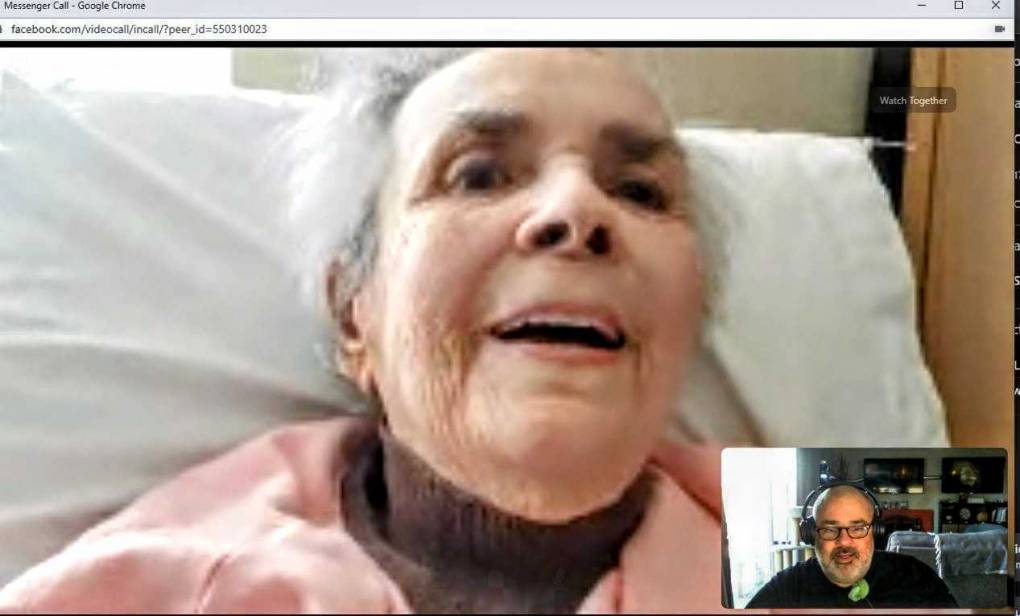
"attachmentsReducer": {
"audio_0": {
"type": "attachments",
"id": "audio_0",
"imgSizes": {
"kqedFullSize": {
"file": "https://ww2.kqed.org/news/wp-content/themes/KQED-unified/img/audio_bgs/background0.jpg"
}
}
},
"audio_1": {
"type": "attachments",
"id": "audio_1",
"imgSizes": {
"kqedFullSize": {
"file": "https://ww2.kqed.org/news/wp-content/themes/KQED-unified/img/audio_bgs/background1.jpg"
}
}
},
"audio_2": {
"type": "attachments",
"id": "audio_2",
"imgSizes": {
"kqedFullSize": {
"file": "https://ww2.kqed.org/news/wp-content/themes/KQED-unified/img/audio_bgs/background2.jpg"
}
}
},
"audio_3": {
"type": "attachments",
"id": "audio_3",
"imgSizes": {
"kqedFullSize": {
"file": "https://ww2.kqed.org/news/wp-content/themes/KQED-unified/img/audio_bgs/background3.jpg"
}
}
},
"audio_4": {
"type": "attachments",
"id": "audio_4",
"imgSizes": {
"kqedFullSize": {
"file": "https://ww2.kqed.org/news/wp-content/themes/KQED-unified/img/audio_bgs/background4.jpg"
}
}
},
"placeholder": {
"type": "attachments",
"id": "placeholder",
"imgSizes": {
"thumbnail": {
"file": "https://cdn.kqed.org/wp-content/uploads/2024/12/KQED-Default-Image-816638274-2000x1333-1-160x107.jpg",
"width": 160,
"height": 107,
"mimeType": "image/jpeg"
},
"medium": {
"file": "https://cdn.kqed.org/wp-content/uploads/2024/12/KQED-Default-Image-816638274-2000x1333-1-800x533.jpg",
"width": 800,
"height": 533,
"mimeType": "image/jpeg"
},
"medium_large": {
"file": "https://cdn.kqed.org/wp-content/uploads/2024/12/KQED-Default-Image-816638274-2000x1333-1-768x512.jpg",
"width": 768,
"height": 512,
"mimeType": "image/jpeg"
},
"large": {
"file": "https://cdn.kqed.org/wp-content/uploads/2024/12/KQED-Default-Image-816638274-2000x1333-1-1020x680.jpg",
"width": 1020,
"height": 680,
"mimeType": "image/jpeg"
},
"1536x1536": {
"file": "https://cdn.kqed.org/wp-content/uploads/2024/12/KQED-Default-Image-816638274-2000x1333-1-1536x1024.jpg",
"width": 1536,
"height": 1024,
"mimeType": "image/jpeg"
},
"fd-lrg": {
"file": "https://cdn.kqed.org/wp-content/uploads/2024/12/KQED-Default-Image-816638274-2000x1333-1-1536x1024.jpg",
"width": 1536,
"height": 1024,
"mimeType": "image/jpeg"
},
"fd-med": {
"file": "https://cdn.kqed.org/wp-content/uploads/2024/12/KQED-Default-Image-816638274-2000x1333-1-1020x680.jpg",
"width": 1020,
"height": 680,
"mimeType": "image/jpeg"
},
"fd-sm": {
"file": "https://cdn.kqed.org/wp-content/uploads/2024/12/KQED-Default-Image-816638274-2000x1333-1-800x533.jpg",
"width": 800,
"height": 533,
"mimeType": "image/jpeg"
},
"post-thumbnail": {
"file": "https://cdn.kqed.org/wp-content/uploads/2024/12/KQED-Default-Image-816638274-2000x1333-1-672x372.jpg",
"width": 672,
"height": 372,
"mimeType": "image/jpeg"
},
"twentyfourteen-full-width": {
"file": "https://cdn.kqed.org/wp-content/uploads/2024/12/KQED-Default-Image-816638274-2000x1333-1-1038x576.jpg",
"width": 1038,
"height": 576,
"mimeType": "image/jpeg"
},
"xxsmall": {
"file": "https://cdn.kqed.org/wp-content/uploads/2024/12/KQED-Default-Image-816638274-2000x1333-1-160x107.jpg",
"width": 160,
"height": 107,
"mimeType": "image/jpeg"
},
"xsmall": {
"file": "https://cdn.kqed.org/wp-content/uploads/2024/12/KQED-Default-Image-816638274-2000x1333-1-672x372.jpg",
"width": 672,
"height": 372,
"mimeType": "image/jpeg"
},
"small": {
"file": "https://cdn.kqed.org/wp-content/uploads/2024/12/KQED-Default-Image-816638274-2000x1333-1-672x372.jpg",
"width": 672,
"height": 372,
"mimeType": "image/jpeg"
},
"xlarge": {
"file": "https://cdn.kqed.org/wp-content/uploads/2024/12/KQED-Default-Image-816638274-2000x1333-1-1020x680.jpg",
"width": 1020,
"height": 680,
"mimeType": "image/jpeg"
},
"full-width": {
"file": "https://cdn.kqed.org/wp-content/uploads/2024/12/KQED-Default-Image-816638274-2000x1333-1-1920x1280.jpg",
"width": 1920,
"height": 1280,
"mimeType": "image/jpeg"
},
"guest-author-32": {
"file": "https://cdn.kqed.org/wp-content/uploads/2025/01/KQED-Default-Image-816638274-1333x1333-1-160x160.jpg",
"width": 32,
"height": 32,
"mimeType": "image/jpeg"
},
"guest-author-50": {
"file": "https://cdn.kqed.org/wp-content/uploads/2025/01/KQED-Default-Image-816638274-1333x1333-1-160x160.jpg",
"width": 50,
"height": 50,
"mimeType": "image/jpeg"
},
"guest-author-64": {
"file": "https://cdn.kqed.org/wp-content/uploads/2025/01/KQED-Default-Image-816638274-1333x1333-1-160x160.jpg",
"width": 64,
"height": 64,
"mimeType": "image/jpeg"
},
"guest-author-96": {
"file": "https://cdn.kqed.org/wp-content/uploads/2025/01/KQED-Default-Image-816638274-1333x1333-1-160x160.jpg",
"width": 96,
"height": 96,
"mimeType": "image/jpeg"
},
"guest-author-128": {
"file": "https://cdn.kqed.org/wp-content/uploads/2025/01/KQED-Default-Image-816638274-1333x1333-1-160x160.jpg",
"width": 128,
"height": 128,
"mimeType": "image/jpeg"
},
"detail": {
"file": "https://cdn.kqed.org/wp-content/uploads/2025/01/KQED-Default-Image-816638274-1333x1333-1-160x160.jpg",
"width": 160,
"height": 160,
"mimeType": "image/jpeg"
},
"kqedFullSize": {
"file": "https://cdn.kqed.org/wp-content/uploads/2024/12/KQED-Default-Image-816638274-2000x1333-1.jpg",
"width": 2000,
"height": 1333
}
}
},
"news_11872279": {
"type": "attachments",
"id": "news_11872279",
"meta": {
"index": "attachments_1716263798",
"site": "news",
"id": "11872279",
"found": true
},
"parent": 11872278,
"imgSizes": {
"twentyfourteen-full-width": {
"file": "https://ww2.kqed.org/app/uploads/sites/10/2021/05/covidisolation-1038x576.jpg",
"width": 1038,
"mimeType": "image/jpeg",
"height": 576
},
"thumbnail": {
"file": "https://ww2.kqed.org/app/uploads/sites/10/2021/05/covidisolation-160x97.jpg",
"width": 160,
"mimeType": "image/jpeg",
"height": 97
},
"post-thumbnail": {
"file": "https://ww2.kqed.org/app/uploads/sites/10/2021/05/covidisolation-672x372.jpg",
"width": 672,
"mimeType": "image/jpeg",
"height": 372
},
"kqedFullSize": {
"file": "https://ww2.kqed.org/app/uploads/sites/10/2021/05/covidisolation.jpg",
"width": 1267,
"height": 765
},
"large": {
"file": "https://ww2.kqed.org/app/uploads/sites/10/2021/05/covidisolation-1020x616.jpg",
"width": 1020,
"mimeType": "image/jpeg",
"height": 616
},
"medium": {
"file": "https://ww2.kqed.org/app/uploads/sites/10/2021/05/covidisolation-800x483.jpg",
"width": 800,
"mimeType": "image/jpeg",
"height": 483
}
},
"publishDate": 1620234935,
"modified": 1620264579,
"caption": "In one of their last calls before Dorothy Newtown died of cancer alone in a nursing home, her son Kenneth talked with her over Zoom.",
"description": null,
"title": "covidisolation",
"credit": "Courtesy Kenneth Newton",
"status": "inherit",
"altTag": null,
"isLoading": false,
"fetchFailed": false
},
"news_11871760": {
"type": "attachments",
"id": "news_11871760",
"meta": {
"index": "attachments_1716263798",
"site": "news",
"id": "11871760",
"found": true
},
"parent": 11871688,
"imgSizes": {
"twentyfourteen-full-width": {
"file": "https://ww2.kqed.org/app/uploads/sites/10/2021/04/pexels-samson-katt-5255589-1-1038x576.jpg",
"width": 1038,
"mimeType": "image/jpeg",
"height": 576
},
"thumbnail": {
"file": "https://ww2.kqed.org/app/uploads/sites/10/2021/04/pexels-samson-katt-5255589-1-160x107.jpg",
"width": 160,
"mimeType": "image/jpeg",
"height": 107
},
"post-thumbnail": {
"file": "https://ww2.kqed.org/app/uploads/sites/10/2021/04/pexels-samson-katt-5255589-1-672x372.jpg",
"width": 672,
"mimeType": "image/jpeg",
"height": 372
},
"kqedFullSize": {
"file": "https://ww2.kqed.org/app/uploads/sites/10/2021/04/pexels-samson-katt-5255589-1.jpg",
"width": 1920,
"height": 1280
},
"large": {
"file": "https://ww2.kqed.org/app/uploads/sites/10/2021/04/pexels-samson-katt-5255589-1-1020x680.jpg",
"width": 1020,
"mimeType": "image/jpeg",
"height": 680
},
"1536x1536": {
"file": "https://ww2.kqed.org/app/uploads/sites/10/2021/04/pexels-samson-katt-5255589-1-1536x1024.jpg",
"width": 1536,
"mimeType": "image/jpeg",
"height": 1024
},
"medium": {
"file": "https://ww2.kqed.org/app/uploads/sites/10/2021/04/pexels-samson-katt-5255589-1-800x533.jpg",
"width": 800,
"mimeType": "image/jpeg",
"height": 533
}
},
"publishDate": 1619738378,
"modified": 1619740737,
"caption": "The CDC has updated its guidance on mask-wearing outside.",
"description": null,
"title": "pexels-samson-katt-5255589 (1)",
"credit": "Samson Katt/Pexels",
"status": "inherit",
"altTag": "cdc-masks-outdoors-guidance",
"isLoading": false,
"fetchFailed": false
},
"news_11870974": {
"type": "attachments",
"id": "news_11870974",
"meta": {
"index": "attachments_1716263798",
"site": "news",
"id": "11870974",
"found": true
},
"parent": 11870973,
"imgSizes": {
"twentyfourteen-full-width": {
"file": "https://ww2.kqed.org/app/uploads/sites/10/2021/04/gettyimages-1232291997-e430e6dd75a3ab6676c30979c09e6f3dfddfcdaf-1038x576.jpg",
"width": 1038,
"mimeType": "image/jpeg",
"height": 576
},
"thumbnail": {
"file": "https://ww2.kqed.org/app/uploads/sites/10/2021/04/gettyimages-1232291997-e430e6dd75a3ab6676c30979c09e6f3dfddfcdaf-160x120.jpg",
"width": 160,
"mimeType": "image/jpeg",
"height": 120
},
"post-thumbnail": {
"file": "https://ww2.kqed.org/app/uploads/sites/10/2021/04/gettyimages-1232291997-e430e6dd75a3ab6676c30979c09e6f3dfddfcdaf-672x372.jpg",
"width": 672,
"mimeType": "image/jpeg",
"height": 372
},
"kqedFullSize": {
"file": "https://ww2.kqed.org/app/uploads/sites/10/2021/04/gettyimages-1232291997-e430e6dd75a3ab6676c30979c09e6f3dfddfcdaf-scaled-e1619215792563.jpg",
"width": 1920,
"height": 1440
},
"2048x2048": {
"file": "https://ww2.kqed.org/app/uploads/sites/10/2021/04/gettyimages-1232291997-e430e6dd75a3ab6676c30979c09e6f3dfddfcdaf-2048x1536.jpg",
"width": 2048,
"mimeType": "image/jpeg",
"height": 1536
},
"large": {
"file": "https://ww2.kqed.org/app/uploads/sites/10/2021/04/gettyimages-1232291997-e430e6dd75a3ab6676c30979c09e6f3dfddfcdaf-1020x765.jpg",
"width": 1020,
"mimeType": "image/jpeg",
"height": 765
},
"1536x1536": {
"file": "https://ww2.kqed.org/app/uploads/sites/10/2021/04/gettyimages-1232291997-e430e6dd75a3ab6676c30979c09e6f3dfddfcdaf-1536x1152.jpg",
"width": 1536,
"mimeType": "image/jpeg",
"height": 1152
},
"full-width": {
"file": "https://ww2.kqed.org/app/uploads/sites/10/2021/04/gettyimages-1232291997-e430e6dd75a3ab6676c30979c09e6f3dfddfcdaf-1920x1440.jpg",
"width": 1920,
"mimeType": "image/jpeg",
"height": 1440
},
"medium": {
"file": "https://ww2.kqed.org/app/uploads/sites/10/2021/04/gettyimages-1232291997-e430e6dd75a3ab6676c30979c09e6f3dfddfcdaf-800x600.jpg",
"width": 800,
"mimeType": "image/jpeg",
"height": 600
}
},
"publishDate": 1619214669,
"modified": 1619217902,
"caption": "Bottles of the single-dose Johnson & Johnson COVID-19 vaccine await transfer into syringes for administering last month in Los Angeles before the vaccine's pause. ",
"description": "Bottles of the single-dose Johnson & Johnson Janssen Covid-19 vaccine await transfer into syringes for administering at a vaccine rollout targetting immingrants and the undocumented in Los Angeles, California on March 25, 2021. - The US is calling for a pause on April 13, 2021 on administering the Johnson & Johnson Covid-19 vaccine due to blood clotting concerns. (Photo by Frederic J. BROWN / AFP) (Photo by FREDERIC J. BROWN/AFP via Getty Images)",
"title": "Bottles of the single-dose Johnson & Johnson COVID-19 vaccine await transfer into syringes for administering last month in Los Angeles before the vaccine's pause.",
"credit": "Frederic J. Brown/AFP via Getty Images",
"status": "inherit",
"altTag": null,
"isLoading": false,
"fetchFailed": false
},
"news_11870606": {
"type": "attachments",
"id": "news_11870606",
"meta": {
"index": "attachments_1716263798",
"site": "news",
"id": "11870606",
"found": true
},
"parent": 11870600,
"imgSizes": {
"twentyfourteen-full-width": {
"file": "https://ww2.kqed.org/app/uploads/sites/10/2021/04/1920_RS8413_reservoir-full-1038x576.jpg",
"width": 1038,
"mimeType": "image/jpeg",
"height": 576
},
"thumbnail": {
"file": "https://ww2.kqed.org/app/uploads/sites/10/2021/04/1920_RS8413_reservoir-full-160x90.jpg",
"width": 160,
"mimeType": "image/jpeg",
"height": 90
},
"post-thumbnail": {
"file": "https://ww2.kqed.org/app/uploads/sites/10/2021/04/1920_RS8413_reservoir-full-672x372.jpg",
"width": 672,
"mimeType": "image/jpeg",
"height": 372
},
"kqedFullSize": {
"file": "https://ww2.kqed.org/app/uploads/sites/10/2021/04/1920_RS8413_reservoir-full-scaled.jpg",
"width": 2560,
"height": 1440
},
"2048x2048": {
"file": "https://ww2.kqed.org/app/uploads/sites/10/2021/04/1920_RS8413_reservoir-full-2048x1152.jpg",
"width": 2048,
"mimeType": "image/jpeg",
"height": 1152
},
"large": {
"file": "https://ww2.kqed.org/app/uploads/sites/10/2021/04/1920_RS8413_reservoir-full-1020x574.jpg",
"width": 1020,
"mimeType": "image/jpeg",
"height": 574
},
"1536x1536": {
"file": "https://ww2.kqed.org/app/uploads/sites/10/2021/04/1920_RS8413_reservoir-full-1536x864.jpg",
"width": 1536,
"mimeType": "image/jpeg",
"height": 864
},
"full-width": {
"file": "https://ww2.kqed.org/app/uploads/sites/10/2021/04/1920_RS8413_reservoir-full-1920x1080.jpg",
"width": 1920,
"mimeType": "image/jpeg",
"height": 1080
},
"medium": {
"file": "https://ww2.kqed.org/app/uploads/sites/10/2021/04/1920_RS8413_reservoir-full-800x450.jpg",
"width": 800,
"mimeType": "image/jpeg",
"height": 450
}
},
"publishDate": 1619043596,
"modified": 1619043680,
"caption": "A security guard walks the perimeter of the Almaden Reservoir on January 28, 2014 in San Jose, California. At the time, California was in its third straight year of drought conditions. ",
"description": null,
"title": "California Drought Dries Up Bay Area Reservoirs",
"credit": "Justin Sullivan/Getty Images",
"status": "inherit",
"altTag": null,
"isLoading": false,
"fetchFailed": false
},
"news_11869876": {
"type": "attachments",
"id": "news_11869876",
"meta": {
"index": "attachments_1716263798",
"site": "news",
"id": "11869876",
"found": true
},
"parent": 11869869,
"imgSizes": {
"twentyfourteen-full-width": {
"file": "https://ww2.kqed.org/app/uploads/sites/10/2021/04/Nursing-Home-Hall-1038x576.jpeg",
"width": 1038,
"mimeType": "image/jpeg",
"height": 576
},
"thumbnail": {
"file": "https://ww2.kqed.org/app/uploads/sites/10/2021/04/Nursing-Home-Hall-160x110.jpeg",
"width": 160,
"mimeType": "image/jpeg",
"height": 110
},
"post-thumbnail": {
"file": "https://ww2.kqed.org/app/uploads/sites/10/2021/04/Nursing-Home-Hall-672x372.jpeg",
"width": 672,
"mimeType": "image/jpeg",
"height": 372
},
"kqedFullSize": {
"file": "https://ww2.kqed.org/app/uploads/sites/10/2021/04/Nursing-Home-Hall.jpeg",
"width": 1920,
"height": 1314
},
"large": {
"file": "https://ww2.kqed.org/app/uploads/sites/10/2021/04/Nursing-Home-Hall-1020x698.jpeg",
"width": 1020,
"mimeType": "image/jpeg",
"height": 698
},
"1536x1536": {
"file": "https://ww2.kqed.org/app/uploads/sites/10/2021/04/Nursing-Home-Hall-1536x1051.jpeg",
"width": 1536,
"mimeType": "image/jpeg",
"height": 1051
},
"medium": {
"file": "https://ww2.kqed.org/app/uploads/sites/10/2021/04/Nursing-Home-Hall-800x548.jpeg",
"width": 800,
"mimeType": "image/jpeg",
"height": 548
}
},
"publishDate": 1618599813,
"modified": 1618599898,
"caption": "An effort to fix problems with the oversight of California’s nursing homes has stalled in Sacramento.",
"description": null,
"title": "Nursing-Home-Hall",
"credit": "Getty Images",
"status": "inherit",
"altTag": null,
"isLoading": false,
"fetchFailed": false
},
"news_11869667": {
"type": "attachments",
"id": "news_11869667",
"meta": {
"index": "attachments_1716263798",
"site": "news",
"id": "11869667",
"found": true
},
"parent": 11869659,
"imgSizes": {
"twentyfourteen-full-width": {
"file": "https://ww2.kqed.org/app/uploads/sites/10/2021/04/032921_NursingHome_AW_sized_06-1-1024x576.jpeg",
"width": 1024,
"mimeType": "image/jpeg",
"height": 576
},
"thumbnail": {
"file": "https://ww2.kqed.org/app/uploads/sites/10/2021/04/032921_NursingHome_AW_sized_06-1-160x108.jpeg",
"width": 160,
"mimeType": "image/jpeg",
"height": 108
},
"post-thumbnail": {
"file": "https://ww2.kqed.org/app/uploads/sites/10/2021/04/032921_NursingHome_AW_sized_06-1-672x372.jpeg",
"width": 672,
"mimeType": "image/jpeg",
"height": 372
},
"kqedFullSize": {
"file": "https://ww2.kqed.org/app/uploads/sites/10/2021/04/032921_NursingHome_AW_sized_06-1.jpeg",
"width": 1024,
"height": 693
},
"large": {
"file": "https://ww2.kqed.org/app/uploads/sites/10/2021/04/032921_NursingHome_AW_sized_06-1-1020x690.jpeg",
"width": 1020,
"mimeType": "image/jpeg",
"height": 690
},
"medium": {
"file": "https://ww2.kqed.org/app/uploads/sites/10/2021/04/032921_NursingHome_AW_sized_06-1-800x541.jpeg",
"width": 800,
"mimeType": "image/jpeg",
"height": 541
}
},
"publishDate": 1618516962,
"modified": 1618517021,
"caption": "Ouida and David Dill hadn't seen each other for more than a ear until Ouida got to visit him recently. ",
"description": null,
"title": "032921_NursingHome_AW_sized_06",
"credit": "Anne Wernikoff/CalMatters",
"status": "inherit",
"altTag": null,
"isLoading": false,
"fetchFailed": false
},
"news_11869710": {
"type": "attachments",
"id": "news_11869710",
"meta": {
"index": "attachments_1716263798",
"site": "news",
"id": "11869710",
"found": true
},
"parent": 11869694,
"imgSizes": {
"twentyfourteen-full-width": {
"file": "https://ww2.kqed.org/app/uploads/sites/10/2021/04/RS48565_GettyImages-1232164082-qut-1038x576.jpg",
"width": 1038,
"mimeType": "image/jpeg",
"height": 576
},
"thumbnail": {
"file": "https://ww2.kqed.org/app/uploads/sites/10/2021/04/RS48565_GettyImages-1232164082-qut-160x107.jpg",
"width": 160,
"mimeType": "image/jpeg",
"height": 107
},
"post-thumbnail": {
"file": "https://ww2.kqed.org/app/uploads/sites/10/2021/04/RS48565_GettyImages-1232164082-qut-672x372.jpg",
"width": 672,
"mimeType": "image/jpeg",
"height": 372
},
"kqedFullSize": {
"file": "https://ww2.kqed.org/app/uploads/sites/10/2021/04/RS48565_GettyImages-1232164082-qut.jpg",
"width": 1920,
"height": 1280
},
"large": {
"file": "https://ww2.kqed.org/app/uploads/sites/10/2021/04/RS48565_GettyImages-1232164082-qut-1020x680.jpg",
"width": 1020,
"mimeType": "image/jpeg",
"height": 680
},
"1536x1536": {
"file": "https://ww2.kqed.org/app/uploads/sites/10/2021/04/RS48565_GettyImages-1232164082-qut-1536x1024.jpg",
"width": 1536,
"mimeType": "image/jpeg",
"height": 1024
},
"medium": {
"file": "https://ww2.kqed.org/app/uploads/sites/10/2021/04/RS48565_GettyImages-1232164082-qut-800x533.jpg",
"width": 800,
"mimeType": "image/jpeg",
"height": 533
}
},
"publishDate": 1618528838,
"modified": 1618531413,
"caption": "Laid-off employees and workers with Unite Here 11 protest outside the closed Four Points by Sheraton LAX hotel as they call for an investigation by the U.S. Small Business Administration into the use of Paycheck Protection Program loan funds on April 7, 2021 in Los Angeles. A bill lawmakers passed on Thursday would require some laid-off hospitality workers to be offered their jobs back.",
"description": "Laid-off employees and workers with Unite Here 11 protest outside the closed Four Points by Sheraton LAX hotel as they call for an investigation by the US Small Business Administration into the use of Paycheck Protection Program loan funds on April 7, 2021 in Los Angeles. A bill lawmakers passed on Thursday would require some laid-off hospitality workers to be offered their jobs back.",
"title": "US-WORKERS-HOTEL-LOAN",
"credit": "Patrick T. Fallon/AFP via Getty Images",
"status": "inherit",
"altTag": null,
"isLoading": false,
"fetchFailed": false
},
"news_11862043": {
"type": "attachments",
"id": "news_11862043",
"meta": {
"index": "attachments_1716263798",
"site": "news",
"id": "11862043",
"found": true
},
"parent": 11855623,
"imgSizes": {
"apple_news_ca_landscape_5_5": {
"file": "https://ww2.kqed.org/app/uploads/sites/10/2021/02/Vaccination-Prep-1044x783.jpg",
"width": 1044,
"mimeType": "image/jpeg",
"height": 783
},
"apple_news_ca_square_4_0": {
"file": "https://ww2.kqed.org/app/uploads/sites/10/2021/02/Vaccination-Prep-470x470.jpg",
"width": 470,
"mimeType": "image/jpeg",
"height": 470
},
"twentyfourteen-full-width": {
"file": "https://ww2.kqed.org/app/uploads/sites/10/2021/02/Vaccination-Prep-1038x576.jpg",
"width": 1038,
"mimeType": "image/jpeg",
"height": 576
},
"thumbnail": {
"file": "https://ww2.kqed.org/app/uploads/sites/10/2021/02/Vaccination-Prep-160x107.jpg",
"width": 160,
"mimeType": "image/jpeg",
"height": 107
},
"post-thumbnail": {
"file": "https://ww2.kqed.org/app/uploads/sites/10/2021/02/Vaccination-Prep-672x372.jpg",
"width": 672,
"mimeType": "image/jpeg",
"height": 372
},
"kqedFullSize": {
"file": "https://ww2.kqed.org/app/uploads/sites/10/2021/02/Vaccination-Prep.jpg",
"width": 1920,
"height": 1280
},
"apple_news_ca_landscape_4_7": {
"file": "https://ww2.kqed.org/app/uploads/sites/10/2021/02/Vaccination-Prep-632x474.jpg",
"width": 632,
"mimeType": "image/jpeg",
"height": 474
},
"large": {
"file": "https://ww2.kqed.org/app/uploads/sites/10/2021/02/Vaccination-Prep-1020x680.jpg",
"width": 1020,
"mimeType": "image/jpeg",
"height": 680
},
"apple_news_ca_landscape_4_0": {
"file": "https://ww2.kqed.org/app/uploads/sites/10/2021/02/Vaccination-Prep-536x402.jpg",
"width": 536,
"mimeType": "image/jpeg",
"height": 402
},
"apple_news_ca_portrait_12_9": {
"file": "https://ww2.kqed.org/app/uploads/sites/10/2021/02/Vaccination-Prep-1122x1280.jpg",
"width": 1122,
"mimeType": "image/jpeg",
"height": 1280
},
"medium": {
"file": "https://ww2.kqed.org/app/uploads/sites/10/2021/02/Vaccination-Prep-800x533.jpg",
"width": 800,
"mimeType": "image/jpeg",
"height": 533
},
"apple_news_ca_portrait_4_0": {
"file": "https://ww2.kqed.org/app/uploads/sites/10/2021/02/Vaccination-Prep-354x472.jpg",
"width": 354,
"mimeType": "image/jpeg",
"height": 472
},
"apple_news_ca_portrait_9_7": {
"file": "https://ww2.kqed.org/app/uploads/sites/10/2021/02/Vaccination-Prep-840x1120.jpg",
"width": 840,
"mimeType": "image/jpeg",
"height": 1120
},
"apple_news_ca_landscape_12_9": {
"file": "https://ww2.kqed.org/app/uploads/sites/10/2021/02/Vaccination-Prep-1832x1280.jpg",
"width": 1832,
"mimeType": "image/jpeg",
"height": 1280
},
"apple_news_ca_square_9_7": {
"file": "https://ww2.kqed.org/app/uploads/sites/10/2021/02/Vaccination-Prep-1104x1104.jpg",
"width": 1104,
"mimeType": "image/jpeg",
"height": 1104
},
"1536x1536": {
"file": "https://ww2.kqed.org/app/uploads/sites/10/2021/02/Vaccination-Prep-1536x1024.jpg",
"width": 1536,
"mimeType": "image/jpeg",
"height": 1024
},
"apple_news_ca_portrait_4_7": {
"file": "https://ww2.kqed.org/app/uploads/sites/10/2021/02/Vaccination-Prep-414x552.jpg",
"width": 414,
"mimeType": "image/jpeg",
"height": 552
},
"apple_news_ca_square_12_9": {
"file": "https://ww2.kqed.org/app/uploads/sites/10/2021/02/Vaccination-Prep-1472x1280.jpg",
"width": 1472,
"mimeType": "image/jpeg",
"height": 1280
},
"apple_news_ca_portrait_5_5": {
"file": "https://ww2.kqed.org/app/uploads/sites/10/2021/02/Vaccination-Prep-687x916.jpg",
"width": 687,
"mimeType": "image/jpeg",
"height": 916
},
"apple_news_ca_square_4_7": {
"file": "https://ww2.kqed.org/app/uploads/sites/10/2021/02/Vaccination-Prep-550x550.jpg",
"width": 550,
"mimeType": "image/jpeg",
"height": 550
},
"apple_news_ca_landscape_9_7": {
"file": "https://ww2.kqed.org/app/uploads/sites/10/2021/02/Vaccination-Prep-1376x1032.jpg",
"width": 1376,
"mimeType": "image/jpeg",
"height": 1032
},
"apple_news_ca_square_5_5": {
"file": "https://ww2.kqed.org/app/uploads/sites/10/2021/02/Vaccination-Prep-912x912.jpg",
"width": 912,
"mimeType": "image/jpeg",
"height": 912
}
},
"publishDate": 1614216349,
"modified": 1614216472,
"caption": "A California medical worker loads a syringe with the Moderna COVID-19 vaccine on Feb. 16, 2021.",
"description": "A California medical worker loads a syringe with the Moderna COVID-19 vaccine on Feb. 16, 2021.",
"title": "Vaccination-Prep",
"credit": "APU GOMES/AFP via Getty Images",
"status": "inherit",
"altTag": null,
"isLoading": false,
"fetchFailed": false
},
"news_11869397": {
"type": "attachments",
"id": "news_11869397",
"meta": {
"index": "attachments_1716263798",
"site": "news",
"id": "11869397",
"found": true
},
"parent": 11869396,
"imgSizes": {
"twentyfourteen-full-width": {
"file": "https://ww2.kqed.org/app/uploads/sites/10/2021/04/syphilis-1e5f0fbaed374da10b75f52349a2a74a057c0761-1038x576.jpg",
"width": 1038,
"mimeType": "image/jpeg",
"height": 576
},
"thumbnail": {
"file": "https://ww2.kqed.org/app/uploads/sites/10/2021/04/syphilis-1e5f0fbaed374da10b75f52349a2a74a057c0761-160x120.jpg",
"width": 160,
"mimeType": "image/jpeg",
"height": 120
},
"post-thumbnail": {
"file": "https://ww2.kqed.org/app/uploads/sites/10/2021/04/syphilis-1e5f0fbaed374da10b75f52349a2a74a057c0761-672x372.jpg",
"width": 672,
"mimeType": "image/jpeg",
"height": 372
},
"kqedFullSize": {
"file": "https://ww2.kqed.org/app/uploads/sites/10/2021/04/syphilis-1e5f0fbaed374da10b75f52349a2a74a057c0761.jpg",
"width": 1782,
"height": 1336
},
"large": {
"file": "https://ww2.kqed.org/app/uploads/sites/10/2021/04/syphilis-1e5f0fbaed374da10b75f52349a2a74a057c0761-1020x765.jpg",
"width": 1020,
"mimeType": "image/jpeg",
"height": 765
},
"1536x1536": {
"file": "https://ww2.kqed.org/app/uploads/sites/10/2021/04/syphilis-1e5f0fbaed374da10b75f52349a2a74a057c0761-1536x1152.jpg",
"width": 1536,
"mimeType": "image/jpeg",
"height": 1152
},
"medium": {
"file": "https://ww2.kqed.org/app/uploads/sites/10/2021/04/syphilis-1e5f0fbaed374da10b75f52349a2a74a057c0761-800x600.jpg",
"width": 800,
"mimeType": "image/jpeg",
"height": 600
}
},
"publishDate": 1618419754,
"modified": 1618426055,
"caption": "Syphilis cases in California have contributed to soaring national caseloads of sexually transmitted diseases. Experts point to the advent of dating apps, less condom use and an increase in meth use.",
"description": null,
"title": "Syphilis cases in California have contributed to soaring national caseloads of sexually transmitted diseases. Experts point to the advent of dating apps, less condom use and an increase in meth.",
"credit": "Wladimur Bulgar/Science Photo Library/Getty Images",
"status": "inherit",
"altTag": null,
"isLoading": false,
"fetchFailed": false
},
"news_11869211": {
"type": "attachments",
"id": "news_11869211",
"meta": {
"index": "attachments_1716263798",
"site": "news",
"id": "11869211",
"found": true
},
"parent": 11869210,
"imgSizes": {
"twentyfourteen-full-width": {
"file": "https://ww2.kqed.org/app/uploads/sites/10/2021/04/ap21065661043422-c7d09feb7a545d0f9a49a14bcd59e3d7043d055d-1038x576.jpg",
"width": 1038,
"mimeType": "image/jpeg",
"height": 576
},
"thumbnail": {
"file": "https://ww2.kqed.org/app/uploads/sites/10/2021/04/ap21065661043422-c7d09feb7a545d0f9a49a14bcd59e3d7043d055d-160x120.jpg",
"width": 160,
"mimeType": "image/jpeg",
"height": 120
},
"post-thumbnail": {
"file": "https://ww2.kqed.org/app/uploads/sites/10/2021/04/ap21065661043422-c7d09feb7a545d0f9a49a14bcd59e3d7043d055d-672x372.jpg",
"width": 672,
"mimeType": "image/jpeg",
"height": 372
},
"kqedFullSize": {
"file": "https://ww2.kqed.org/app/uploads/sites/10/2021/04/ap21065661043422-c7d09feb7a545d0f9a49a14bcd59e3d7043d055d-scaled-e1618323142303.jpg",
"width": 1920,
"height": 1440
},
"2048x2048": {
"file": "https://ww2.kqed.org/app/uploads/sites/10/2021/04/ap21065661043422-c7d09feb7a545d0f9a49a14bcd59e3d7043d055d-2048x1536.jpg",
"width": 2048,
"mimeType": "image/jpeg",
"height": 1536
},
"large": {
"file": "https://ww2.kqed.org/app/uploads/sites/10/2021/04/ap21065661043422-c7d09feb7a545d0f9a49a14bcd59e3d7043d055d-1020x765.jpg",
"width": 1020,
"mimeType": "image/jpeg",
"height": 765
},
"1536x1536": {
"file": "https://ww2.kqed.org/app/uploads/sites/10/2021/04/ap21065661043422-c7d09feb7a545d0f9a49a14bcd59e3d7043d055d-1536x1152.jpg",
"width": 1536,
"mimeType": "image/jpeg",
"height": 1152
},
"full-width": {
"file": "https://ww2.kqed.org/app/uploads/sites/10/2021/04/ap21065661043422-c7d09feb7a545d0f9a49a14bcd59e3d7043d055d-1920x1440.jpg",
"width": 1920,
"mimeType": "image/jpeg",
"height": 1440
},
"medium": {
"file": "https://ww2.kqed.org/app/uploads/sites/10/2021/04/ap21065661043422-c7d09feb7a545d0f9a49a14bcd59e3d7043d055d-800x600.jpg",
"width": 800,
"mimeType": "image/jpeg",
"height": 600
}
},
"publishDate": 1618322883,
"modified": 1618333763,
"caption": "The U.S. Food and Drug Administration and the Centers for Disease Control and Prevention have recommended a pause in the use of the Johnson & Johnson COVID-19 vaccine, shown here in a hospital in Denver.",
"description": "Boxes containing the Johnson & Johnson COVID-19 vaccine sit next to vials in the pharmacy of National Jewish Hospital for distribution early Saturday, March 6, 2021, in east Denver. Volunteers worked with nurses and physicians from National Jewish to administer 2,500 vaccinations of the Johnson & Johnson vaccine that requires a single shot instead of two like the other vaccines. (AP Photo/David Zalubowski)",
"title": "The U.S. Food and Drug Administration and the Centers for Disease Control and Prevention have recommended a pause in the use of the Johnson & Johnson COVID-19 vaccine, shown here in a hospital in Denver.",
"credit": "David Zalubowski/AP",
"status": "inherit",
"altTag": null,
"isLoading": false,
"fetchFailed": false
},
"news_11867997": {
"type": "attachments",
"id": "news_11867997",
"meta": {
"index": "attachments_1716263798",
"site": "news",
"id": "11867997",
"found": true
},
"parent": 11867996,
"imgSizes": {
"twentyfourteen-full-width": {
"file": "https://ww2.kqed.org/app/uploads/sites/10/2021/04/032921_NursingHome_AW_sized_07-1038x576.jpeg",
"width": 1038,
"mimeType": "image/jpeg",
"height": 576
},
"thumbnail": {
"file": "https://ww2.kqed.org/app/uploads/sites/10/2021/04/032921_NursingHome_AW_sized_07-160x106.jpeg",
"width": 160,
"mimeType": "image/jpeg",
"height": 106
},
"post-thumbnail": {
"file": "https://ww2.kqed.org/app/uploads/sites/10/2021/04/032921_NursingHome_AW_sized_07-672x372.jpeg",
"width": 672,
"mimeType": "image/jpeg",
"height": 372
},
"kqedFullSize": {
"file": "https://ww2.kqed.org/app/uploads/sites/10/2021/04/032921_NursingHome_AW_sized_07.jpeg",
"width": 1200,
"height": 796
},
"large": {
"file": "https://ww2.kqed.org/app/uploads/sites/10/2021/04/032921_NursingHome_AW_sized_07-1020x677.jpeg",
"width": 1020,
"mimeType": "image/jpeg",
"height": 677
},
"medium": {
"file": "https://ww2.kqed.org/app/uploads/sites/10/2021/04/032921_NursingHome_AW_sized_07-800x531.jpeg",
"width": 800,
"mimeType": "image/jpeg",
"height": 531
}
},
"publishDate": 1617547571,
"modified": 1617547614,
"caption": "Ouida Dill, left, blows a kiss to her husband, David, at the end of their visit at Lincoln Glen Skilled Nursing Facility in San Jose. David has been a resident at Lincoln Glen for more than four years. For the past year, Ouida visited him almost every every day through a window. Now that Ouida is vaccinated, the couple can see each other indoors again. ",
"description": null,
"title": "032921_NursingHome_AW_sized_07",
"credit": "Anne Wernikoff/CalMatters",
"status": "inherit",
"altTag": "Ouida Dill, left, blows a kiss to her husband, David, at the end of their visit at Lincoln Glen Skilled Nursing Facility in San Jose. David has been a resident at Lincoln Glen for more than four years. For the past year, Ouida visited him almost every every day through a window. Now that Ouida is vaccinated, the couple can see each other indoors again.",
"isLoading": false,
"fetchFailed": false
},
"news_11867834": {
"type": "attachments",
"id": "news_11867834",
"meta": {
"index": "attachments_1716263798",
"site": "news",
"id": "11867834",
"found": true
},
"parent": 11866747,
"imgSizes": {
"twentyfourteen-full-width": {
"file": "https://ww2.kqed.org/app/uploads/sites/10/2021/04/RS48338_GettyImages-1310180889-qut-1038x576.jpg",
"width": 1038,
"mimeType": "image/jpeg",
"height": 576
},
"thumbnail": {
"file": "https://ww2.kqed.org/app/uploads/sites/10/2021/04/RS48338_GettyImages-1310180889-qut-160x117.jpg",
"width": 160,
"mimeType": "image/jpeg",
"height": 117
},
"post-thumbnail": {
"file": "https://ww2.kqed.org/app/uploads/sites/10/2021/04/RS48338_GettyImages-1310180889-qut-672x372.jpg",
"width": 672,
"mimeType": "image/jpeg",
"height": 372
},
"kqedFullSize": {
"file": "https://ww2.kqed.org/app/uploads/sites/10/2021/04/RS48338_GettyImages-1310180889-qut.jpg",
"width": 1920,
"height": 1405
},
"large": {
"file": "https://ww2.kqed.org/app/uploads/sites/10/2021/04/RS48338_GettyImages-1310180889-qut-1020x746.jpg",
"width": 1020,
"mimeType": "image/jpeg",
"height": 746
},
"1536x1536": {
"file": "https://ww2.kqed.org/app/uploads/sites/10/2021/04/RS48338_GettyImages-1310180889-qut-1536x1124.jpg",
"width": 1536,
"mimeType": "image/jpeg",
"height": 1124
},
"medium": {
"file": "https://ww2.kqed.org/app/uploads/sites/10/2021/04/RS48338_GettyImages-1310180889-qut-800x585.jpg",
"width": 800,
"mimeType": "image/jpeg",
"height": 585
}
},
"publishDate": 1617391224,
"modified": 1617391277,
"caption": "Concentra registered nurse Deysi Fleix administers a Moderna COVID-19 vaccination to an Amazon employee at an Amazon fulfillment center on March 31, 2021 in North Las Vegas, Nevada.",
"description": null,
"title": "Amazon Employees At Nevada Fulfillment Center Receive COVID-19 Vaccinations",
"credit": "Ethan Miller/Getty Images",
"status": "inherit",
"altTag": "Person receiving a COVID-19 vaccine shot in the arm from a masked nurse",
"isLoading": false,
"fetchFailed": false
}
},
"audioPlayerReducer": {
"postId": "stream_live",
"isPaused": true,
"isPlaying": false,
"pfsActive": false,
"pledgeModalIsOpen": true,
"playerDrawerIsOpen": false,
"liveAudioPlayStartedAt": 0,
"liveAudioPlayContext": ""
},
"authorsReducer": {
"byline_news_11870973": {
"type": "authors",
"id": "byline_news_11870973",
"meta": {
"override": true
},
"slug": "byline_news_11870973",
"name": "Laurel Wamsley",
"isLoading": false
},
"byline_news_11870600": {
"type": "authors",
"id": "byline_news_11870600",
"meta": {
"override": true
},
"slug": "byline_news_11870600",
"name": "Kathleen Ronayne and John Antczak \u003cbr> Associated Press",
"isLoading": false
},
"byline_news_11869869": {
"type": "authors",
"id": "byline_news_11869869",
"meta": {
"override": true
},
"slug": "byline_news_11869869",
"name": "\u003ca href=\"https://calmatters.org/author/jocelyn-wiener/\">Jocelyn Wiener\u003c/a>",
"isLoading": false
},
"byline_news_11869694": {
"type": "authors",
"id": "byline_news_11869694",
"meta": {
"override": true
},
"slug": "byline_news_11869694",
"name": "Adam Beam\u003cbr />Associated Press",
"isLoading": false
},
"byline_news_11869396": {
"type": "authors",
"id": "byline_news_11869396",
"meta": {
"override": true
},
"slug": "byline_news_11869396",
"name": "April Dembosky",
"isLoading": false
},
"byline_news_11869210": {
"type": "authors",
"id": "byline_news_11869210",
"meta": {
"override": true
},
"slug": "byline_news_11869210",
"name": "Scott Neuman",
"isLoading": false
},
"byline_news_11867996": {
"type": "authors",
"id": "byline_news_11867996",
"meta": {
"override": true
},
"slug": "byline_news_11867996",
"name": "Barbara Feder Ostrov",
"isLoading": false
},
"carlysevern": {
"type": "authors",
"id": "3243",
"meta": {
"index": "authors_1716337520",
"id": "3243",
"found": true
},
"name": "Carly Severn",
"firstName": "Carly",
"lastName": "Severn",
"slug": "carlysevern",
"email": "csevern@kqed.org",
"display_author_email": false,
"staff_mastheads": [
"news"
],
"title": "Senior Editor, Audience News ",
"bio": "Carly is KQED's Senior Editor of Audience News on the Digital News team, and has reported for the California Report Magazine, Bay Curious and KQED Arts. She's formerly the host of \u003ca href=\"http://ww2.kqed.org/pop/category/the-cooler/\" rel=\"noopener noreferrer\">The Cooler\u003c/a> podcast.",
"avatar": "https://secure.gravatar.com/avatar/54037bf5c128fe678f0ef26cec97a93f2e7f220a22d7285703328f12c42c1b1d?s=600&d=blank&r=g",
"twitter": "teacupinthebay",
"bluesky": null,
"facebook": null,
"instagram": null,
"linkedin": null,
"sites": [
{
"site": "",
"roles": [
"editor"
]
},
{
"site": "arts",
"roles": [
"editor"
]
},
{
"site": "news",
"roles": [
"administrator"
]
},
{
"site": "pop",
"roles": [
"editor"
]
},
{
"site": "futureofyou",
"roles": [
"editor"
]
},
{
"site": "about",
"roles": [
"administrator"
]
},
{
"site": "mindshift",
"roles": [
"editor"
]
},
{
"site": "bayareabites",
"roles": [
"editor"
]
},
{
"site": "stateofhealth",
"roles": [
"editor"
]
},
{
"site": "science",
"roles": [
"editor"
]
},
{
"site": "food",
"roles": [
"contributor"
]
},
{
"site": "forum",
"roles": [
"editor"
]
},
{
"site": "perspectives",
"roles": [
"administrator"
]
},
{
"site": "liveblog",
"roles": [
"editor"
]
}
],
"headData": {
"title": "Carly Severn | KQED",
"description": "Senior Editor, Audience News ",
"ogImgSrc": "https://secure.gravatar.com/avatar/54037bf5c128fe678f0ef26cec97a93f2e7f220a22d7285703328f12c42c1b1d?s=600&d=blank&r=g",
"twImgSrc": "https://secure.gravatar.com/avatar/54037bf5c128fe678f0ef26cec97a93f2e7f220a22d7285703328f12c42c1b1d?s=600&d=blank&r=g"
},
"isLoading": false,
"link": "/author/carlysevern"
},
"dkatayama": {
"type": "authors",
"id": "7240",
"meta": {
"index": "authors_1716337520",
"id": "7240",
"found": true
},
"name": "Devin Katayama",
"firstName": "Devin",
"lastName": "Katayama",
"slug": "dkatayama",
"email": "dkatayama@kqed.org",
"display_author_email": true,
"staff_mastheads": [
"news"
],
"title": "Editor of Talent and Development",
"bio": "Devin Katayama is former Editor of Talent and Development for KQED. He supported our internship program and on-call staff by looking for equitable opportunities to improve the newsroom.\r\n\r\nHe previously hosted The Bay and American Suburb podcasts from KQED News. Prior to returning to the Bay Area in 2015, Devin was the education reporter for WFPL in Louisville and worked as a producer with radio stations in Chicago and Portland, OR. His work has appeared on NPR’s \u003cem>Morning Edition, All Things Considered, The Takeaway\u003c/em> and \u003cem>Here and Now.\u003c/em>\r\n\r\nDevin earned his MA in Journalism from Columbia College Chicago, where he was a Follett Fellow and the recipient of the 2011 Studs Terkel Community Media Workshop Scholarship for his story on Chicago's homeless youth. He won WBUR's 2014 Daniel Schorr award and a regional RTNDA Edward R. Murrow Award for his documentary \"At Risk\" that looked at issues facing some of Louisville's students. Devin has also received numerous local awards from the Associated Press and the Society of Professional Journalists.",
"avatar": "https://secure.gravatar.com/avatar/d0d2978a31002fb2de107921a8e18405?s=600&d=blank&r=g",
"twitter": "RadioDevin",
"facebook": null,
"instagram": null,
"linkedin": null,
"sites": [
{
"site": "arts",
"roles": []
},
{
"site": "news",
"roles": [
"author"
]
},
{
"site": "stateofhealth",
"roles": [
"author"
]
},
{
"site": "forum",
"roles": [
"editor"
]
},
{
"site": "perspectives",
"roles": [
"editor"
]
}
],
"headData": {
"title": "Devin Katayama | KQED",
"description": "Editor of Talent and Development",
"ogImgSrc": "https://secure.gravatar.com/avatar/d0d2978a31002fb2de107921a8e18405?s=600&d=blank&r=g",
"twImgSrc": "https://secure.gravatar.com/avatar/d0d2978a31002fb2de107921a8e18405?s=600&d=blank&r=g"
},
"isLoading": false,
"link": "/author/dkatayama"
},
"ecruzguevarra": {
"type": "authors",
"id": "8654",
"meta": {
"index": "authors_1716337520",
"id": "8654",
"found": true
},
"name": "Ericka Cruz Guevarra",
"firstName": "Ericka",
"lastName": "Cruz Guevarra",
"slug": "ecruzguevarra",
"email": "ecruzguevarra@kqed.org",
"display_author_email": true,
"staff_mastheads": [
"news"
],
"title": "Producer, The Bay Podcast",
"bio": "Ericka Cruz Guevarra is host of \u003ca href=\"https://www.kqed.org/podcasts/thebay\">\u003cem>The Bay\u003c/em>\u003c/a> podcast at KQED. Before host, she was the show’s producer. Her work in that capacity includes a three-part reported series on policing in Vallejo, which won a 2020 excellence in journalism award from the Society of Professional Journalists. Ericka has worked as a breaking news reporter at Oregon Public Broadcasting, helped produce the Code Switch podcast, and was KQED’s inaugural Raul Ramirez Diversity Fund intern. She’s also an alumna of NPR’s Next Generation Radio program. Send her an email if you have strong feelings about whether Fairfield and Suisun City are the Bay. Ericka is represented by SAG-AFTRA.",
"avatar": "https://secure.gravatar.com/avatar/accefc1de4bafc7e234b69bcb9b6f6536c130fd84709bc3069ef11a78787e1bb?s=600&d=blank&r=g",
"twitter": "NotoriousECG",
"bluesky": null,
"facebook": null,
"instagram": null,
"linkedin": null,
"sites": [
{
"site": "arts",
"roles": [
"subscriber"
]
},
{
"site": "news",
"roles": [
"editor",
"manage_categories"
]
},
{
"site": "futureofyou",
"roles": [
"subscriber"
]
},
{
"site": "stateofhealth",
"roles": [
"subscriber"
]
},
{
"site": "science",
"roles": [
"editor"
]
},
{
"site": "forum",
"roles": [
"subscriber"
]
}
],
"headData": {
"title": "Ericka Cruz Guevarra | KQED",
"description": "Producer, The Bay Podcast",
"ogImgSrc": "https://secure.gravatar.com/avatar/accefc1de4bafc7e234b69bcb9b6f6536c130fd84709bc3069ef11a78787e1bb?s=600&d=blank&r=g",
"twImgSrc": "https://secure.gravatar.com/avatar/accefc1de4bafc7e234b69bcb9b6f6536c130fd84709bc3069ef11a78787e1bb?s=600&d=blank&r=g"
},
"isLoading": false,
"link": "/author/ecruzguevarra"
},
"lesleymcclurg": {
"type": "authors",
"id": "11229",
"meta": {
"index": "authors_1716337520",
"id": "11229",
"found": true
},
"name": "Lesley McClurg",
"firstName": "Lesley",
"lastName": "McClurg",
"slug": "lesleymcclurg",
"email": "lmcclurg@KQED.org",
"display_author_email": false,
"staff_mastheads": [
"news",
"science"
],
"title": "KQED Health Correspondent",
"bio": "Lesley McClurg is a health correspondent and fill-in host whose work is regularly rebroadcast on NPR and PBS programs. She’s earned multiple regional Emmy awards, a national and a regional Edward R. Murrow award, and was named Best Beat Reporter by the Association of Health Care Journalists. The Society of Professional Journalists has recognized her work several times, and the Society of Environmental Journalists spotlighted her coverage of California’s historic drought.\r\n\r\nBefore joining KQED in 2016, Lesley covered food and sustainability for Capital Public Radio, environmental issues for Colorado Public Radio, and reported for KUOW and KCTS 9 in Seattle. Away from the newsroom, she loves skiing with her daughter, mountain biking with her partner, and playing with Ollie, the family’s goldendoodle. On deadline, she runs almost entirely on chocolate chips.\r\n\r\n ",
"avatar": "https://secure.gravatar.com/avatar/bab49e972ea10c774fe0f5e29dba1722b158f7c0d58a360923d1389d380b2978?s=600&d=blank&r=g",
"twitter": "lesleywmcclurg",
"bluesky": null,
"facebook": null,
"instagram": null,
"linkedin": null,
"sites": [
{
"site": "arts",
"roles": [
"author"
]
},
{
"site": "news",
"roles": [
"editor"
]
},
{
"site": "futureofyou",
"roles": [
"editor"
]
},
{
"site": "stateofhealth",
"roles": [
"author"
]
},
{
"site": "science",
"roles": [
"editor"
]
},
{
"site": "quest",
"roles": [
"subscriber"
]
},
{
"site": "forum",
"roles": [
"administrator"
]
},
{
"site": "liveblog",
"roles": [
"author"
]
}
],
"headData": {
"title": "Lesley McClurg | KQED",
"description": "KQED Health Correspondent",
"ogImgSrc": "https://secure.gravatar.com/avatar/bab49e972ea10c774fe0f5e29dba1722b158f7c0d58a360923d1389d380b2978?s=600&d=blank&r=g",
"twImgSrc": "https://secure.gravatar.com/avatar/bab49e972ea10c774fe0f5e29dba1722b158f7c0d58a360923d1389d380b2978?s=600&d=blank&r=g"
},
"isLoading": false,
"link": "/author/lesleymcclurg"
},
"lsarah": {
"type": "authors",
"id": "11626",
"meta": {
"index": "authors_1716337520",
"id": "11626",
"found": true
},
"name": "Lakshmi Sarah",
"firstName": "Lakshmi",
"lastName": "Sarah",
"slug": "lsarah",
"email": "lsarah@kqed.org",
"display_author_email": false,
"staff_mastheads": [],
"title": "Digital Producer",
"bio": "Lakshmi Sarah is an educator, author and journalist with a focus on innovative storytelling. She has worked with newspapers, radio and magazines from Ahmedabad, India to Los Angeles, California. She has written and produced for Die Zeit, Global Voices, AJ+, KQED, Fusion Media Group and the New York Times.",
"avatar": "https://secure.gravatar.com/avatar/652dcaecd8b28826fc17a8b2d6bb4e93?s=600&d=blank&r=g",
"twitter": "lakitalki",
"facebook": null,
"instagram": "https://www.instagram.com/laki.talki/",
"linkedin": "https://www.linkedin.com/in/lakisarah/",
"sites": [
{
"site": "arts",
"roles": []
},
{
"site": "news",
"roles": []
},
{
"site": "bayareabites",
"roles": []
},
{
"site": "science",
"roles": []
}
],
"headData": {
"title": "Lakshmi Sarah | KQED",
"description": "Digital Producer",
"ogImgSrc": "https://secure.gravatar.com/avatar/652dcaecd8b28826fc17a8b2d6bb4e93?s=600&d=blank&r=g",
"twImgSrc": "https://secure.gravatar.com/avatar/652dcaecd8b28826fc17a8b2d6bb4e93?s=600&d=blank&r=g"
},
"isLoading": false,
"link": "/author/lsarah"
},
"amontecillo": {
"type": "authors",
"id": "11649",
"meta": {
"index": "authors_1716337520",
"id": "11649",
"found": true
},
"name": "Alan Montecillo",
"firstName": "Alan",
"lastName": "Montecillo",
"slug": "amontecillo",
"email": "amontecillo@kqed.org",
"display_author_email": false,
"staff_mastheads": [
"news"
],
"title": "KQED Contributor",
"bio": "Alan Montecillo is the senior editor of \u003cem>\u003ca href=\"http://kqed.org/thebay\">The Bay\u003c/a>, \u003c/em> KQED's local news podcast. Before moving to the Bay Area, he worked as a senior talk show producer for WILL in Champaign-Urbana, Illinois and at Oregon Public Broadcasting in Portland, Oregon. He has won journalism awards from the Society of Professional Journalists Northern California, the Public Media Journalists Association, The Signal Awards, and has also received a regional Edward R. Murrow award. Alan is a Filipino American from Hong Kong and a graduate of Reed College.",
"avatar": "https://secure.gravatar.com/avatar/268f53a2066899ea9efdd8a5900218b17c822d9862cbc9326cccec53ef41d349?s=600&d=blank&r=g",
"twitter": "alanmontecillo",
"bluesky": null,
"facebook": null,
"instagram": null,
"linkedin": null,
"sites": [
{
"site": "",
"roles": [
"editor"
]
},
{
"site": "news",
"roles": [
"editor",
"manage_categories"
]
}
],
"headData": {
"title": "Alan Montecillo | KQED",
"description": "KQED Contributor",
"ogImgSrc": "https://secure.gravatar.com/avatar/268f53a2066899ea9efdd8a5900218b17c822d9862cbc9326cccec53ef41d349?s=600&d=blank&r=g",
"twImgSrc": "https://secure.gravatar.com/avatar/268f53a2066899ea9efdd8a5900218b17c822d9862cbc9326cccec53ef41d349?s=600&d=blank&r=g"
},
"isLoading": false,
"link": "/author/amontecillo"
},
"abandlamudi": {
"type": "authors",
"id": "11672",
"meta": {
"index": "authors_1716337520",
"id": "11672",
"found": true
},
"name": "Adhiti Bandlamudi",
"firstName": "Adhiti",
"lastName": "Bandlamudi",
"slug": "abandlamudi",
"email": "abandlamudi@kqed.org",
"display_author_email": false,
"staff_mastheads": [
"news"
],
"title": "KQED Housing Reporter",
"bio": "Adhiti Bandlamudi reports for KQED's Housing desk. She focuses on how housing gets built across the Bay Area. Before joining KQED in 2020, she reported for WUNC in Durham, North Carolina, WABE in Atlanta, Georgia and Capital Public Radio in Sacramento. In 2017, she was awarded a Kroc Fellowship at NPR where she reported on everything from sprinkles to the Golden State Killer's arrest. When she's not reporting, she's baking new recipes in her kitchen or watching movies with friends and family. She's originally from Georgia and has strong opinions about Great British Bake Off.",
"avatar": "https://secure.gravatar.com/avatar/868129c8b257bb99a3500e2c86a65400?s=600&d=mm&r=g",
"twitter": "oddity_adhiti",
"facebook": null,
"instagram": null,
"linkedin": null,
"sites": [
{
"site": "arts",
"roles": [
"author"
]
},
{
"site": "news",
"roles": [
"editor"
]
},
{
"site": "liveblog",
"roles": [
"author"
]
}
],
"headData": {
"title": "Adhiti Bandlamudi | KQED",
"description": "KQED Housing Reporter",
"ogImgSrc": "https://secure.gravatar.com/avatar/868129c8b257bb99a3500e2c86a65400?s=600&d=mm&r=g",
"twImgSrc": "https://secure.gravatar.com/avatar/868129c8b257bb99a3500e2c86a65400?s=600&d=mm&r=g"
},
"isLoading": false,
"link": "/author/abandlamudi"
},
"jrodriguez": {
"type": "authors",
"id": "11690",
"meta": {
"index": "authors_1716337520",
"id": "11690",
"found": true
},
"name": "Joe Fitzgerald Rodriguez",
"firstName": "Joe",
"lastName": "Fitzgerald Rodriguez",
"slug": "jrodriguez",
"email": "jrodriguez@kqed.org",
"display_author_email": true,
"staff_mastheads": [
"news"
],
"title": "Reporter and Producer",
"bio": "Joe Fitzgerald Rodriguez is a reporter and digital producer for KQED covering politics. Joe most recently wrote for the \u003cem>San Francisco Examiner\u003c/em> as a political columnist covering The City. He was raised in San Francisco and has spent his reporting career in his beloved, foggy, city by the bay. Joe was 12-years-old when he conducted his first interview in journalism, grilling former San Francisco Mayor Willie Brown for the Marina Middle School newspaper, \u003cem>The Penguin Press, \u003c/em>and he continues to report on the San Francisco Bay Area to this day.",
"avatar": "https://secure.gravatar.com/avatar/2247beb0564c1e9c62228d5649d2edac?s=600&d=blank&r=g",
"twitter": "FitztheReporter",
"facebook": null,
"instagram": "https://www.instagram.com/fitzthereporter/",
"linkedin": null,
"sites": [
{
"site": "",
"roles": [
"editor"
]
},
{
"site": "arts",
"roles": [
"editor"
]
},
{
"site": "news",
"roles": [
"editor"
]
},
{
"site": "science",
"roles": [
"editor"
]
},
{
"site": "elections",
"roles": [
"editor"
]
},
{
"site": "liveblog",
"roles": [
"editor"
]
}
],
"headData": {
"title": "Joe Fitzgerald Rodriguez | KQED",
"description": "Reporter and Producer",
"ogImgSrc": "https://secure.gravatar.com/avatar/2247beb0564c1e9c62228d5649d2edac?s=600&d=blank&r=g",
"twImgSrc": "https://secure.gravatar.com/avatar/2247beb0564c1e9c62228d5649d2edac?s=600&d=blank&r=g"
},
"isLoading": false,
"link": "/author/jrodriguez"
}
},
"pagesReducer": {
"news_tag_health": {
"type": "terms",
"id": "news_18543",
"meta": {
"index": "terms_1716263798",
"site": "news",
"id": "18543",
"score": 6.886719
},
"featImg": null,
"name": "Health",
"description": null,
"taxonomy": "tag",
"headData": {
"twImgId": null,
"twTitle": null,
"ogTitle": null,
"ogImgId": null,
"twDescription": null,
"description": null,
"title": "Health Archives | KQED News",
"ogDescription": null
},
"ttid": 466,
"slug": "health",
"isLoading": false,
"title": "Health",
"pageMeta": {
"site": "news",
"WpPageTemplate": "page-topic-editorial",
"currentPage": 66
},
"blocks": [
{
"blockName": "kqed/post-list",
"attrs": {
"layout": "cardArticle2",
"query": "posts/news?tag=health",
"seeMore": false,
"paginated": true,
"page": 66
}
},
{
"blockName": "kqed/ad"
}
]
}
},
"pfsSessionReducer": {},
"postsReducer": {
"stream_live": {
"type": "live",
"id": "stream_live",
"audioUrl": "https://streams.kqed.org/kqedradio",
"title": "Live Stream",
"excerpt": "Live Stream information currently unavailable.",
"link": "/radio",
"featImg": "",
"label": {
"name": "KQED Live",
"link": "/"
}
},
"stream_kqedNewscast": {
"type": "posts",
"id": "stream_kqedNewscast",
"audioUrl": "https://www.kqed.org/.stream/anon/radio/RDnews/newscast.mp3?_=1",
"title": "KQED Newscast",
"featImg": "",
"label": {
"name": "88.5 FM",
"link": "/"
}
},
"news_11872278": {
"type": "posts",
"id": "news_11872278",
"meta": {
"index": "posts_1716263798",
"site": "news",
"id": "11872278",
"score": null,
"sort": [
1620264038000
]
},
"guestAuthors": [],
"slug": "another-cost-of-the-pandemic-dying-alone",
"title": "Another Cost of the Pandemic: Dying Alone",
"publishDate": 1620264038,
"format": "audio",
"headTitle": "Another Cost of the Pandemic: Dying Alone | KQED",
"labelTerm": {
"site": "news"
},
"content": "\u003cp>For more than a year during the pandemic, families could not sit by the bedside of a sick loved one during their final days.\u003c/p>\n\u003cp>Only through a phone call from a doctor or nurse did sons, daughters, husbands and wives find out a family member had died.\u003c/p>\n\u003cp>Because coronavirus protocols prevented hospital and nursing home patients from receiving visitors, even if they didn’t have COVID, Kenneth Newton never got to say goodbye to his 92-year-old mother.\u003c/p>\n\u003cp>Newton, from Petaluma, had never imagined his mom would die basically alone. Last winter she developed a tumor while living in a Tennessee nursing home, and she quickly declined. Newton longed to visit, but it was against the rules.\u003c/p>\n\u003cp>His mom saw people who delivered food and gave her medicine, and Newton and his four siblings called regularly. But otherwise, she was on her own, entirely without family by her side. Last January, he finally received the dreaded call.\u003c/p>\n\u003cp>[ad fullwidth]\u003c/p>\n\u003cp>“My mom didn’t die of COVID, but COVID did not make my mom’s last year good,” Newton said. “She was by herself. And I don’t think this is how it’s supposed to be.”\u003c/p>\n\u003cp>The family didn’t plan a memorial because they didn’t feel safe traveling. So instead of grieving in person with his brothers, sisters, aunts and uncles, Newton has talked to them over the phone, mostly discussing his mom’s estate — the last thing he wants to be doing.\u003c/p>\n\u003cp>“I’m dealing with the mechanics and logistics,” Newton said. “The things that kind of make you feel worse in some ways. The things that you feel guilty about.”\u003c/p>\n\u003cp>What he really wants is closure.\u003c/p>\n\u003cp>“I didn’t get to say goodbye.”\u003c/p>\n\u003cp>He chokes back tears.\u003c/p>\n\u003cp>“We’re supposed to cry with everyone around us.”\u003c/p>\n\u003cp>\u003cb>Rules Too Strict?\u003c/b>\u003c/p>\n\u003cp>During the pandemic, most hospitals, nursing homes and assisted living facilities have been following visitor \u003ca href=\"https://www.cahf.org/Resources/Coronavirus\" target=\"_blank\" rel=\"noopener noreferrer\">guidelines\u003c/a> issued by the California Department of Public Health. Protocols vary depending on the transmission rates in each county. As coronavirus transmission wanes, restrictions are beginning to lift.\u003c/p>\n\u003cfigure id=\"attachment_11872354\" class=\"wp-caption alignright\" style=\"max-width: 2560px\">\u003cimg loading=\"lazy\" decoding=\"async\" class=\"wp-image-11872354 size-full\" src=\"https://ww2.kqed.org/app/uploads/sites/10/2029/05/IMG_7412-scaled.jpg\" alt=\"\" width=\"2560\" height=\"1920\" srcset=\"https://cdn.kqed.org/wp-content/uploads/sites/10/2029/05/IMG_7412-scaled.jpg 2560w, https://cdn.kqed.org/wp-content/uploads/sites/10/2029/05/IMG_7412-800x600.jpg 800w, https://cdn.kqed.org/wp-content/uploads/sites/10/2029/05/IMG_7412-1020x765.jpg 1020w, https://cdn.kqed.org/wp-content/uploads/sites/10/2029/05/IMG_7412-160x120.jpg 160w, https://cdn.kqed.org/wp-content/uploads/sites/10/2029/05/IMG_7412-1536x1152.jpg 1536w, https://cdn.kqed.org/wp-content/uploads/sites/10/2029/05/IMG_7412-2048x1536.jpg 2048w, https://cdn.kqed.org/wp-content/uploads/sites/10/2029/05/IMG_7412-1920x1440.jpg 1920w\" sizes=\"(max-width: 2560px) 100vw, 2560px\">\u003cfigcaption class=\"wp-caption-text\">An isolated patient in the COVID ICU at Mercy Hospital of Folsom, near Sacramento. \u003ccite>(Lesley McClurg/ KQED)\u003c/cite>\u003c/figcaption>\u003c/figure>\n\u003cp>Mercy Hospital of Folsom is now starting to allow visitors. But for about eight months, with visitors strictly forbidden, patients had to receive devastating diagnoses alone in hospital rooms, and families were forced to make harrowing decisions, like whether to send someone to hospice, over the phone.\u003c/p>\n\u003cp>Erin Wemmer, a palliative care coordinator at the hospital, now wonders if the rules keeping families apart were too strict.\u003c/p>\n\u003cp>“(D)id we do the right thing? I know we had the best intentions in mind, but I think it’s created a lot of secondary problems,” she said.\u003c/p>\n\u003cp>The loosening of policies around visitors is much welcome. “Thank god it’s not what it was,” she said. “But it’s still horrible.”\u003c/p>\n\u003cp>\u003cb>Potential Trauma\u003c/b>\u003c/p>\n\u003cp>Palliative care is designed to help families let go when the time comes. But that’s challenging to do virtually. Most of the families Wemmer has worked with during the pandemic begged doctors to keep patients alive at all costs.\u003c/p>\n\u003cp>“I am sure we are going to be dealing with a lot of PTSD on so many different levels between our staff, the patients who do survive, and then the families,” she said. “How traumatic it can be for them to have that loved one in the hospital and the ups and downs of that, whether they survive or they don’t survive.”\u003c/p>\n\u003cp>She’s especially concerned about the patients who spent weeks and months alone. They may never heal from the emotional trauma of so much isolation during a vulnerable time.\u003c/p>\n\u003cp>“We have now this extra layer of separation, we’re all wearing scrubs,” said Dr. Ana Leech, director of the palliative support team at Memorial Hermann/Texas Medical Center, speaking on an American Medical Association \u003ca href=\"https://www.ama-assn.org/delivering-care/public-health/experts-discuss-how-pandemic-has-changed-palliative-care\">panel\u003c/a> in January. “We are all wearing masks. So being able to have that empathy and communication with people has just been really challenging. We can’t touch them, we can’t hug them. We can’t even have a smile or anything with the family.”\u003c/p>\n\u003cp>\u003cb>The Toll on Clinicians\u003c/b>\u003c/p>\n\u003cp>High rates of depression and suicide in the medical profession have long been a \u003ca href=\"https://www.npr.org/sections/health-shots/2018/07/31/634217947/to-prevent-doctor-suicides-medical-industry-rethinks-how-doctors-work\">problem\u003c/a>, which the pandemic has only exacerbated. Numerous \u003ca href=\"https://pubmed.ncbi.nlm.nih.gov/?term=health+care+covid+mental+health\">studies\u003c/a> from around the world show clinicians are now suffering from increased PTSD, depression, anxiety and insomnia.\u003c/p>\n\u003cp>In a \u003ca href=\"https://www.medscape.com/slideshow/2020-physician-covid-experience-6013151?faf=1#1\">survey\u003c/a> released last fall by the website Medscape, nearly two-thirds of U.S. doctors said they battled intense burnout during the pandemic. A quarter of respondents said they were considering retiring earlier than previously planned, and another quarter had considered leaving patient care or medicine altogether.\u003c/p>\n\u003cp>The emotional toll has been very heavy, Wemmer says.\u003c/p>\n\u003cp>“I tell my husband I have nothing left,” she said.\u003c/p>\n\u003cp>COVID cases have just started picking up again at her hospital. This time patients are younger, including people under 30 who are connected to a ventilator.\u003c/p>\n\u003cp>Even though visitor restrictions have relaxed, families are still not allowed to visit loved ones with COVID, even if they’re vaccinated.\u003c/p>\n\u003cp>\u003c/p>\n\u003cp>Meaning those patients who die still mostly do it alone.\u003c/p>\n\n",
"blocks": [],
"excerpt": "During the pandemic, families could not visit loved ones in hospitals and nursing homes, forcing people to receive devastating diagnoses alone, families to make harrowing medical decisions over the phone, and patients to die alone.",
"status": "publish",
"parent": 0,
"modified": 1721128976,
"stats": {
"hasAudio": false,
"hasVideo": false,
"hasChartOrMap": false,
"iframeSrcs": [],
"hasGoogleForm": false,
"hasGallery": false,
"hasHearkenModule": false,
"hasPolis": false,
"paragraphCount": 33,
"wordCount": 920
},
"headData": {
"title": "Another Cost of the Pandemic: Dying Alone | KQED",
"description": "During the pandemic, families could not visit loved ones in hospitals and nursing homes, forcing people to receive devastating diagnoses alone, families to make harrowing medical decisions over the phone, and patients to die alone.",
"ogTitle": "",
"ogDescription": "",
"ogImgId": "",
"twTitle": "",
"twDescription": "",
"twImgId": "",
"schema": {
"@context": "https://schema.org",
"@type": "NewsArticle",
"headline": "Another Cost of the Pandemic: Dying Alone",
"datePublished": "2021-05-05T18:20:38-07:00",
"dateModified": "2024-07-16T04:22:56-07:00",
"image": "https://cdn.kqed.org/wp-content/uploads/2020/02/KQED-OG-Image@1x.png",
"isAccessibleForFree": "True",
"publisher": {
"@type": "NewsMediaOrganization",
"@id": "https://www.kqed.org/#organization",
"name": "KQED",
"logo": "https://cdn.kqed.org/wp-content/uploads/2020/02/KQED-OG-Image@1x.png",
"url": "https://www.kqed.org",
"sameAs": [
"https://www.facebook.com/KQED",
"https://twitter.com/KQED",
"https://www.instagram.com/kqed/",
"https://www.tiktok.com/@kqedofficial",
"https://www.linkedin.com/company/kqed",
"https://www.youtube.com/channel/UCeC0IOo7i1P_61zVUWbJ4nw"
]
}
}
},
"audioUrl": "https://www.kqed.org/.stream/anon/radio/RDnews/2021/05/McClurgCOVIDVisitorPolicy.mp3",
"sticky": false,
"path": "/news/11872278/another-cost-of-the-pandemic-dying-alone",
"audioTrackLength": null,
"parsedContent": [
{
"type": "contentString",
"content": "\u003cdiv class=\"post-body\">\u003cp>\u003cp>For more than a year during the pandemic, families could not sit by the bedside of a sick loved one during their final days.\u003c/p>\n\u003cp>Only through a phone call from a doctor or nurse did sons, daughters, husbands and wives find out a family member had died.\u003c/p>\n\u003cp>Because coronavirus protocols prevented hospital and nursing home patients from receiving visitors, even if they didn’t have COVID, Kenneth Newton never got to say goodbye to his 92-year-old mother.\u003c/p>\n\u003cp>Newton, from Petaluma, had never imagined his mom would die basically alone. Last winter she developed a tumor while living in a Tennessee nursing home, and she quickly declined. Newton longed to visit, but it was against the rules.\u003c/p>\n\u003cp>His mom saw people who delivered food and gave her medicine, and Newton and his four siblings called regularly. But otherwise, she was on her own, entirely without family by her side. Last January, he finally received the dreaded call.\u003c/p>\n\u003cp>\u003c/p>\u003c/div>",
"attributes": {
"named": {},
"numeric": []
}
},
{
"type": "component",
"content": "",
"name": "ad",
"attributes": {
"named": {
"label": "fullwidth"
},
"numeric": [
"fullwidth"
]
}
},
{
"type": "contentString",
"content": "\u003cdiv class=\"post-body\">\u003cp>\u003c/p>\n\u003cp>“My mom didn’t die of COVID, but COVID did not make my mom’s last year good,” Newton said. “She was by herself. And I don’t think this is how it’s supposed to be.”\u003c/p>\n\u003cp>The family didn’t plan a memorial because they didn’t feel safe traveling. So instead of grieving in person with his brothers, sisters, aunts and uncles, Newton has talked to them over the phone, mostly discussing his mom’s estate — the last thing he wants to be doing.\u003c/p>\n\u003cp>“I’m dealing with the mechanics and logistics,” Newton said. “The things that kind of make you feel worse in some ways. The things that you feel guilty about.”\u003c/p>\n\u003cp>What he really wants is closure.\u003c/p>\n\u003cp>“I didn’t get to say goodbye.”\u003c/p>\n\u003cp>He chokes back tears.\u003c/p>\n\u003cp>“We’re supposed to cry with everyone around us.”\u003c/p>\n\u003cp>\u003cb>Rules Too Strict?\u003c/b>\u003c/p>\n\u003cp>During the pandemic, most hospitals, nursing homes and assisted living facilities have been following visitor \u003ca href=\"https://www.cahf.org/Resources/Coronavirus\" target=\"_blank\" rel=\"noopener noreferrer\">guidelines\u003c/a> issued by the California Department of Public Health. Protocols vary depending on the transmission rates in each county. As coronavirus transmission wanes, restrictions are beginning to lift.\u003c/p>\n\u003cfigure id=\"attachment_11872354\" class=\"wp-caption alignright\" style=\"max-width: 2560px\">\u003cimg loading=\"lazy\" decoding=\"async\" class=\"wp-image-11872354 size-full\" src=\"https://ww2.kqed.org/app/uploads/sites/10/2029/05/IMG_7412-scaled.jpg\" alt=\"\" width=\"2560\" height=\"1920\" srcset=\"https://cdn.kqed.org/wp-content/uploads/sites/10/2029/05/IMG_7412-scaled.jpg 2560w, https://cdn.kqed.org/wp-content/uploads/sites/10/2029/05/IMG_7412-800x600.jpg 800w, https://cdn.kqed.org/wp-content/uploads/sites/10/2029/05/IMG_7412-1020x765.jpg 1020w, https://cdn.kqed.org/wp-content/uploads/sites/10/2029/05/IMG_7412-160x120.jpg 160w, https://cdn.kqed.org/wp-content/uploads/sites/10/2029/05/IMG_7412-1536x1152.jpg 1536w, https://cdn.kqed.org/wp-content/uploads/sites/10/2029/05/IMG_7412-2048x1536.jpg 2048w, https://cdn.kqed.org/wp-content/uploads/sites/10/2029/05/IMG_7412-1920x1440.jpg 1920w\" sizes=\"(max-width: 2560px) 100vw, 2560px\">\u003cfigcaption class=\"wp-caption-text\">An isolated patient in the COVID ICU at Mercy Hospital of Folsom, near Sacramento. \u003ccite>(Lesley McClurg/ KQED)\u003c/cite>\u003c/figcaption>\u003c/figure>\n\u003cp>Mercy Hospital of Folsom is now starting to allow visitors. But for about eight months, with visitors strictly forbidden, patients had to receive devastating diagnoses alone in hospital rooms, and families were forced to make harrowing decisions, like whether to send someone to hospice, over the phone.\u003c/p>\n\u003cp>Erin Wemmer, a palliative care coordinator at the hospital, now wonders if the rules keeping families apart were too strict.\u003c/p>\n\u003cp>“(D)id we do the right thing? I know we had the best intentions in mind, but I think it’s created a lot of secondary problems,” she said.\u003c/p>\n\u003cp>The loosening of policies around visitors is much welcome. “Thank god it’s not what it was,” she said. “But it’s still horrible.”\u003c/p>\n\u003cp>\u003cb>Potential Trauma\u003c/b>\u003c/p>\n\u003cp>Palliative care is designed to help families let go when the time comes. But that’s challenging to do virtually. Most of the families Wemmer has worked with during the pandemic begged doctors to keep patients alive at all costs.\u003c/p>\n\u003cp>“I am sure we are going to be dealing with a lot of PTSD on so many different levels between our staff, the patients who do survive, and then the families,” she said. “How traumatic it can be for them to have that loved one in the hospital and the ups and downs of that, whether they survive or they don’t survive.”\u003c/p>\n\u003cp>She’s especially concerned about the patients who spent weeks and months alone. They may never heal from the emotional trauma of so much isolation during a vulnerable time.\u003c/p>\n\u003cp>“We have now this extra layer of separation, we’re all wearing scrubs,” said Dr. Ana Leech, director of the palliative support team at Memorial Hermann/Texas Medical Center, speaking on an American Medical Association \u003ca href=\"https://www.ama-assn.org/delivering-care/public-health/experts-discuss-how-pandemic-has-changed-palliative-care\">panel\u003c/a> in January. “We are all wearing masks. So being able to have that empathy and communication with people has just been really challenging. We can’t touch them, we can’t hug them. We can’t even have a smile or anything with the family.”\u003c/p>\n\u003cp>\u003cb>The Toll on Clinicians\u003c/b>\u003c/p>\n\u003cp>High rates of depression and suicide in the medical profession have long been a \u003ca href=\"https://www.npr.org/sections/health-shots/2018/07/31/634217947/to-prevent-doctor-suicides-medical-industry-rethinks-how-doctors-work\">problem\u003c/a>, which the pandemic has only exacerbated. Numerous \u003ca href=\"https://pubmed.ncbi.nlm.nih.gov/?term=health+care+covid+mental+health\">studies\u003c/a> from around the world show clinicians are now suffering from increased PTSD, depression, anxiety and insomnia.\u003c/p>\n\u003cp>In a \u003ca href=\"https://www.medscape.com/slideshow/2020-physician-covid-experience-6013151?faf=1#1\">survey\u003c/a> released last fall by the website Medscape, nearly two-thirds of U.S. doctors said they battled intense burnout during the pandemic. A quarter of respondents said they were considering retiring earlier than previously planned, and another quarter had considered leaving patient care or medicine altogether.\u003c/p>\n\u003cp>The emotional toll has been very heavy, Wemmer says.\u003c/p>\n\u003cp>“I tell my husband I have nothing left,” she said.\u003c/p>\n\u003cp>COVID cases have just started picking up again at her hospital. This time patients are younger, including people under 30 who are connected to a ventilator.\u003c/p>\n\u003cp>Even though visitor restrictions have relaxed, families are still not allowed to visit loved ones with COVID, even if they’re vaccinated.\u003c/p>\n\u003cp>\u003c/p>\n\u003cp>Meaning those patients who die still mostly do it alone.\u003c/p>\n\n\u003c/div>\u003c/p>",
"attributes": {
"named": {},
"numeric": []
}
}
],
"link": "/news/11872278/another-cost-of-the-pandemic-dying-alone",
"authors": [
"11229"
],
"categories": [
"news_457",
"news_8",
"news_356"
],
"tags": [
"news_29216",
"news_27504",
"news_18543"
],
"featImg": "news_11872279",
"label": "news"
},
"news_11871688": {
"type": "posts",
"id": "news_11871688",
"meta": {
"index": "posts_1716263798",
"site": "news",
"id": "11871688",
"score": null,
"sort": [
1619738617000
]
},
"guestAuthors": [],
"slug": "cdc-masks-outdoors-guidance",
"title": "'Do What's Right By the Science:' Why the CDC Updated Outdoor Mask Guidance (And When You Can Ditch Yours)",
"publishDate": 1619738617,
"format": "standard",
"headTitle": "‘Do What’s Right By the Science:’ Why the CDC Updated Outdoor Mask Guidance (And When You Can Ditch Yours) | KQED",
"labelTerm": {
"site": "news"
},
"content": "\u003cp>This week, \u003ca href=\"https://twitter.com/GavinNewsom/status/1387113391513247744\">Gov. Gavin Newsom announced\u003c/a> California would be moving to align with \u003ca href=\"https://www.cdc.gov/coronavirus/2019-ncov/daily-life-coping/participate-in-activities.html\">new guidelines\u003c/a> issued by the Centers for Disease Control and Prevention, relaxing the mask mandate for people who are fully vaccinated against COVID-19.\u003c/p>\n\u003cp>The \u003ca href=\"https://www.kqed.org/news/11871317/stop-and-smell-the-roses-cdc-says-many-americans-can-now-go-outside-safely-without-a-mask\">new guidance from the CDC\u003c/a> says that fully vaccinated people don’t need to wear a mask outside if they’re walking, running or biking, attending small outdoor gatherings or eating outside at a restaurant. Fully vaccinated people now only need to wear a mask in large crowds of strangers, says the CDC.\u003c/p>\n\u003cp>As for people who aren’t yet fully vaccinated, the CDC says they can also be maskless outside with members of their household, or go maskless at a small, outdoor gathering as long as others in attendance \u003cem>are\u003c/em> fully vaccinated.\u003c/p>\n\u003cp>All nine Bay Area counties have said they plan to adopt the new guidelines once California formally aligns with the CDC’s new recommendations. On KQED Forum, Priya David Clemens spoke with \u003ca href=\"https://cfar.ucsf.edu/people/monica-gandhi\" target=\"_blank\" rel=\"noopener noreferrer\">Dr. Monica Gandhi\u003c/a>, infectious disease expert and professor of medicine at UCSF.\u003cspan style=\"font-weight: 400\">[aside postID=\"news_11864473\"]\u003c/span>\u003c/p>\n\u003cp>\u003cstrong>KQED’s Priya David Clemens: You have been advocating for reducing mask use for some time now. Could you tell us about your thoughts?\u003c/strong>\u003c/p>\n\u003cp>\u003cstrong>Dr. Monica Gandhi:\u003c/strong> I do want to stress that I co-wrote one of the first papers in early April 2020 about universal mask use for the American public. I’m definitely very interested in mask use as a mitigation procedure along with ventilation and distancing. However, when you think about ventilation and you think about this virus, there’s actually incredibly clear studies about how hard it is to get coronavirus outside.\u003c/p>\n\u003cp>https://www.instagram.com/p/COQwPYQhaj5/\u003c/p>\n\u003cp>The most impressive study was published in September from China, where they do very strict contact tracing. And out of 7,324 infections, only one was linked to outdoor transmission. [pullquote size=\"right\" align=\"right\" citation=\"Dr. Monica Gandhi, infectious disease expert and professor of medicine at UCSF\"]‘Don’t be frightened to do what’s right by the science and take off your mask outside. The more of us that do it, it’ll become the new social norm. And we can smile at each other.’[/pullquote]\u003c/p>\n\u003cp>There was \u003ca href=\"https://www.irishtimes.com/news/ireland/irish-news/outdoor-transmission-accounts-for-0-1-of-state-s-covid-19-cases-1.4529036\">an Irish Times article\u003c/a> about a month ago that showed that out of 232,000, one out of a thousand was likely linked to outdoor transmission. And then a very extensive \u003ca href=\"https://www.canterbury.ac.uk/science-engineering-and-social-sciences/spear/docs/EXECUTIVE-SUMMARY-Outdoor-Transmission-of-COVID-19.pdf\">review from the University of Canterbury\u003c/a> was done earlier in the fall and looked at a massive number of studies around the planet and thought that outside transmission was so rare that they couldn’t actually quantify it.\u003c/p>\n\u003cp>And then when the\u003ca href=\"https://www.who.int/emergencies/diseases/novel-coronavirus-2019/advice-for-public/when-and-how-to-use-masks\" target=\"_blank\" rel=\"noopener noreferrer\"> World Health Organization\u003c/a> revised their mask guidance in December — even before vaccines — they said masks are not required outside unless you’re in non-distanced situations. That’s some of the evidence even prior to vaccinations.\u003c/p>\n\u003cfigure id=\"attachment_11871334\" class=\"wp-caption alignnone\" style=\"max-width: 1418px\">\u003cimg loading=\"lazy\" decoding=\"async\" class=\"size-full wp-image-11871334\" src=\"https://ww2.kqed.org/app/uploads/sites/10/2021/03/INDOORS-4-27.png\" alt=\"\" width=\"1418\" height=\"623\" srcset=\"https://cdn.kqed.org/wp-content/uploads/sites/10/2021/03/INDOORS-4-27.png 1418w, https://cdn.kqed.org/wp-content/uploads/sites/10/2021/03/INDOORS-4-27-800x351.png 800w, https://cdn.kqed.org/wp-content/uploads/sites/10/2021/03/INDOORS-4-27-1020x448.png 1020w, https://cdn.kqed.org/wp-content/uploads/sites/10/2021/03/INDOORS-4-27-160x70.png 160w\" sizes=\"(max-width: 1418px) 100vw, 1418px\">\u003cfigcaption class=\"wp-caption-text\">The CDC’s latest guidance for outdoor mask-wearing, for fully vaccinated and vaccinated people. \u003ccite>(CDC)\u003c/cite>\u003c/figcaption>\u003c/figure>\n\u003cp>\u003cstrong>So Dr. Gandhi, what do you do when you’re outside? Do you wear a mask?\u003c/strong>\u003c/p>\n\u003cp>I did until yesterday, because I’m really very polite — and also because of the San Francisco guidelines, which were actually put into place on April 17, 2020, two months before the state put in place their outdoor and indoor mask mandates.\u003c/p>\n\u003cp>However, I actually realized yesterday after \u003ca href=\"https://www.kqed.org/news/11871317/stop-and-smell-the-roses-cdc-says-many-americans-can-now-go-outside-safely-without-a-mask\">the CDC released their guidelines\u003c/a> that as someone who really is trying to follow the data, and has really deeply looked at these outside studies, it’s best for me to model not wearing my mask outside. Yesterday I went without my mask outside, and no one got mad at me.\u003cspan style=\"font-weight: 400\">[aside postID=\"news_11855623\"]\u003c/span>\u003c/p>\n\u003cp>Don’t be frightened to do what’s right by the science and take off your mask outside. The more of us that do it, it’ll become the new social norm. And we can smile at each other.\u003c/p>\n\u003cp>\u003cstrong>What was it like? Did you get some strange looks? Some people may feel you are not being respectful.\u003c/strong>\u003c/p>\n\u003cp>San Francisco has been a city that has very been very compliant with mask wearing. We have used this symbol of mask wearing as respect, and that we follow the science.\u003c/p>\n\u003cp>The issue is that it is following the science to understand how quickly viral particles disperse in the outside air for modeling, and all the epidemiology evidence. [aside tag=\"coronavirus\" label=\"More Related Stories\"] It’s tremendously respectful to science to not wear your mask outside even if you’re not vaccinated. And I’m fully vaccinated. Someone gave me a very wide berth when I was walking up to my clinic since I didn’t have my mask on outside, but still, I thought it was important to do that.\u003c/p>\n\u003cp>\u003cstrong>What about some parts of the city and in various communities outside of San Francisco, where the COVID infection rates have been higher than San Francisco? Are there places you \u003cem>should\u003c/em> still wear a mask outdoors? \u003c/strong>\u003c/p>\n\u003cp>The fascinating thing about the science around mask wearing outside is that it’s actually delinked from the question of your vaccination status and delinked from the question of case prevalence. As the World Health Organization put in their guidelines in December 2020 — it’s about the outside being so much safer.\u003c/p>\n\u003cp>[ad fullwidth]\u003c/p>\n\u003cp>I think we’ve actually focused a little bit too much on closing outside playgrounds. For example, in December, we’ve done things that sometimes can hurt public health when we don’t remember how important and safe the outside is. But the recommendation in my mind should be: Don’t wear a mask outside, unless you’re in packed conditions. And that’s where I chose to wear it.\u003c/p>\n\u003cp>And I would still wear it inside. Not necessarily that you can transmit it after vaccination, but because we’re not \u003cem>all\u003c/em> vaccinated — and I think that’s a sign of respect here.\u003c/p>\n\u003cp>\u003cem>This interview has been edited for length and clarity.\u003c/em>\u003c/p>\n\u003cp>\u003c/p>\n",
"blocks": [],
"excerpt": "Unless you're in a crowd, 'don't be frightened to do what's right by the science and take off your mask outside\" if you're fully vaccinated, urges UCSF's Dr. Monica Gandhi.",
"status": "publish",
"parent": 0,
"modified": 1721128576,
"stats": {
"hasAudio": false,
"hasVideo": false,
"hasChartOrMap": false,
"iframeSrcs": [],
"hasGoogleForm": false,
"hasGallery": false,
"hasHearkenModule": false,
"hasPolis": false,
"paragraphCount": 23,
"wordCount": 1038
},
"headData": {
"title": "'Do What's Right By the Science:' Why the CDC Updated Outdoor Mask Guidance (And When You Can Ditch Yours) | KQED",
"description": "Unless you're in a crowd, 'don't be frightened to do what's right by the science and take off your mask outside" if you're fully vaccinated, urges UCSF's Dr. Monica Gandhi.",
"ogTitle": "",
"ogDescription": "",
"ogImgId": "",
"twTitle": "",
"twDescription": "",
"twImgId": "",
"schema": {
"@context": "https://schema.org",
"@type": "NewsArticle",
"headline": "'Do What's Right By the Science:' Why the CDC Updated Outdoor Mask Guidance (And When You Can Ditch Yours)",
"datePublished": "2021-04-29T16:23:37-07:00",
"dateModified": "2024-07-16T04:16:16-07:00",
"image": "https://cdn.kqed.org/wp-content/uploads/2020/02/KQED-OG-Image@1x.png",
"isAccessibleForFree": "True",
"publisher": {
"@type": "NewsMediaOrganization",
"@id": "https://www.kqed.org/#organization",
"name": "KQED",
"logo": "https://cdn.kqed.org/wp-content/uploads/2020/02/KQED-OG-Image@1x.png",
"url": "https://www.kqed.org",
"sameAs": [
"https://www.facebook.com/KQED",
"https://twitter.com/KQED",
"https://www.instagram.com/kqed/",
"https://www.tiktok.com/@kqedofficial",
"https://www.linkedin.com/company/kqed",
"https://www.youtube.com/channel/UCeC0IOo7i1P_61zVUWbJ4nw"
]
}
}
},
"audioUrl": "https://www.kqed.org/.stream/anon/radio/forum/2021/04/ForumMaskSegment20210429.mp3",
"sticky": false,
"path": "/news/11871688/cdc-masks-outdoors-guidance",
"audioTrackLength": null,
"parsedContent": [
{
"type": "contentString",
"content": "\u003cdiv class=\"post-body\">\u003cp>\u003cp>This week, \u003ca href=\"https://twitter.com/GavinNewsom/status/1387113391513247744\">Gov. Gavin Newsom announced\u003c/a> California would be moving to align with \u003ca href=\"https://www.cdc.gov/coronavirus/2019-ncov/daily-life-coping/participate-in-activities.html\">new guidelines\u003c/a> issued by the Centers for Disease Control and Prevention, relaxing the mask mandate for people who are fully vaccinated against COVID-19.\u003c/p>\n\u003cp>The \u003ca href=\"https://www.kqed.org/news/11871317/stop-and-smell-the-roses-cdc-says-many-americans-can-now-go-outside-safely-without-a-mask\">new guidance from the CDC\u003c/a> says that fully vaccinated people don’t need to wear a mask outside if they’re walking, running or biking, attending small outdoor gatherings or eating outside at a restaurant. Fully vaccinated people now only need to wear a mask in large crowds of strangers, says the CDC.\u003c/p>\n\u003cp>As for people who aren’t yet fully vaccinated, the CDC says they can also be maskless outside with members of their household, or go maskless at a small, outdoor gathering as long as others in attendance \u003cem>are\u003c/em> fully vaccinated.\u003c/p>\n\u003cp>All nine Bay Area counties have said they plan to adopt the new guidelines once California formally aligns with the CDC’s new recommendations. On KQED Forum, Priya David Clemens spoke with \u003ca href=\"https://cfar.ucsf.edu/people/monica-gandhi\" target=\"_blank\" rel=\"noopener noreferrer\">Dr. Monica Gandhi\u003c/a>, infectious disease expert and professor of medicine at UCSF.\u003cspan style=\"font-weight: 400\">\u003c/p>\u003c/div>",
"attributes": {
"named": {},
"numeric": []
}
},
{
"type": "component",
"content": "",
"name": "aside",
"attributes": {
"named": {
"postid": "news_11864473",
"label": ""
},
"numeric": []
}
},
{
"type": "contentString",
"content": "\u003cdiv class=\"post-body\">\u003cp>\u003c/span>\u003c/p>\n\u003cp>\u003cstrong>KQED’s Priya David Clemens: You have been advocating for reducing mask use for some time now. Could you tell us about your thoughts?\u003c/strong>\u003c/p>\n\u003cp>\u003cstrong>Dr. Monica Gandhi:\u003c/strong> I do want to stress that I co-wrote one of the first papers in early April 2020 about universal mask use for the American public. I’m definitely very interested in mask use as a mitigation procedure along with ventilation and distancing. However, when you think about ventilation and you think about this virus, there’s actually incredibly clear studies about how hard it is to get coronavirus outside.\u003c/p>\u003c/p>\u003c/div>",
"attributes": {
"named": {},
"numeric": []
}
},
{
"type": "component",
"content": "",
"name": "instagramLink",
"attributes": {
"named": {
"instagramUrl": "https://www.instagram.com/p/COQwPYQhaj5/"
},
"numeric": []
}
},
{
"type": "contentString",
"content": "\u003cdiv class=\"post-body\">\u003cp>\u003cp>The most impressive study was published in September from China, where they do very strict contact tracing. And out of 7,324 infections, only one was linked to outdoor transmission. \u003c/p>\u003c/div>",
"attributes": {
"named": {},
"numeric": []
}
},
{
"type": "component",
"content": "‘Don’t be frightened to do what’s right by the science and take off your mask outside. The more of us that do it, it’ll become the new social norm. And we can smile at each other.’",
"name": "pullquote",
"attributes": {
"named": {
"size": "right",
"align": "right",
"citation": "Dr. Monica Gandhi, infectious disease expert and professor of medicine at UCSF",
"label": ""
},
"numeric": []
}
},
{
"type": "contentString",
"content": "\u003cdiv class=\"post-body\">\u003cp>\u003c/p>\n\u003cp>There was \u003ca href=\"https://www.irishtimes.com/news/ireland/irish-news/outdoor-transmission-accounts-for-0-1-of-state-s-covid-19-cases-1.4529036\">an Irish Times article\u003c/a> about a month ago that showed that out of 232,000, one out of a thousand was likely linked to outdoor transmission. And then a very extensive \u003ca href=\"https://www.canterbury.ac.uk/science-engineering-and-social-sciences/spear/docs/EXECUTIVE-SUMMARY-Outdoor-Transmission-of-COVID-19.pdf\">review from the University of Canterbury\u003c/a> was done earlier in the fall and looked at a massive number of studies around the planet and thought that outside transmission was so rare that they couldn’t actually quantify it.\u003c/p>\n\u003cp>And then when the\u003ca href=\"https://www.who.int/emergencies/diseases/novel-coronavirus-2019/advice-for-public/when-and-how-to-use-masks\" target=\"_blank\" rel=\"noopener noreferrer\"> World Health Organization\u003c/a> revised their mask guidance in December — even before vaccines — they said masks are not required outside unless you’re in non-distanced situations. That’s some of the evidence even prior to vaccinations.\u003c/p>\n\u003cfigure id=\"attachment_11871334\" class=\"wp-caption alignnone\" style=\"max-width: 1418px\">\u003cimg loading=\"lazy\" decoding=\"async\" class=\"size-full wp-image-11871334\" src=\"https://ww2.kqed.org/app/uploads/sites/10/2021/03/INDOORS-4-27.png\" alt=\"\" width=\"1418\" height=\"623\" srcset=\"https://cdn.kqed.org/wp-content/uploads/sites/10/2021/03/INDOORS-4-27.png 1418w, https://cdn.kqed.org/wp-content/uploads/sites/10/2021/03/INDOORS-4-27-800x351.png 800w, https://cdn.kqed.org/wp-content/uploads/sites/10/2021/03/INDOORS-4-27-1020x448.png 1020w, https://cdn.kqed.org/wp-content/uploads/sites/10/2021/03/INDOORS-4-27-160x70.png 160w\" sizes=\"(max-width: 1418px) 100vw, 1418px\">\u003cfigcaption class=\"wp-caption-text\">The CDC’s latest guidance for outdoor mask-wearing, for fully vaccinated and vaccinated people. \u003ccite>(CDC)\u003c/cite>\u003c/figcaption>\u003c/figure>\n\u003cp>\u003cstrong>So Dr. Gandhi, what do you do when you’re outside? Do you wear a mask?\u003c/strong>\u003c/p>\n\u003cp>I did until yesterday, because I’m really very polite — and also because of the San Francisco guidelines, which were actually put into place on April 17, 2020, two months before the state put in place their outdoor and indoor mask mandates.\u003c/p>\n\u003cp>However, I actually realized yesterday after \u003ca href=\"https://www.kqed.org/news/11871317/stop-and-smell-the-roses-cdc-says-many-americans-can-now-go-outside-safely-without-a-mask\">the CDC released their guidelines\u003c/a> that as someone who really is trying to follow the data, and has really deeply looked at these outside studies, it’s best for me to model not wearing my mask outside. Yesterday I went without my mask outside, and no one got mad at me.\u003cspan style=\"font-weight: 400\">\u003c/p>\u003c/div>",
"attributes": {
"named": {},
"numeric": []
}
},
{
"type": "component",
"content": "",
"name": "aside",
"attributes": {
"named": {
"postid": "news_11855623",
"label": ""
},
"numeric": []
}
},
{
"type": "contentString",
"content": "\u003cdiv class=\"post-body\">\u003cp>\u003c/span>\u003c/p>\n\u003cp>Don’t be frightened to do what’s right by the science and take off your mask outside. The more of us that do it, it’ll become the new social norm. And we can smile at each other.\u003c/p>\n\u003cp>\u003cstrong>What was it like? Did you get some strange looks? Some people may feel you are not being respectful.\u003c/strong>\u003c/p>\n\u003cp>San Francisco has been a city that has very been very compliant with mask wearing. We have used this symbol of mask wearing as respect, and that we follow the science.\u003c/p>\n\u003cp>The issue is that it is following the science to understand how quickly viral particles disperse in the outside air for modeling, and all the epidemiology evidence. \u003c/p>\u003c/div>",
"attributes": {
"named": {},
"numeric": []
}
},
{
"type": "component",
"content": "",
"name": "aside",
"attributes": {
"named": {
"tag": "coronavirus",
"label": "More Related Stories "
},
"numeric": []
}
},
{
"type": "contentString",
"content": "\u003cdiv class=\"post-body\">\u003cp> It’s tremendously respectful to science to not wear your mask outside even if you’re not vaccinated. And I’m fully vaccinated. Someone gave me a very wide berth when I was walking up to my clinic since I didn’t have my mask on outside, but still, I thought it was important to do that.\u003c/p>\n\u003cp>\u003cstrong>What about some parts of the city and in various communities outside of San Francisco, where the COVID infection rates have been higher than San Francisco? Are there places you \u003cem>should\u003c/em> still wear a mask outdoors? \u003c/strong>\u003c/p>\n\u003cp>The fascinating thing about the science around mask wearing outside is that it’s actually delinked from the question of your vaccination status and delinked from the question of case prevalence. As the World Health Organization put in their guidelines in December 2020 — it’s about the outside being so much safer.\u003c/p>\n\u003cp>\u003c/p>\u003c/div>",
"attributes": {
"named": {},
"numeric": []
}
},
{
"type": "component",
"content": "",
"name": "ad",
"attributes": {
"named": {
"label": "fullwidth"
},
"numeric": [
"fullwidth"
]
}
},
{
"type": "contentString",
"content": "\u003cdiv class=\"post-body\">\u003cp>\u003c/p>\n\u003cp>I think we’ve actually focused a little bit too much on closing outside playgrounds. For example, in December, we’ve done things that sometimes can hurt public health when we don’t remember how important and safe the outside is. But the recommendation in my mind should be: Don’t wear a mask outside, unless you’re in packed conditions. And that’s where I chose to wear it.\u003c/p>\n\u003cp>And I would still wear it inside. Not necessarily that you can transmit it after vaccination, but because we’re not \u003cem>all\u003c/em> vaccinated — and I think that’s a sign of respect here.\u003c/p>\n\u003cp>\u003cem>This interview has been edited for length and clarity.\u003c/em>\u003c/p>\n\u003cp>\u003c/p>\n\u003c/div>\u003c/p>",
"attributes": {
"named": {},
"numeric": []
}
}
],
"link": "/news/11871688/cdc-masks-outdoors-guidance",
"authors": [
"11626"
],
"categories": [
"news_457",
"news_8"
],
"tags": [
"news_22221",
"news_27350",
"news_29029",
"news_27989",
"news_27504",
"news_27626",
"news_18543"
],
"featImg": "news_11871760",
"label": "news"
},
"news_11870973": {
"type": "posts",
"id": "news_11870973",
"meta": {
"index": "posts_1716263798",
"site": "news",
"id": "11870973",
"score": null,
"sort": [
1619201435000
]
},
"guestAuthors": [],
"slug": "cdc-vaccine-committee-votes-to-recommend-jj-vaccine-use-again",
"title": "US Lifts Pause in Use of J&J Vaccine After Vote by Expert Panel",
"publishDate": 1619201435,
"format": "standard",
"headTitle": "US Lifts Pause in Use of J&J Vaccine After Vote by Expert Panel | KQED",
"labelTerm": {},
"content": "\u003cp>\u003cstrong>Updated April 23, 2021 at 7:16 PM ET\u003c/strong>\u003c/p>\n\u003cp>Use of the Johnson & Johnson COVID-19 vaccine is allowed again now that a panel of experts has voted to put it back in distribution despite rare blood clotting problems.\u003c/p>\n\u003cp>The Food and Drug Administration and the Centers for Disease Control and Prevention made the announcement Friday after the panel voted that the vaccine is safe and effective at preventing COVID-19, and its benefits outweigh the known risks.\u003c/p>\n\u003cp>For 10 days the Johnson & Johnson COVID-19 vaccine had been in limbo as U.S. health authorities declared a recommended “pause” on administering the shot. \u003c/p>\n\u003cp>The CDC and the FDA decided to restart administering the single-dose vaccine and to recommend that anyone with concerns should consult their health care provider. The agencies said the chance of the blood clotting disorder is “very low” and has affected mainly women under age 50.\u003c/p>\n\u003cp>[ad fullwidth]\u003c/p>\n\u003cp>The CDC vaccine advisory committee did not recommend an additional warning. Several members expressed concerns that a warning could increase vaccine hesitancy, while others worried about the ramifications of not including a warning. That information will likely be added to the instructions and fact sheets for the Johnson & Johnson vaccine.\u003c/p>\n\u003cp>\u003ca href=\"https://www.npr.org/sections/coronavirus-live-updates/2021/04/13/986709618/u-s-recommends-pausing-use-of-johnson-johnson-vaccine-over-blood-clot-concerns\">The hold\u003c/a> on Johnson & Johnson’s vaccine was prompted by six reported cases of a severe blood clotting disorder called cerebral venous sinus thrombosis, or CVST, among the 7.2 million shots of the one-dose vaccine administered in the United States. A 45-year-old woman died after receiving the vaccine.\u003c/p>\n\u003cp>At Friday’s meeting, the CDC said it had found \u003ca href=\"https://www.cdc.gov/vaccines/acip/meetings/downloads/slides-2021-04-23/03-COVID-Shimabukuro-508.pdf\">a few more cases\u003c/a> of thrombosis with thrombocytopenia syndrome, of which CVST cases are a subset. It has now identified 13 reported cases among women 18 to 49, and two cases among women 50 and older. No cases were found among men.\u003c/p>\n\u003cp>That means the rate of reported cases is 7 per million shots administered among women 18 to 49. The rate is 0.9 per million among women 50 and older.\u003c/p>\n\u003cp>Of the 15 cases of thrombosis with thrombocytopenia syndrome, 12 are of CVST, the rare clotting disorder that originally prompted the CDC’s recommended hold.\u003c/p>\n\u003cp>Three of the 15 women have died, while seven remain hospitalized. \u003c/p>\n\u003cp>An expert advisory committee to the CDC \u003ca href=\"https://www.npr.org/2021/04/14/987383916/u-s-health-officials-continue-pause-of-johnson-johnson-vaccine\">decided \u003c/a>April 14 that it needed more time to assess the data before recommending whether to restart the shots.\u003c/p>\n\u003cp>The European Union’s drug regulator \u003ca href=\"https://www.npr.org/sections/coronavirus-live-updates/2021/04/20/989149900/eu-regulator-possible-link-between-johnson-johnson-vaccine-and-rare-blood-clots\">released its assessment\u003c/a> this week that the shot’s benefits “in preventing COVID-19 outweigh the risks of side effects.” The agency determined that the vaccine can still be used without restrictions and that a warning should be added to its product information.\u003c/p>\n\u003cp>Some had criticized the U.S. pause.\u003c/p>\n\u003cp>Dr. Ashish Jha, dean of Brown University’s School of Public Health, argued that given that most cases of the blood-clotting issue appear in women, the committee last week should have recommended continuing the pause only for women 18 to 49 and resumed it for everyone else.\u003c/p>\n\u003cp>“Keeping vaccine paused for everyone makes little sense,” Jha \u003ca href=\"https://twitter.com/ashishkjha/status/1382536894156836865\">tweeted\u003c/a>, adding that the risk-benefit analysis for keeping the vaccine paused for everyone was “WAY off.”\u003c/p>\n\u003cp>“We’re still allowed to cross a busy street, or eat raw/uncooked fish, or stick our face in a fan. But we can’t get a shot that protects ourselves and others from serious illness and allows a return to normal life — because it *might* have a 1-in-7-million fatal clotting issue,” \u003cem>The Atlantic\u003c/em>‘s Graeme Wood \u003ca href=\"https://twitter.com/gcaw/status/1381943577853403137\">noted\u003c/a> last week.\u003c/p>\n\u003cp>The CDC’s principal deputy director, Dr. Anne Schuchat, \u003ca href=\"https://www.npr.org/sections/health-shots/2021/04/13/986767069/johnson-johnson-vaccine-and-blood-clots-what-you-need-to-know\">said\u003c/a> when the pause was announced, it was intended “to prepare the health care system to recognize and treat patients appropriately.”\u003c/p>\n\u003cp>\u003c/p>\n\u003cp>The White House said the pause would not have a significant impact on its vaccination plan because most of the vaccines used in the U.S. come from Pfizer and Moderna, but the stoppage did lead to \u003ca href=\"https://www.nytimes.com/2021/04/13/us/politics/johnson-johnson-vaccine-pause-states.html\">canceled appointments\u003c/a>. \u003c/p>\n\u003cdiv class=\"fullattribution\">Copyright 2021 NPR. To see more, visit https://www.npr.org.\u003cimg decoding=\"async\" src=\"https://www.google-analytics.com/__utm.gif?utmac=UA-5828686-4&utmdt=U.S.+Lifts+Pause+In+Use+Of+J%26J+Vaccine+After+Vote+By+Expert+Panel&utme=8(APIKey)9(MDAxOTAwOTE4MDEyMTkxMDAzNjczZDljZA004)\">\u003c/div>\n\n",
"blocks": [],
"excerpt": "Federal regulators say they have confidence the vaccine is safe and effective at preventing COVID-19 and the benefits outweigh the risks.",
"status": "publish",
"parent": 0,
"modified": 1740699689,
"stats": {
"hasAudio": false,
"hasVideo": false,
"hasChartOrMap": false,
"iframeSrcs": [],
"hasGoogleForm": false,
"hasGallery": false,
"hasHearkenModule": false,
"hasPolis": false,
"paragraphCount": 21,
"wordCount": 700
},
"headData": {
"title": "US Lifts Pause in Use of J&J Vaccine After Vote by Expert Panel | KQED",
"description": "Federal regulators say they have confidence the vaccine is safe and effective at preventing COVID-19 and the benefits outweigh the risks.",
"ogTitle": "",
"ogDescription": "",
"ogImgId": "",
"twTitle": "",
"twDescription": "",
"twImgId": "",
"schema": {
"@context": "https://schema.org",
"@type": "NewsArticle",
"headline": "US Lifts Pause in Use of J&J Vaccine After Vote by Expert Panel",
"datePublished": "2021-04-23T11:10:35-07:00",
"dateModified": "2025-02-27T15:41:29-08:00",
"image": "https://cdn.kqed.org/wp-content/uploads/2020/02/KQED-OG-Image@1x.png",
"isAccessibleForFree": "True",
"publisher": {
"@type": "NewsMediaOrganization",
"@id": "https://www.kqed.org/#organization",
"name": "KQED",
"logo": "https://cdn.kqed.org/wp-content/uploads/2020/02/KQED-OG-Image@1x.png",
"url": "https://www.kqed.org",
"sameAs": [
"https://www.facebook.com/KQED",
"https://twitter.com/KQED",
"https://www.instagram.com/kqed/",
"https://www.tiktok.com/@kqedofficial",
"https://www.linkedin.com/company/kqed",
"https://www.youtube.com/channel/UCeC0IOo7i1P_61zVUWbJ4nw"
]
}
}
},
"source": "NPR",
"sourceUrl": "https://www.npr.org/",
"sticky": false,
"nprImageCredit": "Frederic J. Brown",
"nprByline": "Laurel Wamsley",
"nprImageAgency": "AFP via Getty Images",
"nprStoryId": "990001856",
"nprApiLink": "http://api.npr.org/query?id=990001856&apiKey=MDAxOTAwOTE4MDEyMTkxMDAzNjczZDljZA004",
"nprHtmlLink": "https://www.npr.org/sections/coronavirus-live-updates/2021/04/23/990001856/whats-next-for-the-j-j-vaccine-u-s-health-authorities-discuss-resuming-shots?ft=nprml&f=990001856",
"nprRetrievedStory": "1",
"nprPubDate": "Fri, 23 Apr 2021 19:37:00 -0400",
"nprStoryDate": "Fri, 23 Apr 2021 11:10:35 -0400",
"nprLastModifiedDate": "Fri, 23 Apr 2021 19:37:12 -0400",
"path": "/news/11870973/cdc-vaccine-committee-votes-to-recommend-jj-vaccine-use-again",
"audioTrackLength": null,
"parsedContent": [
{
"type": "contentString",
"content": "\u003cdiv class=\"post-body\">\u003cp>\u003cp>\u003cstrong>Updated April 23, 2021 at 7:16 PM ET\u003c/strong>\u003c/p>\n\u003cp>Use of the Johnson & Johnson COVID-19 vaccine is allowed again now that a panel of experts has voted to put it back in distribution despite rare blood clotting problems.\u003c/p>\n\u003cp>The Food and Drug Administration and the Centers for Disease Control and Prevention made the announcement Friday after the panel voted that the vaccine is safe and effective at preventing COVID-19, and its benefits outweigh the known risks.\u003c/p>\n\u003cp>For 10 days the Johnson & Johnson COVID-19 vaccine had been in limbo as U.S. health authorities declared a recommended “pause” on administering the shot. \u003c/p>\n\u003cp>The CDC and the FDA decided to restart administering the single-dose vaccine and to recommend that anyone with concerns should consult their health care provider. The agencies said the chance of the blood clotting disorder is “very low” and has affected mainly women under age 50.\u003c/p>\n\u003cp>\u003c/p>\u003c/div>",
"attributes": {
"named": {},
"numeric": []
}
},
{
"type": "component",
"content": "",
"name": "ad",
"attributes": {
"named": {
"label": "fullwidth"
},
"numeric": [
"fullwidth"
]
}
},
{
"type": "contentString",
"content": "\u003cdiv class=\"post-body\">\u003cp>\u003c/p>\n\u003cp>The CDC vaccine advisory committee did not recommend an additional warning. Several members expressed concerns that a warning could increase vaccine hesitancy, while others worried about the ramifications of not including a warning. That information will likely be added to the instructions and fact sheets for the Johnson & Johnson vaccine.\u003c/p>\n\u003cp>\u003ca href=\"https://www.npr.org/sections/coronavirus-live-updates/2021/04/13/986709618/u-s-recommends-pausing-use-of-johnson-johnson-vaccine-over-blood-clot-concerns\">The hold\u003c/a> on Johnson & Johnson’s vaccine was prompted by six reported cases of a severe blood clotting disorder called cerebral venous sinus thrombosis, or CVST, among the 7.2 million shots of the one-dose vaccine administered in the United States. A 45-year-old woman died after receiving the vaccine.\u003c/p>\n\u003cp>At Friday’s meeting, the CDC said it had found \u003ca href=\"https://www.cdc.gov/vaccines/acip/meetings/downloads/slides-2021-04-23/03-COVID-Shimabukuro-508.pdf\">a few more cases\u003c/a> of thrombosis with thrombocytopenia syndrome, of which CVST cases are a subset. It has now identified 13 reported cases among women 18 to 49, and two cases among women 50 and older. No cases were found among men.\u003c/p>\n\u003cp>That means the rate of reported cases is 7 per million shots administered among women 18 to 49. The rate is 0.9 per million among women 50 and older.\u003c/p>\n\u003cp>Of the 15 cases of thrombosis with thrombocytopenia syndrome, 12 are of CVST, the rare clotting disorder that originally prompted the CDC’s recommended hold.\u003c/p>\n\u003cp>Three of the 15 women have died, while seven remain hospitalized. \u003c/p>\n\u003cp>An expert advisory committee to the CDC \u003ca href=\"https://www.npr.org/2021/04/14/987383916/u-s-health-officials-continue-pause-of-johnson-johnson-vaccine\">decided \u003c/a>April 14 that it needed more time to assess the data before recommending whether to restart the shots.\u003c/p>\n\u003cp>The European Union’s drug regulator \u003ca href=\"https://www.npr.org/sections/coronavirus-live-updates/2021/04/20/989149900/eu-regulator-possible-link-between-johnson-johnson-vaccine-and-rare-blood-clots\">released its assessment\u003c/a> this week that the shot’s benefits “in preventing COVID-19 outweigh the risks of side effects.” The agency determined that the vaccine can still be used without restrictions and that a warning should be added to its product information.\u003c/p>\n\u003cp>Some had criticized the U.S. pause.\u003c/p>\n\u003cp>Dr. Ashish Jha, dean of Brown University’s School of Public Health, argued that given that most cases of the blood-clotting issue appear in women, the committee last week should have recommended continuing the pause only for women 18 to 49 and resumed it for everyone else.\u003c/p>\n\u003cp>“Keeping vaccine paused for everyone makes little sense,” Jha \u003ca href=\"https://twitter.com/ashishkjha/status/1382536894156836865\">tweeted\u003c/a>, adding that the risk-benefit analysis for keeping the vaccine paused for everyone was “WAY off.”\u003c/p>\n\u003cp>“We’re still allowed to cross a busy street, or eat raw/uncooked fish, or stick our face in a fan. But we can’t get a shot that protects ourselves and others from serious illness and allows a return to normal life — because it *might* have a 1-in-7-million fatal clotting issue,” \u003cem>The Atlantic\u003c/em>‘s Graeme Wood \u003ca href=\"https://twitter.com/gcaw/status/1381943577853403137\">noted\u003c/a> last week.\u003c/p>\n\u003cp>The CDC’s principal deputy director, Dr. Anne Schuchat, \u003ca href=\"https://www.npr.org/sections/health-shots/2021/04/13/986767069/johnson-johnson-vaccine-and-blood-clots-what-you-need-to-know\">said\u003c/a> when the pause was announced, it was intended “to prepare the health care system to recognize and treat patients appropriately.”\u003c/p>\n\u003cp>\u003c/p>\n\u003cp>The White House said the pause would not have a significant impact on its vaccination plan because most of the vaccines used in the U.S. come from Pfizer and Moderna, but the stoppage did lead to \u003ca href=\"https://www.nytimes.com/2021/04/13/us/politics/johnson-johnson-vaccine-pause-states.html\">canceled appointments\u003c/a>. \u003c/p>\n\u003cdiv class=\"fullattribution\">Copyright 2021 NPR. To see more, visit https://www.npr.org.\u003cimg decoding=\"async\" src=\"https://www.google-analytics.com/__utm.gif?utmac=UA-5828686-4&utmdt=U.S.+Lifts+Pause+In+Use+Of+J%26J+Vaccine+After+Vote+By+Expert+Panel&utme=8(APIKey)9(MDAxOTAwOTE4MDEyMTkxMDAzNjczZDljZA004)\">\u003c/div>\n\n\u003c/div>\u003c/p>",
"attributes": {
"named": {},
"numeric": []
}
}
],
"link": "/news/11870973/cdc-vaccine-committee-votes-to-recommend-jj-vaccine-use-again",
"authors": [
"byline_news_11870973"
],
"categories": [
"news_8"
],
"tags": [
"news_27350",
"news_27989",
"news_28801",
"news_27504",
"news_18543",
"news_29348",
"news_981"
],
"featImg": "news_11870974",
"label": "source_news_11870973"
},
"news_11870600": {
"type": "posts",
"id": "news_11870600",
"meta": {
"index": "posts_1716263798",
"site": "news",
"id": "11870600",
"score": null,
"sort": [
1619045121000
]
},
"guestAuthors": [],
"slug": "newsom-declares-drought-emergency-in-2-counties-as-state-sees-fourth-driest-year",
"title": "Newsom Declares Drought Emergency in 2 Counties as State Sees Fourth-Driest Year",
"publishDate": 1619045121,
"format": "standard",
"headTitle": "Newsom Declares Drought Emergency in 2 Counties as State Sees Fourth-Driest Year | KQED",
"labelTerm": {
"site": "news"
},
"content": "\u003cp>Standing in the dry, cracked bottom of what should have been a more watery Lake Mendocino, Gov. Gavin Newsom declared an emergency executive order Wednesday in two Northern California counties in response to drought conditions affecting much of the state and the West Coast.\u003c/p>\n\u003cp>The announcement affects Mendocino and Sonoma counties, where Newsom says drought conditions are especially bad, but it falls far short of a statewide declaration despite some regions seeking one. The state, which is now in its second year of drought conditions, is bracing for another devastating wildfire season after a winter with little precipitation. [pullquote size=\"medium\" align=\"right\" citation=\"Karla Nemeth, director of the California Department of Water Resources\"]‘If you’re in a different part of the state, you probably need to know that this will one day happen to you’[/pullquote]\u003c/p>\n\u003cp>“Oftentimes we overstate the word historic, but this is indeed an historic moment, certainly historic for this particular lake, Mendocino, which is at 43% of its capacity this time of year,” Newsom said, standing where 40 feet of lake water was supposed to be.\u003c/p>\n\u003cp>The order allows the state to prepare for the expected effects of the water shortage more quickly and to take swifter action in restricting and managing usage. State regulators have issued letters to roughly 700 vineyards, residential suppliers, farmers and others with water rights to the Russian River that they may have their water curtailed, said Grant Davis, general manager for Sonoma Water, which manages water in the region.\u003c/p>\n\u003cp>State officials at Wednesday’s briefing said the order could expand statewide, and likely will, given conditions.\u003c/p>\n\u003cp>[ad fullwidth]\u003c/p>\n\u003cp>“If you’re in a different part of the state, you probably need to know that this will one day happen to you,” said Karla Nemeth, director of the California Department of Water Resources.\u003c/p>\n\u003cp>The department says this is the fourth-driest year on record statewide, especially in the northern two-thirds of the state. But Newsom said urban Californians are also using 16% less water than they were at the start of the last major drought from 2012 to 2016, and he urged residents to conserve.\u003c/p>\n\u003cp>“We’ve barely been out of those drought conditions and here we are entering back into these drought conditions,” he said.[aside tag=\"drought, water, climate-change\" label=\"More Related Stories\"]\u003c/p>\n\u003cp>The Russian River watershed is unique in that it relies much more on falling precipitation as it is “geographically isolated” from larger water systems in the state, said Wade Crowfoot, the state’s natural resources secretary.\u003c/p>\n\u003cp>Farmers and leaders in Central Valley counties are pleading with the governor to declare a statewide emergency, saying they desperately need water.\u003c/p>\n\u003cp>Local water districts are already taking action against dry conditions, with the district serving a chunk of Marin County telling residents they’ll have to stop washing vehicles at home and filling backyard pools starting next month, or face fines.\u003c/p>\n\u003cp>Newsom said he’s not anticipating issuing mandates but added, “I am very clear that we’re gaming out everything.”\u003c/p>\n\u003cp>About three-quarters of the western United States is in what is called a megadrought, he said.\u003c/p>\n\u003cp>Last week, hundreds of farmers who rely on a massive irrigation project spanning the Oregon-California border were told they’ll get a fraction of the water deliveries they need as federal regulators attempt to balance agriculture against federally threatened and endangered fish species central to the heritage of several tribes.\u003c/p>\n\u003cp>\u003c/p>\n\u003cp>\u003cem>John Antczak reported from Los Angeles. AP writer Janie Har contributed from San Francisco.\u003c/em>\u003c/p>\n\n",
"blocks": [],
"excerpt": "Standing in what should have been a more watery Lake Mendocino, Gov. Gavin Newsom declared an emergency executive order in Mendocino and Sonoma counties in response to drought conditions affecting much of the state and the West Coast.",
"status": "publish",
"parent": 0,
"modified": 1726001071,
"stats": {
"hasAudio": false,
"hasVideo": false,
"hasChartOrMap": false,
"iframeSrcs": [],
"hasGoogleForm": false,
"hasGallery": false,
"hasHearkenModule": false,
"hasPolis": false,
"paragraphCount": 17,
"wordCount": 609
},
"headData": {
"title": "Newsom Declares Drought Emergency in 2 Counties as State Sees Fourth-Driest Year | KQED",
"description": "Standing in what should have been a more watery Lake Mendocino, Gov. Gavin Newsom declared an emergency executive order in Mendocino and Sonoma counties in response to drought conditions affecting much of the state and the West Coast.",
"ogTitle": "",
"ogDescription": "",
"ogImgId": "",
"twTitle": "",
"twDescription": "",
"twImgId": "",
"schema": {
"@context": "https://schema.org",
"@type": "NewsArticle",
"headline": "Newsom Declares Drought Emergency in 2 Counties as State Sees Fourth-Driest Year",
"datePublished": "2021-04-21T15:45:21-07:00",
"dateModified": "2024-09-10T13:44:31-07:00",
"image": "https://cdn.kqed.org/wp-content/uploads/2020/02/KQED-OG-Image@1x.png",
"isAccessibleForFree": "True",
"publisher": {
"@type": "NewsMediaOrganization",
"@id": "https://www.kqed.org/#organization",
"name": "KQED",
"logo": "https://cdn.kqed.org/wp-content/uploads/2020/02/KQED-OG-Image@1x.png",
"url": "https://www.kqed.org",
"sameAs": [
"https://www.facebook.com/KQED",
"https://twitter.com/KQED",
"https://www.instagram.com/kqed/",
"https://www.tiktok.com/@kqedofficial",
"https://www.linkedin.com/company/kqed",
"https://www.youtube.com/channel/UCeC0IOo7i1P_61zVUWbJ4nw"
]
}
}
},
"sticky": false,
"nprByline": "Kathleen Ronayne and John Antczak \u003cbr> Associated Press",
"path": "/news/11870600/newsom-declares-drought-emergency-in-2-counties-as-state-sees-fourth-driest-year",
"audioTrackLength": null,
"parsedContent": [
{
"type": "contentString",
"content": "\u003cdiv class=\"post-body\">\u003cp>\u003cp>Standing in the dry, cracked bottom of what should have been a more watery Lake Mendocino, Gov. Gavin Newsom declared an emergency executive order Wednesday in two Northern California counties in response to drought conditions affecting much of the state and the West Coast.\u003c/p>\n\u003cp>The announcement affects Mendocino and Sonoma counties, where Newsom says drought conditions are especially bad, but it falls far short of a statewide declaration despite some regions seeking one. The state, which is now in its second year of drought conditions, is bracing for another devastating wildfire season after a winter with little precipitation. \u003c/p>\u003c/div>",
"attributes": {
"named": {},
"numeric": []
}
},
{
"type": "component",
"content": "‘If you’re in a different part of the state, you probably need to know that this will one day happen to you’",
"name": "pullquote",
"attributes": {
"named": {
"size": "medium",
"align": "right",
"citation": "Karla Nemeth, director of the California Department of Water Resources",
"label": ""
},
"numeric": []
}
},
{
"type": "contentString",
"content": "\u003cdiv class=\"post-body\">\u003cp>\u003c/p>\n\u003cp>“Oftentimes we overstate the word historic, but this is indeed an historic moment, certainly historic for this particular lake, Mendocino, which is at 43% of its capacity this time of year,” Newsom said, standing where 40 feet of lake water was supposed to be.\u003c/p>\n\u003cp>The order allows the state to prepare for the expected effects of the water shortage more quickly and to take swifter action in restricting and managing usage. State regulators have issued letters to roughly 700 vineyards, residential suppliers, farmers and others with water rights to the Russian River that they may have their water curtailed, said Grant Davis, general manager for Sonoma Water, which manages water in the region.\u003c/p>\n\u003cp>State officials at Wednesday’s briefing said the order could expand statewide, and likely will, given conditions.\u003c/p>\n\u003cp>\u003c/p>\u003c/div>",
"attributes": {
"named": {},
"numeric": []
}
},
{
"type": "component",
"content": "",
"name": "ad",
"attributes": {
"named": {
"label": "fullwidth"
},
"numeric": [
"fullwidth"
]
}
},
{
"type": "contentString",
"content": "\u003cdiv class=\"post-body\">\u003cp>\u003c/p>\n\u003cp>“If you’re in a different part of the state, you probably need to know that this will one day happen to you,” said Karla Nemeth, director of the California Department of Water Resources.\u003c/p>\n\u003cp>The department says this is the fourth-driest year on record statewide, especially in the northern two-thirds of the state. But Newsom said urban Californians are also using 16% less water than they were at the start of the last major drought from 2012 to 2016, and he urged residents to conserve.\u003c/p>\n\u003cp>“We’ve barely been out of those drought conditions and here we are entering back into these drought conditions,” he said.\u003c/p>\u003c/div>",
"attributes": {
"named": {},
"numeric": []
}
},
{
"type": "component",
"content": "",
"name": "aside",
"attributes": {
"named": {
"tag": "drought, water, climate-change",
"label": "More Related Stories "
},
"numeric": []
}
},
{
"type": "contentString",
"content": "\u003cdiv class=\"post-body\">\u003cp>\u003c/p>\n\u003cp>The Russian River watershed is unique in that it relies much more on falling precipitation as it is “geographically isolated” from larger water systems in the state, said Wade Crowfoot, the state’s natural resources secretary.\u003c/p>\n\u003cp>Farmers and leaders in Central Valley counties are pleading with the governor to declare a statewide emergency, saying they desperately need water.\u003c/p>\n\u003cp>Local water districts are already taking action against dry conditions, with the district serving a chunk of Marin County telling residents they’ll have to stop washing vehicles at home and filling backyard pools starting next month, or face fines.\u003c/p>\n\u003cp>Newsom said he’s not anticipating issuing mandates but added, “I am very clear that we’re gaming out everything.”\u003c/p>\n\u003cp>About three-quarters of the western United States is in what is called a megadrought, he said.\u003c/p>\n\u003cp>Last week, hundreds of farmers who rely on a massive irrigation project spanning the Oregon-California border were told they’ll get a fraction of the water deliveries they need as federal regulators attempt to balance agriculture against federally threatened and endangered fish species central to the heritage of several tribes.\u003c/p>\n\u003cp>\u003c/p>\n\u003cp>\u003cem>John Antczak reported from Los Angeles. AP writer Janie Har contributed from San Francisco.\u003c/em>\u003c/p>\n\n\u003c/div>\u003c/p>",
"attributes": {
"named": {},
"numeric": []
}
}
],
"link": "/news/11870600/newsom-declares-drought-emergency-in-2-counties-as-state-sees-fourth-driest-year",
"authors": [
"byline_news_11870600"
],
"categories": [
"news_34165",
"news_19906",
"news_8"
],
"tags": [
"news_31711",
"news_18538",
"news_255",
"news_17601",
"news_16",
"news_18543",
"news_2062",
"news_21766"
],
"featImg": "news_11870606",
"label": "news"
},
"news_11869869": {
"type": "posts",
"id": "news_11869869",
"meta": {
"index": "posts_1716263798",
"site": "news",
"id": "11869869",
"score": null,
"sort": [
1618603651000
]
},
"parent": 0,
"labelTerm": {},
"blocks": [],
"publishDate": 1618603651,
"format": "standard",
"disqusTitle": "‘People Are Dying as We Wait’: Bid to Tighten California Nursing Home Oversight Sputters",
"title": "‘People Are Dying as We Wait’: Bid to Tighten California Nursing Home Oversight Sputters",
"headTitle": "KQED News",
"content": "\u003cp>An effort to fix problems with the oversight of California’s nursing homes has stalled, sparking fears that the bill is doomed — and prompting elder-care advocates to warn that even a delay jeopardizes residents’ safety.\u003c/p>\n\u003cp>“I’m incredibly frustrated,” said Democratic Assemblymember Al Muratsuchi of Los Angeles, author of \u003ca href=\"https://leginfo.legislature.ca.gov/faces/billNavClient.xhtml?bill_id=202120220AB1502\" target=\"_blank\" rel=\"noreferrer noopener\">Assembly Bill 1502\u003c/a>. “The pandemic has clearly exposed the horrible conditions of so many of our nursing homes.\u003c/p>\n\u003cp>“People are dying as we wait. ... We cannot sit around with a broken state oversight system while our most vulnerable residents continue to live in these nursing homes.”\u003c/p>\n\u003cp>[pullquote align=\"right\" size=\"medium\" citation=\"Assemblymember Al Muratsuchi, D-Los Angeles\"]'People are dying as we wait. ... We cannot sit around with a broken state oversight system while our most vulnerable residents continue to live in these nursing homes.'[/pullquote]\u003c/p>\n\u003cp>A recent \u003ca href=\"https://calmatters.org/projects/california-oversight-nursing-homes/\">CalMatters investigation\u003c/a> spotlighted an opaque licensing process for California’s nursing homes, plagued by indecision, delays and misleading information. For instance, the investigation found that the California Department of Public Health has allowed the state’s largest nursing home owner, Shlomo Rechnitz, to operate facilities for years through a web of companies while license applications for his facilities languish in “pending” status.\u003c/p>\n\u003cp>That story “blew the lid off of my thinking,” said Assemblymember Jim Wood, a Santa Rosa Democrat who chairs the Assembly Health Committee — and helps decide which health legislation in that house will live or die. “I didn’t realize to the extent that it was happening.”\u003c/p>\n\u003cp>Nonetheless, his committee declined to hear the bill, which would forbid the use of management agreements to “circumvent state licensure requirements” and would require owners and operators to get approval from CDPH before acquiring, operating or managing a nursing home. Instead, the committee turned Muratsuchi’s proposal into a two-year bill that won’t be heard before next January.\u003c/p>\n\u003cp>Advocates had expected the bill to face opposition from the nursing home industry, which has deep ties to influential players at the Capitol. The \u003ca href=\"https://www.cahf.org/Resources/Media-Center/Press-Releases/CAHF-Names-New-CEO-President\" target=\"_blank\" rel=\"noreferrer noopener\">CEO of the nursing home industry group\u003c/a>, Craig Cornett, was a top aide to two former state Senate leaders and four former Assembly speakers before joining the California Association of Health Facilities in 2017. He’s known for having masterful knowledge of the state government bureaucracy and is included on \u003ca href=\"https://capitolweekly.net/craig-cornett-capitol-weeklys-top-100/\" target=\"_blank\" rel=\"noreferrer noopener\">a list\u003c/a> of the most influential people around the Capitol. \u003c/p>\n\u003cp>Cornett’s industry group employs \u003ca href=\"https://cal-access.sos.ca.gov/Lobbying/Firms/Detail.aspx?id=1147785&session=2021\" target=\"_blank\" rel=\"noreferrer noopener\">a lobbying firm\u003c/a> that counts Assembly Speaker Anthony Rendon’s cousin, \u003ca href=\"https://cal-access.sos.ca.gov/Lobbying/Lobbyists/Detail.aspx?id=1398339&session=2021\" target=\"_blank\" rel=\"noreferrer noopener\">Edward Rendon\u003c/a>, as one of its lobbyists. Edward Rendon is also \u003ca href=\"https://www.capitoladvocacy.com/edward-rendon/\" target=\"_blank\" rel=\"noreferrer noopener\">a partner\u003c/a> at a consulting firm called Spiker Rendon that was paid $45,000 last year by Cornett's organization, according to its \u003ca href=\"https://cal-access.sos.ca.gov/PDFGen/pdfgen.prg?filingid=2549822&amendid=0\" target=\"_blank\" rel=\"noreferrer noopener\">lobbying reports\u003c/a>.\u003c/p>\n\u003cp>The California Association of Health Facilities has donated more than $1.6 million to California campaigns in the past decade, according to filings with the \u003ca href=\"https://cal-access.sos.ca.gov/\" target=\"_blank\" rel=\"noreferrer noopener\">California secretary of state\u003c/a>.\u003c/p>\n\u003cp>And Rockport Healthcare Services, the administrative services company for many nursing homes, employs the lobbying firm of \u003ca href=\"https://calmatters.org/politics/2018/12/jason-kinney-gavin-newsom-california-governor-transition/\">Jason Kinney\u003c/a>, whose \u003ca href=\"https://calmatters.org/politics/2020/11/newsom-dinner-california-medical-lobby-french-laundry-pandemic/\">French Laundry birthday bash last November\u003c/a> was attended by Gov. Gavin Newsom.\u003c/p>\n\u003cp>The Newsom administration also hasn’t taken a position on the bill, although that is not unusual at this stage.\u003c/p>\n\u003cp>Wood insists that delaying Muratsuchi’s bill will not lead to its death, saying he is deeply committed to solving the state’s nursing home licensing problems “once and for all.”\u003c/p>\n\u003cp>Dr. Mark Ghaly, secretary of California Health and Human Services Agency, which oversees CDPH, declined to answer questions for this story or for CalMatters’ investigation into the department’s licensing practices. Newsom also declined to be interviewed for either story.\u003c/p>\n\u003cp>However, the \u003ca href=\"https://laist.com/latest/post/20210412/Solorzano-Renew-Newsom-Contribution-Nursing-Home-LAist-Investigation\">governor recently agreed to donate $10,000 to charity\u003c/a> after an \u003ca href=\"https://laist.com/special-reports/nursing-homes-renew.php\">investigation by LAist\u003c/a> showed that he had received a political contribution in that amount from ReNew Health Consulting Services, which is affiliated with a troubled nursing home chain. LAist, affiliated with KPCC in Los Angeles, and CalMatters are part of a collaboration of California’s nonprofit newsrooms to investigate the state’s supervision of nursing homes.\u003c/p>\n\u003cp>Wood’s communications director, Cathy Mudge, told CalMatters this week that the Newsom administration had not pressured his committee to stall the bill.\u003c/p>\n\u003cp>[aside label=\"related coverage\" tag=\"nursing-homes\"]Wood said he is so committed to fixing these issues that he plans to take the uncharacteristic step of putting his name on it as a joint author next year. He has long been an ally of nursing home oversight, calling for \u003ca href=\"https://www.documentcloud.org/documents/20447178-ca-state-auditor-2018-report-skilled-nursing-facilities-absent-effective-oversight-substandard-quality-of-care-has-continued-2017-109\" target=\"_blank\" rel=\"noreferrer noopener\">a May 2018 audit\u003c/a> that said licensing lapses by CDPH increased the probability that residents might not receive adequate care. He has also authored previous bills to \u003ca href=\"https://leginfo.legislature.ca.gov/faces/billTextClient.xhtml?bill_id=201720180AB275\" target=\"_blank\" rel=\"noreferrer noopener\">protect nursing home residents\u003c/a> and \u003ca href=\"https://leginfo.legislature.ca.gov/faces/billTextClient.xhtml?bill_id=201720180AB1953\" target=\"_blank\" rel=\"noreferrer noopener\">improve transparency\u003c/a> in the licensing process.\u003c/p>\n\u003cp>“I don’t want you to walk away with the impression that I’m stalling this, because I’m not,” Wood said. “I just want it to be right and I want it to be meaningful and I want to use this process to change the way we put this industry together.”\u003c/p>\n\u003cp>Before the bill is heard in January, Wood said he believes staff and outside consultants will need to invest a huge amount of time to gather data and communicate with various state agencies about complex issues. He also wants to work to get CDPH and the Newsom administration on board as “active partners.” He said he worries about the department’s bandwidth during the pandemic, and said his committee has also been inundated with 165 health-related bills.\u003c/p>\n\u003cp>The state’s licensing and oversight problem “really falls on the backs of CDPH for the most part,” he said.\u003c/p>\n\u003cp>“My hope is that, in the interim, as we move forward and do our work on this, that we get feedback from CDPH, that we get cooperation from them on how we can make this process work better,” he said. “I hope we’re not going to see a situation where they circle the wagons and lock the doors and really don’t work with us.”\u003c/p>\n\u003cp>“We need more time,” he said. “I hate that, quite frankly. I really do.”\u003c/p>\n\u003cp>Top officials at the department, including its director, \u003ca href=\"https://www.cdph.ca.gov/Pages/Meet-the-Director.aspx\" target=\"_blank\" rel=\"noreferrer noopener\">Dr. Tomás Aragón\u003c/a>, have refused CalMatters’ requests to be interviewed about the licensing situation. In an email Thursday, an unnamed spokesperson said the department does not comment on proposed legislation.\u003c/p>\n\u003cp>The spokesperson told CalMatters the department had initiated a regulatory package related to the change-of-ownership licensing process, but that the effort has been “placed on a temporary hold due to staff redirections associated with COVID response.”\u003c/p>\n\u003cp>Proponents of the bill say it is strong as it is, and that it can help resolve urgent problems.\u003c/p>\n\u003cp>“I don’t think the problem’s complicated,” said Tony Chicotel, a staff attorney for \u003ca href=\"http://www.canhr.org/\" target=\"_blank\" rel=\"noreferrer noopener\">California Advocates for Nursing Home Reform\u003c/a>, which sponsored Muratsuchi’s bill. “People are running facilities without licenses. That shouldn’t happen for years and years and years. It shouldn’t happen for another year.”\u003c/p>\n\u003cp>“We should all agree that’s not good and work out something to attend to it now. I think we owe that to the residents who have suffered so horribly this year,” he said.\u003c/p>\n\u003cp>Chicotel said he worries, from past experience, that the bill’s chance of becoming law “was diminished when it was postponed.” He also believes it buys CDPH more time to not take action on the issue.\u003c/p>\n\u003cp>“They’re pretty comfortable doing nothing, but now they have an excuse,” he said. “You blink and another year’s gone by.”\u003c/p>\n\u003cp>[pullquote align=\"right\" size=\"medium\" citation=\"Tony Chicotel, staff attorney with California Advocates for Nursing Home Reform\"]'People are running facilities without licenses. That shouldn’t happen for years and years and years. It shouldn’t happen for another year.'[/pullquote]Chicotel said past bills to improve nursing home oversight have often been vetoed or significantly watered down. This includes a 2019 bill authored by Democratic Assemblymember Wendy Carrillo of Los Angeles, that initially \u003ca href=\"https://leginfo.legislature.ca.gov/faces/billNavClient.xhtml?bill_id=201920200AB1695\" target=\"_blank\" rel=\"noreferrer noopener\">proposed to streamline ownership reviews\u003c/a>.\u003c/p>\n\u003cp>Chicotel said his organization initially supported the bill, but vigorously opposed it after it was amended to allow new owners to receive provisional licenses by default if CDPH missed a deadline.\u003c/p>\n\u003cp>“It went from a bill that could have been great to a bill that would have been devastatingly bad,” he said.\u003c/p>\n\u003cp>The bill ended up passing with proposed alterations to the change-of-ownership licensing process removed.\u003c/p>\n\u003cp>Chicotel said something similar happened in 2015 with a measure that would have \u003ca href=\"https://leginfo.legislature.ca.gov/faces/billTextClient.xhtml?bill_id=201520160AB927\" target=\"_blank\" rel=\"noreferrer noopener\">prevented nursing home operators\u003c/a> from acquiring more facilities under certain circumstances. Chicotel’s group initially sponsored the bill, but ended up opposing it after amendments were made. So did its author, Democratic Assemblymember Kevin McCarty of Sacramento, who pulled the bill.\u003c/p>\n\u003cp>Another hurdle to changing the law: opposition from the nursing home industry.\u003c/p>\n\u003cp>In a previous interview with CalMatters, Deborah Pacyna, a spokesperson for the \u003ca href=\"https://www.cahf.org/\" target=\"_blank\" rel=\"noreferrer noopener\">California Association of Health Facilities\u003c/a>, which represents most of the state’s 1,100 nursing homes, described the state’s change-of-ownership licensing process as “broken.” The organization had not yet officially weighed in on Muratsuchi’s bill, but she said it probably would have opposed the bill unless it was amended.\u003c/p>\n\u003cp>She said a recent California Court of Appeal \u003ca href=\"https://www.documentcloud.org/documents/20616280-canhr-v-aragon\" target=\"_blank\" rel=\"noreferrer noopener\">ruling\u003c/a> determined that state approval of unlicensed interim nursing home managers to operate nursing homes does not violate state or federal law.\u003c/p>\n\u003cp>[ad fullwidth]“It just shows to us that if the trial lawyers can’t win in court, they’re going to go to the Legislature,” she said.\u003c/p>\n\u003cp>She commended Wood’s decision to wait a year before attempting to alter the state’s licensing system.\u003c/p>\n\u003cp>“We really appreciate the reasoned approach, looking at all this from a big picture standpoint, instead of just striking out,” she said.\u003c/p>\n\u003cp>Wood anticipates pushback on licensing reform from “players in this industry who don’t want the scrutiny and don’t want their business models upset.”\u003c/p>\n\u003cp>“This bill is about government oversight and fixing our own house,” he said. “But I guarantee you that this will be a challenge.”\u003c/p>\n\u003cp>\u003cem>CalMatters political reporter Laurel Rosenhall contributed to this story.\u003c/em>\u003c/p>\n\u003cp>[ad floatright]\u003c/p>\n",
"disqusIdentifier": "11869869 https://ww2.kqed.org/news/?p=11869869",
"disqusUrl": "https://ww2.kqed.org/news/2021/04/16/people-are-dying-as-we-wait-bid-to-tighten-california-nursing-home-oversight-sputters/",
"stats": {
"hasVideo": false,
"hasChartOrMap": false,
"hasAudio": false,
"hasPolis": false,
"wordCount": 1824,
"hasGoogleForm": false,
"hasGallery": false,
"hasHearkenModule": false,
"iframeSrcs": [],
"paragraphCount": 44
},
"modified": 1618610628,
"excerpt": "Lawmakers say they’ll take no action this year on a bill requiring nursing home owners and operators to get state approval before they acquire, operate or manage a nursing home.\r\n\r\n",
"headData": {
"twImgId": "",
"twTitle": "",
"ogTitle": "",
"ogImgId": "",
"twDescription": "",
"description": "Lawmakers say they’ll take no action this year on a bill requiring nursing home owners and operators to get state approval before they acquire, operate or manage a nursing home.\r\n\r\n",
"title": "‘People Are Dying as We Wait’: Bid to Tighten California Nursing Home Oversight Sputters | KQED",
"ogDescription": "",
"schema": {
"@context": "https://schema.org",
"@type": "NewsArticle",
"headline": "‘People Are Dying as We Wait’: Bid to Tighten California Nursing Home Oversight Sputters",
"datePublished": "2021-04-16T13:07:31-07:00",
"dateModified": "2021-04-16T15:03:48-07:00",
"image": "https://cdn.kqed.org/wp-content/uploads/2020/02/KQED-OG-Image@1x.png",
"isAccessibleForFree": "True",
"publisher": {
"@type": "NewsMediaOrganization",
"@id": "https://www.kqed.org/#organization",
"name": "KQED",
"logo": "https://cdn.kqed.org/wp-content/uploads/2020/02/KQED-OG-Image@1x.png",
"url": "https://www.kqed.org",
"sameAs": [
"https://www.facebook.com/KQED",
"https://twitter.com/KQED",
"https://www.instagram.com/kqed/",
"https://www.tiktok.com/@kqedofficial",
"https://www.linkedin.com/company/kqed",
"https://www.youtube.com/channel/UCeC0IOo7i1P_61zVUWbJ4nw"
]
}
}
},
"guestAuthors": [],
"slug": "people-are-dying-as-we-wait-bid-to-tighten-california-nursing-home-oversight-sputters",
"status": "publish",
"sourceUrl": "https://calmatters.org/",
"nprByline": "\u003ca href=\"https://calmatters.org/author/jocelyn-wiener/\">Jocelyn Wiener\u003c/a>",
"source": "CalMatters",
"path": "/news/11869869/people-are-dying-as-we-wait-bid-to-tighten-california-nursing-home-oversight-sputters",
"audioTrackLength": null,
"parsedContent": [
{
"type": "contentString",
"content": "\u003cdiv class=\"post-body\">\u003cp>\u003cp>An effort to fix problems with the oversight of California’s nursing homes has stalled, sparking fears that the bill is doomed — and prompting elder-care advocates to warn that even a delay jeopardizes residents’ safety.\u003c/p>\n\u003cp>“I’m incredibly frustrated,” said Democratic Assemblymember Al Muratsuchi of Los Angeles, author of \u003ca href=\"https://leginfo.legislature.ca.gov/faces/billNavClient.xhtml?bill_id=202120220AB1502\" target=\"_blank\" rel=\"noreferrer noopener\">Assembly Bill 1502\u003c/a>. “The pandemic has clearly exposed the horrible conditions of so many of our nursing homes.\u003c/p>\n\u003cp>“People are dying as we wait. ... We cannot sit around with a broken state oversight system while our most vulnerable residents continue to live in these nursing homes.”\u003c/p>\n\u003cp>\u003c/p>\u003c/div>",
"attributes": {
"named": {},
"numeric": []
}
},
{
"type": "component",
"content": "'People are dying as we wait. ... We cannot sit around with a broken state oversight system while our most vulnerable residents continue to live in these nursing homes.'",
"name": "pullquote",
"attributes": {
"named": {
"align": "right",
"size": "medium",
"citation": "Assemblymember Al Muratsuchi, D-Los Angeles",
"label": ""
},
"numeric": []
}
},
{
"type": "contentString",
"content": "\u003cdiv class=\"post-body\">\u003cp>\u003c/p>\n\u003cp>A recent \u003ca href=\"https://calmatters.org/projects/california-oversight-nursing-homes/\">CalMatters investigation\u003c/a> spotlighted an opaque licensing process for California’s nursing homes, plagued by indecision, delays and misleading information. For instance, the investigation found that the California Department of Public Health has allowed the state’s largest nursing home owner, Shlomo Rechnitz, to operate facilities for years through a web of companies while license applications for his facilities languish in “pending” status.\u003c/p>\n\u003cp>That story “blew the lid off of my thinking,” said Assemblymember Jim Wood, a Santa Rosa Democrat who chairs the Assembly Health Committee — and helps decide which health legislation in that house will live or die. “I didn’t realize to the extent that it was happening.”\u003c/p>\n\u003cp>Nonetheless, his committee declined to hear the bill, which would forbid the use of management agreements to “circumvent state licensure requirements” and would require owners and operators to get approval from CDPH before acquiring, operating or managing a nursing home. Instead, the committee turned Muratsuchi’s proposal into a two-year bill that won’t be heard before next January.\u003c/p>\n\u003cp>Advocates had expected the bill to face opposition from the nursing home industry, which has deep ties to influential players at the Capitol. The \u003ca href=\"https://www.cahf.org/Resources/Media-Center/Press-Releases/CAHF-Names-New-CEO-President\" target=\"_blank\" rel=\"noreferrer noopener\">CEO of the nursing home industry group\u003c/a>, Craig Cornett, was a top aide to two former state Senate leaders and four former Assembly speakers before joining the California Association of Health Facilities in 2017. He’s known for having masterful knowledge of the state government bureaucracy and is included on \u003ca href=\"https://capitolweekly.net/craig-cornett-capitol-weeklys-top-100/\" target=\"_blank\" rel=\"noreferrer noopener\">a list\u003c/a> of the most influential people around the Capitol. \u003c/p>\n\u003cp>Cornett’s industry group employs \u003ca href=\"https://cal-access.sos.ca.gov/Lobbying/Firms/Detail.aspx?id=1147785&session=2021\" target=\"_blank\" rel=\"noreferrer noopener\">a lobbying firm\u003c/a> that counts Assembly Speaker Anthony Rendon’s cousin, \u003ca href=\"https://cal-access.sos.ca.gov/Lobbying/Lobbyists/Detail.aspx?id=1398339&session=2021\" target=\"_blank\" rel=\"noreferrer noopener\">Edward Rendon\u003c/a>, as one of its lobbyists. Edward Rendon is also \u003ca href=\"https://www.capitoladvocacy.com/edward-rendon/\" target=\"_blank\" rel=\"noreferrer noopener\">a partner\u003c/a> at a consulting firm called Spiker Rendon that was paid $45,000 last year by Cornett's organization, according to its \u003ca href=\"https://cal-access.sos.ca.gov/PDFGen/pdfgen.prg?filingid=2549822&amendid=0\" target=\"_blank\" rel=\"noreferrer noopener\">lobbying reports\u003c/a>.\u003c/p>\n\u003cp>The California Association of Health Facilities has donated more than $1.6 million to California campaigns in the past decade, according to filings with the \u003ca href=\"https://cal-access.sos.ca.gov/\" target=\"_blank\" rel=\"noreferrer noopener\">California secretary of state\u003c/a>.\u003c/p>\n\u003cp>And Rockport Healthcare Services, the administrative services company for many nursing homes, employs the lobbying firm of \u003ca href=\"https://calmatters.org/politics/2018/12/jason-kinney-gavin-newsom-california-governor-transition/\">Jason Kinney\u003c/a>, whose \u003ca href=\"https://calmatters.org/politics/2020/11/newsom-dinner-california-medical-lobby-french-laundry-pandemic/\">French Laundry birthday bash last November\u003c/a> was attended by Gov. Gavin Newsom.\u003c/p>\n\u003cp>The Newsom administration also hasn’t taken a position on the bill, although that is not unusual at this stage.\u003c/p>\n\u003cp>Wood insists that delaying Muratsuchi’s bill will not lead to its death, saying he is deeply committed to solving the state’s nursing home licensing problems “once and for all.”\u003c/p>\n\u003cp>Dr. Mark Ghaly, secretary of California Health and Human Services Agency, which oversees CDPH, declined to answer questions for this story or for CalMatters’ investigation into the department’s licensing practices. Newsom also declined to be interviewed for either story.\u003c/p>\n\u003cp>However, the \u003ca href=\"https://laist.com/latest/post/20210412/Solorzano-Renew-Newsom-Contribution-Nursing-Home-LAist-Investigation\">governor recently agreed to donate $10,000 to charity\u003c/a> after an \u003ca href=\"https://laist.com/special-reports/nursing-homes-renew.php\">investigation by LAist\u003c/a> showed that he had received a political contribution in that amount from ReNew Health Consulting Services, which is affiliated with a troubled nursing home chain. LAist, affiliated with KPCC in Los Angeles, and CalMatters are part of a collaboration of California’s nonprofit newsrooms to investigate the state’s supervision of nursing homes.\u003c/p>\n\u003cp>Wood’s communications director, Cathy Mudge, told CalMatters this week that the Newsom administration had not pressured his committee to stall the bill.\u003c/p>\n\u003cp>\u003c/p>\u003c/div>",
"attributes": {
"named": {},
"numeric": []
}
},
{
"type": "component",
"content": "",
"name": "aside",
"attributes": {
"named": {
"label": "related coverage ",
"tag": "nursing-homes"
},
"numeric": []
}
},
{
"type": "contentString",
"content": "\u003cdiv class=\"post-body\">\u003cp>Wood said he is so committed to fixing these issues that he plans to take the uncharacteristic step of putting his name on it as a joint author next year. He has long been an ally of nursing home oversight, calling for \u003ca href=\"https://www.documentcloud.org/documents/20447178-ca-state-auditor-2018-report-skilled-nursing-facilities-absent-effective-oversight-substandard-quality-of-care-has-continued-2017-109\" target=\"_blank\" rel=\"noreferrer noopener\">a May 2018 audit\u003c/a> that said licensing lapses by CDPH increased the probability that residents might not receive adequate care. He has also authored previous bills to \u003ca href=\"https://leginfo.legislature.ca.gov/faces/billTextClient.xhtml?bill_id=201720180AB275\" target=\"_blank\" rel=\"noreferrer noopener\">protect nursing home residents\u003c/a> and \u003ca href=\"https://leginfo.legislature.ca.gov/faces/billTextClient.xhtml?bill_id=201720180AB1953\" target=\"_blank\" rel=\"noreferrer noopener\">improve transparency\u003c/a> in the licensing process.\u003c/p>\n\u003cp>“I don’t want you to walk away with the impression that I’m stalling this, because I’m not,” Wood said. “I just want it to be right and I want it to be meaningful and I want to use this process to change the way we put this industry together.”\u003c/p>\n\u003cp>Before the bill is heard in January, Wood said he believes staff and outside consultants will need to invest a huge amount of time to gather data and communicate with various state agencies about complex issues. He also wants to work to get CDPH and the Newsom administration on board as “active partners.” He said he worries about the department’s bandwidth during the pandemic, and said his committee has also been inundated with 165 health-related bills.\u003c/p>\n\u003cp>The state’s licensing and oversight problem “really falls on the backs of CDPH for the most part,” he said.\u003c/p>\n\u003cp>“My hope is that, in the interim, as we move forward and do our work on this, that we get feedback from CDPH, that we get cooperation from them on how we can make this process work better,” he said. “I hope we’re not going to see a situation where they circle the wagons and lock the doors and really don’t work with us.”\u003c/p>\n\u003cp>“We need more time,” he said. “I hate that, quite frankly. I really do.”\u003c/p>\n\u003cp>Top officials at the department, including its director, \u003ca href=\"https://www.cdph.ca.gov/Pages/Meet-the-Director.aspx\" target=\"_blank\" rel=\"noreferrer noopener\">Dr. Tomás Aragón\u003c/a>, have refused CalMatters’ requests to be interviewed about the licensing situation. In an email Thursday, an unnamed spokesperson said the department does not comment on proposed legislation.\u003c/p>\n\u003cp>The spokesperson told CalMatters the department had initiated a regulatory package related to the change-of-ownership licensing process, but that the effort has been “placed on a temporary hold due to staff redirections associated with COVID response.”\u003c/p>\n\u003cp>Proponents of the bill say it is strong as it is, and that it can help resolve urgent problems.\u003c/p>\n\u003cp>“I don’t think the problem’s complicated,” said Tony Chicotel, a staff attorney for \u003ca href=\"http://www.canhr.org/\" target=\"_blank\" rel=\"noreferrer noopener\">California Advocates for Nursing Home Reform\u003c/a>, which sponsored Muratsuchi’s bill. “People are running facilities without licenses. That shouldn’t happen for years and years and years. It shouldn’t happen for another year.”\u003c/p>\n\u003cp>“We should all agree that’s not good and work out something to attend to it now. I think we owe that to the residents who have suffered so horribly this year,” he said.\u003c/p>\n\u003cp>Chicotel said he worries, from past experience, that the bill’s chance of becoming law “was diminished when it was postponed.” He also believes it buys CDPH more time to not take action on the issue.\u003c/p>\n\u003cp>“They’re pretty comfortable doing nothing, but now they have an excuse,” he said. “You blink and another year’s gone by.”\u003c/p>\n\u003cp>\u003c/p>\u003c/div>",
"attributes": {
"named": {},
"numeric": []
}
},
{
"type": "component",
"content": "'People are running facilities without licenses. That shouldn’t happen for years and years and years. It shouldn’t happen for another year.'",
"name": "pullquote",
"attributes": {
"named": {
"align": "right",
"size": "medium",
"citation": "Tony Chicotel, staff attorney with California Advocates for Nursing Home Reform",
"label": ""
},
"numeric": []
}
},
{
"type": "contentString",
"content": "\u003cdiv class=\"post-body\">\u003cp>Chicotel said past bills to improve nursing home oversight have often been vetoed or significantly watered down. This includes a 2019 bill authored by Democratic Assemblymember Wendy Carrillo of Los Angeles, that initially \u003ca href=\"https://leginfo.legislature.ca.gov/faces/billNavClient.xhtml?bill_id=201920200AB1695\" target=\"_blank\" rel=\"noreferrer noopener\">proposed to streamline ownership reviews\u003c/a>.\u003c/p>\n\u003cp>Chicotel said his organization initially supported the bill, but vigorously opposed it after it was amended to allow new owners to receive provisional licenses by default if CDPH missed a deadline.\u003c/p>\n\u003cp>“It went from a bill that could have been great to a bill that would have been devastatingly bad,” he said.\u003c/p>\n\u003cp>The bill ended up passing with proposed alterations to the change-of-ownership licensing process removed.\u003c/p>\n\u003cp>Chicotel said something similar happened in 2015 with a measure that would have \u003ca href=\"https://leginfo.legislature.ca.gov/faces/billTextClient.xhtml?bill_id=201520160AB927\" target=\"_blank\" rel=\"noreferrer noopener\">prevented nursing home operators\u003c/a> from acquiring more facilities under certain circumstances. Chicotel’s group initially sponsored the bill, but ended up opposing it after amendments were made. So did its author, Democratic Assemblymember Kevin McCarty of Sacramento, who pulled the bill.\u003c/p>\n\u003cp>Another hurdle to changing the law: opposition from the nursing home industry.\u003c/p>\n\u003cp>In a previous interview with CalMatters, Deborah Pacyna, a spokesperson for the \u003ca href=\"https://www.cahf.org/\" target=\"_blank\" rel=\"noreferrer noopener\">California Association of Health Facilities\u003c/a>, which represents most of the state’s 1,100 nursing homes, described the state’s change-of-ownership licensing process as “broken.” The organization had not yet officially weighed in on Muratsuchi’s bill, but she said it probably would have opposed the bill unless it was amended.\u003c/p>\n\u003cp>She said a recent California Court of Appeal \u003ca href=\"https://www.documentcloud.org/documents/20616280-canhr-v-aragon\" target=\"_blank\" rel=\"noreferrer noopener\">ruling\u003c/a> determined that state approval of unlicensed interim nursing home managers to operate nursing homes does not violate state or federal law.\u003c/p>\n\u003cp>\u003c/p>\u003c/div>",
"attributes": {
"named": {},
"numeric": []
}
},
{
"type": "component",
"content": "",
"name": "ad",
"attributes": {
"named": {
"label": "fullwidth"
},
"numeric": [
"fullwidth"
]
}
},
{
"type": "contentString",
"content": "\u003cdiv class=\"post-body\">\u003cp>“It just shows to us that if the trial lawyers can’t win in court, they’re going to go to the Legislature,” she said.\u003c/p>\n\u003cp>She commended Wood’s decision to wait a year before attempting to alter the state’s licensing system.\u003c/p>\n\u003cp>“We really appreciate the reasoned approach, looking at all this from a big picture standpoint, instead of just striking out,” she said.\u003c/p>\n\u003cp>Wood anticipates pushback on licensing reform from “players in this industry who don’t want the scrutiny and don’t want their business models upset.”\u003c/p>\n\u003cp>“This bill is about government oversight and fixing our own house,” he said. “But I guarantee you that this will be a challenge.”\u003c/p>\n\u003cp>\u003cem>CalMatters political reporter Laurel Rosenhall contributed to this story.\u003c/em>\u003c/p>\n\u003cp>\u003c/p>\u003c/div>",
"attributes": {
"named": {},
"numeric": []
}
},
{
"type": "component",
"content": "",
"name": "ad",
"attributes": {
"named": {
"label": "floatright"
},
"numeric": [
"floatright"
]
}
},
{
"type": "contentString",
"content": "\u003cdiv class=\"post-body\">\u003cp>\u003c/p>\n\u003c/div>\u003c/p>",
"attributes": {
"named": {},
"numeric": []
}
}
],
"link": "/news/11869869/people-are-dying-as-we-wait-bid-to-tighten-california-nursing-home-oversight-sputters",
"authors": [
"byline_news_11869869"
],
"categories": [
"news_457",
"news_8"
],
"tags": [
"news_2704",
"news_18543",
"news_2813",
"news_2081"
],
"featImg": "news_11869876",
"label": "source_news_11869869"
},
"news_11869659": {
"type": "posts",
"id": "news_11869659",
"meta": {
"index": "posts_1716263798",
"site": "news",
"id": "11869659",
"score": null,
"sort": [
1618567203000
]
},
"guestAuthors": [],
"slug": "nursing-home-residents-are-finally-starting-to-see-their-loved-ones",
"title": "Nursing Home Residents Are Finally Starting to See Their Loved Ones",
"publishDate": 1618567203,
"format": "audio",
"headTitle": "Nursing Home Residents Are Finally Starting to See Their Loved Ones | KQED",
"labelTerm": {},
"content": "\u003cp>About 9,000 nursing home residents in California have died of COVID-19. At the height of the winter surge, more than 80 residents were dying every day.\u003c/p>\n\u003cp>But now, thanks to the COVID-19 vaccines, there are now fewer than 20 confirmed cases daily. And now, many families are reuniting with loved ones after more than a year apart.\u003c/p>\n\u003cp>\u003cstrong>Guest\u003c/strong>: Barbara Feder Ostrov, contributing writer for CalMatters\u003c/p>\n\u003cp>Episode transcript \u003ca href=\"https://bit.ly/3wY0LhK\">here\u003c/a>.\u003c/p>\n\u003cp>\u003ci>Subscribe to \u003c/i>\u003ca href=\"https://www.kqed.org/news/tag/the-bay\">\u003ci>The Bay\u003c/i>\u003c/a>\u003ci> to hear more local Bay Area stories like this one. New episodes are released Monday, Wednesday and Friday at 3 a.m. Find The Bay on \u003c/i>\u003ca href=\"https://podcasts.apple.com/us/podcast/the-bay/id1350043452?mt=2\">\u003ci>Apple Podcasts\u003c/i>\u003c/a>\u003ci>, \u003c/i>\u003ca href=\"https://open.spotify.com/show/4BIKBKIujizLHlIlBNaAqQ\">\u003ci>Spotify\u003c/i>\u003c/a>\u003ci>, \u003c/i>\u003ca href=\"https://www.stitcher.com/podcast/kqed/the-bay\">\u003ci>Stitcher\u003c/i>\u003c/a>\u003ci>, NPR One or via \u003c/i>\u003ca href=\"https://www.amazon.com/KQED-The-Bay-Flash-Briefing/dp/B07H6YYV23\">\u003ci>Alexa\u003c/i>\u003c/a>.\u003c/p>\n\u003cp>[ad fullwidth]\u003c/p>\u003cp>\u003c/p>\n",
"blocks": [],
"excerpt": null,
"status": "publish",
"parent": 0,
"modified": 1738186547,
"stats": {
"hasAudio": false,
"hasVideo": false,
"hasChartOrMap": false,
"iframeSrcs": [],
"hasGoogleForm": false,
"hasGallery": false,
"hasHearkenModule": false,
"hasPolis": false,
"paragraphCount": 7,
"wordCount": 112
},
"headData": {
"title": "Nursing Home Residents Are Finally Starting to See Their Loved Ones | KQED",
"description": "About 9,000 nursing home residents in California have died of COVID-19. At the height of the winter surge, more than 80 residents were dying every day. But now, thanks to the COVID-19 vaccines, there are now fewer than 20 confirmed cases daily. And now, many families are reuniting with loved ones after more than a year apart. Guest: Barbara Feder Ostrov, contributing writer for CalMatters Episode transcript here. Subscribe to The Bay to hear more local Bay Area stories like this one. New episodes are released Monday, Wednesday and Friday at 3 a.m. Find The Bay on Apple Podcasts, Spotify,",
"ogTitle": "",
"ogDescription": "",
"ogImgId": "",
"twTitle": "",
"twDescription": "",
"twImgId": "",
"schema": {
"@context": "https://schema.org",
"@type": "NewsArticle",
"headline": "Nursing Home Residents Are Finally Starting to See Their Loved Ones",
"datePublished": "2021-04-16T03:00:03-07:00",
"dateModified": "2025-01-29T13:35:47-08:00",
"image": "https://cdn.kqed.org/wp-content/uploads/2020/02/KQED-OG-Image@1x.png",
"isAccessibleForFree": "True",
"publisher": {
"@type": "NewsMediaOrganization",
"@id": "https://www.kqed.org/#organization",
"name": "KQED",
"logo": "https://cdn.kqed.org/wp-content/uploads/2020/02/KQED-OG-Image@1x.png",
"url": "https://www.kqed.org",
"sameAs": [
"https://www.facebook.com/KQED",
"https://twitter.com/KQED",
"https://www.instagram.com/kqed/",
"https://www.tiktok.com/@kqedofficial",
"https://www.linkedin.com/company/kqed",
"https://www.youtube.com/channel/UCeC0IOo7i1P_61zVUWbJ4nw"
]
}
}
},
"source": "The Bay",
"sourceUrl": "https://www.kqed.org/podcasts/thebay",
"audioUrl": "https://www.podtrac.com/pts/redirect.mp3/traffic.megaphone.fm/KQINC4933505825.mp3?updated=1618527096",
"sticky": false,
"path": "/news/11869659/nursing-home-residents-are-finally-starting-to-see-their-loved-ones",
"audioTrackLength": null,
"parsedContent": [
{
"type": "contentString",
"content": "\u003cdiv class=\"post-body\">\u003cp>\u003cp>About 9,000 nursing home residents in California have died of COVID-19. At the height of the winter surge, more than 80 residents were dying every day.\u003c/p>\n\u003cp>But now, thanks to the COVID-19 vaccines, there are now fewer than 20 confirmed cases daily. And now, many families are reuniting with loved ones after more than a year apart.\u003c/p>\n\u003cp>\u003cstrong>Guest\u003c/strong>: Barbara Feder Ostrov, contributing writer for CalMatters\u003c/p>\n\u003cp>Episode transcript \u003ca href=\"https://bit.ly/3wY0LhK\">here\u003c/a>.\u003c/p>\n\u003cp>\u003ci>Subscribe to \u003c/i>\u003ca href=\"https://www.kqed.org/news/tag/the-bay\">\u003ci>The Bay\u003c/i>\u003c/a>\u003ci> to hear more local Bay Area stories like this one. New episodes are released Monday, Wednesday and Friday at 3 a.m. Find The Bay on \u003c/i>\u003ca href=\"https://podcasts.apple.com/us/podcast/the-bay/id1350043452?mt=2\">\u003ci>Apple Podcasts\u003c/i>\u003c/a>\u003ci>, \u003c/i>\u003ca href=\"https://open.spotify.com/show/4BIKBKIujizLHlIlBNaAqQ\">\u003ci>Spotify\u003c/i>\u003c/a>\u003ci>, \u003c/i>\u003ca href=\"https://www.stitcher.com/podcast/kqed/the-bay\">\u003ci>Stitcher\u003c/i>\u003c/a>\u003ci>, NPR One or via \u003c/i>\u003ca href=\"https://www.amazon.com/KQED-The-Bay-Flash-Briefing/dp/B07H6YYV23\">\u003ci>Alexa\u003c/i>\u003c/a>.\u003c/p>\n\u003cp>\u003c/p>\u003c/div>",
"attributes": {
"named": {},
"numeric": []
}
},
{
"type": "component",
"content": "",
"name": "ad",
"attributes": {
"named": {
"label": "fullwidth"
},
"numeric": [
"fullwidth"
]
}
},
{
"type": "contentString",
"content": "\u003cdiv class=\"post-body\">\u003cp>\u003c/p>\u003cp>\u003c/p>\n\u003c/div>\u003c/p>",
"attributes": {
"named": {},
"numeric": []
}
}
],
"link": "/news/11869659/nursing-home-residents-are-finally-starting-to-see-their-loved-ones",
"authors": [
"7240",
"8654",
"11649"
],
"programs": [
"news_28779"
],
"categories": [
"news_8",
"news_33520"
],
"tags": [
"news_18543",
"news_2813",
"news_2081",
"news_22598"
],
"featImg": "news_11869667",
"label": "source_news_11869659"
},
"news_11869694": {
"type": "posts",
"id": "news_11869694",
"meta": {
"index": "posts_1716263798",
"site": "news",
"id": "11869694",
"score": null,
"sort": [
1618529141000
]
},
"guestAuthors": [],
"slug": "some-laid-off-workers-must-be-offered-their-jobs-back-under-bill-sent-to-newsom",
"title": "Some Laid-Off Workers Must Be Offered Their Jobs Back Under Bill Sent to Newsom",
"publishDate": 1618529141,
"format": "standard",
"headTitle": "Some Laid-Off Workers Must Be Offered Their Jobs Back Under Bill Sent to Newsom | KQED",
"labelTerm": {
"site": "news"
},
"content": "\u003cp>As more businesses reopen across California as coronavirus cases decline, the Legislature on Thursday passed a bill requiring some hotels and other hospitality companies to offer laid-off workers their jobs back.\u003c/p>\n\u003cp>Hospitality companies were some of the hardest hit by the state’s stay-at-home order, with no people to stay in hotels while empty office buildings and deserted airports needed fewer janitors and food service workers.\u003c/p>\n\u003cp>Gov. Gavin Newsom has been relaxing coronavirus restrictions as more people are getting vaccinated and the number of new cases declines. If things continue to improve, Newsom said he will lift all restrictions on June 15.\u003c/p>\n\u003cp>With companies preparing to resume normal operations, Democrats who control the Legislature said they wanted to make sure laid-off hospitality workers are first in line to get their old jobs back. \u003ca href=\"https://leginfo.legislature.ca.gov/faces/billNavClient.xhtml?bill_id=202120220SB93\">Senate Bill 93\u003c/a> requires hotels, private clubs and janitorial service companies to let their former employees know when their jobs are available again and give them five days to decide on whether they want to come back.\u003c/p>\n\u003cp>The Legislature passed a similar bill last year. But Newsom vetoed it, saying it was too broad and put too much of a burden on struggling businesses.\u003c/p>\n\u003cp>Lawmakers made revisions this year to change Newsom’s mind.\u003c/p>\n\u003cp>[ad fullwidth]\u003c/p>\n\u003cp>For one thing, the new bill only applies to workers who had their job for at least six months before the pandemic started and were laid off specifically because of the pandemic. Also, laid-off workers cannot file lawsuits to enforce the law. Instead, the Division of Labor Standards has “exclusive jurisdiction” to enforce it. And the bill will automatically expire on Dec. 31, 2024, unless lawmakers agree to extend it.\u003c/p>\n\u003cp>Newsom has not said if he will sign this bill into law. But lawmakers used the budget process to pass the bill, meaning the governor’s office was part of the negotiations.\u003c/p>\n\u003cp>[aside label='More Labor Coverage' tag='labor']The bill applies to hotels with 50 or more rooms, and event centers – including stadiums, arenas, racetracks and convention centers – that have at least 50,000 square feet or 1,000 seats used for public performances or meetings.\u003c/p>\n\u003cp>Businesses that don’t comply could be hit with fines of $500 per employee per day. \u003c/p>\n\u003cp>Assemblyman Heath Flora, R-Ripon, said most companies don’t need to be forced to rehire their former workers, saying many will be eager to do so because those workers are already trained.\u003c/p>\n\u003cp>“But to put the burden, to the fines, the fees, the liability on the employer is unacceptable,” Flora said on Monday during a debate on the bill in the Assembly.\u003c/p>\n\u003cp>Democrats said the the bill protects workers. State Sen. Nancy Skinner, D-Berkeley, said women lost more jobs and left the workforce in greater numbers than men during the pandemic.\u003c/p>\n\u003cp>“So you could also look at this bill as a very important bill to get women back in the workplace,” she said.\u003c/p>\n\u003cp>\u003c/p>\n",
"blocks": [],
"excerpt": "The bill lawmakers passed on Thursday applies to hospitality employees who had their jobs at least six months before the pandemic started and who lost their jobs because of it.",
"status": "publish",
"parent": 0,
"modified": 1722643811,
"stats": {
"hasAudio": false,
"hasVideo": false,
"hasChartOrMap": false,
"iframeSrcs": [],
"hasGoogleForm": false,
"hasGallery": false,
"hasHearkenModule": false,
"hasPolis": false,
"paragraphCount": 16,
"wordCount": 505
},
"headData": {
"title": "Some Laid-Off Workers Must Be Offered Their Jobs Back Under Bill Sent to Newsom | KQED",
"description": "The bill lawmakers passed on Thursday applies to hospitality employees who had their jobs at least six months before the pandemic started and who lost their jobs because of it.",
"ogTitle": "",
"ogDescription": "",
"ogImgId": "",
"twTitle": "",
"twDescription": "",
"twImgId": "",
"schema": {
"@context": "https://schema.org",
"@type": "NewsArticle",
"headline": "Some Laid-Off Workers Must Be Offered Their Jobs Back Under Bill Sent to Newsom",
"datePublished": "2021-04-15T16:25:41-07:00",
"dateModified": "2024-08-02T17:10:11-07:00",
"image": "https://cdn.kqed.org/wp-content/uploads/2020/02/KQED-OG-Image@1x.png",
"isAccessibleForFree": "True",
"publisher": {
"@type": "NewsMediaOrganization",
"@id": "https://www.kqed.org/#organization",
"name": "KQED",
"logo": "https://cdn.kqed.org/wp-content/uploads/2020/02/KQED-OG-Image@1x.png",
"url": "https://www.kqed.org",
"sameAs": [
"https://www.facebook.com/KQED",
"https://twitter.com/KQED",
"https://www.instagram.com/kqed/",
"https://www.tiktok.com/@kqedofficial",
"https://www.linkedin.com/company/kqed",
"https://www.youtube.com/channel/UCeC0IOo7i1P_61zVUWbJ4nw"
]
}
}
},
"sticky": false,
"nprByline": "Adam Beam\u003cbr />Associated Press",
"path": "/news/11869694/some-laid-off-workers-must-be-offered-their-jobs-back-under-bill-sent-to-newsom",
"audioTrackLength": null,
"parsedContent": [
{
"type": "contentString",
"content": "\u003cdiv class=\"post-body\">\u003cp>\u003cp>As more businesses reopen across California as coronavirus cases decline, the Legislature on Thursday passed a bill requiring some hotels and other hospitality companies to offer laid-off workers their jobs back.\u003c/p>\n\u003cp>Hospitality companies were some of the hardest hit by the state’s stay-at-home order, with no people to stay in hotels while empty office buildings and deserted airports needed fewer janitors and food service workers.\u003c/p>\n\u003cp>Gov. Gavin Newsom has been relaxing coronavirus restrictions as more people are getting vaccinated and the number of new cases declines. If things continue to improve, Newsom said he will lift all restrictions on June 15.\u003c/p>\n\u003cp>With companies preparing to resume normal operations, Democrats who control the Legislature said they wanted to make sure laid-off hospitality workers are first in line to get their old jobs back. \u003ca href=\"https://leginfo.legislature.ca.gov/faces/billNavClient.xhtml?bill_id=202120220SB93\">Senate Bill 93\u003c/a> requires hotels, private clubs and janitorial service companies to let their former employees know when their jobs are available again and give them five days to decide on whether they want to come back.\u003c/p>\n\u003cp>The Legislature passed a similar bill last year. But Newsom vetoed it, saying it was too broad and put too much of a burden on struggling businesses.\u003c/p>\n\u003cp>Lawmakers made revisions this year to change Newsom’s mind.\u003c/p>\n\u003cp>\u003c/p>\u003c/div>",
"attributes": {
"named": {},
"numeric": []
}
},
{
"type": "component",
"content": "",
"name": "ad",
"attributes": {
"named": {
"label": "fullwidth"
},
"numeric": [
"fullwidth"
]
}
},
{
"type": "contentString",
"content": "\u003cdiv class=\"post-body\">\u003cp>\u003c/p>\n\u003cp>For one thing, the new bill only applies to workers who had their job for at least six months before the pandemic started and were laid off specifically because of the pandemic. Also, laid-off workers cannot file lawsuits to enforce the law. Instead, the Division of Labor Standards has “exclusive jurisdiction” to enforce it. And the bill will automatically expire on Dec. 31, 2024, unless lawmakers agree to extend it.\u003c/p>\n\u003cp>Newsom has not said if he will sign this bill into law. But lawmakers used the budget process to pass the bill, meaning the governor’s office was part of the negotiations.\u003c/p>\n\u003cp>\u003c/p>\u003c/div>",
"attributes": {
"named": {},
"numeric": []
}
},
{
"type": "component",
"content": "",
"name": "aside",
"attributes": {
"named": {
"label": "More Labor Coverage ",
"tag": "labor"
},
"numeric": []
}
},
{
"type": "contentString",
"content": "\u003cdiv class=\"post-body\">\u003cp>The bill applies to hotels with 50 or more rooms, and event centers – including stadiums, arenas, racetracks and convention centers – that have at least 50,000 square feet or 1,000 seats used for public performances or meetings.\u003c/p>\n\u003cp>Businesses that don’t comply could be hit with fines of $500 per employee per day. \u003c/p>\n\u003cp>Assemblyman Heath Flora, R-Ripon, said most companies don’t need to be forced to rehire their former workers, saying many will be eager to do so because those workers are already trained.\u003c/p>\n\u003cp>“But to put the burden, to the fines, the fees, the liability on the employer is unacceptable,” Flora said on Monday during a debate on the bill in the Assembly.\u003c/p>\n\u003cp>Democrats said the the bill protects workers. State Sen. Nancy Skinner, D-Berkeley, said women lost more jobs and left the workforce in greater numbers than men during the pandemic.\u003c/p>\n\u003cp>“So you could also look at this bill as a very important bill to get women back in the workplace,” she said.\u003c/p>\n\u003cp>\u003c/p>\n\u003c/div>\u003c/p>",
"attributes": {
"named": {},
"numeric": []
}
}
],
"link": "/news/11869694/some-laid-off-workers-must-be-offered-their-jobs-back-under-bill-sent-to-newsom",
"authors": [
"byline_news_11869694"
],
"categories": [
"news_1758",
"news_8"
],
"tags": [
"news_18538",
"news_27350",
"news_21749",
"news_16",
"news_18543",
"news_6114",
"news_19904",
"news_17968",
"news_4569"
],
"featImg": "news_11869710",
"label": "news"
},
"news_11855623": {
"type": "posts",
"id": "news_11855623",
"meta": {
"index": "posts_1716263798",
"site": "news",
"id": "11855623",
"score": null,
"sort": [
1618498897000
]
},
"guestAuthors": [],
"slug": "where-can-i-get-a-covid-19-vaccine-in-the-bay-area-your-questions-answered",
"title": "Where Can I Get a COVID-19 Vaccine in the Bay Area? Your Questions Answered",
"publishDate": 1618498897,
"format": "standard",
"headTitle": "Where Can I Get a COVID-19 Vaccine in the Bay Area? Your Questions Answered | KQED",
"labelTerm": {
"site": "news"
},
"content": "\u003cp>\u003ca href=\"https://www.kqed.org/news/11856006/cuando-y-donde-puede-vacunarse-contra-covid-19-en-el-area-de-la-bahia-aqui-tiene-las-respuestas\">\u003cem>\u003cb>Leer en español\u003c/b>\u003c/em>\u003c/a>\u003c/p>\n\u003cp>\u003cstrong>LOOKING FOR SOMETHING? SKIP STRAIGHT TO:\u003c/strong>\u003c/p>\n\u003cul>\n\u003cli>\u003cstrong>\u003ca href=\"https://www.kqed.org/news/11894546/pfizer-covid-vaccine-kids-5-11-near-me\">How can I make an COVID vaccine appointment for a child age 5-11?\u003c/a>\u003c/strong>\u003c/li>\n\u003cli>\u003cstrong>\u003ca href=\"#where\">How can I make a 12+ COVID vaccine appointment near me?\u003c/a>\u003c/strong>\u003c/li>\n\u003cli>\u003cstrong>\u003ca href=\"https://www.kqed.org/news/11890031/where-can-i-get-a-pfizer-covid-booster-shot-near-me-heres-whos-eligible\">Where can I get a Pfizer booster shot?\u003c/a>\u003c/strong>\u003c/li>\n\u003cli>\u003cstrong>\u003ca href=\"#where\">If I’m immunocompromised, how can I get my third dose?\u003c/a>\u003c/strong>\u003c/li>\n\u003cli>\u003cstrong>\u003ca href=\"#jj\">What do I need to know about the Johnson & Johnson vaccine pause?\u003c/a>\u003c/strong>\u003c/li>\n\u003cli>\u003cstrong>\u003ca href=\"#which\">Which vaccine should I get? \u003c/a>\u003c/strong>\u003c/li>\n\u003cli>\u003cstrong>\u003ca href=\"#county\">Find your county’s vaccine sign-up links.\u003c/a>\u003c/strong>\u003c/li>\n\u003c/ul>\n\u003cp>Where can you get a COVID-19 vaccine now that everyone in California age 16 and older is eligible? Which county are you allowed to make an appointment in? Who’s eligible for a third dose?\u003c/p>\n\u003cp>Keep reading for everything you need to know about finding a COVID-19 vaccine near you in the Bay Area. \u003ca href=\"#ask\">Spotted something you believe needs updating? Let us know\u003c/a>.\u003c/p>\n\u003cul>\n\u003cli>\u003cstrong>Looking for kids’ vaccine appointments? \u003ca href=\"https://www.kqed.org/news/11894546/pfizer-covid-vaccine-kids-5-11-near-me\">Read our guide to finding a COVID vaccine appointment for a child age 5-11.\u003c/a>\u003c/strong>\u003c/li>\n\u003c/ul>\n\u003cp>Eligible people can now get a booster shot of the Pfizer COVID-19 vaccine. \u003ca href=\"https://www.kqed.org/news/11890031/where-can-i-get-a-pfizer-covid-booster-shot-near-me-heres-whos-eligible\">See our separate guide to who can get a Pfizer booster and how to find a booster near you\u003c/a>, or keep reading for how to get your first shots of a COVID vaccine.\u003c/p>\n\u003cp>Immunocompromised people who already got two doses of the Pfizer or Moderna vaccine can now get a third shot to boost their protection from COVID-19. Right now, only a very small group of people with compromised immune systems qualifies for the third dose, and people with other conditions like diabetes or heart disease are not currently included. \u003ca href=\"https://www.cdc.gov/coronavirus/2019-ncov/vaccines/recommendations/immuno.html\">Read the CDC’s list clarifying exactly who is eligible\u003c/a> and get information about \u003ca href=\"#where\">how immunocompromised people can make an appointment. \u003c/a>\u003c/p>\n\u003cp>Remember, in April \u003ca href=\"https://www.kqed.org/news/11870973/cdc-vaccine-committee-votes-to-recommend-jj-vaccine-use-again\">U.S. health officials lifted an 11-day pause on Johnson & Johnson vaccinations\u003c/a> following a recommendation by an expert panel. Advisers to the Centers for Disease Control and Prevention said the benefits of the single-dose COVID-19 shot outweigh a rare risk of blood clots. This means use of the Johnson & Johnson COVID-19 vaccine is allowed again. \u003ca href=\"https://www.kqed.org/science/1972824/covid-19-vaccine-your-questions-answered\">Read more about the Johnson & Johnson vaccine pause in context\u003c/a>, \u003ca href=\"https://www.kqed.org/science/1973731/johnson-johnson-vaccine-and-blood-clots-what-you-need-to-know\">find more FAQs on the CDC and FDA’s original decision\u003c/a>, and read more below about \u003ca href=\"#jj\">the Johnson & Johnson vaccine in the Bay Area\u003c/a>.\u003c/p>\n\u003cul>\n\u003cli>\u003cstrong>\u003ca href=\"#ask\">Ask your question: What do you want to know about getting the COVID-19 vaccine in the Bay Area?\u003c/a>\u003c/strong>\u003c/li>\n\u003c/ul>\n\u003ch3>\u003ca id=\"eligible\">\u003c/a>Am I Eligible for the COVID-19 Vaccine Now?\u003c/h3>\n\u003cfigure id=\"attachment_11856452\" class=\"wp-caption alignnone\" style=\"max-width: 1024px\">\u003cimg loading=\"lazy\" decoding=\"async\" class=\"size-full wp-image-11856452\" src=\"https://ww2.kqed.org/app/uploads/sites/10/2021/01/GettyImages-1230679655.jpg\" alt=\"\" width=\"1024\" height=\"563\" srcset=\"https://cdn.kqed.org/wp-content/uploads/sites/10/2021/01/GettyImages-1230679655.jpg 1024w, https://cdn.kqed.org/wp-content/uploads/sites/10/2021/01/GettyImages-1230679655-800x440.jpg 800w, https://cdn.kqed.org/wp-content/uploads/sites/10/2021/01/GettyImages-1230679655-1020x561.jpg 1020w, https://cdn.kqed.org/wp-content/uploads/sites/10/2021/01/GettyImages-1230679655-160x88.jpg 160w\" sizes=\"auto, (max-width: 1024px) 100vw, 1024px\">\u003cfigcaption class=\"wp-caption-text\">A man receives the COVID-19 vaccine in the parking lot of The Forum in Inglewood, California. \u003ccite>(Frederic J. Brown/AFP via Getty Images)\u003c/cite>\u003c/figcaption>\u003c/figure>\n\u003cp>Everyone in California ages 16 and older is now eligible for a COVID-19 vaccine, no matter where they live or work.\u003c/p>\n\u003cp>\u003ca href=\"https://www.cdc.gov/coronavirus/2019-ncov/vaccines/recommendations/immuno.html\">Immunocompromised people with certain conditions\u003c/a> who already got two doses of the Pfizer or Moderna vaccine can now also get a third shot to boost their protection from COVID-19. \u003ca href=\"#where\">Read more about getting a third dose if you qualify. \u003c/a>\u003c/p>\n\u003cp>Your COVID-19 vaccine will be free. You do not need health insurance to be vaccinated. You also will not be asked for proof of citizenship or about your immigration status.\u003c/p>\n\u003cp>Remember that if you’re making an appointment for someone who’s under 18, make sure the vaccine offered is the Pfizer vaccine. This vaccine was previously available for young people ages 16+, and has now been expanded to ages 12-15, who will be able to get their shot in California starting May 13. Read more about \u003ca href=\"https://www.kqed.org/news/11873290/covid-vaccines-for-ages-12-15-in-california-find-an-appointment-near-you\">making a Pfizer COVID-19 vaccine appointment for those aged 12-15,\u003c/a> and get more information about \u003ca href=\"#which\">which vaccines are being offered right now.\u003c/a>\u003c/p>\n\u003cul>\n\u003cli>\u003cstrong>\u003ca href=\"https://www.kqed.org/news/11890031/where-can-i-get-a-pfizer-covid-booster-shot-near-me-heres-whos-eligible\">Looking for information on Pfizer booster shots instead? Get our guide.\u003c/a>\u003c/strong>\u003c/li>\n\u003c/ul>\n\u003cp>Additionally, when using \u003ca href=\"https://myturn.ca.gov/\">My Turn\u003c/a> to find a vaccine appointment, people 12 to 17 will need a parent or legal guardian to make the booking, since My Turn asks you to “certify that I am at least 18 years of age, or the parent or legal guardian of the minor patient.” [aside postID=\"news_11867754\"]\u003c/p>\n\u003cp>\u003cstrong>SKIP STRAIGHT TO:\u003c/strong>\u003c/p>\n\u003cul>\n\u003cli>\u003cstrong>\u003ca href=\"#where\">How can I make a COVID-19 vaccine appointment near me?\u003c/a>\u003c/strong>\u003c/li>\n\u003cli>\u003ca href=\"#residency\">\u003cstrong>Do I have to get vaccinated in my own county?\u003c/strong>\u003c/a>\u003c/li>\n\u003cli>\u003cstrong>\u003ca href=\"#county\">Find your county’s sign-up links.\u003c/a>\u003c/strong>\u003c/li>\n\u003c/ul>\n\u003ch3>\u003ca id=\"where\">\u003c/a>I’m Immunocompromised. How Can I Get My Third Dose?\u003c/h3>\n\u003cfigure id=\"attachment_11847685\" class=\"wp-caption aligncenter\" style=\"max-width: 1920px\">\u003cimg loading=\"lazy\" decoding=\"async\" class=\"size-full wp-image-11847685\" src=\"https://ww2.kqed.org/app/uploads/sites/10/2020/11/GettyImages-1228963631_1920x-1.jpg\" alt=\"\" width=\"1920\" height=\"1108\" srcset=\"https://cdn.kqed.org/wp-content/uploads/sites/10/2020/11/GettyImages-1228963631_1920x-1.jpg 1920w, https://cdn.kqed.org/wp-content/uploads/sites/10/2020/11/GettyImages-1228963631_1920x-1-800x462.jpg 800w, https://cdn.kqed.org/wp-content/uploads/sites/10/2020/11/GettyImages-1228963631_1920x-1-1020x589.jpg 1020w, https://cdn.kqed.org/wp-content/uploads/sites/10/2020/11/GettyImages-1228963631_1920x-1-160x92.jpg 160w, https://cdn.kqed.org/wp-content/uploads/sites/10/2020/11/GettyImages-1228963631_1920x-1-1536x886.jpg 1536w\" sizes=\"auto, (max-width: 1920px) 100vw, 1920px\">\u003cfigcaption class=\"wp-caption-text\">A volunteer checks for COVID-19 test appointments from motorists arriving at Dodger Stadium in Los Angeles on Oct. 8, 2020. \u003ccite>(FREDERIC J. BROWN/AFP via Getty Images)\u003c/cite>\u003c/figcaption>\u003c/figure>\n\u003cp>Immunocompromised people who already got two doses of the Pfizer or Moderna vaccine can now get a third shot to boost their protection from COVID-19. Right now, only a very small group of people with compromised immune systems qualify for the third dose, and people with other conditions like diabetes or heart disease are not currently included. \u003ca href=\"https://www.cdc.gov/coronavirus/2019-ncov/vaccines/recommendations/immuno.html\">Read the CDC’s list clarifying exactly who is eligible\u003c/a>.\u003c/p>\n\u003cp>If this is you, where can you get your extra shot? You can now \u003ca href=\"https://myturn.ca.gov/\">make an appointment for a third shot through the state’s My Turn site\u003c/a>, by hitting the “additional appointments” button.\u003c/p>\n\u003cp>\u003ca href=\"https://www.cvs.com/immunizations/covid-19-vaccine\">CVS\u003c/a> and \u003ca href=\"https://www.walgreens.com/topic/promotion/covid-vaccine.jsp#guidlines\">Walgreens\u003c/a> have begun offering a third dose to eligible immunocompromised people. \u003ca href=\"https://www.cvs.com/immunizations/covid-19-vaccine\">Make an appointment through CVS\u003c/a>, or \u003ca href=\"https://www.walgreens.com/topic/promotion/covid-vaccine.jsp#guidlines\">make an appointment through Walgreens\u003c/a>.\u003c/p>\n\u003cp>Bay Area counties are rolling out these third shots for those who qualify. \u003ca href=\"#county\">Check your county’s vaccine webpage.\u003c/a>\u003c/p>\n\u003cp>Please note: Currently only the Pfizer and the Moderna vaccines are authorized for an additional dose. This means that if you originally got the J&J shot, you still aren’t eligible even if you qualify as immunocompromised.\u003c/p>\n\u003cp>As NPR has reported, \u003ca href=\"https://www.npr.org/sections/health-shots/2021/08/14/1027597108/6-things-to-know-if-youre-immunocompromised-and-considering-a-3rd-shot\">the FDA says that there wasn’t enough data available to extend the authorization for an additional dose for the J&J shots\u003c/a>. The FDA and the CDC said that they are “actively engaged” to determine the best course of action for recipients of the Johnson & Johnson vaccine and expect to know more “very shortly.”\u003c/p>\n\u003ch3>\u003ca id=\"where\">\u003c/a>Where Can I Get the COVID-19 Vaccine?\u003c/h3>\n\u003cfigure id=\"attachment_11857326\" class=\"wp-caption alignnone\" style=\"max-width: 1920px\">\u003cimg loading=\"lazy\" decoding=\"async\" class=\"size-full wp-image-11857326\" src=\"https://ww2.kqed.org/app/uploads/sites/10/2021/01/RS46602_GettyImages-1230147824-qut.jpg\" alt=\"\" width=\"1920\" height=\"1280\" srcset=\"https://cdn.kqed.org/wp-content/uploads/sites/10/2021/01/RS46602_GettyImages-1230147824-qut.jpg 1920w, https://cdn.kqed.org/wp-content/uploads/sites/10/2021/01/RS46602_GettyImages-1230147824-qut-800x533.jpg 800w, https://cdn.kqed.org/wp-content/uploads/sites/10/2021/01/RS46602_GettyImages-1230147824-qut-1020x680.jpg 1020w, https://cdn.kqed.org/wp-content/uploads/sites/10/2021/01/RS46602_GettyImages-1230147824-qut-160x107.jpg 160w, https://cdn.kqed.org/wp-content/uploads/sites/10/2021/01/RS46602_GettyImages-1230147824-qut-1536x1024.jpg 1536w\" sizes=\"auto, (max-width: 1920px) 100vw, 1920px\">\u003cfigcaption class=\"wp-caption-text\">Rachel Marrs (R) gives the Pfizer-BioNTech COVID-19 vaccine shot to Kassandra Martinez, an EVS attendant and lead, at Rady Children’s Hospital in San Diego. \u003ccite>(Ariana Drehsler / AFP via Getty Images)\u003c/cite>\u003c/figcaption>\u003c/figure>\n\u003cp>[aside postID=\"news_11856204\" hero=\"https://ww2.kqed.org/app/uploads/sites/10/2021/01/Vaccination-Main-1020x675.jpg\"]Don’t assume you’ll be proactively contacted about getting your COVID-19 vaccine. Now that everyone is eligible for a vaccine, you should do the following.\u003c/p>\n\u003cp>(Immunocompromised people who qualify for a third dose may not be able to use all of the avenues below yet to schedule that extra dose. \u003ca href=\"#where\">Read more about specifically getting a third dose if you qualify.\u003c/a>)\u003c/p>\n\u003cul>\n\u003cli>\u003cstrong>\u003ca href=\"https://www.kqed.org/news/11890031/where-can-i-get-a-pfizer-covid-booster-shot-near-me-heres-whos-eligible\">Looking for information on Pfizer booster shots instead? Get our guide.\u003c/a>\u003c/strong>\u003c/li>\n\u003c/ul>\n\u003cp>\u003cstrong>1. Find a COVID-19 Vaccine Through My Turn\u003c/strong>\u003c/p>\n\u003cp>\u003ca href=\"https://myturn.ca.gov/\">My Turn\u003c/a> is the state’s tool that allows Californians to schedule vaccination appointments, as supplies allow.\u003c/p>\n\u003cp>My Turn will ask you for your information, and then for a ZIP code or location you’d like to search for vaccine appointments around. You can give your home location, or you can also input other locations to see what sites are available farther from your home.\u003c/p>\n\u003cp>When you find and schedule appointments for a vaccination site through My Turn, the California Department of Public Health says that you won’t necessarily need to be a resident or a worker in that particular county where the vaccination site is based. So don’t worry if My Turn is suggesting appointments a different county other than the one you live or work in.\u003c/p>\n\u003cp>Please note that many of the mass vaccination sites you may have been familiar with offering vaccines earlier in the year — like San Francisco’s Moscone Center and the Oakland Coliseum — are now closed.\u003c/p>\n\u003cp>If you’re trying to find an appointment at a certain location and can’t see it in the search results, try searching on My Turn for that site’s \u003cem>exact\u003c/em> ZIP code, rather than your own. Remember that if you’re not seeing a specific site in the search results, it might just be because of low supply or lack of available appointments. You’ll also be shown a lot of pharmacy results: Keep scrolling through them to make sure you’re not missing clinic results hidden among them.\u003c/p>\n\u003cp>[aside postID=\"news_11859829\" hero=\"https://ww2.kqed.org/app/uploads/sites/10/2021/02/qSg2h-span-style-text-align-center-display-block-vaccine-doses-administered-by-county-span-1.png\"]\u003c/p>\n\u003cp>\u003ca href=\"https://myturn.ca.gov/\">My Turn is available in the following languages\u003c/a>, which you can select in the first drop-down menu: English, Spanish, Tagalog, Vietnamese, traditional Chinese, simplified Chinese, Korean, Arabic, Armenian, Japanese, Khmer, Punjabi, Russian and Farsi.\u003c/p>\n\u003cp>My Turn will ask you to provide a cellphone number and an email address. The state says this is so you can use two-factor authentication to doubly confirm your identity and make your appointment, and to prevent bots automatically scooping up available appointments online.\u003c/p>\n\u003cp>If you don’t have an email address or a cellphone number, or have questions, you can call the California COVID-19 Hotline at 833-422-4255 (Monday-Friday, 8 a.m.-8 p.m., Saturday and Sunday 8 a.m.-5 p.m PT) and sign up over the phone. Both English-speaking and Spanish-speaking operators are available. Callers needing information in other languages will be connected to translation service that offers 254 other languages.\u003c/p>\n\u003cp>If you’ve been given a special code through a local community organization for scheduling a COVID-19 vaccination, be sure to input it in the “Access Code” (formerly called an “Accessibility Code”) section on My Turn. \u003ca href=\"#codes\">Find more information about vaccine access codes.\u003c/a>\u003c/p>\n\u003cp>Sign up for notifications and check if you’re currently able to make an appointment \u003ca href=\"https://myturn.ca.gov/\">through My Turn.\u003c/a>\u003c/p>\n\u003cp>\u003cstrong>2. Find a COVID-19 Vaccine Through Your County\u003c/strong>\u003c/p>\n\u003cp>\u003ca href=\"#county\">Visit your county’s public health website \u003c/a>to learn how your county is vaccinating its residents. It’s also likely that you can get vaccinated by the county you work in, if it’s different to your county of residence. The availability of vaccination appointments will be based on the doses that the state has supplied your county with.\u003c/p>\n\u003cp>To make sure your county reaches out to you about appointment availability, sign up for your their notifications if they’re offering them. \u003ca href=\"#county\">Find your Bay Area county in our list.\u003c/a>\u003c/p>\n\u003cp>\u003cstrong>3. Find a COVID-19 Vaccine Through Your Health Care Provider\u003c/strong>\u003c/p>\n\u003cp>If you have health insurance, check with your provider to see if they can offer you your COVID-19 vaccine. If you don’t have health insurance but get medical care through a city/county-run provider, you can check with that location.\u003c/p>\n\u003cp>As well as trying to talk with your health care provider directly, check the website for your provider to see if they’re offering the ability to make appointments, and sign up for their vaccine notifications if they’re offering them.\u003c/p>\n\u003cp>\u003cstrong>4. Find a COVID-19 Vaccine Through a Local Pharmacy\u003c/strong>\u003c/p>\n\u003cp>Several pharmacy chains are offering online appointments for the COVID-19 vaccine, and some also offer walk-in vaccines with no appointment:\u003c/p>\n\u003cul>\n\u003cli>\u003ca href=\"https://www.cvs.com/immunizations/covid-19-vaccine?icid=cvs-home-hero1-banner-1-link2-coronavirus-vaccine\">CVS COVID-19 Vaccine Appointments \u003c/a>\u003c/li>\n\u003cli>\u003ca href=\"https://www.riteaid.com/pharmacy/covid-qualifier?utm_source=state&utm_medium=web&utm_campaign=Covid19&utm_content=Covid19scheduler_CA_2_12_21\">Rite Aid COVID-19 Vaccine Appointments\u003c/a>\u003c/li>\n\u003cli>\u003ca href=\"https://www.mhealthappointments.com/covidappt\">Safeway (Albertsons) COVID-19 Vaccine Appointments\u003c/a>\u003c/li>\n\u003cli>\u003ca href=\"https://www.walgreens.com/findcare/vaccination/covid-19?ban=covid_vaccine_landing_schedule\">Walgreens COVID-19 Vaccine Appointments\u003c/a> (or call 1-800-WALGREENS, 1-800-925-4733)\u003c/li>\n\u003cli>\u003ca href=\"https://book-costcopharmacy.appointment-plus.com/d0bm29vq/?e_id=5515#/\">Costco’s COVID-19 Vaccine Appointments\u003c/a>\u003c/li>\n\u003c/ul>\n\u003cp>The volunteer-run site \u003ca href=\"https://www.vaccinateca.com/\">VaccinateCA\u003c/a> shows pharmacies near you that are offering vaccinations. You can also see these pharmacies using \u003ca href=\"https://vaccinefinder.org/\">VaccineFinder\u003c/a>, a tool run by Boston Children’s Hospital in partnership with the CDC.\u003c/p>\n\u003cp>The \u003ca href=\"https://www.northerncalifornia.va.gov/services/covid-19-vaccines.asp\">VA Northern California Health Care System\u003c/a> says it’s offering COVID-19 vaccines to all enrolled veterans of all ages, and also their registered caregivers. \u003ca href=\"https://www.northerncalifornia.va.gov/services/covid-19-vaccines.asp\">Find out more about getting vaccinated as a veteran through VA\u003c/a>.\u003c/p>\n\u003cp>\u003cstrong>SKIP STRAIGHT TO:\u003c/strong>\u003c/p>\n\u003cul>\n\u003cli>\u003cb>\u003ca href=\"#residency\">Do I have to get vaccinated in my own county?\u003c/a>\u003c/b>\u003c/li>\n\u003cli>\u003ca href=\"#county\">Find your county’s sign-up links and eligibility rules\u003c/a>\u003c/li>\n\u003c/ul>\n\u003ch3>\u003ca id=\"jj\">\u003c/a>What Do I Need to Know About the Johnson and Johnson Vaccine Pause?\u003c/h3>\n\u003cfigure id=\"attachment_11869436\" class=\"wp-caption alignnone\" style=\"max-width: 1920px\">\u003cimg loading=\"lazy\" decoding=\"async\" class=\"size-full wp-image-11869436\" src=\"https://ww2.kqed.org/app/uploads/sites/10/2021/04/RS48519_GettyImages-1231516409-qut.jpg\" alt=\"Home base primary care Pharmacist Erin Emonds filling syringes with the Johnson & Johnson Janssen vaccine\" width=\"1920\" height=\"1278\" srcset=\"https://cdn.kqed.org/wp-content/uploads/sites/10/2021/04/RS48519_GettyImages-1231516409-qut.jpg 1920w, https://cdn.kqed.org/wp-content/uploads/sites/10/2021/04/RS48519_GettyImages-1231516409-qut-800x533.jpg 800w, https://cdn.kqed.org/wp-content/uploads/sites/10/2021/04/RS48519_GettyImages-1231516409-qut-1020x679.jpg 1020w, https://cdn.kqed.org/wp-content/uploads/sites/10/2021/04/RS48519_GettyImages-1231516409-qut-160x107.jpg 160w, https://cdn.kqed.org/wp-content/uploads/sites/10/2021/04/RS48519_GettyImages-1231516409-qut-1536x1022.jpg 1536w\" sizes=\"auto, (max-width: 1920px) 100vw, 1920px\">\u003cfigcaption class=\"wp-caption-text\">The CDC and the FDA say the pause will allow them to investigate these reactions more. They also say it will help health care providers be ready to spot this rare blood clotting event and treat it appropriately. \u003ccite>(Joseph Prezioso/AFP via Getty Images)\u003c/cite>\u003c/figcaption>\u003c/figure>\n\u003cp>On April 23, \u003ca href=\"https://apnews.com/article/health-science-business-europe-coronavirus-vaccine-839bf6a7c857b25df04078402b4d7b8a?utm_campaign=SocialFlow&utm_medium=AP&utm_source=Twitter\">U.S. health officials lifted an 11-day pause on Johnson & Johnson vaccinations\u003c/a> following a recommendation by an expert panel. Advisers to the Centers for Disease Control and Prevention said the benefits of the single-dose COVID-19 shot outweigh a rare risk of blood clots. This means use of the Johnson & Johnson COVID-19 vaccine is allowed again in the Bay Area.\u003c/p>\n\u003cp>Out of an “abundance of caution” the Food and Drug Administration originally recommended a pause on the use of the Johnson & Johnson/Janssen vaccine in the U.S. on April 13 after a very rare type of blood clot showed up in six women within about two weeks of receiving the vaccination. This news came just as \u003ca href=\"https://www.kqed.org/news/11855623/where-can-i-get-a-covid-19-vaccine-in-the-bay-area-your-questions-answered\">California was about to open up COVID-19 vaccine eligibility to all people ages 16 and older\u003c/a>. If you have questions, here’s what you need to know about exactly why this happened:\u003c/p>\n\u003cp>\u003cstrong>Q: How Small Are the Risks With the Johnson & Johnson Vaccine?\u003c/strong>\u003c/p>\n\u003cp>A: More than 6.8 million people in the U.S. have received the Johnson & Johnson/Janssen vaccine, so these are very, very small risks statistically. The Centers for Disease Control and Prevention said that all six cases occurred among women between the ages of 18 and 48, and symptoms occurred six to 13 days after vaccination. Among the six women, one case was fatal and one patient is in critical condition.\u003c/p>\n\u003cp>The Johnson & Johnson vaccine was not “recalled,” “banned” or “canceled.”\u003c/p>\n\u003cp>“\u003ca href=\"https://www.kqed.org/science/1972824/covid-19-vaccine-your-questions-answered\">The relative risk is really, really low for these severe blood clots\u003c/a>,” said Dr. Catherine Blish, infectious disease specialist at Stanford Medicine. “So we’ve had the six cases out of almost seven million vaccines delivered, which is about one in a million. And while this has been hugely controversial, the birth control pills are associated with about one in 1,000 to [one in 100] rate of blood clots.”\u003c/p>\n\u003cp>\u003cstrong>Q: If the Johnson & Johnson Risks Are So Small, Why Did the CDC and FDA Recommend the Pause?\u003c/strong>\u003c/p>\n\u003cp>A: The CDC and the FDA said \u003ca href=\"https://www.kqed.org/science/1973731/johnson-johnson-vaccine-and-blood-clots-what-you-need-to-know\">the pause would allow them to investigate these reactions more\u003c/a>. They also said it would help health care providers be ready to spot this rare blood clotting event and treat it appropriately.\u003c/p>\n\u003cp>To repeat: More than 6.8 million people in the U.S. have received the Johnson & Johnson vaccine. The blood clots that prompted the pause showed up in six women. But because of the rare nature of these types of clots, health officials emphasize that they should not be treated the way other clots often are.\u003c/p>\n\u003cp>Most importantly, Dr. Peter Marks, the director of the Center for Biologics Evaluation and Research at the FDA, said doctors should avoid using heparin, a standard blood-thinning treatment, because in these clots it “can cause tremendous harm, or the outcome can be fatal.”\u003c/p>\n\u003cp>The need for specialized treatment is one reason the CDC and the FDA saw an urgent need to get the word out about this rare combination of side effects.\u003c/p>\n\u003cp>Medical experts say this kind of pause happens a lot and is “totally normal” and reasonable in order to investigate these extremely rare cases. Regulators don’t know whether the six cases are related to the vaccine, and they need to do a deep dive into the individual patients to determine what’s going on.\u003c/p>\n\u003cp>\u003cstrong>Q: I Got the Johnson & Johnson Vaccine. Do I Need to Look Out for Problems?\u003c/strong>\u003c/p>\n\u003cp>A: If you got your Johnson & Johnson vaccine shot less than three weeks ago, you should look out for severe headache, abdominal pain, leg pain or shortness of breath. If you experience any of these symptoms, seek treatment with your health provider, an urgent care clinic or a hospital emergency room.\u003c/p>\n\u003cp>Remember, the number of people affected is very, very small.\u003c/p>\n\u003cp>If you got your shot more than three weeks ago, and you have experienced none of these symptoms, you likely do not need to worry about your J&J vaccine.\u003c/p>\n\u003cp>\u003cstrong>Q: How Does the Johnson & Johnson Vaccine Affect the Bay Area?\u003c/strong>\u003c/p>\n\u003cp>A: A joint statement by the Bay Area’s county health officers on April 24 recommends that the region’s health providers should resume administering the Johnson & Johnson vaccine “to prevent community spread and severe illness and death from COVID-19.” This means you’ll see the J&J vaccine being offered at appointments around the Bay Area once more.\u003c/p>\n\u003ch3>Getting Your Vaccine Through a Health System Like Kaiser Permanente\u003c/h3>\n\u003cfigure id=\"attachment_11859992\" class=\"wp-caption alignnone\" style=\"max-width: 1920px\">\u003cimg loading=\"lazy\" decoding=\"async\" class=\"size-full wp-image-11859992\" src=\"https://ww2.kqed.org/app/uploads/sites/10/2021/02/RS47197_GettyImages-1231086748-qut.jpg\" alt=\"\" width=\"1920\" height=\"1113\" srcset=\"https://cdn.kqed.org/wp-content/uploads/sites/10/2021/02/RS47197_GettyImages-1231086748-qut.jpg 1920w, https://cdn.kqed.org/wp-content/uploads/sites/10/2021/02/RS47197_GettyImages-1231086748-qut-800x464.jpg 800w, https://cdn.kqed.org/wp-content/uploads/sites/10/2021/02/RS47197_GettyImages-1231086748-qut-1020x591.jpg 1020w, https://cdn.kqed.org/wp-content/uploads/sites/10/2021/02/RS47197_GettyImages-1231086748-qut-160x93.jpg 160w, https://cdn.kqed.org/wp-content/uploads/sites/10/2021/02/RS47197_GettyImages-1231086748-qut-1536x890.jpg 1536w\" sizes=\"auto, (max-width: 1920px) 100vw, 1920px\">\u003cfigcaption class=\"wp-caption-text\">Registered nurse Emily Enos loads the Moderna COVID-19 vaccine into a syringe ahead of distribution to seniors above the age of 65 who are experiencing homelessness at the Los Angeles Mission, in the Skid Row area of Downtown Los Angeles on Feb. 10, 2021, as the fight against the coronavirus pandemic continues. \u003ccite>(Photo by Frederic J. Brown/AFP via Getty Images)\u003c/cite>\u003c/figcaption>\u003c/figure>\n\u003cp>Kaiser Permanente and Sutter Health are administering vaccines in the Bay Area with supplies issued directly from the state rather than the county. You might hear these organizations referred to as multicounty entities (or MCEs), i.e. health systems that serve multiple counties.\u003c/p>\n\u003cp>Kaiser Permanente says it will administer the COVID-19 vaccine to eligible people “regardless of their health plan membership.” To schedule an appointment through Kaiser Permanente as a non-member, you’ll need to obtain a medical record number (also referred to as an MRN) first via phone to be able to then go online, use the number and make your appointment.\u003c/p>\n\u003cp>On its site, \u003ca class=\"c-link\" href=\"https://mydoctor.kaiserpermanente.org/covid-19/covid-19-vaccine\" target=\"_blank\" rel=\"noopener noreferrer\" data-stringify-link=\"https://mydoctor.kaiserpermanente.org/covid-19/covid-19-vaccine\" data-sk=\"tooltip_parent\">Kaiser Permanente \u003c/a>has a \u003ca href=\"https://mydoctor.kaiserpermanente.org/covid-19/not-a-kaiser-permanente-member\">step-by-step process\u003c/a> for non-members wishing to get their COVID-19 vaccine through Kaiser. It says non-members can also call them at (866) 454-8855.\u003c/p>\n\u003cp>Sutter Health says if you’re not currently a Sutter patient and wish to become one to make an appointment for a COVID-19 vaccine once you become eligible, you can \u003ca href=\"https://mho.sutterhealth.org/registration/mho-enroll.html\">visit the Sutter Health sign-up page\u003c/a> and enroll.\u003c/p>\n\u003ch3>\u003ca id=\"health\">\u003c/a>I Have a Health Condition or a Disability. What About My COVID-19 Vaccine?\u003c/h3>\n\u003cfigure id=\"attachment_11862458\" class=\"wp-caption alignnone\" style=\"max-width: 1920px\">\u003cimg loading=\"lazy\" decoding=\"async\" class=\"size-full wp-image-11862458\" src=\"https://ww2.kqed.org/app/uploads/sites/10/2021/02/GettyImages-1231237331-1.jpg\" alt=\"\" width=\"1920\" height=\"1280\" srcset=\"https://cdn.kqed.org/wp-content/uploads/sites/10/2021/02/GettyImages-1231237331-1.jpg 1920w, https://cdn.kqed.org/wp-content/uploads/sites/10/2021/02/GettyImages-1231237331-1-800x533.jpg 800w, https://cdn.kqed.org/wp-content/uploads/sites/10/2021/02/GettyImages-1231237331-1-1020x680.jpg 1020w, https://cdn.kqed.org/wp-content/uploads/sites/10/2021/02/GettyImages-1231237331-1-160x107.jpg 160w, https://cdn.kqed.org/wp-content/uploads/sites/10/2021/02/GettyImages-1231237331-1-1536x1024.jpg 1536w\" sizes=\"auto, (max-width: 1920px) 100vw, 1920px\">\u003cfigcaption class=\"wp-caption-text\">A health care worker holds a dose of the Johnson & Johnson vaccine against the coronavirus. \u003ccite>(Phill Magakoe/AFP via Getty Images)\u003c/cite>\u003c/figcaption>\u003c/figure>\n\u003cp>In March, the state opened COVID-19 vaccinations up to people ages 16 to 64 who have \u003ca href=\"https://www.cdph.ca.gov/Programs/CID/DCDC/Pages/COVID-19/vaccine-high-risk-factsheet.aspx\">certain disabilities or health conditions that put them at “the very highest risk” from the coronavirus\u003c/a>, ahead of the general population.\u003c/p>\n\u003cp>Now that everyone ages 16 and over is eligible for a COVID-19 vaccine in California, this eligibility is no longer a factor — but there may still be specific vaccination opportunities within your community that focus on accessibility for disabled Californians seeking the vaccine.[aside postID=\"science_1972824\"]\u003c/p>\n\u003cp>Immunocompromised people who already got two doses of the Pfizer or Moderna vaccine can now get a third shot to boost their protection from COVID-19. Right now, only a very small group of people with compromised immune systems qualifies for the third dose, and people with other conditions like diabetes or heart disease are not currently included. \u003ca href=\"https://www.cdc.gov/coronavirus/2019-ncov/vaccines/recommendations/immuno.html\">Read the CDC’s list clarifying exactly who is eligible\u003c/a> and get information about \u003ca href=\"#where\">how immunocompromised people can make an appointment\u003c/a>.\u003c/p>\n\u003cp>Read \u003ca href=\"https://lighthouse-sf.org/mc-events/lighthouse-hq-covid-19-vaccination-site-4/?mc_id=10396\">more information about the vaccination clinic previously run by \u003c/a>\u003ca href=\"https://lighthouse-sf.org/mc-events/lighthouse-hq-covid-19-vaccination-site-4/?mc_id=10396\">LightHouse for the Blind and Visually Impaired\u003c/a>\u003ca href=\"https://lighthouse-sf.org/mc-events/lighthouse-hq-covid-19-vaccination-site-4/?mc_id=10396\">, \u003c/a>and about the \u003ca href=\"https://www.kqed.org/news/11868661/faced-with-inaccessible-systems-sfs-lighthouse-launches-vaccine-pop-up-for-disability-community\">inaccessibility of vaccination systems faced by many disabled Californians\u003c/a>.\u003c/p>\n\u003ch3>\u003ca id=\"residency\">\u003c/a>Do I Have to Get the COVID-19 Vaccine in My County?\u003c/h3>\n\u003cfigure id=\"attachment_11856436\" class=\"wp-caption alignnone\" style=\"max-width: 1920px\">\u003cimg loading=\"lazy\" decoding=\"async\" class=\"size-full wp-image-11856436\" src=\"https://ww2.kqed.org/app/uploads/sites/10/2021/01/Vaccination-Main.jpg\" alt=\"Nurse in PPE administers vaccine\" width=\"1920\" height=\"1270\" srcset=\"https://cdn.kqed.org/wp-content/uploads/sites/10/2021/01/Vaccination-Main.jpg 1920w, https://cdn.kqed.org/wp-content/uploads/sites/10/2021/01/Vaccination-Main-800x529.jpg 800w, https://cdn.kqed.org/wp-content/uploads/sites/10/2021/01/Vaccination-Main-1020x675.jpg 1020w, https://cdn.kqed.org/wp-content/uploads/sites/10/2021/01/Vaccination-Main-160x106.jpg 160w, https://cdn.kqed.org/wp-content/uploads/sites/10/2021/01/Vaccination-Main-1536x1016.jpg 1536w\" sizes=\"auto, (max-width: 1920px) 100vw, 1920px\">\u003cfigcaption class=\"wp-caption-text\">Nurse Bethlehem Gurmu (L) receives a dose of the Moderna COVID-19 vaccine from public health nurse Kathy Luu as staff members are vaccinated at the Ararat Nursing Facility in the Mission Hills neighborhood of Los Angeles on Jan. 7, 2021. Residents and staff at long-term care facilities are on the CDC’s highest priority list for vaccinations. \u003ccite>(Mario Tama/Getty Images)\u003c/cite>\u003c/figcaption>\u003c/figure>\n\u003cp>Proving that you live or work in a particular place is most likely to be relevant if you’re getting your vaccine through the county system.\u003c/p>\n\u003cp>Bay Area counties get their vaccine supplies from the state, and a county’s public health department will distribute them from there. As a general rule, because of limited vaccine supply, counties are limiting those vaccine appointments to people who either live or work in that county. So if you get your vaccine appointment through the county in which you live or work, be sure to take note of whether there’s residency or employment verification required, and bring it to your appointment if so.\u003c/p>\n\u003cp>What if you live and work in two different counties? Bay Area counties are vaccinating people who live \u003cem>or\u003c/em> work in that county, which means you could live in, say, Contra Costa County but commute to work in Alameda County, and still get vaccinated by Alameda County.\u003c/p>\n\u003cp>[aside postID=\"news_11861381\" hero=\"https://ww2.kqed.org/app/uploads/sites/10/2021/03/vaccine2-1020x720.png\"]When you find and schedule appointments for a vaccination site through the state’s \u003ca href=\"https://myturn.ca.gov/\">My Turn\u003c/a> tool, however, you \u003cem>don’t\u003c/em> need to be a resident or a worker in that particular county where the vaccination site is based.\u003c/p>\n\u003cp>You’ll see an “IMPORTANT NOTE” on My Turn once you get to the appointment scheduling stage, which warns you that because some clinics offered to you might be outside your county of residence, you should check that county’s “official government website to make sure you are eligible to be vaccinated in that County, otherwise your appointment could be cancelled.” Although it’s still a good idea to check a county’s rules, a California Department of Public Health spokesperson says this note is more to reflect “the minority of clinics” that restrict vaccination to county residents. So you shouldn’t worry too much about it.\u003c/p>\n\u003cp>Health systems like Kaiser Permanente get their vaccine supplies direct from the state, and because they’re not a part of the county system, they can also schedule patients for an appointment in a county even if they don’t live or work in that county.\u003c/p>\n\u003ch3>\u003ca id=\"county\">\u003c/a>How Is My County Vaccinating Its Residents and Workers?\u003c/h3>\n\u003cfigure id=\"attachment_11860590\" class=\"wp-caption alignnone\" style=\"max-width: 1920px\">\u003cimg loading=\"lazy\" decoding=\"async\" class=\"size-full wp-image-11860590\" src=\"https://ww2.kqed.org/app/uploads/sites/10/2021/02/RS15320_iStock_000019582990_Medium-qut.jpg\" alt=\"\" width=\"1920\" height=\"1431\" srcset=\"https://cdn.kqed.org/wp-content/uploads/sites/10/2021/02/RS15320_iStock_000019582990_Medium-qut.jpg 1920w, https://cdn.kqed.org/wp-content/uploads/sites/10/2021/02/RS15320_iStock_000019582990_Medium-qut-800x596.jpg 800w, https://cdn.kqed.org/wp-content/uploads/sites/10/2021/02/RS15320_iStock_000019582990_Medium-qut-1020x760.jpg 1020w, https://cdn.kqed.org/wp-content/uploads/sites/10/2021/02/RS15320_iStock_000019582990_Medium-qut-160x119.jpg 160w, https://cdn.kqed.org/wp-content/uploads/sites/10/2021/02/RS15320_iStock_000019582990_Medium-qut-1536x1145.jpg 1536w\" sizes=\"auto, (max-width: 1920px) 100vw, 1920px\">\u003cfigcaption class=\"wp-caption-text\">How is your county vaccinating people right now? (Pictured: Lake Merritt in Oakland) \u003ccite>(miteemaus5/iStock)\u003c/cite>\u003c/figcaption>\u003c/figure>\n\u003cp>Remember, all California counties are now vaccinating all residents and workers ages 16 and older. Not all counties may be offering third doses to eligible immunocompromised people yet through county sites.\u003c/p>\n\u003cp>\u003cstrong>Alameda County COVID-19 Vaccines\u003c/strong>\u003c/p>\n\u003cul>\n\u003cli>Visit \u003ca href=\"https://covid-19.acgov.org/vaccines\">Alameda County’s vaccination webpage\u003c/a> and \u003ca href=\"https://primarybio.queue-it.net/?c=primarybio&e=alcovaxsignup&ver=v3-ruby-3.6.1&cver=36&man=Alameda%20Queue%20Action&t=https%3A%2F%2Fwww.primarybio.com%2Fr%2Falco-vax-signup\">vaccine sign-up form\u003c/a>. (If in Berkeley, see below as well.)\u003c/li>\n\u003cli>Call the Alameda County Community Vaccination POD hotline: 510-208-4VAX (4829)\u003c/li>\n\u003c/ul>\n\u003cp>\u003cstrong>City of Berkeley COVID-19 Vaccines\u003c/strong>\u003c/p>\n\u003cul>\n\u003cli>Visit \u003ca href=\"https://www.cityofberkeley.info/covid19-vaccine/\">the city of Berkeley’s vaccination webpage\u003c/a> and \u003ca href=\"https://public.govdelivery.com/accounts/CABERKE/signup/22371\">vaccine interest list\u003c/a>. (The city of Berkeley has its own public health department, but also \u003ca href=\"https://www.cityofberkeley.info/covid19-vaccine/#signup\">recommends residents\u003c/a> sign up for Alameda County’s notifications.)\u003c/li>\n\u003c/ul>\n\u003cp>\u003cstrong>Contra Costa County COVID-19 Vaccines\u003c/strong>\u003c/p>\n\u003cul>\n\u003cli>\u003ca href=\"https://www.kqed.org/coronavirusliveupdates/news/11872056/contra-costa-is-offering-vaccines-no-matter-where-you-live\">Contra Costa County is now vaccinating anyone\u003c/a> regardless of where they live, even if that’s outside the county. \u003ca href=\"https://covidvaccine.cchealth.org/COVIDVaccine/\">Make an appointment through Contra Costa Health Services\u003c/a>.\u003c/li>\n\u003cli>Call Contra Costa Health Services: 1-833-829-2626\u003c/li>\n\u003c/ul>\n\u003cp>\u003cstrong>Marin County COVID-19 Vaccines\u003c/strong>\u003c/p>\n\u003cul>\n\u003cli>Visit \u003ca href=\"https://coronavirus.marinhhs.org/vaccine\">Marin County’s vaccination webpage \u003c/a>and \u003ca href=\"https://coronavirus.marinhhs.org/vaccine/status\">vaccination options page\u003c/a> (includes links to making appointments) and \u003ca href=\"https://marincountyhc.jotform.com/210187732830049\">vaccine interest form.\u003c/a>\u003c/li>\n\u003cli>Marin residents without internet access can call 833-641-1988 (Marin says that people eligible to get help from this call center are ages 65 or older, living with disabilities and ages 18 or older, in need of home care or personal assistance, need language interpretation (including ASL), have limited or no internet access or need help arranging transportation.\u003c/li>\n\u003c/ul>\n\u003cp>\u003cstrong>Napa County COVID-19 Vaccines\u003c/strong>\u003c/p>\n\u003cul>\n\u003cli>Visit \u003ca href=\"https://www.countyofnapa.org/3096/COVID-19-Vaccines\">Napa County’s vaccination webpage\u003c/a> and \u003ca href=\"https://survey123.arcgis.com/share/501be721c77f4d44b00d9c3811637811\">vaccine interest sign-up form\u003c/a>\u003c/li>\n\u003cli>Call the Napa County Public Information Call Center at 707-253-4540\u003c/li>\n\u003c/ul>\n\u003cp>\u003cstrong>City and County of San Francisco COVID-19 Vaccines\u003c/strong>\u003c/p>\n\u003cul>\n\u003cli>Visit \u003ca href=\"https://sf.gov/covid-19-vaccine-san-francisco\"> San Francisco’s vaccination webpage\u003c/a>\u003c/li>\n\u003cli>Call the San Francisco call center designed to help people who are 65 and older and those with disabilities who are unable to easily access the internet or schedule an appointment through their provider: 628-652-2700.\u003c/li>\n\u003c/ul>\n\u003cp>\u003cstrong>San Mateo County COVID-19 Vaccines\u003c/strong>\u003c/p>\n\u003cul>\n\u003cli>Visit \u003ca href=\"https://www.smchealth.org/covid-19-vaccination\">San Mateo County’s vaccination webpage\u003c/a> and \u003ca href=\"https://forms.office.com/Pages/ResponsePage.aspx?id=Nfb6DU2gzEin422hrwiD-S6Nu8Fm05tAlD6PWRPnVIxUOUo0N0NUM1VDRUtVMDlBMlZBNFFBOFVNVyQlQCN0PWcu&wdLOR=c539C3515-F3DE-944B-88F3-A8F48EC76AB3\">vaccine notification sign up\u003c/a>\u003c/li>\n\u003c/ul>\n\u003cp>\u003cstrong>Santa Clara County COVID-19 Vaccines\u003c/strong>\u003c/p>\n\u003cul>\n\u003cli>Visit \u003ca href=\"https://www.sccgov.org/sites/covid19/Pages/COVID19-vaccine-information-for-public.aspx\">Santa Clara County’s vaccination webpage\u003c/a>, which has links to \u003ca href=\"https://www.sccgov.org/sites/covid19/Pages/COVID19-vaccine-information-for-public.aspx#myturn\">vaccine sign-up pages \u003c/a>and phone numbers for various local medical providers\u003c/li>\n\u003cli>\u003ca href=\"https://covid19.sccgov.org/covid-19-vaccine-information?mc_cid=0b56edc069&mc_eid=f792944b9a\">Santa Clara has also offered drop-in vaccinations\u003c/a> at multiple locations around the county.\u003c/li>\n\u003c/ul>\n\u003cp>\u003cstrong>Solano County COVID-19 Vaccines\u003c/strong>\u003c/p>\n\u003cul>\n\u003cli>Visit \u003ca href=\"https://solanocounty.com/depts/ph/coronavirus_links/covid_19_vaccines.asp\">Solano County’s vaccination webpage \u003c/a>and \u003ca href=\"https://forms.office.com/Pages/ResponsePage.aspx?id=rCB_XvHlg0-MO85EuEhkITmQkAJBpD5Ap6ySli1u7o1UMlBMV0VWMzdDOEJNVkc2U1VSTVpIWk1JMC4u\">vaccine interest form\u003c/a>\u003c/li>\n\u003cli>Solano County provides \u003ca href=\"https://solanocounty.com/depts/ph/coronavirus_links/covid_19_vaccines.asp\">a provider-by-provider list of phone numbers\u003c/a> to call about COVID-19 vaccines\u003c/li>\n\u003c/ul>\n\u003cp>\u003cstrong>Sonoma County COVID-19 Vaccines\u003c/strong>\u003c/p>\n\u003cul>\n\u003cli>Visit \u003ca href=\"https://socoemergency.org/emergency/novel-coronavirus/vaccine-information/\">Sonoma County’s vaccination webpage\u003c/a>, \u003ca href=\"https://socoemergency.org/emergency/novel-coronavirus/vaccine-information/vaccine-distribution/\">Sonoma eligibility guidelines\u003c/a> and\u003ca href=\"https://socoemergency.org/emergency/novel-coronavirus/vaccine-information/how-should-i-expect-to-get-my-vaccine/\"> Sonoma provider locations\u003c/a>.\u003c/li>\n\u003cli>Sonoma County provides \u003ca href=\"https://socoemergency.org/emergency/novel-coronavirus/vaccine-information/clinics/\">a provider-by-provider list of phone numbers\u003c/a> to call about COVID-19 vaccines\u003c/li>\n\u003c/ul>\n\u003cul>\n\u003cli>\u003cstrong>\u003ca href=\"#ask\">Haven’t found the answer to your question? Ask KQED directly.\u003c/a>\u003c/strong>\u003c/li>\n\u003c/ul>\n\u003cp>[ad fullwidth]\u003c/p>\n\u003ch3>\u003ca id=\"which\">\u003c/a>Which Vaccine Should I Get?\u003c/h3>\n\u003cfigure id=\"attachment_11869279\" class=\"wp-caption alignnone\" style=\"max-width: 2560px\">\u003cimg loading=\"lazy\" decoding=\"async\" class=\"size-full wp-image-11869279\" src=\"https://ww2.kqed.org/app/uploads/sites/10/2021/04/GettyImages-1306576537-scaled.jpg\" alt=\"\" width=\"2560\" height=\"1802\" srcset=\"https://cdn.kqed.org/wp-content/uploads/sites/10/2021/04/GettyImages-1306576537-scaled.jpg 2560w, https://cdn.kqed.org/wp-content/uploads/sites/10/2021/04/GettyImages-1306576537-800x563.jpg 800w, https://cdn.kqed.org/wp-content/uploads/sites/10/2021/04/GettyImages-1306576537-1020x718.jpg 1020w, https://cdn.kqed.org/wp-content/uploads/sites/10/2021/04/GettyImages-1306576537-160x113.jpg 160w, https://cdn.kqed.org/wp-content/uploads/sites/10/2021/04/GettyImages-1306576537-1536x1081.jpg 1536w, https://cdn.kqed.org/wp-content/uploads/sites/10/2021/04/GettyImages-1306576537-2048x1441.jpg 2048w, https://cdn.kqed.org/wp-content/uploads/sites/10/2021/04/GettyImages-1306576537-1920x1351.jpg 1920w\" sizes=\"auto, (max-width: 2560px) 100vw, 2560px\">\u003cfigcaption class=\"wp-caption-text\">A dose of the new one-shot Johnson & Johnson COVID-19 vaccine is prepared at a vaccination event March 11, 2021 in Los Angeles, California. \u003ccite>(Mario Tama/Getty Images)\u003c/cite>\u003c/figcaption>\u003c/figure>\n\u003cp>The COVID-19 vaccines being offered at vaccination sites in California at present are made by Pfizer-BioNTech, Moderna and Johnson & Johnson/Janssen.\u003c/p>\n\u003cp>On April 23, \u003ca href=\"https://apnews.com/article/health-science-business-europe-coronavirus-vaccine-839bf6a7c857b25df04078402b4d7b8a?utm_campaign=SocialFlow&utm_medium=AP&utm_source=Twitter\">U.S. health officials lifted an 11-day pause on Johnson & Johnson vaccinations\u003c/a> following a recommendation by an expert panel. Advisers to the Centers for Disease Control and Prevention said the benefits of the single-dose COVID-19 shot outweigh a rare risk of blood clots. This means use of the Johnson & Johnson COVID-19 vaccine is allowed again in the Bay Area.\u003c/p>\n\u003cp>No similar issues have been reported for the Pfizer and Moderna vaccines. A similar issue has occurred in Europe with the AstraZeneca vaccine, which is not authorized in the U.S. Johnson & Johnson and AstraZeneca use a different type of vaccine system than Pfizer and Moderna. \u003ca class=\"c-link\" href=\"https://www.kqed.org/science/1972824/covid-19-vaccine-your-questions-answered#question1\" target=\"_blank\" rel=\"noopener noreferrer\" data-stringify-link=\"https://www.kqed.org/science/1972824/covid-19-vaccine-your-questions-answered#question1\" data-sk=\"tooltip_parent\">Read more about the effectiveness of the vaccines. \u003c/a>\u003c/p>\n\u003cp>Remember that if you’re making an appointment for someone who’s under 18, make sure the vaccine offered is the Pfizer vaccine. This vaccine was previously available for young people ages 16+, and has now been expanded to ages 12-15, who will be able to get their shot in California starting May 13. Read more about \u003ca href=\"https://www.kqed.org/news/11873290/covid-vaccines-for-ages-12-15-in-california-find-an-appointment-near-you\">making a Pfizer COVID-19 vaccine appointment for those aged 12-15,\u003c/a>\u003c/p>\n\u003cp>As eligibility expands, more and more appointments will hopefully be clearly labeled at the booking stage with their vaccine type so that you can be sure.\u003c/p>\n\u003cp>\u003ca class=\"c-link\" href=\"https://www.cdc.gov/coronavirus/2019-ncov/vaccines/faq.html\" target=\"_blank\" rel=\"noopener noreferrer\" data-stringify-link=\"https://www.cdc.gov/coronavirus/2019-ncov/vaccines/faq.html\" data-sk=\"tooltip_parent\">The CDC says that you should “get any COVID-19 vaccine that is available when you are eligible,”\u003c/a> and that you shouldn’t wait for one specific type over another. All currently authorized and recommended COVID-19 vaccines are safe and effective, says the CDC, and they don’t recommend one vaccine over another. So basically: Take the shot you’re offered at the appointment you’re able to get. Even if you try to “pick” one, you’ll probably find that difficult to do, given low supply and that appointments often aren’t offered by vaccine type.\u003cspan style=\"font-weight: 400;\">[aside postID=\"news_11864473\"]\u003c/span>\u003c/p>\n\u003cp>If you aren’t medically able to get a certain brand of COVID-19 vaccine because of specific allergies you have to its ingredients, \u003ca class=\"c-link\" href=\"https://www.cdc.gov/coronavirus/2019-ncov/vaccines/recommendations/specific-groups/allergies.html\" target=\"_blank\" rel=\"noopener noreferrer\" data-stringify-link=\"https://www.cdc.gov/coronavirus/2019-ncov/vaccines/recommendations/specific-groups/allergies.html\" data-sk=\"tooltip_parent\">the CDC recommends that you talk to your doctor about getting a different type of COVID-19 vaccine.\u003c/a>\u003c/p>\n\u003cp>\u003ca class=\"c-link\" href=\"https://www.kqed.org/science/1972824/covid-19-vaccine-your-questions-answered#question3\" target=\"_blank\" rel=\"noopener noreferrer\" data-stringify-link=\"https://www.kqed.org/science/1972824/covid-19-vaccine-your-questions-answered#question3\" data-sk=\"tooltip_parent\">Side effects\u003c/a> — like pain or swelling at the injection site, or headaches, fatigue and chills — after getting a COVID-19 vaccination are normal. They’re your immune system telling you the vaccine is working and that your body is creating antibodies. \u003ca class=\"c-link\" href=\"https://www.cdc.gov/coronavirus/2019-ncov/vaccines/expect/after.html\" target=\"_blank\" rel=\"noopener noreferrer\" data-stringify-link=\"https://www.cdc.gov/coronavirus/2019-ncov/vaccines/expect/after.html\" data-sk=\"tooltip_parent\">Read more from the CDC about potential side effects of COVID-19 vaccines.\u003c/a>\u003c/p>\n\u003ch3>\u003cb data-stringify-type=\"bold\">How Do Second Doses of the Vaccine Work?\u003c/b>\u003c/h3>\n\u003cfigure id=\"attachment_11868708\" class=\"wp-caption alignnone\" style=\"max-width: 1920px\">\u003cimg loading=\"lazy\" decoding=\"async\" class=\"size-full wp-image-11868708\" src=\"https://ww2.kqed.org/app/uploads/sites/10/2021/04/RS48429_GettyImages-1307808036-qut.jpg\" alt=\"woman getting COVID vaccine dose shot in the arm\" width=\"1920\" height=\"1346\" srcset=\"https://cdn.kqed.org/wp-content/uploads/sites/10/2021/04/RS48429_GettyImages-1307808036-qut.jpg 1920w, https://cdn.kqed.org/wp-content/uploads/sites/10/2021/04/RS48429_GettyImages-1307808036-qut-800x561.jpg 800w, https://cdn.kqed.org/wp-content/uploads/sites/10/2021/04/RS48429_GettyImages-1307808036-qut-1020x715.jpg 1020w, https://cdn.kqed.org/wp-content/uploads/sites/10/2021/04/RS48429_GettyImages-1307808036-qut-160x112.jpg 160w, https://cdn.kqed.org/wp-content/uploads/sites/10/2021/04/RS48429_GettyImages-1307808036-qut-1536x1077.jpg 1536w\" sizes=\"auto, (max-width: 1920px) 100vw, 1920px\">\u003cfigcaption class=\"wp-caption-text\">A woman receives a COVID-19 vaccination. LightHouse for the Blind and Visually Impaired is now providing weekly pop-up vaccination clinics at their San Francisco headquarters. \u003ccite>(Mario Tama/Getty Images)\u003c/cite>\u003c/figcaption>\u003c/figure>\n\u003cp>If you get the Pfizer-BioNTech vaccine, you’ll need a second dose three weeks (21 days) later. If you get the Moderna vaccine, you’ll need a second dose one month (28 days) later. You don’t need a second dose of the Johnson & Johnson/Janssen COVID-19 vaccine.\u003c/p>\n\u003cp>Get your second shot of the Pfizer-BioNTech or Moderna vaccines as close to that recommended interval as you can. However, if your second dose is rescheduled or delayed due to supply, don’t panic. \u003ca class=\"c-link\" href=\"https://www.cdc.gov/coronavirus/2019-ncov/vaccines/faq.html\" target=\"_blank\" rel=\"noopener noreferrer\" data-stringify-link=\"https://www.cdc.gov/coronavirus/2019-ncov/vaccines/faq.html\" data-sk=\"tooltip_parent\">The CDC says your second dose may be given up to six weeks (42 days) after the first dose\u003c/a>, if necessary — but that you shouldn’t get the second dose \u003ci data-stringify-type=\"italic\">earlier \u003c/i>than the recommended interval.\u003c/p>\n\u003cp>What about \u003ci data-stringify-type=\"italic\">getting\u003c/i> your second shot? If you weren’t invited to schedule your second shot when you scheduled your first one, make sure you find out at your first appointment how you should schedule that second dose. Some sites will give you the sign-up information on the spot, and others will follow up with you afterward (for example, by email) to arrange your second dose. Try not to leave your first appointment without getting that information. If you’re unsure how to schedule your second dose after you leave, contact the site or organization who gave you your first dose.\u003c/p>\n\u003cp>Remember: \u003ca class=\"c-link\" href=\"https://www.kqed.org/science/1972824/covid-19-vaccine-your-questions-answered#question11\" target=\"_blank\" rel=\"noopener noreferrer\" data-stringify-link=\"https://www.kqed.org/science/1972824/covid-19-vaccine-your-questions-answered#question11\" data-sk=\"tooltip_parent\">You are \u003ci data-stringify-type=\"italic\">not\u003c/i> immediately protected from the coronavirus after your first vaccination shot\u003c/a>. It takes your body time to build up the necessary antibodies that offer protection against getting sick from COVID-19. \u003ca class=\"c-link\" href=\"https://www.cdc.gov/coronavirus/2019-ncov/vaccines/fully-vaccinated.html\" target=\"_blank\" rel=\"noopener noreferrer\" data-stringify-link=\"https://www.cdc.gov/coronavirus/2019-ncov/vaccines/fully-vaccinated.html\" data-sk=\"tooltip_parent\">The CDC says that you’ll be considered “fully protected”\u003c/a> two weeks after your second dose of the Pfizer-BioNTech or Moderna COVID-19 vaccine, or two weeks after the single-dose Johnson & Johnson/Janssen COVID-19 vaccine.\u003c/p>\n\u003cp>\u003ca class=\"c-link\" href=\"https://www.kqed.org/science/1972824/covid-19-vaccine-your-questions-answered#question11\" target=\"_blank\" rel=\"noopener noreferrer\" data-stringify-link=\"https://www.kqed.org/science/1972824/covid-19-vaccine-your-questions-answered#question11\" data-sk=\"tooltip_parent\">Read more about your immunity after getting the vaccine, \u003c/a>and find out more about \u003ca href=\"https://www.kqed.org/news/11864473\">what you can (and can’t) do after you’re fully vaccinated\u003c/a>.\u003c/p>\n\u003ch3>\u003ca id=\"volunteer\">\u003c/a>Can I Volunteer to Get the COVID-19 Vaccine?\u003c/h3>\n\u003cfigure id=\"attachment_11863744\" class=\"wp-caption alignnone\" style=\"max-width: 1920px\">\u003cimg loading=\"lazy\" decoding=\"async\" class=\"size-full wp-image-11863744\" src=\"https://ww2.kqed.org/app/uploads/sites/10/2021/03/022821_UFWvaccine_AI_03-e1615233334285.jpg\" alt=\"farmworker gets vaccine shot\" width=\"1920\" height=\"1440\">\u003cfigcaption class=\"wp-caption-text\">Mauricio Chavez of Hollister gets a COVID-19 vaccine at Monterey Mushrooms in Morgan Hill on Feb. 28, 2021. \u003ccite>(Ana Ibarra/CalMatters)\u003c/cite>\u003c/figcaption>\u003c/figure>\n\u003cp>\u003ca href=\"https://myturn.ca.gov/\">My Turn\u003c/a> has a volunteer sign-up portal called \u003ca href=\"https://myturnvolunteer.ca.gov/s/landing\">My Turn Volunteer, \u003c/a>where you can \u003ca href=\"https://myturnvolunteer.ca.gov/s/landing\">sign up\u003c/a> for medical and non-medical “general support” shifts at California vaccination sites throughout the state.\u003c/p>\n\u003cp>\u003ca href=\"https://www.sfgate.com/news/editorspicks/article/volunteer-California-vaccine-MyTurnVolunteer-16009060.php\">As reported by SFGate\u003c/a>, working four hours or more as a volunteer through My Turn Volunteer will make you eligible to receive a COVID-19 vaccine with approval from the clinic administrator. Visit the \u003ca href=\"https://myturnvolunteer.ca.gov/s/landing\">My Turn Volunteer site \u003c/a>for more information, and visit \u003ca href=\"https://www.kqed.org/news/11859540/covid-19-vaccines-how-to-volunteer-to-help-distribution\">our vaccine volunteering guide\u003c/a> for more potential volunteer opportunities, both in-person and remote.\u003c/p>\n\u003cfigure id=\"attachment_11859558\" class=\"wp-caption alignnone\" style=\"max-width: 1920px\">\u003cimg loading=\"lazy\" decoding=\"async\" class=\"size-full wp-image-11859558\" src=\"https://ww2.kqed.org/app/uploads/sites/10/2021/02/Image-from-iOS-25-1.jpg\" alt=\"\" width=\"1920\" height=\"1280\" srcset=\"https://cdn.kqed.org/wp-content/uploads/sites/10/2021/02/Image-from-iOS-25-1.jpg 1920w, https://cdn.kqed.org/wp-content/uploads/sites/10/2021/02/Image-from-iOS-25-1-800x533.jpg 800w, https://cdn.kqed.org/wp-content/uploads/sites/10/2021/02/Image-from-iOS-25-1-1020x680.jpg 1020w, https://cdn.kqed.org/wp-content/uploads/sites/10/2021/02/Image-from-iOS-25-1-160x107.jpg 160w, https://cdn.kqed.org/wp-content/uploads/sites/10/2021/02/Image-from-iOS-25-1-1536x1024.jpg 1536w\" sizes=\"auto, (max-width: 1920px) 100vw, 1920px\">\u003cfigcaption class=\"wp-caption-text\">San Jose resident Cornelia Arzaga, 76, prepares to receive her first dose of the COVID-19 vaccine at Levi’s Stadium on Feb. 9, 2021. \u003ccite>(Beth LaBerge/KQED)\u003c/cite>\u003c/figcaption>\u003c/figure>\n\u003ch3>\u003ca id=\"codes\">\u003c/a>What Are Vaccine Access Codes?\u003c/h3>\n\u003cfigure id=\"attachment_11853870\" class=\"wp-caption alignnone\" style=\"max-width: 1920px\">\u003cimg loading=\"lazy\" decoding=\"async\" class=\"size-full wp-image-11853870\" src=\"https://ww2.kqed.org/app/uploads/sites/10/2021/01/ap_20365852620782-8aa52cd82f660661d05766e5d9a4cf76084e738a-scaled-e1609950454499.jpg\" alt=\"\" width=\"1920\" height=\"1440\">\u003cfigcaption class=\"wp-caption-text\">By the end of the day, more people received an injection on Monday than have been vaccinated since the start of the vaccine program on Dec. 18, Judson Howe, president of Adventist Health said. \u003ccite>(Elise Amendola/AP)\u003c/cite>\u003c/figcaption>\u003c/figure>\n\u003cp>If you’ve been given a special code through a local community organization for scheduling a COVID-19 vaccination, be sure to input it in the “Access Code” (formerly “Accessibility Code”) section on \u003ca href=\"https://myturn.ca.gov/\">My Turn\u003c/a>. The California Department of Public Health says your code can make “appointments at targeted clinics available.”\u003c/p>\n\u003cp>These access codes are part of the state’s drive to make sure underserved groups in California get vaccinated. For example, per a CDPH spokesperson, a particular code “could be used by a community-based organization to make appointments for the 65+ population in impacted communities.”\u003c/p>\n\u003cp>This means the codes are intended to make appointments available \u003cem>only\u003c/em> for those people they’re designed to reach. There were, however, \u003ca href=\"https://www.sfgate.com/bayarea/article/vaccine-access-codes-California-Marin-Los-Angeles-15973557.php\">reports of Bay Area codes intended for eligible people in Black and Latino communities\u003c/a> being circulated among and misused by people living outside those areas. As a result, the California Department of Public Health has now changed the way these codes work, and now \u003cem>only\u003c/em> the individual who was provided with the code will be able to complete the appointment scheduling process online, to prevent misuse.\u003c/p>\n\u003cp>If you have a code but it wasn’t directly provided to you by a community group or a health care provider — or you don’t know which groups it’s intended to serve — by using it, you are taking appointment availability away from the person it was meant for. (And if that person has already made an appointment using that code, the state now says you won’t even be able to schedule an appointment with it anyway.)\u003c/p>\n\u003ch3>\u003ca id=\"ask\">\u003c/a>Ask Your Question: What Else Do You Want to Know?\u003c/h3>\n\u003cp>[hearken id=\"7478\" src=\"https://modules.wearehearken.com/kqed/embed/7478.js\"]\u003c/p>\n\u003cp>[ad floatright]\u003c/p>\n",
"blocks": [],
"excerpt": "Everyone in California 16 and older is now eligible for a COVID vaccine. Find out where you can get a vaccine near you, and what to do if you can't find an appointment.",
"status": "publish",
"parent": 0,
"modified": 1740614851,
"stats": {
"hasAudio": false,
"hasVideo": false,
"hasChartOrMap": false,
"iframeSrcs": [],
"hasGoogleForm": false,
"hasGallery": false,
"hasHearkenModule": true,
"hasPolis": false,
"paragraphCount": 109,
"wordCount": 5720
},
"headData": {
"title": "Where Can I Get a COVID-19 Vaccine in the Bay Area? Your Questions Answered | KQED",
"description": "Everyone in California 16 and older is now eligible for a COVID vaccine. Find out where you can get a vaccine near you, and what to do if you can't find an appointment.",
"ogTitle": "",
"ogDescription": "",
"ogImgId": "",
"twTitle": "",
"twDescription": "",
"twImgId": "",
"schema": {
"@context": "https://schema.org",
"@type": "NewsArticle",
"headline": "Where Can I Get a COVID-19 Vaccine in the Bay Area? Your Questions Answered",
"datePublished": "2021-04-15T08:01:37-07:00",
"dateModified": "2025-02-26T16:07:31-08:00",
"image": "https://cdn.kqed.org/wp-content/uploads/2020/02/KQED-OG-Image@1x.png",
"isAccessibleForFree": "True",
"publisher": {
"@type": "NewsMediaOrganization",
"@id": "https://www.kqed.org/#organization",
"name": "KQED",
"logo": "https://cdn.kqed.org/wp-content/uploads/2020/02/KQED-OG-Image@1x.png",
"url": "https://www.kqed.org",
"sameAs": [
"https://www.facebook.com/KQED",
"https://twitter.com/KQED",
"https://www.instagram.com/kqed/",
"https://www.tiktok.com/@kqedofficial",
"https://www.linkedin.com/company/kqed",
"https://www.youtube.com/channel/UCeC0IOo7i1P_61zVUWbJ4nw"
]
}
}
},
"sticky": false,
"excludeFromSiteSearch": "Include",
"path": "/news/11855623/where-can-i-get-a-covid-19-vaccine-in-the-bay-area-your-questions-answered",
"audioTrackLength": null,
"parsedContent": [
{
"type": "contentString",
"content": "\u003cdiv class=\"post-body\">\u003cp>\u003cp>\u003ca href=\"https://www.kqed.org/news/11856006/cuando-y-donde-puede-vacunarse-contra-covid-19-en-el-area-de-la-bahia-aqui-tiene-las-respuestas\">\u003cem>\u003cb>Leer en español\u003c/b>\u003c/em>\u003c/a>\u003c/p>\n\u003cp>\u003cstrong>LOOKING FOR SOMETHING? SKIP STRAIGHT TO:\u003c/strong>\u003c/p>\n\u003cul>\n\u003cli>\u003cstrong>\u003ca href=\"https://www.kqed.org/news/11894546/pfizer-covid-vaccine-kids-5-11-near-me\">How can I make an COVID vaccine appointment for a child age 5-11?\u003c/a>\u003c/strong>\u003c/li>\n\u003cli>\u003cstrong>\u003ca href=\"#where\">How can I make a 12+ COVID vaccine appointment near me?\u003c/a>\u003c/strong>\u003c/li>\n\u003cli>\u003cstrong>\u003ca href=\"https://www.kqed.org/news/11890031/where-can-i-get-a-pfizer-covid-booster-shot-near-me-heres-whos-eligible\">Where can I get a Pfizer booster shot?\u003c/a>\u003c/strong>\u003c/li>\n\u003cli>\u003cstrong>\u003ca href=\"#where\">If I’m immunocompromised, how can I get my third dose?\u003c/a>\u003c/strong>\u003c/li>\n\u003cli>\u003cstrong>\u003ca href=\"#jj\">What do I need to know about the Johnson & Johnson vaccine pause?\u003c/a>\u003c/strong>\u003c/li>\n\u003cli>\u003cstrong>\u003ca href=\"#which\">Which vaccine should I get? \u003c/a>\u003c/strong>\u003c/li>\n\u003cli>\u003cstrong>\u003ca href=\"#county\">Find your county’s vaccine sign-up links.\u003c/a>\u003c/strong>\u003c/li>\n\u003c/ul>\n\u003cp>Where can you get a COVID-19 vaccine now that everyone in California age 16 and older is eligible? Which county are you allowed to make an appointment in? Who’s eligible for a third dose?\u003c/p>\n\u003cp>Keep reading for everything you need to know about finding a COVID-19 vaccine near you in the Bay Area. \u003ca href=\"#ask\">Spotted something you believe needs updating? Let us know\u003c/a>.\u003c/p>\n\u003cul>\n\u003cli>\u003cstrong>Looking for kids’ vaccine appointments? \u003ca href=\"https://www.kqed.org/news/11894546/pfizer-covid-vaccine-kids-5-11-near-me\">Read our guide to finding a COVID vaccine appointment for a child age 5-11.\u003c/a>\u003c/strong>\u003c/li>\n\u003c/ul>\n\u003cp>Eligible people can now get a booster shot of the Pfizer COVID-19 vaccine. \u003ca href=\"https://www.kqed.org/news/11890031/where-can-i-get-a-pfizer-covid-booster-shot-near-me-heres-whos-eligible\">See our separate guide to who can get a Pfizer booster and how to find a booster near you\u003c/a>, or keep reading for how to get your first shots of a COVID vaccine.\u003c/p>\n\u003cp>Immunocompromised people who already got two doses of the Pfizer or Moderna vaccine can now get a third shot to boost their protection from COVID-19. Right now, only a very small group of people with compromised immune systems qualifies for the third dose, and people with other conditions like diabetes or heart disease are not currently included. \u003ca href=\"https://www.cdc.gov/coronavirus/2019-ncov/vaccines/recommendations/immuno.html\">Read the CDC’s list clarifying exactly who is eligible\u003c/a> and get information about \u003ca href=\"#where\">how immunocompromised people can make an appointment. \u003c/a>\u003c/p>\n\u003cp>Remember, in April \u003ca href=\"https://www.kqed.org/news/11870973/cdc-vaccine-committee-votes-to-recommend-jj-vaccine-use-again\">U.S. health officials lifted an 11-day pause on Johnson & Johnson vaccinations\u003c/a> following a recommendation by an expert panel. Advisers to the Centers for Disease Control and Prevention said the benefits of the single-dose COVID-19 shot outweigh a rare risk of blood clots. This means use of the Johnson & Johnson COVID-19 vaccine is allowed again. \u003ca href=\"https://www.kqed.org/science/1972824/covid-19-vaccine-your-questions-answered\">Read more about the Johnson & Johnson vaccine pause in context\u003c/a>, \u003ca href=\"https://www.kqed.org/science/1973731/johnson-johnson-vaccine-and-blood-clots-what-you-need-to-know\">find more FAQs on the CDC and FDA’s original decision\u003c/a>, and read more below about \u003ca href=\"#jj\">the Johnson & Johnson vaccine in the Bay Area\u003c/a>.\u003c/p>\n\u003cul>\n\u003cli>\u003cstrong>\u003ca href=\"#ask\">Ask your question: What do you want to know about getting the COVID-19 vaccine in the Bay Area?\u003c/a>\u003c/strong>\u003c/li>\n\u003c/ul>\n\u003ch3>\u003ca id=\"eligible\">\u003c/a>Am I Eligible for the COVID-19 Vaccine Now?\u003c/h3>\n\u003cfigure id=\"attachment_11856452\" class=\"wp-caption alignnone\" style=\"max-width: 1024px\">\u003cimg loading=\"lazy\" decoding=\"async\" class=\"size-full wp-image-11856452\" src=\"https://ww2.kqed.org/app/uploads/sites/10/2021/01/GettyImages-1230679655.jpg\" alt=\"\" width=\"1024\" height=\"563\" srcset=\"https://cdn.kqed.org/wp-content/uploads/sites/10/2021/01/GettyImages-1230679655.jpg 1024w, https://cdn.kqed.org/wp-content/uploads/sites/10/2021/01/GettyImages-1230679655-800x440.jpg 800w, https://cdn.kqed.org/wp-content/uploads/sites/10/2021/01/GettyImages-1230679655-1020x561.jpg 1020w, https://cdn.kqed.org/wp-content/uploads/sites/10/2021/01/GettyImages-1230679655-160x88.jpg 160w\" sizes=\"auto, (max-width: 1024px) 100vw, 1024px\">\u003cfigcaption class=\"wp-caption-text\">A man receives the COVID-19 vaccine in the parking lot of The Forum in Inglewood, California. \u003ccite>(Frederic J. Brown/AFP via Getty Images)\u003c/cite>\u003c/figcaption>\u003c/figure>\n\u003cp>Everyone in California ages 16 and older is now eligible for a COVID-19 vaccine, no matter where they live or work.\u003c/p>\n\u003cp>\u003ca href=\"https://www.cdc.gov/coronavirus/2019-ncov/vaccines/recommendations/immuno.html\">Immunocompromised people with certain conditions\u003c/a> who already got two doses of the Pfizer or Moderna vaccine can now also get a third shot to boost their protection from COVID-19. \u003ca href=\"#where\">Read more about getting a third dose if you qualify. \u003c/a>\u003c/p>\n\u003cp>Your COVID-19 vaccine will be free. You do not need health insurance to be vaccinated. You also will not be asked for proof of citizenship or about your immigration status.\u003c/p>\n\u003cp>Remember that if you’re making an appointment for someone who’s under 18, make sure the vaccine offered is the Pfizer vaccine. This vaccine was previously available for young people ages 16+, and has now been expanded to ages 12-15, who will be able to get their shot in California starting May 13. Read more about \u003ca href=\"https://www.kqed.org/news/11873290/covid-vaccines-for-ages-12-15-in-california-find-an-appointment-near-you\">making a Pfizer COVID-19 vaccine appointment for those aged 12-15,\u003c/a> and get more information about \u003ca href=\"#which\">which vaccines are being offered right now.\u003c/a>\u003c/p>\n\u003cul>\n\u003cli>\u003cstrong>\u003ca href=\"https://www.kqed.org/news/11890031/where-can-i-get-a-pfizer-covid-booster-shot-near-me-heres-whos-eligible\">Looking for information on Pfizer booster shots instead? Get our guide.\u003c/a>\u003c/strong>\u003c/li>\n\u003c/ul>\n\u003cp>Additionally, when using \u003ca href=\"https://myturn.ca.gov/\">My Turn\u003c/a> to find a vaccine appointment, people 12 to 17 will need a parent or legal guardian to make the booking, since My Turn asks you to “certify that I am at least 18 years of age, or the parent or legal guardian of the minor patient.” \u003c/p>\u003c/div>",
"attributes": {
"named": {},
"numeric": []
}
},
{
"type": "component",
"content": "",
"name": "aside",
"attributes": {
"named": {
"postid": "news_11867754",
"label": ""
},
"numeric": []
}
},
{
"type": "contentString",
"content": "\u003cdiv class=\"post-body\">\u003cp>\u003c/p>\n\u003cp>\u003cstrong>SKIP STRAIGHT TO:\u003c/strong>\u003c/p>\n\u003cul>\n\u003cli>\u003cstrong>\u003ca href=\"#where\">How can I make a COVID-19 vaccine appointment near me?\u003c/a>\u003c/strong>\u003c/li>\n\u003cli>\u003ca href=\"#residency\">\u003cstrong>Do I have to get vaccinated in my own county?\u003c/strong>\u003c/a>\u003c/li>\n\u003cli>\u003cstrong>\u003ca href=\"#county\">Find your county’s sign-up links.\u003c/a>\u003c/strong>\u003c/li>\n\u003c/ul>\n\u003ch3>\u003ca id=\"where\">\u003c/a>I’m Immunocompromised. How Can I Get My Third Dose?\u003c/h3>\n\u003cfigure id=\"attachment_11847685\" class=\"wp-caption aligncenter\" style=\"max-width: 1920px\">\u003cimg loading=\"lazy\" decoding=\"async\" class=\"size-full wp-image-11847685\" src=\"https://ww2.kqed.org/app/uploads/sites/10/2020/11/GettyImages-1228963631_1920x-1.jpg\" alt=\"\" width=\"1920\" height=\"1108\" srcset=\"https://cdn.kqed.org/wp-content/uploads/sites/10/2020/11/GettyImages-1228963631_1920x-1.jpg 1920w, https://cdn.kqed.org/wp-content/uploads/sites/10/2020/11/GettyImages-1228963631_1920x-1-800x462.jpg 800w, https://cdn.kqed.org/wp-content/uploads/sites/10/2020/11/GettyImages-1228963631_1920x-1-1020x589.jpg 1020w, https://cdn.kqed.org/wp-content/uploads/sites/10/2020/11/GettyImages-1228963631_1920x-1-160x92.jpg 160w, https://cdn.kqed.org/wp-content/uploads/sites/10/2020/11/GettyImages-1228963631_1920x-1-1536x886.jpg 1536w\" sizes=\"auto, (max-width: 1920px) 100vw, 1920px\">\u003cfigcaption class=\"wp-caption-text\">A volunteer checks for COVID-19 test appointments from motorists arriving at Dodger Stadium in Los Angeles on Oct. 8, 2020. \u003ccite>(FREDERIC J. BROWN/AFP via Getty Images)\u003c/cite>\u003c/figcaption>\u003c/figure>\n\u003cp>Immunocompromised people who already got two doses of the Pfizer or Moderna vaccine can now get a third shot to boost their protection from COVID-19. Right now, only a very small group of people with compromised immune systems qualify for the third dose, and people with other conditions like diabetes or heart disease are not currently included. \u003ca href=\"https://www.cdc.gov/coronavirus/2019-ncov/vaccines/recommendations/immuno.html\">Read the CDC’s list clarifying exactly who is eligible\u003c/a>.\u003c/p>\n\u003cp>If this is you, where can you get your extra shot? You can now \u003ca href=\"https://myturn.ca.gov/\">make an appointment for a third shot through the state’s My Turn site\u003c/a>, by hitting the “additional appointments” button.\u003c/p>\n\u003cp>\u003ca href=\"https://www.cvs.com/immunizations/covid-19-vaccine\">CVS\u003c/a> and \u003ca href=\"https://www.walgreens.com/topic/promotion/covid-vaccine.jsp#guidlines\">Walgreens\u003c/a> have begun offering a third dose to eligible immunocompromised people. \u003ca href=\"https://www.cvs.com/immunizations/covid-19-vaccine\">Make an appointment through CVS\u003c/a>, or \u003ca href=\"https://www.walgreens.com/topic/promotion/covid-vaccine.jsp#guidlines\">make an appointment through Walgreens\u003c/a>.\u003c/p>\n\u003cp>Bay Area counties are rolling out these third shots for those who qualify. \u003ca href=\"#county\">Check your county’s vaccine webpage.\u003c/a>\u003c/p>\n\u003cp>Please note: Currently only the Pfizer and the Moderna vaccines are authorized for an additional dose. This means that if you originally got the J&J shot, you still aren’t eligible even if you qualify as immunocompromised.\u003c/p>\n\u003cp>As NPR has reported, \u003ca href=\"https://www.npr.org/sections/health-shots/2021/08/14/1027597108/6-things-to-know-if-youre-immunocompromised-and-considering-a-3rd-shot\">the FDA says that there wasn’t enough data available to extend the authorization for an additional dose for the J&J shots\u003c/a>. The FDA and the CDC said that they are “actively engaged” to determine the best course of action for recipients of the Johnson & Johnson vaccine and expect to know more “very shortly.”\u003c/p>\n\u003ch3>\u003ca id=\"where\">\u003c/a>Where Can I Get the COVID-19 Vaccine?\u003c/h3>\n\u003cfigure id=\"attachment_11857326\" class=\"wp-caption alignnone\" style=\"max-width: 1920px\">\u003cimg loading=\"lazy\" decoding=\"async\" class=\"size-full wp-image-11857326\" src=\"https://ww2.kqed.org/app/uploads/sites/10/2021/01/RS46602_GettyImages-1230147824-qut.jpg\" alt=\"\" width=\"1920\" height=\"1280\" srcset=\"https://cdn.kqed.org/wp-content/uploads/sites/10/2021/01/RS46602_GettyImages-1230147824-qut.jpg 1920w, https://cdn.kqed.org/wp-content/uploads/sites/10/2021/01/RS46602_GettyImages-1230147824-qut-800x533.jpg 800w, https://cdn.kqed.org/wp-content/uploads/sites/10/2021/01/RS46602_GettyImages-1230147824-qut-1020x680.jpg 1020w, https://cdn.kqed.org/wp-content/uploads/sites/10/2021/01/RS46602_GettyImages-1230147824-qut-160x107.jpg 160w, https://cdn.kqed.org/wp-content/uploads/sites/10/2021/01/RS46602_GettyImages-1230147824-qut-1536x1024.jpg 1536w\" sizes=\"auto, (max-width: 1920px) 100vw, 1920px\">\u003cfigcaption class=\"wp-caption-text\">Rachel Marrs (R) gives the Pfizer-BioNTech COVID-19 vaccine shot to Kassandra Martinez, an EVS attendant and lead, at Rady Children’s Hospital in San Diego. \u003ccite>(Ariana Drehsler / AFP via Getty Images)\u003c/cite>\u003c/figcaption>\u003c/figure>\n\u003cp>\u003c/p>\u003c/div>",
"attributes": {
"named": {},
"numeric": []
}
},
{
"type": "component",
"content": "",
"name": "aside",
"attributes": {
"named": {
"postid": "news_11856204",
"hero": "https://ww2.kqed.org/app/uploads/sites/10/2021/01/Vaccination-Main-1020x675.jpg",
"label": ""
},
"numeric": []
}
},
{
"type": "contentString",
"content": "\u003cdiv class=\"post-body\">\u003cp>Don’t assume you’ll be proactively contacted about getting your COVID-19 vaccine. Now that everyone is eligible for a vaccine, you should do the following.\u003c/p>\n\u003cp>(Immunocompromised people who qualify for a third dose may not be able to use all of the avenues below yet to schedule that extra dose. \u003ca href=\"#where\">Read more about specifically getting a third dose if you qualify.\u003c/a>)\u003c/p>\n\u003cul>\n\u003cli>\u003cstrong>\u003ca href=\"https://www.kqed.org/news/11890031/where-can-i-get-a-pfizer-covid-booster-shot-near-me-heres-whos-eligible\">Looking for information on Pfizer booster shots instead? Get our guide.\u003c/a>\u003c/strong>\u003c/li>\n\u003c/ul>\n\u003cp>\u003cstrong>1. Find a COVID-19 Vaccine Through My Turn\u003c/strong>\u003c/p>\n\u003cp>\u003ca href=\"https://myturn.ca.gov/\">My Turn\u003c/a> is the state’s tool that allows Californians to schedule vaccination appointments, as supplies allow.\u003c/p>\n\u003cp>My Turn will ask you for your information, and then for a ZIP code or location you’d like to search for vaccine appointments around. You can give your home location, or you can also input other locations to see what sites are available farther from your home.\u003c/p>\n\u003cp>When you find and schedule appointments for a vaccination site through My Turn, the California Department of Public Health says that you won’t necessarily need to be a resident or a worker in that particular county where the vaccination site is based. So don’t worry if My Turn is suggesting appointments a different county other than the one you live or work in.\u003c/p>\n\u003cp>Please note that many of the mass vaccination sites you may have been familiar with offering vaccines earlier in the year — like San Francisco’s Moscone Center and the Oakland Coliseum — are now closed.\u003c/p>\n\u003cp>If you’re trying to find an appointment at a certain location and can’t see it in the search results, try searching on My Turn for that site’s \u003cem>exact\u003c/em> ZIP code, rather than your own. Remember that if you’re not seeing a specific site in the search results, it might just be because of low supply or lack of available appointments. You’ll also be shown a lot of pharmacy results: Keep scrolling through them to make sure you’re not missing clinic results hidden among them.\u003c/p>\n\u003cp>\u003c/p>\u003c/div>",
"attributes": {
"named": {},
"numeric": []
}
},
{
"type": "component",
"content": "",
"name": "aside",
"attributes": {
"named": {
"postid": "news_11859829",
"hero": "https://ww2.kqed.org/app/uploads/sites/10/2021/02/qSg2h-span-style-text-align-center-display-block-vaccine-doses-administered-by-county-span-1.png",
"label": ""
},
"numeric": []
}
},
{
"type": "contentString",
"content": "\u003cdiv class=\"post-body\">\u003cp>\u003c/p>\n\u003cp>\u003ca href=\"https://myturn.ca.gov/\">My Turn is available in the following languages\u003c/a>, which you can select in the first drop-down menu: English, Spanish, Tagalog, Vietnamese, traditional Chinese, simplified Chinese, Korean, Arabic, Armenian, Japanese, Khmer, Punjabi, Russian and Farsi.\u003c/p>\n\u003cp>My Turn will ask you to provide a cellphone number and an email address. The state says this is so you can use two-factor authentication to doubly confirm your identity and make your appointment, and to prevent bots automatically scooping up available appointments online.\u003c/p>\n\u003cp>If you don’t have an email address or a cellphone number, or have questions, you can call the California COVID-19 Hotline at 833-422-4255 (Monday-Friday, 8 a.m.-8 p.m., Saturday and Sunday 8 a.m.-5 p.m PT) and sign up over the phone. Both English-speaking and Spanish-speaking operators are available. Callers needing information in other languages will be connected to translation service that offers 254 other languages.\u003c/p>\n\u003cp>If you’ve been given a special code through a local community organization for scheduling a COVID-19 vaccination, be sure to input it in the “Access Code” (formerly called an “Accessibility Code”) section on My Turn. \u003ca href=\"#codes\">Find more information about vaccine access codes.\u003c/a>\u003c/p>\n\u003cp>Sign up for notifications and check if you’re currently able to make an appointment \u003ca href=\"https://myturn.ca.gov/\">through My Turn.\u003c/a>\u003c/p>\n\u003cp>\u003cstrong>2. Find a COVID-19 Vaccine Through Your County\u003c/strong>\u003c/p>\n\u003cp>\u003ca href=\"#county\">Visit your county’s public health website \u003c/a>to learn how your county is vaccinating its residents. It’s also likely that you can get vaccinated by the county you work in, if it’s different to your county of residence. The availability of vaccination appointments will be based on the doses that the state has supplied your county with.\u003c/p>\n\u003cp>To make sure your county reaches out to you about appointment availability, sign up for your their notifications if they’re offering them. \u003ca href=\"#county\">Find your Bay Area county in our list.\u003c/a>\u003c/p>\n\u003cp>\u003cstrong>3. Find a COVID-19 Vaccine Through Your Health Care Provider\u003c/strong>\u003c/p>\n\u003cp>If you have health insurance, check with your provider to see if they can offer you your COVID-19 vaccine. If you don’t have health insurance but get medical care through a city/county-run provider, you can check with that location.\u003c/p>\n\u003cp>As well as trying to talk with your health care provider directly, check the website for your provider to see if they’re offering the ability to make appointments, and sign up for their vaccine notifications if they’re offering them.\u003c/p>\n\u003cp>\u003cstrong>4. Find a COVID-19 Vaccine Through a Local Pharmacy\u003c/strong>\u003c/p>\n\u003cp>Several pharmacy chains are offering online appointments for the COVID-19 vaccine, and some also offer walk-in vaccines with no appointment:\u003c/p>\n\u003cul>\n\u003cli>\u003ca href=\"https://www.cvs.com/immunizations/covid-19-vaccine?icid=cvs-home-hero1-banner-1-link2-coronavirus-vaccine\">CVS COVID-19 Vaccine Appointments \u003c/a>\u003c/li>\n\u003cli>\u003ca href=\"https://www.riteaid.com/pharmacy/covid-qualifier?utm_source=state&utm_medium=web&utm_campaign=Covid19&utm_content=Covid19scheduler_CA_2_12_21\">Rite Aid COVID-19 Vaccine Appointments\u003c/a>\u003c/li>\n\u003cli>\u003ca href=\"https://www.mhealthappointments.com/covidappt\">Safeway (Albertsons) COVID-19 Vaccine Appointments\u003c/a>\u003c/li>\n\u003cli>\u003ca href=\"https://www.walgreens.com/findcare/vaccination/covid-19?ban=covid_vaccine_landing_schedule\">Walgreens COVID-19 Vaccine Appointments\u003c/a> (or call 1-800-WALGREENS, 1-800-925-4733)\u003c/li>\n\u003cli>\u003ca href=\"https://book-costcopharmacy.appointment-plus.com/d0bm29vq/?e_id=5515#/\">Costco’s COVID-19 Vaccine Appointments\u003c/a>\u003c/li>\n\u003c/ul>\n\u003cp>The volunteer-run site \u003ca href=\"https://www.vaccinateca.com/\">VaccinateCA\u003c/a> shows pharmacies near you that are offering vaccinations. You can also see these pharmacies using \u003ca href=\"https://vaccinefinder.org/\">VaccineFinder\u003c/a>, a tool run by Boston Children’s Hospital in partnership with the CDC.\u003c/p>\n\u003cp>The \u003ca href=\"https://www.northerncalifornia.va.gov/services/covid-19-vaccines.asp\">VA Northern California Health Care System\u003c/a> says it’s offering COVID-19 vaccines to all enrolled veterans of all ages, and also their registered caregivers. \u003ca href=\"https://www.northerncalifornia.va.gov/services/covid-19-vaccines.asp\">Find out more about getting vaccinated as a veteran through VA\u003c/a>.\u003c/p>\n\u003cp>\u003cstrong>SKIP STRAIGHT TO:\u003c/strong>\u003c/p>\n\u003cul>\n\u003cli>\u003cb>\u003ca href=\"#residency\">Do I have to get vaccinated in my own county?\u003c/a>\u003c/b>\u003c/li>\n\u003cli>\u003ca href=\"#county\">Find your county’s sign-up links and eligibility rules\u003c/a>\u003c/li>\n\u003c/ul>\n\u003ch3>\u003ca id=\"jj\">\u003c/a>What Do I Need to Know About the Johnson and Johnson Vaccine Pause?\u003c/h3>\n\u003cfigure id=\"attachment_11869436\" class=\"wp-caption alignnone\" style=\"max-width: 1920px\">\u003cimg loading=\"lazy\" decoding=\"async\" class=\"size-full wp-image-11869436\" src=\"https://ww2.kqed.org/app/uploads/sites/10/2021/04/RS48519_GettyImages-1231516409-qut.jpg\" alt=\"Home base primary care Pharmacist Erin Emonds filling syringes with the Johnson & Johnson Janssen vaccine\" width=\"1920\" height=\"1278\" srcset=\"https://cdn.kqed.org/wp-content/uploads/sites/10/2021/04/RS48519_GettyImages-1231516409-qut.jpg 1920w, https://cdn.kqed.org/wp-content/uploads/sites/10/2021/04/RS48519_GettyImages-1231516409-qut-800x533.jpg 800w, https://cdn.kqed.org/wp-content/uploads/sites/10/2021/04/RS48519_GettyImages-1231516409-qut-1020x679.jpg 1020w, https://cdn.kqed.org/wp-content/uploads/sites/10/2021/04/RS48519_GettyImages-1231516409-qut-160x107.jpg 160w, https://cdn.kqed.org/wp-content/uploads/sites/10/2021/04/RS48519_GettyImages-1231516409-qut-1536x1022.jpg 1536w\" sizes=\"auto, (max-width: 1920px) 100vw, 1920px\">\u003cfigcaption class=\"wp-caption-text\">The CDC and the FDA say the pause will allow them to investigate these reactions more. They also say it will help health care providers be ready to spot this rare blood clotting event and treat it appropriately. \u003ccite>(Joseph Prezioso/AFP via Getty Images)\u003c/cite>\u003c/figcaption>\u003c/figure>\n\u003cp>On April 23, \u003ca href=\"https://apnews.com/article/health-science-business-europe-coronavirus-vaccine-839bf6a7c857b25df04078402b4d7b8a?utm_campaign=SocialFlow&utm_medium=AP&utm_source=Twitter\">U.S. health officials lifted an 11-day pause on Johnson & Johnson vaccinations\u003c/a> following a recommendation by an expert panel. Advisers to the Centers for Disease Control and Prevention said the benefits of the single-dose COVID-19 shot outweigh a rare risk of blood clots. This means use of the Johnson & Johnson COVID-19 vaccine is allowed again in the Bay Area.\u003c/p>\n\u003cp>Out of an “abundance of caution” the Food and Drug Administration originally recommended a pause on the use of the Johnson & Johnson/Janssen vaccine in the U.S. on April 13 after a very rare type of blood clot showed up in six women within about two weeks of receiving the vaccination. This news came just as \u003ca href=\"https://www.kqed.org/news/11855623/where-can-i-get-a-covid-19-vaccine-in-the-bay-area-your-questions-answered\">California was about to open up COVID-19 vaccine eligibility to all people ages 16 and older\u003c/a>. If you have questions, here’s what you need to know about exactly why this happened:\u003c/p>\n\u003cp>\u003cstrong>Q: How Small Are the Risks With the Johnson & Johnson Vaccine?\u003c/strong>\u003c/p>\n\u003cp>A: More than 6.8 million people in the U.S. have received the Johnson & Johnson/Janssen vaccine, so these are very, very small risks statistically. The Centers for Disease Control and Prevention said that all six cases occurred among women between the ages of 18 and 48, and symptoms occurred six to 13 days after vaccination. Among the six women, one case was fatal and one patient is in critical condition.\u003c/p>\n\u003cp>The Johnson & Johnson vaccine was not “recalled,” “banned” or “canceled.”\u003c/p>\n\u003cp>“\u003ca href=\"https://www.kqed.org/science/1972824/covid-19-vaccine-your-questions-answered\">The relative risk is really, really low for these severe blood clots\u003c/a>,” said Dr. Catherine Blish, infectious disease specialist at Stanford Medicine. “So we’ve had the six cases out of almost seven million vaccines delivered, which is about one in a million. And while this has been hugely controversial, the birth control pills are associated with about one in 1,000 to [one in 100] rate of blood clots.”\u003c/p>\n\u003cp>\u003cstrong>Q: If the Johnson & Johnson Risks Are So Small, Why Did the CDC and FDA Recommend the Pause?\u003c/strong>\u003c/p>\n\u003cp>A: The CDC and the FDA said \u003ca href=\"https://www.kqed.org/science/1973731/johnson-johnson-vaccine-and-blood-clots-what-you-need-to-know\">the pause would allow them to investigate these reactions more\u003c/a>. They also said it would help health care providers be ready to spot this rare blood clotting event and treat it appropriately.\u003c/p>\n\u003cp>To repeat: More than 6.8 million people in the U.S. have received the Johnson & Johnson vaccine. The blood clots that prompted the pause showed up in six women. But because of the rare nature of these types of clots, health officials emphasize that they should not be treated the way other clots often are.\u003c/p>\n\u003cp>Most importantly, Dr. Peter Marks, the director of the Center for Biologics Evaluation and Research at the FDA, said doctors should avoid using heparin, a standard blood-thinning treatment, because in these clots it “can cause tremendous harm, or the outcome can be fatal.”\u003c/p>\n\u003cp>The need for specialized treatment is one reason the CDC and the FDA saw an urgent need to get the word out about this rare combination of side effects.\u003c/p>\n\u003cp>Medical experts say this kind of pause happens a lot and is “totally normal” and reasonable in order to investigate these extremely rare cases. Regulators don’t know whether the six cases are related to the vaccine, and they need to do a deep dive into the individual patients to determine what’s going on.\u003c/p>\n\u003cp>\u003cstrong>Q: I Got the Johnson & Johnson Vaccine. Do I Need to Look Out for Problems?\u003c/strong>\u003c/p>\n\u003cp>A: If you got your Johnson & Johnson vaccine shot less than three weeks ago, you should look out for severe headache, abdominal pain, leg pain or shortness of breath. If you experience any of these symptoms, seek treatment with your health provider, an urgent care clinic or a hospital emergency room.\u003c/p>\n\u003cp>Remember, the number of people affected is very, very small.\u003c/p>\n\u003cp>If you got your shot more than three weeks ago, and you have experienced none of these symptoms, you likely do not need to worry about your J&J vaccine.\u003c/p>\n\u003cp>\u003cstrong>Q: How Does the Johnson & Johnson Vaccine Affect the Bay Area?\u003c/strong>\u003c/p>\n\u003cp>A: A joint statement by the Bay Area’s county health officers on April 24 recommends that the region’s health providers should resume administering the Johnson & Johnson vaccine “to prevent community spread and severe illness and death from COVID-19.” This means you’ll see the J&J vaccine being offered at appointments around the Bay Area once more.\u003c/p>\n\u003ch3>Getting Your Vaccine Through a Health System Like Kaiser Permanente\u003c/h3>\n\u003cfigure id=\"attachment_11859992\" class=\"wp-caption alignnone\" style=\"max-width: 1920px\">\u003cimg loading=\"lazy\" decoding=\"async\" class=\"size-full wp-image-11859992\" src=\"https://ww2.kqed.org/app/uploads/sites/10/2021/02/RS47197_GettyImages-1231086748-qut.jpg\" alt=\"\" width=\"1920\" height=\"1113\" srcset=\"https://cdn.kqed.org/wp-content/uploads/sites/10/2021/02/RS47197_GettyImages-1231086748-qut.jpg 1920w, https://cdn.kqed.org/wp-content/uploads/sites/10/2021/02/RS47197_GettyImages-1231086748-qut-800x464.jpg 800w, https://cdn.kqed.org/wp-content/uploads/sites/10/2021/02/RS47197_GettyImages-1231086748-qut-1020x591.jpg 1020w, https://cdn.kqed.org/wp-content/uploads/sites/10/2021/02/RS47197_GettyImages-1231086748-qut-160x93.jpg 160w, https://cdn.kqed.org/wp-content/uploads/sites/10/2021/02/RS47197_GettyImages-1231086748-qut-1536x890.jpg 1536w\" sizes=\"auto, (max-width: 1920px) 100vw, 1920px\">\u003cfigcaption class=\"wp-caption-text\">Registered nurse Emily Enos loads the Moderna COVID-19 vaccine into a syringe ahead of distribution to seniors above the age of 65 who are experiencing homelessness at the Los Angeles Mission, in the Skid Row area of Downtown Los Angeles on Feb. 10, 2021, as the fight against the coronavirus pandemic continues. \u003ccite>(Photo by Frederic J. Brown/AFP via Getty Images)\u003c/cite>\u003c/figcaption>\u003c/figure>\n\u003cp>Kaiser Permanente and Sutter Health are administering vaccines in the Bay Area with supplies issued directly from the state rather than the county. You might hear these organizations referred to as multicounty entities (or MCEs), i.e. health systems that serve multiple counties.\u003c/p>\n\u003cp>Kaiser Permanente says it will administer the COVID-19 vaccine to eligible people “regardless of their health plan membership.” To schedule an appointment through Kaiser Permanente as a non-member, you’ll need to obtain a medical record number (also referred to as an MRN) first via phone to be able to then go online, use the number and make your appointment.\u003c/p>\n\u003cp>On its site, \u003ca class=\"c-link\" href=\"https://mydoctor.kaiserpermanente.org/covid-19/covid-19-vaccine\" target=\"_blank\" rel=\"noopener noreferrer\" data-stringify-link=\"https://mydoctor.kaiserpermanente.org/covid-19/covid-19-vaccine\" data-sk=\"tooltip_parent\">Kaiser Permanente \u003c/a>has a \u003ca href=\"https://mydoctor.kaiserpermanente.org/covid-19/not-a-kaiser-permanente-member\">step-by-step process\u003c/a> for non-members wishing to get their COVID-19 vaccine through Kaiser. It says non-members can also call them at (866) 454-8855.\u003c/p>\n\u003cp>Sutter Health says if you’re not currently a Sutter patient and wish to become one to make an appointment for a COVID-19 vaccine once you become eligible, you can \u003ca href=\"https://mho.sutterhealth.org/registration/mho-enroll.html\">visit the Sutter Health sign-up page\u003c/a> and enroll.\u003c/p>\n\u003ch3>\u003ca id=\"health\">\u003c/a>I Have a Health Condition or a Disability. What About My COVID-19 Vaccine?\u003c/h3>\n\u003cfigure id=\"attachment_11862458\" class=\"wp-caption alignnone\" style=\"max-width: 1920px\">\u003cimg loading=\"lazy\" decoding=\"async\" class=\"size-full wp-image-11862458\" src=\"https://ww2.kqed.org/app/uploads/sites/10/2021/02/GettyImages-1231237331-1.jpg\" alt=\"\" width=\"1920\" height=\"1280\" srcset=\"https://cdn.kqed.org/wp-content/uploads/sites/10/2021/02/GettyImages-1231237331-1.jpg 1920w, https://cdn.kqed.org/wp-content/uploads/sites/10/2021/02/GettyImages-1231237331-1-800x533.jpg 800w, https://cdn.kqed.org/wp-content/uploads/sites/10/2021/02/GettyImages-1231237331-1-1020x680.jpg 1020w, https://cdn.kqed.org/wp-content/uploads/sites/10/2021/02/GettyImages-1231237331-1-160x107.jpg 160w, https://cdn.kqed.org/wp-content/uploads/sites/10/2021/02/GettyImages-1231237331-1-1536x1024.jpg 1536w\" sizes=\"auto, (max-width: 1920px) 100vw, 1920px\">\u003cfigcaption class=\"wp-caption-text\">A health care worker holds a dose of the Johnson & Johnson vaccine against the coronavirus. \u003ccite>(Phill Magakoe/AFP via Getty Images)\u003c/cite>\u003c/figcaption>\u003c/figure>\n\u003cp>In March, the state opened COVID-19 vaccinations up to people ages 16 to 64 who have \u003ca href=\"https://www.cdph.ca.gov/Programs/CID/DCDC/Pages/COVID-19/vaccine-high-risk-factsheet.aspx\">certain disabilities or health conditions that put them at “the very highest risk” from the coronavirus\u003c/a>, ahead of the general population.\u003c/p>\n\u003cp>Now that everyone ages 16 and over is eligible for a COVID-19 vaccine in California, this eligibility is no longer a factor — but there may still be specific vaccination opportunities within your community that focus on accessibility for disabled Californians seeking the vaccine.\u003c/p>\u003c/div>",
"attributes": {
"named": {},
"numeric": []
}
},
{
"type": "component",
"content": "",
"name": "aside",
"attributes": {
"named": {
"postid": "science_1972824",
"label": ""
},
"numeric": []
}
},
{
"type": "contentString",
"content": "\u003cdiv class=\"post-body\">\u003cp>\u003c/p>\n\u003cp>Immunocompromised people who already got two doses of the Pfizer or Moderna vaccine can now get a third shot to boost their protection from COVID-19. Right now, only a very small group of people with compromised immune systems qualifies for the third dose, and people with other conditions like diabetes or heart disease are not currently included. \u003ca href=\"https://www.cdc.gov/coronavirus/2019-ncov/vaccines/recommendations/immuno.html\">Read the CDC’s list clarifying exactly who is eligible\u003c/a> and get information about \u003ca href=\"#where\">how immunocompromised people can make an appointment\u003c/a>.\u003c/p>\n\u003cp>Read \u003ca href=\"https://lighthouse-sf.org/mc-events/lighthouse-hq-covid-19-vaccination-site-4/?mc_id=10396\">more information about the vaccination clinic previously run by \u003c/a>\u003ca href=\"https://lighthouse-sf.org/mc-events/lighthouse-hq-covid-19-vaccination-site-4/?mc_id=10396\">LightHouse for the Blind and Visually Impaired\u003c/a>\u003ca href=\"https://lighthouse-sf.org/mc-events/lighthouse-hq-covid-19-vaccination-site-4/?mc_id=10396\">, \u003c/a>and about the \u003ca href=\"https://www.kqed.org/news/11868661/faced-with-inaccessible-systems-sfs-lighthouse-launches-vaccine-pop-up-for-disability-community\">inaccessibility of vaccination systems faced by many disabled Californians\u003c/a>.\u003c/p>\n\u003ch3>\u003ca id=\"residency\">\u003c/a>Do I Have to Get the COVID-19 Vaccine in My County?\u003c/h3>\n\u003cfigure id=\"attachment_11856436\" class=\"wp-caption alignnone\" style=\"max-width: 1920px\">\u003cimg loading=\"lazy\" decoding=\"async\" class=\"size-full wp-image-11856436\" src=\"https://ww2.kqed.org/app/uploads/sites/10/2021/01/Vaccination-Main.jpg\" alt=\"Nurse in PPE administers vaccine\" width=\"1920\" height=\"1270\" srcset=\"https://cdn.kqed.org/wp-content/uploads/sites/10/2021/01/Vaccination-Main.jpg 1920w, https://cdn.kqed.org/wp-content/uploads/sites/10/2021/01/Vaccination-Main-800x529.jpg 800w, https://cdn.kqed.org/wp-content/uploads/sites/10/2021/01/Vaccination-Main-1020x675.jpg 1020w, https://cdn.kqed.org/wp-content/uploads/sites/10/2021/01/Vaccination-Main-160x106.jpg 160w, https://cdn.kqed.org/wp-content/uploads/sites/10/2021/01/Vaccination-Main-1536x1016.jpg 1536w\" sizes=\"auto, (max-width: 1920px) 100vw, 1920px\">\u003cfigcaption class=\"wp-caption-text\">Nurse Bethlehem Gurmu (L) receives a dose of the Moderna COVID-19 vaccine from public health nurse Kathy Luu as staff members are vaccinated at the Ararat Nursing Facility in the Mission Hills neighborhood of Los Angeles on Jan. 7, 2021. Residents and staff at long-term care facilities are on the CDC’s highest priority list for vaccinations. \u003ccite>(Mario Tama/Getty Images)\u003c/cite>\u003c/figcaption>\u003c/figure>\n\u003cp>Proving that you live or work in a particular place is most likely to be relevant if you’re getting your vaccine through the county system.\u003c/p>\n\u003cp>Bay Area counties get their vaccine supplies from the state, and a county’s public health department will distribute them from there. As a general rule, because of limited vaccine supply, counties are limiting those vaccine appointments to people who either live or work in that county. So if you get your vaccine appointment through the county in which you live or work, be sure to take note of whether there’s residency or employment verification required, and bring it to your appointment if so.\u003c/p>\n\u003cp>What if you live and work in two different counties? Bay Area counties are vaccinating people who live \u003cem>or\u003c/em> work in that county, which means you could live in, say, Contra Costa County but commute to work in Alameda County, and still get vaccinated by Alameda County.\u003c/p>\n\u003cp>\u003c/p>\u003c/div>",
"attributes": {
"named": {},
"numeric": []
}
},
{
"type": "component",
"content": "",
"name": "aside",
"attributes": {
"named": {
"postid": "news_11861381",
"hero": "https://ww2.kqed.org/app/uploads/sites/10/2021/03/vaccine2-1020x720.png",
"label": ""
},
"numeric": []
}
},
{
"type": "contentString",
"content": "\u003cdiv class=\"post-body\">\u003cp>When you find and schedule appointments for a vaccination site through the state’s \u003ca href=\"https://myturn.ca.gov/\">My Turn\u003c/a> tool, however, you \u003cem>don’t\u003c/em> need to be a resident or a worker in that particular county where the vaccination site is based.\u003c/p>\n\u003cp>You’ll see an “IMPORTANT NOTE” on My Turn once you get to the appointment scheduling stage, which warns you that because some clinics offered to you might be outside your county of residence, you should check that county’s “official government website to make sure you are eligible to be vaccinated in that County, otherwise your appointment could be cancelled.” Although it’s still a good idea to check a county’s rules, a California Department of Public Health spokesperson says this note is more to reflect “the minority of clinics” that restrict vaccination to county residents. So you shouldn’t worry too much about it.\u003c/p>\n\u003cp>Health systems like Kaiser Permanente get their vaccine supplies direct from the state, and because they’re not a part of the county system, they can also schedule patients for an appointment in a county even if they don’t live or work in that county.\u003c/p>\n\u003ch3>\u003ca id=\"county\">\u003c/a>How Is My County Vaccinating Its Residents and Workers?\u003c/h3>\n\u003cfigure id=\"attachment_11860590\" class=\"wp-caption alignnone\" style=\"max-width: 1920px\">\u003cimg loading=\"lazy\" decoding=\"async\" class=\"size-full wp-image-11860590\" src=\"https://ww2.kqed.org/app/uploads/sites/10/2021/02/RS15320_iStock_000019582990_Medium-qut.jpg\" alt=\"\" width=\"1920\" height=\"1431\" srcset=\"https://cdn.kqed.org/wp-content/uploads/sites/10/2021/02/RS15320_iStock_000019582990_Medium-qut.jpg 1920w, https://cdn.kqed.org/wp-content/uploads/sites/10/2021/02/RS15320_iStock_000019582990_Medium-qut-800x596.jpg 800w, https://cdn.kqed.org/wp-content/uploads/sites/10/2021/02/RS15320_iStock_000019582990_Medium-qut-1020x760.jpg 1020w, https://cdn.kqed.org/wp-content/uploads/sites/10/2021/02/RS15320_iStock_000019582990_Medium-qut-160x119.jpg 160w, https://cdn.kqed.org/wp-content/uploads/sites/10/2021/02/RS15320_iStock_000019582990_Medium-qut-1536x1145.jpg 1536w\" sizes=\"auto, (max-width: 1920px) 100vw, 1920px\">\u003cfigcaption class=\"wp-caption-text\">How is your county vaccinating people right now? (Pictured: Lake Merritt in Oakland) \u003ccite>(miteemaus5/iStock)\u003c/cite>\u003c/figcaption>\u003c/figure>\n\u003cp>Remember, all California counties are now vaccinating all residents and workers ages 16 and older. Not all counties may be offering third doses to eligible immunocompromised people yet through county sites.\u003c/p>\n\u003cp>\u003cstrong>Alameda County COVID-19 Vaccines\u003c/strong>\u003c/p>\n\u003cul>\n\u003cli>Visit \u003ca href=\"https://covid-19.acgov.org/vaccines\">Alameda County’s vaccination webpage\u003c/a> and \u003ca href=\"https://primarybio.queue-it.net/?c=primarybio&e=alcovaxsignup&ver=v3-ruby-3.6.1&cver=36&man=Alameda%20Queue%20Action&t=https%3A%2F%2Fwww.primarybio.com%2Fr%2Falco-vax-signup\">vaccine sign-up form\u003c/a>. (If in Berkeley, see below as well.)\u003c/li>\n\u003cli>Call the Alameda County Community Vaccination POD hotline: 510-208-4VAX (4829)\u003c/li>\n\u003c/ul>\n\u003cp>\u003cstrong>City of Berkeley COVID-19 Vaccines\u003c/strong>\u003c/p>\n\u003cul>\n\u003cli>Visit \u003ca href=\"https://www.cityofberkeley.info/covid19-vaccine/\">the city of Berkeley’s vaccination webpage\u003c/a> and \u003ca href=\"https://public.govdelivery.com/accounts/CABERKE/signup/22371\">vaccine interest list\u003c/a>. (The city of Berkeley has its own public health department, but also \u003ca href=\"https://www.cityofberkeley.info/covid19-vaccine/#signup\">recommends residents\u003c/a> sign up for Alameda County’s notifications.)\u003c/li>\n\u003c/ul>\n\u003cp>\u003cstrong>Contra Costa County COVID-19 Vaccines\u003c/strong>\u003c/p>\n\u003cul>\n\u003cli>\u003ca href=\"https://www.kqed.org/coronavirusliveupdates/news/11872056/contra-costa-is-offering-vaccines-no-matter-where-you-live\">Contra Costa County is now vaccinating anyone\u003c/a> regardless of where they live, even if that’s outside the county. \u003ca href=\"https://covidvaccine.cchealth.org/COVIDVaccine/\">Make an appointment through Contra Costa Health Services\u003c/a>.\u003c/li>\n\u003cli>Call Contra Costa Health Services: 1-833-829-2626\u003c/li>\n\u003c/ul>\n\u003cp>\u003cstrong>Marin County COVID-19 Vaccines\u003c/strong>\u003c/p>\n\u003cul>\n\u003cli>Visit \u003ca href=\"https://coronavirus.marinhhs.org/vaccine\">Marin County’s vaccination webpage \u003c/a>and \u003ca href=\"https://coronavirus.marinhhs.org/vaccine/status\">vaccination options page\u003c/a> (includes links to making appointments) and \u003ca href=\"https://marincountyhc.jotform.com/210187732830049\">vaccine interest form.\u003c/a>\u003c/li>\n\u003cli>Marin residents without internet access can call 833-641-1988 (Marin says that people eligible to get help from this call center are ages 65 or older, living with disabilities and ages 18 or older, in need of home care or personal assistance, need language interpretation (including ASL), have limited or no internet access or need help arranging transportation.\u003c/li>\n\u003c/ul>\n\u003cp>\u003cstrong>Napa County COVID-19 Vaccines\u003c/strong>\u003c/p>\n\u003cul>\n\u003cli>Visit \u003ca href=\"https://www.countyofnapa.org/3096/COVID-19-Vaccines\">Napa County’s vaccination webpage\u003c/a> and \u003ca href=\"https://survey123.arcgis.com/share/501be721c77f4d44b00d9c3811637811\">vaccine interest sign-up form\u003c/a>\u003c/li>\n\u003cli>Call the Napa County Public Information Call Center at 707-253-4540\u003c/li>\n\u003c/ul>\n\u003cp>\u003cstrong>City and County of San Francisco COVID-19 Vaccines\u003c/strong>\u003c/p>\n\u003cul>\n\u003cli>Visit \u003ca href=\"https://sf.gov/covid-19-vaccine-san-francisco\"> San Francisco’s vaccination webpage\u003c/a>\u003c/li>\n\u003cli>Call the San Francisco call center designed to help people who are 65 and older and those with disabilities who are unable to easily access the internet or schedule an appointment through their provider: 628-652-2700.\u003c/li>\n\u003c/ul>\n\u003cp>\u003cstrong>San Mateo County COVID-19 Vaccines\u003c/strong>\u003c/p>\n\u003cul>\n\u003cli>Visit \u003ca href=\"https://www.smchealth.org/covid-19-vaccination\">San Mateo County’s vaccination webpage\u003c/a> and \u003ca href=\"https://forms.office.com/Pages/ResponsePage.aspx?id=Nfb6DU2gzEin422hrwiD-S6Nu8Fm05tAlD6PWRPnVIxUOUo0N0NUM1VDRUtVMDlBMlZBNFFBOFVNVyQlQCN0PWcu&wdLOR=c539C3515-F3DE-944B-88F3-A8F48EC76AB3\">vaccine notification sign up\u003c/a>\u003c/li>\n\u003c/ul>\n\u003cp>\u003cstrong>Santa Clara County COVID-19 Vaccines\u003c/strong>\u003c/p>\n\u003cul>\n\u003cli>Visit \u003ca href=\"https://www.sccgov.org/sites/covid19/Pages/COVID19-vaccine-information-for-public.aspx\">Santa Clara County’s vaccination webpage\u003c/a>, which has links to \u003ca href=\"https://www.sccgov.org/sites/covid19/Pages/COVID19-vaccine-information-for-public.aspx#myturn\">vaccine sign-up pages \u003c/a>and phone numbers for various local medical providers\u003c/li>\n\u003cli>\u003ca href=\"https://covid19.sccgov.org/covid-19-vaccine-information?mc_cid=0b56edc069&mc_eid=f792944b9a\">Santa Clara has also offered drop-in vaccinations\u003c/a> at multiple locations around the county.\u003c/li>\n\u003c/ul>\n\u003cp>\u003cstrong>Solano County COVID-19 Vaccines\u003c/strong>\u003c/p>\n\u003cul>\n\u003cli>Visit \u003ca href=\"https://solanocounty.com/depts/ph/coronavirus_links/covid_19_vaccines.asp\">Solano County’s vaccination webpage \u003c/a>and \u003ca href=\"https://forms.office.com/Pages/ResponsePage.aspx?id=rCB_XvHlg0-MO85EuEhkITmQkAJBpD5Ap6ySli1u7o1UMlBMV0VWMzdDOEJNVkc2U1VSTVpIWk1JMC4u\">vaccine interest form\u003c/a>\u003c/li>\n\u003cli>Solano County provides \u003ca href=\"https://solanocounty.com/depts/ph/coronavirus_links/covid_19_vaccines.asp\">a provider-by-provider list of phone numbers\u003c/a> to call about COVID-19 vaccines\u003c/li>\n\u003c/ul>\n\u003cp>\u003cstrong>Sonoma County COVID-19 Vaccines\u003c/strong>\u003c/p>\n\u003cul>\n\u003cli>Visit \u003ca href=\"https://socoemergency.org/emergency/novel-coronavirus/vaccine-information/\">Sonoma County’s vaccination webpage\u003c/a>, \u003ca href=\"https://socoemergency.org/emergency/novel-coronavirus/vaccine-information/vaccine-distribution/\">Sonoma eligibility guidelines\u003c/a> and\u003ca href=\"https://socoemergency.org/emergency/novel-coronavirus/vaccine-information/how-should-i-expect-to-get-my-vaccine/\"> Sonoma provider locations\u003c/a>.\u003c/li>\n\u003cli>Sonoma County provides \u003ca href=\"https://socoemergency.org/emergency/novel-coronavirus/vaccine-information/clinics/\">a provider-by-provider list of phone numbers\u003c/a> to call about COVID-19 vaccines\u003c/li>\n\u003c/ul>\n\u003cul>\n\u003cli>\u003cstrong>\u003ca href=\"#ask\">Haven’t found the answer to your question? Ask KQED directly.\u003c/a>\u003c/strong>\u003c/li>\n\u003c/ul>\n\u003cp>\u003c/p>\u003c/div>",
"attributes": {
"named": {},
"numeric": []
}
},
{
"type": "component",
"content": "",
"name": "ad",
"attributes": {
"named": {
"label": "fullwidth"
},
"numeric": [
"fullwidth"
]
}
},
{
"type": "contentString",
"content": "\u003cdiv class=\"post-body\">\u003cp>\u003c/p>\n\u003ch3>\u003ca id=\"which\">\u003c/a>Which Vaccine Should I Get?\u003c/h3>\n\u003cfigure id=\"attachment_11869279\" class=\"wp-caption alignnone\" style=\"max-width: 2560px\">\u003cimg loading=\"lazy\" decoding=\"async\" class=\"size-full wp-image-11869279\" src=\"https://ww2.kqed.org/app/uploads/sites/10/2021/04/GettyImages-1306576537-scaled.jpg\" alt=\"\" width=\"2560\" height=\"1802\" srcset=\"https://cdn.kqed.org/wp-content/uploads/sites/10/2021/04/GettyImages-1306576537-scaled.jpg 2560w, https://cdn.kqed.org/wp-content/uploads/sites/10/2021/04/GettyImages-1306576537-800x563.jpg 800w, https://cdn.kqed.org/wp-content/uploads/sites/10/2021/04/GettyImages-1306576537-1020x718.jpg 1020w, https://cdn.kqed.org/wp-content/uploads/sites/10/2021/04/GettyImages-1306576537-160x113.jpg 160w, https://cdn.kqed.org/wp-content/uploads/sites/10/2021/04/GettyImages-1306576537-1536x1081.jpg 1536w, https://cdn.kqed.org/wp-content/uploads/sites/10/2021/04/GettyImages-1306576537-2048x1441.jpg 2048w, https://cdn.kqed.org/wp-content/uploads/sites/10/2021/04/GettyImages-1306576537-1920x1351.jpg 1920w\" sizes=\"auto, (max-width: 2560px) 100vw, 2560px\">\u003cfigcaption class=\"wp-caption-text\">A dose of the new one-shot Johnson & Johnson COVID-19 vaccine is prepared at a vaccination event March 11, 2021 in Los Angeles, California. \u003ccite>(Mario Tama/Getty Images)\u003c/cite>\u003c/figcaption>\u003c/figure>\n\u003cp>The COVID-19 vaccines being offered at vaccination sites in California at present are made by Pfizer-BioNTech, Moderna and Johnson & Johnson/Janssen.\u003c/p>\n\u003cp>On April 23, \u003ca href=\"https://apnews.com/article/health-science-business-europe-coronavirus-vaccine-839bf6a7c857b25df04078402b4d7b8a?utm_campaign=SocialFlow&utm_medium=AP&utm_source=Twitter\">U.S. health officials lifted an 11-day pause on Johnson & Johnson vaccinations\u003c/a> following a recommendation by an expert panel. Advisers to the Centers for Disease Control and Prevention said the benefits of the single-dose COVID-19 shot outweigh a rare risk of blood clots. This means use of the Johnson & Johnson COVID-19 vaccine is allowed again in the Bay Area.\u003c/p>\n\u003cp>No similar issues have been reported for the Pfizer and Moderna vaccines. A similar issue has occurred in Europe with the AstraZeneca vaccine, which is not authorized in the U.S. Johnson & Johnson and AstraZeneca use a different type of vaccine system than Pfizer and Moderna. \u003ca class=\"c-link\" href=\"https://www.kqed.org/science/1972824/covid-19-vaccine-your-questions-answered#question1\" target=\"_blank\" rel=\"noopener noreferrer\" data-stringify-link=\"https://www.kqed.org/science/1972824/covid-19-vaccine-your-questions-answered#question1\" data-sk=\"tooltip_parent\">Read more about the effectiveness of the vaccines. \u003c/a>\u003c/p>\n\u003cp>Remember that if you’re making an appointment for someone who’s under 18, make sure the vaccine offered is the Pfizer vaccine. This vaccine was previously available for young people ages 16+, and has now been expanded to ages 12-15, who will be able to get their shot in California starting May 13. Read more about \u003ca href=\"https://www.kqed.org/news/11873290/covid-vaccines-for-ages-12-15-in-california-find-an-appointment-near-you\">making a Pfizer COVID-19 vaccine appointment for those aged 12-15,\u003c/a>\u003c/p>\n\u003cp>As eligibility expands, more and more appointments will hopefully be clearly labeled at the booking stage with their vaccine type so that you can be sure.\u003c/p>\n\u003cp>\u003ca class=\"c-link\" href=\"https://www.cdc.gov/coronavirus/2019-ncov/vaccines/faq.html\" target=\"_blank\" rel=\"noopener noreferrer\" data-stringify-link=\"https://www.cdc.gov/coronavirus/2019-ncov/vaccines/faq.html\" data-sk=\"tooltip_parent\">The CDC says that you should “get any COVID-19 vaccine that is available when you are eligible,”\u003c/a> and that you shouldn’t wait for one specific type over another. All currently authorized and recommended COVID-19 vaccines are safe and effective, says the CDC, and they don’t recommend one vaccine over another. So basically: Take the shot you’re offered at the appointment you’re able to get. Even if you try to “pick” one, you’ll probably find that difficult to do, given low supply and that appointments often aren’t offered by vaccine type.\u003cspan style=\"font-weight: 400;\">\u003c/p>\u003c/div>",
"attributes": {
"named": {},
"numeric": []
}
},
{
"type": "component",
"content": "",
"name": "aside",
"attributes": {
"named": {
"postid": "news_11864473",
"label": ""
},
"numeric": []
}
},
{
"type": "contentString",
"content": "\u003cdiv class=\"post-body\">\u003cp>\u003c/span>\u003c/p>\n\u003cp>If you aren’t medically able to get a certain brand of COVID-19 vaccine because of specific allergies you have to its ingredients, \u003ca class=\"c-link\" href=\"https://www.cdc.gov/coronavirus/2019-ncov/vaccines/recommendations/specific-groups/allergies.html\" target=\"_blank\" rel=\"noopener noreferrer\" data-stringify-link=\"https://www.cdc.gov/coronavirus/2019-ncov/vaccines/recommendations/specific-groups/allergies.html\" data-sk=\"tooltip_parent\">the CDC recommends that you talk to your doctor about getting a different type of COVID-19 vaccine.\u003c/a>\u003c/p>\n\u003cp>\u003ca class=\"c-link\" href=\"https://www.kqed.org/science/1972824/covid-19-vaccine-your-questions-answered#question3\" target=\"_blank\" rel=\"noopener noreferrer\" data-stringify-link=\"https://www.kqed.org/science/1972824/covid-19-vaccine-your-questions-answered#question3\" data-sk=\"tooltip_parent\">Side effects\u003c/a> — like pain or swelling at the injection site, or headaches, fatigue and chills — after getting a COVID-19 vaccination are normal. They’re your immune system telling you the vaccine is working and that your body is creating antibodies. \u003ca class=\"c-link\" href=\"https://www.cdc.gov/coronavirus/2019-ncov/vaccines/expect/after.html\" target=\"_blank\" rel=\"noopener noreferrer\" data-stringify-link=\"https://www.cdc.gov/coronavirus/2019-ncov/vaccines/expect/after.html\" data-sk=\"tooltip_parent\">Read more from the CDC about potential side effects of COVID-19 vaccines.\u003c/a>\u003c/p>\n\u003ch3>\u003cb data-stringify-type=\"bold\">How Do Second Doses of the Vaccine Work?\u003c/b>\u003c/h3>\n\u003cfigure id=\"attachment_11868708\" class=\"wp-caption alignnone\" style=\"max-width: 1920px\">\u003cimg loading=\"lazy\" decoding=\"async\" class=\"size-full wp-image-11868708\" src=\"https://ww2.kqed.org/app/uploads/sites/10/2021/04/RS48429_GettyImages-1307808036-qut.jpg\" alt=\"woman getting COVID vaccine dose shot in the arm\" width=\"1920\" height=\"1346\" srcset=\"https://cdn.kqed.org/wp-content/uploads/sites/10/2021/04/RS48429_GettyImages-1307808036-qut.jpg 1920w, https://cdn.kqed.org/wp-content/uploads/sites/10/2021/04/RS48429_GettyImages-1307808036-qut-800x561.jpg 800w, https://cdn.kqed.org/wp-content/uploads/sites/10/2021/04/RS48429_GettyImages-1307808036-qut-1020x715.jpg 1020w, https://cdn.kqed.org/wp-content/uploads/sites/10/2021/04/RS48429_GettyImages-1307808036-qut-160x112.jpg 160w, https://cdn.kqed.org/wp-content/uploads/sites/10/2021/04/RS48429_GettyImages-1307808036-qut-1536x1077.jpg 1536w\" sizes=\"auto, (max-width: 1920px) 100vw, 1920px\">\u003cfigcaption class=\"wp-caption-text\">A woman receives a COVID-19 vaccination. LightHouse for the Blind and Visually Impaired is now providing weekly pop-up vaccination clinics at their San Francisco headquarters. \u003ccite>(Mario Tama/Getty Images)\u003c/cite>\u003c/figcaption>\u003c/figure>\n\u003cp>If you get the Pfizer-BioNTech vaccine, you’ll need a second dose three weeks (21 days) later. If you get the Moderna vaccine, you’ll need a second dose one month (28 days) later. You don’t need a second dose of the Johnson & Johnson/Janssen COVID-19 vaccine.\u003c/p>\n\u003cp>Get your second shot of the Pfizer-BioNTech or Moderna vaccines as close to that recommended interval as you can. However, if your second dose is rescheduled or delayed due to supply, don’t panic. \u003ca class=\"c-link\" href=\"https://www.cdc.gov/coronavirus/2019-ncov/vaccines/faq.html\" target=\"_blank\" rel=\"noopener noreferrer\" data-stringify-link=\"https://www.cdc.gov/coronavirus/2019-ncov/vaccines/faq.html\" data-sk=\"tooltip_parent\">The CDC says your second dose may be given up to six weeks (42 days) after the first dose\u003c/a>, if necessary — but that you shouldn’t get the second dose \u003ci data-stringify-type=\"italic\">earlier \u003c/i>than the recommended interval.\u003c/p>\n\u003cp>What about \u003ci data-stringify-type=\"italic\">getting\u003c/i> your second shot? If you weren’t invited to schedule your second shot when you scheduled your first one, make sure you find out at your first appointment how you should schedule that second dose. Some sites will give you the sign-up information on the spot, and others will follow up with you afterward (for example, by email) to arrange your second dose. Try not to leave your first appointment without getting that information. If you’re unsure how to schedule your second dose after you leave, contact the site or organization who gave you your first dose.\u003c/p>\n\u003cp>Remember: \u003ca class=\"c-link\" href=\"https://www.kqed.org/science/1972824/covid-19-vaccine-your-questions-answered#question11\" target=\"_blank\" rel=\"noopener noreferrer\" data-stringify-link=\"https://www.kqed.org/science/1972824/covid-19-vaccine-your-questions-answered#question11\" data-sk=\"tooltip_parent\">You are \u003ci data-stringify-type=\"italic\">not\u003c/i> immediately protected from the coronavirus after your first vaccination shot\u003c/a>. It takes your body time to build up the necessary antibodies that offer protection against getting sick from COVID-19. \u003ca class=\"c-link\" href=\"https://www.cdc.gov/coronavirus/2019-ncov/vaccines/fully-vaccinated.html\" target=\"_blank\" rel=\"noopener noreferrer\" data-stringify-link=\"https://www.cdc.gov/coronavirus/2019-ncov/vaccines/fully-vaccinated.html\" data-sk=\"tooltip_parent\">The CDC says that you’ll be considered “fully protected”\u003c/a> two weeks after your second dose of the Pfizer-BioNTech or Moderna COVID-19 vaccine, or two weeks after the single-dose Johnson & Johnson/Janssen COVID-19 vaccine.\u003c/p>\n\u003cp>\u003ca class=\"c-link\" href=\"https://www.kqed.org/science/1972824/covid-19-vaccine-your-questions-answered#question11\" target=\"_blank\" rel=\"noopener noreferrer\" data-stringify-link=\"https://www.kqed.org/science/1972824/covid-19-vaccine-your-questions-answered#question11\" data-sk=\"tooltip_parent\">Read more about your immunity after getting the vaccine, \u003c/a>and find out more about \u003ca href=\"https://www.kqed.org/news/11864473\">what you can (and can’t) do after you’re fully vaccinated\u003c/a>.\u003c/p>\n\u003ch3>\u003ca id=\"volunteer\">\u003c/a>Can I Volunteer to Get the COVID-19 Vaccine?\u003c/h3>\n\u003cfigure id=\"attachment_11863744\" class=\"wp-caption alignnone\" style=\"max-width: 1920px\">\u003cimg loading=\"lazy\" decoding=\"async\" class=\"size-full wp-image-11863744\" src=\"https://ww2.kqed.org/app/uploads/sites/10/2021/03/022821_UFWvaccine_AI_03-e1615233334285.jpg\" alt=\"farmworker gets vaccine shot\" width=\"1920\" height=\"1440\">\u003cfigcaption class=\"wp-caption-text\">Mauricio Chavez of Hollister gets a COVID-19 vaccine at Monterey Mushrooms in Morgan Hill on Feb. 28, 2021. \u003ccite>(Ana Ibarra/CalMatters)\u003c/cite>\u003c/figcaption>\u003c/figure>\n\u003cp>\u003ca href=\"https://myturn.ca.gov/\">My Turn\u003c/a> has a volunteer sign-up portal called \u003ca href=\"https://myturnvolunteer.ca.gov/s/landing\">My Turn Volunteer, \u003c/a>where you can \u003ca href=\"https://myturnvolunteer.ca.gov/s/landing\">sign up\u003c/a> for medical and non-medical “general support” shifts at California vaccination sites throughout the state.\u003c/p>\n\u003cp>\u003ca href=\"https://www.sfgate.com/news/editorspicks/article/volunteer-California-vaccine-MyTurnVolunteer-16009060.php\">As reported by SFGate\u003c/a>, working four hours or more as a volunteer through My Turn Volunteer will make you eligible to receive a COVID-19 vaccine with approval from the clinic administrator. Visit the \u003ca href=\"https://myturnvolunteer.ca.gov/s/landing\">My Turn Volunteer site \u003c/a>for more information, and visit \u003ca href=\"https://www.kqed.org/news/11859540/covid-19-vaccines-how-to-volunteer-to-help-distribution\">our vaccine volunteering guide\u003c/a> for more potential volunteer opportunities, both in-person and remote.\u003c/p>\n\u003cfigure id=\"attachment_11859558\" class=\"wp-caption alignnone\" style=\"max-width: 1920px\">\u003cimg loading=\"lazy\" decoding=\"async\" class=\"size-full wp-image-11859558\" src=\"https://ww2.kqed.org/app/uploads/sites/10/2021/02/Image-from-iOS-25-1.jpg\" alt=\"\" width=\"1920\" height=\"1280\" srcset=\"https://cdn.kqed.org/wp-content/uploads/sites/10/2021/02/Image-from-iOS-25-1.jpg 1920w, https://cdn.kqed.org/wp-content/uploads/sites/10/2021/02/Image-from-iOS-25-1-800x533.jpg 800w, https://cdn.kqed.org/wp-content/uploads/sites/10/2021/02/Image-from-iOS-25-1-1020x680.jpg 1020w, https://cdn.kqed.org/wp-content/uploads/sites/10/2021/02/Image-from-iOS-25-1-160x107.jpg 160w, https://cdn.kqed.org/wp-content/uploads/sites/10/2021/02/Image-from-iOS-25-1-1536x1024.jpg 1536w\" sizes=\"auto, (max-width: 1920px) 100vw, 1920px\">\u003cfigcaption class=\"wp-caption-text\">San Jose resident Cornelia Arzaga, 76, prepares to receive her first dose of the COVID-19 vaccine at Levi’s Stadium on Feb. 9, 2021. \u003ccite>(Beth LaBerge/KQED)\u003c/cite>\u003c/figcaption>\u003c/figure>\n\u003ch3>\u003ca id=\"codes\">\u003c/a>What Are Vaccine Access Codes?\u003c/h3>\n\u003cfigure id=\"attachment_11853870\" class=\"wp-caption alignnone\" style=\"max-width: 1920px\">\u003cimg loading=\"lazy\" decoding=\"async\" class=\"size-full wp-image-11853870\" src=\"https://ww2.kqed.org/app/uploads/sites/10/2021/01/ap_20365852620782-8aa52cd82f660661d05766e5d9a4cf76084e738a-scaled-e1609950454499.jpg\" alt=\"\" width=\"1920\" height=\"1440\">\u003cfigcaption class=\"wp-caption-text\">By the end of the day, more people received an injection on Monday than have been vaccinated since the start of the vaccine program on Dec. 18, Judson Howe, president of Adventist Health said. \u003ccite>(Elise Amendola/AP)\u003c/cite>\u003c/figcaption>\u003c/figure>\n\u003cp>If you’ve been given a special code through a local community organization for scheduling a COVID-19 vaccination, be sure to input it in the “Access Code” (formerly “Accessibility Code”) section on \u003ca href=\"https://myturn.ca.gov/\">My Turn\u003c/a>. The California Department of Public Health says your code can make “appointments at targeted clinics available.”\u003c/p>\n\u003cp>These access codes are part of the state’s drive to make sure underserved groups in California get vaccinated. For example, per a CDPH spokesperson, a particular code “could be used by a community-based organization to make appointments for the 65+ population in impacted communities.”\u003c/p>\n\u003cp>This means the codes are intended to make appointments available \u003cem>only\u003c/em> for those people they’re designed to reach. There were, however, \u003ca href=\"https://www.sfgate.com/bayarea/article/vaccine-access-codes-California-Marin-Los-Angeles-15973557.php\">reports of Bay Area codes intended for eligible people in Black and Latino communities\u003c/a> being circulated among and misused by people living outside those areas. As a result, the California Department of Public Health has now changed the way these codes work, and now \u003cem>only\u003c/em> the individual who was provided with the code will be able to complete the appointment scheduling process online, to prevent misuse.\u003c/p>\n\u003cp>If you have a code but it wasn’t directly provided to you by a community group or a health care provider — or you don’t know which groups it’s intended to serve — by using it, you are taking appointment availability away from the person it was meant for. (And if that person has already made an appointment using that code, the state now says you won’t even be able to schedule an appointment with it anyway.)\u003c/p>\n\u003ch3>\u003ca id=\"ask\">\u003c/a>Ask Your Question: What Else Do You Want to Know?\u003c/h3>\n\u003cp>\u003c/p>\u003c/div>",
"attributes": {
"named": {},
"numeric": []
}
},
{
"type": "component",
"content": "",
"name": "hearken",
"attributes": {
"named": {
"id": "7478",
"src": "https://modules.wearehearken.com/kqed/embed/7478.js",
"label": ""
},
"numeric": []
}
},
{
"type": "contentString",
"content": "\u003cdiv class=\"post-body\">\u003cp>\u003c/p>\n\u003cp>\u003c/p>\u003c/div>",
"attributes": {
"named": {},
"numeric": []
}
},
{
"type": "component",
"content": "",
"name": "ad",
"attributes": {
"named": {
"label": "floatright"
},
"numeric": [
"floatright"
]
}
},
{
"type": "contentString",
"content": "\u003cdiv class=\"post-body\">\u003cp>\u003c/p>\n\u003c/div>\u003c/p>",
"attributes": {
"named": {},
"numeric": []
}
}
],
"link": "/news/11855623/where-can-i-get-a-covid-19-vaccine-in-the-bay-area-your-questions-answered",
"authors": [
"3243",
"11690"
],
"categories": [
"news_457",
"news_8"
],
"tags": [
"news_27350",
"news_29029",
"news_28801",
"news_27504",
"news_27626",
"news_18543",
"news_27660",
"news_981"
],
"featImg": "news_11862043",
"label": "news"
},
"news_11869396": {
"type": "posts",
"id": "news_11869396",
"meta": {
"index": "posts_1716263798",
"site": "news",
"id": "11869396",
"score": null,
"sort": [
1618423723000
]
},
"guestAuthors": [],
"slug": "once-on-the-brink-of-eradication-syphilis-is-raging-again-in-san-francisco",
"title": "Once on the Brink of Eradication, Syphilis Is Raging Again in San Francisco and Beyond",
"publishDate": 1618423723,
"format": "standard",
"headTitle": "Once on the Brink of Eradication, Syphilis Is Raging Again in San Francisco and Beyond | KQED",
"labelTerm": {
"site": "news"
},
"content": "\u003cp>In certain circles of San Francisco, a case of syphilis can be as common and casual as catching the flu, to the point where Billy Lemon can’t even remember how many times he’s had it.\u003c/p>\n\u003cp>“Three or four? Five times in my life?” he struggles to recall. “It does not seem like a big deal.”\u003c/p>\n\u003cp>At the time, about a decade ago, Lemon went on frequent methamphetamine binges, kicking his libido into overdrive and silencing the voice in his head that said condoms would be a wise choice at a raging sex party.\u003c/p>\n\u003cp>“It lowers your inhibitions, and also your decision-making abilities are skewed,” Lemon says.\u003c/p>\n\u003cp>He’s sober now and runs the Castro Country Club in San Francisco, which is not a resort, but a place where gay men can get help with addiction, especially meth. Lemon says syphilis comes with the territory.\u003c/p>\n\u003cp>“In the 12-step community, if meth was your thing, everybody had syphilis,” he says.\u003c/p>\n\u003cp>[pullquote align=\"right\" size=\"medium\" citation=\"Billy Lemon, addiction counselor\"]‘In the 12-step community, if meth was your thing, everybody had syphilis.’[/pullquote]In 2000, syphilis rates were so low that public health officials believed eradication was on the horizon. But the rates started creeping up in 2001, grew steadily for the next two decades, then spiked 74% since 2015. There were nearly 130,000 cases nationwide in 2019, according to \u003ca href=\"https://www.cdc.gov/std/statistics/2019/overview.htm#Syphilis\">data\u003c/a> released Tuesday by the Centers for Disease Control and Prevention.\u003c/p>\n\u003cp>In California, and throughout the United States, about \u003ca href=\"https://www.cdph.ca.gov/Programs/CID/DCDC/CDPH%20Document%20Library/STD-Surveillance-Executive-Summary.pdf\">half of syphilis cases\u003c/a> are in men who have sex with men. More than \u003ca href=\"https://www.cdc.gov/mmwr/volumes/68/wr/mm6806a4.htm\">a third of women\u003c/a> in the western U.S. who have syphilis also use meth, a drug that has seen its own \u003ca href=\"https://www.kqed.org/news/11724407/meths-comeback-a-new-speed-epidemic-takes-its-toll-on-san-francisco\">surge\u003c/a> in recent years.\u003c/p>\n\u003cp>These are just some of the trends causing overall national cases of sexually transmitted diseases to hit all-time highs for the past six years in a row, reaching 2.5 million cases. And the consequences are now trickling down to babies who are contracting syphilis from their mothers; these congenital syphilis rates nearly quadrupled between 2012 and 2019.\u003c/p>\n\u003cp>This was all before the coronavirus pandemic took hold in the U.S., and with contact tracers and testing supplies diverted from STDs to COVID-19, the CDC is predicting 2020 numbers will be no better.\u003c/p>\n\u003cp>“We are quite worried about this and have seen this trend over time,” says Dr. Erica Pan, California’s state epidemiologist. “Unfortunately, with years of not having enough funding and infrastructure in public health, and then in this past year, of course, both at the local and state level, a lot of personnel who had been focusing on STDs and syphilis follow-up have really been redirected to the pandemic.”\u003c/p>\n\u003ch3>Multiple Factors Fueling Surge\u003c/h3>\n\u003cp>There are many factors that contribute to the rise of STDs, and syphilis in particular.\u003c/p>\n\u003cp>In the gay community in San Francisco, for example, the rise of mobile dating apps like Grindr and Tinder have made finding a date “faster than getting pizza delivered to your home,” says Dan Wohlfeiler, an STD prevention specialist and co-founder of \u003ca href=\"https://bhocpartners.org/\">Building Healthy Online Communities\u003c/a>, which uses these apps to improve gay men’s health.\u003c/p>\n\u003cp>When the dating apps first came on the scene around 2009, they made it harder for disease investigators to track the spread of STDs and notify people who may have been infected, because men don’t always know the names of the other men they hook up with.\u003c/p>\n\u003cp>“They sometimes only know their online handle,” says \u003ca href=\"https://fcm.ucsf.edu/people/ina-park-md\">Dr. Ina Park\u003c/a>, associate professor at UCSF School of Medicine and author of the book “\u003ca href=\"https://us.macmillan.com/books/9781250206626\">Strange Bedfellows\u003c/a>,” about the history of STDs. “And if the sex didn’t go well, then sometimes they will block the person from their app and they don’t even know how to reach that person again.”\u003c/p>\n\u003cp>Online dating began back in the late 1990s, which was around the same time effective medications to prevent the transmission of HIV became available: first, antiretrovirals that suppress the virus in those who are HIV-positive, and then later, in 2012, preexposure prophylaxis, or PrEP, which prevents new infections in people who are HIV-negative, but considered at risk for exposure to the virus.\u003c/p>\n\u003cp>With the risk of contracting a deadly disease falling to almost zero, condoms fell even more out of favor than they already were, says Park.\u003c/p>\n\u003cp>“If one man is taking PrEP and the other one is virally suppressed, there’s no HIV risk at all,” she says. “So why use condoms if you don’t mind having a touch of syphilis?”\u003c/p>\n\u003ch3>Diagnosing Syphilis Is Tricky\u003c/h3>\n\u003cp>While syphilis is not benign — it can cause blindness, deafness or brain damage — it is easy to treat. Typically, a shot of penicillin in the buttock will cure it.\u003c/p>\n\u003cp>But diagnosing syphilis can be tricky, says Park, who treats patients with STDs at the \u003ca href=\"https://www.sfcityclinic.org/\">San Francisco City Clinic\u003c/a>. She often finds herself crouched low in the exam room, “lifting up their scrotum and lifting up their penis,” craning her head to get a look from all angles.\u003c/p>\n\u003cp>She does these gymnastics to find rashes associated with syphilis. Some are obvious, others subtle. She says doctors in regular family medicine clinics often aren’t trained on where to look, or when.\u003c/p>\n\u003cp>“The patient came in saying, ‘I’m tired,’ ” Park says, referring to a common symptom of syphilis. “How many people are going to say, ‘Take off your pants and lift up your scrotum, I want to look? We only do that at the STD clinic because that’s what we do.”\u003c/p>\n\u003cp>But specialized public STD clinics, like the one where Park works, \u003ca href=\"https://pubmed.ncbi.nlm.nih.gov/28703733/\">have been shutting down\u003c/a> nationwide. One reason is persistent underfunding of public health programs, \u003ca href=\"https://khn.org/news/us-public-health-system-underfunded-under-threat-faces-more-cuts-amid-covid-pandemic/\">a trend laid bare\u003c/a> during the coronavirus pandemic. Another reason is the Affordable Care Act. In a strange way, the 2010 law intended to expand access to health care actually contributed to the closure of STD clinics.\u003c/p>\n\u003cp>[ad fullwidth]“Honestly, I think everyone thought they weren’t going to be necessary,” said \u003ca href=\"https://www.linkedin.com/in/karen-smith-a1293134/\">Dr. Karen Smith\u003c/a> in 2019, when she was the director of the California Department of Public Health. She says once Obamacare was in place, the thought was that STD testing would happen in primary care clinics.\u003c/p>\n\u003cp>“We sort of all assumed that if you’ve got health insurance and you’ve got access to a doctor, that’s all that you need,” she said. “It turns out that that’s not really all that you need.”\u003c/p>\n\u003cp>People still had affairs that they didn’t want to talk about with their family doctor. And some family doctors didn’t want to probe into their patients’ sex lives. Young people, in particular, prefer clinics geared to them, out of their parents’ purview.\u003c/p>\n\u003cp>“That loss of anonymous care really was a problem,” Smith said.\u003c/p>\n\u003ch3>Reaching Newborns\u003c/h3>\n\u003cp>When Christian Faulkenberry-Miranda decided to become a pediatrician, she never thought she’d become an expert in syphilis.\u003c/p>\n\u003cp>In 2010, shortly after finishing her medical training and starting work at the \u003ca href=\"https://www.communitymedical.org/\">Community Regional Medical Center\u003c/a> in Fresno, she began seeing babies with rashes on their tummies that looked like a blueberry muffin. At first she thought it was a common viral infection, until these babies tested positive for syphilis.\u003c/p>\n\u003cp>In those early days, Faulkenberry-Miranda saw perhaps a few instances of congenital syphilis each year. Now she sees two cases every week. It’s important to start the 10-day antibiotic treatment right away to avoid complications, but she still follows her patients through their first year of life, and often through their childhood, to watch for vision and hearing problems, developmental delays, attention deficits and learning disabilities, all of which can result from congenital syphilis infections. In 2019, 128 of these congenital syphilis cases resulted in stillbirth or neonatal death.\u003c/p>\n\u003cp>“The disappointing thing is that syphilis is very treatable,” she says. “This is something that’s completely preventable with proper screening and treatment of these moms during pregnancy.”\u003c/p>\n\u003cp>Congenital syphilis cases hit a troubling milestone in 2019, increasing 279% over the previous five years. That puts the number of mother-to-child transmissions of syphilis above what the peak of mother-to-child cases of HIV was \u003ca href=\"https://www.cdc.gov/media/pressrel/r020707b.htm\">in 1991\u003c/a>.\u003c/p>\n\u003cp>“How could this be happening? Testing is cheap and widely available. The same treatment we’ve been using since the ’40s still works,” says Park, who has also seen an increase in congenital syphilis cases in San Francisco. “And yet we have this completely out-of-control epidemic among the most vulnerable babies in our society.”\u003c/p>\n\u003cp>Many of the women who give birth to babies with syphilis have had no prenatal care. They often use drugs — \u003ca href=\"https://www.cdc.gov/mmwr/volumes/68/wr/mm6806a4.htm\">mainly meth\u003c/a> — and they are often homeless, said Dr. Karen Smith, the former CDPH director. This makes them more likely to trade sex for housing, food or drugs, a factor that prompts Smith to call congenital syphilis a “disease of despair.” Drug use, in particular, makes women less likely to recognize that they’re pregnant at all and less likely to seek health care if they do.\u003c/p>\n\u003cp>“They’re very concerned about what’s going to happen when they’re found to be pregnant and using drugs,” Smith said. “They’re concerned that their drug use will be reported and then CPS [Child Protective Services] will be involved and their children will be taken away.”\u003c/p>\n\u003cp>Romni Neiman is a veteran contact tracer with the CDC. Before she got redirected to COVID-19 last year, she was working on STD prevention in California, including the problem of congenital syphilis. Neiman says when she tries to reach pregnant women who may have been exposed to syphilis, it’s extremely challenging.\u003c/p>\n\u003cp>[aside label=\"related coverage\" tag=\"stds\"]Neiman remembers looking for one woman in the late 1980s in Chicago, who used drugs, was pregnant and had been exposed to syphilis. The woman’s housing was so unstable that Neiman went to three different places before finding her. The woman had no car, so Neiman offered to drive her to the clinic to get tested. The woman had no safe place to leave her toddler, because a man in the place she was staying was abusive, so Neiman took care of the child while the woman saw the doctor.\u003c/p>\n\u003cp>“She was just trying to do the best that she can, and she was really afraid,” Neiman remembers. “Sometimes it’s really taxing and really sad. And you come home at the end of the day and you’re like, ‘Wow. Wow.’ ”\u003c/p>\n\u003cp>Those challenges, combined with persistent underfunding for public health, are what led to the initial spike in congenital syphilis cases in Fresno County in the 2010s, says Park. Local contact tracers couldn’t keep up, and the state had to step in with reinforcements. After leveling off for a couple of years, congenital syphilis rates in Fresno \u003ca href=\"https://mail.google.com/mail/u/1/#search/faulkenberry/FMfcgxwKjdrspGtTMhDPrmQfzVvxQGbV?projector=1&messagePartId=0.1\">spiked 900%\u003c/a> in 2018.\u003c/p>\n\u003cp>The state is taking new measures to address the rates, says state epidemiologist Dr. Erica Pan, such as requiring women to be screened for syphilis twice during pregnancy, instead of just once. And rather than waiting for women to come in for prenatal care, the state is doing more outreach and screening pregnant women in the emergency room and in prisons and jails.\u003c/p>\n\u003cp>Pan believes the coronavirus pandemic has created an opportunity to invest in a more nimble response to emerging and reemerging public health issues such as syphilis and congenital syphilis.\u003c/p>\n\u003cp>“It’s been a really long, hard year responding to this pandemic, but people have really acknowledged and realized the impact of divesting in public health infrastructure,” Pan said. “I hope that a lot of the resources that we hope to bring to bear in the longer term after this pandemic will benefit STDs as well.”\u003c/p>\n\u003cp>\u003cem>This story was part of NPR’s health reporting partnership with \u003c/em>\u003ca href=\"https://www.kqed.org/\">\u003cem>KQED \u003c/em>\u003c/a>\u003cem>and \u003c/em>\u003ca href=\"https://khn.org/\">\u003cem>Kaiser Health News\u003c/em>\u003c/a>\u003cem>.\u003c/em>\u003c/p>\n\u003cdiv class=\"fullattribution\">\u003cimg decoding=\"async\" src=\"https://www.google-analytics.com/__utm.gif?utmac=UA-5828686-4&utmdt=Once+On+The+Brink+Of+Eradication%2C+Syphilis+Is+Raging+Again&utme=8(APIKey)9(MDAxOTAwOTE4MDEyMTkxMDAzNjczZDljZA004)\">\u003c/div>\n\u003cp>[ad floatright]\u003c/p>\n",
"blocks": [],
"excerpt": "Syphilis cases in California have contributed to soaring national caseloads of sexually transmitted diseases. Experts point to the advent of dating apps, decreased condom use and an increase in the use of methamphetamine.",
"status": "publish",
"parent": 0,
"modified": 1721125596,
"stats": {
"hasAudio": false,
"hasVideo": false,
"hasChartOrMap": false,
"iframeSrcs": [],
"hasGoogleForm": false,
"hasGallery": false,
"hasHearkenModule": false,
"hasPolis": false,
"paragraphCount": 44,
"wordCount": 2093
},
"headData": {
"title": "Once on the Brink of Eradication, Syphilis Is Raging Again in San Francisco and Beyond | KQED",
"description": "Syphilis cases in California have contributed to soaring national caseloads of sexually transmitted diseases. Experts point to the advent of dating apps, decreased condom use and an increase in the use of methamphetamine.",
"ogTitle": "",
"ogDescription": "",
"ogImgId": "",
"twTitle": "",
"twDescription": "",
"twImgId": "",
"schema": {
"@context": "https://schema.org",
"@type": "NewsArticle",
"headline": "Once on the Brink of Eradication, Syphilis Is Raging Again in San Francisco and Beyond",
"datePublished": "2021-04-14T11:08:43-07:00",
"dateModified": "2024-07-16T03:26:36-07:00",
"image": "https://cdn.kqed.org/wp-content/uploads/2020/02/KQED-OG-Image@1x.png",
"isAccessibleForFree": "True",
"publisher": {
"@type": "NewsMediaOrganization",
"@id": "https://www.kqed.org/#organization",
"name": "KQED",
"logo": "https://cdn.kqed.org/wp-content/uploads/2020/02/KQED-OG-Image@1x.png",
"url": "https://www.kqed.org",
"sameAs": [
"https://www.facebook.com/KQED",
"https://twitter.com/KQED",
"https://www.instagram.com/kqed/",
"https://www.tiktok.com/@kqedofficial",
"https://www.linkedin.com/company/kqed",
"https://www.youtube.com/channel/UCeC0IOo7i1P_61zVUWbJ4nw"
]
}
}
},
"sticky": false,
"nprImageCredit": " Wladimur Bulgar/Science Photo Library",
"nprByline": "April Dembosky",
"nprImageAgency": "Getty Images",
"nprStoryId": "986997576",
"nprApiLink": "http://api.npr.org/query?id=986997576&apiKey=MDAxOTAwOTE4MDEyMTkxMDAzNjczZDljZA004",
"nprHtmlLink": "https://www.npr.org/sections/health-shots/2021/04/14/986997576/once-on-the-brink-of-eradication-syphilis-is-raging-again?ft=nprml&f=986997576",
"nprRetrievedStory": "1",
"nprPubDate": "Wed, 14 Apr 2021 10:49:00 -0400",
"nprStoryDate": "Wed, 14 Apr 2021 05:00:00 -0400",
"nprLastModifiedDate": "Wed, 14 Apr 2021 08:36:46 -0400",
"nprAudio": "https://ondemand.npr.org/anon.npr-mp3/npr/me/2021/04/20210414_me_once_on_the_brink_of_eradication_syphilis_is_raging_again.mp3?orgId=150&topicId=1128&aggIds=914131100&d=232&p=3&story=986997576&ft=nprml&f=986997576",
"nprAudioM3u": "http://api.npr.org/m3u/1987106838-9036c7.m3u?orgId=150&topicId=1128&aggIds=914131100&d=232&p=3&story=986997576&ft=nprml&f=986997576",
"path": "/news/11869396/once-on-the-brink-of-eradication-syphilis-is-raging-again-in-san-francisco",
"audioUrl": "https://ondemand.npr.org/anon.npr-mp3/npr/me/2021/04/20210414_me_once_on_the_brink_of_eradication_syphilis_is_raging_again.mp3?orgId=150&topicId=1128&aggIds=914131100&d=232&p=3&story=986997576&ft=nprml&f=986997576",
"audioTrackLength": null,
"parsedContent": [
{
"type": "contentString",
"content": "\u003cdiv class=\"post-body\">\u003cp>\u003cp>In certain circles of San Francisco, a case of syphilis can be as common and casual as catching the flu, to the point where Billy Lemon can’t even remember how many times he’s had it.\u003c/p>\n\u003cp>“Three or four? Five times in my life?” he struggles to recall. “It does not seem like a big deal.”\u003c/p>\n\u003cp>At the time, about a decade ago, Lemon went on frequent methamphetamine binges, kicking his libido into overdrive and silencing the voice in his head that said condoms would be a wise choice at a raging sex party.\u003c/p>\n\u003cp>“It lowers your inhibitions, and also your decision-making abilities are skewed,” Lemon says.\u003c/p>\n\u003cp>He’s sober now and runs the Castro Country Club in San Francisco, which is not a resort, but a place where gay men can get help with addiction, especially meth. Lemon says syphilis comes with the territory.\u003c/p>\n\u003cp>“In the 12-step community, if meth was your thing, everybody had syphilis,” he says.\u003c/p>\n\u003cp>\u003c/p>\u003c/div>",
"attributes": {
"named": {},
"numeric": []
}
},
{
"type": "component",
"content": "‘In the 12-step community, if meth was your thing, everybody had syphilis.’",
"name": "pullquote",
"attributes": {
"named": {
"align": "right",
"size": "medium",
"citation": "Billy Lemon, addiction counselor",
"label": ""
},
"numeric": []
}
},
{
"type": "contentString",
"content": "\u003cdiv class=\"post-body\">\u003cp>In 2000, syphilis rates were so low that public health officials believed eradication was on the horizon. But the rates started creeping up in 2001, grew steadily for the next two decades, then spiked 74% since 2015. There were nearly 130,000 cases nationwide in 2019, according to \u003ca href=\"https://www.cdc.gov/std/statistics/2019/overview.htm#Syphilis\">data\u003c/a> released Tuesday by the Centers for Disease Control and Prevention.\u003c/p>\n\u003cp>In California, and throughout the United States, about \u003ca href=\"https://www.cdph.ca.gov/Programs/CID/DCDC/CDPH%20Document%20Library/STD-Surveillance-Executive-Summary.pdf\">half of syphilis cases\u003c/a> are in men who have sex with men. More than \u003ca href=\"https://www.cdc.gov/mmwr/volumes/68/wr/mm6806a4.htm\">a third of women\u003c/a> in the western U.S. who have syphilis also use meth, a drug that has seen its own \u003ca href=\"https://www.kqed.org/news/11724407/meths-comeback-a-new-speed-epidemic-takes-its-toll-on-san-francisco\">surge\u003c/a> in recent years.\u003c/p>\n\u003cp>These are just some of the trends causing overall national cases of sexually transmitted diseases to hit all-time highs for the past six years in a row, reaching 2.5 million cases. And the consequences are now trickling down to babies who are contracting syphilis from their mothers; these congenital syphilis rates nearly quadrupled between 2012 and 2019.\u003c/p>\n\u003cp>This was all before the coronavirus pandemic took hold in the U.S., and with contact tracers and testing supplies diverted from STDs to COVID-19, the CDC is predicting 2020 numbers will be no better.\u003c/p>\n\u003cp>“We are quite worried about this and have seen this trend over time,” says Dr. Erica Pan, California’s state epidemiologist. “Unfortunately, with years of not having enough funding and infrastructure in public health, and then in this past year, of course, both at the local and state level, a lot of personnel who had been focusing on STDs and syphilis follow-up have really been redirected to the pandemic.”\u003c/p>\n\u003ch3>Multiple Factors Fueling Surge\u003c/h3>\n\u003cp>There are many factors that contribute to the rise of STDs, and syphilis in particular.\u003c/p>\n\u003cp>In the gay community in San Francisco, for example, the rise of mobile dating apps like Grindr and Tinder have made finding a date “faster than getting pizza delivered to your home,” says Dan Wohlfeiler, an STD prevention specialist and co-founder of \u003ca href=\"https://bhocpartners.org/\">Building Healthy Online Communities\u003c/a>, which uses these apps to improve gay men’s health.\u003c/p>\n\u003cp>When the dating apps first came on the scene around 2009, they made it harder for disease investigators to track the spread of STDs and notify people who may have been infected, because men don’t always know the names of the other men they hook up with.\u003c/p>\n\u003cp>“They sometimes only know their online handle,” says \u003ca href=\"https://fcm.ucsf.edu/people/ina-park-md\">Dr. Ina Park\u003c/a>, associate professor at UCSF School of Medicine and author of the book “\u003ca href=\"https://us.macmillan.com/books/9781250206626\">Strange Bedfellows\u003c/a>,” about the history of STDs. “And if the sex didn’t go well, then sometimes they will block the person from their app and they don’t even know how to reach that person again.”\u003c/p>\n\u003cp>Online dating began back in the late 1990s, which was around the same time effective medications to prevent the transmission of HIV became available: first, antiretrovirals that suppress the virus in those who are HIV-positive, and then later, in 2012, preexposure prophylaxis, or PrEP, which prevents new infections in people who are HIV-negative, but considered at risk for exposure to the virus.\u003c/p>\n\u003cp>With the risk of contracting a deadly disease falling to almost zero, condoms fell even more out of favor than they already were, says Park.\u003c/p>\n\u003cp>“If one man is taking PrEP and the other one is virally suppressed, there’s no HIV risk at all,” she says. “So why use condoms if you don’t mind having a touch of syphilis?”\u003c/p>\n\u003ch3>Diagnosing Syphilis Is Tricky\u003c/h3>\n\u003cp>While syphilis is not benign — it can cause blindness, deafness or brain damage — it is easy to treat. Typically, a shot of penicillin in the buttock will cure it.\u003c/p>\n\u003cp>But diagnosing syphilis can be tricky, says Park, who treats patients with STDs at the \u003ca href=\"https://www.sfcityclinic.org/\">San Francisco City Clinic\u003c/a>. She often finds herself crouched low in the exam room, “lifting up their scrotum and lifting up their penis,” craning her head to get a look from all angles.\u003c/p>\n\u003cp>She does these gymnastics to find rashes associated with syphilis. Some are obvious, others subtle. She says doctors in regular family medicine clinics often aren’t trained on where to look, or when.\u003c/p>\n\u003cp>“The patient came in saying, ‘I’m tired,’ ” Park says, referring to a common symptom of syphilis. “How many people are going to say, ‘Take off your pants and lift up your scrotum, I want to look? We only do that at the STD clinic because that’s what we do.”\u003c/p>\n\u003cp>But specialized public STD clinics, like the one where Park works, \u003ca href=\"https://pubmed.ncbi.nlm.nih.gov/28703733/\">have been shutting down\u003c/a> nationwide. One reason is persistent underfunding of public health programs, \u003ca href=\"https://khn.org/news/us-public-health-system-underfunded-under-threat-faces-more-cuts-amid-covid-pandemic/\">a trend laid bare\u003c/a> during the coronavirus pandemic. Another reason is the Affordable Care Act. In a strange way, the 2010 law intended to expand access to health care actually contributed to the closure of STD clinics.\u003c/p>\n\u003cp>\u003c/p>\u003c/div>",
"attributes": {
"named": {},
"numeric": []
}
},
{
"type": "component",
"content": "",
"name": "ad",
"attributes": {
"named": {
"label": "fullwidth"
},
"numeric": [
"fullwidth"
]
}
},
{
"type": "contentString",
"content": "\u003cdiv class=\"post-body\">\u003cp>“Honestly, I think everyone thought they weren’t going to be necessary,” said \u003ca href=\"https://www.linkedin.com/in/karen-smith-a1293134/\">Dr. Karen Smith\u003c/a> in 2019, when she was the director of the California Department of Public Health. She says once Obamacare was in place, the thought was that STD testing would happen in primary care clinics.\u003c/p>\n\u003cp>“We sort of all assumed that if you’ve got health insurance and you’ve got access to a doctor, that’s all that you need,” she said. “It turns out that that’s not really all that you need.”\u003c/p>\n\u003cp>People still had affairs that they didn’t want to talk about with their family doctor. And some family doctors didn’t want to probe into their patients’ sex lives. Young people, in particular, prefer clinics geared to them, out of their parents’ purview.\u003c/p>\n\u003cp>“That loss of anonymous care really was a problem,” Smith said.\u003c/p>\n\u003ch3>Reaching Newborns\u003c/h3>\n\u003cp>When Christian Faulkenberry-Miranda decided to become a pediatrician, she never thought she’d become an expert in syphilis.\u003c/p>\n\u003cp>In 2010, shortly after finishing her medical training and starting work at the \u003ca href=\"https://www.communitymedical.org/\">Community Regional Medical Center\u003c/a> in Fresno, she began seeing babies with rashes on their tummies that looked like a blueberry muffin. At first she thought it was a common viral infection, until these babies tested positive for syphilis.\u003c/p>\n\u003cp>In those early days, Faulkenberry-Miranda saw perhaps a few instances of congenital syphilis each year. Now she sees two cases every week. It’s important to start the 10-day antibiotic treatment right away to avoid complications, but she still follows her patients through their first year of life, and often through their childhood, to watch for vision and hearing problems, developmental delays, attention deficits and learning disabilities, all of which can result from congenital syphilis infections. In 2019, 128 of these congenital syphilis cases resulted in stillbirth or neonatal death.\u003c/p>\n\u003cp>“The disappointing thing is that syphilis is very treatable,” she says. “This is something that’s completely preventable with proper screening and treatment of these moms during pregnancy.”\u003c/p>\n\u003cp>Congenital syphilis cases hit a troubling milestone in 2019, increasing 279% over the previous five years. That puts the number of mother-to-child transmissions of syphilis above what the peak of mother-to-child cases of HIV was \u003ca href=\"https://www.cdc.gov/media/pressrel/r020707b.htm\">in 1991\u003c/a>.\u003c/p>\n\u003cp>“How could this be happening? Testing is cheap and widely available. The same treatment we’ve been using since the ’40s still works,” says Park, who has also seen an increase in congenital syphilis cases in San Francisco. “And yet we have this completely out-of-control epidemic among the most vulnerable babies in our society.”\u003c/p>\n\u003cp>Many of the women who give birth to babies with syphilis have had no prenatal care. They often use drugs — \u003ca href=\"https://www.cdc.gov/mmwr/volumes/68/wr/mm6806a4.htm\">mainly meth\u003c/a> — and they are often homeless, said Dr. Karen Smith, the former CDPH director. This makes them more likely to trade sex for housing, food or drugs, a factor that prompts Smith to call congenital syphilis a “disease of despair.” Drug use, in particular, makes women less likely to recognize that they’re pregnant at all and less likely to seek health care if they do.\u003c/p>\n\u003cp>“They’re very concerned about what’s going to happen when they’re found to be pregnant and using drugs,” Smith said. “They’re concerned that their drug use will be reported and then CPS [Child Protective Services] will be involved and their children will be taken away.”\u003c/p>\n\u003cp>Romni Neiman is a veteran contact tracer with the CDC. Before she got redirected to COVID-19 last year, she was working on STD prevention in California, including the problem of congenital syphilis. Neiman says when she tries to reach pregnant women who may have been exposed to syphilis, it’s extremely challenging.\u003c/p>\n\u003cp>\u003c/p>\u003c/div>",
"attributes": {
"named": {},
"numeric": []
}
},
{
"type": "component",
"content": "",
"name": "aside",
"attributes": {
"named": {
"label": "related coverage ",
"tag": "stds"
},
"numeric": []
}
},
{
"type": "contentString",
"content": "\u003cdiv class=\"post-body\">\u003cp>Neiman remembers looking for one woman in the late 1980s in Chicago, who used drugs, was pregnant and had been exposed to syphilis. The woman’s housing was so unstable that Neiman went to three different places before finding her. The woman had no car, so Neiman offered to drive her to the clinic to get tested. The woman had no safe place to leave her toddler, because a man in the place she was staying was abusive, so Neiman took care of the child while the woman saw the doctor.\u003c/p>\n\u003cp>“She was just trying to do the best that she can, and she was really afraid,” Neiman remembers. “Sometimes it’s really taxing and really sad. And you come home at the end of the day and you’re like, ‘Wow. Wow.’ ”\u003c/p>\n\u003cp>Those challenges, combined with persistent underfunding for public health, are what led to the initial spike in congenital syphilis cases in Fresno County in the 2010s, says Park. Local contact tracers couldn’t keep up, and the state had to step in with reinforcements. After leveling off for a couple of years, congenital syphilis rates in Fresno \u003ca href=\"https://mail.google.com/mail/u/1/#search/faulkenberry/FMfcgxwKjdrspGtTMhDPrmQfzVvxQGbV?projector=1&messagePartId=0.1\">spiked 900%\u003c/a> in 2018.\u003c/p>\n\u003cp>The state is taking new measures to address the rates, says state epidemiologist Dr. Erica Pan, such as requiring women to be screened for syphilis twice during pregnancy, instead of just once. And rather than waiting for women to come in for prenatal care, the state is doing more outreach and screening pregnant women in the emergency room and in prisons and jails.\u003c/p>\n\u003cp>Pan believes the coronavirus pandemic has created an opportunity to invest in a more nimble response to emerging and reemerging public health issues such as syphilis and congenital syphilis.\u003c/p>\n\u003cp>“It’s been a really long, hard year responding to this pandemic, but people have really acknowledged and realized the impact of divesting in public health infrastructure,” Pan said. “I hope that a lot of the resources that we hope to bring to bear in the longer term after this pandemic will benefit STDs as well.”\u003c/p>\n\u003cp>\u003cem>This story was part of NPR’s health reporting partnership with \u003c/em>\u003ca href=\"https://www.kqed.org/\">\u003cem>KQED \u003c/em>\u003c/a>\u003cem>and \u003c/em>\u003ca href=\"https://khn.org/\">\u003cem>Kaiser Health News\u003c/em>\u003c/a>\u003cem>.\u003c/em>\u003c/p>\n\u003cdiv class=\"fullattribution\">\u003cimg decoding=\"async\" src=\"https://www.google-analytics.com/__utm.gif?utmac=UA-5828686-4&utmdt=Once+On+The+Brink+Of+Eradication%2C+Syphilis+Is+Raging+Again&utme=8(APIKey)9(MDAxOTAwOTE4MDEyMTkxMDAzNjczZDljZA004)\">\u003c/div>\n\u003cp>\u003c/p>\u003c/div>",
"attributes": {
"named": {},
"numeric": []
}
},
{
"type": "component",
"content": "",
"name": "ad",
"attributes": {
"named": {
"label": "floatright"
},
"numeric": [
"floatright"
]
}
},
{
"type": "contentString",
"content": "\u003cdiv class=\"post-body\">\u003cp>\u003c/p>\n\u003c/div>\u003c/p>",
"attributes": {
"named": {},
"numeric": []
}
}
],
"link": "/news/11869396/once-on-the-brink-of-eradication-syphilis-is-raging-again-in-san-francisco",
"authors": [
"byline_news_11869396"
],
"categories": [
"news_457",
"news_8"
],
"tags": [
"news_1153",
"news_18543",
"news_19960"
],
"featImg": "news_11869397",
"label": "news"
},
"news_11869210": {
"type": "posts",
"id": "news_11869210",
"meta": {
"index": "posts_1716263798",
"site": "news",
"id": "11869210",
"score": null,
"sort": [
1618325502000
]
},
"parent": 0,
"labelTerm": {},
"blocks": [],
"publishDate": 1618325502,
"format": "standard",
"disqusTitle": "US Recommends Pausing Use of Johnson & Johnson Vaccine Over Blood Clot Concerns",
"title": "US Recommends Pausing Use of Johnson & Johnson Vaccine Over Blood Clot Concerns",
"headTitle": "KQED News",
"content": "\u003cp>The U.S. Centers for Disease Control and Prevention and the Food and Drug Administration said Tuesday they are recommending a \"pause\" in the use of the single-dose Johnson & Johnson COVID-19 vaccine out of an \"abundance of caution\" while a review of reports of rare, potentially dangerous blood clots is conducted.\u003c/p>\n\u003cp>In a joint statement on Tuesday, the two agencies said they are \"reviewing data involving six reported U.S. cases of a rare and severe type of blood clot in individuals after receiving the J&J vaccine.\"\u003c/p>\n\u003cp>https://twitter.com/US_FDA/status/1381925612743499778?s=20\u003c/p>\n\u003cp>\"In these cases, a type of blood clot called cerebral venous sinus thrombosis (CVST) was seen in combination with low levels of blood platelets (thrombocytopenia),\" said Dr. Anne Schuchat, principal deputy director of the CDC and Dr. Peter Marks, director of the Food and Drug Administration's Center for Biologics Evaluation and Research. \"All six cases occurred among women between the ages of 18 and 48, and symptoms occurred 6 to 13 days after vaccination.\"\u003c/p>\n\u003cp>\"Right now, these adverse events appear to be extremely rare,\" the statement added.\u003c/p>\n\u003cp>[ad fullwidth]\u003c/p>\n\u003cp>Speaking at a virtual news briefing after the announcement, Marks said that symptoms averaged about a week to nine days after vaccination, but not longer than three weeks.\u003c/p>\n\u003cp>He said that it is important to make physicians aware that CVST together with low blood platelets in a patient — as the cases to date have shown — should not receive the standard treatment for blood clots, which in these cases \"can actually cause tremendous harm.\" A blood thinner called heparin is commonly used to treat clots like these under normal circumstances. \u003c/p>\n\u003cp>Schuchat described CVST as a \"stroke-like\" illness. She said the symptoms are different from the mild flu-like ones that many people experience after getting a coronavirus vaccine dose. \u003c/p>\n\u003cp>\"I know that the information we are providing today will be very concerning to Americans who already received the Johnson & Johnson or Jannsen vaccine,\" she acknowledged.\u003c/p>\n\u003cp>She said that the CDC's Advisory Committee on Immunization Practices (ACIP) would meet on Wednesday. Acting FDA Commissioner Janet Woodcock, who moderated the virtual briefing, said the review would likely take \"a matter of days.\" \u003c/p>\n\u003cp>Schuchat and Marks recommended that individuals who had already received the Johnson & Johnson vaccine who experience severe headache, abdominal pain, leg pain or shortness of breath within three weeks of getting the shot contact their health care provider.\u003c/p>\n\u003cp>[aside postID=news_11855623 hero='https://ww2.kqed.org/app/uploads/sites/10/2021/02/Vaccination-Prep-1020x680.jpg']Following the recommended pause in vaccination with the Johnson & Johnson vaccine, Jeffrey Zients, the White House coronavirus coordinator, said, \"we are working now with our state and federal partners to get anyone scheduled for a J&J vaccine quickly rescheduled for a Pfizer or Moderna vaccine.\"\u003c/p>\n\u003cp>Marks said the joint CDC/FDA recommendation was \"not a mandate.\" He said that on a case-by-case basis, a doctor and patient could make a determination whether the J&J vaccine was appropriate. \"We are not going to stop a provider from administering the vaccine,\" he added.\u003c/p>\n\u003cp>The New York state health commissioner, Dr. Howard Zucker, said the state would suspend its use of the vaccine pending results of the federal investigation.\u003c/p>\n\u003cp>In a \u003ca href=\"https://www.jnj.com/johnson-johnson-statement-on-covid-19-vaccine\">statement\u003c/a> sent to NPR, Johnson & Johnson said it was \"aware of an extremely rare disorder involving people with blood clots in combination with low platelets in a small number of individuals who have received our COVID-19 vaccine.\"\u003c/p>\n\u003cp>\"We have been working closely with medical experts and health authorities, and we strongly support the open communication of this information to healthcare professionals and the public,\" the company said.\u003c/p>\n\u003cp>Johnson & Johnson said it was also reviewing the cases with European health authorities and that in the meantime, it will \"proactively delay the rollout of our vaccine in Europe.\"\u003c/p>\n\u003cp>More than 6.8 million doses of the Johnson & Johnson vaccine have already been administered in the U.S., alongside tens of millions of doses of vaccines produced by Pfizer-BioNTech and Moderna. The Johnson & Johnson vaccine \u003ca href=\"https://www.npr.org/sections/coronavirus-live-updates/2021/02/26/971866357/fda-panel-votes-for-emergency-use-of-johnson-johnsons-covid-19-vaccine\">received FDA\u003c/a> emergency authorization for distribution in February.\u003c/p>\n\u003cp>Similar concerns over rare blood clots have been raised over the Oxford-AstraZeneca vaccine, which has been widely administered in the U.K., European Union and many other countries. Last week, the European Union's drug regulator said the benefits of the vaccine outweigh its risks.\u003c/p>\n\u003cp>Marks called the situation with the J&J vaccine that is currently under review was \"very similar\" to the one experienced with AstraZeneca's vaccine.\u003c/p>\n\u003cp>He said that among the people who've received 180 million doses of vaccine by Pfizer and Moderna, no cases of CVST with low blood platelets have been seen.\u003c/p>\n\u003cp>The recommended pause in U.S. inoculations using the Johnson & Johnson vaccine could further complicate the immunization drive against COVID-19, which has killed more than 562,000 people in the U.S., amid an uptick in new coronavirus infections and \"vaccine hesitancy\" among certain groups.\u003c/p>\n\u003cp>Zients, the White House coronavirus coordinator, said the vaccine distribution pause \"will not have a significant impact\" on the Biden administration's vaccine plan because the Johnson & Johnson doses make up \"less than 5 percent of the recorded shots in arms in the United States to date.\"\u003c/p>\n\u003cp>\"Over the last few weeks, we have made available more than 25 million doses of Pfizer and Moderna each week, and in fact this week we will make available 28 million doses of these vaccines,\" Zients said in a \u003ca href=\"https://files.slack.com/files-pri/T031C6G0U-F01UUUWG3CY/statement_from_jeff_zients__white_house_covid-19_response_coordinator_on_johnson___johnson_vaccine\">statement.\u003c/a> \"This is more than enough supply to continue the current pace of vaccinations of 3 million shots per day, and meet the President's goal of 200 million shots by his 100th day in office — and continue on to reach every adult who wants to be vaccinated.\"\u003c/p>\n\u003cp>\u003c/p>\n\u003cp>Amid manufacturing issues at a facility in Baltimore, Johnson & Johnson has had difficulty ramping up production. It \u003ca href=\"https://www.npr.org/2021/04/09/985933526/why-there-will-be-fewer-johnson-johnson-covid-19-vaccines-next-week\">has promised\u003c/a> to deliver 100 million doses of its vaccine to the U.S. government by the end of May. \u003c/p>\n\u003cdiv class=\"fullattribution\">Copyright 2021 NPR. To see more, visit \u003ca href=\"https://www.npr.org\">NPR.org\u003c/a>.\u003cimg src=\"https://www.google-analytics.com/__utm.gif?utmac=UA-5828686-4&utmdt=U.S.+Recommends+Pausing+Use+Of+Johnson+%26+Johnson+Vaccine+Over+Blood+Clot+Concerns&utme=8(APIKey)9(MDAxOTAwOTE4MDEyMTkxMDAzNjczZDljZA004)\">\u003c/div>\n\n",
"disqusIdentifier": "11869210 https://ww2.kqed.org/news/?p=11869210",
"disqusUrl": "https://ww2.kqed.org/news/2021/04/13/u-s-recommends-pausing-use-of-johnson-johnson-vaccine-over-blood-clot-concerns/",
"stats": {
"hasVideo": false,
"hasChartOrMap": false,
"hasAudio": false,
"hasPolis": false,
"wordCount": 1033,
"hasGoogleForm": false,
"hasGallery": false,
"hasHearkenModule": false,
"iframeSrcs": [],
"paragraphCount": 26
},
"modified": 1618335297,
"excerpt": "In a statement on Tuesday, federal officials said they are \"reviewing data involving six reported U.S. cases of a rare and severe type of blood clot in individuals after receiving the J&J vaccine.\"",
"headData": {
"twImgId": "",
"twTitle": "",
"ogTitle": "",
"ogImgId": "",
"twDescription": "",
"description": "In a statement on Tuesday, federal officials said they are "reviewing data involving six reported U.S. cases of a rare and severe type of blood clot in individuals after receiving the J&J vaccine."",
"title": "US Recommends Pausing Use of Johnson & Johnson Vaccine Over Blood Clot Concerns | KQED",
"ogDescription": "",
"schema": {
"@context": "https://schema.org",
"@type": "NewsArticle",
"headline": "US Recommends Pausing Use of Johnson & Johnson Vaccine Over Blood Clot Concerns",
"datePublished": "2021-04-13T07:51:42-07:00",
"dateModified": "2021-04-13T10:34:57-07:00",
"image": "https://cdn.kqed.org/wp-content/uploads/2020/02/KQED-OG-Image@1x.png",
"isAccessibleForFree": "True",
"publisher": {
"@type": "NewsMediaOrganization",
"@id": "https://www.kqed.org/#organization",
"name": "KQED",
"logo": "https://cdn.kqed.org/wp-content/uploads/2020/02/KQED-OG-Image@1x.png",
"url": "https://www.kqed.org",
"sameAs": [
"https://www.facebook.com/KQED",
"https://twitter.com/KQED",
"https://www.instagram.com/kqed/",
"https://www.tiktok.com/@kqedofficial",
"https://www.linkedin.com/company/kqed",
"https://www.youtube.com/channel/UCeC0IOo7i1P_61zVUWbJ4nw"
]
}
}
},
"guestAuthors": [],
"slug": "u-s-recommends-pausing-use-of-johnson-johnson-vaccine-over-blood-clot-concerns",
"status": "publish",
"sourceUrl": "https://www.npr.org/",
"nprApiLink": "http://api.npr.org/query?id=986709618&apiKey=MDAxOTAwOTE4MDEyMTkxMDAzNjczZDljZA004",
"nprByline": "Scott Neuman",
"nprStoryDate": "Tue, 13 Apr 2021 07:51:42 -0400",
"nprLastModifiedDate": "Tue, 13 Apr 2021 11:31:56 -0400",
"nprHtmlLink": "https://www.npr.org/sections/coronavirus-live-updates/2021/04/13/986709618/u-s-recommends-pausing-use-of-johnson-johnson-vaccine-over-blood-clot-concerns?ft=nprml&f=986709618",
"nprImageAgency": "AP",
"nprImageCredit": "David Zalubowski",
"source": "NPR",
"nprStoryId": "986709618",
"nprRetrievedStory": "1",
"nprPubDate": "Tue, 13 Apr 2021 11:31:00 -0400",
"path": "/news/11869210/u-s-recommends-pausing-use-of-johnson-johnson-vaccine-over-blood-clot-concerns",
"audioTrackLength": null,
"parsedContent": [
{
"type": "contentString",
"content": "\u003cdiv class=\"post-body\">\u003cp>\u003cp>The U.S. Centers for Disease Control and Prevention and the Food and Drug Administration said Tuesday they are recommending a \"pause\" in the use of the single-dose Johnson & Johnson COVID-19 vaccine out of an \"abundance of caution\" while a review of reports of rare, potentially dangerous blood clots is conducted.\u003c/p>\n\u003cp>In a joint statement on Tuesday, the two agencies said they are \"reviewing data involving six reported U.S. cases of a rare and severe type of blood clot in individuals after receiving the J&J vaccine.\"\u003c/p>\u003c/p>\u003c/div>",
"attributes": {
"named": {},
"numeric": []
}
},
{
"type": "component",
"content": "",
"name": "singleTwitterStatus",
"attributes": {
"named": {
"id": "1381925612743499778"
},
"numeric": []
}
},
{
"type": "contentString",
"content": "\u003cdiv class=\"post-body\">\u003cp>\n\u003cp>\"In these cases, a type of blood clot called cerebral venous sinus thrombosis (CVST) was seen in combination with low levels of blood platelets (thrombocytopenia),\" said Dr. Anne Schuchat, principal deputy director of the CDC and Dr. Peter Marks, director of the Food and Drug Administration's Center for Biologics Evaluation and Research. \"All six cases occurred among women between the ages of 18 and 48, and symptoms occurred 6 to 13 days after vaccination.\"\u003c/p>\n\u003cp>\"Right now, these adverse events appear to be extremely rare,\" the statement added.\u003c/p>\n\u003cp>\u003c/p>\u003c/div>",
"attributes": {
"named": {},
"numeric": []
}
},
{
"type": "component",
"content": "",
"name": "ad",
"attributes": {
"named": {
"label": "fullwidth"
},
"numeric": [
"fullwidth"
]
}
},
{
"type": "contentString",
"content": "\u003cdiv class=\"post-body\">\u003cp>\u003c/p>\n\u003cp>Speaking at a virtual news briefing after the announcement, Marks said that symptoms averaged about a week to nine days after vaccination, but not longer than three weeks.\u003c/p>\n\u003cp>He said that it is important to make physicians aware that CVST together with low blood platelets in a patient — as the cases to date have shown — should not receive the standard treatment for blood clots, which in these cases \"can actually cause tremendous harm.\" A blood thinner called heparin is commonly used to treat clots like these under normal circumstances. \u003c/p>\n\u003cp>Schuchat described CVST as a \"stroke-like\" illness. She said the symptoms are different from the mild flu-like ones that many people experience after getting a coronavirus vaccine dose. \u003c/p>\n\u003cp>\"I know that the information we are providing today will be very concerning to Americans who already received the Johnson & Johnson or Jannsen vaccine,\" she acknowledged.\u003c/p>\n\u003cp>She said that the CDC's Advisory Committee on Immunization Practices (ACIP) would meet on Wednesday. Acting FDA Commissioner Janet Woodcock, who moderated the virtual briefing, said the review would likely take \"a matter of days.\" \u003c/p>\n\u003cp>Schuchat and Marks recommended that individuals who had already received the Johnson & Johnson vaccine who experience severe headache, abdominal pain, leg pain or shortness of breath within three weeks of getting the shot contact their health care provider.\u003c/p>\n\u003cp>\u003c/p>\u003c/div>",
"attributes": {
"named": {},
"numeric": []
}
},
{
"type": "component",
"content": "",
"name": "aside",
"attributes": {
"named": {
"postid": "news_11855623",
"hero": "https://ww2.kqed.org/app/uploads/sites/10/2021/02/Vaccination-Prep-1020x680.jpg",
"label": ""
},
"numeric": []
}
},
{
"type": "contentString",
"content": "\u003cdiv class=\"post-body\">\u003cp>Following the recommended pause in vaccination with the Johnson & Johnson vaccine, Jeffrey Zients, the White House coronavirus coordinator, said, \"we are working now with our state and federal partners to get anyone scheduled for a J&J vaccine quickly rescheduled for a Pfizer or Moderna vaccine.\"\u003c/p>\n\u003cp>Marks said the joint CDC/FDA recommendation was \"not a mandate.\" He said that on a case-by-case basis, a doctor and patient could make a determination whether the J&J vaccine was appropriate. \"We are not going to stop a provider from administering the vaccine,\" he added.\u003c/p>\n\u003cp>The New York state health commissioner, Dr. Howard Zucker, said the state would suspend its use of the vaccine pending results of the federal investigation.\u003c/p>\n\u003cp>In a \u003ca href=\"https://www.jnj.com/johnson-johnson-statement-on-covid-19-vaccine\">statement\u003c/a> sent to NPR, Johnson & Johnson said it was \"aware of an extremely rare disorder involving people with blood clots in combination with low platelets in a small number of individuals who have received our COVID-19 vaccine.\"\u003c/p>\n\u003cp>\"We have been working closely with medical experts and health authorities, and we strongly support the open communication of this information to healthcare professionals and the public,\" the company said.\u003c/p>\n\u003cp>Johnson & Johnson said it was also reviewing the cases with European health authorities and that in the meantime, it will \"proactively delay the rollout of our vaccine in Europe.\"\u003c/p>\n\u003cp>More than 6.8 million doses of the Johnson & Johnson vaccine have already been administered in the U.S., alongside tens of millions of doses of vaccines produced by Pfizer-BioNTech and Moderna. The Johnson & Johnson vaccine \u003ca href=\"https://www.npr.org/sections/coronavirus-live-updates/2021/02/26/971866357/fda-panel-votes-for-emergency-use-of-johnson-johnsons-covid-19-vaccine\">received FDA\u003c/a> emergency authorization for distribution in February.\u003c/p>\n\u003cp>Similar concerns over rare blood clots have been raised over the Oxford-AstraZeneca vaccine, which has been widely administered in the U.K., European Union and many other countries. Last week, the European Union's drug regulator said the benefits of the vaccine outweigh its risks.\u003c/p>\n\u003cp>Marks called the situation with the J&J vaccine that is currently under review was \"very similar\" to the one experienced with AstraZeneca's vaccine.\u003c/p>\n\u003cp>He said that among the people who've received 180 million doses of vaccine by Pfizer and Moderna, no cases of CVST with low blood platelets have been seen.\u003c/p>\n\u003cp>The recommended pause in U.S. inoculations using the Johnson & Johnson vaccine could further complicate the immunization drive against COVID-19, which has killed more than 562,000 people in the U.S., amid an uptick in new coronavirus infections and \"vaccine hesitancy\" among certain groups.\u003c/p>\n\u003cp>Zients, the White House coronavirus coordinator, said the vaccine distribution pause \"will not have a significant impact\" on the Biden administration's vaccine plan because the Johnson & Johnson doses make up \"less than 5 percent of the recorded shots in arms in the United States to date.\"\u003c/p>\n\u003cp>\"Over the last few weeks, we have made available more than 25 million doses of Pfizer and Moderna each week, and in fact this week we will make available 28 million doses of these vaccines,\" Zients said in a \u003ca href=\"https://files.slack.com/files-pri/T031C6G0U-F01UUUWG3CY/statement_from_jeff_zients__white_house_covid-19_response_coordinator_on_johnson___johnson_vaccine\">statement.\u003c/a> \"This is more than enough supply to continue the current pace of vaccinations of 3 million shots per day, and meet the President's goal of 200 million shots by his 100th day in office — and continue on to reach every adult who wants to be vaccinated.\"\u003c/p>\n\u003cp>\u003c/p>\n\u003cp>Amid manufacturing issues at a facility in Baltimore, Johnson & Johnson has had difficulty ramping up production. It \u003ca href=\"https://www.npr.org/2021/04/09/985933526/why-there-will-be-fewer-johnson-johnson-covid-19-vaccines-next-week\">has promised\u003c/a> to deliver 100 million doses of its vaccine to the U.S. government by the end of May. \u003c/p>\n\u003cdiv class=\"fullattribution\">Copyright 2021 NPR. To see more, visit \u003ca href=\"https://www.npr.org\">NPR.org\u003c/a>.\u003cimg src=\"https://www.google-analytics.com/__utm.gif?utmac=UA-5828686-4&utmdt=U.S.+Recommends+Pausing+Use+Of+Johnson+%26+Johnson+Vaccine+Over+Blood+Clot+Concerns&utme=8(APIKey)9(MDAxOTAwOTE4MDEyMTkxMDAzNjczZDljZA004)\">\u003c/div>\n\n\u003c/div>\u003c/p>",
"attributes": {
"named": {},
"numeric": []
}
}
],
"link": "/news/11869210/u-s-recommends-pausing-use-of-johnson-johnson-vaccine-over-blood-clot-concerns",
"authors": [
"byline_news_11869210"
],
"categories": [
"news_8",
"news_356"
],
"tags": [
"news_27350",
"news_27504",
"news_27626",
"news_18543",
"news_29348"
],
"featImg": "news_11869211",
"label": "source_news_11869210"
},
"news_11867996": {
"type": "posts",
"id": "news_11867996",
"meta": {
"index": "posts_1716263798",
"site": "news",
"id": "11867996",
"score": null,
"sort": [
1617548947000
]
},
"guestAuthors": [],
"slug": "finally-some-good-news-for-california-nursing-home-residents",
"title": "Finally Some Good News For California Nursing Home Residents",
"publishDate": 1617548947,
"format": "standard",
"headTitle": "Finally Some Good News For California Nursing Home Residents | KQED",
"labelTerm": {},
"content": "\u003cp>\u003cem>Lea este artículo en \u003ca href=\"https://calmatters.org/calmatters-en-espanol/2021/04/hogares-de-ancianos-california-covid/\" target=\"_blank\" rel=\"noopener noreferrer\">español\u003c/a>. \u003c/em>\u003c/p>\n\u003cp>After a devastating sweep that killed \u003ca href=\"https://www.cdph.ca.gov/Programs/CID/DCDC/Pages/COVID-19/SNFsCOVID_19.aspx\" target=\"_blank\" rel=\"noopener noreferrer\">more than 9,000\u003c/a> residents and workers, COVID-19 has nearly disappeared from California’s nursing homes.\u003c/p>\n\u003cp>At the height of the winter surge, more than 80 residents of nursing facilities died every day from COVID-19. In March, however, fewer than 15 new cases were reported each day, and deaths dropped to between one and six people daily, \u003ca href=\"https://www.cdph.ca.gov/Programs/CID/DCDC/Pages/COVID-19/SNFsCOVID_19.aspx\" target=\"_blank\" rel=\"noopener noreferrer\">according to\u003c/a> the California Department of Public Health.\u003c/p>\n\u003cp>Health experts credit a massive nationwide campaign to vaccinate elderly and frail residents and their caregivers. About 87% of the 85,000 people who live in California’s skilled nursing facilities have been fully vaccinated, according to the state health agency.\u003c/p>\n\u003cp>“There is no question whatsoever that the vaccine has made a huge difference,” said Dr. Mike Wasserman, a geriatrician and past president of the California Association of Long Term Care Medicine. “When you have a nursing home that is fully vaccinated, the residents are protected, and we are seeing a dramatic decrease in cases and deaths.”\u003c/p>\n\u003cp>[ad fullwidth]\u003c/p>\n\u003cp>Deaths and infections also have \u003ca href=\"https://calmatters.org/health/coronavirus/2021/03/when-will-nursing-homes-reopen-to-visitors-state-officials-wont-say/\" target=\"_blank\" rel=\"noopener noreferrer\">declined\u003c/a> in California’s \u003ca href=\"http://caassistedliving.org/about-assisted-living/assisted-living-in-california/assisted-living-by-numbers/\" target=\"_blank\" rel=\"noopener noreferrer\">more than 7,400\u003c/a> assisted living centers and other long-term care facilities. About 3,700 residents and staff there have died from COVID-19. Over the past week, there’s been \u003ca href=\"https://www.cdss.ca.gov/Portals/9/Additional-Resources/Research-and-Data/DSSDS/RCFE-03-29.pdf\" target=\"_blank\" rel=\"noopener noreferrer\">223\u003c/a> active COVID cases.\u003c/p>\n\u003cp>Nationwide, COVID-19 cases in skilled nursing and assisted living facilities have dropped 96% since Dec. 20, according to a report released Tuesday by two long-term care industry groups.\u003c/p>\n\u003cp>\u003c!-- iframe plugin v.4.3 wordpress.org/plugins/iframe/ -->\u003cbr>\n\u003ciframe loading=\"lazy\" src=\"https://flo.uri.sh/visualisation/5720972/embed\" title=\"Interactive or visual content\" frameborder=\"0\" scrolling=\"no\" style=\"width:100%;height:600px;\" sandbox=\"allow-same-origin allow-forms allow-scripts allow-downloads allow-popups allow-popups-to-escape-sandbox allow-top-navigation-by-user-activation\" width=\"100%\" height=\"500\" class=\"iframe-class\">\u003c/iframe>\u003c/p>\n\u003cp>Long-term care residents were first in line for vaccinations, along with health care workers, for the nation’s first, scarce doses of vaccines. More than \u003ca href=\"https://covid.cdc.gov/covid-data-tracker/#vaccinations-ltc\" target=\"_blank\" rel=\"noopener noreferrer\">830,000\u003c/a> COVID vaccine doses have been administered to residents and workers at nursing homes, assisted living facilities and group homes, according to the U.S. Centers for Disease Control and Prevention. That’s more than any other state.\u003c/p>\n\u003cp>For many long-term care residents, the pandemic’s ultimate toll remains grim, with higher rates of depression, incontinence and weight loss linked to long-term social isolation, according to a \u003ca href=\"https://www.jamda.com/article/S1525-8610(21)00306-6/pdf\" target=\"_blank\" rel=\"noopener noreferrer\">new study\u003c/a>.\u003c/p>\n\u003cp>Now California’s nursing homes are cautiously reopening. At some homes, fully vaccinated residents now can dine together in small groups, receive visitors and meet for group activities.\u003c/p>\n\u003cp>After a year of window visits, Ouida and David Dill reunited indoors on Monday for the first time since the lockdown a year ago at the Lincoln Glen Nursing Facility in San Jose, where David has lived for more than four years.\u003c/p>\n\u003cp>Ouida has been vaccinated, but her husband, who survived COVID-19 earlier this year, cannot be vaccinated for several more weeks, so they must remain 6 feet apart during their visit. “I can’t wait to just be able to touch him,” said Ouida.\u003c/p>\n\u003cfigure id=\"attachment_11867999\" class=\"wp-caption alignnone\" style=\"max-width: 800px\">\u003cimg loading=\"lazy\" decoding=\"async\" class=\"size-medium wp-image-11867999\" src=\"https://ww2.kqed.org/app/uploads/sites/10/2021/04/032921_NursingHome_AW_sized_06-800x541.jpeg\" alt=\"Ouida and David Dill have to stay separated by six feet because he is not yet vaccinated. 'I can’t wait to just be able to touch him,' she said. Photo by Anne Wernikoff, CalMatters\" width=\"800\" height=\"541\" srcset=\"https://cdn.kqed.org/wp-content/uploads/sites/10/2021/04/032921_NursingHome_AW_sized_06-800x541.jpeg 800w, https://cdn.kqed.org/wp-content/uploads/sites/10/2021/04/032921_NursingHome_AW_sized_06-1020x690.jpeg 1020w, https://cdn.kqed.org/wp-content/uploads/sites/10/2021/04/032921_NursingHome_AW_sized_06-160x108.jpeg 160w, https://cdn.kqed.org/wp-content/uploads/sites/10/2021/04/032921_NursingHome_AW_sized_06.jpeg 1024w\" sizes=\"(max-width: 800px) 100vw, 800px\">\u003cfigcaption class=\"wp-caption-text\">Ouida and David Dill have to stay separated by 6 feet because he is not yet vaccinated. ‘I can’t wait to just be able to touch him,’ she said. \u003ccite>(Anne Wernikoff/CalMatters)\u003c/cite>\u003c/figcaption>\u003c/figure>\n\u003cp>Ouida Dill was allowed into a community room to see her husband of 60 years, seated in a wheelchair with a bright red and yellow plaid blanket on his lap.\u003c/p>\n\u003cp>“It was exhilarating,” said Ouida, 79. “Even though he was sleepy, I could tell it was a positive thing. It just feels more like normal.”\u003c/p>\n\u003cp>But as she read Shel Silverstein poems to her husband, they had to remain at least 6 feet apart. While she is fully vaccinated, her husband is not. The 83-year-old former satellite test engineer contracted COVID-19 during the nursing home’s outbreak, giving him some immunity, but because of the type of treatment he received, he cannot be vaccinated until mid-April, Ouida said.\u003c/p>\n\u003cp>She said that David, who cannot walk and suffers from dementia, regressed somewhat during his year of isolation. Before the pandemic, she ate at least one meal with him on most days.\u003c/p>\n\u003cp>The nursing home where David lives managed to avoid COVID-19 through most of the pandemic, according to administrator Rebecca Turner. But it was struck during the winter surge with an outbreak that infected 47 residents and killed 14.\u003c/p>\n\u003cp>Even as long-term care homes reopen, family members and health experts remain concerned about the number of workers who have been vaccinated, as they have been a primary conduit for infections.\u003c/p>\n\u003cp>Turner said about 72% of its residents and nearly all caregivers have been vaccinated, although some of her workers were hesitant at first.\u003c/p>\n\u003cp>Statewide, about 88% of workers in skilled nursing facilities have been fully vaccinated, according to state data. But that drops to \u003ca href=\"https://publicintegrity.org/health/coronavirus-and-inequality/vaccine-long-term-care-workers-refusing-shots-nursing-home/\" target=\"_blank\" rel=\"noopener noreferrer\">only 65%\u003c/a> of workers when other long-term care centers, such as assisted living homes, are included, according to federal data.\u003c/p>\n\u003cfigure id=\"attachment_11867998\" class=\"wp-caption alignnone\" style=\"max-width: 800px\">\u003cimg loading=\"lazy\" decoding=\"async\" class=\"size-medium wp-image-11867998\" src=\"https://ww2.kqed.org/app/uploads/sites/10/2021/04/032921_NursingHome_AW_sized_11-800x554.jpeg\" alt=\"\" width=\"800\" height=\"554\" srcset=\"https://cdn.kqed.org/wp-content/uploads/sites/10/2021/04/032921_NursingHome_AW_sized_11-800x554.jpeg 800w, https://cdn.kqed.org/wp-content/uploads/sites/10/2021/04/032921_NursingHome_AW_sized_11-1020x706.jpeg 1020w, https://cdn.kqed.org/wp-content/uploads/sites/10/2021/04/032921_NursingHome_AW_sized_11-160x111.jpeg 160w, https://cdn.kqed.org/wp-content/uploads/sites/10/2021/04/032921_NursingHome_AW_sized_11.jpeg 1024w\" sizes=\"(max-width: 800px) 100vw, 800px\">\u003cfigcaption class=\"wp-caption-text\">Betty Carter, center, participates in group exercise with others from her cohort at Lincoln Glen Skilled Nursing Facility. \u003ccite>(Anne Wernikoff/CalMatters)\u003c/cite>\u003c/figcaption>\u003c/figure>\n\u003cp>Wasserman, the geriatrician, said state officials need to ensure that new patients and staff have access to vaccines and any boosters after the end of the federal long-term care vaccination campaign this winter. Fortunately, pharmacies that serve long-term care facilities now can get vaccinations directly through the federal government, he said.\u003c/p>\n\u003cp>“I think we are taking a short moment to feel relieved. And then we’re starting to worry again,” Wasserman said. “We’re not worried about the next three months. We’re worried about what comes after. If we are not prepared, we could go through this again.”\u003c/p>\n\u003cp>\u003c/p>\n\u003cp>\u003cem>CalMatters COVID-19 coverage, translation and distribution is supported by generous grants from the Blue Shield of California Foundation, the California Wellness Foundation and the California Health Care Foundation.\u003c/em>\u003c/p>\n\n",
"blocks": [],
"excerpt": "More than 9,000 people have died of COVID-19 in California nursing homes, and many others have suffered from isolation. But after a massive vaccination campaign, infections and deaths have plummeted — and nursing homes are cautiously reopening to visitors.",
"status": "publish",
"parent": 0,
"modified": 1721128980,
"stats": {
"hasAudio": false,
"hasVideo": false,
"hasChartOrMap": true,
"iframeSrcs": [
"https://flo.uri.sh/visualisation/5720972/embed"
],
"hasGoogleForm": false,
"hasGallery": false,
"hasHearkenModule": false,
"hasPolis": false,
"paragraphCount": 26,
"wordCount": 972
},
"headData": {
"title": "Finally Some Good News For California Nursing Home Residents | KQED",
"description": "More than 9,000 people have died of COVID-19 in California nursing homes, and many others have suffered from isolation. But after a massive vaccination campaign, infections and deaths have plummeted — and nursing homes are cautiously reopening to visitors.",
"ogTitle": "",
"ogDescription": "",
"ogImgId": "",
"twTitle": "",
"twDescription": "",
"twImgId": "",
"schema": {
"@context": "https://schema.org",
"@type": "NewsArticle",
"headline": "Finally Some Good News For California Nursing Home Residents",
"datePublished": "2021-04-04T08:09:07-07:00",
"dateModified": "2024-07-16T04:23:00-07:00",
"image": "https://cdn.kqed.org/wp-content/uploads/2020/02/KQED-OG-Image@1x.png",
"isAccessibleForFree": "True",
"publisher": {
"@type": "NewsMediaOrganization",
"@id": "https://www.kqed.org/#organization",
"name": "KQED",
"logo": "https://cdn.kqed.org/wp-content/uploads/2020/02/KQED-OG-Image@1x.png",
"url": "https://www.kqed.org",
"sameAs": [
"https://www.facebook.com/KQED",
"https://twitter.com/KQED",
"https://www.instagram.com/kqed/",
"https://www.tiktok.com/@kqedofficial",
"https://www.linkedin.com/company/kqed",
"https://www.youtube.com/channel/UCeC0IOo7i1P_61zVUWbJ4nw"
]
}
}
},
"source": "Calmatters",
"sourceUrl": "https://calmatters.org/",
"sticky": false,
"nprByline": "Barbara Feder Ostrov",
"path": "/news/11867996/finally-some-good-news-for-california-nursing-home-residents",
"audioTrackLength": null,
"parsedContent": [
{
"type": "contentString",
"content": "\u003cdiv class=\"post-body\">\u003cp>\u003cp>\u003cem>Lea este artículo en \u003ca href=\"https://calmatters.org/calmatters-en-espanol/2021/04/hogares-de-ancianos-california-covid/\" target=\"_blank\" rel=\"noopener noreferrer\">español\u003c/a>. \u003c/em>\u003c/p>\n\u003cp>After a devastating sweep that killed \u003ca href=\"https://www.cdph.ca.gov/Programs/CID/DCDC/Pages/COVID-19/SNFsCOVID_19.aspx\" target=\"_blank\" rel=\"noopener noreferrer\">more than 9,000\u003c/a> residents and workers, COVID-19 has nearly disappeared from California’s nursing homes.\u003c/p>\n\u003cp>At the height of the winter surge, more than 80 residents of nursing facilities died every day from COVID-19. In March, however, fewer than 15 new cases were reported each day, and deaths dropped to between one and six people daily, \u003ca href=\"https://www.cdph.ca.gov/Programs/CID/DCDC/Pages/COVID-19/SNFsCOVID_19.aspx\" target=\"_blank\" rel=\"noopener noreferrer\">according to\u003c/a> the California Department of Public Health.\u003c/p>\n\u003cp>Health experts credit a massive nationwide campaign to vaccinate elderly and frail residents and their caregivers. About 87% of the 85,000 people who live in California’s skilled nursing facilities have been fully vaccinated, according to the state health agency.\u003c/p>\n\u003cp>“There is no question whatsoever that the vaccine has made a huge difference,” said Dr. Mike Wasserman, a geriatrician and past president of the California Association of Long Term Care Medicine. “When you have a nursing home that is fully vaccinated, the residents are protected, and we are seeing a dramatic decrease in cases and deaths.”\u003c/p>\n\u003cp>\u003c/p>\u003c/div>",
"attributes": {
"named": {},
"numeric": []
}
},
{
"type": "component",
"content": "",
"name": "ad",
"attributes": {
"named": {
"label": "fullwidth"
},
"numeric": [
"fullwidth"
]
}
},
{
"type": "contentString",
"content": "\u003cdiv class=\"post-body\">\u003cp>\u003c/p>\n\u003cp>Deaths and infections also have \u003ca href=\"https://calmatters.org/health/coronavirus/2021/03/when-will-nursing-homes-reopen-to-visitors-state-officials-wont-say/\" target=\"_blank\" rel=\"noopener noreferrer\">declined\u003c/a> in California’s \u003ca href=\"http://caassistedliving.org/about-assisted-living/assisted-living-in-california/assisted-living-by-numbers/\" target=\"_blank\" rel=\"noopener noreferrer\">more than 7,400\u003c/a> assisted living centers and other long-term care facilities. About 3,700 residents and staff there have died from COVID-19. Over the past week, there’s been \u003ca href=\"https://www.cdss.ca.gov/Portals/9/Additional-Resources/Research-and-Data/DSSDS/RCFE-03-29.pdf\" target=\"_blank\" rel=\"noopener noreferrer\">223\u003c/a> active COVID cases.\u003c/p>\n\u003cp>Nationwide, COVID-19 cases in skilled nursing and assisted living facilities have dropped 96% since Dec. 20, according to a report released Tuesday by two long-term care industry groups.\u003c/p>\n\u003cp>\u003c!-- iframe plugin v.4.3 wordpress.org/plugins/iframe/ -->\u003cbr>\n\u003ciframe loading=\"lazy\" src=\"https://flo.uri.sh/visualisation/5720972/embed\" title=\"Interactive or visual content\" frameborder=\"0\" scrolling=\"no\" style=\"width:100%;height:600px;\" sandbox=\"allow-same-origin allow-forms allow-scripts allow-downloads allow-popups allow-popups-to-escape-sandbox allow-top-navigation-by-user-activation\" width=\"100%\" height=\"500\" class=\"iframe-class\">\u003c/iframe>\u003c/p>\n\u003cp>Long-term care residents were first in line for vaccinations, along with health care workers, for the nation’s first, scarce doses of vaccines. More than \u003ca href=\"https://covid.cdc.gov/covid-data-tracker/#vaccinations-ltc\" target=\"_blank\" rel=\"noopener noreferrer\">830,000\u003c/a> COVID vaccine doses have been administered to residents and workers at nursing homes, assisted living facilities and group homes, according to the U.S. Centers for Disease Control and Prevention. That’s more than any other state.\u003c/p>\n\u003cp>For many long-term care residents, the pandemic’s ultimate toll remains grim, with higher rates of depression, incontinence and weight loss linked to long-term social isolation, according to a \u003ca href=\"https://www.jamda.com/article/S1525-8610(21)00306-6/pdf\" target=\"_blank\" rel=\"noopener noreferrer\">new study\u003c/a>.\u003c/p>\n\u003cp>Now California’s nursing homes are cautiously reopening. At some homes, fully vaccinated residents now can dine together in small groups, receive visitors and meet for group activities.\u003c/p>\n\u003cp>After a year of window visits, Ouida and David Dill reunited indoors on Monday for the first time since the lockdown a year ago at the Lincoln Glen Nursing Facility in San Jose, where David has lived for more than four years.\u003c/p>\n\u003cp>Ouida has been vaccinated, but her husband, who survived COVID-19 earlier this year, cannot be vaccinated for several more weeks, so they must remain 6 feet apart during their visit. “I can’t wait to just be able to touch him,” said Ouida.\u003c/p>\n\u003cfigure id=\"attachment_11867999\" class=\"wp-caption alignnone\" style=\"max-width: 800px\">\u003cimg loading=\"lazy\" decoding=\"async\" class=\"size-medium wp-image-11867999\" src=\"https://ww2.kqed.org/app/uploads/sites/10/2021/04/032921_NursingHome_AW_sized_06-800x541.jpeg\" alt=\"Ouida and David Dill have to stay separated by six feet because he is not yet vaccinated. 'I can’t wait to just be able to touch him,' she said. Photo by Anne Wernikoff, CalMatters\" width=\"800\" height=\"541\" srcset=\"https://cdn.kqed.org/wp-content/uploads/sites/10/2021/04/032921_NursingHome_AW_sized_06-800x541.jpeg 800w, https://cdn.kqed.org/wp-content/uploads/sites/10/2021/04/032921_NursingHome_AW_sized_06-1020x690.jpeg 1020w, https://cdn.kqed.org/wp-content/uploads/sites/10/2021/04/032921_NursingHome_AW_sized_06-160x108.jpeg 160w, https://cdn.kqed.org/wp-content/uploads/sites/10/2021/04/032921_NursingHome_AW_sized_06.jpeg 1024w\" sizes=\"(max-width: 800px) 100vw, 800px\">\u003cfigcaption class=\"wp-caption-text\">Ouida and David Dill have to stay separated by 6 feet because he is not yet vaccinated. ‘I can’t wait to just be able to touch him,’ she said. \u003ccite>(Anne Wernikoff/CalMatters)\u003c/cite>\u003c/figcaption>\u003c/figure>\n\u003cp>Ouida Dill was allowed into a community room to see her husband of 60 years, seated in a wheelchair with a bright red and yellow plaid blanket on his lap.\u003c/p>\n\u003cp>“It was exhilarating,” said Ouida, 79. “Even though he was sleepy, I could tell it was a positive thing. It just feels more like normal.”\u003c/p>\n\u003cp>But as she read Shel Silverstein poems to her husband, they had to remain at least 6 feet apart. While she is fully vaccinated, her husband is not. The 83-year-old former satellite test engineer contracted COVID-19 during the nursing home’s outbreak, giving him some immunity, but because of the type of treatment he received, he cannot be vaccinated until mid-April, Ouida said.\u003c/p>\n\u003cp>She said that David, who cannot walk and suffers from dementia, regressed somewhat during his year of isolation. Before the pandemic, she ate at least one meal with him on most days.\u003c/p>\n\u003cp>The nursing home where David lives managed to avoid COVID-19 through most of the pandemic, according to administrator Rebecca Turner. But it was struck during the winter surge with an outbreak that infected 47 residents and killed 14.\u003c/p>\n\u003cp>Even as long-term care homes reopen, family members and health experts remain concerned about the number of workers who have been vaccinated, as they have been a primary conduit for infections.\u003c/p>\n\u003cp>Turner said about 72% of its residents and nearly all caregivers have been vaccinated, although some of her workers were hesitant at first.\u003c/p>\n\u003cp>Statewide, about 88% of workers in skilled nursing facilities have been fully vaccinated, according to state data. But that drops to \u003ca href=\"https://publicintegrity.org/health/coronavirus-and-inequality/vaccine-long-term-care-workers-refusing-shots-nursing-home/\" target=\"_blank\" rel=\"noopener noreferrer\">only 65%\u003c/a> of workers when other long-term care centers, such as assisted living homes, are included, according to federal data.\u003c/p>\n\u003cfigure id=\"attachment_11867998\" class=\"wp-caption alignnone\" style=\"max-width: 800px\">\u003cimg loading=\"lazy\" decoding=\"async\" class=\"size-medium wp-image-11867998\" src=\"https://ww2.kqed.org/app/uploads/sites/10/2021/04/032921_NursingHome_AW_sized_11-800x554.jpeg\" alt=\"\" width=\"800\" height=\"554\" srcset=\"https://cdn.kqed.org/wp-content/uploads/sites/10/2021/04/032921_NursingHome_AW_sized_11-800x554.jpeg 800w, https://cdn.kqed.org/wp-content/uploads/sites/10/2021/04/032921_NursingHome_AW_sized_11-1020x706.jpeg 1020w, https://cdn.kqed.org/wp-content/uploads/sites/10/2021/04/032921_NursingHome_AW_sized_11-160x111.jpeg 160w, https://cdn.kqed.org/wp-content/uploads/sites/10/2021/04/032921_NursingHome_AW_sized_11.jpeg 1024w\" sizes=\"(max-width: 800px) 100vw, 800px\">\u003cfigcaption class=\"wp-caption-text\">Betty Carter, center, participates in group exercise with others from her cohort at Lincoln Glen Skilled Nursing Facility. \u003ccite>(Anne Wernikoff/CalMatters)\u003c/cite>\u003c/figcaption>\u003c/figure>\n\u003cp>Wasserman, the geriatrician, said state officials need to ensure that new patients and staff have access to vaccines and any boosters after the end of the federal long-term care vaccination campaign this winter. Fortunately, pharmacies that serve long-term care facilities now can get vaccinations directly through the federal government, he said.\u003c/p>\n\u003cp>“I think we are taking a short moment to feel relieved. And then we’re starting to worry again,” Wasserman said. “We’re not worried about the next three months. We’re worried about what comes after. If we are not prepared, we could go through this again.”\u003c/p>\n\u003cp>\u003c/p>\n\u003cp>\u003cem>CalMatters COVID-19 coverage, translation and distribution is supported by generous grants from the Blue Shield of California Foundation, the California Wellness Foundation and the California Health Care Foundation.\u003c/em>\u003c/p>\n\n\u003c/div>\u003c/p>",
"attributes": {
"named": {},
"numeric": []
}
}
],
"link": "/news/11867996/finally-some-good-news-for-california-nursing-home-residents",
"authors": [
"byline_news_11867996"
],
"categories": [
"news_457",
"news_8"
],
"tags": [
"news_27350",
"news_27504",
"news_22072",
"news_18543"
],
"featImg": "news_11867997",
"label": "source_news_11867996"
},
"news_11866747": {
"type": "posts",
"id": "news_11866747",
"meta": {
"index": "posts_1716263798",
"site": "news",
"id": "11866747",
"score": null,
"sort": [
1617392610000
]
},
"guestAuthors": [],
"slug": "when-covid-vaccine-websites-spring-up-what-and-who-gets-left-out",
"title": "When COVID Vaccine Websites Spring Up, What — and Who — Gets Left Out?",
"publishDate": 1617392610,
"format": "standard",
"headTitle": "When COVID Vaccine Websites Spring Up, What — and Who — Gets Left Out? | KQED",
"labelTerm": {
"site": "news"
},
"content": "\u003cp>Finding a vaccine appointment can be confusing and complicated — especially if you’re not particularly comfortable using the internet.\u003c/p>\n\u003cp>\u003ca href=\"https://www.kqed.org/news/11855623/where-can-i-get-a-covid-19-vaccine-in-the-bay-area-your-questions-answered#county\"> County public health webpages in the Bay Area\u003c/a> \u003cem>have\u003c/em> progressively gotten easier to navigate as vaccine information has become more available. But it wasn’t so easy a few months ago.\u003c/p>\n\u003cp>Zoelle Egner was working in the marketing department for a big tech company, from home in Oakland, and was also frantically trying to find vaccine information. Egner said she saw friends doing exactly the same, “calling 20, 30 locations, trying to understand [if they] were eligible for a vaccine, how they get an appointment — and over and over again, really hitting walls.”\u003c/p>\n\u003cp>So, \u003ca href=\"https://www.kqed.org/news/11856204/californias-clearest-covid-19-vaccine-appointment-dashboard-is-run-by-volunteers\">she and her friends decided to do something about it\u003c/a>. They created \u003ca href=\"https://www.vaccinateca.com/\">VaccinateCA.com\u003c/a>, an aggregator website that compiles data from clinics and pharmacies across the state. After typing in your ZIP code or county name, a list of sites will pop up with vaccination information for eligible people.\u003c/p>\n\u003cp>“If we call the people who can actually give you a vaccine and we write down what they say — do they have a vaccine, who is eligible and how do you get an appointment — then hopefully, hundreds or even thousands of phone calls don’t need to be made [by members of the public,” said Egner.\u003cspan style=\"font-weight: 400;\">[aside postID=\"news_11855623\"]\u003c/span>\u003c/p>\n\u003cp>VaccinateCA swiftly expanded as more volunteers signed up to help maintain the site. But Egner and her team weren’t the only people using technology to address information gaps around vaccination.\u003c/p>\n\u003cp>Adam Freemer created \u003ca href=\"https://www.vaxxmax.com/\">VaxxMax,\u003c/a> a website that fetches data from pharmacy websites, including Walgreens, CVS and Rite Aid, on the status of vaccination slots at each provider.\u003c/p>\n\u003cp>“I quickly became frustrated with the process you have to go through on the pharmacy sites,” Freemer said. “I brainstormed a bit and thought of a mechanism that could help in the process, originally only for my own personal use.” Freemer created a code and built a website that others could use, scraping code for Rite Aid stores. Eventually, the website expanded to other vaccine providers.\u003c/p>\n\u003cp>VaccinateCA and VaxxMax are just two of many sites that promise a clearer answer to the question on everyone’s mind: Where can I find a vaccine?\u003c/p>\n\u003cp>Some, like \u003ca href=\"https://vaccinefinder.org/\">VaccineFinder\u003c/a> and \u003ca href=\"https://www.vaccinespotter.org/CA/\">Vaccine Spotter\u003c/a>, scan available appointments at clinics and pharmacies near your ZIP code — essentially aggregating information that’s already available online.\u003c/p>\n\u003cp>Sign-up sites like \u003ca href=\"https://hidrb.com/\">Dr. B\u003c/a> go further, and will put you on a waitlist for a leftover vaccine that could be available near you at a moment’s notice.\u003c/p>\n\u003ch3>What \u003cstrong>— and Who — \u003c/strong>Gets Left Out?\u003c/h3>\n\u003cp>It’s worth clarifying that these kinds of sites aren’t run by public health departments, or the state itself. As such, their priorities — including speed and convenience — aren’t necessarily those of public health officials.\u003c/p>\n\u003cp>As a result, public health and internet ethics watchdogs have misgivings about some of these kinds of sites.\u003c/p>\n\u003cp>Irina Raicu, director of the \u003ca href=\"https://www.scu.edu/ethics/focus-areas/internet-ethics/\">internet ethics program at Santa Clara University’s Markkula Center,\u003c/a> worries that while these sites are easy to use for many Bay Area residents, they also require internet access and a fair amount of internet literacy.\u003c/p>\n\u003cp>“Anytime something is done through the internet, it means that it’s leaving some people out,” said Raicu.\u003cspan style=\"font-weight: 400;\">[aside postID=\"news_11856204\"]\u003c/span>\u003c/p>\n\u003cp>Her colleague Dr. Charles Binkley, the Markkula Center’s \u003ca href=\"https://www.scu.edu/ethics/focus-areas/bioethics/\">director of bioethics\u003c/a>, feels that the existence of \u003cem>multiple\u003c/em> sites is part of what’s confusing the public around vaccines. He also cautions that it’s impossible for people using these sites to be completely sure of their accuracy, despite the best efforts of those running them.\u003c/p>\n\u003cp>Of VaccinateCA’s method of volunteers calling vaccination sites to aggregate information, Binkley believes that “it’s very unlikely that the person who is answering the phone is going to have this global view of how many doses they have.”\u003c/p>\n\u003cp>“What I’d rather see are these engineers working within the system that’s already in place to make it better, rather than trying to duplicate it outside,” said Binkley.\u003c/p>\n\u003cp>Many of these volunteer or pop-up websites were created months ago, back when public health departments were scrambling to handle an influx of traffic from eager residents looking for vaccine information, all as eligibility shifted frequently.\u003c/p>\n\u003cp>Not only have counties somewhat improved the navigability of their public health websites, but in late January, the California Department of Public Health launched \u003ca href=\"https://myturn.ca.gov/\">My Turn \u003c/a>— a centralized place for Californians to assess their eligibility for a vaccine, and then find an appointment near them as supplies allow. And in light of these developments, Raicu believes privately created sites like VaccinateCA or Dr. B might have outlived their usefulness.\u003c/p>\n\u003cp>“It may be that this kind of site maybe made every ethical sense in the world for a week, while something better wasn’t around,” Raicu said. “And maybe it needs, at some point, to just go away — because it’s interfering with the efforts.”\u003c/p>\n\u003cp>[ad fullwidth]\u003c/p>\n\u003ch3>The Ethics of Hunting Leftover Vaccines\u003c/h3>\n\u003cp>Sites like Dr. B have encouraged people, eager for their vaccine, but not yet eligible, to be on the lookout for a leftover dose. But while some sites \u003cem>will\u003c/em> dole out leftover vaccines to ineligible people at the end of the day, other vaccination sites — especially those operated by the Federal Emergency Management Agency — have strict regulations for where leftover vaccines can go.\u003c/p>\n\u003cp>For example, the \u003ca href=\"https://www.theoaklandarena.com/ring-central\">RingCentral Coliseum\u003c/a> in Oakland is a FEMA-operated site. According to officials from the California Governor’s Office of Emergency Services, site operators will call the Alameda Office of Education, the Sheriff’s Office and the Transportation Commission to give leftover vaccines to vulnerable individuals in high-risk jobs.\u003c/p>\n\u003cp>Other sites, like San Francisco’s \u003ca href=\"https://sf.gov/location/moscone-center-south-covid-19-vaccine-site\">Moscone Center\u003c/a>, operated through Kaiser Permanente, have different guidelines that allow them to be more loose with their leftover vaccines.\u003c/p>\n\u003cp>“Standard practice is that appointments are required at the Moscone vaccination hub,” a spokesperson from San Francisco’s COVID Command Center said — but “occasionally, when small amounts of unused vaccines are left over at the end of the day, vaccines may be made available to a limited number of people who do not have appointments.”\u003c/p>\n\u003cp>But Binkley is skeptical of this standby-line model for vaccine distribution.\u003c/p>\n\u003cp>“Is ‘first-come, first-served’ really a great ethical model? Well, no,” he said. “Typically the ‘first-comers’ are not the most vulnerable, or who need it the most.”\u003c/p>\n\u003cp>Binkley worries that when people wait in line for a leftover vaccine, the people who might need a vaccine, but \u003cem>can’t\u003c/em> wait in line, aren’t able to get that shot. And he worries that sites like Dr. B perpetuate this problem.\u003c/p>\n\u003cp>If Dr. B prioritized people not by who signed up first, but instead based prioritization on a person’s personal information and health circumstances, they could “prioritize you according to the phases and the tiers that have been decided on,” Binkley said.\u003c/p>\n\u003cp>“So, if you have a line forming for leftover doses at the end of the day and you have a healthy 22-year-old at the front of the line and a 89-year-old with diabetes at the end of the line, you would prioritize the 89-year-old over the 22-year-old, just based on phases,” he said.\u003c/p>\n\u003cp>In Binkley’s ideal ethical world, Dr. B would morph into a structure of volunteers who would get the vaccine — but who would also bring along people who don’t have access to transportation, or who are from more vulnerable populations, to get the vaccine \u003cem>with\u003c/em> them.\u003c/p>\n\u003cp>“What I would love to see is people saying, ‘OK, I’m going to get my vaccine, I’m going to reach out to people I know who don’t have transportation and see if they want to go with me,” Binkley said. “So that we not only think about ourselves, and we think about our neighbor.”\u003c/p>\n\u003cp>[ad floatright]\u003c/p>\n",
"blocks": [],
"excerpt": "Getting a vaccine appointment can be difficult and confusing. Some people have created sleek unofficial solutions that are easy to use, but who might they be leaving out? ",
"status": "publish",
"parent": 0,
"modified": 1740699694,
"stats": {
"hasAudio": false,
"hasVideo": false,
"hasChartOrMap": false,
"iframeSrcs": [],
"hasGoogleForm": false,
"hasGallery": false,
"hasHearkenModule": false,
"hasPolis": false,
"paragraphCount": 34,
"wordCount": 1412
},
"headData": {
"title": "When COVID Vaccine Websites Spring Up, What — and Who — Gets Left Out? | KQED",
"description": "Getting a vaccine appointment can be difficult and confusing. Some people have created sleek unofficial solutions that are easy to use, but who might they be leaving out? ",
"ogTitle": "",
"ogDescription": "",
"ogImgId": "",
"twTitle": "",
"twDescription": "",
"twImgId": "",
"schema": {
"@context": "https://schema.org",
"@type": "NewsArticle",
"headline": "When COVID Vaccine Websites Spring Up, What — and Who — Gets Left Out?",
"datePublished": "2021-04-02T12:43:30-07:00",
"dateModified": "2025-02-27T15:41:34-08:00",
"image": "https://cdn.kqed.org/wp-content/uploads/2020/02/KQED-OG-Image@1x.png",
"isAccessibleForFree": "True",
"publisher": {
"@type": "NewsMediaOrganization",
"@id": "https://www.kqed.org/#organization",
"name": "KQED",
"logo": "https://cdn.kqed.org/wp-content/uploads/2020/02/KQED-OG-Image@1x.png",
"url": "https://www.kqed.org",
"sameAs": [
"https://www.facebook.com/KQED",
"https://twitter.com/KQED",
"https://www.instagram.com/kqed/",
"https://www.tiktok.com/@kqedofficial",
"https://www.linkedin.com/company/kqed",
"https://www.youtube.com/channel/UCeC0IOo7i1P_61zVUWbJ4nw"
]
}
}
},
"audioUrl": "https://traffic.omny.fm/d/clips/0af137ef-751e-4b19-a055-aaef00d2d578/ffca7e9f-6831-41c5-bcaf-aaef00f5a073/dc79aeac-ae3a-435f-b6c1-acf40111fef1/audio.mp3",
"sticky": false,
"path": "/news/11866747/when-covid-vaccine-websites-spring-up-what-and-who-gets-left-out",
"audioTrackLength": null,
"parsedContent": [
{
"type": "contentString",
"content": "\u003cdiv class=\"post-body\">\u003cp>\u003cp>Finding a vaccine appointment can be confusing and complicated — especially if you’re not particularly comfortable using the internet.\u003c/p>\n\u003cp>\u003ca href=\"https://www.kqed.org/news/11855623/where-can-i-get-a-covid-19-vaccine-in-the-bay-area-your-questions-answered#county\"> County public health webpages in the Bay Area\u003c/a> \u003cem>have\u003c/em> progressively gotten easier to navigate as vaccine information has become more available. But it wasn’t so easy a few months ago.\u003c/p>\n\u003cp>Zoelle Egner was working in the marketing department for a big tech company, from home in Oakland, and was also frantically trying to find vaccine information. Egner said she saw friends doing exactly the same, “calling 20, 30 locations, trying to understand [if they] were eligible for a vaccine, how they get an appointment — and over and over again, really hitting walls.”\u003c/p>\n\u003cp>So, \u003ca href=\"https://www.kqed.org/news/11856204/californias-clearest-covid-19-vaccine-appointment-dashboard-is-run-by-volunteers\">she and her friends decided to do something about it\u003c/a>. They created \u003ca href=\"https://www.vaccinateca.com/\">VaccinateCA.com\u003c/a>, an aggregator website that compiles data from clinics and pharmacies across the state. After typing in your ZIP code or county name, a list of sites will pop up with vaccination information for eligible people.\u003c/p>\n\u003cp>“If we call the people who can actually give you a vaccine and we write down what they say — do they have a vaccine, who is eligible and how do you get an appointment — then hopefully, hundreds or even thousands of phone calls don’t need to be made [by members of the public,” said Egner.\u003cspan style=\"font-weight: 400;\">\u003c/p>\u003c/div>",
"attributes": {
"named": {},
"numeric": []
}
},
{
"type": "component",
"content": "",
"name": "aside",
"attributes": {
"named": {
"postid": "news_11855623",
"label": ""
},
"numeric": []
}
},
{
"type": "contentString",
"content": "\u003cdiv class=\"post-body\">\u003cp>\u003c/span>\u003c/p>\n\u003cp>VaccinateCA swiftly expanded as more volunteers signed up to help maintain the site. But Egner and her team weren’t the only people using technology to address information gaps around vaccination.\u003c/p>\n\u003cp>Adam Freemer created \u003ca href=\"https://www.vaxxmax.com/\">VaxxMax,\u003c/a> a website that fetches data from pharmacy websites, including Walgreens, CVS and Rite Aid, on the status of vaccination slots at each provider.\u003c/p>\n\u003cp>“I quickly became frustrated with the process you have to go through on the pharmacy sites,” Freemer said. “I brainstormed a bit and thought of a mechanism that could help in the process, originally only for my own personal use.” Freemer created a code and built a website that others could use, scraping code for Rite Aid stores. Eventually, the website expanded to other vaccine providers.\u003c/p>\n\u003cp>VaccinateCA and VaxxMax are just two of many sites that promise a clearer answer to the question on everyone’s mind: Where can I find a vaccine?\u003c/p>\n\u003cp>Some, like \u003ca href=\"https://vaccinefinder.org/\">VaccineFinder\u003c/a> and \u003ca href=\"https://www.vaccinespotter.org/CA/\">Vaccine Spotter\u003c/a>, scan available appointments at clinics and pharmacies near your ZIP code — essentially aggregating information that’s already available online.\u003c/p>\n\u003cp>Sign-up sites like \u003ca href=\"https://hidrb.com/\">Dr. B\u003c/a> go further, and will put you on a waitlist for a leftover vaccine that could be available near you at a moment’s notice.\u003c/p>\n\u003ch3>What \u003cstrong>— and Who — \u003c/strong>Gets Left Out?\u003c/h3>\n\u003cp>It’s worth clarifying that these kinds of sites aren’t run by public health departments, or the state itself. As such, their priorities — including speed and convenience — aren’t necessarily those of public health officials.\u003c/p>\n\u003cp>As a result, public health and internet ethics watchdogs have misgivings about some of these kinds of sites.\u003c/p>\n\u003cp>Irina Raicu, director of the \u003ca href=\"https://www.scu.edu/ethics/focus-areas/internet-ethics/\">internet ethics program at Santa Clara University’s Markkula Center,\u003c/a> worries that while these sites are easy to use for many Bay Area residents, they also require internet access and a fair amount of internet literacy.\u003c/p>\n\u003cp>“Anytime something is done through the internet, it means that it’s leaving some people out,” said Raicu.\u003cspan style=\"font-weight: 400;\">\u003c/p>\u003c/div>",
"attributes": {
"named": {},
"numeric": []
}
},
{
"type": "component",
"content": "",
"name": "aside",
"attributes": {
"named": {
"postid": "news_11856204",
"label": ""
},
"numeric": []
}
},
{
"type": "contentString",
"content": "\u003cdiv class=\"post-body\">\u003cp>\u003c/span>\u003c/p>\n\u003cp>Her colleague Dr. Charles Binkley, the Markkula Center’s \u003ca href=\"https://www.scu.edu/ethics/focus-areas/bioethics/\">director of bioethics\u003c/a>, feels that the existence of \u003cem>multiple\u003c/em> sites is part of what’s confusing the public around vaccines. He also cautions that it’s impossible for people using these sites to be completely sure of their accuracy, despite the best efforts of those running them.\u003c/p>\n\u003cp>Of VaccinateCA’s method of volunteers calling vaccination sites to aggregate information, Binkley believes that “it’s very unlikely that the person who is answering the phone is going to have this global view of how many doses they have.”\u003c/p>\n\u003cp>“What I’d rather see are these engineers working within the system that’s already in place to make it better, rather than trying to duplicate it outside,” said Binkley.\u003c/p>\n\u003cp>Many of these volunteer or pop-up websites were created months ago, back when public health departments were scrambling to handle an influx of traffic from eager residents looking for vaccine information, all as eligibility shifted frequently.\u003c/p>\n\u003cp>Not only have counties somewhat improved the navigability of their public health websites, but in late January, the California Department of Public Health launched \u003ca href=\"https://myturn.ca.gov/\">My Turn \u003c/a>— a centralized place for Californians to assess their eligibility for a vaccine, and then find an appointment near them as supplies allow. And in light of these developments, Raicu believes privately created sites like VaccinateCA or Dr. B might have outlived their usefulness.\u003c/p>\n\u003cp>“It may be that this kind of site maybe made every ethical sense in the world for a week, while something better wasn’t around,” Raicu said. “And maybe it needs, at some point, to just go away — because it’s interfering with the efforts.”\u003c/p>\n\u003cp>\u003c/p>\u003c/div>",
"attributes": {
"named": {},
"numeric": []
}
},
{
"type": "component",
"content": "",
"name": "ad",
"attributes": {
"named": {
"label": "fullwidth"
},
"numeric": [
"fullwidth"
]
}
},
{
"type": "contentString",
"content": "\u003cdiv class=\"post-body\">\u003cp>\u003c/p>\n\u003ch3>The Ethics of Hunting Leftover Vaccines\u003c/h3>\n\u003cp>Sites like Dr. B have encouraged people, eager for their vaccine, but not yet eligible, to be on the lookout for a leftover dose. But while some sites \u003cem>will\u003c/em> dole out leftover vaccines to ineligible people at the end of the day, other vaccination sites — especially those operated by the Federal Emergency Management Agency — have strict regulations for where leftover vaccines can go.\u003c/p>\n\u003cp>For example, the \u003ca href=\"https://www.theoaklandarena.com/ring-central\">RingCentral Coliseum\u003c/a> in Oakland is a FEMA-operated site. According to officials from the California Governor’s Office of Emergency Services, site operators will call the Alameda Office of Education, the Sheriff’s Office and the Transportation Commission to give leftover vaccines to vulnerable individuals in high-risk jobs.\u003c/p>\n\u003cp>Other sites, like San Francisco’s \u003ca href=\"https://sf.gov/location/moscone-center-south-covid-19-vaccine-site\">Moscone Center\u003c/a>, operated through Kaiser Permanente, have different guidelines that allow them to be more loose with their leftover vaccines.\u003c/p>\n\u003cp>“Standard practice is that appointments are required at the Moscone vaccination hub,” a spokesperson from San Francisco’s COVID Command Center said — but “occasionally, when small amounts of unused vaccines are left over at the end of the day, vaccines may be made available to a limited number of people who do not have appointments.”\u003c/p>\n\u003cp>But Binkley is skeptical of this standby-line model for vaccine distribution.\u003c/p>\n\u003cp>“Is ‘first-come, first-served’ really a great ethical model? Well, no,” he said. “Typically the ‘first-comers’ are not the most vulnerable, or who need it the most.”\u003c/p>\n\u003cp>Binkley worries that when people wait in line for a leftover vaccine, the people who might need a vaccine, but \u003cem>can’t\u003c/em> wait in line, aren’t able to get that shot. And he worries that sites like Dr. B perpetuate this problem.\u003c/p>\n\u003cp>If Dr. B prioritized people not by who signed up first, but instead based prioritization on a person’s personal information and health circumstances, they could “prioritize you according to the phases and the tiers that have been decided on,” Binkley said.\u003c/p>\n\u003cp>“So, if you have a line forming for leftover doses at the end of the day and you have a healthy 22-year-old at the front of the line and a 89-year-old with diabetes at the end of the line, you would prioritize the 89-year-old over the 22-year-old, just based on phases,” he said.\u003c/p>\n\u003cp>In Binkley’s ideal ethical world, Dr. B would morph into a structure of volunteers who would get the vaccine — but who would also bring along people who don’t have access to transportation, or who are from more vulnerable populations, to get the vaccine \u003cem>with\u003c/em> them.\u003c/p>\n\u003cp>“What I would love to see is people saying, ‘OK, I’m going to get my vaccine, I’m going to reach out to people I know who don’t have transportation and see if they want to go with me,” Binkley said. “So that we not only think about ourselves, and we think about our neighbor.”\u003c/p>\n\u003cp>\u003c/p>\u003c/div>",
"attributes": {
"named": {},
"numeric": []
}
},
{
"type": "component",
"content": "",
"name": "ad",
"attributes": {
"named": {
"label": "floatright"
},
"numeric": [
"floatright"
]
}
},
{
"type": "contentString",
"content": "\u003cdiv class=\"post-body\">\u003cp>\u003c/p>\n\u003c/div>\u003c/p>",
"attributes": {
"named": {},
"numeric": []
}
}
],
"link": "/news/11866747/when-covid-vaccine-websites-spring-up-what-and-who-gets-left-out",
"authors": [
"11672"
],
"categories": [
"news_8",
"news_248"
],
"tags": [
"news_29216",
"news_27510",
"news_27350",
"news_27989",
"news_28801",
"news_18543",
"news_1631",
"news_981"
],
"featImg": "news_11867834",
"label": "news"
}
},
"podcastsReducer": {
"isFetching": false,
"fetchFailed": false,
"hasFetched": false,
"podcasts": {}
},
"radioProgramsReducer": {
"isFetching": false,
"fetchFailed": false,
"hasFetched": false,
"radioPrograms": {}
},
"radioSearchSegmentsReducer": {},
"programsReducer": {
"all-things-considered": {
"id": "all-things-considered",
"title": "All Things Considered",
"info": "Every weekday, \u003cem>All Things Considered\u003c/em> hosts Robert Siegel, Audie Cornish, Ari Shapiro, and Kelly McEvers present the program's trademark mix of news, interviews, commentaries, reviews, and offbeat features. Michel Martin hosts on the weekends.",
"airtime": "MON-FRI 1pm-2pm, 4:30pm-6:30pm\u003cbr />SAT-SUN 5pm-6pm",
"imageSrc": "https://cdn.kqed.org/wp-content/uploads/2024/04/All-Things-Considered-Podcast-Tile-360x360-1.jpg",
"officialWebsiteLink": "https://www.npr.org/programs/all-things-considered/",
"meta": {
"site": "news",
"source": "npr"
},
"link": "/radio/program/all-things-considered"
},
"american-suburb-podcast": {
"id": "american-suburb-podcast",
"title": "American Suburb: The Podcast",
"tagline": "The flip side of gentrification, told through one town",
"info": "Gentrification is changing cities across America, forcing people from neighborhoods they have long called home. Call them the displaced. Now those priced out of the Bay Area are looking for a better life in an unlikely place. American Suburb follows this migration to one California town along the Delta, 45 miles from San Francisco. But is this once sleepy suburb ready for them?",
"imageSrc": "https://cdn.kqed.org/wp-content/uploads/2024/04/American-Suburb-Podcast-Tile-703x703-1.jpg",
"officialWebsiteLink": "/news/series/american-suburb-podcast",
"meta": {
"site": "news",
"source": "kqed",
"order": 19
},
"link": "/news/series/american-suburb-podcast/",
"subscribe": {
"npr": "https://rpb3r.app.goo.gl/RBrW",
"apple": "https://itunes.apple.com/WebObjects/MZStore.woa/wa/viewPodcast?mt=2&id=1287748328",
"tuneIn": "https://tunein.com/radio/American-Suburb-p1086805/",
"rss": "https://ww2.kqed.org/news/series/american-suburb-podcast/feed/podcast",
"google": "https://podcasts.google.com/feed/aHR0cHM6Ly9mZWVkcy5tZWdhcGhvbmUuZm0vS1FJTkMzMDExODgxNjA5"
}
},
"baycurious": {
"id": "baycurious",
"title": "Bay Curious",
"tagline": "Exploring the Bay Area, one question at a time",
"info": "KQED’s new podcast, Bay Curious, gets to the bottom of the mysteries — both profound and peculiar — that give the Bay Area its unique identity. And we’ll do it with your help! You ask the questions. You decide what Bay Curious investigates. And you join us on the journey to find the answers.",
"imageSrc": "https://cdn.kqed.org/wp-content/uploads/2024/04/Bay-Curious-Podcast-Tile-703x703-1.jpg",
"imageAlt": "KQED Bay Curious",
"officialWebsiteLink": "/news/series/baycurious",
"meta": {
"site": "news",
"source": "kqed",
"order": 3
},
"link": "/podcasts/baycurious",
"subscribe": {
"apple": "https://podcasts.apple.com/us/podcast/bay-curious/id1172473406",
"npr": "https://www.npr.org/podcasts/500557090/bay-curious",
"rss": "https://ww2.kqed.org/news/category/bay-curious-podcast/feed/podcast",
"amazon": "https://music.amazon.com/podcasts/9a90d476-aa04-455d-9a4c-0871ed6216d4/bay-curious",
"stitcher": "https://www.stitcher.com/podcast/kqed/bay-curious",
"spotify": "https://open.spotify.com/show/6O76IdmhixfijmhTZLIJ8k"
}
},
"bbc-world-service": {
"id": "bbc-world-service",
"title": "BBC World Service",
"info": "The day's top stories from BBC News compiled twice daily in the week, once at weekends.",
"airtime": "MON-FRI 9pm-10pm, TUE-FRI 1am-2am",
"imageSrc": "https://cdn.kqed.org/wp-content/uploads/2024/04/BBC-World-Service-Podcast-Tile-360x360-1.jpg",
"officialWebsiteLink": "https://www.bbc.co.uk/sounds/play/live:bbc_world_service",
"meta": {
"site": "news",
"source": "BBC World Service"
},
"link": "/radio/program/bbc-world-service",
"subscribe": {
"apple": "https://itunes.apple.com/us/podcast/global-news-podcast/id135067274?mt=2",
"tuneIn": "https://tunein.com/radio/BBC-World-Service-p455581/",
"rss": "https://podcasts.files.bbci.co.uk/p02nq0gn.rss"
}
},
"californiareport": {
"id": "californiareport",
"title": "The California Report",
"tagline": "California, day by day",
"info": "KQED’s statewide radio news program providing daily coverage of issues, trends and public policy decisions.",
"imageSrc": "https://cdn.kqed.org/wp-content/uploads/2024/04/The-California-Report-Podcast-Tile-703x703-1.jpg",
"imageAlt": "KQED The California Report",
"officialWebsiteLink": "/californiareport",
"meta": {
"site": "news",
"source": "kqed",
"order": 8
},
"link": "/californiareport",
"subscribe": {
"apple": "https://podcasts.apple.com/us/podcast/kqeds-the-california-report/id79681292",
"amazon": "https://music.amazon.com/podcasts/26099305-72af-4542-9dde-ac1807fe36d5/kqed-s-the-california-report",
"npr": "https://www.npr.org/podcasts/432285393/the-california-report",
"stitcher": "https://www.stitcher.com/podcast/kqedfm-kqeds-the-california-report-podcast-8838",
"rss": "https://ww2.kqed.org/news/tag/tcram/feed/podcast"
}
},
"californiareportmagazine": {
"id": "californiareportmagazine",
"title": "The California Report Magazine",
"tagline": "Your state, your stories",
"info": "Every week, The California Report Magazine takes you on a road trip for the ears: to visit the places and meet the people who make California unique. The in-depth storytelling podcast from the California Report.",
"airtime": "FRI 4:30pm-5pm, 6:30pm-7pm, 11pm-11:30pm",
"imageSrc": "https://cdn.kqed.org/wp-content/uploads/2024/04/The-California-Report-Magazine-Podcast-Tile-703x703-1.jpg",
"imageAlt": "KQED The California Report Magazine",
"officialWebsiteLink": "/californiareportmagazine",
"meta": {
"site": "news",
"source": "kqed",
"order": 10
},
"link": "/californiareportmagazine",
"subscribe": {
"apple": "https://podcasts.apple.com/us/podcast/the-california-report-magazine/id1314750545",
"google": "https://podcasts.google.com/feed/aHR0cHM6Ly9mZWVkcy5tZWdhcGhvbmUuZm0vS1FJTkM3NjkwNjk1OTAz",
"npr": "https://www.npr.org/podcasts/564733126/the-california-report-magazine",
"stitcher": "https://www.stitcher.com/podcast/kqed/the-california-report-magazine",
"rss": "https://ww2.kqed.org/news/tag/tcrmag/feed/podcast"
}
},
"city-arts": {
"id": "city-arts",
"title": "City Arts & Lectures",
"info": "A one-hour radio program to hear celebrated writers, artists and thinkers address contemporary ideas and values, often discussing the creative process. Please note: tapes or transcripts are not available",
"imageSrc": "https://ww2.kqed.org/radio/wp-content/uploads/sites/50/2018/05/cityartsandlecture-300x300.jpg",
"officialWebsiteLink": "https://www.cityarts.net/",
"airtime": "SUN 1pm-2pm, TUE 10pm, WED 1am",
"meta": {
"site": "news",
"source": "City Arts & Lectures"
},
"link": "https://www.cityarts.net",
"subscribe": {
"tuneIn": "https://tunein.com/radio/City-Arts-and-Lectures-p692/",
"rss": "https://www.cityarts.net/feed/"
}
},
"closealltabs": {
"id": "closealltabs",
"title": "Close All Tabs",
"tagline": "Your irreverent guide to the trends redefining our world",
"info": "Close All Tabs breaks down how digital culture shapes our world through thoughtful insights and irreverent humor.",
"imageSrc": "https://cdn.kqed.org/wp-content/uploads/2025/02/CAT_2_Tile-scaled.jpg",
"imageAlt": "KQED Close All Tabs",
"officialWebsiteLink": "/podcasts/closealltabs",
"meta": {
"site": "news",
"source": "kqed",
"order": 1
},
"link": "/podcasts/closealltabs",
"subscribe": {
"apple": "https://podcasts.apple.com/us/podcast/close-all-tabs/id214663465",
"rss": "https://feeds.megaphone.fm/KQINC6993880386",
"amazon": "https://music.amazon.com/podcasts/92d9d4ac-67a3-4eed-b10a-fb45d45b1ef2/close-all-tabs",
"spotify": "https://open.spotify.com/show/6LAJFHnGK1pYXYzv6SIol6?si=deb0cae19813417c"
}
},
"code-switch-life-kit": {
"id": "code-switch-life-kit",
"title": "Code Switch / Life Kit",
"info": "\u003cem>Code Switch\u003c/em>, which listeners will hear in the first part of the hour, has fearless and much-needed conversations about race. Hosted by journalists of color, the show tackles the subject of race head-on, exploring how it impacts every part of society — from politics and pop culture to history, sports and more.\u003cbr />\u003cbr />\u003cem>Life Kit\u003c/em>, which will be in the second part of the hour, guides you through spaces and feelings no one prepares you for — from finances to mental health, from workplace microaggressions to imposter syndrome, from relationships to parenting. The show features experts with real world experience and shares their knowledge. Because everyone needs a little help being human.\u003cbr />\u003cbr />\u003ca href=\"https://www.npr.org/podcasts/510312/codeswitch\">\u003cem>Code Switch\u003c/em> offical site and podcast\u003c/a>\u003cbr />\u003ca href=\"https://www.npr.org/lifekit\">\u003cem>Life Kit\u003c/em> offical site and podcast\u003c/a>\u003cbr />",
"airtime": "SUN 9pm-10pm",
"imageSrc": "https://cdn.kqed.org/wp-content/uploads/2024/04/Code-Switch-Life-Kit-Podcast-Tile-360x360-1.jpg",
"meta": {
"site": "radio",
"source": "npr"
},
"link": "/radio/program/code-switch-life-kit",
"subscribe": {
"apple": "https://podcasts.apple.com/podcast/1112190608?mt=2&at=11l79Y&ct=nprdirectory",
"google": "https://podcasts.google.com/feed/aHR0cHM6Ly93d3cubnByLm9yZy9yc3MvcG9kY2FzdC5waHA_aWQ9NTEwMzEy",
"spotify": "https://open.spotify.com/show/3bExJ9JQpkwNhoHvaIIuyV",
"rss": "https://feeds.npr.org/510312/podcast.xml"
}
},
"commonwealth-club": {
"id": "commonwealth-club",
"title": "Commonwealth Club of California Podcast",
"info": "The Commonwealth Club of California is the nation's oldest and largest public affairs forum. As a non-partisan forum, The Club brings to the public airwaves diverse viewpoints on important topics. The Club's weekly radio broadcast - the oldest in the U.S., dating back to 1924 - is carried across the nation on public radio stations and is now podcasting. Our website archive features audio of our recent programs, as well as selected speeches from our long and distinguished history. This podcast feed is usually updated twice a week and is always un-edited.",
"airtime": "THU 10pm, FRI 1am",
"imageSrc": "https://cdn.kqed.org/wp-content/uploads/2024/04/Commonwealth-Club-Podcast-Tile-360x360-1.jpg",
"officialWebsiteLink": "https://www.commonwealthclub.org/podcasts",
"meta": {
"site": "news",
"source": "Commonwealth Club of California"
},
"link": "/radio/program/commonwealth-club",
"subscribe": {
"apple": "https://itunes.apple.com/us/podcast/commonwealth-club-of-california-podcast/id976334034?mt=2",
"google": "https://podcasts.google.com/feed/aHR0cDovL3d3dy5jb21tb253ZWFsdGhjbHViLm9yZy9hdWRpby9wb2RjYXN0L3dlZWtseS54bWw",
"tuneIn": "https://tunein.com/radio/Commonwealth-Club-of-California-p1060/"
}
},
"forum": {
"id": "forum",
"title": "Forum",
"tagline": "The conversation starts here",
"info": "KQED’s live call-in program discussing local, state, national and international issues, as well as in-depth interviews.",
"airtime": "MON-FRI 9am-11am, 10pm-11pm",
"imageSrc": "https://cdn.kqed.org/wp-content/uploads/2024/04/Forum-Podcast-Tile-703x703-1.jpg",
"imageAlt": "KQED Forum with Mina Kim and Alexis Madrigal",
"officialWebsiteLink": "/forum",
"meta": {
"site": "news",
"source": "kqed",
"order": 9
},
"link": "/forum",
"subscribe": {
"apple": "https://podcasts.apple.com/us/podcast/kqeds-forum/id73329719",
"google": "https://podcasts.google.com/feed/aHR0cHM6Ly9mZWVkcy5tZWdhcGhvbmUuZm0vS1FJTkM5NTU3MzgxNjMz",
"npr": "https://www.npr.org/podcasts/432307980/forum",
"stitcher": "https://www.stitcher.com/podcast/kqedfm-kqeds-forum-podcast",
"rss": "https://feeds.megaphone.fm/KQINC9557381633"
}
},
"freakonomics-radio": {
"id": "freakonomics-radio",
"title": "Freakonomics Radio",
"info": "Freakonomics Radio is a one-hour award-winning podcast and public-radio project hosted by Stephen Dubner, with co-author Steve Levitt as a regular guest. It is produced in partnership with WNYC.",
"imageSrc": "https://ww2.kqed.org/news/wp-content/uploads/sites/10/2018/05/freakonomicsRadio.png",
"officialWebsiteLink": "http://freakonomics.com/",
"airtime": "SUN 1am-2am, SAT 3pm-4pm",
"meta": {
"site": "radio",
"source": "WNYC"
},
"link": "/radio/program/freakonomics-radio",
"subscribe": {
"npr": "https://rpb3r.app.goo.gl/4s8b",
"apple": "https://itunes.apple.com/us/podcast/freakonomics-radio/id354668519",
"tuneIn": "https://tunein.com/podcasts/WNYC-Podcasts/Freakonomics-Radio-p272293/",
"rss": "https://feeds.feedburner.com/freakonomicsradio"
}
},
"fresh-air": {
"id": "fresh-air",
"title": "Fresh Air",
"info": "Hosted by Terry Gross, \u003cem>Fresh Air from WHYY\u003c/em> is the Peabody Award-winning weekday magazine of contemporary arts and issues. One of public radio's most popular programs, Fresh Air features intimate conversations with today's biggest luminaries.",
"airtime": "MON-FRI 7pm-8pm",
"imageSrc": "https://cdn.kqed.org/wp-content/uploads/2024/04/Fresh-Air-Podcast-Tile-360x360-1.jpg",
"officialWebsiteLink": "https://www.npr.org/programs/fresh-air/",
"meta": {
"site": "radio",
"source": "npr"
},
"link": "/radio/program/fresh-air",
"subscribe": {
"npr": "https://rpb3r.app.goo.gl/4s8b",
"apple": "https://itunes.apple.com/WebObjects/MZStore.woa/wa/viewPodcast?s=143441&mt=2&id=214089682&at=11l79Y&ct=nprdirectory",
"tuneIn": "https://tunein.com/radio/Fresh-Air-p17/",
"rss": "https://feeds.npr.org/381444908/podcast.xml"
}
},
"here-and-now": {
"id": "here-and-now",
"title": "Here & Now",
"info": "A live production of NPR and WBUR Boston, in collaboration with stations across the country, Here & Now reflects the fluid world of news as it's happening in the middle of the day, with timely, in-depth news, interviews and conversation. Hosted by Robin Young, Jeremy Hobson and Tonya Mosley.",
"airtime": "MON-THU 11am-12pm",
"imageSrc": "https://cdn.kqed.org/wp-content/uploads/2024/04/Here-And-Now-Podcast-Tile-360x360-1.jpg",
"officialWebsiteLink": "http://www.wbur.org/hereandnow",
"meta": {
"site": "news",
"source": "npr"
},
"link": "/radio/program/here-and-now",
"subsdcribe": {
"apple": "https://itunes.apple.com/WebObjects/MZStore.woa/wa/viewPodcast?mt=2&id=426698661",
"tuneIn": "https://tunein.com/radio/Here--Now-p211/",
"rss": "https://feeds.npr.org/510051/podcast.xml"
}
},
"hidden-brain": {
"id": "hidden-brain",
"title": "Hidden Brain",
"info": "Shankar Vedantam uses science and storytelling to reveal the unconscious patterns that drive human behavior, shape our choices and direct our relationships.",
"imageSrc": "https://ww2.kqed.org/radio/wp-content/uploads/sites/50/2018/05/hiddenbrain.jpg",
"officialWebsiteLink": "https://www.npr.org/series/423302056/hidden-brain",
"airtime": "SUN 7pm-8pm",
"meta": {
"site": "news",
"source": "NPR"
},
"link": "/radio/program/hidden-brain",
"subscribe": {
"apple": "https://itunes.apple.com/us/podcast/hidden-brain/id1028908750?mt=2",
"tuneIn": "https://tunein.com/podcasts/Science-Podcasts/Hidden-Brain-p787503/",
"rss": "https://feeds.npr.org/510308/podcast.xml"
}
},
"how-i-built-this": {
"id": "how-i-built-this",
"title": "How I Built This with Guy Raz",
"info": "Guy Raz dives into the stories behind some of the world's best known companies. How I Built This weaves a narrative journey about innovators, entrepreneurs and idealists—and the movements they built.",
"imageSrc": "https://ww2.kqed.org/news/wp-content/uploads/sites/10/2018/05/howIBuiltThis.png",
"officialWebsiteLink": "https://www.npr.org/podcasts/510313/how-i-built-this",
"airtime": "SUN 7:30pm-8pm",
"meta": {
"site": "news",
"source": "npr"
},
"link": "/radio/program/how-i-built-this",
"subscribe": {
"npr": "https://rpb3r.app.goo.gl/3zxy",
"apple": "https://itunes.apple.com/us/podcast/how-i-built-this-with-guy-raz/id1150510297?mt=2",
"tuneIn": "https://tunein.com/podcasts/Arts--Culture-Podcasts/How-I-Built-This-p910896/",
"rss": "https://feeds.npr.org/510313/podcast.xml"
}
},
"hyphenacion": {
"id": "hyphenacion",
"title": "Hyphenación",
"tagline": "Where conversation and cultura meet",
"info": "What kind of no sabo word is Hyphenación? For us, it’s about living within a hyphenation. Like being a third-gen Mexican-American from the Texas border now living that Bay Area Chicano life. Like Xorje! Each week we bring together a couple of hyphenated Latinos to talk all about personal life choices: family, careers, relationships, belonging … everything is on the table. ",
"imageSrc": "https://cdn.kqed.org/wp-content/uploads/2025/03/Hyphenacion_FinalAssets_PodcastTile.png",
"imageAlt": "KQED Hyphenación",
"officialWebsiteLink": "/podcasts/hyphenacion",
"meta": {
"site": "news",
"source": "kqed",
"order": 15
},
"link": "/podcasts/hyphenacion",
"subscribe": {
"apple": "https://podcasts.apple.com/us/podcast/hyphenaci%C3%B3n/id1191591838",
"spotify": "https://open.spotify.com/show/2p3Fifq96nw9BPcmFdIq0o?si=39209f7b25774f38",
"youtube": "https://www.youtube.com/c/kqedarts",
"amazon": "https://music.amazon.com/podcasts/6c3dd23c-93fb-4aab-97ba-1725fa6315f1/hyphenaci%C3%B3n",
"rss": "https://feeds.megaphone.fm/KQINC2275451163"
}
},
"jerrybrown": {
"id": "jerrybrown",
"title": "The Political Mind of Jerry Brown",
"tagline": "Lessons from a lifetime in politics",
"info": "The Political Mind of Jerry Brown brings listeners the wisdom of the former Governor, Mayor, and presidential candidate. Scott Shafer interviewed Brown for more than 40 hours, covering the former governor's life and half-century in the political game – and Brown has some lessons he'd like to share. ",
"imageSrc": "https://cdn.kqed.org/wp-content/uploads/2024/04/The-Political-Mind-of-Jerry-Brown-Podcast-Tile-703x703-1.jpg",
"imageAlt": "KQED The Political Mind of Jerry Brown",
"officialWebsiteLink": "/podcasts/jerrybrown",
"meta": {
"site": "news",
"source": "kqed",
"order": 18
},
"link": "/podcasts/jerrybrown",
"subscribe": {
"npr": "https://www.npr.org/podcasts/790253322/the-political-mind-of-jerry-brown",
"apple": "https://itunes.apple.com/us/podcast/id1492194549",
"rss": "https://ww2.kqed.org/news/series/jerrybrown/feed/podcast/",
"tuneIn": "http://tun.in/pjGcK",
"stitcher": "https://www.stitcher.com/podcast/kqed/the-political-mind-of-jerry-brown",
"spotify": "https://open.spotify.com/show/54C1dmuyFyKMFttY6X2j6r?si=K8SgRCoISNK6ZbjpXrX5-w",
"amazon": "https://music.amazon.com/podcasts/44420f75-3b0e-4301-ab3b-16da6b09e543/the-political-mind-of-jerry-brown"
}
},
"latino-usa": {
"id": "latino-usa",
"title": "Latino USA",
"airtime": "MON 1am-2am, SUN 6pm-7pm",
"info": "Latino USA, the radio journal of news and culture, is the only national, English-language radio program produced from a Latino perspective.",
"imageSrc": "https://ww2.kqed.org/radio/wp-content/uploads/sites/50/2018/04/latinoUsa.jpg",
"officialWebsiteLink": "http://latinousa.org/",
"meta": {
"site": "news",
"source": "npr"
},
"link": "/radio/program/latino-usa",
"subscribe": {
"npr": "https://rpb3r.app.goo.gl/xtTd",
"apple": "https://itunes.apple.com/WebObjects/MZStore.woa/wa/viewPodcast?s=143441&mt=2&id=79681317&at=11l79Y&ct=nprdirectory",
"tuneIn": "https://tunein.com/radio/Latino-USA-p621/",
"rss": "https://feeds.npr.org/510016/podcast.xml"
}
},
"marketplace": {
"id": "marketplace",
"title": "Marketplace",
"info": "Our flagship program, helmed by Kai Ryssdal, examines what the day in money delivered, through stories, conversations, newsworthy numbers and more. Updated Monday through Friday at about 3:30 p.m. PT.",
"airtime": "MON-FRI 4pm-4:30pm, MON-WED 6:30pm-7pm",
"imageSrc": "https://cdn.kqed.org/wp-content/uploads/2024/04/Marketplace-Podcast-Tile-360x360-1.jpg",
"officialWebsiteLink": "https://www.marketplace.org/",
"meta": {
"site": "news",
"source": "American Public Media"
},
"link": "/radio/program/marketplace",
"subscribe": {
"apple": "https://itunes.apple.com/WebObjects/MZStore.woa/wa/viewPodcast?s=143441&mt=2&id=201853034&at=11l79Y&ct=nprdirectory",
"tuneIn": "https://tunein.com/radio/APM-Marketplace-p88/",
"rss": "https://feeds.publicradio.org/public_feeds/marketplace-pm/rss/rss"
}
},
"masters-of-scale": {
"id": "masters-of-scale",
"title": "Masters of Scale",
"info": "Masters of Scale is an original podcast in which LinkedIn co-founder and Greylock Partner Reid Hoffman sets out to describe and prove theories that explain how great entrepreneurs take their companies from zero to a gazillion in ingenious fashion.",
"airtime": "Every other Wednesday June 12 through October 16 at 8pm (repeats Thursdays at 2am)",
"imageSrc": "https://cdn.kqed.org/wp-content/uploads/2024/04/Masters-of-Scale-Podcast-Tile-360x360-1.jpg",
"officialWebsiteLink": "https://mastersofscale.com/",
"meta": {
"site": "radio",
"source": "WaitWhat"
},
"link": "/radio/program/masters-of-scale",
"subscribe": {
"apple": "http://mastersofscale.app.link/",
"rss": "https://rss.art19.com/masters-of-scale"
}
},
"mindshift": {
"id": "mindshift",
"title": "MindShift",
"tagline": "A podcast about the future of learning and how we raise our kids",
"info": "The MindShift podcast explores the innovations in education that are shaping how kids learn. Hosts Ki Sung and Katrina Schwartz introduce listeners to educators, researchers, parents and students who are developing effective ways to improve how kids learn. We cover topics like how fed-up administrators are developing surprising tactics to deal with classroom disruptions; how listening to podcasts are helping kids develop reading skills; the consequences of overparenting; and why interdisciplinary learning can engage students on all ends of the traditional achievement spectrum. This podcast is part of the MindShift education site, a division of KQED News. KQED is an NPR/PBS member station based in San Francisco. You can also visit the MindShift website for episodes and supplemental blog posts or tweet us \u003ca href=\"https://twitter.com/MindShiftKQED\">@MindShiftKQED\u003c/a> or visit us at \u003ca href=\"/mindshift\">MindShift.KQED.org\u003c/a>",
"imageSrc": "https://cdn.kqed.org/wp-content/uploads/2024/04/Mindshift-Podcast-Tile-703x703-1.jpg",
"imageAlt": "KQED MindShift: How We Will Learn",
"officialWebsiteLink": "/mindshift/",
"meta": {
"site": "news",
"source": "kqed",
"order": 12
},
"link": "/podcasts/mindshift",
"subscribe": {
"apple": "https://podcasts.apple.com/us/podcast/mindshift-podcast/id1078765985",
"google": "https://podcasts.google.com/feed/aHR0cHM6Ly9mZWVkcy5tZWdhcGhvbmUuZm0vS1FJTkM1NzY0NjAwNDI5",
"npr": "https://www.npr.org/podcasts/464615685/mind-shift-podcast",
"stitcher": "https://www.stitcher.com/podcast/kqed/stories-teachers-share",
"spotify": "https://open.spotify.com/show/0MxSpNYZKNprFLCl7eEtyx"
}
},
"morning-edition": {
"id": "morning-edition",
"title": "Morning Edition",
"info": "\u003cem>Morning Edition\u003c/em> takes listeners around the country and the world with multi-faceted stories and commentaries every weekday. Hosts Steve Inskeep, David Greene and Rachel Martin bring you the latest breaking news and features to prepare you for the day.",
"airtime": "MON-FRI 3am-9am",
"imageSrc": "https://cdn.kqed.org/wp-content/uploads/2024/04/Morning-Edition-Podcast-Tile-360x360-1.jpg",
"officialWebsiteLink": "https://www.npr.org/programs/morning-edition/",
"meta": {
"site": "news",
"source": "npr"
},
"link": "/radio/program/morning-edition"
},
"onourwatch": {
"id": "onourwatch",
"title": "On Our Watch",
"tagline": "Deeply-reported investigative journalism",
"info": "For decades, the process for how police police themselves has been inconsistent – if not opaque. In some states, like California, these proceedings were completely hidden. After a new police transparency law unsealed scores of internal affairs files, our reporters set out to examine these cases and the shadow world of police discipline. On Our Watch brings listeners into the rooms where officers are questioned and witnesses are interrogated to find out who this system is really protecting. Is it the officers, or the public they've sworn to serve?",
"imageSrc": "https://cdn.kqed.org/wp-content/uploads/2024/04/On-Our-Watch-Podcast-Tile-703x703-1.jpg",
"imageAlt": "On Our Watch from NPR and KQED",
"officialWebsiteLink": "/podcasts/onourwatch",
"meta": {
"site": "news",
"source": "kqed",
"order": 11
},
"link": "/podcasts/onourwatch",
"subscribe": {
"apple": "https://podcasts.apple.com/podcast/id1567098962",
"google": "https://podcasts.google.com/feed/aHR0cHM6Ly9mZWVkcy5ucHIub3JnLzUxMDM2MC9wb2RjYXN0LnhtbD9zYz1nb29nbGVwb2RjYXN0cw",
"npr": "https://rpb3r.app.goo.gl/onourwatch",
"spotify": "https://open.spotify.com/show/0OLWoyizopu6tY1XiuX70x",
"tuneIn": "https://tunein.com/radio/On-Our-Watch-p1436229/",
"stitcher": "https://www.stitcher.com/show/on-our-watch",
"rss": "https://feeds.npr.org/510360/podcast.xml"
}
},
"on-the-media": {
"id": "on-the-media",
"title": "On The Media",
"info": "Our weekly podcast explores how the media 'sausage' is made, casts an incisive eye on fluctuations in the marketplace of ideas, and examines threats to the freedom of information and expression in America and abroad. For one hour a week, the show tries to lift the veil from the process of \"making media,\" especially news media, because it's through that lens that we see the world and the world sees us",
"airtime": "SUN 2pm-3pm, MON 12am-1am",
"imageSrc": "https://ww2.kqed.org/radio/wp-content/uploads/sites/50/2018/04/onTheMedia.png",
"officialWebsiteLink": "https://www.wnycstudios.org/shows/otm",
"meta": {
"site": "news",
"source": "wnyc"
},
"link": "/radio/program/on-the-media",
"subscribe": {
"apple": "https://itunes.apple.com/us/podcast/on-the-media/id73330715?mt=2",
"tuneIn": "https://tunein.com/radio/On-the-Media-p69/",
"rss": "http://feeds.wnyc.org/onthemedia"
}
},
"pbs-newshour": {
"id": "pbs-newshour",
"title": "PBS NewsHour",
"info": "Analysis, background reports and updates from the PBS NewsHour putting today's news in context.",
"airtime": "MON-FRI 3pm-4pm",
"imageSrc": "https://cdn.kqed.org/wp-content/uploads/2024/04/PBS-News-Hour-Podcast-Tile-360x360-1.jpg",
"officialWebsiteLink": "https://www.pbs.org/newshour/",
"meta": {
"site": "news",
"source": "pbs"
},
"link": "/radio/program/pbs-newshour",
"subscribe": {
"apple": "https://itunes.apple.com/us/podcast/pbs-newshour-full-show/id394432287?mt=2",
"tuneIn": "https://tunein.com/radio/PBS-NewsHour---Full-Show-p425698/",
"rss": "https://www.pbs.org/newshour/feeds/rss/podcasts/show"
}
},
"perspectives": {
"id": "perspectives",
"title": "Perspectives",
"tagline": "KQED's series of daily listener commentaries since 1991",
"info": "KQED's series of daily listener commentaries since 1991.",
"imageSrc": "https://cdn.kqed.org/wp-content/uploads/2025/01/Perspectives_Tile_Final.jpg",
"imageAlt": "KQED Perspectives",
"officialWebsiteLink": "/perspectives/",
"meta": {
"site": "radio",
"source": "kqed",
"order": 14
},
"link": "/perspectives",
"subscribe": {
"apple": "https://podcasts.apple.com/us/podcast/id73801135",
"npr": "https://www.npr.org/podcasts/432309616/perspectives",
"rss": "https://ww2.kqed.org/perspectives/category/perspectives/feed/",
"google": "https://podcasts.google.com/feed/aHR0cHM6Ly93dzIua3FlZC5vcmcvcGVyc3BlY3RpdmVzL2NhdGVnb3J5L3BlcnNwZWN0aXZlcy9mZWVkLw"
}
},
"planet-money": {
"id": "planet-money",
"title": "Planet Money",
"info": "The economy explained. Imagine you could call up a friend and say, Meet me at the bar and tell me what's going on with the economy. Now imagine that's actually a fun evening.",
"airtime": "SUN 3pm-4pm",
"imageSrc": "https://ww2.kqed.org/radio/wp-content/uploads/sites/50/2018/04/planetmoney.jpg",
"officialWebsiteLink": "https://www.npr.org/sections/money/",
"meta": {
"site": "news",
"source": "npr"
},
"link": "/radio/program/planet-money",
"subscribe": {
"npr": "https://rpb3r.app.goo.gl/M4f5",
"apple": "https://itunes.apple.com/us/podcast/planet-money/id290783428?mt=2",
"tuneIn": "https://tunein.com/podcasts/Business--Economics-Podcasts/Planet-Money-p164680/",
"rss": "https://feeds.npr.org/510289/podcast.xml"
}
},
"politicalbreakdown": {
"id": "politicalbreakdown",
"title": "Political Breakdown",
"tagline": "Politics from a personal perspective",
"info": "Political Breakdown is a new series that explores the political intersection of California and the nation. Each week hosts Scott Shafer and Marisa Lagos are joined with a new special guest to unpack politics -- with personality — and offer an insider’s glimpse at how politics happens.",
"airtime": "THU 6:30pm-7pm",
"imageSrc": "https://cdn.kqed.org/wp-content/uploads/2024/04/Political-Breakdown-2024-Podcast-Tile-703x703-1.jpg",
"imageAlt": "KQED Political Breakdown",
"officialWebsiteLink": "/podcasts/politicalbreakdown",
"meta": {
"site": "radio",
"source": "kqed",
"order": 5
},
"link": "/podcasts/politicalbreakdown",
"subscribe": {
"apple": "https://podcasts.apple.com/us/podcast/political-breakdown/id1327641087",
"amazon": "https://music.amazon.com/podcasts/e0c2d153-ad36-4c8d-901d-f1da6a724824/political-breakdown",
"npr": "https://www.npr.org/podcasts/572155894/political-breakdown",
"stitcher": "https://www.stitcher.com/podcast/kqed/political-breakdown",
"spotify": "https://open.spotify.com/show/07RVyIjIdk2WDuVehvBMoN",
"rss": "https://ww2.kqed.org/news/tag/political-breakdown/feed/podcast"
}
},
"possible": {
"id": "possible",
"title": "Possible",
"info": "Possible is hosted by entrepreneur Reid Hoffman and writer Aria Finger. Together in Possible, Hoffman and Finger lead enlightening discussions about building a brighter collective future. The show features interviews with visionary guests like Trevor Noah, Sam Altman and Janette Sadik-Khan. Possible paints an optimistic portrait of the world we can create through science, policy, business, art and our shared humanity. It asks: What if everything goes right for once? How can we get there? Each episode also includes a short fiction story generated by advanced AI GPT-4, serving as a thought-provoking springboard to speculate how humanity could leverage technology for good.",
"airtime": "SUN 2pm",
"imageSrc": "https://cdn.kqed.org/wp-content/uploads/2024/04/Possible-Podcast-Tile-360x360-1.jpg",
"officialWebsiteLink": "https://www.possible.fm/",
"meta": {
"site": "news",
"source": "Possible"
},
"link": "/radio/program/possible",
"subscribe": {
"apple": "https://podcasts.apple.com/us/podcast/possible/id1677184070",
"spotify": "https://open.spotify.com/show/730YpdUSNlMyPQwNnyjp4k"
}
},
"pri-the-world": {
"id": "pri-the-world",
"title": "PRI's The World: Latest Edition",
"info": "Each weekday, host Marco Werman and his team of producers bring you the world's most interesting stories in an hour of radio that reminds us just how small our planet really is.",
"airtime": "MON-FRI 2pm-3pm",
"imageSrc": "https://cdn.kqed.org/wp-content/uploads/2024/04/The-World-Podcast-Tile-360x360-1.jpg",
"officialWebsiteLink": "https://www.pri.org/programs/the-world",
"meta": {
"site": "news",
"source": "PRI"
},
"link": "/radio/program/pri-the-world",
"subscribe": {
"apple": "https://itunes.apple.com/us/podcast/pris-the-world-latest-edition/id278196007?mt=2",
"tuneIn": "https://tunein.com/podcasts/News--Politics-Podcasts/PRIs-The-World-p24/",
"rss": "http://feeds.feedburner.com/pri/theworld"
}
},
"radiolab": {
"id": "radiolab",
"title": "Radiolab",
"info": "A two-time Peabody Award-winner, Radiolab is an investigation told through sounds and stories, and centered around one big idea. In the Radiolab world, information sounds like music and science and culture collide. Hosted by Jad Abumrad and Robert Krulwich, the show is designed for listeners who demand skepticism, but appreciate wonder. WNYC Studios is the producer of other leading podcasts including Freakonomics Radio, Death, Sex & Money, On the Media and many more.",
"airtime": "SUN 12am-1am, SAT 2pm-3pm",
"imageSrc": "https://ww2.kqed.org/radio/wp-content/uploads/sites/50/2018/04/radiolab1400.png",
"officialWebsiteLink": "https://www.wnycstudios.org/shows/radiolab/",
"meta": {
"site": "science",
"source": "WNYC"
},
"link": "/radio/program/radiolab",
"subscribe": {
"apple": "https://itunes.apple.com/us/podcast/radiolab/id152249110?mt=2",
"tuneIn": "https://tunein.com/radio/RadioLab-p68032/",
"rss": "https://feeds.wnyc.org/radiolab"
}
},
"reveal": {
"id": "reveal",
"title": "Reveal",
"info": "Created by The Center for Investigative Reporting and PRX, Reveal is public radios first one-hour weekly radio show and podcast dedicated to investigative reporting. Credible, fact based and without a partisan agenda, Reveal combines the power and artistry of driveway moment storytelling with data-rich reporting on critically important issues. The result is stories that inform and inspire, arming our listeners with information to right injustices, hold the powerful accountable and improve lives.Reveal is hosted by Al Letson and showcases the award-winning work of CIR and newsrooms large and small across the nation. In a radio and podcast market crowded with choices, Reveal focuses on important and often surprising stories that illuminate the world for our listeners.",
"airtime": "SAT 4pm-5pm",
"imageSrc": "https://ww2.kqed.org/radio/wp-content/uploads/sites/50/2018/04/reveal300px.png",
"officialWebsiteLink": "https://www.revealnews.org/episodes/",
"meta": {
"site": "news",
"source": "npr"
},
"link": "/radio/program/reveal",
"subscribe": {
"apple": "https://itunes.apple.com/us/podcast/reveal/id886009669",
"tuneIn": "https://tunein.com/radio/Reveal-p679597/",
"rss": "http://feeds.revealradio.org/revealpodcast"
}
},
"rightnowish": {
"id": "rightnowish",
"title": "Rightnowish",
"tagline": "Art is where you find it",
"info": "Rightnowish digs into life in the Bay Area right now… ish. Journalist Pendarvis Harshaw takes us to galleries painted on the sides of liquor stores in West Oakland. We'll dance in warehouses in the Bayview, make smoothies with kids in South Berkeley, and listen to classical music in a 1984 Cutlass Supreme in Richmond. Every week, Pen talks to movers and shakers about how the Bay Area shapes what they create, and how they shape the place we call home.",
"imageSrc": "https://cdn.kqed.org/wp-content/uploads/2024/04/Rightnowish-Podcast-Tile-500x500-1.jpg",
"imageAlt": "KQED Rightnowish with Pendarvis Harshaw",
"officialWebsiteLink": "/podcasts/rightnowish",
"meta": {
"site": "arts",
"source": "kqed",
"order": 16
},
"link": "/podcasts/rightnowish",
"subscribe": {
"npr": "https://www.npr.org/podcasts/721590300/rightnowish",
"rss": "https://ww2.kqed.org/arts/programs/rightnowish/feed/podcast",
"apple": "https://podcasts.apple.com/us/podcast/rightnowish/id1482187648",
"stitcher": "https://www.stitcher.com/podcast/kqed/rightnowish",
"google": "https://podcasts.google.com/feed/aHR0cHM6Ly9mZWVkcy5tZWdhcGhvbmUuZm0vS1FJTkMxMjU5MTY3NDc4",
"spotify": "https://open.spotify.com/show/7kEJuafTzTVan7B78ttz1I"
}
},
"science-friday": {
"id": "science-friday",
"title": "Science Friday",
"info": "Science Friday is a weekly science talk show, broadcast live over public radio stations nationwide. Each week, the show focuses on science topics that are in the news and tries to bring an educated, balanced discussion to bear on the scientific issues at hand. Panels of expert guests join host Ira Flatow, a veteran science journalist, to discuss science and to take questions from listeners during the call-in portion of the program.",
"airtime": "FRI 11am-1pm",
"imageSrc": "https://cdn.kqed.org/wp-content/uploads/2024/04/Science-Friday-Podcast-Tile-360x360-1.jpg",
"officialWebsiteLink": "https://www.wnycstudios.org/shows/science-friday",
"meta": {
"site": "news",
"source": "npr"
},
"link": "/radio/program/science-friday",
"subscribe": {
"apple": "https://itunes.apple.com/WebObjects/MZStore.woa/wa/viewPodcast?s=143441&mt=2&id=73329284&at=11l79Y&ct=nprdirectory",
"tuneIn": "https://tunein.com/radio/Science-Friday-p394/",
"rss": "http://feeds.wnyc.org/science-friday"
}
},
"snap-judgment": {
"id": "snap-judgment",
"title": "Snap Judgment",
"tagline": "Real stories with killer beats",
"info": "The Snap Judgment radio show and podcast mixes real stories with killer beats to produce cinematic, dramatic radio. Snap's musical brand of storytelling dares listeners to see the world through the eyes of another. This is storytelling... with a BEAT!! Snap first aired on public radio stations nationwide in July 2010. Today, Snap Judgment airs on over 450 public radio stations and is brought to the airwaves by KQED & PRX.",
"airtime": "SAT 1pm-2pm, 9pm-10pm",
"imageSrc": "https://cdn.kqed.org/wp-content/uploads/2024/05/Snap-Judgment-Podcast-Tile-703x703-1.jpg",
"imageAlt": "KQED Snap Judgment",
"officialWebsiteLink": "https://snapjudgment.org",
"meta": {
"site": "arts",
"source": "kqed",
"order": 4
},
"link": "https://snapjudgment.org",
"subscribe": {
"apple": "https://podcasts.apple.com/us/podcast/snap-judgment/id283657561",
"npr": "https://www.npr.org/podcasts/449018144/snap-judgment",
"stitcher": "https://www.pandora.com/podcast/snap-judgment/PC:241?source=stitcher-sunset",
"spotify": "https://open.spotify.com/show/3Cct7ZWmxHNAtLgBTqjC5v",
"rss": "https://snap.feed.snapjudgment.org/"
}
},
"soldout": {
"id": "soldout",
"title": "SOLD OUT: Rethinking Housing in America",
"tagline": "A new future for housing",
"info": "Sold Out: Rethinking Housing in America",
"imageSrc": "https://cdn.kqed.org/wp-content/uploads/2024/04/Sold-Out-Podcast-Tile-703x703-1.jpg",
"imageAlt": "KQED Sold Out: Rethinking Housing in America",
"officialWebsiteLink": "/podcasts/soldout",
"meta": {
"site": "news",
"source": "kqed",
"order": 13
},
"link": "/podcasts/soldout",
"subscribe": {
"npr": "https://www.npr.org/podcasts/911586047/s-o-l-d-o-u-t-a-new-future-for-housing",
"apple": "https://podcasts.apple.com/us/podcast/introducing-sold-out-rethinking-housing-in-america/id1531354937",
"rss": "https://feeds.megaphone.fm/soldout",
"spotify": "https://open.spotify.com/show/38dTBSk2ISFoPiyYNoKn1X",
"stitcher": "https://www.stitcher.com/podcast/kqed/sold-out-rethinking-housing-in-america",
"tunein": "https://tunein.com/radio/SOLD-OUT-Rethinking-Housing-in-America-p1365871/"
}
},
"spooked": {
"id": "spooked",
"title": "Spooked",
"tagline": "True-life supernatural stories",
"info": "",
"imageSrc": "https://cdn.kqed.org/wp-content/uploads/2024/10/Spooked-Podcast-Tile-703x703-1.jpg",
"imageAlt": "KQED Spooked",
"officialWebsiteLink": "https://spookedpodcast.org/",
"meta": {
"site": "news",
"source": "kqed",
"order": 7
},
"link": "https://spookedpodcast.org/",
"subscribe": {
"apple": "https://podcasts.apple.com/us/podcast/spooked/id1279361017",
"npr": "https://www.npr.org/podcasts/549547848/snap-judgment-presents-spooked",
"spotify": "https://open.spotify.com/show/76571Rfl3m7PLJQZKQIGCT",
"rss": "https://feeds.simplecast.com/TBotaapn"
}
},
"tech-nation": {
"id": "tech-nation",
"title": "Tech Nation Radio Podcast",
"info": "Tech Nation is a weekly public radio program, hosted by Dr. Moira Gunn. Founded in 1993, it has grown from a simple interview show to a multi-faceted production, featuring conversations with noted technology and science leaders, and a weekly science and technology-related commentary.",
"airtime": "FRI 10pm",
"imageSrc": "https://cdn.kqed.org/wp-content/uploads/2024/04/Tech-Nation-Radio-Podcast-Tile-360x360-1.jpg",
"officialWebsiteLink": "http://technation.podomatic.com/",
"meta": {
"site": "science",
"source": "Tech Nation Media"
},
"link": "/radio/program/tech-nation",
"subscribe": {
"rss": "https://technation.podomatic.com/rss2.xml"
}
},
"ted-radio-hour": {
"id": "ted-radio-hour",
"title": "TED Radio Hour",
"info": "The TED Radio Hour is a journey through fascinating ideas, astonishing inventions, fresh approaches to old problems, and new ways to think and create.",
"airtime": "SUN 3pm-4pm, SAT 10pm-11pm",
"imageSrc": "https://ww2.kqed.org/radio/wp-content/uploads/sites/50/2018/04/tedRadioHour.jpg",
"officialWebsiteLink": "https://www.npr.org/programs/ted-radio-hour/?showDate=2018-06-22",
"meta": {
"site": "news",
"source": "npr"
},
"link": "/radio/program/ted-radio-hour",
"subscribe": {
"npr": "https://rpb3r.app.goo.gl/8vsS",
"apple": "https://itunes.apple.com/WebObjects/MZStore.woa/wa/viewPodcast?s=143441&mt=2&id=523121474&at=11l79Y&ct=nprdirectory",
"tuneIn": "https://tunein.com/radio/TED-Radio-Hour-p418021/",
"rss": "https://feeds.npr.org/510298/podcast.xml"
}
},
"thebay": {
"id": "thebay",
"title": "The Bay",
"tagline": "Local news to keep you rooted",
"info": "Host Devin Katayama walks you through the biggest story of the day with reporters and newsmakers.",
"imageSrc": "https://cdn.kqed.org/wp-content/uploads/2024/04/The-Bay-Podcast-Tile-703x703-1.jpg",
"imageAlt": "KQED The Bay",
"officialWebsiteLink": "/podcasts/thebay",
"meta": {
"site": "radio",
"source": "kqed",
"order": 2
},
"link": "/podcasts/thebay",
"subscribe": {
"apple": "https://podcasts.apple.com/us/podcast/the-bay/id1350043452",
"amazon": "https://music.amazon.com/podcasts/d800ea4c-7a2c-42f2-b861-edaf78a5db0b/the-bay",
"npr": "https://www.npr.org/podcasts/586725995/the-bay",
"stitcher": "https://www.stitcher.com/podcast/kqed/the-bay",
"spotify": "https://open.spotify.com/show/4BIKBKIujizLHlIlBNaAqQ",
"rss": "https://feeds.megaphone.fm/KQINC8259786327"
}
},
"thelatest": {
"id": "thelatest",
"title": "The Latest",
"tagline": "Trusted local news in real time",
"info": "",
"imageSrc": "https://cdn.kqed.org/wp-content/uploads/2025/05/The-Latest-2025-Podcast-Tile-703x703-1.jpg",
"imageAlt": "KQED The Latest",
"officialWebsiteLink": "/thelatest",
"meta": {
"site": "news",
"source": "kqed",
"order": 6
},
"link": "/thelatest",
"subscribe": {
"apple": "https://podcasts.apple.com/us/podcast/the-latest-from-kqed/id1197721799",
"npr": "https://www.npr.org/podcasts/1257949365/the-latest-from-k-q-e-d",
"spotify": "https://open.spotify.com/show/5KIIXMgM9GTi5AepwOYvIZ?si=bd3053fec7244dba",
"rss": "https://feeds.megaphone.fm/KQINC9137121918"
}
},
"theleap": {
"id": "theleap",
"title": "The Leap",
"tagline": "What if you closed your eyes, and jumped?",
"info": "Stories about people making dramatic, risky changes, told by award-winning public radio reporter Judy Campbell.",
"imageSrc": "https://cdn.kqed.org/wp-content/uploads/2024/04/The-Leap-Podcast-Tile-703x703-1.jpg",
"imageAlt": "KQED The Leap",
"officialWebsiteLink": "/podcasts/theleap",
"meta": {
"site": "news",
"source": "kqed",
"order": 17
},
"link": "/podcasts/theleap",
"subscribe": {
"apple": "https://podcasts.apple.com/us/podcast/the-leap/id1046668171",
"npr": "https://www.npr.org/podcasts/447248267/the-leap",
"stitcher": "https://www.stitcher.com/podcast/kqed/the-leap",
"spotify": "https://open.spotify.com/show/3sSlVHHzU0ytLwuGs1SD1U",
"rss": "https://ww2.kqed.org/news/programs/the-leap/feed/podcast"
}
},
"the-moth-radio-hour": {
"id": "the-moth-radio-hour",
"title": "The Moth Radio Hour",
"info": "Since its launch in 1997, The Moth has presented thousands of true stories, told live and without notes, to standing-room-only crowds worldwide. Moth storytellers stand alone, under a spotlight, with only a microphone and a roomful of strangers. The storyteller and the audience embark on a high-wire act of shared experience which is both terrifying and exhilarating. Since 2008, The Moth podcast has featured many of our favorite stories told live on Moth stages around the country. For information on all of our programs and live events, visit themoth.org.",
"airtime": "SAT 8pm-9pm and SUN 11am-12pm",
"imageSrc": "https://ww2.kqed.org/radio/wp-content/uploads/sites/50/2018/04/theMoth.jpg",
"officialWebsiteLink": "https://themoth.org/",
"meta": {
"site": "arts",
"source": "prx"
},
"link": "/radio/program/the-moth-radio-hour",
"subscribe": {
"apple": "https://itunes.apple.com/us/podcast/the-moth-podcast/id275699983?mt=2",
"tuneIn": "https://tunein.com/radio/The-Moth-p273888/",
"rss": "http://feeds.themoth.org/themothpodcast"
}
},
"the-new-yorker-radio-hour": {
"id": "the-new-yorker-radio-hour",
"title": "The New Yorker Radio Hour",
"info": "The New Yorker Radio Hour is a weekly program presented by the magazine's editor, David Remnick, and produced by WNYC Studios and The New Yorker. Each episode features a diverse mix of interviews, profiles, storytelling, and an occasional burst of humor inspired by the magazine, and shaped by its writers, artists, and editors. This isn't a radio version of a magazine, but something all its own, reflecting the rich possibilities of audio storytelling and conversation. Theme music for the show was composed and performed by Merrill Garbus of tUnE-YArDs.",
"airtime": "SAT 10am-11am",
"imageSrc": "https://cdn.kqed.org/wp-content/uploads/2024/04/The-New-Yorker-Podcast-Tile-360x360-1.jpg",
"officialWebsiteLink": "https://www.wnycstudios.org/shows/tnyradiohour",
"meta": {
"site": "arts",
"source": "WNYC"
},
"link": "/radio/program/the-new-yorker-radio-hour",
"subscribe": {
"apple": "https://itunes.apple.com/us/podcast/id1050430296",
"tuneIn": "https://tunein.com/podcasts/WNYC-Podcasts/New-Yorker-Radio-Hour-p803804/",
"rss": "https://feeds.feedburner.com/newyorkerradiohour"
}
},
"the-sam-sanders-show": {
"id": "the-sam-sanders-show",
"title": "The Sam Sanders Show",
"info": "One of public radio's most dynamic voices, Sam Sanders helped launch The NPR Politics Podcast and hosted NPR's hit show It's Been A Minute. Now, the award-winning host returns with something brand new, The Sam Sanders Show. Every week, Sam Sanders and friends dig into the culture that shapes our lives: what's driving the biggest trends, how artists really think, and even the memes you can't stop scrolling past. Sam is beloved for his way of unpacking the world and bringing you up close to fresh currents and engaging conversations. The Sam Sanders Show is smart, funny and always a good time.",
"airtime": "FRI 12-1pm AND SAT 11am-12pm",
"imageSrc": "https://cdn.kqed.org/wp-content/uploads/2025/11/The-Sam-Sanders-Show-Podcast-Tile-400x400-1.jpg",
"officialWebsiteLink": "https://www.kcrw.com/shows/the-sam-sanders-show/latest",
"meta": {
"site": "arts",
"source": "KCRW"
},
"link": "https://www.kcrw.com/shows/the-sam-sanders-show/latest",
"subscribe": {
"rss": "https://feed.cdnstream1.com/zjb/feed/download/ac/28/59/ac28594c-e1d0-4231-8728-61865cdc80e8.xml"
}
},
"the-splendid-table": {
"id": "the-splendid-table",
"title": "The Splendid Table",
"info": "\u003cem>The Splendid Table\u003c/em> hosts our nation's conversations about cooking, sustainability and food culture.",
"imageSrc": "https://cdn.kqed.org/wp-content/uploads/2024/04/The-Splendid-Table-Podcast-Tile-360x360-1.jpg",
"officialWebsiteLink": "https://www.splendidtable.org/",
"airtime": "SUN 10-11 pm",
"meta": {
"site": "radio",
"source": "npr"
},
"link": "/radio/program/the-splendid-table"
},
"this-american-life": {
"id": "this-american-life",
"title": "This American Life",
"info": "This American Life is a weekly public radio show, heard by 2.2 million people on more than 500 stations. Another 2.5 million people download the weekly podcast. It is hosted by Ira Glass, produced in collaboration with Chicago Public Media, delivered to stations by PRX The Public Radio Exchange, and has won all of the major broadcasting awards.",
"airtime": "SAT 12pm-1pm, 7pm-8pm",
"imageSrc": "https://ww2.kqed.org/radio/wp-content/uploads/sites/50/2018/04/thisAmericanLife.png",
"officialWebsiteLink": "https://www.thisamericanlife.org/",
"meta": {
"site": "news",
"source": "wbez"
},
"link": "/radio/program/this-american-life",
"subscribe": {
"apple": "https://itunes.apple.com/WebObjects/MZStore.woa/wa/viewPodcast?s=143441&mt=2&id=201671138&at=11l79Y&ct=nprdirectory",
"rss": "https://www.thisamericanlife.org/podcast/rss.xml"
}
},
"tinydeskradio": {
"id": "tinydeskradio",
"title": "Tiny Desk Radio",
"info": "We're bringing the best of Tiny Desk to the airwaves, only on public radio.",
"airtime": "SUN 8pm and SAT 9pm",
"imageSrc": "https://cdn.kqed.org/wp-content/uploads/2025/04/300x300-For-Member-Station-Logo-Tiny-Desk-Radio-@2x.png",
"officialWebsiteLink": "https://www.npr.org/series/g-s1-52030/tiny-desk-radio",
"meta": {
"site": "news",
"source": "npr"
},
"link": "/radio/program/tinydeskradio",
"subscribe": {
"rss": "https://feeds.npr.org/g-s1-52030/rss.xml"
}
},
"wait-wait-dont-tell-me": {
"id": "wait-wait-dont-tell-me",
"title": "Wait Wait... Don't Tell Me!",
"info": "Peter Sagal and Bill Kurtis host the weekly NPR News quiz show alongside some of the best and brightest news and entertainment personalities.",
"airtime": "SUN 10am-11am, SAT 11am-12pm, SAT 6pm-7pm",
"imageSrc": "https://cdn.kqed.org/wp-content/uploads/2024/04/Wait-Wait-Podcast-Tile-300x300-1.jpg",
"officialWebsiteLink": "https://www.npr.org/programs/wait-wait-dont-tell-me/",
"meta": {
"site": "news",
"source": "npr"
},
"link": "/radio/program/wait-wait-dont-tell-me",
"subscribe": {
"npr": "https://rpb3r.app.goo.gl/Xogv",
"apple": "https://itunes.apple.com/WebObjects/MZStore.woa/wa/viewPodcast?s=143441&mt=2&id=121493804&at=11l79Y&ct=nprdirectory",
"tuneIn": "https://tunein.com/radio/Wait-Wait-Dont-Tell-Me-p46/",
"rss": "https://feeds.npr.org/344098539/podcast.xml"
}
},
"weekend-edition-saturday": {
"id": "weekend-edition-saturday",
"title": "Weekend Edition Saturday",
"info": "Weekend Edition Saturday wraps up the week's news and offers a mix of analysis and features on a wide range of topics, including arts, sports, entertainment, and human interest stories. The two-hour program is hosted by NPR's Peabody Award-winning Scott Simon.",
"airtime": "SAT 5am-10am",
"imageSrc": "https://cdn.kqed.org/wp-content/uploads/2024/04/Weekend-Edition-Podcast-Tile-360x360-1.jpg",
"officialWebsiteLink": "https://www.npr.org/programs/weekend-edition-saturday/",
"meta": {
"site": "news",
"source": "npr"
},
"link": "/radio/program/weekend-edition-saturday"
},
"weekend-edition-sunday": {
"id": "weekend-edition-sunday",
"title": "Weekend Edition Sunday",
"info": "Weekend Edition Sunday features interviews with newsmakers, artists, scientists, politicians, musicians, writers, theologians and historians. The program has covered news events from Nelson Mandela's 1990 release from a South African prison to the capture of Saddam Hussein.",
"airtime": "SUN 5am-10am",
"imageSrc": "https://cdn.kqed.org/wp-content/uploads/2024/04/Weekend-Edition-Podcast-Tile-360x360-1.jpg",
"officialWebsiteLink": "https://www.npr.org/programs/weekend-edition-sunday/",
"meta": {
"site": "news",
"source": "npr"
},
"link": "/radio/program/weekend-edition-sunday"
}
},
"racesReducer": {},
"racesGenElectionReducer": {},
"racesGenElection2026Reducer": {},
"radioSchedulesReducer": {},
"listsReducer": {
"posts/news?tag=health": {
"isFetching": false,
"latestQuery": {
"from": 780,
"size": 12
},
"vitalsOnly": false,
"totalRequested": 12,
"isLoading": false,
"isLoadingMore": true,
"total": {
"value": 1635,
"relation": "eq"
},
"items": [
"news_11872278",
"news_11871688",
"news_11870973",
"news_11870600",
"news_11869869",
"news_11869659",
"news_11869694",
"news_11855623",
"news_11869396",
"news_11869210",
"news_11867996",
"news_11866747"
],
"complete": true
}
},
"recallGuideReducer": {
"intros": {},
"policy": {},
"candidates": {}
},
"savedArticleReducer": {
"articles": [],
"status": {}
},
"newslettersReducer": {
"isFetching": false,
"fetchFailed": false,
"hasFetched": false,
"newsletters": {},
"isSubscribing": false,
"isUnsubscribing": false,
"subscribedNewsletters": {}
},
"termsReducer": {
"about": {
"name": "About",
"type": "terms",
"id": "about",
"slug": "about",
"link": "/about",
"taxonomy": "site"
},
"arts": {
"name": "Arts & Culture",
"grouping": [
"arts",
"pop",
"trulyca"
],
"description": "KQED Arts provides daily in-depth coverage of the Bay Area's music, art, film, performing arts, literature and arts news, as well as cultural commentary and criticism.",
"type": "terms",
"id": "arts",
"slug": "arts",
"link": "/arts",
"taxonomy": "site"
},
"artschool": {
"name": "Art School",
"parent": "arts",
"type": "terms",
"id": "artschool",
"slug": "artschool",
"link": "/artschool",
"taxonomy": "site"
},
"bayareabites": {
"name": "KQED food",
"grouping": [
"food",
"bayareabites",
"checkplease"
],
"parent": "food",
"type": "terms",
"id": "bayareabites",
"slug": "bayareabites",
"link": "/food",
"taxonomy": "site"
},
"bayareahiphop": {
"name": "Bay Area Hiphop",
"type": "terms",
"id": "bayareahiphop",
"slug": "bayareahiphop",
"link": "/bayareahiphop",
"taxonomy": "site"
},
"campaign21": {
"name": "Campaign 21",
"type": "terms",
"id": "campaign21",
"slug": "campaign21",
"link": "/campaign21",
"taxonomy": "site"
},
"careers": {
"name": "Careers",
"type": "terms",
"id": "careers",
"slug": "careers",
"link": "/careers",
"taxonomy": "site"
},
"checkplease": {
"name": "KQED food",
"grouping": [
"food",
"bayareabites",
"checkplease"
],
"parent": "food",
"type": "terms",
"id": "checkplease",
"slug": "checkplease",
"link": "/food",
"taxonomy": "site"
},
"education": {
"name": "Education",
"grouping": [
"education"
],
"type": "terms",
"id": "education",
"slug": "education",
"link": "/education",
"taxonomy": "site"
},
"elections": {
"name": "Elections",
"type": "terms",
"id": "elections",
"slug": "elections",
"link": "/elections",
"taxonomy": "site"
},
"events": {
"name": "Events",
"type": "terms",
"id": "events",
"slug": "events",
"link": "/events",
"taxonomy": "site"
},
"event": {
"name": "Event",
"alias": "events",
"type": "terms",
"id": "event",
"slug": "event",
"link": "/event",
"taxonomy": "site"
},
"filmschoolshorts": {
"name": "Film School Shorts",
"type": "terms",
"id": "filmschoolshorts",
"slug": "filmschoolshorts",
"link": "/filmschoolshorts",
"taxonomy": "site"
},
"food": {
"name": "KQED food",
"grouping": [
"food",
"bayareabites",
"checkplease"
],
"type": "terms",
"id": "food",
"slug": "food",
"link": "/food",
"taxonomy": "site"
},
"forum": {
"name": "Forum",
"relatedContentQuery": "posts/forum?",
"parent": "news",
"type": "terms",
"id": "forum",
"slug": "forum",
"link": "/forum",
"taxonomy": "site"
},
"futureofyou": {
"name": "Future of You",
"grouping": [
"science",
"futureofyou"
],
"parent": "science",
"type": "terms",
"id": "futureofyou",
"slug": "futureofyou",
"link": "/futureofyou",
"taxonomy": "site"
},
"jpepinheart": {
"name": "KQED food",
"relatedContentQuery": "posts/food,bayareabites,checkplease",
"parent": "food",
"type": "terms",
"id": "jpepinheart",
"slug": "jpepinheart",
"link": "/food",
"taxonomy": "site"
},
"liveblog": {
"name": "Live Blog",
"type": "terms",
"id": "liveblog",
"slug": "liveblog",
"link": "/liveblog",
"taxonomy": "site"
},
"livetv": {
"name": "Live TV",
"parent": "tv",
"type": "terms",
"id": "livetv",
"slug": "livetv",
"link": "/livetv",
"taxonomy": "site"
},
"lowdown": {
"name": "The Lowdown",
"relatedContentQuery": "posts/lowdown?",
"parent": "news",
"type": "terms",
"id": "lowdown",
"slug": "lowdown",
"link": "/lowdown",
"taxonomy": "site"
},
"mindshift": {
"name": "Mindshift",
"parent": "news",
"description": "MindShift explores the future of education by highlighting the innovative – and sometimes counterintuitive – ways educators and parents are helping all children succeed.",
"type": "terms",
"id": "mindshift",
"slug": "mindshift",
"link": "/mindshift",
"taxonomy": "site"
},
"news": {
"name": "News",
"grouping": [
"news",
"forum"
],
"type": "terms",
"id": "news",
"slug": "news",
"link": "/news",
"taxonomy": "site"
},
"newsletters": {
"name": "newsletters",
"type": "terms",
"id": "newsletters",
"slug": "newsletters",
"link": "/newsletters",
"taxonomy": "site"
},
"perspectives": {
"name": "Perspectives",
"parent": "radio",
"type": "terms",
"id": "perspectives",
"slug": "perspectives",
"link": "/perspectives",
"taxonomy": "site"
},
"podcasts": {
"name": "Podcasts",
"type": "terms",
"id": "podcasts",
"slug": "podcasts",
"link": "/podcasts",
"taxonomy": "site"
},
"pop": {
"name": "Pop",
"parent": "arts",
"type": "terms",
"id": "pop",
"slug": "pop",
"link": "/pop",
"taxonomy": "site"
},
"pressroom": {
"name": "Pressroom",
"type": "terms",
"id": "pressroom",
"slug": "pressroom",
"link": "/pressroom",
"taxonomy": "site"
},
"quest": {
"name": "Quest",
"parent": "science",
"type": "terms",
"id": "quest",
"slug": "quest",
"link": "/quest",
"taxonomy": "site"
},
"radio": {
"name": "Radio",
"grouping": [
"forum",
"perspectives"
],
"description": "Listen to KQED Public Radio – home of Forum and The California Report – on 88.5 FM in San Francisco, 89.3 FM in Sacramento, 88.3 FM in Santa Rosa and 88.1 FM in Martinez.",
"type": "terms",
"id": "radio",
"slug": "radio",
"link": "/radio",
"taxonomy": "site"
},
"root": {
"name": "KQED",
"image": "https://ww2.kqed.org/app/uploads/2020/02/KQED-OG-Image@1x.png",
"imageWidth": 1200,
"imageHeight": 630,
"headData": {
"title": "KQED | News, Radio, Podcasts, TV | Public Media for Northern California",
"description": "KQED provides public radio, television, and independent reporting on issues that matter to the Bay Area. We’re the NPR and PBS member station for Northern California."
},
"type": "terms",
"id": "root",
"slug": "root",
"link": "/root",
"taxonomy": "site"
},
"science": {
"name": "Science",
"grouping": [
"science",
"futureofyou"
],
"description": "KQED Science brings you award-winning science and environment coverage from the Bay Area and beyond.",
"type": "terms",
"id": "science",
"slug": "science",
"link": "/science",
"taxonomy": "site"
},
"stateofhealth": {
"name": "State of Health",
"parent": "science",
"type": "terms",
"id": "stateofhealth",
"slug": "stateofhealth",
"link": "/stateofhealth",
"taxonomy": "site"
},
"support": {
"name": "Support",
"type": "terms",
"id": "support",
"slug": "support",
"link": "/support",
"taxonomy": "site"
},
"thedolist": {
"name": "The Do List",
"parent": "arts",
"type": "terms",
"id": "thedolist",
"slug": "thedolist",
"link": "/thedolist",
"taxonomy": "site"
},
"trulyca": {
"name": "Truly CA",
"grouping": [
"arts",
"pop",
"trulyca"
],
"parent": "arts",
"type": "terms",
"id": "trulyca",
"slug": "trulyca",
"link": "/trulyca",
"taxonomy": "site"
},
"tv": {
"name": "TV",
"type": "terms",
"id": "tv",
"slug": "tv",
"link": "/tv",
"taxonomy": "site"
},
"voterguide": {
"name": "Voter Guide",
"parent": "elections",
"alias": "elections",
"type": "terms",
"id": "voterguide",
"slug": "voterguide",
"link": "/voterguide",
"taxonomy": "site"
},
"guiaelectoral": {
"name": "Guia Electoral",
"parent": "elections",
"alias": "elections",
"type": "terms",
"id": "guiaelectoral",
"slug": "guiaelectoral",
"link": "/guiaelectoral",
"taxonomy": "site"
},
"news_tag_health": {
"isLoading": true
},
"news_18543": {
"type": "terms",
"id": "news_18543",
"meta": {
"index": "terms_1716263798",
"site": "news",
"id": "18543",
"found": true
},
"relationships": {},
"featImg": null,
"name": "Health",
"description": null,
"taxonomy": "tag",
"headData": {
"twImgId": null,
"twTitle": null,
"ogTitle": null,
"ogImgId": null,
"twDescription": null,
"description": null,
"title": "Health Archives | KQED News",
"ogDescription": null
},
"ttid": 466,
"slug": "health",
"isLoading": false,
"link": "/news/tag/health"
},
"source_news_11870973": {
"type": "terms",
"id": "source_news_11870973",
"meta": {
"override": true
},
"name": "NPR",
"link": "https://www.npr.org/",
"isLoading": false
},
"source_news_11869869": {
"type": "terms",
"id": "source_news_11869869",
"meta": {
"override": true
},
"name": "CalMatters",
"link": "https://calmatters.org/",
"isLoading": false
},
"source_news_11869659": {
"type": "terms",
"id": "source_news_11869659",
"meta": {
"override": true
},
"name": "The Bay",
"link": "https://www.kqed.org/podcasts/thebay",
"isLoading": false
},
"source_news_11869210": {
"type": "terms",
"id": "source_news_11869210",
"meta": {
"override": true
},
"name": "NPR",
"link": "https://www.npr.org/",
"isLoading": false
},
"source_news_11867996": {
"type": "terms",
"id": "source_news_11867996",
"meta": {
"override": true
},
"name": "Calmatters",
"link": "https://calmatters.org/",
"isLoading": false
},
"news_457": {
"type": "terms",
"id": "news_457",
"meta": {
"index": "terms_1716263798",
"site": "news",
"id": "457",
"found": true
},
"relationships": {},
"featImg": null,
"name": "Health",
"description": null,
"taxonomy": "category",
"headData": {
"twImgId": null,
"twTitle": null,
"ogTitle": null,
"ogImgId": null,
"twDescription": null,
"description": null,
"title": "Health Archives | KQED News",
"ogDescription": null
},
"ttid": 16998,
"slug": "health",
"isLoading": false,
"link": "/news/category/health"
},
"news_8": {
"type": "terms",
"id": "news_8",
"meta": {
"index": "terms_1716263798",
"site": "news",
"id": "8",
"found": true
},
"relationships": {},
"featImg": null,
"name": "News",
"description": null,
"taxonomy": "category",
"headData": {
"twImgId": null,
"twTitle": null,
"ogTitle": null,
"ogImgId": null,
"twDescription": null,
"description": null,
"title": "News Archives | KQED News",
"ogDescription": null
},
"ttid": 8,
"slug": "news",
"isLoading": false,
"link": "/news/category/news"
},
"news_356": {
"type": "terms",
"id": "news_356",
"meta": {
"index": "terms_1716263798",
"site": "news",
"id": "356",
"found": true
},
"relationships": {},
"featImg": null,
"name": "Science",
"description": null,
"taxonomy": "category",
"headData": {
"twImgId": null,
"twTitle": null,
"ogTitle": null,
"ogImgId": null,
"twDescription": null,
"description": null,
"title": "Science Archives | KQED News",
"ogDescription": null
},
"ttid": 364,
"slug": "science",
"isLoading": false,
"link": "/news/category/science"
},
"news_29216": {
"type": "terms",
"id": "news_29216",
"meta": {
"index": "terms_1716263798",
"site": "news",
"id": "29216",
"found": true
},
"relationships": {},
"name": "A Year of COVID",
"slug": "a-year-of-covid",
"taxonomy": "tag",
"description": null,
"featImg": null,
"headData": {
"title": "A Year of COVID | KQED News",
"description": null,
"ogTitle": null,
"ogDescription": null,
"ogImgId": null,
"twTitle": null,
"twDescription": null,
"twImgId": null,
"metaRobotsNoIndex": "noindex"
},
"ttid": 29233,
"isLoading": false,
"link": "/news/tag/a-year-of-covid"
},
"news_27504": {
"type": "terms",
"id": "news_27504",
"meta": {
"index": "terms_1716263798",
"site": "news",
"id": "27504",
"found": true
},
"relationships": {},
"featImg": null,
"name": "covid-19",
"description": null,
"taxonomy": "tag",
"headData": {
"twImgId": null,
"twTitle": null,
"ogTitle": null,
"ogImgId": null,
"twDescription": null,
"description": null,
"title": "covid-19 Archives | KQED News",
"ogDescription": null
},
"ttid": 27521,
"slug": "covid-19",
"isLoading": false,
"link": "/news/tag/covid-19"
},
"news_22221": {
"type": "terms",
"id": "news_22221",
"meta": {
"index": "terms_1716263798",
"site": "news",
"id": "22221",
"found": true
},
"relationships": {},
"featImg": null,
"name": "cdc",
"description": null,
"taxonomy": "tag",
"headData": {
"twImgId": null,
"twTitle": null,
"ogTitle": null,
"ogImgId": null,
"twDescription": null,
"description": null,
"title": "cdc Archives | KQED News",
"ogDescription": null
},
"ttid": 22238,
"slug": "cdc",
"isLoading": false,
"link": "/news/tag/cdc"
},
"news_27350": {
"type": "terms",
"id": "news_27350",
"meta": {
"index": "terms_1716263798",
"site": "news",
"id": "27350",
"found": true
},
"relationships": {},
"featImg": null,
"name": "coronavirus",
"description": null,
"taxonomy": "tag",
"headData": {
"twImgId": null,
"twTitle": null,
"ogTitle": null,
"ogImgId": null,
"twDescription": null,
"description": null,
"title": "coronavirus Archives | KQED News",
"ogDescription": null
},
"ttid": 27367,
"slug": "coronavirus",
"isLoading": false,
"link": "/news/tag/coronavirus"
},
"news_29029": {
"type": "terms",
"id": "news_29029",
"meta": {
"index": "terms_1716263798",
"site": "news",
"id": "29029",
"found": true
},
"relationships": {},
"featImg": null,
"name": "Coronavirus Resources and Explainers",
"description": null,
"taxonomy": "tag",
"headData": {
"twImgId": null,
"twTitle": null,
"ogTitle": null,
"ogImgId": null,
"twDescription": null,
"description": null,
"title": "Coronavirus Resources and Explainers Archives | KQED News",
"ogDescription": null
},
"ttid": 29046,
"slug": "coronavirus-resources-and-explainers",
"isLoading": false,
"link": "/news/tag/coronavirus-resources-and-explainers"
},
"news_27989": {
"type": "terms",
"id": "news_27989",
"meta": {
"index": "terms_1716263798",
"site": "news",
"id": "27989",
"found": true
},
"relationships": {},
"featImg": null,
"name": "covid",
"description": null,
"taxonomy": "tag",
"headData": {
"twImgId": null,
"twTitle": null,
"ogTitle": null,
"ogImgId": null,
"twDescription": null,
"description": null,
"title": "covid Archives | KQED News",
"ogDescription": null
},
"ttid": 28006,
"slug": "covid",
"isLoading": false,
"link": "/news/tag/covid"
},
"news_27626": {
"type": "terms",
"id": "news_27626",
"meta": {
"index": "terms_1716263798",
"site": "news",
"id": "27626",
"found": true
},
"relationships": {},
"featImg": null,
"name": "featured-news",
"description": null,
"taxonomy": "tag",
"headData": {
"twImgId": null,
"twTitle": null,
"ogTitle": null,
"ogImgId": null,
"twDescription": null,
"description": null,
"title": "featured-news Archives | KQED News",
"ogDescription": null
},
"ttid": 27643,
"slug": "featured-news",
"isLoading": false,
"link": "/news/tag/featured-news"
},
"news_28801": {
"type": "terms",
"id": "news_28801",
"meta": {
"index": "terms_1716263798",
"site": "news",
"id": "28801",
"found": true
},
"relationships": {},
"name": "COVID vaccines",
"slug": "covid-vaccines",
"taxonomy": "tag",
"description": null,
"featImg": null,
"headData": {
"title": "COVID vaccines | KQED News",
"description": null,
"ogTitle": null,
"ogDescription": null,
"ogImgId": null,
"twTitle": null,
"twDescription": null,
"twImgId": null
},
"ttid": 28818,
"isLoading": false,
"link": "/news/tag/covid-vaccines"
},
"news_29348": {
"type": "terms",
"id": "news_29348",
"meta": {
"index": "terms_1716263798",
"site": "news",
"id": "29348",
"found": true
},
"relationships": {},
"featImg": null,
"name": "johnson & johnson",
"description": null,
"taxonomy": "tag",
"headData": {
"twImgId": null,
"twTitle": null,
"ogTitle": null,
"ogImgId": null,
"twDescription": null,
"description": null,
"title": "johnson & johnson Archives | KQED News",
"ogDescription": null
},
"ttid": 29365,
"slug": "johnson-johnson",
"isLoading": false,
"link": "/news/tag/johnson-johnson"
},
"news_981": {
"type": "terms",
"id": "news_981",
"meta": {
"index": "terms_1716263798",
"site": "news",
"id": "981",
"found": true
},
"relationships": {},
"name": "Vaccines",
"slug": "vaccines",
"taxonomy": "tag",
"description": null,
"featImg": null,
"headData": {
"title": "Vaccines | KQED News",
"description": null,
"ogTitle": null,
"ogDescription": null,
"ogImgId": null,
"twTitle": null,
"twDescription": null,
"twImgId": null
},
"ttid": 991,
"isLoading": false,
"link": "/news/tag/vaccines"
},
"news_34165": {
"type": "terms",
"id": "news_34165",
"meta": {
"index": "terms_1716263798",
"site": "news",
"id": "34165",
"found": true
},
"relationships": {},
"name": "Climate",
"slug": "climate",
"taxonomy": "category",
"description": null,
"featImg": null,
"headData": {
"title": "Climate Archives | KQED News",
"description": null,
"ogTitle": null,
"ogDescription": null,
"ogImgId": null,
"twTitle": null,
"twDescription": null,
"twImgId": null
},
"ttid": 34182,
"isLoading": false,
"link": "/news/category/climate"
},
"news_19906": {
"type": "terms",
"id": "news_19906",
"meta": {
"index": "terms_1716263798",
"site": "news",
"id": "19906",
"found": true
},
"relationships": {},
"featImg": null,
"name": "Environment",
"description": null,
"taxonomy": "category",
"headData": {
"twImgId": null,
"twTitle": null,
"ogTitle": null,
"ogImgId": null,
"twDescription": null,
"description": null,
"title": "Environment Archives | KQED News",
"ogDescription": null
},
"ttid": 19923,
"slug": "environment",
"isLoading": false,
"link": "/news/category/environment"
},
"news_31711": {
"type": "terms",
"id": "news_31711",
"meta": {
"index": "terms_1716263798",
"site": "news",
"id": "31711",
"found": true
},
"relationships": {},
"name": "#water",
"slug": "water",
"taxonomy": "tag",
"description": null,
"featImg": null,
"headData": {
"title": "#water | KQED News",
"description": null,
"ogTitle": null,
"ogDescription": null,
"ogImgId": null,
"twTitle": null,
"twDescription": null,
"twImgId": null
},
"ttid": 31728,
"isLoading": false,
"link": "/news/tag/water"
},
"news_18538": {
"type": "terms",
"id": "news_18538",
"meta": {
"index": "terms_1716263798",
"site": "news",
"id": "18538",
"found": true
},
"relationships": {},
"featImg": null,
"name": "California",
"description": null,
"taxonomy": "tag",
"headData": {
"twImgId": null,
"twTitle": null,
"ogTitle": null,
"ogImgId": null,
"twDescription": null,
"description": null,
"title": "California Archives | KQED News",
"ogDescription": null
},
"ttid": 31,
"slug": "california",
"isLoading": false,
"link": "/news/tag/california"
},
"news_255": {
"type": "terms",
"id": "news_255",
"meta": {
"index": "terms_1716263798",
"site": "news",
"id": "255",
"found": true
},
"relationships": {},
"featImg": null,
"name": "climate change",
"description": null,
"taxonomy": "tag",
"headData": {
"twImgId": null,
"twTitle": null,
"ogTitle": null,
"ogImgId": null,
"twDescription": null,
"description": null,
"title": "climate change Archives | KQED News",
"ogDescription": null
},
"ttid": 263,
"slug": "climate-change",
"isLoading": false,
"link": "/news/tag/climate-change"
},
"news_17601": {
"type": "terms",
"id": "news_17601",
"meta": {
"index": "terms_1716263798",
"site": "news",
"id": "17601",
"found": true
},
"relationships": {},
"featImg": null,
"name": "Drought",
"description": null,
"taxonomy": "tag",
"headData": {
"twImgId": null,
"twTitle": null,
"ogTitle": null,
"ogImgId": null,
"twDescription": null,
"description": null,
"title": "Drought Archives | KQED News",
"ogDescription": null
},
"ttid": 17635,
"slug": "drought",
"isLoading": false,
"link": "/news/tag/drought"
},
"news_16": {
"type": "terms",
"id": "news_16",
"meta": {
"index": "terms_1716263798",
"site": "news",
"id": "16",
"found": true
},
"relationships": {},
"featImg": null,
"name": "Gavin Newsom",
"description": null,
"taxonomy": "tag",
"headData": {
"twImgId": null,
"twTitle": null,
"ogTitle": null,
"ogImgId": null,
"twDescription": null,
"description": null,
"title": "Gavin Newsom Archives | KQED News",
"ogDescription": null
},
"ttid": 16,
"slug": "gavin-newsom",
"isLoading": false,
"link": "/news/tag/gavin-newsom"
},
"news_2062": {
"type": "terms",
"id": "news_2062",
"meta": {
"index": "terms_1716263798",
"site": "news",
"id": "2062",
"found": true
},
"relationships": {},
"featImg": null,
"name": "Mendocino",
"description": null,
"taxonomy": "tag",
"headData": {
"twImgId": null,
"twTitle": null,
"ogTitle": null,
"ogImgId": null,
"twDescription": null,
"description": null,
"title": "Mendocino Archives | KQED News",
"ogDescription": null
},
"ttid": 2077,
"slug": "mendocino",
"isLoading": false,
"link": "/news/tag/mendocino"
},
"news_21766": {
"type": "terms",
"id": "news_21766",
"meta": {
"index": "terms_1716263798",
"site": "news",
"id": "21766",
"found": true
},
"relationships": {},
"featImg": null,
"name": "Sonoma",
"description": null,
"taxonomy": "tag",
"headData": {
"twImgId": null,
"twTitle": null,
"ogTitle": null,
"ogImgId": null,
"twDescription": null,
"description": null,
"title": "Sonoma Archives | KQED News",
"ogDescription": null
},
"ttid": 21783,
"slug": "sonoma",
"isLoading": false,
"link": "/news/tag/sonoma"
},
"news_2704": {
"type": "terms",
"id": "news_2704",
"meta": {
"index": "terms_1716263798",
"site": "news",
"id": "2704",
"found": true
},
"relationships": {},
"featImg": null,
"name": "California Legislature",
"description": null,
"taxonomy": "tag",
"headData": {
"twImgId": null,
"twTitle": null,
"ogTitle": null,
"ogImgId": null,
"twDescription": null,
"description": null,
"title": "California Legislature Archives | KQED News",
"ogDescription": null
},
"ttid": 2722,
"slug": "california-legislature",
"isLoading": false,
"link": "/news/tag/california-legislature"
},
"news_2813": {
"type": "terms",
"id": "news_2813",
"meta": {
"index": "terms_1716263798",
"site": "news",
"id": "2813",
"found": true
},
"relationships": {},
"featImg": null,
"name": "nursing homes",
"description": null,
"taxonomy": "tag",
"headData": {
"twImgId": null,
"twTitle": null,
"ogTitle": null,
"ogImgId": null,
"twDescription": null,
"description": null,
"title": "nursing homes Archives | KQED News",
"ogDescription": null
},
"ttid": 2831,
"slug": "nursing-homes",
"isLoading": false,
"link": "/news/tag/nursing-homes"
},
"news_2081": {
"type": "terms",
"id": "news_2081",
"meta": {
"index": "terms_1716263798",
"site": "news",
"id": "2081",
"found": true
},
"relationships": {},
"featImg": null,
"name": "Seniors",
"description": null,
"taxonomy": "tag",
"headData": {
"twImgId": null,
"twTitle": null,
"ogTitle": null,
"ogImgId": null,
"twDescription": null,
"description": null,
"title": "Seniors Archives | KQED News",
"ogDescription": null
},
"ttid": 2096,
"slug": "seniors",
"isLoading": false,
"link": "/news/tag/seniors"
},
"news_28779": {
"type": "terms",
"id": "news_28779",
"meta": {
"index": "terms_1716263798",
"site": "news",
"id": "28779",
"found": true
},
"relationships": {},
"featImg": null,
"name": "The Bay",
"description": null,
"taxonomy": "program",
"headData": {
"twImgId": null,
"twTitle": null,
"ogTitle": null,
"ogImgId": null,
"twDescription": null,
"description": "The Bay is a daily news and culture program from KQED that covers the latest headlines, trends, and stories that matter to the Bay Area.",
"title": "The Bay Area Archives | KQED",
"ogDescription": null
},
"ttid": 28796,
"slug": "the-bay",
"isLoading": false,
"link": "/news/program/the-bay"
},
"news_33520": {
"type": "terms",
"id": "news_33520",
"meta": {
"index": "terms_1716263798",
"site": "news",
"id": "33520",
"found": true
},
"relationships": {},
"featImg": null,
"name": "Podcast",
"description": null,
"taxonomy": "category",
"headData": {
"twImgId": null,
"twTitle": null,
"ogTitle": null,
"ogImgId": null,
"twDescription": null,
"description": null,
"title": "Podcast Archives | KQED News",
"ogDescription": null
},
"ttid": 33537,
"slug": "podcast",
"isLoading": false,
"link": "/news/category/podcast"
},
"news_22598": {
"type": "terms",
"id": "news_22598",
"meta": {
"index": "terms_1716263798",
"site": "news",
"id": "22598",
"found": true
},
"relationships": {},
"featImg": null,
"name": "The Bay",
"description": "\u003cimg class=\"alignnone size-medium wp-image-11638190\" src=\"https://ww2.kqed.org/news/wp-content/uploads/sites/10/2018/02/TheBay_1200x6301.png\" alt=\"\" />\r\n\u003cbr/>\r\n\r\nEvery good story starts local. So that’s where we start. \u003ci>The Bay\u003c/i> is storytelling for daily news. KQED host Devin Katayama talks with reporters to help us make sense of what’s happening in the Bay Area. One story. One conversation. One idea.\r\n\r\n\u003cstrong>Subscribe to The Bay:\u003c/strong>\r\n\r\n\u003ca href=\"https://itunes.apple.com/us/podcast/the-bay/id1350043452?mt=2\">\u003cimg src=\"https://ww2.kqed.org/news/wp-content/uploads/sites/10/2018/01/Listen_on_Apple_Podcasts_sRGB_US-e1515635079510.png\" />\u003c/a>",
"taxonomy": "tag",
"headData": {
"twImgId": null,
"twTitle": null,
"ogTitle": null,
"ogImgId": null,
"twDescription": null,
"description": "Every good story starts local. So that’s where we start. The Bay is storytelling for daily news. KQED host Devin Katayama talks with reporters to help us make sense of what’s happening in the Bay Area. One story. One conversation. One idea. Subscribe to The Bay:",
"title": "The Bay Archives | KQED News",
"ogDescription": null
},
"ttid": 22615,
"slug": "the-bay",
"isLoading": false,
"link": "/news/tag/the-bay"
},
"news_1758": {
"type": "terms",
"id": "news_1758",
"meta": {
"index": "terms_1716263798",
"site": "news",
"id": "1758",
"found": true
},
"relationships": {},
"featImg": null,
"name": "Economy",
"description": null,
"taxonomy": "category",
"headData": {
"twImgId": null,
"twTitle": null,
"ogTitle": null,
"ogImgId": null,
"twDescription": null,
"description": "Full coverage of the economy",
"title": "Economy Archives | KQED News",
"ogDescription": null
},
"ttid": 2648,
"slug": "economy",
"isLoading": false,
"link": "/news/category/economy"
},
"news_21749": {
"type": "terms",
"id": "news_21749",
"meta": {
"index": "terms_1716263798",
"site": "news",
"id": "21749",
"found": true
},
"relationships": {},
"featImg": null,
"name": "employment",
"description": null,
"taxonomy": "tag",
"headData": {
"twImgId": null,
"twTitle": null,
"ogTitle": null,
"ogImgId": null,
"twDescription": null,
"description": null,
"title": "employment Archives | KQED News",
"ogDescription": null
},
"ttid": 21766,
"slug": "employment",
"isLoading": false,
"link": "/news/tag/employment"
},
"news_6114": {
"type": "terms",
"id": "news_6114",
"meta": {
"index": "terms_1716263798",
"site": "news",
"id": "6114",
"found": true
},
"relationships": {},
"featImg": null,
"name": "hotels",
"description": null,
"taxonomy": "tag",
"headData": {
"twImgId": null,
"twTitle": null,
"ogTitle": null,
"ogImgId": null,
"twDescription": null,
"description": null,
"title": "hotels Archives | KQED News",
"ogDescription": null
},
"ttid": 6138,
"slug": "hotels",
"isLoading": false,
"link": "/news/tag/hotels"
},
"news_19904": {
"type": "terms",
"id": "news_19904",
"meta": {
"index": "terms_1716263798",
"site": "news",
"id": "19904",
"found": true
},
"relationships": {},
"name": "Labor",
"slug": "labor",
"taxonomy": "tag",
"description": null,
"featImg": null,
"headData": {
"title": "Labor | KQED News",
"description": null,
"ogTitle": null,
"ogDescription": null,
"ogImgId": null,
"twTitle": null,
"twDescription": null,
"twImgId": null
},
"ttid": 19921,
"isLoading": false,
"link": "/news/tag/labor"
},
"news_17968": {
"type": "terms",
"id": "news_17968",
"meta": {
"index": "terms_1716263798",
"site": "news",
"id": "17968",
"found": true
},
"relationships": {},
"name": "Politics",
"slug": "politics",
"taxonomy": "tag",
"description": null,
"featImg": null,
"headData": {
"title": "Politics | KQED News",
"description": null,
"ogTitle": null,
"ogDescription": null,
"ogImgId": null,
"twTitle": null,
"twDescription": null,
"twImgId": null
},
"ttid": 18002,
"isLoading": false,
"link": "/news/tag/politics"
},
"news_4569": {
"type": "terms",
"id": "news_4569",
"meta": {
"index": "terms_1716263798",
"site": "news",
"id": "4569",
"found": true
},
"relationships": {},
"featImg": null,
"name": "Workers",
"description": null,
"taxonomy": "tag",
"headData": {
"twImgId": null,
"twTitle": null,
"ogTitle": null,
"ogImgId": null,
"twDescription": null,
"description": null,
"title": "Workers Archives | KQED News",
"ogDescription": null
},
"ttid": 4588,
"slug": "workers",
"isLoading": false,
"link": "/news/tag/workers"
},
"news_27660": {
"type": "terms",
"id": "news_27660",
"meta": {
"index": "terms_1716263798",
"site": "news",
"id": "27660",
"found": true
},
"relationships": {},
"featImg": null,
"name": "pandemic",
"description": null,
"taxonomy": "tag",
"headData": {
"twImgId": null,
"twTitle": null,
"ogTitle": null,
"ogImgId": null,
"twDescription": null,
"description": null,
"title": "pandemic Archives | KQED News",
"ogDescription": null
},
"ttid": 27677,
"slug": "pandemic",
"isLoading": false,
"link": "/news/tag/pandemic"
},
"news_1153": {
"type": "terms",
"id": "news_1153",
"meta": {
"index": "terms_1716263798",
"site": "news",
"id": "1153",
"found": true
},
"relationships": {},
"featImg": null,
"name": "California Department of Public Health",
"description": null,
"taxonomy": "tag",
"headData": {
"twImgId": null,
"twTitle": null,
"ogTitle": null,
"ogImgId": null,
"twDescription": null,
"description": null,
"title": "California Department of Public Health Archives | KQED News",
"ogDescription": null
},
"ttid": 1164,
"slug": "california-department-of-public-health",
"isLoading": false,
"link": "/news/tag/california-department-of-public-health"
},
"news_19960": {
"type": "terms",
"id": "news_19960",
"meta": {
"index": "terms_1716263798",
"site": "news",
"id": "19960",
"found": true
},
"relationships": {},
"featImg": null,
"name": "public health",
"description": null,
"taxonomy": "tag",
"headData": {
"twImgId": null,
"twTitle": null,
"ogTitle": null,
"ogImgId": null,
"twDescription": null,
"description": null,
"title": "public health Archives | KQED News",
"ogDescription": null
},
"ttid": 19977,
"slug": "public-health",
"isLoading": false,
"link": "/news/tag/public-health"
},
"news_22072": {
"type": "terms",
"id": "news_22072",
"meta": {
"index": "terms_1716263798",
"site": "news",
"id": "22072",
"found": true
},
"relationships": {},
"featImg": null,
"name": "elderly",
"description": null,
"taxonomy": "tag",
"headData": {
"twImgId": null,
"twTitle": null,
"ogTitle": null,
"ogImgId": null,
"twDescription": null,
"description": null,
"title": "elderly Archives | KQED News",
"ogDescription": null
},
"ttid": 22089,
"slug": "elderly",
"isLoading": false,
"link": "/news/tag/elderly"
},
"news_248": {
"type": "terms",
"id": "news_248",
"meta": {
"index": "terms_1716263798",
"site": "news",
"id": "248",
"found": true
},
"relationships": {},
"featImg": null,
"name": "Technology",
"description": null,
"taxonomy": "category",
"headData": {
"twImgId": null,
"twTitle": null,
"ogTitle": null,
"ogImgId": null,
"twDescription": null,
"description": null,
"title": "Technology Archives | KQED News",
"ogDescription": null
},
"ttid": 256,
"slug": "technology",
"isLoading": false,
"link": "/news/category/technology"
},
"news_27510": {
"type": "terms",
"id": "news_27510",
"meta": {
"index": "terms_1716263798",
"site": "news",
"id": "27510",
"found": true
},
"relationships": {},
"featImg": null,
"name": "Adhiti Bandlamudi",
"description": null,
"taxonomy": "tag",
"headData": {
"twImgId": null,
"twTitle": null,
"ogTitle": null,
"ogImgId": null,
"twDescription": null,
"description": null,
"title": "Adhiti Bandlamudi Archives | KQED News",
"ogDescription": null
},
"ttid": 27527,
"slug": "adhiti-bandlamudi",
"isLoading": false,
"link": "/news/tag/adhiti-bandlamudi"
},
"news_1631": {
"type": "terms",
"id": "news_1631",
"meta": {
"index": "terms_1716263798",
"site": "news",
"id": "1631",
"found": true
},
"relationships": {},
"name": "Technology",
"slug": "technology",
"taxonomy": "tag",
"description": null,
"featImg": null,
"headData": {
"title": "Technology | KQED News",
"description": null,
"ogTitle": null,
"ogDescription": null,
"ogImgId": null,
"twTitle": null,
"twDescription": null,
"twImgId": null
},
"ttid": 1643,
"isLoading": false,
"link": "/news/tag/technology"
}
},
"userPermissionsReducer": {
"wpLoggedIn": false
},
"eventsReducer": {},
"fssReducer": {},
"tvDailyScheduleReducer": {},
"tvWeeklyScheduleReducer": {},
"tvPrimetimeScheduleReducer": {},
"tvMonthlyScheduleReducer": {},
"userAccountReducer": {
"user": {
"email": null,
"emailStatus": "EMAIL_UNVALIDATED",
"loggedStatus": "LOGGED_OUT",
"loggingChecked": false,
"articles": [],
"firstName": null,
"lastName": null,
"phoneNumber": null,
"fetchingMembership": false,
"membershipError": false,
"memberships": [
{
"id": null,
"startDate": null,
"firstName": null,
"lastName": null,
"familyNumber": null,
"memberNumber": null,
"memberSince": null,
"expirationDate": null,
"pfsEligible": false,
"isSustaining": false,
"membershipLevel": "Prospect",
"membershipStatus": "Non Member",
"lastGiftDate": null,
"renewalDate": null,
"lastDonationAmount": null
}
]
},
"authModal": {
"isOpen": false,
"view": "LANDING_VIEW"
},
"error": null
},
"youthMediaReducer": {},
"checkPleaseReducer": {
"filterData": {
"region": {
"key": "Restaurant Region",
"filters": [
"Any Region"
]
},
"cuisine": {
"key": "Restaurant Cuisine",
"filters": [
"Any Cuisine"
]
}
},
"restaurantDataById": {},
"restaurantIdsSorted": [],
"error": null
},
"userAgentReducer": {
"userAgent": "Mozilla/5.0 AppleWebKit/537.36 (KHTML, like Gecko; compatible; ClaudeBot/1.0; +claudebot@anthropic.com)",
"isBot": true
},
"requestOutcomesReducer": {
"notFound": []
}
}