window.__IS_SSR__=true
window.__INITIAL_STATE__={
"attachmentsReducer": {
"audio_0": {
"type": "attachments",
"id": "audio_0",
"imgSizes": {
"kqedFullSize": {
"file": "https://ww2.kqed.org/news/wp-content/themes/KQED-unified/img/audio_bgs/background0.jpg"
}
}
},
"audio_1": {
"type": "attachments",
"id": "audio_1",
"imgSizes": {
"kqedFullSize": {
"file": "https://ww2.kqed.org/news/wp-content/themes/KQED-unified/img/audio_bgs/background1.jpg"
}
}
},
"audio_2": {
"type": "attachments",
"id": "audio_2",
"imgSizes": {
"kqedFullSize": {
"file": "https://ww2.kqed.org/news/wp-content/themes/KQED-unified/img/audio_bgs/background2.jpg"
}
}
},
"audio_3": {
"type": "attachments",
"id": "audio_3",
"imgSizes": {
"kqedFullSize": {
"file": "https://ww2.kqed.org/news/wp-content/themes/KQED-unified/img/audio_bgs/background3.jpg"
}
}
},
"audio_4": {
"type": "attachments",
"id": "audio_4",
"imgSizes": {
"kqedFullSize": {
"file": "https://ww2.kqed.org/news/wp-content/themes/KQED-unified/img/audio_bgs/background4.jpg"
}
}
},
"placeholder": {
"type": "attachments",
"id": "placeholder",
"imgSizes": {
"thumbnail": {
"file": "https://cdn.kqed.org/wp-content/uploads/2024/12/KQED-Default-Image-816638274-2000x1333-1-160x107.jpg",
"width": 160,
"height": 107,
"mimeType": "image/jpeg"
},
"medium": {
"file": "https://cdn.kqed.org/wp-content/uploads/2024/12/KQED-Default-Image-816638274-2000x1333-1-800x533.jpg",
"width": 800,
"height": 533,
"mimeType": "image/jpeg"
},
"medium_large": {
"file": "https://cdn.kqed.org/wp-content/uploads/2024/12/KQED-Default-Image-816638274-2000x1333-1-768x512.jpg",
"width": 768,
"height": 512,
"mimeType": "image/jpeg"
},
"large": {
"file": "https://cdn.kqed.org/wp-content/uploads/2024/12/KQED-Default-Image-816638274-2000x1333-1-1020x680.jpg",
"width": 1020,
"height": 680,
"mimeType": "image/jpeg"
},
"1536x1536": {
"file": "https://cdn.kqed.org/wp-content/uploads/2024/12/KQED-Default-Image-816638274-2000x1333-1-1536x1024.jpg",
"width": 1536,
"height": 1024,
"mimeType": "image/jpeg"
},
"fd-lrg": {
"file": "https://cdn.kqed.org/wp-content/uploads/2024/12/KQED-Default-Image-816638274-2000x1333-1-1536x1024.jpg",
"width": 1536,
"height": 1024,
"mimeType": "image/jpeg"
},
"fd-med": {
"file": "https://cdn.kqed.org/wp-content/uploads/2024/12/KQED-Default-Image-816638274-2000x1333-1-1020x680.jpg",
"width": 1020,
"height": 680,
"mimeType": "image/jpeg"
},
"fd-sm": {
"file": "https://cdn.kqed.org/wp-content/uploads/2024/12/KQED-Default-Image-816638274-2000x1333-1-800x533.jpg",
"width": 800,
"height": 533,
"mimeType": "image/jpeg"
},
"post-thumbnail": {
"file": "https://cdn.kqed.org/wp-content/uploads/2024/12/KQED-Default-Image-816638274-2000x1333-1-672x372.jpg",
"width": 672,
"height": 372,
"mimeType": "image/jpeg"
},
"twentyfourteen-full-width": {
"file": "https://cdn.kqed.org/wp-content/uploads/2024/12/KQED-Default-Image-816638274-2000x1333-1-1038x576.jpg",
"width": 1038,
"height": 576,
"mimeType": "image/jpeg"
},
"xxsmall": {
"file": "https://cdn.kqed.org/wp-content/uploads/2024/12/KQED-Default-Image-816638274-2000x1333-1-160x107.jpg",
"width": 160,
"height": 107,
"mimeType": "image/jpeg"
},
"xsmall": {
"file": "https://cdn.kqed.org/wp-content/uploads/2024/12/KQED-Default-Image-816638274-2000x1333-1-672x372.jpg",
"width": 672,
"height": 372,
"mimeType": "image/jpeg"
},
"small": {
"file": "https://cdn.kqed.org/wp-content/uploads/2024/12/KQED-Default-Image-816638274-2000x1333-1-672x372.jpg",
"width": 672,
"height": 372,
"mimeType": "image/jpeg"
},
"xlarge": {
"file": "https://cdn.kqed.org/wp-content/uploads/2024/12/KQED-Default-Image-816638274-2000x1333-1-1020x680.jpg",
"width": 1020,
"height": 680,
"mimeType": "image/jpeg"
},
"full-width": {
"file": "https://cdn.kqed.org/wp-content/uploads/2024/12/KQED-Default-Image-816638274-2000x1333-1-1920x1280.jpg",
"width": 1920,
"height": 1280,
"mimeType": "image/jpeg"
},
"guest-author-32": {
"file": "https://cdn.kqed.org/wp-content/uploads/2025/01/KQED-Default-Image-816638274-1333x1333-1-160x160.jpg",
"width": 32,
"height": 32,
"mimeType": "image/jpeg"
},
"guest-author-50": {
"file": "https://cdn.kqed.org/wp-content/uploads/2025/01/KQED-Default-Image-816638274-1333x1333-1-160x160.jpg",
"width": 50,
"height": 50,
"mimeType": "image/jpeg"
},
"guest-author-64": {
"file": "https://cdn.kqed.org/wp-content/uploads/2025/01/KQED-Default-Image-816638274-1333x1333-1-160x160.jpg",
"width": 64,
"height": 64,
"mimeType": "image/jpeg"
},
"guest-author-96": {
"file": "https://cdn.kqed.org/wp-content/uploads/2025/01/KQED-Default-Image-816638274-1333x1333-1-160x160.jpg",
"width": 96,
"height": 96,
"mimeType": "image/jpeg"
},
"guest-author-128": {
"file": "https://cdn.kqed.org/wp-content/uploads/2025/01/KQED-Default-Image-816638274-1333x1333-1-160x160.jpg",
"width": 128,
"height": 128,
"mimeType": "image/jpeg"
},
"detail": {
"file": "https://cdn.kqed.org/wp-content/uploads/2025/01/KQED-Default-Image-816638274-1333x1333-1-160x160.jpg",
"width": 160,
"height": 160,
"mimeType": "image/jpeg"
},
"kqedFullSize": {
"file": "https://cdn.kqed.org/wp-content/uploads/2024/12/KQED-Default-Image-816638274-2000x1333-1.jpg",
"width": 2000,
"height": 1333
}
}
},
"news_11812754": {
"type": "attachments",
"id": "news_11812754",
"meta": {
"index": "attachments_1716263798",
"site": "news",
"id": "11812754",
"found": true
},
"parent": 11812665,
"imgSizes": {
"apple_news_ca_landscape_5_5": {
"file": "https://ww2.kqed.org/app/uploads/sites/10/2020/04/IMG_6685-1044x783.jpg",
"width": 1044,
"mimeType": "image/jpeg",
"height": 783
},
"apple_news_ca_square_4_0": {
"file": "https://ww2.kqed.org/app/uploads/sites/10/2020/04/IMG_6685-470x470.jpg",
"width": 470,
"mimeType": "image/jpeg",
"height": 470
},
"twentyfourteen-full-width": {
"file": "https://ww2.kqed.org/app/uploads/sites/10/2020/04/IMG_6685-1038x576.jpg",
"width": 1038,
"mimeType": "image/jpeg",
"height": 576
},
"thumbnail": {
"file": "https://ww2.kqed.org/app/uploads/sites/10/2020/04/IMG_6685-160x107.jpg",
"width": 160,
"mimeType": "image/jpeg",
"height": 107
},
"post-thumbnail": {
"file": "https://ww2.kqed.org/app/uploads/sites/10/2020/04/IMG_6685-672x372.jpg",
"width": 672,
"mimeType": "image/jpeg",
"height": 372
},
"kqedFullSize": {
"file": "https://ww2.kqed.org/app/uploads/sites/10/2020/04/IMG_6685-e1587163970236.jpg",
"width": 1920,
"height": 1280
},
"apple_news_ca_landscape_4_7": {
"file": "https://ww2.kqed.org/app/uploads/sites/10/2020/04/IMG_6685-632x474.jpg",
"width": 632,
"mimeType": "image/jpeg",
"height": 474
},
"large": {
"file": "https://ww2.kqed.org/app/uploads/sites/10/2020/04/IMG_6685-1020x680.jpg",
"width": 1020,
"mimeType": "image/jpeg",
"height": 680
},
"apple_news_ca_landscape_4_0": {
"file": "https://ww2.kqed.org/app/uploads/sites/10/2020/04/IMG_6685-536x402.jpg",
"width": 536,
"mimeType": "image/jpeg",
"height": 402
},
"apple_news_ca_portrait_12_9": {
"file": "https://ww2.kqed.org/app/uploads/sites/10/2020/04/IMG_6685-1122x1365.jpg",
"width": 1122,
"mimeType": "image/jpeg",
"height": 1365
},
"medium": {
"file": "https://ww2.kqed.org/app/uploads/sites/10/2020/04/IMG_6685-800x533.jpg",
"width": 800,
"mimeType": "image/jpeg",
"height": 533
},
"apple_news_ca_portrait_4_0": {
"file": "https://ww2.kqed.org/app/uploads/sites/10/2020/04/IMG_6685-354x472.jpg",
"width": 354,
"mimeType": "image/jpeg",
"height": 472
},
"apple_news_ca_portrait_9_7": {
"file": "https://ww2.kqed.org/app/uploads/sites/10/2020/04/IMG_6685-840x1120.jpg",
"width": 840,
"mimeType": "image/jpeg",
"height": 1120
},
"apple_news_ca_landscape_12_9": {
"file": "https://ww2.kqed.org/app/uploads/sites/10/2020/04/IMG_6685-1832x1365.jpg",
"width": 1832,
"mimeType": "image/jpeg",
"height": 1365
},
"apple_news_ca_square_9_7": {
"file": "https://ww2.kqed.org/app/uploads/sites/10/2020/04/IMG_6685-1104x1104.jpg",
"width": 1104,
"mimeType": "image/jpeg",
"height": 1104
},
"apple_news_ca_portrait_4_7": {
"file": "https://ww2.kqed.org/app/uploads/sites/10/2020/04/IMG_6685-414x552.jpg",
"width": 414,
"mimeType": "image/jpeg",
"height": 552
},
"apple_news_ca_square_12_9": {
"file": "https://ww2.kqed.org/app/uploads/sites/10/2020/04/IMG_6685-1472x1365.jpg",
"width": 1472,
"mimeType": "image/jpeg",
"height": 1365
},
"apple_news_ca_portrait_5_5": {
"file": "https://ww2.kqed.org/app/uploads/sites/10/2020/04/IMG_6685-687x916.jpg",
"width": 687,
"mimeType": "image/jpeg",
"height": 916
},
"full-width": {
"file": "https://ww2.kqed.org/app/uploads/sites/10/2020/04/IMG_6685-1920x1280.jpg",
"width": 1920,
"mimeType": "image/jpeg",
"height": 1280
},
"apple_news_ca_square_4_7": {
"file": "https://ww2.kqed.org/app/uploads/sites/10/2020/04/IMG_6685-550x550.jpg",
"width": 550,
"mimeType": "image/jpeg",
"height": 550
},
"apple_news_ca_landscape_9_7": {
"file": "https://ww2.kqed.org/app/uploads/sites/10/2020/04/IMG_6685-1376x1032.jpg",
"width": 1376,
"mimeType": "image/jpeg",
"height": 1032
},
"apple_news_ca_square_5_5": {
"file": "https://ww2.kqed.org/app/uploads/sites/10/2020/04/IMG_6685-912x912.jpg",
"width": 912,
"mimeType": "image/jpeg",
"height": 912
}
},
"publishDate": 1587085017,
"modified": 1587416923,
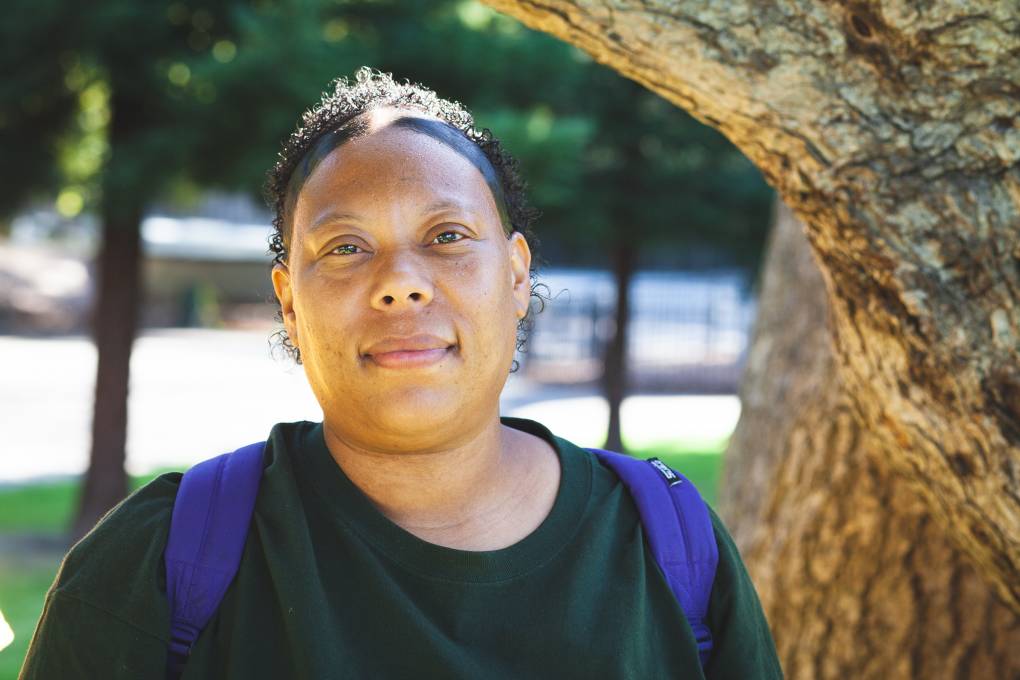
"caption": "Monique Bryant is an outreach worker with Downtown Streets Team, a San Jose-based nonprofit working to make sure homeless people in the Bay Area are counted in the 2020 census. Homeless people are historically undercounted in the census.",
"description": "Monique Bryant is an outreach worker with Downtown Streets, a San Jose-based nonprofit working to make sure homeless people in the Bay Area are counted in the 2020 Census. Homeless people are historically undercounted in the census.",
"title": "IMG_6685",
"credit": "Courtesy of Julia Lang",
"status": "inherit",
"isLoading": false,
"fetchFailed": false
},
"news_11812824": {
"type": "attachments",
"id": "news_11812824",
"meta": {
"index": "attachments_1716263798",
"site": "news",
"id": "11812824",
"found": true
},
"parent": 11812706,
"imgSizes": {
"apple_news_ca_landscape_5_5": {
"file": "https://ww2.kqed.org/app/uploads/sites/10/2020/04/RS42343_006_KQED_Oakland_SingleParent_Carolyn_03262020-qut-1044x783.jpg",
"width": 1044,
"mimeType": "image/jpeg",
"height": 783
},
"apple_news_ca_square_4_0": {
"file": "https://ww2.kqed.org/app/uploads/sites/10/2020/04/RS42343_006_KQED_Oakland_SingleParent_Carolyn_03262020-qut-470x470.jpg",
"width": 470,
"mimeType": "image/jpeg",
"height": 470
},
"twentyfourteen-full-width": {
"file": "https://ww2.kqed.org/app/uploads/sites/10/2020/04/RS42343_006_KQED_Oakland_SingleParent_Carolyn_03262020-qut-1038x576.jpg",
"width": 1038,
"mimeType": "image/jpeg",
"height": 576
},
"thumbnail": {
"file": "https://ww2.kqed.org/app/uploads/sites/10/2020/04/RS42343_006_KQED_Oakland_SingleParent_Carolyn_03262020-qut-160x107.jpg",
"width": 160,
"mimeType": "image/jpeg",
"height": 107
},
"post-thumbnail": {
"file": "https://ww2.kqed.org/app/uploads/sites/10/2020/04/RS42343_006_KQED_Oakland_SingleParent_Carolyn_03262020-qut-672x372.jpg",
"width": 672,
"mimeType": "image/jpeg",
"height": 372
},
"kqedFullSize": {
"file": "https://ww2.kqed.org/app/uploads/sites/10/2020/04/RS42343_006_KQED_Oakland_SingleParent_Carolyn_03262020-qut.jpg",
"width": 1920,
"height": 1280
},
"apple_news_ca_landscape_4_7": {
"file": "https://ww2.kqed.org/app/uploads/sites/10/2020/04/RS42343_006_KQED_Oakland_SingleParent_Carolyn_03262020-qut-632x474.jpg",
"width": 632,
"mimeType": "image/jpeg",
"height": 474
},
"large": {
"file": "https://ww2.kqed.org/app/uploads/sites/10/2020/04/RS42343_006_KQED_Oakland_SingleParent_Carolyn_03262020-qut-1020x680.jpg",
"width": 1020,
"mimeType": "image/jpeg",
"height": 680
},
"apple_news_ca_landscape_4_0": {
"file": "https://ww2.kqed.org/app/uploads/sites/10/2020/04/RS42343_006_KQED_Oakland_SingleParent_Carolyn_03262020-qut-536x402.jpg",
"width": 536,
"mimeType": "image/jpeg",
"height": 402
},
"apple_news_ca_portrait_12_9": {
"file": "https://ww2.kqed.org/app/uploads/sites/10/2020/04/RS42343_006_KQED_Oakland_SingleParent_Carolyn_03262020-qut-1122x1280.jpg",
"width": 1122,
"mimeType": "image/jpeg",
"height": 1280
},
"medium": {
"file": "https://ww2.kqed.org/app/uploads/sites/10/2020/04/RS42343_006_KQED_Oakland_SingleParent_Carolyn_03262020-qut-800x533.jpg",
"width": 800,
"mimeType": "image/jpeg",
"height": 533
},
"apple_news_ca_portrait_4_0": {
"file": "https://ww2.kqed.org/app/uploads/sites/10/2020/04/RS42343_006_KQED_Oakland_SingleParent_Carolyn_03262020-qut-354x472.jpg",
"width": 354,
"mimeType": "image/jpeg",
"height": 472
},
"apple_news_ca_portrait_9_7": {
"file": "https://ww2.kqed.org/app/uploads/sites/10/2020/04/RS42343_006_KQED_Oakland_SingleParent_Carolyn_03262020-qut-840x1120.jpg",
"width": 840,
"mimeType": "image/jpeg",
"height": 1120
},
"apple_news_ca_landscape_12_9": {
"file": "https://ww2.kqed.org/app/uploads/sites/10/2020/04/RS42343_006_KQED_Oakland_SingleParent_Carolyn_03262020-qut-1832x1280.jpg",
"width": 1832,
"mimeType": "image/jpeg",
"height": 1280
},
"apple_news_ca_square_9_7": {
"file": "https://ww2.kqed.org/app/uploads/sites/10/2020/04/RS42343_006_KQED_Oakland_SingleParent_Carolyn_03262020-qut-1104x1104.jpg",
"width": 1104,
"mimeType": "image/jpeg",
"height": 1104
},
"apple_news_ca_portrait_4_7": {
"file": "https://ww2.kqed.org/app/uploads/sites/10/2020/04/RS42343_006_KQED_Oakland_SingleParent_Carolyn_03262020-qut-414x552.jpg",
"width": 414,
"mimeType": "image/jpeg",
"height": 552
},
"apple_news_ca_square_12_9": {
"file": "https://ww2.kqed.org/app/uploads/sites/10/2020/04/RS42343_006_KQED_Oakland_SingleParent_Carolyn_03262020-qut-1472x1280.jpg",
"width": 1472,
"mimeType": "image/jpeg",
"height": 1280
},
"apple_news_ca_portrait_5_5": {
"file": "https://ww2.kqed.org/app/uploads/sites/10/2020/04/RS42343_006_KQED_Oakland_SingleParent_Carolyn_03262020-qut-687x916.jpg",
"width": 687,
"mimeType": "image/jpeg",
"height": 916
},
"full-width": {
"file": "https://ww2.kqed.org/app/uploads/sites/10/2020/04/RS42343_006_KQED_Oakland_SingleParent_Carolyn_03262020-qut-1920x1280.jpg",
"width": 1920,
"mimeType": "image/jpeg",
"height": 1280
},
"apple_news_ca_square_4_7": {
"file": "https://ww2.kqed.org/app/uploads/sites/10/2020/04/RS42343_006_KQED_Oakland_SingleParent_Carolyn_03262020-qut-550x550.jpg",
"width": 550,
"mimeType": "image/jpeg",
"height": 550
},
"apple_news_ca_landscape_9_7": {
"file": "https://ww2.kqed.org/app/uploads/sites/10/2020/04/RS42343_006_KQED_Oakland_SingleParent_Carolyn_03262020-qut-1376x1032.jpg",
"width": 1376,
"mimeType": "image/jpeg",
"height": 1032
},
"apple_news_ca_square_5_5": {
"file": "https://ww2.kqed.org/app/uploads/sites/10/2020/04/RS42343_006_KQED_Oakland_SingleParent_Carolyn_03262020-qut-912x912.jpg",
"width": 912,
"mimeType": "image/jpeg",
"height": 912
}
},
"publishDate": 1587140310,
"modified": 1616452943,
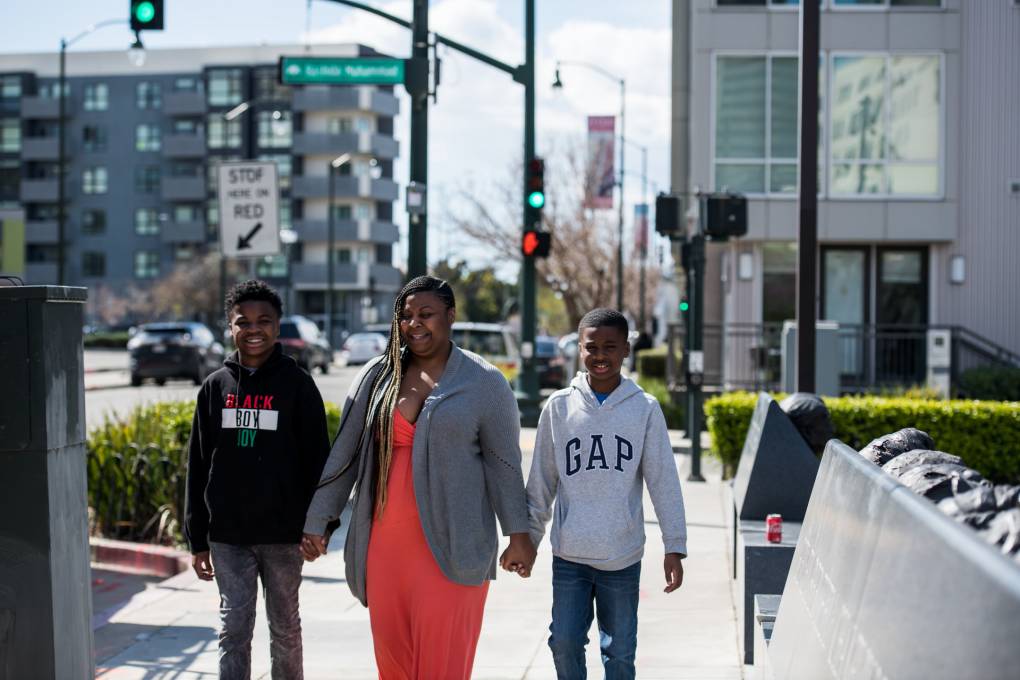
"caption": "Carolyn Bims-Payne and her two sons go for a walk to take a break from work and schoolwork while sheltering in place in 2020.",
"description": "Carolyn Bims-Payne and her two sons go for a walk to take a break from work and schoolwork while sheltering in place in Spring 2020.",
"title": "RS42343_006_KQED_Oakland_SingleParent_Carolyn_03262020-qut",
"credit": "Beth LaBerge/KQED",
"status": "inherit",
"altTag": "Carolyn Bims-Payne and her two sons go for a walk to take a break from work and schoolwork while sheltering in place.",
"isLoading": false,
"fetchFailed": false
},
"news_11812656": {
"type": "attachments",
"id": "news_11812656",
"meta": {
"index": "attachments_1716263798",
"site": "news",
"id": "11812656",
"found": true
},
"parent": 11812627,
"imgSizes": {
"apple_news_ca_landscape_5_5": {
"file": "https://ww2.kqed.org/app/uploads/sites/10/2020/04/RS42791_COLA-STRIKE-photo-1-qut-1044x783.jpg",
"width": 1044,
"mimeType": "image/jpeg",
"height": 783
},
"apple_news_ca_square_4_0": {
"file": "https://ww2.kqed.org/app/uploads/sites/10/2020/04/RS42791_COLA-STRIKE-photo-1-qut-470x470.jpg",
"width": 470,
"mimeType": "image/jpeg",
"height": 470
},
"twentyfourteen-full-width": {
"file": "https://ww2.kqed.org/app/uploads/sites/10/2020/04/RS42791_COLA-STRIKE-photo-1-qut-1038x576.jpg",
"width": 1038,
"mimeType": "image/jpeg",
"height": 576
},
"thumbnail": {
"file": "https://ww2.kqed.org/app/uploads/sites/10/2020/04/RS42791_COLA-STRIKE-photo-1-qut-160x107.jpg",
"width": 160,
"mimeType": "image/jpeg",
"height": 107
},
"post-thumbnail": {
"file": "https://ww2.kqed.org/app/uploads/sites/10/2020/04/RS42791_COLA-STRIKE-photo-1-qut-672x372.jpg",
"width": 672,
"mimeType": "image/jpeg",
"height": 372
},
"kqedFullSize": {
"file": "https://ww2.kqed.org/app/uploads/sites/10/2020/04/RS42791_COLA-STRIKE-photo-1-qut.jpg",
"width": 1920,
"height": 1280
},
"apple_news_ca_landscape_4_7": {
"file": "https://ww2.kqed.org/app/uploads/sites/10/2020/04/RS42791_COLA-STRIKE-photo-1-qut-632x474.jpg",
"width": 632,
"mimeType": "image/jpeg",
"height": 474
},
"large": {
"file": "https://ww2.kqed.org/app/uploads/sites/10/2020/04/RS42791_COLA-STRIKE-photo-1-qut-1020x680.jpg",
"width": 1020,
"mimeType": "image/jpeg",
"height": 680
},
"apple_news_ca_landscape_4_0": {
"file": "https://ww2.kqed.org/app/uploads/sites/10/2020/04/RS42791_COLA-STRIKE-photo-1-qut-536x402.jpg",
"width": 536,
"mimeType": "image/jpeg",
"height": 402
},
"apple_news_ca_portrait_12_9": {
"file": "https://ww2.kqed.org/app/uploads/sites/10/2020/04/RS42791_COLA-STRIKE-photo-1-qut-1122x1280.jpg",
"width": 1122,
"mimeType": "image/jpeg",
"height": 1280
},
"medium": {
"file": "https://ww2.kqed.org/app/uploads/sites/10/2020/04/RS42791_COLA-STRIKE-photo-1-qut-800x533.jpg",
"width": 800,
"mimeType": "image/jpeg",
"height": 533
},
"apple_news_ca_portrait_4_0": {
"file": "https://ww2.kqed.org/app/uploads/sites/10/2020/04/RS42791_COLA-STRIKE-photo-1-qut-354x472.jpg",
"width": 354,
"mimeType": "image/jpeg",
"height": 472
},
"apple_news_ca_portrait_9_7": {
"file": "https://ww2.kqed.org/app/uploads/sites/10/2020/04/RS42791_COLA-STRIKE-photo-1-qut-840x1120.jpg",
"width": 840,
"mimeType": "image/jpeg",
"height": 1120
},
"apple_news_ca_landscape_12_9": {
"file": "https://ww2.kqed.org/app/uploads/sites/10/2020/04/RS42791_COLA-STRIKE-photo-1-qut-1832x1280.jpg",
"width": 1832,
"mimeType": "image/jpeg",
"height": 1280
},
"apple_news_ca_square_9_7": {
"file": "https://ww2.kqed.org/app/uploads/sites/10/2020/04/RS42791_COLA-STRIKE-photo-1-qut-1104x1104.jpg",
"width": 1104,
"mimeType": "image/jpeg",
"height": 1104
},
"apple_news_ca_portrait_4_7": {
"file": "https://ww2.kqed.org/app/uploads/sites/10/2020/04/RS42791_COLA-STRIKE-photo-1-qut-414x552.jpg",
"width": 414,
"mimeType": "image/jpeg",
"height": 552
},
"apple_news_ca_square_12_9": {
"file": "https://ww2.kqed.org/app/uploads/sites/10/2020/04/RS42791_COLA-STRIKE-photo-1-qut-1472x1280.jpg",
"width": 1472,
"mimeType": "image/jpeg",
"height": 1280
},
"apple_news_ca_portrait_5_5": {
"file": "https://ww2.kqed.org/app/uploads/sites/10/2020/04/RS42791_COLA-STRIKE-photo-1-qut-687x916.jpg",
"width": 687,
"mimeType": "image/jpeg",
"height": 916
},
"full-width": {
"file": "https://ww2.kqed.org/app/uploads/sites/10/2020/04/RS42791_COLA-STRIKE-photo-1-qut-1920x1280.jpg",
"width": 1920,
"mimeType": "image/jpeg",
"height": 1280
},
"apple_news_ca_square_4_7": {
"file": "https://ww2.kqed.org/app/uploads/sites/10/2020/04/RS42791_COLA-STRIKE-photo-1-qut-550x550.jpg",
"width": 550,
"mimeType": "image/jpeg",
"height": 550
},
"apple_news_ca_landscape_9_7": {
"file": "https://ww2.kqed.org/app/uploads/sites/10/2020/04/RS42791_COLA-STRIKE-photo-1-qut-1376x1032.jpg",
"width": 1376,
"mimeType": "image/jpeg",
"height": 1032
},
"apple_news_ca_square_5_5": {
"file": "https://ww2.kqed.org/app/uploads/sites/10/2020/04/RS42791_COLA-STRIKE-photo-1-qut-912x912.jpg",
"width": 912,
"mimeType": "image/jpeg",
"height": 912
}
},
"publishDate": 1587066578,
"modified": 1667570911,
"caption": null,
"description": null,
"title": null,
"credit": "Anne Wernikoff/CalMatters",
"status": "inherit",
"altTag": "Students hold signs for student worker strike",
"isLoading": false,
"fetchFailed": false
},
"news_11812280": {
"type": "attachments",
"id": "news_11812280",
"meta": {
"index": "attachments_1716263798",
"site": "news",
"id": "11812280",
"found": true
},
"parent": 11812278,
"imgSizes": {
"apple_news_ca_square_4_0": {
"file": "https://ww2.kqed.org/app/uploads/sites/10/2020/04/1920_HRP_8135-1020x574_ESP-470x470.jpg",
"width": 470,
"mimeType": "image/jpeg",
"height": 470
},
"thumbnail": {
"file": "https://ww2.kqed.org/app/uploads/sites/10/2020/04/1920_HRP_8135-1020x574_ESP-160x90.jpg",
"width": 160,
"mimeType": "image/jpeg",
"height": 90
},
"post-thumbnail": {
"file": "https://ww2.kqed.org/app/uploads/sites/10/2020/04/1920_HRP_8135-1020x574_ESP-672x372.jpg",
"width": 672,
"mimeType": "image/jpeg",
"height": 372
},
"kqedFullSize": {
"file": "https://ww2.kqed.org/app/uploads/sites/10/2020/04/1920_HRP_8135-1020x574_ESP.jpg",
"width": 1020,
"height": 574
},
"apple_news_ca_landscape_4_7": {
"file": "https://ww2.kqed.org/app/uploads/sites/10/2020/04/1920_HRP_8135-1020x574_ESP-632x474.jpg",
"width": 632,
"mimeType": "image/jpeg",
"height": 474
},
"large": {
"file": "https://ww2.kqed.org/app/uploads/sites/10/2020/04/1920_HRP_8135-1020x574_ESP-1020x574.jpg",
"width": 1020,
"mimeType": "image/jpeg",
"height": 574
},
"apple_news_ca_landscape_4_0": {
"file": "https://ww2.kqed.org/app/uploads/sites/10/2020/04/1920_HRP_8135-1020x574_ESP-536x402.jpg",
"width": 536,
"mimeType": "image/jpeg",
"height": 402
},
"medium": {
"file": "https://ww2.kqed.org/app/uploads/sites/10/2020/04/1920_HRP_8135-1020x574_ESP-800x450.jpg",
"width": 800,
"mimeType": "image/jpeg",
"height": 450
},
"apple_news_ca_portrait_4_0": {
"file": "https://ww2.kqed.org/app/uploads/sites/10/2020/04/1920_HRP_8135-1020x574_ESP-354x472.jpg",
"width": 354,
"mimeType": "image/jpeg",
"height": 472
},
"apple_news_ca_portrait_9_7": {
"file": "https://ww2.kqed.org/app/uploads/sites/10/2020/04/1920_HRP_8135-1020x574_ESP-840x574.jpg",
"width": 840,
"mimeType": "image/jpeg",
"height": 574
},
"apple_news_ca_portrait_4_7": {
"file": "https://ww2.kqed.org/app/uploads/sites/10/2020/04/1920_HRP_8135-1020x574_ESP-414x552.jpg",
"width": 414,
"mimeType": "image/jpeg",
"height": 552
},
"apple_news_ca_portrait_5_5": {
"file": "https://ww2.kqed.org/app/uploads/sites/10/2020/04/1920_HRP_8135-1020x574_ESP-687x574.jpg",
"width": 687,
"mimeType": "image/jpeg",
"height": 574
},
"apple_news_ca_square_4_7": {
"file": "https://ww2.kqed.org/app/uploads/sites/10/2020/04/1920_HRP_8135-1020x574_ESP-550x550.jpg",
"width": 550,
"mimeType": "image/jpeg",
"height": 550
},
"apple_news_ca_square_5_5": {
"file": "https://ww2.kqed.org/app/uploads/sites/10/2020/04/1920_HRP_8135-1020x574_ESP-912x574.jpg",
"width": 912,
"mimeType": "image/jpeg",
"height": 574
}
},
"publishDate": 1586884065,
"modified": 1586884152,
"caption": "\"Apoyamos este trabajo increíble y compasivo que están haciendo\", dijo John Sasaki, portavoz del distrito. \"Como siempre lo hace la comunidad de Oakland, nos estamos uniendo a nuestras familias para apoyarlas en todo lo que podamos\".",
"description": "\"Apoyamos este trabajo increíble y compasivo que están haciendo\", dijo John Sasaki, portavoz del distrito. \"Como siempre lo hace la comunidad de Oakland, nos estamos uniendo a nuestras familias para apoyarlas en todo lo que podamos\".",
"title": "1920_HRP_8135-1020x574_ESP",
"credit": "Courtesy of Anita Iverson-Comelo",
"status": "inherit",
"isLoading": false,
"fetchFailed": false
},
"news_11812008": {
"type": "attachments",
"id": "news_11812008",
"meta": {
"index": "attachments_1716263798",
"site": "news",
"id": "11812008",
"found": true
},
"parent": 11811890,
"imgSizes": {
"apple_news_ca_landscape_5_5": {
"file": "https://ww2.kqed.org/app/uploads/sites/10/2020/04/1920_HRP_8135-1044x783.jpg",
"width": 1044,
"mimeType": "image/jpeg",
"height": 783
},
"apple_news_ca_square_4_0": {
"file": "https://ww2.kqed.org/app/uploads/sites/10/2020/04/1920_HRP_8135-470x470.jpg",
"width": 470,
"mimeType": "image/jpeg",
"height": 470
},
"twentyfourteen-full-width": {
"file": "https://ww2.kqed.org/app/uploads/sites/10/2020/04/1920_HRP_8135-1038x576.jpg",
"width": 1038,
"mimeType": "image/jpeg",
"height": 576
},
"thumbnail": {
"file": "https://ww2.kqed.org/app/uploads/sites/10/2020/04/1920_HRP_8135-160x90.jpg",
"width": 160,
"mimeType": "image/jpeg",
"height": 90
},
"post-thumbnail": {
"file": "https://ww2.kqed.org/app/uploads/sites/10/2020/04/1920_HRP_8135-672x372.jpg",
"width": 672,
"mimeType": "image/jpeg",
"height": 372
},
"kqedFullSize": {
"file": "https://ww2.kqed.org/app/uploads/sites/10/2020/04/1920_HRP_8135.jpg",
"width": 1920,
"height": 1080
},
"apple_news_ca_landscape_4_7": {
"file": "https://ww2.kqed.org/app/uploads/sites/10/2020/04/1920_HRP_8135-632x474.jpg",
"width": 632,
"mimeType": "image/jpeg",
"height": 474
},
"large": {
"file": "https://ww2.kqed.org/app/uploads/sites/10/2020/04/1920_HRP_8135-1020x574.jpg",
"width": 1020,
"mimeType": "image/jpeg",
"height": 574
},
"apple_news_ca_landscape_4_0": {
"file": "https://ww2.kqed.org/app/uploads/sites/10/2020/04/1920_HRP_8135-536x402.jpg",
"width": 536,
"mimeType": "image/jpeg",
"height": 402
},
"apple_news_ca_portrait_12_9": {
"file": "https://ww2.kqed.org/app/uploads/sites/10/2020/04/1920_HRP_8135-1122x1080.jpg",
"width": 1122,
"mimeType": "image/jpeg",
"height": 1080
},
"medium": {
"file": "https://ww2.kqed.org/app/uploads/sites/10/2020/04/1920_HRP_8135-800x450.jpg",
"width": 800,
"mimeType": "image/jpeg",
"height": 450
},
"apple_news_ca_portrait_4_0": {
"file": "https://ww2.kqed.org/app/uploads/sites/10/2020/04/1920_HRP_8135-354x472.jpg",
"width": 354,
"mimeType": "image/jpeg",
"height": 472
},
"apple_news_ca_portrait_9_7": {
"file": "https://ww2.kqed.org/app/uploads/sites/10/2020/04/1920_HRP_8135-840x1080.jpg",
"width": 840,
"mimeType": "image/jpeg",
"height": 1080
},
"apple_news_ca_landscape_12_9": {
"file": "https://ww2.kqed.org/app/uploads/sites/10/2020/04/1920_HRP_8135-1832x1080.jpg",
"width": 1832,
"mimeType": "image/jpeg",
"height": 1080
},
"apple_news_ca_square_9_7": {
"file": "https://ww2.kqed.org/app/uploads/sites/10/2020/04/1920_HRP_8135-1104x1080.jpg",
"width": 1104,
"mimeType": "image/jpeg",
"height": 1080
},
"apple_news_ca_portrait_4_7": {
"file": "https://ww2.kqed.org/app/uploads/sites/10/2020/04/1920_HRP_8135-414x552.jpg",
"width": 414,
"mimeType": "image/jpeg",
"height": 552
},
"apple_news_ca_square_12_9": {
"file": "https://ww2.kqed.org/app/uploads/sites/10/2020/04/1920_HRP_8135-1472x1080.jpg",
"width": 1472,
"mimeType": "image/jpeg",
"height": 1080
},
"apple_news_ca_portrait_5_5": {
"file": "https://ww2.kqed.org/app/uploads/sites/10/2020/04/1920_HRP_8135-687x916.jpg",
"width": 687,
"mimeType": "image/jpeg",
"height": 916
},
"full-width": {
"file": "https://ww2.kqed.org/app/uploads/sites/10/2020/04/1920_HRP_8135-1920x1080.jpg",
"width": 1920,
"mimeType": "image/jpeg",
"height": 1080
},
"apple_news_ca_square_4_7": {
"file": "https://ww2.kqed.org/app/uploads/sites/10/2020/04/1920_HRP_8135-550x550.jpg",
"width": 550,
"mimeType": "image/jpeg",
"height": 550
},
"apple_news_ca_landscape_9_7": {
"file": "https://ww2.kqed.org/app/uploads/sites/10/2020/04/1920_HRP_8135-1376x1032.jpg",
"width": 1376,
"mimeType": "image/jpeg",
"height": 1032
},
"apple_news_ca_square_5_5": {
"file": "https://ww2.kqed.org/app/uploads/sites/10/2020/04/1920_HRP_8135-912x912.jpg",
"width": 912,
"mimeType": "image/jpeg",
"height": 912
}
},
"publishDate": 1586581384,
"modified": 1586582420,
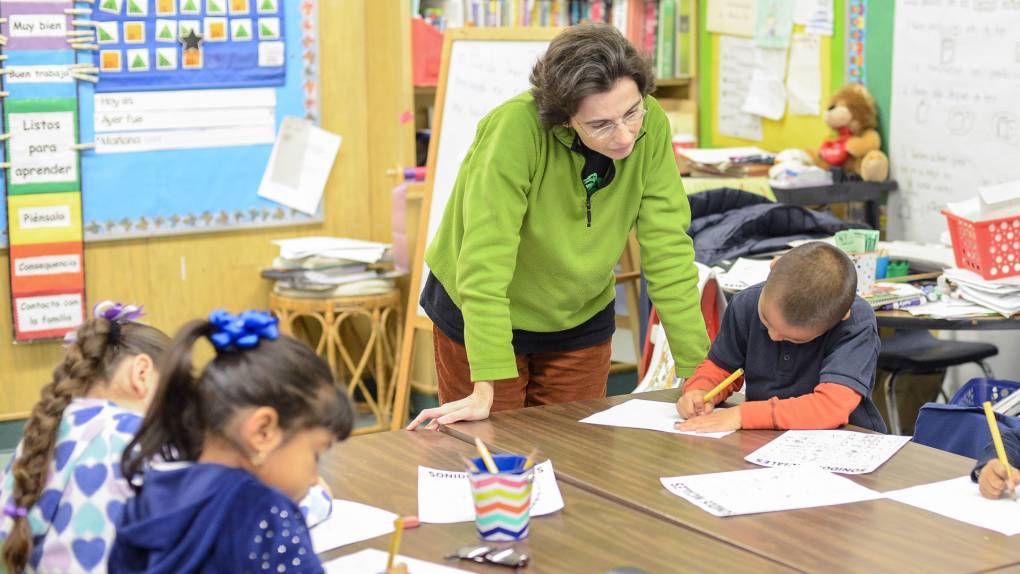
"caption": "At least eight teachers at Bridges Academy, including some making less than $50,000 per year, have pledged all or part of their stimulus checks to a fund for undocumented parents.",
"description": "At least eight teachers at Bridges Academy, including some making less than $50,000 per year, have pledged all or part of their stimulus checks to a fund for undocumented parents.",
"title": "1920_HRP_8135",
"credit": "Courtesy of Anita Iverson-Comelo",
"status": "inherit",
"isLoading": false,
"fetchFailed": false
},
"news_11811399": {
"type": "attachments",
"id": "news_11811399",
"meta": {
"index": "attachments_1716263798",
"site": "news",
"id": "11811399",
"found": true
},
"parent": 0,
"imgSizes": {
"apple_news_ca_landscape_5_5": {
"file": "https://ww2.kqed.org/app/uploads/sites/10/2020/04/RS42594_GettyImages-1217144016-qut-1044x783.jpg",
"width": 1044,
"mimeType": "image/jpeg",
"height": 783
},
"apple_news_ca_square_4_0": {
"file": "https://ww2.kqed.org/app/uploads/sites/10/2020/04/RS42594_GettyImages-1217144016-qut-470x470.jpg",
"width": 470,
"mimeType": "image/jpeg",
"height": 470
},
"twentyfourteen-full-width": {
"file": "https://ww2.kqed.org/app/uploads/sites/10/2020/04/RS42594_GettyImages-1217144016-qut-1038x576.jpg",
"width": 1038,
"mimeType": "image/jpeg",
"height": 576
},
"thumbnail": {
"file": "https://ww2.kqed.org/app/uploads/sites/10/2020/04/RS42594_GettyImages-1217144016-qut-160x107.jpg",
"width": 160,
"mimeType": "image/jpeg",
"height": 107
},
"post-thumbnail": {
"file": "https://ww2.kqed.org/app/uploads/sites/10/2020/04/RS42594_GettyImages-1217144016-qut-672x372.jpg",
"width": 672,
"mimeType": "image/jpeg",
"height": 372
},
"kqedFullSize": {
"file": "https://ww2.kqed.org/app/uploads/sites/10/2020/04/RS42594_GettyImages-1217144016-qut.jpg",
"width": 1920,
"height": 1280
},
"apple_news_ca_landscape_4_7": {
"file": "https://ww2.kqed.org/app/uploads/sites/10/2020/04/RS42594_GettyImages-1217144016-qut-632x474.jpg",
"width": 632,
"mimeType": "image/jpeg",
"height": 474
},
"large": {
"file": "https://ww2.kqed.org/app/uploads/sites/10/2020/04/RS42594_GettyImages-1217144016-qut-1020x680.jpg",
"width": 1020,
"mimeType": "image/jpeg",
"height": 680
},
"apple_news_ca_landscape_4_0": {
"file": "https://ww2.kqed.org/app/uploads/sites/10/2020/04/RS42594_GettyImages-1217144016-qut-536x402.jpg",
"width": 536,
"mimeType": "image/jpeg",
"height": 402
},
"apple_news_ca_portrait_12_9": {
"file": "https://ww2.kqed.org/app/uploads/sites/10/2020/04/RS42594_GettyImages-1217144016-qut-1122x1280.jpg",
"width": 1122,
"mimeType": "image/jpeg",
"height": 1280
},
"medium": {
"file": "https://ww2.kqed.org/app/uploads/sites/10/2020/04/RS42594_GettyImages-1217144016-qut-800x533.jpg",
"width": 800,
"mimeType": "image/jpeg",
"height": 533
},
"apple_news_ca_portrait_4_0": {
"file": "https://ww2.kqed.org/app/uploads/sites/10/2020/04/RS42594_GettyImages-1217144016-qut-354x472.jpg",
"width": 354,
"mimeType": "image/jpeg",
"height": 472
},
"apple_news_ca_portrait_9_7": {
"file": "https://ww2.kqed.org/app/uploads/sites/10/2020/04/RS42594_GettyImages-1217144016-qut-840x1120.jpg",
"width": 840,
"mimeType": "image/jpeg",
"height": 1120
},
"apple_news_ca_landscape_12_9": {
"file": "https://ww2.kqed.org/app/uploads/sites/10/2020/04/RS42594_GettyImages-1217144016-qut-1832x1280.jpg",
"width": 1832,
"mimeType": "image/jpeg",
"height": 1280
},
"apple_news_ca_square_9_7": {
"file": "https://ww2.kqed.org/app/uploads/sites/10/2020/04/RS42594_GettyImages-1217144016-qut-1104x1104.jpg",
"width": 1104,
"mimeType": "image/jpeg",
"height": 1104
},
"apple_news_ca_portrait_4_7": {
"file": "https://ww2.kqed.org/app/uploads/sites/10/2020/04/RS42594_GettyImages-1217144016-qut-414x552.jpg",
"width": 414,
"mimeType": "image/jpeg",
"height": 552
},
"apple_news_ca_square_12_9": {
"file": "https://ww2.kqed.org/app/uploads/sites/10/2020/04/RS42594_GettyImages-1217144016-qut-1472x1280.jpg",
"width": 1472,
"mimeType": "image/jpeg",
"height": 1280
},
"apple_news_ca_portrait_5_5": {
"file": "https://ww2.kqed.org/app/uploads/sites/10/2020/04/RS42594_GettyImages-1217144016-qut-687x916.jpg",
"width": 687,
"mimeType": "image/jpeg",
"height": 916
},
"full-width": {
"file": "https://ww2.kqed.org/app/uploads/sites/10/2020/04/RS42594_GettyImages-1217144016-qut-1920x1280.jpg",
"width": 1920,
"mimeType": "image/jpeg",
"height": 1280
},
"apple_news_ca_square_4_7": {
"file": "https://ww2.kqed.org/app/uploads/sites/10/2020/04/RS42594_GettyImages-1217144016-qut-550x550.jpg",
"width": 550,
"mimeType": "image/jpeg",
"height": 550
},
"apple_news_ca_landscape_9_7": {
"file": "https://ww2.kqed.org/app/uploads/sites/10/2020/04/RS42594_GettyImages-1217144016-qut-1376x1032.jpg",
"width": 1376,
"mimeType": "image/jpeg",
"height": 1032
},
"apple_news_ca_square_5_5": {
"file": "https://ww2.kqed.org/app/uploads/sites/10/2020/04/RS42594_GettyImages-1217144016-qut-912x912.jpg",
"width": 912,
"mimeType": "image/jpeg",
"height": 912
}
},
"publishDate": 1586378368,
"modified": 1586378529,
"caption": "With so many schools closed, the Zoom video meeting app has become wildly popular among educators, but it's now under scrutiny for security and privacy issues.",
"description": null,
"title": "Rural Parents Struggle With Internet Infrastructure As They Home School Children During Coronavirus Lockdown",
"credit": "Lisa Maree Williams/Getty Images",
"status": "inherit",
"isLoading": false,
"fetchFailed": false
},
"news_11811235": {
"type": "attachments",
"id": "news_11811235",
"meta": {
"index": "attachments_1716263798",
"site": "news",
"id": "11811235",
"found": true
},
"parent": 11811220,
"imgSizes": {
"apple_news_ca_landscape_5_5": {
"file": "https://ww2.kqed.org/app/uploads/sites/10/2020/04/closed_040720_final-1044x783.png",
"width": 1044,
"mimeType": "image/png",
"height": 783
},
"apple_news_ca_square_4_0": {
"file": "https://ww2.kqed.org/app/uploads/sites/10/2020/04/closed_040720_final-470x470.png",
"width": 470,
"mimeType": "image/png",
"height": 470
},
"twentyfourteen-full-width": {
"file": "https://ww2.kqed.org/app/uploads/sites/10/2020/04/closed_040720_final-1038x576.png",
"width": 1038,
"mimeType": "image/png",
"height": 576
},
"thumbnail": {
"file": "https://ww2.kqed.org/app/uploads/sites/10/2020/04/closed_040720_final-160x111.png",
"width": 160,
"mimeType": "image/png",
"height": 111
},
"post-thumbnail": {
"file": "https://ww2.kqed.org/app/uploads/sites/10/2020/04/closed_040720_final-672x372.png",
"width": 672,
"mimeType": "image/png",
"height": 372
},
"kqedFullSize": {
"file": "https://ww2.kqed.org/app/uploads/sites/10/2020/04/closed_040720_final.png",
"width": 1920,
"height": 1328
},
"apple_news_ca_landscape_4_7": {
"file": "https://ww2.kqed.org/app/uploads/sites/10/2020/04/closed_040720_final-632x474.png",
"width": 632,
"mimeType": "image/png",
"height": 474
},
"large": {
"file": "https://ww2.kqed.org/app/uploads/sites/10/2020/04/closed_040720_final-1020x706.png",
"width": 1020,
"mimeType": "image/png",
"height": 706
},
"apple_news_ca_landscape_4_0": {
"file": "https://ww2.kqed.org/app/uploads/sites/10/2020/04/closed_040720_final-536x402.png",
"width": 536,
"mimeType": "image/png",
"height": 402
},
"apple_news_ca_portrait_12_9": {
"file": "https://ww2.kqed.org/app/uploads/sites/10/2020/04/closed_040720_final-1122x1328.png",
"width": 1122,
"mimeType": "image/png",
"height": 1328
},
"medium": {
"file": "https://ww2.kqed.org/app/uploads/sites/10/2020/04/closed_040720_final-800x553.png",
"width": 800,
"mimeType": "image/png",
"height": 553
},
"apple_news_ca_portrait_4_0": {
"file": "https://ww2.kqed.org/app/uploads/sites/10/2020/04/closed_040720_final-354x472.png",
"width": 354,
"mimeType": "image/png",
"height": 472
},
"apple_news_ca_portrait_9_7": {
"file": "https://ww2.kqed.org/app/uploads/sites/10/2020/04/closed_040720_final-840x1120.png",
"width": 840,
"mimeType": "image/png",
"height": 1120
},
"apple_news_ca_landscape_12_9": {
"file": "https://ww2.kqed.org/app/uploads/sites/10/2020/04/closed_040720_final-1832x1328.png",
"width": 1832,
"mimeType": "image/png",
"height": 1328
},
"apple_news_ca_square_9_7": {
"file": "https://ww2.kqed.org/app/uploads/sites/10/2020/04/closed_040720_final-1104x1104.png",
"width": 1104,
"mimeType": "image/png",
"height": 1104
},
"apple_news_ca_portrait_4_7": {
"file": "https://ww2.kqed.org/app/uploads/sites/10/2020/04/closed_040720_final-414x552.png",
"width": 414,
"mimeType": "image/png",
"height": 552
},
"apple_news_ca_square_12_9": {
"file": "https://ww2.kqed.org/app/uploads/sites/10/2020/04/closed_040720_final-1472x1328.png",
"width": 1472,
"mimeType": "image/png",
"height": 1328
},
"apple_news_ca_portrait_5_5": {
"file": "https://ww2.kqed.org/app/uploads/sites/10/2020/04/closed_040720_final-687x916.png",
"width": 687,
"mimeType": "image/png",
"height": 916
},
"full-width": {
"file": "https://ww2.kqed.org/app/uploads/sites/10/2020/04/closed_040720_final-1920x1328.png",
"width": 1920,
"mimeType": "image/png",
"height": 1328
},
"apple_news_ca_square_4_7": {
"file": "https://ww2.kqed.org/app/uploads/sites/10/2020/04/closed_040720_final-550x550.png",
"width": 550,
"mimeType": "image/png",
"height": 550
},
"apple_news_ca_landscape_9_7": {
"file": "https://ww2.kqed.org/app/uploads/sites/10/2020/04/closed_040720_final-1376x1032.png",
"width": 1376,
"mimeType": "image/png",
"height": 1032
},
"apple_news_ca_square_5_5": {
"file": "https://ww2.kqed.org/app/uploads/sites/10/2020/04/closed_040720_final-912x912.png",
"width": 912,
"mimeType": "image/png",
"height": 912
}
},
"publishDate": 1586306022,
"modified": 1586306059,
"caption": null,
"description": null,
"title": "closed_040720_final",
"credit": null,
"status": "inherit",
"isLoading": false,
"fetchFailed": false
},
"news_11810990": {
"type": "attachments",
"id": "news_11810990",
"meta": {
"index": "attachments_1716263798",
"site": "news",
"id": "11810990",
"found": true
},
"parent": 11810988,
"imgSizes": {
"apple_news_ca_landscape_5_5": {
"file": "https://ww2.kqed.org/app/uploads/sites/10/2020/04/SadiaKhan1-1044x783.jpg",
"width": 1044,
"mimeType": "image/jpeg",
"height": 783
},
"apple_news_ca_square_4_0": {
"file": "https://ww2.kqed.org/app/uploads/sites/10/2020/04/SadiaKhan1-470x470.jpg",
"width": 470,
"mimeType": "image/jpeg",
"height": 470
},
"twentyfourteen-full-width": {
"file": "https://ww2.kqed.org/app/uploads/sites/10/2020/04/SadiaKhan1-1038x576.jpg",
"width": 1038,
"mimeType": "image/jpeg",
"height": 576
},
"thumbnail": {
"file": "https://ww2.kqed.org/app/uploads/sites/10/2020/04/SadiaKhan1-160x120.jpg",
"width": 160,
"mimeType": "image/jpeg",
"height": 120
},
"post-thumbnail": {
"file": "https://ww2.kqed.org/app/uploads/sites/10/2020/04/SadiaKhan1-672x372.jpg",
"width": 672,
"mimeType": "image/jpeg",
"height": 372
},
"kqedFullSize": {
"file": "https://ww2.kqed.org/app/uploads/sites/10/2020/04/SadiaKhan1-e1586286132236.jpg",
"width": 1920,
"height": 1440
},
"apple_news_ca_landscape_4_7": {
"file": "https://ww2.kqed.org/app/uploads/sites/10/2020/04/SadiaKhan1-632x474.jpg",
"width": 632,
"mimeType": "image/jpeg",
"height": 474
},
"large": {
"file": "https://ww2.kqed.org/app/uploads/sites/10/2020/04/SadiaKhan1-1020x765.jpg",
"width": 1020,
"mimeType": "image/jpeg",
"height": 765
},
"apple_news_ca_landscape_4_0": {
"file": "https://ww2.kqed.org/app/uploads/sites/10/2020/04/SadiaKhan1-536x402.jpg",
"width": 536,
"mimeType": "image/jpeg",
"height": 402
},
"apple_news_ca_portrait_12_9": {
"file": "https://ww2.kqed.org/app/uploads/sites/10/2020/04/SadiaKhan1-1122x1496.jpg",
"width": 1122,
"mimeType": "image/jpeg",
"height": 1496
},
"medium": {
"file": "https://ww2.kqed.org/app/uploads/sites/10/2020/04/SadiaKhan1-800x600.jpg",
"width": 800,
"mimeType": "image/jpeg",
"height": 600
},
"apple_news_ca_portrait_4_0": {
"file": "https://ww2.kqed.org/app/uploads/sites/10/2020/04/SadiaKhan1-354x472.jpg",
"width": 354,
"mimeType": "image/jpeg",
"height": 472
},
"apple_news_ca_portrait_9_7": {
"file": "https://ww2.kqed.org/app/uploads/sites/10/2020/04/SadiaKhan1-840x1120.jpg",
"width": 840,
"mimeType": "image/jpeg",
"height": 1120
},
"apple_news_ca_landscape_12_9": {
"file": "https://ww2.kqed.org/app/uploads/sites/10/2020/04/SadiaKhan1-1832x1374.jpg",
"width": 1832,
"mimeType": "image/jpeg",
"height": 1374
},
"apple_news_ca_square_9_7": {
"file": "https://ww2.kqed.org/app/uploads/sites/10/2020/04/SadiaKhan1-1104x1104.jpg",
"width": 1104,
"mimeType": "image/jpeg",
"height": 1104
},
"apple_news_ca_portrait_4_7": {
"file": "https://ww2.kqed.org/app/uploads/sites/10/2020/04/SadiaKhan1-414x552.jpg",
"width": 414,
"mimeType": "image/jpeg",
"height": 552
},
"apple_news_ca_square_12_9": {
"file": "https://ww2.kqed.org/app/uploads/sites/10/2020/04/SadiaKhan1-1472x1472.jpg",
"width": 1472,
"mimeType": "image/jpeg",
"height": 1472
},
"apple_news_ca_portrait_5_5": {
"file": "https://ww2.kqed.org/app/uploads/sites/10/2020/04/SadiaKhan1-687x916.jpg",
"width": 687,
"mimeType": "image/jpeg",
"height": 916
},
"full-width": {
"file": "https://ww2.kqed.org/app/uploads/sites/10/2020/04/SadiaKhan1-1920x1440.jpg",
"width": 1920,
"mimeType": "image/jpeg",
"height": 1440
},
"apple_news_ca_square_4_7": {
"file": "https://ww2.kqed.org/app/uploads/sites/10/2020/04/SadiaKhan1-550x550.jpg",
"width": 550,
"mimeType": "image/jpeg",
"height": 550
},
"apple_news_ca_landscape_9_7": {
"file": "https://ww2.kqed.org/app/uploads/sites/10/2020/04/SadiaKhan1-1376x1032.jpg",
"width": 1376,
"mimeType": "image/jpeg",
"height": 1032
},
"apple_news_ca_square_5_5": {
"file": "https://ww2.kqed.org/app/uploads/sites/10/2020/04/SadiaKhan1-912x912.jpg",
"width": 912,
"mimeType": "image/jpeg",
"height": 912
}
},
"publishDate": 1586222412,
"modified": 1586286127,
"caption": "Sadia Khan with her son, Hashim, outside their apartment in University Village. \n\n",
"description": null,
"title": "SadiaKhan1",
"credit": "Vanessa Rancaño/KQED ",
"status": "inherit",
"isLoading": false,
"fetchFailed": false
},
"news_11810732": {
"type": "attachments",
"id": "news_11810732",
"meta": {
"index": "attachments_1716263798",
"site": "news",
"id": "11810732",
"found": true
},
"parent": 11810730,
"imgSizes": {
"apple_news_ca_landscape_5_5": {
"file": "https://ww2.kqed.org/app/uploads/sites/10/2020/04/Kiraku-1044x783.jpg",
"width": 1044,
"mimeType": "image/jpeg",
"height": 783
},
"apple_news_ca_square_4_0": {
"file": "https://ww2.kqed.org/app/uploads/sites/10/2020/04/Kiraku-470x470.jpg",
"width": 470,
"mimeType": "image/jpeg",
"height": 470
},
"twentyfourteen-full-width": {
"file": "https://ww2.kqed.org/app/uploads/sites/10/2020/04/Kiraku-1038x576.jpg",
"width": 1038,
"mimeType": "image/jpeg",
"height": 576
},
"thumbnail": {
"file": "https://ww2.kqed.org/app/uploads/sites/10/2020/04/Kiraku-160x90.jpg",
"width": 160,
"mimeType": "image/jpeg",
"height": 90
},
"post-thumbnail": {
"file": "https://ww2.kqed.org/app/uploads/sites/10/2020/04/Kiraku-672x372.jpg",
"width": 672,
"mimeType": "image/jpeg",
"height": 372
},
"kqedFullSize": {
"file": "https://ww2.kqed.org/app/uploads/sites/10/2020/04/Kiraku.jpg",
"width": 1920,
"height": 1079
},
"apple_news_ca_landscape_4_7": {
"file": "https://ww2.kqed.org/app/uploads/sites/10/2020/04/Kiraku-632x474.jpg",
"width": 632,
"mimeType": "image/jpeg",
"height": 474
},
"large": {
"file": "https://ww2.kqed.org/app/uploads/sites/10/2020/04/Kiraku-1020x573.jpg",
"width": 1020,
"mimeType": "image/jpeg",
"height": 573
},
"apple_news_ca_landscape_4_0": {
"file": "https://ww2.kqed.org/app/uploads/sites/10/2020/04/Kiraku-536x402.jpg",
"width": 536,
"mimeType": "image/jpeg",
"height": 402
},
"apple_news_ca_portrait_12_9": {
"file": "https://ww2.kqed.org/app/uploads/sites/10/2020/04/Kiraku-1122x1079.jpg",
"width": 1122,
"mimeType": "image/jpeg",
"height": 1079
},
"medium": {
"file": "https://ww2.kqed.org/app/uploads/sites/10/2020/04/Kiraku-800x450.jpg",
"width": 800,
"mimeType": "image/jpeg",
"height": 450
},
"apple_news_ca_portrait_4_0": {
"file": "https://ww2.kqed.org/app/uploads/sites/10/2020/04/Kiraku-354x472.jpg",
"width": 354,
"mimeType": "image/jpeg",
"height": 472
},
"apple_news_ca_portrait_9_7": {
"file": "https://ww2.kqed.org/app/uploads/sites/10/2020/04/Kiraku-840x1079.jpg",
"width": 840,
"mimeType": "image/jpeg",
"height": 1079
},
"apple_news_ca_landscape_12_9": {
"file": "https://ww2.kqed.org/app/uploads/sites/10/2020/04/Kiraku-1832x1079.jpg",
"width": 1832,
"mimeType": "image/jpeg",
"height": 1079
},
"apple_news_ca_square_9_7": {
"file": "https://ww2.kqed.org/app/uploads/sites/10/2020/04/Kiraku-1104x1079.jpg",
"width": 1104,
"mimeType": "image/jpeg",
"height": 1079
},
"apple_news_ca_portrait_4_7": {
"file": "https://ww2.kqed.org/app/uploads/sites/10/2020/04/Kiraku-414x552.jpg",
"width": 414,
"mimeType": "image/jpeg",
"height": 552
},
"apple_news_ca_square_12_9": {
"file": "https://ww2.kqed.org/app/uploads/sites/10/2020/04/Kiraku-1472x1079.jpg",
"width": 1472,
"mimeType": "image/jpeg",
"height": 1079
},
"apple_news_ca_portrait_5_5": {
"file": "https://ww2.kqed.org/app/uploads/sites/10/2020/04/Kiraku-687x916.jpg",
"width": 687,
"mimeType": "image/jpeg",
"height": 916
},
"full-width": {
"file": "https://ww2.kqed.org/app/uploads/sites/10/2020/04/Kiraku-1920x1079.jpg",
"width": 1920,
"mimeType": "image/jpeg",
"height": 1079
},
"apple_news_ca_square_4_7": {
"file": "https://ww2.kqed.org/app/uploads/sites/10/2020/04/Kiraku-550x550.jpg",
"width": 550,
"mimeType": "image/jpeg",
"height": 550
},
"apple_news_ca_landscape_9_7": {
"file": "https://ww2.kqed.org/app/uploads/sites/10/2020/04/Kiraku-1376x1032.jpg",
"width": 1376,
"mimeType": "image/jpeg",
"height": 1032
},
"apple_news_ca_square_5_5": {
"file": "https://ww2.kqed.org/app/uploads/sites/10/2020/04/Kiraku-912x912.jpg",
"width": 912,
"mimeType": "image/jpeg",
"height": 912
}
},
"publishDate": 1586039262,
"modified": 1586040472,
"caption": "A delivery from Kiraku Restaurant to Highland Hospital Emergency Room. ",
"description": null,
"title": "Kiraku",
"credit": "Courtesy of Leah Martinez",
"status": "inherit",
"isLoading": false,
"fetchFailed": false
},
"news_11810326": {
"type": "attachments",
"id": "news_11810326",
"meta": {
"index": "attachments_1716263798",
"site": "news",
"id": "11810326",
"found": true
},
"parent": 11810307,
"imgSizes": {
"apple_news_ca_landscape_5_5": {
"file": "https://ww2.kqed.org/app/uploads/sites/10/2020/04/GettyImages-1208909676_1920x-1044x783.jpg",
"width": 1044,
"mimeType": "image/jpeg",
"height": 783
},
"apple_news_ca_square_4_0": {
"file": "https://ww2.kqed.org/app/uploads/sites/10/2020/04/GettyImages-1208909676_1920x-470x470.jpg",
"width": 470,
"mimeType": "image/jpeg",
"height": 470
},
"twentyfourteen-full-width": {
"file": "https://ww2.kqed.org/app/uploads/sites/10/2020/04/GettyImages-1208909676_1920x-1038x576.jpg",
"width": 1038,
"mimeType": "image/jpeg",
"height": 576
},
"thumbnail": {
"file": "https://ww2.kqed.org/app/uploads/sites/10/2020/04/GettyImages-1208909676_1920x-160x105.jpg",
"width": 160,
"mimeType": "image/jpeg",
"height": 105
},
"post-thumbnail": {
"file": "https://ww2.kqed.org/app/uploads/sites/10/2020/04/GettyImages-1208909676_1920x-672x372.jpg",
"width": 672,
"mimeType": "image/jpeg",
"height": 372
},
"kqedFullSize": {
"file": "https://ww2.kqed.org/app/uploads/sites/10/2020/04/GettyImages-1208909676_1920x.jpg",
"width": 1920,
"height": 1260
},
"apple_news_ca_landscape_4_7": {
"file": "https://ww2.kqed.org/app/uploads/sites/10/2020/04/GettyImages-1208909676_1920x-632x474.jpg",
"width": 632,
"mimeType": "image/jpeg",
"height": 474
},
"large": {
"file": "https://ww2.kqed.org/app/uploads/sites/10/2020/04/GettyImages-1208909676_1920x-1020x669.jpg",
"width": 1020,
"mimeType": "image/jpeg",
"height": 669
},
"apple_news_ca_landscape_4_0": {
"file": "https://ww2.kqed.org/app/uploads/sites/10/2020/04/GettyImages-1208909676_1920x-536x402.jpg",
"width": 536,
"mimeType": "image/jpeg",
"height": 402
},
"apple_news_ca_portrait_12_9": {
"file": "https://ww2.kqed.org/app/uploads/sites/10/2020/04/GettyImages-1208909676_1920x-1122x1260.jpg",
"width": 1122,
"mimeType": "image/jpeg",
"height": 1260
},
"medium": {
"file": "https://ww2.kqed.org/app/uploads/sites/10/2020/04/GettyImages-1208909676_1920x-800x525.jpg",
"width": 800,
"mimeType": "image/jpeg",
"height": 525
},
"apple_news_ca_portrait_4_0": {
"file": "https://ww2.kqed.org/app/uploads/sites/10/2020/04/GettyImages-1208909676_1920x-354x472.jpg",
"width": 354,
"mimeType": "image/jpeg",
"height": 472
},
"apple_news_ca_portrait_9_7": {
"file": "https://ww2.kqed.org/app/uploads/sites/10/2020/04/GettyImages-1208909676_1920x-840x1120.jpg",
"width": 840,
"mimeType": "image/jpeg",
"height": 1120
},
"apple_news_ca_landscape_12_9": {
"file": "https://ww2.kqed.org/app/uploads/sites/10/2020/04/GettyImages-1208909676_1920x-1832x1260.jpg",
"width": 1832,
"mimeType": "image/jpeg",
"height": 1260
},
"apple_news_ca_square_9_7": {
"file": "https://ww2.kqed.org/app/uploads/sites/10/2020/04/GettyImages-1208909676_1920x-1104x1104.jpg",
"width": 1104,
"mimeType": "image/jpeg",
"height": 1104
},
"apple_news_ca_portrait_4_7": {
"file": "https://ww2.kqed.org/app/uploads/sites/10/2020/04/GettyImages-1208909676_1920x-414x552.jpg",
"width": 414,
"mimeType": "image/jpeg",
"height": 552
},
"apple_news_ca_square_12_9": {
"file": "https://ww2.kqed.org/app/uploads/sites/10/2020/04/GettyImages-1208909676_1920x-1472x1260.jpg",
"width": 1472,
"mimeType": "image/jpeg",
"height": 1260
},
"apple_news_ca_portrait_5_5": {
"file": "https://ww2.kqed.org/app/uploads/sites/10/2020/04/GettyImages-1208909676_1920x-687x916.jpg",
"width": 687,
"mimeType": "image/jpeg",
"height": 916
},
"full-width": {
"file": "https://ww2.kqed.org/app/uploads/sites/10/2020/04/GettyImages-1208909676_1920x-1920x1260.jpg",
"width": 1920,
"mimeType": "image/jpeg",
"height": 1260
},
"apple_news_ca_square_4_7": {
"file": "https://ww2.kqed.org/app/uploads/sites/10/2020/04/GettyImages-1208909676_1920x-550x550.jpg",
"width": 550,
"mimeType": "image/jpeg",
"height": 550
},
"apple_news_ca_landscape_9_7": {
"file": "https://ww2.kqed.org/app/uploads/sites/10/2020/04/GettyImages-1208909676_1920x-1376x1032.jpg",
"width": 1376,
"mimeType": "image/jpeg",
"height": 1032
},
"apple_news_ca_square_5_5": {
"file": "https://ww2.kqed.org/app/uploads/sites/10/2020/04/GettyImages-1208909676_1920x-912x912.jpg",
"width": 912,
"mimeType": "image/jpeg",
"height": 912
}
},
"publishDate": 1585869070,
"modified": 1585869122,
"caption": "A boy rides his bike passed a supportive sign posted on a storefront in San Francisco, California on April, 1, 2020, during the novel coronavirus outbreak.",
"description": "A boy rides his bike passed a supportive sign posted on a storefront in San Francisco, California on April, 1, 2020, during the novel coronavirus outbreak.",
"title": "US-HEALTH-VIRUS",
"credit": "Josh Edelson/AFP via Getty Images",
"status": "inherit",
"isLoading": false,
"fetchFailed": false
},
"news_11343206": {
"type": "attachments",
"id": "news_11343206",
"meta": {
"index": "attachments_1716263798",
"site": "news",
"id": "11343206",
"found": true
},
"parent": 11343175,
"imgSizes": {
"small": {
"file": "https://ww2.kqed.org/app/uploads/sites/10/2017/03/Cal-520x347.jpg",
"width": 520,
"mimeType": "image/jpeg",
"height": 347
},
"twentyfourteen-full-width": {
"file": "https://ww2.kqed.org/app/uploads/sites/10/2017/03/Cal-1038x576.jpg",
"width": 1038,
"mimeType": "image/jpeg",
"height": 576
},
"thumbnail": {
"file": "https://ww2.kqed.org/app/uploads/sites/10/2017/03/Cal-160x107.jpg",
"width": 160,
"mimeType": "image/jpeg",
"height": 107
},
"fd-sm": {
"file": "https://ww2.kqed.org/app/uploads/sites/10/2017/03/Cal-960x641.jpg",
"width": 960,
"mimeType": "image/jpeg",
"height": 641
},
"post-thumbnail": {
"file": "https://ww2.kqed.org/app/uploads/sites/10/2017/03/Cal-672x372.jpg",
"width": 672,
"mimeType": "image/jpeg",
"height": 372
},
"xsmall": {
"file": "https://ww2.kqed.org/app/uploads/sites/10/2017/03/Cal-375x250.jpg",
"width": 375,
"mimeType": "image/jpeg",
"height": 250
},
"kqedFullSize": {
"file": "https://ww2.kqed.org/app/uploads/sites/10/2017/03/Cal.jpg",
"width": 1920,
"height": 1282
},
"large": {
"file": "https://ww2.kqed.org/app/uploads/sites/10/2017/03/Cal-1020x681.jpg",
"width": 1020,
"mimeType": "image/jpeg",
"height": 681
},
"xlarge": {
"file": "https://ww2.kqed.org/app/uploads/sites/10/2017/03/Cal-1180x788.jpg",
"width": 1180,
"mimeType": "image/jpeg",
"height": 788
},
"guest-author-50": {
"file": "https://ww2.kqed.org/app/uploads/sites/10/2017/03/Cal-50x50.jpg",
"width": 50,
"mimeType": "image/jpeg",
"height": 50
},
"guest-author-96": {
"file": "https://ww2.kqed.org/app/uploads/sites/10/2017/03/Cal-96x96.jpg",
"width": 96,
"mimeType": "image/jpeg",
"height": 96
},
"medium": {
"file": "https://ww2.kqed.org/app/uploads/sites/10/2017/03/Cal-800x534.jpg",
"width": 800,
"mimeType": "image/jpeg",
"height": 534
},
"guest-author-64": {
"file": "https://ww2.kqed.org/app/uploads/sites/10/2017/03/Cal-64x64.jpg",
"width": 64,
"mimeType": "image/jpeg",
"height": 64
},
"guest-author-32": {
"file": "https://ww2.kqed.org/app/uploads/sites/10/2017/03/Cal-32x32.jpg",
"width": 32,
"mimeType": "image/jpeg",
"height": 32
},
"fd-lrg": {
"file": "https://ww2.kqed.org/app/uploads/sites/10/2017/03/Cal-1920x1282.jpg",
"width": 1920,
"mimeType": "image/jpeg",
"height": 1282
},
"fd-med": {
"file": "https://ww2.kqed.org/app/uploads/sites/10/2017/03/Cal-1180x788.jpg",
"width": 1180,
"mimeType": "image/jpeg",
"height": 788
},
"full-width": {
"file": "https://ww2.kqed.org/app/uploads/sites/10/2017/03/Cal-1920x1282.jpg",
"width": 1920,
"mimeType": "image/jpeg",
"height": 1282
},
"detail": {
"file": "https://ww2.kqed.org/app/uploads/sites/10/2017/03/Cal-150x150.jpg",
"width": 150,
"mimeType": "image/jpeg",
"height": 150
},
"guest-author-128": {
"file": "https://ww2.kqed.org/app/uploads/sites/10/2017/03/Cal-128x128.jpg",
"width": 128,
"mimeType": "image/jpeg",
"height": 128
},
"xxsmall": {
"file": "https://ww2.kqed.org/app/uploads/sites/10/2017/03/Cal-240x160.jpg",
"width": 240,
"mimeType": "image/jpeg",
"height": 160
}
},
"publishDate": 1488590190,
"modified": 1585785986,
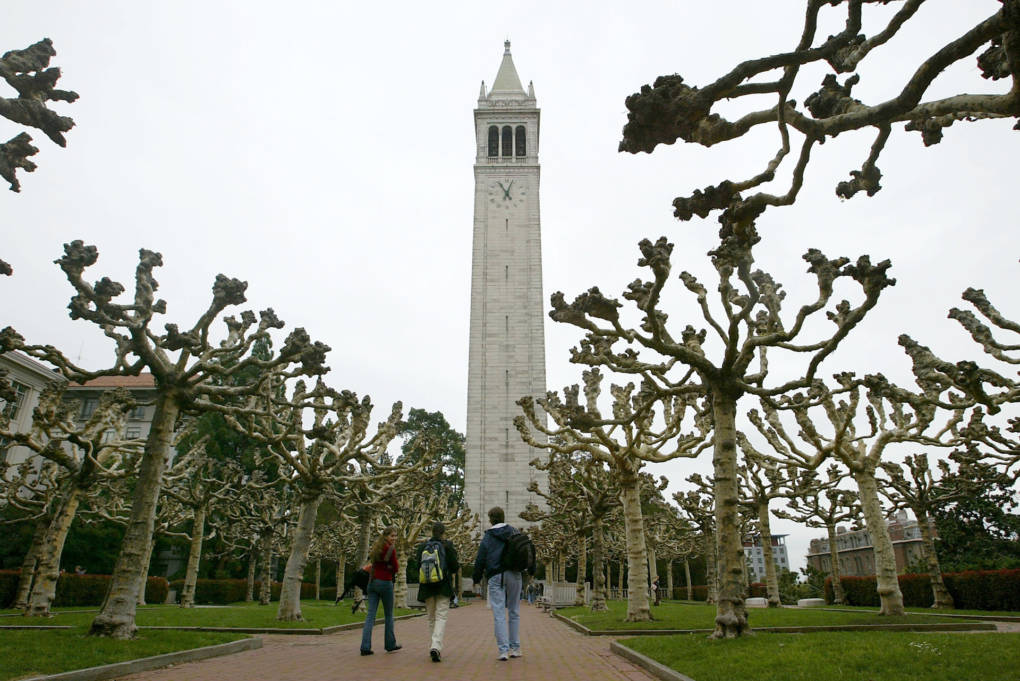
"caption": "Students walk near Sather Tower on the UC Berkeley campus.",
"description": "Students walk near Sather Tower on the UC Berkeley campus.",
"title": "Cal",
"credit": "Justin Sullivan/Getty Images",
"status": "inherit",
"isLoading": false,
"fetchFailed": false
},
"news_11809464": {
"type": "attachments",
"id": "news_11809464",
"meta": {
"index": "attachments_1716263798",
"site": "news",
"id": "11809464",
"found": true
},
"parent": 11809390,
"imgSizes": {
"apple_news_ca_landscape_5_5": {
"file": "https://ww2.kqed.org/app/uploads/sites/10/2020/03/1920_Goat-1044x783.jpg",
"width": 1044,
"mimeType": "image/jpeg",
"height": 783
},
"apple_news_ca_square_4_0": {
"file": "https://ww2.kqed.org/app/uploads/sites/10/2020/03/1920_Goat-470x470.jpg",
"width": 470,
"mimeType": "image/jpeg",
"height": 470
},
"twentyfourteen-full-width": {
"file": "https://ww2.kqed.org/app/uploads/sites/10/2020/03/1920_Goat-1038x576.jpg",
"width": 1038,
"mimeType": "image/jpeg",
"height": 576
},
"thumbnail": {
"file": "https://ww2.kqed.org/app/uploads/sites/10/2020/03/1920_Goat-160x90.jpg",
"width": 160,
"mimeType": "image/jpeg",
"height": 90
},
"post-thumbnail": {
"file": "https://ww2.kqed.org/app/uploads/sites/10/2020/03/1920_Goat-672x372.jpg",
"width": 672,
"mimeType": "image/jpeg",
"height": 372
},
"kqedFullSize": {
"file": "https://ww2.kqed.org/app/uploads/sites/10/2020/03/1920_Goat.jpg",
"width": 1920,
"height": 1081
},
"apple_news_ca_landscape_4_7": {
"file": "https://ww2.kqed.org/app/uploads/sites/10/2020/03/1920_Goat-632x474.jpg",
"width": 632,
"mimeType": "image/jpeg",
"height": 474
},
"large": {
"file": "https://ww2.kqed.org/app/uploads/sites/10/2020/03/1920_Goat-1020x574.jpg",
"width": 1020,
"mimeType": "image/jpeg",
"height": 574
},
"apple_news_ca_landscape_4_0": {
"file": "https://ww2.kqed.org/app/uploads/sites/10/2020/03/1920_Goat-536x402.jpg",
"width": 536,
"mimeType": "image/jpeg",
"height": 402
},
"apple_news_ca_portrait_12_9": {
"file": "https://ww2.kqed.org/app/uploads/sites/10/2020/03/1920_Goat-1122x1081.jpg",
"width": 1122,
"mimeType": "image/jpeg",
"height": 1081
},
"medium": {
"file": "https://ww2.kqed.org/app/uploads/sites/10/2020/03/1920_Goat-800x450.jpg",
"width": 800,
"mimeType": "image/jpeg",
"height": 450
},
"apple_news_ca_portrait_4_0": {
"file": "https://ww2.kqed.org/app/uploads/sites/10/2020/03/1920_Goat-354x472.jpg",
"width": 354,
"mimeType": "image/jpeg",
"height": 472
},
"apple_news_ca_portrait_9_7": {
"file": "https://ww2.kqed.org/app/uploads/sites/10/2020/03/1920_Goat-840x1081.jpg",
"width": 840,
"mimeType": "image/jpeg",
"height": 1081
},
"apple_news_ca_landscape_12_9": {
"file": "https://ww2.kqed.org/app/uploads/sites/10/2020/03/1920_Goat-1832x1081.jpg",
"width": 1832,
"mimeType": "image/jpeg",
"height": 1081
},
"apple_news_ca_square_9_7": {
"file": "https://ww2.kqed.org/app/uploads/sites/10/2020/03/1920_Goat-1104x1081.jpg",
"width": 1104,
"mimeType": "image/jpeg",
"height": 1081
},
"apple_news_ca_portrait_4_7": {
"file": "https://ww2.kqed.org/app/uploads/sites/10/2020/03/1920_Goat-414x552.jpg",
"width": 414,
"mimeType": "image/jpeg",
"height": 552
},
"apple_news_ca_square_12_9": {
"file": "https://ww2.kqed.org/app/uploads/sites/10/2020/03/1920_Goat-1472x1081.jpg",
"width": 1472,
"mimeType": "image/jpeg",
"height": 1081
},
"apple_news_ca_portrait_5_5": {
"file": "https://ww2.kqed.org/app/uploads/sites/10/2020/03/1920_Goat-687x916.jpg",
"width": 687,
"mimeType": "image/jpeg",
"height": 916
},
"full-width": {
"file": "https://ww2.kqed.org/app/uploads/sites/10/2020/03/1920_Goat-1920x1081.jpg",
"width": 1920,
"mimeType": "image/jpeg",
"height": 1081
},
"apple_news_ca_square_4_7": {
"file": "https://ww2.kqed.org/app/uploads/sites/10/2020/03/1920_Goat-550x550.jpg",
"width": 550,
"mimeType": "image/jpeg",
"height": 550
},
"apple_news_ca_landscape_9_7": {
"file": "https://ww2.kqed.org/app/uploads/sites/10/2020/03/1920_Goat-1376x1032.jpg",
"width": 1376,
"mimeType": "image/jpeg",
"height": 1032
},
"apple_news_ca_square_5_5": {
"file": "https://ww2.kqed.org/app/uploads/sites/10/2020/03/1920_Goat-912x912.jpg",
"width": 912,
"mimeType": "image/jpeg",
"height": 912
}
},
"publishDate": 1585423408,
"modified": 1585423471,
"caption": "Nibblets (aka Mama Goat) is ready for her close-up as part of \"Goat 2 Meetings,\" a zoom meeting program set up by the animal sanctuary Sweet Farm south of Half Moon Bay.",
"description": "Nibblets (aka Mama Goat) is ready for her close-up as part of \"Goat 2 Meetings,\" a zoom meeting program set up by the animal sanctuary Sweet Farm south of Half Moon Bay",
"title": "1920_Goat",
"credit": "Rachael Myrow/KQED",
"status": "inherit",
"isLoading": false,
"fetchFailed": false
}
},
"audioPlayerReducer": {
"postId": "stream_live",
"isPaused": true,
"isPlaying": false,
"pfsActive": false,
"pledgeModalIsOpen": true,
"playerDrawerIsOpen": false,
"liveAudioPlayStartedAt": 0,
"liveAudioPlayContext": ""
},
"authorsReducer": {
"byline_news_11812627": {
"type": "authors",
"id": "byline_news_11812627",
"meta": {
"override": true
},
"slug": "byline_news_11812627",
"name": "Janelle Salanga, CalMatters College Journalism Network",
"isLoading": false
},
"jmcevoy": {
"type": "authors",
"id": "231",
"meta": {
"index": "authors_1716337520",
"id": "231",
"found": true
},
"name": "Julia McEvoy",
"firstName": "Julia",
"lastName": "McEvoy",
"slug": "jmcevoy",
"email": "jmcevoy@KQED.org",
"display_author_email": true,
"staff_mastheads": [
"news"
],
"title": "KQED Senior Editor",
"bio": "Julia McEvoy is KQED's Senior Editor, Education Equity.\r\n\r\nJulia heads KQED’s education coverage examining inequities students face in Bay Area and California schools, and reports on what it will take to educate the next generation.\r\n\r\nJulia's editorial work has received a Peabody Award, a Casey Medal for Coverage of Children and Families, several Edward R. Murrow awards, as well as awards from the Public Radio News Directors Inc. and the Society for Professional Journalists.",
"avatar": "https://secure.gravatar.com/avatar/aec3ce21abe02b302fd33638abd56a22?s=600&d=blank&r=g",
"twitter": "juliamcevoy1",
"facebook": null,
"instagram": null,
"linkedin": null,
"sites": [
{
"site": "news",
"roles": []
},
{
"site": "stateofhealth",
"roles": [
"author"
]
}
],
"headData": {
"title": "Julia McEvoy | KQED",
"description": "KQED Senior Editor",
"ogImgSrc": "https://secure.gravatar.com/avatar/aec3ce21abe02b302fd33638abd56a22?s=600&d=blank&r=g",
"twImgSrc": "https://secure.gravatar.com/avatar/aec3ce21abe02b302fd33638abd56a22?s=600&d=blank&r=g"
},
"isLoading": false,
"link": "/author/jmcevoy"
},
"rachael-myrow": {
"type": "authors",
"id": "251",
"meta": {
"index": "authors_1716337520",
"id": "251",
"found": true
},
"name": "Rachael Myrow",
"firstName": "Rachael",
"lastName": "Myrow",
"slug": "rachael-myrow",
"email": "rmyrow@kqed.org",
"display_author_email": true,
"staff_mastheads": [
"news"
],
"title": "Senior Editor of KQED's Silicon Valley News Desk",
"bio": "• I write and edit stories about how Silicon Valley power and policies shape everyday life in California. I’m also passionate about making Bay Area history and culture more accessible to a broad public. • I’ve been a journalist for most of my life, starting in high school with The Franklin Press in Los Angeles, where I grew up. While earning my first degree in English at UC Berkeley, I got my start in public radio at KALX-FM. After completing a second degree in journalism at Cal, I landed my first professional job at Marketplace, then moved on to KPCC (now LAist), and then KQED, where I hosted The California Report for more than seven years. • My reporting has appeared on NPR, The World, WBUR’s \u003ci>Here & Now\u003c/i>, and the BBC. I also guest host for KQED’s \u003ci>Forum\u003c/i>, as well as the Commonwealth Club in San Francisco. • I speak periodically on media, democracy and technology issues, and do voiceover work for documentaries and educational video projects. • Outside of the studio, you'll find me hiking Bay Area trails and whipping up Insta-ready meals in my kitchen. • I do not accept gifts, money, or favors from anyone connected to my reporting, I don't pay people for information, and I do not support or donate to political causes. • I strive to treat the people I report on with fairness, honesty, and respect. I also recognize there are often multiple sides to a story and work to verify information through multiple sources and documentation. If I get something wrong, I correct it.",
"avatar": "https://secure.gravatar.com/avatar/3ed8a3c5f26025e4a805ba634cda8cd764906b97438a6d9ce216b044e340da4e?s=600&d=blank&r=g",
"twitter": "rachaelmyrow",
"bluesky": null,
"facebook": null,
"instagram": null,
"linkedin": "https://www.linkedin.com/in/rachaelmyrow/",
"sites": [
{
"site": "arts",
"roles": [
"administrator"
]
},
{
"site": "news",
"roles": [
"edit_others_posts",
"editor"
]
},
{
"site": "futureofyou",
"roles": [
"editor"
]
},
{
"site": "bayareabites",
"roles": [
"editor"
]
},
{
"site": "stateofhealth",
"roles": [
"editor"
]
},
{
"site": "science",
"roles": [
"editor"
]
},
{
"site": "food",
"roles": [
"editor"
]
},
{
"site": "forum",
"roles": [
"editor"
]
},
{
"site": "liveblog",
"roles": [
"author"
]
}
],
"headData": {
"title": "Rachael Myrow | KQED",
"description": "Senior Editor of KQED's Silicon Valley News Desk",
"ogImgSrc": "https://secure.gravatar.com/avatar/3ed8a3c5f26025e4a805ba634cda8cd764906b97438a6d9ce216b044e340da4e?s=600&d=blank&r=g",
"twImgSrc": "https://secure.gravatar.com/avatar/3ed8a3c5f26025e4a805ba634cda8cd764906b97438a6d9ce216b044e340da4e?s=600&d=blank&r=g"
},
"isLoading": false,
"link": "/author/rachael-myrow"
},
"markfiore": {
"type": "authors",
"id": "3236",
"meta": {
"index": "authors_1716337520",
"id": "3236",
"found": true
},
"name": "Mark Fiore",
"firstName": "Mark",
"lastName": "Fiore",
"slug": "markfiore",
"email": "mark@markfiore.com",
"display_author_email": false,
"staff_mastheads": [
"news"
],
"title": "KQED News Cartoonist",
"bio": "\u003ca href=\"http://www.MarkFiore.com\">MarkFiore.com\u003c/a> | \u003ca href=\"https://twitter.com/markfiore\">Follow on Twitter\u003c/a> | \u003ca href=\"https://www.facebook.com/pages/Mark-Fiore-Animated-Political-Cartoons/94451707396?ref=bookmarks\">Facebook\u003c/a> | \u003ca href=\"mailto:mark@markfiore.com\">email\u003c/a>\r\n\r\nPulitzer Prize-winner, Mark Fiore, who the Wall Street Journal has called “the undisputed guru of the form,” creates animated political cartoons in San Francisco, where his work has been featured regularly on the San Francisco Chronicle’s web site, SFGate.com. His work has appeared on Newsweek.com, Slate.com, CBSNews.com, MotherJones.com, DailyKos.com and NPR’s web site. Fiore’s political animation has appeared on CNN, Frontline, Bill Moyers Journal, Salon.com and cable and broadcast outlets across the globe.\r\n\r\nBeginning his professional life by drawing traditional political cartoons for newspapers, Fiore’s work appeared in publications ranging from the Washington Post to the Los Angeles Times. In the late 1990s, he began to experiment with animating political cartoons and, after a short stint at the San Jose Mercury News as their staff cartoonist, Fiore devoted all his energies to animation.\r\nGrowing up in California, Fiore also spent a good portion of his life in the backwoods of Idaho. It was this combination that shaped him politically. Mark majored in political science at Colorado College, where, in a perfect send-off for a cartoonist, he received his diploma in 1991 as commencement speaker Dick Cheney smiled approvingly.\r\nMark Fiore was awarded the Pulitzer Prize for political cartooning in 2010, a Robert F. Kennedy Journalism Award in 2004 and has twice received an Online Journalism Award for commentary from the Online News Association (2002, 2008). Fiore has received two awards for his work in new media from the National Cartoonists Society (2001, 2002), and in 2006 received The James Madison Freedom of Information Award from The Society of Professional Journalists.",
"avatar": "https://secure.gravatar.com/avatar/fc4e2a612b15b67bad0c6f0e1db4ca9b?s=600&d=blank&r=g",
"twitter": "MarkFiore",
"facebook": null,
"instagram": "https://www.instagram.com/markfiore/?hl=en",
"linkedin": null,
"sites": [
{
"site": "arts",
"roles": [
"contributor"
]
},
{
"site": "news",
"roles": [
"editor"
]
},
{
"site": "futureofyou",
"roles": [
"editor"
]
},
{
"site": "science",
"roles": [
"editor"
]
}
],
"headData": {
"title": "Mark Fiore | KQED",
"description": "KQED News Cartoonist",
"ogImgSrc": "https://secure.gravatar.com/avatar/fc4e2a612b15b67bad0c6f0e1db4ca9b?s=600&d=blank&r=g",
"twImgSrc": "https://secure.gravatar.com/avatar/fc4e2a612b15b67bad0c6f0e1db4ca9b?s=600&d=blank&r=g"
},
"isLoading": false,
"link": "/author/markfiore"
},
"fjhabvala": {
"type": "authors",
"id": "8659",
"meta": {
"index": "authors_1716337520",
"id": "8659",
"found": true
},
"name": "Farida Jhabvala Romero",
"firstName": "Farida",
"lastName": "Jhabvala Romero",
"slug": "fjhabvala",
"email": "fjhabvala@kqed.org",
"display_author_email": true,
"staff_mastheads": [
"news"
],
"title": "KQED Contributor",
"bio": "Farida Jhabvala Romero is a Labor Correspondent for KQED. She previously covered immigration. Farida was \u003ca href=\"https://www.ccnma.org/2022-most-influential-latina-journalists\">named\u003c/a> one of the 10 Most Influential Latina Journalists in California in 2022 by the California Chicano News Media Association. Her work has won awards from the Society of Professional Journalists (Northern California), as well as a national and regional Edward M. Murrow Award for the collaborative reporting projects “Dangerous Air” and “Graying California.” Before joining KQED, Farida worked as a producer at Radio Bilingüe, a national public radio network. Farida earned her master’s degree in journalism from Stanford University.",
"avatar": "https://secure.gravatar.com/avatar/f9f022d4e2609741874222a1e9d41f48fea74011aa7c615eef91d9a50c944ebe?s=600&d=blank&r=g",
"twitter": "FaridaJhabvala",
"bluesky": null,
"facebook": null,
"instagram": null,
"linkedin": "https://www.linkedin.com/in/faridajhabvala/",
"sites": [
{
"site": "news",
"roles": [
"editor"
]
},
{
"site": "stateofhealth",
"roles": [
"author"
]
},
{
"site": "liveblog",
"roles": [
"author"
]
}
],
"headData": {
"title": "Farida Jhabvala Romero | KQED",
"description": "KQED Contributor",
"ogImgSrc": "https://secure.gravatar.com/avatar/f9f022d4e2609741874222a1e9d41f48fea74011aa7c615eef91d9a50c944ebe?s=600&d=blank&r=g",
"twImgSrc": "https://secure.gravatar.com/avatar/f9f022d4e2609741874222a1e9d41f48fea74011aa7c615eef91d9a50c944ebe?s=600&d=blank&r=g"
},
"isLoading": false,
"link": "/author/fjhabvala"
},
"korr": {
"type": "authors",
"id": "11200",
"meta": {
"index": "authors_1716337520",
"id": "11200",
"found": true
},
"name": "Katie Orr",
"firstName": "Katie",
"lastName": "Orr",
"slug": "korr",
"email": "korr@kqed.org",
"display_author_email": false,
"staff_mastheads": [],
"title": "KQED Contributor",
"bio": "Katie Orr was a Sacramento-based reporter for KQED's Politics and Government Desk, covering the state Capitol and a variety of issues including women in politics, voting and elections and legislation. Prior to joining KQED in 2016, Katie was state government reporter for Capital Public Radio in Sacramento. She's also worked for KPBS in San Diego, where she covered City Hall.\r\n\r\nKatie received her masters degree in political science from San Diego State University and holds a Bachelors degree in broadcast journalism from Arizona State University.\r\n\r\nIn 2015 Katie won a national Clarion Award for a series of stories she did on women in California politics. She's been honored by the Society for Professional Journalists and, in 2013, was named by \u003cem>The Washington Post\u003c/em> as one of the country's top state Capitol reporters. She's also reported for the award-winning documentary series \u003cem>The View from Here \u003c/em>and was part of the team that won national PRNDI and Gabriel Awards in 2015. She lives in Sacramento with her husband. Twitter: @1KatieOrr",
"avatar": "https://secure.gravatar.com/avatar/41a40b25845adc78f50808670860449e?s=600&d=blank&r=g",
"twitter": "1katieorr",
"facebook": null,
"instagram": null,
"linkedin": null,
"sites": [
{
"site": "news",
"roles": [
"subscriber"
]
},
{
"site": "stateofhealth",
"roles": [
"author"
]
},
{
"site": "forum",
"roles": [
"author"
]
}
],
"headData": {
"title": "Katie Orr | KQED",
"description": "KQED Contributor",
"ogImgSrc": "https://secure.gravatar.com/avatar/41a40b25845adc78f50808670860449e?s=600&d=blank&r=g",
"twImgSrc": "https://secure.gravatar.com/avatar/41a40b25845adc78f50808670860449e?s=600&d=blank&r=g"
},
"isLoading": false,
"link": "/author/korr"
},
"vrancano": {
"type": "authors",
"id": "11276",
"meta": {
"index": "authors_1716337520",
"id": "11276",
"found": true
},
"name": "Vanessa Rancaño",
"firstName": "Vanessa",
"lastName": "Rancaño",
"slug": "vrancano",
"email": "vrancano@kqed.org",
"display_author_email": false,
"staff_mastheads": [
"news"
],
"title": "Reporter",
"bio": "Vanessa Rancaño is a features reporter for KQED. She’s also covered homelessness and education for the station and reported from the Central Valley. Her work has aired across public radio, from flagship national news shows to longform narrative podcasts. Before taking up a mic, she worked as a freelance print journalist. She’s been recognized with a number of national and regional awards. Vanessa grew up in California's Central Valley. She's a former NPR Kroc Fellow, and a graduate of the UC Berkeley Graduate School of Journalism.",
"avatar": "https://secure.gravatar.com/avatar/b3a383dfb0e7ee1c17568f2cf067904ab654d6e3de9743fc661f3c788ade1bed?s=600&d=blank&r=g",
"twitter": "vanessarancano",
"bluesky": null,
"facebook": null,
"instagram": null,
"linkedin": null,
"sites": [
{
"site": "arts",
"roles": [
"editor"
]
},
{
"site": "news",
"roles": [
"editor"
]
},
{
"site": "liveblog",
"roles": [
"contributor"
]
}
],
"headData": {
"title": "Vanessa Rancaño | KQED",
"description": "Reporter",
"ogImgSrc": "https://secure.gravatar.com/avatar/b3a383dfb0e7ee1c17568f2cf067904ab654d6e3de9743fc661f3c788ade1bed?s=600&d=blank&r=g",
"twImgSrc": "https://secure.gravatar.com/avatar/b3a383dfb0e7ee1c17568f2cf067904ab654d6e3de9743fc661f3c788ade1bed?s=600&d=blank&r=g"
},
"isLoading": false,
"link": "/author/vrancano"
},
"lsarah": {
"type": "authors",
"id": "11626",
"meta": {
"index": "authors_1716337520",
"id": "11626",
"found": true
},
"name": "Lakshmi Sarah",
"firstName": "Lakshmi",
"lastName": "Sarah",
"slug": "lsarah",
"email": "lsarah@kqed.org",
"display_author_email": false,
"staff_mastheads": [],
"title": "Digital Producer",
"bio": "Lakshmi Sarah is an educator, author and journalist with a focus on innovative storytelling. She has worked with newspapers, radio and magazines from Ahmedabad, India to Los Angeles, California. She has written and produced for Die Zeit, Global Voices, AJ+, KQED, Fusion Media Group and the New York Times.",
"avatar": "https://secure.gravatar.com/avatar/652dcaecd8b28826fc17a8b2d6bb4e93?s=600&d=blank&r=g",
"twitter": "lakitalki",
"facebook": null,
"instagram": "https://www.instagram.com/laki.talki/",
"linkedin": "https://www.linkedin.com/in/lakisarah/",
"sites": [
{
"site": "arts",
"roles": []
},
{
"site": "news",
"roles": []
},
{
"site": "bayareabites",
"roles": []
},
{
"site": "science",
"roles": []
}
],
"headData": {
"title": "Lakshmi Sarah | KQED",
"description": "Digital Producer",
"ogImgSrc": "https://secure.gravatar.com/avatar/652dcaecd8b28826fc17a8b2d6bb4e93?s=600&d=blank&r=g",
"twImgSrc": "https://secure.gravatar.com/avatar/652dcaecd8b28826fc17a8b2d6bb4e93?s=600&d=blank&r=g"
},
"isLoading": false,
"link": "/author/lsarah"
},
"abandlamudi": {
"type": "authors",
"id": "11672",
"meta": {
"index": "authors_1716337520",
"id": "11672",
"found": true
},
"name": "Adhiti Bandlamudi",
"firstName": "Adhiti",
"lastName": "Bandlamudi",
"slug": "abandlamudi",
"email": "abandlamudi@kqed.org",
"display_author_email": false,
"staff_mastheads": [
"news"
],
"title": "KQED Housing Reporter",
"bio": "Adhiti Bandlamudi reports for KQED's Housing desk. She focuses on how housing gets built across the Bay Area. Before joining KQED in 2020, she reported for WUNC in Durham, North Carolina, WABE in Atlanta, Georgia and Capital Public Radio in Sacramento. In 2017, she was awarded a Kroc Fellowship at NPR where she reported on everything from sprinkles to the Golden State Killer's arrest. When she's not reporting, she's baking new recipes in her kitchen or watching movies with friends and family. She's originally from Georgia and has strong opinions about Great British Bake Off.",
"avatar": "https://secure.gravatar.com/avatar/868129c8b257bb99a3500e2c86a65400?s=600&d=mm&r=g",
"twitter": "oddity_adhiti",
"facebook": null,
"instagram": null,
"linkedin": null,
"sites": [
{
"site": "arts",
"roles": [
"author"
]
},
{
"site": "news",
"roles": [
"editor"
]
},
{
"site": "liveblog",
"roles": [
"author"
]
}
],
"headData": {
"title": "Adhiti Bandlamudi | KQED",
"description": "KQED Housing Reporter",
"ogImgSrc": "https://secure.gravatar.com/avatar/868129c8b257bb99a3500e2c86a65400?s=600&d=mm&r=g",
"twImgSrc": "https://secure.gravatar.com/avatar/868129c8b257bb99a3500e2c86a65400?s=600&d=mm&r=g"
},
"isLoading": false,
"link": "/author/abandlamudi"
}
},
"pagesReducer": {
"news_tag_education": {
"type": "terms",
"id": "news_20013",
"meta": {
"index": "terms_1716263798",
"site": "news",
"id": "20013",
"score": 6.970114
},
"featImg": null,
"name": "education",
"description": null,
"taxonomy": "tag",
"headData": {
"twImgId": null,
"twTitle": null,
"ogTitle": null,
"ogImgId": null,
"twDescription": null,
"description": null,
"title": "education Archives | KQED News",
"ogDescription": null
},
"ttid": 20030,
"slug": "education",
"isLoading": false,
"title": "education",
"pageMeta": {
"site": "news",
"WpPageTemplate": "page-topic-editorial",
"currentPage": 91
},
"blocks": [
{
"blockName": "kqed/post-list",
"attrs": {
"layout": "cardArticle2",
"query": "posts/news?tag=education",
"seeMore": false,
"paginated": true,
"page": 91
}
},
{
"blockName": "kqed/ad"
}
]
}
},
"pfsSessionReducer": {},
"postsReducer": {
"stream_live": {
"type": "live",
"id": "stream_live",
"audioUrl": "https://streams.kqed.org/kqedradio",
"title": "Live Stream",
"excerpt": "Live Stream information currently unavailable.",
"link": "/radio",
"featImg": "",
"label": {
"name": "KQED Live",
"link": "/"
}
},
"stream_kqedNewscast": {
"type": "posts",
"id": "stream_kqedNewscast",
"audioUrl": "https://www.kqed.org/.stream/anon/radio/RDnews/newscast.mp3?_=1",
"title": "KQED Newscast",
"featImg": "",
"label": {
"name": "88.5 FM",
"link": "/"
}
},
"news_11812665": {
"type": "posts",
"id": "news_11812665",
"meta": {
"index": "posts_1716263798",
"site": "news",
"id": "11812665",
"score": null,
"sort": [
1587164599000
]
},
"guestAuthors": [],
"slug": "the-homeless-census-count-was-difficult-before-covid-19-now-its-a-feat",
"title": "The Homeless Census Count Was Difficult Before COVID-19 — Now It’s a Feat",
"publishDate": 1587164599,
"format": "audio",
"headTitle": "The Homeless Census Count Was Difficult Before COVID-19 — Now It’s a Feat | KQED",
"labelTerm": {
"site": "news"
},
"content": "\u003cp>Homeless people are among the hardest to count for the U.S. Census Bureau. Now that COVID-19 has restricted normal operations, some Bay Area groups are still working to spread the word while sheltering in place.\u003c/p>\n\u003cp>San Jose-based nonprofit \u003ca href=\"https://streetsteam.org/index\">Downtown Streets Team\u003c/a> is trying to ensure Bay Area homeless people get counted this year. The nonprofit had initially planned to canvas encampments and talk to people face to face. But once COVID-19 hit, those plans went out the window. The organization is now relying on their outreach workers, who are often homeless themselves, to spread the word.\u003c/p>\n\u003cp>Denise Del Rio is one of those volunteers. She became homeless two years ago after losing her mom to lung cancer and her house to a cheating boyfriend. She’s 59 years old, has congestive heart failure and pulmonary arterial hypertension, a type of hypertension that affects her lungs and heart.\u003c/p>\n\u003cp>She now lives in a white van that she parks in Hayward. She keeps her distance and wears a mask while doing outreach work, but it’s still scary. “I get frightened, but I pray a lot,” she said.\u003c/p>\n\u003cp>Downtown Streets provides Del Rio with a weekly basic needs stipend for the census work she’s doing. She has a network of friends and acquaintances she’s been reaching out to, but the census is not an easy sell. It’s not that people are worried about the pandemic — Del Rio calls people on the phone and encourages them to use the phone or to fill out the survey online.\u003c/p>\n\u003cp>[ad fullwidth]\u003c/p>\n\u003cp>“The first question is, ‘What do I get out of it?’ And I’m like, ‘Well, I can give you a coffee or we could go to 7/11 and get something to eat, but the main function is to get your count,’ ” Del Rio said.\u003c/p>\n\u003cp>Downtown Streets has a contract with United Way Bay Area to facilitate the count among this historically undercounted group. The nonprofit has five volunteers, including Del Rio, working in Hayward. They have applied for grants to do work in six more cities — including San Jose, San Francisco and Berkeley — but they won’t hear back about those grants until April 27.\u003c/p>\n\u003cp>Tiana Smith, Downtown Streets Team lead for the census, believes the team is doing the best they can under the circumstances, but they’re still missing people.\u003c/p>\n\u003cp>\u003c!-- iframe plugin v.4.3 wordpress.org/plugins/iframe/ -->\u003cbr>\n\u003ciframe loading=\"lazy\" width=\"1080\" height=\"720\" frameborder=\"0\" scrolling=\"no\" src=\"https://arcg.is/1vGfia\" class=\"iframe-class\">\u003c/iframe>\u003cbr>\n“Well, some people don’t have cellphones, so we can’t reach them by a text message or a phone call,” Smith said. “People who are in those hard-to-reach places, if it’s under the bridge or in an encampment somewhere.”\u003c/p>\n\u003cp>The California Complete Count Census 2020 office is spending $187.2 million on outreach and communications. They’re working with 120 organizations to reach hard-to-count groups, including seniors, people with disabilities and immigrant communities. Homebase is one of those organizations, focusing on the homeless count.\u003c/p>\n\u003cp>Jessie Hewins, \u003ca href=\"https://www.homebaseccc.org/\">Homebase’s\u003c/a> managing attorney, said the San Francisco-based nonprofit was among the groups working to provide accessible self-response census kiosks that would be stationed in libraries and community centers for anyone to use. But now that shelter-in-place orders have prohibited face-to-face interactions, those plans are on hold for now.\u003c/p>\n\u003cp>“The COVID-19 outbreak has really thrown a wrench in a lot of the preparation that was going on,” Hewins said.\u003c/p>\n\u003cp>Homebase has been coordinating outreach efforts within shelters, food banks and other homeless service organizations, but it’s not anywhere near the effort the nonprofit was planning to roll out by now.\u003c/p>\n\u003cp>[aside tag=\"census\" label=\"Related Coverage\"]\u003c/p>\n\u003cp>The U.S. Census Bureau has pushed back some deadlines for data collection. The self-response period has been extended from \u003ca href=\"https://www.census.gov/newsroom/press-releases/2020/statement-covid-19-2020.html\">July 31 to Oct. 31\u003c/a>. But the deadline to count people experiencing homelessness outdoors hasn’t been set yet. The Census Bureau says that schedule needs \u003ca href=\"https://2020census.gov/en/news-events/operational-adjustments-covid-19.html\">“further review.”\u003c/a>\u003c/p>\n\u003cp>“Because all of that is on hold right now and those person-to-person interactions aren’t happening,” Hewin said. “We’re kinda waiting to see when some of that will get pushed back to.”\u003c/p>\n\u003cp>Hewins said it’s difficult to plan outreach efforts when she’s not getting clear guidance from the Census Bureau on what outreach is permitted right now. And while the census is important, organizations like hers have their plates full with matters of greater urgency: They’re trying to move homeless people off the streets and from congested shelters into temporary housing and hotel rooms. They’re also trying to identify and protect the immunocompromised within homeless groups.\u003c/p>\n\u003cp>\u003c/p>\n\u003cp>“Everybody is just doing their best to change course,” Hewins said.\u003c/p>\n\n",
"blocks": [],
"excerpt": "Now that COVID-19 has restricted normal operations, some Bay Area groups are still working to spread the word while sheltering in place.",
"status": "publish",
"parent": 0,
"modified": 1740521072,
"stats": {
"hasAudio": false,
"hasVideo": false,
"hasChartOrMap": true,
"iframeSrcs": [
"https://arcg.is/1vGfia"
],
"hasGoogleForm": false,
"hasGallery": false,
"hasHearkenModule": false,
"hasPolis": false,
"paragraphCount": 20,
"wordCount": 822
},
"headData": {
"title": "The Homeless Census Count Was Difficult Before COVID-19 — Now It’s a Feat | KQED",
"description": "Now that COVID-19 has restricted normal operations, some Bay Area groups are still working to spread the word while sheltering in place.",
"ogTitle": "",
"ogDescription": "",
"ogImgId": "",
"twTitle": "",
"twDescription": "",
"twImgId": "",
"schema": {
"@context": "https://schema.org",
"@type": "NewsArticle",
"headline": "The Homeless Census Count Was Difficult Before COVID-19 — Now It’s a Feat",
"datePublished": "2020-04-17T16:03:19-07:00",
"dateModified": "2025-02-25T14:04:32-08:00",
"image": "https://cdn.kqed.org/wp-content/uploads/2020/02/KQED-OG-Image@1x.png",
"isAccessibleForFree": "True",
"publisher": {
"@type": "NewsMediaOrganization",
"@id": "https://www.kqed.org/#organization",
"name": "KQED",
"logo": "https://cdn.kqed.org/wp-content/uploads/2020/02/KQED-OG-Image@1x.png",
"url": "https://www.kqed.org",
"sameAs": [
"https://www.facebook.com/KQED",
"https://twitter.com/KQED",
"https://www.instagram.com/kqed/",
"https://www.tiktok.com/@kqedofficial",
"https://www.linkedin.com/company/kqed",
"https://www.youtube.com/channel/UCeC0IOo7i1P_61zVUWbJ4nw"
]
}
}
},
"audioUrl": "https://traffic.omny.fm/d/clips/0af137ef-751e-4b19-a055-aaef00d2d578/ffca7e9f-6831-41c5-bcaf-aaef00f5a073/dd6b64f2-888a-4a80-85a2-aba3012e6566/audio.mp3",
"sticky": false,
"path": "/news/11812665/the-homeless-census-count-was-difficult-before-covid-19-now-its-a-feat",
"audioTrackLength": null,
"parsedContent": [
{
"type": "contentString",
"content": "\u003cdiv class=\"post-body\">\u003cp>\u003cp>Homeless people are among the hardest to count for the U.S. Census Bureau. Now that COVID-19 has restricted normal operations, some Bay Area groups are still working to spread the word while sheltering in place.\u003c/p>\n\u003cp>San Jose-based nonprofit \u003ca href=\"https://streetsteam.org/index\">Downtown Streets Team\u003c/a> is trying to ensure Bay Area homeless people get counted this year. The nonprofit had initially planned to canvas encampments and talk to people face to face. But once COVID-19 hit, those plans went out the window. The organization is now relying on their outreach workers, who are often homeless themselves, to spread the word.\u003c/p>\n\u003cp>Denise Del Rio is one of those volunteers. She became homeless two years ago after losing her mom to lung cancer and her house to a cheating boyfriend. She’s 59 years old, has congestive heart failure and pulmonary arterial hypertension, a type of hypertension that affects her lungs and heart.\u003c/p>\n\u003cp>She now lives in a white van that she parks in Hayward. She keeps her distance and wears a mask while doing outreach work, but it’s still scary. “I get frightened, but I pray a lot,” she said.\u003c/p>\n\u003cp>Downtown Streets provides Del Rio with a weekly basic needs stipend for the census work she’s doing. She has a network of friends and acquaintances she’s been reaching out to, but the census is not an easy sell. It’s not that people are worried about the pandemic — Del Rio calls people on the phone and encourages them to use the phone or to fill out the survey online.\u003c/p>\n\u003cp>\u003c/p>\u003c/div>",
"attributes": {
"named": {},
"numeric": []
}
},
{
"type": "component",
"content": "",
"name": "ad",
"attributes": {
"named": {
"label": "fullwidth"
},
"numeric": [
"fullwidth"
]
}
},
{
"type": "contentString",
"content": "\u003cdiv class=\"post-body\">\u003cp>\u003c/p>\n\u003cp>“The first question is, ‘What do I get out of it?’ And I’m like, ‘Well, I can give you a coffee or we could go to 7/11 and get something to eat, but the main function is to get your count,’ ” Del Rio said.\u003c/p>\n\u003cp>Downtown Streets has a contract with United Way Bay Area to facilitate the count among this historically undercounted group. The nonprofit has five volunteers, including Del Rio, working in Hayward. They have applied for grants to do work in six more cities — including San Jose, San Francisco and Berkeley — but they won’t hear back about those grants until April 27.\u003c/p>\n\u003cp>Tiana Smith, Downtown Streets Team lead for the census, believes the team is doing the best they can under the circumstances, but they’re still missing people.\u003c/p>\n\u003cp>\u003c!-- iframe plugin v.4.3 wordpress.org/plugins/iframe/ -->\u003cbr>\n\u003ciframe loading=\"lazy\" width=\"1080\" height=\"720\" frameborder=\"0\" scrolling=\"no\" src=\"https://arcg.is/1vGfia\" class=\"iframe-class\">\u003c/iframe>\u003cbr>\n“Well, some people don’t have cellphones, so we can’t reach them by a text message or a phone call,” Smith said. “People who are in those hard-to-reach places, if it’s under the bridge or in an encampment somewhere.”\u003c/p>\n\u003cp>The California Complete Count Census 2020 office is spending $187.2 million on outreach and communications. They’re working with 120 organizations to reach hard-to-count groups, including seniors, people with disabilities and immigrant communities. Homebase is one of those organizations, focusing on the homeless count.\u003c/p>\n\u003cp>Jessie Hewins, \u003ca href=\"https://www.homebaseccc.org/\">Homebase’s\u003c/a> managing attorney, said the San Francisco-based nonprofit was among the groups working to provide accessible self-response census kiosks that would be stationed in libraries and community centers for anyone to use. But now that shelter-in-place orders have prohibited face-to-face interactions, those plans are on hold for now.\u003c/p>\n\u003cp>“The COVID-19 outbreak has really thrown a wrench in a lot of the preparation that was going on,” Hewins said.\u003c/p>\n\u003cp>Homebase has been coordinating outreach efforts within shelters, food banks and other homeless service organizations, but it’s not anywhere near the effort the nonprofit was planning to roll out by now.\u003c/p>\n\u003cp>\u003c/p>\u003c/div>",
"attributes": {
"named": {},
"numeric": []
}
},
{
"type": "component",
"content": "",
"name": "aside",
"attributes": {
"named": {
"tag": "census",
"label": "Related Coverage "
},
"numeric": []
}
},
{
"type": "contentString",
"content": "\u003cdiv class=\"post-body\">\u003cp>\u003c/p>\n\u003cp>The U.S. Census Bureau has pushed back some deadlines for data collection. The self-response period has been extended from \u003ca href=\"https://www.census.gov/newsroom/press-releases/2020/statement-covid-19-2020.html\">July 31 to Oct. 31\u003c/a>. But the deadline to count people experiencing homelessness outdoors hasn’t been set yet. The Census Bureau says that schedule needs \u003ca href=\"https://2020census.gov/en/news-events/operational-adjustments-covid-19.html\">“further review.”\u003c/a>\u003c/p>\n\u003cp>“Because all of that is on hold right now and those person-to-person interactions aren’t happening,” Hewin said. “We’re kinda waiting to see when some of that will get pushed back to.”\u003c/p>\n\u003cp>Hewins said it’s difficult to plan outreach efforts when she’s not getting clear guidance from the Census Bureau on what outreach is permitted right now. And while the census is important, organizations like hers have their plates full with matters of greater urgency: They’re trying to move homeless people off the streets and from congested shelters into temporary housing and hotel rooms. They’re also trying to identify and protect the immunocompromised within homeless groups.\u003c/p>\n\u003cp>\u003c/p>\n\u003cp>“Everybody is just doing their best to change course,” Hewins said.\u003c/p>\n\n\u003c/div>\u003c/p>",
"attributes": {
"named": {},
"numeric": []
}
}
],
"link": "/news/11812665/the-homeless-census-count-was-difficult-before-covid-19-now-its-a-feat",
"authors": [
"11672"
],
"categories": [
"news_18540",
"news_6266",
"news_8"
],
"tags": [
"news_26244",
"news_27510",
"news_997",
"news_5758",
"news_20013",
"news_21214",
"news_4020",
"news_38",
"news_18541",
"news_994"
],
"featImg": "news_11812754",
"label": "news"
},
"news_11812706": {
"type": "posts",
"id": "news_11812706",
"meta": {
"index": "posts_1716263798",
"site": "news",
"id": "11812706",
"score": null,
"sort": [
1587152233000
]
},
"parent": 0,
"labelTerm": {},
"blocks": [],
"publishDate": 1587152233,
"format": "standard",
"disqusTitle": "Technology, Trust and a Lot of Patience: Single Working Moms Juggle During Coronavirus",
"title": "Technology, Trust and a Lot of Patience: Single Working Moms Juggle During Coronavirus",
"headTitle": "KQED News",
"content": "\u003cp>The coronavirus pandemic has forced many parents to take on the role of teacher while working from home. For single parents, the adjustment has called for major changes. Three Oakland women shared how they are trying to keep their sons on track.\u003c/p>\n\u003ch3>Trusting Her Teenager\u003c/h3>\n\u003cfigure id=\"attachment_11812729\" class=\"wp-caption aligncenter\" style=\"max-width: 800px\">\u003cimg class=\"size-medium wp-image-11812729\" src=\"https://ww2.kqed.org/app/uploads/sites/10/2020/04/Oakland_SingleParent-Caroline-Colson_04042020-qut-800x533.jpg\" alt=\"\" width=\"800\" height=\"533\" srcset=\"https://ww2.kqed.org/app/uploads/sites/10/2020/04/Oakland_SingleParent-Caroline-Colson_04042020-qut-800x533.jpg 800w, https://ww2.kqed.org/app/uploads/sites/10/2020/04/Oakland_SingleParent-Caroline-Colson_04042020-qut-160x107.jpg 160w, https://ww2.kqed.org/app/uploads/sites/10/2020/04/Oakland_SingleParent-Caroline-Colson_04042020-qut-1020x680.jpg 1020w, https://ww2.kqed.org/app/uploads/sites/10/2020/04/Oakland_SingleParent-Caroline-Colson_04042020-qut.jpg 1920w\" sizes=\"(max-width: 800px) 100vw, 800px\">\u003cfigcaption class=\"wp-caption-text\">Caroline Colson in Oakland on April 4, 2020. \u003ccite>(Beth LaBerge/KQED)\u003c/cite>\u003c/figcaption>\u003c/figure>\n\u003cp>Before the coronavirus pandemic transformed her life, Caroline Colson would bring her son Saeed to church every other Sunday to help deliver food to Oakland’s homeless encampments.\u003c/p>\n\u003cp>“He has a clear understanding about helping others,” she said. “I instilled that in him.”\u003c/p>\n\u003cp>Now Colson is asking her son to bring that sense of responsibility and caring to their own home, as the statewide shelter-in-place order forces them to create what she calls, “a new normal.”\u003c/p>\n\u003cp>For Saeed, it has meant learning to cook for himself, do his laundry and take on chores like separating the recycling. “Some of these things we've been doing. But he has to do it more since he's at home,” Colson said.\u003c/p>\n\u003cp>[ad fullwidth]\u003c/p>\n\u003cp>And then there is school.\u003c/p>\n\u003cp>“He has to go to the different teachers that are available online who have loaded assignments, because not everyone does it every day,” Colson said. “He has to check, go to each tab for each teacher and then we'll talk about the assignments.”\u003c/p>\n\u003cp>As an analyst for the state’s Department of Social Services, Colson is an essential worker who can work from home three days a week, where it’s easier for her to help Saeed. But two days a week, she must head into the office and leave her 13-year-old at home.\u003c/p>\n\u003cp>Colson is a single parent, and for the past three weeks she has been trying to find the right balance between doing her job and directing her 7th grader's school work. At times her son can be with his father, she said, but mostly he is with her — which means monitoring Saeed's progress remotely while at work.\u003c/p>\n\u003cp>“He is emailing me and texting me and letting me know that he's eating, that he's doing his homework,” she said.\u003c/p>\n\u003cp>Sometimes Colson must take time to try and explain school assignments over the phone.\u003c/p>\n\u003cp>“You know, basically all the education is totally relying upon me. Unfortunately for me, I don't know all the material that is being presented, so I’m like, ‘OK. Well, share with me. Let me see what you're doing so I can read it and see what they're asking you',\" she said. “It's like I'm learning the material and, at the same time, helping him.”\u003c/p>\n\u003cp>Colson said she doesn’t know how Saeed will be graded since some of his teachers at Oakland’s Bret Harte Middle School have yet to connect with him. She said she spent one evening exchanging text messages with a teacher because an app Saeed needed for his schoolwork wasn’t working.\u003c/p>\n\u003cp>Colson would like Saeed to be able to connect with his teachers directly, because they’re the ones with expertise, and she senses his frustration.\u003c/p>\n\u003cp>“He asked me, ‘Well, why am I doing all this ton of work, Mom?’ And I had to explain to him that they still want you to have the same type of work and homework as though he was in a classroom,\" she said. \"And he's like, ‘Well, we're not a classroom, we're at home.'”\u003c/p>\n\u003cp>When Colson is working at home, she and her son take breaks together to go for a walk or have lunch. She lets him skateboard in the park and play games with friends online. Late in the afternoon, he focuses on school work.\u003c/p>\n\u003cp>She thinks he is getting a little more comfortable learning with her, one-on-one, away from the distractions of a classroom of 30.\u003c/p>\n\u003cp>“We're having more and more talks about school, about different stuff,” she said. “It is actually a blessing I don't have multiple kids and multiple grades in all different ages.”\u003c/p>\n\u003cp>“I am doing fine, to be honest with you. I've been praying every day,” she added. “That's just something that's just part of my lifestyle, because I am a Christian.”\u003c/p>\n\u003ch3>Learning on a Cell Phone\u003c/h3>\n\u003cfigure id=\"attachment_11812727\" class=\"wp-caption alignnone\" style=\"max-width: 800px\">\u003cimg class=\"size-medium wp-image-11812727\" src=\"https://ww2.kqed.org/app/uploads/sites/10/2020/04/SingleParent_Miesha_03262020-qut-800x533.jpg\" alt=\"Miesha Henderson helps her first grader do school work on a cell phone. \" width=\"800\" height=\"533\" srcset=\"https://ww2.kqed.org/app/uploads/sites/10/2020/04/SingleParent_Miesha_03262020-qut-800x533.jpg 800w, https://ww2.kqed.org/app/uploads/sites/10/2020/04/SingleParent_Miesha_03262020-qut-160x107.jpg 160w, https://ww2.kqed.org/app/uploads/sites/10/2020/04/SingleParent_Miesha_03262020-qut-1020x680.jpg 1020w, https://ww2.kqed.org/app/uploads/sites/10/2020/04/SingleParent_Miesha_03262020-qut.jpg 1920w\" sizes=\"(max-width: 800px) 100vw, 800px\">\u003cfigcaption class=\"wp-caption-text\">Miesha Henderson helps her first grader do school work on a cell phone. \u003ccite>(Beth LaBerge/KQED)\u003c/cite>\u003c/figcaption>\u003c/figure>\n\u003cp>Things were just falling into place for Miesha Henderson before the coronavirus pandemic hit the Bay Area. She had a job at Costco in Richmond. She had to take BART, a bus and then a Lyft to get there from her home in Oakland, but it was helping to pay the rent.\u003c/p>\n\u003cp>Henderson also worked as a paid crossing guard at her son’s elementary school, Think College Now, on International Boulevard, and she was in training with a local activist organization, \u003ca href=\"https://oaklandreach.org/about-us/\">The Oakland Reach\u003c/a>, where she would earn a stipend for going through the program.\u003c/p>\n\u003cp>All that income has dried up now, but the bright spot of being forced to stay at home has been spending more time with her son, Gregory.\u003c/p>\n\u003cp>“We're like two peas in a pod, so this is nothing new for us,” Henderson said.\u003c/p>\n\u003cp>She’s been continuing Gregory’s first grade math and reading lessons with help from his teacher, Julie Dulay. All of that takes place on her cell phone, since Gregory doesn’t have a laptop.\u003c/p>\n\u003cp>“We're doing a lot of stuff on the phones with Zearn.org, and a lot of the reading and the math assignments are being put on online,” Henderson said. She is also using an app called TalkingPoints\u003cstrong>,\u003c/strong> which she said all parents at her school are required to download to stay in touch with the school and their teachers.\u003c/p>\n\u003cp>Oakland Unified School District (OUSD) has said it is still surveying district families in the hopes of providing a device for all who need them. In early April, State Superintendent of Public Instruction Tony Thurmond said that despite some help from tech companies, the state is still short of about 150,000 devices.\u003c/p>\n\u003cp>Henderson said the phone apps are working for now, and it helps that she has a good relationship with Gregory’s teacher.\u003c/p>\n\u003cp>“She knows me, I know her, I miss her a lot,” Henderson said.\u003c/p>\n\u003cp>Still, she said Gregory loves school and misses his friends and teacher.\u003c/p>\n\u003cp>“It's kind of hard for him because with me, it's a difference between the teacher and then to your mom,” Henderson said. “He's kind of being like, ‘OK, well, Ma, you're not doing it the right way!’ Or he's kind of teaching me how to do it.”\u003c/p>\n\u003cp>Henderson is following the schedule provided by her son’s teacher, including recess and art time, and said Gregory's teacher is tracking his progress.\u003c/p>\n\u003cp>“She just sent me his report card through text message and what he needs to work on,” Henderson said. “He's very good at math. In the reading, we just need to work on spelling and writing for Gregory.”\u003c/p>\n\u003cp>Meanwhile, money for food and rent has become a bigger worry for Henderson. Since the beginning of sheltering in place, a neighbor has helped pick up lunches from the school district, since Henderson doesn’t have a car and she’s afraid of taking public transit for fear of getting the coronavirus. She also relies on CalWORKS and CalFresh for assistance.\u003c/p>\n\u003cp>Henderson also applied for, and received, a $550 grant from \u003ca href=\"https://oaklandreach.org/donate/apply-for-reach-relief-fund/\">The Oakland Reach Fund\u003c/a>, which had quickly raised and distributed $140,000 in cash aid to over 1,000 parents in need — weeks before the city’s \u003ca href=\"https://www.oaklandedfund.org/give/covid-19/\">Oakland Public Education Rapid Relief Fund\u003c/a> got off the ground. The Oakland Reach has continued to collect donations, and is preparing for a second round of cash help to families in the last week of April.\u003c/p>\n\u003cp>Henderson remains optimistic. She is grateful when Gregory’s father steps in to help care for him and said her son is happy and thriving. Schooling continues to be a bright spot for both of them. The one thing she longs for at home is a garden.\u003c/p>\n\u003cp>“We miss the school garden,” she said.\u003c/p>\n\u003ch3>Determined Not to Fall Behind\u003c/h3>\n\u003cfigure id=\"attachment_11812724\" class=\"wp-caption alignnone\" style=\"max-width: 800px\">\u003cimg class=\"size-medium wp-image-11812724\" src=\"https://ww2.kqed.org/app/uploads/sites/10/2020/04/Oakland_SingleParent_Carolyn_03262020-qut-1-800x533.jpg\" alt=\"Carolyn Bims-Payne and her two sons take a daily walk around their neighborhood in Oakland on Mar. 26, 2020.\" width=\"800\" height=\"533\" srcset=\"https://ww2.kqed.org/app/uploads/sites/10/2020/04/Oakland_SingleParent_Carolyn_03262020-qut-1-800x533.jpg 800w, https://ww2.kqed.org/app/uploads/sites/10/2020/04/Oakland_SingleParent_Carolyn_03262020-qut-1-160x107.jpg 160w, https://ww2.kqed.org/app/uploads/sites/10/2020/04/Oakland_SingleParent_Carolyn_03262020-qut-1-1020x680.jpg 1020w, https://ww2.kqed.org/app/uploads/sites/10/2020/04/Oakland_SingleParent_Carolyn_03262020-qut-1.jpg 1920w\" sizes=\"(max-width: 800px) 100vw, 800px\">\u003cfigcaption class=\"wp-caption-text\">Carolyn Bims-Payne and her two sons take a daily walk around their neighborhood in Oakland on Mar. 26, 2020. \u003ccite>(Beth LaBerge/KQED)\u003c/cite>\u003c/figcaption>\u003c/figure>\n\u003cp>On a recent morning, Carolyn Bims-Payne glanced up from her laptop, and saw her two boys starting to fidget while on their Chromebooks. It was a familiar moment — they were struggling with their school assignments and she knew in a moment they’d likely start to bicker.\u003c/p>\n\u003cp>Though she was loathe to pull herself away from the deadline she was on for her own work with the Alameda County Social Services, Bims-Payne stood and put on some jazz music and opened up a window to change the tone in the room.\u003c/p>\n\u003cp>The boys peppered her with questions, “Why we can’t go outside? If we're not at school, why do we have to do work?”\u003c/p>\n\u003cp>She tried to bring them back to task, stressing the importance of the curriculum. “This is not a summer break,” she reminded them gently. “We still have to learn, because when you get to the fourth grade, when you get to the seventh grade, you're expected to be at a place where you know all of this material.”\u003c/p>\n\u003cp>What occupies her mind in these moments is how she can’t let her sons fall behind in their learning, even if all their teachers are not available to teach them right now.\u003c/p>\n\u003cp>“It's very overwhelming because it's like, OK, so now I have to read your homework, understand your homework, explain it and really teach it to you and still try to focus on my job on how I feed and care for the family, financially,” said Bims-Payne, who is an essential worker for the county and is able to work from home. She said she can’t rely on the boys’ father for help, as he is not in their lives.\u003c/p>\n\u003cp>She has reached out to her sons' teachers. Some have simply handed out multiple assignments all at once, while another teacher has been sending helpful YouTube videos explaining how to get the work done.\u003c/p>\n\u003cp>Bims-Payne is concerned that OUSD has yet to let parents know how new pass/fail grading will work, or whether school will restart on campuses early in August.\u003c/p>\n\u003cp>\u003ca href=\"https://west.edtrust.org/press-release/poll-ca-parents-concerned-about-school-closures-caused-by-covid-19/\">A statewide poll\u003c/a> of California parents in early April by The Education Trust—West shows that many parents are concerned their children will fall behind during school closures.\u003c/p>\n\u003cp>A majority of Latinx and African American parents polled say they do not have the resources, including computers or supplies, to help their child stay on track. The poll also found that many of those parents said they had not been contacted by their children’s teachers or given direction by their school or district as to how instruction would happen.\u003c/p>\n\u003cp>In fact, when her sons’ campuses shut down, Bims-Payne had one Chromebook at home, but knew she would need another. It was only by chance that she learned from a neighbor that her school was giving out free Chromebooks — she hadn’t received a notice from the district.\u003c/p>\n\u003cp>OUSD has consistently told parents it is working on building out its plans, and the district's chief academic officer said on April 14 that the district is in its \"Try it Out\" phase.\u003c/p>\n\u003cp>But Bims-Payne is not waiting for the district any longer. She came up with a routine to try and balance her work and her sons' needs.\u003c/p>\n\u003cp>By 7 a.m. each weekday she is set up on her laptop in bed, trying to check in with her supervisor and clear emails before she gets her two boys up around 9 a.m. for breakfast. The three of them combine work with chores and play, trying to end each day with a walk.\u003c/p>\n\u003cp>[ad floatright]\u003c/p>\n\u003cp>“My pastor on International Woman’s Day gave a sermon on our little Facebook group, and she spoke about ‘the woman for the job,’” recalled Bims-Payne. ”I keep replaying that in my head: I'm the woman for the job, even though it's overwhelming, even though I'm tired, even though I'm frustrated with OUSD.”\u003c/p>\n\n",
"disqusIdentifier": "11812706 https://ww2.kqed.org/news/?p=11812706",
"disqusUrl": "https://ww2.kqed.org/news/2020/04/17/technology-trust-and-a-lot-of-patience-single-working-moms-juggle-during-coronavirus/",
"stats": {
"hasVideo": false,
"hasChartOrMap": false,
"hasAudio": false,
"hasPolis": false,
"wordCount": 2168,
"hasGoogleForm": false,
"hasGallery": false,
"hasHearkenModule": false,
"iframeSrcs": [],
"paragraphCount": 53
},
"modified": 1588171653,
"excerpt": "Three Oakland moms share how they are trying to keep their sons on track with school work while sheltering in place.",
"headData": {
"twImgId": "",
"twTitle": "",
"ogTitle": "",
"ogImgId": "",
"twDescription": "",
"description": "Three Oakland moms share how they are trying to keep their sons on track with school work while sheltering in place.",
"title": "Technology, Trust and a Lot of Patience: Single Working Moms Juggle During Coronavirus | KQED",
"ogDescription": "",
"schema": {
"@context": "https://schema.org",
"@type": "NewsArticle",
"headline": "Technology, Trust and a Lot of Patience: Single Working Moms Juggle During Coronavirus",
"datePublished": "2020-04-17T12:37:13-07:00",
"dateModified": "2020-04-29T07:47:33-07:00",
"image": "https://cdn.kqed.org/wp-content/uploads/2020/02/KQED-OG-Image@1x.png",
"isAccessibleForFree": "True",
"publisher": {
"@type": "NewsMediaOrganization",
"@id": "https://www.kqed.org/#organization",
"name": "KQED",
"logo": "https://cdn.kqed.org/wp-content/uploads/2020/02/KQED-OG-Image@1x.png",
"url": "https://www.kqed.org",
"sameAs": [
"https://www.facebook.com/KQED",
"https://twitter.com/KQED",
"https://www.instagram.com/kqed/",
"https://www.tiktok.com/@kqedofficial",
"https://www.linkedin.com/company/kqed",
"https://www.youtube.com/channel/UCeC0IOo7i1P_61zVUWbJ4nw"
]
}
}
},
"guestAuthors": [],
"slug": "technology-trust-and-a-lot-of-patience-single-working-moms-juggle-during-coronavirus",
"status": "publish",
"sourceUrl": "https://www.kqed.org/coronavirus",
"source": "coronavirus",
"path": "/news/11812706/technology-trust-and-a-lot-of-patience-single-working-moms-juggle-during-coronavirus",
"audioTrackLength": null,
"parsedContent": [
{
"type": "contentString",
"content": "\u003cdiv class=\"post-body\">\u003cp>\u003cp>The coronavirus pandemic has forced many parents to take on the role of teacher while working from home. For single parents, the adjustment has called for major changes. Three Oakland women shared how they are trying to keep their sons on track.\u003c/p>\n\u003ch3>Trusting Her Teenager\u003c/h3>\n\u003cfigure id=\"attachment_11812729\" class=\"wp-caption aligncenter\" style=\"max-width: 800px\">\u003cimg class=\"size-medium wp-image-11812729\" src=\"https://ww2.kqed.org/app/uploads/sites/10/2020/04/Oakland_SingleParent-Caroline-Colson_04042020-qut-800x533.jpg\" alt=\"\" width=\"800\" height=\"533\" srcset=\"https://ww2.kqed.org/app/uploads/sites/10/2020/04/Oakland_SingleParent-Caroline-Colson_04042020-qut-800x533.jpg 800w, https://ww2.kqed.org/app/uploads/sites/10/2020/04/Oakland_SingleParent-Caroline-Colson_04042020-qut-160x107.jpg 160w, https://ww2.kqed.org/app/uploads/sites/10/2020/04/Oakland_SingleParent-Caroline-Colson_04042020-qut-1020x680.jpg 1020w, https://ww2.kqed.org/app/uploads/sites/10/2020/04/Oakland_SingleParent-Caroline-Colson_04042020-qut.jpg 1920w\" sizes=\"(max-width: 800px) 100vw, 800px\">\u003cfigcaption class=\"wp-caption-text\">Caroline Colson in Oakland on April 4, 2020. \u003ccite>(Beth LaBerge/KQED)\u003c/cite>\u003c/figcaption>\u003c/figure>\n\u003cp>Before the coronavirus pandemic transformed her life, Caroline Colson would bring her son Saeed to church every other Sunday to help deliver food to Oakland’s homeless encampments.\u003c/p>\n\u003cp>“He has a clear understanding about helping others,” she said. “I instilled that in him.”\u003c/p>\n\u003cp>Now Colson is asking her son to bring that sense of responsibility and caring to their own home, as the statewide shelter-in-place order forces them to create what she calls, “a new normal.”\u003c/p>\n\u003cp>For Saeed, it has meant learning to cook for himself, do his laundry and take on chores like separating the recycling. “Some of these things we've been doing. But he has to do it more since he's at home,” Colson said.\u003c/p>\n\u003cp>\u003c/p>\u003c/div>",
"attributes": {
"named": {},
"numeric": []
}
},
{
"type": "component",
"content": "",
"name": "ad",
"attributes": {
"named": {
"label": "fullwidth"
},
"numeric": [
"fullwidth"
]
}
},
{
"type": "contentString",
"content": "\u003cdiv class=\"post-body\">\u003cp>\u003c/p>\n\u003cp>And then there is school.\u003c/p>\n\u003cp>“He has to go to the different teachers that are available online who have loaded assignments, because not everyone does it every day,” Colson said. “He has to check, go to each tab for each teacher and then we'll talk about the assignments.”\u003c/p>\n\u003cp>As an analyst for the state’s Department of Social Services, Colson is an essential worker who can work from home three days a week, where it’s easier for her to help Saeed. But two days a week, she must head into the office and leave her 13-year-old at home.\u003c/p>\n\u003cp>Colson is a single parent, and for the past three weeks she has been trying to find the right balance between doing her job and directing her 7th grader's school work. At times her son can be with his father, she said, but mostly he is with her — which means monitoring Saeed's progress remotely while at work.\u003c/p>\n\u003cp>“He is emailing me and texting me and letting me know that he's eating, that he's doing his homework,” she said.\u003c/p>\n\u003cp>Sometimes Colson must take time to try and explain school assignments over the phone.\u003c/p>\n\u003cp>“You know, basically all the education is totally relying upon me. Unfortunately for me, I don't know all the material that is being presented, so I’m like, ‘OK. Well, share with me. Let me see what you're doing so I can read it and see what they're asking you',\" she said. “It's like I'm learning the material and, at the same time, helping him.”\u003c/p>\n\u003cp>Colson said she doesn’t know how Saeed will be graded since some of his teachers at Oakland’s Bret Harte Middle School have yet to connect with him. She said she spent one evening exchanging text messages with a teacher because an app Saeed needed for his schoolwork wasn’t working.\u003c/p>\n\u003cp>Colson would like Saeed to be able to connect with his teachers directly, because they’re the ones with expertise, and she senses his frustration.\u003c/p>\n\u003cp>“He asked me, ‘Well, why am I doing all this ton of work, Mom?’ And I had to explain to him that they still want you to have the same type of work and homework as though he was in a classroom,\" she said. \"And he's like, ‘Well, we're not a classroom, we're at home.'”\u003c/p>\n\u003cp>When Colson is working at home, she and her son take breaks together to go for a walk or have lunch. She lets him skateboard in the park and play games with friends online. Late in the afternoon, he focuses on school work.\u003c/p>\n\u003cp>She thinks he is getting a little more comfortable learning with her, one-on-one, away from the distractions of a classroom of 30.\u003c/p>\n\u003cp>“We're having more and more talks about school, about different stuff,” she said. “It is actually a blessing I don't have multiple kids and multiple grades in all different ages.”\u003c/p>\n\u003cp>“I am doing fine, to be honest with you. I've been praying every day,” she added. “That's just something that's just part of my lifestyle, because I am a Christian.”\u003c/p>\n\u003ch3>Learning on a Cell Phone\u003c/h3>\n\u003cfigure id=\"attachment_11812727\" class=\"wp-caption alignnone\" style=\"max-width: 800px\">\u003cimg class=\"size-medium wp-image-11812727\" src=\"https://ww2.kqed.org/app/uploads/sites/10/2020/04/SingleParent_Miesha_03262020-qut-800x533.jpg\" alt=\"Miesha Henderson helps her first grader do school work on a cell phone. \" width=\"800\" height=\"533\" srcset=\"https://ww2.kqed.org/app/uploads/sites/10/2020/04/SingleParent_Miesha_03262020-qut-800x533.jpg 800w, https://ww2.kqed.org/app/uploads/sites/10/2020/04/SingleParent_Miesha_03262020-qut-160x107.jpg 160w, https://ww2.kqed.org/app/uploads/sites/10/2020/04/SingleParent_Miesha_03262020-qut-1020x680.jpg 1020w, https://ww2.kqed.org/app/uploads/sites/10/2020/04/SingleParent_Miesha_03262020-qut.jpg 1920w\" sizes=\"(max-width: 800px) 100vw, 800px\">\u003cfigcaption class=\"wp-caption-text\">Miesha Henderson helps her first grader do school work on a cell phone. \u003ccite>(Beth LaBerge/KQED)\u003c/cite>\u003c/figcaption>\u003c/figure>\n\u003cp>Things were just falling into place for Miesha Henderson before the coronavirus pandemic hit the Bay Area. She had a job at Costco in Richmond. She had to take BART, a bus and then a Lyft to get there from her home in Oakland, but it was helping to pay the rent.\u003c/p>\n\u003cp>Henderson also worked as a paid crossing guard at her son’s elementary school, Think College Now, on International Boulevard, and she was in training with a local activist organization, \u003ca href=\"https://oaklandreach.org/about-us/\">The Oakland Reach\u003c/a>, where she would earn a stipend for going through the program.\u003c/p>\n\u003cp>All that income has dried up now, but the bright spot of being forced to stay at home has been spending more time with her son, Gregory.\u003c/p>\n\u003cp>“We're like two peas in a pod, so this is nothing new for us,” Henderson said.\u003c/p>\n\u003cp>She’s been continuing Gregory’s first grade math and reading lessons with help from his teacher, Julie Dulay. All of that takes place on her cell phone, since Gregory doesn’t have a laptop.\u003c/p>\n\u003cp>“We're doing a lot of stuff on the phones with Zearn.org, and a lot of the reading and the math assignments are being put on online,” Henderson said. She is also using an app called TalkingPoints\u003cstrong>,\u003c/strong> which she said all parents at her school are required to download to stay in touch with the school and their teachers.\u003c/p>\n\u003cp>Oakland Unified School District (OUSD) has said it is still surveying district families in the hopes of providing a device for all who need them. In early April, State Superintendent of Public Instruction Tony Thurmond said that despite some help from tech companies, the state is still short of about 150,000 devices.\u003c/p>\n\u003cp>Henderson said the phone apps are working for now, and it helps that she has a good relationship with Gregory’s teacher.\u003c/p>\n\u003cp>“She knows me, I know her, I miss her a lot,” Henderson said.\u003c/p>\n\u003cp>Still, she said Gregory loves school and misses his friends and teacher.\u003c/p>\n\u003cp>“It's kind of hard for him because with me, it's a difference between the teacher and then to your mom,” Henderson said. “He's kind of being like, ‘OK, well, Ma, you're not doing it the right way!’ Or he's kind of teaching me how to do it.”\u003c/p>\n\u003cp>Henderson is following the schedule provided by her son’s teacher, including recess and art time, and said Gregory's teacher is tracking his progress.\u003c/p>\n\u003cp>“She just sent me his report card through text message and what he needs to work on,” Henderson said. “He's very good at math. In the reading, we just need to work on spelling and writing for Gregory.”\u003c/p>\n\u003cp>Meanwhile, money for food and rent has become a bigger worry for Henderson. Since the beginning of sheltering in place, a neighbor has helped pick up lunches from the school district, since Henderson doesn’t have a car and she’s afraid of taking public transit for fear of getting the coronavirus. She also relies on CalWORKS and CalFresh for assistance.\u003c/p>\n\u003cp>Henderson also applied for, and received, a $550 grant from \u003ca href=\"https://oaklandreach.org/donate/apply-for-reach-relief-fund/\">The Oakland Reach Fund\u003c/a>, which had quickly raised and distributed $140,000 in cash aid to over 1,000 parents in need — weeks before the city’s \u003ca href=\"https://www.oaklandedfund.org/give/covid-19/\">Oakland Public Education Rapid Relief Fund\u003c/a> got off the ground. The Oakland Reach has continued to collect donations, and is preparing for a second round of cash help to families in the last week of April.\u003c/p>\n\u003cp>Henderson remains optimistic. She is grateful when Gregory’s father steps in to help care for him and said her son is happy and thriving. Schooling continues to be a bright spot for both of them. The one thing she longs for at home is a garden.\u003c/p>\n\u003cp>“We miss the school garden,” she said.\u003c/p>\n\u003ch3>Determined Not to Fall Behind\u003c/h3>\n\u003cfigure id=\"attachment_11812724\" class=\"wp-caption alignnone\" style=\"max-width: 800px\">\u003cimg class=\"size-medium wp-image-11812724\" src=\"https://ww2.kqed.org/app/uploads/sites/10/2020/04/Oakland_SingleParent_Carolyn_03262020-qut-1-800x533.jpg\" alt=\"Carolyn Bims-Payne and her two sons take a daily walk around their neighborhood in Oakland on Mar. 26, 2020.\" width=\"800\" height=\"533\" srcset=\"https://ww2.kqed.org/app/uploads/sites/10/2020/04/Oakland_SingleParent_Carolyn_03262020-qut-1-800x533.jpg 800w, https://ww2.kqed.org/app/uploads/sites/10/2020/04/Oakland_SingleParent_Carolyn_03262020-qut-1-160x107.jpg 160w, https://ww2.kqed.org/app/uploads/sites/10/2020/04/Oakland_SingleParent_Carolyn_03262020-qut-1-1020x680.jpg 1020w, https://ww2.kqed.org/app/uploads/sites/10/2020/04/Oakland_SingleParent_Carolyn_03262020-qut-1.jpg 1920w\" sizes=\"(max-width: 800px) 100vw, 800px\">\u003cfigcaption class=\"wp-caption-text\">Carolyn Bims-Payne and her two sons take a daily walk around their neighborhood in Oakland on Mar. 26, 2020. \u003ccite>(Beth LaBerge/KQED)\u003c/cite>\u003c/figcaption>\u003c/figure>\n\u003cp>On a recent morning, Carolyn Bims-Payne glanced up from her laptop, and saw her two boys starting to fidget while on their Chromebooks. It was a familiar moment — they were struggling with their school assignments and she knew in a moment they’d likely start to bicker.\u003c/p>\n\u003cp>Though she was loathe to pull herself away from the deadline she was on for her own work with the Alameda County Social Services, Bims-Payne stood and put on some jazz music and opened up a window to change the tone in the room.\u003c/p>\n\u003cp>The boys peppered her with questions, “Why we can’t go outside? If we're not at school, why do we have to do work?”\u003c/p>\n\u003cp>She tried to bring them back to task, stressing the importance of the curriculum. “This is not a summer break,” she reminded them gently. “We still have to learn, because when you get to the fourth grade, when you get to the seventh grade, you're expected to be at a place where you know all of this material.”\u003c/p>\n\u003cp>What occupies her mind in these moments is how she can’t let her sons fall behind in their learning, even if all their teachers are not available to teach them right now.\u003c/p>\n\u003cp>“It's very overwhelming because it's like, OK, so now I have to read your homework, understand your homework, explain it and really teach it to you and still try to focus on my job on how I feed and care for the family, financially,” said Bims-Payne, who is an essential worker for the county and is able to work from home. She said she can’t rely on the boys’ father for help, as he is not in their lives.\u003c/p>\n\u003cp>She has reached out to her sons' teachers. Some have simply handed out multiple assignments all at once, while another teacher has been sending helpful YouTube videos explaining how to get the work done.\u003c/p>\n\u003cp>Bims-Payne is concerned that OUSD has yet to let parents know how new pass/fail grading will work, or whether school will restart on campuses early in August.\u003c/p>\n\u003cp>\u003ca href=\"https://west.edtrust.org/press-release/poll-ca-parents-concerned-about-school-closures-caused-by-covid-19/\">A statewide poll\u003c/a> of California parents in early April by The Education Trust—West shows that many parents are concerned their children will fall behind during school closures.\u003c/p>\n\u003cp>A majority of Latinx and African American parents polled say they do not have the resources, including computers or supplies, to help their child stay on track. The poll also found that many of those parents said they had not been contacted by their children’s teachers or given direction by their school or district as to how instruction would happen.\u003c/p>\n\u003cp>In fact, when her sons’ campuses shut down, Bims-Payne had one Chromebook at home, but knew she would need another. It was only by chance that she learned from a neighbor that her school was giving out free Chromebooks — she hadn’t received a notice from the district.\u003c/p>\n\u003cp>OUSD has consistently told parents it is working on building out its plans, and the district's chief academic officer said on April 14 that the district is in its \"Try it Out\" phase.\u003c/p>\n\u003cp>But Bims-Payne is not waiting for the district any longer. She came up with a routine to try and balance her work and her sons' needs.\u003c/p>\n\u003cp>By 7 a.m. each weekday she is set up on her laptop in bed, trying to check in with her supervisor and clear emails before she gets her two boys up around 9 a.m. for breakfast. The three of them combine work with chores and play, trying to end each day with a walk.\u003c/p>\n\u003cp>\u003c/p>\u003c/div>",
"attributes": {
"named": {},
"numeric": []
}
},
{
"type": "component",
"content": "",
"name": "ad",
"attributes": {
"named": {
"label": "floatright"
},
"numeric": [
"floatright"
]
}
},
{
"type": "contentString",
"content": "\u003cdiv class=\"post-body\">\u003cp>\u003c/p>\n\u003cp>“My pastor on International Woman’s Day gave a sermon on our little Facebook group, and she spoke about ‘the woman for the job,’” recalled Bims-Payne. ”I keep replaying that in my head: I'm the woman for the job, even though it's overwhelming, even though I'm tired, even though I'm frustrated with OUSD.”\u003c/p>\n\n\u003c/div>\u003c/p>",
"attributes": {
"named": {},
"numeric": []
}
}
],
"link": "/news/11812706/technology-trust-and-a-lot-of-patience-single-working-moms-juggle-during-coronavirus",
"authors": [
"231"
],
"categories": [
"news_18540",
"news_8"
],
"tags": [
"news_27350",
"news_27504",
"news_20013",
"news_3202",
"news_27638"
],
"featImg": "news_11812824",
"label": "source_news_11812706"
},
"news_11812627": {
"type": "posts",
"id": "news_11812627",
"meta": {
"index": "posts_1716263798",
"site": "news",
"id": "11812627",
"score": null,
"sort": [
1587074995000
]
},
"guestAuthors": [],
"slug": "how-do-you-hold-a-strike-online-uc-teaching-assistants-are-finding-out",
"title": "How Do You Hold a Strike Online? UC Teaching Assistants Are Finding Out",
"publishDate": 1587074995,
"format": "standard",
"headTitle": "How Do You Hold a Strike Online? UC Teaching Assistants Are Finding Out | KQED",
"labelTerm": {},
"content": "\u003cp>Just a month ago, picket lines surrounded the base of the UC Santa Cruz campus, the halls of buildings filled with chants like “My neck, my back, the UC is whack.”\u003c/p>\n\u003cp>The graduate student strike calling for a cost of living adjustment (COLA) started in Santa Cruz but quickly sparked solidarity actions at University of California campuses across the state, garnering \u003ca href=\"https://www.nytimes.com/2020/02/11/us/ucsc-strike.html\">national attention\u003c/a>. It was a wildcat strike, meaning not officially endorsed by the students’ union. Teaching assistants argued they weren’t earning enough to afford California’s pricey rents. The university said they should wait until their union contract expired to negotiate — and sent police armed with riot gear to confront them.\u003c/p>\n\u003cp>Now, with the coronavirus emptying campuses and rallies impractical due to social distancing, graduate students are figuring out how to take their movement online.\u003c/p>\n\u003cp>At the end of March, strikers launched \u003ca href=\"https://strikeuniversity.org\">Strike University\u003c/a>, a series of online classes for activists covering subjects like “Graphic Design for Social Justice” and “Rethinking the Benevolent University.” The teach-ins aim to promote “free and accessible” public education, along with “critical thinking and skills not bound to the imperatives of the market,” the Strike University website reads.\u003c/p>\n\u003cp>Organizers are also holding epic Zoom calls in which hundreds of strikers across the state discuss strategy and tactics. [aside tag=\"coronavirus\" label=\"more coverage\"]\u003c/p>\n\u003cp>Graduate students had tried to gain leverage with the university by refusing to submit students’ grades, but that became harder during a pandemic, said Yulia Gilich, a cinema & digital media Ph.D. student at UC Santa Cruz.\u003c/p>\n\u003cp>“Because everything is digital now, we cannot physically withhold blue books and everyone has access,” they said. “If the faculty wants to do the extra labor, they can.”\u003c/p>\n\u003cp>At least 80 graduate students at UC San Diego who were withholding winter quarter grades recently voted to submit them, saying they didn’t want to cause undergraduates additional stress during a pandemic — though other campuses remain on strike.\u003c/p>\n\u003cp>The union that represents more than 19,000 UC graduate student workers, United Auto Workers (UAW) Local 2865, reached agreement on two points with the university in March: Eighty-two graduate students fired from UC Santa Cruz in February for participating in the strike will have their health coverage reinstated.\u003c/p>\n\u003cp>While the fired students were told in their dismissal letter that they would not be considered for a spring appointment, UC Santa Cruz allowed them to apply if they submitted last quarter’s grades and agreed not to strike again unless the union authorizes it.\u003c/p>\n\u003cp>“In the context of a global pandemic and mass joblessness, we felt it was crucial to do everything we could to preserve these jobs,” Kavitha Iyengar, the union’s president, said in a statement.\u003c/p>\n\u003cp>The strikers, however, said that the agreement didn’t go far enough, as it didn’t ensure compensation for those who could no longer find spring appointments. [ad fullwidth]\u003c/p>\n\u003cp>Other things have changed, too. UC Santa Cruz had been spending heavily to police the picket line, where 17 students were arrested in February. Not anymore.\u003c/p>\n\u003cp>Gilich and a dozen other UC Santa Cruz graduate students started their campaign nearly a year ago, after failed efforts to pass a rent control measure in the city of Santa Cruz and set up a safe overnight parking program for students living in their cars.\u003c/p>\n\u003cp>“There was just a feeling of defeat with every campaign that we ended up working on that failed,” Gilich said. “Our situations continue to get more and more dire.”\u003c/p>\n\u003cp>UC graduate students make $22,000 a year before taxes, on average, according to the university; the \u003ca href=\"https://data.census.gov/cedsci/table?q=median%20rent%20santa%20cruz,%20california&hidePreview=false&tid=ACSDT1Y2018.B25064&vintage=2018&layer=county&cid=DP04_0001E&g=0500000US06065&y=2018\">average monthly rent\u003c/a> in Santa Cruz County is $1,685.\u003c/p>\n\u003cp>Since coming to UC Santa Cruz from Russia four years ago, Gilich says they have consistently spent more than half of their paycheck on rent each month, though they live with multiple housemates. Because Gilich is in the United States on an international student visa, they can’t legally pick up additional jobs beyond their teaching appointment.\u003c/p>\n\u003cp>“I like research,” Gilich said. “UCSC was my first choice for my Ph.D. I like teaching. I really enjoy the work that I do. But I can’t live here and do it on the salary I’m being paid.”\u003c/p>\n\u003cfigure id=\"attachment_11812659\" class=\"wp-caption aligncenter\" style=\"max-width: 1920px\">\u003cimg loading=\"lazy\" decoding=\"async\" class=\"size-full wp-image-11812659\" src=\"https://ww2.kqed.org/app/uploads/sites/10/2020/04/RS42792_COLA-STRIKE-photo-2-qut.jpg\" alt=\"\" width=\"1920\" height=\"1284\" srcset=\"https://cdn.kqed.org/wp-content/uploads/sites/10/2020/04/RS42792_COLA-STRIKE-photo-2-qut.jpg 1920w, https://cdn.kqed.org/wp-content/uploads/sites/10/2020/04/RS42792_COLA-STRIKE-photo-2-qut-160x107.jpg 160w, https://cdn.kqed.org/wp-content/uploads/sites/10/2020/04/RS42792_COLA-STRIKE-photo-2-qut-800x535.jpg 800w, https://cdn.kqed.org/wp-content/uploads/sites/10/2020/04/RS42792_COLA-STRIKE-photo-2-qut-1020x682.jpg 1020w\" sizes=\"auto, (max-width: 1920px) 100vw, 1920px\">\u003cfigcaption class=\"wp-caption-text\">A poster supporting graduate student workers seeking higher wages is seen from a window near UC Berkeley campus on March 15, 2020. \u003ccite>(Anne Wernikoff/CalMatters)\u003c/cite>\u003c/figcaption>\u003c/figure>\n\u003cp>Supporters of the COLA campaign began refusing to submit grades in December, \u003ca href=\"https://payusmoreucsc.com/grade-request-flowchart/\">except in certain cases\u003c/a>, then stopped teaching and research in February. The strike was unsanctioned by their union because it came in the middle of a contract with a no-strike clause. But strikers’ demand for a $1,412 per month pay increase to cover the rising cost of living resonated with other UC graduate students. Some teaching assistants at UC Santa Barbara and UC Irvine are now also on full strike, withholding all labor. Others at UC Davis and UC Berkeley are withholding grades.\u003c/p>\n\u003cp>The COLA movement harnessed graduate students’ structural power, said Veena Dubal, an associate professor of law at UC Hastings with expertise in labor law.\u003c/p>\n\u003cp>“Graduate students carry much of the teaching load across the campuses, and yet, their work to this end is often seen as peripheral to their role as academic apprentices,” Dubal said in an email. “The labor is central — not just to them but also to the universities.”\u003c/p>\n\u003cp>UAW 2865 has also taken up the cause, filing two unfair labor practice charges with the National Labor Relations Board after the graduate student firings.\u003c/p>\n\u003cp>UC has declined to bargain with the union over a cost of living adjustment, though UC Santa Cruz now offers graduate students a $2,500 need-based housing grant.\u003c/p>\n\u003cp>“Striking while a collective bargaining agreement is in place undermines the collective bargaining process and erodes the ability of UC and its unions to enter into good-faith labor agreements,” the university said \u003ca href=\"https://www.universityofcalifornia.edu/graduate-student-protests\">in an online statement\u003c/a>. “This strike also hurts our undergraduates by disrupting their educational activities and preventing them from advancing to the next course level.”\u003c/p>\n\u003cp>Even before the coronavirus pandemic, graduate student life was stressful. A \u003ca href=\"https://www.ucop.edu/institutional-research-academic-planning/_files/survey-documents-graduate/graduate_well_being_survey_report.pdf\">UC Graduate Well-Being Survey\u003c/a> from 2017 found that over one-third of respondents reported symptoms indicating clinical depression. Two-thirds said they worried about money, with those who were confident about their finances more likely to be on track to complete their programs. [aside tag=\"graduate-student-strike\" label=\"related coverage\"]\u003c/p>\n\u003cp>The pandemic has exacerbated that stress, as campuses finish the academic year remotely and living conditions become working conditions. Graduate students say they are taking on additional work to help professors move classes online, while their educational and research experience has been upended by campus closures.\u003c/p>\n\u003cp>At UC Merced, teaching assistants have been helping science and math professors convert their courses into “flipped” classes, in which prerecorded lectures are given to students as homework and lecture time is used for students to split up into small groups facilitated by TAs, said Anh Diep, a graduate student and union representative.\u003c/p>\n\u003cp>“They’re becoming curriculum developers on top of being teaching assistants,” Diep said.\u003c/p>\n\u003cp>Diep added that those who left campus to live with their families now help run households, especially first-generation college students and those from immigrant backgrounds.\u003c/p>\n\u003cp>“Those students are caretakers — they’re helpers with siblings’ homework, elderly parents, relatives’ children, and they now have to do their homework and job while helping out the family,” they said. “I’ve seen [for those students] that the moment you come home, you become the point person to disseminate information to your family. You carry the mental burden of keeping up with the news, especially in this global pandemic, and needing to understand it and explain it to them.”\u003c/p>\n\u003cp>COLA organizers are trying to build bridges with undergraduates also affected by the pandemic. Some undergraduates have attended past COLA rallies, but others have expressed concerns about the movement affecting them.\u003c/p>\n\u003cp>When \u003ca href=\"https://www.reddit.com/r/UCSC/comments/faoh6o/the_cola_campaigns_response_to_the_cse102_midterm/fizkbp0/\">undergraduate allies\u003c/a> of the UC Santa Cruz COLA organizers \u003ca href=\"https://www.reddit.com/r/UCSC/comments/faoh6o/the_cola_campaigns_response_to_the_cse102_midterm/fizkbp0/\">disrupted\u003c/a> a computer science midterm in late February, it \u003ca href=\"https://www.reddit.com/r/UCSC/comments/faj0nd/disrupting_a_midterm_is_absolutely_crossing_the/\">drew the ire\u003c/a> of several students.\u003c/p>\n\u003cp>“It just appears to me that you’re having a [expletive] party complete with a live band every day on the lawn at the base of campus whilst I’m beating my brain against the wall through sleepless night after sleepless night to get a [expletive] undergrad degree at age 40, which feels humiliating enough when all my classmates are 20 years younger than me,” one commenter \u003ca href=\"https://www.reddit.com/r/UCSC/comments/faj0nd/disrupting_a_midterm_is_absolutely_crossing_the/fizm44r/?utm_source=share&utm_medium=ios_app&utm_name=iossmf\">wrote on Reddit\u003c/a>.\u003c/p>\n\u003cp>A subreddit dedicated to \u003ca href=\"https://www.reddit.com/r/ucscstac/\">UC Santa Cruz students against COLA\u003c/a> is filled with stories detailing students’ frustration with the protests’ effect on classes and research.\u003c/p>\n\u003cp>To strengthen ties with undergraduates, some graduate students at UC Irvine decided to hold a “social welfare” strike: Instead of teaching or grading, they’re compiling \u003ca href=\"https://uci4cola.com/?page_id=28\">resource lists\u003c/a> for students who need help with food, housing, child care or immigration cases. And they’re setting up mutual aid networks to \u003ca href=\"https://docs.google.com/forms/d/e/1FAIpQLSfRM2CrWuhqDRrmqPxjkDbjo6ukeKuG_JIwpMLWffYU9eSLFw/viewform\">connect\u003c/a> those who need support to those who can provide it.\u003c/p>\n\u003cp>“The COLA campaign is […] a matter of public health, as people living in cramped or inadequate housing conditions due to low wages and high rent costs do not have the privilege of implementing ‘social distancing,’ ” reads a press release from the UC Irvine strikers. “Many students are living paycheck to paycheck and cannot afford rent, medicine or even food.”\u003c/p>\n\u003cp>Though the movement has become less visible in the wake of the pandemic, UAW plans to hold a vote this month on whether to authorize an official statewide strike linked to the unfair labor practice charges. (Two-thirds of members would have to sign off.) Union officials say they’ll ask UC to bargain over a cost of living adjustment that varies by campus depending on rents in the region.\u003c/p>\n\u003cp>Whether or not they succeed, Gilich said the COLA movement has already drawn attention to structural barriers to higher education.\u003c/p>\n\u003cp>“If you are not independently wealthy or willing to go into debt to go to grad school, you cannot survive here,” Gilich said. “A fight for COLA is a fight for the future of higher education and who will have access to it.”\u003c/p>\n\u003cp>\u003cem>Janelle Salanga is a fellow with CalMatters’ \u003ca href=\"https://calmatters.org/projects/corona-on-campus/\">College Journalism Network\u003c/a>, a collaboration between CalMatters and student journalists across California. This story and other higher education coverage are supported by the College Futures Foundation.\u003c/em>\u003c/p>\n\u003cp>\u003ca href=\"https://calmatters.org\">CalMatters.org\u003c/a> is a nonprofit, nonpartisan media venture explaining California policies and politics.\u003c/p>\n\u003cp>[ad floatright]\u003c/p>\n",
"blocks": [],
"excerpt": "With the coronavirus emptying campuses and rallies impractical due to social distancing, graduate students are figuring out how to take their movement online.",
"status": "publish",
"parent": 0,
"modified": 1740612710,
"stats": {
"hasAudio": false,
"hasVideo": false,
"hasChartOrMap": false,
"iframeSrcs": [],
"hasGoogleForm": false,
"hasGallery": false,
"hasHearkenModule": false,
"hasPolis": false,
"paragraphCount": 42,
"wordCount": 1834
},
"headData": {
"title": "How Do You Hold a Strike Online? UC Teaching Assistants Are Finding Out | KQED",
"description": "With the coronavirus emptying campuses and rallies impractical due to social distancing, graduate students are figuring out how to take their movement online.",
"ogTitle": "",
"ogDescription": "",
"ogImgId": "",
"twTitle": "",
"twDescription": "",
"twImgId": "",
"schema": {
"@context": "https://schema.org",
"@type": "NewsArticle",
"headline": "How Do You Hold a Strike Online? UC Teaching Assistants Are Finding Out",
"datePublished": "2020-04-16T15:09:55-07:00",
"dateModified": "2025-02-26T15:31:50-08:00",
"image": "https://cdn.kqed.org/wp-content/uploads/2020/02/KQED-OG-Image@1x.png",
"isAccessibleForFree": "True",
"publisher": {
"@type": "NewsMediaOrganization",
"@id": "https://www.kqed.org/#organization",
"name": "KQED",
"logo": "https://cdn.kqed.org/wp-content/uploads/2020/02/KQED-OG-Image@1x.png",
"url": "https://www.kqed.org",
"sameAs": [
"https://www.facebook.com/KQED",
"https://twitter.com/KQED",
"https://www.instagram.com/kqed/",
"https://www.tiktok.com/@kqedofficial",
"https://www.linkedin.com/company/kqed",
"https://www.youtube.com/channel/UCeC0IOo7i1P_61zVUWbJ4nw"
]
}
}
},
"source": "CalMatters",
"sourceUrl": "https://calmatters.org",
"sticky": false,
"nprByline": "Janelle Salanga, CalMatters College Journalism Network",
"path": "/news/11812627/how-do-you-hold-a-strike-online-uc-teaching-assistants-are-finding-out",
"audioTrackLength": null,
"parsedContent": [
{
"type": "contentString",
"content": "\u003cdiv class=\"post-body\">\u003cp>\u003cp>Just a month ago, picket lines surrounded the base of the UC Santa Cruz campus, the halls of buildings filled with chants like “My neck, my back, the UC is whack.”\u003c/p>\n\u003cp>The graduate student strike calling for a cost of living adjustment (COLA) started in Santa Cruz but quickly sparked solidarity actions at University of California campuses across the state, garnering \u003ca href=\"https://www.nytimes.com/2020/02/11/us/ucsc-strike.html\">national attention\u003c/a>. It was a wildcat strike, meaning not officially endorsed by the students’ union. Teaching assistants argued they weren’t earning enough to afford California’s pricey rents. The university said they should wait until their union contract expired to negotiate — and sent police armed with riot gear to confront them.\u003c/p>\n\u003cp>Now, with the coronavirus emptying campuses and rallies impractical due to social distancing, graduate students are figuring out how to take their movement online.\u003c/p>\n\u003cp>At the end of March, strikers launched \u003ca href=\"https://strikeuniversity.org\">Strike University\u003c/a>, a series of online classes for activists covering subjects like “Graphic Design for Social Justice” and “Rethinking the Benevolent University.” The teach-ins aim to promote “free and accessible” public education, along with “critical thinking and skills not bound to the imperatives of the market,” the Strike University website reads.\u003c/p>\n\u003cp>Organizers are also holding epic Zoom calls in which hundreds of strikers across the state discuss strategy and tactics. \u003c/p>\u003c/div>",
"attributes": {
"named": {},
"numeric": []
}
},
{
"type": "component",
"content": "",
"name": "aside",
"attributes": {
"named": {
"tag": "coronavirus",
"label": "more coverage "
},
"numeric": []
}
},
{
"type": "contentString",
"content": "\u003cdiv class=\"post-body\">\u003cp>\u003c/p>\n\u003cp>Graduate students had tried to gain leverage with the university by refusing to submit students’ grades, but that became harder during a pandemic, said Yulia Gilich, a cinema & digital media Ph.D. student at UC Santa Cruz.\u003c/p>\n\u003cp>“Because everything is digital now, we cannot physically withhold blue books and everyone has access,” they said. “If the faculty wants to do the extra labor, they can.”\u003c/p>\n\u003cp>At least 80 graduate students at UC San Diego who were withholding winter quarter grades recently voted to submit them, saying they didn’t want to cause undergraduates additional stress during a pandemic — though other campuses remain on strike.\u003c/p>\n\u003cp>The union that represents more than 19,000 UC graduate student workers, United Auto Workers (UAW) Local 2865, reached agreement on two points with the university in March: Eighty-two graduate students fired from UC Santa Cruz in February for participating in the strike will have their health coverage reinstated.\u003c/p>\n\u003cp>While the fired students were told in their dismissal letter that they would not be considered for a spring appointment, UC Santa Cruz allowed them to apply if they submitted last quarter’s grades and agreed not to strike again unless the union authorizes it.\u003c/p>\n\u003cp>“In the context of a global pandemic and mass joblessness, we felt it was crucial to do everything we could to preserve these jobs,” Kavitha Iyengar, the union’s president, said in a statement.\u003c/p>\n\u003cp>The strikers, however, said that the agreement didn’t go far enough, as it didn’t ensure compensation for those who could no longer find spring appointments. \u003c/p>\u003c/div>",
"attributes": {
"named": {},
"numeric": []
}
},
{
"type": "component",
"content": "",
"name": "ad",
"attributes": {
"named": {
"label": "fullwidth"
},
"numeric": [
"fullwidth"
]
}
},
{
"type": "contentString",
"content": "\u003cdiv class=\"post-body\">\u003cp>\u003c/p>\n\u003cp>Other things have changed, too. UC Santa Cruz had been spending heavily to police the picket line, where 17 students were arrested in February. Not anymore.\u003c/p>\n\u003cp>Gilich and a dozen other UC Santa Cruz graduate students started their campaign nearly a year ago, after failed efforts to pass a rent control measure in the city of Santa Cruz and set up a safe overnight parking program for students living in their cars.\u003c/p>\n\u003cp>“There was just a feeling of defeat with every campaign that we ended up working on that failed,” Gilich said. “Our situations continue to get more and more dire.”\u003c/p>\n\u003cp>UC graduate students make $22,000 a year before taxes, on average, according to the university; the \u003ca href=\"https://data.census.gov/cedsci/table?q=median%20rent%20santa%20cruz,%20california&hidePreview=false&tid=ACSDT1Y2018.B25064&vintage=2018&layer=county&cid=DP04_0001E&g=0500000US06065&y=2018\">average monthly rent\u003c/a> in Santa Cruz County is $1,685.\u003c/p>\n\u003cp>Since coming to UC Santa Cruz from Russia four years ago, Gilich says they have consistently spent more than half of their paycheck on rent each month, though they live with multiple housemates. Because Gilich is in the United States on an international student visa, they can’t legally pick up additional jobs beyond their teaching appointment.\u003c/p>\n\u003cp>“I like research,” Gilich said. “UCSC was my first choice for my Ph.D. I like teaching. I really enjoy the work that I do. But I can’t live here and do it on the salary I’m being paid.”\u003c/p>\n\u003cfigure id=\"attachment_11812659\" class=\"wp-caption aligncenter\" style=\"max-width: 1920px\">\u003cimg loading=\"lazy\" decoding=\"async\" class=\"size-full wp-image-11812659\" src=\"https://ww2.kqed.org/app/uploads/sites/10/2020/04/RS42792_COLA-STRIKE-photo-2-qut.jpg\" alt=\"\" width=\"1920\" height=\"1284\" srcset=\"https://cdn.kqed.org/wp-content/uploads/sites/10/2020/04/RS42792_COLA-STRIKE-photo-2-qut.jpg 1920w, https://cdn.kqed.org/wp-content/uploads/sites/10/2020/04/RS42792_COLA-STRIKE-photo-2-qut-160x107.jpg 160w, https://cdn.kqed.org/wp-content/uploads/sites/10/2020/04/RS42792_COLA-STRIKE-photo-2-qut-800x535.jpg 800w, https://cdn.kqed.org/wp-content/uploads/sites/10/2020/04/RS42792_COLA-STRIKE-photo-2-qut-1020x682.jpg 1020w\" sizes=\"auto, (max-width: 1920px) 100vw, 1920px\">\u003cfigcaption class=\"wp-caption-text\">A poster supporting graduate student workers seeking higher wages is seen from a window near UC Berkeley campus on March 15, 2020. \u003ccite>(Anne Wernikoff/CalMatters)\u003c/cite>\u003c/figcaption>\u003c/figure>\n\u003cp>Supporters of the COLA campaign began refusing to submit grades in December, \u003ca href=\"https://payusmoreucsc.com/grade-request-flowchart/\">except in certain cases\u003c/a>, then stopped teaching and research in February. The strike was unsanctioned by their union because it came in the middle of a contract with a no-strike clause. But strikers’ demand for a $1,412 per month pay increase to cover the rising cost of living resonated with other UC graduate students. Some teaching assistants at UC Santa Barbara and UC Irvine are now also on full strike, withholding all labor. Others at UC Davis and UC Berkeley are withholding grades.\u003c/p>\n\u003cp>The COLA movement harnessed graduate students’ structural power, said Veena Dubal, an associate professor of law at UC Hastings with expertise in labor law.\u003c/p>\n\u003cp>“Graduate students carry much of the teaching load across the campuses, and yet, their work to this end is often seen as peripheral to their role as academic apprentices,” Dubal said in an email. “The labor is central — not just to them but also to the universities.”\u003c/p>\n\u003cp>UAW 2865 has also taken up the cause, filing two unfair labor practice charges with the National Labor Relations Board after the graduate student firings.\u003c/p>\n\u003cp>UC has declined to bargain with the union over a cost of living adjustment, though UC Santa Cruz now offers graduate students a $2,500 need-based housing grant.\u003c/p>\n\u003cp>“Striking while a collective bargaining agreement is in place undermines the collective bargaining process and erodes the ability of UC and its unions to enter into good-faith labor agreements,” the university said \u003ca href=\"https://www.universityofcalifornia.edu/graduate-student-protests\">in an online statement\u003c/a>. “This strike also hurts our undergraduates by disrupting their educational activities and preventing them from advancing to the next course level.”\u003c/p>\n\u003cp>Even before the coronavirus pandemic, graduate student life was stressful. A \u003ca href=\"https://www.ucop.edu/institutional-research-academic-planning/_files/survey-documents-graduate/graduate_well_being_survey_report.pdf\">UC Graduate Well-Being Survey\u003c/a> from 2017 found that over one-third of respondents reported symptoms indicating clinical depression. Two-thirds said they worried about money, with those who were confident about their finances more likely to be on track to complete their programs. \u003c/p>\u003c/div>",
"attributes": {
"named": {},
"numeric": []
}
},
{
"type": "component",
"content": "",
"name": "aside",
"attributes": {
"named": {
"tag": "graduate-student-strike",
"label": "related coverage "
},
"numeric": []
}
},
{
"type": "contentString",
"content": "\u003cdiv class=\"post-body\">\u003cp>\u003c/p>\n\u003cp>The pandemic has exacerbated that stress, as campuses finish the academic year remotely and living conditions become working conditions. Graduate students say they are taking on additional work to help professors move classes online, while their educational and research experience has been upended by campus closures.\u003c/p>\n\u003cp>At UC Merced, teaching assistants have been helping science and math professors convert their courses into “flipped” classes, in which prerecorded lectures are given to students as homework and lecture time is used for students to split up into small groups facilitated by TAs, said Anh Diep, a graduate student and union representative.\u003c/p>\n\u003cp>“They’re becoming curriculum developers on top of being teaching assistants,” Diep said.\u003c/p>\n\u003cp>Diep added that those who left campus to live with their families now help run households, especially first-generation college students and those from immigrant backgrounds.\u003c/p>\n\u003cp>“Those students are caretakers — they’re helpers with siblings’ homework, elderly parents, relatives’ children, and they now have to do their homework and job while helping out the family,” they said. “I’ve seen [for those students] that the moment you come home, you become the point person to disseminate information to your family. You carry the mental burden of keeping up with the news, especially in this global pandemic, and needing to understand it and explain it to them.”\u003c/p>\n\u003cp>COLA organizers are trying to build bridges with undergraduates also affected by the pandemic. Some undergraduates have attended past COLA rallies, but others have expressed concerns about the movement affecting them.\u003c/p>\n\u003cp>When \u003ca href=\"https://www.reddit.com/r/UCSC/comments/faoh6o/the_cola_campaigns_response_to_the_cse102_midterm/fizkbp0/\">undergraduate allies\u003c/a> of the UC Santa Cruz COLA organizers \u003ca href=\"https://www.reddit.com/r/UCSC/comments/faoh6o/the_cola_campaigns_response_to_the_cse102_midterm/fizkbp0/\">disrupted\u003c/a> a computer science midterm in late February, it \u003ca href=\"https://www.reddit.com/r/UCSC/comments/faj0nd/disrupting_a_midterm_is_absolutely_crossing_the/\">drew the ire\u003c/a> of several students.\u003c/p>\n\u003cp>“It just appears to me that you’re having a [expletive] party complete with a live band every day on the lawn at the base of campus whilst I’m beating my brain against the wall through sleepless night after sleepless night to get a [expletive] undergrad degree at age 40, which feels humiliating enough when all my classmates are 20 years younger than me,” one commenter \u003ca href=\"https://www.reddit.com/r/UCSC/comments/faj0nd/disrupting_a_midterm_is_absolutely_crossing_the/fizm44r/?utm_source=share&utm_medium=ios_app&utm_name=iossmf\">wrote on Reddit\u003c/a>.\u003c/p>\n\u003cp>A subreddit dedicated to \u003ca href=\"https://www.reddit.com/r/ucscstac/\">UC Santa Cruz students against COLA\u003c/a> is filled with stories detailing students’ frustration with the protests’ effect on classes and research.\u003c/p>\n\u003cp>To strengthen ties with undergraduates, some graduate students at UC Irvine decided to hold a “social welfare” strike: Instead of teaching or grading, they’re compiling \u003ca href=\"https://uci4cola.com/?page_id=28\">resource lists\u003c/a> for students who need help with food, housing, child care or immigration cases. And they’re setting up mutual aid networks to \u003ca href=\"https://docs.google.com/forms/d/e/1FAIpQLSfRM2CrWuhqDRrmqPxjkDbjo6ukeKuG_JIwpMLWffYU9eSLFw/viewform\">connect\u003c/a> those who need support to those who can provide it.\u003c/p>\n\u003cp>“The COLA campaign is […] a matter of public health, as people living in cramped or inadequate housing conditions due to low wages and high rent costs do not have the privilege of implementing ‘social distancing,’ ” reads a press release from the UC Irvine strikers. “Many students are living paycheck to paycheck and cannot afford rent, medicine or even food.”\u003c/p>\n\u003cp>Though the movement has become less visible in the wake of the pandemic, UAW plans to hold a vote this month on whether to authorize an official statewide strike linked to the unfair labor practice charges. (Two-thirds of members would have to sign off.) Union officials say they’ll ask UC to bargain over a cost of living adjustment that varies by campus depending on rents in the region.\u003c/p>\n\u003cp>Whether or not they succeed, Gilich said the COLA movement has already drawn attention to structural barriers to higher education.\u003c/p>\n\u003cp>“If you are not independently wealthy or willing to go into debt to go to grad school, you cannot survive here,” Gilich said. “A fight for COLA is a fight for the future of higher education and who will have access to it.”\u003c/p>\n\u003cp>\u003cem>Janelle Salanga is a fellow with CalMatters’ \u003ca href=\"https://calmatters.org/projects/corona-on-campus/\">College Journalism Network\u003c/a>, a collaboration between CalMatters and student journalists across California. This story and other higher education coverage are supported by the College Futures Foundation.\u003c/em>\u003c/p>\n\u003cp>\u003ca href=\"https://calmatters.org\">CalMatters.org\u003c/a> is a nonprofit, nonpartisan media venture explaining California policies and politics.\u003c/p>\n\u003cp>\u003c/p>\u003c/div>",
"attributes": {
"named": {},
"numeric": []
}
},
{
"type": "component",
"content": "",
"name": "ad",
"attributes": {
"named": {
"label": "floatright"
},
"numeric": [
"floatright"
]
}
},
{
"type": "contentString",
"content": "\u003cdiv class=\"post-body\">\u003cp>\u003c/p>\n\u003c/div>\u003c/p>",
"attributes": {
"named": {},
"numeric": []
}
}
],
"link": "/news/11812627/how-do-you-hold-a-strike-online-uc-teaching-assistants-are-finding-out",
"authors": [
"byline_news_11812627"
],
"categories": [
"news_18540",
"news_8"
],
"tags": [
"news_27350",
"news_27504",
"news_20013",
"news_19904",
"news_25682",
"news_23180"
],
"featImg": "news_11812656",
"label": "source_news_11812627"
},
"news_11812278": {
"type": "posts",
"id": "news_11812278",
"meta": {
"index": "posts_1716263798",
"site": "news",
"id": "11812278",
"score": null,
"sort": [
1586898066000
]
},
"guestAuthors": [],
"slug": "maestros-de-oakland-prometen-donar-sus-cheques-del-estimulo-federal-a-familias-indocumentadas-que-quedaron-fuera",
"title": "Maestros de Oakland Prometen Donar sus Cheques del Estímulo Federal a Familias Indocumentadas que Quedaron Fuera",
"publishDate": 1586898066,
"format": "standard",
"headTitle": "Maestros de Oakland Prometen Donar sus Cheques del Estímulo Federal a Familias Indocumentadas que Quedaron Fuera | KQED",
"labelTerm": {
"site": "news"
},
"content": "\u003cp>A medida que la pandemia del coronavirus continúa causando estragos en la economía del estado, un grupo de maestros y directores en Oakland planean donar sus cheques de estímulo federal a las familias indocumentadas de sus escuelas, las cuales fueron excluidas de dicha ayuda.\u003c/p>\n\u003cp>Estos educadores del Distrito Escolar Unificado de Oakland lanzaron el pasado jueves la campaña de Compromiso de estímulo en respuesta al enorme estrés y desesperación que dicen que están presenciando entre los padres inmigrantes que han perdido todos sus ingresos bajo las órdenes de quedarse en casa, y los cuales no pueden beneficiarse del seguro de desempleo ni de otros beneficios federales.\u003c/p>\n\u003cp>“Estamos en contacto con las familias todos los días y lo que estamos escuchando es desgarrador.” dijo Anita Iverson-Comelo, directora de la escuela Bridges Academy en Melrose, en el este de Oakland. “Sentimos que tenemos que hacer algo.”\u003c/p>\n\u003cp>Al menos ocho maestros de la escuela Bridges Academy, incluidos algunos que ganan menos de $50,000 por año, han prometido la totalidad o parte de los cheques que recibirán por medio del paquete de estímulo, dijo Iverson-Comelo. Ella y otros seis directores, cuyos salarios más altos podrían dejarlos fuera de la asistencia monetaria federal del coronavirus, también planean donar.\u003c/p>\n\u003cp>Iverson-Comelo estima que aproximadamente dos tercios de las familias de su escuela, que atiende principalmente a estudiantes de bajos ingresos desde preescolar hasta quinto grado, se encuentran sin recibir ingreso alguno. La mayoría de esos padres no califican para el seguro de desempleo o la ayuda federal del paquete de estímulo.\u003c/p>\n\u003cp>[ad fullwidth]\u003c/p>\n\u003cp>María, la madre de un niño de cuarto grado en la escuela Bridges Academy, dijo que la situación financiera de su familia se volvió grave después de que su esposo, un camarero en un hotel de Berkeley, fuera despedido hace casi un mes.\u003c/p>\n\u003cp>María es uno de los padres de unos 14,000 estudiantes que los funcionarios de OUSD dicen se encuentran recogiendo comidas gratis para llevar en las escuelas designadas cada lunes y jueves. Pero teme que su familia no pueda pagar su renta de $1,100 el próximo mes además de otras cuentas.\u003c/p>\n\u003cp>“Estoy preocupada. No sé qué sucederá el próximo mes y cuánto tiempo seguirá esto,” dijo María, una ama de casa que, junto con su esposo, han vivido en los Estados Unidos durante más de 11 años. Dos de sus hijas, de 5 y 10 años, son ciudadanas estadounidenses.\u003c/p>\n\u003cp>María dijo que se encontraba triste porque el gobierno federal excluyó a millones de inmigrantes indocumentados del paquete de estímulo, aun cuando pagan impuestos, como lo hace su esposo a través de su número de identificación de contribuyente individual (conocido en sus siglas en Inglés como ITIN) . El número permite al Servicio de Impuestos Internos recaudar miles de millones de dólares en contribuciones anuales de inmigrantes que no cuentan con un número de seguro social.\u003c/p>\n\u003cp>Pero al enterarse de la campaña de Compromiso de estímulo, María dijo que se sentía alentada y esperanzada de que el esfuerzo de los maestros de estas escuelas locales pudiera marcar una gran diferencia en la comunidad indocumentada.\u003c/p>\n\u003cp>“Estoy agradecida de que estén luchando y cuidándonos, porque todos somos seres humanos,” dijo.\u003c/p>\n\u003cp>Cientos de educadores en San Francisco también están prometiendo donar sus cheques del estímulo a los inmigrantes indocumentados.\u003c/p>\n\u003cp>El esfuerzo de los educadores del Área de la Bahía se da a cabo cuando el gobernador Gavin Newsom dijo que él y los legisladores estatales están considerando una ayuda económica de emergencia para los inmigrantes que no cuentan con un estado legal, y los cuales han sido fuertemente afectados por la pandemia y la desaceleración económica.\u003c/p>\n\u003cp>Cassandra Chen, maestra de matemáticas y ciencias de la escuela intermedia de la Academia United for Success en Oakland, dijo que se vio obligada a prometer su chequeo de estímulo después de las llamadas diarias con los estudiantes y sus familias una vez que se cancelaron las clases en persona.\u003c/p>\n\u003cp>[aside tag='elcoronavirus' label='Más Información Sobre el Coronavirus']\u003c/p>\n\u003cp>Rápidamente se dio cuenta de que la mayoría se encuentran en una situación muy difícil para tener suficiente dinero para comprar alimentos o pagar el alquiler, y muchas de estas familias no pueden recibir ninguna ayuda federal a la cual otros residentes tienen acceso.\u003c/p>\n\u003cp>“Desearía que un paquete de estímulo en la nación más rica del mundo [hubiera] cuidado de todos los seres humanos en esta pandemia global. Pero no incluye a mucha de nuestra comunidad,” dijo.\u003c/p>\n\u003cp>Bajo el paquete de estímulo de $2.2 billones firmado por el presidente Donald Trump el mes pasado, los contribuyentes solteros que ganen $ 75,000 o menos recibirán automáticamente un pago de hasta $1,200. Las parejas casadas que presentan una declaración conjunta son elegibles para recibir cheques de hasta $2,400, con un monto de $500 adicional por cada hijo menor de 17 años.\u003c/p>\n\u003cp>Aunque Chen dijo que el salario de maestra “no es sorprendente en ningún sentido de la palabra”, se siente económicamente estable en comparación con muchas de las familias de sus alumnos porque le siguen pagando por trabajar desde su casa.\u003c/p>\n\u003cp>“Claro que podría usar $1,200, pero no lo necesito. Y muchas familias en nuestra comunidad se encuentran desesperadas,” dijo Chen, quien invita a otros que puedan donar parte del dinero que recibirán a que lo hagan.\u003c/p>\n\u003cp>La campaña Stimulus Pledge se está asociando con el Fondo de Educación Pública de Oakland, una organización sin fines de lucro, para obtener y distribuir los fondos prometidos por los participantes, dijo el director Iverson-Comelo.\u003c/p>\n\u003cp>Otras escuelas de Oakland que participan en la campaña son Emerson Elementary, Esperanza Elementary, International Community School, Manzanita SEED y Melrose Leadership Academy.\u003c/p>\n\u003cp>Los funcionarios del Distrito Unificado de Oakland dijeron que la iniciativa es un ejemplo de la dedicación que los maestros, directores y otro personal tienen para los estudiantes que lo necesitan.\u003c/p>\n\u003cp>“Apoyamos este trabajo increíble y compasivo que están haciendo,” dijo John Sasaki, portavoz del distrito. “Como siempre lo hace la comunidad de Oakland, nos estamos uniendo a nuestras familias para apoyarlas en todo lo que podamos.”\u003c/p>\n\u003cp>El distrito también ha establecido el Fondo de Ayuda Rápida COVID-19 para apoyar a estudiantes y familias vulnerables.\u003c/p>\n\u003chr>\n\u003cp>\u003cem>Este artículo ha sido traducido por la periodista, \u003ca href=\"https://www.kqed.org/author/azucenarasilla\" target=\"_blank\" rel=\"noopener noreferrer\">Azucena Rasilla\u003c/a>.\u003c/em>\u003c/p>\n\u003cp>[ad floatright]\u003c/p>\n\u003cp>[hearken id=\"5490\" src=\"https://modules.wearehearken.com/kqed/embed/5490.js\"]\u003c/p>\n\n",
"blocks": [],
"excerpt": "A medida que la pandemia del coronavirus continúa causando estragos en la economía del estado, un grupo de maestros y directores en Oakland planean donar sus cheques de estímulo federal a los inmigrantes indocumentados excluidos de dicha ayuda.",
"status": "publish",
"parent": 0,
"modified": 1739493810,
"stats": {
"hasAudio": false,
"hasVideo": false,
"hasChartOrMap": false,
"iframeSrcs": [],
"hasGoogleForm": false,
"hasGallery": false,
"hasHearkenModule": true,
"hasPolis": false,
"paragraphCount": 29,
"wordCount": 1254
},
"headData": {
"title": "Maestros de Oakland Prometen Donar sus Cheques del Estímulo Federal a Familias Indocumentadas que Quedaron Fuera | KQED",
"description": "A medida que la pandemia del coronavirus continúa causando estragos en la economía del estado, un grupo de maestros y directores en Oakland planean donar sus cheques de estímulo federal a los inmigrantes indocumentados excluidos de dicha ayuda.",
"ogTitle": "",
"ogDescription": "",
"ogImgId": "",
"twTitle": "",
"twDescription": "",
"twImgId": "",
"schema": {
"@context": "https://schema.org",
"@type": "NewsArticle",
"headline": "Maestros de Oakland Prometen Donar sus Cheques del Estímulo Federal a Familias Indocumentadas que Quedaron Fuera",
"datePublished": "2020-04-14T14:01:06-07:00",
"dateModified": "2025-02-13T16:43:30-08:00",
"image": "https://cdn.kqed.org/wp-content/uploads/2020/02/KQED-OG-Image@1x.png",
"isAccessibleForFree": "True",
"publisher": {
"@type": "NewsMediaOrganization",
"@id": "https://www.kqed.org/#organization",
"name": "KQED",
"logo": "https://cdn.kqed.org/wp-content/uploads/2020/02/KQED-OG-Image@1x.png",
"url": "https://www.kqed.org",
"sameAs": [
"https://www.facebook.com/KQED",
"https://twitter.com/KQED",
"https://www.instagram.com/kqed/",
"https://www.tiktok.com/@kqedofficial",
"https://www.linkedin.com/company/kqed",
"https://www.youtube.com/channel/UCeC0IOo7i1P_61zVUWbJ4nw"
]
}
}
},
"sticky": false,
"path": "/news/11812278/maestros-de-oakland-prometen-donar-sus-cheques-del-estimulo-federal-a-familias-indocumentadas-que-quedaron-fuera",
"audioTrackLength": null,
"parsedContent": [
{
"type": "contentString",
"content": "\u003cdiv class=\"post-body\">\u003cp>\u003cp>A medida que la pandemia del coronavirus continúa causando estragos en la economía del estado, un grupo de maestros y directores en Oakland planean donar sus cheques de estímulo federal a las familias indocumentadas de sus escuelas, las cuales fueron excluidas de dicha ayuda.\u003c/p>\n\u003cp>Estos educadores del Distrito Escolar Unificado de Oakland lanzaron el pasado jueves la campaña de Compromiso de estímulo en respuesta al enorme estrés y desesperación que dicen que están presenciando entre los padres inmigrantes que han perdido todos sus ingresos bajo las órdenes de quedarse en casa, y los cuales no pueden beneficiarse del seguro de desempleo ni de otros beneficios federales.\u003c/p>\n\u003cp>“Estamos en contacto con las familias todos los días y lo que estamos escuchando es desgarrador.” dijo Anita Iverson-Comelo, directora de la escuela Bridges Academy en Melrose, en el este de Oakland. “Sentimos que tenemos que hacer algo.”\u003c/p>\n\u003cp>Al menos ocho maestros de la escuela Bridges Academy, incluidos algunos que ganan menos de $50,000 por año, han prometido la totalidad o parte de los cheques que recibirán por medio del paquete de estímulo, dijo Iverson-Comelo. Ella y otros seis directores, cuyos salarios más altos podrían dejarlos fuera de la asistencia monetaria federal del coronavirus, también planean donar.\u003c/p>\n\u003cp>Iverson-Comelo estima que aproximadamente dos tercios de las familias de su escuela, que atiende principalmente a estudiantes de bajos ingresos desde preescolar hasta quinto grado, se encuentran sin recibir ingreso alguno. La mayoría de esos padres no califican para el seguro de desempleo o la ayuda federal del paquete de estímulo.\u003c/p>\n\u003cp>\u003c/p>\u003c/div>",
"attributes": {
"named": {},
"numeric": []
}
},
{
"type": "component",
"content": "",
"name": "ad",
"attributes": {
"named": {
"label": "fullwidth"
},
"numeric": [
"fullwidth"
]
}
},
{
"type": "contentString",
"content": "\u003cdiv class=\"post-body\">\u003cp>\u003c/p>\n\u003cp>María, la madre de un niño de cuarto grado en la escuela Bridges Academy, dijo que la situación financiera de su familia se volvió grave después de que su esposo, un camarero en un hotel de Berkeley, fuera despedido hace casi un mes.\u003c/p>\n\u003cp>María es uno de los padres de unos 14,000 estudiantes que los funcionarios de OUSD dicen se encuentran recogiendo comidas gratis para llevar en las escuelas designadas cada lunes y jueves. Pero teme que su familia no pueda pagar su renta de $1,100 el próximo mes además de otras cuentas.\u003c/p>\n\u003cp>“Estoy preocupada. No sé qué sucederá el próximo mes y cuánto tiempo seguirá esto,” dijo María, una ama de casa que, junto con su esposo, han vivido en los Estados Unidos durante más de 11 años. Dos de sus hijas, de 5 y 10 años, son ciudadanas estadounidenses.\u003c/p>\n\u003cp>María dijo que se encontraba triste porque el gobierno federal excluyó a millones de inmigrantes indocumentados del paquete de estímulo, aun cuando pagan impuestos, como lo hace su esposo a través de su número de identificación de contribuyente individual (conocido en sus siglas en Inglés como ITIN) . El número permite al Servicio de Impuestos Internos recaudar miles de millones de dólares en contribuciones anuales de inmigrantes que no cuentan con un número de seguro social.\u003c/p>\n\u003cp>Pero al enterarse de la campaña de Compromiso de estímulo, María dijo que se sentía alentada y esperanzada de que el esfuerzo de los maestros de estas escuelas locales pudiera marcar una gran diferencia en la comunidad indocumentada.\u003c/p>\n\u003cp>“Estoy agradecida de que estén luchando y cuidándonos, porque todos somos seres humanos,” dijo.\u003c/p>\n\u003cp>Cientos de educadores en San Francisco también están prometiendo donar sus cheques del estímulo a los inmigrantes indocumentados.\u003c/p>\n\u003cp>El esfuerzo de los educadores del Área de la Bahía se da a cabo cuando el gobernador Gavin Newsom dijo que él y los legisladores estatales están considerando una ayuda económica de emergencia para los inmigrantes que no cuentan con un estado legal, y los cuales han sido fuertemente afectados por la pandemia y la desaceleración económica.\u003c/p>\n\u003cp>Cassandra Chen, maestra de matemáticas y ciencias de la escuela intermedia de la Academia United for Success en Oakland, dijo que se vio obligada a prometer su chequeo de estímulo después de las llamadas diarias con los estudiantes y sus familias una vez que se cancelaron las clases en persona.\u003c/p>\n\u003cp>\u003c/p>\u003c/div>",
"attributes": {
"named": {},
"numeric": []
}
},
{
"type": "component",
"content": "",
"name": "aside",
"attributes": {
"named": {
"tag": "elcoronavirus",
"label": "Más Información Sobre el Coronavirus "
},
"numeric": []
}
},
{
"type": "contentString",
"content": "\u003cdiv class=\"post-body\">\u003cp>\u003c/p>\n\u003cp>Rápidamente se dio cuenta de que la mayoría se encuentran en una situación muy difícil para tener suficiente dinero para comprar alimentos o pagar el alquiler, y muchas de estas familias no pueden recibir ninguna ayuda federal a la cual otros residentes tienen acceso.\u003c/p>\n\u003cp>“Desearía que un paquete de estímulo en la nación más rica del mundo [hubiera] cuidado de todos los seres humanos en esta pandemia global. Pero no incluye a mucha de nuestra comunidad,” dijo.\u003c/p>\n\u003cp>Bajo el paquete de estímulo de $2.2 billones firmado por el presidente Donald Trump el mes pasado, los contribuyentes solteros que ganen $ 75,000 o menos recibirán automáticamente un pago de hasta $1,200. Las parejas casadas que presentan una declaración conjunta son elegibles para recibir cheques de hasta $2,400, con un monto de $500 adicional por cada hijo menor de 17 años.\u003c/p>\n\u003cp>Aunque Chen dijo que el salario de maestra “no es sorprendente en ningún sentido de la palabra”, se siente económicamente estable en comparación con muchas de las familias de sus alumnos porque le siguen pagando por trabajar desde su casa.\u003c/p>\n\u003cp>“Claro que podría usar $1,200, pero no lo necesito. Y muchas familias en nuestra comunidad se encuentran desesperadas,” dijo Chen, quien invita a otros que puedan donar parte del dinero que recibirán a que lo hagan.\u003c/p>\n\u003cp>La campaña Stimulus Pledge se está asociando con el Fondo de Educación Pública de Oakland, una organización sin fines de lucro, para obtener y distribuir los fondos prometidos por los participantes, dijo el director Iverson-Comelo.\u003c/p>\n\u003cp>Otras escuelas de Oakland que participan en la campaña son Emerson Elementary, Esperanza Elementary, International Community School, Manzanita SEED y Melrose Leadership Academy.\u003c/p>\n\u003cp>Los funcionarios del Distrito Unificado de Oakland dijeron que la iniciativa es un ejemplo de la dedicación que los maestros, directores y otro personal tienen para los estudiantes que lo necesitan.\u003c/p>\n\u003cp>“Apoyamos este trabajo increíble y compasivo que están haciendo,” dijo John Sasaki, portavoz del distrito. “Como siempre lo hace la comunidad de Oakland, nos estamos uniendo a nuestras familias para apoyarlas en todo lo que podamos.”\u003c/p>\n\u003cp>El distrito también ha establecido el Fondo de Ayuda Rápida COVID-19 para apoyar a estudiantes y familias vulnerables.\u003c/p>\n\u003chr>\n\u003cp>\u003cem>Este artículo ha sido traducido por la periodista, \u003ca href=\"https://www.kqed.org/author/azucenarasilla\" target=\"_blank\" rel=\"noopener noreferrer\">Azucena Rasilla\u003c/a>.\u003c/em>\u003c/p>\n\u003cp>\u003c/p>\u003c/div>",
"attributes": {
"named": {},
"numeric": []
}
},
{
"type": "component",
"content": "",
"name": "ad",
"attributes": {
"named": {
"label": "floatright"
},
"numeric": [
"floatright"
]
}
},
{
"type": "contentString",
"content": "\u003cdiv class=\"post-body\">\u003cp>\u003c/p>\n\u003cp>\u003c/p>\u003c/div>",
"attributes": {
"named": {},
"numeric": []
}
},
{
"type": "component",
"content": "",
"name": "hearken",
"attributes": {
"named": {
"id": "5490",
"src": "https://modules.wearehearken.com/kqed/embed/5490.js",
"label": ""
},
"numeric": []
}
},
{
"type": "contentString",
"content": "\u003cdiv class=\"post-body\">\u003cp>\u003c/p>\n\n\u003c/div>\u003c/p>",
"attributes": {
"named": {},
"numeric": []
}
}
],
"link": "/news/11812278/maestros-de-oakland-prometen-donar-sus-cheques-del-estimulo-federal-a-familias-indocumentadas-que-quedaron-fuera",
"authors": [
"8659"
],
"categories": [
"news_18540",
"news_8"
],
"tags": [
"news_20013",
"news_27737",
"news_27735",
"news_20611",
"news_27775",
"news_3366",
"news_244"
],
"featImg": "news_11812280",
"label": "news"
},
"news_11811890": {
"type": "posts",
"id": "news_11811890",
"meta": {
"index": "posts_1716263798",
"site": "news",
"id": "11811890",
"score": null,
"sort": [
1586617223000
]
},
"guestAuthors": [],
"slug": "oakland-teachers-pledge-stimulus-checks-to-undocumented-families-left-out-of-coronavirus-aid",
"title": "Oakland Teachers Pledge Stimulus Checks to Undocumented Families Left Out of Coronavirus Aid",
"publishDate": 1586617223,
"format": "standard",
"headTitle": "Oakland Teachers Pledge Stimulus Checks to Undocumented Families Left Out of Coronavirus Aid | KQED",
"labelTerm": {},
"content": "\u003cp>\u003ca href=\"https://www.kqed.org/news/11812278/maestros-de-oakland-prometen-donar-sus-cheques-del-estimulo-federal-a-familias-indocumentadas-que-quedaron-fuera\" target=\"_blank\" rel=\"noopener noreferrer\">\u003cem>Leer en español.\u003c/em>\u003c/a>\u003c/p>\n\u003cp>As the coronavirus pandemic continues to wreak havoc on the state’s economy, a group of teachers and principals in Oakland are pledging their federal stimulus checks to undocumented families at their schools who are excluded from such aid.\u003c/p>\n\u003cp>The educators at the Oakland Unified School District launched the \u003ca href=\"https://stimuluspledge.org/\" target=\"_blank\" rel=\"noopener noreferrer\">Stimulus Pledge\u003c/a> campaign Thursday in response to the enormous stress and despair they say they are witnessing among immigrant parents who have lost all income under \u003ca href=\"https://www.kqed.org/news/11806988/sheltering-in-place-what-you-need-to-know\" target=\"_blank\" rel=\"noopener noreferrer\">shelter-in-place\u003c/a> orders, but are left out of unemployment insurance and many other benefits.\u003c/p>\n\u003cp>“We are in contact with our families every day and what we are hearing is heartbreaking,” said Anita Iverson-Comelo, a principal at Bridges Academy at Melrose, in East Oakland. “We feel like we have to do something.”\u003c/p>\n\u003cp>At least eight teachers at Bridges Academy, including some making less than $50,000 per year, have pledged all or part of their stimulus checks, said Iverson-Comelo. She and six other principals, whose higher salaries might disqualify them from the coronavirus federal cash aid, also plan to donate.\u003c/p>\n\u003cp>[ad fullwidth]\u003c/p>\n\u003cp>Iverson-Comelo estimates about two thirds of the families at her school, which mostly serves low-income students in preschool to fifth grade, have no earnings now. Most of those parents don’t qualify for unemployment insurance or stimulus checks, she said.\u003c/p>\n\u003cp>Maria, the mother of a fourth grader at Bridges Academy, said her family’s financial situation turned dire after her husband, a waiter at a Berkeley hotel, was furloughed nearly a month ago.\u003c/p>\n\u003cp>Maria is one of the parents of about 14,000 students OUSD officials say are picking free \u003ca href=\"https://www.ousd.org/Page/19078\" target=\"_blank\" rel=\"noopener noreferrer\">“grab and go” meals\u003c/a> at designated schools each Monday and Thursday. But she fears her family won’t be able to pay their $1,100 rent next month, and other bills.\u003c/p>\n\u003cp>“I’m worried. I don’t know what’s going to happen next month, and how long this will continue,” said Maria, a homemaker who, along with her husband, has lived in the U.S. for more than 11 years. Two of their daughters, ages 5 and 10, are U.S. citizens.\u003c/p>\n\u003cp>Maria said she was saddened the federal government left out millions of undocumented immigrants from the stimulus package even if they pay taxes, as her husband does through an \u003ca href=\"https://www.americanimmigrationcouncil.org/research/facts-about-individual-tax-identification-number-itin\" target=\"_blank\" rel=\"noopener noreferrer\">Individual Tax Identification Number\u003c/a>. The number allows the Internal Revenue Service to collect billions of dollars in annual contributions from immigrants without a social security number.\u003c/p>\n\u003cp>But upon hearing of the Stimulus Pledge campaign, Maria said she felt encouraged and hopeful the effort by local educators could make a big difference in the undocumented community.\u003c/p>\n\u003cp>“I am grateful they are fighting and watching out for us, because we are all human beings,” she said.\u003c/p>\n\u003cp>Hundreds of educators in San Francisco \u003ca href=\"https://www.sfchronicle.com/bayarea/article/Coronavirus-SF-teachers-pledge-stimulus-checks-15190955.php\" target=\"_blank\" rel=\"noopener noreferrer\">are also pledging\u003c/a> their stimulus checks to undocumented immigrants.\u003c/p>\n\u003cp>The effort by Bay Area educators comes as Gov. Gavin Newsom said he and state legislators are considering emergency \u003ca href=\"https://www.mercurynews.com/2020/04/07/coronavirus-gov-newsom-considers-aid-for-immigrants/\" target=\"_blank\" rel=\"noopener noreferrer\">economic aid\u003c/a> for the unauthorized immigrants in California hard hit by the pandemic and economic slowdown.\u003c/p>\n\u003cp>Cassandra Chen, a middle school math and science teacher at United for Success Academy in Oakland, said she was compelled to pledge her stimulus check after daily calls with students and their families once in-person classes were cancelled.\u003c/p>\n\u003cp>She quickly realized most were struggling to secure enough food or pay rent, and that many parents did not qualify for the safety net programs available to other residents.\u003c/p>\n\u003cp>“I wish a stimulus package in the wealthiest nation in the world [would] have just taken care of all of the human beings in this global pandemic. But it doesn’t include a lot of our community,” she said.\u003c/p>\n\u003cp>Under the $2.2 trillion stimulus package signed by President Donald Trump last month, single taxpayers earning $75,000 or less should automatically receive a \u003ca href=\"https://www.irs.gov/newsroom/economic-impact-payments-what-you-need-to-know\" target=\"_blank\" rel=\"noopener noreferrer\">one-time payment\u003c/a> of up to $1,200. Married couples filing jointly are eligible for checks of up to $2,400, with an additional $500 for each child under 17.\u003c/p>\n\u003cp>Although Chen said her teacher salary “is not amazing by any stretch of the imagination,” she feels economically stable compared to many of her students’ families because she is still getting paid for her work.\u003c/p>\n\u003cp>[aside tag=\"coronavirus\" label=\"More Coronavirus Coverage\"]\u003c/p>\n\u003cp>“I mean, I could certainly use $1,200, but I don’t need it. And many families in our community do desperately,” said Chen, who invites others who can spare their stimulus checks to donate.\u003c/p>\n\u003cp>The Stimulus Pledge campaign is partnering with the Oakland Public Education Fund, a non-profit, to garner and distribute the funds promised by participants, said principal Iverson-Comelo.\u003c/p>\n\u003cp>Other Oakland schools participating in the campaign are Emerson Elementary, Esperanza Elementary, International Community School, Manzanita SEED and Melrose Leadership Academy.\u003c/p>\n\u003cp>Officials at Oakland Unified said the initiative is an example of the dedication teachers, principals and other staff has for students in need.\u003c/p>\n\u003cp>“We support this amazing and compassionate work they are doing,” said John Sasaki, a spokesman for OUSD. “As Oakland always does, we are rallying around our families to support them in every way we can.”\u003c/p>\n\u003cp>\u003c/p>\n\u003cp>OUSD has also established the \u003ca href=\"https://t.e2ma.net/message/ljmp0c/17j0zg\" target=\"_blank\" rel=\"noopener noreferrer\">COVID-19 Rapid Relief Fund\u003c/a> to support vulnerable students and families.\u003c/p>\n\n",
"blocks": [],
"excerpt": "As the coronavirus pandemic continues to wreak havoc on the state’s economy, a group of teachers and principals in Oakland plan to donate their federal stimulus checks to undocumented immigrants excluded from such aid.",
"status": "publish",
"parent": 0,
"modified": 1739493815,
"stats": {
"hasAudio": false,
"hasVideo": false,
"hasChartOrMap": false,
"iframeSrcs": [],
"hasGoogleForm": false,
"hasGallery": false,
"hasHearkenModule": false,
"hasPolis": false,
"paragraphCount": 28,
"wordCount": 905
},
"headData": {
"title": "Oakland Teachers Pledge Stimulus Checks to Undocumented Families Left Out of Coronavirus Aid | KQED",
"description": "As the coronavirus pandemic continues to wreak havoc on the state’s economy, a group of teachers and principals in Oakland plan to donate their federal stimulus checks to undocumented immigrants excluded from such aid.",
"ogTitle": "",
"ogDescription": "",
"ogImgId": "",
"twTitle": "",
"twDescription": "",
"twImgId": "",
"schema": {
"@context": "https://schema.org",
"@type": "NewsArticle",
"headline": "Oakland Teachers Pledge Stimulus Checks to Undocumented Families Left Out of Coronavirus Aid",
"datePublished": "2020-04-11T08:00:23-07:00",
"dateModified": "2025-02-13T16:43:35-08:00",
"image": "https://cdn.kqed.org/wp-content/uploads/2020/02/KQED-OG-Image@1x.png",
"isAccessibleForFree": "True",
"publisher": {
"@type": "NewsMediaOrganization",
"@id": "https://www.kqed.org/#organization",
"name": "KQED",
"logo": "https://cdn.kqed.org/wp-content/uploads/2020/02/KQED-OG-Image@1x.png",
"url": "https://www.kqed.org",
"sameAs": [
"https://www.facebook.com/KQED",
"https://twitter.com/KQED",
"https://www.instagram.com/kqed/",
"https://www.tiktok.com/@kqedofficial",
"https://www.linkedin.com/company/kqed",
"https://www.youtube.com/channel/UCeC0IOo7i1P_61zVUWbJ4nw"
]
}
}
},
"source": "Coronavirus",
"sourceUrl": "https://www.kqed.org/coronavirus",
"audioUrl": "https://traffic.omny.fm/d/clips/0af137ef-751e-4b19-a055-aaef00d2d578/ffca7e9f-6831-41c5-bcaf-aaef00f5a073/780f6aab-987b-4b12-83d2-ab9900fa418c/audio.mp3",
"sticky": false,
"path": "/news/11811890/oakland-teachers-pledge-stimulus-checks-to-undocumented-families-left-out-of-coronavirus-aid",
"audioTrackLength": null,
"parsedContent": [
{
"type": "contentString",
"content": "\u003cdiv class=\"post-body\">\u003cp>\u003cp>\u003ca href=\"https://www.kqed.org/news/11812278/maestros-de-oakland-prometen-donar-sus-cheques-del-estimulo-federal-a-familias-indocumentadas-que-quedaron-fuera\" target=\"_blank\" rel=\"noopener noreferrer\">\u003cem>Leer en español.\u003c/em>\u003c/a>\u003c/p>\n\u003cp>As the coronavirus pandemic continues to wreak havoc on the state’s economy, a group of teachers and principals in Oakland are pledging their federal stimulus checks to undocumented families at their schools who are excluded from such aid.\u003c/p>\n\u003cp>The educators at the Oakland Unified School District launched the \u003ca href=\"https://stimuluspledge.org/\" target=\"_blank\" rel=\"noopener noreferrer\">Stimulus Pledge\u003c/a> campaign Thursday in response to the enormous stress and despair they say they are witnessing among immigrant parents who have lost all income under \u003ca href=\"https://www.kqed.org/news/11806988/sheltering-in-place-what-you-need-to-know\" target=\"_blank\" rel=\"noopener noreferrer\">shelter-in-place\u003c/a> orders, but are left out of unemployment insurance and many other benefits.\u003c/p>\n\u003cp>“We are in contact with our families every day and what we are hearing is heartbreaking,” said Anita Iverson-Comelo, a principal at Bridges Academy at Melrose, in East Oakland. “We feel like we have to do something.”\u003c/p>\n\u003cp>At least eight teachers at Bridges Academy, including some making less than $50,000 per year, have pledged all or part of their stimulus checks, said Iverson-Comelo. She and six other principals, whose higher salaries might disqualify them from the coronavirus federal cash aid, also plan to donate.\u003c/p>\n\u003cp>\u003c/p>\u003c/div>",
"attributes": {
"named": {},
"numeric": []
}
},
{
"type": "component",
"content": "",
"name": "ad",
"attributes": {
"named": {
"label": "fullwidth"
},
"numeric": [
"fullwidth"
]
}
},
{
"type": "contentString",
"content": "\u003cdiv class=\"post-body\">\u003cp>\u003c/p>\n\u003cp>Iverson-Comelo estimates about two thirds of the families at her school, which mostly serves low-income students in preschool to fifth grade, have no earnings now. Most of those parents don’t qualify for unemployment insurance or stimulus checks, she said.\u003c/p>\n\u003cp>Maria, the mother of a fourth grader at Bridges Academy, said her family’s financial situation turned dire after her husband, a waiter at a Berkeley hotel, was furloughed nearly a month ago.\u003c/p>\n\u003cp>Maria is one of the parents of about 14,000 students OUSD officials say are picking free \u003ca href=\"https://www.ousd.org/Page/19078\" target=\"_blank\" rel=\"noopener noreferrer\">“grab and go” meals\u003c/a> at designated schools each Monday and Thursday. But she fears her family won’t be able to pay their $1,100 rent next month, and other bills.\u003c/p>\n\u003cp>“I’m worried. I don’t know what’s going to happen next month, and how long this will continue,” said Maria, a homemaker who, along with her husband, has lived in the U.S. for more than 11 years. Two of their daughters, ages 5 and 10, are U.S. citizens.\u003c/p>\n\u003cp>Maria said she was saddened the federal government left out millions of undocumented immigrants from the stimulus package even if they pay taxes, as her husband does through an \u003ca href=\"https://www.americanimmigrationcouncil.org/research/facts-about-individual-tax-identification-number-itin\" target=\"_blank\" rel=\"noopener noreferrer\">Individual Tax Identification Number\u003c/a>. The number allows the Internal Revenue Service to collect billions of dollars in annual contributions from immigrants without a social security number.\u003c/p>\n\u003cp>But upon hearing of the Stimulus Pledge campaign, Maria said she felt encouraged and hopeful the effort by local educators could make a big difference in the undocumented community.\u003c/p>\n\u003cp>“I am grateful they are fighting and watching out for us, because we are all human beings,” she said.\u003c/p>\n\u003cp>Hundreds of educators in San Francisco \u003ca href=\"https://www.sfchronicle.com/bayarea/article/Coronavirus-SF-teachers-pledge-stimulus-checks-15190955.php\" target=\"_blank\" rel=\"noopener noreferrer\">are also pledging\u003c/a> their stimulus checks to undocumented immigrants.\u003c/p>\n\u003cp>The effort by Bay Area educators comes as Gov. Gavin Newsom said he and state legislators are considering emergency \u003ca href=\"https://www.mercurynews.com/2020/04/07/coronavirus-gov-newsom-considers-aid-for-immigrants/\" target=\"_blank\" rel=\"noopener noreferrer\">economic aid\u003c/a> for the unauthorized immigrants in California hard hit by the pandemic and economic slowdown.\u003c/p>\n\u003cp>Cassandra Chen, a middle school math and science teacher at United for Success Academy in Oakland, said she was compelled to pledge her stimulus check after daily calls with students and their families once in-person classes were cancelled.\u003c/p>\n\u003cp>She quickly realized most were struggling to secure enough food or pay rent, and that many parents did not qualify for the safety net programs available to other residents.\u003c/p>\n\u003cp>“I wish a stimulus package in the wealthiest nation in the world [would] have just taken care of all of the human beings in this global pandemic. But it doesn’t include a lot of our community,” she said.\u003c/p>\n\u003cp>Under the $2.2 trillion stimulus package signed by President Donald Trump last month, single taxpayers earning $75,000 or less should automatically receive a \u003ca href=\"https://www.irs.gov/newsroom/economic-impact-payments-what-you-need-to-know\" target=\"_blank\" rel=\"noopener noreferrer\">one-time payment\u003c/a> of up to $1,200. Married couples filing jointly are eligible for checks of up to $2,400, with an additional $500 for each child under 17.\u003c/p>\n\u003cp>Although Chen said her teacher salary “is not amazing by any stretch of the imagination,” she feels economically stable compared to many of her students’ families because she is still getting paid for her work.\u003c/p>\n\u003cp>\u003c/p>\u003c/div>",
"attributes": {
"named": {},
"numeric": []
}
},
{
"type": "component",
"content": "",
"name": "aside",
"attributes": {
"named": {
"tag": "coronavirus",
"label": "More Coronavirus Coverage "
},
"numeric": []
}
},
{
"type": "contentString",
"content": "\u003cdiv class=\"post-body\">\u003cp>\u003c/p>\n\u003cp>“I mean, I could certainly use $1,200, but I don’t need it. And many families in our community do desperately,” said Chen, who invites others who can spare their stimulus checks to donate.\u003c/p>\n\u003cp>The Stimulus Pledge campaign is partnering with the Oakland Public Education Fund, a non-profit, to garner and distribute the funds promised by participants, said principal Iverson-Comelo.\u003c/p>\n\u003cp>Other Oakland schools participating in the campaign are Emerson Elementary, Esperanza Elementary, International Community School, Manzanita SEED and Melrose Leadership Academy.\u003c/p>\n\u003cp>Officials at Oakland Unified said the initiative is an example of the dedication teachers, principals and other staff has for students in need.\u003c/p>\n\u003cp>“We support this amazing and compassionate work they are doing,” said John Sasaki, a spokesman for OUSD. “As Oakland always does, we are rallying around our families to support them in every way we can.”\u003c/p>\n\u003cp>\u003c/p>\n\u003cp>OUSD has also established the \u003ca href=\"https://t.e2ma.net/message/ljmp0c/17j0zg\" target=\"_blank\" rel=\"noopener noreferrer\">COVID-19 Rapid Relief Fund\u003c/a> to support vulnerable students and families.\u003c/p>\n\n\u003c/div>\u003c/p>",
"attributes": {
"named": {},
"numeric": []
}
}
],
"link": "/news/11811890/oakland-teachers-pledge-stimulus-checks-to-undocumented-families-left-out-of-coronavirus-aid",
"authors": [
"8659"
],
"programs": [
"news_72"
],
"categories": [
"news_18540",
"news_8",
"news_33520"
],
"tags": [
"news_27350",
"news_27504",
"news_20013",
"news_27626",
"news_24851",
"news_397",
"news_244"
],
"featImg": "news_11812008",
"label": "source_news_11811890"
},
"news_11811480": {
"type": "posts",
"id": "news_11811480",
"meta": {
"index": "posts_1716263798",
"site": "news",
"id": "11811480",
"score": null,
"sort": [
1586440902000
]
},
"guestAuthors": [],
"slug": "security-concerns-prompt-berkeley-unified-to-suspend-use-of-zoom-for-classes",
"title": "Security Concerns Prompt Berkeley Unified to Suspend Use of Zoom for Classes",
"publishDate": 1586440902,
"format": "audio",
"headTitle": "Security Concerns Prompt Berkeley Unified to Suspend Use of Zoom for Classes | KQED",
"labelTerm": {},
"content": "\u003cp>Tuesday was Berkeley High School photography teacher Gabriel Berent’s first foray into teaching via Zoom. It was uncomfortable from the start — the grid of faces in front of him reminded him of “The Brady Bunch,” and as the number of students on his screen passed 30, then 40, he struggled to make out their expressions and feel connected.\u003c/p>\n\u003cp>While he checked in with some — “How are you doing? How many of you are stressed?” — others rolled in late, their screen names popping up in a waiting area pending his approval to join the class.\u003c/p>\n\u003cp>Among names he recognized, Berent spotted racist slurs and vulgarities. It was disconcerting, but he did his best to weed out the interlopers while keeping up a dialogue with the class.\u003c/p>\n\u003cp>“I was trying to remind them that photography is really suited for this experience — you get to document your life,” he said. “Trying to let them know we’re in this together, and we’re gonna get through this.”\u003c/p>\n\u003cp>Not long after that, a naked middle-aged man appeared on screen among the students, spewing a nonsensical string of curses in Spanish.\u003c/p>\n\u003cp>[ad fullwidth]\u003c/p>\n\u003cp>“He was just kind of running around and screaming,” said Emily Beckett, a Berkeley High School junior. The quality was poor enough to obscure details, and it may have been a pre-recorded video, she said.\u003c/p>\n\u003cp>“But you could definitely obviously tell that this person was naked, and in a very kind of broken down, kind of beat up room, almost like a basement,” Beckett said.\u003c/p>\n\u003cp>Within seconds Berent kicked him out. A few minutes later, he was back.\u003c/p>\n\u003cp>It was only day two of the Berkeley Unified School District’s \u003ca href=\"https://www.berkeleyschools.net/home-learning/\" target=\"_blank\" rel=\"noopener noreferrer\">Distance Learning Plan\u003c/a> roll out, and by evening administrators had \u003ca href=\"https://www.berkeleyschools.net/2020/04/temporary-pause-in-live-video-instruction/\" target=\"_blank\" rel=\"noopener noreferrer\">suspended live video instruction\u003c/a> citywide.\u003c/p>\n\u003cp>Around the country, fear over organized “\u003ca href=\"https://www.npr.org/2020/04/03/826129520/a-must-for-millions-zoom-has-a-dark-side-and-an-fbi-warning\" target=\"_blank\" rel=\"noopener noreferrer\">Zoombombing\u003c/a>” campaigns have prompted school leaders to \u003ca href=\"https://www.npr.org/sections/coronavirus-live-updates/2020/04/06/828087551/schools-ditch-zoom-amid-concerns-over-online-learning-security\" target=\"_blank\" rel=\"noopener noreferrer\">drop Zoom\u003c/a>, while others have \u003ca href=\"https://www.latimes.com/california/story/2020-03-25/zoombombing-usc-classes-interrupted-racist-remarks\" target=\"_blank\" rel=\"noopener noreferrer\">switched\u003c/a> to alternative platforms.\u003c/p>\n\u003cp>School meeting disruptions and reports of racist and pornographic imagery being shown to young children led the \u003ca href=\"https://www.fbi.gov/contact-us/field-offices/boston/news/press-releases/fbi-warns-of-teleconferencing-and-online-classroom-hijacking-during-covid-19-pandemic\" target=\"_blank\" rel=\"noopener noreferrer\">FBI to warn schools\u003c/a> about using Zoom, and law enforcement agencies have said \u003ca href=\"https://www.justice.gov/usao-edmi/pr/federal-state-and-local-law-enforcement-warn-against-teleconferencing-hacking-during\" target=\"_blank\" rel=\"noopener noreferrer\">they’ll take on\u003c/a> Zoombombers.\u003c/p>\n\u003cp>[pullquote size='medium' align='left' citation=\"Eric Yuan, Zoom CEO\"]‘We’re going to transform our business to a privacy-and-security-first mentality.’[/pullquote]\u003c/p>\n\u003cp>In response to mounting scrutiny, Zoom CEO Eric Yuan on Wednesday \u003ca href=\"https://www.npr.org/sections/coronavirus-live-updates/2020/04/08/829330707/zoom-ceo-tells-npr-he-never-thought-seriously-about-online-harassment-until-now\" target=\"_blank\" rel=\"noopener noreferrer\">announced\u003c/a> the formation of a \u003ca href=\"https://blog.zoom.us/wordpress/2020/04/08/update-on-zoom-90-day-plan-to-bolster-key-privacy-and-security-initiatives/\" target=\"_blank\" rel=\"noopener noreferrer\">security-focused council and advisory board\u003c/a> at the company. In an interview with Ari Shapiro of NPR’s “All Things Considered,” Yuan said missteps and criticism had prompted the company to focus on security.\u003c/p>\n\u003cp>“We’re going to transform our business to a privacy-and-security-first mentality,” he said.\u003c/p>\n\u003cp>Brent Stephens, superintendent of Berkeley Unified School District, said the decision to shut down Zoom classes was black and white.\u003c/p>\n\u003cp>“The severity of the behavior and the risk that he poses to students’ well-being really forced my hand,” he said.\u003c/p>\n\u003cp>After all, the Zoombomber could have targeted an elementary school class.\u003c/p>\n\u003cp>Stephens said he hopes the hiatus lasts no more than a few days. During that time, school officials will assess their safety protocols, consider alternative platforms and retool educator training on distance learning.\u003c/p>\n\u003cp>[aside label=\"More related stories\" tag=\"zoom\"]\u003c/p>\n\u003cp>The district is already requiring teachers to complete Zoom security training, and Berkeley High’s Berent completed it.\u003c/p>\n\u003cp>“I followed the district’s protocol,” he said. “But the reality is the human element of mistake.”\u003c/p>\n\u003cp>Administrators suspect the meeting ID and password had likely been shared, maybe even posted online, and Berent believes while juggling his dialogue with students and managing the waiting room, he mistakenly let in a Zoombomber whose innocuous screen name he thought was a student’s: Josh.\u003c/p>\n\u003cp>Going forward, Stephens said, the district may require all students to use full names and student ID numbers to gain access to a class meeting, and require teachers to implement a time-consuming student authentication system.\u003c/p>\n\u003cp>Stephens acknowledged it’s a complicated endeavor and said he hopes to draw from best practices in other districts.\u003c/p>\n\u003cp>He struck a determined tone, but the crisis is clearly wearing on him.\u003c/p>\n\u003cp>“On day two of our district plan, it’s a little discouraging to have run into an issue that’s just this serious,” he said.\u003c/p>\n\u003cp>Meanwhile, Berent said he spent hours in shock after the traumatic Zoom experience.\u003c/p>\n\u003cp>“I couldn’t sleep last night,” he said. “It felt very violating. I feel terrible as a teacher, like I let the parents down by not creating a safe space or letting this happen.”\u003c/p>\n\u003cp>[pullquote size='medium' align='left' citation=\"Gabriel Berent, Berkeley High School photography teacher\"]‘It felt very violating. I feel terrible as a teacher, like I let the parents down by not creating a safe space or letting this happen.’[/pullquote]\u003c/p>\n\u003cp>Berent emailed parents and students about the incident and apologized profusely.\u003c/p>\n\u003cp>Student Emily Beckett’s mother, Teri, said she reached out to Berent immediately to reassure him.\u003c/p>\n\u003cp>“It wasn’t his fault,” she said. “It was not the end of the world. We’re not particularly sensitive over here.”\u003c/p>\n\u003cp>She’s more concerned about her daughter losing further instruction time.\u003c/p>\n\u003cp>“Even a couple days’ pause in 11th grade is rough because they’re taking in so much,” she said. “Hopefully, they will get it back up and running very quickly.”\u003c/p>\n\u003cp>Emily wants that, too, but she said even when naked men aren’t dropping into her classes, disruptive students could easily hijack Zoom meetings. If things start back up again, she’d like to see teachers stick to smaller groups and keep students on mute until it’s their turn to talk.\u003c/p>\n\u003cp>Even Berent is sorry to see Zoom go. He knows his own young children, whose Berkeley Elementary teachers were also using the platform, will miss seeing their classmates and teachers. But ultimately, he’s glad the district suspended it.\u003c/p>\n\u003cp>“I’m saddened for the kids that don’t get to connect, for the other teachers out there — yes, we’re mourning that loss,” he said. “But also, it’s far worse to be violated by people jumping into that safe space that you are trying to create.”\u003c/p>\n\u003cp>Berkeley police are looking into the case.\u003c/p>\n\u003cp>[ad floatright]\u003c/p>\n\u003cp>\u003cem>NPR contributed to this report.\u003c/em>\u003c/p>\n\n",
"blocks": [],
"excerpt": "Around the country, 'Zoom bombing' campaigns have prompted school leaders to drop Zoom.",
"status": "publish",
"parent": 0,
"modified": 1721124485,
"stats": {
"hasAudio": false,
"hasVideo": false,
"hasChartOrMap": false,
"iframeSrcs": [],
"hasGoogleForm": false,
"hasGallery": false,
"hasHearkenModule": false,
"hasPolis": false,
"paragraphCount": 41,
"wordCount": 1122
},
"headData": {
"title": "Security Concerns Prompt Berkeley Unified to Suspend Use of Zoom for Classes | KQED",
"description": "Around the country, 'Zoom bombing' campaigns have prompted school leaders to drop Zoom.",
"ogTitle": "",
"ogDescription": "",
"ogImgId": "",
"twTitle": "",
"twDescription": "",
"twImgId": "",
"schema": {
"@context": "https://schema.org",
"@type": "NewsArticle",
"headline": "Security Concerns Prompt Berkeley Unified to Suspend Use of Zoom for Classes",
"datePublished": "2020-04-09T07:01:42-07:00",
"dateModified": "2024-07-16T03:08:05-07:00",
"image": "https://cdn.kqed.org/wp-content/uploads/2020/02/KQED-OG-Image@1x.png",
"isAccessibleForFree": "True",
"publisher": {
"@type": "NewsMediaOrganization",
"@id": "https://www.kqed.org/#organization",
"name": "KQED",
"logo": "https://cdn.kqed.org/wp-content/uploads/2020/02/KQED-OG-Image@1x.png",
"url": "https://www.kqed.org",
"sameAs": [
"https://www.facebook.com/KQED",
"https://twitter.com/KQED",
"https://www.instagram.com/kqed/",
"https://www.tiktok.com/@kqedofficial",
"https://www.linkedin.com/company/kqed",
"https://www.youtube.com/channel/UCeC0IOo7i1P_61zVUWbJ4nw"
]
}
}
},
"source": "Coronavirus",
"sourceUrl": "https://www.kqed.org/coronavirus",
"audioUrl": "https://www.kqed.org/.stream/anon/radio/RDnews/2020/04/RancanoBerkeleyZoombombing.mp3",
"sticky": false,
"path": "/news/11811480/security-concerns-prompt-berkeley-unified-to-suspend-use-of-zoom-for-classes",
"audioTrackLength": null,
"parsedContent": [
{
"type": "contentString",
"content": "\u003cdiv class=\"post-body\">\u003cp>\u003cp>Tuesday was Berkeley High School photography teacher Gabriel Berent’s first foray into teaching via Zoom. It was uncomfortable from the start — the grid of faces in front of him reminded him of “The Brady Bunch,” and as the number of students on his screen passed 30, then 40, he struggled to make out their expressions and feel connected.\u003c/p>\n\u003cp>While he checked in with some — “How are you doing? How many of you are stressed?” — others rolled in late, their screen names popping up in a waiting area pending his approval to join the class.\u003c/p>\n\u003cp>Among names he recognized, Berent spotted racist slurs and vulgarities. It was disconcerting, but he did his best to weed out the interlopers while keeping up a dialogue with the class.\u003c/p>\n\u003cp>“I was trying to remind them that photography is really suited for this experience — you get to document your life,” he said. “Trying to let them know we’re in this together, and we’re gonna get through this.”\u003c/p>\n\u003cp>Not long after that, a naked middle-aged man appeared on screen among the students, spewing a nonsensical string of curses in Spanish.\u003c/p>\n\u003cp>\u003c/p>\u003c/div>",
"attributes": {
"named": {},
"numeric": []
}
},
{
"type": "component",
"content": "",
"name": "ad",
"attributes": {
"named": {
"label": "fullwidth"
},
"numeric": [
"fullwidth"
]
}
},
{
"type": "contentString",
"content": "\u003cdiv class=\"post-body\">\u003cp>\u003c/p>\n\u003cp>“He was just kind of running around and screaming,” said Emily Beckett, a Berkeley High School junior. The quality was poor enough to obscure details, and it may have been a pre-recorded video, she said.\u003c/p>\n\u003cp>“But you could definitely obviously tell that this person was naked, and in a very kind of broken down, kind of beat up room, almost like a basement,” Beckett said.\u003c/p>\n\u003cp>Within seconds Berent kicked him out. A few minutes later, he was back.\u003c/p>\n\u003cp>It was only day two of the Berkeley Unified School District’s \u003ca href=\"https://www.berkeleyschools.net/home-learning/\" target=\"_blank\" rel=\"noopener noreferrer\">Distance Learning Plan\u003c/a> roll out, and by evening administrators had \u003ca href=\"https://www.berkeleyschools.net/2020/04/temporary-pause-in-live-video-instruction/\" target=\"_blank\" rel=\"noopener noreferrer\">suspended live video instruction\u003c/a> citywide.\u003c/p>\n\u003cp>Around the country, fear over organized “\u003ca href=\"https://www.npr.org/2020/04/03/826129520/a-must-for-millions-zoom-has-a-dark-side-and-an-fbi-warning\" target=\"_blank\" rel=\"noopener noreferrer\">Zoombombing\u003c/a>” campaigns have prompted school leaders to \u003ca href=\"https://www.npr.org/sections/coronavirus-live-updates/2020/04/06/828087551/schools-ditch-zoom-amid-concerns-over-online-learning-security\" target=\"_blank\" rel=\"noopener noreferrer\">drop Zoom\u003c/a>, while others have \u003ca href=\"https://www.latimes.com/california/story/2020-03-25/zoombombing-usc-classes-interrupted-racist-remarks\" target=\"_blank\" rel=\"noopener noreferrer\">switched\u003c/a> to alternative platforms.\u003c/p>\n\u003cp>School meeting disruptions and reports of racist and pornographic imagery being shown to young children led the \u003ca href=\"https://www.fbi.gov/contact-us/field-offices/boston/news/press-releases/fbi-warns-of-teleconferencing-and-online-classroom-hijacking-during-covid-19-pandemic\" target=\"_blank\" rel=\"noopener noreferrer\">FBI to warn schools\u003c/a> about using Zoom, and law enforcement agencies have said \u003ca href=\"https://www.justice.gov/usao-edmi/pr/federal-state-and-local-law-enforcement-warn-against-teleconferencing-hacking-during\" target=\"_blank\" rel=\"noopener noreferrer\">they’ll take on\u003c/a> Zoombombers.\u003c/p>\n\u003cp>\u003c/p>\u003c/div>",
"attributes": {
"named": {},
"numeric": []
}
},
{
"type": "component",
"content": "‘We’re going to transform our business to a privacy-and-security-first mentality.’",
"name": "pullquote",
"attributes": {
"named": {
"size": "medium",
"align": "left",
"citation": "Eric Yuan, Zoom CEO",
"label": ""
},
"numeric": []
}
},
{
"type": "contentString",
"content": "\u003cdiv class=\"post-body\">\u003cp>\u003c/p>\n\u003cp>In response to mounting scrutiny, Zoom CEO Eric Yuan on Wednesday \u003ca href=\"https://www.npr.org/sections/coronavirus-live-updates/2020/04/08/829330707/zoom-ceo-tells-npr-he-never-thought-seriously-about-online-harassment-until-now\" target=\"_blank\" rel=\"noopener noreferrer\">announced\u003c/a> the formation of a \u003ca href=\"https://blog.zoom.us/wordpress/2020/04/08/update-on-zoom-90-day-plan-to-bolster-key-privacy-and-security-initiatives/\" target=\"_blank\" rel=\"noopener noreferrer\">security-focused council and advisory board\u003c/a> at the company. In an interview with Ari Shapiro of NPR’s “All Things Considered,” Yuan said missteps and criticism had prompted the company to focus on security.\u003c/p>\n\u003cp>“We’re going to transform our business to a privacy-and-security-first mentality,” he said.\u003c/p>\n\u003cp>Brent Stephens, superintendent of Berkeley Unified School District, said the decision to shut down Zoom classes was black and white.\u003c/p>\n\u003cp>“The severity of the behavior and the risk that he poses to students’ well-being really forced my hand,” he said.\u003c/p>\n\u003cp>After all, the Zoombomber could have targeted an elementary school class.\u003c/p>\n\u003cp>Stephens said he hopes the hiatus lasts no more than a few days. During that time, school officials will assess their safety protocols, consider alternative platforms and retool educator training on distance learning.\u003c/p>\n\u003cp>\u003c/p>\u003c/div>",
"attributes": {
"named": {},
"numeric": []
}
},
{
"type": "component",
"content": "",
"name": "aside",
"attributes": {
"named": {
"label": "More related stories ",
"tag": "zoom"
},
"numeric": []
}
},
{
"type": "contentString",
"content": "\u003cdiv class=\"post-body\">\u003cp>\u003c/p>\n\u003cp>The district is already requiring teachers to complete Zoom security training, and Berkeley High’s Berent completed it.\u003c/p>\n\u003cp>“I followed the district’s protocol,” he said. “But the reality is the human element of mistake.”\u003c/p>\n\u003cp>Administrators suspect the meeting ID and password had likely been shared, maybe even posted online, and Berent believes while juggling his dialogue with students and managing the waiting room, he mistakenly let in a Zoombomber whose innocuous screen name he thought was a student’s: Josh.\u003c/p>\n\u003cp>Going forward, Stephens said, the district may require all students to use full names and student ID numbers to gain access to a class meeting, and require teachers to implement a time-consuming student authentication system.\u003c/p>\n\u003cp>Stephens acknowledged it’s a complicated endeavor and said he hopes to draw from best practices in other districts.\u003c/p>\n\u003cp>He struck a determined tone, but the crisis is clearly wearing on him.\u003c/p>\n\u003cp>“On day two of our district plan, it’s a little discouraging to have run into an issue that’s just this serious,” he said.\u003c/p>\n\u003cp>Meanwhile, Berent said he spent hours in shock after the traumatic Zoom experience.\u003c/p>\n\u003cp>“I couldn’t sleep last night,” he said. “It felt very violating. I feel terrible as a teacher, like I let the parents down by not creating a safe space or letting this happen.”\u003c/p>\n\u003cp>\u003c/p>\u003c/div>",
"attributes": {
"named": {},
"numeric": []
}
},
{
"type": "component",
"content": "‘It felt very violating. I feel terrible as a teacher, like I let the parents down by not creating a safe space or letting this happen.’",
"name": "pullquote",
"attributes": {
"named": {
"size": "medium",
"align": "left",
"citation": "Gabriel Berent, Berkeley High School photography teacher",
"label": ""
},
"numeric": []
}
},
{
"type": "contentString",
"content": "\u003cdiv class=\"post-body\">\u003cp>\u003c/p>\n\u003cp>Berent emailed parents and students about the incident and apologized profusely.\u003c/p>\n\u003cp>Student Emily Beckett’s mother, Teri, said she reached out to Berent immediately to reassure him.\u003c/p>\n\u003cp>“It wasn’t his fault,” she said. “It was not the end of the world. We’re not particularly sensitive over here.”\u003c/p>\n\u003cp>She’s more concerned about her daughter losing further instruction time.\u003c/p>\n\u003cp>“Even a couple days’ pause in 11th grade is rough because they’re taking in so much,” she said. “Hopefully, they will get it back up and running very quickly.”\u003c/p>\n\u003cp>Emily wants that, too, but she said even when naked men aren’t dropping into her classes, disruptive students could easily hijack Zoom meetings. If things start back up again, she’d like to see teachers stick to smaller groups and keep students on mute until it’s their turn to talk.\u003c/p>\n\u003cp>Even Berent is sorry to see Zoom go. He knows his own young children, whose Berkeley Elementary teachers were also using the platform, will miss seeing their classmates and teachers. But ultimately, he’s glad the district suspended it.\u003c/p>\n\u003cp>“I’m saddened for the kids that don’t get to connect, for the other teachers out there — yes, we’re mourning that loss,” he said. “But also, it’s far worse to be violated by people jumping into that safe space that you are trying to create.”\u003c/p>\n\u003cp>Berkeley police are looking into the case.\u003c/p>\n\u003cp>\u003c/p>\u003c/div>",
"attributes": {
"named": {},
"numeric": []
}
},
{
"type": "component",
"content": "",
"name": "ad",
"attributes": {
"named": {
"label": "floatright"
},
"numeric": [
"floatright"
]
}
},
{
"type": "contentString",
"content": "\u003cdiv class=\"post-body\">\u003cp>\u003c/p>\n\u003cp>\u003cem>NPR contributed to this report.\u003c/em>\u003c/p>\n\n\u003c/div>\u003c/p>",
"attributes": {
"named": {},
"numeric": []
}
}
],
"link": "/news/11811480/security-concerns-prompt-berkeley-unified-to-suspend-use-of-zoom-for-classes",
"authors": [
"11276"
],
"programs": [
"news_72"
],
"categories": [
"news_18540",
"news_8",
"news_248"
],
"tags": [
"news_27350",
"news_27504",
"news_27666",
"news_20013",
"news_1631"
],
"featImg": "news_11811399",
"label": "source_news_11811480"
},
"news_11811220": {
"type": "posts",
"id": "news_11811220",
"meta": {
"index": "posts_1716263798",
"site": "news",
"id": "11811220",
"score": null,
"sort": [
1586306321000
]
},
"parent": 0,
"labelTerm": {
"site": "news",
"term": 18515
},
"blocks": [],
"publishDate": 1586306321,
"format": "standard",
"disqusTitle": "Campuses Closed for the Rest of the School Year",
"title": "Campuses Closed for the Rest of the School Year",
"headTitle": "Mark Fiore: Drawn to the Bay | KQED News",
"content": "\u003cp>District officials in six Bay Area counties announced Tuesday that school campuses would \u003ca href=\"https://bit.ly/fioreschoolscovid\">remain closed\u003c/a> for the duration of the school year.\u003c/p>\n\u003cp>Parents in San Francisco, Alameda, Contra Costa, San Mateo, Santa Clara and Marin counties received a notice that while campuses would stay closed in order to stem the spread of coronavirus, distance learning would continue.\u003c/p>\n\u003cp>I feel terrible for these kids.\u003c/p>\n\u003cp>Whether it's handouts sent home or Zoom classes with a teacher, it's just not the same as the in-person learning that happens at school.\u003c/p>\n\u003cp>[ad fullwidth]\u003c/p>\n\u003cp>\u003c/p>\n",
"disqusIdentifier": "11811220 https://ww2.kqed.org/news/?p=11811220",
"disqusUrl": "https://ww2.kqed.org/news/2020/04/07/campuses-closed-for-the-rest-of-the-school-year/",
"stats": {
"hasVideo": false,
"hasChartOrMap": false,
"hasAudio": false,
"hasPolis": false,
"wordCount": 92,
"hasGoogleForm": false,
"hasGallery": false,
"hasHearkenModule": false,
"iframeSrcs": [],
"paragraphCount": 6
},
"modified": 1588171680,
"excerpt": "District officials in six Bay Area counties announced Tuesday that school campuses would remain closed for the duration of the school year.",
"headData": {
"twImgId": "",
"twTitle": "",
"ogTitle": "",
"ogImgId": "",
"twDescription": "",
"description": "District officials in six Bay Area counties announced Tuesday that school campuses would remain closed for the duration of the school year.",
"title": "Campuses Closed for the Rest of the School Year | KQED",
"ogDescription": "",
"schema": {
"@context": "https://schema.org",
"@type": "NewsArticle",
"headline": "Campuses Closed for the Rest of the School Year",
"datePublished": "2020-04-07T17:38:41-07:00",
"dateModified": "2020-04-29T07:48:00-07:00",
"image": "https://cdn.kqed.org/wp-content/uploads/2020/02/KQED-OG-Image@1x.png",
"isAccessibleForFree": "True",
"publisher": {
"@type": "NewsMediaOrganization",
"@id": "https://www.kqed.org/#organization",
"name": "KQED",
"logo": "https://cdn.kqed.org/wp-content/uploads/2020/02/KQED-OG-Image@1x.png",
"url": "https://www.kqed.org",
"sameAs": [
"https://www.facebook.com/KQED",
"https://twitter.com/KQED",
"https://www.instagram.com/kqed/",
"https://www.tiktok.com/@kqedofficial",
"https://www.linkedin.com/company/kqed",
"https://www.youtube.com/channel/UCeC0IOo7i1P_61zVUWbJ4nw"
]
}
}
},
"guestAuthors": [],
"slug": "campuses-closed-for-the-rest-of-the-school-year",
"status": "publish",
"templateType": "standard",
"justInDateAndTime": 1586302800,
"featuredImageType": "standard",
"justInHeadline": "Schools are closed for the rest of the year",
"path": "/news/11811220/campuses-closed-for-the-rest-of-the-school-year",
"audioTrackLength": null,
"parsedContent": [
{
"type": "contentString",
"content": "\u003cdiv class=\"post-body\">\u003cp>\u003cp>District officials in six Bay Area counties announced Tuesday that school campuses would \u003ca href=\"https://bit.ly/fioreschoolscovid\">remain closed\u003c/a> for the duration of the school year.\u003c/p>\n\u003cp>Parents in San Francisco, Alameda, Contra Costa, San Mateo, Santa Clara and Marin counties received a notice that while campuses would stay closed in order to stem the spread of coronavirus, distance learning would continue.\u003c/p>\n\u003cp>I feel terrible for these kids.\u003c/p>\n\u003cp>Whether it's handouts sent home or Zoom classes with a teacher, it's just not the same as the in-person learning that happens at school.\u003c/p>\n\u003cp>\u003c/p>\u003c/div>",
"attributes": {
"named": {},
"numeric": []
}
},
{
"type": "component",
"content": "",
"name": "ad",
"attributes": {
"named": {
"label": "fullwidth"
},
"numeric": [
"fullwidth"
]
}
},
{
"type": "contentString",
"content": "\u003cdiv class=\"post-body\">\u003cp>\u003c/p>\n\u003cp>\u003c/p>\n\u003c/div>\u003c/p>",
"attributes": {
"named": {},
"numeric": []
}
}
],
"link": "/news/11811220/campuses-closed-for-the-rest-of-the-school-year",
"authors": [
"3236"
],
"series": [
"news_18515"
],
"categories": [
"news_18540",
"news_457"
],
"tags": [
"news_27350",
"news_27504",
"news_20013",
"news_20949",
"news_24524"
],
"featImg": "news_11811235",
"label": "news_18515"
},
"news_11810988": {
"type": "posts",
"id": "news_11810988",
"meta": {
"index": "posts_1716263798",
"site": "news",
"id": "11810988",
"score": null,
"sort": [
1586288565000
]
},
"parent": 0,
"labelTerm": {
"site": "news"
},
"blocks": [],
"publishDate": 1586288565,
"format": "standard",
"disqusTitle": "Student, Parent and Now Homeschool Teacher: UC Students Say They Need Relief",
"title": "Student, Parent and Now Homeschool Teacher: UC Students Say They Need Relief",
"headTitle": "KQED News",
"content": "\u003cp>As a student and a single dad, Pablo Paredes is used to hustling to make ends meet. While working toward his bachelor’s degree in Ethnic Studies at UC Berkeley, he moonlights as a barber, cook and video editor. “It's like a joke among people that know me,” he said. “Pablo does anything for money.”\u003c/p>\n\u003cp>Paredes is raising a 12-year-old and a 14-year-old, and he takes care of his mother, who’s close to 70 and has chronic health issues. Now, he’s also managing a home school.\u003c/p>\n\u003cp>Since the coronavirus pandemic shut down education as we know it, parents are adjusting to educating kids at home and students are adjusting to remote learning. Parents like Paredes, who are themselves students, are doing both.\u003c/p>\n\u003cp>“I'm taking care of my kids full-time, I'm still trying to do classes on Zoom while preparing three meals a day for a house of four,” he said. “It's a lot to manage.”\u003c/p>\n\u003cp>According to the most recent U.S. Department of Education data available, more than \u003ca href=\"https://www.gao.gov/assets/710/701002.pdf\" target=\"_blank\" rel=\"noopener noreferrer\">one in five\u003c/a> undergrads across the country was raising kids in 2015-2016, half of which were single parents.\u003c/p>\n\u003cp>[ad fullwidth]\u003c/p>\n\u003cp>“My degree progress has been totally frozen by this,” said UCLA Ph.D. candidate JoAnna Reyes, who’s raising a five-year-old and a 10-year-old on her own, while teaching 45 undergraduate students and working on her dissertation.\u003c/p>\n\u003cp>“I just don’t have time in the day,” she said. “I feel so much pressure right now between taking care of my students and teaching my own kids.”\u003c/p>\n\u003cp>Tough as it is to get schoolwork done under these circumstances, academics don’t top the list of student parents’ concerns these days. “We need to think about survival right now,” said Sadia Khan, UC Berkeley undergrad and single mom.\u003c/p>\n\u003cp>[pullquote size=\"medium\" align=\"right\" citation=\"Sadia Khan, UC Berkeley undergrad and single mom\"]'There's just a lot of panic; we're all terrified. We need a lot of support right now.'[/pullquote]\u003c/p>\n\u003cp>\u003ca href=\"https://www.documentcloud.org/documents/6827255-COVID-19-College-Student-Survey-Data-Press-Release.html\">A recent survey of college students nationwide\u003c/a> taken in the wake of the pandemic found half have been laid off or had hours reduced, almost a third lacked access to healthy meals and 17% lacked safe, reliable housing.\u003c/p>\n\u003cp>Students who are also parents — already far more likely to face challenges meeting basic needs — may be harder hit still.\u003c/p>\n\u003cp>“There's just a lot of panic; we're all terrified,” said Khan, who works at UC Berkeley’s Student Parent Center. “We need a lot of support right now.”\u003c/p>\n\u003cp>Khan said she’s heard from many student parents who have lost jobs or had hours cut. “They're barely managing to get food on the table,” she said.\u003c/p>\n\u003cp>\u003ca href=\"https://www.ucop.edu/institutional-research-academic-planning/_files/uc-parenting-students.pdf\">A 2019 survey by the University of California\u003c/a> found undergrad parents were more likely, by 15 percentage points, to deal with food insecurity than students without kids, and nearly three times as likely to have experienced homelessness.\u003c/p>\n\u003cp>At UCLA, Reyes has found herself relying on a food program that collects and distributes goods approaching their expiration date, and she says she’s not alone. “There are lines of students just waiting to go get bread that's going to go stale in a couple days — it's like actually waiting in bread lines,” Reyes said. “It's a bad feeling.”\u003c/p>\n\u003cp>Khan argues parenting students need special consideration from their schools during the crisis. Instead they often feel like an afterthought, she said.\u003c/p>\n\u003cp>She credits UC Berkeley for acting quickly to shift education online and make accommodations for students living in dorms, including allowing refunds for canceled housing and dining contracts. But for students living in the school’s family housing, Khan said, “there was no information sent out whatsoever.”\u003c/p>\n\u003cp>The school eventually told students in University Village family housing they can get out of rental contracts early and won’t be charged for late rental payments. Emergency loans are also available, and students can apply to have their financial aid adjusted based on their new economic reality.\u003c/p>\n\u003cp>Administrators will work with students who don’t pay rent, a university spokesperson said, and come up with a repayment plan. Rents at University Village in Albany range from $1,500 to $2,300.\u003c/p>\n\u003cp>“We are committed to allowing people to remain in their housing while the shelter in place remains in effect and while the campus has remote instruction and remote work in place,” the spokesperson said in a statement.\u003c/p>\n\u003cp>[aside postID=\"news_11809833,news_11806938,news_11806966\" label=\"Coronavirus Resources\" hero=\"https://cdn.kqed.org/wp-content/uploads/sites/10/2020/03/RS42178_012_KQED_SanFranciscoMarinFoodBank_03182020_-qut.jpg\"]\u003c/p>\n\u003cp>“The fear is that our eviction is being postponed,” Paredes said. “What's going to happen when this passes?”\u003c/p>\n\u003cp>He said he doesn’t know how he’ll make rent this month.\u003c/p>\n\u003cp>“Most of us lost the way that we can pay rent,” he said, “So you have parents that are figuring out ways to leave the village to work, and when they do that they put everybody at risk.”\u003c/p>\n\u003cp>Universities also have their own financial concerns. UC Berkeley Chancellor Carol Christ recently announced a freeze on hiring and asked faculty and staff to limit expenses. Revenue is down because of canceled housing and dining contracts, sports events and campus performances, plus the school just poured money into tech infrastructure to support online learning. All this is estimated to cost more than $100 million, a figure expected to rise as the shutdown continues.\u003c/p>\n\u003cp>For now, parenting students are organizing to help themselves. At UCLA, a student parent helped create \u003ca href=\"https://www.lacovidvolunteers.org/\">a volunteer network\u003c/a> to provide childcare and otherwise support healthcare workers — including many living in the school's family housing .\u003c/p>\n\u003cp>Meanwhile, Khan and her co-workers at the UC Berkeley Student Parent Center have been surveying student parents about their needs, organizing regular food pantry pop ups for students living in University Village and collecting educational supplies for kids.\u003c/p>\n\u003cp>They’ve also been advocating for faculty to give student parents and other nontraditional students more flexible grading options, including the choice to be evaluated for the semester solely on their work done up to this point.\u003c/p>\n\u003cp>[ad floatright]\u003c/p>\n\u003cp>“We're fighting with our instructors in some cases,” said UC Berkeley sociology major and single mom Grace Key. “There’s an unrealistic expectation that we'll just figure it out. It was barely manageable before. How do we do this now?”\u003c/p>\n\n",
"disqusIdentifier": "11810988 https://ww2.kqed.org/news/?p=11810988",
"disqusUrl": "https://ww2.kqed.org/news/2020/04/07/student-parent-and-now-homeschool-teacher-uc-students-say-they-need-relief/",
"stats": {
"hasVideo": false,
"hasChartOrMap": false,
"hasAudio": false,
"hasPolis": false,
"wordCount": 1136,
"hasGoogleForm": false,
"hasGallery": false,
"hasHearkenModule": false,
"iframeSrcs": [],
"paragraphCount": 31
},
"modified": 1588171685,
"excerpt": "Some parents who are students already face challenges meeting basic needs. The coronavirus pandemic is just making things worse. ",
"headData": {
"twImgId": "",
"twTitle": "",
"ogTitle": "",
"ogImgId": "",
"twDescription": "",
"description": "Some parents who are students already face challenges meeting basic needs. The coronavirus pandemic is just making things worse. ",
"title": "Student, Parent and Now Homeschool Teacher: UC Students Say They Need Relief | KQED",
"ogDescription": "",
"schema": {
"@context": "https://schema.org",
"@type": "NewsArticle",
"headline": "Student, Parent and Now Homeschool Teacher: UC Students Say They Need Relief",
"datePublished": "2020-04-07T12:42:45-07:00",
"dateModified": "2020-04-29T07:48:05-07:00",
"image": "https://cdn.kqed.org/wp-content/uploads/2020/02/KQED-OG-Image@1x.png",
"isAccessibleForFree": "True",
"publisher": {
"@type": "NewsMediaOrganization",
"@id": "https://www.kqed.org/#organization",
"name": "KQED",
"logo": "https://cdn.kqed.org/wp-content/uploads/2020/02/KQED-OG-Image@1x.png",
"url": "https://www.kqed.org",
"sameAs": [
"https://www.facebook.com/KQED",
"https://twitter.com/KQED",
"https://www.instagram.com/kqed/",
"https://www.tiktok.com/@kqedofficial",
"https://www.linkedin.com/company/kqed",
"https://www.youtube.com/channel/UCeC0IOo7i1P_61zVUWbJ4nw"
]
}
}
},
"guestAuthors": [],
"slug": "student-parent-and-now-homeschool-teacher-uc-students-say-they-need-relief",
"status": "publish",
"path": "/news/11810988/student-parent-and-now-homeschool-teacher-uc-students-say-they-need-relief",
"audioTrackLength": null,
"parsedContent": [
{
"type": "contentString",
"content": "\u003cdiv class=\"post-body\">\u003cp>\u003cp>As a student and a single dad, Pablo Paredes is used to hustling to make ends meet. While working toward his bachelor’s degree in Ethnic Studies at UC Berkeley, he moonlights as a barber, cook and video editor. “It's like a joke among people that know me,” he said. “Pablo does anything for money.”\u003c/p>\n\u003cp>Paredes is raising a 12-year-old and a 14-year-old, and he takes care of his mother, who’s close to 70 and has chronic health issues. Now, he’s also managing a home school.\u003c/p>\n\u003cp>Since the coronavirus pandemic shut down education as we know it, parents are adjusting to educating kids at home and students are adjusting to remote learning. Parents like Paredes, who are themselves students, are doing both.\u003c/p>\n\u003cp>“I'm taking care of my kids full-time, I'm still trying to do classes on Zoom while preparing three meals a day for a house of four,” he said. “It's a lot to manage.”\u003c/p>\n\u003cp>According to the most recent U.S. Department of Education data available, more than \u003ca href=\"https://www.gao.gov/assets/710/701002.pdf\" target=\"_blank\" rel=\"noopener noreferrer\">one in five\u003c/a> undergrads across the country was raising kids in 2015-2016, half of which were single parents.\u003c/p>\n\u003cp>\u003c/p>\u003c/div>",
"attributes": {
"named": {},
"numeric": []
}
},
{
"type": "component",
"content": "",
"name": "ad",
"attributes": {
"named": {
"label": "fullwidth"
},
"numeric": [
"fullwidth"
]
}
},
{
"type": "contentString",
"content": "\u003cdiv class=\"post-body\">\u003cp>\u003c/p>\n\u003cp>“My degree progress has been totally frozen by this,” said UCLA Ph.D. candidate JoAnna Reyes, who’s raising a five-year-old and a 10-year-old on her own, while teaching 45 undergraduate students and working on her dissertation.\u003c/p>\n\u003cp>“I just don’t have time in the day,” she said. “I feel so much pressure right now between taking care of my students and teaching my own kids.”\u003c/p>\n\u003cp>Tough as it is to get schoolwork done under these circumstances, academics don’t top the list of student parents’ concerns these days. “We need to think about survival right now,” said Sadia Khan, UC Berkeley undergrad and single mom.\u003c/p>\n\u003cp>\u003c/p>\u003c/div>",
"attributes": {
"named": {},
"numeric": []
}
},
{
"type": "component",
"content": "'There's just a lot of panic; we're all terrified. We need a lot of support right now.'",
"name": "pullquote",
"attributes": {
"named": {
"size": "medium",
"align": "right",
"citation": "Sadia Khan, UC Berkeley undergrad and single mom",
"label": ""
},
"numeric": []
}
},
{
"type": "contentString",
"content": "\u003cdiv class=\"post-body\">\u003cp>\u003c/p>\n\u003cp>\u003ca href=\"https://www.documentcloud.org/documents/6827255-COVID-19-College-Student-Survey-Data-Press-Release.html\">A recent survey of college students nationwide\u003c/a> taken in the wake of the pandemic found half have been laid off or had hours reduced, almost a third lacked access to healthy meals and 17% lacked safe, reliable housing.\u003c/p>\n\u003cp>Students who are also parents — already far more likely to face challenges meeting basic needs — may be harder hit still.\u003c/p>\n\u003cp>“There's just a lot of panic; we're all terrified,” said Khan, who works at UC Berkeley’s Student Parent Center. “We need a lot of support right now.”\u003c/p>\n\u003cp>Khan said she’s heard from many student parents who have lost jobs or had hours cut. “They're barely managing to get food on the table,” she said.\u003c/p>\n\u003cp>\u003ca href=\"https://www.ucop.edu/institutional-research-academic-planning/_files/uc-parenting-students.pdf\">A 2019 survey by the University of California\u003c/a> found undergrad parents were more likely, by 15 percentage points, to deal with food insecurity than students without kids, and nearly three times as likely to have experienced homelessness.\u003c/p>\n\u003cp>At UCLA, Reyes has found herself relying on a food program that collects and distributes goods approaching their expiration date, and she says she’s not alone. “There are lines of students just waiting to go get bread that's going to go stale in a couple days — it's like actually waiting in bread lines,” Reyes said. “It's a bad feeling.”\u003c/p>\n\u003cp>Khan argues parenting students need special consideration from their schools during the crisis. Instead they often feel like an afterthought, she said.\u003c/p>\n\u003cp>She credits UC Berkeley for acting quickly to shift education online and make accommodations for students living in dorms, including allowing refunds for canceled housing and dining contracts. But for students living in the school’s family housing, Khan said, “there was no information sent out whatsoever.”\u003c/p>\n\u003cp>The school eventually told students in University Village family housing they can get out of rental contracts early and won’t be charged for late rental payments. Emergency loans are also available, and students can apply to have their financial aid adjusted based on their new economic reality.\u003c/p>\n\u003cp>Administrators will work with students who don’t pay rent, a university spokesperson said, and come up with a repayment plan. Rents at University Village in Albany range from $1,500 to $2,300.\u003c/p>\n\u003cp>“We are committed to allowing people to remain in their housing while the shelter in place remains in effect and while the campus has remote instruction and remote work in place,” the spokesperson said in a statement.\u003c/p>\n\u003cp>\u003c/p>\u003c/div>",
"attributes": {
"named": {},
"numeric": []
}
},
{
"type": "component",
"content": "",
"name": "aside",
"attributes": {
"named": {
"postid": "news_11809833,news_11806938,news_11806966",
"label": "Coronavirus Resources ",
"hero": "https://cdn.kqed.org/wp-content/uploads/sites/10/2020/03/RS42178_012_KQED_SanFranciscoMarinFoodBank_03182020_-qut.jpg"
},
"numeric": []
}
},
{
"type": "contentString",
"content": "\u003cdiv class=\"post-body\">\u003cp>\u003c/p>\n\u003cp>“The fear is that our eviction is being postponed,” Paredes said. “What's going to happen when this passes?”\u003c/p>\n\u003cp>He said he doesn’t know how he’ll make rent this month.\u003c/p>\n\u003cp>“Most of us lost the way that we can pay rent,” he said, “So you have parents that are figuring out ways to leave the village to work, and when they do that they put everybody at risk.”\u003c/p>\n\u003cp>Universities also have their own financial concerns. UC Berkeley Chancellor Carol Christ recently announced a freeze on hiring and asked faculty and staff to limit expenses. Revenue is down because of canceled housing and dining contracts, sports events and campus performances, plus the school just poured money into tech infrastructure to support online learning. All this is estimated to cost more than $100 million, a figure expected to rise as the shutdown continues.\u003c/p>\n\u003cp>For now, parenting students are organizing to help themselves. At UCLA, a student parent helped create \u003ca href=\"https://www.lacovidvolunteers.org/\">a volunteer network\u003c/a> to provide childcare and otherwise support healthcare workers — including many living in the school's family housing .\u003c/p>\n\u003cp>Meanwhile, Khan and her co-workers at the UC Berkeley Student Parent Center have been surveying student parents about their needs, organizing regular food pantry pop ups for students living in University Village and collecting educational supplies for kids.\u003c/p>\n\u003cp>They’ve also been advocating for faculty to give student parents and other nontraditional students more flexible grading options, including the choice to be evaluated for the semester solely on their work done up to this point.\u003c/p>\n\u003cp>\u003c/p>\u003c/div>",
"attributes": {
"named": {},
"numeric": []
}
},
{
"type": "component",
"content": "",
"name": "ad",
"attributes": {
"named": {
"label": "floatright"
},
"numeric": [
"floatright"
]
}
},
{
"type": "contentString",
"content": "\u003cdiv class=\"post-body\">\u003cp>\u003c/p>\n\u003cp>“We're fighting with our instructors in some cases,” said UC Berkeley sociology major and single mom Grace Key. “There’s an unrealistic expectation that we'll just figure it out. It was barely manageable before. How do we do this now?”\u003c/p>\n\n\u003c/div>\u003c/p>",
"attributes": {
"named": {},
"numeric": []
}
}
],
"link": "/news/11810988/student-parent-and-now-homeschool-teacher-uc-students-say-they-need-relief",
"authors": [
"11276"
],
"categories": [
"news_18540",
"news_8"
],
"tags": [
"news_27350",
"news_27504",
"news_20013",
"news_17597",
"news_2792",
"news_206"
],
"featImg": "news_11810990",
"label": "news"
},
"news_11810730": {
"type": "posts",
"id": "news_11810730",
"meta": {
"index": "posts_1716263798",
"site": "news",
"id": "11810730",
"score": null,
"sort": [
1586118352000
]
},
"guestAuthors": [],
"slug": "east-bay-restaurants-and-health-care-workers-are-hurting-this-grassroots-campaign-helps-them-both",
"title": "East Bay Restaurants and Health Care Workers Are Hurting. This Grassroots Campaign Helps Them Both",
"publishDate": 1586118352,
"format": "standard",
"headTitle": "East Bay Restaurants and Health Care Workers Are Hurting. This Grassroots Campaign Helps Them Both | KQED",
"labelTerm": {},
"content": "\u003cp>Bay Area novelist Ayelet Waldman began with a simple desire: to help the helpers.\u003c/p>\n\u003cp>On March 19, she set out to deliver some meals to local hospitals from nearby restaurants that were struggling to find business after\u003ca href=\"https://www.kqed.org/science/1959566/california-gov-gavin-newsom-orders-state-to-shelter-in-place\" target=\"_blank\" rel=\"noopener noreferrer\"> a statewide shelter-in-place order\u003c/a> was announced in response to the coronavirus pandemic.\u003c/p>\n\u003cp>Two weeks later, the project has turned into a full-blown campaign called \u003ca href=\"https://www.eastbayfeeder.org/\">East Bay FeedER\u003c/a> with 40 volunteers and more than $200,000 raised. The group is currently providing meals twice a day to five East Bay hospitals.\u003c/p>\n\u003cp>Waldman said she’s thinking about what television personality Fred Rogers’ mother said to him \u003ca href=\"https://www.youtube.com/watch?v=-LGHtc_D328\" target=\"_blank\" rel=\"noopener noreferrer\">about looking for the people who are assisting others during times of distress\u003c/a>.\u003c/p>\n\u003cp>“That’s what makes me feel better,” Waldman said. “To be able to help the helpers. That is what sustains me through this.”\u003c/p>\n\u003cfigure id=\"attachment_11810735\" class=\"wp-caption alignnone\" style=\"max-width: 800px\">\u003cimg loading=\"lazy\" decoding=\"async\" class=\"size-medium wp-image-11810735\" src=\"https://ww2.kqed.org/app/uploads/sites/10/2020/04/Kaiser-Oak-4.3-800x450.jpg\" alt=\"\" width=\"800\" height=\"450\" srcset=\"https://cdn.kqed.org/wp-content/uploads/sites/10/2020/04/Kaiser-Oak-4.3-800x450.jpg 800w, https://cdn.kqed.org/wp-content/uploads/sites/10/2020/04/Kaiser-Oak-4.3-160x90.jpg 160w, https://cdn.kqed.org/wp-content/uploads/sites/10/2020/04/Kaiser-Oak-4.3-1020x574.jpg 1020w, https://cdn.kqed.org/wp-content/uploads/sites/10/2020/04/Kaiser-Oak-4.3.jpg 1920w\" sizes=\"(max-width: 800px) 100vw, 800px\">\u003cfigcaption class=\"wp-caption-text\">A delivery from Best Coast Burritos arrived to Kaiser Permanente Hospital in Oakland on April 3. \u003ccite>(Courtesy of Beth Chan and Colleen Paz)\u003c/cite>\u003c/figcaption>\u003c/figure>\n\u003cp>Shortly after the shelter-in-place order, Waldman received an email from her friend Tanya Holland, owner of \u003ca href=\"http://www.brownsugarkitchen.com/\" target=\"_blank\" rel=\"noopener noreferrer\">Brown Sugar Kitchen\u003c/a> in Oakland. Holland was asking customers to do takeout to support the restaurant. Waldman immediately ordered. At the same time, a friend and ER doctor called Waldman to tell her someone had dropped off a meal for him.\u003c/p>\n\u003cp>“It was the first time that he’d eaten not out of a [vending] machine in ages,” Waldman said. She realized she could do something — so she called Brown Sugar Kitchen back and asked for 25 meals and then delivered them to Highland Hospital in Oakland.\u003c/p>\n\u003cp>“The nurse I first spoke to got all teary, and I got all teary, and I dropped off the food,” Waldman said about her first delivery. She thought she could afford to do this once a week, so she went on Twitter — tagging her husband, author Michael Chabon — to see which restaurants would want to help.\u003c/p>\n\u003cp>https://twitter.com/ayeletw/status/1241473527900823563?s=20\u003c/p>\n\u003cp>“I got inundated with hundreds and hundreds of restaurants,” Waldman said. She then started to scale up. On March 25, the team had a delivery every day of the week, with Jenny Schwartz from \u003ca href=\"https://www.hopscotchoakland.com/\" target=\"_blank\" rel=\"noopener noreferrer\">Hopscotch\u003c/a> restaurant in Oakland organizing the restaurants. Jeremy Crandell, who has served on nonprofit boards for arts organizations for the past 15 years, volunteered as the operations lead to coordinate drivers and logistics.\u003c/p>\n\u003cp>Schwartz said the efforts are two-fold, “It allows us to support our local restaurants, which would otherwise be really strapped. And because we pay full price and we give a nice tip, they can pay their servers.”\u003c/p>\n\u003cp>At the same time, she said, it “provides some nurturing food in return to front-line medical staff.”\u003c/p>\n\u003cp>Though it may seem minor, a weekly order can make a difference for an independent restaurant, according to Schwartz.\u003c/p>\n\u003cp>“[An] order of 40 to 50 meals brings in enough revenue to help keep two staff on payroll and can be the difference between keeping the lights on or shuttering entirely,” Schwartz said. “[Our] efforts are just as much for the restaurants as they are for the first responders.”\u003c/p>\n\u003cfigure id=\"attachment_11810736\" class=\"wp-caption alignnone\" style=\"max-width: 800px\">\u003cimg loading=\"lazy\" decoding=\"async\" class=\"wp-image-11810736 size-medium\" src=\"https://ww2.kqed.org/app/uploads/sites/10/2020/04/Brown_Sugar_Highland-800x450.jpg\" alt=\"\" width=\"800\" height=\"450\" srcset=\"https://cdn.kqed.org/wp-content/uploads/sites/10/2020/04/Brown_Sugar_Highland-800x450.jpg 800w, https://cdn.kqed.org/wp-content/uploads/sites/10/2020/04/Brown_Sugar_Highland-160x90.jpg 160w, https://cdn.kqed.org/wp-content/uploads/sites/10/2020/04/Brown_Sugar_Highland-1020x574.jpg 1020w, https://cdn.kqed.org/wp-content/uploads/sites/10/2020/04/Brown_Sugar_Highland.jpg 1920w\" sizes=\"(max-width: 800px) 100vw, 800px\">\u003cfigcaption class=\"wp-caption-text\">Tanya Holland of Brown Sugar Kitchen making a delivery to Highland Hospital. \u003ccite>(Courtesy of Jeremy Crandell)\u003c/cite>\u003c/figcaption>\u003c/figure>\n\u003cp>Waldman did not initially plan in-depth safety protocols for her first delivery, but the team has now established protocols to both coordinate timing and maximize cleanliness.\u003c/p>\n\u003cp>“We’ve liaised with the hospitals so we know when it’s best and when they most appreciate the meals,” Waldman said. “The restaurants that have signed on to provide the meals are following best practices on cleanliness.” [aside tag=\"coronavirus, covid-19\" label=\"More Coronavirus Coverage\"]\u003c/p>\n\u003cp>Waldman’s organization has partnered with world-renowned chef José Andrés of \u003ca href=\"https://wck.org/\" target=\"_blank\" rel=\"noopener noreferrer\">World Central Kitchen\u003c/a>, a Washington, D.C.-based nonprofit that helps provide meals during natural disasters. CEO Nate Mook said in a statement that they are “thrilled to work with the dedicated community that launched East Bay FeedER as a way to respond to this unprecedented crisis by nourishing first responders and sustaining their local restaurants.”\u003c/p>\n\u003cp>Waldman described her group as “scrappy” and “grassroots.” She said, “We’re going to be doing our own thing, raising our own money, serving our own food, until the end of this pandemic crisis.”\u003c/p>\n\u003cp>As of Saturday, East Bay FeedER had already served over 1,600 meals.\u003c/p>\n\u003cp>Schwartz, from Hopscotch restaurant, said, “The sense of community is unlike anything I have ever experienced and it keeps me going every day.”\u003c/p>\n\u003cp>To donate to East Bay FeedER, click \u003ca href=\"https://donate.wck.org/give/279709/#!/donation/checkout\" target=\"_blank\" rel=\"noopener noreferrer\">here\u003c/a>.\u003c/p>\n\u003cp>[ad fullwidth]\u003c/p>\n\u003cp>\u003c/p>\n",
"blocks": [],
"excerpt": "Volunteers are buying meals from nearby restaurants and donating to emergency rooms in an effort to \"help the helpers.\"",
"status": "publish",
"parent": 0,
"modified": 1721155298,
"stats": {
"hasAudio": false,
"hasVideo": false,
"hasChartOrMap": false,
"iframeSrcs": [],
"hasGoogleForm": false,
"hasGallery": false,
"hasHearkenModule": false,
"hasPolis": false,
"paragraphCount": 22,
"wordCount": 809
},
"headData": {
"title": "East Bay Restaurants and Health Care Workers Are Hurting. This Grassroots Campaign Helps Them Both | KQED",
"description": "Volunteers are buying meals from nearby restaurants and donating to emergency rooms in an effort to "help the helpers."",
"ogTitle": "",
"ogDescription": "",
"ogImgId": "",
"twTitle": "",
"twDescription": "",
"twImgId": "",
"schema": {
"@context": "https://schema.org",
"@type": "NewsArticle",
"headline": "East Bay Restaurants and Health Care Workers Are Hurting. This Grassroots Campaign Helps Them Both",
"datePublished": "2020-04-05T13:25:52-07:00",
"dateModified": "2024-07-16T11:41:38-07:00",
"image": "https://cdn.kqed.org/wp-content/uploads/2020/02/KQED-OG-Image@1x.png",
"isAccessibleForFree": "True",
"publisher": {
"@type": "NewsMediaOrganization",
"@id": "https://www.kqed.org/#organization",
"name": "KQED",
"logo": "https://cdn.kqed.org/wp-content/uploads/2020/02/KQED-OG-Image@1x.png",
"url": "https://www.kqed.org",
"sameAs": [
"https://www.facebook.com/KQED",
"https://twitter.com/KQED",
"https://www.instagram.com/kqed/",
"https://www.tiktok.com/@kqedofficial",
"https://www.linkedin.com/company/kqed",
"https://www.youtube.com/channel/UCeC0IOo7i1P_61zVUWbJ4nw"
]
}
}
},
"source": "Coronavirus",
"sourceUrl": "https://www.kqed.org/coronavirus",
"sticky": false,
"path": "/news/11810730/east-bay-restaurants-and-health-care-workers-are-hurting-this-grassroots-campaign-helps-them-both",
"audioTrackLength": null,
"parsedContent": [
{
"type": "contentString",
"content": "\u003cdiv class=\"post-body\">\u003cp>\u003cp>Bay Area novelist Ayelet Waldman began with a simple desire: to help the helpers.\u003c/p>\n\u003cp>On March 19, she set out to deliver some meals to local hospitals from nearby restaurants that were struggling to find business after\u003ca href=\"https://www.kqed.org/science/1959566/california-gov-gavin-newsom-orders-state-to-shelter-in-place\" target=\"_blank\" rel=\"noopener noreferrer\"> a statewide shelter-in-place order\u003c/a> was announced in response to the coronavirus pandemic.\u003c/p>\n\u003cp>Two weeks later, the project has turned into a full-blown campaign called \u003ca href=\"https://www.eastbayfeeder.org/\">East Bay FeedER\u003c/a> with 40 volunteers and more than $200,000 raised. The group is currently providing meals twice a day to five East Bay hospitals.\u003c/p>\n\u003cp>Waldman said she’s thinking about what television personality Fred Rogers’ mother said to him \u003ca href=\"https://www.youtube.com/watch?v=-LGHtc_D328\" target=\"_blank\" rel=\"noopener noreferrer\">about looking for the people who are assisting others during times of distress\u003c/a>.\u003c/p>\n\u003cp>“That’s what makes me feel better,” Waldman said. “To be able to help the helpers. That is what sustains me through this.”\u003c/p>\n\u003cfigure id=\"attachment_11810735\" class=\"wp-caption alignnone\" style=\"max-width: 800px\">\u003cimg loading=\"lazy\" decoding=\"async\" class=\"size-medium wp-image-11810735\" src=\"https://ww2.kqed.org/app/uploads/sites/10/2020/04/Kaiser-Oak-4.3-800x450.jpg\" alt=\"\" width=\"800\" height=\"450\" srcset=\"https://cdn.kqed.org/wp-content/uploads/sites/10/2020/04/Kaiser-Oak-4.3-800x450.jpg 800w, https://cdn.kqed.org/wp-content/uploads/sites/10/2020/04/Kaiser-Oak-4.3-160x90.jpg 160w, https://cdn.kqed.org/wp-content/uploads/sites/10/2020/04/Kaiser-Oak-4.3-1020x574.jpg 1020w, https://cdn.kqed.org/wp-content/uploads/sites/10/2020/04/Kaiser-Oak-4.3.jpg 1920w\" sizes=\"(max-width: 800px) 100vw, 800px\">\u003cfigcaption class=\"wp-caption-text\">A delivery from Best Coast Burritos arrived to Kaiser Permanente Hospital in Oakland on April 3. \u003ccite>(Courtesy of Beth Chan and Colleen Paz)\u003c/cite>\u003c/figcaption>\u003c/figure>\n\u003cp>Shortly after the shelter-in-place order, Waldman received an email from her friend Tanya Holland, owner of \u003ca href=\"http://www.brownsugarkitchen.com/\" target=\"_blank\" rel=\"noopener noreferrer\">Brown Sugar Kitchen\u003c/a> in Oakland. Holland was asking customers to do takeout to support the restaurant. Waldman immediately ordered. At the same time, a friend and ER doctor called Waldman to tell her someone had dropped off a meal for him.\u003c/p>\n\u003cp>“It was the first time that he’d eaten not out of a [vending] machine in ages,” Waldman said. She realized she could do something — so she called Brown Sugar Kitchen back and asked for 25 meals and then delivered them to Highland Hospital in Oakland.\u003c/p>\n\u003cp>“The nurse I first spoke to got all teary, and I got all teary, and I dropped off the food,” Waldman said about her first delivery. She thought she could afford to do this once a week, so she went on Twitter — tagging her husband, author Michael Chabon — to see which restaurants would want to help.\u003c/p>\u003c/p>\u003c/div>",
"attributes": {
"named": {},
"numeric": []
}
},
{
"type": "component",
"content": "",
"name": "singleTwitterStatus",
"attributes": {
"named": {
"id": "1241473527900823563"
},
"numeric": []
}
},
{
"type": "contentString",
"content": "\u003cdiv class=\"post-body\">\u003cp>\n\u003cp>“I got inundated with hundreds and hundreds of restaurants,” Waldman said. She then started to scale up. On March 25, the team had a delivery every day of the week, with Jenny Schwartz from \u003ca href=\"https://www.hopscotchoakland.com/\" target=\"_blank\" rel=\"noopener noreferrer\">Hopscotch\u003c/a> restaurant in Oakland organizing the restaurants. Jeremy Crandell, who has served on nonprofit boards for arts organizations for the past 15 years, volunteered as the operations lead to coordinate drivers and logistics.\u003c/p>\n\u003cp>Schwartz said the efforts are two-fold, “It allows us to support our local restaurants, which would otherwise be really strapped. And because we pay full price and we give a nice tip, they can pay their servers.”\u003c/p>\n\u003cp>At the same time, she said, it “provides some nurturing food in return to front-line medical staff.”\u003c/p>\n\u003cp>Though it may seem minor, a weekly order can make a difference for an independent restaurant, according to Schwartz.\u003c/p>\n\u003cp>“[An] order of 40 to 50 meals brings in enough revenue to help keep two staff on payroll and can be the difference between keeping the lights on or shuttering entirely,” Schwartz said. “[Our] efforts are just as much for the restaurants as they are for the first responders.”\u003c/p>\n\u003cfigure id=\"attachment_11810736\" class=\"wp-caption alignnone\" style=\"max-width: 800px\">\u003cimg loading=\"lazy\" decoding=\"async\" class=\"wp-image-11810736 size-medium\" src=\"https://ww2.kqed.org/app/uploads/sites/10/2020/04/Brown_Sugar_Highland-800x450.jpg\" alt=\"\" width=\"800\" height=\"450\" srcset=\"https://cdn.kqed.org/wp-content/uploads/sites/10/2020/04/Brown_Sugar_Highland-800x450.jpg 800w, https://cdn.kqed.org/wp-content/uploads/sites/10/2020/04/Brown_Sugar_Highland-160x90.jpg 160w, https://cdn.kqed.org/wp-content/uploads/sites/10/2020/04/Brown_Sugar_Highland-1020x574.jpg 1020w, https://cdn.kqed.org/wp-content/uploads/sites/10/2020/04/Brown_Sugar_Highland.jpg 1920w\" sizes=\"(max-width: 800px) 100vw, 800px\">\u003cfigcaption class=\"wp-caption-text\">Tanya Holland of Brown Sugar Kitchen making a delivery to Highland Hospital. \u003ccite>(Courtesy of Jeremy Crandell)\u003c/cite>\u003c/figcaption>\u003c/figure>\n\u003cp>Waldman did not initially plan in-depth safety protocols for her first delivery, but the team has now established protocols to both coordinate timing and maximize cleanliness.\u003c/p>\n\u003cp>“We’ve liaised with the hospitals so we know when it’s best and when they most appreciate the meals,” Waldman said. “The restaurants that have signed on to provide the meals are following best practices on cleanliness.” \u003c/p>\u003c/div>",
"attributes": {
"named": {},
"numeric": []
}
},
{
"type": "component",
"content": "",
"name": "aside",
"attributes": {
"named": {
"tag": "coronavirus, covid-19",
"label": "More Coronavirus Coverage "
},
"numeric": []
}
},
{
"type": "contentString",
"content": "\u003cdiv class=\"post-body\">\u003cp>\u003c/p>\n\u003cp>Waldman’s organization has partnered with world-renowned chef José Andrés of \u003ca href=\"https://wck.org/\" target=\"_blank\" rel=\"noopener noreferrer\">World Central Kitchen\u003c/a>, a Washington, D.C.-based nonprofit that helps provide meals during natural disasters. CEO Nate Mook said in a statement that they are “thrilled to work with the dedicated community that launched East Bay FeedER as a way to respond to this unprecedented crisis by nourishing first responders and sustaining their local restaurants.”\u003c/p>\n\u003cp>Waldman described her group as “scrappy” and “grassroots.” She said, “We’re going to be doing our own thing, raising our own money, serving our own food, until the end of this pandemic crisis.”\u003c/p>\n\u003cp>As of Saturday, East Bay FeedER had already served over 1,600 meals.\u003c/p>\n\u003cp>Schwartz, from Hopscotch restaurant, said, “The sense of community is unlike anything I have ever experienced and it keeps me going every day.”\u003c/p>\n\u003cp>To donate to East Bay FeedER, click \u003ca href=\"https://donate.wck.org/give/279709/#!/donation/checkout\" target=\"_blank\" rel=\"noopener noreferrer\">here\u003c/a>.\u003c/p>\n\u003cp>\u003c/p>\u003c/div>",
"attributes": {
"named": {},
"numeric": []
}
},
{
"type": "component",
"content": "",
"name": "ad",
"attributes": {
"named": {
"label": "fullwidth"
},
"numeric": [
"fullwidth"
]
}
},
{
"type": "contentString",
"content": "\u003cdiv class=\"post-body\">\u003cp>\u003c/p>\n\u003cp>\u003c/p>\n\u003c/div>\u003c/p>",
"attributes": {
"named": {},
"numeric": []
}
}
],
"link": "/news/11810730/east-bay-restaurants-and-health-care-workers-are-hurting-this-grassroots-campaign-helps-them-both",
"authors": [
"11626"
],
"categories": [
"news_24114",
"news_8"
],
"tags": [
"news_27504",
"news_18352",
"news_20013",
"news_27626",
"news_333",
"news_23654",
"news_579"
],
"featImg": "news_11810732",
"label": "source_news_11810730"
},
"news_11810307": {
"type": "posts",
"id": "news_11810307",
"meta": {
"index": "posts_1716263798",
"site": "news",
"id": "11810307",
"score": null,
"sort": [
1585872332000
]
},
"guestAuthors": [],
"slug": "california-gives-small-businesses-tax-extension-amid-pandemic",
"title": "California Gives Small Businesses Tax Extension Amid Pandemic",
"publishDate": 1585872332,
"format": "standard",
"headTitle": "California Gives Small Businesses Tax Extension Amid Pandemic | KQED",
"labelTerm": {},
"content": "\u003cp>Small businesses in California will have \u003ca href=\"https://covid19.ca.gov/business-and-employers/#top\">an extra year\u003c/a> to pay up to $50,000 in sales and use taxes to the state. The extension applies to businesses with less than $5 million in taxable sales.\u003c/p>\n\u003cp>Gov. Gavin Newsom announced the reprieve during his daily coronavirus briefing on Thursday. Under the program, small businesses that qualify would be able to sign for for a 12-month, interest-free payment plan.\u003c/p>\n\u003cp>Newsom said nearly half of all California private-sector workers are employed by small businesses.\u003c/p>\n\u003cp>“People that make a go of it, put everything on the line, take risks in ways large and small,” he said. “So often we take them for granted, even in the best of times. Right now, they have been devastated.” [aside tag=\"coronavirus\" label=\"related coverage\"]\u003c/p>\n\u003cp>Last Monday, Newsom signed an executive order \u003ca href=\"https://www.gov.ca.gov/2020/03/30/governor-newsom-signs-executive-order-providing-relief-to-california-small-businesses/\">extending the tax filing deadline\u003c/a> until the end for July for businesses filing a return for less than $1 million.\u003c/p>\n\u003cp>Newsom encouraged small businesses impacted by COVID-19 to apply for new federal loans available for up to $10 million. But, he said the state will also allocate $50 million for loans to businesses that don’t qualify for federal help.\u003c/p>\n\u003cp>“It’s an additional contribution for the state to address those that may otherwise fall through the cracks,” Newsom said.\u003c/p>\n\u003cp>Interested taxpayers can learn more about the program \u003ca href=\"https://cdtfa.ca.gov\">here\u003c/a> or by calling 1-800-400-7115.\u003c/p>\n\u003cp>Additionally, local governments have stepped in to help out small businesses as well. On Tuesday, the city of Oakland announced the availability of \u003ca href=\"https://www.oaklandca.gov/news/2020/city-of-oakland-announces-availability-of-small-business-emergency-grants-in-partnership-with-working-solutions\">emergency grants\u003c/a> for some small business owners to cover losses associated with COVID-19.\u003c/p>\n\u003cp>The grants, which are being prioritized for low-income small business owners, can be used to pay rent, utilities, worker payroll, outstanding debt and other immediate operational costs.\u003c/p>\n\u003cp>San Francisco city officials also announced a $10 million \u003ca href=\"https://sfmayor.org/article/mayor-london-breed-and-board-supervisors-announce-10-million-small-business-relief-fund\">small business relief fund\u003c/a>. With those dollars, the city is committing $9 million to launch a zero-interest loan fund and $1 million to expand the COVID-19 Small Business Resiliency Fund.\u003c/p>\n\u003cp>“The shelter-in-place order — while absolutely essential for public health — has businesses scrambling to figure out how to stay afloat. San Francisco small businesses employ hundreds of thousands of workers. They are the lifeblood of our economy and the soul of our neighborhoods. We can’t let them go under,” said Supervisor Hillary Ronen in the press release.\u003c/p>\n\u003cp>The governor also signed an executive order Thursday prohibiting water agencies \u003ca href=\"https://www.gov.ca.gov/wp-content/uploads/2020/04/4.2.20-EO-N-42-20.pdf\">from shutting off service\u003c/a> to residents and small business who have been unable to pay their bills because of coronavirus-related circumstances.\u003c/p>\n\u003cp>[ad fullwidth]\u003c/p>\n\u003cp>\u003c/p>\n",
"blocks": [],
"excerpt": "Small businesses in California will be getting some tax relief this year as they struggle to hang on during the COVID-19 pandemic. \r\n",
"status": "publish",
"parent": 0,
"modified": 1722644654,
"stats": {
"hasAudio": false,
"hasVideo": false,
"hasChartOrMap": false,
"iframeSrcs": [],
"hasGoogleForm": false,
"hasGallery": false,
"hasHearkenModule": false,
"hasPolis": false,
"paragraphCount": 15,
"wordCount": 448
},
"headData": {
"title": "California Gives Small Businesses Tax Extension Amid Pandemic | KQED",
"description": "Small businesses in California will be getting some tax relief this year as they struggle to hang on during the COVID 19 pandemic.",
"ogTitle": "",
"ogDescription": "",
"ogImgId": "",
"twTitle": "",
"twDescription": "",
"twImgId": "",
"socialDescription": "Small businesses in California will be getting some tax relief this year as they struggle to hang on during the COVID 19 pandemic.",
"schema": {
"@context": "https://schema.org",
"@type": "NewsArticle",
"headline": "California Gives Small Businesses Tax Extension Amid Pandemic",
"datePublished": "2020-04-02T17:05:32-07:00",
"dateModified": "2024-08-02T17:24:14-07:00",
"image": "https://cdn.kqed.org/wp-content/uploads/2020/02/KQED-OG-Image@1x.png",
"isAccessibleForFree": "True",
"publisher": {
"@type": "NewsMediaOrganization",
"@id": "https://www.kqed.org/#organization",
"name": "KQED",
"logo": "https://cdn.kqed.org/wp-content/uploads/2020/02/KQED-OG-Image@1x.png",
"url": "https://www.kqed.org",
"sameAs": [
"https://www.facebook.com/KQED",
"https://twitter.com/KQED",
"https://www.instagram.com/kqed/",
"https://www.tiktok.com/@kqedofficial",
"https://www.linkedin.com/company/kqed",
"https://www.youtube.com/channel/UCeC0IOo7i1P_61zVUWbJ4nw"
]
}
}
},
"source": "coronavirus",
"sourceUrl": "http://www.kqed.org/coronavirus",
"sticky": false,
"path": "/news/11810307/california-gives-small-businesses-tax-extension-amid-pandemic",
"audioTrackLength": null,
"parsedContent": [
{
"type": "contentString",
"content": "\u003cdiv class=\"post-body\">\u003cp>\u003cp>Small businesses in California will have \u003ca href=\"https://covid19.ca.gov/business-and-employers/#top\">an extra year\u003c/a> to pay up to $50,000 in sales and use taxes to the state. The extension applies to businesses with less than $5 million in taxable sales.\u003c/p>\n\u003cp>Gov. Gavin Newsom announced the reprieve during his daily coronavirus briefing on Thursday. Under the program, small businesses that qualify would be able to sign for for a 12-month, interest-free payment plan.\u003c/p>\n\u003cp>Newsom said nearly half of all California private-sector workers are employed by small businesses.\u003c/p>\n\u003cp>“People that make a go of it, put everything on the line, take risks in ways large and small,” he said. “So often we take them for granted, even in the best of times. Right now, they have been devastated.” \u003c/p>\u003c/div>",
"attributes": {
"named": {},
"numeric": []
}
},
{
"type": "component",
"content": "",
"name": "aside",
"attributes": {
"named": {
"tag": "coronavirus",
"label": "related coverage "
},
"numeric": []
}
},
{
"type": "contentString",
"content": "\u003cdiv class=\"post-body\">\u003cp>\u003c/p>\n\u003cp>Last Monday, Newsom signed an executive order \u003ca href=\"https://www.gov.ca.gov/2020/03/30/governor-newsom-signs-executive-order-providing-relief-to-california-small-businesses/\">extending the tax filing deadline\u003c/a> until the end for July for businesses filing a return for less than $1 million.\u003c/p>\n\u003cp>Newsom encouraged small businesses impacted by COVID-19 to apply for new federal loans available for up to $10 million. But, he said the state will also allocate $50 million for loans to businesses that don’t qualify for federal help.\u003c/p>\n\u003cp>“It’s an additional contribution for the state to address those that may otherwise fall through the cracks,” Newsom said.\u003c/p>\n\u003cp>Interested taxpayers can learn more about the program \u003ca href=\"https://cdtfa.ca.gov\">here\u003c/a> or by calling 1-800-400-7115.\u003c/p>\n\u003cp>Additionally, local governments have stepped in to help out small businesses as well. On Tuesday, the city of Oakland announced the availability of \u003ca href=\"https://www.oaklandca.gov/news/2020/city-of-oakland-announces-availability-of-small-business-emergency-grants-in-partnership-with-working-solutions\">emergency grants\u003c/a> for some small business owners to cover losses associated with COVID-19.\u003c/p>\n\u003cp>The grants, which are being prioritized for low-income small business owners, can be used to pay rent, utilities, worker payroll, outstanding debt and other immediate operational costs.\u003c/p>\n\u003cp>San Francisco city officials also announced a $10 million \u003ca href=\"https://sfmayor.org/article/mayor-london-breed-and-board-supervisors-announce-10-million-small-business-relief-fund\">small business relief fund\u003c/a>. With those dollars, the city is committing $9 million to launch a zero-interest loan fund and $1 million to expand the COVID-19 Small Business Resiliency Fund.\u003c/p>\n\u003cp>“The shelter-in-place order — while absolutely essential for public health — has businesses scrambling to figure out how to stay afloat. San Francisco small businesses employ hundreds of thousands of workers. They are the lifeblood of our economy and the soul of our neighborhoods. We can’t let them go under,” said Supervisor Hillary Ronen in the press release.\u003c/p>\n\u003cp>The governor also signed an executive order Thursday prohibiting water agencies \u003ca href=\"https://www.gov.ca.gov/wp-content/uploads/2020/04/4.2.20-EO-N-42-20.pdf\">from shutting off service\u003c/a> to residents and small business who have been unable to pay their bills because of coronavirus-related circumstances.\u003c/p>\n\u003cp>\u003c/p>\u003c/div>",
"attributes": {
"named": {},
"numeric": []
}
},
{
"type": "component",
"content": "",
"name": "ad",
"attributes": {
"named": {
"label": "fullwidth"
},
"numeric": [
"fullwidth"
]
}
},
{
"type": "contentString",
"content": "\u003cdiv class=\"post-body\">\u003cp>\u003c/p>\n\u003cp>\u003c/p>\n\u003c/div>\u003c/p>",
"attributes": {
"named": {},
"numeric": []
}
}
],
"link": "/news/11810307/california-gives-small-businesses-tax-extension-amid-pandemic",
"authors": [
"11200"
],
"programs": [
"news_72"
],
"categories": [
"news_1758",
"news_457",
"news_8",
"news_13"
],
"tags": [
"news_27350",
"news_27504",
"news_20013",
"news_16",
"news_38"
],
"featImg": "news_11810326",
"label": "source_news_11810307"
},
"news_11810125": {
"type": "posts",
"id": "news_11810125",
"meta": {
"index": "posts_1716263798",
"site": "news",
"id": "11810125",
"score": null,
"sort": [
1585800048000
]
},
"parent": 0,
"labelTerm": {},
"blocks": [],
"publishDate": 1585800048,
"format": "standard",
"disqusTitle": "UC, CSU Leaders Ease Admission Requirements Due to Coronavirus Pandemic",
"title": "UC, CSU Leaders Ease Admission Requirements Due to Coronavirus Pandemic",
"headTitle": "The California Report | KQED News",
"content": "\u003cp>As California's education leaders continue to grapple with unprecedented disruptions caused by the coronavirus pandemic, they're announcing significant developments this week: a temporary overhaul of state university admissions rules, a major labor agreement between teachers and administrators and a hefty investment in distance learning from Google.\u003c/p>\n\u003cp>In an effort to level the playing field for high school students affected by the coronavirus pandemic, University of California and California State University decided late Tuesday night to loosen undergraduate admissions requirements.\u003c/p>\n\u003cp>Students hoping to attend UCs and CSUs won’t have to meet minimum grade requirements for core classes affected by the crisis, and they won’t be penalized for missing the deadline to hand over transcripts. UC has also suspended the SAT/ACT requirement for those applying for fall of 2021, and CSU is considering a similar move.\u003c/p>\n\u003cp>[ad full width]\u003c/p>\n\u003cp>Calling the COVID-19 crisis “a disaster of historic proportions disrupting every aspect of our lives,” UC President Janet Napolitano said the admissions changes will ensure students vying for a spot at UC get a \"full and fair shot – no matter their current challenges.\"\u003c/p>\n\u003cp>[ad fullwidth]\u003c/p>\n\u003cp>As the pandemic hit, high schoolers were dismissed from classroom learning, standardized tests \u003ca href=\"https://pages.collegeboard.org/sat-covid-19-updates\" target=\"_blank\" rel=\"noopener noreferrer\">were canceled\u003c/a> and some schools switched to pass/no pass grading. All those changes have been worrying students preparing for college.\u003c/p>\n\u003cp>“We want to help alleviate the tremendous disruption and anxiety that is already overwhelming prospective students due to COVID-19,” UC Board of Regents Chair John A. Pérez said.\u003c/p>\n\u003cp>[aside label=\"More Coverage\" tag=\"coronavirus\"]\u003c/p>\n\u003cp>Seniors already have acceptance or rejection letters from UC and CSU in hand, but typically acceptance can be rescinded if students’ spring semester grades drop dramatically.\u003c/p>\n\u003cp>For Oakland senior Malia Johnson, who attends Fremont High School, the changes are welcome.\u003c/p>\n\u003cp>“It’s relieving that they’ll accept a pass/no pass, so I don’t have to worry about that,” she said. “And they’ll just accept the GPA that I have.” \u003c/p>\n\u003cp>Still, she’s concerned about some of her friends who had viewed their senior year as a way to boost up their GPA and make up credits.\u003c/p>\n\u003cp>Johnson was accepted to Cal Poly San Luis Obispo and is getting ready to start there this fall. She says given how overwhelmed high school administrators are right now, she’s been anxious about getting a hold of her final transcripts. The new flexibility from CSU is a relief.\u003c/p>\n\u003cp>“It allows me to give my school a break because I would have bothered them for a transcript,” she says. “So now I can relax and let them figure out how they’re going to do that.”\u003c/p>\n\u003cp>The revised requirements impact more than 550,000 students who apply to \u003ca href=\"https://www2.calstate.edu/data-center/institutional-research-analyses/Documents/factsheets.pdf\" target=\"_blank\" rel=\"noopener noreferrer\">CSUs\u003c/a> and \u003ca href=\"https://www.ucop.edu/institutional-research-academic-planning/_files/factsheets/2020/fall-2020-information-summary.pdf\" target=\"_blank\" rel=\"noopener noreferrer\">UCs\u003c/a>.\u003c/p>\n\u003cp>\u003ca href=\"https://admission.universityofcalifornia.edu/response-covid-19.html\" target=\"_blank\" rel=\"noopener noreferrer\">UC changes\u003c/a> include:\u003c/p>\n\u003cul>\n\u003cli>Suspending the letter grade requirement for A-G courses completed in winter/spring/summer 2020 for all students, including those already admitted to UC as freshmen.\u003c/li>\n\u003cli>Suspending the standardized test requirement for students applying for fall 2021 freshman admission.\u003c/li>\n\u003cli>No rollback of admissions offers resulting from students or schools missing official final transcript deadlines\u003c/li>\n\u003cli>For transfer students, a temporary lift of the cap on the number of transferable units with “pass/no pass” grading applied toward the minimum 60 semester/90 quarter units required for junior standing.\u003c/li>\n\u003c/ul>\n\u003cp>See a full list of CSU changes \u003ca href=\"https://www.documentcloud.org/documents/6823766-CSU-Undergraduate-Admissions-COVID-19-Impacts.html\" target=\"_blank\" rel=\"noopener noreferrer\">here\u003c/a>.\u003c/p>\n\u003cp>\u003cstrong>Google provides free Wi-Fi for students\u003cbr>\n\u003c/strong>\u003c/p>\n\u003cp>Google has agreed to tackle the problem of some students lacking internet connectivity as a barrier to digital distance learning by providing free Wi-Fi to 100,000 rural households across the state.\u003c/p>\n\u003cp>Close to 20% of California students lacked digital connectivity at home before the pandemic hit. While the additional hot spots won't solve the issue for all of the state's rural areas, Gov. Gavin Newsom touted the hot spots as high-quality internet that will help close the gap.\u003c/p>\n\u003cp>In a tweet, Google CEO Sundar Pichai said the company wants to help make distance learning \"more accessible.\" \u003c/p>\n\u003cp>https://twitter.com/sundarpichai/status/1245436573946019840?s=20\u003c/p>\n\u003cp>\u003cstrong>Pay for teachers, classified employees during remote learning\u003c/strong>\u003c/p>\n\u003cp>While teachers across the state had been assured they would continue to be paid while working from home during the distance learning experiments being put in place, some schools districts' classified employees were not clear on whether they were getting the same deal.\u003c/p>\n\u003cp>On Wednesday, Newsom announced a labor agreement, which he called \"a stubborn issue that manifested itself very differently in the thousand-plus school districts throughout the state of California.\" \u003c/p>\n\u003cp>According to Jeff Freitas, president of the California Federation of Teachers, the intent of the agreement is to ensure that classified employees such as custodians, school clerks and substitute teachers also receive pay during the time of remote learning.\u003c/p>\n\u003cp>\u003c/p>\n\u003cp>In Sonoma County, Superintendent of Schools Steven Herrington said the county had continued to pay classified employees in the same way they were paying teachers since the physical shutdown of school sites began, because \"it's only fair.\"\u003c/p>\n\n",
"disqusIdentifier": "11810125 https://ww2.kqed.org/news/?p=11810125",
"disqusUrl": "https://ww2.kqed.org/news/2020/04/01/uc-csu-leaders-ease-admission-requirements-due-to-coronavirus-pandemic/",
"stats": {
"hasVideo": false,
"hasChartOrMap": false,
"hasAudio": false,
"hasPolis": false,
"wordCount": 857,
"hasGoogleForm": false,
"hasGallery": false,
"hasHearkenModule": false,
"iframeSrcs": [],
"paragraphCount": 28
},
"modified": 1588171692,
"excerpt": "California high school students hit hard by school closures due to the coronavirus pandemic just got a break as state colleges relaxed some admissions requirements.",
"headData": {
"twImgId": "",
"twTitle": "",
"ogTitle": "",
"ogImgId": "",
"twDescription": "",
"description": "California high school students hit hard by school closures due to the coronavirus pandemic just got a break as state colleges relaxed some admissions requirements.",
"title": "UC, CSU Leaders Ease Admission Requirements Due to Coronavirus Pandemic | KQED",
"ogDescription": "",
"schema": {
"@context": "https://schema.org",
"@type": "NewsArticle",
"headline": "UC, CSU Leaders Ease Admission Requirements Due to Coronavirus Pandemic",
"datePublished": "2020-04-01T21:00:48-07:00",
"dateModified": "2020-04-29T07:48:12-07:00",
"image": "https://cdn.kqed.org/wp-content/uploads/2020/02/KQED-OG-Image@1x.png",
"isAccessibleForFree": "True",
"publisher": {
"@type": "NewsMediaOrganization",
"@id": "https://www.kqed.org/#organization",
"name": "KQED",
"logo": "https://cdn.kqed.org/wp-content/uploads/2020/02/KQED-OG-Image@1x.png",
"url": "https://www.kqed.org",
"sameAs": [
"https://www.facebook.com/KQED",
"https://twitter.com/KQED",
"https://www.instagram.com/kqed/",
"https://www.tiktok.com/@kqedofficial",
"https://www.linkedin.com/company/kqed",
"https://www.youtube.com/channel/UCeC0IOo7i1P_61zVUWbJ4nw"
]
}
}
},
"guestAuthors": [],
"slug": "uc-csu-leaders-ease-admission-requirements-due-to-coronavirus-pandemic",
"status": "publish",
"sourceUrl": "https://www.kqed.org/coronavirus",
"source": "Coronavirus",
"path": "/news/11810125/uc-csu-leaders-ease-admission-requirements-due-to-coronavirus-pandemic",
"audioTrackLength": null,
"parsedContent": [
{
"type": "contentString",
"content": "\u003cdiv class=\"post-body\">\u003cp>\u003cp>As California's education leaders continue to grapple with unprecedented disruptions caused by the coronavirus pandemic, they're announcing significant developments this week: a temporary overhaul of state university admissions rules, a major labor agreement between teachers and administrators and a hefty investment in distance learning from Google.\u003c/p>\n\u003cp>In an effort to level the playing field for high school students affected by the coronavirus pandemic, University of California and California State University decided late Tuesday night to loosen undergraduate admissions requirements.\u003c/p>\n\u003cp>Students hoping to attend UCs and CSUs won’t have to meet minimum grade requirements for core classes affected by the crisis, and they won’t be penalized for missing the deadline to hand over transcripts. UC has also suspended the SAT/ACT requirement for those applying for fall of 2021, and CSU is considering a similar move.\u003c/p>\n\u003cp>\u003c/p>\u003c/div>",
"attributes": {
"named": {},
"numeric": []
}
},
{
"type": "component",
"content": "",
"name": "ad",
"attributes": {
"named": {
"label": "full width"
},
"numeric": [
"full",
"width"
]
}
},
{
"type": "contentString",
"content": "\u003cdiv class=\"post-body\">\u003cp>\u003c/p>\n\u003cp>Calling the COVID-19 crisis “a disaster of historic proportions disrupting every aspect of our lives,” UC President Janet Napolitano said the admissions changes will ensure students vying for a spot at UC get a \"full and fair shot – no matter their current challenges.\"\u003c/p>\n\u003cp>\u003c/p>\u003c/div>",
"attributes": {
"named": {},
"numeric": []
}
},
{
"type": "component",
"content": "",
"name": "ad",
"attributes": {
"named": {
"label": "fullwidth"
},
"numeric": [
"fullwidth"
]
}
},
{
"type": "contentString",
"content": "\u003cdiv class=\"post-body\">\u003cp>\u003c/p>\n\u003cp>As the pandemic hit, high schoolers were dismissed from classroom learning, standardized tests \u003ca href=\"https://pages.collegeboard.org/sat-covid-19-updates\" target=\"_blank\" rel=\"noopener noreferrer\">were canceled\u003c/a> and some schools switched to pass/no pass grading. All those changes have been worrying students preparing for college.\u003c/p>\n\u003cp>“We want to help alleviate the tremendous disruption and anxiety that is already overwhelming prospective students due to COVID-19,” UC Board of Regents Chair John A. Pérez said.\u003c/p>\n\u003cp>\u003c/p>\u003c/div>",
"attributes": {
"named": {},
"numeric": []
}
},
{
"type": "component",
"content": "",
"name": "aside",
"attributes": {
"named": {
"label": "More Coverage ",
"tag": "coronavirus"
},
"numeric": []
}
},
{
"type": "contentString",
"content": "\u003cdiv class=\"post-body\">\u003cp>\u003c/p>\n\u003cp>Seniors already have acceptance or rejection letters from UC and CSU in hand, but typically acceptance can be rescinded if students’ spring semester grades drop dramatically.\u003c/p>\n\u003cp>For Oakland senior Malia Johnson, who attends Fremont High School, the changes are welcome.\u003c/p>\n\u003cp>“It’s relieving that they’ll accept a pass/no pass, so I don’t have to worry about that,” she said. “And they’ll just accept the GPA that I have.” \u003c/p>\n\u003cp>Still, she’s concerned about some of her friends who had viewed their senior year as a way to boost up their GPA and make up credits.\u003c/p>\n\u003cp>Johnson was accepted to Cal Poly San Luis Obispo and is getting ready to start there this fall. She says given how overwhelmed high school administrators are right now, she’s been anxious about getting a hold of her final transcripts. The new flexibility from CSU is a relief.\u003c/p>\n\u003cp>“It allows me to give my school a break because I would have bothered them for a transcript,” she says. “So now I can relax and let them figure out how they’re going to do that.”\u003c/p>\n\u003cp>The revised requirements impact more than 550,000 students who apply to \u003ca href=\"https://www2.calstate.edu/data-center/institutional-research-analyses/Documents/factsheets.pdf\" target=\"_blank\" rel=\"noopener noreferrer\">CSUs\u003c/a> and \u003ca href=\"https://www.ucop.edu/institutional-research-academic-planning/_files/factsheets/2020/fall-2020-information-summary.pdf\" target=\"_blank\" rel=\"noopener noreferrer\">UCs\u003c/a>.\u003c/p>\n\u003cp>\u003ca href=\"https://admission.universityofcalifornia.edu/response-covid-19.html\" target=\"_blank\" rel=\"noopener noreferrer\">UC changes\u003c/a> include:\u003c/p>\n\u003cul>\n\u003cli>Suspending the letter grade requirement for A-G courses completed in winter/spring/summer 2020 for all students, including those already admitted to UC as freshmen.\u003c/li>\n\u003cli>Suspending the standardized test requirement for students applying for fall 2021 freshman admission.\u003c/li>\n\u003cli>No rollback of admissions offers resulting from students or schools missing official final transcript deadlines\u003c/li>\n\u003cli>For transfer students, a temporary lift of the cap on the number of transferable units with “pass/no pass” grading applied toward the minimum 60 semester/90 quarter units required for junior standing.\u003c/li>\n\u003c/ul>\n\u003cp>See a full list of CSU changes \u003ca href=\"https://www.documentcloud.org/documents/6823766-CSU-Undergraduate-Admissions-COVID-19-Impacts.html\" target=\"_blank\" rel=\"noopener noreferrer\">here\u003c/a>.\u003c/p>\n\u003cp>\u003cstrong>Google provides free Wi-Fi for students\u003cbr>\n\u003c/strong>\u003c/p>\n\u003cp>Google has agreed to tackle the problem of some students lacking internet connectivity as a barrier to digital distance learning by providing free Wi-Fi to 100,000 rural households across the state.\u003c/p>\n\u003cp>Close to 20% of California students lacked digital connectivity at home before the pandemic hit. While the additional hot spots won't solve the issue for all of the state's rural areas, Gov. Gavin Newsom touted the hot spots as high-quality internet that will help close the gap.\u003c/p>\n\u003cp>In a tweet, Google CEO Sundar Pichai said the company wants to help make distance learning \"more accessible.\" \u003c/p>\u003c/p>\u003c/div>",
"attributes": {
"named": {},
"numeric": []
}
},
{
"type": "component",
"content": "",
"name": "singleTwitterStatus",
"attributes": {
"named": {
"id": "1245436573946019840"
},
"numeric": []
}
},
{
"type": "contentString",
"content": "\u003cdiv class=\"post-body\">\u003cp>\n\u003cp>\u003cstrong>Pay for teachers, classified employees during remote learning\u003c/strong>\u003c/p>\n\u003cp>While teachers across the state had been assured they would continue to be paid while working from home during the distance learning experiments being put in place, some schools districts' classified employees were not clear on whether they were getting the same deal.\u003c/p>\n\u003cp>On Wednesday, Newsom announced a labor agreement, which he called \"a stubborn issue that manifested itself very differently in the thousand-plus school districts throughout the state of California.\" \u003c/p>\n\u003cp>According to Jeff Freitas, president of the California Federation of Teachers, the intent of the agreement is to ensure that classified employees such as custodians, school clerks and substitute teachers also receive pay during the time of remote learning.\u003c/p>\n\u003cp>\u003c/p>\n\u003cp>In Sonoma County, Superintendent of Schools Steven Herrington said the county had continued to pay classified employees in the same way they were paying teachers since the physical shutdown of school sites began, because \"it's only fair.\"\u003c/p>\n\n\u003c/div>\u003c/p>",
"attributes": {
"named": {},
"numeric": []
}
}
],
"link": "/news/11810125/uc-csu-leaders-ease-admission-requirements-due-to-coronavirus-pandemic",
"authors": [
"11276"
],
"programs": [
"news_72"
],
"categories": [
"news_18540",
"news_8"
],
"tags": [
"news_221",
"news_22809",
"news_27350",
"news_27504",
"news_18738",
"news_20013",
"news_379",
"news_206"
],
"featImg": "news_11343206",
"label": "source_news_11810125"
},
"news_11809390": {
"type": "posts",
"id": "news_11809390",
"meta": {
"index": "posts_1716263798",
"site": "news",
"id": "11809390",
"score": null,
"sort": [
1585431057000
]
},
"guestAuthors": [],
"slug": "how-to-invite-a-goat-to-your-next-zoom-meeting",
"title": "How to Invite a Goat to Your Next Zoom Meeting",
"publishDate": 1585431057,
"format": "audio",
"headTitle": "How to Invite a Goat to Your Next Zoom Meeting | KQED",
"labelTerm": {},
"content": "\u003cp>\u003ca href=\"https://www.sweetfarm.org\" target=\"_blank\" rel=\"noopener noreferrer\">Sweet Farm\u003c/a>, an animal sanctuary south of Half Moon Bay, has had to shut its doors to public events and tours during the coronavirus pandemic. But the animals are getting out and about online.\u003c/p>\n\u003cp>Few things drop your cortisol levels as quickly as staring at Stella the sheep, Juno the goat, and roosters Steve, Dan, Gregory and SuSu — all of them nibbling happily in fields of green.\u003c/p>\n\u003cp>“There is a strong need for people to really get out, even through this vicarious video screen,” said Sweet Farm co-founder Nate Salpeter.\u003c/p>\n\u003cp>The concept is simple: Whether you’re an elementary school class looking for a virtual field trip or a Silicon Valley startup starved for an amusing diversion at the top of a business meeting, you can book a visit to Sweet Farm via Zoom. Some individuals are even booking farm visits to spice up happy hour video calls with their friends.\u003c/p>\n\u003cfigure id=\"attachment_11809436\" class=\"wp-caption aligncenter\" style=\"max-width: 1448px\">\u003cimg loading=\"lazy\" decoding=\"async\" class=\"wp-image-11809436 size-full\" src=\"https://ww2.kqed.org/app/uploads/sites/10/2020/03/RS42355_Screen-Shot-2020-03-27-at-3.58.39-PM.jpeg\" alt=\"Well hello there, gorgeous. Sweet Farm's clients booking virtual trips to the farm include schools and groups of friends looking for a rustic, calming distraction that doesn't require travel. \" width=\"1448\" height=\"1096\" srcset=\"https://cdn.kqed.org/wp-content/uploads/sites/10/2020/03/RS42355_Screen-Shot-2020-03-27-at-3.58.39-PM.jpeg 1448w, https://cdn.kqed.org/wp-content/uploads/sites/10/2020/03/RS42355_Screen-Shot-2020-03-27-at-3.58.39-PM-160x121.jpeg 160w, https://cdn.kqed.org/wp-content/uploads/sites/10/2020/03/RS42355_Screen-Shot-2020-03-27-at-3.58.39-PM-800x606.jpeg 800w, https://cdn.kqed.org/wp-content/uploads/sites/10/2020/03/RS42355_Screen-Shot-2020-03-27-at-3.58.39-PM-1020x772.jpeg 1020w\" sizes=\"(max-width: 1448px) 100vw, 1448px\">\u003cfigcaption class=\"wp-caption-text\">Sweet Farm’s clients booking virtual trips to the farm include schools and groups of friends looking for a rustic, calming distraction that doesn’t require travel. \u003ccite>(Rachael Myrow/KQED)\u003c/cite>\u003c/figcaption>\u003c/figure>\n\u003cp>“Especially for a lot of these companies that are doing things like Zoom yoga, this is one that gets people out of their routine, which is good right now,” Salpeter said.\u003c/p>\n\u003cp>[ad fullwidth]\u003c/p>\n\u003cp>“Goat 2 Meetings,” started just a few days ago, and already, Sweet Farm is beaming bucolic happiness several hours a day to homes all across the country. It’s not exactly a moneymaker. School Zooms, for instance, are free. Corporate “visits” range from $64 to $150, depending on the length of the engagement.\u003c/p>\n\u003cp>[aside tag=\"zoom\" label=\"More Related Stories\"]\u003c/p>\n\u003cp>Christie Lagally is the founder and CEO of \u003ca href=\"https://rebellyous.com/\" target=\"_blank\" rel=\"noopener noreferrer\">Rebellyous Foods\u003c/a> out of Seattle, a food tech firm making plant-based chicken nuggets, patties and strips. She says Paco the llama is going to be a surprise guest at the company’s weekly strategy meeting this Monday.\u003c/p>\n\u003cp>“One of our executives is on [Sweet Farm’s] board, so she recommended it as an opportunity to raise morale given all the things we’re dealing with, particularly with the coronavirus here in Seattle,” Lagally says.\u003c/p>\n\u003cfigure id=\"attachment_11809399\" class=\"wp-caption aligncenter\" style=\"max-width: 1566px\">\u003cimg loading=\"lazy\" decoding=\"async\" class=\"size-full wp-image-11809399\" src=\"https://ww2.kqed.org/app/uploads/sites/10/2020/03/RS42352_Screen-Shot-2020-03-27-at-3.40.15-PM-qut.jpg\" alt='Sweet Farm co-founder Nate Salpeter uses his phone to help remote \"visitors\" tour the animal sanctuary south of Half Moon Bay.' width=\"1566\" height=\"1186\" srcset=\"https://cdn.kqed.org/wp-content/uploads/sites/10/2020/03/RS42352_Screen-Shot-2020-03-27-at-3.40.15-PM-qut.jpg 1566w, https://cdn.kqed.org/wp-content/uploads/sites/10/2020/03/RS42352_Screen-Shot-2020-03-27-at-3.40.15-PM-qut-160x121.jpg 160w, https://cdn.kqed.org/wp-content/uploads/sites/10/2020/03/RS42352_Screen-Shot-2020-03-27-at-3.40.15-PM-qut-800x606.jpg 800w, https://cdn.kqed.org/wp-content/uploads/sites/10/2020/03/RS42352_Screen-Shot-2020-03-27-at-3.40.15-PM-qut-1020x772.jpg 1020w\" sizes=\"(max-width: 1566px) 100vw, 1566px\">\u003cfigcaption class=\"wp-caption-text\">Sweet Farm co-founder Nate Salpeter uses his phone to help remote “visitors” tour the animal sanctuary south of Half Moon Bay. \u003ccite>(Rachael Myrow/KQED)\u003c/cite>\u003c/figcaption>\u003c/figure>\n\u003cp>The nonprofit’s end goal, both online and off, is to raise awareness about the evils of industrialized agriculture and the joys of treating animals \u003ca href=\"https://www.kqed.org/news/11625451/pigs-fleeing-north-bay-fires-find-refuge-in-half-moon-bay\" target=\"_blank\" rel=\"noopener noreferrer\">like friends\u003c/a> instead of meat at a moment most of us are starving for the sight of something good going on.\u003c/p>\n\u003cp>“Each of these animals has their own personal story: abuse, abandonment, factory farming. It really spans the entire spectrum. Of course, these animals [at Sweet Farm] are living out their lives to the fullest without fear of meeting the ultimate end of a slaughterhouse,” Salpeter said.\u003c/p>\n\u003cp>\u003c/p>\n\u003cp>Sweet Farm’s message does have more urgency at this cultural moment. At a time many of us are cooking more enthusiastically \u003ca href=\"https://www.latimes.com/food/story/2020-03-23/butcher-shop-coronavirus-sales\" target=\"_blank\" rel=\"noopener noreferrer\">with meat\u003c/a>, knowing the names of a handful of animals just might encourage some people to use this time to shift in a vegetarian or vegan direction. \u003ca href=\"https://www.bonappetit.com/recipe/cacio-e-pepe\" target=\"_blank\" rel=\"noopener noreferrer\">\u003cem>Cacio e Pepe\u003c/em>\u003c/a>, anyone?\u003c/p>\n\n",
"blocks": [],
"excerpt": "An animal sanctuary raises awareness by offering virtual farm tours to Zoom meetings during the coronavirus pandemic. ",
"status": "publish",
"parent": 0,
"modified": 1721155486,
"stats": {
"hasAudio": false,
"hasVideo": false,
"hasChartOrMap": false,
"iframeSrcs": [],
"hasGoogleForm": false,
"hasGallery": false,
"hasHearkenModule": false,
"hasPolis": false,
"paragraphCount": 14,
"wordCount": 557
},
"headData": {
"title": "How to Invite a Goat to Your Next Zoom Meeting | KQED",
"description": "An animal sanctuary raises awareness by offering virtual farm tours to Zoom meetings during the coronavirus pandemic. ",
"ogTitle": "",
"ogDescription": "",
"ogImgId": "",
"twTitle": "",
"twDescription": "",
"twImgId": "",
"schema": {
"@context": "https://schema.org",
"@type": "NewsArticle",
"headline": "How to Invite a Goat to Your Next Zoom Meeting",
"datePublished": "2020-03-28T14:30:57-07:00",
"dateModified": "2024-07-16T11:44:46-07:00",
"image": "https://cdn.kqed.org/wp-content/uploads/2020/02/KQED-OG-Image@1x.png",
"isAccessibleForFree": "True",
"publisher": {
"@type": "NewsMediaOrganization",
"@id": "https://www.kqed.org/#organization",
"name": "KQED",
"logo": "https://cdn.kqed.org/wp-content/uploads/2020/02/KQED-OG-Image@1x.png",
"url": "https://www.kqed.org",
"sameAs": [
"https://www.facebook.com/KQED",
"https://twitter.com/KQED",
"https://www.instagram.com/kqed/",
"https://www.tiktok.com/@kqedofficial",
"https://www.linkedin.com/company/kqed",
"https://www.youtube.com/channel/UCeC0IOo7i1P_61zVUWbJ4nw"
]
}
}
},
"source": "Food",
"sourceUrl": "https://www.kqed.org/food",
"audioUrl": "https://www.kqed.org/.stream/anon/radio/RDnews/2020/03/MyrowSweetFarm.mp3",
"sticky": false,
"path": "/news/11809390/how-to-invite-a-goat-to-your-next-zoom-meeting",
"audioTrackLength": null,
"parsedContent": [
{
"type": "contentString",
"content": "\u003cdiv class=\"post-body\">\u003cp>\u003cp>\u003ca href=\"https://www.sweetfarm.org\" target=\"_blank\" rel=\"noopener noreferrer\">Sweet Farm\u003c/a>, an animal sanctuary south of Half Moon Bay, has had to shut its doors to public events and tours during the coronavirus pandemic. But the animals are getting out and about online.\u003c/p>\n\u003cp>Few things drop your cortisol levels as quickly as staring at Stella the sheep, Juno the goat, and roosters Steve, Dan, Gregory and SuSu — all of them nibbling happily in fields of green.\u003c/p>\n\u003cp>“There is a strong need for people to really get out, even through this vicarious video screen,” said Sweet Farm co-founder Nate Salpeter.\u003c/p>\n\u003cp>The concept is simple: Whether you’re an elementary school class looking for a virtual field trip or a Silicon Valley startup starved for an amusing diversion at the top of a business meeting, you can book a visit to Sweet Farm via Zoom. Some individuals are even booking farm visits to spice up happy hour video calls with their friends.\u003c/p>\n\u003cfigure id=\"attachment_11809436\" class=\"wp-caption aligncenter\" style=\"max-width: 1448px\">\u003cimg loading=\"lazy\" decoding=\"async\" class=\"wp-image-11809436 size-full\" src=\"https://ww2.kqed.org/app/uploads/sites/10/2020/03/RS42355_Screen-Shot-2020-03-27-at-3.58.39-PM.jpeg\" alt=\"Well hello there, gorgeous. Sweet Farm's clients booking virtual trips to the farm include schools and groups of friends looking for a rustic, calming distraction that doesn't require travel. \" width=\"1448\" height=\"1096\" srcset=\"https://cdn.kqed.org/wp-content/uploads/sites/10/2020/03/RS42355_Screen-Shot-2020-03-27-at-3.58.39-PM.jpeg 1448w, https://cdn.kqed.org/wp-content/uploads/sites/10/2020/03/RS42355_Screen-Shot-2020-03-27-at-3.58.39-PM-160x121.jpeg 160w, https://cdn.kqed.org/wp-content/uploads/sites/10/2020/03/RS42355_Screen-Shot-2020-03-27-at-3.58.39-PM-800x606.jpeg 800w, https://cdn.kqed.org/wp-content/uploads/sites/10/2020/03/RS42355_Screen-Shot-2020-03-27-at-3.58.39-PM-1020x772.jpeg 1020w\" sizes=\"(max-width: 1448px) 100vw, 1448px\">\u003cfigcaption class=\"wp-caption-text\">Sweet Farm’s clients booking virtual trips to the farm include schools and groups of friends looking for a rustic, calming distraction that doesn’t require travel. \u003ccite>(Rachael Myrow/KQED)\u003c/cite>\u003c/figcaption>\u003c/figure>\n\u003cp>“Especially for a lot of these companies that are doing things like Zoom yoga, this is one that gets people out of their routine, which is good right now,” Salpeter said.\u003c/p>\n\u003cp>\u003c/p>\u003c/div>",
"attributes": {
"named": {},
"numeric": []
}
},
{
"type": "component",
"content": "",
"name": "ad",
"attributes": {
"named": {
"label": "fullwidth"
},
"numeric": [
"fullwidth"
]
}
},
{
"type": "contentString",
"content": "\u003cdiv class=\"post-body\">\u003cp>\u003c/p>\n\u003cp>“Goat 2 Meetings,” started just a few days ago, and already, Sweet Farm is beaming bucolic happiness several hours a day to homes all across the country. It’s not exactly a moneymaker. School Zooms, for instance, are free. Corporate “visits” range from $64 to $150, depending on the length of the engagement.\u003c/p>\n\u003cp>\u003c/p>\u003c/div>",
"attributes": {
"named": {},
"numeric": []
}
},
{
"type": "component",
"content": "",
"name": "aside",
"attributes": {
"named": {
"tag": "zoom",
"label": "More Related Stories "
},
"numeric": []
}
},
{
"type": "contentString",
"content": "\u003cdiv class=\"post-body\">\u003cp>\u003c/p>\n\u003cp>Christie Lagally is the founder and CEO of \u003ca href=\"https://rebellyous.com/\" target=\"_blank\" rel=\"noopener noreferrer\">Rebellyous Foods\u003c/a> out of Seattle, a food tech firm making plant-based chicken nuggets, patties and strips. She says Paco the llama is going to be a surprise guest at the company’s weekly strategy meeting this Monday.\u003c/p>\n\u003cp>“One of our executives is on [Sweet Farm’s] board, so she recommended it as an opportunity to raise morale given all the things we’re dealing with, particularly with the coronavirus here in Seattle,” Lagally says.\u003c/p>\n\u003cfigure id=\"attachment_11809399\" class=\"wp-caption aligncenter\" style=\"max-width: 1566px\">\u003cimg loading=\"lazy\" decoding=\"async\" class=\"size-full wp-image-11809399\" src=\"https://ww2.kqed.org/app/uploads/sites/10/2020/03/RS42352_Screen-Shot-2020-03-27-at-3.40.15-PM-qut.jpg\" alt='Sweet Farm co-founder Nate Salpeter uses his phone to help remote \"visitors\" tour the animal sanctuary south of Half Moon Bay.' width=\"1566\" height=\"1186\" srcset=\"https://cdn.kqed.org/wp-content/uploads/sites/10/2020/03/RS42352_Screen-Shot-2020-03-27-at-3.40.15-PM-qut.jpg 1566w, https://cdn.kqed.org/wp-content/uploads/sites/10/2020/03/RS42352_Screen-Shot-2020-03-27-at-3.40.15-PM-qut-160x121.jpg 160w, https://cdn.kqed.org/wp-content/uploads/sites/10/2020/03/RS42352_Screen-Shot-2020-03-27-at-3.40.15-PM-qut-800x606.jpg 800w, https://cdn.kqed.org/wp-content/uploads/sites/10/2020/03/RS42352_Screen-Shot-2020-03-27-at-3.40.15-PM-qut-1020x772.jpg 1020w\" sizes=\"(max-width: 1566px) 100vw, 1566px\">\u003cfigcaption class=\"wp-caption-text\">Sweet Farm co-founder Nate Salpeter uses his phone to help remote “visitors” tour the animal sanctuary south of Half Moon Bay. \u003ccite>(Rachael Myrow/KQED)\u003c/cite>\u003c/figcaption>\u003c/figure>\n\u003cp>The nonprofit’s end goal, both online and off, is to raise awareness about the evils of industrialized agriculture and the joys of treating animals \u003ca href=\"https://www.kqed.org/news/11625451/pigs-fleeing-north-bay-fires-find-refuge-in-half-moon-bay\" target=\"_blank\" rel=\"noopener noreferrer\">like friends\u003c/a> instead of meat at a moment most of us are starving for the sight of something good going on.\u003c/p>\n\u003cp>“Each of these animals has their own personal story: abuse, abandonment, factory farming. It really spans the entire spectrum. Of course, these animals [at Sweet Farm] are living out their lives to the fullest without fear of meeting the ultimate end of a slaughterhouse,” Salpeter said.\u003c/p>\n\u003cp>\u003c/p>\n\u003cp>Sweet Farm’s message does have more urgency at this cultural moment. At a time many of us are cooking more enthusiastically \u003ca href=\"https://www.latimes.com/food/story/2020-03-23/butcher-shop-coronavirus-sales\" target=\"_blank\" rel=\"noopener noreferrer\">with meat\u003c/a>, knowing the names of a handful of animals just might encourage some people to use this time to shift in a vegetarian or vegan direction. \u003ca href=\"https://www.bonappetit.com/recipe/cacio-e-pepe\" target=\"_blank\" rel=\"noopener noreferrer\">\u003cem>Cacio e Pepe\u003c/em>\u003c/a>, anyone?\u003c/p>\n\n\u003c/div>\u003c/p>",
"attributes": {
"named": {},
"numeric": []
}
}
],
"link": "/news/11809390/how-to-invite-a-goat-to-your-next-zoom-meeting",
"authors": [
"251"
],
"categories": [
"news_223",
"news_18540",
"news_19906",
"news_24114",
"news_8"
],
"tags": [
"news_4092",
"news_18132",
"news_27350",
"news_20013",
"news_1164",
"news_18543",
"news_2011",
"news_1631"
],
"featImg": "news_11809464",
"label": "source_news_11809390"
}
},
"podcastsReducer": {
"isFetching": false,
"fetchFailed": false,
"hasFetched": false,
"podcasts": {}
},
"radioProgramsReducer": {
"isFetching": false,
"fetchFailed": false,
"hasFetched": false,
"radioPrograms": {}
},
"radioSearchSegmentsReducer": {},
"programsReducer": {
"all-things-considered": {
"id": "all-things-considered",
"title": "All Things Considered",
"info": "Every weekday, \u003cem>All Things Considered\u003c/em> hosts Robert Siegel, Audie Cornish, Ari Shapiro, and Kelly McEvers present the program's trademark mix of news, interviews, commentaries, reviews, and offbeat features. Michel Martin hosts on the weekends.",
"airtime": "MON-FRI 1pm-2pm, 4:30pm-6:30pm\u003cbr />SAT-SUN 5pm-6pm",
"imageSrc": "https://cdn.kqed.org/wp-content/uploads/2024/04/All-Things-Considered-Podcast-Tile-360x360-1.jpg",
"officialWebsiteLink": "https://www.npr.org/programs/all-things-considered/",
"meta": {
"site": "news",
"source": "npr"
},
"link": "/radio/program/all-things-considered"
},
"american-suburb-podcast": {
"id": "american-suburb-podcast",
"title": "American Suburb: The Podcast",
"tagline": "The flip side of gentrification, told through one town",
"info": "Gentrification is changing cities across America, forcing people from neighborhoods they have long called home. Call them the displaced. Now those priced out of the Bay Area are looking for a better life in an unlikely place. American Suburb follows this migration to one California town along the Delta, 45 miles from San Francisco. But is this once sleepy suburb ready for them?",
"imageSrc": "https://cdn.kqed.org/wp-content/uploads/2024/04/American-Suburb-Podcast-Tile-703x703-1.jpg",
"officialWebsiteLink": "/news/series/american-suburb-podcast",
"meta": {
"site": "news",
"source": "kqed",
"order": 19
},
"link": "/news/series/american-suburb-podcast/",
"subscribe": {
"npr": "https://rpb3r.app.goo.gl/RBrW",
"apple": "https://itunes.apple.com/WebObjects/MZStore.woa/wa/viewPodcast?mt=2&id=1287748328",
"tuneIn": "https://tunein.com/radio/American-Suburb-p1086805/",
"rss": "https://ww2.kqed.org/news/series/american-suburb-podcast/feed/podcast",
"google": "https://podcasts.google.com/feed/aHR0cHM6Ly9mZWVkcy5tZWdhcGhvbmUuZm0vS1FJTkMzMDExODgxNjA5"
}
},
"baycurious": {
"id": "baycurious",
"title": "Bay Curious",
"tagline": "Exploring the Bay Area, one question at a time",
"info": "KQED’s new podcast, Bay Curious, gets to the bottom of the mysteries — both profound and peculiar — that give the Bay Area its unique identity. And we’ll do it with your help! You ask the questions. You decide what Bay Curious investigates. And you join us on the journey to find the answers.",
"imageSrc": "https://cdn.kqed.org/wp-content/uploads/2024/04/Bay-Curious-Podcast-Tile-703x703-1.jpg",
"imageAlt": "KQED Bay Curious",
"officialWebsiteLink": "/news/series/baycurious",
"meta": {
"site": "news",
"source": "kqed",
"order": 3
},
"link": "/podcasts/baycurious",
"subscribe": {
"apple": "https://podcasts.apple.com/us/podcast/bay-curious/id1172473406",
"npr": "https://www.npr.org/podcasts/500557090/bay-curious",
"rss": "https://ww2.kqed.org/news/category/bay-curious-podcast/feed/podcast",
"amazon": "https://music.amazon.com/podcasts/9a90d476-aa04-455d-9a4c-0871ed6216d4/bay-curious",
"stitcher": "https://www.stitcher.com/podcast/kqed/bay-curious",
"spotify": "https://open.spotify.com/show/6O76IdmhixfijmhTZLIJ8k"
}
},
"bbc-world-service": {
"id": "bbc-world-service",
"title": "BBC World Service",
"info": "The day's top stories from BBC News compiled twice daily in the week, once at weekends.",
"airtime": "MON-FRI 9pm-10pm, TUE-FRI 1am-2am",
"imageSrc": "https://cdn.kqed.org/wp-content/uploads/2024/04/BBC-World-Service-Podcast-Tile-360x360-1.jpg",
"officialWebsiteLink": "https://www.bbc.co.uk/sounds/play/live:bbc_world_service",
"meta": {
"site": "news",
"source": "BBC World Service"
},
"link": "/radio/program/bbc-world-service",
"subscribe": {
"apple": "https://itunes.apple.com/us/podcast/global-news-podcast/id135067274?mt=2",
"tuneIn": "https://tunein.com/radio/BBC-World-Service-p455581/",
"rss": "https://podcasts.files.bbci.co.uk/p02nq0gn.rss"
}
},
"californiareport": {
"id": "californiareport",
"title": "The California Report",
"tagline": "California, day by day",
"info": "KQED’s statewide radio news program providing daily coverage of issues, trends and public policy decisions.",
"imageSrc": "https://cdn.kqed.org/wp-content/uploads/2024/04/The-California-Report-Podcast-Tile-703x703-1.jpg",
"imageAlt": "KQED The California Report",
"officialWebsiteLink": "/californiareport",
"meta": {
"site": "news",
"source": "kqed",
"order": 8
},
"link": "/californiareport",
"subscribe": {
"apple": "https://podcasts.apple.com/us/podcast/kqeds-the-california-report/id79681292",
"amazon": "https://music.amazon.com/podcasts/26099305-72af-4542-9dde-ac1807fe36d5/kqed-s-the-california-report",
"npr": "https://www.npr.org/podcasts/432285393/the-california-report",
"stitcher": "https://www.stitcher.com/podcast/kqedfm-kqeds-the-california-report-podcast-8838",
"rss": "https://ww2.kqed.org/news/tag/tcram/feed/podcast"
}
},
"californiareportmagazine": {
"id": "californiareportmagazine",
"title": "The California Report Magazine",
"tagline": "Your state, your stories",
"info": "Every week, The California Report Magazine takes you on a road trip for the ears: to visit the places and meet the people who make California unique. The in-depth storytelling podcast from the California Report.",
"airtime": "FRI 4:30pm-5pm, 6:30pm-7pm, 11pm-11:30pm",
"imageSrc": "https://cdn.kqed.org/wp-content/uploads/2024/04/The-California-Report-Magazine-Podcast-Tile-703x703-1.jpg",
"imageAlt": "KQED The California Report Magazine",
"officialWebsiteLink": "/californiareportmagazine",
"meta": {
"site": "news",
"source": "kqed",
"order": 10
},
"link": "/californiareportmagazine",
"subscribe": {
"apple": "https://podcasts.apple.com/us/podcast/the-california-report-magazine/id1314750545",
"google": "https://podcasts.google.com/feed/aHR0cHM6Ly9mZWVkcy5tZWdhcGhvbmUuZm0vS1FJTkM3NjkwNjk1OTAz",
"npr": "https://www.npr.org/podcasts/564733126/the-california-report-magazine",
"stitcher": "https://www.stitcher.com/podcast/kqed/the-california-report-magazine",
"rss": "https://ww2.kqed.org/news/tag/tcrmag/feed/podcast"
}
},
"city-arts": {
"id": "city-arts",
"title": "City Arts & Lectures",
"info": "A one-hour radio program to hear celebrated writers, artists and thinkers address contemporary ideas and values, often discussing the creative process. Please note: tapes or transcripts are not available",
"imageSrc": "https://ww2.kqed.org/radio/wp-content/uploads/sites/50/2018/05/cityartsandlecture-300x300.jpg",
"officialWebsiteLink": "https://www.cityarts.net/",
"airtime": "SUN 1pm-2pm, TUE 10pm, WED 1am",
"meta": {
"site": "news",
"source": "City Arts & Lectures"
},
"link": "https://www.cityarts.net",
"subscribe": {
"tuneIn": "https://tunein.com/radio/City-Arts-and-Lectures-p692/",
"rss": "https://www.cityarts.net/feed/"
}
},
"closealltabs": {
"id": "closealltabs",
"title": "Close All Tabs",
"tagline": "Your irreverent guide to the trends redefining our world",
"info": "Close All Tabs breaks down how digital culture shapes our world through thoughtful insights and irreverent humor.",
"imageSrc": "https://cdn.kqed.org/wp-content/uploads/2025/02/CAT_2_Tile-scaled.jpg",
"imageAlt": "KQED Close All Tabs",
"officialWebsiteLink": "/podcasts/closealltabs",
"meta": {
"site": "news",
"source": "kqed",
"order": 1
},
"link": "/podcasts/closealltabs",
"subscribe": {
"apple": "https://podcasts.apple.com/us/podcast/close-all-tabs/id214663465",
"rss": "https://feeds.megaphone.fm/KQINC6993880386",
"amazon": "https://music.amazon.com/podcasts/92d9d4ac-67a3-4eed-b10a-fb45d45b1ef2/close-all-tabs",
"spotify": "https://open.spotify.com/show/6LAJFHnGK1pYXYzv6SIol6?si=deb0cae19813417c"
}
},
"code-switch-life-kit": {
"id": "code-switch-life-kit",
"title": "Code Switch / Life Kit",
"info": "\u003cem>Code Switch\u003c/em>, which listeners will hear in the first part of the hour, has fearless and much-needed conversations about race. Hosted by journalists of color, the show tackles the subject of race head-on, exploring how it impacts every part of society — from politics and pop culture to history, sports and more.\u003cbr />\u003cbr />\u003cem>Life Kit\u003c/em>, which will be in the second part of the hour, guides you through spaces and feelings no one prepares you for — from finances to mental health, from workplace microaggressions to imposter syndrome, from relationships to parenting. The show features experts with real world experience and shares their knowledge. Because everyone needs a little help being human.\u003cbr />\u003cbr />\u003ca href=\"https://www.npr.org/podcasts/510312/codeswitch\">\u003cem>Code Switch\u003c/em> offical site and podcast\u003c/a>\u003cbr />\u003ca href=\"https://www.npr.org/lifekit\">\u003cem>Life Kit\u003c/em> offical site and podcast\u003c/a>\u003cbr />",
"airtime": "SUN 9pm-10pm",
"imageSrc": "https://cdn.kqed.org/wp-content/uploads/2024/04/Code-Switch-Life-Kit-Podcast-Tile-360x360-1.jpg",
"meta": {
"site": "radio",
"source": "npr"
},
"link": "/radio/program/code-switch-life-kit",
"subscribe": {
"apple": "https://podcasts.apple.com/podcast/1112190608?mt=2&at=11l79Y&ct=nprdirectory",
"google": "https://podcasts.google.com/feed/aHR0cHM6Ly93d3cubnByLm9yZy9yc3MvcG9kY2FzdC5waHA_aWQ9NTEwMzEy",
"spotify": "https://open.spotify.com/show/3bExJ9JQpkwNhoHvaIIuyV",
"rss": "https://feeds.npr.org/510312/podcast.xml"
}
},
"commonwealth-club": {
"id": "commonwealth-club",
"title": "Commonwealth Club of California Podcast",
"info": "The Commonwealth Club of California is the nation's oldest and largest public affairs forum. As a non-partisan forum, The Club brings to the public airwaves diverse viewpoints on important topics. The Club's weekly radio broadcast - the oldest in the U.S., dating back to 1924 - is carried across the nation on public radio stations and is now podcasting. Our website archive features audio of our recent programs, as well as selected speeches from our long and distinguished history. This podcast feed is usually updated twice a week and is always un-edited.",
"airtime": "THU 10pm, FRI 1am",
"imageSrc": "https://cdn.kqed.org/wp-content/uploads/2024/04/Commonwealth-Club-Podcast-Tile-360x360-1.jpg",
"officialWebsiteLink": "https://www.commonwealthclub.org/podcasts",
"meta": {
"site": "news",
"source": "Commonwealth Club of California"
},
"link": "/radio/program/commonwealth-club",
"subscribe": {
"apple": "https://itunes.apple.com/us/podcast/commonwealth-club-of-california-podcast/id976334034?mt=2",
"google": "https://podcasts.google.com/feed/aHR0cDovL3d3dy5jb21tb253ZWFsdGhjbHViLm9yZy9hdWRpby9wb2RjYXN0L3dlZWtseS54bWw",
"tuneIn": "https://tunein.com/radio/Commonwealth-Club-of-California-p1060/"
}
},
"forum": {
"id": "forum",
"title": "Forum",
"tagline": "The conversation starts here",
"info": "KQED’s live call-in program discussing local, state, national and international issues, as well as in-depth interviews.",
"airtime": "MON-FRI 9am-11am, 10pm-11pm",
"imageSrc": "https://cdn.kqed.org/wp-content/uploads/2024/04/Forum-Podcast-Tile-703x703-1.jpg",
"imageAlt": "KQED Forum with Mina Kim and Alexis Madrigal",
"officialWebsiteLink": "/forum",
"meta": {
"site": "news",
"source": "kqed",
"order": 9
},
"link": "/forum",
"subscribe": {
"apple": "https://podcasts.apple.com/us/podcast/kqeds-forum/id73329719",
"google": "https://podcasts.google.com/feed/aHR0cHM6Ly9mZWVkcy5tZWdhcGhvbmUuZm0vS1FJTkM5NTU3MzgxNjMz",
"npr": "https://www.npr.org/podcasts/432307980/forum",
"stitcher": "https://www.stitcher.com/podcast/kqedfm-kqeds-forum-podcast",
"rss": "https://feeds.megaphone.fm/KQINC9557381633"
}
},
"freakonomics-radio": {
"id": "freakonomics-radio",
"title": "Freakonomics Radio",
"info": "Freakonomics Radio is a one-hour award-winning podcast and public-radio project hosted by Stephen Dubner, with co-author Steve Levitt as a regular guest. It is produced in partnership with WNYC.",
"imageSrc": "https://ww2.kqed.org/news/wp-content/uploads/sites/10/2018/05/freakonomicsRadio.png",
"officialWebsiteLink": "http://freakonomics.com/",
"airtime": "SUN 1am-2am, SAT 3pm-4pm",
"meta": {
"site": "radio",
"source": "WNYC"
},
"link": "/radio/program/freakonomics-radio",
"subscribe": {
"npr": "https://rpb3r.app.goo.gl/4s8b",
"apple": "https://itunes.apple.com/us/podcast/freakonomics-radio/id354668519",
"tuneIn": "https://tunein.com/podcasts/WNYC-Podcasts/Freakonomics-Radio-p272293/",
"rss": "https://feeds.feedburner.com/freakonomicsradio"
}
},
"fresh-air": {
"id": "fresh-air",
"title": "Fresh Air",
"info": "Hosted by Terry Gross, \u003cem>Fresh Air from WHYY\u003c/em> is the Peabody Award-winning weekday magazine of contemporary arts and issues. One of public radio's most popular programs, Fresh Air features intimate conversations with today's biggest luminaries.",
"airtime": "MON-FRI 7pm-8pm",
"imageSrc": "https://cdn.kqed.org/wp-content/uploads/2024/04/Fresh-Air-Podcast-Tile-360x360-1.jpg",
"officialWebsiteLink": "https://www.npr.org/programs/fresh-air/",
"meta": {
"site": "radio",
"source": "npr"
},
"link": "/radio/program/fresh-air",
"subscribe": {
"npr": "https://rpb3r.app.goo.gl/4s8b",
"apple": "https://itunes.apple.com/WebObjects/MZStore.woa/wa/viewPodcast?s=143441&mt=2&id=214089682&at=11l79Y&ct=nprdirectory",
"tuneIn": "https://tunein.com/radio/Fresh-Air-p17/",
"rss": "https://feeds.npr.org/381444908/podcast.xml"
}
},
"here-and-now": {
"id": "here-and-now",
"title": "Here & Now",
"info": "A live production of NPR and WBUR Boston, in collaboration with stations across the country, Here & Now reflects the fluid world of news as it's happening in the middle of the day, with timely, in-depth news, interviews and conversation. Hosted by Robin Young, Jeremy Hobson and Tonya Mosley.",
"airtime": "MON-THU 11am-12pm",
"imageSrc": "https://cdn.kqed.org/wp-content/uploads/2024/04/Here-And-Now-Podcast-Tile-360x360-1.jpg",
"officialWebsiteLink": "http://www.wbur.org/hereandnow",
"meta": {
"site": "news",
"source": "npr"
},
"link": "/radio/program/here-and-now",
"subsdcribe": {
"apple": "https://itunes.apple.com/WebObjects/MZStore.woa/wa/viewPodcast?mt=2&id=426698661",
"tuneIn": "https://tunein.com/radio/Here--Now-p211/",
"rss": "https://feeds.npr.org/510051/podcast.xml"
}
},
"hidden-brain": {
"id": "hidden-brain",
"title": "Hidden Brain",
"info": "Shankar Vedantam uses science and storytelling to reveal the unconscious patterns that drive human behavior, shape our choices and direct our relationships.",
"imageSrc": "https://ww2.kqed.org/radio/wp-content/uploads/sites/50/2018/05/hiddenbrain.jpg",
"officialWebsiteLink": "https://www.npr.org/series/423302056/hidden-brain",
"airtime": "SUN 7pm-8pm",
"meta": {
"site": "news",
"source": "NPR"
},
"link": "/radio/program/hidden-brain",
"subscribe": {
"apple": "https://itunes.apple.com/us/podcast/hidden-brain/id1028908750?mt=2",
"tuneIn": "https://tunein.com/podcasts/Science-Podcasts/Hidden-Brain-p787503/",
"rss": "https://feeds.npr.org/510308/podcast.xml"
}
},
"how-i-built-this": {
"id": "how-i-built-this",
"title": "How I Built This with Guy Raz",
"info": "Guy Raz dives into the stories behind some of the world's best known companies. How I Built This weaves a narrative journey about innovators, entrepreneurs and idealists—and the movements they built.",
"imageSrc": "https://ww2.kqed.org/news/wp-content/uploads/sites/10/2018/05/howIBuiltThis.png",
"officialWebsiteLink": "https://www.npr.org/podcasts/510313/how-i-built-this",
"airtime": "SUN 7:30pm-8pm",
"meta": {
"site": "news",
"source": "npr"
},
"link": "/radio/program/how-i-built-this",
"subscribe": {
"npr": "https://rpb3r.app.goo.gl/3zxy",
"apple": "https://itunes.apple.com/us/podcast/how-i-built-this-with-guy-raz/id1150510297?mt=2",
"tuneIn": "https://tunein.com/podcasts/Arts--Culture-Podcasts/How-I-Built-This-p910896/",
"rss": "https://feeds.npr.org/510313/podcast.xml"
}
},
"hyphenacion": {
"id": "hyphenacion",
"title": "Hyphenación",
"tagline": "Where conversation and cultura meet",
"info": "What kind of no sabo word is Hyphenación? For us, it’s about living within a hyphenation. Like being a third-gen Mexican-American from the Texas border now living that Bay Area Chicano life. Like Xorje! Each week we bring together a couple of hyphenated Latinos to talk all about personal life choices: family, careers, relationships, belonging … everything is on the table. ",
"imageSrc": "https://cdn.kqed.org/wp-content/uploads/2025/03/Hyphenacion_FinalAssets_PodcastTile.png",
"imageAlt": "KQED Hyphenación",
"officialWebsiteLink": "/podcasts/hyphenacion",
"meta": {
"site": "news",
"source": "kqed",
"order": 15
},
"link": "/podcasts/hyphenacion",
"subscribe": {
"apple": "https://podcasts.apple.com/us/podcast/hyphenaci%C3%B3n/id1191591838",
"spotify": "https://open.spotify.com/show/2p3Fifq96nw9BPcmFdIq0o?si=39209f7b25774f38",
"youtube": "https://www.youtube.com/c/kqedarts",
"amazon": "https://music.amazon.com/podcasts/6c3dd23c-93fb-4aab-97ba-1725fa6315f1/hyphenaci%C3%B3n",
"rss": "https://feeds.megaphone.fm/KQINC2275451163"
}
},
"jerrybrown": {
"id": "jerrybrown",
"title": "The Political Mind of Jerry Brown",
"tagline": "Lessons from a lifetime in politics",
"info": "The Political Mind of Jerry Brown brings listeners the wisdom of the former Governor, Mayor, and presidential candidate. Scott Shafer interviewed Brown for more than 40 hours, covering the former governor's life and half-century in the political game – and Brown has some lessons he'd like to share. ",
"imageSrc": "https://cdn.kqed.org/wp-content/uploads/2024/04/The-Political-Mind-of-Jerry-Brown-Podcast-Tile-703x703-1.jpg",
"imageAlt": "KQED The Political Mind of Jerry Brown",
"officialWebsiteLink": "/podcasts/jerrybrown",
"meta": {
"site": "news",
"source": "kqed",
"order": 18
},
"link": "/podcasts/jerrybrown",
"subscribe": {
"npr": "https://www.npr.org/podcasts/790253322/the-political-mind-of-jerry-brown",
"apple": "https://itunes.apple.com/us/podcast/id1492194549",
"rss": "https://ww2.kqed.org/news/series/jerrybrown/feed/podcast/",
"tuneIn": "http://tun.in/pjGcK",
"stitcher": "https://www.stitcher.com/podcast/kqed/the-political-mind-of-jerry-brown",
"spotify": "https://open.spotify.com/show/54C1dmuyFyKMFttY6X2j6r?si=K8SgRCoISNK6ZbjpXrX5-w",
"amazon": "https://music.amazon.com/podcasts/44420f75-3b0e-4301-ab3b-16da6b09e543/the-political-mind-of-jerry-brown"
}
},
"latino-usa": {
"id": "latino-usa",
"title": "Latino USA",
"airtime": "MON 1am-2am, SUN 6pm-7pm",
"info": "Latino USA, the radio journal of news and culture, is the only national, English-language radio program produced from a Latino perspective.",
"imageSrc": "https://ww2.kqed.org/radio/wp-content/uploads/sites/50/2018/04/latinoUsa.jpg",
"officialWebsiteLink": "http://latinousa.org/",
"meta": {
"site": "news",
"source": "npr"
},
"link": "/radio/program/latino-usa",
"subscribe": {
"npr": "https://rpb3r.app.goo.gl/xtTd",
"apple": "https://itunes.apple.com/WebObjects/MZStore.woa/wa/viewPodcast?s=143441&mt=2&id=79681317&at=11l79Y&ct=nprdirectory",
"tuneIn": "https://tunein.com/radio/Latino-USA-p621/",
"rss": "https://feeds.npr.org/510016/podcast.xml"
}
},
"marketplace": {
"id": "marketplace",
"title": "Marketplace",
"info": "Our flagship program, helmed by Kai Ryssdal, examines what the day in money delivered, through stories, conversations, newsworthy numbers and more. Updated Monday through Friday at about 3:30 p.m. PT.",
"airtime": "MON-FRI 4pm-4:30pm, MON-WED 6:30pm-7pm",
"imageSrc": "https://cdn.kqed.org/wp-content/uploads/2024/04/Marketplace-Podcast-Tile-360x360-1.jpg",
"officialWebsiteLink": "https://www.marketplace.org/",
"meta": {
"site": "news",
"source": "American Public Media"
},
"link": "/radio/program/marketplace",
"subscribe": {
"apple": "https://itunes.apple.com/WebObjects/MZStore.woa/wa/viewPodcast?s=143441&mt=2&id=201853034&at=11l79Y&ct=nprdirectory",
"tuneIn": "https://tunein.com/radio/APM-Marketplace-p88/",
"rss": "https://feeds.publicradio.org/public_feeds/marketplace-pm/rss/rss"
}
},
"masters-of-scale": {
"id": "masters-of-scale",
"title": "Masters of Scale",
"info": "Masters of Scale is an original podcast in which LinkedIn co-founder and Greylock Partner Reid Hoffman sets out to describe and prove theories that explain how great entrepreneurs take their companies from zero to a gazillion in ingenious fashion.",
"airtime": "Every other Wednesday June 12 through October 16 at 8pm (repeats Thursdays at 2am)",
"imageSrc": "https://cdn.kqed.org/wp-content/uploads/2024/04/Masters-of-Scale-Podcast-Tile-360x360-1.jpg",
"officialWebsiteLink": "https://mastersofscale.com/",
"meta": {
"site": "radio",
"source": "WaitWhat"
},
"link": "/radio/program/masters-of-scale",
"subscribe": {
"apple": "http://mastersofscale.app.link/",
"rss": "https://rss.art19.com/masters-of-scale"
}
},
"mindshift": {
"id": "mindshift",
"title": "MindShift",
"tagline": "A podcast about the future of learning and how we raise our kids",
"info": "The MindShift podcast explores the innovations in education that are shaping how kids learn. Hosts Ki Sung and Katrina Schwartz introduce listeners to educators, researchers, parents and students who are developing effective ways to improve how kids learn. We cover topics like how fed-up administrators are developing surprising tactics to deal with classroom disruptions; how listening to podcasts are helping kids develop reading skills; the consequences of overparenting; and why interdisciplinary learning can engage students on all ends of the traditional achievement spectrum. This podcast is part of the MindShift education site, a division of KQED News. KQED is an NPR/PBS member station based in San Francisco. You can also visit the MindShift website for episodes and supplemental blog posts or tweet us \u003ca href=\"https://twitter.com/MindShiftKQED\">@MindShiftKQED\u003c/a> or visit us at \u003ca href=\"/mindshift\">MindShift.KQED.org\u003c/a>",
"imageSrc": "https://cdn.kqed.org/wp-content/uploads/2024/04/Mindshift-Podcast-Tile-703x703-1.jpg",
"imageAlt": "KQED MindShift: How We Will Learn",
"officialWebsiteLink": "/mindshift/",
"meta": {
"site": "news",
"source": "kqed",
"order": 12
},
"link": "/podcasts/mindshift",
"subscribe": {
"apple": "https://podcasts.apple.com/us/podcast/mindshift-podcast/id1078765985",
"google": "https://podcasts.google.com/feed/aHR0cHM6Ly9mZWVkcy5tZWdhcGhvbmUuZm0vS1FJTkM1NzY0NjAwNDI5",
"npr": "https://www.npr.org/podcasts/464615685/mind-shift-podcast",
"stitcher": "https://www.stitcher.com/podcast/kqed/stories-teachers-share",
"spotify": "https://open.spotify.com/show/0MxSpNYZKNprFLCl7eEtyx"
}
},
"morning-edition": {
"id": "morning-edition",
"title": "Morning Edition",
"info": "\u003cem>Morning Edition\u003c/em> takes listeners around the country and the world with multi-faceted stories and commentaries every weekday. Hosts Steve Inskeep, David Greene and Rachel Martin bring you the latest breaking news and features to prepare you for the day.",
"airtime": "MON-FRI 3am-9am",
"imageSrc": "https://cdn.kqed.org/wp-content/uploads/2024/04/Morning-Edition-Podcast-Tile-360x360-1.jpg",
"officialWebsiteLink": "https://www.npr.org/programs/morning-edition/",
"meta": {
"site": "news",
"source": "npr"
},
"link": "/radio/program/morning-edition"
},
"onourwatch": {
"id": "onourwatch",
"title": "On Our Watch",
"tagline": "Deeply-reported investigative journalism",
"info": "For decades, the process for how police police themselves has been inconsistent – if not opaque. In some states, like California, these proceedings were completely hidden. After a new police transparency law unsealed scores of internal affairs files, our reporters set out to examine these cases and the shadow world of police discipline. On Our Watch brings listeners into the rooms where officers are questioned and witnesses are interrogated to find out who this system is really protecting. Is it the officers, or the public they've sworn to serve?",
"imageSrc": "https://cdn.kqed.org/wp-content/uploads/2024/04/On-Our-Watch-Podcast-Tile-703x703-1.jpg",
"imageAlt": "On Our Watch from NPR and KQED",
"officialWebsiteLink": "/podcasts/onourwatch",
"meta": {
"site": "news",
"source": "kqed",
"order": 11
},
"link": "/podcasts/onourwatch",
"subscribe": {
"apple": "https://podcasts.apple.com/podcast/id1567098962",
"google": "https://podcasts.google.com/feed/aHR0cHM6Ly9mZWVkcy5ucHIub3JnLzUxMDM2MC9wb2RjYXN0LnhtbD9zYz1nb29nbGVwb2RjYXN0cw",
"npr": "https://rpb3r.app.goo.gl/onourwatch",
"spotify": "https://open.spotify.com/show/0OLWoyizopu6tY1XiuX70x",
"tuneIn": "https://tunein.com/radio/On-Our-Watch-p1436229/",
"stitcher": "https://www.stitcher.com/show/on-our-watch",
"rss": "https://feeds.npr.org/510360/podcast.xml"
}
},
"on-the-media": {
"id": "on-the-media",
"title": "On The Media",
"info": "Our weekly podcast explores how the media 'sausage' is made, casts an incisive eye on fluctuations in the marketplace of ideas, and examines threats to the freedom of information and expression in America and abroad. For one hour a week, the show tries to lift the veil from the process of \"making media,\" especially news media, because it's through that lens that we see the world and the world sees us",
"airtime": "SUN 2pm-3pm, MON 12am-1am",
"imageSrc": "https://ww2.kqed.org/radio/wp-content/uploads/sites/50/2018/04/onTheMedia.png",
"officialWebsiteLink": "https://www.wnycstudios.org/shows/otm",
"meta": {
"site": "news",
"source": "wnyc"
},
"link": "/radio/program/on-the-media",
"subscribe": {
"apple": "https://itunes.apple.com/us/podcast/on-the-media/id73330715?mt=2",
"tuneIn": "https://tunein.com/radio/On-the-Media-p69/",
"rss": "http://feeds.wnyc.org/onthemedia"
}
},
"pbs-newshour": {
"id": "pbs-newshour",
"title": "PBS NewsHour",
"info": "Analysis, background reports and updates from the PBS NewsHour putting today's news in context.",
"airtime": "MON-FRI 3pm-4pm",
"imageSrc": "https://cdn.kqed.org/wp-content/uploads/2024/04/PBS-News-Hour-Podcast-Tile-360x360-1.jpg",
"officialWebsiteLink": "https://www.pbs.org/newshour/",
"meta": {
"site": "news",
"source": "pbs"
},
"link": "/radio/program/pbs-newshour",
"subscribe": {
"apple": "https://itunes.apple.com/us/podcast/pbs-newshour-full-show/id394432287?mt=2",
"tuneIn": "https://tunein.com/radio/PBS-NewsHour---Full-Show-p425698/",
"rss": "https://www.pbs.org/newshour/feeds/rss/podcasts/show"
}
},
"perspectives": {
"id": "perspectives",
"title": "Perspectives",
"tagline": "KQED's series of daily listener commentaries since 1991",
"info": "KQED's series of daily listener commentaries since 1991.",
"imageSrc": "https://cdn.kqed.org/wp-content/uploads/2025/01/Perspectives_Tile_Final.jpg",
"imageAlt": "KQED Perspectives",
"officialWebsiteLink": "/perspectives/",
"meta": {
"site": "radio",
"source": "kqed",
"order": 14
},
"link": "/perspectives",
"subscribe": {
"apple": "https://podcasts.apple.com/us/podcast/id73801135",
"npr": "https://www.npr.org/podcasts/432309616/perspectives",
"rss": "https://ww2.kqed.org/perspectives/category/perspectives/feed/",
"google": "https://podcasts.google.com/feed/aHR0cHM6Ly93dzIua3FlZC5vcmcvcGVyc3BlY3RpdmVzL2NhdGVnb3J5L3BlcnNwZWN0aXZlcy9mZWVkLw"
}
},
"planet-money": {
"id": "planet-money",
"title": "Planet Money",
"info": "The economy explained. Imagine you could call up a friend and say, Meet me at the bar and tell me what's going on with the economy. Now imagine that's actually a fun evening.",
"airtime": "SUN 3pm-4pm",
"imageSrc": "https://ww2.kqed.org/radio/wp-content/uploads/sites/50/2018/04/planetmoney.jpg",
"officialWebsiteLink": "https://www.npr.org/sections/money/",
"meta": {
"site": "news",
"source": "npr"
},
"link": "/radio/program/planet-money",
"subscribe": {
"npr": "https://rpb3r.app.goo.gl/M4f5",
"apple": "https://itunes.apple.com/us/podcast/planet-money/id290783428?mt=2",
"tuneIn": "https://tunein.com/podcasts/Business--Economics-Podcasts/Planet-Money-p164680/",
"rss": "https://feeds.npr.org/510289/podcast.xml"
}
},
"politicalbreakdown": {
"id": "politicalbreakdown",
"title": "Political Breakdown",
"tagline": "Politics from a personal perspective",
"info": "Political Breakdown is a new series that explores the political intersection of California and the nation. Each week hosts Scott Shafer and Marisa Lagos are joined with a new special guest to unpack politics -- with personality — and offer an insider’s glimpse at how politics happens.",
"airtime": "THU 6:30pm-7pm",
"imageSrc": "https://cdn.kqed.org/wp-content/uploads/2024/04/Political-Breakdown-2024-Podcast-Tile-703x703-1.jpg",
"imageAlt": "KQED Political Breakdown",
"officialWebsiteLink": "/podcasts/politicalbreakdown",
"meta": {
"site": "radio",
"source": "kqed",
"order": 5
},
"link": "/podcasts/politicalbreakdown",
"subscribe": {
"apple": "https://podcasts.apple.com/us/podcast/political-breakdown/id1327641087",
"amazon": "https://music.amazon.com/podcasts/e0c2d153-ad36-4c8d-901d-f1da6a724824/political-breakdown",
"npr": "https://www.npr.org/podcasts/572155894/political-breakdown",
"stitcher": "https://www.stitcher.com/podcast/kqed/political-breakdown",
"spotify": "https://open.spotify.com/show/07RVyIjIdk2WDuVehvBMoN",
"rss": "https://ww2.kqed.org/news/tag/political-breakdown/feed/podcast"
}
},
"possible": {
"id": "possible",
"title": "Possible",
"info": "Possible is hosted by entrepreneur Reid Hoffman and writer Aria Finger. Together in Possible, Hoffman and Finger lead enlightening discussions about building a brighter collective future. The show features interviews with visionary guests like Trevor Noah, Sam Altman and Janette Sadik-Khan. Possible paints an optimistic portrait of the world we can create through science, policy, business, art and our shared humanity. It asks: What if everything goes right for once? How can we get there? Each episode also includes a short fiction story generated by advanced AI GPT-4, serving as a thought-provoking springboard to speculate how humanity could leverage technology for good.",
"airtime": "SUN 2pm",
"imageSrc": "https://cdn.kqed.org/wp-content/uploads/2024/04/Possible-Podcast-Tile-360x360-1.jpg",
"officialWebsiteLink": "https://www.possible.fm/",
"meta": {
"site": "news",
"source": "Possible"
},
"link": "/radio/program/possible",
"subscribe": {
"apple": "https://podcasts.apple.com/us/podcast/possible/id1677184070",
"spotify": "https://open.spotify.com/show/730YpdUSNlMyPQwNnyjp4k"
}
},
"pri-the-world": {
"id": "pri-the-world",
"title": "PRI's The World: Latest Edition",
"info": "Each weekday, host Marco Werman and his team of producers bring you the world's most interesting stories in an hour of radio that reminds us just how small our planet really is.",
"airtime": "MON-FRI 2pm-3pm",
"imageSrc": "https://cdn.kqed.org/wp-content/uploads/2024/04/The-World-Podcast-Tile-360x360-1.jpg",
"officialWebsiteLink": "https://www.pri.org/programs/the-world",
"meta": {
"site": "news",
"source": "PRI"
},
"link": "/radio/program/pri-the-world",
"subscribe": {
"apple": "https://itunes.apple.com/us/podcast/pris-the-world-latest-edition/id278196007?mt=2",
"tuneIn": "https://tunein.com/podcasts/News--Politics-Podcasts/PRIs-The-World-p24/",
"rss": "http://feeds.feedburner.com/pri/theworld"
}
},
"radiolab": {
"id": "radiolab",
"title": "Radiolab",
"info": "A two-time Peabody Award-winner, Radiolab is an investigation told through sounds and stories, and centered around one big idea. In the Radiolab world, information sounds like music and science and culture collide. Hosted by Jad Abumrad and Robert Krulwich, the show is designed for listeners who demand skepticism, but appreciate wonder. WNYC Studios is the producer of other leading podcasts including Freakonomics Radio, Death, Sex & Money, On the Media and many more.",
"airtime": "SUN 12am-1am, SAT 2pm-3pm",
"imageSrc": "https://ww2.kqed.org/radio/wp-content/uploads/sites/50/2018/04/radiolab1400.png",
"officialWebsiteLink": "https://www.wnycstudios.org/shows/radiolab/",
"meta": {
"site": "science",
"source": "WNYC"
},
"link": "/radio/program/radiolab",
"subscribe": {
"apple": "https://itunes.apple.com/us/podcast/radiolab/id152249110?mt=2",
"tuneIn": "https://tunein.com/radio/RadioLab-p68032/",
"rss": "https://feeds.wnyc.org/radiolab"
}
},
"reveal": {
"id": "reveal",
"title": "Reveal",
"info": "Created by The Center for Investigative Reporting and PRX, Reveal is public radios first one-hour weekly radio show and podcast dedicated to investigative reporting. Credible, fact based and without a partisan agenda, Reveal combines the power and artistry of driveway moment storytelling with data-rich reporting on critically important issues. The result is stories that inform and inspire, arming our listeners with information to right injustices, hold the powerful accountable and improve lives.Reveal is hosted by Al Letson and showcases the award-winning work of CIR and newsrooms large and small across the nation. In a radio and podcast market crowded with choices, Reveal focuses on important and often surprising stories that illuminate the world for our listeners.",
"airtime": "SAT 4pm-5pm",
"imageSrc": "https://ww2.kqed.org/radio/wp-content/uploads/sites/50/2018/04/reveal300px.png",
"officialWebsiteLink": "https://www.revealnews.org/episodes/",
"meta": {
"site": "news",
"source": "npr"
},
"link": "/radio/program/reveal",
"subscribe": {
"apple": "https://itunes.apple.com/us/podcast/reveal/id886009669",
"tuneIn": "https://tunein.com/radio/Reveal-p679597/",
"rss": "http://feeds.revealradio.org/revealpodcast"
}
},
"rightnowish": {
"id": "rightnowish",
"title": "Rightnowish",
"tagline": "Art is where you find it",
"info": "Rightnowish digs into life in the Bay Area right now… ish. Journalist Pendarvis Harshaw takes us to galleries painted on the sides of liquor stores in West Oakland. We'll dance in warehouses in the Bayview, make smoothies with kids in South Berkeley, and listen to classical music in a 1984 Cutlass Supreme in Richmond. Every week, Pen talks to movers and shakers about how the Bay Area shapes what they create, and how they shape the place we call home.",
"imageSrc": "https://cdn.kqed.org/wp-content/uploads/2024/04/Rightnowish-Podcast-Tile-500x500-1.jpg",
"imageAlt": "KQED Rightnowish with Pendarvis Harshaw",
"officialWebsiteLink": "/podcasts/rightnowish",
"meta": {
"site": "arts",
"source": "kqed",
"order": 16
},
"link": "/podcasts/rightnowish",
"subscribe": {
"npr": "https://www.npr.org/podcasts/721590300/rightnowish",
"rss": "https://ww2.kqed.org/arts/programs/rightnowish/feed/podcast",
"apple": "https://podcasts.apple.com/us/podcast/rightnowish/id1482187648",
"stitcher": "https://www.stitcher.com/podcast/kqed/rightnowish",
"google": "https://podcasts.google.com/feed/aHR0cHM6Ly9mZWVkcy5tZWdhcGhvbmUuZm0vS1FJTkMxMjU5MTY3NDc4",
"spotify": "https://open.spotify.com/show/7kEJuafTzTVan7B78ttz1I"
}
},
"science-friday": {
"id": "science-friday",
"title": "Science Friday",
"info": "Science Friday is a weekly science talk show, broadcast live over public radio stations nationwide. Each week, the show focuses on science topics that are in the news and tries to bring an educated, balanced discussion to bear on the scientific issues at hand. Panels of expert guests join host Ira Flatow, a veteran science journalist, to discuss science and to take questions from listeners during the call-in portion of the program.",
"airtime": "FRI 11am-1pm",
"imageSrc": "https://cdn.kqed.org/wp-content/uploads/2024/04/Science-Friday-Podcast-Tile-360x360-1.jpg",
"officialWebsiteLink": "https://www.wnycstudios.org/shows/science-friday",
"meta": {
"site": "news",
"source": "npr"
},
"link": "/radio/program/science-friday",
"subscribe": {
"apple": "https://itunes.apple.com/WebObjects/MZStore.woa/wa/viewPodcast?s=143441&mt=2&id=73329284&at=11l79Y&ct=nprdirectory",
"tuneIn": "https://tunein.com/radio/Science-Friday-p394/",
"rss": "http://feeds.wnyc.org/science-friday"
}
},
"snap-judgment": {
"id": "snap-judgment",
"title": "Snap Judgment",
"tagline": "Real stories with killer beats",
"info": "The Snap Judgment radio show and podcast mixes real stories with killer beats to produce cinematic, dramatic radio. Snap's musical brand of storytelling dares listeners to see the world through the eyes of another. This is storytelling... with a BEAT!! Snap first aired on public radio stations nationwide in July 2010. Today, Snap Judgment airs on over 450 public radio stations and is brought to the airwaves by KQED & PRX.",
"airtime": "SAT 1pm-2pm, 9pm-10pm",
"imageSrc": "https://cdn.kqed.org/wp-content/uploads/2024/05/Snap-Judgment-Podcast-Tile-703x703-1.jpg",
"imageAlt": "KQED Snap Judgment",
"officialWebsiteLink": "https://snapjudgment.org",
"meta": {
"site": "arts",
"source": "kqed",
"order": 4
},
"link": "https://snapjudgment.org",
"subscribe": {
"apple": "https://podcasts.apple.com/us/podcast/snap-judgment/id283657561",
"npr": "https://www.npr.org/podcasts/449018144/snap-judgment",
"stitcher": "https://www.pandora.com/podcast/snap-judgment/PC:241?source=stitcher-sunset",
"spotify": "https://open.spotify.com/show/3Cct7ZWmxHNAtLgBTqjC5v",
"rss": "https://snap.feed.snapjudgment.org/"
}
},
"soldout": {
"id": "soldout",
"title": "SOLD OUT: Rethinking Housing in America",
"tagline": "A new future for housing",
"info": "Sold Out: Rethinking Housing in America",
"imageSrc": "https://cdn.kqed.org/wp-content/uploads/2024/04/Sold-Out-Podcast-Tile-703x703-1.jpg",
"imageAlt": "KQED Sold Out: Rethinking Housing in America",
"officialWebsiteLink": "/podcasts/soldout",
"meta": {
"site": "news",
"source": "kqed",
"order": 13
},
"link": "/podcasts/soldout",
"subscribe": {
"npr": "https://www.npr.org/podcasts/911586047/s-o-l-d-o-u-t-a-new-future-for-housing",
"apple": "https://podcasts.apple.com/us/podcast/introducing-sold-out-rethinking-housing-in-america/id1531354937",
"rss": "https://feeds.megaphone.fm/soldout",
"spotify": "https://open.spotify.com/show/38dTBSk2ISFoPiyYNoKn1X",
"stitcher": "https://www.stitcher.com/podcast/kqed/sold-out-rethinking-housing-in-america",
"tunein": "https://tunein.com/radio/SOLD-OUT-Rethinking-Housing-in-America-p1365871/"
}
},
"spooked": {
"id": "spooked",
"title": "Spooked",
"tagline": "True-life supernatural stories",
"info": "",
"imageSrc": "https://cdn.kqed.org/wp-content/uploads/2024/10/Spooked-Podcast-Tile-703x703-1.jpg",
"imageAlt": "KQED Spooked",
"officialWebsiteLink": "https://spookedpodcast.org/",
"meta": {
"site": "news",
"source": "kqed",
"order": 7
},
"link": "https://spookedpodcast.org/",
"subscribe": {
"apple": "https://podcasts.apple.com/us/podcast/spooked/id1279361017",
"npr": "https://www.npr.org/podcasts/549547848/snap-judgment-presents-spooked",
"spotify": "https://open.spotify.com/show/76571Rfl3m7PLJQZKQIGCT",
"rss": "https://feeds.simplecast.com/TBotaapn"
}
},
"tech-nation": {
"id": "tech-nation",
"title": "Tech Nation Radio Podcast",
"info": "Tech Nation is a weekly public radio program, hosted by Dr. Moira Gunn. Founded in 1993, it has grown from a simple interview show to a multi-faceted production, featuring conversations with noted technology and science leaders, and a weekly science and technology-related commentary.",
"airtime": "FRI 10pm",
"imageSrc": "https://cdn.kqed.org/wp-content/uploads/2024/04/Tech-Nation-Radio-Podcast-Tile-360x360-1.jpg",
"officialWebsiteLink": "http://technation.podomatic.com/",
"meta": {
"site": "science",
"source": "Tech Nation Media"
},
"link": "/radio/program/tech-nation",
"subscribe": {
"rss": "https://technation.podomatic.com/rss2.xml"
}
},
"ted-radio-hour": {
"id": "ted-radio-hour",
"title": "TED Radio Hour",
"info": "The TED Radio Hour is a journey through fascinating ideas, astonishing inventions, fresh approaches to old problems, and new ways to think and create.",
"airtime": "SUN 3pm-4pm, SAT 10pm-11pm",
"imageSrc": "https://ww2.kqed.org/radio/wp-content/uploads/sites/50/2018/04/tedRadioHour.jpg",
"officialWebsiteLink": "https://www.npr.org/programs/ted-radio-hour/?showDate=2018-06-22",
"meta": {
"site": "news",
"source": "npr"
},
"link": "/radio/program/ted-radio-hour",
"subscribe": {
"npr": "https://rpb3r.app.goo.gl/8vsS",
"apple": "https://itunes.apple.com/WebObjects/MZStore.woa/wa/viewPodcast?s=143441&mt=2&id=523121474&at=11l79Y&ct=nprdirectory",
"tuneIn": "https://tunein.com/radio/TED-Radio-Hour-p418021/",
"rss": "https://feeds.npr.org/510298/podcast.xml"
}
},
"thebay": {
"id": "thebay",
"title": "The Bay",
"tagline": "Local news to keep you rooted",
"info": "Host Devin Katayama walks you through the biggest story of the day with reporters and newsmakers.",
"imageSrc": "https://cdn.kqed.org/wp-content/uploads/2024/04/The-Bay-Podcast-Tile-703x703-1.jpg",
"imageAlt": "KQED The Bay",
"officialWebsiteLink": "/podcasts/thebay",
"meta": {
"site": "radio",
"source": "kqed",
"order": 2
},
"link": "/podcasts/thebay",
"subscribe": {
"apple": "https://podcasts.apple.com/us/podcast/the-bay/id1350043452",
"amazon": "https://music.amazon.com/podcasts/d800ea4c-7a2c-42f2-b861-edaf78a5db0b/the-bay",
"npr": "https://www.npr.org/podcasts/586725995/the-bay",
"stitcher": "https://www.stitcher.com/podcast/kqed/the-bay",
"spotify": "https://open.spotify.com/show/4BIKBKIujizLHlIlBNaAqQ",
"rss": "https://feeds.megaphone.fm/KQINC8259786327"
}
},
"thelatest": {
"id": "thelatest",
"title": "The Latest",
"tagline": "Trusted local news in real time",
"info": "",
"imageSrc": "https://cdn.kqed.org/wp-content/uploads/2025/05/The-Latest-2025-Podcast-Tile-703x703-1.jpg",
"imageAlt": "KQED The Latest",
"officialWebsiteLink": "/thelatest",
"meta": {
"site": "news",
"source": "kqed",
"order": 6
},
"link": "/thelatest",
"subscribe": {
"apple": "https://podcasts.apple.com/us/podcast/the-latest-from-kqed/id1197721799",
"npr": "https://www.npr.org/podcasts/1257949365/the-latest-from-k-q-e-d",
"spotify": "https://open.spotify.com/show/5KIIXMgM9GTi5AepwOYvIZ?si=bd3053fec7244dba",
"rss": "https://feeds.megaphone.fm/KQINC9137121918"
}
},
"theleap": {
"id": "theleap",
"title": "The Leap",
"tagline": "What if you closed your eyes, and jumped?",
"info": "Stories about people making dramatic, risky changes, told by award-winning public radio reporter Judy Campbell.",
"imageSrc": "https://cdn.kqed.org/wp-content/uploads/2024/04/The-Leap-Podcast-Tile-703x703-1.jpg",
"imageAlt": "KQED The Leap",
"officialWebsiteLink": "/podcasts/theleap",
"meta": {
"site": "news",
"source": "kqed",
"order": 17
},
"link": "/podcasts/theleap",
"subscribe": {
"apple": "https://podcasts.apple.com/us/podcast/the-leap/id1046668171",
"npr": "https://www.npr.org/podcasts/447248267/the-leap",
"stitcher": "https://www.stitcher.com/podcast/kqed/the-leap",
"spotify": "https://open.spotify.com/show/3sSlVHHzU0ytLwuGs1SD1U",
"rss": "https://ww2.kqed.org/news/programs/the-leap/feed/podcast"
}
},
"the-moth-radio-hour": {
"id": "the-moth-radio-hour",
"title": "The Moth Radio Hour",
"info": "Since its launch in 1997, The Moth has presented thousands of true stories, told live and without notes, to standing-room-only crowds worldwide. Moth storytellers stand alone, under a spotlight, with only a microphone and a roomful of strangers. The storyteller and the audience embark on a high-wire act of shared experience which is both terrifying and exhilarating. Since 2008, The Moth podcast has featured many of our favorite stories told live on Moth stages around the country. For information on all of our programs and live events, visit themoth.org.",
"airtime": "SAT 8pm-9pm and SUN 11am-12pm",
"imageSrc": "https://ww2.kqed.org/radio/wp-content/uploads/sites/50/2018/04/theMoth.jpg",
"officialWebsiteLink": "https://themoth.org/",
"meta": {
"site": "arts",
"source": "prx"
},
"link": "/radio/program/the-moth-radio-hour",
"subscribe": {
"apple": "https://itunes.apple.com/us/podcast/the-moth-podcast/id275699983?mt=2",
"tuneIn": "https://tunein.com/radio/The-Moth-p273888/",
"rss": "http://feeds.themoth.org/themothpodcast"
}
},
"the-new-yorker-radio-hour": {
"id": "the-new-yorker-radio-hour",
"title": "The New Yorker Radio Hour",
"info": "The New Yorker Radio Hour is a weekly program presented by the magazine's editor, David Remnick, and produced by WNYC Studios and The New Yorker. Each episode features a diverse mix of interviews, profiles, storytelling, and an occasional burst of humor inspired by the magazine, and shaped by its writers, artists, and editors. This isn't a radio version of a magazine, but something all its own, reflecting the rich possibilities of audio storytelling and conversation. Theme music for the show was composed and performed by Merrill Garbus of tUnE-YArDs.",
"airtime": "SAT 10am-11am",
"imageSrc": "https://cdn.kqed.org/wp-content/uploads/2024/04/The-New-Yorker-Podcast-Tile-360x360-1.jpg",
"officialWebsiteLink": "https://www.wnycstudios.org/shows/tnyradiohour",
"meta": {
"site": "arts",
"source": "WNYC"
},
"link": "/radio/program/the-new-yorker-radio-hour",
"subscribe": {
"apple": "https://itunes.apple.com/us/podcast/id1050430296",
"tuneIn": "https://tunein.com/podcasts/WNYC-Podcasts/New-Yorker-Radio-Hour-p803804/",
"rss": "https://feeds.feedburner.com/newyorkerradiohour"
}
},
"the-sam-sanders-show": {
"id": "the-sam-sanders-show",
"title": "The Sam Sanders Show",
"info": "One of public radio's most dynamic voices, Sam Sanders helped launch The NPR Politics Podcast and hosted NPR's hit show It's Been A Minute. Now, the award-winning host returns with something brand new, The Sam Sanders Show. Every week, Sam Sanders and friends dig into the culture that shapes our lives: what's driving the biggest trends, how artists really think, and even the memes you can't stop scrolling past. Sam is beloved for his way of unpacking the world and bringing you up close to fresh currents and engaging conversations. The Sam Sanders Show is smart, funny and always a good time.",
"airtime": "FRI 12-1pm AND SAT 11am-12pm",
"imageSrc": "https://cdn.kqed.org/wp-content/uploads/2025/11/The-Sam-Sanders-Show-Podcast-Tile-400x400-1.jpg",
"officialWebsiteLink": "https://www.kcrw.com/shows/the-sam-sanders-show/latest",
"meta": {
"site": "arts",
"source": "KCRW"
},
"link": "https://www.kcrw.com/shows/the-sam-sanders-show/latest",
"subscribe": {
"rss": "https://feed.cdnstream1.com/zjb/feed/download/ac/28/59/ac28594c-e1d0-4231-8728-61865cdc80e8.xml"
}
},
"the-splendid-table": {
"id": "the-splendid-table",
"title": "The Splendid Table",
"info": "\u003cem>The Splendid Table\u003c/em> hosts our nation's conversations about cooking, sustainability and food culture.",
"imageSrc": "https://cdn.kqed.org/wp-content/uploads/2024/04/The-Splendid-Table-Podcast-Tile-360x360-1.jpg",
"officialWebsiteLink": "https://www.splendidtable.org/",
"airtime": "SUN 10-11 pm",
"meta": {
"site": "radio",
"source": "npr"
},
"link": "/radio/program/the-splendid-table"
},
"this-american-life": {
"id": "this-american-life",
"title": "This American Life",
"info": "This American Life is a weekly public radio show, heard by 2.2 million people on more than 500 stations. Another 2.5 million people download the weekly podcast. It is hosted by Ira Glass, produced in collaboration with Chicago Public Media, delivered to stations by PRX The Public Radio Exchange, and has won all of the major broadcasting awards.",
"airtime": "SAT 12pm-1pm, 7pm-8pm",
"imageSrc": "https://ww2.kqed.org/radio/wp-content/uploads/sites/50/2018/04/thisAmericanLife.png",
"officialWebsiteLink": "https://www.thisamericanlife.org/",
"meta": {
"site": "news",
"source": "wbez"
},
"link": "/radio/program/this-american-life",
"subscribe": {
"apple": "https://itunes.apple.com/WebObjects/MZStore.woa/wa/viewPodcast?s=143441&mt=2&id=201671138&at=11l79Y&ct=nprdirectory",
"rss": "https://www.thisamericanlife.org/podcast/rss.xml"
}
},
"tinydeskradio": {
"id": "tinydeskradio",
"title": "Tiny Desk Radio",
"info": "We're bringing the best of Tiny Desk to the airwaves, only on public radio.",
"airtime": "SUN 8pm and SAT 9pm",
"imageSrc": "https://cdn.kqed.org/wp-content/uploads/2025/04/300x300-For-Member-Station-Logo-Tiny-Desk-Radio-@2x.png",
"officialWebsiteLink": "https://www.npr.org/series/g-s1-52030/tiny-desk-radio",
"meta": {
"site": "news",
"source": "npr"
},
"link": "/radio/program/tinydeskradio",
"subscribe": {
"rss": "https://feeds.npr.org/g-s1-52030/rss.xml"
}
},
"wait-wait-dont-tell-me": {
"id": "wait-wait-dont-tell-me",
"title": "Wait Wait... Don't Tell Me!",
"info": "Peter Sagal and Bill Kurtis host the weekly NPR News quiz show alongside some of the best and brightest news and entertainment personalities.",
"airtime": "SUN 10am-11am, SAT 11am-12pm, SAT 6pm-7pm",
"imageSrc": "https://cdn.kqed.org/wp-content/uploads/2024/04/Wait-Wait-Podcast-Tile-300x300-1.jpg",
"officialWebsiteLink": "https://www.npr.org/programs/wait-wait-dont-tell-me/",
"meta": {
"site": "news",
"source": "npr"
},
"link": "/radio/program/wait-wait-dont-tell-me",
"subscribe": {
"npr": "https://rpb3r.app.goo.gl/Xogv",
"apple": "https://itunes.apple.com/WebObjects/MZStore.woa/wa/viewPodcast?s=143441&mt=2&id=121493804&at=11l79Y&ct=nprdirectory",
"tuneIn": "https://tunein.com/radio/Wait-Wait-Dont-Tell-Me-p46/",
"rss": "https://feeds.npr.org/344098539/podcast.xml"
}
},
"weekend-edition-saturday": {
"id": "weekend-edition-saturday",
"title": "Weekend Edition Saturday",
"info": "Weekend Edition Saturday wraps up the week's news and offers a mix of analysis and features on a wide range of topics, including arts, sports, entertainment, and human interest stories. The two-hour program is hosted by NPR's Peabody Award-winning Scott Simon.",
"airtime": "SAT 5am-10am",
"imageSrc": "https://cdn.kqed.org/wp-content/uploads/2024/04/Weekend-Edition-Podcast-Tile-360x360-1.jpg",
"officialWebsiteLink": "https://www.npr.org/programs/weekend-edition-saturday/",
"meta": {
"site": "news",
"source": "npr"
},
"link": "/radio/program/weekend-edition-saturday"
},
"weekend-edition-sunday": {
"id": "weekend-edition-sunday",
"title": "Weekend Edition Sunday",
"info": "Weekend Edition Sunday features interviews with newsmakers, artists, scientists, politicians, musicians, writers, theologians and historians. The program has covered news events from Nelson Mandela's 1990 release from a South African prison to the capture of Saddam Hussein.",
"airtime": "SUN 5am-10am",
"imageSrc": "https://cdn.kqed.org/wp-content/uploads/2024/04/Weekend-Edition-Podcast-Tile-360x360-1.jpg",
"officialWebsiteLink": "https://www.npr.org/programs/weekend-edition-sunday/",
"meta": {
"site": "news",
"source": "npr"
},
"link": "/radio/program/weekend-edition-sunday"
}
},
"racesReducer": {},
"racesGenElectionReducer": {},
"racesGenElection2026Reducer": {},
"radioSchedulesReducer": {},
"listsReducer": {
"posts/news?tag=education": {
"isFetching": false,
"latestQuery": {
"from": 1080,
"size": 12
},
"vitalsOnly": false,
"totalRequested": 12,
"isLoading": false,
"isLoadingMore": true,
"total": {
"value": 1523,
"relation": "eq"
},
"items": [
"news_11812665",
"news_11812706",
"news_11812627",
"news_11812278",
"news_11811890",
"news_11811480",
"news_11811220",
"news_11810988",
"news_11810730",
"news_11810307",
"news_11810125",
"news_11809390"
],
"complete": true
}
},
"recallGuideReducer": {
"intros": {},
"policy": {},
"candidates": {}
},
"savedArticleReducer": {
"articles": [],
"status": {}
},
"newslettersReducer": {
"isFetching": false,
"fetchFailed": false,
"hasFetched": false,
"newsletters": {},
"isSubscribing": false,
"isUnsubscribing": false,
"subscribedNewsletters": {}
},
"termsReducer": {
"about": {
"name": "About",
"type": "terms",
"id": "about",
"slug": "about",
"link": "/about",
"taxonomy": "site"
},
"arts": {
"name": "Arts & Culture",
"grouping": [
"arts",
"pop",
"trulyca"
],
"description": "KQED Arts provides daily in-depth coverage of the Bay Area's music, art, film, performing arts, literature and arts news, as well as cultural commentary and criticism.",
"type": "terms",
"id": "arts",
"slug": "arts",
"link": "/arts",
"taxonomy": "site"
},
"artschool": {
"name": "Art School",
"parent": "arts",
"type": "terms",
"id": "artschool",
"slug": "artschool",
"link": "/artschool",
"taxonomy": "site"
},
"bayareabites": {
"name": "KQED food",
"grouping": [
"food",
"bayareabites",
"checkplease"
],
"parent": "food",
"type": "terms",
"id": "bayareabites",
"slug": "bayareabites",
"link": "/food",
"taxonomy": "site"
},
"bayareahiphop": {
"name": "Bay Area Hiphop",
"type": "terms",
"id": "bayareahiphop",
"slug": "bayareahiphop",
"link": "/bayareahiphop",
"taxonomy": "site"
},
"campaign21": {
"name": "Campaign 21",
"type": "terms",
"id": "campaign21",
"slug": "campaign21",
"link": "/campaign21",
"taxonomy": "site"
},
"careers": {
"name": "Careers",
"type": "terms",
"id": "careers",
"slug": "careers",
"link": "/careers",
"taxonomy": "site"
},
"checkplease": {
"name": "KQED food",
"grouping": [
"food",
"bayareabites",
"checkplease"
],
"parent": "food",
"type": "terms",
"id": "checkplease",
"slug": "checkplease",
"link": "/food",
"taxonomy": "site"
},
"education": {
"name": "Education",
"grouping": [
"education"
],
"type": "terms",
"id": "education",
"slug": "education",
"link": "/education",
"taxonomy": "site"
},
"elections": {
"name": "Elections",
"type": "terms",
"id": "elections",
"slug": "elections",
"link": "/elections",
"taxonomy": "site"
},
"events": {
"name": "Events",
"type": "terms",
"id": "events",
"slug": "events",
"link": "/events",
"taxonomy": "site"
},
"event": {
"name": "Event",
"alias": "events",
"type": "terms",
"id": "event",
"slug": "event",
"link": "/event",
"taxonomy": "site"
},
"filmschoolshorts": {
"name": "Film School Shorts",
"type": "terms",
"id": "filmschoolshorts",
"slug": "filmschoolshorts",
"link": "/filmschoolshorts",
"taxonomy": "site"
},
"food": {
"name": "KQED food",
"grouping": [
"food",
"bayareabites",
"checkplease"
],
"type": "terms",
"id": "food",
"slug": "food",
"link": "/food",
"taxonomy": "site"
},
"forum": {
"name": "Forum",
"relatedContentQuery": "posts/forum?",
"parent": "news",
"type": "terms",
"id": "forum",
"slug": "forum",
"link": "/forum",
"taxonomy": "site"
},
"futureofyou": {
"name": "Future of You",
"grouping": [
"science",
"futureofyou"
],
"parent": "science",
"type": "terms",
"id": "futureofyou",
"slug": "futureofyou",
"link": "/futureofyou",
"taxonomy": "site"
},
"jpepinheart": {
"name": "KQED food",
"relatedContentQuery": "posts/food,bayareabites,checkplease",
"parent": "food",
"type": "terms",
"id": "jpepinheart",
"slug": "jpepinheart",
"link": "/food",
"taxonomy": "site"
},
"liveblog": {
"name": "Live Blog",
"type": "terms",
"id": "liveblog",
"slug": "liveblog",
"link": "/liveblog",
"taxonomy": "site"
},
"livetv": {
"name": "Live TV",
"parent": "tv",
"type": "terms",
"id": "livetv",
"slug": "livetv",
"link": "/livetv",
"taxonomy": "site"
},
"lowdown": {
"name": "The Lowdown",
"relatedContentQuery": "posts/lowdown?",
"parent": "news",
"type": "terms",
"id": "lowdown",
"slug": "lowdown",
"link": "/lowdown",
"taxonomy": "site"
},
"mindshift": {
"name": "Mindshift",
"parent": "news",
"description": "MindShift explores the future of education by highlighting the innovative – and sometimes counterintuitive – ways educators and parents are helping all children succeed.",
"type": "terms",
"id": "mindshift",
"slug": "mindshift",
"link": "/mindshift",
"taxonomy": "site"
},
"news": {
"name": "News",
"grouping": [
"news",
"forum"
],
"type": "terms",
"id": "news",
"slug": "news",
"link": "/news",
"taxonomy": "site"
},
"newsletters": {
"name": "newsletters",
"type": "terms",
"id": "newsletters",
"slug": "newsletters",
"link": "/newsletters",
"taxonomy": "site"
},
"perspectives": {
"name": "Perspectives",
"parent": "radio",
"type": "terms",
"id": "perspectives",
"slug": "perspectives",
"link": "/perspectives",
"taxonomy": "site"
},
"podcasts": {
"name": "Podcasts",
"type": "terms",
"id": "podcasts",
"slug": "podcasts",
"link": "/podcasts",
"taxonomy": "site"
},
"pop": {
"name": "Pop",
"parent": "arts",
"type": "terms",
"id": "pop",
"slug": "pop",
"link": "/pop",
"taxonomy": "site"
},
"pressroom": {
"name": "Pressroom",
"type": "terms",
"id": "pressroom",
"slug": "pressroom",
"link": "/pressroom",
"taxonomy": "site"
},
"quest": {
"name": "Quest",
"parent": "science",
"type": "terms",
"id": "quest",
"slug": "quest",
"link": "/quest",
"taxonomy": "site"
},
"radio": {
"name": "Radio",
"grouping": [
"forum",
"perspectives"
],
"description": "Listen to KQED Public Radio – home of Forum and The California Report – on 88.5 FM in San Francisco, 89.3 FM in Sacramento, 88.3 FM in Santa Rosa and 88.1 FM in Martinez.",
"type": "terms",
"id": "radio",
"slug": "radio",
"link": "/radio",
"taxonomy": "site"
},
"root": {
"name": "KQED",
"image": "https://ww2.kqed.org/app/uploads/2020/02/KQED-OG-Image@1x.png",
"imageWidth": 1200,
"imageHeight": 630,
"headData": {
"title": "KQED | News, Radio, Podcasts, TV | Public Media for Northern California",
"description": "KQED provides public radio, television, and independent reporting on issues that matter to the Bay Area. We’re the NPR and PBS member station for Northern California."
},
"type": "terms",
"id": "root",
"slug": "root",
"link": "/root",
"taxonomy": "site"
},
"science": {
"name": "Science",
"grouping": [
"science",
"futureofyou"
],
"description": "KQED Science brings you award-winning science and environment coverage from the Bay Area and beyond.",
"type": "terms",
"id": "science",
"slug": "science",
"link": "/science",
"taxonomy": "site"
},
"stateofhealth": {
"name": "State of Health",
"parent": "science",
"type": "terms",
"id": "stateofhealth",
"slug": "stateofhealth",
"link": "/stateofhealth",
"taxonomy": "site"
},
"support": {
"name": "Support",
"type": "terms",
"id": "support",
"slug": "support",
"link": "/support",
"taxonomy": "site"
},
"thedolist": {
"name": "The Do List",
"parent": "arts",
"type": "terms",
"id": "thedolist",
"slug": "thedolist",
"link": "/thedolist",
"taxonomy": "site"
},
"trulyca": {
"name": "Truly CA",
"grouping": [
"arts",
"pop",
"trulyca"
],
"parent": "arts",
"type": "terms",
"id": "trulyca",
"slug": "trulyca",
"link": "/trulyca",
"taxonomy": "site"
},
"tv": {
"name": "TV",
"type": "terms",
"id": "tv",
"slug": "tv",
"link": "/tv",
"taxonomy": "site"
},
"voterguide": {
"name": "Voter Guide",
"parent": "elections",
"alias": "elections",
"type": "terms",
"id": "voterguide",
"slug": "voterguide",
"link": "/voterguide",
"taxonomy": "site"
},
"guiaelectoral": {
"name": "Guia Electoral",
"parent": "elections",
"alias": "elections",
"type": "terms",
"id": "guiaelectoral",
"slug": "guiaelectoral",
"link": "/guiaelectoral",
"taxonomy": "site"
},
"news_tag_education": {
"isLoading": true
},
"news_20013": {
"type": "terms",
"id": "news_20013",
"meta": {
"index": "terms_1716263798",
"site": "news",
"id": "20013",
"found": true
},
"relationships": {},
"featImg": null,
"name": "education",
"description": null,
"taxonomy": "tag",
"headData": {
"twImgId": null,
"twTitle": null,
"ogTitle": null,
"ogImgId": null,
"twDescription": null,
"description": null,
"title": "education Archives | KQED News",
"ogDescription": null
},
"ttid": 20030,
"slug": "education",
"isLoading": false,
"link": "/news/tag/education"
},
"source_news_11812706": {
"type": "terms",
"id": "source_news_11812706",
"meta": {
"override": true
},
"name": "coronavirus",
"link": "https://www.kqed.org/coronavirus",
"isLoading": false
},
"source_news_11812627": {
"type": "terms",
"id": "source_news_11812627",
"meta": {
"override": true
},
"name": "CalMatters",
"link": "https://calmatters.org",
"isLoading": false
},
"source_news_11811890": {
"type": "terms",
"id": "source_news_11811890",
"meta": {
"override": true
},
"name": "Coronavirus",
"link": "https://www.kqed.org/coronavirus",
"isLoading": false
},
"source_news_11811480": {
"type": "terms",
"id": "source_news_11811480",
"meta": {
"override": true
},
"name": "Coronavirus",
"link": "https://www.kqed.org/coronavirus",
"isLoading": false
},
"source_news_11810730": {
"type": "terms",
"id": "source_news_11810730",
"meta": {
"override": true
},
"name": "Coronavirus",
"link": "https://www.kqed.org/coronavirus",
"isLoading": false
},
"source_news_11810307": {
"type": "terms",
"id": "source_news_11810307",
"meta": {
"override": true
},
"name": "coronavirus",
"link": "http://www.kqed.org/coronavirus",
"isLoading": false
},
"source_news_11810125": {
"type": "terms",
"id": "source_news_11810125",
"meta": {
"override": true
},
"name": "Coronavirus",
"link": "https://www.kqed.org/coronavirus",
"isLoading": false
},
"source_news_11809390": {
"type": "terms",
"id": "source_news_11809390",
"meta": {
"override": true
},
"name": "Food",
"link": "https://www.kqed.org/food",
"isLoading": false
},
"news_18540": {
"type": "terms",
"id": "news_18540",
"meta": {
"index": "terms_1716263798",
"site": "news",
"id": "18540",
"found": true
},
"relationships": {},
"featImg": null,
"name": "Education",
"description": null,
"taxonomy": "category",
"headData": {
"twImgId": null,
"twTitle": null,
"ogTitle": null,
"ogImgId": null,
"twDescription": null,
"description": null,
"title": "Education Archives | KQED News",
"ogDescription": null
},
"ttid": 2595,
"slug": "education",
"isLoading": false,
"link": "/news/category/education"
},
"news_6266": {
"type": "terms",
"id": "news_6266",
"meta": {
"index": "terms_1716263798",
"site": "news",
"id": "6266",
"found": true
},
"relationships": {},
"featImg": null,
"name": "Housing",
"description": null,
"taxonomy": "category",
"headData": {
"twImgId": null,
"twTitle": null,
"ogTitle": null,
"ogImgId": null,
"twDescription": null,
"description": null,
"title": "Housing Archives | KQED News",
"ogDescription": null
},
"ttid": 6290,
"slug": "housing",
"isLoading": false,
"link": "/news/category/housing"
},
"news_8": {
"type": "terms",
"id": "news_8",
"meta": {
"index": "terms_1716263798",
"site": "news",
"id": "8",
"found": true
},
"relationships": {},
"featImg": null,
"name": "News",
"description": null,
"taxonomy": "category",
"headData": {
"twImgId": null,
"twTitle": null,
"ogTitle": null,
"ogImgId": null,
"twDescription": null,
"description": null,
"title": "News Archives | KQED News",
"ogDescription": null
},
"ttid": 8,
"slug": "news",
"isLoading": false,
"link": "/news/category/news"
},
"news_26244": {
"type": "terms",
"id": "news_26244",
"meta": {
"index": "terms_1716263798",
"site": "news",
"id": "26244",
"found": true
},
"relationships": {},
"name": "2020 census",
"slug": "2020-census",
"taxonomy": "tag",
"description": null,
"featImg": null,
"headData": {
"title": "2020 census | KQED News",
"description": null,
"ogTitle": null,
"ogDescription": null,
"ogImgId": null,
"twTitle": null,
"twDescription": null,
"twImgId": null,
"metaRobotsNoIndex": "noindex"
},
"ttid": 26261,
"isLoading": false,
"link": "/news/tag/2020-census"
},
"news_27510": {
"type": "terms",
"id": "news_27510",
"meta": {
"index": "terms_1716263798",
"site": "news",
"id": "27510",
"found": true
},
"relationships": {},
"featImg": null,
"name": "Adhiti Bandlamudi",
"description": null,
"taxonomy": "tag",
"headData": {
"twImgId": null,
"twTitle": null,
"ogTitle": null,
"ogImgId": null,
"twDescription": null,
"description": null,
"title": "Adhiti Bandlamudi Archives | KQED News",
"ogDescription": null
},
"ttid": 27527,
"slug": "adhiti-bandlamudi",
"isLoading": false,
"link": "/news/tag/adhiti-bandlamudi"
},
"news_997": {
"type": "terms",
"id": "news_997",
"meta": {
"index": "terms_1716263798",
"site": "news",
"id": "997",
"found": true
},
"relationships": {},
"featImg": null,
"name": "Bay Area census",
"description": null,
"taxonomy": "tag",
"headData": {
"twImgId": null,
"twTitle": null,
"ogTitle": null,
"ogImgId": null,
"twDescription": null,
"description": null,
"title": "Bay Area census Archives | KQED News",
"ogDescription": null
},
"ttid": 1007,
"slug": "bay-area-census",
"isLoading": false,
"link": "/news/tag/bay-area-census"
},
"news_5758": {
"type": "terms",
"id": "news_5758",
"meta": {
"index": "terms_1716263798",
"site": "news",
"id": "5758",
"found": true
},
"relationships": {},
"featImg": null,
"name": "Census Bureau",
"description": null,
"taxonomy": "tag",
"headData": {
"twImgId": null,
"twTitle": null,
"ogTitle": null,
"ogImgId": null,
"twDescription": null,
"description": null,
"title": "Census Bureau Archives | KQED News",
"ogDescription": null
},
"ttid": 5782,
"slug": "census-bureau",
"isLoading": false,
"link": "/news/tag/census-bureau"
},
"news_21214": {
"type": "terms",
"id": "news_21214",
"meta": {
"index": "terms_1716263798",
"site": "news",
"id": "21214",
"found": true
},
"relationships": {},
"featImg": null,
"name": "homeless encampments",
"description": null,
"taxonomy": "tag",
"headData": {
"twImgId": null,
"twTitle": null,
"ogTitle": null,
"ogImgId": null,
"twDescription": null,
"description": null,
"title": "homeless encampments Archives | KQED News",
"ogDescription": null
},
"ttid": 21231,
"slug": "homeless-encampments",
"isLoading": false,
"link": "/news/tag/homeless-encampments"
},
"news_4020": {
"type": "terms",
"id": "news_4020",
"meta": {
"index": "terms_1716263798",
"site": "news",
"id": "4020",
"found": true
},
"relationships": {},
"name": "Homelessness",
"slug": "homelessness",
"taxonomy": "tag",
"description": null,
"featImg": null,
"headData": {
"title": "Homelessness | KQED News",
"description": null,
"ogTitle": null,
"ogDescription": null,
"ogImgId": null,
"twTitle": null,
"twDescription": null,
"twImgId": null,
"metaRobotsNoIndex": "index"
},
"ttid": 4039,
"isLoading": false,
"link": "/news/tag/homelessness"
},
"news_38": {
"type": "terms",
"id": "news_38",
"meta": {
"index": "terms_1716263798",
"site": "news",
"id": "38",
"found": true
},
"relationships": {},
"featImg": null,
"name": "San Francisco",
"description": null,
"taxonomy": "tag",
"headData": {
"twImgId": null,
"twTitle": null,
"ogTitle": null,
"ogImgId": null,
"twDescription": null,
"description": null,
"title": "San Francisco Archives | KQED News",
"ogDescription": null
},
"ttid": 58,
"slug": "san-francisco",
"isLoading": false,
"link": "/news/tag/san-francisco"
},
"news_18541": {
"type": "terms",
"id": "news_18541",
"meta": {
"index": "terms_1716263798",
"site": "news",
"id": "18541",
"found": true
},
"relationships": {},
"featImg": null,
"name": "San Jose",
"description": null,
"taxonomy": "tag",
"headData": {
"twImgId": null,
"twTitle": null,
"ogTitle": null,
"ogImgId": null,
"twDescription": null,
"description": null,
"title": "San Jose Archives | KQED News",
"ogDescription": null
},
"ttid": 91,
"slug": "san-jose",
"isLoading": false,
"link": "/news/tag/san-jose"
},
"news_994": {
"type": "terms",
"id": "news_994",
"meta": {
"index": "terms_1716263798",
"site": "news",
"id": "994",
"found": true
},
"relationships": {},
"featImg": null,
"name": "U.S. Census",
"description": null,
"taxonomy": "tag",
"headData": {
"twImgId": null,
"twTitle": null,
"ogTitle": null,
"ogImgId": null,
"twDescription": null,
"description": null,
"title": "U.S. Census Archives | KQED News",
"ogDescription": null
},
"ttid": 1004,
"slug": "u-s-census",
"isLoading": false,
"link": "/news/tag/u-s-census"
},
"news_27350": {
"type": "terms",
"id": "news_27350",
"meta": {
"index": "terms_1716263798",
"site": "news",
"id": "27350",
"found": true
},
"relationships": {},
"featImg": null,
"name": "coronavirus",
"description": null,
"taxonomy": "tag",
"headData": {
"twImgId": null,
"twTitle": null,
"ogTitle": null,
"ogImgId": null,
"twDescription": null,
"description": null,
"title": "coronavirus Archives | KQED News",
"ogDescription": null
},
"ttid": 27367,
"slug": "coronavirus",
"isLoading": false,
"link": "/news/tag/coronavirus"
},
"news_27504": {
"type": "terms",
"id": "news_27504",
"meta": {
"index": "terms_1716263798",
"site": "news",
"id": "27504",
"found": true
},
"relationships": {},
"featImg": null,
"name": "covid-19",
"description": null,
"taxonomy": "tag",
"headData": {
"twImgId": null,
"twTitle": null,
"ogTitle": null,
"ogImgId": null,
"twDescription": null,
"description": null,
"title": "covid-19 Archives | KQED News",
"ogDescription": null
},
"ttid": 27521,
"slug": "covid-19",
"isLoading": false,
"link": "/news/tag/covid-19"
},
"news_3202": {
"type": "terms",
"id": "news_3202",
"meta": {
"index": "terms_1716263798",
"site": "news",
"id": "3202",
"found": true
},
"relationships": {},
"featImg": null,
"name": "Oakland schools",
"description": null,
"taxonomy": "tag",
"headData": {
"twImgId": null,
"twTitle": null,
"ogTitle": null,
"ogImgId": null,
"twDescription": null,
"description": null,
"title": "Oakland schools Archives | KQED News",
"ogDescription": null
},
"ttid": 3220,
"slug": "oakland-schools",
"isLoading": false,
"link": "/news/tag/oakland-schools"
},
"news_27638": {
"type": "terms",
"id": "news_27638",
"meta": {
"index": "terms_1716263798",
"site": "news",
"id": "27638",
"found": true
},
"relationships": {},
"featImg": null,
"name": "shelter-in-place",
"description": null,
"taxonomy": "tag",
"headData": {
"twImgId": null,
"twTitle": null,
"ogTitle": null,
"ogImgId": null,
"twDescription": null,
"description": null,
"title": "shelter-in-place Archives | KQED News",
"ogDescription": null
},
"ttid": 27655,
"slug": "shelter-in-place",
"isLoading": false,
"link": "/news/tag/shelter-in-place"
},
"news_19904": {
"type": "terms",
"id": "news_19904",
"meta": {
"index": "terms_1716263798",
"site": "news",
"id": "19904",
"found": true
},
"relationships": {},
"name": "Labor",
"slug": "labor",
"taxonomy": "tag",
"description": null,
"featImg": null,
"headData": {
"title": "Labor | KQED News",
"description": null,
"ogTitle": null,
"ogDescription": null,
"ogImgId": null,
"twTitle": null,
"twDescription": null,
"twImgId": null
},
"ttid": 19921,
"isLoading": false,
"link": "/news/tag/labor"
},
"news_25682": {
"type": "terms",
"id": "news_25682",
"meta": {
"index": "terms_1716263798",
"site": "news",
"id": "25682",
"found": true
},
"relationships": {},
"featImg": null,
"name": "UC Santa Cruz",
"description": null,
"taxonomy": "tag",
"headData": {
"twImgId": null,
"twTitle": null,
"ogTitle": null,
"ogImgId": null,
"twDescription": null,
"description": null,
"title": "UC Santa Cruz Archives | KQED News",
"ogDescription": null
},
"ttid": 25699,
"slug": "uc-santa-cruz",
"isLoading": false,
"link": "/news/tag/uc-santa-cruz"
},
"news_23180": {
"type": "terms",
"id": "news_23180",
"meta": {
"index": "terms_1716263798",
"site": "news",
"id": "23180",
"found": true
},
"relationships": {},
"featImg": null,
"name": "UC strike",
"description": null,
"taxonomy": "tag",
"headData": {
"twImgId": null,
"twTitle": null,
"ogTitle": null,
"ogImgId": null,
"twDescription": null,
"description": null,
"title": "UC strike Archives | KQED News",
"ogDescription": null
},
"ttid": 23197,
"slug": "uc-strike",
"isLoading": false,
"link": "/news/tag/uc-strike"
},
"news_27737": {
"type": "terms",
"id": "news_27737",
"meta": {
"index": "terms_1716263798",
"site": "news",
"id": "27737",
"found": true
},
"relationships": {},
"featImg": null,
"name": "elcorona",
"description": null,
"taxonomy": "tag",
"headData": {
"twImgId": null,
"twTitle": null,
"ogTitle": null,
"ogImgId": null,
"twDescription": null,
"description": null,
"title": "elcorona Archives | KQED News",
"ogDescription": null
},
"ttid": 27754,
"slug": "elcorona",
"isLoading": false,
"link": "/news/tag/elcorona"
},
"news_27735": {
"type": "terms",
"id": "news_27735",
"meta": {
"index": "terms_1716263798",
"site": "news",
"id": "27735",
"found": true
},
"relationships": {},
"featImg": null,
"name": "elcoronavirus",
"description": null,
"taxonomy": "tag",
"headData": {
"twImgId": null,
"twTitle": null,
"ogTitle": null,
"ogImgId": null,
"twDescription": null,
"description": null,
"title": "elcoronavirus Archives | KQED News",
"ogDescription": null
},
"ttid": 27752,
"slug": "elcoronavirus",
"isLoading": false,
"link": "/news/tag/elcoronavirus"
},
"news_20611": {
"type": "terms",
"id": "news_20611",
"meta": {
"index": "terms_1716263798",
"site": "news",
"id": "20611",
"found": true
},
"relationships": {},
"featImg": null,
"name": "immigrant",
"description": null,
"taxonomy": "tag",
"headData": {
"twImgId": null,
"twTitle": null,
"ogTitle": null,
"ogImgId": null,
"twDescription": null,
"description": null,
"title": "immigrant Archives | KQED News",
"ogDescription": null
},
"ttid": 20628,
"slug": "immigrant",
"isLoading": false,
"link": "/news/tag/immigrant"
},
"news_27775": {
"type": "terms",
"id": "news_27775",
"meta": {
"index": "terms_1716263798",
"site": "news",
"id": "27775",
"found": true
},
"relationships": {},
"featImg": null,
"name": "kqed en español",
"description": null,
"taxonomy": "tag",
"headData": {
"twImgId": null,
"twTitle": null,
"ogTitle": null,
"ogImgId": null,
"twDescription": null,
"description": null,
"title": "kqed en español Archives | KQED News",
"ogDescription": null
},
"ttid": 27792,
"slug": "kqed-en-espanol",
"isLoading": false,
"link": "/news/tag/kqed-en-espanol"
},
"news_3366": {
"type": "terms",
"id": "news_3366",
"meta": {
"index": "terms_1716263798",
"site": "news",
"id": "3366",
"found": true
},
"relationships": {},
"featImg": null,
"name": "OUSD",
"description": null,
"taxonomy": "tag",
"headData": {
"twImgId": null,
"twTitle": null,
"ogTitle": null,
"ogImgId": null,
"twDescription": null,
"description": null,
"title": "OUSD Archives | KQED News",
"ogDescription": null
},
"ttid": 3384,
"slug": "ousd",
"isLoading": false,
"link": "/news/tag/ousd"
},
"news_244": {
"type": "terms",
"id": "news_244",
"meta": {
"index": "terms_1716263798",
"site": "news",
"id": "244",
"found": true
},
"relationships": {},
"featImg": null,
"name": "undocumented immigrants",
"description": null,
"taxonomy": "tag",
"headData": {
"twImgId": null,
"twTitle": null,
"ogTitle": null,
"ogImgId": null,
"twDescription": null,
"description": null,
"title": "undocumented immigrants Archives | KQED News",
"ogDescription": null
},
"ttid": 252,
"slug": "undocumented-immigrants",
"isLoading": false,
"link": "/news/tag/undocumented-immigrants"
},
"news_72": {
"type": "terms",
"id": "news_72",
"meta": {
"index": "terms_1716263798",
"site": "news",
"id": "72",
"found": true
},
"relationships": {},
"featImg": "https://ww2.kqed.org/app/uploads/sites/10/2014/10/TCR-2-Logo-Web-Banners-03.png",
"name": "The California Report",
"description": null,
"taxonomy": "program",
"headData": {
"twImgId": null,
"twTitle": null,
"ogTitle": null,
"ogImgId": null,
"twDescription": null,
"description": null,
"title": "The California Report Archives | KQED News",
"ogDescription": null
},
"ttid": 6969,
"slug": "the-california-report",
"isLoading": false,
"link": "/news/program/the-california-report"
},
"news_33520": {
"type": "terms",
"id": "news_33520",
"meta": {
"index": "terms_1716263798",
"site": "news",
"id": "33520",
"found": true
},
"relationships": {},
"featImg": null,
"name": "Podcast",
"description": null,
"taxonomy": "category",
"headData": {
"twImgId": null,
"twTitle": null,
"ogTitle": null,
"ogImgId": null,
"twDescription": null,
"description": null,
"title": "Podcast Archives | KQED News",
"ogDescription": null
},
"ttid": 33537,
"slug": "podcast",
"isLoading": false,
"link": "/news/category/podcast"
},
"news_27626": {
"type": "terms",
"id": "news_27626",
"meta": {
"index": "terms_1716263798",
"site": "news",
"id": "27626",
"found": true
},
"relationships": {},
"featImg": null,
"name": "featured-news",
"description": null,
"taxonomy": "tag",
"headData": {
"twImgId": null,
"twTitle": null,
"ogTitle": null,
"ogImgId": null,
"twDescription": null,
"description": null,
"title": "featured-news Archives | KQED News",
"ogDescription": null
},
"ttid": 27643,
"slug": "featured-news",
"isLoading": false,
"link": "/news/tag/featured-news"
},
"news_24851": {
"type": "terms",
"id": "news_24851",
"meta": {
"index": "terms_1716263798",
"site": "news",
"id": "24851",
"found": true
},
"relationships": {},
"featImg": null,
"name": "Oakland teachers",
"description": null,
"taxonomy": "tag",
"headData": {
"twImgId": null,
"twTitle": null,
"ogTitle": null,
"ogImgId": null,
"twDescription": null,
"description": null,
"title": "Oakland teachers Archives | KQED News",
"ogDescription": null
},
"ttid": 24868,
"slug": "oakland-teachers",
"isLoading": false,
"link": "/news/tag/oakland-teachers"
},
"news_397": {
"type": "terms",
"id": "news_397",
"meta": {
"index": "terms_1716263798",
"site": "news",
"id": "397",
"found": true
},
"relationships": {},
"featImg": null,
"name": "stimulus",
"description": null,
"taxonomy": "tag",
"headData": {
"twImgId": null,
"twTitle": null,
"ogTitle": null,
"ogImgId": null,
"twDescription": null,
"description": null,
"title": "stimulus Archives | KQED News",
"ogDescription": null
},
"ttid": 405,
"slug": "stimulus",
"isLoading": false,
"link": "/news/tag/stimulus"
},
"news_248": {
"type": "terms",
"id": "news_248",
"meta": {
"index": "terms_1716263798",
"site": "news",
"id": "248",
"found": true
},
"relationships": {},
"featImg": null,
"name": "Technology",
"description": null,
"taxonomy": "category",
"headData": {
"twImgId": null,
"twTitle": null,
"ogTitle": null,
"ogImgId": null,
"twDescription": null,
"description": null,
"title": "Technology Archives | KQED News",
"ogDescription": null
},
"ttid": 256,
"slug": "technology",
"isLoading": false,
"link": "/news/category/technology"
},
"news_27666": {
"type": "terms",
"id": "news_27666",
"meta": {
"index": "terms_1716263798",
"site": "news",
"id": "27666",
"found": true
},
"relationships": {},
"featImg": null,
"name": "distance learning",
"description": null,
"taxonomy": "tag",
"headData": {
"twImgId": null,
"twTitle": null,
"ogTitle": null,
"ogImgId": null,
"twDescription": null,
"description": null,
"title": "distance learning Archives | KQED News",
"ogDescription": null
},
"ttid": 27683,
"slug": "distance-learning",
"isLoading": false,
"link": "/news/tag/distance-learning"
},
"news_1631": {
"type": "terms",
"id": "news_1631",
"meta": {
"index": "terms_1716263798",
"site": "news",
"id": "1631",
"found": true
},
"relationships": {},
"name": "Technology",
"slug": "technology",
"taxonomy": "tag",
"description": null,
"featImg": null,
"headData": {
"title": "Technology | KQED News",
"description": null,
"ogTitle": null,
"ogDescription": null,
"ogImgId": null,
"twTitle": null,
"twDescription": null,
"twImgId": null
},
"ttid": 1643,
"isLoading": false,
"link": "/news/tag/technology"
},
"news_18515": {
"type": "terms",
"id": "news_18515",
"meta": {
"index": "terms_1716263798",
"site": "news",
"id": "18515",
"found": true
},
"relationships": {},
"featImg": "https://ww2.kqed.org/app/uploads/sites/10/2015/09/DrawnBayHeader.jpg",
"name": "Mark Fiore: Drawn to the Bay",
"description": "\"Mark Fiore: Drawn to the Bay\" is a look at the Bay Area through the eyes of a longtime local cartoonist. Sometimes current, sometimes quirky, always interesting and engaging, you can find Drawn to the Bay here and on KQED’s Facebook, Twitter and Instagram feeds Monday through Friday. Mark Fiore is a Pulitzer Prize-winning political animator and cartoonist who hatched in California before the Intertubes were even invented.\r\n",
"taxonomy": "series",
"headData": {
"twImgId": null,
"twTitle": null,
"ogTitle": null,
"ogImgId": null,
"twDescription": null,
"description": "\"Mark Fiore: Drawn to the Bay\" is a look at the Bay Area through the eyes of a longtime local cartoonist. Sometimes current, sometimes quirky, always interesting and engaging, you can find Drawn to the Bay here and on KQED’s Facebook, Twitter and Instagram feeds Monday through Friday. Mark Fiore is a Pulitzer Prize-winning political animator and cartoonist who hatched in California before the Intertubes were even invented.",
"title": "Mark Fiore: Drawn to the Bay Archives | KQED News",
"ogDescription": null
},
"ttid": 18549,
"slug": "mark-fiore-drawn-to-the-bay",
"isLoading": false,
"link": "/news/series/mark-fiore-drawn-to-the-bay"
},
"news_457": {
"type": "terms",
"id": "news_457",
"meta": {
"index": "terms_1716263798",
"site": "news",
"id": "457",
"found": true
},
"relationships": {},
"featImg": null,
"name": "Health",
"description": null,
"taxonomy": "category",
"headData": {
"twImgId": null,
"twTitle": null,
"ogTitle": null,
"ogImgId": null,
"twDescription": null,
"description": null,
"title": "Health Archives | KQED News",
"ogDescription": null
},
"ttid": 16998,
"slug": "health",
"isLoading": false,
"link": "/news/category/health"
},
"news_20949": {
"type": "terms",
"id": "news_20949",
"meta": {
"index": "terms_1716263798",
"site": "news",
"id": "20949",
"found": true
},
"relationships": {},
"featImg": null,
"name": "mark-fiore-drawn-to-the-bay-featured",
"description": null,
"taxonomy": "tag",
"headData": {
"twImgId": null,
"twTitle": null,
"ogTitle": null,
"ogImgId": null,
"twDescription": null,
"description": null,
"title": "mark-fiore-drawn-to-the-bay-featured Archives | KQED News",
"ogDescription": null
},
"ttid": 20966,
"slug": "mark-fiore-drawn-to-the-bay-featured",
"isLoading": false,
"link": "/news/tag/mark-fiore-drawn-to-the-bay-featured"
},
"news_24524": {
"type": "terms",
"id": "news_24524",
"meta": {
"index": "terms_1716263798",
"site": "news",
"id": "24524",
"found": true
},
"relationships": {},
"featImg": null,
"name": "school closures",
"description": null,
"taxonomy": "tag",
"headData": {
"twImgId": null,
"twTitle": null,
"ogTitle": null,
"ogImgId": null,
"twDescription": null,
"description": null,
"title": "school closures Archives | KQED News",
"ogDescription": null
},
"ttid": 24541,
"slug": "school-closures",
"isLoading": false,
"link": "/news/tag/school-closures"
},
"news_17597": {
"type": "terms",
"id": "news_17597",
"meta": {
"index": "terms_1716263798",
"site": "news",
"id": "17597",
"found": true
},
"relationships": {},
"featImg": null,
"name": "UC Berkeley",
"description": null,
"taxonomy": "tag",
"headData": {
"twImgId": null,
"twTitle": null,
"ogTitle": null,
"ogImgId": null,
"twDescription": null,
"description": null,
"title": "UC Berkeley Archives | KQED News",
"ogDescription": null
},
"ttid": 17631,
"slug": "uc-berkeley",
"isLoading": false,
"link": "/news/tag/uc-berkeley"
},
"news_2792": {
"type": "terms",
"id": "news_2792",
"meta": {
"index": "terms_1716263798",
"site": "news",
"id": "2792",
"found": true
},
"relationships": {},
"featImg": null,
"name": "UCLA",
"description": null,
"taxonomy": "tag",
"headData": {
"twImgId": null,
"twTitle": null,
"ogTitle": null,
"ogImgId": null,
"twDescription": null,
"description": null,
"title": "UCLA Archives | KQED News",
"ogDescription": null
},
"ttid": 2810,
"slug": "ucla",
"isLoading": false,
"link": "/news/tag/ucla"
},
"news_206": {
"type": "terms",
"id": "news_206",
"meta": {
"index": "terms_1716263798",
"site": "news",
"id": "206",
"found": true
},
"relationships": {},
"featImg": null,
"name": "University of California",
"description": null,
"taxonomy": "tag",
"headData": {
"twImgId": null,
"twTitle": null,
"ogTitle": null,
"ogImgId": null,
"twDescription": null,
"description": null,
"title": "University of California Archives | KQED News",
"ogDescription": null
},
"ttid": 214,
"slug": "university-of-california",
"isLoading": false,
"link": "/news/tag/university-of-california"
},
"news_24114": {
"type": "terms",
"id": "news_24114",
"meta": {
"index": "terms_1716263798",
"site": "news",
"id": "24114",
"found": true
},
"relationships": {},
"featImg": null,
"name": "Food",
"description": null,
"taxonomy": "category",
"headData": {
"twImgId": null,
"twTitle": null,
"ogTitle": null,
"ogImgId": null,
"twDescription": null,
"description": null,
"title": "Food Archives | KQED News",
"ogDescription": null
},
"ttid": 24131,
"slug": "food",
"isLoading": false,
"link": "/news/category/food"
},
"news_18352": {
"type": "terms",
"id": "news_18352",
"meta": {
"index": "terms_1716263798",
"site": "news",
"id": "18352",
"found": true
},
"relationships": {},
"featImg": null,
"name": "East Bay",
"description": null,
"taxonomy": "tag",
"headData": {
"twImgId": null,
"twTitle": null,
"ogTitle": null,
"ogImgId": null,
"twDescription": null,
"description": null,
"title": "East Bay Archives | KQED News",
"ogDescription": null
},
"ttid": 18386,
"slug": "east-bay",
"isLoading": false,
"link": "/news/tag/east-bay"
},
"news_333": {
"type": "terms",
"id": "news_333",
"meta": {
"index": "terms_1716263798",
"site": "news",
"id": "333",
"found": true
},
"relationships": {},
"featImg": null,
"name": "Food",
"description": null,
"taxonomy": "tag",
"headData": {
"twImgId": null,
"twTitle": null,
"ogTitle": null,
"ogImgId": null,
"twDescription": null,
"description": null,
"title": "Food Archives | KQED News",
"ogDescription": null
},
"ttid": 341,
"slug": "food",
"isLoading": false,
"link": "/news/tag/food"
},
"news_23654": {
"type": "terms",
"id": "news_23654",
"meta": {
"index": "terms_1716263798",
"site": "news",
"id": "23654",
"found": true
},
"relationships": {},
"featImg": null,
"name": "Highland Hospital",
"description": null,
"taxonomy": "tag",
"headData": {
"twImgId": null,
"twTitle": null,
"ogTitle": null,
"ogImgId": null,
"twDescription": null,
"description": null,
"title": "Highland Hospital Archives | KQED News",
"ogDescription": null
},
"ttid": 23671,
"slug": "highland-hospital",
"isLoading": false,
"link": "/news/tag/highland-hospital"
},
"news_579": {
"type": "terms",
"id": "news_579",
"meta": {
"index": "terms_1716263798",
"site": "news",
"id": "579",
"found": true
},
"relationships": {},
"featImg": null,
"name": "Richmond",
"description": null,
"taxonomy": "tag",
"headData": {
"twImgId": null,
"twTitle": null,
"ogTitle": null,
"ogImgId": null,
"twDescription": null,
"description": null,
"title": "Richmond Archives | KQED News",
"ogDescription": null
},
"ttid": 2717,
"slug": "richmond",
"isLoading": false,
"link": "/news/tag/richmond"
},
"news_1758": {
"type": "terms",
"id": "news_1758",
"meta": {
"index": "terms_1716263798",
"site": "news",
"id": "1758",
"found": true
},
"relationships": {},
"featImg": null,
"name": "Economy",
"description": null,
"taxonomy": "category",
"headData": {
"twImgId": null,
"twTitle": null,
"ogTitle": null,
"ogImgId": null,
"twDescription": null,
"description": "Full coverage of the economy",
"title": "Economy Archives | KQED News",
"ogDescription": null
},
"ttid": 2648,
"slug": "economy",
"isLoading": false,
"link": "/news/category/economy"
},
"news_13": {
"type": "terms",
"id": "news_13",
"meta": {
"index": "terms_1716263798",
"site": "news",
"id": "13",
"found": true
},
"relationships": {},
"name": "Politics",
"slug": "politics",
"taxonomy": "category",
"description": null,
"featImg": null,
"headData": {
"title": "Politics | KQED News",
"description": null,
"ogTitle": null,
"ogDescription": null,
"ogImgId": null,
"twTitle": null,
"twDescription": null,
"twImgId": null
},
"ttid": 13,
"isLoading": false,
"link": "/news/category/politics"
},
"news_16": {
"type": "terms",
"id": "news_16",
"meta": {
"index": "terms_1716263798",
"site": "news",
"id": "16",
"found": true
},
"relationships": {},
"featImg": null,
"name": "Gavin Newsom",
"description": null,
"taxonomy": "tag",
"headData": {
"twImgId": null,
"twTitle": null,
"ogTitle": null,
"ogImgId": null,
"twDescription": null,
"description": null,
"title": "Gavin Newsom Archives | KQED News",
"ogDescription": null
},
"ttid": 16,
"slug": "gavin-newsom",
"isLoading": false,
"link": "/news/tag/gavin-newsom"
},
"news_221": {
"type": "terms",
"id": "news_221",
"meta": {
"index": "terms_1716263798",
"site": "news",
"id": "221",
"found": true
},
"relationships": {},
"featImg": null,
"name": "California State University",
"description": null,
"taxonomy": "tag",
"headData": {
"twImgId": null,
"twTitle": null,
"ogTitle": null,
"ogImgId": null,
"twDescription": null,
"description": null,
"title": "California State University Archives | KQED News",
"ogDescription": null
},
"ttid": 229,
"slug": "california-state-university",
"isLoading": false,
"link": "/news/tag/california-state-university"
},
"news_22809": {
"type": "terms",
"id": "news_22809",
"meta": {
"index": "terms_1716263798",
"site": "news",
"id": "22809",
"found": true
},
"relationships": {},
"featImg": null,
"name": "college admissions",
"description": null,
"taxonomy": "tag",
"headData": {
"twImgId": null,
"twTitle": null,
"ogTitle": null,
"ogImgId": null,
"twDescription": null,
"description": null,
"title": "college admissions Archives | KQED News",
"ogDescription": null
},
"ttid": 22826,
"slug": "college-admissions",
"isLoading": false,
"link": "/news/tag/college-admissions"
},
"news_18738": {
"type": "terms",
"id": "news_18738",
"meta": {
"index": "terms_1716263798",
"site": "news",
"id": "18738",
"found": true
},
"relationships": {},
"featImg": null,
"name": "CSU",
"description": null,
"taxonomy": "tag",
"headData": {
"twImgId": null,
"twTitle": null,
"ogTitle": null,
"ogImgId": null,
"twDescription": null,
"description": null,
"title": "CSU Archives | KQED News",
"ogDescription": null
},
"ttid": 18755,
"slug": "csu",
"isLoading": false,
"link": "/news/tag/csu"
},
"news_379": {
"type": "terms",
"id": "news_379",
"meta": {
"index": "terms_1716263798",
"site": "news",
"id": "379",
"found": true
},
"relationships": {},
"featImg": null,
"name": "UC",
"description": null,
"taxonomy": "tag",
"headData": {
"twImgId": null,
"twTitle": null,
"ogTitle": null,
"ogImgId": null,
"twDescription": null,
"description": null,
"title": "UC Archives | KQED News",
"ogDescription": null
},
"ttid": 387,
"slug": "uc",
"isLoading": false,
"link": "/news/tag/uc"
},
"news_223": {
"type": "terms",
"id": "news_223",
"meta": {
"index": "terms_1716263798",
"site": "news",
"id": "223",
"found": true
},
"relationships": {},
"featImg": null,
"name": "Arts and Culture",
"description": null,
"taxonomy": "category",
"headData": {
"twImgId": null,
"twTitle": null,
"ogTitle": null,
"ogImgId": null,
"twDescription": null,
"description": null,
"title": "Arts and Culture Archives | KQED News",
"ogDescription": null
},
"ttid": 231,
"slug": "arts-and-culture",
"isLoading": false,
"link": "/news/category/arts-and-culture"
},
"news_19906": {
"type": "terms",
"id": "news_19906",
"meta": {
"index": "terms_1716263798",
"site": "news",
"id": "19906",
"found": true
},
"relationships": {},
"featImg": null,
"name": "Environment",
"description": null,
"taxonomy": "category",
"headData": {
"twImgId": null,
"twTitle": null,
"ogTitle": null,
"ogImgId": null,
"twDescription": null,
"description": null,
"title": "Environment Archives | KQED News",
"ogDescription": null
},
"ttid": 19923,
"slug": "environment",
"isLoading": false,
"link": "/news/category/environment"
},
"news_4092": {
"type": "terms",
"id": "news_4092",
"meta": {
"index": "terms_1716263798",
"site": "news",
"id": "4092",
"found": true
},
"relationships": {},
"featImg": null,
"name": "agriculture",
"description": null,
"taxonomy": "tag",
"headData": {
"twImgId": null,
"twTitle": null,
"ogTitle": null,
"ogImgId": null,
"twDescription": null,
"description": null,
"title": "agriculture Archives | KQED News",
"ogDescription": null
},
"ttid": 4111,
"slug": "agriculture-2",
"isLoading": false,
"link": "/news/tag/agriculture-2"
},
"news_18132": {
"type": "terms",
"id": "news_18132",
"meta": {
"index": "terms_1716263798",
"site": "news",
"id": "18132",
"found": true
},
"relationships": {},
"featImg": null,
"name": "animals",
"description": null,
"taxonomy": "tag",
"headData": {
"twImgId": null,
"twTitle": null,
"ogTitle": null,
"ogImgId": null,
"twDescription": null,
"description": null,
"title": "animals Archives | KQED News",
"ogDescription": null
},
"ttid": 18166,
"slug": "animals",
"isLoading": false,
"link": "/news/tag/animals"
},
"news_1164": {
"type": "terms",
"id": "news_1164",
"meta": {
"index": "terms_1716263798",
"site": "news",
"id": "1164",
"found": true
},
"relationships": {},
"featImg": null,
"name": "Half Moon Bay",
"description": null,
"taxonomy": "tag",
"headData": {
"twImgId": null,
"twTitle": null,
"ogTitle": null,
"ogImgId": null,
"twDescription": null,
"description": null,
"title": "Half Moon Bay Archives | KQED News",
"ogDescription": null
},
"ttid": 1175,
"slug": "half-moon-bay",
"isLoading": false,
"link": "/news/tag/half-moon-bay"
},
"news_18543": {
"type": "terms",
"id": "news_18543",
"meta": {
"index": "terms_1716263798",
"site": "news",
"id": "18543",
"found": true
},
"relationships": {},
"featImg": null,
"name": "Health",
"description": null,
"taxonomy": "tag",
"headData": {
"twImgId": null,
"twTitle": null,
"ogTitle": null,
"ogImgId": null,
"twDescription": null,
"description": null,
"title": "Health Archives | KQED News",
"ogDescription": null
},
"ttid": 466,
"slug": "health",
"isLoading": false,
"link": "/news/tag/health"
},
"news_2011": {
"type": "terms",
"id": "news_2011",
"meta": {
"index": "terms_1716263798",
"site": "news",
"id": "2011",
"found": true
},
"relationships": {},
"featImg": null,
"name": "Rachael Myrow",
"description": null,
"taxonomy": "tag",
"headData": {
"twImgId": null,
"twTitle": null,
"ogTitle": null,
"ogImgId": null,
"twDescription": null,
"description": null,
"title": "Rachael Myrow Archives | KQED News",
"ogDescription": null
},
"ttid": 2026,
"slug": "rachael-myrow-2",
"isLoading": false,
"link": "/news/tag/rachael-myrow-2"
}
},
"userPermissionsReducer": {
"wpLoggedIn": false
},
"eventsReducer": {},
"fssReducer": {},
"tvDailyScheduleReducer": {},
"tvWeeklyScheduleReducer": {},
"tvPrimetimeScheduleReducer": {},
"tvMonthlyScheduleReducer": {},
"userAccountReducer": {
"user": {
"email": null,
"emailStatus": "EMAIL_UNVALIDATED",
"loggedStatus": "LOGGED_OUT",
"loggingChecked": false,
"articles": [],
"firstName": null,
"lastName": null,
"phoneNumber": null,
"fetchingMembership": false,
"membershipError": false,
"memberships": [
{
"id": null,
"startDate": null,
"firstName": null,
"lastName": null,
"familyNumber": null,
"memberNumber": null,
"memberSince": null,
"expirationDate": null,
"pfsEligible": false,
"isSustaining": false,
"membershipLevel": "Prospect",
"membershipStatus": "Non Member",
"lastGiftDate": null,
"renewalDate": null,
"lastDonationAmount": null
}
]
},
"authModal": {
"isOpen": false,
"view": "LANDING_VIEW"
},
"error": null
},
"youthMediaReducer": {},
"checkPleaseReducer": {
"filterData": {
"region": {
"key": "Restaurant Region",
"filters": [
"Any Region"
]
},
"cuisine": {
"key": "Restaurant Cuisine",
"filters": [
"Any Cuisine"
]
}
},
"restaurantDataById": {},
"restaurantIdsSorted": [],
"error": null
},
"userAgentReducer": {
"userAgent": "Mozilla/5.0 AppleWebKit/537.36 (KHTML, like Gecko; compatible; ClaudeBot/1.0; +claudebot@anthropic.com)",
"isBot": true
},
"requestOutcomesReducer": {
"notFound": []
}
}