window.__IS_SSR__=true
window.__INITIAL_STATE__={
"attachmentsReducer": {
"audio_0": {
"type": "attachments",
"id": "audio_0",
"imgSizes": {
"kqedFullSize": {
"file": "https://ww2.kqed.org/news/wp-content/themes/KQED-unified/img/audio_bgs/background0.jpg"
}
}
},
"audio_1": {
"type": "attachments",
"id": "audio_1",
"imgSizes": {
"kqedFullSize": {
"file": "https://ww2.kqed.org/news/wp-content/themes/KQED-unified/img/audio_bgs/background1.jpg"
}
}
},
"audio_2": {
"type": "attachments",
"id": "audio_2",
"imgSizes": {
"kqedFullSize": {
"file": "https://ww2.kqed.org/news/wp-content/themes/KQED-unified/img/audio_bgs/background2.jpg"
}
}
},
"audio_3": {
"type": "attachments",
"id": "audio_3",
"imgSizes": {
"kqedFullSize": {
"file": "https://ww2.kqed.org/news/wp-content/themes/KQED-unified/img/audio_bgs/background3.jpg"
}
}
},
"audio_4": {
"type": "attachments",
"id": "audio_4",
"imgSizes": {
"kqedFullSize": {
"file": "https://ww2.kqed.org/news/wp-content/themes/KQED-unified/img/audio_bgs/background4.jpg"
}
}
},
"placeholder": {
"type": "attachments",
"id": "placeholder",
"imgSizes": {
"thumbnail": {
"file": "https://cdn.kqed.org/wp-content/uploads/2024/12/KQED-Default-Image-816638274-2000x1333-1-160x107.jpg",
"width": 160,
"height": 107,
"mimeType": "image/jpeg"
},
"medium": {
"file": "https://cdn.kqed.org/wp-content/uploads/2024/12/KQED-Default-Image-816638274-2000x1333-1-800x533.jpg",
"width": 800,
"height": 533,
"mimeType": "image/jpeg"
},
"medium_large": {
"file": "https://cdn.kqed.org/wp-content/uploads/2024/12/KQED-Default-Image-816638274-2000x1333-1-768x512.jpg",
"width": 768,
"height": 512,
"mimeType": "image/jpeg"
},
"large": {
"file": "https://cdn.kqed.org/wp-content/uploads/2024/12/KQED-Default-Image-816638274-2000x1333-1-1020x680.jpg",
"width": 1020,
"height": 680,
"mimeType": "image/jpeg"
},
"1536x1536": {
"file": "https://cdn.kqed.org/wp-content/uploads/2024/12/KQED-Default-Image-816638274-2000x1333-1-1536x1024.jpg",
"width": 1536,
"height": 1024,
"mimeType": "image/jpeg"
},
"fd-lrg": {
"file": "https://cdn.kqed.org/wp-content/uploads/2024/12/KQED-Default-Image-816638274-2000x1333-1-1536x1024.jpg",
"width": 1536,
"height": 1024,
"mimeType": "image/jpeg"
},
"fd-med": {
"file": "https://cdn.kqed.org/wp-content/uploads/2024/12/KQED-Default-Image-816638274-2000x1333-1-1020x680.jpg",
"width": 1020,
"height": 680,
"mimeType": "image/jpeg"
},
"fd-sm": {
"file": "https://cdn.kqed.org/wp-content/uploads/2024/12/KQED-Default-Image-816638274-2000x1333-1-800x533.jpg",
"width": 800,
"height": 533,
"mimeType": "image/jpeg"
},
"post-thumbnail": {
"file": "https://cdn.kqed.org/wp-content/uploads/2024/12/KQED-Default-Image-816638274-2000x1333-1-672x372.jpg",
"width": 672,
"height": 372,
"mimeType": "image/jpeg"
},
"twentyfourteen-full-width": {
"file": "https://cdn.kqed.org/wp-content/uploads/2024/12/KQED-Default-Image-816638274-2000x1333-1-1038x576.jpg",
"width": 1038,
"height": 576,
"mimeType": "image/jpeg"
},
"xxsmall": {
"file": "https://cdn.kqed.org/wp-content/uploads/2024/12/KQED-Default-Image-816638274-2000x1333-1-160x107.jpg",
"width": 160,
"height": 107,
"mimeType": "image/jpeg"
},
"xsmall": {
"file": "https://cdn.kqed.org/wp-content/uploads/2024/12/KQED-Default-Image-816638274-2000x1333-1-672x372.jpg",
"width": 672,
"height": 372,
"mimeType": "image/jpeg"
},
"small": {
"file": "https://cdn.kqed.org/wp-content/uploads/2024/12/KQED-Default-Image-816638274-2000x1333-1-672x372.jpg",
"width": 672,
"height": 372,
"mimeType": "image/jpeg"
},
"xlarge": {
"file": "https://cdn.kqed.org/wp-content/uploads/2024/12/KQED-Default-Image-816638274-2000x1333-1-1020x680.jpg",
"width": 1020,
"height": 680,
"mimeType": "image/jpeg"
},
"full-width": {
"file": "https://cdn.kqed.org/wp-content/uploads/2024/12/KQED-Default-Image-816638274-2000x1333-1-1920x1280.jpg",
"width": 1920,
"height": 1280,
"mimeType": "image/jpeg"
},
"guest-author-32": {
"file": "https://cdn.kqed.org/wp-content/uploads/2025/01/KQED-Default-Image-816638274-1333x1333-1-160x160.jpg",
"width": 32,
"height": 32,
"mimeType": "image/jpeg"
},
"guest-author-50": {
"file": "https://cdn.kqed.org/wp-content/uploads/2025/01/KQED-Default-Image-816638274-1333x1333-1-160x160.jpg",
"width": 50,
"height": 50,
"mimeType": "image/jpeg"
},
"guest-author-64": {
"file": "https://cdn.kqed.org/wp-content/uploads/2025/01/KQED-Default-Image-816638274-1333x1333-1-160x160.jpg",
"width": 64,
"height": 64,
"mimeType": "image/jpeg"
},
"guest-author-96": {
"file": "https://cdn.kqed.org/wp-content/uploads/2025/01/KQED-Default-Image-816638274-1333x1333-1-160x160.jpg",
"width": 96,
"height": 96,
"mimeType": "image/jpeg"
},
"guest-author-128": {
"file": "https://cdn.kqed.org/wp-content/uploads/2025/01/KQED-Default-Image-816638274-1333x1333-1-160x160.jpg",
"width": 128,
"height": 128,
"mimeType": "image/jpeg"
},
"detail": {
"file": "https://cdn.kqed.org/wp-content/uploads/2025/01/KQED-Default-Image-816638274-1333x1333-1-160x160.jpg",
"width": 160,
"height": 160,
"mimeType": "image/jpeg"
},
"kqedFullSize": {
"file": "https://cdn.kqed.org/wp-content/uploads/2024/12/KQED-Default-Image-816638274-2000x1333-1.jpg",
"width": 2000,
"height": 1333
}
}
},
"news_11858571": {
"type": "attachments",
"id": "news_11858571",
"meta": {
"index": "attachments_1716263798",
"site": "news",
"id": "11858571",
"found": true
},
"parent": 11858550,
"imgSizes": {
"apple_news_ca_landscape_5_5": {
"file": "https://ww2.kqed.org/app/uploads/sites/10/2021/02/Blain-Watson-1044x783.jpg",
"width": 1044,
"mimeType": "image/jpeg",
"height": 783
},
"apple_news_ca_square_4_0": {
"file": "https://ww2.kqed.org/app/uploads/sites/10/2021/02/Blain-Watson-470x470.jpg",
"width": 470,
"mimeType": "image/jpeg",
"height": 470
},
"twentyfourteen-full-width": {
"file": "https://ww2.kqed.org/app/uploads/sites/10/2021/02/Blain-Watson-1038x576.jpg",
"width": 1038,
"mimeType": "image/jpeg",
"height": 576
},
"thumbnail": {
"file": "https://ww2.kqed.org/app/uploads/sites/10/2021/02/Blain-Watson-160x120.jpg",
"width": 160,
"mimeType": "image/jpeg",
"height": 120
},
"post-thumbnail": {
"file": "https://ww2.kqed.org/app/uploads/sites/10/2021/02/Blain-Watson-672x372.jpg",
"width": 672,
"mimeType": "image/jpeg",
"height": 372
},
"kqedFullSize": {
"file": "https://ww2.kqed.org/app/uploads/sites/10/2021/02/Blain-Watson-scaled.jpg",
"width": 2560,
"height": 1920
},
"2048x2048": {
"file": "https://ww2.kqed.org/app/uploads/sites/10/2021/02/Blain-Watson-2048x1536.jpg",
"width": 2048,
"mimeType": "image/jpeg",
"height": 1536
},
"apple_news_ca_landscape_4_7": {
"file": "https://ww2.kqed.org/app/uploads/sites/10/2021/02/Blain-Watson-632x474.jpg",
"width": 632,
"mimeType": "image/jpeg",
"height": 474
},
"large": {
"file": "https://ww2.kqed.org/app/uploads/sites/10/2021/02/Blain-Watson-1020x765.jpg",
"width": 1020,
"mimeType": "image/jpeg",
"height": 765
},
"apple_news_ca_landscape_4_0": {
"file": "https://ww2.kqed.org/app/uploads/sites/10/2021/02/Blain-Watson-536x402.jpg",
"width": 536,
"mimeType": "image/jpeg",
"height": 402
},
"apple_news_ca_portrait_12_9": {
"file": "https://ww2.kqed.org/app/uploads/sites/10/2021/02/Blain-Watson-1122x1496.jpg",
"width": 1122,
"mimeType": "image/jpeg",
"height": 1496
},
"medium": {
"file": "https://ww2.kqed.org/app/uploads/sites/10/2021/02/Blain-Watson-800x600.jpg",
"width": 800,
"mimeType": "image/jpeg",
"height": 600
},
"apple_news_ca_portrait_4_0": {
"file": "https://ww2.kqed.org/app/uploads/sites/10/2021/02/Blain-Watson-354x472.jpg",
"width": 354,
"mimeType": "image/jpeg",
"height": 472
},
"apple_news_ca_portrait_9_7": {
"file": "https://ww2.kqed.org/app/uploads/sites/10/2021/02/Blain-Watson-840x1120.jpg",
"width": 840,
"mimeType": "image/jpeg",
"height": 1120
},
"apple_news_ca_landscape_12_9": {
"file": "https://ww2.kqed.org/app/uploads/sites/10/2021/02/Blain-Watson-1832x1374.jpg",
"width": 1832,
"mimeType": "image/jpeg",
"height": 1374
},
"apple_news_ca_square_9_7": {
"file": "https://ww2.kqed.org/app/uploads/sites/10/2021/02/Blain-Watson-1104x1104.jpg",
"width": 1104,
"mimeType": "image/jpeg",
"height": 1104
},
"1536x1536": {
"file": "https://ww2.kqed.org/app/uploads/sites/10/2021/02/Blain-Watson-1536x1152.jpg",
"width": 1536,
"mimeType": "image/jpeg",
"height": 1152
},
"apple_news_ca_portrait_4_7": {
"file": "https://ww2.kqed.org/app/uploads/sites/10/2021/02/Blain-Watson-414x552.jpg",
"width": 414,
"mimeType": "image/jpeg",
"height": 552
},
"apple_news_ca_square_12_9": {
"file": "https://ww2.kqed.org/app/uploads/sites/10/2021/02/Blain-Watson-1472x1472.jpg",
"width": 1472,
"mimeType": "image/jpeg",
"height": 1472
},
"apple_news_ca_portrait_5_5": {
"file": "https://ww2.kqed.org/app/uploads/sites/10/2021/02/Blain-Watson-687x916.jpg",
"width": 687,
"mimeType": "image/jpeg",
"height": 916
},
"full-width": {
"file": "https://ww2.kqed.org/app/uploads/sites/10/2021/02/Blain-Watson-1920x1440.jpg",
"width": 1920,
"mimeType": "image/jpeg",
"height": 1440
},
"apple_news_ca_square_4_7": {
"file": "https://ww2.kqed.org/app/uploads/sites/10/2021/02/Blain-Watson-550x550.jpg",
"width": 550,
"mimeType": "image/jpeg",
"height": 550
},
"apple_news_ca_landscape_9_7": {
"file": "https://ww2.kqed.org/app/uploads/sites/10/2021/02/Blain-Watson-1376x1032.jpg",
"width": 1376,
"mimeType": "image/jpeg",
"height": 1032
},
"apple_news_ca_square_5_5": {
"file": "https://ww2.kqed.org/app/uploads/sites/10/2021/02/Blain-Watson-912x912.jpg",
"width": 912,
"mimeType": "image/jpeg",
"height": 912
}
},
"publishDate": 1612401524,
"modified": 1612401748,
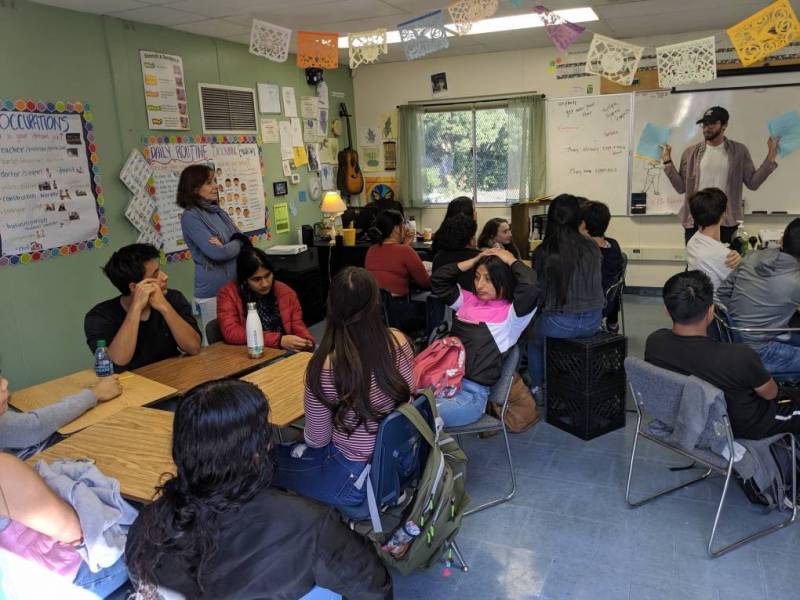
"caption": "Principal Blain Watson wanted to let students lead a schoolwide response to the Jan. 6. insurrection. ",
"description": null,
"title": "Blain Watson",
"credit": "Vanessa Rancaño/KQED",
"status": "inherit",
"altTag": null,
"isLoading": false,
"fetchFailed": false
},
"news_11857631": {
"type": "attachments",
"id": "news_11857631",
"meta": {
"index": "attachments_1716263798",
"site": "news",
"id": "11857631",
"found": true
},
"parent": 11857557,
"imgSizes": {
"apple_news_ca_landscape_5_5": {
"file": "https://ww2.kqed.org/app/uploads/sites/10/2021/01/Berkeley_SchoolSitIn_01132021-qut-1044x783.jpg",
"width": 1044,
"mimeType": "image/jpeg",
"height": 783
},
"apple_news_ca_square_4_0": {
"file": "https://ww2.kqed.org/app/uploads/sites/10/2021/01/Berkeley_SchoolSitIn_01132021-qut-470x470.jpg",
"width": 470,
"mimeType": "image/jpeg",
"height": 470
},
"twentyfourteen-full-width": {
"file": "https://ww2.kqed.org/app/uploads/sites/10/2021/01/Berkeley_SchoolSitIn_01132021-qut-1038x576.jpg",
"width": 1038,
"mimeType": "image/jpeg",
"height": 576
},
"thumbnail": {
"file": "https://ww2.kqed.org/app/uploads/sites/10/2021/01/Berkeley_SchoolSitIn_01132021-qut-160x107.jpg",
"width": 160,
"mimeType": "image/jpeg",
"height": 107
},
"post-thumbnail": {
"file": "https://ww2.kqed.org/app/uploads/sites/10/2021/01/Berkeley_SchoolSitIn_01132021-qut-672x372.jpg",
"width": 672,
"mimeType": "image/jpeg",
"height": 372
},
"kqedFullSize": {
"file": "https://ww2.kqed.org/app/uploads/sites/10/2021/01/Berkeley_SchoolSitIn_01132021-qut.jpg",
"width": 1920,
"height": 1282
},
"apple_news_ca_landscape_4_7": {
"file": "https://ww2.kqed.org/app/uploads/sites/10/2021/01/Berkeley_SchoolSitIn_01132021-qut-632x474.jpg",
"width": 632,
"mimeType": "image/jpeg",
"height": 474
},
"large": {
"file": "https://ww2.kqed.org/app/uploads/sites/10/2021/01/Berkeley_SchoolSitIn_01132021-qut-1020x681.jpg",
"width": 1020,
"mimeType": "image/jpeg",
"height": 681
},
"apple_news_ca_landscape_4_0": {
"file": "https://ww2.kqed.org/app/uploads/sites/10/2021/01/Berkeley_SchoolSitIn_01132021-qut-536x402.jpg",
"width": 536,
"mimeType": "image/jpeg",
"height": 402
},
"apple_news_ca_portrait_12_9": {
"file": "https://ww2.kqed.org/app/uploads/sites/10/2021/01/Berkeley_SchoolSitIn_01132021-qut-1122x1282.jpg",
"width": 1122,
"mimeType": "image/jpeg",
"height": 1282
},
"medium": {
"file": "https://ww2.kqed.org/app/uploads/sites/10/2021/01/Berkeley_SchoolSitIn_01132021-qut-800x534.jpg",
"width": 800,
"mimeType": "image/jpeg",
"height": 534
},
"apple_news_ca_portrait_4_0": {
"file": "https://ww2.kqed.org/app/uploads/sites/10/2021/01/Berkeley_SchoolSitIn_01132021-qut-354x472.jpg",
"width": 354,
"mimeType": "image/jpeg",
"height": 472
},
"apple_news_ca_portrait_9_7": {
"file": "https://ww2.kqed.org/app/uploads/sites/10/2021/01/Berkeley_SchoolSitIn_01132021-qut-840x1120.jpg",
"width": 840,
"mimeType": "image/jpeg",
"height": 1120
},
"apple_news_ca_landscape_12_9": {
"file": "https://ww2.kqed.org/app/uploads/sites/10/2021/01/Berkeley_SchoolSitIn_01132021-qut-1832x1282.jpg",
"width": 1832,
"mimeType": "image/jpeg",
"height": 1282
},
"apple_news_ca_square_9_7": {
"file": "https://ww2.kqed.org/app/uploads/sites/10/2021/01/Berkeley_SchoolSitIn_01132021-qut-1104x1104.jpg",
"width": 1104,
"mimeType": "image/jpeg",
"height": 1104
},
"1536x1536": {
"file": "https://ww2.kqed.org/app/uploads/sites/10/2021/01/Berkeley_SchoolSitIn_01132021-qut-1536x1026.jpg",
"width": 1536,
"mimeType": "image/jpeg",
"height": 1026
},
"apple_news_ca_portrait_4_7": {
"file": "https://ww2.kqed.org/app/uploads/sites/10/2021/01/Berkeley_SchoolSitIn_01132021-qut-414x552.jpg",
"width": 414,
"mimeType": "image/jpeg",
"height": 552
},
"apple_news_ca_square_12_9": {
"file": "https://ww2.kqed.org/app/uploads/sites/10/2021/01/Berkeley_SchoolSitIn_01132021-qut-1472x1282.jpg",
"width": 1472,
"mimeType": "image/jpeg",
"height": 1282
},
"apple_news_ca_portrait_5_5": {
"file": "https://ww2.kqed.org/app/uploads/sites/10/2021/01/Berkeley_SchoolSitIn_01132021-qut-687x916.jpg",
"width": 687,
"mimeType": "image/jpeg",
"height": 916
},
"apple_news_ca_square_4_7": {
"file": "https://ww2.kqed.org/app/uploads/sites/10/2021/01/Berkeley_SchoolSitIn_01132021-qut-550x550.jpg",
"width": 550,
"mimeType": "image/jpeg",
"height": 550
},
"apple_news_ca_landscape_9_7": {
"file": "https://ww2.kqed.org/app/uploads/sites/10/2021/01/Berkeley_SchoolSitIn_01132021-qut-1376x1032.jpg",
"width": 1376,
"mimeType": "image/jpeg",
"height": 1032
},
"apple_news_ca_square_5_5": {
"file": "https://ww2.kqed.org/app/uploads/sites/10/2021/01/Berkeley_SchoolSitIn_01132021-qut-912x912.jpg",
"width": 912,
"mimeType": "image/jpeg",
"height": 912
}
},
"publishDate": 1611882123,
"modified": 1611883793,
"caption": "Parents and students hold up signs in support of reopening schools at Thousand Oaks Elementary School in Berkeley on Jan. 13, 2021.",
"description": null,
"title": "Berkeley_SchoolSitIn_01132021-qut",
"credit": "Anna Vignet/KQED",
"status": "inherit",
"altTag": null,
"isLoading": false,
"fetchFailed": false
},
"news_11857528": {
"type": "attachments",
"id": "news_11857528",
"meta": {
"index": "attachments_1716263798",
"site": "news",
"id": "11857528",
"found": true
},
"parent": 11857527,
"imgSizes": {
"apple_news_ca_landscape_5_5": {
"file": "https://ww2.kqed.org/app/uploads/sites/10/2021/01/ap21027641449813-3cd4a6f9788400120682e274f2c4a9354bed63fd-1044x783.jpg",
"width": 1044,
"mimeType": "image/jpeg",
"height": 783
},
"apple_news_ca_square_4_0": {
"file": "https://ww2.kqed.org/app/uploads/sites/10/2021/01/ap21027641449813-3cd4a6f9788400120682e274f2c4a9354bed63fd-470x470.jpg",
"width": 470,
"mimeType": "image/jpeg",
"height": 470
},
"twentyfourteen-full-width": {
"file": "https://ww2.kqed.org/app/uploads/sites/10/2021/01/ap21027641449813-3cd4a6f9788400120682e274f2c4a9354bed63fd-1038x576.jpg",
"width": 1038,
"mimeType": "image/jpeg",
"height": 576
},
"thumbnail": {
"file": "https://ww2.kqed.org/app/uploads/sites/10/2021/01/ap21027641449813-3cd4a6f9788400120682e274f2c4a9354bed63fd-160x120.jpg",
"width": 160,
"mimeType": "image/jpeg",
"height": 120
},
"post-thumbnail": {
"file": "https://ww2.kqed.org/app/uploads/sites/10/2021/01/ap21027641449813-3cd4a6f9788400120682e274f2c4a9354bed63fd-672x372.jpg",
"width": 672,
"mimeType": "image/jpeg",
"height": 372
},
"kqedFullSize": {
"file": "https://ww2.kqed.org/app/uploads/sites/10/2021/01/ap21027641449813-3cd4a6f9788400120682e274f2c4a9354bed63fd-scaled.jpg",
"width": 2560,
"height": 1920
},
"2048x2048": {
"file": "https://ww2.kqed.org/app/uploads/sites/10/2021/01/ap21027641449813-3cd4a6f9788400120682e274f2c4a9354bed63fd-2048x1536.jpg",
"width": 2048,
"mimeType": "image/jpeg",
"height": 1536
},
"apple_news_ca_landscape_4_7": {
"file": "https://ww2.kqed.org/app/uploads/sites/10/2021/01/ap21027641449813-3cd4a6f9788400120682e274f2c4a9354bed63fd-632x474.jpg",
"width": 632,
"mimeType": "image/jpeg",
"height": 474
},
"large": {
"file": "https://ww2.kqed.org/app/uploads/sites/10/2021/01/ap21027641449813-3cd4a6f9788400120682e274f2c4a9354bed63fd-1020x765.jpg",
"width": 1020,
"mimeType": "image/jpeg",
"height": 765
},
"apple_news_ca_landscape_4_0": {
"file": "https://ww2.kqed.org/app/uploads/sites/10/2021/01/ap21027641449813-3cd4a6f9788400120682e274f2c4a9354bed63fd-536x402.jpg",
"width": 536,
"mimeType": "image/jpeg",
"height": 402
},
"apple_news_ca_portrait_12_9": {
"file": "https://ww2.kqed.org/app/uploads/sites/10/2021/01/ap21027641449813-3cd4a6f9788400120682e274f2c4a9354bed63fd-1122x1496.jpg",
"width": 1122,
"mimeType": "image/jpeg",
"height": 1496
},
"medium": {
"file": "https://ww2.kqed.org/app/uploads/sites/10/2021/01/ap21027641449813-3cd4a6f9788400120682e274f2c4a9354bed63fd-800x600.jpg",
"width": 800,
"mimeType": "image/jpeg",
"height": 600
},
"apple_news_ca_portrait_4_0": {
"file": "https://ww2.kqed.org/app/uploads/sites/10/2021/01/ap21027641449813-3cd4a6f9788400120682e274f2c4a9354bed63fd-354x472.jpg",
"width": 354,
"mimeType": "image/jpeg",
"height": 472
},
"apple_news_ca_portrait_9_7": {
"file": "https://ww2.kqed.org/app/uploads/sites/10/2021/01/ap21027641449813-3cd4a6f9788400120682e274f2c4a9354bed63fd-840x1120.jpg",
"width": 840,
"mimeType": "image/jpeg",
"height": 1120
},
"apple_news_ca_landscape_12_9": {
"file": "https://ww2.kqed.org/app/uploads/sites/10/2021/01/ap21027641449813-3cd4a6f9788400120682e274f2c4a9354bed63fd-1832x1374.jpg",
"width": 1832,
"mimeType": "image/jpeg",
"height": 1374
},
"apple_news_ca_square_9_7": {
"file": "https://ww2.kqed.org/app/uploads/sites/10/2021/01/ap21027641449813-3cd4a6f9788400120682e274f2c4a9354bed63fd-1104x1104.jpg",
"width": 1104,
"mimeType": "image/jpeg",
"height": 1104
},
"1536x1536": {
"file": "https://ww2.kqed.org/app/uploads/sites/10/2021/01/ap21027641449813-3cd4a6f9788400120682e274f2c4a9354bed63fd-1536x1152.jpg",
"width": 1536,
"mimeType": "image/jpeg",
"height": 1152
},
"apple_news_ca_portrait_4_7": {
"file": "https://ww2.kqed.org/app/uploads/sites/10/2021/01/ap21027641449813-3cd4a6f9788400120682e274f2c4a9354bed63fd-414x552.jpg",
"width": 414,
"mimeType": "image/jpeg",
"height": 552
},
"apple_news_ca_square_12_9": {
"file": "https://ww2.kqed.org/app/uploads/sites/10/2021/01/ap21027641449813-3cd4a6f9788400120682e274f2c4a9354bed63fd-1472x1472.jpg",
"width": 1472,
"mimeType": "image/jpeg",
"height": 1472
},
"apple_news_ca_portrait_5_5": {
"file": "https://ww2.kqed.org/app/uploads/sites/10/2021/01/ap21027641449813-3cd4a6f9788400120682e274f2c4a9354bed63fd-687x916.jpg",
"width": 687,
"mimeType": "image/jpeg",
"height": 916
},
"full-width": {
"file": "https://ww2.kqed.org/app/uploads/sites/10/2021/01/ap21027641449813-3cd4a6f9788400120682e274f2c4a9354bed63fd-1920x1440.jpg",
"width": 1920,
"mimeType": "image/jpeg",
"height": 1440
},
"apple_news_ca_square_4_7": {
"file": "https://ww2.kqed.org/app/uploads/sites/10/2021/01/ap21027641449813-3cd4a6f9788400120682e274f2c4a9354bed63fd-550x550.jpg",
"width": 550,
"mimeType": "image/jpeg",
"height": 550
},
"apple_news_ca_landscape_9_7": {
"file": "https://ww2.kqed.org/app/uploads/sites/10/2021/01/ap21027641449813-3cd4a6f9788400120682e274f2c4a9354bed63fd-1376x1032.jpg",
"width": 1376,
"mimeType": "image/jpeg",
"height": 1032
},
"apple_news_ca_square_5_5": {
"file": "https://ww2.kqed.org/app/uploads/sites/10/2021/01/ap21027641449813-3cd4a6f9788400120682e274f2c4a9354bed63fd-912x912.jpg",
"width": 912,
"mimeType": "image/jpeg",
"height": 912
}
},
"publishDate": 1611862419,
"modified": 1611863768,
"caption": "The San Francisco school board has voted to consider removing the names of George Washington and Abraham Lincoln from public schools, such as Abraham Lincoln High School.",
"description": "The San Francisco school board has voted to consider removing the names of George Washington and Abraham Lincoln from public schools, such as Abraham Lincoln High School.",
"title": "The San Francisco school board has voted to consider removing the names of George Washington and Abraham Lincoln from public schools, such as Abraham Lincoln High School.",
"credit": "Jeff Chiu/AP",
"status": "inherit",
"altTag": null,
"isLoading": false,
"fetchFailed": false
},
"news_11856588": {
"type": "attachments",
"id": "news_11856588",
"meta": {
"index": "attachments_1716263798",
"site": "news",
"id": "11856588",
"found": true
},
"parent": 11856583,
"imgSizes": {
"apple_news_ca_square_4_0": {
"file": "https://ww2.kqed.org/app/uploads/sites/10/2021/01/Oakland-Mam-Aguilar-1020x680-1-470x470.jpg",
"width": 470,
"mimeType": "image/jpeg",
"height": 470
},
"twentyfourteen-full-width": {
"file": "https://ww2.kqed.org/app/uploads/sites/10/2021/01/Oakland-Mam-Aguilar-1020x680-1-1020x576.jpg",
"width": 1020,
"mimeType": "image/jpeg",
"height": 576
},
"thumbnail": {
"file": "https://ww2.kqed.org/app/uploads/sites/10/2021/01/Oakland-Mam-Aguilar-1020x680-1-160x107.jpg",
"width": 160,
"mimeType": "image/jpeg",
"height": 107
},
"post-thumbnail": {
"file": "https://ww2.kqed.org/app/uploads/sites/10/2021/01/Oakland-Mam-Aguilar-1020x680-1-672x372.jpg",
"width": 672,
"mimeType": "image/jpeg",
"height": 372
},
"kqedFullSize": {
"file": "https://ww2.kqed.org/app/uploads/sites/10/2021/01/Oakland-Mam-Aguilar-1020x680-1.jpg",
"width": 1020,
"height": 680
},
"apple_news_ca_landscape_4_7": {
"file": "https://ww2.kqed.org/app/uploads/sites/10/2021/01/Oakland-Mam-Aguilar-1020x680-1-632x474.jpg",
"width": 632,
"mimeType": "image/jpeg",
"height": 474
},
"apple_news_ca_landscape_4_0": {
"file": "https://ww2.kqed.org/app/uploads/sites/10/2021/01/Oakland-Mam-Aguilar-1020x680-1-536x402.jpg",
"width": 536,
"mimeType": "image/jpeg",
"height": 402
},
"medium": {
"file": "https://ww2.kqed.org/app/uploads/sites/10/2021/01/Oakland-Mam-Aguilar-1020x680-1-800x533.jpg",
"width": 800,
"mimeType": "image/jpeg",
"height": 533
},
"apple_news_ca_portrait_4_0": {
"file": "https://ww2.kqed.org/app/uploads/sites/10/2021/01/Oakland-Mam-Aguilar-1020x680-1-354x472.jpg",
"width": 354,
"mimeType": "image/jpeg",
"height": 472
},
"apple_news_ca_portrait_9_7": {
"file": "https://ww2.kqed.org/app/uploads/sites/10/2021/01/Oakland-Mam-Aguilar-1020x680-1-840x680.jpg",
"width": 840,
"mimeType": "image/jpeg",
"height": 680
},
"apple_news_ca_portrait_4_7": {
"file": "https://ww2.kqed.org/app/uploads/sites/10/2021/01/Oakland-Mam-Aguilar-1020x680-1-414x552.jpg",
"width": 414,
"mimeType": "image/jpeg",
"height": 552
},
"apple_news_ca_portrait_5_5": {
"file": "https://ww2.kqed.org/app/uploads/sites/10/2021/01/Oakland-Mam-Aguilar-1020x680-1-687x680.jpg",
"width": 687,
"mimeType": "image/jpeg",
"height": 680
},
"apple_news_ca_square_4_7": {
"file": "https://ww2.kqed.org/app/uploads/sites/10/2021/01/Oakland-Mam-Aguilar-1020x680-1-550x550.jpg",
"width": 550,
"mimeType": "image/jpeg",
"height": 550
},
"apple_news_ca_square_5_5": {
"file": "https://ww2.kqed.org/app/uploads/sites/10/2021/01/Oakland-Mam-Aguilar-1020x680-1-912x680.jpg",
"width": 912,
"mimeType": "image/jpeg",
"height": 680
}
},
"publishDate": 1611339220,
"modified": 1611339242,
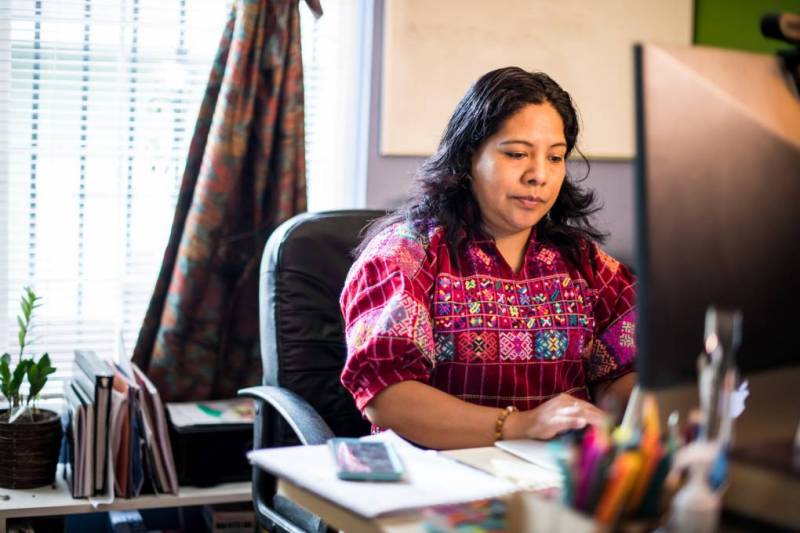
"caption": "María Aguilar, una intérprete para la población que habla Mam en las escuelas de Oakland, trabaja desde su casa en Oakland el 11 de noviembre de 2020.",
"description": "María Aguilar, una intérprete para la población que habla Mam en las escuelas de Oakland, trabaja desde su casa en Oakland el 11 de noviembre de 2020.",
"title": "Oakland-Mam-Aguilar-1020x680",
"credit": "Beth LaBerge/KQED",
"status": "inherit",
"altTag": null,
"isLoading": false,
"fetchFailed": false
},
"news_11855382": {
"type": "attachments",
"id": "news_11855382",
"meta": {
"index": "attachments_1716263798",
"site": "news",
"id": "11855382",
"found": true
},
"parent": 11855376,
"imgSizes": {
"apple_news_ca_landscape_5_5": {
"file": "https://ww2.kqed.org/app/uploads/sites/10/2021/01/RS46553_018_Oakland_KeepOaklandHoused_01102021-qut-1044x783.jpg",
"width": 1044,
"mimeType": "image/jpeg",
"height": 783
},
"apple_news_ca_square_4_0": {
"file": "https://ww2.kqed.org/app/uploads/sites/10/2021/01/RS46553_018_Oakland_KeepOaklandHoused_01102021-qut-470x470.jpg",
"width": 470,
"mimeType": "image/jpeg",
"height": 470
},
"twentyfourteen-full-width": {
"file": "https://ww2.kqed.org/app/uploads/sites/10/2021/01/RS46553_018_Oakland_KeepOaklandHoused_01102021-qut-1038x576.jpg",
"width": 1038,
"mimeType": "image/jpeg",
"height": 576
},
"thumbnail": {
"file": "https://ww2.kqed.org/app/uploads/sites/10/2021/01/RS46553_018_Oakland_KeepOaklandHoused_01102021-qut-160x107.jpg",
"width": 160,
"mimeType": "image/jpeg",
"height": 107
},
"post-thumbnail": {
"file": "https://ww2.kqed.org/app/uploads/sites/10/2021/01/RS46553_018_Oakland_KeepOaklandHoused_01102021-qut-672x372.jpg",
"width": 672,
"mimeType": "image/jpeg",
"height": 372
},
"kqedFullSize": {
"file": "https://ww2.kqed.org/app/uploads/sites/10/2021/01/RS46553_018_Oakland_KeepOaklandHoused_01102021-qut.jpg",
"width": 1920,
"height": 1280
},
"apple_news_ca_landscape_4_7": {
"file": "https://ww2.kqed.org/app/uploads/sites/10/2021/01/RS46553_018_Oakland_KeepOaklandHoused_01102021-qut-632x474.jpg",
"width": 632,
"mimeType": "image/jpeg",
"height": 474
},
"large": {
"file": "https://ww2.kqed.org/app/uploads/sites/10/2021/01/RS46553_018_Oakland_KeepOaklandHoused_01102021-qut-1020x680.jpg",
"width": 1020,
"mimeType": "image/jpeg",
"height": 680
},
"apple_news_ca_landscape_4_0": {
"file": "https://ww2.kqed.org/app/uploads/sites/10/2021/01/RS46553_018_Oakland_KeepOaklandHoused_01102021-qut-536x402.jpg",
"width": 536,
"mimeType": "image/jpeg",
"height": 402
},
"apple_news_ca_portrait_12_9": {
"file": "https://ww2.kqed.org/app/uploads/sites/10/2021/01/RS46553_018_Oakland_KeepOaklandHoused_01102021-qut-1122x1280.jpg",
"width": 1122,
"mimeType": "image/jpeg",
"height": 1280
},
"medium": {
"file": "https://ww2.kqed.org/app/uploads/sites/10/2021/01/RS46553_018_Oakland_KeepOaklandHoused_01102021-qut-800x533.jpg",
"width": 800,
"mimeType": "image/jpeg",
"height": 533
},
"apple_news_ca_portrait_4_0": {
"file": "https://ww2.kqed.org/app/uploads/sites/10/2021/01/RS46553_018_Oakland_KeepOaklandHoused_01102021-qut-354x472.jpg",
"width": 354,
"mimeType": "image/jpeg",
"height": 472
},
"apple_news_ca_portrait_9_7": {
"file": "https://ww2.kqed.org/app/uploads/sites/10/2021/01/RS46553_018_Oakland_KeepOaklandHoused_01102021-qut-840x1120.jpg",
"width": 840,
"mimeType": "image/jpeg",
"height": 1120
},
"apple_news_ca_landscape_12_9": {
"file": "https://ww2.kqed.org/app/uploads/sites/10/2021/01/RS46553_018_Oakland_KeepOaklandHoused_01102021-qut-1832x1280.jpg",
"width": 1832,
"mimeType": "image/jpeg",
"height": 1280
},
"apple_news_ca_square_9_7": {
"file": "https://ww2.kqed.org/app/uploads/sites/10/2021/01/RS46553_018_Oakland_KeepOaklandHoused_01102021-qut-1104x1104.jpg",
"width": 1104,
"mimeType": "image/jpeg",
"height": 1104
},
"1536x1536": {
"file": "https://ww2.kqed.org/app/uploads/sites/10/2021/01/RS46553_018_Oakland_KeepOaklandHoused_01102021-qut-1536x1024.jpg",
"width": 1536,
"mimeType": "image/jpeg",
"height": 1024
},
"apple_news_ca_portrait_4_7": {
"file": "https://ww2.kqed.org/app/uploads/sites/10/2021/01/RS46553_018_Oakland_KeepOaklandHoused_01102021-qut-414x552.jpg",
"width": 414,
"mimeType": "image/jpeg",
"height": 552
},
"apple_news_ca_square_12_9": {
"file": "https://ww2.kqed.org/app/uploads/sites/10/2021/01/RS46553_018_Oakland_KeepOaklandHoused_01102021-qut-1472x1280.jpg",
"width": 1472,
"mimeType": "image/jpeg",
"height": 1280
},
"apple_news_ca_portrait_5_5": {
"file": "https://ww2.kqed.org/app/uploads/sites/10/2021/01/RS46553_018_Oakland_KeepOaklandHoused_01102021-qut-687x916.jpg",
"width": 687,
"mimeType": "image/jpeg",
"height": 916
},
"apple_news_ca_square_4_7": {
"file": "https://ww2.kqed.org/app/uploads/sites/10/2021/01/RS46553_018_Oakland_KeepOaklandHoused_01102021-qut-550x550.jpg",
"width": 550,
"mimeType": "image/jpeg",
"height": 550
},
"apple_news_ca_landscape_9_7": {
"file": "https://ww2.kqed.org/app/uploads/sites/10/2021/01/RS46553_018_Oakland_KeepOaklandHoused_01102021-qut-1376x1032.jpg",
"width": 1376,
"mimeType": "image/jpeg",
"height": 1032
},
"apple_news_ca_square_5_5": {
"file": "https://ww2.kqed.org/app/uploads/sites/10/2021/01/RS46553_018_Oakland_KeepOaklandHoused_01102021-qut-912x912.jpg",
"width": 912,
"mimeType": "image/jpeg",
"height": 912
}
},
"publishDate": 1610654686,
"modified": 1610754369,
"caption": "Marquisse Moore stands outside his home in Oakland on Jan. 10, 2021. He was one of more than 3,000 people who have received direct rental assistance as part of a program called Keep Oakland Housed, which got its start in 2018 to prevent people from experiencing homelessness. ",
"description": "Marquisse Moore stands outside his home in Oakland on Jan. 10, 2021. He was one of more than 4,000 people who have received direct rent payments as part of a program called Keep Oakland Housed, which got its start in 2018 to prevent people from experiencing homelessness.",
"title": "RS46553_018_Oakland_KeepOaklandHoused_01102021-qut",
"credit": "Beth LaBerge/KQED",
"status": "inherit",
"altTag": "Marquisse Moore outside his home",
"isLoading": false,
"fetchFailed": false
},
"news_11855491": {
"type": "attachments",
"id": "news_11855491",
"meta": {
"index": "attachments_1716263798",
"site": "news",
"id": "11855491",
"found": true
},
"parent": 11855481,
"imgSizes": {
"apple_news_ca_square_4_0": {
"file": "https://ww2.kqed.org/app/uploads/sites/10/2021/01/Newcomers-Rudsdale-High-1020x765-1-470x470.jpg",
"width": 470,
"mimeType": "image/jpeg",
"height": 470
},
"twentyfourteen-full-width": {
"file": "https://ww2.kqed.org/app/uploads/sites/10/2021/01/Newcomers-Rudsdale-High-1020x765-1-1020x576.jpg",
"width": 1020,
"mimeType": "image/jpeg",
"height": 576
},
"thumbnail": {
"file": "https://ww2.kqed.org/app/uploads/sites/10/2021/01/Newcomers-Rudsdale-High-1020x765-1-160x120.jpg",
"width": 160,
"mimeType": "image/jpeg",
"height": 120
},
"post-thumbnail": {
"file": "https://ww2.kqed.org/app/uploads/sites/10/2021/01/Newcomers-Rudsdale-High-1020x765-1-672x372.jpg",
"width": 672,
"mimeType": "image/jpeg",
"height": 372
},
"kqedFullSize": {
"file": "https://ww2.kqed.org/app/uploads/sites/10/2021/01/Newcomers-Rudsdale-High-1020x765-1.jpg",
"width": 1020,
"height": 765
},
"apple_news_ca_landscape_4_7": {
"file": "https://ww2.kqed.org/app/uploads/sites/10/2021/01/Newcomers-Rudsdale-High-1020x765-1-632x474.jpg",
"width": 632,
"mimeType": "image/jpeg",
"height": 474
},
"apple_news_ca_landscape_4_0": {
"file": "https://ww2.kqed.org/app/uploads/sites/10/2021/01/Newcomers-Rudsdale-High-1020x765-1-536x402.jpg",
"width": 536,
"mimeType": "image/jpeg",
"height": 402
},
"medium": {
"file": "https://ww2.kqed.org/app/uploads/sites/10/2021/01/Newcomers-Rudsdale-High-1020x765-1-800x600.jpg",
"width": 800,
"mimeType": "image/jpeg",
"height": 600
},
"apple_news_ca_portrait_4_0": {
"file": "https://ww2.kqed.org/app/uploads/sites/10/2021/01/Newcomers-Rudsdale-High-1020x765-1-354x472.jpg",
"width": 354,
"mimeType": "image/jpeg",
"height": 472
},
"apple_news_ca_portrait_9_7": {
"file": "https://ww2.kqed.org/app/uploads/sites/10/2021/01/Newcomers-Rudsdale-High-1020x765-1-840x765.jpg",
"width": 840,
"mimeType": "image/jpeg",
"height": 765
},
"apple_news_ca_portrait_4_7": {
"file": "https://ww2.kqed.org/app/uploads/sites/10/2021/01/Newcomers-Rudsdale-High-1020x765-1-414x552.jpg",
"width": 414,
"mimeType": "image/jpeg",
"height": 552
},
"apple_news_ca_portrait_5_5": {
"file": "https://ww2.kqed.org/app/uploads/sites/10/2021/01/Newcomers-Rudsdale-High-1020x765-1-687x765.jpg",
"width": 687,
"mimeType": "image/jpeg",
"height": 765
},
"apple_news_ca_square_4_7": {
"file": "https://ww2.kqed.org/app/uploads/sites/10/2021/01/Newcomers-Rudsdale-High-1020x765-1-550x550.jpg",
"width": 550,
"mimeType": "image/jpeg",
"height": 550
},
"apple_news_ca_square_5_5": {
"file": "https://ww2.kqed.org/app/uploads/sites/10/2021/01/Newcomers-Rudsdale-High-1020x765-1-912x765.jpg",
"width": 912,
"mimeType": "image/jpeg",
"height": 765
}
},
"publishDate": 1610667709,
"modified": 1610667943,
"caption": "Estudiantes del bachillerato Rudsdale Newcomer en Oakland, antes de que la pandemia cerrara las aulas de las escuelas del estado. La escuela propone ayudar a estudiantes inmigrantes recientes, y ha registrado un aumento en la inscripción desde que comenzaron las clases en línea, lo que le da a los estudiantes que trabajan como 'Ana' más flexibilidad.",
"description": "Estudiantes del bachillerato Rudsdale Newcomer en Oakland, antes de que la pandemia cerrara las aulas de las escuelas del estado. La escuela propone ayudar a estudiantes inmigrantes recientes, y ha registrado un aumento en la inscripción desde que comenzaron las clases en línea, lo que le da a los estudiantes que trabajan como 'Ana' más flexibilidad.",
"title": "Newcomers-Rudsdale-High-1020x765",
"credit": "Cortesía de Emma Batten Bowen",
"status": "inherit",
"altTag": null,
"isLoading": false,
"fetchFailed": false
},
"news_11855295": {
"type": "attachments",
"id": "news_11855295",
"meta": {
"index": "attachments_1716263798",
"site": "news",
"id": "11855295",
"found": true
},
"parent": 11855246,
"imgSizes": {
"apple_news_ca_landscape_5_5": {
"file": "https://ww2.kqed.org/app/uploads/sites/10/2021/01/RS46583_001_KQED_Berkeley_SchoolSitIn_01132021-qut-1044x783.jpg",
"width": 1044,
"mimeType": "image/jpeg",
"height": 783
},
"apple_news_ca_square_4_0": {
"file": "https://ww2.kqed.org/app/uploads/sites/10/2021/01/RS46583_001_KQED_Berkeley_SchoolSitIn_01132021-qut-470x470.jpg",
"width": 470,
"mimeType": "image/jpeg",
"height": 470
},
"twentyfourteen-full-width": {
"file": "https://ww2.kqed.org/app/uploads/sites/10/2021/01/RS46583_001_KQED_Berkeley_SchoolSitIn_01132021-qut-1038x576.jpg",
"width": 1038,
"mimeType": "image/jpeg",
"height": 576
},
"thumbnail": {
"file": "https://ww2.kqed.org/app/uploads/sites/10/2021/01/RS46583_001_KQED_Berkeley_SchoolSitIn_01132021-qut-160x107.jpg",
"width": 160,
"mimeType": "image/jpeg",
"height": 107
},
"post-thumbnail": {
"file": "https://ww2.kqed.org/app/uploads/sites/10/2021/01/RS46583_001_KQED_Berkeley_SchoolSitIn_01132021-qut-672x372.jpg",
"width": 672,
"mimeType": "image/jpeg",
"height": 372
},
"kqedFullSize": {
"file": "https://ww2.kqed.org/app/uploads/sites/10/2021/01/RS46583_001_KQED_Berkeley_SchoolSitIn_01132021-qut.jpg",
"width": 1920,
"height": 1282
},
"apple_news_ca_landscape_4_7": {
"file": "https://ww2.kqed.org/app/uploads/sites/10/2021/01/RS46583_001_KQED_Berkeley_SchoolSitIn_01132021-qut-632x474.jpg",
"width": 632,
"mimeType": "image/jpeg",
"height": 474
},
"large": {
"file": "https://ww2.kqed.org/app/uploads/sites/10/2021/01/RS46583_001_KQED_Berkeley_SchoolSitIn_01132021-qut-1020x681.jpg",
"width": 1020,
"mimeType": "image/jpeg",
"height": 681
},
"apple_news_ca_landscape_4_0": {
"file": "https://ww2.kqed.org/app/uploads/sites/10/2021/01/RS46583_001_KQED_Berkeley_SchoolSitIn_01132021-qut-536x402.jpg",
"width": 536,
"mimeType": "image/jpeg",
"height": 402
},
"apple_news_ca_portrait_12_9": {
"file": "https://ww2.kqed.org/app/uploads/sites/10/2021/01/RS46583_001_KQED_Berkeley_SchoolSitIn_01132021-qut-1122x1282.jpg",
"width": 1122,
"mimeType": "image/jpeg",
"height": 1282
},
"medium": {
"file": "https://ww2.kqed.org/app/uploads/sites/10/2021/01/RS46583_001_KQED_Berkeley_SchoolSitIn_01132021-qut-800x534.jpg",
"width": 800,
"mimeType": "image/jpeg",
"height": 534
},
"apple_news_ca_portrait_4_0": {
"file": "https://ww2.kqed.org/app/uploads/sites/10/2021/01/RS46583_001_KQED_Berkeley_SchoolSitIn_01132021-qut-354x472.jpg",
"width": 354,
"mimeType": "image/jpeg",
"height": 472
},
"apple_news_ca_portrait_9_7": {
"file": "https://ww2.kqed.org/app/uploads/sites/10/2021/01/RS46583_001_KQED_Berkeley_SchoolSitIn_01132021-qut-840x1120.jpg",
"width": 840,
"mimeType": "image/jpeg",
"height": 1120
},
"apple_news_ca_landscape_12_9": {
"file": "https://ww2.kqed.org/app/uploads/sites/10/2021/01/RS46583_001_KQED_Berkeley_SchoolSitIn_01132021-qut-1832x1282.jpg",
"width": 1832,
"mimeType": "image/jpeg",
"height": 1282
},
"apple_news_ca_square_9_7": {
"file": "https://ww2.kqed.org/app/uploads/sites/10/2021/01/RS46583_001_KQED_Berkeley_SchoolSitIn_01132021-qut-1104x1104.jpg",
"width": 1104,
"mimeType": "image/jpeg",
"height": 1104
},
"1536x1536": {
"file": "https://ww2.kqed.org/app/uploads/sites/10/2021/01/RS46583_001_KQED_Berkeley_SchoolSitIn_01132021-qut-1536x1026.jpg",
"width": 1536,
"mimeType": "image/jpeg",
"height": 1026
},
"apple_news_ca_portrait_4_7": {
"file": "https://ww2.kqed.org/app/uploads/sites/10/2021/01/RS46583_001_KQED_Berkeley_SchoolSitIn_01132021-qut-414x552.jpg",
"width": 414,
"mimeType": "image/jpeg",
"height": 552
},
"apple_news_ca_square_12_9": {
"file": "https://ww2.kqed.org/app/uploads/sites/10/2021/01/RS46583_001_KQED_Berkeley_SchoolSitIn_01132021-qut-1472x1282.jpg",
"width": 1472,
"mimeType": "image/jpeg",
"height": 1282
},
"apple_news_ca_portrait_5_5": {
"file": "https://ww2.kqed.org/app/uploads/sites/10/2021/01/RS46583_001_KQED_Berkeley_SchoolSitIn_01132021-qut-687x916.jpg",
"width": 687,
"mimeType": "image/jpeg",
"height": 916
},
"apple_news_ca_square_4_7": {
"file": "https://ww2.kqed.org/app/uploads/sites/10/2021/01/RS46583_001_KQED_Berkeley_SchoolSitIn_01132021-qut-550x550.jpg",
"width": 550,
"mimeType": "image/jpeg",
"height": 550
},
"apple_news_ca_landscape_9_7": {
"file": "https://ww2.kqed.org/app/uploads/sites/10/2021/01/RS46583_001_KQED_Berkeley_SchoolSitIn_01132021-qut-1376x1032.jpg",
"width": 1376,
"mimeType": "image/jpeg",
"height": 1032
},
"apple_news_ca_square_5_5": {
"file": "https://ww2.kqed.org/app/uploads/sites/10/2021/01/RS46583_001_KQED_Berkeley_SchoolSitIn_01132021-qut-912x912.jpg",
"width": 912,
"mimeType": "image/jpeg",
"height": 912
}
},
"publishDate": 1610597679,
"modified": 1610664011,
"caption": "Augustin Saliou holds up a sign at a sit-in at Thousand Oaks Elementary School in Berkeley. Parents and students staged a sit-in for equity in school reopening on Jan. 13, 2021.",
"description": null,
"title": "RS46583_001_KQED_Berkeley_SchoolSitIn_01132021-qut",
"credit": "Anna Vignet/KQED",
"status": "inherit",
"altTag": null,
"isLoading": false,
"fetchFailed": false
},
"news_11854361": {
"type": "attachments",
"id": "news_11854361",
"meta": {
"index": "attachments_1716263798",
"site": "news",
"id": "11854361",
"found": true
},
"parent": 11854162,
"imgSizes": {
"apple_news_ca_landscape_5_5": {
"file": "https://ww2.kqed.org/app/uploads/sites/10/2021/01/RS46511_abdoul-aziz-qut-1044x783.jpg",
"width": 1044,
"mimeType": "image/jpeg",
"height": 783
},
"apple_news_ca_square_4_0": {
"file": "https://ww2.kqed.org/app/uploads/sites/10/2021/01/RS46511_abdoul-aziz-qut-470x470.jpg",
"width": 470,
"mimeType": "image/jpeg",
"height": 470
},
"twentyfourteen-full-width": {
"file": "https://ww2.kqed.org/app/uploads/sites/10/2021/01/RS46511_abdoul-aziz-qut-1038x576.jpg",
"width": 1038,
"mimeType": "image/jpeg",
"height": 576
},
"thumbnail": {
"file": "https://ww2.kqed.org/app/uploads/sites/10/2021/01/RS46511_abdoul-aziz-qut-160x120.jpg",
"width": 160,
"mimeType": "image/jpeg",
"height": 120
},
"post-thumbnail": {
"file": "https://ww2.kqed.org/app/uploads/sites/10/2021/01/RS46511_abdoul-aziz-qut-672x372.jpg",
"width": 672,
"mimeType": "image/jpeg",
"height": 372
},
"kqedFullSize": {
"file": "https://ww2.kqed.org/app/uploads/sites/10/2021/01/RS46511_abdoul-aziz-qut.jpg",
"width": 1920,
"height": 1440
},
"apple_news_ca_landscape_4_7": {
"file": "https://ww2.kqed.org/app/uploads/sites/10/2021/01/RS46511_abdoul-aziz-qut-632x474.jpg",
"width": 632,
"mimeType": "image/jpeg",
"height": 474
},
"large": {
"file": "https://ww2.kqed.org/app/uploads/sites/10/2021/01/RS46511_abdoul-aziz-qut-1020x765.jpg",
"width": 1020,
"mimeType": "image/jpeg",
"height": 765
},
"apple_news_ca_landscape_4_0": {
"file": "https://ww2.kqed.org/app/uploads/sites/10/2021/01/RS46511_abdoul-aziz-qut-536x402.jpg",
"width": 536,
"mimeType": "image/jpeg",
"height": 402
},
"apple_news_ca_portrait_12_9": {
"file": "https://ww2.kqed.org/app/uploads/sites/10/2021/01/RS46511_abdoul-aziz-qut-1122x1440.jpg",
"width": 1122,
"mimeType": "image/jpeg",
"height": 1440
},
"medium": {
"file": "https://ww2.kqed.org/app/uploads/sites/10/2021/01/RS46511_abdoul-aziz-qut-800x600.jpg",
"width": 800,
"mimeType": "image/jpeg",
"height": 600
},
"apple_news_ca_portrait_4_0": {
"file": "https://ww2.kqed.org/app/uploads/sites/10/2021/01/RS46511_abdoul-aziz-qut-354x472.jpg",
"width": 354,
"mimeType": "image/jpeg",
"height": 472
},
"apple_news_ca_portrait_9_7": {
"file": "https://ww2.kqed.org/app/uploads/sites/10/2021/01/RS46511_abdoul-aziz-qut-840x1120.jpg",
"width": 840,
"mimeType": "image/jpeg",
"height": 1120
},
"apple_news_ca_landscape_12_9": {
"file": "https://ww2.kqed.org/app/uploads/sites/10/2021/01/RS46511_abdoul-aziz-qut-1832x1374.jpg",
"width": 1832,
"mimeType": "image/jpeg",
"height": 1374
},
"apple_news_ca_square_9_7": {
"file": "https://ww2.kqed.org/app/uploads/sites/10/2021/01/RS46511_abdoul-aziz-qut-1104x1104.jpg",
"width": 1104,
"mimeType": "image/jpeg",
"height": 1104
},
"1536x1536": {
"file": "https://ww2.kqed.org/app/uploads/sites/10/2021/01/RS46511_abdoul-aziz-qut-1536x1152.jpg",
"width": 1536,
"mimeType": "image/jpeg",
"height": 1152
},
"apple_news_ca_portrait_4_7": {
"file": "https://ww2.kqed.org/app/uploads/sites/10/2021/01/RS46511_abdoul-aziz-qut-414x552.jpg",
"width": 414,
"mimeType": "image/jpeg",
"height": 552
},
"apple_news_ca_square_12_9": {
"file": "https://ww2.kqed.org/app/uploads/sites/10/2021/01/RS46511_abdoul-aziz-qut-1472x1440.jpg",
"width": 1472,
"mimeType": "image/jpeg",
"height": 1440
},
"apple_news_ca_portrait_5_5": {
"file": "https://ww2.kqed.org/app/uploads/sites/10/2021/01/RS46511_abdoul-aziz-qut-687x916.jpg",
"width": 687,
"mimeType": "image/jpeg",
"height": 916
},
"apple_news_ca_square_4_7": {
"file": "https://ww2.kqed.org/app/uploads/sites/10/2021/01/RS46511_abdoul-aziz-qut-550x550.jpg",
"width": 550,
"mimeType": "image/jpeg",
"height": 550
},
"apple_news_ca_landscape_9_7": {
"file": "https://ww2.kqed.org/app/uploads/sites/10/2021/01/RS46511_abdoul-aziz-qut-1376x1032.jpg",
"width": 1376,
"mimeType": "image/jpeg",
"height": 1032
},
"apple_news_ca_square_5_5": {
"file": "https://ww2.kqed.org/app/uploads/sites/10/2021/01/RS46511_abdoul-aziz-qut-912x912.jpg",
"width": 912,
"mimeType": "image/jpeg",
"height": 912
}
},
"publishDate": 1610069596,
"modified": 1610412572,
"caption": "UC Berkeley graduate student Abdoul Aziz Sandotin Coulibaly.",
"description": "UC Berkeley grad student Abdoul Aziz Sandotin Coulibaly.",
"title": "RS46511_abdoul aziz-qut",
"credit": "Courtesy Abdoul Aziz Sandotin Coulibaly",
"status": "inherit",
"altTag": null,
"isLoading": false,
"fetchFailed": false
},
"news_11854617": {
"type": "attachments",
"id": "news_11854617",
"meta": {
"index": "attachments_1716263798",
"site": "news",
"id": "11854617",
"found": true
},
"parent": 11854615,
"imgSizes": {
"apple_news_ca_landscape_5_5": {
"file": "https://ww2.kqed.org/app/uploads/sites/10/2021/01/RS46000_004_KQED_Oakland_WatsonFamily_09162020-qut-1044x783.jpg",
"width": 1044,
"mimeType": "image/jpeg",
"height": 783
},
"apple_news_ca_square_4_0": {
"file": "https://ww2.kqed.org/app/uploads/sites/10/2021/01/RS46000_004_KQED_Oakland_WatsonFamily_09162020-qut-470x470.jpg",
"width": 470,
"mimeType": "image/jpeg",
"height": 470
},
"twentyfourteen-full-width": {
"file": "https://ww2.kqed.org/app/uploads/sites/10/2021/01/RS46000_004_KQED_Oakland_WatsonFamily_09162020-qut-1038x576.jpg",
"width": 1038,
"mimeType": "image/jpeg",
"height": 576
},
"thumbnail": {
"file": "https://ww2.kqed.org/app/uploads/sites/10/2021/01/RS46000_004_KQED_Oakland_WatsonFamily_09162020-qut-160x107.jpg",
"width": 160,
"mimeType": "image/jpeg",
"height": 107
},
"post-thumbnail": {
"file": "https://ww2.kqed.org/app/uploads/sites/10/2021/01/RS46000_004_KQED_Oakland_WatsonFamily_09162020-qut-672x372.jpg",
"width": 672,
"mimeType": "image/jpeg",
"height": 372
},
"kqedFullSize": {
"file": "https://ww2.kqed.org/app/uploads/sites/10/2021/01/RS46000_004_KQED_Oakland_WatsonFamily_09162020-qut.jpg",
"width": 1920,
"height": 1280
},
"apple_news_ca_landscape_4_7": {
"file": "https://ww2.kqed.org/app/uploads/sites/10/2021/01/RS46000_004_KQED_Oakland_WatsonFamily_09162020-qut-632x474.jpg",
"width": 632,
"mimeType": "image/jpeg",
"height": 474
},
"large": {
"file": "https://ww2.kqed.org/app/uploads/sites/10/2021/01/RS46000_004_KQED_Oakland_WatsonFamily_09162020-qut-1020x680.jpg",
"width": 1020,
"mimeType": "image/jpeg",
"height": 680
},
"apple_news_ca_landscape_4_0": {
"file": "https://ww2.kqed.org/app/uploads/sites/10/2021/01/RS46000_004_KQED_Oakland_WatsonFamily_09162020-qut-536x402.jpg",
"width": 536,
"mimeType": "image/jpeg",
"height": 402
},
"apple_news_ca_portrait_12_9": {
"file": "https://ww2.kqed.org/app/uploads/sites/10/2021/01/RS46000_004_KQED_Oakland_WatsonFamily_09162020-qut-1122x1280.jpg",
"width": 1122,
"mimeType": "image/jpeg",
"height": 1280
},
"medium": {
"file": "https://ww2.kqed.org/app/uploads/sites/10/2021/01/RS46000_004_KQED_Oakland_WatsonFamily_09162020-qut-800x533.jpg",
"width": 800,
"mimeType": "image/jpeg",
"height": 533
},
"apple_news_ca_portrait_4_0": {
"file": "https://ww2.kqed.org/app/uploads/sites/10/2021/01/RS46000_004_KQED_Oakland_WatsonFamily_09162020-qut-354x472.jpg",
"width": 354,
"mimeType": "image/jpeg",
"height": 472
},
"apple_news_ca_portrait_9_7": {
"file": "https://ww2.kqed.org/app/uploads/sites/10/2021/01/RS46000_004_KQED_Oakland_WatsonFamily_09162020-qut-840x1120.jpg",
"width": 840,
"mimeType": "image/jpeg",
"height": 1120
},
"apple_news_ca_landscape_12_9": {
"file": "https://ww2.kqed.org/app/uploads/sites/10/2021/01/RS46000_004_KQED_Oakland_WatsonFamily_09162020-qut-1832x1280.jpg",
"width": 1832,
"mimeType": "image/jpeg",
"height": 1280
},
"apple_news_ca_square_9_7": {
"file": "https://ww2.kqed.org/app/uploads/sites/10/2021/01/RS46000_004_KQED_Oakland_WatsonFamily_09162020-qut-1104x1104.jpg",
"width": 1104,
"mimeType": "image/jpeg",
"height": 1104
},
"1536x1536": {
"file": "https://ww2.kqed.org/app/uploads/sites/10/2021/01/RS46000_004_KQED_Oakland_WatsonFamily_09162020-qut-1536x1024.jpg",
"width": 1536,
"mimeType": "image/jpeg",
"height": 1024
},
"apple_news_ca_portrait_4_7": {
"file": "https://ww2.kqed.org/app/uploads/sites/10/2021/01/RS46000_004_KQED_Oakland_WatsonFamily_09162020-qut-414x552.jpg",
"width": 414,
"mimeType": "image/jpeg",
"height": 552
},
"apple_news_ca_square_12_9": {
"file": "https://ww2.kqed.org/app/uploads/sites/10/2021/01/RS46000_004_KQED_Oakland_WatsonFamily_09162020-qut-1472x1280.jpg",
"width": 1472,
"mimeType": "image/jpeg",
"height": 1280
},
"apple_news_ca_portrait_5_5": {
"file": "https://ww2.kqed.org/app/uploads/sites/10/2021/01/RS46000_004_KQED_Oakland_WatsonFamily_09162020-qut-687x916.jpg",
"width": 687,
"mimeType": "image/jpeg",
"height": 916
},
"apple_news_ca_square_4_7": {
"file": "https://ww2.kqed.org/app/uploads/sites/10/2021/01/RS46000_004_KQED_Oakland_WatsonFamily_09162020-qut-550x550.jpg",
"width": 550,
"mimeType": "image/jpeg",
"height": 550
},
"apple_news_ca_landscape_9_7": {
"file": "https://ww2.kqed.org/app/uploads/sites/10/2021/01/RS46000_004_KQED_Oakland_WatsonFamily_09162020-qut-1376x1032.jpg",
"width": 1376,
"mimeType": "image/jpeg",
"height": 1032
},
"apple_news_ca_square_5_5": {
"file": "https://ww2.kqed.org/app/uploads/sites/10/2021/01/RS46000_004_KQED_Oakland_WatsonFamily_09162020-qut-912x912.jpg",
"width": 912,
"mimeType": "image/jpeg",
"height": 912
}
},
"publishDate": 1610224251,
"modified": 1610409207,
"caption": "'I noticed when you look at the crowd on the news ... it’s almost all white people — white supremacists,” said 10-year-old Mikhayah Watson. 'I’m a little scared that our country is in this type of chaos.” \n\nMikhayah attends school from his home in Oakland on Sept. 16, 2020.",
"description": "“I noticed when you look at the crowd on the news ... it’s almost all white people — white supremacists,” said 10-year-old Mikhayah Watson. I’m a little scared that our country is in this type of chaos.” \n\nMikhayah attends school from his home in Oakland on Sept. 16, 2020.",
"title": "Mikhayah attends school from his home in Oakland on Sept. 16, 2020.",
"credit": "Beth LaBerge/KQED",
"status": "inherit",
"altTag": null,
"isLoading": false,
"fetchFailed": false
},
"news_11854464": {
"type": "attachments",
"id": "news_11854464",
"meta": {
"index": "attachments_1716263798",
"site": "news",
"id": "11854464",
"found": true
},
"parent": 11854455,
"imgSizes": {
"apple_news_ca_landscape_5_5": {
"file": "https://ww2.kqed.org/app/uploads/sites/10/2021/01/RS42393_038_KQED_BethLaBerge_BloomEnergy_Newsom_03282020-qut-1044x783.jpg",
"width": 1044,
"mimeType": "image/jpeg",
"height": 783
},
"apple_news_ca_square_4_0": {
"file": "https://ww2.kqed.org/app/uploads/sites/10/2021/01/RS42393_038_KQED_BethLaBerge_BloomEnergy_Newsom_03282020-qut-470x470.jpg",
"width": 470,
"mimeType": "image/jpeg",
"height": 470
},
"twentyfourteen-full-width": {
"file": "https://ww2.kqed.org/app/uploads/sites/10/2021/01/RS42393_038_KQED_BethLaBerge_BloomEnergy_Newsom_03282020-qut-1038x576.jpg",
"width": 1038,
"mimeType": "image/jpeg",
"height": 576
},
"thumbnail": {
"file": "https://ww2.kqed.org/app/uploads/sites/10/2021/01/RS42393_038_KQED_BethLaBerge_BloomEnergy_Newsom_03282020-qut-160x107.jpg",
"width": 160,
"mimeType": "image/jpeg",
"height": 107
},
"post-thumbnail": {
"file": "https://ww2.kqed.org/app/uploads/sites/10/2021/01/RS42393_038_KQED_BethLaBerge_BloomEnergy_Newsom_03282020-qut-672x372.jpg",
"width": 672,
"mimeType": "image/jpeg",
"height": 372
},
"kqedFullSize": {
"file": "https://ww2.kqed.org/app/uploads/sites/10/2021/01/RS42393_038_KQED_BethLaBerge_BloomEnergy_Newsom_03282020-qut.jpg",
"width": 1920,
"height": 1280
},
"apple_news_ca_landscape_4_7": {
"file": "https://ww2.kqed.org/app/uploads/sites/10/2021/01/RS42393_038_KQED_BethLaBerge_BloomEnergy_Newsom_03282020-qut-632x474.jpg",
"width": 632,
"mimeType": "image/jpeg",
"height": 474
},
"large": {
"file": "https://ww2.kqed.org/app/uploads/sites/10/2021/01/RS42393_038_KQED_BethLaBerge_BloomEnergy_Newsom_03282020-qut-1020x680.jpg",
"width": 1020,
"mimeType": "image/jpeg",
"height": 680
},
"apple_news_ca_landscape_4_0": {
"file": "https://ww2.kqed.org/app/uploads/sites/10/2021/01/RS42393_038_KQED_BethLaBerge_BloomEnergy_Newsom_03282020-qut-536x402.jpg",
"width": 536,
"mimeType": "image/jpeg",
"height": 402
},
"apple_news_ca_portrait_12_9": {
"file": "https://ww2.kqed.org/app/uploads/sites/10/2021/01/RS42393_038_KQED_BethLaBerge_BloomEnergy_Newsom_03282020-qut-1122x1280.jpg",
"width": 1122,
"mimeType": "image/jpeg",
"height": 1280
},
"medium": {
"file": "https://ww2.kqed.org/app/uploads/sites/10/2021/01/RS42393_038_KQED_BethLaBerge_BloomEnergy_Newsom_03282020-qut-800x533.jpg",
"width": 800,
"mimeType": "image/jpeg",
"height": 533
},
"apple_news_ca_portrait_4_0": {
"file": "https://ww2.kqed.org/app/uploads/sites/10/2021/01/RS42393_038_KQED_BethLaBerge_BloomEnergy_Newsom_03282020-qut-354x472.jpg",
"width": 354,
"mimeType": "image/jpeg",
"height": 472
},
"apple_news_ca_portrait_9_7": {
"file": "https://ww2.kqed.org/app/uploads/sites/10/2021/01/RS42393_038_KQED_BethLaBerge_BloomEnergy_Newsom_03282020-qut-840x1120.jpg",
"width": 840,
"mimeType": "image/jpeg",
"height": 1120
},
"apple_news_ca_landscape_12_9": {
"file": "https://ww2.kqed.org/app/uploads/sites/10/2021/01/RS42393_038_KQED_BethLaBerge_BloomEnergy_Newsom_03282020-qut-1832x1280.jpg",
"width": 1832,
"mimeType": "image/jpeg",
"height": 1280
},
"apple_news_ca_square_9_7": {
"file": "https://ww2.kqed.org/app/uploads/sites/10/2021/01/RS42393_038_KQED_BethLaBerge_BloomEnergy_Newsom_03282020-qut-1104x1104.jpg",
"width": 1104,
"mimeType": "image/jpeg",
"height": 1104
},
"1536x1536": {
"file": "https://ww2.kqed.org/app/uploads/sites/10/2021/01/RS42393_038_KQED_BethLaBerge_BloomEnergy_Newsom_03282020-qut-1536x1024.jpg",
"width": 1536,
"mimeType": "image/jpeg",
"height": 1024
},
"apple_news_ca_portrait_4_7": {
"file": "https://ww2.kqed.org/app/uploads/sites/10/2021/01/RS42393_038_KQED_BethLaBerge_BloomEnergy_Newsom_03282020-qut-414x552.jpg",
"width": 414,
"mimeType": "image/jpeg",
"height": 552
},
"apple_news_ca_square_12_9": {
"file": "https://ww2.kqed.org/app/uploads/sites/10/2021/01/RS42393_038_KQED_BethLaBerge_BloomEnergy_Newsom_03282020-qut-1472x1280.jpg",
"width": 1472,
"mimeType": "image/jpeg",
"height": 1280
},
"apple_news_ca_portrait_5_5": {
"file": "https://ww2.kqed.org/app/uploads/sites/10/2021/01/RS42393_038_KQED_BethLaBerge_BloomEnergy_Newsom_03282020-qut-687x916.jpg",
"width": 687,
"mimeType": "image/jpeg",
"height": 916
},
"apple_news_ca_square_4_7": {
"file": "https://ww2.kqed.org/app/uploads/sites/10/2021/01/RS42393_038_KQED_BethLaBerge_BloomEnergy_Newsom_03282020-qut-550x550.jpg",
"width": 550,
"mimeType": "image/jpeg",
"height": 550
},
"apple_news_ca_landscape_9_7": {
"file": "https://ww2.kqed.org/app/uploads/sites/10/2021/01/RS42393_038_KQED_BethLaBerge_BloomEnergy_Newsom_03282020-qut-1376x1032.jpg",
"width": 1376,
"mimeType": "image/jpeg",
"height": 1032
},
"apple_news_ca_square_5_5": {
"file": "https://ww2.kqed.org/app/uploads/sites/10/2021/01/RS42393_038_KQED_BethLaBerge_BloomEnergy_Newsom_03282020-qut-912x912.jpg",
"width": 912,
"mimeType": "image/jpeg",
"height": 912
}
},
"publishDate": 1610136688,
"modified": 1610142407,
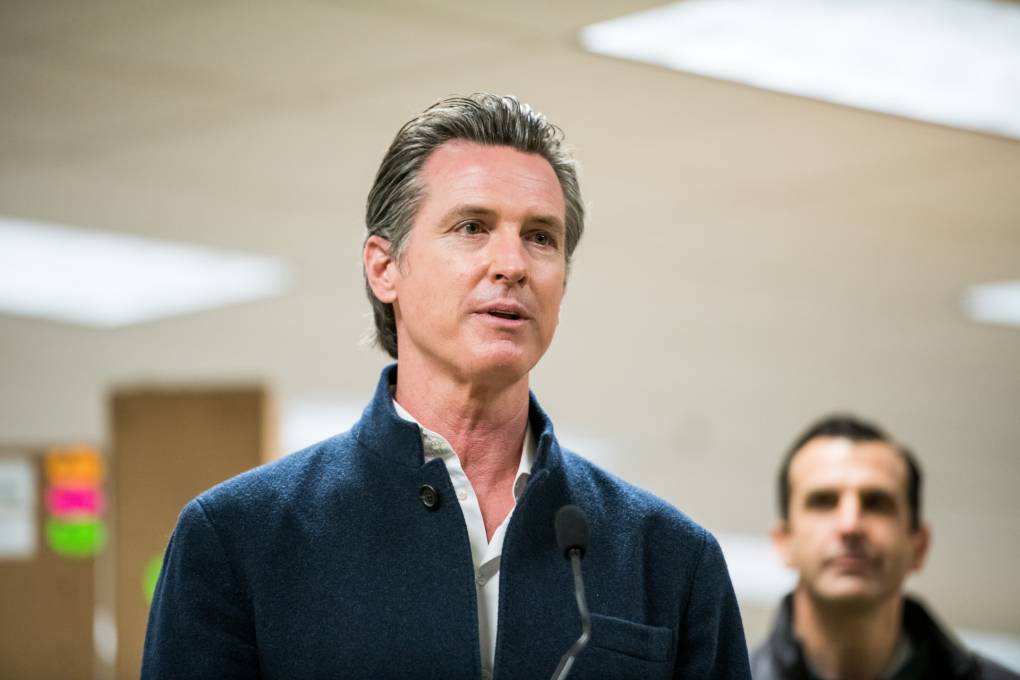
"caption": "Gov. Gavin Newsom (pictured in March) said California 'is poised for an economic recovery' as he unveiled his new state budget proposal Friday.",
"description": "Gov. Gavin Newsom (pictured in March) said California 'is poised for an economic recovery' as he unveiled his new state budget proposal Friday.",
"title": "RS42393_038_KQED_BethLaBerge_BloomEnergy_Newsom_03282020-qut",
"credit": "Beth LaBerge/KQED",
"status": "inherit",
"altTag": "Gov. Gavin Newsom photographed in March, 2020",
"isLoading": false,
"fetchFailed": false
},
"news_11853247": {
"type": "attachments",
"id": "news_11853247",
"meta": {
"index": "attachments_1716263798",
"site": "news",
"id": "11853247",
"found": true
},
"parent": 11853246,
"imgSizes": {
"apple_news_ca_landscape_5_5": {
"file": "https://ww2.kqed.org/app/uploads/sites/10/2020/12/GettyImages-1229643785-1044x783.jpg",
"width": 1044,
"mimeType": "image/jpeg",
"height": 783
},
"apple_news_ca_square_4_0": {
"file": "https://ww2.kqed.org/app/uploads/sites/10/2020/12/GettyImages-1229643785-470x470.jpg",
"width": 470,
"mimeType": "image/jpeg",
"height": 470
},
"twentyfourteen-full-width": {
"file": "https://ww2.kqed.org/app/uploads/sites/10/2020/12/GettyImages-1229643785-1038x576.jpg",
"width": 1038,
"mimeType": "image/jpeg",
"height": 576
},
"thumbnail": {
"file": "https://ww2.kqed.org/app/uploads/sites/10/2020/12/GettyImages-1229643785-160x99.jpg",
"width": 160,
"mimeType": "image/jpeg",
"height": 99
},
"post-thumbnail": {
"file": "https://ww2.kqed.org/app/uploads/sites/10/2020/12/GettyImages-1229643785-672x372.jpg",
"width": 672,
"mimeType": "image/jpeg",
"height": 372
},
"kqedFullSize": {
"file": "https://ww2.kqed.org/app/uploads/sites/10/2020/12/GettyImages-1229643785-scaled.jpg",
"width": 2560,
"height": 1579
},
"2048x2048": {
"file": "https://ww2.kqed.org/app/uploads/sites/10/2020/12/GettyImages-1229643785-2048x1263.jpg",
"width": 2048,
"mimeType": "image/jpeg",
"height": 1263
},
"apple_news_ca_landscape_4_7": {
"file": "https://ww2.kqed.org/app/uploads/sites/10/2020/12/GettyImages-1229643785-632x474.jpg",
"width": 632,
"mimeType": "image/jpeg",
"height": 474
},
"large": {
"file": "https://ww2.kqed.org/app/uploads/sites/10/2020/12/GettyImages-1229643785-1020x629.jpg",
"width": 1020,
"mimeType": "image/jpeg",
"height": 629
},
"apple_news_ca_landscape_4_0": {
"file": "https://ww2.kqed.org/app/uploads/sites/10/2020/12/GettyImages-1229643785-536x402.jpg",
"width": 536,
"mimeType": "image/jpeg",
"height": 402
},
"apple_news_ca_portrait_12_9": {
"file": "https://ww2.kqed.org/app/uploads/sites/10/2020/12/GettyImages-1229643785-1122x1496.jpg",
"width": 1122,
"mimeType": "image/jpeg",
"height": 1496
},
"medium": {
"file": "https://ww2.kqed.org/app/uploads/sites/10/2020/12/GettyImages-1229643785-800x494.jpg",
"width": 800,
"mimeType": "image/jpeg",
"height": 494
},
"apple_news_ca_portrait_4_0": {
"file": "https://ww2.kqed.org/app/uploads/sites/10/2020/12/GettyImages-1229643785-354x472.jpg",
"width": 354,
"mimeType": "image/jpeg",
"height": 472
},
"apple_news_ca_portrait_9_7": {
"file": "https://ww2.kqed.org/app/uploads/sites/10/2020/12/GettyImages-1229643785-840x1120.jpg",
"width": 840,
"mimeType": "image/jpeg",
"height": 1120
},
"apple_news_ca_landscape_12_9": {
"file": "https://ww2.kqed.org/app/uploads/sites/10/2020/12/GettyImages-1229643785-1832x1374.jpg",
"width": 1832,
"mimeType": "image/jpeg",
"height": 1374
},
"apple_news_ca_square_9_7": {
"file": "https://ww2.kqed.org/app/uploads/sites/10/2020/12/GettyImages-1229643785-1104x1104.jpg",
"width": 1104,
"mimeType": "image/jpeg",
"height": 1104
},
"1536x1536": {
"file": "https://ww2.kqed.org/app/uploads/sites/10/2020/12/GettyImages-1229643785-1536x948.jpg",
"width": 1536,
"mimeType": "image/jpeg",
"height": 948
},
"apple_news_ca_portrait_4_7": {
"file": "https://ww2.kqed.org/app/uploads/sites/10/2020/12/GettyImages-1229643785-414x552.jpg",
"width": 414,
"mimeType": "image/jpeg",
"height": 552
},
"apple_news_ca_square_12_9": {
"file": "https://ww2.kqed.org/app/uploads/sites/10/2020/12/GettyImages-1229643785-1472x1472.jpg",
"width": 1472,
"mimeType": "image/jpeg",
"height": 1472
},
"apple_news_ca_portrait_5_5": {
"file": "https://ww2.kqed.org/app/uploads/sites/10/2020/12/GettyImages-1229643785-687x916.jpg",
"width": 687,
"mimeType": "image/jpeg",
"height": 916
},
"full-width": {
"file": "https://ww2.kqed.org/app/uploads/sites/10/2020/12/GettyImages-1229643785-1920x1184.jpg",
"width": 1920,
"mimeType": "image/jpeg",
"height": 1184
},
"apple_news_ca_square_4_7": {
"file": "https://ww2.kqed.org/app/uploads/sites/10/2020/12/GettyImages-1229643785-550x550.jpg",
"width": 550,
"mimeType": "image/jpeg",
"height": 550
},
"apple_news_ca_landscape_9_7": {
"file": "https://ww2.kqed.org/app/uploads/sites/10/2020/12/GettyImages-1229643785-1376x1032.jpg",
"width": 1376,
"mimeType": "image/jpeg",
"height": 1032
},
"apple_news_ca_square_5_5": {
"file": "https://ww2.kqed.org/app/uploads/sites/10/2020/12/GettyImages-1229643785-912x912.jpg",
"width": 912,
"mimeType": "image/jpeg",
"height": 912
}
},
"publishDate": 1609360097,
"modified": 1609372187,
"caption": "First grade students prepare for class at St. Joseph Catholic School in La Puente, California on Nov. 16, 2020, where pre-kindergarten to second grade students in need of special services returned to the classroom for in-person instruction. ",
"description": null,
"title": "GettyImages-1229643785",
"credit": "Frederic J. Brown/AFP via Getty Images",
"status": "inherit",
"altTag": "First grade students prepare for class at St. Joseph Catholic School in La Puente, California on November 16, 2020, where pre-kindergarten to second grade students in need of special services returned to the classroom for in-person instruction.",
"isLoading": false,
"fetchFailed": false
},
"news_11813618": {
"type": "attachments",
"id": "news_11813618",
"meta": {
"index": "attachments_1716263798",
"site": "news",
"id": "11813618",
"found": true
},
"parent": 11813616,
"imgSizes": {
"apple_news_ca_landscape_5_5": {
"file": "https://ww2.kqed.org/app/uploads/sites/10/2020/04/KQED-Coronavirus-Updates-1-1044x628.jpg",
"width": 1044,
"mimeType": "image/jpeg",
"height": 628
},
"apple_news_ca_square_4_0": {
"file": "https://ww2.kqed.org/app/uploads/sites/10/2020/04/KQED-Coronavirus-Updates-1-470x470.jpg",
"width": 470,
"mimeType": "image/jpeg",
"height": 470
},
"twentyfourteen-full-width": {
"file": "https://ww2.kqed.org/app/uploads/sites/10/2020/04/KQED-Coronavirus-Updates-1-1038x576.jpg",
"width": 1038,
"mimeType": "image/jpeg",
"height": 576
},
"thumbnail": {
"file": "https://ww2.kqed.org/app/uploads/sites/10/2020/04/KQED-Coronavirus-Updates-1-160x84.jpg",
"width": 160,
"mimeType": "image/jpeg",
"height": 84
},
"post-thumbnail": {
"file": "https://ww2.kqed.org/app/uploads/sites/10/2020/04/KQED-Coronavirus-Updates-1-672x372.jpg",
"width": 672,
"mimeType": "image/jpeg",
"height": 372
},
"kqedFullSize": {
"file": "https://ww2.kqed.org/app/uploads/sites/10/2020/04/KQED-Coronavirus-Updates-1.jpg",
"width": 1200,
"height": 628
},
"apple_news_ca_landscape_4_7": {
"file": "https://ww2.kqed.org/app/uploads/sites/10/2020/04/KQED-Coronavirus-Updates-1-632x474.jpg",
"width": 632,
"mimeType": "image/jpeg",
"height": 474
},
"large": {
"file": "https://ww2.kqed.org/app/uploads/sites/10/2020/04/KQED-Coronavirus-Updates-1-1020x534.jpg",
"width": 1020,
"mimeType": "image/jpeg",
"height": 534
},
"apple_news_ca_landscape_4_0": {
"file": "https://ww2.kqed.org/app/uploads/sites/10/2020/04/KQED-Coronavirus-Updates-1-536x402.jpg",
"width": 536,
"mimeType": "image/jpeg",
"height": 402
},
"apple_news_ca_portrait_12_9": {
"file": "https://ww2.kqed.org/app/uploads/sites/10/2020/04/KQED-Coronavirus-Updates-1-1122x628.jpg",
"width": 1122,
"mimeType": "image/jpeg",
"height": 628
},
"medium": {
"file": "https://ww2.kqed.org/app/uploads/sites/10/2020/04/KQED-Coronavirus-Updates-1-800x419.jpg",
"width": 800,
"mimeType": "image/jpeg",
"height": 419
},
"apple_news_ca_portrait_4_0": {
"file": "https://ww2.kqed.org/app/uploads/sites/10/2020/04/KQED-Coronavirus-Updates-1-354x472.jpg",
"width": 354,
"mimeType": "image/jpeg",
"height": 472
},
"apple_news_ca_portrait_9_7": {
"file": "https://ww2.kqed.org/app/uploads/sites/10/2020/04/KQED-Coronavirus-Updates-1-840x628.jpg",
"width": 840,
"mimeType": "image/jpeg",
"height": 628
},
"apple_news_ca_square_9_7": {
"file": "https://ww2.kqed.org/app/uploads/sites/10/2020/04/KQED-Coronavirus-Updates-1-1104x628.jpg",
"width": 1104,
"mimeType": "image/jpeg",
"height": 628
},
"apple_news_ca_portrait_4_7": {
"file": "https://ww2.kqed.org/app/uploads/sites/10/2020/04/KQED-Coronavirus-Updates-1-414x552.jpg",
"width": 414,
"mimeType": "image/jpeg",
"height": 552
},
"apple_news_ca_portrait_5_5": {
"file": "https://ww2.kqed.org/app/uploads/sites/10/2020/04/KQED-Coronavirus-Updates-1-687x628.jpg",
"width": 687,
"mimeType": "image/jpeg",
"height": 628
},
"apple_news_ca_square_4_7": {
"file": "https://ww2.kqed.org/app/uploads/sites/10/2020/04/KQED-Coronavirus-Updates-1-550x550.jpg",
"width": 550,
"mimeType": "image/jpeg",
"height": 550
},
"apple_news_ca_square_5_5": {
"file": "https://ww2.kqed.org/app/uploads/sites/10/2020/04/KQED-Coronavirus-Updates-1-912x628.jpg",
"width": 912,
"mimeType": "image/jpeg",
"height": 628
}
},
"publishDate": 1587575003,
"modified": 1587575062,
"caption": "Coronavirus Live Updates logo.",
"description": null,
"title": "KQED-Coronavirus-Live-Updates",
"credit": null,
"status": "inherit",
"isLoading": false,
"fetchFailed": false
}
},
"audioPlayerReducer": {
"postId": "stream_live",
"isPaused": true,
"isPlaying": false,
"pfsActive": false,
"pledgeModalIsOpen": true,
"playerDrawerIsOpen": false,
"liveAudioPlayStartedAt": 0,
"liveAudioPlayContext": ""
},
"authorsReducer": {
"byline_news_11857527": {
"type": "authors",
"id": "byline_news_11857527",
"meta": {
"override": true
},
"slug": "byline_news_11857527",
"name": "Merrit Kennedy",
"isLoading": false
},
"byline_news_11853246": {
"type": "authors",
"id": "byline_news_11853246",
"meta": {
"override": true
},
"slug": "byline_news_11853246",
"name": "Don Thompson\u003cbr>Associated Press ",
"isLoading": false
},
"jbrooks": {
"type": "authors",
"id": "80",
"meta": {
"index": "authors_1716337520",
"id": "80",
"found": true
},
"name": "Jon Brooks",
"firstName": "Jon",
"lastName": "Brooks",
"slug": "jbrooks",
"email": "jbrooks@kqed.org",
"display_author_email": true,
"staff_mastheads": [
"science"
],
"title": "Digital Editor",
"bio": "Jon Brooks is a former Digital Editor for KQED Science. He is the former editor of KQED’s daily news blog, News Fix. In 2014, he won a California Journalism Award for his coverage of ride services like Uber and Lyft and the taxi industry. A veteran blogger, he previously worked for Yahoo! in various news writing and editing roles. Jon is also a playwright whose work has been produced in San Francisco, New York, Italy, and around the U.S. He has written about film for his own blog and studied film at Boston University.",
"avatar": "https://secure.gravatar.com/avatar/98887f7ed1c876ed414d4c915e969584?s=600&d=blank&r=g",
"twitter": "jbrooksfoy",
"facebook": null,
"instagram": null,
"linkedin": null,
"sites": [
{
"site": "arts",
"roles": [
"Contributor",
"editor"
]
},
{
"site": "news",
"roles": [
"author"
]
},
{
"site": "futureofyou",
"roles": [
"administrator"
]
},
{
"site": "mindshift",
"roles": [
"editor"
]
},
{
"site": "stateofhealth",
"roles": [
"editor"
]
},
{
"site": "science",
"roles": [
"administrator"
]
},
{
"site": "quest",
"roles": [
"editor"
]
}
],
"headData": {
"title": "Jon Brooks | KQED",
"description": "Digital Editor",
"ogImgSrc": "https://secure.gravatar.com/avatar/98887f7ed1c876ed414d4c915e969584?s=600&d=blank&r=g",
"twImgSrc": "https://secure.gravatar.com/avatar/98887f7ed1c876ed414d4c915e969584?s=600&d=blank&r=g"
},
"isLoading": false,
"link": "/author/jbrooks"
},
"gmarzorati": {
"type": "authors",
"id": "227",
"meta": {
"index": "authors_1716337520",
"id": "227",
"found": true
},
"name": "Guy Marzorati",
"firstName": "Guy",
"lastName": "Marzorati",
"slug": "gmarzorati",
"email": "gmarzorati@KQED.org",
"display_author_email": true,
"staff_mastheads": [
"news"
],
"title": "Correspondent",
"bio": "Guy Marzorati is a correspondent on KQED's California Politics and Government Desk, based in San Jose. A graduate of Santa Clara University, Guy joined KQED in 2013. He reports on state and local politics and produces KQED's digital voter guide.",
"avatar": "https://secure.gravatar.com/avatar/e7038b8dbfd55b104369b76b1cd0b9de?s=600&d=blank&r=g",
"twitter": "guymarzorati",
"facebook": null,
"instagram": null,
"linkedin": null,
"sites": [
{
"site": "",
"roles": [
"editor"
]
},
{
"site": "news",
"roles": [
"editor"
]
},
{
"site": "science",
"roles": [
"editor"
]
},
{
"site": "forum",
"roles": [
"editor"
]
},
{
"site": "elections",
"roles": [
"editor"
]
},
{
"site": "liveblog",
"roles": [
"editor"
]
}
],
"headData": {
"title": "Guy Marzorati | KQED",
"description": "Correspondent",
"ogImgSrc": "https://secure.gravatar.com/avatar/e7038b8dbfd55b104369b76b1cd0b9de?s=600&d=blank&r=g",
"twImgSrc": "https://secure.gravatar.com/avatar/e7038b8dbfd55b104369b76b1cd0b9de?s=600&d=blank&r=g"
},
"isLoading": false,
"link": "/author/gmarzorati"
},
"jmcevoy": {
"type": "authors",
"id": "231",
"meta": {
"index": "authors_1716337520",
"id": "231",
"found": true
},
"name": "Julia McEvoy",
"firstName": "Julia",
"lastName": "McEvoy",
"slug": "jmcevoy",
"email": "jmcevoy@KQED.org",
"display_author_email": true,
"staff_mastheads": [
"news"
],
"title": "KQED Senior Editor",
"bio": "Julia McEvoy is KQED's Senior Editor, Education Equity.\r\n\r\nJulia heads KQED’s education coverage examining inequities students face in Bay Area and California schools, and reports on what it will take to educate the next generation.\r\n\r\nJulia's editorial work has received a Peabody Award, a Casey Medal for Coverage of Children and Families, several Edward R. Murrow awards, as well as awards from the Public Radio News Directors Inc. and the Society for Professional Journalists.",
"avatar": "https://secure.gravatar.com/avatar/aec3ce21abe02b302fd33638abd56a22?s=600&d=blank&r=g",
"twitter": "juliamcevoy1",
"facebook": null,
"instagram": null,
"linkedin": null,
"sites": [
{
"site": "news",
"roles": []
},
{
"site": "stateofhealth",
"roles": [
"author"
]
}
],
"headData": {
"title": "Julia McEvoy | KQED",
"description": "KQED Senior Editor",
"ogImgSrc": "https://secure.gravatar.com/avatar/aec3ce21abe02b302fd33638abd56a22?s=600&d=blank&r=g",
"twImgSrc": "https://secure.gravatar.com/avatar/aec3ce21abe02b302fd33638abd56a22?s=600&d=blank&r=g"
},
"isLoading": false,
"link": "/author/jmcevoy"
},
"mlagos": {
"type": "authors",
"id": "3239",
"meta": {
"index": "authors_1716337520",
"id": "3239",
"found": true
},
"name": "Marisa Lagos",
"firstName": "Marisa",
"lastName": "Lagos",
"slug": "mlagos",
"email": "mlagos@kqed.org",
"display_author_email": false,
"staff_mastheads": [
"news"
],
"title": "KQED Contributor",
"bio": "Marisa Lagos is a correspondent for KQED’s California Politics and Government Desk and co-hosts the award-winning show and podcast, Political Breakdown. At KQED, Lagos also conducts reporting, analysis and investigations into state, local and national politics for radio, TV, online and onstage. In 2022, she and co-host, Scott Shafer, moderated the only gubernatorial debate in California. In 2020, the \u003ci>Washington Post\u003c/i> named her one of the top political journalists in California; she was nominated for a Peabody and won several other awards for her work investigating the 2017 California wildfires. She has worked at the \u003ci>San Francisco Chronicle\u003c/i>, \u003ci>San Francisco Examiner\u003c/i> and \u003ci>Los Angeles Times\u003c/i>. A UC Santa Barbara graduate, she lives in San Francisco with her two sons and husband.",
"avatar": "https://secure.gravatar.com/avatar/a261a0d3696fc066871ef96b85b5e7d2?s=600&d=blank&r=g",
"twitter": "@mlagos",
"facebook": null,
"instagram": null,
"linkedin": null,
"sites": [
{
"site": "arts",
"roles": [
"author"
]
},
{
"site": "news",
"roles": [
"editor"
]
},
{
"site": "science",
"roles": [
"editor"
]
},
{
"site": "forum",
"roles": [
"author"
]
},
{
"site": "liveblog",
"roles": [
"author"
]
}
],
"headData": {
"title": "Marisa Lagos | KQED",
"description": "KQED Contributor",
"ogImgSrc": "https://secure.gravatar.com/avatar/a261a0d3696fc066871ef96b85b5e7d2?s=600&d=blank&r=g",
"twImgSrc": "https://secure.gravatar.com/avatar/a261a0d3696fc066871ef96b85b5e7d2?s=600&d=blank&r=g"
},
"isLoading": false,
"link": "/author/mlagos"
},
"cveltman": {
"type": "authors",
"id": "8608",
"meta": {
"index": "authors_1716337520",
"id": "8608",
"found": true
},
"name": "Chloe Veltman",
"firstName": "Chloe",
"lastName": "Veltman",
"slug": "cveltman",
"email": "cveltman@kqed.org",
"display_author_email": true,
"staff_mastheads": [],
"title": "Arts and Culture Reporter",
"bio": "Chloe Veltman is a former arts and culture reporter for KQED. Prior to joining the organization, she launched and led the arts bureau at Colorado Public Radio, served as the Bay Area's culture columnist for the New York Times, and was the founder, host and executive producer of VoiceBox, a national award-winning weekly podcast/radio show and live events series all about the human voice. Chloe is the recipient of numerous prizes, grants and fellowships including a Webby Award for her work on interactive storytelling, both the John S Knight Journalism Fellowship and Humanities Center Fellowship at Stanford University, the Sundance Arts Writing Fellowship and a Library of Congress Research Fellowship. She is the author of the book \"On Acting\" and has appeared as a guest lecturer at Yale University and the San Francisco Conservatory of Music among other institutions. She holds a BA in english literature from King's College, Cambridge, and a Masters in Dramaturgy from the Central School of Speech and Drama/Harvard Institute for Advanced Theater Training.\r\n\u003ca href=\"https://www.chloeveltman.com\">www.chloeveltman.com\u003c/a>",
"avatar": "https://secure.gravatar.com/avatar/55403394b00a1ddab683952c2eb2cf85?s=600&d=blank&r=g",
"twitter": "chloeveltman",
"facebook": null,
"instagram": null,
"linkedin": null,
"sites": [
{
"site": "arts",
"roles": []
},
{
"site": "news",
"roles": [
"author"
]
},
{
"site": "pop",
"roles": [
"editor"
]
},
{
"site": "science",
"roles": []
}
],
"headData": {
"title": "Chloe Veltman | KQED",
"description": "Arts and Culture Reporter",
"ogImgSrc": "https://secure.gravatar.com/avatar/55403394b00a1ddab683952c2eb2cf85?s=600&d=blank&r=g",
"twImgSrc": "https://secure.gravatar.com/avatar/55403394b00a1ddab683952c2eb2cf85?s=600&d=blank&r=g"
},
"isLoading": false,
"link": "/author/cveltman"
},
"lklivans": {
"type": "authors",
"id": "8648",
"meta": {
"index": "authors_1716337520",
"id": "8648",
"found": true
},
"name": "Laura Klivans",
"firstName": "Laura",
"lastName": "Klivans",
"slug": "lklivans",
"email": "lklivans@kqed.org",
"display_author_email": true,
"staff_mastheads": [
"news",
"science"
],
"title": "Reporter",
"bio": "Laura Klivans is an award-winning science reporter for KQED News, where she covers climate change with an eye on both groundbreaking progress and gaps in action. She is the former host of KQED's blockbuster video series about tiny, amazing animals, \u003cem>Deep Look\u003c/em>. Her work reaches national audiences through NPR, \u003cem>Here & Now, \u003c/em>PRI, and other major outlets. \r\n\r\nLaura’s won five Northern California Area Emmy Awards for Deep Look and First Place in the Greater Bay Area Journalism Awards for a podcast exploring how one Oakland neighborhood teamed up to reduce planet-heating pollution.\r\n\r\nBeyond her reporting, she hosts and moderates events. In the past, she taught audio storytelling at the UC Berkeley Graduate School of Journalism, led international education programs, worked with immigrants and refugees along the Thai-Burmese border, taught high schoolers sex ed, and was an actress. \r\n\r\nShe's a former UC Berkeley Human Rights Fellow, USC Center for Health Journalism's California Fellow and Coro Fellow in Public Affairs. Laura has a master’s in journalism from UC Berkeley, a master’s in education from Harvard, and an undergraduate degree from Northwestern University.\r\n\r\nShe loves trying to riddle the meaning out of vanity license plates.",
"avatar": "https://secure.gravatar.com/avatar/2d2ecd1550a494cc10ad4a503406965585902124739e775a9b3817eebf1d88be?s=600&d=blank&r=g",
"twitter": "lauraklivans",
"bluesky": null,
"facebook": null,
"instagram": null,
"linkedin": null,
"sites": [
{
"site": "news",
"roles": [
"editor"
]
},
{
"site": "stateofhealth",
"roles": [
"contributor",
"editor"
]
},
{
"site": "science",
"roles": [
"editor"
]
},
{
"site": "forum",
"roles": [
"editor"
]
}
],
"headData": {
"title": "Laura Klivans | KQED",
"description": "Reporter",
"ogImgSrc": "https://secure.gravatar.com/avatar/2d2ecd1550a494cc10ad4a503406965585902124739e775a9b3817eebf1d88be?s=600&d=blank&r=g",
"twImgSrc": "https://secure.gravatar.com/avatar/2d2ecd1550a494cc10ad4a503406965585902124739e775a9b3817eebf1d88be?s=600&d=blank&r=g"
},
"isLoading": false,
"link": "/author/lklivans"
},
"vrancano": {
"type": "authors",
"id": "11276",
"meta": {
"index": "authors_1716337520",
"id": "11276",
"found": true
},
"name": "Vanessa Rancaño",
"firstName": "Vanessa",
"lastName": "Rancaño",
"slug": "vrancano",
"email": "vrancano@kqed.org",
"display_author_email": false,
"staff_mastheads": [
"news"
],
"title": "Reporter",
"bio": "Vanessa Rancaño is a features reporter for KQED. She’s also covered homelessness and education for the station and reported from the Central Valley. Her work has aired across public radio, from flagship national news shows to longform narrative podcasts. Before taking up a mic, she worked as a freelance print journalist. She’s been recognized with a number of national and regional awards. Vanessa grew up in California's Central Valley. She's a former NPR Kroc Fellow, and a graduate of the UC Berkeley Graduate School of Journalism.",
"avatar": "https://secure.gravatar.com/avatar/b3a383dfb0e7ee1c17568f2cf067904ab654d6e3de9743fc661f3c788ade1bed?s=600&d=blank&r=g",
"twitter": "vanessarancano",
"bluesky": null,
"facebook": null,
"instagram": null,
"linkedin": null,
"sites": [
{
"site": "arts",
"roles": [
"editor"
]
},
{
"site": "news",
"roles": [
"editor"
]
},
{
"site": "liveblog",
"roles": [
"contributor"
]
}
],
"headData": {
"title": "Vanessa Rancaño | KQED",
"description": "Reporter",
"ogImgSrc": "https://secure.gravatar.com/avatar/b3a383dfb0e7ee1c17568f2cf067904ab654d6e3de9743fc661f3c788ade1bed?s=600&d=blank&r=g",
"twImgSrc": "https://secure.gravatar.com/avatar/b3a383dfb0e7ee1c17568f2cf067904ab654d6e3de9743fc661f3c788ade1bed?s=600&d=blank&r=g"
},
"isLoading": false,
"link": "/author/vrancano"
},
"ebaldassari": {
"type": "authors",
"id": "11652",
"meta": {
"index": "authors_1716337520",
"id": "11652",
"found": true
},
"name": "Erin Baldassari",
"firstName": "Erin",
"lastName": "Baldassari",
"slug": "ebaldassari",
"email": "ebaldassari@KQED.org",
"display_author_email": true,
"staff_mastheads": [
"news"
],
"title": "Staff Writer",
"bio": "Erin Baldassari covers housing for KQED. She's a former print journalist and most recently worked as the transportation reporter for the \u003cem>Mercury News\u003c/em> and \u003cem>East Bay Times. \u003c/em>There, she focused on how the Bay Area’s housing shortage has changed the way people move around the region. She also served on the \u003cem>East Bay Times\u003c/em>’ 2017 Pulitzer Prize-winning team for coverage of the Ghost Ship Fire in Oakland. Prior to that, Erin worked as a breaking news and general assignment reporter for a variety of outlets in the Bay Area and the greater Boston area. A Tufts University alumna, Erin grew up in the foothills of the Sierra Nevada mountains and in Sonoma County. She is a life-long KQED listener.",
"avatar": "https://secure.gravatar.com/avatar/5e95cad64a8ca08288082212e199d2b0cbeb4fd8e8ef5339395f361032bbe005?s=600&d=blank&r=g",
"twitter": "e_baldi",
"bluesky": null,
"facebook": null,
"instagram": null,
"linkedin": null,
"sites": [
{
"site": "news",
"roles": [
"edit_others_posts",
"editor"
]
},
{
"site": "science",
"roles": [
"editor"
]
},
{
"site": "liveblog",
"roles": [
"editor"
]
}
],
"headData": {
"title": "Erin Baldassari | KQED",
"description": "Staff Writer",
"ogImgSrc": "https://secure.gravatar.com/avatar/5e95cad64a8ca08288082212e199d2b0cbeb4fd8e8ef5339395f361032bbe005?s=600&d=blank&r=g",
"twImgSrc": "https://secure.gravatar.com/avatar/5e95cad64a8ca08288082212e199d2b0cbeb4fd8e8ef5339395f361032bbe005?s=600&d=blank&r=g"
},
"isLoading": false,
"link": "/author/ebaldassari"
}
},
"pagesReducer": {
"news_tag_education": {
"type": "terms",
"id": "news_20013",
"meta": {
"index": "terms_1716263798",
"site": "news",
"id": "20013",
"score": 6.9701543
},
"featImg": null,
"name": "education",
"description": null,
"taxonomy": "tag",
"headData": {
"twImgId": null,
"twTitle": null,
"ogTitle": null,
"ogImgId": null,
"twDescription": null,
"description": null,
"title": "education Archives | KQED News",
"ogDescription": null
},
"ttid": 20030,
"slug": "education",
"isLoading": false,
"title": "education",
"pageMeta": {
"site": "news",
"WpPageTemplate": "page-topic-editorial",
"currentPage": 83
},
"blocks": [
{
"blockName": "kqed/post-list",
"attrs": {
"layout": "cardArticle2",
"query": "posts/news?tag=education",
"seeMore": false,
"paginated": true,
"page": 83
}
},
{
"blockName": "kqed/ad"
}
]
}
},
"pfsSessionReducer": {},
"postsReducer": {
"stream_live": {
"type": "live",
"id": "stream_live",
"audioUrl": "https://streams.kqed.org/kqedradio",
"title": "Live Stream",
"excerpt": "Live Stream information currently unavailable.",
"link": "/radio",
"featImg": "",
"label": {
"name": "KQED Live",
"link": "/"
}
},
"stream_kqedNewscast": {
"type": "posts",
"id": "stream_kqedNewscast",
"audioUrl": "https://www.kqed.org/.stream/anon/radio/RDnews/newscast.mp3?_=1",
"title": "KQED Newscast",
"featImg": "",
"label": {
"name": "88.5 FM",
"link": "/"
}
},
"news_11858550": {
"type": "posts",
"id": "news_11858550",
"meta": {
"index": "posts_1716263798",
"site": "news",
"id": "11858550",
"score": null,
"sort": [
1612469529000
]
},
"parent": 0,
"labelTerm": {
"site": "news"
},
"blocks": [],
"publishDate": 1612469529,
"format": "standard",
"disqusTitle": "How One Watts School Went All In Dealing With the Capitol Insurrection",
"title": "How One Watts School Went All In Dealing With the Capitol Insurrection",
"headTitle": "KQED News",
"content": "\u003cp>The morning after a violent mob stormed the U.S. Capitol, Principal Blain Watson was stressing.\u003c/p>\n\u003cp>“I was up all night thinking about the responsibility,” said the principal of academics at Alain LeRoy Locke College Preparatory Academy in Watts.\u003c/p>\n\u003cp>[pullquote citation=\"Angelica Barrera, 17\"]'I don't want to be old and know that when I saw events happening, I did nothing about it.' [/pullquote]After the Jan. 6 insurrection, which disrupted Congress’s official electoral tally in favor of Joe Biden, educators around California had to decide how to address the attack with students. Some only touched lightly on the subject, others had full lessons prepared the following day, and many opted to avoid the subject altogether.\u003c/p>\n\u003cp>Watson went all in.\u003c/p>\n\u003cp>“A lot of us make the mistake of just saying, ‘All right, kids, this is what happened. Let's hear your thoughts,’ ” he said. “But we have to really be responsible about the messaging around race.”\u003c/p>\n\u003cp>Between COVID-19 and the examination of systemic racism after the killing of George Floyd, Watson knew his mostly Black and Latino students were already raw. Now, rioters, some with white supremacist ties, had carried the Confederate flag into the Capitol in the name of overturning a fair election, something they hoped to accomplish by a rejection of election results, based largely on fictional conspiracy theories about fraud in cities with large Black populations.\u003c/p>\n\u003cp>So if teachers were going to support their students, they’d need support, too.\u003c/p>\n\u003cp>“Educators need to be prepared for the range of emotions kids may be feeling — from sadness to rage,” Watson said.\u003c/p>\n\u003cp>Beyond helping students explore their emotions, he wanted to empower them to channel those feelings into designing a schoolwide response.\u003c/p>\n\u003cp>For 17-year-old Marveon Mabon, the student body president, the invitation was welcome; he’d been hungry to create a space for students to bring their full selves to the classroom.\u003c/p>\n\u003cp>“I feel like the schools expect us to just drop the hardship, drop the losses, drop the traumatic experience that we go through and just focus on school,” Mabon said.\u003c/p>\n\u003cp>Student Vice President Angelica Barrera, 17, jumped at the chance, too.\u003c/p>\n\u003cp>“I don't want to be old and know that when I saw events happening, I did nothing about it,” she said. “My main goal for this is to get students ready, to teach them how to respond when we see things like this happen, instead of ignoring it or letting it defeat us.”\u003c/p>\n\u003cp>[ad fullwidth]\u003c/p>\n\u003ch3>How Am I Going to Get Through This?\u003c/h3>\n\u003cp>In the days after the attack on the Capitol, Watson, Mabon and Barrera got together with teachers over Zoom to begin planning a series of virtual town halls, where the school could engage in deeper discussion about what happened.\u003c/p>\n\u003cp>“I started class with tears in my eyes. And I was like, how am I going to get through this?” history teacher Alette Kendrick told the group during the first meeting a couple days after the attack. “In these times where it feels like it's so important to be a good teacher, I've also felt like there's never been a harder time for me to be a good teacher.”\u003c/p>\n\u003cp>The conversation moved from how to handle their own emotions to the importance of teaching the history of resistance in Black and brown communities to the way the insurrection was resurfacing family trauma for recent immigrant students from Central America whose parents had fled civil war.\u003c/p>\n\u003cp>Kendrick called on colleagues to ground themselves in the history needed to give students proper context.\u003c/p>\n\u003cp>“We ourselves have to become versed and informed to be able to support our students in understanding this moment and having agency within it,” Kendrick said. “We've seen things very similar to this happen. And what that means is that we can also look to how people have been able to respond and survive this type of violence in the past.”\u003c/p>\n\u003cp>The group talked about connecting the current moment to Watts’ own history of civil unrest and how it shaped the community. In fact, their very school was \u003ca href=\"https://ca.greendot.org/locke/about-us/\">built in response\u003c/a> to the \u003ca href=\"https://www.latimes.com/local/lanow/la-me-ln-watts-riots-explainer-20150715-htmlstory.html\">Watts uprising of 1965\u003c/a>.\u003c/p>\n\u003cp>Eventually the group is hoping to bring community elders and local activists to speak to students as part of the town hall series. To pull something off before the inauguration, they started small. The afternoon before Biden was sworn in, they held their first event, a panel discussion with students and teachers.\u003c/p>\n\u003cp>“Our community is a community that we hear too often is underheard and underrepresented,” Mabon told the 60 or so students, parents and staff in the Zoom conference. “And this will be that platform to now represent and make sure our voices are heard.”\u003c/p>\n\u003cfigure id=\"attachment_11858572\" class=\"wp-caption aligncenter\" style=\"max-width: 800px\">\u003cimg class=\"size-medium wp-image-11858572\" src=\"https://ww2.kqed.org/app/uploads/sites/10/2021/02/Screen-Shot-2021-01-19-at-3.49.12-PM-800x500.png\" alt=\"\" width=\"800\" height=\"500\" srcset=\"https://ww2.kqed.org/app/uploads/sites/10/2021/02/Screen-Shot-2021-01-19-at-3.49.12-PM-800x500.png 800w, https://ww2.kqed.org/app/uploads/sites/10/2021/02/Screen-Shot-2021-01-19-at-3.49.12-PM-1020x638.png 1020w, https://ww2.kqed.org/app/uploads/sites/10/2021/02/Screen-Shot-2021-01-19-at-3.49.12-PM-160x100.png 160w, https://ww2.kqed.org/app/uploads/sites/10/2021/02/Screen-Shot-2021-01-19-at-3.49.12-PM-1536x960.png 1536w, https://ww2.kqed.org/app/uploads/sites/10/2021/02/Screen-Shot-2021-01-19-at-3.49.12-PM-2048x1280.png 2048w, https://ww2.kqed.org/app/uploads/sites/10/2021/02/Screen-Shot-2021-01-19-at-3.49.12-PM-1920x1200.png 1920w\" sizes=\"(max-width: 800px) 100vw, 800px\">\u003cfigcaption class=\"wp-caption-text\">Student leaders collected their classmates' reactions to the insurrection and presented them at the first town hall.\u003c/figcaption>\u003c/figure>\n\u003cp>In the lead-up to the discussion, the school had surveyed students about the insurrection, and Mabon shared the results: Though 80% said they’d discussed the topic in class, nearly half said they were confused about the events.\u003c/p>\n\u003cp>The town hall provided a place for the student leaders to answer questions and share their own thoughts.\u003c/p>\n\u003cp>“What happened at that capital is an insult,” Barrera said. \"It was horrible. I was in shock. And as young kids, we have to grow up with this.”\u003c/p>\n\u003cp>Teachers also got a chance to talk about what’s occurred in the past.\u003c/p>\n\u003cp>“We’ve seen it in our country before, and we’ve survived it before,” Kendrick said, describing the insurrection as part of a pattern of white supremacist violence throughout American history. “Most importantly, these things happen as a backlash, as a negative response to a lot of positive changes and progress that’s actually happening in our country.”\u003c/p>\n\u003cp>Mabon and Barrera described their own community activism, then called their classmates to action. “Get out there and get involved,” Mabon said. “Don't be scared.”\u003c/p>\n\u003cp>Principal Blain Watson closed by telling the student leaders how proud he was.\u003c/p>\n\u003cp>“One Locke, one love,” Watson said. “Let’s get ready for this inauguration tomorrow. Tomorrow's gonna be a day you'll never forget.”\u003c/p>\n\u003cp>After the attack in Washington, D.C., one of Watson’s biggest fears was that seeing Confederate flags flying in the Capitol, and police standing by and taking selfies, would cause students who already had reason to distrust the government to lose faith in their country altogether.\u003c/p>\n\u003cp>The next day, as Mabon watched a newly sworn-in President Biden address the nation, he said he was holding his breath, thinking, “Please, please, please do not cut the screen and say there was an emergency, there was a shooting!”\u003c/p>\n\u003cp>But seeing Kamala Harris on stage, he felt a sense of possibility.\u003c/p>\n\u003cp>“When I saw Barack Obama and Michelle Obama come out as a power couple, [and] the first Black senator who was there from Georgia — it was just so much hope and so much inspiration in that one frame,” Mabon said.\u003c/p>\n\u003cp>At least for now, this is the version of his country he’s choosing to believe in.\u003c/p>\n\u003cp>“This,” he said, “is the real America.”\u003c/p>\n\u003cp>[ad floatright]\u003c/p>\n",
"disqusIdentifier": "11858550 https://ww2.kqed.org/news/?p=11858550",
"disqusUrl": "https://ww2.kqed.org/news/2021/02/04/how-one-watts-school-went-all-in-dealing-with-the-capitol-insurrection/",
"stats": {
"hasVideo": false,
"hasChartOrMap": false,
"hasAudio": false,
"hasPolis": false,
"wordCount": 1258,
"hasGoogleForm": false,
"hasGallery": false,
"hasHearkenModule": false,
"iframeSrcs": [],
"paragraphCount": 37
},
"modified": 1612475319,
"excerpt": "After the attack on the Capitol, educators had to decide how to talk about it with students. A high school in Watts went all in. \r\n",
"headData": {
"twImgId": "",
"twTitle": "",
"ogTitle": "",
"ogImgId": "",
"twDescription": "",
"description": "After the attack on the Capitol, educators had to decide how to talk about it with students. A high school in Watts went all in. \r\n",
"title": "How One Watts School Went All In Dealing With the Capitol Insurrection | KQED",
"ogDescription": "",
"schema": {
"@context": "https://schema.org",
"@type": "NewsArticle",
"headline": "How One Watts School Went All In Dealing With the Capitol Insurrection",
"datePublished": "2021-02-04T12:12:09-08:00",
"dateModified": "2021-02-04T13:48:39-08:00",
"image": "https://cdn.kqed.org/wp-content/uploads/2020/02/KQED-OG-Image@1x.png",
"isAccessibleForFree": "True",
"publisher": {
"@type": "NewsMediaOrganization",
"@id": "https://www.kqed.org/#organization",
"name": "KQED",
"logo": "https://cdn.kqed.org/wp-content/uploads/2020/02/KQED-OG-Image@1x.png",
"url": "https://www.kqed.org",
"sameAs": [
"https://www.facebook.com/KQED",
"https://twitter.com/KQED",
"https://www.instagram.com/kqed/",
"https://www.tiktok.com/@kqedofficial",
"https://www.linkedin.com/company/kqed",
"https://www.youtube.com/channel/UCeC0IOo7i1P_61zVUWbJ4nw"
]
}
}
},
"guestAuthors": [],
"slug": "how-one-watts-school-went-all-in-dealing-with-the-capitol-insurrection",
"status": "publish",
"audioUrl": "https://www.kqed.org/.stream/anon/radio/tcrmag/2021/02/RancanoWattsSchool.mp3",
"path": "/news/11858550/how-one-watts-school-went-all-in-dealing-with-the-capitol-insurrection",
"audioTrackLength": null,
"parsedContent": [
{
"type": "contentString",
"content": "\u003cdiv class=\"post-body\">\u003cp>\u003cp>The morning after a violent mob stormed the U.S. Capitol, Principal Blain Watson was stressing.\u003c/p>\n\u003cp>“I was up all night thinking about the responsibility,” said the principal of academics at Alain LeRoy Locke College Preparatory Academy in Watts.\u003c/p>\n\u003cp>\u003c/p>\u003c/div>",
"attributes": {
"named": {},
"numeric": []
}
},
{
"type": "component",
"content": "'I don't want to be old and know that when I saw events happening, I did nothing about it.' ",
"name": "pullquote",
"attributes": {
"named": {
"citation": "Angelica Barrera, 17",
"label": ""
},
"numeric": []
}
},
{
"type": "contentString",
"content": "\u003cdiv class=\"post-body\">\u003cp>After the Jan. 6 insurrection, which disrupted Congress’s official electoral tally in favor of Joe Biden, educators around California had to decide how to address the attack with students. Some only touched lightly on the subject, others had full lessons prepared the following day, and many opted to avoid the subject altogether.\u003c/p>\n\u003cp>Watson went all in.\u003c/p>\n\u003cp>“A lot of us make the mistake of just saying, ‘All right, kids, this is what happened. Let's hear your thoughts,’ ” he said. “But we have to really be responsible about the messaging around race.”\u003c/p>\n\u003cp>Between COVID-19 and the examination of systemic racism after the killing of George Floyd, Watson knew his mostly Black and Latino students were already raw. Now, rioters, some with white supremacist ties, had carried the Confederate flag into the Capitol in the name of overturning a fair election, something they hoped to accomplish by a rejection of election results, based largely on fictional conspiracy theories about fraud in cities with large Black populations.\u003c/p>\n\u003cp>So if teachers were going to support their students, they’d need support, too.\u003c/p>\n\u003cp>“Educators need to be prepared for the range of emotions kids may be feeling — from sadness to rage,” Watson said.\u003c/p>\n\u003cp>Beyond helping students explore their emotions, he wanted to empower them to channel those feelings into designing a schoolwide response.\u003c/p>\n\u003cp>For 17-year-old Marveon Mabon, the student body president, the invitation was welcome; he’d been hungry to create a space for students to bring their full selves to the classroom.\u003c/p>\n\u003cp>“I feel like the schools expect us to just drop the hardship, drop the losses, drop the traumatic experience that we go through and just focus on school,” Mabon said.\u003c/p>\n\u003cp>Student Vice President Angelica Barrera, 17, jumped at the chance, too.\u003c/p>\n\u003cp>“I don't want to be old and know that when I saw events happening, I did nothing about it,” she said. “My main goal for this is to get students ready, to teach them how to respond when we see things like this happen, instead of ignoring it or letting it defeat us.”\u003c/p>\n\u003cp>\u003c/p>\u003c/div>",
"attributes": {
"named": {},
"numeric": []
}
},
{
"type": "component",
"content": "",
"name": "ad",
"attributes": {
"named": {
"label": "fullwidth"
},
"numeric": [
"fullwidth"
]
}
},
{
"type": "contentString",
"content": "\u003cdiv class=\"post-body\">\u003cp>\u003c/p>\n\u003ch3>How Am I Going to Get Through This?\u003c/h3>\n\u003cp>In the days after the attack on the Capitol, Watson, Mabon and Barrera got together with teachers over Zoom to begin planning a series of virtual town halls, where the school could engage in deeper discussion about what happened.\u003c/p>\n\u003cp>“I started class with tears in my eyes. And I was like, how am I going to get through this?” history teacher Alette Kendrick told the group during the first meeting a couple days after the attack. “In these times where it feels like it's so important to be a good teacher, I've also felt like there's never been a harder time for me to be a good teacher.”\u003c/p>\n\u003cp>The conversation moved from how to handle their own emotions to the importance of teaching the history of resistance in Black and brown communities to the way the insurrection was resurfacing family trauma for recent immigrant students from Central America whose parents had fled civil war.\u003c/p>\n\u003cp>Kendrick called on colleagues to ground themselves in the history needed to give students proper context.\u003c/p>\n\u003cp>“We ourselves have to become versed and informed to be able to support our students in understanding this moment and having agency within it,” Kendrick said. “We've seen things very similar to this happen. And what that means is that we can also look to how people have been able to respond and survive this type of violence in the past.”\u003c/p>\n\u003cp>The group talked about connecting the current moment to Watts’ own history of civil unrest and how it shaped the community. In fact, their very school was \u003ca href=\"https://ca.greendot.org/locke/about-us/\">built in response\u003c/a> to the \u003ca href=\"https://www.latimes.com/local/lanow/la-me-ln-watts-riots-explainer-20150715-htmlstory.html\">Watts uprising of 1965\u003c/a>.\u003c/p>\n\u003cp>Eventually the group is hoping to bring community elders and local activists to speak to students as part of the town hall series. To pull something off before the inauguration, they started small. The afternoon before Biden was sworn in, they held their first event, a panel discussion with students and teachers.\u003c/p>\n\u003cp>“Our community is a community that we hear too often is underheard and underrepresented,” Mabon told the 60 or so students, parents and staff in the Zoom conference. “And this will be that platform to now represent and make sure our voices are heard.”\u003c/p>\n\u003cfigure id=\"attachment_11858572\" class=\"wp-caption aligncenter\" style=\"max-width: 800px\">\u003cimg class=\"size-medium wp-image-11858572\" src=\"https://ww2.kqed.org/app/uploads/sites/10/2021/02/Screen-Shot-2021-01-19-at-3.49.12-PM-800x500.png\" alt=\"\" width=\"800\" height=\"500\" srcset=\"https://ww2.kqed.org/app/uploads/sites/10/2021/02/Screen-Shot-2021-01-19-at-3.49.12-PM-800x500.png 800w, https://ww2.kqed.org/app/uploads/sites/10/2021/02/Screen-Shot-2021-01-19-at-3.49.12-PM-1020x638.png 1020w, https://ww2.kqed.org/app/uploads/sites/10/2021/02/Screen-Shot-2021-01-19-at-3.49.12-PM-160x100.png 160w, https://ww2.kqed.org/app/uploads/sites/10/2021/02/Screen-Shot-2021-01-19-at-3.49.12-PM-1536x960.png 1536w, https://ww2.kqed.org/app/uploads/sites/10/2021/02/Screen-Shot-2021-01-19-at-3.49.12-PM-2048x1280.png 2048w, https://ww2.kqed.org/app/uploads/sites/10/2021/02/Screen-Shot-2021-01-19-at-3.49.12-PM-1920x1200.png 1920w\" sizes=\"(max-width: 800px) 100vw, 800px\">\u003cfigcaption class=\"wp-caption-text\">Student leaders collected their classmates' reactions to the insurrection and presented them at the first town hall.\u003c/figcaption>\u003c/figure>\n\u003cp>In the lead-up to the discussion, the school had surveyed students about the insurrection, and Mabon shared the results: Though 80% said they’d discussed the topic in class, nearly half said they were confused about the events.\u003c/p>\n\u003cp>The town hall provided a place for the student leaders to answer questions and share their own thoughts.\u003c/p>\n\u003cp>“What happened at that capital is an insult,” Barrera said. \"It was horrible. I was in shock. And as young kids, we have to grow up with this.”\u003c/p>\n\u003cp>Teachers also got a chance to talk about what’s occurred in the past.\u003c/p>\n\u003cp>“We’ve seen it in our country before, and we’ve survived it before,” Kendrick said, describing the insurrection as part of a pattern of white supremacist violence throughout American history. “Most importantly, these things happen as a backlash, as a negative response to a lot of positive changes and progress that’s actually happening in our country.”\u003c/p>\n\u003cp>Mabon and Barrera described their own community activism, then called their classmates to action. “Get out there and get involved,” Mabon said. “Don't be scared.”\u003c/p>\n\u003cp>Principal Blain Watson closed by telling the student leaders how proud he was.\u003c/p>\n\u003cp>“One Locke, one love,” Watson said. “Let’s get ready for this inauguration tomorrow. Tomorrow's gonna be a day you'll never forget.”\u003c/p>\n\u003cp>After the attack in Washington, D.C., one of Watson’s biggest fears was that seeing Confederate flags flying in the Capitol, and police standing by and taking selfies, would cause students who already had reason to distrust the government to lose faith in their country altogether.\u003c/p>\n\u003cp>The next day, as Mabon watched a newly sworn-in President Biden address the nation, he said he was holding his breath, thinking, “Please, please, please do not cut the screen and say there was an emergency, there was a shooting!”\u003c/p>\n\u003cp>But seeing Kamala Harris on stage, he felt a sense of possibility.\u003c/p>\n\u003cp>“When I saw Barack Obama and Michelle Obama come out as a power couple, [and] the first Black senator who was there from Georgia — it was just so much hope and so much inspiration in that one frame,” Mabon said.\u003c/p>\n\u003cp>At least for now, this is the version of his country he’s choosing to believe in.\u003c/p>\n\u003cp>“This,” he said, “is the real America.”\u003c/p>\n\u003cp>\u003c/p>\u003c/div>",
"attributes": {
"named": {},
"numeric": []
}
},
{
"type": "component",
"content": "",
"name": "ad",
"attributes": {
"named": {
"label": "floatright"
},
"numeric": [
"floatright"
]
}
},
{
"type": "contentString",
"content": "\u003cdiv class=\"post-body\">\u003cp>\u003c/p>\n\u003c/div>\u003c/p>",
"attributes": {
"named": {},
"numeric": []
}
}
],
"link": "/news/11858550/how-one-watts-school-went-all-in-dealing-with-the-capitol-insurrection",
"authors": [
"11276"
],
"categories": [
"news_18540",
"news_8"
],
"tags": [
"news_29011",
"news_20013",
"news_2044"
],
"featImg": "news_11858571",
"label": "news"
},
"news_11857557": {
"type": "posts",
"id": "news_11857557",
"meta": {
"index": "posts_1716263798",
"site": "news",
"id": "11857557",
"score": null,
"sort": [
1611874789000
]
},
"guestAuthors": [],
"slug": "parents-unite-from-all-over-california-to-press-for-schools-reopening-unions-are-pushing-back",
"title": "Parents Unite From All Over California to Press for Reopening Schools. Unions Are Pushing Back",
"publishDate": 1611874789,
"format": "audio",
"headTitle": "Parents Unite From All Over California to Press for Reopening Schools. Unions Are Pushing Back | KQED",
"labelTerm": {
"site": "news"
},
"content": "\u003cp class=\"p1\">A groundswell of frustration over the lack of progress in bringing students back into California classrooms has led parents around the state to coalesce into a single statewide group to push for campuses to reopen.\u003c/p>\n\u003cp class=\"p1\">The newly formed \u003ca href=\"https://www.openschoolsca.com/who-we-are\">\u003cspan class=\"s1\">Open Schools California\u003c/span>\u003c/a>, uniting parent groups from San Diego to Davis, is accusing Gov. Gavin Newsom of not having the political will to reopen school campuses after nearly a year of school districts holding classes mostly through distance learning. The group says it has support from parent affiliate groups representing up to 10,000 families.\u003c/p>\n\u003cp class=\"p1\">“We are seeing governors across the country begin to take decisive action to reopen their schools,” said Megan Bacigalupi, an organizer with the group who has two children attending Oakland’s Crocker Highlands Elementary School. “And the pressure to do so came in part from parents advocating for it.”\u003c/p>\n\u003cp class=\"p3\">\u003cspan class=\"s2\">Bacigalupi says the group is especially concerned about children from underfunded districts who are falling behind. The Public Policy Institute of California released an \u003ca href=\"https://www.ppic.org/blog/are-students-spending-enough-time-on-school-during-the-pandemic/?utm_source=rss&utm_medium=rss&utm_campaign=are-students-spending-enough-time-on-school-during-the-pandemic?utm_source=ppic&utm_medium=email&utm_campaign=blog_subscriber\">\u003cspan class=\"s1\">analysis\u003c/span>\u003c/a> this week showing 55% of \u003c/span>students in households surveyed between October and March reported spending less time on learning activities on their own than they did before the pandemic. The report also found that students in low-income families or without college-educated parents spent nearly two fewer hours studying on their own than those in families making over $100,000 a year.\u003c/p>\n\u003cp class=\"p3\">Bacigalupi also cited \u003ca href=\"https://jamanetwork.com/journals/jama/fullarticle/2775875?guestAccessKey=9961f22d-99e6-4861-8fa6-cf0b3463ef92&utm_source=For_The_Media&utm_medium=referral&utm_campaign=ftm_links&utm_content=tfl&utm_term=012621\">\u003cspan class=\"s1\">data\u003c/span>\u003c/a> presented by researchers at the Centers for Disease Control and Prevention, published in the journal \u003ci>JAMA \u003c/i>this week, which shows \u003ca href=\"https://jamanetwork.com/journals/jama/fullarticle/2775875?guestAccessKey=9961f22d-99e6-4861-8fa6-cf0b3463ef92&utm_source=For_The_Media&utm_medium=referral&utm_campaign=ftm_links&utm_content=tfl&utm_term=012621\">\u003cspan class=\"s1\">schools can reopen safely\u003c/span>\u003c/a> with proper protocols in place.\u003c/p>\n\u003cp>[ad fullwidth]\u003c/p>\n\u003cp class=\"p1\">Pressure has been building on teacher unions still in negotiations with their districts to come to an agreement that would allow students to return to in-person learning on campuses. But union officials have pushed back. Susan Solomon, executive vice president of the United Teachers of San Francisco, said on\u003ca href=\"https://www.kqed.org/forum/2010101881772/bay-area-parents-students-eager-to-know-when-schools-will-reopen\">\u003cspan class=\"s1\"> KQED’s Forum this week\u003c/span>\u003c/a> that the newly formed parent group does not speak for all parents. She pointed to a survey of San Francisco Unified School District families that found relatively more Black and brown parents reporting they do not feel safe sending their children back into classrooms.\u003c/p>\n\u003cp class=\"p1\">In the West Contra Costa Unified School District, where COVID-19 has hit families hard, 35% of parents \u003ca href=\"https://my.thoughtexchange.com/report/aa6a446f63ac78732a6918ee06a4aa69\">\u003cspan class=\"s1\">surveyed \u003c/span>\u003c/a>by the district want to remain in distance learning, with just 15% saying they want to return their children to in-person classes. Others said their decision will depend on vaccination levels and the number of community cases. The results point to the need to be careful about which parental voices are being amplified in this debate and which aren’t, says United Teachers of Richmond President Marissa Glidden.\u003c/p>\n\u003cp class=\"p1\">“It’s very clear to us that families that are most impacted by COVID, who have had to suffer through deaths and really close interactions, or suffered through it with their own families, are much more hesitant to return to school,” Glidden said. “And those are predominantly families of color.”\u003c/p>\n\u003cp class=\"p1\">In Oakland, Pecolia Manigo, parent of three OUSD students and executive director of the Bay Area Parent Action Leadership Network, says although her children would definitely benefit from getting back into school at Manzanita SEED Elementary, she doesn’t feel it is safe to send them.\u003c/p>\n\u003cp class=\"p1\">“We’ve had a mom that died at SEED due to complications, in my daughter’s class,” she said. “So, I think that changes your perspective around how this virus functions and moves.\u003c/p>\n\u003cp class=\"p1\">She said the school, whose students are 67% Latinx and 10% Black, is close to “one of the hottest” neighborhoods in Oakland” when it comes to coronavirus cases.\u003c/p>\n\u003cp class=\"p1\">“And so there’s just a higher level of transmission at this point in that particular zip code,” she said. “And that is also the zip code where a lot of families live right from our school community. And so so that changes my understanding of the risk.”\u003c/p>\n\u003cp>Manigo, who is Black, has talked with parents who are pushing for schools to reopen and says they aren’t feeling the effects of the pandemic in the same way families in her neighborhood are.\u003c/p>\n\u003cp>“It’s not in their families, is not in their neighborhood. It’s an amorphous kind of idea and a threat. It’s not even seen as a potential threat for them,” she said. “We are hearing families testing positive every week. And so it just feels different for us.”\u003c/p>\n\u003cp class=\"p1\">In cities that have not seen concentrations of COVID-19 in residential neighborhoods, such as Berkeley, some parents of color have advocated for a return to in-person learning. Berkeley Unified parent Laura Babitt, who is Black and newly elected to the school board, recently wrote to the Berkeley City Council expressing parents’ frustration.\u003c/p>\n\u003cp class=\"p1\">“While science says we can do this safely, the unions are asking for more,” she wrote. “So much more, that we may never be able to reopen schools for our earliest learners.”\u003c/p>\n\u003cp>Bacigalupi, from Open Schools California, says her son, who has dyslexia, is one of the students falling behind in distance learning. She points to \u003ca href=\"https://parentstogetheraction.org/2020/05/27/parentstogether-survey-reveals-remote-learning-is-failing-our-most-vulnerable-students-2/\">data \u003c/a>gathered by the national group Parents Together Action, which shows parents from low-income homes are 10 times more likely to say their kids are doing little to no remote learning since school has been closed.\u003c/p>\n\u003cp class=\"p1\">“So to critics who question our intentions, I would say how is it not a progressive value to want your children to be educated in school?” Bacigalupi said. “How is speaking up for kids suddenly so controversial?”\u003c/p>\n\u003cp class=\"p1\">Open Schools California wants all parents to have a choice, Bacigalup says, but it doesn’t want kids to fall further behind.\u003c/p>\n\u003cp class=\"p1\">Some districts, like Napa Valley Unified, are, indeed, offering parents a choice. The district of 17,000 students reopened in October with a hybrid schedule. At that time, about half the district’s parents were sending their children into school for classes twice a week while the other half remained in distance learning.\u003c/p>\n\u003cp>[ad floatright]\u003c/p>\n\u003cp class=\"p1\">Since the latest COVID-19 surge, however, the district reports 70% of all parents are now choosing to keep kids home, highlighting the need for districts to have flexible plans in place before reopening.\u003c/p>\n\n",
"blocks": [],
"excerpt": "A groundswell of frustration over the lack of progress in bringing students back into California classrooms has led parents around the state to coalesce into a single statewide group to push for campuses to reopen.",
"status": "publish",
"parent": 0,
"modified": 1721128480,
"stats": {
"hasAudio": false,
"hasVideo": false,
"hasChartOrMap": false,
"iframeSrcs": [],
"hasGoogleForm": false,
"hasGallery": false,
"hasHearkenModule": false,
"hasPolis": false,
"paragraphCount": 5,
"wordCount": 1083
},
"headData": {
"title": "Parents Unite From All Over California to Press for Reopening Schools. Unions Are Pushing Back | KQED",
"description": "A groundswell of frustration over the lack of progress in bringing students back into California classrooms has led parents around the state to coalesce into a single statewide group to push for campuses to reopen.",
"ogTitle": "",
"ogDescription": "",
"ogImgId": "",
"twTitle": "",
"twDescription": "",
"twImgId": "",
"schema": {
"@context": "https://schema.org",
"@type": "NewsArticle",
"headline": "Parents Unite From All Over California to Press for Reopening Schools. Unions Are Pushing Back",
"datePublished": "2021-01-28T14:59:49-08:00",
"dateModified": "2024-07-16T04:14:40-07:00",
"image": "https://cdn.kqed.org/wp-content/uploads/2020/02/KQED-OG-Image@1x.png",
"isAccessibleForFree": "True",
"publisher": {
"@type": "NewsMediaOrganization",
"@id": "https://www.kqed.org/#organization",
"name": "KQED",
"logo": "https://cdn.kqed.org/wp-content/uploads/2020/02/KQED-OG-Image@1x.png",
"url": "https://www.kqed.org",
"sameAs": [
"https://www.facebook.com/KQED",
"https://twitter.com/KQED",
"https://www.instagram.com/kqed/",
"https://www.tiktok.com/@kqedofficial",
"https://www.linkedin.com/company/kqed",
"https://www.youtube.com/channel/UCeC0IOo7i1P_61zVUWbJ4nw"
]
}
}
},
"audioUrl": "https://od1.kqed.org/anon.kqed/radio/RDnews/2021/02/530NewscastExtended210201NapaSchools.mp3?listeningSessionID=5fd45ddf091ab54f_4559440_5DycvKtY__00000001aym",
"sticky": false,
"path": "/news/11857557/parents-unite-from-all-over-california-to-press-for-schools-reopening-unions-are-pushing-back",
"audioTrackLength": null,
"parsedContent": [
{
"type": "contentString",
"content": "\u003cdiv class=\"post-body\">\u003cp>\u003cp class=\"p1\">A groundswell of frustration over the lack of progress in bringing students back into California classrooms has led parents around the state to coalesce into a single statewide group to push for campuses to reopen.\u003c/p>\n\u003cp class=\"p1\">The newly formed \u003ca href=\"https://www.openschoolsca.com/who-we-are\">\u003cspan class=\"s1\">Open Schools California\u003c/span>\u003c/a>, uniting parent groups from San Diego to Davis, is accusing Gov. Gavin Newsom of not having the political will to reopen school campuses after nearly a year of school districts holding classes mostly through distance learning. The group says it has support from parent affiliate groups representing up to 10,000 families.\u003c/p>\n\u003cp class=\"p1\">“We are seeing governors across the country begin to take decisive action to reopen their schools,” said Megan Bacigalupi, an organizer with the group who has two children attending Oakland’s Crocker Highlands Elementary School. “And the pressure to do so came in part from parents advocating for it.”\u003c/p>\n\u003cp class=\"p3\">\u003cspan class=\"s2\">Bacigalupi says the group is especially concerned about children from underfunded districts who are falling behind. The Public Policy Institute of California released an \u003ca href=\"https://www.ppic.org/blog/are-students-spending-enough-time-on-school-during-the-pandemic/?utm_source=rss&utm_medium=rss&utm_campaign=are-students-spending-enough-time-on-school-during-the-pandemic?utm_source=ppic&utm_medium=email&utm_campaign=blog_subscriber\">\u003cspan class=\"s1\">analysis\u003c/span>\u003c/a> this week showing 55% of \u003c/span>students in households surveyed between October and March reported spending less time on learning activities on their own than they did before the pandemic. The report also found that students in low-income families or without college-educated parents spent nearly two fewer hours studying on their own than those in families making over $100,000 a year.\u003c/p>\n\u003cp class=\"p3\">Bacigalupi also cited \u003ca href=\"https://jamanetwork.com/journals/jama/fullarticle/2775875?guestAccessKey=9961f22d-99e6-4861-8fa6-cf0b3463ef92&utm_source=For_The_Media&utm_medium=referral&utm_campaign=ftm_links&utm_content=tfl&utm_term=012621\">\u003cspan class=\"s1\">data\u003c/span>\u003c/a> presented by researchers at the Centers for Disease Control and Prevention, published in the journal \u003ci>JAMA \u003c/i>this week, which shows \u003ca href=\"https://jamanetwork.com/journals/jama/fullarticle/2775875?guestAccessKey=9961f22d-99e6-4861-8fa6-cf0b3463ef92&utm_source=For_The_Media&utm_medium=referral&utm_campaign=ftm_links&utm_content=tfl&utm_term=012621\">\u003cspan class=\"s1\">schools can reopen safely\u003c/span>\u003c/a> with proper protocols in place.\u003c/p>\n\u003cp>\u003c/p>\u003c/div>",
"attributes": {
"named": {},
"numeric": []
}
},
{
"type": "component",
"content": "",
"name": "ad",
"attributes": {
"named": {
"label": "fullwidth"
},
"numeric": [
"fullwidth"
]
}
},
{
"type": "contentString",
"content": "\u003cdiv class=\"post-body\">\u003cp>\u003c/p>\n\u003cp class=\"p1\">Pressure has been building on teacher unions still in negotiations with their districts to come to an agreement that would allow students to return to in-person learning on campuses. But union officials have pushed back. Susan Solomon, executive vice president of the United Teachers of San Francisco, said on\u003ca href=\"https://www.kqed.org/forum/2010101881772/bay-area-parents-students-eager-to-know-when-schools-will-reopen\">\u003cspan class=\"s1\"> KQED’s Forum this week\u003c/span>\u003c/a> that the newly formed parent group does not speak for all parents. She pointed to a survey of San Francisco Unified School District families that found relatively more Black and brown parents reporting they do not feel safe sending their children back into classrooms.\u003c/p>\n\u003cp class=\"p1\">In the West Contra Costa Unified School District, where COVID-19 has hit families hard, 35% of parents \u003ca href=\"https://my.thoughtexchange.com/report/aa6a446f63ac78732a6918ee06a4aa69\">\u003cspan class=\"s1\">surveyed \u003c/span>\u003c/a>by the district want to remain in distance learning, with just 15% saying they want to return their children to in-person classes. Others said their decision will depend on vaccination levels and the number of community cases. The results point to the need to be careful about which parental voices are being amplified in this debate and which aren’t, says United Teachers of Richmond President Marissa Glidden.\u003c/p>\n\u003cp class=\"p1\">“It’s very clear to us that families that are most impacted by COVID, who have had to suffer through deaths and really close interactions, or suffered through it with their own families, are much more hesitant to return to school,” Glidden said. “And those are predominantly families of color.”\u003c/p>\n\u003cp class=\"p1\">In Oakland, Pecolia Manigo, parent of three OUSD students and executive director of the Bay Area Parent Action Leadership Network, says although her children would definitely benefit from getting back into school at Manzanita SEED Elementary, she doesn’t feel it is safe to send them.\u003c/p>\n\u003cp class=\"p1\">“We’ve had a mom that died at SEED due to complications, in my daughter’s class,” she said. “So, I think that changes your perspective around how this virus functions and moves.\u003c/p>\n\u003cp class=\"p1\">She said the school, whose students are 67% Latinx and 10% Black, is close to “one of the hottest” neighborhoods in Oakland” when it comes to coronavirus cases.\u003c/p>\n\u003cp class=\"p1\">“And so there’s just a higher level of transmission at this point in that particular zip code,” she said. “And that is also the zip code where a lot of families live right from our school community. And so so that changes my understanding of the risk.”\u003c/p>\n\u003cp>Manigo, who is Black, has talked with parents who are pushing for schools to reopen and says they aren’t feeling the effects of the pandemic in the same way families in her neighborhood are.\u003c/p>\n\u003cp>“It’s not in their families, is not in their neighborhood. It’s an amorphous kind of idea and a threat. It’s not even seen as a potential threat for them,” she said. “We are hearing families testing positive every week. And so it just feels different for us.”\u003c/p>\n\u003cp class=\"p1\">In cities that have not seen concentrations of COVID-19 in residential neighborhoods, such as Berkeley, some parents of color have advocated for a return to in-person learning. Berkeley Unified parent Laura Babitt, who is Black and newly elected to the school board, recently wrote to the Berkeley City Council expressing parents’ frustration.\u003c/p>\n\u003cp class=\"p1\">“While science says we can do this safely, the unions are asking for more,” she wrote. “So much more, that we may never be able to reopen schools for our earliest learners.”\u003c/p>\n\u003cp>Bacigalupi, from Open Schools California, says her son, who has dyslexia, is one of the students falling behind in distance learning. She points to \u003ca href=\"https://parentstogetheraction.org/2020/05/27/parentstogether-survey-reveals-remote-learning-is-failing-our-most-vulnerable-students-2/\">data \u003c/a>gathered by the national group Parents Together Action, which shows parents from low-income homes are 10 times more likely to say their kids are doing little to no remote learning since school has been closed.\u003c/p>\n\u003cp class=\"p1\">“So to critics who question our intentions, I would say how is it not a progressive value to want your children to be educated in school?” Bacigalupi said. “How is speaking up for kids suddenly so controversial?”\u003c/p>\n\u003cp class=\"p1\">Open Schools California wants all parents to have a choice, Bacigalup says, but it doesn’t want kids to fall further behind.\u003c/p>\n\u003cp class=\"p1\">Some districts, like Napa Valley Unified, are, indeed, offering parents a choice. The district of 17,000 students reopened in October with a hybrid schedule. At that time, about half the district’s parents were sending their children into school for classes twice a week while the other half remained in distance learning.\u003c/p>\n\u003cp>\u003c/p>\u003c/div>",
"attributes": {
"named": {},
"numeric": []
}
},
{
"type": "component",
"content": "",
"name": "ad",
"attributes": {
"named": {
"label": "floatright"
},
"numeric": [
"floatright"
]
}
},
{
"type": "contentString",
"content": "\u003cdiv class=\"post-body\">\u003cp>\u003c/p>\n\u003cp class=\"p1\">Since the latest COVID-19 surge, however, the district reports 70% of all parents are now choosing to keep kids home, highlighting the need for districts to have flexible plans in place before reopening.\u003c/p>\n\n\u003c/div>\u003c/p>",
"attributes": {
"named": {},
"numeric": []
}
}
],
"link": "/news/11857557/parents-unite-from-all-over-california-to-press-for-schools-reopening-unions-are-pushing-back",
"authors": [
"231"
],
"categories": [
"news_18540",
"news_8"
],
"tags": [
"news_20013",
"news_24539"
],
"featImg": "news_11857631",
"label": "news"
},
"news_11857527": {
"type": "posts",
"id": "news_11857527",
"meta": {
"index": "posts_1716263798",
"site": "news",
"id": "11857527",
"score": null,
"sort": [
1611863995000
]
},
"parent": 0,
"labelTerm": {},
"blocks": [],
"publishDate": 1611863995,
"format": "standard",
"disqusTitle": "San Francisco May Rename Schools Named After Washington, Lincoln and Others",
"title": "San Francisco May Rename Schools Named After Washington, Lincoln and Others",
"headTitle": "KQED News",
"content": "\u003cp>San Francisco is pushing ahead with a plan to rename dozens of public schools, committing to potentially remove names of public figures such as George Washington, Abraham Lincoln, Thomas Jefferson and U.S. Sen. Dianne Feinstein.\u003c/p>\n\u003cp>A \"blue ribbon panel of community leaders\" recommended 44 school names be changed, joining many other renamed institutions across the country, as the U.S. reckons with its history of racial injustice. But the move has also sparked debate in San Francisco about its timing and whether the list is overly broad.\u003c/p>\n\u003cp>The San Francisco Board of Education passed the resolution on Tuesday in a 6-1 vote, prompting mixed reaction from parents and Mayor London Breed. The resolution requires that the public submit alternative names \u003ca href=\"https://go.boarddocs.com/ca/sfusd/Board.nsf/files/BXHBNY2D407B/%24file/Sanchez%20Support%20Panels%20Renaming%20Schl's%201%2012%2021.pdf\">by April 19\u003c/a>, after which the panel will make its recommendations to the school board.\u003c/p>\n\u003cp>\"This is an important conversation to have, and one that we should involve our communities, our families, and our students,\" Breed said in a \u003ca href=\"https://sfmayor.org/article/statement-mayor-london-breed-school-renaming\">statement Wednesday\u003c/a>. \"What I cannot understand is why the School Board is advancing a plan to have all these schools renamed by April, when there isn't a plan to have our kids back in the classroom by then. Our students are suffering, and we should be talking about getting them in classrooms, getting them mental health support, and getting them the resources they need in this challenging time.\"\u003c/p>\n\u003cp>[ad fullwidth]\u003c/p>\n\u003cp>The text of the resolution says the board will \"review and sanction the panel's list of school names for potential renaming.\" In a statement, the board said it views the resolution as a \"commitment to replace the names.\"\u003c/p>\n\u003cp>School board President Gabriela López called it \"an opportunity for our students to learn about the history of our school's [sic] names, including the potential new ones.\"\u003c/p>\n\u003cp>\"This resolution came to the school board in the wake of the attacks in Charlottesville, and we are working alongside the rest of the country to dismantle symbols of racism and white supremacy culture,\" she added \u003ca href=\"https://www.sfusd.edu/about/news/current-news/SF-Board-of-Education-Advances-Plan-to-Rename-Schools\">in a statement\u003c/a>.\u003c/p>\n\u003cp>The school board passed \u003ca href=\"https://go.boarddocs.com/ca/sfusd/Board.nsf/files/BXHBNY2D407B/%24file/Sanchez%20Support%20Panels%20Renaming%20Schl's%201%2012%2021.pdf\">a resolution\u003c/a> in May 2018 to change names if the person \"engaged in the subjugation and enslavement of human beings; or who oppressed women, inhibiting societal progress; or whose actions led to genocide; or who otherwise significantly diminished the opportunities of those amongst us to the right to life, liberty, and the pursuit of happiness.\"\u003c/p>\n\u003cp>[aside label='Related Coverage' tag='education']Among schools the panel recommended be renamed are those named for former President Herbert Hoover, naturalist John Muir, Revolutionary War figure Paul Revere and author Robert Louis Stevenson. Former President James Monroe is also on the list, who is known to have held enslaved people, as did Washington and Jefferson.\u003c/p>\n\u003cp>Lincoln, known for his legacy of emancipation, is included \"because of the Civil War president's treatment of American Indians, which included a mass hanging after an uprising,\" according to the \u003ca href=\"https://www.sfchronicle.com/education/article/Here-s-what-comes-next-after-the-S-F-school-15903075.php\">San Francisco Chronicle\u003c/a>.\u003c/p>\n\u003cp>Feinstein, the longtime Democratic senator, is included \"because as mayor in 1984 she replaced a vandalized Confederate flag that was part of a long-standing flag display in front of City Hall,\" The Associated Press reported. \"When the flag was pulled down a second time, she did not replace it.\"\u003c/p>\n\u003cp>Schools whose names are slated to be changed are encouraged to propose alternatives to the committee. Other community members can put forward suggestions, too. The Board of Education will make final decisions about the new names. \u003c/p>\n\u003cdiv class=\"fullattribution\">Copyright 2021 NPR. To see more, visit \u003ca href=\"https://www.npr.org\">NPR.org\u003c/a>.\u003cimg src=\"https://www.google-analytics.com/__utm.gif?utmac=UA-5828686-4&utmdt=San+Francisco+May+Rename+Schools+Named+After+Washington%2C+Lincoln+And+Others&utme=8(APIKey)9(MDAxOTAwOTE4MDEyMTkxMDAzNjczZDljZA004)\">\u003c/div>\n\u003cp>\u003c/p>\n",
"disqusIdentifier": "11857527 https://ww2.kqed.org/news/?p=11857527",
"disqusUrl": "https://ww2.kqed.org/news/2021/01/28/san-francisco-may-rename-schools-named-after-washington-lincoln-and-others/",
"stats": {
"hasVideo": false,
"hasChartOrMap": false,
"hasAudio": false,
"hasPolis": false,
"wordCount": 584,
"hasGoogleForm": false,
"hasGallery": false,
"hasHearkenModule": false,
"iframeSrcs": [],
"paragraphCount": 14
},
"modified": 1611865405,
"excerpt": "The move to potentially change the names of 44 schools, approved by the school board this week, has sparked debate about its timing and whether the list is overly broad.",
"headData": {
"twImgId": "",
"twTitle": "",
"ogTitle": "",
"ogImgId": "",
"twDescription": "",
"description": "The move to potentially change the names of 44 schools, approved by the school board this week, has sparked debate about its timing and whether the list is overly broad.",
"title": "San Francisco May Rename Schools Named After Washington, Lincoln and Others | KQED",
"ogDescription": "",
"schema": {
"@context": "https://schema.org",
"@type": "NewsArticle",
"headline": "San Francisco May Rename Schools Named After Washington, Lincoln and Others",
"datePublished": "2021-01-28T11:59:55-08:00",
"dateModified": "2021-01-28T12:23:25-08:00",
"image": "https://cdn.kqed.org/wp-content/uploads/2020/02/KQED-OG-Image@1x.png",
"isAccessibleForFree": "True",
"publisher": {
"@type": "NewsMediaOrganization",
"@id": "https://www.kqed.org/#organization",
"name": "KQED",
"logo": "https://cdn.kqed.org/wp-content/uploads/2020/02/KQED-OG-Image@1x.png",
"url": "https://www.kqed.org",
"sameAs": [
"https://www.facebook.com/KQED",
"https://twitter.com/KQED",
"https://www.instagram.com/kqed/",
"https://www.tiktok.com/@kqedofficial",
"https://www.linkedin.com/company/kqed",
"https://www.youtube.com/channel/UCeC0IOo7i1P_61zVUWbJ4nw"
]
}
}
},
"guestAuthors": [],
"slug": "san-francisco-may-rename-schools-named-after-washington-lincoln-and-others",
"status": "publish",
"sourceUrl": "https://www.npr.org/",
"nprApiLink": "http://api.npr.org/query?id=961511395&apiKey=MDAxOTAwOTE4MDEyMTkxMDAzNjczZDljZA004",
"nprByline": "Merrit Kennedy",
"nprStoryDate": "Thu, 28 Jan 2021 12:37:00 -0500",
"nprLastModifiedDate": "Thu, 28 Jan 2021 12:39:16 -0500",
"nprHtmlLink": "https://www.npr.org/2021/01/28/961511395/san-francisco-may-rename-schools-named-after-washington-lincoln-and-others?ft=nprml&f=961511395",
"nprImageAgency": "AP",
"nprImageCredit": "Jeff Chiu",
"source": "NPR",
"nprStoryId": "961511395",
"nprRetrievedStory": "1",
"nprPubDate": "Thu, 28 Jan 2021 12:37:00 -0500",
"path": "/news/11857527/san-francisco-may-rename-schools-named-after-washington-lincoln-and-others",
"audioTrackLength": null,
"parsedContent": [
{
"type": "contentString",
"content": "\u003cdiv class=\"post-body\">\u003cp>\u003cp>San Francisco is pushing ahead with a plan to rename dozens of public schools, committing to potentially remove names of public figures such as George Washington, Abraham Lincoln, Thomas Jefferson and U.S. Sen. Dianne Feinstein.\u003c/p>\n\u003cp>A \"blue ribbon panel of community leaders\" recommended 44 school names be changed, joining many other renamed institutions across the country, as the U.S. reckons with its history of racial injustice. But the move has also sparked debate in San Francisco about its timing and whether the list is overly broad.\u003c/p>\n\u003cp>The San Francisco Board of Education passed the resolution on Tuesday in a 6-1 vote, prompting mixed reaction from parents and Mayor London Breed. The resolution requires that the public submit alternative names \u003ca href=\"https://go.boarddocs.com/ca/sfusd/Board.nsf/files/BXHBNY2D407B/%24file/Sanchez%20Support%20Panels%20Renaming%20Schl's%201%2012%2021.pdf\">by April 19\u003c/a>, after which the panel will make its recommendations to the school board.\u003c/p>\n\u003cp>\"This is an important conversation to have, and one that we should involve our communities, our families, and our students,\" Breed said in a \u003ca href=\"https://sfmayor.org/article/statement-mayor-london-breed-school-renaming\">statement Wednesday\u003c/a>. \"What I cannot understand is why the School Board is advancing a plan to have all these schools renamed by April, when there isn't a plan to have our kids back in the classroom by then. Our students are suffering, and we should be talking about getting them in classrooms, getting them mental health support, and getting them the resources they need in this challenging time.\"\u003c/p>\n\u003cp>\u003c/p>\u003c/div>",
"attributes": {
"named": {},
"numeric": []
}
},
{
"type": "component",
"content": "",
"name": "ad",
"attributes": {
"named": {
"label": "fullwidth"
},
"numeric": [
"fullwidth"
]
}
},
{
"type": "contentString",
"content": "\u003cdiv class=\"post-body\">\u003cp>\u003c/p>\n\u003cp>The text of the resolution says the board will \"review and sanction the panel's list of school names for potential renaming.\" In a statement, the board said it views the resolution as a \"commitment to replace the names.\"\u003c/p>\n\u003cp>School board President Gabriela López called it \"an opportunity for our students to learn about the history of our school's [sic] names, including the potential new ones.\"\u003c/p>\n\u003cp>\"This resolution came to the school board in the wake of the attacks in Charlottesville, and we are working alongside the rest of the country to dismantle symbols of racism and white supremacy culture,\" she added \u003ca href=\"https://www.sfusd.edu/about/news/current-news/SF-Board-of-Education-Advances-Plan-to-Rename-Schools\">in a statement\u003c/a>.\u003c/p>\n\u003cp>The school board passed \u003ca href=\"https://go.boarddocs.com/ca/sfusd/Board.nsf/files/BXHBNY2D407B/%24file/Sanchez%20Support%20Panels%20Renaming%20Schl's%201%2012%2021.pdf\">a resolution\u003c/a> in May 2018 to change names if the person \"engaged in the subjugation and enslavement of human beings; or who oppressed women, inhibiting societal progress; or whose actions led to genocide; or who otherwise significantly diminished the opportunities of those amongst us to the right to life, liberty, and the pursuit of happiness.\"\u003c/p>\n\u003cp>\u003c/p>\u003c/div>",
"attributes": {
"named": {},
"numeric": []
}
},
{
"type": "component",
"content": "",
"name": "aside",
"attributes": {
"named": {
"label": "Related Coverage ",
"tag": "education"
},
"numeric": []
}
},
{
"type": "contentString",
"content": "\u003cdiv class=\"post-body\">\u003cp>Among schools the panel recommended be renamed are those named for former President Herbert Hoover, naturalist John Muir, Revolutionary War figure Paul Revere and author Robert Louis Stevenson. Former President James Monroe is also on the list, who is known to have held enslaved people, as did Washington and Jefferson.\u003c/p>\n\u003cp>Lincoln, known for his legacy of emancipation, is included \"because of the Civil War president's treatment of American Indians, which included a mass hanging after an uprising,\" according to the \u003ca href=\"https://www.sfchronicle.com/education/article/Here-s-what-comes-next-after-the-S-F-school-15903075.php\">San Francisco Chronicle\u003c/a>.\u003c/p>\n\u003cp>Feinstein, the longtime Democratic senator, is included \"because as mayor in 1984 she replaced a vandalized Confederate flag that was part of a long-standing flag display in front of City Hall,\" The Associated Press reported. \"When the flag was pulled down a second time, she did not replace it.\"\u003c/p>\n\u003cp>Schools whose names are slated to be changed are encouraged to propose alternatives to the committee. Other community members can put forward suggestions, too. The Board of Education will make final decisions about the new names. \u003c/p>\n\u003cdiv class=\"fullattribution\">Copyright 2021 NPR. To see more, visit \u003ca href=\"https://www.npr.org\">NPR.org\u003c/a>.\u003cimg src=\"https://www.google-analytics.com/__utm.gif?utmac=UA-5828686-4&utmdt=San+Francisco+May+Rename+Schools+Named+After+Washington%2C+Lincoln+And+Others&utme=8(APIKey)9(MDAxOTAwOTE4MDEyMTkxMDAzNjczZDljZA004)\">\u003c/div>\n\u003cp>\u003c/p>\n\u003c/div>\u003c/p>",
"attributes": {
"named": {},
"numeric": []
}
}
],
"link": "/news/11857527/san-francisco-may-rename-schools-named-after-washington-lincoln-and-others",
"authors": [
"byline_news_11857527"
],
"categories": [
"news_18540",
"news_8"
],
"tags": [
"news_20013",
"news_38",
"news_3946"
],
"featImg": "news_11857528",
"label": "source_news_11857527"
},
"news_11856583": {
"type": "posts",
"id": "news_11856583",
"meta": {
"index": "posts_1716263798",
"site": "news",
"id": "11856583",
"score": null,
"sort": [
1611346751000
]
},
"guestAuthors": [],
"slug": "los-hablantes-del-mam-que-estan-apoyando-a-cientos-de-alumnos-indigenas-en-oakland-superar-el-aprendizaje-a-distancia",
"title": "Los hablantes del mam que están apoyando a cientos de alumnos indígenas en Oakland superar el aprendizaje a distancia",
"publishDate": 1611346751,
"format": "standard",
"headTitle": "Los hablantes del mam que están apoyando a cientos de alumnos indígenas en Oakland superar el aprendizaje a distancia | KQED",
"labelTerm": {},
"content": "\u003cp>\u003ca href=\"https://www.kqed.org/news/11855640/how-native-speakers-are-helping-1300-mam-students-in-oakland-through-remote-learning\">\u003cem>Read in English\u003c/em>\u003c/a>\u003c/p>\n\u003cp>Así no era cómo Yosgar Godínez quería comenzar el 6o grado.\u003c/p>\n\u003cp>Habían pasado meses desde que comenzó el año escolar, y Godínez, de 11 años, aún no había hecho nuevas amistades. No había formado una conexión con ninguno de sus maestros y muchas veces se le hacía difícil entrar a sus clases por Internet, las cuales ya detestaba.\u003c/p>\n\u003cp>De todas maneras, no estaba aprendiendo.\u003c/p>\n\u003cp>Francisca, madre de Yosgar, se dio cuenta de esto y se comenzó a preocupar ya que su hijo se estaba retrasando cada día en su educación en la escuela primaria Urban Promise, ubicada en el distrito de Fruitvale.\u003c/p>\n\u003cp>La trabajadora social de la escuela, Emily Rodgers también tenía las mismas preocupaciones y se reunió con madre e hijo a través de Zoom. Pero pese a que Rodgers quería lo mejor para Yosgar, ella no hablaba la misma lengua que la familia. Los Godínez hablan mam, un idioma maya con alrededor de medio millón de hablantes, gran parte de ellos son provenientes de Guatemala.\u003c/p>\n\u003cp>Tanto Rodgers como la familia Godínez habla un poco de español pero tan sólo lo suficiente para manejar una conversación básica.\u003c/p>\n\u003cp>Fue en ese entonces cuando se involucró María Aguilar, la intérprete de mam para el distrito escolar.\u003c/p>\n\u003cp>Actualmente, los programas de apoyo que ofrece el distrito escolar unificado de Oakland a los estudiantes mayas hablantes del mam y otros estudiantes recién llegados a Estados Unidos son algunos de los más desarrollados en el país. Entre ellos se incluyen un bachillerato alternativo diseñado para inmigrantes recién llegados, consejería especializada y otros recursos educativos.\u003c/p>\n\u003cp>Pero la pandemia pone en peligro estos avances. A lo largo del sistema educativo de Oakland, muchos hablantes del mam han tenido que enfrentar los retos del aprendizaje a distancia sin poder contar con lo necesario para realizar su educación, como computadoras, acceso al Internet, experiencia tecnológica o espacios designados para aprender desde casa.\u003cbr>\n[ad fullwidth]\u003c/p>\n\u003ch3>Dos barreras: la del aprendizaje a distancia y la del idioma\u003c/h3>\n\u003cp>Hasta hace poco, Aguilar era la única intérprete de mam de tiempo completo en todo el sistema educativo de Oakland, mientras que Yosgar era tan sólo uno de los mil 300 estudiantes que hablan la lengua.\u003c/p>\n\u003cp>Este ciclo escolar, su agenda está repleta de videoconferencias y llamadas telefónicas. Puede ser que en un momento ella esté ayudando a un padre a activar su correo electrónico y otro esté ayudando a una familia a completar su aplicación para solicitar beneficios de desempleo.\u003c/p>\n\u003cp>Fue en una de esas llamadas por Zoom a principios de año escolar que habló con Yosgar y Francisca sobre la experiencia educativa del niño.\u003c/p>\n\u003cp>Para romper el hielo, Rodgers le preguntó a Francisca que compartiera algo que le gusta hacer a su hijo, y luego le pidió a Aguilar que tradujera la pregunta. Sin embargo, antes de que pudieran responder la pregunta, los Godínez desaparecieron de la pantalla.\u003c/p>\n\u003cp>“¡Ay, no! ¿Los perdimos?” dijo Rodgers.\u003c/p>\n\u003cp>Lograron conectarse de nuevo pero la conexión de Internet falló cinco veces más dentro de los siguientes 10 minutos. El grupo decidió que era mejor reemplazar a Zoom con una llamada telefónica.\u003c/p>\n\u003cp>Para Yosgar, esta situación tan sólo era el obstáculo más reciente para poder seguir con sus clases desde que inició el aprendizaje a distancia. Su mamá no tiene ninguna experiencia con las computadoras y Yosgar tuvo varias dificultades para usar el módem de Internet y la computadora que le prestó su escuela ya que el joven nunca había usado una computadora en su casa. Finalmente pudo conectarse con la ayuda de su hermano luego de haber faltado por dos semanas.\u003c/p>\n\u003cp>Estos problemas no son infrecuentes. Cifras del distrito demuestran que las escuelas no están conectando con los estudiantes hablantes mam a los mismos niveles que otros estudiantes durante el aprendizaje a distancia.\u003c/p>\n\u003cp>Se reporta que los alumnos que hablan mam están en clase el 85% del tiempo mientras que los niveles para los estudiantes hispanoparlantes y angloparlantes es 92% y 93%, respectivamente.\u003c/p>\n\u003cp>A principios del ciclo escolar, funcionarios del distrito le pidieron ayuda a Aguilar para grabar un tutorial virtual en mam, el cual le explica a familias cómo instalar el módem de wi-fi. Este vídeo ya ha sido reproducido alrededor de 160 veces pero Aguilar sabe que esta cifra es tan sólo una fracción del número de quienes necesitan ayuda.\u003c/p>\n\u003cp>[aside label ='Historias Relacionadas' tag='kqed-en-espanol']Como muchas de las familias hablantes de mam que apoya, Aguilar creció sin computadoras o Internet. Algunas familias tampoco tuvieron acceso a electricidad o pudieron aprender cómo leer o escribir, el resultado de siglos de racismo dirigido en contra de la comunidad indígena y una guerra civil en Guatemala que duró décadas, la cual devastó a las poblaciones mayas.\u003c/p>\n\u003cp>Aguilar ahora tiene la responsabilidad de proveer desde cero alfabetización digital para tantas familias. Pasa muchas horas explicando, por teléfono o videoconferencia, a familias cómo navegar el Internet o usar el correo electrónico por primera vez.\u003c/p>\n\u003cp>“No es fácil trabajar con padres que no pueden leer”, dijo Aguilar. “Algunas veces siento que se me quiebra la cabeza”.\u003c/p>\n\u003cp>A la misma vez, a causa de la pandemia, el personal escolar la busca con más frecuencia para poder contactar a un padre.\u003c/p>\n\u003cp>“Si pudiéramos clonarla, trabajaría con ella las 24 horas del día”, dijo Rodgers.\u003c/p>\n\u003cp>“En especial durante este periodo de aprendizaje a distancia, colaborar con las familias va a ser la única manera que podremos lograr. Pero eso es muy difícil si no tenemos una manera para comunicarnos”, agregó.\u003c/p>\n\u003cp>Por lo regular, Aguilar trabaja con más de 40 escuelas, afirma su jefe, Nate Dunstan, quien dirige el programa del distrito para alumnos refugiados y recién llegados al país. Incluso cuando los padres hablan un poco de español, es difícil ganar su confianza a través de una llamada, y por eso el personal acude a Aguilar.\u003c/p>\n\u003cp>“Entonces María comienza a hablar con ellos y de repente todo cambia y la situación se hace más fluida y familiar y obviamente mucho más cómoda”, dijo Dunstan.\u003c/p>\n\u003ch3>‘¡Tú puedes hacerlo, hermano! ¡Tú puedes!’\u003c/h3>\n\u003cp>El aprendizaje a distancia también ha complicado, tanto para maestros como estudiantes hablantes de mam, el proceso para superar la barrera del idioma. Los maestros no pueden depender de guías visuales o de la ayuda de otros alumnos para traducir o explicar algo, como lo podían hacer dentro del aula.\u003c/p>\n\u003cp>Ha crecido tanto la necesidad de comunicarse con la comunidad maya hablante del mam que el distrito finalmente contrató un intérprete de tiempo completo el pasado mes de octubre. A la misma vez, algunas escuelas han tenido que ingeniárselas para poder conectar con estudiantes y familias.\u003c/p>\n\u003cfigure id=\"attachment_11856591\" class=\"wp-caption alignright\" style=\"max-width: 800px\">\u003cimg loading=\"lazy\" decoding=\"async\" class=\"size-medium wp-image-11856591\" src=\"https://ww2.kqed.org/app/uploads/sites/10/2021/01/HenrySalesMamOakland-1-1044x783-1-800x600.jpg\" alt=\"\" width=\"800\" height=\"600\" srcset=\"https://cdn.kqed.org/wp-content/uploads/sites/10/2021/01/HenrySalesMamOakland-1-1044x783-1-800x600.jpg 800w, https://cdn.kqed.org/wp-content/uploads/sites/10/2021/01/HenrySalesMamOakland-1-1044x783-1-1020x765.jpg 1020w, https://cdn.kqed.org/wp-content/uploads/sites/10/2021/01/HenrySalesMamOakland-1-1044x783-1-160x120.jpg 160w, https://cdn.kqed.org/wp-content/uploads/sites/10/2021/01/HenrySalesMamOakland-1-1044x783-1-632x474.jpg 632w, https://cdn.kqed.org/wp-content/uploads/sites/10/2021/01/HenrySalesMamOakland-1-1044x783-1-536x402.jpg 536w, https://cdn.kqed.org/wp-content/uploads/sites/10/2021/01/HenrySalesMamOakland-1-1044x783-1.jpg 1044w\" sizes=\"(max-width: 800px) 100vw, 800px\">\u003cfigcaption class=\"wp-caption-text\">Henry Sales, quien ahora trabaja para el distrito escolar unificado de Oakland, enseña una clase del idioma mam en la univerisdad comunitaria de Laney en Oakland en abril de 2019. \u003ccite>(Farida Jhabvala Romero/KQED)\u003c/cite>\u003c/figcaption>\u003c/figure>\n\u003cp>En la primaria East Oakland Pride, Ingrid O’Brien Avery, la especialista que apoya a estudiantes recién llegados, formó un programa de intérpretes comunitarios, el cual invita a padres que hablan el mam y español o inglés para asistir en la comunicación con otros padres y alumnos.\u003c/p>\n\u003cp>Mientras que los maestros del bachillerato Castlemont han desarrollado un programa que entrena a algunos estudiantes hablantes del mam que ya dominan el inglés y el español para que puedan apoyar a sus compañeros durante las lecciones por Zoom.\u003c/p>\n\u003cp>Y el verano pasado, el bachillerato Rudsdale Newcomer contrató a un conocido integrante de la comunidad mam en el Área de la Bahía, Henry Sales, quien por años ha abogado por los derechos y necesidades de su comunidad y como un intérprete experimentado, creó una clase de mam en la universidad comunitaria de Laney, la cual se ha vuelto muy popular.\u003c/p>\n\u003cp>Sales dice que desde que llegó a Rudsdale, se ha corrido la voz entre los estudiantes mayas que hablan el mam. “Le han dicho a sus amigos en otras escuelas, ”¡Hey! Aquí tenemos a un tipo, ¡que habla mam!’ Los amigos hasta preguntan, ‘¿Puedo inscribirme en tu escuela?’ Y pues yo sólo digo, ‘¡Ay Dios mío!’ Es un sueño hecho realidad”.\u003c/p>\n\u003cp>Se acuerda con mucho orgullo de una conversación que tuvo con un alumno. “Él me dijo, ‘¡No puedo creer que eres trilingüe, hermano! Y ahora trabajas aquí Yo quiero ser así’.\u003c/p>\n\u003cp>Sales le respondió, “¡Tú puedes hacerlo, hermano! ¡Tú puedes!”\u003c/p>\n\u003cp>Este año, Sales formó una clase de idioma, historia y cultura para los estudiantes hablantes del mam en el bachillerato de Oakland. Su meta es desarrollar clases similares a lo largo del distrito, además de impulsar a los estudiantes que sigan conectados con su cultura a través de ceremonias, danzas, jardinería y otras tradiciones.\u003c/p>\n\u003cp>“Espero que un día podamos asistir a la escuela con nuestras ropas tradicionales”, dijo Sales. Pero por ahora, señaló, “la gente se puede burlar de nosotros”.\u003c/p>\n\u003cp>Lo que le importa más a Sales es detener el racismo en contra de la comunidad indígena, el cual ha seguido sigilosamente a los estudiantes desde su país natal hasta este, y amenaza con borrar su lengua y cultura.\u003c/p>\n\u003cp>[aside postID=\"arts_13888453\"]Ese es un verdadero riesgo que corre Yosgar Godínez. Después de cuatro años en EE.UU., siente que ya se le está olvidando el mam. Y al pasar menos tiempo en clases, también se le está yendo el inglés.\u003c/p>\n\u003cp>Por ahora, él se siente más cómodo cuando habla español. Cuando tiene que usar el inglés para presentar en su clase, entra en pánico. Siente pena porque se preocupa que dirá algo incorrecto.\u003c/p>\n\u003cp>“Me da tanto miedo”, dijo Yosgar. “Siento que mi corazón va salir brincando de mi pecho y me duelen mis ojos”.\u003c/p>\n\u003cp>No pudo mencionar estos miedos durante su junta con María Aguilar, pero Yosgar pudo ver cómo Aguilar se manejaba con facilidad entre tres idiomas, algo que lo dejó asombrado.\u003c/p>\n\u003cp>“Ella habla mam, inglés y español”, dijo el joven. “¡Me gusta eso!”\u003c/p>\n\u003cp>Explicó con mucho orgullo cómo tradujo para su madre durante el proceso de la familia para solicitar el asilo, y recalca que importante fue su ayuda.\u003c/p>\n\u003cp>“Mi mamá me agradeció”, dijo. “¡Estaba tan feliz que la ayudé!”\u003c/p>\n\u003cp>\u003cem>Este artículo fue traducido por el periodista, \u003ca href=\"https://www.kqed.org/author/ccabreralomeli\">Carlos Cabrera-Lomelí\u003c/a>.\u003c/em>\u003cbr>\n[ad fullwidth]\u003c/p>\n\u003cp>[ad floatright]\u003c/p>\n",
"blocks": [],
"excerpt": "Un pequeño grupo de empleados del distrito escolar unificado de Oakland hablan mam, un idioma maya, y a lo largo de la pandemia han apoyado a cientos de familias y alumnos que han migrado al país y tienen que superar obstáculos lingüísticos y tecnológicos para seguir adelante con las clases por línea.",
"status": "publish",
"parent": 0,
"modified": 1721156743,
"stats": {
"hasAudio": false,
"hasVideo": false,
"hasChartOrMap": false,
"iframeSrcs": [],
"hasGoogleForm": false,
"hasGallery": false,
"hasHearkenModule": false,
"hasPolis": false,
"paragraphCount": 48,
"wordCount": 2062
},
"headData": {
"title": "Los hablantes del mam que están apoyando a cientos de alumnos indígenas en Oakland superar el aprendizaje a distancia | KQED",
"description": "Un pequeño grupo de empleados del distrito escolar unificado de Oakland hablan mam, un idioma maya, y a lo largo de la pandemia han apoyado a cientos de familias y alumnos que han migrado al país y tienen que superar obstáculos lingüísticos y tecnológicos para seguir adelante con las clases por línea.",
"ogTitle": "",
"ogDescription": "",
"ogImgId": "",
"twTitle": "",
"twDescription": "",
"twImgId": "",
"schema": {
"@context": "https://schema.org",
"@type": "NewsArticle",
"headline": "Los hablantes del mam que están apoyando a cientos de alumnos indígenas en Oakland superar el aprendizaje a distancia",
"datePublished": "2021-01-22T12:19:11-08:00",
"dateModified": "2024-07-16T12:05:43-07:00",
"image": "https://cdn.kqed.org/wp-content/uploads/2020/02/KQED-OG-Image@1x.png",
"isAccessibleForFree": "True",
"publisher": {
"@type": "NewsMediaOrganization",
"@id": "https://www.kqed.org/#organization",
"name": "KQED",
"logo": "https://cdn.kqed.org/wp-content/uploads/2020/02/KQED-OG-Image@1x.png",
"url": "https://www.kqed.org",
"sameAs": [
"https://www.facebook.com/KQED",
"https://twitter.com/KQED",
"https://www.instagram.com/kqed/",
"https://www.tiktok.com/@kqedofficial",
"https://www.linkedin.com/company/kqed",
"https://www.youtube.com/channel/UCeC0IOo7i1P_61zVUWbJ4nw"
]
}
}
},
"source": "KQED en Español",
"sourceUrl": "https://www.kqed.org/kqedenespanol",
"sticky": false,
"path": "/news/11856583/los-hablantes-del-mam-que-estan-apoyando-a-cientos-de-alumnos-indigenas-en-oakland-superar-el-aprendizaje-a-distancia",
"audioTrackLength": null,
"parsedContent": [
{
"type": "contentString",
"content": "\u003cdiv class=\"post-body\">\u003cp>\u003cp>\u003ca href=\"https://www.kqed.org/news/11855640/how-native-speakers-are-helping-1300-mam-students-in-oakland-through-remote-learning\">\u003cem>Read in English\u003c/em>\u003c/a>\u003c/p>\n\u003cp>Así no era cómo Yosgar Godínez quería comenzar el 6o grado.\u003c/p>\n\u003cp>Habían pasado meses desde que comenzó el año escolar, y Godínez, de 11 años, aún no había hecho nuevas amistades. No había formado una conexión con ninguno de sus maestros y muchas veces se le hacía difícil entrar a sus clases por Internet, las cuales ya detestaba.\u003c/p>\n\u003cp>De todas maneras, no estaba aprendiendo.\u003c/p>\n\u003cp>Francisca, madre de Yosgar, se dio cuenta de esto y se comenzó a preocupar ya que su hijo se estaba retrasando cada día en su educación en la escuela primaria Urban Promise, ubicada en el distrito de Fruitvale.\u003c/p>\n\u003cp>La trabajadora social de la escuela, Emily Rodgers también tenía las mismas preocupaciones y se reunió con madre e hijo a través de Zoom. Pero pese a que Rodgers quería lo mejor para Yosgar, ella no hablaba la misma lengua que la familia. Los Godínez hablan mam, un idioma maya con alrededor de medio millón de hablantes, gran parte de ellos son provenientes de Guatemala.\u003c/p>\n\u003cp>Tanto Rodgers como la familia Godínez habla un poco de español pero tan sólo lo suficiente para manejar una conversación básica.\u003c/p>\n\u003cp>Fue en ese entonces cuando se involucró María Aguilar, la intérprete de mam para el distrito escolar.\u003c/p>\n\u003cp>Actualmente, los programas de apoyo que ofrece el distrito escolar unificado de Oakland a los estudiantes mayas hablantes del mam y otros estudiantes recién llegados a Estados Unidos son algunos de los más desarrollados en el país. Entre ellos se incluyen un bachillerato alternativo diseñado para inmigrantes recién llegados, consejería especializada y otros recursos educativos.\u003c/p>\n\u003cp>Pero la pandemia pone en peligro estos avances. A lo largo del sistema educativo de Oakland, muchos hablantes del mam han tenido que enfrentar los retos del aprendizaje a distancia sin poder contar con lo necesario para realizar su educación, como computadoras, acceso al Internet, experiencia tecnológica o espacios designados para aprender desde casa.\u003cbr>\n\u003c/p>\u003c/div>",
"attributes": {
"named": {},
"numeric": []
}
},
{
"type": "component",
"content": "",
"name": "ad",
"attributes": {
"named": {
"label": "fullwidth"
},
"numeric": [
"fullwidth"
]
}
},
{
"type": "contentString",
"content": "\u003cdiv class=\"post-body\">\u003cp>\u003c/p>\n\u003ch3>Dos barreras: la del aprendizaje a distancia y la del idioma\u003c/h3>\n\u003cp>Hasta hace poco, Aguilar era la única intérprete de mam de tiempo completo en todo el sistema educativo de Oakland, mientras que Yosgar era tan sólo uno de los mil 300 estudiantes que hablan la lengua.\u003c/p>\n\u003cp>Este ciclo escolar, su agenda está repleta de videoconferencias y llamadas telefónicas. Puede ser que en un momento ella esté ayudando a un padre a activar su correo electrónico y otro esté ayudando a una familia a completar su aplicación para solicitar beneficios de desempleo.\u003c/p>\n\u003cp>Fue en una de esas llamadas por Zoom a principios de año escolar que habló con Yosgar y Francisca sobre la experiencia educativa del niño.\u003c/p>\n\u003cp>Para romper el hielo, Rodgers le preguntó a Francisca que compartiera algo que le gusta hacer a su hijo, y luego le pidió a Aguilar que tradujera la pregunta. Sin embargo, antes de que pudieran responder la pregunta, los Godínez desaparecieron de la pantalla.\u003c/p>\n\u003cp>“¡Ay, no! ¿Los perdimos?” dijo Rodgers.\u003c/p>\n\u003cp>Lograron conectarse de nuevo pero la conexión de Internet falló cinco veces más dentro de los siguientes 10 minutos. El grupo decidió que era mejor reemplazar a Zoom con una llamada telefónica.\u003c/p>\n\u003cp>Para Yosgar, esta situación tan sólo era el obstáculo más reciente para poder seguir con sus clases desde que inició el aprendizaje a distancia. Su mamá no tiene ninguna experiencia con las computadoras y Yosgar tuvo varias dificultades para usar el módem de Internet y la computadora que le prestó su escuela ya que el joven nunca había usado una computadora en su casa. Finalmente pudo conectarse con la ayuda de su hermano luego de haber faltado por dos semanas.\u003c/p>\n\u003cp>Estos problemas no son infrecuentes. Cifras del distrito demuestran que las escuelas no están conectando con los estudiantes hablantes mam a los mismos niveles que otros estudiantes durante el aprendizaje a distancia.\u003c/p>\n\u003cp>Se reporta que los alumnos que hablan mam están en clase el 85% del tiempo mientras que los niveles para los estudiantes hispanoparlantes y angloparlantes es 92% y 93%, respectivamente.\u003c/p>\n\u003cp>A principios del ciclo escolar, funcionarios del distrito le pidieron ayuda a Aguilar para grabar un tutorial virtual en mam, el cual le explica a familias cómo instalar el módem de wi-fi. Este vídeo ya ha sido reproducido alrededor de 160 veces pero Aguilar sabe que esta cifra es tan sólo una fracción del número de quienes necesitan ayuda.\u003c/p>\n\u003cp>\u003c/p>\u003c/div>",
"attributes": {
"named": {},
"numeric": []
}
},
{
"type": "component",
"content": "",
"name": "aside",
"attributes": {
"named": {
"label": "Historias Relacionadas ",
"tag": "kqed-en-espanol"
},
"numeric": []
}
},
{
"type": "contentString",
"content": "\u003cdiv class=\"post-body\">\u003cp>Como muchas de las familias hablantes de mam que apoya, Aguilar creció sin computadoras o Internet. Algunas familias tampoco tuvieron acceso a electricidad o pudieron aprender cómo leer o escribir, el resultado de siglos de racismo dirigido en contra de la comunidad indígena y una guerra civil en Guatemala que duró décadas, la cual devastó a las poblaciones mayas.\u003c/p>\n\u003cp>Aguilar ahora tiene la responsabilidad de proveer desde cero alfabetización digital para tantas familias. Pasa muchas horas explicando, por teléfono o videoconferencia, a familias cómo navegar el Internet o usar el correo electrónico por primera vez.\u003c/p>\n\u003cp>“No es fácil trabajar con padres que no pueden leer”, dijo Aguilar. “Algunas veces siento que se me quiebra la cabeza”.\u003c/p>\n\u003cp>A la misma vez, a causa de la pandemia, el personal escolar la busca con más frecuencia para poder contactar a un padre.\u003c/p>\n\u003cp>“Si pudiéramos clonarla, trabajaría con ella las 24 horas del día”, dijo Rodgers.\u003c/p>\n\u003cp>“En especial durante este periodo de aprendizaje a distancia, colaborar con las familias va a ser la única manera que podremos lograr. Pero eso es muy difícil si no tenemos una manera para comunicarnos”, agregó.\u003c/p>\n\u003cp>Por lo regular, Aguilar trabaja con más de 40 escuelas, afirma su jefe, Nate Dunstan, quien dirige el programa del distrito para alumnos refugiados y recién llegados al país. Incluso cuando los padres hablan un poco de español, es difícil ganar su confianza a través de una llamada, y por eso el personal acude a Aguilar.\u003c/p>\n\u003cp>“Entonces María comienza a hablar con ellos y de repente todo cambia y la situación se hace más fluida y familiar y obviamente mucho más cómoda”, dijo Dunstan.\u003c/p>\n\u003ch3>‘¡Tú puedes hacerlo, hermano! ¡Tú puedes!’\u003c/h3>\n\u003cp>El aprendizaje a distancia también ha complicado, tanto para maestros como estudiantes hablantes de mam, el proceso para superar la barrera del idioma. Los maestros no pueden depender de guías visuales o de la ayuda de otros alumnos para traducir o explicar algo, como lo podían hacer dentro del aula.\u003c/p>\n\u003cp>Ha crecido tanto la necesidad de comunicarse con la comunidad maya hablante del mam que el distrito finalmente contrató un intérprete de tiempo completo el pasado mes de octubre. A la misma vez, algunas escuelas han tenido que ingeniárselas para poder conectar con estudiantes y familias.\u003c/p>\n\u003cfigure id=\"attachment_11856591\" class=\"wp-caption alignright\" style=\"max-width: 800px\">\u003cimg loading=\"lazy\" decoding=\"async\" class=\"size-medium wp-image-11856591\" src=\"https://ww2.kqed.org/app/uploads/sites/10/2021/01/HenrySalesMamOakland-1-1044x783-1-800x600.jpg\" alt=\"\" width=\"800\" height=\"600\" srcset=\"https://cdn.kqed.org/wp-content/uploads/sites/10/2021/01/HenrySalesMamOakland-1-1044x783-1-800x600.jpg 800w, https://cdn.kqed.org/wp-content/uploads/sites/10/2021/01/HenrySalesMamOakland-1-1044x783-1-1020x765.jpg 1020w, https://cdn.kqed.org/wp-content/uploads/sites/10/2021/01/HenrySalesMamOakland-1-1044x783-1-160x120.jpg 160w, https://cdn.kqed.org/wp-content/uploads/sites/10/2021/01/HenrySalesMamOakland-1-1044x783-1-632x474.jpg 632w, https://cdn.kqed.org/wp-content/uploads/sites/10/2021/01/HenrySalesMamOakland-1-1044x783-1-536x402.jpg 536w, https://cdn.kqed.org/wp-content/uploads/sites/10/2021/01/HenrySalesMamOakland-1-1044x783-1.jpg 1044w\" sizes=\"(max-width: 800px) 100vw, 800px\">\u003cfigcaption class=\"wp-caption-text\">Henry Sales, quien ahora trabaja para el distrito escolar unificado de Oakland, enseña una clase del idioma mam en la univerisdad comunitaria de Laney en Oakland en abril de 2019. \u003ccite>(Farida Jhabvala Romero/KQED)\u003c/cite>\u003c/figcaption>\u003c/figure>\n\u003cp>En la primaria East Oakland Pride, Ingrid O’Brien Avery, la especialista que apoya a estudiantes recién llegados, formó un programa de intérpretes comunitarios, el cual invita a padres que hablan el mam y español o inglés para asistir en la comunicación con otros padres y alumnos.\u003c/p>\n\u003cp>Mientras que los maestros del bachillerato Castlemont han desarrollado un programa que entrena a algunos estudiantes hablantes del mam que ya dominan el inglés y el español para que puedan apoyar a sus compañeros durante las lecciones por Zoom.\u003c/p>\n\u003cp>Y el verano pasado, el bachillerato Rudsdale Newcomer contrató a un conocido integrante de la comunidad mam en el Área de la Bahía, Henry Sales, quien por años ha abogado por los derechos y necesidades de su comunidad y como un intérprete experimentado, creó una clase de mam en la universidad comunitaria de Laney, la cual se ha vuelto muy popular.\u003c/p>\n\u003cp>Sales dice que desde que llegó a Rudsdale, se ha corrido la voz entre los estudiantes mayas que hablan el mam. “Le han dicho a sus amigos en otras escuelas, ”¡Hey! Aquí tenemos a un tipo, ¡que habla mam!’ Los amigos hasta preguntan, ‘¿Puedo inscribirme en tu escuela?’ Y pues yo sólo digo, ‘¡Ay Dios mío!’ Es un sueño hecho realidad”.\u003c/p>\n\u003cp>Se acuerda con mucho orgullo de una conversación que tuvo con un alumno. “Él me dijo, ‘¡No puedo creer que eres trilingüe, hermano! Y ahora trabajas aquí Yo quiero ser así’.\u003c/p>\n\u003cp>Sales le respondió, “¡Tú puedes hacerlo, hermano! ¡Tú puedes!”\u003c/p>\n\u003cp>Este año, Sales formó una clase de idioma, historia y cultura para los estudiantes hablantes del mam en el bachillerato de Oakland. Su meta es desarrollar clases similares a lo largo del distrito, además de impulsar a los estudiantes que sigan conectados con su cultura a través de ceremonias, danzas, jardinería y otras tradiciones.\u003c/p>\n\u003cp>“Espero que un día podamos asistir a la escuela con nuestras ropas tradicionales”, dijo Sales. Pero por ahora, señaló, “la gente se puede burlar de nosotros”.\u003c/p>\n\u003cp>Lo que le importa más a Sales es detener el racismo en contra de la comunidad indígena, el cual ha seguido sigilosamente a los estudiantes desde su país natal hasta este, y amenaza con borrar su lengua y cultura.\u003c/p>\n\u003cp>\u003c/p>\u003c/div>",
"attributes": {
"named": {},
"numeric": []
}
},
{
"type": "component",
"content": "",
"name": "aside",
"attributes": {
"named": {
"postid": "arts_13888453",
"label": ""
},
"numeric": []
}
},
{
"type": "contentString",
"content": "\u003cdiv class=\"post-body\">\u003cp>Ese es un verdadero riesgo que corre Yosgar Godínez. Después de cuatro años en EE.UU., siente que ya se le está olvidando el mam. Y al pasar menos tiempo en clases, también se le está yendo el inglés.\u003c/p>\n\u003cp>Por ahora, él se siente más cómodo cuando habla español. Cuando tiene que usar el inglés para presentar en su clase, entra en pánico. Siente pena porque se preocupa que dirá algo incorrecto.\u003c/p>\n\u003cp>“Me da tanto miedo”, dijo Yosgar. “Siento que mi corazón va salir brincando de mi pecho y me duelen mis ojos”.\u003c/p>\n\u003cp>No pudo mencionar estos miedos durante su junta con María Aguilar, pero Yosgar pudo ver cómo Aguilar se manejaba con facilidad entre tres idiomas, algo que lo dejó asombrado.\u003c/p>\n\u003cp>“Ella habla mam, inglés y español”, dijo el joven. “¡Me gusta eso!”\u003c/p>\n\u003cp>Explicó con mucho orgullo cómo tradujo para su madre durante el proceso de la familia para solicitar el asilo, y recalca que importante fue su ayuda.\u003c/p>\n\u003cp>“Mi mamá me agradeció”, dijo. “¡Estaba tan feliz que la ayudé!”\u003c/p>\n\u003cp>\u003cem>Este artículo fue traducido por el periodista, \u003ca href=\"https://www.kqed.org/author/ccabreralomeli\">Carlos Cabrera-Lomelí\u003c/a>.\u003c/em>\u003cbr>\n\u003c/p>\u003c/div>",
"attributes": {
"named": {},
"numeric": []
}
},
{
"type": "component",
"content": "",
"name": "ad",
"attributes": {
"named": {
"label": "fullwidth"
},
"numeric": [
"fullwidth"
]
}
},
{
"type": "contentString",
"content": "\u003cdiv class=\"post-body\">\u003cp>\u003c/p>\n\u003cp>\u003c/p>\u003c/div>",
"attributes": {
"named": {},
"numeric": []
}
},
{
"type": "component",
"content": "",
"name": "ad",
"attributes": {
"named": {
"label": "floatright"
},
"numeric": [
"floatright"
]
}
},
{
"type": "contentString",
"content": "\u003cdiv class=\"post-body\">\u003cp>\u003c/p>\n\u003c/div>\u003c/p>",
"attributes": {
"named": {},
"numeric": []
}
}
],
"link": "/news/11856583/los-hablantes-del-mam-que-estan-apoyando-a-cientos-de-alumnos-indigenas-en-oakland-superar-el-aprendizaje-a-distancia",
"authors": [
"11276"
],
"categories": [
"news_28523"
],
"tags": [
"news_27666",
"news_20013",
"news_27735",
"news_28586",
"news_27775",
"news_28444"
],
"featImg": "news_11856588",
"label": "source_news_11856583"
},
"news_11855376": {
"type": "posts",
"id": "news_11855376",
"meta": {
"index": "posts_1716263798",
"site": "news",
"id": "11855376",
"score": null,
"sort": [
1610719255000
]
},
"guestAuthors": [],
"slug": "how-one-california-city-is-working-to-stop-homelessness-before-it-happens",
"title": "How One California City Is Working to Stop Homelessness – Before It Happens",
"publishDate": 1610719255,
"format": "audio",
"headTitle": "How One California City Is Working to Stop Homelessness – Before It Happens | KQED",
"labelTerm": {
"site": "news"
},
"content": "\u003cp>When the pandemic hit, Marquisse Moore lost his job, and it didn’t take long before he lost his home, too.\u003c/p>\n\u003cp>He had been working as a forklift driver at a tortilla factory before being laid off in early April. New jobs were hard to find.\u003c/p>\n\u003cp>When he realized he wouldn’t be able to continue paying rent on his Mountain View apartment, he told his landlord he would be moving out. For the next six months, he and his 6-year-old daughter bounced between family and friends’ couches. Sometimes he slept in his car.\u003c/p>\n\u003cp>“I made sure my daughter always had a roof over her head, even if I didn’t,” he said. “It was a very big struggle.”\u003c/p>\n\u003cp>On a leap of faith, he applied to a two-bedroom apartment in Oakland’s Fruitvale District in December. And to his surprise, the landlord was interested in renting to him even though he wasn’t working yet.\u003c/p>\n\u003cp>Moore had just been offered a job at Alameda Health Systems, working in its COVID-19 ward. But there was still another problem: He couldn’t afford the security deposit and first month’s rent.\u003c/p>\n\u003cp>That’s when the landlord connected him to a program called \u003ca href=\"https://www.keepoaklandhoused.org/\" target=\"_blank\" rel=\"noopener noreferrer\">Keep Oakland Housed\u003c/a>. Since 2018, it has provided more than $11.5 million in direct financial assistance and legal counsel to nearly 5,000 households. Most of the money — 85% — comes from philanthropic donations.\u003c/p>\n\u003cp>“It actually had me in tears,” Moore said, after finding out the program would foot the bill to help him move in. “It meant everything to me.”\u003c/p>\n\u003cfigure id=\"attachment_11855386\" class=\"wp-caption aligncenter\" style=\"max-width: 1920px\">\u003cimg loading=\"lazy\" decoding=\"async\" class=\"size-full wp-image-11855386\" src=\"https://ww2.kqed.org/app/uploads/sites/10/2021/01/RS46547_008_Oakland_KeepOaklandHoused_01102021-qut.jpg\" alt=\"\" width=\"1920\" height=\"1280\" srcset=\"https://cdn.kqed.org/wp-content/uploads/sites/10/2021/01/RS46547_008_Oakland_KeepOaklandHoused_01102021-qut.jpg 1920w, https://cdn.kqed.org/wp-content/uploads/sites/10/2021/01/RS46547_008_Oakland_KeepOaklandHoused_01102021-qut-800x533.jpg 800w, https://cdn.kqed.org/wp-content/uploads/sites/10/2021/01/RS46547_008_Oakland_KeepOaklandHoused_01102021-qut-1020x680.jpg 1020w, https://cdn.kqed.org/wp-content/uploads/sites/10/2021/01/RS46547_008_Oakland_KeepOaklandHoused_01102021-qut-160x107.jpg 160w, https://cdn.kqed.org/wp-content/uploads/sites/10/2021/01/RS46547_008_Oakland_KeepOaklandHoused_01102021-qut-1536x1024.jpg 1536w\" sizes=\"auto, (max-width: 1920px) 100vw, 1920px\">\u003cfigcaption class=\"wp-caption-text\">Marquisse Moore looks out the window at his home in Oakland on Jan. 10, 2021. \u003ccite>(Beth LaBerge/KQED)\u003c/cite>\u003c/figcaption>\u003c/figure>\n\u003cp>The idea behind the program is simple, said Zoë Polk, executive director of the \u003ca href=\"https://ebclc.org/\" target=\"_blank\" rel=\"noopener noreferrer\">East Bay Community Law Center\u003c/a>: “Stop homelessness before it happens.”\u003c/p>\n\u003cp>The program began in 2018 as a three-year pilot program and is a partnership between the city of Oakland and local nonprofits.\u003c/p>\n\u003cp>[pullquote size=\"medium\" align=\"right\" citation=\"Zoë Polk, executive director of the East Bay Community Law Center\"]‘It may be hard to remember, but our homelessness crisis was huge even before COVID. And, in light of COVID, it became even more imperative that people are able to stay in a place where they have been able to keep their family together.’[/pullquote]\u003c/p>\n\u003cp>Some people need legal support to fight an eviction, Polk said. That’s where the law center comes in. Others, like Moore, need direct rental assistance or housing. And for that, \u003ca href=\"https://housing.bayareacs.org/\">Bay Area Community Services\u003c/a> intervenes.\u003c/p>\n\u003cp>And some people need other kinds of help, Polk said, such as connecting to employment or health services. \u003ca href=\"https://www.cceb.org/\">Catholic Charities East Bay\u003c/a> takes care of that piece of the puzzle.\u003c/p>\n\u003cp>“We want to be targeting people so they can stay where they currently are, stay in their homes,” Polk said.\u003c/p>\n\u003cp>Keep Oakland Housed launched in response to a dramatic rise in both rents and homelessness in the city.\u003c/p>\n\u003cp>The average rent for an apartment more than doubled between 2010 and 2019, from $1,396 to $2,905, \u003ca href=\"https://www.rentcafe.com/blog/rental-market/market-snapshots/renting-america-housing-changed-past-decade/\" target=\"_blank\" rel=\"noopener noreferrer\">according to an analysis\u003c/a> by the apartment listing service RENTCafe.\u003c/p>\n\u003cp>Meanwhile, the number of people experiencing homelessness on any given night increased 85% between 2015 and 2019, growing from 2,191 people to 4,071, according to the city’s \u003ca href=\"https://cao-94612.s3.amazonaws.com/documents/2019-Oakland-Point-In-Time-Count-2-page-infographic.pdf\" target=\"_blank\" rel=\"noopener noreferrer\">biennial survey\u003c/a>.\u003c/p>\n\u003cp>“It may be hard to remember, but our homelessness crisis was huge then even before COVID,” Polk said. “And, in light of COVID, it became even more imperative that people are able to stay in place, where they have a place that they’re comfortable in, a place where they have been able to keep their family together.”\u003c/p>\n\u003cp>[ad fullwidth]\u003c/p>\n\u003cp>Lower-wage workers and people of color who were already more at risk of eviction and homelessness have only seen those risks grow as a result of the pandemic, said Mary Cunningham, head of the \u003ca href=\"https://www.urban.org/policy-centers/metropolitan-housing-and-communities-policy-center\" target=\"_blank\" rel=\"noopener noreferrer\">Metropolitan Housing and Communities Policy Center\u003c/a> at the Urban Institute.\u003c/p>\n\u003cp>The center recently \u003ca href=\"https://www.urban.org/research/publication/looming-eviction-cliff\" target=\"_blank\" rel=\"noopener noreferrer\">published a study\u003c/a> showing that across the country, 9.5 million renters reported problems paying rent in September, including nearly 17% of Black and 23% of Latino renters, compared to 8% of white renters. Black and Latino renters were also four times more likely to have received an eviction notice from their landlords since the beginning of March last year.\u003c/p>\n\u003cp>[pullquote size=\"medium\" align=\"right\" citation=\"Mary Cunningham, vice president, Metropolitan Housing and Communities Policy Center at the Urban Institute\"]‘We know that Black and Latino households have been disproportionately affected by COVID-19 … So we need to make sure that rental assistance is addressing past housing inequities, but is also trying to provide assistance in a targeted way so we can address racial inequities.’[/pullquote]In Oakland, Black residents make up 24% of the population but account for \u003ca href=\"https://cao-94612.s3.amazonaws.com/documents/2019-Oakland-Point-In-Time-Count-2-page-infographic.pdf\" target=\"_blank\" rel=\"noopener noreferrer\">70% of people experiencing homelessness\u003c/a>.\u003c/p>\n\u003cp>“We went into the pandemic with a pretty big, longstanding affordable housing crisis,” Cunningham said. “And now the pandemic has added additional stress and added more people to the pool of those who need help and who are at risk of eviction and homelessness.”\u003c/p>\n\u003cp>There is a \u003ca href=\"https://papers.ssrn.com/sol3/papers.cfm?abstract_id=3739576\" target=\"_blank\" rel=\"noopener noreferrer\">real public health concern\u003c/a> that housing instability can lead to higher coronavirus infections and deaths as people who lose their housing double up with friends or family or become homeless, Cunningham said. But even without the pandemic, homelessness is just expensive for taxpayers.\u003c/p>\n\u003cp>The National Alliance to End Homelessness \u003ca href=\"http://naeh.wpengine.com/wp-content/uploads/2017/06/Cost-Savings-from-PSH.pdf\" target=\"_blank\" rel=\"noopener noreferrer\">estimates\u003c/a> that a person who has experienced homelessness longer than a year costs taxpayers an average of $35,578 per year. Those costs include emergency shelter, visits to the emergency room and interactions with police. Comparatively, a year of housing with supportive services on-site costs an average of $12,800.\u003c/p>\n\u003cp>Preventing someone from losing their housing is even more cost-effective.\u003c/p>\n\u003cp>Keep Oakland Housed provided each household it helped with an average of $2,149 in direct rental assistance in the latter half of 2019. That figure grew to an average of $3,309 between July and September of last year, according to The San Francisco Foundation, which administers the program on behalf of Oakland.\u003c/p>\n\u003cfigure id=\"attachment_11855383\" class=\"wp-caption aligncenter\" style=\"max-width: 1920px\">\u003cimg loading=\"lazy\" decoding=\"async\" class=\"size-full wp-image-11855383\" src=\"https://ww2.kqed.org/app/uploads/sites/10/2021/01/RS46557_012_Oakland_KeepOaklandHoused_01102021-qut.jpg\" alt=\"Marquisse Moore smiles inside his home\" width=\"1920\" height=\"1280\" srcset=\"https://cdn.kqed.org/wp-content/uploads/sites/10/2021/01/RS46557_012_Oakland_KeepOaklandHoused_01102021-qut.jpg 1920w, https://cdn.kqed.org/wp-content/uploads/sites/10/2021/01/RS46557_012_Oakland_KeepOaklandHoused_01102021-qut-800x533.jpg 800w, https://cdn.kqed.org/wp-content/uploads/sites/10/2021/01/RS46557_012_Oakland_KeepOaklandHoused_01102021-qut-1020x680.jpg 1020w, https://cdn.kqed.org/wp-content/uploads/sites/10/2021/01/RS46557_012_Oakland_KeepOaklandHoused_01102021-qut-160x107.jpg 160w, https://cdn.kqed.org/wp-content/uploads/sites/10/2021/01/RS46557_012_Oakland_KeepOaklandHoused_01102021-qut-1536x1024.jpg 1536w\" sizes=\"auto, (max-width: 1920px) 100vw, 1920px\">\u003cfigcaption class=\"wp-caption-text\">Marquisse Moore at his home in Oakland on Jan. 10, 2021. \u003ccite>(Beth LaBerge/KQED)\u003c/cite>\u003c/figcaption>\u003c/figure>\n\u003cp>Polk says the third year of the pilot program will be pivotal in preventing an onslaught of evictions as moratoriums expire and months of back rent come due. The program still has $8 million available to assist residents this year. And Polk said that money will be crucial since the unemployment rate in California is still high at around 8%, \u003ca href=\"https://www.bls.gov/eag/eag.ca.htm\" target=\"_blank\" rel=\"noopener noreferrer\">according to the U.S. Department of Labor\u003c/a> – and many people remain out of work.\u003c/p>\n\u003cp>“We are very far away from universally people getting a vaccine,” Polk said. “So from our standpoint, Keep Oakland Housed has a lot of work to do in this next year making sure that we are not putting the cart before the horse in terms of trying to evict people while it’s still not safe to do so.”\u003c/p>\n\u003cp>[aside label='Related Coverage' tag='homelessness']The latest stimulus bill included $25 billion in federal rent relief, $2.6 billion of which was allocated to California. Gov. Gavin Newsom has \u003ca href=\"https://www.gov.ca.gov/2021/01/06/governor-newsom-announces-golden-state-stimulus-a-budget-proposal-to-help-low-income-californians-through-600-rapid-cash-payments-and-calls-for-extension-of-eviction-moratorium/\" target=\"_blank\" rel=\"noopener noreferrer\">expressed urgency\u003c/a> in distributing that money quickly to low-income renters, affordable housing providers and small property owners.\u003c/p>\n\u003cp>Cunningham said it’s critical that local governments target that money to the lowest-income residents who have also been disproportionately impacted by the pandemic.\u003c/p>\n\u003cp>“We know that Black and Latino households, because they’re essential workers, have been disproportionately affected by COVID-19 both as a public health crisis and as an economic crisis,” she said. “So we need to make sure that rental assistance is addressing past housing inequities, but is also trying to provide assistance in a targeted way so we can address racial inequities moving forward.”\u003c/p>\n\u003cp>For Marquisse Moore, the opportunity to get into stable housing and get back on his feet has been humbling, he said. The past six months of moving between friends’ and family’s houses took a toll on his daughter.\u003c/p>\n\u003cp>“Now that she has her own place, she’s at peace,” Moore said. “She’s just enjoying being a kid and not having to worry about what’s going on around her.”\u003c/p>\n\u003ch3>How to Get Help Via Keep Oakland Housed\u003c/h3>\n\u003cp>Keep Oakland Housed \u003ca href=\"https://www.keepoaklandhoused.org/howtogethelp\">advises Oakland residents\u003c/a> who have a household income at or below 50% of the area median income and are experiencing a housing crisis to contact any of the three collaborative organizations:\u003c/p>\n\u003cul>\n\u003cli>\u003ca href=\"https://housing.bayareacs.org/\">Bay Area Community Services (BACS)\u003c/a>: For emergency financial assistance and supportive services: 510-899-9289\u003c/li>\n\u003cli>\u003ca href=\"https://ebclc.org/\">East Bay Community Law Center (EBCLC)\u003c/a>: For legal representation: 510-548-4040 (ask for housing intake)\u003c/li>\n\u003cli>\u003ca href=\"https://www.cceb.org/\">Catholic Charities East Bay (CCEB)\u003c/a>: For emergency financial assistance and supportive services: 510-768-3100\u003c/li>\n\u003c/ul>\n\u003cp>[ad floatright]\u003c/p>\n",
"blocks": [],
"excerpt": "Since 2018, Keep Oakland Housed has provided $6 million in direct financial assistance and legal counsel to more than 4,000 people to prevent evictions and stop people from experiencing homelessness.",
"status": "publish",
"parent": 0,
"modified": 1740517200,
"stats": {
"hasAudio": false,
"hasVideo": false,
"hasChartOrMap": false,
"iframeSrcs": [],
"hasGoogleForm": false,
"hasGallery": false,
"hasHearkenModule": false,
"hasPolis": false,
"paragraphCount": 36,
"wordCount": 1533
},
"headData": {
"title": "How One California City Is Working to Stop Homelessness – Before It Happens | KQED",
"description": "Since 2018, Keep Oakland Housed has provided $6 million in direct financial assistance and legal counsel to more than 4,000 people to prevent evictions and stop people from experiencing homelessness.",
"ogTitle": "",
"ogDescription": "",
"ogImgId": "",
"twTitle": "",
"twDescription": "",
"twImgId": "",
"schema": {
"@context": "https://schema.org",
"@type": "NewsArticle",
"headline": "How One California City Is Working to Stop Homelessness – Before It Happens",
"datePublished": "2021-01-15T06:00:55-08:00",
"dateModified": "2025-02-25T13:00:00-08:00",
"image": "https://cdn.kqed.org/wp-content/uploads/2020/02/KQED-OG-Image@1x.png",
"isAccessibleForFree": "True",
"publisher": {
"@type": "NewsMediaOrganization",
"@id": "https://www.kqed.org/#organization",
"name": "KQED",
"logo": "https://cdn.kqed.org/wp-content/uploads/2020/02/KQED-OG-Image@1x.png",
"url": "https://www.kqed.org",
"sameAs": [
"https://www.facebook.com/KQED",
"https://twitter.com/KQED",
"https://www.instagram.com/kqed/",
"https://www.tiktok.com/@kqedofficial",
"https://www.linkedin.com/company/kqed",
"https://www.youtube.com/channel/UCeC0IOo7i1P_61zVUWbJ4nw"
]
}
}
},
"audioUrl": "https://traffic.omny.fm/d/clips/0af137ef-751e-4b19-a055-aaef00d2d578/ffca7e9f-6831-41c5-bcaf-aaef00f5a073/29f92be7-7d3f-4c5f-a173-acb1013a3463/audio.mp3",
"sticky": false,
"path": "/news/11855376/how-one-california-city-is-working-to-stop-homelessness-before-it-happens",
"audioTrackLength": null,
"parsedContent": [
{
"type": "contentString",
"content": "\u003cdiv class=\"post-body\">\u003cp>\u003cp>When the pandemic hit, Marquisse Moore lost his job, and it didn’t take long before he lost his home, too.\u003c/p>\n\u003cp>He had been working as a forklift driver at a tortilla factory before being laid off in early April. New jobs were hard to find.\u003c/p>\n\u003cp>When he realized he wouldn’t be able to continue paying rent on his Mountain View apartment, he told his landlord he would be moving out. For the next six months, he and his 6-year-old daughter bounced between family and friends’ couches. Sometimes he slept in his car.\u003c/p>\n\u003cp>“I made sure my daughter always had a roof over her head, even if I didn’t,” he said. “It was a very big struggle.”\u003c/p>\n\u003cp>On a leap of faith, he applied to a two-bedroom apartment in Oakland’s Fruitvale District in December. And to his surprise, the landlord was interested in renting to him even though he wasn’t working yet.\u003c/p>\n\u003cp>Moore had just been offered a job at Alameda Health Systems, working in its COVID-19 ward. But there was still another problem: He couldn’t afford the security deposit and first month’s rent.\u003c/p>\n\u003cp>That’s when the landlord connected him to a program called \u003ca href=\"https://www.keepoaklandhoused.org/\" target=\"_blank\" rel=\"noopener noreferrer\">Keep Oakland Housed\u003c/a>. Since 2018, it has provided more than $11.5 million in direct financial assistance and legal counsel to nearly 5,000 households. Most of the money — 85% — comes from philanthropic donations.\u003c/p>\n\u003cp>“It actually had me in tears,” Moore said, after finding out the program would foot the bill to help him move in. “It meant everything to me.”\u003c/p>\n\u003cfigure id=\"attachment_11855386\" class=\"wp-caption aligncenter\" style=\"max-width: 1920px\">\u003cimg loading=\"lazy\" decoding=\"async\" class=\"size-full wp-image-11855386\" src=\"https://ww2.kqed.org/app/uploads/sites/10/2021/01/RS46547_008_Oakland_KeepOaklandHoused_01102021-qut.jpg\" alt=\"\" width=\"1920\" height=\"1280\" srcset=\"https://cdn.kqed.org/wp-content/uploads/sites/10/2021/01/RS46547_008_Oakland_KeepOaklandHoused_01102021-qut.jpg 1920w, https://cdn.kqed.org/wp-content/uploads/sites/10/2021/01/RS46547_008_Oakland_KeepOaklandHoused_01102021-qut-800x533.jpg 800w, https://cdn.kqed.org/wp-content/uploads/sites/10/2021/01/RS46547_008_Oakland_KeepOaklandHoused_01102021-qut-1020x680.jpg 1020w, https://cdn.kqed.org/wp-content/uploads/sites/10/2021/01/RS46547_008_Oakland_KeepOaklandHoused_01102021-qut-160x107.jpg 160w, https://cdn.kqed.org/wp-content/uploads/sites/10/2021/01/RS46547_008_Oakland_KeepOaklandHoused_01102021-qut-1536x1024.jpg 1536w\" sizes=\"auto, (max-width: 1920px) 100vw, 1920px\">\u003cfigcaption class=\"wp-caption-text\">Marquisse Moore looks out the window at his home in Oakland on Jan. 10, 2021. \u003ccite>(Beth LaBerge/KQED)\u003c/cite>\u003c/figcaption>\u003c/figure>\n\u003cp>The idea behind the program is simple, said Zoë Polk, executive director of the \u003ca href=\"https://ebclc.org/\" target=\"_blank\" rel=\"noopener noreferrer\">East Bay Community Law Center\u003c/a>: “Stop homelessness before it happens.”\u003c/p>\n\u003cp>The program began in 2018 as a three-year pilot program and is a partnership between the city of Oakland and local nonprofits.\u003c/p>\n\u003cp>\u003c/p>\u003c/div>",
"attributes": {
"named": {},
"numeric": []
}
},
{
"type": "component",
"content": "‘It may be hard to remember, but our homelessness crisis was huge even before COVID. And, in light of COVID, it became even more imperative that people are able to stay in a place where they have been able to keep their family together.’",
"name": "pullquote",
"attributes": {
"named": {
"size": "medium",
"align": "right",
"citation": "Zoë Polk, executive director of the East Bay Community Law Center",
"label": ""
},
"numeric": []
}
},
{
"type": "contentString",
"content": "\u003cdiv class=\"post-body\">\u003cp>\u003c/p>\n\u003cp>Some people need legal support to fight an eviction, Polk said. That’s where the law center comes in. Others, like Moore, need direct rental assistance or housing. And for that, \u003ca href=\"https://housing.bayareacs.org/\">Bay Area Community Services\u003c/a> intervenes.\u003c/p>\n\u003cp>And some people need other kinds of help, Polk said, such as connecting to employment or health services. \u003ca href=\"https://www.cceb.org/\">Catholic Charities East Bay\u003c/a> takes care of that piece of the puzzle.\u003c/p>\n\u003cp>“We want to be targeting people so they can stay where they currently are, stay in their homes,” Polk said.\u003c/p>\n\u003cp>Keep Oakland Housed launched in response to a dramatic rise in both rents and homelessness in the city.\u003c/p>\n\u003cp>The average rent for an apartment more than doubled between 2010 and 2019, from $1,396 to $2,905, \u003ca href=\"https://www.rentcafe.com/blog/rental-market/market-snapshots/renting-america-housing-changed-past-decade/\" target=\"_blank\" rel=\"noopener noreferrer\">according to an analysis\u003c/a> by the apartment listing service RENTCafe.\u003c/p>\n\u003cp>Meanwhile, the number of people experiencing homelessness on any given night increased 85% between 2015 and 2019, growing from 2,191 people to 4,071, according to the city’s \u003ca href=\"https://cao-94612.s3.amazonaws.com/documents/2019-Oakland-Point-In-Time-Count-2-page-infographic.pdf\" target=\"_blank\" rel=\"noopener noreferrer\">biennial survey\u003c/a>.\u003c/p>\n\u003cp>“It may be hard to remember, but our homelessness crisis was huge then even before COVID,” Polk said. “And, in light of COVID, it became even more imperative that people are able to stay in place, where they have a place that they’re comfortable in, a place where they have been able to keep their family together.”\u003c/p>\n\u003cp>\u003c/p>\u003c/div>",
"attributes": {
"named": {},
"numeric": []
}
},
{
"type": "component",
"content": "",
"name": "ad",
"attributes": {
"named": {
"label": "fullwidth"
},
"numeric": [
"fullwidth"
]
}
},
{
"type": "contentString",
"content": "\u003cdiv class=\"post-body\">\u003cp>\u003c/p>\n\u003cp>Lower-wage workers and people of color who were already more at risk of eviction and homelessness have only seen those risks grow as a result of the pandemic, said Mary Cunningham, head of the \u003ca href=\"https://www.urban.org/policy-centers/metropolitan-housing-and-communities-policy-center\" target=\"_blank\" rel=\"noopener noreferrer\">Metropolitan Housing and Communities Policy Center\u003c/a> at the Urban Institute.\u003c/p>\n\u003cp>The center recently \u003ca href=\"https://www.urban.org/research/publication/looming-eviction-cliff\" target=\"_blank\" rel=\"noopener noreferrer\">published a study\u003c/a> showing that across the country, 9.5 million renters reported problems paying rent in September, including nearly 17% of Black and 23% of Latino renters, compared to 8% of white renters. Black and Latino renters were also four times more likely to have received an eviction notice from their landlords since the beginning of March last year.\u003c/p>\n\u003cp>\u003c/p>\u003c/div>",
"attributes": {
"named": {},
"numeric": []
}
},
{
"type": "component",
"content": "‘We know that Black and Latino households have been disproportionately affected by COVID-19 … So we need to make sure that rental assistance is addressing past housing inequities, but is also trying to provide assistance in a targeted way so we can address racial inequities.’",
"name": "pullquote",
"attributes": {
"named": {
"size": "medium",
"align": "right",
"citation": "Mary Cunningham, vice president, Metropolitan Housing and Communities Policy Center at the Urban Institute",
"label": ""
},
"numeric": []
}
},
{
"type": "contentString",
"content": "\u003cdiv class=\"post-body\">\u003cp>In Oakland, Black residents make up 24% of the population but account for \u003ca href=\"https://cao-94612.s3.amazonaws.com/documents/2019-Oakland-Point-In-Time-Count-2-page-infographic.pdf\" target=\"_blank\" rel=\"noopener noreferrer\">70% of people experiencing homelessness\u003c/a>.\u003c/p>\n\u003cp>“We went into the pandemic with a pretty big, longstanding affordable housing crisis,” Cunningham said. “And now the pandemic has added additional stress and added more people to the pool of those who need help and who are at risk of eviction and homelessness.”\u003c/p>\n\u003cp>There is a \u003ca href=\"https://papers.ssrn.com/sol3/papers.cfm?abstract_id=3739576\" target=\"_blank\" rel=\"noopener noreferrer\">real public health concern\u003c/a> that housing instability can lead to higher coronavirus infections and deaths as people who lose their housing double up with friends or family or become homeless, Cunningham said. But even without the pandemic, homelessness is just expensive for taxpayers.\u003c/p>\n\u003cp>The National Alliance to End Homelessness \u003ca href=\"http://naeh.wpengine.com/wp-content/uploads/2017/06/Cost-Savings-from-PSH.pdf\" target=\"_blank\" rel=\"noopener noreferrer\">estimates\u003c/a> that a person who has experienced homelessness longer than a year costs taxpayers an average of $35,578 per year. Those costs include emergency shelter, visits to the emergency room and interactions with police. Comparatively, a year of housing with supportive services on-site costs an average of $12,800.\u003c/p>\n\u003cp>Preventing someone from losing their housing is even more cost-effective.\u003c/p>\n\u003cp>Keep Oakland Housed provided each household it helped with an average of $2,149 in direct rental assistance in the latter half of 2019. That figure grew to an average of $3,309 between July and September of last year, according to The San Francisco Foundation, which administers the program on behalf of Oakland.\u003c/p>\n\u003cfigure id=\"attachment_11855383\" class=\"wp-caption aligncenter\" style=\"max-width: 1920px\">\u003cimg loading=\"lazy\" decoding=\"async\" class=\"size-full wp-image-11855383\" src=\"https://ww2.kqed.org/app/uploads/sites/10/2021/01/RS46557_012_Oakland_KeepOaklandHoused_01102021-qut.jpg\" alt=\"Marquisse Moore smiles inside his home\" width=\"1920\" height=\"1280\" srcset=\"https://cdn.kqed.org/wp-content/uploads/sites/10/2021/01/RS46557_012_Oakland_KeepOaklandHoused_01102021-qut.jpg 1920w, https://cdn.kqed.org/wp-content/uploads/sites/10/2021/01/RS46557_012_Oakland_KeepOaklandHoused_01102021-qut-800x533.jpg 800w, https://cdn.kqed.org/wp-content/uploads/sites/10/2021/01/RS46557_012_Oakland_KeepOaklandHoused_01102021-qut-1020x680.jpg 1020w, https://cdn.kqed.org/wp-content/uploads/sites/10/2021/01/RS46557_012_Oakland_KeepOaklandHoused_01102021-qut-160x107.jpg 160w, https://cdn.kqed.org/wp-content/uploads/sites/10/2021/01/RS46557_012_Oakland_KeepOaklandHoused_01102021-qut-1536x1024.jpg 1536w\" sizes=\"auto, (max-width: 1920px) 100vw, 1920px\">\u003cfigcaption class=\"wp-caption-text\">Marquisse Moore at his home in Oakland on Jan. 10, 2021. \u003ccite>(Beth LaBerge/KQED)\u003c/cite>\u003c/figcaption>\u003c/figure>\n\u003cp>Polk says the third year of the pilot program will be pivotal in preventing an onslaught of evictions as moratoriums expire and months of back rent come due. The program still has $8 million available to assist residents this year. And Polk said that money will be crucial since the unemployment rate in California is still high at around 8%, \u003ca href=\"https://www.bls.gov/eag/eag.ca.htm\" target=\"_blank\" rel=\"noopener noreferrer\">according to the U.S. Department of Labor\u003c/a> – and many people remain out of work.\u003c/p>\n\u003cp>“We are very far away from universally people getting a vaccine,” Polk said. “So from our standpoint, Keep Oakland Housed has a lot of work to do in this next year making sure that we are not putting the cart before the horse in terms of trying to evict people while it’s still not safe to do so.”\u003c/p>\n\u003cp>\u003c/p>\u003c/div>",
"attributes": {
"named": {},
"numeric": []
}
},
{
"type": "component",
"content": "",
"name": "aside",
"attributes": {
"named": {
"label": "Related Coverage ",
"tag": "homelessness"
},
"numeric": []
}
},
{
"type": "contentString",
"content": "\u003cdiv class=\"post-body\">\u003cp>The latest stimulus bill included $25 billion in federal rent relief, $2.6 billion of which was allocated to California. Gov. Gavin Newsom has \u003ca href=\"https://www.gov.ca.gov/2021/01/06/governor-newsom-announces-golden-state-stimulus-a-budget-proposal-to-help-low-income-californians-through-600-rapid-cash-payments-and-calls-for-extension-of-eviction-moratorium/\" target=\"_blank\" rel=\"noopener noreferrer\">expressed urgency\u003c/a> in distributing that money quickly to low-income renters, affordable housing providers and small property owners.\u003c/p>\n\u003cp>Cunningham said it’s critical that local governments target that money to the lowest-income residents who have also been disproportionately impacted by the pandemic.\u003c/p>\n\u003cp>“We know that Black and Latino households, because they’re essential workers, have been disproportionately affected by COVID-19 both as a public health crisis and as an economic crisis,” she said. “So we need to make sure that rental assistance is addressing past housing inequities, but is also trying to provide assistance in a targeted way so we can address racial inequities moving forward.”\u003c/p>\n\u003cp>For Marquisse Moore, the opportunity to get into stable housing and get back on his feet has been humbling, he said. The past six months of moving between friends’ and family’s houses took a toll on his daughter.\u003c/p>\n\u003cp>“Now that she has her own place, she’s at peace,” Moore said. “She’s just enjoying being a kid and not having to worry about what’s going on around her.”\u003c/p>\n\u003ch3>How to Get Help Via Keep Oakland Housed\u003c/h3>\n\u003cp>Keep Oakland Housed \u003ca href=\"https://www.keepoaklandhoused.org/howtogethelp\">advises Oakland residents\u003c/a> who have a household income at or below 50% of the area median income and are experiencing a housing crisis to contact any of the three collaborative organizations:\u003c/p>\n\u003cul>\n\u003cli>\u003ca href=\"https://housing.bayareacs.org/\">Bay Area Community Services (BACS)\u003c/a>: For emergency financial assistance and supportive services: 510-899-9289\u003c/li>\n\u003cli>\u003ca href=\"https://ebclc.org/\">East Bay Community Law Center (EBCLC)\u003c/a>: For legal representation: 510-548-4040 (ask for housing intake)\u003c/li>\n\u003cli>\u003ca href=\"https://www.cceb.org/\">Catholic Charities East Bay (CCEB)\u003c/a>: For emergency financial assistance and supportive services: 510-768-3100\u003c/li>\n\u003c/ul>\n\u003cp>\u003c/p>\u003c/div>",
"attributes": {
"named": {},
"numeric": []
}
},
{
"type": "component",
"content": "",
"name": "ad",
"attributes": {
"named": {
"label": "floatright"
},
"numeric": [
"floatright"
]
}
},
{
"type": "contentString",
"content": "\u003cdiv class=\"post-body\">\u003cp>\u003c/p>\n\u003c/div>\u003c/p>",
"attributes": {
"named": {},
"numeric": []
}
}
],
"link": "/news/11855376/how-one-california-city-is-working-to-stop-homelessness-before-it-happens",
"authors": [
"11652"
],
"categories": [
"news_18540",
"news_6266",
"news_8"
],
"tags": [
"news_3921",
"news_27350",
"news_27504",
"news_20013",
"news_18372",
"news_4020",
"news_1775"
],
"featImg": "news_11855382",
"label": "news"
},
"news_11855481": {
"type": "posts",
"id": "news_11855481",
"meta": {
"index": "posts_1716263798",
"site": "news",
"id": "11855481",
"score": null,
"sort": [
1610670510000
]
},
"guestAuthors": [],
"slug": "ana-no-podia-ir-a-la-escuela-porque-tenia-que-trabajar-pero-la-escuela-en-linea-hizo-posible-que-siguiera-estudiando",
"title": "Ana no podía ir a la escuela porque tenía que trabajar. Pero la escuela en línea hizo posible que siguiera estudiando",
"publishDate": 1610670510,
"format": "standard",
"headTitle": "Ana no podía ir a la escuela porque tenía que trabajar. Pero la escuela en línea hizo posible que siguiera estudiando | KQED",
"labelTerm": {},
"content": "\u003cp>\u003ca href=\"https://www.kqed.org/news/11854835/ana-couldnt-go-to-high-school-because-she-had-to-work-remote-learning-in-her-bosss-car-made-it-happen\">\u003cem>Read in English\u003c/em>\u003c/a>\u003c/p>\n\u003cp>Cuando llega la hora de su clase, Ana, de 17 años, deja a lado su trapeador, apaga la aspiradora o para de lavar el escusado para pedirle a su jefe que le preste las llaves de su carro.\u003c/p>\n\u003cp>Sale de la casa que le toca limpiar ese día, entra al automóvil, abre su computadora, se conecta al módem de Internet y entra a su clase por Zoom.\u003c/p>\n\u003cp>No es nada fácil.\u003c/p>\n\u003cp>“Estoy tratando de hacer todo sola”, dijo ella. “Es algo tan difícil. Siento que voy a llorar. Me quiero rendir”, agrega.\u003c/p>\n\u003cp>Pero no se da por vencida. Casi dos años han pasado desde que Ana (este nombre es un apodo que su abogado usa para proteger su privacidad) migró a los Estados Unidos. Ahora le toca ir a la preparatoria , la primera vez que lo hace en su vida. Pese a que el aprendizaje a distancia ha complicado la educación de muchos estudiantes este ciclo escolar, fue la pandemia que permitió que Ana asistiera al bachillerato.\u003c/p>\n\u003cp>El distrito escolar de Oakland ha registrado un incremento de nuevos estudiantes inmigrantes en los últimos años. La educación por Internet ha creado una oportunidad para los estudiantes más vulnerables como Ana, jóvenes migrantes que llegaron al país no acompañados, quienes enfrentan varios obstáculos para continuar sus estudios.\u003cbr>\n[ad fullwidth]\u003c/p>\n\u003ch3>El anhelo de seguir estudiando\u003c/h3>\n\u003cp>Cuando era niña, a Ana le gustaba la escuela. Pero al completar el 6o grado en Guatemala, dice que “no tenía a dónde ir”. Sin dinero para comprar sus libros de texto, su uniforme y otros gastos escolares, ella comenzó a trabajar junto a su madre, cosechando café.\u003c/p>\n\u003cp>Su anhelo de seguir estudiando y la necesidad económica fueron las razones que la trajeron a este país. Pero cuando Ana llegó a Oakland, pasó un año sin que pudiera entrar a un salón de clases ya que su trabajo de limpiar casas hacía imposible asistir a la escuela.\u003c/p>\n\u003cp>Con el tiempo se enteró sobre una clase de alfabetización para adultos y se matriculó. Tres noches cada semana, viajaba en autobús de Oakland a San Francisco, donde se impartían sus clases y luego regresaba para seguir trabajando. Todo con el propósito de mejorar su inglés.\u003c/p>\n\u003cp>Su maestra, Victoria Carpenter dice que Ana se destacó de todos los demás alumnos por aprender muy rápido.\u003c/p>\n\u003cp>“Ella era muy inteligente, de eso no había duda”, dijo Carpenter. Ella se dio cuenta cuando estaba enseñando cómo escribir las fechas de nacimiento en EE.UU., tan sólo unas semanas después de que inició el semestre, que Ana acababa de cumplir 17 años.\u003c/p>\n\u003cp>Carpenter se quedó sorprendida. Según la ley, Ana tenía que estar en la preparatoria.\u003c/p>\n\u003cp>Nate Dunstan, quien maneja el programa de refugiados e inmigrantes recién llegados del Distrito escolar unificado de Oakland, buscó a Ana luego de que Carpenter le avisara de su situación.\u003c/p>\n\u003cp>“Le dije que yo quería ir a la escuela, pero no puedo. Tengo que ir a trabajar”, dijo Ana.\u003c/p>\n\u003cp>Dunstan conoce bien esta situación. Él apoya a varios otros jóvenes no acompañados como Ana, quienes enfrentan muchos retos para seguir estudiando. Muchas veces, estos adolescentes viven en condiciones precarias con familiares que casi no conocen y enfrentan grandes obstáculos económicos. Además de cubrir sus propios gastos personales, también tienen que mandar dinero a su familia y pagar la deuda que le deben a los coyotes que les ayudaron a cruzar la frontera.\u003c/p>\n\u003cp>El año pasado, el índice de jóvenes migrantes recién llegados que dejaron la escuela llegó al 36%. Mientras que la cifra para el resto de los estudiantes era del 6%.\u003c/p>\n\u003cp>Estos datos toman en cuenta a los jóvenes inmigrantes que llegaron al país con sus familias y también a los que llegaron solos. Pero los funcionarios escolares afirman que el índice para los chicos no acompañados podría ser mucho más alto. Dunstan se preocupa más por estos estudiantes ya que ha visto a muchos perder su hogar o caer en el mundo del tráfico sexual y laboral.\u003c/p>\n\u003cp>Tiene esperanzas de que cambien las cosas con la llegada de nuevos fondos para contratar a un trabajador social de tiempo completo que se enfoque en las necesidades de estos jóvenes que no pueden ir a la escuela.\u003c/p>\n\u003cfigure id=\"attachment_11855494\" class=\"wp-caption alignnone\" style=\"max-width: 800px\">\u003cimg loading=\"lazy\" decoding=\"async\" class=\"size-medium wp-image-11855494\" src=\"https://ww2.kqed.org/app/uploads/sites/10/2021/01/RudsdaleOakland-e1610582288769-1044x783-1-800x600.jpg\" alt=\"\" width=\"800\" height=\"600\" srcset=\"https://cdn.kqed.org/wp-content/uploads/sites/10/2021/01/RudsdaleOakland-e1610582288769-1044x783-1-800x600.jpg 800w, https://cdn.kqed.org/wp-content/uploads/sites/10/2021/01/RudsdaleOakland-e1610582288769-1044x783-1-1020x765.jpg 1020w, https://cdn.kqed.org/wp-content/uploads/sites/10/2021/01/RudsdaleOakland-e1610582288769-1044x783-1-160x120.jpg 160w, https://cdn.kqed.org/wp-content/uploads/sites/10/2021/01/RudsdaleOakland-e1610582288769-1044x783-1-632x474.jpg 632w, https://cdn.kqed.org/wp-content/uploads/sites/10/2021/01/RudsdaleOakland-e1610582288769-1044x783-1-536x402.jpg 536w, https://cdn.kqed.org/wp-content/uploads/sites/10/2021/01/RudsdaleOakland-e1610582288769-1044x783-1.jpg 1044w\" sizes=\"(max-width: 800px) 100vw, 800px\">\u003cfigcaption class=\"wp-caption-text\">La subdirectora Emma Batten-Bowen y los estudiantes del bachillerato Rudsdale Newcomer en Oakland. \u003ccite>(Cortesía de Emma Batten-Bowen)\u003c/cite>\u003c/figcaption>\u003c/figure>\n\u003ch3>“¿Qué otra opción tengo?”\u003c/h3>\n\u003cp>Tomando esto en cuenta, Dunstan conoció a Ana, quien lo impresionó bastante.\u003c/p>\n\u003cp>“Fue algo increíble que ella asistiera a una clase de educación para adultos con tan sólo 16 años”, afirmó él. “Eso requiere mucha motivación”, dijo.\u003c/p>\n\u003cp>Él hizo “todo lo posible” para que Ana entrara al bachillerato. Se conectó con un abogado de inmigración que apoyaría a Ana sin cobrar y también asignó un pequeño monto para que ella pudiera cubrir algunos de sus gastos.\u003c/p>\n\u003cp>Sin embargo, Ana no podía dejar de trabajar para poder asistir a la escuela.\u003c/p>\n\u003cp>Así fue como Ana se dio cuenta de que el cambio al aprendizaje a distancia podría ayudarla.\u003c/p>\n\u003cp>Su tía era un poco escéptica.\u003c/p>\n\u003cp>Ana recuerda que su tía le preguntó, “¿Qué vas a hacer? ¿Te vas a llevar la computadora al trabajo?”\u003c/p>\n\u003cp>“¿Qué otra opción tengo?” le respondió Ana.\u003c/p>\n\u003cp>Y así fue cómo ella comenzó a prepararse para entrar al 9o grado en el bachillerato Fremont de Oakland.\u003c/p>\n\u003cp>Pese a todo el caos provocado por la pandemia, Dunstan ha logrado matricular a otros jóvenes no acompañados. Después de meses de intentar, él pudo convencer a otra muchacha de ir a la escuela luego de perder temporalmente su trabajo.\u003c/p>\n\u003cp>“Pude registrarla en una clase de verano sólo porque tuvo COVID”, dijo Dunstan. “Ella estaba en cuarentena y me dijo, ‘bueno, supongo que podría tomar la clase ahora”’, explicó.\u003c/p>\n\u003ch3>\u003cstrong>Suben las tasas de inscripción de jóvenes inmigrantes recién llegados\u003c/strong>\u003c/h3>\n\u003cp>En el bachillerato Rudsdale Newcomer, la cual es una escuela que apoya a jóvenes no acompañados, el nivel de matriculación ha subido como nunca antes visto, afirma la subdirectora de la escuela Emma Batten-Bowen.\u003c/p>\n\u003cp>“Lo que estamos haciendo es reintroducir a muchos chicos a la escuela luego de que la tuvieran que abandonar por todas sus responsabilidades”, dijo Batten-Bowen.\u003c/p>\n\u003cp>Bowen se anima mucho cuando ve que jóvenes madres regresan a la escuela luego de haber tenido que dejar sus estudios para cuidar de sus hijos. Ella dice que ahora pueden asistir a las clases en línea a la misma vez que cumplen con los quehaceres del hogar.\u003c/p>\n\u003cp>Pero todavía se desconoce si esta nueva manera de aprender puede resultar en buenos resultados académicos de los estudiantes.\u003c/p>\n\u003cp>“¿En verdad están pasando sus materias?” dijo Batten-Bowen, señalando que a pesar de la pandemia, mucho aún no cambia. “Sus vidas son tan difíciles”, agregó.[aside label ='Historias Relacionadas' tag='kqed-en-espanol']\u003c/p>\n\u003cp>Dos semanas después de que comenzó su primer semestre escolar, Ana enfrentó nuevos desafíos. No tenía Internet en su casa y el módem que le prestó su escuela perdía la conexión cada pocos minutos. Estas interrupciones constantes no le permitían seguir las lecciones y algunas veces perdió toda su tarea por las fallas del Internet.\u003c/p>\n\u003cp>También se le hizo difícil balancear sus responsabilidades escolares con su trabajo, y había veces en que se acordaba salir al auto de su jefe para conectarse justamente momentos antes de que terminara la clase.\u003c/p>\n\u003cp>Ana al fin tiene acceso al Internet en su casa y dice que la escuela ya se está haciendo más fácil. Poco a poco ya se está acostumbrando a su horario y también le ayuda que está trabajando menos horas, aunque sigue preocupada cómo pagará sus gastos.\u003c/p>\n\u003cp>“Estoy haciendo todo lo que puedo, pero es muy difícil”, dijo.\u003c/p>\n\u003cp>Algunas veces piensa qué pasaría si deja la escuela, pero sigue adelante. Ella afirma que no se dará por vencida “porque quiero tener un mejor futuro. Después, si tengo un diploma, quizás podré tener un mejor trabajo”.\u003c/p>\n\u003cp>“Si sigo adelante, quizás todo valdrá la pena”, dijo.\u003c/p>\n\u003cp>\u003cem>Este artículo fue traducido por el periodista, \u003ca href=\"https://www.kqed.org/author/ccabreralomeli\">Carlos Cabrera-Lomelí\u003c/a>.\u003c/em>\u003c/p>\n\u003cp>[ad floatright]\u003c/p>\n",
"blocks": [],
"excerpt": "En Oakland, donde el distrito escolar ha registrado un incremento de nuevos estudiantes inmigrantes en los últimos años, el aprendizaje a distancia ha creado oportunidades para algunos de los más vulnerables entre ellos: jóvenes inmigrantes no acompañados que enfrentan enormes obstáculos para seguir estudiando.",
"status": "publish",
"parent": 0,
"modified": 1721127751,
"stats": {
"hasAudio": false,
"hasVideo": false,
"hasChartOrMap": false,
"iframeSrcs": [],
"hasGoogleForm": false,
"hasGallery": false,
"hasHearkenModule": false,
"hasPolis": false,
"paragraphCount": 43,
"wordCount": 1656
},
"headData": {
"title": "Ana no podía ir a la escuela porque tenía que trabajar. Pero la escuela en línea hizo posible que siguiera estudiando | KQED",
"description": "En Oakland, donde el distrito escolar ha registrado un incremento de nuevos estudiantes inmigrantes en los últimos años, el aprendizaje a distancia ha creado oportunidades para algunos de los más vulnerables entre ellos: jóvenes inmigrantes no acompañados que enfrentan enormes obstáculos para seguir estudiando.",
"ogTitle": "",
"ogDescription": "",
"ogImgId": "",
"twTitle": "",
"twDescription": "",
"twImgId": "",
"schema": {
"@context": "https://schema.org",
"@type": "NewsArticle",
"headline": "Ana no podía ir a la escuela porque tenía que trabajar. Pero la escuela en línea hizo posible que siguiera estudiando",
"datePublished": "2021-01-14T16:28:30-08:00",
"dateModified": "2024-07-16T04:02:31-07:00",
"image": "https://cdn.kqed.org/wp-content/uploads/2020/02/KQED-OG-Image@1x.png",
"isAccessibleForFree": "True",
"publisher": {
"@type": "NewsMediaOrganization",
"@id": "https://www.kqed.org/#organization",
"name": "KQED",
"logo": "https://cdn.kqed.org/wp-content/uploads/2020/02/KQED-OG-Image@1x.png",
"url": "https://www.kqed.org",
"sameAs": [
"https://www.facebook.com/KQED",
"https://twitter.com/KQED",
"https://www.instagram.com/kqed/",
"https://www.tiktok.com/@kqedofficial",
"https://www.linkedin.com/company/kqed",
"https://www.youtube.com/channel/UCeC0IOo7i1P_61zVUWbJ4nw"
]
}
}
},
"source": "KQED en Español",
"sourceUrl": "https://www.kqed.org/kqedenespanol",
"sticky": false,
"path": "/news/11855481/ana-no-podia-ir-a-la-escuela-porque-tenia-que-trabajar-pero-la-escuela-en-linea-hizo-posible-que-siguiera-estudiando",
"audioTrackLength": null,
"parsedContent": [
{
"type": "contentString",
"content": "\u003cdiv class=\"post-body\">\u003cp>\u003cp>\u003ca href=\"https://www.kqed.org/news/11854835/ana-couldnt-go-to-high-school-because-she-had-to-work-remote-learning-in-her-bosss-car-made-it-happen\">\u003cem>Read in English\u003c/em>\u003c/a>\u003c/p>\n\u003cp>Cuando llega la hora de su clase, Ana, de 17 años, deja a lado su trapeador, apaga la aspiradora o para de lavar el escusado para pedirle a su jefe que le preste las llaves de su carro.\u003c/p>\n\u003cp>Sale de la casa que le toca limpiar ese día, entra al automóvil, abre su computadora, se conecta al módem de Internet y entra a su clase por Zoom.\u003c/p>\n\u003cp>No es nada fácil.\u003c/p>\n\u003cp>“Estoy tratando de hacer todo sola”, dijo ella. “Es algo tan difícil. Siento que voy a llorar. Me quiero rendir”, agrega.\u003c/p>\n\u003cp>Pero no se da por vencida. Casi dos años han pasado desde que Ana (este nombre es un apodo que su abogado usa para proteger su privacidad) migró a los Estados Unidos. Ahora le toca ir a la preparatoria , la primera vez que lo hace en su vida. Pese a que el aprendizaje a distancia ha complicado la educación de muchos estudiantes este ciclo escolar, fue la pandemia que permitió que Ana asistiera al bachillerato.\u003c/p>\n\u003cp>El distrito escolar de Oakland ha registrado un incremento de nuevos estudiantes inmigrantes en los últimos años. La educación por Internet ha creado una oportunidad para los estudiantes más vulnerables como Ana, jóvenes migrantes que llegaron al país no acompañados, quienes enfrentan varios obstáculos para continuar sus estudios.\u003cbr>\n\u003c/p>\u003c/div>",
"attributes": {
"named": {},
"numeric": []
}
},
{
"type": "component",
"content": "",
"name": "ad",
"attributes": {
"named": {
"label": "fullwidth"
},
"numeric": [
"fullwidth"
]
}
},
{
"type": "contentString",
"content": "\u003cdiv class=\"post-body\">\u003cp>\u003c/p>\n\u003ch3>El anhelo de seguir estudiando\u003c/h3>\n\u003cp>Cuando era niña, a Ana le gustaba la escuela. Pero al completar el 6o grado en Guatemala, dice que “no tenía a dónde ir”. Sin dinero para comprar sus libros de texto, su uniforme y otros gastos escolares, ella comenzó a trabajar junto a su madre, cosechando café.\u003c/p>\n\u003cp>Su anhelo de seguir estudiando y la necesidad económica fueron las razones que la trajeron a este país. Pero cuando Ana llegó a Oakland, pasó un año sin que pudiera entrar a un salón de clases ya que su trabajo de limpiar casas hacía imposible asistir a la escuela.\u003c/p>\n\u003cp>Con el tiempo se enteró sobre una clase de alfabetización para adultos y se matriculó. Tres noches cada semana, viajaba en autobús de Oakland a San Francisco, donde se impartían sus clases y luego regresaba para seguir trabajando. Todo con el propósito de mejorar su inglés.\u003c/p>\n\u003cp>Su maestra, Victoria Carpenter dice que Ana se destacó de todos los demás alumnos por aprender muy rápido.\u003c/p>\n\u003cp>“Ella era muy inteligente, de eso no había duda”, dijo Carpenter. Ella se dio cuenta cuando estaba enseñando cómo escribir las fechas de nacimiento en EE.UU., tan sólo unas semanas después de que inició el semestre, que Ana acababa de cumplir 17 años.\u003c/p>\n\u003cp>Carpenter se quedó sorprendida. Según la ley, Ana tenía que estar en la preparatoria.\u003c/p>\n\u003cp>Nate Dunstan, quien maneja el programa de refugiados e inmigrantes recién llegados del Distrito escolar unificado de Oakland, buscó a Ana luego de que Carpenter le avisara de su situación.\u003c/p>\n\u003cp>“Le dije que yo quería ir a la escuela, pero no puedo. Tengo que ir a trabajar”, dijo Ana.\u003c/p>\n\u003cp>Dunstan conoce bien esta situación. Él apoya a varios otros jóvenes no acompañados como Ana, quienes enfrentan muchos retos para seguir estudiando. Muchas veces, estos adolescentes viven en condiciones precarias con familiares que casi no conocen y enfrentan grandes obstáculos económicos. Además de cubrir sus propios gastos personales, también tienen que mandar dinero a su familia y pagar la deuda que le deben a los coyotes que les ayudaron a cruzar la frontera.\u003c/p>\n\u003cp>El año pasado, el índice de jóvenes migrantes recién llegados que dejaron la escuela llegó al 36%. Mientras que la cifra para el resto de los estudiantes era del 6%.\u003c/p>\n\u003cp>Estos datos toman en cuenta a los jóvenes inmigrantes que llegaron al país con sus familias y también a los que llegaron solos. Pero los funcionarios escolares afirman que el índice para los chicos no acompañados podría ser mucho más alto. Dunstan se preocupa más por estos estudiantes ya que ha visto a muchos perder su hogar o caer en el mundo del tráfico sexual y laboral.\u003c/p>\n\u003cp>Tiene esperanzas de que cambien las cosas con la llegada de nuevos fondos para contratar a un trabajador social de tiempo completo que se enfoque en las necesidades de estos jóvenes que no pueden ir a la escuela.\u003c/p>\n\u003cfigure id=\"attachment_11855494\" class=\"wp-caption alignnone\" style=\"max-width: 800px\">\u003cimg loading=\"lazy\" decoding=\"async\" class=\"size-medium wp-image-11855494\" src=\"https://ww2.kqed.org/app/uploads/sites/10/2021/01/RudsdaleOakland-e1610582288769-1044x783-1-800x600.jpg\" alt=\"\" width=\"800\" height=\"600\" srcset=\"https://cdn.kqed.org/wp-content/uploads/sites/10/2021/01/RudsdaleOakland-e1610582288769-1044x783-1-800x600.jpg 800w, https://cdn.kqed.org/wp-content/uploads/sites/10/2021/01/RudsdaleOakland-e1610582288769-1044x783-1-1020x765.jpg 1020w, https://cdn.kqed.org/wp-content/uploads/sites/10/2021/01/RudsdaleOakland-e1610582288769-1044x783-1-160x120.jpg 160w, https://cdn.kqed.org/wp-content/uploads/sites/10/2021/01/RudsdaleOakland-e1610582288769-1044x783-1-632x474.jpg 632w, https://cdn.kqed.org/wp-content/uploads/sites/10/2021/01/RudsdaleOakland-e1610582288769-1044x783-1-536x402.jpg 536w, https://cdn.kqed.org/wp-content/uploads/sites/10/2021/01/RudsdaleOakland-e1610582288769-1044x783-1.jpg 1044w\" sizes=\"(max-width: 800px) 100vw, 800px\">\u003cfigcaption class=\"wp-caption-text\">La subdirectora Emma Batten-Bowen y los estudiantes del bachillerato Rudsdale Newcomer en Oakland. \u003ccite>(Cortesía de Emma Batten-Bowen)\u003c/cite>\u003c/figcaption>\u003c/figure>\n\u003ch3>“¿Qué otra opción tengo?”\u003c/h3>\n\u003cp>Tomando esto en cuenta, Dunstan conoció a Ana, quien lo impresionó bastante.\u003c/p>\n\u003cp>“Fue algo increíble que ella asistiera a una clase de educación para adultos con tan sólo 16 años”, afirmó él. “Eso requiere mucha motivación”, dijo.\u003c/p>\n\u003cp>Él hizo “todo lo posible” para que Ana entrara al bachillerato. Se conectó con un abogado de inmigración que apoyaría a Ana sin cobrar y también asignó un pequeño monto para que ella pudiera cubrir algunos de sus gastos.\u003c/p>\n\u003cp>Sin embargo, Ana no podía dejar de trabajar para poder asistir a la escuela.\u003c/p>\n\u003cp>Así fue como Ana se dio cuenta de que el cambio al aprendizaje a distancia podría ayudarla.\u003c/p>\n\u003cp>Su tía era un poco escéptica.\u003c/p>\n\u003cp>Ana recuerda que su tía le preguntó, “¿Qué vas a hacer? ¿Te vas a llevar la computadora al trabajo?”\u003c/p>\n\u003cp>“¿Qué otra opción tengo?” le respondió Ana.\u003c/p>\n\u003cp>Y así fue cómo ella comenzó a prepararse para entrar al 9o grado en el bachillerato Fremont de Oakland.\u003c/p>\n\u003cp>Pese a todo el caos provocado por la pandemia, Dunstan ha logrado matricular a otros jóvenes no acompañados. Después de meses de intentar, él pudo convencer a otra muchacha de ir a la escuela luego de perder temporalmente su trabajo.\u003c/p>\n\u003cp>“Pude registrarla en una clase de verano sólo porque tuvo COVID”, dijo Dunstan. “Ella estaba en cuarentena y me dijo, ‘bueno, supongo que podría tomar la clase ahora”’, explicó.\u003c/p>\n\u003ch3>\u003cstrong>Suben las tasas de inscripción de jóvenes inmigrantes recién llegados\u003c/strong>\u003c/h3>\n\u003cp>En el bachillerato Rudsdale Newcomer, la cual es una escuela que apoya a jóvenes no acompañados, el nivel de matriculación ha subido como nunca antes visto, afirma la subdirectora de la escuela Emma Batten-Bowen.\u003c/p>\n\u003cp>“Lo que estamos haciendo es reintroducir a muchos chicos a la escuela luego de que la tuvieran que abandonar por todas sus responsabilidades”, dijo Batten-Bowen.\u003c/p>\n\u003cp>Bowen se anima mucho cuando ve que jóvenes madres regresan a la escuela luego de haber tenido que dejar sus estudios para cuidar de sus hijos. Ella dice que ahora pueden asistir a las clases en línea a la misma vez que cumplen con los quehaceres del hogar.\u003c/p>\n\u003cp>Pero todavía se desconoce si esta nueva manera de aprender puede resultar en buenos resultados académicos de los estudiantes.\u003c/p>\n\u003cp>“¿En verdad están pasando sus materias?” dijo Batten-Bowen, señalando que a pesar de la pandemia, mucho aún no cambia. “Sus vidas son tan difíciles”, agregó.\u003c/p>\u003c/div>",
"attributes": {
"named": {},
"numeric": []
}
},
{
"type": "component",
"content": "",
"name": "aside",
"attributes": {
"named": {
"label": "Historias Relacionadas ",
"tag": "kqed-en-espanol"
},
"numeric": []
}
},
{
"type": "contentString",
"content": "\u003cdiv class=\"post-body\">\u003cp>\u003c/p>\n\u003cp>Dos semanas después de que comenzó su primer semestre escolar, Ana enfrentó nuevos desafíos. No tenía Internet en su casa y el módem que le prestó su escuela perdía la conexión cada pocos minutos. Estas interrupciones constantes no le permitían seguir las lecciones y algunas veces perdió toda su tarea por las fallas del Internet.\u003c/p>\n\u003cp>También se le hizo difícil balancear sus responsabilidades escolares con su trabajo, y había veces en que se acordaba salir al auto de su jefe para conectarse justamente momentos antes de que terminara la clase.\u003c/p>\n\u003cp>Ana al fin tiene acceso al Internet en su casa y dice que la escuela ya se está haciendo más fácil. Poco a poco ya se está acostumbrando a su horario y también le ayuda que está trabajando menos horas, aunque sigue preocupada cómo pagará sus gastos.\u003c/p>\n\u003cp>“Estoy haciendo todo lo que puedo, pero es muy difícil”, dijo.\u003c/p>\n\u003cp>Algunas veces piensa qué pasaría si deja la escuela, pero sigue adelante. Ella afirma que no se dará por vencida “porque quiero tener un mejor futuro. Después, si tengo un diploma, quizás podré tener un mejor trabajo”.\u003c/p>\n\u003cp>“Si sigo adelante, quizás todo valdrá la pena”, dijo.\u003c/p>\n\u003cp>\u003cem>Este artículo fue traducido por el periodista, \u003ca href=\"https://www.kqed.org/author/ccabreralomeli\">Carlos Cabrera-Lomelí\u003c/a>.\u003c/em>\u003c/p>\n\u003cp>\u003c/p>\u003c/div>",
"attributes": {
"named": {},
"numeric": []
}
},
{
"type": "component",
"content": "",
"name": "ad",
"attributes": {
"named": {
"label": "floatright"
},
"numeric": [
"floatright"
]
}
},
{
"type": "contentString",
"content": "\u003cdiv class=\"post-body\">\u003cp>\u003c/p>\n\u003c/div>\u003c/p>",
"attributes": {
"named": {},
"numeric": []
}
}
],
"link": "/news/11855481/ana-no-podia-ir-a-la-escuela-porque-tenia-que-trabajar-pero-la-escuela-en-linea-hizo-posible-que-siguiera-estudiando",
"authors": [
"11276"
],
"categories": [
"news_28523"
],
"tags": [
"news_20013",
"news_27735",
"news_28586",
"news_28535",
"news_28640",
"news_27775",
"news_28444"
],
"featImg": "news_11855491",
"label": "source_news_11855481"
},
"news_11855246": {
"type": "posts",
"id": "news_11855246",
"meta": {
"index": "posts_1716263798",
"site": "news",
"id": "11855246",
"score": null,
"sort": [
1610633418000
]
},
"guestAuthors": [],
"slug": "i-miss-my-friends-children-parents-rally-to-reopen-berkeley-schools",
"title": "'I Miss My Friends': Children, Parents Rally to Reopen Berkeley Schools",
"publishDate": 1610633418,
"format": "audio",
"headTitle": "‘I Miss My Friends’: Children, Parents Rally to Reopen Berkeley Schools | KQED",
"labelTerm": {
"site": "news"
},
"content": "\u003cp>Six-year-old Felix Whitaker has a message for Gov. Gavin Newsom: “I miss my friends and my teacher.”\u003c/p>\n\u003cp>On Wednesday morning, the first grader crouched on the pavement outside Thousand Oaks Elementary School in Berkeley, pen in hand, slowly adding those words to a letter addressed to the governor.\u003c/p>\n\u003cp>He wasn’t alone. Around him, more than 20 other students and parents drafted their own notes to Newsom, their school superintendent or to Vice President-elect Kamala Harris, \u003ca href=\"https://www.kqed.org/news/11767224/what-california-knows-about-kamala-harris\">who attended this school.\u003c/a> Others held up signs that read, “I want to meet my teacher” and “School is the essential business of childhood.”\u003c/p>\n\u003cp>The sit-in is the latest action coordinated by Berkeley Unified School District parents mounting an increasingly organized pressure campaign that includes rallies, op-eds, a slick website and professionally printed #OpenSchools signs.\u003c/p>\n\u003cp>“We’re out today because Jan. 13 is the day that Berkeley public schools were supposed to reopen,” said Berkeley Unified parent Jamila Dunn. “They did not, because they weren’t prepared.” Dunn and others gathered for the protest want to see a return to in-person instruction as soon as public health officials give the green light. They hope the letters to elected officials help galvanize the support needed to make that possible.\u003c/p>\n\u003cfigure id=\"attachment_11855294\" class=\"wp-caption alignnone\" style=\"max-width: 800px\">\u003cimg loading=\"lazy\" decoding=\"async\" class=\"size-medium wp-image-11855294\" src=\"https://ww2.kqed.org/app/uploads/sites/10/2021/01/RS46598_016_KQED_Berkeley_SchoolSitIn_01132021-qut-800x534.jpg\" alt=\"\" width=\"800\" height=\"534\" srcset=\"https://cdn.kqed.org/wp-content/uploads/sites/10/2021/01/RS46598_016_KQED_Berkeley_SchoolSitIn_01132021-qut-800x534.jpg 800w, https://cdn.kqed.org/wp-content/uploads/sites/10/2021/01/RS46598_016_KQED_Berkeley_SchoolSitIn_01132021-qut-1020x681.jpg 1020w, https://cdn.kqed.org/wp-content/uploads/sites/10/2021/01/RS46598_016_KQED_Berkeley_SchoolSitIn_01132021-qut-160x107.jpg 160w, https://cdn.kqed.org/wp-content/uploads/sites/10/2021/01/RS46598_016_KQED_Berkeley_SchoolSitIn_01132021-qut-1536x1026.jpg 1536w, https://cdn.kqed.org/wp-content/uploads/sites/10/2021/01/RS46598_016_KQED_Berkeley_SchoolSitIn_01132021-qut.jpg 1920w\" sizes=\"(max-width: 800px) 100vw, 800px\">\u003cfigcaption class=\"wp-caption-text\">Jessica Brown, center, and her kids Isaiah Parker (left) and Juna Parker (right) attend a sit-in in support of reopening schools at Thousand Oaks Elementary School. Parents and students staged a sit-in for equity in school reopening on Jan. 13, 2021. \u003ccite>(Anna Vignet/KQED)\u003c/cite>\u003c/figcaption>\u003c/figure>\n\u003cp>But a holiday spike in COVID-19 cases and ongoing negotiations with employee unions mean there’s no reopening date in sight in Berkeley, or most other districts in Alameda County.\u003c/p>\n\u003cp>[ad fullwidth]\u003c/p>\n\u003cp>Among the sticking points in Berkeley Unified’s negotiations with the teachers union are the transmission rate thresholds for opening and closing schools, accommodations for high-risk staff and the hybrid learning schedule that allows for both in-person and distance education, said Berkeley Federation of Teachers President Matt Meyer.\u003c/p>\n\u003cp>“We’re talking about running two different systems at the same time with the same staff and the same resources,” he said of the hybrid model.\u003c/p>\n\u003cp>Last month, California lawmakers introduced a bill that would give public schools a deadline to cement their plans for reopening for in-person instruction. Beginning March 1, schools would have to be ready to put those plans into action within two weeks of getting approval to open under state and county health orders.\u003c/p>\n\u003cp>More recently, Gov. Gavin Newsom prioritized school staff in the state’s vaccine distribution plan and put forward a $2 billion proposal to incentivize schools to begin in-person instruction for transitional kindergarten through sixth grade, starting in mid-February.\u003c/p>\n\u003cp>Our kids are suffering now,” Dunn said. “At this point we do need a directive in order to make this happen.”\u003c/p>\n\u003cfigure id=\"attachment_11855291\" class=\"wp-caption alignnone\" style=\"max-width: 800px\">\u003cimg loading=\"lazy\" decoding=\"async\" class=\"size-medium wp-image-11855291\" src=\"https://ww2.kqed.org/app/uploads/sites/10/2021/01/RS46595_013_KQED_Berkeley_SchoolSitIn_01132021-qut-800x534.jpg\" alt=\"\" width=\"800\" height=\"534\" srcset=\"https://cdn.kqed.org/wp-content/uploads/sites/10/2021/01/RS46595_013_KQED_Berkeley_SchoolSitIn_01132021-qut-800x534.jpg 800w, https://cdn.kqed.org/wp-content/uploads/sites/10/2021/01/RS46595_013_KQED_Berkeley_SchoolSitIn_01132021-qut-1020x681.jpg 1020w, https://cdn.kqed.org/wp-content/uploads/sites/10/2021/01/RS46595_013_KQED_Berkeley_SchoolSitIn_01132021-qut-160x107.jpg 160w, https://cdn.kqed.org/wp-content/uploads/sites/10/2021/01/RS46595_013_KQED_Berkeley_SchoolSitIn_01132021-qut-1536x1026.jpg 1536w, https://cdn.kqed.org/wp-content/uploads/sites/10/2021/01/RS46595_013_KQED_Berkeley_SchoolSitIn_01132021-qut.jpg 1920w\" sizes=\"(max-width: 800px) 100vw, 800px\">\u003cfigcaption class=\"wp-caption-text\">A student’s letter to Gov. Gavin Newsom in support of schools reopening lies on the sidewalk at Thousand Oaks Elementary School. Parents and students staged a sit-in for equity in school reopening on Jan. 13, 2021. \u003ccite>(Anna Vignet/KQED)\u003c/cite>\u003c/figcaption>\u003c/figure>\n\u003cp>She worries about her first grader falling behind and doesn’t want her younger son to start kindergarten this fall on Zoom. “We’re kind of like hanging on the cliff edge, waiting for the district to figure this out,” she said. “I’m losing more and more faith in that every single day.”\u003c/p>\n\u003cp>Eight-year-old Shai Elis, who attends Thousand Oaks Elementary, said she’s not learning much in the hour she spends in Zoom classes most days. “That’s like not even half of what we’re doing in regular school and not that much school work,” she said. “So a lot of the day I’m like, what do I do?”\u003c/p>\n\u003cp>Elis said she’s eager to get back to school so she can meet her teacher in person.\u003c/p>\n\u003cp>A November survey of parents conducted by the district showed 46% of elementary school parents were ready for their kids to return to on-campus learning in a hybrid model as soon as possible, while 32% said they were not ready to return and 22% were unsure. For middle school parents, the numbers were the same, while 49% of high school parents said they were eager to send their students back as soon as possible.\u003c/p>\n\u003cp>Meyer, the Berkeley Federation of Teachers president, said the union is focused on finding ways to ensure equity for students who choose to stay home. “Teachers spend a lot of time making sure their distance-learning kids are attending class and all that disappears when they have to be in a hybrid model at the same time — it’s the same teachers,” he said.\u003c/p>\n\u003cp>[pullquote size=\"medium\" align=\"right\" citation=\"Jamila Dunn, Berkeley Unified parent\"]‘We’re kind of like hanging on the cliff edge, waiting for the district to figure this out.’[/pullquote]\u003c/p>\n\u003cp>Parents like Dunn may not stick around to see the two sides reach a deal. She said she’s been meeting with private schools and may make the move if she can find financial aid.\u003c/p>\n\u003cp>Another Berkeley parent, Nicole Blaquiere, nearly enrolled her 6-year-old daughter in private school last fall but opted for public schools. “To be honest, I’m deeply regretting that decision right now,” she said.\u003c/p>\n\u003cp>Blaquiere, a research chemist, said balancing work and homeschooling while also caring for her 3 year old is taking a toll. “All of my mom-friends have thought about quitting their jobs or going part time,” she said. “I feel this is setting women back a lot.”\u003c/p>\n\u003cp>In Meyer’s view, vaccinating teachers could expedite reopening, but he said the union has not received a timetable for when that could start.\u003c/p>\n\u003cp>As for the governor’s reopening proposal, Meyer points to concerns raised by the superintendents of the state’s largest school districts, including Oakland and San Francisco, that the plan could worsen inequalities between affluent districts and large, urban districts like theirs. The superintendents argue low-income communities with high rates of infection would be left out.\u003c/p>\n\u003cp>https://twitter.com/GavinNewsom/status/1347635569052975104\u003c/p>\n\u003cp>Under Newsom’s Safe Schools for All plan, which requires legislative approval, schools would get at least $450 and up to $700 per student if they agreed to requirements for COVID-19 testing and negotiated a pandemic safety plan with their employee union.\u003c/p>\n\u003cp>Meyer is doubtful any large district in Alameda County will have a labor agreement in place on the governor’s timeline.\u003c/p>\n\u003cp>[ad floatright]\u003c/p>\n\u003cp>But these Berkeley parents plan to keep up the pressure. After mailing off their letters, they plan to hold an informational panel with medical experts to make the case for the safety of reopening. “We need to have our voices heard,” said Lei Levi, one of the parent organizers. “We’re going to do public acts, we’re going to write letters, we’re going to email. We’re going to do anything we can to get our kids back in school.”\u003c/p>\n\n",
"blocks": [],
"excerpt": "Berkeley Unified School District parents rally at a school once attended by Vice President-elect Kamala Harris to see schools reopened in Berkeley ahead of schedule. ",
"status": "publish",
"parent": 0,
"modified": 1721128389,
"stats": {
"hasAudio": false,
"hasVideo": false,
"hasChartOrMap": false,
"iframeSrcs": [],
"hasGoogleForm": false,
"hasGallery": false,
"hasHearkenModule": false,
"hasPolis": false,
"paragraphCount": 27,
"wordCount": 1241
},
"headData": {
"title": "'I Miss My Friends': Children, Parents Rally to Reopen Berkeley Schools | KQED",
"description": "Berkeley Unified School District parents rally at a school once attended by Vice President-elect Kamala Harris to see schools reopened in Berkeley ahead of schedule. ",
"ogTitle": "",
"ogDescription": "",
"ogImgId": "",
"twTitle": "",
"twDescription": "",
"twImgId": "",
"schema": {
"@context": "https://schema.org",
"@type": "NewsArticle",
"headline": "'I Miss My Friends': Children, Parents Rally to Reopen Berkeley Schools",
"datePublished": "2021-01-14T06:10:18-08:00",
"dateModified": "2024-07-16T04:13:09-07:00",
"image": "https://cdn.kqed.org/wp-content/uploads/2020/02/KQED-OG-Image@1x.png",
"isAccessibleForFree": "True",
"publisher": {
"@type": "NewsMediaOrganization",
"@id": "https://www.kqed.org/#organization",
"name": "KQED",
"logo": "https://cdn.kqed.org/wp-content/uploads/2020/02/KQED-OG-Image@1x.png",
"url": "https://www.kqed.org",
"sameAs": [
"https://www.facebook.com/KQED",
"https://twitter.com/KQED",
"https://www.instagram.com/kqed/",
"https://www.tiktok.com/@kqedofficial",
"https://www.linkedin.com/company/kqed",
"https://www.youtube.com/channel/UCeC0IOo7i1P_61zVUWbJ4nw"
]
}
}
},
"audioUrl": "https://www.kqed.org/.stream/anon/radio/RDnews/2021/01/RancanoBerkeleySchoolsSitIn.mp3",
"sticky": false,
"path": "/news/11855246/i-miss-my-friends-children-parents-rally-to-reopen-berkeley-schools",
"audioTrackLength": null,
"parsedContent": [
{
"type": "contentString",
"content": "\u003cdiv class=\"post-body\">\u003cp>\u003cp>Six-year-old Felix Whitaker has a message for Gov. Gavin Newsom: “I miss my friends and my teacher.”\u003c/p>\n\u003cp>On Wednesday morning, the first grader crouched on the pavement outside Thousand Oaks Elementary School in Berkeley, pen in hand, slowly adding those words to a letter addressed to the governor.\u003c/p>\n\u003cp>He wasn’t alone. Around him, more than 20 other students and parents drafted their own notes to Newsom, their school superintendent or to Vice President-elect Kamala Harris, \u003ca href=\"https://www.kqed.org/news/11767224/what-california-knows-about-kamala-harris\">who attended this school.\u003c/a> Others held up signs that read, “I want to meet my teacher” and “School is the essential business of childhood.”\u003c/p>\n\u003cp>The sit-in is the latest action coordinated by Berkeley Unified School District parents mounting an increasingly organized pressure campaign that includes rallies, op-eds, a slick website and professionally printed #OpenSchools signs.\u003c/p>\n\u003cp>“We’re out today because Jan. 13 is the day that Berkeley public schools were supposed to reopen,” said Berkeley Unified parent Jamila Dunn. “They did not, because they weren’t prepared.” Dunn and others gathered for the protest want to see a return to in-person instruction as soon as public health officials give the green light. They hope the letters to elected officials help galvanize the support needed to make that possible.\u003c/p>\n\u003cfigure id=\"attachment_11855294\" class=\"wp-caption alignnone\" style=\"max-width: 800px\">\u003cimg loading=\"lazy\" decoding=\"async\" class=\"size-medium wp-image-11855294\" src=\"https://ww2.kqed.org/app/uploads/sites/10/2021/01/RS46598_016_KQED_Berkeley_SchoolSitIn_01132021-qut-800x534.jpg\" alt=\"\" width=\"800\" height=\"534\" srcset=\"https://cdn.kqed.org/wp-content/uploads/sites/10/2021/01/RS46598_016_KQED_Berkeley_SchoolSitIn_01132021-qut-800x534.jpg 800w, https://cdn.kqed.org/wp-content/uploads/sites/10/2021/01/RS46598_016_KQED_Berkeley_SchoolSitIn_01132021-qut-1020x681.jpg 1020w, https://cdn.kqed.org/wp-content/uploads/sites/10/2021/01/RS46598_016_KQED_Berkeley_SchoolSitIn_01132021-qut-160x107.jpg 160w, https://cdn.kqed.org/wp-content/uploads/sites/10/2021/01/RS46598_016_KQED_Berkeley_SchoolSitIn_01132021-qut-1536x1026.jpg 1536w, https://cdn.kqed.org/wp-content/uploads/sites/10/2021/01/RS46598_016_KQED_Berkeley_SchoolSitIn_01132021-qut.jpg 1920w\" sizes=\"(max-width: 800px) 100vw, 800px\">\u003cfigcaption class=\"wp-caption-text\">Jessica Brown, center, and her kids Isaiah Parker (left) and Juna Parker (right) attend a sit-in in support of reopening schools at Thousand Oaks Elementary School. Parents and students staged a sit-in for equity in school reopening on Jan. 13, 2021. \u003ccite>(Anna Vignet/KQED)\u003c/cite>\u003c/figcaption>\u003c/figure>\n\u003cp>But a holiday spike in COVID-19 cases and ongoing negotiations with employee unions mean there’s no reopening date in sight in Berkeley, or most other districts in Alameda County.\u003c/p>\n\u003cp>\u003c/p>\u003c/div>",
"attributes": {
"named": {},
"numeric": []
}
},
{
"type": "component",
"content": "",
"name": "ad",
"attributes": {
"named": {
"label": "fullwidth"
},
"numeric": [
"fullwidth"
]
}
},
{
"type": "contentString",
"content": "\u003cdiv class=\"post-body\">\u003cp>\u003c/p>\n\u003cp>Among the sticking points in Berkeley Unified’s negotiations with the teachers union are the transmission rate thresholds for opening and closing schools, accommodations for high-risk staff and the hybrid learning schedule that allows for both in-person and distance education, said Berkeley Federation of Teachers President Matt Meyer.\u003c/p>\n\u003cp>“We’re talking about running two different systems at the same time with the same staff and the same resources,” he said of the hybrid model.\u003c/p>\n\u003cp>Last month, California lawmakers introduced a bill that would give public schools a deadline to cement their plans for reopening for in-person instruction. Beginning March 1, schools would have to be ready to put those plans into action within two weeks of getting approval to open under state and county health orders.\u003c/p>\n\u003cp>More recently, Gov. Gavin Newsom prioritized school staff in the state’s vaccine distribution plan and put forward a $2 billion proposal to incentivize schools to begin in-person instruction for transitional kindergarten through sixth grade, starting in mid-February.\u003c/p>\n\u003cp>Our kids are suffering now,” Dunn said. “At this point we do need a directive in order to make this happen.”\u003c/p>\n\u003cfigure id=\"attachment_11855291\" class=\"wp-caption alignnone\" style=\"max-width: 800px\">\u003cimg loading=\"lazy\" decoding=\"async\" class=\"size-medium wp-image-11855291\" src=\"https://ww2.kqed.org/app/uploads/sites/10/2021/01/RS46595_013_KQED_Berkeley_SchoolSitIn_01132021-qut-800x534.jpg\" alt=\"\" width=\"800\" height=\"534\" srcset=\"https://cdn.kqed.org/wp-content/uploads/sites/10/2021/01/RS46595_013_KQED_Berkeley_SchoolSitIn_01132021-qut-800x534.jpg 800w, https://cdn.kqed.org/wp-content/uploads/sites/10/2021/01/RS46595_013_KQED_Berkeley_SchoolSitIn_01132021-qut-1020x681.jpg 1020w, https://cdn.kqed.org/wp-content/uploads/sites/10/2021/01/RS46595_013_KQED_Berkeley_SchoolSitIn_01132021-qut-160x107.jpg 160w, https://cdn.kqed.org/wp-content/uploads/sites/10/2021/01/RS46595_013_KQED_Berkeley_SchoolSitIn_01132021-qut-1536x1026.jpg 1536w, https://cdn.kqed.org/wp-content/uploads/sites/10/2021/01/RS46595_013_KQED_Berkeley_SchoolSitIn_01132021-qut.jpg 1920w\" sizes=\"(max-width: 800px) 100vw, 800px\">\u003cfigcaption class=\"wp-caption-text\">A student’s letter to Gov. Gavin Newsom in support of schools reopening lies on the sidewalk at Thousand Oaks Elementary School. Parents and students staged a sit-in for equity in school reopening on Jan. 13, 2021. \u003ccite>(Anna Vignet/KQED)\u003c/cite>\u003c/figcaption>\u003c/figure>\n\u003cp>She worries about her first grader falling behind and doesn’t want her younger son to start kindergarten this fall on Zoom. “We’re kind of like hanging on the cliff edge, waiting for the district to figure this out,” she said. “I’m losing more and more faith in that every single day.”\u003c/p>\n\u003cp>Eight-year-old Shai Elis, who attends Thousand Oaks Elementary, said she’s not learning much in the hour she spends in Zoom classes most days. “That’s like not even half of what we’re doing in regular school and not that much school work,” she said. “So a lot of the day I’m like, what do I do?”\u003c/p>\n\u003cp>Elis said she’s eager to get back to school so she can meet her teacher in person.\u003c/p>\n\u003cp>A November survey of parents conducted by the district showed 46% of elementary school parents were ready for their kids to return to on-campus learning in a hybrid model as soon as possible, while 32% said they were not ready to return and 22% were unsure. For middle school parents, the numbers were the same, while 49% of high school parents said they were eager to send their students back as soon as possible.\u003c/p>\n\u003cp>Meyer, the Berkeley Federation of Teachers president, said the union is focused on finding ways to ensure equity for students who choose to stay home. “Teachers spend a lot of time making sure their distance-learning kids are attending class and all that disappears when they have to be in a hybrid model at the same time — it’s the same teachers,” he said.\u003c/p>\n\u003cp>\u003c/p>\u003c/div>",
"attributes": {
"named": {},
"numeric": []
}
},
{
"type": "component",
"content": "‘We’re kind of like hanging on the cliff edge, waiting for the district to figure this out.’",
"name": "pullquote",
"attributes": {
"named": {
"size": "medium",
"align": "right",
"citation": "Jamila Dunn, Berkeley Unified parent",
"label": ""
},
"numeric": []
}
},
{
"type": "contentString",
"content": "\u003cdiv class=\"post-body\">\u003cp>\u003c/p>\n\u003cp>Parents like Dunn may not stick around to see the two sides reach a deal. She said she’s been meeting with private schools and may make the move if she can find financial aid.\u003c/p>\n\u003cp>Another Berkeley parent, Nicole Blaquiere, nearly enrolled her 6-year-old daughter in private school last fall but opted for public schools. “To be honest, I’m deeply regretting that decision right now,” she said.\u003c/p>\n\u003cp>Blaquiere, a research chemist, said balancing work and homeschooling while also caring for her 3 year old is taking a toll. “All of my mom-friends have thought about quitting their jobs or going part time,” she said. “I feel this is setting women back a lot.”\u003c/p>\n\u003cp>In Meyer’s view, vaccinating teachers could expedite reopening, but he said the union has not received a timetable for when that could start.\u003c/p>\n\u003cp>As for the governor’s reopening proposal, Meyer points to concerns raised by the superintendents of the state’s largest school districts, including Oakland and San Francisco, that the plan could worsen inequalities between affluent districts and large, urban districts like theirs. The superintendents argue low-income communities with high rates of infection would be left out.\u003c/p>\u003c/p>\u003c/div>",
"attributes": {
"named": {},
"numeric": []
}
},
{
"type": "component",
"content": "",
"name": "singleTwitterStatus",
"attributes": {
"named": {
"id": "1347635569052975104"
},
"numeric": []
}
},
{
"type": "contentString",
"content": "\u003cdiv class=\"post-body\">\u003cp>\n\u003cp>Under Newsom’s Safe Schools for All plan, which requires legislative approval, schools would get at least $450 and up to $700 per student if they agreed to requirements for COVID-19 testing and negotiated a pandemic safety plan with their employee union.\u003c/p>\n\u003cp>Meyer is doubtful any large district in Alameda County will have a labor agreement in place on the governor’s timeline.\u003c/p>\n\u003cp>\u003c/p>\u003c/div>",
"attributes": {
"named": {},
"numeric": []
}
},
{
"type": "component",
"content": "",
"name": "ad",
"attributes": {
"named": {
"label": "floatright"
},
"numeric": [
"floatright"
]
}
},
{
"type": "contentString",
"content": "\u003cdiv class=\"post-body\">\u003cp>\u003c/p>\n\u003cp>But these Berkeley parents plan to keep up the pressure. After mailing off their letters, they plan to hold an informational panel with medical experts to make the case for the safety of reopening. “We need to have our voices heard,” said Lei Levi, one of the parent organizers. “We’re going to do public acts, we’re going to write letters, we’re going to email. We’re going to do anything we can to get our kids back in school.”\u003c/p>\n\n\u003c/div>\u003c/p>",
"attributes": {
"named": {},
"numeric": []
}
}
],
"link": "/news/11855246/i-miss-my-friends-children-parents-rally-to-reopen-berkeley-schools",
"authors": [
"11276"
],
"categories": [
"news_18540",
"news_8"
],
"tags": [
"news_27504",
"news_20013",
"news_27626",
"news_27660",
"news_2998"
],
"featImg": "news_11855295",
"label": "news"
},
"news_11854162": {
"type": "posts",
"id": "news_11854162",
"meta": {
"index": "posts_1716263798",
"site": "news",
"id": "11854162",
"score": null,
"sort": [
1610320880000
]
},
"guestAuthors": [],
"slug": "two-uc-berkeley-students-from-africa-grapple-with-covid-19-racial-violence-in-the-us",
"title": "Two UC Berkeley Students From Africa Grapple With COVID-19, Racial Violence in the US",
"publishDate": 1610320880,
"format": "audio",
"headTitle": "Two UC Berkeley Students From Africa Grapple With COVID-19, Racial Violence in the US | KQED",
"labelTerm": {
"term": 26731,
"site": "news"
},
"content": "\u003cp>Abdoul Aziz Sandotin Coulibaly has seen plenty of riots and civil unrest in his native Ivory Coast. But the violent insurrection at the U.S. Capitol this week shocked and saddened the 23-year-old UC Berkeley graduate student.\u003c/p>\n\u003cp>“I am not really sure if there will be any real inclusion or acceptance of diversity or end to racism in this country,” he wrote in an email to KQED. “Despite the constant praise of the U.S. as being a country that upholds democracy, this is a clear statement that the U.S. today is like a developing country – susceptible to coups and such actions.”\u003c/p>\n\u003cp>For international students like Coulibaly, attending school in the U.S. – and especially California – has long been held up as a dream. The state’s universities draw people from all over the world, many of whom arrive on these shores full of notions of inclusivity, openness and opportunity. Grappling with the caustic political climate is one challenge Coulibaly and fellow students from Africa studying at UC Berkeley have faced.\u003c/p>\n\u003cp>Dealing with the COVID-19 pandemic is another.\u003c/p>\n\u003cp>“It has been hell,” said Coulibaly. “I never really thought I would have to go through something like that. And especially alone.”\u003c/p>\n\u003ch3>Sustained by Dreams of California, Met With a Different Reality\u003c/h3>\n\u003cp>Coulibaly was just a little kid when civil war broke out in Ivory Coast in the early 2000s. Coulibaly said his family was forced to flee their home in the western city of Man as a militia swarmed in. It was a terrifying time – but the war subsided and life went on. Coulibaly was a good student, so he was sent to the capital city when he was just 13 years old to get a better education.\u003c/p>\n\u003cp>“Leaving my family, especially my mom, was extremely hard,” he said.\u003c/p>\n\u003cp>He said what kept him going as a teenager in the big city all alone was the far-off dream of going to school in California.\u003c/p>\n\u003cp>“That was what was in my mind – the place where diverse people support each other and come together and flourish,” he said.\u003c/p>\n\u003cp>[ad fullwidth]\u003c/p>\n\u003cp>Coulibaly was thrilled to get a scholarship to UC Berkeley as an undergrad. But he said it didn’t take long for his expectations to part ways with reality. One day at the library, he overheard a couple of fellow students saying they would never date a Black guy.\u003c/p>\n\u003cp>“That day really, really like broke that idea of diversity that I had in my heart,” he said.\u003c/p>\n\u003cp>On top of the racism he’s experienced on campus, Coulibaly said his life experiences don’t necessarily match up with those of the members of the school’s Black student groups.\u003c/p>\n\u003cp>“Even with the people that look like you, you don’t really understand the struggle that they have been through while being in this country,” he said.\u003c/p>\n\u003cp>[pullquote size=\"medium\" align=\"right\" citation=\"Idris Muktar Ibrahim, UC Berkeley grad student studying remotely from Kenya\"]‘I’ve never been made aware of my skin color. I’ve never been made aware of where I’m from, or opportunities, or being privileged or not being privileged.’[/pullquote]\u003c/p>\n\u003cp>When Coulibaly started studying for his doctorate in engineering this past fall, most of the friends he’d made as an undergrad had finished their degrees and moved on.\u003c/p>\n\u003cp>“So starting the grad program, I really felt isolated,” he said.\u003c/p>\n\u003cp>He said he’s reached out to his campus counselor and psychiatrist for help. But he wishes he could get more emotional support from his family. He said there’s a lot of stigma surrounding mental health issues in his home country.\u003c/p>\n\u003cp>“The way mental health is taken back home, just like, ‘you will be fine’ or ‘it’s gonna pass’ and stuff like this,” Coulibaly said. “So I had a lot of breakdowns.”\u003c/p>\n\u003cp>While being an international student in the U.S. can be difficult overall, the situation is particularly acute for African students at Berkeley. There are \u003ca href=\"https://internationaloffice.berkeley.edu/sites/default/files/student-stats2020.pdf\" target=\"_blank\" rel=\"noopener noreferrer\">only around 60 students from Africa\u003c/a> at the school right now — about 1% of the international student population — and half of those are undergraduates. With such a small population, it can be hard to connect with people who have shared life experiences, especially during a pandemic.\u003c/p>\n\u003cfigure id=\"attachment_11852656\" class=\"wp-caption aligncenter\" style=\"max-width: 800px\">\u003cimg loading=\"lazy\" decoding=\"async\" class=\"size-medium wp-image-11852656\" src=\"https://ww2.kqed.org/app/uploads/sites/10/2020/12/RS46482_Screen-Shot-2020-12-22-at-19.15.57-qut-800x509.jpg\" alt=\"\" width=\"800\" height=\"509\" srcset=\"https://cdn.kqed.org/wp-content/uploads/sites/10/2020/12/RS46482_Screen-Shot-2020-12-22-at-19.15.57-qut-800x509.jpg 800w, https://cdn.kqed.org/wp-content/uploads/sites/10/2020/12/RS46482_Screen-Shot-2020-12-22-at-19.15.57-qut-1020x649.jpg 1020w, https://cdn.kqed.org/wp-content/uploads/sites/10/2020/12/RS46482_Screen-Shot-2020-12-22-at-19.15.57-qut-160x102.jpg 160w, https://cdn.kqed.org/wp-content/uploads/sites/10/2020/12/RS46482_Screen-Shot-2020-12-22-at-19.15.57-qut-1536x977.jpg 1536w, https://cdn.kqed.org/wp-content/uploads/sites/10/2020/12/RS46482_Screen-Shot-2020-12-22-at-19.15.57-qut.jpg 1642w\" sizes=\"(max-width: 800px) 100vw, 800px\">\u003cfigcaption class=\"wp-caption-text\">UC Berkeley 2020 international student enrollment by country \u003ccite>(Courtesy Berkeley International Office)\u003c/cite>\u003c/figcaption>\u003c/figure>\n\u003cp>Other than going out for occasional runs and bike rides, Coulibaly spends most of his time indoors. He said he’s just focused on getting through the next few months.\u003c/p>\n\u003ch3>Remote Learning, Thousands of Miles Away\u003c/h3>\n\u003cp>Unlike Coulibaly, many of the international students that chose to enroll this year haven’t even set foot on campus because of the pandemic.\u003c/p>\n\u003cp>Roughly \u003ca href=\"https://opa.berkeley.edu/campus-data/uc-berkeley-quick-facts\" target=\"_blank\" rel=\"noopener noreferrer\">one-sixth\u003c/a> of UC Berkeley’s student population (and \u003ca href=\"https://www.universityofcalifornia.edu/infocenter/fall-enrollment-glance\" target=\"_blank\" rel=\"noopener noreferrer\">one-seventh\u003c/a> of the overall UC system student population) comes from outside the United States. And \u003ca href=\"https://internationaloffice.berkeley.edu/students/current/expenses\" target=\"_blank\" rel=\"noopener noreferrer\">they pay\u003c/a> more than twice as much in tuition fees and living expenses as their \u003ca href=\"https://admissions.berkeley.edu/cost\" target=\"_blank\" rel=\"noopener noreferrer\">in-state counterparts\u003c/a>. International student enrollment was at an all-time high during the last academic year at Berkeley, at nearly 7,000 students. But \u003ca href=\"https://internationaloffice.berkeley.edu/sites/default/files/student-stats2020.pdf\" target=\"_blank\" rel=\"noopener noreferrer\">the numbers plunged\u003c/a> for the fall 2020 semester, down to less than 6,000.\u003c/p>\n\u003cp>And getting a remote education has come with a whole different set of challenges.\u003c/p>\n\u003cfigure id=\"attachment_11852657\" class=\"wp-caption aligncenter\" style=\"max-width: 800px\">\u003cimg loading=\"lazy\" decoding=\"async\" class=\"size-medium wp-image-11852657\" src=\"https://ww2.kqed.org/app/uploads/sites/10/2020/12/RS46483_Screen-Shot-2020-12-22-at-19.24.02-qut-800x533.jpg\" alt=\"\" width=\"800\" height=\"533\" srcset=\"https://cdn.kqed.org/wp-content/uploads/sites/10/2020/12/RS46483_Screen-Shot-2020-12-22-at-19.24.02-qut-800x533.jpg 800w, https://cdn.kqed.org/wp-content/uploads/sites/10/2020/12/RS46483_Screen-Shot-2020-12-22-at-19.24.02-qut-1020x680.jpg 1020w, https://cdn.kqed.org/wp-content/uploads/sites/10/2020/12/RS46483_Screen-Shot-2020-12-22-at-19.24.02-qut-160x107.jpg 160w, https://cdn.kqed.org/wp-content/uploads/sites/10/2020/12/RS46483_Screen-Shot-2020-12-22-at-19.24.02-qut-1536x1023.jpg 1536w, https://cdn.kqed.org/wp-content/uploads/sites/10/2020/12/RS46483_Screen-Shot-2020-12-22-at-19.24.02-qut.jpg 1708w\" sizes=\"(max-width: 800px) 100vw, 800px\">\u003cfigcaption class=\"wp-caption-text\">UC Berkeley international student enrollment over the years \u003ccite>(Courtesy Berkeley International Office)\u003c/cite>\u003c/figcaption>\u003c/figure>\n\u003cp>“It’s just been a roller coaster, basically,” said Idris Muktar Ibrahim, a master’s in journalism student at UC Berkeley who’s been studying remotely from Kenya.\u003c/p>\n\u003cp>And that wild ride began during orientation when he came down with COVID-19.\u003c/p>\n\u003cp>“I thought I was dying,” Ibrahim said.\u003c/p>\n\u003cp>The 28-year-old scholarship student didn’t immediately seek medical help because he said there’s a culture of shame around the virus.\u003c/p>\n\u003cp>“So I kept it to myself,” he said. “I didn’t tell family. I didn’t tell anyone.”\u003c/p>\n\u003cp>Ibrahim eventually regained his health. But he continued to struggle, trying to keep up a day job to help put his siblings through school, at the same time as studying in the face of constant power and internet outages. And that’s to say nothing of the 11-hour time difference between his home in Nairobi and the U.S. west coast.\u003c/p>\n\u003cfigure id=\"attachment_11852658\" class=\"wp-caption alignright\" style=\"max-width: 800px\">\u003cimg loading=\"lazy\" decoding=\"async\" class=\"size-medium wp-image-11852658\" src=\"https://ww2.kqed.org/app/uploads/sites/10/2020/12/RS46481_Idris-Muktar-Ibrahim-qut-800x1067.jpg\" alt=\"\" width=\"800\" height=\"1067\" srcset=\"https://cdn.kqed.org/wp-content/uploads/sites/10/2020/12/RS46481_Idris-Muktar-Ibrahim-qut-800x1067.jpg 800w, https://cdn.kqed.org/wp-content/uploads/sites/10/2020/12/RS46481_Idris-Muktar-Ibrahim-qut-1020x1360.jpg 1020w, https://cdn.kqed.org/wp-content/uploads/sites/10/2020/12/RS46481_Idris-Muktar-Ibrahim-qut-160x213.jpg 160w, https://cdn.kqed.org/wp-content/uploads/sites/10/2020/12/RS46481_Idris-Muktar-Ibrahim-qut-1152x1536.jpg 1152w, https://cdn.kqed.org/wp-content/uploads/sites/10/2020/12/RS46481_Idris-Muktar-Ibrahim-qut-1536x2048.jpg 1536w, https://cdn.kqed.org/wp-content/uploads/sites/10/2020/12/RS46481_Idris-Muktar-Ibrahim-qut-1122x1496.jpg 1122w, https://cdn.kqed.org/wp-content/uploads/sites/10/2020/12/RS46481_Idris-Muktar-Ibrahim-qut-840x1120.jpg 840w, https://cdn.kqed.org/wp-content/uploads/sites/10/2020/12/RS46481_Idris-Muktar-Ibrahim-qut-687x916.jpg 687w, https://cdn.kqed.org/wp-content/uploads/sites/10/2020/12/RS46481_Idris-Muktar-Ibrahim-qut-414x552.jpg 414w, https://cdn.kqed.org/wp-content/uploads/sites/10/2020/12/RS46481_Idris-Muktar-Ibrahim-qut-354x472.jpg 354w, https://cdn.kqed.org/wp-content/uploads/sites/10/2020/12/RS46481_Idris-Muktar-Ibrahim-qut.jpg 1920w\" sizes=\"(max-width: 800px) 100vw, 800px\">\u003cfigcaption class=\"wp-caption-text\">UC Berkeley journalism student Idris Muktar Ibrahim is currently studying from Nairobi. \u003ccite>(Courtesy Idris Muktar Ibrahim)\u003c/cite>\u003c/figcaption>\u003c/figure>\n\u003cp>Ibrahim’s journalism classes on Zoom typically begin at around 7 p.m. his time and run until 2 a.m. or 3 a.m.\u003c/p>\n\u003cp>“I would start the class like, high momentum, high energy,” he said. “But by the time it’s midnight, I’m like out. I’m done. I can’t even concentrate.”\u003c/p>\n\u003cp>He recently decided to quit his day job, working as a reporter for the German international broadcaster \u003ca href=\"https://www.dw.com/en/top-stories/s-9097\" target=\"_blank\" rel=\"noopener noreferrer\">Deutsche Welle\u003c/a>, so he can focus full time on his studies.\u003c/p>\n\u003cp>“It’s a sacrifice,” he said.\u003c/p>\n\u003cp>But Ibrahim is nothing if not a survivor. He grew up in Korogocho, one of Nairobi’s toughest neighborhoods.\u003c/p>\n\u003cp>“I think it made us mature at a very early age,” Ibrahim said. “We were forced to be adults when we were supposed to be kids.”\u003c/p>\n\u003cp>He said crime was an everyday occurrence. Ibrahim was in high school when his father – who had instilled in his son a love of books – was murdered by gang members.\u003c/p>\n\u003cp>“That was like my turning point,” Ibrahim said. “And I started writing.”\u003c/p>\n\u003cp>He started submitting video stories about crime in his neighborhood to local news outlets and eventually started working regularly as a reporter, covering difficult topics like the \u003ca href=\"https://www.dailymotion.com/video/x7xpcz9\" target=\"_blank\" rel=\"noopener noreferrer\">widespread rape of Kenyan women\u003c/a> and \u003ca href=\"https://www.dw.com/en/the-gaping-hole-left-by-ethiopian-airlines-flight-et-302/av-52707218\" target=\"_blank\" rel=\"noopener noreferrer\">plane crashes\u003c/a>.\u003c/p>\n\u003cp>Ibrahim said he’s witnessed a lot of violence in Africa. But he’s worried about what’s in store for him in the United States.\u003c/p>\n\u003cp>“I’ve never been made aware of my skin color,” he said. “I’ve never been made aware of where I’m from, or opportunities, or being privileged or not being privileged.”\u003c/p>\n\u003cp>Ibrahim said systemic racism and the Black Lives Matter movement have been a hot topic of discussion in his UC Berkeley journalism classes. But like fellow African student Coulibaly, he’s found it hard to relate.\u003c/p>\n\u003cp>“I couldn’t actively participate in the discussion because I don’t understand the context,” he said. “I don’t relate the same to the issues.”\u003c/p>\n\u003cp>The idea that he himself might be a target of racial violence frightened Ibrahim for a while.\u003c/p>\n\u003cp>“It’s one of the reasons that got me thinking, like, do I really want to do this? Do I really want to move to America?” he said.\u003c/p>\n\u003cp>Despite his fears, Ibrahim has decided to come to the U.S. anyway. There’s something about what Berkeley, in particular, represents that’s pulling him.\u003c/p>\n\u003cp>COVID-19-related travel restrictions permitting, he just found out he’ll be flying out next week – in time for the start of the spring semester.\u003c/p>\n\u003cp>“Berkeley, I’ve always read, is a liberal university, is a center of democracy and protests,” he said. “So I want to see this for myself.”\u003c/p>\n\u003cp>[ad floatright]\u003c/p>\n",
"blocks": [],
"excerpt": "California has long been held up as a dream place to go to school. It draws people from all over the world, many of whom arrive on these shores full of notions of inclusivity, openness and opportunity. But for some international students starting programs at UC Berkeley during this pandemic, the virus is just one of many challenges they face.",
"status": "publish",
"parent": 0,
"modified": 1721127532,
"stats": {
"hasAudio": false,
"hasVideo": false,
"hasChartOrMap": false,
"iframeSrcs": [],
"hasGoogleForm": false,
"hasGallery": false,
"hasHearkenModule": false,
"hasPolis": false,
"paragraphCount": 49,
"wordCount": 1638
},
"headData": {
"title": "Two UC Berkeley Students From Africa Grapple With COVID-19, Racial Violence in the US | KQED",
"description": "California has long been held up as a dream place to go to school. It draws people from all over the world, many of whom arrive on these shores full of notions of inclusivity, openness and opportunity. But for some international students starting programs at UC Berkeley during this pandemic, the virus is just one of many challenges they face.",
"ogTitle": "",
"ogDescription": "",
"ogImgId": "",
"twTitle": "",
"twDescription": "",
"twImgId": "",
"schema": {
"@context": "https://schema.org",
"@type": "NewsArticle",
"headline": "Two UC Berkeley Students From Africa Grapple With COVID-19, Racial Violence in the US",
"datePublished": "2021-01-10T15:21:20-08:00",
"dateModified": "2024-07-16T03:58:52-07:00",
"image": "https://cdn.kqed.org/wp-content/uploads/2020/02/KQED-OG-Image@1x.png",
"isAccessibleForFree": "True",
"publisher": {
"@type": "NewsMediaOrganization",
"@id": "https://www.kqed.org/#organization",
"name": "KQED",
"logo": "https://cdn.kqed.org/wp-content/uploads/2020/02/KQED-OG-Image@1x.png",
"url": "https://www.kqed.org",
"sameAs": [
"https://www.facebook.com/KQED",
"https://twitter.com/KQED",
"https://www.instagram.com/kqed/",
"https://www.tiktok.com/@kqedofficial",
"https://www.linkedin.com/company/kqed",
"https://www.youtube.com/channel/UCeC0IOo7i1P_61zVUWbJ4nw"
]
}
}
},
"audioUrl": "https://traffic.omny.fm/d/clips/0af137ef-751e-4b19-a055-aaef00d2d578/ffca7e9f-6831-41c5-bcaf-aaef00f5a073/9cdb84e0-db3f-4252-8b94-acab0013d0bd/audio.mp3",
"sticky": false,
"path": "/news/11854162/two-uc-berkeley-students-from-africa-grapple-with-covid-19-racial-violence-in-the-us",
"audioDuration": 426000,
"audioTrackLength": null,
"parsedContent": [
{
"type": "contentString",
"content": "\u003cdiv class=\"post-body\">\u003cp>\u003cp>Abdoul Aziz Sandotin Coulibaly has seen plenty of riots and civil unrest in his native Ivory Coast. But the violent insurrection at the U.S. Capitol this week shocked and saddened the 23-year-old UC Berkeley graduate student.\u003c/p>\n\u003cp>“I am not really sure if there will be any real inclusion or acceptance of diversity or end to racism in this country,” he wrote in an email to KQED. “Despite the constant praise of the U.S. as being a country that upholds democracy, this is a clear statement that the U.S. today is like a developing country – susceptible to coups and such actions.”\u003c/p>\n\u003cp>For international students like Coulibaly, attending school in the U.S. – and especially California – has long been held up as a dream. The state’s universities draw people from all over the world, many of whom arrive on these shores full of notions of inclusivity, openness and opportunity. Grappling with the caustic political climate is one challenge Coulibaly and fellow students from Africa studying at UC Berkeley have faced.\u003c/p>\n\u003cp>Dealing with the COVID-19 pandemic is another.\u003c/p>\n\u003cp>“It has been hell,” said Coulibaly. “I never really thought I would have to go through something like that. And especially alone.”\u003c/p>\n\u003ch3>Sustained by Dreams of California, Met With a Different Reality\u003c/h3>\n\u003cp>Coulibaly was just a little kid when civil war broke out in Ivory Coast in the early 2000s. Coulibaly said his family was forced to flee their home in the western city of Man as a militia swarmed in. It was a terrifying time – but the war subsided and life went on. Coulibaly was a good student, so he was sent to the capital city when he was just 13 years old to get a better education.\u003c/p>\n\u003cp>“Leaving my family, especially my mom, was extremely hard,” he said.\u003c/p>\n\u003cp>He said what kept him going as a teenager in the big city all alone was the far-off dream of going to school in California.\u003c/p>\n\u003cp>“That was what was in my mind – the place where diverse people support each other and come together and flourish,” he said.\u003c/p>\n\u003cp>\u003c/p>\u003c/div>",
"attributes": {
"named": {},
"numeric": []
}
},
{
"type": "component",
"content": "",
"name": "ad",
"attributes": {
"named": {
"label": "fullwidth"
},
"numeric": [
"fullwidth"
]
}
},
{
"type": "contentString",
"content": "\u003cdiv class=\"post-body\">\u003cp>\u003c/p>\n\u003cp>Coulibaly was thrilled to get a scholarship to UC Berkeley as an undergrad. But he said it didn’t take long for his expectations to part ways with reality. One day at the library, he overheard a couple of fellow students saying they would never date a Black guy.\u003c/p>\n\u003cp>“That day really, really like broke that idea of diversity that I had in my heart,” he said.\u003c/p>\n\u003cp>On top of the racism he’s experienced on campus, Coulibaly said his life experiences don’t necessarily match up with those of the members of the school’s Black student groups.\u003c/p>\n\u003cp>“Even with the people that look like you, you don’t really understand the struggle that they have been through while being in this country,” he said.\u003c/p>\n\u003cp>\u003c/p>\u003c/div>",
"attributes": {
"named": {},
"numeric": []
}
},
{
"type": "component",
"content": "‘I’ve never been made aware of my skin color. I’ve never been made aware of where I’m from, or opportunities, or being privileged or not being privileged.’",
"name": "pullquote",
"attributes": {
"named": {
"size": "medium",
"align": "right",
"citation": "Idris Muktar Ibrahim, UC Berkeley grad student studying remotely from Kenya",
"label": ""
},
"numeric": []
}
},
{
"type": "contentString",
"content": "\u003cdiv class=\"post-body\">\u003cp>\u003c/p>\n\u003cp>When Coulibaly started studying for his doctorate in engineering this past fall, most of the friends he’d made as an undergrad had finished their degrees and moved on.\u003c/p>\n\u003cp>“So starting the grad program, I really felt isolated,” he said.\u003c/p>\n\u003cp>He said he’s reached out to his campus counselor and psychiatrist for help. But he wishes he could get more emotional support from his family. He said there’s a lot of stigma surrounding mental health issues in his home country.\u003c/p>\n\u003cp>“The way mental health is taken back home, just like, ‘you will be fine’ or ‘it’s gonna pass’ and stuff like this,” Coulibaly said. “So I had a lot of breakdowns.”\u003c/p>\n\u003cp>While being an international student in the U.S. can be difficult overall, the situation is particularly acute for African students at Berkeley. There are \u003ca href=\"https://internationaloffice.berkeley.edu/sites/default/files/student-stats2020.pdf\" target=\"_blank\" rel=\"noopener noreferrer\">only around 60 students from Africa\u003c/a> at the school right now — about 1% of the international student population — and half of those are undergraduates. With such a small population, it can be hard to connect with people who have shared life experiences, especially during a pandemic.\u003c/p>\n\u003cfigure id=\"attachment_11852656\" class=\"wp-caption aligncenter\" style=\"max-width: 800px\">\u003cimg loading=\"lazy\" decoding=\"async\" class=\"size-medium wp-image-11852656\" src=\"https://ww2.kqed.org/app/uploads/sites/10/2020/12/RS46482_Screen-Shot-2020-12-22-at-19.15.57-qut-800x509.jpg\" alt=\"\" width=\"800\" height=\"509\" srcset=\"https://cdn.kqed.org/wp-content/uploads/sites/10/2020/12/RS46482_Screen-Shot-2020-12-22-at-19.15.57-qut-800x509.jpg 800w, https://cdn.kqed.org/wp-content/uploads/sites/10/2020/12/RS46482_Screen-Shot-2020-12-22-at-19.15.57-qut-1020x649.jpg 1020w, https://cdn.kqed.org/wp-content/uploads/sites/10/2020/12/RS46482_Screen-Shot-2020-12-22-at-19.15.57-qut-160x102.jpg 160w, https://cdn.kqed.org/wp-content/uploads/sites/10/2020/12/RS46482_Screen-Shot-2020-12-22-at-19.15.57-qut-1536x977.jpg 1536w, https://cdn.kqed.org/wp-content/uploads/sites/10/2020/12/RS46482_Screen-Shot-2020-12-22-at-19.15.57-qut.jpg 1642w\" sizes=\"(max-width: 800px) 100vw, 800px\">\u003cfigcaption class=\"wp-caption-text\">UC Berkeley 2020 international student enrollment by country \u003ccite>(Courtesy Berkeley International Office)\u003c/cite>\u003c/figcaption>\u003c/figure>\n\u003cp>Other than going out for occasional runs and bike rides, Coulibaly spends most of his time indoors. He said he’s just focused on getting through the next few months.\u003c/p>\n\u003ch3>Remote Learning, Thousands of Miles Away\u003c/h3>\n\u003cp>Unlike Coulibaly, many of the international students that chose to enroll this year haven’t even set foot on campus because of the pandemic.\u003c/p>\n\u003cp>Roughly \u003ca href=\"https://opa.berkeley.edu/campus-data/uc-berkeley-quick-facts\" target=\"_blank\" rel=\"noopener noreferrer\">one-sixth\u003c/a> of UC Berkeley’s student population (and \u003ca href=\"https://www.universityofcalifornia.edu/infocenter/fall-enrollment-glance\" target=\"_blank\" rel=\"noopener noreferrer\">one-seventh\u003c/a> of the overall UC system student population) comes from outside the United States. And \u003ca href=\"https://internationaloffice.berkeley.edu/students/current/expenses\" target=\"_blank\" rel=\"noopener noreferrer\">they pay\u003c/a> more than twice as much in tuition fees and living expenses as their \u003ca href=\"https://admissions.berkeley.edu/cost\" target=\"_blank\" rel=\"noopener noreferrer\">in-state counterparts\u003c/a>. International student enrollment was at an all-time high during the last academic year at Berkeley, at nearly 7,000 students. But \u003ca href=\"https://internationaloffice.berkeley.edu/sites/default/files/student-stats2020.pdf\" target=\"_blank\" rel=\"noopener noreferrer\">the numbers plunged\u003c/a> for the fall 2020 semester, down to less than 6,000.\u003c/p>\n\u003cp>And getting a remote education has come with a whole different set of challenges.\u003c/p>\n\u003cfigure id=\"attachment_11852657\" class=\"wp-caption aligncenter\" style=\"max-width: 800px\">\u003cimg loading=\"lazy\" decoding=\"async\" class=\"size-medium wp-image-11852657\" src=\"https://ww2.kqed.org/app/uploads/sites/10/2020/12/RS46483_Screen-Shot-2020-12-22-at-19.24.02-qut-800x533.jpg\" alt=\"\" width=\"800\" height=\"533\" srcset=\"https://cdn.kqed.org/wp-content/uploads/sites/10/2020/12/RS46483_Screen-Shot-2020-12-22-at-19.24.02-qut-800x533.jpg 800w, https://cdn.kqed.org/wp-content/uploads/sites/10/2020/12/RS46483_Screen-Shot-2020-12-22-at-19.24.02-qut-1020x680.jpg 1020w, https://cdn.kqed.org/wp-content/uploads/sites/10/2020/12/RS46483_Screen-Shot-2020-12-22-at-19.24.02-qut-160x107.jpg 160w, https://cdn.kqed.org/wp-content/uploads/sites/10/2020/12/RS46483_Screen-Shot-2020-12-22-at-19.24.02-qut-1536x1023.jpg 1536w, https://cdn.kqed.org/wp-content/uploads/sites/10/2020/12/RS46483_Screen-Shot-2020-12-22-at-19.24.02-qut.jpg 1708w\" sizes=\"(max-width: 800px) 100vw, 800px\">\u003cfigcaption class=\"wp-caption-text\">UC Berkeley international student enrollment over the years \u003ccite>(Courtesy Berkeley International Office)\u003c/cite>\u003c/figcaption>\u003c/figure>\n\u003cp>“It’s just been a roller coaster, basically,” said Idris Muktar Ibrahim, a master’s in journalism student at UC Berkeley who’s been studying remotely from Kenya.\u003c/p>\n\u003cp>And that wild ride began during orientation when he came down with COVID-19.\u003c/p>\n\u003cp>“I thought I was dying,” Ibrahim said.\u003c/p>\n\u003cp>The 28-year-old scholarship student didn’t immediately seek medical help because he said there’s a culture of shame around the virus.\u003c/p>\n\u003cp>“So I kept it to myself,” he said. “I didn’t tell family. I didn’t tell anyone.”\u003c/p>\n\u003cp>Ibrahim eventually regained his health. But he continued to struggle, trying to keep up a day job to help put his siblings through school, at the same time as studying in the face of constant power and internet outages. And that’s to say nothing of the 11-hour time difference between his home in Nairobi and the U.S. west coast.\u003c/p>\n\u003cfigure id=\"attachment_11852658\" class=\"wp-caption alignright\" style=\"max-width: 800px\">\u003cimg loading=\"lazy\" decoding=\"async\" class=\"size-medium wp-image-11852658\" src=\"https://ww2.kqed.org/app/uploads/sites/10/2020/12/RS46481_Idris-Muktar-Ibrahim-qut-800x1067.jpg\" alt=\"\" width=\"800\" height=\"1067\" srcset=\"https://cdn.kqed.org/wp-content/uploads/sites/10/2020/12/RS46481_Idris-Muktar-Ibrahim-qut-800x1067.jpg 800w, https://cdn.kqed.org/wp-content/uploads/sites/10/2020/12/RS46481_Idris-Muktar-Ibrahim-qut-1020x1360.jpg 1020w, https://cdn.kqed.org/wp-content/uploads/sites/10/2020/12/RS46481_Idris-Muktar-Ibrahim-qut-160x213.jpg 160w, https://cdn.kqed.org/wp-content/uploads/sites/10/2020/12/RS46481_Idris-Muktar-Ibrahim-qut-1152x1536.jpg 1152w, https://cdn.kqed.org/wp-content/uploads/sites/10/2020/12/RS46481_Idris-Muktar-Ibrahim-qut-1536x2048.jpg 1536w, https://cdn.kqed.org/wp-content/uploads/sites/10/2020/12/RS46481_Idris-Muktar-Ibrahim-qut-1122x1496.jpg 1122w, https://cdn.kqed.org/wp-content/uploads/sites/10/2020/12/RS46481_Idris-Muktar-Ibrahim-qut-840x1120.jpg 840w, https://cdn.kqed.org/wp-content/uploads/sites/10/2020/12/RS46481_Idris-Muktar-Ibrahim-qut-687x916.jpg 687w, https://cdn.kqed.org/wp-content/uploads/sites/10/2020/12/RS46481_Idris-Muktar-Ibrahim-qut-414x552.jpg 414w, https://cdn.kqed.org/wp-content/uploads/sites/10/2020/12/RS46481_Idris-Muktar-Ibrahim-qut-354x472.jpg 354w, https://cdn.kqed.org/wp-content/uploads/sites/10/2020/12/RS46481_Idris-Muktar-Ibrahim-qut.jpg 1920w\" sizes=\"(max-width: 800px) 100vw, 800px\">\u003cfigcaption class=\"wp-caption-text\">UC Berkeley journalism student Idris Muktar Ibrahim is currently studying from Nairobi. \u003ccite>(Courtesy Idris Muktar Ibrahim)\u003c/cite>\u003c/figcaption>\u003c/figure>\n\u003cp>Ibrahim’s journalism classes on Zoom typically begin at around 7 p.m. his time and run until 2 a.m. or 3 a.m.\u003c/p>\n\u003cp>“I would start the class like, high momentum, high energy,” he said. “But by the time it’s midnight, I’m like out. I’m done. I can’t even concentrate.”\u003c/p>\n\u003cp>He recently decided to quit his day job, working as a reporter for the German international broadcaster \u003ca href=\"https://www.dw.com/en/top-stories/s-9097\" target=\"_blank\" rel=\"noopener noreferrer\">Deutsche Welle\u003c/a>, so he can focus full time on his studies.\u003c/p>\n\u003cp>“It’s a sacrifice,” he said.\u003c/p>\n\u003cp>But Ibrahim is nothing if not a survivor. He grew up in Korogocho, one of Nairobi’s toughest neighborhoods.\u003c/p>\n\u003cp>“I think it made us mature at a very early age,” Ibrahim said. “We were forced to be adults when we were supposed to be kids.”\u003c/p>\n\u003cp>He said crime was an everyday occurrence. Ibrahim was in high school when his father – who had instilled in his son a love of books – was murdered by gang members.\u003c/p>\n\u003cp>“That was like my turning point,” Ibrahim said. “And I started writing.”\u003c/p>\n\u003cp>He started submitting video stories about crime in his neighborhood to local news outlets and eventually started working regularly as a reporter, covering difficult topics like the \u003ca href=\"https://www.dailymotion.com/video/x7xpcz9\" target=\"_blank\" rel=\"noopener noreferrer\">widespread rape of Kenyan women\u003c/a> and \u003ca href=\"https://www.dw.com/en/the-gaping-hole-left-by-ethiopian-airlines-flight-et-302/av-52707218\" target=\"_blank\" rel=\"noopener noreferrer\">plane crashes\u003c/a>.\u003c/p>\n\u003cp>Ibrahim said he’s witnessed a lot of violence in Africa. But he’s worried about what’s in store for him in the United States.\u003c/p>\n\u003cp>“I’ve never been made aware of my skin color,” he said. “I’ve never been made aware of where I’m from, or opportunities, or being privileged or not being privileged.”\u003c/p>\n\u003cp>Ibrahim said systemic racism and the Black Lives Matter movement have been a hot topic of discussion in his UC Berkeley journalism classes. But like fellow African student Coulibaly, he’s found it hard to relate.\u003c/p>\n\u003cp>“I couldn’t actively participate in the discussion because I don’t understand the context,” he said. “I don’t relate the same to the issues.”\u003c/p>\n\u003cp>The idea that he himself might be a target of racial violence frightened Ibrahim for a while.\u003c/p>\n\u003cp>“It’s one of the reasons that got me thinking, like, do I really want to do this? Do I really want to move to America?” he said.\u003c/p>\n\u003cp>Despite his fears, Ibrahim has decided to come to the U.S. anyway. There’s something about what Berkeley, in particular, represents that’s pulling him.\u003c/p>\n\u003cp>COVID-19-related travel restrictions permitting, he just found out he’ll be flying out next week – in time for the start of the spring semester.\u003c/p>\n\u003cp>“Berkeley, I’ve always read, is a liberal university, is a center of democracy and protests,” he said. “So I want to see this for myself.”\u003c/p>\n\u003cp>\u003c/p>\u003c/div>",
"attributes": {
"named": {},
"numeric": []
}
},
{
"type": "component",
"content": "",
"name": "ad",
"attributes": {
"named": {
"label": "floatright"
},
"numeric": [
"floatright"
]
}
},
{
"type": "contentString",
"content": "\u003cdiv class=\"post-body\">\u003cp>\u003c/p>\n\u003c/div>\u003c/p>",
"attributes": {
"named": {},
"numeric": []
}
}
],
"link": "/news/11854162/two-uc-berkeley-students-from-africa-grapple-with-covid-19-racial-violence-in-the-us",
"authors": [
"8608"
],
"programs": [
"news_26731"
],
"categories": [
"news_18540",
"news_8"
],
"tags": [
"news_129",
"news_27350",
"news_27504",
"news_20013",
"news_27626",
"news_17597"
],
"featImg": "news_11854361",
"label": "news_26731"
},
"news_11854615": {
"type": "posts",
"id": "news_11854615",
"meta": {
"index": "posts_1716263798",
"site": "news",
"id": "11854615",
"score": null,
"sort": [
1610226881000
]
},
"guestAuthors": [],
"slug": "i-was-up-all-night-pandemic-racial-justice-insurrection-and-the-teachers-and-students-working-through-it-all",
"title": "'I Was Up All Night': Pandemic, Racial Justice, Insurrection and the Teachers and Students Working Through It All",
"publishDate": 1610226881,
"format": "standard",
"headTitle": "‘I Was Up All Night’: Pandemic, Racial Justice, Insurrection and the Teachers and Students Working Through It All | KQED",
"labelTerm": {
"site": "news"
},
"content": "\u003cp>By 8:30 a.m. the morning after an angry mob stormed the U.S. Capitol with Confederate flags, Fairfield-Suisun Unified School District teacher Mary Vanasit had prepared a 45-minute lesson on the topic for her third graders.\u003c/p>\n\u003cp>“What do you notice?” she asked, 15 minutes into the class, as she worked through a slideshow comparing images from the insurrection with those from Black Lives Matter protests this summer.\u003c/p>\n\u003cp>“The white guy looks pretty happy because he’s taking something,” a student named Ava said of a photo showing a white man grinning and waving as he hoists a lectern emblazoned with the seal of the speaker of the House of Representatives.\u003c/p>\n\u003cp>“The Black guy feels sort of anxious because he’s getting sprayed with something and turning away so he doesn’t get it in his eyes,” she went on, describing the second photo.\u003c/p>\n\u003cfigure id=\"attachment_11854616\" class=\"wp-caption alignnone\" style=\"max-width: 800px\">\u003cimg loading=\"lazy\" decoding=\"async\" class=\"size-medium wp-image-11854616\" src=\"https://ww2.kqed.org/app/uploads/sites/10/2021/01/1920_1080-800x450.jpg\" alt=\"\" width=\"800\" height=\"450\" srcset=\"https://cdn.kqed.org/wp-content/uploads/sites/10/2021/01/1920_1080-800x450.jpg 800w, https://cdn.kqed.org/wp-content/uploads/sites/10/2021/01/1920_1080-1020x574.jpg 1020w, https://cdn.kqed.org/wp-content/uploads/sites/10/2021/01/1920_1080-160x90.jpg 160w, https://cdn.kqed.org/wp-content/uploads/sites/10/2021/01/1920_1080.jpg 1463w\" sizes=\"(max-width: 800px) 100vw, 800px\">\u003cfigcaption class=\"wp-caption-text\">A screenshot of a slide from Mary Vanasit’s lesson on Jan. 7 — the day after a mob stormed the U.S. Capitol. \u003ccite>(Courtesy of Mary Vanasit)\u003c/cite>\u003c/figcaption>\u003c/figure>\n\u003cp>Vanasit closed by thanking her students for opening up. “It’s something hard to talk about,” she said. “But is it important — when things like this happen, should we ignore it and pretend like it didn’t happen? We shouldn’t, huh. Because is anything going to change if we ignore it?”\u003c/p>\n\u003cp>She posed a final question to the kids: “How can we change the world with each other?”\u003c/p>\n\u003cp>Throughout her class, Vanasit navigated things smoothly, offering support and empathy. But the discussion shook her. “It was extremely sad and gave me goosebumps,” she said later.\u003c/p>\n\u003cp>Between the pandemic and the killing of George Floyd, the past year has brought plenty of trauma into the lives of students. This week, California educators once again find themselves looking for ways to support kids while managing their own emotions.\u003c/p>\n\u003cp>In Hayward, seventh grade teacher Donovan Hall woke up anxious about facing his students on Zoom. “I just didn’t trust that I could kind of keep that contained,” he said. [pullquote size=\"medium\" align=\"right\" citation=\"Mary Vanasit, third grade teacher\"]‘It’s something hard to talk about … But is it important — when things like this happen, should we ignore it and pretend like it didn’t happen? We shouldn’t, huh. Because is anything going to change if we ignore it?’[/pullquote]\u003c/p>\n\u003cp>Hall, who teaches a class focused on academic and personal development at Impact Academy, worried about his ability to guide students through this moment. “I’m a Black man and seeing how people are talking about it and kind of connecting it to Black Lives Matter and connecting to Black people in general, it brings up a lot of just hurt and pain,” he said.\u003c/p>\n\u003cp>He knew one way to support his students was to be honest about his own emotions, “and let them know, ‘This is important to me, but right now I’m not ready to process it. That’s OK.’ ”\u003c/p>\n\u003cp>Hall and his co-teacher ended up dividing their class into two groups: One talked about the attempted coup, and the other, led by Hall, intentionally did not — they played a game instead.\u003c/p>\n\u003cp>One of Hall’s eighth grade students, Leandro Galvez, opted to join the group discussion and said it helped him process the events. “I feel frustrated, I feel angry, I feel sad,” he said.\u003c/p>\n\u003cp>The way law enforcement handled the insurrection by the pro-Trump mob only confirms his belief that white privilege exists, he said, though it doesn’t make it any easier to make sense of the concept. “We all have red blood,” he said. “That means we’re all people. We shouldn’t be fighting with each other.”\u003c/p>\n\u003cp>This is the kind of reaction principal Blain Watson of Locke College Preparatory Academy in Watts anticipated from his students, whose pain and outrage is still raw in the wake of George Floyd’s killing.\u003c/p>\n\u003cp>“Students of color, communities of color have a lot of doubts about the establishment,” said Watson, “about whether the government supports us or not.” He went on to explain that after seeing Trump supporters able to enter the Capitol and fly a Confederate flag, he worries his students are in danger of losing all faith in government. [aside tag=\"education\" label=\"More Related Stories\"]\u003c/p>\n\u003cp>“I was up all night thinking about the responsibility my colleagues and me have to make sure that 20 years from now, when kids look back, they’ll remember the response to these events as something that was responsible and maintained emotional integrity,” he said.\u003c/p>\n\u003cp>For both Watson and Hall, the next step is to help students move beyond exploring their feelings about the state of our country, and on to what they can do about them. Watson plans to convene a deeper discussion of what the events mean to this Black and Latinx community in the week ahead.\u003c/p>\n\u003cp>Similar conversations are happening among teachers who work with much younger students. In Oakland, Montclair Elementary School teacher Jamila Brooks planned to work with colleagues to develop lesson plans that deepen the teachable moment they initiated with students this week.\u003c/p>\n\u003cp>For Brooks, that began Thursday morning with a poll of her 29 fifth graders, asking if they knew what had happened in the nation’s capital the night before.\u003c/p>\n\u003cp>“I knew we were going to talk about this today,” one student posted in chat.\u003c/p>\n\u003cp>“You are living in what people will talk about and study many years from now,” Brooks told them, drawing a connection to American history they’re studying.\u003c/p>\n\u003cp>She showed students a series of photos of the mob at the Capitol building and students took turns describing what they saw.\u003c/p>\n\u003cp>“I noticed when you look at the crowd on the news, not to criticize, but it’s almost all white people — white supremacists,” said 10-year-old Mikhayah Watson. “I’m a little scared that our country is in this type of chaos.”\u003c/p>\n\u003cp>Brooks reassured the kids it’s OK to feel scared. “A lot of us do,” she said. “What’s important is that we’re all safe.”\u003c/p>\n\u003cp>To create a space for calm and healing, Brooks ended class by inviting her students to find their favorite stuffed animal, then lit up as she watched them wrap their arms around a teddy bear, a pink unicorn and a lamb named Shelby, their smiles returning to their faces.\u003c/p>\n\u003cp>[ad fullwidth]\u003c/p>\n\u003ch3>Resources for teaching about the attack on the U.S. Capitol (\u003ca href=\"https://edsource.org/\" target=\"_blank\" rel=\"noopener noreferrer\">EdSource\u003c/a>):\u003c/h3>\n\u003cul>\n\u003cli>Dr. Alyssa Hadley-Dunn, associate professor of teacher education at Michigan State University and founder of \u003ca href=\"https://www.facebook.com/groups/teachingondaysafter/\" target=\"_blank\" rel=\"noopener noreferrer\">Teaching on the Days After: \u003c/a>Dialogue and Resources for Educating Toward Justice has also compiled a list of \u003ca href=\"https://beyondthestoplight.com/2021/01/06/resources-for-teachers-on-the-days-after-the-attack-on-the-u-s-capitol/?fbclid=IwAR2q0Hp8d9anJQZpT74Z4acAllv58Fo5mXSjE6O0R5Eap1jaTWA9tNxRZVg\" target=\"_blank\" rel=\"noopener noreferrer\">suggestions\u003c/a>.\u003c/li>\n\u003cli>The American Historical Association has launched “The Assault on the Capitol in Historical Perspective: \u003ca href=\"https://www.historians.org/news-and-advocacy/everything-has-a-history/the-assault-on-the-capitol-in-historical-perspective-resources-for-educators\" target=\"_blank\" rel=\"noopener noreferrer\">Resources for Educators\u003c/a>.”\u003c/li>\n\u003cli>Teachers on Twitter (#sschat) have been sharing lessons about the lessons they are teaching about the attack. Brianna Davis from Camarillo shared \u003ca href=\"https://docs.google.com/presentation/d/1--33tXfTAvlNrXeZ2-UZQ5VkWinSJSVkjak3Sh1Seow/edit#slide=id.gb3f267cc62_0_8\" target=\"_blank\" rel=\"noopener noreferrer\">this lesson\u003c/a>, and Sam Mandeville of New Hampshire \u003ca href=\"https://docs.google.com/presentation/d/1S-6TrsDeIDpHTVuBYQdRUPjN9w-mI1zsQZm6gxNKRv0/edit#slide=id.gb3b6cb82a7_288_0\" target=\"_blank\" rel=\"noopener noreferrer\">shared this one\u003c/a>.\u003c/li>\n\u003cli>PBS NewsHour Extra is offering \u003ca href=\"https://www.pbs.org/newshour/extra/daily-videos/classroom-resource-insurrection-at-the-u-s-capitol/\" target=\"_blank\" rel=\"noopener noreferrer\">three ways to teach the insurrection at the U.S. Capitol\u003c/a>.\u003c/li>\n\u003cli>The American Federation of Teachers’ \u003ca href=\"https://sharemylesson.com/democracy\" target=\"_blank\" rel=\"noopener noreferrer\">Share My Lesson\u003c/a> website has been updated with information to help teachers facilitate meaningful discussions about the attack on the Capitol.\u003c/li>\n\u003cli>“\u003ca href=\"https://larryferlazzo.edublogs.org/2021/01/06/ways-to-teach-about-todays-insurrection-share-your-own/\" target=\"_blank\" rel=\"noopener noreferrer\">Ways to teach about today’s insurrection\u003c/a>,” by Larry Ferlazzo, a Sacramento City Unified teacher.\u003c/li>\n\u003c/ul>\n\u003cp>[ad floatright]\u003c/p>\n",
"blocks": [],
"excerpt": "Between the pandemic and the killing of George Floyd, the past year has brought plenty of trauma into the lives of students. This week, California educators once again find themselves looking for ways to support kids while managing their own emotions.",
"status": "publish",
"parent": 0,
"modified": 1721127107,
"stats": {
"hasAudio": false,
"hasVideo": false,
"hasChartOrMap": false,
"iframeSrcs": [],
"hasGoogleForm": false,
"hasGallery": false,
"hasHearkenModule": false,
"hasPolis": false,
"paragraphCount": 28,
"wordCount": 1316
},
"headData": {
"title": "'I Was Up All Night': Pandemic, Racial Justice, Insurrection and the Teachers and Students Working Through It All | KQED",
"description": "Between the pandemic and the killing of George Floyd, the past year has brought plenty of trauma into the lives of students. This week, California educators once again find themselves looking for ways to support kids while managing their own emotions.",
"ogTitle": "",
"ogDescription": "",
"ogImgId": "",
"twTitle": "",
"twDescription": "",
"twImgId": "",
"schema": {
"@context": "https://schema.org",
"@type": "NewsArticle",
"headline": "'I Was Up All Night': Pandemic, Racial Justice, Insurrection and the Teachers and Students Working Through It All",
"datePublished": "2021-01-09T13:14:41-08:00",
"dateModified": "2024-07-16T03:51:47-07:00",
"image": "https://cdn.kqed.org/wp-content/uploads/2020/02/KQED-OG-Image@1x.png",
"isAccessibleForFree": "True",
"publisher": {
"@type": "NewsMediaOrganization",
"@id": "https://www.kqed.org/#organization",
"name": "KQED",
"logo": "https://cdn.kqed.org/wp-content/uploads/2020/02/KQED-OG-Image@1x.png",
"url": "https://www.kqed.org",
"sameAs": [
"https://www.facebook.com/KQED",
"https://twitter.com/KQED",
"https://www.instagram.com/kqed/",
"https://www.tiktok.com/@kqedofficial",
"https://www.linkedin.com/company/kqed",
"https://www.youtube.com/channel/UCeC0IOo7i1P_61zVUWbJ4nw"
]
}
}
},
"sticky": false,
"path": "/news/11854615/i-was-up-all-night-pandemic-racial-justice-insurrection-and-the-teachers-and-students-working-through-it-all",
"audioTrackLength": null,
"parsedContent": [
{
"type": "contentString",
"content": "\u003cdiv class=\"post-body\">\u003cp>\u003cp>By 8:30 a.m. the morning after an angry mob stormed the U.S. Capitol with Confederate flags, Fairfield-Suisun Unified School District teacher Mary Vanasit had prepared a 45-minute lesson on the topic for her third graders.\u003c/p>\n\u003cp>“What do you notice?” she asked, 15 minutes into the class, as she worked through a slideshow comparing images from the insurrection with those from Black Lives Matter protests this summer.\u003c/p>\n\u003cp>“The white guy looks pretty happy because he’s taking something,” a student named Ava said of a photo showing a white man grinning and waving as he hoists a lectern emblazoned with the seal of the speaker of the House of Representatives.\u003c/p>\n\u003cp>“The Black guy feels sort of anxious because he’s getting sprayed with something and turning away so he doesn’t get it in his eyes,” she went on, describing the second photo.\u003c/p>\n\u003cfigure id=\"attachment_11854616\" class=\"wp-caption alignnone\" style=\"max-width: 800px\">\u003cimg loading=\"lazy\" decoding=\"async\" class=\"size-medium wp-image-11854616\" src=\"https://ww2.kqed.org/app/uploads/sites/10/2021/01/1920_1080-800x450.jpg\" alt=\"\" width=\"800\" height=\"450\" srcset=\"https://cdn.kqed.org/wp-content/uploads/sites/10/2021/01/1920_1080-800x450.jpg 800w, https://cdn.kqed.org/wp-content/uploads/sites/10/2021/01/1920_1080-1020x574.jpg 1020w, https://cdn.kqed.org/wp-content/uploads/sites/10/2021/01/1920_1080-160x90.jpg 160w, https://cdn.kqed.org/wp-content/uploads/sites/10/2021/01/1920_1080.jpg 1463w\" sizes=\"(max-width: 800px) 100vw, 800px\">\u003cfigcaption class=\"wp-caption-text\">A screenshot of a slide from Mary Vanasit’s lesson on Jan. 7 — the day after a mob stormed the U.S. Capitol. \u003ccite>(Courtesy of Mary Vanasit)\u003c/cite>\u003c/figcaption>\u003c/figure>\n\u003cp>Vanasit closed by thanking her students for opening up. “It’s something hard to talk about,” she said. “But is it important — when things like this happen, should we ignore it and pretend like it didn’t happen? We shouldn’t, huh. Because is anything going to change if we ignore it?”\u003c/p>\n\u003cp>She posed a final question to the kids: “How can we change the world with each other?”\u003c/p>\n\u003cp>Throughout her class, Vanasit navigated things smoothly, offering support and empathy. But the discussion shook her. “It was extremely sad and gave me goosebumps,” she said later.\u003c/p>\n\u003cp>Between the pandemic and the killing of George Floyd, the past year has brought plenty of trauma into the lives of students. This week, California educators once again find themselves looking for ways to support kids while managing their own emotions.\u003c/p>\n\u003cp>In Hayward, seventh grade teacher Donovan Hall woke up anxious about facing his students on Zoom. “I just didn’t trust that I could kind of keep that contained,” he said. \u003c/p>\u003c/div>",
"attributes": {
"named": {},
"numeric": []
}
},
{
"type": "component",
"content": "‘It’s something hard to talk about … But is it important — when things like this happen, should we ignore it and pretend like it didn’t happen? We shouldn’t, huh. Because is anything going to change if we ignore it?’",
"name": "pullquote",
"attributes": {
"named": {
"size": "medium",
"align": "right",
"citation": "Mary Vanasit, third grade teacher",
"label": ""
},
"numeric": []
}
},
{
"type": "contentString",
"content": "\u003cdiv class=\"post-body\">\u003cp>\u003c/p>\n\u003cp>Hall, who teaches a class focused on academic and personal development at Impact Academy, worried about his ability to guide students through this moment. “I’m a Black man and seeing how people are talking about it and kind of connecting it to Black Lives Matter and connecting to Black people in general, it brings up a lot of just hurt and pain,” he said.\u003c/p>\n\u003cp>He knew one way to support his students was to be honest about his own emotions, “and let them know, ‘This is important to me, but right now I’m not ready to process it. That’s OK.’ ”\u003c/p>\n\u003cp>Hall and his co-teacher ended up dividing their class into two groups: One talked about the attempted coup, and the other, led by Hall, intentionally did not — they played a game instead.\u003c/p>\n\u003cp>One of Hall’s eighth grade students, Leandro Galvez, opted to join the group discussion and said it helped him process the events. “I feel frustrated, I feel angry, I feel sad,” he said.\u003c/p>\n\u003cp>The way law enforcement handled the insurrection by the pro-Trump mob only confirms his belief that white privilege exists, he said, though it doesn’t make it any easier to make sense of the concept. “We all have red blood,” he said. “That means we’re all people. We shouldn’t be fighting with each other.”\u003c/p>\n\u003cp>This is the kind of reaction principal Blain Watson of Locke College Preparatory Academy in Watts anticipated from his students, whose pain and outrage is still raw in the wake of George Floyd’s killing.\u003c/p>\n\u003cp>“Students of color, communities of color have a lot of doubts about the establishment,” said Watson, “about whether the government supports us or not.” He went on to explain that after seeing Trump supporters able to enter the Capitol and fly a Confederate flag, he worries his students are in danger of losing all faith in government. \u003c/p>\u003c/div>",
"attributes": {
"named": {},
"numeric": []
}
},
{
"type": "component",
"content": "",
"name": "aside",
"attributes": {
"named": {
"tag": "education",
"label": "More Related Stories "
},
"numeric": []
}
},
{
"type": "contentString",
"content": "\u003cdiv class=\"post-body\">\u003cp>\u003c/p>\n\u003cp>“I was up all night thinking about the responsibility my colleagues and me have to make sure that 20 years from now, when kids look back, they’ll remember the response to these events as something that was responsible and maintained emotional integrity,” he said.\u003c/p>\n\u003cp>For both Watson and Hall, the next step is to help students move beyond exploring their feelings about the state of our country, and on to what they can do about them. Watson plans to convene a deeper discussion of what the events mean to this Black and Latinx community in the week ahead.\u003c/p>\n\u003cp>Similar conversations are happening among teachers who work with much younger students. In Oakland, Montclair Elementary School teacher Jamila Brooks planned to work with colleagues to develop lesson plans that deepen the teachable moment they initiated with students this week.\u003c/p>\n\u003cp>For Brooks, that began Thursday morning with a poll of her 29 fifth graders, asking if they knew what had happened in the nation’s capital the night before.\u003c/p>\n\u003cp>“I knew we were going to talk about this today,” one student posted in chat.\u003c/p>\n\u003cp>“You are living in what people will talk about and study many years from now,” Brooks told them, drawing a connection to American history they’re studying.\u003c/p>\n\u003cp>She showed students a series of photos of the mob at the Capitol building and students took turns describing what they saw.\u003c/p>\n\u003cp>“I noticed when you look at the crowd on the news, not to criticize, but it’s almost all white people — white supremacists,” said 10-year-old Mikhayah Watson. “I’m a little scared that our country is in this type of chaos.”\u003c/p>\n\u003cp>Brooks reassured the kids it’s OK to feel scared. “A lot of us do,” she said. “What’s important is that we’re all safe.”\u003c/p>\n\u003cp>To create a space for calm and healing, Brooks ended class by inviting her students to find their favorite stuffed animal, then lit up as she watched them wrap their arms around a teddy bear, a pink unicorn and a lamb named Shelby, their smiles returning to their faces.\u003c/p>\n\u003cp>\u003c/p>\u003c/div>",
"attributes": {
"named": {},
"numeric": []
}
},
{
"type": "component",
"content": "",
"name": "ad",
"attributes": {
"named": {
"label": "fullwidth"
},
"numeric": [
"fullwidth"
]
}
},
{
"type": "contentString",
"content": "\u003cdiv class=\"post-body\">\u003cp>\u003c/p>\n\u003ch3>Resources for teaching about the attack on the U.S. Capitol (\u003ca href=\"https://edsource.org/\" target=\"_blank\" rel=\"noopener noreferrer\">EdSource\u003c/a>):\u003c/h3>\n\u003cul>\n\u003cli>Dr. Alyssa Hadley-Dunn, associate professor of teacher education at Michigan State University and founder of \u003ca href=\"https://www.facebook.com/groups/teachingondaysafter/\" target=\"_blank\" rel=\"noopener noreferrer\">Teaching on the Days After: \u003c/a>Dialogue and Resources for Educating Toward Justice has also compiled a list of \u003ca href=\"https://beyondthestoplight.com/2021/01/06/resources-for-teachers-on-the-days-after-the-attack-on-the-u-s-capitol/?fbclid=IwAR2q0Hp8d9anJQZpT74Z4acAllv58Fo5mXSjE6O0R5Eap1jaTWA9tNxRZVg\" target=\"_blank\" rel=\"noopener noreferrer\">suggestions\u003c/a>.\u003c/li>\n\u003cli>The American Historical Association has launched “The Assault on the Capitol in Historical Perspective: \u003ca href=\"https://www.historians.org/news-and-advocacy/everything-has-a-history/the-assault-on-the-capitol-in-historical-perspective-resources-for-educators\" target=\"_blank\" rel=\"noopener noreferrer\">Resources for Educators\u003c/a>.”\u003c/li>\n\u003cli>Teachers on Twitter (#sschat) have been sharing lessons about the lessons they are teaching about the attack. Brianna Davis from Camarillo shared \u003ca href=\"https://docs.google.com/presentation/d/1--33tXfTAvlNrXeZ2-UZQ5VkWinSJSVkjak3Sh1Seow/edit#slide=id.gb3f267cc62_0_8\" target=\"_blank\" rel=\"noopener noreferrer\">this lesson\u003c/a>, and Sam Mandeville of New Hampshire \u003ca href=\"https://docs.google.com/presentation/d/1S-6TrsDeIDpHTVuBYQdRUPjN9w-mI1zsQZm6gxNKRv0/edit#slide=id.gb3b6cb82a7_288_0\" target=\"_blank\" rel=\"noopener noreferrer\">shared this one\u003c/a>.\u003c/li>\n\u003cli>PBS NewsHour Extra is offering \u003ca href=\"https://www.pbs.org/newshour/extra/daily-videos/classroom-resource-insurrection-at-the-u-s-capitol/\" target=\"_blank\" rel=\"noopener noreferrer\">three ways to teach the insurrection at the U.S. Capitol\u003c/a>.\u003c/li>\n\u003cli>The American Federation of Teachers’ \u003ca href=\"https://sharemylesson.com/democracy\" target=\"_blank\" rel=\"noopener noreferrer\">Share My Lesson\u003c/a> website has been updated with information to help teachers facilitate meaningful discussions about the attack on the Capitol.\u003c/li>\n\u003cli>“\u003ca href=\"https://larryferlazzo.edublogs.org/2021/01/06/ways-to-teach-about-todays-insurrection-share-your-own/\" target=\"_blank\" rel=\"noopener noreferrer\">Ways to teach about today’s insurrection\u003c/a>,” by Larry Ferlazzo, a Sacramento City Unified teacher.\u003c/li>\n\u003c/ul>\n\u003cp>\u003c/p>\u003c/div>",
"attributes": {
"named": {},
"numeric": []
}
},
{
"type": "component",
"content": "",
"name": "ad",
"attributes": {
"named": {
"label": "floatright"
},
"numeric": [
"floatright"
]
}
},
{
"type": "contentString",
"content": "\u003cdiv class=\"post-body\">\u003cp>\u003c/p>\n\u003c/div>\u003c/p>",
"attributes": {
"named": {},
"numeric": []
}
}
],
"link": "/news/11854615/i-was-up-all-night-pandemic-racial-justice-insurrection-and-the-teachers-and-students-working-through-it-all",
"authors": [
"11276",
"231",
"8648"
],
"categories": [
"news_18540",
"news_28250",
"news_8"
],
"tags": [
"news_18538",
"news_18286",
"news_27350",
"news_27504",
"news_20013",
"news_27626",
"news_28987",
"news_27660",
"news_28211",
"news_22602"
],
"featImg": "news_11854617",
"label": "news"
},
"news_11854455": {
"type": "posts",
"id": "news_11854455",
"meta": {
"index": "posts_1716263798",
"site": "news",
"id": "11854455",
"score": null,
"sort": [
1610136888000
]
},
"parent": 0,
"labelTerm": {
"site": "news"
},
"blocks": [],
"publishDate": 1610136888,
"format": "standard",
"disqusTitle": "Newsom Budget Adds Billions for COVID-19 Relief, K-12 Schools",
"title": "Newsom Budget Adds Billions for COVID-19 Relief, K-12 Schools",
"headTitle": "KQED News",
"content": "\u003cp>Gov. Gavin Newsom presented an upbeat outlook as he unveiled his proposal for the 2021-22 state budget Friday, saying that despite the coronavirus pandemic-induced recession, California is poised for a strong recovery.\u003c/p>\n\u003cp>Newsom’s $227 billion budget proposal highlights the extent to which California’s progressive tax structure will help the state weather a recession. Despite historic levels of unemployment and a precipitous drop in the state’s GDP last year, the tax income from wealthy residents has resulted in a $15 billion surplus for the budget year beginning in July.\u003c/p>\n\u003cp>[pullquote size=\"medium\" align=\"right\" citation=\"Gov. Gavin Newsom\"]'We are proposing to the Legislature a record investment in our public schools.'[/pullquote]\"The state is still this remarkable, remarkable home to more dreamers and doers than any other part of the globe,\" Newsom said.\u003c/p>\n\u003cp>One of the biggest winners in the proposed budget is the state’s K-12 school system, which stands to receive a record $85.8 billion under the governor’s proposal.\u003c/p>\n\u003cp>“We are proposing to the Legislature a record investment in our public schools,” Newsom said.\u003c/p>\n\u003cp>The budget plan typically covers proposals for the following fiscal year, which begins in July. But because of the unexpected windfall in tax revenue, Newsom is also proposing $5 billion in immediate investments he hopes lawmakers will approve this month on schools and COVID-19 relief.\u003c/p>\n\u003cp>That includes $2.4 billion for one-time $600 direct payments to low-income Californians.\u003c/p>\n\u003cp>“Four million people get the benefit of that program if we move quickly,” Newsom said.\u003c/p>\n\u003cp>Additionally, the governor wants to see $575 million for grants to small businesses and nonprofits struggling because of the pandemic-induced recession, $71 million in fee waivers for small businesses adopted and $2 billion to help schools reopen safely.\u003c/p>\n\u003cp>Newsom also wants to extend an eviction moratorium that is set to expire at the end of January.\u003c/p>\n\u003cp>[ad fullwidth]\u003c/p>\n\u003cp>Generally, Newsom said his budget is focused on meeting the most urgent needs of Californians, which he listed as vaccination rollout, safely reopening schools, providing support for small businesses, putting money in the pockets of Californians who need it and wildfire preparedness.\u003c/p>\n\u003cp>“Clearly California is poised for an economic recovery,” Newsom said Friday. “We are in a much better fiscal footing than anyone would have thought a few months ago.”\u003c/p>\n\u003cp>But he warned that the fiscal picture a few years out is not as rosy, with a projected deficit of $11.3 billion by the 2024-2025 fiscal year.\u003c/p>\n\u003cp>\"While we are enjoying the fruits of a lot of one-time energy and surplus, it's not permanent,\" Newsom said. \"We have to be mindful of over-committing ... and exacerbating some of the structural challenges that we still have to face going forward.\"\u003c/p>\n\u003cp>And, Newsom said his administration is focused on helping those who are struggling the most right now.\u003c/p>\n\u003cp>“We are all better off when we are all better off,” he said.\u003c/p>\n\u003cp>California Republicans have criticized Newsom's response to the pandemic – particularly his restrictions on businesses and gatherings.\u003c/p>\n\u003cp>[aside postID=news_11854170 hero='https://ww2.kqed.org/app/uploads/sites/10/2021/01/RS42402_047_KQED_BethLaBerge_BloomEnergy_Newsom_03282020-qut-1020x680.jpg']Assemblyman Vince Fong, R-Bakersfield, the vice chair of the Assembly Budget Committee, said Newsom's budget proposal doesn't change the fact that the governor is \"failing.\"\u003c/p>\n\u003cp>\"Sacramento is failing to address California’s affordability crisis, homelessness crisis, power shutoffs, and an incompetent EDD bureaucracy,\" Fong said in a statement.\u003c/p>\n\u003ch3>Reopening Schools?\u003c/h3>\n\u003cp>In recent weeks, Newsom has charted a course for the youngest California students to return to in-person instruction as soon as February.\u003c/p>\n\u003cp>The governor proposed spending an additional $2 billion in the current budget year on testing and protective gear in order to incentivize schools to reopen their doors for grades K-12.\u003c/p>\n\u003cp>The plan would apply to schools in counties with fewer than 28 coronavirus cases per 100,000 residents – a threshold that \u003ca href=\"https://www.kqed.org/news/11809760/how-many-california-coronavirus-cases-see-latest-numbers-by-county\">all but a handful of counties\u003c/a> in the state have surpassed.\u003c/p>\n\u003cp>“If we can’t do it safe, we can’t do it,” Newsom reiterated on Friday.\u003c/p>\n\u003cp>This week, a group of large school districts – including Los Angeles, San Diego, San Francisco and Oakland – criticized the plan for setting an unrealistic benchmark for bringing kids back to classrooms.\u003c/p>\n\u003cp>“A funding model which supports only schools in communities less impacted by the virus is at odds with California’s long-standing efforts to provide more support to students from low-income families,” the districts \u003ca href=\"https://www.sfusd.edu/about/news/seven-california-superintendents-send-letter-governor-newsom-regarding-safe-schools-all-plan\" target=\"_blank\" rel=\"noopener noreferrer\">wrote in a letter to Newsom\u003c/a>. “The initial target date of Feb. 1 doesn’t reflect the COVID reality in many of the communities we serve.”\u003c/p>\n\u003cp>Newsom said he would be meeting with the leaders of seven school districts on Monday, and his proposal provides full funding for districts whose opening is delayed by the virus spread.\u003c/p>\n\u003cp>A new round of relief funding from the federal government could add another $6.7 billion for California schools, Newsom said.\u003c/p>\n\u003ch3>COVID-19 Response\u003c/h3>\n\u003cp>Newsom’s proposal comes as the state faces the darkest days yet of the pandemic. Hospitals \u003ca href=\"https://www.kqed.org/news/11850757/california-icu-capacity-see-your-countys-available-beds\">are overrun in some areas\u003c/a> and rationing care.\u003c/p>\n\u003cp>[aside label='Coronavirus Coverage' tag='coronavirus']Newsom said he wants the state to invest billions more dollars in testing, tracing and vaccine distribution – much of which would be reimbursed by the federal government.\u003c/p>\n\u003cp>“Not lost on anyone is the importance and imperative of continuing our investments on testing and contact tracing, isolation and quarantine,” he said.\u003c/p>\n\u003cp>Among his proposals: $300 million for vaccine distribution, which he calls an initial investment and said would include a public awareness campaign to increase vaccine adoption.\u003c/p>\n\u003ch3>'Doubling Down' on Project Homekey\u003c/h3>\n\u003cp>The governor is hoping to continue purchasing hotels and motels in the state and converting them to housing for the homeless.\u003c/p>\n\u003cp>The program, dubbed Project Homekey, began as a way to identify temporary housing for people experiencing homelessness during the pandemic. By the end of 2020, the state had spent nearly $900 million to purchase and convert more than 6,000 units into permanent housing, complete with supportive services for residents with health or addiction issues.\u003c/p>\n\u003cp>Now Newsom is proposing to spend $750 million to continue the motel acquisition program, with a third of the money to be spent in the current fiscal year.\u003c/p>\n\u003cp>“Because it worked, we’re hoping to double down on it,” Newsom said.\u003c/p>\n\u003cp>[ad floatright]\u003c/p>\n",
"disqusIdentifier": "11854455 https://ww2.kqed.org/news/?p=11854455",
"disqusUrl": "https://ww2.kqed.org/news/2021/01/08/newsom-adds-billions-for-covid-19-relief-k-12-schools-in-new-budget/",
"stats": {
"hasVideo": false,
"hasChartOrMap": false,
"hasAudio": false,
"hasPolis": false,
"wordCount": 1096,
"hasGoogleForm": false,
"hasGallery": false,
"hasHearkenModule": false,
"iframeSrcs": [],
"paragraphCount": 37
},
"modified": 1610147111,
"excerpt": "Gov. Gavin Newsom presented an upbeat outlook Friday as he unveiled his state budget proposal, saying despite the recession induced by the coronavirus pandemic, California is poised for recovery.",
"headData": {
"twImgId": "",
"twTitle": "",
"ogTitle": "",
"ogImgId": "",
"twDescription": "",
"description": "Gov. Gavin Newsom presented an upbeat outlook Friday as he unveiled his state budget proposal, saying despite the recession induced by the coronavirus pandemic, California is poised for recovery.",
"title": "Newsom Budget Adds Billions for COVID-19 Relief, K-12 Schools | KQED",
"ogDescription": "",
"schema": {
"@context": "https://schema.org",
"@type": "NewsArticle",
"headline": "Newsom Budget Adds Billions for COVID-19 Relief, K-12 Schools",
"datePublished": "2021-01-08T12:14:48-08:00",
"dateModified": "2021-01-08T15:05:11-08:00",
"image": "https://cdn.kqed.org/wp-content/uploads/2020/02/KQED-OG-Image@1x.png",
"isAccessibleForFree": "True",
"publisher": {
"@type": "NewsMediaOrganization",
"@id": "https://www.kqed.org/#organization",
"name": "KQED",
"logo": "https://cdn.kqed.org/wp-content/uploads/2020/02/KQED-OG-Image@1x.png",
"url": "https://www.kqed.org",
"sameAs": [
"https://www.facebook.com/KQED",
"https://twitter.com/KQED",
"https://www.instagram.com/kqed/",
"https://www.tiktok.com/@kqedofficial",
"https://www.linkedin.com/company/kqed",
"https://www.youtube.com/channel/UCeC0IOo7i1P_61zVUWbJ4nw"
]
}
}
},
"guestAuthors": [],
"slug": "newsom-adds-billions-for-covid-19-relief-k-12-schools-in-new-budget",
"status": "publish",
"path": "/news/11854455/newsom-adds-billions-for-covid-19-relief-k-12-schools-in-new-budget",
"audioTrackLength": null,
"parsedContent": [
{
"type": "contentString",
"content": "\u003cdiv class=\"post-body\">\u003cp>\u003cp>Gov. Gavin Newsom presented an upbeat outlook as he unveiled his proposal for the 2021-22 state budget Friday, saying that despite the coronavirus pandemic-induced recession, California is poised for a strong recovery.\u003c/p>\n\u003cp>Newsom’s $227 billion budget proposal highlights the extent to which California’s progressive tax structure will help the state weather a recession. Despite historic levels of unemployment and a precipitous drop in the state’s GDP last year, the tax income from wealthy residents has resulted in a $15 billion surplus for the budget year beginning in July.\u003c/p>\n\u003cp>\u003c/p>\u003c/div>",
"attributes": {
"named": {},
"numeric": []
}
},
{
"type": "component",
"content": "'We are proposing to the Legislature a record investment in our public schools.'",
"name": "pullquote",
"attributes": {
"named": {
"size": "medium",
"align": "right",
"citation": "Gov. Gavin Newsom",
"label": ""
},
"numeric": []
}
},
{
"type": "contentString",
"content": "\u003cdiv class=\"post-body\">\u003cp>\"The state is still this remarkable, remarkable home to more dreamers and doers than any other part of the globe,\" Newsom said.\u003c/p>\n\u003cp>One of the biggest winners in the proposed budget is the state’s K-12 school system, which stands to receive a record $85.8 billion under the governor’s proposal.\u003c/p>\n\u003cp>“We are proposing to the Legislature a record investment in our public schools,” Newsom said.\u003c/p>\n\u003cp>The budget plan typically covers proposals for the following fiscal year, which begins in July. But because of the unexpected windfall in tax revenue, Newsom is also proposing $5 billion in immediate investments he hopes lawmakers will approve this month on schools and COVID-19 relief.\u003c/p>\n\u003cp>That includes $2.4 billion for one-time $600 direct payments to low-income Californians.\u003c/p>\n\u003cp>“Four million people get the benefit of that program if we move quickly,” Newsom said.\u003c/p>\n\u003cp>Additionally, the governor wants to see $575 million for grants to small businesses and nonprofits struggling because of the pandemic-induced recession, $71 million in fee waivers for small businesses adopted and $2 billion to help schools reopen safely.\u003c/p>\n\u003cp>Newsom also wants to extend an eviction moratorium that is set to expire at the end of January.\u003c/p>\n\u003cp>\u003c/p>\u003c/div>",
"attributes": {
"named": {},
"numeric": []
}
},
{
"type": "component",
"content": "",
"name": "ad",
"attributes": {
"named": {
"label": "fullwidth"
},
"numeric": [
"fullwidth"
]
}
},
{
"type": "contentString",
"content": "\u003cdiv class=\"post-body\">\u003cp>\u003c/p>\n\u003cp>Generally, Newsom said his budget is focused on meeting the most urgent needs of Californians, which he listed as vaccination rollout, safely reopening schools, providing support for small businesses, putting money in the pockets of Californians who need it and wildfire preparedness.\u003c/p>\n\u003cp>“Clearly California is poised for an economic recovery,” Newsom said Friday. “We are in a much better fiscal footing than anyone would have thought a few months ago.”\u003c/p>\n\u003cp>But he warned that the fiscal picture a few years out is not as rosy, with a projected deficit of $11.3 billion by the 2024-2025 fiscal year.\u003c/p>\n\u003cp>\"While we are enjoying the fruits of a lot of one-time energy and surplus, it's not permanent,\" Newsom said. \"We have to be mindful of over-committing ... and exacerbating some of the structural challenges that we still have to face going forward.\"\u003c/p>\n\u003cp>And, Newsom said his administration is focused on helping those who are struggling the most right now.\u003c/p>\n\u003cp>“We are all better off when we are all better off,” he said.\u003c/p>\n\u003cp>California Republicans have criticized Newsom's response to the pandemic – particularly his restrictions on businesses and gatherings.\u003c/p>\n\u003cp>\u003c/p>\u003c/div>",
"attributes": {
"named": {},
"numeric": []
}
},
{
"type": "component",
"content": "",
"name": "aside",
"attributes": {
"named": {
"postid": "news_11854170",
"hero": "https://ww2.kqed.org/app/uploads/sites/10/2021/01/RS42402_047_KQED_BethLaBerge_BloomEnergy_Newsom_03282020-qut-1020x680.jpg",
"label": ""
},
"numeric": []
}
},
{
"type": "contentString",
"content": "\u003cdiv class=\"post-body\">\u003cp>Assemblyman Vince Fong, R-Bakersfield, the vice chair of the Assembly Budget Committee, said Newsom's budget proposal doesn't change the fact that the governor is \"failing.\"\u003c/p>\n\u003cp>\"Sacramento is failing to address California’s affordability crisis, homelessness crisis, power shutoffs, and an incompetent EDD bureaucracy,\" Fong said in a statement.\u003c/p>\n\u003ch3>Reopening Schools?\u003c/h3>\n\u003cp>In recent weeks, Newsom has charted a course for the youngest California students to return to in-person instruction as soon as February.\u003c/p>\n\u003cp>The governor proposed spending an additional $2 billion in the current budget year on testing and protective gear in order to incentivize schools to reopen their doors for grades K-12.\u003c/p>\n\u003cp>The plan would apply to schools in counties with fewer than 28 coronavirus cases per 100,000 residents – a threshold that \u003ca href=\"https://www.kqed.org/news/11809760/how-many-california-coronavirus-cases-see-latest-numbers-by-county\">all but a handful of counties\u003c/a> in the state have surpassed.\u003c/p>\n\u003cp>“If we can’t do it safe, we can’t do it,” Newsom reiterated on Friday.\u003c/p>\n\u003cp>This week, a group of large school districts – including Los Angeles, San Diego, San Francisco and Oakland – criticized the plan for setting an unrealistic benchmark for bringing kids back to classrooms.\u003c/p>\n\u003cp>“A funding model which supports only schools in communities less impacted by the virus is at odds with California’s long-standing efforts to provide more support to students from low-income families,” the districts \u003ca href=\"https://www.sfusd.edu/about/news/seven-california-superintendents-send-letter-governor-newsom-regarding-safe-schools-all-plan\" target=\"_blank\" rel=\"noopener noreferrer\">wrote in a letter to Newsom\u003c/a>. “The initial target date of Feb. 1 doesn’t reflect the COVID reality in many of the communities we serve.”\u003c/p>\n\u003cp>Newsom said he would be meeting with the leaders of seven school districts on Monday, and his proposal provides full funding for districts whose opening is delayed by the virus spread.\u003c/p>\n\u003cp>A new round of relief funding from the federal government could add another $6.7 billion for California schools, Newsom said.\u003c/p>\n\u003ch3>COVID-19 Response\u003c/h3>\n\u003cp>Newsom’s proposal comes as the state faces the darkest days yet of the pandemic. Hospitals \u003ca href=\"https://www.kqed.org/news/11850757/california-icu-capacity-see-your-countys-available-beds\">are overrun in some areas\u003c/a> and rationing care.\u003c/p>\n\u003cp>\u003c/p>\u003c/div>",
"attributes": {
"named": {},
"numeric": []
}
},
{
"type": "component",
"content": "",
"name": "aside",
"attributes": {
"named": {
"label": "Coronavirus Coverage ",
"tag": "coronavirus"
},
"numeric": []
}
},
{
"type": "contentString",
"content": "\u003cdiv class=\"post-body\">\u003cp>Newsom said he wants the state to invest billions more dollars in testing, tracing and vaccine distribution – much of which would be reimbursed by the federal government.\u003c/p>\n\u003cp>“Not lost on anyone is the importance and imperative of continuing our investments on testing and contact tracing, isolation and quarantine,” he said.\u003c/p>\n\u003cp>Among his proposals: $300 million for vaccine distribution, which he calls an initial investment and said would include a public awareness campaign to increase vaccine adoption.\u003c/p>\n\u003ch3>'Doubling Down' on Project Homekey\u003c/h3>\n\u003cp>The governor is hoping to continue purchasing hotels and motels in the state and converting them to housing for the homeless.\u003c/p>\n\u003cp>The program, dubbed Project Homekey, began as a way to identify temporary housing for people experiencing homelessness during the pandemic. By the end of 2020, the state had spent nearly $900 million to purchase and convert more than 6,000 units into permanent housing, complete with supportive services for residents with health or addiction issues.\u003c/p>\n\u003cp>Now Newsom is proposing to spend $750 million to continue the motel acquisition program, with a third of the money to be spent in the current fiscal year.\u003c/p>\n\u003cp>“Because it worked, we’re hoping to double down on it,” Newsom said.\u003c/p>\n\u003cp>\u003c/p>\u003c/div>",
"attributes": {
"named": {},
"numeric": []
}
},
{
"type": "component",
"content": "",
"name": "ad",
"attributes": {
"named": {
"label": "floatright"
},
"numeric": [
"floatright"
]
}
},
{
"type": "contentString",
"content": "\u003cdiv class=\"post-body\">\u003cp>\u003c/p>\n\u003c/div>\u003c/p>",
"attributes": {
"named": {},
"numeric": []
}
}
],
"link": "/news/11854455/newsom-adds-billions-for-covid-19-relief-k-12-schools-in-new-budget",
"authors": [
"227",
"3239"
],
"categories": [
"news_18540",
"news_457",
"news_8",
"news_13"
],
"tags": [
"news_1759",
"news_18538",
"news_27350",
"news_20013",
"news_16",
"news_17968",
"news_70"
],
"featImg": "news_11854464",
"label": "news"
},
"news_11853246": {
"type": "posts",
"id": "news_11853246",
"meta": {
"index": "posts_1716263798",
"site": "news",
"id": "11853246",
"score": null,
"sort": [
1609364517000
]
},
"parent": 0,
"labelTerm": {
"site": "news"
},
"blocks": [],
"publishDate": 1609364517,
"format": "standard",
"disqusTitle": "Gov. Gavin Newsom Offers Plans to Reopen In-Person Schools",
"title": "Gov. Gavin Newsom Offers Plans to Reopen In-Person Schools",
"headTitle": "KQED News",
"content": "\u003cp>California Gov. Gavin Newsom on Wednesday encouraged schools to resume in-person education next year, starting with the youngest students, and promised $2 billion in state aid to promote coronavirus testing, increased ventilation of classrooms and personal protective equipment.\u003c/p>\n\u003cp>The recommendation was driven by \u003ca href=\"https://www.cdph.ca.gov/Programs/CID/DCDC/Pages/COVID-19/Safe-Schools-for-All-Plan-Science.aspx\">increasing evidence\u003c/a> that there are lower risks and increased benefits from in-person instruction particularly for the youngest students, he said. It comes amid increased pressure on schools to reopen campuses based on those rationales.\u003c/p>\n\u003cp>“As a father of four, I know firsthand what parents, educators and pediatricians continue to say: In-person is the best setting to meet not only the learning needs, but the mental health and social-emotional needs of our kids,” Newsom said in a statement.\u003c/p>\n\u003cp>\u003ca href=\"https://www.cdph.ca.gov/Programs/CID/DCDC/Pages/COVID-19/Safe-Schools-for-All-Plan-Summary.aspx\">The proposal\u003c/a> comes as California remains consumed by a growing pandemic crisis.\u003c/p>\n\u003cp>The governor announced 432 additional deaths, a record for a single day’s reporting but likely including lagging death reports from the holiday. Newsom did not immediately clarify. California has had more than 24,500 deaths during the pandemic.\u003c/p>\n\u003cp>[ad fullwidth]\u003c/p>\n\u003cp>Hospitals, particularly in Southern California, are increasingly stretched by soaring cases that are expected to grow in coming weeks. But hope is on the horizon as vaccines begin rolling out, with educators among those recommended for shots after the initial round goes to health care workers and those in congregate care facilities.\u003c/p>\n\u003cp>Newsom called for \u003ca href=\"https://www.gov.ca.gov/2020/12/30/governor-newsom-unveils-californias-safe-schools-for-all-plan/\">a phased approach\u003c/a>, focusing first on those in transitional kindergarten through second grade as well as children with disabilities, those who have limited access to technology at home and those who he said “have struggled more than most with distance learning.”[pullquote size=\"medium\" align=\"right\" citation=\"Gov. Gavin Newsom\"]'As a father of four, I know firsthand what parents, educators and pediatricians continue to say: In-person is the best setting to meet not only the learning needs, but the mental health and social-emotional needs of our kids.'[/pullquote]\u003c/p>\n\u003cp>The plan's \u003ca href=\"https://www.cdph.ca.gov/Programs/CID/DCDC/Pages/COVID-19/Safe-Schools-for-All-Plan-Rationale.aspx\">rationale\u003c/a> also highlights that schools provide safety and stability for foster and homeless youth, and other students disproportionately impacted by the pandemic.\u003c/p>\n\u003cp>Other grades would be phased in during the spring, but remote learning would continue to be allowed if parents and students wish, and for those who have health vulnerabilities that make it risky to return to the classroom.\u003c/p>\n\u003cp>Aside from the $2 billion in assistance that Newsom said he will include in his proposed budget next month, he said his administration will push for safety measures.\u003c/p>\n\u003cp>Those include frequent testing for all students and staff, up to weekly testing in areas with high rates of virus transmission. All students and staff should have masks, there should be increased contact tracing for those who test positive for the virus, and he backed making school staff a priority for vaccinations.\u003c/p>\n\u003cp>https://twitter.com/GavinNewsom/status/1344359614448431105?s=20\u003cbr>\nhttps://twitter.com/GavinNewsom/status/1344359618210746368\u003c/p>\n\u003cp>Dr. Naomi Bardach, a UCSF pediatrician and expert on school safety, will lead what Newsom is calling a Safe Schools for All Team composed of state health, education and occupational safety representatives. He said the team will help schools with their safety plans and provide support materials for educators.\u003c/p>\n\u003cp>Additionally, Newsom said all schools will be required to submit their safety plans to the state, which will be made publicly available online. They will also have to report in real time data, including any in-school transmissions.\u003c/p>\n\u003cp>The state will also have a website where parents and students can see their school’s reopening status, state funding and any school outbreaks. It will also have a way for educators and parents to report any problems or concerns, which he said will allow the state to impose what his office called “escalating levels of intervention beginning with technical assistance and ending with legal enforcement.”\u003c/p>\n\u003cp>California State PTA President Celia Jaffe, in a statement provided by Newsom’s office, said the plan “is rooted in science, health and safety — all key tenets to any conversation about returning to in-person instruction.”\u003c/p>\n\u003cp>His office also had other statements of support from state lawmakers, educators and health experts.\u003c/p>\n\u003cp>The move comes even as the state’s most densely populated area continues to set new death and hospitalization records and will remain under strict stay-home orders for the foreseeable future as another hospital-filling coronavirus surge looms in mere weeks.[aside postID=\"news_11851837,news_11848013,news_11847863\" label=\"Related Coverage\"]\u003c/p>\n\u003cp>California’s top health official, Dr. Mark Ghaly, announced Tuesday an extension of the Dec. 6 lockdown restrictions for L.A. County and 22 others in Southern California and the agricultural San Joaquin Valley. The regions have about 60% of the state’s population of 40 million and also have seen COVID-19 surges since the Thanksgiving holiday that have left hospitals struggling to find beds for emergency room and intensive care unit patients.\u003c/p>\n\u003cp>Some hospitals have set up tents to hold ER patients, and one converted a disused cafeteria to handle patients.\u003c/p>\n\u003cp>State officials notified hospitals late Monday they should prepare for the possibility that they will have to resort to “crisis care” guidelines established earlier in the pandemic, which allow for rationing treatment when staff, medicine and supplies are running short.\u003c/p>\n\u003cp>Ghaly and other health officials have said people ignoring social distancing to gather with friends and relatives over Thanksgiving led to a “surge on top of a surge” that has resulted in the medical crisis.\u003c/p>\n\u003cp>The hospital rates appeared to be stabilizing in general statewide but they remained explosively high in the south, and Ghaly urged people to stay home on New Year’s to avoid an even worse surge in January and early February.\u003c/p>\n\u003cp>\u003c/p>\n\u003cp>\u003cem>KQED's Joe Fitzgerald Rodriguez and Cecilia Lei also contributed to this report.\u003c/em>\u003c/p>\n\n",
"disqusIdentifier": "11853246 https://ww2.kqed.org/news/?p=11853246",
"disqusUrl": "https://ww2.kqed.org/news/2020/12/30/gov-gavin-newsom-offers-plans-to-reopen-in-person-schools/",
"stats": {
"hasVideo": false,
"hasChartOrMap": false,
"hasAudio": false,
"hasPolis": false,
"wordCount": 975,
"hasGoogleForm": false,
"hasGallery": false,
"hasHearkenModule": false,
"iframeSrcs": [],
"paragraphCount": 25
},
"modified": 1609372190,
"excerpt": "The recommendation was driven by increasing evidence that there are lower risks and increased benefits from in-person instruction, particularly for the youngest students, the governor said",
"headData": {
"twImgId": "",
"twTitle": "",
"ogTitle": "",
"ogImgId": "",
"twDescription": "",
"description": "The recommendation was driven by increasing evidence that there are lower risks and increased benefits from in-person instruction, particularly for the youngest students, the governor said",
"title": "Gov. Gavin Newsom Offers Plans to Reopen In-Person Schools | KQED",
"ogDescription": "",
"schema": {
"@context": "https://schema.org",
"@type": "NewsArticle",
"headline": "Gov. Gavin Newsom Offers Plans to Reopen In-Person Schools",
"datePublished": "2020-12-30T13:41:57-08:00",
"dateModified": "2020-12-30T15:49:50-08:00",
"image": "https://cdn.kqed.org/wp-content/uploads/2020/02/KQED-OG-Image@1x.png",
"isAccessibleForFree": "True",
"publisher": {
"@type": "NewsMediaOrganization",
"@id": "https://www.kqed.org/#organization",
"name": "KQED",
"logo": "https://cdn.kqed.org/wp-content/uploads/2020/02/KQED-OG-Image@1x.png",
"url": "https://www.kqed.org",
"sameAs": [
"https://www.facebook.com/KQED",
"https://twitter.com/KQED",
"https://www.instagram.com/kqed/",
"https://www.tiktok.com/@kqedofficial",
"https://www.linkedin.com/company/kqed",
"https://www.youtube.com/channel/UCeC0IOo7i1P_61zVUWbJ4nw"
]
}
}
},
"guestAuthors": [],
"slug": "gov-gavin-newsom-offers-plans-to-reopen-in-person-schools",
"status": "publish",
"nprByline": "Don Thompson\u003cbr>Associated Press ",
"path": "/news/11853246/gov-gavin-newsom-offers-plans-to-reopen-in-person-schools",
"audioTrackLength": null,
"parsedContent": [
{
"type": "contentString",
"content": "\u003cdiv class=\"post-body\">\u003cp>\u003cp>California Gov. Gavin Newsom on Wednesday encouraged schools to resume in-person education next year, starting with the youngest students, and promised $2 billion in state aid to promote coronavirus testing, increased ventilation of classrooms and personal protective equipment.\u003c/p>\n\u003cp>The recommendation was driven by \u003ca href=\"https://www.cdph.ca.gov/Programs/CID/DCDC/Pages/COVID-19/Safe-Schools-for-All-Plan-Science.aspx\">increasing evidence\u003c/a> that there are lower risks and increased benefits from in-person instruction particularly for the youngest students, he said. It comes amid increased pressure on schools to reopen campuses based on those rationales.\u003c/p>\n\u003cp>“As a father of four, I know firsthand what parents, educators and pediatricians continue to say: In-person is the best setting to meet not only the learning needs, but the mental health and social-emotional needs of our kids,” Newsom said in a statement.\u003c/p>\n\u003cp>\u003ca href=\"https://www.cdph.ca.gov/Programs/CID/DCDC/Pages/COVID-19/Safe-Schools-for-All-Plan-Summary.aspx\">The proposal\u003c/a> comes as California remains consumed by a growing pandemic crisis.\u003c/p>\n\u003cp>The governor announced 432 additional deaths, a record for a single day’s reporting but likely including lagging death reports from the holiday. Newsom did not immediately clarify. California has had more than 24,500 deaths during the pandemic.\u003c/p>\n\u003cp>\u003c/p>\u003c/div>",
"attributes": {
"named": {},
"numeric": []
}
},
{
"type": "component",
"content": "",
"name": "ad",
"attributes": {
"named": {
"label": "fullwidth"
},
"numeric": [
"fullwidth"
]
}
},
{
"type": "contentString",
"content": "\u003cdiv class=\"post-body\">\u003cp>\u003c/p>\n\u003cp>Hospitals, particularly in Southern California, are increasingly stretched by soaring cases that are expected to grow in coming weeks. But hope is on the horizon as vaccines begin rolling out, with educators among those recommended for shots after the initial round goes to health care workers and those in congregate care facilities.\u003c/p>\n\u003cp>Newsom called for \u003ca href=\"https://www.gov.ca.gov/2020/12/30/governor-newsom-unveils-californias-safe-schools-for-all-plan/\">a phased approach\u003c/a>, focusing first on those in transitional kindergarten through second grade as well as children with disabilities, those who have limited access to technology at home and those who he said “have struggled more than most with distance learning.”\u003c/p>\u003c/div>",
"attributes": {
"named": {},
"numeric": []
}
},
{
"type": "component",
"content": "'As a father of four, I know firsthand what parents, educators and pediatricians continue to say: In-person is the best setting to meet not only the learning needs, but the mental health and social-emotional needs of our kids.'",
"name": "pullquote",
"attributes": {
"named": {
"size": "medium",
"align": "right",
"citation": "Gov. Gavin Newsom",
"label": ""
},
"numeric": []
}
},
{
"type": "contentString",
"content": "\u003cdiv class=\"post-body\">\u003cp>\u003c/p>\n\u003cp>The plan's \u003ca href=\"https://www.cdph.ca.gov/Programs/CID/DCDC/Pages/COVID-19/Safe-Schools-for-All-Plan-Rationale.aspx\">rationale\u003c/a> also highlights that schools provide safety and stability for foster and homeless youth, and other students disproportionately impacted by the pandemic.\u003c/p>\n\u003cp>Other grades would be phased in during the spring, but remote learning would continue to be allowed if parents and students wish, and for those who have health vulnerabilities that make it risky to return to the classroom.\u003c/p>\n\u003cp>Aside from the $2 billion in assistance that Newsom said he will include in his proposed budget next month, he said his administration will push for safety measures.\u003c/p>\n\u003cp>Those include frequent testing for all students and staff, up to weekly testing in areas with high rates of virus transmission. All students and staff should have masks, there should be increased contact tracing for those who test positive for the virus, and he backed making school staff a priority for vaccinations.\u003c/p>\u003c/p>\u003c/div>",
"attributes": {
"named": {},
"numeric": []
}
},
{
"type": "component",
"content": "",
"name": "singleTwitterStatus",
"attributes": {
"named": {
"id": "1344359614448431105"
},
"numeric": []
}
},
{
"type": "contentString",
"content": "\u003cdiv class=\"post-body\">\u003cp>\u003cbr>\u003c/p>\u003c/div>",
"attributes": {
"named": {},
"numeric": []
}
},
{
"type": "component",
"content": "",
"name": "singleTwitterStatus",
"attributes": {
"named": {
"id": "1344359618210746368"
},
"numeric": []
}
},
{
"type": "contentString",
"content": "\u003cdiv class=\"post-body\">\u003cp>\n\u003cp>Dr. Naomi Bardach, a UCSF pediatrician and expert on school safety, will lead what Newsom is calling a Safe Schools for All Team composed of state health, education and occupational safety representatives. He said the team will help schools with their safety plans and provide support materials for educators.\u003c/p>\n\u003cp>Additionally, Newsom said all schools will be required to submit their safety plans to the state, which will be made publicly available online. They will also have to report in real time data, including any in-school transmissions.\u003c/p>\n\u003cp>The state will also have a website where parents and students can see their school’s reopening status, state funding and any school outbreaks. It will also have a way for educators and parents to report any problems or concerns, which he said will allow the state to impose what his office called “escalating levels of intervention beginning with technical assistance and ending with legal enforcement.”\u003c/p>\n\u003cp>California State PTA President Celia Jaffe, in a statement provided by Newsom’s office, said the plan “is rooted in science, health and safety — all key tenets to any conversation about returning to in-person instruction.”\u003c/p>\n\u003cp>His office also had other statements of support from state lawmakers, educators and health experts.\u003c/p>\n\u003cp>The move comes even as the state’s most densely populated area continues to set new death and hospitalization records and will remain under strict stay-home orders for the foreseeable future as another hospital-filling coronavirus surge looms in mere weeks.\u003c/p>\u003c/div>",
"attributes": {
"named": {},
"numeric": []
}
},
{
"type": "component",
"content": "",
"name": "aside",
"attributes": {
"named": {
"postid": "news_11851837,news_11848013,news_11847863",
"label": "Related Coverage "
},
"numeric": []
}
},
{
"type": "contentString",
"content": "\u003cdiv class=\"post-body\">\u003cp>\u003c/p>\n\u003cp>California’s top health official, Dr. Mark Ghaly, announced Tuesday an extension of the Dec. 6 lockdown restrictions for L.A. County and 22 others in Southern California and the agricultural San Joaquin Valley. The regions have about 60% of the state’s population of 40 million and also have seen COVID-19 surges since the Thanksgiving holiday that have left hospitals struggling to find beds for emergency room and intensive care unit patients.\u003c/p>\n\u003cp>Some hospitals have set up tents to hold ER patients, and one converted a disused cafeteria to handle patients.\u003c/p>\n\u003cp>State officials notified hospitals late Monday they should prepare for the possibility that they will have to resort to “crisis care” guidelines established earlier in the pandemic, which allow for rationing treatment when staff, medicine and supplies are running short.\u003c/p>\n\u003cp>Ghaly and other health officials have said people ignoring social distancing to gather with friends and relatives over Thanksgiving led to a “surge on top of a surge” that has resulted in the medical crisis.\u003c/p>\n\u003cp>The hospital rates appeared to be stabilizing in general statewide but they remained explosively high in the south, and Ghaly urged people to stay home on New Year’s to avoid an even worse surge in January and early February.\u003c/p>\n\u003cp>\u003c/p>\n\u003cp>\u003cem>KQED's Joe Fitzgerald Rodriguez and Cecilia Lei also contributed to this report.\u003c/em>\u003c/p>\n\n\u003c/div>\u003c/p>",
"attributes": {
"named": {},
"numeric": []
}
}
],
"link": "/news/11853246/gov-gavin-newsom-offers-plans-to-reopen-in-person-schools",
"authors": [
"byline_news_11853246"
],
"categories": [
"news_18540",
"news_8"
],
"tags": [
"news_18538",
"news_27350",
"news_20013",
"news_16",
"news_2998"
],
"featImg": "news_11853247",
"label": "news"
},
"news_11853077": {
"type": "posts",
"id": "news_11853077",
"meta": {
"index": "posts_1716263798",
"site": "news",
"id": "11853077",
"score": null,
"sort": [
1609264098000
]
},
"parent": 0,
"labelTerm": {
"site": "news"
},
"blocks": [],
"publishDate": 1609264098,
"format": "standard",
"disqusTitle": "A Pandemic Winter Break Wears on Two Berkeley Students From Africa",
"title": "A Pandemic Winter Break Wears on Two Berkeley Students From Africa",
"headTitle": "KQED News",
"content": "\u003cp>When the UC Berkeley campus shuts down for the winter break, student Abdoul Aziz Sandotin Coulibaly usually returns home to spend the holidays with his family in the western Ivory Coast city of Man.\u003c/p>\n\u003cp>\"We follow the traditional way,\" Coulibaly said to KQED about his family holiday traditions in Africa. \"Just getting some chicken, and then cook and eat together.\"\u003c/p>\n\u003cp>But not this year.\u003c/p>\n\u003cp>The 23-year-old graduate student studying for a Ph.D. in structural engineering is stuck in Berkeley because of the pandemic.\u003c/p>\n\u003cp>\"It has been hell,\" Coulibaly said. \"I never really thought I would have to go through something like that. And especially alone.\"\u003c/p>\n\u003cp>With cases of the coronavirus increasing around the globe and a no-travel advisory in full force across the Bay Area, many people are making the difficult choice to spend the holidays without family and friends. But for international students like Coulibaly, who infrequently see their families throughout the school year due to distance and cost of travel, it’s an especially bittersweet time.\u003c/p>\n\u003cp>\u003ca href=\"https://www.kqed.org/news/11852522/far-from-campus-or-far-from-home-a-pandemic-winter-break-wears-on-two-berkeley-students-from-africa\" target=\"_blank\" rel=\"noopener noreferrer\">Read the full story\u003c/a>.\u003c/p>\n\u003cp>\u003cem>—\u003ca href=\"https://twitter.com/chloeveltman\" target=\"_blank\" rel=\"noopener noreferrer\">Chloe Veltman\u003c/a>\u003c/em>\u003c/p>\n",
"disqusIdentifier": "11853077 https://ww2.kqed.org/news/?p=11853077",
"disqusUrl": "https://ww2.kqed.org/news/2020/12/29/a-pandemic-winter-break-wears-on-two-berkeley-students-from-africa/",
"stats": {
"hasVideo": false,
"hasChartOrMap": false,
"hasAudio": false,
"hasPolis": false,
"wordCount": 178,
"hasGoogleForm": false,
"hasGallery": false,
"hasHearkenModule": false,
"iframeSrcs": [],
"paragraphCount": 8
},
"modified": 1609896865,
"excerpt": "With cases of the coronavirus increasing and a no-travel advisory in full force across the Bay Area, many people are making the difficult choice to spend the holidays without family and friends. But for international students, it’s an especially bittersweet time.",
"headData": {
"twImgId": "",
"twTitle": "",
"ogTitle": "",
"ogImgId": "",
"twDescription": "",
"description": "With cases of the coronavirus increasing and a no-travel advisory in full force across the Bay Area, many people are making the difficult choice to spend the holidays without family and friends. But for international students, it’s an especially bittersweet time.",
"title": "A Pandemic Winter Break Wears on Two Berkeley Students From Africa | KQED",
"ogDescription": "",
"schema": {
"@context": "https://schema.org",
"@type": "NewsArticle",
"headline": "A Pandemic Winter Break Wears on Two Berkeley Students From Africa",
"datePublished": "2020-12-29T09:48:18-08:00",
"dateModified": "2021-01-05T17:34:25-08:00",
"image": "https://cdn.kqed.org/wp-content/uploads/2020/02/KQED-OG-Image@1x.png",
"isAccessibleForFree": "True",
"publisher": {
"@type": "NewsMediaOrganization",
"@id": "https://www.kqed.org/#organization",
"name": "KQED",
"logo": "https://cdn.kqed.org/wp-content/uploads/2020/02/KQED-OG-Image@1x.png",
"url": "https://www.kqed.org",
"sameAs": [
"https://www.facebook.com/KQED",
"https://twitter.com/KQED",
"https://www.instagram.com/kqed/",
"https://www.tiktok.com/@kqedofficial",
"https://www.linkedin.com/company/kqed",
"https://www.youtube.com/channel/UCeC0IOo7i1P_61zVUWbJ4nw"
]
}
}
},
"guestAuthors": [],
"slug": "a-pandemic-winter-break-wears-on-two-berkeley-students-from-africa",
"status": "publish",
"justInHeadline": "Winter break wears on these UC Berkeley students from Africa",
"path": "/news/11853077/a-pandemic-winter-break-wears-on-two-berkeley-students-from-africa",
"redirect": {
"type": "internal",
"url": "/coronavirusliveupdates/news/11853077/a-pandemic-winter-break-wears-on-two-berkeley-students-from-africa"
},
"audioTrackLength": null,
"parsedContent": [
{
"type": "contentString",
"content": "\u003cdiv class=\"post-body\">\u003cp>\u003cp>When the UC Berkeley campus shuts down for the winter break, student Abdoul Aziz Sandotin Coulibaly usually returns home to spend the holidays with his family in the western Ivory Coast city of Man.\u003c/p>\n\u003cp>\"We follow the traditional way,\" Coulibaly said to KQED about his family holiday traditions in Africa. \"Just getting some chicken, and then cook and eat together.\"\u003c/p>\n\u003cp>But not this year.\u003c/p>\n\u003cp>The 23-year-old graduate student studying for a Ph.D. in structural engineering is stuck in Berkeley because of the pandemic.\u003c/p>\n\u003cp>\"It has been hell,\" Coulibaly said. \"I never really thought I would have to go through something like that. And especially alone.\"\u003c/p>\n\u003cp>With cases of the coronavirus increasing around the globe and a no-travel advisory in full force across the Bay Area, many people are making the difficult choice to spend the holidays without family and friends. But for international students like Coulibaly, who infrequently see their families throughout the school year due to distance and cost of travel, it’s an especially bittersweet time.\u003c/p>\n\u003cp>\u003ca href=\"https://www.kqed.org/news/11852522/far-from-campus-or-far-from-home-a-pandemic-winter-break-wears-on-two-berkeley-students-from-africa\" target=\"_blank\" rel=\"noopener noreferrer\">Read the full story\u003c/a>.\u003c/p>\n\u003cp>\u003cem>—\u003ca href=\"https://twitter.com/chloeveltman\" target=\"_blank\" rel=\"noopener noreferrer\">Chloe Veltman\u003c/a>\u003c/em>\u003c/p>\n\u003c/div>\u003c/p>",
"attributes": {
"named": {},
"numeric": []
}
}
],
"link": "/coronavirusliveupdates/news/11853077/a-pandemic-winter-break-wears-on-two-berkeley-students-from-africa",
"authors": [
"80"
],
"categories": [
"news_18540",
"news_27809"
],
"tags": [
"news_20013",
"news_27741",
"news_17597"
],
"featImg": "news_11813618",
"label": "news"
}
},
"podcastsReducer": {
"isFetching": false,
"fetchFailed": false,
"hasFetched": false,
"podcasts": {}
},
"radioProgramsReducer": {
"isFetching": false,
"fetchFailed": false,
"hasFetched": false,
"radioPrograms": {}
},
"radioSearchSegmentsReducer": {},
"programsReducer": {
"all-things-considered": {
"id": "all-things-considered",
"title": "All Things Considered",
"info": "Every weekday, \u003cem>All Things Considered\u003c/em> hosts Robert Siegel, Audie Cornish, Ari Shapiro, and Kelly McEvers present the program's trademark mix of news, interviews, commentaries, reviews, and offbeat features. Michel Martin hosts on the weekends.",
"airtime": "MON-FRI 1pm-2pm, 4:30pm-6:30pm\u003cbr />SAT-SUN 5pm-6pm",
"imageSrc": "https://cdn.kqed.org/wp-content/uploads/2024/04/All-Things-Considered-Podcast-Tile-360x360-1.jpg",
"officialWebsiteLink": "https://www.npr.org/programs/all-things-considered/",
"meta": {
"site": "news",
"source": "npr"
},
"link": "/radio/program/all-things-considered"
},
"american-suburb-podcast": {
"id": "american-suburb-podcast",
"title": "American Suburb: The Podcast",
"tagline": "The flip side of gentrification, told through one town",
"info": "Gentrification is changing cities across America, forcing people from neighborhoods they have long called home. Call them the displaced. Now those priced out of the Bay Area are looking for a better life in an unlikely place. American Suburb follows this migration to one California town along the Delta, 45 miles from San Francisco. But is this once sleepy suburb ready for them?",
"imageSrc": "https://cdn.kqed.org/wp-content/uploads/2024/04/American-Suburb-Podcast-Tile-703x703-1.jpg",
"officialWebsiteLink": "/news/series/american-suburb-podcast",
"meta": {
"site": "news",
"source": "kqed",
"order": 19
},
"link": "/news/series/american-suburb-podcast/",
"subscribe": {
"npr": "https://rpb3r.app.goo.gl/RBrW",
"apple": "https://itunes.apple.com/WebObjects/MZStore.woa/wa/viewPodcast?mt=2&id=1287748328",
"tuneIn": "https://tunein.com/radio/American-Suburb-p1086805/",
"rss": "https://ww2.kqed.org/news/series/american-suburb-podcast/feed/podcast",
"google": "https://podcasts.google.com/feed/aHR0cHM6Ly9mZWVkcy5tZWdhcGhvbmUuZm0vS1FJTkMzMDExODgxNjA5"
}
},
"baycurious": {
"id": "baycurious",
"title": "Bay Curious",
"tagline": "Exploring the Bay Area, one question at a time",
"info": "KQED’s new podcast, Bay Curious, gets to the bottom of the mysteries — both profound and peculiar — that give the Bay Area its unique identity. And we’ll do it with your help! You ask the questions. You decide what Bay Curious investigates. And you join us on the journey to find the answers.",
"imageSrc": "https://cdn.kqed.org/wp-content/uploads/2024/04/Bay-Curious-Podcast-Tile-703x703-1.jpg",
"imageAlt": "KQED Bay Curious",
"officialWebsiteLink": "/news/series/baycurious",
"meta": {
"site": "news",
"source": "kqed",
"order": 3
},
"link": "/podcasts/baycurious",
"subscribe": {
"apple": "https://podcasts.apple.com/us/podcast/bay-curious/id1172473406",
"npr": "https://www.npr.org/podcasts/500557090/bay-curious",
"rss": "https://ww2.kqed.org/news/category/bay-curious-podcast/feed/podcast",
"amazon": "https://music.amazon.com/podcasts/9a90d476-aa04-455d-9a4c-0871ed6216d4/bay-curious",
"stitcher": "https://www.stitcher.com/podcast/kqed/bay-curious",
"spotify": "https://open.spotify.com/show/6O76IdmhixfijmhTZLIJ8k"
}
},
"bbc-world-service": {
"id": "bbc-world-service",
"title": "BBC World Service",
"info": "The day's top stories from BBC News compiled twice daily in the week, once at weekends.",
"airtime": "MON-FRI 9pm-10pm, TUE-FRI 1am-2am",
"imageSrc": "https://cdn.kqed.org/wp-content/uploads/2024/04/BBC-World-Service-Podcast-Tile-360x360-1.jpg",
"officialWebsiteLink": "https://www.bbc.co.uk/sounds/play/live:bbc_world_service",
"meta": {
"site": "news",
"source": "BBC World Service"
},
"link": "/radio/program/bbc-world-service",
"subscribe": {
"apple": "https://itunes.apple.com/us/podcast/global-news-podcast/id135067274?mt=2",
"tuneIn": "https://tunein.com/radio/BBC-World-Service-p455581/",
"rss": "https://podcasts.files.bbci.co.uk/p02nq0gn.rss"
}
},
"californiareport": {
"id": "californiareport",
"title": "The California Report",
"tagline": "California, day by day",
"info": "KQED’s statewide radio news program providing daily coverage of issues, trends and public policy decisions.",
"imageSrc": "https://cdn.kqed.org/wp-content/uploads/2024/04/The-California-Report-Podcast-Tile-703x703-1.jpg",
"imageAlt": "KQED The California Report",
"officialWebsiteLink": "/californiareport",
"meta": {
"site": "news",
"source": "kqed",
"order": 8
},
"link": "/californiareport",
"subscribe": {
"apple": "https://podcasts.apple.com/us/podcast/kqeds-the-california-report/id79681292",
"amazon": "https://music.amazon.com/podcasts/26099305-72af-4542-9dde-ac1807fe36d5/kqed-s-the-california-report",
"npr": "https://www.npr.org/podcasts/432285393/the-california-report",
"stitcher": "https://www.stitcher.com/podcast/kqedfm-kqeds-the-california-report-podcast-8838",
"rss": "https://ww2.kqed.org/news/tag/tcram/feed/podcast"
}
},
"californiareportmagazine": {
"id": "californiareportmagazine",
"title": "The California Report Magazine",
"tagline": "Your state, your stories",
"info": "Every week, The California Report Magazine takes you on a road trip for the ears: to visit the places and meet the people who make California unique. The in-depth storytelling podcast from the California Report.",
"airtime": "FRI 4:30pm-5pm, 6:30pm-7pm, 11pm-11:30pm",
"imageSrc": "https://cdn.kqed.org/wp-content/uploads/2024/04/The-California-Report-Magazine-Podcast-Tile-703x703-1.jpg",
"imageAlt": "KQED The California Report Magazine",
"officialWebsiteLink": "/californiareportmagazine",
"meta": {
"site": "news",
"source": "kqed",
"order": 10
},
"link": "/californiareportmagazine",
"subscribe": {
"apple": "https://podcasts.apple.com/us/podcast/the-california-report-magazine/id1314750545",
"google": "https://podcasts.google.com/feed/aHR0cHM6Ly9mZWVkcy5tZWdhcGhvbmUuZm0vS1FJTkM3NjkwNjk1OTAz",
"npr": "https://www.npr.org/podcasts/564733126/the-california-report-magazine",
"stitcher": "https://www.stitcher.com/podcast/kqed/the-california-report-magazine",
"rss": "https://ww2.kqed.org/news/tag/tcrmag/feed/podcast"
}
},
"city-arts": {
"id": "city-arts",
"title": "City Arts & Lectures",
"info": "A one-hour radio program to hear celebrated writers, artists and thinkers address contemporary ideas and values, often discussing the creative process. Please note: tapes or transcripts are not available",
"imageSrc": "https://ww2.kqed.org/radio/wp-content/uploads/sites/50/2018/05/cityartsandlecture-300x300.jpg",
"officialWebsiteLink": "https://www.cityarts.net/",
"airtime": "SUN 1pm-2pm, TUE 10pm, WED 1am",
"meta": {
"site": "news",
"source": "City Arts & Lectures"
},
"link": "https://www.cityarts.net",
"subscribe": {
"tuneIn": "https://tunein.com/radio/City-Arts-and-Lectures-p692/",
"rss": "https://www.cityarts.net/feed/"
}
},
"closealltabs": {
"id": "closealltabs",
"title": "Close All Tabs",
"tagline": "Your irreverent guide to the trends redefining our world",
"info": "Close All Tabs breaks down how digital culture shapes our world through thoughtful insights and irreverent humor.",
"imageSrc": "https://cdn.kqed.org/wp-content/uploads/2025/02/CAT_2_Tile-scaled.jpg",
"imageAlt": "KQED Close All Tabs",
"officialWebsiteLink": "/podcasts/closealltabs",
"meta": {
"site": "news",
"source": "kqed",
"order": 1
},
"link": "/podcasts/closealltabs",
"subscribe": {
"apple": "https://podcasts.apple.com/us/podcast/close-all-tabs/id214663465",
"rss": "https://feeds.megaphone.fm/KQINC6993880386",
"amazon": "https://music.amazon.com/podcasts/92d9d4ac-67a3-4eed-b10a-fb45d45b1ef2/close-all-tabs",
"spotify": "https://open.spotify.com/show/6LAJFHnGK1pYXYzv6SIol6?si=deb0cae19813417c"
}
},
"code-switch-life-kit": {
"id": "code-switch-life-kit",
"title": "Code Switch / Life Kit",
"info": "\u003cem>Code Switch\u003c/em>, which listeners will hear in the first part of the hour, has fearless and much-needed conversations about race. Hosted by journalists of color, the show tackles the subject of race head-on, exploring how it impacts every part of society — from politics and pop culture to history, sports and more.\u003cbr />\u003cbr />\u003cem>Life Kit\u003c/em>, which will be in the second part of the hour, guides you through spaces and feelings no one prepares you for — from finances to mental health, from workplace microaggressions to imposter syndrome, from relationships to parenting. The show features experts with real world experience and shares their knowledge. Because everyone needs a little help being human.\u003cbr />\u003cbr />\u003ca href=\"https://www.npr.org/podcasts/510312/codeswitch\">\u003cem>Code Switch\u003c/em> offical site and podcast\u003c/a>\u003cbr />\u003ca href=\"https://www.npr.org/lifekit\">\u003cem>Life Kit\u003c/em> offical site and podcast\u003c/a>\u003cbr />",
"airtime": "SUN 9pm-10pm",
"imageSrc": "https://cdn.kqed.org/wp-content/uploads/2024/04/Code-Switch-Life-Kit-Podcast-Tile-360x360-1.jpg",
"meta": {
"site": "radio",
"source": "npr"
},
"link": "/radio/program/code-switch-life-kit",
"subscribe": {
"apple": "https://podcasts.apple.com/podcast/1112190608?mt=2&at=11l79Y&ct=nprdirectory",
"google": "https://podcasts.google.com/feed/aHR0cHM6Ly93d3cubnByLm9yZy9yc3MvcG9kY2FzdC5waHA_aWQ9NTEwMzEy",
"spotify": "https://open.spotify.com/show/3bExJ9JQpkwNhoHvaIIuyV",
"rss": "https://feeds.npr.org/510312/podcast.xml"
}
},
"commonwealth-club": {
"id": "commonwealth-club",
"title": "Commonwealth Club of California Podcast",
"info": "The Commonwealth Club of California is the nation's oldest and largest public affairs forum. As a non-partisan forum, The Club brings to the public airwaves diverse viewpoints on important topics. The Club's weekly radio broadcast - the oldest in the U.S., dating back to 1924 - is carried across the nation on public radio stations and is now podcasting. Our website archive features audio of our recent programs, as well as selected speeches from our long and distinguished history. This podcast feed is usually updated twice a week and is always un-edited.",
"airtime": "THU 10pm, FRI 1am",
"imageSrc": "https://cdn.kqed.org/wp-content/uploads/2024/04/Commonwealth-Club-Podcast-Tile-360x360-1.jpg",
"officialWebsiteLink": "https://www.commonwealthclub.org/podcasts",
"meta": {
"site": "news",
"source": "Commonwealth Club of California"
},
"link": "/radio/program/commonwealth-club",
"subscribe": {
"apple": "https://itunes.apple.com/us/podcast/commonwealth-club-of-california-podcast/id976334034?mt=2",
"google": "https://podcasts.google.com/feed/aHR0cDovL3d3dy5jb21tb253ZWFsdGhjbHViLm9yZy9hdWRpby9wb2RjYXN0L3dlZWtseS54bWw",
"tuneIn": "https://tunein.com/radio/Commonwealth-Club-of-California-p1060/"
}
},
"forum": {
"id": "forum",
"title": "Forum",
"tagline": "The conversation starts here",
"info": "KQED’s live call-in program discussing local, state, national and international issues, as well as in-depth interviews.",
"airtime": "MON-FRI 9am-11am, 10pm-11pm",
"imageSrc": "https://cdn.kqed.org/wp-content/uploads/2024/04/Forum-Podcast-Tile-703x703-1.jpg",
"imageAlt": "KQED Forum with Mina Kim and Alexis Madrigal",
"officialWebsiteLink": "/forum",
"meta": {
"site": "news",
"source": "kqed",
"order": 9
},
"link": "/forum",
"subscribe": {
"apple": "https://podcasts.apple.com/us/podcast/kqeds-forum/id73329719",
"google": "https://podcasts.google.com/feed/aHR0cHM6Ly9mZWVkcy5tZWdhcGhvbmUuZm0vS1FJTkM5NTU3MzgxNjMz",
"npr": "https://www.npr.org/podcasts/432307980/forum",
"stitcher": "https://www.stitcher.com/podcast/kqedfm-kqeds-forum-podcast",
"rss": "https://feeds.megaphone.fm/KQINC9557381633"
}
},
"freakonomics-radio": {
"id": "freakonomics-radio",
"title": "Freakonomics Radio",
"info": "Freakonomics Radio is a one-hour award-winning podcast and public-radio project hosted by Stephen Dubner, with co-author Steve Levitt as a regular guest. It is produced in partnership with WNYC.",
"imageSrc": "https://ww2.kqed.org/news/wp-content/uploads/sites/10/2018/05/freakonomicsRadio.png",
"officialWebsiteLink": "http://freakonomics.com/",
"airtime": "SUN 1am-2am, SAT 3pm-4pm",
"meta": {
"site": "radio",
"source": "WNYC"
},
"link": "/radio/program/freakonomics-radio",
"subscribe": {
"npr": "https://rpb3r.app.goo.gl/4s8b",
"apple": "https://itunes.apple.com/us/podcast/freakonomics-radio/id354668519",
"tuneIn": "https://tunein.com/podcasts/WNYC-Podcasts/Freakonomics-Radio-p272293/",
"rss": "https://feeds.feedburner.com/freakonomicsradio"
}
},
"fresh-air": {
"id": "fresh-air",
"title": "Fresh Air",
"info": "Hosted by Terry Gross, \u003cem>Fresh Air from WHYY\u003c/em> is the Peabody Award-winning weekday magazine of contemporary arts and issues. One of public radio's most popular programs, Fresh Air features intimate conversations with today's biggest luminaries.",
"airtime": "MON-FRI 7pm-8pm",
"imageSrc": "https://cdn.kqed.org/wp-content/uploads/2024/04/Fresh-Air-Podcast-Tile-360x360-1.jpg",
"officialWebsiteLink": "https://www.npr.org/programs/fresh-air/",
"meta": {
"site": "radio",
"source": "npr"
},
"link": "/radio/program/fresh-air",
"subscribe": {
"npr": "https://rpb3r.app.goo.gl/4s8b",
"apple": "https://itunes.apple.com/WebObjects/MZStore.woa/wa/viewPodcast?s=143441&mt=2&id=214089682&at=11l79Y&ct=nprdirectory",
"tuneIn": "https://tunein.com/radio/Fresh-Air-p17/",
"rss": "https://feeds.npr.org/381444908/podcast.xml"
}
},
"here-and-now": {
"id": "here-and-now",
"title": "Here & Now",
"info": "A live production of NPR and WBUR Boston, in collaboration with stations across the country, Here & Now reflects the fluid world of news as it's happening in the middle of the day, with timely, in-depth news, interviews and conversation. Hosted by Robin Young, Jeremy Hobson and Tonya Mosley.",
"airtime": "MON-THU 11am-12pm",
"imageSrc": "https://cdn.kqed.org/wp-content/uploads/2024/04/Here-And-Now-Podcast-Tile-360x360-1.jpg",
"officialWebsiteLink": "http://www.wbur.org/hereandnow",
"meta": {
"site": "news",
"source": "npr"
},
"link": "/radio/program/here-and-now",
"subsdcribe": {
"apple": "https://itunes.apple.com/WebObjects/MZStore.woa/wa/viewPodcast?mt=2&id=426698661",
"tuneIn": "https://tunein.com/radio/Here--Now-p211/",
"rss": "https://feeds.npr.org/510051/podcast.xml"
}
},
"hidden-brain": {
"id": "hidden-brain",
"title": "Hidden Brain",
"info": "Shankar Vedantam uses science and storytelling to reveal the unconscious patterns that drive human behavior, shape our choices and direct our relationships.",
"imageSrc": "https://ww2.kqed.org/radio/wp-content/uploads/sites/50/2018/05/hiddenbrain.jpg",
"officialWebsiteLink": "https://www.npr.org/series/423302056/hidden-brain",
"airtime": "SUN 7pm-8pm",
"meta": {
"site": "news",
"source": "NPR"
},
"link": "/radio/program/hidden-brain",
"subscribe": {
"apple": "https://itunes.apple.com/us/podcast/hidden-brain/id1028908750?mt=2",
"tuneIn": "https://tunein.com/podcasts/Science-Podcasts/Hidden-Brain-p787503/",
"rss": "https://feeds.npr.org/510308/podcast.xml"
}
},
"how-i-built-this": {
"id": "how-i-built-this",
"title": "How I Built This with Guy Raz",
"info": "Guy Raz dives into the stories behind some of the world's best known companies. How I Built This weaves a narrative journey about innovators, entrepreneurs and idealists—and the movements they built.",
"imageSrc": "https://ww2.kqed.org/news/wp-content/uploads/sites/10/2018/05/howIBuiltThis.png",
"officialWebsiteLink": "https://www.npr.org/podcasts/510313/how-i-built-this",
"airtime": "SUN 7:30pm-8pm",
"meta": {
"site": "news",
"source": "npr"
},
"link": "/radio/program/how-i-built-this",
"subscribe": {
"npr": "https://rpb3r.app.goo.gl/3zxy",
"apple": "https://itunes.apple.com/us/podcast/how-i-built-this-with-guy-raz/id1150510297?mt=2",
"tuneIn": "https://tunein.com/podcasts/Arts--Culture-Podcasts/How-I-Built-This-p910896/",
"rss": "https://feeds.npr.org/510313/podcast.xml"
}
},
"hyphenacion": {
"id": "hyphenacion",
"title": "Hyphenación",
"tagline": "Where conversation and cultura meet",
"info": "What kind of no sabo word is Hyphenación? For us, it’s about living within a hyphenation. Like being a third-gen Mexican-American from the Texas border now living that Bay Area Chicano life. Like Xorje! Each week we bring together a couple of hyphenated Latinos to talk all about personal life choices: family, careers, relationships, belonging … everything is on the table. ",
"imageSrc": "https://cdn.kqed.org/wp-content/uploads/2025/03/Hyphenacion_FinalAssets_PodcastTile.png",
"imageAlt": "KQED Hyphenación",
"officialWebsiteLink": "/podcasts/hyphenacion",
"meta": {
"site": "news",
"source": "kqed",
"order": 15
},
"link": "/podcasts/hyphenacion",
"subscribe": {
"apple": "https://podcasts.apple.com/us/podcast/hyphenaci%C3%B3n/id1191591838",
"spotify": "https://open.spotify.com/show/2p3Fifq96nw9BPcmFdIq0o?si=39209f7b25774f38",
"youtube": "https://www.youtube.com/c/kqedarts",
"amazon": "https://music.amazon.com/podcasts/6c3dd23c-93fb-4aab-97ba-1725fa6315f1/hyphenaci%C3%B3n",
"rss": "https://feeds.megaphone.fm/KQINC2275451163"
}
},
"jerrybrown": {
"id": "jerrybrown",
"title": "The Political Mind of Jerry Brown",
"tagline": "Lessons from a lifetime in politics",
"info": "The Political Mind of Jerry Brown brings listeners the wisdom of the former Governor, Mayor, and presidential candidate. Scott Shafer interviewed Brown for more than 40 hours, covering the former governor's life and half-century in the political game – and Brown has some lessons he'd like to share. ",
"imageSrc": "https://cdn.kqed.org/wp-content/uploads/2024/04/The-Political-Mind-of-Jerry-Brown-Podcast-Tile-703x703-1.jpg",
"imageAlt": "KQED The Political Mind of Jerry Brown",
"officialWebsiteLink": "/podcasts/jerrybrown",
"meta": {
"site": "news",
"source": "kqed",
"order": 18
},
"link": "/podcasts/jerrybrown",
"subscribe": {
"npr": "https://www.npr.org/podcasts/790253322/the-political-mind-of-jerry-brown",
"apple": "https://itunes.apple.com/us/podcast/id1492194549",
"rss": "https://ww2.kqed.org/news/series/jerrybrown/feed/podcast/",
"tuneIn": "http://tun.in/pjGcK",
"stitcher": "https://www.stitcher.com/podcast/kqed/the-political-mind-of-jerry-brown",
"spotify": "https://open.spotify.com/show/54C1dmuyFyKMFttY6X2j6r?si=K8SgRCoISNK6ZbjpXrX5-w",
"amazon": "https://music.amazon.com/podcasts/44420f75-3b0e-4301-ab3b-16da6b09e543/the-political-mind-of-jerry-brown"
}
},
"latino-usa": {
"id": "latino-usa",
"title": "Latino USA",
"airtime": "MON 1am-2am, SUN 6pm-7pm",
"info": "Latino USA, the radio journal of news and culture, is the only national, English-language radio program produced from a Latino perspective.",
"imageSrc": "https://ww2.kqed.org/radio/wp-content/uploads/sites/50/2018/04/latinoUsa.jpg",
"officialWebsiteLink": "http://latinousa.org/",
"meta": {
"site": "news",
"source": "npr"
},
"link": "/radio/program/latino-usa",
"subscribe": {
"npr": "https://rpb3r.app.goo.gl/xtTd",
"apple": "https://itunes.apple.com/WebObjects/MZStore.woa/wa/viewPodcast?s=143441&mt=2&id=79681317&at=11l79Y&ct=nprdirectory",
"tuneIn": "https://tunein.com/radio/Latino-USA-p621/",
"rss": "https://feeds.npr.org/510016/podcast.xml"
}
},
"marketplace": {
"id": "marketplace",
"title": "Marketplace",
"info": "Our flagship program, helmed by Kai Ryssdal, examines what the day in money delivered, through stories, conversations, newsworthy numbers and more. Updated Monday through Friday at about 3:30 p.m. PT.",
"airtime": "MON-FRI 4pm-4:30pm, MON-WED 6:30pm-7pm",
"imageSrc": "https://cdn.kqed.org/wp-content/uploads/2024/04/Marketplace-Podcast-Tile-360x360-1.jpg",
"officialWebsiteLink": "https://www.marketplace.org/",
"meta": {
"site": "news",
"source": "American Public Media"
},
"link": "/radio/program/marketplace",
"subscribe": {
"apple": "https://itunes.apple.com/WebObjects/MZStore.woa/wa/viewPodcast?s=143441&mt=2&id=201853034&at=11l79Y&ct=nprdirectory",
"tuneIn": "https://tunein.com/radio/APM-Marketplace-p88/",
"rss": "https://feeds.publicradio.org/public_feeds/marketplace-pm/rss/rss"
}
},
"masters-of-scale": {
"id": "masters-of-scale",
"title": "Masters of Scale",
"info": "Masters of Scale is an original podcast in which LinkedIn co-founder and Greylock Partner Reid Hoffman sets out to describe and prove theories that explain how great entrepreneurs take their companies from zero to a gazillion in ingenious fashion.",
"airtime": "Every other Wednesday June 12 through October 16 at 8pm (repeats Thursdays at 2am)",
"imageSrc": "https://cdn.kqed.org/wp-content/uploads/2024/04/Masters-of-Scale-Podcast-Tile-360x360-1.jpg",
"officialWebsiteLink": "https://mastersofscale.com/",
"meta": {
"site": "radio",
"source": "WaitWhat"
},
"link": "/radio/program/masters-of-scale",
"subscribe": {
"apple": "http://mastersofscale.app.link/",
"rss": "https://rss.art19.com/masters-of-scale"
}
},
"mindshift": {
"id": "mindshift",
"title": "MindShift",
"tagline": "A podcast about the future of learning and how we raise our kids",
"info": "The MindShift podcast explores the innovations in education that are shaping how kids learn. Hosts Ki Sung and Katrina Schwartz introduce listeners to educators, researchers, parents and students who are developing effective ways to improve how kids learn. We cover topics like how fed-up administrators are developing surprising tactics to deal with classroom disruptions; how listening to podcasts are helping kids develop reading skills; the consequences of overparenting; and why interdisciplinary learning can engage students on all ends of the traditional achievement spectrum. This podcast is part of the MindShift education site, a division of KQED News. KQED is an NPR/PBS member station based in San Francisco. You can also visit the MindShift website for episodes and supplemental blog posts or tweet us \u003ca href=\"https://twitter.com/MindShiftKQED\">@MindShiftKQED\u003c/a> or visit us at \u003ca href=\"/mindshift\">MindShift.KQED.org\u003c/a>",
"imageSrc": "https://cdn.kqed.org/wp-content/uploads/2024/04/Mindshift-Podcast-Tile-703x703-1.jpg",
"imageAlt": "KQED MindShift: How We Will Learn",
"officialWebsiteLink": "/mindshift/",
"meta": {
"site": "news",
"source": "kqed",
"order": 12
},
"link": "/podcasts/mindshift",
"subscribe": {
"apple": "https://podcasts.apple.com/us/podcast/mindshift-podcast/id1078765985",
"google": "https://podcasts.google.com/feed/aHR0cHM6Ly9mZWVkcy5tZWdhcGhvbmUuZm0vS1FJTkM1NzY0NjAwNDI5",
"npr": "https://www.npr.org/podcasts/464615685/mind-shift-podcast",
"stitcher": "https://www.stitcher.com/podcast/kqed/stories-teachers-share",
"spotify": "https://open.spotify.com/show/0MxSpNYZKNprFLCl7eEtyx"
}
},
"morning-edition": {
"id": "morning-edition",
"title": "Morning Edition",
"info": "\u003cem>Morning Edition\u003c/em> takes listeners around the country and the world with multi-faceted stories and commentaries every weekday. Hosts Steve Inskeep, David Greene and Rachel Martin bring you the latest breaking news and features to prepare you for the day.",
"airtime": "MON-FRI 3am-9am",
"imageSrc": "https://cdn.kqed.org/wp-content/uploads/2024/04/Morning-Edition-Podcast-Tile-360x360-1.jpg",
"officialWebsiteLink": "https://www.npr.org/programs/morning-edition/",
"meta": {
"site": "news",
"source": "npr"
},
"link": "/radio/program/morning-edition"
},
"onourwatch": {
"id": "onourwatch",
"title": "On Our Watch",
"tagline": "Deeply-reported investigative journalism",
"info": "For decades, the process for how police police themselves has been inconsistent – if not opaque. In some states, like California, these proceedings were completely hidden. After a new police transparency law unsealed scores of internal affairs files, our reporters set out to examine these cases and the shadow world of police discipline. On Our Watch brings listeners into the rooms where officers are questioned and witnesses are interrogated to find out who this system is really protecting. Is it the officers, or the public they've sworn to serve?",
"imageSrc": "https://cdn.kqed.org/wp-content/uploads/2024/04/On-Our-Watch-Podcast-Tile-703x703-1.jpg",
"imageAlt": "On Our Watch from NPR and KQED",
"officialWebsiteLink": "/podcasts/onourwatch",
"meta": {
"site": "news",
"source": "kqed",
"order": 11
},
"link": "/podcasts/onourwatch",
"subscribe": {
"apple": "https://podcasts.apple.com/podcast/id1567098962",
"google": "https://podcasts.google.com/feed/aHR0cHM6Ly9mZWVkcy5ucHIub3JnLzUxMDM2MC9wb2RjYXN0LnhtbD9zYz1nb29nbGVwb2RjYXN0cw",
"npr": "https://rpb3r.app.goo.gl/onourwatch",
"spotify": "https://open.spotify.com/show/0OLWoyizopu6tY1XiuX70x",
"tuneIn": "https://tunein.com/radio/On-Our-Watch-p1436229/",
"stitcher": "https://www.stitcher.com/show/on-our-watch",
"rss": "https://feeds.npr.org/510360/podcast.xml"
}
},
"on-the-media": {
"id": "on-the-media",
"title": "On The Media",
"info": "Our weekly podcast explores how the media 'sausage' is made, casts an incisive eye on fluctuations in the marketplace of ideas, and examines threats to the freedom of information and expression in America and abroad. For one hour a week, the show tries to lift the veil from the process of \"making media,\" especially news media, because it's through that lens that we see the world and the world sees us",
"airtime": "SUN 2pm-3pm, MON 12am-1am",
"imageSrc": "https://ww2.kqed.org/radio/wp-content/uploads/sites/50/2018/04/onTheMedia.png",
"officialWebsiteLink": "https://www.wnycstudios.org/shows/otm",
"meta": {
"site": "news",
"source": "wnyc"
},
"link": "/radio/program/on-the-media",
"subscribe": {
"apple": "https://itunes.apple.com/us/podcast/on-the-media/id73330715?mt=2",
"tuneIn": "https://tunein.com/radio/On-the-Media-p69/",
"rss": "http://feeds.wnyc.org/onthemedia"
}
},
"pbs-newshour": {
"id": "pbs-newshour",
"title": "PBS NewsHour",
"info": "Analysis, background reports and updates from the PBS NewsHour putting today's news in context.",
"airtime": "MON-FRI 3pm-4pm",
"imageSrc": "https://cdn.kqed.org/wp-content/uploads/2024/04/PBS-News-Hour-Podcast-Tile-360x360-1.jpg",
"officialWebsiteLink": "https://www.pbs.org/newshour/",
"meta": {
"site": "news",
"source": "pbs"
},
"link": "/radio/program/pbs-newshour",
"subscribe": {
"apple": "https://itunes.apple.com/us/podcast/pbs-newshour-full-show/id394432287?mt=2",
"tuneIn": "https://tunein.com/radio/PBS-NewsHour---Full-Show-p425698/",
"rss": "https://www.pbs.org/newshour/feeds/rss/podcasts/show"
}
},
"perspectives": {
"id": "perspectives",
"title": "Perspectives",
"tagline": "KQED's series of daily listener commentaries since 1991",
"info": "KQED's series of daily listener commentaries since 1991.",
"imageSrc": "https://cdn.kqed.org/wp-content/uploads/2025/01/Perspectives_Tile_Final.jpg",
"imageAlt": "KQED Perspectives",
"officialWebsiteLink": "/perspectives/",
"meta": {
"site": "radio",
"source": "kqed",
"order": 14
},
"link": "/perspectives",
"subscribe": {
"apple": "https://podcasts.apple.com/us/podcast/id73801135",
"npr": "https://www.npr.org/podcasts/432309616/perspectives",
"rss": "https://ww2.kqed.org/perspectives/category/perspectives/feed/",
"google": "https://podcasts.google.com/feed/aHR0cHM6Ly93dzIua3FlZC5vcmcvcGVyc3BlY3RpdmVzL2NhdGVnb3J5L3BlcnNwZWN0aXZlcy9mZWVkLw"
}
},
"planet-money": {
"id": "planet-money",
"title": "Planet Money",
"info": "The economy explained. Imagine you could call up a friend and say, Meet me at the bar and tell me what's going on with the economy. Now imagine that's actually a fun evening.",
"airtime": "SUN 3pm-4pm",
"imageSrc": "https://ww2.kqed.org/radio/wp-content/uploads/sites/50/2018/04/planetmoney.jpg",
"officialWebsiteLink": "https://www.npr.org/sections/money/",
"meta": {
"site": "news",
"source": "npr"
},
"link": "/radio/program/planet-money",
"subscribe": {
"npr": "https://rpb3r.app.goo.gl/M4f5",
"apple": "https://itunes.apple.com/us/podcast/planet-money/id290783428?mt=2",
"tuneIn": "https://tunein.com/podcasts/Business--Economics-Podcasts/Planet-Money-p164680/",
"rss": "https://feeds.npr.org/510289/podcast.xml"
}
},
"politicalbreakdown": {
"id": "politicalbreakdown",
"title": "Political Breakdown",
"tagline": "Politics from a personal perspective",
"info": "Political Breakdown is a new series that explores the political intersection of California and the nation. Each week hosts Scott Shafer and Marisa Lagos are joined with a new special guest to unpack politics -- with personality — and offer an insider’s glimpse at how politics happens.",
"airtime": "THU 6:30pm-7pm",
"imageSrc": "https://cdn.kqed.org/wp-content/uploads/2024/04/Political-Breakdown-2024-Podcast-Tile-703x703-1.jpg",
"imageAlt": "KQED Political Breakdown",
"officialWebsiteLink": "/podcasts/politicalbreakdown",
"meta": {
"site": "radio",
"source": "kqed",
"order": 5
},
"link": "/podcasts/politicalbreakdown",
"subscribe": {
"apple": "https://podcasts.apple.com/us/podcast/political-breakdown/id1327641087",
"amazon": "https://music.amazon.com/podcasts/e0c2d153-ad36-4c8d-901d-f1da6a724824/political-breakdown",
"npr": "https://www.npr.org/podcasts/572155894/political-breakdown",
"stitcher": "https://www.stitcher.com/podcast/kqed/political-breakdown",
"spotify": "https://open.spotify.com/show/07RVyIjIdk2WDuVehvBMoN",
"rss": "https://ww2.kqed.org/news/tag/political-breakdown/feed/podcast"
}
},
"possible": {
"id": "possible",
"title": "Possible",
"info": "Possible is hosted by entrepreneur Reid Hoffman and writer Aria Finger. Together in Possible, Hoffman and Finger lead enlightening discussions about building a brighter collective future. The show features interviews with visionary guests like Trevor Noah, Sam Altman and Janette Sadik-Khan. Possible paints an optimistic portrait of the world we can create through science, policy, business, art and our shared humanity. It asks: What if everything goes right for once? How can we get there? Each episode also includes a short fiction story generated by advanced AI GPT-4, serving as a thought-provoking springboard to speculate how humanity could leverage technology for good.",
"airtime": "SUN 2pm",
"imageSrc": "https://cdn.kqed.org/wp-content/uploads/2024/04/Possible-Podcast-Tile-360x360-1.jpg",
"officialWebsiteLink": "https://www.possible.fm/",
"meta": {
"site": "news",
"source": "Possible"
},
"link": "/radio/program/possible",
"subscribe": {
"apple": "https://podcasts.apple.com/us/podcast/possible/id1677184070",
"spotify": "https://open.spotify.com/show/730YpdUSNlMyPQwNnyjp4k"
}
},
"pri-the-world": {
"id": "pri-the-world",
"title": "PRI's The World: Latest Edition",
"info": "Each weekday, host Marco Werman and his team of producers bring you the world's most interesting stories in an hour of radio that reminds us just how small our planet really is.",
"airtime": "MON-FRI 2pm-3pm",
"imageSrc": "https://cdn.kqed.org/wp-content/uploads/2024/04/The-World-Podcast-Tile-360x360-1.jpg",
"officialWebsiteLink": "https://www.pri.org/programs/the-world",
"meta": {
"site": "news",
"source": "PRI"
},
"link": "/radio/program/pri-the-world",
"subscribe": {
"apple": "https://itunes.apple.com/us/podcast/pris-the-world-latest-edition/id278196007?mt=2",
"tuneIn": "https://tunein.com/podcasts/News--Politics-Podcasts/PRIs-The-World-p24/",
"rss": "http://feeds.feedburner.com/pri/theworld"
}
},
"radiolab": {
"id": "radiolab",
"title": "Radiolab",
"info": "A two-time Peabody Award-winner, Radiolab is an investigation told through sounds and stories, and centered around one big idea. In the Radiolab world, information sounds like music and science and culture collide. Hosted by Jad Abumrad and Robert Krulwich, the show is designed for listeners who demand skepticism, but appreciate wonder. WNYC Studios is the producer of other leading podcasts including Freakonomics Radio, Death, Sex & Money, On the Media and many more.",
"airtime": "SUN 12am-1am, SAT 2pm-3pm",
"imageSrc": "https://ww2.kqed.org/radio/wp-content/uploads/sites/50/2018/04/radiolab1400.png",
"officialWebsiteLink": "https://www.wnycstudios.org/shows/radiolab/",
"meta": {
"site": "science",
"source": "WNYC"
},
"link": "/radio/program/radiolab",
"subscribe": {
"apple": "https://itunes.apple.com/us/podcast/radiolab/id152249110?mt=2",
"tuneIn": "https://tunein.com/radio/RadioLab-p68032/",
"rss": "https://feeds.wnyc.org/radiolab"
}
},
"reveal": {
"id": "reveal",
"title": "Reveal",
"info": "Created by The Center for Investigative Reporting and PRX, Reveal is public radios first one-hour weekly radio show and podcast dedicated to investigative reporting. Credible, fact based and without a partisan agenda, Reveal combines the power and artistry of driveway moment storytelling with data-rich reporting on critically important issues. The result is stories that inform and inspire, arming our listeners with information to right injustices, hold the powerful accountable and improve lives.Reveal is hosted by Al Letson and showcases the award-winning work of CIR and newsrooms large and small across the nation. In a radio and podcast market crowded with choices, Reveal focuses on important and often surprising stories that illuminate the world for our listeners.",
"airtime": "SAT 4pm-5pm",
"imageSrc": "https://ww2.kqed.org/radio/wp-content/uploads/sites/50/2018/04/reveal300px.png",
"officialWebsiteLink": "https://www.revealnews.org/episodes/",
"meta": {
"site": "news",
"source": "npr"
},
"link": "/radio/program/reveal",
"subscribe": {
"apple": "https://itunes.apple.com/us/podcast/reveal/id886009669",
"tuneIn": "https://tunein.com/radio/Reveal-p679597/",
"rss": "http://feeds.revealradio.org/revealpodcast"
}
},
"rightnowish": {
"id": "rightnowish",
"title": "Rightnowish",
"tagline": "Art is where you find it",
"info": "Rightnowish digs into life in the Bay Area right now… ish. Journalist Pendarvis Harshaw takes us to galleries painted on the sides of liquor stores in West Oakland. We'll dance in warehouses in the Bayview, make smoothies with kids in South Berkeley, and listen to classical music in a 1984 Cutlass Supreme in Richmond. Every week, Pen talks to movers and shakers about how the Bay Area shapes what they create, and how they shape the place we call home.",
"imageSrc": "https://cdn.kqed.org/wp-content/uploads/2024/04/Rightnowish-Podcast-Tile-500x500-1.jpg",
"imageAlt": "KQED Rightnowish with Pendarvis Harshaw",
"officialWebsiteLink": "/podcasts/rightnowish",
"meta": {
"site": "arts",
"source": "kqed",
"order": 16
},
"link": "/podcasts/rightnowish",
"subscribe": {
"npr": "https://www.npr.org/podcasts/721590300/rightnowish",
"rss": "https://ww2.kqed.org/arts/programs/rightnowish/feed/podcast",
"apple": "https://podcasts.apple.com/us/podcast/rightnowish/id1482187648",
"stitcher": "https://www.stitcher.com/podcast/kqed/rightnowish",
"google": "https://podcasts.google.com/feed/aHR0cHM6Ly9mZWVkcy5tZWdhcGhvbmUuZm0vS1FJTkMxMjU5MTY3NDc4",
"spotify": "https://open.spotify.com/show/7kEJuafTzTVan7B78ttz1I"
}
},
"science-friday": {
"id": "science-friday",
"title": "Science Friday",
"info": "Science Friday is a weekly science talk show, broadcast live over public radio stations nationwide. Each week, the show focuses on science topics that are in the news and tries to bring an educated, balanced discussion to bear on the scientific issues at hand. Panels of expert guests join host Ira Flatow, a veteran science journalist, to discuss science and to take questions from listeners during the call-in portion of the program.",
"airtime": "FRI 11am-1pm",
"imageSrc": "https://cdn.kqed.org/wp-content/uploads/2024/04/Science-Friday-Podcast-Tile-360x360-1.jpg",
"officialWebsiteLink": "https://www.wnycstudios.org/shows/science-friday",
"meta": {
"site": "news",
"source": "npr"
},
"link": "/radio/program/science-friday",
"subscribe": {
"apple": "https://itunes.apple.com/WebObjects/MZStore.woa/wa/viewPodcast?s=143441&mt=2&id=73329284&at=11l79Y&ct=nprdirectory",
"tuneIn": "https://tunein.com/radio/Science-Friday-p394/",
"rss": "http://feeds.wnyc.org/science-friday"
}
},
"snap-judgment": {
"id": "snap-judgment",
"title": "Snap Judgment",
"tagline": "Real stories with killer beats",
"info": "The Snap Judgment radio show and podcast mixes real stories with killer beats to produce cinematic, dramatic radio. Snap's musical brand of storytelling dares listeners to see the world through the eyes of another. This is storytelling... with a BEAT!! Snap first aired on public radio stations nationwide in July 2010. Today, Snap Judgment airs on over 450 public radio stations and is brought to the airwaves by KQED & PRX.",
"airtime": "SAT 1pm-2pm, 9pm-10pm",
"imageSrc": "https://cdn.kqed.org/wp-content/uploads/2024/05/Snap-Judgment-Podcast-Tile-703x703-1.jpg",
"imageAlt": "KQED Snap Judgment",
"officialWebsiteLink": "https://snapjudgment.org",
"meta": {
"site": "arts",
"source": "kqed",
"order": 4
},
"link": "https://snapjudgment.org",
"subscribe": {
"apple": "https://podcasts.apple.com/us/podcast/snap-judgment/id283657561",
"npr": "https://www.npr.org/podcasts/449018144/snap-judgment",
"stitcher": "https://www.pandora.com/podcast/snap-judgment/PC:241?source=stitcher-sunset",
"spotify": "https://open.spotify.com/show/3Cct7ZWmxHNAtLgBTqjC5v",
"rss": "https://snap.feed.snapjudgment.org/"
}
},
"soldout": {
"id": "soldout",
"title": "SOLD OUT: Rethinking Housing in America",
"tagline": "A new future for housing",
"info": "Sold Out: Rethinking Housing in America",
"imageSrc": "https://cdn.kqed.org/wp-content/uploads/2024/04/Sold-Out-Podcast-Tile-703x703-1.jpg",
"imageAlt": "KQED Sold Out: Rethinking Housing in America",
"officialWebsiteLink": "/podcasts/soldout",
"meta": {
"site": "news",
"source": "kqed",
"order": 13
},
"link": "/podcasts/soldout",
"subscribe": {
"npr": "https://www.npr.org/podcasts/911586047/s-o-l-d-o-u-t-a-new-future-for-housing",
"apple": "https://podcasts.apple.com/us/podcast/introducing-sold-out-rethinking-housing-in-america/id1531354937",
"rss": "https://feeds.megaphone.fm/soldout",
"spotify": "https://open.spotify.com/show/38dTBSk2ISFoPiyYNoKn1X",
"stitcher": "https://www.stitcher.com/podcast/kqed/sold-out-rethinking-housing-in-america",
"tunein": "https://tunein.com/radio/SOLD-OUT-Rethinking-Housing-in-America-p1365871/"
}
},
"spooked": {
"id": "spooked",
"title": "Spooked",
"tagline": "True-life supernatural stories",
"info": "",
"imageSrc": "https://cdn.kqed.org/wp-content/uploads/2024/10/Spooked-Podcast-Tile-703x703-1.jpg",
"imageAlt": "KQED Spooked",
"officialWebsiteLink": "https://spookedpodcast.org/",
"meta": {
"site": "news",
"source": "kqed",
"order": 7
},
"link": "https://spookedpodcast.org/",
"subscribe": {
"apple": "https://podcasts.apple.com/us/podcast/spooked/id1279361017",
"npr": "https://www.npr.org/podcasts/549547848/snap-judgment-presents-spooked",
"spotify": "https://open.spotify.com/show/76571Rfl3m7PLJQZKQIGCT",
"rss": "https://feeds.simplecast.com/TBotaapn"
}
},
"tech-nation": {
"id": "tech-nation",
"title": "Tech Nation Radio Podcast",
"info": "Tech Nation is a weekly public radio program, hosted by Dr. Moira Gunn. Founded in 1993, it has grown from a simple interview show to a multi-faceted production, featuring conversations with noted technology and science leaders, and a weekly science and technology-related commentary.",
"airtime": "FRI 10pm",
"imageSrc": "https://cdn.kqed.org/wp-content/uploads/2024/04/Tech-Nation-Radio-Podcast-Tile-360x360-1.jpg",
"officialWebsiteLink": "http://technation.podomatic.com/",
"meta": {
"site": "science",
"source": "Tech Nation Media"
},
"link": "/radio/program/tech-nation",
"subscribe": {
"rss": "https://technation.podomatic.com/rss2.xml"
}
},
"ted-radio-hour": {
"id": "ted-radio-hour",
"title": "TED Radio Hour",
"info": "The TED Radio Hour is a journey through fascinating ideas, astonishing inventions, fresh approaches to old problems, and new ways to think and create.",
"airtime": "SUN 3pm-4pm, SAT 10pm-11pm",
"imageSrc": "https://ww2.kqed.org/radio/wp-content/uploads/sites/50/2018/04/tedRadioHour.jpg",
"officialWebsiteLink": "https://www.npr.org/programs/ted-radio-hour/?showDate=2018-06-22",
"meta": {
"site": "news",
"source": "npr"
},
"link": "/radio/program/ted-radio-hour",
"subscribe": {
"npr": "https://rpb3r.app.goo.gl/8vsS",
"apple": "https://itunes.apple.com/WebObjects/MZStore.woa/wa/viewPodcast?s=143441&mt=2&id=523121474&at=11l79Y&ct=nprdirectory",
"tuneIn": "https://tunein.com/radio/TED-Radio-Hour-p418021/",
"rss": "https://feeds.npr.org/510298/podcast.xml"
}
},
"thebay": {
"id": "thebay",
"title": "The Bay",
"tagline": "Local news to keep you rooted",
"info": "Host Devin Katayama walks you through the biggest story of the day with reporters and newsmakers.",
"imageSrc": "https://cdn.kqed.org/wp-content/uploads/2024/04/The-Bay-Podcast-Tile-703x703-1.jpg",
"imageAlt": "KQED The Bay",
"officialWebsiteLink": "/podcasts/thebay",
"meta": {
"site": "radio",
"source": "kqed",
"order": 2
},
"link": "/podcasts/thebay",
"subscribe": {
"apple": "https://podcasts.apple.com/us/podcast/the-bay/id1350043452",
"amazon": "https://music.amazon.com/podcasts/d800ea4c-7a2c-42f2-b861-edaf78a5db0b/the-bay",
"npr": "https://www.npr.org/podcasts/586725995/the-bay",
"stitcher": "https://www.stitcher.com/podcast/kqed/the-bay",
"spotify": "https://open.spotify.com/show/4BIKBKIujizLHlIlBNaAqQ",
"rss": "https://feeds.megaphone.fm/KQINC8259786327"
}
},
"thelatest": {
"id": "thelatest",
"title": "The Latest",
"tagline": "Trusted local news in real time",
"info": "",
"imageSrc": "https://cdn.kqed.org/wp-content/uploads/2025/05/The-Latest-2025-Podcast-Tile-703x703-1.jpg",
"imageAlt": "KQED The Latest",
"officialWebsiteLink": "/thelatest",
"meta": {
"site": "news",
"source": "kqed",
"order": 6
},
"link": "/thelatest",
"subscribe": {
"apple": "https://podcasts.apple.com/us/podcast/the-latest-from-kqed/id1197721799",
"npr": "https://www.npr.org/podcasts/1257949365/the-latest-from-k-q-e-d",
"spotify": "https://open.spotify.com/show/5KIIXMgM9GTi5AepwOYvIZ?si=bd3053fec7244dba",
"rss": "https://feeds.megaphone.fm/KQINC9137121918"
}
},
"theleap": {
"id": "theleap",
"title": "The Leap",
"tagline": "What if you closed your eyes, and jumped?",
"info": "Stories about people making dramatic, risky changes, told by award-winning public radio reporter Judy Campbell.",
"imageSrc": "https://cdn.kqed.org/wp-content/uploads/2024/04/The-Leap-Podcast-Tile-703x703-1.jpg",
"imageAlt": "KQED The Leap",
"officialWebsiteLink": "/podcasts/theleap",
"meta": {
"site": "news",
"source": "kqed",
"order": 17
},
"link": "/podcasts/theleap",
"subscribe": {
"apple": "https://podcasts.apple.com/us/podcast/the-leap/id1046668171",
"npr": "https://www.npr.org/podcasts/447248267/the-leap",
"stitcher": "https://www.stitcher.com/podcast/kqed/the-leap",
"spotify": "https://open.spotify.com/show/3sSlVHHzU0ytLwuGs1SD1U",
"rss": "https://ww2.kqed.org/news/programs/the-leap/feed/podcast"
}
},
"the-moth-radio-hour": {
"id": "the-moth-radio-hour",
"title": "The Moth Radio Hour",
"info": "Since its launch in 1997, The Moth has presented thousands of true stories, told live and without notes, to standing-room-only crowds worldwide. Moth storytellers stand alone, under a spotlight, with only a microphone and a roomful of strangers. The storyteller and the audience embark on a high-wire act of shared experience which is both terrifying and exhilarating. Since 2008, The Moth podcast has featured many of our favorite stories told live on Moth stages around the country. For information on all of our programs and live events, visit themoth.org.",
"airtime": "SAT 8pm-9pm and SUN 11am-12pm",
"imageSrc": "https://ww2.kqed.org/radio/wp-content/uploads/sites/50/2018/04/theMoth.jpg",
"officialWebsiteLink": "https://themoth.org/",
"meta": {
"site": "arts",
"source": "prx"
},
"link": "/radio/program/the-moth-radio-hour",
"subscribe": {
"apple": "https://itunes.apple.com/us/podcast/the-moth-podcast/id275699983?mt=2",
"tuneIn": "https://tunein.com/radio/The-Moth-p273888/",
"rss": "http://feeds.themoth.org/themothpodcast"
}
},
"the-new-yorker-radio-hour": {
"id": "the-new-yorker-radio-hour",
"title": "The New Yorker Radio Hour",
"info": "The New Yorker Radio Hour is a weekly program presented by the magazine's editor, David Remnick, and produced by WNYC Studios and The New Yorker. Each episode features a diverse mix of interviews, profiles, storytelling, and an occasional burst of humor inspired by the magazine, and shaped by its writers, artists, and editors. This isn't a radio version of a magazine, but something all its own, reflecting the rich possibilities of audio storytelling and conversation. Theme music for the show was composed and performed by Merrill Garbus of tUnE-YArDs.",
"airtime": "SAT 10am-11am",
"imageSrc": "https://cdn.kqed.org/wp-content/uploads/2024/04/The-New-Yorker-Podcast-Tile-360x360-1.jpg",
"officialWebsiteLink": "https://www.wnycstudios.org/shows/tnyradiohour",
"meta": {
"site": "arts",
"source": "WNYC"
},
"link": "/radio/program/the-new-yorker-radio-hour",
"subscribe": {
"apple": "https://itunes.apple.com/us/podcast/id1050430296",
"tuneIn": "https://tunein.com/podcasts/WNYC-Podcasts/New-Yorker-Radio-Hour-p803804/",
"rss": "https://feeds.feedburner.com/newyorkerradiohour"
}
},
"the-sam-sanders-show": {
"id": "the-sam-sanders-show",
"title": "The Sam Sanders Show",
"info": "One of public radio's most dynamic voices, Sam Sanders helped launch The NPR Politics Podcast and hosted NPR's hit show It's Been A Minute. Now, the award-winning host returns with something brand new, The Sam Sanders Show. Every week, Sam Sanders and friends dig into the culture that shapes our lives: what's driving the biggest trends, how artists really think, and even the memes you can't stop scrolling past. Sam is beloved for his way of unpacking the world and bringing you up close to fresh currents and engaging conversations. The Sam Sanders Show is smart, funny and always a good time.",
"airtime": "FRI 12-1pm AND SAT 11am-12pm",
"imageSrc": "https://cdn.kqed.org/wp-content/uploads/2025/11/The-Sam-Sanders-Show-Podcast-Tile-400x400-1.jpg",
"officialWebsiteLink": "https://www.kcrw.com/shows/the-sam-sanders-show/latest",
"meta": {
"site": "arts",
"source": "KCRW"
},
"link": "https://www.kcrw.com/shows/the-sam-sanders-show/latest",
"subscribe": {
"rss": "https://feed.cdnstream1.com/zjb/feed/download/ac/28/59/ac28594c-e1d0-4231-8728-61865cdc80e8.xml"
}
},
"the-splendid-table": {
"id": "the-splendid-table",
"title": "The Splendid Table",
"info": "\u003cem>The Splendid Table\u003c/em> hosts our nation's conversations about cooking, sustainability and food culture.",
"imageSrc": "https://cdn.kqed.org/wp-content/uploads/2024/04/The-Splendid-Table-Podcast-Tile-360x360-1.jpg",
"officialWebsiteLink": "https://www.splendidtable.org/",
"airtime": "SUN 10-11 pm",
"meta": {
"site": "radio",
"source": "npr"
},
"link": "/radio/program/the-splendid-table"
},
"this-american-life": {
"id": "this-american-life",
"title": "This American Life",
"info": "This American Life is a weekly public radio show, heard by 2.2 million people on more than 500 stations. Another 2.5 million people download the weekly podcast. It is hosted by Ira Glass, produced in collaboration with Chicago Public Media, delivered to stations by PRX The Public Radio Exchange, and has won all of the major broadcasting awards.",
"airtime": "SAT 12pm-1pm, 7pm-8pm",
"imageSrc": "https://ww2.kqed.org/radio/wp-content/uploads/sites/50/2018/04/thisAmericanLife.png",
"officialWebsiteLink": "https://www.thisamericanlife.org/",
"meta": {
"site": "news",
"source": "wbez"
},
"link": "/radio/program/this-american-life",
"subscribe": {
"apple": "https://itunes.apple.com/WebObjects/MZStore.woa/wa/viewPodcast?s=143441&mt=2&id=201671138&at=11l79Y&ct=nprdirectory",
"rss": "https://www.thisamericanlife.org/podcast/rss.xml"
}
},
"tinydeskradio": {
"id": "tinydeskradio",
"title": "Tiny Desk Radio",
"info": "We're bringing the best of Tiny Desk to the airwaves, only on public radio.",
"airtime": "SUN 8pm and SAT 9pm",
"imageSrc": "https://cdn.kqed.org/wp-content/uploads/2025/04/300x300-For-Member-Station-Logo-Tiny-Desk-Radio-@2x.png",
"officialWebsiteLink": "https://www.npr.org/series/g-s1-52030/tiny-desk-radio",
"meta": {
"site": "news",
"source": "npr"
},
"link": "/radio/program/tinydeskradio",
"subscribe": {
"rss": "https://feeds.npr.org/g-s1-52030/rss.xml"
}
},
"wait-wait-dont-tell-me": {
"id": "wait-wait-dont-tell-me",
"title": "Wait Wait... Don't Tell Me!",
"info": "Peter Sagal and Bill Kurtis host the weekly NPR News quiz show alongside some of the best and brightest news and entertainment personalities.",
"airtime": "SUN 10am-11am, SAT 11am-12pm, SAT 6pm-7pm",
"imageSrc": "https://cdn.kqed.org/wp-content/uploads/2024/04/Wait-Wait-Podcast-Tile-300x300-1.jpg",
"officialWebsiteLink": "https://www.npr.org/programs/wait-wait-dont-tell-me/",
"meta": {
"site": "news",
"source": "npr"
},
"link": "/radio/program/wait-wait-dont-tell-me",
"subscribe": {
"npr": "https://rpb3r.app.goo.gl/Xogv",
"apple": "https://itunes.apple.com/WebObjects/MZStore.woa/wa/viewPodcast?s=143441&mt=2&id=121493804&at=11l79Y&ct=nprdirectory",
"tuneIn": "https://tunein.com/radio/Wait-Wait-Dont-Tell-Me-p46/",
"rss": "https://feeds.npr.org/344098539/podcast.xml"
}
},
"weekend-edition-saturday": {
"id": "weekend-edition-saturday",
"title": "Weekend Edition Saturday",
"info": "Weekend Edition Saturday wraps up the week's news and offers a mix of analysis and features on a wide range of topics, including arts, sports, entertainment, and human interest stories. The two-hour program is hosted by NPR's Peabody Award-winning Scott Simon.",
"airtime": "SAT 5am-10am",
"imageSrc": "https://cdn.kqed.org/wp-content/uploads/2024/04/Weekend-Edition-Podcast-Tile-360x360-1.jpg",
"officialWebsiteLink": "https://www.npr.org/programs/weekend-edition-saturday/",
"meta": {
"site": "news",
"source": "npr"
},
"link": "/radio/program/weekend-edition-saturday"
},
"weekend-edition-sunday": {
"id": "weekend-edition-sunday",
"title": "Weekend Edition Sunday",
"info": "Weekend Edition Sunday features interviews with newsmakers, artists, scientists, politicians, musicians, writers, theologians and historians. The program has covered news events from Nelson Mandela's 1990 release from a South African prison to the capture of Saddam Hussein.",
"airtime": "SUN 5am-10am",
"imageSrc": "https://cdn.kqed.org/wp-content/uploads/2024/04/Weekend-Edition-Podcast-Tile-360x360-1.jpg",
"officialWebsiteLink": "https://www.npr.org/programs/weekend-edition-sunday/",
"meta": {
"site": "news",
"source": "npr"
},
"link": "/radio/program/weekend-edition-sunday"
}
},
"racesReducer": {},
"racesGenElectionReducer": {},
"racesGenElection2026Reducer": {},
"racesGenElection2026PresidentialReducer": {},
"radioSchedulesReducer": {},
"listsReducer": {
"posts/news?tag=education": {
"isFetching": false,
"latestQuery": {
"from": 984,
"size": 12
},
"vitalsOnly": false,
"totalRequested": 12,
"isLoading": false,
"isLoadingMore": true,
"total": {
"value": 1523,
"relation": "eq"
},
"items": [
"news_11858550",
"news_11857557",
"news_11857527",
"news_11856583",
"news_11855376",
"news_11855481",
"news_11855246",
"news_11854162",
"news_11854615",
"news_11854455",
"news_11853246",
"news_11853077"
],
"complete": true
}
},
"recallGuideReducer": {
"intros": {},
"policy": {},
"candidates": {}
},
"savedArticleReducer": {
"articles": [],
"status": {}
},
"newslettersReducer": {
"isFetching": false,
"fetchFailed": false,
"hasFetched": false,
"newsletters": {},
"isSubscribing": false,
"isUnsubscribing": false,
"subscribedNewsletters": {}
},
"termsReducer": {
"about": {
"name": "About",
"type": "terms",
"id": "about",
"slug": "about",
"link": "/about",
"taxonomy": "site"
},
"arts": {
"name": "Arts & Culture",
"grouping": [
"arts",
"pop",
"trulyca"
],
"description": "KQED Arts provides daily in-depth coverage of the Bay Area's music, art, film, performing arts, literature and arts news, as well as cultural commentary and criticism.",
"type": "terms",
"id": "arts",
"slug": "arts",
"link": "/arts",
"taxonomy": "site"
},
"artschool": {
"name": "Art School",
"parent": "arts",
"type": "terms",
"id": "artschool",
"slug": "artschool",
"link": "/artschool",
"taxonomy": "site"
},
"bayareabites": {
"name": "KQED food",
"grouping": [
"food",
"bayareabites",
"checkplease"
],
"parent": "food",
"type": "terms",
"id": "bayareabites",
"slug": "bayareabites",
"link": "/food",
"taxonomy": "site"
},
"bayareahiphop": {
"name": "Bay Area Hiphop",
"type": "terms",
"id": "bayareahiphop",
"slug": "bayareahiphop",
"link": "/bayareahiphop",
"taxonomy": "site"
},
"campaign21": {
"name": "Campaign 21",
"type": "terms",
"id": "campaign21",
"slug": "campaign21",
"link": "/campaign21",
"taxonomy": "site"
},
"careers": {
"name": "Careers",
"type": "terms",
"id": "careers",
"slug": "careers",
"link": "/careers",
"taxonomy": "site"
},
"checkplease": {
"name": "KQED food",
"grouping": [
"food",
"bayareabites",
"checkplease"
],
"parent": "food",
"type": "terms",
"id": "checkplease",
"slug": "checkplease",
"link": "/food",
"taxonomy": "site"
},
"education": {
"name": "Education",
"grouping": [
"education"
],
"type": "terms",
"id": "education",
"slug": "education",
"link": "/education",
"taxonomy": "site"
},
"elections": {
"name": "Elections",
"type": "terms",
"id": "elections",
"slug": "elections",
"link": "/elections",
"taxonomy": "site"
},
"events": {
"name": "Events",
"type": "terms",
"id": "events",
"slug": "events",
"link": "/events",
"taxonomy": "site"
},
"event": {
"name": "Event",
"alias": "events",
"type": "terms",
"id": "event",
"slug": "event",
"link": "/event",
"taxonomy": "site"
},
"filmschoolshorts": {
"name": "Film School Shorts",
"type": "terms",
"id": "filmschoolshorts",
"slug": "filmschoolshorts",
"link": "/filmschoolshorts",
"taxonomy": "site"
},
"food": {
"name": "KQED food",
"grouping": [
"food",
"bayareabites",
"checkplease"
],
"type": "terms",
"id": "food",
"slug": "food",
"link": "/food",
"taxonomy": "site"
},
"forum": {
"name": "Forum",
"relatedContentQuery": "posts/forum?",
"parent": "news",
"type": "terms",
"id": "forum",
"slug": "forum",
"link": "/forum",
"taxonomy": "site"
},
"futureofyou": {
"name": "Future of You",
"grouping": [
"science",
"futureofyou"
],
"parent": "science",
"type": "terms",
"id": "futureofyou",
"slug": "futureofyou",
"link": "/futureofyou",
"taxonomy": "site"
},
"jpepinheart": {
"name": "KQED food",
"relatedContentQuery": "posts/food,bayareabites,checkplease",
"parent": "food",
"type": "terms",
"id": "jpepinheart",
"slug": "jpepinheart",
"link": "/food",
"taxonomy": "site"
},
"liveblog": {
"name": "Live Blog",
"type": "terms",
"id": "liveblog",
"slug": "liveblog",
"link": "/liveblog",
"taxonomy": "site"
},
"livetv": {
"name": "Live TV",
"parent": "tv",
"type": "terms",
"id": "livetv",
"slug": "livetv",
"link": "/livetv",
"taxonomy": "site"
},
"lowdown": {
"name": "The Lowdown",
"relatedContentQuery": "posts/lowdown?",
"parent": "news",
"type": "terms",
"id": "lowdown",
"slug": "lowdown",
"link": "/lowdown",
"taxonomy": "site"
},
"mindshift": {
"name": "Mindshift",
"parent": "news",
"description": "MindShift explores the future of education by highlighting the innovative – and sometimes counterintuitive – ways educators and parents are helping all children succeed.",
"type": "terms",
"id": "mindshift",
"slug": "mindshift",
"link": "/mindshift",
"taxonomy": "site"
},
"news": {
"name": "News",
"grouping": [
"news",
"forum"
],
"type": "terms",
"id": "news",
"slug": "news",
"link": "/news",
"taxonomy": "site"
},
"newsletters": {
"name": "newsletters",
"type": "terms",
"id": "newsletters",
"slug": "newsletters",
"link": "/newsletters",
"taxonomy": "site"
},
"perspectives": {
"name": "Perspectives",
"parent": "radio",
"type": "terms",
"id": "perspectives",
"slug": "perspectives",
"link": "/perspectives",
"taxonomy": "site"
},
"podcasts": {
"name": "Podcasts",
"type": "terms",
"id": "podcasts",
"slug": "podcasts",
"link": "/podcasts",
"taxonomy": "site"
},
"pop": {
"name": "Pop",
"parent": "arts",
"type": "terms",
"id": "pop",
"slug": "pop",
"link": "/pop",
"taxonomy": "site"
},
"pressroom": {
"name": "Pressroom",
"type": "terms",
"id": "pressroom",
"slug": "pressroom",
"link": "/pressroom",
"taxonomy": "site"
},
"quest": {
"name": "Quest",
"parent": "science",
"type": "terms",
"id": "quest",
"slug": "quest",
"link": "/quest",
"taxonomy": "site"
},
"radio": {
"name": "Radio",
"grouping": [
"forum",
"perspectives"
],
"description": "Listen to KQED Public Radio – home of Forum and The California Report – on 88.5 FM in San Francisco, 89.3 FM in Sacramento, 88.3 FM in Santa Rosa and 88.1 FM in Martinez.",
"type": "terms",
"id": "radio",
"slug": "radio",
"link": "/radio",
"taxonomy": "site"
},
"root": {
"name": "KQED",
"image": "https://ww2.kqed.org/app/uploads/2020/02/KQED-OG-Image@1x.png",
"imageWidth": 1200,
"imageHeight": 630,
"headData": {
"title": "KQED | News, Radio, Podcasts, TV | Public Media for Northern California",
"description": "KQED provides public radio, television, and independent reporting on issues that matter to the Bay Area. We’re the NPR and PBS member station for Northern California."
},
"type": "terms",
"id": "root",
"slug": "root",
"link": "/root",
"taxonomy": "site"
},
"science": {
"name": "Science",
"grouping": [
"science",
"futureofyou"
],
"description": "KQED Science brings you award-winning science and environment coverage from the Bay Area and beyond.",
"type": "terms",
"id": "science",
"slug": "science",
"link": "/science",
"taxonomy": "site"
},
"stateofhealth": {
"name": "State of Health",
"parent": "science",
"type": "terms",
"id": "stateofhealth",
"slug": "stateofhealth",
"link": "/stateofhealth",
"taxonomy": "site"
},
"support": {
"name": "Support",
"type": "terms",
"id": "support",
"slug": "support",
"link": "/support",
"taxonomy": "site"
},
"thedolist": {
"name": "The Do List",
"parent": "arts",
"type": "terms",
"id": "thedolist",
"slug": "thedolist",
"link": "/thedolist",
"taxonomy": "site"
},
"trulyca": {
"name": "Truly CA",
"grouping": [
"arts",
"pop",
"trulyca"
],
"parent": "arts",
"type": "terms",
"id": "trulyca",
"slug": "trulyca",
"link": "/trulyca",
"taxonomy": "site"
},
"tv": {
"name": "TV",
"type": "terms",
"id": "tv",
"slug": "tv",
"link": "/tv",
"taxonomy": "site"
},
"voterguide": {
"name": "Voter Guide",
"parent": "elections",
"alias": "elections",
"type": "terms",
"id": "voterguide",
"slug": "voterguide",
"link": "/voterguide",
"taxonomy": "site"
},
"guiaelectoral": {
"name": "Guia Electoral",
"parent": "elections",
"alias": "elections",
"type": "terms",
"id": "guiaelectoral",
"slug": "guiaelectoral",
"link": "/guiaelectoral",
"taxonomy": "site"
},
"news_tag_education": {
"isLoading": true
},
"news_20013": {
"type": "terms",
"id": "news_20013",
"meta": {
"index": "terms_1716263798",
"site": "news",
"id": "20013",
"found": true
},
"relationships": {},
"featImg": null,
"name": "education",
"description": null,
"taxonomy": "tag",
"headData": {
"twImgId": null,
"twTitle": null,
"ogTitle": null,
"ogImgId": null,
"twDescription": null,
"description": null,
"title": "education Archives | KQED News",
"ogDescription": null
},
"ttid": 20030,
"slug": "education",
"isLoading": false,
"link": "/news/tag/education"
},
"source_news_11857527": {
"type": "terms",
"id": "source_news_11857527",
"meta": {
"override": true
},
"name": "NPR",
"link": "https://www.npr.org/",
"isLoading": false
},
"source_news_11856583": {
"type": "terms",
"id": "source_news_11856583",
"meta": {
"override": true
},
"name": "KQED en Español",
"link": "https://www.kqed.org/kqedenespanol",
"isLoading": false
},
"source_news_11855481": {
"type": "terms",
"id": "source_news_11855481",
"meta": {
"override": true
},
"name": "KQED en Español",
"link": "https://www.kqed.org/kqedenespanol",
"isLoading": false
},
"news_18540": {
"type": "terms",
"id": "news_18540",
"meta": {
"index": "terms_1716263798",
"site": "news",
"id": "18540",
"found": true
},
"relationships": {},
"featImg": null,
"name": "Education",
"description": null,
"taxonomy": "category",
"headData": {
"twImgId": null,
"twTitle": null,
"ogTitle": null,
"ogImgId": null,
"twDescription": null,
"description": null,
"title": "Education Archives | KQED News",
"ogDescription": null
},
"ttid": 2595,
"slug": "education",
"isLoading": false,
"link": "/news/category/education"
},
"news_8": {
"type": "terms",
"id": "news_8",
"meta": {
"index": "terms_1716263798",
"site": "news",
"id": "8",
"found": true
},
"relationships": {},
"featImg": null,
"name": "News",
"description": null,
"taxonomy": "category",
"headData": {
"twImgId": null,
"twTitle": null,
"ogTitle": null,
"ogImgId": null,
"twDescription": null,
"description": null,
"title": "News Archives | KQED News",
"ogDescription": null
},
"ttid": 8,
"slug": "news",
"isLoading": false,
"link": "/news/category/news"
},
"news_29011": {
"type": "terms",
"id": "news_29011",
"meta": {
"index": "terms_1716263798",
"site": "news",
"id": "29011",
"found": true
},
"relationships": {},
"featImg": null,
"name": "capitol insurrection",
"description": null,
"taxonomy": "tag",
"headData": {
"twImgId": null,
"twTitle": null,
"ogTitle": null,
"ogImgId": null,
"twDescription": null,
"description": null,
"title": "capitol insurrection Archives | KQED News",
"ogDescription": null
},
"ttid": 29028,
"slug": "capitol-insurrection",
"isLoading": false,
"link": "/news/tag/capitol-insurrection"
},
"news_2044": {
"type": "terms",
"id": "news_2044",
"meta": {
"index": "terms_1716263798",
"site": "news",
"id": "2044",
"found": true
},
"relationships": {},
"featImg": null,
"name": "teachers",
"description": null,
"taxonomy": "tag",
"headData": {
"twImgId": null,
"twTitle": null,
"ogTitle": null,
"ogImgId": null,
"twDescription": null,
"description": null,
"title": "teachers Archives | KQED News",
"ogDescription": null
},
"ttid": 2059,
"slug": "teachers",
"isLoading": false,
"link": "/news/tag/teachers"
},
"news_24539": {
"type": "terms",
"id": "news_24539",
"meta": {
"index": "terms_1716263798",
"site": "news",
"id": "24539",
"found": true
},
"relationships": {},
"featImg": null,
"name": "Julia McEvoy",
"description": null,
"taxonomy": "tag",
"headData": {
"twImgId": null,
"twTitle": null,
"ogTitle": null,
"ogImgId": null,
"twDescription": null,
"description": null,
"title": "Julia McEvoy Archives | KQED News",
"ogDescription": null
},
"ttid": 24556,
"slug": "julia-mcevoy",
"isLoading": false,
"link": "/news/tag/julia-mcevoy"
},
"news_38": {
"type": "terms",
"id": "news_38",
"meta": {
"index": "terms_1716263798",
"site": "news",
"id": "38",
"found": true
},
"relationships": {},
"featImg": null,
"name": "San Francisco",
"description": null,
"taxonomy": "tag",
"headData": {
"twImgId": null,
"twTitle": null,
"ogTitle": null,
"ogImgId": null,
"twDescription": null,
"description": null,
"title": "San Francisco Archives | KQED News",
"ogDescription": null
},
"ttid": 58,
"slug": "san-francisco",
"isLoading": false,
"link": "/news/tag/san-francisco"
},
"news_3946": {
"type": "terms",
"id": "news_3946",
"meta": {
"index": "terms_1716263798",
"site": "news",
"id": "3946",
"found": true
},
"relationships": {},
"featImg": null,
"name": "San Francisco Unified School District",
"description": null,
"taxonomy": "tag",
"headData": {
"twImgId": null,
"twTitle": null,
"ogTitle": null,
"ogImgId": null,
"twDescription": null,
"description": null,
"title": "San Francisco Unified School District Archives | KQED News",
"ogDescription": null
},
"ttid": 3965,
"slug": "san-francisco-unified-school-district",
"isLoading": false,
"link": "/news/tag/san-francisco-unified-school-district"
},
"news_28523": {
"type": "terms",
"id": "news_28523",
"meta": {
"index": "terms_1716263798",
"site": "news",
"id": "28523",
"found": true
},
"relationships": {},
"featImg": null,
"name": "KQED en Español",
"description": null,
"taxonomy": "category",
"headData": {
"twImgId": null,
"twTitle": null,
"ogTitle": null,
"ogImgId": null,
"twDescription": null,
"description": null,
"title": "KQED en Español Archives | KQED News",
"ogDescription": null
},
"ttid": 28540,
"slug": "kqed-en-espanol",
"isLoading": false,
"link": "/news/category/kqed-en-espanol"
},
"news_27666": {
"type": "terms",
"id": "news_27666",
"meta": {
"index": "terms_1716263798",
"site": "news",
"id": "27666",
"found": true
},
"relationships": {},
"featImg": null,
"name": "distance learning",
"description": null,
"taxonomy": "tag",
"headData": {
"twImgId": null,
"twTitle": null,
"ogTitle": null,
"ogImgId": null,
"twDescription": null,
"description": null,
"title": "distance learning Archives | KQED News",
"ogDescription": null
},
"ttid": 27683,
"slug": "distance-learning",
"isLoading": false,
"link": "/news/tag/distance-learning"
},
"news_27735": {
"type": "terms",
"id": "news_27735",
"meta": {
"index": "terms_1716263798",
"site": "news",
"id": "27735",
"found": true
},
"relationships": {},
"featImg": null,
"name": "elcoronavirus",
"description": null,
"taxonomy": "tag",
"headData": {
"twImgId": null,
"twTitle": null,
"ogTitle": null,
"ogImgId": null,
"twDescription": null,
"description": null,
"title": "elcoronavirus Archives | KQED News",
"ogDescription": null
},
"ttid": 27752,
"slug": "elcoronavirus",
"isLoading": false,
"link": "/news/tag/elcoronavirus"
},
"news_28586": {
"type": "terms",
"id": "news_28586",
"meta": {
"index": "terms_1716263798",
"site": "news",
"id": "28586",
"found": true
},
"relationships": {},
"featImg": null,
"name": "en español",
"description": null,
"taxonomy": "tag",
"headData": {
"twImgId": null,
"twTitle": null,
"ogTitle": null,
"ogImgId": null,
"twDescription": null,
"description": null,
"title": "en español Archives | KQED News",
"ogDescription": null
},
"ttid": 28603,
"slug": "en-espanol",
"isLoading": false,
"link": "/news/tag/en-espanol"
},
"news_27775": {
"type": "terms",
"id": "news_27775",
"meta": {
"index": "terms_1716263798",
"site": "news",
"id": "27775",
"found": true
},
"relationships": {},
"featImg": null,
"name": "kqed en español",
"description": null,
"taxonomy": "tag",
"headData": {
"twImgId": null,
"twTitle": null,
"ogTitle": null,
"ogImgId": null,
"twDescription": null,
"description": null,
"title": "kqed en español Archives | KQED News",
"ogDescription": null
},
"ttid": 27792,
"slug": "kqed-en-espanol",
"isLoading": false,
"link": "/news/tag/kqed-en-espanol"
},
"news_28444": {
"type": "terms",
"id": "news_28444",
"meta": {
"index": "terms_1716263798",
"site": "news",
"id": "28444",
"found": true
},
"relationships": {},
"featImg": null,
"name": "kqedenespanol",
"description": null,
"taxonomy": "tag",
"headData": {
"twImgId": null,
"twTitle": null,
"ogTitle": null,
"ogImgId": null,
"twDescription": null,
"description": null,
"title": "kqedenespanol Archives | KQED News",
"ogDescription": null
},
"ttid": 28461,
"slug": "kqedenespanol",
"isLoading": false,
"link": "/news/tag/kqedenespanol"
},
"news_6266": {
"type": "terms",
"id": "news_6266",
"meta": {
"index": "terms_1716263798",
"site": "news",
"id": "6266",
"found": true
},
"relationships": {},
"featImg": null,
"name": "Housing",
"description": null,
"taxonomy": "category",
"headData": {
"twImgId": null,
"twTitle": null,
"ogTitle": null,
"ogImgId": null,
"twDescription": null,
"description": null,
"title": "Housing Archives | KQED News",
"ogDescription": null
},
"ttid": 6290,
"slug": "housing",
"isLoading": false,
"link": "/news/category/housing"
},
"news_3921": {
"type": "terms",
"id": "news_3921",
"meta": {
"index": "terms_1716263798",
"site": "news",
"id": "3921",
"found": true
},
"relationships": {},
"featImg": null,
"name": "affordable housing",
"description": null,
"taxonomy": "tag",
"headData": {
"twImgId": null,
"twTitle": null,
"ogTitle": null,
"ogImgId": null,
"twDescription": null,
"description": null,
"title": "affordable housing Archives | KQED News",
"ogDescription": null
},
"ttid": 3940,
"slug": "affordable-housing",
"isLoading": false,
"link": "/news/tag/affordable-housing"
},
"news_27350": {
"type": "terms",
"id": "news_27350",
"meta": {
"index": "terms_1716263798",
"site": "news",
"id": "27350",
"found": true
},
"relationships": {},
"featImg": null,
"name": "coronavirus",
"description": null,
"taxonomy": "tag",
"headData": {
"twImgId": null,
"twTitle": null,
"ogTitle": null,
"ogImgId": null,
"twDescription": null,
"description": null,
"title": "coronavirus Archives | KQED News",
"ogDescription": null
},
"ttid": 27367,
"slug": "coronavirus",
"isLoading": false,
"link": "/news/tag/coronavirus"
},
"news_27504": {
"type": "terms",
"id": "news_27504",
"meta": {
"index": "terms_1716263798",
"site": "news",
"id": "27504",
"found": true
},
"relationships": {},
"featImg": null,
"name": "covid-19",
"description": null,
"taxonomy": "tag",
"headData": {
"twImgId": null,
"twTitle": null,
"ogTitle": null,
"ogImgId": null,
"twDescription": null,
"description": null,
"title": "covid-19 Archives | KQED News",
"ogDescription": null
},
"ttid": 27521,
"slug": "covid-19",
"isLoading": false,
"link": "/news/tag/covid-19"
},
"news_18372": {
"type": "terms",
"id": "news_18372",
"meta": {
"index": "terms_1716263798",
"site": "news",
"id": "18372",
"found": true
},
"relationships": {},
"featImg": null,
"name": "evictions",
"description": null,
"taxonomy": "tag",
"headData": {
"twImgId": null,
"twTitle": null,
"ogTitle": null,
"ogImgId": null,
"twDescription": null,
"description": null,
"title": "evictions Archives | KQED News",
"ogDescription": null
},
"ttid": 18406,
"slug": "evictions",
"isLoading": false,
"link": "/news/tag/evictions"
},
"news_4020": {
"type": "terms",
"id": "news_4020",
"meta": {
"index": "terms_1716263798",
"site": "news",
"id": "4020",
"found": true
},
"relationships": {},
"name": "Homelessness",
"slug": "homelessness",
"taxonomy": "tag",
"description": null,
"featImg": null,
"headData": {
"title": "Homelessness | KQED News",
"description": null,
"ogTitle": null,
"ogDescription": null,
"ogImgId": null,
"twTitle": null,
"twDescription": null,
"twImgId": null,
"metaRobotsNoIndex": "index"
},
"ttid": 4039,
"isLoading": false,
"link": "/news/tag/homelessness"
},
"news_1775": {
"type": "terms",
"id": "news_1775",
"meta": {
"index": "terms_1716263798",
"site": "news",
"id": "1775",
"found": true
},
"relationships": {},
"featImg": null,
"name": "housing",
"description": null,
"taxonomy": "tag",
"headData": {
"twImgId": null,
"twTitle": null,
"ogTitle": null,
"ogImgId": null,
"twDescription": null,
"description": null,
"title": "housing Archives | KQED News",
"ogDescription": null
},
"ttid": 1790,
"slug": "housing",
"isLoading": false,
"link": "/news/tag/housing"
},
"news_28535": {
"type": "terms",
"id": "news_28535",
"meta": {
"index": "terms_1716263798",
"site": "news",
"id": "28535",
"found": true
},
"relationships": {},
"featImg": null,
"name": "inmigración",
"description": null,
"taxonomy": "tag",
"headData": {
"twImgId": null,
"twTitle": null,
"ogTitle": null,
"ogImgId": null,
"twDescription": null,
"description": null,
"title": "inmigración Archives | KQED News",
"ogDescription": null
},
"ttid": 28552,
"slug": "inmigracion",
"isLoading": false,
"link": "/news/tag/inmigracion"
},
"news_28640": {
"type": "terms",
"id": "news_28640",
"meta": {
"index": "terms_1716263798",
"site": "news",
"id": "28640",
"found": true
},
"relationships": {},
"featImg": null,
"name": "inmigrantes indocumentados",
"description": null,
"taxonomy": "tag",
"headData": {
"twImgId": null,
"twTitle": null,
"ogTitle": null,
"ogImgId": null,
"twDescription": null,
"description": null,
"title": "inmigrantes indocumentados Archives | KQED News",
"ogDescription": null
},
"ttid": 28657,
"slug": "inmigrantes-indocumentados",
"isLoading": false,
"link": "/news/tag/inmigrantes-indocumentados"
},
"news_27626": {
"type": "terms",
"id": "news_27626",
"meta": {
"index": "terms_1716263798",
"site": "news",
"id": "27626",
"found": true
},
"relationships": {},
"featImg": null,
"name": "featured-news",
"description": null,
"taxonomy": "tag",
"headData": {
"twImgId": null,
"twTitle": null,
"ogTitle": null,
"ogImgId": null,
"twDescription": null,
"description": null,
"title": "featured-news Archives | KQED News",
"ogDescription": null
},
"ttid": 27643,
"slug": "featured-news",
"isLoading": false,
"link": "/news/tag/featured-news"
},
"news_27660": {
"type": "terms",
"id": "news_27660",
"meta": {
"index": "terms_1716263798",
"site": "news",
"id": "27660",
"found": true
},
"relationships": {},
"featImg": null,
"name": "pandemic",
"description": null,
"taxonomy": "tag",
"headData": {
"twImgId": null,
"twTitle": null,
"ogTitle": null,
"ogImgId": null,
"twDescription": null,
"description": null,
"title": "pandemic Archives | KQED News",
"ogDescription": null
},
"ttid": 27677,
"slug": "pandemic",
"isLoading": false,
"link": "/news/tag/pandemic"
},
"news_2998": {
"type": "terms",
"id": "news_2998",
"meta": {
"index": "terms_1716263798",
"site": "news",
"id": "2998",
"found": true
},
"relationships": {},
"featImg": null,
"name": "schools",
"description": null,
"taxonomy": "tag",
"headData": {
"twImgId": null,
"twTitle": null,
"ogTitle": null,
"ogImgId": null,
"twDescription": null,
"description": null,
"title": "schools Archives | KQED News",
"ogDescription": null
},
"ttid": 3016,
"slug": "schools",
"isLoading": false,
"link": "/news/tag/schools"
},
"news_26731": {
"type": "terms",
"id": "news_26731",
"meta": {
"index": "terms_1716263798",
"site": "news",
"id": "26731",
"found": true
},
"relationships": {},
"featImg": null,
"name": "The California Report Magazine",
"description": null,
"taxonomy": "program",
"headData": {
"twImgId": null,
"twTitle": null,
"ogTitle": null,
"ogImgId": null,
"twDescription": null,
"description": null,
"title": "The California Report Magazine Archives | KQED News",
"ogDescription": null
},
"ttid": 26748,
"slug": "the-california-report-magazine",
"isLoading": false,
"link": "/news/program/the-california-report-magazine"
},
"news_129": {
"type": "terms",
"id": "news_129",
"meta": {
"index": "terms_1716263798",
"site": "news",
"id": "129",
"found": true
},
"relationships": {},
"featImg": null,
"name": "Berkeley",
"description": null,
"taxonomy": "tag",
"headData": {
"twImgId": null,
"twTitle": null,
"ogTitle": null,
"ogImgId": null,
"twDescription": null,
"description": null,
"title": "Berkeley Archives | KQED News",
"ogDescription": null
},
"ttid": 133,
"slug": "berkeley",
"isLoading": false,
"link": "/news/tag/berkeley"
},
"news_17597": {
"type": "terms",
"id": "news_17597",
"meta": {
"index": "terms_1716263798",
"site": "news",
"id": "17597",
"found": true
},
"relationships": {},
"featImg": null,
"name": "UC Berkeley",
"description": null,
"taxonomy": "tag",
"headData": {
"twImgId": null,
"twTitle": null,
"ogTitle": null,
"ogImgId": null,
"twDescription": null,
"description": null,
"title": "UC Berkeley Archives | KQED News",
"ogDescription": null
},
"ttid": 17631,
"slug": "uc-berkeley",
"isLoading": false,
"link": "/news/tag/uc-berkeley"
},
"news_28250": {
"type": "terms",
"id": "news_28250",
"meta": {
"index": "terms_1716263798",
"site": "news",
"id": "28250",
"found": true
},
"relationships": {},
"featImg": null,
"name": "Local",
"description": null,
"taxonomy": "category",
"headData": {
"twImgId": null,
"twTitle": null,
"ogTitle": null,
"ogImgId": null,
"twDescription": null,
"description": null,
"title": "Local Archives | KQED News",
"ogDescription": null
},
"ttid": 28267,
"slug": "local",
"isLoading": false,
"link": "/news/category/local"
},
"news_18538": {
"type": "terms",
"id": "news_18538",
"meta": {
"index": "terms_1716263798",
"site": "news",
"id": "18538",
"found": true
},
"relationships": {},
"featImg": null,
"name": "California",
"description": null,
"taxonomy": "tag",
"headData": {
"twImgId": null,
"twTitle": null,
"ogTitle": null,
"ogImgId": null,
"twDescription": null,
"description": null,
"title": "California Archives | KQED News",
"ogDescription": null
},
"ttid": 31,
"slug": "california",
"isLoading": false,
"link": "/news/tag/california"
},
"news_18286": {
"type": "terms",
"id": "news_18286",
"meta": {
"index": "terms_1716263798",
"site": "news",
"id": "18286",
"found": true
},
"relationships": {},
"featImg": null,
"name": "California Teachers Association",
"description": null,
"taxonomy": "tag",
"headData": {
"twImgId": null,
"twTitle": null,
"ogTitle": null,
"ogImgId": null,
"twDescription": null,
"description": null,
"title": "California Teachers Association Archives | KQED News",
"ogDescription": null
},
"ttid": 18320,
"slug": "california-teachers-association",
"isLoading": false,
"link": "/news/tag/california-teachers-association"
},
"news_28987": {
"type": "terms",
"id": "news_28987",
"meta": {
"index": "terms_1716263798",
"site": "news",
"id": "28987",
"found": true
},
"relationships": {},
"featImg": null,
"name": "insurrection",
"description": null,
"taxonomy": "tag",
"headData": {
"twImgId": null,
"twTitle": null,
"ogTitle": null,
"ogImgId": null,
"twDescription": null,
"description": null,
"title": "insurrection Archives | KQED News",
"ogDescription": null
},
"ttid": 29004,
"slug": "insurrection",
"isLoading": false,
"link": "/news/tag/insurrection"
},
"news_28211": {
"type": "terms",
"id": "news_28211",
"meta": {
"index": "terms_1716263798",
"site": "news",
"id": "28211",
"found": true
},
"relationships": {},
"featImg": null,
"name": "racial justice",
"description": null,
"taxonomy": "tag",
"headData": {
"twImgId": null,
"twTitle": null,
"ogTitle": null,
"ogImgId": null,
"twDescription": null,
"description": null,
"title": "racial justice Archives | KQED News",
"ogDescription": null
},
"ttid": 28228,
"slug": "racial-justice",
"isLoading": false,
"link": "/news/tag/racial-justice"
},
"news_22602": {
"type": "terms",
"id": "news_22602",
"meta": {
"index": "terms_1716263798",
"site": "news",
"id": "22602",
"found": true
},
"relationships": {},
"featImg": null,
"name": "school",
"description": null,
"taxonomy": "tag",
"headData": {
"twImgId": null,
"twTitle": null,
"ogTitle": null,
"ogImgId": null,
"twDescription": null,
"description": null,
"title": "school Archives | KQED News",
"ogDescription": null
},
"ttid": 22619,
"slug": "school",
"isLoading": false,
"link": "/news/tag/school"
},
"news_457": {
"type": "terms",
"id": "news_457",
"meta": {
"index": "terms_1716263798",
"site": "news",
"id": "457",
"found": true
},
"relationships": {},
"featImg": null,
"name": "Health",
"description": null,
"taxonomy": "category",
"headData": {
"twImgId": null,
"twTitle": null,
"ogTitle": null,
"ogImgId": null,
"twDescription": null,
"description": null,
"title": "Health Archives | KQED News",
"ogDescription": null
},
"ttid": 16998,
"slug": "health",
"isLoading": false,
"link": "/news/category/health"
},
"news_13": {
"type": "terms",
"id": "news_13",
"meta": {
"index": "terms_1716263798",
"site": "news",
"id": "13",
"found": true
},
"relationships": {},
"name": "Politics",
"slug": "politics",
"taxonomy": "category",
"description": null,
"featImg": null,
"headData": {
"title": "Politics | KQED News",
"description": null,
"ogTitle": null,
"ogDescription": null,
"ogImgId": null,
"twTitle": null,
"twDescription": null,
"twImgId": null
},
"ttid": 13,
"isLoading": false,
"link": "/news/category/politics"
},
"news_1759": {
"type": "terms",
"id": "news_1759",
"meta": {
"index": "terms_1716263798",
"site": "news",
"id": "1759",
"found": true
},
"relationships": {},
"featImg": null,
"name": "budget",
"description": null,
"taxonomy": "tag",
"headData": {
"twImgId": null,
"twTitle": null,
"ogTitle": null,
"ogImgId": null,
"twDescription": null,
"description": null,
"title": "budget Archives | KQED News",
"ogDescription": null
},
"ttid": 1772,
"slug": "budget",
"isLoading": false,
"link": "/news/tag/budget"
},
"news_16": {
"type": "terms",
"id": "news_16",
"meta": {
"index": "terms_1716263798",
"site": "news",
"id": "16",
"found": true
},
"relationships": {},
"featImg": null,
"name": "Gavin Newsom",
"description": null,
"taxonomy": "tag",
"headData": {
"twImgId": null,
"twTitle": null,
"ogTitle": null,
"ogImgId": null,
"twDescription": null,
"description": null,
"title": "Gavin Newsom Archives | KQED News",
"ogDescription": null
},
"ttid": 16,
"slug": "gavin-newsom",
"isLoading": false,
"link": "/news/tag/gavin-newsom"
},
"news_17968": {
"type": "terms",
"id": "news_17968",
"meta": {
"index": "terms_1716263798",
"site": "news",
"id": "17968",
"found": true
},
"relationships": {},
"name": "Politics",
"slug": "politics",
"taxonomy": "tag",
"description": null,
"featImg": null,
"headData": {
"title": "Politics | KQED News",
"description": null,
"ogTitle": null,
"ogDescription": null,
"ogImgId": null,
"twTitle": null,
"twDescription": null,
"twImgId": null
},
"ttid": 18002,
"isLoading": false,
"link": "/news/tag/politics"
},
"news_70": {
"type": "terms",
"id": "news_70",
"meta": {
"index": "terms_1716263798",
"site": "news",
"id": "70",
"found": true
},
"relationships": {},
"featImg": null,
"name": "state budget",
"description": null,
"taxonomy": "tag",
"headData": {
"twImgId": null,
"twTitle": null,
"ogTitle": null,
"ogImgId": null,
"twDescription": null,
"description": null,
"title": "state budget Archives | KQED News",
"ogDescription": null
},
"ttid": 71,
"slug": "state-budget",
"isLoading": false,
"link": "/news/tag/state-budget"
},
"news_27809": {
"type": "terms",
"id": "news_27809",
"meta": {
"index": "terms_1716263798",
"site": "news",
"id": "27809",
"found": true
},
"relationships": {},
"featImg": null,
"name": "Live Updates",
"description": null,
"taxonomy": "category",
"headData": {
"twImgId": null,
"twTitle": null,
"ogTitle": null,
"ogImgId": null,
"twDescription": null,
"description": null,
"title": "Live Updates Archives | KQED News",
"ogDescription": null
},
"ttid": 27826,
"slug": "live-updates",
"isLoading": false,
"link": "/news/category/live-updates"
},
"news_27741": {
"type": "terms",
"id": "news_27741",
"meta": {
"index": "terms_1716263798",
"site": "news",
"id": "27741",
"found": true
},
"relationships": {},
"featImg": null,
"name": "liveupdates",
"description": null,
"taxonomy": "tag",
"headData": {
"twImgId": null,
"twTitle": null,
"ogTitle": null,
"ogImgId": null,
"twDescription": null,
"description": null,
"title": "liveupdates Archives | KQED News",
"ogDescription": null
},
"ttid": 27758,
"slug": "liveupdates",
"isLoading": false,
"link": "/news/tag/liveupdates"
}
},
"userPermissionsReducer": {
"wpLoggedIn": false
},
"eventsReducer": {},
"fssReducer": {},
"tvDailyScheduleReducer": {},
"tvWeeklyScheduleReducer": {},
"tvPrimetimeScheduleReducer": {},
"tvMonthlyScheduleReducer": {},
"userAccountReducer": {
"user": {
"email": null,
"emailStatus": "EMAIL_UNVALIDATED",
"loggedStatus": "LOGGED_OUT",
"loggingChecked": false,
"articles": [],
"firstName": null,
"lastName": null,
"phoneNumber": null,
"fetchingMembership": false,
"membershipError": false,
"memberships": [
{
"id": null,
"startDate": null,
"firstName": null,
"lastName": null,
"familyNumber": null,
"memberNumber": null,
"memberSince": null,
"expirationDate": null,
"pfsEligible": false,
"isSustaining": false,
"membershipLevel": "Prospect",
"membershipStatus": "Non Member",
"lastGiftDate": null,
"renewalDate": null,
"lastDonationAmount": null
}
]
},
"authModal": {
"isOpen": false,
"view": "LANDING_VIEW"
},
"error": null
},
"youthMediaReducer": {},
"checkPleaseReducer": {
"filterData": {
"region": {
"key": "Restaurant Region",
"filters": [
"Any Region"
]
},
"cuisine": {
"key": "Restaurant Cuisine",
"filters": [
"Any Cuisine"
]
}
},
"restaurantDataById": {},
"restaurantIdsSorted": [],
"error": null
},
"userAgentReducer": {
"userAgent": "Mozilla/5.0 AppleWebKit/537.36 (KHTML, like Gecko; compatible; ClaudeBot/1.0; +claudebot@anthropic.com)",
"isBot": true
},
"requestOutcomesReducer": {
"notFound": []
}
}