window.__IS_SSR__=true
window.__INITIAL_STATE__={
"attachmentsReducer": {
"audio_0": {
"type": "attachments",
"id": "audio_0",
"imgSizes": {
"kqedFullSize": {
"file": "https://ww2.kqed.org/news/wp-content/themes/KQED-unified/img/audio_bgs/background0.jpg"
}
}
},
"audio_1": {
"type": "attachments",
"id": "audio_1",
"imgSizes": {
"kqedFullSize": {
"file": "https://ww2.kqed.org/news/wp-content/themes/KQED-unified/img/audio_bgs/background1.jpg"
}
}
},
"audio_2": {
"type": "attachments",
"id": "audio_2",
"imgSizes": {
"kqedFullSize": {
"file": "https://ww2.kqed.org/news/wp-content/themes/KQED-unified/img/audio_bgs/background2.jpg"
}
}
},
"audio_3": {
"type": "attachments",
"id": "audio_3",
"imgSizes": {
"kqedFullSize": {
"file": "https://ww2.kqed.org/news/wp-content/themes/KQED-unified/img/audio_bgs/background3.jpg"
}
}
},
"audio_4": {
"type": "attachments",
"id": "audio_4",
"imgSizes": {
"kqedFullSize": {
"file": "https://ww2.kqed.org/news/wp-content/themes/KQED-unified/img/audio_bgs/background4.jpg"
}
}
},
"placeholder": {
"type": "attachments",
"id": "placeholder",
"imgSizes": {
"thumbnail": {
"file": "https://cdn.kqed.org/wp-content/uploads/2024/12/KQED-Default-Image-816638274-2000x1333-1-160x107.jpg",
"width": 160,
"height": 107,
"mimeType": "image/jpeg"
},
"medium": {
"file": "https://cdn.kqed.org/wp-content/uploads/2024/12/KQED-Default-Image-816638274-2000x1333-1-800x533.jpg",
"width": 800,
"height": 533,
"mimeType": "image/jpeg"
},
"medium_large": {
"file": "https://cdn.kqed.org/wp-content/uploads/2024/12/KQED-Default-Image-816638274-2000x1333-1-768x512.jpg",
"width": 768,
"height": 512,
"mimeType": "image/jpeg"
},
"large": {
"file": "https://cdn.kqed.org/wp-content/uploads/2024/12/KQED-Default-Image-816638274-2000x1333-1-1020x680.jpg",
"width": 1020,
"height": 680,
"mimeType": "image/jpeg"
},
"1536x1536": {
"file": "https://cdn.kqed.org/wp-content/uploads/2024/12/KQED-Default-Image-816638274-2000x1333-1-1536x1024.jpg",
"width": 1536,
"height": 1024,
"mimeType": "image/jpeg"
},
"fd-lrg": {
"file": "https://cdn.kqed.org/wp-content/uploads/2024/12/KQED-Default-Image-816638274-2000x1333-1-1536x1024.jpg",
"width": 1536,
"height": 1024,
"mimeType": "image/jpeg"
},
"fd-med": {
"file": "https://cdn.kqed.org/wp-content/uploads/2024/12/KQED-Default-Image-816638274-2000x1333-1-1020x680.jpg",
"width": 1020,
"height": 680,
"mimeType": "image/jpeg"
},
"fd-sm": {
"file": "https://cdn.kqed.org/wp-content/uploads/2024/12/KQED-Default-Image-816638274-2000x1333-1-800x533.jpg",
"width": 800,
"height": 533,
"mimeType": "image/jpeg"
},
"post-thumbnail": {
"file": "https://cdn.kqed.org/wp-content/uploads/2024/12/KQED-Default-Image-816638274-2000x1333-1-672x372.jpg",
"width": 672,
"height": 372,
"mimeType": "image/jpeg"
},
"twentyfourteen-full-width": {
"file": "https://cdn.kqed.org/wp-content/uploads/2024/12/KQED-Default-Image-816638274-2000x1333-1-1038x576.jpg",
"width": 1038,
"height": 576,
"mimeType": "image/jpeg"
},
"xxsmall": {
"file": "https://cdn.kqed.org/wp-content/uploads/2024/12/KQED-Default-Image-816638274-2000x1333-1-160x107.jpg",
"width": 160,
"height": 107,
"mimeType": "image/jpeg"
},
"xsmall": {
"file": "https://cdn.kqed.org/wp-content/uploads/2024/12/KQED-Default-Image-816638274-2000x1333-1-672x372.jpg",
"width": 672,
"height": 372,
"mimeType": "image/jpeg"
},
"small": {
"file": "https://cdn.kqed.org/wp-content/uploads/2024/12/KQED-Default-Image-816638274-2000x1333-1-672x372.jpg",
"width": 672,
"height": 372,
"mimeType": "image/jpeg"
},
"xlarge": {
"file": "https://cdn.kqed.org/wp-content/uploads/2024/12/KQED-Default-Image-816638274-2000x1333-1-1020x680.jpg",
"width": 1020,
"height": 680,
"mimeType": "image/jpeg"
},
"full-width": {
"file": "https://cdn.kqed.org/wp-content/uploads/2024/12/KQED-Default-Image-816638274-2000x1333-1-1920x1280.jpg",
"width": 1920,
"height": 1280,
"mimeType": "image/jpeg"
},
"guest-author-32": {
"file": "https://cdn.kqed.org/wp-content/uploads/2025/01/KQED-Default-Image-816638274-1333x1333-1-160x160.jpg",
"width": 32,
"height": 32,
"mimeType": "image/jpeg"
},
"guest-author-50": {
"file": "https://cdn.kqed.org/wp-content/uploads/2025/01/KQED-Default-Image-816638274-1333x1333-1-160x160.jpg",
"width": 50,
"height": 50,
"mimeType": "image/jpeg"
},
"guest-author-64": {
"file": "https://cdn.kqed.org/wp-content/uploads/2025/01/KQED-Default-Image-816638274-1333x1333-1-160x160.jpg",
"width": 64,
"height": 64,
"mimeType": "image/jpeg"
},
"guest-author-96": {
"file": "https://cdn.kqed.org/wp-content/uploads/2025/01/KQED-Default-Image-816638274-1333x1333-1-160x160.jpg",
"width": 96,
"height": 96,
"mimeType": "image/jpeg"
},
"guest-author-128": {
"file": "https://cdn.kqed.org/wp-content/uploads/2025/01/KQED-Default-Image-816638274-1333x1333-1-160x160.jpg",
"width": 128,
"height": 128,
"mimeType": "image/jpeg"
},
"detail": {
"file": "https://cdn.kqed.org/wp-content/uploads/2025/01/KQED-Default-Image-816638274-1333x1333-1-160x160.jpg",
"width": 160,
"height": 160,
"mimeType": "image/jpeg"
},
"kqedFullSize": {
"file": "https://cdn.kqed.org/wp-content/uploads/2024/12/KQED-Default-Image-816638274-2000x1333-1.jpg",
"width": 2000,
"height": 1333
}
}
},
"news_11987372": {
"type": "attachments",
"id": "news_11987372",
"meta": {
"index": "attachments_1716263798",
"site": "news",
"id": "11987372",
"found": true
},
"title": "021_KQED_OBICBuprenorphineClinic_03292023_qut",
"publishDate": 1716411811,
"status": "inherit",
"parent": 11987358,
"modified": 1716411833,
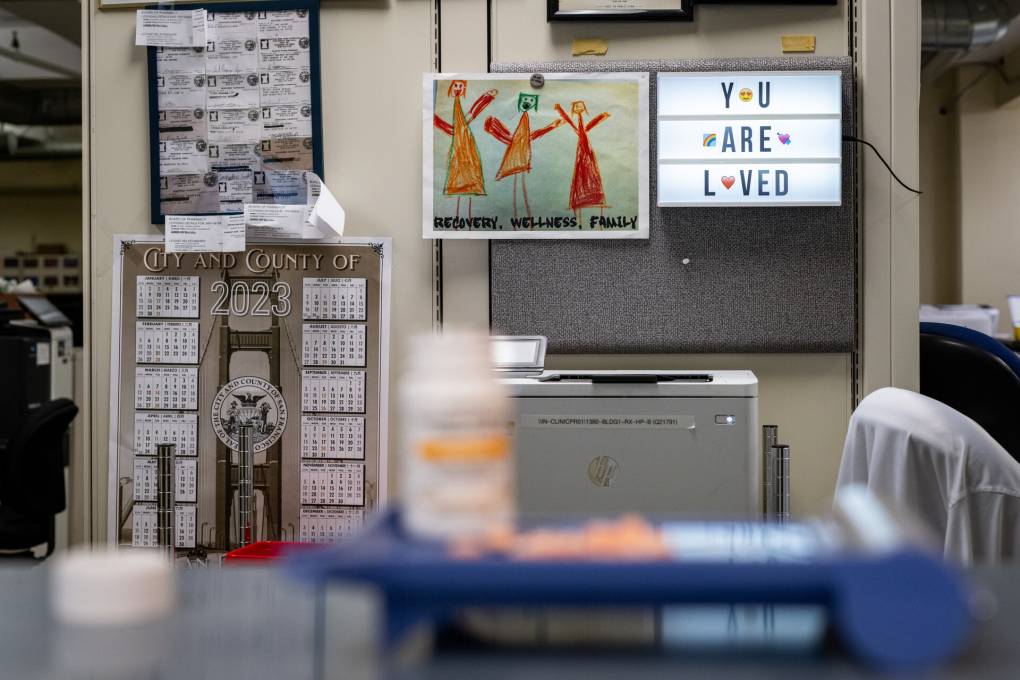
"caption": "Buprenorphine and Naloxone tablets sit on a counter at the Community Behavior Health Services pharmacy in San Francisco on March 29, 2023, while signs in the background say, 'You are Loved' and 'Recovery, Wellness, Family.'",
"credit": "Beth LaBerge/KQED",
"altTag": null,
"description": null,
"imgSizes": {
"medium": {
"file": "https://cdn.kqed.org/wp-content/uploads/sites/10/2024/05/021_KQED_OBICBuprenorphineClinic_03292023_qut-1-800x533.jpg",
"width": 800,
"height": 533,
"mimeType": "image/jpeg"
},
"large": {
"file": "https://cdn.kqed.org/wp-content/uploads/sites/10/2024/05/021_KQED_OBICBuprenorphineClinic_03292023_qut-1-1020x680.jpg",
"width": 1020,
"height": 680,
"mimeType": "image/jpeg"
},
"thumbnail": {
"file": "https://cdn.kqed.org/wp-content/uploads/sites/10/2024/05/021_KQED_OBICBuprenorphineClinic_03292023_qut-1-160x107.jpg",
"width": 160,
"height": 107,
"mimeType": "image/jpeg"
},
"1536x1536": {
"file": "https://cdn.kqed.org/wp-content/uploads/sites/10/2024/05/021_KQED_OBICBuprenorphineClinic_03292023_qut-1-1536x1024.jpg",
"width": 1536,
"height": 1024,
"mimeType": "image/jpeg"
},
"post-thumbnail": {
"file": "https://cdn.kqed.org/wp-content/uploads/sites/10/2024/05/021_KQED_OBICBuprenorphineClinic_03292023_qut-1-672x372.jpg",
"width": 672,
"height": 372,
"mimeType": "image/jpeg"
},
"twentyfourteen-full-width": {
"file": "https://cdn.kqed.org/wp-content/uploads/sites/10/2024/05/021_KQED_OBICBuprenorphineClinic_03292023_qut-1-1038x576.jpg",
"width": 1038,
"height": 576,
"mimeType": "image/jpeg"
},
"kqedFullSize": {
"file": "https://cdn.kqed.org/wp-content/uploads/sites/10/2024/05/021_KQED_OBICBuprenorphineClinic_03292023_qut-1.jpg",
"width": 1920,
"height": 1280
}
},
"isLoading": false,
"fetchFailed": false
},
"news_11967664": {
"type": "attachments",
"id": "news_11967664",
"meta": {
"index": "attachments_1716263798",
"site": "news",
"id": "11967664",
"found": true
},
"parent": 0,
"imgSizes": {
"twentyfourteen-full-width": {
"file": "https://cdn.kqed.org/wp-content/uploads/sites/10/2023/11/230831-SAFE-USE-POP-UP-MD-06-qut-1038x576.jpg",
"width": 1038,
"mimeType": "image/jpeg",
"height": 576
},
"thumbnail": {
"file": "https://cdn.kqed.org/wp-content/uploads/sites/10/2023/11/230831-SAFE-USE-POP-UP-MD-06-qut-160x107.jpg",
"width": 160,
"mimeType": "image/jpeg",
"height": 107
},
"post-thumbnail": {
"file": "https://cdn.kqed.org/wp-content/uploads/sites/10/2023/11/230831-SAFE-USE-POP-UP-MD-06-qut-672x372.jpg",
"width": 672,
"mimeType": "image/jpeg",
"height": 372
},
"kqedFullSize": {
"file": "https://cdn.kqed.org/wp-content/uploads/sites/10/2023/11/230831-SAFE-USE-POP-UP-MD-06-qut.jpg",
"width": 1920,
"height": 1280
},
"large": {
"file": "https://cdn.kqed.org/wp-content/uploads/sites/10/2023/11/230831-SAFE-USE-POP-UP-MD-06-qut-1020x680.jpg",
"width": 1020,
"mimeType": "image/jpeg",
"height": 680
},
"1536x1536": {
"file": "https://cdn.kqed.org/wp-content/uploads/sites/10/2023/11/230831-SAFE-USE-POP-UP-MD-06-qut-1536x1024.jpg",
"width": 1536,
"mimeType": "image/jpeg",
"height": 1024
},
"medium": {
"file": "https://cdn.kqed.org/wp-content/uploads/sites/10/2023/11/230831-SAFE-USE-POP-UP-MD-06-qut-800x533.jpg",
"width": 800,
"mimeType": "image/jpeg",
"height": 533
}
},
"publishDate": 1700169861,
"modified": 1705541658,
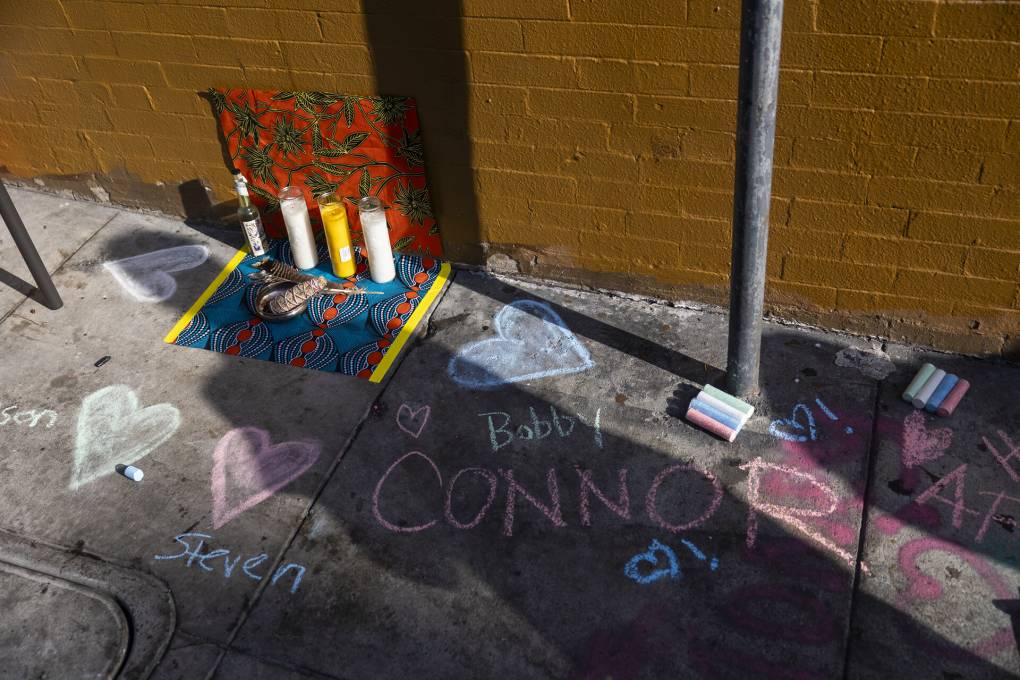
"caption": "A street memorial for people who recently died of drug overdoses is displayed outside of a supervised drug use pop-up site in San Francisco on Aug. 31, 2023.",
"description": null,
"title": "230831-SAFE USE POP UP-MD-06-qut",
"credit": "Martin do Nascimento/KQED",
"status": "inherit",
"altTag": "Names written in chalk appear on the sidewalk in memorial. Candles are also placed on a mat. Packs of chalk are scattered on the ground. The names \"Bobby,\" Connor,\" and \"Steven\" can be seen.",
"isLoading": false,
"fetchFailed": false
},
"news_11969941": {
"type": "attachments",
"id": "news_11969941",
"meta": {
"index": "attachments_1716263798",
"site": "news",
"id": "11969941",
"found": true
},
"parent": 0,
"imgSizes": {
"twentyfourteen-full-width": {
"file": "https://cdn.kqed.org/wp-content/uploads/sites/10/2023/12/231214-SF-OVERDOSE-GETTY-SS-KQED-1038x576.jpg",
"width": 1038,
"mimeType": "image/jpeg",
"height": 576
},
"thumbnail": {
"file": "https://cdn.kqed.org/wp-content/uploads/sites/10/2023/12/231214-SF-OVERDOSE-GETTY-SS-KQED-160x107.jpg",
"width": 160,
"mimeType": "image/jpeg",
"height": 107
},
"post-thumbnail": {
"file": "https://cdn.kqed.org/wp-content/uploads/sites/10/2023/12/231214-SF-OVERDOSE-GETTY-SS-KQED-672x372.jpg",
"width": 672,
"mimeType": "image/jpeg",
"height": 372
},
"kqedFullSize": {
"file": "https://cdn.kqed.org/wp-content/uploads/sites/10/2023/12/231214-SF-OVERDOSE-GETTY-SS-KQED.jpg",
"width": 2000,
"height": 1334
},
"large": {
"file": "https://cdn.kqed.org/wp-content/uploads/sites/10/2023/12/231214-SF-OVERDOSE-GETTY-SS-KQED-1020x680.jpg",
"width": 1020,
"mimeType": "image/jpeg",
"height": 680
},
"1536x1536": {
"file": "https://cdn.kqed.org/wp-content/uploads/sites/10/2023/12/231214-SF-OVERDOSE-GETTY-SS-KQED-1536x1025.jpg",
"width": 1536,
"mimeType": "image/jpeg",
"height": 1025
},
"full-width": {
"file": "https://cdn.kqed.org/wp-content/uploads/sites/10/2023/12/231214-SF-OVERDOSE-GETTY-SS-KQED-1920x1281.jpg",
"width": 1920,
"mimeType": "image/jpeg",
"height": 1281
},
"medium": {
"file": "https://cdn.kqed.org/wp-content/uploads/sites/10/2023/12/231214-SF-OVERDOSE-GETTY-SS-KQED-800x534.jpg",
"width": 800,
"mimeType": "image/jpeg",
"height": 534
}
},
"publishDate": 1702603508,
"modified": 1710287802,
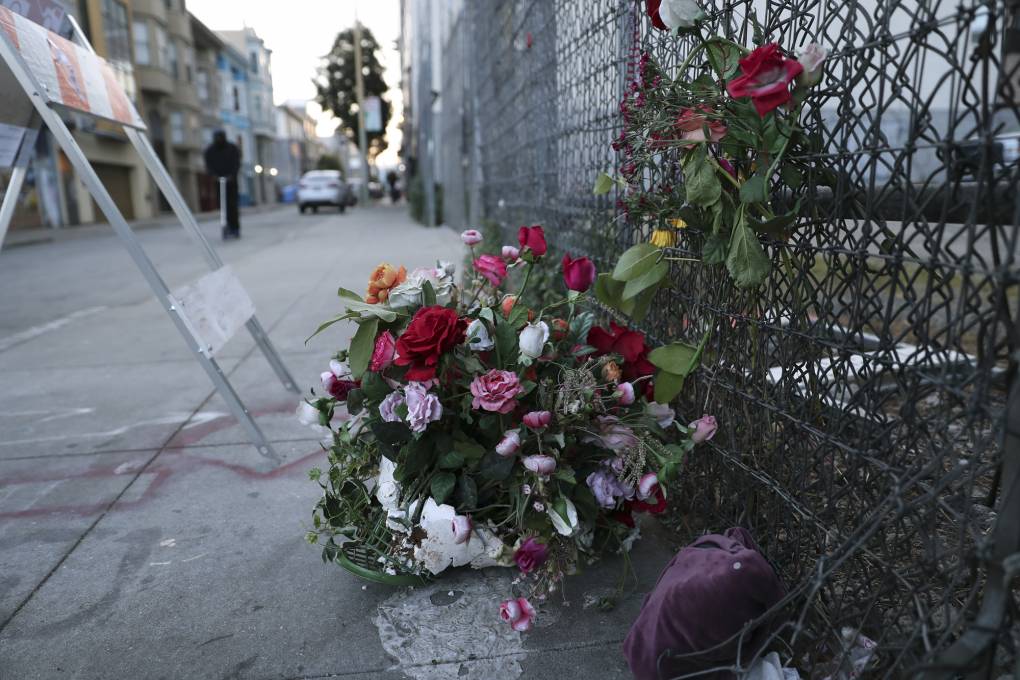
"caption": "Flowers lay on the sidewalk where a 16-year-old girl died from a possible overdose in the SoMa neighborhood of San Francisco on Feb. 20, 2022.",
"description": null,
"title": "teendeath0220",
"credit": "Scott Strazzante/San Francisco Chronicle via Getty Images",
"status": "inherit",
"altTag": "A bouquet of flowers lays on the sidewalk beside a chainlink fence in an urban setting.",
"isLoading": false,
"fetchFailed": false
},
"news_11965817": {
"type": "attachments",
"id": "news_11965817",
"meta": {
"index": "attachments_1716263798",
"site": "news",
"id": "11965817",
"found": true
},
"parent": 11965813,
"imgSizes": {
"twentyfourteen-full-width": {
"file": "https://ww2.kqed.org/app/uploads/sites/10/2023/10/GettyImages-53134889-1024x576.jpg",
"width": 1024,
"mimeType": "image/jpeg",
"height": 576
},
"thumbnail": {
"file": "https://ww2.kqed.org/app/uploads/sites/10/2023/10/GettyImages-53134889-160x107.jpg",
"width": 160,
"mimeType": "image/jpeg",
"height": 107
},
"post-thumbnail": {
"file": "https://ww2.kqed.org/app/uploads/sites/10/2023/10/GettyImages-53134889-672x372.jpg",
"width": 672,
"mimeType": "image/jpeg",
"height": 372
},
"kqedFullSize": {
"file": "https://ww2.kqed.org/app/uploads/sites/10/2023/10/GettyImages-53134889.jpg",
"width": 1024,
"height": 683
},
"large": {
"file": "https://ww2.kqed.org/app/uploads/sites/10/2023/10/GettyImages-53134889-1020x680.jpg",
"width": 1020,
"mimeType": "image/jpeg",
"height": 680
},
"medium": {
"file": "https://ww2.kqed.org/app/uploads/sites/10/2023/10/GettyImages-53134889-800x534.jpg",
"width": 800,
"mimeType": "image/jpeg",
"height": 534
}
},
"publishDate": 1698441940,
"modified": 1698452289,
"caption": "San Francisco has announced a plan to charge some drug dealers with homicide. It comes on the heels of an increase in enforcement, working with federal agencies.",
"description": null,
"title": "Federal Agents Raid Medical Marijuana Club",
"credit": "Justin Sullivan/Getty Images",
"status": "inherit",
"altTag": "Two U.S. agents stand behind a police tape line in an alley",
"isLoading": false,
"fetchFailed": false
},
"news_11957061": {
"type": "attachments",
"id": "news_11957061",
"meta": {
"index": "attachments_1716263798",
"site": "news",
"id": "11957061",
"found": true
},
"title": "RS26293_IMG_2444-qut",
"publishDate": 1690923566,
"status": "inherit",
"parent": 11957054,
"modified": 1759440533,
"caption": "Two people sit on the base of the Pioneer Monument in the Civic Center on Aug. 22, 2017.",
"credit": "Arash Malekzadeh/KQED",
"altTag": "Two people sit in front of a statue and monument while they hold food and plastic bags in their laps.",
"description": null,
"imgSizes": {
"medium": {
"file": "https://cdn.kqed.org/wp-content/uploads/sites/10/2023/08/RS26293_IMG_2444-qut-800x533.jpg",
"width": 800,
"height": 533,
"mimeType": "image/jpeg"
},
"large": {
"file": "https://cdn.kqed.org/wp-content/uploads/sites/10/2023/08/RS26293_IMG_2444-qut-1020x680.jpg",
"width": 1020,
"height": 680,
"mimeType": "image/jpeg"
},
"thumbnail": {
"file": "https://cdn.kqed.org/wp-content/uploads/sites/10/2023/08/RS26293_IMG_2444-qut-160x107.jpg",
"width": 160,
"height": 107,
"mimeType": "image/jpeg"
},
"1536x1536": {
"file": "https://cdn.kqed.org/wp-content/uploads/sites/10/2023/08/RS26293_IMG_2444-qut-1536x1024.jpg",
"width": 1536,
"height": 1024,
"mimeType": "image/jpeg"
},
"post-thumbnail": {
"file": "https://cdn.kqed.org/wp-content/uploads/sites/10/2023/08/RS26293_IMG_2444-qut-672x372.jpg",
"width": 672,
"height": 372,
"mimeType": "image/jpeg"
},
"twentyfourteen-full-width": {
"file": "https://cdn.kqed.org/wp-content/uploads/sites/10/2023/08/RS26293_IMG_2444-qut-1038x576.jpg",
"width": 1038,
"height": 576,
"mimeType": "image/jpeg"
},
"kqedFullSize": {
"file": "https://cdn.kqed.org/wp-content/uploads/sites/10/2023/08/RS26293_IMG_2444-qut.jpg",
"width": 1920,
"height": 1280
}
},
"isLoading": false,
"fetchFailed": false
},
"news_11944273": {
"type": "attachments",
"id": "news_11944273",
"meta": {
"index": "attachments_1716263798",
"site": "news",
"id": "11944273",
"found": true
},
"parent": 11944267,
"imgSizes": {
"twentyfourteen-full-width": {
"file": "https://ww2.kqed.org/app/uploads/sites/10/2023/03/RS51826_068_Oakland_HighlandHospitalBridgeProgram_10062021-qut-1038x576.jpg",
"width": 1038,
"mimeType": "image/jpeg",
"height": 576
},
"thumbnail": {
"file": "https://ww2.kqed.org/app/uploads/sites/10/2023/03/RS51826_068_Oakland_HighlandHospitalBridgeProgram_10062021-qut-160x107.jpg",
"width": 160,
"mimeType": "image/jpeg",
"height": 107
},
"post-thumbnail": {
"file": "https://ww2.kqed.org/app/uploads/sites/10/2023/03/RS51826_068_Oakland_HighlandHospitalBridgeProgram_10062021-qut-672x372.jpg",
"width": 672,
"mimeType": "image/jpeg",
"height": 372
},
"kqedFullSize": {
"file": "https://ww2.kqed.org/app/uploads/sites/10/2023/03/RS51826_068_Oakland_HighlandHospitalBridgeProgram_10062021-qut.jpg",
"width": 1920,
"height": 1280
},
"large": {
"file": "https://ww2.kqed.org/app/uploads/sites/10/2023/03/RS51826_068_Oakland_HighlandHospitalBridgeProgram_10062021-qut-1020x680.jpg",
"width": 1020,
"mimeType": "image/jpeg",
"height": 680
},
"1536x1536": {
"file": "https://ww2.kqed.org/app/uploads/sites/10/2023/03/RS51826_068_Oakland_HighlandHospitalBridgeProgram_10062021-qut-1536x1024.jpg",
"width": 1536,
"mimeType": "image/jpeg",
"height": 1024
},
"medium": {
"file": "https://ww2.kqed.org/app/uploads/sites/10/2023/03/RS51826_068_Oakland_HighlandHospitalBridgeProgram_10062021-qut-800x533.jpg",
"width": 800,
"mimeType": "image/jpeg",
"height": 533
}
},
"publishDate": 1679440928,
"modified": 1679441097,
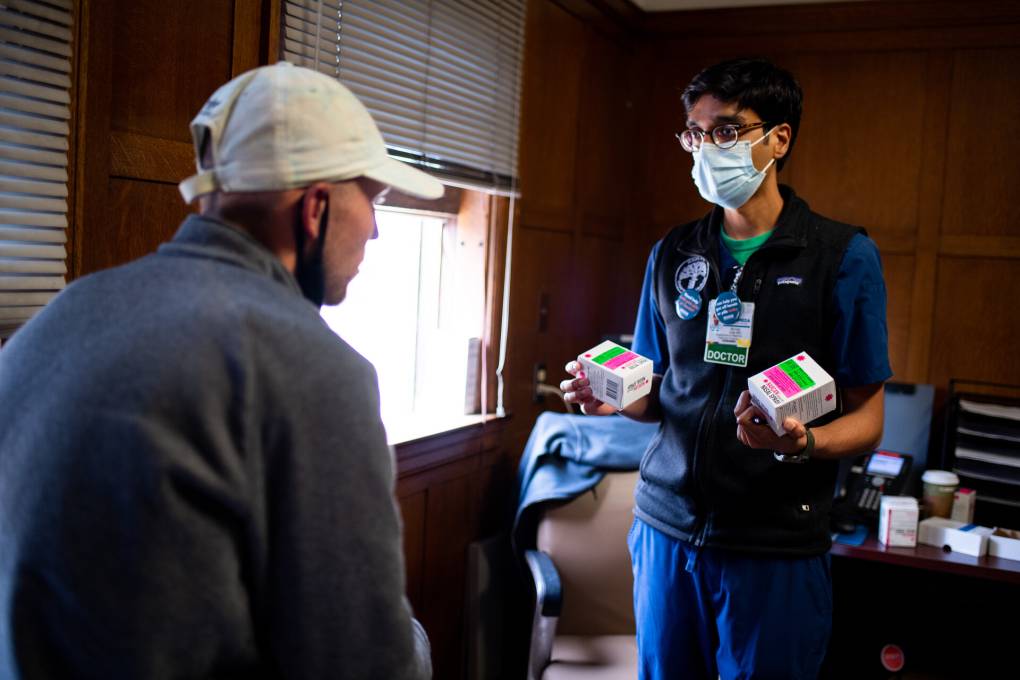
"caption": "Dr. Monish Ullal speaks with a patient about Narcan, a naloxone nasal spray, at Highland Hospital's Bridge Substance Use Clinic in Oakland on Oct. 6, 2021.",
"description": null,
"title": "RS51826_068_Oakland_HighlandHospitalBridgeProgram_10062021-qut",
"credit": "Beth LaBerge/KQED",
"status": "inherit",
"altTag": "A medical professional in scrubs shows two boxes of the medicine Narcan to a patient wearing a white baseball cap.",
"isLoading": false,
"fetchFailed": false
},
"news_11941683": {
"type": "attachments",
"id": "news_11941683",
"meta": {
"index": "attachments_1716263798",
"site": "news",
"id": "11941683",
"found": true
},
"parent": 11941618,
"imgSizes": {
"twentyfourteen-full-width": {
"file": "https://ww2.kqed.org/app/uploads/sites/10/2023/02/RS63001_016_KQED_SFGeneralMethadoneClinic_02102023-qut-1038x576.jpg",
"width": 1038,
"mimeType": "image/jpeg",
"height": 576
},
"thumbnail": {
"file": "https://ww2.kqed.org/app/uploads/sites/10/2023/02/RS63001_016_KQED_SFGeneralMethadoneClinic_02102023-qut-160x107.jpg",
"width": 160,
"mimeType": "image/jpeg",
"height": 107
},
"post-thumbnail": {
"file": "https://ww2.kqed.org/app/uploads/sites/10/2023/02/RS63001_016_KQED_SFGeneralMethadoneClinic_02102023-qut-672x372.jpg",
"width": 672,
"mimeType": "image/jpeg",
"height": 372
},
"kqedFullSize": {
"file": "https://ww2.kqed.org/app/uploads/sites/10/2023/02/RS63001_016_KQED_SFGeneralMethadoneClinic_02102023-qut.jpg",
"width": 1920,
"height": 1280
},
"large": {
"file": "https://ww2.kqed.org/app/uploads/sites/10/2023/02/RS63001_016_KQED_SFGeneralMethadoneClinic_02102023-qut-1020x680.jpg",
"width": 1020,
"mimeType": "image/jpeg",
"height": 680
},
"1536x1536": {
"file": "https://ww2.kqed.org/app/uploads/sites/10/2023/02/RS63001_016_KQED_SFGeneralMethadoneClinic_02102023-qut-1536x1024.jpg",
"width": 1536,
"mimeType": "image/jpeg",
"height": 1024
},
"medium": {
"file": "https://ww2.kqed.org/app/uploads/sites/10/2023/02/RS63001_016_KQED_SFGeneralMethadoneClinic_02102023-qut-800x533.jpg",
"width": 800,
"mimeType": "image/jpeg",
"height": 533
}
},
"publishDate": 1677195258,
"modified": 1677279845,
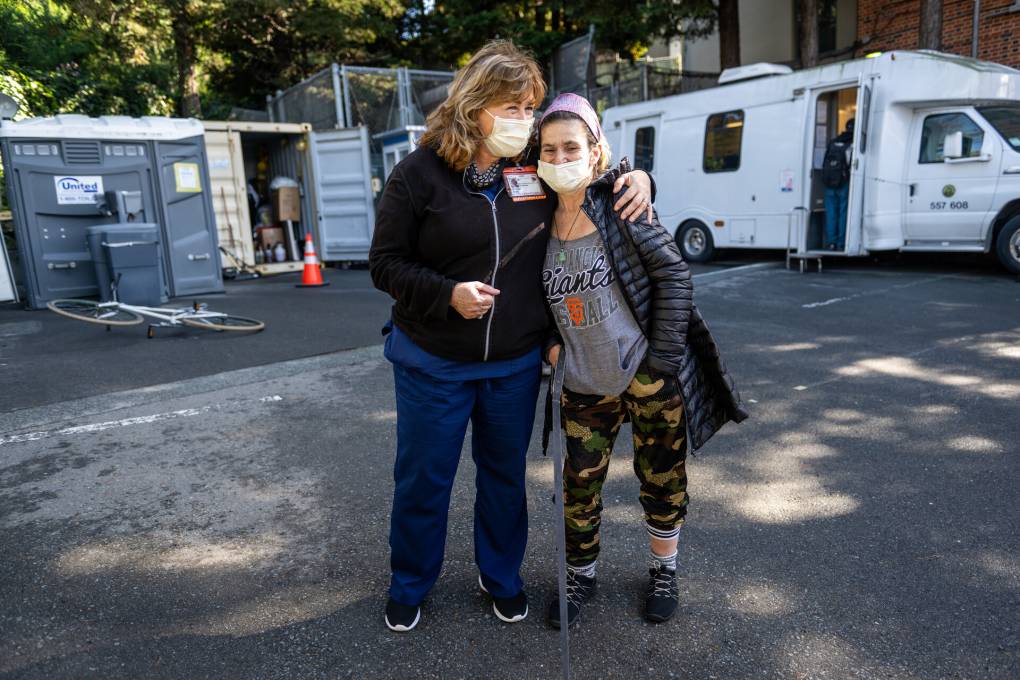
"caption": "Tamra Lombardo (right), a patient, and registered nurse Hasija Sisic embrace in front of the Opiate Treatment Outpatient Program mobile methadone clinic in a parking lot outside San Francisco General Hospital on Feb. 10, 2023.",
"description": null,
"title": "RS63001_016_KQED_SFGeneralMethadoneClinic_02102023-qut",
"credit": "Beth LaBerge/KQED",
"status": "inherit",
"altTag": "Two women with light-coilored skin and wearing face masks stand in front of a trailer, with their arms around each other.",
"isLoading": false,
"fetchFailed": false
},
"news_11923751": {
"type": "attachments",
"id": "news_11923751",
"meta": {
"index": "attachments_1716263798",
"site": "news",
"id": "11923751",
"found": true
},
"parent": 11923680,
"imgSizes": {
"twentyfourteen-full-width": {
"file": "https://ww2.kqed.org/app/uploads/sites/10/2022/08/IMG_0768-1038x576.jpg",
"width": 1038,
"mimeType": "image/jpeg",
"height": 576
},
"thumbnail": {
"file": "https://ww2.kqed.org/app/uploads/sites/10/2022/08/IMG_0768-160x120.jpg",
"width": 160,
"mimeType": "image/jpeg",
"height": 120
},
"post-thumbnail": {
"file": "https://ww2.kqed.org/app/uploads/sites/10/2022/08/IMG_0768-672x372.jpg",
"width": 672,
"mimeType": "image/jpeg",
"height": 372
},
"kqedFullSize": {
"file": "https://ww2.kqed.org/app/uploads/sites/10/2022/08/IMG_0768-scaled.jpg",
"width": 2560,
"height": 1920
},
"2048x2048": {
"file": "https://ww2.kqed.org/app/uploads/sites/10/2022/08/IMG_0768-2048x1536.jpg",
"width": 2048,
"mimeType": "image/jpeg",
"height": 1536
},
"large": {
"file": "https://ww2.kqed.org/app/uploads/sites/10/2022/08/IMG_0768-1020x765.jpg",
"width": 1020,
"mimeType": "image/jpeg",
"height": 765
},
"1536x1536": {
"file": "https://ww2.kqed.org/app/uploads/sites/10/2022/08/IMG_0768-1536x1152.jpg",
"width": 1536,
"mimeType": "image/jpeg",
"height": 1152
},
"full-width": {
"file": "https://ww2.kqed.org/app/uploads/sites/10/2022/08/IMG_0768-1920x1440.jpg",
"width": 1920,
"mimeType": "image/jpeg",
"height": 1440
},
"medium": {
"file": "https://ww2.kqed.org/app/uploads/sites/10/2022/08/IMG_0768-800x600.jpg",
"width": 800,
"mimeType": "image/jpeg",
"height": 600
}
},
"publishDate": 1661551090,
"modified": 1661551090,
"caption": null,
"description": null,
"title": "IMG_0768",
"credit": null,
"status": "inherit",
"altTag": null,
"isLoading": false,
"fetchFailed": false
},
"news_11922334": {
"type": "attachments",
"id": "news_11922334",
"meta": {
"index": "attachments_1716263798",
"site": "news",
"id": "11922334",
"found": true
},
"parent": 11922301,
"imgSizes": {
"twentyfourteen-full-width": {
"file": "https://ww2.kqed.org/app/uploads/sites/10/2022/08/Needle-1038x576.jpg",
"width": 1038,
"mimeType": "image/jpeg",
"height": 576
},
"thumbnail": {
"file": "https://ww2.kqed.org/app/uploads/sites/10/2022/08/Needle-160x105.jpg",
"width": 160,
"mimeType": "image/jpeg",
"height": 105
},
"post-thumbnail": {
"file": "https://ww2.kqed.org/app/uploads/sites/10/2022/08/Needle-672x372.jpg",
"width": 672,
"mimeType": "image/jpeg",
"height": 372
},
"kqedFullSize": {
"file": "https://ww2.kqed.org/app/uploads/sites/10/2022/08/Needle.jpg",
"width": 1980,
"height": 1301
},
"large": {
"file": "https://ww2.kqed.org/app/uploads/sites/10/2022/08/Needle-1020x670.jpg",
"width": 1020,
"mimeType": "image/jpeg",
"height": 670
},
"1536x1536": {
"file": "https://ww2.kqed.org/app/uploads/sites/10/2022/08/Needle-1536x1009.jpg",
"width": 1536,
"mimeType": "image/jpeg",
"height": 1009
},
"full-width": {
"file": "https://ww2.kqed.org/app/uploads/sites/10/2022/08/Needle-1920x1262.jpg",
"width": 1920,
"mimeType": "image/jpeg",
"height": 1262
},
"medium": {
"file": "https://ww2.kqed.org/app/uploads/sites/10/2022/08/Needle-800x526.jpg",
"width": 800,
"mimeType": "image/jpeg",
"height": 526
}
},
"publishDate": 1660263326,
"modified": 1661200290,
"caption": "A syringe is seen discarded near a homeless encampment along Berry St. south of Market Street in San Francisco on Tuesday November 1, 2016.",
"description": "A syringe is seen discarded near a homeless encampment along Berry St. south of Market Street in San Francisco, California, on Tuesday November 1, 2016.",
"title": "Needle",
"credit": "Michael Macor/San Francisco Chronicle via Getty Images",
"status": "inherit",
"altTag": "A syringe is seen discarded near a homeless encampment along Berry St. south of Market Street in San Francisco, California, on Tuesday November 1, 2016.",
"isLoading": false,
"fetchFailed": false
},
"news_11916007": {
"type": "attachments",
"id": "news_11916007",
"meta": {
"index": "attachments_1716263798",
"site": "news",
"id": "11916007",
"found": true
},
"parent": 11915870,
"imgSizes": {
"twentyfourteen-full-width": {
"file": "https://ww2.kqed.org/app/uploads/sites/10/2022/06/IMG_1179-1020x765-1-942x576.jpg",
"width": 942,
"mimeType": "image/jpeg",
"height": 576
},
"thumbnail": {
"file": "https://ww2.kqed.org/app/uploads/sites/10/2022/06/IMG_1179-1020x765-1-160x114.jpg",
"width": 160,
"mimeType": "image/jpeg",
"height": 114
},
"post-thumbnail": {
"file": "https://ww2.kqed.org/app/uploads/sites/10/2022/06/IMG_1179-1020x765-1-672x372.jpg",
"width": 672,
"mimeType": "image/jpeg",
"height": 372
},
"kqedFullSize": {
"file": "https://ww2.kqed.org/app/uploads/sites/10/2022/06/IMG_1179-1020x765-1.jpg",
"width": 942,
"height": 673
},
"medium": {
"file": "https://ww2.kqed.org/app/uploads/sites/10/2022/06/IMG_1179-1020x765-1-800x572.jpg",
"width": 800,
"mimeType": "image/jpeg",
"height": 572
}
},
"publishDate": 1654290538,
"modified": 1654291346,
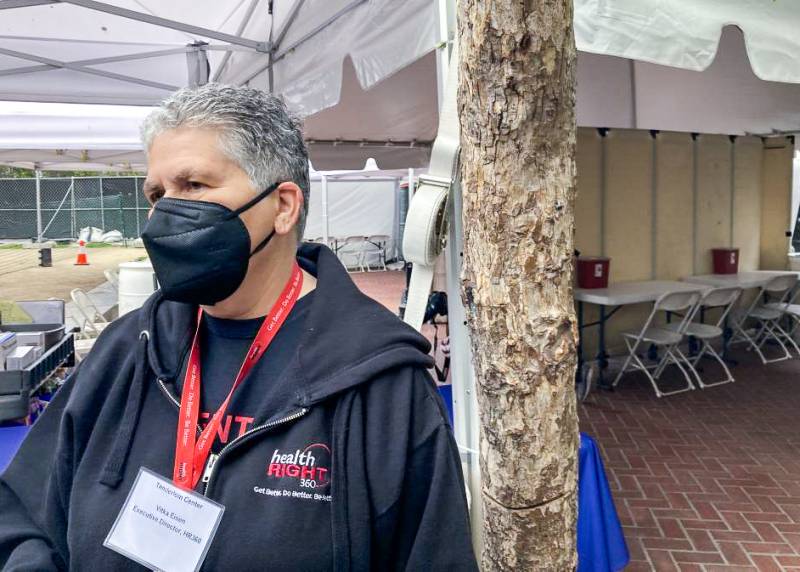
"caption": "Vitka Eisen, president and CEO of HealthRIGHT 360, a nonprofit health provider that offers harm-reduction services at the Tenderloin Center, speaks to reporters during a media tour on Thursday.",
"description": null,
"title": "IMG_1179-1020x765",
"credit": "Holly McDede/KQED",
"status": "inherit",
"altTag": "Person wearing mask and lanyard with outdoor tent and plastic chairs in background",
"isLoading": false,
"fetchFailed": false
},
"news_11896377": {
"type": "attachments",
"id": "news_11896377",
"meta": {
"index": "attachments_1716263798",
"site": "news",
"id": "11896377",
"found": true
},
"parent": 11896375,
"imgSizes": {
"twentyfourteen-full-width": {
"file": "https://ww2.kqed.org/app/uploads/sites/10/2021/11/RS51781_023_Oakland_HighlandHospitalBridgeProgram_10062021-qut-1038x576.jpg",
"width": 1038,
"mimeType": "image/jpeg",
"height": 576
},
"thumbnail": {
"file": "https://ww2.kqed.org/app/uploads/sites/10/2021/11/RS51781_023_Oakland_HighlandHospitalBridgeProgram_10062021-qut-160x107.jpg",
"width": 160,
"mimeType": "image/jpeg",
"height": 107
},
"post-thumbnail": {
"file": "https://ww2.kqed.org/app/uploads/sites/10/2021/11/RS51781_023_Oakland_HighlandHospitalBridgeProgram_10062021-qut-672x372.jpg",
"width": 672,
"mimeType": "image/jpeg",
"height": 372
},
"kqedFullSize": {
"file": "https://ww2.kqed.org/app/uploads/sites/10/2021/11/RS51781_023_Oakland_HighlandHospitalBridgeProgram_10062021-qut.jpg",
"width": 1920,
"height": 1280
},
"large": {
"file": "https://ww2.kqed.org/app/uploads/sites/10/2021/11/RS51781_023_Oakland_HighlandHospitalBridgeProgram_10062021-qut-1020x680.jpg",
"width": 1020,
"mimeType": "image/jpeg",
"height": 680
},
"1536x1536": {
"file": "https://ww2.kqed.org/app/uploads/sites/10/2021/11/RS51781_023_Oakland_HighlandHospitalBridgeProgram_10062021-qut-1536x1024.jpg",
"width": 1536,
"mimeType": "image/jpeg",
"height": 1024
},
"medium": {
"file": "https://ww2.kqed.org/app/uploads/sites/10/2021/11/RS51781_023_Oakland_HighlandHospitalBridgeProgram_10062021-qut-800x533.jpg",
"width": 800,
"mimeType": "image/jpeg",
"height": 533
}
},
"publishDate": 1637093141,
"modified": 1637283726,
"caption": "A Highland Hospital substance use counselor in Oakland speaks with a patient about taking the medication Narcan — used to reverse opioid overdoses — on Oct. 6, 2021.",
"description": null,
"title": "RS51781_023_Oakland_HighlandHospitalBridgeProgram_10062021-qut",
"credit": "Beth LaBerge/KQED",
"status": "inherit",
"altTag": "A patient in a blue sweatshirt slumps in a chair while talking to a doctor.",
"isLoading": false,
"fetchFailed": false
}
},
"audioPlayerReducer": {
"postId": "stream_live",
"isPaused": true,
"isPlaying": false,
"pfsActive": false,
"pledgeModalIsOpen": true,
"playerDrawerIsOpen": false,
"liveAudioPlayStartedAt": 0,
"liveAudioPlayContext": ""
},
"authorsReducer": {
"byline_news_11922301": {
"type": "authors",
"id": "byline_news_11922301",
"meta": {
"override": true
},
"slug": "byline_news_11922301",
"name": "Ana B. Ibarra",
"isLoading": false
},
"kqed": {
"type": "authors",
"id": "236",
"meta": {
"index": "authors_1716337520",
"id": "236",
"found": true
},
"name": "KQED News Staff",
"firstName": "KQED News Staff",
"lastName": null,
"slug": "kqed",
"email": "faq@kqed.org",
"display_author_email": false,
"staff_mastheads": [],
"title": null,
"bio": null,
"avatar": "https://secure.gravatar.com/avatar/ef0e801a68c4c54afa9180db14084167?s=600&d=blank&r=g",
"twitter": null,
"facebook": null,
"instagram": null,
"linkedin": null,
"sites": [
{
"site": "arts",
"roles": [
"contributor"
]
},
{
"site": "news",
"roles": [
"editor"
]
},
{
"site": "futureofyou",
"roles": [
"author"
]
}
],
"headData": {
"title": "KQED News Staff | KQED",
"description": null,
"ogImgSrc": "https://secure.gravatar.com/avatar/ef0e801a68c4c54afa9180db14084167?s=600&d=blank&r=g",
"twImgSrc": "https://secure.gravatar.com/avatar/ef0e801a68c4c54afa9180db14084167?s=600&d=blank&r=g"
},
"isLoading": false,
"link": "/author/kqed"
},
"lesleymcclurg": {
"type": "authors",
"id": "11229",
"meta": {
"index": "authors_1716337520",
"id": "11229",
"found": true
},
"name": "Lesley McClurg",
"firstName": "Lesley",
"lastName": "McClurg",
"slug": "lesleymcclurg",
"email": "lmcclurg@KQED.org",
"display_author_email": false,
"staff_mastheads": [
"news",
"science"
],
"title": "KQED Health Correspondent",
"bio": "Lesley McClurg is a health correspondent and fill-in host whose work is regularly rebroadcast on NPR and PBS programs. She’s earned multiple regional Emmy awards, a national and a regional Edward R. Murrow award, and was named Best Beat Reporter by the Association of Health Care Journalists. The Society of Professional Journalists has recognized her work several times, and the Society of Environmental Journalists spotlighted her coverage of California’s historic drought.\r\n\r\nBefore joining KQED in 2016, Lesley covered food and sustainability for Capital Public Radio, environmental issues for Colorado Public Radio, and reported for KUOW and KCTS 9 in Seattle. Away from the newsroom, she loves skiing with her daughter, mountain biking with her partner, and playing with Ollie, the family’s goldendoodle. On deadline, she runs almost entirely on chocolate chips.\r\n\r\n ",
"avatar": "https://secure.gravatar.com/avatar/bab49e972ea10c774fe0f5e29dba1722b158f7c0d58a360923d1389d380b2978?s=600&d=blank&r=g",
"twitter": "lesleywmcclurg",
"bluesky": null,
"facebook": null,
"instagram": null,
"linkedin": null,
"sites": [
{
"site": "arts",
"roles": [
"author"
]
},
{
"site": "news",
"roles": [
"editor"
]
},
{
"site": "futureofyou",
"roles": [
"editor"
]
},
{
"site": "stateofhealth",
"roles": [
"author"
]
},
{
"site": "science",
"roles": [
"editor"
]
},
{
"site": "quest",
"roles": [
"subscriber"
]
},
{
"site": "forum",
"roles": [
"administrator"
]
},
{
"site": "liveblog",
"roles": [
"author"
]
}
],
"headData": {
"title": "Lesley McClurg | KQED",
"description": "KQED Health Correspondent",
"ogImgSrc": "https://secure.gravatar.com/avatar/bab49e972ea10c774fe0f5e29dba1722b158f7c0d58a360923d1389d380b2978?s=600&d=blank&r=g",
"twImgSrc": "https://secure.gravatar.com/avatar/bab49e972ea10c774fe0f5e29dba1722b158f7c0d58a360923d1389d380b2978?s=600&d=blank&r=g"
},
"isLoading": false,
"link": "/author/lesleymcclurg"
},
"hmcdede": {
"type": "authors",
"id": "11635",
"meta": {
"index": "authors_1716337520",
"id": "11635",
"found": true
},
"name": "Holly McDede",
"firstName": "Holly",
"lastName": "McDede",
"slug": "hmcdede",
"email": "hmcdede@KQED.org",
"display_author_email": false,
"staff_mastheads": [],
"title": "KQED Contributor",
"bio": null,
"avatar": "https://secure.gravatar.com/avatar/35d1a1f5422c9d266f7ace9348d170f2136671a65fffc90a592e4d7fbf8dc3f6?s=600&d=blank&r=g",
"twitter": null,
"bluesky": null,
"facebook": null,
"instagram": null,
"linkedin": null,
"sites": [
{
"site": "arts",
"roles": [
"editor"
]
},
{
"site": "news",
"roles": [
"edit_others_posts",
"editor"
]
},
{
"site": "science",
"roles": [
"editor"
]
},
{
"site": "forum",
"roles": [
"editor"
]
},
{
"site": "perspectives",
"roles": [
"administrator"
]
}
],
"headData": {
"title": "Holly McDede | KQED",
"description": "KQED Contributor",
"ogImgSrc": "https://secure.gravatar.com/avatar/35d1a1f5422c9d266f7ace9348d170f2136671a65fffc90a592e4d7fbf8dc3f6?s=600&d=blank&r=g",
"twImgSrc": "https://secure.gravatar.com/avatar/35d1a1f5422c9d266f7ace9348d170f2136671a65fffc90a592e4d7fbf8dc3f6?s=600&d=blank&r=g"
},
"isLoading": false,
"link": "/author/hmcdede"
},
"jlara": {
"type": "authors",
"id": "11761",
"meta": {
"index": "authors_1716337520",
"id": "11761",
"found": true
},
"name": "Juan Carlos Lara",
"firstName": "Juan Carlos",
"lastName": "Lara",
"slug": "jlara",
"email": "jlara@kqed.org",
"display_author_email": false,
"staff_mastheads": [],
"title": "KQED Contributor",
"bio": null,
"avatar": "https://secure.gravatar.com/avatar/19e2052b9b05657c5ff2af2121846e9c?s=600&d=blank&r=g",
"twitter": null,
"facebook": null,
"instagram": null,
"linkedin": null,
"sites": [
{
"site": "arts",
"roles": [
"editor"
]
},
{
"site": "news",
"roles": [
"editor"
]
},
{
"site": "forum",
"roles": [
"editor"
]
},
{
"site": "liveblog",
"roles": [
"contributor"
]
}
],
"headData": {
"title": "Juan Carlos Lara | KQED",
"description": "KQED Contributor",
"ogImgSrc": "https://secure.gravatar.com/avatar/19e2052b9b05657c5ff2af2121846e9c?s=600&d=blank&r=g",
"twImgSrc": "https://secure.gravatar.com/avatar/19e2052b9b05657c5ff2af2121846e9c?s=600&d=blank&r=g"
},
"isLoading": false,
"link": "/author/jlara"
},
"sjohnson": {
"type": "authors",
"id": "11840",
"meta": {
"index": "authors_1716337520",
"id": "11840",
"found": true
},
"name": "Sydney Johnson",
"firstName": "Sydney",
"lastName": "Johnson",
"slug": "sjohnson",
"email": "sjohnson@kqed.org",
"display_author_email": false,
"staff_mastheads": [
"news"
],
"title": "KQED Reporter",
"bio": "Sydney Johnson is a general assignment reporter at KQED. She previously reported on public health and city government at the San Francisco Examiner, and before that, she covered statewide education policy for EdSource. Her reporting has won multiple local, state and national awards. Sydney is a graduate of the University of California, Berkeley and lives in San Francisco.",
"avatar": "https://secure.gravatar.com/avatar/97855f2719b72ad6190b7c535fe642c8?s=600&d=blank&r=g",
"twitter": "sydneyfjohnson",
"facebook": null,
"instagram": null,
"linkedin": null,
"sites": [
{
"site": "news",
"roles": [
"editor"
]
}
],
"headData": {
"title": "Sydney Johnson | KQED",
"description": "KQED Reporter",
"ogImgSrc": "https://secure.gravatar.com/avatar/97855f2719b72ad6190b7c535fe642c8?s=600&d=blank&r=g",
"twImgSrc": "https://secure.gravatar.com/avatar/97855f2719b72ad6190b7c535fe642c8?s=600&d=blank&r=g"
},
"isLoading": false,
"link": "/author/sjohnson"
}
},
"pagesReducer": {
"news_tag_drug-overdoses": {
"type": "terms",
"id": "news_30249",
"meta": {
"index": "terms_1716263798",
"site": "news",
"id": "30249",
"score": 10.404648
},
"featImg": null,
"name": "drug overdoses",
"description": null,
"taxonomy": "tag",
"headData": {
"twImgId": null,
"twTitle": null,
"ogTitle": null,
"ogImgId": null,
"twDescription": null,
"description": null,
"title": "drug overdoses Archives | KQED News",
"ogDescription": null
},
"ttid": 30266,
"slug": "drug-overdoses",
"isLoading": false,
"title": "drug overdoses",
"pageMeta": {
"site": "news",
"WpPageTemplate": "page-topic-editorial",
"currentPage": 2
},
"blocks": [
{
"blockName": "kqed/post-list",
"attrs": {
"layout": "cardArticle2",
"query": "posts/news?tag=drug-overdoses",
"seeMore": false,
"paginated": true,
"page": 2
}
},
{
"blockName": "kqed/ad"
}
]
}
},
"pfsSessionReducer": {},
"postsReducer": {
"stream_live": {
"type": "live",
"id": "stream_live",
"audioUrl": "https://streams.kqed.org/kqedradio",
"title": "Live Stream",
"excerpt": "Live Stream information currently unavailable.",
"link": "/radio",
"featImg": "",
"label": {
"name": "KQED Live",
"link": "/"
}
},
"stream_kqedNewscast": {
"type": "posts",
"id": "stream_kqedNewscast",
"audioUrl": "https://www.kqed.org/.stream/anon/radio/RDnews/newscast.mp3?_=1",
"title": "KQED Newscast",
"featImg": "",
"label": {
"name": "88.5 FM",
"link": "/"
}
},
"news_11987358": {
"type": "posts",
"id": "news_11987358",
"meta": {
"index": "posts_1716263798",
"site": "news",
"id": "11987358",
"score": null,
"sort": [
1716412869000
]
},
"guestAuthors": [],
"slug": "san-francisco-reports-decline-in-drug-overdose-deaths-so-far-this-year",
"title": "San Francisco Reports Decline in Drug Overdose Deaths So Far This Year",
"publishDate": 1716412869,
"format": "standard",
"headTitle": "San Francisco Reports Decline in Drug Overdose Deaths So Far This Year | KQED",
"labelTerm": {
"site": "news"
},
"content": "\u003cp>Over the month of April, 56 people died of accidental overdose in San Francisco, according to the city’s Department of Public Health.\u003c/p>\n\u003cp>The figure marks a decline of 21% when compared to April of last year when 71 people died. This April also saw the fewest deaths in a single month since December.\u003c/p>\n\u003cp>“For some comparisons, in the first four months of last year, we had 275 accidental overdoses,” San Francisco’s Director of Health, Dr. Grant Colfax, said at a briefing to announce the latest figures. “And this year, we’ve had 258. As has been the trend since the city started tracking these data in 2020, more than 70% of overdose deaths in April were caused by fentanyl.”\u003c/p>\n\u003cp>[ad fullwidth]\u003c/p>\n\u003cp>Colfax and other public health officials also shared updates on a new pilot program meant to improve medication access for unhoused people seeking addiction treatment overnight.\u003c/p>\n\u003cp>As part of the new program, members of the Night Navigation Team make contact with unhoused people between 8 p.m. and midnight and set up telehealth consultations with on-call doctors.\u003c/p>\n\u003cp>Those doctors can then write prescriptions for things like buprenorphine — a pain medication that helps reduce withdrawal symptoms — to be picked up at a 24-hour pharmacy or the next day.\u003c/p>\n\u003cp>“Since 2020, DPH has been rapidly expanding our system to make drug treatment more accessible than ever and to serve more people in those treatment programs,” Colfax said. “We know from our outreach program that there is a demand for medications to treat fentanyl addiction at night.”\u003c/p>\n\u003cp>\u003c!-- iframe plugin v.4.3 wordpress.org/plugins/iframe/ -->\u003cbr>\n\u003ciframe loading=\"lazy\" title=\"SF overdose deaths in first 4 months of 2023/2024\" aria-label=\"Grouped Bars\" id=\"datawrapper-chart-4K3uO\" src=\"https://datawrapper.dwcdn.net/4K3uO/1/\" scrolling=\"no\" frameborder=\"0\" style=\"border: none;\" width=\"700\" height=\"410\" data-external=\"1\" class=\"iframe-class\">\u003c/iframe>\u003c/p>\n\u003cp>If rooms are available, residents who accept treatment are also provided with a place to stay while they start their recovery.\u003c/p>\n\u003cp>“Under this pilot, many of the individuals who have committed to starting medication for their fentanyl-use disorder have been sheltered at either the Adante Hotel or another available site in the community to start their medicine,” Chief Medical Officer Dr. Joanna Eveland said. “We have been using rooms that were previously reserved for quarantine emergencies but not currently needed for those, thankfully.”\u003c/p>\n\u003cp>Once placed in a room, Eveland said residents are connected with a case manager to begin planning for their exit after a week. Those residents also have access to various services, including transportation to pick up prescriptions and help to enroll in treatment programs or public insurance.\u003c/p>\n\u003cp>The pilot program began in March and recorded 173 telehealth consultations in that time, according to Eveland. Of those, 134 were prescribed buprenorphine and 33% of people picked up those medications.\u003c/p>\n\u003cp>[aside label=\"Related Stories\" postID=\"news_11986128,news_11986508,news_11987183\"]“This is actually a high rate of people accepting the medication,” when compared to general prescription fill rates, Colfax said. “Remember, these are people on the street in the middle of the night.”\u003c/p>\n\u003cp>Eveland added that when unhoused residents were provided rooms to stay in, the prescription fill rate jumped to 78%.\u003c/p>\n\u003cp>“We have found that when we have combined the evening telehealth with safe and stable shelter where people can start their medication and receive support, they are three times more likely to enter recovery,” Eveland said.\u003c/p>\n\u003cp>Health officials did not share specifics regarding plans for the pilot program but emphasized they see potential in its continuation.\u003c/p>\n\u003cp>“Our hope is, as we go into analyzing the data further, that we’ll be able to expand the hours of the program so that we continue to focus on the populations most at risk,” Colfax said.\u003c/p>\n\u003cp>\u003c/p>\n",
"blocks": [],
"excerpt": "The drop in deaths comes as the city moves forward with a pilot outreach program intended to expand medication access for unhoused people seeking addiction treatment at night.",
"status": "publish",
"parent": 0,
"modified": 1737658206,
"stats": {
"hasAudio": false,
"hasVideo": false,
"hasChartOrMap": true,
"iframeSrcs": [
"https://datawrapper.dwcdn.net/4K3uO/1/"
],
"hasGoogleForm": false,
"hasGallery": false,
"hasHearkenModule": false,
"hasPolis": false,
"paragraphCount": 19,
"wordCount": 600
},
"headData": {
"title": "San Francisco Reports Decline in Drug Overdose Deaths So Far This Year | KQED",
"description": "The drop in deaths comes as the city moves forward with a pilot outreach program intended to expand medication access for unhoused people seeking addiction treatment at night.",
"ogTitle": "",
"ogDescription": "",
"ogImgId": "",
"twTitle": "",
"twDescription": "",
"twImgId": "",
"schema": {
"@context": "https://schema.org",
"@type": "NewsArticle",
"headline": "San Francisco Reports Decline in Drug Overdose Deaths So Far This Year",
"datePublished": "2024-05-22T14:21:09-07:00",
"dateModified": "2025-01-23T10:50:06-08:00",
"image": "https://cdn.kqed.org/wp-content/uploads/2020/02/KQED-OG-Image@1x.png",
"isAccessibleForFree": "True",
"publisher": {
"@type": "NewsMediaOrganization",
"@id": "https://www.kqed.org/#organization",
"name": "KQED",
"logo": "https://cdn.kqed.org/wp-content/uploads/2020/02/KQED-OG-Image@1x.png",
"url": "https://www.kqed.org",
"sameAs": [
"https://www.facebook.com/KQED",
"https://twitter.com/KQED",
"https://www.instagram.com/kqed/",
"https://www.tiktok.com/@kqedofficial",
"https://www.linkedin.com/company/kqed",
"https://www.youtube.com/channel/UCeC0IOo7i1P_61zVUWbJ4nw"
]
}
}
},
"sticky": false,
"nprStoryId": "kqed-11987358",
"excludeFromSiteSearch": "Include",
"articleAge": "0",
"path": "/news/11987358/san-francisco-reports-decline-in-drug-overdose-deaths-so-far-this-year",
"audioTrackLength": null,
"parsedContent": [
{
"type": "contentString",
"content": "\u003cdiv class=\"post-body\">\u003cp>\u003cp>Over the month of April, 56 people died of accidental overdose in San Francisco, according to the city’s Department of Public Health.\u003c/p>\n\u003cp>The figure marks a decline of 21% when compared to April of last year when 71 people died. This April also saw the fewest deaths in a single month since December.\u003c/p>\n\u003cp>“For some comparisons, in the first four months of last year, we had 275 accidental overdoses,” San Francisco’s Director of Health, Dr. Grant Colfax, said at a briefing to announce the latest figures. “And this year, we’ve had 258. As has been the trend since the city started tracking these data in 2020, more than 70% of overdose deaths in April were caused by fentanyl.”\u003c/p>\n\u003cp>\u003c/p>\u003c/div>",
"attributes": {
"named": {},
"numeric": []
}
},
{
"type": "component",
"content": "",
"name": "ad",
"attributes": {
"named": {
"label": "fullwidth"
},
"numeric": [
"fullwidth"
]
}
},
{
"type": "contentString",
"content": "\u003cdiv class=\"post-body\">\u003cp>\u003c/p>\n\u003cp>Colfax and other public health officials also shared updates on a new pilot program meant to improve medication access for unhoused people seeking addiction treatment overnight.\u003c/p>\n\u003cp>As part of the new program, members of the Night Navigation Team make contact with unhoused people between 8 p.m. and midnight and set up telehealth consultations with on-call doctors.\u003c/p>\n\u003cp>Those doctors can then write prescriptions for things like buprenorphine — a pain medication that helps reduce withdrawal symptoms — to be picked up at a 24-hour pharmacy or the next day.\u003c/p>\n\u003cp>“Since 2020, DPH has been rapidly expanding our system to make drug treatment more accessible than ever and to serve more people in those treatment programs,” Colfax said. “We know from our outreach program that there is a demand for medications to treat fentanyl addiction at night.”\u003c/p>\n\u003cp>\u003c!-- iframe plugin v.4.3 wordpress.org/plugins/iframe/ -->\u003cbr>\n\u003ciframe loading=\"lazy\" title=\"SF overdose deaths in first 4 months of 2023/2024\" aria-label=\"Grouped Bars\" id=\"datawrapper-chart-4K3uO\" src=\"https://datawrapper.dwcdn.net/4K3uO/1/\" scrolling=\"no\" frameborder=\"0\" style=\"border: none;\" width=\"700\" height=\"410\" data-external=\"1\" class=\"iframe-class\">\u003c/iframe>\u003c/p>\n\u003cp>If rooms are available, residents who accept treatment are also provided with a place to stay while they start their recovery.\u003c/p>\n\u003cp>“Under this pilot, many of the individuals who have committed to starting medication for their fentanyl-use disorder have been sheltered at either the Adante Hotel or another available site in the community to start their medicine,” Chief Medical Officer Dr. Joanna Eveland said. “We have been using rooms that were previously reserved for quarantine emergencies but not currently needed for those, thankfully.”\u003c/p>\n\u003cp>Once placed in a room, Eveland said residents are connected with a case manager to begin planning for their exit after a week. Those residents also have access to various services, including transportation to pick up prescriptions and help to enroll in treatment programs or public insurance.\u003c/p>\n\u003cp>The pilot program began in March and recorded 173 telehealth consultations in that time, according to Eveland. Of those, 134 were prescribed buprenorphine and 33% of people picked up those medications.\u003c/p>\n\u003cp>\u003c/p>\u003c/div>",
"attributes": {
"named": {},
"numeric": []
}
},
{
"type": "component",
"content": "",
"name": "aside",
"attributes": {
"named": {
"label": "Related Stories ",
"postid": "news_11986128,news_11986508,news_11987183"
},
"numeric": []
}
},
{
"type": "contentString",
"content": "\u003cdiv class=\"post-body\">\u003cp>“This is actually a high rate of people accepting the medication,” when compared to general prescription fill rates, Colfax said. “Remember, these are people on the street in the middle of the night.”\u003c/p>\n\u003cp>Eveland added that when unhoused residents were provided rooms to stay in, the prescription fill rate jumped to 78%.\u003c/p>\n\u003cp>“We have found that when we have combined the evening telehealth with safe and stable shelter where people can start their medication and receive support, they are three times more likely to enter recovery,” Eveland said.\u003c/p>\n\u003cp>Health officials did not share specifics regarding plans for the pilot program but emphasized they see potential in its continuation.\u003c/p>\n\u003cp>“Our hope is, as we go into analyzing the data further, that we’ll be able to expand the hours of the program so that we continue to focus on the populations most at risk,” Colfax said.\u003c/p>\n\u003cp>\u003c/p>\n\u003c/div>\u003c/p>",
"attributes": {
"named": {},
"numeric": []
}
}
],
"link": "/news/11987358/san-francisco-reports-decline-in-drug-overdose-deaths-so-far-this-year",
"authors": [
"11761"
],
"categories": [
"news_457",
"news_6266",
"news_8"
],
"tags": [
"news_30249",
"news_23051",
"news_22774",
"news_26203"
],
"featImg": "news_11987372",
"label": "news"
},
"news_11972898": {
"type": "posts",
"id": "news_11972898",
"meta": {
"index": "posts_1716263798",
"site": "news",
"id": "11972898",
"score": null,
"sort": [
1705538953000
]
},
"parent": 0,
"labelTerm": {
"site": "news"
},
"blocks": [],
"publishDate": 1705538953,
"format": "gallery",
"title": "2023 Was San Francisco's Deadliest Year for Drug Overdoses, New Data Confirms",
"headTitle": "2023 Was San Francisco’s Deadliest Year for Drug Overdoses, New Data Confirms | KQED",
"content": "\u003cp>San Francisco recorded 806\u003ca href=\"https://www.sf.gov/sites/default/files/2024-01/2024%2001_OCME%20Overdose%20Report.pdf\"> drug overdose deaths\u003c/a> in 2023, more than in any other year on record, a tragic milestone that experts have predicted for months.\u003c/p>\n\u003cp>“Every 4 1/2 minutes, someone dies of overdose,” said Dr. Grant Colfax, director of the San Francisco Department of Public Health, at a press conference on Wednesday, detailing new preliminary data from the city’s medical examiner’s office.\u003c/p>\n\u003cp>“This local and national crisis is driven by multiple factors,” he added, pointing to a combination of pharmaceutical marketing, poverty, limited drug-treatment options and “decades of under-investment in behavioral health care.”\u003c/p>\n\u003cp>Nearly 80% of all overdose deaths in the city last year involved fentanyl, a synthetic opioid about 50 times stronger than heroin, the new data shows. Commonly used in medical settings to treat pain, fentanyl first appeared in the illicit drug supply on the East Coast around 2013 and began wreaking havoc in San Francisco and other West Coast cities about five years later.\u003c/p>\n\u003cp>The data also shows a slight uptick in the presence of xylazine, also known as tranq, in overdose deaths.\u003c/p>\n\u003cp>\u003ciframe id=\"datawrapper-chart-3jNer\" style=\"width: 0; min-width: 100% !important; border: none;\" title=\"San Francisco total overdose deaths in 2023\" src=\"https://datawrapper.dwcdn.net/3jNer/8/\" height=\"396\" frameborder=\"0\" scrolling=\"no\" aria-label=\"Stacked Bars\" data-external=\"1\">\u003c/iframe>\u003cscript type=\"text/javascript\">!function(){\"use strict\";window.addEventListener(\"message\",(function(a){if(void 0!==a.data[\"datawrapper-height\"]){var e=document.querySelectorAll(\"iframe\");for(var t in a.data[\"datawrapper-height\"])for(var r=0;r\u003ce.length;r++)if(e[r].contentWindow===a.source){var i=a.data[\"datawrapper-height\"][t]+\"px\";e[r].style.height=i}}}))}();\n\u003c/script>\u003c/p>\n\u003cp>Previously, San Francisco’s worst overdose year on record had been in 2020 — with 726 recorded deaths — as overdoses spiked after the city went under a strict COVID-19 shelter-in-place order, severely limiting many medical services and prevention options.\u003c/p>\n\u003cp>The following two years saw a slight drop in overdose deaths, a change that medical experts say is hard to attribute to any single factor.\u003c/p>\n\u003cp>However, one tool that San Francisco employed in 2022 — a supervised consumption site — was found to have prevented more than 300 overdose deaths, according to city data and independent research. People struggling with addiction could come \u003ca href=\"https://www.kqed.org/news/11915870/inside-san-franciscos-tenderloin-center-that-serves-hundreds-every-day\">to the facility near Civic Center\u003c/a> to use illicit drugs in a sterile environment, with medically-trained staff on-site to reverse overdoses and, ideally, connect participants to other crucial resources, like housing, drug treatment and basic health services.\u003c/p>\n\u003cp>\u003ciframe title=\"San Francisco overdose deaths by month in 2023\" aria-label=\"Column Chart\" id=\"datawrapper-chart-z4FUt\" src=\"https://datawrapper.dwcdn.net/z4FUt/12/\" scrolling=\"no\" frameborder=\"0\" style=\"width: 0; min-width: 100% !important; border: none;\" height=\"500\" data-external=\"1\">\u003c/iframe>\u003cscript type=\"text/javascript\">!function(){\"use strict\";window.addEventListener(\"message\",(function(a){if(void 0!==a.data[\"datawrapper-height\"]){var e=document.querySelectorAll(\"iframe\");for(var t in a.data[\"datawrapper-height\"])for(var r=0;r\u003ce.length;r++)if(e[r].contentWindow===a.source){var i=a.data[\"datawrapper-height\"][t]+\"px\";e[r].style.height=i}}}))}();\n\u003c/script>\u003cbr>\n\u003ca href=\"https://www.kqed.org/news/11915870/inside-san-franciscos-tenderloin-center-that-serves-hundreds-every-day\">The city ran a single supervised consumption site, called the Tenderloin Center\u003c/a>, for 11 months in 2022 and reported no overdose deaths at the facility during that time.\u003c/p>\n\u003cp>But the site’s high-visibility location in United Nations Plaza drew sharp criticism, particularly from local business owners, and it was shuttered by the end of that year.[aside label=\"related coverage\" tag=\"overdose-deaths\"]Dr. Colfax on Wednesday said supervised consumption sites could be an important tool to help the city get a grasp on its compounding overdose crisis. But the city has so far refrained from relaunching that model, largely due to Gov. Gavin Newsom’s veto of a \u003ca href=\"https://www.kqed.org/science/1980034/california-allows-supervised-illicit-drug-use-to-prevent-overdoses\">2022 bill\u003c/a> that would have allowed San Francisco, Oakland and Los Angeles to legally operate such sites.\u003c/p>\n\u003cp>“We call on our legislators to make greater investments in behavioral health care, both mental health and substance-use treatment,” Colfax said. “We call on them to eliminate barriers to safe consumption sites, \u003ca href=\"https://www.kqed.org/news/11941618/sfs-mobile-clinics-made-opioid-treatment-more-accessible-during-the-pandemic-but-will-they-stay\">to access methadone\u003c/a> and make all treatment more accessible.”\u003c/p>\n\u003cp>He also implored lawmakers to better support the country’s behavioral health workforce.\u003c/p>\n\u003cp>“We can’t deliver services needed if we can’t hire and train a workforce,” Colfax said, noting that over 25,000 people are currently receiving care for behavioral health disorders in the city’s overwhelmed public health network.\u003c/p>\n\u003cp>Meanwhile, San Francisco is working to \u003ca href=\"https://www.kqed.org/news/11945418/san-francisco-has-doubled-participants-of-this-opioid-treatment-heres-why\">increase access to treatment facilities and medications like buprenorphine\u003c/a> that help reduce opioid cravings, he said. And just last year, it distributed more than 125,000 kits of naloxone, the fast-acting medication that can reverse opioid overdoses, directly to health workers and people who use drugs.\u003c/p>\n\u003cp>[ad fullwidth]\u003c/p>\n\u003cp>“Saving a life is the first priority, then we can connect you to treatment,” Colfax said.\u003c/p>\n\u003cp>Meanwhile, the city’s street response crews that directly respond to reported overdoses increased by nearly a third last year, according to Hillary Kunins, the city’s director of behavioral health and the head of the Mental Health SF program.\u003c/p>\n\u003cp>The city’s street teams, she said Wednesday, “have expanded to include a multidisciplinary approach with team members out and about in the highest-need areas, and we are following people over time with consistency and persistence.”\u003c/p>\n\u003cp>Mayor London Breed \u003ca href=\"https://www.sfchronicle.com/sf/article/breed-police-2024-election-18428814.php\">has also called on law enforcement to crack down harder\u003c/a> on public drug use and dealing and pushed for more arrests of both users and dealers.\u003c/p>\n\u003cp>Despite those efforts, overdose deaths have continued to climb as highly potent synthetic substances like fentanyl continue to flood the illicit drug market, and federal funding for behavioral health care support dwindles.\u003c/p>\n\u003cp>Health workers on the ground, like Britt Rubin, a substance-use counselor on the city’s street response team, said a key part of her work is keeping up with the ever-changing drug landscape and understanding what people need to know to stay safe.\u003c/p>\n\u003cp>“I just have real talk with people in the substance-using community about what’s going on. Have the drugs changed? Is this what you expected and what you were seeking?” Rubin said at Wednesday’s press conference.\u003c/p>\n\u003cp>The latest overdose report shows that men accounted for the vast majority of San Francisco's overdose deaths last year (nearly 83%). It also finds that the city's Black residents were disproportionately impacted.\u003c/p>\n\u003cp>\u003ciframe id=\"datawrapper-chart-EJD6r\" style=\"width: 0; min-width: 100% !important; border: none;\" title=\"San Francisco overdose deaths by race in 2023\" src=\"https://datawrapper.dwcdn.net/EJD6r/5/\" height=\"548\" frameborder=\"0\" scrolling=\"no\" aria-label=\"Donut Chart\" data-external=\"1\">\u003c/iframe>\u003cscript type=\"text/javascript\">!function(){\"use strict\";window.addEventListener(\"message\",(function(a){if(void 0!==a.data[\"datawrapper-height\"]){var e=document.querySelectorAll(\"iframe\");for(var t in a.data[\"datawrapper-height\"])for(var r=0;r\u003ce.length;r++)if(e[r].contentWindow===a.source){var i=a.data[\"datawrapper-height\"][t]+\"px\";e[r].style.height=i}}}))}();\u003c/script>\u003c/p>\n\u003cp>Black people in San Francisco accounted for roughly 31% of all overdose deaths in 2023 — second only to white people — despite making up less than 5% of the city’s total population, the data shows.\u003c/p>\n\u003cp>Tyrone Martin, a peer supervisor with the public health department, who helps people in the Tenderloin struggling with substance use, said his journey from addiction to recovery was supported by family and outreach teams similar to the one he works with now.\u003c/p>\n\u003cp>“I experienced compassion, and I want to give that back,” Martin said. “It’s not linear what we do … but one thing I will say is that when there is genuine authentic outreach going on in the TL [Tenderloin], there is success.”\u003c/p>\n\u003cp>\u003c/p>\n",
"stats": {
"hasVideo": false,
"hasChartOrMap": true,
"hasAudio": false,
"hasPolis": false,
"wordCount": 222,
"hasGoogleForm": false,
"hasGallery": false,
"hasHearkenModule": false,
"iframeSrcs": [
"https://datawrapper.dwcdn.net/3jNer/8/",
"https://datawrapper.dwcdn.net/z4FUt/12/",
"https://datawrapper.dwcdn.net/EJD6r/5/"
],
"paragraphCount": 6
},
"modified": 1705697627,
"excerpt": "The city recorded 806 accidental drug overdose deaths last year — more than 80% of them involved fentanyl. ",
"headData": {
"twImgId": "",
"twTitle": "",
"ogTitle": "",
"ogImgId": "",
"twDescription": "",
"description": "The city recorded 806 accidental drug overdose deaths last year — more than 80% of them involved fentanyl. ",
"title": "2023 Was San Francisco's Deadliest Year for Drug Overdoses, New Data Confirms | KQED",
"ogDescription": "",
"schema": {
"@context": "https://schema.org",
"@type": "NewsArticle",
"headline": "2023 Was San Francisco's Deadliest Year for Drug Overdoses, New Data Confirms",
"datePublished": "2024-01-17T16:49:13-08:00",
"dateModified": "2024-01-19T12:53:47-08:00",
"image": "https://cdn.kqed.org/wp-content/uploads/2020/02/KQED-OG-Image@1x.png",
"isAccessibleForFree": "True",
"publisher": {
"@type": "NewsMediaOrganization",
"@id": "https://www.kqed.org/#organization",
"name": "KQED",
"logo": "https://cdn.kqed.org/wp-content/uploads/2020/02/KQED-OG-Image@1x.png",
"url": "https://www.kqed.org",
"sameAs": [
"https://www.facebook.com/KQED",
"https://twitter.com/KQED",
"https://www.instagram.com/kqed/",
"https://www.tiktok.com/@kqedofficial",
"https://www.linkedin.com/company/kqed",
"https://www.youtube.com/channel/UCeC0IOo7i1P_61zVUWbJ4nw"
]
}
}
},
"guestAuthors": [],
"slug": "2023-was-san-franciscos-deadliest-year-for-drug-overdoses-new-data-confirms",
"status": "publish",
"excludeFromSiteSearch": "Include",
"sticky": false,
"articleAge": "0",
"path": "/news/11972898/2023-was-san-franciscos-deadliest-year-for-drug-overdoses-new-data-confirms",
"audioTrackLength": null,
"parsedContent": [
{
"type": "contentString",
"content": "\u003cdiv class=\"post-body\">\u003cp>\u003cp>San Francisco recorded 806\u003ca href=\"https://www.sf.gov/sites/default/files/2024-01/2024%2001_OCME%20Overdose%20Report.pdf\"> drug overdose deaths\u003c/a> in 2023, more than in any other year on record, a tragic milestone that experts have predicted for months.\u003c/p>\n\u003cp>“Every 4 1/2 minutes, someone dies of overdose,” said Dr. Grant Colfax, director of the San Francisco Department of Public Health, at a press conference on Wednesday, detailing new preliminary data from the city’s medical examiner’s office.\u003c/p>\n\u003cp>“This local and national crisis is driven by multiple factors,” he added, pointing to a combination of pharmaceutical marketing, poverty, limited drug-treatment options and “decades of under-investment in behavioral health care.”\u003c/p>\n\u003cp>Nearly 80% of all overdose deaths in the city last year involved fentanyl, a synthetic opioid about 50 times stronger than heroin, the new data shows. Commonly used in medical settings to treat pain, fentanyl first appeared in the illicit drug supply on the East Coast around 2013 and began wreaking havoc in San Francisco and other West Coast cities about five years later.\u003c/p>\n\u003cp>The data also shows a slight uptick in the presence of xylazine, also known as tranq, in overdose deaths.\u003c/p>\n\u003cp>\u003ciframe id=\"datawrapper-chart-3jNer\" style=\"width: 0; min-width: 100% !important; border: none;\" title=\"San Francisco total overdose deaths in 2023\" src=\"https://datawrapper.dwcdn.net/3jNer/8/\" height=\"396\" frameborder=\"0\" scrolling=\"no\" aria-label=\"Stacked Bars\" data-external=\"1\">\u003c/iframe>\u003cscript type=\"text/javascript\">!function(){\"use strict\";window.addEventListener(\"message\",(function(a){if(void 0!==a.data[\"datawrapper-height\"]){var e=document.querySelectorAll(\"iframe\");for(var t in a.data[\"datawrapper-height\"])for(var r=0;r\u003ce.length;r++)if(e[r].contentWindow===a.source){var i=a.data[\"datawrapper-height\"][t]+\"px\";e[r].style.height=i}}}))}();\n\u003c/script>\u003c/p>\n\u003cp>Previously, San Francisco’s worst overdose year on record had been in 2020 — with 726 recorded deaths — as overdoses spiked after the city went under a strict COVID-19 shelter-in-place order, severely limiting many medical services and prevention options.\u003c/p>\n\u003cp>The following two years saw a slight drop in overdose deaths, a change that medical experts say is hard to attribute to any single factor.\u003c/p>\n\u003cp>However, one tool that San Francisco employed in 2022 — a supervised consumption site — was found to have prevented more than 300 overdose deaths, according to city data and independent research. People struggling with addiction could come \u003ca href=\"https://www.kqed.org/news/11915870/inside-san-franciscos-tenderloin-center-that-serves-hundreds-every-day\">to the facility near Civic Center\u003c/a> to use illicit drugs in a sterile environment, with medically-trained staff on-site to reverse overdoses and, ideally, connect participants to other crucial resources, like housing, drug treatment and basic health services.\u003c/p>\n\u003cp>\u003ciframe title=\"San Francisco overdose deaths by month in 2023\" aria-label=\"Column Chart\" id=\"datawrapper-chart-z4FUt\" src=\"https://datawrapper.dwcdn.net/z4FUt/12/\" scrolling=\"no\" frameborder=\"0\" style=\"width: 0; min-width: 100% !important; border: none;\" height=\"500\" data-external=\"1\">\u003c/iframe>\u003cscript type=\"text/javascript\">!function(){\"use strict\";window.addEventListener(\"message\",(function(a){if(void 0!==a.data[\"datawrapper-height\"]){var e=document.querySelectorAll(\"iframe\");for(var t in a.data[\"datawrapper-height\"])for(var r=0;r\u003ce.length;r++)if(e[r].contentWindow===a.source){var i=a.data[\"datawrapper-height\"][t]+\"px\";e[r].style.height=i}}}))}();\n\u003c/script>\u003cbr>\n\u003ca href=\"https://www.kqed.org/news/11915870/inside-san-franciscos-tenderloin-center-that-serves-hundreds-every-day\">The city ran a single supervised consumption site, called the Tenderloin Center\u003c/a>, for 11 months in 2022 and reported no overdose deaths at the facility during that time.\u003c/p>\n\u003cp>But the site’s high-visibility location in United Nations Plaza drew sharp criticism, particularly from local business owners, and it was shuttered by the end of that year.\u003c/p>\u003c/div>",
"attributes": {
"named": {},
"numeric": []
}
},
{
"type": "component",
"content": "",
"name": "aside",
"attributes": {
"named": {
"label": "related coverage ",
"tag": "overdose-deaths"
},
"numeric": []
}
},
{
"type": "contentString",
"content": "\u003cdiv class=\"post-body\">\u003cp>Dr. Colfax on Wednesday said supervised consumption sites could be an important tool to help the city get a grasp on its compounding overdose crisis. But the city has so far refrained from relaunching that model, largely due to Gov. Gavin Newsom’s veto of a \u003ca href=\"https://www.kqed.org/science/1980034/california-allows-supervised-illicit-drug-use-to-prevent-overdoses\">2022 bill\u003c/a> that would have allowed San Francisco, Oakland and Los Angeles to legally operate such sites.\u003c/p>\n\u003cp>“We call on our legislators to make greater investments in behavioral health care, both mental health and substance-use treatment,” Colfax said. “We call on them to eliminate barriers to safe consumption sites, \u003ca href=\"https://www.kqed.org/news/11941618/sfs-mobile-clinics-made-opioid-treatment-more-accessible-during-the-pandemic-but-will-they-stay\">to access methadone\u003c/a> and make all treatment more accessible.”\u003c/p>\n\u003cp>He also implored lawmakers to better support the country’s behavioral health workforce.\u003c/p>\n\u003cp>“We can’t deliver services needed if we can’t hire and train a workforce,” Colfax said, noting that over 25,000 people are currently receiving care for behavioral health disorders in the city’s overwhelmed public health network.\u003c/p>\n\u003cp>Meanwhile, San Francisco is working to \u003ca href=\"https://www.kqed.org/news/11945418/san-francisco-has-doubled-participants-of-this-opioid-treatment-heres-why\">increase access to treatment facilities and medications like buprenorphine\u003c/a> that help reduce opioid cravings, he said. And just last year, it distributed more than 125,000 kits of naloxone, the fast-acting medication that can reverse opioid overdoses, directly to health workers and people who use drugs.\u003c/p>\n\u003cp>\u003c/p>\u003c/div>",
"attributes": {
"named": {},
"numeric": []
}
},
{
"type": "component",
"content": "",
"name": "ad",
"attributes": {
"named": {
"label": "fullwidth"
},
"numeric": [
"fullwidth"
]
}
},
{
"type": "contentString",
"content": "\u003cdiv class=\"post-body\">\u003cp>\u003c/p>\n\u003cp>“Saving a life is the first priority, then we can connect you to treatment,” Colfax said.\u003c/p>\n\u003cp>Meanwhile, the city’s street response crews that directly respond to reported overdoses increased by nearly a third last year, according to Hillary Kunins, the city’s director of behavioral health and the head of the Mental Health SF program.\u003c/p>\n\u003cp>The city’s street teams, she said Wednesday, “have expanded to include a multidisciplinary approach with team members out and about in the highest-need areas, and we are following people over time with consistency and persistence.”\u003c/p>\n\u003cp>Mayor London Breed \u003ca href=\"https://www.sfchronicle.com/sf/article/breed-police-2024-election-18428814.php\">has also called on law enforcement to crack down harder\u003c/a> on public drug use and dealing and pushed for more arrests of both users and dealers.\u003c/p>\n\u003cp>Despite those efforts, overdose deaths have continued to climb as highly potent synthetic substances like fentanyl continue to flood the illicit drug market, and federal funding for behavioral health care support dwindles.\u003c/p>\n\u003cp>Health workers on the ground, like Britt Rubin, a substance-use counselor on the city’s street response team, said a key part of her work is keeping up with the ever-changing drug landscape and understanding what people need to know to stay safe.\u003c/p>\n\u003cp>“I just have real talk with people in the substance-using community about what’s going on. Have the drugs changed? Is this what you expected and what you were seeking?” Rubin said at Wednesday’s press conference.\u003c/p>\n\u003cp>The latest overdose report shows that men accounted for the vast majority of San Francisco's overdose deaths last year (nearly 83%). It also finds that the city's Black residents were disproportionately impacted.\u003c/p>\n\u003cp>\u003ciframe id=\"datawrapper-chart-EJD6r\" style=\"width: 0; min-width: 100% !important; border: none;\" title=\"San Francisco overdose deaths by race in 2023\" src=\"https://datawrapper.dwcdn.net/EJD6r/5/\" height=\"548\" frameborder=\"0\" scrolling=\"no\" aria-label=\"Donut Chart\" data-external=\"1\">\u003c/iframe>\u003cscript type=\"text/javascript\">!function(){\"use strict\";window.addEventListener(\"message\",(function(a){if(void 0!==a.data[\"datawrapper-height\"]){var e=document.querySelectorAll(\"iframe\");for(var t in a.data[\"datawrapper-height\"])for(var r=0;r\u003ce.length;r++)if(e[r].contentWindow===a.source){var i=a.data[\"datawrapper-height\"][t]+\"px\";e[r].style.height=i}}}))}();\u003c/script>\u003c/p>\n\u003cp>Black people in San Francisco accounted for roughly 31% of all overdose deaths in 2023 — second only to white people — despite making up less than 5% of the city’s total population, the data shows.\u003c/p>\n\u003cp>Tyrone Martin, a peer supervisor with the public health department, who helps people in the Tenderloin struggling with substance use, said his journey from addiction to recovery was supported by family and outreach teams similar to the one he works with now.\u003c/p>\n\u003cp>“I experienced compassion, and I want to give that back,” Martin said. “It’s not linear what we do … but one thing I will say is that when there is genuine authentic outreach going on in the TL [Tenderloin], there is success.”\u003c/p>\n\u003cp>\u003c/p>\n\u003c/div>\u003c/p>",
"attributes": {
"named": {},
"numeric": []
}
}
],
"link": "/news/11972898/2023-was-san-franciscos-deadliest-year-for-drug-overdoses-new-data-confirms",
"authors": [
"11840"
],
"categories": [
"news_8"
],
"tags": [
"news_30249",
"news_27626",
"news_23051",
"news_29524",
"news_2388",
"news_29747",
"news_26203",
"news_33251"
],
"featImg": "news_11967664",
"label": "news"
},
"news_11969903": {
"type": "posts",
"id": "news_11969903",
"meta": {
"index": "posts_1716263798",
"site": "news",
"id": "11969903",
"score": null,
"sort": [
1702648816000
]
},
"guestAuthors": [],
"slug": "overdose-deaths-in-san-francisco-eclipse-grim-pandemic-milestone",
"title": "Overdose Deaths in San Francisco Eclipse Grim Pandemic Milestone",
"publishDate": 1702648816,
"format": "standard",
"headTitle": "Overdose Deaths in San Francisco Eclipse Grim Pandemic Milestone | KQED",
"labelTerm": {
"site": "news"
},
"content": "\u003cp>As the number of overdose deaths in San Francisco \u003ca href=\"https://www.kqed.org/news/11967618/san-francisco-projected-to-reach-highest-overdose-death-toll-in-2023\">surpasses previous years\u003c/a>, city officials are expanding wastewater testing for fentanyl and other substances to better inform public health responses.\u003c/p>\n\u003cp>The Department of Public Health on Thursday announced its wastewater analysis plan, the same day that the Office of the Medical Examiner released its latest dataset showing that there have been more overdose deaths in San Francisco this year than in previous years. [pullquote size=\"medium\" align=\"right\" citation=\"Dr. Hillary Kunins, director of behavioral health services, San Francisco Department of Public Health\"]‘Data from wastewater testing will help provide information about the presence of risky substances in San Francisco and prompt more strategic interventions aimed at saving lives.’[/pullquote]There were 752 overdose deaths in San Francisco from January to November 2023, preliminary data from the medical examiner shows. In 2020, the worst year on record previously, there were 726 overdose deaths.\u003c/p>\n\u003cp>“We need all the tools available to identify the presence of substances that may be used to halt and reverse this deadly epidemic,” said Dr. Hillary Kunins, director of behavioral health services at SFDPH. “Data from wastewater testing will help provide information about the presence of risky substances in San Francisco and prompt more strategic interventions aimed at saving lives.”\u003c/p>\n\u003cp>Fentanyl, an opioid about 50 times stronger than heroin, is the most common substance associated with the recent spike in overdose deaths in San Francisco and across other major West Coast cities. It is commonly used in surgical settings under medical supervision.\u003c/p>\n\u003cp>[ad fullwidth]\u003c/p>\n\u003cp>The city will also be monitoring wastewater for levels of methamphetamine, amphetamine, cocaine and xylazine, which have been used in combination with fentanyl in some overdoses and also naloxone, a fast-acting opioid overdose reversal medicine.\u003c/p>\n\u003cp>San Francisco is among 70 different U.S. regions working with the National Institute on Drug Abuse to measure the presence of the substances through wastewater testing. [pullquote size=\"medium\" align=\"right\" citation=\"Jeffrey Hom, director of population behavioral health, San Francisco\"]‘Elevated levels of drugs and drug metabolites could be used to predict higher risk periods of overdose and could prompt interventions by the city.’[/pullquote]The idea is to have better foresight into what substances are present in the illicit drug supply and to direct public health resources in response.\u003c/p>\n\u003cp>“There is no other way for us to understand, at a population level, what all the different drugs being consumed are,” said Jeffrey Hom, director of population behavioral health for San Francisco, at a press conference on Thursday. “Elevated levels of drugs and drug metabolites could be used to predict higher risk periods of overdose and could prompt interventions by the city.”\u003c/p>\n\u003cp>Research from other jurisdictions already monitoring wastewater for opioids and other substances has shown some correlation between rising levels of risky substances and increased overdose deaths as well as calls to 911 for overdose response. [aside postID=news_11965813 hero='https://ww2.kqed.org/app/uploads/sites/10/2023/10/GettyImages-53134889-1020x680.jpg']“This can help us explain other trends we are seeing and that can help guide our response,” Hom said.\u003c/p>\n\u003cp>Today’s grim milestone was projected months ago by experts tracking the evolution of the opioid crisis across the country. Before fentanyl arrived in California’s illicit drug supply, roughly around 2019, several East Coast cities saw overdoses skyrocket just a few years earlier, also largely due to fentanyl.\u003c/p>\n\u003cp>In San Francisco, overdose deaths are concentrated in the Tenderloin and South of Market neighborhoods, medical examiner data shows. The majority of overdose deaths in 2023 were among white San Franciscans. However, rates among Black and Latinx residents are increasing much faster than for white residents.\u003c/p>\n\u003cp>At Thursday’s press conference, health officials called on the federal government to fund more public health responses to the crisis.\u003c/p>\n\u003cp>“The fentanyl crisis is a national one, and it’s affecting cities like San Francisco,” Kunins said. “We need the support and resources of the federal government, and this program is an example.”\u003c/p>\n\u003cp>\u003c/p>\n",
"blocks": [],
"excerpt": "San Francisco will expand wastewater testing for substances, including fentanyl, xylazine, methamphetamine and cocaine.",
"status": "publish",
"parent": 0,
"modified": 1738095669,
"stats": {
"hasAudio": false,
"hasVideo": false,
"hasChartOrMap": false,
"iframeSrcs": [],
"hasGoogleForm": false,
"hasGallery": false,
"hasHearkenModule": false,
"hasPolis": false,
"paragraphCount": 14,
"wordCount": 689
},
"headData": {
"title": "Overdose Deaths in San Francisco Eclipse Grim Pandemic Milestone | KQED",
"description": "San Francisco will expand wastewater testing for substances, including fentanyl, xylazine, methamphetamine and cocaine.",
"ogTitle": "",
"ogDescription": "",
"ogImgId": "",
"twTitle": "",
"twDescription": "",
"twImgId": "",
"schema": {
"@context": "https://schema.org",
"@type": "NewsArticle",
"headline": "Overdose Deaths in San Francisco Eclipse Grim Pandemic Milestone",
"datePublished": "2023-12-15T06:00:16-08:00",
"dateModified": "2025-01-28T12:21:09-08:00",
"image": "https://cdn.kqed.org/wp-content/uploads/2020/02/KQED-OG-Image@1x.png",
"isAccessibleForFree": "True",
"publisher": {
"@type": "NewsMediaOrganization",
"@id": "https://www.kqed.org/#organization",
"name": "KQED",
"logo": "https://cdn.kqed.org/wp-content/uploads/2020/02/KQED-OG-Image@1x.png",
"url": "https://www.kqed.org",
"sameAs": [
"https://www.facebook.com/KQED",
"https://twitter.com/KQED",
"https://www.instagram.com/kqed/",
"https://www.tiktok.com/@kqedofficial",
"https://www.linkedin.com/company/kqed",
"https://www.youtube.com/channel/UCeC0IOo7i1P_61zVUWbJ4nw"
]
}
}
},
"sticky": false,
"excludeFromSiteSearch": "Include",
"articleAge": "0",
"path": "/news/11969903/overdose-deaths-in-san-francisco-eclipse-grim-pandemic-milestone",
"audioTrackLength": null,
"parsedContent": [
{
"type": "contentString",
"content": "\u003cdiv class=\"post-body\">\u003cp>\u003cp>As the number of overdose deaths in San Francisco \u003ca href=\"https://www.kqed.org/news/11967618/san-francisco-projected-to-reach-highest-overdose-death-toll-in-2023\">surpasses previous years\u003c/a>, city officials are expanding wastewater testing for fentanyl and other substances to better inform public health responses.\u003c/p>\n\u003cp>The Department of Public Health on Thursday announced its wastewater analysis plan, the same day that the Office of the Medical Examiner released its latest dataset showing that there have been more overdose deaths in San Francisco this year than in previous years. \u003c/p>\u003c/div>",
"attributes": {
"named": {},
"numeric": []
}
},
{
"type": "component",
"content": "‘Data from wastewater testing will help provide information about the presence of risky substances in San Francisco and prompt more strategic interventions aimed at saving lives.’",
"name": "pullquote",
"attributes": {
"named": {
"size": "medium",
"align": "right",
"citation": "Dr. Hillary Kunins, director of behavioral health services, San Francisco Department of Public Health",
"label": ""
},
"numeric": []
}
},
{
"type": "contentString",
"content": "\u003cdiv class=\"post-body\">\u003cp>There were 752 overdose deaths in San Francisco from January to November 2023, preliminary data from the medical examiner shows. In 2020, the worst year on record previously, there were 726 overdose deaths.\u003c/p>\n\u003cp>“We need all the tools available to identify the presence of substances that may be used to halt and reverse this deadly epidemic,” said Dr. Hillary Kunins, director of behavioral health services at SFDPH. “Data from wastewater testing will help provide information about the presence of risky substances in San Francisco and prompt more strategic interventions aimed at saving lives.”\u003c/p>\n\u003cp>Fentanyl, an opioid about 50 times stronger than heroin, is the most common substance associated with the recent spike in overdose deaths in San Francisco and across other major West Coast cities. It is commonly used in surgical settings under medical supervision.\u003c/p>\n\u003cp>\u003c/p>\u003c/div>",
"attributes": {
"named": {},
"numeric": []
}
},
{
"type": "component",
"content": "",
"name": "ad",
"attributes": {
"named": {
"label": "fullwidth"
},
"numeric": [
"fullwidth"
]
}
},
{
"type": "contentString",
"content": "\u003cdiv class=\"post-body\">\u003cp>\u003c/p>\n\u003cp>The city will also be monitoring wastewater for levels of methamphetamine, amphetamine, cocaine and xylazine, which have been used in combination with fentanyl in some overdoses and also naloxone, a fast-acting opioid overdose reversal medicine.\u003c/p>\n\u003cp>San Francisco is among 70 different U.S. regions working with the National Institute on Drug Abuse to measure the presence of the substances through wastewater testing. \u003c/p>\u003c/div>",
"attributes": {
"named": {},
"numeric": []
}
},
{
"type": "component",
"content": "‘Elevated levels of drugs and drug metabolites could be used to predict higher risk periods of overdose and could prompt interventions by the city.’",
"name": "pullquote",
"attributes": {
"named": {
"size": "medium",
"align": "right",
"citation": "Jeffrey Hom, director of population behavioral health, San Francisco",
"label": ""
},
"numeric": []
}
},
{
"type": "contentString",
"content": "\u003cdiv class=\"post-body\">\u003cp>The idea is to have better foresight into what substances are present in the illicit drug supply and to direct public health resources in response.\u003c/p>\n\u003cp>“There is no other way for us to understand, at a population level, what all the different drugs being consumed are,” said Jeffrey Hom, director of population behavioral health for San Francisco, at a press conference on Thursday. “Elevated levels of drugs and drug metabolites could be used to predict higher risk periods of overdose and could prompt interventions by the city.”\u003c/p>\n\u003cp>Research from other jurisdictions already monitoring wastewater for opioids and other substances has shown some correlation between rising levels of risky substances and increased overdose deaths as well as calls to 911 for overdose response. \u003c/p>\u003c/div>",
"attributes": {
"named": {},
"numeric": []
}
},
{
"type": "component",
"content": "",
"name": "aside",
"attributes": {
"named": {
"postid": "news_11965813",
"hero": "https://ww2.kqed.org/app/uploads/sites/10/2023/10/GettyImages-53134889-1020x680.jpg",
"label": ""
},
"numeric": []
}
},
{
"type": "contentString",
"content": "\u003cdiv class=\"post-body\">\u003cp>“This can help us explain other trends we are seeing and that can help guide our response,” Hom said.\u003c/p>\n\u003cp>Today’s grim milestone was projected months ago by experts tracking the evolution of the opioid crisis across the country. Before fentanyl arrived in California’s illicit drug supply, roughly around 2019, several East Coast cities saw overdoses skyrocket just a few years earlier, also largely due to fentanyl.\u003c/p>\n\u003cp>In San Francisco, overdose deaths are concentrated in the Tenderloin and South of Market neighborhoods, medical examiner data shows. The majority of overdose deaths in 2023 were among white San Franciscans. However, rates among Black and Latinx residents are increasing much faster than for white residents.\u003c/p>\n\u003cp>At Thursday’s press conference, health officials called on the federal government to fund more public health responses to the crisis.\u003c/p>\n\u003cp>“The fentanyl crisis is a national one, and it’s affecting cities like San Francisco,” Kunins said. “We need the support and resources of the federal government, and this program is an example.”\u003c/p>\n\u003cp>\u003c/p>\n\u003c/div>\u003c/p>",
"attributes": {
"named": {},
"numeric": []
}
}
],
"link": "/news/11969903/overdose-deaths-in-san-francisco-eclipse-grim-pandemic-milestone",
"authors": [
"11840"
],
"categories": [
"news_457",
"news_8"
],
"tags": [
"news_31834",
"news_25968",
"news_30249",
"news_27626",
"news_23051",
"news_18543",
"news_23278",
"news_24982",
"news_22774",
"news_29747",
"news_38"
],
"featImg": "news_11969941",
"label": "news"
},
"news_11965813": {
"type": "posts",
"id": "news_11965813",
"meta": {
"index": "posts_1716263798",
"site": "news",
"id": "11965813",
"score": null,
"sort": [
1698444047000
]
},
"guestAuthors": [],
"slug": "sf-wants-to-charge-drug-dealers-with-homicide-but-could-it-lead-to-more-overdose-deaths",
"title": "SF Wants to Charge Drug Dealers With Homicide — But Could It Lead to More Overdose Deaths?",
"publishDate": 1698444047,
"format": "standard",
"headTitle": "SF Wants to Charge Drug Dealers With Homicide — But Could It Lead to More Overdose Deaths? | KQED",
"labelTerm": {
"site": "news"
},
"content": "\u003cp>Starting next year, drug dealers in San Francisco could be charged with murder if the opioids they sell lead to overdoses—but some experts say that plan could instead lead to more deaths.\u003c/p>\n\u003cp>Gov. Gavin Newsom and San Francisco Mayor London Breed announced Friday morning that law enforcement officials in California and San Francisco will investigate drug overdose deaths as homicides beginning in 2024.\u003c/p>\n\u003cp>The plan aims to deter drug dealing and hold suppliers accountable for overdose deaths. But many public health and criminal justice advocates are concerned it will, instead, lead to an increase in the already high number of overdose deaths. They say this latest effort to crack down on drug dealing \u003ca href=\"https://www.kqed.org/news/11948421/newsoms-plan-to-crack-down-on-fentanyl-in-san-francisco-could-cause-more-harm-than-good-some-addiction-experts-say\">could further worsen San Francisco’s drug overdose crisis\u003c/a> by creating more chaotic conditions in the drug trade and deterring people from calling 9-1-1 when help is needed.\u003c/p>\n\u003cp>[pullquote size=\"medium\" align=\"right\" citation=\"Angela Chan, San Francisco public defender's office\"]‘It’s going to deter people from calling 9-1-1 and getting an ambulance, getting doctors and help to this.’[/pullquote]“It’s more of the same failed policy and regressive \u003ca href=\"https://www.kqed.org/news/11929022/is-sf-reviving-the-war-on-drugs-former-cop-health-experts-say-yes\">War on Drugs\u003c/a>. This latest announcement threatens homicide prosecutions, but will only further increase, unfortunately, overdose deaths,” Angela Chan, assistant chief attorney at San Francisco’s public defender’s office, told KQED.\u003c/p>\n\u003cp>“It’s going to deter people from calling 9-1-1 and getting an ambulance, getting doctors and help to this,” Chan said. It’s not uncommon for people to use drugs with their supplier, who could be a friend or \u003ca href=\"https://www.wsj.com/articles/prosecutors-treat-opioid-overdoses-as-homicides-snagging-friends-relatives-1513538404\">even a family member\u003c/a>. “People who are overdosing need immediate emergency care, and every second matters.”\u003c/p>\n\u003cp>Breed and Newsom’s plan is to combine personnel from the San Francisco Police Department, the San Francisco District Attorney’s Office, the California Highway Patrol and the California National Guard to jointly investigate opioid deaths in San Francisco similar to homicide cases and to pursue murder charges against drug dealers. City officials did not say exactly when next year the group would begin this work or how many staff would be assigned to it.\u003c/p>\n\u003cp>“We have already been working with these state agencies to deal with the open-air drug dealing that’s been happening in San Francisco,” Mayor London Breed told reporters on Friday, “we plan to take it a step further.”\u003c/p>\n\u003cp>“This is impacting the quality of life in San Francisco more than any other drug we’ve encountered,” Breed said. “We must treat the trafficking and sale of fentanyl more severely, and people must be put on notice that pushing this drug could lead to homicide charges.”\u003c/p>\n\u003cp>[ad fullwidth]\u003c/p>\n\u003cp>Under the plan, the law enforcement task force would investigate opioid cases as a homicide if there is sufficient evidence from an overdose death scene to trace it to a specific dealer. Medical examiners currently determine what substances are involved in an overdose death, and evidence from the scene where a person overdoses could then be used by the district attorney’s office to file murder charges against the supplier.\u003c/p>\n\u003cp>This dramatic shift to charging some drug dealers with murder comes after Breed and Newsom \u003ca href=\"https://www.kqed.org/news/11948062/newsom-taps-chp-national-guard-to-fight-san-franciscos-fentanyl-crisis\">earlier this year announced\u003c/a> that state law enforcement agencies would assist San Francisco in cracking down on drug dealing and drug trafficking.\u003c/p>\n\u003cp>Before that, the state added more than $1 billion to support the National Guard’s efforts to combat fentanyl trafficking, and state law enforcement seized 594% more fentanyl in 2022 compared to 2021, according to Newsom’s office.\u003c/p>\n\u003cp>[aside postID=news_11950467,news_11945418,news_11948421,mindshift_62310 label='More on the Opioid Crisis']Efforts to increase punishments for drug dealers are also escalating locally and nationally. In California, at least two dealers have been convicted of murder charges related to a fentanyl overdose death since last year. Breed’s plan will have San Francisco follow San Diego and Santa Clara counties, which have already moved to charge some dealers with homicide.\u003c/p>\n\u003cp>“We hope that dealers will decide that San Francisco is not the place for them to be dealing,” Breed said. “People who are dealing these drugs need to be accountable in a way they haven’t been before.”\u003c/p>\n\u003cp>Nationwide, just 28 people in the country faced drug-induced homicide prosecutions in 2007, but that spiked to nearly 700 people in 2018, based on an \u003ca href=\"https://www.healthinjustice.org/drug-induced-homicide\">analysis\u003c/a> of media reports from Northeastern University School of Law.\u003c/p>\n\u003cp>Fatal drug deaths have increased, as well, across the country and the Bay Area in recent years.\u003c/p>\n\u003cp>San Francisco is currently on track to have its deadliest year on record for overdose deaths. There have been \u003ca href=\"https://sf.gov/data/preliminary-unintentional-drug-overdose-deaths\">619 overdose deaths\u003c/a> in the city from January to September, according to data from the office of the medical examiner. San Francisco is projected to have 200 more overdose-related fatalities this year than last year.\u003c/p>\n\u003cp>“Treating opioid deaths similarly to homicides only serves to stigmatize those battling substance use disorders and can discourage individuals from seeking assistance,” said Gary McCoy, vice president of policy and public affairs at HealthRight 360, which provides drug treatment services in San Francisco. “Such an approach also exacerbates cycles of incarceration without achieving the essential objectives of overdose prevention and saving lives in public health.”\u003c/p>\n\u003cp>The worsening of the city’s overdose crisis that occurred in tandem with those changes has experts, like Chan, deeply concerned about the city’s efforts to move further in that direction.\u003c/p>\n\u003cp>Public health and harm reduction advocates in San Francisco have for many years been pushing the city to open up more services to address the demand for drugs, like supportive housing, more treatment options and \u003ca href=\"https://www.kqed.org/news/11959803/in-act-of-civil-disobedience-activists-set-up-safe-drug-consumption-site-in-san-francisco\">safe consumption sites\u003c/a> where people struggling with addiction can use drugs in a medically supervised setting and doctors can reverse an overdose.\u003c/p>\n\u003cp>“They announce policy after policy that is focused on criminalizing, police-centered approaches, rather than public health approaches,” Chan said. “We urge the mayor, the governor and other city officials, including our DA, to take stock of how much of a failure this approach has been and how harmful it’s been in terms of increasing overdoses.”\u003c/p>\n\u003cp>\u003cem>KQED senior editor Tyche Hendricks and reporter Oscar Palma contributed to this story. \u003c/em>\u003c/p>\n\u003cp>[ad floatright]\u003c/p>\n",
"blocks": [],
"excerpt": "Law enforcement agencies want harsher punishments for drug dealers, but critics say it could stop people from calling for help when there are overdoses. ",
"status": "publish",
"parent": 0,
"modified": 1738095912,
"stats": {
"hasAudio": false,
"hasVideo": false,
"hasChartOrMap": false,
"iframeSrcs": [],
"hasGoogleForm": false,
"hasGallery": false,
"hasHearkenModule": false,
"hasPolis": false,
"paragraphCount": 23,
"wordCount": 1078
},
"headData": {
"title": "SF Wants to Charge Drug Dealers With Homicide — But Could It Lead to More Overdose Deaths? | KQED",
"description": "Law enforcement agencies want harsher punishments for drug dealers, but critics say it could stop people from calling for help when there are overdoses. ",
"ogTitle": "",
"ogDescription": "",
"ogImgId": "",
"twTitle": "",
"twDescription": "",
"twImgId": "",
"schema": {
"@context": "https://schema.org",
"@type": "NewsArticle",
"headline": "SF Wants to Charge Drug Dealers With Homicide — But Could It Lead to More Overdose Deaths?",
"datePublished": "2023-10-27T15:00:47-07:00",
"dateModified": "2025-01-28T12:25:12-08:00",
"image": "https://cdn.kqed.org/wp-content/uploads/2020/02/KQED-OG-Image@1x.png",
"isAccessibleForFree": "True",
"publisher": {
"@type": "NewsMediaOrganization",
"@id": "https://www.kqed.org/#organization",
"name": "KQED",
"logo": "https://cdn.kqed.org/wp-content/uploads/2020/02/KQED-OG-Image@1x.png",
"url": "https://www.kqed.org",
"sameAs": [
"https://www.facebook.com/KQED",
"https://twitter.com/KQED",
"https://www.instagram.com/kqed/",
"https://www.tiktok.com/@kqedofficial",
"https://www.linkedin.com/company/kqed",
"https://www.youtube.com/channel/UCeC0IOo7i1P_61zVUWbJ4nw"
]
}
}
},
"sticky": false,
"excludeFromSiteSearch": "Include",
"articleAge": "0",
"path": "/news/11965813/sf-wants-to-charge-drug-dealers-with-homicide-but-could-it-lead-to-more-overdose-deaths",
"audioTrackLength": null,
"parsedContent": [
{
"type": "contentString",
"content": "\u003cdiv class=\"post-body\">\u003cp>\u003cp>Starting next year, drug dealers in San Francisco could be charged with murder if the opioids they sell lead to overdoses—but some experts say that plan could instead lead to more deaths.\u003c/p>\n\u003cp>Gov. Gavin Newsom and San Francisco Mayor London Breed announced Friday morning that law enforcement officials in California and San Francisco will investigate drug overdose deaths as homicides beginning in 2024.\u003c/p>\n\u003cp>The plan aims to deter drug dealing and hold suppliers accountable for overdose deaths. But many public health and criminal justice advocates are concerned it will, instead, lead to an increase in the already high number of overdose deaths. They say this latest effort to crack down on drug dealing \u003ca href=\"https://www.kqed.org/news/11948421/newsoms-plan-to-crack-down-on-fentanyl-in-san-francisco-could-cause-more-harm-than-good-some-addiction-experts-say\">could further worsen San Francisco’s drug overdose crisis\u003c/a> by creating more chaotic conditions in the drug trade and deterring people from calling 9-1-1 when help is needed.\u003c/p>\n\u003cp>\u003c/p>\u003c/div>",
"attributes": {
"named": {},
"numeric": []
}
},
{
"type": "component",
"content": "‘It’s going to deter people from calling 9-1-1 and getting an ambulance, getting doctors and help to this.’",
"name": "pullquote",
"attributes": {
"named": {
"size": "medium",
"align": "right",
"citation": "Angela Chan, San Francisco public defender's office",
"label": ""
},
"numeric": []
}
},
{
"type": "contentString",
"content": "\u003cdiv class=\"post-body\">\u003cp>“It’s more of the same failed policy and regressive \u003ca href=\"https://www.kqed.org/news/11929022/is-sf-reviving-the-war-on-drugs-former-cop-health-experts-say-yes\">War on Drugs\u003c/a>. This latest announcement threatens homicide prosecutions, but will only further increase, unfortunately, overdose deaths,” Angela Chan, assistant chief attorney at San Francisco’s public defender’s office, told KQED.\u003c/p>\n\u003cp>“It’s going to deter people from calling 9-1-1 and getting an ambulance, getting doctors and help to this,” Chan said. It’s not uncommon for people to use drugs with their supplier, who could be a friend or \u003ca href=\"https://www.wsj.com/articles/prosecutors-treat-opioid-overdoses-as-homicides-snagging-friends-relatives-1513538404\">even a family member\u003c/a>. “People who are overdosing need immediate emergency care, and every second matters.”\u003c/p>\n\u003cp>Breed and Newsom’s plan is to combine personnel from the San Francisco Police Department, the San Francisco District Attorney’s Office, the California Highway Patrol and the California National Guard to jointly investigate opioid deaths in San Francisco similar to homicide cases and to pursue murder charges against drug dealers. City officials did not say exactly when next year the group would begin this work or how many staff would be assigned to it.\u003c/p>\n\u003cp>“We have already been working with these state agencies to deal with the open-air drug dealing that’s been happening in San Francisco,” Mayor London Breed told reporters on Friday, “we plan to take it a step further.”\u003c/p>\n\u003cp>“This is impacting the quality of life in San Francisco more than any other drug we’ve encountered,” Breed said. “We must treat the trafficking and sale of fentanyl more severely, and people must be put on notice that pushing this drug could lead to homicide charges.”\u003c/p>\n\u003cp>\u003c/p>\u003c/div>",
"attributes": {
"named": {},
"numeric": []
}
},
{
"type": "component",
"content": "",
"name": "ad",
"attributes": {
"named": {
"label": "fullwidth"
},
"numeric": [
"fullwidth"
]
}
},
{
"type": "contentString",
"content": "\u003cdiv class=\"post-body\">\u003cp>\u003c/p>\n\u003cp>Under the plan, the law enforcement task force would investigate opioid cases as a homicide if there is sufficient evidence from an overdose death scene to trace it to a specific dealer. Medical examiners currently determine what substances are involved in an overdose death, and evidence from the scene where a person overdoses could then be used by the district attorney’s office to file murder charges against the supplier.\u003c/p>\n\u003cp>This dramatic shift to charging some drug dealers with murder comes after Breed and Newsom \u003ca href=\"https://www.kqed.org/news/11948062/newsom-taps-chp-national-guard-to-fight-san-franciscos-fentanyl-crisis\">earlier this year announced\u003c/a> that state law enforcement agencies would assist San Francisco in cracking down on drug dealing and drug trafficking.\u003c/p>\n\u003cp>Before that, the state added more than $1 billion to support the National Guard’s efforts to combat fentanyl trafficking, and state law enforcement seized 594% more fentanyl in 2022 compared to 2021, according to Newsom’s office.\u003c/p>\n\u003cp>\u003c/p>\u003c/div>",
"attributes": {
"named": {},
"numeric": []
}
},
{
"type": "component",
"content": "",
"name": "aside",
"attributes": {
"named": {
"postid": "news_11950467,news_11945418,news_11948421,mindshift_62310",
"label": "More on the Opioid Crisis "
},
"numeric": []
}
},
{
"type": "contentString",
"content": "\u003cdiv class=\"post-body\">\u003cp>Efforts to increase punishments for drug dealers are also escalating locally and nationally. In California, at least two dealers have been convicted of murder charges related to a fentanyl overdose death since last year. Breed’s plan will have San Francisco follow San Diego and Santa Clara counties, which have already moved to charge some dealers with homicide.\u003c/p>\n\u003cp>“We hope that dealers will decide that San Francisco is not the place for them to be dealing,” Breed said. “People who are dealing these drugs need to be accountable in a way they haven’t been before.”\u003c/p>\n\u003cp>Nationwide, just 28 people in the country faced drug-induced homicide prosecutions in 2007, but that spiked to nearly 700 people in 2018, based on an \u003ca href=\"https://www.healthinjustice.org/drug-induced-homicide\">analysis\u003c/a> of media reports from Northeastern University School of Law.\u003c/p>\n\u003cp>Fatal drug deaths have increased, as well, across the country and the Bay Area in recent years.\u003c/p>\n\u003cp>San Francisco is currently on track to have its deadliest year on record for overdose deaths. There have been \u003ca href=\"https://sf.gov/data/preliminary-unintentional-drug-overdose-deaths\">619 overdose deaths\u003c/a> in the city from January to September, according to data from the office of the medical examiner. San Francisco is projected to have 200 more overdose-related fatalities this year than last year.\u003c/p>\n\u003cp>“Treating opioid deaths similarly to homicides only serves to stigmatize those battling substance use disorders and can discourage individuals from seeking assistance,” said Gary McCoy, vice president of policy and public affairs at HealthRight 360, which provides drug treatment services in San Francisco. “Such an approach also exacerbates cycles of incarceration without achieving the essential objectives of overdose prevention and saving lives in public health.”\u003c/p>\n\u003cp>The worsening of the city’s overdose crisis that occurred in tandem with those changes has experts, like Chan, deeply concerned about the city’s efforts to move further in that direction.\u003c/p>\n\u003cp>Public health and harm reduction advocates in San Francisco have for many years been pushing the city to open up more services to address the demand for drugs, like supportive housing, more treatment options and \u003ca href=\"https://www.kqed.org/news/11959803/in-act-of-civil-disobedience-activists-set-up-safe-drug-consumption-site-in-san-francisco\">safe consumption sites\u003c/a> where people struggling with addiction can use drugs in a medically supervised setting and doctors can reverse an overdose.\u003c/p>\n\u003cp>“They announce policy after policy that is focused on criminalizing, police-centered approaches, rather than public health approaches,” Chan said. “We urge the mayor, the governor and other city officials, including our DA, to take stock of how much of a failure this approach has been and how harmful it’s been in terms of increasing overdoses.”\u003c/p>\n\u003cp>\u003cem>KQED senior editor Tyche Hendricks and reporter Oscar Palma contributed to this story. \u003c/em>\u003c/p>\n\u003cp>\u003c/p>\u003c/div>",
"attributes": {
"named": {},
"numeric": []
}
},
{
"type": "component",
"content": "",
"name": "ad",
"attributes": {
"named": {
"label": "floatright"
},
"numeric": [
"floatright"
]
}
},
{
"type": "contentString",
"content": "\u003cdiv class=\"post-body\">\u003cp>\u003c/p>\n\u003c/div>\u003c/p>",
"attributes": {
"named": {},
"numeric": []
}
}
],
"link": "/news/11965813/sf-wants-to-charge-drug-dealers-with-homicide-but-could-it-lead-to-more-overdose-deaths",
"authors": [
"11840"
],
"categories": [
"news_457",
"news_8"
],
"tags": [
"news_30249",
"news_27626",
"news_6931",
"news_22774",
"news_29747",
"news_20331"
],
"featImg": "news_11965817",
"label": "news"
},
"news_11957054": {
"type": "posts",
"id": "news_11957054",
"meta": {
"index": "posts_1716263798",
"site": "news",
"id": "11957054",
"score": null,
"sort": [
1690981212000
]
},
"guestAuthors": [],
"slug": "funnel-cakes-and-ferris-wheels-can-a-carnival-help-revive-san-franciscos-struggling-downtown",
"title": "San Francisco's New Carnival Attraction Aims to Revive the City's Downtown",
"publishDate": 1690981212,
"format": "standard",
"headTitle": "San Francisco’s New Carnival Attraction Aims to Revive the City’s Downtown | KQED",
"labelTerm": {
"site": "news"
},
"content": "\u003cp>Corn dogs, carnies and carousel rides are coming to San Francisco’s Civic Center later this month as city leaders push to revive its struggling economic core.\u003c/p>\n\u003cp>The new, four-day Civic Center Carnival will run Aug. 24–27, with aims to make the government building hub more inviting to families with children and boost downtown recovery. But even supporters acknowledge it’s just one step in addressing the area’s long-standing challenges with drugs, homelessness and declining foot traffic as remote work has taken hold.\u003c/p>\n\u003cp>“Bringing a carnival to Civic Center is one of many ways we are creating joy and celebrating in the heart of our City,” said Mayor London Breed. “Creating vibrant, lively public spaces with activities people of all ages can enjoy is how we create stronger, safer communities. There is much more to come, and I’m excited [to] see this area continue to blossom.”[pullquote size=\"medium\" align=\"right\" citation=\"Supervisor Dean Preston\"]‘The Civic Center area isn’t just a hub for cultural activities or city government, it is home to families who want to celebrate summer with healthy activities and fun right in their neighborhood.’[/pullquote]The carnival will be between the Main Library and Asian Art Museum on Fulton Street. The city is projecting the event will attract 500 to 1,000 people each day.\u003c/p>\n\u003cp>Admission costs $10 for visitors over 12 years of age, and the city’s parks department will be distributing a limited number of free passes to nonprofits serving the city’s youth.\u003c/p>\n\u003cp>The four-day event will feature spinning teacups, a ferris wheel, fun house and giant slide. Carnival games and prizes, plus food favorites including cotton candy, caramel apples and funnel cakes will also be on tap.\u003c/p>\n\u003cp>Visitors may also notice an uptick in park rangers and law enforcement in the area. In her latest budget, Mayor Breed assigned eight new park rangers to support United Nations Plaza, the historic and troubled gathering space adjacent to the carnival’s site.\u003c/p>\n\u003cp>[ad fullwidth]\u003c/p>\n\u003cp>The city has also \u003ca href=\"https://www.kqed.org/news/11952571/san-francisco-to-deploy-130-sheriffs-deputies-in-downtown-drug-crackdown\">ramped up policing\u003c/a> in the area since \u003ca href=\"https://www.kqed.org/news/11934281/heartbroken-visitors-staff-of-shuttered-tenderloin-center-left-reeling-amid-sfs-ongoing-overdose-crisis\">closing the former overdose prevention and support site located at Civic Center Plaza\u003c/a>, called \u003ca href=\"https://www.kqed.org/news/11915870/inside-san-franciscos-tenderloin-center-that-serves-hundreds-every-day\">the Tenderloin Center\u003c/a>. The \u003ca href=\"https://www.kqed.org/news/11948062/newsom-taps-chp-national-guard-to-fight-san-franciscos-fentanyl-crisis\">California Guard and Highway Patrol\u003c/a> are also deploying resources and dedicating staff to assist San Francisco’s police department with identifying intoxicated drivers and other drug-related crimes.\u003c/p>\n\u003cp>Standing in United Nations Plaza this summer, \u003ca href=\"https://www.kqed.org/news/11950520/compassion-is-killing-people-london-breed-pushes-for-more-arrests-to-tackle-sfs-drug-crisis\">Mayor Breed proclaimed she also supports arresting drug users\u003c/a> and “forcing” people into treatment. But limitations around that idea are already apparent: While arrests for drug use have ticked up recently, almost none of the people who were arrested because of their addiction have opted to voluntarily enter treatment, Breed’s office has stated.\u003c/p>\n\u003cp>Addiction experts and harm reduction advocates have meanwhile called for increased \u003ca href=\"https://www.kqed.org/news/11954871/san-francisco-will-use-opioid-settlement-to-also-expand-treatment-for-meth-cocaine-use\">voluntary treatment options\u003c/a> for people who are ready and willing to enter treatment. \u003ca href=\"https://ajph.aphapublications.org/doi/10.2105/AJPH.2023.307291\">Research\u003c/a> shows \u003ca href=\"https://www.kqed.org/news/11948421/newsoms-plan-to-crack-down-on-fentanyl-in-san-francisco-could-cause-more-harm-than-good-some-addiction-experts-say\">overdose deaths can increase shortly after a stint in jail\u003c/a> because a person’s tolerance can go down, and they can more easily overdose when they exit and resume using again.[aside postID=\"news_11952571,news_11954871,news_11948062\" label=\"Related Stories\"]But even those who objected to some of the law enforcement approaches to social challenges downtown praised the idea of bringing some fun and delight to the area, both for residents and to draw new people in.\u003c/p>\n\u003cp>“The Civic Center area isn’t just a hub for cultural activities or city government, it is home to families who want to celebrate summer with healthy activities and fun right in their neighborhood,” said Supervisor Dean Preston. “I believe in activating our streets and plazas for activities that draw visitors and make life more enjoyable for residents, particularly kids, and I’m excited for this activation.”\u003c/p>\n\u003cp>In October 2022, San Francisco announced it would open \u003ca href=\"https://sf.gov/news/san-francisco-debuts-new-outdoor-roller-rink-civic-center\">an outdoor roller-skating rink\u003c/a> in the space between the Main Library and Asian Art Museum. The space was also previously used as \u003ca href=\"https://sf.curbed.com/2020/5/18/21262280/tent-city-sf-san-francisco-coronavirus-homeless\">a safe tent sleeping site during the pandemic\u003c/a>.\u003c/p>\n\u003cp>The carnival dovetails with plans from the San Francisco Recreation and Parks Department to revitalize United Nations Plaza, located adjacent to the carnival’s site. The department has plans now to install exercise equipment, chess and ping pong tables, as well as a skate park to try to inject new activities into the area.\u003c/p>\n\u003cp>Those projects are slated to begin construction in September and are expected to take about six weeks to complete, according to the Mayor’s office.\u003c/p>\n\u003cp>“In our experience, the most effective way to make our public spaces healthier and more vibrant is to make them fun,” said San Francisco Recreation and Parks Department General Manager Phil Ginsburg.\u003c/p>\n\u003cp>The carnival’s kickoff will also coincide with the Asian Art Museum’s unveiling of the new East West Terrace, a 7,500-square–foot outdoor space and sculpture gallery.\u003c/p>\n\u003cp>“At the intersection of culture, politics, vibrant immigrant communities, and tech, our neighborhood is always transforming in new and exciting ways and it’s a thrill to see the City reimagine how Civic Center can play a role in making San Francisco residents’ lives not just better, but filled with fun,” said Asian Art Museum CEO Jay Xu.\u003c/p>\n\u003cp>Hours for the carnival will be 2:30–9:30 p.m. Thursday and Friday; 12:30–9:30 p.m. on Saturday; and noon–8 p.m. on Sunday.\u003c/p>\n\u003cp>\u003c/p>\n",
"blocks": [],
"excerpt": "The carnival will run from Aug. 24 to 27 between the Main Library and Asian Art Museum on Fulton Street.",
"status": "publish",
"parent": 0,
"modified": 1722986836,
"stats": {
"hasAudio": false,
"hasVideo": false,
"hasChartOrMap": false,
"iframeSrcs": [],
"hasGoogleForm": false,
"hasGallery": false,
"hasHearkenModule": false,
"hasPolis": false,
"paragraphCount": 19,
"wordCount": 934
},
"headData": {
"title": "San Francisco's New Carnival Attraction Aims to Revive the City's Downtown | KQED",
"description": "The carnival will run from Aug. 24 to 27 between the Main Library and Asian Art Museum on Fulton Street.",
"ogTitle": "",
"ogDescription": "",
"ogImgId": "",
"twTitle": "",
"twDescription": "",
"twImgId": "",
"schema": {
"@context": "https://schema.org",
"@type": "NewsArticle",
"headline": "San Francisco's New Carnival Attraction Aims to Revive the City's Downtown",
"datePublished": "2023-08-02T06:00:12-07:00",
"dateModified": "2024-08-06T16:27:16-07:00",
"image": "https://cdn.kqed.org/wp-content/uploads/2020/02/KQED-OG-Image@1x.png",
"isAccessibleForFree": "True",
"publisher": {
"@type": "NewsMediaOrganization",
"@id": "https://www.kqed.org/#organization",
"name": "KQED",
"logo": "https://cdn.kqed.org/wp-content/uploads/2020/02/KQED-OG-Image@1x.png",
"url": "https://www.kqed.org",
"sameAs": [
"https://www.facebook.com/KQED",
"https://twitter.com/KQED",
"https://www.instagram.com/kqed/",
"https://www.tiktok.com/@kqedofficial",
"https://www.linkedin.com/company/kqed",
"https://www.youtube.com/channel/UCeC0IOo7i1P_61zVUWbJ4nw"
]
}
}
},
"sticky": false,
"excludeFromSiteSearch": "Include",
"articleAge": "0",
"path": "/news/11957054/funnel-cakes-and-ferris-wheels-can-a-carnival-help-revive-san-franciscos-struggling-downtown",
"audioTrackLength": null,
"parsedContent": [
{
"type": "contentString",
"content": "\u003cdiv class=\"post-body\">\u003cp>\u003cp>Corn dogs, carnies and carousel rides are coming to San Francisco’s Civic Center later this month as city leaders push to revive its struggling economic core.\u003c/p>\n\u003cp>The new, four-day Civic Center Carnival will run Aug. 24–27, with aims to make the government building hub more inviting to families with children and boost downtown recovery. But even supporters acknowledge it’s just one step in addressing the area’s long-standing challenges with drugs, homelessness and declining foot traffic as remote work has taken hold.\u003c/p>\n\u003cp>“Bringing a carnival to Civic Center is one of many ways we are creating joy and celebrating in the heart of our City,” said Mayor London Breed. “Creating vibrant, lively public spaces with activities people of all ages can enjoy is how we create stronger, safer communities. There is much more to come, and I’m excited [to] see this area continue to blossom.”\u003c/p>\u003c/div>",
"attributes": {
"named": {},
"numeric": []
}
},
{
"type": "component",
"content": "‘The Civic Center area isn’t just a hub for cultural activities or city government, it is home to families who want to celebrate summer with healthy activities and fun right in their neighborhood.’",
"name": "pullquote",
"attributes": {
"named": {
"size": "medium",
"align": "right",
"citation": "Supervisor Dean Preston",
"label": ""
},
"numeric": []
}
},
{
"type": "contentString",
"content": "\u003cdiv class=\"post-body\">\u003cp>The carnival will be between the Main Library and Asian Art Museum on Fulton Street. The city is projecting the event will attract 500 to 1,000 people each day.\u003c/p>\n\u003cp>Admission costs $10 for visitors over 12 years of age, and the city’s parks department will be distributing a limited number of free passes to nonprofits serving the city’s youth.\u003c/p>\n\u003cp>The four-day event will feature spinning teacups, a ferris wheel, fun house and giant slide. Carnival games and prizes, plus food favorites including cotton candy, caramel apples and funnel cakes will also be on tap.\u003c/p>\n\u003cp>Visitors may also notice an uptick in park rangers and law enforcement in the area. In her latest budget, Mayor Breed assigned eight new park rangers to support United Nations Plaza, the historic and troubled gathering space adjacent to the carnival’s site.\u003c/p>\n\u003cp>\u003c/p>\u003c/div>",
"attributes": {
"named": {},
"numeric": []
}
},
{
"type": "component",
"content": "",
"name": "ad",
"attributes": {
"named": {
"label": "fullwidth"
},
"numeric": [
"fullwidth"
]
}
},
{
"type": "contentString",
"content": "\u003cdiv class=\"post-body\">\u003cp>\u003c/p>\n\u003cp>The city has also \u003ca href=\"https://www.kqed.org/news/11952571/san-francisco-to-deploy-130-sheriffs-deputies-in-downtown-drug-crackdown\">ramped up policing\u003c/a> in the area since \u003ca href=\"https://www.kqed.org/news/11934281/heartbroken-visitors-staff-of-shuttered-tenderloin-center-left-reeling-amid-sfs-ongoing-overdose-crisis\">closing the former overdose prevention and support site located at Civic Center Plaza\u003c/a>, called \u003ca href=\"https://www.kqed.org/news/11915870/inside-san-franciscos-tenderloin-center-that-serves-hundreds-every-day\">the Tenderloin Center\u003c/a>. The \u003ca href=\"https://www.kqed.org/news/11948062/newsom-taps-chp-national-guard-to-fight-san-franciscos-fentanyl-crisis\">California Guard and Highway Patrol\u003c/a> are also deploying resources and dedicating staff to assist San Francisco’s police department with identifying intoxicated drivers and other drug-related crimes.\u003c/p>\n\u003cp>Standing in United Nations Plaza this summer, \u003ca href=\"https://www.kqed.org/news/11950520/compassion-is-killing-people-london-breed-pushes-for-more-arrests-to-tackle-sfs-drug-crisis\">Mayor Breed proclaimed she also supports arresting drug users\u003c/a> and “forcing” people into treatment. But limitations around that idea are already apparent: While arrests for drug use have ticked up recently, almost none of the people who were arrested because of their addiction have opted to voluntarily enter treatment, Breed’s office has stated.\u003c/p>\n\u003cp>Addiction experts and harm reduction advocates have meanwhile called for increased \u003ca href=\"https://www.kqed.org/news/11954871/san-francisco-will-use-opioid-settlement-to-also-expand-treatment-for-meth-cocaine-use\">voluntary treatment options\u003c/a> for people who are ready and willing to enter treatment. \u003ca href=\"https://ajph.aphapublications.org/doi/10.2105/AJPH.2023.307291\">Research\u003c/a> shows \u003ca href=\"https://www.kqed.org/news/11948421/newsoms-plan-to-crack-down-on-fentanyl-in-san-francisco-could-cause-more-harm-than-good-some-addiction-experts-say\">overdose deaths can increase shortly after a stint in jail\u003c/a> because a person’s tolerance can go down, and they can more easily overdose when they exit and resume using again.\u003c/p>\u003c/div>",
"attributes": {
"named": {},
"numeric": []
}
},
{
"type": "component",
"content": "",
"name": "aside",
"attributes": {
"named": {
"postid": "news_11952571,news_11954871,news_11948062",
"label": "Related Stories "
},
"numeric": []
}
},
{
"type": "contentString",
"content": "\u003cdiv class=\"post-body\">\u003cp>But even those who objected to some of the law enforcement approaches to social challenges downtown praised the idea of bringing some fun and delight to the area, both for residents and to draw new people in.\u003c/p>\n\u003cp>“The Civic Center area isn’t just a hub for cultural activities or city government, it is home to families who want to celebrate summer with healthy activities and fun right in their neighborhood,” said Supervisor Dean Preston. “I believe in activating our streets and plazas for activities that draw visitors and make life more enjoyable for residents, particularly kids, and I’m excited for this activation.”\u003c/p>\n\u003cp>In October 2022, San Francisco announced it would open \u003ca href=\"https://sf.gov/news/san-francisco-debuts-new-outdoor-roller-rink-civic-center\">an outdoor roller-skating rink\u003c/a> in the space between the Main Library and Asian Art Museum. The space was also previously used as \u003ca href=\"https://sf.curbed.com/2020/5/18/21262280/tent-city-sf-san-francisco-coronavirus-homeless\">a safe tent sleeping site during the pandemic\u003c/a>.\u003c/p>\n\u003cp>The carnival dovetails with plans from the San Francisco Recreation and Parks Department to revitalize United Nations Plaza, located adjacent to the carnival’s site. The department has plans now to install exercise equipment, chess and ping pong tables, as well as a skate park to try to inject new activities into the area.\u003c/p>\n\u003cp>Those projects are slated to begin construction in September and are expected to take about six weeks to complete, according to the Mayor’s office.\u003c/p>\n\u003cp>“In our experience, the most effective way to make our public spaces healthier and more vibrant is to make them fun,” said San Francisco Recreation and Parks Department General Manager Phil Ginsburg.\u003c/p>\n\u003cp>The carnival’s kickoff will also coincide with the Asian Art Museum’s unveiling of the new East West Terrace, a 7,500-square–foot outdoor space and sculpture gallery.\u003c/p>\n\u003cp>“At the intersection of culture, politics, vibrant immigrant communities, and tech, our neighborhood is always transforming in new and exciting ways and it’s a thrill to see the City reimagine how Civic Center can play a role in making San Francisco residents’ lives not just better, but filled with fun,” said Asian Art Museum CEO Jay Xu.\u003c/p>\n\u003cp>Hours for the carnival will be 2:30–9:30 p.m. Thursday and Friday; 12:30–9:30 p.m. on Saturday; and noon–8 p.m. on Sunday.\u003c/p>\n\u003cp>\u003c/p>\n\u003c/div>\u003c/p>",
"attributes": {
"named": {},
"numeric": []
}
}
],
"link": "/news/11957054/funnel-cakes-and-ferris-wheels-can-a-carnival-help-revive-san-franciscos-struggling-downtown",
"authors": [
"11840"
],
"categories": [
"news_8"
],
"tags": [
"news_21536",
"news_30249",
"news_25959",
"news_6931",
"news_6131"
],
"featImg": "news_11957061",
"label": "news"
},
"news_11944267": {
"type": "posts",
"id": "news_11944267",
"meta": {
"index": "posts_1716263798",
"site": "news",
"id": "11944267",
"score": null,
"sort": [
1679443504000
]
},
"guestAuthors": [],
"slug": "newsom-doubles-down-on-naloxone-distribution-in-new-master-plan-to-curb-overdose-deaths",
"title": "Newsom Doubles Down on Naloxone Distribution in New 'Master Plan' to Curb Overdose Deaths",
"publishDate": 1679443504,
"format": "standard",
"headTitle": "Newsom Doubles Down on Naloxone Distribution in New ‘Master Plan’ to Curb Overdose Deaths | KQED",
"labelTerm": {
"site": "news"
},
"content": "\u003cp>On the heels of his statewide tour introducing proposals aimed at tackling California’s homelessness, mental health and substance use disorder crises, Gov. Gavin Newsom on Monday announced a plan to earmark just shy of $100 million in next year’s state budget for overdose prevention services.\u003c/p>\n\u003cp>Under the governor’s \u003ca href=\"https://www.gov.ca.gov/wp-content/uploads/2023/03/Fentanyl-Opioids-Glossy-Plan_3.20.23.pdf?emrc=86c07e\">“Master Plan for Tackling the Fentanyl and Opioid Crisis” (PDF)\u003c/a>, the brunt of funding — $79 million — would go toward distributing naloxone, a nasal spray or injectable that can reverse opioid overdoses. An additional $3.5 million would be used to distribute the medicine in middle and high schools, where overdoses have increased in recent years.\u003c/p>\n\u003cp>The proposal also includes about $10 million for drug treatment services and $4 million to distribute fentanyl test strips, which allow users to detect the presence of fentanyl in other illicit substances. The synthetic opioid, which is often mixed with other drugs, is up to 50 times stronger than heroin, and accounts for the vast majority of opioid-related overdose deaths.\u003c/p>\n\u003cp>In 2021, \u003ca href=\"https://www.cdph.ca.gov/Programs/OPA/Pages/Communications-Toolkits/Fentanyl-Overdose-Prevention.aspx#:~:text=Fentanyl%20is%20a%20synthetic%20opioid,deaths%20were%20related%20to%20fentanyl.\">5,722 of the 6,843 opioid-related overdose deaths in California were linked to fentanyl\u003c/a>, according to preliminary data from the state Department of Public Health.\u003c/p>\n\u003cp>[aside label=\"related coverage\" tag=\"fentanyl\"]Newsom’s new funding proposal builds on the nearly $1 billion the state has already allocated since 2018 to address the opioid crisis, some of which has gone toward beefing up efforts to reduce trafficking. In 2022, local and state law enforcement seized 28,765 pounds of fentanyl, a nearly 600% increase over seizures in 2021, according to the governor’s office.\u003c/p>\n\u003cp>“Our comprehensive approach will expand enforcement efforts to crack down on transnational criminal organizations trafficking this poison into our communities — while prioritizing harm-reduction strategies to reduce overdoses and compassionately help those struggling with substance use and addiction,” Newsom said Monday in a press release.\u003c/p>\n\u003cp>The governor also said he wants California to begin manufacturing its own supply of naloxone, which is in increasingly high demand as cities and states across the country grapple with similar upticks in overdose rates. It’s still not clear, though, how the state would produce its own drug, and how it would get around the existing patent on the popular nasal spray form of the medicine.\u003c/p>\n\u003cp>San Francisco public health officials were quick to applaud the governor’s proposal, saying it would “measurably increase” the city’s ability to save lives and “reduce the negative harms associated with opioid and fentanyl use.”\u003c/p>\n\u003cp>In the first two months of 2023, \u003ca href=\"https://sf.gov/sites/default/files/2023-03/2023%2003_OCME%20Overdose%20Report.pdf\">131 people in San Francisco already have died from drug overdoses\u003c/a>, largely driven by fentanyl, according to data from the city’s Office of the Chief Medical Examiner.\u003c/p>\n\u003cp>“The current rate of overdoses is unacceptable,” San Francisco’s Department of Public Health said in a press release Monday, following Newsom’s announcement.\u003c/p>\n\u003cp>The plan, the department said, could be particularly beneficial if it yielded an increased supply of naloxone. In 2022, San Francisco distributed nearly 72,000 naloxone kits through community nonprofits, officials said.\u003c/p>\n\u003cp>But Laura Thomas, director of harm reduction policy for the San Francisco AIDS Foundation, criticized the governor’s new plan as “essentially a glossy repackaging of existing initiatives,” and noted there was no mention of safe-consumption sites.\u003c/p>\n\u003cp>“What Newsom could have done if he really cared about reducing overdoses was sign SB 57 last year,” she said, referring to legislation he vetoed that would have allowed safe-consumption sites in San Francisco, Oakland and Los Angeles. At the time, Newsom argued there wasn’t enough evidence or planning to support launching the controversial sites, where people are able to smoke or inject drugs in a clean, safe environment under medical supervision.\u003c/p>\n\u003cp>Thomas’ nonprofit is among a handful of organizations in San Francisco now exploring ways to privately fund and operate safe-consumption services, which remain illegal at the state and federal levels, but \u003ca href=\"https://www.kqed.org/news/11943309/sf-supervisors-carve-path-for-privately-run-safe-consumption-sites-but-can-nonprofits-fund-them-alone\">recently were sanctioned by the city\u003c/a>.\u003c/p>\n\u003cp>To that end, Thomas also questioned why the governor’s package did not include any details about continuing to fund harm-reduction centers, like the one her organization operates, that distribute naloxone and offer other treatment services.\u003c/p>\n\u003cp>“What’s not in this, unfortunately, is any plan to extend the \u003ca href=\"https://harmreduction.org/our-work/action/california-harm-reduction-initiative-chri/\">California Harm Reduction Initiative\u003c/a>,” a $15.2 million allocation that has helped pay for staffing and other resources at privately run programs around the state, she said.\u003c/p>\n\u003cp>These are “the people who actually do the work of distributing test strips and naloxone to people who use drugs,” Thomas added. “That funding is now slated to end at the end of this year, and that’s where California must be investing more resources to make sure these scrappy orgs on the ground have the money they need.”\u003cbr>\n[ad fullwidth]\u003c/p>\n\u003cp>\u003c/p>\n",
"blocks": [],
"excerpt": "The brunt of funding — $79 million — would go toward distributing naloxone, used to reverse opioid overdoses. But some local harm-reduction advocates said the governor's plan, which has no mention of safe-consumption sites, falls short.",
"status": "publish",
"parent": 0,
"modified": 1738095943,
"stats": {
"hasAudio": false,
"hasVideo": false,
"hasChartOrMap": false,
"iframeSrcs": [],
"hasGoogleForm": false,
"hasGallery": false,
"hasHearkenModule": false,
"hasPolis": false,
"paragraphCount": 18,
"wordCount": 830
},
"headData": {
"title": "Newsom Doubles Down on Naloxone Distribution in New 'Master Plan' to Curb Overdose Deaths | KQED",
"description": "The brunt of funding — $79 million — would go toward distributing naloxone, used to reverse opioid overdoses. But some local harm-reduction advocates said the governor's plan, which has no mention of safe-consumption sites, falls short.",
"ogTitle": "",
"ogDescription": "",
"ogImgId": "",
"twTitle": "",
"twDescription": "",
"twImgId": "",
"schema": {
"@context": "https://schema.org",
"@type": "NewsArticle",
"headline": "Newsom Doubles Down on Naloxone Distribution in New 'Master Plan' to Curb Overdose Deaths",
"datePublished": "2023-03-21T17:05:04-07:00",
"dateModified": "2025-01-28T12:25:43-08:00",
"image": "https://cdn.kqed.org/wp-content/uploads/2020/02/KQED-OG-Image@1x.png",
"isAccessibleForFree": "True",
"publisher": {
"@type": "NewsMediaOrganization",
"@id": "https://www.kqed.org/#organization",
"name": "KQED",
"logo": "https://cdn.kqed.org/wp-content/uploads/2020/02/KQED-OG-Image@1x.png",
"url": "https://www.kqed.org",
"sameAs": [
"https://www.facebook.com/KQED",
"https://twitter.com/KQED",
"https://www.instagram.com/kqed/",
"https://www.tiktok.com/@kqedofficial",
"https://www.linkedin.com/company/kqed",
"https://www.youtube.com/channel/UCeC0IOo7i1P_61zVUWbJ4nw"
]
}
}
},
"sticky": false,
"excludeFromSiteSearch": "Include",
"articleAge": "0",
"path": "/news/11944267/newsom-doubles-down-on-naloxone-distribution-in-new-master-plan-to-curb-overdose-deaths",
"audioTrackLength": null,
"parsedContent": [
{
"type": "contentString",
"content": "\u003cdiv class=\"post-body\">\u003cp>\u003cp>On the heels of his statewide tour introducing proposals aimed at tackling California’s homelessness, mental health and substance use disorder crises, Gov. Gavin Newsom on Monday announced a plan to earmark just shy of $100 million in next year’s state budget for overdose prevention services.\u003c/p>\n\u003cp>Under the governor’s \u003ca href=\"https://www.gov.ca.gov/wp-content/uploads/2023/03/Fentanyl-Opioids-Glossy-Plan_3.20.23.pdf?emrc=86c07e\">“Master Plan for Tackling the Fentanyl and Opioid Crisis” (PDF)\u003c/a>, the brunt of funding — $79 million — would go toward distributing naloxone, a nasal spray or injectable that can reverse opioid overdoses. An additional $3.5 million would be used to distribute the medicine in middle and high schools, where overdoses have increased in recent years.\u003c/p>\n\u003cp>The proposal also includes about $10 million for drug treatment services and $4 million to distribute fentanyl test strips, which allow users to detect the presence of fentanyl in other illicit substances. The synthetic opioid, which is often mixed with other drugs, is up to 50 times stronger than heroin, and accounts for the vast majority of opioid-related overdose deaths.\u003c/p>\n\u003cp>In 2021, \u003ca href=\"https://www.cdph.ca.gov/Programs/OPA/Pages/Communications-Toolkits/Fentanyl-Overdose-Prevention.aspx#:~:text=Fentanyl%20is%20a%20synthetic%20opioid,deaths%20were%20related%20to%20fentanyl.\">5,722 of the 6,843 opioid-related overdose deaths in California were linked to fentanyl\u003c/a>, according to preliminary data from the state Department of Public Health.\u003c/p>\n\u003cp>\u003c/p>\u003c/div>",
"attributes": {
"named": {},
"numeric": []
}
},
{
"type": "component",
"content": "",
"name": "aside",
"attributes": {
"named": {
"label": "related coverage ",
"tag": "fentanyl"
},
"numeric": []
}
},
{
"type": "contentString",
"content": "\u003cdiv class=\"post-body\">\u003cp>Newsom’s new funding proposal builds on the nearly $1 billion the state has already allocated since 2018 to address the opioid crisis, some of which has gone toward beefing up efforts to reduce trafficking. In 2022, local and state law enforcement seized 28,765 pounds of fentanyl, a nearly 600% increase over seizures in 2021, according to the governor’s office.\u003c/p>\n\u003cp>“Our comprehensive approach will expand enforcement efforts to crack down on transnational criminal organizations trafficking this poison into our communities — while prioritizing harm-reduction strategies to reduce overdoses and compassionately help those struggling with substance use and addiction,” Newsom said Monday in a press release.\u003c/p>\n\u003cp>The governor also said he wants California to begin manufacturing its own supply of naloxone, which is in increasingly high demand as cities and states across the country grapple with similar upticks in overdose rates. It’s still not clear, though, how the state would produce its own drug, and how it would get around the existing patent on the popular nasal spray form of the medicine.\u003c/p>\n\u003cp>San Francisco public health officials were quick to applaud the governor’s proposal, saying it would “measurably increase” the city’s ability to save lives and “reduce the negative harms associated with opioid and fentanyl use.”\u003c/p>\n\u003cp>In the first two months of 2023, \u003ca href=\"https://sf.gov/sites/default/files/2023-03/2023%2003_OCME%20Overdose%20Report.pdf\">131 people in San Francisco already have died from drug overdoses\u003c/a>, largely driven by fentanyl, according to data from the city’s Office of the Chief Medical Examiner.\u003c/p>\n\u003cp>“The current rate of overdoses is unacceptable,” San Francisco’s Department of Public Health said in a press release Monday, following Newsom’s announcement.\u003c/p>\n\u003cp>The plan, the department said, could be particularly beneficial if it yielded an increased supply of naloxone. In 2022, San Francisco distributed nearly 72,000 naloxone kits through community nonprofits, officials said.\u003c/p>\n\u003cp>But Laura Thomas, director of harm reduction policy for the San Francisco AIDS Foundation, criticized the governor’s new plan as “essentially a glossy repackaging of existing initiatives,” and noted there was no mention of safe-consumption sites.\u003c/p>\n\u003cp>“What Newsom could have done if he really cared about reducing overdoses was sign SB 57 last year,” she said, referring to legislation he vetoed that would have allowed safe-consumption sites in San Francisco, Oakland and Los Angeles. At the time, Newsom argued there wasn’t enough evidence or planning to support launching the controversial sites, where people are able to smoke or inject drugs in a clean, safe environment under medical supervision.\u003c/p>\n\u003cp>Thomas’ nonprofit is among a handful of organizations in San Francisco now exploring ways to privately fund and operate safe-consumption services, which remain illegal at the state and federal levels, but \u003ca href=\"https://www.kqed.org/news/11943309/sf-supervisors-carve-path-for-privately-run-safe-consumption-sites-but-can-nonprofits-fund-them-alone\">recently were sanctioned by the city\u003c/a>.\u003c/p>\n\u003cp>To that end, Thomas also questioned why the governor’s package did not include any details about continuing to fund harm-reduction centers, like the one her organization operates, that distribute naloxone and offer other treatment services.\u003c/p>\n\u003cp>“What’s not in this, unfortunately, is any plan to extend the \u003ca href=\"https://harmreduction.org/our-work/action/california-harm-reduction-initiative-chri/\">California Harm Reduction Initiative\u003c/a>,” a $15.2 million allocation that has helped pay for staffing and other resources at privately run programs around the state, she said.\u003c/p>\n\u003cp>These are “the people who actually do the work of distributing test strips and naloxone to people who use drugs,” Thomas added. “That funding is now slated to end at the end of this year, and that’s where California must be investing more resources to make sure these scrappy orgs on the ground have the money they need.”\u003cbr>\n\u003c/p>\u003c/div>",
"attributes": {
"named": {},
"numeric": []
}
},
{
"type": "component",
"content": "",
"name": "ad",
"attributes": {
"named": {
"label": "fullwidth"
},
"numeric": [
"fullwidth"
]
}
},
{
"type": "contentString",
"content": "\u003cdiv class=\"post-body\">\u003cp>\u003c/p>\n\u003cp>\u003c/p>\n\u003c/div>\u003c/p>",
"attributes": {
"named": {},
"numeric": []
}
}
],
"link": "/news/11944267/newsom-doubles-down-on-naloxone-distribution-in-new-master-plan-to-curb-overdose-deaths",
"authors": [
"11840"
],
"categories": [
"news_457",
"news_8"
],
"tags": [
"news_30249",
"news_23051",
"news_30252",
"news_30965",
"news_22774"
],
"featImg": "news_11944273",
"label": "news"
},
"news_11941618": {
"type": "posts",
"id": "news_11941618",
"meta": {
"index": "posts_1716263798",
"site": "news",
"id": "11941618",
"score": null,
"sort": [
1677333653000
]
},
"guestAuthors": [],
"slug": "sfs-mobile-clinics-made-opioid-treatment-more-accessible-during-the-pandemic-but-will-they-stay",
"title": "SF's Mobile Clinics Made Opioid Treatment More Accessible During the Pandemic. But Will They Stay?",
"publishDate": 1677333653,
"format": "standard",
"headTitle": "SF’s Mobile Clinics Made Opioid Treatment More Accessible During the Pandemic. But Will They Stay? | KQED",
"labelTerm": {
"site": "news"
},
"content": "\u003cp>Things at the opiate treatment program at San Francisco General Hospital look a good deal different these days from before the pandemic hit.\u003c/p>\n\u003cp>For starters, there’s now an option to pick up methadone from a mobile clinic stationed in the hospital’s shaded parking lot, rather than in the traditional clinic inside Ward 93. More crucially, patients can now get the dosage level they need, when they need it, and are able to take their medications home with them — allowances that were previously restricted.\u003c/p>\n\u003cp>In the spring of 2020, as many medical facilities limited their indoor services, the mobile clinic’s two vans set up shop, enabling patients to continue receiving their addiction-related medications and other treatments without interruption.\u003c/p>\n\u003cp>[ad fullwidth]\u003c/p>\n\u003cp>Early indicators suggest the changes have helped more patients stick with their substance-use treatments at the hospital’s 50-year-old Opiate Treatment Outpatient Program (OTOP).\u003c/p>\n\u003cp>“More people are coming, and more people are staying” with their treatment plan, said Dr. Lisa Fortuna, chief of psychiatry at SF General.\u003c/p>\n\u003cp>But as local and federal pandemic emergency orders — and many of the programs that came with them — come to an end, the future of the mobile clinic is uncertain.\u003c/p>\n\u003cp>Tamra Lombardo, a former heroin user who has received treatment from OTOP for nearly 10 years, said the outdoor site is more discreet and much easier to access compared to the hospital ward, which she frequented before the pandemic.\u003c/p>\n\u003cfigure id=\"attachment_11941679\" class=\"wp-caption alignnone\" style=\"max-width: 1920px\">\u003ca href=\"https://ww2.kqed.org/app/uploads/sites/10/2023/02/RS62988_002_KQED_SFGeneralMethadoneClinic_02102023-qut.jpg\">\u003cimg loading=\"lazy\" decoding=\"async\" class=\"wp-image-11941679 size-full\" src=\"https://ww2.kqed.org/app/uploads/sites/10/2023/02/RS62988_002_KQED_SFGeneralMethadoneClinic_02102023-qut.jpg\" alt=\"A woman with light brown skin and black hair pulled into a bun wearing a face mask fills medication.\" width=\"1920\" height=\"1280\" srcset=\"https://cdn.kqed.org/wp-content/uploads/sites/10/2023/02/RS62988_002_KQED_SFGeneralMethadoneClinic_02102023-qut.jpg 1920w, https://cdn.kqed.org/wp-content/uploads/sites/10/2023/02/RS62988_002_KQED_SFGeneralMethadoneClinic_02102023-qut-800x533.jpg 800w, https://cdn.kqed.org/wp-content/uploads/sites/10/2023/02/RS62988_002_KQED_SFGeneralMethadoneClinic_02102023-qut-1020x680.jpg 1020w, https://cdn.kqed.org/wp-content/uploads/sites/10/2023/02/RS62988_002_KQED_SFGeneralMethadoneClinic_02102023-qut-160x107.jpg 160w, https://cdn.kqed.org/wp-content/uploads/sites/10/2023/02/RS62988_002_KQED_SFGeneralMethadoneClinic_02102023-qut-1536x1024.jpg 1536w\" sizes=\"auto, (max-width: 1920px) 100vw, 1920px\">\u003c/a>\u003cfigcaption class=\"wp-caption-text\">Registered nurse Sheena Simon prepares medication inside a mobile methadone clinic operated by SF General’s Opiate Treatment Outpatient Program, on Feb. 10, 2023. \u003ccite>(Beth LaBerge/KQED)\u003c/cite>\u003c/figcaption>\u003c/figure>\n\u003cp>“I haven’t missed no days here. It’s more convenient and a lot smoother. It’s way better, I think,” said Lombardo, 52, after picking up the cherry-flavored dose of methadone from one of the clinic’s vans on a recent Friday, with her dog Eddy at her side. Finding a program that works, she added, has allowed her to focus on her work as a caregiver.\u003c/p>\n\u003cp>Lombardo is one of about 600 OTOP patients, roughly 75% of whom now use the program’s mobile clinic, according to Hasija Sisic, a nurse manager. Participation in the program, which dropped considerably during the first year of the pandemic, has since rebounded and even exceeded pre-pandemic levels, according to data provided by the program.\u003c/p>\n\u003cp>That retention is sorely needed as cities throughout the region, and country, continue to grapple with an overdose epidemic driven by potent opioids like fentanyl. In San Francisco alone, \u003ca href=\"https://sf.gov/resource/2020/ocme-accidental-overdose-reports\">nearly 2,000 people have died of drug overdoses since 2020\u003c/a>, according to data from the Office of the Chief Medical Examiner.\u003c/p>\n\u003cp>Seven days a week, OTOP nurses work out of the clinic’s large white vans in the hospital parking lot, near Potrero Boulevard. On Monday through Friday, one of the vans also parks in the Bayview neighborhood. [pullquote align=\"right\" size=\"medium\" citation=\"Tamra Lombardo, patient, Opiate Treatment Outpatient Program\"]‘I don’t have to use the junk out there anymore. I’ve lost a lot of people I know to that.’[/pullquote]On a recent Friday afternoon, nurses outside the hospital dispensed methadone and buprenorphine — medications used to reduce withdrawal symptoms — while offering program patients snacks, water and canisters of naloxone, an overdose-reversal nasal spray.\u003c/p>\n\u003cp>After picking up their doses, patients talked with counselors in person or on iPads in heated booths inside the vans. At the start of the pandemic, the program gave out free mobile phones to almost all patients, many of whom lack reliable internet access, so they could be reached for daily check-ins.\u003c/p>\n\u003cp>Sisic said she hopes the mobile sites will continue to operate, even as emergency orders sunset.\u003c/p>\n\u003cp>“We are still talking to the state to at least consider that this might be a good option to keep, because there are a lot of regulations,” she said. “But it’s very needed and we do have the skills.”\u003c/p>\n\u003cp>Opioid withdrawal symptoms can be extremely painful and, in some cases, fatal. So when methadone was approved by the U.S. Food and Drug Administration in 1972, San Francisco became an early adopter in dispensing it. That effort was later incorporated into the city’s strategy to help combat HIV among injection drug users during the start of the AIDS epidemic in the early 1980s.\u003c/p>\n\u003cfigure id=\"attachment_11941681\" class=\"wp-caption alignnone\" style=\"max-width: 1920px\">\u003ca href=\"https://ww2.kqed.org/app/uploads/sites/10/2023/02/RS62998_014_KQED_SFGeneralMethadoneClinic_02102023-qut.jpg\">\u003cimg loading=\"lazy\" decoding=\"async\" class=\"wp-image-11941681 size-full\" src=\"https://ww2.kqed.org/app/uploads/sites/10/2023/02/RS62998_014_KQED_SFGeneralMethadoneClinic_02102023-qut.jpg\" alt=\"A woman with light skin and a purple bandana stands in the doorway of a large white van, with her dog on a leash outside.\" width=\"1920\" height=\"1280\" srcset=\"https://cdn.kqed.org/wp-content/uploads/sites/10/2023/02/RS62998_014_KQED_SFGeneralMethadoneClinic_02102023-qut.jpg 1920w, https://cdn.kqed.org/wp-content/uploads/sites/10/2023/02/RS62998_014_KQED_SFGeneralMethadoneClinic_02102023-qut-800x533.jpg 800w, https://cdn.kqed.org/wp-content/uploads/sites/10/2023/02/RS62998_014_KQED_SFGeneralMethadoneClinic_02102023-qut-1020x680.jpg 1020w, https://cdn.kqed.org/wp-content/uploads/sites/10/2023/02/RS62998_014_KQED_SFGeneralMethadoneClinic_02102023-qut-160x107.jpg 160w, https://cdn.kqed.org/wp-content/uploads/sites/10/2023/02/RS62998_014_KQED_SFGeneralMethadoneClinic_02102023-qut-1536x1024.jpg 1536w\" sizes=\"auto, (max-width: 1920px) 100vw, 1920px\">\u003c/a>\u003cfigcaption class=\"wp-caption-text\">Tamra Lombardo, a patient, speaks with a nurse at OTOP’s mobile methadone clinic at San Francisco General Hospital on Feb. 10, 2023. \u003ccite>(Beth LaBerge/KQED)\u003c/cite>\u003c/figcaption>\u003c/figure>\n\u003cp>But many health experts now argue that standard treatment for substance-use disorders has failed to keep pace with the ever-expanding landscape of increasingly potent and dangerous street drugs.\u003c/p>\n\u003cp>Treating the withdrawal symptoms of fentanyl, for example, an opioid that’s 50 times more potent than heroin, requires a higher initial dose of methadone than what’s typically allowed by the Substance Abuse and Mental Health Services Administration, the federal agency that regulates how opioid-treatment drugs are administered.\u003c/p>\n\u003cp>Before the pandemic, federal health authorities strictly regulated many aspects of opiate treatment programs in an effort to stem overdoses of methadone, which is itself an opioid. Rules around treatment dictate everything from dosage levels to when and where patients consume their medications.\u003c/p>\n\u003cp>Some of those rules were temporarily relaxed at the start of the pandemic, as drug treatment centers scrambled to prevent overcrowding and continue programs.[aside label=\"related coverage\" tag=\"opioid-crisis\"]Under the updated COVID-era federal regulations, health care providers can prescribe higher doses of methadone depending on a patient’s needs. Stabilized patients also have more access to take-home medications and can attend counseling by video or phone rather than in person.\u003c/p>\n\u003cp>Before the pandemic, “we couldn’t go up as quickly on dosage to get to the appropriate dosage that stops cravings of opioids,” said Dr. Andrew Tompkins, head of UCSF’s Division of Substance Abuse and Addiction Medicine. “And all counseling had to be face-to-face. We weren’t allowed to use telehealth or telephone.”\u003c/p>\n\u003cp>Now about 82% of patients in the program qualify for at least one take-home dose, up from the roughly 25% who qualified before the pandemic, Tompkins said.\u003c/p>\n\u003cp>And so far, \u003ca href=\"https://www.chcf.org/wp-content/uploads/2022/04/LearningCOVID19PandemicPoliciesMethadoneOpioidTreatment.pdf\">concerns about take-home methadone doses leading to increased overdoses “have not borne out” (PDF)\u003c/a>, according to a recent UCSF report. In observing opiate treatment programs in five different states, the study’s authors found no significant increase in methadone diversion or overdose after take-home regulations were relaxed in 2020, as compared to previous years.\u003c/p>\n\u003cp>The study goes on to suggest that expanding methadone and buprenorphine treatment options can begin to address some of that history of “medical racism and treatment segregation.”\u003c/p>\n\u003cp>A recently proposed federal rule change could make the loosened \u003ca href=\"https://www.hhs.gov/about/news/2022/12/13/samhsa-proposes-update-federal-rules-expand-access-opioid-use-disorder-treatment-help-close-gap-in-care.html\">opiate treatment rules permanent\u003c/a>. Specifically, it would allow providers to continue prescribing take-home doses of methadone and allow treatment programs to be initiated through telehealth consultations.\u003c/p>\n\u003cp>Being able to receive take-home medication has been a welcome change for patients like Debra Allen, a Tenderloin resident, who has attempted opioid treatment for years to combat her cocaine and heroin addiction.\u003c/p>\n\u003cp>The mobile clinic allows her to more easily hop on and off the bus to pick up her medication, and it’s a calmer environment than the buzzing methadone clinic inside the hospital, she said.\u003c/p>\n\u003cfigure id=\"attachment_11941680\" class=\"wp-caption alignnone\" style=\"max-width: 1920px\">\u003ca href=\"https://ww2.kqed.org/app/uploads/sites/10/2023/02/RS62991_009_KQED_SFGeneralMethadoneClinic_02102023-qut.jpg\">\u003cimg loading=\"lazy\" decoding=\"async\" class=\"size-full wp-image-11941680\" src=\"https://ww2.kqed.org/app/uploads/sites/10/2023/02/RS62991_009_KQED_SFGeneralMethadoneClinic_02102023-qut.jpg\" alt=\"A Black woman drinks out of a disposable cup, as a nurse behind a window watches.\" width=\"1920\" height=\"1280\" srcset=\"https://cdn.kqed.org/wp-content/uploads/sites/10/2023/02/RS62991_009_KQED_SFGeneralMethadoneClinic_02102023-qut.jpg 1920w, https://cdn.kqed.org/wp-content/uploads/sites/10/2023/02/RS62991_009_KQED_SFGeneralMethadoneClinic_02102023-qut-800x533.jpg 800w, https://cdn.kqed.org/wp-content/uploads/sites/10/2023/02/RS62991_009_KQED_SFGeneralMethadoneClinic_02102023-qut-1020x680.jpg 1020w, https://cdn.kqed.org/wp-content/uploads/sites/10/2023/02/RS62991_009_KQED_SFGeneralMethadoneClinic_02102023-qut-160x107.jpg 160w, https://cdn.kqed.org/wp-content/uploads/sites/10/2023/02/RS62991_009_KQED_SFGeneralMethadoneClinic_02102023-qut-1536x1024.jpg 1536w\" sizes=\"auto, (max-width: 1920px) 100vw, 1920px\">\u003c/a>\u003cfigcaption class=\"wp-caption-text\">Patient Debra Allen takes her methadone dose while speaking with nurse Heather Cruz at OTOP’s mobile methadone clinic at San Francisco General Hospital on Feb. 10, 2023. \u003ccite>(Beth LaBerge/KQED)\u003c/cite>\u003c/figcaption>\u003c/figure>\n\u003cp>“This site is nice. I’ve been here a long time. Other ones are nasty and dirty. Here they keep the bathroom clean,” Allen said.\u003c/p>\n\u003cp>“You can be using so long you get immune and you have to go up [with your dosage],” she said, adding that this treatment approach “makes me not want heroin.”\u003c/p>\n\u003cp>Lombardo, one of the longtime patients, said she’ll keep returning for treatment as long as the vans are around.\u003c/p>\n\u003cp>“I don’t have to use the junk out there anymore. I’ve lost a lot of people I know to that,” she said. To other folks who might be considering treatment, she recommended the mobile clinics: “Take the time to try it. The more you put into it, the more you will get out of it.”\u003c/p>\n\u003cp>[ad floatright]\u003c/p>\n",
"blocks": [],
"excerpt": "Early indicators suggest that SF General Hospital's mobile opiate clinic, which started during the pandemic, is helping more people stick with treatment. But its future, after emergency orders sunset, remains uncertain.",
"status": "publish",
"parent": 0,
"modified": 1738095948,
"stats": {
"hasAudio": false,
"hasVideo": false,
"hasChartOrMap": false,
"iframeSrcs": [],
"hasGoogleForm": false,
"hasGallery": false,
"hasHearkenModule": false,
"hasPolis": false,
"paragraphCount": 32,
"wordCount": 1452
},
"headData": {
"title": "SF's Mobile Clinics Made Opioid Treatment More Accessible During the Pandemic. But Will They Stay? | KQED",
"description": "Early indicators suggest that SF General Hospital's mobile opiate clinic, which started during the pandemic, is helping more people stick with treatment. But its future, after emergency orders sunset, remains uncertain.",
"ogTitle": "",
"ogDescription": "",
"ogImgId": "",
"twTitle": "",
"twDescription": "",
"twImgId": "",
"schema": {
"@context": "https://schema.org",
"@type": "NewsArticle",
"headline": "SF's Mobile Clinics Made Opioid Treatment More Accessible During the Pandemic. But Will They Stay?",
"datePublished": "2023-02-25T06:00:53-08:00",
"dateModified": "2025-01-28T12:25:48-08:00",
"image": "https://cdn.kqed.org/wp-content/uploads/2020/02/KQED-OG-Image@1x.png",
"isAccessibleForFree": "True",
"publisher": {
"@type": "NewsMediaOrganization",
"@id": "https://www.kqed.org/#organization",
"name": "KQED",
"logo": "https://cdn.kqed.org/wp-content/uploads/2020/02/KQED-OG-Image@1x.png",
"url": "https://www.kqed.org",
"sameAs": [
"https://www.facebook.com/KQED",
"https://twitter.com/KQED",
"https://www.instagram.com/kqed/",
"https://www.tiktok.com/@kqedofficial",
"https://www.linkedin.com/company/kqed",
"https://www.youtube.com/channel/UCeC0IOo7i1P_61zVUWbJ4nw"
]
}
}
},
"audioUrl": "https://traffic.omny.fm/d/clips/0af137ef-751e-4b19-a055-aaef00d2d578/ffca7e9f-6831-41c5-bcaf-aaef00f5a073/4b42db4f-5997-4f17-bbb1-afb6014e8695/audio.mp3",
"sticky": false,
"excludeFromSiteSearch": "Include",
"articleAge": "0",
"path": "/news/11941618/sfs-mobile-clinics-made-opioid-treatment-more-accessible-during-the-pandemic-but-will-they-stay",
"audioTrackLength": null,
"parsedContent": [
{
"type": "contentString",
"content": "\u003cdiv class=\"post-body\">\u003cp>\u003cp>Things at the opiate treatment program at San Francisco General Hospital look a good deal different these days from before the pandemic hit.\u003c/p>\n\u003cp>For starters, there’s now an option to pick up methadone from a mobile clinic stationed in the hospital’s shaded parking lot, rather than in the traditional clinic inside Ward 93. More crucially, patients can now get the dosage level they need, when they need it, and are able to take their medications home with them — allowances that were previously restricted.\u003c/p>\n\u003cp>In the spring of 2020, as many medical facilities limited their indoor services, the mobile clinic’s two vans set up shop, enabling patients to continue receiving their addiction-related medications and other treatments without interruption.\u003c/p>\n\u003cp>\u003c/p>\u003c/div>",
"attributes": {
"named": {},
"numeric": []
}
},
{
"type": "component",
"content": "",
"name": "ad",
"attributes": {
"named": {
"label": "fullwidth"
},
"numeric": [
"fullwidth"
]
}
},
{
"type": "contentString",
"content": "\u003cdiv class=\"post-body\">\u003cp>\u003c/p>\n\u003cp>Early indicators suggest the changes have helped more patients stick with their substance-use treatments at the hospital’s 50-year-old Opiate Treatment Outpatient Program (OTOP).\u003c/p>\n\u003cp>“More people are coming, and more people are staying” with their treatment plan, said Dr. Lisa Fortuna, chief of psychiatry at SF General.\u003c/p>\n\u003cp>But as local and federal pandemic emergency orders — and many of the programs that came with them — come to an end, the future of the mobile clinic is uncertain.\u003c/p>\n\u003cp>Tamra Lombardo, a former heroin user who has received treatment from OTOP for nearly 10 years, said the outdoor site is more discreet and much easier to access compared to the hospital ward, which she frequented before the pandemic.\u003c/p>\n\u003cfigure id=\"attachment_11941679\" class=\"wp-caption alignnone\" style=\"max-width: 1920px\">\u003ca href=\"https://ww2.kqed.org/app/uploads/sites/10/2023/02/RS62988_002_KQED_SFGeneralMethadoneClinic_02102023-qut.jpg\">\u003cimg loading=\"lazy\" decoding=\"async\" class=\"wp-image-11941679 size-full\" src=\"https://ww2.kqed.org/app/uploads/sites/10/2023/02/RS62988_002_KQED_SFGeneralMethadoneClinic_02102023-qut.jpg\" alt=\"A woman with light brown skin and black hair pulled into a bun wearing a face mask fills medication.\" width=\"1920\" height=\"1280\" srcset=\"https://cdn.kqed.org/wp-content/uploads/sites/10/2023/02/RS62988_002_KQED_SFGeneralMethadoneClinic_02102023-qut.jpg 1920w, https://cdn.kqed.org/wp-content/uploads/sites/10/2023/02/RS62988_002_KQED_SFGeneralMethadoneClinic_02102023-qut-800x533.jpg 800w, https://cdn.kqed.org/wp-content/uploads/sites/10/2023/02/RS62988_002_KQED_SFGeneralMethadoneClinic_02102023-qut-1020x680.jpg 1020w, https://cdn.kqed.org/wp-content/uploads/sites/10/2023/02/RS62988_002_KQED_SFGeneralMethadoneClinic_02102023-qut-160x107.jpg 160w, https://cdn.kqed.org/wp-content/uploads/sites/10/2023/02/RS62988_002_KQED_SFGeneralMethadoneClinic_02102023-qut-1536x1024.jpg 1536w\" sizes=\"auto, (max-width: 1920px) 100vw, 1920px\">\u003c/a>\u003cfigcaption class=\"wp-caption-text\">Registered nurse Sheena Simon prepares medication inside a mobile methadone clinic operated by SF General’s Opiate Treatment Outpatient Program, on Feb. 10, 2023. \u003ccite>(Beth LaBerge/KQED)\u003c/cite>\u003c/figcaption>\u003c/figure>\n\u003cp>“I haven’t missed no days here. It’s more convenient and a lot smoother. It’s way better, I think,” said Lombardo, 52, after picking up the cherry-flavored dose of methadone from one of the clinic’s vans on a recent Friday, with her dog Eddy at her side. Finding a program that works, she added, has allowed her to focus on her work as a caregiver.\u003c/p>\n\u003cp>Lombardo is one of about 600 OTOP patients, roughly 75% of whom now use the program’s mobile clinic, according to Hasija Sisic, a nurse manager. Participation in the program, which dropped considerably during the first year of the pandemic, has since rebounded and even exceeded pre-pandemic levels, according to data provided by the program.\u003c/p>\n\u003cp>That retention is sorely needed as cities throughout the region, and country, continue to grapple with an overdose epidemic driven by potent opioids like fentanyl. In San Francisco alone, \u003ca href=\"https://sf.gov/resource/2020/ocme-accidental-overdose-reports\">nearly 2,000 people have died of drug overdoses since 2020\u003c/a>, according to data from the Office of the Chief Medical Examiner.\u003c/p>\n\u003cp>Seven days a week, OTOP nurses work out of the clinic’s large white vans in the hospital parking lot, near Potrero Boulevard. On Monday through Friday, one of the vans also parks in the Bayview neighborhood. \u003c/p>\u003c/div>",
"attributes": {
"named": {},
"numeric": []
}
},
{
"type": "component",
"content": "‘I don’t have to use the junk out there anymore. I’ve lost a lot of people I know to that.’",
"name": "pullquote",
"attributes": {
"named": {
"align": "right",
"size": "medium",
"citation": "Tamra Lombardo, patient, Opiate Treatment Outpatient Program",
"label": ""
},
"numeric": []
}
},
{
"type": "contentString",
"content": "\u003cdiv class=\"post-body\">\u003cp>On a recent Friday afternoon, nurses outside the hospital dispensed methadone and buprenorphine — medications used to reduce withdrawal symptoms — while offering program patients snacks, water and canisters of naloxone, an overdose-reversal nasal spray.\u003c/p>\n\u003cp>After picking up their doses, patients talked with counselors in person or on iPads in heated booths inside the vans. At the start of the pandemic, the program gave out free mobile phones to almost all patients, many of whom lack reliable internet access, so they could be reached for daily check-ins.\u003c/p>\n\u003cp>Sisic said she hopes the mobile sites will continue to operate, even as emergency orders sunset.\u003c/p>\n\u003cp>“We are still talking to the state to at least consider that this might be a good option to keep, because there are a lot of regulations,” she said. “But it’s very needed and we do have the skills.”\u003c/p>\n\u003cp>Opioid withdrawal symptoms can be extremely painful and, in some cases, fatal. So when methadone was approved by the U.S. Food and Drug Administration in 1972, San Francisco became an early adopter in dispensing it. That effort was later incorporated into the city’s strategy to help combat HIV among injection drug users during the start of the AIDS epidemic in the early 1980s.\u003c/p>\n\u003cfigure id=\"attachment_11941681\" class=\"wp-caption alignnone\" style=\"max-width: 1920px\">\u003ca href=\"https://ww2.kqed.org/app/uploads/sites/10/2023/02/RS62998_014_KQED_SFGeneralMethadoneClinic_02102023-qut.jpg\">\u003cimg loading=\"lazy\" decoding=\"async\" class=\"wp-image-11941681 size-full\" src=\"https://ww2.kqed.org/app/uploads/sites/10/2023/02/RS62998_014_KQED_SFGeneralMethadoneClinic_02102023-qut.jpg\" alt=\"A woman with light skin and a purple bandana stands in the doorway of a large white van, with her dog on a leash outside.\" width=\"1920\" height=\"1280\" srcset=\"https://cdn.kqed.org/wp-content/uploads/sites/10/2023/02/RS62998_014_KQED_SFGeneralMethadoneClinic_02102023-qut.jpg 1920w, https://cdn.kqed.org/wp-content/uploads/sites/10/2023/02/RS62998_014_KQED_SFGeneralMethadoneClinic_02102023-qut-800x533.jpg 800w, https://cdn.kqed.org/wp-content/uploads/sites/10/2023/02/RS62998_014_KQED_SFGeneralMethadoneClinic_02102023-qut-1020x680.jpg 1020w, https://cdn.kqed.org/wp-content/uploads/sites/10/2023/02/RS62998_014_KQED_SFGeneralMethadoneClinic_02102023-qut-160x107.jpg 160w, https://cdn.kqed.org/wp-content/uploads/sites/10/2023/02/RS62998_014_KQED_SFGeneralMethadoneClinic_02102023-qut-1536x1024.jpg 1536w\" sizes=\"auto, (max-width: 1920px) 100vw, 1920px\">\u003c/a>\u003cfigcaption class=\"wp-caption-text\">Tamra Lombardo, a patient, speaks with a nurse at OTOP’s mobile methadone clinic at San Francisco General Hospital on Feb. 10, 2023. \u003ccite>(Beth LaBerge/KQED)\u003c/cite>\u003c/figcaption>\u003c/figure>\n\u003cp>But many health experts now argue that standard treatment for substance-use disorders has failed to keep pace with the ever-expanding landscape of increasingly potent and dangerous street drugs.\u003c/p>\n\u003cp>Treating the withdrawal symptoms of fentanyl, for example, an opioid that’s 50 times more potent than heroin, requires a higher initial dose of methadone than what’s typically allowed by the Substance Abuse and Mental Health Services Administration, the federal agency that regulates how opioid-treatment drugs are administered.\u003c/p>\n\u003cp>Before the pandemic, federal health authorities strictly regulated many aspects of opiate treatment programs in an effort to stem overdoses of methadone, which is itself an opioid. Rules around treatment dictate everything from dosage levels to when and where patients consume their medications.\u003c/p>\n\u003cp>Some of those rules were temporarily relaxed at the start of the pandemic, as drug treatment centers scrambled to prevent overcrowding and continue programs.\u003c/p>\u003c/div>",
"attributes": {
"named": {},
"numeric": []
}
},
{
"type": "component",
"content": "",
"name": "aside",
"attributes": {
"named": {
"label": "related coverage ",
"tag": "opioid-crisis"
},
"numeric": []
}
},
{
"type": "contentString",
"content": "\u003cdiv class=\"post-body\">\u003cp>Under the updated COVID-era federal regulations, health care providers can prescribe higher doses of methadone depending on a patient’s needs. Stabilized patients also have more access to take-home medications and can attend counseling by video or phone rather than in person.\u003c/p>\n\u003cp>Before the pandemic, “we couldn’t go up as quickly on dosage to get to the appropriate dosage that stops cravings of opioids,” said Dr. Andrew Tompkins, head of UCSF’s Division of Substance Abuse and Addiction Medicine. “And all counseling had to be face-to-face. We weren’t allowed to use telehealth or telephone.”\u003c/p>\n\u003cp>Now about 82% of patients in the program qualify for at least one take-home dose, up from the roughly 25% who qualified before the pandemic, Tompkins said.\u003c/p>\n\u003cp>And so far, \u003ca href=\"https://www.chcf.org/wp-content/uploads/2022/04/LearningCOVID19PandemicPoliciesMethadoneOpioidTreatment.pdf\">concerns about take-home methadone doses leading to increased overdoses “have not borne out” (PDF)\u003c/a>, according to a recent UCSF report. In observing opiate treatment programs in five different states, the study’s authors found no significant increase in methadone diversion or overdose after take-home regulations were relaxed in 2020, as compared to previous years.\u003c/p>\n\u003cp>The study goes on to suggest that expanding methadone and buprenorphine treatment options can begin to address some of that history of “medical racism and treatment segregation.”\u003c/p>\n\u003cp>A recently proposed federal rule change could make the loosened \u003ca href=\"https://www.hhs.gov/about/news/2022/12/13/samhsa-proposes-update-federal-rules-expand-access-opioid-use-disorder-treatment-help-close-gap-in-care.html\">opiate treatment rules permanent\u003c/a>. Specifically, it would allow providers to continue prescribing take-home doses of methadone and allow treatment programs to be initiated through telehealth consultations.\u003c/p>\n\u003cp>Being able to receive take-home medication has been a welcome change for patients like Debra Allen, a Tenderloin resident, who has attempted opioid treatment for years to combat her cocaine and heroin addiction.\u003c/p>\n\u003cp>The mobile clinic allows her to more easily hop on and off the bus to pick up her medication, and it’s a calmer environment than the buzzing methadone clinic inside the hospital, she said.\u003c/p>\n\u003cfigure id=\"attachment_11941680\" class=\"wp-caption alignnone\" style=\"max-width: 1920px\">\u003ca href=\"https://ww2.kqed.org/app/uploads/sites/10/2023/02/RS62991_009_KQED_SFGeneralMethadoneClinic_02102023-qut.jpg\">\u003cimg loading=\"lazy\" decoding=\"async\" class=\"size-full wp-image-11941680\" src=\"https://ww2.kqed.org/app/uploads/sites/10/2023/02/RS62991_009_KQED_SFGeneralMethadoneClinic_02102023-qut.jpg\" alt=\"A Black woman drinks out of a disposable cup, as a nurse behind a window watches.\" width=\"1920\" height=\"1280\" srcset=\"https://cdn.kqed.org/wp-content/uploads/sites/10/2023/02/RS62991_009_KQED_SFGeneralMethadoneClinic_02102023-qut.jpg 1920w, https://cdn.kqed.org/wp-content/uploads/sites/10/2023/02/RS62991_009_KQED_SFGeneralMethadoneClinic_02102023-qut-800x533.jpg 800w, https://cdn.kqed.org/wp-content/uploads/sites/10/2023/02/RS62991_009_KQED_SFGeneralMethadoneClinic_02102023-qut-1020x680.jpg 1020w, https://cdn.kqed.org/wp-content/uploads/sites/10/2023/02/RS62991_009_KQED_SFGeneralMethadoneClinic_02102023-qut-160x107.jpg 160w, https://cdn.kqed.org/wp-content/uploads/sites/10/2023/02/RS62991_009_KQED_SFGeneralMethadoneClinic_02102023-qut-1536x1024.jpg 1536w\" sizes=\"auto, (max-width: 1920px) 100vw, 1920px\">\u003c/a>\u003cfigcaption class=\"wp-caption-text\">Patient Debra Allen takes her methadone dose while speaking with nurse Heather Cruz at OTOP’s mobile methadone clinic at San Francisco General Hospital on Feb. 10, 2023. \u003ccite>(Beth LaBerge/KQED)\u003c/cite>\u003c/figcaption>\u003c/figure>\n\u003cp>“This site is nice. I’ve been here a long time. Other ones are nasty and dirty. Here they keep the bathroom clean,” Allen said.\u003c/p>\n\u003cp>“You can be using so long you get immune and you have to go up [with your dosage],” she said, adding that this treatment approach “makes me not want heroin.”\u003c/p>\n\u003cp>Lombardo, one of the longtime patients, said she’ll keep returning for treatment as long as the vans are around.\u003c/p>\n\u003cp>“I don’t have to use the junk out there anymore. I’ve lost a lot of people I know to that,” she said. To other folks who might be considering treatment, she recommended the mobile clinics: “Take the time to try it. The more you put into it, the more you will get out of it.”\u003c/p>\n\u003cp>\u003c/p>\u003c/div>",
"attributes": {
"named": {},
"numeric": []
}
},
{
"type": "component",
"content": "",
"name": "ad",
"attributes": {
"named": {
"label": "floatright"
},
"numeric": [
"floatright"
]
}
},
{
"type": "contentString",
"content": "\u003cdiv class=\"post-body\">\u003cp>\u003c/p>\n\u003c/div>\u003c/p>",
"attributes": {
"named": {},
"numeric": []
}
}
],
"link": "/news/11941618/sfs-mobile-clinics-made-opioid-treatment-more-accessible-during-the-pandemic-but-will-they-stay",
"authors": [
"11840"
],
"categories": [
"news_457",
"news_8"
],
"tags": [
"news_30249",
"news_27626",
"news_23051",
"news_18543",
"news_22774",
"news_20220"
],
"featImg": "news_11941683",
"label": "news"
},
"news_11923680": {
"type": "posts",
"id": "news_11923680",
"meta": {
"index": "posts_1716263798",
"site": "news",
"id": "11923680",
"score": null,
"sort": [
1661559139000
]
},
"guestAuthors": [],
"slug": "aimee-allison-sf-news-and-politics",
"title": "Aimee Allison | SF News and Politics",
"publishDate": 1661559139,
"format": "video",
"headTitle": "Aimee Allison | SF News and Politics | KQED",
"labelTerm": {
"term": 7052,
"site": "news"
},
"content": "\u003cp>\u003cb>San Francisco News and Politics \u003c/b>\u003cb>\u003cbr>\n\u003c/b>\u003cspan style=\"font-weight: 400\">Overdoses due to fentanyl have become one of the most pressing public health concerns in the United States. In San Francisco alone, roughly 1,300 people died from drug overdoses in 2020 \u003c/span>\u003cspan style=\"font-weight: 400\">and 2021 — almost twice the toll of the COVID-19 pandemic, according to The San Francisco Chronicle. We analyze what California is doing to combat the overdose crisis and why Gov. Gavin Newsom vetoed a bill this week to create more safe injection sites, along with other stories from this week.\u003c/span>\u003c/p>\n\u003cp>\u003cspan style=\"font-weight: 400\">Guests:\u003c/span>\u003c/p>\n\u003cul>\n\u003cli style=\"font-weight: 400\">\u003cspan style=\"font-weight: 400\">Joe Fitzgerald Rodriguez, KQED political reporter\u003c/span>\u003c/li>\n\u003cli style=\"font-weight: 400\">\u003cspan style=\"font-weight: 400\">Trisha Thadani, San Francisco Chronicle city hall reporter\u003c/span>\u003c/li>\n\u003c/ul>\n\u003cp>\u003cb>Women in Politics With Aimee Allison\u003cbr>\n\u003c/b>\u003cspan style=\"font-weight: 400\">Friday is Women’s Equality Day and a day to celebrate women earning the right to vote. According to the Center for American Women and Politics, there are now about 10 million more women registered to vote than men, and, in presidential elections, more women than men are casting ballots. The number of women running for elected office also continues to grow. We discuss what this trend means for fall elections and for the future of our country with \u003c/span>\u003cb>Aimee Allison\u003c/b>\u003cspan style=\"font-weight: 400\">, founder of She the People.\u003c/span>\u003c/p>\n\u003cp>\u003cb>Something Beautiful: Chapel of the Chimes\u003c/b>\u003cb>\u003cbr>\n\u003c/b>\u003cspan style=\"font-weight: 400\">At the turn of the 20th century, a streetcar station in Oakland was transformed into a labyrinth of gardens, fountains and stained glass windows. The current structure, designed by Julia Morgan with Moorish and Gothic influences, is the final resting place of famous icons such as blues singer John Lee Hooker, and Al Davis, late owner of the Oakland Raiders.\u003c/span>\u003c/p>\n\u003cp>[ad fullwidth]\u003c/p>\u003cp>\u003c/p>\n",
"blocks": [],
"excerpt": null,
"status": "publish",
"parent": 0,
"modified": 1721157470,
"stats": {
"hasAudio": false,
"hasVideo": false,
"hasChartOrMap": false,
"iframeSrcs": [],
"hasGoogleForm": false,
"hasGallery": false,
"hasHearkenModule": false,
"hasPolis": false,
"paragraphCount": 6,
"wordCount": 266
},
"headData": {
"title": "Aimee Allison | SF News and Politics | KQED",
"description": "San Francisco News and Politics Overdoses due to fentanyl have become one of the most pressing public health concerns in the United States. In San Francisco alone, roughly 1,300 people died from drug overdoses in 2020 and 2021 — almost twice the toll of the COVID-19 pandemic, according to The San Francisco Chronicle. We analyze what",
"ogTitle": "",
"ogDescription": "",
"ogImgId": "",
"twTitle": "",
"twDescription": "",
"twImgId": "",
"schema": {
"@context": "https://schema.org",
"@type": "NewsArticle",
"headline": "Aimee Allison | SF News and Politics",
"datePublished": "2022-08-26T17:12:19-07:00",
"dateModified": "2024-07-16T12:17:50-07:00",
"image": "https://cdn.kqed.org/wp-content/uploads/2020/02/KQED-OG-Image@1x.png",
"isAccessibleForFree": "True",
"publisher": {
"@type": "NewsMediaOrganization",
"@id": "https://www.kqed.org/#organization",
"name": "KQED",
"logo": "https://cdn.kqed.org/wp-content/uploads/2020/02/KQED-OG-Image@1x.png",
"url": "https://www.kqed.org",
"sameAs": [
"https://www.facebook.com/KQED",
"https://twitter.com/KQED",
"https://www.instagram.com/kqed/",
"https://www.tiktok.com/@kqedofficial",
"https://www.linkedin.com/company/kqed",
"https://www.youtube.com/channel/UCeC0IOo7i1P_61zVUWbJ4nw"
]
}
}
},
"videoEmbed": "https://youtu.be/yBQ1h83ktus",
"sticky": false,
"excludeFromSiteSearch": "Include",
"path": "/news/11923680/aimee-allison-sf-news-and-politics",
"audioTrackLength": null,
"parsedContent": [
{
"type": "contentString",
"content": "\u003cdiv class=\"post-body\">\u003cp>\u003cp>\u003cb>San Francisco News and Politics \u003c/b>\u003cb>\u003cbr>\n\u003c/b>\u003cspan style=\"font-weight: 400\">Overdoses due to fentanyl have become one of the most pressing public health concerns in the United States. In San Francisco alone, roughly 1,300 people died from drug overdoses in 2020 \u003c/span>\u003cspan style=\"font-weight: 400\">and 2021 — almost twice the toll of the COVID-19 pandemic, according to The San Francisco Chronicle. We analyze what California is doing to combat the overdose crisis and why Gov. Gavin Newsom vetoed a bill this week to create more safe injection sites, along with other stories from this week.\u003c/span>\u003c/p>\n\u003cp>\u003cspan style=\"font-weight: 400\">Guests:\u003c/span>\u003c/p>\n\u003cul>\n\u003cli style=\"font-weight: 400\">\u003cspan style=\"font-weight: 400\">Joe Fitzgerald Rodriguez, KQED political reporter\u003c/span>\u003c/li>\n\u003cli style=\"font-weight: 400\">\u003cspan style=\"font-weight: 400\">Trisha Thadani, San Francisco Chronicle city hall reporter\u003c/span>\u003c/li>\n\u003c/ul>\n\u003cp>\u003cb>Women in Politics With Aimee Allison\u003cbr>\n\u003c/b>\u003cspan style=\"font-weight: 400\">Friday is Women’s Equality Day and a day to celebrate women earning the right to vote. According to the Center for American Women and Politics, there are now about 10 million more women registered to vote than men, and, in presidential elections, more women than men are casting ballots. The number of women running for elected office also continues to grow. We discuss what this trend means for fall elections and for the future of our country with \u003c/span>\u003cb>Aimee Allison\u003c/b>\u003cspan style=\"font-weight: 400\">, founder of She the People.\u003c/span>\u003c/p>\n\u003cp>\u003cb>Something Beautiful: Chapel of the Chimes\u003c/b>\u003cb>\u003cbr>\n\u003c/b>\u003cspan style=\"font-weight: 400\">At the turn of the 20th century, a streetcar station in Oakland was transformed into a labyrinth of gardens, fountains and stained glass windows. The current structure, designed by Julia Morgan with Moorish and Gothic influences, is the final resting place of famous icons such as blues singer John Lee Hooker, and Al Davis, late owner of the Oakland Raiders.\u003c/span>\u003c/p>\n\u003cp>\u003c/p>\u003c/div>",
"attributes": {
"named": {},
"numeric": []
}
},
{
"type": "component",
"content": "",
"name": "ad",
"attributes": {
"named": {
"label": "fullwidth"
},
"numeric": [
"fullwidth"
]
}
},
{
"type": "contentString",
"content": "\u003cdiv class=\"post-body\">\u003cp>\u003c/p>\u003cp>\u003c/p>\n\u003c/div>\u003c/p>",
"attributes": {
"named": {},
"numeric": []
}
}
],
"link": "/news/11923680/aimee-allison-sf-news-and-politics",
"authors": [
"236"
],
"programs": [
"news_7052"
],
"categories": [
"news_457",
"news_28250",
"news_13"
],
"tags": [
"news_21962",
"news_30678",
"news_26003",
"news_30249",
"news_2587",
"news_30879",
"news_23394",
"news_23051",
"news_29524",
"news_16",
"news_3424",
"news_24074"
],
"featImg": "news_11923751",
"label": "news_7052"
},
"news_11922301": {
"type": "posts",
"id": "news_11922301",
"meta": {
"index": "posts_1716263798",
"site": "news",
"id": "11922301",
"score": null,
"sort": [
1660263402000
]
},
"guestAuthors": [],
"slug": "newsom-may-soon-approve-supervised-drug-injection-sites-how-will-they-work",
"title": "Newsom May Soon Approve Supervised Drug Injection Sites. How Will They Work?",
"publishDate": 1660263402,
"format": "standard",
"headTitle": "Newsom May Soon Approve Supervised Drug Injection Sites. How Will They Work? | KQED",
"labelTerm": {
"term": 18481,
"site": "news"
},
"content": "\u003cp>Establishing supervised drug injection sites has been a long-standing goal for some progressive California leaders looking to address the burgeoning overdose crisis. Efforts to launch such programs have come close, but never to the finish line.\u003c/p>\n\u003cp>Now, as the latest legislation seeking to sanction these sites heads to the governor’s desk, proponents are gearing up to make these injection sites a reality — and, they hope, a success — in the Golden State.\u003c/p>\n\u003cp>Senate Bill 57 would authorize these overdose prevention pilot programs in Oakland, San Francisco and Los Angeles, which would operate through Jan. 1, 2028.\u003c/p>\n\u003cp>While former \u003ca href=\"https://www.kqed.org/news/11695653/brown-rejects-supervised-injection-site-for-san-francisco\">Gov. Jerry Brown rejected similar legislation in 2018\u003c/a>, supporters are hopeful Gov. Gavin Newsom will sign this one after he said he was open to the idea during his campaign for governor.\u003c/p>\n\u003cp>“We have been engaging with the governor’s office for the past four years on this measure. We haven’t heard that he’s not going to sign it, so we’re hopeful that he’ll stick to his word from 2018,” said Jeannette Zanipatin, California state director of the Drug Policy Alliance, an advocacy group that works to decriminalize drugs and a co-sponsor of the bill.\u003c/p>\n\u003cp>[ad fullwidth]\u003c/p>\n\u003cp>Alex Stack, a spokesperson for the governor’s office, said they don’t comment on pending legislation.\u003c/p>\n\u003cp>But if Newsom does sign it, what exactly would these sites look like? Who would be responsible for staffing them and how will they be funded? The details and logistics will be left to local officials.[pullquote align=\"right\" size=\"medium\" citation=\"State Senator Scott Wiener\"]‘They are asking us to help them address the escalations and crisis of overdose deaths that we’re experiencing in California’[/pullquote]Because San Francisco has been considering this idea for almost a decade, it would likely be the first city ready to launch a program in early 2023, Zanipatin said. Supervised injection sites could cost a couple of million dollars per year to run, and cities and counties that choose to establish these programs will have to find their own source of funding.\u003c/p>\n\u003cp>Last year, New York City became the first to establish supervised injection sites in the U.S. Cities in other countries have operated such centers for years, including \u003ca href=\"http://www.vch.ca/public-health/harm-reduction/supervised-consumption-sites\">Vancouver\u003c/a>, \u003ca href=\"https://www.eluniversal.com.mx/english/mexicali-offers-safe-spot-for-heroin-addicts\">Mexicali\u003c/a> and \u003ca href=\"https://ssir.org/articles/entry/Wary_of_an_Opioid_Epidemic_Europe_Pushes_Safe_Sites_for_Drug_Use#\">Barcelona\u003c/a>. The Vancouver site is often \u003ca href=\"https://www.rti.org/impact/cost-benefit-analysis-opening-safe-consumption-site-san-francisco\">referenced as a model\u003c/a> — with about 1,700 individuals using it each month, the center is credited with \u003ca href=\"https://www.thelancet.com/journals/lancet/article/PIIS0140-6736(10)62353-7/fulltext\">reducing overdose deaths\u003c/a> in its neighborhood and city. Switzerland was the first country to open a supervised injection site in 1986.\u003c/p>\n\u003cp>The goal of these programs, supporters say, is to provide drug users a safe, hygienic space where they can get clean needles and administer their own drugs under the supervision of trained staff. Staff members would monitor users and be ready to administer overdose reversal medications if needed, which could ultimately save lives. Medical groups in support of these programs have pointed out injection sites could also \u003ca href=\"https://www.aafp.org/pubs/afp/issues/2022/0500/p454.html\">help reduce the risk of Hepatitis C and HIV infections\u003c/a> associated with intravenous drug use.\u003c/p>\n\u003cp>Sen. Scott Wiener, author of the bill, said the jurisdictions that would pilot the programs asked to be included in the bill. “They are asking us to help them address the escalations and crisis of overdose deaths that we’re experiencing in California,” Wiener, a San Francisco Democrat, said during an Aug. 1 legislative hearing.\u003c/p>\n\u003cp>Those in opposition to Wiener’s bill, including Republican legislators and law enforcement groups, argue these programs are a type of addiction maintenance that normalize illegal behavior.\u003c/p>\n\u003cp>Before setting up their overdose prevention programs, the cities and counties must provide local health and law enforcement officials the opportunity to weigh in. Once set up, these centers must make referrals to substance-use-disorder treatment programs and other social services if the user wishes to access them. The bill would also protect people from criminal charges for using the sites.\u003c/p>\n\u003cp>The overdose crisis has become one of the most pressing public health issues, with deaths and emergency room visits spiking in recent years, in large part due to the infiltration of the synthetic opioid fentanyl. Overdose deaths from fentanyl jumped from 1,603 in 2019 to 3,946 in 2020, and then to 5,722 in 2021, according to the \u003ca href=\"https://skylab.cdph.ca.gov/ODdash/?tab=Home\">California Opioid Overdose Surveillance Dashboard\u003c/a>.\u003c/p>\n\u003cp>\u003c!-- iframe plugin v.4.3 wordpress.org/plugins/iframe/ -->\u003cbr>\n\u003ciframe loading=\"lazy\" src=\"https://e.infogram.com/d37b51d7-b97d-4947-b813-0653e3bf0ff7?src=embed\" title=\"overdose deaths - all drugs\" width=\"550\" height=\"820\" scrolling=\"no\" frameborder=\"0\" style=\"border:none;\" allowfullscreen=\"allowfullscreen\" class=\"iframe-class\">\u003c/iframe>\u003c/p>\n\u003cp>California’s second swing at this policy comes as the \u003ca href=\"https://www.whitehouse.gov/ondcp/briefing-room/2022/03/28/president-biden-calls-for-increased-funding-to-address-addiction-and-the-overdose-epidemic/\">Biden administration is also embracing “harm reduction” strategies\u003c/a> — which focus on keeping drug users alive and safe rather than punishing them. Needle exchange programs and programs that distribute the overdose reversal drug naloxone are some examples.\u003c/p>\n\u003cp>Among those urging the governor to veto the bill is the Senate Republican Caucus. “Fueling the drug epidemic with drug dens and needle supplies is like pouring gasoline on a forest fire. It merely worsens the problem,” the caucus wrote in an \u003ca href=\"https://cssrc.us/sites/default/files/SB%2057%20%28Wiener%29%20Senate%20Republican%20Caucus%20Veto%20Letter%20FINAL.pdf\">Aug. 1 letter to Newsom\u003c/a>.\u003c/p>\n\u003cp>Law enforcement organizations have stated their opposition to the bill, saying it sends the wrong message to the public and fails to address addiction at its root.\u003c/p>\n\u003cp>Wiener and supporters of the bill say supervised injection sites will not solve the overdose crisis. Rather, the goal is to prevent deaths.\u003c/p>\n\u003cp>Opponents have also raised concerns about the bill not providing a “cognizable strategy for figuring out how to get the addict to the injection site,” John Lovell, a lobbyist with the California Narcotic Officers’ Association, said during last week’s hearing. “What injection sites do is there is a magnet effect so that people come into the area,” but that doesn’t mean they will actually go inside the facility, he said.\u003c/p>\n\u003cp>Laura Thomas, director of HIV and harm reduction policy at the San Francisco AIDS Foundation, another co-sponsor of the bill, said she doesn’t think getting people into these centers will be a challenge. “Overwhelmingly, people would prefer to use in a clean space. No one wants to be using drugs on the sidewalk. If we give people a better option they will use it,” she said.\u003c/p>\n\u003cp>An often-referenced \u003ca href=\"https://www.ncbi.nlm.nih.gov/pmc/articles/PMC2885552/\">survey of 602 injection drug users in San Francisco\u003c/a> showed that 85% would use a supervised injection site. About 75% of them said they would use it at least three days per week.\u003cspan style=\"font-weight: 400\">[aside label=\"Related Stories\" postID=\"news_11909484,news_11910405,news_11922249\" align=\"left\"]\u003c/span>The idea, according to supporters, is to build trust with people who come in, prompting them to spread the word and eventually link people to treatment when they are ready. These centers often look like a clinic, and people usually go through a brief interview when they first walk in.\u003c/p>\n\u003cp>Thomas said that while it would be ideal for such centers to be open 24/7, realistically, hours of operation would be dependent on funding. That same San Francisco study showed that 62% of the drug users surveyed preferred a supervised injection site to be open from 8 a.m. to 4 p.m.\u003c/p>\n\u003cp>Funding could prove to be a challenge in the long term. In New York City, where two safe injection sites opened last fall, \u003ca href=\"https://www.npr.org/2022/06/04/1103114131/supervised-injection-sites-in-nyc-have-saved-lives-but-officials-wont-provide-fu\">the city and state do not pay for them\u003c/a>. The nonprofits running the programs seek private donations, making it difficult for the centers to extend their hours or expand into other neighborhoods.\u003c/p>\n\u003cp>A supervised injection site in San Francisco is \u003ca href=\"https://www.rti.org/impact/cost-benefit-analysis-opening-safe-consumption-site-san-francisco\">estimated to cost about $2.6 million a year\u003c/a>, according to RTI International, a nonprofit research institute.\u003c/p>\n\u003cp>Thomas said California community organizations that already work in the field of substance use disorders would be best-equipped to run the programs, but funding should come from public health departments because they are a public benefit.\u003c/p>\n\u003cp>Some of the cities and counties included in the bill have potential public funding streams. For example, Los Angeles County \u003ca href=\"https://ceo.lacounty.gov/wp-content/uploads/2021/06/Updated_MeasureJ_Report-Revised-06.14.21.pdf\">voters in 2020 passed Measure J\u003c/a>, which allows the county to use at least 10% of its locally generated, unrestricted funding for community investment programs, which could include overdose prevention programs.\u003c/p>\n\u003cp>“We’re also hoping that these pilot projects serve as a catalyst and identify some private-public partnerships,” Zanipatin said.\u003c/p>\n\u003cp>[ad floatright]\u003c/p>\n\u003cp>\u003ca href=\"https://calmatters.org/addiction/2022/08/supervised-injection-sites/\">This story first appeared in CalMatters.\u003c/a>\u003c/p>\n\n",
"blocks": [],
"excerpt": "Local officials will have much discretion in how they run injection sites if Newson signs the legislation",
"status": "publish",
"parent": 0,
"modified": 1726005652,
"stats": {
"hasAudio": false,
"hasVideo": false,
"hasChartOrMap": true,
"iframeSrcs": [
"https://e.infogram.com/d37b51d7-b97d-4947-b813-0653e3bf0ff7"
],
"hasGoogleForm": false,
"hasGallery": false,
"hasHearkenModule": false,
"hasPolis": false,
"paragraphCount": 30,
"wordCount": 1383
},
"headData": {
"title": "Newsom May Soon Approve Supervised Drug Injection Sites. How Will They Work? | KQED",
"description": "Local officials will have much discretion in how they run injection sites if Newson signs the legislation",
"ogTitle": "",
"ogDescription": "",
"ogImgId": "",
"twTitle": "",
"twDescription": "",
"twImgId": "",
"schema": {
"@context": "https://schema.org",
"@type": "NewsArticle",
"headline": "Newsom May Soon Approve Supervised Drug Injection Sites. How Will They Work?",
"datePublished": "2022-08-11T17:16:42-07:00",
"dateModified": "2024-09-10T15:00:52-07:00",
"image": "https://cdn.kqed.org/wp-content/uploads/2020/02/KQED-OG-Image@1x.png",
"isAccessibleForFree": "True",
"publisher": {
"@type": "NewsMediaOrganization",
"@id": "https://www.kqed.org/#organization",
"name": "KQED",
"logo": "https://cdn.kqed.org/wp-content/uploads/2020/02/KQED-OG-Image@1x.png",
"url": "https://www.kqed.org",
"sameAs": [
"https://www.facebook.com/KQED",
"https://twitter.com/KQED",
"https://www.instagram.com/kqed/",
"https://www.tiktok.com/@kqedofficial",
"https://www.linkedin.com/company/kqed",
"https://www.youtube.com/channel/UCeC0IOo7i1P_61zVUWbJ4nw"
]
}
}
},
"sticky": false,
"nprByline": "Ana B. Ibarra",
"excludeFromSiteSearch": "Include",
"showOnAuthorArchivePages": "No",
"path": "/news/11922301/newsom-may-soon-approve-supervised-drug-injection-sites-how-will-they-work",
"audioTrackLength": null,
"parsedContent": [
{
"type": "contentString",
"content": "\u003cdiv class=\"post-body\">\u003cp>\u003cp>Establishing supervised drug injection sites has been a long-standing goal for some progressive California leaders looking to address the burgeoning overdose crisis. Efforts to launch such programs have come close, but never to the finish line.\u003c/p>\n\u003cp>Now, as the latest legislation seeking to sanction these sites heads to the governor’s desk, proponents are gearing up to make these injection sites a reality — and, they hope, a success — in the Golden State.\u003c/p>\n\u003cp>Senate Bill 57 would authorize these overdose prevention pilot programs in Oakland, San Francisco and Los Angeles, which would operate through Jan. 1, 2028.\u003c/p>\n\u003cp>While former \u003ca href=\"https://www.kqed.org/news/11695653/brown-rejects-supervised-injection-site-for-san-francisco\">Gov. Jerry Brown rejected similar legislation in 2018\u003c/a>, supporters are hopeful Gov. Gavin Newsom will sign this one after he said he was open to the idea during his campaign for governor.\u003c/p>\n\u003cp>“We have been engaging with the governor’s office for the past four years on this measure. We haven’t heard that he’s not going to sign it, so we’re hopeful that he’ll stick to his word from 2018,” said Jeannette Zanipatin, California state director of the Drug Policy Alliance, an advocacy group that works to decriminalize drugs and a co-sponsor of the bill.\u003c/p>\n\u003cp>\u003c/p>\u003c/div>",
"attributes": {
"named": {},
"numeric": []
}
},
{
"type": "component",
"content": "",
"name": "ad",
"attributes": {
"named": {
"label": "fullwidth"
},
"numeric": [
"fullwidth"
]
}
},
{
"type": "contentString",
"content": "\u003cdiv class=\"post-body\">\u003cp>\u003c/p>\n\u003cp>Alex Stack, a spokesperson for the governor’s office, said they don’t comment on pending legislation.\u003c/p>\n\u003cp>But if Newsom does sign it, what exactly would these sites look like? Who would be responsible for staffing them and how will they be funded? The details and logistics will be left to local officials.\u003c/p>\u003c/div>",
"attributes": {
"named": {},
"numeric": []
}
},
{
"type": "component",
"content": "‘They are asking us to help them address the escalations and crisis of overdose deaths that we’re experiencing in California’",
"name": "pullquote",
"attributes": {
"named": {
"align": "right",
"size": "medium",
"citation": "State Senator Scott Wiener",
"label": ""
},
"numeric": []
}
},
{
"type": "contentString",
"content": "\u003cdiv class=\"post-body\">\u003cp>Because San Francisco has been considering this idea for almost a decade, it would likely be the first city ready to launch a program in early 2023, Zanipatin said. Supervised injection sites could cost a couple of million dollars per year to run, and cities and counties that choose to establish these programs will have to find their own source of funding.\u003c/p>\n\u003cp>Last year, New York City became the first to establish supervised injection sites in the U.S. Cities in other countries have operated such centers for years, including \u003ca href=\"http://www.vch.ca/public-health/harm-reduction/supervised-consumption-sites\">Vancouver\u003c/a>, \u003ca href=\"https://www.eluniversal.com.mx/english/mexicali-offers-safe-spot-for-heroin-addicts\">Mexicali\u003c/a> and \u003ca href=\"https://ssir.org/articles/entry/Wary_of_an_Opioid_Epidemic_Europe_Pushes_Safe_Sites_for_Drug_Use#\">Barcelona\u003c/a>. The Vancouver site is often \u003ca href=\"https://www.rti.org/impact/cost-benefit-analysis-opening-safe-consumption-site-san-francisco\">referenced as a model\u003c/a> — with about 1,700 individuals using it each month, the center is credited with \u003ca href=\"https://www.thelancet.com/journals/lancet/article/PIIS0140-6736(10)62353-7/fulltext\">reducing overdose deaths\u003c/a> in its neighborhood and city. Switzerland was the first country to open a supervised injection site in 1986.\u003c/p>\n\u003cp>The goal of these programs, supporters say, is to provide drug users a safe, hygienic space where they can get clean needles and administer their own drugs under the supervision of trained staff. Staff members would monitor users and be ready to administer overdose reversal medications if needed, which could ultimately save lives. Medical groups in support of these programs have pointed out injection sites could also \u003ca href=\"https://www.aafp.org/pubs/afp/issues/2022/0500/p454.html\">help reduce the risk of Hepatitis C and HIV infections\u003c/a> associated with intravenous drug use.\u003c/p>\n\u003cp>Sen. Scott Wiener, author of the bill, said the jurisdictions that would pilot the programs asked to be included in the bill. “They are asking us to help them address the escalations and crisis of overdose deaths that we’re experiencing in California,” Wiener, a San Francisco Democrat, said during an Aug. 1 legislative hearing.\u003c/p>\n\u003cp>Those in opposition to Wiener’s bill, including Republican legislators and law enforcement groups, argue these programs are a type of addiction maintenance that normalize illegal behavior.\u003c/p>\n\u003cp>Before setting up their overdose prevention programs, the cities and counties must provide local health and law enforcement officials the opportunity to weigh in. Once set up, these centers must make referrals to substance-use-disorder treatment programs and other social services if the user wishes to access them. The bill would also protect people from criminal charges for using the sites.\u003c/p>\n\u003cp>The overdose crisis has become one of the most pressing public health issues, with deaths and emergency room visits spiking in recent years, in large part due to the infiltration of the synthetic opioid fentanyl. Overdose deaths from fentanyl jumped from 1,603 in 2019 to 3,946 in 2020, and then to 5,722 in 2021, according to the \u003ca href=\"https://skylab.cdph.ca.gov/ODdash/?tab=Home\">California Opioid Overdose Surveillance Dashboard\u003c/a>.\u003c/p>\n\u003cp>\u003c!-- iframe plugin v.4.3 wordpress.org/plugins/iframe/ -->\u003cbr>\n\u003ciframe loading=\"lazy\" src=\"https://e.infogram.com/d37b51d7-b97d-4947-b813-0653e3bf0ff7?src=embed\" title=\"overdose deaths - all drugs\" width=\"550\" height=\"820\" scrolling=\"no\" frameborder=\"0\" style=\"border:none;\" allowfullscreen=\"allowfullscreen\" class=\"iframe-class\">\u003c/iframe>\u003c/p>\n\u003cp>California’s second swing at this policy comes as the \u003ca href=\"https://www.whitehouse.gov/ondcp/briefing-room/2022/03/28/president-biden-calls-for-increased-funding-to-address-addiction-and-the-overdose-epidemic/\">Biden administration is also embracing “harm reduction” strategies\u003c/a> — which focus on keeping drug users alive and safe rather than punishing them. Needle exchange programs and programs that distribute the overdose reversal drug naloxone are some examples.\u003c/p>\n\u003cp>Among those urging the governor to veto the bill is the Senate Republican Caucus. “Fueling the drug epidemic with drug dens and needle supplies is like pouring gasoline on a forest fire. It merely worsens the problem,” the caucus wrote in an \u003ca href=\"https://cssrc.us/sites/default/files/SB%2057%20%28Wiener%29%20Senate%20Republican%20Caucus%20Veto%20Letter%20FINAL.pdf\">Aug. 1 letter to Newsom\u003c/a>.\u003c/p>\n\u003cp>Law enforcement organizations have stated their opposition to the bill, saying it sends the wrong message to the public and fails to address addiction at its root.\u003c/p>\n\u003cp>Wiener and supporters of the bill say supervised injection sites will not solve the overdose crisis. Rather, the goal is to prevent deaths.\u003c/p>\n\u003cp>Opponents have also raised concerns about the bill not providing a “cognizable strategy for figuring out how to get the addict to the injection site,” John Lovell, a lobbyist with the California Narcotic Officers’ Association, said during last week’s hearing. “What injection sites do is there is a magnet effect so that people come into the area,” but that doesn’t mean they will actually go inside the facility, he said.\u003c/p>\n\u003cp>Laura Thomas, director of HIV and harm reduction policy at the San Francisco AIDS Foundation, another co-sponsor of the bill, said she doesn’t think getting people into these centers will be a challenge. “Overwhelmingly, people would prefer to use in a clean space. No one wants to be using drugs on the sidewalk. If we give people a better option they will use it,” she said.\u003c/p>\n\u003cp>An often-referenced \u003ca href=\"https://www.ncbi.nlm.nih.gov/pmc/articles/PMC2885552/\">survey of 602 injection drug users in San Francisco\u003c/a> showed that 85% would use a supervised injection site. About 75% of them said they would use it at least three days per week.\u003cspan style=\"font-weight: 400\">\u003c/p>\u003c/div>",
"attributes": {
"named": {},
"numeric": []
}
},
{
"type": "component",
"content": "",
"name": "aside",
"attributes": {
"named": {
"label": "Related Stories ",
"postid": "news_11909484,news_11910405,news_11922249",
"align": "left"
},
"numeric": []
}
},
{
"type": "contentString",
"content": "\u003cdiv class=\"post-body\">\u003cp>\u003c/span>The idea, according to supporters, is to build trust with people who come in, prompting them to spread the word and eventually link people to treatment when they are ready. These centers often look like a clinic, and people usually go through a brief interview when they first walk in.\u003c/p>\n\u003cp>Thomas said that while it would be ideal for such centers to be open 24/7, realistically, hours of operation would be dependent on funding. That same San Francisco study showed that 62% of the drug users surveyed preferred a supervised injection site to be open from 8 a.m. to 4 p.m.\u003c/p>\n\u003cp>Funding could prove to be a challenge in the long term. In New York City, where two safe injection sites opened last fall, \u003ca href=\"https://www.npr.org/2022/06/04/1103114131/supervised-injection-sites-in-nyc-have-saved-lives-but-officials-wont-provide-fu\">the city and state do not pay for them\u003c/a>. The nonprofits running the programs seek private donations, making it difficult for the centers to extend their hours or expand into other neighborhoods.\u003c/p>\n\u003cp>A supervised injection site in San Francisco is \u003ca href=\"https://www.rti.org/impact/cost-benefit-analysis-opening-safe-consumption-site-san-francisco\">estimated to cost about $2.6 million a year\u003c/a>, according to RTI International, a nonprofit research institute.\u003c/p>\n\u003cp>Thomas said California community organizations that already work in the field of substance use disorders would be best-equipped to run the programs, but funding should come from public health departments because they are a public benefit.\u003c/p>\n\u003cp>Some of the cities and counties included in the bill have potential public funding streams. For example, Los Angeles County \u003ca href=\"https://ceo.lacounty.gov/wp-content/uploads/2021/06/Updated_MeasureJ_Report-Revised-06.14.21.pdf\">voters in 2020 passed Measure J\u003c/a>, which allows the county to use at least 10% of its locally generated, unrestricted funding for community investment programs, which could include overdose prevention programs.\u003c/p>\n\u003cp>“We’re also hoping that these pilot projects serve as a catalyst and identify some private-public partnerships,” Zanipatin said.\u003c/p>\n\u003cp>\u003c/p>\u003c/div>",
"attributes": {
"named": {},
"numeric": []
}
},
{
"type": "component",
"content": "",
"name": "ad",
"attributes": {
"named": {
"label": "floatright"
},
"numeric": [
"floatright"
]
}
},
{
"type": "contentString",
"content": "\u003cdiv class=\"post-body\">\u003cp>\u003c/p>\n\u003cp>\u003ca href=\"https://calmatters.org/addiction/2022/08/supervised-injection-sites/\">This story first appeared in CalMatters.\u003c/a>\u003c/p>\n\n\u003c/div>\u003c/p>",
"attributes": {
"named": {},
"numeric": []
}
}
],
"link": "/news/11922301/newsom-may-soon-approve-supervised-drug-injection-sites-how-will-they-work",
"authors": [
"byline_news_11922301"
],
"categories": [
"news_457",
"news_6188",
"news_8",
"news_13"
],
"tags": [
"news_30249",
"news_23051",
"news_16",
"news_18543",
"news_29747",
"news_24074",
"news_1217"
],
"affiliates": [
"news_18481"
],
"featImg": "news_11922334",
"label": "news_18481"
},
"news_11915870": {
"type": "posts",
"id": "news_11915870",
"meta": {
"index": "posts_1716263798",
"site": "news",
"id": "11915870",
"score": null,
"sort": [
1654291981000
]
},
"guestAuthors": [],
"slug": "inside-san-franciscos-tenderloin-center-that-serves-hundreds-every-day",
"title": "Inside San Francisco's Tenderloin Center, Which Serves Hundreds Every Day",
"publishDate": 1654291981,
"format": "standard",
"headTitle": "Inside San Francisco’s Tenderloin Center, Which Serves Hundreds Every Day | KQED",
"labelTerm": {
"site": "news"
},
"content": "\u003cp>The Tenderloin Center, formerly known as the Tenderloin Linkage Center, opened in January as part of San Francisco Mayor London Breed’s \u003ca href=\"https://www.kqed.org/news/11899726/sf-mayor-breed-declares-state-of-emergency-in-tenderloin\">emergency declaration\u003c/a> to reduce overdose deaths in the neighborhood. Members of the media have not been allowed inside the Civic Center Plaza facility, which offers food and showers along with referrals for housing, jobs, drug treatment and a range of other services.\u003c/p>\n\u003cp>That changed on Thursday, with a morning press tour of the offices where housing referrals are made, the living room where guests come to relax and the outdoor area where people play games and do their laundry.\u003c/p>\n\u003cp>The tour wasn’t the full picture, because hundreds of people access the site’s services every day, and the space was closed to guests when the media tour occurred. But it offered a glimpse into how the city is tackling issues around poverty, homelessness and drug use in the Tenderloin.\u003c/p>\n\u003cp>[ad fullwidth]\u003c/p>\n\u003cp>Juliana McNeil greeted reporters in what’s known as the living room, a tranquil space with yellow walls where people use computers, read books and unwind.\u003c/p>\n\u003cp>She was there as a kind of ambassador for the visitors who come in regularly, and had glowing reviews of her experience at the Tenderloin Center.\u003c/p>\n\u003cp>McNeil said she had been sleeping on the streets in Oakland before she arrived at the site. She said staff helped her find housing, mental health support and mentors.\u003c/p>\n\u003cp>“Places like this need to exist in other counties because when you’re homeless, you feel like you have nothing,” she said. “They got me not only a hot meal, they gave me a hygiene kit, clothes. They basically linked me back up to where I’m building myself again, my trust with people.”\u003c/p>\n\u003cfigure id=\"attachment_11916009\" class=\"wp-caption aligncenter\" style=\"max-width: 978px\">\u003cimg loading=\"lazy\" decoding=\"async\" class=\"size-full wp-image-11916009\" src=\"https://ww2.kqed.org/app/uploads/sites/10/2022/06/IMG_1160-1020x765-1.jpg\" alt=\"\" width=\"978\" height=\"699\" srcset=\"https://cdn.kqed.org/wp-content/uploads/sites/10/2022/06/IMG_1160-1020x765-1.jpg 978w, https://cdn.kqed.org/wp-content/uploads/sites/10/2022/06/IMG_1160-1020x765-1-800x572.jpg 800w, https://cdn.kqed.org/wp-content/uploads/sites/10/2022/06/IMG_1160-1020x765-1-160x114.jpg 160w\" sizes=\"(max-width: 978px) 100vw, 978px\">\u003cfigcaption class=\"wp-caption-text\">Juliana McNeil told members of the media she lived on the streets of Oakland before finding support at the Tenderloin Center. \u003ccite>(Holly McDede/KQED)\u003c/cite>\u003c/figcaption>\u003c/figure>\n\u003cp>Donna Hilliard, executive director of Code Tenderloin, took reporters to the courtyard.\u003c/p>\n\u003cp>“What we tell people is, ‘Welcome to grandmother’s backyard,'” she said.\u003c/p>\n\u003cp>She pointed toward a mobile shower and laundry station.\u003c/p>\n\u003cp>“You can come in smelling like pee, but guess what, we have a shower, and we’re going to give it with care,” she said.\u003c/p>\n\u003cp>Hilliard nodded toward the game area and where guests can get coffee, and gray-and-blue reclining chairs arranged in a circle where people wait for services or nap.\u003c/p>\n\u003cp>Then reporters were escorted to what staff called “the overdose prevention area.”\u003c/p>\n\u003cp>The area is pretty basic. Plastic tables and chairs are set up for people to use drugs with relative privacy, while staff are nearby to reverse overdoses.\u003c/p>\n\u003cp>“There are people we don’t see in treatment, people who leave treatment and have reoccurrence of drug use. And for those people, we believe we have an obligation to care for them so they don’t die of a drug overdose,” said Vitka Eisen, president and CEO of HealthRIGHT 360, a nonprofit health provider that offers harm-reduction services at the Tenderloin Center.\u003c/p>\n\u003cfigure id=\"attachment_11916013\" class=\"wp-caption aligncenter\" style=\"max-width: 907px\">\u003cimg loading=\"lazy\" decoding=\"async\" class=\"size-full wp-image-11916013\" src=\"https://ww2.kqed.org/app/uploads/sites/10/2022/06/IMG_1178-1020x765-1.jpg\" alt=\"plastic chairs sit empty outside under a large tent awning\" width=\"907\" height=\"648\" srcset=\"https://cdn.kqed.org/wp-content/uploads/sites/10/2022/06/IMG_1178-1020x765-1.jpg 907w, https://cdn.kqed.org/wp-content/uploads/sites/10/2022/06/IMG_1178-1020x765-1-800x572.jpg 800w, https://cdn.kqed.org/wp-content/uploads/sites/10/2022/06/IMG_1178-1020x765-1-160x114.jpg 160w\" sizes=\"(max-width: 907px) 100vw, 907px\">\u003cfigcaption class=\"wp-caption-text\">On a typical day, in this outdoor lounge area at the Tenderloin Center, guests wait for services. Vitka Eisen with HealthRIGHT 360 said staff have reversed overdoses at this spot and that naloxone is readily available when needed. \u003ccite>(Holly McDede/KQED)\u003c/cite>\u003c/figcaption>\u003c/figure>\n\u003cp>Naloxone, the drug used to reverse overdoses, and clean needles are at the ready. No one has fatally overdosed at the Tenderloin Center, and staff have reversed over 90 overdoses since the site opened in January, according to data from the San Francisco Public Health Department.\u003c/p>\n\u003cp>Eisen disagreed that the site is a safe consumption site, however, and preferred to call it an overdose prevention site.\u003c/p>\n\u003cp>“The safe consumption sites are typically indoors. They have nursing staff, a medical model, and this is outdoors in a tent,” she said. “It’s rugged.”\u003c/p>\n\u003cp>[aside postID=news_11909484 hero='https://ww2.kqed.org/app/uploads/sites/10/2022/04/001_SanFranciscoTenderloinLinkageCenter_02082022-1020x680.jpg']Alex Kral, an epidemiologist with RTI International, said the distinction between safe consumption sites and overdose prevention sites is less important than what happens there.\u003c/p>\n\u003cp>“They’re providing services for people who use drugs,” he said of both kinds of site. “[Staff] are prepared to help them out in case there’s an overdose or other kind of medical emergency.”\u003c/p>\n\u003cp>But spaces where drug use is allowed and staff are reversing overdoses are still limited in the staff they can bring on until the state legalizes them, Kral said.\u003c/p>\n\u003cp>A bill from State Sen. Scott Wiener (D-San Francisco), \u003ca href=\"https://leginfo.legislature.ca.gov/faces/billTextClient.xhtml?bill_id=202120220SB57\">SB 57\u003c/a>, would set up a pilot program to allow certain cities, including San Francisco, to open supervised consumption sites. It passed a California Assembly committee this week, and now heads to the full Assembly.\u003c/p>\n\u003cp>But regardless of the bill’s fate, the Tenderloin Center will stay open until at least the end of the year. Hundreds of people continue to show up daily, and many use drugs.\u003c/p>\n\u003cp>So far the site has reported zero overdose deaths.\u003c/p>\n\u003cp>\u003c/p>\n",
"blocks": [],
"excerpt": "The site formerly known as the Tenderloin Linkage Center opened in January as part of Mayor London Breed's emergency declaration to reduce overdose deaths. It wasn't until Thursday, during a press tour, that reporters finally had the chance to go inside.",
"status": "publish",
"parent": 0,
"modified": 1726005712,
"stats": {
"hasAudio": false,
"hasVideo": false,
"hasChartOrMap": false,
"iframeSrcs": [],
"hasGoogleForm": false,
"hasGallery": false,
"hasHearkenModule": false,
"hasPolis": false,
"paragraphCount": 26,
"wordCount": 865
},
"headData": {
"title": "Inside San Francisco's Tenderloin Center, Which Serves Hundreds Every Day | KQED",
"description": "The site formerly known as the Tenderloin Linkage Center opened in January as part of Mayor London Breed's emergency declaration to reduce overdose deaths. It wasn't until Thursday, during a press tour, that reporters finally had the chance to go inside.",
"ogTitle": "",
"ogDescription": "",
"ogImgId": "",
"twTitle": "",
"twDescription": "",
"twImgId": "",
"schema": {
"@context": "https://schema.org",
"@type": "NewsArticle",
"headline": "Inside San Francisco's Tenderloin Center, Which Serves Hundreds Every Day",
"datePublished": "2022-06-03T14:33:01-07:00",
"dateModified": "2024-09-10T15:01:52-07:00",
"image": "https://cdn.kqed.org/wp-content/uploads/2020/02/KQED-OG-Image@1x.png",
"isAccessibleForFree": "True",
"publisher": {
"@type": "NewsMediaOrganization",
"@id": "https://www.kqed.org/#organization",
"name": "KQED",
"logo": "https://cdn.kqed.org/wp-content/uploads/2020/02/KQED-OG-Image@1x.png",
"url": "https://www.kqed.org",
"sameAs": [
"https://www.facebook.com/KQED",
"https://twitter.com/KQED",
"https://www.instagram.com/kqed/",
"https://www.tiktok.com/@kqedofficial",
"https://www.linkedin.com/company/kqed",
"https://www.youtube.com/channel/UCeC0IOo7i1P_61zVUWbJ4nw"
]
}
}
},
"audioUrl": "https://traffic.omny.fm/d/clips/0af137ef-751e-4b19-a055-aaef00d2d578/ffca7e9f-6831-41c5-bcaf-aaef00f5a073/86e9306f-202c-4a59-ac2c-aea9016f7c88/audio.mp3",
"sticky": false,
"excludeFromSiteSearch": "Include",
"path": "/news/11915870/inside-san-franciscos-tenderloin-center-that-serves-hundreds-every-day",
"audioTrackLength": null,
"parsedContent": [
{
"type": "contentString",
"content": "\u003cdiv class=\"post-body\">\u003cp>\u003cp>The Tenderloin Center, formerly known as the Tenderloin Linkage Center, opened in January as part of San Francisco Mayor London Breed’s \u003ca href=\"https://www.kqed.org/news/11899726/sf-mayor-breed-declares-state-of-emergency-in-tenderloin\">emergency declaration\u003c/a> to reduce overdose deaths in the neighborhood. Members of the media have not been allowed inside the Civic Center Plaza facility, which offers food and showers along with referrals for housing, jobs, drug treatment and a range of other services.\u003c/p>\n\u003cp>That changed on Thursday, with a morning press tour of the offices where housing referrals are made, the living room where guests come to relax and the outdoor area where people play games and do their laundry.\u003c/p>\n\u003cp>The tour wasn’t the full picture, because hundreds of people access the site’s services every day, and the space was closed to guests when the media tour occurred. But it offered a glimpse into how the city is tackling issues around poverty, homelessness and drug use in the Tenderloin.\u003c/p>\n\u003cp>\u003c/p>\u003c/div>",
"attributes": {
"named": {},
"numeric": []
}
},
{
"type": "component",
"content": "",
"name": "ad",
"attributes": {
"named": {
"label": "fullwidth"
},
"numeric": [
"fullwidth"
]
}
},
{
"type": "contentString",
"content": "\u003cdiv class=\"post-body\">\u003cp>\u003c/p>\n\u003cp>Juliana McNeil greeted reporters in what’s known as the living room, a tranquil space with yellow walls where people use computers, read books and unwind.\u003c/p>\n\u003cp>She was there as a kind of ambassador for the visitors who come in regularly, and had glowing reviews of her experience at the Tenderloin Center.\u003c/p>\n\u003cp>McNeil said she had been sleeping on the streets in Oakland before she arrived at the site. She said staff helped her find housing, mental health support and mentors.\u003c/p>\n\u003cp>“Places like this need to exist in other counties because when you’re homeless, you feel like you have nothing,” she said. “They got me not only a hot meal, they gave me a hygiene kit, clothes. They basically linked me back up to where I’m building myself again, my trust with people.”\u003c/p>\n\u003cfigure id=\"attachment_11916009\" class=\"wp-caption aligncenter\" style=\"max-width: 978px\">\u003cimg loading=\"lazy\" decoding=\"async\" class=\"size-full wp-image-11916009\" src=\"https://ww2.kqed.org/app/uploads/sites/10/2022/06/IMG_1160-1020x765-1.jpg\" alt=\"\" width=\"978\" height=\"699\" srcset=\"https://cdn.kqed.org/wp-content/uploads/sites/10/2022/06/IMG_1160-1020x765-1.jpg 978w, https://cdn.kqed.org/wp-content/uploads/sites/10/2022/06/IMG_1160-1020x765-1-800x572.jpg 800w, https://cdn.kqed.org/wp-content/uploads/sites/10/2022/06/IMG_1160-1020x765-1-160x114.jpg 160w\" sizes=\"(max-width: 978px) 100vw, 978px\">\u003cfigcaption class=\"wp-caption-text\">Juliana McNeil told members of the media she lived on the streets of Oakland before finding support at the Tenderloin Center. \u003ccite>(Holly McDede/KQED)\u003c/cite>\u003c/figcaption>\u003c/figure>\n\u003cp>Donna Hilliard, executive director of Code Tenderloin, took reporters to the courtyard.\u003c/p>\n\u003cp>“What we tell people is, ‘Welcome to grandmother’s backyard,'” she said.\u003c/p>\n\u003cp>She pointed toward a mobile shower and laundry station.\u003c/p>\n\u003cp>“You can come in smelling like pee, but guess what, we have a shower, and we’re going to give it with care,” she said.\u003c/p>\n\u003cp>Hilliard nodded toward the game area and where guests can get coffee, and gray-and-blue reclining chairs arranged in a circle where people wait for services or nap.\u003c/p>\n\u003cp>Then reporters were escorted to what staff called “the overdose prevention area.”\u003c/p>\n\u003cp>The area is pretty basic. Plastic tables and chairs are set up for people to use drugs with relative privacy, while staff are nearby to reverse overdoses.\u003c/p>\n\u003cp>“There are people we don’t see in treatment, people who leave treatment and have reoccurrence of drug use. And for those people, we believe we have an obligation to care for them so they don’t die of a drug overdose,” said Vitka Eisen, president and CEO of HealthRIGHT 360, a nonprofit health provider that offers harm-reduction services at the Tenderloin Center.\u003c/p>\n\u003cfigure id=\"attachment_11916013\" class=\"wp-caption aligncenter\" style=\"max-width: 907px\">\u003cimg loading=\"lazy\" decoding=\"async\" class=\"size-full wp-image-11916013\" src=\"https://ww2.kqed.org/app/uploads/sites/10/2022/06/IMG_1178-1020x765-1.jpg\" alt=\"plastic chairs sit empty outside under a large tent awning\" width=\"907\" height=\"648\" srcset=\"https://cdn.kqed.org/wp-content/uploads/sites/10/2022/06/IMG_1178-1020x765-1.jpg 907w, https://cdn.kqed.org/wp-content/uploads/sites/10/2022/06/IMG_1178-1020x765-1-800x572.jpg 800w, https://cdn.kqed.org/wp-content/uploads/sites/10/2022/06/IMG_1178-1020x765-1-160x114.jpg 160w\" sizes=\"(max-width: 907px) 100vw, 907px\">\u003cfigcaption class=\"wp-caption-text\">On a typical day, in this outdoor lounge area at the Tenderloin Center, guests wait for services. Vitka Eisen with HealthRIGHT 360 said staff have reversed overdoses at this spot and that naloxone is readily available when needed. \u003ccite>(Holly McDede/KQED)\u003c/cite>\u003c/figcaption>\u003c/figure>\n\u003cp>Naloxone, the drug used to reverse overdoses, and clean needles are at the ready. No one has fatally overdosed at the Tenderloin Center, and staff have reversed over 90 overdoses since the site opened in January, according to data from the San Francisco Public Health Department.\u003c/p>\n\u003cp>Eisen disagreed that the site is a safe consumption site, however, and preferred to call it an overdose prevention site.\u003c/p>\n\u003cp>“The safe consumption sites are typically indoors. They have nursing staff, a medical model, and this is outdoors in a tent,” she said. “It’s rugged.”\u003c/p>\n\u003cp>\u003c/p>\u003c/div>",
"attributes": {
"named": {},
"numeric": []
}
},
{
"type": "component",
"content": "",
"name": "aside",
"attributes": {
"named": {
"postid": "news_11909484",
"hero": "https://ww2.kqed.org/app/uploads/sites/10/2022/04/001_SanFranciscoTenderloinLinkageCenter_02082022-1020x680.jpg",
"label": ""
},
"numeric": []
}
},
{
"type": "contentString",
"content": "\u003cdiv class=\"post-body\">\u003cp>Alex Kral, an epidemiologist with RTI International, said the distinction between safe consumption sites and overdose prevention sites is less important than what happens there.\u003c/p>\n\u003cp>“They’re providing services for people who use drugs,” he said of both kinds of site. “[Staff] are prepared to help them out in case there’s an overdose or other kind of medical emergency.”\u003c/p>\n\u003cp>But spaces where drug use is allowed and staff are reversing overdoses are still limited in the staff they can bring on until the state legalizes them, Kral said.\u003c/p>\n\u003cp>A bill from State Sen. Scott Wiener (D-San Francisco), \u003ca href=\"https://leginfo.legislature.ca.gov/faces/billTextClient.xhtml?bill_id=202120220SB57\">SB 57\u003c/a>, would set up a pilot program to allow certain cities, including San Francisco, to open supervised consumption sites. It passed a California Assembly committee this week, and now heads to the full Assembly.\u003c/p>\n\u003cp>But regardless of the bill’s fate, the Tenderloin Center will stay open until at least the end of the year. Hundreds of people continue to show up daily, and many use drugs.\u003c/p>\n\u003cp>So far the site has reported zero overdose deaths.\u003c/p>\n\u003cp>\u003c/p>\n\u003c/div>\u003c/p>",
"attributes": {
"named": {},
"numeric": []
}
}
],
"link": "/news/11915870/inside-san-franciscos-tenderloin-center-that-serves-hundreds-every-day",
"authors": [
"11635"
],
"categories": [
"news_457",
"news_6266",
"news_8"
],
"tags": [
"news_26003",
"news_30249",
"news_18543",
"news_4020",
"news_6931",
"news_38"
],
"featImg": "news_11916007",
"label": "news"
},
"news_11896375": {
"type": "posts",
"id": "news_11896375",
"meta": {
"index": "posts_1716263798",
"site": "news",
"id": "11896375",
"score": null,
"sort": [
1637157647000
]
},
"guestAuthors": [],
"slug": "the-difference-between-life-and-death-how-some-california-emergency-rooms-are-working-to-stem-the-overdose-crisis",
"title": "'The Difference Between Life and Death': How Some California Emergency Rooms Are Working to Stem the Overdose Crisis",
"publishDate": 1637157647,
"format": "audio",
"headTitle": "‘The Difference Between Life and Death’: How Some California Emergency Rooms Are Working to Stem the Overdose Crisis | KQED",
"labelTerm": {
"site": "news"
},
"content": "\u003cp>Inside Saint Francis Memorial Hospital’s frenetic emergency room, near San Francisco’s Tenderloin neighborhood, Dr. Joanne Sun quickly scans the medical record of her fourth overdose patient of the day.\u003c/p>\n\u003cp>“It seems to me that people are mainly overdosing on fentanyl,” said Sun, the hospital’s emergency department director. “A lot of times they don’t even realize that what they bought off the street was fentanyl. Their intent was actually to do crystal or cocaine.”[pullquote align=\"right\" size=\"medium\" citation=\"Dr. Joanne Sun, St. Francis Memorial Hospital Emergency Department\"]‘I definitely see us as a stabilizer. That’s first and foremost. We make sure you’re stable. But then I also think of us as a bridge towards social services.’[/pullquote]Fentanyl is a synthetic opioid that’s up to 100 times stronger than morphine, and is now commonly mixed in street drugs.\u003c/p>\n\u003cp>“I think the pandemic has made everything worse in terms of mental health,” Sun said. “And unfortunately, drugs are going to be a crutch.”\u003c/p>\n\u003cp>Almost on cue, an older Black man with bloodshot eyes is wheeled through the ambulance bay. He says he intended to smoke crack, but overdosed after unknowingly inhaling fentanyl.\u003c/p>\n\u003cp>\u003ca href=\"https://www.sfchronicle.com/sf/article/San-Francisco-s-overdose-epidemic-16434757.php\">Black people who use drugs in San Francisco are nearly six times more likely than people of other races there to die of accidental overdoses\u003c/a>, according to data recently compiled by The San Francisco Chronicle.\u003c/p>\n\u003cp>That discrepancy can be directly attributed to structural racism, according to the city’s Department of Public Health. “Among the effects of structural racism are years of unjust drug policies that punish rather than offer care, unaffordable housing, poverty, inequitable access to effective treatments for opioid use disorder, and discriminatory practices in the healthcare system,” a department spokesperson said in an email.\u003c/p>\n\u003cp>San Francisco has one of the nation’s highest overdose rates, with a related death rate more than triple those in Los Angeles and New York. To put that in context, \u003ca href=\"https://www.cdc.gov/nchs/nvss/vsrr/drug-overdose-data.htm,\">nearly three times as many people in this city died from drug overdoses\u003c/a> than from COVID-19 last year.\u003c/p>\n\u003cfigure id=\"attachment_11896391\" class=\"wp-caption aligncenter\" style=\"max-width: 1920px\">\u003cimg loading=\"lazy\" decoding=\"async\" class=\"wp-image-11896391 size-full\" src=\"https://ww2.kqed.org/app/uploads/sites/10/2021/11/RS51214_010_SanFrancisco_StFrancisER_08262021-qut.jpg\" alt=\"A woman with a white lab coat and face mask standing at a computer.\" width=\"1920\" height=\"1280\" srcset=\"https://cdn.kqed.org/wp-content/uploads/sites/10/2021/11/RS51214_010_SanFrancisco_StFrancisER_08262021-qut.jpg 1920w, https://cdn.kqed.org/wp-content/uploads/sites/10/2021/11/RS51214_010_SanFrancisco_StFrancisER_08262021-qut-800x533.jpg 800w, https://cdn.kqed.org/wp-content/uploads/sites/10/2021/11/RS51214_010_SanFrancisco_StFrancisER_08262021-qut-1020x680.jpg 1020w, https://cdn.kqed.org/wp-content/uploads/sites/10/2021/11/RS51214_010_SanFrancisco_StFrancisER_08262021-qut-160x107.jpg 160w, https://cdn.kqed.org/wp-content/uploads/sites/10/2021/11/RS51214_010_SanFrancisco_StFrancisER_08262021-qut-1536x1024.jpg 1536w\" sizes=\"auto, (max-width: 1920px) 100vw, 1920px\">\u003cfigcaption class=\"wp-caption-text\">Dr. Joanne Sun, who heads Saint Francis Memorial Hospital’s Emergency Department in San Francisco, on Aug. 26, 2021. \u003ccite>(Beth LaBerge/ KQED)\u003c/cite>\u003c/figcaption>\u003c/figure>\n\u003ch3>Shifting treatment from jails to hospitals\u003c/h3>\n\u003cp>For decades, authorities have punished people who do drugs, even as the statistics have overwhelmingly demonstrated that such an approach is simply not effective in stemming drug use.\u003c/p>\n\u003cp>More than \u003ca href=\"https://www.cdc.gov/nchs/nvss/vsrr/drug-overdose-data.htm\">93,000 people in the United States died from drug overdoses \u003c/a>last year — an average of about \u003ca href=\"https://www.cdc.gov/nchs/nvss/vsrr/drug-overdose-data.htm\">250 people a day\u003c/a> — the highest one-year death toll on record. That includes the most deaths to date from overdoses of synthetic opioids, like fentanyl, as well as stimulants, like cocaine.[aside label=\"related coverage\" tag=\"drug-overdose\"]The dire situation is pushing policymakers to switch gears and increasingly recognize addiction as a disease requiring medical attention that should be treated in hospitals rather than jails.\u003c/p>\n\u003cp>“I see us as a bridge,” said Sun. “I definitely see us as a stabilizer. That’s first and foremost. We make sure you’re stable. But then I also think of us as a bridge towards social services.”\u003c/p>\n\u003cp>Treating addiction in hospitals, however, is actually still rare and relatively new. Historically, \u003ca href=\"https://www.fda.gov/drugs/information-drug-class/information-about-medication-assisted-treatment-mat\">ER docs have not dispensed evidence-based treatment\u003c/a> designed to relieve opioid withdrawal symptoms. Until a few years ago, standard practice was to offer patients something to settle their nerves or relieve diarrhea. And then once stabilized, patients were often sent on their way.\u003c/p>\n\u003cp>“Essentially you would get handed a piece of paper, and that was your referral to your treatment and good luck,” said Christian Hailozian, a substance use navigator at Highland Hospital in Oakland. “That was essentially it: ‘Please don’t come back to the emergency department.’ That was kind of the way that patients were treated.”\u003c/p>\n\u003cp>It was an approach that yielded overburdened ERs with revolving doors.\u003c/p>\n\u003cfigure id=\"attachment_11896383\" class=\"wp-caption aligncenter\" style=\"max-width: 1920px\">\u003cimg loading=\"lazy\" decoding=\"async\" class=\"wp-image-11896383 size-full\" src=\"https://ww2.kqed.org/app/uploads/sites/10/2021/11/RS51227_023_SanFrancisco_StFrancisER_08262021-qut.jpg\" alt=\"An EMT pushing a gurney through a hospital hallway.\" width=\"1920\" height=\"1280\" srcset=\"https://cdn.kqed.org/wp-content/uploads/sites/10/2021/11/RS51227_023_SanFrancisco_StFrancisER_08262021-qut.jpg 1920w, https://cdn.kqed.org/wp-content/uploads/sites/10/2021/11/RS51227_023_SanFrancisco_StFrancisER_08262021-qut-800x533.jpg 800w, https://cdn.kqed.org/wp-content/uploads/sites/10/2021/11/RS51227_023_SanFrancisco_StFrancisER_08262021-qut-1020x680.jpg 1020w, https://cdn.kqed.org/wp-content/uploads/sites/10/2021/11/RS51227_023_SanFrancisco_StFrancisER_08262021-qut-160x107.jpg 160w, https://cdn.kqed.org/wp-content/uploads/sites/10/2021/11/RS51227_023_SanFrancisco_StFrancisER_08262021-qut-1536x1024.jpg 1536w\" sizes=\"auto, (max-width: 1920px) 100vw, 1920px\">\u003cfigcaption class=\"wp-caption-text\">An EMT brings a patient into the Saint Francis Memorial Hospital ER in San Francisco on Aug. 26, 2021. \u003ccite>(Beth LaBerge/ KQED)\u003c/cite>\u003c/figcaption>\u003c/figure>\n\u003cp>\u003ca href=\"https://cabridge.org/\">California Bridge\u003c/a>, a statewide program developed in 2018, is designed to break this cycle by medically treating opioid withdrawal symptoms inside the ER rather than sending patients elsewhere for treatment, and losing that rare opportunity for face-to-face contact.\u003c/p>\n\u003cp>“The program creates a seamless continuum of care from the acute ER crisis to outpatient treatment,” said Dr. Andrew Herring, the medical director of Highland’s substance use disorder treatment program. “When you’re dealing with something as tenuous as treatment for opioid use disorder, it’s really the difference between life and death.”\u003c/p>\n\u003cp>The program, which started as a pilot at eight hospitals across the state, performed so well that the state invested another $20 million last fall to expand the model.\u003c/p>\n\u003cp>“Patients with addiction come into the ED,” said Skye Christensen, a spokesperson for the program. “They are going to show up there. But how\u003ci> \u003c/i>they’re treated and whether or not they’re provided with ongoing care is central to whether they come back requiring more in-depth hospital resources.”\u003c/p>\n\u003ch3>Breaking the cycle\u003c/h3>\n\u003cp>On a recent morning, a woman named Sonia arrived at Highland’s ER, her nose running and clothes drenched with sweat. (Her last name is not being used because of the stigma of addiction.)\u003c/p>\n\u003cp>“I’ve been sick, throwing up from both ends,” Sonia said, her voice shaky. “Last night I blacked out playing bingo.”\u003c/p>\n\u003cp>An ER doctor quickly determined she was in opioid withdrawal and dispensed a low dose of buprenorphine, also known by the brand name Suboxone. Almost immediately, Sonia brightened up.\u003c/p>\n\u003cp>The small white pills, one of three medications approved in the U.S. to treat opioid addiction, work by easing withdrawal symptoms and cravings for 24 to 48 hours, a crucial window meant to demonstrate to patients that kicking their habit is possible.\u003c/p>\n\u003cfigure id=\"attachment_11896386\" class=\"wp-caption aligncenter\" style=\"max-width: 1920px\">\u003cimg loading=\"lazy\" decoding=\"async\" class=\"wp-image-11896386 size-full\" src=\"https://ww2.kqed.org/app/uploads/sites/10/2021/11/RS51809_051_Oakland_HighlandHospitalBridgeProgram_10062021-qut.jpg\" alt=\"A man with a hat lies on a hospital bed, looking at a doctor in blue scrubs.\" width=\"1920\" height=\"1280\" srcset=\"https://cdn.kqed.org/wp-content/uploads/sites/10/2021/11/RS51809_051_Oakland_HighlandHospitalBridgeProgram_10062021-qut.jpg 1920w, https://cdn.kqed.org/wp-content/uploads/sites/10/2021/11/RS51809_051_Oakland_HighlandHospitalBridgeProgram_10062021-qut-800x533.jpg 800w, https://cdn.kqed.org/wp-content/uploads/sites/10/2021/11/RS51809_051_Oakland_HighlandHospitalBridgeProgram_10062021-qut-1020x680.jpg 1020w, https://cdn.kqed.org/wp-content/uploads/sites/10/2021/11/RS51809_051_Oakland_HighlandHospitalBridgeProgram_10062021-qut-160x107.jpg 160w, https://cdn.kqed.org/wp-content/uploads/sites/10/2021/11/RS51809_051_Oakland_HighlandHospitalBridgeProgram_10062021-qut-1536x1024.jpg 1536w\" sizes=\"auto, (max-width: 1920px) 100vw, 1920px\">\u003cfigcaption class=\"wp-caption-text\">Dr. Monish Ullal administers buprenorphine to patient Jay Flohr at the Bridge substance use clinic at Highland Hospital in Oakland on Oct. 6, 2021. \u003ccite>(Beth LaBerge/ KQED)\u003c/cite>\u003c/figcaption>\u003c/figure>\n\u003cp>“[Buprenorphine] lowers mortality risk by about 50%,” said Dr. Monish Ullal, an internal medicine and substance use expert at Highland. “There’s very little in medicine that has that big of an impact on a person’s chances of dying.”\u003cbr>\n\u003cb>\u003c/b>\u003cbr>\nStudies show that patients who receive opioid medications, like buprenorphine, in the ER are twice as likely to remain in treatment a month later than those who only receive treatment referrals. Despite that rate of efficacy, \u003ca href=\"https://jamanetwork.com/journals/jamanetworkopen/fullarticle/2765704\">only 3% of ER doctors in the U.S. are trained to dispense the drug\u003c/a>, according to a 2020 Yale School of Medicine survey.[pullquote align=\"right\" size=\"medium\" citation=\"Christian Hailozian, substance use navigator at Highland Hospital\"]‘Just letting them know it’s OK. We got you. That extra kind of hand-holding that these patients need to really start that journey of recovery.’[/pullquote]One reason for the slow adoption: Many patients and doctors are skeptical of an opioid alternative that may have to be taken on a daily basis.\u003c/p>\n\u003cp>“Patients will ask, ‘How long am I going to stay on this medication?’” said Ullal. “‘How soon can I get off?’ And then doctors are asking, too, ‘Aren’t you just replacing one drug for another? They’re stuck on the buprenorphine, too.’”\u003c/p>\n\u003cp>But that’s the case for treating many diseases, Ullal counters, like high cholesterol or high blood pressure.\u003c/p>\n\u003cp>“People will start taking those medicines and not bat an eye when they take it for the rest of their lives because there’s benefit from the medicines and the benefits outweigh the risks,” he said. “And I would say it’s the same thing with this medication.”\u003c/p>\n\u003ch3>Treating a substance use disorder for what it is\u003c/h3>\n\u003cp>Ullal says adopting this approach is treating a substance use disorder for what it is: a brain disease that requires specific medication. And now, California Bridge is training ER doctors across the state to dispense buprenorphine on demand.\u003c/p>\n\u003cp>A man named Drew, one of Highland’s more regular overdose patients, credits opioid alternatives like buprenorphine and methadone for saving his life. The 36-year-old, with a shaved head and a long scar across his nose, has injected heroin and ingested methamphetamine for 18 years. He says he lives on the streets and has long been estranged from his family — his mom intermittently calls jails and hospitals in Alameda County to make sure he’s still alive.\u003c/p>\n\u003cp>“I’m not going to lie. I would have definitely stayed using drugs. I wouldn’t see the point or put myself through the withdrawals,” said Drew, who recently enrolled in an in-patient substance use program. “The option of buprenorphine is helping a lot of people like me get off drugs. Because it’s pure hell for me. I experience withdrawals for like forever.”\u003c/p>\n\u003cfigure id=\"attachment_11896380\" class=\"wp-caption aligncenter\" style=\"max-width: 1920px\">\u003cimg loading=\"lazy\" decoding=\"async\" class=\"wp-image-11896380 size-full\" src=\"https://ww2.kqed.org/app/uploads/sites/10/2021/11/RS51210_006_SanFrancisco_StFrancisER_08262021-qut.jpg\" alt=\"A woman wearing a face mask and holding a clipboard speaks with a doctor dressed in blue scrubs.\" width=\"1920\" height=\"1280\" srcset=\"https://cdn.kqed.org/wp-content/uploads/sites/10/2021/11/RS51210_006_SanFrancisco_StFrancisER_08262021-qut.jpg 1920w, https://cdn.kqed.org/wp-content/uploads/sites/10/2021/11/RS51210_006_SanFrancisco_StFrancisER_08262021-qut-800x533.jpg 800w, https://cdn.kqed.org/wp-content/uploads/sites/10/2021/11/RS51210_006_SanFrancisco_StFrancisER_08262021-qut-1020x680.jpg 1020w, https://cdn.kqed.org/wp-content/uploads/sites/10/2021/11/RS51210_006_SanFrancisco_StFrancisER_08262021-qut-160x107.jpg 160w, https://cdn.kqed.org/wp-content/uploads/sites/10/2021/11/RS51210_006_SanFrancisco_StFrancisER_08262021-qut-1536x1024.jpg 1536w\" sizes=\"auto, (max-width: 1920px) 100vw, 1920px\">\u003cfigcaption class=\"wp-caption-text\">Substance use navigator Monique Randolph confers with an ER doctor at Saint Francis Memorial Hospital in San Francisco on Aug. 26, 2021. \u003ccite>(Beth LaBerge/ KQED)\u003c/cite>\u003c/figcaption>\u003c/figure>\n\u003cp>The road to recovery is long and fraught, and it often takes a very dedicated person to help those who use drugs break their addiction — the reason why each patient in the California Bridge program is assigned a substance use navigator to help ensure a transfer to long-term treatment after they leave the ER.\u003c/p>\n\u003cp>\u003ca href=\"https://www.recoverynowlc.com/recovery-assistance.html\">Nearly 40% of hospitals across the state are now staffed with a navigator\u003c/a>, and the program has a goal of staffing every acute-care hospital with one by 2025.\u003c/p>\n\u003cp>“Just letting them know it’s OK,” said Hailozian, the substance use navigator from Highland. “We got you. That extra kind of hand-holding that these patients need to really start that journey of recovery. You have a disease, we’re here to help you.”\u003c/p>\n\u003cp>Hailozian offers various forms of assistance, from helping a patient get signed up for health insurance to filling a prescription or connecting them to a treatment facility.\u003c/p>\n\u003cp>Monique Randolph, a substance use navigator at St. Francis Hospital, notes that the personal connection is key.\u003c/p>\n\u003cp>“I want somebody to be able to walk in that door and not feel alone,” she said. “And not feel judged and kind of know, ‘Hey, I can relate.’”\u003c/p>\n\u003cp>[ad fullwidth]\u003c/p>\n\u003cp>[ad floatright]\u003c/p>\n",
"blocks": [],
"excerpt": "With overdose deaths skyrocketing in California and beyond, policymakers are increasingly prioritizing drug treatment programs in hospitals over traditional, more punitive approaches like incarceration. ",
"status": "publish",
"parent": 0,
"modified": 1738095734,
"stats": {
"hasAudio": false,
"hasVideo": false,
"hasChartOrMap": false,
"iframeSrcs": [],
"hasGoogleForm": false,
"hasGallery": false,
"hasHearkenModule": false,
"hasPolis": false,
"paragraphCount": 36,
"wordCount": 1808
},
"headData": {
"title": "'The Difference Between Life and Death': How Some California Emergency Rooms Are Working to Stem the Overdose Crisis | KQED",
"description": "With overdose deaths skyrocketing in California and beyond, policymakers are increasingly prioritizing drug treatment programs in hospitals over traditional, more punitive approaches like incarceration. ",
"ogTitle": "",
"ogDescription": "",
"ogImgId": "",
"twTitle": "",
"twDescription": "",
"twImgId": "",
"schema": {
"@context": "https://schema.org",
"@type": "NewsArticle",
"headline": "'The Difference Between Life and Death': How Some California Emergency Rooms Are Working to Stem the Overdose Crisis",
"datePublished": "2021-11-17T06:00:47-08:00",
"dateModified": "2025-01-28T12:22:14-08:00",
"image": "https://cdn.kqed.org/wp-content/uploads/2020/02/KQED-OG-Image@1x.png",
"isAccessibleForFree": "True",
"publisher": {
"@type": "NewsMediaOrganization",
"@id": "https://www.kqed.org/#organization",
"name": "KQED",
"logo": "https://cdn.kqed.org/wp-content/uploads/2020/02/KQED-OG-Image@1x.png",
"url": "https://www.kqed.org",
"sameAs": [
"https://www.facebook.com/KQED",
"https://twitter.com/KQED",
"https://www.instagram.com/kqed/",
"https://www.tiktok.com/@kqedofficial",
"https://www.linkedin.com/company/kqed",
"https://www.youtube.com/channel/UCeC0IOo7i1P_61zVUWbJ4nw"
]
}
}
},
"audioUrl": "https://traffic.omny.fm/d/clips/0af137ef-751e-4b19-a055-aaef00d2d578/ffca7e9f-6831-41c5-bcaf-aaef00f5a073/f16ab865-7f75-46f2-a21b-ade2016d5f6f/audio.mp3",
"sticky": false,
"excludeFromSiteSearch": "Include",
"path": "/news/11896375/the-difference-between-life-and-death-how-some-california-emergency-rooms-are-working-to-stem-the-overdose-crisis",
"audioTrackLength": null,
"parsedContent": [
{
"type": "contentString",
"content": "\u003cdiv class=\"post-body\">\u003cp>\u003cp>Inside Saint Francis Memorial Hospital’s frenetic emergency room, near San Francisco’s Tenderloin neighborhood, Dr. Joanne Sun quickly scans the medical record of her fourth overdose patient of the day.\u003c/p>\n\u003cp>“It seems to me that people are mainly overdosing on fentanyl,” said Sun, the hospital’s emergency department director. “A lot of times they don’t even realize that what they bought off the street was fentanyl. Their intent was actually to do crystal or cocaine.”\u003c/p>\u003c/div>",
"attributes": {
"named": {},
"numeric": []
}
},
{
"type": "component",
"content": "‘I definitely see us as a stabilizer. That’s first and foremost. We make sure you’re stable. But then I also think of us as a bridge towards social services.’",
"name": "pullquote",
"attributes": {
"named": {
"align": "right",
"size": "medium",
"citation": "Dr. Joanne Sun, St. Francis Memorial Hospital Emergency Department",
"label": ""
},
"numeric": []
}
},
{
"type": "contentString",
"content": "\u003cdiv class=\"post-body\">\u003cp>Fentanyl is a synthetic opioid that’s up to 100 times stronger than morphine, and is now commonly mixed in street drugs.\u003c/p>\n\u003cp>“I think the pandemic has made everything worse in terms of mental health,” Sun said. “And unfortunately, drugs are going to be a crutch.”\u003c/p>\n\u003cp>Almost on cue, an older Black man with bloodshot eyes is wheeled through the ambulance bay. He says he intended to smoke crack, but overdosed after unknowingly inhaling fentanyl.\u003c/p>\n\u003cp>\u003ca href=\"https://www.sfchronicle.com/sf/article/San-Francisco-s-overdose-epidemic-16434757.php\">Black people who use drugs in San Francisco are nearly six times more likely than people of other races there to die of accidental overdoses\u003c/a>, according to data recently compiled by The San Francisco Chronicle.\u003c/p>\n\u003cp>That discrepancy can be directly attributed to structural racism, according to the city’s Department of Public Health. “Among the effects of structural racism are years of unjust drug policies that punish rather than offer care, unaffordable housing, poverty, inequitable access to effective treatments for opioid use disorder, and discriminatory practices in the healthcare system,” a department spokesperson said in an email.\u003c/p>\n\u003cp>San Francisco has one of the nation’s highest overdose rates, with a related death rate more than triple those in Los Angeles and New York. To put that in context, \u003ca href=\"https://www.cdc.gov/nchs/nvss/vsrr/drug-overdose-data.htm,\">nearly three times as many people in this city died from drug overdoses\u003c/a> than from COVID-19 last year.\u003c/p>\n\u003cfigure id=\"attachment_11896391\" class=\"wp-caption aligncenter\" style=\"max-width: 1920px\">\u003cimg loading=\"lazy\" decoding=\"async\" class=\"wp-image-11896391 size-full\" src=\"https://ww2.kqed.org/app/uploads/sites/10/2021/11/RS51214_010_SanFrancisco_StFrancisER_08262021-qut.jpg\" alt=\"A woman with a white lab coat and face mask standing at a computer.\" width=\"1920\" height=\"1280\" srcset=\"https://cdn.kqed.org/wp-content/uploads/sites/10/2021/11/RS51214_010_SanFrancisco_StFrancisER_08262021-qut.jpg 1920w, https://cdn.kqed.org/wp-content/uploads/sites/10/2021/11/RS51214_010_SanFrancisco_StFrancisER_08262021-qut-800x533.jpg 800w, https://cdn.kqed.org/wp-content/uploads/sites/10/2021/11/RS51214_010_SanFrancisco_StFrancisER_08262021-qut-1020x680.jpg 1020w, https://cdn.kqed.org/wp-content/uploads/sites/10/2021/11/RS51214_010_SanFrancisco_StFrancisER_08262021-qut-160x107.jpg 160w, https://cdn.kqed.org/wp-content/uploads/sites/10/2021/11/RS51214_010_SanFrancisco_StFrancisER_08262021-qut-1536x1024.jpg 1536w\" sizes=\"auto, (max-width: 1920px) 100vw, 1920px\">\u003cfigcaption class=\"wp-caption-text\">Dr. Joanne Sun, who heads Saint Francis Memorial Hospital’s Emergency Department in San Francisco, on Aug. 26, 2021. \u003ccite>(Beth LaBerge/ KQED)\u003c/cite>\u003c/figcaption>\u003c/figure>\n\u003ch3>Shifting treatment from jails to hospitals\u003c/h3>\n\u003cp>For decades, authorities have punished people who do drugs, even as the statistics have overwhelmingly demonstrated that such an approach is simply not effective in stemming drug use.\u003c/p>\n\u003cp>More than \u003ca href=\"https://www.cdc.gov/nchs/nvss/vsrr/drug-overdose-data.htm\">93,000 people in the United States died from drug overdoses \u003c/a>last year — an average of about \u003ca href=\"https://www.cdc.gov/nchs/nvss/vsrr/drug-overdose-data.htm\">250 people a day\u003c/a> — the highest one-year death toll on record. That includes the most deaths to date from overdoses of synthetic opioids, like fentanyl, as well as stimulants, like cocaine.\u003c/p>\u003c/div>",
"attributes": {
"named": {},
"numeric": []
}
},
{
"type": "component",
"content": "",
"name": "aside",
"attributes": {
"named": {
"label": "related coverage ",
"tag": "drug-overdose"
},
"numeric": []
}
},
{
"type": "contentString",
"content": "\u003cdiv class=\"post-body\">\u003cp>The dire situation is pushing policymakers to switch gears and increasingly recognize addiction as a disease requiring medical attention that should be treated in hospitals rather than jails.\u003c/p>\n\u003cp>“I see us as a bridge,” said Sun. “I definitely see us as a stabilizer. That’s first and foremost. We make sure you’re stable. But then I also think of us as a bridge towards social services.”\u003c/p>\n\u003cp>Treating addiction in hospitals, however, is actually still rare and relatively new. Historically, \u003ca href=\"https://www.fda.gov/drugs/information-drug-class/information-about-medication-assisted-treatment-mat\">ER docs have not dispensed evidence-based treatment\u003c/a> designed to relieve opioid withdrawal symptoms. Until a few years ago, standard practice was to offer patients something to settle their nerves or relieve diarrhea. And then once stabilized, patients were often sent on their way.\u003c/p>\n\u003cp>“Essentially you would get handed a piece of paper, and that was your referral to your treatment and good luck,” said Christian Hailozian, a substance use navigator at Highland Hospital in Oakland. “That was essentially it: ‘Please don’t come back to the emergency department.’ That was kind of the way that patients were treated.”\u003c/p>\n\u003cp>It was an approach that yielded overburdened ERs with revolving doors.\u003c/p>\n\u003cfigure id=\"attachment_11896383\" class=\"wp-caption aligncenter\" style=\"max-width: 1920px\">\u003cimg loading=\"lazy\" decoding=\"async\" class=\"wp-image-11896383 size-full\" src=\"https://ww2.kqed.org/app/uploads/sites/10/2021/11/RS51227_023_SanFrancisco_StFrancisER_08262021-qut.jpg\" alt=\"An EMT pushing a gurney through a hospital hallway.\" width=\"1920\" height=\"1280\" srcset=\"https://cdn.kqed.org/wp-content/uploads/sites/10/2021/11/RS51227_023_SanFrancisco_StFrancisER_08262021-qut.jpg 1920w, https://cdn.kqed.org/wp-content/uploads/sites/10/2021/11/RS51227_023_SanFrancisco_StFrancisER_08262021-qut-800x533.jpg 800w, https://cdn.kqed.org/wp-content/uploads/sites/10/2021/11/RS51227_023_SanFrancisco_StFrancisER_08262021-qut-1020x680.jpg 1020w, https://cdn.kqed.org/wp-content/uploads/sites/10/2021/11/RS51227_023_SanFrancisco_StFrancisER_08262021-qut-160x107.jpg 160w, https://cdn.kqed.org/wp-content/uploads/sites/10/2021/11/RS51227_023_SanFrancisco_StFrancisER_08262021-qut-1536x1024.jpg 1536w\" sizes=\"auto, (max-width: 1920px) 100vw, 1920px\">\u003cfigcaption class=\"wp-caption-text\">An EMT brings a patient into the Saint Francis Memorial Hospital ER in San Francisco on Aug. 26, 2021. \u003ccite>(Beth LaBerge/ KQED)\u003c/cite>\u003c/figcaption>\u003c/figure>\n\u003cp>\u003ca href=\"https://cabridge.org/\">California Bridge\u003c/a>, a statewide program developed in 2018, is designed to break this cycle by medically treating opioid withdrawal symptoms inside the ER rather than sending patients elsewhere for treatment, and losing that rare opportunity for face-to-face contact.\u003c/p>\n\u003cp>“The program creates a seamless continuum of care from the acute ER crisis to outpatient treatment,” said Dr. Andrew Herring, the medical director of Highland’s substance use disorder treatment program. “When you’re dealing with something as tenuous as treatment for opioid use disorder, it’s really the difference between life and death.”\u003c/p>\n\u003cp>The program, which started as a pilot at eight hospitals across the state, performed so well that the state invested another $20 million last fall to expand the model.\u003c/p>\n\u003cp>“Patients with addiction come into the ED,” said Skye Christensen, a spokesperson for the program. “They are going to show up there. But how\u003ci> \u003c/i>they’re treated and whether or not they’re provided with ongoing care is central to whether they come back requiring more in-depth hospital resources.”\u003c/p>\n\u003ch3>Breaking the cycle\u003c/h3>\n\u003cp>On a recent morning, a woman named Sonia arrived at Highland’s ER, her nose running and clothes drenched with sweat. (Her last name is not being used because of the stigma of addiction.)\u003c/p>\n\u003cp>“I’ve been sick, throwing up from both ends,” Sonia said, her voice shaky. “Last night I blacked out playing bingo.”\u003c/p>\n\u003cp>An ER doctor quickly determined she was in opioid withdrawal and dispensed a low dose of buprenorphine, also known by the brand name Suboxone. Almost immediately, Sonia brightened up.\u003c/p>\n\u003cp>The small white pills, one of three medications approved in the U.S. to treat opioid addiction, work by easing withdrawal symptoms and cravings for 24 to 48 hours, a crucial window meant to demonstrate to patients that kicking their habit is possible.\u003c/p>\n\u003cfigure id=\"attachment_11896386\" class=\"wp-caption aligncenter\" style=\"max-width: 1920px\">\u003cimg loading=\"lazy\" decoding=\"async\" class=\"wp-image-11896386 size-full\" src=\"https://ww2.kqed.org/app/uploads/sites/10/2021/11/RS51809_051_Oakland_HighlandHospitalBridgeProgram_10062021-qut.jpg\" alt=\"A man with a hat lies on a hospital bed, looking at a doctor in blue scrubs.\" width=\"1920\" height=\"1280\" srcset=\"https://cdn.kqed.org/wp-content/uploads/sites/10/2021/11/RS51809_051_Oakland_HighlandHospitalBridgeProgram_10062021-qut.jpg 1920w, https://cdn.kqed.org/wp-content/uploads/sites/10/2021/11/RS51809_051_Oakland_HighlandHospitalBridgeProgram_10062021-qut-800x533.jpg 800w, https://cdn.kqed.org/wp-content/uploads/sites/10/2021/11/RS51809_051_Oakland_HighlandHospitalBridgeProgram_10062021-qut-1020x680.jpg 1020w, https://cdn.kqed.org/wp-content/uploads/sites/10/2021/11/RS51809_051_Oakland_HighlandHospitalBridgeProgram_10062021-qut-160x107.jpg 160w, https://cdn.kqed.org/wp-content/uploads/sites/10/2021/11/RS51809_051_Oakland_HighlandHospitalBridgeProgram_10062021-qut-1536x1024.jpg 1536w\" sizes=\"auto, (max-width: 1920px) 100vw, 1920px\">\u003cfigcaption class=\"wp-caption-text\">Dr. Monish Ullal administers buprenorphine to patient Jay Flohr at the Bridge substance use clinic at Highland Hospital in Oakland on Oct. 6, 2021. \u003ccite>(Beth LaBerge/ KQED)\u003c/cite>\u003c/figcaption>\u003c/figure>\n\u003cp>“[Buprenorphine] lowers mortality risk by about 50%,” said Dr. Monish Ullal, an internal medicine and substance use expert at Highland. “There’s very little in medicine that has that big of an impact on a person’s chances of dying.”\u003cbr>\n\u003cb>\u003c/b>\u003cbr>\nStudies show that patients who receive opioid medications, like buprenorphine, in the ER are twice as likely to remain in treatment a month later than those who only receive treatment referrals. Despite that rate of efficacy, \u003ca href=\"https://jamanetwork.com/journals/jamanetworkopen/fullarticle/2765704\">only 3% of ER doctors in the U.S. are trained to dispense the drug\u003c/a>, according to a 2020 Yale School of Medicine survey.\u003c/p>\u003c/div>",
"attributes": {
"named": {},
"numeric": []
}
},
{
"type": "component",
"content": "‘Just letting them know it’s OK. We got you. That extra kind of hand-holding that these patients need to really start that journey of recovery.’",
"name": "pullquote",
"attributes": {
"named": {
"align": "right",
"size": "medium",
"citation": "Christian Hailozian, substance use navigator at Highland Hospital",
"label": ""
},
"numeric": []
}
},
{
"type": "contentString",
"content": "\u003cdiv class=\"post-body\">\u003cp>One reason for the slow adoption: Many patients and doctors are skeptical of an opioid alternative that may have to be taken on a daily basis.\u003c/p>\n\u003cp>“Patients will ask, ‘How long am I going to stay on this medication?’” said Ullal. “‘How soon can I get off?’ And then doctors are asking, too, ‘Aren’t you just replacing one drug for another? They’re stuck on the buprenorphine, too.’”\u003c/p>\n\u003cp>But that’s the case for treating many diseases, Ullal counters, like high cholesterol or high blood pressure.\u003c/p>\n\u003cp>“People will start taking those medicines and not bat an eye when they take it for the rest of their lives because there’s benefit from the medicines and the benefits outweigh the risks,” he said. “And I would say it’s the same thing with this medication.”\u003c/p>\n\u003ch3>Treating a substance use disorder for what it is\u003c/h3>\n\u003cp>Ullal says adopting this approach is treating a substance use disorder for what it is: a brain disease that requires specific medication. And now, California Bridge is training ER doctors across the state to dispense buprenorphine on demand.\u003c/p>\n\u003cp>A man named Drew, one of Highland’s more regular overdose patients, credits opioid alternatives like buprenorphine and methadone for saving his life. The 36-year-old, with a shaved head and a long scar across his nose, has injected heroin and ingested methamphetamine for 18 years. He says he lives on the streets and has long been estranged from his family — his mom intermittently calls jails and hospitals in Alameda County to make sure he’s still alive.\u003c/p>\n\u003cp>“I’m not going to lie. I would have definitely stayed using drugs. I wouldn’t see the point or put myself through the withdrawals,” said Drew, who recently enrolled in an in-patient substance use program. “The option of buprenorphine is helping a lot of people like me get off drugs. Because it’s pure hell for me. I experience withdrawals for like forever.”\u003c/p>\n\u003cfigure id=\"attachment_11896380\" class=\"wp-caption aligncenter\" style=\"max-width: 1920px\">\u003cimg loading=\"lazy\" decoding=\"async\" class=\"wp-image-11896380 size-full\" src=\"https://ww2.kqed.org/app/uploads/sites/10/2021/11/RS51210_006_SanFrancisco_StFrancisER_08262021-qut.jpg\" alt=\"A woman wearing a face mask and holding a clipboard speaks with a doctor dressed in blue scrubs.\" width=\"1920\" height=\"1280\" srcset=\"https://cdn.kqed.org/wp-content/uploads/sites/10/2021/11/RS51210_006_SanFrancisco_StFrancisER_08262021-qut.jpg 1920w, https://cdn.kqed.org/wp-content/uploads/sites/10/2021/11/RS51210_006_SanFrancisco_StFrancisER_08262021-qut-800x533.jpg 800w, https://cdn.kqed.org/wp-content/uploads/sites/10/2021/11/RS51210_006_SanFrancisco_StFrancisER_08262021-qut-1020x680.jpg 1020w, https://cdn.kqed.org/wp-content/uploads/sites/10/2021/11/RS51210_006_SanFrancisco_StFrancisER_08262021-qut-160x107.jpg 160w, https://cdn.kqed.org/wp-content/uploads/sites/10/2021/11/RS51210_006_SanFrancisco_StFrancisER_08262021-qut-1536x1024.jpg 1536w\" sizes=\"auto, (max-width: 1920px) 100vw, 1920px\">\u003cfigcaption class=\"wp-caption-text\">Substance use navigator Monique Randolph confers with an ER doctor at Saint Francis Memorial Hospital in San Francisco on Aug. 26, 2021. \u003ccite>(Beth LaBerge/ KQED)\u003c/cite>\u003c/figcaption>\u003c/figure>\n\u003cp>The road to recovery is long and fraught, and it often takes a very dedicated person to help those who use drugs break their addiction — the reason why each patient in the California Bridge program is assigned a substance use navigator to help ensure a transfer to long-term treatment after they leave the ER.\u003c/p>\n\u003cp>\u003ca href=\"https://www.recoverynowlc.com/recovery-assistance.html\">Nearly 40% of hospitals across the state are now staffed with a navigator\u003c/a>, and the program has a goal of staffing every acute-care hospital with one by 2025.\u003c/p>\n\u003cp>“Just letting them know it’s OK,” said Hailozian, the substance use navigator from Highland. “We got you. That extra kind of hand-holding that these patients need to really start that journey of recovery. You have a disease, we’re here to help you.”\u003c/p>\n\u003cp>Hailozian offers various forms of assistance, from helping a patient get signed up for health insurance to filling a prescription or connecting them to a treatment facility.\u003c/p>\n\u003cp>Monique Randolph, a substance use navigator at St. Francis Hospital, notes that the personal connection is key.\u003c/p>\n\u003cp>“I want somebody to be able to walk in that door and not feel alone,” she said. “And not feel judged and kind of know, ‘Hey, I can relate.’”\u003c/p>\n\u003cp>\u003c/p>\u003c/div>",
"attributes": {
"named": {},
"numeric": []
}
},
{
"type": "component",
"content": "",
"name": "ad",
"attributes": {
"named": {
"label": "fullwidth"
},
"numeric": [
"fullwidth"
]
}
},
{
"type": "contentString",
"content": "\u003cdiv class=\"post-body\">\u003cp>\u003c/p>\n\u003cp>\u003c/p>\u003c/div>",
"attributes": {
"named": {},
"numeric": []
}
},
{
"type": "component",
"content": "",
"name": "ad",
"attributes": {
"named": {
"label": "floatright"
},
"numeric": [
"floatright"
]
}
},
{
"type": "contentString",
"content": "\u003cdiv class=\"post-body\">\u003cp>\u003c/p>\n\u003c/div>\u003c/p>",
"attributes": {
"named": {},
"numeric": []
}
}
],
"link": "/news/11896375/the-difference-between-life-and-death-how-some-california-emergency-rooms-are-working-to-stem-the-overdose-crisis",
"authors": [
"11229"
],
"categories": [
"news_457",
"news_8",
"news_356"
],
"tags": [
"news_26003",
"news_30249",
"news_27626",
"news_23051",
"news_23654",
"news_22774"
],
"featImg": "news_11896377",
"label": "news"
}
},
"podcastsReducer": {
"isFetching": false,
"fetchFailed": false,
"hasFetched": false,
"podcasts": {}
},
"radioProgramsReducer": {
"isFetching": false,
"fetchFailed": false,
"hasFetched": false,
"radioPrograms": {}
},
"radioSearchSegmentsReducer": {},
"programsReducer": {
"all-things-considered": {
"id": "all-things-considered",
"title": "All Things Considered",
"info": "Every weekday, \u003cem>All Things Considered\u003c/em> hosts Robert Siegel, Audie Cornish, Ari Shapiro, and Kelly McEvers present the program's trademark mix of news, interviews, commentaries, reviews, and offbeat features. Michel Martin hosts on the weekends.",
"airtime": "MON-FRI 1pm-2pm, 4:30pm-6:30pm\u003cbr />SAT-SUN 5pm-6pm",
"imageSrc": "https://cdn.kqed.org/wp-content/uploads/2024/04/All-Things-Considered-Podcast-Tile-360x360-1.jpg",
"officialWebsiteLink": "https://www.npr.org/programs/all-things-considered/",
"meta": {
"site": "news",
"source": "npr"
},
"link": "/radio/program/all-things-considered"
},
"american-suburb-podcast": {
"id": "american-suburb-podcast",
"title": "American Suburb: The Podcast",
"tagline": "The flip side of gentrification, told through one town",
"info": "Gentrification is changing cities across America, forcing people from neighborhoods they have long called home. Call them the displaced. Now those priced out of the Bay Area are looking for a better life in an unlikely place. American Suburb follows this migration to one California town along the Delta, 45 miles from San Francisco. But is this once sleepy suburb ready for them?",
"imageSrc": "https://cdn.kqed.org/wp-content/uploads/2024/04/American-Suburb-Podcast-Tile-703x703-1.jpg",
"officialWebsiteLink": "/news/series/american-suburb-podcast",
"meta": {
"site": "news",
"source": "kqed",
"order": 19
},
"link": "/news/series/american-suburb-podcast/",
"subscribe": {
"npr": "https://rpb3r.app.goo.gl/RBrW",
"apple": "https://itunes.apple.com/WebObjects/MZStore.woa/wa/viewPodcast?mt=2&id=1287748328",
"tuneIn": "https://tunein.com/radio/American-Suburb-p1086805/",
"rss": "https://ww2.kqed.org/news/series/american-suburb-podcast/feed/podcast",
"google": "https://podcasts.google.com/feed/aHR0cHM6Ly9mZWVkcy5tZWdhcGhvbmUuZm0vS1FJTkMzMDExODgxNjA5"
}
},
"baycurious": {
"id": "baycurious",
"title": "Bay Curious",
"tagline": "Exploring the Bay Area, one question at a time",
"info": "KQED’s new podcast, Bay Curious, gets to the bottom of the mysteries — both profound and peculiar — that give the Bay Area its unique identity. And we’ll do it with your help! You ask the questions. You decide what Bay Curious investigates. And you join us on the journey to find the answers.",
"imageSrc": "https://cdn.kqed.org/wp-content/uploads/2024/04/Bay-Curious-Podcast-Tile-703x703-1.jpg",
"imageAlt": "KQED Bay Curious",
"officialWebsiteLink": "/news/series/baycurious",
"meta": {
"site": "news",
"source": "kqed",
"order": 3
},
"link": "/podcasts/baycurious",
"subscribe": {
"apple": "https://podcasts.apple.com/us/podcast/bay-curious/id1172473406",
"npr": "https://www.npr.org/podcasts/500557090/bay-curious",
"rss": "https://ww2.kqed.org/news/category/bay-curious-podcast/feed/podcast",
"amazon": "https://music.amazon.com/podcasts/9a90d476-aa04-455d-9a4c-0871ed6216d4/bay-curious",
"stitcher": "https://www.stitcher.com/podcast/kqed/bay-curious",
"spotify": "https://open.spotify.com/show/6O76IdmhixfijmhTZLIJ8k"
}
},
"bbc-world-service": {
"id": "bbc-world-service",
"title": "BBC World Service",
"info": "The day's top stories from BBC News compiled twice daily in the week, once at weekends.",
"airtime": "MON-FRI 9pm-10pm, TUE-FRI 1am-2am",
"imageSrc": "https://cdn.kqed.org/wp-content/uploads/2024/04/BBC-World-Service-Podcast-Tile-360x360-1.jpg",
"officialWebsiteLink": "https://www.bbc.co.uk/sounds/play/live:bbc_world_service",
"meta": {
"site": "news",
"source": "BBC World Service"
},
"link": "/radio/program/bbc-world-service",
"subscribe": {
"apple": "https://itunes.apple.com/us/podcast/global-news-podcast/id135067274?mt=2",
"tuneIn": "https://tunein.com/radio/BBC-World-Service-p455581/",
"rss": "https://podcasts.files.bbci.co.uk/p02nq0gn.rss"
}
},
"californiareport": {
"id": "californiareport",
"title": "The California Report",
"tagline": "California, day by day",
"info": "KQED’s statewide radio news program providing daily coverage of issues, trends and public policy decisions.",
"imageSrc": "https://cdn.kqed.org/wp-content/uploads/2024/04/The-California-Report-Podcast-Tile-703x703-1.jpg",
"imageAlt": "KQED The California Report",
"officialWebsiteLink": "/californiareport",
"meta": {
"site": "news",
"source": "kqed",
"order": 8
},
"link": "/californiareport",
"subscribe": {
"apple": "https://podcasts.apple.com/us/podcast/kqeds-the-california-report/id79681292",
"amazon": "https://music.amazon.com/podcasts/26099305-72af-4542-9dde-ac1807fe36d5/kqed-s-the-california-report",
"npr": "https://www.npr.org/podcasts/432285393/the-california-report",
"stitcher": "https://www.stitcher.com/podcast/kqedfm-kqeds-the-california-report-podcast-8838",
"rss": "https://ww2.kqed.org/news/tag/tcram/feed/podcast"
}
},
"californiareportmagazine": {
"id": "californiareportmagazine",
"title": "The California Report Magazine",
"tagline": "Your state, your stories",
"info": "Every week, The California Report Magazine takes you on a road trip for the ears: to visit the places and meet the people who make California unique. The in-depth storytelling podcast from the California Report.",
"airtime": "FRI 4:30pm-5pm, 6:30pm-7pm, 11pm-11:30pm",
"imageSrc": "https://cdn.kqed.org/wp-content/uploads/2024/04/The-California-Report-Magazine-Podcast-Tile-703x703-1.jpg",
"imageAlt": "KQED The California Report Magazine",
"officialWebsiteLink": "/californiareportmagazine",
"meta": {
"site": "news",
"source": "kqed",
"order": 10
},
"link": "/californiareportmagazine",
"subscribe": {
"apple": "https://podcasts.apple.com/us/podcast/the-california-report-magazine/id1314750545",
"google": "https://podcasts.google.com/feed/aHR0cHM6Ly9mZWVkcy5tZWdhcGhvbmUuZm0vS1FJTkM3NjkwNjk1OTAz",
"npr": "https://www.npr.org/podcasts/564733126/the-california-report-magazine",
"stitcher": "https://www.stitcher.com/podcast/kqed/the-california-report-magazine",
"rss": "https://ww2.kqed.org/news/tag/tcrmag/feed/podcast"
}
},
"city-arts": {
"id": "city-arts",
"title": "City Arts & Lectures",
"info": "A one-hour radio program to hear celebrated writers, artists and thinkers address contemporary ideas and values, often discussing the creative process. Please note: tapes or transcripts are not available",
"imageSrc": "https://ww2.kqed.org/radio/wp-content/uploads/sites/50/2018/05/cityartsandlecture-300x300.jpg",
"officialWebsiteLink": "https://www.cityarts.net/",
"airtime": "SUN 1pm-2pm, TUE 10pm, WED 1am",
"meta": {
"site": "news",
"source": "City Arts & Lectures"
},
"link": "https://www.cityarts.net",
"subscribe": {
"tuneIn": "https://tunein.com/radio/City-Arts-and-Lectures-p692/",
"rss": "https://www.cityarts.net/feed/"
}
},
"closealltabs": {
"id": "closealltabs",
"title": "Close All Tabs",
"tagline": "Your irreverent guide to the trends redefining our world",
"info": "Close All Tabs breaks down how digital culture shapes our world through thoughtful insights and irreverent humor.",
"imageSrc": "https://cdn.kqed.org/wp-content/uploads/2025/02/CAT_2_Tile-scaled.jpg",
"imageAlt": "KQED Close All Tabs",
"officialWebsiteLink": "/podcasts/closealltabs",
"meta": {
"site": "news",
"source": "kqed",
"order": 1
},
"link": "/podcasts/closealltabs",
"subscribe": {
"apple": "https://podcasts.apple.com/us/podcast/close-all-tabs/id214663465",
"rss": "https://feeds.megaphone.fm/KQINC6993880386",
"amazon": "https://music.amazon.com/podcasts/92d9d4ac-67a3-4eed-b10a-fb45d45b1ef2/close-all-tabs",
"spotify": "https://open.spotify.com/show/6LAJFHnGK1pYXYzv6SIol6?si=deb0cae19813417c"
}
},
"code-switch-life-kit": {
"id": "code-switch-life-kit",
"title": "Code Switch / Life Kit",
"info": "\u003cem>Code Switch\u003c/em>, which listeners will hear in the first part of the hour, has fearless and much-needed conversations about race. Hosted by journalists of color, the show tackles the subject of race head-on, exploring how it impacts every part of society — from politics and pop culture to history, sports and more.\u003cbr />\u003cbr />\u003cem>Life Kit\u003c/em>, which will be in the second part of the hour, guides you through spaces and feelings no one prepares you for — from finances to mental health, from workplace microaggressions to imposter syndrome, from relationships to parenting. The show features experts with real world experience and shares their knowledge. Because everyone needs a little help being human.\u003cbr />\u003cbr />\u003ca href=\"https://www.npr.org/podcasts/510312/codeswitch\">\u003cem>Code Switch\u003c/em> offical site and podcast\u003c/a>\u003cbr />\u003ca href=\"https://www.npr.org/lifekit\">\u003cem>Life Kit\u003c/em> offical site and podcast\u003c/a>\u003cbr />",
"airtime": "SUN 9pm-10pm",
"imageSrc": "https://cdn.kqed.org/wp-content/uploads/2024/04/Code-Switch-Life-Kit-Podcast-Tile-360x360-1.jpg",
"meta": {
"site": "radio",
"source": "npr"
},
"link": "/radio/program/code-switch-life-kit",
"subscribe": {
"apple": "https://podcasts.apple.com/podcast/1112190608?mt=2&at=11l79Y&ct=nprdirectory",
"google": "https://podcasts.google.com/feed/aHR0cHM6Ly93d3cubnByLm9yZy9yc3MvcG9kY2FzdC5waHA_aWQ9NTEwMzEy",
"spotify": "https://open.spotify.com/show/3bExJ9JQpkwNhoHvaIIuyV",
"rss": "https://feeds.npr.org/510312/podcast.xml"
}
},
"commonwealth-club": {
"id": "commonwealth-club",
"title": "Commonwealth Club of California Podcast",
"info": "The Commonwealth Club of California is the nation's oldest and largest public affairs forum. As a non-partisan forum, The Club brings to the public airwaves diverse viewpoints on important topics. The Club's weekly radio broadcast - the oldest in the U.S., dating back to 1924 - is carried across the nation on public radio stations and is now podcasting. Our website archive features audio of our recent programs, as well as selected speeches from our long and distinguished history. This podcast feed is usually updated twice a week and is always un-edited.",
"airtime": "THU 10pm, FRI 1am",
"imageSrc": "https://cdn.kqed.org/wp-content/uploads/2024/04/Commonwealth-Club-Podcast-Tile-360x360-1.jpg",
"officialWebsiteLink": "https://www.commonwealthclub.org/podcasts",
"meta": {
"site": "news",
"source": "Commonwealth Club of California"
},
"link": "/radio/program/commonwealth-club",
"subscribe": {
"apple": "https://itunes.apple.com/us/podcast/commonwealth-club-of-california-podcast/id976334034?mt=2",
"google": "https://podcasts.google.com/feed/aHR0cDovL3d3dy5jb21tb253ZWFsdGhjbHViLm9yZy9hdWRpby9wb2RjYXN0L3dlZWtseS54bWw",
"tuneIn": "https://tunein.com/radio/Commonwealth-Club-of-California-p1060/"
}
},
"forum": {
"id": "forum",
"title": "Forum",
"tagline": "The conversation starts here",
"info": "KQED’s live call-in program discussing local, state, national and international issues, as well as in-depth interviews.",
"airtime": "MON-FRI 9am-11am, 10pm-11pm",
"imageSrc": "https://cdn.kqed.org/wp-content/uploads/2024/04/Forum-Podcast-Tile-703x703-1.jpg",
"imageAlt": "KQED Forum with Mina Kim and Alexis Madrigal",
"officialWebsiteLink": "/forum",
"meta": {
"site": "news",
"source": "kqed",
"order": 9
},
"link": "/forum",
"subscribe": {
"apple": "https://podcasts.apple.com/us/podcast/kqeds-forum/id73329719",
"google": "https://podcasts.google.com/feed/aHR0cHM6Ly9mZWVkcy5tZWdhcGhvbmUuZm0vS1FJTkM5NTU3MzgxNjMz",
"npr": "https://www.npr.org/podcasts/432307980/forum",
"stitcher": "https://www.stitcher.com/podcast/kqedfm-kqeds-forum-podcast",
"rss": "https://feeds.megaphone.fm/KQINC9557381633"
}
},
"freakonomics-radio": {
"id": "freakonomics-radio",
"title": "Freakonomics Radio",
"info": "Freakonomics Radio is a one-hour award-winning podcast and public-radio project hosted by Stephen Dubner, with co-author Steve Levitt as a regular guest. It is produced in partnership with WNYC.",
"imageSrc": "https://ww2.kqed.org/news/wp-content/uploads/sites/10/2018/05/freakonomicsRadio.png",
"officialWebsiteLink": "http://freakonomics.com/",
"airtime": "SUN 1am-2am, SAT 3pm-4pm",
"meta": {
"site": "radio",
"source": "WNYC"
},
"link": "/radio/program/freakonomics-radio",
"subscribe": {
"npr": "https://rpb3r.app.goo.gl/4s8b",
"apple": "https://itunes.apple.com/us/podcast/freakonomics-radio/id354668519",
"tuneIn": "https://tunein.com/podcasts/WNYC-Podcasts/Freakonomics-Radio-p272293/",
"rss": "https://feeds.feedburner.com/freakonomicsradio"
}
},
"fresh-air": {
"id": "fresh-air",
"title": "Fresh Air",
"info": "Hosted by Terry Gross, \u003cem>Fresh Air from WHYY\u003c/em> is the Peabody Award-winning weekday magazine of contemporary arts and issues. One of public radio's most popular programs, Fresh Air features intimate conversations with today's biggest luminaries.",
"airtime": "MON-FRI 7pm-8pm",
"imageSrc": "https://cdn.kqed.org/wp-content/uploads/2024/04/Fresh-Air-Podcast-Tile-360x360-1.jpg",
"officialWebsiteLink": "https://www.npr.org/programs/fresh-air/",
"meta": {
"site": "radio",
"source": "npr"
},
"link": "/radio/program/fresh-air",
"subscribe": {
"npr": "https://rpb3r.app.goo.gl/4s8b",
"apple": "https://itunes.apple.com/WebObjects/MZStore.woa/wa/viewPodcast?s=143441&mt=2&id=214089682&at=11l79Y&ct=nprdirectory",
"tuneIn": "https://tunein.com/radio/Fresh-Air-p17/",
"rss": "https://feeds.npr.org/381444908/podcast.xml"
}
},
"here-and-now": {
"id": "here-and-now",
"title": "Here & Now",
"info": "A live production of NPR and WBUR Boston, in collaboration with stations across the country, Here & Now reflects the fluid world of news as it's happening in the middle of the day, with timely, in-depth news, interviews and conversation. Hosted by Robin Young, Jeremy Hobson and Tonya Mosley.",
"airtime": "MON-THU 11am-12pm",
"imageSrc": "https://cdn.kqed.org/wp-content/uploads/2024/04/Here-And-Now-Podcast-Tile-360x360-1.jpg",
"officialWebsiteLink": "http://www.wbur.org/hereandnow",
"meta": {
"site": "news",
"source": "npr"
},
"link": "/radio/program/here-and-now",
"subsdcribe": {
"apple": "https://itunes.apple.com/WebObjects/MZStore.woa/wa/viewPodcast?mt=2&id=426698661",
"tuneIn": "https://tunein.com/radio/Here--Now-p211/",
"rss": "https://feeds.npr.org/510051/podcast.xml"
}
},
"hidden-brain": {
"id": "hidden-brain",
"title": "Hidden Brain",
"info": "Shankar Vedantam uses science and storytelling to reveal the unconscious patterns that drive human behavior, shape our choices and direct our relationships.",
"imageSrc": "https://ww2.kqed.org/radio/wp-content/uploads/sites/50/2018/05/hiddenbrain.jpg",
"officialWebsiteLink": "https://www.npr.org/series/423302056/hidden-brain",
"airtime": "SUN 7pm-8pm",
"meta": {
"site": "news",
"source": "NPR"
},
"link": "/radio/program/hidden-brain",
"subscribe": {
"apple": "https://itunes.apple.com/us/podcast/hidden-brain/id1028908750?mt=2",
"tuneIn": "https://tunein.com/podcasts/Science-Podcasts/Hidden-Brain-p787503/",
"rss": "https://feeds.npr.org/510308/podcast.xml"
}
},
"how-i-built-this": {
"id": "how-i-built-this",
"title": "How I Built This with Guy Raz",
"info": "Guy Raz dives into the stories behind some of the world's best known companies. How I Built This weaves a narrative journey about innovators, entrepreneurs and idealists—and the movements they built.",
"imageSrc": "https://ww2.kqed.org/news/wp-content/uploads/sites/10/2018/05/howIBuiltThis.png",
"officialWebsiteLink": "https://www.npr.org/podcasts/510313/how-i-built-this",
"airtime": "SUN 7:30pm-8pm",
"meta": {
"site": "news",
"source": "npr"
},
"link": "/radio/program/how-i-built-this",
"subscribe": {
"npr": "https://rpb3r.app.goo.gl/3zxy",
"apple": "https://itunes.apple.com/us/podcast/how-i-built-this-with-guy-raz/id1150510297?mt=2",
"tuneIn": "https://tunein.com/podcasts/Arts--Culture-Podcasts/How-I-Built-This-p910896/",
"rss": "https://feeds.npr.org/510313/podcast.xml"
}
},
"hyphenacion": {
"id": "hyphenacion",
"title": "Hyphenación",
"tagline": "Where conversation and cultura meet",
"info": "What kind of no sabo word is Hyphenación? For us, it’s about living within a hyphenation. Like being a third-gen Mexican-American from the Texas border now living that Bay Area Chicano life. Like Xorje! Each week we bring together a couple of hyphenated Latinos to talk all about personal life choices: family, careers, relationships, belonging … everything is on the table. ",
"imageSrc": "https://cdn.kqed.org/wp-content/uploads/2025/03/Hyphenacion_FinalAssets_PodcastTile.png",
"imageAlt": "KQED Hyphenación",
"officialWebsiteLink": "/podcasts/hyphenacion",
"meta": {
"site": "news",
"source": "kqed",
"order": 15
},
"link": "/podcasts/hyphenacion",
"subscribe": {
"apple": "https://podcasts.apple.com/us/podcast/hyphenaci%C3%B3n/id1191591838",
"spotify": "https://open.spotify.com/show/2p3Fifq96nw9BPcmFdIq0o?si=39209f7b25774f38",
"youtube": "https://www.youtube.com/c/kqedarts",
"amazon": "https://music.amazon.com/podcasts/6c3dd23c-93fb-4aab-97ba-1725fa6315f1/hyphenaci%C3%B3n",
"rss": "https://feeds.megaphone.fm/KQINC2275451163"
}
},
"jerrybrown": {
"id": "jerrybrown",
"title": "The Political Mind of Jerry Brown",
"tagline": "Lessons from a lifetime in politics",
"info": "The Political Mind of Jerry Brown brings listeners the wisdom of the former Governor, Mayor, and presidential candidate. Scott Shafer interviewed Brown for more than 40 hours, covering the former governor's life and half-century in the political game – and Brown has some lessons he'd like to share. ",
"imageSrc": "https://cdn.kqed.org/wp-content/uploads/2024/04/The-Political-Mind-of-Jerry-Brown-Podcast-Tile-703x703-1.jpg",
"imageAlt": "KQED The Political Mind of Jerry Brown",
"officialWebsiteLink": "/podcasts/jerrybrown",
"meta": {
"site": "news",
"source": "kqed",
"order": 18
},
"link": "/podcasts/jerrybrown",
"subscribe": {
"npr": "https://www.npr.org/podcasts/790253322/the-political-mind-of-jerry-brown",
"apple": "https://itunes.apple.com/us/podcast/id1492194549",
"rss": "https://ww2.kqed.org/news/series/jerrybrown/feed/podcast/",
"tuneIn": "http://tun.in/pjGcK",
"stitcher": "https://www.stitcher.com/podcast/kqed/the-political-mind-of-jerry-brown",
"spotify": "https://open.spotify.com/show/54C1dmuyFyKMFttY6X2j6r?si=K8SgRCoISNK6ZbjpXrX5-w",
"amazon": "https://music.amazon.com/podcasts/44420f75-3b0e-4301-ab3b-16da6b09e543/the-political-mind-of-jerry-brown"
}
},
"latino-usa": {
"id": "latino-usa",
"title": "Latino USA",
"airtime": "MON 1am-2am, SUN 6pm-7pm",
"info": "Latino USA, the radio journal of news and culture, is the only national, English-language radio program produced from a Latino perspective.",
"imageSrc": "https://ww2.kqed.org/radio/wp-content/uploads/sites/50/2018/04/latinoUsa.jpg",
"officialWebsiteLink": "http://latinousa.org/",
"meta": {
"site": "news",
"source": "npr"
},
"link": "/radio/program/latino-usa",
"subscribe": {
"npr": "https://rpb3r.app.goo.gl/xtTd",
"apple": "https://itunes.apple.com/WebObjects/MZStore.woa/wa/viewPodcast?s=143441&mt=2&id=79681317&at=11l79Y&ct=nprdirectory",
"tuneIn": "https://tunein.com/radio/Latino-USA-p621/",
"rss": "https://feeds.npr.org/510016/podcast.xml"
}
},
"marketplace": {
"id": "marketplace",
"title": "Marketplace",
"info": "Our flagship program, helmed by Kai Ryssdal, examines what the day in money delivered, through stories, conversations, newsworthy numbers and more. Updated Monday through Friday at about 3:30 p.m. PT.",
"airtime": "MON-FRI 4pm-4:30pm, MON-WED 6:30pm-7pm",
"imageSrc": "https://cdn.kqed.org/wp-content/uploads/2024/04/Marketplace-Podcast-Tile-360x360-1.jpg",
"officialWebsiteLink": "https://www.marketplace.org/",
"meta": {
"site": "news",
"source": "American Public Media"
},
"link": "/radio/program/marketplace",
"subscribe": {
"apple": "https://itunes.apple.com/WebObjects/MZStore.woa/wa/viewPodcast?s=143441&mt=2&id=201853034&at=11l79Y&ct=nprdirectory",
"tuneIn": "https://tunein.com/radio/APM-Marketplace-p88/",
"rss": "https://feeds.publicradio.org/public_feeds/marketplace-pm/rss/rss"
}
},
"masters-of-scale": {
"id": "masters-of-scale",
"title": "Masters of Scale",
"info": "Masters of Scale is an original podcast in which LinkedIn co-founder and Greylock Partner Reid Hoffman sets out to describe and prove theories that explain how great entrepreneurs take their companies from zero to a gazillion in ingenious fashion.",
"airtime": "Every other Wednesday June 12 through October 16 at 8pm (repeats Thursdays at 2am)",
"imageSrc": "https://cdn.kqed.org/wp-content/uploads/2024/04/Masters-of-Scale-Podcast-Tile-360x360-1.jpg",
"officialWebsiteLink": "https://mastersofscale.com/",
"meta": {
"site": "radio",
"source": "WaitWhat"
},
"link": "/radio/program/masters-of-scale",
"subscribe": {
"apple": "http://mastersofscale.app.link/",
"rss": "https://rss.art19.com/masters-of-scale"
}
},
"mindshift": {
"id": "mindshift",
"title": "MindShift",
"tagline": "A podcast about the future of learning and how we raise our kids",
"info": "The MindShift podcast explores the innovations in education that are shaping how kids learn. Hosts Ki Sung and Katrina Schwartz introduce listeners to educators, researchers, parents and students who are developing effective ways to improve how kids learn. We cover topics like how fed-up administrators are developing surprising tactics to deal with classroom disruptions; how listening to podcasts are helping kids develop reading skills; the consequences of overparenting; and why interdisciplinary learning can engage students on all ends of the traditional achievement spectrum. This podcast is part of the MindShift education site, a division of KQED News. KQED is an NPR/PBS member station based in San Francisco. You can also visit the MindShift website for episodes and supplemental blog posts or tweet us \u003ca href=\"https://twitter.com/MindShiftKQED\">@MindShiftKQED\u003c/a> or visit us at \u003ca href=\"/mindshift\">MindShift.KQED.org\u003c/a>",
"imageSrc": "https://cdn.kqed.org/wp-content/uploads/2024/04/Mindshift-Podcast-Tile-703x703-1.jpg",
"imageAlt": "KQED MindShift: How We Will Learn",
"officialWebsiteLink": "/mindshift/",
"meta": {
"site": "news",
"source": "kqed",
"order": 12
},
"link": "/podcasts/mindshift",
"subscribe": {
"apple": "https://podcasts.apple.com/us/podcast/mindshift-podcast/id1078765985",
"google": "https://podcasts.google.com/feed/aHR0cHM6Ly9mZWVkcy5tZWdhcGhvbmUuZm0vS1FJTkM1NzY0NjAwNDI5",
"npr": "https://www.npr.org/podcasts/464615685/mind-shift-podcast",
"stitcher": "https://www.stitcher.com/podcast/kqed/stories-teachers-share",
"spotify": "https://open.spotify.com/show/0MxSpNYZKNprFLCl7eEtyx"
}
},
"morning-edition": {
"id": "morning-edition",
"title": "Morning Edition",
"info": "\u003cem>Morning Edition\u003c/em> takes listeners around the country and the world with multi-faceted stories and commentaries every weekday. Hosts Steve Inskeep, David Greene and Rachel Martin bring you the latest breaking news and features to prepare you for the day.",
"airtime": "MON-FRI 3am-9am",
"imageSrc": "https://cdn.kqed.org/wp-content/uploads/2024/04/Morning-Edition-Podcast-Tile-360x360-1.jpg",
"officialWebsiteLink": "https://www.npr.org/programs/morning-edition/",
"meta": {
"site": "news",
"source": "npr"
},
"link": "/radio/program/morning-edition"
},
"onourwatch": {
"id": "onourwatch",
"title": "On Our Watch",
"tagline": "Deeply-reported investigative journalism",
"info": "For decades, the process for how police police themselves has been inconsistent – if not opaque. In some states, like California, these proceedings were completely hidden. After a new police transparency law unsealed scores of internal affairs files, our reporters set out to examine these cases and the shadow world of police discipline. On Our Watch brings listeners into the rooms where officers are questioned and witnesses are interrogated to find out who this system is really protecting. Is it the officers, or the public they've sworn to serve?",
"imageSrc": "https://cdn.kqed.org/wp-content/uploads/2024/04/On-Our-Watch-Podcast-Tile-703x703-1.jpg",
"imageAlt": "On Our Watch from NPR and KQED",
"officialWebsiteLink": "/podcasts/onourwatch",
"meta": {
"site": "news",
"source": "kqed",
"order": 11
},
"link": "/podcasts/onourwatch",
"subscribe": {
"apple": "https://podcasts.apple.com/podcast/id1567098962",
"google": "https://podcasts.google.com/feed/aHR0cHM6Ly9mZWVkcy5ucHIub3JnLzUxMDM2MC9wb2RjYXN0LnhtbD9zYz1nb29nbGVwb2RjYXN0cw",
"npr": "https://rpb3r.app.goo.gl/onourwatch",
"spotify": "https://open.spotify.com/show/0OLWoyizopu6tY1XiuX70x",
"tuneIn": "https://tunein.com/radio/On-Our-Watch-p1436229/",
"stitcher": "https://www.stitcher.com/show/on-our-watch",
"rss": "https://feeds.npr.org/510360/podcast.xml"
}
},
"on-the-media": {
"id": "on-the-media",
"title": "On The Media",
"info": "Our weekly podcast explores how the media 'sausage' is made, casts an incisive eye on fluctuations in the marketplace of ideas, and examines threats to the freedom of information and expression in America and abroad. For one hour a week, the show tries to lift the veil from the process of \"making media,\" especially news media, because it's through that lens that we see the world and the world sees us",
"airtime": "SUN 2pm-3pm, MON 12am-1am",
"imageSrc": "https://ww2.kqed.org/radio/wp-content/uploads/sites/50/2018/04/onTheMedia.png",
"officialWebsiteLink": "https://www.wnycstudios.org/shows/otm",
"meta": {
"site": "news",
"source": "wnyc"
},
"link": "/radio/program/on-the-media",
"subscribe": {
"apple": "https://itunes.apple.com/us/podcast/on-the-media/id73330715?mt=2",
"tuneIn": "https://tunein.com/radio/On-the-Media-p69/",
"rss": "http://feeds.wnyc.org/onthemedia"
}
},
"pbs-newshour": {
"id": "pbs-newshour",
"title": "PBS NewsHour",
"info": "Analysis, background reports and updates from the PBS NewsHour putting today's news in context.",
"airtime": "MON-FRI 3pm-4pm",
"imageSrc": "https://cdn.kqed.org/wp-content/uploads/2024/04/PBS-News-Hour-Podcast-Tile-360x360-1.jpg",
"officialWebsiteLink": "https://www.pbs.org/newshour/",
"meta": {
"site": "news",
"source": "pbs"
},
"link": "/radio/program/pbs-newshour",
"subscribe": {
"apple": "https://itunes.apple.com/us/podcast/pbs-newshour-full-show/id394432287?mt=2",
"tuneIn": "https://tunein.com/radio/PBS-NewsHour---Full-Show-p425698/",
"rss": "https://www.pbs.org/newshour/feeds/rss/podcasts/show"
}
},
"perspectives": {
"id": "perspectives",
"title": "Perspectives",
"tagline": "KQED's series of daily listener commentaries since 1991",
"info": "KQED's series of daily listener commentaries since 1991.",
"imageSrc": "https://cdn.kqed.org/wp-content/uploads/2025/01/Perspectives_Tile_Final.jpg",
"imageAlt": "KQED Perspectives",
"officialWebsiteLink": "/perspectives/",
"meta": {
"site": "radio",
"source": "kqed",
"order": 14
},
"link": "/perspectives",
"subscribe": {
"apple": "https://podcasts.apple.com/us/podcast/id73801135",
"npr": "https://www.npr.org/podcasts/432309616/perspectives",
"rss": "https://ww2.kqed.org/perspectives/category/perspectives/feed/",
"google": "https://podcasts.google.com/feed/aHR0cHM6Ly93dzIua3FlZC5vcmcvcGVyc3BlY3RpdmVzL2NhdGVnb3J5L3BlcnNwZWN0aXZlcy9mZWVkLw"
}
},
"planet-money": {
"id": "planet-money",
"title": "Planet Money",
"info": "The economy explained. Imagine you could call up a friend and say, Meet me at the bar and tell me what's going on with the economy. Now imagine that's actually a fun evening.",
"airtime": "SUN 3pm-4pm",
"imageSrc": "https://ww2.kqed.org/radio/wp-content/uploads/sites/50/2018/04/planetmoney.jpg",
"officialWebsiteLink": "https://www.npr.org/sections/money/",
"meta": {
"site": "news",
"source": "npr"
},
"link": "/radio/program/planet-money",
"subscribe": {
"npr": "https://rpb3r.app.goo.gl/M4f5",
"apple": "https://itunes.apple.com/us/podcast/planet-money/id290783428?mt=2",
"tuneIn": "https://tunein.com/podcasts/Business--Economics-Podcasts/Planet-Money-p164680/",
"rss": "https://feeds.npr.org/510289/podcast.xml"
}
},
"politicalbreakdown": {
"id": "politicalbreakdown",
"title": "Political Breakdown",
"tagline": "Politics from a personal perspective",
"info": "Political Breakdown is a new series that explores the political intersection of California and the nation. Each week hosts Scott Shafer and Marisa Lagos are joined with a new special guest to unpack politics -- with personality — and offer an insider’s glimpse at how politics happens.",
"airtime": "THU 6:30pm-7pm",
"imageSrc": "https://cdn.kqed.org/wp-content/uploads/2024/04/Political-Breakdown-2024-Podcast-Tile-703x703-1.jpg",
"imageAlt": "KQED Political Breakdown",
"officialWebsiteLink": "/podcasts/politicalbreakdown",
"meta": {
"site": "radio",
"source": "kqed",
"order": 5
},
"link": "/podcasts/politicalbreakdown",
"subscribe": {
"apple": "https://podcasts.apple.com/us/podcast/political-breakdown/id1327641087",
"amazon": "https://music.amazon.com/podcasts/e0c2d153-ad36-4c8d-901d-f1da6a724824/political-breakdown",
"npr": "https://www.npr.org/podcasts/572155894/political-breakdown",
"stitcher": "https://www.stitcher.com/podcast/kqed/political-breakdown",
"spotify": "https://open.spotify.com/show/07RVyIjIdk2WDuVehvBMoN",
"rss": "https://ww2.kqed.org/news/tag/political-breakdown/feed/podcast"
}
},
"possible": {
"id": "possible",
"title": "Possible",
"info": "Possible is hosted by entrepreneur Reid Hoffman and writer Aria Finger. Together in Possible, Hoffman and Finger lead enlightening discussions about building a brighter collective future. The show features interviews with visionary guests like Trevor Noah, Sam Altman and Janette Sadik-Khan. Possible paints an optimistic portrait of the world we can create through science, policy, business, art and our shared humanity. It asks: What if everything goes right for once? How can we get there? Each episode also includes a short fiction story generated by advanced AI GPT-4, serving as a thought-provoking springboard to speculate how humanity could leverage technology for good.",
"airtime": "SUN 2pm",
"imageSrc": "https://cdn.kqed.org/wp-content/uploads/2024/04/Possible-Podcast-Tile-360x360-1.jpg",
"officialWebsiteLink": "https://www.possible.fm/",
"meta": {
"site": "news",
"source": "Possible"
},
"link": "/radio/program/possible",
"subscribe": {
"apple": "https://podcasts.apple.com/us/podcast/possible/id1677184070",
"spotify": "https://open.spotify.com/show/730YpdUSNlMyPQwNnyjp4k"
}
},
"pri-the-world": {
"id": "pri-the-world",
"title": "PRI's The World: Latest Edition",
"info": "Each weekday, host Marco Werman and his team of producers bring you the world's most interesting stories in an hour of radio that reminds us just how small our planet really is.",
"airtime": "MON-FRI 2pm-3pm",
"imageSrc": "https://cdn.kqed.org/wp-content/uploads/2024/04/The-World-Podcast-Tile-360x360-1.jpg",
"officialWebsiteLink": "https://www.pri.org/programs/the-world",
"meta": {
"site": "news",
"source": "PRI"
},
"link": "/radio/program/pri-the-world",
"subscribe": {
"apple": "https://itunes.apple.com/us/podcast/pris-the-world-latest-edition/id278196007?mt=2",
"tuneIn": "https://tunein.com/podcasts/News--Politics-Podcasts/PRIs-The-World-p24/",
"rss": "http://feeds.feedburner.com/pri/theworld"
}
},
"radiolab": {
"id": "radiolab",
"title": "Radiolab",
"info": "A two-time Peabody Award-winner, Radiolab is an investigation told through sounds and stories, and centered around one big idea. In the Radiolab world, information sounds like music and science and culture collide. Hosted by Jad Abumrad and Robert Krulwich, the show is designed for listeners who demand skepticism, but appreciate wonder. WNYC Studios is the producer of other leading podcasts including Freakonomics Radio, Death, Sex & Money, On the Media and many more.",
"airtime": "SUN 12am-1am, SAT 2pm-3pm",
"imageSrc": "https://ww2.kqed.org/radio/wp-content/uploads/sites/50/2018/04/radiolab1400.png",
"officialWebsiteLink": "https://www.wnycstudios.org/shows/radiolab/",
"meta": {
"site": "science",
"source": "WNYC"
},
"link": "/radio/program/radiolab",
"subscribe": {
"apple": "https://itunes.apple.com/us/podcast/radiolab/id152249110?mt=2",
"tuneIn": "https://tunein.com/radio/RadioLab-p68032/",
"rss": "https://feeds.wnyc.org/radiolab"
}
},
"reveal": {
"id": "reveal",
"title": "Reveal",
"info": "Created by The Center for Investigative Reporting and PRX, Reveal is public radios first one-hour weekly radio show and podcast dedicated to investigative reporting. Credible, fact based and without a partisan agenda, Reveal combines the power and artistry of driveway moment storytelling with data-rich reporting on critically important issues. The result is stories that inform and inspire, arming our listeners with information to right injustices, hold the powerful accountable and improve lives.Reveal is hosted by Al Letson and showcases the award-winning work of CIR and newsrooms large and small across the nation. In a radio and podcast market crowded with choices, Reveal focuses on important and often surprising stories that illuminate the world for our listeners.",
"airtime": "SAT 4pm-5pm",
"imageSrc": "https://ww2.kqed.org/radio/wp-content/uploads/sites/50/2018/04/reveal300px.png",
"officialWebsiteLink": "https://www.revealnews.org/episodes/",
"meta": {
"site": "news",
"source": "npr"
},
"link": "/radio/program/reveal",
"subscribe": {
"apple": "https://itunes.apple.com/us/podcast/reveal/id886009669",
"tuneIn": "https://tunein.com/radio/Reveal-p679597/",
"rss": "http://feeds.revealradio.org/revealpodcast"
}
},
"rightnowish": {
"id": "rightnowish",
"title": "Rightnowish",
"tagline": "Art is where you find it",
"info": "Rightnowish digs into life in the Bay Area right now… ish. Journalist Pendarvis Harshaw takes us to galleries painted on the sides of liquor stores in West Oakland. We'll dance in warehouses in the Bayview, make smoothies with kids in South Berkeley, and listen to classical music in a 1984 Cutlass Supreme in Richmond. Every week, Pen talks to movers and shakers about how the Bay Area shapes what they create, and how they shape the place we call home.",
"imageSrc": "https://cdn.kqed.org/wp-content/uploads/2024/04/Rightnowish-Podcast-Tile-500x500-1.jpg",
"imageAlt": "KQED Rightnowish with Pendarvis Harshaw",
"officialWebsiteLink": "/podcasts/rightnowish",
"meta": {
"site": "arts",
"source": "kqed",
"order": 16
},
"link": "/podcasts/rightnowish",
"subscribe": {
"npr": "https://www.npr.org/podcasts/721590300/rightnowish",
"rss": "https://ww2.kqed.org/arts/programs/rightnowish/feed/podcast",
"apple": "https://podcasts.apple.com/us/podcast/rightnowish/id1482187648",
"stitcher": "https://www.stitcher.com/podcast/kqed/rightnowish",
"google": "https://podcasts.google.com/feed/aHR0cHM6Ly9mZWVkcy5tZWdhcGhvbmUuZm0vS1FJTkMxMjU5MTY3NDc4",
"spotify": "https://open.spotify.com/show/7kEJuafTzTVan7B78ttz1I"
}
},
"science-friday": {
"id": "science-friday",
"title": "Science Friday",
"info": "Science Friday is a weekly science talk show, broadcast live over public radio stations nationwide. Each week, the show focuses on science topics that are in the news and tries to bring an educated, balanced discussion to bear on the scientific issues at hand. Panels of expert guests join host Ira Flatow, a veteran science journalist, to discuss science and to take questions from listeners during the call-in portion of the program.",
"airtime": "FRI 11am-1pm",
"imageSrc": "https://cdn.kqed.org/wp-content/uploads/2024/04/Science-Friday-Podcast-Tile-360x360-1.jpg",
"officialWebsiteLink": "https://www.wnycstudios.org/shows/science-friday",
"meta": {
"site": "news",
"source": "npr"
},
"link": "/radio/program/science-friday",
"subscribe": {
"apple": "https://itunes.apple.com/WebObjects/MZStore.woa/wa/viewPodcast?s=143441&mt=2&id=73329284&at=11l79Y&ct=nprdirectory",
"tuneIn": "https://tunein.com/radio/Science-Friday-p394/",
"rss": "http://feeds.wnyc.org/science-friday"
}
},
"snap-judgment": {
"id": "snap-judgment",
"title": "Snap Judgment",
"tagline": "Real stories with killer beats",
"info": "The Snap Judgment radio show and podcast mixes real stories with killer beats to produce cinematic, dramatic radio. Snap's musical brand of storytelling dares listeners to see the world through the eyes of another. This is storytelling... with a BEAT!! Snap first aired on public radio stations nationwide in July 2010. Today, Snap Judgment airs on over 450 public radio stations and is brought to the airwaves by KQED & PRX.",
"airtime": "SAT 1pm-2pm, 9pm-10pm",
"imageSrc": "https://cdn.kqed.org/wp-content/uploads/2024/05/Snap-Judgment-Podcast-Tile-703x703-1.jpg",
"imageAlt": "KQED Snap Judgment",
"officialWebsiteLink": "https://snapjudgment.org",
"meta": {
"site": "arts",
"source": "kqed",
"order": 4
},
"link": "https://snapjudgment.org",
"subscribe": {
"apple": "https://podcasts.apple.com/us/podcast/snap-judgment/id283657561",
"npr": "https://www.npr.org/podcasts/449018144/snap-judgment",
"stitcher": "https://www.pandora.com/podcast/snap-judgment/PC:241?source=stitcher-sunset",
"spotify": "https://open.spotify.com/show/3Cct7ZWmxHNAtLgBTqjC5v",
"rss": "https://snap.feed.snapjudgment.org/"
}
},
"soldout": {
"id": "soldout",
"title": "SOLD OUT: Rethinking Housing in America",
"tagline": "A new future for housing",
"info": "Sold Out: Rethinking Housing in America",
"imageSrc": "https://cdn.kqed.org/wp-content/uploads/2024/04/Sold-Out-Podcast-Tile-703x703-1.jpg",
"imageAlt": "KQED Sold Out: Rethinking Housing in America",
"officialWebsiteLink": "/podcasts/soldout",
"meta": {
"site": "news",
"source": "kqed",
"order": 13
},
"link": "/podcasts/soldout",
"subscribe": {
"npr": "https://www.npr.org/podcasts/911586047/s-o-l-d-o-u-t-a-new-future-for-housing",
"apple": "https://podcasts.apple.com/us/podcast/introducing-sold-out-rethinking-housing-in-america/id1531354937",
"rss": "https://feeds.megaphone.fm/soldout",
"spotify": "https://open.spotify.com/show/38dTBSk2ISFoPiyYNoKn1X",
"stitcher": "https://www.stitcher.com/podcast/kqed/sold-out-rethinking-housing-in-america",
"tunein": "https://tunein.com/radio/SOLD-OUT-Rethinking-Housing-in-America-p1365871/"
}
},
"spooked": {
"id": "spooked",
"title": "Spooked",
"tagline": "True-life supernatural stories",
"info": "",
"imageSrc": "https://cdn.kqed.org/wp-content/uploads/2024/10/Spooked-Podcast-Tile-703x703-1.jpg",
"imageAlt": "KQED Spooked",
"officialWebsiteLink": "https://spookedpodcast.org/",
"meta": {
"site": "news",
"source": "kqed",
"order": 7
},
"link": "https://spookedpodcast.org/",
"subscribe": {
"apple": "https://podcasts.apple.com/us/podcast/spooked/id1279361017",
"npr": "https://www.npr.org/podcasts/549547848/snap-judgment-presents-spooked",
"spotify": "https://open.spotify.com/show/76571Rfl3m7PLJQZKQIGCT",
"rss": "https://feeds.simplecast.com/TBotaapn"
}
},
"tech-nation": {
"id": "tech-nation",
"title": "Tech Nation Radio Podcast",
"info": "Tech Nation is a weekly public radio program, hosted by Dr. Moira Gunn. Founded in 1993, it has grown from a simple interview show to a multi-faceted production, featuring conversations with noted technology and science leaders, and a weekly science and technology-related commentary.",
"airtime": "FRI 10pm",
"imageSrc": "https://cdn.kqed.org/wp-content/uploads/2024/04/Tech-Nation-Radio-Podcast-Tile-360x360-1.jpg",
"officialWebsiteLink": "http://technation.podomatic.com/",
"meta": {
"site": "science",
"source": "Tech Nation Media"
},
"link": "/radio/program/tech-nation",
"subscribe": {
"rss": "https://technation.podomatic.com/rss2.xml"
}
},
"ted-radio-hour": {
"id": "ted-radio-hour",
"title": "TED Radio Hour",
"info": "The TED Radio Hour is a journey through fascinating ideas, astonishing inventions, fresh approaches to old problems, and new ways to think and create.",
"airtime": "SUN 3pm-4pm, SAT 10pm-11pm",
"imageSrc": "https://ww2.kqed.org/radio/wp-content/uploads/sites/50/2018/04/tedRadioHour.jpg",
"officialWebsiteLink": "https://www.npr.org/programs/ted-radio-hour/?showDate=2018-06-22",
"meta": {
"site": "news",
"source": "npr"
},
"link": "/radio/program/ted-radio-hour",
"subscribe": {
"npr": "https://rpb3r.app.goo.gl/8vsS",
"apple": "https://itunes.apple.com/WebObjects/MZStore.woa/wa/viewPodcast?s=143441&mt=2&id=523121474&at=11l79Y&ct=nprdirectory",
"tuneIn": "https://tunein.com/radio/TED-Radio-Hour-p418021/",
"rss": "https://feeds.npr.org/510298/podcast.xml"
}
},
"thebay": {
"id": "thebay",
"title": "The Bay",
"tagline": "Local news to keep you rooted",
"info": "Host Devin Katayama walks you through the biggest story of the day with reporters and newsmakers.",
"imageSrc": "https://cdn.kqed.org/wp-content/uploads/2024/04/The-Bay-Podcast-Tile-703x703-1.jpg",
"imageAlt": "KQED The Bay",
"officialWebsiteLink": "/podcasts/thebay",
"meta": {
"site": "radio",
"source": "kqed",
"order": 2
},
"link": "/podcasts/thebay",
"subscribe": {
"apple": "https://podcasts.apple.com/us/podcast/the-bay/id1350043452",
"amazon": "https://music.amazon.com/podcasts/d800ea4c-7a2c-42f2-b861-edaf78a5db0b/the-bay",
"npr": "https://www.npr.org/podcasts/586725995/the-bay",
"stitcher": "https://www.stitcher.com/podcast/kqed/the-bay",
"spotify": "https://open.spotify.com/show/4BIKBKIujizLHlIlBNaAqQ",
"rss": "https://feeds.megaphone.fm/KQINC8259786327"
}
},
"thelatest": {
"id": "thelatest",
"title": "The Latest",
"tagline": "Trusted local news in real time",
"info": "",
"imageSrc": "https://cdn.kqed.org/wp-content/uploads/2025/05/The-Latest-2025-Podcast-Tile-703x703-1.jpg",
"imageAlt": "KQED The Latest",
"officialWebsiteLink": "/thelatest",
"meta": {
"site": "news",
"source": "kqed",
"order": 6
},
"link": "/thelatest",
"subscribe": {
"apple": "https://podcasts.apple.com/us/podcast/the-latest-from-kqed/id1197721799",
"npr": "https://www.npr.org/podcasts/1257949365/the-latest-from-k-q-e-d",
"spotify": "https://open.spotify.com/show/5KIIXMgM9GTi5AepwOYvIZ?si=bd3053fec7244dba",
"rss": "https://feeds.megaphone.fm/KQINC9137121918"
}
},
"theleap": {
"id": "theleap",
"title": "The Leap",
"tagline": "What if you closed your eyes, and jumped?",
"info": "Stories about people making dramatic, risky changes, told by award-winning public radio reporter Judy Campbell.",
"imageSrc": "https://cdn.kqed.org/wp-content/uploads/2024/04/The-Leap-Podcast-Tile-703x703-1.jpg",
"imageAlt": "KQED The Leap",
"officialWebsiteLink": "/podcasts/theleap",
"meta": {
"site": "news",
"source": "kqed",
"order": 17
},
"link": "/podcasts/theleap",
"subscribe": {
"apple": "https://podcasts.apple.com/us/podcast/the-leap/id1046668171",
"npr": "https://www.npr.org/podcasts/447248267/the-leap",
"stitcher": "https://www.stitcher.com/podcast/kqed/the-leap",
"spotify": "https://open.spotify.com/show/3sSlVHHzU0ytLwuGs1SD1U",
"rss": "https://ww2.kqed.org/news/programs/the-leap/feed/podcast"
}
},
"the-moth-radio-hour": {
"id": "the-moth-radio-hour",
"title": "The Moth Radio Hour",
"info": "Since its launch in 1997, The Moth has presented thousands of true stories, told live and without notes, to standing-room-only crowds worldwide. Moth storytellers stand alone, under a spotlight, with only a microphone and a roomful of strangers. The storyteller and the audience embark on a high-wire act of shared experience which is both terrifying and exhilarating. Since 2008, The Moth podcast has featured many of our favorite stories told live on Moth stages around the country. For information on all of our programs and live events, visit themoth.org.",
"airtime": "SAT 8pm-9pm and SUN 11am-12pm",
"imageSrc": "https://ww2.kqed.org/radio/wp-content/uploads/sites/50/2018/04/theMoth.jpg",
"officialWebsiteLink": "https://themoth.org/",
"meta": {
"site": "arts",
"source": "prx"
},
"link": "/radio/program/the-moth-radio-hour",
"subscribe": {
"apple": "https://itunes.apple.com/us/podcast/the-moth-podcast/id275699983?mt=2",
"tuneIn": "https://tunein.com/radio/The-Moth-p273888/",
"rss": "http://feeds.themoth.org/themothpodcast"
}
},
"the-new-yorker-radio-hour": {
"id": "the-new-yorker-radio-hour",
"title": "The New Yorker Radio Hour",
"info": "The New Yorker Radio Hour is a weekly program presented by the magazine's editor, David Remnick, and produced by WNYC Studios and The New Yorker. Each episode features a diverse mix of interviews, profiles, storytelling, and an occasional burst of humor inspired by the magazine, and shaped by its writers, artists, and editors. This isn't a radio version of a magazine, but something all its own, reflecting the rich possibilities of audio storytelling and conversation. Theme music for the show was composed and performed by Merrill Garbus of tUnE-YArDs.",
"airtime": "SAT 10am-11am",
"imageSrc": "https://cdn.kqed.org/wp-content/uploads/2024/04/The-New-Yorker-Podcast-Tile-360x360-1.jpg",
"officialWebsiteLink": "https://www.wnycstudios.org/shows/tnyradiohour",
"meta": {
"site": "arts",
"source": "WNYC"
},
"link": "/radio/program/the-new-yorker-radio-hour",
"subscribe": {
"apple": "https://itunes.apple.com/us/podcast/id1050430296",
"tuneIn": "https://tunein.com/podcasts/WNYC-Podcasts/New-Yorker-Radio-Hour-p803804/",
"rss": "https://feeds.feedburner.com/newyorkerradiohour"
}
},
"the-sam-sanders-show": {
"id": "the-sam-sanders-show",
"title": "The Sam Sanders Show",
"info": "One of public radio's most dynamic voices, Sam Sanders helped launch The NPR Politics Podcast and hosted NPR's hit show It's Been A Minute. Now, the award-winning host returns with something brand new, The Sam Sanders Show. Every week, Sam Sanders and friends dig into the culture that shapes our lives: what's driving the biggest trends, how artists really think, and even the memes you can't stop scrolling past. Sam is beloved for his way of unpacking the world and bringing you up close to fresh currents and engaging conversations. The Sam Sanders Show is smart, funny and always a good time.",
"airtime": "FRI 12-1pm AND SAT 11am-12pm",
"imageSrc": "https://cdn.kqed.org/wp-content/uploads/2025/11/The-Sam-Sanders-Show-Podcast-Tile-400x400-1.jpg",
"officialWebsiteLink": "https://www.kcrw.com/shows/the-sam-sanders-show/latest",
"meta": {
"site": "arts",
"source": "KCRW"
},
"link": "https://www.kcrw.com/shows/the-sam-sanders-show/latest",
"subscribe": {
"rss": "https://feed.cdnstream1.com/zjb/feed/download/ac/28/59/ac28594c-e1d0-4231-8728-61865cdc80e8.xml"
}
},
"the-splendid-table": {
"id": "the-splendid-table",
"title": "The Splendid Table",
"info": "\u003cem>The Splendid Table\u003c/em> hosts our nation's conversations about cooking, sustainability and food culture.",
"imageSrc": "https://cdn.kqed.org/wp-content/uploads/2024/04/The-Splendid-Table-Podcast-Tile-360x360-1.jpg",
"officialWebsiteLink": "https://www.splendidtable.org/",
"airtime": "SUN 10-11 pm",
"meta": {
"site": "radio",
"source": "npr"
},
"link": "/radio/program/the-splendid-table"
},
"this-american-life": {
"id": "this-american-life",
"title": "This American Life",
"info": "This American Life is a weekly public radio show, heard by 2.2 million people on more than 500 stations. Another 2.5 million people download the weekly podcast. It is hosted by Ira Glass, produced in collaboration with Chicago Public Media, delivered to stations by PRX The Public Radio Exchange, and has won all of the major broadcasting awards.",
"airtime": "SAT 12pm-1pm, 7pm-8pm",
"imageSrc": "https://ww2.kqed.org/radio/wp-content/uploads/sites/50/2018/04/thisAmericanLife.png",
"officialWebsiteLink": "https://www.thisamericanlife.org/",
"meta": {
"site": "news",
"source": "wbez"
},
"link": "/radio/program/this-american-life",
"subscribe": {
"apple": "https://itunes.apple.com/WebObjects/MZStore.woa/wa/viewPodcast?s=143441&mt=2&id=201671138&at=11l79Y&ct=nprdirectory",
"rss": "https://www.thisamericanlife.org/podcast/rss.xml"
}
},
"tinydeskradio": {
"id": "tinydeskradio",
"title": "Tiny Desk Radio",
"info": "We're bringing the best of Tiny Desk to the airwaves, only on public radio.",
"airtime": "SUN 8pm and SAT 9pm",
"imageSrc": "https://cdn.kqed.org/wp-content/uploads/2025/04/300x300-For-Member-Station-Logo-Tiny-Desk-Radio-@2x.png",
"officialWebsiteLink": "https://www.npr.org/series/g-s1-52030/tiny-desk-radio",
"meta": {
"site": "news",
"source": "npr"
},
"link": "/radio/program/tinydeskradio",
"subscribe": {
"rss": "https://feeds.npr.org/g-s1-52030/rss.xml"
}
},
"wait-wait-dont-tell-me": {
"id": "wait-wait-dont-tell-me",
"title": "Wait Wait... Don't Tell Me!",
"info": "Peter Sagal and Bill Kurtis host the weekly NPR News quiz show alongside some of the best and brightest news and entertainment personalities.",
"airtime": "SUN 10am-11am, SAT 11am-12pm, SAT 6pm-7pm",
"imageSrc": "https://cdn.kqed.org/wp-content/uploads/2024/04/Wait-Wait-Podcast-Tile-300x300-1.jpg",
"officialWebsiteLink": "https://www.npr.org/programs/wait-wait-dont-tell-me/",
"meta": {
"site": "news",
"source": "npr"
},
"link": "/radio/program/wait-wait-dont-tell-me",
"subscribe": {
"npr": "https://rpb3r.app.goo.gl/Xogv",
"apple": "https://itunes.apple.com/WebObjects/MZStore.woa/wa/viewPodcast?s=143441&mt=2&id=121493804&at=11l79Y&ct=nprdirectory",
"tuneIn": "https://tunein.com/radio/Wait-Wait-Dont-Tell-Me-p46/",
"rss": "https://feeds.npr.org/344098539/podcast.xml"
}
},
"weekend-edition-saturday": {
"id": "weekend-edition-saturday",
"title": "Weekend Edition Saturday",
"info": "Weekend Edition Saturday wraps up the week's news and offers a mix of analysis and features on a wide range of topics, including arts, sports, entertainment, and human interest stories. The two-hour program is hosted by NPR's Peabody Award-winning Scott Simon.",
"airtime": "SAT 5am-10am",
"imageSrc": "https://cdn.kqed.org/wp-content/uploads/2024/04/Weekend-Edition-Podcast-Tile-360x360-1.jpg",
"officialWebsiteLink": "https://www.npr.org/programs/weekend-edition-saturday/",
"meta": {
"site": "news",
"source": "npr"
},
"link": "/radio/program/weekend-edition-saturday"
},
"weekend-edition-sunday": {
"id": "weekend-edition-sunday",
"title": "Weekend Edition Sunday",
"info": "Weekend Edition Sunday features interviews with newsmakers, artists, scientists, politicians, musicians, writers, theologians and historians. The program has covered news events from Nelson Mandela's 1990 release from a South African prison to the capture of Saddam Hussein.",
"airtime": "SUN 5am-10am",
"imageSrc": "https://cdn.kqed.org/wp-content/uploads/2024/04/Weekend-Edition-Podcast-Tile-360x360-1.jpg",
"officialWebsiteLink": "https://www.npr.org/programs/weekend-edition-sunday/",
"meta": {
"site": "news",
"source": "npr"
},
"link": "/radio/program/weekend-edition-sunday"
}
},
"racesReducer": {},
"racesGenElectionReducer": {},
"racesGenElection2026Reducer": {},
"racesGenElection2026PresidentialReducer": {},
"radioSchedulesReducer": {},
"listsReducer": {
"posts/news?tag=drug-overdoses": {
"isFetching": false,
"latestQuery": {
"from": 12,
"size": 12
},
"vitalsOnly": false,
"totalRequested": 11,
"isLoading": false,
"isLoadingMore": true,
"total": {
"value": 23,
"relation": "eq"
},
"items": [
"news_11987358",
"news_11972898",
"news_11969903",
"news_11965813",
"news_11957054",
"news_11944267",
"news_11941618",
"news_11923680",
"news_11922301",
"news_11915870",
"news_11896375"
],
"complete": true
}
},
"recallGuideReducer": {
"intros": {},
"policy": {},
"candidates": {}
},
"savedArticleReducer": {
"articles": [],
"status": {}
},
"newslettersReducer": {
"isFetching": false,
"fetchFailed": false,
"hasFetched": false,
"newsletters": {},
"isSubscribing": false,
"isUnsubscribing": false,
"subscribedNewsletters": {}
},
"termsReducer": {
"about": {
"name": "About",
"type": "terms",
"id": "about",
"slug": "about",
"link": "/about",
"taxonomy": "site"
},
"arts": {
"name": "Arts & Culture",
"grouping": [
"arts",
"pop",
"trulyca"
],
"description": "KQED Arts provides daily in-depth coverage of the Bay Area's music, art, film, performing arts, literature and arts news, as well as cultural commentary and criticism.",
"type": "terms",
"id": "arts",
"slug": "arts",
"link": "/arts",
"taxonomy": "site"
},
"artschool": {
"name": "Art School",
"parent": "arts",
"type": "terms",
"id": "artschool",
"slug": "artschool",
"link": "/artschool",
"taxonomy": "site"
},
"bayareabites": {
"name": "KQED food",
"grouping": [
"food",
"bayareabites",
"checkplease"
],
"parent": "food",
"type": "terms",
"id": "bayareabites",
"slug": "bayareabites",
"link": "/food",
"taxonomy": "site"
},
"bayareahiphop": {
"name": "Bay Area Hiphop",
"type": "terms",
"id": "bayareahiphop",
"slug": "bayareahiphop",
"link": "/bayareahiphop",
"taxonomy": "site"
},
"campaign21": {
"name": "Campaign 21",
"type": "terms",
"id": "campaign21",
"slug": "campaign21",
"link": "/campaign21",
"taxonomy": "site"
},
"careers": {
"name": "Careers",
"type": "terms",
"id": "careers",
"slug": "careers",
"link": "/careers",
"taxonomy": "site"
},
"checkplease": {
"name": "KQED food",
"grouping": [
"food",
"bayareabites",
"checkplease"
],
"parent": "food",
"type": "terms",
"id": "checkplease",
"slug": "checkplease",
"link": "/food",
"taxonomy": "site"
},
"education": {
"name": "Education",
"grouping": [
"education"
],
"type": "terms",
"id": "education",
"slug": "education",
"link": "/education",
"taxonomy": "site"
},
"elections": {
"name": "Elections",
"type": "terms",
"id": "elections",
"slug": "elections",
"link": "/elections",
"taxonomy": "site"
},
"events": {
"name": "Events",
"type": "terms",
"id": "events",
"slug": "events",
"link": "/events",
"taxonomy": "site"
},
"event": {
"name": "Event",
"alias": "events",
"type": "terms",
"id": "event",
"slug": "event",
"link": "/event",
"taxonomy": "site"
},
"filmschoolshorts": {
"name": "Film School Shorts",
"type": "terms",
"id": "filmschoolshorts",
"slug": "filmschoolshorts",
"link": "/filmschoolshorts",
"taxonomy": "site"
},
"food": {
"name": "KQED food",
"grouping": [
"food",
"bayareabites",
"checkplease"
],
"type": "terms",
"id": "food",
"slug": "food",
"link": "/food",
"taxonomy": "site"
},
"forum": {
"name": "Forum",
"relatedContentQuery": "posts/forum?",
"parent": "news",
"type": "terms",
"id": "forum",
"slug": "forum",
"link": "/forum",
"taxonomy": "site"
},
"futureofyou": {
"name": "Future of You",
"grouping": [
"science",
"futureofyou"
],
"parent": "science",
"type": "terms",
"id": "futureofyou",
"slug": "futureofyou",
"link": "/futureofyou",
"taxonomy": "site"
},
"jpepinheart": {
"name": "KQED food",
"relatedContentQuery": "posts/food,bayareabites,checkplease",
"parent": "food",
"type": "terms",
"id": "jpepinheart",
"slug": "jpepinheart",
"link": "/food",
"taxonomy": "site"
},
"liveblog": {
"name": "Live Blog",
"type": "terms",
"id": "liveblog",
"slug": "liveblog",
"link": "/liveblog",
"taxonomy": "site"
},
"livetv": {
"name": "Live TV",
"parent": "tv",
"type": "terms",
"id": "livetv",
"slug": "livetv",
"link": "/livetv",
"taxonomy": "site"
},
"lowdown": {
"name": "The Lowdown",
"relatedContentQuery": "posts/lowdown?",
"parent": "news",
"type": "terms",
"id": "lowdown",
"slug": "lowdown",
"link": "/lowdown",
"taxonomy": "site"
},
"mindshift": {
"name": "Mindshift",
"parent": "news",
"description": "MindShift explores the future of education by highlighting the innovative – and sometimes counterintuitive – ways educators and parents are helping all children succeed.",
"type": "terms",
"id": "mindshift",
"slug": "mindshift",
"link": "/mindshift",
"taxonomy": "site"
},
"news": {
"name": "News",
"grouping": [
"news",
"forum"
],
"type": "terms",
"id": "news",
"slug": "news",
"link": "/news",
"taxonomy": "site"
},
"newsletters": {
"name": "newsletters",
"type": "terms",
"id": "newsletters",
"slug": "newsletters",
"link": "/newsletters",
"taxonomy": "site"
},
"perspectives": {
"name": "Perspectives",
"parent": "radio",
"type": "terms",
"id": "perspectives",
"slug": "perspectives",
"link": "/perspectives",
"taxonomy": "site"
},
"podcasts": {
"name": "Podcasts",
"type": "terms",
"id": "podcasts",
"slug": "podcasts",
"link": "/podcasts",
"taxonomy": "site"
},
"pop": {
"name": "Pop",
"parent": "arts",
"type": "terms",
"id": "pop",
"slug": "pop",
"link": "/pop",
"taxonomy": "site"
},
"pressroom": {
"name": "Pressroom",
"type": "terms",
"id": "pressroom",
"slug": "pressroom",
"link": "/pressroom",
"taxonomy": "site"
},
"quest": {
"name": "Quest",
"parent": "science",
"type": "terms",
"id": "quest",
"slug": "quest",
"link": "/quest",
"taxonomy": "site"
},
"radio": {
"name": "Radio",
"grouping": [
"forum",
"perspectives"
],
"description": "Listen to KQED Public Radio – home of Forum and The California Report – on 88.5 FM in San Francisco, 89.3 FM in Sacramento, 88.3 FM in Santa Rosa and 88.1 FM in Martinez.",
"type": "terms",
"id": "radio",
"slug": "radio",
"link": "/radio",
"taxonomy": "site"
},
"root": {
"name": "KQED",
"image": "https://ww2.kqed.org/app/uploads/2020/02/KQED-OG-Image@1x.png",
"imageWidth": 1200,
"imageHeight": 630,
"headData": {
"title": "KQED | News, Radio, Podcasts, TV | Public Media for Northern California",
"description": "KQED provides public radio, television, and independent reporting on issues that matter to the Bay Area. We’re the NPR and PBS member station for Northern California."
},
"type": "terms",
"id": "root",
"slug": "root",
"link": "/root",
"taxonomy": "site"
},
"science": {
"name": "Science",
"grouping": [
"science",
"futureofyou"
],
"description": "KQED Science brings you award-winning science and environment coverage from the Bay Area and beyond.",
"type": "terms",
"id": "science",
"slug": "science",
"link": "/science",
"taxonomy": "site"
},
"stateofhealth": {
"name": "State of Health",
"parent": "science",
"type": "terms",
"id": "stateofhealth",
"slug": "stateofhealth",
"link": "/stateofhealth",
"taxonomy": "site"
},
"support": {
"name": "Support",
"type": "terms",
"id": "support",
"slug": "support",
"link": "/support",
"taxonomy": "site"
},
"thedolist": {
"name": "The Do List",
"parent": "arts",
"type": "terms",
"id": "thedolist",
"slug": "thedolist",
"link": "/thedolist",
"taxonomy": "site"
},
"trulyca": {
"name": "Truly CA",
"grouping": [
"arts",
"pop",
"trulyca"
],
"parent": "arts",
"type": "terms",
"id": "trulyca",
"slug": "trulyca",
"link": "/trulyca",
"taxonomy": "site"
},
"tv": {
"name": "TV",
"type": "terms",
"id": "tv",
"slug": "tv",
"link": "/tv",
"taxonomy": "site"
},
"voterguide": {
"name": "Voter Guide",
"parent": "elections",
"alias": "elections",
"type": "terms",
"id": "voterguide",
"slug": "voterguide",
"link": "/voterguide",
"taxonomy": "site"
},
"guiaelectoral": {
"name": "Guia Electoral",
"parent": "elections",
"alias": "elections",
"type": "terms",
"id": "guiaelectoral",
"slug": "guiaelectoral",
"link": "/guiaelectoral",
"taxonomy": "site"
},
"news_tag_drug-overdoses": {
"isLoading": true
},
"news_30249": {
"type": "terms",
"id": "news_30249",
"meta": {
"index": "terms_1716263798",
"site": "news",
"id": "30249",
"found": true
},
"relationships": {},
"featImg": null,
"name": "drug overdoses",
"description": null,
"taxonomy": "tag",
"headData": {
"twImgId": null,
"twTitle": null,
"ogTitle": null,
"ogImgId": null,
"twDescription": null,
"description": null,
"title": "drug overdoses Archives | KQED News",
"ogDescription": null
},
"ttid": 30266,
"slug": "drug-overdoses",
"isLoading": false,
"link": "/news/tag/drug-overdoses"
},
"news_457": {
"type": "terms",
"id": "news_457",
"meta": {
"index": "terms_1716263798",
"site": "news",
"id": "457",
"found": true
},
"relationships": {},
"featImg": null,
"name": "Health",
"description": null,
"taxonomy": "category",
"headData": {
"twImgId": null,
"twTitle": null,
"ogTitle": null,
"ogImgId": null,
"twDescription": null,
"description": null,
"title": "Health Archives | KQED News",
"ogDescription": null
},
"ttid": 16998,
"slug": "health",
"isLoading": false,
"link": "/news/category/health"
},
"news_6266": {
"type": "terms",
"id": "news_6266",
"meta": {
"index": "terms_1716263798",
"site": "news",
"id": "6266",
"found": true
},
"relationships": {},
"featImg": null,
"name": "Housing",
"description": null,
"taxonomy": "category",
"headData": {
"twImgId": null,
"twTitle": null,
"ogTitle": null,
"ogImgId": null,
"twDescription": null,
"description": null,
"title": "Housing Archives | KQED News",
"ogDescription": null
},
"ttid": 6290,
"slug": "housing",
"isLoading": false,
"link": "/news/category/housing"
},
"news_8": {
"type": "terms",
"id": "news_8",
"meta": {
"index": "terms_1716263798",
"site": "news",
"id": "8",
"found": true
},
"relationships": {},
"featImg": null,
"name": "News",
"description": null,
"taxonomy": "category",
"headData": {
"twImgId": null,
"twTitle": null,
"ogTitle": null,
"ogImgId": null,
"twDescription": null,
"description": null,
"title": "News Archives | KQED News",
"ogDescription": null
},
"ttid": 8,
"slug": "news",
"isLoading": false,
"link": "/news/category/news"
},
"news_23051": {
"type": "terms",
"id": "news_23051",
"meta": {
"index": "terms_1716263798",
"site": "news",
"id": "23051",
"found": true
},
"relationships": {},
"featImg": null,
"name": "fentanyl",
"description": null,
"taxonomy": "tag",
"headData": {
"twImgId": null,
"twTitle": null,
"ogTitle": null,
"ogImgId": null,
"twDescription": null,
"description": null,
"title": "fentanyl Archives | KQED News",
"ogDescription": null
},
"ttid": 23068,
"slug": "fentanyl",
"isLoading": false,
"link": "/news/tag/fentanyl"
},
"news_22774": {
"type": "terms",
"id": "news_22774",
"meta": {
"index": "terms_1716263798",
"site": "news",
"id": "22774",
"found": true
},
"relationships": {},
"featImg": null,
"name": "opioids",
"description": null,
"taxonomy": "tag",
"headData": {
"twImgId": null,
"twTitle": null,
"ogTitle": null,
"ogImgId": null,
"twDescription": null,
"description": null,
"title": "opioids Archives | KQED News",
"ogDescription": null
},
"ttid": 22791,
"slug": "opioids",
"isLoading": false,
"link": "/news/tag/opioids"
},
"news_26203": {
"type": "terms",
"id": "news_26203",
"meta": {
"index": "terms_1716263798",
"site": "news",
"id": "26203",
"found": true
},
"relationships": {},
"featImg": null,
"name": "San Francisco Department of Public Health",
"description": null,
"taxonomy": "tag",
"headData": {
"twImgId": null,
"twTitle": null,
"ogTitle": null,
"ogImgId": null,
"twDescription": null,
"description": null,
"title": "San Francisco Department of Public Health Archives | KQED News",
"ogDescription": null
},
"ttid": 26220,
"slug": "san-francisco-department-of-public-health",
"isLoading": false,
"link": "/news/tag/san-francisco-department-of-public-health"
},
"news_33747": {
"type": "terms",
"id": "news_33747",
"meta": {
"index": "terms_1716263798",
"site": "news",
"id": "33747",
"found": true
},
"relationships": {},
"featImg": null,
"name": "Health",
"description": null,
"taxonomy": "interest",
"headData": {
"twImgId": null,
"twTitle": null,
"ogTitle": null,
"ogImgId": null,
"twDescription": null,
"description": null,
"title": "Health Archives | KQED News",
"ogDescription": null
},
"ttid": 33764,
"slug": "health",
"isLoading": false,
"link": "/news/interest/health"
},
"news_33739": {
"type": "terms",
"id": "news_33739",
"meta": {
"index": "terms_1716263798",
"site": "news",
"id": "33739",
"found": true
},
"relationships": {},
"featImg": null,
"name": "Housing",
"description": null,
"taxonomy": "interest",
"headData": {
"twImgId": null,
"twTitle": null,
"ogTitle": null,
"ogImgId": null,
"twDescription": null,
"description": null,
"title": "Housing Archives | KQED News",
"ogDescription": null
},
"ttid": 33756,
"slug": "housing",
"isLoading": false,
"link": "/news/interest/housing"
},
"news_33733": {
"type": "terms",
"id": "news_33733",
"meta": {
"index": "terms_1716263798",
"site": "news",
"id": "33733",
"found": true
},
"relationships": {},
"featImg": null,
"name": "News",
"description": null,
"taxonomy": "interest",
"headData": {
"twImgId": null,
"twTitle": null,
"ogTitle": null,
"ogImgId": null,
"twDescription": null,
"description": null,
"title": "News Archives | KQED News",
"ogDescription": null
},
"ttid": 33750,
"slug": "news",
"isLoading": false,
"link": "/news/interest/news"
},
"news_33729": {
"type": "terms",
"id": "news_33729",
"meta": {
"index": "terms_1716263798",
"site": "news",
"id": "33729",
"found": true
},
"relationships": {},
"featImg": null,
"name": "San Francisco",
"description": null,
"taxonomy": "interest",
"headData": {
"twImgId": null,
"twTitle": null,
"ogTitle": null,
"ogImgId": null,
"twDescription": null,
"description": null,
"title": "San Francisco Archives | KQED News",
"ogDescription": null
},
"ttid": 33746,
"slug": "san-francisco",
"isLoading": false,
"link": "/news/interest/san-francisco"
},
"news_27626": {
"type": "terms",
"id": "news_27626",
"meta": {
"index": "terms_1716263798",
"site": "news",
"id": "27626",
"found": true
},
"relationships": {},
"featImg": null,
"name": "featured-news",
"description": null,
"taxonomy": "tag",
"headData": {
"twImgId": null,
"twTitle": null,
"ogTitle": null,
"ogImgId": null,
"twDescription": null,
"description": null,
"title": "featured-news Archives | KQED News",
"ogDescription": null
},
"ttid": 27643,
"slug": "featured-news",
"isLoading": false,
"link": "/news/tag/featured-news"
},
"news_29524": {
"type": "terms",
"id": "news_29524",
"meta": {
"index": "terms_1716263798",
"site": "news",
"id": "29524",
"found": true
},
"relationships": {},
"featImg": null,
"name": "Fentanyl overdoses",
"description": null,
"taxonomy": "tag",
"headData": {
"twImgId": null,
"twTitle": null,
"ogTitle": null,
"ogImgId": null,
"twDescription": null,
"description": null,
"title": "Fentanyl overdoses Archives | KQED News",
"ogDescription": null
},
"ttid": 29541,
"slug": "fentanyl-overdoses",
"isLoading": false,
"link": "/news/tag/fentanyl-overdoses"
},
"news_2388": {
"type": "terms",
"id": "news_2388",
"meta": {
"index": "terms_1716263798",
"site": "news",
"id": "2388",
"found": true
},
"relationships": {},
"featImg": null,
"name": "Grant Colfax",
"description": null,
"taxonomy": "tag",
"headData": {
"twImgId": null,
"twTitle": null,
"ogTitle": null,
"ogImgId": null,
"twDescription": null,
"description": null,
"title": "Grant Colfax Archives | KQED News",
"ogDescription": null
},
"ttid": 2403,
"slug": "grant-colfax",
"isLoading": false,
"link": "/news/tag/grant-colfax"
},
"news_29747": {
"type": "terms",
"id": "news_29747",
"meta": {
"index": "terms_1716263798",
"site": "news",
"id": "29747",
"found": true
},
"relationships": {},
"featImg": null,
"name": "overdose deaths",
"description": null,
"taxonomy": "tag",
"headData": {
"twImgId": null,
"twTitle": null,
"ogTitle": null,
"ogImgId": null,
"twDescription": null,
"description": null,
"title": "overdose deaths Archives | KQED News",
"ogDescription": null
},
"ttid": 29764,
"slug": "overdose-deaths",
"isLoading": false,
"link": "/news/tag/overdose-deaths"
},
"news_33251": {
"type": "terms",
"id": "news_33251",
"meta": {
"index": "terms_1716263798",
"site": "news",
"id": "33251",
"found": true
},
"relationships": {},
"featImg": null,
"name": "san francisco drug use",
"description": null,
"taxonomy": "tag",
"headData": {
"twImgId": null,
"twTitle": null,
"ogTitle": null,
"ogImgId": null,
"twDescription": null,
"description": null,
"title": "san francisco drug use Archives | KQED News",
"ogDescription": null
},
"ttid": 33268,
"slug": "san-francisco-drug-use",
"isLoading": false,
"link": "/news/tag/san-francisco-drug-use"
},
"news_31834": {
"type": "terms",
"id": "news_31834",
"meta": {
"index": "terms_1716263798",
"site": "news",
"id": "31834",
"found": true
},
"relationships": {},
"name": "cocaine",
"slug": "cocaine",
"taxonomy": "tag",
"description": null,
"featImg": null,
"headData": {
"title": "cocaine | KQED News",
"description": null,
"ogTitle": null,
"ogDescription": null,
"ogImgId": null,
"twTitle": null,
"twDescription": null,
"twImgId": null,
"metaRobotsNoIndex": "noindex"
},
"ttid": 31851,
"isLoading": false,
"link": "/news/tag/cocaine"
},
"news_25968": {
"type": "terms",
"id": "news_25968",
"meta": {
"index": "terms_1716263798",
"site": "news",
"id": "25968",
"found": true
},
"relationships": {},
"featImg": null,
"name": "drug addiction",
"description": null,
"taxonomy": "tag",
"headData": {
"twImgId": null,
"twTitle": null,
"ogTitle": null,
"ogImgId": null,
"twDescription": null,
"description": null,
"title": "drug addiction Archives | KQED News",
"ogDescription": null
},
"ttid": 25985,
"slug": "drug-addiction",
"isLoading": false,
"link": "/news/tag/drug-addiction"
},
"news_18543": {
"type": "terms",
"id": "news_18543",
"meta": {
"index": "terms_1716263798",
"site": "news",
"id": "18543",
"found": true
},
"relationships": {},
"featImg": null,
"name": "Health",
"description": null,
"taxonomy": "tag",
"headData": {
"twImgId": null,
"twTitle": null,
"ogTitle": null,
"ogImgId": null,
"twDescription": null,
"description": null,
"title": "Health Archives | KQED News",
"ogDescription": null
},
"ttid": 466,
"slug": "health",
"isLoading": false,
"link": "/news/tag/health"
},
"news_23278": {
"type": "terms",
"id": "news_23278",
"meta": {
"index": "terms_1716263798",
"site": "news",
"id": "23278",
"found": true
},
"relationships": {},
"name": "heroin",
"slug": "heroin",
"taxonomy": "tag",
"description": null,
"featImg": null,
"headData": {
"title": "heroin | KQED News",
"description": null,
"ogTitle": null,
"ogDescription": null,
"ogImgId": null,
"twTitle": null,
"twDescription": null,
"twImgId": null,
"metaRobotsNoIndex": "noindex"
},
"ttid": 23295,
"isLoading": false,
"link": "/news/tag/heroin"
},
"news_24982": {
"type": "terms",
"id": "news_24982",
"meta": {
"index": "terms_1716263798",
"site": "news",
"id": "24982",
"found": true
},
"relationships": {},
"featImg": null,
"name": "methamphetamine",
"description": null,
"taxonomy": "tag",
"headData": {
"twImgId": null,
"twTitle": null,
"ogTitle": null,
"ogImgId": null,
"twDescription": null,
"description": null,
"title": "methamphetamine Archives | KQED News",
"ogDescription": null
},
"ttid": 24999,
"slug": "methamphetamine",
"isLoading": false,
"link": "/news/tag/methamphetamine"
},
"news_38": {
"type": "terms",
"id": "news_38",
"meta": {
"index": "terms_1716263798",
"site": "news",
"id": "38",
"found": true
},
"relationships": {},
"featImg": null,
"name": "San Francisco",
"description": null,
"taxonomy": "tag",
"headData": {
"twImgId": null,
"twTitle": null,
"ogTitle": null,
"ogImgId": null,
"twDescription": null,
"description": null,
"title": "San Francisco Archives | KQED News",
"ogDescription": null
},
"ttid": 58,
"slug": "san-francisco",
"isLoading": false,
"link": "/news/tag/san-francisco"
},
"news_6931": {
"type": "terms",
"id": "news_6931",
"meta": {
"index": "terms_1716263798",
"site": "news",
"id": "6931",
"found": true
},
"relationships": {},
"featImg": null,
"name": "London Breed",
"description": null,
"taxonomy": "tag",
"headData": {
"twImgId": null,
"twTitle": null,
"ogTitle": null,
"ogImgId": null,
"twDescription": null,
"description": null,
"title": "London Breed Archives | KQED News",
"ogDescription": null
},
"ttid": 6955,
"slug": "london-breed",
"isLoading": false,
"link": "/news/tag/london-breed"
},
"news_20331": {
"type": "terms",
"id": "news_20331",
"meta": {
"index": "terms_1716263798",
"site": "news",
"id": "20331",
"found": true
},
"relationships": {},
"featImg": null,
"name": "SFPD",
"description": null,
"taxonomy": "tag",
"headData": {
"twImgId": null,
"twTitle": null,
"ogTitle": null,
"ogImgId": null,
"twDescription": null,
"description": null,
"title": "SFPD Archives | KQED News",
"ogDescription": null
},
"ttid": 20348,
"slug": "sfpd",
"isLoading": false,
"link": "/news/tag/sfpd"
},
"news_21536": {
"type": "terms",
"id": "news_21536",
"meta": {
"index": "terms_1716263798",
"site": "news",
"id": "21536",
"found": true
},
"relationships": {},
"featImg": null,
"name": "Civic Center",
"description": null,
"taxonomy": "tag",
"headData": {
"twImgId": null,
"twTitle": null,
"ogTitle": null,
"ogImgId": null,
"twDescription": null,
"description": null,
"title": "Civic Center Archives | KQED News",
"ogDescription": null
},
"ttid": 21553,
"slug": "civic-center",
"isLoading": false,
"link": "/news/tag/civic-center"
},
"news_25959": {
"type": "terms",
"id": "news_25959",
"meta": {
"index": "terms_1716263798",
"site": "news",
"id": "25959",
"found": true
},
"relationships": {},
"featImg": null,
"name": "drug treatment",
"description": null,
"taxonomy": "tag",
"headData": {
"twImgId": null,
"twTitle": null,
"ogTitle": null,
"ogImgId": null,
"twDescription": null,
"description": null,
"title": "drug treatment Archives | KQED News",
"ogDescription": null
},
"ttid": 25976,
"slug": "drug-treatment",
"isLoading": false,
"link": "/news/tag/drug-treatment"
},
"news_6131": {
"type": "terms",
"id": "news_6131",
"meta": {
"index": "terms_1716263798",
"site": "news",
"id": "6131",
"found": true
},
"relationships": {},
"featImg": null,
"name": "skate park",
"description": null,
"taxonomy": "tag",
"headData": {
"twImgId": null,
"twTitle": null,
"ogTitle": null,
"ogImgId": null,
"twDescription": null,
"description": null,
"title": "skate park Archives | KQED News",
"ogDescription": null
},
"ttid": 6155,
"slug": "skate-park",
"isLoading": false,
"link": "/news/tag/skate-park"
},
"news_30252": {
"type": "terms",
"id": "news_30252",
"meta": {
"index": "terms_1716263798",
"site": "news",
"id": "30252",
"found": true
},
"relationships": {},
"featImg": null,
"name": "Naloxone",
"description": null,
"taxonomy": "tag",
"headData": {
"twImgId": null,
"twTitle": null,
"ogTitle": null,
"ogImgId": null,
"twDescription": null,
"description": null,
"title": "Naloxone Archives | KQED News",
"ogDescription": null
},
"ttid": 30269,
"slug": "naloxone",
"isLoading": false,
"link": "/news/tag/naloxone"
},
"news_30965": {
"type": "terms",
"id": "news_30965",
"meta": {
"index": "terms_1716263798",
"site": "news",
"id": "30965",
"found": true
},
"relationships": {},
"featImg": null,
"name": "Narcan",
"description": null,
"taxonomy": "tag",
"headData": {
"twImgId": null,
"twTitle": null,
"ogTitle": null,
"ogImgId": null,
"twDescription": null,
"description": null,
"title": "Narcan Archives | KQED News",
"ogDescription": null
},
"ttid": 30982,
"slug": "narcan",
"isLoading": false,
"link": "/news/tag/narcan"
},
"news_20220": {
"type": "terms",
"id": "news_20220",
"meta": {
"index": "terms_1716263798",
"site": "news",
"id": "20220",
"found": true
},
"relationships": {},
"featImg": null,
"name": "San Francisco General Hospital",
"description": null,
"taxonomy": "tag",
"headData": {
"twImgId": null,
"twTitle": null,
"ogTitle": null,
"ogImgId": null,
"twDescription": null,
"description": null,
"title": "San Francisco General Hospital Archives | KQED News",
"ogDescription": null
},
"ttid": 20237,
"slug": "san-francisco-general-hospital",
"isLoading": false,
"link": "/news/tag/san-francisco-general-hospital"
},
"news_7052": {
"type": "terms",
"id": "news_7052",
"meta": {
"index": "terms_1716263798",
"site": "news",
"id": "7052",
"found": true
},
"relationships": {
"ogImgId": {
"data": {
"type": "attachments",
"id": "news_117396"
}
}
},
"featImg": "https://ww2.kqed.org/app/uploads/sites/10/2014/10/KQED-Newsroom-Logo-Web-Banners-051.png",
"name": "KQED Newsroom",
"description": null,
"taxonomy": "program",
"headData": {
"twImgId": null,
"twTitle": null,
"ogTitle": "KQED Newsroom",
"ogImgId": "news_117396",
"twDescription": null,
"description": "KQED Newsroom airs every Friday on KQED-9",
"title": "KQED Newsroom | KQED Arts",
"ogDescription": "KQED Newsroom is our weekly show highlighting the issues that matter most to the people of Northern California."
},
"ttid": 7078,
"slug": "kqed-newsroom",
"isLoading": false,
"link": "/news/program/kqed-newsroom"
},
"news_28250": {
"type": "terms",
"id": "news_28250",
"meta": {
"index": "terms_1716263798",
"site": "news",
"id": "28250",
"found": true
},
"relationships": {},
"featImg": null,
"name": "Local",
"description": null,
"taxonomy": "category",
"headData": {
"twImgId": null,
"twTitle": null,
"ogTitle": null,
"ogImgId": null,
"twDescription": null,
"description": null,
"title": "Local Archives | KQED News",
"ogDescription": null
},
"ttid": 28267,
"slug": "local",
"isLoading": false,
"link": "/news/category/local"
},
"news_13": {
"type": "terms",
"id": "news_13",
"meta": {
"index": "terms_1716263798",
"site": "news",
"id": "13",
"found": true
},
"relationships": {},
"name": "Politics",
"slug": "politics",
"taxonomy": "category",
"description": null,
"featImg": null,
"headData": {
"title": "Politics | KQED News",
"description": null,
"ogTitle": null,
"ogDescription": null,
"ogImgId": null,
"twTitle": null,
"twDescription": null,
"twImgId": null
},
"ttid": 13,
"isLoading": false,
"link": "/news/category/politics"
},
"news_21962": {
"type": "terms",
"id": "news_21962",
"meta": {
"index": "terms_1716263798",
"site": "news",
"id": "21962",
"found": true
},
"relationships": {},
"featImg": null,
"name": "aimee allison",
"description": null,
"taxonomy": "tag",
"headData": {
"twImgId": null,
"twTitle": null,
"ogTitle": null,
"ogImgId": null,
"twDescription": null,
"description": null,
"title": "aimee allison Archives | KQED News",
"ogDescription": null
},
"ttid": 21979,
"slug": "aimee-allison",
"isLoading": false,
"link": "/news/tag/aimee-allison"
},
"news_30678": {
"type": "terms",
"id": "news_30678",
"meta": {
"index": "terms_1716263798",
"site": "news",
"id": "30678",
"found": true
},
"relationships": {},
"featImg": null,
"name": "Black women",
"description": null,
"taxonomy": "tag",
"headData": {
"twImgId": null,
"twTitle": null,
"ogTitle": null,
"ogImgId": null,
"twDescription": null,
"description": null,
"title": "Black women Archives | KQED News",
"ogDescription": null
},
"ttid": 30695,
"slug": "black-women",
"isLoading": false,
"link": "/news/tag/black-women"
},
"news_26003": {
"type": "terms",
"id": "news_26003",
"meta": {
"index": "terms_1716263798",
"site": "news",
"id": "26003",
"found": true
},
"relationships": {},
"featImg": null,
"name": "drug overdose",
"description": null,
"taxonomy": "tag",
"headData": {
"twImgId": null,
"twTitle": null,
"ogTitle": null,
"ogImgId": null,
"twDescription": null,
"description": null,
"title": "drug overdose Archives | KQED News",
"ogDescription": null
},
"ttid": 26020,
"slug": "drug-overdose",
"isLoading": false,
"link": "/news/tag/drug-overdose"
},
"news_2587": {
"type": "terms",
"id": "news_2587",
"meta": {
"index": "terms_1716263798",
"site": "news",
"id": "2587",
"found": true
},
"relationships": {},
"featImg": null,
"name": "drugs",
"description": null,
"taxonomy": "tag",
"headData": {
"twImgId": null,
"twTitle": null,
"ogTitle": null,
"ogImgId": null,
"twDescription": null,
"description": null,
"title": "drugs Archives | KQED News",
"ogDescription": null
},
"ttid": 2603,
"slug": "drugs",
"isLoading": false,
"link": "/news/tag/drugs"
},
"news_30879": {
"type": "terms",
"id": "news_30879",
"meta": {
"index": "terms_1716263798",
"site": "news",
"id": "30879",
"found": true
},
"relationships": {},
"name": "Election 2022",
"slug": "election-2022",
"taxonomy": "tag",
"description": null,
"featImg": null,
"headData": {
"title": "Election 2022 | KQED News",
"description": null,
"ogTitle": null,
"ogDescription": null,
"ogImgId": null,
"twTitle": null,
"twDescription": null,
"twImgId": null
},
"ttid": 30896,
"isLoading": false,
"link": "/news/tag/election-2022"
},
"news_23394": {
"type": "terms",
"id": "news_23394",
"meta": {
"index": "terms_1716263798",
"site": "news",
"id": "23394",
"found": true
},
"relationships": {},
"featImg": null,
"name": "elections",
"description": null,
"taxonomy": "tag",
"headData": {
"twImgId": null,
"twTitle": null,
"ogTitle": null,
"ogImgId": null,
"twDescription": null,
"description": null,
"title": "elections Archives | KQED News",
"ogDescription": null
},
"ttid": 23411,
"slug": "elections",
"isLoading": false,
"link": "/news/tag/elections"
},
"news_16": {
"type": "terms",
"id": "news_16",
"meta": {
"index": "terms_1716263798",
"site": "news",
"id": "16",
"found": true
},
"relationships": {},
"featImg": null,
"name": "Gavin Newsom",
"description": null,
"taxonomy": "tag",
"headData": {
"twImgId": null,
"twTitle": null,
"ogTitle": null,
"ogImgId": null,
"twDescription": null,
"description": null,
"title": "Gavin Newsom Archives | KQED News",
"ogDescription": null
},
"ttid": 16,
"slug": "gavin-newsom",
"isLoading": false,
"link": "/news/tag/gavin-newsom"
},
"news_3424": {
"type": "terms",
"id": "news_3424",
"meta": {
"index": "terms_1716263798",
"site": "news",
"id": "3424",
"found": true
},
"relationships": {},
"featImg": null,
"name": "nonprofits",
"description": null,
"taxonomy": "tag",
"headData": {
"twImgId": null,
"twTitle": null,
"ogTitle": null,
"ogImgId": null,
"twDescription": null,
"description": null,
"title": "nonprofits Archives | KQED News",
"ogDescription": null
},
"ttid": 3442,
"slug": "nonprofits",
"isLoading": false,
"link": "/news/tag/nonprofits"
},
"news_24074": {
"type": "terms",
"id": "news_24074",
"meta": {
"index": "terms_1716263798",
"site": "news",
"id": "24074",
"found": true
},
"relationships": {},
"featImg": null,
"name": "safe injection sites",
"description": null,
"taxonomy": "tag",
"headData": {
"twImgId": null,
"twTitle": null,
"ogTitle": null,
"ogImgId": null,
"twDescription": null,
"description": null,
"title": "safe injection sites Archives | KQED News",
"ogDescription": null
},
"ttid": 24091,
"slug": "safe-injection-sites",
"isLoading": false,
"link": "/news/tag/safe-injection-sites"
},
"news_6188": {
"type": "terms",
"id": "news_6188",
"meta": {
"index": "terms_1716263798",
"site": "news",
"id": "6188",
"found": true
},
"relationships": {},
"featImg": null,
"name": "Law and Justice",
"description": null,
"taxonomy": "category",
"headData": {
"twImgId": null,
"twTitle": null,
"ogTitle": null,
"ogImgId": null,
"twDescription": null,
"description": null,
"title": "Law and Justice Archives | KQED News",
"ogDescription": null
},
"ttid": 6212,
"slug": "law-and-justice",
"isLoading": false,
"link": "/news/category/law-and-justice"
},
"news_1217": {
"type": "terms",
"id": "news_1217",
"meta": {
"index": "terms_1716263798",
"site": "news",
"id": "1217",
"found": true
},
"relationships": {},
"featImg": null,
"name": "Scott Wiener",
"description": null,
"taxonomy": "tag",
"headData": {
"twImgId": null,
"twTitle": null,
"ogTitle": null,
"ogImgId": null,
"twDescription": null,
"description": null,
"title": "Scott Wiener Archives | KQED News",
"ogDescription": null
},
"ttid": 1229,
"slug": "scott-wiener",
"isLoading": false,
"link": "/news/tag/scott-wiener"
},
"news_18481": {
"type": "terms",
"id": "news_18481",
"meta": {
"index": "terms_1716263798",
"site": "news",
"id": "18481",
"found": true
},
"relationships": {},
"featImg": null,
"name": "CALmatters",
"description": null,
"taxonomy": "affiliate",
"headData": {
"twImgId": null,
"twTitle": null,
"ogTitle": null,
"ogImgId": null,
"twDescription": null,
"description": null,
"title": "CALmatters Archives | KQED Arts",
"ogDescription": null
},
"ttid": 18515,
"slug": "calmatters",
"isLoading": false,
"link": "/news/affiliate/calmatters"
},
"news_4020": {
"type": "terms",
"id": "news_4020",
"meta": {
"index": "terms_1716263798",
"site": "news",
"id": "4020",
"found": true
},
"relationships": {},
"name": "Homelessness",
"slug": "homelessness",
"taxonomy": "tag",
"description": null,
"featImg": null,
"headData": {
"title": "Homelessness | KQED News",
"description": null,
"ogTitle": null,
"ogDescription": null,
"ogImgId": null,
"twTitle": null,
"twDescription": null,
"twImgId": null,
"metaRobotsNoIndex": "index"
},
"ttid": 4039,
"isLoading": false,
"link": "/news/tag/homelessness"
},
"news_356": {
"type": "terms",
"id": "news_356",
"meta": {
"index": "terms_1716263798",
"site": "news",
"id": "356",
"found": true
},
"relationships": {},
"featImg": null,
"name": "Science",
"description": null,
"taxonomy": "category",
"headData": {
"twImgId": null,
"twTitle": null,
"ogTitle": null,
"ogImgId": null,
"twDescription": null,
"description": null,
"title": "Science Archives | KQED News",
"ogDescription": null
},
"ttid": 364,
"slug": "science",
"isLoading": false,
"link": "/news/category/science"
},
"news_23654": {
"type": "terms",
"id": "news_23654",
"meta": {
"index": "terms_1716263798",
"site": "news",
"id": "23654",
"found": true
},
"relationships": {},
"featImg": null,
"name": "Highland Hospital",
"description": null,
"taxonomy": "tag",
"headData": {
"twImgId": null,
"twTitle": null,
"ogTitle": null,
"ogImgId": null,
"twDescription": null,
"description": null,
"title": "Highland Hospital Archives | KQED News",
"ogDescription": null
},
"ttid": 23671,
"slug": "highland-hospital",
"isLoading": false,
"link": "/news/tag/highland-hospital"
}
},
"userPermissionsReducer": {
"wpLoggedIn": false
},
"eventsReducer": {},
"fssReducer": {},
"tvDailyScheduleReducer": {},
"tvWeeklyScheduleReducer": {},
"tvPrimetimeScheduleReducer": {},
"tvMonthlyScheduleReducer": {},
"userAccountReducer": {
"user": {
"email": null,
"emailStatus": "EMAIL_UNVALIDATED",
"loggedStatus": "LOGGED_OUT",
"loggingChecked": false,
"articles": [],
"firstName": null,
"lastName": null,
"phoneNumber": null,
"fetchingMembership": false,
"membershipError": false,
"memberships": [
{
"id": null,
"startDate": null,
"firstName": null,
"lastName": null,
"familyNumber": null,
"memberNumber": null,
"memberSince": null,
"expirationDate": null,
"pfsEligible": false,
"isSustaining": false,
"membershipLevel": "Prospect",
"membershipStatus": "Non Member",
"lastGiftDate": null,
"renewalDate": null,
"lastDonationAmount": null
}
]
},
"authModal": {
"isOpen": false,
"view": "LANDING_VIEW"
},
"error": null
},
"youthMediaReducer": {},
"checkPleaseReducer": {
"filterData": {
"region": {
"key": "Restaurant Region",
"filters": [
"Any Region"
]
},
"cuisine": {
"key": "Restaurant Cuisine",
"filters": [
"Any Cuisine"
]
}
},
"restaurantDataById": {},
"restaurantIdsSorted": [],
"error": null
},
"userAgentReducer": {
"userAgent": "Mozilla/5.0 AppleWebKit/537.36 (KHTML, like Gecko; compatible; ClaudeBot/1.0; +claudebot@anthropic.com)",
"isBot": true
},
"requestOutcomesReducer": {
"notFound": []
}
}