window.__IS_SSR__=true
window.__INITIAL_STATE__={
"attachmentsReducer": {
"audio_0": {
"type": "attachments",
"id": "audio_0",
"imgSizes": {
"kqedFullSize": {
"file": "https://ww2.kqed.org/news/wp-content/themes/KQED-unified/img/audio_bgs/background0.jpg"
}
}
},
"audio_1": {
"type": "attachments",
"id": "audio_1",
"imgSizes": {
"kqedFullSize": {
"file": "https://ww2.kqed.org/news/wp-content/themes/KQED-unified/img/audio_bgs/background1.jpg"
}
}
},
"audio_2": {
"type": "attachments",
"id": "audio_2",
"imgSizes": {
"kqedFullSize": {
"file": "https://ww2.kqed.org/news/wp-content/themes/KQED-unified/img/audio_bgs/background2.jpg"
}
}
},
"audio_3": {
"type": "attachments",
"id": "audio_3",
"imgSizes": {
"kqedFullSize": {
"file": "https://ww2.kqed.org/news/wp-content/themes/KQED-unified/img/audio_bgs/background3.jpg"
}
}
},
"audio_4": {
"type": "attachments",
"id": "audio_4",
"imgSizes": {
"kqedFullSize": {
"file": "https://ww2.kqed.org/news/wp-content/themes/KQED-unified/img/audio_bgs/background4.jpg"
}
}
},
"placeholder": {
"type": "attachments",
"id": "placeholder",
"imgSizes": {
"thumbnail": {
"file": "https://cdn.kqed.org/wp-content/uploads/2024/12/KQED-Default-Image-816638274-2000x1333-1-160x107.jpg",
"width": 160,
"height": 107,
"mimeType": "image/jpeg"
},
"medium": {
"file": "https://cdn.kqed.org/wp-content/uploads/2024/12/KQED-Default-Image-816638274-2000x1333-1-800x533.jpg",
"width": 800,
"height": 533,
"mimeType": "image/jpeg"
},
"medium_large": {
"file": "https://cdn.kqed.org/wp-content/uploads/2024/12/KQED-Default-Image-816638274-2000x1333-1-768x512.jpg",
"width": 768,
"height": 512,
"mimeType": "image/jpeg"
},
"large": {
"file": "https://cdn.kqed.org/wp-content/uploads/2024/12/KQED-Default-Image-816638274-2000x1333-1-1020x680.jpg",
"width": 1020,
"height": 680,
"mimeType": "image/jpeg"
},
"1536x1536": {
"file": "https://cdn.kqed.org/wp-content/uploads/2024/12/KQED-Default-Image-816638274-2000x1333-1-1536x1024.jpg",
"width": 1536,
"height": 1024,
"mimeType": "image/jpeg"
},
"fd-lrg": {
"file": "https://cdn.kqed.org/wp-content/uploads/2024/12/KQED-Default-Image-816638274-2000x1333-1-1536x1024.jpg",
"width": 1536,
"height": 1024,
"mimeType": "image/jpeg"
},
"fd-med": {
"file": "https://cdn.kqed.org/wp-content/uploads/2024/12/KQED-Default-Image-816638274-2000x1333-1-1020x680.jpg",
"width": 1020,
"height": 680,
"mimeType": "image/jpeg"
},
"fd-sm": {
"file": "https://cdn.kqed.org/wp-content/uploads/2024/12/KQED-Default-Image-816638274-2000x1333-1-800x533.jpg",
"width": 800,
"height": 533,
"mimeType": "image/jpeg"
},
"post-thumbnail": {
"file": "https://cdn.kqed.org/wp-content/uploads/2024/12/KQED-Default-Image-816638274-2000x1333-1-672x372.jpg",
"width": 672,
"height": 372,
"mimeType": "image/jpeg"
},
"twentyfourteen-full-width": {
"file": "https://cdn.kqed.org/wp-content/uploads/2024/12/KQED-Default-Image-816638274-2000x1333-1-1038x576.jpg",
"width": 1038,
"height": 576,
"mimeType": "image/jpeg"
},
"xxsmall": {
"file": "https://cdn.kqed.org/wp-content/uploads/2024/12/KQED-Default-Image-816638274-2000x1333-1-160x107.jpg",
"width": 160,
"height": 107,
"mimeType": "image/jpeg"
},
"xsmall": {
"file": "https://cdn.kqed.org/wp-content/uploads/2024/12/KQED-Default-Image-816638274-2000x1333-1-672x372.jpg",
"width": 672,
"height": 372,
"mimeType": "image/jpeg"
},
"small": {
"file": "https://cdn.kqed.org/wp-content/uploads/2024/12/KQED-Default-Image-816638274-2000x1333-1-672x372.jpg",
"width": 672,
"height": 372,
"mimeType": "image/jpeg"
},
"xlarge": {
"file": "https://cdn.kqed.org/wp-content/uploads/2024/12/KQED-Default-Image-816638274-2000x1333-1-1020x680.jpg",
"width": 1020,
"height": 680,
"mimeType": "image/jpeg"
},
"full-width": {
"file": "https://cdn.kqed.org/wp-content/uploads/2024/12/KQED-Default-Image-816638274-2000x1333-1-1920x1280.jpg",
"width": 1920,
"height": 1280,
"mimeType": "image/jpeg"
},
"guest-author-32": {
"file": "https://cdn.kqed.org/wp-content/uploads/2025/01/KQED-Default-Image-816638274-1333x1333-1-160x160.jpg",
"width": 32,
"height": 32,
"mimeType": "image/jpeg"
},
"guest-author-50": {
"file": "https://cdn.kqed.org/wp-content/uploads/2025/01/KQED-Default-Image-816638274-1333x1333-1-160x160.jpg",
"width": 50,
"height": 50,
"mimeType": "image/jpeg"
},
"guest-author-64": {
"file": "https://cdn.kqed.org/wp-content/uploads/2025/01/KQED-Default-Image-816638274-1333x1333-1-160x160.jpg",
"width": 64,
"height": 64,
"mimeType": "image/jpeg"
},
"guest-author-96": {
"file": "https://cdn.kqed.org/wp-content/uploads/2025/01/KQED-Default-Image-816638274-1333x1333-1-160x160.jpg",
"width": 96,
"height": 96,
"mimeType": "image/jpeg"
},
"guest-author-128": {
"file": "https://cdn.kqed.org/wp-content/uploads/2025/01/KQED-Default-Image-816638274-1333x1333-1-160x160.jpg",
"width": 128,
"height": 128,
"mimeType": "image/jpeg"
},
"detail": {
"file": "https://cdn.kqed.org/wp-content/uploads/2025/01/KQED-Default-Image-816638274-1333x1333-1-160x160.jpg",
"width": 160,
"height": 160,
"mimeType": "image/jpeg"
},
"kqedFullSize": {
"file": "https://cdn.kqed.org/wp-content/uploads/2024/12/KQED-Default-Image-816638274-2000x1333-1.jpg",
"width": 2000,
"height": 1333
}
}
},
"news_11825091": {
"type": "attachments",
"id": "news_11825091",
"meta": {
"index": "attachments_1716263798",
"site": "news",
"id": "11825091",
"found": true
},
"parent": 11825090,
"imgSizes": {
"apple_news_ca_landscape_5_5": {
"file": "https://ww2.kqed.org/app/uploads/sites/10/2020/06/gettyimages-1220880247_custom-8add8aa20727cec807a4123d548ec1035da19f98-1044x783.jpg",
"width": 1044,
"mimeType": "image/jpeg",
"height": 783
},
"apple_news_ca_square_4_0": {
"file": "https://ww2.kqed.org/app/uploads/sites/10/2020/06/gettyimages-1220880247_custom-8add8aa20727cec807a4123d548ec1035da19f98-470x470.jpg",
"width": 470,
"mimeType": "image/jpeg",
"height": 470
},
"twentyfourteen-full-width": {
"file": "https://ww2.kqed.org/app/uploads/sites/10/2020/06/gettyimages-1220880247_custom-8add8aa20727cec807a4123d548ec1035da19f98-1038x576.jpg",
"width": 1038,
"mimeType": "image/jpeg",
"height": 576
},
"thumbnail": {
"file": "https://ww2.kqed.org/app/uploads/sites/10/2020/06/gettyimages-1220880247_custom-8add8aa20727cec807a4123d548ec1035da19f98-160x96.jpg",
"width": 160,
"mimeType": "image/jpeg",
"height": 96
},
"post-thumbnail": {
"file": "https://ww2.kqed.org/app/uploads/sites/10/2020/06/gettyimages-1220880247_custom-8add8aa20727cec807a4123d548ec1035da19f98-672x372.jpg",
"width": 672,
"mimeType": "image/jpeg",
"height": 372
},
"kqedFullSize": {
"file": "https://ww2.kqed.org/app/uploads/sites/10/2020/06/gettyimages-1220880247_custom-8add8aa20727cec807a4123d548ec1035da19f98-e1592493951669.jpg",
"width": 1920,
"height": 1155
},
"apple_news_ca_landscape_4_7": {
"file": "https://ww2.kqed.org/app/uploads/sites/10/2020/06/gettyimages-1220880247_custom-8add8aa20727cec807a4123d548ec1035da19f98-632x474.jpg",
"width": 632,
"mimeType": "image/jpeg",
"height": 474
},
"large": {
"file": "https://ww2.kqed.org/app/uploads/sites/10/2020/06/gettyimages-1220880247_custom-8add8aa20727cec807a4123d548ec1035da19f98-1020x614.jpg",
"width": 1020,
"mimeType": "image/jpeg",
"height": 614
},
"apple_news_ca_landscape_4_0": {
"file": "https://ww2.kqed.org/app/uploads/sites/10/2020/06/gettyimages-1220880247_custom-8add8aa20727cec807a4123d548ec1035da19f98-536x402.jpg",
"width": 536,
"mimeType": "image/jpeg",
"height": 402
},
"apple_news_ca_portrait_12_9": {
"file": "https://ww2.kqed.org/app/uploads/sites/10/2020/06/gettyimages-1220880247_custom-8add8aa20727cec807a4123d548ec1035da19f98-1122x1496.jpg",
"width": 1122,
"mimeType": "image/jpeg",
"height": 1496
},
"medium": {
"file": "https://ww2.kqed.org/app/uploads/sites/10/2020/06/gettyimages-1220880247_custom-8add8aa20727cec807a4123d548ec1035da19f98-800x481.jpg",
"width": 800,
"mimeType": "image/jpeg",
"height": 481
},
"apple_news_ca_portrait_4_0": {
"file": "https://ww2.kqed.org/app/uploads/sites/10/2020/06/gettyimages-1220880247_custom-8add8aa20727cec807a4123d548ec1035da19f98-354x472.jpg",
"width": 354,
"mimeType": "image/jpeg",
"height": 472
},
"apple_news_ca_portrait_9_7": {
"file": "https://ww2.kqed.org/app/uploads/sites/10/2020/06/gettyimages-1220880247_custom-8add8aa20727cec807a4123d548ec1035da19f98-840x1120.jpg",
"width": 840,
"mimeType": "image/jpeg",
"height": 1120
},
"apple_news_ca_landscape_12_9": {
"file": "https://ww2.kqed.org/app/uploads/sites/10/2020/06/gettyimages-1220880247_custom-8add8aa20727cec807a4123d548ec1035da19f98-1832x1374.jpg",
"width": 1832,
"mimeType": "image/jpeg",
"height": 1374
},
"apple_news_ca_square_9_7": {
"file": "https://ww2.kqed.org/app/uploads/sites/10/2020/06/gettyimages-1220880247_custom-8add8aa20727cec807a4123d548ec1035da19f98-1104x1104.jpg",
"width": 1104,
"mimeType": "image/jpeg",
"height": 1104
},
"apple_news_ca_portrait_4_7": {
"file": "https://ww2.kqed.org/app/uploads/sites/10/2020/06/gettyimages-1220880247_custom-8add8aa20727cec807a4123d548ec1035da19f98-414x552.jpg",
"width": 414,
"mimeType": "image/jpeg",
"height": 552
},
"apple_news_ca_square_12_9": {
"file": "https://ww2.kqed.org/app/uploads/sites/10/2020/06/gettyimages-1220880247_custom-8add8aa20727cec807a4123d548ec1035da19f98-1472x1472.jpg",
"width": 1472,
"mimeType": "image/jpeg",
"height": 1472
},
"apple_news_ca_portrait_5_5": {
"file": "https://ww2.kqed.org/app/uploads/sites/10/2020/06/gettyimages-1220880247_custom-8add8aa20727cec807a4123d548ec1035da19f98-687x916.jpg",
"width": 687,
"mimeType": "image/jpeg",
"height": 916
},
"full-width": {
"file": "https://ww2.kqed.org/app/uploads/sites/10/2020/06/gettyimages-1220880247_custom-8add8aa20727cec807a4123d548ec1035da19f98-1920x1155.jpg",
"width": 1920,
"mimeType": "image/jpeg",
"height": 1155
},
"apple_news_ca_square_4_7": {
"file": "https://ww2.kqed.org/app/uploads/sites/10/2020/06/gettyimages-1220880247_custom-8add8aa20727cec807a4123d548ec1035da19f98-550x550.jpg",
"width": 550,
"mimeType": "image/jpeg",
"height": 550
},
"apple_news_ca_landscape_9_7": {
"file": "https://ww2.kqed.org/app/uploads/sites/10/2020/06/gettyimages-1220880247_custom-8add8aa20727cec807a4123d548ec1035da19f98-1376x1032.jpg",
"width": 1376,
"mimeType": "image/jpeg",
"height": 1032
},
"apple_news_ca_square_5_5": {
"file": "https://ww2.kqed.org/app/uploads/sites/10/2020/06/gettyimages-1220880247_custom-8add8aa20727cec807a4123d548ec1035da19f98-912x912.jpg",
"width": 912,
"mimeType": "image/jpeg",
"height": 912
}
},
"publishDate": 1592493703,
"modified": 1592493974,
"caption": "Activists hold a banner in front of the Supreme Court in Washington, D.C., on Thursday, as the court rejected the Trump administration's move to rescind the Deferred Action for Childhood Arrivals program.",
"description": "Activists hold a banner in front of the Supreme Court in Washington, D.C., on Thursday, as the court rejected the Trump administration's move to rescind the Deferred Action for Childhood Arrivals program.",
"title": "Activists hold a banner in front of the Supreme Court in Washington, D.C., on Thursday, as the court rejected the Trump administration's move to rescind the Deferred Action for Childhood Arrivals program.",
"credit": "Nicholas Kamm/AFP via Getty Images",
"status": "inherit",
"isLoading": false,
"fetchFailed": false
},
"news_11124407": {
"type": "attachments",
"id": "news_11124407",
"meta": {
"index": "attachments_1716263798",
"site": "news",
"id": "11124407",
"found": true
},
"parent": 11124191,
"imgSizes": {
"twentyfourteen-full-width": {
"file": "https://ww2.kqed.org/app/uploads/sites/10/2016/10/Ballots-1038x576.jpg",
"width": 1038,
"mimeType": "image/jpeg",
"height": 576
},
"thumbnail": {
"file": "https://ww2.kqed.org/app/uploads/sites/10/2016/10/Ballots-400x295.jpg",
"width": 400,
"mimeType": "image/jpeg",
"height": 295
},
"fd-sm": {
"file": "https://ww2.kqed.org/app/uploads/sites/10/2016/10/Ballots-960x709.jpg",
"width": 960,
"mimeType": "image/jpeg",
"height": 709
},
"post-thumbnail": {
"file": "https://ww2.kqed.org/app/uploads/sites/10/2016/10/Ballots-672x372.jpg",
"width": 672,
"mimeType": "image/jpeg",
"height": 372
},
"kqedFullSize": {
"file": "https://ww2.kqed.org/app/uploads/sites/10/2016/10/Ballots.jpg",
"width": 1920,
"height": 1418
},
"large": {
"file": "https://ww2.kqed.org/app/uploads/sites/10/2016/10/Ballots-1920x1418.jpg",
"width": 1920,
"mimeType": "image/jpeg",
"height": 1418
},
"guest-author-50": {
"file": "https://ww2.kqed.org/app/uploads/sites/10/2016/10/Ballots-50x50.jpg",
"width": 50,
"mimeType": "image/jpeg",
"height": 50
},
"guest-author-96": {
"file": "https://ww2.kqed.org/app/uploads/sites/10/2016/10/Ballots-96x96.jpg",
"width": 96,
"mimeType": "image/jpeg",
"height": 96
},
"medium": {
"file": "https://ww2.kqed.org/app/uploads/sites/10/2016/10/Ballots-800x591.jpg",
"width": 800,
"mimeType": "image/jpeg",
"height": 591
},
"guest-author-64": {
"file": "https://ww2.kqed.org/app/uploads/sites/10/2016/10/Ballots-64x64.jpg",
"width": 64,
"mimeType": "image/jpeg",
"height": 64
},
"guest-author-32": {
"file": "https://ww2.kqed.org/app/uploads/sites/10/2016/10/Ballots-32x32.jpg",
"width": 32,
"mimeType": "image/jpeg",
"height": 32
},
"jmtc-small-thumb": {
"file": "https://ww2.kqed.org/app/uploads/sites/10/2016/10/Ballots-280x150.jpg",
"width": 280,
"mimeType": "image/jpeg",
"height": 150
},
"fd-lrg": {
"file": "https://ww2.kqed.org/app/uploads/sites/10/2016/10/Ballots-1920x1418.jpg",
"width": 1920,
"mimeType": "image/jpeg",
"height": 1418
},
"fd-med": {
"file": "https://ww2.kqed.org/app/uploads/sites/10/2016/10/Ballots-1180x871.jpg",
"width": 1180,
"mimeType": "image/jpeg",
"height": 871
},
"detail": {
"file": "https://ww2.kqed.org/app/uploads/sites/10/2016/10/Ballots-150x150.jpg",
"width": 150,
"mimeType": "image/jpeg",
"height": 150
},
"guest-author-128": {
"file": "https://ww2.kqed.org/app/uploads/sites/10/2016/10/Ballots-128x128.jpg",
"width": 128,
"mimeType": "image/jpeg",
"height": 128
}
},
"publishDate": 1476151171,
"modified": 1476151216,
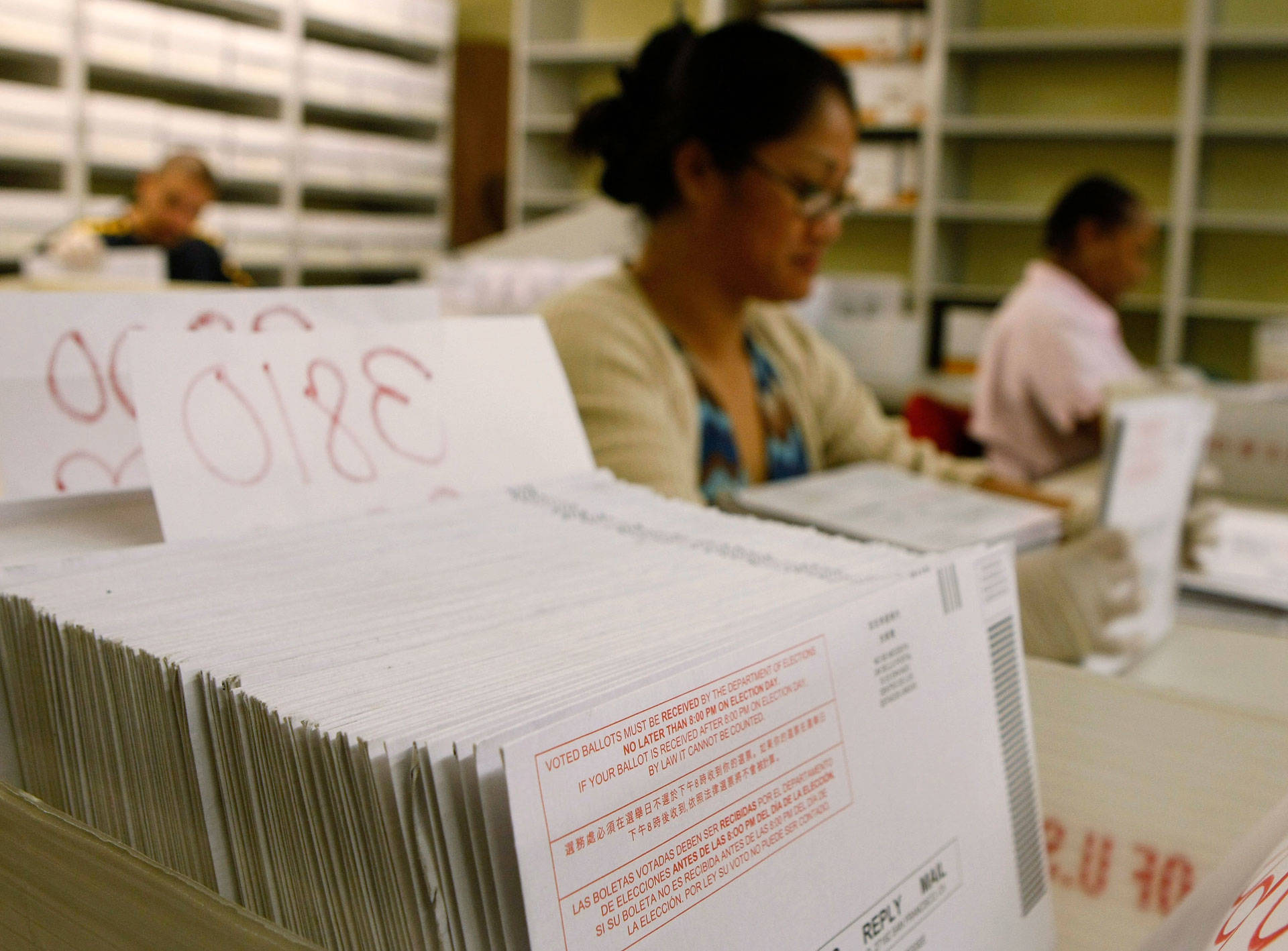
"caption": "San Francisco election workers sort stacks of vote-by-mail ballots.",
"description": "San Francisco election workers sort stacks of vote-by-mail ballots.",
"title": "Ballots",
"credit": "Justin Sullivan/Getty Images",
"status": "inherit",
"isLoading": false,
"fetchFailed": false
},
"news_11822188": {
"type": "attachments",
"id": "news_11822188",
"meta": {
"index": "attachments_1716263798",
"site": "news",
"id": "11822188",
"found": true
},
"parent": 11822178,
"imgSizes": {
"apple_news_ca_landscape_5_5": {
"file": "https://ww2.kqed.org/app/uploads/sites/10/2020/06/RS43524_GettyImages-1178141588-qut-1044x783.jpg",
"width": 1044,
"mimeType": "image/jpeg",
"height": 783
},
"apple_news_ca_square_4_0": {
"file": "https://ww2.kqed.org/app/uploads/sites/10/2020/06/RS43524_GettyImages-1178141588-qut-470x470.jpg",
"width": 470,
"mimeType": "image/jpeg",
"height": 470
},
"twentyfourteen-full-width": {
"file": "https://ww2.kqed.org/app/uploads/sites/10/2020/06/RS43524_GettyImages-1178141588-qut-1038x576.jpg",
"width": 1038,
"mimeType": "image/jpeg",
"height": 576
},
"thumbnail": {
"file": "https://ww2.kqed.org/app/uploads/sites/10/2020/06/RS43524_GettyImages-1178141588-qut-160x107.jpg",
"width": 160,
"mimeType": "image/jpeg",
"height": 107
},
"post-thumbnail": {
"file": "https://ww2.kqed.org/app/uploads/sites/10/2020/06/RS43524_GettyImages-1178141588-qut-672x372.jpg",
"width": 672,
"mimeType": "image/jpeg",
"height": 372
},
"kqedFullSize": {
"file": "https://ww2.kqed.org/app/uploads/sites/10/2020/06/RS43524_GettyImages-1178141588-qut.jpg",
"width": 1920,
"height": 1280
},
"apple_news_ca_landscape_4_7": {
"file": "https://ww2.kqed.org/app/uploads/sites/10/2020/06/RS43524_GettyImages-1178141588-qut-632x474.jpg",
"width": 632,
"mimeType": "image/jpeg",
"height": 474
},
"large": {
"file": "https://ww2.kqed.org/app/uploads/sites/10/2020/06/RS43524_GettyImages-1178141588-qut-1020x680.jpg",
"width": 1020,
"mimeType": "image/jpeg",
"height": 680
},
"apple_news_ca_landscape_4_0": {
"file": "https://ww2.kqed.org/app/uploads/sites/10/2020/06/RS43524_GettyImages-1178141588-qut-536x402.jpg",
"width": 536,
"mimeType": "image/jpeg",
"height": 402
},
"apple_news_ca_portrait_12_9": {
"file": "https://ww2.kqed.org/app/uploads/sites/10/2020/06/RS43524_GettyImages-1178141588-qut-1122x1280.jpg",
"width": 1122,
"mimeType": "image/jpeg",
"height": 1280
},
"medium": {
"file": "https://ww2.kqed.org/app/uploads/sites/10/2020/06/RS43524_GettyImages-1178141588-qut-800x533.jpg",
"width": 800,
"mimeType": "image/jpeg",
"height": 533
},
"apple_news_ca_portrait_4_0": {
"file": "https://ww2.kqed.org/app/uploads/sites/10/2020/06/RS43524_GettyImages-1178141588-qut-354x472.jpg",
"width": 354,
"mimeType": "image/jpeg",
"height": 472
},
"apple_news_ca_portrait_9_7": {
"file": "https://ww2.kqed.org/app/uploads/sites/10/2020/06/RS43524_GettyImages-1178141588-qut-840x1120.jpg",
"width": 840,
"mimeType": "image/jpeg",
"height": 1120
},
"apple_news_ca_landscape_12_9": {
"file": "https://ww2.kqed.org/app/uploads/sites/10/2020/06/RS43524_GettyImages-1178141588-qut-1832x1280.jpg",
"width": 1832,
"mimeType": "image/jpeg",
"height": 1280
},
"apple_news_ca_square_9_7": {
"file": "https://ww2.kqed.org/app/uploads/sites/10/2020/06/RS43524_GettyImages-1178141588-qut-1104x1104.jpg",
"width": 1104,
"mimeType": "image/jpeg",
"height": 1104
},
"apple_news_ca_portrait_4_7": {
"file": "https://ww2.kqed.org/app/uploads/sites/10/2020/06/RS43524_GettyImages-1178141588-qut-414x552.jpg",
"width": 414,
"mimeType": "image/jpeg",
"height": 552
},
"apple_news_ca_square_12_9": {
"file": "https://ww2.kqed.org/app/uploads/sites/10/2020/06/RS43524_GettyImages-1178141588-qut-1472x1280.jpg",
"width": 1472,
"mimeType": "image/jpeg",
"height": 1280
},
"apple_news_ca_portrait_5_5": {
"file": "https://ww2.kqed.org/app/uploads/sites/10/2020/06/RS43524_GettyImages-1178141588-qut-687x916.jpg",
"width": 687,
"mimeType": "image/jpeg",
"height": 916
},
"full-width": {
"file": "https://ww2.kqed.org/app/uploads/sites/10/2020/06/RS43524_GettyImages-1178141588-qut-1920x1280.jpg",
"width": 1920,
"mimeType": "image/jpeg",
"height": 1280
},
"apple_news_ca_square_4_7": {
"file": "https://ww2.kqed.org/app/uploads/sites/10/2020/06/RS43524_GettyImages-1178141588-qut-550x550.jpg",
"width": 550,
"mimeType": "image/jpeg",
"height": 550
},
"apple_news_ca_landscape_9_7": {
"file": "https://ww2.kqed.org/app/uploads/sites/10/2020/06/RS43524_GettyImages-1178141588-qut-1376x1032.jpg",
"width": 1376,
"mimeType": "image/jpeg",
"height": 1032
},
"apple_news_ca_square_5_5": {
"file": "https://ww2.kqed.org/app/uploads/sites/10/2020/06/RS43524_GettyImages-1178141588-qut-912x912.jpg",
"width": 912,
"mimeType": "image/jpeg",
"height": 912
}
},
"publishDate": 1591042696,
"modified": 1668019143,
"caption": "Facebook CEO Mark Zuckerberg, pictured in 2019.",
"description": "Facebook CEO Mark Zuckerberg, pictured in 2019.",
"title": "Facebook CEO Mark Zuckerberg And News Corp CEO Robert Thomson Debut Facebook News",
"credit": "Drew Angerer/Getty Images",
"status": "inherit",
"altTag": "White man in light gray sweater speaks with both arms raised in open gesture",
"isLoading": false,
"fetchFailed": false
},
"news_11821761": {
"type": "attachments",
"id": "news_11821761",
"meta": {
"index": "attachments_1716263798",
"site": "news",
"id": "11821761",
"found": true
},
"parent": 11821743,
"imgSizes": {
"apple_news_ca_landscape_5_5": {
"file": "https://ww2.kqed.org/app/uploads/sites/10/2020/05/censor_052920_final-1044x783.png",
"width": 1044,
"mimeType": "image/png",
"height": 783
},
"apple_news_ca_square_4_0": {
"file": "https://ww2.kqed.org/app/uploads/sites/10/2020/05/censor_052920_final-470x470.png",
"width": 470,
"mimeType": "image/png",
"height": 470
},
"twentyfourteen-full-width": {
"file": "https://ww2.kqed.org/app/uploads/sites/10/2020/05/censor_052920_final-1038x576.png",
"width": 1038,
"mimeType": "image/png",
"height": 576
},
"thumbnail": {
"file": "https://ww2.kqed.org/app/uploads/sites/10/2020/05/censor_052920_final-160x107.png",
"width": 160,
"mimeType": "image/png",
"height": 107
},
"post-thumbnail": {
"file": "https://ww2.kqed.org/app/uploads/sites/10/2020/05/censor_052920_final-672x372.png",
"width": 672,
"mimeType": "image/png",
"height": 372
},
"kqedFullSize": {
"file": "https://ww2.kqed.org/app/uploads/sites/10/2020/05/censor_052920_final.png",
"width": 1920,
"height": 1287
},
"apple_news_ca_landscape_4_7": {
"file": "https://ww2.kqed.org/app/uploads/sites/10/2020/05/censor_052920_final-632x474.png",
"width": 632,
"mimeType": "image/png",
"height": 474
},
"large": {
"file": "https://ww2.kqed.org/app/uploads/sites/10/2020/05/censor_052920_final-1020x684.png",
"width": 1020,
"mimeType": "image/png",
"height": 684
},
"apple_news_ca_landscape_4_0": {
"file": "https://ww2.kqed.org/app/uploads/sites/10/2020/05/censor_052920_final-536x402.png",
"width": 536,
"mimeType": "image/png",
"height": 402
},
"apple_news_ca_portrait_12_9": {
"file": "https://ww2.kqed.org/app/uploads/sites/10/2020/05/censor_052920_final-1122x1287.png",
"width": 1122,
"mimeType": "image/png",
"height": 1287
},
"medium": {
"file": "https://ww2.kqed.org/app/uploads/sites/10/2020/05/censor_052920_final-800x536.png",
"width": 800,
"mimeType": "image/png",
"height": 536
},
"apple_news_ca_portrait_4_0": {
"file": "https://ww2.kqed.org/app/uploads/sites/10/2020/05/censor_052920_final-354x472.png",
"width": 354,
"mimeType": "image/png",
"height": 472
},
"apple_news_ca_portrait_9_7": {
"file": "https://ww2.kqed.org/app/uploads/sites/10/2020/05/censor_052920_final-840x1120.png",
"width": 840,
"mimeType": "image/png",
"height": 1120
},
"apple_news_ca_landscape_12_9": {
"file": "https://ww2.kqed.org/app/uploads/sites/10/2020/05/censor_052920_final-1832x1287.png",
"width": 1832,
"mimeType": "image/png",
"height": 1287
},
"apple_news_ca_square_9_7": {
"file": "https://ww2.kqed.org/app/uploads/sites/10/2020/05/censor_052920_final-1104x1104.png",
"width": 1104,
"mimeType": "image/png",
"height": 1104
},
"apple_news_ca_portrait_4_7": {
"file": "https://ww2.kqed.org/app/uploads/sites/10/2020/05/censor_052920_final-414x552.png",
"width": 414,
"mimeType": "image/png",
"height": 552
},
"apple_news_ca_square_12_9": {
"file": "https://ww2.kqed.org/app/uploads/sites/10/2020/05/censor_052920_final-1472x1287.png",
"width": 1472,
"mimeType": "image/png",
"height": 1287
},
"apple_news_ca_portrait_5_5": {
"file": "https://ww2.kqed.org/app/uploads/sites/10/2020/05/censor_052920_final-687x916.png",
"width": 687,
"mimeType": "image/png",
"height": 916
},
"full-width": {
"file": "https://ww2.kqed.org/app/uploads/sites/10/2020/05/censor_052920_final-1920x1287.png",
"width": 1920,
"mimeType": "image/png",
"height": 1287
},
"apple_news_ca_square_4_7": {
"file": "https://ww2.kqed.org/app/uploads/sites/10/2020/05/censor_052920_final-550x550.png",
"width": 550,
"mimeType": "image/png",
"height": 550
},
"apple_news_ca_landscape_9_7": {
"file": "https://ww2.kqed.org/app/uploads/sites/10/2020/05/censor_052920_final-1376x1032.png",
"width": 1376,
"mimeType": "image/png",
"height": 1032
},
"apple_news_ca_square_5_5": {
"file": "https://ww2.kqed.org/app/uploads/sites/10/2020/05/censor_052920_final-912x912.png",
"width": 912,
"mimeType": "image/png",
"height": 912
}
},
"publishDate": 1590789962,
"modified": 1590789998,
"caption": null,
"description": null,
"title": "censor_052920_final",
"credit": null,
"status": "inherit",
"isLoading": false,
"fetchFailed": false
},
"news_11821642": {
"type": "attachments",
"id": "news_11821642",
"meta": {
"index": "attachments_1716263798",
"site": "news",
"id": "11821642",
"found": true
},
"parent": 11821641,
"imgSizes": {
"apple_news_ca_landscape_5_5": {
"file": "https://ww2.kqed.org/app/uploads/sites/10/2020/05/ap_20149704313644_custom-72ae8b4a8fe611a3ab271154d4efabf9735a5ea5-1044x783.jpg",
"width": 1044,
"mimeType": "image/jpeg",
"height": 783
},
"apple_news_ca_square_4_0": {
"file": "https://ww2.kqed.org/app/uploads/sites/10/2020/05/ap_20149704313644_custom-72ae8b4a8fe611a3ab271154d4efabf9735a5ea5-470x470.jpg",
"width": 470,
"mimeType": "image/jpeg",
"height": 470
},
"twentyfourteen-full-width": {
"file": "https://ww2.kqed.org/app/uploads/sites/10/2020/05/ap_20149704313644_custom-72ae8b4a8fe611a3ab271154d4efabf9735a5ea5-1038x576.jpg",
"width": 1038,
"mimeType": "image/jpeg",
"height": 576
},
"thumbnail": {
"file": "https://ww2.kqed.org/app/uploads/sites/10/2020/05/ap_20149704313644_custom-72ae8b4a8fe611a3ab271154d4efabf9735a5ea5-160x107.jpg",
"width": 160,
"mimeType": "image/jpeg",
"height": 107
},
"post-thumbnail": {
"file": "https://ww2.kqed.org/app/uploads/sites/10/2020/05/ap_20149704313644_custom-72ae8b4a8fe611a3ab271154d4efabf9735a5ea5-672x372.jpg",
"width": 672,
"mimeType": "image/jpeg",
"height": 372
},
"kqedFullSize": {
"file": "https://ww2.kqed.org/app/uploads/sites/10/2020/05/ap_20149704313644_custom-72ae8b4a8fe611a3ab271154d4efabf9735a5ea5-e1590771862625.jpg",
"width": 1920,
"height": 1279
},
"apple_news_ca_landscape_4_7": {
"file": "https://ww2.kqed.org/app/uploads/sites/10/2020/05/ap_20149704313644_custom-72ae8b4a8fe611a3ab271154d4efabf9735a5ea5-632x474.jpg",
"width": 632,
"mimeType": "image/jpeg",
"height": 474
},
"large": {
"file": "https://ww2.kqed.org/app/uploads/sites/10/2020/05/ap_20149704313644_custom-72ae8b4a8fe611a3ab271154d4efabf9735a5ea5-1020x679.jpg",
"width": 1020,
"mimeType": "image/jpeg",
"height": 679
},
"apple_news_ca_landscape_4_0": {
"file": "https://ww2.kqed.org/app/uploads/sites/10/2020/05/ap_20149704313644_custom-72ae8b4a8fe611a3ab271154d4efabf9735a5ea5-536x402.jpg",
"width": 536,
"mimeType": "image/jpeg",
"height": 402
},
"apple_news_ca_portrait_12_9": {
"file": "https://ww2.kqed.org/app/uploads/sites/10/2020/05/ap_20149704313644_custom-72ae8b4a8fe611a3ab271154d4efabf9735a5ea5-1122x1496.jpg",
"width": 1122,
"mimeType": "image/jpeg",
"height": 1496
},
"medium": {
"file": "https://ww2.kqed.org/app/uploads/sites/10/2020/05/ap_20149704313644_custom-72ae8b4a8fe611a3ab271154d4efabf9735a5ea5-800x533.jpg",
"width": 800,
"mimeType": "image/jpeg",
"height": 533
},
"apple_news_ca_portrait_4_0": {
"file": "https://ww2.kqed.org/app/uploads/sites/10/2020/05/ap_20149704313644_custom-72ae8b4a8fe611a3ab271154d4efabf9735a5ea5-354x472.jpg",
"width": 354,
"mimeType": "image/jpeg",
"height": 472
},
"apple_news_ca_portrait_9_7": {
"file": "https://ww2.kqed.org/app/uploads/sites/10/2020/05/ap_20149704313644_custom-72ae8b4a8fe611a3ab271154d4efabf9735a5ea5-840x1120.jpg",
"width": 840,
"mimeType": "image/jpeg",
"height": 1120
},
"apple_news_ca_landscape_12_9": {
"file": "https://ww2.kqed.org/app/uploads/sites/10/2020/05/ap_20149704313644_custom-72ae8b4a8fe611a3ab271154d4efabf9735a5ea5-1832x1374.jpg",
"width": 1832,
"mimeType": "image/jpeg",
"height": 1374
},
"apple_news_ca_square_9_7": {
"file": "https://ww2.kqed.org/app/uploads/sites/10/2020/05/ap_20149704313644_custom-72ae8b4a8fe611a3ab271154d4efabf9735a5ea5-1104x1104.jpg",
"width": 1104,
"mimeType": "image/jpeg",
"height": 1104
},
"apple_news_ca_portrait_4_7": {
"file": "https://ww2.kqed.org/app/uploads/sites/10/2020/05/ap_20149704313644_custom-72ae8b4a8fe611a3ab271154d4efabf9735a5ea5-414x552.jpg",
"width": 414,
"mimeType": "image/jpeg",
"height": 552
},
"apple_news_ca_square_12_9": {
"file": "https://ww2.kqed.org/app/uploads/sites/10/2020/05/ap_20149704313644_custom-72ae8b4a8fe611a3ab271154d4efabf9735a5ea5-1472x1472.jpg",
"width": 1472,
"mimeType": "image/jpeg",
"height": 1472
},
"apple_news_ca_portrait_5_5": {
"file": "https://ww2.kqed.org/app/uploads/sites/10/2020/05/ap_20149704313644_custom-72ae8b4a8fe611a3ab271154d4efabf9735a5ea5-687x916.jpg",
"width": 687,
"mimeType": "image/jpeg",
"height": 916
},
"full-width": {
"file": "https://ww2.kqed.org/app/uploads/sites/10/2020/05/ap_20149704313644_custom-72ae8b4a8fe611a3ab271154d4efabf9735a5ea5-1920x1279.jpg",
"width": 1920,
"mimeType": "image/jpeg",
"height": 1279
},
"apple_news_ca_square_4_7": {
"file": "https://ww2.kqed.org/app/uploads/sites/10/2020/05/ap_20149704313644_custom-72ae8b4a8fe611a3ab271154d4efabf9735a5ea5-550x550.jpg",
"width": 550,
"mimeType": "image/jpeg",
"height": 550
},
"apple_news_ca_landscape_9_7": {
"file": "https://ww2.kqed.org/app/uploads/sites/10/2020/05/ap_20149704313644_custom-72ae8b4a8fe611a3ab271154d4efabf9735a5ea5-1376x1032.jpg",
"width": 1376,
"mimeType": "image/jpeg",
"height": 1032
},
"apple_news_ca_square_5_5": {
"file": "https://ww2.kqed.org/app/uploads/sites/10/2020/05/ap_20149704313644_custom-72ae8b4a8fe611a3ab271154d4efabf9735a5ea5-912x912.jpg",
"width": 912,
"mimeType": "image/jpeg",
"height": 912
}
},
"publishDate": 1590771770,
"modified": 1590771887,
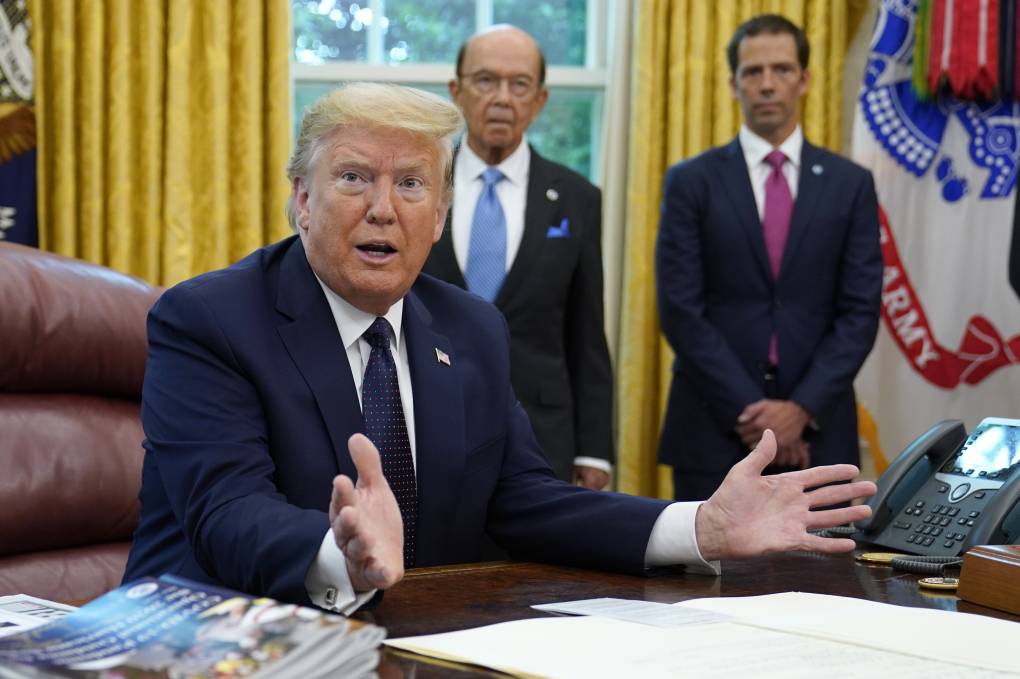
"caption": "President Trump speaks before signing an executive order aimed at curbing protections for social media companies in the Oval Office on Thursday.",
"description": "President Trump speaks before signing an executive order aimed at curbing protections for social media companies in the Oval Office on Thursday.",
"title": "President Trump speaks before signing an executive order aimed at curbing protections for social media companies in the Oval Office on Thursday.",
"credit": "Evan Vucci/AP",
"status": "inherit",
"isLoading": false,
"fetchFailed": false
},
"news_11821524": {
"type": "attachments",
"id": "news_11821524",
"meta": {
"index": "attachments_1716263798",
"site": "news",
"id": "11821524",
"found": true
},
"parent": 11821523,
"imgSizes": {
"apple_news_ca_landscape_5_5": {
"file": "https://ww2.kqed.org/app/uploads/sites/10/2020/05/ap_20148697760093_custom-8f4656c16bcffb1a31c65caa16c87ec62688f1c1-1044x783.jpg",
"width": 1044,
"mimeType": "image/jpeg",
"height": 783
},
"apple_news_ca_square_4_0": {
"file": "https://ww2.kqed.org/app/uploads/sites/10/2020/05/ap_20148697760093_custom-8f4656c16bcffb1a31c65caa16c87ec62688f1c1-470x470.jpg",
"width": 470,
"mimeType": "image/jpeg",
"height": 470
},
"twentyfourteen-full-width": {
"file": "https://ww2.kqed.org/app/uploads/sites/10/2020/05/ap_20148697760093_custom-8f4656c16bcffb1a31c65caa16c87ec62688f1c1-1038x576.jpg",
"width": 1038,
"mimeType": "image/jpeg",
"height": 576
},
"thumbnail": {
"file": "https://ww2.kqed.org/app/uploads/sites/10/2020/05/ap_20148697760093_custom-8f4656c16bcffb1a31c65caa16c87ec62688f1c1-160x107.jpg",
"width": 160,
"mimeType": "image/jpeg",
"height": 107
},
"post-thumbnail": {
"file": "https://ww2.kqed.org/app/uploads/sites/10/2020/05/ap_20148697760093_custom-8f4656c16bcffb1a31c65caa16c87ec62688f1c1-672x372.jpg",
"width": 672,
"mimeType": "image/jpeg",
"height": 372
},
"kqedFullSize": {
"file": "https://ww2.kqed.org/app/uploads/sites/10/2020/05/ap_20148697760093_custom-8f4656c16bcffb1a31c65caa16c87ec62688f1c1-e1590706384891.jpg",
"width": 1920,
"height": 1278
},
"apple_news_ca_landscape_4_7": {
"file": "https://ww2.kqed.org/app/uploads/sites/10/2020/05/ap_20148697760093_custom-8f4656c16bcffb1a31c65caa16c87ec62688f1c1-632x474.jpg",
"width": 632,
"mimeType": "image/jpeg",
"height": 474
},
"large": {
"file": "https://ww2.kqed.org/app/uploads/sites/10/2020/05/ap_20148697760093_custom-8f4656c16bcffb1a31c65caa16c87ec62688f1c1-1020x679.jpg",
"width": 1020,
"mimeType": "image/jpeg",
"height": 679
},
"apple_news_ca_landscape_4_0": {
"file": "https://ww2.kqed.org/app/uploads/sites/10/2020/05/ap_20148697760093_custom-8f4656c16bcffb1a31c65caa16c87ec62688f1c1-536x402.jpg",
"width": 536,
"mimeType": "image/jpeg",
"height": 402
},
"apple_news_ca_portrait_12_9": {
"file": "https://ww2.kqed.org/app/uploads/sites/10/2020/05/ap_20148697760093_custom-8f4656c16bcffb1a31c65caa16c87ec62688f1c1-1122x1496.jpg",
"width": 1122,
"mimeType": "image/jpeg",
"height": 1496
},
"medium": {
"file": "https://ww2.kqed.org/app/uploads/sites/10/2020/05/ap_20148697760093_custom-8f4656c16bcffb1a31c65caa16c87ec62688f1c1-800x533.jpg",
"width": 800,
"mimeType": "image/jpeg",
"height": 533
},
"apple_news_ca_portrait_4_0": {
"file": "https://ww2.kqed.org/app/uploads/sites/10/2020/05/ap_20148697760093_custom-8f4656c16bcffb1a31c65caa16c87ec62688f1c1-354x472.jpg",
"width": 354,
"mimeType": "image/jpeg",
"height": 472
},
"apple_news_ca_portrait_9_7": {
"file": "https://ww2.kqed.org/app/uploads/sites/10/2020/05/ap_20148697760093_custom-8f4656c16bcffb1a31c65caa16c87ec62688f1c1-840x1120.jpg",
"width": 840,
"mimeType": "image/jpeg",
"height": 1120
},
"apple_news_ca_landscape_12_9": {
"file": "https://ww2.kqed.org/app/uploads/sites/10/2020/05/ap_20148697760093_custom-8f4656c16bcffb1a31c65caa16c87ec62688f1c1-1832x1374.jpg",
"width": 1832,
"mimeType": "image/jpeg",
"height": 1374
},
"apple_news_ca_square_9_7": {
"file": "https://ww2.kqed.org/app/uploads/sites/10/2020/05/ap_20148697760093_custom-8f4656c16bcffb1a31c65caa16c87ec62688f1c1-1104x1104.jpg",
"width": 1104,
"mimeType": "image/jpeg",
"height": 1104
},
"apple_news_ca_portrait_4_7": {
"file": "https://ww2.kqed.org/app/uploads/sites/10/2020/05/ap_20148697760093_custom-8f4656c16bcffb1a31c65caa16c87ec62688f1c1-414x552.jpg",
"width": 414,
"mimeType": "image/jpeg",
"height": 552
},
"apple_news_ca_square_12_9": {
"file": "https://ww2.kqed.org/app/uploads/sites/10/2020/05/ap_20148697760093_custom-8f4656c16bcffb1a31c65caa16c87ec62688f1c1-1472x1472.jpg",
"width": 1472,
"mimeType": "image/jpeg",
"height": 1472
},
"apple_news_ca_portrait_5_5": {
"file": "https://ww2.kqed.org/app/uploads/sites/10/2020/05/ap_20148697760093_custom-8f4656c16bcffb1a31c65caa16c87ec62688f1c1-687x916.jpg",
"width": 687,
"mimeType": "image/jpeg",
"height": 916
},
"full-width": {
"file": "https://ww2.kqed.org/app/uploads/sites/10/2020/05/ap_20148697760093_custom-8f4656c16bcffb1a31c65caa16c87ec62688f1c1-1920x1278.jpg",
"width": 1920,
"mimeType": "image/jpeg",
"height": 1278
},
"apple_news_ca_square_4_7": {
"file": "https://ww2.kqed.org/app/uploads/sites/10/2020/05/ap_20148697760093_custom-8f4656c16bcffb1a31c65caa16c87ec62688f1c1-550x550.jpg",
"width": 550,
"mimeType": "image/jpeg",
"height": 550
},
"apple_news_ca_landscape_9_7": {
"file": "https://ww2.kqed.org/app/uploads/sites/10/2020/05/ap_20148697760093_custom-8f4656c16bcffb1a31c65caa16c87ec62688f1c1-1376x1032.jpg",
"width": 1376,
"mimeType": "image/jpeg",
"height": 1032
},
"apple_news_ca_square_5_5": {
"file": "https://ww2.kqed.org/app/uploads/sites/10/2020/05/ap_20148697760093_custom-8f4656c16bcffb1a31c65caa16c87ec62688f1c1-912x912.jpg",
"width": 912,
"mimeType": "image/jpeg",
"height": 912
}
},
"publishDate": 1590706267,
"modified": 1592922957,
"caption": "Silicon Valley is publicly criticizing President Donald Trump's latest attack on visa programs that tech companies use to bring in thousands of skilled foreign workers.",
"description": "Silicon Valley is publicly criticizing President Donald Trump's latest attack on visa programs that tech companies use to bring in thousands of skilled foreign workers.",
"title": "Silicon Valley is publicly criticizing President Donald Trump's latest attack on visa programs that tech companies use to bring in thousands of skilled foreign workers.",
"credit": "Evan Vucci/AP",
"status": "inherit",
"isLoading": false,
"fetchFailed": false
},
"news_11820982": {
"type": "attachments",
"id": "news_11820982",
"meta": {
"index": "attachments_1716263798",
"site": "news",
"id": "11820982",
"found": true
},
"parent": 11820981,
"imgSizes": {
"apple_news_ca_landscape_5_5": {
"file": "https://ww2.kqed.org/app/uploads/sites/10/2020/05/ap_20143644258750-d6978261add1426a989859691b9b906cca512be7-1044x783.jpg",
"width": 1044,
"mimeType": "image/jpeg",
"height": 783
},
"apple_news_ca_square_4_0": {
"file": "https://ww2.kqed.org/app/uploads/sites/10/2020/05/ap_20143644258750-d6978261add1426a989859691b9b906cca512be7-470x470.jpg",
"width": 470,
"mimeType": "image/jpeg",
"height": 470
},
"twentyfourteen-full-width": {
"file": "https://ww2.kqed.org/app/uploads/sites/10/2020/05/ap_20143644258750-d6978261add1426a989859691b9b906cca512be7-1038x576.jpg",
"width": 1038,
"mimeType": "image/jpeg",
"height": 576
},
"thumbnail": {
"file": "https://ww2.kqed.org/app/uploads/sites/10/2020/05/ap_20143644258750-d6978261add1426a989859691b9b906cca512be7-160x120.jpg",
"width": 160,
"mimeType": "image/jpeg",
"height": 120
},
"post-thumbnail": {
"file": "https://ww2.kqed.org/app/uploads/sites/10/2020/05/ap_20143644258750-d6978261add1426a989859691b9b906cca512be7-672x372.jpg",
"width": 672,
"mimeType": "image/jpeg",
"height": 372
},
"kqedFullSize": {
"file": "https://ww2.kqed.org/app/uploads/sites/10/2020/05/ap_20143644258750-d6978261add1426a989859691b9b906cca512be7-e1590596492612.jpg",
"width": 1920,
"height": 1440
},
"apple_news_ca_landscape_4_7": {
"file": "https://ww2.kqed.org/app/uploads/sites/10/2020/05/ap_20143644258750-d6978261add1426a989859691b9b906cca512be7-632x474.jpg",
"width": 632,
"mimeType": "image/jpeg",
"height": 474
},
"large": {
"file": "https://ww2.kqed.org/app/uploads/sites/10/2020/05/ap_20143644258750-d6978261add1426a989859691b9b906cca512be7-1020x765.jpg",
"width": 1020,
"mimeType": "image/jpeg",
"height": 765
},
"apple_news_ca_landscape_4_0": {
"file": "https://ww2.kqed.org/app/uploads/sites/10/2020/05/ap_20143644258750-d6978261add1426a989859691b9b906cca512be7-536x402.jpg",
"width": 536,
"mimeType": "image/jpeg",
"height": 402
},
"apple_news_ca_portrait_12_9": {
"file": "https://ww2.kqed.org/app/uploads/sites/10/2020/05/ap_20143644258750-d6978261add1426a989859691b9b906cca512be7-1122x1496.jpg",
"width": 1122,
"mimeType": "image/jpeg",
"height": 1496
},
"medium": {
"file": "https://ww2.kqed.org/app/uploads/sites/10/2020/05/ap_20143644258750-d6978261add1426a989859691b9b906cca512be7-800x600.jpg",
"width": 800,
"mimeType": "image/jpeg",
"height": 600
},
"apple_news_ca_portrait_4_0": {
"file": "https://ww2.kqed.org/app/uploads/sites/10/2020/05/ap_20143644258750-d6978261add1426a989859691b9b906cca512be7-354x472.jpg",
"width": 354,
"mimeType": "image/jpeg",
"height": 472
},
"apple_news_ca_portrait_9_7": {
"file": "https://ww2.kqed.org/app/uploads/sites/10/2020/05/ap_20143644258750-d6978261add1426a989859691b9b906cca512be7-840x1120.jpg",
"width": 840,
"mimeType": "image/jpeg",
"height": 1120
},
"apple_news_ca_landscape_12_9": {
"file": "https://ww2.kqed.org/app/uploads/sites/10/2020/05/ap_20143644258750-d6978261add1426a989859691b9b906cca512be7-1832x1374.jpg",
"width": 1832,
"mimeType": "image/jpeg",
"height": 1374
},
"apple_news_ca_square_9_7": {
"file": "https://ww2.kqed.org/app/uploads/sites/10/2020/05/ap_20143644258750-d6978261add1426a989859691b9b906cca512be7-1104x1104.jpg",
"width": 1104,
"mimeType": "image/jpeg",
"height": 1104
},
"apple_news_ca_portrait_4_7": {
"file": "https://ww2.kqed.org/app/uploads/sites/10/2020/05/ap_20143644258750-d6978261add1426a989859691b9b906cca512be7-414x552.jpg",
"width": 414,
"mimeType": "image/jpeg",
"height": 552
},
"apple_news_ca_square_12_9": {
"file": "https://ww2.kqed.org/app/uploads/sites/10/2020/05/ap_20143644258750-d6978261add1426a989859691b9b906cca512be7-1472x1472.jpg",
"width": 1472,
"mimeType": "image/jpeg",
"height": 1472
},
"apple_news_ca_portrait_5_5": {
"file": "https://ww2.kqed.org/app/uploads/sites/10/2020/05/ap_20143644258750-d6978261add1426a989859691b9b906cca512be7-687x916.jpg",
"width": 687,
"mimeType": "image/jpeg",
"height": 916
},
"full-width": {
"file": "https://ww2.kqed.org/app/uploads/sites/10/2020/05/ap_20143644258750-d6978261add1426a989859691b9b906cca512be7-1920x1440.jpg",
"width": 1920,
"mimeType": "image/jpeg",
"height": 1440
},
"apple_news_ca_square_4_7": {
"file": "https://ww2.kqed.org/app/uploads/sites/10/2020/05/ap_20143644258750-d6978261add1426a989859691b9b906cca512be7-550x550.jpg",
"width": 550,
"mimeType": "image/jpeg",
"height": 550
},
"apple_news_ca_landscape_9_7": {
"file": "https://ww2.kqed.org/app/uploads/sites/10/2020/05/ap_20143644258750-d6978261add1426a989859691b9b906cca512be7-1376x1032.jpg",
"width": 1376,
"mimeType": "image/jpeg",
"height": 1032
},
"apple_news_ca_square_5_5": {
"file": "https://ww2.kqed.org/app/uploads/sites/10/2020/05/ap_20143644258750-d6978261add1426a989859691b9b906cca512be7-912x912.jpg",
"width": 912,
"mimeType": "image/jpeg",
"height": 912
}
},
"publishDate": 1590596301,
"modified": 1590596486,
"caption": "President Trump, who uses Twitter as his primary form of communication, has long accused Facebook and Twitter of censoring conservative views.",
"description": "President Trump, who uses Twitter as his primary form of communication, has long accused Facebook and Twitter of censoring conservative views.",
"title": "President Trump, who uses Twitter as his primary form of communication, has long accused Facebook and Twitter of censoring conservative views.",
"credit": "Alex Brandon/AP",
"status": "inherit",
"isLoading": false,
"fetchFailed": false
},
"news_11814858": {
"type": "attachments",
"id": "news_11814858",
"meta": {
"index": "attachments_1716263798",
"site": "news",
"id": "11814858",
"found": true
},
"parent": 11814849,
"imgSizes": {
"apple_news_ca_landscape_5_5": {
"file": "https://ww2.kqed.org/app/uploads/sites/10/2020/04/epidemiology_042820_final-1044x783.png",
"width": 1044,
"mimeType": "image/png",
"height": 783
},
"apple_news_ca_square_4_0": {
"file": "https://ww2.kqed.org/app/uploads/sites/10/2020/04/epidemiology_042820_final-470x470.png",
"width": 470,
"mimeType": "image/png",
"height": 470
},
"twentyfourteen-full-width": {
"file": "https://ww2.kqed.org/app/uploads/sites/10/2020/04/epidemiology_042820_final-1038x576.png",
"width": 1038,
"mimeType": "image/png",
"height": 576
},
"thumbnail": {
"file": "https://ww2.kqed.org/app/uploads/sites/10/2020/04/epidemiology_042820_final-160x106.png",
"width": 160,
"mimeType": "image/png",
"height": 106
},
"post-thumbnail": {
"file": "https://ww2.kqed.org/app/uploads/sites/10/2020/04/epidemiology_042820_final-672x372.png",
"width": 672,
"mimeType": "image/png",
"height": 372
},
"kqedFullSize": {
"file": "https://ww2.kqed.org/app/uploads/sites/10/2020/04/epidemiology_042820_final.png",
"width": 1920,
"height": 1274
},
"apple_news_ca_landscape_4_7": {
"file": "https://ww2.kqed.org/app/uploads/sites/10/2020/04/epidemiology_042820_final-632x474.png",
"width": 632,
"mimeType": "image/png",
"height": 474
},
"large": {
"file": "https://ww2.kqed.org/app/uploads/sites/10/2020/04/epidemiology_042820_final-1020x677.png",
"width": 1020,
"mimeType": "image/png",
"height": 677
},
"apple_news_ca_landscape_4_0": {
"file": "https://ww2.kqed.org/app/uploads/sites/10/2020/04/epidemiology_042820_final-536x402.png",
"width": 536,
"mimeType": "image/png",
"height": 402
},
"apple_news_ca_portrait_12_9": {
"file": "https://ww2.kqed.org/app/uploads/sites/10/2020/04/epidemiology_042820_final-1122x1274.png",
"width": 1122,
"mimeType": "image/png",
"height": 1274
},
"medium": {
"file": "https://ww2.kqed.org/app/uploads/sites/10/2020/04/epidemiology_042820_final-800x531.png",
"width": 800,
"mimeType": "image/png",
"height": 531
},
"apple_news_ca_portrait_4_0": {
"file": "https://ww2.kqed.org/app/uploads/sites/10/2020/04/epidemiology_042820_final-354x472.png",
"width": 354,
"mimeType": "image/png",
"height": 472
},
"apple_news_ca_portrait_9_7": {
"file": "https://ww2.kqed.org/app/uploads/sites/10/2020/04/epidemiology_042820_final-840x1120.png",
"width": 840,
"mimeType": "image/png",
"height": 1120
},
"apple_news_ca_landscape_12_9": {
"file": "https://ww2.kqed.org/app/uploads/sites/10/2020/04/epidemiology_042820_final-1832x1274.png",
"width": 1832,
"mimeType": "image/png",
"height": 1274
},
"apple_news_ca_square_9_7": {
"file": "https://ww2.kqed.org/app/uploads/sites/10/2020/04/epidemiology_042820_final-1104x1104.png",
"width": 1104,
"mimeType": "image/png",
"height": 1104
},
"apple_news_ca_portrait_4_7": {
"file": "https://ww2.kqed.org/app/uploads/sites/10/2020/04/epidemiology_042820_final-414x552.png",
"width": 414,
"mimeType": "image/png",
"height": 552
},
"apple_news_ca_square_12_9": {
"file": "https://ww2.kqed.org/app/uploads/sites/10/2020/04/epidemiology_042820_final-1472x1274.png",
"width": 1472,
"mimeType": "image/png",
"height": 1274
},
"apple_news_ca_portrait_5_5": {
"file": "https://ww2.kqed.org/app/uploads/sites/10/2020/04/epidemiology_042820_final-687x916.png",
"width": 687,
"mimeType": "image/png",
"height": 916
},
"full-width": {
"file": "https://ww2.kqed.org/app/uploads/sites/10/2020/04/epidemiology_042820_final-1920x1274.png",
"width": 1920,
"mimeType": "image/png",
"height": 1274
},
"apple_news_ca_square_4_7": {
"file": "https://ww2.kqed.org/app/uploads/sites/10/2020/04/epidemiology_042820_final-550x550.png",
"width": 550,
"mimeType": "image/png",
"height": 550
},
"apple_news_ca_landscape_9_7": {
"file": "https://ww2.kqed.org/app/uploads/sites/10/2020/04/epidemiology_042820_final-1376x1032.png",
"width": 1376,
"mimeType": "image/png",
"height": 1032
},
"apple_news_ca_square_5_5": {
"file": "https://ww2.kqed.org/app/uploads/sites/10/2020/04/epidemiology_042820_final-912x912.png",
"width": 912,
"mimeType": "image/png",
"height": 912
}
},
"publishDate": 1588118154,
"modified": 1588118202,
"caption": null,
"description": null,
"title": "epidemiology_042820_final",
"credit": null,
"status": "inherit",
"isLoading": false,
"fetchFailed": false
},
"news_11813828": {
"type": "attachments",
"id": "news_11813828",
"meta": {
"index": "attachments_1716263798",
"site": "news",
"id": "11813828",
"found": true
},
"parent": 11813685,
"imgSizes": {
"apple_news_ca_landscape_5_5": {
"file": "https://ww2.kqed.org/app/uploads/sites/10/2020/04/RS42892_alt_1008-1044x783.png",
"width": 1044,
"mimeType": "image/png",
"height": 783
},
"apple_news_ca_square_4_0": {
"file": "https://ww2.kqed.org/app/uploads/sites/10/2020/04/RS42892_alt_1008-470x470.png",
"width": 470,
"mimeType": "image/png",
"height": 470
},
"twentyfourteen-full-width": {
"file": "https://ww2.kqed.org/app/uploads/sites/10/2020/04/RS42892_alt_1008-1038x576.png",
"width": 1038,
"mimeType": "image/png",
"height": 576
},
"thumbnail": {
"file": "https://ww2.kqed.org/app/uploads/sites/10/2020/04/RS42892_alt_1008-160x102.png",
"width": 160,
"mimeType": "image/png",
"height": 102
},
"post-thumbnail": {
"file": "https://ww2.kqed.org/app/uploads/sites/10/2020/04/RS42892_alt_1008-672x372.png",
"width": 672,
"mimeType": "image/png",
"height": 372
},
"kqedFullSize": {
"file": "https://ww2.kqed.org/app/uploads/sites/10/2020/04/RS42892_alt_1008.png",
"width": 1240,
"height": 794
},
"apple_news_ca_landscape_4_7": {
"file": "https://ww2.kqed.org/app/uploads/sites/10/2020/04/RS42892_alt_1008-632x474.png",
"width": 632,
"mimeType": "image/png",
"height": 474
},
"large": {
"file": "https://ww2.kqed.org/app/uploads/sites/10/2020/04/RS42892_alt_1008-1020x653.png",
"width": 1020,
"mimeType": "image/png",
"height": 653
},
"apple_news_ca_landscape_4_0": {
"file": "https://ww2.kqed.org/app/uploads/sites/10/2020/04/RS42892_alt_1008-536x402.png",
"width": 536,
"mimeType": "image/png",
"height": 402
},
"apple_news_ca_portrait_12_9": {
"file": "https://ww2.kqed.org/app/uploads/sites/10/2020/04/RS42892_alt_1008-1122x794.png",
"width": 1122,
"mimeType": "image/png",
"height": 794
},
"medium": {
"file": "https://ww2.kqed.org/app/uploads/sites/10/2020/04/RS42892_alt_1008-800x512.png",
"width": 800,
"mimeType": "image/png",
"height": 512
},
"apple_news_ca_portrait_4_0": {
"file": "https://ww2.kqed.org/app/uploads/sites/10/2020/04/RS42892_alt_1008-354x472.png",
"width": 354,
"mimeType": "image/png",
"height": 472
},
"apple_news_ca_portrait_9_7": {
"file": "https://ww2.kqed.org/app/uploads/sites/10/2020/04/RS42892_alt_1008-840x794.png",
"width": 840,
"mimeType": "image/png",
"height": 794
},
"apple_news_ca_square_9_7": {
"file": "https://ww2.kqed.org/app/uploads/sites/10/2020/04/RS42892_alt_1008-1104x794.png",
"width": 1104,
"mimeType": "image/png",
"height": 794
},
"apple_news_ca_portrait_4_7": {
"file": "https://ww2.kqed.org/app/uploads/sites/10/2020/04/RS42892_alt_1008-414x552.png",
"width": 414,
"mimeType": "image/png",
"height": 552
},
"apple_news_ca_portrait_5_5": {
"file": "https://ww2.kqed.org/app/uploads/sites/10/2020/04/RS42892_alt_1008-687x794.png",
"width": 687,
"mimeType": "image/png",
"height": 794
},
"apple_news_ca_square_4_7": {
"file": "https://ww2.kqed.org/app/uploads/sites/10/2020/04/RS42892_alt_1008-550x550.png",
"width": 550,
"mimeType": "image/png",
"height": 550
},
"apple_news_ca_square_5_5": {
"file": "https://ww2.kqed.org/app/uploads/sites/10/2020/04/RS42892_alt_1008-912x794.png",
"width": 912,
"mimeType": "image/png",
"height": 794
}
},
"publishDate": 1587599351,
"modified": 1587599414,
"caption": "San Jose-based video data storage company Quantum Corp. received the maximum allowable amount under the program — $10 million — even though its business doesn't appear to be bracing for a significant financial hit from the COVID-19 pandemic.",
"description": "San Jose-based video data storage company Quantum Corp. received the maximum allowable amount under the program — $10 million — even though its business doesn't appear to be bracing for a significant financial hit from the COVID-19 pandemic.",
"title": "RS42892_alt_1008",
"credit": "Courtesy of Google Maps",
"status": "inherit",
"isLoading": false,
"fetchFailed": false
},
"news_11813412": {
"type": "attachments",
"id": "news_11813412",
"meta": {
"index": "attachments_1716263798",
"site": "news",
"id": "11813412",
"found": true
},
"parent": 11813372,
"imgSizes": {
"apple_news_ca_landscape_5_5": {
"file": "https://ww2.kqed.org/app/uploads/sites/10/2020/04/GettyImages-1210482371-1044x783.jpg",
"width": 1044,
"mimeType": "image/jpeg",
"height": 783
},
"apple_news_ca_square_4_0": {
"file": "https://ww2.kqed.org/app/uploads/sites/10/2020/04/GettyImages-1210482371-470x470.jpg",
"width": 470,
"mimeType": "image/jpeg",
"height": 470
},
"twentyfourteen-full-width": {
"file": "https://ww2.kqed.org/app/uploads/sites/10/2020/04/GettyImages-1210482371-1038x576.jpg",
"width": 1038,
"mimeType": "image/jpeg",
"height": 576
},
"thumbnail": {
"file": "https://ww2.kqed.org/app/uploads/sites/10/2020/04/GettyImages-1210482371-160x101.jpg",
"width": 160,
"mimeType": "image/jpeg",
"height": 101
},
"post-thumbnail": {
"file": "https://ww2.kqed.org/app/uploads/sites/10/2020/04/GettyImages-1210482371-672x372.jpg",
"width": 672,
"mimeType": "image/jpeg",
"height": 372
},
"kqedFullSize": {
"file": "https://ww2.kqed.org/app/uploads/sites/10/2020/04/GettyImages-1210482371.jpg",
"width": 5193,
"height": 3265
},
"apple_news_ca_landscape_4_7": {
"file": "https://ww2.kqed.org/app/uploads/sites/10/2020/04/GettyImages-1210482371-632x474.jpg",
"width": 632,
"mimeType": "image/jpeg",
"height": 474
},
"large": {
"file": "https://ww2.kqed.org/app/uploads/sites/10/2020/04/GettyImages-1210482371-1020x641.jpg",
"width": 1020,
"mimeType": "image/jpeg",
"height": 641
},
"apple_news_ca_landscape_4_0": {
"file": "https://ww2.kqed.org/app/uploads/sites/10/2020/04/GettyImages-1210482371-536x402.jpg",
"width": 536,
"mimeType": "image/jpeg",
"height": 402
},
"apple_news_ca_portrait_12_9": {
"file": "https://ww2.kqed.org/app/uploads/sites/10/2020/04/GettyImages-1210482371-1122x1496.jpg",
"width": 1122,
"mimeType": "image/jpeg",
"height": 1496
},
"medium": {
"file": "https://ww2.kqed.org/app/uploads/sites/10/2020/04/GettyImages-1210482371-800x503.jpg",
"width": 800,
"mimeType": "image/jpeg",
"height": 503
},
"apple_news_ca_portrait_4_0": {
"file": "https://ww2.kqed.org/app/uploads/sites/10/2020/04/GettyImages-1210482371-354x472.jpg",
"width": 354,
"mimeType": "image/jpeg",
"height": 472
},
"apple_news_ca_portrait_9_7": {
"file": "https://ww2.kqed.org/app/uploads/sites/10/2020/04/GettyImages-1210482371-840x1120.jpg",
"width": 840,
"mimeType": "image/jpeg",
"height": 1120
},
"apple_news_ca_landscape_12_9": {
"file": "https://ww2.kqed.org/app/uploads/sites/10/2020/04/GettyImages-1210482371-1832x1374.jpg",
"width": 1832,
"mimeType": "image/jpeg",
"height": 1374
},
"apple_news_ca_square_9_7": {
"file": "https://ww2.kqed.org/app/uploads/sites/10/2020/04/GettyImages-1210482371-1104x1104.jpg",
"width": 1104,
"mimeType": "image/jpeg",
"height": 1104
},
"apple_news_ca_portrait_4_7": {
"file": "https://ww2.kqed.org/app/uploads/sites/10/2020/04/GettyImages-1210482371-414x552.jpg",
"width": 414,
"mimeType": "image/jpeg",
"height": 552
},
"apple_news_ca_square_12_9": {
"file": "https://ww2.kqed.org/app/uploads/sites/10/2020/04/GettyImages-1210482371-1472x1472.jpg",
"width": 1472,
"mimeType": "image/jpeg",
"height": 1472
},
"apple_news_ca_portrait_5_5": {
"file": "https://ww2.kqed.org/app/uploads/sites/10/2020/04/GettyImages-1210482371-687x916.jpg",
"width": 687,
"mimeType": "image/jpeg",
"height": 916
},
"full-width": {
"file": "https://ww2.kqed.org/app/uploads/sites/10/2020/04/GettyImages-1210482371-1920x1207.jpg",
"width": 1920,
"mimeType": "image/jpeg",
"height": 1207
},
"apple_news_ca_square_4_7": {
"file": "https://ww2.kqed.org/app/uploads/sites/10/2020/04/GettyImages-1210482371-550x550.jpg",
"width": 550,
"mimeType": "image/jpeg",
"height": 550
},
"apple_news_ca_landscape_9_7": {
"file": "https://ww2.kqed.org/app/uploads/sites/10/2020/04/GettyImages-1210482371-1376x1032.jpg",
"width": 1376,
"mimeType": "image/jpeg",
"height": 1032
},
"apple_news_ca_square_5_5": {
"file": "https://ww2.kqed.org/app/uploads/sites/10/2020/04/GettyImages-1210482371-912x912.jpg",
"width": 912,
"mimeType": "image/jpeg",
"height": 912
}
},
"publishDate": 1587506875,
"modified": 1587588517,
"caption": "A family carries signs as they walk towards a protest in spite of shelter-in-place rules still being in effect at California's state Capitol building in Sacramento on April 20, 2020.",
"description": "A family carries signs as they walk towards a protest in spite of shelter-in-place rules still being in effect at California's state capitol building in Sacramento, California on April 20, 2020.",
"title": "US-HEALTH-VIRUS",
"credit": "Josh Edelson/AFP via Getty Images",
"status": "inherit",
"isLoading": false,
"fetchFailed": false
},
"news_11813367": {
"type": "attachments",
"id": "news_11813367",
"meta": {
"index": "attachments_1716263798",
"site": "news",
"id": "11813367",
"found": true
},
"parent": 11813345,
"imgSizes": {
"apple_news_ca_landscape_5_5": {
"file": "https://ww2.kqed.org/app/uploads/sites/10/2020/04/RS42864_GettyImages-183115261-qut-1044x783.jpg",
"width": 1044,
"mimeType": "image/jpeg",
"height": 783
},
"apple_news_ca_square_4_0": {
"file": "https://ww2.kqed.org/app/uploads/sites/10/2020/04/RS42864_GettyImages-183115261-qut-470x470.jpg",
"width": 470,
"mimeType": "image/jpeg",
"height": 470
},
"twentyfourteen-full-width": {
"file": "https://ww2.kqed.org/app/uploads/sites/10/2020/04/RS42864_GettyImages-183115261-qut-1038x576.jpg",
"width": 1038,
"mimeType": "image/jpeg",
"height": 576
},
"thumbnail": {
"file": "https://ww2.kqed.org/app/uploads/sites/10/2020/04/RS42864_GettyImages-183115261-qut-160x107.jpg",
"width": 160,
"mimeType": "image/jpeg",
"height": 107
},
"post-thumbnail": {
"file": "https://ww2.kqed.org/app/uploads/sites/10/2020/04/RS42864_GettyImages-183115261-qut-672x372.jpg",
"width": 672,
"mimeType": "image/jpeg",
"height": 372
},
"kqedFullSize": {
"file": "https://ww2.kqed.org/app/uploads/sites/10/2020/04/RS42864_GettyImages-183115261-qut.jpg",
"width": 1920,
"height": 1280
},
"apple_news_ca_landscape_4_7": {
"file": "https://ww2.kqed.org/app/uploads/sites/10/2020/04/RS42864_GettyImages-183115261-qut-632x474.jpg",
"width": 632,
"mimeType": "image/jpeg",
"height": 474
},
"large": {
"file": "https://ww2.kqed.org/app/uploads/sites/10/2020/04/RS42864_GettyImages-183115261-qut-1020x680.jpg",
"width": 1020,
"mimeType": "image/jpeg",
"height": 680
},
"apple_news_ca_landscape_4_0": {
"file": "https://ww2.kqed.org/app/uploads/sites/10/2020/04/RS42864_GettyImages-183115261-qut-536x402.jpg",
"width": 536,
"mimeType": "image/jpeg",
"height": 402
},
"apple_news_ca_portrait_12_9": {
"file": "https://ww2.kqed.org/app/uploads/sites/10/2020/04/RS42864_GettyImages-183115261-qut-1122x1280.jpg",
"width": 1122,
"mimeType": "image/jpeg",
"height": 1280
},
"medium": {
"file": "https://ww2.kqed.org/app/uploads/sites/10/2020/04/RS42864_GettyImages-183115261-qut-800x533.jpg",
"width": 800,
"mimeType": "image/jpeg",
"height": 533
},
"apple_news_ca_portrait_4_0": {
"file": "https://ww2.kqed.org/app/uploads/sites/10/2020/04/RS42864_GettyImages-183115261-qut-354x472.jpg",
"width": 354,
"mimeType": "image/jpeg",
"height": 472
},
"apple_news_ca_portrait_9_7": {
"file": "https://ww2.kqed.org/app/uploads/sites/10/2020/04/RS42864_GettyImages-183115261-qut-840x1120.jpg",
"width": 840,
"mimeType": "image/jpeg",
"height": 1120
},
"apple_news_ca_landscape_12_9": {
"file": "https://ww2.kqed.org/app/uploads/sites/10/2020/04/RS42864_GettyImages-183115261-qut-1832x1280.jpg",
"width": 1832,
"mimeType": "image/jpeg",
"height": 1280
},
"apple_news_ca_square_9_7": {
"file": "https://ww2.kqed.org/app/uploads/sites/10/2020/04/RS42864_GettyImages-183115261-qut-1104x1104.jpg",
"width": 1104,
"mimeType": "image/jpeg",
"height": 1104
},
"apple_news_ca_portrait_4_7": {
"file": "https://ww2.kqed.org/app/uploads/sites/10/2020/04/RS42864_GettyImages-183115261-qut-414x552.jpg",
"width": 414,
"mimeType": "image/jpeg",
"height": 552
},
"apple_news_ca_square_12_9": {
"file": "https://ww2.kqed.org/app/uploads/sites/10/2020/04/RS42864_GettyImages-183115261-qut-1472x1280.jpg",
"width": 1472,
"mimeType": "image/jpeg",
"height": 1280
},
"apple_news_ca_portrait_5_5": {
"file": "https://ww2.kqed.org/app/uploads/sites/10/2020/04/RS42864_GettyImages-183115261-qut-687x916.jpg",
"width": 687,
"mimeType": "image/jpeg",
"height": 916
},
"full-width": {
"file": "https://ww2.kqed.org/app/uploads/sites/10/2020/04/RS42864_GettyImages-183115261-qut-1920x1280.jpg",
"width": 1920,
"mimeType": "image/jpeg",
"height": 1280
},
"apple_news_ca_square_4_7": {
"file": "https://ww2.kqed.org/app/uploads/sites/10/2020/04/RS42864_GettyImages-183115261-qut-550x550.jpg",
"width": 550,
"mimeType": "image/jpeg",
"height": 550
},
"apple_news_ca_landscape_9_7": {
"file": "https://ww2.kqed.org/app/uploads/sites/10/2020/04/RS42864_GettyImages-183115261-qut-1376x1032.jpg",
"width": 1376,
"mimeType": "image/jpeg",
"height": 1032
},
"apple_news_ca_square_5_5": {
"file": "https://ww2.kqed.org/app/uploads/sites/10/2020/04/RS42864_GettyImages-183115261-qut-912x912.jpg",
"width": 912,
"mimeType": "image/jpeg",
"height": 912
}
},
"publishDate": 1587500193,
"modified": 1587500275,
"caption": "The Potbelly restaurant chain received a Payroll Protection Program loan for $10 million.",
"description": null,
"title": "Stock Of Sandwich Shop Potbelly Soars After Its IPO",
"credit": "Andrew Burton/Getty Images",
"status": "inherit",
"isLoading": false,
"fetchFailed": false
},
"news_11813319": {
"type": "attachments",
"id": "news_11813319",
"meta": {
"index": "attachments_1716263798",
"site": "news",
"id": "11813319",
"found": true
},
"parent": 11813293,
"imgSizes": {
"apple_news_ca_landscape_5_5": {
"file": "https://ww2.kqed.org/app/uploads/sites/10/2020/04/join_042120_final-1044x783.jpg",
"width": 1044,
"mimeType": "image/jpeg",
"height": 783
},
"apple_news_ca_square_4_0": {
"file": "https://ww2.kqed.org/app/uploads/sites/10/2020/04/join_042120_final-470x470.jpg",
"width": 470,
"mimeType": "image/jpeg",
"height": 470
},
"twentyfourteen-full-width": {
"file": "https://ww2.kqed.org/app/uploads/sites/10/2020/04/join_042120_final-1038x576.jpg",
"width": 1038,
"mimeType": "image/jpeg",
"height": 576
},
"thumbnail": {
"file": "https://ww2.kqed.org/app/uploads/sites/10/2020/04/join_042120_final-160x116.jpg",
"width": 160,
"mimeType": "image/jpeg",
"height": 116
},
"post-thumbnail": {
"file": "https://ww2.kqed.org/app/uploads/sites/10/2020/04/join_042120_final-672x372.jpg",
"width": 672,
"mimeType": "image/jpeg",
"height": 372
},
"kqedFullSize": {
"file": "https://ww2.kqed.org/app/uploads/sites/10/2020/04/join_042120_final.jpg",
"width": 1920,
"height": 1393
},
"apple_news_ca_landscape_4_7": {
"file": "https://ww2.kqed.org/app/uploads/sites/10/2020/04/join_042120_final-632x474.jpg",
"width": 632,
"mimeType": "image/jpeg",
"height": 474
},
"large": {
"file": "https://ww2.kqed.org/app/uploads/sites/10/2020/04/join_042120_final-1020x740.jpg",
"width": 1020,
"mimeType": "image/jpeg",
"height": 740
},
"apple_news_ca_landscape_4_0": {
"file": "https://ww2.kqed.org/app/uploads/sites/10/2020/04/join_042120_final-536x402.jpg",
"width": 536,
"mimeType": "image/jpeg",
"height": 402
},
"apple_news_ca_portrait_12_9": {
"file": "https://ww2.kqed.org/app/uploads/sites/10/2020/04/join_042120_final-1122x1393.jpg",
"width": 1122,
"mimeType": "image/jpeg",
"height": 1393
},
"medium": {
"file": "https://ww2.kqed.org/app/uploads/sites/10/2020/04/join_042120_final-800x580.jpg",
"width": 800,
"mimeType": "image/jpeg",
"height": 580
},
"apple_news_ca_portrait_4_0": {
"file": "https://ww2.kqed.org/app/uploads/sites/10/2020/04/join_042120_final-354x472.jpg",
"width": 354,
"mimeType": "image/jpeg",
"height": 472
},
"apple_news_ca_portrait_9_7": {
"file": "https://ww2.kqed.org/app/uploads/sites/10/2020/04/join_042120_final-840x1120.jpg",
"width": 840,
"mimeType": "image/jpeg",
"height": 1120
},
"apple_news_ca_landscape_12_9": {
"file": "https://ww2.kqed.org/app/uploads/sites/10/2020/04/join_042120_final-1832x1374.jpg",
"width": 1832,
"mimeType": "image/jpeg",
"height": 1374
},
"apple_news_ca_square_9_7": {
"file": "https://ww2.kqed.org/app/uploads/sites/10/2020/04/join_042120_final-1104x1104.jpg",
"width": 1104,
"mimeType": "image/jpeg",
"height": 1104
},
"apple_news_ca_portrait_4_7": {
"file": "https://ww2.kqed.org/app/uploads/sites/10/2020/04/join_042120_final-414x552.jpg",
"width": 414,
"mimeType": "image/jpeg",
"height": 552
},
"apple_news_ca_square_12_9": {
"file": "https://ww2.kqed.org/app/uploads/sites/10/2020/04/join_042120_final-1472x1393.jpg",
"width": 1472,
"mimeType": "image/jpeg",
"height": 1393
},
"apple_news_ca_portrait_5_5": {
"file": "https://ww2.kqed.org/app/uploads/sites/10/2020/04/join_042120_final-687x916.jpg",
"width": 687,
"mimeType": "image/jpeg",
"height": 916
},
"full-width": {
"file": "https://ww2.kqed.org/app/uploads/sites/10/2020/04/join_042120_final-1920x1393.jpg",
"width": 1920,
"mimeType": "image/jpeg",
"height": 1393
},
"apple_news_ca_square_4_7": {
"file": "https://ww2.kqed.org/app/uploads/sites/10/2020/04/join_042120_final-550x550.jpg",
"width": 550,
"mimeType": "image/jpeg",
"height": 550
},
"apple_news_ca_landscape_9_7": {
"file": "https://ww2.kqed.org/app/uploads/sites/10/2020/04/join_042120_final-1376x1032.jpg",
"width": 1376,
"mimeType": "image/jpeg",
"height": 1032
},
"apple_news_ca_square_5_5": {
"file": "https://ww2.kqed.org/app/uploads/sites/10/2020/04/join_042120_final-912x912.jpg",
"width": 912,
"mimeType": "image/jpeg",
"height": 912
}
},
"publishDate": 1587487283,
"modified": 1587487317,
"caption": null,
"description": null,
"title": "join_042120_final",
"credit": null,
"status": "inherit",
"isLoading": false,
"fetchFailed": false
}
},
"audioPlayerReducer": {
"postId": "stream_live",
"isPaused": true,
"isPlaying": false,
"pfsActive": false,
"pledgeModalIsOpen": true,
"playerDrawerIsOpen": false,
"liveAudioPlayStartedAt": 0,
"liveAudioPlayContext": ""
},
"authorsReducer": {
"byline_news_11825090": {
"type": "authors",
"id": "byline_news_11825090",
"meta": {
"override": true
},
"slug": "byline_news_11825090",
"name": "Nina Totenberg",
"isLoading": false
},
"byline_news_11822178": {
"type": "authors",
"id": "byline_news_11822178",
"meta": {
"override": true
},
"slug": "byline_news_11822178",
"name": "Barbara Ortutay\u003cbr>The Associated Press",
"isLoading": false
},
"byline_news_11821641": {
"type": "authors",
"id": "byline_news_11821641",
"meta": {
"override": true
},
"slug": "byline_news_11821641",
"name": "Ayesha Rascoe",
"isLoading": false
},
"byline_news_11821523": {
"type": "authors",
"id": "byline_news_11821523",
"meta": {
"override": true
},
"slug": "byline_news_11821523",
"name": "Bobby Allyn",
"isLoading": false
},
"byline_news_11820981": {
"type": "authors",
"id": "byline_news_11820981",
"meta": {
"override": true
},
"slug": "byline_news_11820981",
"name": "Avie Schneider",
"isLoading": false
},
"byline_news_11813345": {
"type": "authors",
"id": "byline_news_11813345",
"meta": {
"override": true
},
"slug": "byline_news_11813345",
"name": "Reese Dunklin, Justin Pritchard, Justin Myers and Krysta Fauria \u003cbr> Associated Press",
"isLoading": false
},
"rachael-myrow": {
"type": "authors",
"id": "251",
"meta": {
"index": "authors_1716337520",
"id": "251",
"found": true
},
"name": "Rachael Myrow",
"firstName": "Rachael",
"lastName": "Myrow",
"slug": "rachael-myrow",
"email": "rmyrow@kqed.org",
"display_author_email": true,
"staff_mastheads": [
"news"
],
"title": "Senior Editor of KQED's Silicon Valley News Desk",
"bio": "• I write and edit stories about how Silicon Valley power and policies shape everyday life in California. I’m also passionate about making Bay Area history and culture more accessible to a broad public. • I’ve been a journalist for most of my life, starting in high school with The Franklin Press in Los Angeles, where I grew up. While earning my first degree in English at UC Berkeley, I got my start in public radio at KALX-FM. After completing a second degree in journalism at Cal, I landed my first professional job at Marketplace, then moved on to KPCC (now LAist), and then KQED, where I hosted The California Report for more than seven years. • My reporting has appeared on NPR, The World, WBUR’s \u003ci>Here & Now\u003c/i>, and the BBC. I also guest host for KQED’s \u003ci>Forum\u003c/i>, as well as the Commonwealth Club in San Francisco. • I speak periodically on media, democracy and technology issues, and do voiceover work for documentaries and educational video projects. • Outside of the studio, you'll find me hiking Bay Area trails and whipping up Insta-ready meals in my kitchen. • I do not accept gifts, money, or favors from anyone connected to my reporting, I don't pay people for information, and I do not support or donate to political causes. • I strive to treat the people I report on with fairness, honesty, and respect. I also recognize there are often multiple sides to a story and work to verify information through multiple sources and documentation. If I get something wrong, I correct it.",
"avatar": "https://secure.gravatar.com/avatar/87bf8cb5874e045cdff430523a6d48b1?s=600&d=blank&r=g",
"twitter": "rachaelmyrow",
"facebook": null,
"instagram": null,
"linkedin": "https://www.linkedin.com/in/rachaelmyrow/",
"sites": [
{
"site": "arts",
"roles": [
"administrator"
]
},
{
"site": "news",
"roles": [
"edit_others_posts",
"editor"
]
},
{
"site": "futureofyou",
"roles": [
"editor"
]
},
{
"site": "bayareabites",
"roles": [
"editor"
]
},
{
"site": "stateofhealth",
"roles": [
"editor"
]
},
{
"site": "science",
"roles": [
"editor"
]
},
{
"site": "food",
"roles": [
"editor"
]
},
{
"site": "forum",
"roles": [
"editor"
]
},
{
"site": "liveblog",
"roles": [
"author"
]
}
],
"headData": {
"title": "Rachael Myrow | KQED",
"description": "Senior Editor of KQED's Silicon Valley News Desk",
"ogImgSrc": "https://secure.gravatar.com/avatar/87bf8cb5874e045cdff430523a6d48b1?s=600&d=blank&r=g",
"twImgSrc": "https://secure.gravatar.com/avatar/87bf8cb5874e045cdff430523a6d48b1?s=600&d=blank&r=g"
},
"isLoading": false,
"link": "/author/rachael-myrow"
},
"scottshafer": {
"type": "authors",
"id": "255",
"meta": {
"index": "authors_1716337520",
"id": "255",
"found": true
},
"name": "Scott Shafer",
"firstName": "Scott",
"lastName": "Shafer",
"slug": "scottshafer",
"email": "sshafer@kqed.org",
"display_author_email": false,
"staff_mastheads": [
"news"
],
"title": "KQED Contributor",
"bio": "Scott Shafer is a senior editor with the KQED Politics and Government desk. He is co-host of Political Breakdown, the award-winning radio show and podcast with a personal take on the world of politics. Scott came to KQED in 1998 to host the statewide\u003cem> California Report\u003c/em>. Prior to that he had extended stints in politics and government\u003cem>.\u003c/em> He uses that inside experience at KQED in his, reporting, hosting and analysis for the politics desk. Scott collaborated \u003cem>Political Breakdown a\u003c/em>nd on \u003cem>The Political Mind of Jerry Brown, \u003c/em>an eight-part series about the life and extraordinary political career of the former governor. For fun, he plays water polo with the San Francisco Tsunami.",
"avatar": "https://secure.gravatar.com/avatar/a62ebae45b79d7aed1a39a0e3bf68104?s=600&d=blank&r=g",
"twitter": "scottshafer",
"bluesky": null,
"facebook": null,
"instagram": null,
"linkedin": null,
"sites": [
{
"site": "news",
"roles": [
"editor"
]
},
{
"site": "stateofhealth",
"roles": [
"author"
]
},
{
"site": "science",
"roles": [
"author"
]
},
{
"site": "forum",
"roles": [
"subscriber"
]
},
{
"site": "liveblog",
"roles": [
"author"
]
}
],
"headData": {
"title": "Scott Shafer | KQED",
"description": "KQED Contributor",
"ogImgSrc": "https://secure.gravatar.com/avatar/a62ebae45b79d7aed1a39a0e3bf68104?s=600&d=blank&r=g",
"twImgSrc": "https://secure.gravatar.com/avatar/a62ebae45b79d7aed1a39a0e3bf68104?s=600&d=blank&r=g"
},
"isLoading": false,
"link": "/author/scottshafer"
},
"markfiore": {
"type": "authors",
"id": "3236",
"meta": {
"index": "authors_1716337520",
"id": "3236",
"found": true
},
"name": "Mark Fiore",
"firstName": "Mark",
"lastName": "Fiore",
"slug": "markfiore",
"email": "mark@markfiore.com",
"display_author_email": false,
"staff_mastheads": [
"news"
],
"title": "KQED News Cartoonist",
"bio": "\u003ca href=\"http://www.MarkFiore.com\">MarkFiore.com\u003c/a> | \u003ca href=\"https://twitter.com/markfiore\">Follow on Twitter\u003c/a> | \u003ca href=\"https://www.facebook.com/pages/Mark-Fiore-Animated-Political-Cartoons/94451707396?ref=bookmarks\">Facebook\u003c/a> | \u003ca href=\"mailto:mark@markfiore.com\">email\u003c/a>\r\n\r\nPulitzer Prize-winner, Mark Fiore, who the Wall Street Journal has called “the undisputed guru of the form,” creates animated political cartoons in San Francisco, where his work has been featured regularly on the San Francisco Chronicle’s web site, SFGate.com. His work has appeared on Newsweek.com, Slate.com, CBSNews.com, MotherJones.com, DailyKos.com and NPR’s web site. Fiore’s political animation has appeared on CNN, Frontline, Bill Moyers Journal, Salon.com and cable and broadcast outlets across the globe.\r\n\r\nBeginning his professional life by drawing traditional political cartoons for newspapers, Fiore’s work appeared in publications ranging from the Washington Post to the Los Angeles Times. In the late 1990s, he began to experiment with animating political cartoons and, after a short stint at the San Jose Mercury News as their staff cartoonist, Fiore devoted all his energies to animation.\r\nGrowing up in California, Fiore also spent a good portion of his life in the backwoods of Idaho. It was this combination that shaped him politically. Mark majored in political science at Colorado College, where, in a perfect send-off for a cartoonist, he received his diploma in 1991 as commencement speaker Dick Cheney smiled approvingly.\r\nMark Fiore was awarded the Pulitzer Prize for political cartooning in 2010, a Robert F. Kennedy Journalism Award in 2004 and has twice received an Online Journalism Award for commentary from the Online News Association (2002, 2008). Fiore has received two awards for his work in new media from the National Cartoonists Society (2001, 2002), and in 2006 received The James Madison Freedom of Information Award from The Society of Professional Journalists.",
"avatar": "https://secure.gravatar.com/avatar/fc4e2a612b15b67bad0c6f0e1db4ca9b?s=600&d=blank&r=g",
"twitter": "MarkFiore",
"facebook": null,
"instagram": "https://www.instagram.com/markfiore/?hl=en",
"linkedin": null,
"sites": [
{
"site": "arts",
"roles": [
"contributor"
]
},
{
"site": "news",
"roles": [
"editor"
]
},
{
"site": "futureofyou",
"roles": [
"editor"
]
},
{
"site": "science",
"roles": [
"editor"
]
}
],
"headData": {
"title": "Mark Fiore | KQED",
"description": "KQED News Cartoonist",
"ogImgSrc": "https://secure.gravatar.com/avatar/fc4e2a612b15b67bad0c6f0e1db4ca9b?s=600&d=blank&r=g",
"twImgSrc": "https://secure.gravatar.com/avatar/fc4e2a612b15b67bad0c6f0e1db4ca9b?s=600&d=blank&r=g"
},
"isLoading": false,
"link": "/author/markfiore"
},
"ljamali": {
"type": "authors",
"id": "11552",
"meta": {
"index": "authors_1716337520",
"id": "11552",
"found": true
},
"name": "Lily Jamali",
"firstName": "Lily",
"lastName": "Jamali",
"slug": "ljamali",
"email": "ljamali@kqed.org",
"display_author_email": false,
"staff_mastheads": [],
"title": "KQED Contributor",
"bio": "Lily was the former co-host of the daily morning show, The California Report.",
"avatar": "https://secure.gravatar.com/avatar/dbf7b30d159e697731046a10d25a9e29?s=600&d=blank&r=g",
"twitter": "lilyjamali",
"facebook": null,
"instagram": null,
"linkedin": null,
"sites": [
{
"site": "news",
"roles": [
"create_posts",
"subscriber"
]
},
{
"site": "forum",
"roles": [
"editor"
]
}
],
"headData": {
"title": "Lily Jamali | KQED",
"description": "KQED Contributor",
"ogImgSrc": "https://secure.gravatar.com/avatar/dbf7b30d159e697731046a10d25a9e29?s=600&d=blank&r=g",
"twImgSrc": "https://secure.gravatar.com/avatar/dbf7b30d159e697731046a10d25a9e29?s=600&d=blank&r=g"
},
"isLoading": false,
"link": "/author/ljamali"
}
},
"pagesReducer": {
"news_tag_donald-trump": {
"type": "terms",
"id": "news_1323",
"meta": {
"index": "terms_1716263798",
"site": "news",
"id": "1323",
"score": 8.554646
},
"featImg": null,
"name": "Donald Trump",
"description": null,
"taxonomy": "tag",
"headData": {
"twImgId": null,
"twTitle": null,
"ogTitle": null,
"ogImgId": null,
"twDescription": null,
"description": null,
"title": "Donald Trump Archives | KQED News",
"ogDescription": null
},
"ttid": 1335,
"slug": "donald-trump",
"isLoading": false,
"title": "Donald Trump",
"pageMeta": {
"site": "news",
"WpPageTemplate": "page-topic-editorial",
"currentPage": 84
},
"blocks": [
{
"blockName": "kqed/post-list",
"attrs": {
"layout": "cardArticle2",
"query": "posts/news?tag=donald-trump",
"seeMore": false,
"paginated": true,
"page": 84
}
},
{
"blockName": "kqed/ad"
}
]
}
},
"pfsSessionReducer": {},
"postsReducer": {
"stream_live": {
"type": "live",
"id": "stream_live",
"audioUrl": "https://streams.kqed.org/kqedradio",
"title": "Live Stream",
"excerpt": "Live Stream information currently unavailable.",
"link": "/radio",
"featImg": "",
"label": {
"name": "KQED Live",
"link": "/"
}
},
"stream_kqedNewscast": {
"type": "posts",
"id": "stream_kqedNewscast",
"audioUrl": "https://www.kqed.org/.stream/anon/radio/RDnews/newscast.mp3?_=1",
"title": "KQED Newscast",
"featImg": "",
"label": {
"name": "88.5 FM",
"link": "/"
}
},
"news_11825090": {
"type": "posts",
"id": "news_11825090",
"meta": {
"index": "posts_1716263798",
"site": "news",
"id": "11825090",
"score": null,
"sort": [
1592494492000
]
},
"parent": 0,
"labelTerm": {},
"blocks": [],
"publishDate": 1592494492,
"format": "standard",
"disqusTitle": "Supreme Court Rules Against Trump Administration in DACA Case",
"title": "Supreme Court Rules Against Trump Administration in DACA Case",
"headTitle": "KQED News",
"content": "\u003cp>\u003cstrong>Updated at 8:34 a.m. PST\u003c/strong>\u003c/p>\n\u003cp>A narrowly divided U.S. Supreme Court extended a life-support line to some 650,000 so-called DREAMers on Thursday, allowing them to remain safe from deportation for now, while the Trump administration jumps through the administrative hoops that the court said are required before ending the program.\u003c/p>\n\u003cp>The vote was 5-4 with Chief Justice John Roberts casting the decisive fifth vote that sought to bridge the liberal and conservative wings of the court.\u003c/p>\n\u003cp>Roberts and the court's four liberal justices said the Department of Homeland Security's decision to rescind the Deferred Action for Childhood Arrivals program, or DACA, was arbitrary and capricious under the Administrative Procedure Act. (\u003ca href=\"https://apps.npr.org/documents/document.html?id=6951500-DACA-Decision\">Read the decision here\u003c/a>.)\u003c/p>\n\u003cp>In his opinion, Roberts wrote: \"The appropriate recourse is therefore to remand to DHS so that it may reconsider the problem anew.\" \u003c/p>\n\u003cp>President Trump \u003ca href=\"https://twitter.com/realDonaldTrump/status/1273633632742191106\">dismissed the ruling\u003c/a> as \"politically charged,\" turning it into a rallying cry for the 2020 election and the opportunity to appoint more conservative justices. The DACA decision follows another major ruling earlier in the week that \u003ca href=\"https://www.npr.org/863498848\">granted employment protections\u003c/a> for LGBTQ people.\u003c/p>\n\u003cp>https://twitter.com/realDonaldTrump/status/1273633632742191106?s=20\u003c/p>\n\u003cp>Begun in 2012, the DACA program gave temporary protection from deportation to qualified individuals brought to the U.S. illegally as children. Under the program, the DREAMers were allowed to work legally and apply for college loans if they met certain requirements and passed a background check.\u003c/p>\n\u003cp>President Trump \u003ca href=\"https://www.npr.org/2017/09/05/546423550/trump-signals-end-to-daca-calls-on-congress-to-act\">sought to end the program\u003c/a> shortly after he took office, maintaining that it was illegal and unconstitutional from the start.\u003c/p>\n\u003cp>But he was blocked by the lower courts and \u003ca href=\"https://www.npr.org/2019/06/28/733774906/supreme-court-takes-up-daca-appeal\">appealed to the Supreme Court\u003c/a>, where Thursday the justices divided over both substance and timing.\u003c/p>\n\u003cp>[ad fullwidth]\u003c/p>\n\u003cp>The muddled state of play likely prevents the administration from enacting any plans to begin deportations immediately, but there is little doubt that should Trump be reelected, the second-term president almost certainly would seek to end the program.\u003c/p>\n\u003cp>Justice Clarence Thomas, in his dissent, wrote: \"Today's decision must be recognized for what it is: an effort to avoid a politically controversial but legally correct decision.\" \u003c/p>\n\u003cp>The court's decision presents a particularly delicate political problem for congressional Republicans just months before the national election in November.\u003c/p>\n\u003cp>DACA has been an enormously popular program, \u003ca href=\"https://www.npr.org/2018/02/06/583402634/npr-poll-2-in-3-support-legal-status-for-dreamers-majority-oppose-building-a-wal\">with public opinion polls\u003c/a> showing widespread support for it among Democrats, independents and Republicans.\u003c/p>\n\u003cp>DACA recipients have gotten advanced degrees; they have started businesses; they have bought houses and had children who are U.S. citizens; and 90% have jobs. Indeed,\u003ca href=\"https://www.americanprogress.org/issues/immigration/news/2020/04/06/482708/demographic-profile-daca-recipients-frontlines-coronavirus-response/\"> 29,000 are health care professionals\u003c/a>, working on the front lines of the COVID-19 response.\u003c/p>\n\u003cp>So popular has the DACA program been that the Senate Republican leadership not once, but twice, worked closely with Democrats to work out a deal to protect the Dreamers, only to have Trump renege at the last moment.\u003c/p>\n\u003ch3>California Leaders Applaud Ruling\u003c/h3>\n\u003cp>“Today’s decision is an important victory, for now, for the hundreds of thousands of Dreamers – including over 200,000 Californians – who contribute deeply to their communities each day,\" said Gov. Gavin Newsom in a statement following the ruling. \"They are our neighbors, our coworkers and our friends, and in California, we will continue to have their backs.\"\u003c/p>\n\u003cp>\"We need a permanent solution for undocumented Californians and acknowledge that a pathway to citizenship is not enough. This moment reminds us we are confronting the systemic injustice and racism that exists within our nation and institutions,\" Newsom added.\u003c/p>\n\u003cp>[aside label='DACA Coverage' tag='daca']Attorney General Xavier Becerra also applauded Thursday's decision. \u003c/p>\n\u003cp>“Today, justice prevailed for every Dreamer who has worked hard to help build our country — our neighbors, teachers, doctors, and first responders,\" Becerra said in a statement. \"Today, America told the Dreamers that this is their home.\"\u003c/p>\n\u003cp>University of California President Janet Napolitano, who helped create DACA when she served as Secretary of Homeland Security under President Obama, called the ruling a victory for \"hundreds of thousands of young people who are making vital contributions to their families, schools, employers, and the nation.\"\u003c/p>\n\u003cp>“Justice and the rule of law won the day,” Napolitano said in a statement.\u003c/p>\n\u003cp>What Trump will do before the November election is anyone's guess. The heart of his political base is opposed to immigration in just about every form. But this is no ordinary time.\u003c/p>\n\u003cp>Amid pandemic and racial crisis, the court's ruling is likely to focus on yet another issue where the president is at odds with public sentiment, while at the same time putting Republican officeholders between the rock of their president's views and the hard place of their own reelection bids. \u003c/p>\n\u003cp>\u003cem>This story includes reporting from KQED's Julie Small.\u003c/em>\u003c/p>\n\u003cp>[documentcloud url=\"https://www.documentcloud.org/documents/6951589-SCOTUS-DACA-18-587-5ifl.html\" responsive=true]\u003c/p>\n\u003cdiv class=\"fullattribution\">Copyright 2020 NPR. To see more, visit \u003ca href=\"https://www.npr.org\">NPR.org\u003c/a>.\u003cimg src=\"https://www.google-analytics.com/__utm.gif?utmac=UA-5828686-4&utmdt=Supreme+Court+Rules+Against+Trump+Administration+In+DACA+Case&utme=8(APIKey)9(MDAxOTAwOTE4MDEyMTkxMDAzNjczZDljZA004)\">\u003c/div>\n\u003cp>\u003c/p>\n",
"disqusIdentifier": "11825090 https://ww2.kqed.org/news/?p=11825090",
"disqusUrl": "https://ww2.kqed.org/news/2020/06/18/supreme-court-rules-against-trump-administration-in-daca-case/",
"stats": {
"hasVideo": false,
"hasChartOrMap": false,
"hasAudio": false,
"hasPolis": false,
"wordCount": 821,
"hasGoogleForm": false,
"hasGallery": false,
"hasHearkenModule": false,
"iframeSrcs": [],
"paragraphCount": 27
},
"modified": 1592505400,
"excerpt": "The decision is a dramatic victory for immigration advocates and gives a new lease on life for the so-called DREAMers, immigrants who were brought to the U.S. illegally as children.",
"headData": {
"twImgId": "",
"twTitle": "",
"ogTitle": "",
"ogImgId": "",
"twDescription": "",
"description": "The decision is a dramatic victory for immigration advocates and gives a new lease on life for the so-called DREAMers, immigrants who were brought to the U.S. illegally as children.",
"title": "Supreme Court Rules Against Trump Administration in DACA Case | KQED",
"ogDescription": "",
"schema": {
"@context": "https://schema.org",
"@type": "NewsArticle",
"headline": "Supreme Court Rules Against Trump Administration in DACA Case",
"datePublished": "2020-06-18T08:34:52-07:00",
"dateModified": "2020-06-18T11:36:40-07:00",
"image": "https://cdn.kqed.org/wp-content/uploads/2020/02/KQED-OG-Image@1x.png",
"isAccessibleForFree": "True",
"publisher": {
"@type": "NewsMediaOrganization",
"@id": "https://www.kqed.org/#organization",
"name": "KQED",
"logo": "https://cdn.kqed.org/wp-content/uploads/2020/02/KQED-OG-Image@1x.png",
"url": "https://www.kqed.org",
"sameAs": [
"https://www.facebook.com/KQED",
"https://twitter.com/KQED",
"https://www.instagram.com/kqed/",
"https://www.tiktok.com/@kqedofficial",
"https://www.linkedin.com/company/kqed",
"https://www.youtube.com/channel/UCeC0IOo7i1P_61zVUWbJ4nw"
]
}
}
},
"guestAuthors": [],
"slug": "supreme-court-rules-against-trump-administration-in-daca-case",
"status": "publish",
"sourceUrl": "https://www.npr.org/",
"nprApiLink": "http://api.npr.org/query?id=829858289&apiKey=MDAxOTAwOTE4MDEyMTkxMDAzNjczZDljZA004",
"nprByline": "Nina Totenberg",
"nprStoryDate": "Thu, 18 Jun 2020 10:12:52 -0400",
"nprLastModifiedDate": "Thu, 18 Jun 2020 11:46:15 -0400",
"nprHtmlLink": "https://www.npr.org/2020/06/18/829858289/supreme-court-upholds-daca-in-blow-to-trump-administration?ft=nprml&f=829858289",
"nprImageAgency": "AFP via Getty Images",
"nprImageCredit": "Nicholas Kamm",
"source": "NPR",
"nprStoryId": "829858289",
"nprRetrievedStory": "1",
"nprPubDate": "Thu, 18 Jun 2020 11:46:00 -0400",
"path": "/news/11825090/supreme-court-rules-against-trump-administration-in-daca-case",
"audioTrackLength": null,
"parsedContent": [
{
"type": "contentString",
"content": "\u003cdiv class=\"post-body\">\u003cp>\u003cp>\u003cstrong>Updated at 8:34 a.m. PST\u003c/strong>\u003c/p>\n\u003cp>A narrowly divided U.S. Supreme Court extended a life-support line to some 650,000 so-called DREAMers on Thursday, allowing them to remain safe from deportation for now, while the Trump administration jumps through the administrative hoops that the court said are required before ending the program.\u003c/p>\n\u003cp>The vote was 5-4 with Chief Justice John Roberts casting the decisive fifth vote that sought to bridge the liberal and conservative wings of the court.\u003c/p>\n\u003cp>Roberts and the court's four liberal justices said the Department of Homeland Security's decision to rescind the Deferred Action for Childhood Arrivals program, or DACA, was arbitrary and capricious under the Administrative Procedure Act. (\u003ca href=\"https://apps.npr.org/documents/document.html?id=6951500-DACA-Decision\">Read the decision here\u003c/a>.)\u003c/p>\n\u003cp>In his opinion, Roberts wrote: \"The appropriate recourse is therefore to remand to DHS so that it may reconsider the problem anew.\" \u003c/p>\n\u003cp>President Trump \u003ca href=\"https://twitter.com/realDonaldTrump/status/1273633632742191106\">dismissed the ruling\u003c/a> as \"politically charged,\" turning it into a rallying cry for the 2020 election and the opportunity to appoint more conservative justices. The DACA decision follows another major ruling earlier in the week that \u003ca href=\"https://www.npr.org/863498848\">granted employment protections\u003c/a> for LGBTQ people.\u003c/p>\u003c/p>\u003c/div>",
"attributes": {
"named": {},
"numeric": []
}
},
{
"type": "component",
"content": "",
"name": "singleTwitterStatus",
"attributes": {
"named": {
"id": "1273633632742191106"
},
"numeric": []
}
},
{
"type": "contentString",
"content": "\u003cdiv class=\"post-body\">\u003cp>\n\u003cp>Begun in 2012, the DACA program gave temporary protection from deportation to qualified individuals brought to the U.S. illegally as children. Under the program, the DREAMers were allowed to work legally and apply for college loans if they met certain requirements and passed a background check.\u003c/p>\n\u003cp>President Trump \u003ca href=\"https://www.npr.org/2017/09/05/546423550/trump-signals-end-to-daca-calls-on-congress-to-act\">sought to end the program\u003c/a> shortly after he took office, maintaining that it was illegal and unconstitutional from the start.\u003c/p>\n\u003cp>But he was blocked by the lower courts and \u003ca href=\"https://www.npr.org/2019/06/28/733774906/supreme-court-takes-up-daca-appeal\">appealed to the Supreme Court\u003c/a>, where Thursday the justices divided over both substance and timing.\u003c/p>\n\u003cp>\u003c/p>\u003c/div>",
"attributes": {
"named": {},
"numeric": []
}
},
{
"type": "component",
"content": "",
"name": "ad",
"attributes": {
"named": {
"label": "fullwidth"
},
"numeric": [
"fullwidth"
]
}
},
{
"type": "contentString",
"content": "\u003cdiv class=\"post-body\">\u003cp>\u003c/p>\n\u003cp>The muddled state of play likely prevents the administration from enacting any plans to begin deportations immediately, but there is little doubt that should Trump be reelected, the second-term president almost certainly would seek to end the program.\u003c/p>\n\u003cp>Justice Clarence Thomas, in his dissent, wrote: \"Today's decision must be recognized for what it is: an effort to avoid a politically controversial but legally correct decision.\" \u003c/p>\n\u003cp>The court's decision presents a particularly delicate political problem for congressional Republicans just months before the national election in November.\u003c/p>\n\u003cp>DACA has been an enormously popular program, \u003ca href=\"https://www.npr.org/2018/02/06/583402634/npr-poll-2-in-3-support-legal-status-for-dreamers-majority-oppose-building-a-wal\">with public opinion polls\u003c/a> showing widespread support for it among Democrats, independents and Republicans.\u003c/p>\n\u003cp>DACA recipients have gotten advanced degrees; they have started businesses; they have bought houses and had children who are U.S. citizens; and 90% have jobs. Indeed,\u003ca href=\"https://www.americanprogress.org/issues/immigration/news/2020/04/06/482708/demographic-profile-daca-recipients-frontlines-coronavirus-response/\"> 29,000 are health care professionals\u003c/a>, working on the front lines of the COVID-19 response.\u003c/p>\n\u003cp>So popular has the DACA program been that the Senate Republican leadership not once, but twice, worked closely with Democrats to work out a deal to protect the Dreamers, only to have Trump renege at the last moment.\u003c/p>\n\u003ch3>California Leaders Applaud Ruling\u003c/h3>\n\u003cp>“Today’s decision is an important victory, for now, for the hundreds of thousands of Dreamers – including over 200,000 Californians – who contribute deeply to their communities each day,\" said Gov. Gavin Newsom in a statement following the ruling. \"They are our neighbors, our coworkers and our friends, and in California, we will continue to have their backs.\"\u003c/p>\n\u003cp>\"We need a permanent solution for undocumented Californians and acknowledge that a pathway to citizenship is not enough. This moment reminds us we are confronting the systemic injustice and racism that exists within our nation and institutions,\" Newsom added.\u003c/p>\n\u003cp>\u003c/p>\u003c/div>",
"attributes": {
"named": {},
"numeric": []
}
},
{
"type": "component",
"content": "",
"name": "aside",
"attributes": {
"named": {
"label": "DACA Coverage ",
"tag": "daca"
},
"numeric": []
}
},
{
"type": "contentString",
"content": "\u003cdiv class=\"post-body\">\u003cp>Attorney General Xavier Becerra also applauded Thursday's decision. \u003c/p>\n\u003cp>“Today, justice prevailed for every Dreamer who has worked hard to help build our country — our neighbors, teachers, doctors, and first responders,\" Becerra said in a statement. \"Today, America told the Dreamers that this is their home.\"\u003c/p>\n\u003cp>University of California President Janet Napolitano, who helped create DACA when she served as Secretary of Homeland Security under President Obama, called the ruling a victory for \"hundreds of thousands of young people who are making vital contributions to their families, schools, employers, and the nation.\"\u003c/p>\n\u003cp>“Justice and the rule of law won the day,” Napolitano said in a statement.\u003c/p>\n\u003cp>What Trump will do before the November election is anyone's guess. The heart of his political base is opposed to immigration in just about every form. But this is no ordinary time.\u003c/p>\n\u003cp>Amid pandemic and racial crisis, the court's ruling is likely to focus on yet another issue where the president is at odds with public sentiment, while at the same time putting Republican officeholders between the rock of their president's views and the hard place of their own reelection bids. \u003c/p>\n\u003cp>\u003cem>This story includes reporting from KQED's Julie Small.\u003c/em>\u003c/p>\n\u003cp>\u003c/p>\u003c/div>",
"attributes": {
"named": {},
"numeric": []
}
},
{
"type": "component",
"content": "",
"name": "documentcloud",
"attributes": {
"named": {
"url": "https://www.documentcloud.org/documents/6951589-SCOTUS-DACA-18-587-5ifl.html",
"responsive": "true",
"label": ""
},
"numeric": []
}
},
{
"type": "contentString",
"content": "\u003cdiv class=\"post-body\">\u003cp>\u003c/p>\n\u003cdiv class=\"fullattribution\">Copyright 2020 NPR. To see more, visit \u003ca href=\"https://www.npr.org\">NPR.org\u003c/a>.\u003cimg src=\"https://www.google-analytics.com/__utm.gif?utmac=UA-5828686-4&utmdt=Supreme+Court+Rules+Against+Trump+Administration+In+DACA+Case&utme=8(APIKey)9(MDAxOTAwOTE4MDEyMTkxMDAzNjczZDljZA004)\">\u003c/div>\n\u003cp>\u003c/p>\n\u003c/div>\u003c/p>",
"attributes": {
"named": {},
"numeric": []
}
}
],
"link": "/news/11825090/supreme-court-rules-against-trump-administration-in-daca-case",
"authors": [
"byline_news_11825090"
],
"categories": [
"news_1169",
"news_6188",
"news_8",
"news_13"
],
"tags": [
"news_18538",
"news_20226",
"news_1323",
"news_27626",
"news_20202",
"news_17968",
"news_201"
],
"featImg": "news_11825091",
"label": "source_news_11825090"
},
"news_11824704": {
"type": "posts",
"id": "news_11824704",
"meta": {
"index": "posts_1716263798",
"site": "news",
"id": "11824704",
"score": null,
"sort": [
1592463682000
]
},
"guestAuthors": [],
"slug": "trump-sees-voter-fraud-but-election-chiefs-in-red-counties-do-not",
"title": "Trump Sees Voter Fraud, But Election Chiefs in Red Counties Do Not",
"publishDate": 1592463682,
"format": "standard",
"headTitle": "Trump Sees Voter Fraud, But Election Chiefs in Red Counties Do Not | KQED",
"labelTerm": {
"term": 72,
"site": "news"
},
"content": "\u003cp>Come November, every California voter will likely have the option of voting by mail.\u003c/p>\n\u003cp>To Democrats that seems like a no-brainer, given the pandemic. But to some Republicans it’s a recipe for a “rigged election.”\u003c/p>\n\u003cp>Last month, when Gov. Gavin Newsom ordered that all registered voters in California be sent a mail-in ballot for the November election, President Donald Trump was immediately tweeting — and questioning the validity of that process.\u003c/p>\n\u003cp>“They send out, like in California, millions and millions of ballots to anybody that’s breathing,” Trump said during a White House event.\u003c/p>\n\u003cp>Trump continued: “So when he sends out 28 million ballots and they’re in all the mailboxes and kids go and they raid the mailboxes and they hand them to people who are signing the ballots at end of the streets, which is happening.”\u003c/p>\n\u003cp>[ad fullwidth]\u003c/p>\n\u003cp>But the scenario that Trump describes is actually not happening.\u003c/p>\n\u003cp>[ad fullwith]\u003c/p>\n\u003cp>Trump has also said voting by mail disadvantages Republicans. And not long after Newsom ordered ballots sent to registered voters, he was \u003ca href=\"https://tinyurl.com/yamxrpdv\" target=\"_blank\" rel=\"noopener noreferrer\">sued\u003c/a> by the national and California Republican parties.\u003c/p>\n\u003cp>Attorney Harmeet Dhillon, who filed the lawsuit, says she has nothing against voting by mail, if it’s done right.\u003c/p>\n\u003cp>Dhillon said it’s, “the chaotic way in which the governor is proposing to run this election, which is not the way that they’ve been run in the past. The lack of preparation, which I’ve heard from county registrars of voters. That’s why I’m concerned. That’s why I filed a lawsuit.”\u003c/p>\n\u003cp>[pullquote size='medium' align='left' citation=\"Harmeet Dhillon, Attorney\"]‘The objection is not the fact that people vote by mail. It is all the collateral consequences of doing that on a massive scale.’[/pullquote]\u003c/p>\n\u003cp>She contends California has done a lousy job of removing dead voters from the rolls and others who are no longer active or eligible to cast a ballot.\u003c/p>\n\u003cp>“So, you know, the objection is not the fact that people vote by mail. It is all the collateral consequences of doing that on a massive scale,” said Dhillon, who is also National Committeewoman of the Republican National Committee for California.\u003c/p>\n\u003cp>Newsom pushed back on that, noting investigations and academic \u003ca href=\"https://www.brennancenter.org/sites/default/files/analysis/Briefing_Memo_Debunking_Voter_Fraud_Myth.pdf\" target=\"_blank\" rel=\"noopener noreferrer\">studies\u003c/a> have not borne out those concerns.\u003c/p>\n\u003cp>“This is a health issue,” Newsom said, referring to concerns about spreading COVID-19 by voting in person. “I hope we can temper our comments on the other side but I recognize we’re in a political season.”\u003c/p>\n\u003cp>Four years ago, Trump won almost half of California’s 58 counties. So how do those local election officials feel about Republican allegations of fraud?\u003c/p>\n\u003cp>In Shasta County, which gave Trump a huge margin over Hillary Clinton, Cathy Darling Allen, the county’s clerk and registrar of voters, says the majority of residents have been voting by mail for years.\u003c/p>\n\u003cp>In fact, Allen figures she’s administered about 1.5 million votes since 2004. The number of times she found someone signing a ballot that wasn’t theirs?\u003c/p>\n\u003cp>“That happened one time,” she said. “So if you do the math, there’s lots of zeros after the decimal point.”\u003c/p>\n\u003cp>[aside label=\"Related Stories\" tag=\"2020-election\"]\u003c/p>\n\u003cp>Allen says it’s kind of a head scratcher as to why the president would question the process, given the results in her county.\u003c/p>\n\u003cp>“The president may not believe that vote-by-mail ballots count or are not valid. But in Shasta County, he got 65 percent of the vote in 2016 and many, many of those ballots were votes by mail,” she said.\u003c/p>\n\u003cp>In Tehama County, another place where Trump won two-thirds of the vote four years ago, Clerk and Recorder Jennifer Vise says the vast majority of voters in her county already cast ballots by mail — so her job is making sure they are who they say they are.\u003c/p>\n\u003cp>“We all check the signature against the signatures on file,” Vise said. “And if the signatures do not match, the voter is notified multiple times to try to correct, or what they say ‘cure’, their signature.”\u003c/p>\n\u003cp>“Cure the signature,” means having a voter sign their ballot in a way that matches the signature on file. Voters whose ballots are questioned also have to sign an affidavit or come into the office, Vise says.\u003c/p>\n\u003cp>While she’s not really concerned about fraud disrupting the election outcome, she does worry about the coronavirus pandemic.\u003c/p>\n\u003cp>“If we still don’t know what’s going to happen with COVID, if it’s going to come raging back in the fall, I’m not necessarily comfortable putting my poll workers in a position where their health and safety that is at risk,” Vise said.\u003c/p>\n\u003cp>Another county where Trump did very well is Amador, where Chief Deputy Registrar of Voters Mark Hammergren says three-fourths of those registered are permanent absentee voters. He notes that each individual ballot has barcodes to carefully track and verify each vote.\u003c/p>\n\u003cp>[pullquote size='medium' align='left' citation=\"Mark Hammergren, Amador County\"]‘I mean, there’s so many checks and balances that goes into the process that, I don’t want to say impossible because anything’s possible, but it’s damn near impossible.’[/pullquote]\u003c/p>\n\u003cp>“But I mean, there’s so many checks and balances that goes into the process that, I don’t want to say impossible because anything’s possible, but it’s damn near impossible,” Hammergren said.\u003c/p>\n\u003cp>Still, he gets calls from people who hear news stories about voter fraud. He tells them you can monitor us.\u003c/p>\n\u003cp>“You want to see it happen? Come down, you can watch us check and balance, check signatures. You can watch us how we extract them, how we sort them, how we scan them,” Hammergren said.\u003c/p>\n\u003cp>One thing election officials dislike is trying out new systems in a presidential election, where the stakes are higher and everyone is watching. Inyo County Clerk-Recorder Kammi Foote says the board of supervisors keeps asking her how the November election will be different from typical elections.\u003c/p>\n\u003cp>“And I have to say, we’re planning for every single difference,” Foote said. “Every different method I could possibly think of because we have executive orders. We have legal challenges, we have legislation in different parts of the process. So I don’t actually really know yet.”\u003c/p>\n\u003cp>Kim Alexander, president of the California Voter Foundation, says when it comes to mail-in ballots, it’s not fraud that concerns her — it’s the thousands of valid ballots that might be tossed out because a voter forgets to sign a ballot or the signature doesn’t match what’s on file — or they mail it late.\u003c/p>\n\u003cp>Still, she strongly supports voting by mail.\u003c/p>\n\u003cp>“Is it going to be perfect? No. But voters should be able to feel confident going into this election that if they follow the instructions and they get their ballots in on time, their ballots are going to be counted and their votes are going to count,” Alexander said.\u003c/p>\n\u003cp>[ad floatright]\u003c/p>\n\u003cp>One thing’s for sure: With all those ballots being mailed in, counting them is going to take a very long time.\u003c/p>\n\n",
"blocks": [],
"excerpt": "Even in conservative counties, election officials see scant evidence or examples of voter fraud with mail-in ballots.",
"status": "publish",
"parent": 0,
"modified": 1727475667,
"stats": {
"hasAudio": false,
"hasVideo": false,
"hasChartOrMap": false,
"iframeSrcs": [],
"hasGoogleForm": false,
"hasGallery": false,
"hasHearkenModule": false,
"hasPolis": false,
"paragraphCount": 40,
"wordCount": 1278
},
"headData": {
"title": "Trump Sees Voter Fraud, But Election Chiefs in Red Counties Do Not | KQED",
"description": "Even in conservative counties, election officials see scant evidence or examples of voter fraud with mail-in ballots.",
"ogTitle": "",
"ogDescription": "",
"ogImgId": "",
"twTitle": "",
"twDescription": "",
"twImgId": "",
"schema": {
"@context": "https://schema.org",
"@type": "NewsArticle",
"headline": "Trump Sees Voter Fraud, But Election Chiefs in Red Counties Do Not",
"datePublished": "2020-06-18T00:01:22-07:00",
"dateModified": "2024-09-27T15:21:07-07:00",
"image": "https://cdn.kqed.org/wp-content/uploads/2020/02/KQED-OG-Image@1x.png",
"isAccessibleForFree": "True",
"publisher": {
"@type": "NewsMediaOrganization",
"@id": "https://www.kqed.org/#organization",
"name": "KQED",
"logo": "https://cdn.kqed.org/wp-content/uploads/2020/02/KQED-OG-Image@1x.png",
"url": "https://www.kqed.org",
"sameAs": [
"https://www.facebook.com/KQED",
"https://twitter.com/KQED",
"https://www.instagram.com/kqed/",
"https://www.tiktok.com/@kqedofficial",
"https://www.linkedin.com/company/kqed",
"https://www.youtube.com/channel/UCeC0IOo7i1P_61zVUWbJ4nw"
]
}
}
},
"sticky": false,
"path": "/news/11824704/trump-sees-voter-fraud-but-election-chiefs-in-red-counties-do-not",
"audioTrackLength": null,
"parsedContent": [
{
"type": "contentString",
"content": "\u003cdiv class=\"post-body\">\u003cp>\u003cp>Come November, every California voter will likely have the option of voting by mail.\u003c/p>\n\u003cp>To Democrats that seems like a no-brainer, given the pandemic. But to some Republicans it’s a recipe for a “rigged election.”\u003c/p>\n\u003cp>Last month, when Gov. Gavin Newsom ordered that all registered voters in California be sent a mail-in ballot for the November election, President Donald Trump was immediately tweeting — and questioning the validity of that process.\u003c/p>\n\u003cp>“They send out, like in California, millions and millions of ballots to anybody that’s breathing,” Trump said during a White House event.\u003c/p>\n\u003cp>Trump continued: “So when he sends out 28 million ballots and they’re in all the mailboxes and kids go and they raid the mailboxes and they hand them to people who are signing the ballots at end of the streets, which is happening.”\u003c/p>\n\u003cp>\u003c/p>\u003c/div>",
"attributes": {
"named": {},
"numeric": []
}
},
{
"type": "component",
"content": "",
"name": "ad",
"attributes": {
"named": {
"label": "fullwidth"
},
"numeric": [
"fullwidth"
]
}
},
{
"type": "contentString",
"content": "\u003cdiv class=\"post-body\">\u003cp>\u003c/p>\n\u003cp>But the scenario that Trump describes is actually not happening.\u003c/p>\n\u003cp>\u003c/p>\u003c/div>",
"attributes": {
"named": {},
"numeric": []
}
},
{
"type": "component",
"content": "",
"name": "ad",
"attributes": {
"named": {
"label": "fullwith"
},
"numeric": [
"fullwith"
]
}
},
{
"type": "contentString",
"content": "\u003cdiv class=\"post-body\">\u003cp>\u003c/p>\n\u003cp>Trump has also said voting by mail disadvantages Republicans. And not long after Newsom ordered ballots sent to registered voters, he was \u003ca href=\"https://tinyurl.com/yamxrpdv\" target=\"_blank\" rel=\"noopener noreferrer\">sued\u003c/a> by the national and California Republican parties.\u003c/p>\n\u003cp>Attorney Harmeet Dhillon, who filed the lawsuit, says she has nothing against voting by mail, if it’s done right.\u003c/p>\n\u003cp>Dhillon said it’s, “the chaotic way in which the governor is proposing to run this election, which is not the way that they’ve been run in the past. The lack of preparation, which I’ve heard from county registrars of voters. That’s why I’m concerned. That’s why I filed a lawsuit.”\u003c/p>\n\u003cp>\u003c/p>\u003c/div>",
"attributes": {
"named": {},
"numeric": []
}
},
{
"type": "component",
"content": "‘The objection is not the fact that people vote by mail. It is all the collateral consequences of doing that on a massive scale.’",
"name": "pullquote",
"attributes": {
"named": {
"size": "medium",
"align": "left",
"citation": "Harmeet Dhillon, Attorney",
"label": ""
},
"numeric": []
}
},
{
"type": "contentString",
"content": "\u003cdiv class=\"post-body\">\u003cp>\u003c/p>\n\u003cp>She contends California has done a lousy job of removing dead voters from the rolls and others who are no longer active or eligible to cast a ballot.\u003c/p>\n\u003cp>“So, you know, the objection is not the fact that people vote by mail. It is all the collateral consequences of doing that on a massive scale,” said Dhillon, who is also National Committeewoman of the Republican National Committee for California.\u003c/p>\n\u003cp>Newsom pushed back on that, noting investigations and academic \u003ca href=\"https://www.brennancenter.org/sites/default/files/analysis/Briefing_Memo_Debunking_Voter_Fraud_Myth.pdf\" target=\"_blank\" rel=\"noopener noreferrer\">studies\u003c/a> have not borne out those concerns.\u003c/p>\n\u003cp>“This is a health issue,” Newsom said, referring to concerns about spreading COVID-19 by voting in person. “I hope we can temper our comments on the other side but I recognize we’re in a political season.”\u003c/p>\n\u003cp>Four years ago, Trump won almost half of California’s 58 counties. So how do those local election officials feel about Republican allegations of fraud?\u003c/p>\n\u003cp>In Shasta County, which gave Trump a huge margin over Hillary Clinton, Cathy Darling Allen, the county’s clerk and registrar of voters, says the majority of residents have been voting by mail for years.\u003c/p>\n\u003cp>In fact, Allen figures she’s administered about 1.5 million votes since 2004. The number of times she found someone signing a ballot that wasn’t theirs?\u003c/p>\n\u003cp>“That happened one time,” she said. “So if you do the math, there’s lots of zeros after the decimal point.”\u003c/p>\n\u003cp>\u003c/p>\u003c/div>",
"attributes": {
"named": {},
"numeric": []
}
},
{
"type": "component",
"content": "",
"name": "aside",
"attributes": {
"named": {
"label": "Related Stories ",
"tag": "2020-election"
},
"numeric": []
}
},
{
"type": "contentString",
"content": "\u003cdiv class=\"post-body\">\u003cp>\u003c/p>\n\u003cp>Allen says it’s kind of a head scratcher as to why the president would question the process, given the results in her county.\u003c/p>\n\u003cp>“The president may not believe that vote-by-mail ballots count or are not valid. But in Shasta County, he got 65 percent of the vote in 2016 and many, many of those ballots were votes by mail,” she said.\u003c/p>\n\u003cp>In Tehama County, another place where Trump won two-thirds of the vote four years ago, Clerk and Recorder Jennifer Vise says the vast majority of voters in her county already cast ballots by mail — so her job is making sure they are who they say they are.\u003c/p>\n\u003cp>“We all check the signature against the signatures on file,” Vise said. “And if the signatures do not match, the voter is notified multiple times to try to correct, or what they say ‘cure’, their signature.”\u003c/p>\n\u003cp>“Cure the signature,” means having a voter sign their ballot in a way that matches the signature on file. Voters whose ballots are questioned also have to sign an affidavit or come into the office, Vise says.\u003c/p>\n\u003cp>While she’s not really concerned about fraud disrupting the election outcome, she does worry about the coronavirus pandemic.\u003c/p>\n\u003cp>“If we still don’t know what’s going to happen with COVID, if it’s going to come raging back in the fall, I’m not necessarily comfortable putting my poll workers in a position where their health and safety that is at risk,” Vise said.\u003c/p>\n\u003cp>Another county where Trump did very well is Amador, where Chief Deputy Registrar of Voters Mark Hammergren says three-fourths of those registered are permanent absentee voters. He notes that each individual ballot has barcodes to carefully track and verify each vote.\u003c/p>\n\u003cp>\u003c/p>\u003c/div>",
"attributes": {
"named": {},
"numeric": []
}
},
{
"type": "component",
"content": "‘I mean, there’s so many checks and balances that goes into the process that, I don’t want to say impossible because anything’s possible, but it’s damn near impossible.’",
"name": "pullquote",
"attributes": {
"named": {
"size": "medium",
"align": "left",
"citation": "Mark Hammergren, Amador County",
"label": ""
},
"numeric": []
}
},
{
"type": "contentString",
"content": "\u003cdiv class=\"post-body\">\u003cp>\u003c/p>\n\u003cp>“But I mean, there’s so many checks and balances that goes into the process that, I don’t want to say impossible because anything’s possible, but it’s damn near impossible,” Hammergren said.\u003c/p>\n\u003cp>Still, he gets calls from people who hear news stories about voter fraud. He tells them you can monitor us.\u003c/p>\n\u003cp>“You want to see it happen? Come down, you can watch us check and balance, check signatures. You can watch us how we extract them, how we sort them, how we scan them,” Hammergren said.\u003c/p>\n\u003cp>One thing election officials dislike is trying out new systems in a presidential election, where the stakes are higher and everyone is watching. Inyo County Clerk-Recorder Kammi Foote says the board of supervisors keeps asking her how the November election will be different from typical elections.\u003c/p>\n\u003cp>“And I have to say, we’re planning for every single difference,” Foote said. “Every different method I could possibly think of because we have executive orders. We have legal challenges, we have legislation in different parts of the process. So I don’t actually really know yet.”\u003c/p>\n\u003cp>Kim Alexander, president of the California Voter Foundation, says when it comes to mail-in ballots, it’s not fraud that concerns her — it’s the thousands of valid ballots that might be tossed out because a voter forgets to sign a ballot or the signature doesn’t match what’s on file — or they mail it late.\u003c/p>\n\u003cp>Still, she strongly supports voting by mail.\u003c/p>\n\u003cp>“Is it going to be perfect? No. But voters should be able to feel confident going into this election that if they follow the instructions and they get their ballots in on time, their ballots are going to be counted and their votes are going to count,” Alexander said.\u003c/p>\n\u003cp>\u003c/p>\u003c/div>",
"attributes": {
"named": {},
"numeric": []
}
},
{
"type": "component",
"content": "",
"name": "ad",
"attributes": {
"named": {
"label": "floatright"
},
"numeric": [
"floatright"
]
}
},
{
"type": "contentString",
"content": "\u003cdiv class=\"post-body\">\u003cp>\u003c/p>\n\u003cp>One thing’s for sure: With all those ballots being mailed in, counting them is going to take a very long time.\u003c/p>\n\n\u003c/div>\u003c/p>",
"attributes": {
"named": {},
"numeric": []
}
}
],
"link": "/news/11824704/trump-sees-voter-fraud-but-election-chiefs-in-red-counties-do-not",
"authors": [
"255"
],
"programs": [
"news_72"
],
"categories": [
"news_8",
"news_33520"
],
"tags": [
"news_1323",
"news_28756",
"news_17968",
"news_2027"
],
"featImg": "news_11124407",
"label": "news_72"
},
"news_11822178": {
"type": "posts",
"id": "news_11822178",
"meta": {
"index": "posts_1716263798",
"site": "news",
"id": "11822178",
"score": null,
"sort": [
1591043342000
]
},
"parent": 0,
"labelTerm": {
"site": "news"
},
"blocks": [],
"publishDate": 1591043342,
"format": "standard",
"disqusTitle": "Facebook Workers Speak Out Against Company Over Trump, Stage 'Virtual Walkout'",
"title": "Facebook Workers Speak Out Against Company Over Trump, Stage 'Virtual Walkout'",
"headTitle": "KQED News",
"content": "\u003cp>Facebook employees are using Twitter to register their frustration over CEO Mark Zuckerberg's decision to leave up posts by President Trump that suggested protesters in Minneapolis could be shot.\u003c/p>\n\u003cp>While Twitter \u003ca href=\"https://www.kqed.org/news/11821641/twitter-hides-trumps-tweet-about-minneapolis-saying-it-glorifies-violence\">demoted and placed a warning\u003c/a> on a tweet about the protests that read, in part, that \"when the looting starts the shooting starts,\" Facebook has let it stand, with Zuckerberg laying out his reasoning in a Facebook \u003ca href=\"https://www.facebook.com/zuck/posts/10111961824369871\">post\u003c/a> Friday. \u003c/p>\n\u003cp>\"I know many people are upset that we've left the President's posts up, but our position is that we should enable as much expression as possible unless it will cause imminent risk of specific harms or dangers spelled out in clear policies,\" Zuckerberg wrote. \u003c/p>\n\u003cp>Trump's comment evoked the civil-rights era by borrowing a phrase used in 1967 by Miami's police chief to warn of an aggressive police response to unrest in black neighborhoods.\u003c/p>\n\u003cp>[ad fullwidth]\u003c/p>\n\u003cp>On Monday, Facebook employees staged a virtual \"walkout\" to protest the company's decision not to touch the Trump posts, according to a \u003ca href=\"https://www.nytimes.com/2020/06/01/technology/facebook-employee-protest-trump.html\">report in the New York Times\u003c/a>, which cited anonymous senior employees at Facebook. The Times report says \"dozens\" of Facebook workers \"took the day off by logging into Facebook's systems and requesting time off to support protesters across the country.\"\u003c/p>\n\u003cp>\"I work at Facebook and I am not proud of how we're showing up. The majority of coworkers I've spoken to feel the same way. We are making our voice heard,\" tweeted Jason Toff, a director of product management at Facebook who's been at the company for a year. \u003c/p>\n\u003cp>Toff, who has a verified Twitter account, had 131,400 \"likes\" and thousands of retweets of his comment. He did not immediately respond to a message seeking comment on Monday. \u003c/p>\n\u003cp>https://twitter.com/jasontoff/status/1267318891203530752?s=20\u003c/p>\n\u003cp>\"I don't know what to do, but I know doing nothing is not acceptable. I'm a FB employee that completely disagrees with Mark's decision to do nothing about Trump's recent posts, which clearly incite violence. I'm not alone inside of FB. There isn't a neutral position on racism,\" tweeted another employee, design manager Jason Stirman. \u003c/p>\n\u003cp>Stirman did not immediately respond to a request for comment on Monday. \u003c/p>\n\u003cp>Sara Zhang, a product designer at the company, tweeted that Facebook's \"decision to not act on posts that incite violence ignores other options to keep our community safe. The policy pigeon holes us into addressing harmful user-facing content in two ways: keep content up or take it down.\"\u003c/p>\n\u003cp>\"I believe that this is a self-imposed constraint and implore leadership to revisit the solution,\" she continued.\u003c/p>\n\u003cp>https://twitter.com/superrrsara/status/1267488277797322752?s=20\u003c/p>\n\u003cp>Zhang declined to comment to The Associated Press. \u003c/p>\n\u003cp>Representatives for Facebook did not immediately respond to multiple requests for comment Monday. \u003c/p>\n\u003cp>[aside label='Related Coverage' tag='george-floyd']\u003c/p>\n\u003cp>Late Sunday, Zuckerberg again posted on Facebook, pledging a $10 million donation to racial justice groups. But he made no mention of Trump's posts. Instead, he highlighted Facebook's role in the spreading of the video of George Floyd's death. \u003c/p>\n\u003cp>Floyd, a black man who was in handcuffs at the time, died after a white police officer ignored bystander shouts to get off him and Floyd's cries that he couldn't breathe. His death, captured on citizen video, sparked days of protests in Minneapolis that have spread to cities around America.\u003c/p>\n\u003cp>\"We need to know George Floyd's name. But it's clear Facebook also has more work to do to keep people safe and ensure our systems don't amplify bias,\" Zuckerberg wrote. \u003c/p>\n\u003cp>Twitter has historically taken stronger stances than its larger rival, including a complete ban on political advertisements that the company announced last November.\u003c/p>\n\u003cp>That's partly because Facebook, a much larger company with a broader audience, targeted by regulators over its size and power, has more to lose. And partly because the companies' CEOs don't always see eye to eye on their role in society.\u003c/p>\n\u003cp>Over the weekend, Twitter changed the background and logo of its main Twitter account to black from its usual blue in support of the Black Lives Matter protesters and added a #blacklivesmatter hashtag. Facebook did the same with its own logo on its site, though without the hashtag. \u003c/p>\n\u003cp>\u003c/p>\n",
"disqusIdentifier": "11822178 https://ww2.kqed.org/news/?p=11822178",
"disqusUrl": "https://ww2.kqed.org/news/2020/06/01/facebook-workers-speak-out-against-company-over-trump-stage-virtual-walkout/",
"stats": {
"hasVideo": false,
"hasChartOrMap": false,
"hasAudio": false,
"hasPolis": false,
"wordCount": 723,
"hasGoogleForm": false,
"hasGallery": false,
"hasHearkenModule": false,
"iframeSrcs": [],
"paragraphCount": 22
},
"modified": 1591044639,
"excerpt": "Facebook employees are using Twitter to register their frustration over CEO Mark Zuckerberg's decision to leave up posts by President Trump that suggested protesters in Minneapolis could be shot.",
"headData": {
"twImgId": "",
"twTitle": "",
"ogTitle": "",
"ogImgId": "",
"twDescription": "",
"description": "Employees are using Twitter to register their frustration over CEO Mark Zuckerberg's decision to leave up posts by President Trump that suggested protesters in Minneapolis could be shot.",
"title": "Facebook Workers Speak Out Against Company Over Trump, Stage 'Virtual Walkout' | KQED",
"ogDescription": "",
"schema": {
"@context": "https://schema.org",
"@type": "NewsArticle",
"headline": "Facebook Workers Speak Out Against Company Over Trump, Stage 'Virtual Walkout'",
"datePublished": "2020-06-01T13:29:02-07:00",
"dateModified": "2020-06-01T13:50:39-07:00",
"image": "https://cdn.kqed.org/wp-content/uploads/2020/02/KQED-OG-Image@1x.png",
"isAccessibleForFree": "True",
"publisher": {
"@type": "NewsMediaOrganization",
"@id": "https://www.kqed.org/#organization",
"name": "KQED",
"logo": "https://cdn.kqed.org/wp-content/uploads/2020/02/KQED-OG-Image@1x.png",
"url": "https://www.kqed.org",
"sameAs": [
"https://www.facebook.com/KQED",
"https://twitter.com/KQED",
"https://www.instagram.com/kqed/",
"https://www.tiktok.com/@kqedofficial",
"https://www.linkedin.com/company/kqed",
"https://www.youtube.com/channel/UCeC0IOo7i1P_61zVUWbJ4nw"
]
}
}
},
"guestAuthors": [],
"slug": "facebook-workers-speak-out-against-company-over-trump-stage-virtual-walkout",
"status": "publish",
"nprByline": "Barbara Ortutay\u003cbr>The Associated Press",
"path": "/news/11822178/facebook-workers-speak-out-against-company-over-trump-stage-virtual-walkout",
"audioTrackLength": null,
"parsedContent": [
{
"type": "contentString",
"content": "\u003cdiv class=\"post-body\">\u003cp>\u003cp>Facebook employees are using Twitter to register their frustration over CEO Mark Zuckerberg's decision to leave up posts by President Trump that suggested protesters in Minneapolis could be shot.\u003c/p>\n\u003cp>While Twitter \u003ca href=\"https://www.kqed.org/news/11821641/twitter-hides-trumps-tweet-about-minneapolis-saying-it-glorifies-violence\">demoted and placed a warning\u003c/a> on a tweet about the protests that read, in part, that \"when the looting starts the shooting starts,\" Facebook has let it stand, with Zuckerberg laying out his reasoning in a Facebook \u003ca href=\"https://www.facebook.com/zuck/posts/10111961824369871\">post\u003c/a> Friday. \u003c/p>\n\u003cp>\"I know many people are upset that we've left the President's posts up, but our position is that we should enable as much expression as possible unless it will cause imminent risk of specific harms or dangers spelled out in clear policies,\" Zuckerberg wrote. \u003c/p>\n\u003cp>Trump's comment evoked the civil-rights era by borrowing a phrase used in 1967 by Miami's police chief to warn of an aggressive police response to unrest in black neighborhoods.\u003c/p>\n\u003cp>\u003c/p>\u003c/div>",
"attributes": {
"named": {},
"numeric": []
}
},
{
"type": "component",
"content": "",
"name": "ad",
"attributes": {
"named": {
"label": "fullwidth"
},
"numeric": [
"fullwidth"
]
}
},
{
"type": "contentString",
"content": "\u003cdiv class=\"post-body\">\u003cp>\u003c/p>\n\u003cp>On Monday, Facebook employees staged a virtual \"walkout\" to protest the company's decision not to touch the Trump posts, according to a \u003ca href=\"https://www.nytimes.com/2020/06/01/technology/facebook-employee-protest-trump.html\">report in the New York Times\u003c/a>, which cited anonymous senior employees at Facebook. The Times report says \"dozens\" of Facebook workers \"took the day off by logging into Facebook's systems and requesting time off to support protesters across the country.\"\u003c/p>\n\u003cp>\"I work at Facebook and I am not proud of how we're showing up. The majority of coworkers I've spoken to feel the same way. We are making our voice heard,\" tweeted Jason Toff, a director of product management at Facebook who's been at the company for a year. \u003c/p>\n\u003cp>Toff, who has a verified Twitter account, had 131,400 \"likes\" and thousands of retweets of his comment. He did not immediately respond to a message seeking comment on Monday. \u003c/p>\u003c/p>\u003c/div>",
"attributes": {
"named": {},
"numeric": []
}
},
{
"type": "component",
"content": "",
"name": "singleTwitterStatus",
"attributes": {
"named": {
"id": "1267318891203530752"
},
"numeric": []
}
},
{
"type": "contentString",
"content": "\u003cdiv class=\"post-body\">\u003cp>\n\u003cp>\"I don't know what to do, but I know doing nothing is not acceptable. I'm a FB employee that completely disagrees with Mark's decision to do nothing about Trump's recent posts, which clearly incite violence. I'm not alone inside of FB. There isn't a neutral position on racism,\" tweeted another employee, design manager Jason Stirman. \u003c/p>\n\u003cp>Stirman did not immediately respond to a request for comment on Monday. \u003c/p>\n\u003cp>Sara Zhang, a product designer at the company, tweeted that Facebook's \"decision to not act on posts that incite violence ignores other options to keep our community safe. The policy pigeon holes us into addressing harmful user-facing content in two ways: keep content up or take it down.\"\u003c/p>\n\u003cp>\"I believe that this is a self-imposed constraint and implore leadership to revisit the solution,\" she continued.\u003c/p>\u003c/p>\u003c/div>",
"attributes": {
"named": {},
"numeric": []
}
},
{
"type": "component",
"content": "",
"name": "singleTwitterStatus",
"attributes": {
"named": {
"id": "1267488277797322752"
},
"numeric": []
}
},
{
"type": "contentString",
"content": "\u003cdiv class=\"post-body\">\u003cp>\n\u003cp>Zhang declined to comment to The Associated Press. \u003c/p>\n\u003cp>Representatives for Facebook did not immediately respond to multiple requests for comment Monday. \u003c/p>\n\u003cp>\u003c/p>\u003c/div>",
"attributes": {
"named": {},
"numeric": []
}
},
{
"type": "component",
"content": "",
"name": "aside",
"attributes": {
"named": {
"label": "Related Coverage ",
"tag": "george-floyd"
},
"numeric": []
}
},
{
"type": "contentString",
"content": "\u003cdiv class=\"post-body\">\u003cp>\u003c/p>\n\u003cp>Late Sunday, Zuckerberg again posted on Facebook, pledging a $10 million donation to racial justice groups. But he made no mention of Trump's posts. Instead, he highlighted Facebook's role in the spreading of the video of George Floyd's death. \u003c/p>\n\u003cp>Floyd, a black man who was in handcuffs at the time, died after a white police officer ignored bystander shouts to get off him and Floyd's cries that he couldn't breathe. His death, captured on citizen video, sparked days of protests in Minneapolis that have spread to cities around America.\u003c/p>\n\u003cp>\"We need to know George Floyd's name. But it's clear Facebook also has more work to do to keep people safe and ensure our systems don't amplify bias,\" Zuckerberg wrote. \u003c/p>\n\u003cp>Twitter has historically taken stronger stances than its larger rival, including a complete ban on political advertisements that the company announced last November.\u003c/p>\n\u003cp>That's partly because Facebook, a much larger company with a broader audience, targeted by regulators over its size and power, has more to lose. And partly because the companies' CEOs don't always see eye to eye on their role in society.\u003c/p>\n\u003cp>Over the weekend, Twitter changed the background and logo of its main Twitter account to black from its usual blue in support of the Black Lives Matter protesters and added a #blacklivesmatter hashtag. Facebook did the same with its own logo on its site, though without the hashtag. \u003c/p>\n\u003cp>\u003c/p>\n\u003c/div>\u003c/p>",
"attributes": {
"named": {},
"numeric": []
}
}
],
"link": "/news/11822178/facebook-workers-speak-out-against-company-over-trump-stage-virtual-walkout",
"authors": [
"byline_news_11822178"
],
"categories": [
"news_8",
"news_13",
"news_248"
],
"tags": [
"news_1323",
"news_249",
"news_23960",
"news_28031",
"news_18046",
"news_17968",
"news_346"
],
"featImg": "news_11822188",
"label": "news"
},
"news_11821743": {
"type": "posts",
"id": "news_11821743",
"meta": {
"index": "posts_1716263798",
"site": "news",
"id": "11821743",
"score": null,
"sort": [
1590792265000
]
},
"parent": 0,
"labelTerm": {
"site": "news",
"term": 18515
},
"blocks": [],
"publishDate": 1590792265,
"format": "standard",
"disqusTitle": "The Commander-in-Tweet",
"title": "The Commander-in-Tweet",
"headTitle": "Mark Fiore: Drawn to the Bay | KQED News",
"content": "\u003cp>Twitter \u003ca href=\"https://bit.ly/fioretrumptwitter\">took action\u003c/a> after President Trump tweeted \"when the looting starts, the shooting starts,\" saying the tweet violated the company's policy against \"glorifying violence.\"\u003c/p>\n\u003cp>Trump posted his \u003ca href=\"https://twitter.com/realDonaldTrump/status/1266231100780744704?ref_src=twsrc%5Etfw%7Ctwcamp%5Etweetembed&ref_url=https%3A%2F%2Fwww.kqed.org%2F\">threatening tweet\u003c/a> amid a backdrop of unrest in Minneapolis after a white police officer was captured on video using his knee to pin the neck of George Floyd, a black man, to the ground for at least seven minutes. \u003c/p>\n\u003cp>After multiple protests that he was unable to breathe, Floyd went limp partway through the video and later died.\u003c/p>\n\u003cp>Derek Chauvin, the officer who has since been fired, was arrested Friday and charged with third-degree murder and manslaughter.\u003c/p>\n\u003cp>Protests are continuing across the country, including here in the Bay Area.\u003c/p>\n\u003cp>While Trump's response to \u003ca href=\"https://twitter.com/TheKingCenter/status/1266008254984982529\">cries of rage\u003c/a> is his usual made-for-TV tough-guy bravado, fortunately there are other \u003ca href=\"https://www.kqed.org/arts/13881199/5-ways-to-show-up-for-racial-justice-today\">more positive ways\u003c/a> to react to riots and police killings.\u003c/p>\n\u003cp>[ad fullwidth]\u003c/p>\n\u003cp>\u003c/p>\n",
"disqusIdentifier": "11821743 https://ww2.kqed.org/news/?p=11821743",
"disqusUrl": "https://ww2.kqed.org/news/2020/05/29/the-commander-in-tweet/",
"stats": {
"hasVideo": false,
"hasChartOrMap": false,
"hasAudio": false,
"hasPolis": false,
"wordCount": 151,
"hasGoogleForm": false,
"hasGallery": false,
"hasHearkenModule": false,
"iframeSrcs": [],
"paragraphCount": 8
},
"modified": 1590792265,
"excerpt": "Twitter took action after President Trump tweeted 'when the looting starts, the shooting starts,' saying the tweet violated the company's policy against glorifying violence.",
"headData": {
"twImgId": "",
"twTitle": "",
"ogTitle": "",
"ogImgId": "",
"twDescription": "",
"description": "Twitter took action after President Trump tweeted 'when the looting starts, the shooting starts,' saying the tweet violated the company's policy against glorifying violence.",
"title": "The Commander-in-Tweet | KQED",
"ogDescription": "",
"schema": {
"@context": "https://schema.org",
"@type": "NewsArticle",
"headline": "The Commander-in-Tweet",
"datePublished": "2020-05-29T15:44:25-07:00",
"dateModified": "2020-05-29T15:44:25-07:00",
"image": "https://cdn.kqed.org/wp-content/uploads/2020/02/KQED-OG-Image@1x.png",
"isAccessibleForFree": "True",
"publisher": {
"@type": "NewsMediaOrganization",
"@id": "https://www.kqed.org/#organization",
"name": "KQED",
"logo": "https://cdn.kqed.org/wp-content/uploads/2020/02/KQED-OG-Image@1x.png",
"url": "https://www.kqed.org",
"sameAs": [
"https://www.facebook.com/KQED",
"https://twitter.com/KQED",
"https://www.instagram.com/kqed/",
"https://www.tiktok.com/@kqedofficial",
"https://www.linkedin.com/company/kqed",
"https://www.youtube.com/channel/UCeC0IOo7i1P_61zVUWbJ4nw"
]
}
}
},
"guestAuthors": [],
"slug": "the-commander-in-tweet",
"status": "publish",
"path": "/news/11821743/the-commander-in-tweet",
"audioTrackLength": null,
"parsedContent": [
{
"type": "contentString",
"content": "\u003cdiv class=\"post-body\">\u003cp>\u003cp>Twitter \u003ca href=\"https://bit.ly/fioretrumptwitter\">took action\u003c/a> after President Trump tweeted \"when the looting starts, the shooting starts,\" saying the tweet violated the company's policy against \"glorifying violence.\"\u003c/p>\n\u003cp>Trump posted his \u003ca href=\"https://twitter.com/realDonaldTrump/status/1266231100780744704?ref_src=twsrc%5Etfw%7Ctwcamp%5Etweetembed&ref_url=https%3A%2F%2Fwww.kqed.org%2F\">threatening tweet\u003c/a> amid a backdrop of unrest in Minneapolis after a white police officer was captured on video using his knee to pin the neck of George Floyd, a black man, to the ground for at least seven minutes. \u003c/p>\n\u003cp>After multiple protests that he was unable to breathe, Floyd went limp partway through the video and later died.\u003c/p>\n\u003cp>Derek Chauvin, the officer who has since been fired, was arrested Friday and charged with third-degree murder and manslaughter.\u003c/p>\n\u003cp>Protests are continuing across the country, including here in the Bay Area.\u003c/p>\n\u003cp>While Trump's response to \u003ca href=\"https://twitter.com/TheKingCenter/status/1266008254984982529\">cries of rage\u003c/a> is his usual made-for-TV tough-guy bravado, fortunately there are other \u003ca href=\"https://www.kqed.org/arts/13881199/5-ways-to-show-up-for-racial-justice-today\">more positive ways\u003c/a> to react to riots and police killings.\u003c/p>\n\u003cp>\u003c/p>\u003c/div>",
"attributes": {
"named": {},
"numeric": []
}
},
{
"type": "component",
"content": "",
"name": "ad",
"attributes": {
"named": {
"label": "fullwidth"
},
"numeric": [
"fullwidth"
]
}
},
{
"type": "contentString",
"content": "\u003cdiv class=\"post-body\">\u003cp>\u003c/p>\n\u003cp>\u003c/p>\n\u003c/div>\u003c/p>",
"attributes": {
"named": {},
"numeric": []
}
}
],
"link": "/news/11821743/the-commander-in-tweet",
"authors": [
"3236"
],
"series": [
"news_18515"
],
"categories": [
"news_6188",
"news_13"
],
"tags": [
"news_1323",
"news_28031",
"news_20949",
"news_22050",
"news_18046",
"news_28037",
"news_346"
],
"featImg": "news_11821761",
"label": "news_18515"
},
"news_11821641": {
"type": "posts",
"id": "news_11821641",
"meta": {
"index": "posts_1716263798",
"site": "news",
"id": "11821641",
"score": null,
"sort": [
1590772699000
]
},
"parent": 0,
"labelTerm": {},
"blocks": [],
"publishDate": 1590772699,
"format": "standard",
"disqusTitle": "Twitter Hides Trump's Tweet About Minneapolis, Saying It Glorifies Violence",
"title": "Twitter Hides Trump's Tweet About Minneapolis, Saying It Glorifies Violence",
"headTitle": "KQED News",
"content": "\u003cp>Twitter has placed a warning on a tweet from President Trump in which the president blamed unrest in Minneapolis on \"thugs\" and said \"when the looting starts, the shooting starts.\" \u003c/p>\n\u003cp>Twitter said Trump's post violates its policy about \"glorifying violence.\"\u003c/p>\n\u003cp>Trump's message on Twitter came during a night of protests and looting in Minneapolis following the death of George Floyd, a black man, after he was pinned to the ground for several minutes by a white police officer. \u003c/p>\n\u003cp>Trump said he would \"send in the National Guard\" to restore order.\u003c/p>\n\u003cp>\"I can't stand back & watch this happen to a great American City, Minneapolis,\" Trump said early Friday. \"A total lack of leadership. Either the very weak Radical Left Mayor, Jacob Frey, get his act together and bring the City under control, or I will send in the National Guard & get the job done right.\"\u003c/p>\n\u003cp>He added: \"These THUGS are dishonoring the memory of George Floyd, and I won't let that happen. Just spoke to Governor Tim Walz and told him that the Military is with him all the way. Any difficulty and we will assume control but, when the looting starts, the shooting starts. Thank you!\"\u003c/p>\n\u003cp>https://twitter.com/realDonaldTrump/status/1266231100780744704?s=20\u003c/p>\n\u003cp>Twitter hid the second of those messages with a warning but added that it \"has determined that it may be in the public's interest for the Tweet to remain accessible.\" \u003c/p>\n\u003cp>The official White House Twitter account retweeted the language from the president's hidden post. Twitter placed a warning message on that post, as well.\u003c/p>\n\u003cp>https://twitter.com/TwitterComms/status/1266267446979129345?s=20\u003c/p>\n\u003cp>Trump responded Friday, saying Twitter was doing \"nothing about all of the lies & propaganda being put out by China or the Radical Left Democrat Party.\" \u003c/p>\n\u003cp>https://twitter.com/realDonaldTrump/status/1266326065833824257?s=20\u003c/p>\n\u003cp>[ad fullwidth]\u003c/p>\n\u003cp>Dan Scavino, a top White House aide who helps manage Trump's Twitter account, lashed out against the social media company using an expletive.\u003c/p>\n\u003cp>\"Twitter is targeting the president of the United States 24/7, while turning their heads to protest organizers who are planning, plotting, and communicating their next moves daily on this very platform,\" Scavino tweeted. \"Twitter is full of [s***] — more and more people are beginning to get it.\"\u003c/p>\n\u003cp>The president's tweets about the situation in Minneapolis and Twitter's response to it bring to a head two major stories that have dominated the news this week. \u003c/p>\n\u003cp>[aside label=\"Related Coverage\" link1=\"https://www.npr.org/2020/05/29/864732088/minneapolis-seethes-over-george-floyds-death-as-trump-calls-protesters-thugs,Minneapolis Seethes Over George Floyd's Death as Trump Calls Protesters 'THUGS'\" hero=\"https://media.npr.org/assets/img/2020/05/29/gettyimages-1215995069-e1d38d1fac6c62dd6a57a9cd26485bac165d5edb-s1600-c85.jpg\"]\u003c/p>\n\u003cp>In the first, a white officer appears to shove Floyd's face into the pavement with his knee for at least seven minutes on Monday evening. Several minutes into the video, Floyd's pleas for help go quiet. Floyd was reported dead later that night. The Minneapolis Police Department swiftly fired the four police officers shown in \u003ca href=\"https://www.facebook.com/darnellareallprettymarie/videos/1425398217661280/\">the disturbing video\u003c/a>. The U.S. Justice Department said it has made the investigation into Floyd's death \"a top priority.\" But protesters weren't placated. The 3rd Precinct police building in Minneapolis was set on fire Thursday night. Gov. Tim Walz signed an executive \u003ca href=\"https://mn.gov/governor/assets/EO%2020-64%20Final_tcm1055-433855.pdf\">order \u003c/a>activating the Minnesota National Guard to help restore peace.\u003c/p>\n\u003cp>In the second story, Twitter fact-checked a tweet by Trump that said mail-in voting leads to fraud, prompting the president to sign an \u003ca href=\"https://www.whitehouse.gov/presidential-actions/executive-order-preventing-online-censorship/\">executive order\u003c/a> Thursday aimed at limiting the broad legal protections enjoyed by social media companies. But legal experts said they doubt the move would have any practical effect on the tech giants. \u003c/p>\n\u003cp>Prior to this week, Twitter had not fact-checked the president, nor hidden any of his messages on the platform. \u003c/p>\n\u003cdiv class=\"fullattribution\">Copyright 2020 NPR. To see more, visit \u003ca href=\"https://www.npr.org\">NPR.org\u003c/a>.\u003cimg src=\"https://www.google-analytics.com/__utm.gif?utmac=UA-5828686-4&utmdt=Twitter+Hides+Trump%27s+Tweet+About+Minneapolis%2C+Saying+It+Glorifies+Violence&utme=8(APIKey)9(MDAxOTAwOTE4MDEyMTkxMDAzNjczZDljZA004)\">\u003c/div>\n\u003cp>\u003c/p>\n",
"disqusIdentifier": "11821641 https://ww2.kqed.org/news/?p=11821641",
"disqusUrl": "https://ww2.kqed.org/news/2020/05/29/twitter-hides-trumps-tweet-about-minneapolis-saying-it-glorifies-violence/",
"stats": {
"hasVideo": false,
"hasChartOrMap": false,
"hasAudio": false,
"hasPolis": false,
"wordCount": 662,
"hasGoogleForm": false,
"hasGallery": false,
"hasHearkenModule": false,
"iframeSrcs": [],
"paragraphCount": 18
},
"modified": 1590789721,
"excerpt": "The president was responding to violent protests days after the killing of a black man. He said he will send in the National Guard, adding: 'When the looting starts, the shooting starts.'",
"headData": {
"twImgId": "",
"twTitle": "",
"ogTitle": "",
"ogImgId": "",
"twDescription": "",
"description": "The president was responding to violent protests days after the killing of a black man. He said he will send in the National Guard, adding: 'When the looting starts, the shooting starts.'",
"title": "Twitter Hides Trump's Tweet About Minneapolis, Saying It Glorifies Violence | KQED",
"ogDescription": "",
"schema": {
"@context": "https://schema.org",
"@type": "NewsArticle",
"headline": "Twitter Hides Trump's Tweet About Minneapolis, Saying It Glorifies Violence",
"datePublished": "2020-05-29T10:18:19-07:00",
"dateModified": "2020-05-29T15:02:01-07:00",
"image": "https://cdn.kqed.org/wp-content/uploads/2020/02/KQED-OG-Image@1x.png",
"isAccessibleForFree": "True",
"publisher": {
"@type": "NewsMediaOrganization",
"@id": "https://www.kqed.org/#organization",
"name": "KQED",
"logo": "https://cdn.kqed.org/wp-content/uploads/2020/02/KQED-OG-Image@1x.png",
"url": "https://www.kqed.org",
"sameAs": [
"https://www.facebook.com/KQED",
"https://twitter.com/KQED",
"https://www.instagram.com/kqed/",
"https://www.tiktok.com/@kqedofficial",
"https://www.linkedin.com/company/kqed",
"https://www.youtube.com/channel/UCeC0IOo7i1P_61zVUWbJ4nw"
]
}
}
},
"guestAuthors": [],
"slug": "twitter-hides-trumps-tweet-about-minneapolis-saying-it-glorifies-violence",
"status": "publish",
"sourceUrl": "https://www.npr.org/",
"nprApiLink": "http://api.npr.org/query?id=864722348&apiKey=MDAxOTAwOTE4MDEyMTkxMDAzNjczZDljZA004",
"nprByline": "Ayesha Rascoe",
"nprStoryDate": "Fri, 29 May 2020 07:33:03 -0400",
"nprLastModifiedDate": "Fri, 29 May 2020 12:17:48 -0400",
"nprHtmlLink": "https://www.npr.org/2020/05/29/864722348/twitter-hides-trumps-tweet-on-minneapolis-saying-it-glorifies-violence?ft=nprml&f=864722348",
"nprImageAgency": "AP",
"nprImageCredit": "Evan Vucci",
"source": "NPR",
"nprStoryId": "864722348",
"nprRetrievedStory": "1",
"nprPubDate": "Fri, 29 May 2020 12:17:00 -0400",
"path": "/news/11821641/twitter-hides-trumps-tweet-about-minneapolis-saying-it-glorifies-violence",
"audioTrackLength": null,
"parsedContent": [
{
"type": "contentString",
"content": "\u003cdiv class=\"post-body\">\u003cp>\u003cp>Twitter has placed a warning on a tweet from President Trump in which the president blamed unrest in Minneapolis on \"thugs\" and said \"when the looting starts, the shooting starts.\" \u003c/p>\n\u003cp>Twitter said Trump's post violates its policy about \"glorifying violence.\"\u003c/p>\n\u003cp>Trump's message on Twitter came during a night of protests and looting in Minneapolis following the death of George Floyd, a black man, after he was pinned to the ground for several minutes by a white police officer. \u003c/p>\n\u003cp>Trump said he would \"send in the National Guard\" to restore order.\u003c/p>\n\u003cp>\"I can't stand back & watch this happen to a great American City, Minneapolis,\" Trump said early Friday. \"A total lack of leadership. Either the very weak Radical Left Mayor, Jacob Frey, get his act together and bring the City under control, or I will send in the National Guard & get the job done right.\"\u003c/p>\n\u003cp>He added: \"These THUGS are dishonoring the memory of George Floyd, and I won't let that happen. Just spoke to Governor Tim Walz and told him that the Military is with him all the way. Any difficulty and we will assume control but, when the looting starts, the shooting starts. Thank you!\"\u003c/p>\u003c/p>\u003c/div>",
"attributes": {
"named": {},
"numeric": []
}
},
{
"type": "component",
"content": "",
"name": "singleTwitterStatus",
"attributes": {
"named": {
"id": "1266231100780744704"
},
"numeric": []
}
},
{
"type": "contentString",
"content": "\u003cdiv class=\"post-body\">\u003cp>\n\u003cp>Twitter hid the second of those messages with a warning but added that it \"has determined that it may be in the public's interest for the Tweet to remain accessible.\" \u003c/p>\n\u003cp>The official White House Twitter account retweeted the language from the president's hidden post. Twitter placed a warning message on that post, as well.\u003c/p>\u003c/p>\u003c/div>",
"attributes": {
"named": {},
"numeric": []
}
},
{
"type": "component",
"content": "",
"name": "singleTwitterStatus",
"attributes": {
"named": {
"id": "1266267446979129345"
},
"numeric": []
}
},
{
"type": "contentString",
"content": "\u003cdiv class=\"post-body\">\u003cp>\n\u003cp>Trump responded Friday, saying Twitter was doing \"nothing about all of the lies & propaganda being put out by China or the Radical Left Democrat Party.\" \u003c/p>\u003c/p>\u003c/div>",
"attributes": {
"named": {},
"numeric": []
}
},
{
"type": "component",
"content": "",
"name": "singleTwitterStatus",
"attributes": {
"named": {
"id": "1266326065833824257"
},
"numeric": []
}
},
{
"type": "contentString",
"content": "\u003cdiv class=\"post-body\">\u003cp>\n\u003cp>\u003c/p>\u003c/div>",
"attributes": {
"named": {},
"numeric": []
}
},
{
"type": "component",
"content": "",
"name": "ad",
"attributes": {
"named": {
"label": "fullwidth"
},
"numeric": [
"fullwidth"
]
}
},
{
"type": "contentString",
"content": "\u003cdiv class=\"post-body\">\u003cp>\u003c/p>\n\u003cp>Dan Scavino, a top White House aide who helps manage Trump's Twitter account, lashed out against the social media company using an expletive.\u003c/p>\n\u003cp>\"Twitter is targeting the president of the United States 24/7, while turning their heads to protest organizers who are planning, plotting, and communicating their next moves daily on this very platform,\" Scavino tweeted. \"Twitter is full of [s***] — more and more people are beginning to get it.\"\u003c/p>\n\u003cp>The president's tweets about the situation in Minneapolis and Twitter's response to it bring to a head two major stories that have dominated the news this week. \u003c/p>\n\u003cp>\u003c/p>\u003c/div>",
"attributes": {
"named": {},
"numeric": []
}
},
{
"type": "component",
"content": "",
"name": "aside",
"attributes": {
"named": {
"label": "Related Coverage ",
"link1": "https://www.npr.org/2020/05/29/864732088/minneapolis-seethes-over-george-floyds-death-as-trump-calls-protesters-thugs,Minneapolis Seethes Over George Floyd's Death as Trump Calls Protesters 'THUGS'",
"hero": "https://media.npr.org/assets/img/2020/05/29/gettyimages-1215995069-e1d38d1fac6c62dd6a57a9cd26485bac165d5edb-s1600-c85.jpg"
},
"numeric": []
}
},
{
"type": "contentString",
"content": "\u003cdiv class=\"post-body\">\u003cp>\u003c/p>\n\u003cp>In the first, a white officer appears to shove Floyd's face into the pavement with his knee for at least seven minutes on Monday evening. Several minutes into the video, Floyd's pleas for help go quiet. Floyd was reported dead later that night. The Minneapolis Police Department swiftly fired the four police officers shown in \u003ca href=\"https://www.facebook.com/darnellareallprettymarie/videos/1425398217661280/\">the disturbing video\u003c/a>. The U.S. Justice Department said it has made the investigation into Floyd's death \"a top priority.\" But protesters weren't placated. The 3rd Precinct police building in Minneapolis was set on fire Thursday night. Gov. Tim Walz signed an executive \u003ca href=\"https://mn.gov/governor/assets/EO%2020-64%20Final_tcm1055-433855.pdf\">order \u003c/a>activating the Minnesota National Guard to help restore peace.\u003c/p>\n\u003cp>In the second story, Twitter fact-checked a tweet by Trump that said mail-in voting leads to fraud, prompting the president to sign an \u003ca href=\"https://www.whitehouse.gov/presidential-actions/executive-order-preventing-online-censorship/\">executive order\u003c/a> Thursday aimed at limiting the broad legal protections enjoyed by social media companies. But legal experts said they doubt the move would have any practical effect on the tech giants. \u003c/p>\n\u003cp>Prior to this week, Twitter had not fact-checked the president, nor hidden any of his messages on the platform. \u003c/p>\n\u003cdiv class=\"fullattribution\">Copyright 2020 NPR. To see more, visit \u003ca href=\"https://www.npr.org\">NPR.org\u003c/a>.\u003cimg src=\"https://www.google-analytics.com/__utm.gif?utmac=UA-5828686-4&utmdt=Twitter+Hides+Trump%27s+Tweet+About+Minneapolis%2C+Saying+It+Glorifies+Violence&utme=8(APIKey)9(MDAxOTAwOTE4MDEyMTkxMDAzNjczZDljZA004)\">\u003c/div>\n\u003cp>\u003c/p>\n\u003c/div>\u003c/p>",
"attributes": {
"named": {},
"numeric": []
}
}
],
"link": "/news/11821641/twitter-hides-trumps-tweet-about-minneapolis-saying-it-glorifies-violence",
"authors": [
"byline_news_11821641"
],
"categories": [
"news_6188",
"news_8",
"news_248"
],
"tags": [
"news_1323",
"news_23960",
"news_28031",
"news_346",
"news_18029"
],
"featImg": "news_11821642",
"label": "source_news_11821641"
},
"news_11821523": {
"type": "posts",
"id": "news_11821523",
"meta": {
"index": "posts_1716263798",
"site": "news",
"id": "11821523",
"score": null,
"sort": [
1590707086000
]
},
"parent": 0,
"labelTerm": {},
"blocks": [],
"publishDate": 1590707086,
"format": "standard",
"disqusTitle": "Stung by Twitter, Trump Signs Executive Order to Weaken Social Media Companies",
"title": "Stung by Twitter, Trump Signs Executive Order to Weaken Social Media Companies",
"headTitle": "KQED News",
"content": "\u003cp>President Trump signed an \u003ca href=\"https://www.whitehouse.gov/presidential-actions/executive-order-preventing-online-censorship/\">executive order\u003c/a> Thursday aimed at limiting the broad legal protections enjoyed by social media companies, two days after he tore into Twitter \u003ca href=\"https://www.npr.org/2020/05/26/862797418/twitter-points-users-to-fact-checks-of-trump-tweets-for-the-first-time\">for fact-checking\u003c/a> two of his tweets.\u003c/p>\n\u003cp>\"We're here today to defend free speech from one of the gravest dangers it has faced in American history, frankly,\" Trump said from the Oval Office. \"A small handful of powerful social media monopolies control the vast portion of all private and public communications in the United States.\"\u003c/p>\n\u003cp>The president said the tech companies have \"unchecked power to censor, restrict, edit, shape, hide, alter\" a large sphere of human interaction. \"They have points of view,\" he said. \u003c/p>\n\u003cp>The Trump administration hopes the order will eventually set the stage for new regulations on tech platforms such as Twitter and Facebook. \u003c/p>\n\u003cp>But legal experts said they were doubtful the move would have any practical effect on the tech giants. Legal observers described the action as \"political theater,\" arguing that the order does not change existing federal law and will have no bearing on federal courts. \u003c/p>\n\u003cp>[ad fullwidth]\u003c/p>\n\u003cp>The president's latest confrontation with Twitter was set off after the tech company placed fact-checking warnings on two of his tweets that claimed, without evidence, that casting ballots by mail allows for voter fraud.\u003cstrong> \u003c/strong>Both Democratic and Republican states \u003ca href=\"https://www.npr.org/2020/04/11/831978099/even-as-trump-denounces-vote-by-mail-gop-in-florida-and-elsewhere-relies-on-it\">have used\u003c/a> voting by mail for years without reports of widespread fraud. \u003c/p>\n\u003cp>Trump lashed out at Twitter, comparing the fact-checking labels to censorship and accusing the social media giant of stifling conservative voices, though the president did not provide any examples to back up his assertion. \u003c/p>\n\u003cp>The president, who often uses Twitter as a megaphone to tout his victories and blast his critics, responded to the fact-checking labels by threatening to shut down social media companies despite not having the sole authority to do so. \u003c/p>\n\u003cp>Twitter CEO Jack Dorsey said Wednesday that the platform will continue to warn users about factual distortions on it. \u003c/p>\n\u003cp>\"This does not make us an 'arbiter of truth,' \" Dorsey \u003ca href=\"https://twitter.com/jack/status/1265837139360485376\">wrote on Twitter\u003c/a>. \"Our intention is to connect the dots of conflicting statements and show the information in dispute so people can judge for themselves. More transparency from us is critical so folks can clearly see the why behind our actions.\" \u003c/p>\n\u003cp>Dorsey's comment was an apparent response to Facebook CEO Mark Zuckerberg, who \u003ca href=\"https://www.foxnews.com/media/facebook-mark-zuckerberg-twitter-fact-checking-trump\">told Fox News\u003c/a> earlier Wednesday that social media companies should stay out of the business of weighing in on what is true or not. \u003c/p>\n\u003cp>\"Private companies probably shouldn't be, especially these platform companies, shouldn't be in the position of doing that,\" Zuckerberg said. \u003c/p>\n\u003ch3>Regulator: Turning FCC into 'the President's speech police is not the answer'\u003c/h3>\n\u003cp>The White House order takes aim at a 1996 law passed by Congress that has often been at the center of political fights over regulating speech on social media platforms: \u003ca href=\"https://www.law.cornell.edu/uscode/text/47/230\">Section 230\u003c/a> of the Communications Decency Act. \u003c/p>\n\u003cp>The law protects internet companies from being sued over content that appears on their platforms and allows for content moderation. The removal of a post is left up to the internal rules of companies such as Twitter and Facebook, \u003ca href=\"https://fas.org/sgp/crs/misc/LSB10306.pdf\">provided\u003c/a> those decisions are made \"in good faith.\" \u003c/p>\n\u003cp>[aside label='Related Coverage' tag='twitter']Courts have \u003ca href=\"https://www.npr.org/sections/alltechconsidered/2018/03/21/591622450/section-230-a-key-legal-shield-for-facebook-google-is-about-to-change\">repeatedly\u003c/a> upheld the law in favor of technology companies, \u003ca href=\"http://media.ca1.uscourts.gov/pdf.opinions/15-1724P-01A.pdf\">even when the statute was\u003c/a> used to defend websites advertising children who were forced into sex trafficking. \u003c/p>\n\u003cp>Trump's order seeks to chip away at that protection by offering a new interpretation of the law. The order argues, in essence, that if the social media companies restrict certain voices on their platforms, the companies should be stripped of their legal immunity, opening the doors to a wave of lawsuits over content seen as defamatory.\u003c/p>\n\u003cp>Legal experts greeted the order with heavy skepticism, saying, absent a new law passed by Congress, it would not be legally binding. \u003c/p>\n\u003cp>\"It flies in the face of 25 years of judicial precedent, that has been federal precedent in almost every circuit court,\" said Kate Klonick, a professor at St. John's University School of Law in New York. \"It's not the role of the president to interpret federal law.\" \u003c/p>\n\u003cp>The order was \"a very, very clear piece of political theater,\" Klonick told NPR, adding that the action is \"unlikely to have any kind of weight or authority.\" \u003c/p>\n\u003cp>The order directs the Federal Communications Commission to start a rule-making process to clarify when social media companies should keep protections under the law. \u003c/p>\n\u003cp>Height Capital Markets analysts Chase White and Clayton Allen described the executive order as \"mostly noise without any teeth.\" \u003c/p>\n\u003cp>In a note to investors, they wrote that the FCC only exerts limited control over social media companies, which are not regulated like traditional broadcasters. And historically, the FCC has been opposed to social media regulation, White and Allen pointed out. \u003c/p>\n\u003cp>Already, some of the five members of FCC are expressing concern about the White House's action. \u003c/p>\n\u003cp>\"This does not work. Social media can be frustrating. But an Executive Order that would turn the Federal Communications Commission into the President's speech police is not the answer,\" FCC member Jessica Rosenworcel \u003ca href=\"https://docs.fcc.gov/public/attachments/DOC-364605A1.pdf\">said\u003c/a> in a statement. \"It's time for those in Washington to speak up for the First Amendment. History won't be kind to silence.\" \u003c/p>\n\u003cp>Kate Ruane, senior legislative counsel for the American Civil Liberties Union, called the order an attempt to punish social media companies for posts that displease the president. \u003c/p>\n\u003cp>\"Ironically, Donald Trump is a big beneficiary of Section 230,\" Ruane said. \"If platforms were not immune under the law, then they would not risk the legal liability that could come with hosting Donald Trump's lies, defamation and threats.\" \u003c/p>\n\u003ch3>GOP's Hawley: Companies that act like publishers should be treated as ones\u003c/h3>\n\u003cp>Backers of Trump's order, such as Sen. Josh Hawley, R-Missouri, said adding warning labels to the president's tweets is an editorial decision that shows the social media platform is acting more like a publisher and that the company should lose its special protection.\u003c/p>\n\u003cp>\"It makes little sense to treat companies that publish their editorial comments about others' content as if they are mere distributors. Companies that act like publishers should be treated like publishers,\" Hawley \u003ca href=\"https://www.hawley.senate.gov/sen-hawley-writes-twitter-ceo-twitter-should-lose-immunity-if-editorializing-political-speech\">wrote in a letter\u003c/a> to Twitter's Dorsey. \u003c/p>\n\u003cp>House Speaker Nancy Pelosi, D-California, supports Twitter's initiative to flag tweets that contain falsehoods. She said Trump's order directs the federal government to \"dismantle efforts to help users distinguish fact from fiction.\" \u003c/p>\n\u003cp>She said the order does not address the proliferation of disinformation on social media, an issue central in the 2016 presidential election and one that's expected to be influential in November. \u003c/p>\n\u003cp>\"Again and again, social media platforms have sold out the public interest to pad their corporate profits. Their business model is to make money at the expense of the truth,\" Pelosi said. \u003c/p>\n\u003cp>[ad floatright]\u003c/p>\n\u003cp>\u003cem>NPR's Shannon Bond contributed to this report. \u003c/em> \u003c/p>\n\u003cdiv class=\"fullattribution\">Copyright 2020 NPR. To see more, visit \u003ca href=\"https://www.npr.org\">NPR.org\u003c/a>.\u003cimg src=\"https://www.google-analytics.com/__utm.gif?utmac=UA-5828686-4&utmdt=Stung+By+Twitter%2C+Trump+Signs+Executive+Order+To+Weaken+Social+Media+Companies&utme=8(APIKey)9(MDAxOTAwOTE4MDEyMTkxMDAzNjczZDljZA004)\">\u003c/div>\n\n",
"disqusIdentifier": "11821523 https://ww2.kqed.org/news/?p=11821523",
"disqusUrl": "https://ww2.kqed.org/news/2020/05/28/stung-by-twitter-trump-signs-executive-order-to-weaken-social-media-companies/",
"stats": {
"hasVideo": false,
"hasChartOrMap": false,
"hasAudio": false,
"hasPolis": false,
"wordCount": 1167,
"hasGoogleForm": false,
"hasGallery": false,
"hasHearkenModule": false,
"iframeSrcs": [],
"paragraphCount": 34
},
"modified": 1590709316,
"excerpt": "President Trump signs an executive order aimed at limiting the broad legal protections enjoyed by social media companies days after Twitter fact-checked two of his tweets.",
"headData": {
"twImgId": "",
"twTitle": "",
"ogTitle": "",
"ogImgId": "",
"twDescription": "",
"description": "Trump aimed his order at limiting the broad legal protections enjoyed by social media companies days after Twitter fact-checked two of the his tweets.",
"title": "Stung by Twitter, Trump Signs Executive Order to Weaken Social Media Companies | KQED",
"ogDescription": "",
"schema": {
"@context": "https://schema.org",
"@type": "NewsArticle",
"headline": "Stung by Twitter, Trump Signs Executive Order to Weaken Social Media Companies",
"datePublished": "2020-05-28T16:04:46-07:00",
"dateModified": "2020-05-28T16:41:56-07:00",
"image": "https://cdn.kqed.org/wp-content/uploads/2020/02/KQED-OG-Image@1x.png",
"isAccessibleForFree": "True",
"publisher": {
"@type": "NewsMediaOrganization",
"@id": "https://www.kqed.org/#organization",
"name": "KQED",
"logo": "https://cdn.kqed.org/wp-content/uploads/2020/02/KQED-OG-Image@1x.png",
"url": "https://www.kqed.org",
"sameAs": [
"https://www.facebook.com/KQED",
"https://twitter.com/KQED",
"https://www.instagram.com/kqed/",
"https://www.tiktok.com/@kqedofficial",
"https://www.linkedin.com/company/kqed",
"https://www.youtube.com/channel/UCeC0IOo7i1P_61zVUWbJ4nw"
]
}
}
},
"guestAuthors": [],
"slug": "stung-by-twitter-trump-signs-executive-order-to-weaken-social-media-companies",
"status": "publish",
"sourceUrl": "https://www.npr.org",
"nprApiLink": "http://api.npr.org/query?id=863932758&apiKey=MDAxOTAwOTE4MDEyMTkxMDAzNjczZDljZA004",
"nprByline": "Bobby Allyn",
"nprStoryDate": "Thu, 28 May 2020 16:59:03 -0400",
"nprLastModifiedDate": "Thu, 28 May 2020 18:40:59 -0400",
"nprHtmlLink": "https://www.npr.org/2020/05/28/863932758/stung-by-twitter-trump-signs-executive-order-to-weaken-social-media-companies?ft=nprml&f=863932758",
"nprImageAgency": "AP",
"nprImageCredit": "Evan Vucci",
"source": "NPR",
"nprStoryId": "863932758",
"nprRetrievedStory": "1",
"nprPubDate": "Thu, 28 May 2020 18:40:00 -0400",
"path": "/news/11821523/stung-by-twitter-trump-signs-executive-order-to-weaken-social-media-companies",
"audioTrackLength": null,
"parsedContent": [
{
"type": "contentString",
"content": "\u003cdiv class=\"post-body\">\u003cp>\u003cp>President Trump signed an \u003ca href=\"https://www.whitehouse.gov/presidential-actions/executive-order-preventing-online-censorship/\">executive order\u003c/a> Thursday aimed at limiting the broad legal protections enjoyed by social media companies, two days after he tore into Twitter \u003ca href=\"https://www.npr.org/2020/05/26/862797418/twitter-points-users-to-fact-checks-of-trump-tweets-for-the-first-time\">for fact-checking\u003c/a> two of his tweets.\u003c/p>\n\u003cp>\"We're here today to defend free speech from one of the gravest dangers it has faced in American history, frankly,\" Trump said from the Oval Office. \"A small handful of powerful social media monopolies control the vast portion of all private and public communications in the United States.\"\u003c/p>\n\u003cp>The president said the tech companies have \"unchecked power to censor, restrict, edit, shape, hide, alter\" a large sphere of human interaction. \"They have points of view,\" he said. \u003c/p>\n\u003cp>The Trump administration hopes the order will eventually set the stage for new regulations on tech platforms such as Twitter and Facebook. \u003c/p>\n\u003cp>But legal experts said they were doubtful the move would have any practical effect on the tech giants. Legal observers described the action as \"political theater,\" arguing that the order does not change existing federal law and will have no bearing on federal courts. \u003c/p>\n\u003cp>\u003c/p>\u003c/div>",
"attributes": {
"named": {},
"numeric": []
}
},
{
"type": "component",
"content": "",
"name": "ad",
"attributes": {
"named": {
"label": "fullwidth"
},
"numeric": [
"fullwidth"
]
}
},
{
"type": "contentString",
"content": "\u003cdiv class=\"post-body\">\u003cp>\u003c/p>\n\u003cp>The president's latest confrontation with Twitter was set off after the tech company placed fact-checking warnings on two of his tweets that claimed, without evidence, that casting ballots by mail allows for voter fraud.\u003cstrong> \u003c/strong>Both Democratic and Republican states \u003ca href=\"https://www.npr.org/2020/04/11/831978099/even-as-trump-denounces-vote-by-mail-gop-in-florida-and-elsewhere-relies-on-it\">have used\u003c/a> voting by mail for years without reports of widespread fraud. \u003c/p>\n\u003cp>Trump lashed out at Twitter, comparing the fact-checking labels to censorship and accusing the social media giant of stifling conservative voices, though the president did not provide any examples to back up his assertion. \u003c/p>\n\u003cp>The president, who often uses Twitter as a megaphone to tout his victories and blast his critics, responded to the fact-checking labels by threatening to shut down social media companies despite not having the sole authority to do so. \u003c/p>\n\u003cp>Twitter CEO Jack Dorsey said Wednesday that the platform will continue to warn users about factual distortions on it. \u003c/p>\n\u003cp>\"This does not make us an 'arbiter of truth,' \" Dorsey \u003ca href=\"https://twitter.com/jack/status/1265837139360485376\">wrote on Twitter\u003c/a>. \"Our intention is to connect the dots of conflicting statements and show the information in dispute so people can judge for themselves. More transparency from us is critical so folks can clearly see the why behind our actions.\" \u003c/p>\n\u003cp>Dorsey's comment was an apparent response to Facebook CEO Mark Zuckerberg, who \u003ca href=\"https://www.foxnews.com/media/facebook-mark-zuckerberg-twitter-fact-checking-trump\">told Fox News\u003c/a> earlier Wednesday that social media companies should stay out of the business of weighing in on what is true or not. \u003c/p>\n\u003cp>\"Private companies probably shouldn't be, especially these platform companies, shouldn't be in the position of doing that,\" Zuckerberg said. \u003c/p>\n\u003ch3>Regulator: Turning FCC into 'the President's speech police is not the answer'\u003c/h3>\n\u003cp>The White House order takes aim at a 1996 law passed by Congress that has often been at the center of political fights over regulating speech on social media platforms: \u003ca href=\"https://www.law.cornell.edu/uscode/text/47/230\">Section 230\u003c/a> of the Communications Decency Act. \u003c/p>\n\u003cp>The law protects internet companies from being sued over content that appears on their platforms and allows for content moderation. The removal of a post is left up to the internal rules of companies such as Twitter and Facebook, \u003ca href=\"https://fas.org/sgp/crs/misc/LSB10306.pdf\">provided\u003c/a> those decisions are made \"in good faith.\" \u003c/p>\n\u003cp>\u003c/p>\u003c/div>",
"attributes": {
"named": {},
"numeric": []
}
},
{
"type": "component",
"content": "",
"name": "aside",
"attributes": {
"named": {
"label": "Related Coverage ",
"tag": "twitter"
},
"numeric": []
}
},
{
"type": "contentString",
"content": "\u003cdiv class=\"post-body\">\u003cp>Courts have \u003ca href=\"https://www.npr.org/sections/alltechconsidered/2018/03/21/591622450/section-230-a-key-legal-shield-for-facebook-google-is-about-to-change\">repeatedly\u003c/a> upheld the law in favor of technology companies, \u003ca href=\"http://media.ca1.uscourts.gov/pdf.opinions/15-1724P-01A.pdf\">even when the statute was\u003c/a> used to defend websites advertising children who were forced into sex trafficking. \u003c/p>\n\u003cp>Trump's order seeks to chip away at that protection by offering a new interpretation of the law. The order argues, in essence, that if the social media companies restrict certain voices on their platforms, the companies should be stripped of their legal immunity, opening the doors to a wave of lawsuits over content seen as defamatory.\u003c/p>\n\u003cp>Legal experts greeted the order with heavy skepticism, saying, absent a new law passed by Congress, it would not be legally binding. \u003c/p>\n\u003cp>\"It flies in the face of 25 years of judicial precedent, that has been federal precedent in almost every circuit court,\" said Kate Klonick, a professor at St. John's University School of Law in New York. \"It's not the role of the president to interpret federal law.\" \u003c/p>\n\u003cp>The order was \"a very, very clear piece of political theater,\" Klonick told NPR, adding that the action is \"unlikely to have any kind of weight or authority.\" \u003c/p>\n\u003cp>The order directs the Federal Communications Commission to start a rule-making process to clarify when social media companies should keep protections under the law. \u003c/p>\n\u003cp>Height Capital Markets analysts Chase White and Clayton Allen described the executive order as \"mostly noise without any teeth.\" \u003c/p>\n\u003cp>In a note to investors, they wrote that the FCC only exerts limited control over social media companies, which are not regulated like traditional broadcasters. And historically, the FCC has been opposed to social media regulation, White and Allen pointed out. \u003c/p>\n\u003cp>Already, some of the five members of FCC are expressing concern about the White House's action. \u003c/p>\n\u003cp>\"This does not work. Social media can be frustrating. But an Executive Order that would turn the Federal Communications Commission into the President's speech police is not the answer,\" FCC member Jessica Rosenworcel \u003ca href=\"https://docs.fcc.gov/public/attachments/DOC-364605A1.pdf\">said\u003c/a> in a statement. \"It's time for those in Washington to speak up for the First Amendment. History won't be kind to silence.\" \u003c/p>\n\u003cp>Kate Ruane, senior legislative counsel for the American Civil Liberties Union, called the order an attempt to punish social media companies for posts that displease the president. \u003c/p>\n\u003cp>\"Ironically, Donald Trump is a big beneficiary of Section 230,\" Ruane said. \"If platforms were not immune under the law, then they would not risk the legal liability that could come with hosting Donald Trump's lies, defamation and threats.\" \u003c/p>\n\u003ch3>GOP's Hawley: Companies that act like publishers should be treated as ones\u003c/h3>\n\u003cp>Backers of Trump's order, such as Sen. Josh Hawley, R-Missouri, said adding warning labels to the president's tweets is an editorial decision that shows the social media platform is acting more like a publisher and that the company should lose its special protection.\u003c/p>\n\u003cp>\"It makes little sense to treat companies that publish their editorial comments about others' content as if they are mere distributors. Companies that act like publishers should be treated like publishers,\" Hawley \u003ca href=\"https://www.hawley.senate.gov/sen-hawley-writes-twitter-ceo-twitter-should-lose-immunity-if-editorializing-political-speech\">wrote in a letter\u003c/a> to Twitter's Dorsey. \u003c/p>\n\u003cp>House Speaker Nancy Pelosi, D-California, supports Twitter's initiative to flag tweets that contain falsehoods. She said Trump's order directs the federal government to \"dismantle efforts to help users distinguish fact from fiction.\" \u003c/p>\n\u003cp>She said the order does not address the proliferation of disinformation on social media, an issue central in the 2016 presidential election and one that's expected to be influential in November. \u003c/p>\n\u003cp>\"Again and again, social media platforms have sold out the public interest to pad their corporate profits. Their business model is to make money at the expense of the truth,\" Pelosi said. \u003c/p>\n\u003cp>\u003c/p>\u003c/div>",
"attributes": {
"named": {},
"numeric": []
}
},
{
"type": "component",
"content": "",
"name": "ad",
"attributes": {
"named": {
"label": "floatright"
},
"numeric": [
"floatright"
]
}
},
{
"type": "contentString",
"content": "\u003cdiv class=\"post-body\">\u003cp>\u003c/p>\n\u003cp>\u003cem>NPR's Shannon Bond contributed to this report. \u003c/em> \u003c/p>\n\u003cdiv class=\"fullattribution\">Copyright 2020 NPR. To see more, visit \u003ca href=\"https://www.npr.org\">NPR.org\u003c/a>.\u003cimg src=\"https://www.google-analytics.com/__utm.gif?utmac=UA-5828686-4&utmdt=Stung+By+Twitter%2C+Trump+Signs+Executive+Order+To+Weaken+Social+Media+Companies&utme=8(APIKey)9(MDAxOTAwOTE4MDEyMTkxMDAzNjczZDljZA004)\">\u003c/div>\n\n\u003c/div>\u003c/p>",
"attributes": {
"named": {},
"numeric": []
}
}
],
"link": "/news/11821523/stung-by-twitter-trump-signs-executive-order-to-weaken-social-media-companies",
"authors": [
"byline_news_11821523"
],
"categories": [
"news_6188",
"news_8",
"news_13",
"news_248"
],
"tags": [
"news_1323",
"news_20466",
"news_1089",
"news_346"
],
"featImg": "news_11821524",
"label": "source_news_11821523"
},
"news_11820981": {
"type": "posts",
"id": "news_11820981",
"meta": {
"index": "posts_1716263798",
"site": "news",
"id": "11820981",
"score": null,
"sort": [
1590596651000
]
},
"parent": 0,
"labelTerm": {},
"blocks": [],
"publishDate": 1590596651,
"format": "standard",
"disqusTitle": "Trump Threatens to Shut Down Social Media After Twitter Adds Warning to His Tweets",
"title": "Trump Threatens to Shut Down Social Media After Twitter Adds Warning to His Tweets",
"headTitle": "KQED News",
"content": "\u003cp>Tensions between President Trump and Twitter escalated Wednesday as he threatened to \"strongly regulate\" or shut down social media platforms, which he accused of silencing conservative viewpoints. \u003c/p>\n\u003cp>Trump's threat came the day after Twitter added a \u003ca href=\"https://www.npr.org/2020/05/26/862797418/twitter-points-users-to-fact-checks-of-trump-tweets-for-the-first-time\">fact-check warning\u003c/a> to his tweets claiming that mail-in ballots are fraudulent.\u003c/p>\n\u003cp>\"Republicans feel that Social Media Platforms totally silence conservatives voices,\" \u003ca href=\"https://twitter.com/realDonaldTrump/status/1265601611310739456\">Trump tweeted\u003c/a> Wednesday morning. \"We will strongly regulate, or close them down, before we can ever allow this to happen. We saw what they attempted to do, and failed, in 2016. We can't let a more sophisticated version of that.... happen again.\"\u003c/p>\n\u003cp>https://twitter.com/realDonaldTrump/status/1265601611310739456?s=20\u003c/p>\n\u003cp>It's unclear what Trump could do to crack down on social media platforms, but the power of Silicon Valley tech giants has been the subject of investigations by federal and state agencies as well as congressional hearings.\u003c/p>\n\u003cp>Trump, who uses Twitter as his primary form of communicating, has long accused Facebook and Twitter of censoring conservative views. \"We're not going to be silenced,\" he said last summer at \u003ca href=\"https://www.npr.org/2019/07/11/740579940/white-house-social-media-summit-leaves-out-key-players\">a White House meeting\u003c/a> with conservative social media personalities.\u003c/p>\n\u003cp>[ad fullwidth]\u003c/p>\n\u003cp>In June 2019, Twitter created \u003ca href=\"https://www.npr.org/2019/06/27/736668003/twitter-adds-warning-label-for-offensive-political-tweets\">a warning label\u003c/a> to flag and suppress political tweets that break its rules on acceptable speech. And earlier this month, the company announced it would label \u003ca href=\"https://www.npr.org/sections/coronavirus-live-updates/2020/05/11/853886052/twitter-to-label-potentially-harmful-coronavirus-tweets\">\"potentially harmful\" tweets\u003c/a> about the coronavirus. \u003c/p>\n\u003cp>In October, Twitter CEO Jack Dorsey announced that his social media platform will \u003ca href=\"https://www.npr.org/2019/10/30/774865522/twitter-to-halt-political-ads-in-contrast-to-facebook\">stop running political ads\u003c/a>, citing online ads' \"significant risks to politics.\" \u003c/p>\n\u003cp>In congressional testimony in 2018, \u003ca href=\"https://www.npr.org/2018/09/11/646333029/justice-probe-into-bias-at-tech-companies-should-include-democrats-california-ag\">Dorsey said\u003c/a>, \"Twitter does not use political ideology to make any decisions. ... We believe strongly in being impartial, and we strive to enforce our rules impartially.\" \u003c/p>\n\u003cdiv class=\"fullattribution\">Copyright 2020 NPR. To see more, visit \u003ca href=\"https://www.npr.org\">NPR.org\u003c/a>.\u003cimg src=\"https://www.google-analytics.com/__utm.gif?utmac=UA-5828686-4&utmdt=Trump+Threatens+To+Shut+Down+Social+Media+After+Twitter+Adds+Warning+To+His+Tweets&utme=8(APIKey)9(MDAxOTAwOTE4MDEyMTkxMDAzNjczZDljZA004)\">\u003c/div>\n\u003cp>\u003c/p>\n",
"disqusIdentifier": "11820981 https://ww2.kqed.org/news/?p=11820981",
"disqusUrl": "https://ww2.kqed.org/news/2020/05/27/trump-threatens-to-shut-down-social-media-after-twitter-adds-warning-to-his-tweets/",
"stats": {
"hasVideo": false,
"hasChartOrMap": false,
"hasAudio": false,
"hasPolis": false,
"wordCount": 293,
"hasGoogleForm": false,
"hasGallery": false,
"hasHearkenModule": false,
"iframeSrcs": [],
"paragraphCount": 10
},
"modified": 1590604179,
"excerpt": "Tensions between President Trump and Twitter escalate as he tweets a threat to 'strongly regulate' or shut down social media platforms, which he accuses of silencing conservative viewpoints.",
"headData": {
"twImgId": "",
"twTitle": "",
"ogTitle": "",
"ogImgId": "",
"twDescription": "",
"description": "Tensions between Trump and Twitter escalate as he tweets a threat to 'strongly regulate' or shut down social media platforms.",
"title": "Trump Threatens to Shut Down Social Media After Twitter Adds Warning to His Tweets | KQED",
"ogDescription": "",
"schema": {
"@context": "https://schema.org",
"@type": "NewsArticle",
"headline": "Trump Threatens to Shut Down Social Media After Twitter Adds Warning to His Tweets",
"datePublished": "2020-05-27T09:24:11-07:00",
"dateModified": "2020-05-27T11:29:39-07:00",
"image": "https://cdn.kqed.org/wp-content/uploads/2020/02/KQED-OG-Image@1x.png",
"isAccessibleForFree": "True",
"publisher": {
"@type": "NewsMediaOrganization",
"@id": "https://www.kqed.org/#organization",
"name": "KQED",
"logo": "https://cdn.kqed.org/wp-content/uploads/2020/02/KQED-OG-Image@1x.png",
"url": "https://www.kqed.org",
"sameAs": [
"https://www.facebook.com/KQED",
"https://twitter.com/KQED",
"https://www.instagram.com/kqed/",
"https://www.tiktok.com/@kqedofficial",
"https://www.linkedin.com/company/kqed",
"https://www.youtube.com/channel/UCeC0IOo7i1P_61zVUWbJ4nw"
]
}
}
},
"guestAuthors": [],
"slug": "trump-threatens-to-shut-down-social-media-after-twitter-adds-warning-to-his-tweets",
"status": "publish",
"sourceUrl": "https://www.npr.org/",
"nprApiLink": "http://api.npr.org/query?id=863011399&apiKey=MDAxOTAwOTE4MDEyMTkxMDAzNjczZDljZA004",
"nprByline": "Avie Schneider",
"nprStoryDate": "Wed, 27 May 2020 10:49:23 -0400",
"nprLastModifiedDate": "Wed, 27 May 2020 11:22:42 -0400",
"nprHtmlLink": "https://www.npr.org/2020/05/27/863011399/trump-threatens-to-shut-down-social-media-after-twitter-adds-warning-on-his-twee?ft=nprml&f=863011399",
"nprImageAgency": "AP",
"nprImageCredit": "Alex Brandon",
"source": "NPR",
"nprStoryId": "863011399",
"nprRetrievedStory": "1",
"nprPubDate": "Wed, 27 May 2020 11:22:00 -0400",
"path": "/news/11820981/trump-threatens-to-shut-down-social-media-after-twitter-adds-warning-to-his-tweets",
"audioTrackLength": null,
"parsedContent": [
{
"type": "contentString",
"content": "\u003cdiv class=\"post-body\">\u003cp>\u003cp>Tensions between President Trump and Twitter escalated Wednesday as he threatened to \"strongly regulate\" or shut down social media platforms, which he accused of silencing conservative viewpoints. \u003c/p>\n\u003cp>Trump's threat came the day after Twitter added a \u003ca href=\"https://www.npr.org/2020/05/26/862797418/twitter-points-users-to-fact-checks-of-trump-tweets-for-the-first-time\">fact-check warning\u003c/a> to his tweets claiming that mail-in ballots are fraudulent.\u003c/p>\n\u003cp>\"Republicans feel that Social Media Platforms totally silence conservatives voices,\" \u003ca href=\"https://twitter.com/realDonaldTrump/status/1265601611310739456\">Trump tweeted\u003c/a> Wednesday morning. \"We will strongly regulate, or close them down, before we can ever allow this to happen. We saw what they attempted to do, and failed, in 2016. We can't let a more sophisticated version of that.... happen again.\"\u003c/p>\u003c/p>\u003c/div>",
"attributes": {
"named": {},
"numeric": []
}
},
{
"type": "component",
"content": "",
"name": "singleTwitterStatus",
"attributes": {
"named": {
"id": "1265601611310739456"
},
"numeric": []
}
},
{
"type": "contentString",
"content": "\u003cdiv class=\"post-body\">\u003cp>\n\u003cp>It's unclear what Trump could do to crack down on social media platforms, but the power of Silicon Valley tech giants has been the subject of investigations by federal and state agencies as well as congressional hearings.\u003c/p>\n\u003cp>Trump, who uses Twitter as his primary form of communicating, has long accused Facebook and Twitter of censoring conservative views. \"We're not going to be silenced,\" he said last summer at \u003ca href=\"https://www.npr.org/2019/07/11/740579940/white-house-social-media-summit-leaves-out-key-players\">a White House meeting\u003c/a> with conservative social media personalities.\u003c/p>\n\u003cp>\u003c/p>\u003c/div>",
"attributes": {
"named": {},
"numeric": []
}
},
{
"type": "component",
"content": "",
"name": "ad",
"attributes": {
"named": {
"label": "fullwidth"
},
"numeric": [
"fullwidth"
]
}
},
{
"type": "contentString",
"content": "\u003cdiv class=\"post-body\">\u003cp>\u003c/p>\n\u003cp>In June 2019, Twitter created \u003ca href=\"https://www.npr.org/2019/06/27/736668003/twitter-adds-warning-label-for-offensive-political-tweets\">a warning label\u003c/a> to flag and suppress political tweets that break its rules on acceptable speech. And earlier this month, the company announced it would label \u003ca href=\"https://www.npr.org/sections/coronavirus-live-updates/2020/05/11/853886052/twitter-to-label-potentially-harmful-coronavirus-tweets\">\"potentially harmful\" tweets\u003c/a> about the coronavirus. \u003c/p>\n\u003cp>In October, Twitter CEO Jack Dorsey announced that his social media platform will \u003ca href=\"https://www.npr.org/2019/10/30/774865522/twitter-to-halt-political-ads-in-contrast-to-facebook\">stop running political ads\u003c/a>, citing online ads' \"significant risks to politics.\" \u003c/p>\n\u003cp>In congressional testimony in 2018, \u003ca href=\"https://www.npr.org/2018/09/11/646333029/justice-probe-into-bias-at-tech-companies-should-include-democrats-california-ag\">Dorsey said\u003c/a>, \"Twitter does not use political ideology to make any decisions. ... We believe strongly in being impartial, and we strive to enforce our rules impartially.\" \u003c/p>\n\u003cdiv class=\"fullattribution\">Copyright 2020 NPR. To see more, visit \u003ca href=\"https://www.npr.org\">NPR.org\u003c/a>.\u003cimg src=\"https://www.google-analytics.com/__utm.gif?utmac=UA-5828686-4&utmdt=Trump+Threatens+To+Shut+Down+Social+Media+After+Twitter+Adds+Warning+To+His+Tweets&utme=8(APIKey)9(MDAxOTAwOTE4MDEyMTkxMDAzNjczZDljZA004)\">\u003c/div>\n\u003cp>\u003c/p>\n\u003c/div>\u003c/p>",
"attributes": {
"named": {},
"numeric": []
}
}
],
"link": "/news/11820981/trump-threatens-to-shut-down-social-media-after-twitter-adds-warning-to-his-tweets",
"authors": [
"byline_news_11820981"
],
"categories": [
"news_8",
"news_13",
"news_248"
],
"tags": [
"news_1323",
"news_1089",
"news_346"
],
"featImg": "news_11820982",
"label": "source_news_11820981"
},
"news_11814849": {
"type": "posts",
"id": "news_11814849",
"meta": {
"index": "posts_1716263798",
"site": "news",
"id": "11814849",
"score": null,
"sort": [
1588119378000
]
},
"guestAuthors": [],
"slug": "15-minutes-of-infamy",
"title": "15 Minutes of Infamy",
"publishDate": 1588119378,
"format": "standard",
"headTitle": "15 Minutes of Infamy | KQED",
"labelTerm": {
"term": 18515,
"site": "news"
},
"content": "\u003cp>Two Bakersfield doctors’ bogus COVID-19 conclusions were called \u003ca href=\"https://bit.ly/fiorebakersfielddocs\">“reckless” by prominent medical societies\u003c/a> but landed them a guest appearance on Fox News.\u003c/p>\n\u003cp>Drs. Dan Erickson and Artin Massihi, who own a chain of urgent care centers, are peddling the notion that coronavirus is no more dangerous than the flu and it’s time to end social distancing measures.\u003c/p>\n\u003cp>In the not-surprising-at-all category, the doctors support President Trump and refuse to wear masks in public.\u003c/p>\n\u003cp>No one ever said medical school made you smart.\u003c/p>\n\u003cp>[ad fullwidth]\u003c/p>\n\u003cp>\u003c/p>\n",
"blocks": [],
"excerpt": "Two Bakersfield doctors' bogus COVID-19 conclusions were called 'reckless' by prominent medical societies but landed them a guest appearance on Fox News.",
"status": "publish",
"parent": 0,
"modified": 1721102252,
"stats": {
"hasAudio": false,
"hasVideo": false,
"hasChartOrMap": false,
"iframeSrcs": [],
"hasGoogleForm": false,
"hasGallery": false,
"hasHearkenModule": false,
"hasPolis": false,
"paragraphCount": 6,
"wordCount": 93
},
"headData": {
"title": "15 Minutes of Infamy | KQED",
"description": "Two Bakersfield doctors' bogus COVID-19 conclusions were called 'reckless' by prominent medical societies but landed them a guest appearance on Fox News.",
"ogTitle": "",
"ogDescription": "",
"ogImgId": "",
"twTitle": "",
"twDescription": "",
"twImgId": "",
"schema": {
"@context": "https://schema.org",
"@type": "NewsArticle",
"headline": "15 Minutes of Infamy",
"datePublished": "2020-04-28T17:16:18-07:00",
"dateModified": "2024-07-15T20:57:32-07:00",
"image": "https://cdn.kqed.org/wp-content/uploads/2020/02/KQED-OG-Image@1x.png",
"isAccessibleForFree": "True",
"publisher": {
"@type": "NewsMediaOrganization",
"@id": "https://www.kqed.org/#organization",
"name": "KQED",
"logo": "https://cdn.kqed.org/wp-content/uploads/2020/02/KQED-OG-Image@1x.png",
"url": "https://www.kqed.org",
"sameAs": [
"https://www.facebook.com/KQED",
"https://twitter.com/KQED",
"https://www.instagram.com/kqed/",
"https://www.tiktok.com/@kqedofficial",
"https://www.linkedin.com/company/kqed",
"https://www.youtube.com/channel/UCeC0IOo7i1P_61zVUWbJ4nw"
]
}
}
},
"sticky": false,
"path": "/news/11814849/15-minutes-of-infamy",
"audioTrackLength": null,
"parsedContent": [
{
"type": "contentString",
"content": "\u003cdiv class=\"post-body\">\u003cp>\u003cp>Two Bakersfield doctors’ bogus COVID-19 conclusions were called \u003ca href=\"https://bit.ly/fiorebakersfielddocs\">“reckless” by prominent medical societies\u003c/a> but landed them a guest appearance on Fox News.\u003c/p>\n\u003cp>Drs. Dan Erickson and Artin Massihi, who own a chain of urgent care centers, are peddling the notion that coronavirus is no more dangerous than the flu and it’s time to end social distancing measures.\u003c/p>\n\u003cp>In the not-surprising-at-all category, the doctors support President Trump and refuse to wear masks in public.\u003c/p>\n\u003cp>No one ever said medical school made you smart.\u003c/p>\n\u003cp>\u003c/p>\u003c/div>",
"attributes": {
"named": {},
"numeric": []
}
},
{
"type": "component",
"content": "",
"name": "ad",
"attributes": {
"named": {
"label": "fullwidth"
},
"numeric": [
"fullwidth"
]
}
},
{
"type": "contentString",
"content": "\u003cdiv class=\"post-body\">\u003cp>\u003c/p>\n\u003cp>\u003c/p>\n\u003c/div>\u003c/p>",
"attributes": {
"named": {},
"numeric": []
}
}
],
"link": "/news/11814849/15-minutes-of-infamy",
"authors": [
"3236"
],
"series": [
"news_18515"
],
"categories": [
"news_457",
"news_13"
],
"tags": [
"news_5563",
"news_27350",
"news_27504",
"news_1323",
"news_20949",
"news_205"
],
"featImg": "news_11814858",
"label": "news_18515"
},
"news_11813685": {
"type": "posts",
"id": "news_11813685",
"meta": {
"index": "posts_1716263798",
"site": "news",
"id": "11813685",
"score": null,
"sort": [
1587643292000
]
},
"guestAuthors": [],
"slug": "bay-area-tech-corp-nets-10m-in-covid-19-aid-package-but-does-it-need-the-money",
"title": "Bay Area Tech Corp Nets $10M in COVID-19 Aid Package — But Does It Need the Money?",
"publishDate": 1587643292,
"format": "standard",
"headTitle": "Bay Area Tech Corp Nets $10M in COVID-19 Aid Package — But Does It Need the Money? | KQED",
"labelTerm": {
"site": "news"
},
"content": "\u003cp>Count Quantum Corp. among the big winners in the first round of funding doled out by the U.S. Small Business Administration’s Paycheck Protection Program.\u003c/p>\n\u003cp>The San Jose-based video data storage company received the maximum allowable amount under the program — $10 million — even though its business doesn’t appear to be bracing for a significant financial hit from the COVID-19 pandemic.\u003c/p>\n\u003cp>On April 6 — 10 days before Quantum applied for help from the PPP — the company told investors it expected revenue for the fourth quarter ending on March 31 would fall to \u003ca href=\"https://investors.quantum.com/QMCO/press_releases?qmodStoryID=8640855878756812\">$87 million from the previous estimate of $90-$100 million.\u003c/a>\u003c/p>\n\u003cp>“Quantum equipment is relied on in disaster and crisis situations, and our solutions are core to many of our customers’ business continuity. As a result, we remain confident we have a business model that can weather the delays and disruption of a challenging pandemic,” Quantum CEO Jamie Lerner said at the time. [aside tag=\"coronavirus\" label=\"related coverage\"]\u003c/p>\n\u003cp>While bracing investors for production and shipping delays, Lerner signaled that the pandemic might actually be good for business.\u003c/p>\n\u003cp>“We also believe this crisis will be a driver for significant innovation,” Lerner continued.\u003c/p>\n\u003cp>The PPP was set up to help businesses with less than 500 workers cope with the COVID-19 pandemic. Quantum has 800 employees, with 550 working in the U.S. The company maintains the PPP loan is saving jobs.\u003c/p>\n\u003cp>“Without it, we would most certainly be forced to reduce headcount,” a company spokesperson told KQED in an email. “We owe it to our employees, who’ve stuck with us through a long and difficult turnaround, to do everything we can to save their jobs during this crisis.”\u003c/p>\n\u003cp>Quantum said it qualified for the program because it is \u003ca href=\"https://www.sba.gov/sites/default/files/2019-08/SBA%20Table%20of%20Size%20Standards_Effective%20Aug%2019%2C%202019_Rev.pdf\">classified\u003c/a> as a computer storage device manufacturing company, in which the cutoff is 1,250 employees. [ad fullwidth]\u003c/p>\n\u003cp>The company is coming under added scrutiny because of a U.S. Securities and Exchange Commission investigation into its accounting practices that prompted the New York Stock Exchange to delist Quantum stock last year. After a settlement, Quantum shares were listed on the Nasdaq this year.\u003c/p>\n\u003cp>Examples like this one have caused lawmakers to question the execution of the PPP, which was included in the federal relief package that was rushed through Congress last month.\u003c/p>\n\u003cp>“I am concerned by reports that the Trump administration is unfairly allocating funds to the benefit of big businesses, with millions for big corporations instead of Main Street,” said Democratic congresswoman Zoe Lofgren, who represents the Silicon Valley district where Quantum is located.\u003c/p>\n\u003cp>“It’s apparent that simply appropriating the funds without directing the Trump administration to get money into the hands of small businesses won’t work,” Lofgren said. [pullquote size='medium' align='right' citation='Ann Skeet']‘Some companies have had to face some fairly harsh realities and have decided that this is a moment in time to close up shop’[/pullquote]\u003c/p>\n\u003cp>Quantum wouldn’t comment on whether it plans to give the money back, like burger chain \u003ca href=\"https://www.nbcnews.com/news/us-news/shake-shack-returning-10-million-government-loan-meant-small-businesses-n1187541\">Shake Shack made headlines for doing last weekend.\u003c/a>\u003c/p>\n\u003cp>Ethics experts say companies should take a hard look at whether they need the money available through the PPP before they apply, given that funds are limited and many small businesses are operating on tight margins.\u003c/p>\n\u003cp>“Some companies have had to face some fairly harsh realities and have decided that this is a moment in time to close up shop,” said Ann Skeet, senior director of leadership ethics at the Markkula Center for Applied Ethics at Santa Clara University.\u003c/p>\n\u003cp>“The Small Business Administration says it’s not in a position to disclose fully what loans are being made and how they’re being made. And that’s really unfortunate,” Skeet said. “That’s crucial, especially right now, where trust is really the currency of the day.”\u003c/p>\n\u003cp>\u003cem>Editor’s note: KQED is among the local businesses and media organizations that have received a PPP loan. This helps us continue to provide essential information and service to our audiences during the COVID-19 pandemic.\u003c/em>\u003c/p>\n\u003cp>\u003c/p>\n",
"blocks": [],
"excerpt": "A San Jose-based video data storage company received the maximum allowable amount from the federal coronavirus relief bill, even though its business doesn't appear to be bracing for a significant financial hit from the pandemic.",
"status": "publish",
"parent": 0,
"modified": 1727475670,
"stats": {
"hasAudio": false,
"hasVideo": false,
"hasChartOrMap": false,
"iframeSrcs": [],
"hasGoogleForm": false,
"hasGallery": false,
"hasHearkenModule": false,
"hasPolis": false,
"paragraphCount": 19,
"wordCount": 713
},
"headData": {
"title": "Bay Area Tech Corp Nets $10M in COVID-19 Aid Package — But Does It Need the Money? | KQED",
"description": "A San Jose-based video data storage company received the maximum allowable amount from the federal coronavirus relief bill, even though its business doesn't appear to be bracing for a significant financial hit from the pandemic.",
"ogTitle": "",
"ogDescription": "",
"ogImgId": "",
"twTitle": "",
"twDescription": "",
"twImgId": "",
"schema": {
"@context": "https://schema.org",
"@type": "NewsArticle",
"headline": "Bay Area Tech Corp Nets $10M in COVID-19 Aid Package — But Does It Need the Money?",
"datePublished": "2020-04-23T05:01:32-07:00",
"dateModified": "2024-09-27T15:21:10-07:00",
"image": "https://cdn.kqed.org/wp-content/uploads/2020/02/KQED-OG-Image@1x.png",
"isAccessibleForFree": "True",
"publisher": {
"@type": "NewsMediaOrganization",
"@id": "https://www.kqed.org/#organization",
"name": "KQED",
"logo": "https://cdn.kqed.org/wp-content/uploads/2020/02/KQED-OG-Image@1x.png",
"url": "https://www.kqed.org",
"sameAs": [
"https://www.facebook.com/KQED",
"https://twitter.com/KQED",
"https://www.instagram.com/kqed/",
"https://www.tiktok.com/@kqedofficial",
"https://www.linkedin.com/company/kqed",
"https://www.youtube.com/channel/UCeC0IOo7i1P_61zVUWbJ4nw"
]
}
}
},
"sticky": false,
"path": "/news/11813685/bay-area-tech-corp-nets-10m-in-covid-19-aid-package-but-does-it-need-the-money",
"audioTrackLength": null,
"parsedContent": [
{
"type": "contentString",
"content": "\u003cdiv class=\"post-body\">\u003cp>\u003cp>Count Quantum Corp. among the big winners in the first round of funding doled out by the U.S. Small Business Administration’s Paycheck Protection Program.\u003c/p>\n\u003cp>The San Jose-based video data storage company received the maximum allowable amount under the program — $10 million — even though its business doesn’t appear to be bracing for a significant financial hit from the COVID-19 pandemic.\u003c/p>\n\u003cp>On April 6 — 10 days before Quantum applied for help from the PPP — the company told investors it expected revenue for the fourth quarter ending on March 31 would fall to \u003ca href=\"https://investors.quantum.com/QMCO/press_releases?qmodStoryID=8640855878756812\">$87 million from the previous estimate of $90-$100 million.\u003c/a>\u003c/p>\n\u003cp>“Quantum equipment is relied on in disaster and crisis situations, and our solutions are core to many of our customers’ business continuity. As a result, we remain confident we have a business model that can weather the delays and disruption of a challenging pandemic,” Quantum CEO Jamie Lerner said at the time. \u003c/p>\u003c/div>",
"attributes": {
"named": {},
"numeric": []
}
},
{
"type": "component",
"content": "",
"name": "aside",
"attributes": {
"named": {
"tag": "coronavirus",
"label": "related coverage "
},
"numeric": []
}
},
{
"type": "contentString",
"content": "\u003cdiv class=\"post-body\">\u003cp>\u003c/p>\n\u003cp>While bracing investors for production and shipping delays, Lerner signaled that the pandemic might actually be good for business.\u003c/p>\n\u003cp>“We also believe this crisis will be a driver for significant innovation,” Lerner continued.\u003c/p>\n\u003cp>The PPP was set up to help businesses with less than 500 workers cope with the COVID-19 pandemic. Quantum has 800 employees, with 550 working in the U.S. The company maintains the PPP loan is saving jobs.\u003c/p>\n\u003cp>“Without it, we would most certainly be forced to reduce headcount,” a company spokesperson told KQED in an email. “We owe it to our employees, who’ve stuck with us through a long and difficult turnaround, to do everything we can to save their jobs during this crisis.”\u003c/p>\n\u003cp>Quantum said it qualified for the program because it is \u003ca href=\"https://www.sba.gov/sites/default/files/2019-08/SBA%20Table%20of%20Size%20Standards_Effective%20Aug%2019%2C%202019_Rev.pdf\">classified\u003c/a> as a computer storage device manufacturing company, in which the cutoff is 1,250 employees. \u003c/p>\u003c/div>",
"attributes": {
"named": {},
"numeric": []
}
},
{
"type": "component",
"content": "",
"name": "ad",
"attributes": {
"named": {
"label": "fullwidth"
},
"numeric": [
"fullwidth"
]
}
},
{
"type": "contentString",
"content": "\u003cdiv class=\"post-body\">\u003cp>\u003c/p>\n\u003cp>The company is coming under added scrutiny because of a U.S. Securities and Exchange Commission investigation into its accounting practices that prompted the New York Stock Exchange to delist Quantum stock last year. After a settlement, Quantum shares were listed on the Nasdaq this year.\u003c/p>\n\u003cp>Examples like this one have caused lawmakers to question the execution of the PPP, which was included in the federal relief package that was rushed through Congress last month.\u003c/p>\n\u003cp>“I am concerned by reports that the Trump administration is unfairly allocating funds to the benefit of big businesses, with millions for big corporations instead of Main Street,” said Democratic congresswoman Zoe Lofgren, who represents the Silicon Valley district where Quantum is located.\u003c/p>\n\u003cp>“It’s apparent that simply appropriating the funds without directing the Trump administration to get money into the hands of small businesses won’t work,” Lofgren said. \u003c/p>\u003c/div>",
"attributes": {
"named": {},
"numeric": []
}
},
{
"type": "component",
"content": "‘Some companies have had to face some fairly harsh realities and have decided that this is a moment in time to close up shop’",
"name": "pullquote",
"attributes": {
"named": {
"size": "medium",
"align": "right",
"citation": "Ann Skeet",
"label": ""
},
"numeric": []
}
},
{
"type": "contentString",
"content": "\u003cdiv class=\"post-body\">\u003cp>\u003c/p>\n\u003cp>Quantum wouldn’t comment on whether it plans to give the money back, like burger chain \u003ca href=\"https://www.nbcnews.com/news/us-news/shake-shack-returning-10-million-government-loan-meant-small-businesses-n1187541\">Shake Shack made headlines for doing last weekend.\u003c/a>\u003c/p>\n\u003cp>Ethics experts say companies should take a hard look at whether they need the money available through the PPP before they apply, given that funds are limited and many small businesses are operating on tight margins.\u003c/p>\n\u003cp>“Some companies have had to face some fairly harsh realities and have decided that this is a moment in time to close up shop,” said Ann Skeet, senior director of leadership ethics at the Markkula Center for Applied Ethics at Santa Clara University.\u003c/p>\n\u003cp>“The Small Business Administration says it’s not in a position to disclose fully what loans are being made and how they’re being made. And that’s really unfortunate,” Skeet said. “That’s crucial, especially right now, where trust is really the currency of the day.”\u003c/p>\n\u003cp>\u003cem>Editor’s note: KQED is among the local businesses and media organizations that have received a PPP loan. This helps us continue to provide essential information and service to our audiences during the COVID-19 pandemic.\u003c/em>\u003c/p>\n\u003cp>\u003c/p>\n\u003c/div>\u003c/p>",
"attributes": {
"named": {},
"numeric": []
}
}
],
"link": "/news/11813685/bay-area-tech-corp-nets-10m-in-covid-19-aid-package-but-does-it-need-the-money",
"authors": [
"11552"
],
"categories": [
"news_1758",
"news_8",
"news_13"
],
"tags": [
"news_27350",
"news_27504",
"news_1323",
"news_27626",
"news_18541"
],
"featImg": "news_11813828",
"label": "news"
},
"news_11813372": {
"type": "posts",
"id": "news_11813372",
"meta": {
"index": "posts_1716263798",
"site": "news",
"id": "11813372",
"score": null,
"sort": [
1587564002000
]
},
"guestAuthors": [],
"slug": "facebook-sort-of-reacts-to-right-wing-use-of-its-platform-to-politicize-public-health",
"title": "Facebook (Sort of) Reacts to Right Wing Use of its Platform to Politicize Public Health",
"publishDate": 1587564002,
"format": "audio",
"headTitle": "Facebook (Sort of) Reacts to Right Wing Use of its Platform to Politicize Public Health | KQED",
"labelTerm": {
"term": 72,
"site": "news"
},
"content": "\u003cp>Facebook is taking down pages promoting anti-stay-at-home protests, but only in places where large gatherings are against the law, like California.\u003c/p>\n\u003cp>Social media platforms have been systemically deleting pandemic-related disinformation, and Facebook, like the others, is \u003ca href=\"https://about.fb.com/news/2020/04/coronavirus/\" target=\"_blank\" rel=\"noopener noreferrer\">keen to publicize\u003c/a> a variety of efforts designed to boost credible information and suppress false information on its various properties, including Instagram and WhatsApp, during the coronavirus pandemic. But Facebook and Twitter are caught in what has evolved into a politicized battle over public health.\u003c/p>\n\u003cp>Just a few weeks ago, President Trump asserted he had “\u003ca href=\"https://www.cnbc.com/2020/04/13/trump-falsely-claims-authority-to-open-up-states-after-coronavirus.html\" target=\"_blank\" rel=\"noopener noreferrer\">total authority\u003c/a>” to determine when to lift shelter-in-place rules, only to be publicly smacked down by constitutional law experts. Then the president pivoted and declared he would leave it up to governors to determine when it would be advisable to ramp up economic activity.\u003c/p>\n\u003cp>Shortly thereafter, right-wing groups and \u003ca href=\"https://www.nbcnews.com/tech/social-media/conservative-activist-family-behind-grassroots-anti-quarantine-facebook-events-n1188021\" target=\"_blank\" rel=\"noopener noreferrer\">pro-gun activists\u003c/a> started organizing protests online, and Trump quickly endorsed them, publishing a tweetstorm designed to put pressure on governors like Gavin Newsom of California, who are following recommendations from public health officials to slow the spread of COVID-19.\u003c/p>\n\u003cp>https://twitter.com/realDonaldTrump/status/1251168994066944003\u003c/p>\n\u003cp>Trump tweeted, “\u003ca href=\"https://twitter.com/realDonaldTrump/status/1251168994066944003\">LIBERATE MINNESOTA!\u003c/a>” following with “\u003ca href=\"https://twitter.com/realDonaldTrump/status/1251169217531056130\">LIBERATE MICHIGAN!\u003c/a>” and then “\u003ca href=\"https://twitter.com/realDonaldTrump/status/1251169987110330372\">LIBERATE VIRGINIA, and save your great 2nd Amendment. It is under siege!\u003c/a>”\u003c/p>\n\u003cp>According to a \u003ca href=\"https://www.washingtonpost.com/context/april-14-19-washington-post-u-md-poll/4521bb45-b844-4dbd-b72d-0a298cf7539a/?itid=lk_inline_manual_2&tid=lk_inline_manual_2&itid=lk_inline_manual_2\">Washington Post-University of Maryland \u003c/a>poll conducted April 14-19, 2020, a majority of Americans agreed it could be June or later before it will be safe for larger gatherings to take place again.\u003c/p>\n\u003cp>In the poll, 54% gave the president negative marks for his handling of the outbreak and offered mixed reviews for the federal government as a whole. But 72% gave positive ratings to the governors of their states for the way they have dealt with the crisis.\u003c/p>\n\u003cp>Facebook has historically tread lightly when a coordinated campaign appears to be political in nature, preferring instead to focus on other deletion triggers the company defines.\u003c/p>\n\u003cp>[ad fullwidth]\u003c/p>\n\u003cp>Last October, in a speech at \u003ca href=\"https://www.youtube.com/watch?v=nP--X4GhuP4\" target=\"_blank\" rel=\"noopener noreferrer\">Georgetown University\u003c/a>, Facebook CEO Mark Zuckerberg declared, “Some people believe that giving more people a voice is driving division, rather than bringing people together. More people across the spectrum believe that achieving the political outcomes that they think matter is more important than every person having a voice and being heard. I think that that’s dangerous.”\u003c/p>\n\u003cp>Responding specifically to the decision to take down some posts about shelter-in-place protests, a company spokesperson wrote, “Unless government prohibits the event during this time, we allow it to be organized on Facebook. For this same reason, events that defy government’s guidance on social distancing aren’t allowed on Facebook.”\u003c/p>\n\u003cp>Even though Facebook has only deleted the protest posts it considers an inducement to illegal activity, the president’s eldest son, Donald Trump Jr., tweeted Monday, “Why is @Facebook colluding with state governments to quash peoples free speech?”\u003c/p>\n\u003cp>https://twitter.com/DonaldJTrumpJr/status/1252283059845640192\u003c/p>\n\u003cp>A number of other Republican lawmakers posted similar sentiments.\u003c/p>\n\u003cp>Twitter has historically resisted calls to discipline or banish the president from its platform, despite claiming in \u003ca href=\"https://blog.twitter.com/en_us/topics/company/2020/An-update-on-our-continuity-strategy-during-COVID-19.html\" target=\"_blank\" rel=\"noopener noreferrer\">March\u003c/a> that it would pull down any “clear call to action that could directly pose a risk to people’s health or well-being.”\u003c/p>\n\u003cp>In response to a request for comment from KQED, a Twitter spokesperson added, “The use of ‘liberate’ in the Tweets you referenced is vague and unclear, and not something that allows us to reliably infer harmful physical intent.”\u003c/p>\n\u003cp>Silicon Valley Democratic Congresswoman Anna Eshoo, reached for comment, had this to say: “Putting politics ahead of people’s safety during the worst pandemic in a century is unconscionable and a new low. In the middle of a public health emergency, tech platforms have a responsibility to combat all disinformation that puts the health and safety of Americans at risk. We need an aggressive response to this problem, not one that picks and chooses based on a narrow set of criteria.”\u003c/p>\n\u003cp>\u003c/p>\n",
"blocks": [],
"excerpt": "What counts as dangerous speech online? Does the White House putting pressure on governors to lift recommended shelter-in-place guidelines count?",
"status": "publish",
"parent": 0,
"modified": 1729028555,
"stats": {
"hasAudio": false,
"hasVideo": false,
"hasChartOrMap": false,
"iframeSrcs": [],
"hasGoogleForm": false,
"hasGallery": false,
"hasHearkenModule": false,
"hasPolis": false,
"paragraphCount": 17,
"wordCount": 690
},
"headData": {
"title": "Facebook (Sort of) Reacts to Right Wing Use of its Platform to Politicize Public Health | KQED",
"description": "What counts as dangerous speech online? Does the White House putting pressure on governors to lift recommended shelter-in-place guidelines count?",
"ogTitle": "",
"ogDescription": "",
"ogImgId": "",
"twTitle": "",
"twDescription": "",
"twImgId": "",
"schema": {
"@context": "https://schema.org",
"@type": "NewsArticle",
"headline": "Facebook (Sort of) Reacts to Right Wing Use of its Platform to Politicize Public Health",
"datePublished": "2020-04-22T07:00:02-07:00",
"dateModified": "2024-10-15T14:42:35-07:00",
"image": "https://cdn.kqed.org/wp-content/uploads/2020/02/KQED-OG-Image@1x.png",
"isAccessibleForFree": "True",
"publisher": {
"@type": "NewsMediaOrganization",
"@id": "https://www.kqed.org/#organization",
"name": "KQED",
"logo": "https://cdn.kqed.org/wp-content/uploads/2020/02/KQED-OG-Image@1x.png",
"url": "https://www.kqed.org",
"sameAs": [
"https://www.facebook.com/KQED",
"https://twitter.com/KQED",
"https://www.instagram.com/kqed/",
"https://www.tiktok.com/@kqedofficial",
"https://www.linkedin.com/company/kqed",
"https://www.youtube.com/channel/UCeC0IOo7i1P_61zVUWbJ4nw"
]
}
}
},
"audioUrl": "https://www.kqed.org/.stream/anon/radio/RDnews/2020/04/MyrowFacebookProtestPages.mp3",
"sticky": false,
"path": "/news/11813372/facebook-sort-of-reacts-to-right-wing-use-of-its-platform-to-politicize-public-health",
"audioTrackLength": null,
"parsedContent": [
{
"type": "contentString",
"content": "\u003cdiv class=\"post-body\">\u003cp>\u003cp>Facebook is taking down pages promoting anti-stay-at-home protests, but only in places where large gatherings are against the law, like California.\u003c/p>\n\u003cp>Social media platforms have been systemically deleting pandemic-related disinformation, and Facebook, like the others, is \u003ca href=\"https://about.fb.com/news/2020/04/coronavirus/\" target=\"_blank\" rel=\"noopener noreferrer\">keen to publicize\u003c/a> a variety of efforts designed to boost credible information and suppress false information on its various properties, including Instagram and WhatsApp, during the coronavirus pandemic. But Facebook and Twitter are caught in what has evolved into a politicized battle over public health.\u003c/p>\n\u003cp>Just a few weeks ago, President Trump asserted he had “\u003ca href=\"https://www.cnbc.com/2020/04/13/trump-falsely-claims-authority-to-open-up-states-after-coronavirus.html\" target=\"_blank\" rel=\"noopener noreferrer\">total authority\u003c/a>” to determine when to lift shelter-in-place rules, only to be publicly smacked down by constitutional law experts. Then the president pivoted and declared he would leave it up to governors to determine when it would be advisable to ramp up economic activity.\u003c/p>\n\u003cp>Shortly thereafter, right-wing groups and \u003ca href=\"https://www.nbcnews.com/tech/social-media/conservative-activist-family-behind-grassroots-anti-quarantine-facebook-events-n1188021\" target=\"_blank\" rel=\"noopener noreferrer\">pro-gun activists\u003c/a> started organizing protests online, and Trump quickly endorsed them, publishing a tweetstorm designed to put pressure on governors like Gavin Newsom of California, who are following recommendations from public health officials to slow the spread of COVID-19.\u003c/p>\u003c/p>\u003c/div>",
"attributes": {
"named": {},
"numeric": []
}
},
{
"type": "component",
"content": "",
"name": "singleTwitterStatus",
"attributes": {
"named": {
"id": "1251168994066944003"
},
"numeric": []
}
},
{
"type": "contentString",
"content": "\u003cdiv class=\"post-body\">\u003cp>\n\u003cp>Trump tweeted, “\u003ca href=\"https://twitter.com/realDonaldTrump/status/1251168994066944003\">LIBERATE MINNESOTA!\u003c/a>” following with “\u003ca href=\"https://twitter.com/realDonaldTrump/status/1251169217531056130\">LIBERATE MICHIGAN!\u003c/a>” and then “\u003ca href=\"https://twitter.com/realDonaldTrump/status/1251169987110330372\">LIBERATE VIRGINIA, and save your great 2nd Amendment. It is under siege!\u003c/a>”\u003c/p>\n\u003cp>According to a \u003ca href=\"https://www.washingtonpost.com/context/april-14-19-washington-post-u-md-poll/4521bb45-b844-4dbd-b72d-0a298cf7539a/?itid=lk_inline_manual_2&tid=lk_inline_manual_2&itid=lk_inline_manual_2\">Washington Post-University of Maryland \u003c/a>poll conducted April 14-19, 2020, a majority of Americans agreed it could be June or later before it will be safe for larger gatherings to take place again.\u003c/p>\n\u003cp>In the poll, 54% gave the president negative marks for his handling of the outbreak and offered mixed reviews for the federal government as a whole. But 72% gave positive ratings to the governors of their states for the way they have dealt with the crisis.\u003c/p>\n\u003cp>Facebook has historically tread lightly when a coordinated campaign appears to be political in nature, preferring instead to focus on other deletion triggers the company defines.\u003c/p>\n\u003cp>\u003c/p>\u003c/div>",
"attributes": {
"named": {},
"numeric": []
}
},
{
"type": "component",
"content": "",
"name": "ad",
"attributes": {
"named": {
"label": "fullwidth"
},
"numeric": [
"fullwidth"
]
}
},
{
"type": "contentString",
"content": "\u003cdiv class=\"post-body\">\u003cp>\u003c/p>\n\u003cp>Last October, in a speech at \u003ca href=\"https://www.youtube.com/watch?v=nP--X4GhuP4\" target=\"_blank\" rel=\"noopener noreferrer\">Georgetown University\u003c/a>, Facebook CEO Mark Zuckerberg declared, “Some people believe that giving more people a voice is driving division, rather than bringing people together. More people across the spectrum believe that achieving the political outcomes that they think matter is more important than every person having a voice and being heard. I think that that’s dangerous.”\u003c/p>\n\u003cp>Responding specifically to the decision to take down some posts about shelter-in-place protests, a company spokesperson wrote, “Unless government prohibits the event during this time, we allow it to be organized on Facebook. For this same reason, events that defy government’s guidance on social distancing aren’t allowed on Facebook.”\u003c/p>\n\u003cp>Even though Facebook has only deleted the protest posts it considers an inducement to illegal activity, the president’s eldest son, Donald Trump Jr., tweeted Monday, “Why is @Facebook colluding with state governments to quash peoples free speech?”\u003c/p>\u003c/p>\u003c/div>",
"attributes": {
"named": {},
"numeric": []
}
},
{
"type": "component",
"content": "",
"name": "singleTwitterStatus",
"attributes": {
"named": {
"id": "1252283059845640192"
},
"numeric": []
}
},
{
"type": "contentString",
"content": "\u003cdiv class=\"post-body\">\u003cp>\n\u003cp>A number of other Republican lawmakers posted similar sentiments.\u003c/p>\n\u003cp>Twitter has historically resisted calls to discipline or banish the president from its platform, despite claiming in \u003ca href=\"https://blog.twitter.com/en_us/topics/company/2020/An-update-on-our-continuity-strategy-during-COVID-19.html\" target=\"_blank\" rel=\"noopener noreferrer\">March\u003c/a> that it would pull down any “clear call to action that could directly pose a risk to people’s health or well-being.”\u003c/p>\n\u003cp>In response to a request for comment from KQED, a Twitter spokesperson added, “The use of ‘liberate’ in the Tweets you referenced is vague and unclear, and not something that allows us to reliably infer harmful physical intent.”\u003c/p>\n\u003cp>Silicon Valley Democratic Congresswoman Anna Eshoo, reached for comment, had this to say: “Putting politics ahead of people’s safety during the worst pandemic in a century is unconscionable and a new low. In the middle of a public health emergency, tech platforms have a responsibility to combat all disinformation that puts the health and safety of Americans at risk. We need an aggressive response to this problem, not one that picks and chooses based on a narrow set of criteria.”\u003c/p>\n\u003cp>\u003c/p>\n\u003c/div>\u003c/p>",
"attributes": {
"named": {},
"numeric": []
}
}
],
"link": "/news/11813372/facebook-sort-of-reacts-to-right-wing-use-of-its-platform-to-politicize-public-health",
"authors": [
"251"
],
"programs": [
"news_72"
],
"categories": [
"news_457",
"news_6188",
"news_8",
"news_33520",
"news_13",
"news_248"
],
"tags": [
"news_21275",
"news_27350",
"news_27504",
"news_26706",
"news_1323",
"news_249",
"news_16",
"news_26264",
"news_2011",
"news_1631",
"news_346"
],
"featImg": "news_11813412",
"label": "news_72"
},
"news_11813345": {
"type": "posts",
"id": "news_11813345",
"meta": {
"index": "posts_1716263798",
"site": "news",
"id": "11813345",
"score": null,
"sort": [
1587502785000
]
},
"parent": 0,
"labelTerm": {},
"blocks": [],
"publishDate": 1587502785,
"format": "standard",
"disqusTitle": "Large, Publicly Traded Firms Get $300M in Loans Meant for Small Businesses",
"title": "Large, Publicly Traded Firms Get $300M in Loans Meant for Small Businesses",
"headTitle": "KQED News",
"content": "\u003cp>Companies with thousands of employees, past penalties from government investigations and risks of financial failure even before \u003ca href=\"https://apnews.com/VirusOutbreak\">the coronavirus\u003c/a> walloped the economy were among those receiving millions of dollars from a relief fund that Congress created to help small businesses through the crisis, an Associated Press investigation found.\u003c/p>\n\u003cp>The Paycheck Protection Program was supposed to infuse small businesses, which typically have less access to quick cash and credit, with $349 billion in emergency loans that could help keep workers on the job and bills paid on time.\u003c/p>\n\u003cp>But at least 75 companies that received the aid were publicly traded, the AP found, and some had market values well over $100 million. And 25% of the companies had warned investors months ago — while the economy was humming along — that their ability to remain viable was in question.\u003c/p>\n\u003cp>[pullquote]\u003cstrong>Bay Area Public Companies Get Big Loans\u003c/strong>\u003c/p>\n\u003cul>\n\u003cli>Quantum Corp.: $10 million loan\u003cbr>\nThe San Jose-based company with 800 employees stores and manages video data.\u003c/li>\n\u003cli>Identiv, Inc.: $2.9 million loan\u003cbr>\nThe Fremont-based company specializes in electronic security for devices.[/pullquote]\u003c/li>\n\u003c/ul>\n\u003cp>By combing through thousands of regulatory filings, the AP identified the 75 companies as recipients of a combined $300 million in low-interest, taxpayer-backed loans. This includes Quantum Corp., a San Jose-based software company, and Identiv, Inc., a Fremont-based company specializing in electronic security for devices.\u003c/p>\n\u003cp>Eight companies, or their subsidiaries, received the maximum $10 million possible, including Quantum Corp. — which also settled a Securities and Exchange Commission investigation late last year into accounting errors that overstated its revenue.\u003c/p>\n\u003cp>The eight firms getting maximum loans are likely just a tip of the iceberg: Statistics released last week by \u003ca href=\"https://apnews.com/53954f808f0652463d58728ad64cd5b3\">the U.S. Small Business Administration\u003c/a> showed that 4,400 of the approved loans exceeded $5 million. Overall, the size of the typical loan nationally was $206,000, according to the statistics. The SBA will forgive the loans if companies meet certain benchmarks, such as keeping employees on payroll for eight weeks.\u003c/p>\n\u003cp>The list of recipients identified by the AP is a fraction of the 1.6 million loans that lenders approved before the program was depleted last week, but it is the most complete public accounting to date. Neither the Trump administration nor the lending industry has disclosed a list of Paycheck Protection Program beneficiaries.\u003c/p>\n\u003cp>Representatives of the SBA, which is overseeing the program, did not respond to a request for comment late Monday. But last Friday, Treasury Secretary Steven Mnuchin said in a written statement that most of the loans, 74%, were for less than $150,000 and that demonstrated “the accessibility of this program to even the smallest of small businesses.”\u003c/p>\n\u003cp>President Trump, asked Monday whether the criteria for who can receive loans should change, said that “we’ll look at individual things and some people will have to return it if we think it’s inappropriate.” He added that the loans are supposed to be awarded, in part, by \"what we think is right.”\u003c/p>\n\u003cp>[ad fullwidth]\u003c/p>\n\u003cp>On Tuesday, the White House referred questions to the SBA and Treasury Department.\u003c/p>\n\u003cp>The AP analysis comes as lawmakers from both political parties negotiate \u003ca href=\"https://apnews.com/347c3791a921a62cd5c0782ebd6cf2af\">an additional relief package\u003c/a> that in large part would replenish the Paycheck Protection Program with more than $300 billion. Agreement was reached on major elements of the nearly $500 billion aid package for small businesses, including more help for hospitals and virus testing, said Senate Democratic Leader Chuck Schumer. He said he thought it would pass Tuesday.\u003c/p>\n\u003cp>AP’s review also found examples of companies that had foreign owners and that were delisted from U.S. stock exchanges, or threatened with removal, because of their poor stock performance before the coronavirus caused a downturn. Other companies have had annual losses for years.\u003c/p>\n\u003cp>[pullquote size=\"medium\" align=\"right\" citation=\"Michael Minnis, who has studied the SBA program as an accounting professor at the University of Chicago Booth School of Business\"]'There’s a fundamental trade-off here between speed and targeting this in the absolute best way.'[/pullquote]\u003c/p>\n\u003cp>Wave Life Sciences USA Inc., a Boston-area biotechnology company that develops new pharmaceuticals, received a $7.2 million loan. Weeks earlier, Wave Life Sciences, whose parent company is based in Singapore, disclosed in its annual report net losses of $102 million, $147 million and $194 million during the last three fiscal years.\u003c/p>\n\u003cp>“We currently have no products on the market and expect that it may be many years, if ever, before we have a product candidate ready for commercialization,” it wrote.\u003c/p>\n\u003cp>In an emailed statement Monday, the company said: “The livelihood of our U.S. employees and their families would be severely disrupted if they were to lose their jobs or be furloughed. We are doing everything we can to support them.”\u003c/p>\n\u003cp>Michael Minnis, who has studied the SBA program as an accounting professor at the University of Chicago Booth School of Business, said he understood the frustrations of smaller businesses that have not received funding when publicly listed companies have. But he said it would be hard to go into the program and change the parameters now.\u003c/p>\n\u003cp>“There’s a fundamental trade-off here between speed and targeting this in the absolute best way,\" he said.\u003c/p>\n\u003cp>Minnis estimates the program might need to dispense $720 billion to meet demand.\u003c/p>\n\u003cp>Since launching April 3, the relief package has faced criticism about \u003ca href=\"https://apnews.com/86bd1e6aa3e832452fc4217e3a3b01c3\">slow loan processing\u003c/a>, unclear rules and limited funding that left many mom-and-pop businesses without help.\u003c/p>\n\u003cp>News that the $1.6 billion Shake Shack burger empire had received a maximum $10 million loan, disclosed in a filing Friday, ignited public anger. Company executives said late Sunday they would return the money after finding other sources of capital.\u003c/p>\n\u003cp>By design, the Paycheck Protection Program was meant to get money out quickly to as many small businesses as possible, using a formula based in part on workforce and payroll size. Some of the eligibility criteria was expanded making it possible for some businesses with more than 500 employees to qualify if, for example, they met certain size standards for their industries or other conditions.\u003c/p>\n\u003cp>The owners behind large restaurant chains like Potbelly, Ruth’s Chris Steak House and Taco Cabana were able to qualify and get the maximum $10 million in loans despite employing thousands of workers.\u003c/p>\n\u003cp>[pullquote size=\"medium\" align=\"right\" citation=\"Quantum Corp. spokesman Bob Wientzen\"]'[Without the loan] we would most certainly be forced to reduce headcount. We owe it to our employees — who’ve stuck with us through a long and difficult turnaround — to do everything we can to save their jobs during this crisis.'[/pullquote]\u003c/p>\n\u003cp>Some other big companies that received loans appeared to have enough cash on hand to survive the economic downturn. New York City-based Lindblad Expeditions Holdings, for example, a cruise ship and travel company with 650 workers and a branding deal with National Geographic, got a $6.6 million loan. At the end of March, the business reported having about $137 million in cash on its balance sheet.\u003c/p>\n\u003cp>“When this crisis hit, we had two business planning cases: 1) substantial layoffs and furloughs or 2) receiving these funds and not impacting our employees,” spokeswoman Audrey Chang wrote in an email. “Lindblad is the very rare travel company that has not imposed any layoffs, furloughs or salary reductions to date.”\u003c/p>\n\u003cp>Five of the companies that the AP identified were previously under investigation by financial and other regulators, including firms that paid penalties to resolve allegations, records show.\u003c/p>\n\u003cp>Quantum Corp., the video data storage company based in San Jose with a workforce of 800, paid a $1 million penalty last December over allegations that accounting errors resulted in overstated revenues. Quantum received a maximum $10 million loan.\u003c/p>\n\u003cp>Without that loan, “we would most certainly be forced to reduce headcount. We owe it to our employees — who’ve stuck with us through a long and difficult turnaround — to do everything we can to save their jobs during this crisis,” company spokesman Bob Wientzen wrote in an email.\u003c/p>\n\u003cp>Broadwind Energy, a suburban Chicago maker of wind turbines that employs about 520, agreed to pay a $1 million penalty five years ago after the SEC accused it of failing to inform investors that reduced business from two major customers had caused “substantial declines” in its long-term financial prospects. Broadwind, which could not be immediately reached, received $9.5 million from the loan program.\u003c/p>\n\u003cp>Marrone Bio Innovations, a biopesticide company in Davis, California, that has about 50 workers, similarly agreed to pay $1.8 million in 2016 after the SEC alleged its chief operating officer had inflated financial results to hit projections that it would double revenues during its first year as a public company. Marrone received a loan worth $1.7 million.\u003c/p>\n\u003cp>Pam Marrone, the chief executive, said the company “shouldn't be punished” for what happened with the SEC because it has had clean audits for years now. She described the investigation as a “body blow\" that cost it investors and drove its stock price under $1. She said it has had to take on $40 million in debt and is still digging itself out of the financial hole.\u003c/p>\n\u003cp>“People don't realize how tough it is to be a small public company like us that's not yet profitable,\" she said. \"We can't just go to investors and say, ‘OK, open up your wallets.' “\u003c/p>\n\u003cp>The AP analysis found that about 1 in 4 of the companies, in fact, had warned investors months ago that they or their auditors had significant doubts about their ability to remain viable and meet their financial obligations despite the booming economy at the time.\u003c/p>\n\u003cp>One was Helius Medical Technologies, a company located near Philadelphia that develops technology to help injured brains heal themselves.\u003c/p>\n\u003cp>The company has 19 employees and received a $323,000 loan amid a tough stretch. Its most recent annual report warned, “We may be unable to continue to operate without the threat of liquidation for the foreseeable future” and did not expect to have enough cash to go beyond May.\u003c/p>\n\u003cp>In an interview, President and CEO Phil Deschamps said the company was able to raise enough capital earlier this year that, when paired with the loan, it can survive to early summer — when it expects to have filed for U.S. Food and Drug Administration approval for its device. Without the federal money, he said, the company would have lost scientists and attorneys who help prepare regulatory submissions.\u003c/p>\n\u003cp>Deschamps said his company followed the same rules and applied like any other, and that its device could help thousands of people in the future. But he also understands why some people might question giving money to publicly traded firms.\u003c/p>\n\u003cp>“If we didn’t qualify for whatever reason, we would have walked away and figured out another way to do it,\" he said.\u003c/p>\n\u003cp>Another company that was facing financial doubts before the virus was Enservco Corp., a Denver-based oil and gas firm. In its annual report filed last month, the company said: “We do not generate adequate revenue to fund our current operations, and we incurred significant net operating losses during the years ended December 31, 2019, and 2018, which raise substantial doubt about our ability to continue as a going concern.”\u003c/p>\n\u003cp>[aside tag=\"coronavirus\" label=\"Related Coverage\"]\u003c/p>\n\u003cp>CEO Ian Dickinson said in an interview that the $1.9 million loan his company received was welcome because he would’ve had to let go more employees than he has without it. Enservco currently has 95 employees, he said.\u003c/p>\n\u003cp>Dickinson said he did not believe concerns about how long the company could survive were raised in the application process with its bank.\u003c/p>\n\u003cp>“At the end of the day, our employees are really no different than the employees of a nonpublic company,” Dickinson said. “These are funds being used to keep folks on payroll and keep food on their tables.”\u003c/p>\n\u003cp>That big companies and ones with questionable records received such precious financial aid during the chaotic last few weeks frustrates Zachary Davis, a Santa Cruz, California, businessman who runs two artisanal ice cream shops, a beachside cafe and a taco bar with partner Kendra Baker.\u003c/p>\n\u003cp>Before a shelter-in-place order in mid-March, the two were expecting their best year to date and were on track to pay off in May the $250,000 loan from the federal government that they used 10 years ago to open their original shop.\u003c/p>\n\u003cp>“We were feeling pretty good about where we were in the world. Now it’s just all turned upside down,” said Davis, who had to lay off 70 workers.\u003c/p>\n\u003cp>Davis says they were recently able to obtain a different $10,000 disaster loan from the federal government to pay off vendors, but he says that it “evaporated within seconds.” Davis and Baker submitted a Paycheck Protection Program application with supporting documents on April 2 but are still waiting.\u003c/p>\n\u003cp>Competing against businesses with hundreds of millions a year in revenue and teams of accountants and lawyers is tough, Davis said, “and if you’re a little guy, chances are you’re going to the back of the line.”\u003c/p>\n\u003cp>[ad floatright]\u003c/p>\n",
"disqusIdentifier": "11813345 https://ww2.kqed.org/news/?p=11813345",
"disqusUrl": "https://ww2.kqed.org/news/2020/04/21/publicly-traded-firms-get-300m-in-small-business-loans/",
"stats": {
"hasVideo": false,
"hasChartOrMap": false,
"hasAudio": false,
"hasPolis": false,
"wordCount": 2261,
"hasGoogleForm": false,
"hasGallery": false,
"hasHearkenModule": false,
"iframeSrcs": [],
"paragraphCount": 52
},
"modified": 1587514293,
"excerpt": "A relief fund Congress created to protect small businesses during the coronavirus pandemic has helped large companies, some with histories of regulatory run-ins and risk of financial failure even before the economy got walloped.",
"headData": {
"twImgId": "",
"twTitle": "",
"ogTitle": "",
"ogImgId": "",
"twDescription": "",
"description": "A relief fund Congress created to protect small businesses during the coronavirus pandemic has helped large companies, some with histories of regulatory run-ins and risk of financial failure even before the economy got walloped.",
"title": "Large, Publicly Traded Firms Get $300M in Loans Meant for Small Businesses | KQED",
"ogDescription": "",
"schema": {
"@context": "https://schema.org",
"@type": "NewsArticle",
"headline": "Large, Publicly Traded Firms Get $300M in Loans Meant for Small Businesses",
"datePublished": "2020-04-21T13:59:45-07:00",
"dateModified": "2020-04-21T17:11:33-07:00",
"image": "https://cdn.kqed.org/wp-content/uploads/2020/02/KQED-OG-Image@1x.png",
"isAccessibleForFree": "True",
"publisher": {
"@type": "NewsMediaOrganization",
"@id": "https://www.kqed.org/#organization",
"name": "KQED",
"logo": "https://cdn.kqed.org/wp-content/uploads/2020/02/KQED-OG-Image@1x.png",
"url": "https://www.kqed.org",
"sameAs": [
"https://www.facebook.com/KQED",
"https://twitter.com/KQED",
"https://www.instagram.com/kqed/",
"https://www.tiktok.com/@kqedofficial",
"https://www.linkedin.com/company/kqed",
"https://www.youtube.com/channel/UCeC0IOo7i1P_61zVUWbJ4nw"
]
}
}
},
"guestAuthors": [],
"slug": "publicly-traded-firms-get-300m-in-small-business-loans",
"status": "publish",
"sourceUrl": "https://www.kqed.org/coronavirus",
"nprByline": "Reese Dunklin, Justin Pritchard, Justin Myers and Krysta Fauria \u003cbr> Associated Press",
"source": "Coronavirus",
"path": "/news/11813345/publicly-traded-firms-get-300m-in-small-business-loans",
"audioTrackLength": null,
"parsedContent": [
{
"type": "contentString",
"content": "\u003cdiv class=\"post-body\">\u003cp>\u003cp>Companies with thousands of employees, past penalties from government investigations and risks of financial failure even before \u003ca href=\"https://apnews.com/VirusOutbreak\">the coronavirus\u003c/a> walloped the economy were among those receiving millions of dollars from a relief fund that Congress created to help small businesses through the crisis, an Associated Press investigation found.\u003c/p>\n\u003cp>The Paycheck Protection Program was supposed to infuse small businesses, which typically have less access to quick cash and credit, with $349 billion in emergency loans that could help keep workers on the job and bills paid on time.\u003c/p>\n\u003cp>But at least 75 companies that received the aid were publicly traded, the AP found, and some had market values well over $100 million. And 25% of the companies had warned investors months ago — while the economy was humming along — that their ability to remain viable was in question.\u003c/p>\n\u003cp>\u003c/p>\u003c/div>",
"attributes": {
"named": {},
"numeric": []
}
},
{
"type": "component",
"content": "\u003cstrong>Bay Area Public Companies Get Big Loans\u003c/strong>\u003c/p>\n\u003cul>\n\u003cli>Quantum Corp.: $10 million loan\u003cbr>\nThe San Jose-based company with 800 employees stores and manages video data.\u003c/li>\n\u003cli>Identiv, Inc.: $2.9 million loan\u003cbr>\nThe Fremont-based company specializes in electronic security for devices.",
"name": "pullquote",
"attributes": {
"named": {
"label": ""
},
"numeric": []
}
},
{
"type": "contentString",
"content": "\u003cdiv class=\"post-body\">\u003cp>\u003c/li>\n\u003c/ul>\n\u003cp>By combing through thousands of regulatory filings, the AP identified the 75 companies as recipients of a combined $300 million in low-interest, taxpayer-backed loans. This includes Quantum Corp., a San Jose-based software company, and Identiv, Inc., a Fremont-based company specializing in electronic security for devices.\u003c/p>\n\u003cp>Eight companies, or their subsidiaries, received the maximum $10 million possible, including Quantum Corp. — which also settled a Securities and Exchange Commission investigation late last year into accounting errors that overstated its revenue.\u003c/p>\n\u003cp>The eight firms getting maximum loans are likely just a tip of the iceberg: Statistics released last week by \u003ca href=\"https://apnews.com/53954f808f0652463d58728ad64cd5b3\">the U.S. Small Business Administration\u003c/a> showed that 4,400 of the approved loans exceeded $5 million. Overall, the size of the typical loan nationally was $206,000, according to the statistics. The SBA will forgive the loans if companies meet certain benchmarks, such as keeping employees on payroll for eight weeks.\u003c/p>\n\u003cp>The list of recipients identified by the AP is a fraction of the 1.6 million loans that lenders approved before the program was depleted last week, but it is the most complete public accounting to date. Neither the Trump administration nor the lending industry has disclosed a list of Paycheck Protection Program beneficiaries.\u003c/p>\n\u003cp>Representatives of the SBA, which is overseeing the program, did not respond to a request for comment late Monday. But last Friday, Treasury Secretary Steven Mnuchin said in a written statement that most of the loans, 74%, were for less than $150,000 and that demonstrated “the accessibility of this program to even the smallest of small businesses.”\u003c/p>\n\u003cp>President Trump, asked Monday whether the criteria for who can receive loans should change, said that “we’ll look at individual things and some people will have to return it if we think it’s inappropriate.” He added that the loans are supposed to be awarded, in part, by \"what we think is right.”\u003c/p>\n\u003cp>\u003c/p>\u003c/div>",
"attributes": {
"named": {},
"numeric": []
}
},
{
"type": "component",
"content": "",
"name": "ad",
"attributes": {
"named": {
"label": "fullwidth"
},
"numeric": [
"fullwidth"
]
}
},
{
"type": "contentString",
"content": "\u003cdiv class=\"post-body\">\u003cp>\u003c/p>\n\u003cp>On Tuesday, the White House referred questions to the SBA and Treasury Department.\u003c/p>\n\u003cp>The AP analysis comes as lawmakers from both political parties negotiate \u003ca href=\"https://apnews.com/347c3791a921a62cd5c0782ebd6cf2af\">an additional relief package\u003c/a> that in large part would replenish the Paycheck Protection Program with more than $300 billion. Agreement was reached on major elements of the nearly $500 billion aid package for small businesses, including more help for hospitals and virus testing, said Senate Democratic Leader Chuck Schumer. He said he thought it would pass Tuesday.\u003c/p>\n\u003cp>AP’s review also found examples of companies that had foreign owners and that were delisted from U.S. stock exchanges, or threatened with removal, because of their poor stock performance before the coronavirus caused a downturn. Other companies have had annual losses for years.\u003c/p>\n\u003cp>\u003c/p>\u003c/div>",
"attributes": {
"named": {},
"numeric": []
}
},
{
"type": "component",
"content": "'There’s a fundamental trade-off here between speed and targeting this in the absolute best way.'",
"name": "pullquote",
"attributes": {
"named": {
"size": "medium",
"align": "right",
"citation": "Michael Minnis, who has studied the SBA program as an accounting professor at the University of Chicago Booth School of Business",
"label": ""
},
"numeric": []
}
},
{
"type": "contentString",
"content": "\u003cdiv class=\"post-body\">\u003cp>\u003c/p>\n\u003cp>Wave Life Sciences USA Inc., a Boston-area biotechnology company that develops new pharmaceuticals, received a $7.2 million loan. Weeks earlier, Wave Life Sciences, whose parent company is based in Singapore, disclosed in its annual report net losses of $102 million, $147 million and $194 million during the last three fiscal years.\u003c/p>\n\u003cp>“We currently have no products on the market and expect that it may be many years, if ever, before we have a product candidate ready for commercialization,” it wrote.\u003c/p>\n\u003cp>In an emailed statement Monday, the company said: “The livelihood of our U.S. employees and their families would be severely disrupted if they were to lose their jobs or be furloughed. We are doing everything we can to support them.”\u003c/p>\n\u003cp>Michael Minnis, who has studied the SBA program as an accounting professor at the University of Chicago Booth School of Business, said he understood the frustrations of smaller businesses that have not received funding when publicly listed companies have. But he said it would be hard to go into the program and change the parameters now.\u003c/p>\n\u003cp>“There’s a fundamental trade-off here between speed and targeting this in the absolute best way,\" he said.\u003c/p>\n\u003cp>Minnis estimates the program might need to dispense $720 billion to meet demand.\u003c/p>\n\u003cp>Since launching April 3, the relief package has faced criticism about \u003ca href=\"https://apnews.com/86bd1e6aa3e832452fc4217e3a3b01c3\">slow loan processing\u003c/a>, unclear rules and limited funding that left many mom-and-pop businesses without help.\u003c/p>\n\u003cp>News that the $1.6 billion Shake Shack burger empire had received a maximum $10 million loan, disclosed in a filing Friday, ignited public anger. Company executives said late Sunday they would return the money after finding other sources of capital.\u003c/p>\n\u003cp>By design, the Paycheck Protection Program was meant to get money out quickly to as many small businesses as possible, using a formula based in part on workforce and payroll size. Some of the eligibility criteria was expanded making it possible for some businesses with more than 500 employees to qualify if, for example, they met certain size standards for their industries or other conditions.\u003c/p>\n\u003cp>The owners behind large restaurant chains like Potbelly, Ruth’s Chris Steak House and Taco Cabana were able to qualify and get the maximum $10 million in loans despite employing thousands of workers.\u003c/p>\n\u003cp>\u003c/p>\u003c/div>",
"attributes": {
"named": {},
"numeric": []
}
},
{
"type": "component",
"content": "'[Without the loan] we would most certainly be forced to reduce headcount. We owe it to our employees — who’ve stuck with us through a long and difficult turnaround — to do everything we can to save their jobs during this crisis.'",
"name": "pullquote",
"attributes": {
"named": {
"size": "medium",
"align": "right",
"citation": "Quantum Corp. spokesman Bob Wientzen",
"label": ""
},
"numeric": []
}
},
{
"type": "contentString",
"content": "\u003cdiv class=\"post-body\">\u003cp>\u003c/p>\n\u003cp>Some other big companies that received loans appeared to have enough cash on hand to survive the economic downturn. New York City-based Lindblad Expeditions Holdings, for example, a cruise ship and travel company with 650 workers and a branding deal with National Geographic, got a $6.6 million loan. At the end of March, the business reported having about $137 million in cash on its balance sheet.\u003c/p>\n\u003cp>“When this crisis hit, we had two business planning cases: 1) substantial layoffs and furloughs or 2) receiving these funds and not impacting our employees,” spokeswoman Audrey Chang wrote in an email. “Lindblad is the very rare travel company that has not imposed any layoffs, furloughs or salary reductions to date.”\u003c/p>\n\u003cp>Five of the companies that the AP identified were previously under investigation by financial and other regulators, including firms that paid penalties to resolve allegations, records show.\u003c/p>\n\u003cp>Quantum Corp., the video data storage company based in San Jose with a workforce of 800, paid a $1 million penalty last December over allegations that accounting errors resulted in overstated revenues. Quantum received a maximum $10 million loan.\u003c/p>\n\u003cp>Without that loan, “we would most certainly be forced to reduce headcount. We owe it to our employees — who’ve stuck with us through a long and difficult turnaround — to do everything we can to save their jobs during this crisis,” company spokesman Bob Wientzen wrote in an email.\u003c/p>\n\u003cp>Broadwind Energy, a suburban Chicago maker of wind turbines that employs about 520, agreed to pay a $1 million penalty five years ago after the SEC accused it of failing to inform investors that reduced business from two major customers had caused “substantial declines” in its long-term financial prospects. Broadwind, which could not be immediately reached, received $9.5 million from the loan program.\u003c/p>\n\u003cp>Marrone Bio Innovations, a biopesticide company in Davis, California, that has about 50 workers, similarly agreed to pay $1.8 million in 2016 after the SEC alleged its chief operating officer had inflated financial results to hit projections that it would double revenues during its first year as a public company. Marrone received a loan worth $1.7 million.\u003c/p>\n\u003cp>Pam Marrone, the chief executive, said the company “shouldn't be punished” for what happened with the SEC because it has had clean audits for years now. She described the investigation as a “body blow\" that cost it investors and drove its stock price under $1. She said it has had to take on $40 million in debt and is still digging itself out of the financial hole.\u003c/p>\n\u003cp>“People don't realize how tough it is to be a small public company like us that's not yet profitable,\" she said. \"We can't just go to investors and say, ‘OK, open up your wallets.' “\u003c/p>\n\u003cp>The AP analysis found that about 1 in 4 of the companies, in fact, had warned investors months ago that they or their auditors had significant doubts about their ability to remain viable and meet their financial obligations despite the booming economy at the time.\u003c/p>\n\u003cp>One was Helius Medical Technologies, a company located near Philadelphia that develops technology to help injured brains heal themselves.\u003c/p>\n\u003cp>The company has 19 employees and received a $323,000 loan amid a tough stretch. Its most recent annual report warned, “We may be unable to continue to operate without the threat of liquidation for the foreseeable future” and did not expect to have enough cash to go beyond May.\u003c/p>\n\u003cp>In an interview, President and CEO Phil Deschamps said the company was able to raise enough capital earlier this year that, when paired with the loan, it can survive to early summer — when it expects to have filed for U.S. Food and Drug Administration approval for its device. Without the federal money, he said, the company would have lost scientists and attorneys who help prepare regulatory submissions.\u003c/p>\n\u003cp>Deschamps said his company followed the same rules and applied like any other, and that its device could help thousands of people in the future. But he also understands why some people might question giving money to publicly traded firms.\u003c/p>\n\u003cp>“If we didn’t qualify for whatever reason, we would have walked away and figured out another way to do it,\" he said.\u003c/p>\n\u003cp>Another company that was facing financial doubts before the virus was Enservco Corp., a Denver-based oil and gas firm. In its annual report filed last month, the company said: “We do not generate adequate revenue to fund our current operations, and we incurred significant net operating losses during the years ended December 31, 2019, and 2018, which raise substantial doubt about our ability to continue as a going concern.”\u003c/p>\n\u003cp>\u003c/p>\u003c/div>",
"attributes": {
"named": {},
"numeric": []
}
},
{
"type": "component",
"content": "",
"name": "aside",
"attributes": {
"named": {
"tag": "coronavirus",
"label": "Related Coverage "
},
"numeric": []
}
},
{
"type": "contentString",
"content": "\u003cdiv class=\"post-body\">\u003cp>\u003c/p>\n\u003cp>CEO Ian Dickinson said in an interview that the $1.9 million loan his company received was welcome because he would’ve had to let go more employees than he has without it. Enservco currently has 95 employees, he said.\u003c/p>\n\u003cp>Dickinson said he did not believe concerns about how long the company could survive were raised in the application process with its bank.\u003c/p>\n\u003cp>“At the end of the day, our employees are really no different than the employees of a nonpublic company,” Dickinson said. “These are funds being used to keep folks on payroll and keep food on their tables.”\u003c/p>\n\u003cp>That big companies and ones with questionable records received such precious financial aid during the chaotic last few weeks frustrates Zachary Davis, a Santa Cruz, California, businessman who runs two artisanal ice cream shops, a beachside cafe and a taco bar with partner Kendra Baker.\u003c/p>\n\u003cp>Before a shelter-in-place order in mid-March, the two were expecting their best year to date and were on track to pay off in May the $250,000 loan from the federal government that they used 10 years ago to open their original shop.\u003c/p>\n\u003cp>“We were feeling pretty good about where we were in the world. Now it’s just all turned upside down,” said Davis, who had to lay off 70 workers.\u003c/p>\n\u003cp>Davis says they were recently able to obtain a different $10,000 disaster loan from the federal government to pay off vendors, but he says that it “evaporated within seconds.” Davis and Baker submitted a Paycheck Protection Program application with supporting documents on April 2 but are still waiting.\u003c/p>\n\u003cp>Competing against businesses with hundreds of millions a year in revenue and teams of accountants and lawyers is tough, Davis said, “and if you’re a little guy, chances are you’re going to the back of the line.”\u003c/p>\n\u003cp>\u003c/p>\u003c/div>",
"attributes": {
"named": {},
"numeric": []
}
},
{
"type": "component",
"content": "",
"name": "ad",
"attributes": {
"named": {
"label": "floatright"
},
"numeric": [
"floatright"
]
}
},
{
"type": "contentString",
"content": "\u003cdiv class=\"post-body\">\u003cp>\u003c/p>\n\u003c/div>\u003c/p>",
"attributes": {
"named": {},
"numeric": []
}
}
],
"link": "/news/11813345/publicly-traded-firms-get-300m-in-small-business-loans",
"authors": [
"byline_news_11813345"
],
"categories": [
"news_1758",
"news_8",
"news_13"
],
"tags": [
"news_27350",
"news_1323",
"news_4032",
"news_27814",
"news_20920"
],
"featImg": "news_11813367",
"label": "source_news_11813345"
},
"news_11813293": {
"type": "posts",
"id": "news_11813293",
"meta": {
"index": "posts_1716263798",
"site": "news",
"id": "11813293",
"score": null,
"sort": [
1587502147000
]
},
"parent": 0,
"labelTerm": {
"site": "news",
"term": 18515
},
"blocks": [],
"publishDate": 1587502147,
"format": "standard",
"disqusTitle": "'Liberty' in a Time of Pandemic",
"title": "'Liberty' in a Time of Pandemic",
"headTitle": "Mark Fiore: Drawn to the Bay | KQED News",
"content": "\u003cp>I decided it was time to reimagine Benjamin Franklin's famous \"\u003ca href=\"https://en.wikipedia.org/wiki/Join,_or_Die\">Join or Die\u003c/a>\" cartoon amid \u003ca href=\"https://bit.ly/fiorejoinanddie\">protests against social distancing restrictions\u003c/a> and President Trump's calls to \"\u003ca href=\"https://www.businessinsider.com/trump-liberate-tweets-are-hailed-by-far-right-extremists-nbc-2020-4\">liberate\u003c/a>\" states.\u003c/p>\n\u003cp>Historic \u003ca href=\"https://www.pennlive.com/news/8d1601-protest-of-gov-wolf-s-coronavirus-shutdown-at-capitol-live-updates.html\">snake symbols\u003c/a> touting liberty and independence from government overreach are a favorite of people protesting current public health measures, as are \u003ca href=\"https://www.adl.org/blog/extremists-involved-in-nationwide-protests-against-coronavirus-restrictions\">large guns\u003c/a>.\u003c/p>\n\u003cp>Rallies that flout public health guidelines are not just a danger to people at the protests but can harm the community at large.\u003c/p>\n\u003cp>Where is that guy with the \"Don't Tread On Me\" flag going after the (admittedly small) crowds disperse? Is he bringing some newly acquired COVID-19 back to his neighborhood?\u003c/p>\n\u003cp>Asking people to stay home and watch Netflix for a while so we can save thousands of lives does not constitute tyranny in my book.\u003cbr>\n[ad fullwidth]\u003c/p>\n\u003cp>\u003c/p>\n",
"disqusIdentifier": "11813293 https://ww2.kqed.org/news/?p=11813293",
"disqusUrl": "https://ww2.kqed.org/news/2020/04/21/liberty-in-a-time-of-pandemic/",
"stats": {
"hasVideo": false,
"hasChartOrMap": false,
"hasAudio": false,
"hasPolis": false,
"wordCount": 134,
"hasGoogleForm": false,
"hasGallery": false,
"hasHearkenModule": false,
"iframeSrcs": [],
"paragraphCount": 6
},
"modified": 1587505023,
"excerpt": "KQED cartoonist Mark Fiore reimagined Benjamin Franklin's famous 'Join or Die' cartoon amid protests against social distancing restrictions and President Trump's calls to 'liberate' states.",
"headData": {
"twImgId": "",
"twTitle": "",
"ogTitle": "",
"ogImgId": "",
"twDescription": "",
"description": "KQED cartoonist Mark Fiore reimagined Benjamin Franklin's famous 'Join or Die' cartoon amid protests against social distancing restrictions and President Trump's calls to 'liberate' states.",
"title": "'Liberty' in a Time of Pandemic | KQED",
"ogDescription": "",
"schema": {
"@context": "https://schema.org",
"@type": "NewsArticle",
"headline": "'Liberty' in a Time of Pandemic",
"datePublished": "2020-04-21T13:49:07-07:00",
"dateModified": "2020-04-21T14:37:03-07:00",
"image": "https://cdn.kqed.org/wp-content/uploads/2020/02/KQED-OG-Image@1x.png",
"isAccessibleForFree": "True",
"publisher": {
"@type": "NewsMediaOrganization",
"@id": "https://www.kqed.org/#organization",
"name": "KQED",
"logo": "https://cdn.kqed.org/wp-content/uploads/2020/02/KQED-OG-Image@1x.png",
"url": "https://www.kqed.org",
"sameAs": [
"https://www.facebook.com/KQED",
"https://twitter.com/KQED",
"https://www.instagram.com/kqed/",
"https://www.tiktok.com/@kqedofficial",
"https://www.linkedin.com/company/kqed",
"https://www.youtube.com/channel/UCeC0IOo7i1P_61zVUWbJ4nw"
]
}
}
},
"guestAuthors": [],
"slug": "liberty-in-a-time-of-pandemic",
"status": "publish",
"path": "/news/11813293/liberty-in-a-time-of-pandemic",
"audioTrackLength": null,
"parsedContent": [
{
"type": "contentString",
"content": "\u003cdiv class=\"post-body\">\u003cp>\u003cp>I decided it was time to reimagine Benjamin Franklin's famous \"\u003ca href=\"https://en.wikipedia.org/wiki/Join,_or_Die\">Join or Die\u003c/a>\" cartoon amid \u003ca href=\"https://bit.ly/fiorejoinanddie\">protests against social distancing restrictions\u003c/a> and President Trump's calls to \"\u003ca href=\"https://www.businessinsider.com/trump-liberate-tweets-are-hailed-by-far-right-extremists-nbc-2020-4\">liberate\u003c/a>\" states.\u003c/p>\n\u003cp>Historic \u003ca href=\"https://www.pennlive.com/news/8d1601-protest-of-gov-wolf-s-coronavirus-shutdown-at-capitol-live-updates.html\">snake symbols\u003c/a> touting liberty and independence from government overreach are a favorite of people protesting current public health measures, as are \u003ca href=\"https://www.adl.org/blog/extremists-involved-in-nationwide-protests-against-coronavirus-restrictions\">large guns\u003c/a>.\u003c/p>\n\u003cp>Rallies that flout public health guidelines are not just a danger to people at the protests but can harm the community at large.\u003c/p>\n\u003cp>Where is that guy with the \"Don't Tread On Me\" flag going after the (admittedly small) crowds disperse? Is he bringing some newly acquired COVID-19 back to his neighborhood?\u003c/p>\n\u003cp>Asking people to stay home and watch Netflix for a while so we can save thousands of lives does not constitute tyranny in my book.\u003cbr>\n\u003c/p>\u003c/div>",
"attributes": {
"named": {},
"numeric": []
}
},
{
"type": "component",
"content": "",
"name": "ad",
"attributes": {
"named": {
"label": "fullwidth"
},
"numeric": [
"fullwidth"
]
}
},
{
"type": "contentString",
"content": "\u003cdiv class=\"post-body\">\u003cp>\u003c/p>\n\u003cp>\u003c/p>\n\u003c/div>\u003c/p>",
"attributes": {
"named": {},
"numeric": []
}
}
],
"link": "/news/11813293/liberty-in-a-time-of-pandemic",
"authors": [
"3236"
],
"series": [
"news_18515"
],
"categories": [
"news_19906",
"news_457",
"news_6188",
"news_13"
],
"tags": [
"news_27350",
"news_27504",
"news_1323",
"news_20949",
"news_745",
"news_25551"
],
"featImg": "news_11813319",
"label": "news_18515"
}
},
"podcastsReducer": {
"isFetching": false,
"fetchFailed": false,
"hasFetched": false,
"podcasts": {}
},
"radioProgramsReducer": {
"isFetching": false,
"fetchFailed": false,
"hasFetched": false,
"radioPrograms": {}
},
"programsReducer": {
"all-things-considered": {
"id": "all-things-considered",
"title": "All Things Considered",
"info": "Every weekday, \u003cem>All Things Considered\u003c/em> hosts Robert Siegel, Audie Cornish, Ari Shapiro, and Kelly McEvers present the program's trademark mix of news, interviews, commentaries, reviews, and offbeat features. Michel Martin hosts on the weekends.",
"airtime": "MON-FRI 1pm-2pm, 4:30pm-6:30pm\u003cbr />SAT-SUN 5pm-6pm",
"imageSrc": "https://cdn.kqed.org/wp-content/uploads/2024/04/All-Things-Considered-Podcast-Tile-360x360-1.jpg",
"officialWebsiteLink": "https://www.npr.org/programs/all-things-considered/",
"meta": {
"site": "news",
"source": "npr"
},
"link": "/radio/program/all-things-considered"
},
"american-suburb-podcast": {
"id": "american-suburb-podcast",
"title": "American Suburb: The Podcast",
"tagline": "The flip side of gentrification, told through one town",
"info": "Gentrification is changing cities across America, forcing people from neighborhoods they have long called home. Call them the displaced. Now those priced out of the Bay Area are looking for a better life in an unlikely place. American Suburb follows this migration to one California town along the Delta, 45 miles from San Francisco. But is this once sleepy suburb ready for them?",
"imageSrc": "https://cdn.kqed.org/wp-content/uploads/2024/04/American-Suburb-Podcast-Tile-703x703-1.jpg",
"officialWebsiteLink": "/news/series/american-suburb-podcast",
"meta": {
"site": "news",
"source": "kqed",
"order": 19
},
"link": "/news/series/american-suburb-podcast/",
"subscribe": {
"npr": "https://rpb3r.app.goo.gl/RBrW",
"apple": "https://itunes.apple.com/WebObjects/MZStore.woa/wa/viewPodcast?mt=2&id=1287748328",
"tuneIn": "https://tunein.com/radio/American-Suburb-p1086805/",
"rss": "https://ww2.kqed.org/news/series/american-suburb-podcast/feed/podcast",
"google": "https://podcasts.google.com/feed/aHR0cHM6Ly9mZWVkcy5tZWdhcGhvbmUuZm0vS1FJTkMzMDExODgxNjA5"
}
},
"baycurious": {
"id": "baycurious",
"title": "Bay Curious",
"tagline": "Exploring the Bay Area, one question at a time",
"info": "KQED’s new podcast, Bay Curious, gets to the bottom of the mysteries — both profound and peculiar — that give the Bay Area its unique identity. And we’ll do it with your help! You ask the questions. You decide what Bay Curious investigates. And you join us on the journey to find the answers.",
"imageSrc": "https://cdn.kqed.org/wp-content/uploads/2024/04/Bay-Curious-Podcast-Tile-703x703-1.jpg",
"imageAlt": "KQED Bay Curious",
"officialWebsiteLink": "/news/series/baycurious",
"meta": {
"site": "news",
"source": "kqed",
"order": 3
},
"link": "/podcasts/baycurious",
"subscribe": {
"apple": "https://podcasts.apple.com/us/podcast/bay-curious/id1172473406",
"npr": "https://www.npr.org/podcasts/500557090/bay-curious",
"rss": "https://ww2.kqed.org/news/category/bay-curious-podcast/feed/podcast",
"amazon": "https://music.amazon.com/podcasts/9a90d476-aa04-455d-9a4c-0871ed6216d4/bay-curious",
"stitcher": "https://www.stitcher.com/podcast/kqed/bay-curious",
"spotify": "https://open.spotify.com/show/6O76IdmhixfijmhTZLIJ8k"
}
},
"bbc-world-service": {
"id": "bbc-world-service",
"title": "BBC World Service",
"info": "The day's top stories from BBC News compiled twice daily in the week, once at weekends.",
"airtime": "MON-FRI 9pm-10pm, TUE-FRI 1am-2am",
"imageSrc": "https://cdn.kqed.org/wp-content/uploads/2024/04/BBC-World-Service-Podcast-Tile-360x360-1.jpg",
"officialWebsiteLink": "https://www.bbc.co.uk/sounds/play/live:bbc_world_service",
"meta": {
"site": "news",
"source": "BBC World Service"
},
"link": "/radio/program/bbc-world-service",
"subscribe": {
"apple": "https://itunes.apple.com/us/podcast/global-news-podcast/id135067274?mt=2",
"tuneIn": "https://tunein.com/radio/BBC-World-Service-p455581/",
"rss": "https://podcasts.files.bbci.co.uk/p02nq0gn.rss"
}
},
"californiareport": {
"id": "californiareport",
"title": "The California Report",
"tagline": "California, day by day",
"info": "KQED’s statewide radio news program providing daily coverage of issues, trends and public policy decisions.",
"imageSrc": "https://cdn.kqed.org/wp-content/uploads/2024/04/The-California-Report-Podcast-Tile-703x703-1.jpg",
"imageAlt": "KQED The California Report",
"officialWebsiteLink": "/californiareport",
"meta": {
"site": "news",
"source": "kqed",
"order": 8
},
"link": "/californiareport",
"subscribe": {
"apple": "https://podcasts.apple.com/us/podcast/kqeds-the-california-report/id79681292",
"amazon": "https://music.amazon.com/podcasts/26099305-72af-4542-9dde-ac1807fe36d5/kqed-s-the-california-report",
"npr": "https://www.npr.org/podcasts/432285393/the-california-report",
"stitcher": "https://www.stitcher.com/podcast/kqedfm-kqeds-the-california-report-podcast-8838",
"rss": "https://ww2.kqed.org/news/tag/tcram/feed/podcast"
}
},
"californiareportmagazine": {
"id": "californiareportmagazine",
"title": "The California Report Magazine",
"tagline": "Your state, your stories",
"info": "Every week, The California Report Magazine takes you on a road trip for the ears: to visit the places and meet the people who make California unique. The in-depth storytelling podcast from the California Report.",
"airtime": "FRI 4:30pm-5pm, 6:30pm-7pm, 11pm-11:30pm",
"imageSrc": "https://cdn.kqed.org/wp-content/uploads/2024/04/The-California-Report-Magazine-Podcast-Tile-703x703-1.jpg",
"imageAlt": "KQED The California Report Magazine",
"officialWebsiteLink": "/californiareportmagazine",
"meta": {
"site": "news",
"source": "kqed",
"order": 10
},
"link": "/californiareportmagazine",
"subscribe": {
"apple": "https://podcasts.apple.com/us/podcast/the-california-report-magazine/id1314750545",
"google": "https://podcasts.google.com/feed/aHR0cHM6Ly9mZWVkcy5tZWdhcGhvbmUuZm0vS1FJTkM3NjkwNjk1OTAz",
"npr": "https://www.npr.org/podcasts/564733126/the-california-report-magazine",
"stitcher": "https://www.stitcher.com/podcast/kqed/the-california-report-magazine",
"rss": "https://ww2.kqed.org/news/tag/tcrmag/feed/podcast"
}
},
"city-arts": {
"id": "city-arts",
"title": "City Arts & Lectures",
"info": "A one-hour radio program to hear celebrated writers, artists and thinkers address contemporary ideas and values, often discussing the creative process. Please note: tapes or transcripts are not available",
"imageSrc": "https://ww2.kqed.org/radio/wp-content/uploads/sites/50/2018/05/cityartsandlecture-300x300.jpg",
"officialWebsiteLink": "https://www.cityarts.net/",
"airtime": "SUN 1pm-2pm, TUE 10pm, WED 1am",
"meta": {
"site": "news",
"source": "City Arts & Lectures"
},
"link": "https://www.cityarts.net",
"subscribe": {
"tuneIn": "https://tunein.com/radio/City-Arts-and-Lectures-p692/",
"rss": "https://www.cityarts.net/feed/"
}
},
"closealltabs": {
"id": "closealltabs",
"title": "Close All Tabs",
"tagline": "Your irreverent guide to the trends redefining our world",
"info": "Close All Tabs breaks down how digital culture shapes our world through thoughtful insights and irreverent humor.",
"imageSrc": "https://cdn.kqed.org/wp-content/uploads/2025/02/CAT_2_Tile-scaled.jpg",
"imageAlt": "KQED Close All Tabs",
"officialWebsiteLink": "/podcasts/closealltabs",
"meta": {
"site": "news",
"source": "kqed",
"order": 1
},
"link": "/podcasts/closealltabs",
"subscribe": {
"apple": "https://podcasts.apple.com/us/podcast/close-all-tabs/id214663465",
"rss": "https://feeds.megaphone.fm/KQINC6993880386",
"amazon": "https://music.amazon.com/podcasts/92d9d4ac-67a3-4eed-b10a-fb45d45b1ef2/close-all-tabs",
"spotify": "https://open.spotify.com/show/6LAJFHnGK1pYXYzv6SIol6?si=deb0cae19813417c"
}
},
"code-switch-life-kit": {
"id": "code-switch-life-kit",
"title": "Code Switch / Life Kit",
"info": "\u003cem>Code Switch\u003c/em>, which listeners will hear in the first part of the hour, has fearless and much-needed conversations about race. Hosted by journalists of color, the show tackles the subject of race head-on, exploring how it impacts every part of society — from politics and pop culture to history, sports and more.\u003cbr />\u003cbr />\u003cem>Life Kit\u003c/em>, which will be in the second part of the hour, guides you through spaces and feelings no one prepares you for — from finances to mental health, from workplace microaggressions to imposter syndrome, from relationships to parenting. The show features experts with real world experience and shares their knowledge. Because everyone needs a little help being human.\u003cbr />\u003cbr />\u003ca href=\"https://www.npr.org/podcasts/510312/codeswitch\">\u003cem>Code Switch\u003c/em> offical site and podcast\u003c/a>\u003cbr />\u003ca href=\"https://www.npr.org/lifekit\">\u003cem>Life Kit\u003c/em> offical site and podcast\u003c/a>\u003cbr />",
"airtime": "SUN 9pm-10pm",
"imageSrc": "https://cdn.kqed.org/wp-content/uploads/2024/04/Code-Switch-Life-Kit-Podcast-Tile-360x360-1.jpg",
"meta": {
"site": "radio",
"source": "npr"
},
"link": "/radio/program/code-switch-life-kit",
"subscribe": {
"apple": "https://podcasts.apple.com/podcast/1112190608?mt=2&at=11l79Y&ct=nprdirectory",
"google": "https://podcasts.google.com/feed/aHR0cHM6Ly93d3cubnByLm9yZy9yc3MvcG9kY2FzdC5waHA_aWQ9NTEwMzEy",
"spotify": "https://open.spotify.com/show/3bExJ9JQpkwNhoHvaIIuyV",
"rss": "https://feeds.npr.org/510312/podcast.xml"
}
},
"commonwealth-club": {
"id": "commonwealth-club",
"title": "Commonwealth Club of California Podcast",
"info": "The Commonwealth Club of California is the nation's oldest and largest public affairs forum. As a non-partisan forum, The Club brings to the public airwaves diverse viewpoints on important topics. The Club's weekly radio broadcast - the oldest in the U.S., dating back to 1924 - is carried across the nation on public radio stations and is now podcasting. Our website archive features audio of our recent programs, as well as selected speeches from our long and distinguished history. This podcast feed is usually updated twice a week and is always un-edited.",
"airtime": "THU 10pm, FRI 1am",
"imageSrc": "https://cdn.kqed.org/wp-content/uploads/2024/04/Commonwealth-Club-Podcast-Tile-360x360-1.jpg",
"officialWebsiteLink": "https://www.commonwealthclub.org/podcasts",
"meta": {
"site": "news",
"source": "Commonwealth Club of California"
},
"link": "/radio/program/commonwealth-club",
"subscribe": {
"apple": "https://itunes.apple.com/us/podcast/commonwealth-club-of-california-podcast/id976334034?mt=2",
"google": "https://podcasts.google.com/feed/aHR0cDovL3d3dy5jb21tb253ZWFsdGhjbHViLm9yZy9hdWRpby9wb2RjYXN0L3dlZWtseS54bWw",
"tuneIn": "https://tunein.com/radio/Commonwealth-Club-of-California-p1060/"
}
},
"forum": {
"id": "forum",
"title": "Forum",
"tagline": "The conversation starts here",
"info": "KQED’s live call-in program discussing local, state, national and international issues, as well as in-depth interviews.",
"airtime": "MON-FRI 9am-11am, 10pm-11pm",
"imageSrc": "https://cdn.kqed.org/wp-content/uploads/2024/04/Forum-Podcast-Tile-703x703-1.jpg",
"imageAlt": "KQED Forum with Mina Kim and Alexis Madrigal",
"officialWebsiteLink": "/forum",
"meta": {
"site": "news",
"source": "kqed",
"order": 9
},
"link": "/forum",
"subscribe": {
"apple": "https://podcasts.apple.com/us/podcast/kqeds-forum/id73329719",
"google": "https://podcasts.google.com/feed/aHR0cHM6Ly9mZWVkcy5tZWdhcGhvbmUuZm0vS1FJTkM5NTU3MzgxNjMz",
"npr": "https://www.npr.org/podcasts/432307980/forum",
"stitcher": "https://www.stitcher.com/podcast/kqedfm-kqeds-forum-podcast",
"rss": "https://feeds.megaphone.fm/KQINC9557381633"
}
},
"freakonomics-radio": {
"id": "freakonomics-radio",
"title": "Freakonomics Radio",
"info": "Freakonomics Radio is a one-hour award-winning podcast and public-radio project hosted by Stephen Dubner, with co-author Steve Levitt as a regular guest. It is produced in partnership with WNYC.",
"imageSrc": "https://ww2.kqed.org/news/wp-content/uploads/sites/10/2018/05/freakonomicsRadio.png",
"officialWebsiteLink": "http://freakonomics.com/",
"airtime": "SUN 1am-2am, SAT 3pm-4pm",
"meta": {
"site": "radio",
"source": "WNYC"
},
"link": "/radio/program/freakonomics-radio",
"subscribe": {
"npr": "https://rpb3r.app.goo.gl/4s8b",
"apple": "https://itunes.apple.com/us/podcast/freakonomics-radio/id354668519",
"tuneIn": "https://tunein.com/podcasts/WNYC-Podcasts/Freakonomics-Radio-p272293/",
"rss": "https://feeds.feedburner.com/freakonomicsradio"
}
},
"fresh-air": {
"id": "fresh-air",
"title": "Fresh Air",
"info": "Hosted by Terry Gross, \u003cem>Fresh Air from WHYY\u003c/em> is the Peabody Award-winning weekday magazine of contemporary arts and issues. One of public radio's most popular programs, Fresh Air features intimate conversations with today's biggest luminaries.",
"airtime": "MON-FRI 7pm-8pm",
"imageSrc": "https://cdn.kqed.org/wp-content/uploads/2024/04/Fresh-Air-Podcast-Tile-360x360-1.jpg",
"officialWebsiteLink": "https://www.npr.org/programs/fresh-air/",
"meta": {
"site": "radio",
"source": "npr"
},
"link": "/radio/program/fresh-air",
"subscribe": {
"npr": "https://rpb3r.app.goo.gl/4s8b",
"apple": "https://itunes.apple.com/WebObjects/MZStore.woa/wa/viewPodcast?s=143441&mt=2&id=214089682&at=11l79Y&ct=nprdirectory",
"tuneIn": "https://tunein.com/radio/Fresh-Air-p17/",
"rss": "https://feeds.npr.org/381444908/podcast.xml"
}
},
"here-and-now": {
"id": "here-and-now",
"title": "Here & Now",
"info": "A live production of NPR and WBUR Boston, in collaboration with stations across the country, Here & Now reflects the fluid world of news as it's happening in the middle of the day, with timely, in-depth news, interviews and conversation. Hosted by Robin Young, Jeremy Hobson and Tonya Mosley.",
"airtime": "MON-THU 11am-12pm",
"imageSrc": "https://cdn.kqed.org/wp-content/uploads/2024/04/Here-And-Now-Podcast-Tile-360x360-1.jpg",
"officialWebsiteLink": "http://www.wbur.org/hereandnow",
"meta": {
"site": "news",
"source": "npr"
},
"link": "/radio/program/here-and-now",
"subsdcribe": {
"apple": "https://itunes.apple.com/WebObjects/MZStore.woa/wa/viewPodcast?mt=2&id=426698661",
"tuneIn": "https://tunein.com/radio/Here--Now-p211/",
"rss": "https://feeds.npr.org/510051/podcast.xml"
}
},
"hidden-brain": {
"id": "hidden-brain",
"title": "Hidden Brain",
"info": "Shankar Vedantam uses science and storytelling to reveal the unconscious patterns that drive human behavior, shape our choices and direct our relationships.",
"imageSrc": "https://ww2.kqed.org/radio/wp-content/uploads/sites/50/2018/05/hiddenbrain.jpg",
"officialWebsiteLink": "https://www.npr.org/series/423302056/hidden-brain",
"airtime": "SUN 7pm-8pm",
"meta": {
"site": "news",
"source": "NPR"
},
"link": "/radio/program/hidden-brain",
"subscribe": {
"apple": "https://itunes.apple.com/us/podcast/hidden-brain/id1028908750?mt=2",
"tuneIn": "https://tunein.com/podcasts/Science-Podcasts/Hidden-Brain-p787503/",
"rss": "https://feeds.npr.org/510308/podcast.xml"
}
},
"how-i-built-this": {
"id": "how-i-built-this",
"title": "How I Built This with Guy Raz",
"info": "Guy Raz dives into the stories behind some of the world's best known companies. How I Built This weaves a narrative journey about innovators, entrepreneurs and idealists—and the movements they built.",
"imageSrc": "https://ww2.kqed.org/news/wp-content/uploads/sites/10/2018/05/howIBuiltThis.png",
"officialWebsiteLink": "https://www.npr.org/podcasts/510313/how-i-built-this",
"airtime": "SUN 7:30pm-8pm",
"meta": {
"site": "news",
"source": "npr"
},
"link": "/radio/program/how-i-built-this",
"subscribe": {
"npr": "https://rpb3r.app.goo.gl/3zxy",
"apple": "https://itunes.apple.com/us/podcast/how-i-built-this-with-guy-raz/id1150510297?mt=2",
"tuneIn": "https://tunein.com/podcasts/Arts--Culture-Podcasts/How-I-Built-This-p910896/",
"rss": "https://feeds.npr.org/510313/podcast.xml"
}
},
"hyphenacion": {
"id": "hyphenacion",
"title": "Hyphenación",
"tagline": "Where conversation and cultura meet",
"info": "What kind of no sabo word is Hyphenación? For us, it’s about living within a hyphenation. Like being a third-gen Mexican-American from the Texas border now living that Bay Area Chicano life. Like Xorje! Each week we bring together a couple of hyphenated Latinos to talk all about personal life choices: family, careers, relationships, belonging … everything is on the table. ",
"imageSrc": "https://cdn.kqed.org/wp-content/uploads/2025/03/Hyphenacion_FinalAssets_PodcastTile.png",
"imageAlt": "KQED Hyphenación",
"officialWebsiteLink": "/podcasts/hyphenacion",
"meta": {
"site": "news",
"source": "kqed",
"order": 15
},
"link": "/podcasts/hyphenacion",
"subscribe": {
"apple": "https://podcasts.apple.com/us/podcast/hyphenaci%C3%B3n/id1191591838",
"spotify": "https://open.spotify.com/show/2p3Fifq96nw9BPcmFdIq0o?si=39209f7b25774f38",
"youtube": "https://www.youtube.com/c/kqedarts",
"amazon": "https://music.amazon.com/podcasts/6c3dd23c-93fb-4aab-97ba-1725fa6315f1/hyphenaci%C3%B3n",
"rss": "https://feeds.megaphone.fm/KQINC2275451163"
}
},
"jerrybrown": {
"id": "jerrybrown",
"title": "The Political Mind of Jerry Brown",
"tagline": "Lessons from a lifetime in politics",
"info": "The Political Mind of Jerry Brown brings listeners the wisdom of the former Governor, Mayor, and presidential candidate. Scott Shafer interviewed Brown for more than 40 hours, covering the former governor's life and half-century in the political game – and Brown has some lessons he'd like to share. ",
"imageSrc": "https://cdn.kqed.org/wp-content/uploads/2024/04/The-Political-Mind-of-Jerry-Brown-Podcast-Tile-703x703-1.jpg",
"imageAlt": "KQED The Political Mind of Jerry Brown",
"officialWebsiteLink": "/podcasts/jerrybrown",
"meta": {
"site": "news",
"source": "kqed",
"order": 18
},
"link": "/podcasts/jerrybrown",
"subscribe": {
"npr": "https://www.npr.org/podcasts/790253322/the-political-mind-of-jerry-brown",
"apple": "https://itunes.apple.com/us/podcast/id1492194549",
"rss": "https://ww2.kqed.org/news/series/jerrybrown/feed/podcast/",
"tuneIn": "http://tun.in/pjGcK",
"stitcher": "https://www.stitcher.com/podcast/kqed/the-political-mind-of-jerry-brown",
"spotify": "https://open.spotify.com/show/54C1dmuyFyKMFttY6X2j6r?si=K8SgRCoISNK6ZbjpXrX5-w",
"amazon": "https://music.amazon.com/podcasts/44420f75-3b0e-4301-ab3b-16da6b09e543/the-political-mind-of-jerry-brown"
}
},
"latino-usa": {
"id": "latino-usa",
"title": "Latino USA",
"airtime": "MON 1am-2am, SUN 6pm-7pm",
"info": "Latino USA, the radio journal of news and culture, is the only national, English-language radio program produced from a Latino perspective.",
"imageSrc": "https://ww2.kqed.org/radio/wp-content/uploads/sites/50/2018/04/latinoUsa.jpg",
"officialWebsiteLink": "http://latinousa.org/",
"meta": {
"site": "news",
"source": "npr"
},
"link": "/radio/program/latino-usa",
"subscribe": {
"npr": "https://rpb3r.app.goo.gl/xtTd",
"apple": "https://itunes.apple.com/WebObjects/MZStore.woa/wa/viewPodcast?s=143441&mt=2&id=79681317&at=11l79Y&ct=nprdirectory",
"tuneIn": "https://tunein.com/radio/Latino-USA-p621/",
"rss": "https://feeds.npr.org/510016/podcast.xml"
}
},
"marketplace": {
"id": "marketplace",
"title": "Marketplace",
"info": "Our flagship program, helmed by Kai Ryssdal, examines what the day in money delivered, through stories, conversations, newsworthy numbers and more. Updated Monday through Friday at about 3:30 p.m. PT.",
"airtime": "MON-FRI 4pm-4:30pm, MON-WED 6:30pm-7pm",
"imageSrc": "https://cdn.kqed.org/wp-content/uploads/2024/04/Marketplace-Podcast-Tile-360x360-1.jpg",
"officialWebsiteLink": "https://www.marketplace.org/",
"meta": {
"site": "news",
"source": "American Public Media"
},
"link": "/radio/program/marketplace",
"subscribe": {
"apple": "https://itunes.apple.com/WebObjects/MZStore.woa/wa/viewPodcast?s=143441&mt=2&id=201853034&at=11l79Y&ct=nprdirectory",
"tuneIn": "https://tunein.com/radio/APM-Marketplace-p88/",
"rss": "https://feeds.publicradio.org/public_feeds/marketplace-pm/rss/rss"
}
},
"masters-of-scale": {
"id": "masters-of-scale",
"title": "Masters of Scale",
"info": "Masters of Scale is an original podcast in which LinkedIn co-founder and Greylock Partner Reid Hoffman sets out to describe and prove theories that explain how great entrepreneurs take their companies from zero to a gazillion in ingenious fashion.",
"airtime": "Every other Wednesday June 12 through October 16 at 8pm (repeats Thursdays at 2am)",
"imageSrc": "https://cdn.kqed.org/wp-content/uploads/2024/04/Masters-of-Scale-Podcast-Tile-360x360-1.jpg",
"officialWebsiteLink": "https://mastersofscale.com/",
"meta": {
"site": "radio",
"source": "WaitWhat"
},
"link": "/radio/program/masters-of-scale",
"subscribe": {
"apple": "http://mastersofscale.app.link/",
"rss": "https://rss.art19.com/masters-of-scale"
}
},
"mindshift": {
"id": "mindshift",
"title": "MindShift",
"tagline": "A podcast about the future of learning and how we raise our kids",
"info": "The MindShift podcast explores the innovations in education that are shaping how kids learn. Hosts Ki Sung and Katrina Schwartz introduce listeners to educators, researchers, parents and students who are developing effective ways to improve how kids learn. We cover topics like how fed-up administrators are developing surprising tactics to deal with classroom disruptions; how listening to podcasts are helping kids develop reading skills; the consequences of overparenting; and why interdisciplinary learning can engage students on all ends of the traditional achievement spectrum. This podcast is part of the MindShift education site, a division of KQED News. KQED is an NPR/PBS member station based in San Francisco. You can also visit the MindShift website for episodes and supplemental blog posts or tweet us \u003ca href=\"https://twitter.com/MindShiftKQED\">@MindShiftKQED\u003c/a> or visit us at \u003ca href=\"/mindshift\">MindShift.KQED.org\u003c/a>",
"imageSrc": "https://cdn.kqed.org/wp-content/uploads/2024/04/Mindshift-Podcast-Tile-703x703-1.jpg",
"imageAlt": "KQED MindShift: How We Will Learn",
"officialWebsiteLink": "/mindshift/",
"meta": {
"site": "news",
"source": "kqed",
"order": 12
},
"link": "/podcasts/mindshift",
"subscribe": {
"apple": "https://podcasts.apple.com/us/podcast/mindshift-podcast/id1078765985",
"google": "https://podcasts.google.com/feed/aHR0cHM6Ly9mZWVkcy5tZWdhcGhvbmUuZm0vS1FJTkM1NzY0NjAwNDI5",
"npr": "https://www.npr.org/podcasts/464615685/mind-shift-podcast",
"stitcher": "https://www.stitcher.com/podcast/kqed/stories-teachers-share",
"spotify": "https://open.spotify.com/show/0MxSpNYZKNprFLCl7eEtyx"
}
},
"morning-edition": {
"id": "morning-edition",
"title": "Morning Edition",
"info": "\u003cem>Morning Edition\u003c/em> takes listeners around the country and the world with multi-faceted stories and commentaries every weekday. Hosts Steve Inskeep, David Greene and Rachel Martin bring you the latest breaking news and features to prepare you for the day.",
"airtime": "MON-FRI 3am-9am",
"imageSrc": "https://cdn.kqed.org/wp-content/uploads/2024/04/Morning-Edition-Podcast-Tile-360x360-1.jpg",
"officialWebsiteLink": "https://www.npr.org/programs/morning-edition/",
"meta": {
"site": "news",
"source": "npr"
},
"link": "/radio/program/morning-edition"
},
"onourwatch": {
"id": "onourwatch",
"title": "On Our Watch",
"tagline": "Deeply-reported investigative journalism",
"info": "For decades, the process for how police police themselves has been inconsistent – if not opaque. In some states, like California, these proceedings were completely hidden. After a new police transparency law unsealed scores of internal affairs files, our reporters set out to examine these cases and the shadow world of police discipline. On Our Watch brings listeners into the rooms where officers are questioned and witnesses are interrogated to find out who this system is really protecting. Is it the officers, or the public they've sworn to serve?",
"imageSrc": "https://cdn.kqed.org/wp-content/uploads/2024/04/On-Our-Watch-Podcast-Tile-703x703-1.jpg",
"imageAlt": "On Our Watch from NPR and KQED",
"officialWebsiteLink": "/podcasts/onourwatch",
"meta": {
"site": "news",
"source": "kqed",
"order": 11
},
"link": "/podcasts/onourwatch",
"subscribe": {
"apple": "https://podcasts.apple.com/podcast/id1567098962",
"google": "https://podcasts.google.com/feed/aHR0cHM6Ly9mZWVkcy5ucHIub3JnLzUxMDM2MC9wb2RjYXN0LnhtbD9zYz1nb29nbGVwb2RjYXN0cw",
"npr": "https://rpb3r.app.goo.gl/onourwatch",
"spotify": "https://open.spotify.com/show/0OLWoyizopu6tY1XiuX70x",
"tuneIn": "https://tunein.com/radio/On-Our-Watch-p1436229/",
"stitcher": "https://www.stitcher.com/show/on-our-watch",
"rss": "https://feeds.npr.org/510360/podcast.xml"
}
},
"on-the-media": {
"id": "on-the-media",
"title": "On The Media",
"info": "Our weekly podcast explores how the media 'sausage' is made, casts an incisive eye on fluctuations in the marketplace of ideas, and examines threats to the freedom of information and expression in America and abroad. For one hour a week, the show tries to lift the veil from the process of \"making media,\" especially news media, because it's through that lens that we see the world and the world sees us",
"airtime": "SUN 2pm-3pm, MON 12am-1am",
"imageSrc": "https://ww2.kqed.org/radio/wp-content/uploads/sites/50/2018/04/onTheMedia.png",
"officialWebsiteLink": "https://www.wnycstudios.org/shows/otm",
"meta": {
"site": "news",
"source": "wnyc"
},
"link": "/radio/program/on-the-media",
"subscribe": {
"apple": "https://itunes.apple.com/us/podcast/on-the-media/id73330715?mt=2",
"tuneIn": "https://tunein.com/radio/On-the-Media-p69/",
"rss": "http://feeds.wnyc.org/onthemedia"
}
},
"pbs-newshour": {
"id": "pbs-newshour",
"title": "PBS NewsHour",
"info": "Analysis, background reports and updates from the PBS NewsHour putting today's news in context.",
"airtime": "MON-FRI 3pm-4pm",
"imageSrc": "https://cdn.kqed.org/wp-content/uploads/2024/04/PBS-News-Hour-Podcast-Tile-360x360-1.jpg",
"officialWebsiteLink": "https://www.pbs.org/newshour/",
"meta": {
"site": "news",
"source": "pbs"
},
"link": "/radio/program/pbs-newshour",
"subscribe": {
"apple": "https://itunes.apple.com/us/podcast/pbs-newshour-full-show/id394432287?mt=2",
"tuneIn": "https://tunein.com/radio/PBS-NewsHour---Full-Show-p425698/",
"rss": "https://www.pbs.org/newshour/feeds/rss/podcasts/show"
}
},
"perspectives": {
"id": "perspectives",
"title": "Perspectives",
"tagline": "KQED's series of daily listener commentaries since 1991",
"info": "KQED's series of daily listener commentaries since 1991.",
"imageSrc": "https://cdn.kqed.org/wp-content/uploads/2025/01/Perspectives_Tile_Final.jpg",
"imageAlt": "KQED Perspectives",
"officialWebsiteLink": "/perspectives/",
"meta": {
"site": "radio",
"source": "kqed",
"order": 14
},
"link": "/perspectives",
"subscribe": {
"apple": "https://podcasts.apple.com/us/podcast/id73801135",
"npr": "https://www.npr.org/podcasts/432309616/perspectives",
"rss": "https://ww2.kqed.org/perspectives/category/perspectives/feed/",
"google": "https://podcasts.google.com/feed/aHR0cHM6Ly93dzIua3FlZC5vcmcvcGVyc3BlY3RpdmVzL2NhdGVnb3J5L3BlcnNwZWN0aXZlcy9mZWVkLw"
}
},
"planet-money": {
"id": "planet-money",
"title": "Planet Money",
"info": "The economy explained. Imagine you could call up a friend and say, Meet me at the bar and tell me what's going on with the economy. Now imagine that's actually a fun evening.",
"airtime": "SUN 3pm-4pm",
"imageSrc": "https://ww2.kqed.org/radio/wp-content/uploads/sites/50/2018/04/planetmoney.jpg",
"officialWebsiteLink": "https://www.npr.org/sections/money/",
"meta": {
"site": "news",
"source": "npr"
},
"link": "/radio/program/planet-money",
"subscribe": {
"npr": "https://rpb3r.app.goo.gl/M4f5",
"apple": "https://itunes.apple.com/us/podcast/planet-money/id290783428?mt=2",
"tuneIn": "https://tunein.com/podcasts/Business--Economics-Podcasts/Planet-Money-p164680/",
"rss": "https://feeds.npr.org/510289/podcast.xml"
}
},
"politicalbreakdown": {
"id": "politicalbreakdown",
"title": "Political Breakdown",
"tagline": "Politics from a personal perspective",
"info": "Political Breakdown is a new series that explores the political intersection of California and the nation. Each week hosts Scott Shafer and Marisa Lagos are joined with a new special guest to unpack politics -- with personality — and offer an insider’s glimpse at how politics happens.",
"airtime": "THU 6:30pm-7pm",
"imageSrc": "https://cdn.kqed.org/wp-content/uploads/2024/04/Political-Breakdown-2024-Podcast-Tile-703x703-1.jpg",
"imageAlt": "KQED Political Breakdown",
"officialWebsiteLink": "/podcasts/politicalbreakdown",
"meta": {
"site": "radio",
"source": "kqed",
"order": 5
},
"link": "/podcasts/politicalbreakdown",
"subscribe": {
"apple": "https://podcasts.apple.com/us/podcast/political-breakdown/id1327641087",
"amazon": "https://music.amazon.com/podcasts/e0c2d153-ad36-4c8d-901d-f1da6a724824/political-breakdown",
"npr": "https://www.npr.org/podcasts/572155894/political-breakdown",
"stitcher": "https://www.stitcher.com/podcast/kqed/political-breakdown",
"spotify": "https://open.spotify.com/show/07RVyIjIdk2WDuVehvBMoN",
"rss": "https://ww2.kqed.org/news/tag/political-breakdown/feed/podcast"
}
},
"possible": {
"id": "possible",
"title": "Possible",
"info": "Possible is hosted by entrepreneur Reid Hoffman and writer Aria Finger. Together in Possible, Hoffman and Finger lead enlightening discussions about building a brighter collective future. The show features interviews with visionary guests like Trevor Noah, Sam Altman and Janette Sadik-Khan. Possible paints an optimistic portrait of the world we can create through science, policy, business, art and our shared humanity. It asks: What if everything goes right for once? How can we get there? Each episode also includes a short fiction story generated by advanced AI GPT-4, serving as a thought-provoking springboard to speculate how humanity could leverage technology for good.",
"airtime": "SUN 2pm",
"imageSrc": "https://cdn.kqed.org/wp-content/uploads/2024/04/Possible-Podcast-Tile-360x360-1.jpg",
"officialWebsiteLink": "https://www.possible.fm/",
"meta": {
"site": "news",
"source": "Possible"
},
"link": "/radio/program/possible",
"subscribe": {
"apple": "https://podcasts.apple.com/us/podcast/possible/id1677184070",
"spotify": "https://open.spotify.com/show/730YpdUSNlMyPQwNnyjp4k"
}
},
"pri-the-world": {
"id": "pri-the-world",
"title": "PRI's The World: Latest Edition",
"info": "Each weekday, host Marco Werman and his team of producers bring you the world's most interesting stories in an hour of radio that reminds us just how small our planet really is.",
"airtime": "MON-FRI 2pm-3pm",
"imageSrc": "https://cdn.kqed.org/wp-content/uploads/2024/04/The-World-Podcast-Tile-360x360-1.jpg",
"officialWebsiteLink": "https://www.pri.org/programs/the-world",
"meta": {
"site": "news",
"source": "PRI"
},
"link": "/radio/program/pri-the-world",
"subscribe": {
"apple": "https://itunes.apple.com/us/podcast/pris-the-world-latest-edition/id278196007?mt=2",
"tuneIn": "https://tunein.com/podcasts/News--Politics-Podcasts/PRIs-The-World-p24/",
"rss": "http://feeds.feedburner.com/pri/theworld"
}
},
"radiolab": {
"id": "radiolab",
"title": "Radiolab",
"info": "A two-time Peabody Award-winner, Radiolab is an investigation told through sounds and stories, and centered around one big idea. In the Radiolab world, information sounds like music and science and culture collide. Hosted by Jad Abumrad and Robert Krulwich, the show is designed for listeners who demand skepticism, but appreciate wonder. WNYC Studios is the producer of other leading podcasts including Freakonomics Radio, Death, Sex & Money, On the Media and many more.",
"airtime": "SUN 12am-1am, SAT 2pm-3pm",
"imageSrc": "https://ww2.kqed.org/radio/wp-content/uploads/sites/50/2018/04/radiolab1400.png",
"officialWebsiteLink": "https://www.wnycstudios.org/shows/radiolab/",
"meta": {
"site": "science",
"source": "WNYC"
},
"link": "/radio/program/radiolab",
"subscribe": {
"apple": "https://itunes.apple.com/us/podcast/radiolab/id152249110?mt=2",
"tuneIn": "https://tunein.com/radio/RadioLab-p68032/",
"rss": "https://feeds.wnyc.org/radiolab"
}
},
"reveal": {
"id": "reveal",
"title": "Reveal",
"info": "Created by The Center for Investigative Reporting and PRX, Reveal is public radios first one-hour weekly radio show and podcast dedicated to investigative reporting. Credible, fact based and without a partisan agenda, Reveal combines the power and artistry of driveway moment storytelling with data-rich reporting on critically important issues. The result is stories that inform and inspire, arming our listeners with information to right injustices, hold the powerful accountable and improve lives.Reveal is hosted by Al Letson and showcases the award-winning work of CIR and newsrooms large and small across the nation. In a radio and podcast market crowded with choices, Reveal focuses on important and often surprising stories that illuminate the world for our listeners.",
"airtime": "SAT 4pm-5pm",
"imageSrc": "https://ww2.kqed.org/radio/wp-content/uploads/sites/50/2018/04/reveal300px.png",
"officialWebsiteLink": "https://www.revealnews.org/episodes/",
"meta": {
"site": "news",
"source": "npr"
},
"link": "/radio/program/reveal",
"subscribe": {
"apple": "https://itunes.apple.com/us/podcast/reveal/id886009669",
"tuneIn": "https://tunein.com/radio/Reveal-p679597/",
"rss": "http://feeds.revealradio.org/revealpodcast"
}
},
"rightnowish": {
"id": "rightnowish",
"title": "Rightnowish",
"tagline": "Art is where you find it",
"info": "Rightnowish digs into life in the Bay Area right now… ish. Journalist Pendarvis Harshaw takes us to galleries painted on the sides of liquor stores in West Oakland. We'll dance in warehouses in the Bayview, make smoothies with kids in South Berkeley, and listen to classical music in a 1984 Cutlass Supreme in Richmond. Every week, Pen talks to movers and shakers about how the Bay Area shapes what they create, and how they shape the place we call home.",
"imageSrc": "https://cdn.kqed.org/wp-content/uploads/2024/04/Rightnowish-Podcast-Tile-500x500-1.jpg",
"imageAlt": "KQED Rightnowish with Pendarvis Harshaw",
"officialWebsiteLink": "/podcasts/rightnowish",
"meta": {
"site": "arts",
"source": "kqed",
"order": 16
},
"link": "/podcasts/rightnowish",
"subscribe": {
"npr": "https://www.npr.org/podcasts/721590300/rightnowish",
"rss": "https://ww2.kqed.org/arts/programs/rightnowish/feed/podcast",
"apple": "https://podcasts.apple.com/us/podcast/rightnowish/id1482187648",
"stitcher": "https://www.stitcher.com/podcast/kqed/rightnowish",
"google": "https://podcasts.google.com/feed/aHR0cHM6Ly9mZWVkcy5tZWdhcGhvbmUuZm0vS1FJTkMxMjU5MTY3NDc4",
"spotify": "https://open.spotify.com/show/7kEJuafTzTVan7B78ttz1I"
}
},
"science-friday": {
"id": "science-friday",
"title": "Science Friday",
"info": "Science Friday is a weekly science talk show, broadcast live over public radio stations nationwide. Each week, the show focuses on science topics that are in the news and tries to bring an educated, balanced discussion to bear on the scientific issues at hand. Panels of expert guests join host Ira Flatow, a veteran science journalist, to discuss science and to take questions from listeners during the call-in portion of the program.",
"airtime": "FRI 11am-1pm",
"imageSrc": "https://cdn.kqed.org/wp-content/uploads/2024/04/Science-Friday-Podcast-Tile-360x360-1.jpg",
"officialWebsiteLink": "https://www.wnycstudios.org/shows/science-friday",
"meta": {
"site": "news",
"source": "npr"
},
"link": "/radio/program/science-friday",
"subscribe": {
"apple": "https://itunes.apple.com/WebObjects/MZStore.woa/wa/viewPodcast?s=143441&mt=2&id=73329284&at=11l79Y&ct=nprdirectory",
"tuneIn": "https://tunein.com/radio/Science-Friday-p394/",
"rss": "http://feeds.wnyc.org/science-friday"
}
},
"snap-judgment": {
"id": "snap-judgment",
"title": "Snap Judgment",
"tagline": "Real stories with killer beats",
"info": "The Snap Judgment radio show and podcast mixes real stories with killer beats to produce cinematic, dramatic radio. Snap's musical brand of storytelling dares listeners to see the world through the eyes of another. This is storytelling... with a BEAT!! Snap first aired on public radio stations nationwide in July 2010. Today, Snap Judgment airs on over 450 public radio stations and is brought to the airwaves by KQED & PRX.",
"airtime": "SAT 1pm-2pm, 9pm-10pm",
"imageSrc": "https://cdn.kqed.org/wp-content/uploads/2024/05/Snap-Judgment-Podcast-Tile-703x703-1.jpg",
"imageAlt": "KQED Snap Judgment",
"officialWebsiteLink": "https://snapjudgment.org",
"meta": {
"site": "arts",
"source": "kqed",
"order": 4
},
"link": "https://snapjudgment.org",
"subscribe": {
"apple": "https://podcasts.apple.com/us/podcast/snap-judgment/id283657561",
"npr": "https://www.npr.org/podcasts/449018144/snap-judgment",
"stitcher": "https://www.pandora.com/podcast/snap-judgment/PC:241?source=stitcher-sunset",
"spotify": "https://open.spotify.com/show/3Cct7ZWmxHNAtLgBTqjC5v",
"rss": "https://snap.feed.snapjudgment.org/"
}
},
"soldout": {
"id": "soldout",
"title": "SOLD OUT: Rethinking Housing in America",
"tagline": "A new future for housing",
"info": "Sold Out: Rethinking Housing in America",
"imageSrc": "https://cdn.kqed.org/wp-content/uploads/2024/04/Sold-Out-Podcast-Tile-703x703-1.jpg",
"imageAlt": "KQED Sold Out: Rethinking Housing in America",
"officialWebsiteLink": "/podcasts/soldout",
"meta": {
"site": "news",
"source": "kqed",
"order": 13
},
"link": "/podcasts/soldout",
"subscribe": {
"npr": "https://www.npr.org/podcasts/911586047/s-o-l-d-o-u-t-a-new-future-for-housing",
"apple": "https://podcasts.apple.com/us/podcast/introducing-sold-out-rethinking-housing-in-america/id1531354937",
"rss": "https://feeds.megaphone.fm/soldout",
"spotify": "https://open.spotify.com/show/38dTBSk2ISFoPiyYNoKn1X",
"stitcher": "https://www.stitcher.com/podcast/kqed/sold-out-rethinking-housing-in-america",
"tunein": "https://tunein.com/radio/SOLD-OUT-Rethinking-Housing-in-America-p1365871/"
}
},
"spooked": {
"id": "spooked",
"title": "Spooked",
"tagline": "True-life supernatural stories",
"info": "",
"imageSrc": "https://cdn.kqed.org/wp-content/uploads/2024/10/Spooked-Podcast-Tile-703x703-1.jpg",
"imageAlt": "KQED Spooked",
"officialWebsiteLink": "https://spookedpodcast.org/",
"meta": {
"site": "news",
"source": "kqed",
"order": 7
},
"link": "https://spookedpodcast.org/",
"subscribe": {
"apple": "https://podcasts.apple.com/us/podcast/spooked/id1279361017",
"npr": "https://www.npr.org/podcasts/549547848/snap-judgment-presents-spooked",
"spotify": "https://open.spotify.com/show/76571Rfl3m7PLJQZKQIGCT",
"rss": "https://feeds.simplecast.com/TBotaapn"
}
},
"tech-nation": {
"id": "tech-nation",
"title": "Tech Nation Radio Podcast",
"info": "Tech Nation is a weekly public radio program, hosted by Dr. Moira Gunn. Founded in 1993, it has grown from a simple interview show to a multi-faceted production, featuring conversations with noted technology and science leaders, and a weekly science and technology-related commentary.",
"airtime": "FRI 10pm",
"imageSrc": "https://cdn.kqed.org/wp-content/uploads/2024/04/Tech-Nation-Radio-Podcast-Tile-360x360-1.jpg",
"officialWebsiteLink": "http://technation.podomatic.com/",
"meta": {
"site": "science",
"source": "Tech Nation Media"
},
"link": "/radio/program/tech-nation",
"subscribe": {
"rss": "https://technation.podomatic.com/rss2.xml"
}
},
"ted-radio-hour": {
"id": "ted-radio-hour",
"title": "TED Radio Hour",
"info": "The TED Radio Hour is a journey through fascinating ideas, astonishing inventions, fresh approaches to old problems, and new ways to think and create.",
"airtime": "SUN 3pm-4pm, SAT 10pm-11pm",
"imageSrc": "https://ww2.kqed.org/radio/wp-content/uploads/sites/50/2018/04/tedRadioHour.jpg",
"officialWebsiteLink": "https://www.npr.org/programs/ted-radio-hour/?showDate=2018-06-22",
"meta": {
"site": "news",
"source": "npr"
},
"link": "/radio/program/ted-radio-hour",
"subscribe": {
"npr": "https://rpb3r.app.goo.gl/8vsS",
"apple": "https://itunes.apple.com/WebObjects/MZStore.woa/wa/viewPodcast?s=143441&mt=2&id=523121474&at=11l79Y&ct=nprdirectory",
"tuneIn": "https://tunein.com/radio/TED-Radio-Hour-p418021/",
"rss": "https://feeds.npr.org/510298/podcast.xml"
}
},
"thebay": {
"id": "thebay",
"title": "The Bay",
"tagline": "Local news to keep you rooted",
"info": "Host Devin Katayama walks you through the biggest story of the day with reporters and newsmakers.",
"imageSrc": "https://cdn.kqed.org/wp-content/uploads/2024/04/The-Bay-Podcast-Tile-703x703-1.jpg",
"imageAlt": "KQED The Bay",
"officialWebsiteLink": "/podcasts/thebay",
"meta": {
"site": "radio",
"source": "kqed",
"order": 2
},
"link": "/podcasts/thebay",
"subscribe": {
"apple": "https://podcasts.apple.com/us/podcast/the-bay/id1350043452",
"amazon": "https://music.amazon.com/podcasts/d800ea4c-7a2c-42f2-b861-edaf78a5db0b/the-bay",
"npr": "https://www.npr.org/podcasts/586725995/the-bay",
"stitcher": "https://www.stitcher.com/podcast/kqed/the-bay",
"spotify": "https://open.spotify.com/show/4BIKBKIujizLHlIlBNaAqQ",
"rss": "https://feeds.megaphone.fm/KQINC8259786327"
}
},
"thelatest": {
"id": "thelatest",
"title": "The Latest",
"tagline": "Trusted local news in real time",
"info": "",
"imageSrc": "https://cdn.kqed.org/wp-content/uploads/2025/05/The-Latest-2025-Podcast-Tile-703x703-1.jpg",
"imageAlt": "KQED The Latest",
"officialWebsiteLink": "/thelatest",
"meta": {
"site": "news",
"source": "kqed",
"order": 6
},
"link": "/thelatest",
"subscribe": {
"apple": "https://podcasts.apple.com/us/podcast/the-latest-from-kqed/id1197721799",
"npr": "https://www.npr.org/podcasts/1257949365/the-latest-from-k-q-e-d",
"spotify": "https://open.spotify.com/show/5KIIXMgM9GTi5AepwOYvIZ?si=bd3053fec7244dba",
"rss": "https://feeds.megaphone.fm/KQINC9137121918"
}
},
"theleap": {
"id": "theleap",
"title": "The Leap",
"tagline": "What if you closed your eyes, and jumped?",
"info": "Stories about people making dramatic, risky changes, told by award-winning public radio reporter Judy Campbell.",
"imageSrc": "https://cdn.kqed.org/wp-content/uploads/2024/04/The-Leap-Podcast-Tile-703x703-1.jpg",
"imageAlt": "KQED The Leap",
"officialWebsiteLink": "/podcasts/theleap",
"meta": {
"site": "news",
"source": "kqed",
"order": 17
},
"link": "/podcasts/theleap",
"subscribe": {
"apple": "https://podcasts.apple.com/us/podcast/the-leap/id1046668171",
"npr": "https://www.npr.org/podcasts/447248267/the-leap",
"stitcher": "https://www.stitcher.com/podcast/kqed/the-leap",
"spotify": "https://open.spotify.com/show/3sSlVHHzU0ytLwuGs1SD1U",
"rss": "https://ww2.kqed.org/news/programs/the-leap/feed/podcast"
}
},
"the-moth-radio-hour": {
"id": "the-moth-radio-hour",
"title": "The Moth Radio Hour",
"info": "Since its launch in 1997, The Moth has presented thousands of true stories, told live and without notes, to standing-room-only crowds worldwide. Moth storytellers stand alone, under a spotlight, with only a microphone and a roomful of strangers. The storyteller and the audience embark on a high-wire act of shared experience which is both terrifying and exhilarating. Since 2008, The Moth podcast has featured many of our favorite stories told live on Moth stages around the country. For information on all of our programs and live events, visit themoth.org.",
"airtime": "SAT 8pm-9pm and SUN 11am-12pm",
"imageSrc": "https://ww2.kqed.org/radio/wp-content/uploads/sites/50/2018/04/theMoth.jpg",
"officialWebsiteLink": "https://themoth.org/",
"meta": {
"site": "arts",
"source": "prx"
},
"link": "/radio/program/the-moth-radio-hour",
"subscribe": {
"apple": "https://itunes.apple.com/us/podcast/the-moth-podcast/id275699983?mt=2",
"tuneIn": "https://tunein.com/radio/The-Moth-p273888/",
"rss": "http://feeds.themoth.org/themothpodcast"
}
},
"the-new-yorker-radio-hour": {
"id": "the-new-yorker-radio-hour",
"title": "The New Yorker Radio Hour",
"info": "The New Yorker Radio Hour is a weekly program presented by the magazine's editor, David Remnick, and produced by WNYC Studios and The New Yorker. Each episode features a diverse mix of interviews, profiles, storytelling, and an occasional burst of humor inspired by the magazine, and shaped by its writers, artists, and editors. This isn't a radio version of a magazine, but something all its own, reflecting the rich possibilities of audio storytelling and conversation. Theme music for the show was composed and performed by Merrill Garbus of tUnE-YArDs.",
"airtime": "SAT 10am-11am",
"imageSrc": "https://cdn.kqed.org/wp-content/uploads/2024/04/The-New-Yorker-Podcast-Tile-360x360-1.jpg",
"officialWebsiteLink": "https://www.wnycstudios.org/shows/tnyradiohour",
"meta": {
"site": "arts",
"source": "WNYC"
},
"link": "/radio/program/the-new-yorker-radio-hour",
"subscribe": {
"apple": "https://itunes.apple.com/us/podcast/id1050430296",
"tuneIn": "https://tunein.com/podcasts/WNYC-Podcasts/New-Yorker-Radio-Hour-p803804/",
"rss": "https://feeds.feedburner.com/newyorkerradiohour"
}
},
"the-sam-sanders-show": {
"id": "the-sam-sanders-show",
"title": "The Sam Sanders Show",
"info": "One of public radio's most dynamic voices, Sam Sanders helped launch The NPR Politics Podcast and hosted NPR's hit show It's Been A Minute. Now, the award-winning host returns with something brand new, The Sam Sanders Show. Every week, Sam Sanders and friends dig into the culture that shapes our lives: what's driving the biggest trends, how artists really think, and even the memes you can't stop scrolling past. Sam is beloved for his way of unpacking the world and bringing you up close to fresh currents and engaging conversations. The Sam Sanders Show is smart, funny and always a good time.",
"airtime": "FRI 12-1pm AND SAT 11am-12pm",
"imageSrc": "https://cdn.kqed.org/wp-content/uploads/2025/11/The-Sam-Sanders-Show-Podcast-Tile-400x400-1.jpg",
"officialWebsiteLink": "https://www.kcrw.com/shows/the-sam-sanders-show/latest",
"meta": {
"site": "arts",
"source": "KCRW"
},
"link": "https://www.kcrw.com/shows/the-sam-sanders-show/latest",
"subscribe": {
"rss": "https://feed.cdnstream1.com/zjb/feed/download/ac/28/59/ac28594c-e1d0-4231-8728-61865cdc80e8.xml"
}
},
"the-splendid-table": {
"id": "the-splendid-table",
"title": "The Splendid Table",
"info": "\u003cem>The Splendid Table\u003c/em> hosts our nation's conversations about cooking, sustainability and food culture.",
"imageSrc": "https://cdn.kqed.org/wp-content/uploads/2024/04/The-Splendid-Table-Podcast-Tile-360x360-1.jpg",
"officialWebsiteLink": "https://www.splendidtable.org/",
"airtime": "SUN 10-11 pm",
"meta": {
"site": "radio",
"source": "npr"
},
"link": "/radio/program/the-splendid-table"
},
"this-american-life": {
"id": "this-american-life",
"title": "This American Life",
"info": "This American Life is a weekly public radio show, heard by 2.2 million people on more than 500 stations. Another 2.5 million people download the weekly podcast. It is hosted by Ira Glass, produced in collaboration with Chicago Public Media, delivered to stations by PRX The Public Radio Exchange, and has won all of the major broadcasting awards.",
"airtime": "SAT 12pm-1pm, 7pm-8pm",
"imageSrc": "https://ww2.kqed.org/radio/wp-content/uploads/sites/50/2018/04/thisAmericanLife.png",
"officialWebsiteLink": "https://www.thisamericanlife.org/",
"meta": {
"site": "news",
"source": "wbez"
},
"link": "/radio/program/this-american-life",
"subscribe": {
"apple": "https://itunes.apple.com/WebObjects/MZStore.woa/wa/viewPodcast?s=143441&mt=2&id=201671138&at=11l79Y&ct=nprdirectory",
"rss": "https://www.thisamericanlife.org/podcast/rss.xml"
}
},
"tinydeskradio": {
"id": "tinydeskradio",
"title": "Tiny Desk Radio",
"info": "We're bringing the best of Tiny Desk to the airwaves, only on public radio.",
"airtime": "SUN 8pm and SAT 9pm",
"imageSrc": "https://cdn.kqed.org/wp-content/uploads/2025/04/300x300-For-Member-Station-Logo-Tiny-Desk-Radio-@2x.png",
"officialWebsiteLink": "https://www.npr.org/series/g-s1-52030/tiny-desk-radio",
"meta": {
"site": "news",
"source": "npr"
},
"link": "/radio/program/tinydeskradio",
"subscribe": {
"rss": "https://feeds.npr.org/g-s1-52030/rss.xml"
}
},
"wait-wait-dont-tell-me": {
"id": "wait-wait-dont-tell-me",
"title": "Wait Wait... Don't Tell Me!",
"info": "Peter Sagal and Bill Kurtis host the weekly NPR News quiz show alongside some of the best and brightest news and entertainment personalities.",
"airtime": "SUN 10am-11am, SAT 11am-12pm, SAT 6pm-7pm",
"imageSrc": "https://cdn.kqed.org/wp-content/uploads/2024/04/Wait-Wait-Podcast-Tile-300x300-1.jpg",
"officialWebsiteLink": "https://www.npr.org/programs/wait-wait-dont-tell-me/",
"meta": {
"site": "news",
"source": "npr"
},
"link": "/radio/program/wait-wait-dont-tell-me",
"subscribe": {
"npr": "https://rpb3r.app.goo.gl/Xogv",
"apple": "https://itunes.apple.com/WebObjects/MZStore.woa/wa/viewPodcast?s=143441&mt=2&id=121493804&at=11l79Y&ct=nprdirectory",
"tuneIn": "https://tunein.com/radio/Wait-Wait-Dont-Tell-Me-p46/",
"rss": "https://feeds.npr.org/344098539/podcast.xml"
}
},
"weekend-edition-saturday": {
"id": "weekend-edition-saturday",
"title": "Weekend Edition Saturday",
"info": "Weekend Edition Saturday wraps up the week's news and offers a mix of analysis and features on a wide range of topics, including arts, sports, entertainment, and human interest stories. The two-hour program is hosted by NPR's Peabody Award-winning Scott Simon.",
"airtime": "SAT 5am-10am",
"imageSrc": "https://cdn.kqed.org/wp-content/uploads/2024/04/Weekend-Edition-Podcast-Tile-360x360-1.jpg",
"officialWebsiteLink": "https://www.npr.org/programs/weekend-edition-saturday/",
"meta": {
"site": "news",
"source": "npr"
},
"link": "/radio/program/weekend-edition-saturday"
},
"weekend-edition-sunday": {
"id": "weekend-edition-sunday",
"title": "Weekend Edition Sunday",
"info": "Weekend Edition Sunday features interviews with newsmakers, artists, scientists, politicians, musicians, writers, theologians and historians. The program has covered news events from Nelson Mandela's 1990 release from a South African prison to the capture of Saddam Hussein.",
"airtime": "SUN 5am-10am",
"imageSrc": "https://cdn.kqed.org/wp-content/uploads/2024/04/Weekend-Edition-Podcast-Tile-360x360-1.jpg",
"officialWebsiteLink": "https://www.npr.org/programs/weekend-edition-sunday/",
"meta": {
"site": "news",
"source": "npr"
},
"link": "/radio/program/weekend-edition-sunday"
}
},
"racesReducer": {},
"racesGenElectionReducer": {},
"racesGenElection2026Reducer": {},
"radioSchedulesReducer": {},
"listsReducer": {
"posts/news?tag=donald-trump": {
"isFetching": false,
"latestQuery": {
"from": 996,
"size": 12
},
"vitalsOnly": false,
"totalRequested": 12,
"isLoading": false,
"isLoadingMore": true,
"total": {
"value": 2273,
"relation": "eq"
},
"items": [
"news_11825090",
"news_11824704",
"news_11822178",
"news_11821743",
"news_11821641",
"news_11821523",
"news_11820981",
"news_11814849",
"news_11813685",
"news_11813372",
"news_11813345",
"news_11813293"
],
"complete": true
}
},
"recallGuideReducer": {
"intros": {},
"policy": {},
"candidates": {}
},
"savedArticleReducer": {
"articles": [],
"status": {}
},
"newslettersReducer": {
"isFetching": false,
"fetchFailed": false,
"hasFetched": false,
"newsletters": {},
"isSubscribing": false,
"isUnsubscribing": false,
"subscribedNewsletters": {}
},
"termsReducer": {
"about": {
"name": "About",
"type": "terms",
"id": "about",
"slug": "about",
"link": "/about",
"taxonomy": "site"
},
"arts": {
"name": "Arts & Culture",
"grouping": [
"arts",
"pop",
"trulyca"
],
"description": "KQED Arts provides daily in-depth coverage of the Bay Area's music, art, film, performing arts, literature and arts news, as well as cultural commentary and criticism.",
"type": "terms",
"id": "arts",
"slug": "arts",
"link": "/arts",
"taxonomy": "site"
},
"artschool": {
"name": "Art School",
"parent": "arts",
"type": "terms",
"id": "artschool",
"slug": "artschool",
"link": "/artschool",
"taxonomy": "site"
},
"bayareabites": {
"name": "KQED food",
"grouping": [
"food",
"bayareabites",
"checkplease"
],
"parent": "food",
"type": "terms",
"id": "bayareabites",
"slug": "bayareabites",
"link": "/food",
"taxonomy": "site"
},
"bayareahiphop": {
"name": "Bay Area Hiphop",
"type": "terms",
"id": "bayareahiphop",
"slug": "bayareahiphop",
"link": "/bayareahiphop",
"taxonomy": "site"
},
"campaign21": {
"name": "Campaign 21",
"type": "terms",
"id": "campaign21",
"slug": "campaign21",
"link": "/campaign21",
"taxonomy": "site"
},
"careers": {
"name": "Careers",
"type": "terms",
"id": "careers",
"slug": "careers",
"link": "/careers",
"taxonomy": "site"
},
"checkplease": {
"name": "KQED food",
"grouping": [
"food",
"bayareabites",
"checkplease"
],
"parent": "food",
"type": "terms",
"id": "checkplease",
"slug": "checkplease",
"link": "/food",
"taxonomy": "site"
},
"education": {
"name": "Education",
"grouping": [
"education"
],
"type": "terms",
"id": "education",
"slug": "education",
"link": "/education",
"taxonomy": "site"
},
"elections": {
"name": "Elections",
"type": "terms",
"id": "elections",
"slug": "elections",
"link": "/elections",
"taxonomy": "site"
},
"events": {
"name": "Events",
"type": "terms",
"id": "events",
"slug": "events",
"link": "/events",
"taxonomy": "site"
},
"event": {
"name": "Event",
"alias": "events",
"type": "terms",
"id": "event",
"slug": "event",
"link": "/event",
"taxonomy": "site"
},
"filmschoolshorts": {
"name": "Film School Shorts",
"type": "terms",
"id": "filmschoolshorts",
"slug": "filmschoolshorts",
"link": "/filmschoolshorts",
"taxonomy": "site"
},
"food": {
"name": "KQED food",
"grouping": [
"food",
"bayareabites",
"checkplease"
],
"type": "terms",
"id": "food",
"slug": "food",
"link": "/food",
"taxonomy": "site"
},
"forum": {
"name": "Forum",
"relatedContentQuery": "posts/forum?",
"parent": "news",
"type": "terms",
"id": "forum",
"slug": "forum",
"link": "/forum",
"taxonomy": "site"
},
"futureofyou": {
"name": "Future of You",
"grouping": [
"science",
"futureofyou"
],
"parent": "science",
"type": "terms",
"id": "futureofyou",
"slug": "futureofyou",
"link": "/futureofyou",
"taxonomy": "site"
},
"jpepinheart": {
"name": "KQED food",
"relatedContentQuery": "posts/food,bayareabites,checkplease",
"parent": "food",
"type": "terms",
"id": "jpepinheart",
"slug": "jpepinheart",
"link": "/food",
"taxonomy": "site"
},
"liveblog": {
"name": "Live Blog",
"type": "terms",
"id": "liveblog",
"slug": "liveblog",
"link": "/liveblog",
"taxonomy": "site"
},
"livetv": {
"name": "Live TV",
"parent": "tv",
"type": "terms",
"id": "livetv",
"slug": "livetv",
"link": "/livetv",
"taxonomy": "site"
},
"lowdown": {
"name": "The Lowdown",
"relatedContentQuery": "posts/lowdown?",
"parent": "news",
"type": "terms",
"id": "lowdown",
"slug": "lowdown",
"link": "/lowdown",
"taxonomy": "site"
},
"mindshift": {
"name": "Mindshift",
"parent": "news",
"description": "MindShift explores the future of education by highlighting the innovative – and sometimes counterintuitive – ways educators and parents are helping all children succeed.",
"type": "terms",
"id": "mindshift",
"slug": "mindshift",
"link": "/mindshift",
"taxonomy": "site"
},
"news": {
"name": "News",
"grouping": [
"news",
"forum"
],
"type": "terms",
"id": "news",
"slug": "news",
"link": "/news",
"taxonomy": "site"
},
"newsletters": {
"name": "newsletters",
"type": "terms",
"id": "newsletters",
"slug": "newsletters",
"link": "/newsletters",
"taxonomy": "site"
},
"perspectives": {
"name": "Perspectives",
"parent": "radio",
"type": "terms",
"id": "perspectives",
"slug": "perspectives",
"link": "/perspectives",
"taxonomy": "site"
},
"podcasts": {
"name": "Podcasts",
"type": "terms",
"id": "podcasts",
"slug": "podcasts",
"link": "/podcasts",
"taxonomy": "site"
},
"pop": {
"name": "Pop",
"parent": "arts",
"type": "terms",
"id": "pop",
"slug": "pop",
"link": "/pop",
"taxonomy": "site"
},
"pressroom": {
"name": "Pressroom",
"type": "terms",
"id": "pressroom",
"slug": "pressroom",
"link": "/pressroom",
"taxonomy": "site"
},
"quest": {
"name": "Quest",
"parent": "science",
"type": "terms",
"id": "quest",
"slug": "quest",
"link": "/quest",
"taxonomy": "site"
},
"radio": {
"name": "Radio",
"grouping": [
"forum",
"perspectives"
],
"description": "Listen to KQED Public Radio – home of Forum and The California Report – on 88.5 FM in San Francisco, 89.3 FM in Sacramento, 88.3 FM in Santa Rosa and 88.1 FM in Martinez.",
"type": "terms",
"id": "radio",
"slug": "radio",
"link": "/radio",
"taxonomy": "site"
},
"root": {
"name": "KQED",
"image": "https://ww2.kqed.org/app/uploads/2020/02/KQED-OG-Image@1x.png",
"imageWidth": 1200,
"imageHeight": 630,
"headData": {
"title": "KQED | News, Radio, Podcasts, TV | Public Media for Northern California",
"description": "KQED provides public radio, television, and independent reporting on issues that matter to the Bay Area. We’re the NPR and PBS member station for Northern California."
},
"type": "terms",
"id": "root",
"slug": "root",
"link": "/root",
"taxonomy": "site"
},
"science": {
"name": "Science",
"grouping": [
"science",
"futureofyou"
],
"description": "KQED Science brings you award-winning science and environment coverage from the Bay Area and beyond.",
"type": "terms",
"id": "science",
"slug": "science",
"link": "/science",
"taxonomy": "site"
},
"stateofhealth": {
"name": "State of Health",
"parent": "science",
"type": "terms",
"id": "stateofhealth",
"slug": "stateofhealth",
"link": "/stateofhealth",
"taxonomy": "site"
},
"support": {
"name": "Support",
"type": "terms",
"id": "support",
"slug": "support",
"link": "/support",
"taxonomy": "site"
},
"thedolist": {
"name": "The Do List",
"parent": "arts",
"type": "terms",
"id": "thedolist",
"slug": "thedolist",
"link": "/thedolist",
"taxonomy": "site"
},
"trulyca": {
"name": "Truly CA",
"grouping": [
"arts",
"pop",
"trulyca"
],
"parent": "arts",
"type": "terms",
"id": "trulyca",
"slug": "trulyca",
"link": "/trulyca",
"taxonomy": "site"
},
"tv": {
"name": "TV",
"type": "terms",
"id": "tv",
"slug": "tv",
"link": "/tv",
"taxonomy": "site"
},
"voterguide": {
"name": "Voter Guide",
"parent": "elections",
"alias": "elections",
"type": "terms",
"id": "voterguide",
"slug": "voterguide",
"link": "/voterguide",
"taxonomy": "site"
},
"guiaelectoral": {
"name": "Guia Electoral",
"parent": "elections",
"alias": "elections",
"type": "terms",
"id": "guiaelectoral",
"slug": "guiaelectoral",
"link": "/guiaelectoral",
"taxonomy": "site"
},
"news_tag_donald-trump": {
"isLoading": true
},
"news_1323": {
"type": "terms",
"id": "news_1323",
"meta": {
"index": "terms_1716263798",
"site": "news",
"id": "1323",
"found": true
},
"relationships": {},
"featImg": null,
"name": "Donald Trump",
"description": null,
"taxonomy": "tag",
"headData": {
"twImgId": null,
"twTitle": null,
"ogTitle": null,
"ogImgId": null,
"twDescription": null,
"description": null,
"title": "Donald Trump Archives | KQED News",
"ogDescription": null
},
"ttid": 1335,
"slug": "donald-trump",
"isLoading": false,
"link": "/news/tag/donald-trump"
},
"source_news_11825090": {
"type": "terms",
"id": "source_news_11825090",
"meta": {
"override": true
},
"name": "NPR",
"link": "https://www.npr.org/",
"isLoading": false
},
"source_news_11821641": {
"type": "terms",
"id": "source_news_11821641",
"meta": {
"override": true
},
"name": "NPR",
"link": "https://www.npr.org/",
"isLoading": false
},
"source_news_11821523": {
"type": "terms",
"id": "source_news_11821523",
"meta": {
"override": true
},
"name": "NPR",
"link": "https://www.npr.org",
"isLoading": false
},
"source_news_11820981": {
"type": "terms",
"id": "source_news_11820981",
"meta": {
"override": true
},
"name": "NPR",
"link": "https://www.npr.org/",
"isLoading": false
},
"source_news_11813345": {
"type": "terms",
"id": "source_news_11813345",
"meta": {
"override": true
},
"name": "Coronavirus",
"link": "https://www.kqed.org/coronavirus",
"isLoading": false
},
"news_1169": {
"type": "terms",
"id": "news_1169",
"meta": {
"index": "terms_1716263798",
"site": "news",
"id": "1169",
"found": true
},
"relationships": {},
"featImg": null,
"name": "Immigration",
"description": null,
"taxonomy": "category",
"headData": {
"twImgId": null,
"twTitle": null,
"ogTitle": null,
"ogImgId": null,
"twDescription": null,
"description": null,
"title": "Immigration Archives | KQED News",
"ogDescription": null
},
"ttid": 1180,
"slug": "immigration",
"isLoading": false,
"link": "/news/category/immigration"
},
"news_6188": {
"type": "terms",
"id": "news_6188",
"meta": {
"index": "terms_1716263798",
"site": "news",
"id": "6188",
"found": true
},
"relationships": {},
"featImg": null,
"name": "Law and Justice",
"description": null,
"taxonomy": "category",
"headData": {
"twImgId": null,
"twTitle": null,
"ogTitle": null,
"ogImgId": null,
"twDescription": null,
"description": null,
"title": "Law and Justice Archives | KQED News",
"ogDescription": null
},
"ttid": 6212,
"slug": "law-and-justice",
"isLoading": false,
"link": "/news/category/law-and-justice"
},
"news_8": {
"type": "terms",
"id": "news_8",
"meta": {
"index": "terms_1716263798",
"site": "news",
"id": "8",
"found": true
},
"relationships": {},
"featImg": null,
"name": "News",
"description": null,
"taxonomy": "category",
"headData": {
"twImgId": null,
"twTitle": null,
"ogTitle": null,
"ogImgId": null,
"twDescription": null,
"description": null,
"title": "News Archives | KQED News",
"ogDescription": null
},
"ttid": 8,
"slug": "news",
"isLoading": false,
"link": "/news/category/news"
},
"news_13": {
"type": "terms",
"id": "news_13",
"meta": {
"index": "terms_1716263798",
"site": "news",
"id": "13",
"found": true
},
"relationships": {},
"name": "Politics",
"slug": "politics",
"taxonomy": "category",
"description": null,
"featImg": null,
"headData": {
"title": "Politics | KQED News",
"description": null,
"ogTitle": null,
"ogDescription": null,
"ogImgId": null,
"twTitle": null,
"twDescription": null,
"twImgId": null
},
"ttid": 13,
"isLoading": false,
"link": "/news/category/politics"
},
"news_18538": {
"type": "terms",
"id": "news_18538",
"meta": {
"index": "terms_1716263798",
"site": "news",
"id": "18538",
"found": true
},
"relationships": {},
"featImg": null,
"name": "California",
"description": null,
"taxonomy": "tag",
"headData": {
"twImgId": null,
"twTitle": null,
"ogTitle": null,
"ogImgId": null,
"twDescription": null,
"description": null,
"title": "California Archives | KQED News",
"ogDescription": null
},
"ttid": 31,
"slug": "california",
"isLoading": false,
"link": "/news/tag/california"
},
"news_20226": {
"type": "terms",
"id": "news_20226",
"meta": {
"index": "terms_1716263798",
"site": "news",
"id": "20226",
"found": true
},
"relationships": {},
"featImg": null,
"name": "DACA",
"description": null,
"taxonomy": "tag",
"headData": {
"twImgId": null,
"twTitle": null,
"ogTitle": null,
"ogImgId": null,
"twDescription": null,
"description": null,
"title": "DACA Archives | KQED News",
"ogDescription": null
},
"ttid": 20243,
"slug": "daca",
"isLoading": false,
"link": "/news/tag/daca"
},
"news_27626": {
"type": "terms",
"id": "news_27626",
"meta": {
"index": "terms_1716263798",
"site": "news",
"id": "27626",
"found": true
},
"relationships": {},
"featImg": null,
"name": "featured-news",
"description": null,
"taxonomy": "tag",
"headData": {
"twImgId": null,
"twTitle": null,
"ogTitle": null,
"ogImgId": null,
"twDescription": null,
"description": null,
"title": "featured-news Archives | KQED News",
"ogDescription": null
},
"ttid": 27643,
"slug": "featured-news",
"isLoading": false,
"link": "/news/tag/featured-news"
},
"news_20202": {
"type": "terms",
"id": "news_20202",
"meta": {
"index": "terms_1716263798",
"site": "news",
"id": "20202",
"found": true
},
"relationships": {},
"featImg": null,
"name": "immigration",
"description": null,
"taxonomy": "tag",
"headData": {
"twImgId": null,
"twTitle": null,
"ogTitle": null,
"ogImgId": null,
"twDescription": null,
"description": null,
"title": "immigration Archives | KQED News",
"ogDescription": null
},
"ttid": 20219,
"slug": "immigration",
"isLoading": false,
"link": "/news/tag/immigration"
},
"news_17968": {
"type": "terms",
"id": "news_17968",
"meta": {
"index": "terms_1716263798",
"site": "news",
"id": "17968",
"found": true
},
"relationships": {},
"name": "Politics",
"slug": "politics",
"taxonomy": "tag",
"description": null,
"featImg": null,
"headData": {
"title": "Politics | KQED News",
"description": null,
"ogTitle": null,
"ogDescription": null,
"ogImgId": null,
"twTitle": null,
"twDescription": null,
"twImgId": null
},
"ttid": 18002,
"isLoading": false,
"link": "/news/tag/politics"
},
"news_201": {
"type": "terms",
"id": "news_201",
"meta": {
"index": "terms_1716263798",
"site": "news",
"id": "201",
"found": true
},
"relationships": {},
"featImg": null,
"name": "SCOTUS",
"description": null,
"taxonomy": "tag",
"headData": {
"twImgId": null,
"twTitle": null,
"ogTitle": null,
"ogImgId": null,
"twDescription": null,
"description": null,
"title": "SCOTUS Archives | KQED News",
"ogDescription": null
},
"ttid": 209,
"slug": "scotus",
"isLoading": false,
"link": "/news/tag/scotus"
},
"news_72": {
"type": "terms",
"id": "news_72",
"meta": {
"index": "terms_1716263798",
"site": "news",
"id": "72",
"found": true
},
"relationships": {},
"featImg": "https://ww2.kqed.org/app/uploads/sites/10/2014/10/TCR-2-Logo-Web-Banners-03.png",
"name": "The California Report",
"description": null,
"taxonomy": "program",
"headData": {
"twImgId": null,
"twTitle": null,
"ogTitle": null,
"ogImgId": null,
"twDescription": null,
"description": null,
"title": "The California Report Archives | KQED News",
"ogDescription": null
},
"ttid": 6969,
"slug": "the-california-report",
"isLoading": false,
"link": "/news/program/the-california-report"
},
"news_33520": {
"type": "terms",
"id": "news_33520",
"meta": {
"index": "terms_1716263798",
"site": "news",
"id": "33520",
"found": true
},
"relationships": {},
"featImg": null,
"name": "Podcast",
"description": null,
"taxonomy": "category",
"headData": {
"twImgId": null,
"twTitle": null,
"ogTitle": null,
"ogImgId": null,
"twDescription": null,
"description": null,
"title": "Podcast Archives | KQED News",
"ogDescription": null
},
"ttid": 33537,
"slug": "podcast",
"isLoading": false,
"link": "/news/category/podcast"
},
"news_28756": {
"type": "terms",
"id": "news_28756",
"meta": {
"index": "terms_1716263798",
"site": "news",
"id": "28756",
"found": true
},
"relationships": {},
"name": "Election 2020",
"slug": "election-2020",
"taxonomy": "tag",
"description": null,
"featImg": null,
"headData": {
"title": "Election 2020 | KQED News",
"description": null,
"ogTitle": null,
"ogDescription": null,
"ogImgId": null,
"twTitle": null,
"twDescription": null,
"twImgId": null
},
"ttid": 28773,
"isLoading": false,
"link": "/news/tag/election-2020"
},
"news_2027": {
"type": "terms",
"id": "news_2027",
"meta": {
"index": "terms_1716263798",
"site": "news",
"id": "2027",
"found": true
},
"relationships": {},
"featImg": null,
"name": "voting",
"description": null,
"taxonomy": "tag",
"headData": {
"twImgId": null,
"twTitle": null,
"ogTitle": null,
"ogImgId": null,
"twDescription": null,
"description": null,
"title": "voting Archives | KQED News",
"ogDescription": null
},
"ttid": 2042,
"slug": "voting",
"isLoading": false,
"link": "/news/tag/voting"
},
"news_248": {
"type": "terms",
"id": "news_248",
"meta": {
"index": "terms_1716263798",
"site": "news",
"id": "248",
"found": true
},
"relationships": {},
"featImg": null,
"name": "Technology",
"description": null,
"taxonomy": "category",
"headData": {
"twImgId": null,
"twTitle": null,
"ogTitle": null,
"ogImgId": null,
"twDescription": null,
"description": null,
"title": "Technology Archives | KQED News",
"ogDescription": null
},
"ttid": 256,
"slug": "technology",
"isLoading": false,
"link": "/news/category/technology"
},
"news_249": {
"type": "terms",
"id": "news_249",
"meta": {
"index": "terms_1716263798",
"site": "news",
"id": "249",
"found": true
},
"relationships": {},
"featImg": null,
"name": "Facebook",
"description": null,
"taxonomy": "tag",
"headData": {
"twImgId": null,
"twTitle": null,
"ogTitle": null,
"ogImgId": null,
"twDescription": null,
"description": null,
"title": "Facebook Archives | KQED News",
"ogDescription": null
},
"ttid": 257,
"slug": "facebook",
"isLoading": false,
"link": "/news/tag/facebook"
},
"news_23960": {
"type": "terms",
"id": "news_23960",
"meta": {
"index": "terms_1716263798",
"site": "news",
"id": "23960",
"found": true
},
"relationships": {},
"featImg": null,
"name": "First Amendment",
"description": null,
"taxonomy": "tag",
"headData": {
"twImgId": null,
"twTitle": null,
"ogTitle": null,
"ogImgId": null,
"twDescription": null,
"description": null,
"title": "First Amendment Archives | KQED News",
"ogDescription": null
},
"ttid": 23977,
"slug": "first-amendment",
"isLoading": false,
"link": "/news/tag/first-amendment"
},
"news_28031": {
"type": "terms",
"id": "news_28031",
"meta": {
"index": "terms_1716263798",
"site": "news",
"id": "28031",
"found": true
},
"relationships": {},
"featImg": null,
"name": "George Floyd",
"description": null,
"taxonomy": "tag",
"headData": {
"twImgId": null,
"twTitle": null,
"ogTitle": null,
"ogImgId": null,
"twDescription": null,
"description": null,
"title": "George Floyd Archives | KQED News",
"ogDescription": null
},
"ttid": 28048,
"slug": "george-floyd",
"isLoading": false,
"link": "/news/tag/george-floyd"
},
"news_18046": {
"type": "terms",
"id": "news_18046",
"meta": {
"index": "terms_1716263798",
"site": "news",
"id": "18046",
"found": true
},
"relationships": {},
"featImg": null,
"name": "police violence",
"description": null,
"taxonomy": "tag",
"headData": {
"twImgId": null,
"twTitle": null,
"ogTitle": null,
"ogImgId": null,
"twDescription": null,
"description": null,
"title": "police violence Archives | KQED News",
"ogDescription": null
},
"ttid": 18080,
"slug": "police-violence",
"isLoading": false,
"link": "/news/tag/police-violence"
},
"news_346": {
"type": "terms",
"id": "news_346",
"meta": {
"index": "terms_1716263798",
"site": "news",
"id": "346",
"found": true
},
"relationships": {},
"featImg": null,
"name": "Twitter",
"description": null,
"taxonomy": "tag",
"headData": {
"twImgId": null,
"twTitle": null,
"ogTitle": null,
"ogImgId": null,
"twDescription": null,
"description": null,
"title": "Twitter Archives | KQED News",
"ogDescription": null
},
"ttid": 354,
"slug": "twitter",
"isLoading": false,
"link": "/news/tag/twitter"
},
"news_18515": {
"type": "terms",
"id": "news_18515",
"meta": {
"index": "terms_1716263798",
"site": "news",
"id": "18515",
"found": true
},
"relationships": {},
"featImg": "https://ww2.kqed.org/app/uploads/sites/10/2015/09/DrawnBayHeader.jpg",
"name": "Mark Fiore: Drawn to the Bay",
"description": "\"Mark Fiore: Drawn to the Bay\" is a look at the Bay Area through the eyes of a longtime local cartoonist. Sometimes current, sometimes quirky, always interesting and engaging, you can find Drawn to the Bay here and on KQED’s Facebook, Twitter and Instagram feeds Monday through Friday. Mark Fiore is a Pulitzer Prize-winning political animator and cartoonist who hatched in California before the Intertubes were even invented.\r\n",
"taxonomy": "series",
"headData": {
"twImgId": null,
"twTitle": null,
"ogTitle": null,
"ogImgId": null,
"twDescription": null,
"description": "\"Mark Fiore: Drawn to the Bay\" is a look at the Bay Area through the eyes of a longtime local cartoonist. Sometimes current, sometimes quirky, always interesting and engaging, you can find Drawn to the Bay here and on KQED’s Facebook, Twitter and Instagram feeds Monday through Friday. Mark Fiore is a Pulitzer Prize-winning political animator and cartoonist who hatched in California before the Intertubes were even invented.",
"title": "Mark Fiore: Drawn to the Bay Archives | KQED News",
"ogDescription": null
},
"ttid": 18549,
"slug": "mark-fiore-drawn-to-the-bay",
"isLoading": false,
"link": "/news/series/mark-fiore-drawn-to-the-bay"
},
"news_20949": {
"type": "terms",
"id": "news_20949",
"meta": {
"index": "terms_1716263798",
"site": "news",
"id": "20949",
"found": true
},
"relationships": {},
"featImg": null,
"name": "mark-fiore-drawn-to-the-bay-featured",
"description": null,
"taxonomy": "tag",
"headData": {
"twImgId": null,
"twTitle": null,
"ogTitle": null,
"ogImgId": null,
"twDescription": null,
"description": null,
"title": "mark-fiore-drawn-to-the-bay-featured Archives | KQED News",
"ogDescription": null
},
"ttid": 20966,
"slug": "mark-fiore-drawn-to-the-bay-featured",
"isLoading": false,
"link": "/news/tag/mark-fiore-drawn-to-the-bay-featured"
},
"news_22050": {
"type": "terms",
"id": "news_22050",
"meta": {
"index": "terms_1716263798",
"site": "news",
"id": "22050",
"found": true
},
"relationships": {},
"featImg": null,
"name": "police brutality",
"description": null,
"taxonomy": "tag",
"headData": {
"twImgId": null,
"twTitle": null,
"ogTitle": null,
"ogImgId": null,
"twDescription": null,
"description": null,
"title": "police brutality Archives | KQED News",
"ogDescription": null
},
"ttid": 22067,
"slug": "police-brutality",
"isLoading": false,
"link": "/news/tag/police-brutality"
},
"news_18029": {
"type": "terms",
"id": "news_18029",
"meta": {
"index": "terms_1716263798",
"site": "news",
"id": "18029",
"found": true
},
"relationships": {},
"featImg": null,
"name": "violence",
"description": null,
"taxonomy": "tag",
"headData": {
"twImgId": null,
"twTitle": null,
"ogTitle": null,
"ogImgId": null,
"twDescription": null,
"description": null,
"title": "violence Archives | KQED News",
"ogDescription": null
},
"ttid": 18063,
"slug": "violence",
"isLoading": false,
"link": "/news/tag/violence"
},
"news_20466": {
"type": "terms",
"id": "news_20466",
"meta": {
"index": "terms_1716263798",
"site": "news",
"id": "20466",
"found": true
},
"relationships": {},
"featImg": null,
"name": "Executive Order",
"description": null,
"taxonomy": "tag",
"headData": {
"twImgId": null,
"twTitle": null,
"ogTitle": null,
"ogImgId": null,
"twDescription": null,
"description": null,
"title": "Executive Order Archives | KQED News",
"ogDescription": null
},
"ttid": 20483,
"slug": "executive-order",
"isLoading": false,
"link": "/news/tag/executive-order"
},
"news_1089": {
"type": "terms",
"id": "news_1089",
"meta": {
"index": "terms_1716263798",
"site": "news",
"id": "1089",
"found": true
},
"relationships": {},
"featImg": null,
"name": "social media",
"description": null,
"taxonomy": "tag",
"headData": {
"twImgId": null,
"twTitle": null,
"ogTitle": null,
"ogImgId": null,
"twDescription": null,
"description": null,
"title": "social media Archives | KQED News",
"ogDescription": null
},
"ttid": 1100,
"slug": "social-media",
"isLoading": false,
"link": "/news/tag/social-media"
},
"news_457": {
"type": "terms",
"id": "news_457",
"meta": {
"index": "terms_1716263798",
"site": "news",
"id": "457",
"found": true
},
"relationships": {},
"featImg": null,
"name": "Health",
"description": null,
"taxonomy": "category",
"headData": {
"twImgId": null,
"twTitle": null,
"ogTitle": null,
"ogImgId": null,
"twDescription": null,
"description": null,
"title": "Health Archives | KQED News",
"ogDescription": null
},
"ttid": 16998,
"slug": "health",
"isLoading": false,
"link": "/news/category/health"
},
"news_5563": {
"type": "terms",
"id": "news_5563",
"meta": {
"index": "terms_1716263798",
"site": "news",
"id": "5563",
"found": true
},
"relationships": {},
"featImg": null,
"name": "Bakersfield",
"description": null,
"taxonomy": "tag",
"headData": {
"twImgId": null,
"twTitle": null,
"ogTitle": null,
"ogImgId": null,
"twDescription": null,
"description": null,
"title": "Bakersfield Archives | KQED News",
"ogDescription": null
},
"ttid": 5587,
"slug": "bakersfield",
"isLoading": false,
"link": "/news/tag/bakersfield"
},
"news_27350": {
"type": "terms",
"id": "news_27350",
"meta": {
"index": "terms_1716263798",
"site": "news",
"id": "27350",
"found": true
},
"relationships": {},
"featImg": null,
"name": "coronavirus",
"description": null,
"taxonomy": "tag",
"headData": {
"twImgId": null,
"twTitle": null,
"ogTitle": null,
"ogImgId": null,
"twDescription": null,
"description": null,
"title": "coronavirus Archives | KQED News",
"ogDescription": null
},
"ttid": 27367,
"slug": "coronavirus",
"isLoading": false,
"link": "/news/tag/coronavirus"
},
"news_27504": {
"type": "terms",
"id": "news_27504",
"meta": {
"index": "terms_1716263798",
"site": "news",
"id": "27504",
"found": true
},
"relationships": {},
"featImg": null,
"name": "covid-19",
"description": null,
"taxonomy": "tag",
"headData": {
"twImgId": null,
"twTitle": null,
"ogTitle": null,
"ogImgId": null,
"twDescription": null,
"description": null,
"title": "covid-19 Archives | KQED News",
"ogDescription": null
},
"ttid": 27521,
"slug": "covid-19",
"isLoading": false,
"link": "/news/tag/covid-19"
},
"news_205": {
"type": "terms",
"id": "news_205",
"meta": {
"index": "terms_1716263798",
"site": "news",
"id": "205",
"found": true
},
"relationships": {},
"featImg": null,
"name": "Media",
"description": null,
"taxonomy": "tag",
"headData": {
"twImgId": null,
"twTitle": null,
"ogTitle": null,
"ogImgId": null,
"twDescription": null,
"description": null,
"title": "Media Archives | KQED News",
"ogDescription": null
},
"ttid": 213,
"slug": "media",
"isLoading": false,
"link": "/news/tag/media"
},
"news_1758": {
"type": "terms",
"id": "news_1758",
"meta": {
"index": "terms_1716263798",
"site": "news",
"id": "1758",
"found": true
},
"relationships": {},
"featImg": null,
"name": "Economy",
"description": null,
"taxonomy": "category",
"headData": {
"twImgId": null,
"twTitle": null,
"ogTitle": null,
"ogImgId": null,
"twDescription": null,
"description": "Full coverage of the economy",
"title": "Economy Archives | KQED News",
"ogDescription": null
},
"ttid": 2648,
"slug": "economy",
"isLoading": false,
"link": "/news/category/economy"
},
"news_18541": {
"type": "terms",
"id": "news_18541",
"meta": {
"index": "terms_1716263798",
"site": "news",
"id": "18541",
"found": true
},
"relationships": {},
"featImg": null,
"name": "San Jose",
"description": null,
"taxonomy": "tag",
"headData": {
"twImgId": null,
"twTitle": null,
"ogTitle": null,
"ogImgId": null,
"twDescription": null,
"description": null,
"title": "San Jose Archives | KQED News",
"ogDescription": null
},
"ttid": 91,
"slug": "san-jose",
"isLoading": false,
"link": "/news/tag/san-jose"
},
"news_21275": {
"type": "terms",
"id": "news_21275",
"meta": {
"index": "terms_1716263798",
"site": "news",
"id": "21275",
"found": true
},
"relationships": {},
"featImg": null,
"name": "anna eshoo",
"description": null,
"taxonomy": "tag",
"headData": {
"twImgId": null,
"twTitle": null,
"ogTitle": null,
"ogImgId": null,
"twDescription": null,
"description": null,
"title": "anna eshoo Archives | KQED News",
"ogDescription": null
},
"ttid": 21292,
"slug": "anna-eshoo",
"isLoading": false,
"link": "/news/tag/anna-eshoo"
},
"news_26706": {
"type": "terms",
"id": "news_26706",
"meta": {
"index": "terms_1716263798",
"site": "news",
"id": "26706",
"found": true
},
"relationships": {},
"featImg": null,
"name": "disinformation",
"description": null,
"taxonomy": "tag",
"headData": {
"twImgId": null,
"twTitle": null,
"ogTitle": null,
"ogImgId": null,
"twDescription": null,
"description": null,
"title": "disinformation Archives | KQED News",
"ogDescription": null
},
"ttid": 26723,
"slug": "disinformation",
"isLoading": false,
"link": "/news/tag/disinformation"
},
"news_16": {
"type": "terms",
"id": "news_16",
"meta": {
"index": "terms_1716263798",
"site": "news",
"id": "16",
"found": true
},
"relationships": {},
"featImg": null,
"name": "Gavin Newsom",
"description": null,
"taxonomy": "tag",
"headData": {
"twImgId": null,
"twTitle": null,
"ogTitle": null,
"ogImgId": null,
"twDescription": null,
"description": null,
"title": "Gavin Newsom Archives | KQED News",
"ogDescription": null
},
"ttid": 16,
"slug": "gavin-newsom",
"isLoading": false,
"link": "/news/tag/gavin-newsom"
},
"news_26264": {
"type": "terms",
"id": "news_26264",
"meta": {
"index": "terms_1716263798",
"site": "news",
"id": "26264",
"found": true
},
"relationships": {},
"featImg": null,
"name": "misinformation",
"description": null,
"taxonomy": "tag",
"headData": {
"twImgId": null,
"twTitle": null,
"ogTitle": null,
"ogImgId": null,
"twDescription": null,
"description": null,
"title": "misinformation Archives | KQED News",
"ogDescription": null
},
"ttid": 26281,
"slug": "misinformation",
"isLoading": false,
"link": "/news/tag/misinformation"
},
"news_2011": {
"type": "terms",
"id": "news_2011",
"meta": {
"index": "terms_1716263798",
"site": "news",
"id": "2011",
"found": true
},
"relationships": {},
"featImg": null,
"name": "Rachael Myrow",
"description": null,
"taxonomy": "tag",
"headData": {
"twImgId": null,
"twTitle": null,
"ogTitle": null,
"ogImgId": null,
"twDescription": null,
"description": null,
"title": "Rachael Myrow Archives | KQED News",
"ogDescription": null
},
"ttid": 2026,
"slug": "rachael-myrow-2",
"isLoading": false,
"link": "/news/tag/rachael-myrow-2"
},
"news_1631": {
"type": "terms",
"id": "news_1631",
"meta": {
"index": "terms_1716263798",
"site": "news",
"id": "1631",
"found": true
},
"relationships": {},
"name": "Technology",
"slug": "technology",
"taxonomy": "tag",
"description": null,
"featImg": null,
"headData": {
"title": "Technology | KQED News",
"description": null,
"ogTitle": null,
"ogDescription": null,
"ogImgId": null,
"twTitle": null,
"twDescription": null,
"twImgId": null
},
"ttid": 1643,
"isLoading": false,
"link": "/news/tag/technology"
},
"news_4032": {
"type": "terms",
"id": "news_4032",
"meta": {
"index": "terms_1716263798",
"site": "news",
"id": "4032",
"found": true
},
"relationships": {},
"featImg": null,
"name": "loans",
"description": null,
"taxonomy": "tag",
"headData": {
"twImgId": null,
"twTitle": null,
"ogTitle": null,
"ogImgId": null,
"twDescription": null,
"description": null,
"title": "loans Archives | KQED News",
"ogDescription": null
},
"ttid": 4051,
"slug": "loans",
"isLoading": false,
"link": "/news/tag/loans"
},
"news_27814": {
"type": "terms",
"id": "news_27814",
"meta": {
"index": "terms_1716263798",
"site": "news",
"id": "27814",
"found": true
},
"relationships": {},
"featImg": null,
"name": "Paycheck Protection Program",
"description": null,
"taxonomy": "tag",
"headData": {
"twImgId": null,
"twTitle": null,
"ogTitle": null,
"ogImgId": null,
"twDescription": null,
"description": null,
"title": "Paycheck Protection Program Archives | KQED News",
"ogDescription": null
},
"ttid": 27831,
"slug": "paycheck-protection-program",
"isLoading": false,
"link": "/news/tag/paycheck-protection-program"
},
"news_20920": {
"type": "terms",
"id": "news_20920",
"meta": {
"index": "terms_1716263798",
"site": "news",
"id": "20920",
"found": true
},
"relationships": {},
"featImg": null,
"name": "small business",
"description": null,
"taxonomy": "tag",
"headData": {
"twImgId": null,
"twTitle": null,
"ogTitle": null,
"ogImgId": null,
"twDescription": null,
"description": null,
"title": "small business Archives | KQED News",
"ogDescription": null
},
"ttid": 20937,
"slug": "small-business",
"isLoading": false,
"link": "/news/tag/small-business"
},
"news_19906": {
"type": "terms",
"id": "news_19906",
"meta": {
"index": "terms_1716263798",
"site": "news",
"id": "19906",
"found": true
},
"relationships": {},
"featImg": null,
"name": "Environment",
"description": null,
"taxonomy": "category",
"headData": {
"twImgId": null,
"twTitle": null,
"ogTitle": null,
"ogImgId": null,
"twDescription": null,
"description": null,
"title": "Environment Archives | KQED News",
"ogDescription": null
},
"ttid": 19923,
"slug": "environment",
"isLoading": false,
"link": "/news/category/environment"
},
"news_745": {
"type": "terms",
"id": "news_745",
"meta": {
"index": "terms_1716263798",
"site": "news",
"id": "745",
"found": true
},
"relationships": {},
"featImg": null,
"name": "protests",
"description": null,
"taxonomy": "tag",
"headData": {
"twImgId": null,
"twTitle": null,
"ogTitle": null,
"ogImgId": null,
"twDescription": null,
"description": null,
"title": "protests Archives | KQED News",
"ogDescription": null
},
"ttid": 754,
"slug": "protests",
"isLoading": false,
"link": "/news/tag/protests"
},
"news_25551": {
"type": "terms",
"id": "news_25551",
"meta": {
"index": "terms_1716263798",
"site": "news",
"id": "25551",
"found": true
},
"relationships": {},
"featImg": null,
"name": "quarantine",
"description": null,
"taxonomy": "tag",
"headData": {
"twImgId": null,
"twTitle": null,
"ogTitle": null,
"ogImgId": null,
"twDescription": null,
"description": null,
"title": "quarantine Archives | KQED News",
"ogDescription": null
},
"ttid": 25568,
"slug": "quarantine",
"isLoading": false,
"link": "/news/tag/quarantine"
}
},
"userPermissionsReducer": {
"wpLoggedIn": false
},
"eventsReducer": {},
"fssReducer": {},
"tvDailyScheduleReducer": {},
"tvWeeklyScheduleReducer": {},
"tvPrimetimeScheduleReducer": {},
"tvMonthlyScheduleReducer": {},
"userAccountReducer": {
"user": {
"email": null,
"emailStatus": "EMAIL_UNVALIDATED",
"loggedStatus": "LOGGED_OUT",
"loggingChecked": false,
"articles": [],
"firstName": null,
"lastName": null,
"phoneNumber": null,
"fetchingMembership": false,
"membershipError": false,
"memberships": [
{
"id": null,
"startDate": null,
"firstName": null,
"lastName": null,
"familyNumber": null,
"memberNumber": null,
"memberSince": null,
"expirationDate": null,
"pfsEligible": false,
"isSustaining": false,
"membershipLevel": "Prospect",
"membershipStatus": "Non Member",
"lastGiftDate": null,
"renewalDate": null,
"lastDonationAmount": null
}
]
},
"authModal": {
"isOpen": false,
"view": "LANDING_VIEW"
},
"error": null
},
"youthMediaReducer": {},
"checkPleaseReducer": {
"filterData": {
"region": {
"key": "Restaurant Region",
"filters": [
"Any Region"
]
},
"cuisine": {
"key": "Restaurant Cuisine",
"filters": [
"Any Cuisine"
]
}
},
"restaurantDataById": {},
"restaurantIdsSorted": [],
"error": null
},
"userAgentReducer": {
"userAgent": "Mozilla/5.0 AppleWebKit/537.36 (KHTML, like Gecko; compatible; ClaudeBot/1.0; +claudebot@anthropic.com)",
"isBot": true
}
}