window.__IS_SSR__=true
window.__INITIAL_STATE__={
"attachmentsReducer": {
"audio_0": {
"type": "attachments",
"id": "audio_0",
"imgSizes": {
"kqedFullSize": {
"file": "https://ww2.kqed.org/news/wp-content/themes/KQED-unified/img/audio_bgs/background0.jpg"
}
}
},
"audio_1": {
"type": "attachments",
"id": "audio_1",
"imgSizes": {
"kqedFullSize": {
"file": "https://ww2.kqed.org/news/wp-content/themes/KQED-unified/img/audio_bgs/background1.jpg"
}
}
},
"audio_2": {
"type": "attachments",
"id": "audio_2",
"imgSizes": {
"kqedFullSize": {
"file": "https://ww2.kqed.org/news/wp-content/themes/KQED-unified/img/audio_bgs/background2.jpg"
}
}
},
"audio_3": {
"type": "attachments",
"id": "audio_3",
"imgSizes": {
"kqedFullSize": {
"file": "https://ww2.kqed.org/news/wp-content/themes/KQED-unified/img/audio_bgs/background3.jpg"
}
}
},
"audio_4": {
"type": "attachments",
"id": "audio_4",
"imgSizes": {
"kqedFullSize": {
"file": "https://ww2.kqed.org/news/wp-content/themes/KQED-unified/img/audio_bgs/background4.jpg"
}
}
},
"placeholder": {
"type": "attachments",
"id": "placeholder",
"imgSizes": {
"thumbnail": {
"file": "https://cdn.kqed.org/wp-content/uploads/2024/12/KQED-Default-Image-816638274-2000x1333-1-160x107.jpg",
"width": 160,
"height": 107,
"mimeType": "image/jpeg"
},
"medium": {
"file": "https://cdn.kqed.org/wp-content/uploads/2024/12/KQED-Default-Image-816638274-2000x1333-1-800x533.jpg",
"width": 800,
"height": 533,
"mimeType": "image/jpeg"
},
"medium_large": {
"file": "https://cdn.kqed.org/wp-content/uploads/2024/12/KQED-Default-Image-816638274-2000x1333-1-768x512.jpg",
"width": 768,
"height": 512,
"mimeType": "image/jpeg"
},
"large": {
"file": "https://cdn.kqed.org/wp-content/uploads/2024/12/KQED-Default-Image-816638274-2000x1333-1-1020x680.jpg",
"width": 1020,
"height": 680,
"mimeType": "image/jpeg"
},
"1536x1536": {
"file": "https://cdn.kqed.org/wp-content/uploads/2024/12/KQED-Default-Image-816638274-2000x1333-1-1536x1024.jpg",
"width": 1536,
"height": 1024,
"mimeType": "image/jpeg"
},
"fd-lrg": {
"file": "https://cdn.kqed.org/wp-content/uploads/2024/12/KQED-Default-Image-816638274-2000x1333-1-1536x1024.jpg",
"width": 1536,
"height": 1024,
"mimeType": "image/jpeg"
},
"fd-med": {
"file": "https://cdn.kqed.org/wp-content/uploads/2024/12/KQED-Default-Image-816638274-2000x1333-1-1020x680.jpg",
"width": 1020,
"height": 680,
"mimeType": "image/jpeg"
},
"fd-sm": {
"file": "https://cdn.kqed.org/wp-content/uploads/2024/12/KQED-Default-Image-816638274-2000x1333-1-800x533.jpg",
"width": 800,
"height": 533,
"mimeType": "image/jpeg"
},
"post-thumbnail": {
"file": "https://cdn.kqed.org/wp-content/uploads/2024/12/KQED-Default-Image-816638274-2000x1333-1-672x372.jpg",
"width": 672,
"height": 372,
"mimeType": "image/jpeg"
},
"twentyfourteen-full-width": {
"file": "https://cdn.kqed.org/wp-content/uploads/2024/12/KQED-Default-Image-816638274-2000x1333-1-1038x576.jpg",
"width": 1038,
"height": 576,
"mimeType": "image/jpeg"
},
"xxsmall": {
"file": "https://cdn.kqed.org/wp-content/uploads/2024/12/KQED-Default-Image-816638274-2000x1333-1-160x107.jpg",
"width": 160,
"height": 107,
"mimeType": "image/jpeg"
},
"xsmall": {
"file": "https://cdn.kqed.org/wp-content/uploads/2024/12/KQED-Default-Image-816638274-2000x1333-1-672x372.jpg",
"width": 672,
"height": 372,
"mimeType": "image/jpeg"
},
"small": {
"file": "https://cdn.kqed.org/wp-content/uploads/2024/12/KQED-Default-Image-816638274-2000x1333-1-672x372.jpg",
"width": 672,
"height": 372,
"mimeType": "image/jpeg"
},
"xlarge": {
"file": "https://cdn.kqed.org/wp-content/uploads/2024/12/KQED-Default-Image-816638274-2000x1333-1-1020x680.jpg",
"width": 1020,
"height": 680,
"mimeType": "image/jpeg"
},
"full-width": {
"file": "https://cdn.kqed.org/wp-content/uploads/2024/12/KQED-Default-Image-816638274-2000x1333-1-1920x1280.jpg",
"width": 1920,
"height": 1280,
"mimeType": "image/jpeg"
},
"guest-author-32": {
"file": "https://cdn.kqed.org/wp-content/uploads/2025/01/KQED-Default-Image-816638274-1333x1333-1-160x160.jpg",
"width": 32,
"height": 32,
"mimeType": "image/jpeg"
},
"guest-author-50": {
"file": "https://cdn.kqed.org/wp-content/uploads/2025/01/KQED-Default-Image-816638274-1333x1333-1-160x160.jpg",
"width": 50,
"height": 50,
"mimeType": "image/jpeg"
},
"guest-author-64": {
"file": "https://cdn.kqed.org/wp-content/uploads/2025/01/KQED-Default-Image-816638274-1333x1333-1-160x160.jpg",
"width": 64,
"height": 64,
"mimeType": "image/jpeg"
},
"guest-author-96": {
"file": "https://cdn.kqed.org/wp-content/uploads/2025/01/KQED-Default-Image-816638274-1333x1333-1-160x160.jpg",
"width": 96,
"height": 96,
"mimeType": "image/jpeg"
},
"guest-author-128": {
"file": "https://cdn.kqed.org/wp-content/uploads/2025/01/KQED-Default-Image-816638274-1333x1333-1-160x160.jpg",
"width": 128,
"height": 128,
"mimeType": "image/jpeg"
},
"detail": {
"file": "https://cdn.kqed.org/wp-content/uploads/2025/01/KQED-Default-Image-816638274-1333x1333-1-160x160.jpg",
"width": 160,
"height": 160,
"mimeType": "image/jpeg"
},
"kqedFullSize": {
"file": "https://cdn.kqed.org/wp-content/uploads/2024/12/KQED-Default-Image-816638274-2000x1333-1.jpg",
"width": 2000,
"height": 1333
}
}
},
"news_12097361": {
"type": "attachments",
"id": "news_12097361",
"meta": {
"index": "attachments_1716263798",
"site": "news",
"id": "12097361",
"found": true
},
"title": "20260826_UCSFStudy_GC-3-KQED",
"publishDate": 1787947701,
"status": "inherit",
"parent": 0,
"modified": 1789159916,
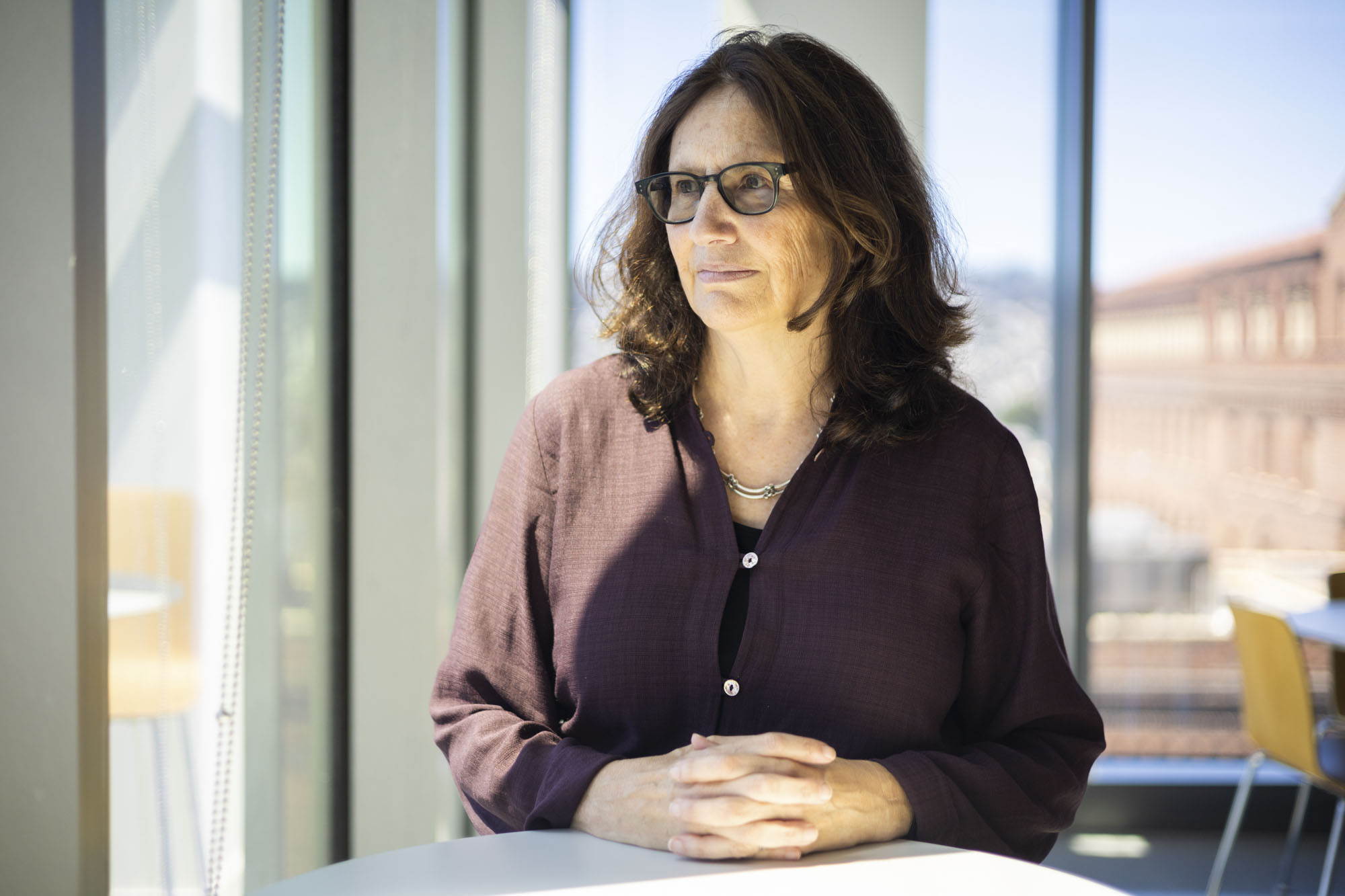
"caption": "Alicia Fernandez, a professor of medicine at UCSF and general internist at the Zuckerberg San Francisco General Hospital, poses for a portrait on Aug. 26, 2026. She is one of the study authors of “Moral Injury Among Physicians Caring for Immigrant Patients Amid Anti-Immigrant Policies,” which explores how anti-immigrant policies are affecting physicians treating immigrant patients.",
"credit": "Gina Castro for KQED",
"altTag": null,
"description": null,
"imgSizes": {
"thumbnail": {
"file": "https://cdn.kqed.org/wp-content/uploads/sites/10/2026/08/20260826_UCSFStudy_GC-3-KQED-160x107.jpg",
"width": 160,
"height": 107,
"mimeType": "image/jpeg"
},
"1536x1536": {
"file": "https://cdn.kqed.org/wp-content/uploads/sites/10/2026/08/20260826_UCSFStudy_GC-3-KQED-1536x1024.jpg",
"width": 1536,
"height": 1024,
"mimeType": "image/jpeg"
},
"post-thumbnail": {
"file": "https://cdn.kqed.org/wp-content/uploads/sites/10/2026/08/20260826_UCSFStudy_GC-3-KQED-672x372.jpg",
"width": 672,
"height": 372,
"mimeType": "image/jpeg"
},
"twentyfourteen-full-width": {
"file": "https://cdn.kqed.org/wp-content/uploads/sites/10/2026/08/20260826_UCSFStudy_GC-3-KQED-1038x576.jpg",
"width": 1038,
"height": 576,
"mimeType": "image/jpeg"
},
"npr-cds-wide": {
"file": "https://cdn.kqed.org/wp-content/uploads/sites/10/2026/08/20260826_UCSFStudy_GC-3-KQED-1200x675.jpg",
"width": 1200,
"height": 675,
"mimeType": "image/jpeg"
},
"npr-cds-square": {
"file": "https://cdn.kqed.org/wp-content/uploads/sites/10/2026/08/20260826_UCSFStudy_GC-3-KQED-600x600.jpg",
"width": 600,
"height": 600,
"mimeType": "image/jpeg"
},
"kqedFullSize": {
"file": "https://cdn.kqed.org/wp-content/uploads/sites/10/2026/08/20260826_UCSFStudy_GC-3-KQED.jpg",
"width": 2000,
"height": 1333
}
},
"isLoading": false,
"fetchFailed": false
},
"news_12097663": {
"type": "attachments",
"id": "news_12097663",
"meta": {
"index": "attachments_1716263798",
"site": "news",
"id": "12097663",
"found": true
},
"title": "260811-UrbanTilth-JY-15-KQED",
"publishDate": 1788206407,
"status": "inherit",
"parent": 0,
"modified": 1788206475,
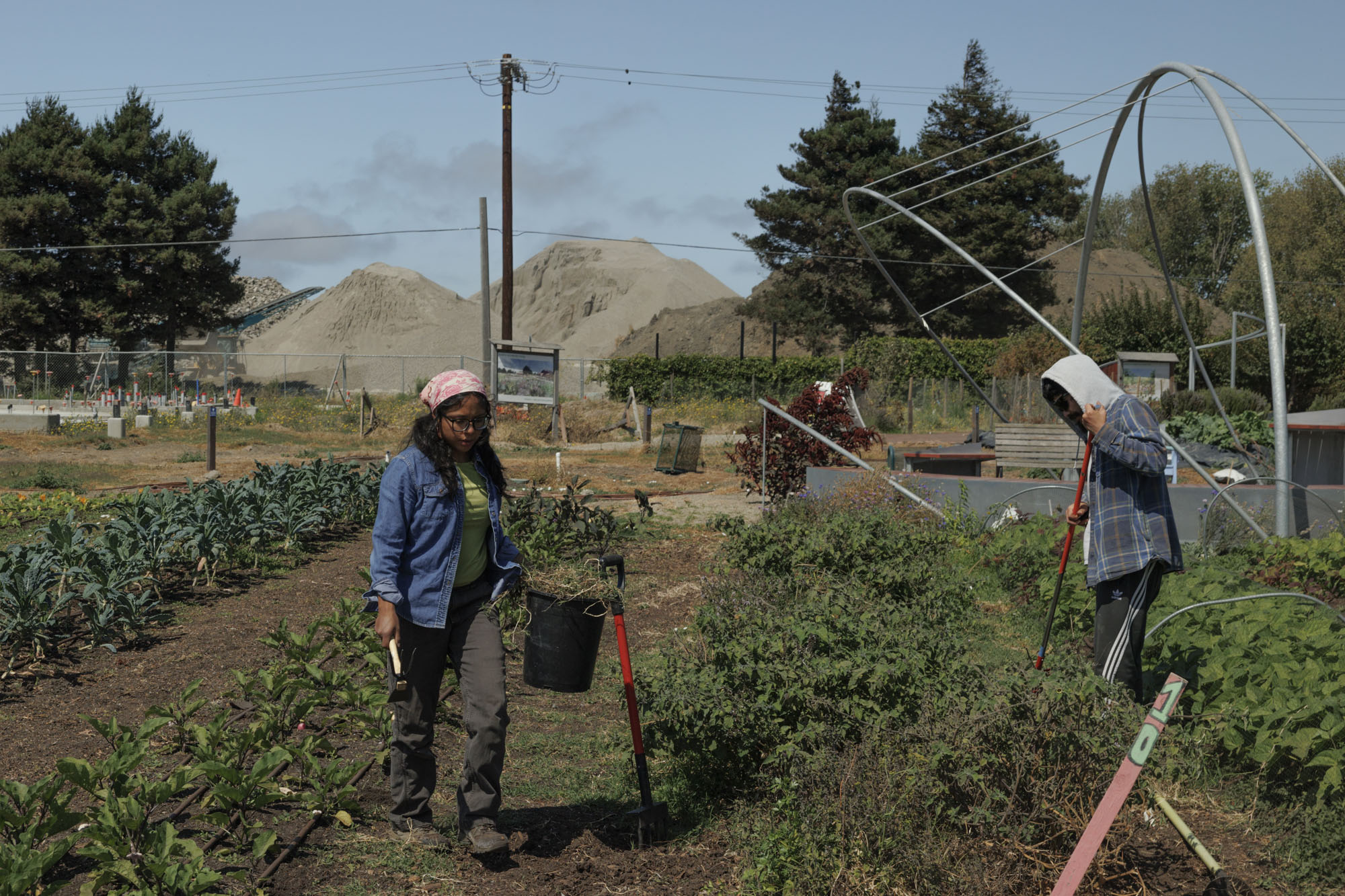
"caption": "North Richmond farm co-managers Cathy Sandoval, left, and Luis Jacobo, right, weed pathways at Urban Tilth Farm in Richmond on Tuesday, Aug. 11, 2026.",
"credit": "Juliana Yamada/KQED",
"altTag": null,
"description": null,
"imgSizes": {
"thumbnail": {
"file": "https://cdn.kqed.org/wp-content/uploads/sites/10/2026/08/260811-UrbanTilth-JY-15-KQED-160x107.jpg",
"width": 160,
"height": 107,
"mimeType": "image/jpeg"
},
"1536x1536": {
"file": "https://cdn.kqed.org/wp-content/uploads/sites/10/2026/08/260811-UrbanTilth-JY-15-KQED-1536x1024.jpg",
"width": 1536,
"height": 1024,
"mimeType": "image/jpeg"
},
"post-thumbnail": {
"file": "https://cdn.kqed.org/wp-content/uploads/sites/10/2026/08/260811-UrbanTilth-JY-15-KQED-672x372.jpg",
"width": 672,
"height": 372,
"mimeType": "image/jpeg"
},
"twentyfourteen-full-width": {
"file": "https://cdn.kqed.org/wp-content/uploads/sites/10/2026/08/260811-UrbanTilth-JY-15-KQED-1038x576.jpg",
"width": 1038,
"height": 576,
"mimeType": "image/jpeg"
},
"npr-cds-wide": {
"file": "https://cdn.kqed.org/wp-content/uploads/sites/10/2026/08/260811-UrbanTilth-JY-15-KQED-1200x675.jpg",
"width": 1200,
"height": 675,
"mimeType": "image/jpeg"
},
"npr-cds-square": {
"file": "https://cdn.kqed.org/wp-content/uploads/sites/10/2026/08/260811-UrbanTilth-JY-15-KQED-600x600.jpg",
"width": 600,
"height": 600,
"mimeType": "image/jpeg"
},
"kqedFullSize": {
"file": "https://cdn.kqed.org/wp-content/uploads/sites/10/2026/08/260811-UrbanTilth-JY-15-KQED.jpg",
"width": 2000,
"height": 1333
}
},
"isLoading": false,
"fetchFailed": false
},
"news_12098459": {
"type": "attachments",
"id": "news_12098459",
"meta": {
"index": "attachments_1716263798",
"site": "news",
"id": "12098459",
"found": true
},
"title": "ICE Arrests CA Getty2",
"publishDate": 1788544869,
"status": "inherit",
"parent": 12098424,
"modified": 1788544918,
"caption": "Immigration and Customs Enforcement (ICE) agents walk a detainee out of the Ventura County Government Center in Ventura, California, on July 27, 2026. ",
"credit": "Blake Fagan/AFP via Getty Images",
"altTag": null,
"description": null,
"imgSizes": {
"thumbnail": {
"file": "https://cdn.kqed.org/wp-content/uploads/sites/10/2026/09/ICE-Arrests-CA-Getty2-160x107.jpg",
"width": 160,
"height": 107,
"mimeType": "image/jpeg"
},
"1536x1536": {
"file": "https://cdn.kqed.org/wp-content/uploads/sites/10/2026/09/ICE-Arrests-CA-Getty2-1536x1024.jpg",
"width": 1536,
"height": 1024,
"mimeType": "image/jpeg"
},
"post-thumbnail": {
"file": "https://cdn.kqed.org/wp-content/uploads/sites/10/2026/09/ICE-Arrests-CA-Getty2-672x372.jpg",
"width": 672,
"height": 372,
"mimeType": "image/jpeg"
},
"twentyfourteen-full-width": {
"file": "https://cdn.kqed.org/wp-content/uploads/sites/10/2026/09/ICE-Arrests-CA-Getty2-1038x576.jpg",
"width": 1038,
"height": 576,
"mimeType": "image/jpeg"
},
"npr-cds-wide": {
"file": "https://cdn.kqed.org/wp-content/uploads/sites/10/2026/09/ICE-Arrests-CA-Getty2-1200x675.jpg",
"width": 1200,
"height": 675,
"mimeType": "image/jpeg"
},
"npr-cds-square": {
"file": "https://cdn.kqed.org/wp-content/uploads/sites/10/2026/09/ICE-Arrests-CA-Getty2-600x600.jpg",
"width": 600,
"height": 600,
"mimeType": "image/jpeg"
},
"kqedFullSize": {
"file": "https://cdn.kqed.org/wp-content/uploads/sites/10/2026/09/ICE-Arrests-CA-Getty2.jpg",
"width": 2000,
"height": 1333
}
},
"isLoading": false,
"fetchFailed": false
},
"news_12085438": {
"type": "attachments",
"id": "news_12085438",
"meta": {
"index": "attachments_1716263798",
"site": "news",
"id": "12085438",
"found": true
},
"title": "Mail-In Ballots Are Processed In Contra Costa County Before California Primary",
"publishDate": 1780009591,
"status": "inherit",
"parent": 12084978,
"modified": 1784935376,
"caption": "Election workers sort ballots at Contra Costa County's election operations facility on May 27, 2026, in Martinez, California. ",
"credit": "Benjamin Fanjoy/Getty Images",
"altTag": null,
"description": "Election workers sort ballots at Contra Costa County's election operations facility on May 27, 2026 in Martinez, California. June 2 is the last day to vote in-person or return a ballot ahead of California's statewide primary election. ",
"imgSizes": {
"thumbnail": {
"file": "https://cdn.kqed.org/wp-content/uploads/sites/10/2026/05/GettyImages-2277856381-160x107.jpg",
"width": 160,
"height": 107,
"mimeType": "image/jpeg"
},
"1536x1536": {
"file": "https://cdn.kqed.org/wp-content/uploads/sites/10/2026/05/GettyImages-2277856381-1536x1024.jpg",
"width": 1536,
"height": 1024,
"mimeType": "image/jpeg"
},
"post-thumbnail": {
"file": "https://cdn.kqed.org/wp-content/uploads/sites/10/2026/05/GettyImages-2277856381-672x372.jpg",
"width": 672,
"height": 372,
"mimeType": "image/jpeg"
},
"twentyfourteen-full-width": {
"file": "https://cdn.kqed.org/wp-content/uploads/sites/10/2026/05/GettyImages-2277856381-1038x576.jpg",
"width": 1038,
"height": 576,
"mimeType": "image/jpeg"
},
"npr-cds-wide": {
"file": "https://cdn.kqed.org/wp-content/uploads/sites/10/2026/05/GettyImages-2277856381-1200x675.jpg",
"width": 1200,
"height": 675,
"mimeType": "image/jpeg"
},
"npr-cds-square": {
"file": "https://cdn.kqed.org/wp-content/uploads/sites/10/2026/05/GettyImages-2277856381-600x600.jpg",
"width": 600,
"height": 600,
"mimeType": "image/jpeg"
},
"kqedFullSize": {
"file": "https://cdn.kqed.org/wp-content/uploads/sites/10/2026/05/GettyImages-2277856381.jpg",
"width": 1980,
"height": 1320
}
},
"isLoading": false,
"fetchFailed": false
},
"news_12098061": {
"type": "attachments",
"id": "news_12098061",
"meta": {
"index": "attachments_1716263798",
"site": "news",
"id": "12098061",
"found": true
},
"title": "YosemiteNationalParkGetty",
"publishDate": 1788366636,
"status": "inherit",
"parent": 12098058,
"modified": 1788366669,
"caption": "A view of El Capitan as tourists visit Yosemite National Park during warm weather in California, United States on Aug. 14, 2026. ",
"credit": "Tayfun Coskun/Anadolu via Getty Images",
"altTag": null,
"description": null,
"imgSizes": {
"thumbnail": {
"file": "https://cdn.kqed.org/wp-content/uploads/sites/10/2026/09/YosemiteNationalParkGetty-160x107.jpg",
"width": 160,
"height": 107,
"mimeType": "image/jpeg"
},
"1536x1536": {
"file": "https://cdn.kqed.org/wp-content/uploads/sites/10/2026/09/YosemiteNationalParkGetty-1536x1024.jpg",
"width": 1536,
"height": 1024,
"mimeType": "image/jpeg"
},
"post-thumbnail": {
"file": "https://cdn.kqed.org/wp-content/uploads/sites/10/2026/09/YosemiteNationalParkGetty-672x372.jpg",
"width": 672,
"height": 372,
"mimeType": "image/jpeg"
},
"twentyfourteen-full-width": {
"file": "https://cdn.kqed.org/wp-content/uploads/sites/10/2026/09/YosemiteNationalParkGetty-1038x576.jpg",
"width": 1038,
"height": 576,
"mimeType": "image/jpeg"
},
"npr-cds-wide": {
"file": "https://cdn.kqed.org/wp-content/uploads/sites/10/2026/09/YosemiteNationalParkGetty-1200x675.jpg",
"width": 1200,
"height": 675,
"mimeType": "image/jpeg"
},
"npr-cds-square": {
"file": "https://cdn.kqed.org/wp-content/uploads/sites/10/2026/09/YosemiteNationalParkGetty-600x600.jpg",
"width": 600,
"height": 600,
"mimeType": "image/jpeg"
},
"kqedFullSize": {
"file": "https://cdn.kqed.org/wp-content/uploads/sites/10/2026/09/YosemiteNationalParkGetty.jpg",
"width": 2000,
"height": 1333
}
},
"isLoading": false,
"fetchFailed": false
},
"news_12030402": {
"type": "attachments",
"id": "news_12030402",
"meta": {
"index": "attachments_1716263798",
"site": "news",
"id": "12030402",
"found": true
},
"title": "250307-BERKELEY SCIENCE PROTEST-MD-01-KQED_1",
"publishDate": 1741387505,
"status": "inherit",
"parent": 0,
"modified": 1741388632,
"caption": "A rally at UC Berkeley in association with the national Stand Up for Science day of action in Berkeley on March 7, 2025.",
"credit": "Martin do Nascimento/KQED",
"altTag": null,
"description": null,
"imgSizes": {
"medium": {
"file": "https://cdn.kqed.org/wp-content/uploads/sites/10/2025/03/250307-BERKELEY-SCIENCE-PROTEST-MD-01-KQED_1-800x533.jpg",
"width": 800,
"height": 533,
"mimeType": "image/jpeg"
},
"large": {
"file": "https://cdn.kqed.org/wp-content/uploads/sites/10/2025/03/250307-BERKELEY-SCIENCE-PROTEST-MD-01-KQED_1-1020x680.jpg",
"width": 1020,
"height": 680,
"mimeType": "image/jpeg"
},
"thumbnail": {
"file": "https://cdn.kqed.org/wp-content/uploads/sites/10/2025/03/250307-BERKELEY-SCIENCE-PROTEST-MD-01-KQED_1-160x107.jpg",
"width": 160,
"height": 107,
"mimeType": "image/jpeg"
},
"1536x1536": {
"file": "https://cdn.kqed.org/wp-content/uploads/sites/10/2025/03/250307-BERKELEY-SCIENCE-PROTEST-MD-01-KQED_1-1536x1024.jpg",
"width": 1536,
"height": 1024,
"mimeType": "image/jpeg"
},
"post-thumbnail": {
"file": "https://cdn.kqed.org/wp-content/uploads/sites/10/2025/03/250307-BERKELEY-SCIENCE-PROTEST-MD-01-KQED_1-672x372.jpg",
"width": 672,
"height": 372,
"mimeType": "image/jpeg"
},
"twentyfourteen-full-width": {
"file": "https://cdn.kqed.org/wp-content/uploads/sites/10/2025/03/250307-BERKELEY-SCIENCE-PROTEST-MD-01-KQED_1-1038x576.jpg",
"width": 1038,
"height": 576,
"mimeType": "image/jpeg"
},
"full-width": {
"file": "https://cdn.kqed.org/wp-content/uploads/sites/10/2025/03/250307-BERKELEY-SCIENCE-PROTEST-MD-01-KQED_1-1920x1280.jpg",
"width": 1920,
"height": 1280,
"mimeType": "image/jpeg"
},
"kqedFullSize": {
"file": "https://cdn.kqed.org/wp-content/uploads/sites/10/2025/03/250307-BERKELEY-SCIENCE-PROTEST-MD-01-KQED_1.jpg",
"width": 2000,
"height": 1333
}
},
"isLoading": false,
"fetchFailed": false
},
"news_12059389": {
"type": "attachments",
"id": "news_12059389",
"meta": {
"index": "attachments_1716263798",
"site": "news",
"id": "12059389",
"found": true
},
"title": "Crowds Flock To California's Yosemite National Park Around Labor Day Weekend",
"publishDate": 1760051789,
"status": "inherit",
"parent": 12059380,
"modified": 1787939132,
"caption": "Visitors hike the Mist Trail toward Vernal Falls on Aug. 31, 2025, in the Yosemite National Park, California. ",
"credit": "Apu Gomes/Getty Images",
"altTag": null,
"description": null,
"imgSizes": {
"thumbnail": {
"file": "https://cdn.kqed.org/wp-content/uploads/sites/10/2025/10/YosemiteGetty2-160x107.jpg",
"width": 160,
"height": 107,
"mimeType": "image/jpeg"
},
"1536x1536": {
"file": "https://cdn.kqed.org/wp-content/uploads/sites/10/2025/10/YosemiteGetty2-1536x1024.jpg",
"width": 1536,
"height": 1024,
"mimeType": "image/jpeg"
},
"post-thumbnail": {
"file": "https://cdn.kqed.org/wp-content/uploads/sites/10/2025/10/YosemiteGetty2-672x372.jpg",
"width": 672,
"height": 372,
"mimeType": "image/jpeg"
},
"twentyfourteen-full-width": {
"file": "https://cdn.kqed.org/wp-content/uploads/sites/10/2025/10/YosemiteGetty2-1038x576.jpg",
"width": 1038,
"height": 576,
"mimeType": "image/jpeg"
},
"kqedFullSize": {
"file": "https://cdn.kqed.org/wp-content/uploads/sites/10/2025/10/YosemiteGetty2.jpg",
"width": 2000,
"height": 1333
}
},
"isLoading": false,
"fetchFailed": false
},
"news_12013975": {
"type": "attachments",
"id": "news_12013975",
"meta": {
"index": "attachments_1716263798",
"site": "news",
"id": "12013975",
"found": true
},
"title": "US Immigration Deportation Lawsuit",
"publishDate": 1731352835,
"status": "inherit",
"parent": 12013960,
"modified": 1787961119,
"caption": "U.S. Immigration and Customs Enforcement agents transfer an immigrant after an early morning raid on June 6, 2022.",
"credit": "Damian Dovarganes/AP Photo",
"altTag": "A person in jeans and a T-shirt stands while someone with a vest and a gun ties something around them.",
"description": null,
"imgSizes": {
"medium": {
"file": "https://cdn.kqed.org/wp-content/uploads/sites/10/2024/11/02_060622-ICE-Immigration-AP-CM-800x533.jpg",
"width": 800,
"height": 533,
"mimeType": "image/jpeg"
},
"large": {
"file": "https://cdn.kqed.org/wp-content/uploads/sites/10/2024/11/02_060622-ICE-Immigration-AP-CM-1020x680.jpg",
"width": 1020,
"height": 680,
"mimeType": "image/jpeg"
},
"thumbnail": {
"file": "https://cdn.kqed.org/wp-content/uploads/sites/10/2024/11/02_060622-ICE-Immigration-AP-CM-160x107.jpg",
"width": 160,
"height": 107,
"mimeType": "image/jpeg"
},
"1536x1536": {
"file": "https://cdn.kqed.org/wp-content/uploads/sites/10/2024/11/02_060622-ICE-Immigration-AP-CM-1536x1024.jpg",
"width": 1536,
"height": 1024,
"mimeType": "image/jpeg"
},
"post-thumbnail": {
"file": "https://cdn.kqed.org/wp-content/uploads/sites/10/2024/11/02_060622-ICE-Immigration-AP-CM-672x372.jpg",
"width": 672,
"height": 372,
"mimeType": "image/jpeg"
},
"twentyfourteen-full-width": {
"file": "https://cdn.kqed.org/wp-content/uploads/sites/10/2024/11/02_060622-ICE-Immigration-AP-CM-1038x576.jpg",
"width": 1038,
"height": 576,
"mimeType": "image/jpeg"
},
"full-width": {
"file": "https://cdn.kqed.org/wp-content/uploads/sites/10/2024/11/02_060622-ICE-Immigration-AP-CM-1920x1280.jpg",
"width": 1920,
"height": 1280,
"mimeType": "image/jpeg"
},
"kqedFullSize": {
"file": "https://cdn.kqed.org/wp-content/uploads/sites/10/2024/11/02_060622-ICE-Immigration-AP-CM.jpg",
"width": 2000,
"height": 1333
}
},
"isLoading": false,
"fetchFailed": false
},
"news_11932691": {
"type": "attachments",
"id": "news_11932691",
"meta": {
"index": "attachments_1716263798",
"site": "news",
"id": "11932691",
"found": true
},
"title": "Bay Area Transportation Workers Strike Looms Ahead Of Monday Deadline",
"publishDate": 1668795937,
"status": "inherit",
"parent": 11932690,
"modified": 1760377212,
"caption": "A Bay Area Rapid Transit (BART) train pulls away from the Rockridge station on Aug. 2, 2013, in Oakland, California. ",
"credit": "Justin Sullivan/Getty Images",
"altTag": "A BART train stops at an above ground station with San Francisco looming in the background",
"description": null,
"imgSizes": {
"medium": {
"file": "https://cdn.kqed.org/wp-content/uploads/sites/10/2022/11/BART-train-san-francisco-background-800x600.jpg",
"width": 800,
"height": 600,
"mimeType": "image/jpeg"
},
"large": {
"file": "https://cdn.kqed.org/wp-content/uploads/sites/10/2022/11/BART-train-san-francisco-background-1020x765.jpg",
"width": 1020,
"height": 765,
"mimeType": "image/jpeg"
},
"thumbnail": {
"file": "https://cdn.kqed.org/wp-content/uploads/sites/10/2022/11/BART-train-san-francisco-background-160x120.jpg",
"width": 160,
"height": 120,
"mimeType": "image/jpeg"
},
"1536x1536": {
"file": "https://cdn.kqed.org/wp-content/uploads/sites/10/2022/11/BART-train-san-francisco-background-1536x1152.jpg",
"width": 1536,
"height": 1152,
"mimeType": "image/jpeg"
},
"post-thumbnail": {
"file": "https://cdn.kqed.org/wp-content/uploads/sites/10/2022/11/BART-train-san-francisco-background-672x372.jpg",
"width": 672,
"height": 372,
"mimeType": "image/jpeg"
},
"twentyfourteen-full-width": {
"file": "https://cdn.kqed.org/wp-content/uploads/sites/10/2022/11/BART-train-san-francisco-background-1038x576.jpg",
"width": 1038,
"height": 576,
"mimeType": "image/jpeg"
},
"kqedFullSize": {
"file": "https://cdn.kqed.org/wp-content/uploads/sites/10/2022/11/BART-train-san-francisco-background.jpg",
"width": 1920,
"height": 1440
}
},
"isLoading": false,
"fetchFailed": false
},
"news_12091835": {
"type": "attachments",
"id": "news_12091835",
"meta": {
"index": "attachments_1716263798",
"site": "news",
"id": "12091835",
"found": true
},
"title": "20260717_FOODBANKSUPDATE_GC-20-KQED",
"publishDate": 1784566274,
"status": "inherit",
"parent": 0,
"modified": 1784566321,
"caption": "Linda Leu, executive director of Tri-City Volunteers, poses for a photo at Tri-City Volunteers Food Bank & Mobile Pantry’s main hub in Fremont on July 17, 2026.",
"credit": "Gina Castro for KQED",
"altTag": null,
"description": null,
"imgSizes": {
"thumbnail": {
"file": "https://cdn.kqed.org/wp-content/uploads/sites/10/2026/07/20260717_FOODBANKSUPDATE_GC-20-KQED-160x105.jpg",
"width": 160,
"height": 105,
"mimeType": "image/jpeg"
},
"1536x1536": {
"file": "https://cdn.kqed.org/wp-content/uploads/sites/10/2026/07/20260717_FOODBANKSUPDATE_GC-20-KQED-1536x1011.jpg",
"width": 1536,
"height": 1011,
"mimeType": "image/jpeg"
},
"post-thumbnail": {
"file": "https://cdn.kqed.org/wp-content/uploads/sites/10/2026/07/20260717_FOODBANKSUPDATE_GC-20-KQED-672x372.jpg",
"width": 672,
"height": 372,
"mimeType": "image/jpeg"
},
"twentyfourteen-full-width": {
"file": "https://cdn.kqed.org/wp-content/uploads/sites/10/2026/07/20260717_FOODBANKSUPDATE_GC-20-KQED-1038x576.jpg",
"width": 1038,
"height": 576,
"mimeType": "image/jpeg"
},
"npr-cds-wide": {
"file": "https://cdn.kqed.org/wp-content/uploads/sites/10/2026/07/20260717_FOODBANKSUPDATE_GC-20-KQED-1200x675.jpg",
"width": 1200,
"height": 675,
"mimeType": "image/jpeg"
},
"npr-cds-square": {
"file": "https://cdn.kqed.org/wp-content/uploads/sites/10/2026/07/20260717_FOODBANKSUPDATE_GC-20-KQED-600x600.jpg",
"width": 600,
"height": 600,
"mimeType": "image/jpeg"
},
"kqedFullSize": {
"file": "https://cdn.kqed.org/wp-content/uploads/sites/10/2026/07/20260717_FOODBANKSUPDATE_GC-20-KQED.jpg",
"width": 2000,
"height": 1317
}
},
"isLoading": false,
"fetchFailed": false
},
"news_12095720": {
"type": "attachments",
"id": "news_12095720",
"meta": {
"index": "attachments_1716263798",
"site": "news",
"id": "12095720",
"found": true
},
"title": "USSAbrahamLincolnGetty",
"publishDate": 1787072280,
"status": "inherit",
"parent": 12095712,
"modified": 1787072405,
"caption": "The USS Abraham Lincoln conducts U.S. blockade operations related to the Strait of Hormuz on April 16, 2026, in the Arabian Sea. ",
"credit": "Courtesy of the U.S. Navy via Getty Images",
"altTag": null,
"description": null,
"imgSizes": {
"thumbnail": {
"file": "https://cdn.kqed.org/wp-content/uploads/sites/10/2026/08/USSAbrahamLincolnGetty-160x107.jpg",
"width": 160,
"height": 107,
"mimeType": "image/jpeg"
},
"1536x1536": {
"file": "https://cdn.kqed.org/wp-content/uploads/sites/10/2026/08/USSAbrahamLincolnGetty-1536x1024.jpg",
"width": 1536,
"height": 1024,
"mimeType": "image/jpeg"
},
"post-thumbnail": {
"file": "https://cdn.kqed.org/wp-content/uploads/sites/10/2026/08/USSAbrahamLincolnGetty-672x372.jpg",
"width": 672,
"height": 372,
"mimeType": "image/jpeg"
},
"twentyfourteen-full-width": {
"file": "https://cdn.kqed.org/wp-content/uploads/sites/10/2026/08/USSAbrahamLincolnGetty-1038x576.jpg",
"width": 1038,
"height": 576,
"mimeType": "image/jpeg"
},
"npr-cds-wide": {
"file": "https://cdn.kqed.org/wp-content/uploads/sites/10/2026/08/USSAbrahamLincolnGetty-1200x675.jpg",
"width": 1200,
"height": 675,
"mimeType": "image/jpeg"
},
"npr-cds-square": {
"file": "https://cdn.kqed.org/wp-content/uploads/sites/10/2026/08/USSAbrahamLincolnGetty-600x600.jpg",
"width": 600,
"height": 600,
"mimeType": "image/jpeg"
},
"kqedFullSize": {
"file": "https://cdn.kqed.org/wp-content/uploads/sites/10/2026/08/USSAbrahamLincolnGetty.jpg",
"width": 2000,
"height": 1333
}
},
"isLoading": false,
"fetchFailed": false
},
"news_12095602": {
"type": "attachments",
"id": "news_12095602",
"meta": {
"index": "attachments_1716263798",
"site": "news",
"id": "12095602",
"found": true
},
"title": "Trump",
"publishDate": 1786996709,
"status": "inherit",
"parent": 12095601,
"modified": 1786996752,
"caption": "President Donald Trump speaks as he meets with lifeguard Ryder Williams in the Oval Office of the White House, Monday, Aug. 17, 2026, in Washington. ",
"credit": "Manuel Balce Ceneta/AP Photo",
"altTag": null,
"description": null,
"imgSizes": {
"medium": {
"file": "https://cdn.kqed.org/wp-content/uploads/sites/10/2026/08/AP26229648494874-2000x1333.jpg",
"width": 2000,
"height": 1333,
"mimeType": "image/jpeg"
},
"large": {
"file": "https://cdn.kqed.org/wp-content/uploads/sites/10/2026/08/AP26229648494874-2000x1333.jpg",
"width": 2000,
"height": 1333,
"mimeType": "image/jpeg"
},
"thumbnail": {
"file": "https://cdn.kqed.org/wp-content/uploads/sites/10/2026/08/AP26229648494874-160x107.jpg",
"width": 160,
"height": 107,
"mimeType": "image/jpeg"
},
"1536x1536": {
"file": "https://cdn.kqed.org/wp-content/uploads/sites/10/2026/08/AP26229648494874-1536x1024.jpg",
"width": 1536,
"height": 1024,
"mimeType": "image/jpeg"
},
"2048x2048": {
"file": "https://cdn.kqed.org/wp-content/uploads/sites/10/2026/08/AP26229648494874-2048x1365.jpg",
"width": 2048,
"height": 1365,
"mimeType": "image/jpeg"
},
"post-thumbnail": {
"file": "https://cdn.kqed.org/wp-content/uploads/sites/10/2026/08/AP26229648494874-672x372.jpg",
"width": 672,
"height": 372,
"mimeType": "image/jpeg"
},
"twentyfourteen-full-width": {
"file": "https://cdn.kqed.org/wp-content/uploads/sites/10/2026/08/AP26229648494874-1038x576.jpg",
"width": 1038,
"height": 576,
"mimeType": "image/jpeg"
},
"full-width": {
"file": "https://cdn.kqed.org/wp-content/uploads/sites/10/2026/08/AP26229648494874-2000x1333.jpg",
"width": 2000,
"height": 1333,
"mimeType": "image/jpeg"
},
"npr-cds-wide": {
"file": "https://cdn.kqed.org/wp-content/uploads/sites/10/2026/08/AP26229648494874-1200x675.jpg",
"width": 1200,
"height": 675,
"mimeType": "image/jpeg"
},
"npr-cds-square": {
"file": "https://cdn.kqed.org/wp-content/uploads/sites/10/2026/08/AP26229648494874-600x600.jpg",
"width": 600,
"height": 600,
"mimeType": "image/jpeg"
},
"kqedFullSize": {
"file": "https://cdn.kqed.org/wp-content/uploads/sites/10/2026/08/AP26229648494874-scaled.jpg",
"width": 2560,
"height": 1707
}
},
"isLoading": false,
"fetchFailed": false
}
},
"audioPlayerReducer": {
"postId": "stream_live",
"isPaused": true,
"isPlaying": false,
"pfsActive": false,
"pledgeModalIsOpen": true,
"playerDrawerIsOpen": false,
"liveAudioPlayStartedAt": 0,
"liveAudioPlayContext": ""
},
"authorsReducer": {
"byline_news_12098533": {
"type": "authors",
"id": "byline_news_12098533",
"meta": {
"override": true
},
"slug": "byline_news_12098533",
"name": "\u003ca href=\"https://www.npr.org/people/177498291/hansi-lo-wang/\">Hansi Lo Wang\u003c/a>",
"isLoading": false
},
"byline_news_12097934": {
"type": "authors",
"id": "byline_news_12097934",
"meta": {
"override": true
},
"slug": "byline_news_12097934",
"name": "Mikhail Zinshteyn, CalMatters",
"isLoading": false
},
"tychehendricks": {
"type": "authors",
"id": "259",
"meta": {
"index": "authors_1716337520",
"id": "259",
"found": true
},
"name": "Tyche Hendricks",
"firstName": "Tyche",
"lastName": "Hendricks",
"slug": "tychehendricks",
"email": "thendricks@kqed.org",
"display_author_email": true,
"staff_mastheads": [
"news"
],
"title": "KQED Senior Editor, Immigration",
"bio": "Tyche Hendricks is KQED’s senior editor for immigration, leading coverage of the policy and politics that affect California’s immigrant communities. Her work for KQED’s radio and online audiences is also carried on NPR and other national outlets. She has been recognized with awards from the Radio and Television News Directors Association, the Society for Professional Journalists; the Education Writers Association; the Best of the West and the National Federation of Community Broadcasters. Before joining KQED in 2010, Tyche spent more than a dozen years as a newspaper reporter, notably at the \u003ci>San Francisco Chronicle\u003c/i>. At different times she has covered criminal justice, government and politics and urban planning. Tyche has taught in the MFA Creative Writing program at the University of San Francisco and at UC Berkeley’s Graduate School of Journalism, where she was co-director of a national immigration symposium for professional journalists. She is the author of \u003ci>The Wind Doesn't Need a Passport: Stories from the U.S.-Mexico Borderlands\u003c/i> (University of California Press). ",
"avatar": "https://secure.gravatar.com/avatar/2a0bd7f2418d4be9198f23bf99a161f3f7a98fb9bf6d3820763d49b5c5f8fc81?s=600&d=blank&r=g",
"twitter": "tychehendricks",
"bluesky": null,
"facebook": null,
"instagram": null,
"linkedin": null,
"sites": [
{
"site": "news",
"roles": [
"editor"
]
},
{
"site": "stateofhealth",
"roles": [
"editor"
]
},
{
"site": "liveblog",
"roles": [
"author"
]
}
],
"headData": {
"title": "Tyche Hendricks | KQED",
"description": "KQED Senior Editor, Immigration",
"ogImgSrc": "https://secure.gravatar.com/avatar/2a0bd7f2418d4be9198f23bf99a161f3f7a98fb9bf6d3820763d49b5c5f8fc81?s=600&d=blank&r=g",
"twImgSrc": "https://secure.gravatar.com/avatar/2a0bd7f2418d4be9198f23bf99a161f3f7a98fb9bf6d3820763d49b5c5f8fc81?s=600&d=blank&r=g"
},
"isLoading": false,
"link": "/author/tychehendricks"
},
"ecruzguevarra": {
"type": "authors",
"id": "8654",
"meta": {
"index": "authors_1716337520",
"id": "8654",
"found": true
},
"name": "Ericka Cruz Guevarra",
"firstName": "Ericka",
"lastName": "Cruz Guevarra",
"slug": "ecruzguevarra",
"email": "ecruzguevarra@kqed.org",
"display_author_email": true,
"staff_mastheads": [
"news"
],
"title": "Producer, The Bay Podcast",
"bio": "Ericka Cruz Guevarra is host of \u003ca href=\"https://www.kqed.org/podcasts/thebay\">\u003cem>The Bay\u003c/em>\u003c/a> podcast at KQED. Before host, she was the show’s producer. Her work in that capacity includes a three-part reported series on policing in Vallejo, which won a 2020 excellence in journalism award from the Society of Professional Journalists. Ericka has worked as a breaking news reporter at Oregon Public Broadcasting, helped produce the Code Switch podcast, and was KQED’s inaugural Raul Ramirez Diversity Fund intern. She’s also an alumna of NPR’s Next Generation Radio program. Send her an email if you have strong feelings about whether Fairfield and Suisun City are the Bay. Ericka is represented by SAG-AFTRA.",
"avatar": "https://secure.gravatar.com/avatar/accefc1de4bafc7e234b69bcb9b6f6536c130fd84709bc3069ef11a78787e1bb?s=600&d=blank&r=g",
"twitter": "NotoriousECG",
"bluesky": null,
"facebook": null,
"instagram": null,
"linkedin": null,
"sites": [
{
"site": "arts",
"roles": [
"subscriber"
]
},
{
"site": "news",
"roles": [
"editor",
"manage_categories"
]
},
{
"site": "futureofyou",
"roles": [
"subscriber"
]
},
{
"site": "stateofhealth",
"roles": [
"subscriber"
]
},
{
"site": "science",
"roles": [
"editor"
]
},
{
"site": "forum",
"roles": [
"subscriber"
]
}
],
"headData": {
"title": "Ericka Cruz Guevarra | KQED",
"description": "Producer, The Bay Podcast",
"ogImgSrc": "https://secure.gravatar.com/avatar/accefc1de4bafc7e234b69bcb9b6f6536c130fd84709bc3069ef11a78787e1bb?s=600&d=blank&r=g",
"twImgSrc": "https://secure.gravatar.com/avatar/accefc1de4bafc7e234b69bcb9b6f6536c130fd84709bc3069ef11a78787e1bb?s=600&d=blank&r=g"
},
"isLoading": false,
"link": "/author/ecruzguevarra"
},
"vrancano": {
"type": "authors",
"id": "11276",
"meta": {
"index": "authors_1716337520",
"id": "11276",
"found": true
},
"name": "Vanessa Rancaño",
"firstName": "Vanessa",
"lastName": "Rancaño",
"slug": "vrancano",
"email": "vrancano@kqed.org",
"display_author_email": false,
"staff_mastheads": [
"news"
],
"title": "Reporter",
"bio": "Vanessa Rancaño is a features reporter for KQED. She’s also covered homelessness and education for the station and reported from the Central Valley. Her work has aired across public radio, from flagship national news shows to longform narrative podcasts. Before taking up a mic, she worked as a freelance print journalist. She’s been recognized with a number of national and regional awards. Vanessa grew up in California's Central Valley. She's a former NPR Kroc Fellow, and a graduate of the UC Berkeley Graduate School of Journalism.",
"avatar": "https://secure.gravatar.com/avatar/b3a383dfb0e7ee1c17568f2cf067904ab654d6e3de9743fc661f3c788ade1bed?s=600&d=blank&r=g",
"twitter": "vanessarancano",
"bluesky": null,
"facebook": null,
"instagram": null,
"linkedin": null,
"sites": [
{
"site": "arts",
"roles": [
"editor"
]
},
{
"site": "news",
"roles": [
"editor"
]
},
{
"site": "liveblog",
"roles": [
"contributor"
]
}
],
"headData": {
"title": "Vanessa Rancaño | KQED",
"description": "Reporter",
"ogImgSrc": "https://secure.gravatar.com/avatar/b3a383dfb0e7ee1c17568f2cf067904ab654d6e3de9743fc661f3c788ade1bed?s=600&d=blank&r=g",
"twImgSrc": "https://secure.gravatar.com/avatar/b3a383dfb0e7ee1c17568f2cf067904ab654d6e3de9743fc661f3c788ade1bed?s=600&d=blank&r=g"
},
"isLoading": false,
"link": "/author/vrancano"
},
"amontecillo": {
"type": "authors",
"id": "11649",
"meta": {
"index": "authors_1716337520",
"id": "11649",
"found": true
},
"name": "Alan Montecillo",
"firstName": "Alan",
"lastName": "Montecillo",
"slug": "amontecillo",
"email": "amontecillo@kqed.org",
"display_author_email": false,
"staff_mastheads": [
"news"
],
"title": "KQED Contributor",
"bio": "Alan Montecillo is the senior editor of \u003cem>\u003ca href=\"http://kqed.org/thebay\">The Bay\u003c/a>, \u003c/em> KQED's local news podcast. Before moving to the Bay Area, he worked as a senior talk show producer for WILL in Champaign-Urbana, Illinois and at Oregon Public Broadcasting in Portland, Oregon. He has won journalism awards from the Society of Professional Journalists Northern California, the Public Media Journalists Association, The Signal Awards, and has also received a regional Edward R. Murrow award. Alan is a Filipino American from Hong Kong and a graduate of Reed College.",
"avatar": "https://secure.gravatar.com/avatar/268f53a2066899ea9efdd8a5900218b17c822d9862cbc9326cccec53ef41d349?s=600&d=blank&r=g",
"twitter": "alanmontecillo",
"bluesky": null,
"facebook": null,
"instagram": null,
"linkedin": null,
"sites": [
{
"site": "",
"roles": [
"editor"
]
},
{
"site": "news",
"roles": [
"editor",
"manage_categories"
]
}
],
"headData": {
"title": "Alan Montecillo | KQED",
"description": "KQED Contributor",
"ogImgSrc": "https://secure.gravatar.com/avatar/268f53a2066899ea9efdd8a5900218b17c822d9862cbc9326cccec53ef41d349?s=600&d=blank&r=g",
"twImgSrc": "https://secure.gravatar.com/avatar/268f53a2066899ea9efdd8a5900218b17c822d9862cbc9326cccec53ef41d349?s=600&d=blank&r=g"
},
"isLoading": false,
"link": "/author/amontecillo"
},
"jgeha": {
"type": "authors",
"id": "11906",
"meta": {
"index": "authors_1716337520",
"id": "11906",
"found": true
},
"name": "Joseph Geha",
"firstName": "Joseph",
"lastName": "Geha",
"slug": "jgeha",
"email": "jgeha@kqed.org",
"display_author_email": false,
"staff_mastheads": [
"news",
"science"
],
"title": "KQED Contributor",
"bio": null,
"avatar": "https://secure.gravatar.com/avatar/ea84d2b6dd93d6369d453edf19dd583f117cd1759d2d9c9c92f9de77017354fe?s=600&d=blank&r=g",
"twitter": null,
"bluesky": null,
"facebook": null,
"instagram": null,
"linkedin": null,
"sites": [
{
"site": "news",
"roles": [
"editor"
]
},
{
"site": "liveblog",
"roles": [
"author"
]
}
],
"headData": {
"title": "Joseph Geha | KQED",
"description": "KQED Contributor",
"ogImgSrc": "https://secure.gravatar.com/avatar/ea84d2b6dd93d6369d453edf19dd583f117cd1759d2d9c9c92f9de77017354fe?s=600&d=blank&r=g",
"twImgSrc": "https://secure.gravatar.com/avatar/ea84d2b6dd93d6369d453edf19dd583f117cd1759d2d9c9c92f9de77017354fe?s=600&d=blank&r=g"
},
"isLoading": false,
"link": "/author/jgeha"
},
"gglueck": {
"type": "authors",
"id": "11946",
"meta": {
"index": "authors_1716337520",
"id": "11946",
"found": true
},
"name": "Gabriela Glueck",
"firstName": "Gabriela",
"lastName": "Glueck",
"slug": "gglueck",
"email": "gglueck@kqed.org",
"display_author_email": false,
"staff_mastheads": [
"news"
],
"title": "KQED Contributor",
"bio": null,
"avatar": "https://secure.gravatar.com/avatar/ec62b7e3f7727ce1070cc7046dde80271d1e63cf2178d6194f68bb8d1440f841?s=600&d=blank&r=g",
"twitter": null,
"bluesky": null,
"facebook": null,
"instagram": null,
"linkedin": null,
"sites": [
{
"site": "news",
"roles": [
"editor"
]
}
],
"headData": {
"title": "Gabriela Glueck | KQED",
"description": "KQED Contributor",
"ogImgSrc": "https://secure.gravatar.com/avatar/ec62b7e3f7727ce1070cc7046dde80271d1e63cf2178d6194f68bb8d1440f841?s=600&d=blank&r=g",
"twImgSrc": "https://secure.gravatar.com/avatar/ec62b7e3f7727ce1070cc7046dde80271d1e63cf2178d6194f68bb8d1440f841?s=600&d=blank&r=g"
},
"isLoading": false,
"link": "/author/gglueck"
},
"sarahwright": {
"type": "authors",
"id": "11956",
"meta": {
"index": "authors_1716337520",
"id": "11956",
"found": true
},
"name": "Sarah Wright",
"firstName": "Sarah",
"lastName": "Wright",
"slug": "sarahwright",
"email": "swright@kqed.org",
"display_author_email": true,
"staff_mastheads": [],
"title": "Outdoors Engagement Reporter",
"bio": "Sarah Wright is KQED's Outdoors Engagement Reporter. Originally from Lake Tahoe, she completed a thru-hike of the Pacific Crest Trail in 2019 and was a U.S. Fulbright Program grantee to Argentina in 2023. Her journalism has appeared in The Guardian, The San Francisco Standard, The Palo Alto Weekly and the Half Moon Bay Review.",
"avatar": "https://secure.gravatar.com/avatar/c161a3d6441865cba25e6db4fa561099ad665799e9432e34da2b84d7e371524c?s=600&d=blank&r=g",
"twitter": null,
"bluesky": null,
"facebook": null,
"instagram": null,
"linkedin": null,
"sites": [
{
"site": "arts",
"roles": [
"editor"
]
},
{
"site": "news",
"roles": [
"editor"
]
},
{
"site": "science",
"roles": [
"contributor",
"author"
]
},
{
"site": "forum",
"roles": [
"editor"
]
}
],
"headData": {
"title": "Sarah Wright | KQED",
"description": "Outdoors Engagement Reporter",
"ogImgSrc": "https://secure.gravatar.com/avatar/c161a3d6441865cba25e6db4fa561099ad665799e9432e34da2b84d7e371524c?s=600&d=blank&r=g",
"twImgSrc": "https://secure.gravatar.com/avatar/c161a3d6441865cba25e6db4fa561099ad665799e9432e34da2b84d7e371524c?s=600&d=blank&r=g"
},
"isLoading": false,
"link": "/author/sarahwright"
},
"aaliahmad": {
"type": "authors",
"id": "11986",
"meta": {
"index": "authors_1716337520",
"id": "11986",
"found": true
},
"name": "Ayah Ali-Ahmad",
"firstName": "Ayah",
"lastName": "Ali-Ahmad",
"slug": "aaliahmad",
"email": "aaliahmad@KQED.org",
"display_author_email": false,
"staff_mastheads": [],
"title": "KQED Contributor",
"bio": null,
"avatar": "https://secure.gravatar.com/avatar/1cf54f187a5e1064b2cfef3f3d2f1e4f93e453395d56912aca6382a6071ec3ed?s=600&d=blank&r=g",
"twitter": "ayahaliahmad",
"bluesky": null,
"facebook": null,
"instagram": null,
"linkedin": null,
"sites": [
{
"site": "news",
"roles": [
"subscriber"
]
}
],
"headData": {
"title": "Ayah Ali-Ahmad | KQED",
"description": "KQED Contributor",
"ogImgSrc": "https://secure.gravatar.com/avatar/1cf54f187a5e1064b2cfef3f3d2f1e4f93e453395d56912aca6382a6071ec3ed?s=600&d=blank&r=g",
"twImgSrc": "https://secure.gravatar.com/avatar/1cf54f187a5e1064b2cfef3f3d2f1e4f93e453395d56912aca6382a6071ec3ed?s=600&d=blank&r=g"
},
"isLoading": false,
"link": "/author/aaliahmad"
},
"barbaraleonard": {
"type": "authors",
"id": "12015",
"meta": {
"index": "authors_1716337520",
"id": "12015",
"found": true
},
"name": "Barbara Leonard",
"firstName": "Barbara",
"lastName": "Leonard",
"slug": "barbaraleonard",
"email": "bleonard@kqed.org",
"display_author_email": false,
"staff_mastheads": [
"news",
"science"
],
"title": "Digital Producer",
"bio": "Barbara Leonard is a Digital Producer on KQED's Express Desk.",
"avatar": "https://secure.gravatar.com/avatar/3ff8735665f58d15fa9da84c4d8d3098581e033ae84fe912784b7611f00ef0a4?s=600&d=blank&r=g",
"twitter": null,
"bluesky": null,
"facebook": null,
"instagram": null,
"linkedin": null,
"sites": [
{
"site": "arts",
"roles": [
"editor"
]
},
{
"site": "news",
"roles": [
"editor",
"author"
]
},
{
"site": "science",
"roles": [
"editor"
]
}
],
"headData": {
"title": "Barbara Leonard | KQED",
"description": "Digital Producer",
"ogImgSrc": "https://secure.gravatar.com/avatar/3ff8735665f58d15fa9da84c4d8d3098581e033ae84fe912784b7611f00ef0a4?s=600&d=blank&r=g",
"twImgSrc": "https://secure.gravatar.com/avatar/3ff8735665f58d15fa9da84c4d8d3098581e033ae84fe912784b7611f00ef0a4?s=600&d=blank&r=g"
},
"isLoading": false,
"link": "/author/barbaraleonard"
}
},
"pagesReducer": {
"news_tag_donald-trump": {
"type": "terms",
"id": "news_1323",
"meta": {
"index": "terms_1716263798",
"site": "news",
"id": "1323",
"score": 8.561934
},
"featImg": null,
"name": "Donald Trump",
"description": null,
"taxonomy": "tag",
"headData": {
"twImgId": null,
"twTitle": null,
"ogTitle": null,
"ogImgId": null,
"twDescription": null,
"description": null,
"title": "Donald Trump Archives | KQED News",
"ogDescription": null
},
"ttid": 1335,
"slug": "donald-trump",
"isLoading": false,
"title": "Donald Trump",
"pageMeta": {
"site": "news",
"WpPageTemplate": "page-topic-editorial",
"currentPage": 4
},
"blocks": [
{
"blockName": "kqed/post-list",
"attrs": {
"layout": "cardArticle2",
"query": "posts/news?tag=donald-trump",
"seeMore": false,
"paginated": true,
"page": 4
}
},
{
"blockName": "kqed/ad"
}
]
}
},
"pfsSessionReducer": {},
"postsReducer": {
"stream_live": {
"type": "live",
"id": "stream_live",
"audioUrl": "https://hls.kqed.org/hls/kqed_app/playlist.m3u8",
"title": "Live Stream",
"excerpt": "Live Stream information currently unavailable.",
"link": "/radio",
"featImg": "",
"label": {
"name": "KQED Live",
"link": "/"
}
},
"stream_kqedNewscast": {
"type": "posts",
"id": "stream_kqedNewscast",
"audioUrl": "https://www.kqed.org/.stream/anon/radio/RDnews/newscast.mp3?_=1",
"title": "KQED Newscast",
"featImg": "",
"label": {
"name": "88.5 FM",
"link": "/"
}
},
"news_12099177": {
"type": "posts",
"id": "news_12099177",
"meta": {
"index": "posts_1716263798",
"site": "news",
"id": "12099177",
"score": null,
"sort": [
1789297200000
]
},
"guestAuthors": [],
"slug": "how-trumps-immigration-policies-can-leave-doctors-feeling-powerless",
"title": "How Trump’s Immigration Policies Can Leave Doctors Feeling Powerless",
"publishDate": 1789297200,
"format": "standard",
"headTitle": "How Trump’s Immigration Policies Can Leave Doctors Feeling Powerless | KQED",
"labelTerm": {
"site": "news"
},
"content": "\n\u003cp>When a patient comes into Dr. Miguel San Miguel Benavides’ exam room at \u003ca href=\"https://www.kqed.org/news/tag/san-francisco-general-hospital\">San Francisco General Hospital\u003c/a> with a cough, a rash, diabetes or high blood pressure, he knows where to start. \u003c/p>\n\n\n\n\u003cp>But over the past year, people have been bringing him a problem he feels less equipped to tackle as a primary care physician: their fear over immigration enforcement. \u003c/p>\n\n\n\n\u003cp>Among other actions, the Trump administration has rolled back protections keeping immigration agents away from healthcare facilities and sought to \u003ca href=\"https://www.kff.org/immigrant-health/potential-implications-of-the-new-medicaid-data-sharing-agreement-between-cms-and-ice/\">give ICE access to Medicaid data\u003c/a>. Since then, San Miguel and colleagues at SF General who work with immigrant patients say they’ve watched with a sense of powerlessness as people avoid or delay treatment, and as mounting stress exacerbates their underlying conditions.\u003c/p>\n\n\n\n\u003cp>A \u003ca href=\"https://phr.org/news/ice-tactics-and-deportation-fears-limit-access-to-health-care-for-children-of-immigrants-survey/\">2025 survey\u003c/a> of healthcare workers who serve immigrants echoes that experience: Among hundreds of respondents across 30 states, 84% said patient visits were down substantially; many said their ability to provide preventive care and manage chronic conditions suffered.\u003c/p>\n\n\n\n\u003cfigure class=\"wp-block-image size-full\">\u003cimg loading=\"lazy\" decoding=\"async\" width=\"2000\" height=\"1333\" src=\"https://cdn.kqed.org/wp-content/uploads/sites/10/2026/08/20260826_UCSFStudy_GC-5-KQED.jpg\" alt=\"\" class=\"wp-image-12097362\" srcset=\"https://cdn.kqed.org/wp-content/uploads/sites/10/2026/08/20260826_UCSFStudy_GC-5-KQED.jpg 2000w, https://cdn.kqed.org/wp-content/uploads/sites/10/2026/08/20260826_UCSFStudy_GC-5-KQED-160x107.jpg 160w, https://cdn.kqed.org/wp-content/uploads/sites/10/2026/08/20260826_UCSFStudy_GC-5-KQED-1536x1024.jpg 1536w\" sizes=\"auto, (max-width: 2000px) 100vw, 2000px\" />\u003cfigcaption class=\"wp-element-caption\">Miguel San Miguel Benavides, a resident physician at the Zuckerberg San Francisco General Hospital, poses for a portrait at the hospital on Aug. 26, 2026. (Gina Castro for KQED)\u003c/figcaption>\u003c/figure>\n\n\n\n\u003cp>Now, a small study from UCSF suggests that immigration policies can force some doctors to practice in a way that’s at odds with their sense of moral or professional duty, taking a toll on them. \u003c/p>\n\n\n\n\u003cp>The experience has become routine for San Miguel as he finishes his residency.\u003c/p>\n\n\n\n\u003cp>“This is the type of care that I always wanted to give,” he said of working with patients who, like him, immigrated to this country. “But I think part of that has become realizing that the amount of support we can give isn’t necessarily enough.”\u003c/p>\n\n\n\n\u003cp>Researchers call that kind of ethical conflict “\u003ca href=\"https://www.npr.org/2012/11/21/165663154/moral-injury-the-psychological-wounds-of-war\">moral injury\u003c/a>,” a term coined by a Department of Veterans Affairs psychiatrist working with Vietnam War veterans.\u003c/p>\n\n\n\n\n\n\u003cp>Dr. Marlene Martín, a UCSF clinical medicine professor, was inspired to do the study last summer, around the time ICE was \u003ca href=\"https://www.kqed.org/news/12049326/as-ice-operations-expand-how-are-immigrant-allies-responding\">conducting widespread raids\u003c/a> in Los Angeles. A colleague who works with immigrant patients told her no one had shown up to their appointment that day at SF General. If that was happening in San Francisco, where there was relatively little high-profile ICE activity at the time, Martín wondered what doctors elsewhere were seeing. \u003c/p>\n\n\n\n\u003cp>So she and her colleagues interviewed 38 primary care doctors in 13 states about their experiences caring for immigrant patients in this climate. They recently published their findings \u003ca href=\"https://jamanetwork.com/journals/jamainternalmedicine/fullarticle/2851433\">in JAMA Internal Medicine\u003c/a>.\u003c/p>\n\n\n\n\u003cp>The interviews confirmed that doctors across the country were seeing patients miss appointments, with some suffering more from chronic diseases as their treatment lapsed. For instance, Martín said, one interviewee described a patient whose diabetes had spiraled out of control because his son, who’d been driving him to his appointments, had been arrested by ICE. \u003c/p>\n\n\n\n\u003cp>“You can’t fix that,” she said. “You can’t address that in a clinical visit.”\u003c/p>\n\n\n\n\u003cp>Some doctors told the researchers they were afraid to even ask their patients how they were doing, “because it would open this whole topic that they didn’t know how to answer. They didn’t know how to make it better,” Martín said. “In medicine we’re used to being able to address things that patients are talking about and to help them get better.” \u003c/p>\n\n\n\n\u003cp>One doctor described to researchers the kind of dilemmas they face, given fears about encountering immigration agents in hospitals: “Would I rather have [my patient] be at home while they’re having substernal, crushing chest pain vs. what are the costs and benefits of going [to the hospital]?” \u003c/p>\n\n\n\n\u003cfigure class=\"wp-block-image size-full\">\u003cimg loading=\"lazy\" decoding=\"async\" width=\"2000\" height=\"1350\" src=\"https://cdn.kqed.org/wp-content/uploads/sites/10/2026/08/20260826_UCSFStudy_GC-10-KQED.jpg\" alt=\"\" class=\"wp-image-12097364\" srcset=\"https://cdn.kqed.org/wp-content/uploads/sites/10/2026/08/20260826_UCSFStudy_GC-10-KQED.jpg 2000w, https://cdn.kqed.org/wp-content/uploads/sites/10/2026/08/20260826_UCSFStudy_GC-10-KQED-160x108.jpg 160w, https://cdn.kqed.org/wp-content/uploads/sites/10/2026/08/20260826_UCSFStudy_GC-10-KQED-1536x1037.jpg 1536w\" sizes=\"auto, (max-width: 2000px) 100vw, 2000px\" />\u003cfigcaption class=\"wp-element-caption\">The Zuckerberg San Francisco General Hospital and Trauma Center on Aug. 26, 2026. (Gina Castro for KQED)\u003c/figcaption>\u003c/figure>\n\n\n\n\u003cp>In some cases, the interviewees reported their clinics had stopped accepting undocumented patients altogether, for fear of losing federal funding. \u003c/p>\n\n\n\n\u003cp>Those experiences, day after day, are what can lead to moral injury.\u003c/p>\n\n\n\n\u003cp>What surprised study co-author Dr. Alicia Fernandez was how much doctors changed the way they practiced in response to immigration policy changes. “What we saw was many physicians and practices, entire practices, altering their patterns of care,” the UCSF professor and SF General primary care doctor said. \u003c/p>\n\n\n\n\u003cp>Some transitioned to telehealth appointments. Others switched medications so patients didn’t have to go into the clinic or pharmacy as often. \u003c/p>\n\n\n\n\u003cp>But Fernandez said the changes can come at a cost — both for the patients and the doctors who care for them. \u003c/p>\n\n\n\n\u003cfigure class=\"wp-block-image size-full\">\u003cimg loading=\"lazy\" decoding=\"async\" width=\"2000\" height=\"1421\" src=\"https://cdn.kqed.org/wp-content/uploads/sites/10/2026/08/20260826_UCSFStudy_GC-8-KQED.jpg\" alt=\"\" class=\"wp-image-12097363\" srcset=\"https://cdn.kqed.org/wp-content/uploads/sites/10/2026/08/20260826_UCSFStudy_GC-8-KQED.jpg 2000w, https://cdn.kqed.org/wp-content/uploads/sites/10/2026/08/20260826_UCSFStudy_GC-8-KQED-160x114.jpg 160w, https://cdn.kqed.org/wp-content/uploads/sites/10/2026/08/20260826_UCSFStudy_GC-8-KQED-1536x1091.jpg 1536w\" sizes=\"auto, (max-width: 2000px) 100vw, 2000px\" />\u003cfigcaption class=\"wp-element-caption\">Miguel San Miguel Benavides, a resident physician at the Zuckerberg San Francisco General Hospital, and Alicia Fernandez, a UCSF professor and general internist at SF General, talk at the hospital on Aug. 26, 2026. (Gina Castro for KQED)\u003c/figcaption>\u003c/figure>\n\n\n\n\u003cp>“We definitely feel that our patients are getting worse, and we feel that the care that we are giving is an inferior form of care, and that’s why it’s associated with moral distress,” Fernandez said. \u003c/p>\n\n\n\n\u003cp>She points to a recent experience with an undocumented patient who’d avoided being seen out of fear. “He came in already having damage from his diabetes,” she said. “That’s a terrible feeling.” \u003c/p>\n\n\n\n\u003cp>This kind of distress isn’t just bad for individual doctors. \u003c/p>\n\n\n\n\u003cp>“Moral injury can contribute to burnout,” said Dr. Robert Pearl, a physician and Stanford professor who served as CEO of the Permanente Medical Group for nearly two decades. And data show burnout affects doctors’ quality of care.\u003c/p>\n\n\n\n\u003cp>“If the patient before you required all this extra work, has had this added fear, had all these challenges,” he said, referencing the study, “when the clinician sees you, he or she may not be as good and sharp as you would like them to be.”\u003c/p>\n\n\n\n\u003cfigure class=\"wp-block-image size-full\">\u003cimg loading=\"lazy\" decoding=\"async\" width=\"2000\" height=\"1333\" src=\"https://cdn.kqed.org/wp-content/uploads/sites/10/2026/09/20260826_UCSFStudy_GC-11_qed.jpg\" alt=\"\" class=\"wp-image-12099231\" srcset=\"https://cdn.kqed.org/wp-content/uploads/sites/10/2026/09/20260826_UCSFStudy_GC-11_qed.jpg 2000w, https://cdn.kqed.org/wp-content/uploads/sites/10/2026/09/20260826_UCSFStudy_GC-11_qed-160x107.jpg 160w, https://cdn.kqed.org/wp-content/uploads/sites/10/2026/09/20260826_UCSFStudy_GC-11_qed-1536x1024.jpg 1536w\" sizes=\"auto, (max-width: 2000px) 100vw, 2000px\" />\u003cfigcaption class=\"wp-element-caption\">Individuals walk towards the Zuckerberg San Francisco General Hospital and Trauma Center on Aug. 26, 2026. (Gina Castro for KQED)\u003c/figcaption>\u003c/figure>\n\n\n\n\u003cp>Burnout and moral injury can also lead doctors and other healthcare workers to leave their professions, he said, with particularly dire effects in primary care. \u003c/p>\n\n\n\n\u003cp>“We already have a shortage,” he said, so “when you need a primary care doctor, that individual might not be there. And we’re certainly seeing that in many communities across the United States, where it’s almost impossible to find a primary care physician with an open panel.”\u003c/p>\n\n\n\n\u003cp>For doctors in the study who were themselves immigrants, the distress was compounded. That has broad implications given that almost half of the country’s internal medicine doctors are foreign-born, according to \u003ca href=\"https://jamanetwork.com/journals/jama/fullarticle/2852745?guestAccessKey=da3ba888-5ff2-456f-9d94-b301cf5d2884&utm_source=for_the_media&utm_medium=referral&utm_campaign=ftm_links&utm_term=081226\">a study\u003c/a> released last month. \u003c/p>\n\n\n\n\u003cp>While the UCSF study on moral injury is small and qualitative, it points to ways healthcare institutions can support staff in an increasingly difficult environment. Doctors whose clinics protected patients’ immigration-related information and expanded telehealth, for example, described ways those changes helped them care for patients.\u003c/p>\n\n\n\n\n\n\u003cp>A sense of powerlessness contributed to the moral distress doctors in the study felt. Carolyn Dewa, a psychiatry and behavioral medicine professor at the UC Davis School of Medicine, said social support can protect against that. \u003c/p>\n\n\n\n\u003cp>“If you feel supported by colleagues and peers, or you feel supported by supervisors,” she said, “if people are not isolated from one another but feel that they’re part of a group, it also is protective.” \u003c/p>\n\n\n\n\u003cp>The doctors interviewed for the study also described the importance of having a sense of agency. “This paper pointed out that feeling like you could take an active role does help mitigate some of the distress,” said Dr. Anne Rosenthal, who runs the adult primary care clinic at SF General, where Fernandez and San Miguel work. \u003c/p>\n\n\n\n\u003cp>Her clinic has tried to do that in part by training staff on what to do if immigration enforcement shows up and proactively educating patients about what they need to do to keep Medi-Cal coverage as state enrollment rules change.\u003c/p>\n\n\n\n\u003cp>The \u003ca href=\"https://laborcenter.berkeley.edu/over-two-million-more-californians-projected-to-lack-health-insurance-by-2030/\">UC Berkeley Labor Center projects\u003c/a> half of undocumented residents in California under age 65 could be uninsured by 2030, double the rate now.\u003c/p>\n\n\n\n\u003cp>“We live in fear of losing our patients, because we know that their physical health will suffer, the health of their kids will suffer, and the health of the community will suffer,” she said.\u003c/p>\n",
"blocks": [
{
"blockName": "core/paragraph",
"attrs": {
"dropCap": false
},
"innerHTML": "\n\u003cp>When a patient comes into Dr. Miguel San Miguel Benavides’ exam room at \u003ca href=\"https://www.kqed.org/news/tag/san-francisco-general-hospital\">San Francisco General Hospital\u003c/a> with a cough, a rash, diabetes or high blood pressure, he knows where to start. \u003c/p>\n",
"innerContent": [
"\n\u003cp>When a patient comes into Dr. Miguel San Miguel Benavides’ exam room at \u003ca href=\"https://www.kqed.org/news/tag/san-francisco-general-hospital\">San Francisco General Hospital\u003c/a> with a cough, a rash, diabetes or high blood pressure, he knows where to start. \u003c/p>\n"
],
"innerBlocks": []
},
{
"blockName": "core/paragraph",
"attrs": {
"dropCap": false
},
"innerHTML": "\n\u003cp>But over the past year, people have been bringing him a problem he feels less equipped to tackle as a primary care physician: their fear over immigration enforcement. \u003c/p>\n",
"innerContent": [
"\n\u003cp>But over the past year, people have been bringing him a problem he feels less equipped to tackle as a primary care physician: their fear over immigration enforcement. \u003c/p>\n"
],
"innerBlocks": []
},
{
"blockName": "core/paragraph",
"attrs": {
"dropCap": false
},
"innerHTML": "\n\u003cp>Among other actions, the Trump administration has rolled back protections keeping immigration agents away from healthcare facilities and sought to \u003ca href=\"https://www.kff.org/immigrant-health/potential-implications-of-the-new-medicaid-data-sharing-agreement-between-cms-and-ice/\">give ICE access to Medicaid data\u003c/a>. Since then, San Miguel and colleagues at SF General who work with immigrant patients say they’ve watched with a sense of powerlessness as people avoid or delay treatment, and as mounting stress exacerbates their underlying conditions.\u003c/p>\n",
"innerContent": [
"\n\u003cp>Among other actions, the Trump administration has rolled back protections keeping immigration agents away from healthcare facilities and sought to \u003ca href=\"https://www.kff.org/immigrant-health/potential-implications-of-the-new-medicaid-data-sharing-agreement-between-cms-and-ice/\">give ICE access to Medicaid data\u003c/a>. Since then, San Miguel and colleagues at SF General who work with immigrant patients say they’ve watched with a sense of powerlessness as people avoid or delay treatment, and as mounting stress exacerbates their underlying conditions.\u003c/p>\n"
],
"innerBlocks": []
},
{
"blockName": "core/paragraph",
"attrs": {
"dropCap": false
},
"innerHTML": "\n\u003cp>A \u003ca href=\"https://phr.org/news/ice-tactics-and-deportation-fears-limit-access-to-health-care-for-children-of-immigrants-survey/\">2025 survey\u003c/a> of healthcare workers who serve immigrants echoes that experience: Among hundreds of respondents across 30 states, 84% said patient visits were down substantially; many said their ability to provide preventive care and manage chronic conditions suffered.\u003c/p>\n",
"innerContent": [
"\n\u003cp>A \u003ca href=\"https://phr.org/news/ice-tactics-and-deportation-fears-limit-access-to-health-care-for-children-of-immigrants-survey/\">2025 survey\u003c/a> of healthcare workers who serve immigrants echoes that experience: Among hundreds of respondents across 30 states, 84% said patient visits were down substantially; many said their ability to provide preventive care and manage chronic conditions suffered.\u003c/p>\n"
],
"innerBlocks": []
},
{
"blockName": "core/image",
"attrs": {
"id": 12097362,
"sizeSlug": "full",
"linkDestination": "none",
"alt": "",
"srcset": "https://cdn.kqed.org/wp-content/uploads/sites/10/2026/08/20260826_UCSFStudy_GC-5-KQED.jpg 2000w, https://cdn.kqed.org/wp-content/uploads/sites/10/2026/08/20260826_UCSFStudy_GC-5-KQED-160x107.jpg 160w, https://cdn.kqed.org/wp-content/uploads/sites/10/2026/08/20260826_UCSFStudy_GC-5-KQED-1536x1024.jpg 1536w",
"sizes": "(min-width: 992px) min(100vw, 1536px), (min-width: 768px) min(100vw, 1280px), min(100vw, 1020px)"
},
"innerHTML": "\n\u003cfigure class=\"wp-block-image size-full\">\u003cimg src=\"https://cdn.kqed.org/wp-content/uploads/sites/10/2026/08/20260826_UCSFStudy_GC-5-KQED.jpg\" alt=\"\" class=\"wp-image-12097362\" srcset=\"https://cdn.kqed.org/wp-content/uploads/sites/10/2026/08/20260826_UCSFStudy_GC-5-KQED.jpg 2000w, https://cdn.kqed.org/wp-content/uploads/sites/10/2026/08/20260826_UCSFStudy_GC-5-KQED-160x107.jpg 160w, https://cdn.kqed.org/wp-content/uploads/sites/10/2026/08/20260826_UCSFStudy_GC-5-KQED-1536x1024.jpg 1536w\" sizes=\"(min-width: 992px) min(100vw, 1536px), (min-width: 768px) min(100vw, 1280px), min(100vw, 1020px)\" />\u003cfigcaption class=\"wp-element-caption\">Miguel San Miguel Benavides, a resident physician at the Zuckerberg San Francisco General Hospital, poses for a portrait at the hospital on Aug. 26, 2026.\u003ccite class=\"wp-inline-image-credit\"> (Gina Castro for KQED)\u003c/cite>\u003c/figcaption>\u003c/figure>\n",
"innerContent": [
"\n\u003cfigure class=\"wp-block-image size-full\">\u003cimg src=\"https://cdn.kqed.org/wp-content/uploads/sites/10/2026/08/20260826_UCSFStudy_GC-5-KQED.jpg\" alt=\"\" class=\"wp-image-12097362\" />\u003cfigcaption class=\"wp-element-caption\">Miguel San Miguel Benavides, a resident physician at the Zuckerberg San Francisco General Hospital, poses for a portrait at the hospital on Aug. 26, 2026.\u003ccite class=\"wp-inline-image-credit\"> (Gina Castro for KQED)\u003c/cite>\u003c/figcaption>\u003c/figure>\n"
],
"innerBlocks": []
},
{
"blockName": "core/paragraph",
"attrs": {
"dropCap": false
},
"innerHTML": "\n\u003cp>Now, a small study from UCSF suggests that immigration policies can force some doctors to practice in a way that’s at odds with their sense of moral or professional duty, taking a toll on them. \u003c/p>\n",
"innerContent": [
"\n\u003cp>Now, a small study from UCSF suggests that immigration policies can force some doctors to practice in a way that’s at odds with their sense of moral or professional duty, taking a toll on them. \u003c/p>\n"
],
"innerBlocks": []
},
{
"blockName": "core/paragraph",
"attrs": {
"dropCap": false
},
"innerHTML": "\n\u003cp>The experience has become routine for San Miguel as he finishes his residency.\u003c/p>\n",
"innerContent": [
"\n\u003cp>The experience has become routine for San Miguel as he finishes his residency.\u003c/p>\n"
],
"innerBlocks": []
},
{
"blockName": "core/paragraph",
"attrs": {
"dropCap": false
},
"innerHTML": "\n\u003cp>“This is the type of care that I always wanted to give,” he said of working with patients who, like him, immigrated to this country. “But I think part of that has become realizing that the amount of support we can give isn’t necessarily enough.”\u003c/p>\n",
"innerContent": [
"\n\u003cp>“This is the type of care that I always wanted to give,” he said of working with patients who, like him, immigrated to this country. “But I think part of that has become realizing that the amount of support we can give isn’t necessarily enough.”\u003c/p>\n"
],
"innerBlocks": []
},
{
"blockName": "core/paragraph",
"attrs": {
"dropCap": false
},
"innerHTML": "\n\u003cp>Researchers call that kind of ethical conflict “\u003ca href=\"https://www.npr.org/2012/11/21/165663154/moral-injury-the-psychological-wounds-of-war\">moral injury\u003c/a>,” a term coined by a Department of Veterans Affairs psychiatrist working with Vietnam War veterans.\u003c/p>\n",
"innerContent": [
"\n\u003cp>Researchers call that kind of ethical conflict “\u003ca href=\"https://www.npr.org/2012/11/21/165663154/moral-injury-the-psychological-wounds-of-war\">moral injury\u003c/a>,” a term coined by a Department of Veterans Affairs psychiatrist working with Vietnam War veterans.\u003c/p>\n"
],
"innerBlocks": []
},
{
"blockName": "kqed-v2/related-articles",
"attrs": {
"postIds": [
"news_12097644"
],
"label": "Related Articles",
"maxPosts": 1,
"showImages": false,
"heroImage": "https://cdn.kqed.org/wp-content/uploads/sites/10/2026/09/Immigration-ICE-Threat-Illustration_3.jpg",
"query": "",
"labelWasCleared": false,
"heroImageAlt": "",
"heroImageLink": "",
"labelLink": "",
"alignment": "right",
"target": "_self",
"manualLinks": [],
"posts": []
},
"innerHTML": "",
"innerContent": [],
"innerBlocks": []
},
{
"blockName": "core/paragraph",
"attrs": {
"dropCap": false
},
"innerHTML": "\n\u003cp>Dr. Marlene Martín, a UCSF clinical medicine professor, was inspired to do the study last summer, around the time ICE was \u003ca href=\"https://www.kqed.org/news/12049326/as-ice-operations-expand-how-are-immigrant-allies-responding\">conducting widespread raids\u003c/a> in Los Angeles. A colleague who works with immigrant patients told her no one had shown up to their appointment that day at SF General. If that was happening in San Francisco, where there was relatively little high-profile ICE activity at the time, Martín wondered what doctors elsewhere were seeing. \u003c/p>\n",
"innerContent": [
"\n\u003cp>Dr. Marlene Martín, a UCSF clinical medicine professor, was inspired to do the study last summer, around the time ICE was \u003ca href=\"https://www.kqed.org/news/12049326/as-ice-operations-expand-how-are-immigrant-allies-responding\">conducting widespread raids\u003c/a> in Los Angeles. A colleague who works with immigrant patients told her no one had shown up to their appointment that day at SF General. If that was happening in San Francisco, where there was relatively little high-profile ICE activity at the time, Martín wondered what doctors elsewhere were seeing. \u003c/p>\n"
],
"innerBlocks": []
},
{
"blockName": "core/paragraph",
"attrs": {
"dropCap": false
},
"innerHTML": "\n\u003cp>So she and her colleagues interviewed 38 primary care doctors in 13 states about their experiences caring for immigrant patients in this climate. They recently published their findings \u003ca href=\"https://jamanetwork.com/journals/jamainternalmedicine/fullarticle/2851433\">in JAMA Internal Medicine\u003c/a>.\u003c/p>\n",
"innerContent": [
"\n\u003cp>So she and her colleagues interviewed 38 primary care doctors in 13 states about their experiences caring for immigrant patients in this climate. They recently published their findings \u003ca href=\"https://jamanetwork.com/journals/jamainternalmedicine/fullarticle/2851433\">in JAMA Internal Medicine\u003c/a>.\u003c/p>\n"
],
"innerBlocks": []
},
{
"blockName": "core/paragraph",
"attrs": {
"dropCap": false
},
"innerHTML": "\n\u003cp>The interviews confirmed that doctors across the country were seeing patients miss appointments, with some suffering more from chronic diseases as their treatment lapsed. For instance, Martín said, one interviewee described a patient whose diabetes had spiraled out of control because his son, who’d been driving him to his appointments, had been arrested by ICE. \u003c/p>\n",
"innerContent": [
"\n\u003cp>The interviews confirmed that doctors across the country were seeing patients miss appointments, with some suffering more from chronic diseases as their treatment lapsed. For instance, Martín said, one interviewee described a patient whose diabetes had spiraled out of control because his son, who’d been driving him to his appointments, had been arrested by ICE. \u003c/p>\n"
],
"innerBlocks": []
},
{
"blockName": "core/paragraph",
"attrs": {
"dropCap": false
},
"innerHTML": "\n\u003cp>“You can’t fix that,” she said. “You can’t address that in a clinical visit.”\u003c/p>\n",
"innerContent": [
"\n\u003cp>“You can’t fix that,” she said. “You can’t address that in a clinical visit.”\u003c/p>\n"
],
"innerBlocks": []
},
{
"blockName": "core/paragraph",
"attrs": {
"dropCap": false
},
"innerHTML": "\n\u003cp>Some doctors told the researchers they were afraid to even ask their patients how they were doing, “because it would open this whole topic that they didn’t know how to answer. They didn’t know how to make it better,” Martín said. “In medicine we’re used to being able to address things that patients are talking about and to help them get better.” \u003c/p>\n",
"innerContent": [
"\n\u003cp>Some doctors told the researchers they were afraid to even ask their patients how they were doing, “because it would open this whole topic that they didn’t know how to answer. They didn’t know how to make it better,” Martín said. “In medicine we’re used to being able to address things that patients are talking about and to help them get better.” \u003c/p>\n"
],
"innerBlocks": []
},
{
"blockName": "core/paragraph",
"attrs": {
"dropCap": false
},
"innerHTML": "\n\u003cp>One doctor described to researchers the kind of dilemmas they face, given fears about encountering immigration agents in hospitals: “Would I rather have [my patient] be at home while they’re having substernal, crushing chest pain vs. what are the costs and benefits of going [to the hospital]?” \u003c/p>\n",
"innerContent": [
"\n\u003cp>One doctor described to researchers the kind of dilemmas they face, given fears about encountering immigration agents in hospitals: “Would I rather have [my patient] be at home while they’re having substernal, crushing chest pain vs. what are the costs and benefits of going [to the hospital]?” \u003c/p>\n"
],
"innerBlocks": []
},
{
"blockName": "core/image",
"attrs": {
"id": 12097364,
"sizeSlug": "full",
"linkDestination": "none",
"alt": "",
"srcset": "https://cdn.kqed.org/wp-content/uploads/sites/10/2026/08/20260826_UCSFStudy_GC-10-KQED.jpg 2000w, https://cdn.kqed.org/wp-content/uploads/sites/10/2026/08/20260826_UCSFStudy_GC-10-KQED-160x108.jpg 160w, https://cdn.kqed.org/wp-content/uploads/sites/10/2026/08/20260826_UCSFStudy_GC-10-KQED-1536x1037.jpg 1536w",
"sizes": "(min-width: 992px) min(100vw, 1536px), (min-width: 768px) min(100vw, 1280px), min(100vw, 1020px)"
},
"innerHTML": "\n\u003cfigure class=\"wp-block-image size-full\">\u003cimg src=\"https://cdn.kqed.org/wp-content/uploads/sites/10/2026/08/20260826_UCSFStudy_GC-10-KQED.jpg\" alt=\"\" class=\"wp-image-12097364\" srcset=\"https://cdn.kqed.org/wp-content/uploads/sites/10/2026/08/20260826_UCSFStudy_GC-10-KQED.jpg 2000w, https://cdn.kqed.org/wp-content/uploads/sites/10/2026/08/20260826_UCSFStudy_GC-10-KQED-160x108.jpg 160w, https://cdn.kqed.org/wp-content/uploads/sites/10/2026/08/20260826_UCSFStudy_GC-10-KQED-1536x1037.jpg 1536w\" sizes=\"(min-width: 992px) min(100vw, 1536px), (min-width: 768px) min(100vw, 1280px), min(100vw, 1020px)\" />\u003cfigcaption class=\"wp-element-caption\">The Zuckerberg San Francisco General Hospital and Trauma Center on Aug. 26, 2026.\u003ccite class=\"wp-inline-image-credit\"> (Gina Castro for KQED)\u003c/cite>\u003c/figcaption>\u003c/figure>\n",
"innerContent": [
"\n\u003cfigure class=\"wp-block-image size-full\">\u003cimg src=\"https://cdn.kqed.org/wp-content/uploads/sites/10/2026/08/20260826_UCSFStudy_GC-10-KQED.jpg\" alt=\"\" class=\"wp-image-12097364\" />\u003cfigcaption class=\"wp-element-caption\">The Zuckerberg San Francisco General Hospital and Trauma Center on Aug. 26, 2026.\u003ccite class=\"wp-inline-image-credit\"> (Gina Castro for KQED)\u003c/cite>\u003c/figcaption>\u003c/figure>\n"
],
"innerBlocks": []
},
{
"blockName": "core/paragraph",
"attrs": {
"dropCap": false
},
"innerHTML": "\n\u003cp>In some cases, the interviewees reported their clinics had stopped accepting undocumented patients altogether, for fear of losing federal funding. \u003c/p>\n",
"innerContent": [
"\n\u003cp>In some cases, the interviewees reported their clinics had stopped accepting undocumented patients altogether, for fear of losing federal funding. \u003c/p>\n"
],
"innerBlocks": []
},
{
"blockName": "core/paragraph",
"attrs": {
"dropCap": false
},
"innerHTML": "\n\u003cp>Those experiences, day after day, are what can lead to moral injury.\u003c/p>\n",
"innerContent": [
"\n\u003cp>Those experiences, day after day, are what can lead to moral injury.\u003c/p>\n"
],
"innerBlocks": []
},
{
"blockName": "core/paragraph",
"attrs": {
"dropCap": false
},
"innerHTML": "\n\u003cp>What surprised study co-author Dr. Alicia Fernandez was how much doctors changed the way they practiced in response to immigration policy changes. “What we saw was many physicians and practices, entire practices, altering their patterns of care,” the UCSF professor and SF General primary care doctor said. \u003c/p>\n",
"innerContent": [
"\n\u003cp>What surprised study co-author Dr. Alicia Fernandez was how much doctors changed the way they practiced in response to immigration policy changes. “What we saw was many physicians and practices, entire practices, altering their patterns of care,” the UCSF professor and SF General primary care doctor said. \u003c/p>\n"
],
"innerBlocks": []
},
{
"blockName": "core/paragraph",
"attrs": {
"dropCap": false
},
"innerHTML": "\n\u003cp>Some transitioned to telehealth appointments. Others switched medications so patients didn’t have to go into the clinic or pharmacy as often. \u003c/p>\n",
"innerContent": [
"\n\u003cp>Some transitioned to telehealth appointments. Others switched medications so patients didn’t have to go into the clinic or pharmacy as often. \u003c/p>\n"
],
"innerBlocks": []
},
{
"blockName": "core/paragraph",
"attrs": {
"dropCap": false
},
"innerHTML": "\n\u003cp>But Fernandez said the changes can come at a cost — both for the patients and the doctors who care for them. \u003c/p>\n",
"innerContent": [
"\n\u003cp>But Fernandez said the changes can come at a cost — both for the patients and the doctors who care for them. \u003c/p>\n"
],
"innerBlocks": []
},
{
"blockName": "core/image",
"attrs": {
"id": 12097363,
"sizeSlug": "full",
"linkDestination": "none",
"alt": "",
"srcset": "https://cdn.kqed.org/wp-content/uploads/sites/10/2026/08/20260826_UCSFStudy_GC-8-KQED.jpg 2000w, https://cdn.kqed.org/wp-content/uploads/sites/10/2026/08/20260826_UCSFStudy_GC-8-KQED-160x114.jpg 160w, https://cdn.kqed.org/wp-content/uploads/sites/10/2026/08/20260826_UCSFStudy_GC-8-KQED-1536x1091.jpg 1536w",
"sizes": "(min-width: 992px) min(100vw, 1536px), (min-width: 768px) min(100vw, 1280px), min(100vw, 1020px)"
},
"innerHTML": "\n\u003cfigure class=\"wp-block-image size-full\">\u003cimg src=\"https://cdn.kqed.org/wp-content/uploads/sites/10/2026/08/20260826_UCSFStudy_GC-8-KQED.jpg\" alt=\"\" class=\"wp-image-12097363\" srcset=\"https://cdn.kqed.org/wp-content/uploads/sites/10/2026/08/20260826_UCSFStudy_GC-8-KQED.jpg 2000w, https://cdn.kqed.org/wp-content/uploads/sites/10/2026/08/20260826_UCSFStudy_GC-8-KQED-160x114.jpg 160w, https://cdn.kqed.org/wp-content/uploads/sites/10/2026/08/20260826_UCSFStudy_GC-8-KQED-1536x1091.jpg 1536w\" sizes=\"(min-width: 992px) min(100vw, 1536px), (min-width: 768px) min(100vw, 1280px), min(100vw, 1020px)\" />\u003cfigcaption class=\"wp-element-caption\">Miguel San Miguel Benavides, a resident physician at the Zuckerberg San Francisco General Hospital, and Alicia Fernandez, a UCSF professor and general internist at SF General, talk at the hospital on Aug. 26, 2026.\u003ccite class=\"wp-inline-image-credit\"> (Gina Castro for KQED)\u003c/cite>\u003c/figcaption>\u003c/figure>\n",
"innerContent": [
"\n\u003cfigure class=\"wp-block-image size-full\">\u003cimg src=\"https://cdn.kqed.org/wp-content/uploads/sites/10/2026/08/20260826_UCSFStudy_GC-8-KQED.jpg\" alt=\"\" class=\"wp-image-12097363\" />\u003cfigcaption class=\"wp-element-caption\">Miguel San Miguel Benavides, a resident physician at the Zuckerberg San Francisco General Hospital, and Alicia Fernandez, a UCSF professor and general internist at SF General, talk at the hospital on Aug. 26, 2026.\u003ccite class=\"wp-inline-image-credit\"> (Gina Castro for KQED)\u003c/cite>\u003c/figcaption>\u003c/figure>\n"
],
"innerBlocks": []
},
{
"blockName": "core/paragraph",
"attrs": {
"dropCap": false
},
"innerHTML": "\n\u003cp>“We definitely feel that our patients are getting worse, and we feel that the care that we are giving is an inferior form of care, and that’s why it’s associated with moral distress,” Fernandez said. \u003c/p>\n",
"innerContent": [
"\n\u003cp>“We definitely feel that our patients are getting worse, and we feel that the care that we are giving is an inferior form of care, and that’s why it’s associated with moral distress,” Fernandez said. \u003c/p>\n"
],
"innerBlocks": []
},
{
"blockName": "core/paragraph",
"attrs": {
"dropCap": false
},
"innerHTML": "\n\u003cp>She points to a recent experience with an undocumented patient who’d avoided being seen out of fear. “He came in already having damage from his diabetes,” she said. “That’s a terrible feeling.” \u003c/p>\n",
"innerContent": [
"\n\u003cp>She points to a recent experience with an undocumented patient who’d avoided being seen out of fear. “He came in already having damage from his diabetes,” she said. “That’s a terrible feeling.” \u003c/p>\n"
],
"innerBlocks": []
},
{
"blockName": "core/paragraph",
"attrs": {
"dropCap": false
},
"innerHTML": "\n\u003cp>This kind of distress isn’t just bad for individual doctors. \u003c/p>\n",
"innerContent": [
"\n\u003cp>This kind of distress isn’t just bad for individual doctors. \u003c/p>\n"
],
"innerBlocks": []
},
{
"blockName": "core/paragraph",
"attrs": {
"dropCap": false
},
"innerHTML": "\n\u003cp>“Moral injury can contribute to burnout,” said Dr. Robert Pearl, a physician and Stanford professor who served as CEO of the Permanente Medical Group for nearly two decades. And data show burnout affects doctors’ quality of care.\u003c/p>\n",
"innerContent": [
"\n\u003cp>“Moral injury can contribute to burnout,” said Dr. Robert Pearl, a physician and Stanford professor who served as CEO of the Permanente Medical Group for nearly two decades. And data show burnout affects doctors’ quality of care.\u003c/p>\n"
],
"innerBlocks": []
},
{
"blockName": "core/paragraph",
"attrs": {
"dropCap": false
},
"innerHTML": "\n\u003cp>“If the patient before you required all this extra work, has had this added fear, had all these challenges,” he said, referencing the study, “when the clinician sees you, he or she may not be as good and sharp as you would like them to be.”\u003c/p>\n",
"innerContent": [
"\n\u003cp>“If the patient before you required all this extra work, has had this added fear, had all these challenges,” he said, referencing the study, “when the clinician sees you, he or she may not be as good and sharp as you would like them to be.”\u003c/p>\n"
],
"innerBlocks": []
},
{
"blockName": "core/image",
"attrs": {
"id": 12099231,
"sizeSlug": "full",
"linkDestination": "none",
"alt": "",
"srcset": "https://cdn.kqed.org/wp-content/uploads/sites/10/2026/09/20260826_UCSFStudy_GC-11_qed.jpg 2000w, https://cdn.kqed.org/wp-content/uploads/sites/10/2026/09/20260826_UCSFStudy_GC-11_qed-160x107.jpg 160w, https://cdn.kqed.org/wp-content/uploads/sites/10/2026/09/20260826_UCSFStudy_GC-11_qed-1536x1024.jpg 1536w",
"sizes": "(min-width: 992px) min(100vw, 1536px), (min-width: 768px) min(100vw, 1280px), min(100vw, 1020px)"
},
"innerHTML": "\n\u003cfigure class=\"wp-block-image size-full\">\u003cimg src=\"https://cdn.kqed.org/wp-content/uploads/sites/10/2026/09/20260826_UCSFStudy_GC-11_qed.jpg\" alt=\"\" class=\"wp-image-12099231\" srcset=\"https://cdn.kqed.org/wp-content/uploads/sites/10/2026/09/20260826_UCSFStudy_GC-11_qed.jpg 2000w, https://cdn.kqed.org/wp-content/uploads/sites/10/2026/09/20260826_UCSFStudy_GC-11_qed-160x107.jpg 160w, https://cdn.kqed.org/wp-content/uploads/sites/10/2026/09/20260826_UCSFStudy_GC-11_qed-1536x1024.jpg 1536w\" sizes=\"(min-width: 992px) min(100vw, 1536px), (min-width: 768px) min(100vw, 1280px), min(100vw, 1020px)\" />\u003cfigcaption class=\"wp-element-caption\">Individuals walk towards the Zuckerberg San Francisco General Hospital and Trauma Center on Aug. 26, 2026.\u003ccite class=\"wp-inline-image-credit\"> (Gina Castro for KQED)\u003c/cite>\u003c/figcaption>\u003c/figure>\n",
"innerContent": [
"\n\u003cfigure class=\"wp-block-image size-full\">\u003cimg src=\"https://cdn.kqed.org/wp-content/uploads/sites/10/2026/09/20260826_UCSFStudy_GC-11_qed.jpg\" alt=\"\" class=\"wp-image-12099231\" />\u003cfigcaption class=\"wp-element-caption\">Individuals walk towards the Zuckerberg San Francisco General Hospital and Trauma Center on Aug. 26, 2026.\u003ccite class=\"wp-inline-image-credit\"> (Gina Castro for KQED)\u003c/cite>\u003c/figcaption>\u003c/figure>\n"
],
"innerBlocks": []
},
{
"blockName": "core/paragraph",
"attrs": {
"dropCap": false
},
"innerHTML": "\n\u003cp>Burnout and moral injury can also lead doctors and other healthcare workers to leave their professions, he said, with particularly dire effects in primary care. \u003c/p>\n",
"innerContent": [
"\n\u003cp>Burnout and moral injury can also lead doctors and other healthcare workers to leave their professions, he said, with particularly dire effects in primary care. \u003c/p>\n"
],
"innerBlocks": []
},
{
"blockName": "core/paragraph",
"attrs": {
"dropCap": false
},
"innerHTML": "\n\u003cp>“We already have a shortage,” he said, so “when you need a primary care doctor, that individual might not be there. And we’re certainly seeing that in many communities across the United States, where it’s almost impossible to find a primary care physician with an open panel.”\u003c/p>\n",
"innerContent": [
"\n\u003cp>“We already have a shortage,” he said, so “when you need a primary care doctor, that individual might not be there. And we’re certainly seeing that in many communities across the United States, where it’s almost impossible to find a primary care physician with an open panel.”\u003c/p>\n"
],
"innerBlocks": []
},
{
"blockName": "core/paragraph",
"attrs": {
"dropCap": false
},
"innerHTML": "\n\u003cp>For doctors in the study who were themselves immigrants, the distress was compounded. That has broad implications given that almost half of the country’s internal medicine doctors are foreign-born, according to \u003ca href=\"https://jamanetwork.com/journals/jama/fullarticle/2852745?guestAccessKey=da3ba888-5ff2-456f-9d94-b301cf5d2884&utm_source=for_the_media&utm_medium=referral&utm_campaign=ftm_links&utm_term=081226\">a study\u003c/a> released last month. \u003c/p>\n",
"innerContent": [
"\n\u003cp>For doctors in the study who were themselves immigrants, the distress was compounded. That has broad implications given that almost half of the country’s internal medicine doctors are foreign-born, according to \u003ca href=\"https://jamanetwork.com/journals/jama/fullarticle/2852745?guestAccessKey=da3ba888-5ff2-456f-9d94-b301cf5d2884&utm_source=for_the_media&utm_medium=referral&utm_campaign=ftm_links&utm_term=081226\">a study\u003c/a> released last month. \u003c/p>\n"
],
"innerBlocks": []
},
{
"blockName": "core/paragraph",
"attrs": {
"dropCap": false
},
"innerHTML": "\n\u003cp>While the UCSF study on moral injury is small and qualitative, it points to ways healthcare institutions can support staff in an increasingly difficult environment. Doctors whose clinics protected patients’ immigration-related information and expanded telehealth, for example, described ways those changes helped them care for patients.\u003c/p>\n",
"innerContent": [
"\n\u003cp>While the UCSF study on moral injury is small and qualitative, it points to ways healthcare institutions can support staff in an increasingly difficult environment. Doctors whose clinics protected patients’ immigration-related information and expanded telehealth, for example, described ways those changes helped them care for patients.\u003c/p>\n"
],
"innerBlocks": []
},
{
"blockName": "kqed-v2/related-articles",
"attrs": {
"postIds": [
"news_12098424"
],
"label": "Related Articles",
"maxPosts": 1,
"showImages": false,
"heroImage": "https://cdn.kqed.org/wp-content/uploads/sites/10/2026/09/ICE-Arrests-CA-Getty2.jpg",
"query": "",
"labelWasCleared": false,
"heroImageAlt": "",
"heroImageLink": "",
"labelLink": "",
"alignment": "right",
"target": "_self",
"manualLinks": [],
"posts": []
},
"innerHTML": "",
"innerContent": [],
"innerBlocks": []
},
{
"blockName": "core/paragraph",
"attrs": {
"dropCap": false
},
"innerHTML": "\n\u003cp>A sense of powerlessness contributed to the moral distress doctors in the study felt. Carolyn Dewa, a psychiatry and behavioral medicine professor at the UC Davis School of Medicine, said social support can protect against that. \u003c/p>\n",
"innerContent": [
"\n\u003cp>A sense of powerlessness contributed to the moral distress doctors in the study felt. Carolyn Dewa, a psychiatry and behavioral medicine professor at the UC Davis School of Medicine, said social support can protect against that. \u003c/p>\n"
],
"innerBlocks": []
},
{
"blockName": "core/paragraph",
"attrs": {
"dropCap": false
},
"innerHTML": "\n\u003cp>“If you feel supported by colleagues and peers, or you feel supported by supervisors,” she said, “if people are not isolated from one another but feel that they’re part of a group, it also is protective.” \u003c/p>\n",
"innerContent": [
"\n\u003cp>“If you feel supported by colleagues and peers, or you feel supported by supervisors,” she said, “if people are not isolated from one another but feel that they’re part of a group, it also is protective.” \u003c/p>\n"
],
"innerBlocks": []
},
{
"blockName": "core/paragraph",
"attrs": {
"dropCap": false
},
"innerHTML": "\n\u003cp>The doctors interviewed for the study also described the importance of having a sense of agency. “This paper pointed out that feeling like you could take an active role does help mitigate some of the distress,” said Dr. Anne Rosenthal, who runs the adult primary care clinic at SF General, where Fernandez and San Miguel work. \u003c/p>\n",
"innerContent": [
"\n\u003cp>The doctors interviewed for the study also described the importance of having a sense of agency. “This paper pointed out that feeling like you could take an active role does help mitigate some of the distress,” said Dr. Anne Rosenthal, who runs the adult primary care clinic at SF General, where Fernandez and San Miguel work. \u003c/p>\n"
],
"innerBlocks": []
},
{
"blockName": "core/paragraph",
"attrs": {
"dropCap": false
},
"innerHTML": "\n\u003cp>Her clinic has tried to do that in part by training staff on what to do if immigration enforcement shows up and proactively educating patients about what they need to do to keep Medi-Cal coverage as state enrollment rules change.\u003c/p>\n",
"innerContent": [
"\n\u003cp>Her clinic has tried to do that in part by training staff on what to do if immigration enforcement shows up and proactively educating patients about what they need to do to keep Medi-Cal coverage as state enrollment rules change.\u003c/p>\n"
],
"innerBlocks": []
},
{
"blockName": "core/paragraph",
"attrs": {
"dropCap": false
},
"innerHTML": "\n\u003cp>The \u003ca href=\"https://laborcenter.berkeley.edu/over-two-million-more-californians-projected-to-lack-health-insurance-by-2030/\">UC Berkeley Labor Center projects\u003c/a> half of undocumented residents in California under age 65 could be uninsured by 2030, double the rate now.\u003c/p>\n",
"innerContent": [
"\n\u003cp>The \u003ca href=\"https://laborcenter.berkeley.edu/over-two-million-more-californians-projected-to-lack-health-insurance-by-2030/\">UC Berkeley Labor Center projects\u003c/a> half of undocumented residents in California under age 65 could be uninsured by 2030, double the rate now.\u003c/p>\n"
],
"innerBlocks": []
},
{
"blockName": "core/paragraph",
"attrs": {
"dropCap": false
},
"innerHTML": "\n\u003cp>“We live in fear of losing our patients, because we know that their physical health will suffer, the health of their kids will suffer, and the health of the community will suffer,” she said.\u003c/p>\n",
"innerContent": [
"\n\u003cp>“We live in fear of losing our patients, because we know that their physical health will suffer, the health of their kids will suffer, and the health of the community will suffer,” she said.\u003c/p>\n"
],
"innerBlocks": []
}
],
"excerpt": "The Trump administration’s immigration crackdown is making it harder for primary care doctors who work with immigrant patients to do their jobs, a UCSF study finds.",
"status": "publish",
"parent": 0,
"modified": 1789493039,
"stats": {
"hasAudio": false,
"hasVideo": false,
"hasChartOrMap": false,
"iframeSrcs": [],
"hasGoogleForm": false,
"hasGallery": false,
"hasHearkenModule": false,
"hasPolis": false,
"paragraphCount": 34,
"wordCount": 1386
},
"headData": {
"title": "How Trump’s Immigration Policies Can Leave Doctors Feeling Powerless | KQED",
"description": "The Trump administration’s immigration crackdown is making it harder for primary care doctors who work with immigrant patients to do their jobs, a UCSF study finds.",
"ogTitle": "",
"ogDescription": "",
"ogImgId": "",
"twTitle": "",
"twDescription": "",
"twImgId": "",
"schema": {
"@context": "https://schema.org",
"@type": "NewsArticle",
"headline": "How Trump’s Immigration Policies Can Leave Doctors Feeling Powerless",
"datePublished": "2026-09-13T04:00:00-07:00",
"dateModified": "2026-09-15T10:23:59-07:00",
"image": "https://cdn.kqed.org/wp-content/uploads/2020/02/KQED-OG-Image@1x.png",
"isAccessibleForFree": "True",
"publisher": {
"@type": "NewsMediaOrganization",
"@id": "https://www.kqed.org/#organization",
"name": "KQED",
"logo": "https://cdn.kqed.org/wp-content/uploads/2020/02/KQED-OG-Image@1x.png",
"url": "https://www.kqed.org",
"sameAs": [
"https://www.facebook.com/KQED",
"https://twitter.com/KQED",
"https://www.instagram.com/kqed/",
"https://www.tiktok.com/@kqedofficial",
"https://www.linkedin.com/company/kqed",
"https://www.youtube.com/channel/UCeC0IOo7i1P_61zVUWbJ4nw"
]
}
}
},
"primaryCategory": {
"termId": 1169,
"slug": "immigration",
"name": "Immigration"
},
"audioUrl": "https://traffic.omny.fm/d/clips/0af137ef-751e-4b19-a055-aaef00d2d578/ffca7e9f-6831-41c5-bcaf-aaef00f5a073/9d11985a-cf82-456c-a834-b4c6011a8eb9/audio.mp3",
"sticky": false,
"nprStoryId": "kqed-12099177",
"templateType": "standard",
"featuredImageType": "standard",
"excludeFromSiteSearch": "Include",
"articleAge": "0",
"path": "/news/12099177/how-trumps-immigration-policies-can-leave-doctors-feeling-powerless",
"audioTrackLength": null,
"parsedContent": [
{
"type": "contentString",
"content": "\u003cdiv class=\"post-body\">\u003cp>\n\u003cp>When a patient comes into Dr. Miguel San Miguel Benavides’ exam room at \u003ca href=\"https://www.kqed.org/news/tag/san-francisco-general-hospital\">San Francisco General Hospital\u003c/a> with a cough, a rash, diabetes or high blood pressure, he knows where to start. \u003c/p>\n\n\n\n\u003cp>But over the past year, people have been bringing him a problem he feels less equipped to tackle as a primary care physician: their fear over immigration enforcement. \u003c/p>\n\n\n\n\u003cp>Among other actions, the Trump administration has rolled back protections keeping immigration agents away from healthcare facilities and sought to \u003ca href=\"https://www.kff.org/immigrant-health/potential-implications-of-the-new-medicaid-data-sharing-agreement-between-cms-and-ice/\">give ICE access to Medicaid data\u003c/a>. Since then, San Miguel and colleagues at SF General who work with immigrant patients say they’ve watched with a sense of powerlessness as people avoid or delay treatment, and as mounting stress exacerbates their underlying conditions.\u003c/p>\n\n\n\n\u003cp>A \u003ca href=\"https://phr.org/news/ice-tactics-and-deportation-fears-limit-access-to-health-care-for-children-of-immigrants-survey/\">2025 survey\u003c/a> of healthcare workers who serve immigrants echoes that experience: Among hundreds of respondents across 30 states, 84% said patient visits were down substantially; many said their ability to provide preventive care and manage chronic conditions suffered.\u003c/p>\n\n\n\n\u003cfigure class=\"wp-block-image size-full\">\u003cimg loading=\"lazy\" decoding=\"async\" width=\"2000\" height=\"1333\" src=\"https://cdn.kqed.org/wp-content/uploads/sites/10/2026/08/20260826_UCSFStudy_GC-5-KQED.jpg\" alt=\"\" class=\"wp-image-12097362\" srcset=\"https://cdn.kqed.org/wp-content/uploads/sites/10/2026/08/20260826_UCSFStudy_GC-5-KQED.jpg 2000w, https://cdn.kqed.org/wp-content/uploads/sites/10/2026/08/20260826_UCSFStudy_GC-5-KQED-160x107.jpg 160w, https://cdn.kqed.org/wp-content/uploads/sites/10/2026/08/20260826_UCSFStudy_GC-5-KQED-1536x1024.jpg 1536w\" sizes=\"auto, (max-width: 2000px) 100vw, 2000px\" />\u003cfigcaption class=\"wp-element-caption\">Miguel San Miguel Benavides, a resident physician at the Zuckerberg San Francisco General Hospital, poses for a portrait at the hospital on Aug. 26, 2026. (Gina Castro for KQED)\u003c/figcaption>\u003c/figure>\n\n\n\n\u003cp>Now, a small study from UCSF suggests that immigration policies can force some doctors to practice in a way that’s at odds with their sense of moral or professional duty, taking a toll on them. \u003c/p>\n\n\n\n\u003cp>The experience has become routine for San Miguel as he finishes his residency.\u003c/p>\n\n\n\n\u003cp>“This is the type of care that I always wanted to give,” he said of working with patients who, like him, immigrated to this country. “But I think part of that has become realizing that the amount of support we can give isn’t necessarily enough.”\u003c/p>\n\n\n\n\u003cp>Researchers call that kind of ethical conflict “\u003ca href=\"https://www.npr.org/2012/11/21/165663154/moral-injury-the-psychological-wounds-of-war\">moral injury\u003c/a>,” a term coined by a Department of Veterans Affairs psychiatrist working with Vietnam War veterans.\u003c/p>\n\n\n\n\n\n\u003cp>Dr. Marlene Martín, a UCSF clinical medicine professor, was inspired to do the study last summer, around the time ICE was \u003ca href=\"https://www.kqed.org/news/12049326/as-ice-operations-expand-how-are-immigrant-allies-responding\">conducting widespread raids\u003c/a> in Los Angeles. A colleague who works with immigrant patients told her no one had shown up to their appointment that day at SF General. If that was happening in San Francisco, where there was relatively little high-profile ICE activity at the time, Martín wondered what doctors elsewhere were seeing. \u003c/p>\n\n\n\n\u003cp>So she and her colleagues interviewed 38 primary care doctors in 13 states about their experiences caring for immigrant patients in this climate. They recently published their findings \u003ca href=\"https://jamanetwork.com/journals/jamainternalmedicine/fullarticle/2851433\">in JAMA Internal Medicine\u003c/a>.\u003c/p>\n\n\n\n\u003cp>The interviews confirmed that doctors across the country were seeing patients miss appointments, with some suffering more from chronic diseases as their treatment lapsed. For instance, Martín said, one interviewee described a patient whose diabetes had spiraled out of control because his son, who’d been driving him to his appointments, had been arrested by ICE. \u003c/p>\n\n\n\n\u003cp>“You can’t fix that,” she said. “You can’t address that in a clinical visit.”\u003c/p>\n\n\n\n\u003cp>Some doctors told the researchers they were afraid to even ask their patients how they were doing, “because it would open this whole topic that they didn’t know how to answer. They didn’t know how to make it better,” Martín said. “In medicine we’re used to being able to address things that patients are talking about and to help them get better.” \u003c/p>\n\n\n\n\u003cp>One doctor described to researchers the kind of dilemmas they face, given fears about encountering immigration agents in hospitals: “Would I rather have [my patient] be at home while they’re having substernal, crushing chest pain vs. what are the costs and benefits of going [to the hospital]?” \u003c/p>\n\n\n\n\u003cfigure class=\"wp-block-image size-full\">\u003cimg loading=\"lazy\" decoding=\"async\" width=\"2000\" height=\"1350\" src=\"https://cdn.kqed.org/wp-content/uploads/sites/10/2026/08/20260826_UCSFStudy_GC-10-KQED.jpg\" alt=\"\" class=\"wp-image-12097364\" srcset=\"https://cdn.kqed.org/wp-content/uploads/sites/10/2026/08/20260826_UCSFStudy_GC-10-KQED.jpg 2000w, https://cdn.kqed.org/wp-content/uploads/sites/10/2026/08/20260826_UCSFStudy_GC-10-KQED-160x108.jpg 160w, https://cdn.kqed.org/wp-content/uploads/sites/10/2026/08/20260826_UCSFStudy_GC-10-KQED-1536x1037.jpg 1536w\" sizes=\"auto, (max-width: 2000px) 100vw, 2000px\" />\u003cfigcaption class=\"wp-element-caption\">The Zuckerberg San Francisco General Hospital and Trauma Center on Aug. 26, 2026. (Gina Castro for KQED)\u003c/figcaption>\u003c/figure>\n\n\n\n\u003cp>In some cases, the interviewees reported their clinics had stopped accepting undocumented patients altogether, for fear of losing federal funding. \u003c/p>\n\n\n\n\u003cp>Those experiences, day after day, are what can lead to moral injury.\u003c/p>\n\n\n\n\u003cp>What surprised study co-author Dr. Alicia Fernandez was how much doctors changed the way they practiced in response to immigration policy changes. “What we saw was many physicians and practices, entire practices, altering their patterns of care,” the UCSF professor and SF General primary care doctor said. \u003c/p>\n\n\n\n\u003cp>Some transitioned to telehealth appointments. Others switched medications so patients didn’t have to go into the clinic or pharmacy as often. \u003c/p>\n\n\n\n\u003cp>But Fernandez said the changes can come at a cost — both for the patients and the doctors who care for them. \u003c/p>\n\n\n\n\u003cfigure class=\"wp-block-image size-full\">\u003cimg loading=\"lazy\" decoding=\"async\" width=\"2000\" height=\"1421\" src=\"https://cdn.kqed.org/wp-content/uploads/sites/10/2026/08/20260826_UCSFStudy_GC-8-KQED.jpg\" alt=\"\" class=\"wp-image-12097363\" srcset=\"https://cdn.kqed.org/wp-content/uploads/sites/10/2026/08/20260826_UCSFStudy_GC-8-KQED.jpg 2000w, https://cdn.kqed.org/wp-content/uploads/sites/10/2026/08/20260826_UCSFStudy_GC-8-KQED-160x114.jpg 160w, https://cdn.kqed.org/wp-content/uploads/sites/10/2026/08/20260826_UCSFStudy_GC-8-KQED-1536x1091.jpg 1536w\" sizes=\"auto, (max-width: 2000px) 100vw, 2000px\" />\u003cfigcaption class=\"wp-element-caption\">Miguel San Miguel Benavides, a resident physician at the Zuckerberg San Francisco General Hospital, and Alicia Fernandez, a UCSF professor and general internist at SF General, talk at the hospital on Aug. 26, 2026. (Gina Castro for KQED)\u003c/figcaption>\u003c/figure>\n\n\n\n\u003cp>“We definitely feel that our patients are getting worse, and we feel that the care that we are giving is an inferior form of care, and that’s why it’s associated with moral distress,” Fernandez said. \u003c/p>\n\n\n\n\u003cp>She points to a recent experience with an undocumented patient who’d avoided being seen out of fear. “He came in already having damage from his diabetes,” she said. “That’s a terrible feeling.” \u003c/p>\n\n\n\n\u003cp>This kind of distress isn’t just bad for individual doctors. \u003c/p>\n\n\n\n\u003cp>“Moral injury can contribute to burnout,” said Dr. Robert Pearl, a physician and Stanford professor who served as CEO of the Permanente Medical Group for nearly two decades. And data show burnout affects doctors’ quality of care.\u003c/p>\n\n\n\n\u003cp>“If the patient before you required all this extra work, has had this added fear, had all these challenges,” he said, referencing the study, “when the clinician sees you, he or she may not be as good and sharp as you would like them to be.”\u003c/p>\n\n\n\n\u003cfigure class=\"wp-block-image size-full\">\u003cimg loading=\"lazy\" decoding=\"async\" width=\"2000\" height=\"1333\" src=\"https://cdn.kqed.org/wp-content/uploads/sites/10/2026/09/20260826_UCSFStudy_GC-11_qed.jpg\" alt=\"\" class=\"wp-image-12099231\" srcset=\"https://cdn.kqed.org/wp-content/uploads/sites/10/2026/09/20260826_UCSFStudy_GC-11_qed.jpg 2000w, https://cdn.kqed.org/wp-content/uploads/sites/10/2026/09/20260826_UCSFStudy_GC-11_qed-160x107.jpg 160w, https://cdn.kqed.org/wp-content/uploads/sites/10/2026/09/20260826_UCSFStudy_GC-11_qed-1536x1024.jpg 1536w\" sizes=\"auto, (max-width: 2000px) 100vw, 2000px\" />\u003cfigcaption class=\"wp-element-caption\">Individuals walk towards the Zuckerberg San Francisco General Hospital and Trauma Center on Aug. 26, 2026. (Gina Castro for KQED)\u003c/figcaption>\u003c/figure>\n\n\n\n\u003cp>Burnout and moral injury can also lead doctors and other healthcare workers to leave their professions, he said, with particularly dire effects in primary care. \u003c/p>\n\n\n\n\u003cp>“We already have a shortage,” he said, so “when you need a primary care doctor, that individual might not be there. And we’re certainly seeing that in many communities across the United States, where it’s almost impossible to find a primary care physician with an open panel.”\u003c/p>\n\n\n\n\u003cp>For doctors in the study who were themselves immigrants, the distress was compounded. That has broad implications given that almost half of the country’s internal medicine doctors are foreign-born, according to \u003ca href=\"https://jamanetwork.com/journals/jama/fullarticle/2852745?guestAccessKey=da3ba888-5ff2-456f-9d94-b301cf5d2884&utm_source=for_the_media&utm_medium=referral&utm_campaign=ftm_links&utm_term=081226\">a study\u003c/a> released last month. \u003c/p>\n\n\n\n\u003cp>While the UCSF study on moral injury is small and qualitative, it points to ways healthcare institutions can support staff in an increasingly difficult environment. Doctors whose clinics protected patients’ immigration-related information and expanded telehealth, for example, described ways those changes helped them care for patients.\u003c/p>\n\n\n\n\n\n\u003cp>A sense of powerlessness contributed to the moral distress doctors in the study felt. Carolyn Dewa, a psychiatry and behavioral medicine professor at the UC Davis School of Medicine, said social support can protect against that. \u003c/p>\n\n\n\n\u003cp>“If you feel supported by colleagues and peers, or you feel supported by supervisors,” she said, “if people are not isolated from one another but feel that they’re part of a group, it also is protective.” \u003c/p>\n\n\n\n\u003cp>The doctors interviewed for the study also described the importance of having a sense of agency. “This paper pointed out that feeling like you could take an active role does help mitigate some of the distress,” said Dr. Anne Rosenthal, who runs the adult primary care clinic at SF General, where Fernandez and San Miguel work. \u003c/p>\n\n\n\n\u003cp>Her clinic has tried to do that in part by training staff on what to do if immigration enforcement shows up and proactively educating patients about what they need to do to keep Medi-Cal coverage as state enrollment rules change.\u003c/p>\n\n\n\n\u003cp>The \u003ca href=\"https://laborcenter.berkeley.edu/over-two-million-more-californians-projected-to-lack-health-insurance-by-2030/\">UC Berkeley Labor Center projects\u003c/a> half of undocumented residents in California under age 65 could be uninsured by 2030, double the rate now.\u003c/p>\n\n\n\n\u003cp>“We live in fear of losing our patients, because we know that their physical health will suffer, the health of their kids will suffer, and the health of the community will suffer,” she said.\u003c/p>\n\u003c/div>\u003c/p>",
"attributes": {
"named": {},
"numeric": []
}
}
],
"link": "/news/12099177/how-trumps-immigration-policies-can-leave-doctors-feeling-powerless",
"authors": [
"11276"
],
"categories": [
"news_31795",
"news_457",
"news_1169",
"news_8",
"news_13"
],
"tags": [
"news_18538",
"news_32547",
"news_4750",
"news_17606",
"news_1323",
"news_27626",
"news_34377",
"news_18543",
"news_35118",
"news_24939",
"news_20579",
"news_20202",
"news_17968",
"news_38",
"news_922"
],
"featImg": "news_12097361",
"label": "news"
},
"news_12097279": {
"type": "posts",
"id": "news_12097279",
"meta": {
"index": "posts_1716263798",
"site": "news",
"id": "12097279",
"score": null,
"sort": [
1789228800000
]
},
"guestAuthors": [],
"slug": "a-north-richmond-farm-expands-food-access-as-calfresh-cuts-deepen-hunger-in-east-bay",
"title": "A North Richmond Farm Expands Food Access as CalFresh Cuts Deepen Hunger in East Bay",
"publishDate": 1789228800,
"format": "standard",
"headTitle": "A North Richmond Farm Expands Food Access as CalFresh Cuts Deepen Hunger in East Bay | KQED",
"labelTerm": {
"site": "news"
},
"content": "\n\u003cp>On a sunny Tuesday in August, a group of volunteers rinsed the soil off of freshly harvested greens on an \u003ca href=\"https://www.kqed.org/news/tag/urban-agriculture\">urban farm\u003c/a> in North \u003ca href=\"https://www.kqed.org/news/tag/richmond\">Richmond\u003c/a>, beside beehives and greenhouses. \u003c/p>\n\n\n\n\u003cp>By the week’s end, the vegetables will be packed and delivered to doorsteps across Richmond and San Pablo, or will stock the tables of free farm stands in five neighborhoods. \u003c/p>\n\n\n\n\u003cp>What began as an East Bay nonprofit and community garden in 2005 has grown into a food access program serving hundreds. For some, the North Richmond farm is one of the few places they can reliably get fresh produce. \u003c/p>\n\n\n\n\u003ch2 class=\"wp-block-heading\">A neighborhood with no grocery store\u003c/h2>\n\n\n\n\u003cp>North Richmond has no full-service grocery store and limited infrastructure, said Chinue Fields, who directs food access programs for Urban Tilth, the Richmond nonprofit that runs the farm. \u003c/p>\n\n\n\n\u003cp>Getting to a grocery store means a car or a bus, Fields said, and the neighborhood doesn’t have many sidewalks. Corner stores and liquor stores dot residential streets. The farm is within sight of a landfill and \u003ca href=\"https://www.kqed.org/science/2001777/residents-near-chevrons-richmond-refinery-face-higher-risk-of-cancer-air-district-says\">Chevron refinery\u003c/a>. \u003c/p>\n\n\n\n\u003cp>“The access is gone. The infrastructure is gone,” Fields said.\u003c/p>\n\n\n\n\u003cfigure class=\"wp-block-gallery has-nested-images columns-default is-cropped wp-block-gallery-1 is-layout-flex wp-block-gallery-is-layout-flex\">\n\u003cfigure class=\"wp-block-image size-large\">\u003cimg loading=\"lazy\" decoding=\"async\" width=\"2000\" height=\"1333\" data-id=\"12097662\" src=\"https://cdn.kqed.org/wp-content/uploads/sites/10/2026/08/260811-UrbanTilth-JY-12-KQED.jpg\" alt=\"\" class=\"wp-image-12097662\" srcset=\"https://cdn.kqed.org/wp-content/uploads/sites/10/2026/08/260811-UrbanTilth-JY-12-KQED.jpg 2000w, https://cdn.kqed.org/wp-content/uploads/sites/10/2026/08/260811-UrbanTilth-JY-12-KQED-160x107.jpg 160w, https://cdn.kqed.org/wp-content/uploads/sites/10/2026/08/260811-UrbanTilth-JY-12-KQED-1536x1024.jpg 1536w\" sizes=\"auto, (max-width: 2000px) 100vw, 2000px\" />\u003cfigcaption class=\"wp-element-caption\">CSA coordinator Marco Huerta places bags of produce into a walk-in cooler at Urban Tilth Farm in Richmond on Aug. 11, 2026. (Juliana Yamada/KQED)\u003c/figcaption>\u003c/figure>\n\n\n\n\u003cfigure class=\"wp-block-image size-large\">\u003cimg loading=\"lazy\" decoding=\"async\" width=\"2000\" height=\"1333\" data-id=\"12097660\" src=\"https://cdn.kqed.org/wp-content/uploads/sites/10/2026/08/260811-UrbanTilth-JY-10-KQED.jpg\" alt=\"\" class=\"wp-image-12097660\" srcset=\"https://cdn.kqed.org/wp-content/uploads/sites/10/2026/08/260811-UrbanTilth-JY-10-KQED.jpg 2000w, https://cdn.kqed.org/wp-content/uploads/sites/10/2026/08/260811-UrbanTilth-JY-10-KQED-160x107.jpg 160w, https://cdn.kqed.org/wp-content/uploads/sites/10/2026/08/260811-UrbanTilth-JY-10-KQED-1536x1024.jpg 1536w\" sizes=\"auto, (max-width: 2000px) 100vw, 2000px\" />\u003cfigcaption class=\"wp-element-caption\">Purple carrots in a CSA box at Urban Tilth Farm in Richmond on Aug. 11, 2026. (Juliana Yamada/KQED)\u003c/figcaption>\u003c/figure>\n\u003c/figure>\n\n\n\n\u003cp>The weekly \u003ca href=\"https://www.urbantilthcsa.org/\">produce\u003c/a> share, a community-supported agriculture subscription, reaches more than 400 households across West Contra Costa County. Half of recipients pay nothing. Since need is greater than what the 10-acre farm can grow, the organization buys from about a dozen small farms, prioritizing growers within 200 miles. The free farm stands open four days a week at five sites until the produce runs out.\u003c/p>\n\n\n\n\u003cp>Urban Tilth said turnout at its free farm stands rose roughly 150% in the first quarter of this year, during the coldest and thinnest stretch of the growing calendar, when demand normally sags. Fields said that timing indicated food needs in the area were rising. \u003c/p>\n\n\n\n\u003cp>The goal at each stand is a bag per household, enough for one meal. During those busy weeks, Fields said, when supply is stretched thin, the bags include three to four items. Now, with new federal rules pushing Californians off food assistance, staff say more residents are turning to the farm for sustenance.\u003c/p>\n\n\n\n\u003cp>HR 1, the tax and spending law President Donald Trump signed in 2025, put more than \u003ca href=\"https://www.kqed.org/news/12091819/california-food-banks-brace-for-slow-moving-avalanche-of-snap-cuts\">650,000 Californians\u003c/a> at risk of losing CalFresh — the state’s version of the federal Supplemental Nutrition Assistance Program. The \u003ca href=\"https://www.sfhsa.org/services/jobs/keep-benefits\">changes\u003c/a> took effect on paper in June, but they land household by household as annual recertification deadlines come due. The changes also rolled back exemptions that protected veterans, former foster youth and people experiencing homelessness.\u003c/p>\n\n\n\n\u003cp>County and food bank officials expect the effects to become visible around October and \u003ca href=\"https://www.kqed.org/news/12078490/hundreds-of-thousands-could-be-booted-from-calfresh-and-medi-cal-this-bill-aims-to-help\">continue into next year\u003c/a>. The farm bill, the sprawling federal law that sets both agriculture policy and the rules for SNAP, \u003ca href=\"https://www.naco.org/news/senate-agriculture-committee-holds-farm-bill-markup-remains-committee\">expires Sept. 30\u003c/a>. \u003c/p>\n\n\n\n\u003ch2 class=\"wp-block-heading\">‘It’s survival mode out here’\u003c/h2>\n\n\n\n\u003cp>Last year, \u003ca href=\"https://www.kqed.org/news/12091819/california-food-banks-brace-for-slow-moving-avalanche-of-snap-cuts\">1 in 4\u003c/a> California adults experienced food insecurity. As many as 104,900 Contra Costa County residents rely on CalFresh as of June, according to \u003ca href=\"https://www.cdss.ca.gov/inforesources/data-portal/research-and-data/calfresh-data-dashboard\">state data\u003c/a>. In District 1, which includes Richmond, a county \u003ca href=\"https://contra-costa.legistar.com/View.ashx?M=F&ID=14903929&GUID=9C3B6018-6D20-4170-97F3-739C6E6AE6C4\">presentation\u003c/a> counted 28,035 individuals and 17,399 households — over a quarter of the county’s caseload — as having received CalFresh in September 2025.\u003c/p>\n\n\n\n\u003cp>Urban Tilth’s free weekly delivery has a long waitlist.\u003c/p>\n\n\n\n\u003cp>“Cost of life has gone up. It’s survival mode out here,” said Adam Boisvert, Urban Tilth’s deputy director and director of education programs. “Sometimes we don’t have enough food to give to everybody, and that’s heartbreaking.”\u003c/p>\n\n\n\u003cdiv class=\"wp-block-image\">\n\u003cfigure class=\"aligncenter size-full\">\u003cimg loading=\"lazy\" decoding=\"async\" width=\"2000\" height=\"1333\" src=\"https://cdn.kqed.org/wp-content/uploads/sites/10/2026/08/260811-UrbanTilth-JY-11-KQED.jpg\" alt=\"\" class=\"wp-image-12097661\" srcset=\"https://cdn.kqed.org/wp-content/uploads/sites/10/2026/08/260811-UrbanTilth-JY-11-KQED.jpg 2000w, https://cdn.kqed.org/wp-content/uploads/sites/10/2026/08/260811-UrbanTilth-JY-11-KQED-160x107.jpg 160w, https://cdn.kqed.org/wp-content/uploads/sites/10/2026/08/260811-UrbanTilth-JY-11-KQED-1536x1024.jpg 1536w\" sizes=\"auto, (max-width: 2000px) 100vw, 2000px\" />\u003cfigcaption class=\"wp-element-caption\">CSA coordinator Marco Huerta, left, and procurement specialist Josue Mejia, right, place produce into a walk-in cooler at Urban Tilth Farm in Richmond on Aug. 11, 2026. (Juliana Yamada/KQED)\u003c/figcaption>\u003c/figure>\n\u003c/div>\n\n\n\u003cp>The strain has also started moving up the supply chain. Fields said churches that normally draw their distributions from the regional food bank began calling Urban Tilth directly after the food bank came up short.\u003c/p>\n\n\n\n\u003cp>“That was really eye-opening and a little bit scary, to be honest,” she said. “We consider the cut to SNAP as an emergency.”\u003c/p>\n\n\n\n\u003cp>Costs are climbing on Urban Tilth’s side, too. Fuel surcharges have appeared on top of delivery fees from partner farms, and produce prices have risen. Urban Tilth raised its standard weekly share from $35 to $50 this year. A subsidized share runs $15 for the same bag and the same delivery, Fields said, and a third tier is free for residents who are unemployed, undocumented, unhoused, elderly or disabled.\u003c/p>\n\n\n\n\u003cp>“Folks who really, really need that type of service and wouldn’t otherwise have access to that type or produce,” Fields said.\u003c/p>\n\n\n\n\u003cp>The model Urban Tilth uses — buying from small local growers at full price to feed people who can’t pay — is the same one the federal Local Food Purchase Assistance Program ran until the \u003ca href=\"https://www.kqed.org/news/12088977/a-lifeline-for-californias-small-farms-just-expired-what-comes-next\">Trump administration ended it\u003c/a>. California Governor Gavin Newsom signed a budget in June that includes $15 million to keep the state’s version alive for one more year.\u003c/p>\n\n\n\n\u003ch2 class=\"wp-block-heading\">Food as medicine, and as a job\u003c/h2>\n\n\n\n\u003cp>Through its \u003ca href=\"https://www.urbantilthcsa.org/veggierx\">VeggieRx\u003c/a> program, Urban Tilth delivers free produce to two groups of residents. For patients on Medi-Cal at LifeLong Medical Care, a doctor can decide the produce is part of their care, generally for people managing a chronic illness or recently out of the hospital, and the farm fills it through the same weekly share. A second, state-funded version covers anyone living in Richmond’s Iron Triangle, Santa Fe or Coronado neighborhoods. It runs through July 2027 and is already full, with a waitlist.\u003c/p>\n\n\n\n\u003cp>Fields said people rarely mention a diagnosis when they first come by the stand. There’s shame and stigma around nutrition-related disease, she said, especially in Black and other communities with people of color. \u003c/p>\n\n\n\n\u003cp>But the stands set up in the same spots week after week, year after year, and eventually people volunteer the information themselves: an A1C reading that dropped, a mother who came off her blood-pressure medication.\u003c/p>\n\n\n\u003cdiv class=\"wp-block-image\">\n\u003cfigure class=\"aligncenter size-full\">\u003cimg loading=\"lazy\" decoding=\"async\" width=\"2000\" height=\"1333\" src=\"https://cdn.kqed.org/wp-content/uploads/sites/10/2026/08/260811-UrbanTilth-JY-01-KQED.jpg\" alt=\"\" class=\"wp-image-12097658\" srcset=\"https://cdn.kqed.org/wp-content/uploads/sites/10/2026/08/260811-UrbanTilth-JY-01-KQED.jpg 2000w, https://cdn.kqed.org/wp-content/uploads/sites/10/2026/08/260811-UrbanTilth-JY-01-KQED-160x107.jpg 160w, https://cdn.kqed.org/wp-content/uploads/sites/10/2026/08/260811-UrbanTilth-JY-01-KQED-1536x1024.jpg 1536w\" sizes=\"auto, (max-width: 2000px) 100vw, 2000px\" />\u003cfigcaption class=\"wp-element-caption\">Matthew Mackie fillls CSA boxes with produce at Urban Tilth Farm in Richmond on Aug. 11, 2026. Mackie works with Urban Tilth through nonprofit Vistability, which helps individuals with developmental disabilities and mental health needs. (Juliana Yamada/KQED)\u003c/figcaption>\u003c/figure>\n\u003c/div>\n\n\n\u003cp>“We offer a high level of dignity with our food distribution,” Fields said. “We are there to really engage with people and get to know them on a personal level. We don’t want it to be a transactional relationship.”\u003c/p>\n\n\n\n\u003cp>Staff record what city someone lives in, and more than 90% come from Richmond, North Richmond and San Pablo. They don’t ask about income, need or disability. \u003c/p>\n\n\n\n\u003cp>The volunteers are usually borrowed. Local businesses, nonprofits and school groups schedule time to help pack, Boisvert said.\u003c/p>\n\n\n\n\u003cp>The staff, roughly 85% local, have largely come through the same pipeline: garden lessons at Verde Elementary, the urban agriculture course Boisvert teaches at Richmond High, a summer apprenticeship, a job.\u003c/p>\n\n\n\u003cdiv class=\"wp-block-image\">\n\u003cfigure class=\"aligncenter size-full\">\u003cimg loading=\"lazy\" decoding=\"async\" width=\"2000\" height=\"1333\" src=\"https://cdn.kqed.org/wp-content/uploads/sites/10/2026/08/260811-UrbanTilth-JY-19-KQED.jpg\" alt=\"\" class=\"wp-image-12097666\" srcset=\"https://cdn.kqed.org/wp-content/uploads/sites/10/2026/08/260811-UrbanTilth-JY-19-KQED.jpg 2000w, https://cdn.kqed.org/wp-content/uploads/sites/10/2026/08/260811-UrbanTilth-JY-19-KQED-160x107.jpg 160w, https://cdn.kqed.org/wp-content/uploads/sites/10/2026/08/260811-UrbanTilth-JY-19-KQED-1536x1024.jpg 1536w\" sizes=\"auto, (max-width: 2000px) 100vw, 2000px\" />\u003cfigcaption class=\"wp-element-caption\">North Richmond farm co-manager Cathy Sandoval stands for a portrait at Urban Tilth Farm in Richmond on Aug. 11, 2026. (Juliana Yamada/KQED)\u003c/figcaption>\u003c/figure>\n\u003c/div>\n\n\n\u003cp>Cathy Sandoval came up through Urban Tilth’s Rudy Lozito Fellowship Program four years ago, driving CSA deliveries, and now works in the greenhouses. She said the neighborhood changed how she understood the work. Growing food in a place with little access to organic produce, she said, is “basically political because you are going against what people here in the community are lacking, not having organic food and produce.”\u003c/p>\n\n\n\n\u003cp>“Anytime that I come here to the farm on a bad day, it always ends on a good day, always,” she said.\u003c/p>\n\n\n\n\u003cp>On bad days, she amends a bed, breaking up the rocky soil and aerating it — challenging, physical labor. \u003c/p>\n\n\n\n\u003cp>“You’re giving it life through anger and emotion, sadness, happiness, whatever it is,” she said.\u003c/p>\n\n\n\n\u003cp>Sandoval’s grandfather and father farmed in Mexico, and growing food, in a way, helps her connect to her heritage and family. \u003c/p>\n\n\n\n\u003cp>“We tend to forget about our history and our culture,” she said.\u003c/p>\n\n\n\n\u003ch2 class=\"wp-block-heading\">Uniting neighbors over shared land\u003c/h2>\n\n\n\n\u003cp>More than 20 Japanese American families grew flowers \u003ca href=\"https://richmondmuseum.org/flower-families-in-richmond/\">across Richmond and El Cerrito\u003c/a> for decades, according to the Richmond Museum of History & Culture. In 1942, Executive Order 9066 authorized the forced removal of Japanese Americans. Most of the local flower families were sent to the Topaz War Relocation Center in Utah, where they were incarcerated for four years. \u003c/p>\n\n\n\n\u003cp>When the Nabeta family returned, and their business began to bounce back, their land was \u003ca href=\"https://richmondmuseum.org/flower-families-in-richmond/\">seized\u003c/a> by the state in 1947 to build Interstate 80.\u003c/p>\n\n\n\u003cdiv class=\"wp-block-image\">\n\u003cfigure class=\"aligncenter size-full\">\u003cimg loading=\"lazy\" decoding=\"async\" width=\"2000\" height=\"917\" src=\"https://cdn.kqed.org/wp-content/uploads/sites/10/2026/08/260811-UrbanTilth-JY-21.jpg\" alt=\"\" class=\"wp-image-12097560\" srcset=\"https://cdn.kqed.org/wp-content/uploads/sites/10/2026/08/260811-UrbanTilth-JY-21.jpg 2000w, https://cdn.kqed.org/wp-content/uploads/sites/10/2026/08/260811-UrbanTilth-JY-21-160x73.jpg 160w, https://cdn.kqed.org/wp-content/uploads/sites/10/2026/08/260811-UrbanTilth-JY-21-1536x704.jpg 1536w\" sizes=\"auto, (max-width: 2000px) 100vw, 2000px\" />\u003cfigcaption class=\"wp-element-caption\">Left: North Richmond farm co-manager Cathy Sandoval places weeds into a bucket at Urban Tilth Farm in Richmond on Aug. 11, 2026. Right: Rows of crops at Urban Tilth Farm in Richmond on Aug. 11, 2026. (Juliana Yamada/KQED)\u003c/figcaption>\u003c/figure>\n\u003c/div>\n\n\n\u003cp>They then rebuilt in North Richmond — a Black neighborhood that was brimming with blues clubs and quickly becoming a nightlife hot spot in the Bay Area. \u003c/p>\n\n\n\n\u003cp>Redlining and restrictive covenants had made it one of the few places in the area where Black families could live, according to Urban Tilth’s \u003ca href=\"https://acrobat.adobe.com/id/urn:aaid:sc:VA6C2:363291a1-c927-4b85-884e-508bd4f5bebe\">history\u003c/a> of the neighborhood, and people who came from the South to work in the shipyards built homes there with their wages.\u003c/p>\n\n\n\n\u003cp>The area was also contending with violent crime, and becoming a backdrop to some of the era’s radical politics: In 1967, one of the first pushes of the rising Black Panther Party involved investigating the killing of a North Richmond man by Contra Costa County sheriff’s deputies.\u003c/p>\n\n\n\n\n\n\u003cp>Eventually most of the nurseries closed. In 2022, the Nabeta family decided to \u003ca href=\"https://www.latimes.com/california/story/2022-05-06/questions-of-justice-flare-in-bay-area-warehouse-dispute\">sell their land\u003c/a> to a developer. Urban Tilth, whose farm sat against the property line, learned the plan was a five-story warehouse, said Chito Floriano, the farm programs director.\u003c/p>\n\n\n\n\u003cp>“It [would have been] shaded out by about five to six hours of sunlight,” Floriano said. What followed was what the farm called the “No Shade Campaign”: letters to the developer, letters to the family, a street mural on Brookside Drive.\u003c/p>\n\n\n\n\u003cp>About three months in, Floriano said, members of the Nabeta family walked over. They would rather sell to Urban Tilth if the price could be met, they said. \u003c/p>\n\n\n\n\u003cp>Executive Director Doria Robinson \u003ca href=\"https://www.latimes.com/california/story/2023-08-02/urban-farm-japanese-flower-nursery-warehouse-distribution-center-bay-area\">raised\u003c/a> more than $4.5 million to purchase it. The farm grew from 3 acres to 10.\u003c/p>\n\n\n\n\u003cp>Floriano said Urban Tilth is part of a long lineage of people who have worked the land — the Ohlone, the Black cowboys who once kept horses here and the Japanese American nursery families.\u003c/p>\n\n\n\n\u003cp>“We aren’t the original light bearers of this movement,” he said. “Urban Tilth is gonna be a moment in history now.”\u003c/p>\n\n\n\n\u003ch2 class=\"wp-block-heading\">‘By whatever means necessary’ \u003c/h2>\n\n\n\n\u003cp>In late 2024, Contra Costa County won a federal grant that would have paid for a new resilience center on the farm. The farm planned a solar-powered building where neighbors could wait out a heat wave, a refinery accident or a stretch of dangerous wildfire smoke, stocked with cots, first-aid supplies and portable showers, with a battery system able to run the air-filtration and refrigeration systems for up to three days off the grid. \u003c/p>\n\n\n\n\u003cp>Floriano estimated construction would cost $6 million. It was one of \u003ca href=\"https://urbantilth.org/epa-community-change-grant-status/\">nine\u003c/a> projects across North Richmond covered by a $19 million grant to Contra Costa County from the U.S. Environmental Protection Agency.\u003c/p>\n\n\n\u003cdiv class=\"wp-block-image\">\n\u003cfigure class=\"aligncenter size-full\">\u003cimg loading=\"lazy\" decoding=\"async\" width=\"2000\" height=\"1333\" src=\"https://cdn.kqed.org/wp-content/uploads/sites/10/2026/08/260811-UrbanTilth-JY-07-KQED.jpg\" alt=\"\" class=\"wp-image-12097659\" srcset=\"https://cdn.kqed.org/wp-content/uploads/sites/10/2026/08/260811-UrbanTilth-JY-07-KQED.jpg 2000w, https://cdn.kqed.org/wp-content/uploads/sites/10/2026/08/260811-UrbanTilth-JY-07-KQED-160x107.jpg 160w, https://cdn.kqed.org/wp-content/uploads/sites/10/2026/08/260811-UrbanTilth-JY-07-KQED-1536x1024.jpg 1536w\" sizes=\"auto, (max-width: 2000px) 100vw, 2000px\" />\u003cfigcaption class=\"wp-element-caption\">CSA (community-supported agriculture) coordinator Marco Huerta fills bags with fruit at Urban Tilth Farm in Richmond on Aug. 11, 2026. (Juliana Yamada/KQED)\u003c/figcaption>\u003c/figure>\n\u003c/div>\n\n\n\u003cp>Weeks after the county secured the contract, the federal government pulled the plug. In February 2025, the nonprofit lost contact with the EPA’s grant administrator and later learned the staffer had been fired. The county did not receive formal notice that the EPA had terminated the grant until May of that year.\u003c/p>\n\n\n\n\u003cp>“We took it off the books as soon as we got wind that it wasn’t coming through,” Boisvert said.\u003c/p>\n\n\n\n\u003cp>Five \u003ca href=\"https://acrobat.adobe.com/id/urn:aaid:sc:VA6C2:d8774ef4-9c01-4ae5-b06b-88b18f55d0c9\">new buildings\u003c/a> now stand on the farm, paid for without federal money: a greenhouse, a native plant nursery, a watershed learning center, a toolshed and what Urban Tilth says is the first permitted public composting toilet in an urban area of Contra Costa County. \u003c/p>\n\n\n\n\n\n\u003cp>Urban Tilth says it has raised more than $9.3 million of the roughly $14.3 million this phase will cost. It needs $5 million more to finish.\u003c/p>\n\n\n\n\u003cp>Among the \u003ca href=\"https://urbantilth.org/the-north-richmond-farm-project/\">remaining\u003c/a> line items is $250,000 for a \u003ca href=\"https://acrobat.adobe.com/id/urn:aaid:sc:VA6C2:363291a1-c927-4b85-884e-508bd4f5bebe\">history walk\u003c/a>, a path running the length of the farm that tells the story of the neighborhood: the Ohlone, the blues clubs, the Black Panthers and the Japanese American nursery families, including the Nabetas.\u003c/p>\n\n\n\n\u003cp>Floriano said Urban Tilth receives almost no federal funds now, and is instead carried by state contracts, city creek restoration work, foundations and individual donors.\u003c/p>\n\n\n\n\u003cp>Urban Tilth recently finished two outdoor classrooms, one in the crop rows and one in the orchard, and Boisvert said the spaces get more use as more kids cycle through. His two urban agriculture classes at Richmond High started back up with 80 students, and the farm still runs after-school sessions, senior gardening and a volunteer day every fourth Saturday.\u003c/p>\n\n\n\n\u003cp>“By whatever means necessary, we’re going to see this thing through,” Boisvert said. “Piece by piece, one day at a time, one grant at a time, getting buildings finished, getting projects done.”\u003c/p>\n",
"blocks": [
{
"blockName": "core/paragraph",
"attrs": {
"dropCap": false
},
"innerHTML": "\n\u003cp>On a sunny Tuesday in August, a group of volunteers rinsed the soil off of freshly harvested greens on an \u003ca href=\"https://www.kqed.org/news/tag/urban-agriculture\">urban farm\u003c/a> in North \u003ca href=\"https://www.kqed.org/news/tag/richmond\">Richmond\u003c/a>, beside beehives and greenhouses. \u003c/p>\n",
"innerContent": [
"\n\u003cp>On a sunny Tuesday in August, a group of volunteers rinsed the soil off of freshly harvested greens on an \u003ca href=\"https://www.kqed.org/news/tag/urban-agriculture\">urban farm\u003c/a> in North \u003ca href=\"https://www.kqed.org/news/tag/richmond\">Richmond\u003c/a>, beside beehives and greenhouses. \u003c/p>\n"
],
"innerBlocks": []
},
{
"blockName": "core/paragraph",
"attrs": {
"dropCap": false
},
"innerHTML": "\n\u003cp>By the week’s end, the vegetables will be packed and delivered to doorsteps across Richmond and San Pablo, or will stock the tables of free farm stands in five neighborhoods. \u003c/p>\n",
"innerContent": [
"\n\u003cp>By the week’s end, the vegetables will be packed and delivered to doorsteps across Richmond and San Pablo, or will stock the tables of free farm stands in five neighborhoods. \u003c/p>\n"
],
"innerBlocks": []
},
{
"blockName": "core/paragraph",
"attrs": {
"dropCap": false
},
"innerHTML": "\n\u003cp>What began as an East Bay nonprofit and community garden in 2005 has grown into a food access program serving hundreds. For some, the North Richmond farm is one of the few places they can reliably get fresh produce. \u003c/p>\n",
"innerContent": [
"\n\u003cp>What began as an East Bay nonprofit and community garden in 2005 has grown into a food access program serving hundreds. For some, the North Richmond farm is one of the few places they can reliably get fresh produce. \u003c/p>\n"
],
"innerBlocks": []
},
{
"blockName": "core/heading",
"attrs": {
"text": "A neighborhood with no grocery store",
"level": 2
},
"innerHTML": "\n\u003ch2 class=\"wp-block-heading\">A neighborhood with no grocery store\u003c/h2>\n",
"innerContent": [
"\n\u003ch2 class=\"wp-block-heading\">A neighborhood with no grocery store\u003c/h2>\n"
],
"innerBlocks": []
},
{
"blockName": "core/paragraph",
"attrs": {
"dropCap": false
},
"innerHTML": "\n\u003cp>North Richmond has no full-service grocery store and limited infrastructure, said Chinue Fields, who directs food access programs for Urban Tilth, the Richmond nonprofit that runs the farm. \u003c/p>\n",
"innerContent": [
"\n\u003cp>North Richmond has no full-service grocery store and limited infrastructure, said Chinue Fields, who directs food access programs for Urban Tilth, the Richmond nonprofit that runs the farm. \u003c/p>\n"
],
"innerBlocks": []
},
{
"blockName": "core/paragraph",
"attrs": {
"dropCap": false
},
"innerHTML": "\n\u003cp>Getting to a grocery store means a car or a bus, Fields said, and the neighborhood doesn’t have many sidewalks. Corner stores and liquor stores dot residential streets. The farm is within sight of a landfill and \u003ca href=\"https://www.kqed.org/science/2001777/residents-near-chevrons-richmond-refinery-face-higher-risk-of-cancer-air-district-says\">Chevron refinery\u003c/a>. \u003c/p>\n",
"innerContent": [
"\n\u003cp>Getting to a grocery store means a car or a bus, Fields said, and the neighborhood doesn’t have many sidewalks. Corner stores and liquor stores dot residential streets. The farm is within sight of a landfill and \u003ca href=\"https://www.kqed.org/science/2001777/residents-near-chevrons-richmond-refinery-face-higher-risk-of-cancer-air-district-says\">Chevron refinery\u003c/a>. \u003c/p>\n"
],
"innerBlocks": []
},
{
"blockName": "core/paragraph",
"attrs": {
"dropCap": false
},
"innerHTML": "\n\u003cp>“The access is gone. The infrastructure is gone,” Fields said.\u003c/p>\n",
"innerContent": [
"\n\u003cp>“The access is gone. The infrastructure is gone,” Fields said.\u003c/p>\n"
],
"innerBlocks": []
},
{
"blockName": "core/gallery",
"attrs": {
"linkTo": "none",
"images": [],
"ids": [],
"shortCodeTransforms": [],
"imageCrop": true,
"randomOrder": false,
"fixedHeight": true,
"sizeSlug": "large",
"allowResize": false,
"aspectRatio": "auto"
},
"innerHTML": "\n\u003cfigure class=\"wp-block-gallery has-nested-images columns-default is-cropped\">\n\n\u003c/figure>\n",
"innerContent": [
"\n\u003cfigure class=\"wp-block-gallery has-nested-images columns-default is-cropped\">",
null,
"\n\n",
null,
"\u003c/figure>\n"
],
"innerBlocks": [
{
"blockName": "core/image",
"attrs": {
"id": 12097662,
"sizeSlug": "large",
"linkDestination": "none",
"alt": ""
},
"innerBlocks": [],
"innerHTML": "\n\u003cfigure class=\"wp-block-image size-large\">\u003cimg src=\"https://cdn.kqed.org/wp-content/uploads/sites/10/2026/08/260811-UrbanTilth-JY-12-KQED.jpg\" alt=\"\" class=\"wp-image-12097662\" />\u003cfigcaption class=\"wp-element-caption\">CSA coordinator Marco Huerta places bags of produce into a walk-in cooler at Urban Tilth Farm in Richmond on Aug. 11, 2026.\u003c/figcaption>\u003c/figure>\n",
"innerContent": [
"\n\u003cfigure class=\"wp-block-image size-large\">\u003cimg src=\"https://cdn.kqed.org/wp-content/uploads/sites/10/2026/08/260811-UrbanTilth-JY-12-KQED.jpg\" alt=\"\" class=\"wp-image-12097662\" />\u003cfigcaption class=\"wp-element-caption\">CSA coordinator Marco Huerta places bags of produce into a walk-in cooler at Urban Tilth Farm in Richmond on Aug. 11, 2026.\u003c/figcaption>\u003c/figure>\n"
]
},
{
"blockName": "core/image",
"attrs": {
"id": 12097660,
"sizeSlug": "large",
"linkDestination": "none",
"alt": ""
},
"innerBlocks": [],
"innerHTML": "\n\u003cfigure class=\"wp-block-image size-large\">\u003cimg src=\"https://cdn.kqed.org/wp-content/uploads/sites/10/2026/08/260811-UrbanTilth-JY-10-KQED.jpg\" alt=\"\" class=\"wp-image-12097660\" />\u003cfigcaption class=\"wp-element-caption\">Purple carrots in a CSA box at Urban Tilth Farm in Richmond on Aug. 11, 2026.\u003c/figcaption>\u003c/figure>\n",
"innerContent": [
"\n\u003cfigure class=\"wp-block-image size-large\">\u003cimg src=\"https://cdn.kqed.org/wp-content/uploads/sites/10/2026/08/260811-UrbanTilth-JY-10-KQED.jpg\" alt=\"\" class=\"wp-image-12097660\" />\u003cfigcaption class=\"wp-element-caption\">Purple carrots in a CSA box at Urban Tilth Farm in Richmond on Aug. 11, 2026.\u003c/figcaption>\u003c/figure>\n"
]
}
]
},
{
"blockName": "core/paragraph",
"attrs": {
"dropCap": false
},
"innerHTML": "\n\u003cp>The weekly \u003ca href=\"https://www.urbantilthcsa.org/\">produce\u003c/a> share, a community-supported agriculture subscription, reaches more than 400 households across West Contra Costa County. Half of recipients pay nothing. Since need is greater than what the 10-acre farm can grow, the organization buys from about a dozen small farms, prioritizing growers within 200 miles. The free farm stands open four days a week at five sites until the produce runs out.\u003c/p>\n",
"innerContent": [
"\n\u003cp>The weekly \u003ca href=\"https://www.urbantilthcsa.org/\">produce\u003c/a> share, a community-supported agriculture subscription, reaches more than 400 households across West Contra Costa County. Half of recipients pay nothing. Since need is greater than what the 10-acre farm can grow, the organization buys from about a dozen small farms, prioritizing growers within 200 miles. The free farm stands open four days a week at five sites until the produce runs out.\u003c/p>\n"
],
"innerBlocks": []
},
{
"blockName": "core/paragraph",
"attrs": {
"dropCap": false
},
"innerHTML": "\n\u003cp>Urban Tilth said turnout at its free farm stands rose roughly 150% in the first quarter of this year, during the coldest and thinnest stretch of the growing calendar, when demand normally sags. Fields said that timing indicated food needs in the area were rising. \u003c/p>\n",
"innerContent": [
"\n\u003cp>Urban Tilth said turnout at its free farm stands rose roughly 150% in the first quarter of this year, during the coldest and thinnest stretch of the growing calendar, when demand normally sags. Fields said that timing indicated food needs in the area were rising. \u003c/p>\n"
],
"innerBlocks": []
},
{
"blockName": "core/paragraph",
"attrs": {
"dropCap": false
},
"innerHTML": "\n\u003cp>The goal at each stand is a bag per household, enough for one meal. During those busy weeks, Fields said, when supply is stretched thin, the bags include three to four items. Now, with new federal rules pushing Californians off food assistance, staff say more residents are turning to the farm for sustenance.\u003c/p>\n",
"innerContent": [
"\n\u003cp>The goal at each stand is a bag per household, enough for one meal. During those busy weeks, Fields said, when supply is stretched thin, the bags include three to four items. Now, with new federal rules pushing Californians off food assistance, staff say more residents are turning to the farm for sustenance.\u003c/p>\n"
],
"innerBlocks": []
},
{
"blockName": "core/paragraph",
"attrs": {
"dropCap": false
},
"innerHTML": "\n\u003cp>HR 1, the tax and spending law President Donald Trump signed in 2025, put more than \u003ca href=\"https://www.kqed.org/news/12091819/california-food-banks-brace-for-slow-moving-avalanche-of-snap-cuts\">650,000 Californians\u003c/a> at risk of losing CalFresh — the state’s version of the federal Supplemental Nutrition Assistance Program. The \u003ca href=\"https://www.sfhsa.org/services/jobs/keep-benefits\">changes\u003c/a> took effect on paper in June, but they land household by household as annual recertification deadlines come due. The changes also rolled back exemptions that protected veterans, former foster youth and people experiencing homelessness.\u003c/p>\n",
"innerContent": [
"\n\u003cp>HR 1, the tax and spending law President Donald Trump signed in 2025, put more than \u003ca href=\"https://www.kqed.org/news/12091819/california-food-banks-brace-for-slow-moving-avalanche-of-snap-cuts\">650,000 Californians\u003c/a> at risk of losing CalFresh — the state’s version of the federal Supplemental Nutrition Assistance Program. The \u003ca href=\"https://www.sfhsa.org/services/jobs/keep-benefits\">changes\u003c/a> took effect on paper in June, but they land household by household as annual recertification deadlines come due. The changes also rolled back exemptions that protected veterans, former foster youth and people experiencing homelessness.\u003c/p>\n"
],
"innerBlocks": []
},
{
"blockName": "core/paragraph",
"attrs": {
"dropCap": false
},
"innerHTML": "\n\u003cp>County and food bank officials expect the effects to become visible around October and \u003ca href=\"https://www.kqed.org/news/12078490/hundreds-of-thousands-could-be-booted-from-calfresh-and-medi-cal-this-bill-aims-to-help\">continue into next year\u003c/a>. The farm bill, the sprawling federal law that sets both agriculture policy and the rules for SNAP, \u003ca href=\"https://www.naco.org/news/senate-agriculture-committee-holds-farm-bill-markup-remains-committee\">expires Sept. 30\u003c/a>. \u003c/p>\n",
"innerContent": [
"\n\u003cp>County and food bank officials expect the effects to become visible around October and \u003ca href=\"https://www.kqed.org/news/12078490/hundreds-of-thousands-could-be-booted-from-calfresh-and-medi-cal-this-bill-aims-to-help\">continue into next year\u003c/a>. The farm bill, the sprawling federal law that sets both agriculture policy and the rules for SNAP, \u003ca href=\"https://www.naco.org/news/senate-agriculture-committee-holds-farm-bill-markup-remains-committee\">expires Sept. 30\u003c/a>. \u003c/p>\n"
],
"innerBlocks": []
},
{
"blockName": "core/heading",
"attrs": {
"text": "‘It’s survival mode out here’",
"level": 2
},
"innerHTML": "\n\u003ch2 class=\"wp-block-heading\">‘It’s survival mode out here’\u003c/h2>\n",
"innerContent": [
"\n\u003ch2 class=\"wp-block-heading\">‘It’s survival mode out here’\u003c/h2>\n"
],
"innerBlocks": []
},
{
"blockName": "core/paragraph",
"attrs": {
"dropCap": false
},
"innerHTML": "\n\u003cp>Last year, \u003ca href=\"https://www.kqed.org/news/12091819/california-food-banks-brace-for-slow-moving-avalanche-of-snap-cuts\">1 in 4\u003c/a> California adults experienced food insecurity. As many as 104,900 Contra Costa County residents rely on CalFresh as of June, according to \u003ca href=\"https://www.cdss.ca.gov/inforesources/data-portal/research-and-data/calfresh-data-dashboard\">state data\u003c/a>. In District 1, which includes Richmond, a county \u003ca href=\"https://contra-costa.legistar.com/View.ashx?M=F&ID=14903929&GUID=9C3B6018-6D20-4170-97F3-739C6E6AE6C4\">presentation\u003c/a> counted 28,035 individuals and 17,399 households — over a quarter of the county’s caseload — as having received CalFresh in September 2025.\u003c/p>\n",
"innerContent": [
"\n\u003cp>Last year, \u003ca href=\"https://www.kqed.org/news/12091819/california-food-banks-brace-for-slow-moving-avalanche-of-snap-cuts\">1 in 4\u003c/a> California adults experienced food insecurity. As many as 104,900 Contra Costa County residents rely on CalFresh as of June, according to \u003ca href=\"https://www.cdss.ca.gov/inforesources/data-portal/research-and-data/calfresh-data-dashboard\">state data\u003c/a>. In District 1, which includes Richmond, a county \u003ca href=\"https://contra-costa.legistar.com/View.ashx?M=F&ID=14903929&GUID=9C3B6018-6D20-4170-97F3-739C6E6AE6C4\">presentation\u003c/a> counted 28,035 individuals and 17,399 households — over a quarter of the county’s caseload — as having received CalFresh in September 2025.\u003c/p>\n"
],
"innerBlocks": []
},
{
"blockName": "core/paragraph",
"attrs": {
"dropCap": false
},
"innerHTML": "\n\u003cp>Urban Tilth’s free weekly delivery has a long waitlist.\u003c/p>\n",
"innerContent": [
"\n\u003cp>Urban Tilth’s free weekly delivery has a long waitlist.\u003c/p>\n"
],
"innerBlocks": []
},
{
"blockName": "core/paragraph",
"attrs": {
"dropCap": false
},
"innerHTML": "\n\u003cp>“Cost of life has gone up. It’s survival mode out here,” said Adam Boisvert, Urban Tilth’s deputy director and director of education programs. “Sometimes we don’t have enough food to give to everybody, and that’s heartbreaking.”\u003c/p>\n",
"innerContent": [
"\n\u003cp>“Cost of life has gone up. It’s survival mode out here,” said Adam Boisvert, Urban Tilth’s deputy director and director of education programs. “Sometimes we don’t have enough food to give to everybody, and that’s heartbreaking.”\u003c/p>\n"
],
"innerBlocks": []
},
{
"blockName": "core/image",
"attrs": {
"id": 12097661,
"sizeSlug": "full",
"linkDestination": "none",
"align": "center",
"alt": "",
"srcset": "https://cdn.kqed.org/wp-content/uploads/sites/10/2026/08/260811-UrbanTilth-JY-11-KQED.jpg 2000w, https://cdn.kqed.org/wp-content/uploads/sites/10/2026/08/260811-UrbanTilth-JY-11-KQED-160x107.jpg 160w, https://cdn.kqed.org/wp-content/uploads/sites/10/2026/08/260811-UrbanTilth-JY-11-KQED-1536x1024.jpg 1536w",
"sizes": "(min-width: 992px) min(100vw, 1536px), (min-width: 768px) min(100vw, 1280px), min(100vw, 1020px)"
},
"innerHTML": "\n\u003cfigure class=\"wp-block-image aligncenter size-full\">\u003cimg src=\"https://cdn.kqed.org/wp-content/uploads/sites/10/2026/08/260811-UrbanTilth-JY-11-KQED.jpg\" alt=\"\" class=\"wp-image-12097661\" srcset=\"https://cdn.kqed.org/wp-content/uploads/sites/10/2026/08/260811-UrbanTilth-JY-11-KQED.jpg 2000w, https://cdn.kqed.org/wp-content/uploads/sites/10/2026/08/260811-UrbanTilth-JY-11-KQED-160x107.jpg 160w, https://cdn.kqed.org/wp-content/uploads/sites/10/2026/08/260811-UrbanTilth-JY-11-KQED-1536x1024.jpg 1536w\" sizes=\"(min-width: 992px) min(100vw, 1536px), (min-width: 768px) min(100vw, 1280px), min(100vw, 1020px)\" />\u003cfigcaption class=\"wp-element-caption\">CSA coordinator Marco Huerta, left, and procurement specialist Josue Mejia, right, place produce into a walk-in cooler at Urban Tilth Farm in Richmond on Aug. 11, 2026.\u003ccite class=\"wp-inline-image-credit\"> (Juliana Yamada/KQED)\u003c/cite>\u003c/figcaption>\u003c/figure>\n",
"innerContent": [
"\n\u003cfigure class=\"wp-block-image aligncenter size-full\">\u003cimg src=\"https://cdn.kqed.org/wp-content/uploads/sites/10/2026/08/260811-UrbanTilth-JY-11-KQED.jpg\" alt=\"\" class=\"wp-image-12097661\" />\u003cfigcaption class=\"wp-element-caption\">CSA coordinator Marco Huerta, left, and procurement specialist Josue Mejia, right, place produce into a walk-in cooler at Urban Tilth Farm in Richmond on Aug. 11, 2026.\u003ccite class=\"wp-inline-image-credit\"> (Juliana Yamada/KQED)\u003c/cite>\u003c/figcaption>\u003c/figure>\n"
],
"innerBlocks": []
},
{
"blockName": "core/paragraph",
"attrs": {
"dropCap": false
},
"innerHTML": "\n\u003cp>The strain has also started moving up the supply chain. Fields said churches that normally draw their distributions from the regional food bank began calling Urban Tilth directly after the food bank came up short.\u003c/p>\n",
"innerContent": [
"\n\u003cp>The strain has also started moving up the supply chain. Fields said churches that normally draw their distributions from the regional food bank began calling Urban Tilth directly after the food bank came up short.\u003c/p>\n"
],
"innerBlocks": []
},
{
"blockName": "core/paragraph",
"attrs": {
"dropCap": false
},
"innerHTML": "\n\u003cp>“That was really eye-opening and a little bit scary, to be honest,” she said. “We consider the cut to SNAP as an emergency.”\u003c/p>\n",
"innerContent": [
"\n\u003cp>“That was really eye-opening and a little bit scary, to be honest,” she said. “We consider the cut to SNAP as an emergency.”\u003c/p>\n"
],
"innerBlocks": []
},
{
"blockName": "core/paragraph",
"attrs": {
"dropCap": false
},
"innerHTML": "\n\u003cp>Costs are climbing on Urban Tilth’s side, too. Fuel surcharges have appeared on top of delivery fees from partner farms, and produce prices have risen. Urban Tilth raised its standard weekly share from $35 to $50 this year. A subsidized share runs $15 for the same bag and the same delivery, Fields said, and a third tier is free for residents who are unemployed, undocumented, unhoused, elderly or disabled.\u003c/p>\n",
"innerContent": [
"\n\u003cp>Costs are climbing on Urban Tilth’s side, too. Fuel surcharges have appeared on top of delivery fees from partner farms, and produce prices have risen. Urban Tilth raised its standard weekly share from $35 to $50 this year. A subsidized share runs $15 for the same bag and the same delivery, Fields said, and a third tier is free for residents who are unemployed, undocumented, unhoused, elderly or disabled.\u003c/p>\n"
],
"innerBlocks": []
},
{
"blockName": "core/paragraph",
"attrs": {
"dropCap": false
},
"innerHTML": "\n\u003cp>“Folks who really, really need that type of service and wouldn’t otherwise have access to that type or produce,” Fields said.\u003c/p>\n",
"innerContent": [
"\n\u003cp>“Folks who really, really need that type of service and wouldn’t otherwise have access to that type or produce,” Fields said.\u003c/p>\n"
],
"innerBlocks": []
},
{
"blockName": "core/paragraph",
"attrs": {
"dropCap": false
},
"innerHTML": "\n\u003cp>The model Urban Tilth uses — buying from small local growers at full price to feed people who can’t pay — is the same one the federal Local Food Purchase Assistance Program ran until the \u003ca href=\"https://www.kqed.org/news/12088977/a-lifeline-for-californias-small-farms-just-expired-what-comes-next\">Trump administration ended it\u003c/a>. California Governor Gavin Newsom signed a budget in June that includes $15 million to keep the state’s version alive for one more year.\u003c/p>\n",
"innerContent": [
"\n\u003cp>The model Urban Tilth uses — buying from small local growers at full price to feed people who can’t pay — is the same one the federal Local Food Purchase Assistance Program ran until the \u003ca href=\"https://www.kqed.org/news/12088977/a-lifeline-for-californias-small-farms-just-expired-what-comes-next\">Trump administration ended it\u003c/a>. California Governor Gavin Newsom signed a budget in June that includes $15 million to keep the state’s version alive for one more year.\u003c/p>\n"
],
"innerBlocks": []
},
{
"blockName": "core/heading",
"attrs": {
"text": "Food as medicine, and as a job",
"level": 2
},
"innerHTML": "\n\u003ch2 class=\"wp-block-heading\">Food as medicine, and as a job\u003c/h2>\n",
"innerContent": [
"\n\u003ch2 class=\"wp-block-heading\">Food as medicine, and as a job\u003c/h2>\n"
],
"innerBlocks": []
},
{
"blockName": "core/paragraph",
"attrs": {
"dropCap": false
},
"innerHTML": "\n\u003cp>Through its \u003ca href=\"https://www.urbantilthcsa.org/veggierx\">VeggieRx\u003c/a> program, Urban Tilth delivers free produce to two groups of residents. For patients on Medi-Cal at LifeLong Medical Care, a doctor can decide the produce is part of their care, generally for people managing a chronic illness or recently out of the hospital, and the farm fills it through the same weekly share. A second, state-funded version covers anyone living in Richmond’s Iron Triangle, Santa Fe or Coronado neighborhoods. It runs through July 2027 and is already full, with a waitlist.\u003c/p>\n",
"innerContent": [
"\n\u003cp>Through its \u003ca href=\"https://www.urbantilthcsa.org/veggierx\">VeggieRx\u003c/a> program, Urban Tilth delivers free produce to two groups of residents. For patients on Medi-Cal at LifeLong Medical Care, a doctor can decide the produce is part of their care, generally for people managing a chronic illness or recently out of the hospital, and the farm fills it through the same weekly share. A second, state-funded version covers anyone living in Richmond’s Iron Triangle, Santa Fe or Coronado neighborhoods. It runs through July 2027 and is already full, with a waitlist.\u003c/p>\n"
],
"innerBlocks": []
},
{
"blockName": "core/paragraph",
"attrs": {
"dropCap": false
},
"innerHTML": "\n\u003cp>Fields said people rarely mention a diagnosis when they first come by the stand. There’s shame and stigma around nutrition-related disease, she said, especially in Black and other communities with people of color. \u003c/p>\n",
"innerContent": [
"\n\u003cp>Fields said people rarely mention a diagnosis when they first come by the stand. There’s shame and stigma around nutrition-related disease, she said, especially in Black and other communities with people of color. \u003c/p>\n"
],
"innerBlocks": []
},
{
"blockName": "core/paragraph",
"attrs": {
"dropCap": false
},
"innerHTML": "\n\u003cp>But the stands set up in the same spots week after week, year after year, and eventually people volunteer the information themselves: an A1C reading that dropped, a mother who came off her blood-pressure medication.\u003c/p>\n",
"innerContent": [
"\n\u003cp>But the stands set up in the same spots week after week, year after year, and eventually people volunteer the information themselves: an A1C reading that dropped, a mother who came off her blood-pressure medication.\u003c/p>\n"
],
"innerBlocks": []
},
{
"blockName": "core/image",
"attrs": {
"id": 12097658,
"sizeSlug": "full",
"linkDestination": "none",
"align": "center",
"alt": "",
"srcset": "https://cdn.kqed.org/wp-content/uploads/sites/10/2026/08/260811-UrbanTilth-JY-01-KQED.jpg 2000w, https://cdn.kqed.org/wp-content/uploads/sites/10/2026/08/260811-UrbanTilth-JY-01-KQED-160x107.jpg 160w, https://cdn.kqed.org/wp-content/uploads/sites/10/2026/08/260811-UrbanTilth-JY-01-KQED-1536x1024.jpg 1536w",
"sizes": "(min-width: 992px) min(100vw, 1536px), (min-width: 768px) min(100vw, 1280px), min(100vw, 1020px)"
},
"innerHTML": "\n\u003cfigure class=\"wp-block-image aligncenter size-full\">\u003cimg src=\"https://cdn.kqed.org/wp-content/uploads/sites/10/2026/08/260811-UrbanTilth-JY-01-KQED.jpg\" alt=\"\" class=\"wp-image-12097658\" srcset=\"https://cdn.kqed.org/wp-content/uploads/sites/10/2026/08/260811-UrbanTilth-JY-01-KQED.jpg 2000w, https://cdn.kqed.org/wp-content/uploads/sites/10/2026/08/260811-UrbanTilth-JY-01-KQED-160x107.jpg 160w, https://cdn.kqed.org/wp-content/uploads/sites/10/2026/08/260811-UrbanTilth-JY-01-KQED-1536x1024.jpg 1536w\" sizes=\"(min-width: 992px) min(100vw, 1536px), (min-width: 768px) min(100vw, 1280px), min(100vw, 1020px)\" />\u003cfigcaption class=\"wp-element-caption\">Matthew Mackie fillls CSA boxes with produce at Urban Tilth Farm in Richmond on Aug. 11, 2026. Mackie works with Urban Tilth through nonprofit Vistability, which helps individuals with developmental disabilities and mental health needs.\u003ccite class=\"wp-inline-image-credit\"> (Juliana Yamada/KQED)\u003c/cite>\u003c/figcaption>\u003c/figure>\n",
"innerContent": [
"\n\u003cfigure class=\"wp-block-image aligncenter size-full\">\u003cimg src=\"https://cdn.kqed.org/wp-content/uploads/sites/10/2026/08/260811-UrbanTilth-JY-01-KQED.jpg\" alt=\"\" class=\"wp-image-12097658\" />\u003cfigcaption class=\"wp-element-caption\">Matthew Mackie fillls CSA boxes with produce at Urban Tilth Farm in Richmond on Aug. 11, 2026. Mackie works with Urban Tilth through nonprofit Vistability, which helps individuals with developmental disabilities and mental health needs.\u003ccite class=\"wp-inline-image-credit\"> (Juliana Yamada/KQED)\u003c/cite>\u003c/figcaption>\u003c/figure>\n"
],
"innerBlocks": []
},
{
"blockName": "core/paragraph",
"attrs": {
"dropCap": false
},
"innerHTML": "\n\u003cp>“We offer a high level of dignity with our food distribution,” Fields said. “We are there to really engage with people and get to know them on a personal level. We don’t want it to be a transactional relationship.”\u003c/p>\n",
"innerContent": [
"\n\u003cp>“We offer a high level of dignity with our food distribution,” Fields said. “We are there to really engage with people and get to know them on a personal level. We don’t want it to be a transactional relationship.”\u003c/p>\n"
],
"innerBlocks": []
},
{
"blockName": "core/paragraph",
"attrs": {
"dropCap": false
},
"innerHTML": "\n\u003cp>Staff record what city someone lives in, and more than 90% come from Richmond, North Richmond and San Pablo. They don’t ask about income, need or disability. \u003c/p>\n",
"innerContent": [
"\n\u003cp>Staff record what city someone lives in, and more than 90% come from Richmond, North Richmond and San Pablo. They don’t ask about income, need or disability. \u003c/p>\n"
],
"innerBlocks": []
},
{
"blockName": "core/paragraph",
"attrs": {
"dropCap": false
},
"innerHTML": "\n\u003cp>The volunteers are usually borrowed. Local businesses, nonprofits and school groups schedule time to help pack, Boisvert said.\u003c/p>\n",
"innerContent": [
"\n\u003cp>The volunteers are usually borrowed. Local businesses, nonprofits and school groups schedule time to help pack, Boisvert said.\u003c/p>\n"
],
"innerBlocks": []
},
{
"blockName": "core/paragraph",
"attrs": {
"dropCap": false
},
"innerHTML": "\n\u003cp>The staff, roughly 85% local, have largely come through the same pipeline: garden lessons at Verde Elementary, the urban agriculture course Boisvert teaches at Richmond High, a summer apprenticeship, a job.\u003c/p>\n",
"innerContent": [
"\n\u003cp>The staff, roughly 85% local, have largely come through the same pipeline: garden lessons at Verde Elementary, the urban agriculture course Boisvert teaches at Richmond High, a summer apprenticeship, a job.\u003c/p>\n"
],
"innerBlocks": []
},
{
"blockName": "core/image",
"attrs": {
"id": 12097666,
"sizeSlug": "full",
"linkDestination": "none",
"align": "center",
"alt": "",
"srcset": "https://cdn.kqed.org/wp-content/uploads/sites/10/2026/08/260811-UrbanTilth-JY-19-KQED.jpg 2000w, https://cdn.kqed.org/wp-content/uploads/sites/10/2026/08/260811-UrbanTilth-JY-19-KQED-160x107.jpg 160w, https://cdn.kqed.org/wp-content/uploads/sites/10/2026/08/260811-UrbanTilth-JY-19-KQED-1536x1024.jpg 1536w",
"sizes": "(min-width: 992px) min(100vw, 1536px), (min-width: 768px) min(100vw, 1280px), min(100vw, 1020px)"
},
"innerHTML": "\n\u003cfigure class=\"wp-block-image aligncenter size-full\">\u003cimg src=\"https://cdn.kqed.org/wp-content/uploads/sites/10/2026/08/260811-UrbanTilth-JY-19-KQED.jpg\" alt=\"\" class=\"wp-image-12097666\" srcset=\"https://cdn.kqed.org/wp-content/uploads/sites/10/2026/08/260811-UrbanTilth-JY-19-KQED.jpg 2000w, https://cdn.kqed.org/wp-content/uploads/sites/10/2026/08/260811-UrbanTilth-JY-19-KQED-160x107.jpg 160w, https://cdn.kqed.org/wp-content/uploads/sites/10/2026/08/260811-UrbanTilth-JY-19-KQED-1536x1024.jpg 1536w\" sizes=\"(min-width: 992px) min(100vw, 1536px), (min-width: 768px) min(100vw, 1280px), min(100vw, 1020px)\" />\u003cfigcaption class=\"wp-element-caption\">North Richmond farm co-manager Cathy Sandoval stands for a portrait at Urban Tilth Farm in Richmond on Aug. 11, 2026.\u003ccite class=\"wp-inline-image-credit\"> (Juliana Yamada/KQED)\u003c/cite>\u003c/figcaption>\u003c/figure>\n",
"innerContent": [
"\n\u003cfigure class=\"wp-block-image aligncenter size-full\">\u003cimg src=\"https://cdn.kqed.org/wp-content/uploads/sites/10/2026/08/260811-UrbanTilth-JY-19-KQED.jpg\" alt=\"\" class=\"wp-image-12097666\" />\u003cfigcaption class=\"wp-element-caption\">North Richmond farm co-manager Cathy Sandoval stands for a portrait at Urban Tilth Farm in Richmond on Aug. 11, 2026.\u003ccite class=\"wp-inline-image-credit\"> (Juliana Yamada/KQED)\u003c/cite>\u003c/figcaption>\u003c/figure>\n"
],
"innerBlocks": []
},
{
"blockName": "core/paragraph",
"attrs": {
"dropCap": false
},
"innerHTML": "\n\u003cp>Cathy Sandoval came up through Urban Tilth’s Rudy Lozito Fellowship Program four years ago, driving CSA deliveries, and now works in the greenhouses. She said the neighborhood changed how she understood the work. Growing food in a place with little access to organic produce, she said, is “basically political because you are going against what people here in the community are lacking, not having organic food and produce.”\u003c/p>\n",
"innerContent": [
"\n\u003cp>Cathy Sandoval came up through Urban Tilth’s Rudy Lozito Fellowship Program four years ago, driving CSA deliveries, and now works in the greenhouses. She said the neighborhood changed how she understood the work. Growing food in a place with little access to organic produce, she said, is “basically political because you are going against what people here in the community are lacking, not having organic food and produce.”\u003c/p>\n"
],
"innerBlocks": []
},
{
"blockName": "core/paragraph",
"attrs": {
"dropCap": false
},
"innerHTML": "\n\u003cp>“Anytime that I come here to the farm on a bad day, it always ends on a good day, always,” she said.\u003c/p>\n",
"innerContent": [
"\n\u003cp>“Anytime that I come here to the farm on a bad day, it always ends on a good day, always,” she said.\u003c/p>\n"
],
"innerBlocks": []
},
{
"blockName": "core/paragraph",
"attrs": {
"dropCap": false
},
"innerHTML": "\n\u003cp>On bad days, she amends a bed, breaking up the rocky soil and aerating it — challenging, physical labor. \u003c/p>\n",
"innerContent": [
"\n\u003cp>On bad days, she amends a bed, breaking up the rocky soil and aerating it — challenging, physical labor. \u003c/p>\n"
],
"innerBlocks": []
},
{
"blockName": "core/paragraph",
"attrs": {
"dropCap": false
},
"innerHTML": "\n\u003cp>“You’re giving it life through anger and emotion, sadness, happiness, whatever it is,” she said.\u003c/p>\n",
"innerContent": [
"\n\u003cp>“You’re giving it life through anger and emotion, sadness, happiness, whatever it is,” she said.\u003c/p>\n"
],
"innerBlocks": []
},
{
"blockName": "core/paragraph",
"attrs": {
"dropCap": false
},
"innerHTML": "\n\u003cp>Sandoval’s grandfather and father farmed in Mexico, and growing food, in a way, helps her connect to her heritage and family. \u003c/p>\n",
"innerContent": [
"\n\u003cp>Sandoval’s grandfather and father farmed in Mexico, and growing food, in a way, helps her connect to her heritage and family. \u003c/p>\n"
],
"innerBlocks": []
},
{
"blockName": "core/paragraph",
"attrs": {
"dropCap": false
},
"innerHTML": "\n\u003cp>“We tend to forget about our history and our culture,” she said.\u003c/p>\n",
"innerContent": [
"\n\u003cp>“We tend to forget about our history and our culture,” she said.\u003c/p>\n"
],
"innerBlocks": []
},
{
"blockName": "core/heading",
"attrs": {
"text": "Uniting neighbors over shared land",
"level": 2
},
"innerHTML": "\n\u003ch2 class=\"wp-block-heading\">Uniting neighbors over shared land\u003c/h2>\n",
"innerContent": [
"\n\u003ch2 class=\"wp-block-heading\">Uniting neighbors over shared land\u003c/h2>\n"
],
"innerBlocks": []
},
{
"blockName": "core/paragraph",
"attrs": {
"dropCap": false
},
"innerHTML": "\n\u003cp>More than 20 Japanese American families grew flowers \u003ca href=\"https://richmondmuseum.org/flower-families-in-richmond/\">across Richmond and El Cerrito\u003c/a> for decades, according to the Richmond Museum of History & Culture. In 1942, Executive Order 9066 authorized the forced removal of Japanese Americans. Most of the local flower families were sent to the Topaz War Relocation Center in Utah, where they were incarcerated for four years. \u003c/p>\n",
"innerContent": [
"\n\u003cp>More than 20 Japanese American families grew flowers \u003ca href=\"https://richmondmuseum.org/flower-families-in-richmond/\">across Richmond and El Cerrito\u003c/a> for decades, according to the Richmond Museum of History & Culture. In 1942, Executive Order 9066 authorized the forced removal of Japanese Americans. Most of the local flower families were sent to the Topaz War Relocation Center in Utah, where they were incarcerated for four years. \u003c/p>\n"
],
"innerBlocks": []
},
{
"blockName": "core/paragraph",
"attrs": {
"dropCap": false
},
"innerHTML": "\n\u003cp>When the Nabeta family returned, and their business began to bounce back, their land was \u003ca href=\"https://richmondmuseum.org/flower-families-in-richmond/\">seized\u003c/a> by the state in 1947 to build Interstate 80.\u003c/p>\n",
"innerContent": [
"\n\u003cp>When the Nabeta family returned, and their business began to bounce back, their land was \u003ca href=\"https://richmondmuseum.org/flower-families-in-richmond/\">seized\u003c/a> by the state in 1947 to build Interstate 80.\u003c/p>\n"
],
"innerBlocks": []
},
{
"blockName": "core/image",
"attrs": {
"id": 12097560,
"sizeSlug": "full",
"linkDestination": "none",
"align": "center",
"alt": "",
"srcset": "https://cdn.kqed.org/wp-content/uploads/sites/10/2026/08/260811-UrbanTilth-JY-21.jpg 2000w, https://cdn.kqed.org/wp-content/uploads/sites/10/2026/08/260811-UrbanTilth-JY-21-160x73.jpg 160w, https://cdn.kqed.org/wp-content/uploads/sites/10/2026/08/260811-UrbanTilth-JY-21-1536x704.jpg 1536w",
"sizes": "(min-width: 992px) min(100vw, 1536px), (min-width: 768px) min(100vw, 1280px), min(100vw, 1020px)"
},
"innerHTML": "\n\u003cfigure class=\"wp-block-image aligncenter size-full\">\u003cimg src=\"https://cdn.kqed.org/wp-content/uploads/sites/10/2026/08/260811-UrbanTilth-JY-21.jpg\" alt=\"\" class=\"wp-image-12097560\" srcset=\"https://cdn.kqed.org/wp-content/uploads/sites/10/2026/08/260811-UrbanTilth-JY-21.jpg 2000w, https://cdn.kqed.org/wp-content/uploads/sites/10/2026/08/260811-UrbanTilth-JY-21-160x73.jpg 160w, https://cdn.kqed.org/wp-content/uploads/sites/10/2026/08/260811-UrbanTilth-JY-21-1536x704.jpg 1536w\" sizes=\"(min-width: 992px) min(100vw, 1536px), (min-width: 768px) min(100vw, 1280px), min(100vw, 1020px)\" />\u003cfigcaption class=\"wp-element-caption\">Left: North Richmond farm co-manager Cathy Sandoval places weeds into a bucket at Urban Tilth Farm in Richmond on Aug. 11, 2026. Right: Rows of crops at Urban Tilth Farm in Richmond on Aug. 11, 2026.\u003ccite class=\"wp-inline-image-credit\"> (Juliana Yamada/KQED)\u003c/cite>\u003c/figcaption>\u003c/figure>\n",
"innerContent": [
"\n\u003cfigure class=\"wp-block-image aligncenter size-full\">\u003cimg src=\"https://cdn.kqed.org/wp-content/uploads/sites/10/2026/08/260811-UrbanTilth-JY-21.jpg\" alt=\"\" class=\"wp-image-12097560\" />\u003cfigcaption class=\"wp-element-caption\">Left: North Richmond farm co-manager Cathy Sandoval places weeds into a bucket at Urban Tilth Farm in Richmond on Aug. 11, 2026. Right: Rows of crops at Urban Tilth Farm in Richmond on Aug. 11, 2026.\u003ccite class=\"wp-inline-image-credit\"> (Juliana Yamada/KQED)\u003c/cite>\u003c/figcaption>\u003c/figure>\n"
],
"innerBlocks": []
},
{
"blockName": "core/paragraph",
"attrs": {
"dropCap": false
},
"innerHTML": "\n\u003cp>They then rebuilt in North Richmond — a Black neighborhood that was brimming with blues clubs and quickly becoming a nightlife hot spot in the Bay Area. \u003c/p>\n",
"innerContent": [
"\n\u003cp>They then rebuilt in North Richmond — a Black neighborhood that was brimming with blues clubs and quickly becoming a nightlife hot spot in the Bay Area. \u003c/p>\n"
],
"innerBlocks": []
},
{
"blockName": "core/paragraph",
"attrs": {
"dropCap": false
},
"innerHTML": "\n\u003cp>Redlining and restrictive covenants had made it one of the few places in the area where Black families could live, according to Urban Tilth’s \u003ca href=\"https://acrobat.adobe.com/id/urn:aaid:sc:VA6C2:363291a1-c927-4b85-884e-508bd4f5bebe\">history\u003c/a> of the neighborhood, and people who came from the South to work in the shipyards built homes there with their wages.\u003c/p>\n",
"innerContent": [
"\n\u003cp>Redlining and restrictive covenants had made it one of the few places in the area where Black families could live, according to Urban Tilth’s \u003ca href=\"https://acrobat.adobe.com/id/urn:aaid:sc:VA6C2:363291a1-c927-4b85-884e-508bd4f5bebe\">history\u003c/a> of the neighborhood, and people who came from the South to work in the shipyards built homes there with their wages.\u003c/p>\n"
],
"innerBlocks": []
},
{
"blockName": "core/paragraph",
"attrs": {
"dropCap": false
},
"innerHTML": "\n\u003cp>The area was also contending with violent crime, and becoming a backdrop to some of the era’s radical politics: In 1967, one of the first pushes of the rising Black Panther Party involved investigating the killing of a North Richmond man by Contra Costa County sheriff’s deputies.\u003c/p>\n",
"innerContent": [
"\n\u003cp>The area was also contending with violent crime, and becoming a backdrop to some of the era’s radical politics: In 1967, one of the first pushes of the rising Black Panther Party involved investigating the killing of a North Richmond man by Contra Costa County sheriff’s deputies.\u003c/p>\n"
],
"innerBlocks": []
},
{
"blockName": "kqed-v2/related-articles",
"attrs": {
"postIds": [
"news_12011111"
],
"label": "Related Articles",
"maxPosts": 1,
"showImages": false,
"heroImage": "https://cdn.kqed.org/wp-content/uploads/sites/10/2024/10/Annies-Annuals-3-1920x1440.jpg",
"query": "",
"labelWasCleared": false,
"heroImageAlt": "",
"heroImageLink": "",
"labelLink": "",
"alignment": "right",
"target": "_self",
"manualLinks": [],
"posts": []
},
"innerHTML": "",
"innerContent": [],
"innerBlocks": []
},
{
"blockName": "core/paragraph",
"attrs": {
"dropCap": false
},
"innerHTML": "\n\u003cp>Eventually most of the nurseries closed. In 2022, the Nabeta family decided to \u003ca href=\"https://www.latimes.com/california/story/2022-05-06/questions-of-justice-flare-in-bay-area-warehouse-dispute\">sell their land\u003c/a> to a developer. Urban Tilth, whose farm sat against the property line, learned the plan was a five-story warehouse, said Chito Floriano, the farm programs director.\u003c/p>\n",
"innerContent": [
"\n\u003cp>Eventually most of the nurseries closed. In 2022, the Nabeta family decided to \u003ca href=\"https://www.latimes.com/california/story/2022-05-06/questions-of-justice-flare-in-bay-area-warehouse-dispute\">sell their land\u003c/a> to a developer. Urban Tilth, whose farm sat against the property line, learned the plan was a five-story warehouse, said Chito Floriano, the farm programs director.\u003c/p>\n"
],
"innerBlocks": []
},
{
"blockName": "core/paragraph",
"attrs": {
"dropCap": false
},
"innerHTML": "\n\u003cp>“It [would have been] shaded out by about five to six hours of sunlight,” Floriano said. What followed was what the farm called the “No Shade Campaign”: letters to the developer, letters to the family, a street mural on Brookside Drive.\u003c/p>\n",
"innerContent": [
"\n\u003cp>“It [would have been] shaded out by about five to six hours of sunlight,” Floriano said. What followed was what the farm called the “No Shade Campaign”: letters to the developer, letters to the family, a street mural on Brookside Drive.\u003c/p>\n"
],
"innerBlocks": []
},
{
"blockName": "core/paragraph",
"attrs": {
"dropCap": false
},
"innerHTML": "\n\u003cp>About three months in, Floriano said, members of the Nabeta family walked over. They would rather sell to Urban Tilth if the price could be met, they said. \u003c/p>\n",
"innerContent": [
"\n\u003cp>About three months in, Floriano said, members of the Nabeta family walked over. They would rather sell to Urban Tilth if the price could be met, they said. \u003c/p>\n"
],
"innerBlocks": []
},
{
"blockName": "core/paragraph",
"attrs": {
"dropCap": false
},
"innerHTML": "\n\u003cp>Executive Director Doria Robinson \u003ca href=\"https://www.latimes.com/california/story/2023-08-02/urban-farm-japanese-flower-nursery-warehouse-distribution-center-bay-area\">raised\u003c/a> more than $4.5 million to purchase it. The farm grew from 3 acres to 10.\u003c/p>\n",
"innerContent": [
"\n\u003cp>Executive Director Doria Robinson \u003ca href=\"https://www.latimes.com/california/story/2023-08-02/urban-farm-japanese-flower-nursery-warehouse-distribution-center-bay-area\">raised\u003c/a> more than $4.5 million to purchase it. The farm grew from 3 acres to 10.\u003c/p>\n"
],
"innerBlocks": []
},
{
"blockName": "core/paragraph",
"attrs": {
"dropCap": false
},
"innerHTML": "\n\u003cp>Floriano said Urban Tilth is part of a long lineage of people who have worked the land — the Ohlone, the Black cowboys who once kept horses here and the Japanese American nursery families.\u003c/p>\n",
"innerContent": [
"\n\u003cp>Floriano said Urban Tilth is part of a long lineage of people who have worked the land — the Ohlone, the Black cowboys who once kept horses here and the Japanese American nursery families.\u003c/p>\n"
],
"innerBlocks": []
},
{
"blockName": "core/paragraph",
"attrs": {
"dropCap": false
},
"innerHTML": "\n\u003cp>“We aren’t the original light bearers of this movement,” he said. “Urban Tilth is gonna be a moment in history now.”\u003c/p>\n",
"innerContent": [
"\n\u003cp>“We aren’t the original light bearers of this movement,” he said. “Urban Tilth is gonna be a moment in history now.”\u003c/p>\n"
],
"innerBlocks": []
},
{
"blockName": "core/heading",
"attrs": {
"text": "‘By whatever means necessary’ ",
"level": 2
},
"innerHTML": "\n\u003ch2 class=\"wp-block-heading\">‘By whatever means necessary’ \u003c/h2>\n",
"innerContent": [
"\n\u003ch2 class=\"wp-block-heading\">‘By whatever means necessary’ \u003c/h2>\n"
],
"innerBlocks": []
},
{
"blockName": "core/paragraph",
"attrs": {
"dropCap": false
},
"innerHTML": "\n\u003cp>In late 2024, Contra Costa County won a federal grant that would have paid for a new resilience center on the farm. The farm planned a solar-powered building where neighbors could wait out a heat wave, a refinery accident or a stretch of dangerous wildfire smoke, stocked with cots, first-aid supplies and portable showers, with a battery system able to run the air-filtration and refrigeration systems for up to three days off the grid. \u003c/p>\n",
"innerContent": [
"\n\u003cp>In late 2024, Contra Costa County won a federal grant that would have paid for a new resilience center on the farm. The farm planned a solar-powered building where neighbors could wait out a heat wave, a refinery accident or a stretch of dangerous wildfire smoke, stocked with cots, first-aid supplies and portable showers, with a battery system able to run the air-filtration and refrigeration systems for up to three days off the grid. \u003c/p>\n"
],
"innerBlocks": []
},
{
"blockName": "core/paragraph",
"attrs": {
"dropCap": false
},
"innerHTML": "\n\u003cp>Floriano estimated construction would cost $6 million. It was one of \u003ca href=\"https://urbantilth.org/epa-community-change-grant-status/\">nine\u003c/a> projects across North Richmond covered by a $19 million grant to Contra Costa County from the U.S. Environmental Protection Agency.\u003c/p>\n",
"innerContent": [
"\n\u003cp>Floriano estimated construction would cost $6 million. It was one of \u003ca href=\"https://urbantilth.org/epa-community-change-grant-status/\">nine\u003c/a> projects across North Richmond covered by a $19 million grant to Contra Costa County from the U.S. Environmental Protection Agency.\u003c/p>\n"
],
"innerBlocks": []
},
{
"blockName": "core/image",
"attrs": {
"id": 12097659,
"sizeSlug": "full",
"linkDestination": "none",
"align": "center",
"alt": "",
"srcset": "https://cdn.kqed.org/wp-content/uploads/sites/10/2026/08/260811-UrbanTilth-JY-07-KQED.jpg 2000w, https://cdn.kqed.org/wp-content/uploads/sites/10/2026/08/260811-UrbanTilth-JY-07-KQED-160x107.jpg 160w, https://cdn.kqed.org/wp-content/uploads/sites/10/2026/08/260811-UrbanTilth-JY-07-KQED-1536x1024.jpg 1536w",
"sizes": "(min-width: 992px) min(100vw, 1536px), (min-width: 768px) min(100vw, 1280px), min(100vw, 1020px)"
},
"innerHTML": "\n\u003cfigure class=\"wp-block-image aligncenter size-full\">\u003cimg src=\"https://cdn.kqed.org/wp-content/uploads/sites/10/2026/08/260811-UrbanTilth-JY-07-KQED.jpg\" alt=\"\" class=\"wp-image-12097659\" srcset=\"https://cdn.kqed.org/wp-content/uploads/sites/10/2026/08/260811-UrbanTilth-JY-07-KQED.jpg 2000w, https://cdn.kqed.org/wp-content/uploads/sites/10/2026/08/260811-UrbanTilth-JY-07-KQED-160x107.jpg 160w, https://cdn.kqed.org/wp-content/uploads/sites/10/2026/08/260811-UrbanTilth-JY-07-KQED-1536x1024.jpg 1536w\" sizes=\"(min-width: 992px) min(100vw, 1536px), (min-width: 768px) min(100vw, 1280px), min(100vw, 1020px)\" />\u003cfigcaption class=\"wp-element-caption\">CSA (community-supported agriculture) coordinator Marco Huerta fills bags with fruit at Urban Tilth Farm in Richmond on Aug. 11, 2026.\u003ccite class=\"wp-inline-image-credit\"> (Juliana Yamada/KQED)\u003c/cite>\u003c/figcaption>\u003c/figure>\n",
"innerContent": [
"\n\u003cfigure class=\"wp-block-image aligncenter size-full\">\u003cimg src=\"https://cdn.kqed.org/wp-content/uploads/sites/10/2026/08/260811-UrbanTilth-JY-07-KQED.jpg\" alt=\"\" class=\"wp-image-12097659\" />\u003cfigcaption class=\"wp-element-caption\">CSA (community-supported agriculture) coordinator Marco Huerta fills bags with fruit at Urban Tilth Farm in Richmond on Aug. 11, 2026.\u003ccite class=\"wp-inline-image-credit\"> (Juliana Yamada/KQED)\u003c/cite>\u003c/figcaption>\u003c/figure>\n"
],
"innerBlocks": []
},
{
"blockName": "core/paragraph",
"attrs": {
"dropCap": false
},
"innerHTML": "\n\u003cp>Weeks after the county secured the contract, the federal government pulled the plug. In February 2025, the nonprofit lost contact with the EPA’s grant administrator and later learned the staffer had been fired. The county did not receive formal notice that the EPA had terminated the grant until May of that year.\u003c/p>\n",
"innerContent": [
"\n\u003cp>Weeks after the county secured the contract, the federal government pulled the plug. In February 2025, the nonprofit lost contact with the EPA’s grant administrator and later learned the staffer had been fired. The county did not receive formal notice that the EPA had terminated the grant until May of that year.\u003c/p>\n"
],
"innerBlocks": []
},
{
"blockName": "core/paragraph",
"attrs": {
"dropCap": false
},
"innerHTML": "\n\u003cp>“We took it off the books as soon as we got wind that it wasn’t coming through,” Boisvert said.\u003c/p>\n",
"innerContent": [
"\n\u003cp>“We took it off the books as soon as we got wind that it wasn’t coming through,” Boisvert said.\u003c/p>\n"
],
"innerBlocks": []
},
{
"blockName": "core/paragraph",
"attrs": {
"dropCap": false
},
"innerHTML": "\n\u003cp>Five \u003ca href=\"https://acrobat.adobe.com/id/urn:aaid:sc:VA6C2:d8774ef4-9c01-4ae5-b06b-88b18f55d0c9\">new buildings\u003c/a> now stand on the farm, paid for without federal money: a greenhouse, a native plant nursery, a watershed learning center, a toolshed and what Urban Tilth says is the first permitted public composting toilet in an urban area of Contra Costa County. \u003c/p>\n",
"innerContent": [
"\n\u003cp>Five \u003ca href=\"https://acrobat.adobe.com/id/urn:aaid:sc:VA6C2:d8774ef4-9c01-4ae5-b06b-88b18f55d0c9\">new buildings\u003c/a> now stand on the farm, paid for without federal money: a greenhouse, a native plant nursery, a watershed learning center, a toolshed and what Urban Tilth says is the first permitted public composting toilet in an urban area of Contra Costa County. \u003c/p>\n"
],
"innerBlocks": []
},
{
"blockName": "kqed-v2/related-articles",
"attrs": {
"postIds": [
"news_12096756"
],
"label": "Related Articles",
"maxPosts": 1,
"showImages": false,
"heroImage": "https://cdn.kqed.org/wp-content/uploads/sites/10/2026/07/20260717_FOODBANKSUPDATE_GC-20-KQED-1536x1011.jpg",
"query": "",
"labelWasCleared": false,
"heroImageAlt": "",
"heroImageLink": "",
"labelLink": "",
"alignment": "right",
"target": "_self",
"manualLinks": [],
"posts": []
},
"innerHTML": "",
"innerContent": [],
"innerBlocks": []
},
{
"blockName": "core/paragraph",
"attrs": {
"dropCap": false
},
"innerHTML": "\n\u003cp>Urban Tilth says it has raised more than $9.3 million of the roughly $14.3 million this phase will cost. It needs $5 million more to finish.\u003c/p>\n",
"innerContent": [
"\n\u003cp>Urban Tilth says it has raised more than $9.3 million of the roughly $14.3 million this phase will cost. It needs $5 million more to finish.\u003c/p>\n"
],
"innerBlocks": []
},
{
"blockName": "core/paragraph",
"attrs": {
"dropCap": false
},
"innerHTML": "\n\u003cp>Among the \u003ca href=\"https://urbantilth.org/the-north-richmond-farm-project/\">remaining\u003c/a> line items is $250,000 for a \u003ca href=\"https://acrobat.adobe.com/id/urn:aaid:sc:VA6C2:363291a1-c927-4b85-884e-508bd4f5bebe\">history walk\u003c/a>, a path running the length of the farm that tells the story of the neighborhood: the Ohlone, the blues clubs, the Black Panthers and the Japanese American nursery families, including the Nabetas.\u003c/p>\n",
"innerContent": [
"\n\u003cp>Among the \u003ca href=\"https://urbantilth.org/the-north-richmond-farm-project/\">remaining\u003c/a> line items is $250,000 for a \u003ca href=\"https://acrobat.adobe.com/id/urn:aaid:sc:VA6C2:363291a1-c927-4b85-884e-508bd4f5bebe\">history walk\u003c/a>, a path running the length of the farm that tells the story of the neighborhood: the Ohlone, the blues clubs, the Black Panthers and the Japanese American nursery families, including the Nabetas.\u003c/p>\n"
],
"innerBlocks": []
},
{
"blockName": "core/paragraph",
"attrs": {
"dropCap": false
},
"innerHTML": "\n\u003cp>Floriano said Urban Tilth receives almost no federal funds now, and is instead carried by state contracts, city creek restoration work, foundations and individual donors.\u003c/p>\n",
"innerContent": [
"\n\u003cp>Floriano said Urban Tilth receives almost no federal funds now, and is instead carried by state contracts, city creek restoration work, foundations and individual donors.\u003c/p>\n"
],
"innerBlocks": []
},
{
"blockName": "core/paragraph",
"attrs": {
"dropCap": false
},
"innerHTML": "\n\u003cp>Urban Tilth recently finished two outdoor classrooms, one in the crop rows and one in the orchard, and Boisvert said the spaces get more use as more kids cycle through. His two urban agriculture classes at Richmond High started back up with 80 students, and the farm still runs after-school sessions, senior gardening and a volunteer day every fourth Saturday.\u003c/p>\n",
"innerContent": [
"\n\u003cp>Urban Tilth recently finished two outdoor classrooms, one in the crop rows and one in the orchard, and Boisvert said the spaces get more use as more kids cycle through. His two urban agriculture classes at Richmond High started back up with 80 students, and the farm still runs after-school sessions, senior gardening and a volunteer day every fourth Saturday.\u003c/p>\n"
],
"innerBlocks": []
},
{
"blockName": "core/paragraph",
"attrs": {
"dropCap": false
},
"innerHTML": "\n\u003cp>“By whatever means necessary, we’re going to see this thing through,” Boisvert said. “Piece by piece, one day at a time, one grant at a time, getting buildings finished, getting projects done.”\u003c/p>\n",
"innerContent": [
"\n\u003cp>“By whatever means necessary, we’re going to see this thing through,” Boisvert said. “Piece by piece, one day at a time, one grant at a time, getting buildings finished, getting projects done.”\u003c/p>\n"
],
"innerBlocks": []
}
],
"excerpt": "As new federal rules push hundreds of thousands of Californians off food assistance, an East Bay nonprofit is growing produce from 10 acres wedged between a landfill, a concrete recycler and the Chevron refinery.",
"status": "publish",
"parent": 0,
"modified": 1789228830,
"stats": {
"hasAudio": false,
"hasVideo": false,
"hasChartOrMap": false,
"iframeSrcs": [],
"hasGoogleForm": false,
"hasGallery": false,
"hasHearkenModule": false,
"hasPolis": false,
"paragraphCount": 53,
"wordCount": 2274
},
"headData": {
"title": "A North Richmond Farm Expands Food Access as CalFresh Cuts Deepen Hunger in East Bay | KQED",
"description": "As new federal rules push hundreds of thousands of Californians off food assistance, an East Bay nonprofit is growing produce from 10 acres wedged between a landfill, a concrete recycler and the Chevron refinery.",
"ogTitle": "",
"ogDescription": "",
"ogImgId": "",
"twTitle": "",
"twDescription": "",
"twImgId": "",
"schema": {
"@context": "https://schema.org",
"@type": "NewsArticle",
"headline": "A North Richmond Farm Expands Food Access as CalFresh Cuts Deepen Hunger in East Bay",
"datePublished": "2026-09-12T09:00:00-07:00",
"dateModified": "2026-09-12T09:00:30-07:00",
"image": "https://cdn.kqed.org/wp-content/uploads/2020/02/KQED-OG-Image@1x.png",
"isAccessibleForFree": "True",
"publisher": {
"@type": "NewsMediaOrganization",
"@id": "https://www.kqed.org/#organization",
"name": "KQED",
"logo": "https://cdn.kqed.org/wp-content/uploads/2020/02/KQED-OG-Image@1x.png",
"url": "https://www.kqed.org",
"sameAs": [
"https://www.facebook.com/KQED",
"https://twitter.com/KQED",
"https://www.instagram.com/kqed/",
"https://www.tiktok.com/@kqedofficial",
"https://www.linkedin.com/company/kqed",
"https://www.youtube.com/channel/UCeC0IOo7i1P_61zVUWbJ4nw"
]
}
}
},
"primaryCategory": {
"termId": 28250,
"slug": "local",
"name": "Local"
},
"audioUrl": "https://traffic.omny.fm/d/clips/0af137ef-751e-4b19-a055-aaef00d2d578/ffca7e9f-6831-41c5-bcaf-aaef00f5a073/ebb6749f-574b-4617-8068-b4c101110c3b/audio.mp3",
"sticky": false,
"nprStoryId": "kqed-12097279",
"templateType": "standard",
"featuredImageType": "standard",
"excludeFromSiteSearch": "Include",
"articleAge": "0",
"path": "/news/12097279/a-north-richmond-farm-expands-food-access-as-calfresh-cuts-deepen-hunger-in-east-bay",
"audioTrackLength": null,
"parsedContent": [
{
"type": "contentString",
"content": "\u003cdiv class=\"post-body\">\u003cp>\n\u003cp>On a sunny Tuesday in August, a group of volunteers rinsed the soil off of freshly harvested greens on an \u003ca href=\"https://www.kqed.org/news/tag/urban-agriculture\">urban farm\u003c/a> in North \u003ca href=\"https://www.kqed.org/news/tag/richmond\">Richmond\u003c/a>, beside beehives and greenhouses. \u003c/p>\n\n\n\n\u003cp>By the week’s end, the vegetables will be packed and delivered to doorsteps across Richmond and San Pablo, or will stock the tables of free farm stands in five neighborhoods. \u003c/p>\n\n\n\n\u003cp>What began as an East Bay nonprofit and community garden in 2005 has grown into a food access program serving hundreds. For some, the North Richmond farm is one of the few places they can reliably get fresh produce. \u003c/p>\n\n\n\n\u003ch2 class=\"wp-block-heading\">A neighborhood with no grocery store\u003c/h2>\n\n\n\n\u003cp>North Richmond has no full-service grocery store and limited infrastructure, said Chinue Fields, who directs food access programs for Urban Tilth, the Richmond nonprofit that runs the farm. \u003c/p>\n\n\n\n\u003cp>Getting to a grocery store means a car or a bus, Fields said, and the neighborhood doesn’t have many sidewalks. Corner stores and liquor stores dot residential streets. The farm is within sight of a landfill and \u003ca href=\"https://www.kqed.org/science/2001777/residents-near-chevrons-richmond-refinery-face-higher-risk-of-cancer-air-district-says\">Chevron refinery\u003c/a>. \u003c/p>\n\n\n\n\u003cp>“The access is gone. The infrastructure is gone,” Fields said.\u003c/p>\n\n\n\n\u003cfigure class=\"wp-block-gallery has-nested-images columns-default is-cropped wp-block-gallery-1 is-layout-flex wp-block-gallery-is-layout-flex\">\n\u003cfigure class=\"wp-block-image size-large\">\u003cimg loading=\"lazy\" decoding=\"async\" width=\"2000\" height=\"1333\" data-id=\"12097662\" src=\"https://cdn.kqed.org/wp-content/uploads/sites/10/2026/08/260811-UrbanTilth-JY-12-KQED.jpg\" alt=\"\" class=\"wp-image-12097662\" srcset=\"https://cdn.kqed.org/wp-content/uploads/sites/10/2026/08/260811-UrbanTilth-JY-12-KQED.jpg 2000w, https://cdn.kqed.org/wp-content/uploads/sites/10/2026/08/260811-UrbanTilth-JY-12-KQED-160x107.jpg 160w, https://cdn.kqed.org/wp-content/uploads/sites/10/2026/08/260811-UrbanTilth-JY-12-KQED-1536x1024.jpg 1536w\" sizes=\"auto, (max-width: 2000px) 100vw, 2000px\" />\u003cfigcaption class=\"wp-element-caption\">CSA coordinator Marco Huerta places bags of produce into a walk-in cooler at Urban Tilth Farm in Richmond on Aug. 11, 2026. (Juliana Yamada/KQED)\u003c/figcaption>\u003c/figure>\n\n\n\n\u003cfigure class=\"wp-block-image size-large\">\u003cimg loading=\"lazy\" decoding=\"async\" width=\"2000\" height=\"1333\" data-id=\"12097660\" src=\"https://cdn.kqed.org/wp-content/uploads/sites/10/2026/08/260811-UrbanTilth-JY-10-KQED.jpg\" alt=\"\" class=\"wp-image-12097660\" srcset=\"https://cdn.kqed.org/wp-content/uploads/sites/10/2026/08/260811-UrbanTilth-JY-10-KQED.jpg 2000w, https://cdn.kqed.org/wp-content/uploads/sites/10/2026/08/260811-UrbanTilth-JY-10-KQED-160x107.jpg 160w, https://cdn.kqed.org/wp-content/uploads/sites/10/2026/08/260811-UrbanTilth-JY-10-KQED-1536x1024.jpg 1536w\" sizes=\"auto, (max-width: 2000px) 100vw, 2000px\" />\u003cfigcaption class=\"wp-element-caption\">Purple carrots in a CSA box at Urban Tilth Farm in Richmond on Aug. 11, 2026. (Juliana Yamada/KQED)\u003c/figcaption>\u003c/figure>\n\u003c/figure>\n\n\n\n\u003cp>The weekly \u003ca href=\"https://www.urbantilthcsa.org/\">produce\u003c/a> share, a community-supported agriculture subscription, reaches more than 400 households across West Contra Costa County. Half of recipients pay nothing. Since need is greater than what the 10-acre farm can grow, the organization buys from about a dozen small farms, prioritizing growers within 200 miles. The free farm stands open four days a week at five sites until the produce runs out.\u003c/p>\n\n\n\n\u003cp>Urban Tilth said turnout at its free farm stands rose roughly 150% in the first quarter of this year, during the coldest and thinnest stretch of the growing calendar, when demand normally sags. Fields said that timing indicated food needs in the area were rising. \u003c/p>\n\n\n\n\u003cp>The goal at each stand is a bag per household, enough for one meal. During those busy weeks, Fields said, when supply is stretched thin, the bags include three to four items. Now, with new federal rules pushing Californians off food assistance, staff say more residents are turning to the farm for sustenance.\u003c/p>\n\n\n\n\u003cp>HR 1, the tax and spending law President Donald Trump signed in 2025, put more than \u003ca href=\"https://www.kqed.org/news/12091819/california-food-banks-brace-for-slow-moving-avalanche-of-snap-cuts\">650,000 Californians\u003c/a> at risk of losing CalFresh — the state’s version of the federal Supplemental Nutrition Assistance Program. The \u003ca href=\"https://www.sfhsa.org/services/jobs/keep-benefits\">changes\u003c/a> took effect on paper in June, but they land household by household as annual recertification deadlines come due. The changes also rolled back exemptions that protected veterans, former foster youth and people experiencing homelessness.\u003c/p>\n\n\n\n\u003cp>County and food bank officials expect the effects to become visible around October and \u003ca href=\"https://www.kqed.org/news/12078490/hundreds-of-thousands-could-be-booted-from-calfresh-and-medi-cal-this-bill-aims-to-help\">continue into next year\u003c/a>. The farm bill, the sprawling federal law that sets both agriculture policy and the rules for SNAP, \u003ca href=\"https://www.naco.org/news/senate-agriculture-committee-holds-farm-bill-markup-remains-committee\">expires Sept. 30\u003c/a>. \u003c/p>\n\n\n\n\u003ch2 class=\"wp-block-heading\">‘It’s survival mode out here’\u003c/h2>\n\n\n\n\u003cp>Last year, \u003ca href=\"https://www.kqed.org/news/12091819/california-food-banks-brace-for-slow-moving-avalanche-of-snap-cuts\">1 in 4\u003c/a> California adults experienced food insecurity. As many as 104,900 Contra Costa County residents rely on CalFresh as of June, according to \u003ca href=\"https://www.cdss.ca.gov/inforesources/data-portal/research-and-data/calfresh-data-dashboard\">state data\u003c/a>. In District 1, which includes Richmond, a county \u003ca href=\"https://contra-costa.legistar.com/View.ashx?M=F&ID=14903929&GUID=9C3B6018-6D20-4170-97F3-739C6E6AE6C4\">presentation\u003c/a> counted 28,035 individuals and 17,399 households — over a quarter of the county’s caseload — as having received CalFresh in September 2025.\u003c/p>\n\n\n\n\u003cp>Urban Tilth’s free weekly delivery has a long waitlist.\u003c/p>\n\n\n\n\u003cp>“Cost of life has gone up. It’s survival mode out here,” said Adam Boisvert, Urban Tilth’s deputy director and director of education programs. “Sometimes we don’t have enough food to give to everybody, and that’s heartbreaking.”\u003c/p>\n\n\n\u003cdiv class=\"wp-block-image\">\n\u003cfigure class=\"aligncenter size-full\">\u003cimg loading=\"lazy\" decoding=\"async\" width=\"2000\" height=\"1333\" src=\"https://cdn.kqed.org/wp-content/uploads/sites/10/2026/08/260811-UrbanTilth-JY-11-KQED.jpg\" alt=\"\" class=\"wp-image-12097661\" srcset=\"https://cdn.kqed.org/wp-content/uploads/sites/10/2026/08/260811-UrbanTilth-JY-11-KQED.jpg 2000w, https://cdn.kqed.org/wp-content/uploads/sites/10/2026/08/260811-UrbanTilth-JY-11-KQED-160x107.jpg 160w, https://cdn.kqed.org/wp-content/uploads/sites/10/2026/08/260811-UrbanTilth-JY-11-KQED-1536x1024.jpg 1536w\" sizes=\"auto, (max-width: 2000px) 100vw, 2000px\" />\u003cfigcaption class=\"wp-element-caption\">CSA coordinator Marco Huerta, left, and procurement specialist Josue Mejia, right, place produce into a walk-in cooler at Urban Tilth Farm in Richmond on Aug. 11, 2026. (Juliana Yamada/KQED)\u003c/figcaption>\u003c/figure>\n\u003c/div>\n\n\n\u003cp>The strain has also started moving up the supply chain. Fields said churches that normally draw their distributions from the regional food bank began calling Urban Tilth directly after the food bank came up short.\u003c/p>\n\n\n\n\u003cp>“That was really eye-opening and a little bit scary, to be honest,” she said. “We consider the cut to SNAP as an emergency.”\u003c/p>\n\n\n\n\u003cp>Costs are climbing on Urban Tilth’s side, too. Fuel surcharges have appeared on top of delivery fees from partner farms, and produce prices have risen. Urban Tilth raised its standard weekly share from $35 to $50 this year. A subsidized share runs $15 for the same bag and the same delivery, Fields said, and a third tier is free for residents who are unemployed, undocumented, unhoused, elderly or disabled.\u003c/p>\n\n\n\n\u003cp>“Folks who really, really need that type of service and wouldn’t otherwise have access to that type or produce,” Fields said.\u003c/p>\n\n\n\n\u003cp>The model Urban Tilth uses — buying from small local growers at full price to feed people who can’t pay — is the same one the federal Local Food Purchase Assistance Program ran until the \u003ca href=\"https://www.kqed.org/news/12088977/a-lifeline-for-californias-small-farms-just-expired-what-comes-next\">Trump administration ended it\u003c/a>. California Governor Gavin Newsom signed a budget in June that includes $15 million to keep the state’s version alive for one more year.\u003c/p>\n\n\n\n\u003ch2 class=\"wp-block-heading\">Food as medicine, and as a job\u003c/h2>\n\n\n\n\u003cp>Through its \u003ca href=\"https://www.urbantilthcsa.org/veggierx\">VeggieRx\u003c/a> program, Urban Tilth delivers free produce to two groups of residents. For patients on Medi-Cal at LifeLong Medical Care, a doctor can decide the produce is part of their care, generally for people managing a chronic illness or recently out of the hospital, and the farm fills it through the same weekly share. A second, state-funded version covers anyone living in Richmond’s Iron Triangle, Santa Fe or Coronado neighborhoods. It runs through July 2027 and is already full, with a waitlist.\u003c/p>\n\n\n\n\u003cp>Fields said people rarely mention a diagnosis when they first come by the stand. There’s shame and stigma around nutrition-related disease, she said, especially in Black and other communities with people of color. \u003c/p>\n\n\n\n\u003cp>But the stands set up in the same spots week after week, year after year, and eventually people volunteer the information themselves: an A1C reading that dropped, a mother who came off her blood-pressure medication.\u003c/p>\n\n\n\u003cdiv class=\"wp-block-image\">\n\u003cfigure class=\"aligncenter size-full\">\u003cimg loading=\"lazy\" decoding=\"async\" width=\"2000\" height=\"1333\" src=\"https://cdn.kqed.org/wp-content/uploads/sites/10/2026/08/260811-UrbanTilth-JY-01-KQED.jpg\" alt=\"\" class=\"wp-image-12097658\" srcset=\"https://cdn.kqed.org/wp-content/uploads/sites/10/2026/08/260811-UrbanTilth-JY-01-KQED.jpg 2000w, https://cdn.kqed.org/wp-content/uploads/sites/10/2026/08/260811-UrbanTilth-JY-01-KQED-160x107.jpg 160w, https://cdn.kqed.org/wp-content/uploads/sites/10/2026/08/260811-UrbanTilth-JY-01-KQED-1536x1024.jpg 1536w\" sizes=\"auto, (max-width: 2000px) 100vw, 2000px\" />\u003cfigcaption class=\"wp-element-caption\">Matthew Mackie fillls CSA boxes with produce at Urban Tilth Farm in Richmond on Aug. 11, 2026. Mackie works with Urban Tilth through nonprofit Vistability, which helps individuals with developmental disabilities and mental health needs. (Juliana Yamada/KQED)\u003c/figcaption>\u003c/figure>\n\u003c/div>\n\n\n\u003cp>“We offer a high level of dignity with our food distribution,” Fields said. “We are there to really engage with people and get to know them on a personal level. We don’t want it to be a transactional relationship.”\u003c/p>\n\n\n\n\u003cp>Staff record what city someone lives in, and more than 90% come from Richmond, North Richmond and San Pablo. They don’t ask about income, need or disability. \u003c/p>\n\n\n\n\u003cp>The volunteers are usually borrowed. Local businesses, nonprofits and school groups schedule time to help pack, Boisvert said.\u003c/p>\n\n\n\n\u003cp>The staff, roughly 85% local, have largely come through the same pipeline: garden lessons at Verde Elementary, the urban agriculture course Boisvert teaches at Richmond High, a summer apprenticeship, a job.\u003c/p>\n\n\n\u003cdiv class=\"wp-block-image\">\n\u003cfigure class=\"aligncenter size-full\">\u003cimg loading=\"lazy\" decoding=\"async\" width=\"2000\" height=\"1333\" src=\"https://cdn.kqed.org/wp-content/uploads/sites/10/2026/08/260811-UrbanTilth-JY-19-KQED.jpg\" alt=\"\" class=\"wp-image-12097666\" srcset=\"https://cdn.kqed.org/wp-content/uploads/sites/10/2026/08/260811-UrbanTilth-JY-19-KQED.jpg 2000w, https://cdn.kqed.org/wp-content/uploads/sites/10/2026/08/260811-UrbanTilth-JY-19-KQED-160x107.jpg 160w, https://cdn.kqed.org/wp-content/uploads/sites/10/2026/08/260811-UrbanTilth-JY-19-KQED-1536x1024.jpg 1536w\" sizes=\"auto, (max-width: 2000px) 100vw, 2000px\" />\u003cfigcaption class=\"wp-element-caption\">North Richmond farm co-manager Cathy Sandoval stands for a portrait at Urban Tilth Farm in Richmond on Aug. 11, 2026. (Juliana Yamada/KQED)\u003c/figcaption>\u003c/figure>\n\u003c/div>\n\n\n\u003cp>Cathy Sandoval came up through Urban Tilth’s Rudy Lozito Fellowship Program four years ago, driving CSA deliveries, and now works in the greenhouses. She said the neighborhood changed how she understood the work. Growing food in a place with little access to organic produce, she said, is “basically political because you are going against what people here in the community are lacking, not having organic food and produce.”\u003c/p>\n\n\n\n\u003cp>“Anytime that I come here to the farm on a bad day, it always ends on a good day, always,” she said.\u003c/p>\n\n\n\n\u003cp>On bad days, she amends a bed, breaking up the rocky soil and aerating it — challenging, physical labor. \u003c/p>\n\n\n\n\u003cp>“You’re giving it life through anger and emotion, sadness, happiness, whatever it is,” she said.\u003c/p>\n\n\n\n\u003cp>Sandoval’s grandfather and father farmed in Mexico, and growing food, in a way, helps her connect to her heritage and family. \u003c/p>\n\n\n\n\u003cp>“We tend to forget about our history and our culture,” she said.\u003c/p>\n\n\n\n\u003ch2 class=\"wp-block-heading\">Uniting neighbors over shared land\u003c/h2>\n\n\n\n\u003cp>More than 20 Japanese American families grew flowers \u003ca href=\"https://richmondmuseum.org/flower-families-in-richmond/\">across Richmond and El Cerrito\u003c/a> for decades, according to the Richmond Museum of History & Culture. In 1942, Executive Order 9066 authorized the forced removal of Japanese Americans. Most of the local flower families were sent to the Topaz War Relocation Center in Utah, where they were incarcerated for four years. \u003c/p>\n\n\n\n\u003cp>When the Nabeta family returned, and their business began to bounce back, their land was \u003ca href=\"https://richmondmuseum.org/flower-families-in-richmond/\">seized\u003c/a> by the state in 1947 to build Interstate 80.\u003c/p>\n\n\n\u003cdiv class=\"wp-block-image\">\n\u003cfigure class=\"aligncenter size-full\">\u003cimg loading=\"lazy\" decoding=\"async\" width=\"2000\" height=\"917\" src=\"https://cdn.kqed.org/wp-content/uploads/sites/10/2026/08/260811-UrbanTilth-JY-21.jpg\" alt=\"\" class=\"wp-image-12097560\" srcset=\"https://cdn.kqed.org/wp-content/uploads/sites/10/2026/08/260811-UrbanTilth-JY-21.jpg 2000w, https://cdn.kqed.org/wp-content/uploads/sites/10/2026/08/260811-UrbanTilth-JY-21-160x73.jpg 160w, https://cdn.kqed.org/wp-content/uploads/sites/10/2026/08/260811-UrbanTilth-JY-21-1536x704.jpg 1536w\" sizes=\"auto, (max-width: 2000px) 100vw, 2000px\" />\u003cfigcaption class=\"wp-element-caption\">Left: North Richmond farm co-manager Cathy Sandoval places weeds into a bucket at Urban Tilth Farm in Richmond on Aug. 11, 2026. Right: Rows of crops at Urban Tilth Farm in Richmond on Aug. 11, 2026. (Juliana Yamada/KQED)\u003c/figcaption>\u003c/figure>\n\u003c/div>\n\n\n\u003cp>They then rebuilt in North Richmond — a Black neighborhood that was brimming with blues clubs and quickly becoming a nightlife hot spot in the Bay Area. \u003c/p>\n\n\n\n\u003cp>Redlining and restrictive covenants had made it one of the few places in the area where Black families could live, according to Urban Tilth’s \u003ca href=\"https://acrobat.adobe.com/id/urn:aaid:sc:VA6C2:363291a1-c927-4b85-884e-508bd4f5bebe\">history\u003c/a> of the neighborhood, and people who came from the South to work in the shipyards built homes there with their wages.\u003c/p>\n\n\n\n\u003cp>The area was also contending with violent crime, and becoming a backdrop to some of the era’s radical politics: In 1967, one of the first pushes of the rising Black Panther Party involved investigating the killing of a North Richmond man by Contra Costa County sheriff’s deputies.\u003c/p>\n\n\n\n\n\n\u003cp>Eventually most of the nurseries closed. In 2022, the Nabeta family decided to \u003ca href=\"https://www.latimes.com/california/story/2022-05-06/questions-of-justice-flare-in-bay-area-warehouse-dispute\">sell their land\u003c/a> to a developer. Urban Tilth, whose farm sat against the property line, learned the plan was a five-story warehouse, said Chito Floriano, the farm programs director.\u003c/p>\n\n\n\n\u003cp>“It [would have been] shaded out by about five to six hours of sunlight,” Floriano said. What followed was what the farm called the “No Shade Campaign”: letters to the developer, letters to the family, a street mural on Brookside Drive.\u003c/p>\n\n\n\n\u003cp>About three months in, Floriano said, members of the Nabeta family walked over. They would rather sell to Urban Tilth if the price could be met, they said. \u003c/p>\n\n\n\n\u003cp>Executive Director Doria Robinson \u003ca href=\"https://www.latimes.com/california/story/2023-08-02/urban-farm-japanese-flower-nursery-warehouse-distribution-center-bay-area\">raised\u003c/a> more than $4.5 million to purchase it. The farm grew from 3 acres to 10.\u003c/p>\n\n\n\n\u003cp>Floriano said Urban Tilth is part of a long lineage of people who have worked the land — the Ohlone, the Black cowboys who once kept horses here and the Japanese American nursery families.\u003c/p>\n\n\n\n\u003cp>“We aren’t the original light bearers of this movement,” he said. “Urban Tilth is gonna be a moment in history now.”\u003c/p>\n\n\n\n\u003ch2 class=\"wp-block-heading\">‘By whatever means necessary’ \u003c/h2>\n\n\n\n\u003cp>In late 2024, Contra Costa County won a federal grant that would have paid for a new resilience center on the farm. The farm planned a solar-powered building where neighbors could wait out a heat wave, a refinery accident or a stretch of dangerous wildfire smoke, stocked with cots, first-aid supplies and portable showers, with a battery system able to run the air-filtration and refrigeration systems for up to three days off the grid. \u003c/p>\n\n\n\n\u003cp>Floriano estimated construction would cost $6 million. It was one of \u003ca href=\"https://urbantilth.org/epa-community-change-grant-status/\">nine\u003c/a> projects across North Richmond covered by a $19 million grant to Contra Costa County from the U.S. Environmental Protection Agency.\u003c/p>\n\n\n\u003cdiv class=\"wp-block-image\">\n\u003cfigure class=\"aligncenter size-full\">\u003cimg loading=\"lazy\" decoding=\"async\" width=\"2000\" height=\"1333\" src=\"https://cdn.kqed.org/wp-content/uploads/sites/10/2026/08/260811-UrbanTilth-JY-07-KQED.jpg\" alt=\"\" class=\"wp-image-12097659\" srcset=\"https://cdn.kqed.org/wp-content/uploads/sites/10/2026/08/260811-UrbanTilth-JY-07-KQED.jpg 2000w, https://cdn.kqed.org/wp-content/uploads/sites/10/2026/08/260811-UrbanTilth-JY-07-KQED-160x107.jpg 160w, https://cdn.kqed.org/wp-content/uploads/sites/10/2026/08/260811-UrbanTilth-JY-07-KQED-1536x1024.jpg 1536w\" sizes=\"auto, (max-width: 2000px) 100vw, 2000px\" />\u003cfigcaption class=\"wp-element-caption\">CSA (community-supported agriculture) coordinator Marco Huerta fills bags with fruit at Urban Tilth Farm in Richmond on Aug. 11, 2026. (Juliana Yamada/KQED)\u003c/figcaption>\u003c/figure>\n\u003c/div>\n\n\n\u003cp>Weeks after the county secured the contract, the federal government pulled the plug. In February 2025, the nonprofit lost contact with the EPA’s grant administrator and later learned the staffer had been fired. The county did not receive formal notice that the EPA had terminated the grant until May of that year.\u003c/p>\n\n\n\n\u003cp>“We took it off the books as soon as we got wind that it wasn’t coming through,” Boisvert said.\u003c/p>\n\n\n\n\u003cp>Five \u003ca href=\"https://acrobat.adobe.com/id/urn:aaid:sc:VA6C2:d8774ef4-9c01-4ae5-b06b-88b18f55d0c9\">new buildings\u003c/a> now stand on the farm, paid for without federal money: a greenhouse, a native plant nursery, a watershed learning center, a toolshed and what Urban Tilth says is the first permitted public composting toilet in an urban area of Contra Costa County. \u003c/p>\n\n\n\n\n\n\u003cp>Urban Tilth says it has raised more than $9.3 million of the roughly $14.3 million this phase will cost. It needs $5 million more to finish.\u003c/p>\n\n\n\n\u003cp>Among the \u003ca href=\"https://urbantilth.org/the-north-richmond-farm-project/\">remaining\u003c/a> line items is $250,000 for a \u003ca href=\"https://acrobat.adobe.com/id/urn:aaid:sc:VA6C2:363291a1-c927-4b85-884e-508bd4f5bebe\">history walk\u003c/a>, a path running the length of the farm that tells the story of the neighborhood: the Ohlone, the blues clubs, the Black Panthers and the Japanese American nursery families, including the Nabetas.\u003c/p>\n\n\n\n\u003cp>Floriano said Urban Tilth receives almost no federal funds now, and is instead carried by state contracts, city creek restoration work, foundations and individual donors.\u003c/p>\n\n\n\n\u003cp>Urban Tilth recently finished two outdoor classrooms, one in the crop rows and one in the orchard, and Boisvert said the spaces get more use as more kids cycle through. His two urban agriculture classes at Richmond High started back up with 80 students, and the farm still runs after-school sessions, senior gardening and a volunteer day every fourth Saturday.\u003c/p>\n\n\n\n\u003cp>“By whatever means necessary, we’re going to see this thing through,” Boisvert said. “Piece by piece, one day at a time, one grant at a time, getting buildings finished, getting projects done.”\u003c/p>\n\u003c/div>\u003c/p>",
"attributes": {
"named": {},
"numeric": []
}
}
],
"link": "/news/12097279/a-north-richmond-farm-expands-food-access-as-calfresh-cuts-deepen-hunger-in-east-bay",
"authors": [
"11986"
],
"categories": [
"news_31795",
"news_24114",
"news_457",
"news_28250",
"news_8"
],
"tags": [
"news_22578",
"news_1323",
"news_18352",
"news_34683",
"news_27626",
"news_23122",
"news_21602",
"news_3424",
"news_37310",
"news_3195",
"news_579",
"news_22992",
"news_36039"
],
"featImg": "news_12097663",
"label": "news"
},
"news_12098424": {
"type": "posts",
"id": "news_12098424",
"meta": {
"index": "posts_1716263798",
"site": "news",
"id": "12098424",
"score": null,
"sort": [
1788883200000
]
},
"guestAuthors": [],
"slug": "trump-administration-threatens-billions-in-state-welfare-funding",
"title": "Trump Administration Threatens Billions in State Welfare Funding",
"publishDate": 1788883200,
"format": "standard",
"headTitle": "Trump Administration Threatens Billions in State Welfare Funding | KQED",
"labelTerm": {
"site": "news"
},
"content": "\n\u003cp>\u003ca href=\"https://www.kqed.org/news/tag/california\">California\u003c/a> is at risk of losing nearly $12 billion in federal funding for public assistance programs after the Trump administration threatened to cut off grants to states unless they report every known unauthorized immigrant to immigration authorities.\u003c/p>\n\n\n\n\u003cp>The threat came in the form of a new legal \u003ca href=\"https://www.justice.gov/opa/pr/justice-department-clarifies-duty-states-report-known-illegal-aliens-under-welfare-reform\">opinion\u003c/a> this month reinterpreting a 1990s welfare-reform law to mean that all agencies in states receiving welfare funding — which is every state in the nation — must report all “individuals known to be not lawfully present” to the federal government or risk losing grants that aid low-income people.\u003c/p>\n\n\n\n\u003cp>That’s a dramatic reversal from the Clinton-era interpretation of the 1996 Personal Responsibility and Work Opportunity Reconciliation Act, which said that only state agencies administering the Temporary Assistance for Needy Families (TANF) and Supplemental Security Income (SSI) programs needed to provide information to federal immigration authorities. \u003c/p>\n\n\n\n\u003cp>Gov. Gavin Newsom’s office was defiant in its opposition to the threat.\u003c/p>\n\n\n\n\u003cfigure class=\"wp-block-image size-full\">\u003cimg loading=\"lazy\" decoding=\"async\" width=\"2000\" height=\"1333\" src=\"https://cdn.kqed.org/wp-content/uploads/sites/10/2026/01/260116-NewsomLuriePresser-32-BL_qed.jpg\" alt=\"\" class=\"wp-image-12070630\" srcset=\"https://cdn.kqed.org/wp-content/uploads/sites/10/2026/01/260116-NewsomLuriePresser-32-BL_qed.jpg 2000w, https://cdn.kqed.org/wp-content/uploads/sites/10/2026/01/260116-NewsomLuriePresser-32-BL_qed-160x107.jpg 160w, https://cdn.kqed.org/wp-content/uploads/sites/10/2026/01/260116-NewsomLuriePresser-32-BL_qed-1536x1024.jpg 1536w\" sizes=\"auto, (max-width: 2000px) 100vw, 2000px\" />\u003cfigcaption class=\"wp-element-caption\">Gov. Gavin Newsom speaks during a press conference at the Friendship House Association of American Indians in San Francisco on Jan. 16, 2026. (Beth LaBerge/KQED)\u003c/figcaption>\u003c/figure>\n\n\n\n\u003cp>“This is nothing new — Trump has always tried to play cruel games with states that protect working families,” Newsom spokesperson Diana Crofts-Pelayo said. “The courts have repeatedly rejected the Trump administration’s politically motivated attacks on blue states — should the Trump administration move forward, we expect the same here.”\u003c/p>\n\n\n\n\u003cp>TANF — known in California as CalWORKS — is short-term cash assistance for people in poverty, including \u003ca href=\"https://lao.ca.gov/Publications/Report/5057\">nearly 900,000 Californians\u003c/a> as of 2024. SSI provides cash benefits to elderly, blind or disabled people with low incomes, including \u003ca href=\"https://www.ssa.gov/policy/docs/statcomps/ssi_sc/2025/ca.pdf\">1.1 million Californians\u003c/a> as of 2025. That’s roughly 2 million Californians benefitted from the two programs. \u003c/p>\n\n\n\n\u003cp>California receives a $3.7 billion annual block grant for TANF and roughly $8 billion a year in SSI funding, according to Ryan Woolsey, a policy analyst at the state Legislative Analyst’s Office. \u003c/p>\n\n\n\n\n\n\u003cp>The Trump administration said it believes Congress intended for every state agency to report unauthorized immigrants to the U.S. Department of Homeland Security. And officials suggested that those immigrants were benefiting from the welfare programs.\u003c/p>\n\n\n\n\u003cp>“When a state chooses to participate in TANF, it accepts the obligation to report illegal aliens in the United States,” Assistant Attorney General T. Elliot Gaiser of the Justice Department’s Office of Legal Counsel said in a statement. “Tax dollars intended to help vulnerable Americans should not perversely encourage illegal entry into the United States, but rather should reinforce our laws and our borders.”\u003c/p>\n\n\n\n\u003cp>In fact, people who are not lawfully present in the U.S. are \u003ca href=\"https://acf.gov/ofa/policy-guidance/acf-ofa-im-25-01\">not eligible\u003c/a> for \u003ca href=\"https://www.ssa.gov/ssi/spotlights/spot-non-citizens.htm\">either program\u003c/a>.\u003c/p>\n\n\n\n\u003cp>If California were to comply with the new federal requirements, however, it would spotlight for federal immigration enforcement many of the \u003ca href=\"https://data.cmsny.org\">estimated 2.6 million people\u003c/a> in the state without legal status, including those who have lived in the U.S. for years and have U.S. citizen children.\u003c/p>\n\n\n\n\u003cp>California has information on a lot of residents without legal immigration status because, over the past two decades, lawmakers have made them eligible for public resources, including driver’s licenses, emergency health care and in-state tuition, UC Davis law professor Kevin Johnson said.\u003c/p>\n\n\n\n\u003cp>“The risk is bigger in California because California has been willing, in exercising its legislative judgment, to provide more services and benefits to undocumented immigrants than many other states,” Johnson said. “It’s done so legally, and it’s done so without the knowledge that it might be required to share information with the federal government.”\u003c/p>\n\n\n\n\u003cfigure class=\"wp-block-image size-full\">\u003cimg loading=\"lazy\" decoding=\"async\" width=\"2000\" height=\"1333\" src=\"https://cdn.kqed.org/wp-content/uploads/sites/10/2026/01/AP26020827442794-KQED.jpg\" alt=\"\" class=\"wp-image-12070624\" srcset=\"https://cdn.kqed.org/wp-content/uploads/sites/10/2026/01/AP26020827442794-KQED.jpg 2000w, https://cdn.kqed.org/wp-content/uploads/sites/10/2026/01/AP26020827442794-KQED-160x107.jpg 160w, https://cdn.kqed.org/wp-content/uploads/sites/10/2026/01/AP26020827442794-KQED-1536x1024.jpg 1536w\" sizes=\"auto, (max-width: 2000px) 100vw, 2000px\" />\u003cfigcaption class=\"wp-element-caption\">Sen. Adam Schiff, right, walks with Sen. Alex Padilla, during a visit to an immigration detention center on Jan. 20, 2026, in California City, California. (Marcio Jose Sanchez/AP Photo)\u003c/figcaption>\u003c/figure>\n\n\n\n\u003cp>\u003ca href=\"https://calmatters.org/economy/technology/2026/04/california-dmv-shares-immigrant-driver-data/\">More than a million\u003c/a> unauthorized immigrants have California driver’s licenses, thanks to a 2013 law known as \u003ca href=\"https://www.dmv.ca.gov/portal/driver-licenses-identification-cards/assembly-bill-ab-60-driver-licenses/\">AB 60\u003c/a> that allows residents to obtain a license regardless of their immigration status. And more than \u003ca href=\"https://www.higheredimmigrationportal.org/state/california/\">100,000 students\u003c/a> without status are enrolled in California public universities, where they qualify for in-state tuition and some state financial aid \u003ca href=\"https://www.csac.ca.gov/post/california-nonresident-tuition-exemption\">under AB 540\u003c/a>, passed by the Legislature in 2001.\u003c/p>\n\n\n\n\u003cp>Sen. Alex Padilla, who helped spearhead AB 60 when he was a state lawmaker, called the administration’s move an effort to vilify immigrants by holding hostage aid to seniors, people with disabilities and struggling families.\u003c/p>\n\n\n\n\n\n\u003cp>“Instead of doing anything to make life more affordable, this administration is choosing to distract from their disastrous policies by sowing chaos and fear,” Padilla told KQED in a statement. “Kids and working families will pay an even greater price because of their cruelty, and I won’t stop fighting for the justice they deserve.”\u003c/p>\n\n\n\n\u003cp>Johnson called the Department of Justice’s new opinion unusual from a legal standpoint, and he said he expects it to be challenged in court by states such as California on the grounds that it is arbitrary and capricious and doesn’t consider the interests of those who’ve relied on the Clinton-era understanding of the law. \u003c/p>\n\n\n\n\u003cp>“It’s very rare to reinterpret an interpretation that was put into place a quarter-century ago and has never been questioned or undermined by legislation or a court decision in any way,” he said. \u003c/p>\n\n\n\n\u003cp>But Johnson cautioned that the opinion was carefully written and could be challenging to overturn.\u003c/p>\n\n\n\n\u003cp>A spokesperson for California Attorney General Rob Bonta said the office is reviewing it.\u003c/p>\n\n\n\n\u003cp>“The Trump administration is continuing to try to coerce states into its hateful agenda, this time by attempting to rewrite decades-old law,” spokesperson Nina Sheridan said. “We’re evaluating the Office of Legal Counsel’s opinion.”\u003c/p>\n",
"blocks": [
{
"blockName": "core/paragraph",
"attrs": {
"dropCap": false
},
"innerHTML": "\n\u003cp>\u003ca href=\"https://www.kqed.org/news/tag/california\">California\u003c/a> is at risk of losing nearly $12 billion in federal funding for public assistance programs after the Trump administration threatened to cut off grants to states unless they report every known unauthorized immigrant to immigration authorities.\u003c/p>\n",
"innerContent": [
"\n\u003cp>\u003ca href=\"https://www.kqed.org/news/tag/california\">California\u003c/a> is at risk of losing nearly $12 billion in federal funding for public assistance programs after the Trump administration threatened to cut off grants to states unless they report every known unauthorized immigrant to immigration authorities.\u003c/p>\n"
],
"innerBlocks": []
},
{
"blockName": "core/paragraph",
"attrs": {
"dropCap": false
},
"innerHTML": "\n\u003cp>The threat came in the form of a new legal \u003ca href=\"https://www.justice.gov/opa/pr/justice-department-clarifies-duty-states-report-known-illegal-aliens-under-welfare-reform\">opinion\u003c/a> this month reinterpreting a 1990s welfare-reform law to mean that all agencies in states receiving welfare funding — which is every state in the nation — must report all “individuals known to be not lawfully present” to the federal government or risk losing grants that aid low-income people.\u003c/p>\n",
"innerContent": [
"\n\u003cp>The threat came in the form of a new legal \u003ca href=\"https://www.justice.gov/opa/pr/justice-department-clarifies-duty-states-report-known-illegal-aliens-under-welfare-reform\">opinion\u003c/a> this month reinterpreting a 1990s welfare-reform law to mean that all agencies in states receiving welfare funding — which is every state in the nation — must report all “individuals known to be not lawfully present” to the federal government or risk losing grants that aid low-income people.\u003c/p>\n"
],
"innerBlocks": []
},
{
"blockName": "core/paragraph",
"attrs": {
"dropCap": false
},
"innerHTML": "\n\u003cp>That’s a dramatic reversal from the Clinton-era interpretation of the 1996 Personal Responsibility and Work Opportunity Reconciliation Act, which said that only state agencies administering the Temporary Assistance for Needy Families (TANF) and Supplemental Security Income (SSI) programs needed to provide information to federal immigration authorities. \u003c/p>\n",
"innerContent": [
"\n\u003cp>That’s a dramatic reversal from the Clinton-era interpretation of the 1996 Personal Responsibility and Work Opportunity Reconciliation Act, which said that only state agencies administering the Temporary Assistance for Needy Families (TANF) and Supplemental Security Income (SSI) programs needed to provide information to federal immigration authorities. \u003c/p>\n"
],
"innerBlocks": []
},
{
"blockName": "core/paragraph",
"attrs": {
"dropCap": false
},
"innerHTML": "\n\u003cp>Gov. Gavin Newsom’s office was defiant in its opposition to the threat.\u003c/p>\n",
"innerContent": [
"\n\u003cp>Gov. Gavin Newsom’s office was defiant in its opposition to the threat.\u003c/p>\n"
],
"innerBlocks": []
},
{
"blockName": "core/image",
"attrs": {
"id": 12070630,
"sizeSlug": "full",
"linkDestination": "none",
"alt": "",
"srcset": "https://cdn.kqed.org/wp-content/uploads/sites/10/2026/01/260116-NewsomLuriePresser-32-BL_qed.jpg 2000w, https://cdn.kqed.org/wp-content/uploads/sites/10/2026/01/260116-NewsomLuriePresser-32-BL_qed-160x107.jpg 160w, https://cdn.kqed.org/wp-content/uploads/sites/10/2026/01/260116-NewsomLuriePresser-32-BL_qed-1536x1024.jpg 1536w",
"sizes": "(min-width: 992px) min(100vw, 1536px), (min-width: 768px) min(100vw, 1280px), min(100vw, 1020px)"
},
"innerHTML": "\n\u003cfigure class=\"wp-block-image size-full\">\u003cimg src=\"https://cdn.kqed.org/wp-content/uploads/sites/10/2026/01/260116-NewsomLuriePresser-32-BL_qed.jpg\" alt=\"\" class=\"wp-image-12070630\" srcset=\"https://cdn.kqed.org/wp-content/uploads/sites/10/2026/01/260116-NewsomLuriePresser-32-BL_qed.jpg 2000w, https://cdn.kqed.org/wp-content/uploads/sites/10/2026/01/260116-NewsomLuriePresser-32-BL_qed-160x107.jpg 160w, https://cdn.kqed.org/wp-content/uploads/sites/10/2026/01/260116-NewsomLuriePresser-32-BL_qed-1536x1024.jpg 1536w\" sizes=\"(min-width: 992px) min(100vw, 1536px), (min-width: 768px) min(100vw, 1280px), min(100vw, 1020px)\" />\u003cfigcaption class=\"wp-element-caption\">Gov. Gavin Newsom speaks during a press conference at the Friendship House Association of American Indians in San Francisco on Jan. 16, 2026.\u003ccite class=\"wp-inline-image-credit\"> (Beth LaBerge/KQED)\u003c/cite>\u003c/figcaption>\u003c/figure>\n",
"innerContent": [
"\n\u003cfigure class=\"wp-block-image size-full\">\u003cimg src=\"https://cdn.kqed.org/wp-content/uploads/sites/10/2026/01/260116-NewsomLuriePresser-32-BL_qed.jpg\" alt=\"\" class=\"wp-image-12070630\" />\u003cfigcaption class=\"wp-element-caption\">Gov. Gavin Newsom speaks during a press conference at the Friendship House Association of American Indians in San Francisco on Jan. 16, 2026.\u003ccite class=\"wp-inline-image-credit\"> (Beth LaBerge/KQED)\u003c/cite>\u003c/figcaption>\u003c/figure>\n"
],
"innerBlocks": []
},
{
"blockName": "core/paragraph",
"attrs": {
"dropCap": false
},
"innerHTML": "\n\u003cp>“This is nothing new — Trump has always tried to play cruel games with states that protect working families,” Newsom spokesperson Diana Crofts-Pelayo said. “The courts have repeatedly rejected the Trump administration’s politically motivated attacks on blue states — should the Trump administration move forward, we expect the same here.”\u003c/p>\n",
"innerContent": [
"\n\u003cp>“This is nothing new — Trump has always tried to play cruel games with states that protect working families,” Newsom spokesperson Diana Crofts-Pelayo said. “The courts have repeatedly rejected the Trump administration’s politically motivated attacks on blue states — should the Trump administration move forward, we expect the same here.”\u003c/p>\n"
],
"innerBlocks": []
},
{
"blockName": "core/paragraph",
"attrs": {
"dropCap": false
},
"innerHTML": "\n\u003cp>TANF — known in California as CalWORKS — is short-term cash assistance for people in poverty, including \u003ca href=\"https://lao.ca.gov/Publications/Report/5057\">nearly 900,000 Californians\u003c/a> as of 2024. SSI provides cash benefits to elderly, blind or disabled people with low incomes, including \u003ca href=\"https://www.ssa.gov/policy/docs/statcomps/ssi_sc/2025/ca.pdf\">1.1 million Californians\u003c/a> as of 2025. That’s roughly 2 million Californians benefitted from the two programs. \u003c/p>\n",
"innerContent": [
"\n\u003cp>TANF — known in California as CalWORKS — is short-term cash assistance for people in poverty, including \u003ca href=\"https://lao.ca.gov/Publications/Report/5057\">nearly 900,000 Californians\u003c/a> as of 2024. SSI provides cash benefits to elderly, blind or disabled people with low incomes, including \u003ca href=\"https://www.ssa.gov/policy/docs/statcomps/ssi_sc/2025/ca.pdf\">1.1 million Californians\u003c/a> as of 2025. That’s roughly 2 million Californians benefitted from the two programs. \u003c/p>\n"
],
"innerBlocks": []
},
{
"blockName": "core/paragraph",
"attrs": {
"dropCap": false
},
"innerHTML": "\n\u003cp>California receives a $3.7 billion annual block grant for TANF and roughly $8 billion a year in SSI funding, according to Ryan Woolsey, a policy analyst at the state Legislative Analyst’s Office. \u003c/p>\n",
"innerContent": [
"\n\u003cp>California receives a $3.7 billion annual block grant for TANF and roughly $8 billion a year in SSI funding, according to Ryan Woolsey, a policy analyst at the state Legislative Analyst’s Office. \u003c/p>\n"
],
"innerBlocks": []
},
{
"blockName": "kqed-v2/related-articles",
"attrs": {
"postIds": [
"news_12097637"
],
"label": "Related Articles",
"maxPosts": 1,
"showImages": false,
"heroImage": "https://cdn.kqed.org/wp-content/uploads/sites/10/2025/09/KernCountyICEDetentionGetty.jpg",
"query": "",
"labelWasCleared": false,
"heroImageAlt": "",
"heroImageLink": "",
"labelLink": "",
"alignment": "right",
"target": "_self",
"manualLinks": [],
"posts": []
},
"innerHTML": "",
"innerContent": [],
"innerBlocks": []
},
{
"blockName": "core/paragraph",
"attrs": {
"dropCap": false
},
"innerHTML": "\n\u003cp>The Trump administration said it believes Congress intended for every state agency to report unauthorized immigrants to the U.S. Department of Homeland Security. And officials suggested that those immigrants were benefiting from the welfare programs.\u003c/p>\n",
"innerContent": [
"\n\u003cp>The Trump administration said it believes Congress intended for every state agency to report unauthorized immigrants to the U.S. Department of Homeland Security. And officials suggested that those immigrants were benefiting from the welfare programs.\u003c/p>\n"
],
"innerBlocks": []
},
{
"blockName": "core/paragraph",
"attrs": {
"dropCap": false
},
"innerHTML": "\n\u003cp>“When a state chooses to participate in TANF, it accepts the obligation to report illegal aliens in the United States,” Assistant Attorney General T. Elliot Gaiser of the Justice Department’s Office of Legal Counsel said in a statement. “Tax dollars intended to help vulnerable Americans should not perversely encourage illegal entry into the United States, but rather should reinforce our laws and our borders.”\u003c/p>\n",
"innerContent": [
"\n\u003cp>“When a state chooses to participate in TANF, it accepts the obligation to report illegal aliens in the United States,” Assistant Attorney General T. Elliot Gaiser of the Justice Department’s Office of Legal Counsel said in a statement. “Tax dollars intended to help vulnerable Americans should not perversely encourage illegal entry into the United States, but rather should reinforce our laws and our borders.”\u003c/p>\n"
],
"innerBlocks": []
},
{
"blockName": "core/paragraph",
"attrs": {
"dropCap": false
},
"innerHTML": "\n\u003cp>In fact, people who are not lawfully present in the U.S. are \u003ca href=\"https://acf.gov/ofa/policy-guidance/acf-ofa-im-25-01\">not eligible\u003c/a> for \u003ca href=\"https://www.ssa.gov/ssi/spotlights/spot-non-citizens.htm\">either program\u003c/a>.\u003c/p>\n",
"innerContent": [
"\n\u003cp>In fact, people who are not lawfully present in the U.S. are \u003ca href=\"https://acf.gov/ofa/policy-guidance/acf-ofa-im-25-01\">not eligible\u003c/a> for \u003ca href=\"https://www.ssa.gov/ssi/spotlights/spot-non-citizens.htm\">either program\u003c/a>.\u003c/p>\n"
],
"innerBlocks": []
},
{
"blockName": "core/paragraph",
"attrs": {
"dropCap": false
},
"innerHTML": "\n\u003cp>If California were to comply with the new federal requirements, however, it would spotlight for federal immigration enforcement many of the \u003ca href=\"https://data.cmsny.org\">estimated 2.6 million people\u003c/a> in the state without legal status, including those who have lived in the U.S. for years and have U.S. citizen children.\u003c/p>\n",
"innerContent": [
"\n\u003cp>If California were to comply with the new federal requirements, however, it would spotlight for federal immigration enforcement many of the \u003ca href=\"https://data.cmsny.org\">estimated 2.6 million people\u003c/a> in the state without legal status, including those who have lived in the U.S. for years and have U.S. citizen children.\u003c/p>\n"
],
"innerBlocks": []
},
{
"blockName": "core/paragraph",
"attrs": {
"dropCap": false
},
"innerHTML": "\n\u003cp>California has information on a lot of residents without legal immigration status because, over the past two decades, lawmakers have made them eligible for public resources, including driver’s licenses, emergency health care and in-state tuition, UC Davis law professor Kevin Johnson said.\u003c/p>\n",
"innerContent": [
"\n\u003cp>California has information on a lot of residents without legal immigration status because, over the past two decades, lawmakers have made them eligible for public resources, including driver’s licenses, emergency health care and in-state tuition, UC Davis law professor Kevin Johnson said.\u003c/p>\n"
],
"innerBlocks": []
},
{
"blockName": "core/paragraph",
"attrs": {
"dropCap": false
},
"innerHTML": "\n\u003cp>“The risk is bigger in California because California has been willing, in exercising its legislative judgment, to provide more services and benefits to undocumented immigrants than many other states,” Johnson said. “It’s done so legally, and it’s done so without the knowledge that it might be required to share information with the federal government.”\u003c/p>\n",
"innerContent": [
"\n\u003cp>“The risk is bigger in California because California has been willing, in exercising its legislative judgment, to provide more services and benefits to undocumented immigrants than many other states,” Johnson said. “It’s done so legally, and it’s done so without the knowledge that it might be required to share information with the federal government.”\u003c/p>\n"
],
"innerBlocks": []
},
{
"blockName": "core/image",
"attrs": {
"id": 12070624,
"sizeSlug": "full",
"linkDestination": "none",
"alt": "",
"srcset": "https://cdn.kqed.org/wp-content/uploads/sites/10/2026/01/AP26020827442794-KQED.jpg 2000w, https://cdn.kqed.org/wp-content/uploads/sites/10/2026/01/AP26020827442794-KQED-160x107.jpg 160w, https://cdn.kqed.org/wp-content/uploads/sites/10/2026/01/AP26020827442794-KQED-1536x1024.jpg 1536w",
"sizes": "(min-width: 992px) min(100vw, 1536px), (min-width: 768px) min(100vw, 1280px), min(100vw, 1020px)"
},
"innerHTML": "\n\u003cfigure class=\"wp-block-image size-full\">\u003cimg src=\"https://cdn.kqed.org/wp-content/uploads/sites/10/2026/01/AP26020827442794-KQED.jpg\" alt=\"\" class=\"wp-image-12070624\" srcset=\"https://cdn.kqed.org/wp-content/uploads/sites/10/2026/01/AP26020827442794-KQED.jpg 2000w, https://cdn.kqed.org/wp-content/uploads/sites/10/2026/01/AP26020827442794-KQED-160x107.jpg 160w, https://cdn.kqed.org/wp-content/uploads/sites/10/2026/01/AP26020827442794-KQED-1536x1024.jpg 1536w\" sizes=\"(min-width: 992px) min(100vw, 1536px), (min-width: 768px) min(100vw, 1280px), min(100vw, 1020px)\" />\u003cfigcaption class=\"wp-element-caption\">Sen. Adam Schiff, right, walks with Sen. Alex Padilla, during a visit to an immigration detention center on Jan. 20, 2026, in California City, California. \u003ccite class=\"wp-inline-image-credit\"> (Marcio Jose Sanchez/AP Photo)\u003c/cite>\u003c/figcaption>\u003c/figure>\n",
"innerContent": [
"\n\u003cfigure class=\"wp-block-image size-full\">\u003cimg src=\"https://cdn.kqed.org/wp-content/uploads/sites/10/2026/01/AP26020827442794-KQED.jpg\" alt=\"\" class=\"wp-image-12070624\" />\u003cfigcaption class=\"wp-element-caption\">Sen. Adam Schiff, right, walks with Sen. Alex Padilla, during a visit to an immigration detention center on Jan. 20, 2026, in California City, California. \u003ccite class=\"wp-inline-image-credit\"> (Marcio Jose Sanchez/AP Photo)\u003c/cite>\u003c/figcaption>\u003c/figure>\n"
],
"innerBlocks": []
},
{
"blockName": "core/paragraph",
"attrs": {
"dropCap": false
},
"innerHTML": "\n\u003cp>\u003ca href=\"https://calmatters.org/economy/technology/2026/04/california-dmv-shares-immigrant-driver-data/\">More than a million\u003c/a> unauthorized immigrants have California driver’s licenses, thanks to a 2013 law known as \u003ca href=\"https://www.dmv.ca.gov/portal/driver-licenses-identification-cards/assembly-bill-ab-60-driver-licenses/\">AB 60\u003c/a> that allows residents to obtain a license regardless of their immigration status. And more than \u003ca href=\"https://www.higheredimmigrationportal.org/state/california/\">100,000 students\u003c/a> without status are enrolled in California public universities, where they qualify for in-state tuition and some state financial aid \u003ca href=\"https://www.csac.ca.gov/post/california-nonresident-tuition-exemption\">under AB 540\u003c/a>, passed by the Legislature in 2001.\u003c/p>\n",
"innerContent": [
"\n\u003cp>\u003ca href=\"https://calmatters.org/economy/technology/2026/04/california-dmv-shares-immigrant-driver-data/\">More than a million\u003c/a> unauthorized immigrants have California driver’s licenses, thanks to a 2013 law known as \u003ca href=\"https://www.dmv.ca.gov/portal/driver-licenses-identification-cards/assembly-bill-ab-60-driver-licenses/\">AB 60\u003c/a> that allows residents to obtain a license regardless of their immigration status. And more than \u003ca href=\"https://www.higheredimmigrationportal.org/state/california/\">100,000 students\u003c/a> without status are enrolled in California public universities, where they qualify for in-state tuition and some state financial aid \u003ca href=\"https://www.csac.ca.gov/post/california-nonresident-tuition-exemption\">under AB 540\u003c/a>, passed by the Legislature in 2001.\u003c/p>\n"
],
"innerBlocks": []
},
{
"blockName": "core/paragraph",
"attrs": {
"dropCap": false
},
"innerHTML": "\n\u003cp>Sen. Alex Padilla, who helped spearhead AB 60 when he was a state lawmaker, called the administration’s move an effort to vilify immigrants by holding hostage aid to seniors, people with disabilities and struggling families.\u003c/p>\n",
"innerContent": [
"\n\u003cp>Sen. Alex Padilla, who helped spearhead AB 60 when he was a state lawmaker, called the administration’s move an effort to vilify immigrants by holding hostage aid to seniors, people with disabilities and struggling families.\u003c/p>\n"
],
"innerBlocks": []
},
{
"blockName": "kqed-v2/related-articles",
"attrs": {
"postIds": [
"news_12098143"
],
"label": "Related Articles",
"maxPosts": 1,
"showImages": false,
"heroImage": "https://cdn.kqed.org/wp-content/uploads/sites/10/2026/09/260902-SJ-ICE-04.jpg",
"query": "",
"labelWasCleared": false,
"heroImageAlt": "",
"heroImageLink": "",
"labelLink": "",
"alignment": "right",
"target": "_self",
"manualLinks": [],
"posts": []
},
"innerHTML": "",
"innerContent": [],
"innerBlocks": []
},
{
"blockName": "core/paragraph",
"attrs": {
"dropCap": false
},
"innerHTML": "\n\u003cp>“Instead of doing anything to make life more affordable, this administration is choosing to distract from their disastrous policies by sowing chaos and fear,” Padilla told KQED in a statement. “Kids and working families will pay an even greater price because of their cruelty, and I won’t stop fighting for the justice they deserve.”\u003c/p>\n",
"innerContent": [
"\n\u003cp>“Instead of doing anything to make life more affordable, this administration is choosing to distract from their disastrous policies by sowing chaos and fear,” Padilla told KQED in a statement. “Kids and working families will pay an even greater price because of their cruelty, and I won’t stop fighting for the justice they deserve.”\u003c/p>\n"
],
"innerBlocks": []
},
{
"blockName": "core/paragraph",
"attrs": {
"dropCap": false
},
"innerHTML": "\n\u003cp>Johnson called the Department of Justice’s new opinion unusual from a legal standpoint, and he said he expects it to be challenged in court by states such as California on the grounds that it is arbitrary and capricious and doesn’t consider the interests of those who’ve relied on the Clinton-era understanding of the law. \u003c/p>\n",
"innerContent": [
"\n\u003cp>Johnson called the Department of Justice’s new opinion unusual from a legal standpoint, and he said he expects it to be challenged in court by states such as California on the grounds that it is arbitrary and capricious and doesn’t consider the interests of those who’ve relied on the Clinton-era understanding of the law. \u003c/p>\n"
],
"innerBlocks": []
},
{
"blockName": "core/paragraph",
"attrs": {
"dropCap": false
},
"innerHTML": "\n\u003cp>“It’s very rare to reinterpret an interpretation that was put into place a quarter-century ago and has never been questioned or undermined by legislation or a court decision in any way,” he said. \u003c/p>\n",
"innerContent": [
"\n\u003cp>“It’s very rare to reinterpret an interpretation that was put into place a quarter-century ago and has never been questioned or undermined by legislation or a court decision in any way,” he said. \u003c/p>\n"
],
"innerBlocks": []
},
{
"blockName": "core/paragraph",
"attrs": {
"dropCap": false
},
"innerHTML": "\n\u003cp>But Johnson cautioned that the opinion was carefully written and could be challenging to overturn.\u003c/p>\n",
"innerContent": [
"\n\u003cp>But Johnson cautioned that the opinion was carefully written and could be challenging to overturn.\u003c/p>\n"
],
"innerBlocks": []
},
{
"blockName": "core/paragraph",
"attrs": {
"dropCap": false
},
"innerHTML": "\n\u003cp>A spokesperson for California Attorney General Rob Bonta said the office is reviewing it.\u003c/p>\n",
"innerContent": [
"\n\u003cp>A spokesperson for California Attorney General Rob Bonta said the office is reviewing it.\u003c/p>\n"
],
"innerBlocks": []
},
{
"blockName": "core/paragraph",
"attrs": {
"dropCap": false
},
"innerHTML": "\n\u003cp>“The Trump administration is continuing to try to coerce states into its hateful agenda, this time by attempting to rewrite decades-old law,” spokesperson Nina Sheridan said. “We’re evaluating the Office of Legal Counsel’s opinion.”\u003c/p>\n",
"innerContent": [
"\n\u003cp>“The Trump administration is continuing to try to coerce states into its hateful agenda, this time by attempting to rewrite decades-old law,” spokesperson Nina Sheridan said. “We’re evaluating the Office of Legal Counsel’s opinion.”\u003c/p>\n"
],
"innerBlocks": []
}
],
"excerpt": "The administration says states won't get funding unless they report known unauthorized immigrants to federal authorities, a move that could affect more than a million California residents. ",
"status": "publish",
"parent": 0,
"modified": 1788899489,
"stats": {
"hasAudio": false,
"hasVideo": false,
"hasChartOrMap": false,
"iframeSrcs": [],
"hasGoogleForm": false,
"hasGallery": false,
"hasHearkenModule": false,
"hasPolis": false,
"paragraphCount": 21,
"wordCount": 945
},
"headData": {
"title": "Trump Administration Threatens Billions in State Welfare Funding | KQED",
"description": "The administration says states won't get funding unless they report known unauthorized immigrants to federal authorities, a move that could affect more than a million California residents. ",
"ogTitle": "",
"ogDescription": "",
"ogImgId": "",
"twTitle": "",
"twDescription": "",
"twImgId": "",
"schema": {
"@context": "https://schema.org",
"@type": "NewsArticle",
"headline": "Trump Administration Threatens Billions in State Welfare Funding",
"datePublished": "2026-09-08T09:00:00-07:00",
"dateModified": "2026-09-08T13:31:29-07:00",
"image": "https://cdn.kqed.org/wp-content/uploads/2020/02/KQED-OG-Image@1x.png",
"isAccessibleForFree": "True",
"publisher": {
"@type": "NewsMediaOrganization",
"@id": "https://www.kqed.org/#organization",
"name": "KQED",
"logo": "https://cdn.kqed.org/wp-content/uploads/2020/02/KQED-OG-Image@1x.png",
"url": "https://www.kqed.org",
"sameAs": [
"https://www.facebook.com/KQED",
"https://twitter.com/KQED",
"https://www.instagram.com/kqed/",
"https://www.tiktok.com/@kqedofficial",
"https://www.linkedin.com/company/kqed",
"https://www.youtube.com/channel/UCeC0IOo7i1P_61zVUWbJ4nw"
]
}
}
},
"primaryCategory": {
"termId": 1169,
"slug": "immigration",
"name": "Immigration"
},
"audioUrl": "https://traffic.omny.fm/d/clips/0af137ef-751e-4b19-a055-aaef00d2d578/ffca7e9f-6831-41c5-bcaf-aaef00f5a073/e928f729-b77b-4ee3-b6e1-b4bf014cc0af/audio.mp3",
"sticky": false,
"nprStoryId": "kqed-12098424",
"templateType": "standard",
"featuredImageType": "standard",
"excludeFromSiteSearch": "Include",
"articleAge": "0",
"path": "/news/12098424/trump-administration-threatens-billions-in-state-welfare-funding",
"audioTrackLength": null,
"parsedContent": [
{
"type": "contentString",
"content": "\u003cdiv class=\"post-body\">\u003cp>\n\u003cp>\u003ca href=\"https://www.kqed.org/news/tag/california\">California\u003c/a> is at risk of losing nearly $12 billion in federal funding for public assistance programs after the Trump administration threatened to cut off grants to states unless they report every known unauthorized immigrant to immigration authorities.\u003c/p>\n\n\n\n\u003cp>The threat came in the form of a new legal \u003ca href=\"https://www.justice.gov/opa/pr/justice-department-clarifies-duty-states-report-known-illegal-aliens-under-welfare-reform\">opinion\u003c/a> this month reinterpreting a 1990s welfare-reform law to mean that all agencies in states receiving welfare funding — which is every state in the nation — must report all “individuals known to be not lawfully present” to the federal government or risk losing grants that aid low-income people.\u003c/p>\n\n\n\n\u003cp>That’s a dramatic reversal from the Clinton-era interpretation of the 1996 Personal Responsibility and Work Opportunity Reconciliation Act, which said that only state agencies administering the Temporary Assistance for Needy Families (TANF) and Supplemental Security Income (SSI) programs needed to provide information to federal immigration authorities. \u003c/p>\n\n\n\n\u003cp>Gov. Gavin Newsom’s office was defiant in its opposition to the threat.\u003c/p>\n\n\n\n\u003cfigure class=\"wp-block-image size-full\">\u003cimg loading=\"lazy\" decoding=\"async\" width=\"2000\" height=\"1333\" src=\"https://cdn.kqed.org/wp-content/uploads/sites/10/2026/01/260116-NewsomLuriePresser-32-BL_qed.jpg\" alt=\"\" class=\"wp-image-12070630\" srcset=\"https://cdn.kqed.org/wp-content/uploads/sites/10/2026/01/260116-NewsomLuriePresser-32-BL_qed.jpg 2000w, https://cdn.kqed.org/wp-content/uploads/sites/10/2026/01/260116-NewsomLuriePresser-32-BL_qed-160x107.jpg 160w, https://cdn.kqed.org/wp-content/uploads/sites/10/2026/01/260116-NewsomLuriePresser-32-BL_qed-1536x1024.jpg 1536w\" sizes=\"auto, (max-width: 2000px) 100vw, 2000px\" />\u003cfigcaption class=\"wp-element-caption\">Gov. Gavin Newsom speaks during a press conference at the Friendship House Association of American Indians in San Francisco on Jan. 16, 2026. (Beth LaBerge/KQED)\u003c/figcaption>\u003c/figure>\n\n\n\n\u003cp>“This is nothing new — Trump has always tried to play cruel games with states that protect working families,” Newsom spokesperson Diana Crofts-Pelayo said. “The courts have repeatedly rejected the Trump administration’s politically motivated attacks on blue states — should the Trump administration move forward, we expect the same here.”\u003c/p>\n\n\n\n\u003cp>TANF — known in California as CalWORKS — is short-term cash assistance for people in poverty, including \u003ca href=\"https://lao.ca.gov/Publications/Report/5057\">nearly 900,000 Californians\u003c/a> as of 2024. SSI provides cash benefits to elderly, blind or disabled people with low incomes, including \u003ca href=\"https://www.ssa.gov/policy/docs/statcomps/ssi_sc/2025/ca.pdf\">1.1 million Californians\u003c/a> as of 2025. That’s roughly 2 million Californians benefitted from the two programs. \u003c/p>\n\n\n\n\u003cp>California receives a $3.7 billion annual block grant for TANF and roughly $8 billion a year in SSI funding, according to Ryan Woolsey, a policy analyst at the state Legislative Analyst’s Office. \u003c/p>\n\n\n\n\n\n\u003cp>The Trump administration said it believes Congress intended for every state agency to report unauthorized immigrants to the U.S. Department of Homeland Security. And officials suggested that those immigrants were benefiting from the welfare programs.\u003c/p>\n\n\n\n\u003cp>“When a state chooses to participate in TANF, it accepts the obligation to report illegal aliens in the United States,” Assistant Attorney General T. Elliot Gaiser of the Justice Department’s Office of Legal Counsel said in a statement. “Tax dollars intended to help vulnerable Americans should not perversely encourage illegal entry into the United States, but rather should reinforce our laws and our borders.”\u003c/p>\n\n\n\n\u003cp>In fact, people who are not lawfully present in the U.S. are \u003ca href=\"https://acf.gov/ofa/policy-guidance/acf-ofa-im-25-01\">not eligible\u003c/a> for \u003ca href=\"https://www.ssa.gov/ssi/spotlights/spot-non-citizens.htm\">either program\u003c/a>.\u003c/p>\n\n\n\n\u003cp>If California were to comply with the new federal requirements, however, it would spotlight for federal immigration enforcement many of the \u003ca href=\"https://data.cmsny.org\">estimated 2.6 million people\u003c/a> in the state without legal status, including those who have lived in the U.S. for years and have U.S. citizen children.\u003c/p>\n\n\n\n\u003cp>California has information on a lot of residents without legal immigration status because, over the past two decades, lawmakers have made them eligible for public resources, including driver’s licenses, emergency health care and in-state tuition, UC Davis law professor Kevin Johnson said.\u003c/p>\n\n\n\n\u003cp>“The risk is bigger in California because California has been willing, in exercising its legislative judgment, to provide more services and benefits to undocumented immigrants than many other states,” Johnson said. “It’s done so legally, and it’s done so without the knowledge that it might be required to share information with the federal government.”\u003c/p>\n\n\n\n\u003cfigure class=\"wp-block-image size-full\">\u003cimg loading=\"lazy\" decoding=\"async\" width=\"2000\" height=\"1333\" src=\"https://cdn.kqed.org/wp-content/uploads/sites/10/2026/01/AP26020827442794-KQED.jpg\" alt=\"\" class=\"wp-image-12070624\" srcset=\"https://cdn.kqed.org/wp-content/uploads/sites/10/2026/01/AP26020827442794-KQED.jpg 2000w, https://cdn.kqed.org/wp-content/uploads/sites/10/2026/01/AP26020827442794-KQED-160x107.jpg 160w, https://cdn.kqed.org/wp-content/uploads/sites/10/2026/01/AP26020827442794-KQED-1536x1024.jpg 1536w\" sizes=\"auto, (max-width: 2000px) 100vw, 2000px\" />\u003cfigcaption class=\"wp-element-caption\">Sen. Adam Schiff, right, walks with Sen. Alex Padilla, during a visit to an immigration detention center on Jan. 20, 2026, in California City, California. (Marcio Jose Sanchez/AP Photo)\u003c/figcaption>\u003c/figure>\n\n\n\n\u003cp>\u003ca href=\"https://calmatters.org/economy/technology/2026/04/california-dmv-shares-immigrant-driver-data/\">More than a million\u003c/a> unauthorized immigrants have California driver’s licenses, thanks to a 2013 law known as \u003ca href=\"https://www.dmv.ca.gov/portal/driver-licenses-identification-cards/assembly-bill-ab-60-driver-licenses/\">AB 60\u003c/a> that allows residents to obtain a license regardless of their immigration status. And more than \u003ca href=\"https://www.higheredimmigrationportal.org/state/california/\">100,000 students\u003c/a> without status are enrolled in California public universities, where they qualify for in-state tuition and some state financial aid \u003ca href=\"https://www.csac.ca.gov/post/california-nonresident-tuition-exemption\">under AB 540\u003c/a>, passed by the Legislature in 2001.\u003c/p>\n\n\n\n\u003cp>Sen. Alex Padilla, who helped spearhead AB 60 when he was a state lawmaker, called the administration’s move an effort to vilify immigrants by holding hostage aid to seniors, people with disabilities and struggling families.\u003c/p>\n\n\n\n\n\n\u003cp>“Instead of doing anything to make life more affordable, this administration is choosing to distract from their disastrous policies by sowing chaos and fear,” Padilla told KQED in a statement. “Kids and working families will pay an even greater price because of their cruelty, and I won’t stop fighting for the justice they deserve.”\u003c/p>\n\n\n\n\u003cp>Johnson called the Department of Justice’s new opinion unusual from a legal standpoint, and he said he expects it to be challenged in court by states such as California on the grounds that it is arbitrary and capricious and doesn’t consider the interests of those who’ve relied on the Clinton-era understanding of the law. \u003c/p>\n\n\n\n\u003cp>“It’s very rare to reinterpret an interpretation that was put into place a quarter-century ago and has never been questioned or undermined by legislation or a court decision in any way,” he said. \u003c/p>\n\n\n\n\u003cp>But Johnson cautioned that the opinion was carefully written and could be challenging to overturn.\u003c/p>\n\n\n\n\u003cp>A spokesperson for California Attorney General Rob Bonta said the office is reviewing it.\u003c/p>\n\n\n\n\u003cp>“The Trump administration is continuing to try to coerce states into its hateful agenda, this time by attempting to rewrite decades-old law,” spokesperson Nina Sheridan said. “We’re evaluating the Office of Legal Counsel’s opinion.”\u003c/p>\n\u003c/div>\u003c/p>",
"attributes": {
"named": {},
"numeric": []
}
}
],
"link": "/news/12098424/trump-administration-threatens-billions-in-state-welfare-funding",
"authors": [
"259"
],
"categories": [
"news_31795",
"news_1169",
"news_8",
"news_13"
],
"tags": [
"news_18538",
"news_1323",
"news_27626",
"news_35063",
"news_35760",
"news_18543",
"news_20202",
"news_17968",
"news_18176"
],
"featImg": "news_12098459",
"label": "news"
},
"news_12098533": {
"type": "posts",
"id": "news_12098533",
"meta": {
"index": "posts_1716263798",
"site": "news",
"id": "12098533",
"score": null,
"sort": [
1788778800000
]
},
"guestAuthors": [],
"slug": "what-to-know-about-the-mail-in-voting-fight-at-the-supreme-court",
"title": "What to Know About the Mail-In Voting Fight at the Supreme Court",
"publishDate": 1788778800,
"format": "standard",
"headTitle": "What to Know About the Mail-In Voting Fight at the Supreme Court | KQED",
"labelTerm": {
"term": 253,
"site": "news"
},
"content": "\n\u003cp>The \u003ca href=\"https://www.kqed.org/news/tag/donald-trump\" data-type=\"link\" data-id=\"https://www.kqed.org/news/tag/donald-trump\">Trump administration\u003c/a> has \u003ca href=\"https://www.documentcloud.org/documents/28598022-26a297/\" target=\"_blank\" rel=\"noreferrer noopener\">asked the Supreme Court\u003c/a> to lift a block on the U.S. Postal Service plan for President Trump’s attempt to restrict mail-in voting for the midterm election.\u003c/p>\n\n\n\n\u003cp>For now, key parts of that plan are blocked by \u003ca href=\"https://www.documentcloud.org/documents/28585290-league-of-women-voters-of-massachusetts-2026-08-27-memorandum-and-order-granting-in-part-plaintiffs-motions-for-a-temporary-restraining-order/\" target=\"_blank\" rel=\"noreferrer noopener\">a temporary restraining order\u003c/a> from a federal judge in Boston.\u003c/p>\n\n\n\n\u003cp>A ruling from the high court is not expected until sometime after 10 a.m. ET on Sept. 8. \u003ca href=\"https://www.supremecourt.gov/search.aspx?filename=/docket/DocketFiles/html/Public/26A297.html\" target=\"_blank\" rel=\"noreferrer noopener\">That’s the deadline\u003c/a> Justice Ketanji Brown Jackson set for legal briefs from the plan’s challengers, although the administration has asked Jackson to pause the block on the Postal Service immediately while the court prepares to rule.\u003c/p>\n\n\n\n\u003cfigure class=\"wp-block-image size-full\">\u003cimg loading=\"lazy\" decoding=\"async\" width=\"2000\" height=\"1333\" src=\"https://cdn.kqed.org/wp-content/uploads/sites/10/2026/06/20260602_PRIMARY2026CD4_GC-6-KQED.jpg\" alt=\"\" class=\"wp-image-12085887\" srcset=\"https://cdn.kqed.org/wp-content/uploads/sites/10/2026/06/20260602_PRIMARY2026CD4_GC-6-KQED.jpg 2000w, https://cdn.kqed.org/wp-content/uploads/sites/10/2026/06/20260602_PRIMARY2026CD4_GC-6-KQED-160x107.jpg 160w, https://cdn.kqed.org/wp-content/uploads/sites/10/2026/06/20260602_PRIMARY2026CD4_GC-6-KQED-1536x1024.jpg 1536w\" sizes=\"auto, (max-width: 2000px) 100vw, 2000px\" />\u003cfigcaption class=\"wp-element-caption\">Colby Brown, rover supervisor at the Veterans Memorial Center voting center, seals a ballot drop box, in Davis on June 2, 2026. (Gina Castro for KQED)\u003c/figcaption>\u003c/figure>\n\n\n\n\u003cp>As the legal fight over \u003ca href=\"https://www.npr.org/2026/03/31/nx-s1-5508948/trump-voter-list-mail-ballots-executive-order\" target=\"_blank\" rel=\"noreferrer noopener\">Trump’s mail-in voting order\u003c/a> continues, here’s what to know about the state of voting by mail for the midterms:\u003c/p>\n\n\n\n\u003cp>\u003cstrong>Has the USPS plan directly changed mail-in voting for the midterms?\u003c/strong>\u003c/p>\n\n\n\n\u003cp>No, key parts of the plan, including requirements for states, are currently blocked by a court order. Voting by mail is still available to all voters who are eligible for it in their states, and USPS is expected to deliver mail-in ballots for the midterm election as usual.\u003c/p>\n\n\n\n\u003cp>\u003cstrong>How could the USPS plan change mail-in voting?\u003c/strong>\u003c/p>\n\n\n\n\u003cp>State election officials would be required to turn over lists of mail-in voters’ names and addresses to USPS and have certain barcodes on their mail ballot envelopes, according to a \u003ca href=\"https://www.federalregister.gov/public-inspection/2026-17238/ballot-mail-for-federal-elections\" target=\"_blank\" rel=\"noreferrer noopener\">revised rule\u003c/a> for federal ballot mail the Postal Service issued in August. USPS says it would not deliver ballots to voters for election officials that don’t meet those requirements.\u003c/p>\n\n\n\n\u003cp>\u003cstrong>When does mail-in voting start for the midterms?\u003c/strong>\u003c/p>\n\n\n\n\n\n\u003cp>North Carolina has to start mailing out its absentee ballots on Friday, which officially kicks off the voting season for this year’s midterms. Many \u003ca href=\"https://www.ncsl.org/elections-and-campaigns/table-7-when-states-mail-out-absentee-mail-ballots\" target=\"_blank\" rel=\"noreferrer noopener\">other states\u003c/a> are set to begin sending out their mail-in ballots later this month.\u003c/p>\n\n\n\n\u003cp>\u003cstrong>Is it possible for the USPS plan to be carried out for the midterms?\u003c/strong>\u003c/p>\n\n\n\n\u003cp>Many election experts say it is too late for USPS to carry out this plan without causing major disruptions. A \u003ca href=\"https://www.npr.org/2026/09/01/nx-s1-5950869/trump-mail-in-voting-usps\" target=\"_blank\" rel=\"noreferrer noopener\">whistleblower report\u003c/a> claims USPS has not properly tested the online portal system that would collect mail-in voters’ information. The report also alleges the agency has set up a policy for verifying ballot envelopes that could result in many voters not getting their ballots in time for the midterm election or at all.\u003c/p>\n\n\n\n\u003cp>\u003cstrong>What are the legal arguments for and against the USPS plan?\u003c/strong>\u003c/p>\n\n\n\n\u003cp>USPS came up with this plan in response to a \u003ca href=\"https://www.npr.org/2026/03/31/nx-s1-5508948/trump-voter-list-mail-ballots-executive-order\" target=\"_blank\" rel=\"noreferrer noopener\">March executive order\u003c/a> by President Trump, who said he issued the directives to USPS to stop illegal voting by non-U.S. citizens. Many studies and audits show, however, \u003ca href=\"https://www.npr.org/2025/07/30/nx-s1-5462836/noncitizen-voting-trump-ceir-review\" target=\"_blank\" rel=\"noreferrer noopener\">that problem is incredibly rare\u003c/a>. While USPS claims its revised rule is an effort to regulate mail, challengers of the USPS plan argue it is illegal because the mailing agency has no authority to control voting by mail.\u003c/p>\n\n\n\n\u003cp>\u003cstrong>Hasn’t the Supreme Court already ruled on Trump’s mail-in voting order?\u003c/strong>\u003c/p>\n\n\n\n\u003cp>Yes, the Supreme Court \u003ca href=\"https://www.npr.org/2026/08/24/nx-s1-5909592/trump-mail-voting-order-supreme-court\" target=\"_blank\" rel=\"noreferrer noopener\">ruled in August on a procedural question\u003c/a> about one of the lawsuits. But so far, the justices have not ruled on the legality of the order or the USPS plan.\u003c/p>\n\n\n\n\u003cp>\u003cstrong>How long has mail-in voting been around in the United States?\u003c/strong>\u003c/p>\n\n\n\n\u003cp>Historians consider the Civil War election of 1864 — the year Abraham Lincoln was reelected president — as \u003ca href=\"https://www.npr.org/2024/08/24/nx-s1-5060433/voting-by-mail-history-absentee-smithsonian-national-postal-museum\" target=\"_blank\" rel=\"noreferrer noopener\">the start of large-scale voting by mail\u003c/a>, although there are earlier examples of mail-in voting at the state and local levels going back to the 18th century.\u003c/p>\n\n\n\n\u003cp>\u003cstrong>\u003cem>Editor’s note:\u003c/em>\u003c/strong>\u003cem> The U.S. Postal Service is a financial supporter of NPR.\u003c/em>\u003c/p>\n\n\n\n\u003cp>\u003cem>Edited by \u003c/em>\u003ca href=\"https://www.npr.org/people/1157496779/megan-pratz\" target=\"_blank\" rel=\"noreferrer noopener\">\u003cem>Megan Pratz\u003c/em>\u003c/a>\u003c/p>\n",
"blocks": [
{
"blockName": "core/paragraph",
"attrs": {
"dropCap": false
},
"innerHTML": "\n\u003cp>The \u003ca href=\"https://www.kqed.org/news/tag/donald-trump\" data-type=\"link\" data-id=\"https://www.kqed.org/news/tag/donald-trump\">Trump administration\u003c/a> has \u003ca href=\"https://www.documentcloud.org/documents/28598022-26a297/\" target=\"_blank\" rel=\"noreferrer noopener\">asked the Supreme Court\u003c/a> to lift a block on the U.S. Postal Service plan for President Trump’s attempt to restrict mail-in voting for the midterm election.\u003c/p>\n",
"innerContent": [
"\n\u003cp>The \u003ca href=\"https://www.kqed.org/news/tag/donald-trump\" data-type=\"link\" data-id=\"https://www.kqed.org/news/tag/donald-trump\">Trump administration\u003c/a> has \u003ca href=\"https://www.documentcloud.org/documents/28598022-26a297/\" target=\"_blank\" rel=\"noreferrer noopener\">asked the Supreme Court\u003c/a> to lift a block on the U.S. Postal Service plan for President Trump’s attempt to restrict mail-in voting for the midterm election.\u003c/p>\n"
],
"innerBlocks": []
},
{
"blockName": "core/paragraph",
"attrs": {
"dropCap": false
},
"innerHTML": "\n\u003cp>For now, key parts of that plan are blocked by \u003ca href=\"https://www.documentcloud.org/documents/28585290-league-of-women-voters-of-massachusetts-2026-08-27-memorandum-and-order-granting-in-part-plaintiffs-motions-for-a-temporary-restraining-order/\" target=\"_blank\" rel=\"noreferrer noopener\">a temporary restraining order\u003c/a> from a federal judge in Boston.\u003c/p>\n",
"innerContent": [
"\n\u003cp>For now, key parts of that plan are blocked by \u003ca href=\"https://www.documentcloud.org/documents/28585290-league-of-women-voters-of-massachusetts-2026-08-27-memorandum-and-order-granting-in-part-plaintiffs-motions-for-a-temporary-restraining-order/\" target=\"_blank\" rel=\"noreferrer noopener\">a temporary restraining order\u003c/a> from a federal judge in Boston.\u003c/p>\n"
],
"innerBlocks": []
},
{
"blockName": "core/paragraph",
"attrs": {
"dropCap": false
},
"innerHTML": "\n\u003cp>A ruling from the high court is not expected until sometime after 10 a.m. ET on Sept. 8. \u003ca href=\"https://www.supremecourt.gov/search.aspx?filename=/docket/DocketFiles/html/Public/26A297.html\" target=\"_blank\" rel=\"noreferrer noopener\">That’s the deadline\u003c/a> Justice Ketanji Brown Jackson set for legal briefs from the plan’s challengers, although the administration has asked Jackson to pause the block on the Postal Service immediately while the court prepares to rule.\u003c/p>\n",
"innerContent": [
"\n\u003cp>A ruling from the high court is not expected until sometime after 10 a.m. ET on Sept. 8. \u003ca href=\"https://www.supremecourt.gov/search.aspx?filename=/docket/DocketFiles/html/Public/26A297.html\" target=\"_blank\" rel=\"noreferrer noopener\">That’s the deadline\u003c/a> Justice Ketanji Brown Jackson set for legal briefs from the plan’s challengers, although the administration has asked Jackson to pause the block on the Postal Service immediately while the court prepares to rule.\u003c/p>\n"
],
"innerBlocks": []
},
{
"blockName": "core/image",
"attrs": {
"id": 12085887,
"sizeSlug": "full",
"linkDestination": "none",
"alt": "",
"srcset": "https://cdn.kqed.org/wp-content/uploads/sites/10/2026/06/20260602_PRIMARY2026CD4_GC-6-KQED.jpg 2000w, https://cdn.kqed.org/wp-content/uploads/sites/10/2026/06/20260602_PRIMARY2026CD4_GC-6-KQED-160x107.jpg 160w, https://cdn.kqed.org/wp-content/uploads/sites/10/2026/06/20260602_PRIMARY2026CD4_GC-6-KQED-1536x1024.jpg 1536w",
"sizes": "(min-width: 992px) min(100vw, 1536px), (min-width: 768px) min(100vw, 1280px), min(100vw, 1020px)"
},
"innerHTML": "\n\u003cfigure class=\"wp-block-image size-full\">\u003cimg src=\"https://cdn.kqed.org/wp-content/uploads/sites/10/2026/06/20260602_PRIMARY2026CD4_GC-6-KQED.jpg\" alt=\"\" class=\"wp-image-12085887\" srcset=\"https://cdn.kqed.org/wp-content/uploads/sites/10/2026/06/20260602_PRIMARY2026CD4_GC-6-KQED.jpg 2000w, https://cdn.kqed.org/wp-content/uploads/sites/10/2026/06/20260602_PRIMARY2026CD4_GC-6-KQED-160x107.jpg 160w, https://cdn.kqed.org/wp-content/uploads/sites/10/2026/06/20260602_PRIMARY2026CD4_GC-6-KQED-1536x1024.jpg 1536w\" sizes=\"(min-width: 992px) min(100vw, 1536px), (min-width: 768px) min(100vw, 1280px), min(100vw, 1020px)\" />\u003cfigcaption class=\"wp-element-caption\">Colby Brown, rover supervisor at the Veterans Memorial Center voting center, seals a ballot drop box, in Davis on June 2, 2026.\u003ccite class=\"wp-inline-image-credit\"> (Gina Castro for KQED)\u003c/cite>\u003c/figcaption>\u003c/figure>\n",
"innerContent": [
"\n\u003cfigure class=\"wp-block-image size-full\">\u003cimg src=\"https://cdn.kqed.org/wp-content/uploads/sites/10/2026/06/20260602_PRIMARY2026CD4_GC-6-KQED.jpg\" alt=\"\" class=\"wp-image-12085887\" />\u003cfigcaption class=\"wp-element-caption\">Colby Brown, rover supervisor at the Veterans Memorial Center voting center, seals a ballot drop box, in Davis on June 2, 2026.\u003ccite class=\"wp-inline-image-credit\"> (Gina Castro for KQED)\u003c/cite>\u003c/figcaption>\u003c/figure>\n"
],
"innerBlocks": []
},
{
"blockName": "core/paragraph",
"attrs": {
"dropCap": false
},
"innerHTML": "\n\u003cp>As the legal fight over \u003ca href=\"https://www.npr.org/2026/03/31/nx-s1-5508948/trump-voter-list-mail-ballots-executive-order\" target=\"_blank\" rel=\"noreferrer noopener\">Trump’s mail-in voting order\u003c/a> continues, here’s what to know about the state of voting by mail for the midterms:\u003c/p>\n",
"innerContent": [
"\n\u003cp>As the legal fight over \u003ca href=\"https://www.npr.org/2026/03/31/nx-s1-5508948/trump-voter-list-mail-ballots-executive-order\" target=\"_blank\" rel=\"noreferrer noopener\">Trump’s mail-in voting order\u003c/a> continues, here’s what to know about the state of voting by mail for the midterms:\u003c/p>\n"
],
"innerBlocks": []
},
{
"blockName": "core/paragraph",
"attrs": {
"dropCap": false
},
"innerHTML": "\n\u003cp>\u003cstrong>Has the USPS plan directly changed mail-in voting for the midterms?\u003c/strong>\u003c/p>\n",
"innerContent": [
"\n\u003cp>\u003cstrong>Has the USPS plan directly changed mail-in voting for the midterms?\u003c/strong>\u003c/p>\n"
],
"innerBlocks": []
},
{
"blockName": "core/paragraph",
"attrs": {
"dropCap": false
},
"innerHTML": "\n\u003cp>No, key parts of the plan, including requirements for states, are currently blocked by a court order. Voting by mail is still available to all voters who are eligible for it in their states, and USPS is expected to deliver mail-in ballots for the midterm election as usual.\u003c/p>\n",
"innerContent": [
"\n\u003cp>No, key parts of the plan, including requirements for states, are currently blocked by a court order. Voting by mail is still available to all voters who are eligible for it in their states, and USPS is expected to deliver mail-in ballots for the midterm election as usual.\u003c/p>\n"
],
"innerBlocks": []
},
{
"blockName": "core/paragraph",
"attrs": {
"dropCap": false
},
"innerHTML": "\n\u003cp>\u003cstrong>How could the USPS plan change mail-in voting?\u003c/strong>\u003c/p>\n",
"innerContent": [
"\n\u003cp>\u003cstrong>How could the USPS plan change mail-in voting?\u003c/strong>\u003c/p>\n"
],
"innerBlocks": []
},
{
"blockName": "core/paragraph",
"attrs": {
"dropCap": false
},
"innerHTML": "\n\u003cp>State election officials would be required to turn over lists of mail-in voters’ names and addresses to USPS and have certain barcodes on their mail ballot envelopes, according to a \u003ca href=\"https://www.federalregister.gov/public-inspection/2026-17238/ballot-mail-for-federal-elections\" target=\"_blank\" rel=\"noreferrer noopener\">revised rule\u003c/a> for federal ballot mail the Postal Service issued in August. USPS says it would not deliver ballots to voters for election officials that don’t meet those requirements.\u003c/p>\n",
"innerContent": [
"\n\u003cp>State election officials would be required to turn over lists of mail-in voters’ names and addresses to USPS and have certain barcodes on their mail ballot envelopes, according to a \u003ca href=\"https://www.federalregister.gov/public-inspection/2026-17238/ballot-mail-for-federal-elections\" target=\"_blank\" rel=\"noreferrer noopener\">revised rule\u003c/a> for federal ballot mail the Postal Service issued in August. USPS says it would not deliver ballots to voters for election officials that don’t meet those requirements.\u003c/p>\n"
],
"innerBlocks": []
},
{
"blockName": "core/paragraph",
"attrs": {
"dropCap": false
},
"innerHTML": "\n\u003cp>\u003cstrong>When does mail-in voting start for the midterms?\u003c/strong>\u003c/p>\n",
"innerContent": [
"\n\u003cp>\u003cstrong>When does mail-in voting start for the midterms?\u003c/strong>\u003c/p>\n"
],
"innerBlocks": []
},
{
"blockName": "kqed-v2/related-articles",
"attrs": {
"postIds": [
"news_12098167"
],
"label": "Related Articles",
"maxPosts": 1,
"showImages": false,
"heroImage": "https://cdn.kqed.org/wp-content/uploads/sites/10/2026/09/260902-SteveHiltonPB-04-BL_qed-1536x1024.jpg",
"query": "",
"labelWasCleared": false,
"heroImageAlt": "",
"heroImageLink": "",
"labelLink": "",
"alignment": "right",
"target": "_self",
"manualLinks": [],
"posts": []
},
"innerHTML": "",
"innerContent": [],
"innerBlocks": []
},
{
"blockName": "core/paragraph",
"attrs": {
"dropCap": false
},
"innerHTML": "\n\u003cp>North Carolina has to start mailing out its absentee ballots on Friday, which officially kicks off the voting season for this year’s midterms. Many \u003ca href=\"https://www.ncsl.org/elections-and-campaigns/table-7-when-states-mail-out-absentee-mail-ballots\" target=\"_blank\" rel=\"noreferrer noopener\">other states\u003c/a> are set to begin sending out their mail-in ballots later this month.\u003c/p>\n",
"innerContent": [
"\n\u003cp>North Carolina has to start mailing out its absentee ballots on Friday, which officially kicks off the voting season for this year’s midterms. Many \u003ca href=\"https://www.ncsl.org/elections-and-campaigns/table-7-when-states-mail-out-absentee-mail-ballots\" target=\"_blank\" rel=\"noreferrer noopener\">other states\u003c/a> are set to begin sending out their mail-in ballots later this month.\u003c/p>\n"
],
"innerBlocks": []
},
{
"blockName": "core/paragraph",
"attrs": {
"dropCap": false
},
"innerHTML": "\n\u003cp>\u003cstrong>Is it possible for the USPS plan to be carried out for the midterms?\u003c/strong>\u003c/p>\n",
"innerContent": [
"\n\u003cp>\u003cstrong>Is it possible for the USPS plan to be carried out for the midterms?\u003c/strong>\u003c/p>\n"
],
"innerBlocks": []
},
{
"blockName": "core/paragraph",
"attrs": {
"dropCap": false
},
"innerHTML": "\n\u003cp>Many election experts say it is too late for USPS to carry out this plan without causing major disruptions. A \u003ca href=\"https://www.npr.org/2026/09/01/nx-s1-5950869/trump-mail-in-voting-usps\" target=\"_blank\" rel=\"noreferrer noopener\">whistleblower report\u003c/a> claims USPS has not properly tested the online portal system that would collect mail-in voters’ information. The report also alleges the agency has set up a policy for verifying ballot envelopes that could result in many voters not getting their ballots in time for the midterm election or at all.\u003c/p>\n",
"innerContent": [
"\n\u003cp>Many election experts say it is too late for USPS to carry out this plan without causing major disruptions. A \u003ca href=\"https://www.npr.org/2026/09/01/nx-s1-5950869/trump-mail-in-voting-usps\" target=\"_blank\" rel=\"noreferrer noopener\">whistleblower report\u003c/a> claims USPS has not properly tested the online portal system that would collect mail-in voters’ information. The report also alleges the agency has set up a policy for verifying ballot envelopes that could result in many voters not getting their ballots in time for the midterm election or at all.\u003c/p>\n"
],
"innerBlocks": []
},
{
"blockName": "core/paragraph",
"attrs": {
"dropCap": false
},
"innerHTML": "\n\u003cp>\u003cstrong>What are the legal arguments for and against the USPS plan?\u003c/strong>\u003c/p>\n",
"innerContent": [
"\n\u003cp>\u003cstrong>What are the legal arguments for and against the USPS plan?\u003c/strong>\u003c/p>\n"
],
"innerBlocks": []
},
{
"blockName": "core/paragraph",
"attrs": {
"dropCap": false
},
"innerHTML": "\n\u003cp>USPS came up with this plan in response to a \u003ca href=\"https://www.npr.org/2026/03/31/nx-s1-5508948/trump-voter-list-mail-ballots-executive-order\" target=\"_blank\" rel=\"noreferrer noopener\">March executive order\u003c/a> by President Trump, who said he issued the directives to USPS to stop illegal voting by non-U.S. citizens. Many studies and audits show, however, \u003ca href=\"https://www.npr.org/2025/07/30/nx-s1-5462836/noncitizen-voting-trump-ceir-review\" target=\"_blank\" rel=\"noreferrer noopener\">that problem is incredibly rare\u003c/a>. While USPS claims its revised rule is an effort to regulate mail, challengers of the USPS plan argue it is illegal because the mailing agency has no authority to control voting by mail.\u003c/p>\n",
"innerContent": [
"\n\u003cp>USPS came up with this plan in response to a \u003ca href=\"https://www.npr.org/2026/03/31/nx-s1-5508948/trump-voter-list-mail-ballots-executive-order\" target=\"_blank\" rel=\"noreferrer noopener\">March executive order\u003c/a> by President Trump, who said he issued the directives to USPS to stop illegal voting by non-U.S. citizens. Many studies and audits show, however, \u003ca href=\"https://www.npr.org/2025/07/30/nx-s1-5462836/noncitizen-voting-trump-ceir-review\" target=\"_blank\" rel=\"noreferrer noopener\">that problem is incredibly rare\u003c/a>. While USPS claims its revised rule is an effort to regulate mail, challengers of the USPS plan argue it is illegal because the mailing agency has no authority to control voting by mail.\u003c/p>\n"
],
"innerBlocks": []
},
{
"blockName": "core/paragraph",
"attrs": {
"dropCap": false
},
"innerHTML": "\n\u003cp>\u003cstrong>Hasn’t the Supreme Court already ruled on Trump’s mail-in voting order?\u003c/strong>\u003c/p>\n",
"innerContent": [
"\n\u003cp>\u003cstrong>Hasn’t the Supreme Court already ruled on Trump’s mail-in voting order?\u003c/strong>\u003c/p>\n"
],
"innerBlocks": []
},
{
"blockName": "core/paragraph",
"attrs": {
"dropCap": false
},
"innerHTML": "\n\u003cp>Yes, the Supreme Court \u003ca href=\"https://www.npr.org/2026/08/24/nx-s1-5909592/trump-mail-voting-order-supreme-court\" target=\"_blank\" rel=\"noreferrer noopener\">ruled in August on a procedural question\u003c/a> about one of the lawsuits. But so far, the justices have not ruled on the legality of the order or the USPS plan.\u003c/p>\n",
"innerContent": [
"\n\u003cp>Yes, the Supreme Court \u003ca href=\"https://www.npr.org/2026/08/24/nx-s1-5909592/trump-mail-voting-order-supreme-court\" target=\"_blank\" rel=\"noreferrer noopener\">ruled in August on a procedural question\u003c/a> about one of the lawsuits. But so far, the justices have not ruled on the legality of the order or the USPS plan.\u003c/p>\n"
],
"innerBlocks": []
},
{
"blockName": "core/paragraph",
"attrs": {
"dropCap": false
},
"innerHTML": "\n\u003cp>\u003cstrong>How long has mail-in voting been around in the United States?\u003c/strong>\u003c/p>\n",
"innerContent": [
"\n\u003cp>\u003cstrong>How long has mail-in voting been around in the United States?\u003c/strong>\u003c/p>\n"
],
"innerBlocks": []
},
{
"blockName": "core/paragraph",
"attrs": {
"dropCap": false
},
"innerHTML": "\n\u003cp>Historians consider the Civil War election of 1864 — the year Abraham Lincoln was reelected president — as \u003ca href=\"https://www.npr.org/2024/08/24/nx-s1-5060433/voting-by-mail-history-absentee-smithsonian-national-postal-museum\" target=\"_blank\" rel=\"noreferrer noopener\">the start of large-scale voting by mail\u003c/a>, although there are earlier examples of mail-in voting at the state and local levels going back to the 18th century.\u003c/p>\n",
"innerContent": [
"\n\u003cp>Historians consider the Civil War election of 1864 — the year Abraham Lincoln was reelected president — as \u003ca href=\"https://www.npr.org/2024/08/24/nx-s1-5060433/voting-by-mail-history-absentee-smithsonian-national-postal-museum\" target=\"_blank\" rel=\"noreferrer noopener\">the start of large-scale voting by mail\u003c/a>, although there are earlier examples of mail-in voting at the state and local levels going back to the 18th century.\u003c/p>\n"
],
"innerBlocks": []
},
{
"blockName": "core/paragraph",
"attrs": {
"dropCap": false
},
"innerHTML": "\n\u003cp>\u003cstrong>\u003cem>Editor’s note:\u003c/em>\u003c/strong>\u003cem> The U.S. Postal Service is a financial supporter of NPR.\u003c/em>\u003c/p>\n",
"innerContent": [
"\n\u003cp>\u003cstrong>\u003cem>Editor’s note:\u003c/em>\u003c/strong>\u003cem> The U.S. Postal Service is a financial supporter of NPR.\u003c/em>\u003c/p>\n"
],
"innerBlocks": []
},
{
"blockName": "core/paragraph",
"attrs": {
"dropCap": false
},
"innerHTML": "\n\u003cp>\u003cem>Edited by \u003c/em>\u003ca href=\"https://www.npr.org/people/1157496779/megan-pratz\" target=\"_blank\" rel=\"noreferrer noopener\">\u003cem>Megan Pratz\u003c/em>\u003c/a>\u003c/p>\n",
"innerContent": [
"\n\u003cp>\u003cem>Edited by \u003c/em>\u003ca href=\"https://www.npr.org/people/1157496779/megan-pratz\" target=\"_blank\" rel=\"noreferrer noopener\">\u003cem>Megan Pratz\u003c/em>\u003c/a>\u003c/p>\n"
],
"innerBlocks": []
}
],
"excerpt": "As the legal fight over President Donald Trump's mail-in voting order continues, here's what to know about the state of voting by mail for the midterms.",
"status": "publish",
"parent": 0,
"modified": 1788563734,
"stats": {
"hasAudio": false,
"hasVideo": false,
"hasChartOrMap": false,
"iframeSrcs": [],
"hasGoogleForm": false,
"hasGallery": false,
"hasHearkenModule": false,
"hasPolis": false,
"paragraphCount": 20,
"wordCount": 672
},
"headData": {
"title": "What to Know About the Mail-In Voting Fight at the Supreme Court | KQED",
"description": "As the legal fight over President Donald Trump's mail-in voting order continues, here's what to know about the state of voting by mail for the midterms.",
"ogTitle": "",
"ogDescription": "",
"ogImgId": "",
"twTitle": "",
"twDescription": "",
"twImgId": "",
"schema": {
"@context": "https://schema.org",
"@type": "NewsArticle",
"headline": "What to Know About the Mail-In Voting Fight at the Supreme Court",
"datePublished": "2026-09-07T04:00:00-07:00",
"dateModified": "2026-09-04T16:15:34-07:00",
"image": "https://cdn.kqed.org/wp-content/uploads/2020/02/KQED-OG-Image@1x.png",
"isAccessibleForFree": "True",
"publisher": {
"@type": "NewsMediaOrganization",
"@id": "https://www.kqed.org/#organization",
"name": "KQED",
"logo": "https://cdn.kqed.org/wp-content/uploads/2020/02/KQED-OG-Image@1x.png",
"url": "https://www.kqed.org",
"sameAs": [
"https://www.facebook.com/KQED",
"https://twitter.com/KQED",
"https://www.instagram.com/kqed/",
"https://www.tiktok.com/@kqedofficial",
"https://www.linkedin.com/company/kqed",
"https://www.youtube.com/channel/UCeC0IOo7i1P_61zVUWbJ4nw"
]
}
}
},
"primaryCategory": {
"termId": 13,
"slug": "politics",
"name": "Politics"
},
"sticky": false,
"nprByline": "\u003ca href=\"https://www.npr.org/people/177498291/hansi-lo-wang/\">Hansi Lo Wang\u003c/a>",
"templateType": "standard",
"featuredImageType": "standard",
"excludeFromSiteSearch": "Include",
"showOnAuthorArchivePages": "No",
"articleAge": "0",
"path": "/news/12098533/what-to-know-about-the-mail-in-voting-fight-at-the-supreme-court",
"audioTrackLength": null,
"parsedContent": [
{
"type": "contentString",
"content": "\u003cdiv class=\"post-body\">\u003cp>\n\u003cp>The \u003ca href=\"https://www.kqed.org/news/tag/donald-trump\" data-type=\"link\" data-id=\"https://www.kqed.org/news/tag/donald-trump\">Trump administration\u003c/a> has \u003ca href=\"https://www.documentcloud.org/documents/28598022-26a297/\" target=\"_blank\" rel=\"noreferrer noopener\">asked the Supreme Court\u003c/a> to lift a block on the U.S. Postal Service plan for President Trump’s attempt to restrict mail-in voting for the midterm election.\u003c/p>\n\n\n\n\u003cp>For now, key parts of that plan are blocked by \u003ca href=\"https://www.documentcloud.org/documents/28585290-league-of-women-voters-of-massachusetts-2026-08-27-memorandum-and-order-granting-in-part-plaintiffs-motions-for-a-temporary-restraining-order/\" target=\"_blank\" rel=\"noreferrer noopener\">a temporary restraining order\u003c/a> from a federal judge in Boston.\u003c/p>\n\n\n\n\u003cp>A ruling from the high court is not expected until sometime after 10 a.m. ET on Sept. 8. \u003ca href=\"https://www.supremecourt.gov/search.aspx?filename=/docket/DocketFiles/html/Public/26A297.html\" target=\"_blank\" rel=\"noreferrer noopener\">That’s the deadline\u003c/a> Justice Ketanji Brown Jackson set for legal briefs from the plan’s challengers, although the administration has asked Jackson to pause the block on the Postal Service immediately while the court prepares to rule.\u003c/p>\n\n\n\n\u003cfigure class=\"wp-block-image size-full\">\u003cimg loading=\"lazy\" decoding=\"async\" width=\"2000\" height=\"1333\" src=\"https://cdn.kqed.org/wp-content/uploads/sites/10/2026/06/20260602_PRIMARY2026CD4_GC-6-KQED.jpg\" alt=\"\" class=\"wp-image-12085887\" srcset=\"https://cdn.kqed.org/wp-content/uploads/sites/10/2026/06/20260602_PRIMARY2026CD4_GC-6-KQED.jpg 2000w, https://cdn.kqed.org/wp-content/uploads/sites/10/2026/06/20260602_PRIMARY2026CD4_GC-6-KQED-160x107.jpg 160w, https://cdn.kqed.org/wp-content/uploads/sites/10/2026/06/20260602_PRIMARY2026CD4_GC-6-KQED-1536x1024.jpg 1536w\" sizes=\"auto, (max-width: 2000px) 100vw, 2000px\" />\u003cfigcaption class=\"wp-element-caption\">Colby Brown, rover supervisor at the Veterans Memorial Center voting center, seals a ballot drop box, in Davis on June 2, 2026. (Gina Castro for KQED)\u003c/figcaption>\u003c/figure>\n\n\n\n\u003cp>As the legal fight over \u003ca href=\"https://www.npr.org/2026/03/31/nx-s1-5508948/trump-voter-list-mail-ballots-executive-order\" target=\"_blank\" rel=\"noreferrer noopener\">Trump’s mail-in voting order\u003c/a> continues, here’s what to know about the state of voting by mail for the midterms:\u003c/p>\n\n\n\n\u003cp>\u003cstrong>Has the USPS plan directly changed mail-in voting for the midterms?\u003c/strong>\u003c/p>\n\n\n\n\u003cp>No, key parts of the plan, including requirements for states, are currently blocked by a court order. Voting by mail is still available to all voters who are eligible for it in their states, and USPS is expected to deliver mail-in ballots for the midterm election as usual.\u003c/p>\n\n\n\n\u003cp>\u003cstrong>How could the USPS plan change mail-in voting?\u003c/strong>\u003c/p>\n\n\n\n\u003cp>State election officials would be required to turn over lists of mail-in voters’ names and addresses to USPS and have certain barcodes on their mail ballot envelopes, according to a \u003ca href=\"https://www.federalregister.gov/public-inspection/2026-17238/ballot-mail-for-federal-elections\" target=\"_blank\" rel=\"noreferrer noopener\">revised rule\u003c/a> for federal ballot mail the Postal Service issued in August. USPS says it would not deliver ballots to voters for election officials that don’t meet those requirements.\u003c/p>\n\n\n\n\u003cp>\u003cstrong>When does mail-in voting start for the midterms?\u003c/strong>\u003c/p>\n\n\n\n\n\n\u003cp>North Carolina has to start mailing out its absentee ballots on Friday, which officially kicks off the voting season for this year’s midterms. Many \u003ca href=\"https://www.ncsl.org/elections-and-campaigns/table-7-when-states-mail-out-absentee-mail-ballots\" target=\"_blank\" rel=\"noreferrer noopener\">other states\u003c/a> are set to begin sending out their mail-in ballots later this month.\u003c/p>\n\n\n\n\u003cp>\u003cstrong>Is it possible for the USPS plan to be carried out for the midterms?\u003c/strong>\u003c/p>\n\n\n\n\u003cp>Many election experts say it is too late for USPS to carry out this plan without causing major disruptions. A \u003ca href=\"https://www.npr.org/2026/09/01/nx-s1-5950869/trump-mail-in-voting-usps\" target=\"_blank\" rel=\"noreferrer noopener\">whistleblower report\u003c/a> claims USPS has not properly tested the online portal system that would collect mail-in voters’ information. The report also alleges the agency has set up a policy for verifying ballot envelopes that could result in many voters not getting their ballots in time for the midterm election or at all.\u003c/p>\n\n\n\n\u003cp>\u003cstrong>What are the legal arguments for and against the USPS plan?\u003c/strong>\u003c/p>\n\n\n\n\u003cp>USPS came up with this plan in response to a \u003ca href=\"https://www.npr.org/2026/03/31/nx-s1-5508948/trump-voter-list-mail-ballots-executive-order\" target=\"_blank\" rel=\"noreferrer noopener\">March executive order\u003c/a> by President Trump, who said he issued the directives to USPS to stop illegal voting by non-U.S. citizens. Many studies and audits show, however, \u003ca href=\"https://www.npr.org/2025/07/30/nx-s1-5462836/noncitizen-voting-trump-ceir-review\" target=\"_blank\" rel=\"noreferrer noopener\">that problem is incredibly rare\u003c/a>. While USPS claims its revised rule is an effort to regulate mail, challengers of the USPS plan argue it is illegal because the mailing agency has no authority to control voting by mail.\u003c/p>\n\n\n\n\u003cp>\u003cstrong>Hasn’t the Supreme Court already ruled on Trump’s mail-in voting order?\u003c/strong>\u003c/p>\n\n\n\n\u003cp>Yes, the Supreme Court \u003ca href=\"https://www.npr.org/2026/08/24/nx-s1-5909592/trump-mail-voting-order-supreme-court\" target=\"_blank\" rel=\"noreferrer noopener\">ruled in August on a procedural question\u003c/a> about one of the lawsuits. But so far, the justices have not ruled on the legality of the order or the USPS plan.\u003c/p>\n\n\n\n\u003cp>\u003cstrong>How long has mail-in voting been around in the United States?\u003c/strong>\u003c/p>\n\n\n\n\u003cp>Historians consider the Civil War election of 1864 — the year Abraham Lincoln was reelected president — as \u003ca href=\"https://www.npr.org/2024/08/24/nx-s1-5060433/voting-by-mail-history-absentee-smithsonian-national-postal-museum\" target=\"_blank\" rel=\"noreferrer noopener\">the start of large-scale voting by mail\u003c/a>, although there are earlier examples of mail-in voting at the state and local levels going back to the 18th century.\u003c/p>\n\n\n\n\u003cp>\u003cstrong>\u003cem>Editor’s note:\u003c/em>\u003c/strong>\u003cem> The U.S. Postal Service is a financial supporter of NPR.\u003c/em>\u003c/p>\n\n\n\n\u003cp>\u003cem>Edited by \u003c/em>\u003ca href=\"https://www.npr.org/people/1157496779/megan-pratz\" target=\"_blank\" rel=\"noreferrer noopener\">\u003cem>Megan Pratz\u003c/em>\u003c/a>\u003c/p>\n\u003c/div>\u003c/p>",
"attributes": {
"named": {},
"numeric": []
}
}
],
"link": "/news/12098533/what-to-know-about-the-mail-in-voting-fight-at-the-supreme-court",
"authors": [
"byline_news_12098533"
],
"categories": [
"news_6188",
"news_8",
"news_13"
],
"tags": [
"news_35796",
"news_1323",
"news_23394",
"news_17968",
"news_932",
"news_831"
],
"affiliates": [
"news_253"
],
"featImg": "news_12085438",
"label": "news_253"
},
"news_12098058": {
"type": "posts",
"id": "news_12098058",
"meta": {
"index": "posts_1716263798",
"site": "news",
"id": "12098058",
"score": null,
"sort": [
1788390176000
]
},
"guestAuthors": [],
"slug": "yosemite-is-not-for-sale-california-officials-oppose-land-swap-deal",
"title": "‘Yosemite Is Not for Sale’: California Officials Oppose Land-Swap Deal",
"publishDate": 1788390176,
"format": "standard",
"headTitle": "‘Yosemite Is Not for Sale’: California Officials Oppose Land-Swap Deal | KQED",
"labelTerm": {
"site": "news"
},
"content": "\n\u003cp>A group of California lawmakers called on federal officials to halt and reject \u003ca href=\"https://www.kqed.org/news/12097316/trump-administration-reportedly-considers-development-of-private-road-in-yosemite\">a proposed land exchange\u003c/a> in Yosemite National Park that would allow a private developer to take control of a strip of land in the park for an access road to the park’s main attractions.\u003c/p>\n\n\n\n\u003cp>The \u003ca href=\"https://drive.google.com/file/d/1L2Dvbwl_sEEu_lf3TiVOTtok7kmVOm2U/view\">letter\u003c/a> to Department of the Interior Secretary Doug Burgum on Wednesday was signed by a bipartisan group of 61 state legislators led by Assemblymember Greg Wallis, a Republican who represents Riverside and San Bernardino counties.\u003c/p>\n\n\n\n\u003cp>“Republicans and Democrats from both houses of the Legislature are standing together because some things are bigger than politics,” Wallis said in a statement. “Yosemite is not a subdivision. It is not a bargaining chip. And it is not for sale. Secretary Burgum and the administration should put an end to this proposal.”\u003c/p>\n\n\n\n\u003cfigure class=\"wp-block-image size-full\">\u003cimg loading=\"lazy\" decoding=\"async\" width=\"2000\" height=\"1500\" src=\"https://cdn.kqed.org/wp-content/uploads/sites/10/2025/07/BurgumSFVisit1.jpg\" alt=\"\" class=\"wp-image-12048542\" srcset=\"https://cdn.kqed.org/wp-content/uploads/sites/10/2025/07/BurgumSFVisit1.jpg 2000w, https://cdn.kqed.org/wp-content/uploads/sites/10/2025/07/BurgumSFVisit1-160x120.jpg 160w, https://cdn.kqed.org/wp-content/uploads/sites/10/2025/07/BurgumSFVisit1-1536x1152.jpg 1536w\" sizes=\"auto, (max-width: 2000px) 100vw, 2000px\" />\u003cfigcaption class=\"wp-element-caption\">Interior Secretary Doug Burgum (center) visited the Tunnel Tops in San Francisco in 2025 after he and then-Attorney General Pam Bondi toured Alcatraz ahead of their announcement to reopen the former federal prison. (Katie DeBenedetti/KQED)\u003c/figcaption>\u003c/figure>\n\n\n\n\u003cp>The group argued that the proposed land exchange is counter to the mission of the National Park Service and the founding of Yosemite in 1864, which set aside the start of the park for public use and protection for the first time in the history of the federal government.\u003c/p>\n\n\n\n\u003cp>“What is being proposed now runs directly against that founding principle, more than a century and a half later,” the letter states. \u003c/p>\n\n\n\n\u003cp>It continues later: “Our national parks belong equally to every American. They are not the Department’s to trade away, and they are not for sale.”\u003c/p>\n\n\n\n\u003cp>The proposal was \u003ca href=\"https://www.notus.org/agencies/trump-administration-yosemite-private-developer-deal\">first reported\u003c/a> by news outlet NOTUS, which published a story last week alleging that members of the Trump administration were meeting with representatives of Kingsbarn Realty Capital, a private equity group that owns an 83-acre parcel next to the park. In an email to KQED, Kingsbarn’s lawyer Lanny J. Davis confirmed the group is pursuing the land exchange to build a new access road from its property to the park.\u003c/p>\n\n\n\n\n\n\u003cp>Previous owners have pushed for the same deal since the early 2000s and \u003ca href=\"https://earthjustice.org/press/2012/new-roads-into-yosemite-valley-rejected-by-federal-court\">failed\u003c/a> in court.\u003c/p>\n\n\n\n\u003cp>State Assemblymember Marc Berman (D-Menlo Park), who signed on to the letter, called the proposal “indefensible,” and said he’s looking at state laws to ensure a similar proposal could never slip through.\u003c/p>\n\n\n\n\u003cp>“If the Trump administration can’t defend this publicly in broad daylight, then they shouldn’t be doing it,” he said.\u003c/p>\n\n\n\n\u003cp>Rep. Jared Huffman (D-Marin) told \u003ca href=\"https://www.kqed.org/forum/2010101915115/trump-administration-allow-private-development-in-yosemite\">KQED’s Forum on Wednesday\u003c/a> that he’s worried there isn’t enough opposition among his Republican colleagues in Congress to stop the Trump administration’s efforts. \u003c/p>\n\n\n\n\u003cp>“I have not seen a single Republican colleague willing to stand up to Donald Trump when he decides that he’s just going to do something,” Huffman said. “So that is my concern, that he just plows ahead with this — even if it has dubious legal authority, or even if it’s an open violation of the law. He’s doing stuff like that anyway. And in this Congress, there’s no one here to stop him.”\u003c/p>\n\n\n\n\u003cp>In a statement to KQED, state Sen. Marie Alvarado-Gil (R-Jackson), whose district includes parts of Yosemite, said she will “keep pressing the Department [of the Interior] for a clear answer that this exchange will not proceed.”\u003c/p>\n\n\n\n\u003cp>Since the news of the deal broke late last week, it has sparked condemnation from a number of Democratic state leaders, including \u003ca href=\"https://www.facebook.com/alexpadilla4ca/posts/yosemite-is-not-for-sale-smidurl-share/1614990713322959/\">Sens. Alex Padilla\u003c/a> and \u003ca href=\"https://x.com/SenAdamSchiff/status/2093448467758690464\">Adam Schiff\u003c/a>, as well as \u003ca href=\"https://x.com/AGRobBonta/status/2093447502632796326\">Attorney General Rob Bonta\u003c/a> and Bonta’s predecessor, \u003ca href=\"https://www.facebook.com/becerraforgovernor/posts/yosemite-is-not-for-saleit-is-unacceptable-that-the-trump-administration-is-repo/1625938552231560/\">Xavier Becerra\u003c/a>, who \u003ca href=\"https://www.kqed.org/news/12095034/becerra-easily-leading-california-governors-race-defined-by-partisan-split-poll-shows\">leads the race\u003c/a> for California governor.\u003c/p>\n\n\n\n\u003cfigure class=\"wp-block-image size-full\">\u003cimg loading=\"lazy\" decoding=\"async\" width=\"2000\" height=\"1335\" src=\"https://cdn.kqed.org/wp-content/uploads/sites/10/2025/10/NationalParkServiceGetty.jpg\" alt=\"\" class=\"wp-image-12060933\" srcset=\"https://cdn.kqed.org/wp-content/uploads/sites/10/2025/10/NationalParkServiceGetty.jpg 2000w, https://cdn.kqed.org/wp-content/uploads/sites/10/2025/10/NationalParkServiceGetty-160x107.jpg 160w, https://cdn.kqed.org/wp-content/uploads/sites/10/2025/10/NationalParkServiceGetty-1536x1025.jpg 1536w\" sizes=\"auto, (max-width: 2000px) 100vw, 2000px\" />\u003cfigcaption class=\"wp-element-caption\">People demonstrate during a protest against federal employee layoffs at Yosemite National Park, California, on March 1, 2025. (Laure Andrillon/AFP via Getty Images)\u003c/figcaption>\u003c/figure>\n\n\n\n\u003cp>“The secretive backroom land-exchange scheme has gotten everyone’s attention,” said Neal Desai, senior Pacific regional director of the National Parks Conservation Association. “I can’t recall another issue — and I’ve been working in the conservation space for over a couple of decades — where the response has been this sharp and so one-sided that this is a terrible idea that should not happen.”\u003c/p>\n\n\n\n\u003cp>The backlash comes at a turbulent time for National Park Service employees, who have \u003ca href=\"https://www.kqed.org/news/12060911/new-trump-layoffs-could-put-hundreds-more-national-park-service-employees-on-the-chopping-block\">faced layoffs,\u003c/a> \u003ca href=\"https://www.kqed.org/news/12066741/a-morale-bomb-national-park-workers-face-wage-cuts-and-dubiously-legal-review-system\">staffing cuts\u003c/a> and \u003ca href=\"https://www.kqed.org/news/12055659/national-park-service-california-yosemite-muir-woods-trump-executive-order\">fear of retaliation\u003c/a> for speaking up against Trump administration policies since the start of the second Trump administration.\u003c/p>\n\n\n\n\u003cp>Some former employees have also raised concerns about a potential reorganization of the National Park Service, according to a separate \u003ca href=\"https://protectnps.org/2026/09/02/former-national-park-superintendents-warn-interior-secretary-national-parks-are-in-crisis/\">letter\u003c/a> sent to Burgum’s office Wednesday. According to an email seen by KQED, park superintendents have been asked to attend in-person regional meetings in September — with no clear agenda beyond discussing “agency priorities, our FY 2026 outlook, and other matters important to the work ahead.” \u003c/p>\n\n\n\n\u003cp>The letter to Burgam, signed by 20 retired parks superintendents warns: “An ill-advised and hastily planned reorganization could dismantle that structure, putting our parks — and those who visit them — at great risk.”\u003c/p>\n\n\n\n\u003cfigure class=\"wp-block-image size-full\">\u003cimg loading=\"lazy\" decoding=\"async\" width=\"1999\" height=\"1333\" src=\"https://cdn.kqed.org/wp-content/uploads/sites/10/2025/10/251028-YOSEMITESHUTDOWN-93-BL_QED-KQED.jpg\" alt=\"\" class=\"wp-image-12062223\" srcset=\"https://cdn.kqed.org/wp-content/uploads/sites/10/2025/10/251028-YOSEMITESHUTDOWN-93-BL_QED-KQED.jpg 1999w, https://cdn.kqed.org/wp-content/uploads/sites/10/2025/10/251028-YOSEMITESHUTDOWN-93-BL_QED-KQED-160x107.jpg 160w, https://cdn.kqed.org/wp-content/uploads/sites/10/2025/10/251028-YOSEMITESHUTDOWN-93-BL_QED-KQED-1536x1024.jpg 1536w\" sizes=\"auto, (max-width: 1999px) 100vw, 1999px\" />\u003cfigcaption class=\"wp-element-caption\">Tour guide William Fontana points visitors to climbers on El Capitan during a tour of the Yosemite Valley in Yosemite National Park in the Sierra Nevada Mountains on Oct. 28, 2025. (Beth LaBerge/KQED)\u003c/figcaption>\u003c/figure>\n\n\n\n\u003cp>Emily Thompson, executive director of the Coalition to Protect America’s National Parks, which organized the letter, said the email about regional meetings “raises some alarm bells.”\u003c/p>\n\n\n\n\u003cp>“The Park Service is already operating from a difficult place, from a place of crisis,” she said. “And any additional cuts, any movements or actions that would further jeopardize the capacity of the folks that are left, that’s concerning. It’s worrying, and it’ll have a devastating impact on the Park Service.”\u003c/p>\n\n\n\n\u003cp>Among the letter’s signatories is Don Neubacher, retired Yosemite superintendent, who has been a vocal advocate for parks amid the Trump administration’s changes.\u003c/p>\n\n\n\n\u003cp>Thompson said she’s worried parks leaders will be stretched even further than they already are, and local decision-making over parks could be in jeopardy.\u003c/p>\n\n\n\n\u003cp>“Morale is low,” Thompson said. “It’s a hard time to be a federal employee. Anything that … contributes to this culture of fear, it’s just not acceptable.”\u003c/p>\n",
"blocks": [
{
"blockName": "core/paragraph",
"attrs": {
"dropCap": false
},
"innerHTML": "\n\u003cp>A group of California lawmakers called on federal officials to halt and reject \u003ca href=\"https://www.kqed.org/news/12097316/trump-administration-reportedly-considers-development-of-private-road-in-yosemite\">a proposed land exchange\u003c/a> in Yosemite National Park that would allow a private developer to take control of a strip of land in the park for an access road to the park’s main attractions.\u003c/p>\n",
"innerContent": [
"\n\u003cp>A group of California lawmakers called on federal officials to halt and reject \u003ca href=\"https://www.kqed.org/news/12097316/trump-administration-reportedly-considers-development-of-private-road-in-yosemite\">a proposed land exchange\u003c/a> in Yosemite National Park that would allow a private developer to take control of a strip of land in the park for an access road to the park’s main attractions.\u003c/p>\n"
],
"innerBlocks": []
},
{
"blockName": "core/paragraph",
"attrs": {
"dropCap": false
},
"innerHTML": "\n\u003cp>The \u003ca href=\"https://drive.google.com/file/d/1L2Dvbwl_sEEu_lf3TiVOTtok7kmVOm2U/view\">letter\u003c/a> to Department of the Interior Secretary Doug Burgum on Wednesday was signed by a bipartisan group of 61 state legislators led by Assemblymember Greg Wallis, a Republican who represents Riverside and San Bernardino counties.\u003c/p>\n",
"innerContent": [
"\n\u003cp>The \u003ca href=\"https://drive.google.com/file/d/1L2Dvbwl_sEEu_lf3TiVOTtok7kmVOm2U/view\">letter\u003c/a> to Department of the Interior Secretary Doug Burgum on Wednesday was signed by a bipartisan group of 61 state legislators led by Assemblymember Greg Wallis, a Republican who represents Riverside and San Bernardino counties.\u003c/p>\n"
],
"innerBlocks": []
},
{
"blockName": "core/paragraph",
"attrs": {
"dropCap": false
},
"innerHTML": "\n\u003cp>“Republicans and Democrats from both houses of the Legislature are standing together because some things are bigger than politics,” Wallis said in a statement. “Yosemite is not a subdivision. It is not a bargaining chip. And it is not for sale. Secretary Burgum and the administration should put an end to this proposal.”\u003c/p>\n",
"innerContent": [
"\n\u003cp>“Republicans and Democrats from both houses of the Legislature are standing together because some things are bigger than politics,” Wallis said in a statement. “Yosemite is not a subdivision. It is not a bargaining chip. And it is not for sale. Secretary Burgum and the administration should put an end to this proposal.”\u003c/p>\n"
],
"innerBlocks": []
},
{
"blockName": "core/image",
"attrs": {
"id": 12048542,
"sizeSlug": "full",
"linkDestination": "none",
"alt": "",
"srcset": "https://cdn.kqed.org/wp-content/uploads/sites/10/2025/07/BurgumSFVisit1.jpg 2000w, https://cdn.kqed.org/wp-content/uploads/sites/10/2025/07/BurgumSFVisit1-160x120.jpg 160w, https://cdn.kqed.org/wp-content/uploads/sites/10/2025/07/BurgumSFVisit1-1536x1152.jpg 1536w",
"sizes": "(min-width: 992px) min(100vw, 1536px), (min-width: 768px) min(100vw, 1280px), min(100vw, 1020px)"
},
"innerHTML": "\n\u003cfigure class=\"wp-block-image size-full\">\u003cimg src=\"https://cdn.kqed.org/wp-content/uploads/sites/10/2025/07/BurgumSFVisit1.jpg\" alt=\"\" class=\"wp-image-12048542\" srcset=\"https://cdn.kqed.org/wp-content/uploads/sites/10/2025/07/BurgumSFVisit1.jpg 2000w, https://cdn.kqed.org/wp-content/uploads/sites/10/2025/07/BurgumSFVisit1-160x120.jpg 160w, https://cdn.kqed.org/wp-content/uploads/sites/10/2025/07/BurgumSFVisit1-1536x1152.jpg 1536w\" sizes=\"(min-width: 992px) min(100vw, 1536px), (min-width: 768px) min(100vw, 1280px), min(100vw, 1020px)\"/>\u003cfigcaption class=\"wp-element-caption\">Interior Secretary Doug Burgum (center) visited the Tunnel Tops in San Francisco in 2025 after he and then-Attorney General Pam Bondi toured Alcatraz ahead of their announcement to reopen the former federal prison.\u003ccite class=\"wp-inline-image-credit\"> (Katie DeBenedetti/KQED)\u003c/cite>\u003c/figcaption>\u003c/figure>\n",
"innerContent": [
"\n\u003cfigure class=\"wp-block-image size-full\">\u003cimg src=\"https://cdn.kqed.org/wp-content/uploads/sites/10/2025/07/BurgumSFVisit1.jpg\" alt=\"\" class=\"wp-image-12048542\"/>\u003cfigcaption class=\"wp-element-caption\">Interior Secretary Doug Burgum (center) visited the Tunnel Tops in San Francisco in 2025 after he and then-Attorney General Pam Bondi toured Alcatraz ahead of their announcement to reopen the former federal prison.\u003ccite class=\"wp-inline-image-credit\"> (Katie DeBenedetti/KQED)\u003c/cite>\u003c/figcaption>\u003c/figure>\n"
],
"innerBlocks": []
},
{
"blockName": "core/paragraph",
"attrs": {
"dropCap": false
},
"innerHTML": "\n\u003cp>The group argued that the proposed land exchange is counter to the mission of the National Park Service and the founding of Yosemite in 1864, which set aside the start of the park for public use and protection for the first time in the history of the federal government.\u003c/p>\n",
"innerContent": [
"\n\u003cp>The group argued that the proposed land exchange is counter to the mission of the National Park Service and the founding of Yosemite in 1864, which set aside the start of the park for public use and protection for the first time in the history of the federal government.\u003c/p>\n"
],
"innerBlocks": []
},
{
"blockName": "core/paragraph",
"attrs": {
"dropCap": false
},
"innerHTML": "\n\u003cp>“What is being proposed now runs directly against that founding principle, more than a century and a half later,” the letter states. \u003c/p>\n",
"innerContent": [
"\n\u003cp>“What is being proposed now runs directly against that founding principle, more than a century and a half later,” the letter states. \u003c/p>\n"
],
"innerBlocks": []
},
{
"blockName": "core/paragraph",
"attrs": {
"dropCap": false
},
"innerHTML": "\n\u003cp>It continues later: “Our national parks belong equally to every American. They are not the Department’s to trade away, and they are not for sale.”\u003c/p>\n",
"innerContent": [
"\n\u003cp>It continues later: “Our national parks belong equally to every American. They are not the Department’s to trade away, and they are not for sale.”\u003c/p>\n"
],
"innerBlocks": []
},
{
"blockName": "core/paragraph",
"attrs": {
"dropCap": false
},
"innerHTML": "\n\u003cp>The proposal was \u003ca href=\"https://www.notus.org/agencies/trump-administration-yosemite-private-developer-deal\">first reported\u003c/a> by news outlet NOTUS, which published a story last week alleging that members of the Trump administration were meeting with representatives of Kingsbarn Realty Capital, a private equity group that owns an 83-acre parcel next to the park. In an email to KQED, Kingsbarn’s lawyer Lanny J. Davis confirmed the group is pursuing the land exchange to build a new access road from its property to the park.\u003c/p>\n",
"innerContent": [
"\n\u003cp>The proposal was \u003ca href=\"https://www.notus.org/agencies/trump-administration-yosemite-private-developer-deal\">first reported\u003c/a> by news outlet NOTUS, which published a story last week alleging that members of the Trump administration were meeting with representatives of Kingsbarn Realty Capital, a private equity group that owns an 83-acre parcel next to the park. In an email to KQED, Kingsbarn’s lawyer Lanny J. Davis confirmed the group is pursuing the land exchange to build a new access road from its property to the park.\u003c/p>\n"
],
"innerBlocks": []
},
{
"blockName": "kqed-v2/related-articles",
"attrs": {
"postIds": [
"news_12097316"
],
"label": "Related Articles",
"maxPosts": 1,
"showImages": false,
"heroImage": "https://cdn.kqed.org/wp-content/uploads/sites/10/2025/10/YosemiteGetty2.jpg",
"query": "",
"labelWasCleared": false,
"heroImageAlt": "",
"heroImageLink": "",
"labelLink": "",
"alignment": "right",
"target": "_self",
"manualLinks": [],
"posts": []
},
"innerHTML": "",
"innerContent": [],
"innerBlocks": []
},
{
"blockName": "core/paragraph",
"attrs": {
"dropCap": false
},
"innerHTML": "\n\u003cp>Previous owners have pushed for the same deal since the early 2000s and \u003ca href=\"https://earthjustice.org/press/2012/new-roads-into-yosemite-valley-rejected-by-federal-court\">failed\u003c/a> in court.\u003c/p>\n",
"innerContent": [
"\n\u003cp>Previous owners have pushed for the same deal since the early 2000s and \u003ca href=\"https://earthjustice.org/press/2012/new-roads-into-yosemite-valley-rejected-by-federal-court\">failed\u003c/a> in court.\u003c/p>\n"
],
"innerBlocks": []
},
{
"blockName": "core/paragraph",
"attrs": {
"dropCap": false
},
"innerHTML": "\n\u003cp>State Assemblymember Marc Berman (D-Menlo Park), who signed on to the letter, called the proposal “indefensible,” and said he’s looking at state laws to ensure a similar proposal could never slip through.\u003c/p>\n",
"innerContent": [
"\n\u003cp>State Assemblymember Marc Berman (D-Menlo Park), who signed on to the letter, called the proposal “indefensible,” and said he’s looking at state laws to ensure a similar proposal could never slip through.\u003c/p>\n"
],
"innerBlocks": []
},
{
"blockName": "core/paragraph",
"attrs": {
"dropCap": false
},
"innerHTML": "\n\u003cp>“If the Trump administration can’t defend this publicly in broad daylight, then they shouldn’t be doing it,” he said.\u003c/p>\n",
"innerContent": [
"\n\u003cp>“If the Trump administration can’t defend this publicly in broad daylight, then they shouldn’t be doing it,” he said.\u003c/p>\n"
],
"innerBlocks": []
},
{
"blockName": "core/paragraph",
"attrs": {
"dropCap": false
},
"innerHTML": "\n\u003cp>Rep. Jared Huffman (D-Marin) told \u003ca href=\"https://www.kqed.org/forum/2010101915115/trump-administration-allow-private-development-in-yosemite\">KQED’s Forum on Wednesday\u003c/a> that he’s worried there isn’t enough opposition among his Republican colleagues in Congress to stop the Trump administration’s efforts. \u003c/p>\n",
"innerContent": [
"\n\u003cp>Rep. Jared Huffman (D-Marin) told \u003ca href=\"https://www.kqed.org/forum/2010101915115/trump-administration-allow-private-development-in-yosemite\">KQED’s Forum on Wednesday\u003c/a> that he’s worried there isn’t enough opposition among his Republican colleagues in Congress to stop the Trump administration’s efforts. \u003c/p>\n"
],
"innerBlocks": []
},
{
"blockName": "core/paragraph",
"attrs": {
"dropCap": false
},
"innerHTML": "\n\u003cp>“I have not seen a single Republican colleague willing to stand up to Donald Trump when he decides that he’s just going to do something,” Huffman said. “So that is my concern, that he just plows ahead with this — even if it has dubious legal authority, or even if it’s an open violation of the law. He’s doing stuff like that anyway. And in this Congress, there’s no one here to stop him.”\u003c/p>\n",
"innerContent": [
"\n\u003cp>“I have not seen a single Republican colleague willing to stand up to Donald Trump when he decides that he’s just going to do something,” Huffman said. “So that is my concern, that he just plows ahead with this — even if it has dubious legal authority, or even if it’s an open violation of the law. He’s doing stuff like that anyway. And in this Congress, there’s no one here to stop him.”\u003c/p>\n"
],
"innerBlocks": []
},
{
"blockName": "core/paragraph",
"attrs": {
"dropCap": false
},
"innerHTML": "\n\u003cp>In a statement to KQED, state Sen. Marie Alvarado-Gil (R-Jackson), whose district includes parts of Yosemite, said she will “keep pressing the Department [of the Interior] for a clear answer that this exchange will not proceed.”\u003c/p>\n",
"innerContent": [
"\n\u003cp>In a statement to KQED, state Sen. Marie Alvarado-Gil (R-Jackson), whose district includes parts of Yosemite, said she will “keep pressing the Department [of the Interior] for a clear answer that this exchange will not proceed.”\u003c/p>\n"
],
"innerBlocks": []
},
{
"blockName": "core/paragraph",
"attrs": {
"dropCap": false
},
"innerHTML": "\n\u003cp>Since the news of the deal broke late last week, it has sparked condemnation from a number of Democratic state leaders, including \u003ca href=\"https://www.facebook.com/alexpadilla4ca/posts/yosemite-is-not-for-sale-smidurl-share/1614990713322959/\">Sens. Alex Padilla\u003c/a> and \u003ca href=\"https://x.com/SenAdamSchiff/status/2093448467758690464\">Adam Schiff\u003c/a>, as well as \u003ca href=\"https://x.com/AGRobBonta/status/2093447502632796326\">Attorney General Rob Bonta\u003c/a> and Bonta’s predecessor, \u003ca href=\"https://www.facebook.com/becerraforgovernor/posts/yosemite-is-not-for-saleit-is-unacceptable-that-the-trump-administration-is-repo/1625938552231560/\">Xavier Becerra\u003c/a>, who \u003ca href=\"https://www.kqed.org/news/12095034/becerra-easily-leading-california-governors-race-defined-by-partisan-split-poll-shows\">leads the race\u003c/a> for California governor.\u003c/p>\n",
"innerContent": [
"\n\u003cp>Since the news of the deal broke late last week, it has sparked condemnation from a number of Democratic state leaders, including \u003ca href=\"https://www.facebook.com/alexpadilla4ca/posts/yosemite-is-not-for-sale-smidurl-share/1614990713322959/\">Sens. Alex Padilla\u003c/a> and \u003ca href=\"https://x.com/SenAdamSchiff/status/2093448467758690464\">Adam Schiff\u003c/a>, as well as \u003ca href=\"https://x.com/AGRobBonta/status/2093447502632796326\">Attorney General Rob Bonta\u003c/a> and Bonta’s predecessor, \u003ca href=\"https://www.facebook.com/becerraforgovernor/posts/yosemite-is-not-for-saleit-is-unacceptable-that-the-trump-administration-is-repo/1625938552231560/\">Xavier Becerra\u003c/a>, who \u003ca href=\"https://www.kqed.org/news/12095034/becerra-easily-leading-california-governors-race-defined-by-partisan-split-poll-shows\">leads the race\u003c/a> for California governor.\u003c/p>\n"
],
"innerBlocks": []
},
{
"blockName": "core/image",
"attrs": {
"id": 12060933,
"sizeSlug": "full",
"linkDestination": "none",
"alt": "",
"srcset": "https://cdn.kqed.org/wp-content/uploads/sites/10/2025/10/NationalParkServiceGetty.jpg 2000w, https://cdn.kqed.org/wp-content/uploads/sites/10/2025/10/NationalParkServiceGetty-160x107.jpg 160w, https://cdn.kqed.org/wp-content/uploads/sites/10/2025/10/NationalParkServiceGetty-1536x1025.jpg 1536w",
"sizes": "(min-width: 992px) min(100vw, 1536px), (min-width: 768px) min(100vw, 1280px), min(100vw, 1020px)"
},
"innerHTML": "\n\u003cfigure class=\"wp-block-image size-full\">\u003cimg src=\"https://cdn.kqed.org/wp-content/uploads/sites/10/2025/10/NationalParkServiceGetty.jpg\" alt=\"\" class=\"wp-image-12060933\" srcset=\"https://cdn.kqed.org/wp-content/uploads/sites/10/2025/10/NationalParkServiceGetty.jpg 2000w, https://cdn.kqed.org/wp-content/uploads/sites/10/2025/10/NationalParkServiceGetty-160x107.jpg 160w, https://cdn.kqed.org/wp-content/uploads/sites/10/2025/10/NationalParkServiceGetty-1536x1025.jpg 1536w\" sizes=\"(min-width: 992px) min(100vw, 1536px), (min-width: 768px) min(100vw, 1280px), min(100vw, 1020px)\"/>\u003cfigcaption class=\"wp-element-caption\">People demonstrate during a protest against federal employee layoffs at Yosemite National Park, California, on March 1, 2025.\u003ccite class=\"wp-inline-image-credit\"> (Laure Andrillon/AFP via Getty Images)\u003c/cite>\u003c/figcaption>\u003c/figure>\n",
"innerContent": [
"\n\u003cfigure class=\"wp-block-image size-full\">\u003cimg src=\"https://cdn.kqed.org/wp-content/uploads/sites/10/2025/10/NationalParkServiceGetty.jpg\" alt=\"\" class=\"wp-image-12060933\"/>\u003cfigcaption class=\"wp-element-caption\">People demonstrate during a protest against federal employee layoffs at Yosemite National Park, California, on March 1, 2025.\u003ccite class=\"wp-inline-image-credit\"> (Laure Andrillon/AFP via Getty Images)\u003c/cite>\u003c/figcaption>\u003c/figure>\n"
],
"innerBlocks": []
},
{
"blockName": "core/paragraph",
"attrs": {
"dropCap": false
},
"innerHTML": "\n\u003cp>“The secretive backroom land-exchange scheme has gotten everyone’s attention,” said Neal Desai, senior Pacific regional director of the National Parks Conservation Association. “I can’t recall another issue — and I’ve been working in the conservation space for over a couple of decades — where the response has been this sharp and so one-sided that this is a terrible idea that should not happen.”\u003c/p>\n",
"innerContent": [
"\n\u003cp>“The secretive backroom land-exchange scheme has gotten everyone’s attention,” said Neal Desai, senior Pacific regional director of the National Parks Conservation Association. “I can’t recall another issue — and I’ve been working in the conservation space for over a couple of decades — where the response has been this sharp and so one-sided that this is a terrible idea that should not happen.”\u003c/p>\n"
],
"innerBlocks": []
},
{
"blockName": "core/paragraph",
"attrs": {
"dropCap": false
},
"innerHTML": "\n\u003cp>The backlash comes at a turbulent time for National Park Service employees, who have \u003ca href=\"https://www.kqed.org/news/12060911/new-trump-layoffs-could-put-hundreds-more-national-park-service-employees-on-the-chopping-block\">faced layoffs,\u003c/a> \u003ca href=\"https://www.kqed.org/news/12066741/a-morale-bomb-national-park-workers-face-wage-cuts-and-dubiously-legal-review-system\">staffing cuts\u003c/a> and \u003ca href=\"https://www.kqed.org/news/12055659/national-park-service-california-yosemite-muir-woods-trump-executive-order\">fear of retaliation\u003c/a> for speaking up against Trump administration policies since the start of the second Trump administration.\u003c/p>\n",
"innerContent": [
"\n\u003cp>The backlash comes at a turbulent time for National Park Service employees, who have \u003ca href=\"https://www.kqed.org/news/12060911/new-trump-layoffs-could-put-hundreds-more-national-park-service-employees-on-the-chopping-block\">faced layoffs,\u003c/a> \u003ca href=\"https://www.kqed.org/news/12066741/a-morale-bomb-national-park-workers-face-wage-cuts-and-dubiously-legal-review-system\">staffing cuts\u003c/a> and \u003ca href=\"https://www.kqed.org/news/12055659/national-park-service-california-yosemite-muir-woods-trump-executive-order\">fear of retaliation\u003c/a> for speaking up against Trump administration policies since the start of the second Trump administration.\u003c/p>\n"
],
"innerBlocks": []
},
{
"blockName": "core/paragraph",
"attrs": {
"dropCap": false
},
"innerHTML": "\n\u003cp>Some former employees have also raised concerns about a potential reorganization of the National Park Service, according to a separate \u003ca href=\"https://protectnps.org/2026/09/02/former-national-park-superintendents-warn-interior-secretary-national-parks-are-in-crisis/\">letter\u003c/a> sent to Burgum’s office Wednesday. According to an email seen by KQED, park superintendents have been asked to attend in-person regional meetings in September — with no clear agenda beyond discussing “agency priorities, our FY 2026 outlook, and other matters important to the work ahead.” \u003c/p>\n",
"innerContent": [
"\n\u003cp>Some former employees have also raised concerns about a potential reorganization of the National Park Service, according to a separate \u003ca href=\"https://protectnps.org/2026/09/02/former-national-park-superintendents-warn-interior-secretary-national-parks-are-in-crisis/\">letter\u003c/a> sent to Burgum’s office Wednesday. According to an email seen by KQED, park superintendents have been asked to attend in-person regional meetings in September — with no clear agenda beyond discussing “agency priorities, our FY 2026 outlook, and other matters important to the work ahead.” \u003c/p>\n"
],
"innerBlocks": []
},
{
"blockName": "core/paragraph",
"attrs": {
"dropCap": false
},
"innerHTML": "\n\u003cp>The letter to Burgam, signed by 20 retired parks superintendents warns: “An ill-advised and hastily planned reorganization could dismantle that structure, putting our parks — and those who visit them — at great risk.”\u003c/p>\n",
"innerContent": [
"\n\u003cp>The letter to Burgam, signed by 20 retired parks superintendents warns: “An ill-advised and hastily planned reorganization could dismantle that structure, putting our parks — and those who visit them — at great risk.”\u003c/p>\n"
],
"innerBlocks": []
},
{
"blockName": "core/image",
"attrs": {
"id": 12062223,
"sizeSlug": "full",
"linkDestination": "none",
"alt": "",
"srcset": "https://cdn.kqed.org/wp-content/uploads/sites/10/2025/10/251028-YOSEMITESHUTDOWN-93-BL_QED-KQED.jpg 1999w, https://cdn.kqed.org/wp-content/uploads/sites/10/2025/10/251028-YOSEMITESHUTDOWN-93-BL_QED-KQED-160x107.jpg 160w, https://cdn.kqed.org/wp-content/uploads/sites/10/2025/10/251028-YOSEMITESHUTDOWN-93-BL_QED-KQED-1536x1024.jpg 1536w",
"sizes": "(min-width: 992px) min(100vw, 1536px), (min-width: 768px) min(100vw, 1280px), min(100vw, 1020px)"
},
"innerHTML": "\n\u003cfigure class=\"wp-block-image size-full\">\u003cimg src=\"https://cdn.kqed.org/wp-content/uploads/sites/10/2025/10/251028-YOSEMITESHUTDOWN-93-BL_QED-KQED.jpg\" alt=\"\" class=\"wp-image-12062223\" srcset=\"https://cdn.kqed.org/wp-content/uploads/sites/10/2025/10/251028-YOSEMITESHUTDOWN-93-BL_QED-KQED.jpg 1999w, https://cdn.kqed.org/wp-content/uploads/sites/10/2025/10/251028-YOSEMITESHUTDOWN-93-BL_QED-KQED-160x107.jpg 160w, https://cdn.kqed.org/wp-content/uploads/sites/10/2025/10/251028-YOSEMITESHUTDOWN-93-BL_QED-KQED-1536x1024.jpg 1536w\" sizes=\"(min-width: 992px) min(100vw, 1536px), (min-width: 768px) min(100vw, 1280px), min(100vw, 1020px)\"/>\u003cfigcaption class=\"wp-element-caption\">Tour guide William Fontana points visitors to climbers on El Capitan during a tour of the Yosemite Valley in Yosemite National Park in the Sierra Nevada Mountains on Oct. 28, 2025. \u003ccite class=\"wp-inline-image-credit\"> (Beth LaBerge/KQED)\u003c/cite>\u003c/figcaption>\u003c/figure>\n",
"innerContent": [
"\n\u003cfigure class=\"wp-block-image size-full\">\u003cimg src=\"https://cdn.kqed.org/wp-content/uploads/sites/10/2025/10/251028-YOSEMITESHUTDOWN-93-BL_QED-KQED.jpg\" alt=\"\" class=\"wp-image-12062223\"/>\u003cfigcaption class=\"wp-element-caption\">Tour guide William Fontana points visitors to climbers on El Capitan during a tour of the Yosemite Valley in Yosemite National Park in the Sierra Nevada Mountains on Oct. 28, 2025. \u003ccite class=\"wp-inline-image-credit\"> (Beth LaBerge/KQED)\u003c/cite>\u003c/figcaption>\u003c/figure>\n"
],
"innerBlocks": []
},
{
"blockName": "core/paragraph",
"attrs": {
"dropCap": false
},
"innerHTML": "\n\u003cp>Emily Thompson, executive director of the Coalition to Protect America’s National Parks, which organized the letter, said the email about regional meetings “raises some alarm bells.”\u003c/p>\n",
"innerContent": [
"\n\u003cp>Emily Thompson, executive director of the Coalition to Protect America’s National Parks, which organized the letter, said the email about regional meetings “raises some alarm bells.”\u003c/p>\n"
],
"innerBlocks": []
},
{
"blockName": "core/paragraph",
"attrs": {
"dropCap": false
},
"innerHTML": "\n\u003cp>“The Park Service is already operating from a difficult place, from a place of crisis,” she said. “And any additional cuts, any movements or actions that would further jeopardize the capacity of the folks that are left, that’s concerning. It’s worrying, and it’ll have a devastating impact on the Park Service.”\u003c/p>\n",
"innerContent": [
"\n\u003cp>“The Park Service is already operating from a difficult place, from a place of crisis,” she said. “And any additional cuts, any movements or actions that would further jeopardize the capacity of the folks that are left, that’s concerning. It’s worrying, and it’ll have a devastating impact on the Park Service.”\u003c/p>\n"
],
"innerBlocks": []
},
{
"blockName": "core/paragraph",
"attrs": {
"dropCap": false
},
"innerHTML": "\n\u003cp>Among the letter’s signatories is Don Neubacher, retired Yosemite superintendent, who has been a vocal advocate for parks amid the Trump administration’s changes.\u003c/p>\n",
"innerContent": [
"\n\u003cp>Among the letter’s signatories is Don Neubacher, retired Yosemite superintendent, who has been a vocal advocate for parks amid the Trump administration’s changes.\u003c/p>\n"
],
"innerBlocks": []
},
{
"blockName": "core/paragraph",
"attrs": {
"dropCap": false
},
"innerHTML": "\n\u003cp>Thompson said she’s worried parks leaders will be stretched even further than they already are, and local decision-making over parks could be in jeopardy.\u003c/p>\n",
"innerContent": [
"\n\u003cp>Thompson said she’s worried parks leaders will be stretched even further than they already are, and local decision-making over parks could be in jeopardy.\u003c/p>\n"
],
"innerBlocks": []
},
{
"blockName": "core/paragraph",
"attrs": {
"dropCap": false
},
"innerHTML": "\n\u003cp>“Morale is low,” Thompson said. “It’s a hard time to be a federal employee. Anything that … contributes to this culture of fear, it’s just not acceptable.”\u003c/p>\n",
"innerContent": [
"\n\u003cp>“Morale is low,” Thompson said. “It’s a hard time to be a federal employee. Anything that … contributes to this culture of fear, it’s just not acceptable.”\u003c/p>\n"
],
"innerBlocks": []
}
],
"excerpt": "Backlash against a proposed deal to develop a private road into Yosemite has intensified as National Park Service employees grapple with an uncertain future.",
"status": "publish",
"parent": 0,
"modified": 1788537148,
"stats": {
"hasAudio": false,
"hasVideo": false,
"hasChartOrMap": false,
"iframeSrcs": [],
"hasGoogleForm": false,
"hasGallery": false,
"hasHearkenModule": false,
"hasPolis": false,
"paragraphCount": 23,
"wordCount": 1054
},
"headData": {
"title": "‘Yosemite Is Not for Sale’: California Officials Oppose Land-Swap Deal | KQED",
"description": "Backlash against a proposed deal to develop a private road into Yosemite has intensified as National Park Service employees grapple with an uncertain future.",
"ogTitle": "",
"ogDescription": "",
"ogImgId": "",
"twTitle": "",
"twDescription": "",
"twImgId": "",
"schema": {
"@context": "https://schema.org",
"@type": "NewsArticle",
"headline": "‘Yosemite Is Not for Sale’: California Officials Oppose Land-Swap Deal",
"datePublished": "2026-09-02T16:02:56-07:00",
"dateModified": "2026-09-04T08:52:28-07:00",
"image": "https://cdn.kqed.org/wp-content/uploads/2020/02/KQED-OG-Image@1x.png",
"isAccessibleForFree": "True",
"publisher": {
"@type": "NewsMediaOrganization",
"@id": "https://www.kqed.org/#organization",
"name": "KQED",
"logo": "https://cdn.kqed.org/wp-content/uploads/2020/02/KQED-OG-Image@1x.png",
"url": "https://www.kqed.org",
"sameAs": [
"https://www.facebook.com/KQED",
"https://twitter.com/KQED",
"https://www.instagram.com/kqed/",
"https://www.tiktok.com/@kqedofficial",
"https://www.linkedin.com/company/kqed",
"https://www.youtube.com/channel/UCeC0IOo7i1P_61zVUWbJ4nw"
]
}
}
},
"primaryCategory": {
"termId": 31795,
"slug": "california",
"name": "California"
},
"sticky": false,
"nprStoryId": "kqed-12098058",
"templateType": "standard",
"featuredImageType": "standard",
"excludeFromSiteSearch": "Include",
"articleAge": "0",
"path": "/news/12098058/yosemite-is-not-for-sale-california-officials-oppose-land-swap-deal",
"audioTrackLength": null,
"parsedContent": [
{
"type": "contentString",
"content": "\u003cdiv class=\"post-body\">\u003cp>\n\u003cp>A group of California lawmakers called on federal officials to halt and reject \u003ca href=\"https://www.kqed.org/news/12097316/trump-administration-reportedly-considers-development-of-private-road-in-yosemite\">a proposed land exchange\u003c/a> in Yosemite National Park that would allow a private developer to take control of a strip of land in the park for an access road to the park’s main attractions.\u003c/p>\n\n\n\n\u003cp>The \u003ca href=\"https://drive.google.com/file/d/1L2Dvbwl_sEEu_lf3TiVOTtok7kmVOm2U/view\">letter\u003c/a> to Department of the Interior Secretary Doug Burgum on Wednesday was signed by a bipartisan group of 61 state legislators led by Assemblymember Greg Wallis, a Republican who represents Riverside and San Bernardino counties.\u003c/p>\n\n\n\n\u003cp>“Republicans and Democrats from both houses of the Legislature are standing together because some things are bigger than politics,” Wallis said in a statement. “Yosemite is not a subdivision. It is not a bargaining chip. And it is not for sale. Secretary Burgum and the administration should put an end to this proposal.”\u003c/p>\n\n\n\n\u003cfigure class=\"wp-block-image size-full\">\u003cimg loading=\"lazy\" decoding=\"async\" width=\"2000\" height=\"1500\" src=\"https://cdn.kqed.org/wp-content/uploads/sites/10/2025/07/BurgumSFVisit1.jpg\" alt=\"\" class=\"wp-image-12048542\" srcset=\"https://cdn.kqed.org/wp-content/uploads/sites/10/2025/07/BurgumSFVisit1.jpg 2000w, https://cdn.kqed.org/wp-content/uploads/sites/10/2025/07/BurgumSFVisit1-160x120.jpg 160w, https://cdn.kqed.org/wp-content/uploads/sites/10/2025/07/BurgumSFVisit1-1536x1152.jpg 1536w\" sizes=\"auto, (max-width: 2000px) 100vw, 2000px\" />\u003cfigcaption class=\"wp-element-caption\">Interior Secretary Doug Burgum (center) visited the Tunnel Tops in San Francisco in 2025 after he and then-Attorney General Pam Bondi toured Alcatraz ahead of their announcement to reopen the former federal prison. (Katie DeBenedetti/KQED)\u003c/figcaption>\u003c/figure>\n\n\n\n\u003cp>The group argued that the proposed land exchange is counter to the mission of the National Park Service and the founding of Yosemite in 1864, which set aside the start of the park for public use and protection for the first time in the history of the federal government.\u003c/p>\n\n\n\n\u003cp>“What is being proposed now runs directly against that founding principle, more than a century and a half later,” the letter states. \u003c/p>\n\n\n\n\u003cp>It continues later: “Our national parks belong equally to every American. They are not the Department’s to trade away, and they are not for sale.”\u003c/p>\n\n\n\n\u003cp>The proposal was \u003ca href=\"https://www.notus.org/agencies/trump-administration-yosemite-private-developer-deal\">first reported\u003c/a> by news outlet NOTUS, which published a story last week alleging that members of the Trump administration were meeting with representatives of Kingsbarn Realty Capital, a private equity group that owns an 83-acre parcel next to the park. In an email to KQED, Kingsbarn’s lawyer Lanny J. Davis confirmed the group is pursuing the land exchange to build a new access road from its property to the park.\u003c/p>\n\n\n\n\n\n\u003cp>Previous owners have pushed for the same deal since the early 2000s and \u003ca href=\"https://earthjustice.org/press/2012/new-roads-into-yosemite-valley-rejected-by-federal-court\">failed\u003c/a> in court.\u003c/p>\n\n\n\n\u003cp>State Assemblymember Marc Berman (D-Menlo Park), who signed on to the letter, called the proposal “indefensible,” and said he’s looking at state laws to ensure a similar proposal could never slip through.\u003c/p>\n\n\n\n\u003cp>“If the Trump administration can’t defend this publicly in broad daylight, then they shouldn’t be doing it,” he said.\u003c/p>\n\n\n\n\u003cp>Rep. Jared Huffman (D-Marin) told \u003ca href=\"https://www.kqed.org/forum/2010101915115/trump-administration-allow-private-development-in-yosemite\">KQED’s Forum on Wednesday\u003c/a> that he’s worried there isn’t enough opposition among his Republican colleagues in Congress to stop the Trump administration’s efforts. \u003c/p>\n\n\n\n\u003cp>“I have not seen a single Republican colleague willing to stand up to Donald Trump when he decides that he’s just going to do something,” Huffman said. “So that is my concern, that he just plows ahead with this — even if it has dubious legal authority, or even if it’s an open violation of the law. He’s doing stuff like that anyway. And in this Congress, there’s no one here to stop him.”\u003c/p>\n\n\n\n\u003cp>In a statement to KQED, state Sen. Marie Alvarado-Gil (R-Jackson), whose district includes parts of Yosemite, said she will “keep pressing the Department [of the Interior] for a clear answer that this exchange will not proceed.”\u003c/p>\n\n\n\n\u003cp>Since the news of the deal broke late last week, it has sparked condemnation from a number of Democratic state leaders, including \u003ca href=\"https://www.facebook.com/alexpadilla4ca/posts/yosemite-is-not-for-sale-smidurl-share/1614990713322959/\">Sens. Alex Padilla\u003c/a> and \u003ca href=\"https://x.com/SenAdamSchiff/status/2093448467758690464\">Adam Schiff\u003c/a>, as well as \u003ca href=\"https://x.com/AGRobBonta/status/2093447502632796326\">Attorney General Rob Bonta\u003c/a> and Bonta’s predecessor, \u003ca href=\"https://www.facebook.com/becerraforgovernor/posts/yosemite-is-not-for-saleit-is-unacceptable-that-the-trump-administration-is-repo/1625938552231560/\">Xavier Becerra\u003c/a>, who \u003ca href=\"https://www.kqed.org/news/12095034/becerra-easily-leading-california-governors-race-defined-by-partisan-split-poll-shows\">leads the race\u003c/a> for California governor.\u003c/p>\n\n\n\n\u003cfigure class=\"wp-block-image size-full\">\u003cimg loading=\"lazy\" decoding=\"async\" width=\"2000\" height=\"1335\" src=\"https://cdn.kqed.org/wp-content/uploads/sites/10/2025/10/NationalParkServiceGetty.jpg\" alt=\"\" class=\"wp-image-12060933\" srcset=\"https://cdn.kqed.org/wp-content/uploads/sites/10/2025/10/NationalParkServiceGetty.jpg 2000w, https://cdn.kqed.org/wp-content/uploads/sites/10/2025/10/NationalParkServiceGetty-160x107.jpg 160w, https://cdn.kqed.org/wp-content/uploads/sites/10/2025/10/NationalParkServiceGetty-1536x1025.jpg 1536w\" sizes=\"auto, (max-width: 2000px) 100vw, 2000px\" />\u003cfigcaption class=\"wp-element-caption\">People demonstrate during a protest against federal employee layoffs at Yosemite National Park, California, on March 1, 2025. (Laure Andrillon/AFP via Getty Images)\u003c/figcaption>\u003c/figure>\n\n\n\n\u003cp>“The secretive backroom land-exchange scheme has gotten everyone’s attention,” said Neal Desai, senior Pacific regional director of the National Parks Conservation Association. “I can’t recall another issue — and I’ve been working in the conservation space for over a couple of decades — where the response has been this sharp and so one-sided that this is a terrible idea that should not happen.”\u003c/p>\n\n\n\n\u003cp>The backlash comes at a turbulent time for National Park Service employees, who have \u003ca href=\"https://www.kqed.org/news/12060911/new-trump-layoffs-could-put-hundreds-more-national-park-service-employees-on-the-chopping-block\">faced layoffs,\u003c/a> \u003ca href=\"https://www.kqed.org/news/12066741/a-morale-bomb-national-park-workers-face-wage-cuts-and-dubiously-legal-review-system\">staffing cuts\u003c/a> and \u003ca href=\"https://www.kqed.org/news/12055659/national-park-service-california-yosemite-muir-woods-trump-executive-order\">fear of retaliation\u003c/a> for speaking up against Trump administration policies since the start of the second Trump administration.\u003c/p>\n\n\n\n\u003cp>Some former employees have also raised concerns about a potential reorganization of the National Park Service, according to a separate \u003ca href=\"https://protectnps.org/2026/09/02/former-national-park-superintendents-warn-interior-secretary-national-parks-are-in-crisis/\">letter\u003c/a> sent to Burgum’s office Wednesday. According to an email seen by KQED, park superintendents have been asked to attend in-person regional meetings in September — with no clear agenda beyond discussing “agency priorities, our FY 2026 outlook, and other matters important to the work ahead.” \u003c/p>\n\n\n\n\u003cp>The letter to Burgam, signed by 20 retired parks superintendents warns: “An ill-advised and hastily planned reorganization could dismantle that structure, putting our parks — and those who visit them — at great risk.”\u003c/p>\n\n\n\n\u003cfigure class=\"wp-block-image size-full\">\u003cimg loading=\"lazy\" decoding=\"async\" width=\"1999\" height=\"1333\" src=\"https://cdn.kqed.org/wp-content/uploads/sites/10/2025/10/251028-YOSEMITESHUTDOWN-93-BL_QED-KQED.jpg\" alt=\"\" class=\"wp-image-12062223\" srcset=\"https://cdn.kqed.org/wp-content/uploads/sites/10/2025/10/251028-YOSEMITESHUTDOWN-93-BL_QED-KQED.jpg 1999w, https://cdn.kqed.org/wp-content/uploads/sites/10/2025/10/251028-YOSEMITESHUTDOWN-93-BL_QED-KQED-160x107.jpg 160w, https://cdn.kqed.org/wp-content/uploads/sites/10/2025/10/251028-YOSEMITESHUTDOWN-93-BL_QED-KQED-1536x1024.jpg 1536w\" sizes=\"auto, (max-width: 1999px) 100vw, 1999px\" />\u003cfigcaption class=\"wp-element-caption\">Tour guide William Fontana points visitors to climbers on El Capitan during a tour of the Yosemite Valley in Yosemite National Park in the Sierra Nevada Mountains on Oct. 28, 2025. (Beth LaBerge/KQED)\u003c/figcaption>\u003c/figure>\n\n\n\n\u003cp>Emily Thompson, executive director of the Coalition to Protect America’s National Parks, which organized the letter, said the email about regional meetings “raises some alarm bells.”\u003c/p>\n\n\n\n\u003cp>“The Park Service is already operating from a difficult place, from a place of crisis,” she said. “And any additional cuts, any movements or actions that would further jeopardize the capacity of the folks that are left, that’s concerning. It’s worrying, and it’ll have a devastating impact on the Park Service.”\u003c/p>\n\n\n\n\u003cp>Among the letter’s signatories is Don Neubacher, retired Yosemite superintendent, who has been a vocal advocate for parks amid the Trump administration’s changes.\u003c/p>\n\n\n\n\u003cp>Thompson said she’s worried parks leaders will be stretched even further than they already are, and local decision-making over parks could be in jeopardy.\u003c/p>\n\n\n\n\u003cp>“Morale is low,” Thompson said. “It’s a hard time to be a federal employee. Anything that … contributes to this culture of fear, it’s just not acceptable.”\u003c/p>\n\u003c/div>\u003c/p>",
"attributes": {
"named": {},
"numeric": []
}
}
],
"link": "/news/12098058/yosemite-is-not-for-sale-california-officials-oppose-land-swap-deal",
"authors": [
"11956"
],
"categories": [
"news_31795",
"news_34168",
"news_8",
"news_13"
],
"tags": [
"news_32707",
"news_18538",
"news_1323",
"news_35888",
"news_2715",
"news_36379",
"news_2905",
"news_17968",
"news_1855",
"news_17603",
"news_4746"
],
"featImg": "news_12098061",
"label": "news"
},
"news_12097934": {
"type": "posts",
"id": "news_12097934",
"meta": {
"index": "posts_1716263798",
"site": "news",
"id": "12097934",
"score": null,
"sort": [
1788307248000
]
},
"guestAuthors": [],
"slug": "should-california-backfill-science-funding-after-trump-cuts-voters-could-decide-in-2028",
"title": "Should California Backfill Science Funding After Trump Cuts? Voters Could Decide in 2028",
"publishDate": 1788307248,
"format": "standard",
"headTitle": "Should California Backfill Science Funding After Trump Cuts? Voters Could Decide in 2028 | KQED",
"labelTerm": {},
"content": "\u003cp>\u003c!-- Creative Commons Attribution-NonCommercial-NoDerivatives https://creativecommons.org/licenses/by-nc-nd/4.0/ -->\u003c/p>\n\u003cp>\u003cem>This story was originally published by \u003ca href=\"https://calmatters.org/\">CalMatters\u003c/a>. \u003ca href=\"https://calmatters.org/subscribe-to-calmatters/\">Sign up\u003c/a> for their newsletters.\u003c/em>\u003c/p>\n\u003cp>A \u003ca href=\"https://www.kqed.org/news/tag/california\">California\u003c/a> science bond measure to counter the Trump administration’s research cuts is back from the dead after state lawmakers and Gov. Gavin Newsom reached a deal last week to place the $7.5 billion request to voters on the March 2028 ballot.\u003c/p>\n\u003cp>\u003ca href=\"https://calmatters.digitaldemocracy.org/bills/ca_202520260sb895\">Senate Bill 895\u003c/a> by Sen. Scott Wiener, a Democrat from San Francisco, passed the Legislature with minimal opposition and bipartisan support on Monday and now awaits Newsom’s signature.\u003c/p>\n\u003cp>It has been in the works for more than a year and began as a $23 billion bond proposal but got a steep haircut mid-year, down to $12 billion.\u003c/p>\n\u003cp>[ad fullwidth]\u003c/p>\n\u003cp>After failing to clear a June legislative deadline to get on this year’s ballot, the bond proposal appeared moribund — and was slashed to $5 billion.\u003c/p>\n\u003cp>But Wiener and a united front led by the University of California and the union representing graduate students, two forces that are \u003ca href=\"https://calmatters.org/education/higher-education/2022/12/uc-strike-civil-disobedience/\">often\u003c/a> at \u003ca href=\"https://calmatters.org/education/higher-education/2024/05/uc-strike/\">loggerheads\u003c/a>, continued working to restore the bill. Both significantly benefit, as the money fuels scientific discovery while also supplementing the pay of graduate students conducting essential research for professors.\u003c/p>\n\u003cp>The summer hustle paid off: For the first time, leaders of the Assembly, Senate and Newsom are all backing the measure, which was heavily amended in the past two weeks.\u003c/p>\n\u003cfigure id=\"attachment_12069108\" class=\"wp-caption aligncenter\" style=\"max-width: 2000px\">\u003cimg loading=\"lazy\" decoding=\"async\" class=\"size-full wp-image-12069108\" src=\"https://cdn.kqed.org/wp-content/uploads/sites/10/2026/01/GavinNewsomStateoftheState2026AP.jpg\" alt=\"\" width=\"2000\" height=\"1337\" srcset=\"https://cdn.kqed.org/wp-content/uploads/sites/10/2026/01/GavinNewsomStateoftheState2026AP.jpg 2000w, https://cdn.kqed.org/wp-content/uploads/sites/10/2026/01/GavinNewsomStateoftheState2026AP-160x107.jpg 160w, https://cdn.kqed.org/wp-content/uploads/sites/10/2026/01/GavinNewsomStateoftheState2026AP-1536x1027.jpg 1536w\" sizes=\"auto, (max-width: 2000px) 100vw, 2000px\" />\u003cfigcaption class=\"wp-caption-text\">California Gov. Gavin Newsom speaks during his State of the State address on Jan. 8, 2026, in Sacramento, California. \u003ccite>(Godofredo A. Vásquez/AP Photo)\u003c/cite>\u003c/figcaption>\u003c/figure>\n\u003cp>“We have performed a ritual legislative resurrection of the bill,” Wiener quipped at a press conference Friday.\u003c/p>\n\u003cp>The measure would allocate $1 billion to the UC and California State University to build more science facilities and create a system of scientific panels to review research proposals based on their scientific merits. The bulk of the funding would pay for a wide array of priorities such as biomedical research, wildfire prevention and water supply. Portions of the bond would also support science breakthroughs that can be commercialized and provide opportunities for early-career researchers.\u003c/p>\n\u003cp>Bonds are a kind of debt that government agencies issue and then pay down over time.\u003c/p>\n\u003cp>Public or private research companies, universities, academic medical centers, institutes, and organizations would be eligible for the grants or loans under this bond measure. A newly formed California Foundation for Science and Health Research Council would write more specific rules on how the money can be used.\u003c/p>\n\u003ch2>Why backers say the bond is needed\u003c/h2>\n\u003cp>Wiener and the coalition in support of the measure view it as a backstop against the Trump administration’s aggressive efforts to terminate existing and new research funding for the UC and other campuses.\u003c/p>\n\u003cp>Trump’s Department of Justice has argued in courts that grants the administration canceled violated his prohibitions on research into diversity issues and climate change.\u003c/p>\n\u003cp>Many of the grants sought to better understand diseases, and focused on new disease-fighting drugs, cancer and dementia. About half of the UC system’s spending on research comes from the federal government — in 2024-25 that totaled \u003ca href=\"https://www.ucop.edu/operating-budget/_files/rbudget/2026-27-budget-detail.pdf#page=21\">around $3 billion in federal grants\u003c/a>.\u003c/p>\n\u003cfigure id=\"attachment_12097112\" class=\"wp-caption aligncenter\" style=\"max-width: 2000px\">\u003cimg loading=\"lazy\" decoding=\"async\" class=\"size-full wp-image-12097112\" src=\"https://cdn.kqed.org/wp-content/uploads/sites/10/2026/08/UCLACM.jpg\" alt=\"\" width=\"2000\" height=\"1331\" srcset=\"https://cdn.kqed.org/wp-content/uploads/sites/10/2026/08/UCLACM.jpg 2000w, https://cdn.kqed.org/wp-content/uploads/sites/10/2026/08/UCLACM-160x106.jpg 160w, https://cdn.kqed.org/wp-content/uploads/sites/10/2026/08/UCLACM-1536x1022.jpg 1536w\" sizes=\"auto, (max-width: 2000px) 100vw, 2000px\" />\u003cfigcaption class=\"wp-caption-text\">The UCLA campus in Los Angeles on Feb. 18, 2022. \u003ccite>(Raquel Natalicchio for CalMatters)\u003c/cite>\u003c/figcaption>\u003c/figure>\n\u003cp>Last year the White House suspended or cancelled more than 1,000 California science grants from the National Institutes of Health and National Science Foundation.\u003c/p>\n\u003cp>The Trump administration admitted in court filings that it used \u003ca href=\"https://calmatters.org/education/higher-education/2026/07/research-grants-california-2/\">bulk keyword searches\u003c/a> for terms related to DEI and climate change to target grants to cancel. \u003ca href=\"https://calmatters.org/education/higher-education/2026/07/newsom-uc-cal-state-billion-dollars-more/#:~:text=At%20one%20point%20last%20year%20the%20Trump%20administration%20froze%20or%20terminated%20more%20than%201%2C000%20California%20science%20grants%20from%20the%20National%20Institutes%20of%20Health%20and%20National%20Science%20Foundation.\">Most of those\u003c/a> have been \u003ca href=\"https://calmatters.org/education/2025/09/ucla-research-grants/\">restored\u003c/a> for now through various court orders \u003ca href=\"https://calmatters.org/education/higher-education/2025/11/uc/\">after professors\u003c/a> sued last year. But at least one major case is unresolved.\u003c/p>\n\u003cp>The Trump administration seeks to further expand control over federal research by proposing to require political appointees to decide \u003ca href=\"https://www.nytimes.com/2026/07/09/well/omb-scientific-grant-proposal.html?eafs_enabled=false\">which science grants are funded\u003c/a>, departing from a practice in which peer-review scientific committees select the worthiest grants.\u003c/p>\n\u003cp>Trump’s desire to bring federal science increasingly under his control spurred esteemed U.S. scientists to \u003ca href=\"https://www.nytimes.com/2026/08/27/world/canada/canada-universities-hire-us-researchers.html\">move to other countries\u003c/a> that recently passed budgets to entice researchers to relocate.\u003c/p>\n\u003cp>Dr. Harold R. Collard, vice chancellor for research at research powerhouse UC San Francisco, said at Friday’s press event that the Wiener bond measure could keep more researchers in California and attract new ones. Experts say every dollar of NIH spending amounts to \u003ca href=\"https://www.unitedformedicalresearch.org/annual-economic-report/\">$2.57 of economic activity\u003c/a>.\u003c/p>\n\u003ch2>How the measure came back from dead\u003c/h2>\n\u003cp>The measure initially sped through the Senate but stalled in the Assembly.\u003c/p>\n\u003cp>Political insiders \u003ca href=\"https://calmatters.org/education/higher-education/2026/07/newsom-uc-cal-state-billion-dollars-more/#:~:text=Several%20legislative%20and%20political%20insiders%20told%20CalMatters%20that%20another%20reason%20the%20science%20research%20bond\">suspected\u003c/a> that the holdup was over worry it would compete with the Assembly’s priority bond, an \u003ca href=\"https://calmatters.org/housing/2026/08/california-rhna-housing-affordable-progress/#:~:text=Affordable%20developers%20and%20other%20housing%20advocates%20are%20hoping%20voters%20will%20back%20an%20%2411.25%20billion%20state%20bond%20in%20November%20to%20replenish%20the%20coffers.%C2%A0\">$11.25 billion ballot measure\u003c/a> for this November to expand housing construction and affordability in California.\u003c/p>\n\u003cp>Supporters of that measure feared it might be defeated if another large bond was on the ballot.\u003c/p>\n\u003cp>“I think there’s some legitimate political concerns about placing something competing with the housing bond,” said Chris Micheli, a veteran lobbyist and law professor, in an interview in June when Wiener’s bill was derailed.\u003c/p>\n\u003cfigure id=\"attachment_12085954\" class=\"wp-caption aligncenter\" style=\"max-width: 2000px\">\u003cimg loading=\"lazy\" decoding=\"async\" class=\"size-full wp-image-12085954\" src=\"https://cdn.kqed.org/wp-content/uploads/sites/10/2026/06/260602-DISTRICT11SCOTTWIENER-15-BL-KQED.jpg\" alt=\"\" width=\"2000\" height=\"1333\" srcset=\"https://cdn.kqed.org/wp-content/uploads/sites/10/2026/06/260602-DISTRICT11SCOTTWIENER-15-BL-KQED.jpg 2000w, https://cdn.kqed.org/wp-content/uploads/sites/10/2026/06/260602-DISTRICT11SCOTTWIENER-15-BL-KQED-160x107.jpg 160w, https://cdn.kqed.org/wp-content/uploads/sites/10/2026/06/260602-DISTRICT11SCOTTWIENER-15-BL-KQED-1536x1024.jpg 1536w\" sizes=\"auto, (max-width: 2000px) 100vw, 2000px\" />\u003cfigcaption class=\"wp-caption-text\">Sen. Scott Wiener speaks during an election night event at his campaign headquarters in San Francisco on June 2, 2026. \u003ccite>(Beth LaBerge/KQED)\u003c/cite>\u003c/figcaption>\u003c/figure>\n\u003cp>Wiener validated that suspicion on Friday. “We already placed a housing bond on the ballot. There are a lot of items on the state ballot, and you know I understand why some people were concerned about placing yet additional items on the ballot for November, and that’s why we were able to, after the deadline passed, work collaboratively towards March of 2028.”\u003c/p>\n\u003cp>The housing bond experienced a similar journey: It got skipped over by political leaders in 2024 to make room \u003ca href=\"https://calmatters.org/california-voter-guide-2024/propositions/\">for two\u003c/a> $10 billion bonds for school construction and to combat the effects of climate change.[aside postID=news_12097632 hero='https://cdn.kqed.org/wp-content/uploads/sites/10/2025/09/GettyImages-183300309.jpg']This November voters will see another science research bond.\u003c/p>\n\u003cp>That measure, Proposition 38, is backed by a billionaire funder and would approve $8.4 billion for research into immunology and immunotherapies, with an emphasis on Alzheimer’s, cancer and heart disease.\u003c/p>\n\u003cp>Half of that funding appears to benefit \u003ca href=\"https://calmatters.org/politics/elections/2026/07/proposition-38-california/\">just one institute\u003c/a> that is significantly supported by that billionaire funder, CalMatters reported.\u003c/p>\n\u003cp>Wiener doesn’t think that Prop. 38 will compete with his bond effort some two years later. “That ballot measure primarily funds one particular institute. It’s not a broad science policy funding measure, and so it’s just very different,” he said on Friday.\u003c/p>\n\u003cp>The onus will be on the coalition backing the bond to convince voters to pass it in 2028, he added.\u003c/p>\n\u003cp>\u003cem>This article was \u003ca href=\"https://calmatters.org/education/higher-education/2026/09/science-research-california-2/\">originally published on CalMatters\u003c/a> and was republished under the \u003ca href=\"https://creativecommons.org/licenses/by-nc-nd/4.0/\">Creative Commons Attribution-NonCommercial-NoDerivatives\u003c/a> license.\u003c/em>\u003c/p>\n",
"blocks": [],
"excerpt": "Last year the White House suspended or cancelled more than 1,000 California science grants. This bond measure would restore some of that funding.",
"status": "publish",
"parent": 0,
"modified": 1788298254,
"stats": {
"hasAudio": false,
"hasVideo": false,
"hasChartOrMap": false,
"iframeSrcs": [],
"hasGoogleForm": false,
"hasGallery": false,
"hasHearkenModule": false,
"hasPolis": false,
"paragraphCount": 32,
"wordCount": 1119
},
"headData": {
"title": "Should California Backfill Science Funding After Trump Cuts? Voters Could Decide in 2028 | KQED",
"description": "Last year the White House suspended or cancelled more than 1,000 California science grants. This bond measure would restore some of that funding.",
"ogTitle": "",
"ogDescription": "",
"ogImgId": "",
"twTitle": "",
"twDescription": "",
"twImgId": "",
"schema": {
"@context": "https://schema.org",
"@type": "NewsArticle",
"headline": "Should California Backfill Science Funding After Trump Cuts? Voters Could Decide in 2028",
"datePublished": "2026-09-01T17:00:48-07:00",
"dateModified": "2026-09-01T14:30:54-07:00",
"image": "https://cdn.kqed.org/wp-content/uploads/2020/02/KQED-OG-Image@1x.png",
"isAccessibleForFree": "True",
"publisher": {
"@type": "NewsMediaOrganization",
"@id": "https://www.kqed.org/#organization",
"name": "KQED",
"logo": "https://cdn.kqed.org/wp-content/uploads/2020/02/KQED-OG-Image@1x.png",
"url": "https://www.kqed.org",
"sameAs": [
"https://www.facebook.com/KQED",
"https://twitter.com/KQED",
"https://www.instagram.com/kqed/",
"https://www.tiktok.com/@kqedofficial",
"https://www.linkedin.com/company/kqed",
"https://www.youtube.com/channel/UCeC0IOo7i1P_61zVUWbJ4nw"
]
}
}
},
"primaryCategory": {
"termId": 18540,
"slug": "education",
"name": "Education"
},
"source": "CalMatters",
"sourceUrl": "https://calmatters.org/",
"sticky": false,
"nprByline": "Mikhail Zinshteyn, CalMatters",
"templateType": "standard",
"featuredImageType": "standard",
"excludeFromSiteSearch": "Include",
"showOnAuthorArchivePages": "No",
"articleAge": "0",
"path": "/news/12097934/should-california-backfill-science-funding-after-trump-cuts-voters-could-decide-in-2028",
"audioTrackLength": null,
"parsedContent": [
{
"type": "contentString",
"content": "\u003cdiv class=\"post-body\">\u003cp>\u003cp>\u003c!-- Creative Commons Attribution-NonCommercial-NoDerivatives https://creativecommons.org/licenses/by-nc-nd/4.0/ -->\u003c/p>\n\u003cp>\u003cem>This story was originally published by \u003ca href=\"https://calmatters.org/\">CalMatters\u003c/a>. \u003ca href=\"https://calmatters.org/subscribe-to-calmatters/\">Sign up\u003c/a> for their newsletters.\u003c/em>\u003c/p>\n\u003cp>A \u003ca href=\"https://www.kqed.org/news/tag/california\">California\u003c/a> science bond measure to counter the Trump administration’s research cuts is back from the dead after state lawmakers and Gov. Gavin Newsom reached a deal last week to place the $7.5 billion request to voters on the March 2028 ballot.\u003c/p>\n\u003cp>\u003ca href=\"https://calmatters.digitaldemocracy.org/bills/ca_202520260sb895\">Senate Bill 895\u003c/a> by Sen. Scott Wiener, a Democrat from San Francisco, passed the Legislature with minimal opposition and bipartisan support on Monday and now awaits Newsom’s signature.\u003c/p>\n\u003cp>It has been in the works for more than a year and began as a $23 billion bond proposal but got a steep haircut mid-year, down to $12 billion.\u003c/p>\n\u003cp>\u003c/p>\u003c/div>",
"attributes": {
"named": {},
"numeric": []
}
},
{
"type": "component",
"content": "",
"name": "ad",
"attributes": {
"named": {
"label": "fullwidth"
},
"numeric": [
"fullwidth"
]
}
},
{
"type": "contentString",
"content": "\u003cdiv class=\"post-body\">\u003cp>\u003c/p>\n\u003cp>After failing to clear a June legislative deadline to get on this year’s ballot, the bond proposal appeared moribund — and was slashed to $5 billion.\u003c/p>\n\u003cp>But Wiener and a united front led by the University of California and the union representing graduate students, two forces that are \u003ca href=\"https://calmatters.org/education/higher-education/2022/12/uc-strike-civil-disobedience/\">often\u003c/a> at \u003ca href=\"https://calmatters.org/education/higher-education/2024/05/uc-strike/\">loggerheads\u003c/a>, continued working to restore the bill. Both significantly benefit, as the money fuels scientific discovery while also supplementing the pay of graduate students conducting essential research for professors.\u003c/p>\n\u003cp>The summer hustle paid off: For the first time, leaders of the Assembly, Senate and Newsom are all backing the measure, which was heavily amended in the past two weeks.\u003c/p>\n\u003cfigure id=\"attachment_12069108\" class=\"wp-caption aligncenter\" style=\"max-width: 2000px\">\u003cimg loading=\"lazy\" decoding=\"async\" class=\"size-full wp-image-12069108\" src=\"https://cdn.kqed.org/wp-content/uploads/sites/10/2026/01/GavinNewsomStateoftheState2026AP.jpg\" alt=\"\" width=\"2000\" height=\"1337\" srcset=\"https://cdn.kqed.org/wp-content/uploads/sites/10/2026/01/GavinNewsomStateoftheState2026AP.jpg 2000w, https://cdn.kqed.org/wp-content/uploads/sites/10/2026/01/GavinNewsomStateoftheState2026AP-160x107.jpg 160w, https://cdn.kqed.org/wp-content/uploads/sites/10/2026/01/GavinNewsomStateoftheState2026AP-1536x1027.jpg 1536w\" sizes=\"auto, (max-width: 2000px) 100vw, 2000px\" />\u003cfigcaption class=\"wp-caption-text\">California Gov. Gavin Newsom speaks during his State of the State address on Jan. 8, 2026, in Sacramento, California. \u003ccite>(Godofredo A. Vásquez/AP Photo)\u003c/cite>\u003c/figcaption>\u003c/figure>\n\u003cp>“We have performed a ritual legislative resurrection of the bill,” Wiener quipped at a press conference Friday.\u003c/p>\n\u003cp>The measure would allocate $1 billion to the UC and California State University to build more science facilities and create a system of scientific panels to review research proposals based on their scientific merits. The bulk of the funding would pay for a wide array of priorities such as biomedical research, wildfire prevention and water supply. Portions of the bond would also support science breakthroughs that can be commercialized and provide opportunities for early-career researchers.\u003c/p>\n\u003cp>Bonds are a kind of debt that government agencies issue and then pay down over time.\u003c/p>\n\u003cp>Public or private research companies, universities, academic medical centers, institutes, and organizations would be eligible for the grants or loans under this bond measure. A newly formed California Foundation for Science and Health Research Council would write more specific rules on how the money can be used.\u003c/p>\n\u003ch2>Why backers say the bond is needed\u003c/h2>\n\u003cp>Wiener and the coalition in support of the measure view it as a backstop against the Trump administration’s aggressive efforts to terminate existing and new research funding for the UC and other campuses.\u003c/p>\n\u003cp>Trump’s Department of Justice has argued in courts that grants the administration canceled violated his prohibitions on research into diversity issues and climate change.\u003c/p>\n\u003cp>Many of the grants sought to better understand diseases, and focused on new disease-fighting drugs, cancer and dementia. About half of the UC system’s spending on research comes from the federal government — in 2024-25 that totaled \u003ca href=\"https://www.ucop.edu/operating-budget/_files/rbudget/2026-27-budget-detail.pdf#page=21\">around $3 billion in federal grants\u003c/a>.\u003c/p>\n\u003cfigure id=\"attachment_12097112\" class=\"wp-caption aligncenter\" style=\"max-width: 2000px\">\u003cimg loading=\"lazy\" decoding=\"async\" class=\"size-full wp-image-12097112\" src=\"https://cdn.kqed.org/wp-content/uploads/sites/10/2026/08/UCLACM.jpg\" alt=\"\" width=\"2000\" height=\"1331\" srcset=\"https://cdn.kqed.org/wp-content/uploads/sites/10/2026/08/UCLACM.jpg 2000w, https://cdn.kqed.org/wp-content/uploads/sites/10/2026/08/UCLACM-160x106.jpg 160w, https://cdn.kqed.org/wp-content/uploads/sites/10/2026/08/UCLACM-1536x1022.jpg 1536w\" sizes=\"auto, (max-width: 2000px) 100vw, 2000px\" />\u003cfigcaption class=\"wp-caption-text\">The UCLA campus in Los Angeles on Feb. 18, 2022. \u003ccite>(Raquel Natalicchio for CalMatters)\u003c/cite>\u003c/figcaption>\u003c/figure>\n\u003cp>Last year the White House suspended or cancelled more than 1,000 California science grants from the National Institutes of Health and National Science Foundation.\u003c/p>\n\u003cp>The Trump administration admitted in court filings that it used \u003ca href=\"https://calmatters.org/education/higher-education/2026/07/research-grants-california-2/\">bulk keyword searches\u003c/a> for terms related to DEI and climate change to target grants to cancel. \u003ca href=\"https://calmatters.org/education/higher-education/2026/07/newsom-uc-cal-state-billion-dollars-more/#:~:text=At%20one%20point%20last%20year%20the%20Trump%20administration%20froze%20or%20terminated%20more%20than%201%2C000%20California%20science%20grants%20from%20the%20National%20Institutes%20of%20Health%20and%20National%20Science%20Foundation.\">Most of those\u003c/a> have been \u003ca href=\"https://calmatters.org/education/2025/09/ucla-research-grants/\">restored\u003c/a> for now through various court orders \u003ca href=\"https://calmatters.org/education/higher-education/2025/11/uc/\">after professors\u003c/a> sued last year. But at least one major case is unresolved.\u003c/p>\n\u003cp>The Trump administration seeks to further expand control over federal research by proposing to require political appointees to decide \u003ca href=\"https://www.nytimes.com/2026/07/09/well/omb-scientific-grant-proposal.html?eafs_enabled=false\">which science grants are funded\u003c/a>, departing from a practice in which peer-review scientific committees select the worthiest grants.\u003c/p>\n\u003cp>Trump’s desire to bring federal science increasingly under his control spurred esteemed U.S. scientists to \u003ca href=\"https://www.nytimes.com/2026/08/27/world/canada/canada-universities-hire-us-researchers.html\">move to other countries\u003c/a> that recently passed budgets to entice researchers to relocate.\u003c/p>\n\u003cp>Dr. Harold R. Collard, vice chancellor for research at research powerhouse UC San Francisco, said at Friday’s press event that the Wiener bond measure could keep more researchers in California and attract new ones. Experts say every dollar of NIH spending amounts to \u003ca href=\"https://www.unitedformedicalresearch.org/annual-economic-report/\">$2.57 of economic activity\u003c/a>.\u003c/p>\n\u003ch2>How the measure came back from dead\u003c/h2>\n\u003cp>The measure initially sped through the Senate but stalled in the Assembly.\u003c/p>\n\u003cp>Political insiders \u003ca href=\"https://calmatters.org/education/higher-education/2026/07/newsom-uc-cal-state-billion-dollars-more/#:~:text=Several%20legislative%20and%20political%20insiders%20told%20CalMatters%20that%20another%20reason%20the%20science%20research%20bond\">suspected\u003c/a> that the holdup was over worry it would compete with the Assembly’s priority bond, an \u003ca href=\"https://calmatters.org/housing/2026/08/california-rhna-housing-affordable-progress/#:~:text=Affordable%20developers%20and%20other%20housing%20advocates%20are%20hoping%20voters%20will%20back%20an%20%2411.25%20billion%20state%20bond%20in%20November%20to%20replenish%20the%20coffers.%C2%A0\">$11.25 billion ballot measure\u003c/a> for this November to expand housing construction and affordability in California.\u003c/p>\n\u003cp>Supporters of that measure feared it might be defeated if another large bond was on the ballot.\u003c/p>\n\u003cp>“I think there’s some legitimate political concerns about placing something competing with the housing bond,” said Chris Micheli, a veteran lobbyist and law professor, in an interview in June when Wiener’s bill was derailed.\u003c/p>\n\u003cfigure id=\"attachment_12085954\" class=\"wp-caption aligncenter\" style=\"max-width: 2000px\">\u003cimg loading=\"lazy\" decoding=\"async\" class=\"size-full wp-image-12085954\" src=\"https://cdn.kqed.org/wp-content/uploads/sites/10/2026/06/260602-DISTRICT11SCOTTWIENER-15-BL-KQED.jpg\" alt=\"\" width=\"2000\" height=\"1333\" srcset=\"https://cdn.kqed.org/wp-content/uploads/sites/10/2026/06/260602-DISTRICT11SCOTTWIENER-15-BL-KQED.jpg 2000w, https://cdn.kqed.org/wp-content/uploads/sites/10/2026/06/260602-DISTRICT11SCOTTWIENER-15-BL-KQED-160x107.jpg 160w, https://cdn.kqed.org/wp-content/uploads/sites/10/2026/06/260602-DISTRICT11SCOTTWIENER-15-BL-KQED-1536x1024.jpg 1536w\" sizes=\"auto, (max-width: 2000px) 100vw, 2000px\" />\u003cfigcaption class=\"wp-caption-text\">Sen. Scott Wiener speaks during an election night event at his campaign headquarters in San Francisco on June 2, 2026. \u003ccite>(Beth LaBerge/KQED)\u003c/cite>\u003c/figcaption>\u003c/figure>\n\u003cp>Wiener validated that suspicion on Friday. “We already placed a housing bond on the ballot. There are a lot of items on the state ballot, and you know I understand why some people were concerned about placing yet additional items on the ballot for November, and that’s why we were able to, after the deadline passed, work collaboratively towards March of 2028.”\u003c/p>\n\u003cp>The housing bond experienced a similar journey: It got skipped over by political leaders in 2024 to make room \u003ca href=\"https://calmatters.org/california-voter-guide-2024/propositions/\">for two\u003c/a> $10 billion bonds for school construction and to combat the effects of climate change.\u003c/p>\u003c/div>",
"attributes": {
"named": {},
"numeric": []
}
},
{
"type": "component",
"content": "",
"name": "aside",
"attributes": {
"named": {
"postid": "news_12097632",
"hero": "https://cdn.kqed.org/wp-content/uploads/sites/10/2025/09/GettyImages-183300309.jpg",
"label": ""
},
"numeric": []
}
},
{
"type": "contentString",
"content": "\u003cdiv class=\"post-body\">\u003cp>This November voters will see another science research bond.\u003c/p>\n\u003cp>That measure, Proposition 38, is backed by a billionaire funder and would approve $8.4 billion for research into immunology and immunotherapies, with an emphasis on Alzheimer’s, cancer and heart disease.\u003c/p>\n\u003cp>Half of that funding appears to benefit \u003ca href=\"https://calmatters.org/politics/elections/2026/07/proposition-38-california/\">just one institute\u003c/a> that is significantly supported by that billionaire funder, CalMatters reported.\u003c/p>\n\u003cp>Wiener doesn’t think that Prop. 38 will compete with his bond effort some two years later. “That ballot measure primarily funds one particular institute. It’s not a broad science policy funding measure, and so it’s just very different,” he said on Friday.\u003c/p>\n\u003cp>The onus will be on the coalition backing the bond to convince voters to pass it in 2028, he added.\u003c/p>\n\u003cp>\u003cem>This article was \u003ca href=\"https://calmatters.org/education/higher-education/2026/09/science-research-california-2/\">originally published on CalMatters\u003c/a> and was republished under the \u003ca href=\"https://creativecommons.org/licenses/by-nc-nd/4.0/\">Creative Commons Attribution-NonCommercial-NoDerivatives\u003c/a> license.\u003c/em>\u003c/p>\n\u003c/div>\u003c/p>",
"attributes": {
"named": {},
"numeric": []
}
}
],
"link": "/news/12097934/should-california-backfill-science-funding-after-trump-cuts-voters-could-decide-in-2028",
"authors": [
"byline_news_12097934"
],
"categories": [
"news_18540",
"news_8",
"news_13",
"news_356"
],
"tags": [
"news_1323",
"news_20013",
"news_16",
"news_35565",
"news_3187",
"news_1217",
"news_206"
],
"affiliates": [
"news_18481"
],
"featImg": "news_12030402",
"label": "source_news_12097934"
},
"news_12097316": {
"type": "posts",
"id": "news_12097316",
"meta": {
"index": "posts_1716263798",
"site": "news",
"id": "12097316",
"score": null,
"sort": [
1788199193000
]
},
"guestAuthors": [],
"slug": "trump-administration-reportedly-considers-development-of-private-road-in-yosemite",
"title": "Trump Administration Considers Development of Private Road in Yosemite",
"publishDate": 1788199193,
"format": "standard",
"headTitle": "Trump Administration Considers Development of Private Road in Yosemite | KQED",
"labelTerm": {
"site": "news"
},
"content": "\n\u003cp>The Trump administration is considering a deal to allow a private developer to take control of a strip of land in \u003ca href=\"https://www.kqed.org/news/tag/yosemite-national-park\">Yosemite National Park\u003c/a> and build an access road, the company said.\u003c/p>\n\n\n\n\u003cp>Nevada-based real estate developer Kingsbarn Realty Capital wants to build a short road connecting an 83-acre plot, known as Hazel Green Ranch, just outside the park to Yosemite’s main attractions, first \u003ca href=\"https://www.notus.org/agencies/trump-administration-yosemite-private-developer-deal\">reported\u003c/a> by the publication \u003cem>NOTUS\u003c/em>. The deal, if it goes through, would exchange property of equal value owned by the developer for the property that is part of the park, according to documents reviewed by KQED.\u003c/p>\n\n\n\n\u003cp>Attorney Lanny J. Davis, who is representing Kingsbarn in talks with the National Park Service, confirmed the developer’s intent to build the access road and argued the more direct access route is “supportive of environmental values, since it will reduce air pollution from the longer, less safe route.”\u003c/p>\n\n\n\n\u003cp>“Over the last six months, Kingsbarn Realty Capital and I have been working directly and cooperating with National Park Service staff at Yosemite National Park in California to provide safe access from the Hazel Green property to the park entrance,” Davis wrote Friday.\u003c/p>\n\n\n\n\u003cp>The proposal would revive a bid dating back to the early 2000s, when a prior owner pushed to build the private road. That attempt failed under the Bush and Obama administrations and \u003ca href=\"https://earthjustice.org/press/2012/new-roads-into-yosemite-valley-rejected-by-federal-court\">lost in court\u003c/a>. When the land changed hands to Kingsbarn in 2024, the \u003cem>NOTUS\u003c/em> investigation found that the new owners tried to reopen the issue — this time with more interest from the Trump administration. \u003c/p>\n\n\n\n\u003cfigure class=\"wp-block-image size-full\">\u003cimg loading=\"lazy\" decoding=\"async\" width=\"2000\" height=\"1334\" src=\"https://cdn.kqed.org/wp-content/uploads/sites/10/2023/12/GettyImages-1846156476-scaled-e1759449061670.jpg\" alt=\"state parks\" class=\"wp-image-11970738\" />\u003cfigcaption class=\"wp-element-caption\">A welcome sign is seen at Yosemite National Park on Dec. 13, 2023. (Tayfun Coskun/Anadolu via Getty Images)\u003c/figcaption>\u003c/figure>\n\n\n\n\u003cp>The National Parks Conservation Association’s Senior Pacific Regional Director Neal Desai told KQED by email that his organization has verified the administration’s communications to Congress cited in the \u003cem>NOTUS\u003c/em> article. \u003c/p>\n\n\n\n\u003cp>“Our national parks right now are in crisis, and Yosemite National Park is in chaos,” he said. “The public expects the parks service to be protecting our national parks, not sitting through meetings with developers and scheming up ways to sell Yosemite. This is absurd to the highest levels.”\u003c/p>\n\n\n\n\u003cp>In an email to KQED, the Department of the Interior denied the framing of \u003cem>NOTUS\u003c/em>’ report.\u003c/p>\n\n\n\n\u003cp>“This story relies on anonymous allegations to manufacture a political narrative that simply is not true,” the department wrote. “There has been no political pressure to reach a predetermined outcome, and claims suggesting the Department is secretly working to hand over National Park Service land to a private developer are false.”\u003c/p>\n\n\n\n\u003cp>The department went on to say that “any land exchange or access proposal involving National Park Service lands would be subject to all applicable federal laws, regulations and Departmental policies, including required environmental review and public notification processes,” and that if a proposal for the easement advances, the department will follow all federal law. “Anonymous speculation does not change those facts.”\u003c/p>\n\n\n\n\u003cp>“No final decisions have been made,” the department said.\u003c/p>\n\n\n\n\u003cp>In his email to KQED, Davis said the proposal was “consistent” with his “pro-environment and progressive values and life history.”\u003c/p>\n\n\n\n\u003cp>“Without a direct access route, every trip from the Hazel Green area requires a significantly longer drive — twice as long, at a minimum — on unpaved forest roads and thus more air pollution,” he wrote. “The new access road would be safer for drivers and generate substantially less vehicle emissions.”\u003c/p>\n\n\n\n\u003ch2 class=\"wp-block-heading\">Advocates worry proposal could set a dangerous precedent\u003c/h2>\n\n\n\n\u003cp>Former Yosemite Superintendent Don Neubacher called this latest attempt to carve a private road through the park “ridiculous.”\u003c/p>\n\n\n\n\u003cp>“It’s another nightmare for the National Park Service and Yosemite specifically,” Neubacher told KQED. Under his leadership, he said, “We said we didn’t have the authority, and we thought it would be illegal to give it an easement. Now all of a sudden the Trump administration is really pushing this.”\u003c/p>\n\n\n\n\u003cp>Neubacher pushed back against the DOI’s characterization of the deal.\u003c/p>\n\n\n\n\u003cfigure class=\"wp-block-image size-full\">\u003cimg loading=\"lazy\" decoding=\"async\" width=\"2000\" height=\"1124\" src=\"https://cdn.kqed.org/wp-content/uploads/sites/10/2026/02/DonaldTrumpTariffsAP.jpg\" alt=\"\" class=\"wp-image-12074148\" srcset=\"https://cdn.kqed.org/wp-content/uploads/sites/10/2026/02/DonaldTrumpTariffsAP.jpg 2000w, https://cdn.kqed.org/wp-content/uploads/sites/10/2026/02/DonaldTrumpTariffsAP-160x90.jpg 160w, https://cdn.kqed.org/wp-content/uploads/sites/10/2026/02/DonaldTrumpTariffsAP-1536x863.jpg 1536w, https://cdn.kqed.org/wp-content/uploads/sites/10/2026/02/DonaldTrumpTariffsAP-1200x675.jpg 1200w\" sizes=\"auto, (max-width: 2000px) 100vw, 2000px\" />\u003cfigcaption class=\"wp-element-caption\">President Donald Trump speaks to reporters before boarding Air Force One at Pope Army Airfield, in Fort Bragg, North Carolina, on Friday, Feb. 13, 2026, en route to Palm Beach, Florida. (Matt Rourke/AP Photo)\u003c/figcaption>\u003c/figure>\n\n\n\n\u003cp>“As far as I can tell, that story is 100% accurate,” he said. “And they’re covering up their actions on this. They were hoping, I think, that it would just slide through in a sort of a secret way.”\u003c/p>\n\n\n\n\u003cp>Neubacher said that in 2012, during his tenure at Yosemite, his office did a legal review of this very land exchange and concluded the Park Service didn’t have the authority to go through with it.\u003c/p>\n\n\n\n\u003cp>“There was no legal right for this developer to have access into the Yosemite National Park,” he said. “The only thing that’s changed is you have a new administration that just seems to be pro-development.”\u003c/p>\n\n\n\n\n\n\u003cp>Mark Rose, senior Sierra Nevada program manager for National Parks Conservation Association, called the move “an attack on the American people that own this national park,” in a statement to KQED.\u003c/p>\n\n\n\n\u003cp>“The Trump administration’s attempts to dismantle America’s conservation legacy are now taking aim at Yosemite with this secretive, backroom deal that would turn over Park Service land to a private developer,” he said. \u003c/p>\n\n\n\n\u003cp>Neubacher said he believes it would take an act of Congress to go through with the exchange — or it’s likely to fail in court again. Earlier this year, Congress was informed that the Park Service was considering the land exchange, but declined to include the project on a list they endorsed for a federal funding pot, \u003ca href=\"https://www.notus.org/agencies/trump-administration-yosemite-private-developer-deal\">\u003cem>NOTUS \u003c/em>reported\u003c/a>.\u003c/p>\n\n\n\n\u003cp>“When you do a land exchange, you have to demonstrate it’s in the best interests of the government,” Neubacher said. “I don’t see how anybody can claim that.”\u003c/p>\n\n\n\n\u003cp>The Yosemite NPS employees union released a statement on Friday criticizing the proposed deal.\u003c/p>\n\n\n\n\u003cp>“As stewards of Yosemite, the ceding of public lands for private interests is antithetical to what we stand for as employees of the National Park Service,” representatives of the National Federation of Federal Employees Local 465 wrote. “We are dismayed that the administration is choosing to prioritize this deal while dismissing and further exacerbating the issues that negatively impact NPS employees at Yosemite.”\u003c/p>\n\n\n\n\u003cfigure class=\"wp-block-image size-full\">\u003cimg loading=\"lazy\" decoding=\"async\" width=\"2000\" height=\"1298\" src=\"https://cdn.kqed.org/wp-content/uploads/sites/10/2025/10/YosemiteGetty.jpg\" alt=\"\" class=\"wp-image-12058519\" srcset=\"https://cdn.kqed.org/wp-content/uploads/sites/10/2025/10/YosemiteGetty.jpg 2000w, https://cdn.kqed.org/wp-content/uploads/sites/10/2025/10/YosemiteGetty-160x104.jpg 160w, https://cdn.kqed.org/wp-content/uploads/sites/10/2025/10/YosemiteGetty-1536x997.jpg 1536w\" sizes=\"auto, (max-width: 2000px) 100vw, 2000px\" />\u003cfigcaption class=\"wp-element-caption\">Visitors look up at El Capitan from El Capitan Meadow in Yosemite National Park, California, on May 20, 2025. (Carlos Avila Gonzalez/San Francisco Chronicle via Getty Images)\u003c/figcaption>\u003c/figure>\n\n\n\n\u003cp>Jesse Chakrin, director of the philanthropic group, Fund for People in Parks, said he was surprised to hear the particular area, along the drive from Hodgdon Meadow toward Crane Flat, would potentially be up for sale.\u003c/p>\n\n\n\n\u003cp>“It’s a beloved area,” he said. “It is a beautiful spot that has the best dogwood in the park, probably. It has amazing and wonderful flowers in the spring and fall colors in the fall.”\u003c/p>\n\n\n\n\u003cp>But his biggest shock, Chakrin said, is what the Trump administration’s approach to the deal could mean for the future of parks. \u003c/p>\n\n\n\n\u003cp>“What it indicates to me is that there is no boundary on what they are considering as far as maximizing the benefit to a small number of very wealthy individuals,” he said. “And that’s not what National Parks are for.”\u003c/p>\n",
"blocks": [
{
"blockName": "core/paragraph",
"attrs": {
"dropCap": false
},
"innerHTML": "\n\u003cp>The Trump administration is considering a deal to allow a private developer to take control of a strip of land in \u003ca href=\"https://www.kqed.org/news/tag/yosemite-national-park\">Yosemite National Park\u003c/a> and build an access road, the company said.\u003c/p>\n",
"innerContent": [
"\n\u003cp>The Trump administration is considering a deal to allow a private developer to take control of a strip of land in \u003ca href=\"https://www.kqed.org/news/tag/yosemite-national-park\">Yosemite National Park\u003c/a> and build an access road, the company said.\u003c/p>\n"
],
"innerBlocks": []
},
{
"blockName": "core/paragraph",
"attrs": {
"dropCap": false
},
"innerHTML": "\n\u003cp>Nevada-based real estate developer Kingsbarn Realty Capital wants to build a short road connecting an 83-acre plot, known as Hazel Green Ranch, just outside the park to Yosemite’s main attractions, first \u003ca href=\"https://www.notus.org/agencies/trump-administration-yosemite-private-developer-deal\">reported\u003c/a> by the publication \u003cem>NOTUS\u003c/em>. The deal, if it goes through, would exchange property of equal value owned by the developer for the property that is part of the park, according to documents reviewed by KQED.\u003c/p>\n",
"innerContent": [
"\n\u003cp>Nevada-based real estate developer Kingsbarn Realty Capital wants to build a short road connecting an 83-acre plot, known as Hazel Green Ranch, just outside the park to Yosemite’s main attractions, first \u003ca href=\"https://www.notus.org/agencies/trump-administration-yosemite-private-developer-deal\">reported\u003c/a> by the publication \u003cem>NOTUS\u003c/em>. The deal, if it goes through, would exchange property of equal value owned by the developer for the property that is part of the park, according to documents reviewed by KQED.\u003c/p>\n"
],
"innerBlocks": []
},
{
"blockName": "core/paragraph",
"attrs": {
"dropCap": false
},
"innerHTML": "\n\u003cp>Attorney Lanny J. Davis, who is representing Kingsbarn in talks with the National Park Service, confirmed the developer’s intent to build the access road and argued the more direct access route is “supportive of environmental values, since it will reduce air pollution from the longer, less safe route.”\u003c/p>\n",
"innerContent": [
"\n\u003cp>Attorney Lanny J. Davis, who is representing Kingsbarn in talks with the National Park Service, confirmed the developer’s intent to build the access road and argued the more direct access route is “supportive of environmental values, since it will reduce air pollution from the longer, less safe route.”\u003c/p>\n"
],
"innerBlocks": []
},
{
"blockName": "core/paragraph",
"attrs": {
"dropCap": false
},
"innerHTML": "\n\u003cp>“Over the last six months, Kingsbarn Realty Capital and I have been working directly and cooperating with National Park Service staff at Yosemite National Park in California to provide safe access from the Hazel Green property to the park entrance,” Davis wrote Friday.\u003c/p>\n",
"innerContent": [
"\n\u003cp>“Over the last six months, Kingsbarn Realty Capital and I have been working directly and cooperating with National Park Service staff at Yosemite National Park in California to provide safe access from the Hazel Green property to the park entrance,” Davis wrote Friday.\u003c/p>\n"
],
"innerBlocks": []
},
{
"blockName": "core/paragraph",
"attrs": {
"dropCap": false
},
"innerHTML": "\n\u003cp>The proposal would revive a bid dating back to the early 2000s, when a prior owner pushed to build the private road. That attempt failed under the Bush and Obama administrations and \u003ca href=\"https://earthjustice.org/press/2012/new-roads-into-yosemite-valley-rejected-by-federal-court\">lost in court\u003c/a>. When the land changed hands to Kingsbarn in 2024, the \u003cem>NOTUS\u003c/em> investigation found that the new owners tried to reopen the issue — this time with more interest from the Trump administration. \u003c/p>\n",
"innerContent": [
"\n\u003cp>The proposal would revive a bid dating back to the early 2000s, when a prior owner pushed to build the private road. That attempt failed under the Bush and Obama administrations and \u003ca href=\"https://earthjustice.org/press/2012/new-roads-into-yosemite-valley-rejected-by-federal-court\">lost in court\u003c/a>. When the land changed hands to Kingsbarn in 2024, the \u003cem>NOTUS\u003c/em> investigation found that the new owners tried to reopen the issue — this time with more interest from the Trump administration. \u003c/p>\n"
],
"innerBlocks": []
},
{
"blockName": "core/image",
"attrs": {
"id": 11970738,
"sizeSlug": "full",
"linkDestination": "none",
"alt": "state parks"
},
"innerHTML": "\n\u003cfigure class=\"wp-block-image size-full\">\u003cimg src=\"https://cdn.kqed.org/wp-content/uploads/sites/10/2023/12/GettyImages-1846156476-scaled-e1759449061670.jpg\" alt=\"state parks\" class=\"wp-image-11970738\" />\u003cfigcaption class=\"wp-element-caption\">A welcome sign is seen at Yosemite National Park on Dec. 13, 2023.\u003ccite class=\"wp-inline-image-credit\"> (Tayfun Coskun/Anadolu via Getty Images)\u003c/cite>\u003c/figcaption>\u003c/figure>\n",
"innerContent": [
"\n\u003cfigure class=\"wp-block-image size-full\">\u003cimg src=\"https://cdn.kqed.org/wp-content/uploads/sites/10/2023/12/GettyImages-1846156476-scaled-e1759449061670.jpg\" alt=\"state parks\" class=\"wp-image-11970738\" />\u003cfigcaption class=\"wp-element-caption\">A welcome sign is seen at Yosemite National Park on Dec. 13, 2023.\u003ccite class=\"wp-inline-image-credit\"> (Tayfun Coskun/Anadolu via Getty Images)\u003c/cite>\u003c/figcaption>\u003c/figure>\n"
],
"innerBlocks": []
},
{
"blockName": "core/paragraph",
"attrs": {
"dropCap": false
},
"innerHTML": "\n\u003cp>The National Parks Conservation Association’s Senior Pacific Regional Director Neal Desai told KQED by email that his organization has verified the administration’s communications to Congress cited in the \u003cem>NOTUS\u003c/em> article. \u003c/p>\n",
"innerContent": [
"\n\u003cp>The National Parks Conservation Association’s Senior Pacific Regional Director Neal Desai told KQED by email that his organization has verified the administration’s communications to Congress cited in the \u003cem>NOTUS\u003c/em> article. \u003c/p>\n"
],
"innerBlocks": []
},
{
"blockName": "core/paragraph",
"attrs": {
"dropCap": false
},
"innerHTML": "\n\u003cp>“Our national parks right now are in crisis, and Yosemite National Park is in chaos,” he said. “The public expects the parks service to be protecting our national parks, not sitting through meetings with developers and scheming up ways to sell Yosemite. This is absurd to the highest levels.”\u003c/p>\n",
"innerContent": [
"\n\u003cp>“Our national parks right now are in crisis, and Yosemite National Park is in chaos,” he said. “The public expects the parks service to be protecting our national parks, not sitting through meetings with developers and scheming up ways to sell Yosemite. This is absurd to the highest levels.”\u003c/p>\n"
],
"innerBlocks": []
},
{
"blockName": "core/paragraph",
"attrs": {
"dropCap": false
},
"innerHTML": "\n\u003cp>In an email to KQED, the Department of the Interior denied the framing of \u003cem>NOTUS\u003c/em>’ report.\u003c/p>\n",
"innerContent": [
"\n\u003cp>In an email to KQED, the Department of the Interior denied the framing of \u003cem>NOTUS\u003c/em>’ report.\u003c/p>\n"
],
"innerBlocks": []
},
{
"blockName": "core/paragraph",
"attrs": {
"dropCap": false
},
"innerHTML": "\n\u003cp>“This story relies on anonymous allegations to manufacture a political narrative that simply is not true,” the department wrote. “There has been no political pressure to reach a predetermined outcome, and claims suggesting the Department is secretly working to hand over National Park Service land to a private developer are false.”\u003c/p>\n",
"innerContent": [
"\n\u003cp>“This story relies on anonymous allegations to manufacture a political narrative that simply is not true,” the department wrote. “There has been no political pressure to reach a predetermined outcome, and claims suggesting the Department is secretly working to hand over National Park Service land to a private developer are false.”\u003c/p>\n"
],
"innerBlocks": []
},
{
"blockName": "core/paragraph",
"attrs": {
"dropCap": false
},
"innerHTML": "\n\u003cp>The department went on to say that “any land exchange or access proposal involving National Park Service lands would be subject to all applicable federal laws, regulations and Departmental policies, including required environmental review and public notification processes,” and that if a proposal for the easement advances, the department will follow all federal law. “Anonymous speculation does not change those facts.”\u003c/p>\n",
"innerContent": [
"\n\u003cp>The department went on to say that “any land exchange or access proposal involving National Park Service lands would be subject to all applicable federal laws, regulations and Departmental policies, including required environmental review and public notification processes,” and that if a proposal for the easement advances, the department will follow all federal law. “Anonymous speculation does not change those facts.”\u003c/p>\n"
],
"innerBlocks": []
},
{
"blockName": "core/paragraph",
"attrs": {
"dropCap": false
},
"innerHTML": "\n\u003cp>“No final decisions have been made,” the department said.\u003c/p>\n",
"innerContent": [
"\n\u003cp>“No final decisions have been made,” the department said.\u003c/p>\n"
],
"innerBlocks": []
},
{
"blockName": "core/paragraph",
"attrs": {
"dropCap": false
},
"innerHTML": "\n\u003cp>In his email to KQED, Davis said the proposal was “consistent” with his “pro-environment and progressive values and life history.”\u003c/p>\n",
"innerContent": [
"\n\u003cp>In his email to KQED, Davis said the proposal was “consistent” with his “pro-environment and progressive values and life history.”\u003c/p>\n"
],
"innerBlocks": []
},
{
"blockName": "core/paragraph",
"attrs": {
"dropCap": false
},
"innerHTML": "\n\u003cp>“Without a direct access route, every trip from the Hazel Green area requires a significantly longer drive — twice as long, at a minimum — on unpaved forest roads and thus more air pollution,” he wrote. “The new access road would be safer for drivers and generate substantially less vehicle emissions.”\u003c/p>\n",
"innerContent": [
"\n\u003cp>“Without a direct access route, every trip from the Hazel Green area requires a significantly longer drive — twice as long, at a minimum — on unpaved forest roads and thus more air pollution,” he wrote. “The new access road would be safer for drivers and generate substantially less vehicle emissions.”\u003c/p>\n"
],
"innerBlocks": []
},
{
"blockName": "core/heading",
"attrs": {
"text": "Advocates worry proposal could set a dangerous precedent",
"level": 2
},
"innerHTML": "\n\u003ch2 class=\"wp-block-heading\">Advocates worry proposal could set a dangerous precedent\u003c/h2>\n",
"innerContent": [
"\n\u003ch2 class=\"wp-block-heading\">Advocates worry proposal could set a dangerous precedent\u003c/h2>\n"
],
"innerBlocks": []
},
{
"blockName": "core/paragraph",
"attrs": {
"dropCap": false
},
"innerHTML": "\n\u003cp>Former Yosemite Superintendent Don Neubacher called this latest attempt to carve a private road through the park “ridiculous.”\u003c/p>\n",
"innerContent": [
"\n\u003cp>Former Yosemite Superintendent Don Neubacher called this latest attempt to carve a private road through the park “ridiculous.”\u003c/p>\n"
],
"innerBlocks": []
},
{
"blockName": "core/paragraph",
"attrs": {
"dropCap": false
},
"innerHTML": "\n\u003cp>“It’s another nightmare for the National Park Service and Yosemite specifically,” Neubacher told KQED. Under his leadership, he said, “We said we didn’t have the authority, and we thought it would be illegal to give it an easement. Now all of a sudden the Trump administration is really pushing this.”\u003c/p>\n",
"innerContent": [
"\n\u003cp>“It’s another nightmare for the National Park Service and Yosemite specifically,” Neubacher told KQED. Under his leadership, he said, “We said we didn’t have the authority, and we thought it would be illegal to give it an easement. Now all of a sudden the Trump administration is really pushing this.”\u003c/p>\n"
],
"innerBlocks": []
},
{
"blockName": "core/paragraph",
"attrs": {
"dropCap": false
},
"innerHTML": "\n\u003cp>Neubacher pushed back against the DOI’s characterization of the deal.\u003c/p>\n",
"innerContent": [
"\n\u003cp>Neubacher pushed back against the DOI’s characterization of the deal.\u003c/p>\n"
],
"innerBlocks": []
},
{
"blockName": "core/image",
"attrs": {
"id": 12074148,
"sizeSlug": "full",
"linkDestination": "none",
"alt": "",
"srcset": "https://cdn.kqed.org/wp-content/uploads/sites/10/2026/02/DonaldTrumpTariffsAP.jpg 2000w, https://cdn.kqed.org/wp-content/uploads/sites/10/2026/02/DonaldTrumpTariffsAP-160x90.jpg 160w, https://cdn.kqed.org/wp-content/uploads/sites/10/2026/02/DonaldTrumpTariffsAP-1536x863.jpg 1536w, https://cdn.kqed.org/wp-content/uploads/sites/10/2026/02/DonaldTrumpTariffsAP-1200x675.jpg 1200w",
"sizes": "(min-width: 992px) min(100vw, 1536px), (min-width: 768px) min(100vw, 1280px), min(100vw, 1020px)"
},
"innerHTML": "\n\u003cfigure class=\"wp-block-image size-full\">\u003cimg src=\"https://cdn.kqed.org/wp-content/uploads/sites/10/2026/02/DonaldTrumpTariffsAP.jpg\" alt=\"\" class=\"wp-image-12074148\" srcset=\"https://cdn.kqed.org/wp-content/uploads/sites/10/2026/02/DonaldTrumpTariffsAP.jpg 2000w, https://cdn.kqed.org/wp-content/uploads/sites/10/2026/02/DonaldTrumpTariffsAP-160x90.jpg 160w, https://cdn.kqed.org/wp-content/uploads/sites/10/2026/02/DonaldTrumpTariffsAP-1536x863.jpg 1536w, https://cdn.kqed.org/wp-content/uploads/sites/10/2026/02/DonaldTrumpTariffsAP-1200x675.jpg 1200w\" sizes=\"(min-width: 992px) min(100vw, 1536px), (min-width: 768px) min(100vw, 1280px), min(100vw, 1020px)\" />\u003cfigcaption class=\"wp-element-caption\">President Donald Trump speaks to reporters before boarding Air Force One at Pope Army Airfield, in Fort Bragg, North Carolina, on Friday, Feb. 13, 2026, en route to Palm Beach, Florida.\u003ccite class=\"wp-inline-image-credit\"> (Matt Rourke/AP Photo)\u003c/cite>\u003c/figcaption>\u003c/figure>\n",
"innerContent": [
"\n\u003cfigure class=\"wp-block-image size-full\">\u003cimg src=\"https://cdn.kqed.org/wp-content/uploads/sites/10/2026/02/DonaldTrumpTariffsAP.jpg\" alt=\"\" class=\"wp-image-12074148\" />\u003cfigcaption class=\"wp-element-caption\">President Donald Trump speaks to reporters before boarding Air Force One at Pope Army Airfield, in Fort Bragg, North Carolina, on Friday, Feb. 13, 2026, en route to Palm Beach, Florida.\u003ccite class=\"wp-inline-image-credit\"> (Matt Rourke/AP Photo)\u003c/cite>\u003c/figcaption>\u003c/figure>\n"
],
"innerBlocks": []
},
{
"blockName": "core/paragraph",
"attrs": {
"dropCap": false
},
"innerHTML": "\n\u003cp>“As far as I can tell, that story is 100% accurate,” he said. “And they’re covering up their actions on this. They were hoping, I think, that it would just slide through in a sort of a secret way.”\u003c/p>\n",
"innerContent": [
"\n\u003cp>“As far as I can tell, that story is 100% accurate,” he said. “And they’re covering up their actions on this. They were hoping, I think, that it would just slide through in a sort of a secret way.”\u003c/p>\n"
],
"innerBlocks": []
},
{
"blockName": "core/paragraph",
"attrs": {
"dropCap": false
},
"innerHTML": "\n\u003cp>Neubacher said that in 2012, during his tenure at Yosemite, his office did a legal review of this very land exchange and concluded the Park Service didn’t have the authority to go through with it.\u003c/p>\n",
"innerContent": [
"\n\u003cp>Neubacher said that in 2012, during his tenure at Yosemite, his office did a legal review of this very land exchange and concluded the Park Service didn’t have the authority to go through with it.\u003c/p>\n"
],
"innerBlocks": []
},
{
"blockName": "core/paragraph",
"attrs": {
"dropCap": false
},
"innerHTML": "\n\u003cp>“There was no legal right for this developer to have access into the Yosemite National Park,” he said. “The only thing that’s changed is you have a new administration that just seems to be pro-development.”\u003c/p>\n",
"innerContent": [
"\n\u003cp>“There was no legal right for this developer to have access into the Yosemite National Park,” he said. “The only thing that’s changed is you have a new administration that just seems to be pro-development.”\u003c/p>\n"
],
"innerBlocks": []
},
{
"blockName": "kqed-v2/related-articles",
"attrs": {
"postIds": [
"news_12054083"
],
"label": "Related Articles",
"maxPosts": 1,
"showImages": false,
"heroImage": "https://cdn.kqed.org/wp-content/uploads/sites/10/2025/03/CaliforniaPublicLandsGetty1-1536x1025.jpg",
"query": "",
"labelWasCleared": false,
"heroImageAlt": "",
"heroImageLink": "",
"labelLink": "",
"alignment": "right",
"target": "_self",
"manualLinks": [],
"posts": []
},
"innerHTML": "",
"innerContent": [],
"innerBlocks": []
},
{
"blockName": "core/paragraph",
"attrs": {
"dropCap": false
},
"innerHTML": "\n\u003cp>Mark Rose, senior Sierra Nevada program manager for National Parks Conservation Association, called the move “an attack on the American people that own this national park,” in a statement to KQED.\u003c/p>\n",
"innerContent": [
"\n\u003cp>Mark Rose, senior Sierra Nevada program manager for National Parks Conservation Association, called the move “an attack on the American people that own this national park,” in a statement to KQED.\u003c/p>\n"
],
"innerBlocks": []
},
{
"blockName": "core/paragraph",
"attrs": {
"dropCap": false
},
"innerHTML": "\n\u003cp>“The Trump administration’s attempts to dismantle America’s conservation legacy are now taking aim at Yosemite with this secretive, backroom deal that would turn over Park Service land to a private developer,” he said. \u003c/p>\n",
"innerContent": [
"\n\u003cp>“The Trump administration’s attempts to dismantle America’s conservation legacy are now taking aim at Yosemite with this secretive, backroom deal that would turn over Park Service land to a private developer,” he said. \u003c/p>\n"
],
"innerBlocks": []
},
{
"blockName": "core/paragraph",
"attrs": {
"dropCap": false
},
"innerHTML": "\n\u003cp>Neubacher said he believes it would take an act of Congress to go through with the exchange — or it’s likely to fail in court again. Earlier this year, Congress was informed that the Park Service was considering the land exchange, but declined to include the project on a list they endorsed for a federal funding pot, \u003ca href=\"https://www.notus.org/agencies/trump-administration-yosemite-private-developer-deal\">\u003cem>NOTUS \u003c/em>reported\u003c/a>.\u003c/p>\n",
"innerContent": [
"\n\u003cp>Neubacher said he believes it would take an act of Congress to go through with the exchange — or it’s likely to fail in court again. Earlier this year, Congress was informed that the Park Service was considering the land exchange, but declined to include the project on a list they endorsed for a federal funding pot, \u003ca href=\"https://www.notus.org/agencies/trump-administration-yosemite-private-developer-deal\">\u003cem>NOTUS \u003c/em>reported\u003c/a>.\u003c/p>\n"
],
"innerBlocks": []
},
{
"blockName": "core/paragraph",
"attrs": {
"dropCap": false
},
"innerHTML": "\n\u003cp>“When you do a land exchange, you have to demonstrate it’s in the best interests of the government,” Neubacher said. “I don’t see how anybody can claim that.”\u003c/p>\n",
"innerContent": [
"\n\u003cp>“When you do a land exchange, you have to demonstrate it’s in the best interests of the government,” Neubacher said. “I don’t see how anybody can claim that.”\u003c/p>\n"
],
"innerBlocks": []
},
{
"blockName": "core/paragraph",
"attrs": {
"dropCap": false
},
"innerHTML": "\n\u003cp>The Yosemite NPS employees union released a statement on Friday criticizing the proposed deal.\u003c/p>\n",
"innerContent": [
"\n\u003cp>The Yosemite NPS employees union released a statement on Friday criticizing the proposed deal.\u003c/p>\n"
],
"innerBlocks": []
},
{
"blockName": "core/paragraph",
"attrs": {
"dropCap": false
},
"innerHTML": "\n\u003cp>“As stewards of Yosemite, the ceding of public lands for private interests is antithetical to what we stand for as employees of the National Park Service,” representatives of the National Federation of Federal Employees Local 465 wrote. “We are dismayed that the administration is choosing to prioritize this deal while dismissing and further exacerbating the issues that negatively impact NPS employees at Yosemite.”\u003c/p>\n",
"innerContent": [
"\n\u003cp>“As stewards of Yosemite, the ceding of public lands for private interests is antithetical to what we stand for as employees of the National Park Service,” representatives of the National Federation of Federal Employees Local 465 wrote. “We are dismayed that the administration is choosing to prioritize this deal while dismissing and further exacerbating the issues that negatively impact NPS employees at Yosemite.”\u003c/p>\n"
],
"innerBlocks": []
},
{
"blockName": "core/image",
"attrs": {
"id": 12058519,
"sizeSlug": "full",
"linkDestination": "none",
"alt": "",
"srcset": "https://cdn.kqed.org/wp-content/uploads/sites/10/2025/10/YosemiteGetty.jpg 2000w, https://cdn.kqed.org/wp-content/uploads/sites/10/2025/10/YosemiteGetty-160x104.jpg 160w, https://cdn.kqed.org/wp-content/uploads/sites/10/2025/10/YosemiteGetty-1536x997.jpg 1536w",
"sizes": "(min-width: 992px) min(100vw, 1536px), (min-width: 768px) min(100vw, 1280px), min(100vw, 1020px)"
},
"innerHTML": "\n\u003cfigure class=\"wp-block-image size-full\">\u003cimg src=\"https://cdn.kqed.org/wp-content/uploads/sites/10/2025/10/YosemiteGetty.jpg\" alt=\"\" class=\"wp-image-12058519\" srcset=\"https://cdn.kqed.org/wp-content/uploads/sites/10/2025/10/YosemiteGetty.jpg 2000w, https://cdn.kqed.org/wp-content/uploads/sites/10/2025/10/YosemiteGetty-160x104.jpg 160w, https://cdn.kqed.org/wp-content/uploads/sites/10/2025/10/YosemiteGetty-1536x997.jpg 1536w\" sizes=\"(min-width: 992px) min(100vw, 1536px), (min-width: 768px) min(100vw, 1280px), min(100vw, 1020px)\" />\u003cfigcaption class=\"wp-element-caption\">Visitors look up at El Capitan from El Capitan Meadow in Yosemite National Park, California, on May 20, 2025. \u003ccite class=\"wp-inline-image-credit\"> (Carlos Avila Gonzalez/San Francisco Chronicle via Getty Images)\u003c/cite>\u003c/figcaption>\u003c/figure>\n",
"innerContent": [
"\n\u003cfigure class=\"wp-block-image size-full\">\u003cimg src=\"https://cdn.kqed.org/wp-content/uploads/sites/10/2025/10/YosemiteGetty.jpg\" alt=\"\" class=\"wp-image-12058519\" />\u003cfigcaption class=\"wp-element-caption\">Visitors look up at El Capitan from El Capitan Meadow in Yosemite National Park, California, on May 20, 2025. \u003ccite class=\"wp-inline-image-credit\"> (Carlos Avila Gonzalez/San Francisco Chronicle via Getty Images)\u003c/cite>\u003c/figcaption>\u003c/figure>\n"
],
"innerBlocks": []
},
{
"blockName": "core/paragraph",
"attrs": {
"dropCap": false
},
"innerHTML": "\n\u003cp>Jesse Chakrin, director of the philanthropic group, Fund for People in Parks, said he was surprised to hear the particular area, along the drive from Hodgdon Meadow toward Crane Flat, would potentially be up for sale.\u003c/p>\n",
"innerContent": [
"\n\u003cp>Jesse Chakrin, director of the philanthropic group, Fund for People in Parks, said he was surprised to hear the particular area, along the drive from Hodgdon Meadow toward Crane Flat, would potentially be up for sale.\u003c/p>\n"
],
"innerBlocks": []
},
{
"blockName": "core/paragraph",
"attrs": {
"dropCap": false
},
"innerHTML": "\n\u003cp>“It’s a beloved area,” he said. “It is a beautiful spot that has the best dogwood in the park, probably. It has amazing and wonderful flowers in the spring and fall colors in the fall.”\u003c/p>\n",
"innerContent": [
"\n\u003cp>“It’s a beloved area,” he said. “It is a beautiful spot that has the best dogwood in the park, probably. It has amazing and wonderful flowers in the spring and fall colors in the fall.”\u003c/p>\n"
],
"innerBlocks": []
},
{
"blockName": "core/paragraph",
"attrs": {
"dropCap": false
},
"innerHTML": "\n\u003cp>But his biggest shock, Chakrin said, is what the Trump administration’s approach to the deal could mean for the future of parks. \u003c/p>\n",
"innerContent": [
"\n\u003cp>But his biggest shock, Chakrin said, is what the Trump administration’s approach to the deal could mean for the future of parks. \u003c/p>\n"
],
"innerBlocks": []
},
{
"blockName": "core/paragraph",
"attrs": {
"dropCap": false
},
"innerHTML": "\n\u003cp>“What it indicates to me is that there is no boundary on what they are considering as far as maximizing the benefit to a small number of very wealthy individuals,” he said. “And that’s not what National Parks are for.”\u003c/p>\n",
"innerContent": [
"\n\u003cp>“What it indicates to me is that there is no boundary on what they are considering as far as maximizing the benefit to a small number of very wealthy individuals,” he said. “And that’s not what National Parks are for.”\u003c/p>\n"
],
"innerBlocks": []
}
],
"excerpt": "A Nevada-based landowner is behind an effort to cut a private road through the park.",
"status": "publish",
"parent": 0,
"modified": 1788208513,
"stats": {
"hasAudio": false,
"hasVideo": false,
"hasChartOrMap": false,
"iframeSrcs": [],
"hasGoogleForm": false,
"hasGallery": false,
"hasHearkenModule": false,
"hasPolis": false,
"paragraphCount": 29,
"wordCount": 1212
},
"headData": {
"title": "Trump Administration Considers Development of Private Road in Yosemite | KQED",
"description": "A Nevada-based landowner is behind an effort to cut a private road through the park.",
"ogTitle": "",
"ogDescription": "",
"ogImgId": "",
"twTitle": "",
"twDescription": "",
"twImgId": "",
"schema": {
"@context": "https://schema.org",
"@type": "NewsArticle",
"headline": "Trump Administration Considers Development of Private Road in Yosemite",
"datePublished": "2026-08-31T10:59:53-07:00",
"dateModified": "2026-08-31T13:35:13-07:00",
"image": "https://cdn.kqed.org/wp-content/uploads/2020/02/KQED-OG-Image@1x.png",
"isAccessibleForFree": "True",
"publisher": {
"@type": "NewsMediaOrganization",
"@id": "https://www.kqed.org/#organization",
"name": "KQED",
"logo": "https://cdn.kqed.org/wp-content/uploads/2020/02/KQED-OG-Image@1x.png",
"url": "https://www.kqed.org",
"sameAs": [
"https://www.facebook.com/KQED",
"https://twitter.com/KQED",
"https://www.instagram.com/kqed/",
"https://www.tiktok.com/@kqedofficial",
"https://www.linkedin.com/company/kqed",
"https://www.youtube.com/channel/UCeC0IOo7i1P_61zVUWbJ4nw"
]
}
}
},
"primaryCategory": {
"termId": 34168,
"slug": "guides-and-explainers",
"name": "Guides and Explainers"
},
"sticky": false,
"nprStoryId": "kqed-12097316",
"templateType": "standard",
"featuredImageType": "standard",
"excludeFromSiteSearch": "Include",
"articleAge": "0",
"path": "/news/12097316/trump-administration-reportedly-considers-development-of-private-road-in-yosemite",
"audioTrackLength": null,
"parsedContent": [
{
"type": "contentString",
"content": "\u003cdiv class=\"post-body\">\u003cp>\n\u003cp>The Trump administration is considering a deal to allow a private developer to take control of a strip of land in \u003ca href=\"https://www.kqed.org/news/tag/yosemite-national-park\">Yosemite National Park\u003c/a> and build an access road, the company said.\u003c/p>\n\n\n\n\u003cp>Nevada-based real estate developer Kingsbarn Realty Capital wants to build a short road connecting an 83-acre plot, known as Hazel Green Ranch, just outside the park to Yosemite’s main attractions, first \u003ca href=\"https://www.notus.org/agencies/trump-administration-yosemite-private-developer-deal\">reported\u003c/a> by the publication \u003cem>NOTUS\u003c/em>. The deal, if it goes through, would exchange property of equal value owned by the developer for the property that is part of the park, according to documents reviewed by KQED.\u003c/p>\n\n\n\n\u003cp>Attorney Lanny J. Davis, who is representing Kingsbarn in talks with the National Park Service, confirmed the developer’s intent to build the access road and argued the more direct access route is “supportive of environmental values, since it will reduce air pollution from the longer, less safe route.”\u003c/p>\n\n\n\n\u003cp>“Over the last six months, Kingsbarn Realty Capital and I have been working directly and cooperating with National Park Service staff at Yosemite National Park in California to provide safe access from the Hazel Green property to the park entrance,” Davis wrote Friday.\u003c/p>\n\n\n\n\u003cp>The proposal would revive a bid dating back to the early 2000s, when a prior owner pushed to build the private road. That attempt failed under the Bush and Obama administrations and \u003ca href=\"https://earthjustice.org/press/2012/new-roads-into-yosemite-valley-rejected-by-federal-court\">lost in court\u003c/a>. When the land changed hands to Kingsbarn in 2024, the \u003cem>NOTUS\u003c/em> investigation found that the new owners tried to reopen the issue — this time with more interest from the Trump administration. \u003c/p>\n\n\n\n\u003cfigure class=\"wp-block-image size-full\">\u003cimg loading=\"lazy\" decoding=\"async\" width=\"2000\" height=\"1334\" src=\"https://cdn.kqed.org/wp-content/uploads/sites/10/2023/12/GettyImages-1846156476-scaled-e1759449061670.jpg\" alt=\"state parks\" class=\"wp-image-11970738\" />\u003cfigcaption class=\"wp-element-caption\">A welcome sign is seen at Yosemite National Park on Dec. 13, 2023. (Tayfun Coskun/Anadolu via Getty Images)\u003c/figcaption>\u003c/figure>\n\n\n\n\u003cp>The National Parks Conservation Association’s Senior Pacific Regional Director Neal Desai told KQED by email that his organization has verified the administration’s communications to Congress cited in the \u003cem>NOTUS\u003c/em> article. \u003c/p>\n\n\n\n\u003cp>“Our national parks right now are in crisis, and Yosemite National Park is in chaos,” he said. “The public expects the parks service to be protecting our national parks, not sitting through meetings with developers and scheming up ways to sell Yosemite. This is absurd to the highest levels.”\u003c/p>\n\n\n\n\u003cp>In an email to KQED, the Department of the Interior denied the framing of \u003cem>NOTUS\u003c/em>’ report.\u003c/p>\n\n\n\n\u003cp>“This story relies on anonymous allegations to manufacture a political narrative that simply is not true,” the department wrote. “There has been no political pressure to reach a predetermined outcome, and claims suggesting the Department is secretly working to hand over National Park Service land to a private developer are false.”\u003c/p>\n\n\n\n\u003cp>The department went on to say that “any land exchange or access proposal involving National Park Service lands would be subject to all applicable federal laws, regulations and Departmental policies, including required environmental review and public notification processes,” and that if a proposal for the easement advances, the department will follow all federal law. “Anonymous speculation does not change those facts.”\u003c/p>\n\n\n\n\u003cp>“No final decisions have been made,” the department said.\u003c/p>\n\n\n\n\u003cp>In his email to KQED, Davis said the proposal was “consistent” with his “pro-environment and progressive values and life history.”\u003c/p>\n\n\n\n\u003cp>“Without a direct access route, every trip from the Hazel Green area requires a significantly longer drive — twice as long, at a minimum — on unpaved forest roads and thus more air pollution,” he wrote. “The new access road would be safer for drivers and generate substantially less vehicle emissions.”\u003c/p>\n\n\n\n\u003ch2 class=\"wp-block-heading\">Advocates worry proposal could set a dangerous precedent\u003c/h2>\n\n\n\n\u003cp>Former Yosemite Superintendent Don Neubacher called this latest attempt to carve a private road through the park “ridiculous.”\u003c/p>\n\n\n\n\u003cp>“It’s another nightmare for the National Park Service and Yosemite specifically,” Neubacher told KQED. Under his leadership, he said, “We said we didn’t have the authority, and we thought it would be illegal to give it an easement. Now all of a sudden the Trump administration is really pushing this.”\u003c/p>\n\n\n\n\u003cp>Neubacher pushed back against the DOI’s characterization of the deal.\u003c/p>\n\n\n\n\u003cfigure class=\"wp-block-image size-full\">\u003cimg loading=\"lazy\" decoding=\"async\" width=\"2000\" height=\"1124\" src=\"https://cdn.kqed.org/wp-content/uploads/sites/10/2026/02/DonaldTrumpTariffsAP.jpg\" alt=\"\" class=\"wp-image-12074148\" srcset=\"https://cdn.kqed.org/wp-content/uploads/sites/10/2026/02/DonaldTrumpTariffsAP.jpg 2000w, https://cdn.kqed.org/wp-content/uploads/sites/10/2026/02/DonaldTrumpTariffsAP-160x90.jpg 160w, https://cdn.kqed.org/wp-content/uploads/sites/10/2026/02/DonaldTrumpTariffsAP-1536x863.jpg 1536w, https://cdn.kqed.org/wp-content/uploads/sites/10/2026/02/DonaldTrumpTariffsAP-1200x675.jpg 1200w\" sizes=\"auto, (max-width: 2000px) 100vw, 2000px\" />\u003cfigcaption class=\"wp-element-caption\">President Donald Trump speaks to reporters before boarding Air Force One at Pope Army Airfield, in Fort Bragg, North Carolina, on Friday, Feb. 13, 2026, en route to Palm Beach, Florida. (Matt Rourke/AP Photo)\u003c/figcaption>\u003c/figure>\n\n\n\n\u003cp>“As far as I can tell, that story is 100% accurate,” he said. “And they’re covering up their actions on this. They were hoping, I think, that it would just slide through in a sort of a secret way.”\u003c/p>\n\n\n\n\u003cp>Neubacher said that in 2012, during his tenure at Yosemite, his office did a legal review of this very land exchange and concluded the Park Service didn’t have the authority to go through with it.\u003c/p>\n\n\n\n\u003cp>“There was no legal right for this developer to have access into the Yosemite National Park,” he said. “The only thing that’s changed is you have a new administration that just seems to be pro-development.”\u003c/p>\n\n\n\n\n\n\u003cp>Mark Rose, senior Sierra Nevada program manager for National Parks Conservation Association, called the move “an attack on the American people that own this national park,” in a statement to KQED.\u003c/p>\n\n\n\n\u003cp>“The Trump administration’s attempts to dismantle America’s conservation legacy are now taking aim at Yosemite with this secretive, backroom deal that would turn over Park Service land to a private developer,” he said. \u003c/p>\n\n\n\n\u003cp>Neubacher said he believes it would take an act of Congress to go through with the exchange — or it’s likely to fail in court again. Earlier this year, Congress was informed that the Park Service was considering the land exchange, but declined to include the project on a list they endorsed for a federal funding pot, \u003ca href=\"https://www.notus.org/agencies/trump-administration-yosemite-private-developer-deal\">\u003cem>NOTUS \u003c/em>reported\u003c/a>.\u003c/p>\n\n\n\n\u003cp>“When you do a land exchange, you have to demonstrate it’s in the best interests of the government,” Neubacher said. “I don’t see how anybody can claim that.”\u003c/p>\n\n\n\n\u003cp>The Yosemite NPS employees union released a statement on Friday criticizing the proposed deal.\u003c/p>\n\n\n\n\u003cp>“As stewards of Yosemite, the ceding of public lands for private interests is antithetical to what we stand for as employees of the National Park Service,” representatives of the National Federation of Federal Employees Local 465 wrote. “We are dismayed that the administration is choosing to prioritize this deal while dismissing and further exacerbating the issues that negatively impact NPS employees at Yosemite.”\u003c/p>\n\n\n\n\u003cfigure class=\"wp-block-image size-full\">\u003cimg loading=\"lazy\" decoding=\"async\" width=\"2000\" height=\"1298\" src=\"https://cdn.kqed.org/wp-content/uploads/sites/10/2025/10/YosemiteGetty.jpg\" alt=\"\" class=\"wp-image-12058519\" srcset=\"https://cdn.kqed.org/wp-content/uploads/sites/10/2025/10/YosemiteGetty.jpg 2000w, https://cdn.kqed.org/wp-content/uploads/sites/10/2025/10/YosemiteGetty-160x104.jpg 160w, https://cdn.kqed.org/wp-content/uploads/sites/10/2025/10/YosemiteGetty-1536x997.jpg 1536w\" sizes=\"auto, (max-width: 2000px) 100vw, 2000px\" />\u003cfigcaption class=\"wp-element-caption\">Visitors look up at El Capitan from El Capitan Meadow in Yosemite National Park, California, on May 20, 2025. (Carlos Avila Gonzalez/San Francisco Chronicle via Getty Images)\u003c/figcaption>\u003c/figure>\n\n\n\n\u003cp>Jesse Chakrin, director of the philanthropic group, Fund for People in Parks, said he was surprised to hear the particular area, along the drive from Hodgdon Meadow toward Crane Flat, would potentially be up for sale.\u003c/p>\n\n\n\n\u003cp>“It’s a beloved area,” he said. “It is a beautiful spot that has the best dogwood in the park, probably. It has amazing and wonderful flowers in the spring and fall colors in the fall.”\u003c/p>\n\n\n\n\u003cp>But his biggest shock, Chakrin said, is what the Trump administration’s approach to the deal could mean for the future of parks. \u003c/p>\n\n\n\n\u003cp>“What it indicates to me is that there is no boundary on what they are considering as far as maximizing the benefit to a small number of very wealthy individuals,” he said. “And that’s not what National Parks are for.”\u003c/p>\n\u003c/div>\u003c/p>",
"attributes": {
"named": {},
"numeric": []
}
}
],
"link": "/news/12097316/trump-administration-reportedly-considers-development-of-private-road-in-yosemite",
"authors": [
"11956"
],
"categories": [
"news_31795",
"news_34168",
"news_8"
],
"tags": [
"news_32707",
"news_18538",
"news_1323",
"news_35888",
"news_17925",
"news_2715",
"news_36379",
"news_1855",
"news_17603",
"news_4746"
],
"featImg": "news_12059389",
"label": "news"
},
"news_12097313": {
"type": "posts",
"id": "news_12097313",
"meta": {
"index": "posts_1716263798",
"site": "news",
"id": "12097313",
"score": null,
"sort": [
1788174000000
]
},
"guestAuthors": [],
"slug": "northern-california-ice-arrests-surged-this-summer",
"title": "Northern California ICE Arrests Surged This Summer",
"publishDate": 1788174000,
"format": "standard",
"headTitle": "Northern California ICE Arrests Surged This Summer | KQED",
"labelTerm": {
"site": "news"
},
"content": "\n\u003cp>Immigration agents \u003ca href=\"https://www.kqed.org/news/12096334/as-ice-custody-deaths-rise-state-bill-would-force-release-of-911-call-data\">arrested more people\u003c/a> in Northern California in July than at any point since President Donald Trump returned to office in January 2025. That’s according to a KQED analysis of newly released data compiled by UC Berkeley’s Deportation Data Project. \u003c/p>\n\n\n\n\u003cp>Arrests by U.S. Immigration and Customs Enforcement across California and nationally have likewise surged to new levels, the data shows, even as the Trump administration has backed off the \u003ca href=\"https://www.kqed.org/news/12077656/how-a-bay-area-attorney-aims-to-hold-us-agents-accountable-for-violence-in-minneapolis\">high-profile raids\u003c/a> it launched last year in cities from Los Angeles to Minneapolis, where ICE agents fatally shot two protesters. \u003c/p>\n\n\n\n\u003cp>Nationwide, ICE recorded nearly 50,000 arrests in July. Close to 4,300 of them were in California, making it the state with the third-highest number of arrests — though it was dwarfed by the scale of arrests in Texas and Florida, which together accounted for nearly 20,000 of the month’s immigration arrests.\u003c/p>\n\n\n\u003cp>\u003c!-- iframe plugin v.4.3 wordpress.org/plugins/iframe/ -->\u003cbr />\n\u003ciframe loading=\"lazy\" src=\"https://datawrapper.dwcdn.net/siFPm/1/\" width=\"800\" height=\"800\" scrolling=\"yes\" class=\"iframe-class\" frameborder=\"0\">\u003c/iframe>\u003c/p>\n\n\n\n\u003cp>In California, in ICE’s San Francisco “area of responsibility,” which includes all of the state north of Bakersfield, ICE made 890 arrests in July. That’s more than a 60% increase since February, the last month for which this data was previously available. \u003c/p>\n\n\n\n\u003cp>Bay Area immigration lawyers say they’ve seen the increase reflected in a jump in calls to rapid response hotlines this summer. \u003c/p>\n\n\n\n\u003cp>Most of the arrests are taking place at ICE check-in appointments, for which people are often summoned abruptly, they said. Typically, immigrants required to check in are people who lack a visa but have some type of provisional permission to remain in the country, including a pending asylum case.\u003c/p>\n\n\n\n\u003cp>Lourdes Martinez, an attorney at Centro Legal de la Raza in Oakland, said her nonprofit recommends that people who are called into an ICE office “out of the blue” contact their county’s rapid response network before they go. \u003c/p>\n\n\n\n\n\n\u003cp>“Not because we can prevent a detention, but we can help you assess your risk,” said Martinez, who co-directs the Alameda County Immigration Legal and Education Partnership, the county’s rapid response network. “In particular, parents with small children…. We want them to [go to the appointment] having made a plan with their family: What is Plan B if the parent doesn’t get to come home to the children?”\u003c/p>\n\n\n\n\u003cp>ICE has also been \u003ca href=\"https://www.kqed.org/news/12077581/bay-area-officials-raise-privacy-concerns-after-ice-arrest-at-sfo\">arresting people catching domestic flights\u003c/a> at airports and attending green card interviews in Northern California in recent months, Martinez and others said. They called those practices unprecedented. \u003c/p>\n\n\n\n\u003cp>“The numbers are not very high, but it’s very alarming. It really should not be happening. It’s very much a violation of how the process is supposed to work,” Martinez said. She noted that immigration arrests are civil, not criminal, and added that federal judges have been ordering many of these individuals released from detention. \u003c/p>\n\n\n\n\u003cp>Milli Atkinson, who runs the Immigrant Legal Defense Program at the San Francisco Bar Association, said she is cautioning immigrants, even those who are here lawfully, to avoid air travel.\u003c/p>\n\n\n\n\u003cp>“I know a lot of people who’ve been in the United States for a long time, they have work authorization, and they’ve traveled domestically in the past without a problem — who are very much blindsided when they’re detained by ICE at the airport,” she said. “It’s really not a safe time to travel if you’re an immigrant. If you’re a lawful permanent resident and you have any type of criminal history, I would really consult with an immigration attorney before choosing to travel.”\u003c/p>\n\n\n\n\u003cp>One place where arrests are no longer happening in Northern California is at courthouses. A federal judge in San Jose blocked the practice after ICE began \u003ca href=\"https://www.kqed.org/news/12041473/unprecedented-ice-officers-operating-inside-bay-area-immigration-courts-lawyers-say\">making arrests\u003c/a> at the San Francisco and Concord immigration courts last year. In addition, the judge ordered the agency to improve conditions in its short-term holding cells at its San Francisco headquarters at 630 Sansome St. Advocates say that requirement led to fewer arrests in the region last winter. \u003c/p>\n\n\n\n\u003cfigure class=\"wp-block-image size-full\">\u003cimg loading=\"lazy\" decoding=\"async\" width=\"1760\" height=\"1174\" src=\"https://cdn.kqed.org/wp-content/uploads/sites/10/2026/02/ice-badge-69a05cdd559c5.jpg\" alt=\"\" class=\"wp-image-12074725\" srcset=\"https://cdn.kqed.org/wp-content/uploads/sites/10/2026/02/ice-badge-69a05cdd559c5.jpg 1760w, https://cdn.kqed.org/wp-content/uploads/sites/10/2026/02/ice-badge-69a05cdd559c5-160x107.jpg 160w, https://cdn.kqed.org/wp-content/uploads/sites/10/2026/02/ice-badge-69a05cdd559c5-1536x1025.jpg 1536w\" sizes=\"auto, (max-width: 1760px) 100vw, 1760px\" />\u003cfigcaption class=\"wp-element-caption\">A federal agent wears an Immigration and Customs Enforcement badge on June 10, 2025. (AP Photo/Yuki Iwamura, File)\u003c/figcaption>\u003c/figure>\n\n\n\n\u003cp>“We started this year with a low number of arrests,” Martinez said. “But we heard with the big appropriations bill last year that they were hiring 10,000-plus new agents. And so we were expecting that things were going to pick up.” \u003c/p>\n\n\n\n\u003cp>The number of people arrested has risen sharply this spring across California, but it remains lower in the San Francisco area of responsibility than in ICE’s two other subdivisions in the state. The San Diego border region saw 1,955 arrests in July, and the Los Angeles office arrested 1,406 people. \u003c/p>\n\n\n\n\u003cp>Despite the statewide increase, there are still far fewer immigration arrests here than in Texas and Florida. That’s largely because of California laws passed during the first Trump administration that restrict the ability of local law enforcement to cooperate with ICE, according to Angela Chan, an assistant chief attorney at the San Francisco Public Defender’s Office. \u003c/p>\n\n\n\n\u003cp>“California has the highest number of immigrants compared to any other state. And we’re not leading in terms of the number of ICE arrests. That’s likely largely due to our sanctuary laws,” said Chan, who helped author the laws.\u003c/p>\n\n\n\n\u003cfigure class=\"wp-block-image size-full\">\u003cimg loading=\"lazy\" decoding=\"async\" width=\"1999\" height=\"1333\" src=\"https://cdn.kqed.org/wp-content/uploads/sites/10/2025/07/250609-SEIUProtests-07-BL_qed.jpg\" alt=\"\" class=\"wp-image-12047437\" srcset=\"https://cdn.kqed.org/wp-content/uploads/sites/10/2025/07/250609-SEIUProtests-07-BL_qed.jpg 1999w, https://cdn.kqed.org/wp-content/uploads/sites/10/2025/07/250609-SEIUProtests-07-BL_qed-160x107.jpg 160w, https://cdn.kqed.org/wp-content/uploads/sites/10/2025/07/250609-SEIUProtests-07-BL_qed-1536x1024.jpg 1536w\" sizes=\"auto, (max-width: 1999px) 100vw, 1999px\" />\u003cfigcaption class=\"wp-element-caption\">Demonstrators rally outside the California State Building in San Francisco on June 9, 2025. (Beth LaBerge/KQED)\u003c/figcaption>\u003c/figure>\n\n\n\n\u003cp>She said in 2018, after California barred participation in a federal program known by its code section, 287(g), that delegates police and sheriff’s deputies to take on some duties of ICE agents, immigration arrests dropped by nearly 25%. \u003c/p>\n\n\n\n\u003cp>“By contrast, when a state like Texas or Florida allows 287(g), that increases ICE arrests overall,” Chan said. “If local law enforcement is engaged in immigration enforcement, that’s going to drive up ICE arrests. Any contact with police can turn into an immigration enforcement action.”\u003c/p>\n\n\n\n\u003cp>The Deportation Data Project obtained the government data from ICE under a Freedom of Information Act lawsuit. The new numbers run from October 2022 through Aug. 6 of this year. \u003c/p>\n\n\n\n\u003cp>In a statement in response to questions from KQED, a U.S. Department of Homeland Security spokesperson who declined to be identified said the information released by the Deportation Data Project “relies on information releases that have not been reviewed, audited or given context,” and alleged that the organization had “cherry-picked” the data “to peddle a false narrative.” \u003c/p>\n\n\n\n\n\n\u003cp>In response, Phil Neff, the Deportation Data Project’s lead data analyst, said, “We posted the original data. These are ICE’s own records of who is arrested, detained, and deported.”\u003c/p>\n\n\n\n\u003cp>Other data sources tracking ICE arrests suggest that the enforcement in July is much higher than any previous month going back as far as the Obama era, according to Ariel Ruiz Soto, an immigration policy analyst with the nonpartisan think tank Migration Policy Institute in Washington, D.C.\u003c/p>\n\n\n\n\u003cp>“It is likely possible that the arrests that ICE had in July of 2026 are the largest in the data history that we have,” he said. “At least from 2008 nationwide — and in California, at least since 2014.”\u003c/p>\n\n\n\n\u003cp>The new arrest numbers show the administration “didn’t stop the enforcement,” after it abandoned the strategy of aggressive surges in cities like Minneapolis, Mark Krikorian of the Center for Immigration Studies, which advocates for more immigration restrictions, recently told the Associated Press. \u003c/p>\n\n\n\n\u003cp>“They changed the tactics and are, if anything, being more effective,” he said.\u003c/p>\n\n\n\n\u003cp>But as enforcement increases, those arrested are less likely to be dangerous criminals and more apt to be people who lack a secure immigration status, Ruiz Soto said. \u003c/p>\n\n\n\n\u003cp>“We know that when there have been more arrests, the share of people who have no criminal conviction or charge aside from being in the country without status has continued to increase,” he said. “Most people who are being arrested are not the worst of the worst.”\u003c/p>\n\n\n\n\u003cp>\u003cem>California Newsroom data reporter Emily Zentner contributed to this report. The California Newsroom is a collaboration between NPR stations and nonprofit newsrooms throughout the state.\u003c/em>\u003c/p>\n",
"blocks": [
{
"blockName": "core/paragraph",
"attrs": {
"dropCap": false
},
"innerHTML": "\n\u003cp>Immigration agents \u003ca href=\"https://www.kqed.org/news/12096334/as-ice-custody-deaths-rise-state-bill-would-force-release-of-911-call-data\">arrested more people\u003c/a> in Northern California in July than at any point since President Donald Trump returned to office in January 2025. That’s according to a KQED analysis of newly released data compiled by UC Berkeley’s Deportation Data Project. \u003c/p>\n",
"innerContent": [
"\n\u003cp>Immigration agents \u003ca href=\"https://www.kqed.org/news/12096334/as-ice-custody-deaths-rise-state-bill-would-force-release-of-911-call-data\">arrested more people\u003c/a> in Northern California in July than at any point since President Donald Trump returned to office in January 2025. That’s according to a KQED analysis of newly released data compiled by UC Berkeley’s Deportation Data Project. \u003c/p>\n"
],
"innerBlocks": []
},
{
"blockName": "core/paragraph",
"attrs": {
"dropCap": false
},
"innerHTML": "\n\u003cp>Arrests by U.S. Immigration and Customs Enforcement across California and nationally have likewise surged to new levels, the data shows, even as the Trump administration has backed off the \u003ca href=\"https://www.kqed.org/news/12077656/how-a-bay-area-attorney-aims-to-hold-us-agents-accountable-for-violence-in-minneapolis\">high-profile raids\u003c/a> it launched last year in cities from Los Angeles to Minneapolis, where ICE agents fatally shot two protesters. \u003c/p>\n",
"innerContent": [
"\n\u003cp>Arrests by U.S. Immigration and Customs Enforcement across California and nationally have likewise surged to new levels, the data shows, even as the Trump administration has backed off the \u003ca href=\"https://www.kqed.org/news/12077656/how-a-bay-area-attorney-aims-to-hold-us-agents-accountable-for-violence-in-minneapolis\">high-profile raids\u003c/a> it launched last year in cities from Los Angeles to Minneapolis, where ICE agents fatally shot two protesters. \u003c/p>\n"
],
"innerBlocks": []
},
{
"blockName": "core/paragraph",
"attrs": {
"dropCap": false
},
"innerHTML": "\n\u003cp>Nationwide, ICE recorded nearly 50,000 arrests in July. Close to 4,300 of them were in California, making it the state with the third-highest number of arrests — though it was dwarfed by the scale of arrests in Texas and Florida, which together accounted for nearly 20,000 of the month’s immigration arrests.\u003c/p>\n",
"innerContent": [
"\n\u003cp>Nationwide, ICE recorded nearly 50,000 arrests in July. Close to 4,300 of them were in California, making it the state with the third-highest number of arrests — though it was dwarfed by the scale of arrests in Texas and Florida, which together accounted for nearly 20,000 of the month’s immigration arrests.\u003c/p>\n"
],
"innerBlocks": []
},
{
"blockName": "core/shortcode",
"attrs": {
"shortcode_type": "self_closing",
"shortcode_name": "iframe",
"src": "https://datawrapper.dwcdn.net/siFPm/1/",
"width": "800",
"height": "800"
},
"innerHTML": "\n[iframe src=\"https://datawrapper.dwcdn.net/siFPm/1/\" width=\"800\" height=\"800\"]\n",
"innerContent": [
"\n[iframe src=\"https://datawrapper.dwcdn.net/siFPm/1/\" width=\"800\" height=\"800\"]\n"
],
"innerBlocks": []
},
{
"blockName": "core/paragraph",
"attrs": {
"dropCap": false
},
"innerHTML": "\n\u003cp>In California, in ICE’s San Francisco “area of responsibility,” which includes all of the state north of Bakersfield, ICE made 890 arrests in July. That’s more than a 60% increase since February, the last month for which this data was previously available. \u003c/p>\n",
"innerContent": [
"\n\u003cp>In California, in ICE’s San Francisco “area of responsibility,” which includes all of the state north of Bakersfield, ICE made 890 arrests in July. That’s more than a 60% increase since February, the last month for which this data was previously available. \u003c/p>\n"
],
"innerBlocks": []
},
{
"blockName": "core/paragraph",
"attrs": {
"dropCap": false
},
"innerHTML": "\n\u003cp>Bay Area immigration lawyers say they’ve seen the increase reflected in a jump in calls to rapid response hotlines this summer. \u003c/p>\n",
"innerContent": [
"\n\u003cp>Bay Area immigration lawyers say they’ve seen the increase reflected in a jump in calls to rapid response hotlines this summer. \u003c/p>\n"
],
"innerBlocks": []
},
{
"blockName": "core/paragraph",
"attrs": {
"dropCap": false
},
"innerHTML": "\n\u003cp>Most of the arrests are taking place at ICE check-in appointments, for which people are often summoned abruptly, they said. Typically, immigrants required to check in are people who lack a visa but have some type of provisional permission to remain in the country, including a pending asylum case.\u003c/p>\n",
"innerContent": [
"\n\u003cp>Most of the arrests are taking place at ICE check-in appointments, for which people are often summoned abruptly, they said. Typically, immigrants required to check in are people who lack a visa but have some type of provisional permission to remain in the country, including a pending asylum case.\u003c/p>\n"
],
"innerBlocks": []
},
{
"blockName": "core/paragraph",
"attrs": {
"dropCap": false
},
"innerHTML": "\n\u003cp>Lourdes Martinez, an attorney at Centro Legal de la Raza in Oakland, said her nonprofit recommends that people who are called into an ICE office “out of the blue” contact their county’s rapid response network before they go. \u003c/p>\n",
"innerContent": [
"\n\u003cp>Lourdes Martinez, an attorney at Centro Legal de la Raza in Oakland, said her nonprofit recommends that people who are called into an ICE office “out of the blue” contact their county’s rapid response network before they go. \u003c/p>\n"
],
"innerBlocks": []
},
{
"blockName": "kqed-v2/related-articles",
"attrs": {
"postIds": [
"news_12097037"
],
"label": "Related Articles",
"maxPosts": 1,
"showImages": false,
"heroImage": "https://cdn.kqed.org/wp-content/uploads/sites/10/2025/11/GETTYIMAGES-2244764792-KQED.jpg",
"query": "",
"labelWasCleared": false,
"heroImageAlt": "",
"heroImageLink": "",
"labelLink": "",
"alignment": "right",
"target": "_self",
"manualLinks": [],
"posts": []
},
"innerHTML": "",
"innerContent": [],
"innerBlocks": []
},
{
"blockName": "core/paragraph",
"attrs": {
"dropCap": false
},
"innerHTML": "\n\u003cp>“Not because we can prevent a detention, but we can help you assess your risk,” said Martinez, who co-directs the Alameda County Immigration Legal and Education Partnership, the county’s rapid response network. “In particular, parents with small children…. We want them to [go to the appointment] having made a plan with their family: What is Plan B if the parent doesn’t get to come home to the children?”\u003c/p>\n",
"innerContent": [
"\n\u003cp>“Not because we can prevent a detention, but we can help you assess your risk,” said Martinez, who co-directs the Alameda County Immigration Legal and Education Partnership, the county’s rapid response network. “In particular, parents with small children…. We want them to [go to the appointment] having made a plan with their family: What is Plan B if the parent doesn’t get to come home to the children?”\u003c/p>\n"
],
"innerBlocks": []
},
{
"blockName": "core/paragraph",
"attrs": {
"dropCap": false
},
"innerHTML": "\n\u003cp>ICE has also been \u003ca href=\"https://www.kqed.org/news/12077581/bay-area-officials-raise-privacy-concerns-after-ice-arrest-at-sfo\">arresting people catching domestic flights\u003c/a> at airports and attending green card interviews in Northern California in recent months, Martinez and others said. They called those practices unprecedented. \u003c/p>\n",
"innerContent": [
"\n\u003cp>ICE has also been \u003ca href=\"https://www.kqed.org/news/12077581/bay-area-officials-raise-privacy-concerns-after-ice-arrest-at-sfo\">arresting people catching domestic flights\u003c/a> at airports and attending green card interviews in Northern California in recent months, Martinez and others said. They called those practices unprecedented. \u003c/p>\n"
],
"innerBlocks": []
},
{
"blockName": "core/paragraph",
"attrs": {
"dropCap": false
},
"innerHTML": "\n\u003cp>“The numbers are not very high, but it’s very alarming. It really should not be happening. It’s very much a violation of how the process is supposed to work,” Martinez said. She noted that immigration arrests are civil, not criminal, and added that federal judges have been ordering many of these individuals released from detention. \u003c/p>\n",
"innerContent": [
"\n\u003cp>“The numbers are not very high, but it’s very alarming. It really should not be happening. It’s very much a violation of how the process is supposed to work,” Martinez said. She noted that immigration arrests are civil, not criminal, and added that federal judges have been ordering many of these individuals released from detention. \u003c/p>\n"
],
"innerBlocks": []
},
{
"blockName": "core/paragraph",
"attrs": {
"dropCap": false
},
"innerHTML": "\n\u003cp>Milli Atkinson, who runs the Immigrant Legal Defense Program at the San Francisco Bar Association, said she is cautioning immigrants, even those who are here lawfully, to avoid air travel.\u003c/p>\n",
"innerContent": [
"\n\u003cp>Milli Atkinson, who runs the Immigrant Legal Defense Program at the San Francisco Bar Association, said she is cautioning immigrants, even those who are here lawfully, to avoid air travel.\u003c/p>\n"
],
"innerBlocks": []
},
{
"blockName": "core/paragraph",
"attrs": {
"dropCap": false
},
"innerHTML": "\n\u003cp>“I know a lot of people who’ve been in the United States for a long time, they have work authorization, and they’ve traveled domestically in the past without a problem — who are very much blindsided when they’re detained by ICE at the airport,” she said. “It’s really not a safe time to travel if you’re an immigrant. If you’re a lawful permanent resident and you have any type of criminal history, I would really consult with an immigration attorney before choosing to travel.”\u003c/p>\n",
"innerContent": [
"\n\u003cp>“I know a lot of people who’ve been in the United States for a long time, they have work authorization, and they’ve traveled domestically in the past without a problem — who are very much blindsided when they’re detained by ICE at the airport,” she said. “It’s really not a safe time to travel if you’re an immigrant. If you’re a lawful permanent resident and you have any type of criminal history, I would really consult with an immigration attorney before choosing to travel.”\u003c/p>\n"
],
"innerBlocks": []
},
{
"blockName": "core/paragraph",
"attrs": {
"dropCap": false
},
"innerHTML": "\n\u003cp>One place where arrests are no longer happening in Northern California is at courthouses. A federal judge in San Jose blocked the practice after ICE began \u003ca href=\"https://www.kqed.org/news/12041473/unprecedented-ice-officers-operating-inside-bay-area-immigration-courts-lawyers-say\">making arrests\u003c/a> at the San Francisco and Concord immigration courts last year. In addition, the judge ordered the agency to improve conditions in its short-term holding cells at its San Francisco headquarters at 630 Sansome St. Advocates say that requirement led to fewer arrests in the region last winter. \u003c/p>\n",
"innerContent": [
"\n\u003cp>One place where arrests are no longer happening in Northern California is at courthouses. A federal judge in San Jose blocked the practice after ICE began \u003ca href=\"https://www.kqed.org/news/12041473/unprecedented-ice-officers-operating-inside-bay-area-immigration-courts-lawyers-say\">making arrests\u003c/a> at the San Francisco and Concord immigration courts last year. In addition, the judge ordered the agency to improve conditions in its short-term holding cells at its San Francisco headquarters at 630 Sansome St. Advocates say that requirement led to fewer arrests in the region last winter. \u003c/p>\n"
],
"innerBlocks": []
},
{
"blockName": "core/image",
"attrs": {
"id": 12074725,
"sizeSlug": "full",
"linkDestination": "none",
"alt": "",
"srcset": "https://cdn.kqed.org/wp-content/uploads/sites/10/2026/02/ice-badge-69a05cdd559c5.jpg 1760w, https://cdn.kqed.org/wp-content/uploads/sites/10/2026/02/ice-badge-69a05cdd559c5-160x107.jpg 160w, https://cdn.kqed.org/wp-content/uploads/sites/10/2026/02/ice-badge-69a05cdd559c5-1536x1025.jpg 1536w",
"sizes": "(min-width: 992px) min(100vw, 1536px), (min-width: 768px) min(100vw, 1280px), min(100vw, 1020px)"
},
"innerHTML": "\n\u003cfigure class=\"wp-block-image size-full\">\u003cimg src=\"https://cdn.kqed.org/wp-content/uploads/sites/10/2026/02/ice-badge-69a05cdd559c5.jpg\" alt=\"\" class=\"wp-image-12074725\" srcset=\"https://cdn.kqed.org/wp-content/uploads/sites/10/2026/02/ice-badge-69a05cdd559c5.jpg 1760w, https://cdn.kqed.org/wp-content/uploads/sites/10/2026/02/ice-badge-69a05cdd559c5-160x107.jpg 160w, https://cdn.kqed.org/wp-content/uploads/sites/10/2026/02/ice-badge-69a05cdd559c5-1536x1025.jpg 1536w\" sizes=\"(min-width: 992px) min(100vw, 1536px), (min-width: 768px) min(100vw, 1280px), min(100vw, 1020px)\" />\u003cfigcaption class=\"wp-element-caption\">A federal agent wears an Immigration and Customs Enforcement badge on June 10, 2025. \u003ccite class=\"wp-inline-image-credit\"> (AP Photo/Yuki Iwamura, File)\u003c/cite>\u003c/figcaption>\u003c/figure>\n",
"innerContent": [
"\n\u003cfigure class=\"wp-block-image size-full\">\u003cimg src=\"https://cdn.kqed.org/wp-content/uploads/sites/10/2026/02/ice-badge-69a05cdd559c5.jpg\" alt=\"\" class=\"wp-image-12074725\" />\u003cfigcaption class=\"wp-element-caption\">A federal agent wears an Immigration and Customs Enforcement badge on June 10, 2025. \u003ccite class=\"wp-inline-image-credit\"> (AP Photo/Yuki Iwamura, File)\u003c/cite>\u003c/figcaption>\u003c/figure>\n"
],
"innerBlocks": []
},
{
"blockName": "core/paragraph",
"attrs": {
"dropCap": false
},
"innerHTML": "\n\u003cp>“We started this year with a low number of arrests,” Martinez said. “But we heard with the big appropriations bill last year that they were hiring 10,000-plus new agents. And so we were expecting that things were going to pick up.” \u003c/p>\n",
"innerContent": [
"\n\u003cp>“We started this year with a low number of arrests,” Martinez said. “But we heard with the big appropriations bill last year that they were hiring 10,000-plus new agents. And so we were expecting that things were going to pick up.” \u003c/p>\n"
],
"innerBlocks": []
},
{
"blockName": "core/paragraph",
"attrs": {
"dropCap": false
},
"innerHTML": "\n\u003cp>The number of people arrested has risen sharply this spring across California, but it remains lower in the San Francisco area of responsibility than in ICE’s two other subdivisions in the state. The San Diego border region saw 1,955 arrests in July, and the Los Angeles office arrested 1,406 people. \u003c/p>\n",
"innerContent": [
"\n\u003cp>The number of people arrested has risen sharply this spring across California, but it remains lower in the San Francisco area of responsibility than in ICE’s two other subdivisions in the state. The San Diego border region saw 1,955 arrests in July, and the Los Angeles office arrested 1,406 people. \u003c/p>\n"
],
"innerBlocks": []
},
{
"blockName": "core/paragraph",
"attrs": {
"dropCap": false
},
"innerHTML": "\n\u003cp>Despite the statewide increase, there are still far fewer immigration arrests here than in Texas and Florida. That’s largely because of California laws passed during the first Trump administration that restrict the ability of local law enforcement to cooperate with ICE, according to Angela Chan, an assistant chief attorney at the San Francisco Public Defender’s Office. \u003c/p>\n",
"innerContent": [
"\n\u003cp>Despite the statewide increase, there are still far fewer immigration arrests here than in Texas and Florida. That’s largely because of California laws passed during the first Trump administration that restrict the ability of local law enforcement to cooperate with ICE, according to Angela Chan, an assistant chief attorney at the San Francisco Public Defender’s Office. \u003c/p>\n"
],
"innerBlocks": []
},
{
"blockName": "core/paragraph",
"attrs": {
"dropCap": false
},
"innerHTML": "\n\u003cp>“California has the highest number of immigrants compared to any other state. And we’re not leading in terms of the number of ICE arrests. That’s likely largely due to our sanctuary laws,” said Chan, who helped author the laws.\u003c/p>\n",
"innerContent": [
"\n\u003cp>“California has the highest number of immigrants compared to any other state. And we’re not leading in terms of the number of ICE arrests. That’s likely largely due to our sanctuary laws,” said Chan, who helped author the laws.\u003c/p>\n"
],
"innerBlocks": []
},
{
"blockName": "core/image",
"attrs": {
"id": 12047437,
"sizeSlug": "full",
"linkDestination": "none",
"alt": "",
"srcset": "https://cdn.kqed.org/wp-content/uploads/sites/10/2025/07/250609-SEIUProtests-07-BL_qed.jpg 1999w, https://cdn.kqed.org/wp-content/uploads/sites/10/2025/07/250609-SEIUProtests-07-BL_qed-160x107.jpg 160w, https://cdn.kqed.org/wp-content/uploads/sites/10/2025/07/250609-SEIUProtests-07-BL_qed-1536x1024.jpg 1536w",
"sizes": "(min-width: 992px) min(100vw, 1536px), (min-width: 768px) min(100vw, 1280px), min(100vw, 1020px)"
},
"innerHTML": "\n\u003cfigure class=\"wp-block-image size-full\">\u003cimg src=\"https://cdn.kqed.org/wp-content/uploads/sites/10/2025/07/250609-SEIUProtests-07-BL_qed.jpg\" alt=\"\" class=\"wp-image-12047437\" srcset=\"https://cdn.kqed.org/wp-content/uploads/sites/10/2025/07/250609-SEIUProtests-07-BL_qed.jpg 1999w, https://cdn.kqed.org/wp-content/uploads/sites/10/2025/07/250609-SEIUProtests-07-BL_qed-160x107.jpg 160w, https://cdn.kqed.org/wp-content/uploads/sites/10/2025/07/250609-SEIUProtests-07-BL_qed-1536x1024.jpg 1536w\" sizes=\"(min-width: 992px) min(100vw, 1536px), (min-width: 768px) min(100vw, 1280px), min(100vw, 1020px)\" />\u003cfigcaption class=\"wp-element-caption\">Demonstrators rally outside the California State Building in San Francisco on June 9, 2025.\u003ccite class=\"wp-inline-image-credit\"> (Beth LaBerge/KQED)\u003c/cite>\u003c/figcaption>\u003c/figure>\n",
"innerContent": [
"\n\u003cfigure class=\"wp-block-image size-full\">\u003cimg src=\"https://cdn.kqed.org/wp-content/uploads/sites/10/2025/07/250609-SEIUProtests-07-BL_qed.jpg\" alt=\"\" class=\"wp-image-12047437\" />\u003cfigcaption class=\"wp-element-caption\">Demonstrators rally outside the California State Building in San Francisco on June 9, 2025.\u003ccite class=\"wp-inline-image-credit\"> (Beth LaBerge/KQED)\u003c/cite>\u003c/figcaption>\u003c/figure>\n"
],
"innerBlocks": []
},
{
"blockName": "core/paragraph",
"attrs": {
"dropCap": false
},
"innerHTML": "\n\u003cp>She said in 2018, after California barred participation in a federal program known by its code section, 287(g), that delegates police and sheriff’s deputies to take on some duties of ICE agents, immigration arrests dropped by nearly 25%. \u003c/p>\n",
"innerContent": [
"\n\u003cp>She said in 2018, after California barred participation in a federal program known by its code section, 287(g), that delegates police and sheriff’s deputies to take on some duties of ICE agents, immigration arrests dropped by nearly 25%. \u003c/p>\n"
],
"innerBlocks": []
},
{
"blockName": "core/paragraph",
"attrs": {
"dropCap": false
},
"innerHTML": "\n\u003cp>“By contrast, when a state like Texas or Florida allows 287(g), that increases ICE arrests overall,” Chan said. “If local law enforcement is engaged in immigration enforcement, that’s going to drive up ICE arrests. Any contact with police can turn into an immigration enforcement action.”\u003c/p>\n",
"innerContent": [
"\n\u003cp>“By contrast, when a state like Texas or Florida allows 287(g), that increases ICE arrests overall,” Chan said. “If local law enforcement is engaged in immigration enforcement, that’s going to drive up ICE arrests. Any contact with police can turn into an immigration enforcement action.”\u003c/p>\n"
],
"innerBlocks": []
},
{
"blockName": "core/paragraph",
"attrs": {
"dropCap": false
},
"innerHTML": "\n\u003cp>The Deportation Data Project obtained the government data from ICE under a Freedom of Information Act lawsuit. The new numbers run from October 2022 through Aug. 6 of this year. \u003c/p>\n",
"innerContent": [
"\n\u003cp>The Deportation Data Project obtained the government data from ICE under a Freedom of Information Act lawsuit. The new numbers run from October 2022 through Aug. 6 of this year. \u003c/p>\n"
],
"innerBlocks": []
},
{
"blockName": "core/paragraph",
"attrs": {
"dropCap": false
},
"innerHTML": "\n\u003cp>In a statement in response to questions from KQED, a U.S. Department of Homeland Security spokesperson who declined to be identified said the information released by the Deportation Data Project “relies on information releases that have not been reviewed, audited or given context,” and alleged that the organization had “cherry-picked” the data “to peddle a false narrative.” \u003c/p>\n",
"innerContent": [
"\n\u003cp>In a statement in response to questions from KQED, a U.S. Department of Homeland Security spokesperson who declined to be identified said the information released by the Deportation Data Project “relies on information releases that have not been reviewed, audited or given context,” and alleged that the organization had “cherry-picked” the data “to peddle a false narrative.” \u003c/p>\n"
],
"innerBlocks": []
},
{
"blockName": "kqed-v2/related-articles",
"attrs": {
"postIds": [
"news_12097097"
],
"label": "Related Articles",
"maxPosts": 1,
"showImages": false,
"heroImage": "https://cdn.kqed.org/wp-content/uploads/sites/10/2026/08/260827-Palantir-Nurses-01-KQED.jpg",
"query": "",
"labelWasCleared": false,
"heroImageAlt": "",
"heroImageLink": "",
"labelLink": "",
"alignment": "right",
"target": "_self",
"manualLinks": [],
"posts": []
},
"innerHTML": "",
"innerContent": [],
"innerBlocks": []
},
{
"blockName": "core/paragraph",
"attrs": {
"dropCap": false
},
"innerHTML": "\n\u003cp>In response, Phil Neff, the Deportation Data Project’s lead data analyst, said, “We posted the original data. These are ICE’s own records of who is arrested, detained, and deported.”\u003c/p>\n",
"innerContent": [
"\n\u003cp>In response, Phil Neff, the Deportation Data Project’s lead data analyst, said, “We posted the original data. These are ICE’s own records of who is arrested, detained, and deported.”\u003c/p>\n"
],
"innerBlocks": []
},
{
"blockName": "core/paragraph",
"attrs": {
"dropCap": false
},
"innerHTML": "\n\u003cp>Other data sources tracking ICE arrests suggest that the enforcement in July is much higher than any previous month going back as far as the Obama era, according to Ariel Ruiz Soto, an immigration policy analyst with the nonpartisan think tank Migration Policy Institute in Washington, D.C.\u003c/p>\n",
"innerContent": [
"\n\u003cp>Other data sources tracking ICE arrests suggest that the enforcement in July is much higher than any previous month going back as far as the Obama era, according to Ariel Ruiz Soto, an immigration policy analyst with the nonpartisan think tank Migration Policy Institute in Washington, D.C.\u003c/p>\n"
],
"innerBlocks": []
},
{
"blockName": "core/paragraph",
"attrs": {
"dropCap": false
},
"innerHTML": "\n\u003cp>“It is likely possible that the arrests that ICE had in July of 2026 are the largest in the data history that we have,” he said. “At least from 2008 nationwide — and in California, at least since 2014.”\u003c/p>\n",
"innerContent": [
"\n\u003cp>“It is likely possible that the arrests that ICE had in July of 2026 are the largest in the data history that we have,” he said. “At least from 2008 nationwide — and in California, at least since 2014.”\u003c/p>\n"
],
"innerBlocks": []
},
{
"blockName": "core/paragraph",
"attrs": {
"dropCap": false
},
"innerHTML": "\n\u003cp>The new arrest numbers show the administration “didn’t stop the enforcement,” after it abandoned the strategy of aggressive surges in cities like Minneapolis, Mark Krikorian of the Center for Immigration Studies, which advocates for more immigration restrictions, recently told the Associated Press. \u003c/p>\n",
"innerContent": [
"\n\u003cp>The new arrest numbers show the administration “didn’t stop the enforcement,” after it abandoned the strategy of aggressive surges in cities like Minneapolis, Mark Krikorian of the Center for Immigration Studies, which advocates for more immigration restrictions, recently told the Associated Press. \u003c/p>\n"
],
"innerBlocks": []
},
{
"blockName": "core/paragraph",
"attrs": {
"dropCap": false
},
"innerHTML": "\n\u003cp>“They changed the tactics and are, if anything, being more effective,” he said.\u003c/p>\n",
"innerContent": [
"\n\u003cp>“They changed the tactics and are, if anything, being more effective,” he said.\u003c/p>\n"
],
"innerBlocks": []
},
{
"blockName": "core/paragraph",
"attrs": {
"dropCap": false
},
"innerHTML": "\n\u003cp>But as enforcement increases, those arrested are less likely to be dangerous criminals and more apt to be people who lack a secure immigration status, Ruiz Soto said. \u003c/p>\n",
"innerContent": [
"\n\u003cp>But as enforcement increases, those arrested are less likely to be dangerous criminals and more apt to be people who lack a secure immigration status, Ruiz Soto said. \u003c/p>\n"
],
"innerBlocks": []
},
{
"blockName": "core/paragraph",
"attrs": {
"dropCap": false
},
"innerHTML": "\n\u003cp>“We know that when there have been more arrests, the share of people who have no criminal conviction or charge aside from being in the country without status has continued to increase,” he said. “Most people who are being arrested are not the worst of the worst.”\u003c/p>\n",
"innerContent": [
"\n\u003cp>“We know that when there have been more arrests, the share of people who have no criminal conviction or charge aside from being in the country without status has continued to increase,” he said. “Most people who are being arrested are not the worst of the worst.”\u003c/p>\n"
],
"innerBlocks": []
},
{
"blockName": "core/paragraph",
"attrs": {
"dropCap": false
},
"innerHTML": "\n\u003cp>\u003cem>California Newsroom data reporter Emily Zentner contributed to this report. The California Newsroom is a collaboration between NPR stations and nonprofit newsrooms throughout the state.\u003c/em>\u003c/p>\n",
"innerContent": [
"\n\u003cp>\u003cem>California Newsroom data reporter Emily Zentner contributed to this report. The California Newsroom is a collaboration between NPR stations and nonprofit newsrooms throughout the state.\u003c/em>\u003c/p>\n"
],
"innerBlocks": []
}
],
"excerpt": "The number of immigration arrests spiked even without high-profile raids.",
"status": "publish",
"parent": 0,
"modified": 1788199094,
"stats": {
"hasAudio": false,
"hasVideo": false,
"hasChartOrMap": true,
"iframeSrcs": [
"https://datawrapper.dwcdn.net/siFPm/1/"
],
"hasGoogleForm": false,
"hasGallery": false,
"hasHearkenModule": false,
"hasPolis": false,
"paragraphCount": 30,
"wordCount": 1358
},
"headData": {
"title": "Northern California ICE Arrests Surged This Summer | KQED",
"description": "The number of immigration arrests spiked even without high-profile raids.",
"ogTitle": "",
"ogDescription": "",
"ogImgId": "",
"twTitle": "",
"twDescription": "",
"twImgId": "",
"schema": {
"@context": "https://schema.org",
"@type": "NewsArticle",
"headline": "Northern California ICE Arrests Surged This Summer",
"datePublished": "2026-08-31T04:00:00-07:00",
"dateModified": "2026-08-31T10:58:14-07:00",
"image": "https://cdn.kqed.org/wp-content/uploads/2020/02/KQED-OG-Image@1x.png",
"isAccessibleForFree": "True",
"publisher": {
"@type": "NewsMediaOrganization",
"@id": "https://www.kqed.org/#organization",
"name": "KQED",
"logo": "https://cdn.kqed.org/wp-content/uploads/2020/02/KQED-OG-Image@1x.png",
"url": "https://www.kqed.org",
"sameAs": [
"https://www.facebook.com/KQED",
"https://twitter.com/KQED",
"https://www.instagram.com/kqed/",
"https://www.tiktok.com/@kqedofficial",
"https://www.linkedin.com/company/kqed",
"https://www.youtube.com/channel/UCeC0IOo7i1P_61zVUWbJ4nw"
]
}
}
},
"primaryCategory": {
"termId": 1169,
"slug": "immigration",
"name": "Immigration"
},
"audioUrl": "https://traffic.omny.fm/d/clips/0af137ef-751e-4b19-a055-aaef00d2d578/ffca7e9f-6831-41c5-bcaf-aaef00f5a073/82ac73a4-6030-4c47-8bd6-b4b7011409e7/audio.mp3",
"sticky": false,
"nprStoryId": "kqed-12097313",
"templateType": "standard",
"featuredImageType": "standard",
"excludeFromSiteSearch": "Include",
"articleAge": "0",
"path": "/news/12097313/northern-california-ice-arrests-surged-this-summer",
"audioTrackLength": null,
"parsedContent": [
{
"type": "contentString",
"content": "\u003cdiv class=\"post-body\">\u003cp>\n\u003cp>Immigration agents \u003ca href=\"https://www.kqed.org/news/12096334/as-ice-custody-deaths-rise-state-bill-would-force-release-of-911-call-data\">arrested more people\u003c/a> in Northern California in July than at any point since President Donald Trump returned to office in January 2025. That’s according to a KQED analysis of newly released data compiled by UC Berkeley’s Deportation Data Project. \u003c/p>\n\n\n\n\u003cp>Arrests by U.S. Immigration and Customs Enforcement across California and nationally have likewise surged to new levels, the data shows, even as the Trump administration has backed off the \u003ca href=\"https://www.kqed.org/news/12077656/how-a-bay-area-attorney-aims-to-hold-us-agents-accountable-for-violence-in-minneapolis\">high-profile raids\u003c/a> it launched last year in cities from Los Angeles to Minneapolis, where ICE agents fatally shot two protesters. \u003c/p>\n\n\n\n\u003cp>Nationwide, ICE recorded nearly 50,000 arrests in July. Close to 4,300 of them were in California, making it the state with the third-highest number of arrests — though it was dwarfed by the scale of arrests in Texas and Florida, which together accounted for nearly 20,000 of the month’s immigration arrests.\u003c/p>\n\n\n\u003cp>\u003c!-- iframe plugin v.4.3 wordpress.org/plugins/iframe/ -->\u003cbr />\n\u003ciframe loading=\"lazy\" src=\"https://datawrapper.dwcdn.net/siFPm/1/\" width=\"800\" height=\"800\" scrolling=\"yes\" class=\"iframe-class\" frameborder=\"0\">\u003c/iframe>\u003c/p>\n\n\n\n\u003cp>In California, in ICE’s San Francisco “area of responsibility,” which includes all of the state north of Bakersfield, ICE made 890 arrests in July. That’s more than a 60% increase since February, the last month for which this data was previously available. \u003c/p>\n\n\n\n\u003cp>Bay Area immigration lawyers say they’ve seen the increase reflected in a jump in calls to rapid response hotlines this summer. \u003c/p>\n\n\n\n\u003cp>Most of the arrests are taking place at ICE check-in appointments, for which people are often summoned abruptly, they said. Typically, immigrants required to check in are people who lack a visa but have some type of provisional permission to remain in the country, including a pending asylum case.\u003c/p>\n\n\n\n\u003cp>Lourdes Martinez, an attorney at Centro Legal de la Raza in Oakland, said her nonprofit recommends that people who are called into an ICE office “out of the blue” contact their county’s rapid response network before they go. \u003c/p>\n\n\n\n\n\n\u003cp>“Not because we can prevent a detention, but we can help you assess your risk,” said Martinez, who co-directs the Alameda County Immigration Legal and Education Partnership, the county’s rapid response network. “In particular, parents with small children…. We want them to [go to the appointment] having made a plan with their family: What is Plan B if the parent doesn’t get to come home to the children?”\u003c/p>\n\n\n\n\u003cp>ICE has also been \u003ca href=\"https://www.kqed.org/news/12077581/bay-area-officials-raise-privacy-concerns-after-ice-arrest-at-sfo\">arresting people catching domestic flights\u003c/a> at airports and attending green card interviews in Northern California in recent months, Martinez and others said. They called those practices unprecedented. \u003c/p>\n\n\n\n\u003cp>“The numbers are not very high, but it’s very alarming. It really should not be happening. It’s very much a violation of how the process is supposed to work,” Martinez said. She noted that immigration arrests are civil, not criminal, and added that federal judges have been ordering many of these individuals released from detention. \u003c/p>\n\n\n\n\u003cp>Milli Atkinson, who runs the Immigrant Legal Defense Program at the San Francisco Bar Association, said she is cautioning immigrants, even those who are here lawfully, to avoid air travel.\u003c/p>\n\n\n\n\u003cp>“I know a lot of people who’ve been in the United States for a long time, they have work authorization, and they’ve traveled domestically in the past without a problem — who are very much blindsided when they’re detained by ICE at the airport,” she said. “It’s really not a safe time to travel if you’re an immigrant. If you’re a lawful permanent resident and you have any type of criminal history, I would really consult with an immigration attorney before choosing to travel.”\u003c/p>\n\n\n\n\u003cp>One place where arrests are no longer happening in Northern California is at courthouses. A federal judge in San Jose blocked the practice after ICE began \u003ca href=\"https://www.kqed.org/news/12041473/unprecedented-ice-officers-operating-inside-bay-area-immigration-courts-lawyers-say\">making arrests\u003c/a> at the San Francisco and Concord immigration courts last year. In addition, the judge ordered the agency to improve conditions in its short-term holding cells at its San Francisco headquarters at 630 Sansome St. Advocates say that requirement led to fewer arrests in the region last winter. \u003c/p>\n\n\n\n\u003cfigure class=\"wp-block-image size-full\">\u003cimg loading=\"lazy\" decoding=\"async\" width=\"1760\" height=\"1174\" src=\"https://cdn.kqed.org/wp-content/uploads/sites/10/2026/02/ice-badge-69a05cdd559c5.jpg\" alt=\"\" class=\"wp-image-12074725\" srcset=\"https://cdn.kqed.org/wp-content/uploads/sites/10/2026/02/ice-badge-69a05cdd559c5.jpg 1760w, https://cdn.kqed.org/wp-content/uploads/sites/10/2026/02/ice-badge-69a05cdd559c5-160x107.jpg 160w, https://cdn.kqed.org/wp-content/uploads/sites/10/2026/02/ice-badge-69a05cdd559c5-1536x1025.jpg 1536w\" sizes=\"auto, (max-width: 1760px) 100vw, 1760px\" />\u003cfigcaption class=\"wp-element-caption\">A federal agent wears an Immigration and Customs Enforcement badge on June 10, 2025. (AP Photo/Yuki Iwamura, File)\u003c/figcaption>\u003c/figure>\n\n\n\n\u003cp>“We started this year with a low number of arrests,” Martinez said. “But we heard with the big appropriations bill last year that they were hiring 10,000-plus new agents. And so we were expecting that things were going to pick up.” \u003c/p>\n\n\n\n\u003cp>The number of people arrested has risen sharply this spring across California, but it remains lower in the San Francisco area of responsibility than in ICE’s two other subdivisions in the state. The San Diego border region saw 1,955 arrests in July, and the Los Angeles office arrested 1,406 people. \u003c/p>\n\n\n\n\u003cp>Despite the statewide increase, there are still far fewer immigration arrests here than in Texas and Florida. That’s largely because of California laws passed during the first Trump administration that restrict the ability of local law enforcement to cooperate with ICE, according to Angela Chan, an assistant chief attorney at the San Francisco Public Defender’s Office. \u003c/p>\n\n\n\n\u003cp>“California has the highest number of immigrants compared to any other state. And we’re not leading in terms of the number of ICE arrests. That’s likely largely due to our sanctuary laws,” said Chan, who helped author the laws.\u003c/p>\n\n\n\n\u003cfigure class=\"wp-block-image size-full\">\u003cimg loading=\"lazy\" decoding=\"async\" width=\"1999\" height=\"1333\" src=\"https://cdn.kqed.org/wp-content/uploads/sites/10/2025/07/250609-SEIUProtests-07-BL_qed.jpg\" alt=\"\" class=\"wp-image-12047437\" srcset=\"https://cdn.kqed.org/wp-content/uploads/sites/10/2025/07/250609-SEIUProtests-07-BL_qed.jpg 1999w, https://cdn.kqed.org/wp-content/uploads/sites/10/2025/07/250609-SEIUProtests-07-BL_qed-160x107.jpg 160w, https://cdn.kqed.org/wp-content/uploads/sites/10/2025/07/250609-SEIUProtests-07-BL_qed-1536x1024.jpg 1536w\" sizes=\"auto, (max-width: 1999px) 100vw, 1999px\" />\u003cfigcaption class=\"wp-element-caption\">Demonstrators rally outside the California State Building in San Francisco on June 9, 2025. (Beth LaBerge/KQED)\u003c/figcaption>\u003c/figure>\n\n\n\n\u003cp>She said in 2018, after California barred participation in a federal program known by its code section, 287(g), that delegates police and sheriff’s deputies to take on some duties of ICE agents, immigration arrests dropped by nearly 25%. \u003c/p>\n\n\n\n\u003cp>“By contrast, when a state like Texas or Florida allows 287(g), that increases ICE arrests overall,” Chan said. “If local law enforcement is engaged in immigration enforcement, that’s going to drive up ICE arrests. Any contact with police can turn into an immigration enforcement action.”\u003c/p>\n\n\n\n\u003cp>The Deportation Data Project obtained the government data from ICE under a Freedom of Information Act lawsuit. The new numbers run from October 2022 through Aug. 6 of this year. \u003c/p>\n\n\n\n\u003cp>In a statement in response to questions from KQED, a U.S. Department of Homeland Security spokesperson who declined to be identified said the information released by the Deportation Data Project “relies on information releases that have not been reviewed, audited or given context,” and alleged that the organization had “cherry-picked” the data “to peddle a false narrative.” \u003c/p>\n\n\n\n\n\n\u003cp>In response, Phil Neff, the Deportation Data Project’s lead data analyst, said, “We posted the original data. These are ICE’s own records of who is arrested, detained, and deported.”\u003c/p>\n\n\n\n\u003cp>Other data sources tracking ICE arrests suggest that the enforcement in July is much higher than any previous month going back as far as the Obama era, according to Ariel Ruiz Soto, an immigration policy analyst with the nonpartisan think tank Migration Policy Institute in Washington, D.C.\u003c/p>\n\n\n\n\u003cp>“It is likely possible that the arrests that ICE had in July of 2026 are the largest in the data history that we have,” he said. “At least from 2008 nationwide — and in California, at least since 2014.”\u003c/p>\n\n\n\n\u003cp>The new arrest numbers show the administration “didn’t stop the enforcement,” after it abandoned the strategy of aggressive surges in cities like Minneapolis, Mark Krikorian of the Center for Immigration Studies, which advocates for more immigration restrictions, recently told the Associated Press. \u003c/p>\n\n\n\n\u003cp>“They changed the tactics and are, if anything, being more effective,” he said.\u003c/p>\n\n\n\n\u003cp>But as enforcement increases, those arrested are less likely to be dangerous criminals and more apt to be people who lack a secure immigration status, Ruiz Soto said. \u003c/p>\n\n\n\n\u003cp>“We know that when there have been more arrests, the share of people who have no criminal conviction or charge aside from being in the country without status has continued to increase,” he said. “Most people who are being arrested are not the worst of the worst.”\u003c/p>\n\n\n\n\u003cp>\u003cem>California Newsroom data reporter Emily Zentner contributed to this report. The California Newsroom is a collaboration between NPR stations and nonprofit newsrooms throughout the state.\u003c/em>\u003c/p>\n\u003c/div>\u003c/p>",
"attributes": {
"named": {},
"numeric": []
}
}
],
"link": "/news/12097313/northern-california-ice-arrests-surged-this-summer",
"authors": [
"259"
],
"categories": [
"news_31795",
"news_1169",
"news_28250",
"news_8"
],
"tags": [
"news_1386",
"news_18538",
"news_1323",
"news_27626",
"news_35957",
"news_36298",
"news_20202",
"news_20529"
],
"featImg": "news_12013975",
"label": "news"
},
"news_12096869": {
"type": "posts",
"id": "news_12096869",
"meta": {
"index": "posts_1716263798",
"site": "news",
"id": "12096869",
"score": null,
"sort": [
1787779298000
]
},
"guestAuthors": [],
"slug": "trump-grant-conditions-for-gender-abortion-and-immigration-suffer-9th-circuit-defeat",
"title": "Trump Grant Conditions for Gender, Abortion and Immigration Suffer 9th Circuit Defeat",
"publishDate": 1787779298,
"format": "standard",
"headTitle": "Trump Grant Conditions for Gender, Abortion and Immigration Suffer 9th Circuit Defeat | KQED",
"labelTerm": {
"site": "news"
},
"content": "\u003cp>Citing real and imminent harm to “vulnerable populations, critical programs, and ongoing services,” a federal appeals court refused Tuesday to let the Trump administration withhold billions of dollars in previously awarded \u003ca href=\"https://www.kqed.org/news/tag/federal-funding\">federal funds\u003c/a> from Bay Area cities and counties over compliance with new rules on “gender ideology,” “elective abortions” and immigration.\u003c/p>\n\n\n\n\u003cp>President Donald Trump had instituted the changes in early 2025, issuing what the court described as “sweeping executive orders” targeting the recipients of grant money from the Departments of Transportation and Housing and Urban Development.\u003c/p>\n\n\n\n\u003cp>The new conditions also require local governments to verify the immigration status of any individual grant recipient.\u003c/p>\n\n\n\n\u003cp>San Francisco and Washington state’s King County were among the raft of local governments that \u003ca href=\"https://www.kqed.org/news/12041080/two-california-counties-battle-trump-administration-over-homelessness-funding\">challenged the new conditions\u003c/a> that May, quickly securing an injunction from a federal judge.\u003c/p>\n\n\n\n\u003cfigure class=\"wp-block-image size-full\">\u003cimg loading=\"lazy\" decoding=\"async\" width=\"2000\" height=\"1333\" src=\"https://cdn.kqed.org/wp-content/uploads/sites/10/2025/11/251124-SJHUDCUTS-JG-07-KQED.jpg\" alt=\"\" class=\"wp-image-12065389\" srcset=\"https://cdn.kqed.org/wp-content/uploads/sites/10/2025/11/251124-SJHUDCUTS-JG-07-KQED.jpg 2000w, https://cdn.kqed.org/wp-content/uploads/sites/10/2025/11/251124-SJHUDCUTS-JG-07-KQED-160x107.jpg 160w, https://cdn.kqed.org/wp-content/uploads/sites/10/2025/11/251124-SJHUDCUTS-JG-07-KQED-1536x1024.jpg 1536w\" sizes=\"auto, (max-width: 2000px) 100vw, 2000px\">\u003cfigcaption class=\"wp-element-caption\">Rep. Sam Liccardo speaks during a press conference in San José about changes to a federal housing program’s funding by the Trump administration on Nov. 24, 2025. (Joseph Geha/KQED)\u003c/figcaption>\u003c/figure>\n\n\n\n\u003cp>A divided panel of the 9th Circuit Court of Appeals \u003ca href=\"https://cdn.ca9.uscourts.gov/datastore/opinions/2026/08/25/25-3664.pdf\">affirmed\u003c/a> that decision on Tuesday in Seattle, siding with Sonoma and Santa Clara counties, among other municipalities across the country. \u003c/p>\n\n\n\n\u003cp>[ad fullwidth]\u003c/p>\n\u003cp>“The majority of the conditions far exceed the limited authority set out by Congress and superimpose onerous requirements well after the government already awarded grant funds,” Judge M. Margaret McKeown wrote for the majority.\u003c/p>\n\n\n\n\u003cp>She noted that some of the governments involved in the lawsuit “have already expended millions of dollars in reliance on their conditional awards.”\u003c/p>\n\n\n\n\u003cp>McKeown said federal housing funds are designed “to meet the critically urgent needs of the homeless of the Nation” and “to assist the homeless, with special emphasis on elderly persons, handicapped persons, families with children, Native Americans, and veterans.”\u003c/p>\n\n\n\n\u003cp>Joined by fellow Clinton appointee Judge Richard Paez, McKeown agreed with the lower court’s finding that the “loss of grant funds would be devastating and irreparable.” \u003c/p>\n\n\n\n\u003cp>“It further concluded that ‘these likely harms are not … merely monetary in nature,’ and noted the potential harm to ‘shelter-unstable families’ and the ‘incalculable effects of forcing unforeseen reductions in transportation spending,’” McKeown wrote. \u003c/p>\n\n\n\n\u003cfigure class=\"wp-block-image size-full\">\u003cimg loading=\"lazy\" decoding=\"async\" width=\"1600\" height=\"1067\" src=\"https://cdn.kqed.org/wp-content/uploads/sites/10/2025/05/npr.brightspotcdn-copy.jpg\" alt=\"\" class=\"wp-image-12038484\" srcset=\"https://cdn.kqed.org/wp-content/uploads/sites/10/2025/05/npr.brightspotcdn-copy.jpg 1600w, https://cdn.kqed.org/wp-content/uploads/sites/10/2025/05/npr.brightspotcdn-copy-800x534.jpg 800w, https://cdn.kqed.org/wp-content/uploads/sites/10/2025/05/npr.brightspotcdn-copy-1020x680.jpg 1020w, https://cdn.kqed.org/wp-content/uploads/sites/10/2025/05/npr.brightspotcdn-copy-160x107.jpg 160w, https://cdn.kqed.org/wp-content/uploads/sites/10/2025/05/npr.brightspotcdn-copy-1536x1024.jpg 1536w\" sizes=\"auto, (max-width: 1600px) 100vw, 1600px\">\u003cfigcaption class=\"wp-element-caption\">In his first 100 days in office, President Donald Trump has signed just five bills into law while issuing over 100 executive actions, a pattern that fits with his vision of a more powerful executive. (Kayla Bartkowski/Getty Images)\u003c/figcaption>\u003c/figure>\n\n\n\n\u003cp>McKeown and Paez hinged their ruling on Title VI of the Civil Rights Act, saying “the Local Governments are likely to succeed on the merits” of their claim. \u003c/p>\n\n\n\n\u003cp>Pacifica Law Group attorney Paul J. Lawrence, who represented the local governments at oral arguments in February, called the decision “a major victory for the rule of law and a setback for the Trump Administration’s effort to force its policy objectives on local governments.”\u003c/p>\n\n\n\n\u003cp>“Only Congress, not the Executive, has the power to set conditions for the award of federal grants,” Lawrence said in an email. “Local governments depend on Congressionally approved grants to provide critical services to their communities. The ruling preserves access to billions of dollars in federal grants for 75 communities across the nation.”\u003c/p>\n\n\n\n\u003cp>Emily Langlie, a spokesperson for the U.S. Attorney’s Office in Seattle, declined to comment.\u003c/p>\n\n\n\n\n\n\u003cp>In a 20-page dissent, Trump-appointed Judge Patrick Bumatay called the ruling “yet another instance of courts confronting a question of ‘who decides’ and choosing wrong.”\u003c/p>\n\n\n\n\u003cp>“Too often it’s forgotten that the federal judiciary is the ‘weakest’ branch,” said Bumatay, quoting Alexander Hamilton in \u003cem>The Federalist Papers\u003c/em>. “That’s because the judiciary ‘has no influence over either the sword or the purse.’ In other words, the federal ‘purse’ belongs to the political branches — not the courts. Unfortunately, those principles are forgotten here.”\u003c/p>\n\n\n\n\u003cp>A former federal prosecutor who received his judgeship in 2019, Bumatay cautioned that “dislike for the President’s policies is no substitute for following the law.” \u003c/p>\n\n\n\n\u003cp>\u003c/p>\n\u003cp>“Rather than deferring to the Executive’s discretion to make these choices, we once again step into the political arena and decide what we think is best for the country,” he said. “By enjoining these funding conditions, we overstep our bounds and intrude on the policymaking left to the elected branches.” \u003c/p>\n\n",
"blocks": [
{
"blockName": "core/paragraph",
"attrs": {
"dropCap": false
},
"innerHTML": "\n\u003cp>Citing real and imminent harm to “vulnerable populations, critical programs, and ongoing services,” a federal appeals court refused Tuesday to let the Trump administration withhold billions of dollars in previously awarded \u003ca href=\"https://www.kqed.org/news/tag/federal-funding\">federal funds\u003c/a> from Bay Area cities and counties over compliance with new rules on “gender ideology,” “elective abortions” and immigration.\u003c/p>\n",
"innerContent": [
"\n\u003cp>Citing real and imminent harm to “vulnerable populations, critical programs, and ongoing services,” a federal appeals court refused Tuesday to let the Trump administration withhold billions of dollars in previously awarded \u003ca href=\"https://www.kqed.org/news/tag/federal-funding\">federal funds\u003c/a> from Bay Area cities and counties over compliance with new rules on “gender ideology,” “elective abortions” and immigration.\u003c/p>\n"
],
"innerBlocks": []
},
{
"blockName": "core/paragraph",
"attrs": {
"dropCap": false
},
"innerHTML": "\n\u003cp>President Donald Trump had instituted the changes in early 2025, issuing what the court described as “sweeping executive orders” targeting the recipients of grant money from the Departments of Transportation and Housing and Urban Development.\u003c/p>\n",
"innerContent": [
"\n\u003cp>President Donald Trump had instituted the changes in early 2025, issuing what the court described as “sweeping executive orders” targeting the recipients of grant money from the Departments of Transportation and Housing and Urban Development.\u003c/p>\n"
],
"innerBlocks": []
},
{
"blockName": "core/paragraph",
"attrs": {
"dropCap": false
},
"innerHTML": "\n\u003cp>The new conditions also require local governments to verify the immigration status of any individual grant recipient.\u003c/p>\n",
"innerContent": [
"\n\u003cp>The new conditions also require local governments to verify the immigration status of any individual grant recipient.\u003c/p>\n"
],
"innerBlocks": []
},
{
"blockName": "core/paragraph",
"attrs": {
"dropCap": false
},
"innerHTML": "\n\u003cp>San Francisco and Washington state’s King County were among the raft of local governments that \u003ca href=\"https://www.kqed.org/news/12041080/two-california-counties-battle-trump-administration-over-homelessness-funding\">challenged the new conditions\u003c/a> that May, quickly securing an injunction from a federal judge.\u003c/p>\n",
"innerContent": [
"\n\u003cp>San Francisco and Washington state’s King County were among the raft of local governments that \u003ca href=\"https://www.kqed.org/news/12041080/two-california-counties-battle-trump-administration-over-homelessness-funding\">challenged the new conditions\u003c/a> that May, quickly securing an injunction from a federal judge.\u003c/p>\n"
],
"innerBlocks": []
},
{
"blockName": "core/image",
"attrs": {
"id": 12065389,
"sizeSlug": "full",
"linkDestination": "none",
"imageCredit": "Joseph Geha/KQED",
"srcset": "https://cdn.kqed.org/wp-content/uploads/sites/10/2025/11/251124-SJHUDCUTS-JG-07-KQED.jpg 2000w, https://cdn.kqed.org/wp-content/uploads/sites/10/2025/11/251124-SJHUDCUTS-JG-07-KQED-160x107.jpg 160w, https://cdn.kqed.org/wp-content/uploads/sites/10/2025/11/251124-SJHUDCUTS-JG-07-KQED-1536x1024.jpg 1536w",
"sizes": "(min-width: 992px) min(100vw, 1536px), (min-width: 768px) min(100vw, 1280px), min(100vw, 1020px)",
"alt": ""
},
"innerHTML": "\n\u003cfigure class=\"wp-block-image size-full\">\u003cimg src=\"https://cdn.kqed.org/wp-content/uploads/sites/10/2025/11/251124-SJHUDCUTS-JG-07-KQED.jpg\" alt=\"\" class=\"wp-image-12065389\" srcset=\"https://cdn.kqed.org/wp-content/uploads/sites/10/2025/11/251124-SJHUDCUTS-JG-07-KQED.jpg 2000w, https://cdn.kqed.org/wp-content/uploads/sites/10/2025/11/251124-SJHUDCUTS-JG-07-KQED-160x107.jpg 160w, https://cdn.kqed.org/wp-content/uploads/sites/10/2025/11/251124-SJHUDCUTS-JG-07-KQED-1536x1024.jpg 1536w\" sizes=\"(min-width: 992px) min(100vw, 1536px), (min-width: 768px) min(100vw, 1280px), min(100vw, 1020px)\" />\u003cfigcaption class=\"wp-element-caption\">Rep. Sam Liccardo speaks during a press conference in San José about changes to a federal housing program’s funding by the Trump administration on Nov. 24, 2025.\u003c/figcaption>\u003c/figure>\n",
"innerContent": [
"\n\u003cfigure class=\"wp-block-image size-full\">\u003cimg src=\"https://cdn.kqed.org/wp-content/uploads/sites/10/2025/11/251124-SJHUDCUTS-JG-07-KQED.jpg\" alt=\"\" class=\"wp-image-12065389\" />\u003cfigcaption class=\"wp-element-caption\">Rep. Sam Liccardo speaks during a press conference in San José about changes to a federal housing program’s funding by the Trump administration on Nov. 24, 2025.\u003c/figcaption>\u003c/figure>\n"
],
"innerBlocks": []
},
{
"blockName": "core/paragraph",
"attrs": {
"dropCap": false
},
"innerHTML": "\n\u003cp>A divided panel of the 9th Circuit Court of Appeals \u003ca href=\"https://cdn.ca9.uscourts.gov/datastore/opinions/2026/08/25/25-3664.pdf\">affirmed\u003c/a> that decision on Tuesday in Seattle, siding with Sonoma and Santa Clara counties, among other municipalities across the country. \u003c/p>\n",
"innerContent": [
"\n\u003cp>A divided panel of the 9th Circuit Court of Appeals \u003ca href=\"https://cdn.ca9.uscourts.gov/datastore/opinions/2026/08/25/25-3664.pdf\">affirmed\u003c/a> that decision on Tuesday in Seattle, siding with Sonoma and Santa Clara counties, among other municipalities across the country. \u003c/p>\n"
],
"innerBlocks": []
},
{
"blockName": "kqed/ad",
"attrs": {
"format": "fullwidth"
},
"innerBlocks": [],
"innerHTML": "",
"innerContent": []
},
{
"blockName": "core/paragraph",
"attrs": {
"dropCap": false
},
"innerHTML": "\n\u003cp>“The majority of the conditions far exceed the limited authority set out by Congress and superimpose onerous requirements well after the government already awarded grant funds,” Judge M. Margaret McKeown wrote for the majority.\u003c/p>\n",
"innerContent": [
"\n\u003cp>“The majority of the conditions far exceed the limited authority set out by Congress and superimpose onerous requirements well after the government already awarded grant funds,” Judge M. Margaret McKeown wrote for the majority.\u003c/p>\n"
],
"innerBlocks": []
},
{
"blockName": "core/paragraph",
"attrs": {
"dropCap": false
},
"innerHTML": "\n\u003cp>She noted that some of the governments involved in the lawsuit “have already expended millions of dollars in reliance on their conditional awards.”\u003c/p>\n",
"innerContent": [
"\n\u003cp>She noted that some of the governments involved in the lawsuit “have already expended millions of dollars in reliance on their conditional awards.”\u003c/p>\n"
],
"innerBlocks": []
},
{
"blockName": "core/paragraph",
"attrs": {
"dropCap": false
},
"innerHTML": "\n\u003cp>McKeown said federal housing funds are designed “to meet the critically urgent needs of the homeless of the Nation” and “to assist the homeless, with special emphasis on elderly persons, handicapped persons, families with children, Native Americans, and veterans.”\u003c/p>\n",
"innerContent": [
"\n\u003cp>McKeown said federal housing funds are designed “to meet the critically urgent needs of the homeless of the Nation” and “to assist the homeless, with special emphasis on elderly persons, handicapped persons, families with children, Native Americans, and veterans.”\u003c/p>\n"
],
"innerBlocks": []
},
{
"blockName": "core/paragraph",
"attrs": {
"dropCap": false
},
"innerHTML": "\n\u003cp>Joined by fellow Clinton appointee Judge Richard Paez, McKeown agreed with the lower court’s finding that the “loss of grant funds would be devastating and irreparable.” \u003c/p>\n",
"innerContent": [
"\n\u003cp>Joined by fellow Clinton appointee Judge Richard Paez, McKeown agreed with the lower court’s finding that the “loss of grant funds would be devastating and irreparable.” \u003c/p>\n"
],
"innerBlocks": []
},
{
"blockName": "core/paragraph",
"attrs": {
"dropCap": false
},
"innerHTML": "\n\u003cp>“It further concluded that ‘these likely harms are not … merely monetary in nature,’ and noted the potential harm to ‘shelter-unstable families’ and the ‘incalculable effects of forcing unforeseen reductions in transportation spending,’” McKeown wrote. \u003c/p>\n",
"innerContent": [
"\n\u003cp>“It further concluded that ‘these likely harms are not … merely monetary in nature,’ and noted the potential harm to ‘shelter-unstable families’ and the ‘incalculable effects of forcing unforeseen reductions in transportation spending,’” McKeown wrote. \u003c/p>\n"
],
"innerBlocks": []
},
{
"blockName": "core/image",
"attrs": {
"id": 12038484,
"sizeSlug": "full",
"linkDestination": "none",
"imageCredit": "Kayla Bartkowski/Getty Images",
"srcset": "https://cdn.kqed.org/wp-content/uploads/sites/10/2025/05/npr.brightspotcdn-copy.jpg 1600w, https://cdn.kqed.org/wp-content/uploads/sites/10/2025/05/npr.brightspotcdn-copy-800x534.jpg 800w, https://cdn.kqed.org/wp-content/uploads/sites/10/2025/05/npr.brightspotcdn-copy-1020x680.jpg 1020w, https://cdn.kqed.org/wp-content/uploads/sites/10/2025/05/npr.brightspotcdn-copy-160x107.jpg 160w, https://cdn.kqed.org/wp-content/uploads/sites/10/2025/05/npr.brightspotcdn-copy-1536x1024.jpg 1536w",
"sizes": "(min-width: 992px) min(100vw, 1536px), (min-width: 768px) min(100vw, 1280px), min(100vw, 1020px)",
"alt": ""
},
"innerHTML": "\n\u003cfigure class=\"wp-block-image size-full\">\u003cimg src=\"https://cdn.kqed.org/wp-content/uploads/sites/10/2025/05/npr.brightspotcdn-copy.jpg\" alt=\"\" class=\"wp-image-12038484\" srcset=\"https://cdn.kqed.org/wp-content/uploads/sites/10/2025/05/npr.brightspotcdn-copy.jpg 1600w, https://cdn.kqed.org/wp-content/uploads/sites/10/2025/05/npr.brightspotcdn-copy-800x534.jpg 800w, https://cdn.kqed.org/wp-content/uploads/sites/10/2025/05/npr.brightspotcdn-copy-1020x680.jpg 1020w, https://cdn.kqed.org/wp-content/uploads/sites/10/2025/05/npr.brightspotcdn-copy-160x107.jpg 160w, https://cdn.kqed.org/wp-content/uploads/sites/10/2025/05/npr.brightspotcdn-copy-1536x1024.jpg 1536w\" sizes=\"(min-width: 992px) min(100vw, 1536px), (min-width: 768px) min(100vw, 1280px), min(100vw, 1020px)\" />\u003cfigcaption class=\"wp-element-caption\">In his first 100 days in office, President Donald Trump has signed just five bills into law while issuing over 100 executive actions, a pattern that fits with his vision of a more powerful executive.\u003c/figcaption>\u003c/figure>\n",
"innerContent": [
"\n\u003cfigure class=\"wp-block-image size-full\">\u003cimg src=\"https://cdn.kqed.org/wp-content/uploads/sites/10/2025/05/npr.brightspotcdn-copy.jpg\" alt=\"\" class=\"wp-image-12038484\" />\u003cfigcaption class=\"wp-element-caption\">In his first 100 days in office, President Donald Trump has signed just five bills into law while issuing over 100 executive actions, a pattern that fits with his vision of a more powerful executive.\u003c/figcaption>\u003c/figure>\n"
],
"innerBlocks": []
},
{
"blockName": "core/paragraph",
"attrs": {
"dropCap": false
},
"innerHTML": "\n\u003cp>McKeown and Paez hinged their ruling on Title VI of the Civil Rights Act, saying “the Local Governments are likely to succeed on the merits” of their claim. \u003c/p>\n",
"innerContent": [
"\n\u003cp>McKeown and Paez hinged their ruling on Title VI of the Civil Rights Act, saying “the Local Governments are likely to succeed on the merits” of their claim. \u003c/p>\n"
],
"innerBlocks": []
},
{
"blockName": "core/paragraph",
"attrs": {
"dropCap": false
},
"innerHTML": "\n\u003cp>Pacifica Law Group attorney Paul J. Lawrence, who represented the local governments at oral arguments in February, called the decision “a major victory for the rule of law and a setback for the Trump Administration’s effort to force its policy objectives on local governments.”\u003c/p>\n",
"innerContent": [
"\n\u003cp>Pacifica Law Group attorney Paul J. Lawrence, who represented the local governments at oral arguments in February, called the decision “a major victory for the rule of law and a setback for the Trump Administration’s effort to force its policy objectives on local governments.”\u003c/p>\n"
],
"innerBlocks": []
},
{
"blockName": "core/paragraph",
"attrs": {
"dropCap": false
},
"innerHTML": "\n\u003cp>“Only Congress, not the Executive, has the power to set conditions for the award of federal grants,” Lawrence said in an email. “Local governments depend on Congressionally approved grants to provide critical services to their communities. The ruling preserves access to billions of dollars in federal grants for 75 communities across the nation.”\u003c/p>\n",
"innerContent": [
"\n\u003cp>“Only Congress, not the Executive, has the power to set conditions for the award of federal grants,” Lawrence said in an email. “Local governments depend on Congressionally approved grants to provide critical services to their communities. The ruling preserves access to billions of dollars in federal grants for 75 communities across the nation.”\u003c/p>\n"
],
"innerBlocks": []
},
{
"blockName": "core/paragraph",
"attrs": {
"dropCap": false
},
"innerHTML": "\n\u003cp>Emily Langlie, a spokesperson for the U.S. Attorney’s Office in Seattle, declined to comment.\u003c/p>\n",
"innerContent": [
"\n\u003cp>Emily Langlie, a spokesperson for the U.S. Attorney’s Office in Seattle, declined to comment.\u003c/p>\n"
],
"innerBlocks": []
},
{
"blockName": "kqed-v2/related-articles",
"attrs": {
"postIds": [
"news_12087915"
],
"label": "Related Articles",
"maxPosts": 1,
"showImages": false,
"heroImage": "https://cdn.kqed.org/wp-content/uploads/sites/10/2024/11/GettyImages-1174750205-scaled-e1781739384219.jpg",
"query": "",
"labelWasCleared": false,
"heroImageAlt": "",
"heroImageLink": "",
"labelLink": "",
"alignment": "right",
"target": "_self",
"manualLinks": [],
"posts": []
},
"innerHTML": "",
"innerContent": [],
"innerBlocks": []
},
{
"blockName": "core/paragraph",
"attrs": {
"dropCap": false
},
"innerHTML": "\n\u003cp>In a 20-page dissent, Trump-appointed Judge Patrick Bumatay called the ruling “yet another instance of courts confronting a question of ‘who decides’ and choosing wrong.”\u003c/p>\n",
"innerContent": [
"\n\u003cp>In a 20-page dissent, Trump-appointed Judge Patrick Bumatay called the ruling “yet another instance of courts confronting a question of ‘who decides’ and choosing wrong.”\u003c/p>\n"
],
"innerBlocks": []
},
{
"blockName": "core/paragraph",
"attrs": {
"dropCap": false
},
"innerHTML": "\n\u003cp>“Too often it’s forgotten that the federal judiciary is the ‘weakest’ branch,” said Bumatay, quoting Alexander Hamilton in \u003cem>The Federalist Papers\u003c/em>. “That’s because the judiciary ‘has no influence over either the sword or the purse.’ In other words, the federal ‘purse’ belongs to the political branches — not the courts. Unfortunately, those principles are forgotten here.”\u003c/p>\n",
"innerContent": [
"\n\u003cp>“Too often it’s forgotten that the federal judiciary is the ‘weakest’ branch,” said Bumatay, quoting Alexander Hamilton in \u003cem>The Federalist Papers\u003c/em>. “That’s because the judiciary ‘has no influence over either the sword or the purse.’ In other words, the federal ‘purse’ belongs to the political branches — not the courts. Unfortunately, those principles are forgotten here.”\u003c/p>\n"
],
"innerBlocks": []
},
{
"blockName": "core/paragraph",
"attrs": {
"dropCap": false
},
"innerHTML": "\n\u003cp>A former federal prosecutor who received his judgeship in 2019, Bumatay cautioned that “dislike for the President’s policies is no substitute for following the law.” \u003c/p>\n",
"innerContent": [
"\n\u003cp>A former federal prosecutor who received his judgeship in 2019, Bumatay cautioned that “dislike for the President’s policies is no substitute for following the law.” \u003c/p>\n"
],
"innerBlocks": []
},
{
"blockName": "kqed/ad",
"attrs": {
"format": "floatright"
},
"innerBlocks": [],
"innerHTML": "",
"innerContent": []
},
{
"blockName": "core/paragraph",
"attrs": {
"dropCap": false
},
"innerHTML": "\n\u003cp>“Rather than deferring to the Executive’s discretion to make these choices, we once again step into the political arena and decide what we think is best for the country,” he said. “By enjoining these funding conditions, we overstep our bounds and intrude on the policymaking left to the elected branches.” \u003c/p>\n",
"innerContent": [
"\n\u003cp>“Rather than deferring to the Executive’s discretion to make these choices, we once again step into the political arena and decide what we think is best for the country,” he said. “By enjoining these funding conditions, we overstep our bounds and intrude on the policymaking left to the elected branches.” \u003c/p>\n"
],
"innerBlocks": []
}
],
"excerpt": "A divided appeals court panel said Bay Area cities’ compliance with the new federal funding rules would be “devastating and irreparable” for vulnerable families. ",
"status": "publish",
"parent": 0,
"modified": 1787781130,
"stats": {
"hasAudio": false,
"hasVideo": false,
"hasChartOrMap": false,
"iframeSrcs": [],
"hasGoogleForm": false,
"hasGallery": false,
"hasHearkenModule": false,
"hasPolis": false,
"paragraphCount": 20,
"wordCount": 770
},
"headData": {
"title": "Trump Grant Conditions for Gender, Abortion and Immigration Suffer 9th Circuit Defeat | KQED",
"description": "A divided appeals court panel said Bay Area cities’ compliance with the new federal funding rules would be “devastating and irreparable” for vulnerable families. ",
"ogTitle": "",
"ogDescription": "",
"ogImgId": "",
"twTitle": "",
"twDescription": "",
"twImgId": "",
"schema": {
"@context": "https://schema.org",
"@type": "NewsArticle",
"headline": "Trump Grant Conditions for Gender, Abortion and Immigration Suffer 9th Circuit Defeat",
"datePublished": "2026-08-26T14:21:38-07:00",
"dateModified": "2026-08-26T14:52:10-07:00",
"image": "https://cdn.kqed.org/wp-content/uploads/2020/02/KQED-OG-Image@1x.png",
"isAccessibleForFree": "True",
"publisher": {
"@type": "NewsMediaOrganization",
"@id": "https://www.kqed.org/#organization",
"name": "KQED",
"logo": "https://cdn.kqed.org/wp-content/uploads/2020/02/KQED-OG-Image@1x.png",
"url": "https://www.kqed.org",
"sameAs": [
"https://www.facebook.com/KQED",
"https://twitter.com/KQED",
"https://www.instagram.com/kqed/",
"https://www.tiktok.com/@kqedofficial",
"https://www.linkedin.com/company/kqed",
"https://www.youtube.com/channel/UCeC0IOo7i1P_61zVUWbJ4nw"
]
}
}
},
"primaryCategory": {
"termId": 31795,
"slug": "california",
"name": "California"
},
"sticky": false,
"nprStoryId": "kqed-12096869",
"templateType": "standard",
"featuredImageType": "standard",
"excludeFromSiteSearch": "Include",
"articleAge": "0",
"path": "/news/12096869/trump-grant-conditions-for-gender-abortion-and-immigration-suffer-9th-circuit-defeat",
"audioTrackLength": null,
"parsedContent": [
{
"type": "contentString",
"content": "\u003cdiv class=\"post-body\">\u003cp>\u003cp>Citing real and imminent harm to “vulnerable populations, critical programs, and ongoing services,” a federal appeals court refused Tuesday to let the Trump administration withhold billions of dollars in previously awarded \u003ca href=\"https://www.kqed.org/news/tag/federal-funding\">federal funds\u003c/a> from Bay Area cities and counties over compliance with new rules on “gender ideology,” “elective abortions” and immigration.\u003c/p>\n\n\n\n\u003cp>President Donald Trump had instituted the changes in early 2025, issuing what the court described as “sweeping executive orders” targeting the recipients of grant money from the Departments of Transportation and Housing and Urban Development.\u003c/p>\n\n\n\n\u003cp>The new conditions also require local governments to verify the immigration status of any individual grant recipient.\u003c/p>\n\n\n\n\u003cp>San Francisco and Washington state’s King County were among the raft of local governments that \u003ca href=\"https://www.kqed.org/news/12041080/two-california-counties-battle-trump-administration-over-homelessness-funding\">challenged the new conditions\u003c/a> that May, quickly securing an injunction from a federal judge.\u003c/p>\n\n\n\n\u003cfigure class=\"wp-block-image size-full\">\u003cimg loading=\"lazy\" decoding=\"async\" width=\"2000\" height=\"1333\" src=\"https://cdn.kqed.org/wp-content/uploads/sites/10/2025/11/251124-SJHUDCUTS-JG-07-KQED.jpg\" alt=\"\" class=\"wp-image-12065389\" srcset=\"https://cdn.kqed.org/wp-content/uploads/sites/10/2025/11/251124-SJHUDCUTS-JG-07-KQED.jpg 2000w, https://cdn.kqed.org/wp-content/uploads/sites/10/2025/11/251124-SJHUDCUTS-JG-07-KQED-160x107.jpg 160w, https://cdn.kqed.org/wp-content/uploads/sites/10/2025/11/251124-SJHUDCUTS-JG-07-KQED-1536x1024.jpg 1536w\" sizes=\"auto, (max-width: 2000px) 100vw, 2000px\">\u003cfigcaption class=\"wp-element-caption\">Rep. Sam Liccardo speaks during a press conference in San José about changes to a federal housing program’s funding by the Trump administration on Nov. 24, 2025. (Joseph Geha/KQED)\u003c/figcaption>\u003c/figure>\n\n\n\n\u003cp>A divided panel of the 9th Circuit Court of Appeals \u003ca href=\"https://cdn.ca9.uscourts.gov/datastore/opinions/2026/08/25/25-3664.pdf\">affirmed\u003c/a> that decision on Tuesday in Seattle, siding with Sonoma and Santa Clara counties, among other municipalities across the country. \u003c/p>\n\n\n\n\u003cp>\u003c/p>\u003c/div>",
"attributes": {
"named": {},
"numeric": []
}
},
{
"type": "component",
"content": "",
"name": "ad",
"attributes": {
"named": {
"label": "fullwidth"
},
"numeric": [
"fullwidth"
]
}
},
{
"type": "contentString",
"content": "\u003cdiv class=\"post-body\">\u003cp>\u003c/p>\n\u003cp>“The majority of the conditions far exceed the limited authority set out by Congress and superimpose onerous requirements well after the government already awarded grant funds,” Judge M. Margaret McKeown wrote for the majority.\u003c/p>\n\n\n\n\u003cp>She noted that some of the governments involved in the lawsuit “have already expended millions of dollars in reliance on their conditional awards.”\u003c/p>\n\n\n\n\u003cp>McKeown said federal housing funds are designed “to meet the critically urgent needs of the homeless of the Nation” and “to assist the homeless, with special emphasis on elderly persons, handicapped persons, families with children, Native Americans, and veterans.”\u003c/p>\n\n\n\n\u003cp>Joined by fellow Clinton appointee Judge Richard Paez, McKeown agreed with the lower court’s finding that the “loss of grant funds would be devastating and irreparable.” \u003c/p>\n\n\n\n\u003cp>“It further concluded that ‘these likely harms are not … merely monetary in nature,’ and noted the potential harm to ‘shelter-unstable families’ and the ‘incalculable effects of forcing unforeseen reductions in transportation spending,’” McKeown wrote. \u003c/p>\n\n\n\n\u003cfigure class=\"wp-block-image size-full\">\u003cimg loading=\"lazy\" decoding=\"async\" width=\"1600\" height=\"1067\" src=\"https://cdn.kqed.org/wp-content/uploads/sites/10/2025/05/npr.brightspotcdn-copy.jpg\" alt=\"\" class=\"wp-image-12038484\" srcset=\"https://cdn.kqed.org/wp-content/uploads/sites/10/2025/05/npr.brightspotcdn-copy.jpg 1600w, https://cdn.kqed.org/wp-content/uploads/sites/10/2025/05/npr.brightspotcdn-copy-800x534.jpg 800w, https://cdn.kqed.org/wp-content/uploads/sites/10/2025/05/npr.brightspotcdn-copy-1020x680.jpg 1020w, https://cdn.kqed.org/wp-content/uploads/sites/10/2025/05/npr.brightspotcdn-copy-160x107.jpg 160w, https://cdn.kqed.org/wp-content/uploads/sites/10/2025/05/npr.brightspotcdn-copy-1536x1024.jpg 1536w\" sizes=\"auto, (max-width: 1600px) 100vw, 1600px\">\u003cfigcaption class=\"wp-element-caption\">In his first 100 days in office, President Donald Trump has signed just five bills into law while issuing over 100 executive actions, a pattern that fits with his vision of a more powerful executive. (Kayla Bartkowski/Getty Images)\u003c/figcaption>\u003c/figure>\n\n\n\n\u003cp>McKeown and Paez hinged their ruling on Title VI of the Civil Rights Act, saying “the Local Governments are likely to succeed on the merits” of their claim. \u003c/p>\n\n\n\n\u003cp>Pacifica Law Group attorney Paul J. Lawrence, who represented the local governments at oral arguments in February, called the decision “a major victory for the rule of law and a setback for the Trump Administration’s effort to force its policy objectives on local governments.”\u003c/p>\n\n\n\n\u003cp>“Only Congress, not the Executive, has the power to set conditions for the award of federal grants,” Lawrence said in an email. “Local governments depend on Congressionally approved grants to provide critical services to their communities. The ruling preserves access to billions of dollars in federal grants for 75 communities across the nation.”\u003c/p>\n\n\n\n\u003cp>Emily Langlie, a spokesperson for the U.S. Attorney’s Office in Seattle, declined to comment.\u003c/p>\n\n\n\n\n\n\u003cp>In a 20-page dissent, Trump-appointed Judge Patrick Bumatay called the ruling “yet another instance of courts confronting a question of ‘who decides’ and choosing wrong.”\u003c/p>\n\n\n\n\u003cp>“Too often it’s forgotten that the federal judiciary is the ‘weakest’ branch,” said Bumatay, quoting Alexander Hamilton in \u003cem>The Federalist Papers\u003c/em>. “That’s because the judiciary ‘has no influence over either the sword or the purse.’ In other words, the federal ‘purse’ belongs to the political branches — not the courts. Unfortunately, those principles are forgotten here.”\u003c/p>\n\n\n\n\u003cp>A former federal prosecutor who received his judgeship in 2019, Bumatay cautioned that “dislike for the President’s policies is no substitute for following the law.” \u003c/p>\n\n\n\n\u003cp>\u003c/p>\n\u003cp>“Rather than deferring to the Executive’s discretion to make these choices, we once again step into the political arena and decide what we think is best for the country,” he said. “By enjoining these funding conditions, we overstep our bounds and intrude on the policymaking left to the elected branches.” \u003c/p>\n\n\u003c/div>\u003c/p>",
"attributes": {
"named": {},
"numeric": []
}
}
],
"link": "/news/12096869/trump-grant-conditions-for-gender-abortion-and-immigration-suffer-9th-circuit-defeat",
"authors": [
"12015"
],
"categories": [
"news_31795",
"news_6188",
"news_28250",
"news_8",
"news_13"
],
"tags": [
"news_4863",
"news_866",
"news_1386",
"news_18538",
"news_20228",
"news_1323",
"news_35063",
"news_34948",
"news_35572",
"news_1775",
"news_20202",
"news_20517"
],
"featImg": "news_11932691",
"label": "news"
},
"news_12096756": {
"type": "posts",
"id": "news_12096756",
"meta": {
"index": "posts_1716263798",
"site": "news",
"id": "12096756",
"score": null,
"sort": [
1787738400000
]
},
"guestAuthors": [],
"slug": "with-big-cuts-coming-to-snap-food-banks-brace-for-impact",
"title": "With Big Cuts Coming to SNAP, Food Banks Brace for Impact",
"publishDate": 1787738400,
"format": "standard",
"headTitle": "With Big Cuts Coming to SNAP, Food Banks Brace for Impact | KQED",
"labelTerm": {},
"content": "\u003cp>Major cuts to the Supplemental Nutrition Assistance Program – or SNAP – are taking effect as a result of the One Big Beautiful Bill Act that President Donald Trump signed into law last year, with an estimated 650,000 Californians are at risk of losing food assistance benefits. Food banks in the Bay Area, which have been serving people at historic rates since the pandemic, are now bracing for impact.\u003c/p>\n\n\n\n\u003cfigure class=\"wp-block-embed is-type-wp-embed is-provider-megaphone wp-block-embed-megaphone\">\u003cdiv class=\"wp-block-embed__wrapper\">\nhttps://playlist.megaphone.fm/?e=KQINC3111285986&light=true\n\u003c/div>\u003c/figure>\n\n\n\n\u003cp>\u003cstrong>Links:\u003c/strong>\u003c/p>\n\n\n\n\u003cul class=\"wp-block-list\">\n\u003cli>\u003ca href=\"https://www.speakpipe.com/msg/s/495334/4/4cwroc1y5a4mo68s\">Callout: Share your story about San Francisco’s rental market!\u003c/a>\u003c/li>\n\n\n\n\u003cli>\u003ca href=\"https://www.kqed.org/news/12091819/california-food-banks-brace-for-slow-moving-avalanche-of-snap-cuts\">California Food Banks Brace for Slow-Moving Avalanche of SNAP Cuts\u003c/a>\u003c/li>\n\u003c/ul>\n\n\n\n\u003ch2 class=\"wp-block-heading\">\u003cstrong>Episode transcript\u003c/strong>\u003c/h2>\n\n\n\n\u003cp>\u003cem>This transcript is computer-generated. While our team has reviewed it, there may be errors.\u003c/em>\u003c/p>\n\n\n\n\u003cp>\u003cstrong>Ericka Cruz Guevarra: \u003c/strong>\u003cem>[00:01:19] \u003c/em>Hey Bay listeners, it’s Ericka. And before we get started with today’s episode, we’re wondering if you can help us out with a future episode of The Bay that we are working on about San Francisco’s rental market. Have you been trying to find a place to rent in San Francisco recently? How’s that been going for you? If you wanna share your story, tap the link in our show notes and follow the instructions to leave us a message. Please tell us your name and where you’re calling from and your voice might be featured on the show. Thanks so much and we can’t wait to hear from you.\u003c/p>\n\n\n\n\u003cp>\u003cstrong>Ericka Cruz Guevarra: \u003c/strong>\u003cem>[00:02:04] \u003c/em>I’m Ericka Cruz Gavarra and welcome to The Bay, local news to keep you rooted. Ladonna Johnson is like a lot of people here in the Bay. She makes just a little too much to be eligible for SNAP, or CalFresh as it’s known here. But even though Ladonna doesn’t qualify for food assistance, she also doesn’t make enough money to afford groceries on the day-to-day. \u003c/p>\n\n\n\n\u003cp>[ad fullwidth]\u003c/p>\n\u003cp>\u003cstrong>Ladonna Johnson: \u003c/strong>\u003cem>[00:02:36] \u003c/em>Pick and choose a lot of things, especially when it comes to like financing. I make sure that the main bills are taken care of and then I’ll have to struggle for the rest. And that’s why I ended up coming here to get food.\u003c/p>\n\n\n\n\u003cp>\u003cstrong>Ericka Cruz Guevarra: \u003c/strong>\u003cem>[00:02:50] \u003c/em>Here is the Tri-City Volunteers Food Bank in Fremont, where Ladonna has been going for the last eight years. And between inflation, the high cost of living in the Bay, and now unprecedented changes to SNAP, the number of people who will need help getting food on the table is about to go up. \u003c/p>\n\n\n\n\u003cp>\u003cstrong>Joseph Geha: \u003c/strong>\u003cem>[00:03:17] \u003c/em>And how have the lines been for you as a person in the drive-through distributions? Are they getting longer? Are they the same? \u003c/p>\n\n\n\n\u003cp>\u003cstrong>Ladonna Johnson: \u003c/strong>\u003cem>[00:03:22] \u003c/em>They are getting a lot longer. A lot longer\u003cem>.\u003c/em>\u003c/p>\n\n\n\n\u003cp>\u003cstrong>Ericka Cruz Guevarra: \u003c/strong>\u003cem>[00:03:27] \u003c/em>Thanks to the one big beautiful bill act that President Donald Trump signed into law last year, it’s about to get much harder for many people to qualify for SNAP. And advocates worry that food banks aren’t built to fill in the gaps. \u003c/p>\n\n\n\n\u003cp>\u003cstrong>Tanis Crosby: \u003c/strong>\u003cem>[00:03:47] \u003c/em>We cannot food bank our way out of the problem that is being caused by the dismantling of SNAP. We need policies that are going to work to end hunger. What we have are policies that create hunger. \u003c/p>\n\n\n\n\u003cp>\u003cstrong>Ericka Cruz Guevarra: \u003c/strong>\u003cem>[00:04:02] \u003c/em>Today, the big changes coming to SNAP and how that’s playing out at Bay Area food banks.\u003c/p>\n\n\n\n\u003cp>\u003cstrong>Ericka Cruz Guevarra: \u003c/strong>\u003cem>[00:04:15] \u003c/em>How big of a change is SNAP about to go through, would you say?\u003c/p>\n\n\n\n\u003cp>\u003cstrong>Joseph Geha: \u003c/strong>\u003cem>[00:04:20] \u003c/em>Yeah, it’s gonna be massive. \u003c/p>\n\n\n\n\u003cp>\u003cstrong>Ericka Cruz Guevarra: \u003c/strong>\u003cem>[00:04:24] \u003c/em>Joseph Geha is a reporter who covers the South Bay for KQED. \u003c/p>\n\n\n\n\u003cp>\u003cstrong>Joseph Geha: \u003c/strong>\u003cem>[00:04:30] \u003c/em>The Trump administration’s, you know, total cut on this SNAP program nationwide is, over a decade, $187 billion. You know, since last year, anti-hunger advocates and food bank leaders had been sounding the alarm that this bill that the Trump administration was putting together, the big, beautiful bill, would include these unprecedented, massive cuts to SNAP. But ultimately, that bill was passed. It’s now a year later and beyond and now is when we are really starting to see the effects come into view and we’re hearing that these effects are really going to start to become more visible later this year into the fall and early next year. \u003c/p>\n\n\n\n\u003cp>\u003cstrong>Ericka Cruz Guevarra: \u003c/strong>\u003cem>[00:05:16] \u003c/em>But now, as you mentioned, big changes are coming to snap as a result of President Donald Trump’s one big, beautiful bill. What is changing exactly? \u003c/p>\n\n\n\n\u003cp>\u003cstrong>Joseph Geha: \u003c/strong>\u003cem>[00:05:27] \u003c/em>Which changing is the rules around who is eligible. April is when folks that are here as seeking asylum or refugees or parolees or victims of domestic violence or human trafficking, those folks benefits have already ended as of April. The Trump administration is expanding the work requirements or volunteerism requirements for people to as old as 64, whereas before that stopped at age 54. And people who have children or dependents, they used to be able to be eligible for benefits as long as those children were 18 and under, but now that is gonna be changing to shorten when those dependents are 14 or older. So people are being met with a broad set of new work and volunteerism and age requirements, and that’s effectively ending support for potentially up to 650,000 people in California.\u003c/p>\n\n\n\n\u003cp>\u003cstrong>Ericka Cruz Guevarra: \u003c/strong>\u003cem>[00:06:25] \u003c/em>I mean, why is this happening, Joseph? What is the Trump administration’s rationale behind, I mean effectively raising the barriers? \u003c/p>\n\n\n\n\u003cp>\u003cstrong>Joseph Geha: \u003c/strong>\u003cem>[00:06:34] \u003c/em>Well, the Trump administration and Congress and its support of it has kind of essentially said that there is rampant fraud and waste across this program. \u003c/p>\n\n\n\n\u003cp>\u003cstrong>Newscaster: \u003c/strong>\u003cem>[00:06:44] \u003c/em>The Trump administration cracking down on food stamp fraud. Agricultural Secretary Brooke Rollins says between January 25 and early this year, 4.3 million people have stopped receiving food stamps in part due to tackling wide.\u003c/p>\n\n\n\n\u003cp>\u003cstrong>Joseph Geha: \u003c/strong>\u003cem>[00:06:57] \u003c/em>Some of the best reporting on this over the past year or so has, has shown that, you know, these top officials in the Trump administration who are complaining about what they say is fraud or waste are actually kind of conflating things like, you know administrative and clerical errors, like giving somebody a little too much money for their monthly groceries or actually a little less money than they actually are scheduled to receive. That’s like an error, right? But that’s not exactly intentional fraud. And as some of these advocates have said, there are already a lot of quality control measures and a lot checks and balances, so to speak, to make sure that folks who need these benefits are the ones who are getting them. That this is essentially just adding red tape. \u003c/p>\n\n\n\n\u003cp>\u003cstrong>Ericka Cruz Guevarra: \u003c/strong>\u003cem>[00:07:48] \u003c/em>For this story Joseph you went to food banks to try and understand the impact of these SNAP changes. I mean, why are food banks sort of the best place to understand how big changes to SNAP are going to be playing out? \u003c/p>\n\n\n\n\u003cp>\u003cstrong>Joseph Geha: \u003c/strong>\u003cem>[00:08:05] \u003c/em>Well, SNAP is such an effective anti-hunger program, and it really helps people at such a large scale that when benefits like that are taken away in an environment where every day we’re facing higher costs for rent and groceries and insurance and childcare, people need help, and that help often comes in the form of food distribution from their local food bank and local charities. So in the coming months, you know, the people who run these local charities and these large regional food banks are expecting their lines to get longer and expecting to see more people coming to them for basic help with putting food on the table. \u003c/p>\n\n\n\n\u003cp>\u003cstrong>Ericka Cruz Guevarra: \u003c/strong>\u003cem>[00:08:47] \u003c/em>And you visited one food bank in Fremont, the Tri-City Volunteers Food Bank, to kind of see how this is playing out already. What did you see when you went there? \u003c/p>\n\n\n\n\u003cp>\u003cstrong>Joseph Geha: \u003c/strong>\u003cem>[00:08:56] \u003c/em>Tri-City Volunteers is an organization that’s been around for a long time in Fremont. The actual distribution site is tucked into this really small space off of a side street that’s actually called Joseph. It’s really kind of out of view from the general public. You know, on days that there’s distribution there, especially drive-through distribution for folks who have trouble with their mobility and stuff, you’ll see a line of cars popping out onto more major streets as people wait for their help and a bag of groceries, essentially. All right, trunk closing, stand clear, everyone. \u003c/p>\n\n\n\n\u003cp>\u003cstrong>Volunteer: \u003c/strong>\u003cem>[00:09:34] \u003c/em>Next one’s possible too!\u003c/p>\n\n\n\n\u003cp>\u003cstrong>Joseph Geha: \u003c/strong>\u003cem>[00:09:36] \u003c/em>On the day I went, folks like Linda Leu who run the place and all of her dedicated staff and volunteers, they’re essentially kind of getting their energy up. \u003c/p>\n\n\n\n\u003cp>\u003cstrong>Linda Leu: \u003c/strong>\u003cem>[00:09:45] \u003c/em>We’ve got pasta, sauce, pasta, chicken, black beans, sweet potatoes, onions, zucchinis, yellow squash. \u003c/p>\n\n\n\n\u003cp>\u003cstrong>Joseph Geha: \u003c/strong>\u003cem>[00:09:54] \u003c/em>And just kind of the energy was at a high level. You could see people are really dedicated to this work to try and help their neighbors. \u003c/p>\n\n\n\n\u003cp>\u003cstrong>Volunteer: \u003c/strong>\u003cem>[00:10:01] \u003c/em>Okay, you can open whenever I’m so they just gonna do the huddle and then yeah \u003c/p>\n\n\n\n\u003cp>\u003cstrong>Volunteer: \u003c/strong>\u003cem>[00:10:06] \u003c/em>All right, so guys, you don’t have to wait. \u003c/p>\n\n\n\n\u003cp>\u003cstrong>Joseph Geha: \u003c/strong>\u003cem>[00:10:13] \u003c/em>People like Linda Leu are telling us that they have seen increase after increase in need \u003c/p>\n\n\n\n\u003cp>\u003cstrong>Linda Leu: \u003c/strong>\u003cem>[00:10:19] \u003c/em>We were never designed to be anyone’s sole source of food, but I think we have. \u003c/p>\n\n\n\n\u003cp>\u003cstrong>Joseph Geha: \u003c/strong>\u003cem>[00:10:24] \u003c/em>Sort of become that. And especially after some of those changes went into effect, it seems like folks are coming to them more and more often because they do not have this assistance that they need essentially. \u003c/p>\n\n\n\n\u003cp>\u003cstrong>Ericka Cruz Guevarra: \u003c/strong>\u003cem>[00:10:38] \u003c/em>And it sounds like when you were there, they were sort of preparing for another day of distributing food to people in Fremont, which is honestly, I got to say, not something that I think about…. Hunger in, in Fremont, which was just labeled, uh, the happiest city in the U S, wasn’t it? \u003c/p>\n\n\n\n\u003cp>\u003cstrong>Joseph Geha: \u003c/strong>\u003cem>[00:10:57] \u003c/em>Yeah, exactly. I think I think we have some stereotypes in our minds about where hunger might make sense. But the truth of the matter is in every community in the Bay Area, which is a very wealthy region, there are still people in every single community in every corner of every county who are food insecure or who are essentially not knowing if they’re going to be able to get enough food to put on the table for themselves and their families. And Fremont is no exception to that. We spoke with people like Jose Ramirez. Who’s recently retired. \u003c/p>\n\n\n\n\u003cp>\u003cstrong>Jose Ramirez: \u003c/strong>\u003cem>[00:11:28] \u003c/em>67 years old and I’m living in Fremont, California. \u003c/p>\n\n\n\n\u003cp>\u003cstrong>Joseph Geha: \u003c/strong>\u003cem>[00:11:33] \u003c/em>He pays nearly $4,000 a month in rent to keep his home for his family. But Jose had recently started coming to Tri-City Volunteers Food Bank. And he was there in his car waiting to get a bag of groceries to help feed his family.\u003c/p>\n\n\n\n\u003cp>\u003cstrong>Jose Ramirez: \u003c/strong>\u003cem>[00:11:47] \u003c/em>I’m struggles because I don’t have no work and I need to pay rent and everything I need food for survive \u003c/p>\n\n\n\n\u003cp>\u003cstrong>Joseph Geha: \u003c/strong>\u003cem>[00:11:56] \u003c/em>Some folks would like to have SNAP benefits but are just outside the eligibility for that. People like Jose Ramirez who said to us that his retirement income is just a little bit too high for eligibility. But meanwhile he is not earning enough to actually make ends meet for his family on a daily and monthly basis. \u003c/p>\n\n\n\n\u003cp>\u003cstrong>Ericka Cruz Guevarra: \u003c/strong>\u003cem>[00:12:17] \u003c/em>Yeah, it just speaks to the need that people are really in. We’ll have more with KQED’s Joseph Jeha, right after this break. By the way, did you know that the work that we do here on The Bay is funded almost entirely by everyday listeners like you? If you’ve been a listener of the show and you wanna know how to support the journalism that we bring you here on The bay, consider becoming a KQEd sustaining member. We can’t do this work without you. Just go to donate.kqed.org We’ll be right back. \u003c/p>\n\n\n\n\u003cp>\u003cstrong>Ericka Cruz Guevarra: \u003c/strong>\u003cem>[00:13:29] \u003c/em>As you mentioned earlier, these institutions are not built to serve this many people, and increasingly they are. I mean, I know food banks have been really, really struggling with this increase in need, really since the pandemic, as I understand it, but these snap changes are the thing that they kind of have always really feared, right? \u003c/p>\n\n\n\n\u003cp>\u003cstrong>Joseph Geha: \u003c/strong>\u003cem>[00:13:53] \u003c/em>You’re absolutely right. I mean, the pandemic is a unique time for food banks because there was a massive surge in need, but the federal government at that time was also stepping up. But since the major effects of the pandemic have fallen away, there has still been elevated knee. People who run food banks across the state are telling us that they are serving as many people as they served in the pandemic, which for all food banks was essentially their peak or even more people right now. But they don’t have these extra resources that the federal government used to be providing. And in fact, this federal government now is cutting SNAP. \u003c/p>\n\n\n\n\u003cp>\u003cstrong>Tanis Crosby: \u003c/strong>\u003cem>[00:14:34] \u003c/em>So it is a slow moving avalanche. \u003c/p>\n\n\n\n\u003cp>\u003cstrong>Joseph Geha: \u003c/strong>\u003cem>[00:14:38] \u003c/em>One of the folks I spoke with is Tanis Crosby, and she’s the head of the SF Marin food bank. She feels that these changes to the federal government support for SNAP in the big, beautiful bill, H.R. 1, are essentially designed to be cruel.\u003c/p>\n\n\n\n\u003cp>\u003cstrong>Tanis Crosby: \u003c/strong>\u003cem>[00:14:54] \u003c/em>We need policies that are gonna work to end hunger. What we have are policies that’re creating hunger. \u003c/p>\n\n\n\n\u003cp>\u003cstrong>Joseph Geha: \u003c/strong>\u003cem>[00:15:02] \u003c/em>They are designed to confuse people and to essentially, as she said, to make a mountain of paperwork and confusing new requirements both for the people who need these services, as well as the counties, the states, and the individual nonprofits and food banks who are trying to ramp up their work to help keep people enrolled in SNAP. \u003c/p>\n\n\n\n\u003cp>\u003cstrong>Tanis Crosby: \u003c/strong>\u003cem>[00:15:21] \u003c/em>And it will then bury people in paperwork and bury states in new expenses and bury people in rules and requirements and make it much harder to get. \u003c/p>\n\n\n\n\u003cp>\u003cstrong>Ericka Cruz Guevarra: \u003c/strong>\u003cem>[00:15:34] \u003c/em>I mean has the state stepped up in any way to fill in these gaps sort of left by the federal government?\u003c/p>\n\n\n\n\u003cp>\u003cstrong>Joseph Geha: \u003c/strong>\u003cem>[00:15:44] \u003c/em>Certainly, California has tried to address this problem. It has not just been people standing around throwing their arms up at how frustrated they are with the Trump administration and the federal government. Local legislators have gotten together across the state to propose and pass bills and get new allocations for funding. I mean, we’re talking several hundred millions of dollars just in this year’s budget alone to help food banks do things like buy more food from California Farms. Right, so that they are not running out of food during an increased need and it supports local agriculture here in the state. We’ve also seen hundreds of millions of dollars going toward counties and other and other local municipalities who need help trying to keep people enrolled and update their paperwork and absorb new costs that are being shifted onto them from the federal government. So the state is not standing idly by. However, what we’re hearing from leaders in the anti-hunger space is that that alone will never be enough. Even if the state keeps putting more and more money toward these efforts, it’s going to be very hard to replicate the scale that SNAP has achieved. \u003c/p>\n\n\n\n\u003cp>\u003cstrong>Tanis Crosby: \u003c/strong>\u003cem>[00:16:58] \u003c/em>We cannot food bank our way out of the problem that is being caused by the dismantling of SNAP. \u003c/p>\n\n\n\n\u003cp>\u003cstrong>Joseph Geha: \u003c/strong>\u003cem>[00:17:05] \u003c/em>What we’re hearing from folks on the ground is what really needs to happen is that snap cuts need to be reversed, they need to be ended. \u003c/p>\n\n\n\n\u003cp>\u003cstrong>Ericka Cruz Guevarra: \u003c/strong>\u003cem>[00:17:15] \u003c/em>I mean, it sounds like, Joseph, these changes to snap are expected to be a slow drip. I mean have any of these changes already gone into effect here? Can you run us through just the timeline of things?\u003c/p>\n\n\n\n\u003cp>\u003cstrong>Joseph Geha: \u003c/strong>\u003cem>[00:17:30] \u003c/em>The way SNAP works is that people have to sign up, prove their eligibility, and then every year they are essentially recertified. Because of that cycle, food bank leaders and state officials are expecting some of these major cuts to start really taking effect in late September and October, and then kind of continue on a steady pace through the end of the year and into 2027.\u003c/p>\n\n\n\n\u003cp>\u003cstrong>Ericka Cruz Guevarra: \u003c/strong>\u003cem>[00:17:55] \u003c/em>So it sounds like we’re not gonna see the full scope of the impact of this for quite a while. \u003c/p>\n\n\n\n\u003cp>\u003cstrong>Joseph Geha: \u003c/strong>\u003cem>[00:18:00] \u003c/em>That’s correct. The Food Banks Association of the state, it’s called California Food Banks, put out some new data this year and using a model from the United Way essentially showed that nearly 40% of the population in California cannot afford the cost of basic needs in their community. You know, the food bank leaders that I spoke with up and down the state, you know, from LA to Kern County to the very top of the state in Del Norte County. And of course, here in the Bay Area are talking about, you know, essentially bracing folks are needing more and more help. And it’s driving people toward food banks. They are getting ready and doing what they can to prepare for what they expect to be a, an even further increase in need in all of their communities. \u003c/p>\n\n\n\n\u003cp>\u003cstrong>Ericka Cruz Guevarra: \u003c/strong>\u003cem>[00:18:50] \u003c/em>Well, Joseph, thank you so much. \u003c/p>\n\n\n\n\u003cp>\u003cstrong>Joseph Geha: \u003c/strong>\u003cem>[00:18:52] \u003c/em>Thank you, Ericka. Always great to speak with you. \u003c/p>\n\n\n\n\u003cp>[ad floatright]\u003c/p>\n\u003cp>\u003cem>Some members of the KQED podcast team are represented by The Screen Actors Guild, American Federation of Television and Radio Artists, San Francisco-Northern California Local.\u003c/em>\u003c/p>\n\n",
"blocks": [
{
"blockName": "core/paragraph",
"attrs": {
"dropCap": false
},
"innerHTML": "\n\u003cp>Major cuts to the Supplemental Nutrition Assistance Program – or SNAP – are taking effect as a result of the One Big Beautiful Bill Act that President Donald Trump signed into law last year, with an estimated 650,000 Californians are at risk of losing food assistance benefits. Food banks in the Bay Area, which have been serving people at historic rates since the pandemic, are now bracing for impact.\u003c/p>\n",
"innerContent": [
"\n\u003cp>Major cuts to the Supplemental Nutrition Assistance Program – or SNAP – are taking effect as a result of the One Big Beautiful Bill Act that President Donald Trump signed into law last year, with an estimated 650,000 Californians are at risk of losing food assistance benefits. Food banks in the Bay Area, which have been serving people at historic rates since the pandemic, are now bracing for impact.\u003c/p>\n"
],
"innerBlocks": []
},
{
"blockName": "core/embed",
"attrs": {
"url": "https://playlist.megaphone.fm/?e=KQINC3111285986&light=true",
"type": "wp-embed",
"providerNameSlug": "megaphone",
"allowResponsive": true,
"responsive": false,
"previewable": true
},
"innerHTML": "\n\u003cfigure class=\"wp-block-embed is-type-wp-embed is-provider-megaphone wp-block-embed-megaphone\">\u003cdiv class=\"wp-block-embed__wrapper\">\nhttps://playlist.megaphone.fm/?e=KQINC3111285986&light=true\n\u003c/div>\u003c/figure>\n",
"innerContent": [
"\n\u003cfigure class=\"wp-block-embed is-type-wp-embed is-provider-megaphone wp-block-embed-megaphone\">\u003cdiv class=\"wp-block-embed__wrapper\">\nhttps://playlist.megaphone.fm/?e=KQINC3111285986&light=true\n\u003c/div>\u003c/figure>\n"
],
"innerBlocks": []
},
{
"blockName": "core/paragraph",
"attrs": {
"dropCap": false
},
"innerHTML": "\n\u003cp>\u003cstrong>Links:\u003c/strong>\u003c/p>\n",
"innerContent": [
"\n\u003cp>\u003cstrong>Links:\u003c/strong>\u003c/p>\n"
],
"innerBlocks": []
},
{
"blockName": "core/list",
"attrs": {
"items": [
"Callout: Share your story about San Francisco’s rental market!",
"California Food Banks Brace for Slow-Moving Avalanche of SNAP Cuts"
],
"ordered": false,
"values": ""
},
"innerHTML": "\n\u003cul class=\"wp-block-list\">\n\n\u003c/ul>\n",
"innerContent": [
"\n\u003cul class=\"wp-block-list\">",
null,
"\n\n",
null,
"\u003c/ul>\n"
],
"innerBlocks": [
{
"blockName": "core/list-item",
"attrs": [],
"innerBlocks": [],
"innerHTML": "\n\u003cli>\u003ca href=\"https://www.speakpipe.com/msg/s/495334/4/4cwroc1y5a4mo68s\">Callout: Share your story about San Francisco’s rental market!\u003c/a>\u003c/li>\n",
"innerContent": [
"\n\u003cli>\u003ca href=\"https://www.speakpipe.com/msg/s/495334/4/4cwroc1y5a4mo68s\">Callout: Share your story about San Francisco’s rental market!\u003c/a>\u003c/li>\n"
]
},
{
"blockName": "core/list-item",
"attrs": [],
"innerBlocks": [],
"innerHTML": "\n\u003cli>\u003ca href=\"https://www.kqed.org/news/12091819/california-food-banks-brace-for-slow-moving-avalanche-of-snap-cuts\">California Food Banks Brace for Slow-Moving Avalanche of SNAP Cuts\u003c/a>\u003c/li>\n",
"innerContent": [
"\n\u003cli>\u003ca href=\"https://www.kqed.org/news/12091819/california-food-banks-brace-for-slow-moving-avalanche-of-snap-cuts\">California Food Banks Brace for Slow-Moving Avalanche of SNAP Cuts\u003c/a>\u003c/li>\n"
]
}
]
},
{
"blockName": "core/heading",
"attrs": {
"text": "Episode transcript",
"level": 2
},
"innerHTML": "\n\u003ch2 class=\"wp-block-heading\">\u003cstrong>Episode transcript\u003c/strong>\u003c/h2>\n",
"innerContent": [
"\n\u003ch2 class=\"wp-block-heading\">\u003cstrong>Episode transcript\u003c/strong>\u003c/h2>\n"
],
"innerBlocks": []
},
{
"blockName": "core/paragraph",
"attrs": {
"dropCap": false
},
"innerHTML": "\n\u003cp>\u003cem>This transcript is computer-generated. While our team has reviewed it, there may be errors.\u003c/em>\u003c/p>\n",
"innerContent": [
"\n\u003cp>\u003cem>This transcript is computer-generated. While our team has reviewed it, there may be errors.\u003c/em>\u003c/p>\n"
],
"innerBlocks": []
},
{
"blockName": "core/paragraph",
"attrs": {
"dropCap": false
},
"innerHTML": "\n\u003cp>\u003cstrong>Ericka Cruz Guevarra: \u003c/strong>\u003cem>[00:01:19] \u003c/em>Hey Bay listeners, it’s Ericka. And before we get started with today’s episode, we’re wondering if you can help us out with a future episode of The Bay that we are working on about San Francisco’s rental market. Have you been trying to find a place to rent in San Francisco recently? How’s that been going for you? If you wanna share your story, tap the link in our show notes and follow the instructions to leave us a message. Please tell us your name and where you’re calling from and your voice might be featured on the show. Thanks so much and we can’t wait to hear from you.\u003c/p>\n",
"innerContent": [
"\n\u003cp>\u003cstrong>Ericka Cruz Guevarra: \u003c/strong>\u003cem>[00:01:19] \u003c/em>Hey Bay listeners, it’s Ericka. And before we get started with today’s episode, we’re wondering if you can help us out with a future episode of The Bay that we are working on about San Francisco’s rental market. Have you been trying to find a place to rent in San Francisco recently? How’s that been going for you? If you wanna share your story, tap the link in our show notes and follow the instructions to leave us a message. Please tell us your name and where you’re calling from and your voice might be featured on the show. Thanks so much and we can’t wait to hear from you.\u003c/p>\n"
],
"innerBlocks": []
},
{
"blockName": "core/paragraph",
"attrs": {
"dropCap": false
},
"innerHTML": "\n\u003cp>\u003cstrong>Ericka Cruz Guevarra: \u003c/strong>\u003cem>[00:02:04] \u003c/em>I’m Ericka Cruz Gavarra and welcome to The Bay, local news to keep you rooted. Ladonna Johnson is like a lot of people here in the Bay. She makes just a little too much to be eligible for SNAP, or CalFresh as it’s known here. But even though Ladonna doesn’t qualify for food assistance, she also doesn’t make enough money to afford groceries on the day-to-day. \u003c/p>\n",
"innerContent": [
"\n\u003cp>\u003cstrong>Ericka Cruz Guevarra: \u003c/strong>\u003cem>[00:02:04] \u003c/em>I’m Ericka Cruz Gavarra and welcome to The Bay, local news to keep you rooted. Ladonna Johnson is like a lot of people here in the Bay. She makes just a little too much to be eligible for SNAP, or CalFresh as it’s known here. But even though Ladonna doesn’t qualify for food assistance, she also doesn’t make enough money to afford groceries on the day-to-day. \u003c/p>\n"
],
"innerBlocks": []
},
{
"blockName": "kqed/ad",
"attrs": {
"format": "fullwidth"
},
"innerBlocks": [],
"innerHTML": "",
"innerContent": []
},
{
"blockName": "core/paragraph",
"attrs": {
"dropCap": false
},
"innerHTML": "\n\u003cp>\u003cstrong>Ladonna Johnson: \u003c/strong>\u003cem>[00:02:36] \u003c/em>Pick and choose a lot of things, especially when it comes to like financing. I make sure that the main bills are taken care of and then I’ll have to struggle for the rest. And that’s why I ended up coming here to get food.\u003c/p>\n",
"innerContent": [
"\n\u003cp>\u003cstrong>Ladonna Johnson: \u003c/strong>\u003cem>[00:02:36] \u003c/em>Pick and choose a lot of things, especially when it comes to like financing. I make sure that the main bills are taken care of and then I’ll have to struggle for the rest. And that’s why I ended up coming here to get food.\u003c/p>\n"
],
"innerBlocks": []
},
{
"blockName": "core/paragraph",
"attrs": {
"dropCap": false
},
"innerHTML": "\n\u003cp>\u003cstrong>Ericka Cruz Guevarra: \u003c/strong>\u003cem>[00:02:50] \u003c/em>Here is the Tri-City Volunteers Food Bank in Fremont, where Ladonna has been going for the last eight years. And between inflation, the high cost of living in the Bay, and now unprecedented changes to SNAP, the number of people who will need help getting food on the table is about to go up. \u003c/p>\n",
"innerContent": [
"\n\u003cp>\u003cstrong>Ericka Cruz Guevarra: \u003c/strong>\u003cem>[00:02:50] \u003c/em>Here is the Tri-City Volunteers Food Bank in Fremont, where Ladonna has been going for the last eight years. And between inflation, the high cost of living in the Bay, and now unprecedented changes to SNAP, the number of people who will need help getting food on the table is about to go up. \u003c/p>\n"
],
"innerBlocks": []
},
{
"blockName": "core/paragraph",
"attrs": {
"dropCap": false
},
"innerHTML": "\n\u003cp>\u003cstrong>Joseph Geha: \u003c/strong>\u003cem>[00:03:17] \u003c/em>And how have the lines been for you as a person in the drive-through distributions? Are they getting longer? Are they the same? \u003c/p>\n",
"innerContent": [
"\n\u003cp>\u003cstrong>Joseph Geha: \u003c/strong>\u003cem>[00:03:17] \u003c/em>And how have the lines been for you as a person in the drive-through distributions? Are they getting longer? Are they the same? \u003c/p>\n"
],
"innerBlocks": []
},
{
"blockName": "core/paragraph",
"attrs": {
"dropCap": false
},
"innerHTML": "\n\u003cp>\u003cstrong>Ladonna Johnson: \u003c/strong>\u003cem>[00:03:22] \u003c/em>They are getting a lot longer. A lot longer\u003cem>.\u003c/em>\u003c/p>\n",
"innerContent": [
"\n\u003cp>\u003cstrong>Ladonna Johnson: \u003c/strong>\u003cem>[00:03:22] \u003c/em>They are getting a lot longer. A lot longer\u003cem>.\u003c/em>\u003c/p>\n"
],
"innerBlocks": []
},
{
"blockName": "core/paragraph",
"attrs": {
"dropCap": false
},
"innerHTML": "\n\u003cp>\u003cstrong>Ericka Cruz Guevarra: \u003c/strong>\u003cem>[00:03:27] \u003c/em>Thanks to the one big beautiful bill act that President Donald Trump signed into law last year, it’s about to get much harder for many people to qualify for SNAP. And advocates worry that food banks aren’t built to fill in the gaps. \u003c/p>\n",
"innerContent": [
"\n\u003cp>\u003cstrong>Ericka Cruz Guevarra: \u003c/strong>\u003cem>[00:03:27] \u003c/em>Thanks to the one big beautiful bill act that President Donald Trump signed into law last year, it’s about to get much harder for many people to qualify for SNAP. And advocates worry that food banks aren’t built to fill in the gaps. \u003c/p>\n"
],
"innerBlocks": []
},
{
"blockName": "core/paragraph",
"attrs": {
"dropCap": false
},
"innerHTML": "\n\u003cp>\u003cstrong>Tanis Crosby: \u003c/strong>\u003cem>[00:03:47] \u003c/em>We cannot food bank our way out of the problem that is being caused by the dismantling of SNAP. We need policies that are going to work to end hunger. What we have are policies that create hunger. \u003c/p>\n",
"innerContent": [
"\n\u003cp>\u003cstrong>Tanis Crosby: \u003c/strong>\u003cem>[00:03:47] \u003c/em>We cannot food bank our way out of the problem that is being caused by the dismantling of SNAP. We need policies that are going to work to end hunger. What we have are policies that create hunger. \u003c/p>\n"
],
"innerBlocks": []
},
{
"blockName": "core/paragraph",
"attrs": {
"dropCap": false
},
"innerHTML": "\n\u003cp>\u003cstrong>Ericka Cruz Guevarra: \u003c/strong>\u003cem>[00:04:02] \u003c/em>Today, the big changes coming to SNAP and how that’s playing out at Bay Area food banks.\u003c/p>\n",
"innerContent": [
"\n\u003cp>\u003cstrong>Ericka Cruz Guevarra: \u003c/strong>\u003cem>[00:04:02] \u003c/em>Today, the big changes coming to SNAP and how that’s playing out at Bay Area food banks.\u003c/p>\n"
],
"innerBlocks": []
},
{
"blockName": "core/paragraph",
"attrs": {
"dropCap": false
},
"innerHTML": "\n\u003cp>\u003cstrong>Ericka Cruz Guevarra: \u003c/strong>\u003cem>[00:04:15] \u003c/em>How big of a change is SNAP about to go through, would you say?\u003c/p>\n",
"innerContent": [
"\n\u003cp>\u003cstrong>Ericka Cruz Guevarra: \u003c/strong>\u003cem>[00:04:15] \u003c/em>How big of a change is SNAP about to go through, would you say?\u003c/p>\n"
],
"innerBlocks": []
},
{
"blockName": "core/paragraph",
"attrs": {
"dropCap": false
},
"innerHTML": "\n\u003cp>\u003cstrong>Joseph Geha: \u003c/strong>\u003cem>[00:04:20] \u003c/em>Yeah, it’s gonna be massive. \u003c/p>\n",
"innerContent": [
"\n\u003cp>\u003cstrong>Joseph Geha: \u003c/strong>\u003cem>[00:04:20] \u003c/em>Yeah, it’s gonna be massive. \u003c/p>\n"
],
"innerBlocks": []
},
{
"blockName": "core/paragraph",
"attrs": {
"dropCap": false
},
"innerHTML": "\n\u003cp>\u003cstrong>Ericka Cruz Guevarra: \u003c/strong>\u003cem>[00:04:24] \u003c/em>Joseph Geha is a reporter who covers the South Bay for KQED. \u003c/p>\n",
"innerContent": [
"\n\u003cp>\u003cstrong>Ericka Cruz Guevarra: \u003c/strong>\u003cem>[00:04:24] \u003c/em>Joseph Geha is a reporter who covers the South Bay for KQED. \u003c/p>\n"
],
"innerBlocks": []
},
{
"blockName": "core/paragraph",
"attrs": {
"dropCap": false
},
"innerHTML": "\n\u003cp>\u003cstrong>Joseph Geha: \u003c/strong>\u003cem>[00:04:30] \u003c/em>The Trump administration’s, you know, total cut on this SNAP program nationwide is, over a decade, $187 billion. You know, since last year, anti-hunger advocates and food bank leaders had been sounding the alarm that this bill that the Trump administration was putting together, the big, beautiful bill, would include these unprecedented, massive cuts to SNAP. But ultimately, that bill was passed. It’s now a year later and beyond and now is when we are really starting to see the effects come into view and we’re hearing that these effects are really going to start to become more visible later this year into the fall and early next year. \u003c/p>\n",
"innerContent": [
"\n\u003cp>\u003cstrong>Joseph Geha: \u003c/strong>\u003cem>[00:04:30] \u003c/em>The Trump administration’s, you know, total cut on this SNAP program nationwide is, over a decade, $187 billion. You know, since last year, anti-hunger advocates and food bank leaders had been sounding the alarm that this bill that the Trump administration was putting together, the big, beautiful bill, would include these unprecedented, massive cuts to SNAP. But ultimately, that bill was passed. It’s now a year later and beyond and now is when we are really starting to see the effects come into view and we’re hearing that these effects are really going to start to become more visible later this year into the fall and early next year. \u003c/p>\n"
],
"innerBlocks": []
},
{
"blockName": "core/paragraph",
"attrs": {
"dropCap": false
},
"innerHTML": "\n\u003cp>\u003cstrong>Ericka Cruz Guevarra: \u003c/strong>\u003cem>[00:05:16] \u003c/em>But now, as you mentioned, big changes are coming to snap as a result of President Donald Trump’s one big, beautiful bill. What is changing exactly? \u003c/p>\n",
"innerContent": [
"\n\u003cp>\u003cstrong>Ericka Cruz Guevarra: \u003c/strong>\u003cem>[00:05:16] \u003c/em>But now, as you mentioned, big changes are coming to snap as a result of President Donald Trump’s one big, beautiful bill. What is changing exactly? \u003c/p>\n"
],
"innerBlocks": []
},
{
"blockName": "core/paragraph",
"attrs": {
"dropCap": false
},
"innerHTML": "\n\u003cp>\u003cstrong>Joseph Geha: \u003c/strong>\u003cem>[00:05:27] \u003c/em>Which changing is the rules around who is eligible. April is when folks that are here as seeking asylum or refugees or parolees or victims of domestic violence or human trafficking, those folks benefits have already ended as of April. The Trump administration is expanding the work requirements or volunteerism requirements for people to as old as 64, whereas before that stopped at age 54. And people who have children or dependents, they used to be able to be eligible for benefits as long as those children were 18 and under, but now that is gonna be changing to shorten when those dependents are 14 or older. So people are being met with a broad set of new work and volunteerism and age requirements, and that’s effectively ending support for potentially up to 650,000 people in California.\u003c/p>\n",
"innerContent": [
"\n\u003cp>\u003cstrong>Joseph Geha: \u003c/strong>\u003cem>[00:05:27] \u003c/em>Which changing is the rules around who is eligible. April is when folks that are here as seeking asylum or refugees or parolees or victims of domestic violence or human trafficking, those folks benefits have already ended as of April. The Trump administration is expanding the work requirements or volunteerism requirements for people to as old as 64, whereas before that stopped at age 54. And people who have children or dependents, they used to be able to be eligible for benefits as long as those children were 18 and under, but now that is gonna be changing to shorten when those dependents are 14 or older. So people are being met with a broad set of new work and volunteerism and age requirements, and that’s effectively ending support for potentially up to 650,000 people in California.\u003c/p>\n"
],
"innerBlocks": []
},
{
"blockName": "core/paragraph",
"attrs": {
"dropCap": false
},
"innerHTML": "\n\u003cp>\u003cstrong>Ericka Cruz Guevarra: \u003c/strong>\u003cem>[00:06:25] \u003c/em>I mean, why is this happening, Joseph? What is the Trump administration’s rationale behind, I mean effectively raising the barriers? \u003c/p>\n",
"innerContent": [
"\n\u003cp>\u003cstrong>Ericka Cruz Guevarra: \u003c/strong>\u003cem>[00:06:25] \u003c/em>I mean, why is this happening, Joseph? What is the Trump administration’s rationale behind, I mean effectively raising the barriers? \u003c/p>\n"
],
"innerBlocks": []
},
{
"blockName": "core/paragraph",
"attrs": {
"dropCap": false
},
"innerHTML": "\n\u003cp>\u003cstrong>Joseph Geha: \u003c/strong>\u003cem>[00:06:34] \u003c/em>Well, the Trump administration and Congress and its support of it has kind of essentially said that there is rampant fraud and waste across this program. \u003c/p>\n",
"innerContent": [
"\n\u003cp>\u003cstrong>Joseph Geha: \u003c/strong>\u003cem>[00:06:34] \u003c/em>Well, the Trump administration and Congress and its support of it has kind of essentially said that there is rampant fraud and waste across this program. \u003c/p>\n"
],
"innerBlocks": []
},
{
"blockName": "core/paragraph",
"attrs": {
"dropCap": false
},
"innerHTML": "\n\u003cp>\u003cstrong>Newscaster: \u003c/strong>\u003cem>[00:06:44] \u003c/em>The Trump administration cracking down on food stamp fraud. Agricultural Secretary Brooke Rollins says between January 25 and early this year, 4.3 million people have stopped receiving food stamps in part due to tackling wide.\u003c/p>\n",
"innerContent": [
"\n\u003cp>\u003cstrong>Newscaster: \u003c/strong>\u003cem>[00:06:44] \u003c/em>The Trump administration cracking down on food stamp fraud. Agricultural Secretary Brooke Rollins says between January 25 and early this year, 4.3 million people have stopped receiving food stamps in part due to tackling wide.\u003c/p>\n"
],
"innerBlocks": []
},
{
"blockName": "core/paragraph",
"attrs": {
"dropCap": false
},
"innerHTML": "\n\u003cp>\u003cstrong>Joseph Geha: \u003c/strong>\u003cem>[00:06:57] \u003c/em>Some of the best reporting on this over the past year or so has, has shown that, you know, these top officials in the Trump administration who are complaining about what they say is fraud or waste are actually kind of conflating things like, you know administrative and clerical errors, like giving somebody a little too much money for their monthly groceries or actually a little less money than they actually are scheduled to receive. That’s like an error, right? But that’s not exactly intentional fraud. And as some of these advocates have said, there are already a lot of quality control measures and a lot checks and balances, so to speak, to make sure that folks who need these benefits are the ones who are getting them. That this is essentially just adding red tape. \u003c/p>\n",
"innerContent": [
"\n\u003cp>\u003cstrong>Joseph Geha: \u003c/strong>\u003cem>[00:06:57] \u003c/em>Some of the best reporting on this over the past year or so has, has shown that, you know, these top officials in the Trump administration who are complaining about what they say is fraud or waste are actually kind of conflating things like, you know administrative and clerical errors, like giving somebody a little too much money for their monthly groceries or actually a little less money than they actually are scheduled to receive. That’s like an error, right? But that’s not exactly intentional fraud. And as some of these advocates have said, there are already a lot of quality control measures and a lot checks and balances, so to speak, to make sure that folks who need these benefits are the ones who are getting them. That this is essentially just adding red tape. \u003c/p>\n"
],
"innerBlocks": []
},
{
"blockName": "core/paragraph",
"attrs": {
"dropCap": false
},
"innerHTML": "\n\u003cp>\u003cstrong>Ericka Cruz Guevarra: \u003c/strong>\u003cem>[00:07:48] \u003c/em>For this story Joseph you went to food banks to try and understand the impact of these SNAP changes. I mean, why are food banks sort of the best place to understand how big changes to SNAP are going to be playing out? \u003c/p>\n",
"innerContent": [
"\n\u003cp>\u003cstrong>Ericka Cruz Guevarra: \u003c/strong>\u003cem>[00:07:48] \u003c/em>For this story Joseph you went to food banks to try and understand the impact of these SNAP changes. I mean, why are food banks sort of the best place to understand how big changes to SNAP are going to be playing out? \u003c/p>\n"
],
"innerBlocks": []
},
{
"blockName": "core/paragraph",
"attrs": {
"dropCap": false
},
"innerHTML": "\n\u003cp>\u003cstrong>Joseph Geha: \u003c/strong>\u003cem>[00:08:05] \u003c/em>Well, SNAP is such an effective anti-hunger program, and it really helps people at such a large scale that when benefits like that are taken away in an environment where every day we’re facing higher costs for rent and groceries and insurance and childcare, people need help, and that help often comes in the form of food distribution from their local food bank and local charities. So in the coming months, you know, the people who run these local charities and these large regional food banks are expecting their lines to get longer and expecting to see more people coming to them for basic help with putting food on the table. \u003c/p>\n",
"innerContent": [
"\n\u003cp>\u003cstrong>Joseph Geha: \u003c/strong>\u003cem>[00:08:05] \u003c/em>Well, SNAP is such an effective anti-hunger program, and it really helps people at such a large scale that when benefits like that are taken away in an environment where every day we’re facing higher costs for rent and groceries and insurance and childcare, people need help, and that help often comes in the form of food distribution from their local food bank and local charities. So in the coming months, you know, the people who run these local charities and these large regional food banks are expecting their lines to get longer and expecting to see more people coming to them for basic help with putting food on the table. \u003c/p>\n"
],
"innerBlocks": []
},
{
"blockName": "core/paragraph",
"attrs": {
"dropCap": false
},
"innerHTML": "\n\u003cp>\u003cstrong>Ericka Cruz Guevarra: \u003c/strong>\u003cem>[00:08:47] \u003c/em>And you visited one food bank in Fremont, the Tri-City Volunteers Food Bank, to kind of see how this is playing out already. What did you see when you went there? \u003c/p>\n",
"innerContent": [
"\n\u003cp>\u003cstrong>Ericka Cruz Guevarra: \u003c/strong>\u003cem>[00:08:47] \u003c/em>And you visited one food bank in Fremont, the Tri-City Volunteers Food Bank, to kind of see how this is playing out already. What did you see when you went there? \u003c/p>\n"
],
"innerBlocks": []
},
{
"blockName": "core/paragraph",
"attrs": {
"dropCap": false
},
"innerHTML": "\n\u003cp>\u003cstrong>Joseph Geha: \u003c/strong>\u003cem>[00:08:56] \u003c/em>Tri-City Volunteers is an organization that’s been around for a long time in Fremont. The actual distribution site is tucked into this really small space off of a side street that’s actually called Joseph. It’s really kind of out of view from the general public. You know, on days that there’s distribution there, especially drive-through distribution for folks who have trouble with their mobility and stuff, you’ll see a line of cars popping out onto more major streets as people wait for their help and a bag of groceries, essentially. All right, trunk closing, stand clear, everyone. \u003c/p>\n",
"innerContent": [
"\n\u003cp>\u003cstrong>Joseph Geha: \u003c/strong>\u003cem>[00:08:56] \u003c/em>Tri-City Volunteers is an organization that’s been around for a long time in Fremont. The actual distribution site is tucked into this really small space off of a side street that’s actually called Joseph. It’s really kind of out of view from the general public. You know, on days that there’s distribution there, especially drive-through distribution for folks who have trouble with their mobility and stuff, you’ll see a line of cars popping out onto more major streets as people wait for their help and a bag of groceries, essentially. All right, trunk closing, stand clear, everyone. \u003c/p>\n"
],
"innerBlocks": []
},
{
"blockName": "core/paragraph",
"attrs": {
"dropCap": false
},
"innerHTML": "\n\u003cp>\u003cstrong>Volunteer: \u003c/strong>\u003cem>[00:09:34] \u003c/em>Next one’s possible too!\u003c/p>\n",
"innerContent": [
"\n\u003cp>\u003cstrong>Volunteer: \u003c/strong>\u003cem>[00:09:34] \u003c/em>Next one’s possible too!\u003c/p>\n"
],
"innerBlocks": []
},
{
"blockName": "core/paragraph",
"attrs": {
"dropCap": false
},
"innerHTML": "\n\u003cp>\u003cstrong>Joseph Geha: \u003c/strong>\u003cem>[00:09:36] \u003c/em>On the day I went, folks like Linda Leu who run the place and all of her dedicated staff and volunteers, they’re essentially kind of getting their energy up. \u003c/p>\n",
"innerContent": [
"\n\u003cp>\u003cstrong>Joseph Geha: \u003c/strong>\u003cem>[00:09:36] \u003c/em>On the day I went, folks like Linda Leu who run the place and all of her dedicated staff and volunteers, they’re essentially kind of getting their energy up. \u003c/p>\n"
],
"innerBlocks": []
},
{
"blockName": "core/paragraph",
"attrs": {
"dropCap": false
},
"innerHTML": "\n\u003cp>\u003cstrong>Linda Leu: \u003c/strong>\u003cem>[00:09:45] \u003c/em>We’ve got pasta, sauce, pasta, chicken, black beans, sweet potatoes, onions, zucchinis, yellow squash. \u003c/p>\n",
"innerContent": [
"\n\u003cp>\u003cstrong>Linda Leu: \u003c/strong>\u003cem>[00:09:45] \u003c/em>We’ve got pasta, sauce, pasta, chicken, black beans, sweet potatoes, onions, zucchinis, yellow squash. \u003c/p>\n"
],
"innerBlocks": []
},
{
"blockName": "core/paragraph",
"attrs": {
"dropCap": false
},
"innerHTML": "\n\u003cp>\u003cstrong>Joseph Geha: \u003c/strong>\u003cem>[00:09:54] \u003c/em>And just kind of the energy was at a high level. You could see people are really dedicated to this work to try and help their neighbors. \u003c/p>\n",
"innerContent": [
"\n\u003cp>\u003cstrong>Joseph Geha: \u003c/strong>\u003cem>[00:09:54] \u003c/em>And just kind of the energy was at a high level. You could see people are really dedicated to this work to try and help their neighbors. \u003c/p>\n"
],
"innerBlocks": []
},
{
"blockName": "core/paragraph",
"attrs": {
"dropCap": false
},
"innerHTML": "\n\u003cp>\u003cstrong>Volunteer: \u003c/strong>\u003cem>[00:10:01] \u003c/em>Okay, you can open whenever I’m so they just gonna do the huddle and then yeah \u003c/p>\n",
"innerContent": [
"\n\u003cp>\u003cstrong>Volunteer: \u003c/strong>\u003cem>[00:10:01] \u003c/em>Okay, you can open whenever I’m so they just gonna do the huddle and then yeah \u003c/p>\n"
],
"innerBlocks": []
},
{
"blockName": "core/paragraph",
"attrs": {
"dropCap": false
},
"innerHTML": "\n\u003cp>\u003cstrong>Volunteer: \u003c/strong>\u003cem>[00:10:06] \u003c/em>All right, so guys, you don’t have to wait. \u003c/p>\n",
"innerContent": [
"\n\u003cp>\u003cstrong>Volunteer: \u003c/strong>\u003cem>[00:10:06] \u003c/em>All right, so guys, you don’t have to wait. \u003c/p>\n"
],
"innerBlocks": []
},
{
"blockName": "core/paragraph",
"attrs": {
"dropCap": false
},
"innerHTML": "\n\u003cp>\u003cstrong>Joseph Geha: \u003c/strong>\u003cem>[00:10:13] \u003c/em>People like Linda Leu are telling us that they have seen increase after increase in need \u003c/p>\n",
"innerContent": [
"\n\u003cp>\u003cstrong>Joseph Geha: \u003c/strong>\u003cem>[00:10:13] \u003c/em>People like Linda Leu are telling us that they have seen increase after increase in need \u003c/p>\n"
],
"innerBlocks": []
},
{
"blockName": "core/paragraph",
"attrs": {
"dropCap": false
},
"innerHTML": "\n\u003cp>\u003cstrong>Linda Leu: \u003c/strong>\u003cem>[00:10:19] \u003c/em>We were never designed to be anyone’s sole source of food, but I think we have. \u003c/p>\n",
"innerContent": [
"\n\u003cp>\u003cstrong>Linda Leu: \u003c/strong>\u003cem>[00:10:19] \u003c/em>We were never designed to be anyone’s sole source of food, but I think we have. \u003c/p>\n"
],
"innerBlocks": []
},
{
"blockName": "core/paragraph",
"attrs": {
"dropCap": false
},
"innerHTML": "\n\u003cp>\u003cstrong>Joseph Geha: \u003c/strong>\u003cem>[00:10:24] \u003c/em>Sort of become that. And especially after some of those changes went into effect, it seems like folks are coming to them more and more often because they do not have this assistance that they need essentially. \u003c/p>\n",
"innerContent": [
"\n\u003cp>\u003cstrong>Joseph Geha: \u003c/strong>\u003cem>[00:10:24] \u003c/em>Sort of become that. And especially after some of those changes went into effect, it seems like folks are coming to them more and more often because they do not have this assistance that they need essentially. \u003c/p>\n"
],
"innerBlocks": []
},
{
"blockName": "core/paragraph",
"attrs": {
"dropCap": false
},
"innerHTML": "\n\u003cp>\u003cstrong>Ericka Cruz Guevarra: \u003c/strong>\u003cem>[00:10:38] \u003c/em>And it sounds like when you were there, they were sort of preparing for another day of distributing food to people in Fremont, which is honestly, I got to say, not something that I think about…. Hunger in, in Fremont, which was just labeled, uh, the happiest city in the U S, wasn’t it? \u003c/p>\n",
"innerContent": [
"\n\u003cp>\u003cstrong>Ericka Cruz Guevarra: \u003c/strong>\u003cem>[00:10:38] \u003c/em>And it sounds like when you were there, they were sort of preparing for another day of distributing food to people in Fremont, which is honestly, I got to say, not something that I think about…. Hunger in, in Fremont, which was just labeled, uh, the happiest city in the U S, wasn’t it? \u003c/p>\n"
],
"innerBlocks": []
},
{
"blockName": "core/paragraph",
"attrs": {
"dropCap": false
},
"innerHTML": "\n\u003cp>\u003cstrong>Joseph Geha: \u003c/strong>\u003cem>[00:10:57] \u003c/em>Yeah, exactly. I think I think we have some stereotypes in our minds about where hunger might make sense. But the truth of the matter is in every community in the Bay Area, which is a very wealthy region, there are still people in every single community in every corner of every county who are food insecure or who are essentially not knowing if they’re going to be able to get enough food to put on the table for themselves and their families. And Fremont is no exception to that. We spoke with people like Jose Ramirez. Who’s recently retired. \u003c/p>\n",
"innerContent": [
"\n\u003cp>\u003cstrong>Joseph Geha: \u003c/strong>\u003cem>[00:10:57] \u003c/em>Yeah, exactly. I think I think we have some stereotypes in our minds about where hunger might make sense. But the truth of the matter is in every community in the Bay Area, which is a very wealthy region, there are still people in every single community in every corner of every county who are food insecure or who are essentially not knowing if they’re going to be able to get enough food to put on the table for themselves and their families. And Fremont is no exception to that. We spoke with people like Jose Ramirez. Who’s recently retired. \u003c/p>\n"
],
"innerBlocks": []
},
{
"blockName": "core/paragraph",
"attrs": {
"dropCap": false
},
"innerHTML": "\n\u003cp>\u003cstrong>Jose Ramirez: \u003c/strong>\u003cem>[00:11:28] \u003c/em>67 years old and I’m living in Fremont, California. \u003c/p>\n",
"innerContent": [
"\n\u003cp>\u003cstrong>Jose Ramirez: \u003c/strong>\u003cem>[00:11:28] \u003c/em>67 years old and I’m living in Fremont, California. \u003c/p>\n"
],
"innerBlocks": []
},
{
"blockName": "core/paragraph",
"attrs": {
"dropCap": false
},
"innerHTML": "\n\u003cp>\u003cstrong>Joseph Geha: \u003c/strong>\u003cem>[00:11:33] \u003c/em>He pays nearly $4,000 a month in rent to keep his home for his family. But Jose had recently started coming to Tri-City Volunteers Food Bank. And he was there in his car waiting to get a bag of groceries to help feed his family.\u003c/p>\n",
"innerContent": [
"\n\u003cp>\u003cstrong>Joseph Geha: \u003c/strong>\u003cem>[00:11:33] \u003c/em>He pays nearly $4,000 a month in rent to keep his home for his family. But Jose had recently started coming to Tri-City Volunteers Food Bank. And he was there in his car waiting to get a bag of groceries to help feed his family.\u003c/p>\n"
],
"innerBlocks": []
},
{
"blockName": "core/paragraph",
"attrs": {
"dropCap": false
},
"innerHTML": "\n\u003cp>\u003cstrong>Jose Ramirez: \u003c/strong>\u003cem>[00:11:47] \u003c/em>I’m struggles because I don’t have no work and I need to pay rent and everything I need food for survive \u003c/p>\n",
"innerContent": [
"\n\u003cp>\u003cstrong>Jose Ramirez: \u003c/strong>\u003cem>[00:11:47] \u003c/em>I’m struggles because I don’t have no work and I need to pay rent and everything I need food for survive \u003c/p>\n"
],
"innerBlocks": []
},
{
"blockName": "core/paragraph",
"attrs": {
"dropCap": false
},
"innerHTML": "\n\u003cp>\u003cstrong>Joseph Geha: \u003c/strong>\u003cem>[00:11:56] \u003c/em>Some folks would like to have SNAP benefits but are just outside the eligibility for that. People like Jose Ramirez who said to us that his retirement income is just a little bit too high for eligibility. But meanwhile he is not earning enough to actually make ends meet for his family on a daily and monthly basis. \u003c/p>\n",
"innerContent": [
"\n\u003cp>\u003cstrong>Joseph Geha: \u003c/strong>\u003cem>[00:11:56] \u003c/em>Some folks would like to have SNAP benefits but are just outside the eligibility for that. People like Jose Ramirez who said to us that his retirement income is just a little bit too high for eligibility. But meanwhile he is not earning enough to actually make ends meet for his family on a daily and monthly basis. \u003c/p>\n"
],
"innerBlocks": []
},
{
"blockName": "core/paragraph",
"attrs": {
"dropCap": false
},
"innerHTML": "\n\u003cp>\u003cstrong>Ericka Cruz Guevarra: \u003c/strong>\u003cem>[00:12:17] \u003c/em>Yeah, it just speaks to the need that people are really in. We’ll have more with KQED’s Joseph Jeha, right after this break. By the way, did you know that the work that we do here on The Bay is funded almost entirely by everyday listeners like you? If you’ve been a listener of the show and you wanna know how to support the journalism that we bring you here on The bay, consider becoming a KQEd sustaining member. We can’t do this work without you. Just go to donate.kqed.org We’ll be right back. \u003c/p>\n",
"innerContent": [
"\n\u003cp>\u003cstrong>Ericka Cruz Guevarra: \u003c/strong>\u003cem>[00:12:17] \u003c/em>Yeah, it just speaks to the need that people are really in. We’ll have more with KQED’s Joseph Jeha, right after this break. By the way, did you know that the work that we do here on The Bay is funded almost entirely by everyday listeners like you? If you’ve been a listener of the show and you wanna know how to support the journalism that we bring you here on The bay, consider becoming a KQEd sustaining member. We can’t do this work without you. Just go to donate.kqed.org We’ll be right back. \u003c/p>\n"
],
"innerBlocks": []
},
{
"blockName": "core/paragraph",
"attrs": {
"dropCap": false
},
"innerHTML": "\n\u003cp>\u003cstrong>Ericka Cruz Guevarra: \u003c/strong>\u003cem>[00:13:29] \u003c/em>As you mentioned earlier, these institutions are not built to serve this many people, and increasingly they are. I mean, I know food banks have been really, really struggling with this increase in need, really since the pandemic, as I understand it, but these snap changes are the thing that they kind of have always really feared, right? \u003c/p>\n",
"innerContent": [
"\n\u003cp>\u003cstrong>Ericka Cruz Guevarra: \u003c/strong>\u003cem>[00:13:29] \u003c/em>As you mentioned earlier, these institutions are not built to serve this many people, and increasingly they are. I mean, I know food banks have been really, really struggling with this increase in need, really since the pandemic, as I understand it, but these snap changes are the thing that they kind of have always really feared, right? \u003c/p>\n"
],
"innerBlocks": []
},
{
"blockName": "core/paragraph",
"attrs": {
"dropCap": false
},
"innerHTML": "\n\u003cp>\u003cstrong>Joseph Geha: \u003c/strong>\u003cem>[00:13:53] \u003c/em>You’re absolutely right. I mean, the pandemic is a unique time for food banks because there was a massive surge in need, but the federal government at that time was also stepping up. But since the major effects of the pandemic have fallen away, there has still been elevated knee. People who run food banks across the state are telling us that they are serving as many people as they served in the pandemic, which for all food banks was essentially their peak or even more people right now. But they don’t have these extra resources that the federal government used to be providing. And in fact, this federal government now is cutting SNAP. \u003c/p>\n",
"innerContent": [
"\n\u003cp>\u003cstrong>Joseph Geha: \u003c/strong>\u003cem>[00:13:53] \u003c/em>You’re absolutely right. I mean, the pandemic is a unique time for food banks because there was a massive surge in need, but the federal government at that time was also stepping up. But since the major effects of the pandemic have fallen away, there has still been elevated knee. People who run food banks across the state are telling us that they are serving as many people as they served in the pandemic, which for all food banks was essentially their peak or even more people right now. But they don’t have these extra resources that the federal government used to be providing. And in fact, this federal government now is cutting SNAP. \u003c/p>\n"
],
"innerBlocks": []
},
{
"blockName": "core/paragraph",
"attrs": {
"dropCap": false
},
"innerHTML": "\n\u003cp>\u003cstrong>Tanis Crosby: \u003c/strong>\u003cem>[00:14:34] \u003c/em>So it is a slow moving avalanche. \u003c/p>\n",
"innerContent": [
"\n\u003cp>\u003cstrong>Tanis Crosby: \u003c/strong>\u003cem>[00:14:34] \u003c/em>So it is a slow moving avalanche. \u003c/p>\n"
],
"innerBlocks": []
},
{
"blockName": "core/paragraph",
"attrs": {
"dropCap": false
},
"innerHTML": "\n\u003cp>\u003cstrong>Joseph Geha: \u003c/strong>\u003cem>[00:14:38] \u003c/em>One of the folks I spoke with is Tanis Crosby, and she’s the head of the SF Marin food bank. She feels that these changes to the federal government support for SNAP in the big, beautiful bill, H.R. 1, are essentially designed to be cruel.\u003c/p>\n",
"innerContent": [
"\n\u003cp>\u003cstrong>Joseph Geha: \u003c/strong>\u003cem>[00:14:38] \u003c/em>One of the folks I spoke with is Tanis Crosby, and she’s the head of the SF Marin food bank. She feels that these changes to the federal government support for SNAP in the big, beautiful bill, H.R. 1, are essentially designed to be cruel.\u003c/p>\n"
],
"innerBlocks": []
},
{
"blockName": "core/paragraph",
"attrs": {
"dropCap": false
},
"innerHTML": "\n\u003cp>\u003cstrong>Tanis Crosby: \u003c/strong>\u003cem>[00:14:54] \u003c/em>We need policies that are gonna work to end hunger. What we have are policies that’re creating hunger. \u003c/p>\n",
"innerContent": [
"\n\u003cp>\u003cstrong>Tanis Crosby: \u003c/strong>\u003cem>[00:14:54] \u003c/em>We need policies that are gonna work to end hunger. What we have are policies that’re creating hunger. \u003c/p>\n"
],
"innerBlocks": []
},
{
"blockName": "core/paragraph",
"attrs": {
"dropCap": false
},
"innerHTML": "\n\u003cp>\u003cstrong>Joseph Geha: \u003c/strong>\u003cem>[00:15:02] \u003c/em>They are designed to confuse people and to essentially, as she said, to make a mountain of paperwork and confusing new requirements both for the people who need these services, as well as the counties, the states, and the individual nonprofits and food banks who are trying to ramp up their work to help keep people enrolled in SNAP. \u003c/p>\n",
"innerContent": [
"\n\u003cp>\u003cstrong>Joseph Geha: \u003c/strong>\u003cem>[00:15:02] \u003c/em>They are designed to confuse people and to essentially, as she said, to make a mountain of paperwork and confusing new requirements both for the people who need these services, as well as the counties, the states, and the individual nonprofits and food banks who are trying to ramp up their work to help keep people enrolled in SNAP. \u003c/p>\n"
],
"innerBlocks": []
},
{
"blockName": "core/paragraph",
"attrs": {
"dropCap": false
},
"innerHTML": "\n\u003cp>\u003cstrong>Tanis Crosby: \u003c/strong>\u003cem>[00:15:21] \u003c/em>And it will then bury people in paperwork and bury states in new expenses and bury people in rules and requirements and make it much harder to get. \u003c/p>\n",
"innerContent": [
"\n\u003cp>\u003cstrong>Tanis Crosby: \u003c/strong>\u003cem>[00:15:21] \u003c/em>And it will then bury people in paperwork and bury states in new expenses and bury people in rules and requirements and make it much harder to get. \u003c/p>\n"
],
"innerBlocks": []
},
{
"blockName": "core/paragraph",
"attrs": {
"dropCap": false
},
"innerHTML": "\n\u003cp>\u003cstrong>Ericka Cruz Guevarra: \u003c/strong>\u003cem>[00:15:34] \u003c/em>I mean has the state stepped up in any way to fill in these gaps sort of left by the federal government?\u003c/p>\n",
"innerContent": [
"\n\u003cp>\u003cstrong>Ericka Cruz Guevarra: \u003c/strong>\u003cem>[00:15:34] \u003c/em>I mean has the state stepped up in any way to fill in these gaps sort of left by the federal government?\u003c/p>\n"
],
"innerBlocks": []
},
{
"blockName": "core/paragraph",
"attrs": {
"dropCap": false
},
"innerHTML": "\n\u003cp>\u003cstrong>Joseph Geha: \u003c/strong>\u003cem>[00:15:44] \u003c/em>Certainly, California has tried to address this problem. It has not just been people standing around throwing their arms up at how frustrated they are with the Trump administration and the federal government. Local legislators have gotten together across the state to propose and pass bills and get new allocations for funding. I mean, we’re talking several hundred millions of dollars just in this year’s budget alone to help food banks do things like buy more food from California Farms. Right, so that they are not running out of food during an increased need and it supports local agriculture here in the state. We’ve also seen hundreds of millions of dollars going toward counties and other and other local municipalities who need help trying to keep people enrolled and update their paperwork and absorb new costs that are being shifted onto them from the federal government. So the state is not standing idly by. However, what we’re hearing from leaders in the anti-hunger space is that that alone will never be enough. Even if the state keeps putting more and more money toward these efforts, it’s going to be very hard to replicate the scale that SNAP has achieved. \u003c/p>\n",
"innerContent": [
"\n\u003cp>\u003cstrong>Joseph Geha: \u003c/strong>\u003cem>[00:15:44] \u003c/em>Certainly, California has tried to address this problem. It has not just been people standing around throwing their arms up at how frustrated they are with the Trump administration and the federal government. Local legislators have gotten together across the state to propose and pass bills and get new allocations for funding. I mean, we’re talking several hundred millions of dollars just in this year’s budget alone to help food banks do things like buy more food from California Farms. Right, so that they are not running out of food during an increased need and it supports local agriculture here in the state. We’ve also seen hundreds of millions of dollars going toward counties and other and other local municipalities who need help trying to keep people enrolled and update their paperwork and absorb new costs that are being shifted onto them from the federal government. So the state is not standing idly by. However, what we’re hearing from leaders in the anti-hunger space is that that alone will never be enough. Even if the state keeps putting more and more money toward these efforts, it’s going to be very hard to replicate the scale that SNAP has achieved. \u003c/p>\n"
],
"innerBlocks": []
},
{
"blockName": "core/paragraph",
"attrs": {
"dropCap": false
},
"innerHTML": "\n\u003cp>\u003cstrong>Tanis Crosby: \u003c/strong>\u003cem>[00:16:58] \u003c/em>We cannot food bank our way out of the problem that is being caused by the dismantling of SNAP. \u003c/p>\n",
"innerContent": [
"\n\u003cp>\u003cstrong>Tanis Crosby: \u003c/strong>\u003cem>[00:16:58] \u003c/em>We cannot food bank our way out of the problem that is being caused by the dismantling of SNAP. \u003c/p>\n"
],
"innerBlocks": []
},
{
"blockName": "core/paragraph",
"attrs": {
"dropCap": false
},
"innerHTML": "\n\u003cp>\u003cstrong>Joseph Geha: \u003c/strong>\u003cem>[00:17:05] \u003c/em>What we’re hearing from folks on the ground is what really needs to happen is that snap cuts need to be reversed, they need to be ended. \u003c/p>\n",
"innerContent": [
"\n\u003cp>\u003cstrong>Joseph Geha: \u003c/strong>\u003cem>[00:17:05] \u003c/em>What we’re hearing from folks on the ground is what really needs to happen is that snap cuts need to be reversed, they need to be ended. \u003c/p>\n"
],
"innerBlocks": []
},
{
"blockName": "core/paragraph",
"attrs": {
"dropCap": false
},
"innerHTML": "\n\u003cp>\u003cstrong>Ericka Cruz Guevarra: \u003c/strong>\u003cem>[00:17:15] \u003c/em>I mean, it sounds like, Joseph, these changes to snap are expected to be a slow drip. I mean have any of these changes already gone into effect here? Can you run us through just the timeline of things?\u003c/p>\n",
"innerContent": [
"\n\u003cp>\u003cstrong>Ericka Cruz Guevarra: \u003c/strong>\u003cem>[00:17:15] \u003c/em>I mean, it sounds like, Joseph, these changes to snap are expected to be a slow drip. I mean have any of these changes already gone into effect here? Can you run us through just the timeline of things?\u003c/p>\n"
],
"innerBlocks": []
},
{
"blockName": "core/paragraph",
"attrs": {
"dropCap": false
},
"innerHTML": "\n\u003cp>\u003cstrong>Joseph Geha: \u003c/strong>\u003cem>[00:17:30] \u003c/em>The way SNAP works is that people have to sign up, prove their eligibility, and then every year they are essentially recertified. Because of that cycle, food bank leaders and state officials are expecting some of these major cuts to start really taking effect in late September and October, and then kind of continue on a steady pace through the end of the year and into 2027.\u003c/p>\n",
"innerContent": [
"\n\u003cp>\u003cstrong>Joseph Geha: \u003c/strong>\u003cem>[00:17:30] \u003c/em>The way SNAP works is that people have to sign up, prove their eligibility, and then every year they are essentially recertified. Because of that cycle, food bank leaders and state officials are expecting some of these major cuts to start really taking effect in late September and October, and then kind of continue on a steady pace through the end of the year and into 2027.\u003c/p>\n"
],
"innerBlocks": []
},
{
"blockName": "core/paragraph",
"attrs": {
"dropCap": false
},
"innerHTML": "\n\u003cp>\u003cstrong>Ericka Cruz Guevarra: \u003c/strong>\u003cem>[00:17:55] \u003c/em>So it sounds like we’re not gonna see the full scope of the impact of this for quite a while. \u003c/p>\n",
"innerContent": [
"\n\u003cp>\u003cstrong>Ericka Cruz Guevarra: \u003c/strong>\u003cem>[00:17:55] \u003c/em>So it sounds like we’re not gonna see the full scope of the impact of this for quite a while. \u003c/p>\n"
],
"innerBlocks": []
},
{
"blockName": "core/paragraph",
"attrs": {
"dropCap": false
},
"innerHTML": "\n\u003cp>\u003cstrong>Joseph Geha: \u003c/strong>\u003cem>[00:18:00] \u003c/em>That’s correct. The Food Banks Association of the state, it’s called California Food Banks, put out some new data this year and using a model from the United Way essentially showed that nearly 40% of the population in California cannot afford the cost of basic needs in their community. You know, the food bank leaders that I spoke with up and down the state, you know, from LA to Kern County to the very top of the state in Del Norte County. And of course, here in the Bay Area are talking about, you know, essentially bracing folks are needing more and more help. And it’s driving people toward food banks. They are getting ready and doing what they can to prepare for what they expect to be a, an even further increase in need in all of their communities. \u003c/p>\n",
"innerContent": [
"\n\u003cp>\u003cstrong>Joseph Geha: \u003c/strong>\u003cem>[00:18:00] \u003c/em>That’s correct. The Food Banks Association of the state, it’s called California Food Banks, put out some new data this year and using a model from the United Way essentially showed that nearly 40% of the population in California cannot afford the cost of basic needs in their community. You know, the food bank leaders that I spoke with up and down the state, you know, from LA to Kern County to the very top of the state in Del Norte County. And of course, here in the Bay Area are talking about, you know, essentially bracing folks are needing more and more help. And it’s driving people toward food banks. They are getting ready and doing what they can to prepare for what they expect to be a, an even further increase in need in all of their communities. \u003c/p>\n"
],
"innerBlocks": []
},
{
"blockName": "core/paragraph",
"attrs": {
"dropCap": false
},
"innerHTML": "\n\u003cp>\u003cstrong>Ericka Cruz Guevarra: \u003c/strong>\u003cem>[00:18:50] \u003c/em>Well, Joseph, thank you so much. \u003c/p>\n",
"innerContent": [
"\n\u003cp>\u003cstrong>Ericka Cruz Guevarra: \u003c/strong>\u003cem>[00:18:50] \u003c/em>Well, Joseph, thank you so much. \u003c/p>\n"
],
"innerBlocks": []
},
{
"blockName": "core/paragraph",
"attrs": {
"dropCap": false
},
"innerHTML": "\n\u003cp>\u003cstrong>Joseph Geha: \u003c/strong>\u003cem>[00:18:52] \u003c/em>Thank you, Ericka. Always great to speak with you. \u003c/p>\n",
"innerContent": [
"\n\u003cp>\u003cstrong>Joseph Geha: \u003c/strong>\u003cem>[00:18:52] \u003c/em>Thank you, Ericka. Always great to speak with you. \u003c/p>\n"
],
"innerBlocks": []
},
{
"blockName": "kqed/ad",
"attrs": {
"format": "floatright"
},
"innerBlocks": [],
"innerHTML": "",
"innerContent": []
},
{
"blockName": "core/paragraph",
"attrs": {
"dropCap": false
},
"innerHTML": "\n\u003cp>\u003cem>Some members of the KQED podcast team are represented by The Screen Actors Guild, American Federation of Television and Radio Artists, San Francisco-Northern California Local.\u003c/em>\u003c/p>\n",
"innerContent": [
"\n\u003cp>\u003cem>Some members of the KQED podcast team are represented by The Screen Actors Guild, American Federation of Television and Radio Artists, San Francisco-Northern California Local.\u003c/em>\u003c/p>\n"
],
"innerBlocks": []
}
],
"excerpt": "An estimated 650,000 Californians are at risk of losing food assistance benefits.",
"status": "publish",
"parent": 0,
"modified": 1787766080,
"stats": {
"hasAudio": false,
"hasVideo": false,
"hasChartOrMap": false,
"iframeSrcs": [],
"hasGoogleForm": false,
"hasGallery": false,
"hasHearkenModule": false,
"hasPolis": false,
"paragraphCount": 62,
"wordCount": 3218
},
"headData": {
"title": "With Big Cuts Coming to SNAP, Food Banks Brace for Impact | KQED",
"description": "An estimated 650,000 Californians are at risk of losing food assistance benefits.",
"ogTitle": "",
"ogDescription": "",
"ogImgId": "",
"twTitle": "",
"twDescription": "",
"twImgId": "",
"socialDescription": "An estimated 650,000 Californians are at risk of losing food assistance benefits.",
"schema": {
"@context": "https://schema.org",
"@type": "NewsArticle",
"headline": "With Big Cuts Coming to SNAP, Food Banks Brace for Impact",
"datePublished": "2026-08-26T03:00:00-07:00",
"dateModified": "2026-08-26T10:41:20-07:00",
"image": "https://cdn.kqed.org/wp-content/uploads/2020/02/KQED-OG-Image@1x.png",
"isAccessibleForFree": "True",
"publisher": {
"@type": "NewsMediaOrganization",
"@id": "https://www.kqed.org/#organization",
"name": "KQED",
"logo": "https://cdn.kqed.org/wp-content/uploads/2020/02/KQED-OG-Image@1x.png",
"url": "https://www.kqed.org",
"sameAs": [
"https://www.facebook.com/KQED",
"https://twitter.com/KQED",
"https://www.instagram.com/kqed/",
"https://www.tiktok.com/@kqedofficial",
"https://www.linkedin.com/company/kqed",
"https://www.youtube.com/channel/UCeC0IOo7i1P_61zVUWbJ4nw"
]
}
}
},
"primaryCategory": {
"termId": 33520,
"slug": "podcast",
"name": "Podcast"
},
"source": "The Bay",
"sourceUrl": "https://www.kqed.org/podcasts/thebay",
"audioUrl": "https://www.podtrac.com/pts/redirect.mp3/traffic.megaphone.fm/KQINC3111285986.mp3",
"sticky": false,
"nprStoryId": "kqed-12096756",
"templateType": "standard",
"featuredImageType": "standard",
"excludeFromSiteSearch": "Include",
"articleAge": "0",
"path": "/news/12096756/with-big-cuts-coming-to-snap-food-banks-brace-for-impact",
"audioTrackLength": null,
"parsedContent": [
{
"type": "contentString",
"content": "\u003cdiv class=\"post-body\">\u003cp>\u003cp>Major cuts to the Supplemental Nutrition Assistance Program – or SNAP – are taking effect as a result of the One Big Beautiful Bill Act that President Donald Trump signed into law last year, with an estimated 650,000 Californians are at risk of losing food assistance benefits. Food banks in the Bay Area, which have been serving people at historic rates since the pandemic, are now bracing for impact.\u003c/p>\n\n\n\n\u003cfigure class=\"wp-block-embed is-type-wp-embed is-provider-megaphone wp-block-embed-megaphone\">\u003cdiv class=\"wp-block-embed__wrapper\">\nhttps://playlist.megaphone.fm/?e=KQINC3111285986&light=true\n\u003c/div>\u003c/figure>\n\n\n\n\u003cp>\u003cstrong>Links:\u003c/strong>\u003c/p>\n\n\n\n\u003cul class=\"wp-block-list\">\n\u003cli>\u003ca href=\"https://www.speakpipe.com/msg/s/495334/4/4cwroc1y5a4mo68s\">Callout: Share your story about San Francisco’s rental market!\u003c/a>\u003c/li>\n\n\n\n\u003cli>\u003ca href=\"https://www.kqed.org/news/12091819/california-food-banks-brace-for-slow-moving-avalanche-of-snap-cuts\">California Food Banks Brace for Slow-Moving Avalanche of SNAP Cuts\u003c/a>\u003c/li>\n\u003c/ul>\n\n\n\n\u003ch2 class=\"wp-block-heading\">\u003cstrong>Episode transcript\u003c/strong>\u003c/h2>\n\n\n\n\u003cp>\u003cem>This transcript is computer-generated. While our team has reviewed it, there may be errors.\u003c/em>\u003c/p>\n\n\n\n\u003cp>\u003cstrong>Ericka Cruz Guevarra: \u003c/strong>\u003cem>[00:01:19] \u003c/em>Hey Bay listeners, it’s Ericka. And before we get started with today’s episode, we’re wondering if you can help us out with a future episode of The Bay that we are working on about San Francisco’s rental market. Have you been trying to find a place to rent in San Francisco recently? How’s that been going for you? If you wanna share your story, tap the link in our show notes and follow the instructions to leave us a message. Please tell us your name and where you’re calling from and your voice might be featured on the show. Thanks so much and we can’t wait to hear from you.\u003c/p>\n\n\n\n\u003cp>\u003cstrong>Ericka Cruz Guevarra: \u003c/strong>\u003cem>[00:02:04] \u003c/em>I’m Ericka Cruz Gavarra and welcome to The Bay, local news to keep you rooted. Ladonna Johnson is like a lot of people here in the Bay. She makes just a little too much to be eligible for SNAP, or CalFresh as it’s known here. But even though Ladonna doesn’t qualify for food assistance, she also doesn’t make enough money to afford groceries on the day-to-day. \u003c/p>\n\n\n\n\u003cp>\u003c/p>\u003c/div>",
"attributes": {
"named": {},
"numeric": []
}
},
{
"type": "component",
"content": "",
"name": "ad",
"attributes": {
"named": {
"label": "fullwidth"
},
"numeric": [
"fullwidth"
]
}
},
{
"type": "contentString",
"content": "\u003cdiv class=\"post-body\">\u003cp>\u003c/p>\n\u003cp>\u003cstrong>Ladonna Johnson: \u003c/strong>\u003cem>[00:02:36] \u003c/em>Pick and choose a lot of things, especially when it comes to like financing. I make sure that the main bills are taken care of and then I’ll have to struggle for the rest. And that’s why I ended up coming here to get food.\u003c/p>\n\n\n\n\u003cp>\u003cstrong>Ericka Cruz Guevarra: \u003c/strong>\u003cem>[00:02:50] \u003c/em>Here is the Tri-City Volunteers Food Bank in Fremont, where Ladonna has been going for the last eight years. And between inflation, the high cost of living in the Bay, and now unprecedented changes to SNAP, the number of people who will need help getting food on the table is about to go up. \u003c/p>\n\n\n\n\u003cp>\u003cstrong>Joseph Geha: \u003c/strong>\u003cem>[00:03:17] \u003c/em>And how have the lines been for you as a person in the drive-through distributions? Are they getting longer? Are they the same? \u003c/p>\n\n\n\n\u003cp>\u003cstrong>Ladonna Johnson: \u003c/strong>\u003cem>[00:03:22] \u003c/em>They are getting a lot longer. A lot longer\u003cem>.\u003c/em>\u003c/p>\n\n\n\n\u003cp>\u003cstrong>Ericka Cruz Guevarra: \u003c/strong>\u003cem>[00:03:27] \u003c/em>Thanks to the one big beautiful bill act that President Donald Trump signed into law last year, it’s about to get much harder for many people to qualify for SNAP. And advocates worry that food banks aren’t built to fill in the gaps. \u003c/p>\n\n\n\n\u003cp>\u003cstrong>Tanis Crosby: \u003c/strong>\u003cem>[00:03:47] \u003c/em>We cannot food bank our way out of the problem that is being caused by the dismantling of SNAP. We need policies that are going to work to end hunger. What we have are policies that create hunger. \u003c/p>\n\n\n\n\u003cp>\u003cstrong>Ericka Cruz Guevarra: \u003c/strong>\u003cem>[00:04:02] \u003c/em>Today, the big changes coming to SNAP and how that’s playing out at Bay Area food banks.\u003c/p>\n\n\n\n\u003cp>\u003cstrong>Ericka Cruz Guevarra: \u003c/strong>\u003cem>[00:04:15] \u003c/em>How big of a change is SNAP about to go through, would you say?\u003c/p>\n\n\n\n\u003cp>\u003cstrong>Joseph Geha: \u003c/strong>\u003cem>[00:04:20] \u003c/em>Yeah, it’s gonna be massive. \u003c/p>\n\n\n\n\u003cp>\u003cstrong>Ericka Cruz Guevarra: \u003c/strong>\u003cem>[00:04:24] \u003c/em>Joseph Geha is a reporter who covers the South Bay for KQED. \u003c/p>\n\n\n\n\u003cp>\u003cstrong>Joseph Geha: \u003c/strong>\u003cem>[00:04:30] \u003c/em>The Trump administration’s, you know, total cut on this SNAP program nationwide is, over a decade, $187 billion. You know, since last year, anti-hunger advocates and food bank leaders had been sounding the alarm that this bill that the Trump administration was putting together, the big, beautiful bill, would include these unprecedented, massive cuts to SNAP. But ultimately, that bill was passed. It’s now a year later and beyond and now is when we are really starting to see the effects come into view and we’re hearing that these effects are really going to start to become more visible later this year into the fall and early next year. \u003c/p>\n\n\n\n\u003cp>\u003cstrong>Ericka Cruz Guevarra: \u003c/strong>\u003cem>[00:05:16] \u003c/em>But now, as you mentioned, big changes are coming to snap as a result of President Donald Trump’s one big, beautiful bill. What is changing exactly? \u003c/p>\n\n\n\n\u003cp>\u003cstrong>Joseph Geha: \u003c/strong>\u003cem>[00:05:27] \u003c/em>Which changing is the rules around who is eligible. April is when folks that are here as seeking asylum or refugees or parolees or victims of domestic violence or human trafficking, those folks benefits have already ended as of April. The Trump administration is expanding the work requirements or volunteerism requirements for people to as old as 64, whereas before that stopped at age 54. And people who have children or dependents, they used to be able to be eligible for benefits as long as those children were 18 and under, but now that is gonna be changing to shorten when those dependents are 14 or older. So people are being met with a broad set of new work and volunteerism and age requirements, and that’s effectively ending support for potentially up to 650,000 people in California.\u003c/p>\n\n\n\n\u003cp>\u003cstrong>Ericka Cruz Guevarra: \u003c/strong>\u003cem>[00:06:25] \u003c/em>I mean, why is this happening, Joseph? What is the Trump administration’s rationale behind, I mean effectively raising the barriers? \u003c/p>\n\n\n\n\u003cp>\u003cstrong>Joseph Geha: \u003c/strong>\u003cem>[00:06:34] \u003c/em>Well, the Trump administration and Congress and its support of it has kind of essentially said that there is rampant fraud and waste across this program. \u003c/p>\n\n\n\n\u003cp>\u003cstrong>Newscaster: \u003c/strong>\u003cem>[00:06:44] \u003c/em>The Trump administration cracking down on food stamp fraud. Agricultural Secretary Brooke Rollins says between January 25 and early this year, 4.3 million people have stopped receiving food stamps in part due to tackling wide.\u003c/p>\n\n\n\n\u003cp>\u003cstrong>Joseph Geha: \u003c/strong>\u003cem>[00:06:57] \u003c/em>Some of the best reporting on this over the past year or so has, has shown that, you know, these top officials in the Trump administration who are complaining about what they say is fraud or waste are actually kind of conflating things like, you know administrative and clerical errors, like giving somebody a little too much money for their monthly groceries or actually a little less money than they actually are scheduled to receive. That’s like an error, right? But that’s not exactly intentional fraud. And as some of these advocates have said, there are already a lot of quality control measures and a lot checks and balances, so to speak, to make sure that folks who need these benefits are the ones who are getting them. That this is essentially just adding red tape. \u003c/p>\n\n\n\n\u003cp>\u003cstrong>Ericka Cruz Guevarra: \u003c/strong>\u003cem>[00:07:48] \u003c/em>For this story Joseph you went to food banks to try and understand the impact of these SNAP changes. I mean, why are food banks sort of the best place to understand how big changes to SNAP are going to be playing out? \u003c/p>\n\n\n\n\u003cp>\u003cstrong>Joseph Geha: \u003c/strong>\u003cem>[00:08:05] \u003c/em>Well, SNAP is such an effective anti-hunger program, and it really helps people at such a large scale that when benefits like that are taken away in an environment where every day we’re facing higher costs for rent and groceries and insurance and childcare, people need help, and that help often comes in the form of food distribution from their local food bank and local charities. So in the coming months, you know, the people who run these local charities and these large regional food banks are expecting their lines to get longer and expecting to see more people coming to them for basic help with putting food on the table. \u003c/p>\n\n\n\n\u003cp>\u003cstrong>Ericka Cruz Guevarra: \u003c/strong>\u003cem>[00:08:47] \u003c/em>And you visited one food bank in Fremont, the Tri-City Volunteers Food Bank, to kind of see how this is playing out already. What did you see when you went there? \u003c/p>\n\n\n\n\u003cp>\u003cstrong>Joseph Geha: \u003c/strong>\u003cem>[00:08:56] \u003c/em>Tri-City Volunteers is an organization that’s been around for a long time in Fremont. The actual distribution site is tucked into this really small space off of a side street that’s actually called Joseph. It’s really kind of out of view from the general public. You know, on days that there’s distribution there, especially drive-through distribution for folks who have trouble with their mobility and stuff, you’ll see a line of cars popping out onto more major streets as people wait for their help and a bag of groceries, essentially. All right, trunk closing, stand clear, everyone. \u003c/p>\n\n\n\n\u003cp>\u003cstrong>Volunteer: \u003c/strong>\u003cem>[00:09:34] \u003c/em>Next one’s possible too!\u003c/p>\n\n\n\n\u003cp>\u003cstrong>Joseph Geha: \u003c/strong>\u003cem>[00:09:36] \u003c/em>On the day I went, folks like Linda Leu who run the place and all of her dedicated staff and volunteers, they’re essentially kind of getting their energy up. \u003c/p>\n\n\n\n\u003cp>\u003cstrong>Linda Leu: \u003c/strong>\u003cem>[00:09:45] \u003c/em>We’ve got pasta, sauce, pasta, chicken, black beans, sweet potatoes, onions, zucchinis, yellow squash. \u003c/p>\n\n\n\n\u003cp>\u003cstrong>Joseph Geha: \u003c/strong>\u003cem>[00:09:54] \u003c/em>And just kind of the energy was at a high level. You could see people are really dedicated to this work to try and help their neighbors. \u003c/p>\n\n\n\n\u003cp>\u003cstrong>Volunteer: \u003c/strong>\u003cem>[00:10:01] \u003c/em>Okay, you can open whenever I’m so they just gonna do the huddle and then yeah \u003c/p>\n\n\n\n\u003cp>\u003cstrong>Volunteer: \u003c/strong>\u003cem>[00:10:06] \u003c/em>All right, so guys, you don’t have to wait. \u003c/p>\n\n\n\n\u003cp>\u003cstrong>Joseph Geha: \u003c/strong>\u003cem>[00:10:13] \u003c/em>People like Linda Leu are telling us that they have seen increase after increase in need \u003c/p>\n\n\n\n\u003cp>\u003cstrong>Linda Leu: \u003c/strong>\u003cem>[00:10:19] \u003c/em>We were never designed to be anyone’s sole source of food, but I think we have. \u003c/p>\n\n\n\n\u003cp>\u003cstrong>Joseph Geha: \u003c/strong>\u003cem>[00:10:24] \u003c/em>Sort of become that. And especially after some of those changes went into effect, it seems like folks are coming to them more and more often because they do not have this assistance that they need essentially. \u003c/p>\n\n\n\n\u003cp>\u003cstrong>Ericka Cruz Guevarra: \u003c/strong>\u003cem>[00:10:38] \u003c/em>And it sounds like when you were there, they were sort of preparing for another day of distributing food to people in Fremont, which is honestly, I got to say, not something that I think about…. Hunger in, in Fremont, which was just labeled, uh, the happiest city in the U S, wasn’t it? \u003c/p>\n\n\n\n\u003cp>\u003cstrong>Joseph Geha: \u003c/strong>\u003cem>[00:10:57] \u003c/em>Yeah, exactly. I think I think we have some stereotypes in our minds about where hunger might make sense. But the truth of the matter is in every community in the Bay Area, which is a very wealthy region, there are still people in every single community in every corner of every county who are food insecure or who are essentially not knowing if they’re going to be able to get enough food to put on the table for themselves and their families. And Fremont is no exception to that. We spoke with people like Jose Ramirez. Who’s recently retired. \u003c/p>\n\n\n\n\u003cp>\u003cstrong>Jose Ramirez: \u003c/strong>\u003cem>[00:11:28] \u003c/em>67 years old and I’m living in Fremont, California. \u003c/p>\n\n\n\n\u003cp>\u003cstrong>Joseph Geha: \u003c/strong>\u003cem>[00:11:33] \u003c/em>He pays nearly $4,000 a month in rent to keep his home for his family. But Jose had recently started coming to Tri-City Volunteers Food Bank. And he was there in his car waiting to get a bag of groceries to help feed his family.\u003c/p>\n\n\n\n\u003cp>\u003cstrong>Jose Ramirez: \u003c/strong>\u003cem>[00:11:47] \u003c/em>I’m struggles because I don’t have no work and I need to pay rent and everything I need food for survive \u003c/p>\n\n\n\n\u003cp>\u003cstrong>Joseph Geha: \u003c/strong>\u003cem>[00:11:56] \u003c/em>Some folks would like to have SNAP benefits but are just outside the eligibility for that. People like Jose Ramirez who said to us that his retirement income is just a little bit too high for eligibility. But meanwhile he is not earning enough to actually make ends meet for his family on a daily and monthly basis. \u003c/p>\n\n\n\n\u003cp>\u003cstrong>Ericka Cruz Guevarra: \u003c/strong>\u003cem>[00:12:17] \u003c/em>Yeah, it just speaks to the need that people are really in. We’ll have more with KQED’s Joseph Jeha, right after this break. By the way, did you know that the work that we do here on The Bay is funded almost entirely by everyday listeners like you? If you’ve been a listener of the show and you wanna know how to support the journalism that we bring you here on The bay, consider becoming a KQEd sustaining member. We can’t do this work without you. Just go to donate.kqed.org We’ll be right back. \u003c/p>\n\n\n\n\u003cp>\u003cstrong>Ericka Cruz Guevarra: \u003c/strong>\u003cem>[00:13:29] \u003c/em>As you mentioned earlier, these institutions are not built to serve this many people, and increasingly they are. I mean, I know food banks have been really, really struggling with this increase in need, really since the pandemic, as I understand it, but these snap changes are the thing that they kind of have always really feared, right? \u003c/p>\n\n\n\n\u003cp>\u003cstrong>Joseph Geha: \u003c/strong>\u003cem>[00:13:53] \u003c/em>You’re absolutely right. I mean, the pandemic is a unique time for food banks because there was a massive surge in need, but the federal government at that time was also stepping up. But since the major effects of the pandemic have fallen away, there has still been elevated knee. People who run food banks across the state are telling us that they are serving as many people as they served in the pandemic, which for all food banks was essentially their peak or even more people right now. But they don’t have these extra resources that the federal government used to be providing. And in fact, this federal government now is cutting SNAP. \u003c/p>\n\n\n\n\u003cp>\u003cstrong>Tanis Crosby: \u003c/strong>\u003cem>[00:14:34] \u003c/em>So it is a slow moving avalanche. \u003c/p>\n\n\n\n\u003cp>\u003cstrong>Joseph Geha: \u003c/strong>\u003cem>[00:14:38] \u003c/em>One of the folks I spoke with is Tanis Crosby, and she’s the head of the SF Marin food bank. She feels that these changes to the federal government support for SNAP in the big, beautiful bill, H.R. 1, are essentially designed to be cruel.\u003c/p>\n\n\n\n\u003cp>\u003cstrong>Tanis Crosby: \u003c/strong>\u003cem>[00:14:54] \u003c/em>We need policies that are gonna work to end hunger. What we have are policies that’re creating hunger. \u003c/p>\n\n\n\n\u003cp>\u003cstrong>Joseph Geha: \u003c/strong>\u003cem>[00:15:02] \u003c/em>They are designed to confuse people and to essentially, as she said, to make a mountain of paperwork and confusing new requirements both for the people who need these services, as well as the counties, the states, and the individual nonprofits and food banks who are trying to ramp up their work to help keep people enrolled in SNAP. \u003c/p>\n\n\n\n\u003cp>\u003cstrong>Tanis Crosby: \u003c/strong>\u003cem>[00:15:21] \u003c/em>And it will then bury people in paperwork and bury states in new expenses and bury people in rules and requirements and make it much harder to get. \u003c/p>\n\n\n\n\u003cp>\u003cstrong>Ericka Cruz Guevarra: \u003c/strong>\u003cem>[00:15:34] \u003c/em>I mean has the state stepped up in any way to fill in these gaps sort of left by the federal government?\u003c/p>\n\n\n\n\u003cp>\u003cstrong>Joseph Geha: \u003c/strong>\u003cem>[00:15:44] \u003c/em>Certainly, California has tried to address this problem. It has not just been people standing around throwing their arms up at how frustrated they are with the Trump administration and the federal government. Local legislators have gotten together across the state to propose and pass bills and get new allocations for funding. I mean, we’re talking several hundred millions of dollars just in this year’s budget alone to help food banks do things like buy more food from California Farms. Right, so that they are not running out of food during an increased need and it supports local agriculture here in the state. We’ve also seen hundreds of millions of dollars going toward counties and other and other local municipalities who need help trying to keep people enrolled and update their paperwork and absorb new costs that are being shifted onto them from the federal government. So the state is not standing idly by. However, what we’re hearing from leaders in the anti-hunger space is that that alone will never be enough. Even if the state keeps putting more and more money toward these efforts, it’s going to be very hard to replicate the scale that SNAP has achieved. \u003c/p>\n\n\n\n\u003cp>\u003cstrong>Tanis Crosby: \u003c/strong>\u003cem>[00:16:58] \u003c/em>We cannot food bank our way out of the problem that is being caused by the dismantling of SNAP. \u003c/p>\n\n\n\n\u003cp>\u003cstrong>Joseph Geha: \u003c/strong>\u003cem>[00:17:05] \u003c/em>What we’re hearing from folks on the ground is what really needs to happen is that snap cuts need to be reversed, they need to be ended. \u003c/p>\n\n\n\n\u003cp>\u003cstrong>Ericka Cruz Guevarra: \u003c/strong>\u003cem>[00:17:15] \u003c/em>I mean, it sounds like, Joseph, these changes to snap are expected to be a slow drip. I mean have any of these changes already gone into effect here? Can you run us through just the timeline of things?\u003c/p>\n\n\n\n\u003cp>\u003cstrong>Joseph Geha: \u003c/strong>\u003cem>[00:17:30] \u003c/em>The way SNAP works is that people have to sign up, prove their eligibility, and then every year they are essentially recertified. Because of that cycle, food bank leaders and state officials are expecting some of these major cuts to start really taking effect in late September and October, and then kind of continue on a steady pace through the end of the year and into 2027.\u003c/p>\n\n\n\n\u003cp>\u003cstrong>Ericka Cruz Guevarra: \u003c/strong>\u003cem>[00:17:55] \u003c/em>So it sounds like we’re not gonna see the full scope of the impact of this for quite a while. \u003c/p>\n\n\n\n\u003cp>\u003cstrong>Joseph Geha: \u003c/strong>\u003cem>[00:18:00] \u003c/em>That’s correct. The Food Banks Association of the state, it’s called California Food Banks, put out some new data this year and using a model from the United Way essentially showed that nearly 40% of the population in California cannot afford the cost of basic needs in their community. You know, the food bank leaders that I spoke with up and down the state, you know, from LA to Kern County to the very top of the state in Del Norte County. And of course, here in the Bay Area are talking about, you know, essentially bracing folks are needing more and more help. And it’s driving people toward food banks. They are getting ready and doing what they can to prepare for what they expect to be a, an even further increase in need in all of their communities. \u003c/p>\n\n\n\n\u003cp>\u003cstrong>Ericka Cruz Guevarra: \u003c/strong>\u003cem>[00:18:50] \u003c/em>Well, Joseph, thank you so much. \u003c/p>\n\n\n\n\u003cp>\u003cstrong>Joseph Geha: \u003c/strong>\u003cem>[00:18:52] \u003c/em>Thank you, Ericka. Always great to speak with you. \u003c/p>\n\n\n\n\u003cp>\u003c/p>\u003c/div>",
"attributes": {
"named": {},
"numeric": []
}
},
{
"type": "component",
"content": "",
"name": "ad",
"attributes": {
"named": {
"label": "floatright"
},
"numeric": [
"floatright"
]
}
},
{
"type": "contentString",
"content": "\u003cdiv class=\"post-body\">\u003cp>\u003c/p>\n\u003cp>\u003cem>Some members of the KQED podcast team are represented by The Screen Actors Guild, American Federation of Television and Radio Artists, San Francisco-Northern California Local.\u003c/em>\u003c/p>\n\n\u003c/div>\u003c/p>",
"attributes": {
"named": {},
"numeric": []
}
}
],
"link": "/news/12096756/with-big-cuts-coming-to-snap-food-banks-brace-for-impact",
"authors": [
"8654",
"11906",
"11946",
"11649"
],
"categories": [
"news_8",
"news_33520"
],
"tags": [
"news_22578",
"news_1323",
"news_20337",
"news_66",
"news_21161",
"news_33812",
"news_22992",
"news_22598"
],
"featImg": "news_12091835",
"label": "source_news_12096756"
},
"news_12095712": {
"type": "posts",
"id": "news_12095712",
"meta": {
"index": "posts_1716263798",
"site": "news",
"id": "12095712",
"score": null,
"sort": [
1787176057000
]
},
"guestAuthors": [],
"slug": "bay-area-lawmakers-raise-alarm-over-reported-conditions-aboard-uss-lincoln",
"title": "Bay Area Lawmakers Raise Alarm Over Reported Conditions Aboard USS Lincoln",
"publishDate": 1787176057,
"format": "standard",
"headTitle": "Bay Area Lawmakers Raise Alarm Over Reported Conditions Aboard USS Lincoln | KQED",
"labelTerm": {
"site": "news"
},
"content": "\u003cp>Bay Area lawmakers are asking the \u003ca href=\"https://www.kqed.org/news/tag/u-s-navy\">Navy\u003c/a> to answer for conditions aboard the USS Abraham Lincoln, an aircraft carrier with a crew of 5,000 sailors that was deployed over eight months ago in the U.S. war against Iran.\u003c/p>\n\n\n\n\u003cp>Reps. John Garamendi, Ro Khanna, Mark DeSaulnier and Mike Thompson were among 52 House Democrats who on Friday \u003ca href=\"https://courtney.house.gov/sites/evo-subsites/courtney-evo.house.gov/files/evo-media-document/081426-letter-to-secnav-on-uss-lincoln-conditions-and-readiness.pdf\">signed a letter\u003c/a> addressed to Acting Navy Secretary Hung Cao, citing allegations from sailors’ families of food shortages, hygiene problems and mental health strain.\u003c/p>\n\n\n\n\u003cp>The Lincoln departed from San Diego on Nov. 21, originally slated to return in May. The letter said the deployment has been extended twice and remains in a combat zone three months past that date, “with no anticipated redeployment date in sight.” The ship has pulled into port twice since deploying — once in December and once for a single day in July — a 208-day stretch that the crew called a “modern record.”\u003c/p>\n\n\n\n\u003cp>Garamendi, who leads Democrats on the House Armed Services Readiness Subcommittee, told KQED that the war has been “nothing but a disaster for our service members,” whom he said are contending with shifting objectives and little clarity about the mission. Garamendi said he would use his subcommittee role to press for answers. \u003c/p>\n\n\n\n\u003cfigure class=\"wp-block-image size-full\">\u003cimg loading=\"lazy\" decoding=\"async\" width=\"2000\" height=\"1332\" src=\"https://cdn.kqed.org/wp-content/uploads/sites/10/2026/03/John-Garamendi-Getty.jpg\" alt=\"\" class=\"wp-image-12076926\" srcset=\"https://cdn.kqed.org/wp-content/uploads/sites/10/2026/03/John-Garamendi-Getty.jpg 2000w, https://cdn.kqed.org/wp-content/uploads/sites/10/2026/03/John-Garamendi-Getty-160x107.jpg 160w, https://cdn.kqed.org/wp-content/uploads/sites/10/2026/03/John-Garamendi-Getty-1536x1023.jpg 1536w\" sizes=\"auto, (max-width: 2000px) 100vw, 2000px\">\u003cfigcaption class=\"wp-element-caption\">Rep. John Garamendi, D-California, at the U.S. Capitol after the last votes of the week on June 16, 2022. (Tom Williams/CQ-Roll Call, Inc via Getty Images)\u003c/figcaption>\u003c/figure>\n\n\n\n\u003cp>DeSaulnier told KQED that President Donald Trump started the war “in a way that didn’t consult with Congress sufficiently and was very thoughtless.” He said he is primarily concerned for the young sailors sent into a war zone.\u003c/p>\n\n\n\n\u003cp>[ad fullwidth]\u003c/p>\n\u003cp>“You’re sending people out into a war zone that we created,” he said. “You’re exposing them to very difficult risks.” \u003c/p>\n\n\n\n\u003cp>DeSaulnier said the purpose of the letter was to ask the administration directly whether the deployment’s extension had been thought through.\u003c/p>\n\n\n\n\u003cp>“These reports are not political conjecture; they come from sailors’ worried family members,” the members wrote. They say numerous sailors have reportedly tried to go overboard, citing an Aug. 11 \u003ca href=\"https://www.navytimes.com/news/your-military/2026/08/11/multiple-uss-abraham-lincoln-sailors-have-tried-to-go-overboard-amid-extended-deployment-families-say/\">Navy Times report\u003c/a>, and that since April, families have raised concerns about food quality. Those grievances culminated in what the letter calls a “fever pitch” at an \u003ca href=\"https://www.stripes.com/theaters/us/2026-08-11/abraham-lincoln-middle-east-mental-health-town-hall-meeting-22506344.html\">Aug. 6 town hall\u003c/a> in San Diego, where families addressed Cao directly.\u003c/p>\n\n\n\n\u003cp>\u003cem>MS NOW \u003c/em>\u003ca href=\"https://www.ms.now/news/conditions-safety-uss-lincoln-iran-war\">interviewed a dozen\u003c/a> relatives of sailors and Marines aboard the ship this month. Family members described moldy showers, broken laundry facilities, stretches without hot water, and the ship’s store frequently running out of basic toiletries. One mother said her son had spent days subsisting on rationed portions. \u003c/p>\n\n\n\n\n\n\u003cp>A spokesperson for the Navy’s 5th Fleet, Cmdr. Joseph Hontz, told \u003cem>MS NOW\u003c/em> that supplies had run low only briefly and that the ship and others in the region have enough food to sustain operations, with fresh produce being the most difficult item to deliver before it spoils. He said the crew has access to mental health and chaplain teams and to fitness facilities, and disputed accounts of damage to the flight deck.\u003c/p>\n\n\n\n\u003cp>The Pentagon completely disputes the families’ accounts. Defense Secretary Pete Hegseth \u003ca href=\"https://www.reuters.com/world/us/hegseth-says-reports-about-poor-conditions-aboard-carrier-are-misrepresented-2026-08-13/\">said\u003c/a> the reports had been “completely misrepresented.” U.S. Central Command \u003ca href=\"https://x.com/centcom/status/2088049195080880337?s=46\">posted\u003c/a> that claims of a spike in suicidal ideation are false, insisting that the Lincoln has among the highest reenlistment rates in the carrier fleet and that a sailor who went overboard Aug. 3 was recovered safely.\u003c/p>\n\n\n\n\u003cp>Trump was dismissive when asked about the deployment on Friday, \u003ca href=\"https://www.pbs.org/newshour/politics/watch-trump-says-uss-lincolns-deployment-was-not-nearly-long-enough\">saying\u003c/a> the ship would be replaced “with another very similar ship.”\u003c/p>\n\n\n\n\u003cp>Responding to the denials from Hegseth and CENTCOM, DeSaulnier said the burden is on them. “They’re calling the families liars,” he told KQED. He said the Pentagon should demonstrate that the extended deployment has not produced the consequences which families are describing.\u003c/p>\n\n\n\n\u003cp>The letter also asks how the Navy would hold its position in the Indo-Pacific if the USS George Washington is dispatched to relieve the Lincoln.\u003c/p>\n\n\n\n\u003cp>\u003c/p>\n\u003cp>Garamendi’s office said it has not confirmed whether any of his constituents are aboard the Lincoln.\u003c/p>\n\n",
"blocks": [
{
"blockName": "core/paragraph",
"attrs": {
"dropCap": false
},
"innerHTML": "\n\u003cp>Bay Area lawmakers are asking the \u003ca href=\"https://www.kqed.org/news/tag/u-s-navy\">Navy\u003c/a> to answer for conditions aboard the USS Abraham Lincoln, an aircraft carrier with a crew of 5,000 sailors that was deployed over eight months ago in the U.S. war against Iran.\u003c/p>\n",
"innerContent": [
"\n\u003cp>Bay Area lawmakers are asking the \u003ca href=\"https://www.kqed.org/news/tag/u-s-navy\">Navy\u003c/a> to answer for conditions aboard the USS Abraham Lincoln, an aircraft carrier with a crew of 5,000 sailors that was deployed over eight months ago in the U.S. war against Iran.\u003c/p>\n"
],
"innerBlocks": []
},
{
"blockName": "core/paragraph",
"attrs": {
"dropCap": false
},
"innerHTML": "\n\u003cp>Reps. John Garamendi, Ro Khanna, Mark DeSaulnier and Mike Thompson were among 52 House Democrats who on Friday \u003ca href=\"https://courtney.house.gov/sites/evo-subsites/courtney-evo.house.gov/files/evo-media-document/081426-letter-to-secnav-on-uss-lincoln-conditions-and-readiness.pdf\">signed a letter\u003c/a> addressed to Acting Navy Secretary Hung Cao, citing allegations from sailors’ families of food shortages, hygiene problems and mental health strain.\u003c/p>\n",
"innerContent": [
"\n\u003cp>Reps. John Garamendi, Ro Khanna, Mark DeSaulnier and Mike Thompson were among 52 House Democrats who on Friday \u003ca href=\"https://courtney.house.gov/sites/evo-subsites/courtney-evo.house.gov/files/evo-media-document/081426-letter-to-secnav-on-uss-lincoln-conditions-and-readiness.pdf\">signed a letter\u003c/a> addressed to Acting Navy Secretary Hung Cao, citing allegations from sailors’ families of food shortages, hygiene problems and mental health strain.\u003c/p>\n"
],
"innerBlocks": []
},
{
"blockName": "core/paragraph",
"attrs": {
"dropCap": false
},
"innerHTML": "\n\u003cp>The Lincoln departed from San Diego on Nov. 21, originally slated to return in May. The letter said the deployment has been extended twice and remains in a combat zone three months past that date, “with no anticipated redeployment date in sight.” The ship has pulled into port twice since deploying — once in December and once for a single day in July — a 208-day stretch that the crew called a “modern record.”\u003c/p>\n",
"innerContent": [
"\n\u003cp>The Lincoln departed from San Diego on Nov. 21, originally slated to return in May. The letter said the deployment has been extended twice and remains in a combat zone three months past that date, “with no anticipated redeployment date in sight.” The ship has pulled into port twice since deploying — once in December and once for a single day in July — a 208-day stretch that the crew called a “modern record.”\u003c/p>\n"
],
"innerBlocks": []
},
{
"blockName": "core/paragraph",
"attrs": {
"dropCap": false
},
"innerHTML": "\n\u003cp>Garamendi, who leads Democrats on the House Armed Services Readiness Subcommittee, told KQED that the war has been “nothing but a disaster for our service members,” whom he said are contending with shifting objectives and little clarity about the mission. Garamendi said he would use his subcommittee role to press for answers. \u003c/p>\n",
"innerContent": [
"\n\u003cp>Garamendi, who leads Democrats on the House Armed Services Readiness Subcommittee, told KQED that the war has been “nothing but a disaster for our service members,” whom he said are contending with shifting objectives and little clarity about the mission. Garamendi said he would use his subcommittee role to press for answers. \u003c/p>\n"
],
"innerBlocks": []
},
{
"blockName": "core/image",
"attrs": {
"id": 12076926,
"sizeSlug": "full",
"linkDestination": "none",
"imageCredit": "Tom Williams/CQ-Roll Call, Inc via Getty Images",
"srcset": "https://cdn.kqed.org/wp-content/uploads/sites/10/2026/03/John-Garamendi-Getty.jpg 2000w, https://cdn.kqed.org/wp-content/uploads/sites/10/2026/03/John-Garamendi-Getty-160x107.jpg 160w, https://cdn.kqed.org/wp-content/uploads/sites/10/2026/03/John-Garamendi-Getty-1536x1023.jpg 1536w",
"sizes": "(min-width: 992px) min(100vw, 1536px), (min-width: 768px) min(100vw, 1280px), min(100vw, 1020px)",
"alt": ""
},
"innerHTML": "\n\u003cfigure class=\"wp-block-image size-full\">\u003cimg src=\"https://cdn.kqed.org/wp-content/uploads/sites/10/2026/03/John-Garamendi-Getty.jpg\" alt=\"\" class=\"wp-image-12076926\" srcset=\"https://cdn.kqed.org/wp-content/uploads/sites/10/2026/03/John-Garamendi-Getty.jpg 2000w, https://cdn.kqed.org/wp-content/uploads/sites/10/2026/03/John-Garamendi-Getty-160x107.jpg 160w, https://cdn.kqed.org/wp-content/uploads/sites/10/2026/03/John-Garamendi-Getty-1536x1023.jpg 1536w\" sizes=\"(min-width: 992px) min(100vw, 1536px), (min-width: 768px) min(100vw, 1280px), min(100vw, 1020px)\" />\u003cfigcaption class=\"wp-element-caption\">Rep. John Garamendi, D-California, at the U.S. Capitol after the last votes of the week on June 16, 2022. \u003c/figcaption>\u003c/figure>\n",
"innerContent": [
"\n\u003cfigure class=\"wp-block-image size-full\">\u003cimg src=\"https://cdn.kqed.org/wp-content/uploads/sites/10/2026/03/John-Garamendi-Getty.jpg\" alt=\"\" class=\"wp-image-12076926\" />\u003cfigcaption class=\"wp-element-caption\">Rep. John Garamendi, D-California, at the U.S. Capitol after the last votes of the week on June 16, 2022. \u003c/figcaption>\u003c/figure>\n"
],
"innerBlocks": []
},
{
"blockName": "core/paragraph",
"attrs": {
"dropCap": false
},
"innerHTML": "\n\u003cp>DeSaulnier told KQED that President Donald Trump started the war “in a way that didn’t consult with Congress sufficiently and was very thoughtless.” He said he is primarily concerned for the young sailors sent into a war zone.\u003c/p>\n",
"innerContent": [
"\n\u003cp>DeSaulnier told KQED that President Donald Trump started the war “in a way that didn’t consult with Congress sufficiently and was very thoughtless.” He said he is primarily concerned for the young sailors sent into a war zone.\u003c/p>\n"
],
"innerBlocks": []
},
{
"blockName": "kqed/ad",
"attrs": {
"format": "fullwidth"
},
"innerBlocks": [],
"innerHTML": "",
"innerContent": []
},
{
"blockName": "core/paragraph",
"attrs": {
"dropCap": false
},
"innerHTML": "\n\u003cp>“You’re sending people out into a war zone that we created,” he said. “You’re exposing them to very difficult risks.” \u003c/p>\n",
"innerContent": [
"\n\u003cp>“You’re sending people out into a war zone that we created,” he said. “You’re exposing them to very difficult risks.” \u003c/p>\n"
],
"innerBlocks": []
},
{
"blockName": "core/paragraph",
"attrs": {
"dropCap": false
},
"innerHTML": "\n\u003cp>DeSaulnier said the purpose of the letter was to ask the administration directly whether the deployment’s extension had been thought through.\u003c/p>\n",
"innerContent": [
"\n\u003cp>DeSaulnier said the purpose of the letter was to ask the administration directly whether the deployment’s extension had been thought through.\u003c/p>\n"
],
"innerBlocks": []
},
{
"blockName": "core/paragraph",
"attrs": {
"dropCap": false
},
"innerHTML": "\n\u003cp>“These reports are not political conjecture; they come from sailors’ worried family members,” the members wrote. They say numerous sailors have reportedly tried to go overboard, citing an Aug. 11 \u003ca href=\"https://www.navytimes.com/news/your-military/2026/08/11/multiple-uss-abraham-lincoln-sailors-have-tried-to-go-overboard-amid-extended-deployment-families-say/\">Navy Times report\u003c/a>, and that since April, families have raised concerns about food quality. Those grievances culminated in what the letter calls a “fever pitch” at an \u003ca href=\"https://www.stripes.com/theaters/us/2026-08-11/abraham-lincoln-middle-east-mental-health-town-hall-meeting-22506344.html\">Aug. 6 town hall\u003c/a> in San Diego, where families addressed Cao directly.\u003c/p>\n",
"innerContent": [
"\n\u003cp>“These reports are not political conjecture; they come from sailors’ worried family members,” the members wrote. They say numerous sailors have reportedly tried to go overboard, citing an Aug. 11 \u003ca href=\"https://www.navytimes.com/news/your-military/2026/08/11/multiple-uss-abraham-lincoln-sailors-have-tried-to-go-overboard-amid-extended-deployment-families-say/\">Navy Times report\u003c/a>, and that since April, families have raised concerns about food quality. Those grievances culminated in what the letter calls a “fever pitch” at an \u003ca href=\"https://www.stripes.com/theaters/us/2026-08-11/abraham-lincoln-middle-east-mental-health-town-hall-meeting-22506344.html\">Aug. 6 town hall\u003c/a> in San Diego, where families addressed Cao directly.\u003c/p>\n"
],
"innerBlocks": []
},
{
"blockName": "core/paragraph",
"attrs": {
"dropCap": false
},
"innerHTML": "\n\u003cp>\u003cem>MS NOW \u003c/em>\u003ca href=\"https://www.ms.now/news/conditions-safety-uss-lincoln-iran-war\">interviewed a dozen\u003c/a> relatives of sailors and Marines aboard the ship this month. Family members described moldy showers, broken laundry facilities, stretches without hot water, and the ship’s store frequently running out of basic toiletries. One mother said her son had spent days subsisting on rationed portions. \u003c/p>\n",
"innerContent": [
"\n\u003cp>\u003cem>MS NOW \u003c/em>\u003ca href=\"https://www.ms.now/news/conditions-safety-uss-lincoln-iran-war\">interviewed a dozen\u003c/a> relatives of sailors and Marines aboard the ship this month. Family members described moldy showers, broken laundry facilities, stretches without hot water, and the ship’s store frequently running out of basic toiletries. One mother said her son had spent days subsisting on rationed portions. \u003c/p>\n"
],
"innerBlocks": []
},
{
"blockName": "kqed-v2/related-articles",
"attrs": {
"postIds": [
"news_12095116"
],
"label": "Related Articles",
"maxPosts": 1,
"showImages": false,
"heroImage": "https://cdn.kqed.org/wp-content/uploads/sites/10/2026/08/20260602_Primary2026CD4_GC-19_qed.jpg",
"query": "",
"labelWasCleared": false,
"heroImageAlt": "",
"heroImageLink": "",
"labelLink": "",
"alignment": "right",
"target": "_self",
"manualLinks": [],
"posts": []
},
"innerHTML": "",
"innerContent": [],
"innerBlocks": []
},
{
"blockName": "core/paragraph",
"attrs": {
"dropCap": false
},
"innerHTML": "\n\u003cp>A spokesperson for the Navy’s 5th Fleet, Cmdr. Joseph Hontz, told \u003cem>MS NOW\u003c/em> that supplies had run low only briefly and that the ship and others in the region have enough food to sustain operations, with fresh produce being the most difficult item to deliver before it spoils. He said the crew has access to mental health and chaplain teams and to fitness facilities, and disputed accounts of damage to the flight deck.\u003c/p>\n",
"innerContent": [
"\n\u003cp>A spokesperson for the Navy’s 5th Fleet, Cmdr. Joseph Hontz, told \u003cem>MS NOW\u003c/em> that supplies had run low only briefly and that the ship and others in the region have enough food to sustain operations, with fresh produce being the most difficult item to deliver before it spoils. He said the crew has access to mental health and chaplain teams and to fitness facilities, and disputed accounts of damage to the flight deck.\u003c/p>\n"
],
"innerBlocks": []
},
{
"blockName": "core/paragraph",
"attrs": {
"dropCap": false
},
"innerHTML": "\n\u003cp>The Pentagon completely disputes the families’ accounts. Defense Secretary Pete Hegseth \u003ca href=\"https://www.reuters.com/world/us/hegseth-says-reports-about-poor-conditions-aboard-carrier-are-misrepresented-2026-08-13/\">said\u003c/a> the reports had been “completely misrepresented.” U.S. Central Command \u003ca href=\"https://x.com/centcom/status/2088049195080880337?s=46\">posted\u003c/a> that claims of a spike in suicidal ideation are false, insisting that the Lincoln has among the highest reenlistment rates in the carrier fleet and that a sailor who went overboard Aug. 3 was recovered safely.\u003c/p>\n",
"innerContent": [
"\n\u003cp>The Pentagon completely disputes the families’ accounts. Defense Secretary Pete Hegseth \u003ca href=\"https://www.reuters.com/world/us/hegseth-says-reports-about-poor-conditions-aboard-carrier-are-misrepresented-2026-08-13/\">said\u003c/a> the reports had been “completely misrepresented.” U.S. Central Command \u003ca href=\"https://x.com/centcom/status/2088049195080880337?s=46\">posted\u003c/a> that claims of a spike in suicidal ideation are false, insisting that the Lincoln has among the highest reenlistment rates in the carrier fleet and that a sailor who went overboard Aug. 3 was recovered safely.\u003c/p>\n"
],
"innerBlocks": []
},
{
"blockName": "core/paragraph",
"attrs": {
"dropCap": false
},
"innerHTML": "\n\u003cp>Trump was dismissive when asked about the deployment on Friday, \u003ca href=\"https://www.pbs.org/newshour/politics/watch-trump-says-uss-lincolns-deployment-was-not-nearly-long-enough\">saying\u003c/a> the ship would be replaced “with another very similar ship.”\u003c/p>\n",
"innerContent": [
"\n\u003cp>Trump was dismissive when asked about the deployment on Friday, \u003ca href=\"https://www.pbs.org/newshour/politics/watch-trump-says-uss-lincolns-deployment-was-not-nearly-long-enough\">saying\u003c/a> the ship would be replaced “with another very similar ship.”\u003c/p>\n"
],
"innerBlocks": []
},
{
"blockName": "core/paragraph",
"attrs": {
"dropCap": false
},
"innerHTML": "\n\u003cp>Responding to the denials from Hegseth and CENTCOM, DeSaulnier said the burden is on them. “They’re calling the families liars,” he told KQED. He said the Pentagon should demonstrate that the extended deployment has not produced the consequences which families are describing.\u003c/p>\n",
"innerContent": [
"\n\u003cp>Responding to the denials from Hegseth and CENTCOM, DeSaulnier said the burden is on them. “They’re calling the families liars,” he told KQED. He said the Pentagon should demonstrate that the extended deployment has not produced the consequences which families are describing.\u003c/p>\n"
],
"innerBlocks": []
},
{
"blockName": "core/paragraph",
"attrs": {
"dropCap": false
},
"innerHTML": "\n\u003cp>The letter also asks how the Navy would hold its position in the Indo-Pacific if the USS George Washington is dispatched to relieve the Lincoln.\u003c/p>\n",
"innerContent": [
"\n\u003cp>The letter also asks how the Navy would hold its position in the Indo-Pacific if the USS George Washington is dispatched to relieve the Lincoln.\u003c/p>\n"
],
"innerBlocks": []
},
{
"blockName": "kqed/ad",
"attrs": {
"format": "floatright"
},
"innerBlocks": [],
"innerHTML": "",
"innerContent": []
},
{
"blockName": "core/paragraph",
"attrs": {
"dropCap": false
},
"innerHTML": "\n\u003cp>Garamendi’s office said it has not confirmed whether any of his constituents are aboard the Lincoln.\u003c/p>\n",
"innerContent": [
"\n\u003cp>Garamendi’s office said it has not confirmed whether any of his constituents are aboard the Lincoln.\u003c/p>\n"
],
"innerBlocks": []
}
],
"excerpt": "Four Bay Area representatives signed a letter demanding the Navy respond to reports of food shortages and mental health strain aboard the USS Abraham Lincoln.",
"status": "publish",
"parent": 0,
"modified": 1787176064,
"stats": {
"hasAudio": false,
"hasVideo": false,
"hasChartOrMap": false,
"iframeSrcs": [],
"hasGoogleForm": false,
"hasGallery": false,
"hasHearkenModule": false,
"hasPolis": false,
"paragraphCount": 17,
"wordCount": 718
},
"headData": {
"title": "Bay Area Lawmakers Raise Alarm Over Reported Conditions Aboard USS Lincoln | KQED",
"description": "Four Bay Area representatives signed a letter demanding the Navy respond to reports of food shortages and mental health strain aboard the USS Abraham Lincoln.",
"ogTitle": "",
"ogDescription": "",
"ogImgId": "",
"twTitle": "",
"twDescription": "",
"twImgId": "",
"schema": {
"@context": "https://schema.org",
"@type": "NewsArticle",
"headline": "Bay Area Lawmakers Raise Alarm Over Reported Conditions Aboard USS Lincoln",
"datePublished": "2026-08-19T14:47:37-07:00",
"dateModified": "2026-08-19T14:47:44-07:00",
"image": "https://cdn.kqed.org/wp-content/uploads/2020/02/KQED-OG-Image@1x.png",
"isAccessibleForFree": "True",
"publisher": {
"@type": "NewsMediaOrganization",
"@id": "https://www.kqed.org/#organization",
"name": "KQED",
"logo": "https://cdn.kqed.org/wp-content/uploads/2020/02/KQED-OG-Image@1x.png",
"url": "https://www.kqed.org",
"sameAs": [
"https://www.facebook.com/KQED",
"https://twitter.com/KQED",
"https://www.instagram.com/kqed/",
"https://www.tiktok.com/@kqedofficial",
"https://www.linkedin.com/company/kqed",
"https://www.youtube.com/channel/UCeC0IOo7i1P_61zVUWbJ4nw"
]
}
}
},
"primaryCategory": {
"termId": 13,
"slug": "politics",
"name": "Politics"
},
"sticky": false,
"nprStoryId": "kqed-12095712",
"templateType": "standard",
"featuredImageType": "standard",
"excludeFromSiteSearch": "Include",
"articleAge": "0",
"path": "/news/12095712/bay-area-lawmakers-raise-alarm-over-reported-conditions-aboard-uss-lincoln",
"audioTrackLength": null,
"parsedContent": [
{
"type": "contentString",
"content": "\u003cdiv class=\"post-body\">\u003cp>\u003cp>Bay Area lawmakers are asking the \u003ca href=\"https://www.kqed.org/news/tag/u-s-navy\">Navy\u003c/a> to answer for conditions aboard the USS Abraham Lincoln, an aircraft carrier with a crew of 5,000 sailors that was deployed over eight months ago in the U.S. war against Iran.\u003c/p>\n\n\n\n\u003cp>Reps. John Garamendi, Ro Khanna, Mark DeSaulnier and Mike Thompson were among 52 House Democrats who on Friday \u003ca href=\"https://courtney.house.gov/sites/evo-subsites/courtney-evo.house.gov/files/evo-media-document/081426-letter-to-secnav-on-uss-lincoln-conditions-and-readiness.pdf\">signed a letter\u003c/a> addressed to Acting Navy Secretary Hung Cao, citing allegations from sailors’ families of food shortages, hygiene problems and mental health strain.\u003c/p>\n\n\n\n\u003cp>The Lincoln departed from San Diego on Nov. 21, originally slated to return in May. The letter said the deployment has been extended twice and remains in a combat zone three months past that date, “with no anticipated redeployment date in sight.” The ship has pulled into port twice since deploying — once in December and once for a single day in July — a 208-day stretch that the crew called a “modern record.”\u003c/p>\n\n\n\n\u003cp>Garamendi, who leads Democrats on the House Armed Services Readiness Subcommittee, told KQED that the war has been “nothing but a disaster for our service members,” whom he said are contending with shifting objectives and little clarity about the mission. Garamendi said he would use his subcommittee role to press for answers. \u003c/p>\n\n\n\n\u003cfigure class=\"wp-block-image size-full\">\u003cimg loading=\"lazy\" decoding=\"async\" width=\"2000\" height=\"1332\" src=\"https://cdn.kqed.org/wp-content/uploads/sites/10/2026/03/John-Garamendi-Getty.jpg\" alt=\"\" class=\"wp-image-12076926\" srcset=\"https://cdn.kqed.org/wp-content/uploads/sites/10/2026/03/John-Garamendi-Getty.jpg 2000w, https://cdn.kqed.org/wp-content/uploads/sites/10/2026/03/John-Garamendi-Getty-160x107.jpg 160w, https://cdn.kqed.org/wp-content/uploads/sites/10/2026/03/John-Garamendi-Getty-1536x1023.jpg 1536w\" sizes=\"auto, (max-width: 2000px) 100vw, 2000px\">\u003cfigcaption class=\"wp-element-caption\">Rep. John Garamendi, D-California, at the U.S. Capitol after the last votes of the week on June 16, 2022. (Tom Williams/CQ-Roll Call, Inc via Getty Images)\u003c/figcaption>\u003c/figure>\n\n\n\n\u003cp>DeSaulnier told KQED that President Donald Trump started the war “in a way that didn’t consult with Congress sufficiently and was very thoughtless.” He said he is primarily concerned for the young sailors sent into a war zone.\u003c/p>\n\n\n\n\u003cp>\u003c/p>\u003c/div>",
"attributes": {
"named": {},
"numeric": []
}
},
{
"type": "component",
"content": "",
"name": "ad",
"attributes": {
"named": {
"label": "fullwidth"
},
"numeric": [
"fullwidth"
]
}
},
{
"type": "contentString",
"content": "\u003cdiv class=\"post-body\">\u003cp>\u003c/p>\n\u003cp>“You’re sending people out into a war zone that we created,” he said. “You’re exposing them to very difficult risks.” \u003c/p>\n\n\n\n\u003cp>DeSaulnier said the purpose of the letter was to ask the administration directly whether the deployment’s extension had been thought through.\u003c/p>\n\n\n\n\u003cp>“These reports are not political conjecture; they come from sailors’ worried family members,” the members wrote. They say numerous sailors have reportedly tried to go overboard, citing an Aug. 11 \u003ca href=\"https://www.navytimes.com/news/your-military/2026/08/11/multiple-uss-abraham-lincoln-sailors-have-tried-to-go-overboard-amid-extended-deployment-families-say/\">Navy Times report\u003c/a>, and that since April, families have raised concerns about food quality. Those grievances culminated in what the letter calls a “fever pitch” at an \u003ca href=\"https://www.stripes.com/theaters/us/2026-08-11/abraham-lincoln-middle-east-mental-health-town-hall-meeting-22506344.html\">Aug. 6 town hall\u003c/a> in San Diego, where families addressed Cao directly.\u003c/p>\n\n\n\n\u003cp>\u003cem>MS NOW \u003c/em>\u003ca href=\"https://www.ms.now/news/conditions-safety-uss-lincoln-iran-war\">interviewed a dozen\u003c/a> relatives of sailors and Marines aboard the ship this month. Family members described moldy showers, broken laundry facilities, stretches without hot water, and the ship’s store frequently running out of basic toiletries. One mother said her son had spent days subsisting on rationed portions. \u003c/p>\n\n\n\n\n\n\u003cp>A spokesperson for the Navy’s 5th Fleet, Cmdr. Joseph Hontz, told \u003cem>MS NOW\u003c/em> that supplies had run low only briefly and that the ship and others in the region have enough food to sustain operations, with fresh produce being the most difficult item to deliver before it spoils. He said the crew has access to mental health and chaplain teams and to fitness facilities, and disputed accounts of damage to the flight deck.\u003c/p>\n\n\n\n\u003cp>The Pentagon completely disputes the families’ accounts. Defense Secretary Pete Hegseth \u003ca href=\"https://www.reuters.com/world/us/hegseth-says-reports-about-poor-conditions-aboard-carrier-are-misrepresented-2026-08-13/\">said\u003c/a> the reports had been “completely misrepresented.” U.S. Central Command \u003ca href=\"https://x.com/centcom/status/2088049195080880337?s=46\">posted\u003c/a> that claims of a spike in suicidal ideation are false, insisting that the Lincoln has among the highest reenlistment rates in the carrier fleet and that a sailor who went overboard Aug. 3 was recovered safely.\u003c/p>\n\n\n\n\u003cp>Trump was dismissive when asked about the deployment on Friday, \u003ca href=\"https://www.pbs.org/newshour/politics/watch-trump-says-uss-lincolns-deployment-was-not-nearly-long-enough\">saying\u003c/a> the ship would be replaced “with another very similar ship.”\u003c/p>\n\n\n\n\u003cp>Responding to the denials from Hegseth and CENTCOM, DeSaulnier said the burden is on them. “They’re calling the families liars,” he told KQED. He said the Pentagon should demonstrate that the extended deployment has not produced the consequences which families are describing.\u003c/p>\n\n\n\n\u003cp>The letter also asks how the Navy would hold its position in the Indo-Pacific if the USS George Washington is dispatched to relieve the Lincoln.\u003c/p>\n\n\n\n\u003cp>\u003c/p>\n\u003cp>Garamendi’s office said it has not confirmed whether any of his constituents are aboard the Lincoln.\u003c/p>\n\n\u003c/div>\u003c/p>",
"attributes": {
"named": {},
"numeric": []
}
}
],
"link": "/news/12095712/bay-area-lawmakers-raise-alarm-over-reported-conditions-aboard-uss-lincoln",
"authors": [
"11986"
],
"categories": [
"news_31795",
"news_8",
"news_13"
],
"tags": [
"news_1386",
"news_18538",
"news_1323",
"news_27626",
"news_34377",
"news_339",
"news_36628",
"news_80",
"news_17968",
"news_35544"
],
"featImg": "news_12095720",
"label": "news"
},
"news_12095601": {
"type": "posts",
"id": "news_12095601",
"meta": {
"index": "posts_1716263798",
"site": "news",
"id": "12095601",
"score": null,
"sort": [
1787012108000
]
},
"guestAuthors": [],
"slug": "trump-honors-teen-lifeguard-at-white-house-after-daring-santa-cruz-rescue",
"title": "Trump Honors Teen Lifeguard at White House After Daring Santa Cruz Rescue",
"publishDate": 1787012108,
"format": "standard",
"headTitle": "Trump Honors Teen Lifeguard at White House After Daring Santa Cruz Rescue | KQED",
"labelTerm": {
"site": "news"
},
"content": "\u003cp>The 16-year-old California State Parks lifeguard who catapulted to national acclaim after his rescue of a boy from 8-to-10-foot waves at a beach in \u003ca href=\"https://www.kqed.org/news/tag/santa-cruz\">Santa Cruz\u003c/a> sat in the Oval Office on Monday. The 10-year-old boy he saved sat a few feet away.\u003c/p>\n\n\n\n\u003cp>President Donald Trump had \u003ca href=\"https://x.com/realDonaldTrump/status/2082159711852298494?s=20\">invited\u003c/a> lifeguard Ryder Williams and beachgoer Nathaniel Rai after footage of the July 25 rescue at Seabright State Beach garnered millions of views on social media. Both families came, along with several State Parks officials, including Aaron Bohnen, the second State Parks lifeguard who joined the rescue.\u003c/p>\n\n\n\n\u003cp>“This is a great story,” Trump said. “I’ve never seen water that looks so calm, and then every 15 seconds, you know, the violence comes back in.”\u003c/p>\n\n\n\n\u003cfigure class=\"wp-block-image size-full\">\u003cimg loading=\"lazy\" decoding=\"async\" width=\"2000\" height=\"1333\" src=\"https://cdn.kqed.org/wp-content/uploads/sites/10/2026/08/AP26229644537635-scaled-e1787012052664.jpg\" alt=\"\" class=\"wp-image-12095603\">\u003cfigcaption class=\"wp-element-caption\">President Donald Trump gestures to Nathaniel Rai, the boy lifeguard Ryder Williams, left, saved as they meet in the Oval Office of the White House, Monday, Aug. 17, 2026, in Washington. (Manuel Balce Ceneta/AP Photo)\u003c/figcaption>\u003c/figure>\n\n\n\n\u003cp>Williams, who has declined interviews since the rescue, spoke publicly for the first time. Asked what went through his mind, he said lifeguards “always try to fall back on our training.” He said he wants to become a firefighter and go through paramedic school.\u003c/p>\n\n\n\n\u003cp>Fellow lifeguard Bohnen has already taken that path. He told Trump he works full time as a firefighter and paramedic for a California fire department and has stayed on the State Parks rolls anyway, helping train guards like Williams. \u003c/p>\n\n\n\n\u003cp>[ad fullwidth]\u003c/p>\n\u003cp>“I owe this program a lot,” Bohnen said. \u003c/p>\n\n\n\n\n\n\u003cp>Bohnen noted that many of the lifeguards working the beaches around Santa Cruz are 16 or 17.\u003c/p>\n\n\n\n\u003cp>Nathaniel’s father, Sumit Rai, said he was “beyond grateful” to Williams, Bohnen and the bystanders who tried to help, and that it was a privilege to sit beside his son a day before the boy’s birthday.\u003c/p>\n\n\n\n\u003cp>Justin McHenry, an aquatic superintendent with State Parks, told Trump the department trains about 200 lifeguards a year. \u003c/p>\n\n\n\n\u003cp>The work “requires a lot of integrity and resilience,” he said. In conditions like those at Seabright, he added, “losing a victim would be disastrous.”\u003c/p>\n\n\n\n\u003cp>Asked whether more of the California coast needs coverage, McHenry pointed to staffing considerations. In beach towns with million-dollar homes, McHenry noted that lifeguards make a “little more” than minimum wage. Told of a push in Congress to classify open-water lifeguards as first responders, Trump said he would “put my weight behind it.”\u003c/p>\n\n\n\n\u003cp>The conditions at Seabright State Beach were not unusual for late summer on the day 10-year-old Rai was swept out to sea, with swells generated by tropical cyclones thousands of miles away. What makes them particularly dangerous, \u003ca href=\"https://www.kqed.org/news/12093050/a-viral-santa-cruz-beach-rescue-previews-whats-to-come-officials-say\">officials told KQED\u003c/a>, are the disarmingly long lulls between wave sets.\u003c/p>\n\n\n\n\u003cfigure class=\"wp-block-image size-full\">\u003cimg loading=\"lazy\" decoding=\"async\" width=\"2000\" height=\"1334\" src=\"https://cdn.kqed.org/wp-content/uploads/sites/10/2026/08/AP26229646915279-scaled-e1787012030751.jpg\" alt=\"\" class=\"wp-image-12095604\">\u003cfigcaption class=\"wp-element-caption\">Lifeguard Ryder Williams listens as he meets with President Donald Trump in the Oval Office of the White House, Monday, Aug. 17, 2026, in Washington. (Manuel Balce Ceneta/AP Photo)\u003c/figcaption>\u003c/figure>\n\n\n\n\u003cp>“The further the swell comes from, the farther away the waves have time to organize themselves,” David Bodine, marine safety captain for the Santa Cruz City Fire Department, told KQED last month. “And then they’re more powerful when they do hit.”\u003c/p>\n\n\n\n\u003cp>Forecasters had a beach hazards statement in effect for 33 days between June 1 and early August, about three times the average for that window since 2012.\u003c/p>\n\n\n\n\u003cp>\u003c/p>\n\u003cp>“There certainly are unguarded areas within the state and around the nation, and people getting in without the knowledge or ability to recreate in those waters can be extremely dangerous,” McHenry told Trump. \u003c/p>\n\n",
"blocks": [
{
"blockName": "core/paragraph",
"attrs": {
"dropCap": false
},
"innerHTML": "\n\u003cp>The 16-year-old California State Parks lifeguard who catapulted to national acclaim after his rescue of a boy from 8-to-10-foot waves at a beach in \u003ca href=\"https://www.kqed.org/news/tag/santa-cruz\">Santa Cruz\u003c/a> sat in the Oval Office on Monday. The 10-year-old boy he saved sat a few feet away.\u003c/p>\n",
"innerContent": [
"\n\u003cp>The 16-year-old California State Parks lifeguard who catapulted to national acclaim after his rescue of a boy from 8-to-10-foot waves at a beach in \u003ca href=\"https://www.kqed.org/news/tag/santa-cruz\">Santa Cruz\u003c/a> sat in the Oval Office on Monday. The 10-year-old boy he saved sat a few feet away.\u003c/p>\n"
],
"innerBlocks": []
},
{
"blockName": "core/paragraph",
"attrs": {
"dropCap": false
},
"innerHTML": "\n\u003cp>President Donald Trump had \u003ca href=\"https://x.com/realDonaldTrump/status/2082159711852298494?s=20\">invited\u003c/a> lifeguard Ryder Williams and beachgoer Nathaniel Rai after footage of the July 25 rescue at Seabright State Beach garnered millions of views on social media. Both families came, along with several State Parks officials, including Aaron Bohnen, the second State Parks lifeguard who joined the rescue.\u003c/p>\n",
"innerContent": [
"\n\u003cp>President Donald Trump had \u003ca href=\"https://x.com/realDonaldTrump/status/2082159711852298494?s=20\">invited\u003c/a> lifeguard Ryder Williams and beachgoer Nathaniel Rai after footage of the July 25 rescue at Seabright State Beach garnered millions of views on social media. Both families came, along with several State Parks officials, including Aaron Bohnen, the second State Parks lifeguard who joined the rescue.\u003c/p>\n"
],
"innerBlocks": []
},
{
"blockName": "core/paragraph",
"attrs": {
"dropCap": false
},
"innerHTML": "\n\u003cp>“This is a great story,” Trump said. “I’ve never seen water that looks so calm, and then every 15 seconds, you know, the violence comes back in.”\u003c/p>\n",
"innerContent": [
"\n\u003cp>“This is a great story,” Trump said. “I’ve never seen water that looks so calm, and then every 15 seconds, you know, the violence comes back in.”\u003c/p>\n"
],
"innerBlocks": []
},
{
"blockName": "core/image",
"attrs": {
"id": 12095603,
"sizeSlug": "full",
"linkDestination": "none",
"imageCredit": "Manuel Balce Ceneta/AP Photo",
"alt": ""
},
"innerHTML": "\n\u003cfigure class=\"wp-block-image size-full\">\u003cimg src=\"https://cdn.kqed.org/wp-content/uploads/sites/10/2026/08/AP26229644537635-scaled-e1787012052664.jpg\" alt=\"\" class=\"wp-image-12095603\" />\u003cfigcaption class=\"wp-element-caption\">President Donald Trump gestures to Nathaniel Rai, the boy lifeguard Ryder Williams, left, saved as they meet in the Oval Office of the White House, Monday, Aug. 17, 2026, in Washington.\u003c/figcaption>\u003c/figure>\n",
"innerContent": [
"\n\u003cfigure class=\"wp-block-image size-full\">\u003cimg src=\"https://cdn.kqed.org/wp-content/uploads/sites/10/2026/08/AP26229644537635-scaled-e1787012052664.jpg\" alt=\"\" class=\"wp-image-12095603\" />\u003cfigcaption class=\"wp-element-caption\">President Donald Trump gestures to Nathaniel Rai, the boy lifeguard Ryder Williams, left, saved as they meet in the Oval Office of the White House, Monday, Aug. 17, 2026, in Washington.\u003c/figcaption>\u003c/figure>\n"
],
"innerBlocks": []
},
{
"blockName": "core/paragraph",
"attrs": {
"dropCap": false
},
"innerHTML": "\n\u003cp>Williams, who has declined interviews since the rescue, spoke publicly for the first time. Asked what went through his mind, he said lifeguards “always try to fall back on our training.” He said he wants to become a firefighter and go through paramedic school.\u003c/p>\n",
"innerContent": [
"\n\u003cp>Williams, who has declined interviews since the rescue, spoke publicly for the first time. Asked what went through his mind, he said lifeguards “always try to fall back on our training.” He said he wants to become a firefighter and go through paramedic school.\u003c/p>\n"
],
"innerBlocks": []
},
{
"blockName": "core/paragraph",
"attrs": {
"dropCap": false
},
"innerHTML": "\n\u003cp>Fellow lifeguard Bohnen has already taken that path. He told Trump he works full time as a firefighter and paramedic for a California fire department and has stayed on the State Parks rolls anyway, helping train guards like Williams. \u003c/p>\n",
"innerContent": [
"\n\u003cp>Fellow lifeguard Bohnen has already taken that path. He told Trump he works full time as a firefighter and paramedic for a California fire department and has stayed on the State Parks rolls anyway, helping train guards like Williams. \u003c/p>\n"
],
"innerBlocks": []
},
{
"blockName": "kqed/ad",
"attrs": {
"format": "fullwidth"
},
"innerBlocks": [],
"innerHTML": "",
"innerContent": []
},
{
"blockName": "core/paragraph",
"attrs": {
"dropCap": false
},
"innerHTML": "\n\u003cp>“I owe this program a lot,” Bohnen said. \u003c/p>\n",
"innerContent": [
"\n\u003cp>“I owe this program a lot,” Bohnen said. \u003c/p>\n"
],
"innerBlocks": []
},
{
"blockName": "kqed-v2/related-articles",
"attrs": {
"postIds": [
"news_12095281"
],
"label": "Related Articles",
"maxPosts": 1,
"showImages": false,
"heroImage": "https://cdn.kqed.org/wp-content/uploads/sites/10/2026/08/UnaccompaniedMinorsGetty.jpg",
"query": "",
"labelWasCleared": false,
"heroImageAlt": "",
"heroImageLink": "",
"labelLink": "",
"alignment": "right",
"target": "_self",
"manualLinks": [],
"posts": []
},
"innerHTML": "",
"innerContent": [],
"innerBlocks": []
},
{
"blockName": "core/paragraph",
"attrs": {
"dropCap": false
},
"innerHTML": "\n\u003cp>Bohnen noted that many of the lifeguards working the beaches around Santa Cruz are 16 or 17.\u003c/p>\n",
"innerContent": [
"\n\u003cp>Bohnen noted that many of the lifeguards working the beaches around Santa Cruz are 16 or 17.\u003c/p>\n"
],
"innerBlocks": []
},
{
"blockName": "core/paragraph",
"attrs": {
"dropCap": false
},
"innerHTML": "\n\u003cp>Nathaniel’s father, Sumit Rai, said he was “beyond grateful” to Williams, Bohnen and the bystanders who tried to help, and that it was a privilege to sit beside his son a day before the boy’s birthday.\u003c/p>\n",
"innerContent": [
"\n\u003cp>Nathaniel’s father, Sumit Rai, said he was “beyond grateful” to Williams, Bohnen and the bystanders who tried to help, and that it was a privilege to sit beside his son a day before the boy’s birthday.\u003c/p>\n"
],
"innerBlocks": []
},
{
"blockName": "core/paragraph",
"attrs": {
"dropCap": false
},
"innerHTML": "\n\u003cp>Justin McHenry, an aquatic superintendent with State Parks, told Trump the department trains about 200 lifeguards a year. \u003c/p>\n",
"innerContent": [
"\n\u003cp>Justin McHenry, an aquatic superintendent with State Parks, told Trump the department trains about 200 lifeguards a year. \u003c/p>\n"
],
"innerBlocks": []
},
{
"blockName": "core/paragraph",
"attrs": {
"dropCap": false
},
"innerHTML": "\n\u003cp>The work “requires a lot of integrity and resilience,” he said. In conditions like those at Seabright, he added, “losing a victim would be disastrous.”\u003c/p>\n",
"innerContent": [
"\n\u003cp>The work “requires a lot of integrity and resilience,” he said. In conditions like those at Seabright, he added, “losing a victim would be disastrous.”\u003c/p>\n"
],
"innerBlocks": []
},
{
"blockName": "core/paragraph",
"attrs": {
"dropCap": false
},
"innerHTML": "\n\u003cp>Asked whether more of the California coast needs coverage, McHenry pointed to staffing considerations. In beach towns with million-dollar homes, McHenry noted that lifeguards make a “little more” than minimum wage. Told of a push in Congress to classify open-water lifeguards as first responders, Trump said he would “put my weight behind it.”\u003c/p>\n",
"innerContent": [
"\n\u003cp>Asked whether more of the California coast needs coverage, McHenry pointed to staffing considerations. In beach towns with million-dollar homes, McHenry noted that lifeguards make a “little more” than minimum wage. Told of a push in Congress to classify open-water lifeguards as first responders, Trump said he would “put my weight behind it.”\u003c/p>\n"
],
"innerBlocks": []
},
{
"blockName": "core/paragraph",
"attrs": {
"dropCap": false
},
"innerHTML": "\n\u003cp>The conditions at Seabright State Beach were not unusual for late summer on the day 10-year-old Rai was swept out to sea, with swells generated by tropical cyclones thousands of miles away. What makes them particularly dangerous, \u003ca href=\"https://www.kqed.org/news/12093050/a-viral-santa-cruz-beach-rescue-previews-whats-to-come-officials-say\">officials told KQED\u003c/a>, are the disarmingly long lulls between wave sets.\u003c/p>\n",
"innerContent": [
"\n\u003cp>The conditions at Seabright State Beach were not unusual for late summer on the day 10-year-old Rai was swept out to sea, with swells generated by tropical cyclones thousands of miles away. What makes them particularly dangerous, \u003ca href=\"https://www.kqed.org/news/12093050/a-viral-santa-cruz-beach-rescue-previews-whats-to-come-officials-say\">officials told KQED\u003c/a>, are the disarmingly long lulls between wave sets.\u003c/p>\n"
],
"innerBlocks": []
},
{
"blockName": "core/image",
"attrs": {
"id": 12095604,
"sizeSlug": "full",
"linkDestination": "none",
"imageCredit": "Manuel Balce Ceneta/AP Photo",
"alt": ""
},
"innerHTML": "\n\u003cfigure class=\"wp-block-image size-full\">\u003cimg src=\"https://cdn.kqed.org/wp-content/uploads/sites/10/2026/08/AP26229646915279-scaled-e1787012030751.jpg\" alt=\"\" class=\"wp-image-12095604\" />\u003cfigcaption class=\"wp-element-caption\">Lifeguard Ryder Williams listens as he meets with President Donald Trump in the Oval Office of the White House, Monday, Aug. 17, 2026, in Washington. \u003c/figcaption>\u003c/figure>\n",
"innerContent": [
"\n\u003cfigure class=\"wp-block-image size-full\">\u003cimg src=\"https://cdn.kqed.org/wp-content/uploads/sites/10/2026/08/AP26229646915279-scaled-e1787012030751.jpg\" alt=\"\" class=\"wp-image-12095604\" />\u003cfigcaption class=\"wp-element-caption\">Lifeguard Ryder Williams listens as he meets with President Donald Trump in the Oval Office of the White House, Monday, Aug. 17, 2026, in Washington. \u003c/figcaption>\u003c/figure>\n"
],
"innerBlocks": []
},
{
"blockName": "core/paragraph",
"attrs": {
"dropCap": false
},
"innerHTML": "\n\u003cp>“The further the swell comes from, the farther away the waves have time to organize themselves,” David Bodine, marine safety captain for the Santa Cruz City Fire Department, told KQED last month. “And then they’re more powerful when they do hit.”\u003c/p>\n",
"innerContent": [
"\n\u003cp>“The further the swell comes from, the farther away the waves have time to organize themselves,” David Bodine, marine safety captain for the Santa Cruz City Fire Department, told KQED last month. “And then they’re more powerful when they do hit.”\u003c/p>\n"
],
"innerBlocks": []
},
{
"blockName": "core/paragraph",
"attrs": {
"dropCap": false
},
"innerHTML": "\n\u003cp>Forecasters had a beach hazards statement in effect for 33 days between June 1 and early August, about three times the average for that window since 2012.\u003c/p>\n",
"innerContent": [
"\n\u003cp>Forecasters had a beach hazards statement in effect for 33 days between June 1 and early August, about three times the average for that window since 2012.\u003c/p>\n"
],
"innerBlocks": []
},
{
"blockName": "kqed/ad",
"attrs": {
"format": "floatright"
},
"innerBlocks": [],
"innerHTML": "",
"innerContent": []
},
{
"blockName": "core/paragraph",
"attrs": {
"dropCap": false
},
"innerHTML": "\n\u003cp>“There certainly are unguarded areas within the state and around the nation, and people getting in without the knowledge or ability to recreate in those waters can be extremely dangerous,” McHenry told Trump. \u003c/p>\n",
"innerContent": [
"\n\u003cp>“There certainly are unguarded areas within the state and around the nation, and people getting in without the knowledge or ability to recreate in those waters can be extremely dangerous,” McHenry told Trump. \u003c/p>\n"
],
"innerBlocks": []
}
],
"excerpt": "The 16-year-old was joined at the Oval Office on Monday by the 10-year-old he pulled from the surf last month at Seabright State Beach.",
"status": "publish",
"parent": 0,
"modified": 1787013939,
"stats": {
"hasAudio": false,
"hasVideo": false,
"hasChartOrMap": false,
"iframeSrcs": [],
"hasGoogleForm": false,
"hasGallery": false,
"hasHearkenModule": false,
"hasPolis": false,
"paragraphCount": 17,
"wordCount": 625
},
"headData": {
"title": "Trump Honors Teen Lifeguard at White House After Daring Santa Cruz Rescue | KQED",
"description": "The 16-year-old was joined at the Oval Office on Monday by the 10-year-old he pulled from the surf last month at Seabright State Beach.",
"ogTitle": "",
"ogDescription": "",
"ogImgId": "",
"twTitle": "",
"twDescription": "",
"twImgId": "",
"schema": {
"@context": "https://schema.org",
"@type": "NewsArticle",
"headline": "Trump Honors Teen Lifeguard at White House After Daring Santa Cruz Rescue",
"datePublished": "2026-08-17T17:15:08-07:00",
"dateModified": "2026-08-17T17:45:39-07:00",
"image": "https://cdn.kqed.org/wp-content/uploads/2020/02/KQED-OG-Image@1x.png",
"isAccessibleForFree": "True",
"publisher": {
"@type": "NewsMediaOrganization",
"@id": "https://www.kqed.org/#organization",
"name": "KQED",
"logo": "https://cdn.kqed.org/wp-content/uploads/2020/02/KQED-OG-Image@1x.png",
"url": "https://www.kqed.org",
"sameAs": [
"https://www.facebook.com/KQED",
"https://twitter.com/KQED",
"https://www.instagram.com/kqed/",
"https://www.tiktok.com/@kqedofficial",
"https://www.linkedin.com/company/kqed",
"https://www.youtube.com/channel/UCeC0IOo7i1P_61zVUWbJ4nw"
]
}
}
},
"primaryCategory": {
"termId": 31795,
"slug": "california",
"name": "California"
},
"sticky": false,
"nprStoryId": "kqed-12095601",
"templateType": "standard",
"featuredImageType": "standard",
"excludeFromSiteSearch": "Include",
"articleAge": "0",
"path": "/news/12095601/trump-honors-teen-lifeguard-at-white-house-after-daring-santa-cruz-rescue",
"audioTrackLength": null,
"parsedContent": [
{
"type": "contentString",
"content": "\u003cdiv class=\"post-body\">\u003cp>\u003cp>The 16-year-old California State Parks lifeguard who catapulted to national acclaim after his rescue of a boy from 8-to-10-foot waves at a beach in \u003ca href=\"https://www.kqed.org/news/tag/santa-cruz\">Santa Cruz\u003c/a> sat in the Oval Office on Monday. The 10-year-old boy he saved sat a few feet away.\u003c/p>\n\n\n\n\u003cp>President Donald Trump had \u003ca href=\"https://x.com/realDonaldTrump/status/2082159711852298494?s=20\">invited\u003c/a> lifeguard Ryder Williams and beachgoer Nathaniel Rai after footage of the July 25 rescue at Seabright State Beach garnered millions of views on social media. Both families came, along with several State Parks officials, including Aaron Bohnen, the second State Parks lifeguard who joined the rescue.\u003c/p>\n\n\n\n\u003cp>“This is a great story,” Trump said. “I’ve never seen water that looks so calm, and then every 15 seconds, you know, the violence comes back in.”\u003c/p>\n\n\n\n\u003cfigure class=\"wp-block-image size-full\">\u003cimg loading=\"lazy\" decoding=\"async\" width=\"2000\" height=\"1333\" src=\"https://cdn.kqed.org/wp-content/uploads/sites/10/2026/08/AP26229644537635-scaled-e1787012052664.jpg\" alt=\"\" class=\"wp-image-12095603\">\u003cfigcaption class=\"wp-element-caption\">President Donald Trump gestures to Nathaniel Rai, the boy lifeguard Ryder Williams, left, saved as they meet in the Oval Office of the White House, Monday, Aug. 17, 2026, in Washington. (Manuel Balce Ceneta/AP Photo)\u003c/figcaption>\u003c/figure>\n\n\n\n\u003cp>Williams, who has declined interviews since the rescue, spoke publicly for the first time. Asked what went through his mind, he said lifeguards “always try to fall back on our training.” He said he wants to become a firefighter and go through paramedic school.\u003c/p>\n\n\n\n\u003cp>Fellow lifeguard Bohnen has already taken that path. He told Trump he works full time as a firefighter and paramedic for a California fire department and has stayed on the State Parks rolls anyway, helping train guards like Williams. \u003c/p>\n\n\n\n\u003cp>\u003c/p>\u003c/div>",
"attributes": {
"named": {},
"numeric": []
}
},
{
"type": "component",
"content": "",
"name": "ad",
"attributes": {
"named": {
"label": "fullwidth"
},
"numeric": [
"fullwidth"
]
}
},
{
"type": "contentString",
"content": "\u003cdiv class=\"post-body\">\u003cp>\u003c/p>\n\u003cp>“I owe this program a lot,” Bohnen said. \u003c/p>\n\n\n\n\n\n\u003cp>Bohnen noted that many of the lifeguards working the beaches around Santa Cruz are 16 or 17.\u003c/p>\n\n\n\n\u003cp>Nathaniel’s father, Sumit Rai, said he was “beyond grateful” to Williams, Bohnen and the bystanders who tried to help, and that it was a privilege to sit beside his son a day before the boy’s birthday.\u003c/p>\n\n\n\n\u003cp>Justin McHenry, an aquatic superintendent with State Parks, told Trump the department trains about 200 lifeguards a year. \u003c/p>\n\n\n\n\u003cp>The work “requires a lot of integrity and resilience,” he said. In conditions like those at Seabright, he added, “losing a victim would be disastrous.”\u003c/p>\n\n\n\n\u003cp>Asked whether more of the California coast needs coverage, McHenry pointed to staffing considerations. In beach towns with million-dollar homes, McHenry noted that lifeguards make a “little more” than minimum wage. Told of a push in Congress to classify open-water lifeguards as first responders, Trump said he would “put my weight behind it.”\u003c/p>\n\n\n\n\u003cp>The conditions at Seabright State Beach were not unusual for late summer on the day 10-year-old Rai was swept out to sea, with swells generated by tropical cyclones thousands of miles away. What makes them particularly dangerous, \u003ca href=\"https://www.kqed.org/news/12093050/a-viral-santa-cruz-beach-rescue-previews-whats-to-come-officials-say\">officials told KQED\u003c/a>, are the disarmingly long lulls between wave sets.\u003c/p>\n\n\n\n\u003cfigure class=\"wp-block-image size-full\">\u003cimg loading=\"lazy\" decoding=\"async\" width=\"2000\" height=\"1334\" src=\"https://cdn.kqed.org/wp-content/uploads/sites/10/2026/08/AP26229646915279-scaled-e1787012030751.jpg\" alt=\"\" class=\"wp-image-12095604\">\u003cfigcaption class=\"wp-element-caption\">Lifeguard Ryder Williams listens as he meets with President Donald Trump in the Oval Office of the White House, Monday, Aug. 17, 2026, in Washington. (Manuel Balce Ceneta/AP Photo)\u003c/figcaption>\u003c/figure>\n\n\n\n\u003cp>“The further the swell comes from, the farther away the waves have time to organize themselves,” David Bodine, marine safety captain for the Santa Cruz City Fire Department, told KQED last month. “And then they’re more powerful when they do hit.”\u003c/p>\n\n\n\n\u003cp>Forecasters had a beach hazards statement in effect for 33 days between June 1 and early August, about three times the average for that window since 2012.\u003c/p>\n\n\n\n\u003cp>\u003c/p>\n\u003cp>“There certainly are unguarded areas within the state and around the nation, and people getting in without the knowledge or ability to recreate in those waters can be extremely dangerous,” McHenry told Trump. \u003c/p>\n\n\u003c/div>\u003c/p>",
"attributes": {
"named": {},
"numeric": []
}
}
],
"link": "/news/12095601/trump-honors-teen-lifeguard-at-white-house-after-daring-santa-cruz-rescue",
"authors": [
"11986"
],
"categories": [
"news_31795",
"news_8",
"news_13"
],
"tags": [
"news_1386",
"news_1323",
"news_37262",
"news_721",
"news_35336",
"news_20449"
],
"featImg": "news_12095602",
"label": "news"
}
},
"podcastsReducer": {
"isFetching": false,
"fetchFailed": false,
"hasFetched": false,
"podcasts": {}
},
"radioProgramsReducer": {
"isFetching": false,
"fetchFailed": false,
"hasFetched": false,
"radioPrograms": {}
},
"radioSearchSegmentsReducer": {},
"programsReducer": {
"all-things-considered": {
"id": "all-things-considered",
"title": "All Things Considered",
"info": "Every weekday, \u003cem>All Things Considered\u003c/em> hosts Robert Siegel, Audie Cornish, Ari Shapiro, and Kelly McEvers present the program's trademark mix of news, interviews, commentaries, reviews, and offbeat features. Michel Martin hosts on the weekends.",
"airtime": "MON-FRI 1pm-2pm, 4:30pm-6:30pm\u003cbr />SAT-SUN 5pm-6pm",
"imageSrc": "https://cdn.kqed.org/wp-content/uploads/2024/04/All-Things-Considered-Podcast-Tile-360x360-1.jpg",
"officialWebsiteLink": "https://www.npr.org/programs/all-things-considered/",
"meta": {
"site": "news",
"source": "npr"
},
"link": "/radio/program/all-things-considered"
},
"american-suburb-podcast": {
"id": "american-suburb-podcast",
"title": "American Suburb: The Podcast",
"tagline": "The flip side of gentrification, told through one town",
"info": "Gentrification is changing cities across America, forcing people from neighborhoods they have long called home. Call them the displaced. Now those priced out of the Bay Area are looking for a better life in an unlikely place. American Suburb follows this migration to one California town along the Delta, 45 miles from San Francisco. But is this once sleepy suburb ready for them?",
"imageSrc": "https://cdn.kqed.org/wp-content/uploads/2024/04/American-Suburb-Podcast-Tile-703x703-1.jpg",
"officialWebsiteLink": "/news/series/american-suburb-podcast",
"meta": {
"site": "news",
"source": "kqed",
"order": 19
},
"link": "/news/series/american-suburb-podcast/",
"subscribe": {
"npr": "https://rpb3r.app.goo.gl/RBrW",
"apple": "https://itunes.apple.com/WebObjects/MZStore.woa/wa/viewPodcast?mt=2&id=1287748328",
"tuneIn": "https://tunein.com/radio/American-Suburb-p1086805/",
"rss": "https://ww2.kqed.org/news/series/american-suburb-podcast/feed/podcast",
"google": "https://podcasts.google.com/feed/aHR0cHM6Ly9mZWVkcy5tZWdhcGhvbmUuZm0vS1FJTkMzMDExODgxNjA5"
}
},
"baycurious": {
"id": "baycurious",
"title": "Bay Curious",
"tagline": "Exploring the Bay Area, one question at a time",
"info": "KQED’s new podcast, Bay Curious, gets to the bottom of the mysteries — both profound and peculiar — that give the Bay Area its unique identity. And we’ll do it with your help! You ask the questions. You decide what Bay Curious investigates. And you join us on the journey to find the answers.",
"imageSrc": "https://cdn.kqed.org/wp-content/uploads/2024/04/Bay-Curious-Podcast-Tile-703x703-1.jpg",
"imageAlt": "KQED Bay Curious",
"officialWebsiteLink": "/news/series/baycurious",
"meta": {
"site": "news",
"source": "kqed",
"order": 3
},
"link": "/podcasts/baycurious",
"subscribe": {
"apple": "https://podcasts.apple.com/us/podcast/bay-curious/id1172473406",
"npr": "https://www.npr.org/podcasts/500557090/bay-curious",
"rss": "https://ww2.kqed.org/news/category/bay-curious-podcast/feed/podcast",
"amazon": "https://music.amazon.com/podcasts/9a90d476-aa04-455d-9a4c-0871ed6216d4/bay-curious",
"stitcher": "https://www.stitcher.com/podcast/kqed/bay-curious",
"spotify": "https://open.spotify.com/show/6O76IdmhixfijmhTZLIJ8k"
}
},
"bbc-world-service": {
"id": "bbc-world-service",
"title": "BBC World Service",
"info": "The day's top stories from BBC News compiled twice daily in the week, once at weekends.",
"airtime": "MON-FRI 9pm-10pm, TUE-FRI 1am-2am",
"imageSrc": "https://cdn.kqed.org/wp-content/uploads/2024/04/BBC-World-Service-Podcast-Tile-360x360-1.jpg",
"officialWebsiteLink": "https://www.bbc.co.uk/sounds/play/live:bbc_world_service",
"meta": {
"site": "news",
"source": "BBC World Service"
},
"link": "/radio/program/bbc-world-service",
"subscribe": {
"apple": "https://itunes.apple.com/us/podcast/global-news-podcast/id135067274?mt=2",
"tuneIn": "https://tunein.com/radio/BBC-World-Service-p455581/",
"rss": "https://podcasts.files.bbci.co.uk/p02nq0gn.rss"
}
},
"californiareport": {
"id": "californiareport",
"title": "The California Report",
"tagline": "California, day by day",
"info": "KQED’s statewide radio news program providing daily coverage of issues, trends and public policy decisions.",
"imageSrc": "https://cdn.kqed.org/wp-content/uploads/2024/04/The-California-Report-Podcast-Tile-703x703-1.jpg",
"imageAlt": "KQED The California Report",
"officialWebsiteLink": "/californiareport",
"meta": {
"site": "news",
"source": "kqed",
"order": 8
},
"link": "/californiareport",
"subscribe": {
"apple": "https://podcasts.apple.com/us/podcast/kqeds-the-california-report/id79681292",
"amazon": "https://music.amazon.com/podcasts/26099305-72af-4542-9dde-ac1807fe36d5/kqed-s-the-california-report",
"npr": "https://www.npr.org/podcasts/432285393/the-california-report",
"stitcher": "https://www.stitcher.com/podcast/kqedfm-kqeds-the-california-report-podcast-8838",
"rss": "https://ww2.kqed.org/news/tag/tcram/feed/podcast"
}
},
"californiareportmagazine": {
"id": "californiareportmagazine",
"title": "The California Report Magazine",
"tagline": "Your state, your stories",
"info": "Every week, The California Report Magazine takes you on a road trip for the ears: to visit the places and meet the people who make California unique. The in-depth storytelling podcast from the California Report.",
"airtime": "FRI 4:30pm-5pm, 6:30pm-7pm, 11pm-11:30pm",
"imageSrc": "https://cdn.kqed.org/wp-content/uploads/2024/04/The-California-Report-Magazine-Podcast-Tile-703x703-1.jpg",
"imageAlt": "KQED The California Report Magazine",
"officialWebsiteLink": "/californiareportmagazine",
"meta": {
"site": "news",
"source": "kqed",
"order": 10
},
"link": "/californiareportmagazine",
"subscribe": {
"apple": "https://podcasts.apple.com/us/podcast/the-california-report-magazine/id1314750545",
"google": "https://podcasts.google.com/feed/aHR0cHM6Ly9mZWVkcy5tZWdhcGhvbmUuZm0vS1FJTkM3NjkwNjk1OTAz",
"npr": "https://www.npr.org/podcasts/564733126/the-california-report-magazine",
"stitcher": "https://www.stitcher.com/podcast/kqed/the-california-report-magazine",
"rss": "https://ww2.kqed.org/news/tag/tcrmag/feed/podcast"
}
},
"city-arts": {
"id": "city-arts",
"title": "City Arts & Lectures",
"info": "A one-hour radio program to hear celebrated writers, artists and thinkers address contemporary ideas and values, often discussing the creative process. Please note: tapes or transcripts are not available",
"imageSrc": "https://ww2.kqed.org/radio/wp-content/uploads/sites/50/2018/05/cityartsandlecture-300x300.jpg",
"officialWebsiteLink": "https://www.cityarts.net/",
"airtime": "SUN 1pm-2pm, TUE 10pm, WED 1am",
"meta": {
"site": "news",
"source": "City Arts & Lectures"
},
"link": "https://www.cityarts.net",
"subscribe": {
"tuneIn": "https://tunein.com/radio/City-Arts-and-Lectures-p692/",
"rss": "https://www.cityarts.net/feed/"
}
},
"closealltabs": {
"id": "closealltabs",
"title": "Close All Tabs",
"tagline": "Your irreverent guide to the trends redefining our world",
"info": "Close All Tabs breaks down how digital culture shapes our world through thoughtful insights and irreverent humor.",
"imageSrc": "https://cdn.kqed.org/wp-content/uploads/2025/02/CAT_2_Tile-scaled.jpg",
"imageAlt": "KQED Close All Tabs",
"officialWebsiteLink": "/podcasts/closealltabs",
"meta": {
"site": "news",
"source": "kqed",
"order": 1
},
"link": "/podcasts/closealltabs",
"subscribe": {
"apple": "https://podcasts.apple.com/us/podcast/close-all-tabs/id214663465",
"rss": "https://feeds.megaphone.fm/KQINC6993880386",
"amazon": "https://music.amazon.com/podcasts/92d9d4ac-67a3-4eed-b10a-fb45d45b1ef2/close-all-tabs",
"spotify": "https://open.spotify.com/show/6LAJFHnGK1pYXYzv6SIol6?si=deb0cae19813417c"
}
},
"code-switch-life-kit": {
"id": "code-switch-life-kit",
"title": "Code Switch / Life Kit",
"info": "\u003cem>Code Switch\u003c/em>, which listeners will hear in the first part of the hour, has fearless and much-needed conversations about race. Hosted by journalists of color, the show tackles the subject of race head-on, exploring how it impacts every part of society — from politics and pop culture to history, sports and more.\u003cbr />\u003cbr />\u003cem>Life Kit\u003c/em>, which will be in the second part of the hour, guides you through spaces and feelings no one prepares you for — from finances to mental health, from workplace microaggressions to imposter syndrome, from relationships to parenting. The show features experts with real world experience and shares their knowledge. Because everyone needs a little help being human.\u003cbr />\u003cbr />\u003ca href=\"https://www.npr.org/podcasts/510312/codeswitch\">\u003cem>Code Switch\u003c/em> offical site and podcast\u003c/a>\u003cbr />\u003ca href=\"https://www.npr.org/lifekit\">\u003cem>Life Kit\u003c/em> offical site and podcast\u003c/a>\u003cbr />",
"airtime": "SUN 9pm-10pm",
"imageSrc": "https://cdn.kqed.org/wp-content/uploads/2024/04/Code-Switch-Life-Kit-Podcast-Tile-360x360-1.jpg",
"meta": {
"site": "radio",
"source": "npr"
},
"link": "/radio/program/code-switch-life-kit",
"subscribe": {
"apple": "https://podcasts.apple.com/podcast/1112190608?mt=2&at=11l79Y&ct=nprdirectory",
"google": "https://podcasts.google.com/feed/aHR0cHM6Ly93d3cubnByLm9yZy9yc3MvcG9kY2FzdC5waHA_aWQ9NTEwMzEy",
"spotify": "https://open.spotify.com/show/3bExJ9JQpkwNhoHvaIIuyV",
"rss": "https://feeds.npr.org/510312/podcast.xml"
}
},
"commonwealth-club": {
"id": "commonwealth-club",
"title": "Commonwealth Club of California Podcast",
"info": "The Commonwealth Club of California is the nation's oldest and largest public affairs forum. As a non-partisan forum, The Club brings to the public airwaves diverse viewpoints on important topics. The Club's weekly radio broadcast - the oldest in the U.S., dating back to 1924 - is carried across the nation on public radio stations and is now podcasting. Our website archive features audio of our recent programs, as well as selected speeches from our long and distinguished history. This podcast feed is usually updated twice a week and is always un-edited.",
"airtime": "THU 10pm, FRI 1am",
"imageSrc": "https://cdn.kqed.org/wp-content/uploads/2024/04/Commonwealth-Club-Podcast-Tile-360x360-1.jpg",
"officialWebsiteLink": "https://www.commonwealthclub.org/podcasts",
"meta": {
"site": "news",
"source": "Commonwealth Club of California"
},
"link": "/radio/program/commonwealth-club",
"subscribe": {
"apple": "https://itunes.apple.com/us/podcast/commonwealth-club-of-california-podcast/id976334034?mt=2",
"google": "https://podcasts.google.com/feed/aHR0cDovL3d3dy5jb21tb253ZWFsdGhjbHViLm9yZy9hdWRpby9wb2RjYXN0L3dlZWtseS54bWw",
"tuneIn": "https://tunein.com/radio/Commonwealth-Club-of-California-p1060/"
}
},
"forum": {
"id": "forum",
"title": "Forum",
"tagline": "The conversation starts here",
"info": "KQED’s live call-in program discussing local, state, national and international issues, as well as in-depth interviews.",
"airtime": "MON-FRI 9am-11am, 10pm-11pm",
"imageSrc": "https://cdn.kqed.org/wp-content/uploads/2024/04/Forum-Podcast-Tile-703x703-1.jpg",
"imageAlt": "KQED Forum with Mina Kim and Alexis Madrigal",
"officialWebsiteLink": "/forum",
"meta": {
"site": "news",
"source": "kqed",
"order": 9
},
"link": "/forum",
"subscribe": {
"apple": "https://podcasts.apple.com/us/podcast/kqeds-forum/id73329719",
"google": "https://podcasts.google.com/feed/aHR0cHM6Ly9mZWVkcy5tZWdhcGhvbmUuZm0vS1FJTkM5NTU3MzgxNjMz",
"npr": "https://www.npr.org/podcasts/432307980/forum",
"stitcher": "https://www.stitcher.com/podcast/kqedfm-kqeds-forum-podcast",
"rss": "https://feeds.megaphone.fm/KQINC9557381633"
}
},
"freakonomics-radio": {
"id": "freakonomics-radio",
"title": "Freakonomics Radio",
"info": "Freakonomics Radio is a one-hour award-winning podcast and public-radio project hosted by Stephen Dubner, with co-author Steve Levitt as a regular guest. It is produced in partnership with WNYC.",
"imageSrc": "https://ww2.kqed.org/news/wp-content/uploads/sites/10/2018/05/freakonomicsRadio.png",
"officialWebsiteLink": "http://freakonomics.com/",
"airtime": "SUN 1am-2am, SAT 3pm-4pm",
"meta": {
"site": "radio",
"source": "WNYC"
},
"link": "/radio/program/freakonomics-radio",
"subscribe": {
"npr": "https://rpb3r.app.goo.gl/4s8b",
"apple": "https://itunes.apple.com/us/podcast/freakonomics-radio/id354668519",
"tuneIn": "https://tunein.com/podcasts/WNYC-Podcasts/Freakonomics-Radio-p272293/",
"rss": "https://feeds.feedburner.com/freakonomicsradio"
}
},
"fresh-air": {
"id": "fresh-air",
"title": "Fresh Air",
"info": "Hosted by Terry Gross, \u003cem>Fresh Air from WHYY\u003c/em> is the Peabody Award-winning weekday magazine of contemporary arts and issues. One of public radio's most popular programs, Fresh Air features intimate conversations with today's biggest luminaries.",
"airtime": "MON-FRI 7pm-8pm",
"imageSrc": "https://cdn.kqed.org/wp-content/uploads/2024/04/Fresh-Air-Podcast-Tile-360x360-1.jpg",
"officialWebsiteLink": "https://www.npr.org/programs/fresh-air/",
"meta": {
"site": "radio",
"source": "npr"
},
"link": "/radio/program/fresh-air",
"subscribe": {
"npr": "https://rpb3r.app.goo.gl/4s8b",
"apple": "https://itunes.apple.com/WebObjects/MZStore.woa/wa/viewPodcast?s=143441&mt=2&id=214089682&at=11l79Y&ct=nprdirectory",
"tuneIn": "https://tunein.com/radio/Fresh-Air-p17/",
"rss": "https://feeds.npr.org/381444908/podcast.xml"
}
},
"here-and-now": {
"id": "here-and-now",
"title": "Here & Now",
"info": "A live production of NPR and WBUR Boston, in collaboration with stations across the country, Here & Now reflects the fluid world of news as it's happening in the middle of the day, with timely, in-depth news, interviews and conversation. Hosted by Robin Young, Jeremy Hobson and Tonya Mosley.",
"airtime": "MON-THU 11am-12pm",
"imageSrc": "https://cdn.kqed.org/wp-content/uploads/2024/04/Here-And-Now-Podcast-Tile-360x360-1.jpg",
"officialWebsiteLink": "http://www.wbur.org/hereandnow",
"meta": {
"site": "news",
"source": "npr"
},
"link": "/radio/program/here-and-now",
"subsdcribe": {
"apple": "https://itunes.apple.com/WebObjects/MZStore.woa/wa/viewPodcast?mt=2&id=426698661",
"tuneIn": "https://tunein.com/radio/Here--Now-p211/",
"rss": "https://feeds.npr.org/510051/podcast.xml"
}
},
"hidden-brain": {
"id": "hidden-brain",
"title": "Hidden Brain",
"info": "Shankar Vedantam uses science and storytelling to reveal the unconscious patterns that drive human behavior, shape our choices and direct our relationships.",
"imageSrc": "https://ww2.kqed.org/radio/wp-content/uploads/sites/50/2018/05/hiddenbrain.jpg",
"officialWebsiteLink": "https://www.npr.org/series/423302056/hidden-brain",
"airtime": "SUN 7pm-8pm",
"meta": {
"site": "news",
"source": "NPR"
},
"link": "/radio/program/hidden-brain",
"subscribe": {
"apple": "https://itunes.apple.com/us/podcast/hidden-brain/id1028908750?mt=2",
"tuneIn": "https://tunein.com/podcasts/Science-Podcasts/Hidden-Brain-p787503/",
"rss": "https://feeds.npr.org/510308/podcast.xml"
}
},
"how-i-built-this": {
"id": "how-i-built-this",
"title": "How I Built This with Guy Raz",
"info": "Guy Raz dives into the stories behind some of the world's best known companies. How I Built This weaves a narrative journey about innovators, entrepreneurs and idealists—and the movements they built.",
"imageSrc": "https://ww2.kqed.org/news/wp-content/uploads/sites/10/2018/05/howIBuiltThis.png",
"officialWebsiteLink": "https://www.npr.org/podcasts/510313/how-i-built-this",
"airtime": "SUN 7:30pm-8pm",
"meta": {
"site": "news",
"source": "npr"
},
"link": "/radio/program/how-i-built-this",
"subscribe": {
"npr": "https://rpb3r.app.goo.gl/3zxy",
"apple": "https://itunes.apple.com/us/podcast/how-i-built-this-with-guy-raz/id1150510297?mt=2",
"tuneIn": "https://tunein.com/podcasts/Arts--Culture-Podcasts/How-I-Built-This-p910896/",
"rss": "https://feeds.npr.org/510313/podcast.xml"
}
},
"hyphenacion": {
"id": "hyphenacion",
"title": "Hyphenación",
"tagline": "Where conversation and cultura meet",
"info": "What kind of no sabo word is Hyphenación? For us, it’s about living within a hyphenation. Like being a third-gen Mexican-American from the Texas border now living that Bay Area Chicano life. Like Xorje! Each week we bring together a couple of hyphenated Latinos to talk all about personal life choices: family, careers, relationships, belonging … everything is on the table. ",
"imageSrc": "https://cdn.kqed.org/wp-content/uploads/2025/03/Hyphenacion_FinalAssets_PodcastTile.png",
"imageAlt": "KQED Hyphenación",
"officialWebsiteLink": "/podcasts/hyphenacion",
"meta": {
"site": "news",
"source": "kqed",
"order": 15
},
"link": "/podcasts/hyphenacion",
"subscribe": {
"apple": "https://podcasts.apple.com/us/podcast/hyphenaci%C3%B3n/id1191591838",
"spotify": "https://open.spotify.com/show/2p3Fifq96nw9BPcmFdIq0o?si=39209f7b25774f38",
"youtube": "https://www.youtube.com/c/kqedarts",
"amazon": "https://music.amazon.com/podcasts/6c3dd23c-93fb-4aab-97ba-1725fa6315f1/hyphenaci%C3%B3n",
"rss": "https://feeds.megaphone.fm/KQINC2275451163"
}
},
"jerrybrown": {
"id": "jerrybrown",
"title": "The Political Mind of Jerry Brown",
"tagline": "Lessons from a lifetime in politics",
"info": "The Political Mind of Jerry Brown brings listeners the wisdom of the former Governor, Mayor, and presidential candidate. Scott Shafer interviewed Brown for more than 40 hours, covering the former governor's life and half-century in the political game – and Brown has some lessons he'd like to share. ",
"imageSrc": "https://cdn.kqed.org/wp-content/uploads/2024/04/The-Political-Mind-of-Jerry-Brown-Podcast-Tile-703x703-1.jpg",
"imageAlt": "KQED The Political Mind of Jerry Brown",
"officialWebsiteLink": "/podcasts/jerrybrown",
"meta": {
"site": "news",
"source": "kqed",
"order": 18
},
"link": "/podcasts/jerrybrown",
"subscribe": {
"npr": "https://www.npr.org/podcasts/790253322/the-political-mind-of-jerry-brown",
"apple": "https://itunes.apple.com/us/podcast/id1492194549",
"rss": "https://ww2.kqed.org/news/series/jerrybrown/feed/podcast/",
"tuneIn": "http://tun.in/pjGcK",
"stitcher": "https://www.stitcher.com/podcast/kqed/the-political-mind-of-jerry-brown",
"spotify": "https://open.spotify.com/show/54C1dmuyFyKMFttY6X2j6r?si=K8SgRCoISNK6ZbjpXrX5-w",
"amazon": "https://music.amazon.com/podcasts/44420f75-3b0e-4301-ab3b-16da6b09e543/the-political-mind-of-jerry-brown"
}
},
"latino-usa": {
"id": "latino-usa",
"title": "Latino USA",
"airtime": "MON 1am-2am, SUN 6pm-7pm",
"info": "Latino USA, the radio journal of news and culture, is the only national, English-language radio program produced from a Latino perspective.",
"imageSrc": "https://ww2.kqed.org/radio/wp-content/uploads/sites/50/2018/04/latinoUsa.jpg",
"officialWebsiteLink": "http://latinousa.org/",
"meta": {
"site": "news",
"source": "npr"
},
"link": "/radio/program/latino-usa",
"subscribe": {
"npr": "https://rpb3r.app.goo.gl/xtTd",
"apple": "https://itunes.apple.com/WebObjects/MZStore.woa/wa/viewPodcast?s=143441&mt=2&id=79681317&at=11l79Y&ct=nprdirectory",
"tuneIn": "https://tunein.com/radio/Latino-USA-p621/",
"rss": "https://feeds.npr.org/510016/podcast.xml"
}
},
"marketplace": {
"id": "marketplace",
"title": "Marketplace",
"info": "Our flagship program, helmed by Kai Ryssdal, examines what the day in money delivered, through stories, conversations, newsworthy numbers and more. Updated Monday through Friday at about 3:30 p.m. PT.",
"airtime": "MON-FRI 4pm-4:30pm, MON-WED 6:30pm-7pm",
"imageSrc": "https://cdn.kqed.org/wp-content/uploads/2024/04/Marketplace-Podcast-Tile-360x360-1.jpg",
"officialWebsiteLink": "https://www.marketplace.org/",
"meta": {
"site": "news",
"source": "American Public Media"
},
"link": "/radio/program/marketplace",
"subscribe": {
"apple": "https://itunes.apple.com/WebObjects/MZStore.woa/wa/viewPodcast?s=143441&mt=2&id=201853034&at=11l79Y&ct=nprdirectory",
"tuneIn": "https://tunein.com/radio/APM-Marketplace-p88/",
"rss": "https://feeds.publicradio.org/public_feeds/marketplace-pm/rss/rss"
}
},
"masters-of-scale": {
"id": "masters-of-scale",
"title": "Masters of Scale",
"info": "Masters of Scale is an original podcast in which LinkedIn co-founder and Greylock Partner Reid Hoffman sets out to describe and prove theories that explain how great entrepreneurs take their companies from zero to a gazillion in ingenious fashion.",
"airtime": "Every other Wednesday June 12 through October 16 at 8pm (repeats Thursdays at 2am)",
"imageSrc": "https://cdn.kqed.org/wp-content/uploads/2024/04/Masters-of-Scale-Podcast-Tile-360x360-1.jpg",
"officialWebsiteLink": "https://mastersofscale.com/",
"meta": {
"site": "radio",
"source": "WaitWhat"
},
"link": "/radio/program/masters-of-scale",
"subscribe": {
"apple": "http://mastersofscale.app.link/",
"rss": "https://rss.art19.com/masters-of-scale"
}
},
"mindshift": {
"id": "mindshift",
"title": "MindShift",
"tagline": "A podcast about the future of learning and how we raise our kids",
"info": "The MindShift podcast explores the innovations in education that are shaping how kids learn. Hosts Ki Sung and Katrina Schwartz introduce listeners to educators, researchers, parents and students who are developing effective ways to improve how kids learn. We cover topics like how fed-up administrators are developing surprising tactics to deal with classroom disruptions; how listening to podcasts are helping kids develop reading skills; the consequences of overparenting; and why interdisciplinary learning can engage students on all ends of the traditional achievement spectrum. This podcast is part of the MindShift education site, a division of KQED News. KQED is an NPR/PBS member station based in San Francisco. You can also visit the MindShift website for episodes and supplemental blog posts or tweet us \u003ca href=\"https://twitter.com/MindShiftKQED\">@MindShiftKQED\u003c/a> or visit us at \u003ca href=\"/mindshift\">MindShift.KQED.org\u003c/a>",
"imageSrc": "https://cdn.kqed.org/wp-content/uploads/2024/04/Mindshift-Podcast-Tile-703x703-1.jpg",
"imageAlt": "KQED MindShift: How We Will Learn",
"officialWebsiteLink": "/mindshift/",
"meta": {
"site": "news",
"source": "kqed",
"order": 12
},
"link": "/podcasts/mindshift",
"subscribe": {
"apple": "https://podcasts.apple.com/us/podcast/mindshift-podcast/id1078765985",
"google": "https://podcasts.google.com/feed/aHR0cHM6Ly9mZWVkcy5tZWdhcGhvbmUuZm0vS1FJTkM1NzY0NjAwNDI5",
"npr": "https://www.npr.org/podcasts/464615685/mind-shift-podcast",
"stitcher": "https://www.stitcher.com/podcast/kqed/stories-teachers-share",
"spotify": "https://open.spotify.com/show/0MxSpNYZKNprFLCl7eEtyx"
}
},
"morning-edition": {
"id": "morning-edition",
"title": "Morning Edition",
"info": "\u003cem>Morning Edition\u003c/em> takes listeners around the country and the world with multi-faceted stories and commentaries every weekday. Hosts Steve Inskeep, David Greene and Rachel Martin bring you the latest breaking news and features to prepare you for the day.",
"airtime": "MON-FRI 3am-9am",
"imageSrc": "https://cdn.kqed.org/wp-content/uploads/2024/04/Morning-Edition-Podcast-Tile-360x360-1.jpg",
"officialWebsiteLink": "https://www.npr.org/programs/morning-edition/",
"meta": {
"site": "news",
"source": "npr"
},
"link": "/radio/program/morning-edition"
},
"onourwatch": {
"id": "onourwatch",
"title": "On Our Watch",
"tagline": "Deeply-reported investigative journalism",
"info": "For decades, the process for how police police themselves has been inconsistent – if not opaque. In some states, like California, these proceedings were completely hidden. After a new police transparency law unsealed scores of internal affairs files, our reporters set out to examine these cases and the shadow world of police discipline. On Our Watch brings listeners into the rooms where officers are questioned and witnesses are interrogated to find out who this system is really protecting. Is it the officers, or the public they've sworn to serve?",
"imageSrc": "https://cdn.kqed.org/wp-content/uploads/2024/04/On-Our-Watch-Podcast-Tile-703x703-1.jpg",
"imageAlt": "On Our Watch from NPR and KQED",
"officialWebsiteLink": "/podcasts/onourwatch",
"meta": {
"site": "news",
"source": "kqed",
"order": 11
},
"link": "/podcasts/onourwatch",
"subscribe": {
"apple": "https://podcasts.apple.com/podcast/id1567098962",
"google": "https://podcasts.google.com/feed/aHR0cHM6Ly9mZWVkcy5ucHIub3JnLzUxMDM2MC9wb2RjYXN0LnhtbD9zYz1nb29nbGVwb2RjYXN0cw",
"npr": "https://rpb3r.app.goo.gl/onourwatch",
"spotify": "https://open.spotify.com/show/0OLWoyizopu6tY1XiuX70x",
"tuneIn": "https://tunein.com/radio/On-Our-Watch-p1436229/",
"stitcher": "https://www.stitcher.com/show/on-our-watch",
"rss": "https://feeds.npr.org/510360/podcast.xml"
}
},
"on-the-media": {
"id": "on-the-media",
"title": "On The Media",
"info": "Our weekly podcast explores how the media 'sausage' is made, casts an incisive eye on fluctuations in the marketplace of ideas, and examines threats to the freedom of information and expression in America and abroad. For one hour a week, the show tries to lift the veil from the process of \"making media,\" especially news media, because it's through that lens that we see the world and the world sees us",
"airtime": "SUN 2pm-3pm, MON 12am-1am",
"imageSrc": "https://ww2.kqed.org/radio/wp-content/uploads/sites/50/2018/04/onTheMedia.png",
"officialWebsiteLink": "https://www.wnycstudios.org/shows/otm",
"meta": {
"site": "news",
"source": "wnyc"
},
"link": "/radio/program/on-the-media",
"subscribe": {
"apple": "https://itunes.apple.com/us/podcast/on-the-media/id73330715?mt=2",
"tuneIn": "https://tunein.com/radio/On-the-Media-p69/",
"rss": "http://feeds.wnyc.org/onthemedia"
}
},
"pbs-newshour": {
"id": "pbs-newshour",
"title": "PBS NewsHour",
"info": "Analysis, background reports and updates from the PBS NewsHour putting today's news in context.",
"airtime": "MON-FRI 3pm-4pm",
"imageSrc": "https://cdn.kqed.org/wp-content/uploads/2024/04/PBS-News-Hour-Podcast-Tile-360x360-1.jpg",
"officialWebsiteLink": "https://www.pbs.org/newshour/",
"meta": {
"site": "news",
"source": "pbs"
},
"link": "/radio/program/pbs-newshour",
"subscribe": {
"apple": "https://itunes.apple.com/us/podcast/pbs-newshour-full-show/id394432287?mt=2",
"tuneIn": "https://tunein.com/radio/PBS-NewsHour---Full-Show-p425698/",
"rss": "https://www.pbs.org/newshour/feeds/rss/podcasts/show"
}
},
"perspectives": {
"id": "perspectives",
"title": "Perspectives",
"tagline": "KQED's series of daily listener commentaries since 1991",
"info": "KQED's series of daily listener commentaries since 1991.",
"imageSrc": "https://cdn.kqed.org/wp-content/uploads/2025/01/Perspectives_Tile_Final.jpg",
"imageAlt": "KQED Perspectives",
"officialWebsiteLink": "/perspectives/",
"meta": {
"site": "radio",
"source": "kqed",
"order": 14
},
"link": "/perspectives",
"subscribe": {
"apple": "https://podcasts.apple.com/us/podcast/id73801135",
"npr": "https://www.npr.org/podcasts/432309616/perspectives",
"rss": "https://ww2.kqed.org/perspectives/category/perspectives/feed/",
"google": "https://podcasts.google.com/feed/aHR0cHM6Ly93dzIua3FlZC5vcmcvcGVyc3BlY3RpdmVzL2NhdGVnb3J5L3BlcnNwZWN0aXZlcy9mZWVkLw"
}
},
"planet-money": {
"id": "planet-money",
"title": "Planet Money",
"info": "The economy explained. Imagine you could call up a friend and say, Meet me at the bar and tell me what's going on with the economy. Now imagine that's actually a fun evening.",
"airtime": "SUN 3pm-4pm",
"imageSrc": "https://ww2.kqed.org/radio/wp-content/uploads/sites/50/2018/04/planetmoney.jpg",
"officialWebsiteLink": "https://www.npr.org/sections/money/",
"meta": {
"site": "news",
"source": "npr"
},
"link": "/radio/program/planet-money",
"subscribe": {
"npr": "https://rpb3r.app.goo.gl/M4f5",
"apple": "https://itunes.apple.com/us/podcast/planet-money/id290783428?mt=2",
"tuneIn": "https://tunein.com/podcasts/Business--Economics-Podcasts/Planet-Money-p164680/",
"rss": "https://feeds.npr.org/510289/podcast.xml"
}
},
"politicalbreakdown": {
"id": "politicalbreakdown",
"title": "Political Breakdown",
"tagline": "Politics from a personal perspective",
"info": "Political Breakdown is a new series that explores the political intersection of California and the nation. Each week hosts Scott Shafer and Marisa Lagos are joined with a new special guest to unpack politics -- with personality — and offer an insider’s glimpse at how politics happens.",
"airtime": "THU 6:30pm-7pm",
"imageSrc": "https://cdn.kqed.org/wp-content/uploads/2024/04/Political-Breakdown-2024-Podcast-Tile-703x703-1.jpg",
"imageAlt": "KQED Political Breakdown",
"officialWebsiteLink": "/podcasts/politicalbreakdown",
"meta": {
"site": "radio",
"source": "kqed",
"order": 5
},
"link": "/podcasts/politicalbreakdown",
"subscribe": {
"apple": "https://podcasts.apple.com/us/podcast/political-breakdown/id1327641087",
"amazon": "https://music.amazon.com/podcasts/e0c2d153-ad36-4c8d-901d-f1da6a724824/political-breakdown",
"npr": "https://www.npr.org/podcasts/572155894/political-breakdown",
"stitcher": "https://www.stitcher.com/podcast/kqed/political-breakdown",
"spotify": "https://open.spotify.com/show/07RVyIjIdk2WDuVehvBMoN",
"rss": "https://ww2.kqed.org/news/tag/political-breakdown/feed/podcast"
}
},
"possible": {
"id": "possible",
"title": "Possible",
"info": "Possible is hosted by entrepreneur Reid Hoffman and writer Aria Finger. Together in Possible, Hoffman and Finger lead enlightening discussions about building a brighter collective future. The show features interviews with visionary guests like Trevor Noah, Sam Altman and Janette Sadik-Khan. Possible paints an optimistic portrait of the world we can create through science, policy, business, art and our shared humanity. It asks: What if everything goes right for once? How can we get there? Each episode also includes a short fiction story generated by advanced AI GPT-4, serving as a thought-provoking springboard to speculate how humanity could leverage technology for good.",
"airtime": "SUN 2pm",
"imageSrc": "https://cdn.kqed.org/wp-content/uploads/2024/04/Possible-Podcast-Tile-360x360-1.jpg",
"officialWebsiteLink": "https://www.possible.fm/",
"meta": {
"site": "news",
"source": "Possible"
},
"link": "/radio/program/possible",
"subscribe": {
"apple": "https://podcasts.apple.com/us/podcast/possible/id1677184070",
"spotify": "https://open.spotify.com/show/730YpdUSNlMyPQwNnyjp4k"
}
},
"pri-the-world": {
"id": "pri-the-world",
"title": "PRI's The World: Latest Edition",
"info": "Each weekday, host Marco Werman and his team of producers bring you the world's most interesting stories in an hour of radio that reminds us just how small our planet really is.",
"airtime": "MON-FRI 2pm-3pm",
"imageSrc": "https://cdn.kqed.org/wp-content/uploads/2024/04/The-World-Podcast-Tile-360x360-1.jpg",
"officialWebsiteLink": "https://www.pri.org/programs/the-world",
"meta": {
"site": "news",
"source": "PRI"
},
"link": "/radio/program/pri-the-world",
"subscribe": {
"apple": "https://itunes.apple.com/us/podcast/pris-the-world-latest-edition/id278196007?mt=2",
"tuneIn": "https://tunein.com/podcasts/News--Politics-Podcasts/PRIs-The-World-p24/",
"rss": "http://feeds.feedburner.com/pri/theworld"
}
},
"radiolab": {
"id": "radiolab",
"title": "Radiolab",
"info": "A two-time Peabody Award-winner, Radiolab is an investigation told through sounds and stories, and centered around one big idea. In the Radiolab world, information sounds like music and science and culture collide. Hosted by Jad Abumrad and Robert Krulwich, the show is designed for listeners who demand skepticism, but appreciate wonder. WNYC Studios is the producer of other leading podcasts including Freakonomics Radio, Death, Sex & Money, On the Media and many more.",
"airtime": "SUN 12am-1am, SAT 2pm-3pm",
"imageSrc": "https://ww2.kqed.org/radio/wp-content/uploads/sites/50/2018/04/radiolab1400.png",
"officialWebsiteLink": "https://www.wnycstudios.org/shows/radiolab/",
"meta": {
"site": "science",
"source": "WNYC"
},
"link": "/radio/program/radiolab",
"subscribe": {
"apple": "https://itunes.apple.com/us/podcast/radiolab/id152249110?mt=2",
"tuneIn": "https://tunein.com/radio/RadioLab-p68032/",
"rss": "https://feeds.wnyc.org/radiolab"
}
},
"reveal": {
"id": "reveal",
"title": "Reveal",
"info": "Created by The Center for Investigative Reporting and PRX, Reveal is public radios first one-hour weekly radio show and podcast dedicated to investigative reporting. Credible, fact based and without a partisan agenda, Reveal combines the power and artistry of driveway moment storytelling with data-rich reporting on critically important issues. The result is stories that inform and inspire, arming our listeners with information to right injustices, hold the powerful accountable and improve lives.Reveal is hosted by Al Letson and showcases the award-winning work of CIR and newsrooms large and small across the nation. In a radio and podcast market crowded with choices, Reveal focuses on important and often surprising stories that illuminate the world for our listeners.",
"airtime": "SAT 4pm-5pm",
"imageSrc": "https://ww2.kqed.org/radio/wp-content/uploads/sites/50/2018/04/reveal300px.png",
"officialWebsiteLink": "https://www.revealnews.org/episodes/",
"meta": {
"site": "news",
"source": "npr"
},
"link": "/radio/program/reveal",
"subscribe": {
"apple": "https://itunes.apple.com/us/podcast/reveal/id886009669",
"tuneIn": "https://tunein.com/radio/Reveal-p679597/",
"rss": "http://feeds.revealradio.org/revealpodcast"
}
},
"rightnowish": {
"id": "rightnowish",
"title": "Rightnowish",
"tagline": "Art is where you find it",
"info": "Rightnowish digs into life in the Bay Area right now… ish. Journalist Pendarvis Harshaw takes us to galleries painted on the sides of liquor stores in West Oakland. We'll dance in warehouses in the Bayview, make smoothies with kids in South Berkeley, and listen to classical music in a 1984 Cutlass Supreme in Richmond. Every week, Pen talks to movers and shakers about how the Bay Area shapes what they create, and how they shape the place we call home.",
"imageSrc": "https://cdn.kqed.org/wp-content/uploads/2024/04/Rightnowish-Podcast-Tile-500x500-1.jpg",
"imageAlt": "KQED Rightnowish with Pendarvis Harshaw",
"officialWebsiteLink": "/podcasts/rightnowish",
"meta": {
"site": "arts",
"source": "kqed",
"order": 16
},
"link": "/podcasts/rightnowish",
"subscribe": {
"npr": "https://www.npr.org/podcasts/721590300/rightnowish",
"rss": "https://ww2.kqed.org/arts/programs/rightnowish/feed/podcast",
"apple": "https://podcasts.apple.com/us/podcast/rightnowish/id1482187648",
"stitcher": "https://www.stitcher.com/podcast/kqed/rightnowish",
"google": "https://podcasts.google.com/feed/aHR0cHM6Ly9mZWVkcy5tZWdhcGhvbmUuZm0vS1FJTkMxMjU5MTY3NDc4",
"spotify": "https://open.spotify.com/show/7kEJuafTzTVan7B78ttz1I"
}
},
"science-friday": {
"id": "science-friday",
"title": "Science Friday",
"info": "Science Friday is a weekly science talk show, broadcast live over public radio stations nationwide. Each week, the show focuses on science topics that are in the news and tries to bring an educated, balanced discussion to bear on the scientific issues at hand. Panels of expert guests join host Ira Flatow, a veteran science journalist, to discuss science and to take questions from listeners during the call-in portion of the program.",
"airtime": "FRI 11am-1pm",
"imageSrc": "https://cdn.kqed.org/wp-content/uploads/2024/04/Science-Friday-Podcast-Tile-360x360-1.jpg",
"officialWebsiteLink": "https://www.wnycstudios.org/shows/science-friday",
"meta": {
"site": "news",
"source": "npr"
},
"link": "/radio/program/science-friday",
"subscribe": {
"apple": "https://itunes.apple.com/WebObjects/MZStore.woa/wa/viewPodcast?s=143441&mt=2&id=73329284&at=11l79Y&ct=nprdirectory",
"tuneIn": "https://tunein.com/radio/Science-Friday-p394/",
"rss": "http://feeds.wnyc.org/science-friday"
}
},
"snap-judgment": {
"id": "snap-judgment",
"title": "Snap Judgment",
"tagline": "Real stories with killer beats",
"info": "The Snap Judgment radio show and podcast mixes real stories with killer beats to produce cinematic, dramatic radio. Snap's musical brand of storytelling dares listeners to see the world through the eyes of another. This is storytelling... with a BEAT!! Snap first aired on public radio stations nationwide in July 2010. Today, Snap Judgment airs on over 450 public radio stations and is brought to the airwaves by KQED & PRX.",
"airtime": "SAT 1pm-2pm, 9pm-10pm",
"imageSrc": "https://cdn.kqed.org/wp-content/uploads/2024/05/Snap-Judgment-Podcast-Tile-703x703-1.jpg",
"imageAlt": "KQED Snap Judgment",
"officialWebsiteLink": "https://snapjudgment.org",
"meta": {
"site": "arts",
"source": "kqed",
"order": 4
},
"link": "https://snapjudgment.org",
"subscribe": {
"apple": "https://podcasts.apple.com/us/podcast/snap-judgment/id283657561",
"npr": "https://www.npr.org/podcasts/449018144/snap-judgment",
"stitcher": "https://www.pandora.com/podcast/snap-judgment/PC:241?source=stitcher-sunset",
"spotify": "https://open.spotify.com/show/3Cct7ZWmxHNAtLgBTqjC5v",
"rss": "https://snap.feed.snapjudgment.org/"
}
},
"soldout": {
"id": "soldout",
"title": "SOLD OUT: Rethinking Housing in America",
"tagline": "A new future for housing",
"info": "Sold Out: Rethinking Housing in America",
"imageSrc": "https://cdn.kqed.org/wp-content/uploads/2024/04/Sold-Out-Podcast-Tile-703x703-1.jpg",
"imageAlt": "KQED Sold Out: Rethinking Housing in America",
"officialWebsiteLink": "/podcasts/soldout",
"meta": {
"site": "news",
"source": "kqed",
"order": 13
},
"link": "/podcasts/soldout",
"subscribe": {
"npr": "https://www.npr.org/podcasts/911586047/s-o-l-d-o-u-t-a-new-future-for-housing",
"apple": "https://podcasts.apple.com/us/podcast/introducing-sold-out-rethinking-housing-in-america/id1531354937",
"rss": "https://feeds.megaphone.fm/soldout",
"spotify": "https://open.spotify.com/show/38dTBSk2ISFoPiyYNoKn1X",
"stitcher": "https://www.stitcher.com/podcast/kqed/sold-out-rethinking-housing-in-america",
"tunein": "https://tunein.com/radio/SOLD-OUT-Rethinking-Housing-in-America-p1365871/"
}
},
"spooked": {
"id": "spooked",
"title": "Spooked",
"tagline": "True-life supernatural stories",
"info": "",
"imageSrc": "https://cdn.kqed.org/wp-content/uploads/2024/10/Spooked-Podcast-Tile-703x703-1.jpg",
"imageAlt": "KQED Spooked",
"officialWebsiteLink": "https://spookedpodcast.org/",
"meta": {
"site": "news",
"source": "kqed",
"order": 7
},
"link": "https://spookedpodcast.org/",
"subscribe": {
"apple": "https://podcasts.apple.com/us/podcast/spooked/id1279361017",
"npr": "https://www.npr.org/podcasts/549547848/snap-judgment-presents-spooked",
"spotify": "https://open.spotify.com/show/76571Rfl3m7PLJQZKQIGCT",
"rss": "https://feeds.simplecast.com/TBotaapn"
}
},
"tech-nation": {
"id": "tech-nation",
"title": "Tech Nation Radio Podcast",
"info": "Tech Nation is a weekly public radio program, hosted by Dr. Moira Gunn. Founded in 1993, it has grown from a simple interview show to a multi-faceted production, featuring conversations with noted technology and science leaders, and a weekly science and technology-related commentary.",
"airtime": "FRI 10pm",
"imageSrc": "https://cdn.kqed.org/wp-content/uploads/2024/04/Tech-Nation-Radio-Podcast-Tile-360x360-1.jpg",
"officialWebsiteLink": "http://technation.podomatic.com/",
"meta": {
"site": "science",
"source": "Tech Nation Media"
},
"link": "/radio/program/tech-nation",
"subscribe": {
"rss": "https://technation.podomatic.com/rss2.xml"
}
},
"ted-radio-hour": {
"id": "ted-radio-hour",
"title": "TED Radio Hour",
"info": "The TED Radio Hour is a journey through fascinating ideas, astonishing inventions, fresh approaches to old problems, and new ways to think and create.",
"airtime": "SUN 3pm-4pm, SAT 10pm-11pm",
"imageSrc": "https://ww2.kqed.org/radio/wp-content/uploads/sites/50/2018/04/tedRadioHour.jpg",
"officialWebsiteLink": "https://www.npr.org/programs/ted-radio-hour/?showDate=2018-06-22",
"meta": {
"site": "news",
"source": "npr"
},
"link": "/radio/program/ted-radio-hour",
"subscribe": {
"npr": "https://rpb3r.app.goo.gl/8vsS",
"apple": "https://itunes.apple.com/WebObjects/MZStore.woa/wa/viewPodcast?s=143441&mt=2&id=523121474&at=11l79Y&ct=nprdirectory",
"tuneIn": "https://tunein.com/radio/TED-Radio-Hour-p418021/",
"rss": "https://feeds.npr.org/510298/podcast.xml"
}
},
"thebay": {
"id": "thebay",
"title": "The Bay",
"tagline": "Local news to keep you rooted",
"info": "Host Devin Katayama walks you through the biggest story of the day with reporters and newsmakers.",
"imageSrc": "https://cdn.kqed.org/wp-content/uploads/2024/04/The-Bay-Podcast-Tile-703x703-1.jpg",
"imageAlt": "KQED The Bay",
"officialWebsiteLink": "/podcasts/thebay",
"meta": {
"site": "radio",
"source": "kqed",
"order": 2
},
"link": "/podcasts/thebay",
"subscribe": {
"apple": "https://podcasts.apple.com/us/podcast/the-bay/id1350043452",
"amazon": "https://music.amazon.com/podcasts/d800ea4c-7a2c-42f2-b861-edaf78a5db0b/the-bay",
"npr": "https://www.npr.org/podcasts/586725995/the-bay",
"stitcher": "https://www.stitcher.com/podcast/kqed/the-bay",
"spotify": "https://open.spotify.com/show/4BIKBKIujizLHlIlBNaAqQ",
"rss": "https://feeds.megaphone.fm/KQINC8259786327"
}
},
"thelatest": {
"id": "thelatest",
"title": "The Latest",
"tagline": "Trusted local news in real time",
"info": "",
"imageSrc": "https://cdn.kqed.org/wp-content/uploads/2025/05/The-Latest-2025-Podcast-Tile-703x703-1.jpg",
"imageAlt": "KQED The Latest",
"officialWebsiteLink": "/thelatest",
"meta": {
"site": "news",
"source": "kqed",
"order": 6
},
"link": "/thelatest",
"subscribe": {
"apple": "https://podcasts.apple.com/us/podcast/the-latest-from-kqed/id1197721799",
"npr": "https://www.npr.org/podcasts/1257949365/the-latest-from-k-q-e-d",
"spotify": "https://open.spotify.com/show/5KIIXMgM9GTi5AepwOYvIZ?si=bd3053fec7244dba",
"rss": "https://feeds.megaphone.fm/KQINC9137121918"
}
},
"theleap": {
"id": "theleap",
"title": "The Leap",
"tagline": "What if you closed your eyes, and jumped?",
"info": "Stories about people making dramatic, risky changes, told by award-winning public radio reporter Judy Campbell.",
"imageSrc": "https://cdn.kqed.org/wp-content/uploads/2024/04/The-Leap-Podcast-Tile-703x703-1.jpg",
"imageAlt": "KQED The Leap",
"officialWebsiteLink": "/podcasts/theleap",
"meta": {
"site": "news",
"source": "kqed",
"order": 17
},
"link": "/podcasts/theleap",
"subscribe": {
"apple": "https://podcasts.apple.com/us/podcast/the-leap/id1046668171",
"npr": "https://www.npr.org/podcasts/447248267/the-leap",
"stitcher": "https://www.stitcher.com/podcast/kqed/the-leap",
"spotify": "https://open.spotify.com/show/3sSlVHHzU0ytLwuGs1SD1U",
"rss": "https://ww2.kqed.org/news/programs/the-leap/feed/podcast"
}
},
"the-moth-radio-hour": {
"id": "the-moth-radio-hour",
"title": "The Moth Radio Hour",
"info": "Since its launch in 1997, The Moth has presented thousands of true stories, told live and without notes, to standing-room-only crowds worldwide. Moth storytellers stand alone, under a spotlight, with only a microphone and a roomful of strangers. The storyteller and the audience embark on a high-wire act of shared experience which is both terrifying and exhilarating. Since 2008, The Moth podcast has featured many of our favorite stories told live on Moth stages around the country. For information on all of our programs and live events, visit themoth.org.",
"airtime": "SAT 8pm-9pm and SUN 11am-12pm",
"imageSrc": "https://ww2.kqed.org/radio/wp-content/uploads/sites/50/2018/04/theMoth.jpg",
"officialWebsiteLink": "https://themoth.org/",
"meta": {
"site": "arts",
"source": "prx"
},
"link": "/radio/program/the-moth-radio-hour",
"subscribe": {
"apple": "https://itunes.apple.com/us/podcast/the-moth-podcast/id275699983?mt=2",
"tuneIn": "https://tunein.com/radio/The-Moth-p273888/",
"rss": "http://feeds.themoth.org/themothpodcast"
}
},
"the-new-yorker-radio-hour": {
"id": "the-new-yorker-radio-hour",
"title": "The New Yorker Radio Hour",
"info": "The New Yorker Radio Hour is a weekly program presented by the magazine's editor, David Remnick, and produced by WNYC Studios and The New Yorker. Each episode features a diverse mix of interviews, profiles, storytelling, and an occasional burst of humor inspired by the magazine, and shaped by its writers, artists, and editors. This isn't a radio version of a magazine, but something all its own, reflecting the rich possibilities of audio storytelling and conversation. Theme music for the show was composed and performed by Merrill Garbus of tUnE-YArDs.",
"airtime": "SAT 10am-11am",
"imageSrc": "https://cdn.kqed.org/wp-content/uploads/2024/04/The-New-Yorker-Podcast-Tile-360x360-1.jpg",
"officialWebsiteLink": "https://www.wnycstudios.org/shows/tnyradiohour",
"meta": {
"site": "arts",
"source": "WNYC"
},
"link": "/radio/program/the-new-yorker-radio-hour",
"subscribe": {
"apple": "https://itunes.apple.com/us/podcast/id1050430296",
"tuneIn": "https://tunein.com/podcasts/WNYC-Podcasts/New-Yorker-Radio-Hour-p803804/",
"rss": "https://feeds.feedburner.com/newyorkerradiohour"
}
},
"the-sam-sanders-show": {
"id": "the-sam-sanders-show",
"title": "The Sam Sanders Show",
"info": "One of public radio's most dynamic voices, Sam Sanders helped launch The NPR Politics Podcast and hosted NPR's hit show It's Been A Minute. Now, the award-winning host returns with something brand new, The Sam Sanders Show. Every week, Sam Sanders and friends dig into the culture that shapes our lives: what's driving the biggest trends, how artists really think, and even the memes you can't stop scrolling past. Sam is beloved for his way of unpacking the world and bringing you up close to fresh currents and engaging conversations. The Sam Sanders Show is smart, funny and always a good time.",
"airtime": "FRI 12-1pm AND SAT 11am-12pm",
"imageSrc": "https://cdn.kqed.org/wp-content/uploads/2025/11/The-Sam-Sanders-Show-Podcast-Tile-400x400-1.jpg",
"officialWebsiteLink": "https://www.kcrw.com/shows/the-sam-sanders-show/latest",
"meta": {
"site": "arts",
"source": "KCRW"
},
"link": "https://www.kcrw.com/shows/the-sam-sanders-show/latest",
"subscribe": {
"rss": "https://feed.cdnstream1.com/zjb/feed/download/ac/28/59/ac28594c-e1d0-4231-8728-61865cdc80e8.xml"
}
},
"the-splendid-table": {
"id": "the-splendid-table",
"title": "The Splendid Table",
"info": "\u003cem>The Splendid Table\u003c/em> hosts our nation's conversations about cooking, sustainability and food culture.",
"imageSrc": "https://cdn.kqed.org/wp-content/uploads/2024/04/The-Splendid-Table-Podcast-Tile-360x360-1.jpg",
"officialWebsiteLink": "https://www.splendidtable.org/",
"airtime": "SUN 10-11 pm",
"meta": {
"site": "radio",
"source": "npr"
},
"link": "/radio/program/the-splendid-table"
},
"this-american-life": {
"id": "this-american-life",
"title": "This American Life",
"info": "This American Life is a weekly public radio show, heard by 2.2 million people on more than 500 stations. Another 2.5 million people download the weekly podcast. It is hosted by Ira Glass, produced in collaboration with Chicago Public Media, delivered to stations by PRX The Public Radio Exchange, and has won all of the major broadcasting awards.",
"airtime": "SAT 12pm-1pm, 7pm-8pm",
"imageSrc": "https://ww2.kqed.org/radio/wp-content/uploads/sites/50/2018/04/thisAmericanLife.png",
"officialWebsiteLink": "https://www.thisamericanlife.org/",
"meta": {
"site": "news",
"source": "wbez"
},
"link": "/radio/program/this-american-life",
"subscribe": {
"apple": "https://itunes.apple.com/WebObjects/MZStore.woa/wa/viewPodcast?s=143441&mt=2&id=201671138&at=11l79Y&ct=nprdirectory",
"rss": "https://www.thisamericanlife.org/podcast/rss.xml"
}
},
"tinydeskradio": {
"id": "tinydeskradio",
"title": "Tiny Desk Radio",
"info": "We're bringing the best of Tiny Desk to the airwaves, only on public radio.",
"airtime": "SUN 8pm and SAT 9pm",
"imageSrc": "https://cdn.kqed.org/wp-content/uploads/2025/04/300x300-For-Member-Station-Logo-Tiny-Desk-Radio-@2x.png",
"officialWebsiteLink": "https://www.npr.org/series/g-s1-52030/tiny-desk-radio",
"meta": {
"site": "news",
"source": "npr"
},
"link": "/radio/program/tinydeskradio",
"subscribe": {
"rss": "https://feeds.npr.org/g-s1-52030/rss.xml"
}
},
"wait-wait-dont-tell-me": {
"id": "wait-wait-dont-tell-me",
"title": "Wait Wait... Don't Tell Me!",
"info": "Peter Sagal and Bill Kurtis host the weekly NPR News quiz show alongside some of the best and brightest news and entertainment personalities.",
"airtime": "SUN 10am-11am, SAT 11am-12pm, SAT 6pm-7pm",
"imageSrc": "https://cdn.kqed.org/wp-content/uploads/2024/04/Wait-Wait-Podcast-Tile-300x300-1.jpg",
"officialWebsiteLink": "https://www.npr.org/programs/wait-wait-dont-tell-me/",
"meta": {
"site": "news",
"source": "npr"
},
"link": "/radio/program/wait-wait-dont-tell-me",
"subscribe": {
"npr": "https://rpb3r.app.goo.gl/Xogv",
"apple": "https://itunes.apple.com/WebObjects/MZStore.woa/wa/viewPodcast?s=143441&mt=2&id=121493804&at=11l79Y&ct=nprdirectory",
"tuneIn": "https://tunein.com/radio/Wait-Wait-Dont-Tell-Me-p46/",
"rss": "https://feeds.npr.org/344098539/podcast.xml"
}
},
"weekend-edition-saturday": {
"id": "weekend-edition-saturday",
"title": "Weekend Edition Saturday",
"info": "Weekend Edition Saturday wraps up the week's news and offers a mix of analysis and features on a wide range of topics, including arts, sports, entertainment, and human interest stories. The two-hour program is hosted by NPR's Peabody Award-winning Scott Simon.",
"airtime": "SAT 5am-10am",
"imageSrc": "https://cdn.kqed.org/wp-content/uploads/2024/04/Weekend-Edition-Podcast-Tile-360x360-1.jpg",
"officialWebsiteLink": "https://www.npr.org/programs/weekend-edition-saturday/",
"meta": {
"site": "news",
"source": "npr"
},
"link": "/radio/program/weekend-edition-saturday"
},
"weekend-edition-sunday": {
"id": "weekend-edition-sunday",
"title": "Weekend Edition Sunday",
"info": "Weekend Edition Sunday features interviews with newsmakers, artists, scientists, politicians, musicians, writers, theologians and historians. The program has covered news events from Nelson Mandela's 1990 release from a South African prison to the capture of Saddam Hussein.",
"airtime": "SUN 5am-10am",
"imageSrc": "https://cdn.kqed.org/wp-content/uploads/2024/04/Weekend-Edition-Podcast-Tile-360x360-1.jpg",
"officialWebsiteLink": "https://www.npr.org/programs/weekend-edition-sunday/",
"meta": {
"site": "news",
"source": "npr"
},
"link": "/radio/program/weekend-edition-sunday"
}
},
"racesReducer": {},
"racesGenElectionReducer": {},
"racesGenElection2026Reducer": {},
"racesGeneralEl2026Reducer": {},
"radioSchedulesReducer": {},
"listsReducer": {
"posts/news?tag=donald-trump": {
"isFetching": false,
"latestQuery": {
"from": 36,
"size": 12
},
"vitalsOnly": false,
"totalRequested": 12,
"isLoading": false,
"isLoadingMore": true,
"total": {
"value": 2327,
"relation": "eq"
},
"items": [
"news_12099177",
"news_12097279",
"news_12098424",
"news_12098533",
"news_12098058",
"news_12097934",
"news_12097316",
"news_12097313",
"news_12096869",
"news_12096756",
"news_12095712",
"news_12095601"
],
"complete": true
}
},
"recallGuideReducer": {
"intros": {},
"policy": {},
"candidates": {}
},
"savedArticleReducer": {
"articles": [],
"status": {}
},
"newslettersReducer": {
"isFetching": false,
"fetchFailed": false,
"hasFetched": false,
"newsletters": {},
"isSubscribing": false,
"isUnsubscribing": false,
"subscribedNewsletters": {}
},
"termsReducer": {
"about": {
"name": "About",
"type": "terms",
"id": "about",
"slug": "about",
"link": "/about",
"taxonomy": "site"
},
"arts": {
"name": "Arts & Culture",
"grouping": [
"arts",
"pop",
"trulyca"
],
"description": "KQED Arts provides daily in-depth coverage of the Bay Area's music, art, film, performing arts, literature and arts news, as well as cultural commentary and criticism.",
"type": "terms",
"id": "arts",
"slug": "arts",
"link": "/arts",
"taxonomy": "site"
},
"artschool": {
"name": "Art School",
"parent": "arts",
"type": "terms",
"id": "artschool",
"slug": "artschool",
"link": "/artschool",
"taxonomy": "site"
},
"bayareabites": {
"name": "KQED food",
"grouping": [
"food",
"bayareabites",
"checkplease"
],
"parent": "food",
"type": "terms",
"id": "bayareabites",
"slug": "bayareabites",
"link": "/food",
"taxonomy": "site"
},
"bayareahiphop": {
"name": "Bay Area Hiphop",
"type": "terms",
"id": "bayareahiphop",
"slug": "bayareahiphop",
"link": "/bayareahiphop",
"taxonomy": "site"
},
"campaign21": {
"name": "Campaign 21",
"type": "terms",
"id": "campaign21",
"slug": "campaign21",
"link": "/campaign21",
"taxonomy": "site"
},
"careers": {
"name": "Careers",
"type": "terms",
"id": "careers",
"slug": "careers",
"link": "/careers",
"taxonomy": "site"
},
"checkplease": {
"name": "KQED food",
"grouping": [
"food",
"bayareabites",
"checkplease"
],
"parent": "food",
"type": "terms",
"id": "checkplease",
"slug": "checkplease",
"link": "/food",
"taxonomy": "site"
},
"education": {
"name": "Education",
"grouping": [
"education"
],
"type": "terms",
"id": "education",
"slug": "education",
"link": "/education",
"taxonomy": "site"
},
"elections": {
"name": "Elections",
"type": "terms",
"id": "elections",
"slug": "elections",
"link": "/elections",
"taxonomy": "site"
},
"events": {
"name": "Events",
"type": "terms",
"id": "events",
"slug": "events",
"link": "/events",
"taxonomy": "site"
},
"event": {
"name": "Event",
"alias": "events",
"type": "terms",
"id": "event",
"slug": "event",
"link": "/event",
"taxonomy": "site"
},
"filmschoolshorts": {
"name": "Film School Shorts",
"type": "terms",
"id": "filmschoolshorts",
"slug": "filmschoolshorts",
"link": "/filmschoolshorts",
"taxonomy": "site"
},
"food": {
"name": "KQED food",
"grouping": [
"food",
"bayareabites",
"checkplease"
],
"type": "terms",
"id": "food",
"slug": "food",
"link": "/food",
"taxonomy": "site"
},
"forum": {
"name": "Forum",
"relatedContentQuery": "posts/forum?",
"parent": "news",
"type": "terms",
"id": "forum",
"slug": "forum",
"link": "/forum",
"taxonomy": "site"
},
"futureofyou": {
"name": "Future of You",
"grouping": [
"science",
"futureofyou"
],
"parent": "science",
"type": "terms",
"id": "futureofyou",
"slug": "futureofyou",
"link": "/futureofyou",
"taxonomy": "site"
},
"jpepinheart": {
"name": "KQED food",
"relatedContentQuery": "posts/food,bayareabites,checkplease",
"parent": "food",
"type": "terms",
"id": "jpepinheart",
"slug": "jpepinheart",
"link": "/food",
"taxonomy": "site"
},
"liveblog": {
"name": "Live Blog",
"type": "terms",
"id": "liveblog",
"slug": "liveblog",
"link": "/liveblog",
"taxonomy": "site"
},
"livetv": {
"name": "Live TV",
"parent": "tv",
"type": "terms",
"id": "livetv",
"slug": "livetv",
"link": "/livetv",
"taxonomy": "site"
},
"lowdown": {
"name": "The Lowdown",
"relatedContentQuery": "posts/lowdown?",
"parent": "news",
"type": "terms",
"id": "lowdown",
"slug": "lowdown",
"link": "/lowdown",
"taxonomy": "site"
},
"mindshift": {
"name": "Mindshift",
"parent": "news",
"description": "MindShift explores the future of education by highlighting the innovative – and sometimes counterintuitive – ways educators and parents are helping all children succeed.",
"type": "terms",
"id": "mindshift",
"slug": "mindshift",
"link": "/mindshift",
"taxonomy": "site"
},
"news": {
"name": "News",
"grouping": [
"news",
"forum"
],
"type": "terms",
"id": "news",
"slug": "news",
"link": "/news",
"taxonomy": "site"
},
"newsletters": {
"name": "newsletters",
"type": "terms",
"id": "newsletters",
"slug": "newsletters",
"link": "/newsletters",
"taxonomy": "site"
},
"perspectives": {
"name": "Perspectives",
"parent": "radio",
"type": "terms",
"id": "perspectives",
"slug": "perspectives",
"link": "/perspectives",
"taxonomy": "site"
},
"podcasts": {
"name": "Podcasts",
"type": "terms",
"id": "podcasts",
"slug": "podcasts",
"link": "/podcasts",
"taxonomy": "site"
},
"pop": {
"name": "Pop",
"parent": "arts",
"type": "terms",
"id": "pop",
"slug": "pop",
"link": "/pop",
"taxonomy": "site"
},
"pressroom": {
"name": "Pressroom",
"type": "terms",
"id": "pressroom",
"slug": "pressroom",
"link": "/pressroom",
"taxonomy": "site"
},
"quest": {
"name": "Quest",
"parent": "science",
"type": "terms",
"id": "quest",
"slug": "quest",
"link": "/quest",
"taxonomy": "site"
},
"radio": {
"name": "Radio",
"grouping": [
"forum",
"perspectives"
],
"description": "Listen to KQED Public Radio – home of Forum and The California Report – on 88.5 FM in San Francisco, 89.3 FM in Sacramento, 88.3 FM in Santa Rosa and 88.1 FM in Martinez.",
"type": "terms",
"id": "radio",
"slug": "radio",
"link": "/radio",
"taxonomy": "site"
},
"root": {
"name": "KQED",
"image": "https://ww2.kqed.org/app/uploads/2020/02/KQED-OG-Image@1x.png",
"imageWidth": 1200,
"imageHeight": 630,
"headData": {
"title": "KQED | News, Radio, Podcasts, TV | Public Media for Northern California",
"description": "KQED provides public radio, television, and independent reporting on issues that matter to the Bay Area. We’re the NPR and PBS member station for Northern California."
},
"type": "terms",
"id": "root",
"slug": "root",
"link": "/root",
"taxonomy": "site"
},
"science": {
"name": "Science",
"grouping": [
"science",
"futureofyou"
],
"description": "KQED Science brings you award-winning science and environment coverage from the Bay Area and beyond.",
"type": "terms",
"id": "science",
"slug": "science",
"link": "/science",
"taxonomy": "site"
},
"stateofhealth": {
"name": "State of Health",
"parent": "science",
"type": "terms",
"id": "stateofhealth",
"slug": "stateofhealth",
"link": "/stateofhealth",
"taxonomy": "site"
},
"support": {
"name": "Support",
"type": "terms",
"id": "support",
"slug": "support",
"link": "/support",
"taxonomy": "site"
},
"thedolist": {
"name": "The Do List",
"parent": "arts",
"type": "terms",
"id": "thedolist",
"slug": "thedolist",
"link": "/thedolist",
"taxonomy": "site"
},
"trulyca": {
"name": "Truly CA",
"grouping": [
"arts",
"pop",
"trulyca"
],
"parent": "arts",
"type": "terms",
"id": "trulyca",
"slug": "trulyca",
"link": "/trulyca",
"taxonomy": "site"
},
"tv": {
"name": "TV",
"type": "terms",
"id": "tv",
"slug": "tv",
"link": "/tv",
"taxonomy": "site"
},
"voterguide": {
"name": "Voter Guide",
"parent": "elections",
"alias": "elections",
"type": "terms",
"id": "voterguide",
"slug": "voterguide",
"link": "/voterguide",
"taxonomy": "site"
},
"guiaelectoral": {
"name": "Guia Electoral",
"parent": "elections",
"alias": "elections",
"type": "terms",
"id": "guiaelectoral",
"slug": "guiaelectoral",
"link": "/guiaelectoral",
"taxonomy": "site"
},
"news_tag_donald-trump": {
"isLoading": true
},
"news_1323": {
"type": "terms",
"id": "news_1323",
"meta": {
"index": "terms_1716263798",
"site": "news",
"id": "1323",
"found": true
},
"relationships": {},
"featImg": null,
"name": "Donald Trump",
"description": null,
"taxonomy": "tag",
"headData": {
"twImgId": null,
"twTitle": null,
"ogTitle": null,
"ogImgId": null,
"twDescription": null,
"description": null,
"title": "Donald Trump Archives | KQED News",
"ogDescription": null
},
"ttid": 1335,
"slug": "donald-trump",
"isLoading": false,
"link": "/news/tag/donald-trump"
},
"source_news_12097934": {
"type": "terms",
"id": "source_news_12097934",
"meta": {
"override": true
},
"name": "CalMatters",
"link": "https://calmatters.org/",
"isLoading": false
},
"source_news_12096756": {
"type": "terms",
"id": "source_news_12096756",
"meta": {
"override": true
},
"name": "The Bay",
"link": "https://www.kqed.org/podcasts/thebay",
"isLoading": false
},
"news_31795": {
"type": "terms",
"id": "news_31795",
"meta": {
"index": "terms_1716263798",
"site": "news",
"id": "31795",
"found": true
},
"relationships": {},
"featImg": null,
"name": "California",
"description": null,
"taxonomy": "category",
"headData": {
"twImgId": null,
"twTitle": null,
"ogTitle": null,
"ogImgId": null,
"twDescription": null,
"description": null,
"title": "California Archives | KQED News",
"ogDescription": null
},
"ttid": 31812,
"slug": "california",
"isLoading": false,
"link": "/news/category/california"
},
"news_457": {
"type": "terms",
"id": "news_457",
"meta": {
"index": "terms_1716263798",
"site": "news",
"id": "457",
"found": true
},
"relationships": {},
"featImg": null,
"name": "Health",
"description": null,
"taxonomy": "category",
"headData": {
"twImgId": null,
"twTitle": null,
"ogTitle": null,
"ogImgId": null,
"twDescription": null,
"description": null,
"title": "Health Archives | KQED News",
"ogDescription": null
},
"ttid": 16998,
"slug": "health",
"isLoading": false,
"link": "/news/category/health"
},
"news_1169": {
"type": "terms",
"id": "news_1169",
"meta": {
"index": "terms_1716263798",
"site": "news",
"id": "1169",
"found": true
},
"relationships": {},
"featImg": null,
"name": "Immigration",
"description": null,
"taxonomy": "category",
"headData": {
"twImgId": null,
"twTitle": null,
"ogTitle": null,
"ogImgId": null,
"twDescription": null,
"description": null,
"title": "Immigration Archives | KQED News",
"ogDescription": null
},
"ttid": 1180,
"slug": "immigration",
"isLoading": false,
"link": "/news/category/immigration"
},
"news_8": {
"type": "terms",
"id": "news_8",
"meta": {
"index": "terms_1716263798",
"site": "news",
"id": "8",
"found": true
},
"relationships": {},
"featImg": null,
"name": "News",
"description": null,
"taxonomy": "category",
"headData": {
"twImgId": null,
"twTitle": null,
"ogTitle": null,
"ogImgId": null,
"twDescription": null,
"description": null,
"title": "News Archives | KQED News",
"ogDescription": null
},
"ttid": 8,
"slug": "news",
"isLoading": false,
"link": "/news/category/news"
},
"news_13": {
"type": "terms",
"id": "news_13",
"meta": {
"index": "terms_1716263798",
"site": "news",
"id": "13",
"found": true
},
"relationships": {},
"name": "Politics",
"slug": "politics",
"taxonomy": "category",
"description": null,
"featImg": null,
"headData": {
"title": "Politics | KQED News",
"description": null,
"ogTitle": null,
"ogDescription": null,
"ogImgId": null,
"twTitle": null,
"twDescription": null,
"twImgId": null
},
"ttid": 13,
"isLoading": false,
"link": "/news/category/politics"
},
"news_18538": {
"type": "terms",
"id": "news_18538",
"meta": {
"index": "terms_1716263798",
"site": "news",
"id": "18538",
"found": true
},
"relationships": {},
"featImg": null,
"name": "California",
"description": null,
"taxonomy": "tag",
"headData": {
"twImgId": null,
"twTitle": null,
"ogTitle": null,
"ogImgId": null,
"twDescription": null,
"description": null,
"title": "California Archives | KQED News",
"ogDescription": null
},
"ttid": 31,
"slug": "california",
"isLoading": false,
"link": "/news/tag/california"
},
"news_32547": {
"type": "terms",
"id": "news_32547",
"meta": {
"index": "terms_1716263798",
"site": "news",
"id": "32547",
"found": true
},
"relationships": {},
"featImg": null,
"name": "California doctors",
"description": null,
"taxonomy": "tag",
"headData": {
"twImgId": null,
"twTitle": null,
"ogTitle": null,
"ogImgId": null,
"twDescription": null,
"description": null,
"title": "California doctors Archives | KQED News",
"ogDescription": null
},
"ttid": 32564,
"slug": "california-doctors",
"isLoading": false,
"link": "/news/tag/california-doctors"
},
"news_4750": {
"type": "terms",
"id": "news_4750",
"meta": {
"index": "terms_1716263798",
"site": "news",
"id": "4750",
"found": true
},
"relationships": {},
"featImg": null,
"name": "civil rights",
"description": null,
"taxonomy": "tag",
"headData": {
"twImgId": null,
"twTitle": null,
"ogTitle": null,
"ogImgId": null,
"twDescription": null,
"description": null,
"title": "civil rights Archives | KQED News",
"ogDescription": null
},
"ttid": 4769,
"slug": "civil-rights",
"isLoading": false,
"link": "/news/tag/civil-rights"
},
"news_17606": {
"type": "terms",
"id": "news_17606",
"meta": {
"index": "terms_1716263798",
"site": "news",
"id": "17606",
"found": true
},
"relationships": {},
"featImg": null,
"name": "doctors",
"description": null,
"taxonomy": "tag",
"headData": {
"twImgId": null,
"twTitle": null,
"ogTitle": null,
"ogImgId": null,
"twDescription": null,
"description": null,
"title": "doctors Archives | KQED News",
"ogDescription": null
},
"ttid": 17640,
"slug": "doctors",
"isLoading": false,
"link": "/news/tag/doctors"
},
"news_27626": {
"type": "terms",
"id": "news_27626",
"meta": {
"index": "terms_1716263798",
"site": "news",
"id": "27626",
"found": true
},
"relationships": {},
"featImg": null,
"name": "featured-news",
"description": null,
"taxonomy": "tag",
"headData": {
"twImgId": null,
"twTitle": null,
"ogTitle": null,
"ogImgId": null,
"twDescription": null,
"description": null,
"title": "featured-news Archives | KQED News",
"ogDescription": null
},
"ttid": 27643,
"slug": "featured-news",
"isLoading": false,
"link": "/news/tag/featured-news"
},
"news_34377": {
"type": "terms",
"id": "news_34377",
"meta": {
"index": "terms_1716263798",
"site": "news",
"id": "34377",
"found": true
},
"relationships": {},
"name": "featured-politics",
"slug": "featured-politics",
"taxonomy": "tag",
"description": null,
"featImg": null,
"headData": {
"title": "featured-politics Archives | KQED News",
"description": null,
"ogTitle": null,
"ogDescription": null,
"ogImgId": null,
"twTitle": null,
"twDescription": null,
"twImgId": null
},
"ttid": 34394,
"isLoading": false,
"link": "/news/tag/featured-politics"
},
"news_18543": {
"type": "terms",
"id": "news_18543",
"meta": {
"index": "terms_1716263798",
"site": "news",
"id": "18543",
"found": true
},
"relationships": {},
"featImg": null,
"name": "Health",
"description": null,
"taxonomy": "tag",
"headData": {
"twImgId": null,
"twTitle": null,
"ogTitle": null,
"ogImgId": null,
"twDescription": null,
"description": null,
"title": "Health Archives | KQED News",
"ogDescription": null
},
"ttid": 466,
"slug": "health",
"isLoading": false,
"link": "/news/tag/health"
},
"news_35118": {
"type": "terms",
"id": "news_35118",
"meta": {
"index": "terms_1716263798",
"site": "news",
"id": "35118",
"found": true
},
"relationships": {},
"name": "health care",
"slug": "health-care",
"taxonomy": "tag",
"description": null,
"featImg": null,
"headData": {
"title": "health care | KQED News",
"description": null,
"ogTitle": null,
"ogDescription": null,
"ogImgId": null,
"twTitle": null,
"twDescription": null,
"twImgId": null
},
"ttid": 35135,
"isLoading": false,
"link": "/news/tag/health-care"
},
"news_24939": {
"type": "terms",
"id": "news_24939",
"meta": {
"index": "terms_1716263798",
"site": "news",
"id": "24939",
"found": true
},
"relationships": {},
"featImg": null,
"name": "health care workers",
"description": null,
"taxonomy": "tag",
"headData": {
"twImgId": null,
"twTitle": null,
"ogTitle": null,
"ogImgId": null,
"twDescription": null,
"description": null,
"title": "health care workers Archives | KQED News",
"ogDescription": null
},
"ttid": 24956,
"slug": "health-care-workers",
"isLoading": false,
"link": "/news/tag/health-care-workers"
},
"news_20579": {
"type": "terms",
"id": "news_20579",
"meta": {
"index": "terms_1716263798",
"site": "news",
"id": "20579",
"found": true
},
"relationships": {},
"featImg": null,
"name": "immigrant rights",
"description": null,
"taxonomy": "tag",
"headData": {
"twImgId": null,
"twTitle": null,
"ogTitle": null,
"ogImgId": null,
"twDescription": null,
"description": null,
"title": "immigrant rights Archives | KQED News",
"ogDescription": null
},
"ttid": 20596,
"slug": "immigrant-rights",
"isLoading": false,
"link": "/news/tag/immigrant-rights"
},
"news_20202": {
"type": "terms",
"id": "news_20202",
"meta": {
"index": "terms_1716263798",
"site": "news",
"id": "20202",
"found": true
},
"relationships": {},
"featImg": null,
"name": "immigration",
"description": null,
"taxonomy": "tag",
"headData": {
"twImgId": null,
"twTitle": null,
"ogTitle": null,
"ogImgId": null,
"twDescription": null,
"description": null,
"title": "immigration Archives | KQED News",
"ogDescription": null
},
"ttid": 20219,
"slug": "immigration",
"isLoading": false,
"link": "/news/tag/immigration"
},
"news_17968": {
"type": "terms",
"id": "news_17968",
"meta": {
"index": "terms_1716263798",
"site": "news",
"id": "17968",
"found": true
},
"relationships": {},
"name": "Politics",
"slug": "politics",
"taxonomy": "tag",
"description": null,
"featImg": null,
"headData": {
"title": "Politics | KQED News",
"description": null,
"ogTitle": null,
"ogDescription": null,
"ogImgId": null,
"twTitle": null,
"twDescription": null,
"twImgId": null
},
"ttid": 18002,
"isLoading": false,
"link": "/news/tag/politics"
},
"news_38": {
"type": "terms",
"id": "news_38",
"meta": {
"index": "terms_1716263798",
"site": "news",
"id": "38",
"found": true
},
"relationships": {},
"featImg": null,
"name": "San Francisco",
"description": null,
"taxonomy": "tag",
"headData": {
"twImgId": null,
"twTitle": null,
"ogTitle": null,
"ogImgId": null,
"twDescription": null,
"description": null,
"title": "San Francisco Archives | KQED News",
"ogDescription": null
},
"ttid": 58,
"slug": "san-francisco",
"isLoading": false,
"link": "/news/tag/san-francisco"
},
"news_922": {
"type": "terms",
"id": "news_922",
"meta": {
"index": "terms_1716263798",
"site": "news",
"id": "922",
"found": true
},
"relationships": {},
"featImg": null,
"name": "ucsf",
"description": null,
"taxonomy": "tag",
"headData": {
"twImgId": null,
"twTitle": null,
"ogTitle": null,
"ogImgId": null,
"twDescription": null,
"description": null,
"title": "ucsf Archives | KQED News",
"ogDescription": null
},
"ttid": 932,
"slug": "ucsf",
"isLoading": false,
"link": "/news/tag/ucsf"
},
"news_33747": {
"type": "terms",
"id": "news_33747",
"meta": {
"index": "terms_1716263798",
"site": "news",
"id": "33747",
"found": true
},
"relationships": {},
"featImg": null,
"name": "Health",
"description": null,
"taxonomy": "interest",
"headData": {
"twImgId": null,
"twTitle": null,
"ogTitle": null,
"ogImgId": null,
"twDescription": null,
"description": null,
"title": "Health Archives | KQED News",
"ogDescription": null
},
"ttid": 33764,
"slug": "health",
"isLoading": false,
"link": "/news/interest/health"
},
"news_33748": {
"type": "terms",
"id": "news_33748",
"meta": {
"index": "terms_1716263798",
"site": "news",
"id": "33748",
"found": true
},
"relationships": {},
"featImg": null,
"name": "Immigration",
"description": null,
"taxonomy": "interest",
"headData": {
"twImgId": null,
"twTitle": null,
"ogTitle": null,
"ogImgId": null,
"twDescription": null,
"description": null,
"title": "Immigration Archives | KQED News",
"ogDescription": null
},
"ttid": 33765,
"slug": "immigration",
"isLoading": false,
"link": "/news/interest/immigration"
},
"news_33733": {
"type": "terms",
"id": "news_33733",
"meta": {
"index": "terms_1716263798",
"site": "news",
"id": "33733",
"found": true
},
"relationships": {},
"featImg": null,
"name": "News",
"description": null,
"taxonomy": "interest",
"headData": {
"twImgId": null,
"twTitle": null,
"ogTitle": null,
"ogImgId": null,
"twDescription": null,
"description": null,
"title": "News Archives | KQED News",
"ogDescription": null
},
"ttid": 33750,
"slug": "news",
"isLoading": false,
"link": "/news/interest/news"
},
"news_24114": {
"type": "terms",
"id": "news_24114",
"meta": {
"index": "terms_1716263798",
"site": "news",
"id": "24114",
"found": true
},
"relationships": {},
"featImg": null,
"name": "Food",
"description": null,
"taxonomy": "category",
"headData": {
"twImgId": null,
"twTitle": null,
"ogTitle": null,
"ogImgId": null,
"twDescription": null,
"description": null,
"title": "Food Archives | KQED News",
"ogDescription": null
},
"ttid": 24131,
"slug": "food",
"isLoading": false,
"link": "/news/category/food"
},
"news_28250": {
"type": "terms",
"id": "news_28250",
"meta": {
"index": "terms_1716263798",
"site": "news",
"id": "28250",
"found": true
},
"relationships": {},
"featImg": null,
"name": "Local",
"description": null,
"taxonomy": "category",
"headData": {
"twImgId": null,
"twTitle": null,
"ogTitle": null,
"ogImgId": null,
"twDescription": null,
"description": null,
"title": "Local Archives | KQED News",
"ogDescription": null
},
"ttid": 28267,
"slug": "local",
"isLoading": false,
"link": "/news/category/local"
},
"news_22578": {
"type": "terms",
"id": "news_22578",
"meta": {
"index": "terms_1716263798",
"site": "news",
"id": "22578",
"found": true
},
"relationships": {},
"featImg": null,
"name": "CalFresh",
"description": null,
"taxonomy": "tag",
"headData": {
"twImgId": null,
"twTitle": null,
"ogTitle": null,
"ogImgId": null,
"twDescription": null,
"description": null,
"title": "CalFresh Archives | KQED News",
"ogDescription": null
},
"ttid": 22595,
"slug": "calfresh",
"isLoading": false,
"link": "/news/tag/calfresh"
},
"news_18352": {
"type": "terms",
"id": "news_18352",
"meta": {
"index": "terms_1716263798",
"site": "news",
"id": "18352",
"found": true
},
"relationships": {},
"featImg": null,
"name": "East Bay",
"description": null,
"taxonomy": "tag",
"headData": {
"twImgId": null,
"twTitle": null,
"ogTitle": null,
"ogImgId": null,
"twDescription": null,
"description": null,
"title": "East Bay Archives | KQED News",
"ogDescription": null
},
"ttid": 18386,
"slug": "east-bay",
"isLoading": false,
"link": "/news/tag/east-bay"
},
"news_34683": {
"type": "terms",
"id": "news_34683",
"meta": {
"index": "terms_1716263798",
"site": "news",
"id": "34683",
"found": true
},
"relationships": {},
"name": "farming",
"slug": "farming",
"taxonomy": "tag",
"description": null,
"featImg": null,
"headData": {
"title": "farming | KQED News",
"description": null,
"ogTitle": null,
"ogDescription": null,
"ogImgId": null,
"twTitle": null,
"twDescription": null,
"twImgId": null
},
"ttid": 34700,
"isLoading": false,
"link": "/news/tag/farming"
},
"news_23122": {
"type": "terms",
"id": "news_23122",
"meta": {
"index": "terms_1716263798",
"site": "news",
"id": "23122",
"found": true
},
"relationships": {},
"featImg": null,
"name": "food assistance",
"description": null,
"taxonomy": "tag",
"headData": {
"twImgId": null,
"twTitle": null,
"ogTitle": null,
"ogImgId": null,
"twDescription": null,
"description": null,
"title": "food assistance Archives | KQED News",
"ogDescription": null
},
"ttid": 23139,
"slug": "food-assistance",
"isLoading": false,
"link": "/news/tag/food-assistance"
},
"news_21602": {
"type": "terms",
"id": "news_21602",
"meta": {
"index": "terms_1716263798",
"site": "news",
"id": "21602",
"found": true
},
"relationships": {},
"featImg": null,
"name": "food insecurity",
"description": null,
"taxonomy": "tag",
"headData": {
"twImgId": null,
"twTitle": null,
"ogTitle": null,
"ogImgId": null,
"twDescription": null,
"description": null,
"title": "food insecurity Archives | KQED News",
"ogDescription": null
},
"ttid": 21619,
"slug": "food-insecurity",
"isLoading": false,
"link": "/news/tag/food-insecurity"
},
"news_3424": {
"type": "terms",
"id": "news_3424",
"meta": {
"index": "terms_1716263798",
"site": "news",
"id": "3424",
"found": true
},
"relationships": {},
"featImg": null,
"name": "nonprofits",
"description": null,
"taxonomy": "tag",
"headData": {
"twImgId": null,
"twTitle": null,
"ogTitle": null,
"ogImgId": null,
"twDescription": null,
"description": null,
"title": "nonprofits Archives | KQED News",
"ogDescription": null
},
"ttid": 3442,
"slug": "nonprofits",
"isLoading": false,
"link": "/news/tag/nonprofits"
},
"news_37310": {
"type": "terms",
"id": "news_37310",
"meta": {
"index": "terms_1716263798",
"site": "news",
"id": "37310",
"found": true
},
"relationships": {},
"name": "produce",
"slug": "produce",
"taxonomy": "tag",
"description": null,
"featImg": null,
"headData": {
"title": "produce | KQED News",
"description": null,
"ogTitle": null,
"ogDescription": null,
"ogImgId": null,
"twTitle": null,
"twDescription": null,
"twImgId": null
},
"ttid": 37327,
"isLoading": false,
"link": "/news/tag/produce"
},
"news_3195": {
"type": "terms",
"id": "news_3195",
"meta": {
"index": "terms_1716263798",
"site": "news",
"id": "3195",
"found": true
},
"relationships": {},
"featImg": null,
"name": "regulation",
"description": null,
"taxonomy": "tag",
"headData": {
"twImgId": null,
"twTitle": null,
"ogTitle": null,
"ogImgId": null,
"twDescription": null,
"description": null,
"title": "regulation Archives | KQED News",
"ogDescription": null
},
"ttid": 3213,
"slug": "regulation",
"isLoading": false,
"link": "/news/tag/regulation"
},
"news_579": {
"type": "terms",
"id": "news_579",
"meta": {
"index": "terms_1716263798",
"site": "news",
"id": "579",
"found": true
},
"relationships": {},
"featImg": null,
"name": "Richmond",
"description": null,
"taxonomy": "tag",
"headData": {
"twImgId": null,
"twTitle": null,
"ogTitle": null,
"ogImgId": null,
"twDescription": null,
"description": null,
"title": "Richmond Archives | KQED News",
"ogDescription": null
},
"ttid": 2717,
"slug": "richmond",
"isLoading": false,
"link": "/news/tag/richmond"
},
"news_22992": {
"type": "terms",
"id": "news_22992",
"meta": {
"index": "terms_1716263798",
"site": "news",
"id": "22992",
"found": true
},
"relationships": {},
"featImg": null,
"name": "snap",
"description": null,
"taxonomy": "tag",
"headData": {
"twImgId": null,
"twTitle": null,
"ogTitle": null,
"ogImgId": null,
"twDescription": null,
"description": null,
"title": "snap Archives | KQED News",
"ogDescription": null
},
"ttid": 23009,
"slug": "snap",
"isLoading": false,
"link": "/news/tag/snap"
},
"news_36039": {
"type": "terms",
"id": "news_36039",
"meta": {
"index": "terms_1716263798",
"site": "news",
"id": "36039",
"found": true
},
"relationships": {},
"name": "Supplemental Nutrition Assistance Program",
"slug": "supplemental-nutrition-assistance-program",
"taxonomy": "tag",
"description": null,
"featImg": null,
"headData": {
"title": "Supplemental Nutrition Assistance Program | KQED News",
"description": null,
"ogTitle": null,
"ogDescription": null,
"ogImgId": null,
"twTitle": null,
"twDescription": null,
"twImgId": null
},
"ttid": 36056,
"isLoading": false,
"link": "/news/tag/supplemental-nutrition-assistance-program"
},
"news_33741": {
"type": "terms",
"id": "news_33741",
"meta": {
"index": "terms_1716263798",
"site": "news",
"id": "33741",
"found": true
},
"relationships": {},
"featImg": null,
"name": "East Bay",
"description": null,
"taxonomy": "interest",
"headData": {
"twImgId": null,
"twTitle": null,
"ogTitle": null,
"ogImgId": null,
"twDescription": null,
"description": null,
"title": "East Bay Archives | KQED News",
"ogDescription": null
},
"ttid": 33758,
"slug": "east-bay",
"isLoading": false,
"link": "/news/interest/east-bay"
},
"news_35063": {
"type": "terms",
"id": "news_35063",
"meta": {
"index": "terms_1716263798",
"site": "news",
"id": "35063",
"found": true
},
"relationships": {},
"name": "federal funding",
"slug": "federal-funding",
"taxonomy": "tag",
"description": null,
"featImg": null,
"headData": {
"title": "federal funding | KQED News",
"description": null,
"ogTitle": null,
"ogDescription": null,
"ogImgId": null,
"twTitle": null,
"twDescription": null,
"twImgId": null
},
"ttid": 35080,
"isLoading": false,
"link": "/news/tag/federal-funding"
},
"news_35760": {
"type": "terms",
"id": "news_35760",
"meta": {
"index": "terms_1716263798",
"site": "news",
"id": "35760",
"found": true
},
"relationships": {},
"name": "funding cuts",
"slug": "funding-cuts",
"taxonomy": "tag",
"description": null,
"featImg": null,
"headData": {
"title": "funding cuts | KQED News",
"description": null,
"ogTitle": null,
"ogDescription": null,
"ogImgId": null,
"twTitle": null,
"twDescription": null,
"twImgId": null
},
"ttid": 35777,
"isLoading": false,
"link": "/news/tag/funding-cuts"
},
"news_18176": {
"type": "terms",
"id": "news_18176",
"meta": {
"index": "terms_1716263798",
"site": "news",
"id": "18176",
"found": true
},
"relationships": {},
"featImg": null,
"name": "welfare",
"description": null,
"taxonomy": "tag",
"headData": {
"twImgId": null,
"twTitle": null,
"ogTitle": null,
"ogImgId": null,
"twDescription": null,
"description": null,
"title": "welfare Archives | KQED News",
"ogDescription": null
},
"ttid": 18210,
"slug": "welfare",
"isLoading": false,
"link": "/news/tag/welfare"
},
"news_33734": {
"type": "terms",
"id": "news_33734",
"meta": {
"index": "terms_1716263798",
"site": "news",
"id": "33734",
"found": true
},
"relationships": {},
"featImg": null,
"name": "Local Politics",
"description": null,
"taxonomy": "interest",
"headData": {
"twImgId": null,
"twTitle": null,
"ogTitle": null,
"ogImgId": null,
"twDescription": null,
"description": null,
"title": "Local Politics Archives | KQED News",
"ogDescription": null
},
"ttid": 33751,
"slug": "local-politics",
"isLoading": false,
"link": "/news/interest/local-politics"
},
"news_6188": {
"type": "terms",
"id": "news_6188",
"meta": {
"index": "terms_1716263798",
"site": "news",
"id": "6188",
"found": true
},
"relationships": {},
"featImg": null,
"name": "Law and Justice",
"description": null,
"taxonomy": "category",
"headData": {
"twImgId": null,
"twTitle": null,
"ogTitle": null,
"ogImgId": null,
"twDescription": null,
"description": null,
"title": "Law and Justice Archives | KQED News",
"ogDescription": null
},
"ttid": 6212,
"slug": "law-and-justice",
"isLoading": false,
"link": "/news/category/law-and-justice"
},
"news_35796": {
"type": "terms",
"id": "news_35796",
"meta": {
"index": "terms_1716263798",
"site": "news",
"id": "35796",
"found": true
},
"relationships": {},
"name": "2026 midterms",
"slug": "2026-midterms",
"taxonomy": "tag",
"description": null,
"featImg": null,
"headData": {
"title": "2026 midterms | KQED News",
"description": null,
"ogTitle": null,
"ogDescription": null,
"ogImgId": null,
"twTitle": null,
"twDescription": null,
"twImgId": null
},
"ttid": 35813,
"isLoading": false,
"link": "/news/tag/2026-midterms"
},
"news_23394": {
"type": "terms",
"id": "news_23394",
"meta": {
"index": "terms_1716263798",
"site": "news",
"id": "23394",
"found": true
},
"relationships": {},
"featImg": null,
"name": "elections",
"description": null,
"taxonomy": "tag",
"headData": {
"twImgId": null,
"twTitle": null,
"ogTitle": null,
"ogImgId": null,
"twDescription": null,
"description": null,
"title": "elections Archives | KQED News",
"ogDescription": null
},
"ttid": 23411,
"slug": "elections",
"isLoading": false,
"link": "/news/tag/elections"
},
"news_932": {
"type": "terms",
"id": "news_932",
"meta": {
"index": "terms_1716263798",
"site": "news",
"id": "932",
"found": true
},
"relationships": {},
"featImg": null,
"name": "supreme court",
"description": null,
"taxonomy": "tag",
"headData": {
"twImgId": null,
"twTitle": null,
"ogTitle": null,
"ogImgId": null,
"twDescription": null,
"description": null,
"title": "supreme court Archives | KQED News",
"ogDescription": null
},
"ttid": 942,
"slug": "supreme-court",
"isLoading": false,
"link": "/news/tag/supreme-court"
},
"news_831": {
"type": "terms",
"id": "news_831",
"meta": {
"index": "terms_1716263798",
"site": "news",
"id": "831",
"found": true
},
"relationships": {},
"featImg": null,
"name": "usps",
"description": null,
"taxonomy": "tag",
"headData": {
"twImgId": null,
"twTitle": null,
"ogTitle": null,
"ogImgId": null,
"twDescription": null,
"description": null,
"title": "usps Archives | KQED News",
"ogDescription": null
},
"ttid": 841,
"slug": "usps",
"isLoading": false,
"link": "/news/tag/usps"
},
"news_253": {
"type": "terms",
"id": "news_253",
"meta": {
"index": "terms_1716263798",
"site": "news",
"id": "253",
"found": true
},
"relationships": {},
"featImg": null,
"name": "NPR",
"description": null,
"taxonomy": "affiliate",
"headData": {
"twImgId": null,
"twTitle": null,
"ogTitle": null,
"ogImgId": null,
"twDescription": null,
"description": "KQED is the NPR station for the Bay Area, providing award-winning news, programming, and community engagement.",
"title": "NPR Archives - Get the Latest News and Reports from California | KQED",
"ogDescription": null
},
"ttid": 7083,
"slug": "npr",
"isLoading": false,
"link": "/news/affiliate/npr"
},
"news_33745": {
"type": "terms",
"id": "news_33745",
"meta": {
"index": "terms_1716263798",
"site": "news",
"id": "33745",
"found": true
},
"relationships": {},
"featImg": null,
"name": "Criminal Justice",
"description": null,
"taxonomy": "interest",
"headData": {
"twImgId": null,
"twTitle": null,
"ogTitle": null,
"ogImgId": null,
"twDescription": null,
"description": null,
"title": "Criminal Justice Archives | KQED News",
"ogDescription": null
},
"ttid": 33762,
"slug": "criminal-justice",
"isLoading": false,
"link": "/news/interest/criminal-justice"
},
"news_34168": {
"type": "terms",
"id": "news_34168",
"meta": {
"index": "terms_1716263798",
"site": "news",
"id": "34168",
"found": true
},
"relationships": {},
"name": "Guides",
"slug": "guides",
"taxonomy": "category",
"description": null,
"featImg": null,
"headData": {
"title": "Guides | KQED News",
"description": null,
"ogTitle": null,
"ogDescription": null,
"ogImgId": null,
"twTitle": null,
"twDescription": null,
"twImgId": null
},
"ttid": 34185,
"isLoading": false,
"link": "/news/category/guides"
},
"news_32707": {
"type": "terms",
"id": "news_32707",
"meta": {
"index": "terms_1716263798",
"site": "news",
"id": "32707",
"found": true
},
"relationships": {},
"featImg": null,
"name": "audience-news",
"description": null,
"taxonomy": "tag",
"headData": {
"twImgId": null,
"twTitle": null,
"ogTitle": null,
"ogImgId": null,
"twDescription": null,
"description": null,
"title": "audience-news Archives | KQED News",
"ogDescription": null
},
"ttid": 32724,
"slug": "audience-news",
"isLoading": false,
"link": "/news/tag/audience-news"
},
"news_35888": {
"type": "terms",
"id": "news_35888",
"meta": {
"index": "terms_1716263798",
"site": "news",
"id": "35888",
"found": true
},
"relationships": {},
"name": "featured-audience-news",
"slug": "featured-audience-news",
"taxonomy": "tag",
"description": null,
"featImg": null,
"headData": {
"title": "featured-audience-news | KQED News",
"description": null,
"ogTitle": null,
"ogDescription": null,
"ogImgId": null,
"twTitle": null,
"twDescription": null,
"twImgId": null
},
"ttid": 35905,
"isLoading": false,
"link": "/news/tag/featured-audience-news"
},
"news_2715": {
"type": "terms",
"id": "news_2715",
"meta": {
"index": "terms_1716263798",
"site": "news",
"id": "2715",
"found": true
},
"relationships": {},
"featImg": null,
"name": "national parks",
"description": null,
"taxonomy": "tag",
"headData": {
"twImgId": null,
"twTitle": null,
"ogTitle": null,
"ogImgId": null,
"twDescription": null,
"description": null,
"title": "national parks Archives | KQED News",
"ogDescription": null
},
"ttid": 2733,
"slug": "national-parks",
"isLoading": false,
"link": "/news/tag/national-parks"
},
"news_36379": {
"type": "terms",
"id": "news_36379",
"meta": {
"index": "terms_1716263798",
"site": "news",
"id": "36379",
"found": true
},
"relationships": {},
"name": "outdoors",
"slug": "outdoors",
"taxonomy": "tag",
"description": null,
"featImg": null,
"headData": {
"title": "outdoors | KQED News",
"description": null,
"ogTitle": null,
"ogDescription": null,
"ogImgId": null,
"twTitle": null,
"twDescription": null,
"twImgId": null
},
"ttid": 36396,
"isLoading": false,
"link": "/news/tag/outdoors"
},
"news_2905": {
"type": "terms",
"id": "news_2905",
"meta": {
"index": "terms_1716263798",
"site": "news",
"id": "2905",
"found": true
},
"relationships": {},
"featImg": null,
"name": "parks",
"description": null,
"taxonomy": "tag",
"headData": {
"twImgId": null,
"twTitle": null,
"ogTitle": null,
"ogImgId": null,
"twDescription": null,
"description": null,
"title": "parks Archives | KQED News",
"ogDescription": null
},
"ttid": 2923,
"slug": "parks",
"isLoading": false,
"link": "/news/tag/parks"
},
"news_1855": {
"type": "terms",
"id": "news_1855",
"meta": {
"index": "terms_1716263798",
"site": "news",
"id": "1855",
"found": true
},
"relationships": {},
"featImg": null,
"name": "travel",
"description": null,
"taxonomy": "tag",
"headData": {
"twImgId": null,
"twTitle": null,
"ogTitle": null,
"ogImgId": null,
"twDescription": null,
"description": null,
"title": "travel Archives | KQED News",
"ogDescription": null
},
"ttid": 1870,
"slug": "travel",
"isLoading": false,
"link": "/news/tag/travel"
},
"news_17603": {
"type": "terms",
"id": "news_17603",
"meta": {
"index": "terms_1716263798",
"site": "news",
"id": "17603",
"found": true
},
"relationships": {},
"featImg": null,
"name": "Yosemite",
"description": null,
"taxonomy": "tag",
"headData": {
"twImgId": null,
"twTitle": null,
"ogTitle": null,
"ogImgId": null,
"twDescription": null,
"description": null,
"title": "Yosemite Archives | KQED News",
"ogDescription": null
},
"ttid": 17637,
"slug": "yosemite",
"isLoading": false,
"link": "/news/tag/yosemite"
},
"news_4746": {
"type": "terms",
"id": "news_4746",
"meta": {
"index": "terms_1716263798",
"site": "news",
"id": "4746",
"found": true
},
"relationships": {},
"featImg": null,
"name": "Yosemite National Park",
"description": null,
"taxonomy": "tag",
"headData": {
"twImgId": null,
"twTitle": null,
"ogTitle": null,
"ogImgId": null,
"twDescription": null,
"description": null,
"title": "Yosemite National Park Archives | KQED News",
"ogDescription": null
},
"ttid": 4765,
"slug": "yosemite-national-park",
"isLoading": false,
"link": "/news/tag/yosemite-national-park"
},
"news_33738": {
"type": "terms",
"id": "news_33738",
"meta": {
"index": "terms_1716263798",
"site": "news",
"id": "33738",
"found": true
},
"relationships": {},
"featImg": null,
"name": "California",
"description": null,
"taxonomy": "interest",
"headData": {
"twImgId": null,
"twTitle": null,
"ogTitle": null,
"ogImgId": null,
"twDescription": null,
"description": null,
"title": "California Archives | KQED News",
"ogDescription": null
},
"ttid": 33755,
"slug": "california",
"isLoading": false,
"link": "/news/interest/california"
},
"news_18540": {
"type": "terms",
"id": "news_18540",
"meta": {
"index": "terms_1716263798",
"site": "news",
"id": "18540",
"found": true
},
"relationships": {},
"featImg": null,
"name": "Education",
"description": null,
"taxonomy": "category",
"headData": {
"twImgId": null,
"twTitle": null,
"ogTitle": null,
"ogImgId": null,
"twDescription": null,
"description": null,
"title": "Education Archives | KQED News",
"ogDescription": null
},
"ttid": 2595,
"slug": "education",
"isLoading": false,
"link": "/news/category/education"
},
"news_356": {
"type": "terms",
"id": "news_356",
"meta": {
"index": "terms_1716263798",
"site": "news",
"id": "356",
"found": true
},
"relationships": {},
"featImg": null,
"name": "Science",
"description": null,
"taxonomy": "category",
"headData": {
"twImgId": null,
"twTitle": null,
"ogTitle": null,
"ogImgId": null,
"twDescription": null,
"description": null,
"title": "Science Archives | KQED News",
"ogDescription": null
},
"ttid": 364,
"slug": "science",
"isLoading": false,
"link": "/news/category/science"
},
"news_20013": {
"type": "terms",
"id": "news_20013",
"meta": {
"index": "terms_1716263798",
"site": "news",
"id": "20013",
"found": true
},
"relationships": {},
"featImg": null,
"name": "education",
"description": null,
"taxonomy": "tag",
"headData": {
"twImgId": null,
"twTitle": null,
"ogTitle": null,
"ogImgId": null,
"twDescription": null,
"description": null,
"title": "education Archives | KQED News",
"ogDescription": null
},
"ttid": 20030,
"slug": "education",
"isLoading": false,
"link": "/news/tag/education"
},
"news_16": {
"type": "terms",
"id": "news_16",
"meta": {
"index": "terms_1716263798",
"site": "news",
"id": "16",
"found": true
},
"relationships": {},
"featImg": null,
"name": "Gavin Newsom",
"description": null,
"taxonomy": "tag",
"headData": {
"twImgId": null,
"twTitle": null,
"ogTitle": null,
"ogImgId": null,
"twDescription": null,
"description": null,
"title": "Gavin Newsom Archives | KQED News",
"ogDescription": null
},
"ttid": 16,
"slug": "gavin-newsom",
"isLoading": false,
"link": "/news/tag/gavin-newsom"
},
"news_35565": {
"type": "terms",
"id": "news_35565",
"meta": {
"index": "terms_1716263798",
"site": "news",
"id": "35565",
"found": true
},
"relationships": {},
"name": "research funding",
"slug": "research-funding",
"taxonomy": "tag",
"description": null,
"featImg": null,
"headData": {
"title": "research funding | KQED News",
"description": null,
"ogTitle": null,
"ogDescription": null,
"ogImgId": null,
"twTitle": null,
"twDescription": null,
"twImgId": null
},
"ttid": 35582,
"isLoading": false,
"link": "/news/tag/research-funding"
},
"news_3187": {
"type": "terms",
"id": "news_3187",
"meta": {
"index": "terms_1716263798",
"site": "news",
"id": "3187",
"found": true
},
"relationships": {},
"featImg": null,
"name": "science",
"description": null,
"taxonomy": "tag",
"headData": {
"twImgId": null,
"twTitle": null,
"ogTitle": null,
"ogImgId": null,
"twDescription": null,
"description": null,
"title": "science Archives | KQED News",
"ogDescription": null
},
"ttid": 3205,
"slug": "science-2",
"isLoading": false,
"link": "/news/tag/science-2"
},
"news_1217": {
"type": "terms",
"id": "news_1217",
"meta": {
"index": "terms_1716263798",
"site": "news",
"id": "1217",
"found": true
},
"relationships": {},
"featImg": null,
"name": "Scott Wiener",
"description": null,
"taxonomy": "tag",
"headData": {
"twImgId": null,
"twTitle": null,
"ogTitle": null,
"ogImgId": null,
"twDescription": null,
"description": null,
"title": "Scott Wiener Archives | KQED News",
"ogDescription": null
},
"ttid": 1229,
"slug": "scott-wiener",
"isLoading": false,
"link": "/news/tag/scott-wiener"
},
"news_206": {
"type": "terms",
"id": "news_206",
"meta": {
"index": "terms_1716263798",
"site": "news",
"id": "206",
"found": true
},
"relationships": {},
"featImg": null,
"name": "University of California",
"description": null,
"taxonomy": "tag",
"headData": {
"twImgId": null,
"twTitle": null,
"ogTitle": null,
"ogImgId": null,
"twDescription": null,
"description": null,
"title": "University of California Archives | KQED News",
"ogDescription": null
},
"ttid": 214,
"slug": "university-of-california",
"isLoading": false,
"link": "/news/tag/university-of-california"
},
"news_18481": {
"type": "terms",
"id": "news_18481",
"meta": {
"index": "terms_1716263798",
"site": "news",
"id": "18481",
"found": true
},
"relationships": {},
"featImg": null,
"name": "CALmatters",
"description": null,
"taxonomy": "affiliate",
"headData": {
"twImgId": null,
"twTitle": null,
"ogTitle": null,
"ogImgId": null,
"twDescription": null,
"description": null,
"title": "CALmatters Archives | KQED Arts",
"ogDescription": null
},
"ttid": 18515,
"slug": "calmatters",
"isLoading": false,
"link": "/news/affiliate/calmatters"
},
"news_33737": {
"type": "terms",
"id": "news_33737",
"meta": {
"index": "terms_1716263798",
"site": "news",
"id": "33737",
"found": true
},
"relationships": {},
"featImg": null,
"name": "Science",
"description": null,
"taxonomy": "interest",
"headData": {
"twImgId": null,
"twTitle": null,
"ogTitle": null,
"ogImgId": null,
"twDescription": null,
"description": null,
"title": "Science Archives | KQED News",
"ogDescription": null
},
"ttid": 33754,
"slug": "science",
"isLoading": false,
"link": "/news/interest/science"
},
"news_17925": {
"type": "terms",
"id": "news_17925",
"meta": {
"index": "terms_1716263798",
"site": "news",
"id": "17925",
"found": true
},
"relationships": {},
"featImg": null,
"name": "hiking",
"description": null,
"taxonomy": "tag",
"headData": {
"twImgId": null,
"twTitle": null,
"ogTitle": null,
"ogImgId": null,
"twDescription": null,
"description": null,
"title": "hiking Archives | KQED News",
"ogDescription": null
},
"ttid": 17959,
"slug": "hiking",
"isLoading": false,
"link": "/news/tag/hiking"
},
"news_1386": {
"type": "terms",
"id": "news_1386",
"meta": {
"index": "terms_1716263798",
"site": "news",
"id": "1386",
"found": true
},
"relationships": {},
"featImg": null,
"name": "Bay Area",
"description": null,
"taxonomy": "tag",
"headData": {
"twImgId": null,
"twTitle": null,
"ogTitle": null,
"ogImgId": null,
"twDescription": null,
"description": null,
"title": "Bay Area Archives | KQED News",
"ogDescription": null
},
"ttid": 1398,
"slug": "bay-area",
"isLoading": false,
"link": "/news/tag/bay-area"
},
"news_35957": {
"type": "terms",
"id": "news_35957",
"meta": {
"index": "terms_1716263798",
"site": "news",
"id": "35957",
"found": true
},
"relationships": {},
"name": "ICE agents",
"slug": "ice-agents",
"taxonomy": "tag",
"description": null,
"featImg": null,
"headData": {
"title": "ICE agents | KQED News",
"description": null,
"ogTitle": null,
"ogDescription": null,
"ogImgId": null,
"twTitle": null,
"twDescription": null,
"twImgId": null
},
"ttid": 35974,
"isLoading": false,
"link": "/news/tag/ice-agents"
},
"news_36298": {
"type": "terms",
"id": "news_36298",
"meta": {
"index": "terms_1716263798",
"site": "news",
"id": "36298",
"found": true
},
"relationships": {},
"name": "ICE arrests",
"slug": "ice-arrests",
"taxonomy": "tag",
"description": null,
"featImg": null,
"headData": {
"title": "ICE arrests | KQED News",
"description": null,
"ogTitle": null,
"ogDescription": null,
"ogImgId": null,
"twTitle": null,
"twDescription": null,
"twImgId": null
},
"ttid": 36315,
"isLoading": false,
"link": "/news/tag/ice-arrests"
},
"news_20529": {
"type": "terms",
"id": "news_20529",
"meta": {
"index": "terms_1716263798",
"site": "news",
"id": "20529",
"found": true
},
"relationships": {},
"featImg": null,
"name": "U.S. Immigration and Customs Enforcement",
"description": null,
"taxonomy": "tag",
"headData": {
"twImgId": null,
"twTitle": null,
"ogTitle": null,
"ogImgId": null,
"twDescription": null,
"description": null,
"title": "U.S. Immigration and Customs Enforcement Archives | KQED News",
"ogDescription": null
},
"ttid": 20546,
"slug": "u-s-immigration-and-customs-enforcement",
"isLoading": false,
"link": "/news/tag/u-s-immigration-and-customs-enforcement"
},
"news_4863": {
"type": "terms",
"id": "news_4863",
"meta": {
"index": "terms_1716263798",
"site": "news",
"id": "4863",
"found": true
},
"relationships": {},
"name": "9th U.S. Circuit Court of Appeals",
"slug": "9th-u-s-circuit-court-of-appeals",
"taxonomy": "tag",
"description": null,
"featImg": null,
"headData": {
"title": "9th U.S. Circuit Court of Appeals | KQED News",
"description": null,
"ogTitle": null,
"ogDescription": null,
"ogImgId": null,
"twTitle": null,
"twDescription": null,
"twImgId": null,
"metaRobotsNoIndex": "noindex"
},
"ttid": 4882,
"isLoading": false,
"link": "/news/tag/9th-u-s-circuit-court-of-appeals"
},
"news_866": {
"type": "terms",
"id": "news_866",
"meta": {
"index": "terms_1716263798",
"site": "news",
"id": "866",
"found": true
},
"relationships": {},
"featImg": null,
"name": "abortion",
"description": null,
"taxonomy": "tag",
"headData": {
"twImgId": null,
"twTitle": null,
"ogTitle": null,
"ogImgId": null,
"twDescription": null,
"description": null,
"title": "abortion Archives | KQED News",
"ogDescription": null
},
"ttid": 876,
"slug": "abortion",
"isLoading": false,
"link": "/news/tag/abortion"
},
"news_20228": {
"type": "terms",
"id": "news_20228",
"meta": {
"index": "terms_1716263798",
"site": "news",
"id": "20228",
"found": true
},
"relationships": {},
"featImg": null,
"name": "discrimination",
"description": null,
"taxonomy": "tag",
"headData": {
"twImgId": null,
"twTitle": null,
"ogTitle": null,
"ogImgId": null,
"twDescription": null,
"description": null,
"title": "discrimination Archives | KQED News",
"ogDescription": null
},
"ttid": 20245,
"slug": "discrimination",
"isLoading": false,
"link": "/news/tag/discrimination"
},
"news_34948": {
"type": "terms",
"id": "news_34948",
"meta": {
"index": "terms_1716263798",
"site": "news",
"id": "34948",
"found": true
},
"relationships": {},
"name": "gender",
"slug": "gender",
"taxonomy": "tag",
"description": null,
"featImg": null,
"headData": {
"title": "gender | KQED News",
"description": null,
"ogTitle": null,
"ogDescription": null,
"ogImgId": null,
"twTitle": null,
"twDescription": null,
"twImgId": null
},
"ttid": 34965,
"isLoading": false,
"link": "/news/tag/gender"
},
"news_35572": {
"type": "terms",
"id": "news_35572",
"meta": {
"index": "terms_1716263798",
"site": "news",
"id": "35572",
"found": true
},
"relationships": {},
"name": "grants",
"slug": "grants",
"taxonomy": "tag",
"description": null,
"featImg": null,
"headData": {
"title": "grants | KQED News",
"description": null,
"ogTitle": null,
"ogDescription": null,
"ogImgId": null,
"twTitle": null,
"twDescription": null,
"twImgId": null
},
"ttid": 35589,
"isLoading": false,
"link": "/news/tag/grants"
},
"news_1775": {
"type": "terms",
"id": "news_1775",
"meta": {
"index": "terms_1716263798",
"site": "news",
"id": "1775",
"found": true
},
"relationships": {},
"featImg": null,
"name": "housing",
"description": null,
"taxonomy": "tag",
"headData": {
"twImgId": null,
"twTitle": null,
"ogTitle": null,
"ogImgId": null,
"twDescription": null,
"description": null,
"title": "housing Archives | KQED News",
"ogDescription": null
},
"ttid": 1790,
"slug": "housing",
"isLoading": false,
"link": "/news/tag/housing"
},
"news_20517": {
"type": "terms",
"id": "news_20517",
"meta": {
"index": "terms_1716263798",
"site": "news",
"id": "20517",
"found": true
},
"relationships": {},
"featImg": null,
"name": "transportation",
"description": null,
"taxonomy": "tag",
"headData": {
"twImgId": null,
"twTitle": null,
"ogTitle": null,
"ogImgId": null,
"twDescription": null,
"description": null,
"title": "transportation Archives | KQED News",
"ogDescription": null
},
"ttid": 20534,
"slug": "transportation",
"isLoading": false,
"link": "/news/tag/transportation"
},
"news_33520": {
"type": "terms",
"id": "news_33520",
"meta": {
"index": "terms_1716263798",
"site": "news",
"id": "33520",
"found": true
},
"relationships": {},
"featImg": null,
"name": "Podcast",
"description": null,
"taxonomy": "category",
"headData": {
"twImgId": null,
"twTitle": null,
"ogTitle": null,
"ogImgId": null,
"twDescription": null,
"description": null,
"title": "Podcast Archives | KQED News",
"ogDescription": null
},
"ttid": 33537,
"slug": "podcast",
"isLoading": false,
"link": "/news/category/podcast"
},
"news_20337": {
"type": "terms",
"id": "news_20337",
"meta": {
"index": "terms_1716263798",
"site": "news",
"id": "20337",
"found": true
},
"relationships": {},
"featImg": null,
"name": "food banks",
"description": null,
"taxonomy": "tag",
"headData": {
"twImgId": null,
"twTitle": null,
"ogTitle": null,
"ogImgId": null,
"twDescription": null,
"description": null,
"title": "food banks Archives | KQED News",
"ogDescription": null
},
"ttid": 20354,
"slug": "food-banks",
"isLoading": false,
"link": "/news/tag/food-banks"
},
"news_66": {
"type": "terms",
"id": "news_66",
"meta": {
"index": "terms_1716263798",
"site": "news",
"id": "66",
"found": true
},
"relationships": {},
"featImg": null,
"name": "Fremont",
"description": null,
"taxonomy": "tag",
"headData": {
"twImgId": null,
"twTitle": null,
"ogTitle": null,
"ogImgId": null,
"twDescription": null,
"description": null,
"title": "Fremont Archives | KQED News",
"ogDescription": null
},
"ttid": 67,
"slug": "fremont",
"isLoading": false,
"link": "/news/tag/fremont"
},
"news_21161": {
"type": "terms",
"id": "news_21161",
"meta": {
"index": "terms_1716263798",
"site": "news",
"id": "21161",
"found": true
},
"relationships": {},
"featImg": null,
"name": "hunger",
"description": null,
"taxonomy": "tag",
"headData": {
"twImgId": null,
"twTitle": null,
"ogTitle": null,
"ogImgId": null,
"twDescription": null,
"description": null,
"title": "hunger Archives | KQED News",
"ogDescription": null
},
"ttid": 21178,
"slug": "hunger",
"isLoading": false,
"link": "/news/tag/hunger"
},
"news_33812": {
"type": "terms",
"id": "news_33812",
"meta": {
"index": "terms_1716263798",
"site": "news",
"id": "33812",
"found": true
},
"relationships": {},
"featImg": null,
"name": "Interests",
"description": null,
"taxonomy": "tag",
"headData": {
"twImgId": null,
"twTitle": null,
"ogTitle": null,
"ogImgId": null,
"twDescription": null,
"description": null,
"title": "Interests Archives | KQED News",
"ogDescription": null
},
"ttid": 33829,
"slug": "interests",
"isLoading": false,
"link": "/news/tag/interests"
},
"news_22598": {
"type": "terms",
"id": "news_22598",
"meta": {
"index": "terms_1716263798",
"site": "news",
"id": "22598",
"found": true
},
"relationships": {},
"featImg": null,
"name": "The Bay",
"description": "\u003cimg class=\"alignnone size-medium wp-image-11638190\" src=\"https://ww2.kqed.org/news/wp-content/uploads/sites/10/2018/02/TheBay_1200x6301.png\" alt=\"\" />\r\n\u003cbr/>\r\n\r\nEvery good story starts local. So that’s where we start. \u003ci>The Bay\u003c/i> is storytelling for daily news. KQED host Devin Katayama talks with reporters to help us make sense of what’s happening in the Bay Area. One story. One conversation. One idea.\r\n\r\n\u003cstrong>Subscribe to The Bay:\u003c/strong>\r\n\r\n\u003ca href=\"https://itunes.apple.com/us/podcast/the-bay/id1350043452?mt=2\">\u003cimg src=\"https://ww2.kqed.org/news/wp-content/uploads/sites/10/2018/01/Listen_on_Apple_Podcasts_sRGB_US-e1515635079510.png\" />\u003c/a>",
"taxonomy": "tag",
"headData": {
"twImgId": null,
"twTitle": null,
"ogTitle": null,
"ogImgId": null,
"twDescription": null,
"description": "Every good story starts local. So that’s where we start. The Bay is storytelling for daily news. KQED host Devin Katayama talks with reporters to help us make sense of what’s happening in the Bay Area. One story. One conversation. One idea. Subscribe to The Bay:",
"title": "The Bay Archives | KQED News",
"ogDescription": null
},
"ttid": 22615,
"slug": "the-bay",
"isLoading": false,
"link": "/news/tag/the-bay"
},
"news_339": {
"type": "terms",
"id": "news_339",
"meta": {
"index": "terms_1716263798",
"site": "news",
"id": "339",
"found": true
},
"relationships": {},
"featImg": null,
"name": "Iran",
"description": null,
"taxonomy": "tag",
"headData": {
"twImgId": null,
"twTitle": null,
"ogTitle": null,
"ogImgId": null,
"twDescription": null,
"description": null,
"title": "Iran Archives | KQED News",
"ogDescription": null
},
"ttid": 347,
"slug": "iran",
"isLoading": false,
"link": "/news/tag/iran"
},
"news_36628": {
"type": "terms",
"id": "news_36628",
"meta": {
"index": "terms_1716263798",
"site": "news",
"id": "36628",
"found": true
},
"relationships": {},
"name": "Iran war",
"slug": "iran-war",
"taxonomy": "tag",
"description": null,
"featImg": null,
"headData": {
"title": "Iran war | KQED News",
"description": null,
"ogTitle": null,
"ogDescription": null,
"ogImgId": null,
"twTitle": null,
"twDescription": null,
"twImgId": null
},
"ttid": 36645,
"isLoading": false,
"link": "/news/tag/iran-war"
},
"news_80": {
"type": "terms",
"id": "news_80",
"meta": {
"index": "terms_1716263798",
"site": "news",
"id": "80",
"found": true
},
"relationships": {},
"featImg": null,
"name": "Military",
"description": null,
"taxonomy": "tag",
"headData": {
"twImgId": null,
"twTitle": null,
"ogTitle": null,
"ogImgId": null,
"twDescription": null,
"description": null,
"title": "Military Archives | KQED News",
"ogDescription": null
},
"ttid": 81,
"slug": "military",
"isLoading": false,
"link": "/news/tag/military"
},
"news_35544": {
"type": "terms",
"id": "news_35544",
"meta": {
"index": "terms_1716263798",
"site": "news",
"id": "35544",
"found": true
},
"relationships": {},
"name": "troops",
"slug": "troops",
"taxonomy": "tag",
"description": null,
"featImg": null,
"headData": {
"title": "troops | KQED News",
"description": null,
"ogTitle": null,
"ogDescription": null,
"ogImgId": null,
"twTitle": null,
"twDescription": null,
"twImgId": null
},
"ttid": 35561,
"isLoading": false,
"link": "/news/tag/troops"
},
"news_37262": {
"type": "terms",
"id": "news_37262",
"meta": {
"index": "terms_1716263798",
"site": "news",
"id": "37262",
"found": true
},
"relationships": {},
"name": "lifeguards",
"slug": "lifeguards",
"taxonomy": "tag",
"description": null,
"featImg": null,
"headData": {
"title": "lifeguards | KQED News",
"description": null,
"ogTitle": null,
"ogDescription": null,
"ogImgId": null,
"twTitle": null,
"twDescription": null,
"twImgId": null
},
"ttid": 37279,
"isLoading": false,
"link": "/news/tag/lifeguards"
},
"news_721": {
"type": "terms",
"id": "news_721",
"meta": {
"index": "terms_1716263798",
"site": "news",
"id": "721",
"found": true
},
"relationships": {},
"featImg": null,
"name": "Santa Cruz",
"description": null,
"taxonomy": "tag",
"headData": {
"twImgId": null,
"twTitle": null,
"ogTitle": null,
"ogImgId": null,
"twDescription": null,
"description": null,
"title": "Santa Cruz Archives | KQED News",
"ogDescription": null
},
"ttid": 730,
"slug": "santa-cruz",
"isLoading": false,
"link": "/news/tag/santa-cruz"
},
"news_35336": {
"type": "terms",
"id": "news_35336",
"meta": {
"index": "terms_1716263798",
"site": "news",
"id": "35336",
"found": true
},
"relationships": {},
"name": "Trump",
"slug": "trump",
"taxonomy": "tag",
"description": null,
"featImg": null,
"headData": {
"title": "Trump | KQED News",
"description": null,
"ogTitle": null,
"ogDescription": null,
"ogImgId": null,
"twTitle": null,
"twDescription": null,
"twImgId": null
},
"ttid": 35353,
"isLoading": false,
"link": "/news/tag/trump"
},
"news_20449": {
"type": "terms",
"id": "news_20449",
"meta": {
"index": "terms_1716263798",
"site": "news",
"id": "20449",
"found": true
},
"relationships": {},
"featImg": null,
"name": "White House",
"description": null,
"taxonomy": "tag",
"headData": {
"twImgId": null,
"twTitle": null,
"ogTitle": null,
"ogImgId": null,
"twDescription": null,
"description": null,
"title": "White House Archives | KQED News",
"ogDescription": null
},
"ttid": 20466,
"slug": "white-house",
"isLoading": false,
"link": "/news/tag/white-house"
}
},
"userPermissionsReducer": {
"wpLoggedIn": false
},
"eventsReducer": {},
"fssReducer": {},
"tvDailyScheduleReducer": {},
"tvWeeklyScheduleReducer": {},
"tvPrimetimeScheduleReducer": {},
"tvMonthlyScheduleReducer": {},
"userAccountReducer": {
"user": {
"email": null,
"emailStatus": "EMAIL_UNVALIDATED",
"loggedStatus": "LOGGED_OUT",
"loggingChecked": false,
"articles": [],
"firstName": null,
"lastName": null,
"phoneNumber": null,
"fetchingMembership": false,
"membershipError": false,
"memberships": [
{
"id": null,
"startDate": null,
"firstName": null,
"lastName": null,
"familyNumber": null,
"memberNumber": null,
"memberSince": null,
"expirationDate": null,
"pfsEligible": false,
"isSustaining": false,
"membershipLevel": "Prospect",
"membershipStatus": "Non Member",
"lastGiftDate": null,
"renewalDate": null,
"lastDonationAmount": null
}
]
},
"authModal": {
"isOpen": false,
"view": "LANDING_VIEW"
},
"error": null
},
"youthMediaReducer": {},
"checkPleaseReducer": {
"filterData": {
"region": {
"key": "Restaurant Region",
"filters": [
"Any Region"
]
},
"cuisine": {
"key": "Restaurant Cuisine",
"filters": [
"Any Cuisine"
]
}
},
"restaurantDataById": {},
"restaurantIdsSorted": [],
"error": null
},
"userAgentReducer": {
"userAgent": "Mozilla/5.0 AppleWebKit/537.36 (KHTML, like Gecko; compatible; ClaudeBot/1.0; +claudebot@anthropic.com)",
"isBot": true
},
"requestOutcomesReducer": {
"notFound": []
},
"navPromosReducer": {
"isFetching": false,
"fetchFailed": false,
"hasFetched": true,
"promos": {
"news": {},
"podcasts-radio": {},
"video-tv": {},
"events": {},
"support": {
"name": "Shop exclusive Bay Area offers",
"link": "https://shop.kqed.org/",
"imageURL": "https://cdn.kqed.org/wp-content/uploads/2026/11/Nav-Support-KQED-Marketplace@2x-e29b8111.png",
"description": "100% of net proceeds go to support KQED’s mission."
}
}
}
}