window.__IS_SSR__=true
window.__INITIAL_STATE__={
"attachmentsReducer": {
"audio_0": {
"type": "attachments",
"id": "audio_0",
"imgSizes": {
"kqedFullSize": {
"file": "https://ww2.kqed.org/news/wp-content/themes/KQED-unified/img/audio_bgs/background0.jpg"
}
}
},
"audio_1": {
"type": "attachments",
"id": "audio_1",
"imgSizes": {
"kqedFullSize": {
"file": "https://ww2.kqed.org/news/wp-content/themes/KQED-unified/img/audio_bgs/background1.jpg"
}
}
},
"audio_2": {
"type": "attachments",
"id": "audio_2",
"imgSizes": {
"kqedFullSize": {
"file": "https://ww2.kqed.org/news/wp-content/themes/KQED-unified/img/audio_bgs/background2.jpg"
}
}
},
"audio_3": {
"type": "attachments",
"id": "audio_3",
"imgSizes": {
"kqedFullSize": {
"file": "https://ww2.kqed.org/news/wp-content/themes/KQED-unified/img/audio_bgs/background3.jpg"
}
}
},
"audio_4": {
"type": "attachments",
"id": "audio_4",
"imgSizes": {
"kqedFullSize": {
"file": "https://ww2.kqed.org/news/wp-content/themes/KQED-unified/img/audio_bgs/background4.jpg"
}
}
},
"placeholder": {
"type": "attachments",
"id": "placeholder",
"imgSizes": {
"thumbnail": {
"file": "https://cdn.kqed.org/wp-content/uploads/2024/12/KQED-Default-Image-816638274-2000x1333-1-160x107.jpg",
"width": 160,
"height": 107,
"mimeType": "image/jpeg"
},
"medium": {
"file": "https://cdn.kqed.org/wp-content/uploads/2024/12/KQED-Default-Image-816638274-2000x1333-1-800x533.jpg",
"width": 800,
"height": 533,
"mimeType": "image/jpeg"
},
"medium_large": {
"file": "https://cdn.kqed.org/wp-content/uploads/2024/12/KQED-Default-Image-816638274-2000x1333-1-768x512.jpg",
"width": 768,
"height": 512,
"mimeType": "image/jpeg"
},
"large": {
"file": "https://cdn.kqed.org/wp-content/uploads/2024/12/KQED-Default-Image-816638274-2000x1333-1-1020x680.jpg",
"width": 1020,
"height": 680,
"mimeType": "image/jpeg"
},
"1536x1536": {
"file": "https://cdn.kqed.org/wp-content/uploads/2024/12/KQED-Default-Image-816638274-2000x1333-1-1536x1024.jpg",
"width": 1536,
"height": 1024,
"mimeType": "image/jpeg"
},
"fd-lrg": {
"file": "https://cdn.kqed.org/wp-content/uploads/2024/12/KQED-Default-Image-816638274-2000x1333-1-1536x1024.jpg",
"width": 1536,
"height": 1024,
"mimeType": "image/jpeg"
},
"fd-med": {
"file": "https://cdn.kqed.org/wp-content/uploads/2024/12/KQED-Default-Image-816638274-2000x1333-1-1020x680.jpg",
"width": 1020,
"height": 680,
"mimeType": "image/jpeg"
},
"fd-sm": {
"file": "https://cdn.kqed.org/wp-content/uploads/2024/12/KQED-Default-Image-816638274-2000x1333-1-800x533.jpg",
"width": 800,
"height": 533,
"mimeType": "image/jpeg"
},
"post-thumbnail": {
"file": "https://cdn.kqed.org/wp-content/uploads/2024/12/KQED-Default-Image-816638274-2000x1333-1-672x372.jpg",
"width": 672,
"height": 372,
"mimeType": "image/jpeg"
},
"twentyfourteen-full-width": {
"file": "https://cdn.kqed.org/wp-content/uploads/2024/12/KQED-Default-Image-816638274-2000x1333-1-1038x576.jpg",
"width": 1038,
"height": 576,
"mimeType": "image/jpeg"
},
"xxsmall": {
"file": "https://cdn.kqed.org/wp-content/uploads/2024/12/KQED-Default-Image-816638274-2000x1333-1-160x107.jpg",
"width": 160,
"height": 107,
"mimeType": "image/jpeg"
},
"xsmall": {
"file": "https://cdn.kqed.org/wp-content/uploads/2024/12/KQED-Default-Image-816638274-2000x1333-1-672x372.jpg",
"width": 672,
"height": 372,
"mimeType": "image/jpeg"
},
"small": {
"file": "https://cdn.kqed.org/wp-content/uploads/2024/12/KQED-Default-Image-816638274-2000x1333-1-672x372.jpg",
"width": 672,
"height": 372,
"mimeType": "image/jpeg"
},
"xlarge": {
"file": "https://cdn.kqed.org/wp-content/uploads/2024/12/KQED-Default-Image-816638274-2000x1333-1-1020x680.jpg",
"width": 1020,
"height": 680,
"mimeType": "image/jpeg"
},
"full-width": {
"file": "https://cdn.kqed.org/wp-content/uploads/2024/12/KQED-Default-Image-816638274-2000x1333-1-1920x1280.jpg",
"width": 1920,
"height": 1280,
"mimeType": "image/jpeg"
},
"guest-author-32": {
"file": "https://cdn.kqed.org/wp-content/uploads/2025/01/KQED-Default-Image-816638274-1333x1333-1-160x160.jpg",
"width": 32,
"height": 32,
"mimeType": "image/jpeg"
},
"guest-author-50": {
"file": "https://cdn.kqed.org/wp-content/uploads/2025/01/KQED-Default-Image-816638274-1333x1333-1-160x160.jpg",
"width": 50,
"height": 50,
"mimeType": "image/jpeg"
},
"guest-author-64": {
"file": "https://cdn.kqed.org/wp-content/uploads/2025/01/KQED-Default-Image-816638274-1333x1333-1-160x160.jpg",
"width": 64,
"height": 64,
"mimeType": "image/jpeg"
},
"guest-author-96": {
"file": "https://cdn.kqed.org/wp-content/uploads/2025/01/KQED-Default-Image-816638274-1333x1333-1-160x160.jpg",
"width": 96,
"height": 96,
"mimeType": "image/jpeg"
},
"guest-author-128": {
"file": "https://cdn.kqed.org/wp-content/uploads/2025/01/KQED-Default-Image-816638274-1333x1333-1-160x160.jpg",
"width": 128,
"height": 128,
"mimeType": "image/jpeg"
},
"detail": {
"file": "https://cdn.kqed.org/wp-content/uploads/2025/01/KQED-Default-Image-816638274-1333x1333-1-160x160.jpg",
"width": 160,
"height": 160,
"mimeType": "image/jpeg"
},
"kqedFullSize": {
"file": "https://cdn.kqed.org/wp-content/uploads/2024/12/KQED-Default-Image-816638274-2000x1333-1.jpg",
"width": 2000,
"height": 1333
}
}
},
"news_11836658": {
"type": "attachments",
"id": "news_11836658",
"meta": {
"index": "attachments_1716263798",
"site": "news",
"id": "11836658",
"found": true
},
"parent": 11836548,
"imgSizes": {
"apple_news_ca_landscape_5_5": {
"file": "https://ww2.kqed.org/app/uploads/sites/10/2020/09/pexels-kaique-rocha-57652-1044x783.jpg",
"width": 1044,
"mimeType": "image/jpeg",
"height": 783
},
"apple_news_ca_square_4_0": {
"file": "https://ww2.kqed.org/app/uploads/sites/10/2020/09/pexels-kaique-rocha-57652-470x470.jpg",
"width": 470,
"mimeType": "image/jpeg",
"height": 470
},
"twentyfourteen-full-width": {
"file": "https://ww2.kqed.org/app/uploads/sites/10/2020/09/pexels-kaique-rocha-57652-1038x576.jpg",
"width": 1038,
"mimeType": "image/jpeg",
"height": 576
},
"thumbnail": {
"file": "https://ww2.kqed.org/app/uploads/sites/10/2020/09/pexels-kaique-rocha-57652-160x112.jpg",
"width": 160,
"mimeType": "image/jpeg",
"height": 112
},
"post-thumbnail": {
"file": "https://ww2.kqed.org/app/uploads/sites/10/2020/09/pexels-kaique-rocha-57652-672x372.jpg",
"width": 672,
"mimeType": "image/jpeg",
"height": 372
},
"kqedFullSize": {
"file": "https://ww2.kqed.org/app/uploads/sites/10/2020/09/pexels-kaique-rocha-57652.jpg",
"width": 1920,
"height": 1347
},
"apple_news_ca_landscape_4_7": {
"file": "https://ww2.kqed.org/app/uploads/sites/10/2020/09/pexels-kaique-rocha-57652-632x474.jpg",
"width": 632,
"mimeType": "image/jpeg",
"height": 474
},
"large": {
"file": "https://ww2.kqed.org/app/uploads/sites/10/2020/09/pexels-kaique-rocha-57652-1020x716.jpg",
"width": 1020,
"mimeType": "image/jpeg",
"height": 716
},
"apple_news_ca_landscape_4_0": {
"file": "https://ww2.kqed.org/app/uploads/sites/10/2020/09/pexels-kaique-rocha-57652-536x402.jpg",
"width": 536,
"mimeType": "image/jpeg",
"height": 402
},
"apple_news_ca_portrait_12_9": {
"file": "https://ww2.kqed.org/app/uploads/sites/10/2020/09/pexels-kaique-rocha-57652-1122x1347.jpg",
"width": 1122,
"mimeType": "image/jpeg",
"height": 1347
},
"medium": {
"file": "https://ww2.kqed.org/app/uploads/sites/10/2020/09/pexels-kaique-rocha-57652-800x561.jpg",
"width": 800,
"mimeType": "image/jpeg",
"height": 561
},
"apple_news_ca_portrait_4_0": {
"file": "https://ww2.kqed.org/app/uploads/sites/10/2020/09/pexels-kaique-rocha-57652-354x472.jpg",
"width": 354,
"mimeType": "image/jpeg",
"height": 472
},
"apple_news_ca_portrait_9_7": {
"file": "https://ww2.kqed.org/app/uploads/sites/10/2020/09/pexels-kaique-rocha-57652-840x1120.jpg",
"width": 840,
"mimeType": "image/jpeg",
"height": 1120
},
"apple_news_ca_landscape_12_9": {
"file": "https://ww2.kqed.org/app/uploads/sites/10/2020/09/pexels-kaique-rocha-57652-1832x1347.jpg",
"width": 1832,
"mimeType": "image/jpeg",
"height": 1347
},
"apple_news_ca_square_9_7": {
"file": "https://ww2.kqed.org/app/uploads/sites/10/2020/09/pexels-kaique-rocha-57652-1104x1104.jpg",
"width": 1104,
"mimeType": "image/jpeg",
"height": 1104
},
"1536x1536": {
"file": "https://ww2.kqed.org/app/uploads/sites/10/2020/09/pexels-kaique-rocha-57652-1536x1078.jpg",
"width": 1536,
"mimeType": "image/jpeg",
"height": 1078
},
"apple_news_ca_portrait_4_7": {
"file": "https://ww2.kqed.org/app/uploads/sites/10/2020/09/pexels-kaique-rocha-57652-414x552.jpg",
"width": 414,
"mimeType": "image/jpeg",
"height": 552
},
"apple_news_ca_square_12_9": {
"file": "https://ww2.kqed.org/app/uploads/sites/10/2020/09/pexels-kaique-rocha-57652-1472x1347.jpg",
"width": 1472,
"mimeType": "image/jpeg",
"height": 1347
},
"apple_news_ca_portrait_5_5": {
"file": "https://ww2.kqed.org/app/uploads/sites/10/2020/09/pexels-kaique-rocha-57652-687x916.jpg",
"width": 687,
"mimeType": "image/jpeg",
"height": 916
},
"apple_news_ca_square_4_7": {
"file": "https://ww2.kqed.org/app/uploads/sites/10/2020/09/pexels-kaique-rocha-57652-550x550.jpg",
"width": 550,
"mimeType": "image/jpeg",
"height": 550
},
"apple_news_ca_landscape_9_7": {
"file": "https://ww2.kqed.org/app/uploads/sites/10/2020/09/pexels-kaique-rocha-57652-1376x1032.jpg",
"width": 1376,
"mimeType": "image/jpeg",
"height": 1032
},
"apple_news_ca_square_5_5": {
"file": "https://ww2.kqed.org/app/uploads/sites/10/2020/09/pexels-kaique-rocha-57652-912x912.jpg",
"width": 912,
"mimeType": "image/jpeg",
"height": 912
}
},
"publishDate": 1599178935,
"modified": 1599178994,
"caption": "If you're determined to get out of the house this Labor Day weekend, what are the things you should know?",
"description": null,
"title": "labordaytrip",
"credit": "Kaique Rocha/Pexels",
"status": "inherit",
"isLoading": false,
"fetchFailed": false
},
"news_11836316": {
"type": "attachments",
"id": "news_11836316",
"meta": {
"index": "attachments_1716263798",
"site": "news",
"id": "11836316",
"found": true
},
"parent": 11836307,
"imgSizes": {
"apple_news_ca_landscape_5_5": {
"file": "https://ww2.kqed.org/app/uploads/sites/10/2020/09/welcomeback_090120_final-1044x783.png",
"width": 1044,
"mimeType": "image/png",
"height": 783
},
"apple_news_ca_square_4_0": {
"file": "https://ww2.kqed.org/app/uploads/sites/10/2020/09/welcomeback_090120_final-470x470.png",
"width": 470,
"mimeType": "image/png",
"height": 470
},
"twentyfourteen-full-width": {
"file": "https://ww2.kqed.org/app/uploads/sites/10/2020/09/welcomeback_090120_final-1038x576.png",
"width": 1038,
"mimeType": "image/png",
"height": 576
},
"thumbnail": {
"file": "https://ww2.kqed.org/app/uploads/sites/10/2020/09/welcomeback_090120_final-160x114.png",
"width": 160,
"mimeType": "image/png",
"height": 114
},
"post-thumbnail": {
"file": "https://ww2.kqed.org/app/uploads/sites/10/2020/09/welcomeback_090120_final-672x372.png",
"width": 672,
"mimeType": "image/png",
"height": 372
},
"kqedFullSize": {
"file": "https://ww2.kqed.org/app/uploads/sites/10/2020/09/welcomeback_090120_final.png",
"width": 1920,
"height": 1363
},
"apple_news_ca_landscape_4_7": {
"file": "https://ww2.kqed.org/app/uploads/sites/10/2020/09/welcomeback_090120_final-632x474.png",
"width": 632,
"mimeType": "image/png",
"height": 474
},
"large": {
"file": "https://ww2.kqed.org/app/uploads/sites/10/2020/09/welcomeback_090120_final-1020x724.png",
"width": 1020,
"mimeType": "image/png",
"height": 724
},
"apple_news_ca_landscape_4_0": {
"file": "https://ww2.kqed.org/app/uploads/sites/10/2020/09/welcomeback_090120_final-536x402.png",
"width": 536,
"mimeType": "image/png",
"height": 402
},
"apple_news_ca_portrait_12_9": {
"file": "https://ww2.kqed.org/app/uploads/sites/10/2020/09/welcomeback_090120_final-1122x1363.png",
"width": 1122,
"mimeType": "image/png",
"height": 1363
},
"medium": {
"file": "https://ww2.kqed.org/app/uploads/sites/10/2020/09/welcomeback_090120_final-800x568.png",
"width": 800,
"mimeType": "image/png",
"height": 568
},
"apple_news_ca_portrait_4_0": {
"file": "https://ww2.kqed.org/app/uploads/sites/10/2020/09/welcomeback_090120_final-354x472.png",
"width": 354,
"mimeType": "image/png",
"height": 472
},
"apple_news_ca_portrait_9_7": {
"file": "https://ww2.kqed.org/app/uploads/sites/10/2020/09/welcomeback_090120_final-840x1120.png",
"width": 840,
"mimeType": "image/png",
"height": 1120
},
"apple_news_ca_landscape_12_9": {
"file": "https://ww2.kqed.org/app/uploads/sites/10/2020/09/welcomeback_090120_final-1832x1363.png",
"width": 1832,
"mimeType": "image/png",
"height": 1363
},
"apple_news_ca_square_9_7": {
"file": "https://ww2.kqed.org/app/uploads/sites/10/2020/09/welcomeback_090120_final-1104x1104.png",
"width": 1104,
"mimeType": "image/png",
"height": 1104
},
"1536x1536": {
"file": "https://ww2.kqed.org/app/uploads/sites/10/2020/09/welcomeback_090120_final-1536x1090.png",
"width": 1536,
"mimeType": "image/png",
"height": 1090
},
"apple_news_ca_portrait_4_7": {
"file": "https://ww2.kqed.org/app/uploads/sites/10/2020/09/welcomeback_090120_final-414x552.png",
"width": 414,
"mimeType": "image/png",
"height": 552
},
"apple_news_ca_square_12_9": {
"file": "https://ww2.kqed.org/app/uploads/sites/10/2020/09/welcomeback_090120_final-1472x1363.png",
"width": 1472,
"mimeType": "image/png",
"height": 1363
},
"apple_news_ca_portrait_5_5": {
"file": "https://ww2.kqed.org/app/uploads/sites/10/2020/09/welcomeback_090120_final-687x916.png",
"width": 687,
"mimeType": "image/png",
"height": 916
},
"apple_news_ca_square_4_7": {
"file": "https://ww2.kqed.org/app/uploads/sites/10/2020/09/welcomeback_090120_final-550x550.png",
"width": 550,
"mimeType": "image/png",
"height": 550
},
"apple_news_ca_landscape_9_7": {
"file": "https://ww2.kqed.org/app/uploads/sites/10/2020/09/welcomeback_090120_final-1376x1032.png",
"width": 1376,
"mimeType": "image/png",
"height": 1032
},
"apple_news_ca_square_5_5": {
"file": "https://ww2.kqed.org/app/uploads/sites/10/2020/09/welcomeback_090120_final-912x912.png",
"width": 912,
"mimeType": "image/png",
"height": 912
}
},
"publishDate": 1599000934,
"modified": 1599000967,
"caption": null,
"description": null,
"title": "welcomeback_090120_final",
"credit": null,
"status": "inherit",
"isLoading": false,
"fetchFailed": false
},
"news_11836466": {
"type": "attachments",
"id": "news_11836466",
"meta": {
"index": "attachments_1716263798",
"site": "news",
"id": "11836466",
"found": true
},
"parent": 11836454,
"imgSizes": {
"apple_news_ca_landscape_5_5": {
"file": "https://ww2.kqed.org/app/uploads/sites/10/2020/09/RS44002_005_KQED_Oakland_McDonaldsStrike_07202020-qut-1044x783.jpg",
"width": 1044,
"mimeType": "image/jpeg",
"height": 783
},
"apple_news_ca_square_4_0": {
"file": "https://ww2.kqed.org/app/uploads/sites/10/2020/09/RS44002_005_KQED_Oakland_McDonaldsStrike_07202020-qut-470x470.jpg",
"width": 470,
"mimeType": "image/jpeg",
"height": 470
},
"twentyfourteen-full-width": {
"file": "https://ww2.kqed.org/app/uploads/sites/10/2020/09/RS44002_005_KQED_Oakland_McDonaldsStrike_07202020-qut-1038x576.jpg",
"width": 1038,
"mimeType": "image/jpeg",
"height": 576
},
"thumbnail": {
"file": "https://ww2.kqed.org/app/uploads/sites/10/2020/09/RS44002_005_KQED_Oakland_McDonaldsStrike_07202020-qut-160x107.jpg",
"width": 160,
"mimeType": "image/jpeg",
"height": 107
},
"post-thumbnail": {
"file": "https://ww2.kqed.org/app/uploads/sites/10/2020/09/RS44002_005_KQED_Oakland_McDonaldsStrike_07202020-qut-672x372.jpg",
"width": 672,
"mimeType": "image/jpeg",
"height": 372
},
"kqedFullSize": {
"file": "https://ww2.kqed.org/app/uploads/sites/10/2020/09/RS44002_005_KQED_Oakland_McDonaldsStrike_07202020-qut.jpg",
"width": 1920,
"height": 1278
},
"apple_news_ca_landscape_4_7": {
"file": "https://ww2.kqed.org/app/uploads/sites/10/2020/09/RS44002_005_KQED_Oakland_McDonaldsStrike_07202020-qut-632x474.jpg",
"width": 632,
"mimeType": "image/jpeg",
"height": 474
},
"large": {
"file": "https://ww2.kqed.org/app/uploads/sites/10/2020/09/RS44002_005_KQED_Oakland_McDonaldsStrike_07202020-qut-1020x679.jpg",
"width": 1020,
"mimeType": "image/jpeg",
"height": 679
},
"apple_news_ca_landscape_4_0": {
"file": "https://ww2.kqed.org/app/uploads/sites/10/2020/09/RS44002_005_KQED_Oakland_McDonaldsStrike_07202020-qut-536x402.jpg",
"width": 536,
"mimeType": "image/jpeg",
"height": 402
},
"apple_news_ca_portrait_12_9": {
"file": "https://ww2.kqed.org/app/uploads/sites/10/2020/09/RS44002_005_KQED_Oakland_McDonaldsStrike_07202020-qut-1122x1278.jpg",
"width": 1122,
"mimeType": "image/jpeg",
"height": 1278
},
"medium": {
"file": "https://ww2.kqed.org/app/uploads/sites/10/2020/09/RS44002_005_KQED_Oakland_McDonaldsStrike_07202020-qut-800x533.jpg",
"width": 800,
"mimeType": "image/jpeg",
"height": 533
},
"apple_news_ca_portrait_4_0": {
"file": "https://ww2.kqed.org/app/uploads/sites/10/2020/09/RS44002_005_KQED_Oakland_McDonaldsStrike_07202020-qut-354x472.jpg",
"width": 354,
"mimeType": "image/jpeg",
"height": 472
},
"apple_news_ca_portrait_9_7": {
"file": "https://ww2.kqed.org/app/uploads/sites/10/2020/09/RS44002_005_KQED_Oakland_McDonaldsStrike_07202020-qut-840x1120.jpg",
"width": 840,
"mimeType": "image/jpeg",
"height": 1120
},
"apple_news_ca_landscape_12_9": {
"file": "https://ww2.kqed.org/app/uploads/sites/10/2020/09/RS44002_005_KQED_Oakland_McDonaldsStrike_07202020-qut-1832x1278.jpg",
"width": 1832,
"mimeType": "image/jpeg",
"height": 1278
},
"apple_news_ca_square_9_7": {
"file": "https://ww2.kqed.org/app/uploads/sites/10/2020/09/RS44002_005_KQED_Oakland_McDonaldsStrike_07202020-qut-1104x1104.jpg",
"width": 1104,
"mimeType": "image/jpeg",
"height": 1104
},
"1536x1536": {
"file": "https://ww2.kqed.org/app/uploads/sites/10/2020/09/RS44002_005_KQED_Oakland_McDonaldsStrike_07202020-qut-1536x1022.jpg",
"width": 1536,
"mimeType": "image/jpeg",
"height": 1022
},
"apple_news_ca_portrait_4_7": {
"file": "https://ww2.kqed.org/app/uploads/sites/10/2020/09/RS44002_005_KQED_Oakland_McDonaldsStrike_07202020-qut-414x552.jpg",
"width": 414,
"mimeType": "image/jpeg",
"height": 552
},
"apple_news_ca_square_12_9": {
"file": "https://ww2.kqed.org/app/uploads/sites/10/2020/09/RS44002_005_KQED_Oakland_McDonaldsStrike_07202020-qut-1472x1278.jpg",
"width": 1472,
"mimeType": "image/jpeg",
"height": 1278
},
"apple_news_ca_portrait_5_5": {
"file": "https://ww2.kqed.org/app/uploads/sites/10/2020/09/RS44002_005_KQED_Oakland_McDonaldsStrike_07202020-qut-687x916.jpg",
"width": 687,
"mimeType": "image/jpeg",
"height": 916
},
"apple_news_ca_square_4_7": {
"file": "https://ww2.kqed.org/app/uploads/sites/10/2020/09/RS44002_005_KQED_Oakland_McDonaldsStrike_07202020-qut-550x550.jpg",
"width": 550,
"mimeType": "image/jpeg",
"height": 550
},
"apple_news_ca_landscape_9_7": {
"file": "https://ww2.kqed.org/app/uploads/sites/10/2020/09/RS44002_005_KQED_Oakland_McDonaldsStrike_07202020-qut-1376x1032.jpg",
"width": 1376,
"mimeType": "image/jpeg",
"height": 1032
},
"apple_news_ca_square_5_5": {
"file": "https://ww2.kqed.org/app/uploads/sites/10/2020/09/RS44002_005_KQED_Oakland_McDonaldsStrike_07202020-qut-912x912.jpg",
"width": 912,
"mimeType": "image/jpeg",
"height": 912
}
},
"publishDate": 1599101207,
"modified": 1599101343,
"caption": "Cherri Murphy, a minister at Speak Life Ministries, speaks during a 'Stike for Black Lives' rally at a McDonald's restaurant on Telegraph Avenue in Oakland on July 20, 2020.",
"description": null,
"title": "RS44002_005_KQED_Oakland_McDonaldsStrike_07202020-qut",
"credit": "Beth LaBerge/KQED",
"status": "inherit",
"isLoading": false,
"fetchFailed": false
},
"news_11836368": {
"type": "attachments",
"id": "news_11836368",
"meta": {
"index": "attachments_1716263798",
"site": "news",
"id": "11836368",
"found": true
},
"parent": 11836321,
"imgSizes": {
"apple_news_ca_square_4_0": {
"file": "https://ww2.kqed.org/app/uploads/sites/10/2020/09/Lisa-Gottereich-470x470.jpeg",
"width": 470,
"mimeType": "image/jpeg",
"height": 470
},
"thumbnail": {
"file": "https://ww2.kqed.org/app/uploads/sites/10/2020/09/Lisa-Gottereich-160x120.jpeg",
"width": 160,
"mimeType": "image/jpeg",
"height": 120
},
"post-thumbnail": {
"file": "https://ww2.kqed.org/app/uploads/sites/10/2020/09/Lisa-Gottereich-640x372.jpeg",
"width": 640,
"mimeType": "image/jpeg",
"height": 372
},
"kqedFullSize": {
"file": "https://ww2.kqed.org/app/uploads/sites/10/2020/09/Lisa-Gottereich.jpeg",
"width": 640,
"height": 480
},
"apple_news_ca_landscape_4_7": {
"file": "https://ww2.kqed.org/app/uploads/sites/10/2020/09/Lisa-Gottereich-632x474.jpeg",
"width": 632,
"mimeType": "image/jpeg",
"height": 474
},
"apple_news_ca_portrait_4_7": {
"file": "https://ww2.kqed.org/app/uploads/sites/10/2020/09/Lisa-Gottereich-414x480.jpeg",
"width": 414,
"mimeType": "image/jpeg",
"height": 480
},
"apple_news_ca_square_4_7": {
"file": "https://ww2.kqed.org/app/uploads/sites/10/2020/09/Lisa-Gottereich-550x480.jpeg",
"width": 550,
"mimeType": "image/jpeg",
"height": 480
},
"apple_news_ca_landscape_4_0": {
"file": "https://ww2.kqed.org/app/uploads/sites/10/2020/09/Lisa-Gottereich-536x402.jpeg",
"width": 536,
"mimeType": "image/jpeg",
"height": 402
},
"apple_news_ca_portrait_4_0": {
"file": "https://ww2.kqed.org/app/uploads/sites/10/2020/09/Lisa-Gottereich-354x472.jpeg",
"width": 354,
"mimeType": "image/jpeg",
"height": 472
}
},
"publishDate": 1599076347,
"modified": 1599076724,
"caption": "Lisa Gottreich in March in her retail store located in a former milking parlor in Sebastopol, where she sells her renowned cheeses and an array of other products made from goat milk — including yogurt, soap and goat whey soda. ",
"description": null,
"title": "Lisa Gottereich",
"credit": "Stephanie O'Neill/KQED",
"status": "inherit",
"isLoading": false,
"fetchFailed": false
},
"news_11836154": {
"type": "attachments",
"id": "news_11836154",
"meta": {
"index": "attachments_1716263798",
"site": "news",
"id": "11836154",
"found": true
},
"parent": 11836145,
"imgSizes": {
"apple_news_ca_landscape_5_5": {
"file": "https://ww2.kqed.org/app/uploads/sites/10/2020/08/blueprint_083120_final-1044x783.png",
"width": 1044,
"mimeType": "image/png",
"height": 783
},
"apple_news_ca_square_4_0": {
"file": "https://ww2.kqed.org/app/uploads/sites/10/2020/08/blueprint_083120_final-470x470.png",
"width": 470,
"mimeType": "image/png",
"height": 470
},
"twentyfourteen-full-width": {
"file": "https://ww2.kqed.org/app/uploads/sites/10/2020/08/blueprint_083120_final-1038x576.png",
"width": 1038,
"mimeType": "image/png",
"height": 576
},
"thumbnail": {
"file": "https://ww2.kqed.org/app/uploads/sites/10/2020/08/blueprint_083120_final-160x117.png",
"width": 160,
"mimeType": "image/png",
"height": 117
},
"post-thumbnail": {
"file": "https://ww2.kqed.org/app/uploads/sites/10/2020/08/blueprint_083120_final-672x372.png",
"width": 672,
"mimeType": "image/png",
"height": 372
},
"kqedFullSize": {
"file": "https://ww2.kqed.org/app/uploads/sites/10/2020/08/blueprint_083120_final.png",
"width": 1920,
"height": 1407
},
"apple_news_ca_landscape_4_7": {
"file": "https://ww2.kqed.org/app/uploads/sites/10/2020/08/blueprint_083120_final-632x474.png",
"width": 632,
"mimeType": "image/png",
"height": 474
},
"large": {
"file": "https://ww2.kqed.org/app/uploads/sites/10/2020/08/blueprint_083120_final-1020x747.png",
"width": 1020,
"mimeType": "image/png",
"height": 747
},
"apple_news_ca_landscape_4_0": {
"file": "https://ww2.kqed.org/app/uploads/sites/10/2020/08/blueprint_083120_final-536x402.png",
"width": 536,
"mimeType": "image/png",
"height": 402
},
"apple_news_ca_portrait_12_9": {
"file": "https://ww2.kqed.org/app/uploads/sites/10/2020/08/blueprint_083120_final-1122x1407.png",
"width": 1122,
"mimeType": "image/png",
"height": 1407
},
"medium": {
"file": "https://ww2.kqed.org/app/uploads/sites/10/2020/08/blueprint_083120_final-800x586.png",
"width": 800,
"mimeType": "image/png",
"height": 586
},
"apple_news_ca_portrait_4_0": {
"file": "https://ww2.kqed.org/app/uploads/sites/10/2020/08/blueprint_083120_final-354x472.png",
"width": 354,
"mimeType": "image/png",
"height": 472
},
"apple_news_ca_portrait_9_7": {
"file": "https://ww2.kqed.org/app/uploads/sites/10/2020/08/blueprint_083120_final-840x1120.png",
"width": 840,
"mimeType": "image/png",
"height": 1120
},
"apple_news_ca_landscape_12_9": {
"file": "https://ww2.kqed.org/app/uploads/sites/10/2020/08/blueprint_083120_final-1832x1374.png",
"width": 1832,
"mimeType": "image/png",
"height": 1374
},
"apple_news_ca_square_9_7": {
"file": "https://ww2.kqed.org/app/uploads/sites/10/2020/08/blueprint_083120_final-1104x1104.png",
"width": 1104,
"mimeType": "image/png",
"height": 1104
},
"1536x1536": {
"file": "https://ww2.kqed.org/app/uploads/sites/10/2020/08/blueprint_083120_final-1536x1126.png",
"width": 1536,
"mimeType": "image/png",
"height": 1126
},
"apple_news_ca_portrait_4_7": {
"file": "https://ww2.kqed.org/app/uploads/sites/10/2020/08/blueprint_083120_final-414x552.png",
"width": 414,
"mimeType": "image/png",
"height": 552
},
"apple_news_ca_square_12_9": {
"file": "https://ww2.kqed.org/app/uploads/sites/10/2020/08/blueprint_083120_final-1472x1407.png",
"width": 1472,
"mimeType": "image/png",
"height": 1407
},
"apple_news_ca_portrait_5_5": {
"file": "https://ww2.kqed.org/app/uploads/sites/10/2020/08/blueprint_083120_final-687x916.png",
"width": 687,
"mimeType": "image/png",
"height": 916
},
"apple_news_ca_square_4_7": {
"file": "https://ww2.kqed.org/app/uploads/sites/10/2020/08/blueprint_083120_final-550x550.png",
"width": 550,
"mimeType": "image/png",
"height": 550
},
"apple_news_ca_landscape_9_7": {
"file": "https://ww2.kqed.org/app/uploads/sites/10/2020/08/blueprint_083120_final-1376x1032.png",
"width": 1376,
"mimeType": "image/png",
"height": 1032
},
"apple_news_ca_square_5_5": {
"file": "https://ww2.kqed.org/app/uploads/sites/10/2020/08/blueprint_083120_final-912x912.png",
"width": 912,
"mimeType": "image/png",
"height": 912
}
},
"publishDate": 1598912673,
"modified": 1598912715,
"caption": null,
"description": null,
"title": "blueprint_083120_final",
"credit": null,
"status": "inherit",
"isLoading": false,
"fetchFailed": false
},
"news_11836023": {
"type": "attachments",
"id": "news_11836023",
"meta": {
"index": "attachments_1716263798",
"site": "news",
"id": "11836023",
"found": true
},
"parent": 11836017,
"imgSizes": {
"apple_news_ca_landscape_5_5": {
"file": "https://ww2.kqed.org/app/uploads/sites/10/2020/08/1920_Diaz-1044x783.jpg",
"width": 1044,
"mimeType": "image/jpeg",
"height": 783
},
"apple_news_ca_square_4_0": {
"file": "https://ww2.kqed.org/app/uploads/sites/10/2020/08/1920_Diaz-470x470.jpg",
"width": 470,
"mimeType": "image/jpeg",
"height": 470
},
"twentyfourteen-full-width": {
"file": "https://ww2.kqed.org/app/uploads/sites/10/2020/08/1920_Diaz-1038x576.jpg",
"width": 1038,
"mimeType": "image/jpeg",
"height": 576
},
"thumbnail": {
"file": "https://ww2.kqed.org/app/uploads/sites/10/2020/08/1920_Diaz-160x90.jpg",
"width": 160,
"mimeType": "image/jpeg",
"height": 90
},
"post-thumbnail": {
"file": "https://ww2.kqed.org/app/uploads/sites/10/2020/08/1920_Diaz-672x372.jpg",
"width": 672,
"mimeType": "image/jpeg",
"height": 372
},
"kqedFullSize": {
"file": "https://ww2.kqed.org/app/uploads/sites/10/2020/08/1920_Diaz.jpg",
"width": 1872,
"height": 1052
},
"apple_news_ca_landscape_4_7": {
"file": "https://ww2.kqed.org/app/uploads/sites/10/2020/08/1920_Diaz-632x474.jpg",
"width": 632,
"mimeType": "image/jpeg",
"height": 474
},
"large": {
"file": "https://ww2.kqed.org/app/uploads/sites/10/2020/08/1920_Diaz-1020x573.jpg",
"width": 1020,
"mimeType": "image/jpeg",
"height": 573
},
"apple_news_ca_landscape_4_0": {
"file": "https://ww2.kqed.org/app/uploads/sites/10/2020/08/1920_Diaz-536x402.jpg",
"width": 536,
"mimeType": "image/jpeg",
"height": 402
},
"apple_news_ca_portrait_12_9": {
"file": "https://ww2.kqed.org/app/uploads/sites/10/2020/08/1920_Diaz-1122x1052.jpg",
"width": 1122,
"mimeType": "image/jpeg",
"height": 1052
},
"medium": {
"file": "https://ww2.kqed.org/app/uploads/sites/10/2020/08/1920_Diaz-800x450.jpg",
"width": 800,
"mimeType": "image/jpeg",
"height": 450
},
"apple_news_ca_portrait_4_0": {
"file": "https://ww2.kqed.org/app/uploads/sites/10/2020/08/1920_Diaz-354x472.jpg",
"width": 354,
"mimeType": "image/jpeg",
"height": 472
},
"apple_news_ca_portrait_9_7": {
"file": "https://ww2.kqed.org/app/uploads/sites/10/2020/08/1920_Diaz-840x1052.jpg",
"width": 840,
"mimeType": "image/jpeg",
"height": 1052
},
"apple_news_ca_landscape_12_9": {
"file": "https://ww2.kqed.org/app/uploads/sites/10/2020/08/1920_Diaz-1832x1052.jpg",
"width": 1832,
"mimeType": "image/jpeg",
"height": 1052
},
"apple_news_ca_square_9_7": {
"file": "https://ww2.kqed.org/app/uploads/sites/10/2020/08/1920_Diaz-1104x1052.jpg",
"width": 1104,
"mimeType": "image/jpeg",
"height": 1052
},
"1536x1536": {
"file": "https://ww2.kqed.org/app/uploads/sites/10/2020/08/1920_Diaz-1536x863.jpg",
"width": 1536,
"mimeType": "image/jpeg",
"height": 863
},
"apple_news_ca_portrait_4_7": {
"file": "https://ww2.kqed.org/app/uploads/sites/10/2020/08/1920_Diaz-414x552.jpg",
"width": 414,
"mimeType": "image/jpeg",
"height": 552
},
"apple_news_ca_square_12_9": {
"file": "https://ww2.kqed.org/app/uploads/sites/10/2020/08/1920_Diaz-1472x1052.jpg",
"width": 1472,
"mimeType": "image/jpeg",
"height": 1052
},
"apple_news_ca_portrait_5_5": {
"file": "https://ww2.kqed.org/app/uploads/sites/10/2020/08/1920_Diaz-687x916.jpg",
"width": 687,
"mimeType": "image/jpeg",
"height": 916
},
"apple_news_ca_square_4_7": {
"file": "https://ww2.kqed.org/app/uploads/sites/10/2020/08/1920_Diaz-550x550.jpg",
"width": 550,
"mimeType": "image/jpeg",
"height": 550
},
"apple_news_ca_landscape_9_7": {
"file": "https://ww2.kqed.org/app/uploads/sites/10/2020/08/1920_Diaz-1376x1032.jpg",
"width": 1376,
"mimeType": "image/jpeg",
"height": 1032
},
"apple_news_ca_square_5_5": {
"file": "https://ww2.kqed.org/app/uploads/sites/10/2020/08/1920_Diaz-912x912.jpg",
"width": 912,
"mimeType": "image/jpeg",
"height": 912
}
},
"publishDate": 1598798475,
"modified": 1598910474,
"caption": "Ralph Diaz(left), CDCR Secretary, will be retiring effective Oct. 1, 2020. Kathleen Allison (right) will replace him.",
"description": null,
"title": "1920_Diaz",
"credit": "Courtesy of CDCR",
"status": "inherit",
"isLoading": false,
"fetchFailed": false
},
"news_11833620": {
"type": "attachments",
"id": "news_11833620",
"meta": {
"index": "attachments_1716263798",
"site": "news",
"id": "11833620",
"found": true
},
"parent": 11832910,
"imgSizes": {
"apple_news_ca_landscape_5_5": {
"file": "https://ww2.kqed.org/app/uploads/sites/10/2020/08/RS44378_SanQuentinReentry-qut-1044x783.jpg",
"width": 1044,
"mimeType": "image/jpeg",
"height": 783
},
"apple_news_ca_square_4_0": {
"file": "https://ww2.kqed.org/app/uploads/sites/10/2020/08/RS44378_SanQuentinReentry-qut-470x470.jpg",
"width": 470,
"mimeType": "image/jpeg",
"height": 470
},
"twentyfourteen-full-width": {
"file": "https://ww2.kqed.org/app/uploads/sites/10/2020/08/RS44378_SanQuentinReentry-qut-1038x576.jpg",
"width": 1038,
"mimeType": "image/jpeg",
"height": 576
},
"thumbnail": {
"file": "https://ww2.kqed.org/app/uploads/sites/10/2020/08/RS44378_SanQuentinReentry-qut-160x107.jpg",
"width": 160,
"mimeType": "image/jpeg",
"height": 107
},
"post-thumbnail": {
"file": "https://ww2.kqed.org/app/uploads/sites/10/2020/08/RS44378_SanQuentinReentry-qut-672x372.jpg",
"width": 672,
"mimeType": "image/jpeg",
"height": 372
},
"kqedFullSize": {
"file": "https://ww2.kqed.org/app/uploads/sites/10/2020/08/RS44378_SanQuentinReentry-qut.jpg",
"width": 1920,
"height": 1280
},
"apple_news_ca_landscape_4_7": {
"file": "https://ww2.kqed.org/app/uploads/sites/10/2020/08/RS44378_SanQuentinReentry-qut-632x474.jpg",
"width": 632,
"mimeType": "image/jpeg",
"height": 474
},
"large": {
"file": "https://ww2.kqed.org/app/uploads/sites/10/2020/08/RS44378_SanQuentinReentry-qut-1020x680.jpg",
"width": 1020,
"mimeType": "image/jpeg",
"height": 680
},
"apple_news_ca_landscape_4_0": {
"file": "https://ww2.kqed.org/app/uploads/sites/10/2020/08/RS44378_SanQuentinReentry-qut-536x402.jpg",
"width": 536,
"mimeType": "image/jpeg",
"height": 402
},
"apple_news_ca_portrait_12_9": {
"file": "https://ww2.kqed.org/app/uploads/sites/10/2020/08/RS44378_SanQuentinReentry-qut-1122x1280.jpg",
"width": 1122,
"mimeType": "image/jpeg",
"height": 1280
},
"medium": {
"file": "https://ww2.kqed.org/app/uploads/sites/10/2020/08/RS44378_SanQuentinReentry-qut-800x533.jpg",
"width": 800,
"mimeType": "image/jpeg",
"height": 533
},
"apple_news_ca_portrait_4_0": {
"file": "https://ww2.kqed.org/app/uploads/sites/10/2020/08/RS44378_SanQuentinReentry-qut-354x472.jpg",
"width": 354,
"mimeType": "image/jpeg",
"height": 472
},
"apple_news_ca_portrait_9_7": {
"file": "https://ww2.kqed.org/app/uploads/sites/10/2020/08/RS44378_SanQuentinReentry-qut-840x1120.jpg",
"width": 840,
"mimeType": "image/jpeg",
"height": 1120
},
"apple_news_ca_landscape_12_9": {
"file": "https://ww2.kqed.org/app/uploads/sites/10/2020/08/RS44378_SanQuentinReentry-qut-1832x1280.jpg",
"width": 1832,
"mimeType": "image/jpeg",
"height": 1280
},
"apple_news_ca_square_9_7": {
"file": "https://ww2.kqed.org/app/uploads/sites/10/2020/08/RS44378_SanQuentinReentry-qut-1104x1104.jpg",
"width": 1104,
"mimeType": "image/jpeg",
"height": 1104
},
"1536x1536": {
"file": "https://ww2.kqed.org/app/uploads/sites/10/2020/08/RS44378_SanQuentinReentry-qut-1536x1024.jpg",
"width": 1536,
"mimeType": "image/jpeg",
"height": 1024
},
"apple_news_ca_portrait_4_7": {
"file": "https://ww2.kqed.org/app/uploads/sites/10/2020/08/RS44378_SanQuentinReentry-qut-414x552.jpg",
"width": 414,
"mimeType": "image/jpeg",
"height": 552
},
"apple_news_ca_square_12_9": {
"file": "https://ww2.kqed.org/app/uploads/sites/10/2020/08/RS44378_SanQuentinReentry-qut-1472x1280.jpg",
"width": 1472,
"mimeType": "image/jpeg",
"height": 1280
},
"apple_news_ca_portrait_5_5": {
"file": "https://ww2.kqed.org/app/uploads/sites/10/2020/08/RS44378_SanQuentinReentry-qut-687x916.jpg",
"width": 687,
"mimeType": "image/jpeg",
"height": 916
},
"apple_news_ca_square_4_7": {
"file": "https://ww2.kqed.org/app/uploads/sites/10/2020/08/RS44378_SanQuentinReentry-qut-550x550.jpg",
"width": 550,
"mimeType": "image/jpeg",
"height": 550
},
"apple_news_ca_landscape_9_7": {
"file": "https://ww2.kqed.org/app/uploads/sites/10/2020/08/RS44378_SanQuentinReentry-qut-1376x1032.jpg",
"width": 1376,
"mimeType": "image/jpeg",
"height": 1032
},
"apple_news_ca_square_5_5": {
"file": "https://ww2.kqed.org/app/uploads/sites/10/2020/08/RS44378_SanQuentinReentry-qut-912x912.jpg",
"width": 912,
"mimeType": "image/jpeg",
"height": 912
}
},
"publishDate": 1597614622,
"modified": 1598914106,
"caption": "Jonathan Chiu (top left), Stephen Wilson (top right), Sumit Lal (bottom left) and Philip Melendez (bottom right) share their perspectives on reentry. ",
"description": "Jonathan Chiu (top left), Steven Wilson (top right), Sumit Lal (bottom left) and Philip Melendez (bottom right) share their perspectives on reentry. ",
"title": "RS44378_SanQuentinReentry-qut",
"credit": "Beth LaBerge/KQED",
"status": "inherit",
"isLoading": false,
"fetchFailed": false
},
"news_11835783": {
"type": "attachments",
"id": "news_11835783",
"meta": {
"index": "attachments_1716263798",
"site": "news",
"id": "11835783",
"found": true
},
"parent": 0,
"imgSizes": {
"apple_news_ca_landscape_5_5": {
"file": "https://ww2.kqed.org/app/uploads/sites/10/2020/08/RS44638_016_KQED_Oakland_AleydaRebelo_08262020-qut-1044x783.jpg",
"width": 1044,
"mimeType": "image/jpeg",
"height": 783
},
"apple_news_ca_square_4_0": {
"file": "https://ww2.kqed.org/app/uploads/sites/10/2020/08/RS44638_016_KQED_Oakland_AleydaRebelo_08262020-qut-470x470.jpg",
"width": 470,
"mimeType": "image/jpeg",
"height": 470
},
"twentyfourteen-full-width": {
"file": "https://ww2.kqed.org/app/uploads/sites/10/2020/08/RS44638_016_KQED_Oakland_AleydaRebelo_08262020-qut-1038x576.jpg",
"width": 1038,
"mimeType": "image/jpeg",
"height": 576
},
"thumbnail": {
"file": "https://ww2.kqed.org/app/uploads/sites/10/2020/08/RS44638_016_KQED_Oakland_AleydaRebelo_08262020-qut-160x107.jpg",
"width": 160,
"mimeType": "image/jpeg",
"height": 107
},
"post-thumbnail": {
"file": "https://ww2.kqed.org/app/uploads/sites/10/2020/08/RS44638_016_KQED_Oakland_AleydaRebelo_08262020-qut-672x372.jpg",
"width": 672,
"mimeType": "image/jpeg",
"height": 372
},
"kqedFullSize": {
"file": "https://ww2.kqed.org/app/uploads/sites/10/2020/08/RS44638_016_KQED_Oakland_AleydaRebelo_08262020-qut.jpg",
"width": 1920,
"height": 1280
},
"apple_news_ca_landscape_4_7": {
"file": "https://ww2.kqed.org/app/uploads/sites/10/2020/08/RS44638_016_KQED_Oakland_AleydaRebelo_08262020-qut-632x474.jpg",
"width": 632,
"mimeType": "image/jpeg",
"height": 474
},
"large": {
"file": "https://ww2.kqed.org/app/uploads/sites/10/2020/08/RS44638_016_KQED_Oakland_AleydaRebelo_08262020-qut-1020x680.jpg",
"width": 1020,
"mimeType": "image/jpeg",
"height": 680
},
"apple_news_ca_landscape_4_0": {
"file": "https://ww2.kqed.org/app/uploads/sites/10/2020/08/RS44638_016_KQED_Oakland_AleydaRebelo_08262020-qut-536x402.jpg",
"width": 536,
"mimeType": "image/jpeg",
"height": 402
},
"apple_news_ca_portrait_12_9": {
"file": "https://ww2.kqed.org/app/uploads/sites/10/2020/08/RS44638_016_KQED_Oakland_AleydaRebelo_08262020-qut-1122x1280.jpg",
"width": 1122,
"mimeType": "image/jpeg",
"height": 1280
},
"medium": {
"file": "https://ww2.kqed.org/app/uploads/sites/10/2020/08/RS44638_016_KQED_Oakland_AleydaRebelo_08262020-qut-800x533.jpg",
"width": 800,
"mimeType": "image/jpeg",
"height": 533
},
"apple_news_ca_portrait_4_0": {
"file": "https://ww2.kqed.org/app/uploads/sites/10/2020/08/RS44638_016_KQED_Oakland_AleydaRebelo_08262020-qut-354x472.jpg",
"width": 354,
"mimeType": "image/jpeg",
"height": 472
},
"apple_news_ca_portrait_9_7": {
"file": "https://ww2.kqed.org/app/uploads/sites/10/2020/08/RS44638_016_KQED_Oakland_AleydaRebelo_08262020-qut-840x1120.jpg",
"width": 840,
"mimeType": "image/jpeg",
"height": 1120
},
"apple_news_ca_landscape_12_9": {
"file": "https://ww2.kqed.org/app/uploads/sites/10/2020/08/RS44638_016_KQED_Oakland_AleydaRebelo_08262020-qut-1832x1280.jpg",
"width": 1832,
"mimeType": "image/jpeg",
"height": 1280
},
"apple_news_ca_square_9_7": {
"file": "https://ww2.kqed.org/app/uploads/sites/10/2020/08/RS44638_016_KQED_Oakland_AleydaRebelo_08262020-qut-1104x1104.jpg",
"width": 1104,
"mimeType": "image/jpeg",
"height": 1104
},
"1536x1536": {
"file": "https://ww2.kqed.org/app/uploads/sites/10/2020/08/RS44638_016_KQED_Oakland_AleydaRebelo_08262020-qut-1536x1024.jpg",
"width": 1536,
"mimeType": "image/jpeg",
"height": 1024
},
"apple_news_ca_portrait_4_7": {
"file": "https://ww2.kqed.org/app/uploads/sites/10/2020/08/RS44638_016_KQED_Oakland_AleydaRebelo_08262020-qut-414x552.jpg",
"width": 414,
"mimeType": "image/jpeg",
"height": 552
},
"apple_news_ca_square_12_9": {
"file": "https://ww2.kqed.org/app/uploads/sites/10/2020/08/RS44638_016_KQED_Oakland_AleydaRebelo_08262020-qut-1472x1280.jpg",
"width": 1472,
"mimeType": "image/jpeg",
"height": 1280
},
"apple_news_ca_portrait_5_5": {
"file": "https://ww2.kqed.org/app/uploads/sites/10/2020/08/RS44638_016_KQED_Oakland_AleydaRebelo_08262020-qut-687x916.jpg",
"width": 687,
"mimeType": "image/jpeg",
"height": 916
},
"apple_news_ca_square_4_7": {
"file": "https://ww2.kqed.org/app/uploads/sites/10/2020/08/RS44638_016_KQED_Oakland_AleydaRebelo_08262020-qut-550x550.jpg",
"width": 550,
"mimeType": "image/jpeg",
"height": 550
},
"apple_news_ca_landscape_9_7": {
"file": "https://ww2.kqed.org/app/uploads/sites/10/2020/08/RS44638_016_KQED_Oakland_AleydaRebelo_08262020-qut-1376x1032.jpg",
"width": 1376,
"mimeType": "image/jpeg",
"height": 1032
},
"apple_news_ca_square_5_5": {
"file": "https://ww2.kqed.org/app/uploads/sites/10/2020/08/RS44638_016_KQED_Oakland_AleydaRebelo_08262020-qut-912x912.jpg",
"width": 912,
"mimeType": "image/jpeg",
"height": 912
}
},
"publishDate": 1598640347,
"modified": 1598642026,
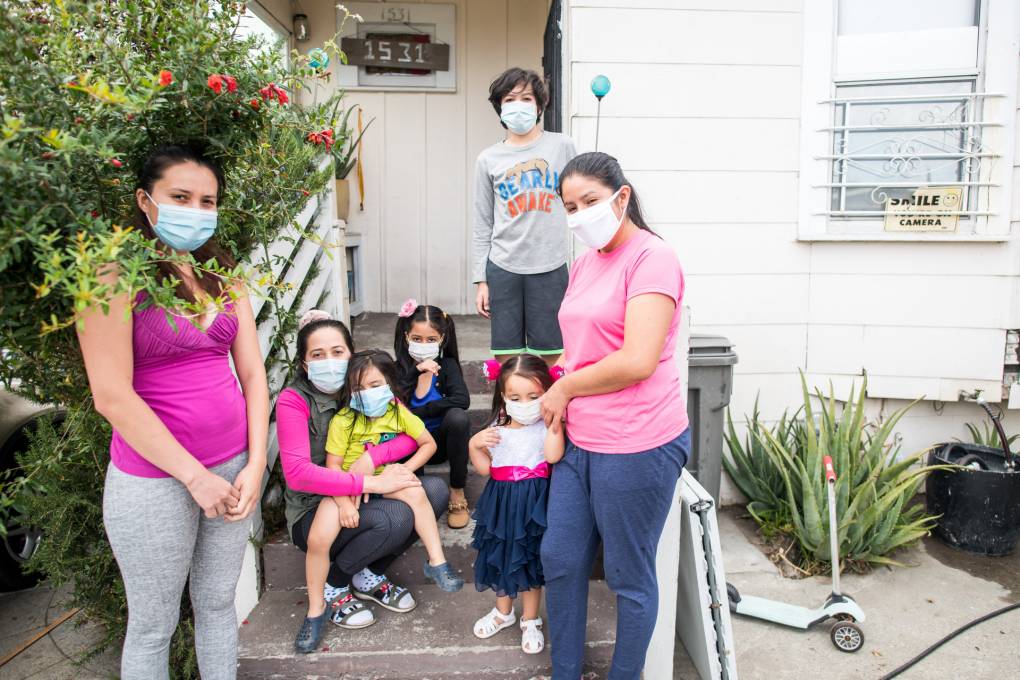
"caption": "Aleyda Rebelo (second from left) with her family at their home in Oakland on Aug. 26, 2020.",
"description": null,
"title": "evictionmoratorium",
"credit": "Beth LaBerge/KQED",
"status": "inherit",
"isLoading": false,
"fetchFailed": false
},
"news_11835872": {
"type": "attachments",
"id": "news_11835872",
"meta": {
"index": "attachments_1716263798",
"site": "news",
"id": "11835872",
"found": true
},
"parent": 11835858,
"imgSizes": {
"apple_news_ca_landscape_5_5": {
"file": "https://ww2.kqed.org/app/uploads/sites/10/2020/08/crossing_082820_final-1044x783.png",
"width": 1044,
"mimeType": "image/png",
"height": 783
},
"apple_news_ca_square_4_0": {
"file": "https://ww2.kqed.org/app/uploads/sites/10/2020/08/crossing_082820_final-470x470.png",
"width": 470,
"mimeType": "image/png",
"height": 470
},
"twentyfourteen-full-width": {
"file": "https://ww2.kqed.org/app/uploads/sites/10/2020/08/crossing_082820_final-1038x576.png",
"width": 1038,
"mimeType": "image/png",
"height": 576
},
"thumbnail": {
"file": "https://ww2.kqed.org/app/uploads/sites/10/2020/08/crossing_082820_final-160x111.png",
"width": 160,
"mimeType": "image/png",
"height": 111
},
"post-thumbnail": {
"file": "https://ww2.kqed.org/app/uploads/sites/10/2020/08/crossing_082820_final-672x372.png",
"width": 672,
"mimeType": "image/png",
"height": 372
},
"kqedFullSize": {
"file": "https://ww2.kqed.org/app/uploads/sites/10/2020/08/crossing_082820_final.png",
"width": 1920,
"height": 1334
},
"apple_news_ca_landscape_4_7": {
"file": "https://ww2.kqed.org/app/uploads/sites/10/2020/08/crossing_082820_final-632x474.png",
"width": 632,
"mimeType": "image/png",
"height": 474
},
"large": {
"file": "https://ww2.kqed.org/app/uploads/sites/10/2020/08/crossing_082820_final-1020x709.png",
"width": 1020,
"mimeType": "image/png",
"height": 709
},
"apple_news_ca_landscape_4_0": {
"file": "https://ww2.kqed.org/app/uploads/sites/10/2020/08/crossing_082820_final-536x402.png",
"width": 536,
"mimeType": "image/png",
"height": 402
},
"apple_news_ca_portrait_12_9": {
"file": "https://ww2.kqed.org/app/uploads/sites/10/2020/08/crossing_082820_final-1122x1334.png",
"width": 1122,
"mimeType": "image/png",
"height": 1334
},
"medium": {
"file": "https://ww2.kqed.org/app/uploads/sites/10/2020/08/crossing_082820_final-800x556.png",
"width": 800,
"mimeType": "image/png",
"height": 556
},
"apple_news_ca_portrait_4_0": {
"file": "https://ww2.kqed.org/app/uploads/sites/10/2020/08/crossing_082820_final-354x472.png",
"width": 354,
"mimeType": "image/png",
"height": 472
},
"apple_news_ca_portrait_9_7": {
"file": "https://ww2.kqed.org/app/uploads/sites/10/2020/08/crossing_082820_final-840x1120.png",
"width": 840,
"mimeType": "image/png",
"height": 1120
},
"apple_news_ca_landscape_12_9": {
"file": "https://ww2.kqed.org/app/uploads/sites/10/2020/08/crossing_082820_final-1832x1334.png",
"width": 1832,
"mimeType": "image/png",
"height": 1334
},
"apple_news_ca_square_9_7": {
"file": "https://ww2.kqed.org/app/uploads/sites/10/2020/08/crossing_082820_final-1104x1104.png",
"width": 1104,
"mimeType": "image/png",
"height": 1104
},
"1536x1536": {
"file": "https://ww2.kqed.org/app/uploads/sites/10/2020/08/crossing_082820_final-1536x1067.png",
"width": 1536,
"mimeType": "image/png",
"height": 1067
},
"apple_news_ca_portrait_4_7": {
"file": "https://ww2.kqed.org/app/uploads/sites/10/2020/08/crossing_082820_final-414x552.png",
"width": 414,
"mimeType": "image/png",
"height": 552
},
"apple_news_ca_square_12_9": {
"file": "https://ww2.kqed.org/app/uploads/sites/10/2020/08/crossing_082820_final-1472x1334.png",
"width": 1472,
"mimeType": "image/png",
"height": 1334
},
"apple_news_ca_portrait_5_5": {
"file": "https://ww2.kqed.org/app/uploads/sites/10/2020/08/crossing_082820_final-687x916.png",
"width": 687,
"mimeType": "image/png",
"height": 916
},
"apple_news_ca_square_4_7": {
"file": "https://ww2.kqed.org/app/uploads/sites/10/2020/08/crossing_082820_final-550x550.png",
"width": 550,
"mimeType": "image/png",
"height": 550
},
"apple_news_ca_landscape_9_7": {
"file": "https://ww2.kqed.org/app/uploads/sites/10/2020/08/crossing_082820_final-1376x1032.png",
"width": 1376,
"mimeType": "image/png",
"height": 1032
},
"apple_news_ca_square_5_5": {
"file": "https://ww2.kqed.org/app/uploads/sites/10/2020/08/crossing_082820_final-912x912.png",
"width": 912,
"mimeType": "image/png",
"height": 912
}
},
"publishDate": 1598651633,
"modified": 1598651687,
"caption": null,
"description": null,
"title": "crossing_082820_final",
"credit": null,
"status": "inherit",
"isLoading": false,
"fetchFailed": false
},
"news_11835837": {
"type": "attachments",
"id": "news_11835837",
"meta": {
"index": "attachments_1716263798",
"site": "news",
"id": "11835837",
"found": true
},
"parent": 11835829,
"imgSizes": {
"apple_news_ca_square_4_0": {
"file": "https://ww2.kqed.org/app/uploads/sites/10/2020/08/GettyImages-1265318056-470x470.jpg",
"width": 470,
"mimeType": "image/jpeg",
"height": 470
},
"twentyfourteen-full-width": {
"file": "https://ww2.kqed.org/app/uploads/sites/10/2020/08/GettyImages-1265318056-1024x576.jpg",
"width": 1024,
"mimeType": "image/jpeg",
"height": 576
},
"thumbnail": {
"file": "https://ww2.kqed.org/app/uploads/sites/10/2020/08/GettyImages-1265318056-160x107.jpg",
"width": 160,
"mimeType": "image/jpeg",
"height": 107
},
"post-thumbnail": {
"file": "https://ww2.kqed.org/app/uploads/sites/10/2020/08/GettyImages-1265318056-672x372.jpg",
"width": 672,
"mimeType": "image/jpeg",
"height": 372
},
"kqedFullSize": {
"file": "https://ww2.kqed.org/app/uploads/sites/10/2020/08/GettyImages-1265318056.jpg",
"width": 1024,
"height": 683
},
"apple_news_ca_landscape_4_7": {
"file": "https://ww2.kqed.org/app/uploads/sites/10/2020/08/GettyImages-1265318056-632x474.jpg",
"width": 632,
"mimeType": "image/jpeg",
"height": 474
},
"large": {
"file": "https://ww2.kqed.org/app/uploads/sites/10/2020/08/GettyImages-1265318056-1020x680.jpg",
"width": 1020,
"mimeType": "image/jpeg",
"height": 680
},
"apple_news_ca_landscape_4_0": {
"file": "https://ww2.kqed.org/app/uploads/sites/10/2020/08/GettyImages-1265318056-536x402.jpg",
"width": 536,
"mimeType": "image/jpeg",
"height": 402
},
"medium": {
"file": "https://ww2.kqed.org/app/uploads/sites/10/2020/08/GettyImages-1265318056-800x534.jpg",
"width": 800,
"mimeType": "image/jpeg",
"height": 534
},
"apple_news_ca_portrait_4_0": {
"file": "https://ww2.kqed.org/app/uploads/sites/10/2020/08/GettyImages-1265318056-354x472.jpg",
"width": 354,
"mimeType": "image/jpeg",
"height": 472
},
"apple_news_ca_portrait_9_7": {
"file": "https://ww2.kqed.org/app/uploads/sites/10/2020/08/GettyImages-1265318056-840x683.jpg",
"width": 840,
"mimeType": "image/jpeg",
"height": 683
},
"apple_news_ca_portrait_4_7": {
"file": "https://ww2.kqed.org/app/uploads/sites/10/2020/08/GettyImages-1265318056-414x552.jpg",
"width": 414,
"mimeType": "image/jpeg",
"height": 552
},
"apple_news_ca_portrait_5_5": {
"file": "https://ww2.kqed.org/app/uploads/sites/10/2020/08/GettyImages-1265318056-687x683.jpg",
"width": 687,
"mimeType": "image/jpeg",
"height": 683
},
"apple_news_ca_square_4_7": {
"file": "https://ww2.kqed.org/app/uploads/sites/10/2020/08/GettyImages-1265318056-550x550.jpg",
"width": 550,
"mimeType": "image/jpeg",
"height": 550
},
"apple_news_ca_square_5_5": {
"file": "https://ww2.kqed.org/app/uploads/sites/10/2020/08/GettyImages-1265318056-912x683.jpg",
"width": 912,
"mimeType": "image/jpeg",
"height": 683
}
},
"publishDate": 1598648007,
"modified": 1639166919,
"caption": "A health care worker administers a throat swab test at a drive-in COVID-19 testing center at MTO Shahmaghsoudi School of Islamic Sufism on Aug. 11, 2020, in Los Angeles..",
"description": null,
"title": "COVID-19 Testing Continues In LA County As CA Reports 12,500 New Cases In 24 Hours",
"credit": "Mario Tama/Getty Images",
"status": "inherit",
"altTag": null,
"isLoading": false,
"fetchFailed": false
},
"news_11835675": {
"type": "attachments",
"id": "news_11835675",
"meta": {
"index": "attachments_1716263798",
"site": "news",
"id": "11835675",
"found": true
},
"parent": 11835565,
"imgSizes": {
"apple_news_ca_landscape_5_5": {
"file": "https://ww2.kqed.org/app/uploads/sites/10/2020/08/RS39211__M6A0746-qut-1044x783.jpg",
"width": 1044,
"mimeType": "image/jpeg",
"height": 783
},
"apple_news_ca_square_4_0": {
"file": "https://ww2.kqed.org/app/uploads/sites/10/2020/08/RS39211__M6A0746-qut-470x470.jpg",
"width": 470,
"mimeType": "image/jpeg",
"height": 470
},
"twentyfourteen-full-width": {
"file": "https://ww2.kqed.org/app/uploads/sites/10/2020/08/RS39211__M6A0746-qut-1038x576.jpg",
"width": 1038,
"mimeType": "image/jpeg",
"height": 576
},
"thumbnail": {
"file": "https://ww2.kqed.org/app/uploads/sites/10/2020/08/RS39211__M6A0746-qut-160x107.jpg",
"width": 160,
"mimeType": "image/jpeg",
"height": 107
},
"post-thumbnail": {
"file": "https://ww2.kqed.org/app/uploads/sites/10/2020/08/RS39211__M6A0746-qut-672x372.jpg",
"width": 672,
"mimeType": "image/jpeg",
"height": 372
},
"kqedFullSize": {
"file": "https://ww2.kqed.org/app/uploads/sites/10/2020/08/RS39211__M6A0746-qut.jpg",
"width": 1920,
"height": 1280
},
"apple_news_ca_landscape_4_7": {
"file": "https://ww2.kqed.org/app/uploads/sites/10/2020/08/RS39211__M6A0746-qut-632x474.jpg",
"width": 632,
"mimeType": "image/jpeg",
"height": 474
},
"large": {
"file": "https://ww2.kqed.org/app/uploads/sites/10/2020/08/RS39211__M6A0746-qut-1020x680.jpg",
"width": 1020,
"mimeType": "image/jpeg",
"height": 680
},
"apple_news_ca_landscape_4_0": {
"file": "https://ww2.kqed.org/app/uploads/sites/10/2020/08/RS39211__M6A0746-qut-536x402.jpg",
"width": 536,
"mimeType": "image/jpeg",
"height": 402
},
"apple_news_ca_portrait_12_9": {
"file": "https://ww2.kqed.org/app/uploads/sites/10/2020/08/RS39211__M6A0746-qut-1122x1280.jpg",
"width": 1122,
"mimeType": "image/jpeg",
"height": 1280
},
"medium": {
"file": "https://ww2.kqed.org/app/uploads/sites/10/2020/08/RS39211__M6A0746-qut-800x533.jpg",
"width": 800,
"mimeType": "image/jpeg",
"height": 533
},
"apple_news_ca_portrait_4_0": {
"file": "https://ww2.kqed.org/app/uploads/sites/10/2020/08/RS39211__M6A0746-qut-354x472.jpg",
"width": 354,
"mimeType": "image/jpeg",
"height": 472
},
"apple_news_ca_portrait_9_7": {
"file": "https://ww2.kqed.org/app/uploads/sites/10/2020/08/RS39211__M6A0746-qut-840x1120.jpg",
"width": 840,
"mimeType": "image/jpeg",
"height": 1120
},
"apple_news_ca_landscape_12_9": {
"file": "https://ww2.kqed.org/app/uploads/sites/10/2020/08/RS39211__M6A0746-qut-1832x1280.jpg",
"width": 1832,
"mimeType": "image/jpeg",
"height": 1280
},
"apple_news_ca_square_9_7": {
"file": "https://ww2.kqed.org/app/uploads/sites/10/2020/08/RS39211__M6A0746-qut-1104x1104.jpg",
"width": 1104,
"mimeType": "image/jpeg",
"height": 1104
},
"1536x1536": {
"file": "https://ww2.kqed.org/app/uploads/sites/10/2020/08/RS39211__M6A0746-qut-1536x1024.jpg",
"width": 1536,
"mimeType": "image/jpeg",
"height": 1024
},
"apple_news_ca_portrait_4_7": {
"file": "https://ww2.kqed.org/app/uploads/sites/10/2020/08/RS39211__M6A0746-qut-414x552.jpg",
"width": 414,
"mimeType": "image/jpeg",
"height": 552
},
"apple_news_ca_square_12_9": {
"file": "https://ww2.kqed.org/app/uploads/sites/10/2020/08/RS39211__M6A0746-qut-1472x1280.jpg",
"width": 1472,
"mimeType": "image/jpeg",
"height": 1280
},
"apple_news_ca_portrait_5_5": {
"file": "https://ww2.kqed.org/app/uploads/sites/10/2020/08/RS39211__M6A0746-qut-687x916.jpg",
"width": 687,
"mimeType": "image/jpeg",
"height": 916
},
"apple_news_ca_square_4_7": {
"file": "https://ww2.kqed.org/app/uploads/sites/10/2020/08/RS39211__M6A0746-qut-550x550.jpg",
"width": 550,
"mimeType": "image/jpeg",
"height": 550
},
"apple_news_ca_landscape_9_7": {
"file": "https://ww2.kqed.org/app/uploads/sites/10/2020/08/RS39211__M6A0746-qut-1376x1032.jpg",
"width": 1376,
"mimeType": "image/jpeg",
"height": 1032
},
"apple_news_ca_square_5_5": {
"file": "https://ww2.kqed.org/app/uploads/sites/10/2020/08/RS39211__M6A0746-qut-912x912.jpg",
"width": 912,
"mimeType": "image/jpeg",
"height": 912
}
},
"publishDate": 1598578088,
"modified": 1609856611,
"caption": null,
"description": "Gov. Gavin Newsom announced the COVID-19 Tenant Relief Act of 2020 on Friday.",
"title": "RS39211__M6A0746-qut",
"credit": "Sruti Mamidanna/KQED",
"status": "inherit",
"altTag": "Gov. Gavin Newsom announced the COVID-19 Tenant Relief Act of 2020 on Friday.",
"isLoading": false,
"fetchFailed": false
},
"news_11835668": {
"type": "attachments",
"id": "news_11835668",
"meta": {
"index": "attachments_1716263798",
"site": "news",
"id": "11835668",
"found": true
},
"parent": 11835611,
"imgSizes": {
"apple_news_ca_landscape_5_5": {
"file": "https://ww2.kqed.org/app/uploads/sites/10/2020/08/RS26107_jail-hallway-with-bars-01-11-17-qut-1044x783.jpg",
"width": 1044,
"mimeType": "image/jpeg",
"height": 783
},
"apple_news_ca_square_4_0": {
"file": "https://ww2.kqed.org/app/uploads/sites/10/2020/08/RS26107_jail-hallway-with-bars-01-11-17-qut-470x470.jpg",
"width": 470,
"mimeType": "image/jpeg",
"height": 470
},
"twentyfourteen-full-width": {
"file": "https://ww2.kqed.org/app/uploads/sites/10/2020/08/RS26107_jail-hallway-with-bars-01-11-17-qut-1038x576.jpg",
"width": 1038,
"mimeType": "image/jpeg",
"height": 576
},
"thumbnail": {
"file": "https://ww2.kqed.org/app/uploads/sites/10/2020/08/RS26107_jail-hallway-with-bars-01-11-17-qut-160x90.jpg",
"width": 160,
"mimeType": "image/jpeg",
"height": 90
},
"post-thumbnail": {
"file": "https://ww2.kqed.org/app/uploads/sites/10/2020/08/RS26107_jail-hallway-with-bars-01-11-17-qut-672x372.jpg",
"width": 672,
"mimeType": "image/jpeg",
"height": 372
},
"kqedFullSize": {
"file": "https://ww2.kqed.org/app/uploads/sites/10/2020/08/RS26107_jail-hallway-with-bars-01-11-17-qut.jpg",
"width": 1920,
"height": 1080
},
"apple_news_ca_landscape_4_7": {
"file": "https://ww2.kqed.org/app/uploads/sites/10/2020/08/RS26107_jail-hallway-with-bars-01-11-17-qut-632x474.jpg",
"width": 632,
"mimeType": "image/jpeg",
"height": 474
},
"large": {
"file": "https://ww2.kqed.org/app/uploads/sites/10/2020/08/RS26107_jail-hallway-with-bars-01-11-17-qut-1020x574.jpg",
"width": 1020,
"mimeType": "image/jpeg",
"height": 574
},
"apple_news_ca_landscape_4_0": {
"file": "https://ww2.kqed.org/app/uploads/sites/10/2020/08/RS26107_jail-hallway-with-bars-01-11-17-qut-536x402.jpg",
"width": 536,
"mimeType": "image/jpeg",
"height": 402
},
"apple_news_ca_portrait_12_9": {
"file": "https://ww2.kqed.org/app/uploads/sites/10/2020/08/RS26107_jail-hallway-with-bars-01-11-17-qut-1122x1080.jpg",
"width": 1122,
"mimeType": "image/jpeg",
"height": 1080
},
"medium": {
"file": "https://ww2.kqed.org/app/uploads/sites/10/2020/08/RS26107_jail-hallway-with-bars-01-11-17-qut-800x450.jpg",
"width": 800,
"mimeType": "image/jpeg",
"height": 450
},
"apple_news_ca_portrait_4_0": {
"file": "https://ww2.kqed.org/app/uploads/sites/10/2020/08/RS26107_jail-hallway-with-bars-01-11-17-qut-354x472.jpg",
"width": 354,
"mimeType": "image/jpeg",
"height": 472
},
"apple_news_ca_portrait_9_7": {
"file": "https://ww2.kqed.org/app/uploads/sites/10/2020/08/RS26107_jail-hallway-with-bars-01-11-17-qut-840x1080.jpg",
"width": 840,
"mimeType": "image/jpeg",
"height": 1080
},
"apple_news_ca_landscape_12_9": {
"file": "https://ww2.kqed.org/app/uploads/sites/10/2020/08/RS26107_jail-hallway-with-bars-01-11-17-qut-1832x1080.jpg",
"width": 1832,
"mimeType": "image/jpeg",
"height": 1080
},
"apple_news_ca_square_9_7": {
"file": "https://ww2.kqed.org/app/uploads/sites/10/2020/08/RS26107_jail-hallway-with-bars-01-11-17-qut-1104x1080.jpg",
"width": 1104,
"mimeType": "image/jpeg",
"height": 1080
},
"1536x1536": {
"file": "https://ww2.kqed.org/app/uploads/sites/10/2020/08/RS26107_jail-hallway-with-bars-01-11-17-qut-1536x864.jpg",
"width": 1536,
"mimeType": "image/jpeg",
"height": 864
},
"apple_news_ca_portrait_4_7": {
"file": "https://ww2.kqed.org/app/uploads/sites/10/2020/08/RS26107_jail-hallway-with-bars-01-11-17-qut-414x552.jpg",
"width": 414,
"mimeType": "image/jpeg",
"height": 552
},
"apple_news_ca_square_12_9": {
"file": "https://ww2.kqed.org/app/uploads/sites/10/2020/08/RS26107_jail-hallway-with-bars-01-11-17-qut-1472x1080.jpg",
"width": 1472,
"mimeType": "image/jpeg",
"height": 1080
},
"apple_news_ca_portrait_5_5": {
"file": "https://ww2.kqed.org/app/uploads/sites/10/2020/08/RS26107_jail-hallway-with-bars-01-11-17-qut-687x916.jpg",
"width": 687,
"mimeType": "image/jpeg",
"height": 916
},
"apple_news_ca_square_4_7": {
"file": "https://ww2.kqed.org/app/uploads/sites/10/2020/08/RS26107_jail-hallway-with-bars-01-11-17-qut-550x550.jpg",
"width": 550,
"mimeType": "image/jpeg",
"height": 550
},
"apple_news_ca_landscape_9_7": {
"file": "https://ww2.kqed.org/app/uploads/sites/10/2020/08/RS26107_jail-hallway-with-bars-01-11-17-qut-1376x1032.jpg",
"width": 1376,
"mimeType": "image/jpeg",
"height": 1032
},
"apple_news_ca_square_5_5": {
"file": "https://ww2.kqed.org/app/uploads/sites/10/2020/08/RS26107_jail-hallway-with-bars-01-11-17-qut-912x912.jpg",
"width": 912,
"mimeType": "image/jpeg",
"height": 912
}
},
"publishDate": 1598576803,
"modified": 1598640245,
"caption": "About 20 ICE detainees at the facility in Marysville came off a six-day hunger strike this week that was meant to call attention to conditions the men say make them vulnerable to the coronavirus.",
"description": "About twenty ICE detainees at the facility in Marysville came off a six-day hunger strike this week that was meant to call attention to conditions the men say make them vulnerable to the coronavirus.",
"title": "RS26107_jail-hallway-with-bars-01-11-17-qut",
"credit": "Courtesy Rosen Bien Galvan & Grunfeld LLP",
"status": "inherit",
"isLoading": false,
"fetchFailed": false
}
},
"audioPlayerReducer": {
"postId": "stream_live",
"isPaused": true,
"isPlaying": false,
"pfsActive": false,
"pledgeModalIsOpen": true,
"playerDrawerIsOpen": false,
"liveAudioPlayStartedAt": 0,
"liveAudioPlayContext": ""
},
"authorsReducer": {
"byline_news_11836321": {
"type": "authors",
"id": "byline_news_11836321",
"meta": {
"override": true
},
"slug": "byline_news_11836321",
"name": "Stephanie O'Neill\u003cbr>KQED",
"isLoading": false
},
"byline_news_11836017": {
"type": "authors",
"id": "byline_news_11836017",
"meta": {
"override": true
},
"slug": "byline_news_11836017",
"name": "Don Thompson \u003cbr> Associated Press",
"isLoading": false
},
"byline_news_11835829": {
"type": "authors",
"id": "byline_news_11835829",
"meta": {
"override": true
},
"slug": "byline_news_11835829",
"name": "Kathleen Ronayne and Michael R. Blood\u003cbr>Associated Press",
"isLoading": false
},
"markfiore": {
"type": "authors",
"id": "3236",
"meta": {
"index": "authors_1716337520",
"id": "3236",
"found": true
},
"name": "Mark Fiore",
"firstName": "Mark",
"lastName": "Fiore",
"slug": "markfiore",
"email": "mark@markfiore.com",
"display_author_email": false,
"staff_mastheads": [
"news"
],
"title": "KQED News Cartoonist",
"bio": "\u003ca href=\"http://www.MarkFiore.com\">MarkFiore.com\u003c/a> | \u003ca href=\"https://twitter.com/markfiore\">Follow on Twitter\u003c/a> | \u003ca href=\"https://www.facebook.com/pages/Mark-Fiore-Animated-Political-Cartoons/94451707396?ref=bookmarks\">Facebook\u003c/a> | \u003ca href=\"mailto:mark@markfiore.com\">email\u003c/a>\r\n\r\nPulitzer Prize-winner, Mark Fiore, who the Wall Street Journal has called “the undisputed guru of the form,” creates animated political cartoons in San Francisco, where his work has been featured regularly on the San Francisco Chronicle’s web site, SFGate.com. His work has appeared on Newsweek.com, Slate.com, CBSNews.com, MotherJones.com, DailyKos.com and NPR’s web site. Fiore’s political animation has appeared on CNN, Frontline, Bill Moyers Journal, Salon.com and cable and broadcast outlets across the globe.\r\n\r\nBeginning his professional life by drawing traditional political cartoons for newspapers, Fiore’s work appeared in publications ranging from the Washington Post to the Los Angeles Times. In the late 1990s, he began to experiment with animating political cartoons and, after a short stint at the San Jose Mercury News as their staff cartoonist, Fiore devoted all his energies to animation.\r\nGrowing up in California, Fiore also spent a good portion of his life in the backwoods of Idaho. It was this combination that shaped him politically. Mark majored in political science at Colorado College, where, in a perfect send-off for a cartoonist, he received his diploma in 1991 as commencement speaker Dick Cheney smiled approvingly.\r\nMark Fiore was awarded the Pulitzer Prize for political cartooning in 2010, a Robert F. Kennedy Journalism Award in 2004 and has twice received an Online Journalism Award for commentary from the Online News Association (2002, 2008). Fiore has received two awards for his work in new media from the National Cartoonists Society (2001, 2002), and in 2006 received The James Madison Freedom of Information Award from The Society of Professional Journalists.",
"avatar": "https://secure.gravatar.com/avatar/fc4e2a612b15b67bad0c6f0e1db4ca9b?s=600&d=blank&r=g",
"twitter": "MarkFiore",
"facebook": null,
"instagram": "https://www.instagram.com/markfiore/?hl=en",
"linkedin": null,
"sites": [
{
"site": "arts",
"roles": [
"contributor"
]
},
{
"site": "news",
"roles": [
"editor"
]
},
{
"site": "futureofyou",
"roles": [
"editor"
]
},
{
"site": "science",
"roles": [
"editor"
]
}
],
"headData": {
"title": "Mark Fiore | KQED",
"description": "KQED News Cartoonist",
"ogImgSrc": "https://secure.gravatar.com/avatar/fc4e2a612b15b67bad0c6f0e1db4ca9b?s=600&d=blank&r=g",
"twImgSrc": "https://secure.gravatar.com/avatar/fc4e2a612b15b67bad0c6f0e1db4ca9b?s=600&d=blank&r=g"
},
"isLoading": false,
"link": "/author/markfiore"
},
"carlysevern": {
"type": "authors",
"id": "3243",
"meta": {
"index": "authors_1716337520",
"id": "3243",
"found": true
},
"name": "Carly Severn",
"firstName": "Carly",
"lastName": "Severn",
"slug": "carlysevern",
"email": "csevern@kqed.org",
"display_author_email": false,
"staff_mastheads": [
"news"
],
"title": "Senior Editor, Audience News ",
"bio": "Carly is KQED's Senior Editor of Audience News on the Digital News team, and has reported for the California Report Magazine, Bay Curious and KQED Arts. She's formerly the host of \u003ca href=\"http://ww2.kqed.org/pop/category/the-cooler/\" rel=\"noopener noreferrer\">The Cooler\u003c/a> podcast.",
"avatar": "https://secure.gravatar.com/avatar/54037bf5c128fe678f0ef26cec97a93f2e7f220a22d7285703328f12c42c1b1d?s=600&d=blank&r=g",
"twitter": "teacupinthebay",
"bluesky": null,
"facebook": null,
"instagram": null,
"linkedin": null,
"sites": [
{
"site": "",
"roles": [
"editor"
]
},
{
"site": "arts",
"roles": [
"editor"
]
},
{
"site": "news",
"roles": [
"administrator"
]
},
{
"site": "pop",
"roles": [
"editor"
]
},
{
"site": "futureofyou",
"roles": [
"editor"
]
},
{
"site": "about",
"roles": [
"administrator"
]
},
{
"site": "mindshift",
"roles": [
"editor"
]
},
{
"site": "bayareabites",
"roles": [
"editor"
]
},
{
"site": "stateofhealth",
"roles": [
"editor"
]
},
{
"site": "science",
"roles": [
"editor"
]
},
{
"site": "food",
"roles": [
"contributor"
]
},
{
"site": "forum",
"roles": [
"editor"
]
},
{
"site": "perspectives",
"roles": [
"administrator"
]
},
{
"site": "liveblog",
"roles": [
"editor"
]
}
],
"headData": {
"title": "Carly Severn | KQED",
"description": "Senior Editor, Audience News ",
"ogImgSrc": "https://secure.gravatar.com/avatar/54037bf5c128fe678f0ef26cec97a93f2e7f220a22d7285703328f12c42c1b1d?s=600&d=blank&r=g",
"twImgSrc": "https://secure.gravatar.com/avatar/54037bf5c128fe678f0ef26cec97a93f2e7f220a22d7285703328f12c42c1b1d?s=600&d=blank&r=g"
},
"isLoading": false,
"link": "/author/carlysevern"
},
"fjhabvala": {
"type": "authors",
"id": "8659",
"meta": {
"index": "authors_1716337520",
"id": "8659",
"found": true
},
"name": "Farida Jhabvala Romero",
"firstName": "Farida",
"lastName": "Jhabvala Romero",
"slug": "fjhabvala",
"email": "fjhabvala@kqed.org",
"display_author_email": true,
"staff_mastheads": [
"news"
],
"title": "KQED Contributor",
"bio": "Farida Jhabvala Romero is a Labor Correspondent for KQED. She previously covered immigration. Farida was \u003ca href=\"https://www.ccnma.org/2022-most-influential-latina-journalists\">named\u003c/a> one of the 10 Most Influential Latina Journalists in California in 2022 by the California Chicano News Media Association. Her work has won awards from the Society of Professional Journalists (Northern California), as well as a national and regional Edward M. Murrow Award for the collaborative reporting projects “Dangerous Air” and “Graying California.” Before joining KQED, Farida worked as a producer at Radio Bilingüe, a national public radio network. Farida earned her master’s degree in journalism from Stanford University.",
"avatar": "https://secure.gravatar.com/avatar/f9f022d4e2609741874222a1e9d41f48fea74011aa7c615eef91d9a50c944ebe?s=600&d=blank&r=g",
"twitter": "FaridaJhabvala",
"bluesky": null,
"facebook": null,
"instagram": null,
"linkedin": "https://www.linkedin.com/in/faridajhabvala/",
"sites": [
{
"site": "news",
"roles": [
"editor"
]
},
{
"site": "stateofhealth",
"roles": [
"author"
]
},
{
"site": "liveblog",
"roles": [
"author"
]
}
],
"headData": {
"title": "Farida Jhabvala Romero | KQED",
"description": "KQED Contributor",
"ogImgSrc": "https://secure.gravatar.com/avatar/f9f022d4e2609741874222a1e9d41f48fea74011aa7c615eef91d9a50c944ebe?s=600&d=blank&r=g",
"twImgSrc": "https://secure.gravatar.com/avatar/f9f022d4e2609741874222a1e9d41f48fea74011aa7c615eef91d9a50c944ebe?s=600&d=blank&r=g"
},
"isLoading": false,
"link": "/author/fjhabvala"
},
"lsarah": {
"type": "authors",
"id": "11626",
"meta": {
"index": "authors_1716337520",
"id": "11626",
"found": true
},
"name": "Lakshmi Sarah",
"firstName": "Lakshmi",
"lastName": "Sarah",
"slug": "lsarah",
"email": "lsarah@kqed.org",
"display_author_email": false,
"staff_mastheads": [],
"title": "Digital Producer",
"bio": "Lakshmi Sarah is an educator, author and journalist with a focus on innovative storytelling. She has worked with newspapers, radio and magazines from Ahmedabad, India to Los Angeles, California. She has written and produced for Die Zeit, Global Voices, AJ+, KQED, Fusion Media Group and the New York Times.",
"avatar": "https://secure.gravatar.com/avatar/652dcaecd8b28826fc17a8b2d6bb4e93?s=600&d=blank&r=g",
"twitter": "lakitalki",
"facebook": null,
"instagram": "https://www.instagram.com/laki.talki/",
"linkedin": "https://www.linkedin.com/in/lakisarah/",
"sites": [
{
"site": "arts",
"roles": []
},
{
"site": "news",
"roles": []
},
{
"site": "bayareabites",
"roles": []
},
{
"site": "science",
"roles": []
}
],
"headData": {
"title": "Lakshmi Sarah | KQED",
"description": "Digital Producer",
"ogImgSrc": "https://secure.gravatar.com/avatar/652dcaecd8b28826fc17a8b2d6bb4e93?s=600&d=blank&r=g",
"twImgSrc": "https://secure.gravatar.com/avatar/652dcaecd8b28826fc17a8b2d6bb4e93?s=600&d=blank&r=g"
},
"isLoading": false,
"link": "/author/lsarah"
},
"nsparling": {
"type": "authors",
"id": "11655",
"meta": {
"index": "authors_1716337520",
"id": "11655",
"found": true
},
"name": "Nina Sparling",
"firstName": "Nina",
"lastName": "Sparling",
"slug": "nsparling",
"email": "nsparling@kqed.org",
"display_author_email": false,
"staff_mastheads": [],
"title": "KQED Contributor",
"bio": null,
"avatar": "https://secure.gravatar.com/avatar/4f605141f48bfba20520677de109f9bc?s=600&d=blank&r=g",
"twitter": null,
"facebook": null,
"instagram": null,
"linkedin": null,
"sites": [
{
"site": "",
"roles": [
"editor"
]
},
{
"site": "news",
"roles": [
"author"
]
},
{
"site": "forum",
"roles": [
"editor"
]
},
{
"site": "perspectives",
"roles": [
"editor"
]
}
],
"headData": {
"title": "Nina Sparling | KQED",
"description": "KQED Contributor",
"ogImgSrc": "https://secure.gravatar.com/avatar/4f605141f48bfba20520677de109f9bc?s=600&d=blank&r=g",
"twImgSrc": "https://secure.gravatar.com/avatar/4f605141f48bfba20520677de109f9bc?s=600&d=blank&r=g"
},
"isLoading": false,
"link": "/author/nsparling"
},
"blaberge": {
"type": "authors",
"id": "11667",
"meta": {
"index": "authors_1716337520",
"id": "11667",
"found": true
},
"name": "Beth LaBerge",
"firstName": "Beth",
"lastName": "LaBerge",
"slug": "blaberge",
"email": "blaberge@KQED.org",
"display_author_email": true,
"staff_mastheads": [
"news"
],
"title": "Photographer, News",
"bio": "Beth LaBerge is a visual journalist for \u003ca href=\"https://www.kqed.org/news\">KQED News\u003c/a>.",
"avatar": "https://secure.gravatar.com/avatar/ce49ecd7a1306685637b45a1f6f5dedfc4ae9481966eb596fea5160466dd6319?s=600&d=blank&r=g",
"twitter": null,
"bluesky": null,
"facebook": null,
"instagram": "https://www.instagram.com/bethlaberge/",
"linkedin": null,
"sites": [
{
"site": "arts",
"roles": [
"editor",
"manage_categories"
]
},
{
"site": "news",
"roles": [
"editor",
"edit_plugins",
"manage_categories"
]
},
{
"site": "science",
"roles": [
"editor",
"contributor",
"author",
"manage_categories"
]
},
{
"site": "perspectives",
"roles": [
"editor"
]
},
{
"site": "liveblog",
"roles": [
"editor"
]
}
],
"headData": {
"title": "Beth LaBerge | KQED",
"description": "Photographer, News",
"ogImgSrc": "https://secure.gravatar.com/avatar/ce49ecd7a1306685637b45a1f6f5dedfc4ae9481966eb596fea5160466dd6319?s=600&d=blank&r=g",
"twImgSrc": "https://secure.gravatar.com/avatar/ce49ecd7a1306685637b45a1f6f5dedfc4ae9481966eb596fea5160466dd6319?s=600&d=blank&r=g"
},
"isLoading": false,
"link": "/author/blaberge"
},
"jrodriguez": {
"type": "authors",
"id": "11690",
"meta": {
"index": "authors_1716337520",
"id": "11690",
"found": true
},
"name": "Joe Fitzgerald Rodriguez",
"firstName": "Joe",
"lastName": "Fitzgerald Rodriguez",
"slug": "jrodriguez",
"email": "jrodriguez@kqed.org",
"display_author_email": true,
"staff_mastheads": [
"news"
],
"title": "Reporter and Producer",
"bio": "Joe Fitzgerald Rodriguez is a reporter and digital producer for KQED covering politics. Joe most recently wrote for the \u003cem>San Francisco Examiner\u003c/em> as a political columnist covering The City. He was raised in San Francisco and has spent his reporting career in his beloved, foggy, city by the bay. Joe was 12-years-old when he conducted his first interview in journalism, grilling former San Francisco Mayor Willie Brown for the Marina Middle School newspaper, \u003cem>The Penguin Press, \u003c/em>and he continues to report on the San Francisco Bay Area to this day.",
"avatar": "https://secure.gravatar.com/avatar/2247beb0564c1e9c62228d5649d2edac?s=600&d=blank&r=g",
"twitter": "FitztheReporter",
"facebook": null,
"instagram": "https://www.instagram.com/fitzthereporter/",
"linkedin": null,
"sites": [
{
"site": "",
"roles": [
"editor"
]
},
{
"site": "arts",
"roles": [
"editor"
]
},
{
"site": "news",
"roles": [
"editor"
]
},
{
"site": "science",
"roles": [
"editor"
]
},
{
"site": "elections",
"roles": [
"editor"
]
},
{
"site": "liveblog",
"roles": [
"editor"
]
}
],
"headData": {
"title": "Joe Fitzgerald Rodriguez | KQED",
"description": "Reporter and Producer",
"ogImgSrc": "https://secure.gravatar.com/avatar/2247beb0564c1e9c62228d5649d2edac?s=600&d=blank&r=g",
"twImgSrc": "https://secure.gravatar.com/avatar/2247beb0564c1e9c62228d5649d2edac?s=600&d=blank&r=g"
},
"isLoading": false,
"link": "/author/jrodriguez"
}
},
"pagesReducer": {
"news_tag_covid-19": {
"type": "terms",
"id": "news_27504",
"meta": {
"index": "terms_1716263798",
"site": "news",
"id": "27504",
"score": 8.558557
},
"featImg": null,
"name": "covid-19",
"description": null,
"taxonomy": "tag",
"headData": {
"twImgId": null,
"twTitle": null,
"ogTitle": null,
"ogImgId": null,
"twDescription": null,
"description": null,
"title": "covid-19 Archives | KQED News",
"ogDescription": null
},
"ttid": 27521,
"slug": "covid-19",
"isLoading": false,
"title": "covid-19",
"pageMeta": {
"site": "news",
"WpPageTemplate": "page-topic-editorial",
"currentPage": 47
},
"blocks": [
{
"blockName": "kqed/post-list",
"attrs": {
"layout": "cardArticle2",
"query": "posts/news?tag=covid-19",
"seeMore": false,
"paginated": true,
"page": 47
}
},
{
"blockName": "kqed/ad"
}
]
}
},
"pfsSessionReducer": {},
"postsReducer": {
"stream_live": {
"type": "live",
"id": "stream_live",
"audioUrl": "https://streams.kqed.org/kqedradio",
"title": "Live Stream",
"excerpt": "Live Stream information currently unavailable.",
"link": "/radio",
"featImg": "",
"label": {
"name": "KQED Live",
"link": "/"
}
},
"stream_kqedNewscast": {
"type": "posts",
"id": "stream_kqedNewscast",
"audioUrl": "https://www.kqed.org/.stream/anon/radio/RDnews/newscast.mp3?_=1",
"title": "KQED Newscast",
"featImg": "",
"label": {
"name": "88.5 FM",
"link": "/"
}
},
"news_11836548": {
"type": "posts",
"id": "news_11836548",
"meta": {
"index": "posts_1716263798",
"site": "news",
"id": "11836548",
"score": null,
"sort": [
1599179896000
]
},
"guestAuthors": [],
"slug": "planning-a-trip-for-labor-day-weekend-read-this-first",
"title": "Planning a Trip for Labor Day Weekend? Read This First",
"publishDate": 1599179896,
"format": "standard",
"headTitle": "Planning a Trip for Labor Day Weekend? Read This First | KQED",
"labelTerm": {
"site": "news"
},
"content": "\u003cp>Thinking of a last-minute trip for Labor Day weekend? A pandemic, recent wildfires and a heat wave mean that Labor Day 2020 is no ordinary holiday weekend.\u003c/p>\n\u003cp>For one thing, travel restrictions due to coronavirus cases are still very much in place — and, officially, nonessential travel away from your home \u003ca href=\"https://www.kqed.org/news/11829403/summer-travel-during-covid-19-in-california-can-i-do-it-safely\">\u003cem>is\u003c/em> still discouraged\u003c/a>. If you’re one of those determined to take a trip anyway this Labor Day, \u003ca href=\"https://www.kqed.org/news/11836745/travel-restrictions-during-covid-19-in-california\">be sure to read our guide\u003c/a> to reducing your risks while traveling, including specific advice for Airbnbs, road trips and rural areas.\u003c/p>\n\u003cp>From \u003ca href=\"https://www.kqed.org/news/11836759/beaches-open-labor-day-weekend\">beach closures\u003c/a> and heat wave warnings to wildfires and COVID-19 risks at parties, read on for what to know if you’re looking for things to do this Labor Day weekend — and how you can reduce your risks.\u003c/p>\n\u003ch3>There’s Going to Be a Heat Wave …\u003c/h3>\n\u003cp>The National Weather Service has issued an \u003ca href=\"https://www.weather.gov/mtr/\">Excessive Heat Warning\u003c/a> for the weekend, valid starting 11 a.m. Saturday, Sept. 5 through 9 p.m. on Labor Day. Temperatures are forecast as:\u003c/p>\n\u003cul>\n\u003cli>70-85 degrees on the coast\u003c/li>\n\u003cli>85-95 degrees in the Bay Area\u003c/li>\n\u003cli>95-110 in interior locations, with a potential maximum of 115 degrees.\u003c/li>\n\u003c/ul>\n\u003cp>https://twitter.com/NWSBayArea/status/1301619235563565057\u003c/p>\n\u003cp>The National Weather Service is advising you limit your “outdoor strenuous activities” during the hottest parts of the day, to drink plenty of fluids and to stay in air-conditioned areas. (More tips about safety during excessive temperatures are \u003ca href=\"https://www.weather.gov/safety/heat\">here\u003c/a>.)\u003c/p>\n\u003cp>If you’re planning to travel during the Labor Day weekend, be especially mindful of the advice to never leave kids or pets in your stationary car. And if you’re bringing your pet, watch out for the hot pavement burning their paws when you’re out walking them.\u003c/p>\n\u003ch3>… and That Might Mean More Wildfires\u003c/h3>\n\u003cp>Extreme, dry heat greatly increases the risk of wildfires starting — and spreading. During the last heat wave, in mid-August, a lightning event sparked a \u003ca href=\"https://www.kqed.org/wildfires\">series of devastating wildfires\u003c/a> across the Bay Area, many of which are still burning. And climate scientists like Daniel Swain have \u003ca href=\"https://weatherwest.com/archives/7491\">expressed concern\u003c/a> about this upcoming heat wave’s fire potential.\u003c/p>\n\u003cp>https://twitter.com/Weather_West/status/1301595348012466177\u003c/p>\n\u003cp>What does this mean for your Labor Day weekend? Basically, stay vigilant and informed. If you’re determined to travel away from your home to an area that has a higher risk of wildfire, or is highly remote, you may wish to rethink those plans.\u003c/p>\n\u003cp>Make sure you’re signed up for all the relevant fire and disaster alerts from your county (and any counties you’re planning to travel to.) We have a resource list \u003ca href=\"https://www.kqed.org/news/11834901/fire-evacuation-what-actually-happens-and-how-can-you-plan#2\">here\u003c/a>.\u003c/p>\n\u003ch3>Don’t Forget About Air Quality\u003c/h3>\n\u003cp>If you’re still planning to travel on the Labor Day weekend and spend a lot of time outside, remember to consider the healthiness of the air quality where you’re staying, as smoke from wildfires lingers.\u003c/p>\n\u003cfigure id=\"attachment_11836660\" class=\"wp-caption alignnone\" style=\"max-width: 1020px\">\u003cimg loading=\"lazy\" decoding=\"async\" class=\"size-full wp-image-11836660\" src=\"https://ww2.kqed.org/app/uploads/sites/10/2020/09/IMG_1378-1020x680-1.jpg\" alt=\"\" width=\"1020\" height=\"680\" srcset=\"https://cdn.kqed.org/wp-content/uploads/sites/10/2020/09/IMG_1378-1020x680-1.jpg 1020w, https://cdn.kqed.org/wp-content/uploads/sites/10/2020/09/IMG_1378-1020x680-1-800x533.jpg 800w, https://cdn.kqed.org/wp-content/uploads/sites/10/2020/09/IMG_1378-1020x680-1-160x107.jpg 160w\" sizes=\"(max-width: 1020px) 100vw, 1020px\">\u003cfigcaption class=\"wp-caption-text\">Smoke shrouds a road into Geyserville in October 2019. \u003ccite>(Danielle Venton/KQED)\u003c/cite>\u003c/figcaption>\u003c/figure>\n\u003cp>Older people, children and individuals with heart or respiratory conditions are \u003ca href=\"https://www.kqed.org/science/1926793/protecting-your-health-from-toxic-wildfire-smoke\">particularly vulnerable\u003c/a> to the health impacts of wildfire smoke, so bookmark \u003ca href=\"https://www.kqed.org/science/1930023/map-heres-your-daily-air-quality-report-for-the-bay-area\">our map\u003c/a> — updated hourly — to stay informed. And if you are in an area that’s affected, get advice on which kind of mask to wear for smoke \u003cem>and\u003c/em> COVID-19 \u003ca href=\"https://www.kqed.org/news/11834305/masks-for-smoke-and-covid-19-what-kind-is-best\">here\u003c/a>.\u003c/p>\n\u003ch3>You Might See Road Closures and ‘Stay Away’ Requests\u003c/h3>\n\u003cp>Many parts of the Bay Area remain affected by the mid-August wildfires, so make sure you research any areas you’re planning to visit — and routes you’re hoping to take — before you leave.\u003c/p>\n\u003cp>Some areas are actively discouraging visitor traffic for this reason during the Labor Day weekend. This includes Point Reyes National Seashore, which is \u003ca href=\"https://www.nps.gov/pore/learn/management/firemanagement_woodwardfire.htm\">currently closed\u003c/a> due to the effects of the Woodward Fire. The National Parks Service is asking visitors to stay away, and “please visit Point Reyes National Seashore at a later, safer time.”\u003c/p>\n\u003cfigure id=\"attachment_11769095\" class=\"wp-caption alignnone\" style=\"max-width: 1920px\">\u003cimg loading=\"lazy\" decoding=\"async\" class=\"size-full wp-image-11769095\" src=\"https://ww2.kqed.org/app/uploads/sites/10/2019/08/RS30208_DSC_1071-qut.jpg\" alt=\"\" width=\"1920\" height=\"1280\" srcset=\"https://cdn.kqed.org/wp-content/uploads/sites/10/2019/08/RS30208_DSC_1071-qut.jpg 1920w, https://cdn.kqed.org/wp-content/uploads/sites/10/2019/08/RS30208_DSC_1071-qut-160x107.jpg 160w, https://cdn.kqed.org/wp-content/uploads/sites/10/2019/08/RS30208_DSC_1071-qut-800x533.jpg 800w, https://cdn.kqed.org/wp-content/uploads/sites/10/2019/08/RS30208_DSC_1071-qut-1020x680.jpg 1020w, https://cdn.kqed.org/wp-content/uploads/sites/10/2019/08/RS30208_DSC_1071-qut-1200x800.jpg 1200w\" sizes=\"(max-width: 1920px) 100vw, 1920px\">\u003cfigcaption class=\"wp-caption-text\">The 12-mile stretch of coastline known as the Great Beach at Point Reyes National Seashore, pictured in 2018 \u003ccite>(Carly Severn/KQED)\u003c/cite>\u003c/figcaption>\u003c/figure>\n\u003cp>If a new wildfire breaks out, you might find that a road you want to use is discouraged by officials to keep routes clear and safe for firefighters and even potentially evacuees. Remember, stay informed about wildfires by signing up for alerts like \u003ca href=\"https://www.kqed.org/news/11834901/fire-evacuation-what-actually-happens-and-how-can-you-plan#2\">these\u003c/a>.\u003c/p>\n\u003ch3>Beaches Might Be Closed on Labor Day Weekend\u003c/h3>\n\u003cp>If you’re planning on heading to the beach this holiday weekend, check before you leave the house — as several Bay Area beaches have announced they’ll be closed during this period to limit COVID-19 transmission.\u003c/p>\n\u003cfigure id=\"attachment_11633548\" class=\"wp-caption alignnone\" style=\"max-width: 1024px\">\u003cimg loading=\"lazy\" decoding=\"async\" class=\"size-full wp-image-11633548\" src=\"https://ww2.kqed.org/app/uploads/sites/10/2017/11/13591418653_af7c8fd2df_b.jpg\" alt=\"California Golden Poppies at Pacifica\" width=\"1024\" height=\"768\" srcset=\"https://cdn.kqed.org/wp-content/uploads/sites/10/2017/11/13591418653_af7c8fd2df_b.jpg 1024w, https://cdn.kqed.org/wp-content/uploads/sites/10/2017/11/13591418653_af7c8fd2df_b-160x120.jpg 160w, https://cdn.kqed.org/wp-content/uploads/sites/10/2017/11/13591418653_af7c8fd2df_b-800x600.jpg 800w, https://cdn.kqed.org/wp-content/uploads/sites/10/2017/11/13591418653_af7c8fd2df_b-1020x765.jpg 1020w, https://cdn.kqed.org/wp-content/uploads/sites/10/2017/11/13591418653_af7c8fd2df_b-960x720.jpg 960w, https://cdn.kqed.org/wp-content/uploads/sites/10/2017/11/13591418653_af7c8fd2df_b-240x180.jpg 240w, https://cdn.kqed.org/wp-content/uploads/sites/10/2017/11/13591418653_af7c8fd2df_b-375x281.jpg 375w, https://cdn.kqed.org/wp-content/uploads/sites/10/2017/11/13591418653_af7c8fd2df_b-520x390.jpg 520w\" sizes=\"(max-width: 1024px) 100vw, 1024px\">\u003cfigcaption class=\"wp-caption-text\">California Golden Poppies at Pacifica \u003ccite>(torbakhopper/Flickr)\u003c/cite>\u003c/figcaption>\u003c/figure>\n\u003cp>This includes Pacifica, which is\u003ca href=\"https://www.nbcbayarea.com/news/local/pacifica-to-close-beaches-for-labor-day-holiday-weekend/2356372/\"> closing all beaches and beach parking lots\u003c/a> over the Labor Day weekend. See our list of beach and park closures \u003ca href=\"https://www.kqed.org/news/11836759/beaches-open-labor-day-weekend\">here\u003c/a>.\u003c/p>\n\u003ch3>The Labor Day Holiday Could Pose Extra COVID-19 Risk\u003c/h3>\n\u003cp>Holiday weekends can mean relaxation and gatherings — and in our pandemic reality, gatherings mean more risk of contracting and spreading COVID-19.\u003c/p>\n\u003cp>Dr. Anthony Fauci, director of the National Institute of Allergy and Infectious Diseases, has specifically urged the public to exercise vigilance and caution going into the Labor Day weekend. In an \u003ca href=\"https://www.cnbc.com/2020/09/02/dr-fauci-says-us-coronavirus-cases-are-unacceptably-high-going-into-labor-day.html\">interview with MSNBC\u003c/a>, Fauci warned that “prior experience” around holiday weekends in 2020 was indicative of “a tendency of people to be careless somewhat with regard to the public health measures.”\u003c/p>\n\u003cfigure id=\"attachment_11816126\" class=\"wp-caption alignnone\" style=\"max-width: 1920px\">\u003cimg loading=\"lazy\" decoding=\"async\" class=\"size-full wp-image-11816126\" src=\"https://ww2.kqed.org/app/uploads/sites/10/2020/05/RS42987_GettyImages-1222675411-qut.jpg\" alt=\"\" width=\"1920\" height=\"1280\" srcset=\"https://cdn.kqed.org/wp-content/uploads/sites/10/2020/05/RS42987_GettyImages-1222675411-qut.jpg 1920w, https://cdn.kqed.org/wp-content/uploads/sites/10/2020/05/RS42987_GettyImages-1222675411-qut-160x107.jpg 160w, https://cdn.kqed.org/wp-content/uploads/sites/10/2020/05/RS42987_GettyImages-1222675411-qut-800x533.jpg 800w, https://cdn.kqed.org/wp-content/uploads/sites/10/2020/05/RS42987_GettyImages-1222675411-qut-1020x680.jpg 1020w\" sizes=\"(max-width: 1920px) 100vw, 1920px\">\u003cfigcaption class=\"wp-caption-text\">People wear masks walking a dog at Alamo Square Park during the coronavirus pandemic on May 3, 2020 in San Francisco, California. \u003ccite>(Rich Fury/Getty Images)\u003c/cite>\u003c/figcaption>\u003c/figure>\n\u003cp>So what does this mean for you and \u003cem>your\u003c/em> Labor Day weekend plans?\u003c/p>\n\u003cp>Santa Clara County’s Public Health Department has \u003ca href=\"https://www.sccgov.org/cv19\">issued tips\u003c/a> on not spreading COVID-19 — advice they say is informed by lessons learned from spikes in the Bay Area around social gatherings over the Memorial Day and Independence Day holidays.\u003c/p>\n\u003cp>Dr. Sara Cody, the county’s health officer and Public Health Department director, advises you to “change things up a bit to protect yourself and your family” this holiday weekend. For example, during the pandemic, it’s always far safer to socialize with the people you live with.\u003c/p>\n\u003cp>“Explore a new trail, picnic at a beautiful park, enjoy the beach early in the day,” Cody suggests.\u003c/p>\n\u003cp>And let’s be honest: The combination of the predicted heat wave \u003cem>and\u003c/em> ongoing poor air quality from wildfires might wind up making the most comfortable place to mark the holiday indoors at home anyway. In which case, limiting your social partners to people in your household is by far the safest thing to do.\u003c/p>\n\u003cp>\u003cspan style=\"font-weight: 400;\">[ad fullwidth]\u003c/span>\u003c/p>\n\u003ch3>If You’re Planning to Go to a Holiday Gathering\u003c/h3>\n\u003cp>What if you’re \u003cem>determined\u003c/em> to gather with people you don’t live with? The way to reduce risk most, Cody said, is to stay outdoors with them — mindful of the heightened risks of spreading or getting COVID-19 indoors. Stay six feet apart and wear a face covering.\u003c/p>\n\u003cfigure id=\"attachment_11836670\" class=\"wp-caption alignnone\" style=\"max-width: 1900px\">\u003cimg loading=\"lazy\" decoding=\"async\" class=\"size-full wp-image-11836670\" src=\"https://ww2.kqed.org/app/uploads/sites/10/2020/09/kid.png\" alt=\"\" width=\"1900\" height=\"1280\" srcset=\"https://cdn.kqed.org/wp-content/uploads/sites/10/2020/09/kid.png 1900w, https://cdn.kqed.org/wp-content/uploads/sites/10/2020/09/kid-800x539.png 800w, https://cdn.kqed.org/wp-content/uploads/sites/10/2020/09/kid-1020x687.png 1020w, https://cdn.kqed.org/wp-content/uploads/sites/10/2020/09/kid-160x108.png 160w, https://cdn.kqed.org/wp-content/uploads/sites/10/2020/09/kid-1536x1035.png 1536w\" sizes=\"(max-width: 1900px) 100vw, 1900px\">\u003cfigcaption class=\"wp-caption-text\">Whenever possible, try to avoid gathering with people you don’t live with this Labor Day weekend \u003ccite>(Helena Lopes/Pexels)\u003c/cite>\u003c/figcaption>\u003c/figure>\n\u003cp>That means that if you’re planning to attend a get-together this holiday weekend at somebody’s home, avoid being inside as much as possible. A big tip, says the county: Particularly avoid being in the kitchen, since that’s where people can tend to congregate to prep or snag food and drink. Ask that your host be the only one using the kitchen (yes, this will mean that they’re fetching and carrying for their guests, but they \u003cem>are\u003c/em> the host and this is a pandemic.)\u003c/p>\n\u003cp>It should go without saying that you shouldn’t leave your home — let alone attend any gatherings — if you feel at all sick or suspect you’ve been exposed to someone with the coronavirus.\u003c/p>\n\u003cp>And if you’re at a get-together and someone seems sick, leave. Contact tracing, says Santa Clara’s Public Health Department, has found that a “common theme” after parties or picnics where attendees later became sick with COVID-19 is that “people attended these gatherings despite showing symptoms of COVID-19, such as coughing.”\u003c/p>\n\u003cp>If this also sounds rather limiting, it is. But it’s a pandemic.\u003c/p>\n\u003cp>As Santa Clara’s Dr. Cody says: “We’re in an unprecedented situation now and can’t behave like it’s business as usual.”\u003c/p>\n\u003cp>[ad floatright]\u003c/p>\n",
"blocks": [],
"excerpt": "From beach closures to heat wave warnings and COVID-19 risks at parties, read on for what to know if you're looking for things to do this Labor Day weekend — and how you can stay safe.",
"status": "publish",
"parent": 0,
"modified": 1721156168,
"stats": {
"hasAudio": false,
"hasVideo": false,
"hasChartOrMap": false,
"iframeSrcs": [],
"hasGoogleForm": false,
"hasGallery": false,
"hasHearkenModule": false,
"hasPolis": false,
"paragraphCount": 31,
"wordCount": 1457
},
"headData": {
"title": "Planning a Trip for Labor Day Weekend? Read This First | KQED",
"description": "From beach closures to a heatwave and COVID-19 risks, if you're looking for things to do this Labor Day weekend there are several things you should know.",
"ogTitle": "",
"ogDescription": "",
"ogImgId": "",
"twTitle": "",
"twDescription": "",
"twImgId": "",
"socialDescription": "From beach closures to a heatwave and COVID-19 risks, if you're looking for things to do this Labor Day weekend there are several things you should know.",
"schema": {
"@context": "https://schema.org",
"@type": "NewsArticle",
"headline": "Planning a Trip for Labor Day Weekend? Read This First",
"datePublished": "2020-09-03T17:38:16-07:00",
"dateModified": "2024-07-16T11:56:08-07:00",
"image": "https://cdn.kqed.org/wp-content/uploads/2020/02/KQED-OG-Image@1x.png",
"isAccessibleForFree": "True",
"publisher": {
"@type": "NewsMediaOrganization",
"@id": "https://www.kqed.org/#organization",
"name": "KQED",
"logo": "https://cdn.kqed.org/wp-content/uploads/2020/02/KQED-OG-Image@1x.png",
"url": "https://www.kqed.org",
"sameAs": [
"https://www.facebook.com/KQED",
"https://twitter.com/KQED",
"https://www.instagram.com/kqed/",
"https://www.tiktok.com/@kqedofficial",
"https://www.linkedin.com/company/kqed",
"https://www.youtube.com/channel/UCeC0IOo7i1P_61zVUWbJ4nw"
]
}
}
},
"sticky": false,
"path": "/news/11836548/planning-a-trip-for-labor-day-weekend-read-this-first",
"audioTrackLength": null,
"parsedContent": [
{
"type": "contentString",
"content": "\u003cdiv class=\"post-body\">\u003cp>\u003cp>Thinking of a last-minute trip for Labor Day weekend? A pandemic, recent wildfires and a heat wave mean that Labor Day 2020 is no ordinary holiday weekend.\u003c/p>\n\u003cp>For one thing, travel restrictions due to coronavirus cases are still very much in place — and, officially, nonessential travel away from your home \u003ca href=\"https://www.kqed.org/news/11829403/summer-travel-during-covid-19-in-california-can-i-do-it-safely\">\u003cem>is\u003c/em> still discouraged\u003c/a>. If you’re one of those determined to take a trip anyway this Labor Day, \u003ca href=\"https://www.kqed.org/news/11836745/travel-restrictions-during-covid-19-in-california\">be sure to read our guide\u003c/a> to reducing your risks while traveling, including specific advice for Airbnbs, road trips and rural areas.\u003c/p>\n\u003cp>From \u003ca href=\"https://www.kqed.org/news/11836759/beaches-open-labor-day-weekend\">beach closures\u003c/a> and heat wave warnings to wildfires and COVID-19 risks at parties, read on for what to know if you’re looking for things to do this Labor Day weekend — and how you can reduce your risks.\u003c/p>\n\u003ch3>There’s Going to Be a Heat Wave …\u003c/h3>\n\u003cp>The National Weather Service has issued an \u003ca href=\"https://www.weather.gov/mtr/\">Excessive Heat Warning\u003c/a> for the weekend, valid starting 11 a.m. Saturday, Sept. 5 through 9 p.m. on Labor Day. Temperatures are forecast as:\u003c/p>\n\u003cul>\n\u003cli>70-85 degrees on the coast\u003c/li>\n\u003cli>85-95 degrees in the Bay Area\u003c/li>\n\u003cli>95-110 in interior locations, with a potential maximum of 115 degrees.\u003c/li>\n\u003c/ul>\u003c/p>\u003c/div>",
"attributes": {
"named": {},
"numeric": []
}
},
{
"type": "component",
"content": "",
"name": "singleTwitterStatus",
"attributes": {
"named": {
"id": "1301619235563565057"
},
"numeric": []
}
},
{
"type": "contentString",
"content": "\u003cdiv class=\"post-body\">\u003cp>\n\u003cp>The National Weather Service is advising you limit your “outdoor strenuous activities” during the hottest parts of the day, to drink plenty of fluids and to stay in air-conditioned areas. (More tips about safety during excessive temperatures are \u003ca href=\"https://www.weather.gov/safety/heat\">here\u003c/a>.)\u003c/p>\n\u003cp>If you’re planning to travel during the Labor Day weekend, be especially mindful of the advice to never leave kids or pets in your stationary car. And if you’re bringing your pet, watch out for the hot pavement burning their paws when you’re out walking them.\u003c/p>\n\u003ch3>… and That Might Mean More Wildfires\u003c/h3>\n\u003cp>Extreme, dry heat greatly increases the risk of wildfires starting — and spreading. During the last heat wave, in mid-August, a lightning event sparked a \u003ca href=\"https://www.kqed.org/wildfires\">series of devastating wildfires\u003c/a> across the Bay Area, many of which are still burning. And climate scientists like Daniel Swain have \u003ca href=\"https://weatherwest.com/archives/7491\">expressed concern\u003c/a> about this upcoming heat wave’s fire potential.\u003c/p>\u003c/p>\u003c/div>",
"attributes": {
"named": {},
"numeric": []
}
},
{
"type": "component",
"content": "",
"name": "singleTwitterStatus",
"attributes": {
"named": {
"id": "1301595348012466177"
},
"numeric": []
}
},
{
"type": "contentString",
"content": "\u003cdiv class=\"post-body\">\u003cp>\n\u003cp>What does this mean for your Labor Day weekend? Basically, stay vigilant and informed. If you’re determined to travel away from your home to an area that has a higher risk of wildfire, or is highly remote, you may wish to rethink those plans.\u003c/p>\n\u003cp>Make sure you’re signed up for all the relevant fire and disaster alerts from your county (and any counties you’re planning to travel to.) We have a resource list \u003ca href=\"https://www.kqed.org/news/11834901/fire-evacuation-what-actually-happens-and-how-can-you-plan#2\">here\u003c/a>.\u003c/p>\n\u003ch3>Don’t Forget About Air Quality\u003c/h3>\n\u003cp>If you’re still planning to travel on the Labor Day weekend and spend a lot of time outside, remember to consider the healthiness of the air quality where you’re staying, as smoke from wildfires lingers.\u003c/p>\n\u003cfigure id=\"attachment_11836660\" class=\"wp-caption alignnone\" style=\"max-width: 1020px\">\u003cimg loading=\"lazy\" decoding=\"async\" class=\"size-full wp-image-11836660\" src=\"https://ww2.kqed.org/app/uploads/sites/10/2020/09/IMG_1378-1020x680-1.jpg\" alt=\"\" width=\"1020\" height=\"680\" srcset=\"https://cdn.kqed.org/wp-content/uploads/sites/10/2020/09/IMG_1378-1020x680-1.jpg 1020w, https://cdn.kqed.org/wp-content/uploads/sites/10/2020/09/IMG_1378-1020x680-1-800x533.jpg 800w, https://cdn.kqed.org/wp-content/uploads/sites/10/2020/09/IMG_1378-1020x680-1-160x107.jpg 160w\" sizes=\"(max-width: 1020px) 100vw, 1020px\">\u003cfigcaption class=\"wp-caption-text\">Smoke shrouds a road into Geyserville in October 2019. \u003ccite>(Danielle Venton/KQED)\u003c/cite>\u003c/figcaption>\u003c/figure>\n\u003cp>Older people, children and individuals with heart or respiratory conditions are \u003ca href=\"https://www.kqed.org/science/1926793/protecting-your-health-from-toxic-wildfire-smoke\">particularly vulnerable\u003c/a> to the health impacts of wildfire smoke, so bookmark \u003ca href=\"https://www.kqed.org/science/1930023/map-heres-your-daily-air-quality-report-for-the-bay-area\">our map\u003c/a> — updated hourly — to stay informed. And if you are in an area that’s affected, get advice on which kind of mask to wear for smoke \u003cem>and\u003c/em> COVID-19 \u003ca href=\"https://www.kqed.org/news/11834305/masks-for-smoke-and-covid-19-what-kind-is-best\">here\u003c/a>.\u003c/p>\n\u003ch3>You Might See Road Closures and ‘Stay Away’ Requests\u003c/h3>\n\u003cp>Many parts of the Bay Area remain affected by the mid-August wildfires, so make sure you research any areas you’re planning to visit — and routes you’re hoping to take — before you leave.\u003c/p>\n\u003cp>Some areas are actively discouraging visitor traffic for this reason during the Labor Day weekend. This includes Point Reyes National Seashore, which is \u003ca href=\"https://www.nps.gov/pore/learn/management/firemanagement_woodwardfire.htm\">currently closed\u003c/a> due to the effects of the Woodward Fire. The National Parks Service is asking visitors to stay away, and “please visit Point Reyes National Seashore at a later, safer time.”\u003c/p>\n\u003cfigure id=\"attachment_11769095\" class=\"wp-caption alignnone\" style=\"max-width: 1920px\">\u003cimg loading=\"lazy\" decoding=\"async\" class=\"size-full wp-image-11769095\" src=\"https://ww2.kqed.org/app/uploads/sites/10/2019/08/RS30208_DSC_1071-qut.jpg\" alt=\"\" width=\"1920\" height=\"1280\" srcset=\"https://cdn.kqed.org/wp-content/uploads/sites/10/2019/08/RS30208_DSC_1071-qut.jpg 1920w, https://cdn.kqed.org/wp-content/uploads/sites/10/2019/08/RS30208_DSC_1071-qut-160x107.jpg 160w, https://cdn.kqed.org/wp-content/uploads/sites/10/2019/08/RS30208_DSC_1071-qut-800x533.jpg 800w, https://cdn.kqed.org/wp-content/uploads/sites/10/2019/08/RS30208_DSC_1071-qut-1020x680.jpg 1020w, https://cdn.kqed.org/wp-content/uploads/sites/10/2019/08/RS30208_DSC_1071-qut-1200x800.jpg 1200w\" sizes=\"(max-width: 1920px) 100vw, 1920px\">\u003cfigcaption class=\"wp-caption-text\">The 12-mile stretch of coastline known as the Great Beach at Point Reyes National Seashore, pictured in 2018 \u003ccite>(Carly Severn/KQED)\u003c/cite>\u003c/figcaption>\u003c/figure>\n\u003cp>If a new wildfire breaks out, you might find that a road you want to use is discouraged by officials to keep routes clear and safe for firefighters and even potentially evacuees. Remember, stay informed about wildfires by signing up for alerts like \u003ca href=\"https://www.kqed.org/news/11834901/fire-evacuation-what-actually-happens-and-how-can-you-plan#2\">these\u003c/a>.\u003c/p>\n\u003ch3>Beaches Might Be Closed on Labor Day Weekend\u003c/h3>\n\u003cp>If you’re planning on heading to the beach this holiday weekend, check before you leave the house — as several Bay Area beaches have announced they’ll be closed during this period to limit COVID-19 transmission.\u003c/p>\n\u003cfigure id=\"attachment_11633548\" class=\"wp-caption alignnone\" style=\"max-width: 1024px\">\u003cimg loading=\"lazy\" decoding=\"async\" class=\"size-full wp-image-11633548\" src=\"https://ww2.kqed.org/app/uploads/sites/10/2017/11/13591418653_af7c8fd2df_b.jpg\" alt=\"California Golden Poppies at Pacifica\" width=\"1024\" height=\"768\" srcset=\"https://cdn.kqed.org/wp-content/uploads/sites/10/2017/11/13591418653_af7c8fd2df_b.jpg 1024w, https://cdn.kqed.org/wp-content/uploads/sites/10/2017/11/13591418653_af7c8fd2df_b-160x120.jpg 160w, https://cdn.kqed.org/wp-content/uploads/sites/10/2017/11/13591418653_af7c8fd2df_b-800x600.jpg 800w, https://cdn.kqed.org/wp-content/uploads/sites/10/2017/11/13591418653_af7c8fd2df_b-1020x765.jpg 1020w, https://cdn.kqed.org/wp-content/uploads/sites/10/2017/11/13591418653_af7c8fd2df_b-960x720.jpg 960w, https://cdn.kqed.org/wp-content/uploads/sites/10/2017/11/13591418653_af7c8fd2df_b-240x180.jpg 240w, https://cdn.kqed.org/wp-content/uploads/sites/10/2017/11/13591418653_af7c8fd2df_b-375x281.jpg 375w, https://cdn.kqed.org/wp-content/uploads/sites/10/2017/11/13591418653_af7c8fd2df_b-520x390.jpg 520w\" sizes=\"(max-width: 1024px) 100vw, 1024px\">\u003cfigcaption class=\"wp-caption-text\">California Golden Poppies at Pacifica \u003ccite>(torbakhopper/Flickr)\u003c/cite>\u003c/figcaption>\u003c/figure>\n\u003cp>This includes Pacifica, which is\u003ca href=\"https://www.nbcbayarea.com/news/local/pacifica-to-close-beaches-for-labor-day-holiday-weekend/2356372/\"> closing all beaches and beach parking lots\u003c/a> over the Labor Day weekend. See our list of beach and park closures \u003ca href=\"https://www.kqed.org/news/11836759/beaches-open-labor-day-weekend\">here\u003c/a>.\u003c/p>\n\u003ch3>The Labor Day Holiday Could Pose Extra COVID-19 Risk\u003c/h3>\n\u003cp>Holiday weekends can mean relaxation and gatherings — and in our pandemic reality, gatherings mean more risk of contracting and spreading COVID-19.\u003c/p>\n\u003cp>Dr. Anthony Fauci, director of the National Institute of Allergy and Infectious Diseases, has specifically urged the public to exercise vigilance and caution going into the Labor Day weekend. In an \u003ca href=\"https://www.cnbc.com/2020/09/02/dr-fauci-says-us-coronavirus-cases-are-unacceptably-high-going-into-labor-day.html\">interview with MSNBC\u003c/a>, Fauci warned that “prior experience” around holiday weekends in 2020 was indicative of “a tendency of people to be careless somewhat with regard to the public health measures.”\u003c/p>\n\u003cfigure id=\"attachment_11816126\" class=\"wp-caption alignnone\" style=\"max-width: 1920px\">\u003cimg loading=\"lazy\" decoding=\"async\" class=\"size-full wp-image-11816126\" src=\"https://ww2.kqed.org/app/uploads/sites/10/2020/05/RS42987_GettyImages-1222675411-qut.jpg\" alt=\"\" width=\"1920\" height=\"1280\" srcset=\"https://cdn.kqed.org/wp-content/uploads/sites/10/2020/05/RS42987_GettyImages-1222675411-qut.jpg 1920w, https://cdn.kqed.org/wp-content/uploads/sites/10/2020/05/RS42987_GettyImages-1222675411-qut-160x107.jpg 160w, https://cdn.kqed.org/wp-content/uploads/sites/10/2020/05/RS42987_GettyImages-1222675411-qut-800x533.jpg 800w, https://cdn.kqed.org/wp-content/uploads/sites/10/2020/05/RS42987_GettyImages-1222675411-qut-1020x680.jpg 1020w\" sizes=\"(max-width: 1920px) 100vw, 1920px\">\u003cfigcaption class=\"wp-caption-text\">People wear masks walking a dog at Alamo Square Park during the coronavirus pandemic on May 3, 2020 in San Francisco, California. \u003ccite>(Rich Fury/Getty Images)\u003c/cite>\u003c/figcaption>\u003c/figure>\n\u003cp>So what does this mean for you and \u003cem>your\u003c/em> Labor Day weekend plans?\u003c/p>\n\u003cp>Santa Clara County’s Public Health Department has \u003ca href=\"https://www.sccgov.org/cv19\">issued tips\u003c/a> on not spreading COVID-19 — advice they say is informed by lessons learned from spikes in the Bay Area around social gatherings over the Memorial Day and Independence Day holidays.\u003c/p>\n\u003cp>Dr. Sara Cody, the county’s health officer and Public Health Department director, advises you to “change things up a bit to protect yourself and your family” this holiday weekend. For example, during the pandemic, it’s always far safer to socialize with the people you live with.\u003c/p>\n\u003cp>“Explore a new trail, picnic at a beautiful park, enjoy the beach early in the day,” Cody suggests.\u003c/p>\n\u003cp>And let’s be honest: The combination of the predicted heat wave \u003cem>and\u003c/em> ongoing poor air quality from wildfires might wind up making the most comfortable place to mark the holiday indoors at home anyway. In which case, limiting your social partners to people in your household is by far the safest thing to do.\u003c/p>\n\u003cp>\u003cspan style=\"font-weight: 400;\">\u003c/p>\u003c/div>",
"attributes": {
"named": {},
"numeric": []
}
},
{
"type": "component",
"content": "",
"name": "ad",
"attributes": {
"named": {
"label": "fullwidth"
},
"numeric": [
"fullwidth"
]
}
},
{
"type": "contentString",
"content": "\u003cdiv class=\"post-body\">\u003cp>\u003c/span>\u003c/p>\n\u003ch3>If You’re Planning to Go to a Holiday Gathering\u003c/h3>\n\u003cp>What if you’re \u003cem>determined\u003c/em> to gather with people you don’t live with? The way to reduce risk most, Cody said, is to stay outdoors with them — mindful of the heightened risks of spreading or getting COVID-19 indoors. Stay six feet apart and wear a face covering.\u003c/p>\n\u003cfigure id=\"attachment_11836670\" class=\"wp-caption alignnone\" style=\"max-width: 1900px\">\u003cimg loading=\"lazy\" decoding=\"async\" class=\"size-full wp-image-11836670\" src=\"https://ww2.kqed.org/app/uploads/sites/10/2020/09/kid.png\" alt=\"\" width=\"1900\" height=\"1280\" srcset=\"https://cdn.kqed.org/wp-content/uploads/sites/10/2020/09/kid.png 1900w, https://cdn.kqed.org/wp-content/uploads/sites/10/2020/09/kid-800x539.png 800w, https://cdn.kqed.org/wp-content/uploads/sites/10/2020/09/kid-1020x687.png 1020w, https://cdn.kqed.org/wp-content/uploads/sites/10/2020/09/kid-160x108.png 160w, https://cdn.kqed.org/wp-content/uploads/sites/10/2020/09/kid-1536x1035.png 1536w\" sizes=\"(max-width: 1900px) 100vw, 1900px\">\u003cfigcaption class=\"wp-caption-text\">Whenever possible, try to avoid gathering with people you don’t live with this Labor Day weekend \u003ccite>(Helena Lopes/Pexels)\u003c/cite>\u003c/figcaption>\u003c/figure>\n\u003cp>That means that if you’re planning to attend a get-together this holiday weekend at somebody’s home, avoid being inside as much as possible. A big tip, says the county: Particularly avoid being in the kitchen, since that’s where people can tend to congregate to prep or snag food and drink. Ask that your host be the only one using the kitchen (yes, this will mean that they’re fetching and carrying for their guests, but they \u003cem>are\u003c/em> the host and this is a pandemic.)\u003c/p>\n\u003cp>It should go without saying that you shouldn’t leave your home — let alone attend any gatherings — if you feel at all sick or suspect you’ve been exposed to someone with the coronavirus.\u003c/p>\n\u003cp>And if you’re at a get-together and someone seems sick, leave. Contact tracing, says Santa Clara’s Public Health Department, has found that a “common theme” after parties or picnics where attendees later became sick with COVID-19 is that “people attended these gatherings despite showing symptoms of COVID-19, such as coughing.”\u003c/p>\n\u003cp>If this also sounds rather limiting, it is. But it’s a pandemic.\u003c/p>\n\u003cp>As Santa Clara’s Dr. Cody says: “We’re in an unprecedented situation now and can’t behave like it’s business as usual.”\u003c/p>\n\u003cp>\u003c/p>\u003c/div>",
"attributes": {
"named": {},
"numeric": []
}
},
{
"type": "component",
"content": "",
"name": "ad",
"attributes": {
"named": {
"label": "floatright"
},
"numeric": [
"floatright"
]
}
},
{
"type": "contentString",
"content": "\u003cdiv class=\"post-body\">\u003cp>\u003c/p>\n\u003c/div>\u003c/p>",
"attributes": {
"named": {},
"numeric": []
}
}
],
"link": "/news/11836548/planning-a-trip-for-labor-day-weekend-read-this-first",
"authors": [
"3243"
],
"categories": [
"news_8"
],
"tags": [
"news_27350",
"news_27504",
"news_1855"
],
"featImg": "news_11836658",
"label": "news"
},
"news_11836307": {
"type": "posts",
"id": "news_11836307",
"meta": {
"index": "posts_1716263798",
"site": "news",
"id": "11836307",
"score": null,
"sort": [
1599173264000
]
},
"guestAuthors": [],
"slug": "not-so-fast-4",
"title": "Not So Fast...",
"publishDate": 1599173264,
"format": "standard",
"headTitle": "Not So Fast… | KQED",
"labelTerm": {
"term": 18515,
"site": "news"
},
"content": "\u003cp>Chico State University students were welcomed to campus for limited in-person classes, \u003ca href=\"https://www.kqed.org/news/11836301/whats-the-point-after-outbreak-some-chico-state-students-question-continuing-online\">then came a spike in COVID-19 cases\u003c/a>.\u003c/p>\n\u003cp>School administrators have now given students one week to move out of residence halls, though they say they will work with students who need more time.\u003c/p>\n\u003cp>University president Gayle Hutchinson announced the decision to close most on-campus housing and return to online instruction after cases tied to the campus, “\u003ca href=\"https://www.csuchico.edu/coronavirus/stories/8-30-onlinetransition.shtml\">ballooned to nearly 30.\u003c/a>”\u003c/p>\n\u003cp>https://twitter.com/ChicoState/status/1300227688087552001\u003c/p>\n\u003cp>Now comes the even harder part . . . students securing housing in a region still feeling the housing impacts of the Camp Fire that destroyed nearby Paradise.\u003c/p>\n\u003cp>[ad fullwidth]\u003c/p>\u003cp>\u003c/p>\n",
"blocks": [],
"excerpt": "Chico State University students were welcomed to campus for limited in-person classes, then came a spike in COVID-19 cases. ",
"status": "publish",
"parent": 0,
"modified": 1721126283,
"stats": {
"hasAudio": false,
"hasVideo": false,
"hasChartOrMap": false,
"iframeSrcs": [],
"hasGoogleForm": false,
"hasGallery": false,
"hasHearkenModule": false,
"hasPolis": false,
"paragraphCount": 6,
"wordCount": 110
},
"headData": {
"title": "Not So Fast... | KQED",
"description": "Chico State University students were welcomed to campus for limited in-person classes, then came a spike in COVID-19 cases. ",
"ogTitle": "",
"ogDescription": "",
"ogImgId": "",
"twTitle": "",
"twDescription": "",
"twImgId": "",
"schema": {
"@context": "https://schema.org",
"@type": "NewsArticle",
"headline": "Not So Fast...",
"datePublished": "2020-09-03T15:47:44-07:00",
"dateModified": "2024-07-16T03:38:03-07:00",
"image": "https://cdn.kqed.org/wp-content/uploads/2020/02/KQED-OG-Image@1x.png",
"isAccessibleForFree": "True",
"publisher": {
"@type": "NewsMediaOrganization",
"@id": "https://www.kqed.org/#organization",
"name": "KQED",
"logo": "https://cdn.kqed.org/wp-content/uploads/2020/02/KQED-OG-Image@1x.png",
"url": "https://www.kqed.org",
"sameAs": [
"https://www.facebook.com/KQED",
"https://twitter.com/KQED",
"https://www.instagram.com/kqed/",
"https://www.tiktok.com/@kqedofficial",
"https://www.linkedin.com/company/kqed",
"https://www.youtube.com/channel/UCeC0IOo7i1P_61zVUWbJ4nw"
]
}
}
},
"sticky": false,
"path": "/news/11836307/not-so-fast-4",
"audioTrackLength": null,
"parsedContent": [
{
"type": "contentString",
"content": "\u003cdiv class=\"post-body\">\u003cp>\u003cp>Chico State University students were welcomed to campus for limited in-person classes, \u003ca href=\"https://www.kqed.org/news/11836301/whats-the-point-after-outbreak-some-chico-state-students-question-continuing-online\">then came a spike in COVID-19 cases\u003c/a>.\u003c/p>\n\u003cp>School administrators have now given students one week to move out of residence halls, though they say they will work with students who need more time.\u003c/p>\n\u003cp>University president Gayle Hutchinson announced the decision to close most on-campus housing and return to online instruction after cases tied to the campus, “\u003ca href=\"https://www.csuchico.edu/coronavirus/stories/8-30-onlinetransition.shtml\">ballooned to nearly 30.\u003c/a>”\u003c/p>\u003c/p>\u003c/div>",
"attributes": {
"named": {},
"numeric": []
}
},
{
"type": "component",
"content": "",
"name": "singleTwitterStatus",
"attributes": {
"named": {
"id": "1300227688087552001"
},
"numeric": []
}
},
{
"type": "contentString",
"content": "\u003cdiv class=\"post-body\">\u003cp>\n\u003cp>Now comes the even harder part . . . students securing housing in a region still feeling the housing impacts of the Camp Fire that destroyed nearby Paradise.\u003c/p>\n\u003cp>\u003c/p>\u003c/div>",
"attributes": {
"named": {},
"numeric": []
}
},
{
"type": "component",
"content": "",
"name": "ad",
"attributes": {
"named": {
"label": "fullwidth"
},
"numeric": [
"fullwidth"
]
}
},
{
"type": "contentString",
"content": "\u003cdiv class=\"post-body\">\u003cp>\u003c/p>\u003cp>\u003c/p>\n\u003c/div>\u003c/p>",
"attributes": {
"named": {},
"numeric": []
}
}
],
"link": "/news/11836307/not-so-fast-4",
"authors": [
"3236"
],
"series": [
"news_18515"
],
"categories": [
"news_18540",
"news_19906",
"news_457"
],
"tags": [
"news_221",
"news_27350",
"news_27504",
"news_18738",
"news_34093",
"news_20949"
],
"featImg": "news_11836316",
"label": "news_18515"
},
"news_11836454": {
"type": "posts",
"id": "news_11836454",
"meta": {
"index": "posts_1716263798",
"site": "news",
"id": "11836454",
"score": null,
"sort": [
1599149866000
]
},
"guestAuthors": [],
"slug": "one-in-five-californians-know-someone-who-died-of-covid-19",
"title": "One in Five Californians Know Someone Who Died of COVID-19",
"publishDate": 1599149866,
"format": "standard",
"headTitle": "One in Five Californians Know Someone Who Died of COVID-19 | KQED",
"labelTerm": {},
"content": "\u003cp>Nearly 20% of Californians know someone who has died of COVID-19, a rate that’s significantly higher for people of color and low-income residents, according to \u003ca href=\"https://www.chcf.org/blog/covid-19-tracking-poll-one-five-californians-know-someone-who-died-covid-19\" target=\"_blank\" rel=\"noopener noreferrer\">a new poll\u003c/a> from the California Health Care Foundation (CHCF).\u003c/p>\n\u003cp>Among respondents, 10% of white people reported knowing someone who had died of the virus, while that rate rose to 29% for Latinx people, 28% for African Americans and 19% for Asian Americans.\u003c/p>\n\u003cp>Meanwhile, 26% of low-income respondents of all races said they knew someone who had died.\u003c/p>\n\u003cfigure id=\"attachment_11836509\" class=\"wp-caption aligncenter\" style=\"max-width: 1920px\">\u003ca href=\"https://ww2.kqed.org/app/uploads/sites/10/2020/09/Screen-Shot-2020-09-03-at-10.00.11-AM.png\" rel=\"attachment wp-att-11836509\">\u003cimg loading=\"lazy\" decoding=\"async\" class=\"wp-image-11836509 size-full\" src=\"https://ww2.kqed.org/app/uploads/sites/10/2020/09/Screen-Shot-2020-09-03-at-10.00.11-AM.png\" alt=\"\" width=\"1920\" height=\"1214\" srcset=\"https://cdn.kqed.org/wp-content/uploads/sites/10/2020/09/Screen-Shot-2020-09-03-at-10.00.11-AM.png 1920w, https://cdn.kqed.org/wp-content/uploads/sites/10/2020/09/Screen-Shot-2020-09-03-at-10.00.11-AM-800x506.png 800w, https://cdn.kqed.org/wp-content/uploads/sites/10/2020/09/Screen-Shot-2020-09-03-at-10.00.11-AM-1020x645.png 1020w, https://cdn.kqed.org/wp-content/uploads/sites/10/2020/09/Screen-Shot-2020-09-03-at-10.00.11-AM-160x101.png 160w, https://cdn.kqed.org/wp-content/uploads/sites/10/2020/09/Screen-Shot-2020-09-03-at-10.00.11-AM-1536x971.png 1536w\" sizes=\"(max-width: 1920px) 100vw, 1920px\">\u003c/a>\u003cfigcaption class=\"wp-caption-text\">California Health Care Foundation/Ipsos survey of California residents age 18+. \u003ccite>(Courtesy of CHCF)\u003c/cite>\u003c/figcaption>\u003c/figure>\n\u003cp>Those discrepancies are not surprising to Andrea Polonijo, a postdoctoral fellow at UC Riverside School of Medicine, where she studies health disparities.\u003c/p>\n\u003cp>“We know that Black and Latinx populations have disproportionately been diagnosed with the virus and disproportionately have died of the virus,” she said.\u003c/p>\n\u003cp>[ad fullwidth]\u003c/p>\n\u003cp>Black and Latinx residents \u003ca href=\"https://www.kqed.org/news/11815391/in-bay-area-women-and-people-of-color-shoulder-most-front-line-work-during-pandemic\" target=\"_blank\" rel=\"noopener noreferrer\">make up the majority of California’s front-line workers\u003c/a>, and many have had to continue doing their jobs through the pandemic, often without appropriate personal protective equipment, she said. Consistent with the rest of the country, California has seen a spate of outbreaks at \u003ca href=\"https://calmatters.org/california-divide/2020/08/california-counties-wont-report-covid-essential-workplace-outbreaks/\">essential workplaces across the state\u003c/a> — from \u003ca href=\"https://www.kqed.org/news/11835677/foster-farms-ordered-to-shut-down-covid-stricken-central-valley-poultry-plant\" target=\"_blank\" rel=\"noopener noreferrer\">meatpacking plants\u003c/a> and farms to construction sites — exposing scores of workers to the virus.\u003c/p>\n\u003cp>“Every day when they go to work, they’re putting themselves at risk of getting the virus or potentially dying,” Polonijo said.\u003c/p>\n\u003cp>CHCF surveyed 1,209 people in either English or Spanish over five days in late August.\u003c/p>\n\u003cp>Poll respondents were also asked how they felt about sheltering in place and reopening the economy, with seven in 10 saying they strongly or somewhat strongly support stricter shutdown measures to slow the spread of the virus.\u003c/p>\n\u003cfigure id=\"attachment_11836522\" class=\"wp-caption aligncenter\" style=\"max-width: 1887px\">\u003ca href=\"https://ww2.kqed.org/news/2020/09/03/one-in-five-californians-know-someone-who-died-of-covid-19/screen-shot-2020-09-03-at-10-27-58-am-2/\" rel=\"attachment wp-att-11836522\">\u003cimg loading=\"lazy\" decoding=\"async\" class=\"size-full wp-image-11836522\" src=\"https://ww2.kqed.org/app/uploads/sites/10/2020/09/Screen-Shot-2020-09-03-at-10.27.58-AM-1.png\" alt=\"\" width=\"1887\" height=\"1059\" srcset=\"https://cdn.kqed.org/wp-content/uploads/sites/10/2020/09/Screen-Shot-2020-09-03-at-10.27.58-AM-1.png 1887w, https://cdn.kqed.org/wp-content/uploads/sites/10/2020/09/Screen-Shot-2020-09-03-at-10.27.58-AM-1-800x449.png 800w, https://cdn.kqed.org/wp-content/uploads/sites/10/2020/09/Screen-Shot-2020-09-03-at-10.27.58-AM-1-1020x572.png 1020w, https://cdn.kqed.org/wp-content/uploads/sites/10/2020/09/Screen-Shot-2020-09-03-at-10.27.58-AM-1-160x90.png 160w, https://cdn.kqed.org/wp-content/uploads/sites/10/2020/09/Screen-Shot-2020-09-03-at-10.27.58-AM-1-1536x862.png 1536w\" sizes=\"(max-width: 1887px) 100vw, 1887px\">\u003c/a>\u003cfigcaption class=\"wp-caption-text\">California Health Care Foundation/Ipsos survey of California residents age 18+. \u003ccite>(Courtesy of CHCF)\u003c/cite>\u003c/figcaption>\u003c/figure>\n\u003cp>“That’s a clear message here,” said Kristof Stremikis, director of market analysis and insight at the CHCF. “The vast majority of the state is saying public health before economic health.” [aside tag=\"coronavirus\" label=\"More Related Coverage\"]\u003c/p>\n\u003cp>Poll respondents were also asked where they stood on shelter-in-place restrictions related to specific outcomes. When asked if they would like to see stricter rules if it meant fewer deaths, 85% said they would either strongly or somewhat support such measures.\u003c/p>\n\u003cp>“Californians are highly motivated, or highly supportive of stricter measures if they’re going to specifically prevent deaths,” Stremikis said.\u003c/p>\n\u003cp>But the survey also found stark demographic differences in who was most likely to support those more stringent measures that could prevent additional deaths, with strong support from 75% of Black and 65% of Latinx respondents, but only 54% support from white respondents.\u003c/p>\n\u003cfigure id=\"attachment_11836514\" class=\"wp-caption aligncenter\" style=\"max-width: 1920px\">\u003ca href=\"https://ww2.kqed.org/app/uploads/sites/10/2020/09/Screen-Shot-2020-09-03-at-10.28.52-AM.png\" rel=\"attachment wp-att-11836514\">\u003cimg loading=\"lazy\" decoding=\"async\" class=\"wp-image-11836514 size-full\" src=\"https://ww2.kqed.org/app/uploads/sites/10/2020/09/Screen-Shot-2020-09-03-at-10.28.52-AM.png\" alt=\"\" width=\"1920\" height=\"908\" srcset=\"https://cdn.kqed.org/wp-content/uploads/sites/10/2020/09/Screen-Shot-2020-09-03-at-10.28.52-AM.png 1920w, https://cdn.kqed.org/wp-content/uploads/sites/10/2020/09/Screen-Shot-2020-09-03-at-10.28.52-AM-800x378.png 800w, https://cdn.kqed.org/wp-content/uploads/sites/10/2020/09/Screen-Shot-2020-09-03-at-10.28.52-AM-1020x482.png 1020w, https://cdn.kqed.org/wp-content/uploads/sites/10/2020/09/Screen-Shot-2020-09-03-at-10.28.52-AM-160x76.png 160w, https://cdn.kqed.org/wp-content/uploads/sites/10/2020/09/Screen-Shot-2020-09-03-at-10.28.52-AM-1536x726.png 1536w\" sizes=\"(max-width: 1920px) 100vw, 1920px\">\u003c/a>\u003cfigcaption class=\"wp-caption-text\">California Health Care Foundation/Ipsos survey of California residents age 18+. \u003ccite>(Courtesy of CHCF)\u003c/cite>\u003c/figcaption>\u003c/figure>\n\u003cp>Stremikis said that difference may well reflect higher rates of infection and death in Black and Latinx communities.\u003c/p>\n\u003cp>\u003c/p>\n\u003cp>“This (pandemic) is particularly tragic for people with low incomes, as well as Black and Latino Californians,” he said.\u003c/p>\n\n",
"blocks": [],
"excerpt": "A significantly higher percentage of Californians of color and low-income residents said they knew someone who had died of COVID-19, according to a new poll from the California Health Care Foundation. ",
"status": "publish",
"parent": 0,
"modified": 1726006886,
"stats": {
"hasAudio": false,
"hasVideo": false,
"hasChartOrMap": false,
"iframeSrcs": [],
"hasGoogleForm": false,
"hasGallery": false,
"hasHearkenModule": false,
"hasPolis": false,
"paragraphCount": 17,
"wordCount": 521
},
"headData": {
"title": "One in Five Californians Know Someone Who Died of COVID-19 | KQED",
"description": "A significantly higher percentage of Californians of color and low-income residents said they knew someone who had died of COVID-19, according to a new poll from the California Health Care Foundation. ",
"ogTitle": "",
"ogDescription": "",
"ogImgId": "",
"twTitle": "",
"twDescription": "",
"twImgId": "",
"schema": {
"@context": "https://schema.org",
"@type": "NewsArticle",
"headline": "One in Five Californians Know Someone Who Died of COVID-19",
"datePublished": "2020-09-03T09:17:46-07:00",
"dateModified": "2024-09-10T15:21:26-07:00",
"image": "https://cdn.kqed.org/wp-content/uploads/2020/02/KQED-OG-Image@1x.png",
"isAccessibleForFree": "True",
"publisher": {
"@type": "NewsMediaOrganization",
"@id": "https://www.kqed.org/#organization",
"name": "KQED",
"logo": "https://cdn.kqed.org/wp-content/uploads/2020/02/KQED-OG-Image@1x.png",
"url": "https://www.kqed.org",
"sameAs": [
"https://www.facebook.com/KQED",
"https://twitter.com/KQED",
"https://www.instagram.com/kqed/",
"https://www.tiktok.com/@kqedofficial",
"https://www.linkedin.com/company/kqed",
"https://www.youtube.com/channel/UCeC0IOo7i1P_61zVUWbJ4nw"
]
}
}
},
"source": "News",
"sourceUrl": "https://www.kqed.org/",
"audioUrl": "https://traffic.omny.fm/d/clips/0af137ef-751e-4b19-a055-aaef00d2d578/ffca7e9f-6831-41c5-bcaf-aaef00f5a073/6779249a-748f-4885-84ee-ac2b010e63c9/audio.mp3",
"sticky": false,
"path": "/news/11836454/one-in-five-californians-know-someone-who-died-of-covid-19",
"audioTrackLength": null,
"parsedContent": [
{
"type": "contentString",
"content": "\u003cdiv class=\"post-body\">\u003cp>\u003cp>Nearly 20% of Californians know someone who has died of COVID-19, a rate that’s significantly higher for people of color and low-income residents, according to \u003ca href=\"https://www.chcf.org/blog/covid-19-tracking-poll-one-five-californians-know-someone-who-died-covid-19\" target=\"_blank\" rel=\"noopener noreferrer\">a new poll\u003c/a> from the California Health Care Foundation (CHCF).\u003c/p>\n\u003cp>Among respondents, 10% of white people reported knowing someone who had died of the virus, while that rate rose to 29% for Latinx people, 28% for African Americans and 19% for Asian Americans.\u003c/p>\n\u003cp>Meanwhile, 26% of low-income respondents of all races said they knew someone who had died.\u003c/p>\n\u003cfigure id=\"attachment_11836509\" class=\"wp-caption aligncenter\" style=\"max-width: 1920px\">\u003ca href=\"https://ww2.kqed.org/app/uploads/sites/10/2020/09/Screen-Shot-2020-09-03-at-10.00.11-AM.png\" rel=\"attachment wp-att-11836509\">\u003cimg loading=\"lazy\" decoding=\"async\" class=\"wp-image-11836509 size-full\" src=\"https://ww2.kqed.org/app/uploads/sites/10/2020/09/Screen-Shot-2020-09-03-at-10.00.11-AM.png\" alt=\"\" width=\"1920\" height=\"1214\" srcset=\"https://cdn.kqed.org/wp-content/uploads/sites/10/2020/09/Screen-Shot-2020-09-03-at-10.00.11-AM.png 1920w, https://cdn.kqed.org/wp-content/uploads/sites/10/2020/09/Screen-Shot-2020-09-03-at-10.00.11-AM-800x506.png 800w, https://cdn.kqed.org/wp-content/uploads/sites/10/2020/09/Screen-Shot-2020-09-03-at-10.00.11-AM-1020x645.png 1020w, https://cdn.kqed.org/wp-content/uploads/sites/10/2020/09/Screen-Shot-2020-09-03-at-10.00.11-AM-160x101.png 160w, https://cdn.kqed.org/wp-content/uploads/sites/10/2020/09/Screen-Shot-2020-09-03-at-10.00.11-AM-1536x971.png 1536w\" sizes=\"(max-width: 1920px) 100vw, 1920px\">\u003c/a>\u003cfigcaption class=\"wp-caption-text\">California Health Care Foundation/Ipsos survey of California residents age 18+. \u003ccite>(Courtesy of CHCF)\u003c/cite>\u003c/figcaption>\u003c/figure>\n\u003cp>Those discrepancies are not surprising to Andrea Polonijo, a postdoctoral fellow at UC Riverside School of Medicine, where she studies health disparities.\u003c/p>\n\u003cp>“We know that Black and Latinx populations have disproportionately been diagnosed with the virus and disproportionately have died of the virus,” she said.\u003c/p>\n\u003cp>\u003c/p>\u003c/div>",
"attributes": {
"named": {},
"numeric": []
}
},
{
"type": "component",
"content": "",
"name": "ad",
"attributes": {
"named": {
"label": "fullwidth"
},
"numeric": [
"fullwidth"
]
}
},
{
"type": "contentString",
"content": "\u003cdiv class=\"post-body\">\u003cp>\u003c/p>\n\u003cp>Black and Latinx residents \u003ca href=\"https://www.kqed.org/news/11815391/in-bay-area-women-and-people-of-color-shoulder-most-front-line-work-during-pandemic\" target=\"_blank\" rel=\"noopener noreferrer\">make up the majority of California’s front-line workers\u003c/a>, and many have had to continue doing their jobs through the pandemic, often without appropriate personal protective equipment, she said. Consistent with the rest of the country, California has seen a spate of outbreaks at \u003ca href=\"https://calmatters.org/california-divide/2020/08/california-counties-wont-report-covid-essential-workplace-outbreaks/\">essential workplaces across the state\u003c/a> — from \u003ca href=\"https://www.kqed.org/news/11835677/foster-farms-ordered-to-shut-down-covid-stricken-central-valley-poultry-plant\" target=\"_blank\" rel=\"noopener noreferrer\">meatpacking plants\u003c/a> and farms to construction sites — exposing scores of workers to the virus.\u003c/p>\n\u003cp>“Every day when they go to work, they’re putting themselves at risk of getting the virus or potentially dying,” Polonijo said.\u003c/p>\n\u003cp>CHCF surveyed 1,209 people in either English or Spanish over five days in late August.\u003c/p>\n\u003cp>Poll respondents were also asked how they felt about sheltering in place and reopening the economy, with seven in 10 saying they strongly or somewhat strongly support stricter shutdown measures to slow the spread of the virus.\u003c/p>\n\u003cfigure id=\"attachment_11836522\" class=\"wp-caption aligncenter\" style=\"max-width: 1887px\">\u003ca href=\"https://ww2.kqed.org/news/2020/09/03/one-in-five-californians-know-someone-who-died-of-covid-19/screen-shot-2020-09-03-at-10-27-58-am-2/\" rel=\"attachment wp-att-11836522\">\u003cimg loading=\"lazy\" decoding=\"async\" class=\"size-full wp-image-11836522\" src=\"https://ww2.kqed.org/app/uploads/sites/10/2020/09/Screen-Shot-2020-09-03-at-10.27.58-AM-1.png\" alt=\"\" width=\"1887\" height=\"1059\" srcset=\"https://cdn.kqed.org/wp-content/uploads/sites/10/2020/09/Screen-Shot-2020-09-03-at-10.27.58-AM-1.png 1887w, https://cdn.kqed.org/wp-content/uploads/sites/10/2020/09/Screen-Shot-2020-09-03-at-10.27.58-AM-1-800x449.png 800w, https://cdn.kqed.org/wp-content/uploads/sites/10/2020/09/Screen-Shot-2020-09-03-at-10.27.58-AM-1-1020x572.png 1020w, https://cdn.kqed.org/wp-content/uploads/sites/10/2020/09/Screen-Shot-2020-09-03-at-10.27.58-AM-1-160x90.png 160w, https://cdn.kqed.org/wp-content/uploads/sites/10/2020/09/Screen-Shot-2020-09-03-at-10.27.58-AM-1-1536x862.png 1536w\" sizes=\"(max-width: 1887px) 100vw, 1887px\">\u003c/a>\u003cfigcaption class=\"wp-caption-text\">California Health Care Foundation/Ipsos survey of California residents age 18+. \u003ccite>(Courtesy of CHCF)\u003c/cite>\u003c/figcaption>\u003c/figure>\n\u003cp>“That’s a clear message here,” said Kristof Stremikis, director of market analysis and insight at the CHCF. “The vast majority of the state is saying public health before economic health.” \u003c/p>\u003c/div>",
"attributes": {
"named": {},
"numeric": []
}
},
{
"type": "component",
"content": "",
"name": "aside",
"attributes": {
"named": {
"tag": "coronavirus",
"label": "More Related Coverage "
},
"numeric": []
}
},
{
"type": "contentString",
"content": "\u003cdiv class=\"post-body\">\u003cp>\u003c/p>\n\u003cp>Poll respondents were also asked where they stood on shelter-in-place restrictions related to specific outcomes. When asked if they would like to see stricter rules if it meant fewer deaths, 85% said they would either strongly or somewhat support such measures.\u003c/p>\n\u003cp>“Californians are highly motivated, or highly supportive of stricter measures if they’re going to specifically prevent deaths,” Stremikis said.\u003c/p>\n\u003cp>But the survey also found stark demographic differences in who was most likely to support those more stringent measures that could prevent additional deaths, with strong support from 75% of Black and 65% of Latinx respondents, but only 54% support from white respondents.\u003c/p>\n\u003cfigure id=\"attachment_11836514\" class=\"wp-caption aligncenter\" style=\"max-width: 1920px\">\u003ca href=\"https://ww2.kqed.org/app/uploads/sites/10/2020/09/Screen-Shot-2020-09-03-at-10.28.52-AM.png\" rel=\"attachment wp-att-11836514\">\u003cimg loading=\"lazy\" decoding=\"async\" class=\"wp-image-11836514 size-full\" src=\"https://ww2.kqed.org/app/uploads/sites/10/2020/09/Screen-Shot-2020-09-03-at-10.28.52-AM.png\" alt=\"\" width=\"1920\" height=\"908\" srcset=\"https://cdn.kqed.org/wp-content/uploads/sites/10/2020/09/Screen-Shot-2020-09-03-at-10.28.52-AM.png 1920w, https://cdn.kqed.org/wp-content/uploads/sites/10/2020/09/Screen-Shot-2020-09-03-at-10.28.52-AM-800x378.png 800w, https://cdn.kqed.org/wp-content/uploads/sites/10/2020/09/Screen-Shot-2020-09-03-at-10.28.52-AM-1020x482.png 1020w, https://cdn.kqed.org/wp-content/uploads/sites/10/2020/09/Screen-Shot-2020-09-03-at-10.28.52-AM-160x76.png 160w, https://cdn.kqed.org/wp-content/uploads/sites/10/2020/09/Screen-Shot-2020-09-03-at-10.28.52-AM-1536x726.png 1536w\" sizes=\"(max-width: 1920px) 100vw, 1920px\">\u003c/a>\u003cfigcaption class=\"wp-caption-text\">California Health Care Foundation/Ipsos survey of California residents age 18+. \u003ccite>(Courtesy of CHCF)\u003c/cite>\u003c/figcaption>\u003c/figure>\n\u003cp>Stremikis said that difference may well reflect higher rates of infection and death in Black and Latinx communities.\u003c/p>\n\u003cp>\u003c/p>\n\u003cp>“This (pandemic) is particularly tragic for people with low incomes, as well as Black and Latino Californians,” he said.\u003c/p>\n\n\u003c/div>\u003c/p>",
"attributes": {
"named": {},
"numeric": []
}
}
],
"link": "/news/11836454/one-in-five-californians-know-someone-who-died-of-covid-19",
"authors": [
"11655"
],
"categories": [
"news_457",
"news_8"
],
"tags": [
"news_27350",
"news_27504",
"news_28005",
"news_18543"
],
"featImg": "news_11836466",
"label": "source_news_11836454"
},
"news_11836321": {
"type": "posts",
"id": "news_11836321",
"meta": {
"index": "posts_1716263798",
"site": "news",
"id": "11836321",
"score": null,
"sort": [
1599090116000
]
},
"parent": 0,
"labelTerm": {
"site": "news"
},
"blocks": [],
"publishDate": 1599090116,
"format": "audio",
"disqusTitle": "Bay Area's Famed Artisan Cheesemakers Feel Economic Pain From Pandemic",
"title": "Bay Area's Famed Artisan Cheesemakers Feel Economic Pain From Pandemic",
"headTitle": "KQED News",
"content": "\u003cp>It was 13 years ago when Lisa Gottreich decided to turn her twin passions for pet goats and cheese making to profit. So, the Sonoma County resident leased a nearby creamery and got to work.\u003c/p>\n\u003cp>“The way you make it in agriculture in California is you make a value-added product that you yourself could never afford to buy, and you sell it to venues where you yourself could never afford to dine — and then you’re making it fine,” she says with a laugh.\u003c/p>\n\u003cp>And that’s exactly what she did.\u003c/p>\n\u003cp>[pullquote align=\"right\" size=\"medium\" citation=\"Lisa Gottreich, owner of Bohemian Creamery\"]'In some ways, it almost feels like it did when I was first starting out. How do I create this company? How do I build it? How do I make it a viable business?'[/pullquote]\u003c/p>\n\u003cp>The hand-crafted cheeses Gottreich sells at \u003ca href=\"http://www.bohemiancreamery.com/\">Bohemian Creamery\u003c/a> in Sebastopol are – to say the least – unique. Among them: goat milk cheese rolled in toasted, ground seaweed harvested from a nearby beach; local cow cheese infused with bee pollen from a local farm; and for dessert lovers, a decadent cow cheese stuffed with cajeta - a sweet, caramelized goat milk.\u003c/p>\n\u003cp>“I named that one Cowabunga. I invent all my cheeses except for one over there,” said Gottreich, while giving a tour of her operation in early March. She pointed to a rack of newly formed cheeses in the creamery cooler. “That’s an old Sicilian recipe that’s 1,377 years old. And I change nothing.”\u003c/p>\n\u003cp>Not long after opening her shop in a region known for its artisan creameries, Gottreich was shipping regularly to renowned Northern California chefs, high-end hotels and upscale markets. Even the Obama White House had a standing order for her Boho Belle, a creamy cow's milk cheese. And with business booming, Gottreich opened a small retail shop for tourists in the creamery’s former milking parlor.\u003c/p>\n\u003cp>“It’s just a tiny place where I offer anything that I can make out of milk,” she said, pointing to an eclectic array of goats milk derived products, including yogurt, soap, goat whey soda and, of course, her cheeses.\u003c/p>\n\u003cp>Gottreich's business has had its share of challenging times, too, with massive wildfires that shut down the regional tourism industry for weeks at a time.\u003c/p>\n\u003cp>But nothing, she says, compares to the coronavirus pandemic.\u003c/p>\n\u003cp>In March, Gottreich began to receive a cascade of cancellations of standing orders from businesses she has worked with for years. Almost all of the nearly three dozen orders she had become accustomed to receiving every morning had vanished.\u003c/p>\n\u003cp>[aside label=\"related coverage\" tag=\"food\"]Among them was the Four Seasons Hotel in San Francisco, whose food buyer, in an email wrote, “Well, things are not looking very good at all. We are all struggling, having to deal with major business loss. No cheese needed.”\u003c/p>\n\u003cp>The pandemic has devastated businesses across the country, with economic ripple effects felt by large webs of suppliers and employees.\u003c/p>\n\u003cp>Economist and financial author Nomi Prins said when one business gets slammed its suppliers and employees also take the hit, underscoring how tightly we’re all linked financially.\u003c/p>\n\u003cp>“There are a lot of different ripple effects throughout the chain, up and down,” Prins said. “And every single link in that chain is a human — a person or bunch of people.”\u003c/p>\n\u003cp>Among Gottreich’s cancellations: a more than decade-long standing order from Valette, a restaurant in the Sonoma County wine country town of Healdsburg. The restaurant’s move last March to only curbside pickups forced chef-owner Dustin Valette to furlough many of his three dozen workers and cut or cancel orders from nearly 30 suppliers — Bohemian Creamery included.\u003c/p>\n\u003cp>“We help support a lot of farmers and a lot of small independent contractors and a lot of very small producers,” Valette said recently. “So, it was really hard for us to basically reach out to them to say we don’t have a source for your products anymore.”\u003c/p>\n\u003cp>And as a result, Gottreich, also was forced to cut the hours of her employees and has also cut and canceled orders to her suppliers\u003c/p>\n\u003cp>That includes 27-year-old Mauricio Gutierrez of Petaluma. A ranch hand by day, Gutierrez had been funding his newly established goat dairy by selling 250 gallons of goat milk each week to Bohemian Creamery.\u003c/p>\n\u003cfigure id=\"attachment_11836393\" class=\"wp-caption aligncenter\" style=\"max-width: 1920px\">\u003cimg class=\"size-full wp-image-11836393\" src=\"https://ww2.kqed.org/app/uploads/sites/10/2020/09/Mauricio-Guiterrez.jpeg\" alt=\"\" width=\"1920\" height=\"1280\" srcset=\"https://ww2.kqed.org/app/uploads/sites/10/2020/09/Mauricio-Guiterrez.jpeg 1920w, https://ww2.kqed.org/app/uploads/sites/10/2020/09/Mauricio-Guiterrez-800x533.jpeg 800w, https://ww2.kqed.org/app/uploads/sites/10/2020/09/Mauricio-Guiterrez-1020x680.jpeg 1020w, https://ww2.kqed.org/app/uploads/sites/10/2020/09/Mauricio-Guiterrez-160x107.jpeg 160w, https://ww2.kqed.org/app/uploads/sites/10/2020/09/Mauricio-Guiterrez-1536x1024.jpeg 1536w\" sizes=\"(max-width: 1920px) 100vw, 1920px\">\u003cfigcaption class=\"wp-caption-text\">Mauricio Gutierrez with his goats at the small dairy he runs in Petaluma. \u003ccite>(Courtesy of Mauricio Gutierrez)\u003c/cite>\u003c/figcaption>\u003c/figure>\n\u003cp>His 2020 business plan was to grow his herd and his customer base.\u003c/p>\n\u003cp>“After that,” he said, “I figured I was going to make some sort of profit and I was going to be able to leave my job and be full time with my own dairy.”\u003c/p>\n\u003cp>But the recent collapse of the dining industry and the subsequent blow to the creamery business forced Gutierrez to dry up his herd. And that means no incoming cash to feed 120 hungry mouths.\u003c/p>\n\u003cp>“Now, we have to feed the goats out of our own paychecks,” he said of the financial burden that he and his wife now carry. “So we gotta really cut back on whatever we use at home, just buy our necessities, because we have to make sure the goats eat every day.”\u003c/p>\n\u003cp>And if the economy doesn’t pick up soon, Gutierrez said he’ll be forced to sell off his entire herd and give up his dairy.\u003c/p>\n\u003cp>There is a glimmer of hope, however. At some restaurants that have recently opened outdoor dining areas, Valette among them, customers are slowly coming back.\u003c/p>\n\u003cp>[ad fullwidth]\u003c/p>\n\u003cp>And Gottreich says other well-known restaurants have recently resumed purchasing small quantities of her cheeses to sell directly to customers. That, she says, has been a critical boost as she searches for new retail markets to sustain her creamery.\u003c/p>\n\u003cp>“In some ways, it almost feels like it did when I was first starting out,” Gottreich said. “How do I create this company? How do I build it? How do I make it a viable business?”\u003c/p>\n\u003cp>\u003cem>Stephanie O'Neill's reporting is supported through a journalism fellowship at the Natural Hazards Center, University of Colorado, Boulder funded by \u003ca href=\"https://www.directrelief.org\">Direct Relief\u003c/a>, a nonprofit humanitarian aid organization.\u003c/em>\u003c/p>\n\u003cp>[ad floatright]\u003c/p>\n",
"disqusIdentifier": "11836321 https://ww2.kqed.org/news/?p=11836321",
"disqusUrl": "https://ww2.kqed.org/news/2020/09/02/not-even-bay-areas-famed-artisan-creameries-spared-from-pandemics-economic-toll/",
"stats": {
"hasVideo": false,
"hasChartOrMap": false,
"hasAudio": false,
"hasPolis": false,
"wordCount": 1086,
"hasGoogleForm": false,
"hasGallery": false,
"hasHearkenModule": false,
"iframeSrcs": [],
"paragraphCount": 30
},
"modified": 1599106112,
"excerpt": "One renowned Sonoma County creamery's struggle to survive highlights the coronavirus pandemic's economic ripple effects up and down the supply chain.\r\n",
"headData": {
"twImgId": "",
"twTitle": "",
"ogTitle": "",
"ogImgId": "",
"twDescription": "",
"description": "One renowned Sonoma County creamery's struggle to survive highlights the coronavirus pandemic's economic ripple effects up and down the supply chain.\r\n",
"title": "Bay Area's Famed Artisan Cheesemakers Feel Economic Pain From Pandemic | KQED",
"ogDescription": "",
"schema": {
"@context": "https://schema.org",
"@type": "NewsArticle",
"headline": "Bay Area's Famed Artisan Cheesemakers Feel Economic Pain From Pandemic",
"datePublished": "2020-09-02T16:41:56-07:00",
"dateModified": "2020-09-02T21:08:32-07:00",
"image": "https://cdn.kqed.org/wp-content/uploads/2020/02/KQED-OG-Image@1x.png",
"isAccessibleForFree": "True",
"publisher": {
"@type": "NewsMediaOrganization",
"@id": "https://www.kqed.org/#organization",
"name": "KQED",
"logo": "https://cdn.kqed.org/wp-content/uploads/2020/02/KQED-OG-Image@1x.png",
"url": "https://www.kqed.org",
"sameAs": [
"https://www.facebook.com/KQED",
"https://twitter.com/KQED",
"https://www.instagram.com/kqed/",
"https://www.tiktok.com/@kqedofficial",
"https://www.linkedin.com/company/kqed",
"https://www.youtube.com/channel/UCeC0IOo7i1P_61zVUWbJ4nw"
]
}
}
},
"guestAuthors": [],
"slug": "not-even-bay-areas-famed-artisan-creameries-spared-from-pandemics-economic-toll",
"status": "publish",
"audioUrl": "https://traffic.omny.fm/d/clips/0af137ef-751e-4b19-a055-aaef00d2d578/ffca7e9f-6831-41c5-bcaf-aaef00f5a073/aef84123-f504-4b27-b62b-ac2a01260212/audio.mp3",
"nprByline": "Stephanie O'Neill\u003cbr>KQED",
"path": "/news/11836321/not-even-bay-areas-famed-artisan-creameries-spared-from-pandemics-economic-toll",
"audioDuration": 245000,
"audioTrackLength": null,
"parsedContent": [
{
"type": "contentString",
"content": "\u003cdiv class=\"post-body\">\u003cp>\u003cp>It was 13 years ago when Lisa Gottreich decided to turn her twin passions for pet goats and cheese making to profit. So, the Sonoma County resident leased a nearby creamery and got to work.\u003c/p>\n\u003cp>“The way you make it in agriculture in California is you make a value-added product that you yourself could never afford to buy, and you sell it to venues where you yourself could never afford to dine — and then you’re making it fine,” she says with a laugh.\u003c/p>\n\u003cp>And that’s exactly what she did.\u003c/p>\n\u003cp>\u003c/p>\u003c/div>",
"attributes": {
"named": {},
"numeric": []
}
},
{
"type": "component",
"content": "'In some ways, it almost feels like it did when I was first starting out. How do I create this company? How do I build it? How do I make it a viable business?'",
"name": "pullquote",
"attributes": {
"named": {
"align": "right",
"size": "medium",
"citation": "Lisa Gottreich, owner of Bohemian Creamery",
"label": ""
},
"numeric": []
}
},
{
"type": "contentString",
"content": "\u003cdiv class=\"post-body\">\u003cp>\u003c/p>\n\u003cp>The hand-crafted cheeses Gottreich sells at \u003ca href=\"http://www.bohemiancreamery.com/\">Bohemian Creamery\u003c/a> in Sebastopol are – to say the least – unique. Among them: goat milk cheese rolled in toasted, ground seaweed harvested from a nearby beach; local cow cheese infused with bee pollen from a local farm; and for dessert lovers, a decadent cow cheese stuffed with cajeta - a sweet, caramelized goat milk.\u003c/p>\n\u003cp>“I named that one Cowabunga. I invent all my cheeses except for one over there,” said Gottreich, while giving a tour of her operation in early March. She pointed to a rack of newly formed cheeses in the creamery cooler. “That’s an old Sicilian recipe that’s 1,377 years old. And I change nothing.”\u003c/p>\n\u003cp>Not long after opening her shop in a region known for its artisan creameries, Gottreich was shipping regularly to renowned Northern California chefs, high-end hotels and upscale markets. Even the Obama White House had a standing order for her Boho Belle, a creamy cow's milk cheese. And with business booming, Gottreich opened a small retail shop for tourists in the creamery’s former milking parlor.\u003c/p>\n\u003cp>“It’s just a tiny place where I offer anything that I can make out of milk,” she said, pointing to an eclectic array of goats milk derived products, including yogurt, soap, goat whey soda and, of course, her cheeses.\u003c/p>\n\u003cp>Gottreich's business has had its share of challenging times, too, with massive wildfires that shut down the regional tourism industry for weeks at a time.\u003c/p>\n\u003cp>But nothing, she says, compares to the coronavirus pandemic.\u003c/p>\n\u003cp>In March, Gottreich began to receive a cascade of cancellations of standing orders from businesses she has worked with for years. Almost all of the nearly three dozen orders she had become accustomed to receiving every morning had vanished.\u003c/p>\n\u003cp>\u003c/p>\u003c/div>",
"attributes": {
"named": {},
"numeric": []
}
},
{
"type": "component",
"content": "",
"name": "aside",
"attributes": {
"named": {
"label": "related coverage ",
"tag": "food"
},
"numeric": []
}
},
{
"type": "contentString",
"content": "\u003cdiv class=\"post-body\">\u003cp>Among them was the Four Seasons Hotel in San Francisco, whose food buyer, in an email wrote, “Well, things are not looking very good at all. We are all struggling, having to deal with major business loss. No cheese needed.”\u003c/p>\n\u003cp>The pandemic has devastated businesses across the country, with economic ripple effects felt by large webs of suppliers and employees.\u003c/p>\n\u003cp>Economist and financial author Nomi Prins said when one business gets slammed its suppliers and employees also take the hit, underscoring how tightly we’re all linked financially.\u003c/p>\n\u003cp>“There are a lot of different ripple effects throughout the chain, up and down,” Prins said. “And every single link in that chain is a human — a person or bunch of people.”\u003c/p>\n\u003cp>Among Gottreich’s cancellations: a more than decade-long standing order from Valette, a restaurant in the Sonoma County wine country town of Healdsburg. The restaurant’s move last March to only curbside pickups forced chef-owner Dustin Valette to furlough many of his three dozen workers and cut or cancel orders from nearly 30 suppliers — Bohemian Creamery included.\u003c/p>\n\u003cp>“We help support a lot of farmers and a lot of small independent contractors and a lot of very small producers,” Valette said recently. “So, it was really hard for us to basically reach out to them to say we don’t have a source for your products anymore.”\u003c/p>\n\u003cp>And as a result, Gottreich, also was forced to cut the hours of her employees and has also cut and canceled orders to her suppliers\u003c/p>\n\u003cp>That includes 27-year-old Mauricio Gutierrez of Petaluma. A ranch hand by day, Gutierrez had been funding his newly established goat dairy by selling 250 gallons of goat milk each week to Bohemian Creamery.\u003c/p>\n\u003cfigure id=\"attachment_11836393\" class=\"wp-caption aligncenter\" style=\"max-width: 1920px\">\u003cimg class=\"size-full wp-image-11836393\" src=\"https://ww2.kqed.org/app/uploads/sites/10/2020/09/Mauricio-Guiterrez.jpeg\" alt=\"\" width=\"1920\" height=\"1280\" srcset=\"https://ww2.kqed.org/app/uploads/sites/10/2020/09/Mauricio-Guiterrez.jpeg 1920w, https://ww2.kqed.org/app/uploads/sites/10/2020/09/Mauricio-Guiterrez-800x533.jpeg 800w, https://ww2.kqed.org/app/uploads/sites/10/2020/09/Mauricio-Guiterrez-1020x680.jpeg 1020w, https://ww2.kqed.org/app/uploads/sites/10/2020/09/Mauricio-Guiterrez-160x107.jpeg 160w, https://ww2.kqed.org/app/uploads/sites/10/2020/09/Mauricio-Guiterrez-1536x1024.jpeg 1536w\" sizes=\"(max-width: 1920px) 100vw, 1920px\">\u003cfigcaption class=\"wp-caption-text\">Mauricio Gutierrez with his goats at the small dairy he runs in Petaluma. \u003ccite>(Courtesy of Mauricio Gutierrez)\u003c/cite>\u003c/figcaption>\u003c/figure>\n\u003cp>His 2020 business plan was to grow his herd and his customer base.\u003c/p>\n\u003cp>“After that,” he said, “I figured I was going to make some sort of profit and I was going to be able to leave my job and be full time with my own dairy.”\u003c/p>\n\u003cp>But the recent collapse of the dining industry and the subsequent blow to the creamery business forced Gutierrez to dry up his herd. And that means no incoming cash to feed 120 hungry mouths.\u003c/p>\n\u003cp>“Now, we have to feed the goats out of our own paychecks,” he said of the financial burden that he and his wife now carry. “So we gotta really cut back on whatever we use at home, just buy our necessities, because we have to make sure the goats eat every day.”\u003c/p>\n\u003cp>And if the economy doesn’t pick up soon, Gutierrez said he’ll be forced to sell off his entire herd and give up his dairy.\u003c/p>\n\u003cp>There is a glimmer of hope, however. At some restaurants that have recently opened outdoor dining areas, Valette among them, customers are slowly coming back.\u003c/p>\n\u003cp>\u003c/p>\u003c/div>",
"attributes": {
"named": {},
"numeric": []
}
},
{
"type": "component",
"content": "",
"name": "ad",
"attributes": {
"named": {
"label": "fullwidth"
},
"numeric": [
"fullwidth"
]
}
},
{
"type": "contentString",
"content": "\u003cdiv class=\"post-body\">\u003cp>\u003c/p>\n\u003cp>And Gottreich says other well-known restaurants have recently resumed purchasing small quantities of her cheeses to sell directly to customers. That, she says, has been a critical boost as she searches for new retail markets to sustain her creamery.\u003c/p>\n\u003cp>“In some ways, it almost feels like it did when I was first starting out,” Gottreich said. “How do I create this company? How do I build it? How do I make it a viable business?”\u003c/p>\n\u003cp>\u003cem>Stephanie O'Neill's reporting is supported through a journalism fellowship at the Natural Hazards Center, University of Colorado, Boulder funded by \u003ca href=\"https://www.directrelief.org\">Direct Relief\u003c/a>, a nonprofit humanitarian aid organization.\u003c/em>\u003c/p>\n\u003cp>\u003c/p>\u003c/div>",
"attributes": {
"named": {},
"numeric": []
}
},
{
"type": "component",
"content": "",
"name": "ad",
"attributes": {
"named": {
"label": "floatright"
},
"numeric": [
"floatright"
]
}
},
{
"type": "contentString",
"content": "\u003cdiv class=\"post-body\">\u003cp>\u003c/p>\n\u003c/div>\u003c/p>",
"attributes": {
"named": {},
"numeric": []
}
}
],
"link": "/news/11836321/not-even-bay-areas-famed-artisan-creameries-spared-from-pandemics-economic-toll",
"authors": [
"byline_news_11836321"
],
"categories": [
"news_1758",
"news_24114",
"news_8"
],
"tags": [
"news_27350",
"news_27504",
"news_28485",
"news_27626"
],
"featImg": "news_11836368",
"label": "news"
},
"news_11836145": {
"type": "posts",
"id": "news_11836145",
"meta": {
"index": "posts_1716263798",
"site": "news",
"id": "11836145",
"score": null,
"sort": [
1598914057000
]
},
"parent": 0,
"labelTerm": {
"site": "news",
"term": 18515
},
"blocks": [],
"publishDate": 1598914057,
"format": "standard",
"disqusTitle": "The Plan to Escape Purple",
"title": "The Plan to Escape Purple",
"headTitle": "Mark Fiore: Drawn to the Bay | KQED News",
"content": "\u003cp>In case you missed it, Gov. Gavin Newsom announced a new, \u003ca href=\"http://bit.ly/fioreblueprint\">color-coded plan\u003c/a> for reopening California businesses last Friday.\u003c/p>\n\u003cp>The \"\u003ca href=\"https://covid19.ca.gov/safer-economy/\">Blueprint for a Safer Economy\u003c/a>\" establishes criteria (and four different colors) for relaxing or tightening COVID-19 restrictions across the state's 58 counties.\u003c/p>\n\u003cp>The vast majority of California is still in the purple \"widespread\" designation, which means many nonessential businesses must remain closed.\u003c/p>\n\u003cp>I sure hope the blueprint helps California get out of this mess much better than the earlier \u003ca href=\"https://www.kqed.org/news/11819356/were-not-out-of-the-woods-yet\">three-phase approach\u003c/a> did.\u003c/p>\n\u003cp> \u003c/p>\n\u003cp>[ad fullwidth]\u003c/p>\u003cp>\u003c/p>\n",
"disqusIdentifier": "11836145 https://ww2.kqed.org/news/?p=11836145",
"disqusUrl": "https://ww2.kqed.org/news/2020/08/31/the-plan-to-escape-purple/",
"stats": {
"hasVideo": false,
"hasChartOrMap": false,
"hasAudio": false,
"hasPolis": false,
"wordCount": 89,
"hasGoogleForm": false,
"hasGallery": false,
"hasHearkenModule": false,
"iframeSrcs": [],
"paragraphCount": 6
},
"modified": 1598914057,
"excerpt": "In case you missed it, Gov. Gavin Newsom announced a new, color-coded plan for reopening California businesses last Friday.",
"headData": {
"twImgId": "",
"twTitle": "",
"ogTitle": "",
"ogImgId": "",
"twDescription": "",
"description": "In case you missed it, Gov. Gavin Newsom announced a new, color-coded plan for reopening California businesses last Friday.",
"title": "The Plan to Escape Purple | KQED",
"ogDescription": "",
"schema": {
"@context": "https://schema.org",
"@type": "NewsArticle",
"headline": "The Plan to Escape Purple",
"datePublished": "2020-08-31T15:47:37-07:00",
"dateModified": "2020-08-31T15:47:37-07:00",
"image": "https://cdn.kqed.org/wp-content/uploads/2020/02/KQED-OG-Image@1x.png",
"isAccessibleForFree": "True",
"publisher": {
"@type": "NewsMediaOrganization",
"@id": "https://www.kqed.org/#organization",
"name": "KQED",
"logo": "https://cdn.kqed.org/wp-content/uploads/2020/02/KQED-OG-Image@1x.png",
"url": "https://www.kqed.org",
"sameAs": [
"https://www.facebook.com/KQED",
"https://twitter.com/KQED",
"https://www.instagram.com/kqed/",
"https://www.tiktok.com/@kqedofficial",
"https://www.linkedin.com/company/kqed",
"https://www.youtube.com/channel/UCeC0IOo7i1P_61zVUWbJ4nw"
]
}
}
},
"guestAuthors": [],
"slug": "the-plan-to-escape-purple",
"status": "publish",
"path": "/news/11836145/the-plan-to-escape-purple",
"audioTrackLength": null,
"parsedContent": [
{
"type": "contentString",
"content": "\u003cdiv class=\"post-body\">\u003cp>\u003cp>In case you missed it, Gov. Gavin Newsom announced a new, \u003ca href=\"http://bit.ly/fioreblueprint\">color-coded plan\u003c/a> for reopening California businesses last Friday.\u003c/p>\n\u003cp>The \"\u003ca href=\"https://covid19.ca.gov/safer-economy/\">Blueprint for a Safer Economy\u003c/a>\" establishes criteria (and four different colors) for relaxing or tightening COVID-19 restrictions across the state's 58 counties.\u003c/p>\n\u003cp>The vast majority of California is still in the purple \"widespread\" designation, which means many nonessential businesses must remain closed.\u003c/p>\n\u003cp>I sure hope the blueprint helps California get out of this mess much better than the earlier \u003ca href=\"https://www.kqed.org/news/11819356/were-not-out-of-the-woods-yet\">three-phase approach\u003c/a> did.\u003c/p>\n\u003cp> \u003c/p>\n\u003cp>\u003c/p>\u003c/div>",
"attributes": {
"named": {},
"numeric": []
}
},
{
"type": "component",
"content": "",
"name": "ad",
"attributes": {
"named": {
"label": "fullwidth"
},
"numeric": [
"fullwidth"
]
}
},
{
"type": "contentString",
"content": "\u003cdiv class=\"post-body\">\u003cp>\u003c/p>\u003cp>\u003c/p>\n\u003c/div>\u003c/p>",
"attributes": {
"named": {},
"numeric": []
}
}
],
"link": "/news/11836145/the-plan-to-escape-purple",
"authors": [
"3236"
],
"series": [
"news_18515"
],
"categories": [
"news_457",
"news_13"
],
"tags": [
"news_27350",
"news_27504",
"news_16",
"news_20949",
"news_27881"
],
"featImg": "news_11836154",
"label": "news_18515"
},
"news_11836017": {
"type": "posts",
"id": "news_11836017",
"meta": {
"index": "posts_1716263798",
"site": "news",
"id": "11836017",
"score": null,
"sort": [
1598800296000
]
},
"guestAuthors": [],
"slug": "prison-chief-retires-amid-virus-protests",
"title": "California Prison Chief Retires Amid Virus, Protests",
"publishDate": 1598800296,
"format": "standard",
"headTitle": "California Prison Chief Retires Amid Virus, Protests | KQED",
"labelTerm": {},
"content": "\u003cp>Ralph Diaz, corrections secretary for the state, is retiring after two years in a job that Gov. Gavin Newsom on Friday said involved “unparalleled challenges” — most recently coronavirus outbreaks that swept through state prisons and led to calls for new leadership amid increasing social pressure to ease mass incarceration.\u003c/p>\n\u003cp>Diaz will retire Oct. 1 after 30 years with the California Department of Corrections and Rehabilitation.\u003c/p>\n\u003cp>Newsom named department veteran Kathleen Allison to replace Diaz, also effective Oct. 1.\u003c/p>\n\u003cp>The governor praised Diaz for overseeing “incredible transformation as well as unparalleled challenges” and said he had “truly met the moment.”\u003c/p>\n\u003cp>https://twitter.com/ellabakercenter/status/1277386110130368513\u003c/p>\n\u003cp>[ad fullwidth]\u003c/p>\n\u003cp>Some lawmakers and advocates have been far more critical, particularly after a botched transfer of inmates from a Southern California prison spread the coronavirus throughout San Quentin State Prison. Twenty-six inmates and a correctional sergeant have since died there, and more than 2,200 inmates and 276 staff were infected at the peak of the outbreak.\u003c/p>\n\u003cp>Assemblyman Marc Levine, D-Marin County, on Friday called the outbreak at state prisons “a preventable public health disaster and a failure of the department’s leadership at the highest level,” leading to the deaths of 57 inmates and nine employees statewide.\u003c/p>\n\u003cp>https://twitter.com/AsmMarcLevine/status/1281365583599218690\u003c/p>\n\u003cp>“These infections and deaths are inexcusable,” he said, calling for “new leadership” and expressing the hope that Allison’s background in health care “will help her prioritize the public health needs of CDCR staff and incarcerated persons across California.”\u003c/p>\n\u003cp>State Sen. Mike McGuire, D-Santa Rosa, last month also called the outbreak “a failure of leadership” but did not comment Friday.\u003c/p>\n\u003cp>Protesters calling for widespread inmate releases to help slow the spread of the coronavirus have recently held vigils outside the homes of both Diaz and Newsom.\u003c/p>\n\u003cp>Newsom’s announcement said Diaz had “worked tirelessly” to ease prison virus outbreaks, noting the number of infections is now at its lowest level since late May.\u003c/p>\n\u003cp>The state has sped the releases of more than 9,000 inmates who were nearing the end of their sentences as one response to the pandemic. It also halted admissions from county jails, with the combination lowering the prison population to levels not seen in 30 years.\u003c/p>\n\u003cp>That and other steps to significantly reduce and shorten prison sentences have led to criticism from law enforcement officials that the state is endangering public safety, and criticism from reform groups that it isn’t going far enough.\u003c/p>\n\u003cp>For his part, Diaz cited the department’s “transformative focus on rehabilitation” that he said “will continue to result in safer prisons, healthier communities and lower recidivism.” [aside label=\"more san quentin coverage\" tag=\"san-quentin\"]\u003c/p>\n\u003cp>Allison, 55, of Sacramento, will be the third woman to lead the department, but the first to be designated “secretary” instead of “director.”\u003c/p>\n\u003cp>Ruth Rushen was director in 1980-1982 and Jeanne Woodford in 2004-2005, before what was then the Department of Corrections and the Youth and Adult Correctional Agency were reorganized into the current agency.\u003c/p>\n\u003cp>Allison started with the department in 1987 as a medical technician assistant, rising to warden, director of adult prisons and undersecretary of operations. Her new position pays $279,216 and requires Senate confirmation.\u003c/p>\n\u003cp>Newsom said he is confident that Allison will continue to focus on “rehabilitative opportunities for individuals both inside and outside of prison, and continuing the path for restorative justice.”\u003c/p>\n\u003cp>\u003c/p>\n\u003cp>Jeff Macomber, 50, of Sacramento, who started as a correctional officer in 1992, will become undersecretary for operations on Oct. 1. That job pays $208,872 and also requires Senate confirmation.\u003c/p>\n\n",
"blocks": [],
"excerpt": "Ralph Diaz, corrections secretary for the state is retiring after two years in the job. His retirement comes after criticism for his handling of the coronavirus outbreaks that swept state prisons and increasing social pressure to ease mass incarceration.",
"status": "publish",
"parent": 0,
"modified": 1738778276,
"stats": {
"hasAudio": false,
"hasVideo": false,
"hasChartOrMap": false,
"iframeSrcs": [],
"hasGoogleForm": false,
"hasGallery": false,
"hasHearkenModule": false,
"hasPolis": false,
"paragraphCount": 20,
"wordCount": 631
},
"headData": {
"title": "California Prison Chief Retires Amid Virus, Protests | KQED",
"description": "Ralph Diaz, corrections secretary for the state is retiring after two years in the job. His retirement comes after criticism for his handling of the coronavirus outbreaks that swept state prisons and increasing social pressure to ease mass incarceration.",
"ogTitle": "",
"ogDescription": "",
"ogImgId": "",
"twTitle": "",
"twDescription": "",
"twImgId": "",
"schema": {
"@context": "https://schema.org",
"@type": "NewsArticle",
"headline": "California Prison Chief Retires Amid Virus, Protests",
"datePublished": "2020-08-30T08:11:36-07:00",
"dateModified": "2025-02-05T09:57:56-08:00",
"image": "https://cdn.kqed.org/wp-content/uploads/2020/02/KQED-OG-Image@1x.png",
"isAccessibleForFree": "True",
"publisher": {
"@type": "NewsMediaOrganization",
"@id": "https://www.kqed.org/#organization",
"name": "KQED",
"logo": "https://cdn.kqed.org/wp-content/uploads/2020/02/KQED-OG-Image@1x.png",
"url": "https://www.kqed.org",
"sameAs": [
"https://www.facebook.com/KQED",
"https://twitter.com/KQED",
"https://www.instagram.com/kqed/",
"https://www.tiktok.com/@kqedofficial",
"https://www.linkedin.com/company/kqed",
"https://www.youtube.com/channel/UCeC0IOo7i1P_61zVUWbJ4nw"
]
}
}
},
"source": "News",
"sourceUrl": "https://www.kqed.org/",
"sticky": false,
"nprByline": "Don Thompson \u003cbr> Associated Press",
"path": "/news/11836017/prison-chief-retires-amid-virus-protests",
"audioTrackLength": null,
"parsedContent": [
{
"type": "contentString",
"content": "\u003cdiv class=\"post-body\">\u003cp>\u003cp>Ralph Diaz, corrections secretary for the state, is retiring after two years in a job that Gov. Gavin Newsom on Friday said involved “unparalleled challenges” — most recently coronavirus outbreaks that swept through state prisons and led to calls for new leadership amid increasing social pressure to ease mass incarceration.\u003c/p>\n\u003cp>Diaz will retire Oct. 1 after 30 years with the California Department of Corrections and Rehabilitation.\u003c/p>\n\u003cp>Newsom named department veteran Kathleen Allison to replace Diaz, also effective Oct. 1.\u003c/p>\n\u003cp>The governor praised Diaz for overseeing “incredible transformation as well as unparalleled challenges” and said he had “truly met the moment.”\u003c/p>\u003c/p>\u003c/div>",
"attributes": {
"named": {},
"numeric": []
}
},
{
"type": "component",
"content": "",
"name": "singleTwitterStatus",
"attributes": {
"named": {
"id": "1277386110130368513"
},
"numeric": []
}
},
{
"type": "contentString",
"content": "\u003cdiv class=\"post-body\">\u003cp>\n\u003cp>\u003c/p>\u003c/div>",
"attributes": {
"named": {},
"numeric": []
}
},
{
"type": "component",
"content": "",
"name": "ad",
"attributes": {
"named": {
"label": "fullwidth"
},
"numeric": [
"fullwidth"
]
}
},
{
"type": "contentString",
"content": "\u003cdiv class=\"post-body\">\u003cp>\u003c/p>\n\u003cp>Some lawmakers and advocates have been far more critical, particularly after a botched transfer of inmates from a Southern California prison spread the coronavirus throughout San Quentin State Prison. Twenty-six inmates and a correctional sergeant have since died there, and more than 2,200 inmates and 276 staff were infected at the peak of the outbreak.\u003c/p>\n\u003cp>Assemblyman Marc Levine, D-Marin County, on Friday called the outbreak at state prisons “a preventable public health disaster and a failure of the department’s leadership at the highest level,” leading to the deaths of 57 inmates and nine employees statewide.\u003c/p>\u003c/p>\u003c/div>",
"attributes": {
"named": {},
"numeric": []
}
},
{
"type": "component",
"content": "",
"name": "singleTwitterStatus",
"attributes": {
"named": {
"id": "1281365583599218690"
},
"numeric": []
}
},
{
"type": "contentString",
"content": "\u003cdiv class=\"post-body\">\u003cp>\n\u003cp>“These infections and deaths are inexcusable,” he said, calling for “new leadership” and expressing the hope that Allison’s background in health care “will help her prioritize the public health needs of CDCR staff and incarcerated persons across California.”\u003c/p>\n\u003cp>State Sen. Mike McGuire, D-Santa Rosa, last month also called the outbreak “a failure of leadership” but did not comment Friday.\u003c/p>\n\u003cp>Protesters calling for widespread inmate releases to help slow the spread of the coronavirus have recently held vigils outside the homes of both Diaz and Newsom.\u003c/p>\n\u003cp>Newsom’s announcement said Diaz had “worked tirelessly” to ease prison virus outbreaks, noting the number of infections is now at its lowest level since late May.\u003c/p>\n\u003cp>The state has sped the releases of more than 9,000 inmates who were nearing the end of their sentences as one response to the pandemic. It also halted admissions from county jails, with the combination lowering the prison population to levels not seen in 30 years.\u003c/p>\n\u003cp>That and other steps to significantly reduce and shorten prison sentences have led to criticism from law enforcement officials that the state is endangering public safety, and criticism from reform groups that it isn’t going far enough.\u003c/p>\n\u003cp>For his part, Diaz cited the department’s “transformative focus on rehabilitation” that he said “will continue to result in safer prisons, healthier communities and lower recidivism.” \u003c/p>\u003c/div>",
"attributes": {
"named": {},
"numeric": []
}
},
{
"type": "component",
"content": "",
"name": "aside",
"attributes": {
"named": {
"label": "more san quentin coverage ",
"tag": "san-quentin"
},
"numeric": []
}
},
{
"type": "contentString",
"content": "\u003cdiv class=\"post-body\">\u003cp>\u003c/p>\n\u003cp>Allison, 55, of Sacramento, will be the third woman to lead the department, but the first to be designated “secretary” instead of “director.”\u003c/p>\n\u003cp>Ruth Rushen was director in 1980-1982 and Jeanne Woodford in 2004-2005, before what was then the Department of Corrections and the Youth and Adult Correctional Agency were reorganized into the current agency.\u003c/p>\n\u003cp>Allison started with the department in 1987 as a medical technician assistant, rising to warden, director of adult prisons and undersecretary of operations. Her new position pays $279,216 and requires Senate confirmation.\u003c/p>\n\u003cp>Newsom said he is confident that Allison will continue to focus on “rehabilitative opportunities for individuals both inside and outside of prison, and continuing the path for restorative justice.”\u003c/p>\n\u003cp>\u003c/p>\n\u003cp>Jeff Macomber, 50, of Sacramento, who started as a correctional officer in 1992, will become undersecretary for operations on Oct. 1. That job pays $208,872 and also requires Senate confirmation.\u003c/p>\n\n\u003c/div>\u003c/p>",
"attributes": {
"named": {},
"numeric": []
}
}
],
"link": "/news/11836017/prison-chief-retires-amid-virus-protests",
"authors": [
"byline_news_11836017"
],
"categories": [
"news_8"
],
"tags": [
"news_18538",
"news_1629",
"news_27350",
"news_27504",
"news_2687",
"news_1471",
"news_486",
"news_23"
],
"featImg": "news_11836023",
"label": "source_news_11836017"
},
"news_11832910": {
"type": "posts",
"id": "news_11832910",
"meta": {
"index": "posts_1716263798",
"site": "news",
"id": "11832910",
"score": null,
"sort": [
1598731251000
]
},
"guestAuthors": [],
"slug": "released-from-san-quentin-rebuilding-their-lives",
"title": "Released from San Quentin, Rebuilding Their Lives",
"publishDate": 1598731251,
"format": "standard",
"headTitle": "Released from San Quentin, Rebuilding Their Lives | KQED",
"labelTerm": {},
"content": "\u003cp>After years inside prison, the transition to life outside isn’t always easy. For many, the task of getting a job after being out of the workforce for several years is challenging. For others, catching up on how to use the latest smartphones or understanding social media is a difficult adjustment.\u003c/p>\n\u003cp>Ongoing discussions about \u003ca href=\"https://www.kqed.org/news/11828460/california-could-release-8000-people-in-state-prisons-by-august\" target=\"_blank\" rel=\"noopener noreferrer\">releasing incarcerated people early\u003c/a> to help curb the spread of the coronavirus inside prisons — and the \u003ca href=\"https://www.kqed.org/news/11831812/even-in-pandemic-prison-releases-pose-political-risk\" target=\"_blank\" rel=\"noopener noreferrer\">politics behind those discussions \u003c/a>— have shined a recent spotlight on the question of what happens when people leave prison.\u003c/p>\n\u003cp>We talked to four men who paroled from San Quentin State Prison about their experiences.\u003c/p>\n\u003cp>Philip Melendez has been out a few years and has a steady job. Sumit Lal came home last year and is teaching martial arts. More recently, Jonathan Chiu paroled in May, while Stephen Wilson paroled last month.\u003c/p>\n\u003cp>These perspectives are not meant to be comprehensive, but aim to provide a closer look at some of the faces of reentry, mostly in their own words.\u003c/p>\n\u003cfigure id=\"attachment_11832955\" class=\"wp-caption alignnone\" style=\"max-width: 800px\">\u003cimg loading=\"lazy\" decoding=\"async\" class=\"size-medium wp-image-11832955\" src=\"https://ww2.kqed.org/app/uploads/sites/10/2020/08/RS44333_027_KQED_Marysville_PhilipMelendez_07252020-qut-800x533.jpg\" alt=\"Philip Melendez in a walk-in closet in his home, which he says is larger than the cell he occupied at San Quentin State Prison. Often those cells house two people. \" width=\"800\" height=\"533\" srcset=\"https://cdn.kqed.org/wp-content/uploads/sites/10/2020/08/RS44333_027_KQED_Marysville_PhilipMelendez_07252020-qut-800x533.jpg 800w, https://cdn.kqed.org/wp-content/uploads/sites/10/2020/08/RS44333_027_KQED_Marysville_PhilipMelendez_07252020-qut-1020x680.jpg 1020w, https://cdn.kqed.org/wp-content/uploads/sites/10/2020/08/RS44333_027_KQED_Marysville_PhilipMelendez_07252020-qut-160x107.jpg 160w, https://cdn.kqed.org/wp-content/uploads/sites/10/2020/08/RS44333_027_KQED_Marysville_PhilipMelendez_07252020-qut-1536x1024.jpg 1536w, https://cdn.kqed.org/wp-content/uploads/sites/10/2020/08/RS44333_027_KQED_Marysville_PhilipMelendez_07252020-qut.jpg 1920w\" sizes=\"auto, (max-width: 800px) 100vw, 800px\">\u003cfigcaption class=\"wp-caption-text\">Philip Melendez in a walk-in closet in his home, which he says is larger than the cell he occupied at San Quentin State Prison. Often those cells house two people. \u003ccite>(Beth LaBerge/KQED)\u003c/cite>\u003c/figcaption>\u003c/figure>\n\u003ch3>Philip Melendez: Transformative Justice\u003c/h3>\n\u003cp>For Philip Melendez, 42, who was serving a life sentence, the parole board mandated that he stay in a transitional home for the first six months after getting out. The home was run by \u003ca href=\"https://www.geogroup.com/Reentry-Services\" target=\"_blank\" rel=\"noopener noreferrer\">The Geo Group\u003c/a> and located in a rough neighborhood in San Francisco, where he said syringes often littered the ground.\u003c/p>\n\u003cp>[ad fullwidth]\u003c/p>\n\u003cp>It was “not conducive to the reentry,” Melendez said.\u003c/p>\n\u003cp>He’s now a program manager for \u003ca href=\"https://restorecal.org/ourstory/\" target=\"_blank\" rel=\"noopener noreferrer\">Re:Store Justice\u003c/a>, an organization working toward what they call restorative policy change. The group brings together those who have been convicted of homicide to meet with family members of homicide victims.\u003c/p>\n\u003cp>“When survivors of crime or people who lost loved ones to violence want to talk to the person who did it — we facilitate the actual dialogue,” Melendez said.\u003c/p>\n\u003cfigure id=\"attachment_11834793\" class=\"wp-caption alignnone\" style=\"max-width: 800px\">\u003cimg loading=\"lazy\" decoding=\"async\" class=\"size-medium wp-image-11834793\" src=\"https://ww2.kqed.org/app/uploads/sites/10/2020/08/RS44218_016_KQED_Marysville_PhilipMelendez_Reentry_07252020-qut-800x533.jpg\" alt=\"\" width=\"800\" height=\"533\" srcset=\"https://cdn.kqed.org/wp-content/uploads/sites/10/2020/08/RS44218_016_KQED_Marysville_PhilipMelendez_Reentry_07252020-qut-800x533.jpg 800w, https://cdn.kqed.org/wp-content/uploads/sites/10/2020/08/RS44218_016_KQED_Marysville_PhilipMelendez_Reentry_07252020-qut-1020x680.jpg 1020w, https://cdn.kqed.org/wp-content/uploads/sites/10/2020/08/RS44218_016_KQED_Marysville_PhilipMelendez_Reentry_07252020-qut-160x107.jpg 160w, https://cdn.kqed.org/wp-content/uploads/sites/10/2020/08/RS44218_016_KQED_Marysville_PhilipMelendez_Reentry_07252020-qut-1536x1024.jpg 1536w, https://cdn.kqed.org/wp-content/uploads/sites/10/2020/08/RS44218_016_KQED_Marysville_PhilipMelendez_Reentry_07252020-qut.jpg 1920w\" sizes=\"auto, (max-width: 800px) 100vw, 800px\">\u003cfigcaption class=\"wp-caption-text\">Artwork made by Philip Melendez at his home on July 25, 2020. \u003ccite>(Beth LaBerge/KQED)\u003c/cite>\u003c/figcaption>\u003c/figure>\n\u003cp>The dialogues are difficult, but Melendez says it can help people take steps toward healing — a process that’s often called transformative justice.\u003c/p>\n\u003cp>“It’s very, very rewarding for folks inside [prison] to see the actual harm,” he said. “For me personally, it broke me down and sent me on a completely different path.”\u003c/p>\n\u003cfigure id=\"attachment_11832913\" class=\"wp-caption alignnone\" style=\"max-width: 800px\">\u003cimg loading=\"lazy\" decoding=\"async\" class=\"size-medium wp-image-11832913\" src=\"https://ww2.kqed.org/app/uploads/sites/10/2020/08/2_RS44211_009_KQED_Marysville_PhilipMelendez_Reentry_07252020-qut-800x533.jpg\" alt=\"Philip Melendez at his home computer, where he hosts Facebook Live shows including the Parole Show and Re:Store Survivors Live, on July 25, 2020. These shows help inform formerly incarcerated people on a variety of topics.\" width=\"800\" height=\"533\" srcset=\"https://cdn.kqed.org/wp-content/uploads/sites/10/2020/08/2_RS44211_009_KQED_Marysville_PhilipMelendez_Reentry_07252020-qut-800x533.jpg 800w, https://cdn.kqed.org/wp-content/uploads/sites/10/2020/08/2_RS44211_009_KQED_Marysville_PhilipMelendez_Reentry_07252020-qut-1020x680.jpg 1020w, https://cdn.kqed.org/wp-content/uploads/sites/10/2020/08/2_RS44211_009_KQED_Marysville_PhilipMelendez_Reentry_07252020-qut-160x107.jpg 160w, https://cdn.kqed.org/wp-content/uploads/sites/10/2020/08/2_RS44211_009_KQED_Marysville_PhilipMelendez_Reentry_07252020-qut-1536x1024.jpg 1536w, https://cdn.kqed.org/wp-content/uploads/sites/10/2020/08/2_RS44211_009_KQED_Marysville_PhilipMelendez_Reentry_07252020-qut.jpg 1920w\" sizes=\"auto, (max-width: 800px) 100vw, 800px\">\u003cfigcaption class=\"wp-caption-text\">Philip Melendez at his home computer, where he hosts Facebook Live shows including the Parole Show and Re:Store Survivors Live, on July 25, 2020. These shows help inform formerly incarcerated people on a variety of topics. \u003ccite>(Beth LaBerge/KQED)\u003c/cite>\u003c/figcaption>\u003c/figure>\n\u003cp>Re:Store Justice also works with formerly incarcerated people and their family members to have a voice in policy discussions in the state Legislature on issues such as bail and parole.\u003c/p>\n\u003cp>Some of the skills he learned inside, like tattoo art and being able to cut his own hair, have allowed Melendez to adapt to life during the pandemic, since he doesn’t need to leave his house to get a haircut.\u003c/p>\n\u003cfigure id=\"attachment_11832914\" class=\"wp-caption alignnone\" style=\"max-width: 800px\">\u003cimg loading=\"lazy\" decoding=\"async\" class=\"size-medium wp-image-11832914\" src=\"https://ww2.kqed.org/app/uploads/sites/10/2020/08/3_RS44207_003_KQED_Marysville_PhilipMelendez_Reentry_07252020-qut-800x533.jpg\" alt=\"\" width=\"800\" height=\"533\" srcset=\"https://cdn.kqed.org/wp-content/uploads/sites/10/2020/08/3_RS44207_003_KQED_Marysville_PhilipMelendez_Reentry_07252020-qut-800x533.jpg 800w, https://cdn.kqed.org/wp-content/uploads/sites/10/2020/08/3_RS44207_003_KQED_Marysville_PhilipMelendez_Reentry_07252020-qut-1020x680.jpg 1020w, https://cdn.kqed.org/wp-content/uploads/sites/10/2020/08/3_RS44207_003_KQED_Marysville_PhilipMelendez_Reentry_07252020-qut-160x107.jpg 160w, https://cdn.kqed.org/wp-content/uploads/sites/10/2020/08/3_RS44207_003_KQED_Marysville_PhilipMelendez_Reentry_07252020-qut-1536x1024.jpg 1536w, https://cdn.kqed.org/wp-content/uploads/sites/10/2020/08/3_RS44207_003_KQED_Marysville_PhilipMelendez_Reentry_07252020-qut.jpg 1920w\" sizes=\"auto, (max-width: 800px) 100vw, 800px\">\u003cfigcaption class=\"wp-caption-text\">Philip Melendez touches up a haircut that he gave to himself at his home on July 25, 2020. He learned to cut his own hair while in prison. \u003ccite>(Beth LaBerge/KQED)\u003c/cite>\u003c/figcaption>\u003c/figure>\n\u003cp>For Melendez, his work is a chance to make up for his past.\u003c/p>\n\u003cp>“We also have remorse and shame, and we want to show up in a world in a way that is restorative versus the way that we showed up harmfully in the community,” he said. “It becomes motivation.”\u003c/p>\n\u003cfigure id=\"attachment_11832915\" class=\"wp-caption alignnone\" style=\"max-width: 800px\">\u003cimg loading=\"lazy\" decoding=\"async\" class=\"size-medium wp-image-11832915\" src=\"https://ww2.kqed.org/app/uploads/sites/10/2020/08/1_RS44188_015_KQED_Sacramento_SumitLal_07252020-qut-800x533.jpg\" alt=\"\" width=\"800\" height=\"533\" srcset=\"https://cdn.kqed.org/wp-content/uploads/sites/10/2020/08/1_RS44188_015_KQED_Sacramento_SumitLal_07252020-qut-800x533.jpg 800w, https://cdn.kqed.org/wp-content/uploads/sites/10/2020/08/1_RS44188_015_KQED_Sacramento_SumitLal_07252020-qut-1020x680.jpg 1020w, https://cdn.kqed.org/wp-content/uploads/sites/10/2020/08/1_RS44188_015_KQED_Sacramento_SumitLal_07252020-qut-160x107.jpg 160w, https://cdn.kqed.org/wp-content/uploads/sites/10/2020/08/1_RS44188_015_KQED_Sacramento_SumitLal_07252020-qut-1536x1024.jpg 1536w, https://cdn.kqed.org/wp-content/uploads/sites/10/2020/08/1_RS44188_015_KQED_Sacramento_SumitLal_07252020-qut.jpg 1920w\" sizes=\"auto, (max-width: 800px) 100vw, 800px\">\u003cfigcaption class=\"wp-caption-text\">Sumit Lal at the home he shares with his family in Sacramento on July 25, 2020. \u003ccite>(Beth LaBerge/KQED)\u003c/cite>\u003c/figcaption>\u003c/figure>\n\u003ch3>Sumit Lal: Education in Prison\u003c/h3>\n\u003cp>Sumit Lal, 24, paroled from San Quentin in 2019.\u003c/p>\n\u003cp>“All they give you is $200 and you’re pretty much on your own,” he said.\u003c/p>\n\u003cp>Despite the fact that he had his freedom back, he said he had to ask permission from the parole board to go back to school and continue his education.\u003c/p>\n\u003cp>“I had a job in San Francisco and [the parole board was] really hesitant about letting me work there,” Lal said.\u003c/p>\n\u003cfigure id=\"attachment_11832916\" class=\"wp-caption alignnone\" style=\"max-width: 800px\">\u003cimg loading=\"lazy\" decoding=\"async\" class=\"size-medium wp-image-11832916\" src=\"https://ww2.kqed.org/app/uploads/sites/10/2020/08/2_RS44184_011_KQED_Sacramento_SumitLal_07252020-qut-800x533.jpg\" alt=\"\" width=\"800\" height=\"533\" srcset=\"https://cdn.kqed.org/wp-content/uploads/sites/10/2020/08/2_RS44184_011_KQED_Sacramento_SumitLal_07252020-qut-800x533.jpg 800w, https://cdn.kqed.org/wp-content/uploads/sites/10/2020/08/2_RS44184_011_KQED_Sacramento_SumitLal_07252020-qut-1020x680.jpg 1020w, https://cdn.kqed.org/wp-content/uploads/sites/10/2020/08/2_RS44184_011_KQED_Sacramento_SumitLal_07252020-qut-160x107.jpg 160w, https://cdn.kqed.org/wp-content/uploads/sites/10/2020/08/2_RS44184_011_KQED_Sacramento_SumitLal_07252020-qut-1536x1024.jpg 1536w, https://cdn.kqed.org/wp-content/uploads/sites/10/2020/08/2_RS44184_011_KQED_Sacramento_SumitLal_07252020-qut.jpg 1920w\" sizes=\"auto, (max-width: 800px) 100vw, 800px\">\u003cfigcaption class=\"wp-caption-text\">Sumit Lal practices taekwondo in his backyard on July 25, 2020. \u003ccite>(Beth LaBerge/KQED)\u003c/cite>\u003c/figcaption>\u003c/figure>\n\u003cp>Still, he said he feels fortunate he was at San Quentin, where he had access to programs like The Last Mile and could attend college classes through the Prison University Project as part of a program for youth offenders at San Quentin.\u003c/p>\n\u003cp>“There are prisons all over California and some of them are out in the middle of the desert. These people, they’re coming home and they don’t have the same resources as San Quentin does,” Lal said, emphasizing that reentry is not always the same for everyone.\u003c/p>\n\u003cfigure id=\"attachment_11832918\" class=\"wp-caption alignnone\" style=\"max-width: 800px\">\u003cimg loading=\"lazy\" decoding=\"async\" class=\"size-medium wp-image-11832918\" src=\"https://ww2.kqed.org/app/uploads/sites/10/2020/08/3_RS44177_004_KQED_Sacramento_SumitLal_07252020-qut-800x533.jpg\" alt=\"\" width=\"800\" height=\"533\" srcset=\"https://cdn.kqed.org/wp-content/uploads/sites/10/2020/08/3_RS44177_004_KQED_Sacramento_SumitLal_07252020-qut-800x533.jpg 800w, https://cdn.kqed.org/wp-content/uploads/sites/10/2020/08/3_RS44177_004_KQED_Sacramento_SumitLal_07252020-qut-1020x680.jpg 1020w, https://cdn.kqed.org/wp-content/uploads/sites/10/2020/08/3_RS44177_004_KQED_Sacramento_SumitLal_07252020-qut-160x107.jpg 160w, https://cdn.kqed.org/wp-content/uploads/sites/10/2020/08/3_RS44177_004_KQED_Sacramento_SumitLal_07252020-qut-1536x1024.jpg 1536w, https://cdn.kqed.org/wp-content/uploads/sites/10/2020/08/3_RS44177_004_KQED_Sacramento_SumitLal_07252020-qut.jpg 1920w\" sizes=\"auto, (max-width: 800px) 100vw, 800px\">\u003cfigcaption class=\"wp-caption-text\">Sumit Lal works at his home office in Sacramento on July 25, 2020. \u003ccite>(Beth LaBerge/KQED)\u003c/cite>\u003c/figcaption>\u003c/figure>\n\u003cp>Lal was released last year, but he said he still talks to people in San Quentin nearly every day, where one major worry has been how to stay safe during the coronavirus pandemic.\u003c/p>\n\u003cp>“The hardest thing for me was that people were asking me if I could send a package — they weren’t getting the soap that they were issued,” he said. “For me, it was just pretty sad to think about that unsanitary environment that they are living in.”\u003c/p>\n\u003cp>Lal recently started working for the messaging platform Slack and works from home due to COVID-19.\u003c/p>\n\u003cfigure id=\"attachment_11832919\" class=\"wp-caption alignnone\" style=\"max-width: 800px\">\u003cimg loading=\"lazy\" decoding=\"async\" class=\"size-medium wp-image-11832919\" src=\"https://ww2.kqed.org/app/uploads/sites/10/2020/08/RS44269_005_KQED_Oakland_JonathanChiu_08042020-qut-800x533.jpg\" alt=\"Jonathan Chiu holds crossword puzzles that he created. While in San Quentin State Prison, he did design work for the San Quentin News and also created crosswords — without the help of the internet to look up answers.\" width=\"800\" height=\"533\" srcset=\"https://cdn.kqed.org/wp-content/uploads/sites/10/2020/08/RS44269_005_KQED_Oakland_JonathanChiu_08042020-qut-800x533.jpg 800w, https://cdn.kqed.org/wp-content/uploads/sites/10/2020/08/RS44269_005_KQED_Oakland_JonathanChiu_08042020-qut-1020x680.jpg 1020w, https://cdn.kqed.org/wp-content/uploads/sites/10/2020/08/RS44269_005_KQED_Oakland_JonathanChiu_08042020-qut-160x107.jpg 160w, https://cdn.kqed.org/wp-content/uploads/sites/10/2020/08/RS44269_005_KQED_Oakland_JonathanChiu_08042020-qut-1536x1024.jpg 1536w, https://cdn.kqed.org/wp-content/uploads/sites/10/2020/08/RS44269_005_KQED_Oakland_JonathanChiu_08042020-qut.jpg 1920w\" sizes=\"auto, (max-width: 800px) 100vw, 800px\">\u003cfigcaption class=\"wp-caption-text\">Jonathan Chiu holds crossword puzzles that he created. While in San Quentin State Prison, he did design work for the San Quentin News and also created crosswords — without the help of the internet to look up answers. \u003ccite>(Beth LaBerge/KQED)\u003c/cite>\u003c/figcaption>\u003c/figure>\n\u003ch3>Jonathan Chiu: Best and Worst Things\u003c/h3>\n\u003cp>Jonathan Chiu paroled from San Quentin in May.\u003c/p>\n\u003cp>“I really felt guilty when I left, because a lot of guys didn’t get the same luck that I got,” said Chiu, 37, of his release.\u003c/p>\n\u003cp>He said the reality of his release didn’t kick in until he saw his friends.\u003c/p>\n\u003cp>“I’ve been away for about 15 years now. I was glad I missed the whole social media thing … and the whole financial crisis,” he said.\u003c/p>\n\u003cp>He’s been volunteering at a food pantry and advocating for others inside, in addition to experimenting with stand-up comedy reflecting on his life — that he is now doing via Zoom open mics.\u003c/p>\n\u003cp>“We need to get everybody out — I left my family back there,” he said, referring to his many friends who are still incarcerated at San Quentin. The COVID-19 case rate there \u003ca href=\"https://www.cdcr.ca.gov/covid19/population-status-tracking/\" target=\"_blank\" rel=\"noopener noreferrer\">rose steadily from June to August\u003c/a>.\u003c/p>\n\u003cp>For Chiu, who said he is trying to relearn how to do many things like ride a bike and take public transit, the transition hasn’t been too rough. In some ways, he said prison prepared him for sheltering in place.\u003c/p>\n\u003cp>“Shelter-in-place kind of worked well for me, we’re kind of trained [in prison] to be very vigilant about where we are and who is walking behind us,” he said.\u003c/p>\n\u003cfigure id=\"attachment_11832920\" class=\"wp-caption alignnone\" style=\"max-width: 800px\">\u003cimg loading=\"lazy\" decoding=\"async\" class=\"size-medium wp-image-11832920\" src=\"https://ww2.kqed.org/app/uploads/sites/10/2020/08/Sitting_RS44279_016_KQED_Oakland_JonathanChiu_08042020-qut-800x533.jpg\" alt=\"\" width=\"800\" height=\"533\" srcset=\"https://cdn.kqed.org/wp-content/uploads/sites/10/2020/08/Sitting_RS44279_016_KQED_Oakland_JonathanChiu_08042020-qut-800x533.jpg 800w, https://cdn.kqed.org/wp-content/uploads/sites/10/2020/08/Sitting_RS44279_016_KQED_Oakland_JonathanChiu_08042020-qut-1020x680.jpg 1020w, https://cdn.kqed.org/wp-content/uploads/sites/10/2020/08/Sitting_RS44279_016_KQED_Oakland_JonathanChiu_08042020-qut-160x107.jpg 160w, https://cdn.kqed.org/wp-content/uploads/sites/10/2020/08/Sitting_RS44279_016_KQED_Oakland_JonathanChiu_08042020-qut-1536x1024.jpg 1536w, https://cdn.kqed.org/wp-content/uploads/sites/10/2020/08/Sitting_RS44279_016_KQED_Oakland_JonathanChiu_08042020-qut.jpg 1920w\" sizes=\"auto, (max-width: 800px) 100vw, 800px\">\u003cfigcaption class=\"wp-caption-text\">Jonathan Chiu in Oakland on Aug. 4, 2020. He’s happy to be out and spends a lot of time thinking about his friends who are still inside and working on ways to help get them out. \u003ccite>(Beth LaBerge/KQED)\u003c/cite>\u003c/figcaption>\u003c/figure>\n\u003cp>Chiu sees the COVID-19 outbreak in San Quentin as both the best and worst thing that could happen there, because people are “shining a light on mass incarceration” and advocating with renewed effort to improve conditions inside prisons.\u003c/p>\n\u003cp>The age of San Quentin and its design — \u003ca href=\"https://www.fastcompany.com/90539380/bad-design-kills-why-covid-19-spread-like-wildfire-at-one-of-americas-worst-prisons?partner=feedburner\">with poor ventilation and even windows that are welded shut\u003c/a> — make the risk of a COVID-19 outbreak particularly high.\u003c/p>\n\u003cp>“Basically, whatever your neighbor is cooking — you are smelling, because all that air is circulating throughout the prison. Once one person gets [COVID-19] there’s no way you can stop that,” he said.\u003c/p>\n\u003cfigure id=\"attachment_11832921\" class=\"wp-caption alignnone\" style=\"max-width: 800px\">\u003cimg loading=\"lazy\" decoding=\"async\" class=\"size-medium wp-image-11832921\" src=\"https://ww2.kqed.org/app/uploads/sites/10/2020/08/Lake_RS44281_018_KQED_Oakland_JonathanChiu_08042020-qut-800x533.jpg\" alt=\"\" width=\"800\" height=\"533\" srcset=\"https://cdn.kqed.org/wp-content/uploads/sites/10/2020/08/Lake_RS44281_018_KQED_Oakland_JonathanChiu_08042020-qut-800x533.jpg 800w, https://cdn.kqed.org/wp-content/uploads/sites/10/2020/08/Lake_RS44281_018_KQED_Oakland_JonathanChiu_08042020-qut-1020x680.jpg 1020w, https://cdn.kqed.org/wp-content/uploads/sites/10/2020/08/Lake_RS44281_018_KQED_Oakland_JonathanChiu_08042020-qut-160x107.jpg 160w, https://cdn.kqed.org/wp-content/uploads/sites/10/2020/08/Lake_RS44281_018_KQED_Oakland_JonathanChiu_08042020-qut-1536x1024.jpg 1536w, https://cdn.kqed.org/wp-content/uploads/sites/10/2020/08/Lake_RS44281_018_KQED_Oakland_JonathanChiu_08042020-qut.jpg 1920w\" sizes=\"auto, (max-width: 800px) 100vw, 800px\">\u003cfigcaption class=\"wp-caption-text\">Jonathan Chiu rides his bike near Lake Merritt in Oakland on Aug. 4, 2020. Chiu has family in Los Angeles but chose to stay in the Bay Area to be closer to the friends and community he made in San Quentin. \u003ccite>(Beth LaBerge/KQED)\u003c/cite>\u003c/figcaption>\u003c/figure>\n\u003cp>These days, most of what Chiu is doing is trying to advocate for others inside. He sees it as a matter of life and death.\u003c/p>\n\u003cp>“When we look back on this, like 10 years from now, are we going to say, ‘Did we make the right choice by not doing anything and letting people die inside San Quentin?” he asked. “By not acting, the fact is that people in prison right now are basically being sentenced to death.”\u003c/p>\n\u003cfigure id=\"attachment_11832924\" class=\"wp-caption alignnone\" style=\"max-width: 800px\">\u003cimg loading=\"lazy\" decoding=\"async\" class=\"size-medium wp-image-11832924\" src=\"https://ww2.kqed.org/app/uploads/sites/10/2020/08/flip_RS44285_002_KQED_Marina_StephenWilson_08052020-qut-800x533.jpg\" alt=\"Stephen Wilson said he feels more comfortable using a flip phone than an iPhone. Some technologies have been a hurdle for Wilson since his release from prison.\" width=\"800\" height=\"533\" srcset=\"https://cdn.kqed.org/wp-content/uploads/sites/10/2020/08/flip_RS44285_002_KQED_Marina_StephenWilson_08052020-qut-800x533.jpg 800w, https://cdn.kqed.org/wp-content/uploads/sites/10/2020/08/flip_RS44285_002_KQED_Marina_StephenWilson_08052020-qut-1020x680.jpg 1020w, https://cdn.kqed.org/wp-content/uploads/sites/10/2020/08/flip_RS44285_002_KQED_Marina_StephenWilson_08052020-qut-160x107.jpg 160w, https://cdn.kqed.org/wp-content/uploads/sites/10/2020/08/flip_RS44285_002_KQED_Marina_StephenWilson_08052020-qut-1536x1024.jpg 1536w, https://cdn.kqed.org/wp-content/uploads/sites/10/2020/08/flip_RS44285_002_KQED_Marina_StephenWilson_08052020-qut.jpg 1920w\" sizes=\"auto, (max-width: 800px) 100vw, 800px\">\u003cfigcaption class=\"wp-caption-text\">Stephen Wilson said he feels more comfortable using a flip phone than an iPhone. Some technologies have been a hurdle for Wilson since his release from prison. \u003ccite>(Beth LaBerge/KQED)\u003c/cite>\u003c/figcaption>\u003c/figure>\n\u003ch3>Stephen Wilson: COVID-19 Inside, Smartphones Outside\u003c/h3>\n\u003cp>Stephen Wilson, 75, is a veteran and was paroled from San Quentin in July.\u003c/p>\n\u003cp>“It was very difficult to transition. I thought I was going to die in prison and other people thought the same thing,” Wilson said.\u003c/p>\n\u003cp>Wilson, who was serving a life sentence, said that when COVID-19 cases began climbing at San Quentin, social distancing was impossible, especially because of the size of the cells.\u003c/p>\n\u003cp>“They’re so small that you can lay in your bunk and put your elbow against the wall — and reach out and touch the other bunk,” he said.\u003c/p>\n\u003cp>He got sick, but “weathered the storm in my cell,” he said of his own battle with COVID-19. “Because when you get sick in prison they punish you. A lot of us that got sick didn’t say anything, we just weathered the storm.”\u003c/p>\n\u003cp>Wilson said that when a doctor came to check on his shoulder from a previous surgery, Wilson told the doctor his symptoms — splitting headaches for two days, lost appetite, chills.\u003c/p>\n\u003cp>The doctor told him, “You had the COVID-19.”\u003c/p>\n\u003cp>Wilson estimated he got it around June 20 and had it for roughly the next two weeks.\u003c/p>\n\u003cfigure id=\"attachment_11832923\" class=\"wp-caption alignnone\" style=\"max-width: 800px\">\u003cimg loading=\"lazy\" decoding=\"async\" class=\"size-medium wp-image-11832923\" src=\"https://ww2.kqed.org/app/uploads/sites/10/2020/08/bike_RS44291_008_KQED_Marina_StephenWilson_08052020-qut-800x533.jpg\" alt=\"Despite several shoulder surgeries, Stephen Wilson rides his bicycle from the Veterans Transition Center to his transitional home located nearby in Marina, California on August 5, 2020. The center offers transportation but Wilson likes to maintain his independence by riding his bicycle. \" width=\"800\" height=\"533\" srcset=\"https://cdn.kqed.org/wp-content/uploads/sites/10/2020/08/bike_RS44291_008_KQED_Marina_StephenWilson_08052020-qut-800x533.jpg 800w, https://cdn.kqed.org/wp-content/uploads/sites/10/2020/08/bike_RS44291_008_KQED_Marina_StephenWilson_08052020-qut-1020x680.jpg 1020w, https://cdn.kqed.org/wp-content/uploads/sites/10/2020/08/bike_RS44291_008_KQED_Marina_StephenWilson_08052020-qut-160x107.jpg 160w, https://cdn.kqed.org/wp-content/uploads/sites/10/2020/08/bike_RS44291_008_KQED_Marina_StephenWilson_08052020-qut-1536x1024.jpg 1536w, https://cdn.kqed.org/wp-content/uploads/sites/10/2020/08/bike_RS44291_008_KQED_Marina_StephenWilson_08052020-qut.jpg 1920w\" sizes=\"auto, (max-width: 800px) 100vw, 800px\">\u003cfigcaption class=\"wp-caption-text\">Despite several shoulder surgeries, Stephen Wilson rides his bicycle from the Veterans Transition Center to his transitional home located nearby in Marina, California on Aug. 5, 2020. The center offers transportation but Wilson likes to maintain his independence by riding his bicycle. \u003ccite>(Beth LaBerge/KQED)\u003c/cite>\u003c/figcaption>\u003c/figure>\n\u003cp>Wilson added that most of the staff at San Quentin was courteous and respectful and “doing time there was way better than some of the other places — but it is just so filthy.”\u003c/p>\n\u003cp>Now that he’s out, Wilson attributes a cough he acquired during his time at San Quentin to the mold there. He said his new doctor even asked him if was a smoker.\u003c/p>\n\u003cfigure id=\"attachment_11832922\" class=\"wp-caption alignnone\" style=\"max-width: 800px\">\u003cimg loading=\"lazy\" decoding=\"async\" class=\"size-medium wp-image-11832922\" src=\"https://ww2.kqed.org/app/uploads/sites/10/2020/08/friend_RS44294_011_KQED_Marina_StephenWilson_08052020-qut-800x533.jpg\" alt=\"Stephen Wilson (L) talks with his friend Dennis Barnes (R), who is also a formerly incarcerated veteran, outside of the transitional home where they're currently staying. The two met 38 years ago and were reunited at the Veterans Transition Center. They often go to one another's house for dinner, ride their bikes or take the bus to nearby towns.\" width=\"800\" height=\"533\" srcset=\"https://cdn.kqed.org/wp-content/uploads/sites/10/2020/08/friend_RS44294_011_KQED_Marina_StephenWilson_08052020-qut-800x533.jpg 800w, https://cdn.kqed.org/wp-content/uploads/sites/10/2020/08/friend_RS44294_011_KQED_Marina_StephenWilson_08052020-qut-1020x680.jpg 1020w, https://cdn.kqed.org/wp-content/uploads/sites/10/2020/08/friend_RS44294_011_KQED_Marina_StephenWilson_08052020-qut-160x107.jpg 160w, https://cdn.kqed.org/wp-content/uploads/sites/10/2020/08/friend_RS44294_011_KQED_Marina_StephenWilson_08052020-qut-1536x1024.jpg 1536w, https://cdn.kqed.org/wp-content/uploads/sites/10/2020/08/friend_RS44294_011_KQED_Marina_StephenWilson_08052020-qut.jpg 1920w\" sizes=\"auto, (max-width: 800px) 100vw, 800px\">\u003cfigcaption class=\"wp-caption-text\">Stephen Wilson (L) talks with his friend Dennis Barnes (R), who is also a formerly incarcerated veteran, outside of the transitional home where they’re currently staying. \u003ccite>(Beth LaBerge/KQED)\u003c/cite>\u003c/figcaption>\u003c/figure>\n\u003cp>Wilson has been riding his bicycle, getting acquainted with the bus schedule and adjusting to new methods of communication. The Veterans Transition Center, which helps formerly incarcerated veterans adjust after leaving prison, gave him a smart phone, but, for now, he prefers his flip phone, because it is easier to use.\u003c/p>\n\u003cp>“I’m still a little bit overwhelmed,” he said, but added that VTC case managers have helped him tremendously. “Today I was out most of the day with a friend of mine, who I have known for 38 years.”\u003c/p>\n\u003cp>The two were recently reunited at the VTC and now often go to one another’s houses for dinner, ride their bikes together or take the bus to nearby towns.\u003c/p>\n\u003ch3>Resources\u003c/h3>\n\u003cp>[ad floatright]\u003c/p>\n\u003cp>Here are a few organizations that offer reentry services and support:\u003c/p>\n\u003cul>\n\u003cli>\u003ca href=\"https://restorecal.org/\" target=\"_blank\" rel=\"noopener noreferrer\">Re:Store Justice\u003c/a> \u003ca href=\"https://www.facebook.com/groups/restoreadvocates\" target=\"_blank\" rel=\"noopener noreferrer\">Facebook Group\u003c/a>\u003c/li>\n\u003cli>\u003ca href=\"https://antirecidivism.org/\" target=\"_blank\" rel=\"noopener noreferrer\">Anti-Recidivism Coalition\u003c/a>\u003c/li>\n\u003cli>\u003ca href=\"https://www.facebook.com/bayareafreedom\" target=\"_blank\" rel=\"noopener noreferrer\">Bay Area Freedom Collective Reentry Group\u003c/a>\u003c/li>\n\u003cli>\u003ca href=\"https://www.reentryprograms.com/go/berkeley\" target=\"_blank\" rel=\"noopener noreferrer\">Options, Berkeley\u003c/a>\u003c/li>\n\u003cli>And check out KQED’s \u003ca href=\"https://www.kqed.org/news/11815458/how-can-you-help-people-in-prison-right-now\" target=\"_blank\" rel=\"noopener noreferrer\">How Can You Help People in Prison Right Now?\u003c/a>\u003c/li>\n\u003c/ul>\n\n",
"blocks": [],
"excerpt": "Four men share their experiences with getting jobs and adapting to new technologies after paroling from prison.",
"status": "publish",
"parent": 0,
"modified": 1738778281,
"stats": {
"hasAudio": false,
"hasVideo": false,
"hasChartOrMap": false,
"iframeSrcs": [],
"hasGoogleForm": false,
"hasGallery": false,
"hasHearkenModule": false,
"hasPolis": false,
"paragraphCount": 53,
"wordCount": 2083
},
"headData": {
"title": "Released from San Quentin, Rebuilding Their Lives | KQED",
"description": "Four men share their experiences with getting jobs and adapting to new technologies after paroling from prison.",
"ogTitle": "",
"ogDescription": "",
"ogImgId": "",
"twTitle": "",
"twDescription": "",
"twImgId": "",
"schema": {
"@context": "https://schema.org",
"@type": "NewsArticle",
"headline": "Released from San Quentin, Rebuilding Their Lives",
"datePublished": "2020-08-29T13:00:51-07:00",
"dateModified": "2025-02-05T09:58:01-08:00",
"image": "https://cdn.kqed.org/wp-content/uploads/2020/02/KQED-OG-Image@1x.png",
"isAccessibleForFree": "True",
"publisher": {
"@type": "NewsMediaOrganization",
"@id": "https://www.kqed.org/#organization",
"name": "KQED",
"logo": "https://cdn.kqed.org/wp-content/uploads/2020/02/KQED-OG-Image@1x.png",
"url": "https://www.kqed.org",
"sameAs": [
"https://www.facebook.com/KQED",
"https://twitter.com/KQED",
"https://www.instagram.com/kqed/",
"https://www.tiktok.com/@kqedofficial",
"https://www.linkedin.com/company/kqed",
"https://www.youtube.com/channel/UCeC0IOo7i1P_61zVUWbJ4nw"
]
}
}
},
"source": "News",
"sourceUrl": "http://kqed.org/",
"sticky": false,
"excludeFromSiteSearch": "Include",
"articleAge": "0",
"path": "/news/11832910/released-from-san-quentin-rebuilding-their-lives",
"audioTrackLength": null,
"parsedContent": [
{
"type": "contentString",
"content": "\u003cdiv class=\"post-body\">\u003cp>\u003cp>After years inside prison, the transition to life outside isn’t always easy. For many, the task of getting a job after being out of the workforce for several years is challenging. For others, catching up on how to use the latest smartphones or understanding social media is a difficult adjustment.\u003c/p>\n\u003cp>Ongoing discussions about \u003ca href=\"https://www.kqed.org/news/11828460/california-could-release-8000-people-in-state-prisons-by-august\" target=\"_blank\" rel=\"noopener noreferrer\">releasing incarcerated people early\u003c/a> to help curb the spread of the coronavirus inside prisons — and the \u003ca href=\"https://www.kqed.org/news/11831812/even-in-pandemic-prison-releases-pose-political-risk\" target=\"_blank\" rel=\"noopener noreferrer\">politics behind those discussions \u003c/a>— have shined a recent spotlight on the question of what happens when people leave prison.\u003c/p>\n\u003cp>We talked to four men who paroled from San Quentin State Prison about their experiences.\u003c/p>\n\u003cp>Philip Melendez has been out a few years and has a steady job. Sumit Lal came home last year and is teaching martial arts. More recently, Jonathan Chiu paroled in May, while Stephen Wilson paroled last month.\u003c/p>\n\u003cp>These perspectives are not meant to be comprehensive, but aim to provide a closer look at some of the faces of reentry, mostly in their own words.\u003c/p>\n\u003cfigure id=\"attachment_11832955\" class=\"wp-caption alignnone\" style=\"max-width: 800px\">\u003cimg loading=\"lazy\" decoding=\"async\" class=\"size-medium wp-image-11832955\" src=\"https://ww2.kqed.org/app/uploads/sites/10/2020/08/RS44333_027_KQED_Marysville_PhilipMelendez_07252020-qut-800x533.jpg\" alt=\"Philip Melendez in a walk-in closet in his home, which he says is larger than the cell he occupied at San Quentin State Prison. Often those cells house two people. \" width=\"800\" height=\"533\" srcset=\"https://cdn.kqed.org/wp-content/uploads/sites/10/2020/08/RS44333_027_KQED_Marysville_PhilipMelendez_07252020-qut-800x533.jpg 800w, https://cdn.kqed.org/wp-content/uploads/sites/10/2020/08/RS44333_027_KQED_Marysville_PhilipMelendez_07252020-qut-1020x680.jpg 1020w, https://cdn.kqed.org/wp-content/uploads/sites/10/2020/08/RS44333_027_KQED_Marysville_PhilipMelendez_07252020-qut-160x107.jpg 160w, https://cdn.kqed.org/wp-content/uploads/sites/10/2020/08/RS44333_027_KQED_Marysville_PhilipMelendez_07252020-qut-1536x1024.jpg 1536w, https://cdn.kqed.org/wp-content/uploads/sites/10/2020/08/RS44333_027_KQED_Marysville_PhilipMelendez_07252020-qut.jpg 1920w\" sizes=\"auto, (max-width: 800px) 100vw, 800px\">\u003cfigcaption class=\"wp-caption-text\">Philip Melendez in a walk-in closet in his home, which he says is larger than the cell he occupied at San Quentin State Prison. Often those cells house two people. \u003ccite>(Beth LaBerge/KQED)\u003c/cite>\u003c/figcaption>\u003c/figure>\n\u003ch3>Philip Melendez: Transformative Justice\u003c/h3>\n\u003cp>For Philip Melendez, 42, who was serving a life sentence, the parole board mandated that he stay in a transitional home for the first six months after getting out. The home was run by \u003ca href=\"https://www.geogroup.com/Reentry-Services\" target=\"_blank\" rel=\"noopener noreferrer\">The Geo Group\u003c/a> and located in a rough neighborhood in San Francisco, where he said syringes often littered the ground.\u003c/p>\n\u003cp>\u003c/p>\u003c/div>",
"attributes": {
"named": {},
"numeric": []
}
},
{
"type": "component",
"content": "",
"name": "ad",
"attributes": {
"named": {
"label": "fullwidth"
},
"numeric": [
"fullwidth"
]
}
},
{
"type": "contentString",
"content": "\u003cdiv class=\"post-body\">\u003cp>\u003c/p>\n\u003cp>It was “not conducive to the reentry,” Melendez said.\u003c/p>\n\u003cp>He’s now a program manager for \u003ca href=\"https://restorecal.org/ourstory/\" target=\"_blank\" rel=\"noopener noreferrer\">Re:Store Justice\u003c/a>, an organization working toward what they call restorative policy change. The group brings together those who have been convicted of homicide to meet with family members of homicide victims.\u003c/p>\n\u003cp>“When survivors of crime or people who lost loved ones to violence want to talk to the person who did it — we facilitate the actual dialogue,” Melendez said.\u003c/p>\n\u003cfigure id=\"attachment_11834793\" class=\"wp-caption alignnone\" style=\"max-width: 800px\">\u003cimg loading=\"lazy\" decoding=\"async\" class=\"size-medium wp-image-11834793\" src=\"https://ww2.kqed.org/app/uploads/sites/10/2020/08/RS44218_016_KQED_Marysville_PhilipMelendez_Reentry_07252020-qut-800x533.jpg\" alt=\"\" width=\"800\" height=\"533\" srcset=\"https://cdn.kqed.org/wp-content/uploads/sites/10/2020/08/RS44218_016_KQED_Marysville_PhilipMelendez_Reentry_07252020-qut-800x533.jpg 800w, https://cdn.kqed.org/wp-content/uploads/sites/10/2020/08/RS44218_016_KQED_Marysville_PhilipMelendez_Reentry_07252020-qut-1020x680.jpg 1020w, https://cdn.kqed.org/wp-content/uploads/sites/10/2020/08/RS44218_016_KQED_Marysville_PhilipMelendez_Reentry_07252020-qut-160x107.jpg 160w, https://cdn.kqed.org/wp-content/uploads/sites/10/2020/08/RS44218_016_KQED_Marysville_PhilipMelendez_Reentry_07252020-qut-1536x1024.jpg 1536w, https://cdn.kqed.org/wp-content/uploads/sites/10/2020/08/RS44218_016_KQED_Marysville_PhilipMelendez_Reentry_07252020-qut.jpg 1920w\" sizes=\"auto, (max-width: 800px) 100vw, 800px\">\u003cfigcaption class=\"wp-caption-text\">Artwork made by Philip Melendez at his home on July 25, 2020. \u003ccite>(Beth LaBerge/KQED)\u003c/cite>\u003c/figcaption>\u003c/figure>\n\u003cp>The dialogues are difficult, but Melendez says it can help people take steps toward healing — a process that’s often called transformative justice.\u003c/p>\n\u003cp>“It’s very, very rewarding for folks inside [prison] to see the actual harm,” he said. “For me personally, it broke me down and sent me on a completely different path.”\u003c/p>\n\u003cfigure id=\"attachment_11832913\" class=\"wp-caption alignnone\" style=\"max-width: 800px\">\u003cimg loading=\"lazy\" decoding=\"async\" class=\"size-medium wp-image-11832913\" src=\"https://ww2.kqed.org/app/uploads/sites/10/2020/08/2_RS44211_009_KQED_Marysville_PhilipMelendez_Reentry_07252020-qut-800x533.jpg\" alt=\"Philip Melendez at his home computer, where he hosts Facebook Live shows including the Parole Show and Re:Store Survivors Live, on July 25, 2020. These shows help inform formerly incarcerated people on a variety of topics.\" width=\"800\" height=\"533\" srcset=\"https://cdn.kqed.org/wp-content/uploads/sites/10/2020/08/2_RS44211_009_KQED_Marysville_PhilipMelendez_Reentry_07252020-qut-800x533.jpg 800w, https://cdn.kqed.org/wp-content/uploads/sites/10/2020/08/2_RS44211_009_KQED_Marysville_PhilipMelendez_Reentry_07252020-qut-1020x680.jpg 1020w, https://cdn.kqed.org/wp-content/uploads/sites/10/2020/08/2_RS44211_009_KQED_Marysville_PhilipMelendez_Reentry_07252020-qut-160x107.jpg 160w, https://cdn.kqed.org/wp-content/uploads/sites/10/2020/08/2_RS44211_009_KQED_Marysville_PhilipMelendez_Reentry_07252020-qut-1536x1024.jpg 1536w, https://cdn.kqed.org/wp-content/uploads/sites/10/2020/08/2_RS44211_009_KQED_Marysville_PhilipMelendez_Reentry_07252020-qut.jpg 1920w\" sizes=\"auto, (max-width: 800px) 100vw, 800px\">\u003cfigcaption class=\"wp-caption-text\">Philip Melendez at his home computer, where he hosts Facebook Live shows including the Parole Show and Re:Store Survivors Live, on July 25, 2020. These shows help inform formerly incarcerated people on a variety of topics. \u003ccite>(Beth LaBerge/KQED)\u003c/cite>\u003c/figcaption>\u003c/figure>\n\u003cp>Re:Store Justice also works with formerly incarcerated people and their family members to have a voice in policy discussions in the state Legislature on issues such as bail and parole.\u003c/p>\n\u003cp>Some of the skills he learned inside, like tattoo art and being able to cut his own hair, have allowed Melendez to adapt to life during the pandemic, since he doesn’t need to leave his house to get a haircut.\u003c/p>\n\u003cfigure id=\"attachment_11832914\" class=\"wp-caption alignnone\" style=\"max-width: 800px\">\u003cimg loading=\"lazy\" decoding=\"async\" class=\"size-medium wp-image-11832914\" src=\"https://ww2.kqed.org/app/uploads/sites/10/2020/08/3_RS44207_003_KQED_Marysville_PhilipMelendez_Reentry_07252020-qut-800x533.jpg\" alt=\"\" width=\"800\" height=\"533\" srcset=\"https://cdn.kqed.org/wp-content/uploads/sites/10/2020/08/3_RS44207_003_KQED_Marysville_PhilipMelendez_Reentry_07252020-qut-800x533.jpg 800w, https://cdn.kqed.org/wp-content/uploads/sites/10/2020/08/3_RS44207_003_KQED_Marysville_PhilipMelendez_Reentry_07252020-qut-1020x680.jpg 1020w, https://cdn.kqed.org/wp-content/uploads/sites/10/2020/08/3_RS44207_003_KQED_Marysville_PhilipMelendez_Reentry_07252020-qut-160x107.jpg 160w, https://cdn.kqed.org/wp-content/uploads/sites/10/2020/08/3_RS44207_003_KQED_Marysville_PhilipMelendez_Reentry_07252020-qut-1536x1024.jpg 1536w, https://cdn.kqed.org/wp-content/uploads/sites/10/2020/08/3_RS44207_003_KQED_Marysville_PhilipMelendez_Reentry_07252020-qut.jpg 1920w\" sizes=\"auto, (max-width: 800px) 100vw, 800px\">\u003cfigcaption class=\"wp-caption-text\">Philip Melendez touches up a haircut that he gave to himself at his home on July 25, 2020. He learned to cut his own hair while in prison. \u003ccite>(Beth LaBerge/KQED)\u003c/cite>\u003c/figcaption>\u003c/figure>\n\u003cp>For Melendez, his work is a chance to make up for his past.\u003c/p>\n\u003cp>“We also have remorse and shame, and we want to show up in a world in a way that is restorative versus the way that we showed up harmfully in the community,” he said. “It becomes motivation.”\u003c/p>\n\u003cfigure id=\"attachment_11832915\" class=\"wp-caption alignnone\" style=\"max-width: 800px\">\u003cimg loading=\"lazy\" decoding=\"async\" class=\"size-medium wp-image-11832915\" src=\"https://ww2.kqed.org/app/uploads/sites/10/2020/08/1_RS44188_015_KQED_Sacramento_SumitLal_07252020-qut-800x533.jpg\" alt=\"\" width=\"800\" height=\"533\" srcset=\"https://cdn.kqed.org/wp-content/uploads/sites/10/2020/08/1_RS44188_015_KQED_Sacramento_SumitLal_07252020-qut-800x533.jpg 800w, https://cdn.kqed.org/wp-content/uploads/sites/10/2020/08/1_RS44188_015_KQED_Sacramento_SumitLal_07252020-qut-1020x680.jpg 1020w, https://cdn.kqed.org/wp-content/uploads/sites/10/2020/08/1_RS44188_015_KQED_Sacramento_SumitLal_07252020-qut-160x107.jpg 160w, https://cdn.kqed.org/wp-content/uploads/sites/10/2020/08/1_RS44188_015_KQED_Sacramento_SumitLal_07252020-qut-1536x1024.jpg 1536w, https://cdn.kqed.org/wp-content/uploads/sites/10/2020/08/1_RS44188_015_KQED_Sacramento_SumitLal_07252020-qut.jpg 1920w\" sizes=\"auto, (max-width: 800px) 100vw, 800px\">\u003cfigcaption class=\"wp-caption-text\">Sumit Lal at the home he shares with his family in Sacramento on July 25, 2020. \u003ccite>(Beth LaBerge/KQED)\u003c/cite>\u003c/figcaption>\u003c/figure>\n\u003ch3>Sumit Lal: Education in Prison\u003c/h3>\n\u003cp>Sumit Lal, 24, paroled from San Quentin in 2019.\u003c/p>\n\u003cp>“All they give you is $200 and you’re pretty much on your own,” he said.\u003c/p>\n\u003cp>Despite the fact that he had his freedom back, he said he had to ask permission from the parole board to go back to school and continue his education.\u003c/p>\n\u003cp>“I had a job in San Francisco and [the parole board was] really hesitant about letting me work there,” Lal said.\u003c/p>\n\u003cfigure id=\"attachment_11832916\" class=\"wp-caption alignnone\" style=\"max-width: 800px\">\u003cimg loading=\"lazy\" decoding=\"async\" class=\"size-medium wp-image-11832916\" src=\"https://ww2.kqed.org/app/uploads/sites/10/2020/08/2_RS44184_011_KQED_Sacramento_SumitLal_07252020-qut-800x533.jpg\" alt=\"\" width=\"800\" height=\"533\" srcset=\"https://cdn.kqed.org/wp-content/uploads/sites/10/2020/08/2_RS44184_011_KQED_Sacramento_SumitLal_07252020-qut-800x533.jpg 800w, https://cdn.kqed.org/wp-content/uploads/sites/10/2020/08/2_RS44184_011_KQED_Sacramento_SumitLal_07252020-qut-1020x680.jpg 1020w, https://cdn.kqed.org/wp-content/uploads/sites/10/2020/08/2_RS44184_011_KQED_Sacramento_SumitLal_07252020-qut-160x107.jpg 160w, https://cdn.kqed.org/wp-content/uploads/sites/10/2020/08/2_RS44184_011_KQED_Sacramento_SumitLal_07252020-qut-1536x1024.jpg 1536w, https://cdn.kqed.org/wp-content/uploads/sites/10/2020/08/2_RS44184_011_KQED_Sacramento_SumitLal_07252020-qut.jpg 1920w\" sizes=\"auto, (max-width: 800px) 100vw, 800px\">\u003cfigcaption class=\"wp-caption-text\">Sumit Lal practices taekwondo in his backyard on July 25, 2020. \u003ccite>(Beth LaBerge/KQED)\u003c/cite>\u003c/figcaption>\u003c/figure>\n\u003cp>Still, he said he feels fortunate he was at San Quentin, where he had access to programs like The Last Mile and could attend college classes through the Prison University Project as part of a program for youth offenders at San Quentin.\u003c/p>\n\u003cp>“There are prisons all over California and some of them are out in the middle of the desert. These people, they’re coming home and they don’t have the same resources as San Quentin does,” Lal said, emphasizing that reentry is not always the same for everyone.\u003c/p>\n\u003cfigure id=\"attachment_11832918\" class=\"wp-caption alignnone\" style=\"max-width: 800px\">\u003cimg loading=\"lazy\" decoding=\"async\" class=\"size-medium wp-image-11832918\" src=\"https://ww2.kqed.org/app/uploads/sites/10/2020/08/3_RS44177_004_KQED_Sacramento_SumitLal_07252020-qut-800x533.jpg\" alt=\"\" width=\"800\" height=\"533\" srcset=\"https://cdn.kqed.org/wp-content/uploads/sites/10/2020/08/3_RS44177_004_KQED_Sacramento_SumitLal_07252020-qut-800x533.jpg 800w, https://cdn.kqed.org/wp-content/uploads/sites/10/2020/08/3_RS44177_004_KQED_Sacramento_SumitLal_07252020-qut-1020x680.jpg 1020w, https://cdn.kqed.org/wp-content/uploads/sites/10/2020/08/3_RS44177_004_KQED_Sacramento_SumitLal_07252020-qut-160x107.jpg 160w, https://cdn.kqed.org/wp-content/uploads/sites/10/2020/08/3_RS44177_004_KQED_Sacramento_SumitLal_07252020-qut-1536x1024.jpg 1536w, https://cdn.kqed.org/wp-content/uploads/sites/10/2020/08/3_RS44177_004_KQED_Sacramento_SumitLal_07252020-qut.jpg 1920w\" sizes=\"auto, (max-width: 800px) 100vw, 800px\">\u003cfigcaption class=\"wp-caption-text\">Sumit Lal works at his home office in Sacramento on July 25, 2020. \u003ccite>(Beth LaBerge/KQED)\u003c/cite>\u003c/figcaption>\u003c/figure>\n\u003cp>Lal was released last year, but he said he still talks to people in San Quentin nearly every day, where one major worry has been how to stay safe during the coronavirus pandemic.\u003c/p>\n\u003cp>“The hardest thing for me was that people were asking me if I could send a package — they weren’t getting the soap that they were issued,” he said. “For me, it was just pretty sad to think about that unsanitary environment that they are living in.”\u003c/p>\n\u003cp>Lal recently started working for the messaging platform Slack and works from home due to COVID-19.\u003c/p>\n\u003cfigure id=\"attachment_11832919\" class=\"wp-caption alignnone\" style=\"max-width: 800px\">\u003cimg loading=\"lazy\" decoding=\"async\" class=\"size-medium wp-image-11832919\" src=\"https://ww2.kqed.org/app/uploads/sites/10/2020/08/RS44269_005_KQED_Oakland_JonathanChiu_08042020-qut-800x533.jpg\" alt=\"Jonathan Chiu holds crossword puzzles that he created. While in San Quentin State Prison, he did design work for the San Quentin News and also created crosswords — without the help of the internet to look up answers.\" width=\"800\" height=\"533\" srcset=\"https://cdn.kqed.org/wp-content/uploads/sites/10/2020/08/RS44269_005_KQED_Oakland_JonathanChiu_08042020-qut-800x533.jpg 800w, https://cdn.kqed.org/wp-content/uploads/sites/10/2020/08/RS44269_005_KQED_Oakland_JonathanChiu_08042020-qut-1020x680.jpg 1020w, https://cdn.kqed.org/wp-content/uploads/sites/10/2020/08/RS44269_005_KQED_Oakland_JonathanChiu_08042020-qut-160x107.jpg 160w, https://cdn.kqed.org/wp-content/uploads/sites/10/2020/08/RS44269_005_KQED_Oakland_JonathanChiu_08042020-qut-1536x1024.jpg 1536w, https://cdn.kqed.org/wp-content/uploads/sites/10/2020/08/RS44269_005_KQED_Oakland_JonathanChiu_08042020-qut.jpg 1920w\" sizes=\"auto, (max-width: 800px) 100vw, 800px\">\u003cfigcaption class=\"wp-caption-text\">Jonathan Chiu holds crossword puzzles that he created. While in San Quentin State Prison, he did design work for the San Quentin News and also created crosswords — without the help of the internet to look up answers. \u003ccite>(Beth LaBerge/KQED)\u003c/cite>\u003c/figcaption>\u003c/figure>\n\u003ch3>Jonathan Chiu: Best and Worst Things\u003c/h3>\n\u003cp>Jonathan Chiu paroled from San Quentin in May.\u003c/p>\n\u003cp>“I really felt guilty when I left, because a lot of guys didn’t get the same luck that I got,” said Chiu, 37, of his release.\u003c/p>\n\u003cp>He said the reality of his release didn’t kick in until he saw his friends.\u003c/p>\n\u003cp>“I’ve been away for about 15 years now. I was glad I missed the whole social media thing … and the whole financial crisis,” he said.\u003c/p>\n\u003cp>He’s been volunteering at a food pantry and advocating for others inside, in addition to experimenting with stand-up comedy reflecting on his life — that he is now doing via Zoom open mics.\u003c/p>\n\u003cp>“We need to get everybody out — I left my family back there,” he said, referring to his many friends who are still incarcerated at San Quentin. The COVID-19 case rate there \u003ca href=\"https://www.cdcr.ca.gov/covid19/population-status-tracking/\" target=\"_blank\" rel=\"noopener noreferrer\">rose steadily from June to August\u003c/a>.\u003c/p>\n\u003cp>For Chiu, who said he is trying to relearn how to do many things like ride a bike and take public transit, the transition hasn’t been too rough. In some ways, he said prison prepared him for sheltering in place.\u003c/p>\n\u003cp>“Shelter-in-place kind of worked well for me, we’re kind of trained [in prison] to be very vigilant about where we are and who is walking behind us,” he said.\u003c/p>\n\u003cfigure id=\"attachment_11832920\" class=\"wp-caption alignnone\" style=\"max-width: 800px\">\u003cimg loading=\"lazy\" decoding=\"async\" class=\"size-medium wp-image-11832920\" src=\"https://ww2.kqed.org/app/uploads/sites/10/2020/08/Sitting_RS44279_016_KQED_Oakland_JonathanChiu_08042020-qut-800x533.jpg\" alt=\"\" width=\"800\" height=\"533\" srcset=\"https://cdn.kqed.org/wp-content/uploads/sites/10/2020/08/Sitting_RS44279_016_KQED_Oakland_JonathanChiu_08042020-qut-800x533.jpg 800w, https://cdn.kqed.org/wp-content/uploads/sites/10/2020/08/Sitting_RS44279_016_KQED_Oakland_JonathanChiu_08042020-qut-1020x680.jpg 1020w, https://cdn.kqed.org/wp-content/uploads/sites/10/2020/08/Sitting_RS44279_016_KQED_Oakland_JonathanChiu_08042020-qut-160x107.jpg 160w, https://cdn.kqed.org/wp-content/uploads/sites/10/2020/08/Sitting_RS44279_016_KQED_Oakland_JonathanChiu_08042020-qut-1536x1024.jpg 1536w, https://cdn.kqed.org/wp-content/uploads/sites/10/2020/08/Sitting_RS44279_016_KQED_Oakland_JonathanChiu_08042020-qut.jpg 1920w\" sizes=\"auto, (max-width: 800px) 100vw, 800px\">\u003cfigcaption class=\"wp-caption-text\">Jonathan Chiu in Oakland on Aug. 4, 2020. He’s happy to be out and spends a lot of time thinking about his friends who are still inside and working on ways to help get them out. \u003ccite>(Beth LaBerge/KQED)\u003c/cite>\u003c/figcaption>\u003c/figure>\n\u003cp>Chiu sees the COVID-19 outbreak in San Quentin as both the best and worst thing that could happen there, because people are “shining a light on mass incarceration” and advocating with renewed effort to improve conditions inside prisons.\u003c/p>\n\u003cp>The age of San Quentin and its design — \u003ca href=\"https://www.fastcompany.com/90539380/bad-design-kills-why-covid-19-spread-like-wildfire-at-one-of-americas-worst-prisons?partner=feedburner\">with poor ventilation and even windows that are welded shut\u003c/a> — make the risk of a COVID-19 outbreak particularly high.\u003c/p>\n\u003cp>“Basically, whatever your neighbor is cooking — you are smelling, because all that air is circulating throughout the prison. Once one person gets [COVID-19] there’s no way you can stop that,” he said.\u003c/p>\n\u003cfigure id=\"attachment_11832921\" class=\"wp-caption alignnone\" style=\"max-width: 800px\">\u003cimg loading=\"lazy\" decoding=\"async\" class=\"size-medium wp-image-11832921\" src=\"https://ww2.kqed.org/app/uploads/sites/10/2020/08/Lake_RS44281_018_KQED_Oakland_JonathanChiu_08042020-qut-800x533.jpg\" alt=\"\" width=\"800\" height=\"533\" srcset=\"https://cdn.kqed.org/wp-content/uploads/sites/10/2020/08/Lake_RS44281_018_KQED_Oakland_JonathanChiu_08042020-qut-800x533.jpg 800w, https://cdn.kqed.org/wp-content/uploads/sites/10/2020/08/Lake_RS44281_018_KQED_Oakland_JonathanChiu_08042020-qut-1020x680.jpg 1020w, https://cdn.kqed.org/wp-content/uploads/sites/10/2020/08/Lake_RS44281_018_KQED_Oakland_JonathanChiu_08042020-qut-160x107.jpg 160w, https://cdn.kqed.org/wp-content/uploads/sites/10/2020/08/Lake_RS44281_018_KQED_Oakland_JonathanChiu_08042020-qut-1536x1024.jpg 1536w, https://cdn.kqed.org/wp-content/uploads/sites/10/2020/08/Lake_RS44281_018_KQED_Oakland_JonathanChiu_08042020-qut.jpg 1920w\" sizes=\"auto, (max-width: 800px) 100vw, 800px\">\u003cfigcaption class=\"wp-caption-text\">Jonathan Chiu rides his bike near Lake Merritt in Oakland on Aug. 4, 2020. Chiu has family in Los Angeles but chose to stay in the Bay Area to be closer to the friends and community he made in San Quentin. \u003ccite>(Beth LaBerge/KQED)\u003c/cite>\u003c/figcaption>\u003c/figure>\n\u003cp>These days, most of what Chiu is doing is trying to advocate for others inside. He sees it as a matter of life and death.\u003c/p>\n\u003cp>“When we look back on this, like 10 years from now, are we going to say, ‘Did we make the right choice by not doing anything and letting people die inside San Quentin?” he asked. “By not acting, the fact is that people in prison right now are basically being sentenced to death.”\u003c/p>\n\u003cfigure id=\"attachment_11832924\" class=\"wp-caption alignnone\" style=\"max-width: 800px\">\u003cimg loading=\"lazy\" decoding=\"async\" class=\"size-medium wp-image-11832924\" src=\"https://ww2.kqed.org/app/uploads/sites/10/2020/08/flip_RS44285_002_KQED_Marina_StephenWilson_08052020-qut-800x533.jpg\" alt=\"Stephen Wilson said he feels more comfortable using a flip phone than an iPhone. Some technologies have been a hurdle for Wilson since his release from prison.\" width=\"800\" height=\"533\" srcset=\"https://cdn.kqed.org/wp-content/uploads/sites/10/2020/08/flip_RS44285_002_KQED_Marina_StephenWilson_08052020-qut-800x533.jpg 800w, https://cdn.kqed.org/wp-content/uploads/sites/10/2020/08/flip_RS44285_002_KQED_Marina_StephenWilson_08052020-qut-1020x680.jpg 1020w, https://cdn.kqed.org/wp-content/uploads/sites/10/2020/08/flip_RS44285_002_KQED_Marina_StephenWilson_08052020-qut-160x107.jpg 160w, https://cdn.kqed.org/wp-content/uploads/sites/10/2020/08/flip_RS44285_002_KQED_Marina_StephenWilson_08052020-qut-1536x1024.jpg 1536w, https://cdn.kqed.org/wp-content/uploads/sites/10/2020/08/flip_RS44285_002_KQED_Marina_StephenWilson_08052020-qut.jpg 1920w\" sizes=\"auto, (max-width: 800px) 100vw, 800px\">\u003cfigcaption class=\"wp-caption-text\">Stephen Wilson said he feels more comfortable using a flip phone than an iPhone. Some technologies have been a hurdle for Wilson since his release from prison. \u003ccite>(Beth LaBerge/KQED)\u003c/cite>\u003c/figcaption>\u003c/figure>\n\u003ch3>Stephen Wilson: COVID-19 Inside, Smartphones Outside\u003c/h3>\n\u003cp>Stephen Wilson, 75, is a veteran and was paroled from San Quentin in July.\u003c/p>\n\u003cp>“It was very difficult to transition. I thought I was going to die in prison and other people thought the same thing,” Wilson said.\u003c/p>\n\u003cp>Wilson, who was serving a life sentence, said that when COVID-19 cases began climbing at San Quentin, social distancing was impossible, especially because of the size of the cells.\u003c/p>\n\u003cp>“They’re so small that you can lay in your bunk and put your elbow against the wall — and reach out and touch the other bunk,” he said.\u003c/p>\n\u003cp>He got sick, but “weathered the storm in my cell,” he said of his own battle with COVID-19. “Because when you get sick in prison they punish you. A lot of us that got sick didn’t say anything, we just weathered the storm.”\u003c/p>\n\u003cp>Wilson said that when a doctor came to check on his shoulder from a previous surgery, Wilson told the doctor his symptoms — splitting headaches for two days, lost appetite, chills.\u003c/p>\n\u003cp>The doctor told him, “You had the COVID-19.”\u003c/p>\n\u003cp>Wilson estimated he got it around June 20 and had it for roughly the next two weeks.\u003c/p>\n\u003cfigure id=\"attachment_11832923\" class=\"wp-caption alignnone\" style=\"max-width: 800px\">\u003cimg loading=\"lazy\" decoding=\"async\" class=\"size-medium wp-image-11832923\" src=\"https://ww2.kqed.org/app/uploads/sites/10/2020/08/bike_RS44291_008_KQED_Marina_StephenWilson_08052020-qut-800x533.jpg\" alt=\"Despite several shoulder surgeries, Stephen Wilson rides his bicycle from the Veterans Transition Center to his transitional home located nearby in Marina, California on August 5, 2020. The center offers transportation but Wilson likes to maintain his independence by riding his bicycle. \" width=\"800\" height=\"533\" srcset=\"https://cdn.kqed.org/wp-content/uploads/sites/10/2020/08/bike_RS44291_008_KQED_Marina_StephenWilson_08052020-qut-800x533.jpg 800w, https://cdn.kqed.org/wp-content/uploads/sites/10/2020/08/bike_RS44291_008_KQED_Marina_StephenWilson_08052020-qut-1020x680.jpg 1020w, https://cdn.kqed.org/wp-content/uploads/sites/10/2020/08/bike_RS44291_008_KQED_Marina_StephenWilson_08052020-qut-160x107.jpg 160w, https://cdn.kqed.org/wp-content/uploads/sites/10/2020/08/bike_RS44291_008_KQED_Marina_StephenWilson_08052020-qut-1536x1024.jpg 1536w, https://cdn.kqed.org/wp-content/uploads/sites/10/2020/08/bike_RS44291_008_KQED_Marina_StephenWilson_08052020-qut.jpg 1920w\" sizes=\"auto, (max-width: 800px) 100vw, 800px\">\u003cfigcaption class=\"wp-caption-text\">Despite several shoulder surgeries, Stephen Wilson rides his bicycle from the Veterans Transition Center to his transitional home located nearby in Marina, California on Aug. 5, 2020. The center offers transportation but Wilson likes to maintain his independence by riding his bicycle. \u003ccite>(Beth LaBerge/KQED)\u003c/cite>\u003c/figcaption>\u003c/figure>\n\u003cp>Wilson added that most of the staff at San Quentin was courteous and respectful and “doing time there was way better than some of the other places — but it is just so filthy.”\u003c/p>\n\u003cp>Now that he’s out, Wilson attributes a cough he acquired during his time at San Quentin to the mold there. He said his new doctor even asked him if was a smoker.\u003c/p>\n\u003cfigure id=\"attachment_11832922\" class=\"wp-caption alignnone\" style=\"max-width: 800px\">\u003cimg loading=\"lazy\" decoding=\"async\" class=\"size-medium wp-image-11832922\" src=\"https://ww2.kqed.org/app/uploads/sites/10/2020/08/friend_RS44294_011_KQED_Marina_StephenWilson_08052020-qut-800x533.jpg\" alt=\"Stephen Wilson (L) talks with his friend Dennis Barnes (R), who is also a formerly incarcerated veteran, outside of the transitional home where they're currently staying. The two met 38 years ago and were reunited at the Veterans Transition Center. They often go to one another's house for dinner, ride their bikes or take the bus to nearby towns.\" width=\"800\" height=\"533\" srcset=\"https://cdn.kqed.org/wp-content/uploads/sites/10/2020/08/friend_RS44294_011_KQED_Marina_StephenWilson_08052020-qut-800x533.jpg 800w, https://cdn.kqed.org/wp-content/uploads/sites/10/2020/08/friend_RS44294_011_KQED_Marina_StephenWilson_08052020-qut-1020x680.jpg 1020w, https://cdn.kqed.org/wp-content/uploads/sites/10/2020/08/friend_RS44294_011_KQED_Marina_StephenWilson_08052020-qut-160x107.jpg 160w, https://cdn.kqed.org/wp-content/uploads/sites/10/2020/08/friend_RS44294_011_KQED_Marina_StephenWilson_08052020-qut-1536x1024.jpg 1536w, https://cdn.kqed.org/wp-content/uploads/sites/10/2020/08/friend_RS44294_011_KQED_Marina_StephenWilson_08052020-qut.jpg 1920w\" sizes=\"auto, (max-width: 800px) 100vw, 800px\">\u003cfigcaption class=\"wp-caption-text\">Stephen Wilson (L) talks with his friend Dennis Barnes (R), who is also a formerly incarcerated veteran, outside of the transitional home where they’re currently staying. \u003ccite>(Beth LaBerge/KQED)\u003c/cite>\u003c/figcaption>\u003c/figure>\n\u003cp>Wilson has been riding his bicycle, getting acquainted with the bus schedule and adjusting to new methods of communication. The Veterans Transition Center, which helps formerly incarcerated veterans adjust after leaving prison, gave him a smart phone, but, for now, he prefers his flip phone, because it is easier to use.\u003c/p>\n\u003cp>“I’m still a little bit overwhelmed,” he said, but added that VTC case managers have helped him tremendously. “Today I was out most of the day with a friend of mine, who I have known for 38 years.”\u003c/p>\n\u003cp>The two were recently reunited at the VTC and now often go to one another’s houses for dinner, ride their bikes together or take the bus to nearby towns.\u003c/p>\n\u003ch3>Resources\u003c/h3>\n\u003cp>\u003c/p>\u003c/div>",
"attributes": {
"named": {},
"numeric": []
}
},
{
"type": "component",
"content": "",
"name": "ad",
"attributes": {
"named": {
"label": "floatright"
},
"numeric": [
"floatright"
]
}
},
{
"type": "contentString",
"content": "\u003cdiv class=\"post-body\">\u003cp>\u003c/p>\n\u003cp>Here are a few organizations that offer reentry services and support:\u003c/p>\n\u003cul>\n\u003cli>\u003ca href=\"https://restorecal.org/\" target=\"_blank\" rel=\"noopener noreferrer\">Re:Store Justice\u003c/a> \u003ca href=\"https://www.facebook.com/groups/restoreadvocates\" target=\"_blank\" rel=\"noopener noreferrer\">Facebook Group\u003c/a>\u003c/li>\n\u003cli>\u003ca href=\"https://antirecidivism.org/\" target=\"_blank\" rel=\"noopener noreferrer\">Anti-Recidivism Coalition\u003c/a>\u003c/li>\n\u003cli>\u003ca href=\"https://www.facebook.com/bayareafreedom\" target=\"_blank\" rel=\"noopener noreferrer\">Bay Area Freedom Collective Reentry Group\u003c/a>\u003c/li>\n\u003cli>\u003ca href=\"https://www.reentryprograms.com/go/berkeley\" target=\"_blank\" rel=\"noopener noreferrer\">Options, Berkeley\u003c/a>\u003c/li>\n\u003cli>And check out KQED’s \u003ca href=\"https://www.kqed.org/news/11815458/how-can-you-help-people-in-prison-right-now\" target=\"_blank\" rel=\"noopener noreferrer\">How Can You Help People in Prison Right Now?\u003c/a>\u003c/li>\n\u003c/ul>\n\n\u003c/div>\u003c/p>",
"attributes": {
"named": {},
"numeric": []
}
}
],
"link": "/news/11832910/released-from-san-quentin-rebuilding-their-lives",
"authors": [
"11626",
"11667"
],
"categories": [
"news_34167",
"news_6188",
"news_28250",
"news_8"
],
"tags": [
"news_1628",
"news_616",
"news_1629",
"news_27350",
"news_27504",
"news_17725",
"news_2842",
"news_2672",
"news_1471",
"news_486",
"news_23"
],
"featImg": "news_11833620",
"label": "source_news_11832910"
},
"news_11835767": {
"type": "posts",
"id": "news_11835767",
"meta": {
"index": "posts_1716263798",
"site": "news",
"id": "11835767",
"score": null,
"sort": [
1598652977000
]
},
"guestAuthors": [],
"slug": "what-am-i-going-to-do-for-families-losing-wages-bay-area-rents-are-now-a-crisis",
"title": "‘What Am I Going to Do?' For Families Losing Wages, Bay Area Rents Are Now a Crisis",
"publishDate": 1598652977,
"format": "standard",
"headTitle": "‘What Am I Going to Do?’ For Families Losing Wages, Bay Area Rents Are Now a Crisis | KQED",
"labelTerm": {
"term": 6944,
"site": "news"
},
"content": "\u003cp>Aleyda Rebelo hasn’t slept well since the pandemic began.\u003c/p>\n\u003cp>Many nights, she tosses and turns in bed, anxious about how she’ll pay the $1,200 monthly rent on the house she shares with her family in Oakland’s Fruitvale neighborhood.\u003c/p>\n\u003cp>“I’m so worried because my family depends on me. If I don’t make money, it’s very difficult,” said Rebelo, 35, in Spanish.\u003c/p>\n\u003cp>The mother of four became the main breadwinner in her household about five years ago, she said, after her husband was disabled at his last job.\u003c/p>\n\u003cp>Rebelo cleans homes in San Francisco and the Oakland hills but, since March, she has lost several clients and more than half of her earnings, she said.\u003c/p>\n\u003cp>Rebelo is one of hundreds of thousands of Bay Area \u003ca href=\"https://ternercenter.berkeley.edu/blog/covid-19-and-vulnerable-renters-california\">renters who saw their incomes drop\u003c/a> during the pandemic, as shelter-in-place and social distancing measures became the norm. The economic slowdown has compounded the stress on families for whom the regional housing market was already unaffordable — and the strain is felt especially in lower-income areas like Fruitvale.\u003c/p>\n\u003cp>At the same time, the health of people in the neighborhood has been battered by the coronavirus. A cluster of three ZIP codes there, including 94601 — where Rebelo lives — has the highest case rates of COVID-19 in Alameda County, according to its\u003ca href=\"https://covid-19.acgov.org/data.page?\"> public health department\u003c/a>.\u003c/p>\n\u003cfigure id=\"attachment_11835785\" class=\"wp-caption alignnone\" style=\"max-width: 1920px\">\u003cimg loading=\"lazy\" decoding=\"async\" class=\"size-full wp-image-11835785\" src=\"https://ww2.kqed.org/app/uploads/sites/10/2020/08/RS44635_013_KQED_Oakland_AleydaRebelo_08262020-qut.jpg\" alt=\"\" width=\"1920\" height=\"1280\" srcset=\"https://cdn.kqed.org/wp-content/uploads/sites/10/2020/08/RS44635_013_KQED_Oakland_AleydaRebelo_08262020-qut.jpg 1920w, https://cdn.kqed.org/wp-content/uploads/sites/10/2020/08/RS44635_013_KQED_Oakland_AleydaRebelo_08262020-qut-800x533.jpg 800w, https://cdn.kqed.org/wp-content/uploads/sites/10/2020/08/RS44635_013_KQED_Oakland_AleydaRebelo_08262020-qut-1020x680.jpg 1020w, https://cdn.kqed.org/wp-content/uploads/sites/10/2020/08/RS44635_013_KQED_Oakland_AleydaRebelo_08262020-qut-160x107.jpg 160w, https://cdn.kqed.org/wp-content/uploads/sites/10/2020/08/RS44635_013_KQED_Oakland_AleydaRebelo_08262020-qut-1536x1024.jpg 1536w\" sizes=\"(max-width: 1920px) 100vw, 1920px\">\u003cfigcaption class=\"wp-caption-text\">Aleyda Rebelo at her home in Oakland on Aug. 26, 2020. \u003ccite>(Beth LaBerge/KQED)\u003c/cite>\u003c/figcaption>\u003c/figure>\n\u003cp>\u003cspan style=\"font-weight: 400;\">[pullquote size='medium' align='right' citation=\"Aleyda Rebelo\"]‘I’m so worried because my family depends on me.’[/pullquote]\u003c/span>\u003c/p>\n\u003cp>Rebelo said her 2-year-old niece, whose family lives in the neighborhood, tested positive for COVID-19 this month. And Rebelo worries about bringing the virus home to her husband, who she said suffered lung damage by inhaling chemicals used to treat wood floors at his job.\u003c/p>\n\u003cp>“If my husband gets the virus he could die, because he already has a more delicate health condition,” said Rebelo, an immigrant from El Salvador. “So, it’s a huge stress having to go out.”\u003c/p>\n\u003cp>Like Rebelo, most of the residents in ZIP code 94601 work in jobs that can’t be done from home, so they are at higher risk for contracting the virus. And wages for Rebelo and her neighbors tend to be low.\u003c/p>\n\u003cp>As a consequence, more than 28% of people in the ZIP code live in poverty — twice the state average, \u003ca href=\"https://censusreporter.org/profiles/86000US94601-94601/\">according to census figures\u003c/a>.\u003c/p>\n\u003ch3>‘We’ve Just Seen the Need Intensify’\u003c/h3>\n\u003cp>Even before the pandemic, many in Fruitvale and adjacent parts of East Oakland were already spending a big share of their paychecks on rent and had no financial cushion to cope with lost income, said Carolina Reid, an assistant professor in city and regional planning at UC Berkeley.\u003c/p>\n\u003cp>“It’s hard to come up with the words that are sufficient to describe what a crisis this must be for some households in terms of concerns over their health … concerns over paying rent,” said Reid, a researcher at UC Berkeley’s \u003ca href=\"https://ternercenter.berkeley.edu\">Terner Center for Housing Innovation\u003c/a>.\u003c/p>\n\u003cfigure id=\"attachment_11835784\" class=\"wp-caption alignnone\" style=\"max-width: 1920px\">\u003cimg loading=\"lazy\" decoding=\"async\" class=\"size-full wp-image-11835784\" src=\"https://ww2.kqed.org/app/uploads/sites/10/2020/08/RS44627_005_KQED_Oakland_AleydaRebelo_08262020-qut.jpg\" alt=\"\" width=\"1920\" height=\"1280\" srcset=\"https://cdn.kqed.org/wp-content/uploads/sites/10/2020/08/RS44627_005_KQED_Oakland_AleydaRebelo_08262020-qut.jpg 1920w, https://cdn.kqed.org/wp-content/uploads/sites/10/2020/08/RS44627_005_KQED_Oakland_AleydaRebelo_08262020-qut-800x533.jpg 800w, https://cdn.kqed.org/wp-content/uploads/sites/10/2020/08/RS44627_005_KQED_Oakland_AleydaRebelo_08262020-qut-1020x680.jpg 1020w, https://cdn.kqed.org/wp-content/uploads/sites/10/2020/08/RS44627_005_KQED_Oakland_AleydaRebelo_08262020-qut-160x107.jpg 160w, https://cdn.kqed.org/wp-content/uploads/sites/10/2020/08/RS44627_005_KQED_Oakland_AleydaRebelo_08262020-qut-1536x1024.jpg 1536w\" sizes=\"(max-width: 1920px) 100vw, 1920px\">\u003cfigcaption class=\"wp-caption-text\">Raphael, 3, Jessalyn, 2, and Genesis 7, play outside of the home of Aleyda Rebelo in Oakland on Aug. 26, 2020. \u003ccite>(Beth LaBerge/KQED)\u003c/cite>\u003c/figcaption>\u003c/figure>\n\u003cp>For now, local and state eviction moratoriums have been a lifeline for renters like Rebelo. But once those policies end, tenants may still have to pay landlords the full amount of their back rent.\u003c/p>\n\u003cp>Reid and others worry that could lead to an unprecedented wave of evictions, especially hitting low-income renters of color. As many as 5.4 million people in California are at risk of eviction, according to \u003ca href=\"https://www.aspeninstitute.org/blog-posts/the-covid-19-eviction-crisis-an-estimated-30-40-million-people-in-america-are-at-risk/\">estimates by the Aspen Institute\u003c/a>.\u003c/p>\n\u003cp>\u003cspan style=\"font-weight: 400;\">[pullquote size='medium' align='right' citation=\"Carolina Reid, UC Berkeley.\"]‘It’s hard to come up with the words that are sufficient to describe what a crisis this must be for some households.’[/pullquote]\u003c/span>\u003c/p>\n\u003cp>“It’s going to increase homelessness and it’s also going to have an impact on our ability to have economic recovery,” Reid said. “We are in for a prolonged recession, if not worse, if we can’t get people back on their feet.”\u003c/p>\n\u003cp>To avoid massive evictions, Reid said, the federal government must continue to provide cash assistance to people who’ve been financially hurt by the pandemic, so they can pay for rent, groceries and other basic needs — and help keep the larger economy afloat.\u003c/p>\n\u003cp>On Friday, Gov. Gavin Newsom \u003ca href=\"https://www.kqed.org/news/11835565/newsom-announces-new-statewide-eviction-moratorium-but-major-concessions-may-threaten-tenants\">announced a plan for a new eviction moratorium\u003c/a> that could protect millions of renters in the state, if the Legislature approves it.\u003c/p>\n\u003cp>[aside postID=\"news_11812172\" label=\"Pandemic finance resources\"]\u003c/p>\n\u003cp>Though the bill, Assembly Bill 3088, does not go as far as tenants’ groups had hoped, it would prevent landlords from evicting tenants for missing rent between March 1 and Aug. 31. Unpaid rent from that period would be converted to civil debt, meaning landlords could take tenants to small claims court to try to recover the amount.\u003c/p>\n\u003cp>For rents missed between Sept. 1 and Jan. 31, tenants would have to pay at least 25% of what they owe or face eviction. The remaining amount would be converted to civil debt.\u003c/p>\n\u003cfigure id=\"attachment_11835786\" class=\"wp-caption alignnone\" style=\"max-width: 1920px\">\u003cimg loading=\"lazy\" decoding=\"async\" class=\"size-full wp-image-11835786\" src=\"https://ww2.kqed.org/app/uploads/sites/10/2020/08/RS44624_002_KQED_Oakland_AleydaRebelo_08262020-qut-1.jpg\" alt=\"\" width=\"1920\" height=\"1280\" srcset=\"https://cdn.kqed.org/wp-content/uploads/sites/10/2020/08/RS44624_002_KQED_Oakland_AleydaRebelo_08262020-qut-1.jpg 1920w, https://cdn.kqed.org/wp-content/uploads/sites/10/2020/08/RS44624_002_KQED_Oakland_AleydaRebelo_08262020-qut-1-800x533.jpg 800w, https://cdn.kqed.org/wp-content/uploads/sites/10/2020/08/RS44624_002_KQED_Oakland_AleydaRebelo_08262020-qut-1-1020x680.jpg 1020w, https://cdn.kqed.org/wp-content/uploads/sites/10/2020/08/RS44624_002_KQED_Oakland_AleydaRebelo_08262020-qut-1-160x107.jpg 160w, https://cdn.kqed.org/wp-content/uploads/sites/10/2020/08/RS44624_002_KQED_Oakland_AleydaRebelo_08262020-qut-1-1536x1024.jpg 1536w\" sizes=\"(max-width: 1920px) 100vw, 1920px\">\u003cfigcaption class=\"wp-caption-text\">Christopher, 12, and Raphael, 3, the children of Aleyda Rebelo, play basketball outside of their home in Oakland on Aug. 26, 2020.\u003c/figcaption>\u003c/figure>\n\u003cp>Meanwhile, in Oakland, a program called \u003ca href=\"https://www.keepoaklandhoused.org\">Keep Oakland Housed\u003c/a> has been channeling private donations to provide emergency assistance to people in need.\u003c/p>\n\u003cp>The program has been around for two years, but since the pandemic started it has received hundreds more calls for help, said Jonathan Russell, who directs housing strategy for Bay Area Community Services, one the nonprofits that run it.\u003c/p>\n\u003cp>“We’ve just seen the need intensify,” Russell said. “What was already an extremely difficult and expensive market … we’ve just seen that exacerbated and worsened.”\u003c/p>\n\u003cp>\u003cspan style=\"font-weight: 400;\">[ad fullwidth]\u003c/span>\u003c/p>\n\u003ch3>“What Am I Going to Do?”\u003c/h3>\n\u003cp>The Keep Oakland Housed program helped Aleyda Rebelo pay a PG&E bill, car repairs and more than $4,000 in rent payments on her family’s Fruitvale home that she had missed from May to August.\u003c/p>\n\u003cp>“The reality is, it doesn’t fix September,” Russell said of the aid Rebelo received. “But it puts September in a context where the burden of rent — that would otherwise compound in the future — is gone. And the car is working.”\u003c/p>\n\u003cfigure id=\"attachment_11835804\" class=\"wp-caption alignnone\" style=\"max-width: 1920px\">\u003cimg loading=\"lazy\" decoding=\"async\" class=\"size-full wp-image-11835804\" src=\"https://ww2.kqed.org/app/uploads/sites/10/2020/08/RS44636_014_KQED_Oakland_AleydaRebelo_08262020-qut.jpg\" alt=\"\" width=\"1920\" height=\"1280\" srcset=\"https://cdn.kqed.org/wp-content/uploads/sites/10/2020/08/RS44636_014_KQED_Oakland_AleydaRebelo_08262020-qut.jpg 1920w, https://cdn.kqed.org/wp-content/uploads/sites/10/2020/08/RS44636_014_KQED_Oakland_AleydaRebelo_08262020-qut-800x533.jpg 800w, https://cdn.kqed.org/wp-content/uploads/sites/10/2020/08/RS44636_014_KQED_Oakland_AleydaRebelo_08262020-qut-1020x680.jpg 1020w, https://cdn.kqed.org/wp-content/uploads/sites/10/2020/08/RS44636_014_KQED_Oakland_AleydaRebelo_08262020-qut-160x107.jpg 160w, https://cdn.kqed.org/wp-content/uploads/sites/10/2020/08/RS44636_014_KQED_Oakland_AleydaRebelo_08262020-qut-1536x1024.jpg 1536w\" sizes=\"(max-width: 1920px) 100vw, 1920px\">\u003cfigcaption class=\"wp-caption-text\">Aleyda Rebelo and her son Raphael Roque, 3, at their home in Oakland on Aug. 26, 2020. \u003ccite>(Beth LaBerge/KQED)\u003c/cite>\u003c/figcaption>\u003c/figure>\n\u003cp>Rebelo said the financial help was a huge relief that gave her and her family an emotional and financial break during the crisis.\u003c/p>\n\u003cp>But many others she knows who have lost jobs, like her sister, haven’t been able to find help, she said. And Rebelo is still anxious, because she doesn’t know when she’ll be able to work full time again to cover her rent and bills.\u003c/p>\n\u003cp>“I still don’t have all my work, the way I had it before the pandemic,” she said. “And it’s like, what am I going to do?”\u003c/p>\n\u003cp>[ad floatright]\u003c/p>\n",
"blocks": [],
"excerpt": "With no financial cushion, eviction is a real fear for Aleyda Rebelo and other low-wage workers in places like Oakland's Fruitvale neighborhood.",
"status": "publish",
"parent": 0,
"modified": 1725928158,
"stats": {
"hasAudio": false,
"hasVideo": false,
"hasChartOrMap": false,
"iframeSrcs": [],
"hasGoogleForm": false,
"hasGallery": false,
"hasHearkenModule": false,
"hasPolis": false,
"paragraphCount": 33,
"wordCount": 1237
},
"headData": {
"title": "‘What Am I Going to Do?' For Families Losing Wages, Bay Area Rents Are Now a Crisis | KQED",
"description": "With no financial cushion, eviction is a real fear for Aleyda Rebelo and other low-wage workers in places like Oakland's Fruitvale neighborhood.",
"ogTitle": "",
"ogDescription": "",
"ogImgId": "",
"twTitle": "",
"twDescription": "",
"twImgId": "",
"schema": {
"@context": "https://schema.org",
"@type": "NewsArticle",
"headline": "‘What Am I Going to Do?' For Families Losing Wages, Bay Area Rents Are Now a Crisis",
"datePublished": "2020-08-28T15:16:17-07:00",
"dateModified": "2024-09-09T17:29:18-07:00",
"image": "https://cdn.kqed.org/wp-content/uploads/2020/02/KQED-OG-Image@1x.png",
"isAccessibleForFree": "True",
"publisher": {
"@type": "NewsMediaOrganization",
"@id": "https://www.kqed.org/#organization",
"name": "KQED",
"logo": "https://cdn.kqed.org/wp-content/uploads/2020/02/KQED-OG-Image@1x.png",
"url": "https://www.kqed.org",
"sameAs": [
"https://www.facebook.com/KQED",
"https://twitter.com/KQED",
"https://www.instagram.com/kqed/",
"https://www.tiktok.com/@kqedofficial",
"https://www.linkedin.com/company/kqed",
"https://www.youtube.com/channel/UCeC0IOo7i1P_61zVUWbJ4nw"
]
}
}
},
"audioUrl": "https://traffic.omny.fm/d/clips/0af137ef-751e-4b19-a055-aaef00d2d578/ffca7e9f-6831-41c5-bcaf-aaef00f5a073/9d04cd18-24dc-4572-a2e2-ac2401289cc0/audio.mp3",
"sticky": false,
"path": "/news/11835767/what-am-i-going-to-do-for-families-losing-wages-bay-area-rents-are-now-a-crisis",
"audioTrackLength": null,
"parsedContent": [
{
"type": "contentString",
"content": "\u003cdiv class=\"post-body\">\u003cp>\u003cp>Aleyda Rebelo hasn’t slept well since the pandemic began.\u003c/p>\n\u003cp>Many nights, she tosses and turns in bed, anxious about how she’ll pay the $1,200 monthly rent on the house she shares with her family in Oakland’s Fruitvale neighborhood.\u003c/p>\n\u003cp>“I’m so worried because my family depends on me. If I don’t make money, it’s very difficult,” said Rebelo, 35, in Spanish.\u003c/p>\n\u003cp>The mother of four became the main breadwinner in her household about five years ago, she said, after her husband was disabled at his last job.\u003c/p>\n\u003cp>Rebelo cleans homes in San Francisco and the Oakland hills but, since March, she has lost several clients and more than half of her earnings, she said.\u003c/p>\n\u003cp>Rebelo is one of hundreds of thousands of Bay Area \u003ca href=\"https://ternercenter.berkeley.edu/blog/covid-19-and-vulnerable-renters-california\">renters who saw their incomes drop\u003c/a> during the pandemic, as shelter-in-place and social distancing measures became the norm. The economic slowdown has compounded the stress on families for whom the regional housing market was already unaffordable — and the strain is felt especially in lower-income areas like Fruitvale.\u003c/p>\n\u003cp>At the same time, the health of people in the neighborhood has been battered by the coronavirus. A cluster of three ZIP codes there, including 94601 — where Rebelo lives — has the highest case rates of COVID-19 in Alameda County, according to its\u003ca href=\"https://covid-19.acgov.org/data.page?\"> public health department\u003c/a>.\u003c/p>\n\u003cfigure id=\"attachment_11835785\" class=\"wp-caption alignnone\" style=\"max-width: 1920px\">\u003cimg loading=\"lazy\" decoding=\"async\" class=\"size-full wp-image-11835785\" src=\"https://ww2.kqed.org/app/uploads/sites/10/2020/08/RS44635_013_KQED_Oakland_AleydaRebelo_08262020-qut.jpg\" alt=\"\" width=\"1920\" height=\"1280\" srcset=\"https://cdn.kqed.org/wp-content/uploads/sites/10/2020/08/RS44635_013_KQED_Oakland_AleydaRebelo_08262020-qut.jpg 1920w, https://cdn.kqed.org/wp-content/uploads/sites/10/2020/08/RS44635_013_KQED_Oakland_AleydaRebelo_08262020-qut-800x533.jpg 800w, https://cdn.kqed.org/wp-content/uploads/sites/10/2020/08/RS44635_013_KQED_Oakland_AleydaRebelo_08262020-qut-1020x680.jpg 1020w, https://cdn.kqed.org/wp-content/uploads/sites/10/2020/08/RS44635_013_KQED_Oakland_AleydaRebelo_08262020-qut-160x107.jpg 160w, https://cdn.kqed.org/wp-content/uploads/sites/10/2020/08/RS44635_013_KQED_Oakland_AleydaRebelo_08262020-qut-1536x1024.jpg 1536w\" sizes=\"(max-width: 1920px) 100vw, 1920px\">\u003cfigcaption class=\"wp-caption-text\">Aleyda Rebelo at her home in Oakland on Aug. 26, 2020. \u003ccite>(Beth LaBerge/KQED)\u003c/cite>\u003c/figcaption>\u003c/figure>\n\u003cp>\u003cspan style=\"font-weight: 400;\">\u003c/p>\u003c/div>",
"attributes": {
"named": {},
"numeric": []
}
},
{
"type": "component",
"content": "‘I’m so worried because my family depends on me.’",
"name": "pullquote",
"attributes": {
"named": {
"size": "medium",
"align": "right",
"citation": "Aleyda Rebelo",
"label": ""
},
"numeric": []
}
},
{
"type": "contentString",
"content": "\u003cdiv class=\"post-body\">\u003cp>\u003c/span>\u003c/p>\n\u003cp>Rebelo said her 2-year-old niece, whose family lives in the neighborhood, tested positive for COVID-19 this month. And Rebelo worries about bringing the virus home to her husband, who she said suffered lung damage by inhaling chemicals used to treat wood floors at his job.\u003c/p>\n\u003cp>“If my husband gets the virus he could die, because he already has a more delicate health condition,” said Rebelo, an immigrant from El Salvador. “So, it’s a huge stress having to go out.”\u003c/p>\n\u003cp>Like Rebelo, most of the residents in ZIP code 94601 work in jobs that can’t be done from home, so they are at higher risk for contracting the virus. And wages for Rebelo and her neighbors tend to be low.\u003c/p>\n\u003cp>As a consequence, more than 28% of people in the ZIP code live in poverty — twice the state average, \u003ca href=\"https://censusreporter.org/profiles/86000US94601-94601/\">according to census figures\u003c/a>.\u003c/p>\n\u003ch3>‘We’ve Just Seen the Need Intensify’\u003c/h3>\n\u003cp>Even before the pandemic, many in Fruitvale and adjacent parts of East Oakland were already spending a big share of their paychecks on rent and had no financial cushion to cope with lost income, said Carolina Reid, an assistant professor in city and regional planning at UC Berkeley.\u003c/p>\n\u003cp>“It’s hard to come up with the words that are sufficient to describe what a crisis this must be for some households in terms of concerns over their health … concerns over paying rent,” said Reid, a researcher at UC Berkeley’s \u003ca href=\"https://ternercenter.berkeley.edu\">Terner Center for Housing Innovation\u003c/a>.\u003c/p>\n\u003cfigure id=\"attachment_11835784\" class=\"wp-caption alignnone\" style=\"max-width: 1920px\">\u003cimg loading=\"lazy\" decoding=\"async\" class=\"size-full wp-image-11835784\" src=\"https://ww2.kqed.org/app/uploads/sites/10/2020/08/RS44627_005_KQED_Oakland_AleydaRebelo_08262020-qut.jpg\" alt=\"\" width=\"1920\" height=\"1280\" srcset=\"https://cdn.kqed.org/wp-content/uploads/sites/10/2020/08/RS44627_005_KQED_Oakland_AleydaRebelo_08262020-qut.jpg 1920w, https://cdn.kqed.org/wp-content/uploads/sites/10/2020/08/RS44627_005_KQED_Oakland_AleydaRebelo_08262020-qut-800x533.jpg 800w, https://cdn.kqed.org/wp-content/uploads/sites/10/2020/08/RS44627_005_KQED_Oakland_AleydaRebelo_08262020-qut-1020x680.jpg 1020w, https://cdn.kqed.org/wp-content/uploads/sites/10/2020/08/RS44627_005_KQED_Oakland_AleydaRebelo_08262020-qut-160x107.jpg 160w, https://cdn.kqed.org/wp-content/uploads/sites/10/2020/08/RS44627_005_KQED_Oakland_AleydaRebelo_08262020-qut-1536x1024.jpg 1536w\" sizes=\"(max-width: 1920px) 100vw, 1920px\">\u003cfigcaption class=\"wp-caption-text\">Raphael, 3, Jessalyn, 2, and Genesis 7, play outside of the home of Aleyda Rebelo in Oakland on Aug. 26, 2020. \u003ccite>(Beth LaBerge/KQED)\u003c/cite>\u003c/figcaption>\u003c/figure>\n\u003cp>For now, local and state eviction moratoriums have been a lifeline for renters like Rebelo. But once those policies end, tenants may still have to pay landlords the full amount of their back rent.\u003c/p>\n\u003cp>Reid and others worry that could lead to an unprecedented wave of evictions, especially hitting low-income renters of color. As many as 5.4 million people in California are at risk of eviction, according to \u003ca href=\"https://www.aspeninstitute.org/blog-posts/the-covid-19-eviction-crisis-an-estimated-30-40-million-people-in-america-are-at-risk/\">estimates by the Aspen Institute\u003c/a>.\u003c/p>\n\u003cp>\u003cspan style=\"font-weight: 400;\">\u003c/p>\u003c/div>",
"attributes": {
"named": {},
"numeric": []
}
},
{
"type": "component",
"content": "‘It’s hard to come up with the words that are sufficient to describe what a crisis this must be for some households.’",
"name": "pullquote",
"attributes": {
"named": {
"size": "medium",
"align": "right",
"citation": "Carolina Reid, UC Berkeley.",
"label": ""
},
"numeric": []
}
},
{
"type": "contentString",
"content": "\u003cdiv class=\"post-body\">\u003cp>\u003c/span>\u003c/p>\n\u003cp>“It’s going to increase homelessness and it’s also going to have an impact on our ability to have economic recovery,” Reid said. “We are in for a prolonged recession, if not worse, if we can’t get people back on their feet.”\u003c/p>\n\u003cp>To avoid massive evictions, Reid said, the federal government must continue to provide cash assistance to people who’ve been financially hurt by the pandemic, so they can pay for rent, groceries and other basic needs — and help keep the larger economy afloat.\u003c/p>\n\u003cp>On Friday, Gov. Gavin Newsom \u003ca href=\"https://www.kqed.org/news/11835565/newsom-announces-new-statewide-eviction-moratorium-but-major-concessions-may-threaten-tenants\">announced a plan for a new eviction moratorium\u003c/a> that could protect millions of renters in the state, if the Legislature approves it.\u003c/p>\n\u003cp>\u003c/p>\u003c/div>",
"attributes": {
"named": {},
"numeric": []
}
},
{
"type": "component",
"content": "",
"name": "aside",
"attributes": {
"named": {
"postid": "news_11812172",
"label": "Pandemic finance resources "
},
"numeric": []
}
},
{
"type": "contentString",
"content": "\u003cdiv class=\"post-body\">\u003cp>\u003c/p>\n\u003cp>Though the bill, Assembly Bill 3088, does not go as far as tenants’ groups had hoped, it would prevent landlords from evicting tenants for missing rent between March 1 and Aug. 31. Unpaid rent from that period would be converted to civil debt, meaning landlords could take tenants to small claims court to try to recover the amount.\u003c/p>\n\u003cp>For rents missed between Sept. 1 and Jan. 31, tenants would have to pay at least 25% of what they owe or face eviction. The remaining amount would be converted to civil debt.\u003c/p>\n\u003cfigure id=\"attachment_11835786\" class=\"wp-caption alignnone\" style=\"max-width: 1920px\">\u003cimg loading=\"lazy\" decoding=\"async\" class=\"size-full wp-image-11835786\" src=\"https://ww2.kqed.org/app/uploads/sites/10/2020/08/RS44624_002_KQED_Oakland_AleydaRebelo_08262020-qut-1.jpg\" alt=\"\" width=\"1920\" height=\"1280\" srcset=\"https://cdn.kqed.org/wp-content/uploads/sites/10/2020/08/RS44624_002_KQED_Oakland_AleydaRebelo_08262020-qut-1.jpg 1920w, https://cdn.kqed.org/wp-content/uploads/sites/10/2020/08/RS44624_002_KQED_Oakland_AleydaRebelo_08262020-qut-1-800x533.jpg 800w, https://cdn.kqed.org/wp-content/uploads/sites/10/2020/08/RS44624_002_KQED_Oakland_AleydaRebelo_08262020-qut-1-1020x680.jpg 1020w, https://cdn.kqed.org/wp-content/uploads/sites/10/2020/08/RS44624_002_KQED_Oakland_AleydaRebelo_08262020-qut-1-160x107.jpg 160w, https://cdn.kqed.org/wp-content/uploads/sites/10/2020/08/RS44624_002_KQED_Oakland_AleydaRebelo_08262020-qut-1-1536x1024.jpg 1536w\" sizes=\"(max-width: 1920px) 100vw, 1920px\">\u003cfigcaption class=\"wp-caption-text\">Christopher, 12, and Raphael, 3, the children of Aleyda Rebelo, play basketball outside of their home in Oakland on Aug. 26, 2020.\u003c/figcaption>\u003c/figure>\n\u003cp>Meanwhile, in Oakland, a program called \u003ca href=\"https://www.keepoaklandhoused.org\">Keep Oakland Housed\u003c/a> has been channeling private donations to provide emergency assistance to people in need.\u003c/p>\n\u003cp>The program has been around for two years, but since the pandemic started it has received hundreds more calls for help, said Jonathan Russell, who directs housing strategy for Bay Area Community Services, one the nonprofits that run it.\u003c/p>\n\u003cp>“We’ve just seen the need intensify,” Russell said. “What was already an extremely difficult and expensive market … we’ve just seen that exacerbated and worsened.”\u003c/p>\n\u003cp>\u003cspan style=\"font-weight: 400;\">\u003c/p>\u003c/div>",
"attributes": {
"named": {},
"numeric": []
}
},
{
"type": "component",
"content": "",
"name": "ad",
"attributes": {
"named": {
"label": "fullwidth"
},
"numeric": [
"fullwidth"
]
}
},
{
"type": "contentString",
"content": "\u003cdiv class=\"post-body\">\u003cp>\u003c/span>\u003c/p>\n\u003ch3>“What Am I Going to Do?”\u003c/h3>\n\u003cp>The Keep Oakland Housed program helped Aleyda Rebelo pay a PG&E bill, car repairs and more than $4,000 in rent payments on her family’s Fruitvale home that she had missed from May to August.\u003c/p>\n\u003cp>“The reality is, it doesn’t fix September,” Russell said of the aid Rebelo received. “But it puts September in a context where the burden of rent — that would otherwise compound in the future — is gone. And the car is working.”\u003c/p>\n\u003cfigure id=\"attachment_11835804\" class=\"wp-caption alignnone\" style=\"max-width: 1920px\">\u003cimg loading=\"lazy\" decoding=\"async\" class=\"size-full wp-image-11835804\" src=\"https://ww2.kqed.org/app/uploads/sites/10/2020/08/RS44636_014_KQED_Oakland_AleydaRebelo_08262020-qut.jpg\" alt=\"\" width=\"1920\" height=\"1280\" srcset=\"https://cdn.kqed.org/wp-content/uploads/sites/10/2020/08/RS44636_014_KQED_Oakland_AleydaRebelo_08262020-qut.jpg 1920w, https://cdn.kqed.org/wp-content/uploads/sites/10/2020/08/RS44636_014_KQED_Oakland_AleydaRebelo_08262020-qut-800x533.jpg 800w, https://cdn.kqed.org/wp-content/uploads/sites/10/2020/08/RS44636_014_KQED_Oakland_AleydaRebelo_08262020-qut-1020x680.jpg 1020w, https://cdn.kqed.org/wp-content/uploads/sites/10/2020/08/RS44636_014_KQED_Oakland_AleydaRebelo_08262020-qut-160x107.jpg 160w, https://cdn.kqed.org/wp-content/uploads/sites/10/2020/08/RS44636_014_KQED_Oakland_AleydaRebelo_08262020-qut-1536x1024.jpg 1536w\" sizes=\"(max-width: 1920px) 100vw, 1920px\">\u003cfigcaption class=\"wp-caption-text\">Aleyda Rebelo and her son Raphael Roque, 3, at their home in Oakland on Aug. 26, 2020. \u003ccite>(Beth LaBerge/KQED)\u003c/cite>\u003c/figcaption>\u003c/figure>\n\u003cp>Rebelo said the financial help was a huge relief that gave her and her family an emotional and financial break during the crisis.\u003c/p>\n\u003cp>But many others she knows who have lost jobs, like her sister, haven’t been able to find help, she said. And Rebelo is still anxious, because she doesn’t know when she’ll be able to work full time again to cover her rent and bills.\u003c/p>\n\u003cp>“I still don’t have all my work, the way I had it before the pandemic,” she said. “And it’s like, what am I going to do?”\u003c/p>\n\u003cp>\u003c/p>\u003c/div>",
"attributes": {
"named": {},
"numeric": []
}
},
{
"type": "component",
"content": "",
"name": "ad",
"attributes": {
"named": {
"label": "floatright"
},
"numeric": [
"floatright"
]
}
},
{
"type": "contentString",
"content": "\u003cdiv class=\"post-body\">\u003cp>\u003c/p>\n\u003c/div>\u003c/p>",
"attributes": {
"named": {},
"numeric": []
}
}
],
"link": "/news/11835767/what-am-i-going-to-do-for-families-losing-wages-bay-area-rents-are-now-a-crisis",
"authors": [
"8659"
],
"programs": [
"news_6944"
],
"categories": [
"news_1758",
"news_6266",
"news_1169",
"news_8"
],
"tags": [
"news_24805",
"news_27350",
"news_27504",
"news_20013",
"news_21883",
"news_27701",
"news_27626",
"news_85",
"news_1775",
"news_27208",
"news_21358",
"news_20265",
"news_17708",
"news_27707",
"news_3733"
],
"featImg": "news_11835783",
"label": "news_6944"
},
"news_11835858": {
"type": "posts",
"id": "news_11835858",
"meta": {
"index": "posts_1716263798",
"site": "news",
"id": "11835858",
"score": null,
"sort": [
1598652853000
]
},
"guestAuthors": [],
"slug": "its-no-joke",
"title": "It's No Joke",
"publishDate": 1598652853,
"format": "standard",
"headTitle": "It’s No Joke | KQED",
"labelTerm": {},
"content": "\u003cp>A Foster Farms poultry plant was \u003ca href=\"http://bit.ly/fiorefosterfarms\">ordered to shut down\u003c/a> by Merced County health officials after the processor repeatedly failed to heed advice on COVID-19 testing and other measures.\u003c/p>\n\u003cp>Eight people who worked at the facility in Livingston have died.\u003c/p>\n\u003cp>The problems with the \u003ca href=\"https://www.forbes.com/companies/foster-farms/#5ea55adc5360\">multi-billion dollar\u003c/a> poultry company are not isolated to its Merced County plant.\u003c/p>\n\u003cp>California’s acting chief health officer, Dr. Erica Pan, \u003ca href=\"https://assets.documentcloud.org/documents/7047267/Signed-Letter-From-Dr-Pan-to-Foster-Farms-Merced.pdf\">wrote in a letter\u003c/a> to the company that, “of particular concern, other Foster Farms facilities in multiple counties are also experiencing outbreaks.”\u003c/p>\n\u003cp>It’s infuriating that because corporate headquarters did not implement the recommended health and safety precautions, people are dying.\u003c/p>\n\u003cp>[ad fullwidth]\u003c/p>\n\u003cp>\u003c/p>\n",
"blocks": [],
"excerpt": "A Foster Farms poultry plant was ordered to shut down by Merced County health officials after the processor repeatedly failed to heed advice on COVID-19 testing.",
"status": "publish",
"parent": 0,
"modified": 1721156127,
"stats": {
"hasAudio": false,
"hasVideo": false,
"hasChartOrMap": false,
"iframeSrcs": [],
"hasGoogleForm": false,
"hasGallery": false,
"hasHearkenModule": false,
"hasPolis": false,
"paragraphCount": 7,
"wordCount": 114
},
"headData": {
"title": "It's No Joke | KQED",
"description": "A Foster Farms poultry plant was ordered to shut down by Merced County health officials after the processor repeatedly failed to heed advice on COVID-19 testing.",
"ogTitle": "",
"ogDescription": "",
"ogImgId": "",
"twTitle": "",
"twDescription": "",
"twImgId": "",
"schema": {
"@context": "https://schema.org",
"@type": "NewsArticle",
"headline": "It's No Joke",
"datePublished": "2020-08-28T15:14:13-07:00",
"dateModified": "2024-07-16T11:55:27-07:00",
"image": "https://cdn.kqed.org/wp-content/uploads/2020/02/KQED-OG-Image@1x.png",
"isAccessibleForFree": "True",
"publisher": {
"@type": "NewsMediaOrganization",
"@id": "https://www.kqed.org/#organization",
"name": "KQED",
"logo": "https://cdn.kqed.org/wp-content/uploads/2020/02/KQED-OG-Image@1x.png",
"url": "https://www.kqed.org",
"sameAs": [
"https://www.facebook.com/KQED",
"https://twitter.com/KQED",
"https://www.instagram.com/kqed/",
"https://www.tiktok.com/@kqedofficial",
"https://www.linkedin.com/company/kqed",
"https://www.youtube.com/channel/UCeC0IOo7i1P_61zVUWbJ4nw"
]
}
}
},
"source": "Food",
"sourceUrl": "https://www.kqed.org/food",
"sticky": false,
"path": "/news/11835858/its-no-joke",
"audioTrackLength": null,
"parsedContent": [
{
"type": "contentString",
"content": "\u003cdiv class=\"post-body\">\u003cp>\u003cp>A Foster Farms poultry plant was \u003ca href=\"http://bit.ly/fiorefosterfarms\">ordered to shut down\u003c/a> by Merced County health officials after the processor repeatedly failed to heed advice on COVID-19 testing and other measures.\u003c/p>\n\u003cp>Eight people who worked at the facility in Livingston have died.\u003c/p>\n\u003cp>The problems with the \u003ca href=\"https://www.forbes.com/companies/foster-farms/#5ea55adc5360\">multi-billion dollar\u003c/a> poultry company are not isolated to its Merced County plant.\u003c/p>\n\u003cp>California’s acting chief health officer, Dr. Erica Pan, \u003ca href=\"https://assets.documentcloud.org/documents/7047267/Signed-Letter-From-Dr-Pan-to-Foster-Farms-Merced.pdf\">wrote in a letter\u003c/a> to the company that, “of particular concern, other Foster Farms facilities in multiple counties are also experiencing outbreaks.”\u003c/p>\n\u003cp>It’s infuriating that because corporate headquarters did not implement the recommended health and safety precautions, people are dying.\u003c/p>\n\u003cp>\u003c/p>\u003c/div>",
"attributes": {
"named": {},
"numeric": []
}
},
{
"type": "component",
"content": "",
"name": "ad",
"attributes": {
"named": {
"label": "fullwidth"
},
"numeric": [
"fullwidth"
]
}
},
{
"type": "contentString",
"content": "\u003cdiv class=\"post-body\">\u003cp>\u003c/p>\n\u003cp>\u003c/p>\n\u003c/div>\u003c/p>",
"attributes": {
"named": {},
"numeric": []
}
}
],
"link": "/news/11835858/its-no-joke",
"authors": [
"3236"
],
"series": [
"news_18515"
],
"categories": [
"news_1758",
"news_24114",
"news_457",
"news_6188"
],
"tags": [
"news_27350",
"news_27504",
"news_333",
"news_28400",
"news_20949",
"news_312"
],
"featImg": "news_11835872",
"label": "source_news_11835858"
},
"news_11835829": {
"type": "posts",
"id": "news_11835829",
"meta": {
"index": "posts_1716263798",
"site": "news",
"id": "11835829",
"score": null,
"sort": [
1598648330000
]
},
"parent": 0,
"labelTerm": {
"site": "news"
},
"blocks": [],
"publishDate": 1598648330,
"format": "standard",
"disqusTitle": "Newsom Announces New, More Vigilant Reopening Plan for California Counties",
"title": "Newsom Announces New, More Vigilant Reopening Plan for California Counties",
"headTitle": "KQED News",
"content": "\u003cp>Gov. Gavin Newsom on Friday announced a new process for reopening businesses that is slower and more gradual than what the state tried, unsuccessfully, earlier this summer amid the ongoing coronavirus pandemic.\u003c/p>\n\u003cp>The new rules create a four-tier, color-coded system that counties will move through based on their case numbers and positive test rates.\u003c/p>\n\u003cp>That process shifts more decision-making power to the state and away from local jurisdictions, although officials emphasized that counties can adopt rules that are more restrictive (but not less) that those prescribed by the state.\u003c/p>\n\u003cp>The new rules — dubbed “Blueprint for a Safer Economy” — come nearly two months after Newsom shut down bars, indoor dining at restaurants and a slew of other businesses to stem a surge in new cases following the state’s first reopening attempt.\u003c/p>\n\u003cp>After being forced to close businesses for a second time, the state is “making sure that we really hold strongly to these buffers in terms of criteria and data, and holding that criteria and data in line for an extended period of time,” Newsom said.\u003c/p>\n\u003cp>“We’re going to be more stubborn this time and have a mandatory wait time between moves. We didn’t do that last time,” he added.\u003c/p>\n\u003cp>In simple terms, the uniform statewide rules are about calibrating business activities with how widespread the virus is within each county. The more cases and positive tests, the tighter the restrictions on restaurants, retail shops and other businesses.\u003c/p>\n\u003cp>The new approach is aimed at ensuring the state’s cases don’t skyrocket when businesses begin to reopen.\u003c/p>\n\u003cp>However, many details about how the process would work remained unclear.\u003c/p>\n\u003cp>https://twitter.com/CAgovernor/status/1299430489883770880\u003c/p>\n\u003cp>Counties will now have to meet specific metrics for three weeks before they can reopen certain businesses. Newsom didn’t immediately say which businesses will be included in which color tier or what the reopening process will look like.\u003c/p>\n\u003cp>Each county will fall in to one of four colored tiers – purple, red, orange and yellow (from most to least restrictive) – based on the local prevalence of COVID-19 and the extent of community spread. That color will indicate how different local sectors can operate. For example, in the most restrictive “Widespread” (purple) tier, restaurants can only operate outdoors. But once a county has achieved a lower level of disease transmission and moved into the “Substantial” (red) tier, restaurants can operate with 25% capacity indoors.\u003c/p>\n\u003cp>[aside label=\"related coverage\" tag=\"coronavirus\"]The new process also allows counties to partially open some sectors and progressively add to their operations as disease transmission decreases. It also includes new protocols for quickly tightening back up again quickly if conditions worsen.\u003c/p>\n\u003cp>The state also \u003ca href=\"http://covid19.ca.gov\">launched a new site\u003c/a> Friday that allows residents to see what tier their county is in and what activities are allowed.\u003c/p>\n\u003cp>The state will now also report virus statistics, such as case numbers, on a weekly basis, officials said.\u003c/p>\n\u003cp>Newsom's announcement comes as a growing chorus of businesses and local governments across the state demand more clarity on reopening guidelines.\u003c/p>\n\u003cp>Counties need to understand clearly “what thresholds to aim for and the public health data that will determine success or failure,” the California State Association of Counties said in a recent statement.\u003c/p>\n\u003cp>That was echoed by the California Restaurant Association, which has seen the state’s once-thriving food industry wither under restrictions that have closed most indoor dining rooms and left many businesses to survive on takeout, delivery and limited outdoor seating. The association estimates as many as 1 million workers have been furloughed or laid off.\u003c/p>\n\u003cp>“We’d like to see restaurant dining rooms reopen as soon as possible,” association president Jot Condie said.\u003c/p>\n\u003cp>“Restaurants in every corner of the state are on life support right now. Every day that passes with a dining room closed, a restaurant owner is more likely to shut the doors permanently,” he said. “It’s gotten to a crisis level.”\u003c/p>\n\u003cp>https://twitter.com/CalRestaurants/status/1298308417593933825\u003c/p>\n\u003cp>Riverside County Supervisor Karen Spiegel, who has recovered from a bout with the virus, said she hopes the state plan recognizes different levels of risk that come with different business activities. She’s puzzled why shoppers can fill a Costco while indoor hair salons remain off limits.\u003c/p>\n\u003cp>Using metrics, the state needs to change how businesses are categorized, Spiegel said. “We have to do more of a risk-based approach.”\u003c/p>\n\u003cp>With nearly 69,000 infections, California has the \u003ca href=\"https://update.covid19.ca.gov/\">most confirmed coronavirus cases\u003c/a> in the nation and the third-most deaths — 12,690. But since the closures last month, the average number of daily cases has been falling along with the infection rates and number of hospitalizations, the latter of which peaked at 8,820 on July 21 and has since dropped to about 4,200.\u003c/p>\n\u003cp>[ad fullwidth]\u003c/p>\n\u003cp>Prior to the new plan, the state had relied on a so-called county “watch list.”\u003c/p>\n\u003cp>Most of California’s 58 counties, including the most populous — Los Angeles — have remained on that list because of consistently high numbers of cases, infection rates or hospitalizations. As a result, those counties have had to restrict certain businesses from operating, delay classroom instruction and place strict limits on other activities, such as attending indoor religious services.\u003c/p>\n\u003cp>But as the state’s coronavirus data has improved in recent weeks, some counties got off the list, including San Diego and Orange counties, the second- and third-largest counties by population.\u003c/p>\n\u003cp>\u003c/p>\n",
"disqusIdentifier": "11835829 https://ww2.kqed.org/news/?p=11835829",
"disqusUrl": "https://ww2.kqed.org/news/2020/08/28/newsom-announces-new-more-vigilant-reopening-plan-for-california-counties/",
"stats": {
"hasVideo": false,
"hasChartOrMap": false,
"hasAudio": false,
"hasPolis": false,
"wordCount": 946,
"hasGoogleForm": false,
"hasGallery": false,
"hasHearkenModule": false,
"iframeSrcs": [],
"paragraphCount": 27
},
"modified": 1598656962,
"excerpt": "The new rules, which establish a four-tier system that counties will move through based on certain metrics, come nearly two months after Newsom shut down bars, indoor restaurant dining and other businesses following a surge in new coronavirus cases.",
"headData": {
"twImgId": "",
"twTitle": "",
"ogTitle": "",
"ogImgId": "",
"twDescription": "",
"description": "The new rules, which establish a four-tier system that counties will move through based on certain metrics, come nearly two months after Newsom shut down bars, indoor restaurant dining and other businesses following a surge in new coronavirus cases.",
"title": "Newsom Announces New, More Vigilant Reopening Plan for California Counties | KQED",
"ogDescription": "",
"schema": {
"@context": "https://schema.org",
"@type": "NewsArticle",
"headline": "Newsom Announces New, More Vigilant Reopening Plan for California Counties",
"datePublished": "2020-08-28T13:58:50-07:00",
"dateModified": "2020-08-28T16:22:42-07:00",
"image": "https://cdn.kqed.org/wp-content/uploads/2020/02/KQED-OG-Image@1x.png",
"isAccessibleForFree": "True",
"publisher": {
"@type": "NewsMediaOrganization",
"@id": "https://www.kqed.org/#organization",
"name": "KQED",
"logo": "https://cdn.kqed.org/wp-content/uploads/2020/02/KQED-OG-Image@1x.png",
"url": "https://www.kqed.org",
"sameAs": [
"https://www.facebook.com/KQED",
"https://twitter.com/KQED",
"https://www.instagram.com/kqed/",
"https://www.tiktok.com/@kqedofficial",
"https://www.linkedin.com/company/kqed",
"https://www.youtube.com/channel/UCeC0IOo7i1P_61zVUWbJ4nw"
]
}
}
},
"guestAuthors": [],
"slug": "newsom-announces-new-more-vigilant-reopening-plan-for-california-counties",
"status": "publish",
"sourceUrl": "www.kqed.org/coronaviru",
"nprByline": "Kathleen Ronayne and Michael R. Blood\u003cbr>Associated Press",
"path": "/news/11835829/newsom-announces-new-more-vigilant-reopening-plan-for-california-counties",
"audioTrackLength": null,
"parsedContent": [
{
"type": "contentString",
"content": "\u003cdiv class=\"post-body\">\u003cp>\u003cp>Gov. Gavin Newsom on Friday announced a new process for reopening businesses that is slower and more gradual than what the state tried, unsuccessfully, earlier this summer amid the ongoing coronavirus pandemic.\u003c/p>\n\u003cp>The new rules create a four-tier, color-coded system that counties will move through based on their case numbers and positive test rates.\u003c/p>\n\u003cp>That process shifts more decision-making power to the state and away from local jurisdictions, although officials emphasized that counties can adopt rules that are more restrictive (but not less) that those prescribed by the state.\u003c/p>\n\u003cp>The new rules — dubbed “Blueprint for a Safer Economy” — come nearly two months after Newsom shut down bars, indoor dining at restaurants and a slew of other businesses to stem a surge in new cases following the state’s first reopening attempt.\u003c/p>\n\u003cp>After being forced to close businesses for a second time, the state is “making sure that we really hold strongly to these buffers in terms of criteria and data, and holding that criteria and data in line for an extended period of time,” Newsom said.\u003c/p>\n\u003cp>“We’re going to be more stubborn this time and have a mandatory wait time between moves. We didn’t do that last time,” he added.\u003c/p>\n\u003cp>In simple terms, the uniform statewide rules are about calibrating business activities with how widespread the virus is within each county. The more cases and positive tests, the tighter the restrictions on restaurants, retail shops and other businesses.\u003c/p>\n\u003cp>The new approach is aimed at ensuring the state’s cases don’t skyrocket when businesses begin to reopen.\u003c/p>\n\u003cp>However, many details about how the process would work remained unclear.\u003c/p>\u003c/p>\u003c/div>",
"attributes": {
"named": {},
"numeric": []
}
},
{
"type": "component",
"content": "",
"name": "singleTwitterStatus",
"attributes": {
"named": {
"id": "1299430489883770880"
},
"numeric": []
}
},
{
"type": "contentString",
"content": "\u003cdiv class=\"post-body\">\u003cp>\n\u003cp>Counties will now have to meet specific metrics for three weeks before they can reopen certain businesses. Newsom didn’t immediately say which businesses will be included in which color tier or what the reopening process will look like.\u003c/p>\n\u003cp>Each county will fall in to one of four colored tiers – purple, red, orange and yellow (from most to least restrictive) – based on the local prevalence of COVID-19 and the extent of community spread. That color will indicate how different local sectors can operate. For example, in the most restrictive “Widespread” (purple) tier, restaurants can only operate outdoors. But once a county has achieved a lower level of disease transmission and moved into the “Substantial” (red) tier, restaurants can operate with 25% capacity indoors.\u003c/p>\n\u003cp>\u003c/p>\u003c/div>",
"attributes": {
"named": {},
"numeric": []
}
},
{
"type": "component",
"content": "",
"name": "aside",
"attributes": {
"named": {
"label": "related coverage ",
"tag": "coronavirus"
},
"numeric": []
}
},
{
"type": "contentString",
"content": "\u003cdiv class=\"post-body\">\u003cp>The new process also allows counties to partially open some sectors and progressively add to their operations as disease transmission decreases. It also includes new protocols for quickly tightening back up again quickly if conditions worsen.\u003c/p>\n\u003cp>The state also \u003ca href=\"http://covid19.ca.gov\">launched a new site\u003c/a> Friday that allows residents to see what tier their county is in and what activities are allowed.\u003c/p>\n\u003cp>The state will now also report virus statistics, such as case numbers, on a weekly basis, officials said.\u003c/p>\n\u003cp>Newsom's announcement comes as a growing chorus of businesses and local governments across the state demand more clarity on reopening guidelines.\u003c/p>\n\u003cp>Counties need to understand clearly “what thresholds to aim for and the public health data that will determine success or failure,” the California State Association of Counties said in a recent statement.\u003c/p>\n\u003cp>That was echoed by the California Restaurant Association, which has seen the state’s once-thriving food industry wither under restrictions that have closed most indoor dining rooms and left many businesses to survive on takeout, delivery and limited outdoor seating. The association estimates as many as 1 million workers have been furloughed or laid off.\u003c/p>\n\u003cp>“We’d like to see restaurant dining rooms reopen as soon as possible,” association president Jot Condie said.\u003c/p>\n\u003cp>“Restaurants in every corner of the state are on life support right now. Every day that passes with a dining room closed, a restaurant owner is more likely to shut the doors permanently,” he said. “It’s gotten to a crisis level.”\u003c/p>\u003c/p>\u003c/div>",
"attributes": {
"named": {},
"numeric": []
}
},
{
"type": "component",
"content": "",
"name": "singleTwitterStatus",
"attributes": {
"named": {
"id": "1298308417593933825"
},
"numeric": []
}
},
{
"type": "contentString",
"content": "\u003cdiv class=\"post-body\">\u003cp>\n\u003cp>Riverside County Supervisor Karen Spiegel, who has recovered from a bout with the virus, said she hopes the state plan recognizes different levels of risk that come with different business activities. She’s puzzled why shoppers can fill a Costco while indoor hair salons remain off limits.\u003c/p>\n\u003cp>Using metrics, the state needs to change how businesses are categorized, Spiegel said. “We have to do more of a risk-based approach.”\u003c/p>\n\u003cp>With nearly 69,000 infections, California has the \u003ca href=\"https://update.covid19.ca.gov/\">most confirmed coronavirus cases\u003c/a> in the nation and the third-most deaths — 12,690. But since the closures last month, the average number of daily cases has been falling along with the infection rates and number of hospitalizations, the latter of which peaked at 8,820 on July 21 and has since dropped to about 4,200.\u003c/p>\n\u003cp>\u003c/p>\u003c/div>",
"attributes": {
"named": {},
"numeric": []
}
},
{
"type": "component",
"content": "",
"name": "ad",
"attributes": {
"named": {
"label": "fullwidth"
},
"numeric": [
"fullwidth"
]
}
},
{
"type": "contentString",
"content": "\u003cdiv class=\"post-body\">\u003cp>\u003c/p>\n\u003cp>Prior to the new plan, the state had relied on a so-called county “watch list.”\u003c/p>\n\u003cp>Most of California’s 58 counties, including the most populous — Los Angeles — have remained on that list because of consistently high numbers of cases, infection rates or hospitalizations. As a result, those counties have had to restrict certain businesses from operating, delay classroom instruction and place strict limits on other activities, such as attending indoor religious services.\u003c/p>\n\u003cp>But as the state’s coronavirus data has improved in recent weeks, some counties got off the list, including San Diego and Orange counties, the second- and third-largest counties by population.\u003c/p>\n\u003cp>\u003c/p>\n\u003c/div>\u003c/p>",
"attributes": {
"named": {},
"numeric": []
}
}
],
"link": "/news/11835829/newsom-announces-new-more-vigilant-reopening-plan-for-california-counties",
"authors": [
"byline_news_11835829"
],
"categories": [
"news_457",
"news_8",
"news_13"
],
"tags": [
"news_27350",
"news_27504",
"news_16",
"news_27881"
],
"featImg": "news_11835837",
"label": "news"
},
"news_11835565": {
"type": "posts",
"id": "news_11835565",
"meta": {
"index": "posts_1716263798",
"site": "news",
"id": "11835565",
"score": null,
"sort": [
1598647024000
]
},
"parent": 0,
"labelTerm": {
"site": "news"
},
"blocks": [],
"publishDate": 1598647024,
"format": "standard",
"disqusTitle": "Newsom Announces New Statewide Eviction Moratorium — But Major Concessions May Threaten Tenants",
"title": "Newsom Announces New Statewide Eviction Moratorium — But Major Concessions May Threaten Tenants",
"headTitle": "KQED News",
"content": "\u003cp>A statewide eviction moratorium bill announced by Gov. Gavin Newsom and state Assemblymember David Chiu, D-San Francisco, may soon protect millions of Californians struggling to pay rent during the pandemic, if approved by lawmakers. But tenants groups are concerned that this bill leaves many Californians still vulnerable to eviction.\u003c/p>\n\u003cp>After weeks of intensive negotiation between lawmakers, advocates for tenants and advocates for landlords, Newsom announced Assembly Bill 3088 on Friday, known officially as the COVID-19 Tenant Relief Act of 2020.\u003c/p>\n\u003cp>If you're a California tenant who has faced a pandemic-related financial hardship, the bill will shield you from eviction, with some caveats.\u003c/p>\n\u003cp>[pullquote size=\"medium\" align=\"right\" citation=\"Assemblymember David Chiu\"]'I'll be the first to say this proposal has shortcomings. We wanted more. We fought for more.'[/pullquote]\u003c/p>\n\u003cp>Already, landlord groups like the California Apartment Association \u003ca href=\"https://caanet.org/caa-negotiates-upcoming-covid-19-tenant-relief-act/\">are hailing the bill\u003c/a> as a \"more sensible approach\" than Chiu's previous bill, \u003ca href=\"https://leginfo.legislature.ca.gov/faces/billTextClient.xhtml?bill_id=201920200AB1436\">AB 1436\u003c/a>, which they said amounted to \"free rent\" for tenants.\u003c/p>\n\u003cp>But some tenant groups said the new bill didn't go far enough. The Alliance of Californians for Community Empowerment were among those that rallied at the Capitol this week to fight for stronger protections. In a \u003ca href=\"https://twitter.com/CalOrganize/status/1299072822539509761?s=19\">series of tweets\u003c/a>, the group criticized the compromise bill as \"complicated and burdensome for tenants.\"\u003c/p>\n\u003cp>[ad fullwidth]\u003c/p>\n\u003cp>\"Gavin Newsom is literally about to make a deal that could throw millions of Californians out of their homes in the coming months amidst a pandemic – most of them poor, Black and Latinx. If that's not cold-blooded racism, we're not sure what is,\" the organization wrote on Twitter Thursday, as the compromise bill was in its last day of negotiations.\u003c/p>\n\u003cp>https://twitter.com/CalOrganize/status/1299072822539509761?s=19\u003c/p>\n\u003cp>The bill comes right under the wire, since Monday marks the end of the legislative session. The state Senate is poised to vote on the COVID-19 relief act on Monday, but the bill will face a high hurdle – a two-thirds majority – to pass. Then it will make its way back to the Assembly for a final vote and the governor’s signature.\u003c/p>\n\u003cp>On Friday, Newsom said at his noon press conference he was \"pleased\" and \"grateful\" that \"people that don't always see eye to eye, don't always agree,\" came together across their differences to create a compromise bill to help tenants.\u003c/p>\n\u003cp>They \"worked very hard over a long period of weeks, not just days,\" he said, \"to accommodate not only for tenants, millions of people at risk of eviction, to accommodate for timing when those evictions will occur, to accommodate for small landlords that rightfully are concerned about not being able to pay their mortgages.\"\u003c/p>\n\u003cp>Both previous tenant protection bills, AB 1436 and Senate Bill 1410, authored by state Sen. Anna M. Caballero, D-Salinas, are now off the table. Caballero, Chiu, Newsom and advocates for tenants and landlords hammered out the compromise bill over the last few weeks.\u003c/p>\n\u003ch3>How It Works\u003c/h3>\n\u003cp>Notably, the legislation doesn't stop \u003cem>all\u003c/em> evictions. And the provisions to protect renters come with timelines attached.\u003c/p>\n\u003cp>Here are the main tenant protection provisions in the bill:\u003c/p>\n\u003cul>\n\u003cli>\u003cstrong>Full protections:\u003c/strong> Any rent missed between March 1 and Aug. 31 will be converted to civil debt. This means landlords can take tenants to small claims court for any missed rent — but they can't evict you for not paying it.\u003c/li>\n\u003cli>\u003cstrong>Protections with a caveat:\u003c/strong> Rents missed between Sept. 1 and Jan. 31 are a different story, however. Tenants \u003cem>must pay\u003c/em> 25% of rent within that period or else they'll be open to eviction. The remaining 75% of their rent is treated as a civil debt, just like the provision for missed rent from between March 1 and August 31.\u003c/li>\n\u003cli>\u003cstrong>More time:\u003c/strong> Also under the new law, the usual three-day notice to evict that landlords post – mandatory before they go through the court process to evict a tenant – is now a 15-day-notice.\u003c/li>\n\u003cli>\u003cstrong>How to file:\u003c/strong> That notice is also how a tenant begins protecting themselves from eviction: Once a landlord has posted a 15-day notice, a tenant can file with their landlord that they have a pandemic-related hardship.\u003c/li>\n\u003c/ul>\n\u003cp>\u003cstrong>Caveats and Concessions\u003c/strong>\u003c/p>\n\u003cp>A former version of this compromise bill – Assembly Bill 1436 – also authored by Chiu, would've allowed anyone to file an attestation that they were experiencing a pandemic-caused financial hardship to qualify for eviction protection. Now, that requirement is tighter.\u003c/p>\n\u003cul>\n\u003cli>\u003cstrong>Perjury:\u003c/strong> Under the new version of the bill, tenants must swear under penalty of perjury that they are enduring a pandemic-related hardship. Tenant advocates are worried that may scare off undocumented immigrants and other vulnerable populations from filing for those protections in the first place.\u003c/li>\n\u003cli>\u003cstrong>Means-testing:\u003c/strong> If a tenant earns 130% of a county's area median income or higher, a landlord can ask for them to produce \u003cem>proof \u003c/em>of a pandemic-related financial hardship, like a layoff or wage-reduction notice from an employer.\u003c/li>\n\u003cli>\u003cstrong>No more eviction moratoriums:\u003c/strong> Eviction moratoriums previously passed by cities and counties will be grandfathered in, but they won't be able to pass any extensions specifically for evictions regarding non-payment of rent. While some of them are stronger than the state's provisions, some are set to expire after 30 days.\u003c/li>\n\u003cli>\u003cstrong>Courts:\u003c/strong> Courts will face a tighter time frame, too. They'll have until just Oct. 5 to begin processing evictions for non-payment of rent in non-COVID cases, though sources familiar with the negotiations suggest courts may find themselves scrambling to ramp up staff in time.\u003c/li>\n\u003cli>\u003cstrong>Property owners:\u003c/strong> Mortgage forbearance is now out of the picture. Under pressure from groups representing small property owners, Chiu had amended AB 1436 to allow property owners – even non-landlords – to make late mortgage payments. Under pressure from the banking industry, that's now gone.\u003c/li>\n\u003c/ul>\n\u003cp>Despite concerns from tenant organizations, the California Apartment Association, representing landlords, were supportive of the compromise.\u003c/p>\n\u003cp>[aside label='Related Coverage' tag='eviction-moratorium']“We’ve been working around the clock with lawmakers and the governor’s office to make sure the legislation is fair and balanced,” said Debra Carlton, executive vice president of state public affairs at the California Apartment Association, in a statement. \"Our goal has been to provide both help for tenants who are truly affected by COVID-19, as well as compensation for landlords, especially mom and pop owners, at risk of foreclosure after several months without rent payments.\"\u003c/p>\n\u003cp>When asked to describe negotiations with the California Apartment Association and lawmakers who had their ear, Chiu noted \"the landlord industry is an incredibly powerful force in Sacramento,\" making tenant bills notoriously hard to pass.\u003c/p>\n\u003cp>\"I'll be the first to say this proposal has shortcomings. We wanted more. We fought for more,\" Chiu said. While the bill won't halt all evictions, \"it will prevent many evictions and delay even more.\"\u003c/p>\n\u003cp>But, he added, \"turning away from an imperfect proposal and allowing all evictions to resume immediately without any protections is just not an option. The consequences are too dire.\"\u003c/p>\n\u003cp>[ad floatright]\u003c/p>\n",
"disqusIdentifier": "11835565 https://ww2.kqed.org/news/?p=11835565",
"disqusUrl": "https://ww2.kqed.org/news/2020/08/28/newsom-announces-new-statewide-eviction-moratorium-but-major-concessions-may-threaten-tenants/",
"stats": {
"hasVideo": false,
"hasChartOrMap": false,
"hasAudio": false,
"hasPolis": false,
"wordCount": 1200,
"hasGoogleForm": false,
"hasGallery": false,
"hasHearkenModule": false,
"iframeSrcs": [],
"paragraphCount": 22
},
"modified": 1598658246,
"excerpt": "If you're a California tenant who's faced a pandemic-related financial hardship, a newly proposed bill could shield you from evictions, with some caveats.",
"headData": {
"twImgId": "",
"twTitle": "",
"ogTitle": "",
"ogImgId": "",
"twDescription": "",
"description": "If you're a California tenant who's faced a pandemic-related financial hardship, a newly proposed bill could shield you from eviction. With some caveats.",
"title": "Newsom Announces New Statewide Eviction Moratorium — But Major Concessions May Threaten Tenants | KQED",
"ogDescription": "",
"schema": {
"@context": "https://schema.org",
"@type": "NewsArticle",
"headline": "Newsom Announces New Statewide Eviction Moratorium — But Major Concessions May Threaten Tenants",
"datePublished": "2020-08-28T13:37:04-07:00",
"dateModified": "2020-08-28T16:44:06-07:00",
"image": "https://cdn.kqed.org/wp-content/uploads/2020/02/KQED-OG-Image@1x.png",
"isAccessibleForFree": "True",
"publisher": {
"@type": "NewsMediaOrganization",
"@id": "https://www.kqed.org/#organization",
"name": "KQED",
"logo": "https://cdn.kqed.org/wp-content/uploads/2020/02/KQED-OG-Image@1x.png",
"url": "https://www.kqed.org",
"sameAs": [
"https://www.facebook.com/KQED",
"https://twitter.com/KQED",
"https://www.instagram.com/kqed/",
"https://www.tiktok.com/@kqedofficial",
"https://www.linkedin.com/company/kqed",
"https://www.youtube.com/channel/UCeC0IOo7i1P_61zVUWbJ4nw"
]
}
}
},
"guestAuthors": [],
"slug": "newsom-announces-new-statewide-eviction-moratorium-but-major-concessions-may-threaten-tenants",
"status": "publish",
"path": "/news/11835565/newsom-announces-new-statewide-eviction-moratorium-but-major-concessions-may-threaten-tenants",
"audioTrackLength": null,
"parsedContent": [
{
"type": "contentString",
"content": "\u003cdiv class=\"post-body\">\u003cp>\u003cp>A statewide eviction moratorium bill announced by Gov. Gavin Newsom and state Assemblymember David Chiu, D-San Francisco, may soon protect millions of Californians struggling to pay rent during the pandemic, if approved by lawmakers. But tenants groups are concerned that this bill leaves many Californians still vulnerable to eviction.\u003c/p>\n\u003cp>After weeks of intensive negotiation between lawmakers, advocates for tenants and advocates for landlords, Newsom announced Assembly Bill 3088 on Friday, known officially as the COVID-19 Tenant Relief Act of 2020.\u003c/p>\n\u003cp>If you're a California tenant who has faced a pandemic-related financial hardship, the bill will shield you from eviction, with some caveats.\u003c/p>\n\u003cp>\u003c/p>\u003c/div>",
"attributes": {
"named": {},
"numeric": []
}
},
{
"type": "component",
"content": "'I'll be the first to say this proposal has shortcomings. We wanted more. We fought for more.'",
"name": "pullquote",
"attributes": {
"named": {
"size": "medium",
"align": "right",
"citation": "Assemblymember David Chiu",
"label": ""
},
"numeric": []
}
},
{
"type": "contentString",
"content": "\u003cdiv class=\"post-body\">\u003cp>\u003c/p>\n\u003cp>Already, landlord groups like the California Apartment Association \u003ca href=\"https://caanet.org/caa-negotiates-upcoming-covid-19-tenant-relief-act/\">are hailing the bill\u003c/a> as a \"more sensible approach\" than Chiu's previous bill, \u003ca href=\"https://leginfo.legislature.ca.gov/faces/billTextClient.xhtml?bill_id=201920200AB1436\">AB 1436\u003c/a>, which they said amounted to \"free rent\" for tenants.\u003c/p>\n\u003cp>But some tenant groups said the new bill didn't go far enough. The Alliance of Californians for Community Empowerment were among those that rallied at the Capitol this week to fight for stronger protections. In a \u003ca href=\"https://twitter.com/CalOrganize/status/1299072822539509761?s=19\">series of tweets\u003c/a>, the group criticized the compromise bill as \"complicated and burdensome for tenants.\"\u003c/p>\n\u003cp>\u003c/p>\u003c/div>",
"attributes": {
"named": {},
"numeric": []
}
},
{
"type": "component",
"content": "",
"name": "ad",
"attributes": {
"named": {
"label": "fullwidth"
},
"numeric": [
"fullwidth"
]
}
},
{
"type": "contentString",
"content": "\u003cdiv class=\"post-body\">\u003cp>\u003c/p>\n\u003cp>\"Gavin Newsom is literally about to make a deal that could throw millions of Californians out of their homes in the coming months amidst a pandemic – most of them poor, Black and Latinx. If that's not cold-blooded racism, we're not sure what is,\" the organization wrote on Twitter Thursday, as the compromise bill was in its last day of negotiations.\u003c/p>\u003c/p>\u003c/div>",
"attributes": {
"named": {},
"numeric": []
}
},
{
"type": "component",
"content": "",
"name": "singleTwitterStatus",
"attributes": {
"named": {
"id": "1299072822539509761"
},
"numeric": []
}
},
{
"type": "contentString",
"content": "\u003cdiv class=\"post-body\">\u003cp>\n\u003cp>The bill comes right under the wire, since Monday marks the end of the legislative session. The state Senate is poised to vote on the COVID-19 relief act on Monday, but the bill will face a high hurdle – a two-thirds majority – to pass. Then it will make its way back to the Assembly for a final vote and the governor’s signature.\u003c/p>\n\u003cp>On Friday, Newsom said at his noon press conference he was \"pleased\" and \"grateful\" that \"people that don't always see eye to eye, don't always agree,\" came together across their differences to create a compromise bill to help tenants.\u003c/p>\n\u003cp>They \"worked very hard over a long period of weeks, not just days,\" he said, \"to accommodate not only for tenants, millions of people at risk of eviction, to accommodate for timing when those evictions will occur, to accommodate for small landlords that rightfully are concerned about not being able to pay their mortgages.\"\u003c/p>\n\u003cp>Both previous tenant protection bills, AB 1436 and Senate Bill 1410, authored by state Sen. Anna M. Caballero, D-Salinas, are now off the table. Caballero, Chiu, Newsom and advocates for tenants and landlords hammered out the compromise bill over the last few weeks.\u003c/p>\n\u003ch3>How It Works\u003c/h3>\n\u003cp>Notably, the legislation doesn't stop \u003cem>all\u003c/em> evictions. And the provisions to protect renters come with timelines attached.\u003c/p>\n\u003cp>Here are the main tenant protection provisions in the bill:\u003c/p>\n\u003cul>\n\u003cli>\u003cstrong>Full protections:\u003c/strong> Any rent missed between March 1 and Aug. 31 will be converted to civil debt. This means landlords can take tenants to small claims court for any missed rent — but they can't evict you for not paying it.\u003c/li>\n\u003cli>\u003cstrong>Protections with a caveat:\u003c/strong> Rents missed between Sept. 1 and Jan. 31 are a different story, however. Tenants \u003cem>must pay\u003c/em> 25% of rent within that period or else they'll be open to eviction. The remaining 75% of their rent is treated as a civil debt, just like the provision for missed rent from between March 1 and August 31.\u003c/li>\n\u003cli>\u003cstrong>More time:\u003c/strong> Also under the new law, the usual three-day notice to evict that landlords post – mandatory before they go through the court process to evict a tenant – is now a 15-day-notice.\u003c/li>\n\u003cli>\u003cstrong>How to file:\u003c/strong> That notice is also how a tenant begins protecting themselves from eviction: Once a landlord has posted a 15-day notice, a tenant can file with their landlord that they have a pandemic-related hardship.\u003c/li>\n\u003c/ul>\n\u003cp>\u003cstrong>Caveats and Concessions\u003c/strong>\u003c/p>\n\u003cp>A former version of this compromise bill – Assembly Bill 1436 – also authored by Chiu, would've allowed anyone to file an attestation that they were experiencing a pandemic-caused financial hardship to qualify for eviction protection. Now, that requirement is tighter.\u003c/p>\n\u003cul>\n\u003cli>\u003cstrong>Perjury:\u003c/strong> Under the new version of the bill, tenants must swear under penalty of perjury that they are enduring a pandemic-related hardship. Tenant advocates are worried that may scare off undocumented immigrants and other vulnerable populations from filing for those protections in the first place.\u003c/li>\n\u003cli>\u003cstrong>Means-testing:\u003c/strong> If a tenant earns 130% of a county's area median income or higher, a landlord can ask for them to produce \u003cem>proof \u003c/em>of a pandemic-related financial hardship, like a layoff or wage-reduction notice from an employer.\u003c/li>\n\u003cli>\u003cstrong>No more eviction moratoriums:\u003c/strong> Eviction moratoriums previously passed by cities and counties will be grandfathered in, but they won't be able to pass any extensions specifically for evictions regarding non-payment of rent. While some of them are stronger than the state's provisions, some are set to expire after 30 days.\u003c/li>\n\u003cli>\u003cstrong>Courts:\u003c/strong> Courts will face a tighter time frame, too. They'll have until just Oct. 5 to begin processing evictions for non-payment of rent in non-COVID cases, though sources familiar with the negotiations suggest courts may find themselves scrambling to ramp up staff in time.\u003c/li>\n\u003cli>\u003cstrong>Property owners:\u003c/strong> Mortgage forbearance is now out of the picture. Under pressure from groups representing small property owners, Chiu had amended AB 1436 to allow property owners – even non-landlords – to make late mortgage payments. Under pressure from the banking industry, that's now gone.\u003c/li>\n\u003c/ul>\n\u003cp>Despite concerns from tenant organizations, the California Apartment Association, representing landlords, were supportive of the compromise.\u003c/p>\n\u003cp>\u003c/p>\u003c/div>",
"attributes": {
"named": {},
"numeric": []
}
},
{
"type": "component",
"content": "",
"name": "aside",
"attributes": {
"named": {
"label": "Related Coverage ",
"tag": "eviction-moratorium"
},
"numeric": []
}
},
{
"type": "contentString",
"content": "\u003cdiv class=\"post-body\">\u003cp>“We’ve been working around the clock with lawmakers and the governor’s office to make sure the legislation is fair and balanced,” said Debra Carlton, executive vice president of state public affairs at the California Apartment Association, in a statement. \"Our goal has been to provide both help for tenants who are truly affected by COVID-19, as well as compensation for landlords, especially mom and pop owners, at risk of foreclosure after several months without rent payments.\"\u003c/p>\n\u003cp>When asked to describe negotiations with the California Apartment Association and lawmakers who had their ear, Chiu noted \"the landlord industry is an incredibly powerful force in Sacramento,\" making tenant bills notoriously hard to pass.\u003c/p>\n\u003cp>\"I'll be the first to say this proposal has shortcomings. We wanted more. We fought for more,\" Chiu said. While the bill won't halt all evictions, \"it will prevent many evictions and delay even more.\"\u003c/p>\n\u003cp>But, he added, \"turning away from an imperfect proposal and allowing all evictions to resume immediately without any protections is just not an option. The consequences are too dire.\"\u003c/p>\n\u003cp>\u003c/p>\u003c/div>",
"attributes": {
"named": {},
"numeric": []
}
},
{
"type": "component",
"content": "",
"name": "ad",
"attributes": {
"named": {
"label": "floatright"
},
"numeric": [
"floatright"
]
}
},
{
"type": "contentString",
"content": "\u003cdiv class=\"post-body\">\u003cp>\u003c/p>\n\u003c/div>\u003c/p>",
"attributes": {
"named": {},
"numeric": []
}
}
],
"link": "/news/11835565/newsom-announces-new-statewide-eviction-moratorium-but-major-concessions-may-threaten-tenants",
"authors": [
"11690"
],
"categories": [
"news_6266",
"news_8",
"news_13"
],
"tags": [
"news_18538",
"news_27350",
"news_27504",
"news_28461",
"news_167",
"news_21883",
"news_27701",
"news_18372",
"news_27626",
"news_16",
"news_27660",
"news_17968",
"news_20967",
"news_27707"
],
"featImg": "news_11835675",
"label": "news"
},
"news_11835611": {
"type": "posts",
"id": "news_11835611",
"meta": {
"index": "posts_1716263798",
"site": "news",
"id": "11835611",
"score": null,
"sort": [
1598619647000
]
},
"parent": 0,
"labelTerm": {
"site": "news",
"term": 72
},
"blocks": [],
"publishDate": 1598619647,
"format": "standard",
"disqusTitle": "ICE Detainees at Yuba Jail Press for COVID-19 Protections",
"title": "ICE Detainees at Yuba Jail Press for COVID-19 Protections",
"headTitle": "The California Report | KQED News",
"content": "\u003cp>Dozens of people held by U.S. Immigration and Customs Enforcement at the Yuba County Jail, north of Sacramento, say they are trying to pressure ICE and jail officials to take steps to prevent a COVID-19 outbreak.\u003c/p>\n\u003cp>About 20 ICE detainees at the facility in Marysville came off a six-day hunger strike this week that was meant to call attention to conditions the men say make them vulnerable to the coronavirus.\u003c/p>\n\u003cp>COVID-19 has so far not been diagnosed in ICE detainees at the Yuba jail. But the virus has swept through two privately run immigration detention centers in California. More than 220 people held at the Otay Mesa facility in San Diego and the Mesa Verde facility in Bakersfield were infected, including dozens who were hospitalized and one man who died from the disease.\u003c/p>\n\u003cp>[pullquote size='medium' align='right' citation='Kelly Wells, attorney with the San Francisco Public Defender’s Office']'Conditions are awful under normal circumstances, and now they're outrageously abysmal and dangerous for people.'[/pullquote]\u003c/p>\n\u003cp>On Thursday, one person continued his hunger strike, refusing food for a fifth day, according to the Yuba County Sheriff’s Office, which oversees the jail. That man is Juan Jose Erazo Herrera, 20, an asylum seeker from El Salvador, said Kelly Wells, an attorney with the San Francisco Public Defender’s Office, who represents him.\u003c/p>\n\u003cp>“Conditions are awful under normal circumstances, and now they're outrageously abysmal and dangerous for people,” Wells said. “Nobody should be in this facility, much less people who are just awaiting immigration proceedings.”\u003c/p>\n\u003cp>The Yuba jail began detaining immigrants for the federal government in 1994. The contract generated close to \u003ca href=\"https://www.kqed.org/news/11597341/these-immigrants-and-their-county-jailer-need-each-other-to-survive-will-they-make-it\">$6 million a year\u003c/a> in 2017, funds which support the operations of the Sheriff’s Department.\u003c/p>\n\u003cp>Immigrants detained at the jail, some of whom said they participated in another hunger strike last month, want ICE and jail officials to regularly test staff members, who go in and out of the facility, for COVID-19.\u003c/p>\n\u003cp>[aside tag=\"immigration,jail\" label=\"more coverage\"]\u003c/p>\n\u003cp>They are also requesting a halt to new admissions from other county jails, people who are sometimes housed with ICE detainees.\u003c/p>\n\u003cp>“We are all scared. Every day we wake up scared thinking that, if one of us gets it, we are all going to get it,” said Eduardo Melendez, 23, who is being held by ICE at the Yuba County Jail. “We might not be able to see our families again.”\u003c/p>\n\u003cp>At least three staffers at the facility have tested positive for the coronavirus since July, according to court disclosures by ICE officials, said Wells.\u003c/p>\n\u003cp>A spokeswoman for the Yuba County Sheriff’s Office said she couldn’t confirm whether any employees had been confirmed with COVID-19 because it was a confidential personnel matter.\u003c/p>\n\u003cp>“The Sheriff’s Department has taken a very proactive approach to mitigation efforts in our Jail related to the pandemic,” said Leslie Carbah, a public information officer with the Sheriff's Office, in a statement. “To date we have not had any County inmates or ICE detainees test positive.”\u003c/p>\n\u003cp>For most of the pandemic, the Yuba jail continued to receive inmates from state prisons with COVID-19 outbreaks, including two transfers in July from Solano and Pleasant Valley.\u003c/p>\n\u003cp>But the jail has not accepted any prison transfers this month, and has only taken inmates from other county jails when legally required, Carbah said.\u003c/p>\n\u003cp>“It is important to know that all new intakes, whether county inmates or detainees, must go through a 14 day quarantine before being housed with the general population,” she said.\u003c/p>\n\u003cp>The Yuba jail has medical care on-site around the clock, and implements a “thorough daily sanitation and cleaning protocol based on Centers for Disease Control and Prevention guidelines,” she added.\u003c/p>\n\u003cp>[pullquote size='medium' align='right' citation='Eduardo Melendez']'We are all scared. Every day we wake up scared thinking that, if one of us gets it, we are all going to get it'[/pullquote]\u003c/p>\n\u003cp>Yet several immigration detainees told KQED the jail is often filthy, and it can take more than a week to see a nurse or doctor when sick, a complaint \u003ca href=\"https://www.kqed.org/news/11597341/these-immigrants-and-their-county-jailer-need-each-other-to-survive-will-they-make-it\">echoed by hunger strikers at Yuba in 2019\u003c/a>.\u003c/p>\n\u003cp>Joe Mejia Rosas, 41, was held by ICE at the facility for nearly a year. He said the jail is not prepared to adequately handle a potentially deadly outbreak of the coronavirus.\u003c/p>\n\u003cp>“It’s true, they have medical care there 24-7. But that doesn't mean we have access to it 24-7,” Mejia Rosas said, who was released in July. “If you are lucky, you’ll get to see a nurse within seven days ... If there's an outbreak, by the time they see the doctor, he's already infected the rest of the pod for seven days.”\u003c/p>\n\u003cp>Mejia Rosas was one of about 50 ICE detainees who a federal judge ordered freed on bail or parole from the Yuba County Jail during the pandemic. The orders, by U.S. District Judge Vince Chhabria, came after immigrants held there and at the Mesa Verde detention center \u003ca href=\"https://www.kqed.org/news/11813475/sf-public-defender-sues-for-release-of-ice-detainees-to-reduce-crowding\">sued\u003c/a> to force ICE to make changes to allow for social distancing at the facilities.\u003c/p>\n\u003cp>Earlier this month, Chhabria ordered ICE and the GEO Group, the prison company that owns Mesa Verde, to regularly test all detainees and employees there for COVID-19. Within weeks, the number of detainees who tested positive grew from nine to 59. At least 28 staffers have also been diagnosed, according to plaintiffs' lawyers in the case.\u003c/p>\n\u003cp>On Wednesday, the California Legislature approved a bill, \u003ca href=\"https://leginfo.legislature.ca.gov/faces/billTextClient.xhtml?bill_id=201920200AB3228\">Assembly Bill 3228\u003c/a>, that would make it easier for individuals to sue for-profit prison companies for breaching required standards of care. The legislation is headed to Gov. Gavin Newsom’s desk. [ad fullwidth]\u003c/p>\n\u003cp>Nationwide, nearly 5,000 people in ICE custody have tested positive for the coronavirus, \u003ca href=\"https://www.ice.gov/coronavirus\">according to the agency\u003c/a>. An additional 45 employees at detention facilities have also been infected, but that tally does not include staffers at privately run centers.\u003c/p>\n\u003cp>Just over 21,000 people are currently jailed by ICE across the country, a substantial decline from late March, when about \u003ca href=\"https://www.kqed.org/news/11809081/san-francisco-da-joins-growing-call-to-release-ice-detainees-during-pandemic\">38,000 immigrants were in custody\u003c/a>, pending deportation proceedings.\u003c/p>\n\u003cp>At a Yuba County Board of Supervisors meeting Tuesday, advocates pleaded with the supervisors to protect the health of people held at the jail and to end the county’s contract with ICE to lock up immigrants.\u003c/p>\n\u003cp>The Yuba jail is the last public facility in the state to hold such an arrangement.\u003c/p>\n\u003cp>“Once we all collectively come out of this pandemic, you are going to have to ask yourselves whether you took actions to help save lives,” Juan Prieto, with the California Immigrant Youth Justice Alliance, told the supervisors. “Listen to the hunger strikers. Their demands are for protecting their lives.”\u003c/p>\n\u003cp>Yuba County Supervisor Gary Bradford, board vice chair, told KQED “no comment” when asked to respond.\u003c/p>\n\u003cp>[ad floatright]\u003c/p>\n",
"disqusIdentifier": "11835611 https://ww2.kqed.org/news/?p=11835611",
"disqusUrl": "https://ww2.kqed.org/news/2020/08/28/ice-detainees-at-yuba-jail-press-for-covid-19-protections/",
"stats": {
"hasVideo": false,
"hasChartOrMap": false,
"hasAudio": false,
"hasPolis": false,
"wordCount": 1187,
"hasGoogleForm": false,
"hasGallery": false,
"hasHearkenModule": false,
"iframeSrcs": [],
"paragraphCount": 32
},
"modified": 1598640564,
"excerpt": "'Every day we wake up scared thinking that, if one of us gets it, we are all going to get it,' said Eduardo Melendez, who is being held by ICE at Yuba County Jail.",
"headData": {
"twImgId": "",
"twTitle": "",
"ogTitle": "",
"ogImgId": "",
"twDescription": "",
"description": "'Every day we wake up scared thinking that, if one of us gets it, we are all going to get it,' said Eduardo Melendez, who is being held by ICE at Yuba County Jail.",
"title": "ICE Detainees at Yuba Jail Press for COVID-19 Protections | KQED",
"ogDescription": "",
"schema": {
"@context": "https://schema.org",
"@type": "NewsArticle",
"headline": "ICE Detainees at Yuba Jail Press for COVID-19 Protections",
"datePublished": "2020-08-28T06:00:47-07:00",
"dateModified": "2020-08-28T11:49:24-07:00",
"image": "https://cdn.kqed.org/wp-content/uploads/2020/02/KQED-OG-Image@1x.png",
"isAccessibleForFree": "True",
"publisher": {
"@type": "NewsMediaOrganization",
"@id": "https://www.kqed.org/#organization",
"name": "KQED",
"logo": "https://cdn.kqed.org/wp-content/uploads/2020/02/KQED-OG-Image@1x.png",
"url": "https://www.kqed.org",
"sameAs": [
"https://www.facebook.com/KQED",
"https://twitter.com/KQED",
"https://www.instagram.com/kqed/",
"https://www.tiktok.com/@kqedofficial",
"https://www.linkedin.com/company/kqed",
"https://www.youtube.com/channel/UCeC0IOo7i1P_61zVUWbJ4nw"
]
}
}
},
"guestAuthors": [],
"slug": "ice-detainees-at-yuba-jail-press-for-covid-19-protections",
"status": "publish",
"audioUrl": "https://traffic.omny.fm/d/clips/0af137ef-751e-4b19-a055-aaef00d2d578/ffca7e9f-6831-41c5-bcaf-aaef00f5a073/94977a57-5aba-42d9-9ece-ac23010b2bb7/audio.mp3",
"path": "/news/11835611/ice-detainees-at-yuba-jail-press-for-covid-19-protections",
"audioTrackLength": null,
"parsedContent": [
{
"type": "contentString",
"content": "\u003cdiv class=\"post-body\">\u003cp>\u003cp>Dozens of people held by U.S. Immigration and Customs Enforcement at the Yuba County Jail, north of Sacramento, say they are trying to pressure ICE and jail officials to take steps to prevent a COVID-19 outbreak.\u003c/p>\n\u003cp>About 20 ICE detainees at the facility in Marysville came off a six-day hunger strike this week that was meant to call attention to conditions the men say make them vulnerable to the coronavirus.\u003c/p>\n\u003cp>COVID-19 has so far not been diagnosed in ICE detainees at the Yuba jail. But the virus has swept through two privately run immigration detention centers in California. More than 220 people held at the Otay Mesa facility in San Diego and the Mesa Verde facility in Bakersfield were infected, including dozens who were hospitalized and one man who died from the disease.\u003c/p>\n\u003cp>\u003c/p>\u003c/div>",
"attributes": {
"named": {},
"numeric": []
}
},
{
"type": "component",
"content": "'Conditions are awful under normal circumstances, and now they're outrageously abysmal and dangerous for people.'",
"name": "pullquote",
"attributes": {
"named": {
"size": "medium",
"align": "right",
"citation": "Kelly Wells, attorney with the San Francisco Public Defender’s Office",
"label": ""
},
"numeric": []
}
},
{
"type": "contentString",
"content": "\u003cdiv class=\"post-body\">\u003cp>\u003c/p>\n\u003cp>On Thursday, one person continued his hunger strike, refusing food for a fifth day, according to the Yuba County Sheriff’s Office, which oversees the jail. That man is Juan Jose Erazo Herrera, 20, an asylum seeker from El Salvador, said Kelly Wells, an attorney with the San Francisco Public Defender’s Office, who represents him.\u003c/p>\n\u003cp>“Conditions are awful under normal circumstances, and now they're outrageously abysmal and dangerous for people,” Wells said. “Nobody should be in this facility, much less people who are just awaiting immigration proceedings.”\u003c/p>\n\u003cp>The Yuba jail began detaining immigrants for the federal government in 1994. The contract generated close to \u003ca href=\"https://www.kqed.org/news/11597341/these-immigrants-and-their-county-jailer-need-each-other-to-survive-will-they-make-it\">$6 million a year\u003c/a> in 2017, funds which support the operations of the Sheriff’s Department.\u003c/p>\n\u003cp>Immigrants detained at the jail, some of whom said they participated in another hunger strike last month, want ICE and jail officials to regularly test staff members, who go in and out of the facility, for COVID-19.\u003c/p>\n\u003cp>\u003c/p>\u003c/div>",
"attributes": {
"named": {},
"numeric": []
}
},
{
"type": "component",
"content": "",
"name": "aside",
"attributes": {
"named": {
"tag": "immigration,jail",
"label": "more coverage "
},
"numeric": []
}
},
{
"type": "contentString",
"content": "\u003cdiv class=\"post-body\">\u003cp>\u003c/p>\n\u003cp>They are also requesting a halt to new admissions from other county jails, people who are sometimes housed with ICE detainees.\u003c/p>\n\u003cp>“We are all scared. Every day we wake up scared thinking that, if one of us gets it, we are all going to get it,” said Eduardo Melendez, 23, who is being held by ICE at the Yuba County Jail. “We might not be able to see our families again.”\u003c/p>\n\u003cp>At least three staffers at the facility have tested positive for the coronavirus since July, according to court disclosures by ICE officials, said Wells.\u003c/p>\n\u003cp>A spokeswoman for the Yuba County Sheriff’s Office said she couldn’t confirm whether any employees had been confirmed with COVID-19 because it was a confidential personnel matter.\u003c/p>\n\u003cp>“The Sheriff’s Department has taken a very proactive approach to mitigation efforts in our Jail related to the pandemic,” said Leslie Carbah, a public information officer with the Sheriff's Office, in a statement. “To date we have not had any County inmates or ICE detainees test positive.”\u003c/p>\n\u003cp>For most of the pandemic, the Yuba jail continued to receive inmates from state prisons with COVID-19 outbreaks, including two transfers in July from Solano and Pleasant Valley.\u003c/p>\n\u003cp>But the jail has not accepted any prison transfers this month, and has only taken inmates from other county jails when legally required, Carbah said.\u003c/p>\n\u003cp>“It is important to know that all new intakes, whether county inmates or detainees, must go through a 14 day quarantine before being housed with the general population,” she said.\u003c/p>\n\u003cp>The Yuba jail has medical care on-site around the clock, and implements a “thorough daily sanitation and cleaning protocol based on Centers for Disease Control and Prevention guidelines,” she added.\u003c/p>\n\u003cp>\u003c/p>\u003c/div>",
"attributes": {
"named": {},
"numeric": []
}
},
{
"type": "component",
"content": "'We are all scared. Every day we wake up scared thinking that, if one of us gets it, we are all going to get it'",
"name": "pullquote",
"attributes": {
"named": {
"size": "medium",
"align": "right",
"citation": "Eduardo Melendez",
"label": ""
},
"numeric": []
}
},
{
"type": "contentString",
"content": "\u003cdiv class=\"post-body\">\u003cp>\u003c/p>\n\u003cp>Yet several immigration detainees told KQED the jail is often filthy, and it can take more than a week to see a nurse or doctor when sick, a complaint \u003ca href=\"https://www.kqed.org/news/11597341/these-immigrants-and-their-county-jailer-need-each-other-to-survive-will-they-make-it\">echoed by hunger strikers at Yuba in 2019\u003c/a>.\u003c/p>\n\u003cp>Joe Mejia Rosas, 41, was held by ICE at the facility for nearly a year. He said the jail is not prepared to adequately handle a potentially deadly outbreak of the coronavirus.\u003c/p>\n\u003cp>“It’s true, they have medical care there 24-7. But that doesn't mean we have access to it 24-7,” Mejia Rosas said, who was released in July. “If you are lucky, you’ll get to see a nurse within seven days ... If there's an outbreak, by the time they see the doctor, he's already infected the rest of the pod for seven days.”\u003c/p>\n\u003cp>Mejia Rosas was one of about 50 ICE detainees who a federal judge ordered freed on bail or parole from the Yuba County Jail during the pandemic. The orders, by U.S. District Judge Vince Chhabria, came after immigrants held there and at the Mesa Verde detention center \u003ca href=\"https://www.kqed.org/news/11813475/sf-public-defender-sues-for-release-of-ice-detainees-to-reduce-crowding\">sued\u003c/a> to force ICE to make changes to allow for social distancing at the facilities.\u003c/p>\n\u003cp>Earlier this month, Chhabria ordered ICE and the GEO Group, the prison company that owns Mesa Verde, to regularly test all detainees and employees there for COVID-19. Within weeks, the number of detainees who tested positive grew from nine to 59. At least 28 staffers have also been diagnosed, according to plaintiffs' lawyers in the case.\u003c/p>\n\u003cp>On Wednesday, the California Legislature approved a bill, \u003ca href=\"https://leginfo.legislature.ca.gov/faces/billTextClient.xhtml?bill_id=201920200AB3228\">Assembly Bill 3228\u003c/a>, that would make it easier for individuals to sue for-profit prison companies for breaching required standards of care. The legislation is headed to Gov. Gavin Newsom’s desk. \u003c/p>\u003c/div>",
"attributes": {
"named": {},
"numeric": []
}
},
{
"type": "component",
"content": "",
"name": "ad",
"attributes": {
"named": {
"label": "fullwidth"
},
"numeric": [
"fullwidth"
]
}
},
{
"type": "contentString",
"content": "\u003cdiv class=\"post-body\">\u003cp>\u003c/p>\n\u003cp>Nationwide, nearly 5,000 people in ICE custody have tested positive for the coronavirus, \u003ca href=\"https://www.ice.gov/coronavirus\">according to the agency\u003c/a>. An additional 45 employees at detention facilities have also been infected, but that tally does not include staffers at privately run centers.\u003c/p>\n\u003cp>Just over 21,000 people are currently jailed by ICE across the country, a substantial decline from late March, when about \u003ca href=\"https://www.kqed.org/news/11809081/san-francisco-da-joins-growing-call-to-release-ice-detainees-during-pandemic\">38,000 immigrants were in custody\u003c/a>, pending deportation proceedings.\u003c/p>\n\u003cp>At a Yuba County Board of Supervisors meeting Tuesday, advocates pleaded with the supervisors to protect the health of people held at the jail and to end the county’s contract with ICE to lock up immigrants.\u003c/p>\n\u003cp>The Yuba jail is the last public facility in the state to hold such an arrangement.\u003c/p>\n\u003cp>“Once we all collectively come out of this pandemic, you are going to have to ask yourselves whether you took actions to help save lives,” Juan Prieto, with the California Immigrant Youth Justice Alliance, told the supervisors. “Listen to the hunger strikers. Their demands are for protecting their lives.”\u003c/p>\n\u003cp>Yuba County Supervisor Gary Bradford, board vice chair, told KQED “no comment” when asked to respond.\u003c/p>\n\u003cp>\u003c/p>\u003c/div>",
"attributes": {
"named": {},
"numeric": []
}
},
{
"type": "component",
"content": "",
"name": "ad",
"attributes": {
"named": {
"label": "floatright"
},
"numeric": [
"floatright"
]
}
},
{
"type": "contentString",
"content": "\u003cdiv class=\"post-body\">\u003cp>\u003c/p>\n\u003c/div>\u003c/p>",
"attributes": {
"named": {},
"numeric": []
}
}
],
"link": "/news/11835611/ice-detainees-at-yuba-jail-press-for-covid-19-protections",
"authors": [
"8659"
],
"programs": [
"news_72"
],
"categories": [
"news_1169",
"news_8"
],
"tags": [
"news_27350",
"news_27504",
"news_1925",
"news_21027",
"news_20202",
"news_20857",
"news_20584",
"news_2687",
"news_25025"
],
"featImg": "news_11835668",
"label": "news_72"
}
},
"podcastsReducer": {
"isFetching": false,
"fetchFailed": false,
"hasFetched": false,
"podcasts": {}
},
"radioProgramsReducer": {
"isFetching": false,
"fetchFailed": false,
"hasFetched": false,
"radioPrograms": {}
},
"radioSearchSegmentsReducer": {},
"programsReducer": {
"all-things-considered": {
"id": "all-things-considered",
"title": "All Things Considered",
"info": "Every weekday, \u003cem>All Things Considered\u003c/em> hosts Robert Siegel, Audie Cornish, Ari Shapiro, and Kelly McEvers present the program's trademark mix of news, interviews, commentaries, reviews, and offbeat features. Michel Martin hosts on the weekends.",
"airtime": "MON-FRI 1pm-2pm, 4:30pm-6:30pm\u003cbr />SAT-SUN 5pm-6pm",
"imageSrc": "https://cdn.kqed.org/wp-content/uploads/2024/04/All-Things-Considered-Podcast-Tile-360x360-1.jpg",
"officialWebsiteLink": "https://www.npr.org/programs/all-things-considered/",
"meta": {
"site": "news",
"source": "npr"
},
"link": "/radio/program/all-things-considered"
},
"american-suburb-podcast": {
"id": "american-suburb-podcast",
"title": "American Suburb: The Podcast",
"tagline": "The flip side of gentrification, told through one town",
"info": "Gentrification is changing cities across America, forcing people from neighborhoods they have long called home. Call them the displaced. Now those priced out of the Bay Area are looking for a better life in an unlikely place. American Suburb follows this migration to one California town along the Delta, 45 miles from San Francisco. But is this once sleepy suburb ready for them?",
"imageSrc": "https://cdn.kqed.org/wp-content/uploads/2024/04/American-Suburb-Podcast-Tile-703x703-1.jpg",
"officialWebsiteLink": "/news/series/american-suburb-podcast",
"meta": {
"site": "news",
"source": "kqed",
"order": 19
},
"link": "/news/series/american-suburb-podcast/",
"subscribe": {
"npr": "https://rpb3r.app.goo.gl/RBrW",
"apple": "https://itunes.apple.com/WebObjects/MZStore.woa/wa/viewPodcast?mt=2&id=1287748328",
"tuneIn": "https://tunein.com/radio/American-Suburb-p1086805/",
"rss": "https://ww2.kqed.org/news/series/american-suburb-podcast/feed/podcast",
"google": "https://podcasts.google.com/feed/aHR0cHM6Ly9mZWVkcy5tZWdhcGhvbmUuZm0vS1FJTkMzMDExODgxNjA5"
}
},
"baycurious": {
"id": "baycurious",
"title": "Bay Curious",
"tagline": "Exploring the Bay Area, one question at a time",
"info": "KQED’s new podcast, Bay Curious, gets to the bottom of the mysteries — both profound and peculiar — that give the Bay Area its unique identity. And we’ll do it with your help! You ask the questions. You decide what Bay Curious investigates. And you join us on the journey to find the answers.",
"imageSrc": "https://cdn.kqed.org/wp-content/uploads/2024/04/Bay-Curious-Podcast-Tile-703x703-1.jpg",
"imageAlt": "KQED Bay Curious",
"officialWebsiteLink": "/news/series/baycurious",
"meta": {
"site": "news",
"source": "kqed",
"order": 3
},
"link": "/podcasts/baycurious",
"subscribe": {
"apple": "https://podcasts.apple.com/us/podcast/bay-curious/id1172473406",
"npr": "https://www.npr.org/podcasts/500557090/bay-curious",
"rss": "https://ww2.kqed.org/news/category/bay-curious-podcast/feed/podcast",
"amazon": "https://music.amazon.com/podcasts/9a90d476-aa04-455d-9a4c-0871ed6216d4/bay-curious",
"stitcher": "https://www.stitcher.com/podcast/kqed/bay-curious",
"spotify": "https://open.spotify.com/show/6O76IdmhixfijmhTZLIJ8k"
}
},
"bbc-world-service": {
"id": "bbc-world-service",
"title": "BBC World Service",
"info": "The day's top stories from BBC News compiled twice daily in the week, once at weekends.",
"airtime": "MON-FRI 9pm-10pm, TUE-FRI 1am-2am",
"imageSrc": "https://cdn.kqed.org/wp-content/uploads/2024/04/BBC-World-Service-Podcast-Tile-360x360-1.jpg",
"officialWebsiteLink": "https://www.bbc.co.uk/sounds/play/live:bbc_world_service",
"meta": {
"site": "news",
"source": "BBC World Service"
},
"link": "/radio/program/bbc-world-service",
"subscribe": {
"apple": "https://itunes.apple.com/us/podcast/global-news-podcast/id135067274?mt=2",
"tuneIn": "https://tunein.com/radio/BBC-World-Service-p455581/",
"rss": "https://podcasts.files.bbci.co.uk/p02nq0gn.rss"
}
},
"californiareport": {
"id": "californiareport",
"title": "The California Report",
"tagline": "California, day by day",
"info": "KQED’s statewide radio news program providing daily coverage of issues, trends and public policy decisions.",
"imageSrc": "https://cdn.kqed.org/wp-content/uploads/2024/04/The-California-Report-Podcast-Tile-703x703-1.jpg",
"imageAlt": "KQED The California Report",
"officialWebsiteLink": "/californiareport",
"meta": {
"site": "news",
"source": "kqed",
"order": 8
},
"link": "/californiareport",
"subscribe": {
"apple": "https://podcasts.apple.com/us/podcast/kqeds-the-california-report/id79681292",
"amazon": "https://music.amazon.com/podcasts/26099305-72af-4542-9dde-ac1807fe36d5/kqed-s-the-california-report",
"npr": "https://www.npr.org/podcasts/432285393/the-california-report",
"stitcher": "https://www.stitcher.com/podcast/kqedfm-kqeds-the-california-report-podcast-8838",
"rss": "https://ww2.kqed.org/news/tag/tcram/feed/podcast"
}
},
"californiareportmagazine": {
"id": "californiareportmagazine",
"title": "The California Report Magazine",
"tagline": "Your state, your stories",
"info": "Every week, The California Report Magazine takes you on a road trip for the ears: to visit the places and meet the people who make California unique. The in-depth storytelling podcast from the California Report.",
"airtime": "FRI 4:30pm-5pm, 6:30pm-7pm, 11pm-11:30pm",
"imageSrc": "https://cdn.kqed.org/wp-content/uploads/2024/04/The-California-Report-Magazine-Podcast-Tile-703x703-1.jpg",
"imageAlt": "KQED The California Report Magazine",
"officialWebsiteLink": "/californiareportmagazine",
"meta": {
"site": "news",
"source": "kqed",
"order": 10
},
"link": "/californiareportmagazine",
"subscribe": {
"apple": "https://podcasts.apple.com/us/podcast/the-california-report-magazine/id1314750545",
"google": "https://podcasts.google.com/feed/aHR0cHM6Ly9mZWVkcy5tZWdhcGhvbmUuZm0vS1FJTkM3NjkwNjk1OTAz",
"npr": "https://www.npr.org/podcasts/564733126/the-california-report-magazine",
"stitcher": "https://www.stitcher.com/podcast/kqed/the-california-report-magazine",
"rss": "https://ww2.kqed.org/news/tag/tcrmag/feed/podcast"
}
},
"city-arts": {
"id": "city-arts",
"title": "City Arts & Lectures",
"info": "A one-hour radio program to hear celebrated writers, artists and thinkers address contemporary ideas and values, often discussing the creative process. Please note: tapes or transcripts are not available",
"imageSrc": "https://ww2.kqed.org/radio/wp-content/uploads/sites/50/2018/05/cityartsandlecture-300x300.jpg",
"officialWebsiteLink": "https://www.cityarts.net/",
"airtime": "SUN 1pm-2pm, TUE 10pm, WED 1am",
"meta": {
"site": "news",
"source": "City Arts & Lectures"
},
"link": "https://www.cityarts.net",
"subscribe": {
"tuneIn": "https://tunein.com/radio/City-Arts-and-Lectures-p692/",
"rss": "https://www.cityarts.net/feed/"
}
},
"closealltabs": {
"id": "closealltabs",
"title": "Close All Tabs",
"tagline": "Your irreverent guide to the trends redefining our world",
"info": "Close All Tabs breaks down how digital culture shapes our world through thoughtful insights and irreverent humor.",
"imageSrc": "https://cdn.kqed.org/wp-content/uploads/2025/02/CAT_2_Tile-scaled.jpg",
"imageAlt": "KQED Close All Tabs",
"officialWebsiteLink": "/podcasts/closealltabs",
"meta": {
"site": "news",
"source": "kqed",
"order": 1
},
"link": "/podcasts/closealltabs",
"subscribe": {
"apple": "https://podcasts.apple.com/us/podcast/close-all-tabs/id214663465",
"rss": "https://feeds.megaphone.fm/KQINC6993880386",
"amazon": "https://music.amazon.com/podcasts/92d9d4ac-67a3-4eed-b10a-fb45d45b1ef2/close-all-tabs",
"spotify": "https://open.spotify.com/show/6LAJFHnGK1pYXYzv6SIol6?si=deb0cae19813417c"
}
},
"code-switch-life-kit": {
"id": "code-switch-life-kit",
"title": "Code Switch / Life Kit",
"info": "\u003cem>Code Switch\u003c/em>, which listeners will hear in the first part of the hour, has fearless and much-needed conversations about race. Hosted by journalists of color, the show tackles the subject of race head-on, exploring how it impacts every part of society — from politics and pop culture to history, sports and more.\u003cbr />\u003cbr />\u003cem>Life Kit\u003c/em>, which will be in the second part of the hour, guides you through spaces and feelings no one prepares you for — from finances to mental health, from workplace microaggressions to imposter syndrome, from relationships to parenting. The show features experts with real world experience and shares their knowledge. Because everyone needs a little help being human.\u003cbr />\u003cbr />\u003ca href=\"https://www.npr.org/podcasts/510312/codeswitch\">\u003cem>Code Switch\u003c/em> offical site and podcast\u003c/a>\u003cbr />\u003ca href=\"https://www.npr.org/lifekit\">\u003cem>Life Kit\u003c/em> offical site and podcast\u003c/a>\u003cbr />",
"airtime": "SUN 9pm-10pm",
"imageSrc": "https://cdn.kqed.org/wp-content/uploads/2024/04/Code-Switch-Life-Kit-Podcast-Tile-360x360-1.jpg",
"meta": {
"site": "radio",
"source": "npr"
},
"link": "/radio/program/code-switch-life-kit",
"subscribe": {
"apple": "https://podcasts.apple.com/podcast/1112190608?mt=2&at=11l79Y&ct=nprdirectory",
"google": "https://podcasts.google.com/feed/aHR0cHM6Ly93d3cubnByLm9yZy9yc3MvcG9kY2FzdC5waHA_aWQ9NTEwMzEy",
"spotify": "https://open.spotify.com/show/3bExJ9JQpkwNhoHvaIIuyV",
"rss": "https://feeds.npr.org/510312/podcast.xml"
}
},
"commonwealth-club": {
"id": "commonwealth-club",
"title": "Commonwealth Club of California Podcast",
"info": "The Commonwealth Club of California is the nation's oldest and largest public affairs forum. As a non-partisan forum, The Club brings to the public airwaves diverse viewpoints on important topics. The Club's weekly radio broadcast - the oldest in the U.S., dating back to 1924 - is carried across the nation on public radio stations and is now podcasting. Our website archive features audio of our recent programs, as well as selected speeches from our long and distinguished history. This podcast feed is usually updated twice a week and is always un-edited.",
"airtime": "THU 10pm, FRI 1am",
"imageSrc": "https://cdn.kqed.org/wp-content/uploads/2024/04/Commonwealth-Club-Podcast-Tile-360x360-1.jpg",
"officialWebsiteLink": "https://www.commonwealthclub.org/podcasts",
"meta": {
"site": "news",
"source": "Commonwealth Club of California"
},
"link": "/radio/program/commonwealth-club",
"subscribe": {
"apple": "https://itunes.apple.com/us/podcast/commonwealth-club-of-california-podcast/id976334034?mt=2",
"google": "https://podcasts.google.com/feed/aHR0cDovL3d3dy5jb21tb253ZWFsdGhjbHViLm9yZy9hdWRpby9wb2RjYXN0L3dlZWtseS54bWw",
"tuneIn": "https://tunein.com/radio/Commonwealth-Club-of-California-p1060/"
}
},
"forum": {
"id": "forum",
"title": "Forum",
"tagline": "The conversation starts here",
"info": "KQED’s live call-in program discussing local, state, national and international issues, as well as in-depth interviews.",
"airtime": "MON-FRI 9am-11am, 10pm-11pm",
"imageSrc": "https://cdn.kqed.org/wp-content/uploads/2024/04/Forum-Podcast-Tile-703x703-1.jpg",
"imageAlt": "KQED Forum with Mina Kim and Alexis Madrigal",
"officialWebsiteLink": "/forum",
"meta": {
"site": "news",
"source": "kqed",
"order": 9
},
"link": "/forum",
"subscribe": {
"apple": "https://podcasts.apple.com/us/podcast/kqeds-forum/id73329719",
"google": "https://podcasts.google.com/feed/aHR0cHM6Ly9mZWVkcy5tZWdhcGhvbmUuZm0vS1FJTkM5NTU3MzgxNjMz",
"npr": "https://www.npr.org/podcasts/432307980/forum",
"stitcher": "https://www.stitcher.com/podcast/kqedfm-kqeds-forum-podcast",
"rss": "https://feeds.megaphone.fm/KQINC9557381633"
}
},
"freakonomics-radio": {
"id": "freakonomics-radio",
"title": "Freakonomics Radio",
"info": "Freakonomics Radio is a one-hour award-winning podcast and public-radio project hosted by Stephen Dubner, with co-author Steve Levitt as a regular guest. It is produced in partnership with WNYC.",
"imageSrc": "https://ww2.kqed.org/news/wp-content/uploads/sites/10/2018/05/freakonomicsRadio.png",
"officialWebsiteLink": "http://freakonomics.com/",
"airtime": "SUN 1am-2am, SAT 3pm-4pm",
"meta": {
"site": "radio",
"source": "WNYC"
},
"link": "/radio/program/freakonomics-radio",
"subscribe": {
"npr": "https://rpb3r.app.goo.gl/4s8b",
"apple": "https://itunes.apple.com/us/podcast/freakonomics-radio/id354668519",
"tuneIn": "https://tunein.com/podcasts/WNYC-Podcasts/Freakonomics-Radio-p272293/",
"rss": "https://feeds.feedburner.com/freakonomicsradio"
}
},
"fresh-air": {
"id": "fresh-air",
"title": "Fresh Air",
"info": "Hosted by Terry Gross, \u003cem>Fresh Air from WHYY\u003c/em> is the Peabody Award-winning weekday magazine of contemporary arts and issues. One of public radio's most popular programs, Fresh Air features intimate conversations with today's biggest luminaries.",
"airtime": "MON-FRI 7pm-8pm",
"imageSrc": "https://cdn.kqed.org/wp-content/uploads/2024/04/Fresh-Air-Podcast-Tile-360x360-1.jpg",
"officialWebsiteLink": "https://www.npr.org/programs/fresh-air/",
"meta": {
"site": "radio",
"source": "npr"
},
"link": "/radio/program/fresh-air",
"subscribe": {
"npr": "https://rpb3r.app.goo.gl/4s8b",
"apple": "https://itunes.apple.com/WebObjects/MZStore.woa/wa/viewPodcast?s=143441&mt=2&id=214089682&at=11l79Y&ct=nprdirectory",
"tuneIn": "https://tunein.com/radio/Fresh-Air-p17/",
"rss": "https://feeds.npr.org/381444908/podcast.xml"
}
},
"here-and-now": {
"id": "here-and-now",
"title": "Here & Now",
"info": "A live production of NPR and WBUR Boston, in collaboration with stations across the country, Here & Now reflects the fluid world of news as it's happening in the middle of the day, with timely, in-depth news, interviews and conversation. Hosted by Robin Young, Jeremy Hobson and Tonya Mosley.",
"airtime": "MON-THU 11am-12pm",
"imageSrc": "https://cdn.kqed.org/wp-content/uploads/2024/04/Here-And-Now-Podcast-Tile-360x360-1.jpg",
"officialWebsiteLink": "http://www.wbur.org/hereandnow",
"meta": {
"site": "news",
"source": "npr"
},
"link": "/radio/program/here-and-now",
"subsdcribe": {
"apple": "https://itunes.apple.com/WebObjects/MZStore.woa/wa/viewPodcast?mt=2&id=426698661",
"tuneIn": "https://tunein.com/radio/Here--Now-p211/",
"rss": "https://feeds.npr.org/510051/podcast.xml"
}
},
"hidden-brain": {
"id": "hidden-brain",
"title": "Hidden Brain",
"info": "Shankar Vedantam uses science and storytelling to reveal the unconscious patterns that drive human behavior, shape our choices and direct our relationships.",
"imageSrc": "https://ww2.kqed.org/radio/wp-content/uploads/sites/50/2018/05/hiddenbrain.jpg",
"officialWebsiteLink": "https://www.npr.org/series/423302056/hidden-brain",
"airtime": "SUN 7pm-8pm",
"meta": {
"site": "news",
"source": "NPR"
},
"link": "/radio/program/hidden-brain",
"subscribe": {
"apple": "https://itunes.apple.com/us/podcast/hidden-brain/id1028908750?mt=2",
"tuneIn": "https://tunein.com/podcasts/Science-Podcasts/Hidden-Brain-p787503/",
"rss": "https://feeds.npr.org/510308/podcast.xml"
}
},
"how-i-built-this": {
"id": "how-i-built-this",
"title": "How I Built This with Guy Raz",
"info": "Guy Raz dives into the stories behind some of the world's best known companies. How I Built This weaves a narrative journey about innovators, entrepreneurs and idealists—and the movements they built.",
"imageSrc": "https://ww2.kqed.org/news/wp-content/uploads/sites/10/2018/05/howIBuiltThis.png",
"officialWebsiteLink": "https://www.npr.org/podcasts/510313/how-i-built-this",
"airtime": "SUN 7:30pm-8pm",
"meta": {
"site": "news",
"source": "npr"
},
"link": "/radio/program/how-i-built-this",
"subscribe": {
"npr": "https://rpb3r.app.goo.gl/3zxy",
"apple": "https://itunes.apple.com/us/podcast/how-i-built-this-with-guy-raz/id1150510297?mt=2",
"tuneIn": "https://tunein.com/podcasts/Arts--Culture-Podcasts/How-I-Built-This-p910896/",
"rss": "https://feeds.npr.org/510313/podcast.xml"
}
},
"hyphenacion": {
"id": "hyphenacion",
"title": "Hyphenación",
"tagline": "Where conversation and cultura meet",
"info": "What kind of no sabo word is Hyphenación? For us, it’s about living within a hyphenation. Like being a third-gen Mexican-American from the Texas border now living that Bay Area Chicano life. Like Xorje! Each week we bring together a couple of hyphenated Latinos to talk all about personal life choices: family, careers, relationships, belonging … everything is on the table. ",
"imageSrc": "https://cdn.kqed.org/wp-content/uploads/2025/03/Hyphenacion_FinalAssets_PodcastTile.png",
"imageAlt": "KQED Hyphenación",
"officialWebsiteLink": "/podcasts/hyphenacion",
"meta": {
"site": "news",
"source": "kqed",
"order": 15
},
"link": "/podcasts/hyphenacion",
"subscribe": {
"apple": "https://podcasts.apple.com/us/podcast/hyphenaci%C3%B3n/id1191591838",
"spotify": "https://open.spotify.com/show/2p3Fifq96nw9BPcmFdIq0o?si=39209f7b25774f38",
"youtube": "https://www.youtube.com/c/kqedarts",
"amazon": "https://music.amazon.com/podcasts/6c3dd23c-93fb-4aab-97ba-1725fa6315f1/hyphenaci%C3%B3n",
"rss": "https://feeds.megaphone.fm/KQINC2275451163"
}
},
"jerrybrown": {
"id": "jerrybrown",
"title": "The Political Mind of Jerry Brown",
"tagline": "Lessons from a lifetime in politics",
"info": "The Political Mind of Jerry Brown brings listeners the wisdom of the former Governor, Mayor, and presidential candidate. Scott Shafer interviewed Brown for more than 40 hours, covering the former governor's life and half-century in the political game – and Brown has some lessons he'd like to share. ",
"imageSrc": "https://cdn.kqed.org/wp-content/uploads/2024/04/The-Political-Mind-of-Jerry-Brown-Podcast-Tile-703x703-1.jpg",
"imageAlt": "KQED The Political Mind of Jerry Brown",
"officialWebsiteLink": "/podcasts/jerrybrown",
"meta": {
"site": "news",
"source": "kqed",
"order": 18
},
"link": "/podcasts/jerrybrown",
"subscribe": {
"npr": "https://www.npr.org/podcasts/790253322/the-political-mind-of-jerry-brown",
"apple": "https://itunes.apple.com/us/podcast/id1492194549",
"rss": "https://ww2.kqed.org/news/series/jerrybrown/feed/podcast/",
"tuneIn": "http://tun.in/pjGcK",
"stitcher": "https://www.stitcher.com/podcast/kqed/the-political-mind-of-jerry-brown",
"spotify": "https://open.spotify.com/show/54C1dmuyFyKMFttY6X2j6r?si=K8SgRCoISNK6ZbjpXrX5-w",
"amazon": "https://music.amazon.com/podcasts/44420f75-3b0e-4301-ab3b-16da6b09e543/the-political-mind-of-jerry-brown"
}
},
"latino-usa": {
"id": "latino-usa",
"title": "Latino USA",
"airtime": "MON 1am-2am, SUN 6pm-7pm",
"info": "Latino USA, the radio journal of news and culture, is the only national, English-language radio program produced from a Latino perspective.",
"imageSrc": "https://ww2.kqed.org/radio/wp-content/uploads/sites/50/2018/04/latinoUsa.jpg",
"officialWebsiteLink": "http://latinousa.org/",
"meta": {
"site": "news",
"source": "npr"
},
"link": "/radio/program/latino-usa",
"subscribe": {
"npr": "https://rpb3r.app.goo.gl/xtTd",
"apple": "https://itunes.apple.com/WebObjects/MZStore.woa/wa/viewPodcast?s=143441&mt=2&id=79681317&at=11l79Y&ct=nprdirectory",
"tuneIn": "https://tunein.com/radio/Latino-USA-p621/",
"rss": "https://feeds.npr.org/510016/podcast.xml"
}
},
"marketplace": {
"id": "marketplace",
"title": "Marketplace",
"info": "Our flagship program, helmed by Kai Ryssdal, examines what the day in money delivered, through stories, conversations, newsworthy numbers and more. Updated Monday through Friday at about 3:30 p.m. PT.",
"airtime": "MON-FRI 4pm-4:30pm, MON-WED 6:30pm-7pm",
"imageSrc": "https://cdn.kqed.org/wp-content/uploads/2024/04/Marketplace-Podcast-Tile-360x360-1.jpg",
"officialWebsiteLink": "https://www.marketplace.org/",
"meta": {
"site": "news",
"source": "American Public Media"
},
"link": "/radio/program/marketplace",
"subscribe": {
"apple": "https://itunes.apple.com/WebObjects/MZStore.woa/wa/viewPodcast?s=143441&mt=2&id=201853034&at=11l79Y&ct=nprdirectory",
"tuneIn": "https://tunein.com/radio/APM-Marketplace-p88/",
"rss": "https://feeds.publicradio.org/public_feeds/marketplace-pm/rss/rss"
}
},
"masters-of-scale": {
"id": "masters-of-scale",
"title": "Masters of Scale",
"info": "Masters of Scale is an original podcast in which LinkedIn co-founder and Greylock Partner Reid Hoffman sets out to describe and prove theories that explain how great entrepreneurs take their companies from zero to a gazillion in ingenious fashion.",
"airtime": "Every other Wednesday June 12 through October 16 at 8pm (repeats Thursdays at 2am)",
"imageSrc": "https://cdn.kqed.org/wp-content/uploads/2024/04/Masters-of-Scale-Podcast-Tile-360x360-1.jpg",
"officialWebsiteLink": "https://mastersofscale.com/",
"meta": {
"site": "radio",
"source": "WaitWhat"
},
"link": "/radio/program/masters-of-scale",
"subscribe": {
"apple": "http://mastersofscale.app.link/",
"rss": "https://rss.art19.com/masters-of-scale"
}
},
"mindshift": {
"id": "mindshift",
"title": "MindShift",
"tagline": "A podcast about the future of learning and how we raise our kids",
"info": "The MindShift podcast explores the innovations in education that are shaping how kids learn. Hosts Ki Sung and Katrina Schwartz introduce listeners to educators, researchers, parents and students who are developing effective ways to improve how kids learn. We cover topics like how fed-up administrators are developing surprising tactics to deal with classroom disruptions; how listening to podcasts are helping kids develop reading skills; the consequences of overparenting; and why interdisciplinary learning can engage students on all ends of the traditional achievement spectrum. This podcast is part of the MindShift education site, a division of KQED News. KQED is an NPR/PBS member station based in San Francisco. You can also visit the MindShift website for episodes and supplemental blog posts or tweet us \u003ca href=\"https://twitter.com/MindShiftKQED\">@MindShiftKQED\u003c/a> or visit us at \u003ca href=\"/mindshift\">MindShift.KQED.org\u003c/a>",
"imageSrc": "https://cdn.kqed.org/wp-content/uploads/2024/04/Mindshift-Podcast-Tile-703x703-1.jpg",
"imageAlt": "KQED MindShift: How We Will Learn",
"officialWebsiteLink": "/mindshift/",
"meta": {
"site": "news",
"source": "kqed",
"order": 12
},
"link": "/podcasts/mindshift",
"subscribe": {
"apple": "https://podcasts.apple.com/us/podcast/mindshift-podcast/id1078765985",
"google": "https://podcasts.google.com/feed/aHR0cHM6Ly9mZWVkcy5tZWdhcGhvbmUuZm0vS1FJTkM1NzY0NjAwNDI5",
"npr": "https://www.npr.org/podcasts/464615685/mind-shift-podcast",
"stitcher": "https://www.stitcher.com/podcast/kqed/stories-teachers-share",
"spotify": "https://open.spotify.com/show/0MxSpNYZKNprFLCl7eEtyx"
}
},
"morning-edition": {
"id": "morning-edition",
"title": "Morning Edition",
"info": "\u003cem>Morning Edition\u003c/em> takes listeners around the country and the world with multi-faceted stories and commentaries every weekday. Hosts Steve Inskeep, David Greene and Rachel Martin bring you the latest breaking news and features to prepare you for the day.",
"airtime": "MON-FRI 3am-9am",
"imageSrc": "https://cdn.kqed.org/wp-content/uploads/2024/04/Morning-Edition-Podcast-Tile-360x360-1.jpg",
"officialWebsiteLink": "https://www.npr.org/programs/morning-edition/",
"meta": {
"site": "news",
"source": "npr"
},
"link": "/radio/program/morning-edition"
},
"onourwatch": {
"id": "onourwatch",
"title": "On Our Watch",
"tagline": "Deeply-reported investigative journalism",
"info": "For decades, the process for how police police themselves has been inconsistent – if not opaque. In some states, like California, these proceedings were completely hidden. After a new police transparency law unsealed scores of internal affairs files, our reporters set out to examine these cases and the shadow world of police discipline. On Our Watch brings listeners into the rooms where officers are questioned and witnesses are interrogated to find out who this system is really protecting. Is it the officers, or the public they've sworn to serve?",
"imageSrc": "https://cdn.kqed.org/wp-content/uploads/2024/04/On-Our-Watch-Podcast-Tile-703x703-1.jpg",
"imageAlt": "On Our Watch from NPR and KQED",
"officialWebsiteLink": "/podcasts/onourwatch",
"meta": {
"site": "news",
"source": "kqed",
"order": 11
},
"link": "/podcasts/onourwatch",
"subscribe": {
"apple": "https://podcasts.apple.com/podcast/id1567098962",
"google": "https://podcasts.google.com/feed/aHR0cHM6Ly9mZWVkcy5ucHIub3JnLzUxMDM2MC9wb2RjYXN0LnhtbD9zYz1nb29nbGVwb2RjYXN0cw",
"npr": "https://rpb3r.app.goo.gl/onourwatch",
"spotify": "https://open.spotify.com/show/0OLWoyizopu6tY1XiuX70x",
"tuneIn": "https://tunein.com/radio/On-Our-Watch-p1436229/",
"stitcher": "https://www.stitcher.com/show/on-our-watch",
"rss": "https://feeds.npr.org/510360/podcast.xml"
}
},
"on-the-media": {
"id": "on-the-media",
"title": "On The Media",
"info": "Our weekly podcast explores how the media 'sausage' is made, casts an incisive eye on fluctuations in the marketplace of ideas, and examines threats to the freedom of information and expression in America and abroad. For one hour a week, the show tries to lift the veil from the process of \"making media,\" especially news media, because it's through that lens that we see the world and the world sees us",
"airtime": "SUN 2pm-3pm, MON 12am-1am",
"imageSrc": "https://ww2.kqed.org/radio/wp-content/uploads/sites/50/2018/04/onTheMedia.png",
"officialWebsiteLink": "https://www.wnycstudios.org/shows/otm",
"meta": {
"site": "news",
"source": "wnyc"
},
"link": "/radio/program/on-the-media",
"subscribe": {
"apple": "https://itunes.apple.com/us/podcast/on-the-media/id73330715?mt=2",
"tuneIn": "https://tunein.com/radio/On-the-Media-p69/",
"rss": "http://feeds.wnyc.org/onthemedia"
}
},
"pbs-newshour": {
"id": "pbs-newshour",
"title": "PBS NewsHour",
"info": "Analysis, background reports and updates from the PBS NewsHour putting today's news in context.",
"airtime": "MON-FRI 3pm-4pm",
"imageSrc": "https://cdn.kqed.org/wp-content/uploads/2024/04/PBS-News-Hour-Podcast-Tile-360x360-1.jpg",
"officialWebsiteLink": "https://www.pbs.org/newshour/",
"meta": {
"site": "news",
"source": "pbs"
},
"link": "/radio/program/pbs-newshour",
"subscribe": {
"apple": "https://itunes.apple.com/us/podcast/pbs-newshour-full-show/id394432287?mt=2",
"tuneIn": "https://tunein.com/radio/PBS-NewsHour---Full-Show-p425698/",
"rss": "https://www.pbs.org/newshour/feeds/rss/podcasts/show"
}
},
"perspectives": {
"id": "perspectives",
"title": "Perspectives",
"tagline": "KQED's series of daily listener commentaries since 1991",
"info": "KQED's series of daily listener commentaries since 1991.",
"imageSrc": "https://cdn.kqed.org/wp-content/uploads/2025/01/Perspectives_Tile_Final.jpg",
"imageAlt": "KQED Perspectives",
"officialWebsiteLink": "/perspectives/",
"meta": {
"site": "radio",
"source": "kqed",
"order": 14
},
"link": "/perspectives",
"subscribe": {
"apple": "https://podcasts.apple.com/us/podcast/id73801135",
"npr": "https://www.npr.org/podcasts/432309616/perspectives",
"rss": "https://ww2.kqed.org/perspectives/category/perspectives/feed/",
"google": "https://podcasts.google.com/feed/aHR0cHM6Ly93dzIua3FlZC5vcmcvcGVyc3BlY3RpdmVzL2NhdGVnb3J5L3BlcnNwZWN0aXZlcy9mZWVkLw"
}
},
"planet-money": {
"id": "planet-money",
"title": "Planet Money",
"info": "The economy explained. Imagine you could call up a friend and say, Meet me at the bar and tell me what's going on with the economy. Now imagine that's actually a fun evening.",
"airtime": "SUN 3pm-4pm",
"imageSrc": "https://ww2.kqed.org/radio/wp-content/uploads/sites/50/2018/04/planetmoney.jpg",
"officialWebsiteLink": "https://www.npr.org/sections/money/",
"meta": {
"site": "news",
"source": "npr"
},
"link": "/radio/program/planet-money",
"subscribe": {
"npr": "https://rpb3r.app.goo.gl/M4f5",
"apple": "https://itunes.apple.com/us/podcast/planet-money/id290783428?mt=2",
"tuneIn": "https://tunein.com/podcasts/Business--Economics-Podcasts/Planet-Money-p164680/",
"rss": "https://feeds.npr.org/510289/podcast.xml"
}
},
"politicalbreakdown": {
"id": "politicalbreakdown",
"title": "Political Breakdown",
"tagline": "Politics from a personal perspective",
"info": "Political Breakdown is a new series that explores the political intersection of California and the nation. Each week hosts Scott Shafer and Marisa Lagos are joined with a new special guest to unpack politics -- with personality — and offer an insider’s glimpse at how politics happens.",
"airtime": "THU 6:30pm-7pm",
"imageSrc": "https://cdn.kqed.org/wp-content/uploads/2024/04/Political-Breakdown-2024-Podcast-Tile-703x703-1.jpg",
"imageAlt": "KQED Political Breakdown",
"officialWebsiteLink": "/podcasts/politicalbreakdown",
"meta": {
"site": "radio",
"source": "kqed",
"order": 5
},
"link": "/podcasts/politicalbreakdown",
"subscribe": {
"apple": "https://podcasts.apple.com/us/podcast/political-breakdown/id1327641087",
"amazon": "https://music.amazon.com/podcasts/e0c2d153-ad36-4c8d-901d-f1da6a724824/political-breakdown",
"npr": "https://www.npr.org/podcasts/572155894/political-breakdown",
"stitcher": "https://www.stitcher.com/podcast/kqed/political-breakdown",
"spotify": "https://open.spotify.com/show/07RVyIjIdk2WDuVehvBMoN",
"rss": "https://ww2.kqed.org/news/tag/political-breakdown/feed/podcast"
}
},
"possible": {
"id": "possible",
"title": "Possible",
"info": "Possible is hosted by entrepreneur Reid Hoffman and writer Aria Finger. Together in Possible, Hoffman and Finger lead enlightening discussions about building a brighter collective future. The show features interviews with visionary guests like Trevor Noah, Sam Altman and Janette Sadik-Khan. Possible paints an optimistic portrait of the world we can create through science, policy, business, art and our shared humanity. It asks: What if everything goes right for once? How can we get there? Each episode also includes a short fiction story generated by advanced AI GPT-4, serving as a thought-provoking springboard to speculate how humanity could leverage technology for good.",
"airtime": "SUN 2pm",
"imageSrc": "https://cdn.kqed.org/wp-content/uploads/2024/04/Possible-Podcast-Tile-360x360-1.jpg",
"officialWebsiteLink": "https://www.possible.fm/",
"meta": {
"site": "news",
"source": "Possible"
},
"link": "/radio/program/possible",
"subscribe": {
"apple": "https://podcasts.apple.com/us/podcast/possible/id1677184070",
"spotify": "https://open.spotify.com/show/730YpdUSNlMyPQwNnyjp4k"
}
},
"pri-the-world": {
"id": "pri-the-world",
"title": "PRI's The World: Latest Edition",
"info": "Each weekday, host Marco Werman and his team of producers bring you the world's most interesting stories in an hour of radio that reminds us just how small our planet really is.",
"airtime": "MON-FRI 2pm-3pm",
"imageSrc": "https://cdn.kqed.org/wp-content/uploads/2024/04/The-World-Podcast-Tile-360x360-1.jpg",
"officialWebsiteLink": "https://www.pri.org/programs/the-world",
"meta": {
"site": "news",
"source": "PRI"
},
"link": "/radio/program/pri-the-world",
"subscribe": {
"apple": "https://itunes.apple.com/us/podcast/pris-the-world-latest-edition/id278196007?mt=2",
"tuneIn": "https://tunein.com/podcasts/News--Politics-Podcasts/PRIs-The-World-p24/",
"rss": "http://feeds.feedburner.com/pri/theworld"
}
},
"radiolab": {
"id": "radiolab",
"title": "Radiolab",
"info": "A two-time Peabody Award-winner, Radiolab is an investigation told through sounds and stories, and centered around one big idea. In the Radiolab world, information sounds like music and science and culture collide. Hosted by Jad Abumrad and Robert Krulwich, the show is designed for listeners who demand skepticism, but appreciate wonder. WNYC Studios is the producer of other leading podcasts including Freakonomics Radio, Death, Sex & Money, On the Media and many more.",
"airtime": "SUN 12am-1am, SAT 2pm-3pm",
"imageSrc": "https://ww2.kqed.org/radio/wp-content/uploads/sites/50/2018/04/radiolab1400.png",
"officialWebsiteLink": "https://www.wnycstudios.org/shows/radiolab/",
"meta": {
"site": "science",
"source": "WNYC"
},
"link": "/radio/program/radiolab",
"subscribe": {
"apple": "https://itunes.apple.com/us/podcast/radiolab/id152249110?mt=2",
"tuneIn": "https://tunein.com/radio/RadioLab-p68032/",
"rss": "https://feeds.wnyc.org/radiolab"
}
},
"reveal": {
"id": "reveal",
"title": "Reveal",
"info": "Created by The Center for Investigative Reporting and PRX, Reveal is public radios first one-hour weekly radio show and podcast dedicated to investigative reporting. Credible, fact based and without a partisan agenda, Reveal combines the power and artistry of driveway moment storytelling with data-rich reporting on critically important issues. The result is stories that inform and inspire, arming our listeners with information to right injustices, hold the powerful accountable and improve lives.Reveal is hosted by Al Letson and showcases the award-winning work of CIR and newsrooms large and small across the nation. In a radio and podcast market crowded with choices, Reveal focuses on important and often surprising stories that illuminate the world for our listeners.",
"airtime": "SAT 4pm-5pm",
"imageSrc": "https://ww2.kqed.org/radio/wp-content/uploads/sites/50/2018/04/reveal300px.png",
"officialWebsiteLink": "https://www.revealnews.org/episodes/",
"meta": {
"site": "news",
"source": "npr"
},
"link": "/radio/program/reveal",
"subscribe": {
"apple": "https://itunes.apple.com/us/podcast/reveal/id886009669",
"tuneIn": "https://tunein.com/radio/Reveal-p679597/",
"rss": "http://feeds.revealradio.org/revealpodcast"
}
},
"rightnowish": {
"id": "rightnowish",
"title": "Rightnowish",
"tagline": "Art is where you find it",
"info": "Rightnowish digs into life in the Bay Area right now… ish. Journalist Pendarvis Harshaw takes us to galleries painted on the sides of liquor stores in West Oakland. We'll dance in warehouses in the Bayview, make smoothies with kids in South Berkeley, and listen to classical music in a 1984 Cutlass Supreme in Richmond. Every week, Pen talks to movers and shakers about how the Bay Area shapes what they create, and how they shape the place we call home.",
"imageSrc": "https://cdn.kqed.org/wp-content/uploads/2024/04/Rightnowish-Podcast-Tile-500x500-1.jpg",
"imageAlt": "KQED Rightnowish with Pendarvis Harshaw",
"officialWebsiteLink": "/podcasts/rightnowish",
"meta": {
"site": "arts",
"source": "kqed",
"order": 16
},
"link": "/podcasts/rightnowish",
"subscribe": {
"npr": "https://www.npr.org/podcasts/721590300/rightnowish",
"rss": "https://ww2.kqed.org/arts/programs/rightnowish/feed/podcast",
"apple": "https://podcasts.apple.com/us/podcast/rightnowish/id1482187648",
"stitcher": "https://www.stitcher.com/podcast/kqed/rightnowish",
"google": "https://podcasts.google.com/feed/aHR0cHM6Ly9mZWVkcy5tZWdhcGhvbmUuZm0vS1FJTkMxMjU5MTY3NDc4",
"spotify": "https://open.spotify.com/show/7kEJuafTzTVan7B78ttz1I"
}
},
"science-friday": {
"id": "science-friday",
"title": "Science Friday",
"info": "Science Friday is a weekly science talk show, broadcast live over public radio stations nationwide. Each week, the show focuses on science topics that are in the news and tries to bring an educated, balanced discussion to bear on the scientific issues at hand. Panels of expert guests join host Ira Flatow, a veteran science journalist, to discuss science and to take questions from listeners during the call-in portion of the program.",
"airtime": "FRI 11am-1pm",
"imageSrc": "https://cdn.kqed.org/wp-content/uploads/2024/04/Science-Friday-Podcast-Tile-360x360-1.jpg",
"officialWebsiteLink": "https://www.wnycstudios.org/shows/science-friday",
"meta": {
"site": "news",
"source": "npr"
},
"link": "/radio/program/science-friday",
"subscribe": {
"apple": "https://itunes.apple.com/WebObjects/MZStore.woa/wa/viewPodcast?s=143441&mt=2&id=73329284&at=11l79Y&ct=nprdirectory",
"tuneIn": "https://tunein.com/radio/Science-Friday-p394/",
"rss": "http://feeds.wnyc.org/science-friday"
}
},
"snap-judgment": {
"id": "snap-judgment",
"title": "Snap Judgment",
"tagline": "Real stories with killer beats",
"info": "The Snap Judgment radio show and podcast mixes real stories with killer beats to produce cinematic, dramatic radio. Snap's musical brand of storytelling dares listeners to see the world through the eyes of another. This is storytelling... with a BEAT!! Snap first aired on public radio stations nationwide in July 2010. Today, Snap Judgment airs on over 450 public radio stations and is brought to the airwaves by KQED & PRX.",
"airtime": "SAT 1pm-2pm, 9pm-10pm",
"imageSrc": "https://cdn.kqed.org/wp-content/uploads/2024/05/Snap-Judgment-Podcast-Tile-703x703-1.jpg",
"imageAlt": "KQED Snap Judgment",
"officialWebsiteLink": "https://snapjudgment.org",
"meta": {
"site": "arts",
"source": "kqed",
"order": 4
},
"link": "https://snapjudgment.org",
"subscribe": {
"apple": "https://podcasts.apple.com/us/podcast/snap-judgment/id283657561",
"npr": "https://www.npr.org/podcasts/449018144/snap-judgment",
"stitcher": "https://www.pandora.com/podcast/snap-judgment/PC:241?source=stitcher-sunset",
"spotify": "https://open.spotify.com/show/3Cct7ZWmxHNAtLgBTqjC5v",
"rss": "https://snap.feed.snapjudgment.org/"
}
},
"soldout": {
"id": "soldout",
"title": "SOLD OUT: Rethinking Housing in America",
"tagline": "A new future for housing",
"info": "Sold Out: Rethinking Housing in America",
"imageSrc": "https://cdn.kqed.org/wp-content/uploads/2024/04/Sold-Out-Podcast-Tile-703x703-1.jpg",
"imageAlt": "KQED Sold Out: Rethinking Housing in America",
"officialWebsiteLink": "/podcasts/soldout",
"meta": {
"site": "news",
"source": "kqed",
"order": 13
},
"link": "/podcasts/soldout",
"subscribe": {
"npr": "https://www.npr.org/podcasts/911586047/s-o-l-d-o-u-t-a-new-future-for-housing",
"apple": "https://podcasts.apple.com/us/podcast/introducing-sold-out-rethinking-housing-in-america/id1531354937",
"rss": "https://feeds.megaphone.fm/soldout",
"spotify": "https://open.spotify.com/show/38dTBSk2ISFoPiyYNoKn1X",
"stitcher": "https://www.stitcher.com/podcast/kqed/sold-out-rethinking-housing-in-america",
"tunein": "https://tunein.com/radio/SOLD-OUT-Rethinking-Housing-in-America-p1365871/"
}
},
"spooked": {
"id": "spooked",
"title": "Spooked",
"tagline": "True-life supernatural stories",
"info": "",
"imageSrc": "https://cdn.kqed.org/wp-content/uploads/2024/10/Spooked-Podcast-Tile-703x703-1.jpg",
"imageAlt": "KQED Spooked",
"officialWebsiteLink": "https://spookedpodcast.org/",
"meta": {
"site": "news",
"source": "kqed",
"order": 7
},
"link": "https://spookedpodcast.org/",
"subscribe": {
"apple": "https://podcasts.apple.com/us/podcast/spooked/id1279361017",
"npr": "https://www.npr.org/podcasts/549547848/snap-judgment-presents-spooked",
"spotify": "https://open.spotify.com/show/76571Rfl3m7PLJQZKQIGCT",
"rss": "https://feeds.simplecast.com/TBotaapn"
}
},
"tech-nation": {
"id": "tech-nation",
"title": "Tech Nation Radio Podcast",
"info": "Tech Nation is a weekly public radio program, hosted by Dr. Moira Gunn. Founded in 1993, it has grown from a simple interview show to a multi-faceted production, featuring conversations with noted technology and science leaders, and a weekly science and technology-related commentary.",
"airtime": "FRI 10pm",
"imageSrc": "https://cdn.kqed.org/wp-content/uploads/2024/04/Tech-Nation-Radio-Podcast-Tile-360x360-1.jpg",
"officialWebsiteLink": "http://technation.podomatic.com/",
"meta": {
"site": "science",
"source": "Tech Nation Media"
},
"link": "/radio/program/tech-nation",
"subscribe": {
"rss": "https://technation.podomatic.com/rss2.xml"
}
},
"ted-radio-hour": {
"id": "ted-radio-hour",
"title": "TED Radio Hour",
"info": "The TED Radio Hour is a journey through fascinating ideas, astonishing inventions, fresh approaches to old problems, and new ways to think and create.",
"airtime": "SUN 3pm-4pm, SAT 10pm-11pm",
"imageSrc": "https://ww2.kqed.org/radio/wp-content/uploads/sites/50/2018/04/tedRadioHour.jpg",
"officialWebsiteLink": "https://www.npr.org/programs/ted-radio-hour/?showDate=2018-06-22",
"meta": {
"site": "news",
"source": "npr"
},
"link": "/radio/program/ted-radio-hour",
"subscribe": {
"npr": "https://rpb3r.app.goo.gl/8vsS",
"apple": "https://itunes.apple.com/WebObjects/MZStore.woa/wa/viewPodcast?s=143441&mt=2&id=523121474&at=11l79Y&ct=nprdirectory",
"tuneIn": "https://tunein.com/radio/TED-Radio-Hour-p418021/",
"rss": "https://feeds.npr.org/510298/podcast.xml"
}
},
"thebay": {
"id": "thebay",
"title": "The Bay",
"tagline": "Local news to keep you rooted",
"info": "Host Devin Katayama walks you through the biggest story of the day with reporters and newsmakers.",
"imageSrc": "https://cdn.kqed.org/wp-content/uploads/2024/04/The-Bay-Podcast-Tile-703x703-1.jpg",
"imageAlt": "KQED The Bay",
"officialWebsiteLink": "/podcasts/thebay",
"meta": {
"site": "radio",
"source": "kqed",
"order": 2
},
"link": "/podcasts/thebay",
"subscribe": {
"apple": "https://podcasts.apple.com/us/podcast/the-bay/id1350043452",
"amazon": "https://music.amazon.com/podcasts/d800ea4c-7a2c-42f2-b861-edaf78a5db0b/the-bay",
"npr": "https://www.npr.org/podcasts/586725995/the-bay",
"stitcher": "https://www.stitcher.com/podcast/kqed/the-bay",
"spotify": "https://open.spotify.com/show/4BIKBKIujizLHlIlBNaAqQ",
"rss": "https://feeds.megaphone.fm/KQINC8259786327"
}
},
"thelatest": {
"id": "thelatest",
"title": "The Latest",
"tagline": "Trusted local news in real time",
"info": "",
"imageSrc": "https://cdn.kqed.org/wp-content/uploads/2025/05/The-Latest-2025-Podcast-Tile-703x703-1.jpg",
"imageAlt": "KQED The Latest",
"officialWebsiteLink": "/thelatest",
"meta": {
"site": "news",
"source": "kqed",
"order": 6
},
"link": "/thelatest",
"subscribe": {
"apple": "https://podcasts.apple.com/us/podcast/the-latest-from-kqed/id1197721799",
"npr": "https://www.npr.org/podcasts/1257949365/the-latest-from-k-q-e-d",
"spotify": "https://open.spotify.com/show/5KIIXMgM9GTi5AepwOYvIZ?si=bd3053fec7244dba",
"rss": "https://feeds.megaphone.fm/KQINC9137121918"
}
},
"theleap": {
"id": "theleap",
"title": "The Leap",
"tagline": "What if you closed your eyes, and jumped?",
"info": "Stories about people making dramatic, risky changes, told by award-winning public radio reporter Judy Campbell.",
"imageSrc": "https://cdn.kqed.org/wp-content/uploads/2024/04/The-Leap-Podcast-Tile-703x703-1.jpg",
"imageAlt": "KQED The Leap",
"officialWebsiteLink": "/podcasts/theleap",
"meta": {
"site": "news",
"source": "kqed",
"order": 17
},
"link": "/podcasts/theleap",
"subscribe": {
"apple": "https://podcasts.apple.com/us/podcast/the-leap/id1046668171",
"npr": "https://www.npr.org/podcasts/447248267/the-leap",
"stitcher": "https://www.stitcher.com/podcast/kqed/the-leap",
"spotify": "https://open.spotify.com/show/3sSlVHHzU0ytLwuGs1SD1U",
"rss": "https://ww2.kqed.org/news/programs/the-leap/feed/podcast"
}
},
"the-moth-radio-hour": {
"id": "the-moth-radio-hour",
"title": "The Moth Radio Hour",
"info": "Since its launch in 1997, The Moth has presented thousands of true stories, told live and without notes, to standing-room-only crowds worldwide. Moth storytellers stand alone, under a spotlight, with only a microphone and a roomful of strangers. The storyteller and the audience embark on a high-wire act of shared experience which is both terrifying and exhilarating. Since 2008, The Moth podcast has featured many of our favorite stories told live on Moth stages around the country. For information on all of our programs and live events, visit themoth.org.",
"airtime": "SAT 8pm-9pm and SUN 11am-12pm",
"imageSrc": "https://ww2.kqed.org/radio/wp-content/uploads/sites/50/2018/04/theMoth.jpg",
"officialWebsiteLink": "https://themoth.org/",
"meta": {
"site": "arts",
"source": "prx"
},
"link": "/radio/program/the-moth-radio-hour",
"subscribe": {
"apple": "https://itunes.apple.com/us/podcast/the-moth-podcast/id275699983?mt=2",
"tuneIn": "https://tunein.com/radio/The-Moth-p273888/",
"rss": "http://feeds.themoth.org/themothpodcast"
}
},
"the-new-yorker-radio-hour": {
"id": "the-new-yorker-radio-hour",
"title": "The New Yorker Radio Hour",
"info": "The New Yorker Radio Hour is a weekly program presented by the magazine's editor, David Remnick, and produced by WNYC Studios and The New Yorker. Each episode features a diverse mix of interviews, profiles, storytelling, and an occasional burst of humor inspired by the magazine, and shaped by its writers, artists, and editors. This isn't a radio version of a magazine, but something all its own, reflecting the rich possibilities of audio storytelling and conversation. Theme music for the show was composed and performed by Merrill Garbus of tUnE-YArDs.",
"airtime": "SAT 10am-11am",
"imageSrc": "https://cdn.kqed.org/wp-content/uploads/2024/04/The-New-Yorker-Podcast-Tile-360x360-1.jpg",
"officialWebsiteLink": "https://www.wnycstudios.org/shows/tnyradiohour",
"meta": {
"site": "arts",
"source": "WNYC"
},
"link": "/radio/program/the-new-yorker-radio-hour",
"subscribe": {
"apple": "https://itunes.apple.com/us/podcast/id1050430296",
"tuneIn": "https://tunein.com/podcasts/WNYC-Podcasts/New-Yorker-Radio-Hour-p803804/",
"rss": "https://feeds.feedburner.com/newyorkerradiohour"
}
},
"the-sam-sanders-show": {
"id": "the-sam-sanders-show",
"title": "The Sam Sanders Show",
"info": "One of public radio's most dynamic voices, Sam Sanders helped launch The NPR Politics Podcast and hosted NPR's hit show It's Been A Minute. Now, the award-winning host returns with something brand new, The Sam Sanders Show. Every week, Sam Sanders and friends dig into the culture that shapes our lives: what's driving the biggest trends, how artists really think, and even the memes you can't stop scrolling past. Sam is beloved for his way of unpacking the world and bringing you up close to fresh currents and engaging conversations. The Sam Sanders Show is smart, funny and always a good time.",
"airtime": "FRI 12-1pm AND SAT 11am-12pm",
"imageSrc": "https://cdn.kqed.org/wp-content/uploads/2025/11/The-Sam-Sanders-Show-Podcast-Tile-400x400-1.jpg",
"officialWebsiteLink": "https://www.kcrw.com/shows/the-sam-sanders-show/latest",
"meta": {
"site": "arts",
"source": "KCRW"
},
"link": "https://www.kcrw.com/shows/the-sam-sanders-show/latest",
"subscribe": {
"rss": "https://feed.cdnstream1.com/zjb/feed/download/ac/28/59/ac28594c-e1d0-4231-8728-61865cdc80e8.xml"
}
},
"the-splendid-table": {
"id": "the-splendid-table",
"title": "The Splendid Table",
"info": "\u003cem>The Splendid Table\u003c/em> hosts our nation's conversations about cooking, sustainability and food culture.",
"imageSrc": "https://cdn.kqed.org/wp-content/uploads/2024/04/The-Splendid-Table-Podcast-Tile-360x360-1.jpg",
"officialWebsiteLink": "https://www.splendidtable.org/",
"airtime": "SUN 10-11 pm",
"meta": {
"site": "radio",
"source": "npr"
},
"link": "/radio/program/the-splendid-table"
},
"this-american-life": {
"id": "this-american-life",
"title": "This American Life",
"info": "This American Life is a weekly public radio show, heard by 2.2 million people on more than 500 stations. Another 2.5 million people download the weekly podcast. It is hosted by Ira Glass, produced in collaboration with Chicago Public Media, delivered to stations by PRX The Public Radio Exchange, and has won all of the major broadcasting awards.",
"airtime": "SAT 12pm-1pm, 7pm-8pm",
"imageSrc": "https://ww2.kqed.org/radio/wp-content/uploads/sites/50/2018/04/thisAmericanLife.png",
"officialWebsiteLink": "https://www.thisamericanlife.org/",
"meta": {
"site": "news",
"source": "wbez"
},
"link": "/radio/program/this-american-life",
"subscribe": {
"apple": "https://itunes.apple.com/WebObjects/MZStore.woa/wa/viewPodcast?s=143441&mt=2&id=201671138&at=11l79Y&ct=nprdirectory",
"rss": "https://www.thisamericanlife.org/podcast/rss.xml"
}
},
"tinydeskradio": {
"id": "tinydeskradio",
"title": "Tiny Desk Radio",
"info": "We're bringing the best of Tiny Desk to the airwaves, only on public radio.",
"airtime": "SUN 8pm and SAT 9pm",
"imageSrc": "https://cdn.kqed.org/wp-content/uploads/2025/04/300x300-For-Member-Station-Logo-Tiny-Desk-Radio-@2x.png",
"officialWebsiteLink": "https://www.npr.org/series/g-s1-52030/tiny-desk-radio",
"meta": {
"site": "news",
"source": "npr"
},
"link": "/radio/program/tinydeskradio",
"subscribe": {
"rss": "https://feeds.npr.org/g-s1-52030/rss.xml"
}
},
"wait-wait-dont-tell-me": {
"id": "wait-wait-dont-tell-me",
"title": "Wait Wait... Don't Tell Me!",
"info": "Peter Sagal and Bill Kurtis host the weekly NPR News quiz show alongside some of the best and brightest news and entertainment personalities.",
"airtime": "SUN 10am-11am, SAT 11am-12pm, SAT 6pm-7pm",
"imageSrc": "https://cdn.kqed.org/wp-content/uploads/2024/04/Wait-Wait-Podcast-Tile-300x300-1.jpg",
"officialWebsiteLink": "https://www.npr.org/programs/wait-wait-dont-tell-me/",
"meta": {
"site": "news",
"source": "npr"
},
"link": "/radio/program/wait-wait-dont-tell-me",
"subscribe": {
"npr": "https://rpb3r.app.goo.gl/Xogv",
"apple": "https://itunes.apple.com/WebObjects/MZStore.woa/wa/viewPodcast?s=143441&mt=2&id=121493804&at=11l79Y&ct=nprdirectory",
"tuneIn": "https://tunein.com/radio/Wait-Wait-Dont-Tell-Me-p46/",
"rss": "https://feeds.npr.org/344098539/podcast.xml"
}
},
"weekend-edition-saturday": {
"id": "weekend-edition-saturday",
"title": "Weekend Edition Saturday",
"info": "Weekend Edition Saturday wraps up the week's news and offers a mix of analysis and features on a wide range of topics, including arts, sports, entertainment, and human interest stories. The two-hour program is hosted by NPR's Peabody Award-winning Scott Simon.",
"airtime": "SAT 5am-10am",
"imageSrc": "https://cdn.kqed.org/wp-content/uploads/2024/04/Weekend-Edition-Podcast-Tile-360x360-1.jpg",
"officialWebsiteLink": "https://www.npr.org/programs/weekend-edition-saturday/",
"meta": {
"site": "news",
"source": "npr"
},
"link": "/radio/program/weekend-edition-saturday"
},
"weekend-edition-sunday": {
"id": "weekend-edition-sunday",
"title": "Weekend Edition Sunday",
"info": "Weekend Edition Sunday features interviews with newsmakers, artists, scientists, politicians, musicians, writers, theologians and historians. The program has covered news events from Nelson Mandela's 1990 release from a South African prison to the capture of Saddam Hussein.",
"airtime": "SUN 5am-10am",
"imageSrc": "https://cdn.kqed.org/wp-content/uploads/2024/04/Weekend-Edition-Podcast-Tile-360x360-1.jpg",
"officialWebsiteLink": "https://www.npr.org/programs/weekend-edition-sunday/",
"meta": {
"site": "news",
"source": "npr"
},
"link": "/radio/program/weekend-edition-sunday"
}
},
"racesReducer": {},
"racesGenElectionReducer": {},
"racesGenElection2026Reducer": {},
"racesGenElection2026PresidentialReducer": {},
"radioSchedulesReducer": {},
"listsReducer": {
"posts/news?tag=covid-19": {
"isFetching": false,
"latestQuery": {
"from": 552,
"size": 12
},
"vitalsOnly": false,
"totalRequested": 12,
"isLoading": false,
"isLoadingMore": true,
"total": {
"value": 1100,
"relation": "eq"
},
"items": [
"news_11836548",
"news_11836307",
"news_11836454",
"news_11836321",
"news_11836145",
"news_11836017",
"news_11832910",
"news_11835767",
"news_11835858",
"news_11835829",
"news_11835565",
"news_11835611"
],
"complete": true
}
},
"recallGuideReducer": {
"intros": {},
"policy": {},
"candidates": {}
},
"savedArticleReducer": {
"articles": [],
"status": {}
},
"newslettersReducer": {
"isFetching": false,
"fetchFailed": false,
"hasFetched": false,
"newsletters": {},
"isSubscribing": false,
"isUnsubscribing": false,
"subscribedNewsletters": {}
},
"termsReducer": {
"about": {
"name": "About",
"type": "terms",
"id": "about",
"slug": "about",
"link": "/about",
"taxonomy": "site"
},
"arts": {
"name": "Arts & Culture",
"grouping": [
"arts",
"pop",
"trulyca"
],
"description": "KQED Arts provides daily in-depth coverage of the Bay Area's music, art, film, performing arts, literature and arts news, as well as cultural commentary and criticism.",
"type": "terms",
"id": "arts",
"slug": "arts",
"link": "/arts",
"taxonomy": "site"
},
"artschool": {
"name": "Art School",
"parent": "arts",
"type": "terms",
"id": "artschool",
"slug": "artschool",
"link": "/artschool",
"taxonomy": "site"
},
"bayareabites": {
"name": "KQED food",
"grouping": [
"food",
"bayareabites",
"checkplease"
],
"parent": "food",
"type": "terms",
"id": "bayareabites",
"slug": "bayareabites",
"link": "/food",
"taxonomy": "site"
},
"bayareahiphop": {
"name": "Bay Area Hiphop",
"type": "terms",
"id": "bayareahiphop",
"slug": "bayareahiphop",
"link": "/bayareahiphop",
"taxonomy": "site"
},
"campaign21": {
"name": "Campaign 21",
"type": "terms",
"id": "campaign21",
"slug": "campaign21",
"link": "/campaign21",
"taxonomy": "site"
},
"careers": {
"name": "Careers",
"type": "terms",
"id": "careers",
"slug": "careers",
"link": "/careers",
"taxonomy": "site"
},
"checkplease": {
"name": "KQED food",
"grouping": [
"food",
"bayareabites",
"checkplease"
],
"parent": "food",
"type": "terms",
"id": "checkplease",
"slug": "checkplease",
"link": "/food",
"taxonomy": "site"
},
"education": {
"name": "Education",
"grouping": [
"education"
],
"type": "terms",
"id": "education",
"slug": "education",
"link": "/education",
"taxonomy": "site"
},
"elections": {
"name": "Elections",
"type": "terms",
"id": "elections",
"slug": "elections",
"link": "/elections",
"taxonomy": "site"
},
"events": {
"name": "Events",
"type": "terms",
"id": "events",
"slug": "events",
"link": "/events",
"taxonomy": "site"
},
"event": {
"name": "Event",
"alias": "events",
"type": "terms",
"id": "event",
"slug": "event",
"link": "/event",
"taxonomy": "site"
},
"filmschoolshorts": {
"name": "Film School Shorts",
"type": "terms",
"id": "filmschoolshorts",
"slug": "filmschoolshorts",
"link": "/filmschoolshorts",
"taxonomy": "site"
},
"food": {
"name": "KQED food",
"grouping": [
"food",
"bayareabites",
"checkplease"
],
"type": "terms",
"id": "food",
"slug": "food",
"link": "/food",
"taxonomy": "site"
},
"forum": {
"name": "Forum",
"relatedContentQuery": "posts/forum?",
"parent": "news",
"type": "terms",
"id": "forum",
"slug": "forum",
"link": "/forum",
"taxonomy": "site"
},
"futureofyou": {
"name": "Future of You",
"grouping": [
"science",
"futureofyou"
],
"parent": "science",
"type": "terms",
"id": "futureofyou",
"slug": "futureofyou",
"link": "/futureofyou",
"taxonomy": "site"
},
"jpepinheart": {
"name": "KQED food",
"relatedContentQuery": "posts/food,bayareabites,checkplease",
"parent": "food",
"type": "terms",
"id": "jpepinheart",
"slug": "jpepinheart",
"link": "/food",
"taxonomy": "site"
},
"liveblog": {
"name": "Live Blog",
"type": "terms",
"id": "liveblog",
"slug": "liveblog",
"link": "/liveblog",
"taxonomy": "site"
},
"livetv": {
"name": "Live TV",
"parent": "tv",
"type": "terms",
"id": "livetv",
"slug": "livetv",
"link": "/livetv",
"taxonomy": "site"
},
"lowdown": {
"name": "The Lowdown",
"relatedContentQuery": "posts/lowdown?",
"parent": "news",
"type": "terms",
"id": "lowdown",
"slug": "lowdown",
"link": "/lowdown",
"taxonomy": "site"
},
"mindshift": {
"name": "Mindshift",
"parent": "news",
"description": "MindShift explores the future of education by highlighting the innovative – and sometimes counterintuitive – ways educators and parents are helping all children succeed.",
"type": "terms",
"id": "mindshift",
"slug": "mindshift",
"link": "/mindshift",
"taxonomy": "site"
},
"news": {
"name": "News",
"grouping": [
"news",
"forum"
],
"type": "terms",
"id": "news",
"slug": "news",
"link": "/news",
"taxonomy": "site"
},
"newsletters": {
"name": "newsletters",
"type": "terms",
"id": "newsletters",
"slug": "newsletters",
"link": "/newsletters",
"taxonomy": "site"
},
"perspectives": {
"name": "Perspectives",
"parent": "radio",
"type": "terms",
"id": "perspectives",
"slug": "perspectives",
"link": "/perspectives",
"taxonomy": "site"
},
"podcasts": {
"name": "Podcasts",
"type": "terms",
"id": "podcasts",
"slug": "podcasts",
"link": "/podcasts",
"taxonomy": "site"
},
"pop": {
"name": "Pop",
"parent": "arts",
"type": "terms",
"id": "pop",
"slug": "pop",
"link": "/pop",
"taxonomy": "site"
},
"pressroom": {
"name": "Pressroom",
"type": "terms",
"id": "pressroom",
"slug": "pressroom",
"link": "/pressroom",
"taxonomy": "site"
},
"quest": {
"name": "Quest",
"parent": "science",
"type": "terms",
"id": "quest",
"slug": "quest",
"link": "/quest",
"taxonomy": "site"
},
"radio": {
"name": "Radio",
"grouping": [
"forum",
"perspectives"
],
"description": "Listen to KQED Public Radio – home of Forum and The California Report – on 88.5 FM in San Francisco, 89.3 FM in Sacramento, 88.3 FM in Santa Rosa and 88.1 FM in Martinez.",
"type": "terms",
"id": "radio",
"slug": "radio",
"link": "/radio",
"taxonomy": "site"
},
"root": {
"name": "KQED",
"image": "https://ww2.kqed.org/app/uploads/2020/02/KQED-OG-Image@1x.png",
"imageWidth": 1200,
"imageHeight": 630,
"headData": {
"title": "KQED | News, Radio, Podcasts, TV | Public Media for Northern California",
"description": "KQED provides public radio, television, and independent reporting on issues that matter to the Bay Area. We’re the NPR and PBS member station for Northern California."
},
"type": "terms",
"id": "root",
"slug": "root",
"link": "/root",
"taxonomy": "site"
},
"science": {
"name": "Science",
"grouping": [
"science",
"futureofyou"
],
"description": "KQED Science brings you award-winning science and environment coverage from the Bay Area and beyond.",
"type": "terms",
"id": "science",
"slug": "science",
"link": "/science",
"taxonomy": "site"
},
"stateofhealth": {
"name": "State of Health",
"parent": "science",
"type": "terms",
"id": "stateofhealth",
"slug": "stateofhealth",
"link": "/stateofhealth",
"taxonomy": "site"
},
"support": {
"name": "Support",
"type": "terms",
"id": "support",
"slug": "support",
"link": "/support",
"taxonomy": "site"
},
"thedolist": {
"name": "The Do List",
"parent": "arts",
"type": "terms",
"id": "thedolist",
"slug": "thedolist",
"link": "/thedolist",
"taxonomy": "site"
},
"trulyca": {
"name": "Truly CA",
"grouping": [
"arts",
"pop",
"trulyca"
],
"parent": "arts",
"type": "terms",
"id": "trulyca",
"slug": "trulyca",
"link": "/trulyca",
"taxonomy": "site"
},
"tv": {
"name": "TV",
"type": "terms",
"id": "tv",
"slug": "tv",
"link": "/tv",
"taxonomy": "site"
},
"voterguide": {
"name": "Voter Guide",
"parent": "elections",
"alias": "elections",
"type": "terms",
"id": "voterguide",
"slug": "voterguide",
"link": "/voterguide",
"taxonomy": "site"
},
"guiaelectoral": {
"name": "Guia Electoral",
"parent": "elections",
"alias": "elections",
"type": "terms",
"id": "guiaelectoral",
"slug": "guiaelectoral",
"link": "/guiaelectoral",
"taxonomy": "site"
},
"news_tag_covid-19": {
"isLoading": true
},
"news_27504": {
"type": "terms",
"id": "news_27504",
"meta": {
"index": "terms_1716263798",
"site": "news",
"id": "27504",
"found": true
},
"relationships": {},
"featImg": null,
"name": "covid-19",
"description": null,
"taxonomy": "tag",
"headData": {
"twImgId": null,
"twTitle": null,
"ogTitle": null,
"ogImgId": null,
"twDescription": null,
"description": null,
"title": "covid-19 Archives | KQED News",
"ogDescription": null
},
"ttid": 27521,
"slug": "covid-19",
"isLoading": false,
"link": "/news/tag/covid-19"
},
"source_news_11836454": {
"type": "terms",
"id": "source_news_11836454",
"meta": {
"override": true
},
"name": "News",
"link": "https://www.kqed.org/",
"isLoading": false
},
"source_news_11836017": {
"type": "terms",
"id": "source_news_11836017",
"meta": {
"override": true
},
"name": "News",
"link": "https://www.kqed.org/",
"isLoading": false
},
"source_news_11832910": {
"type": "terms",
"id": "source_news_11832910",
"meta": {
"override": true
},
"name": "News",
"link": "http://kqed.org/",
"isLoading": false
},
"source_news_11835858": {
"type": "terms",
"id": "source_news_11835858",
"meta": {
"override": true
},
"name": "Food",
"link": "https://www.kqed.org/food",
"isLoading": false
},
"news_8": {
"type": "terms",
"id": "news_8",
"meta": {
"index": "terms_1716263798",
"site": "news",
"id": "8",
"found": true
},
"relationships": {},
"featImg": null,
"name": "News",
"description": null,
"taxonomy": "category",
"headData": {
"twImgId": null,
"twTitle": null,
"ogTitle": null,
"ogImgId": null,
"twDescription": null,
"description": null,
"title": "News Archives | KQED News",
"ogDescription": null
},
"ttid": 8,
"slug": "news",
"isLoading": false,
"link": "/news/category/news"
},
"news_27350": {
"type": "terms",
"id": "news_27350",
"meta": {
"index": "terms_1716263798",
"site": "news",
"id": "27350",
"found": true
},
"relationships": {},
"featImg": null,
"name": "coronavirus",
"description": null,
"taxonomy": "tag",
"headData": {
"twImgId": null,
"twTitle": null,
"ogTitle": null,
"ogImgId": null,
"twDescription": null,
"description": null,
"title": "coronavirus Archives | KQED News",
"ogDescription": null
},
"ttid": 27367,
"slug": "coronavirus",
"isLoading": false,
"link": "/news/tag/coronavirus"
},
"news_1855": {
"type": "terms",
"id": "news_1855",
"meta": {
"index": "terms_1716263798",
"site": "news",
"id": "1855",
"found": true
},
"relationships": {},
"featImg": null,
"name": "travel",
"description": null,
"taxonomy": "tag",
"headData": {
"twImgId": null,
"twTitle": null,
"ogTitle": null,
"ogImgId": null,
"twDescription": null,
"description": null,
"title": "travel Archives | KQED News",
"ogDescription": null
},
"ttid": 1870,
"slug": "travel",
"isLoading": false,
"link": "/news/tag/travel"
},
"news_18515": {
"type": "terms",
"id": "news_18515",
"meta": {
"index": "terms_1716263798",
"site": "news",
"id": "18515",
"found": true
},
"relationships": {},
"featImg": "https://ww2.kqed.org/app/uploads/sites/10/2015/09/DrawnBayHeader.jpg",
"name": "Mark Fiore: Drawn to the Bay",
"description": "\"Mark Fiore: Drawn to the Bay\" is a look at the Bay Area through the eyes of a longtime local cartoonist. Sometimes current, sometimes quirky, always interesting and engaging, you can find Drawn to the Bay here and on KQED’s Facebook, Twitter and Instagram feeds Monday through Friday. Mark Fiore is a Pulitzer Prize-winning political animator and cartoonist who hatched in California before the Intertubes were even invented.\r\n",
"taxonomy": "series",
"headData": {
"twImgId": null,
"twTitle": null,
"ogTitle": null,
"ogImgId": null,
"twDescription": null,
"description": "\"Mark Fiore: Drawn to the Bay\" is a look at the Bay Area through the eyes of a longtime local cartoonist. Sometimes current, sometimes quirky, always interesting and engaging, you can find Drawn to the Bay here and on KQED’s Facebook, Twitter and Instagram feeds Monday through Friday. Mark Fiore is a Pulitzer Prize-winning political animator and cartoonist who hatched in California before the Intertubes were even invented.",
"title": "Mark Fiore: Drawn to the Bay Archives | KQED News",
"ogDescription": null
},
"ttid": 18549,
"slug": "mark-fiore-drawn-to-the-bay",
"isLoading": false,
"link": "/news/series/mark-fiore-drawn-to-the-bay"
},
"news_18540": {
"type": "terms",
"id": "news_18540",
"meta": {
"index": "terms_1716263798",
"site": "news",
"id": "18540",
"found": true
},
"relationships": {},
"featImg": null,
"name": "Education",
"description": null,
"taxonomy": "category",
"headData": {
"twImgId": null,
"twTitle": null,
"ogTitle": null,
"ogImgId": null,
"twDescription": null,
"description": null,
"title": "Education Archives | KQED News",
"ogDescription": null
},
"ttid": 2595,
"slug": "education",
"isLoading": false,
"link": "/news/category/education"
},
"news_19906": {
"type": "terms",
"id": "news_19906",
"meta": {
"index": "terms_1716263798",
"site": "news",
"id": "19906",
"found": true
},
"relationships": {},
"featImg": null,
"name": "Environment",
"description": null,
"taxonomy": "category",
"headData": {
"twImgId": null,
"twTitle": null,
"ogTitle": null,
"ogImgId": null,
"twDescription": null,
"description": null,
"title": "Environment Archives | KQED News",
"ogDescription": null
},
"ttid": 19923,
"slug": "environment",
"isLoading": false,
"link": "/news/category/environment"
},
"news_457": {
"type": "terms",
"id": "news_457",
"meta": {
"index": "terms_1716263798",
"site": "news",
"id": "457",
"found": true
},
"relationships": {},
"featImg": null,
"name": "Health",
"description": null,
"taxonomy": "category",
"headData": {
"twImgId": null,
"twTitle": null,
"ogTitle": null,
"ogImgId": null,
"twDescription": null,
"description": null,
"title": "Health Archives | KQED News",
"ogDescription": null
},
"ttid": 16998,
"slug": "health",
"isLoading": false,
"link": "/news/category/health"
},
"news_221": {
"type": "terms",
"id": "news_221",
"meta": {
"index": "terms_1716263798",
"site": "news",
"id": "221",
"found": true
},
"relationships": {},
"featImg": null,
"name": "California State University",
"description": null,
"taxonomy": "tag",
"headData": {
"twImgId": null,
"twTitle": null,
"ogTitle": null,
"ogImgId": null,
"twDescription": null,
"description": null,
"title": "California State University Archives | KQED News",
"ogDescription": null
},
"ttid": 229,
"slug": "california-state-university",
"isLoading": false,
"link": "/news/tag/california-state-university"
},
"news_18738": {
"type": "terms",
"id": "news_18738",
"meta": {
"index": "terms_1716263798",
"site": "news",
"id": "18738",
"found": true
},
"relationships": {},
"featImg": null,
"name": "CSU",
"description": null,
"taxonomy": "tag",
"headData": {
"twImgId": null,
"twTitle": null,
"ogTitle": null,
"ogImgId": null,
"twDescription": null,
"description": null,
"title": "CSU Archives | KQED News",
"ogDescription": null
},
"ttid": 18755,
"slug": "csu",
"isLoading": false,
"link": "/news/tag/csu"
},
"news_34093": {
"type": "terms",
"id": "news_34093",
"meta": {
"index": "terms_1716263798",
"site": "news",
"id": "34093",
"found": true
},
"relationships": {},
"name": "eduation",
"slug": "eduation",
"taxonomy": "tag",
"description": null,
"featImg": null,
"headData": {
"title": "eduation Archives | KQED News",
"description": null,
"ogTitle": null,
"ogDescription": null,
"ogImgId": null,
"twTitle": null,
"twDescription": null,
"twImgId": null
},
"ttid": 34110,
"isLoading": false,
"link": "/news/tag/eduation"
},
"news_20949": {
"type": "terms",
"id": "news_20949",
"meta": {
"index": "terms_1716263798",
"site": "news",
"id": "20949",
"found": true
},
"relationships": {},
"featImg": null,
"name": "mark-fiore-drawn-to-the-bay-featured",
"description": null,
"taxonomy": "tag",
"headData": {
"twImgId": null,
"twTitle": null,
"ogTitle": null,
"ogImgId": null,
"twDescription": null,
"description": null,
"title": "mark-fiore-drawn-to-the-bay-featured Archives | KQED News",
"ogDescription": null
},
"ttid": 20966,
"slug": "mark-fiore-drawn-to-the-bay-featured",
"isLoading": false,
"link": "/news/tag/mark-fiore-drawn-to-the-bay-featured"
},
"news_28005": {
"type": "terms",
"id": "news_28005",
"meta": {
"index": "terms_1716263798",
"site": "news",
"id": "28005",
"found": true
},
"relationships": {},
"featImg": null,
"name": "covid-19 deaths",
"description": null,
"taxonomy": "tag",
"headData": {
"twImgId": null,
"twTitle": null,
"ogTitle": null,
"ogImgId": null,
"twDescription": null,
"description": null,
"title": "covid-19 deaths Archives | KQED News",
"ogDescription": null
},
"ttid": 28022,
"slug": "covid-19-deaths",
"isLoading": false,
"link": "/news/tag/covid-19-deaths"
},
"news_18543": {
"type": "terms",
"id": "news_18543",
"meta": {
"index": "terms_1716263798",
"site": "news",
"id": "18543",
"found": true
},
"relationships": {},
"featImg": null,
"name": "Health",
"description": null,
"taxonomy": "tag",
"headData": {
"twImgId": null,
"twTitle": null,
"ogTitle": null,
"ogImgId": null,
"twDescription": null,
"description": null,
"title": "Health Archives | KQED News",
"ogDescription": null
},
"ttid": 466,
"slug": "health",
"isLoading": false,
"link": "/news/tag/health"
},
"news_1758": {
"type": "terms",
"id": "news_1758",
"meta": {
"index": "terms_1716263798",
"site": "news",
"id": "1758",
"found": true
},
"relationships": {},
"featImg": null,
"name": "Economy",
"description": null,
"taxonomy": "category",
"headData": {
"twImgId": null,
"twTitle": null,
"ogTitle": null,
"ogImgId": null,
"twDescription": null,
"description": "Full coverage of the economy",
"title": "Economy Archives | KQED News",
"ogDescription": null
},
"ttid": 2648,
"slug": "economy",
"isLoading": false,
"link": "/news/category/economy"
},
"news_24114": {
"type": "terms",
"id": "news_24114",
"meta": {
"index": "terms_1716263798",
"site": "news",
"id": "24114",
"found": true
},
"relationships": {},
"featImg": null,
"name": "Food",
"description": null,
"taxonomy": "category",
"headData": {
"twImgId": null,
"twTitle": null,
"ogTitle": null,
"ogImgId": null,
"twDescription": null,
"description": null,
"title": "Food Archives | KQED News",
"ogDescription": null
},
"ttid": 24131,
"slug": "food",
"isLoading": false,
"link": "/news/category/food"
},
"news_27626": {
"type": "terms",
"id": "news_27626",
"meta": {
"index": "terms_1716263798",
"site": "news",
"id": "27626",
"found": true
},
"relationships": {},
"featImg": null,
"name": "featured-news",
"description": null,
"taxonomy": "tag",
"headData": {
"twImgId": null,
"twTitle": null,
"ogTitle": null,
"ogImgId": null,
"twDescription": null,
"description": null,
"title": "featured-news Archives | KQED News",
"ogDescription": null
},
"ttid": 27643,
"slug": "featured-news",
"isLoading": false,
"link": "/news/tag/featured-news"
},
"news_13": {
"type": "terms",
"id": "news_13",
"meta": {
"index": "terms_1716263798",
"site": "news",
"id": "13",
"found": true
},
"relationships": {},
"name": "Politics",
"slug": "politics",
"taxonomy": "category",
"description": null,
"featImg": null,
"headData": {
"title": "Politics | KQED News",
"description": null,
"ogTitle": null,
"ogDescription": null,
"ogImgId": null,
"twTitle": null,
"twDescription": null,
"twImgId": null
},
"ttid": 13,
"isLoading": false,
"link": "/news/category/politics"
},
"news_16": {
"type": "terms",
"id": "news_16",
"meta": {
"index": "terms_1716263798",
"site": "news",
"id": "16",
"found": true
},
"relationships": {},
"featImg": null,
"name": "Gavin Newsom",
"description": null,
"taxonomy": "tag",
"headData": {
"twImgId": null,
"twTitle": null,
"ogTitle": null,
"ogImgId": null,
"twDescription": null,
"description": null,
"title": "Gavin Newsom Archives | KQED News",
"ogDescription": null
},
"ttid": 16,
"slug": "gavin-newsom",
"isLoading": false,
"link": "/news/tag/gavin-newsom"
},
"news_27881": {
"type": "terms",
"id": "news_27881",
"meta": {
"index": "terms_1716263798",
"site": "news",
"id": "27881",
"found": true
},
"relationships": {},
"featImg": null,
"name": "reopening",
"description": null,
"taxonomy": "tag",
"headData": {
"twImgId": null,
"twTitle": null,
"ogTitle": null,
"ogImgId": null,
"twDescription": null,
"description": null,
"title": "reopening Archives | KQED News",
"ogDescription": null
},
"ttid": 27898,
"slug": "reopening",
"isLoading": false,
"link": "/news/tag/reopening"
},
"news_18538": {
"type": "terms",
"id": "news_18538",
"meta": {
"index": "terms_1716263798",
"site": "news",
"id": "18538",
"found": true
},
"relationships": {},
"featImg": null,
"name": "California",
"description": null,
"taxonomy": "tag",
"headData": {
"twImgId": null,
"twTitle": null,
"ogTitle": null,
"ogImgId": null,
"twDescription": null,
"description": null,
"title": "California Archives | KQED News",
"ogDescription": null
},
"ttid": 31,
"slug": "california",
"isLoading": false,
"link": "/news/tag/california"
},
"news_1629": {
"type": "terms",
"id": "news_1629",
"meta": {
"index": "terms_1716263798",
"site": "news",
"id": "1629",
"found": true
},
"relationships": {},
"featImg": null,
"name": "CDCR",
"description": null,
"taxonomy": "tag",
"headData": {
"twImgId": null,
"twTitle": null,
"ogTitle": null,
"ogImgId": null,
"twDescription": null,
"description": null,
"title": "CDCR Archives | KQED News",
"ogDescription": null
},
"ttid": 1641,
"slug": "cdcr",
"isLoading": false,
"link": "/news/tag/cdcr"
},
"news_2687": {
"type": "terms",
"id": "news_2687",
"meta": {
"index": "terms_1716263798",
"site": "news",
"id": "2687",
"found": true
},
"relationships": {},
"featImg": null,
"name": "jail",
"description": null,
"taxonomy": "tag",
"headData": {
"twImgId": null,
"twTitle": null,
"ogTitle": null,
"ogImgId": null,
"twDescription": null,
"description": null,
"title": "jail Archives | KQED News",
"ogDescription": null
},
"ttid": 2704,
"slug": "jail",
"isLoading": false,
"link": "/news/tag/jail"
},
"news_1471": {
"type": "terms",
"id": "news_1471",
"meta": {
"index": "terms_1716263798",
"site": "news",
"id": "1471",
"found": true
},
"relationships": {},
"featImg": null,
"name": "prisons",
"description": null,
"taxonomy": "tag",
"headData": {
"twImgId": null,
"twTitle": null,
"ogTitle": null,
"ogImgId": null,
"twDescription": null,
"description": null,
"title": "prisons Archives | KQED News",
"ogDescription": null
},
"ttid": 1483,
"slug": "prisons",
"isLoading": false,
"link": "/news/tag/prisons"
},
"news_486": {
"type": "terms",
"id": "news_486",
"meta": {
"index": "terms_1716263798",
"site": "news",
"id": "486",
"found": true
},
"relationships": {},
"featImg": null,
"name": "San Quentin",
"description": null,
"taxonomy": "tag",
"headData": {
"twImgId": null,
"twTitle": null,
"ogTitle": null,
"ogImgId": null,
"twDescription": null,
"description": null,
"title": "San Quentin Archives | KQED News",
"ogDescription": null
},
"ttid": 495,
"slug": "san-quentin",
"isLoading": false,
"link": "/news/tag/san-quentin"
},
"news_23": {
"type": "terms",
"id": "news_23",
"meta": {
"index": "terms_1716263798",
"site": "news",
"id": "23",
"found": true
},
"relationships": {},
"featImg": null,
"name": "San Quentin State Prison",
"description": null,
"taxonomy": "tag",
"headData": {
"twImgId": null,
"twTitle": null,
"ogTitle": null,
"ogImgId": null,
"twDescription": null,
"description": null,
"title": "San Quentin State Prison Archives | KQED News",
"ogDescription": null
},
"ttid": 23,
"slug": "san-quentin-state-prison",
"isLoading": false,
"link": "/news/tag/san-quentin-state-prison"
},
"news_34167": {
"type": "terms",
"id": "news_34167",
"meta": {
"index": "terms_1716263798",
"site": "news",
"id": "34167",
"found": true
},
"relationships": {},
"name": "Criminal Justice",
"slug": "criminal-justice",
"taxonomy": "category",
"description": null,
"featImg": null,
"headData": {
"title": "Criminal Justice Archives | KQED News",
"description": null,
"ogTitle": null,
"ogDescription": null,
"ogImgId": null,
"twTitle": null,
"twDescription": null,
"twImgId": null
},
"ttid": 34184,
"isLoading": false,
"link": "/news/category/criminal-justice"
},
"news_6188": {
"type": "terms",
"id": "news_6188",
"meta": {
"index": "terms_1716263798",
"site": "news",
"id": "6188",
"found": true
},
"relationships": {},
"featImg": null,
"name": "Law and Justice",
"description": null,
"taxonomy": "category",
"headData": {
"twImgId": null,
"twTitle": null,
"ogTitle": null,
"ogImgId": null,
"twDescription": null,
"description": null,
"title": "Law and Justice Archives | KQED News",
"ogDescription": null
},
"ttid": 6212,
"slug": "law-and-justice",
"isLoading": false,
"link": "/news/category/law-and-justice"
},
"news_28250": {
"type": "terms",
"id": "news_28250",
"meta": {
"index": "terms_1716263798",
"site": "news",
"id": "28250",
"found": true
},
"relationships": {},
"featImg": null,
"name": "Local",
"description": null,
"taxonomy": "category",
"headData": {
"twImgId": null,
"twTitle": null,
"ogTitle": null,
"ogImgId": null,
"twDescription": null,
"description": null,
"title": "Local Archives | KQED News",
"ogDescription": null
},
"ttid": 28267,
"slug": "local",
"isLoading": false,
"link": "/news/category/local"
},
"news_1628": {
"type": "terms",
"id": "news_1628",
"meta": {
"index": "terms_1716263798",
"site": "news",
"id": "1628",
"found": true
},
"relationships": {},
"featImg": null,
"name": "California Department of Corrections and Rehabilitation",
"description": null,
"taxonomy": "tag",
"headData": {
"twImgId": null,
"twTitle": null,
"ogTitle": null,
"ogImgId": null,
"twDescription": null,
"description": null,
"title": "California Department of Corrections and Rehabilitation Archives | KQED News",
"ogDescription": null
},
"ttid": 1640,
"slug": "california-department-of-corrections-and-rehabilitation",
"isLoading": false,
"link": "/news/tag/california-department-of-corrections-and-rehabilitation"
},
"news_616": {
"type": "terms",
"id": "news_616",
"meta": {
"index": "terms_1716263798",
"site": "news",
"id": "616",
"found": true
},
"relationships": {},
"featImg": null,
"name": "California prisons",
"description": null,
"taxonomy": "tag",
"headData": {
"twImgId": null,
"twTitle": null,
"ogTitle": null,
"ogImgId": null,
"twDescription": null,
"description": null,
"title": "California prisons Archives | KQED News",
"ogDescription": null
},
"ttid": 625,
"slug": "california-prisons",
"isLoading": false,
"link": "/news/tag/california-prisons"
},
"news_17725": {
"type": "terms",
"id": "news_17725",
"meta": {
"index": "terms_1716263798",
"site": "news",
"id": "17725",
"found": true
},
"relationships": {},
"featImg": null,
"name": "criminal justice",
"description": null,
"taxonomy": "tag",
"headData": {
"twImgId": null,
"twTitle": null,
"ogTitle": null,
"ogImgId": null,
"twDescription": null,
"description": null,
"title": "criminal justice Archives | KQED News",
"ogDescription": null
},
"ttid": 17759,
"slug": "criminal-justice",
"isLoading": false,
"link": "/news/tag/criminal-justice"
},
"news_2842": {
"type": "terms",
"id": "news_2842",
"meta": {
"index": "terms_1716263798",
"site": "news",
"id": "2842",
"found": true
},
"relationships": {},
"featImg": null,
"name": "incarceration",
"description": null,
"taxonomy": "tag",
"headData": {
"twImgId": null,
"twTitle": null,
"ogTitle": null,
"ogImgId": null,
"twDescription": null,
"description": null,
"title": "incarceration Archives | KQED News",
"ogDescription": null
},
"ttid": 2860,
"slug": "incarceration",
"isLoading": false,
"link": "/news/tag/incarceration"
},
"news_2672": {
"type": "terms",
"id": "news_2672",
"meta": {
"index": "terms_1716263798",
"site": "news",
"id": "2672",
"found": true
},
"relationships": {},
"featImg": null,
"name": "Photography",
"description": "Witness the Bay Area through captivating images and compelling narratives. Explore the latest visually-driven storytelling by KQED and immerse yourself in the heart of our community.",
"taxonomy": "tag",
"headData": {
"twImgId": null,
"twTitle": null,
"ogTitle": null,
"ogImgId": null,
"twDescription": null,
"description": "Witness the Bay Area through captivating images and compelling narratives. Explore the latest visually-driven storytelling by KQED and immerse yourself in the heart of our community.",
"title": "Photography Archives | KQED News",
"ogDescription": null
},
"ttid": 2689,
"slug": "photography",
"isLoading": false,
"link": "/news/tag/photography"
},
"news_6944": {
"type": "terms",
"id": "news_6944",
"meta": {
"index": "terms_1716263798",
"site": "news",
"id": "6944",
"found": true
},
"relationships": {},
"featImg": "https://ww2.kqed.org/app/uploads/sites/10/2014/10/News-Fix-Logo-Web-Banners-04.png",
"name": "News Fix",
"description": null,
"taxonomy": "program",
"headData": {
"twImgId": null,
"twTitle": null,
"ogTitle": null,
"ogImgId": null,
"twDescription": null,
"description": "The News Fix is a daily news podcast from KQED that breaks down the latest headlines and provides in-depth analysis of the stories that matter to the Bay Area.",
"title": "News Fix - Daily Dose of Bay Area News | KQED",
"ogDescription": null
},
"ttid": 6968,
"slug": "news-fix",
"isLoading": false,
"link": "/news/program/news-fix"
},
"news_6266": {
"type": "terms",
"id": "news_6266",
"meta": {
"index": "terms_1716263798",
"site": "news",
"id": "6266",
"found": true
},
"relationships": {},
"featImg": null,
"name": "Housing",
"description": null,
"taxonomy": "category",
"headData": {
"twImgId": null,
"twTitle": null,
"ogTitle": null,
"ogImgId": null,
"twDescription": null,
"description": null,
"title": "Housing Archives | KQED News",
"ogDescription": null
},
"ttid": 6290,
"slug": "housing",
"isLoading": false,
"link": "/news/category/housing"
},
"news_1169": {
"type": "terms",
"id": "news_1169",
"meta": {
"index": "terms_1716263798",
"site": "news",
"id": "1169",
"found": true
},
"relationships": {},
"featImg": null,
"name": "Immigration",
"description": null,
"taxonomy": "category",
"headData": {
"twImgId": null,
"twTitle": null,
"ogTitle": null,
"ogImgId": null,
"twDescription": null,
"description": null,
"title": "Immigration Archives | KQED News",
"ogDescription": null
},
"ttid": 1180,
"slug": "immigration",
"isLoading": false,
"link": "/news/category/immigration"
},
"news_24805": {
"type": "terms",
"id": "news_24805",
"meta": {
"index": "terms_1716263798",
"site": "news",
"id": "24805",
"found": true
},
"relationships": {},
"featImg": null,
"name": "affordable housing crisis",
"description": null,
"taxonomy": "tag",
"headData": {
"twImgId": null,
"twTitle": null,
"ogTitle": null,
"ogImgId": null,
"twDescription": null,
"description": null,
"title": "affordable housing crisis Archives | KQED News",
"ogDescription": null
},
"ttid": 24822,
"slug": "affordable-housing-crisis",
"isLoading": false,
"link": "/news/tag/affordable-housing-crisis"
},
"news_20013": {
"type": "terms",
"id": "news_20013",
"meta": {
"index": "terms_1716263798",
"site": "news",
"id": "20013",
"found": true
},
"relationships": {},
"featImg": null,
"name": "education",
"description": null,
"taxonomy": "tag",
"headData": {
"twImgId": null,
"twTitle": null,
"ogTitle": null,
"ogImgId": null,
"twDescription": null,
"description": null,
"title": "education Archives | KQED News",
"ogDescription": null
},
"ttid": 20030,
"slug": "education",
"isLoading": false,
"link": "/news/tag/education"
},
"news_21883": {
"type": "terms",
"id": "news_21883",
"meta": {
"index": "terms_1716263798",
"site": "news",
"id": "21883",
"found": true
},
"relationships": {},
"featImg": null,
"name": "eviction",
"description": null,
"taxonomy": "tag",
"headData": {
"twImgId": null,
"twTitle": null,
"ogTitle": null,
"ogImgId": null,
"twDescription": null,
"description": null,
"title": "eviction Archives | KQED News",
"ogDescription": null
},
"ttid": 21900,
"slug": "eviction",
"isLoading": false,
"link": "/news/tag/eviction"
},
"news_27701": {
"type": "terms",
"id": "news_27701",
"meta": {
"index": "terms_1716263798",
"site": "news",
"id": "27701",
"found": true
},
"relationships": {},
"featImg": null,
"name": "eviction moratorium",
"description": null,
"taxonomy": "tag",
"headData": {
"twImgId": null,
"twTitle": null,
"ogTitle": null,
"ogImgId": null,
"twDescription": null,
"description": null,
"title": "eviction moratorium Archives | KQED News",
"ogDescription": null
},
"ttid": 27718,
"slug": "eviction-moratorium",
"isLoading": false,
"link": "/news/tag/eviction-moratorium"
},
"news_85": {
"type": "terms",
"id": "news_85",
"meta": {
"index": "terms_1716263798",
"site": "news",
"id": "85",
"found": true
},
"relationships": {},
"featImg": null,
"name": "Fruitvale",
"description": null,
"taxonomy": "tag",
"headData": {
"twImgId": null,
"twTitle": null,
"ogTitle": null,
"ogImgId": null,
"twDescription": null,
"description": null,
"title": "Fruitvale Archives | KQED News",
"ogDescription": null
},
"ttid": 87,
"slug": "fruitvale",
"isLoading": false,
"link": "/news/tag/fruitvale"
},
"news_1775": {
"type": "terms",
"id": "news_1775",
"meta": {
"index": "terms_1716263798",
"site": "news",
"id": "1775",
"found": true
},
"relationships": {},
"featImg": null,
"name": "housing",
"description": null,
"taxonomy": "tag",
"headData": {
"twImgId": null,
"twTitle": null,
"ogTitle": null,
"ogImgId": null,
"twDescription": null,
"description": null,
"title": "housing Archives | KQED News",
"ogDescription": null
},
"ttid": 1790,
"slug": "housing",
"isLoading": false,
"link": "/news/tag/housing"
},
"news_27208": {
"type": "terms",
"id": "news_27208",
"meta": {
"index": "terms_1716263798",
"site": "news",
"id": "27208",
"found": true
},
"relationships": {},
"featImg": null,
"name": "housing affordability",
"description": null,
"taxonomy": "tag",
"headData": {
"twImgId": null,
"twTitle": null,
"ogTitle": null,
"ogImgId": null,
"twDescription": null,
"description": null,
"title": "housing affordability Archives | KQED News",
"ogDescription": null
},
"ttid": 27225,
"slug": "housing-affordability",
"isLoading": false,
"link": "/news/tag/housing-affordability"
},
"news_21358": {
"type": "terms",
"id": "news_21358",
"meta": {
"index": "terms_1716263798",
"site": "news",
"id": "21358",
"found": true
},
"relationships": {},
"featImg": null,
"name": "housing crisis",
"description": null,
"taxonomy": "tag",
"headData": {
"twImgId": null,
"twTitle": null,
"ogTitle": null,
"ogImgId": null,
"twDescription": null,
"description": null,
"title": "housing crisis Archives | KQED News",
"ogDescription": null
},
"ttid": 21375,
"slug": "housing-crisis",
"isLoading": false,
"link": "/news/tag/housing-crisis"
},
"news_20265": {
"type": "terms",
"id": "news_20265",
"meta": {
"index": "terms_1716263798",
"site": "news",
"id": "20265",
"found": true
},
"relationships": {},
"featImg": null,
"name": "housing insecurity",
"description": null,
"taxonomy": "tag",
"headData": {
"twImgId": null,
"twTitle": null,
"ogTitle": null,
"ogImgId": null,
"twDescription": null,
"description": null,
"title": "housing insecurity Archives | KQED News",
"ogDescription": null
},
"ttid": 20282,
"slug": "housing-insecurity",
"isLoading": false,
"link": "/news/tag/housing-insecurity"
},
"news_17708": {
"type": "terms",
"id": "news_17708",
"meta": {
"index": "terms_1716263798",
"site": "news",
"id": "17708",
"found": true
},
"relationships": {},
"featImg": null,
"name": "immigrants",
"description": null,
"taxonomy": "tag",
"headData": {
"twImgId": null,
"twTitle": null,
"ogTitle": null,
"ogImgId": null,
"twDescription": null,
"description": null,
"title": "immigrants Archives | KQED News",
"ogDescription": null
},
"ttid": 17742,
"slug": "immigrants",
"isLoading": false,
"link": "/news/tag/immigrants"
},
"news_27707": {
"type": "terms",
"id": "news_27707",
"meta": {
"index": "terms_1716263798",
"site": "news",
"id": "27707",
"found": true
},
"relationships": {},
"featImg": null,
"name": "tenants",
"description": null,
"taxonomy": "tag",
"headData": {
"twImgId": null,
"twTitle": null,
"ogTitle": null,
"ogImgId": null,
"twDescription": null,
"description": null,
"title": "tenants Archives | KQED News",
"ogDescription": null
},
"ttid": 27724,
"slug": "tenants",
"isLoading": false,
"link": "/news/tag/tenants"
},
"news_3733": {
"type": "terms",
"id": "news_3733",
"meta": {
"index": "terms_1716263798",
"site": "news",
"id": "3733",
"found": true
},
"relationships": {},
"featImg": null,
"name": "wages",
"description": null,
"taxonomy": "tag",
"headData": {
"twImgId": null,
"twTitle": null,
"ogTitle": null,
"ogImgId": null,
"twDescription": null,
"description": null,
"title": "wages Archives | KQED News",
"ogDescription": null
},
"ttid": 3751,
"slug": "wages",
"isLoading": false,
"link": "/news/tag/wages"
},
"news_333": {
"type": "terms",
"id": "news_333",
"meta": {
"index": "terms_1716263798",
"site": "news",
"id": "333",
"found": true
},
"relationships": {},
"featImg": null,
"name": "Food",
"description": null,
"taxonomy": "tag",
"headData": {
"twImgId": null,
"twTitle": null,
"ogTitle": null,
"ogImgId": null,
"twDescription": null,
"description": null,
"title": "Food Archives | KQED News",
"ogDescription": null
},
"ttid": 341,
"slug": "food",
"isLoading": false,
"link": "/news/tag/food"
},
"news_28400": {
"type": "terms",
"id": "news_28400",
"meta": {
"index": "terms_1716263798",
"site": "news",
"id": "28400",
"found": true
},
"relationships": {},
"featImg": null,
"name": "Foster Farms",
"description": null,
"taxonomy": "tag",
"headData": {
"twImgId": null,
"twTitle": null,
"ogTitle": null,
"ogImgId": null,
"twDescription": null,
"description": null,
"title": "Foster Farms Archives | KQED News",
"ogDescription": null
},
"ttid": 28417,
"slug": "foster-farms",
"isLoading": false,
"link": "/news/tag/foster-farms"
},
"news_312": {
"type": "terms",
"id": "news_312",
"meta": {
"index": "terms_1716263798",
"site": "news",
"id": "312",
"found": true
},
"relationships": {},
"featImg": null,
"name": "San Joaquin Valley",
"description": null,
"taxonomy": "tag",
"headData": {
"twImgId": null,
"twTitle": null,
"ogTitle": null,
"ogImgId": null,
"twDescription": null,
"description": null,
"title": "San Joaquin Valley Archives | KQED News",
"ogDescription": null
},
"ttid": 320,
"slug": "san-joaquin-valley",
"isLoading": false,
"link": "/news/tag/san-joaquin-valley"
},
"news_167": {
"type": "terms",
"id": "news_167",
"meta": {
"index": "terms_1716263798",
"site": "news",
"id": "167",
"found": true
},
"relationships": {},
"featImg": null,
"name": "David Chiu",
"description": null,
"taxonomy": "tag",
"headData": {
"twImgId": null,
"twTitle": null,
"ogTitle": null,
"ogImgId": null,
"twDescription": null,
"description": null,
"title": "David Chiu Archives | KQED News",
"ogDescription": null
},
"ttid": 174,
"slug": "david-chiu",
"isLoading": false,
"link": "/news/tag/david-chiu"
},
"news_18372": {
"type": "terms",
"id": "news_18372",
"meta": {
"index": "terms_1716263798",
"site": "news",
"id": "18372",
"found": true
},
"relationships": {},
"featImg": null,
"name": "evictions",
"description": null,
"taxonomy": "tag",
"headData": {
"twImgId": null,
"twTitle": null,
"ogTitle": null,
"ogImgId": null,
"twDescription": null,
"description": null,
"title": "evictions Archives | KQED News",
"ogDescription": null
},
"ttid": 18406,
"slug": "evictions",
"isLoading": false,
"link": "/news/tag/evictions"
},
"news_27660": {
"type": "terms",
"id": "news_27660",
"meta": {
"index": "terms_1716263798",
"site": "news",
"id": "27660",
"found": true
},
"relationships": {},
"featImg": null,
"name": "pandemic",
"description": null,
"taxonomy": "tag",
"headData": {
"twImgId": null,
"twTitle": null,
"ogTitle": null,
"ogImgId": null,
"twDescription": null,
"description": null,
"title": "pandemic Archives | KQED News",
"ogDescription": null
},
"ttid": 27677,
"slug": "pandemic",
"isLoading": false,
"link": "/news/tag/pandemic"
},
"news_17968": {
"type": "terms",
"id": "news_17968",
"meta": {
"index": "terms_1716263798",
"site": "news",
"id": "17968",
"found": true
},
"relationships": {},
"name": "Politics",
"slug": "politics",
"taxonomy": "tag",
"description": null,
"featImg": null,
"headData": {
"title": "Politics | KQED News",
"description": null,
"ogTitle": null,
"ogDescription": null,
"ogImgId": null,
"twTitle": null,
"twDescription": null,
"twImgId": null
},
"ttid": 18002,
"isLoading": false,
"link": "/news/tag/politics"
},
"news_20967": {
"type": "terms",
"id": "news_20967",
"meta": {
"index": "terms_1716263798",
"site": "news",
"id": "20967",
"found": true
},
"relationships": {},
"featImg": null,
"name": "Rent",
"description": null,
"taxonomy": "tag",
"headData": {
"twImgId": null,
"twTitle": null,
"ogTitle": null,
"ogImgId": null,
"twDescription": null,
"description": null,
"title": "Rent Archives | KQED News",
"ogDescription": null
},
"ttid": 20984,
"slug": "rent",
"isLoading": false,
"link": "/news/tag/rent"
},
"news_72": {
"type": "terms",
"id": "news_72",
"meta": {
"index": "terms_1716263798",
"site": "news",
"id": "72",
"found": true
},
"relationships": {},
"featImg": "https://ww2.kqed.org/app/uploads/sites/10/2014/10/TCR-2-Logo-Web-Banners-03.png",
"name": "The California Report",
"description": null,
"taxonomy": "program",
"headData": {
"twImgId": null,
"twTitle": null,
"ogTitle": null,
"ogImgId": null,
"twDescription": null,
"description": null,
"title": "The California Report Archives | KQED News",
"ogDescription": null
},
"ttid": 6969,
"slug": "the-california-report",
"isLoading": false,
"link": "/news/program/the-california-report"
},
"news_1925": {
"type": "terms",
"id": "news_1925",
"meta": {
"index": "terms_1716263798",
"site": "news",
"id": "1925",
"found": true
},
"relationships": {},
"featImg": null,
"name": "hunger strike",
"description": null,
"taxonomy": "tag",
"headData": {
"twImgId": null,
"twTitle": null,
"ogTitle": null,
"ogImgId": null,
"twDescription": null,
"description": null,
"title": "hunger strike Archives | KQED News",
"ogDescription": null
},
"ttid": 1940,
"slug": "hunger-strike",
"isLoading": false,
"link": "/news/tag/hunger-strike"
},
"news_21027": {
"type": "terms",
"id": "news_21027",
"meta": {
"index": "terms_1716263798",
"site": "news",
"id": "21027",
"found": true
},
"relationships": {},
"featImg": null,
"name": "ICE",
"description": null,
"taxonomy": "tag",
"headData": {
"twImgId": null,
"twTitle": null,
"ogTitle": null,
"ogImgId": null,
"twDescription": null,
"description": null,
"title": "ICE Archives | KQED News",
"ogDescription": null
},
"ttid": 21044,
"slug": "ice",
"isLoading": false,
"link": "/news/tag/ice"
},
"news_20202": {
"type": "terms",
"id": "news_20202",
"meta": {
"index": "terms_1716263798",
"site": "news",
"id": "20202",
"found": true
},
"relationships": {},
"featImg": null,
"name": "immigration",
"description": null,
"taxonomy": "tag",
"headData": {
"twImgId": null,
"twTitle": null,
"ogTitle": null,
"ogImgId": null,
"twDescription": null,
"description": null,
"title": "immigration Archives | KQED News",
"ogDescription": null
},
"ttid": 20219,
"slug": "immigration",
"isLoading": false,
"link": "/news/tag/immigration"
},
"news_20857": {
"type": "terms",
"id": "news_20857",
"meta": {
"index": "terms_1716263798",
"site": "news",
"id": "20857",
"found": true
},
"relationships": {},
"featImg": null,
"name": "Immigration Customs and Enforcement",
"description": null,
"taxonomy": "tag",
"headData": {
"twImgId": null,
"twTitle": null,
"ogTitle": null,
"ogImgId": null,
"twDescription": null,
"description": null,
"title": "Immigration Customs and Enforcement Archives | KQED News",
"ogDescription": null
},
"ttid": 20874,
"slug": "immigration-customs-and-enforcement",
"isLoading": false,
"link": "/news/tag/immigration-customs-and-enforcement"
},
"news_20584": {
"type": "terms",
"id": "news_20584",
"meta": {
"index": "terms_1716263798",
"site": "news",
"id": "20584",
"found": true
},
"relationships": {},
"featImg": null,
"name": "immigration detention",
"description": null,
"taxonomy": "tag",
"headData": {
"twImgId": null,
"twTitle": null,
"ogTitle": null,
"ogImgId": null,
"twDescription": null,
"description": null,
"title": "immigration detention Archives | KQED News",
"ogDescription": null
},
"ttid": 20601,
"slug": "immigration-detention",
"isLoading": false,
"link": "/news/tag/immigration-detention"
},
"news_25025": {
"type": "terms",
"id": "news_25025",
"meta": {
"index": "terms_1716263798",
"site": "news",
"id": "25025",
"found": true
},
"relationships": {},
"featImg": null,
"name": "Yuba County Jail",
"description": null,
"taxonomy": "tag",
"headData": {
"twImgId": null,
"twTitle": null,
"ogTitle": null,
"ogImgId": null,
"twDescription": null,
"description": null,
"title": "Yuba County Jail Archives | KQED News",
"ogDescription": null
},
"ttid": 25042,
"slug": "yuba-county-jail",
"isLoading": false,
"link": "/news/tag/yuba-county-jail"
}
},
"userPermissionsReducer": {
"wpLoggedIn": false
},
"eventsReducer": {},
"fssReducer": {},
"tvDailyScheduleReducer": {},
"tvWeeklyScheduleReducer": {},
"tvPrimetimeScheduleReducer": {},
"tvMonthlyScheduleReducer": {},
"userAccountReducer": {
"user": {
"email": null,
"emailStatus": "EMAIL_UNVALIDATED",
"loggedStatus": "LOGGED_OUT",
"loggingChecked": false,
"articles": [],
"firstName": null,
"lastName": null,
"phoneNumber": null,
"fetchingMembership": false,
"membershipError": false,
"memberships": [
{
"id": null,
"startDate": null,
"firstName": null,
"lastName": null,
"familyNumber": null,
"memberNumber": null,
"memberSince": null,
"expirationDate": null,
"pfsEligible": false,
"isSustaining": false,
"membershipLevel": "Prospect",
"membershipStatus": "Non Member",
"lastGiftDate": null,
"renewalDate": null,
"lastDonationAmount": null
}
]
},
"authModal": {
"isOpen": false,
"view": "LANDING_VIEW"
},
"error": null
},
"youthMediaReducer": {},
"checkPleaseReducer": {
"filterData": {
"region": {
"key": "Restaurant Region",
"filters": [
"Any Region"
]
},
"cuisine": {
"key": "Restaurant Cuisine",
"filters": [
"Any Cuisine"
]
}
},
"restaurantDataById": {},
"restaurantIdsSorted": [],
"error": null
},
"userAgentReducer": {
"userAgent": "Mozilla/5.0 AppleWebKit/537.36 (KHTML, like Gecko; compatible; ClaudeBot/1.0; +claudebot@anthropic.com)",
"isBot": true
},
"requestOutcomesReducer": {
"notFound": []
}
}